Students compare permanent magnets to electromagnets and explore industrial uses for temporary magnetism.
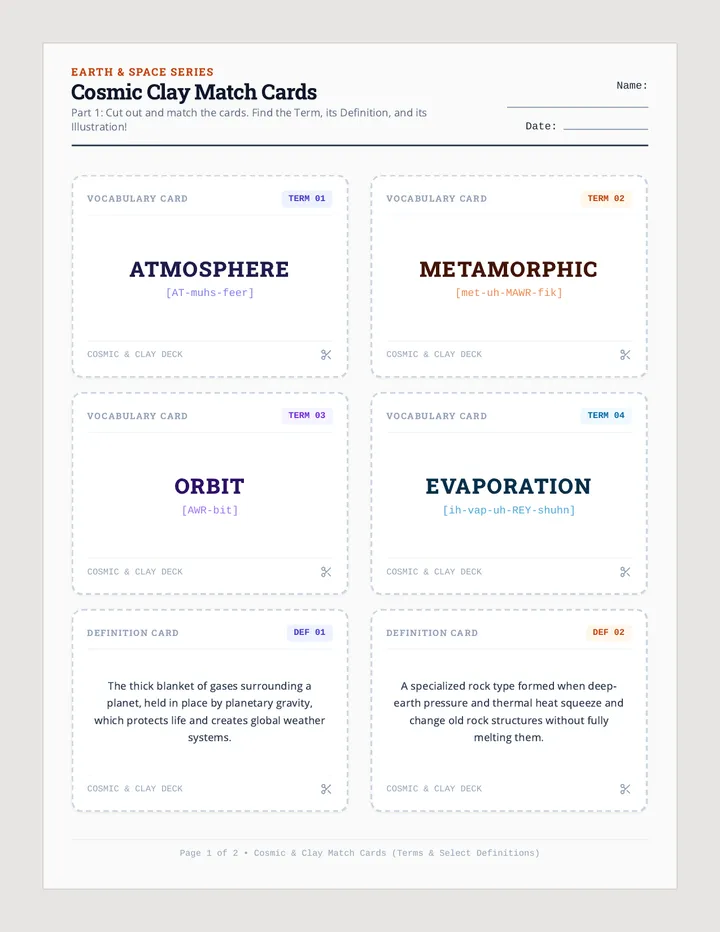
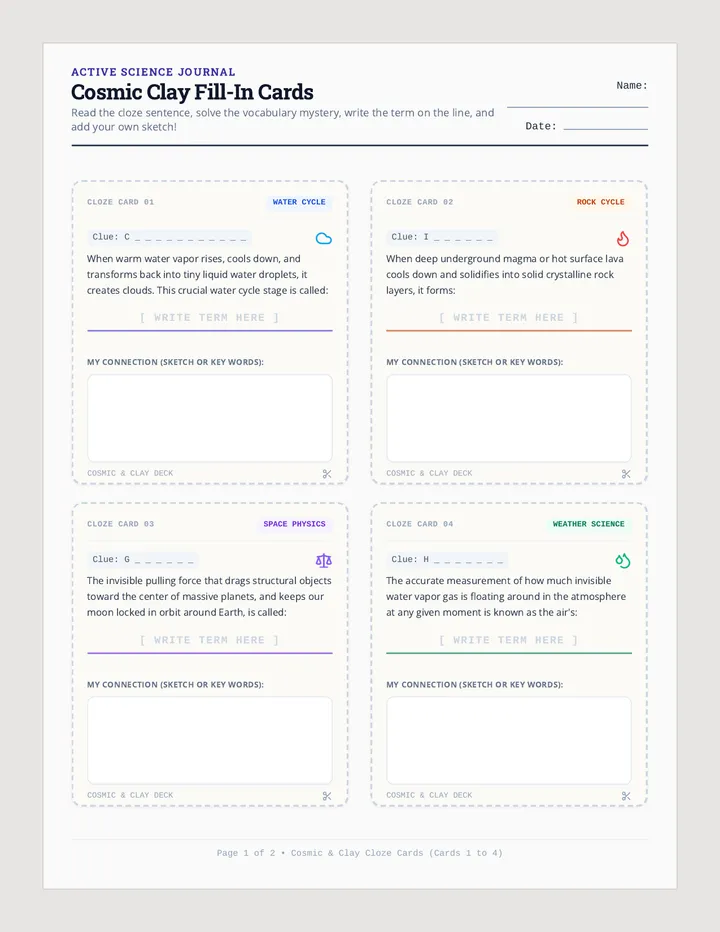
An interactive vocabulary lesson on Earth and Space Science, featuring visual matching card decks and tactile fill-in-the-blank cloze activities covering rocks, weather, water cycles, and space.
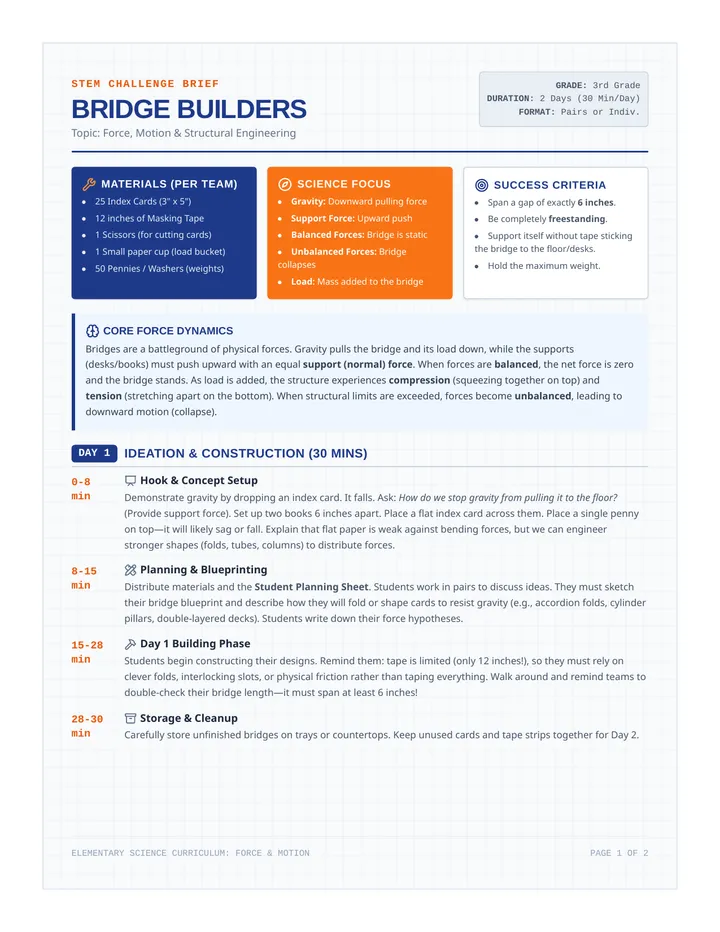
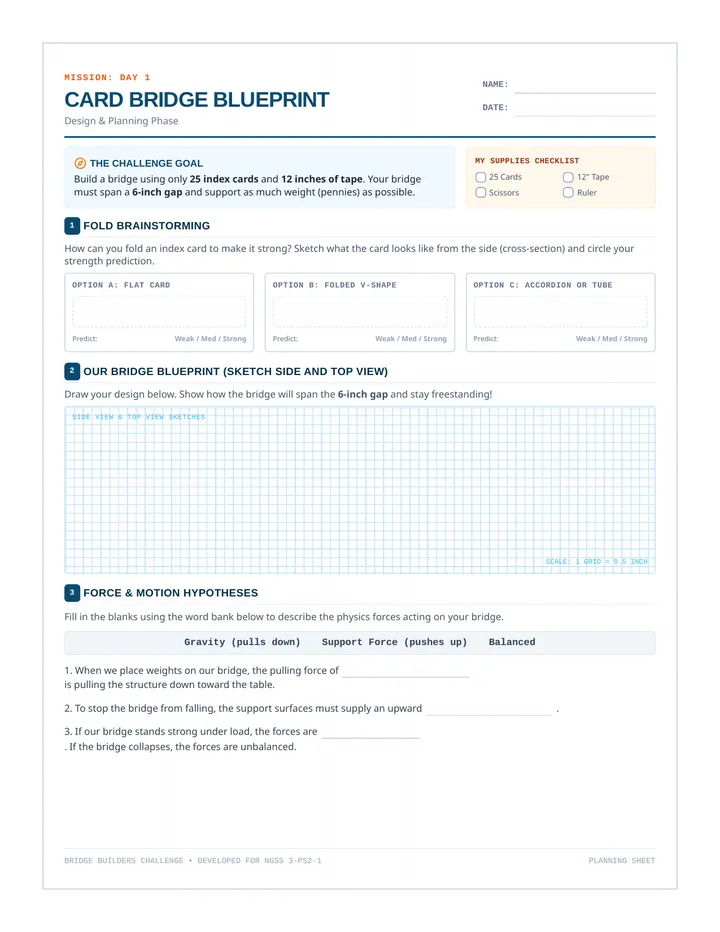
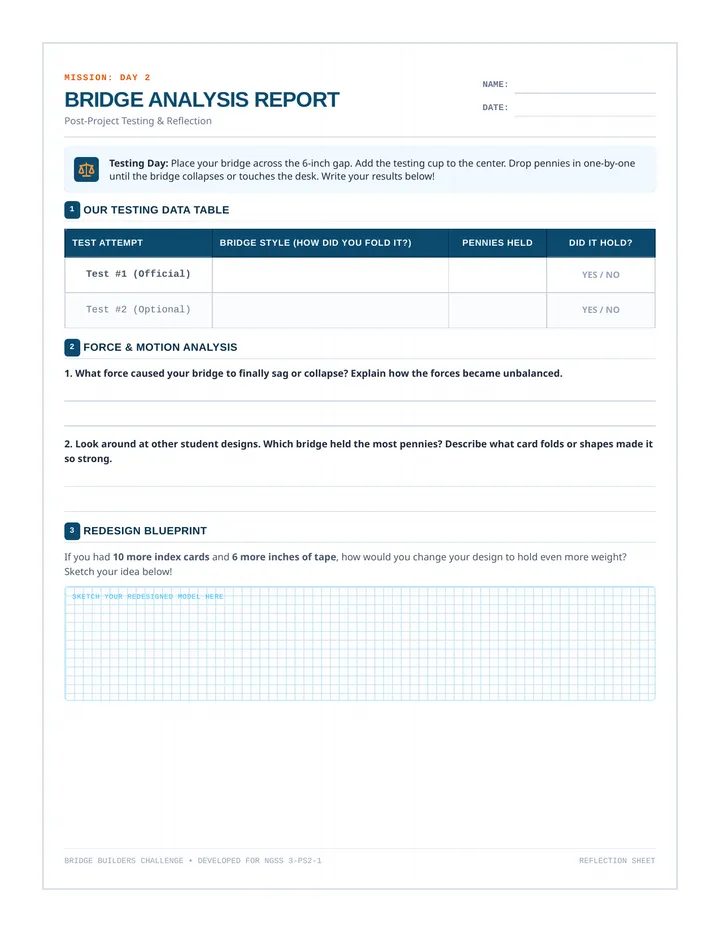
A 2-day hands-on STEM engineering challenge where 3rd-grade students design, build, and test index card bridges to explore balanced and unbalanced forces, gravity, and load-bearing structures.
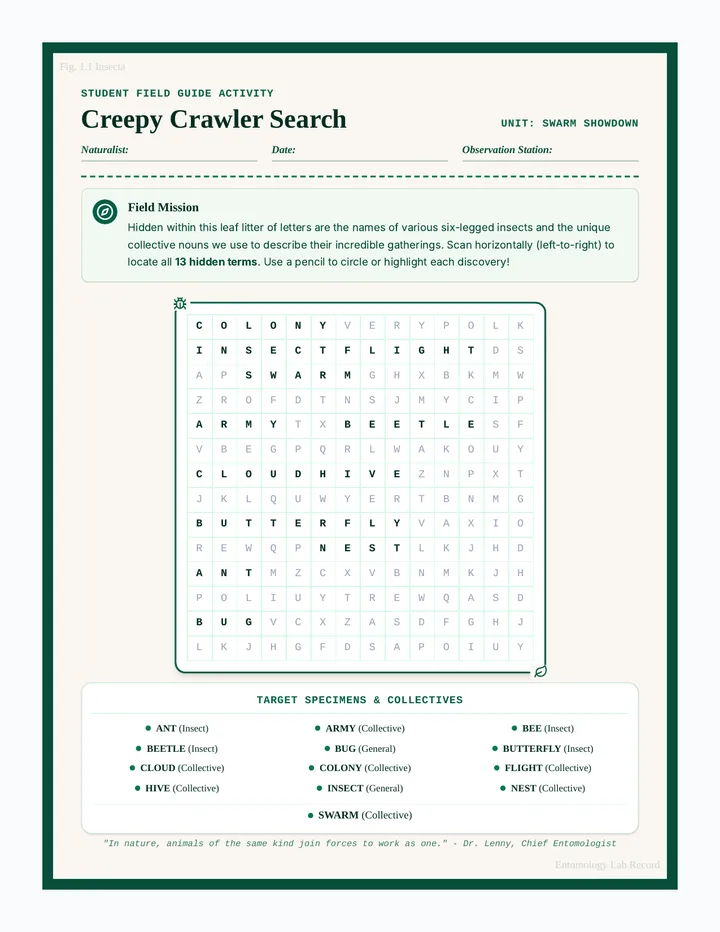
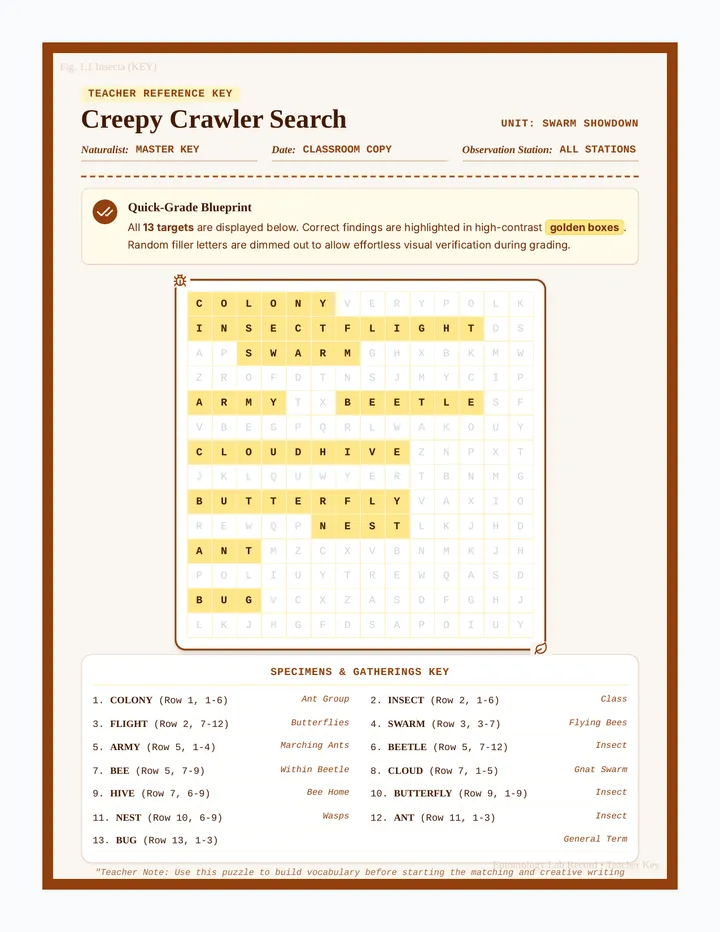
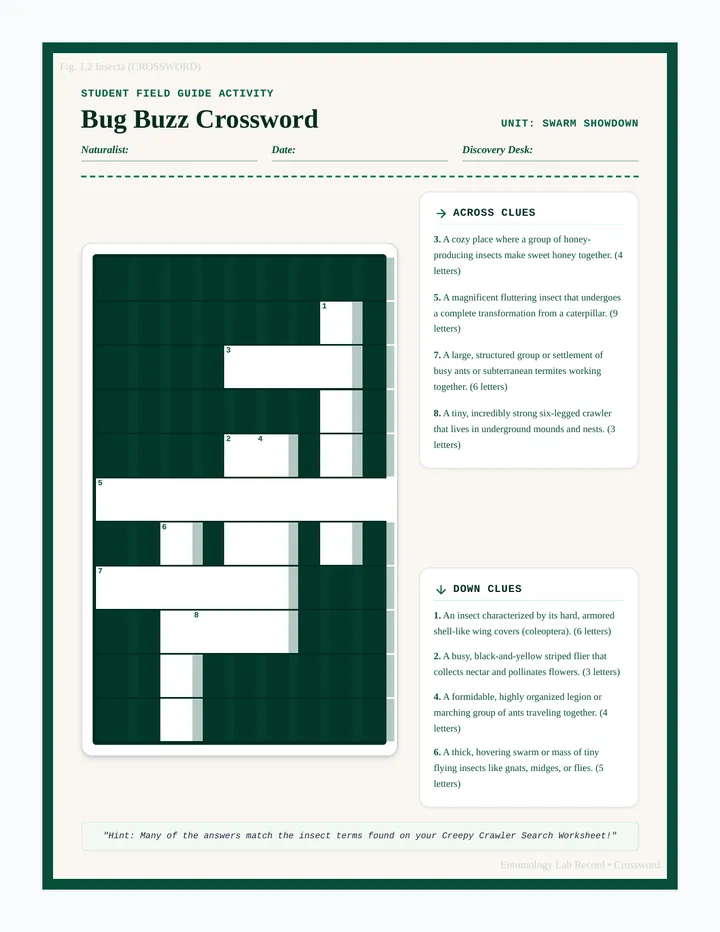
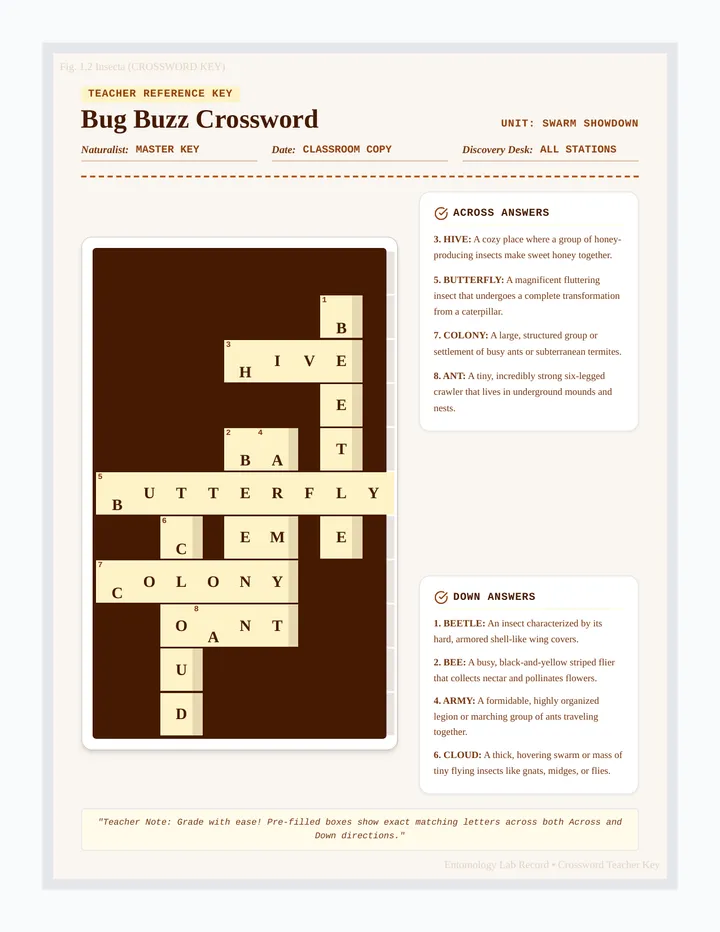
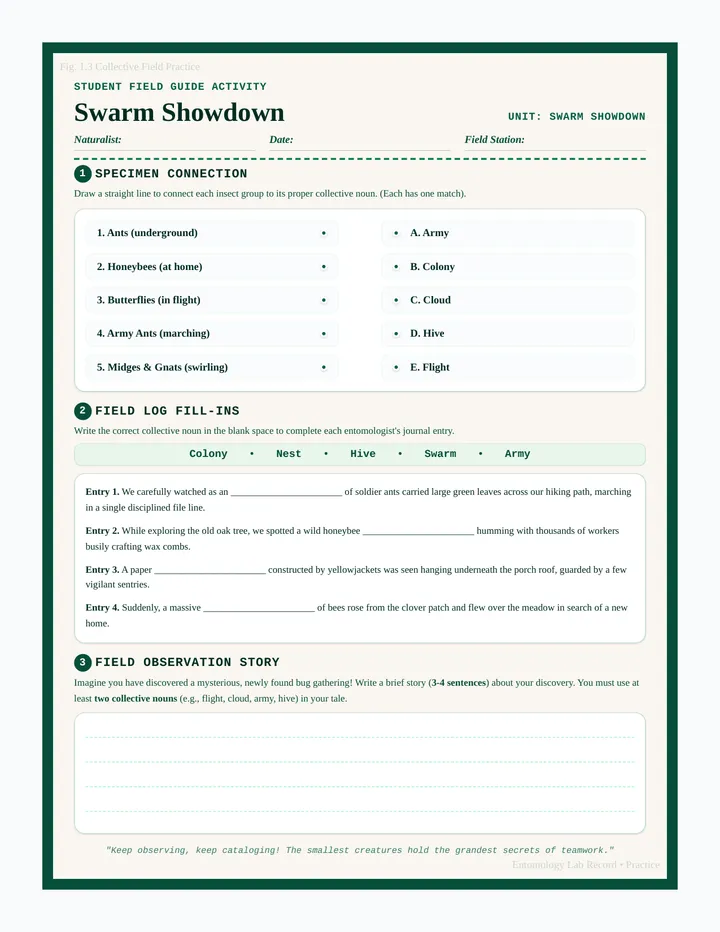
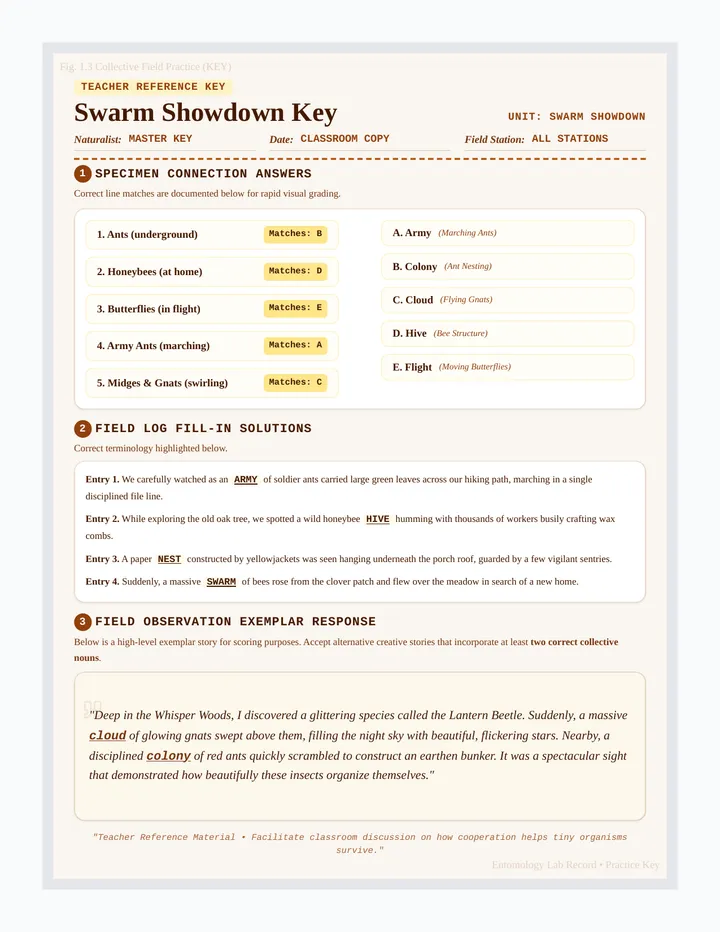
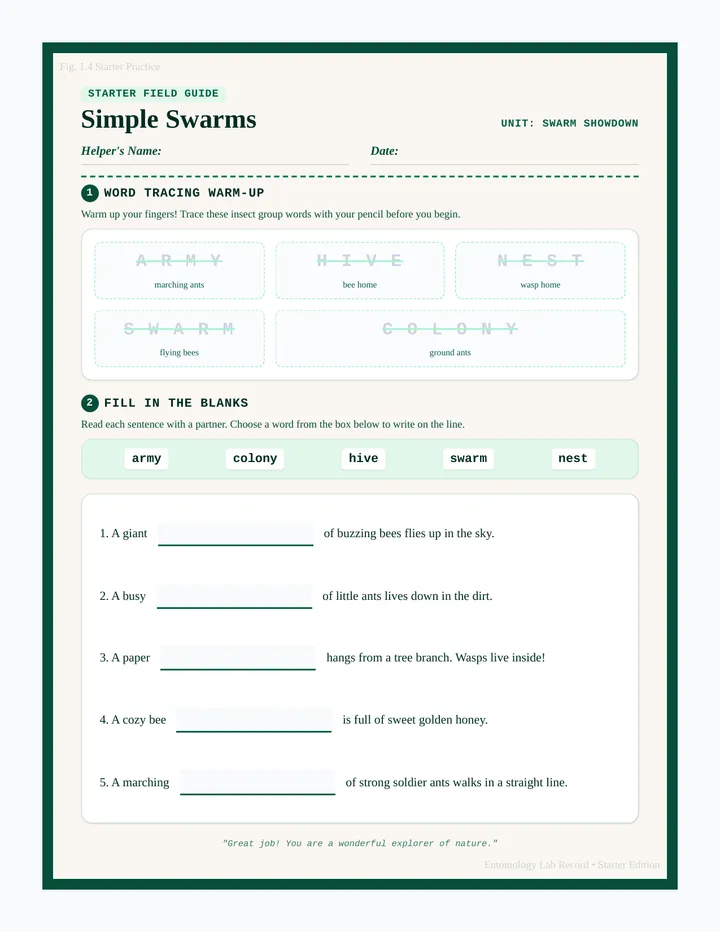
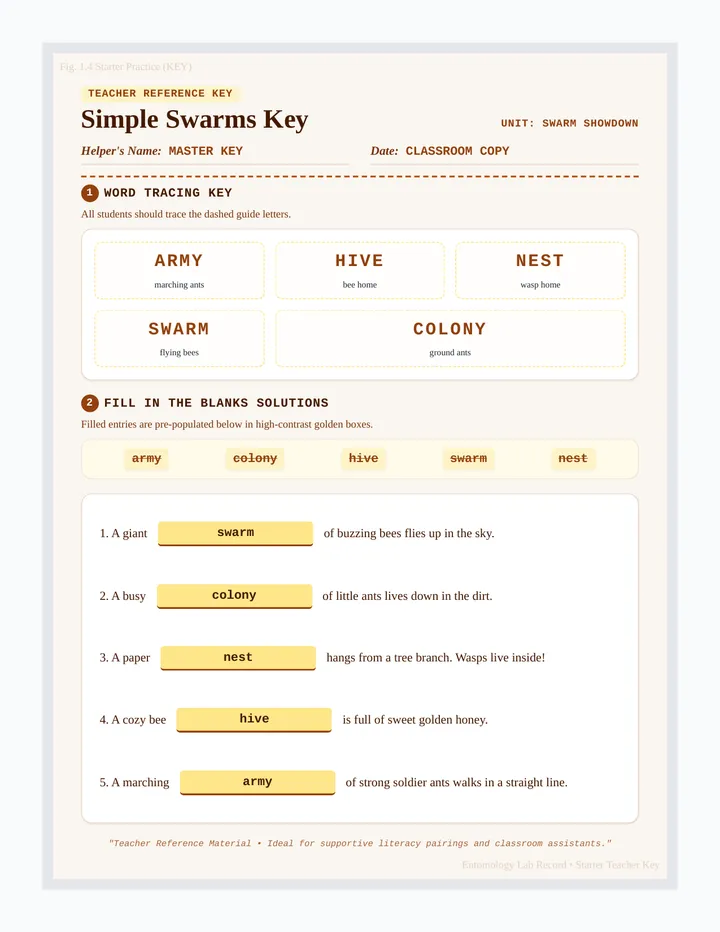
An engaging lesson on insect collective nouns and terminology, featuring a word search, crossword, and hands-on matching and writing activities exploring how bugs gather in groups.
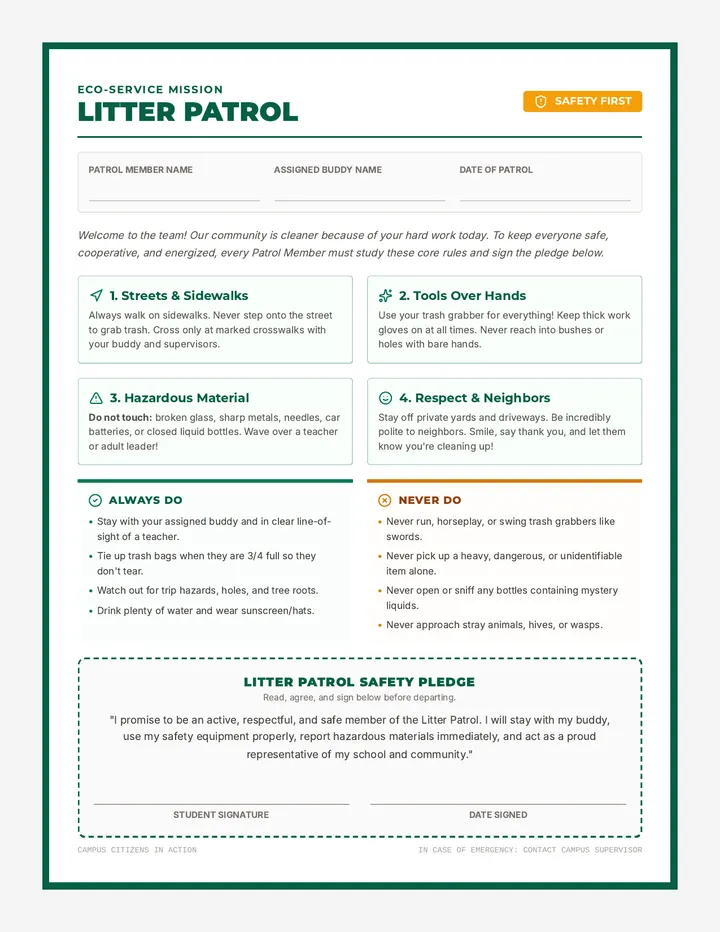
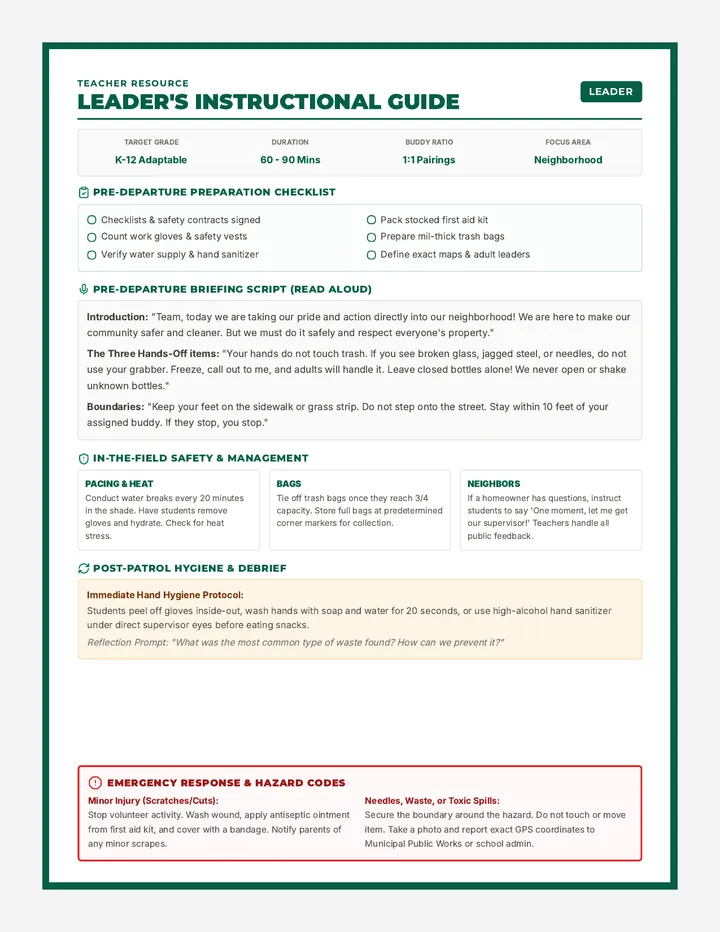
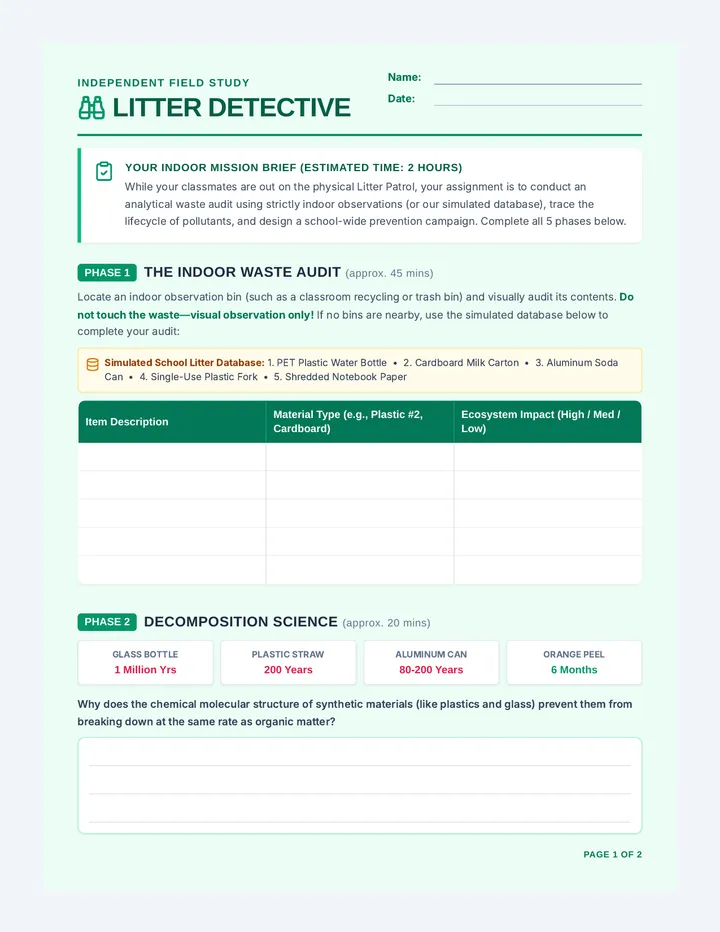
A comprehensive safety and preparation kit for students and teachers participating in a neighborhood trash pick-up community service project. It includes safety slides, a student contract and checklist, and a detailed teacher instruction guide.
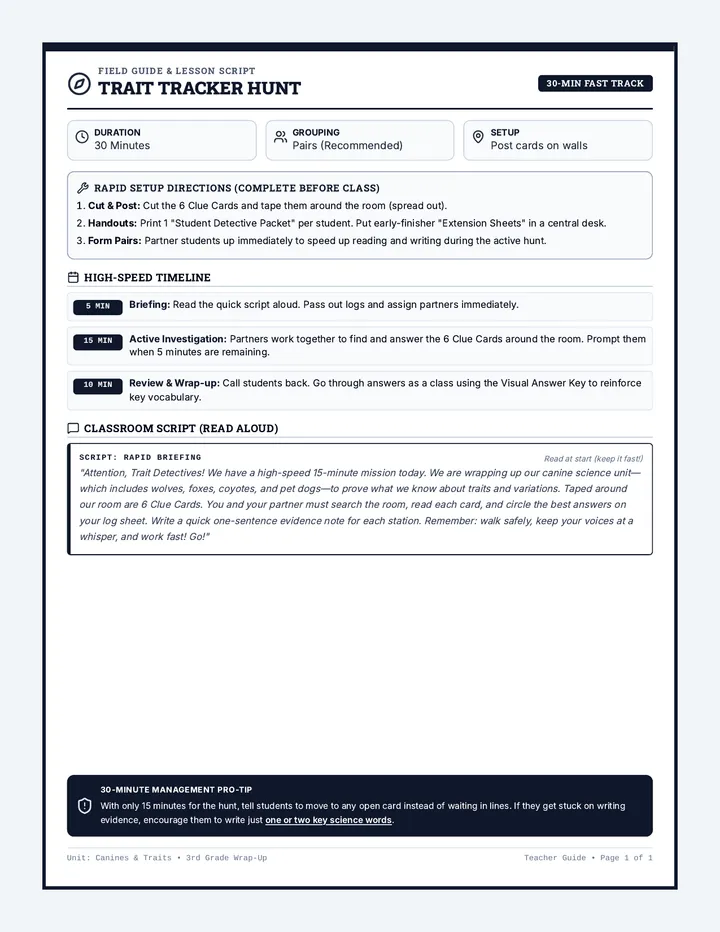
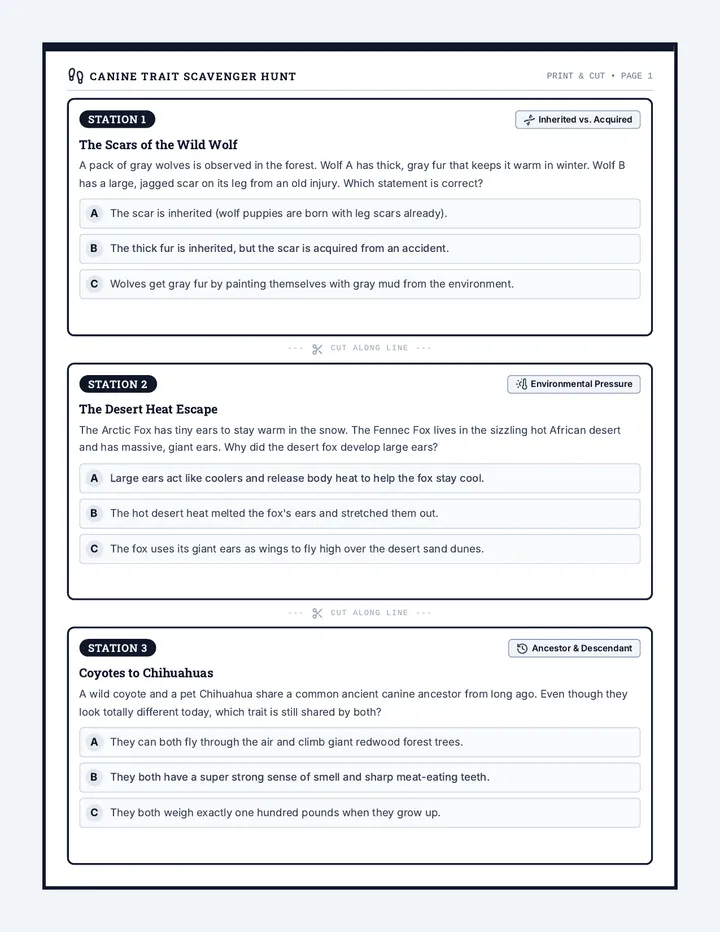
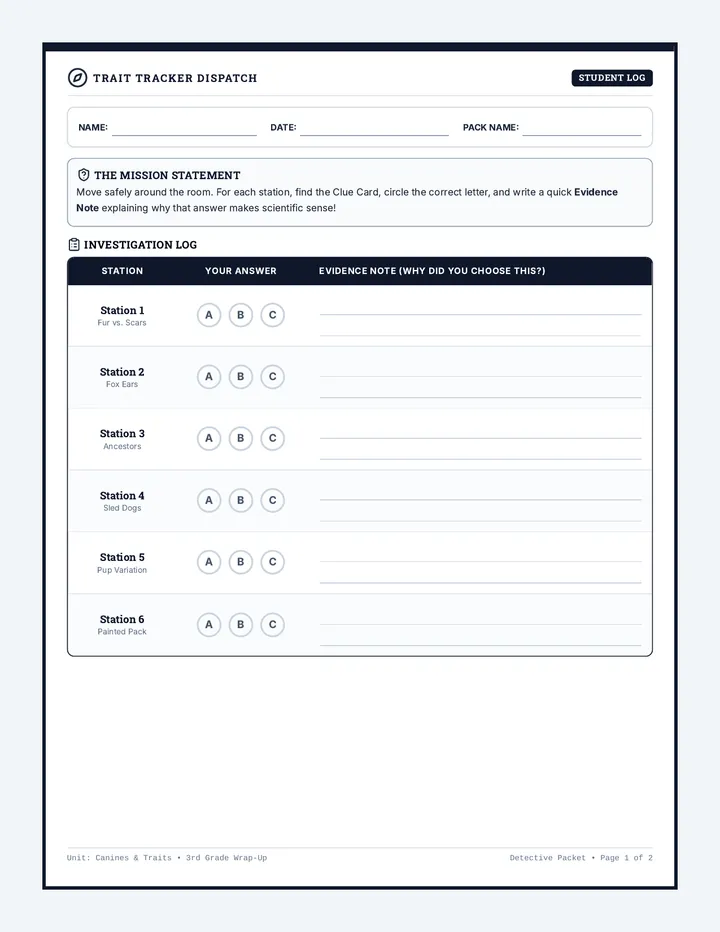
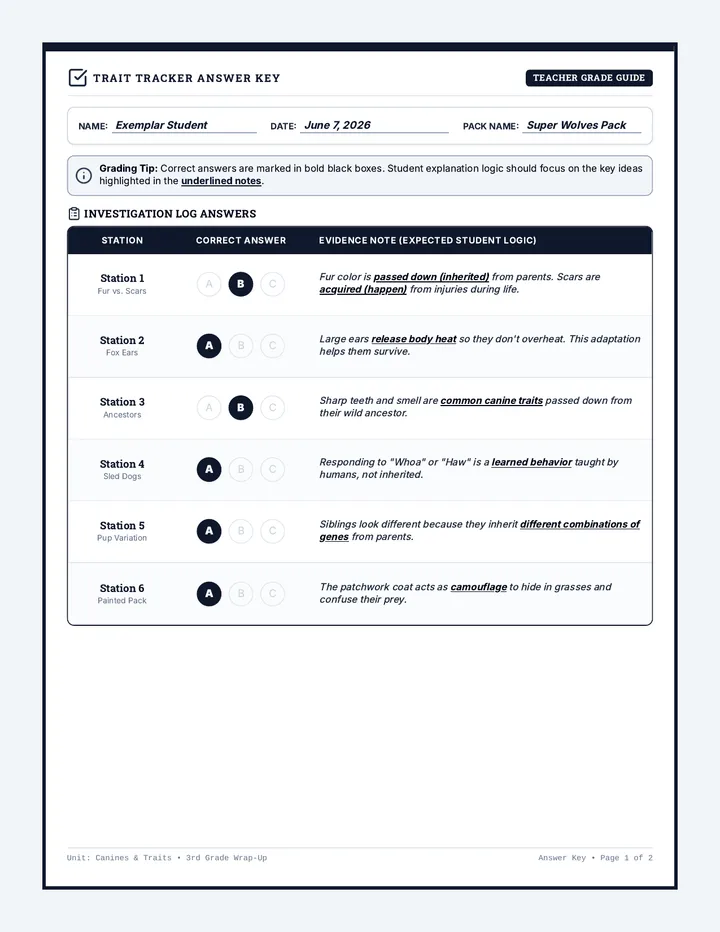
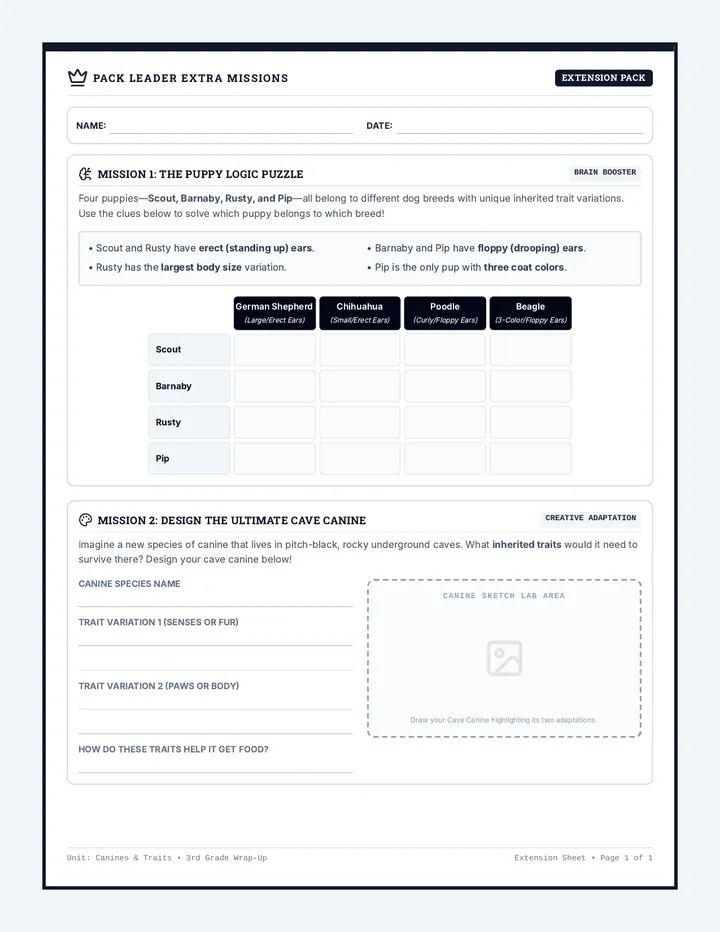
A high-engagement, print-ready scavenger hunt and review activity where students track down canine trait clues. Designed for easy delivery by a substitute teacher, it includes a step-by-step facilitation script, task cards, a student investigation log, an answer key, and creative early-finisher extensions.
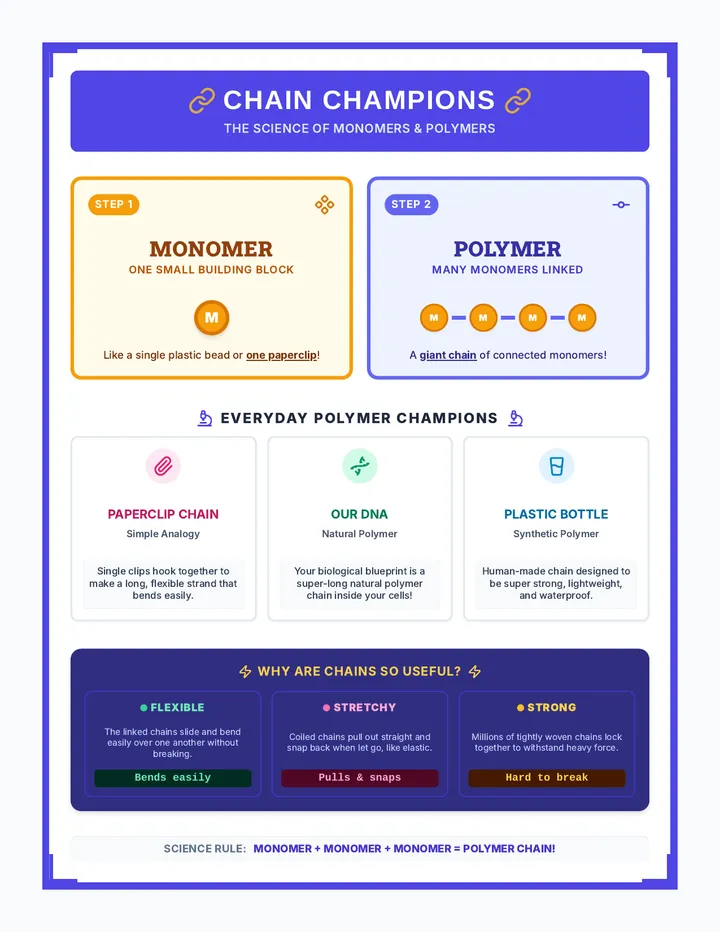
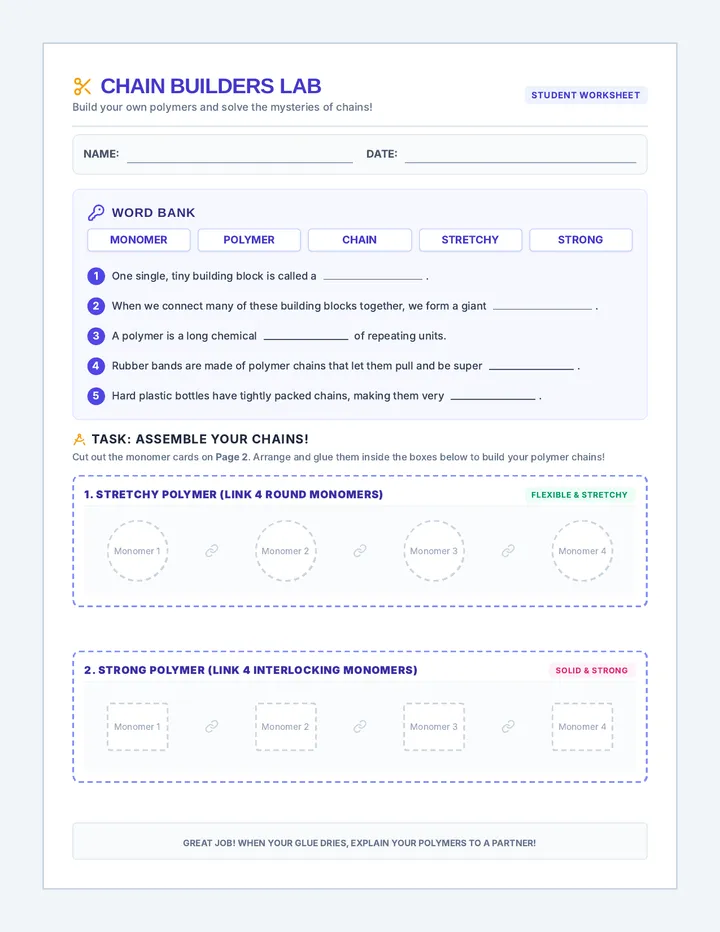
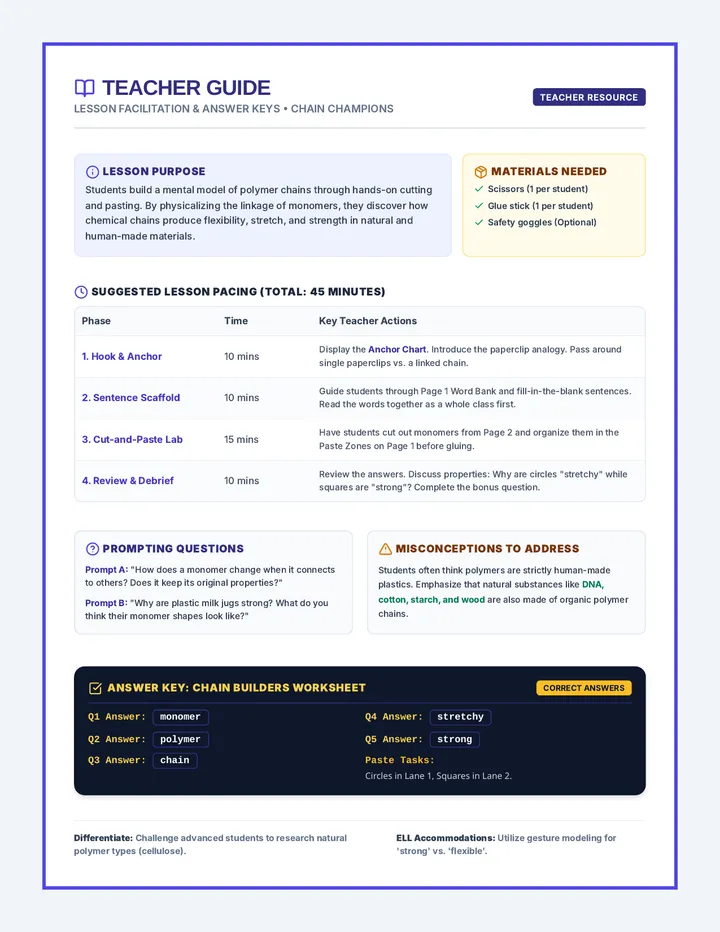
A highly visual and tactile introduction to polymer chains, monomers, and everyday applications. Students explore how small repeating units form strong, flexible, and stretchy properties through hands-on modeling and scaffolded writing.
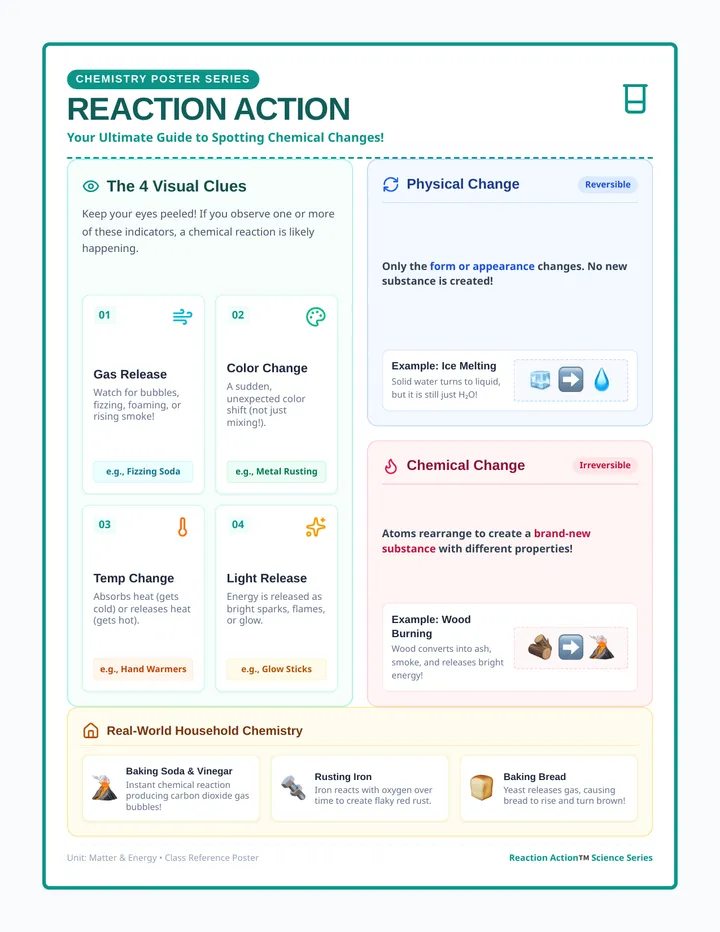
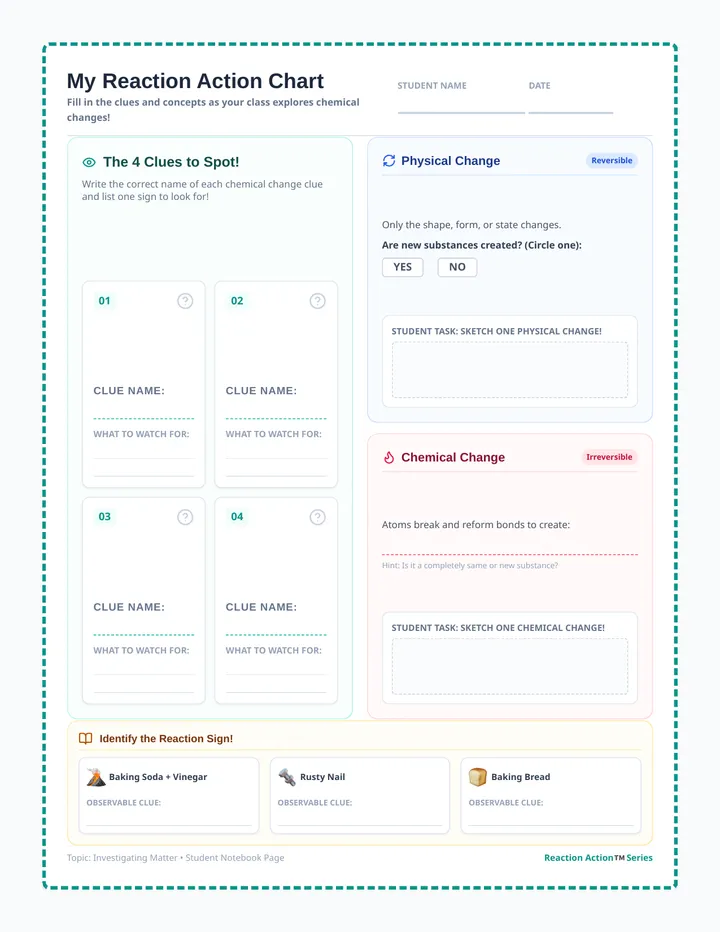
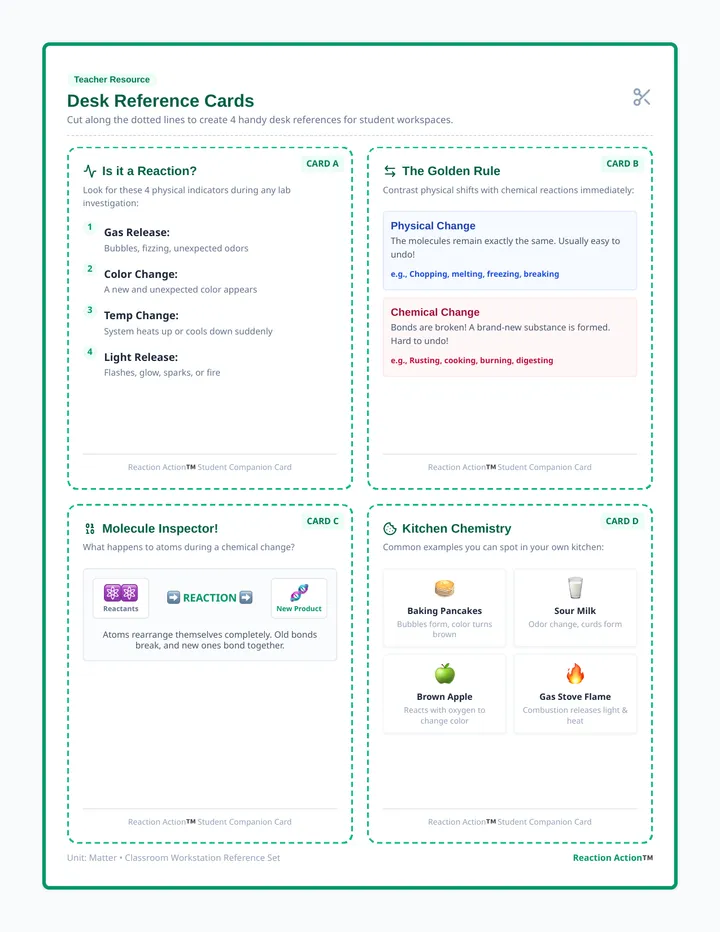
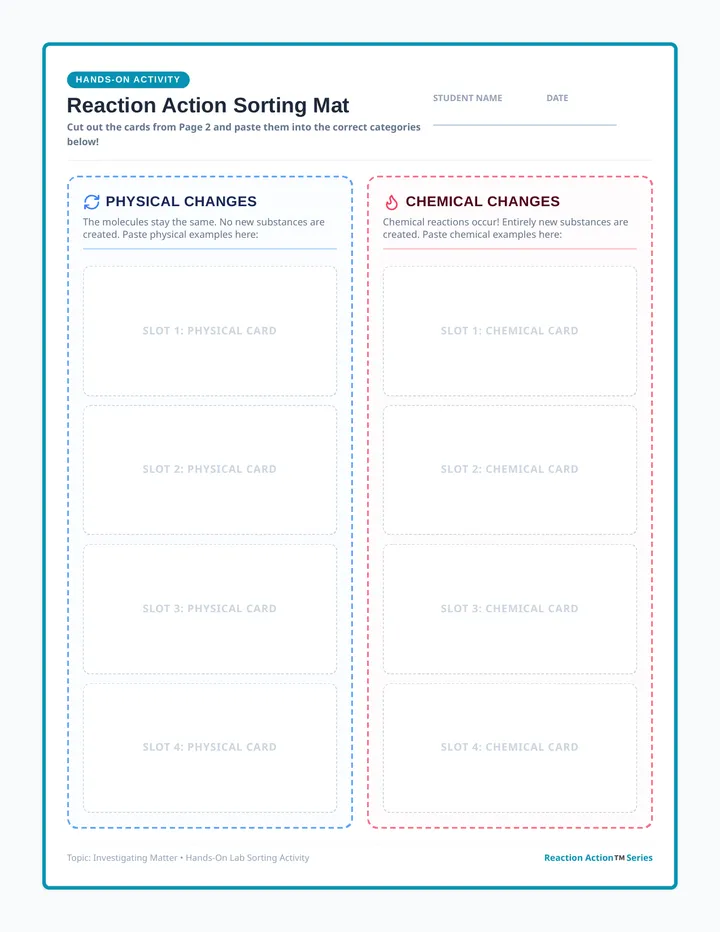
A comprehensive learning suite focused on identifying chemical reactions through visual clues, contrasting physical and chemical changes, and sorting real-world household examples. Includes a complete anchor chart, student fill-in chart, pocket resources, and a hands-on sorting kit.
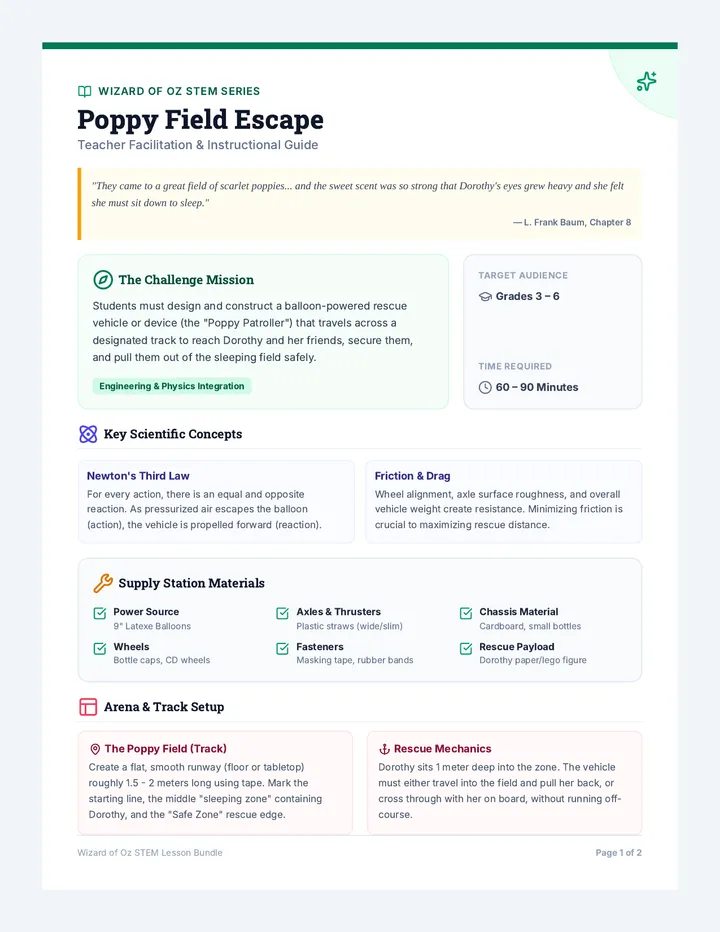
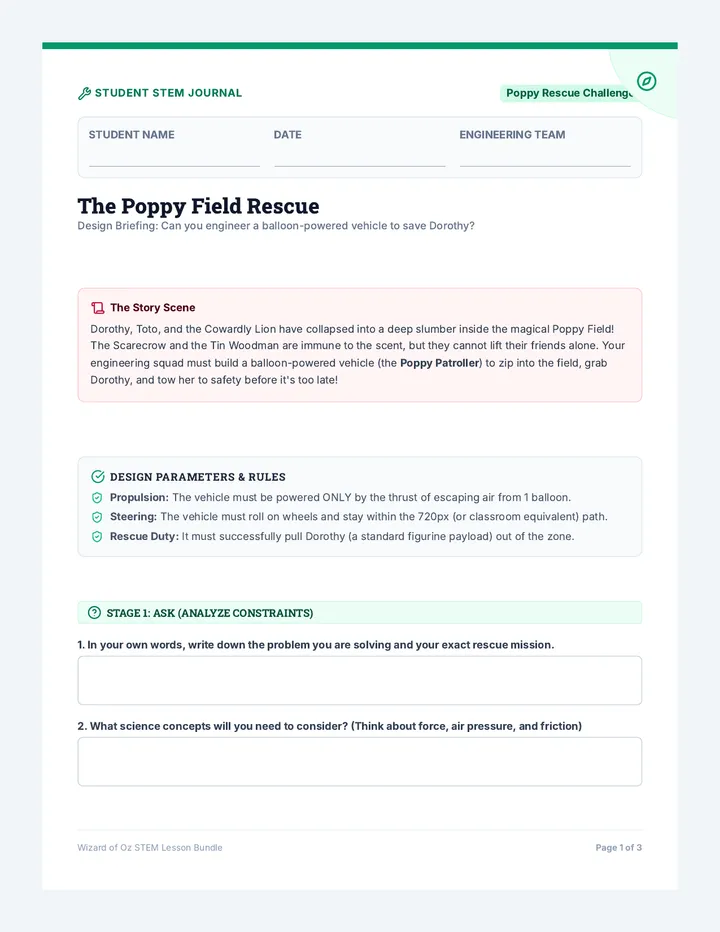
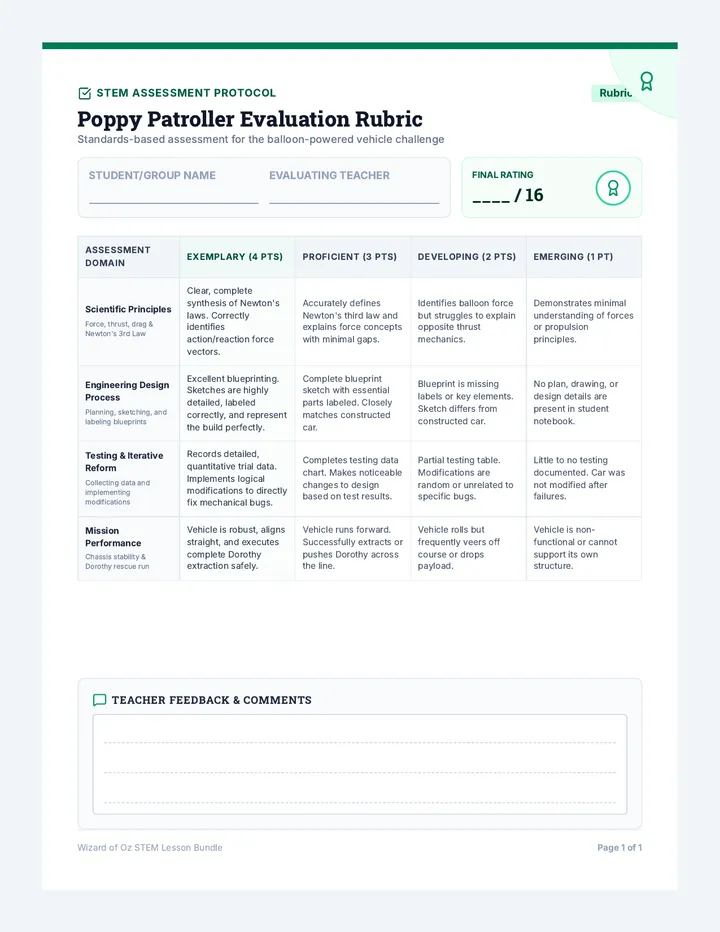
A hands-on STEM challenge based on The Wizard of Oz where students design and build a balloon-powered rescue vehicle to save Dorothy and her friends from the sleeping effects of the Poppy Field. This lesson guides students through the complete engineering design process, combining physical science concepts with literary connections.
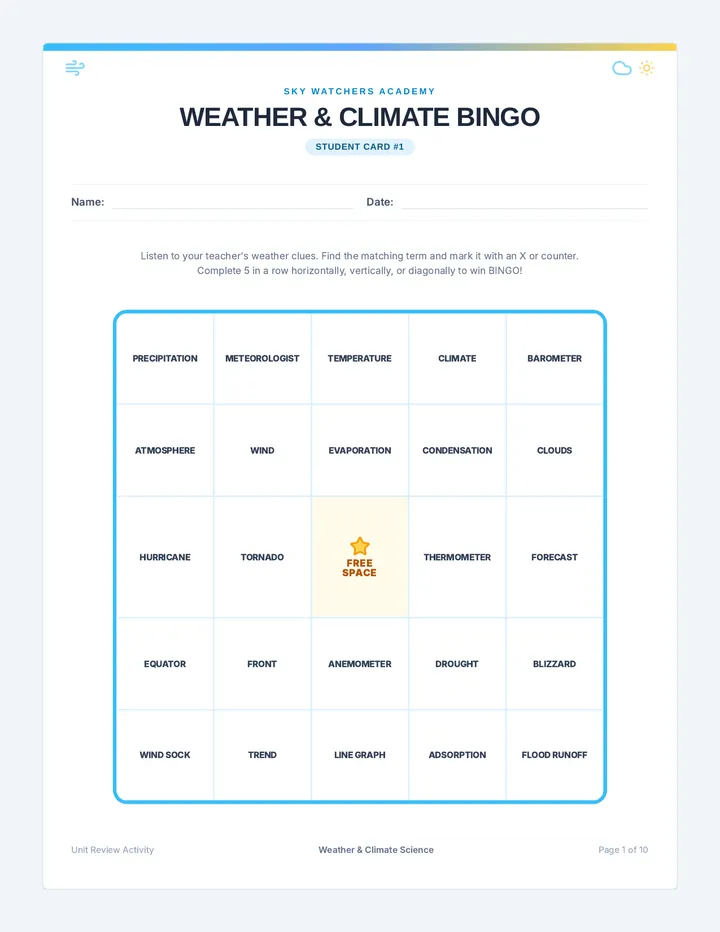
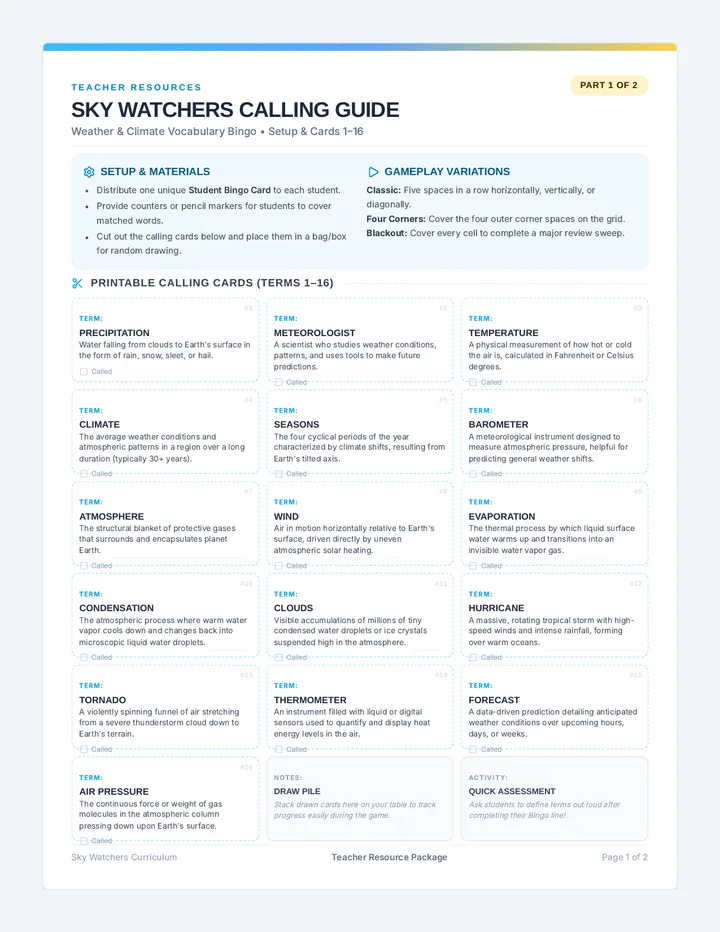
A weather and climate science unit featuring a complete class set of ready-to-print Bingo cards and a comprehensive teacher calling and tracking guide.
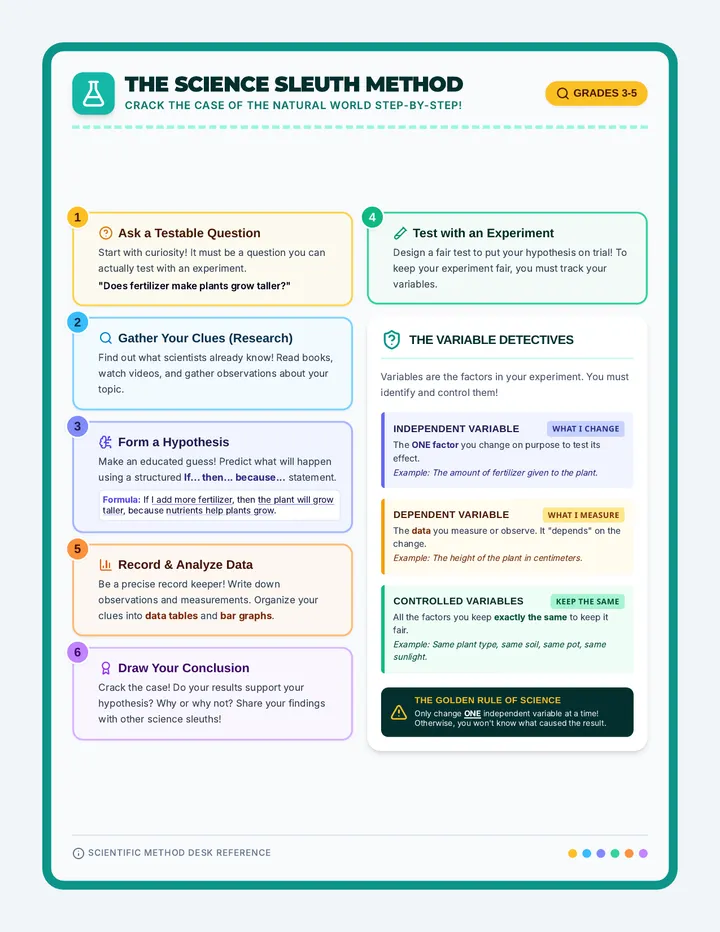
A high-impact science investigation unit starting with visual anchor charts and student planning templates to master the scientific method and variable identification in grades 3-5.
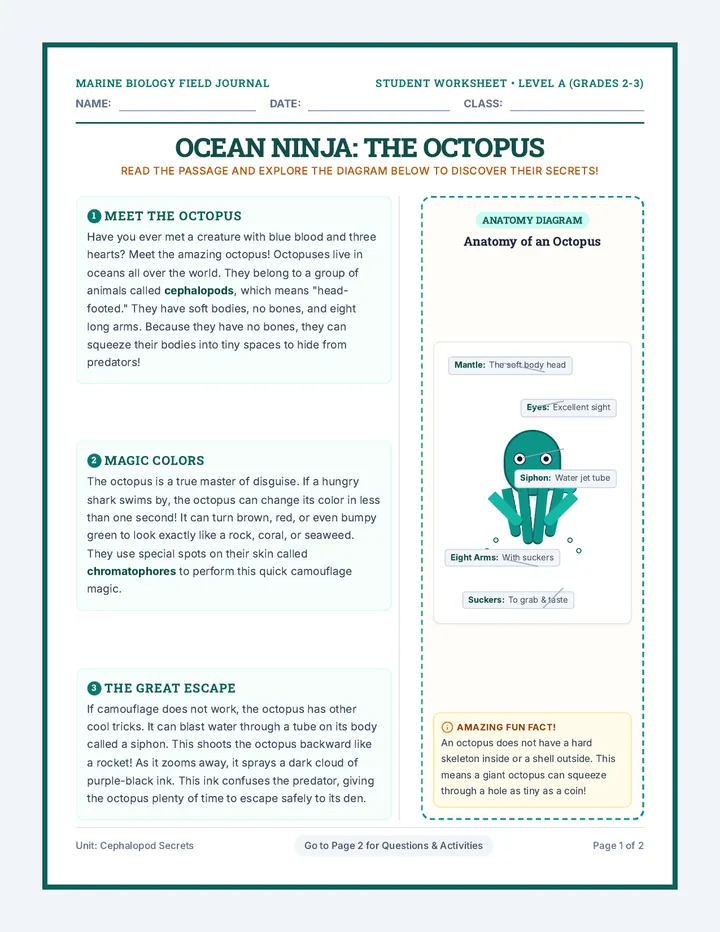
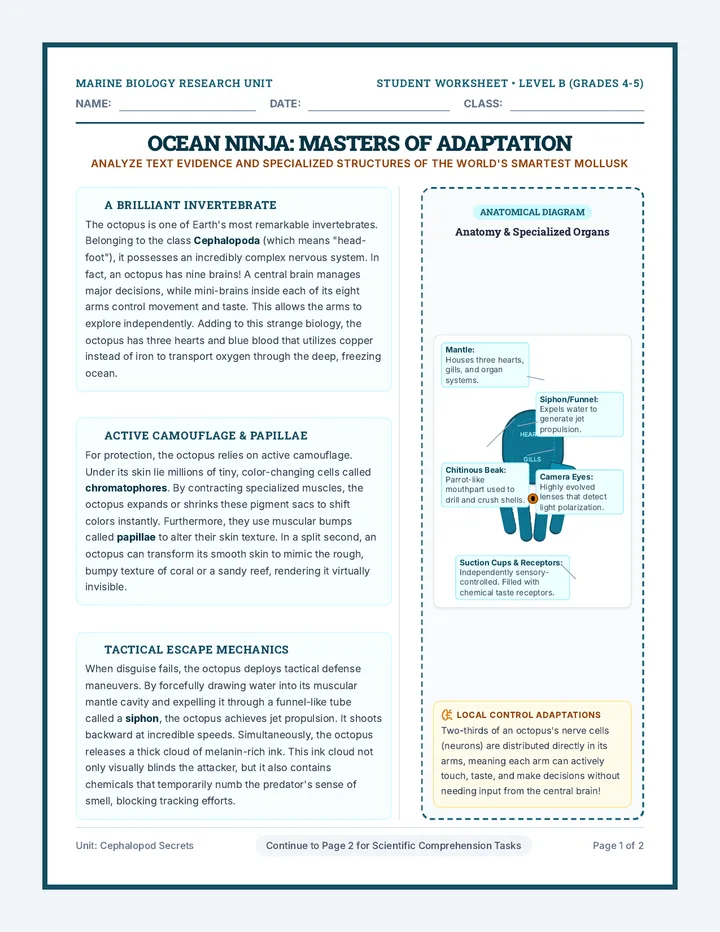
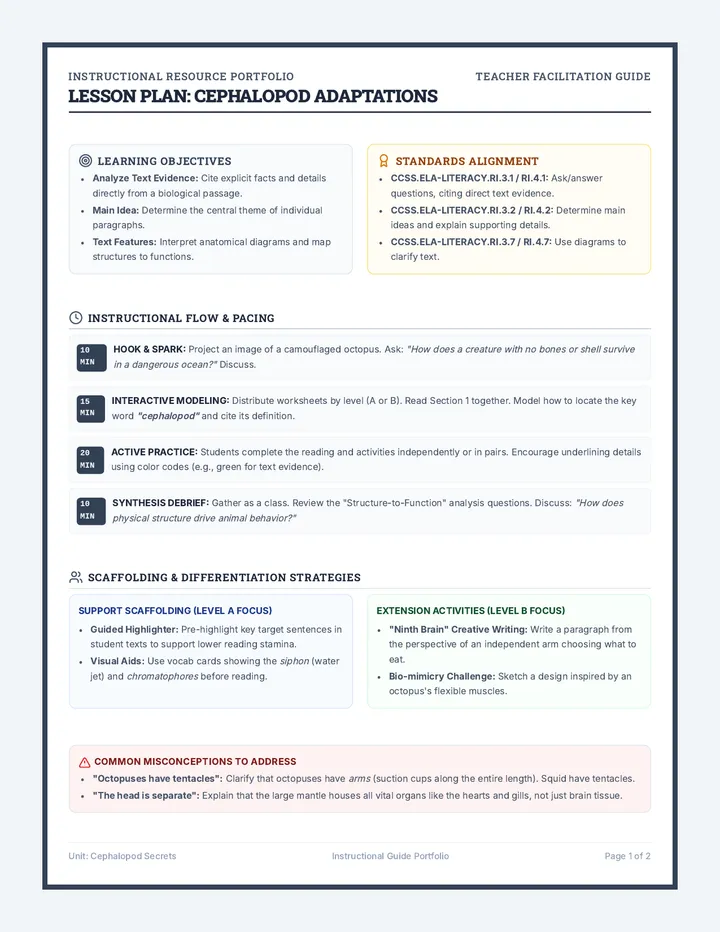
A differentiated reading comprehension unit focusing on the fascinating adaptations, anatomy, and intelligence of octopuses. Students read level-adjusted passages, analyze text-feature diagrams, and practice finding direct text evidence and summarizing main ideas.
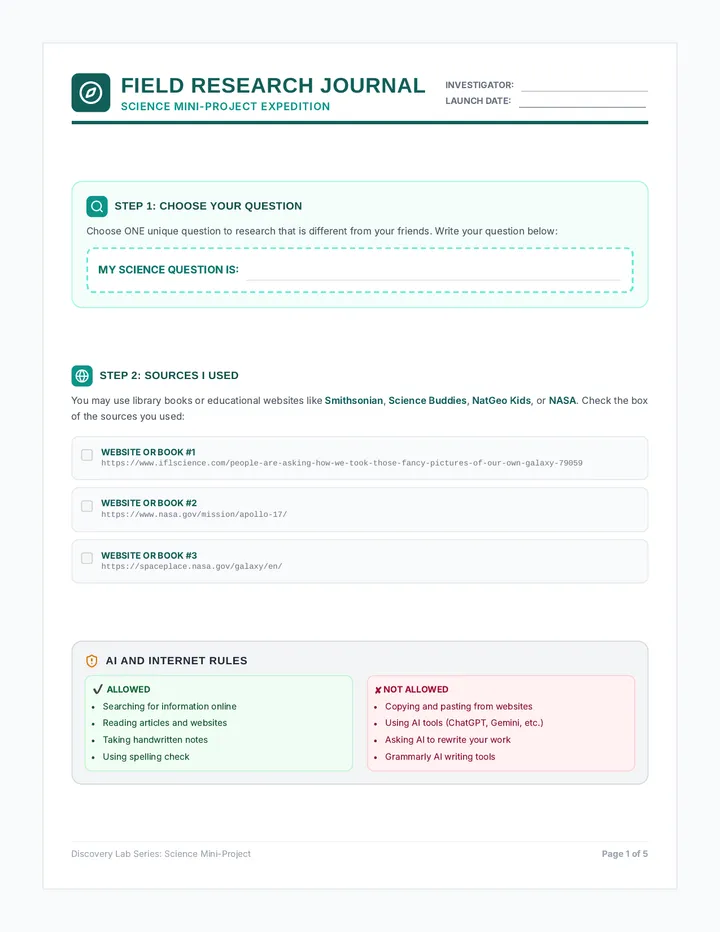
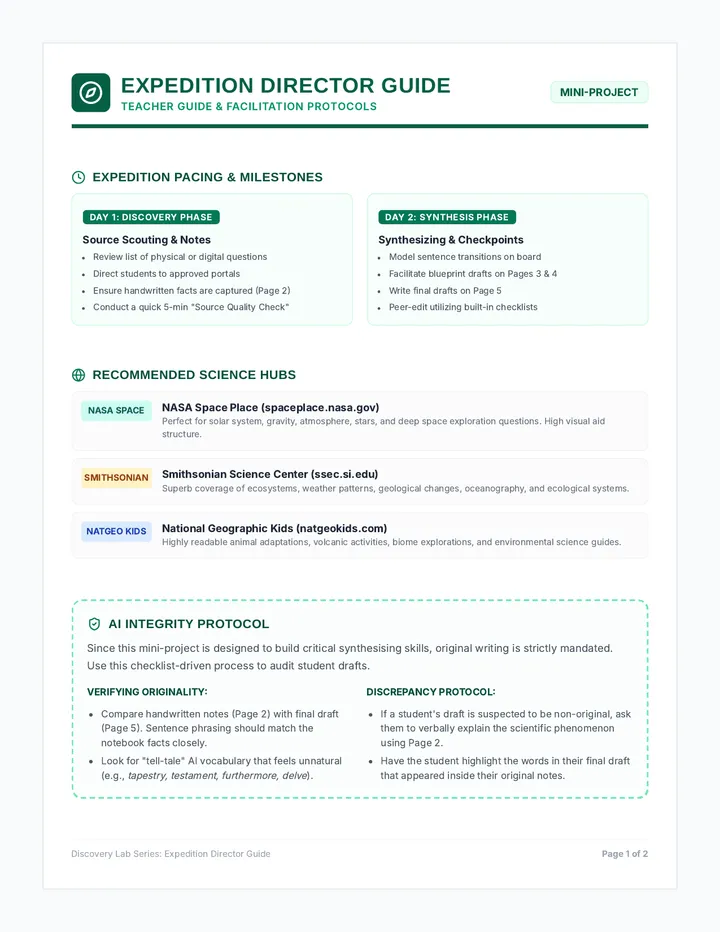
A student-led research project where students choose a science question, evaluate reliable sources, gather evidence, and draft a 3-4 paragraph explanation. Includes moderate visual scaffolding and structured checklists to guide independent inquiry and writing.
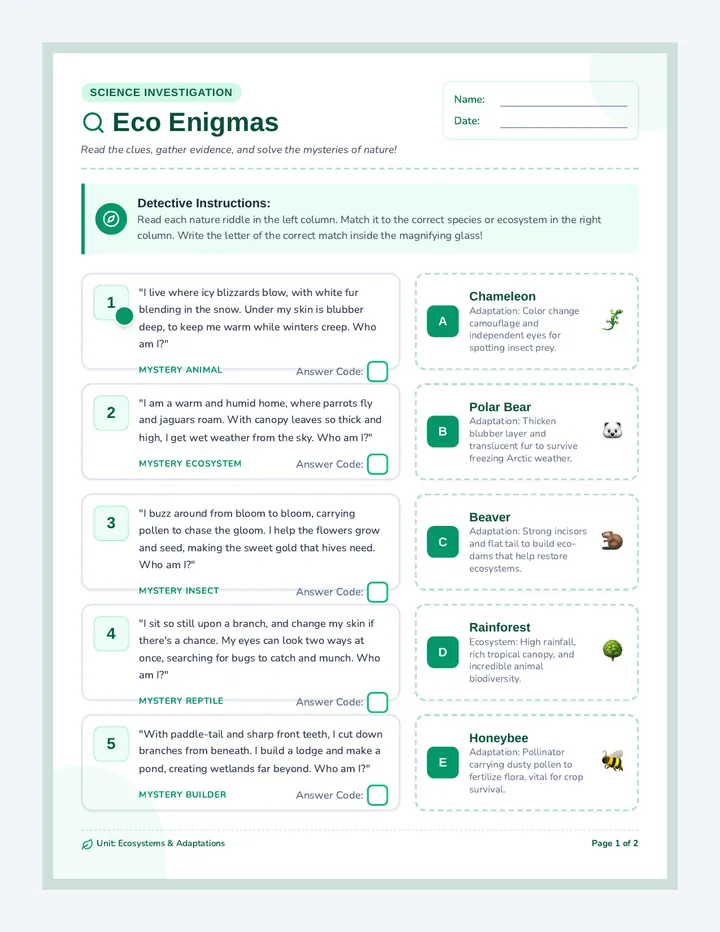
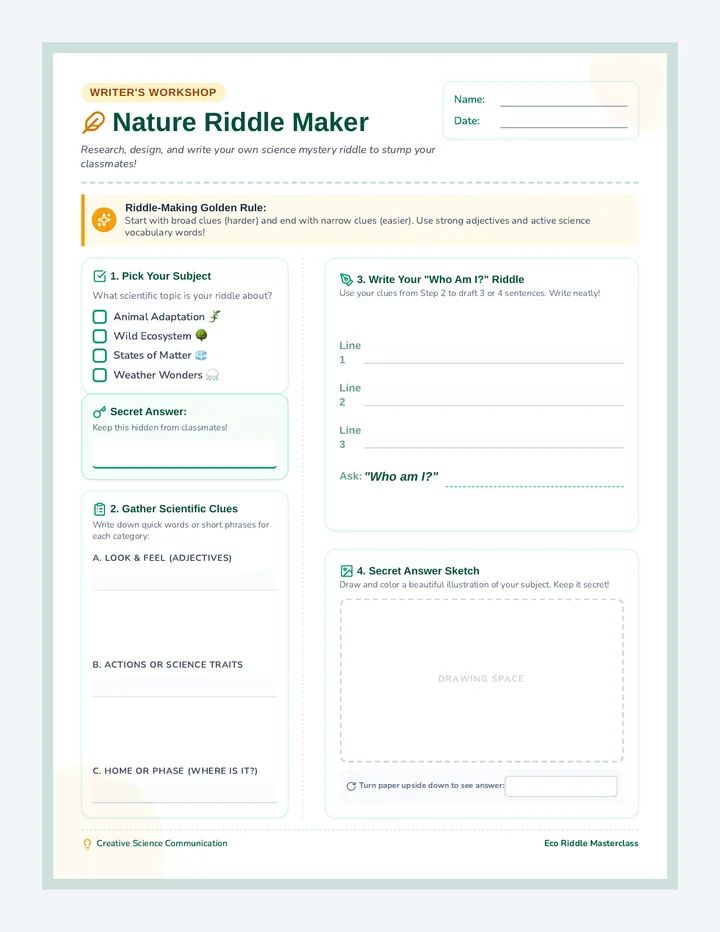
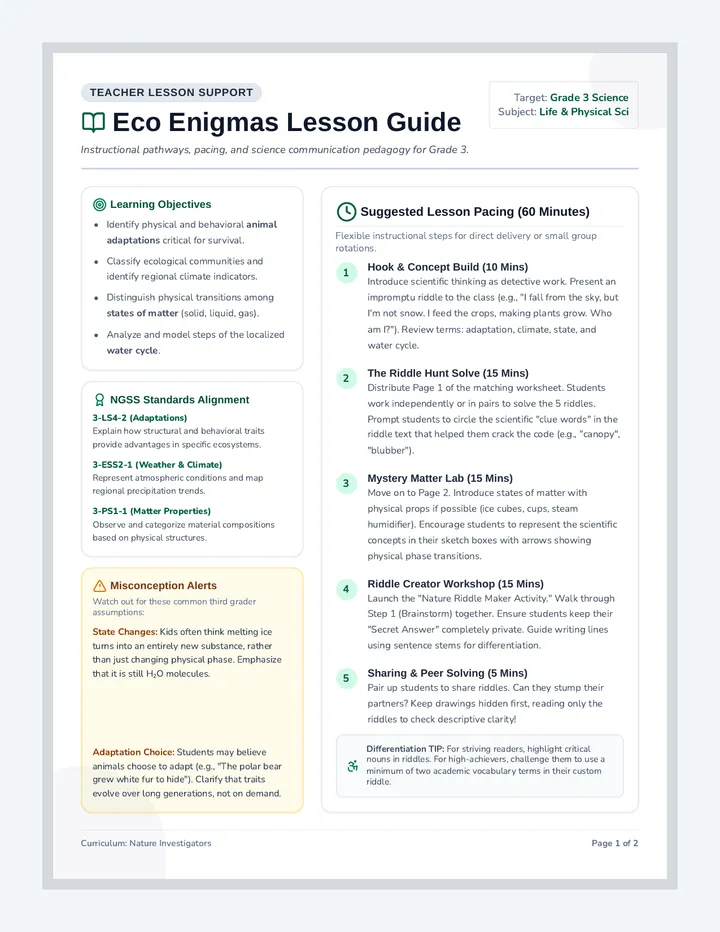
A hands-on science lesson for third graders using riddles to explore ecosystems, animal adaptations, weather, and states of matter. Students solve clues, match concepts, and author their own scientific riddles.
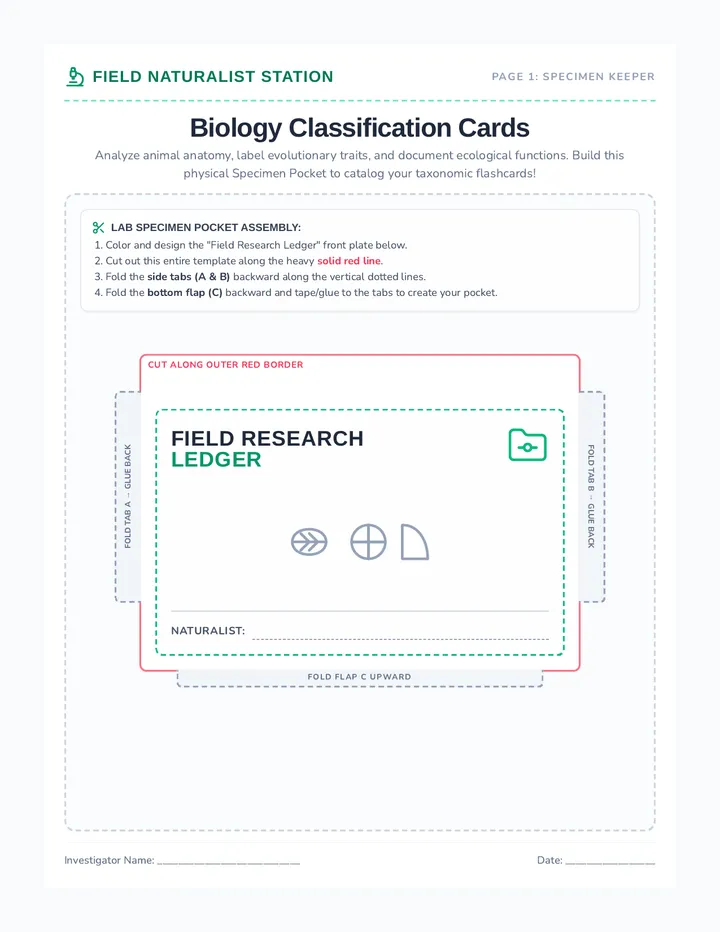
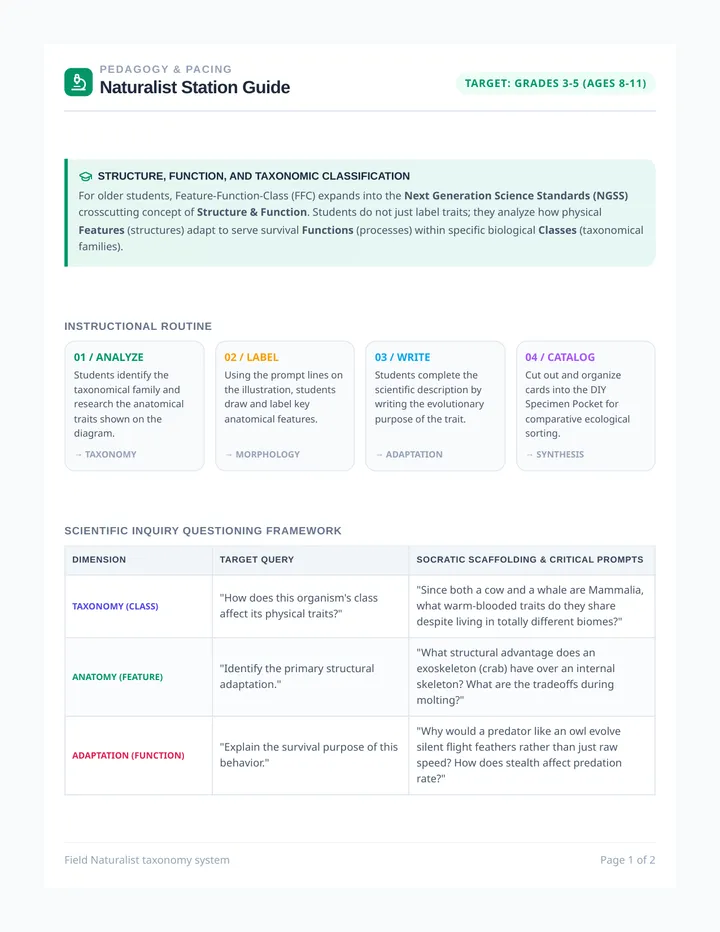
A biology and taxonomy sorting system designed for older kids (Grades 3-5). Students analyze evolutionary adaptations, label critical anatomical features, and categorize specimens by their taxonomic classes, habitats, and ecological functions.
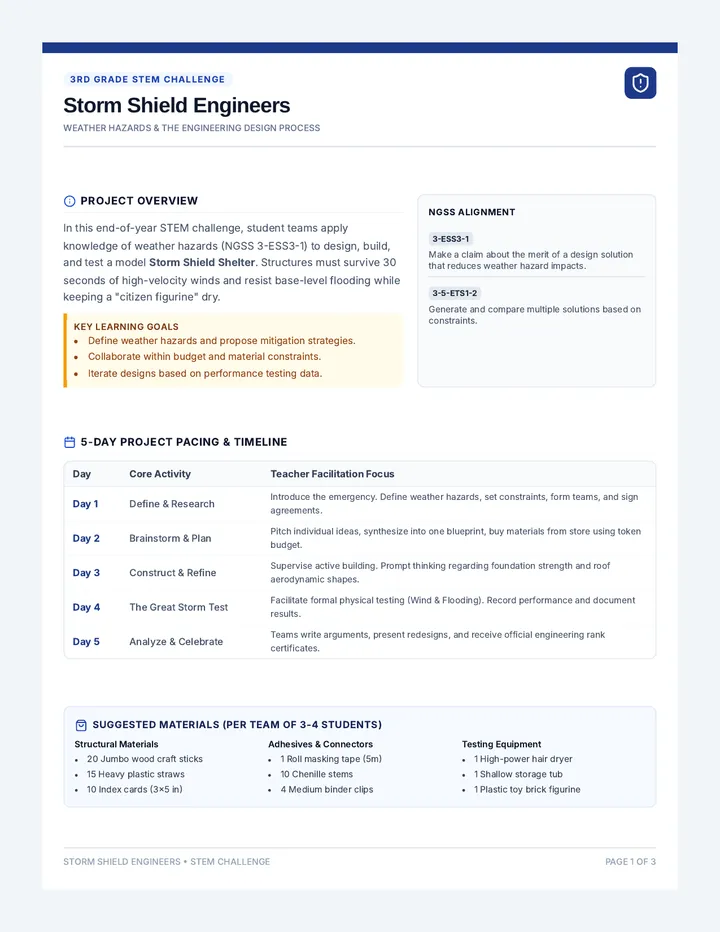
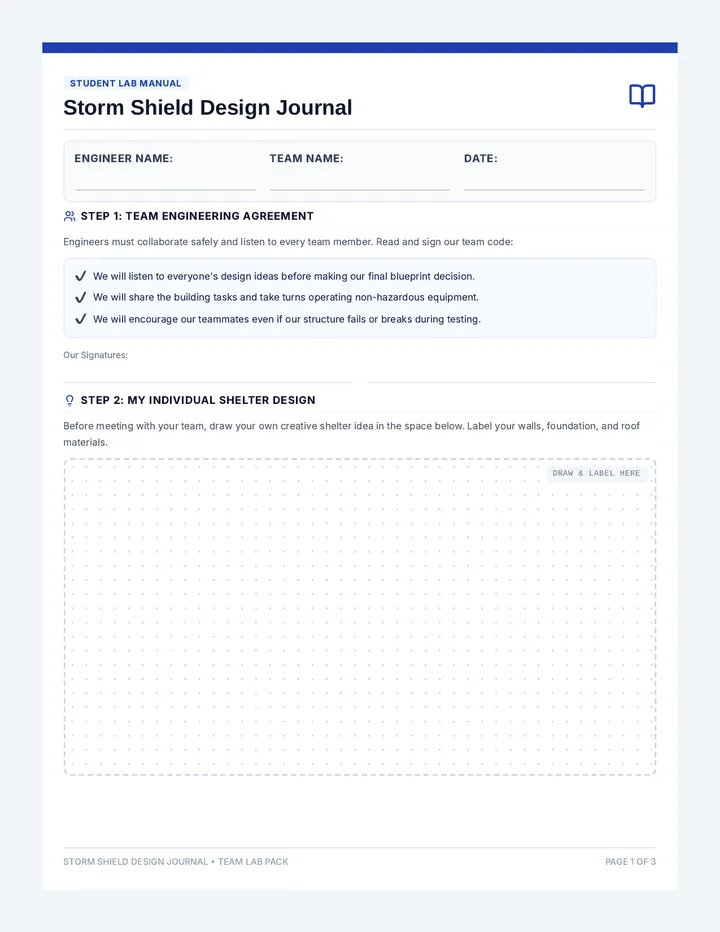
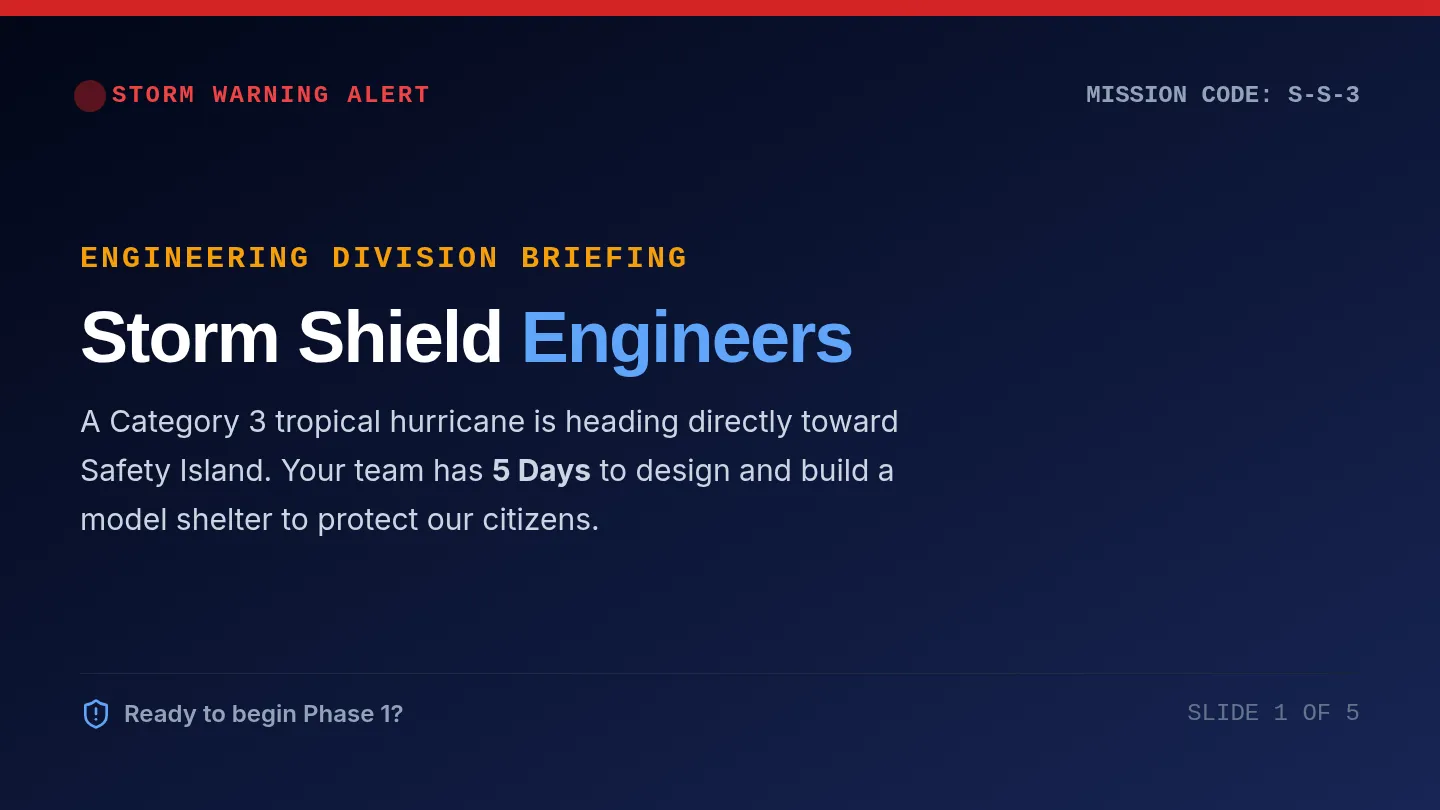
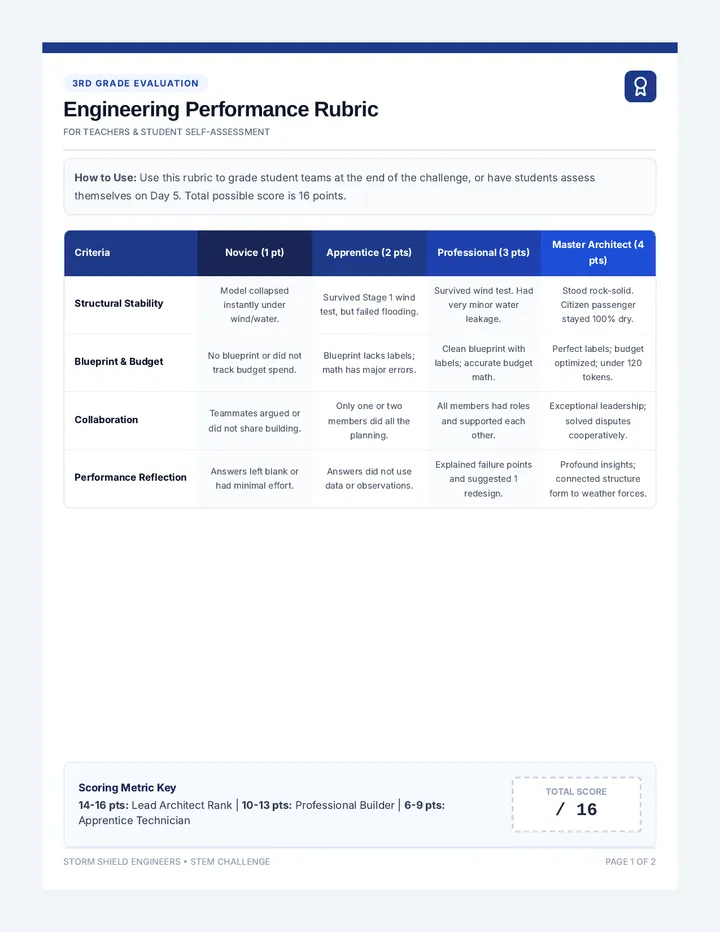
A collaborative, hands-on 3rd-grade STEM challenge where student engineering teams design, build, and test a model storm shelter that can survive wind and water hazards. Students apply weather hazard standards while experiencing the complete engineering design process over a multi-day timeline.
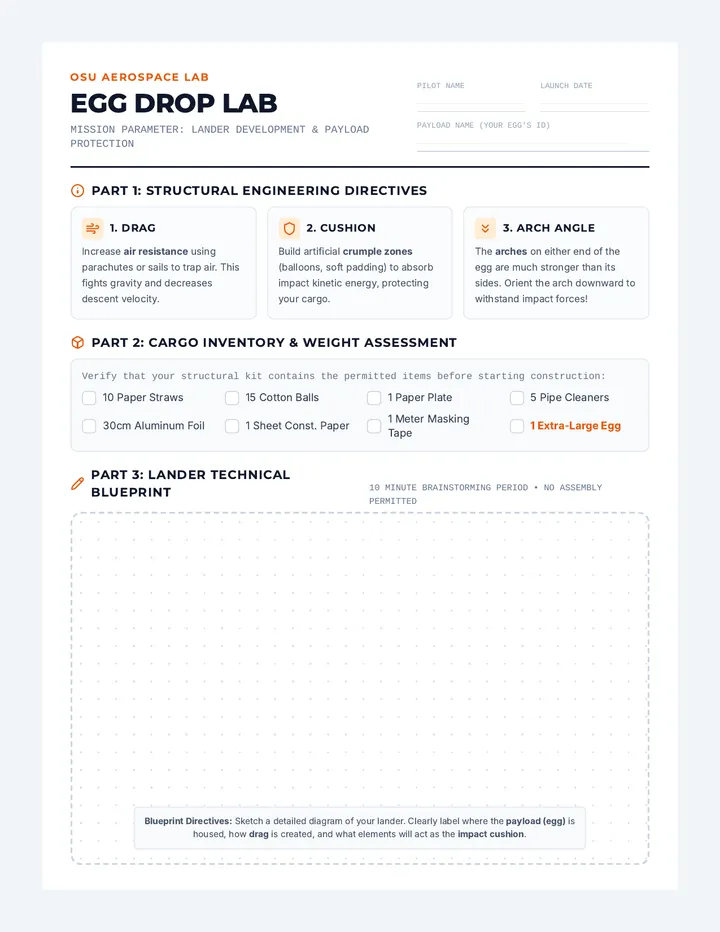
An engaging, hands-on physics and engineering lesson where students design, build, and test protective landing craft for fragile payloads (eggs), exploring forces, deceleration, and structural integrity.
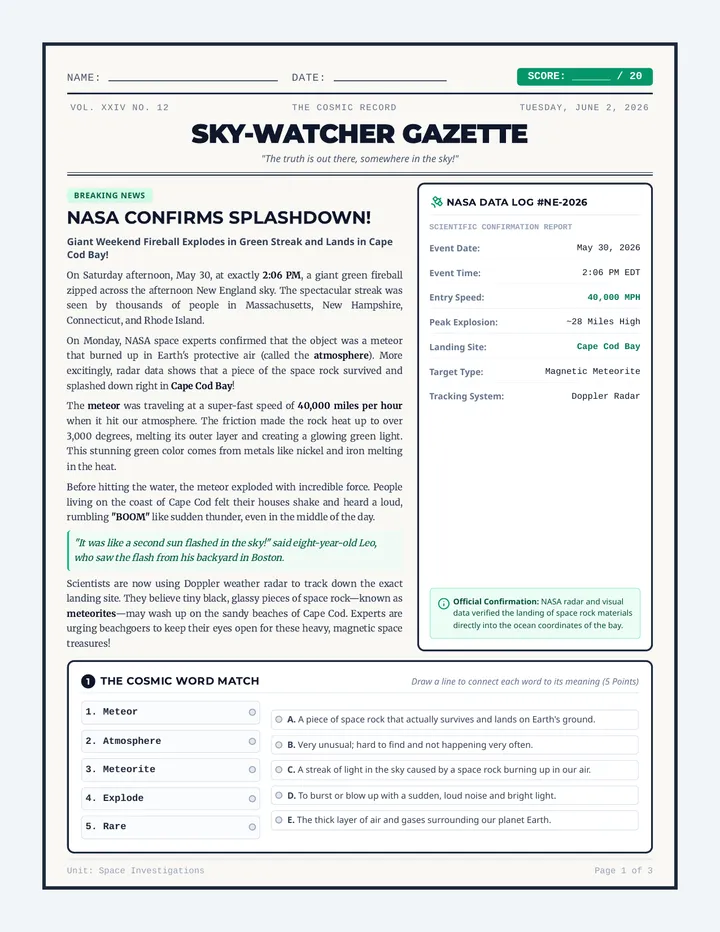
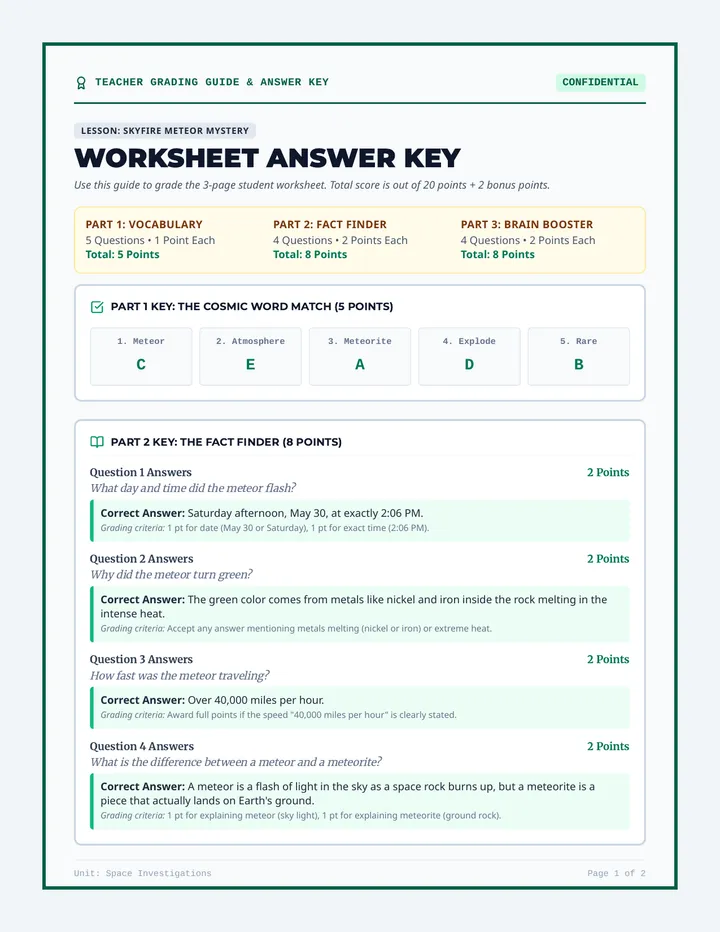
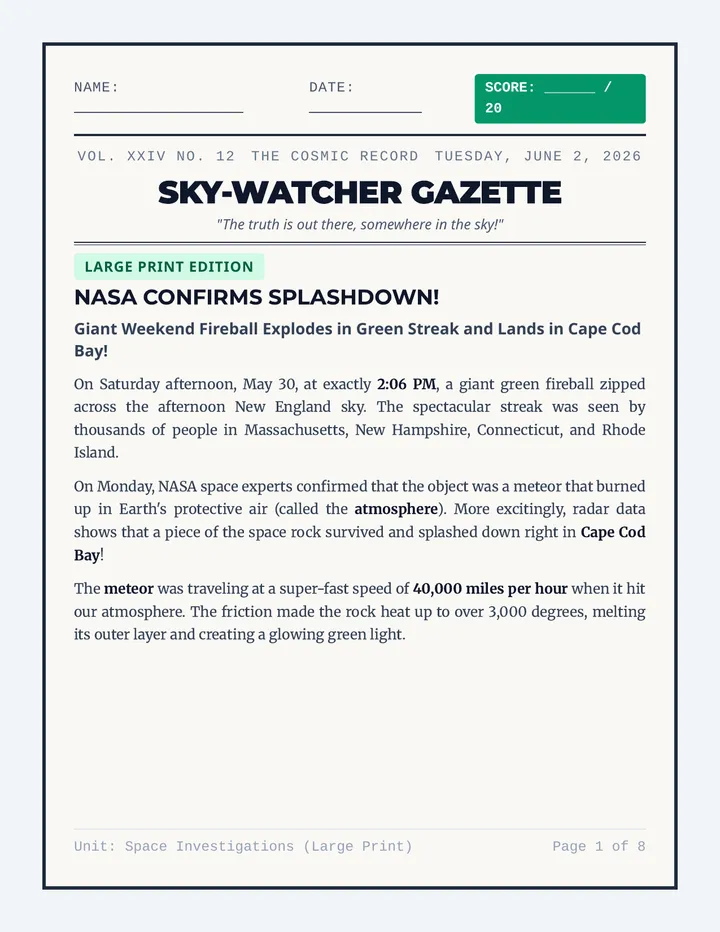
A reading comprehension lesson for 2nd and 3rd-grade students based on the spectacular meteor explosion over New England. Features engaging news-style reading, vocabulary challenges, comprehension questions, and a creative activity.
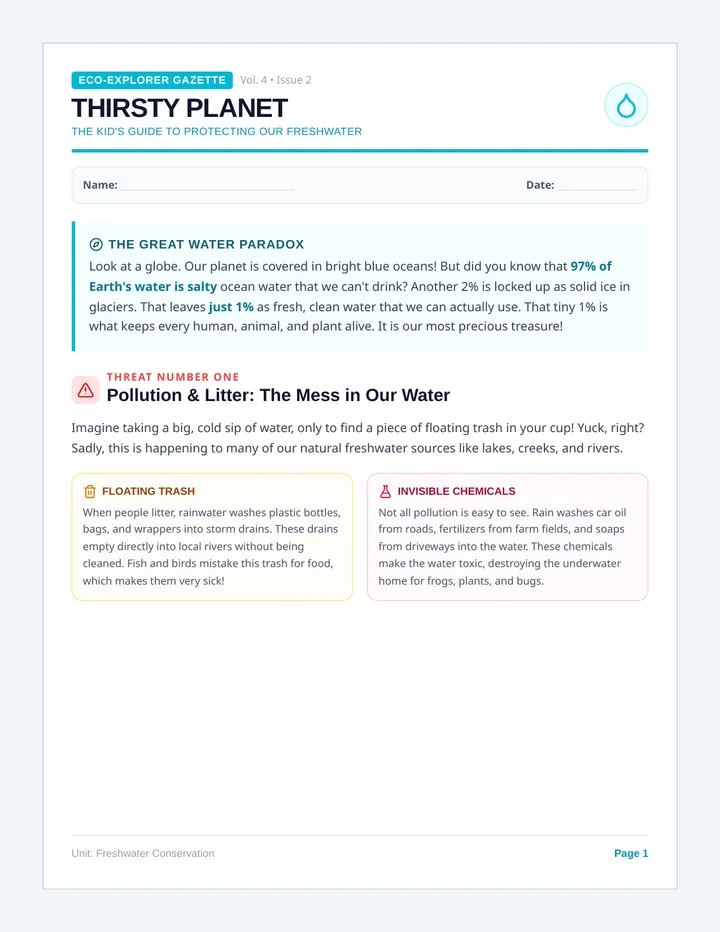
A lesson focused on understanding the primary threats to our freshwater supply, featuring an engaging, student-friendly explorer article on pollution, home water waste, droughts, and growing demand.
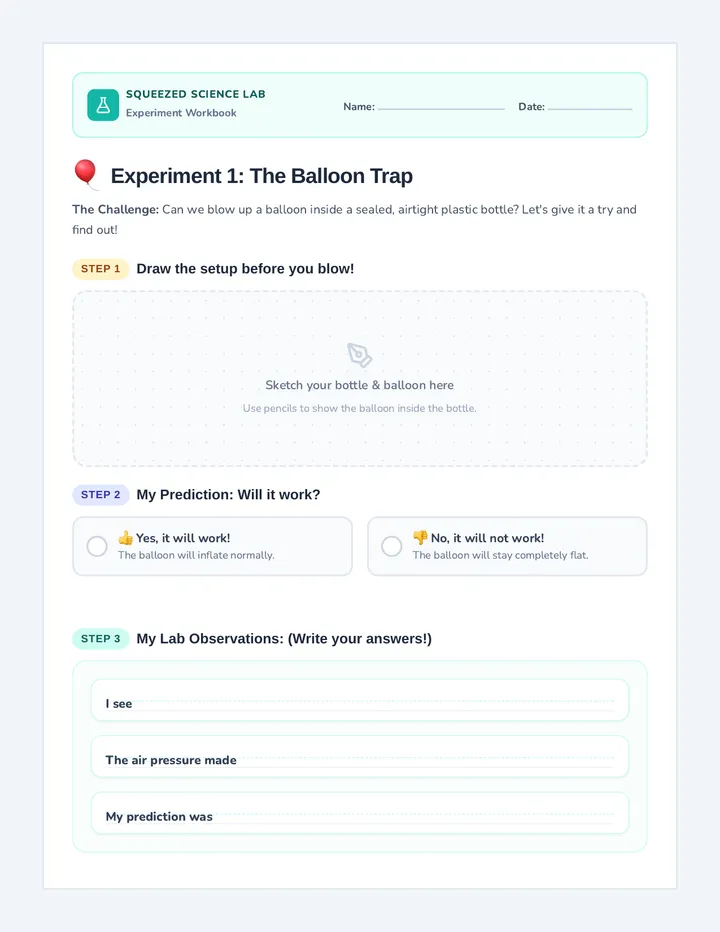
An early elementary science lesson about air pressure featuring three hands-on experiments: Balloon in a Bottle, Egg in a Bottle, and the Water Glass Trick. Students make predictions and record observations using a highly visual cut-and-paste workbook.
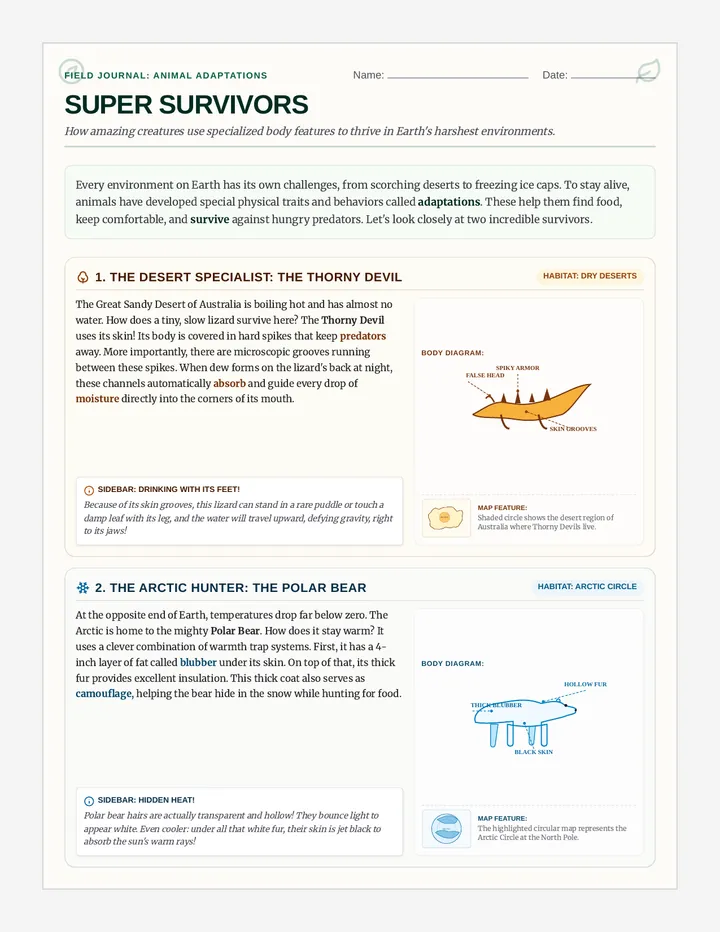
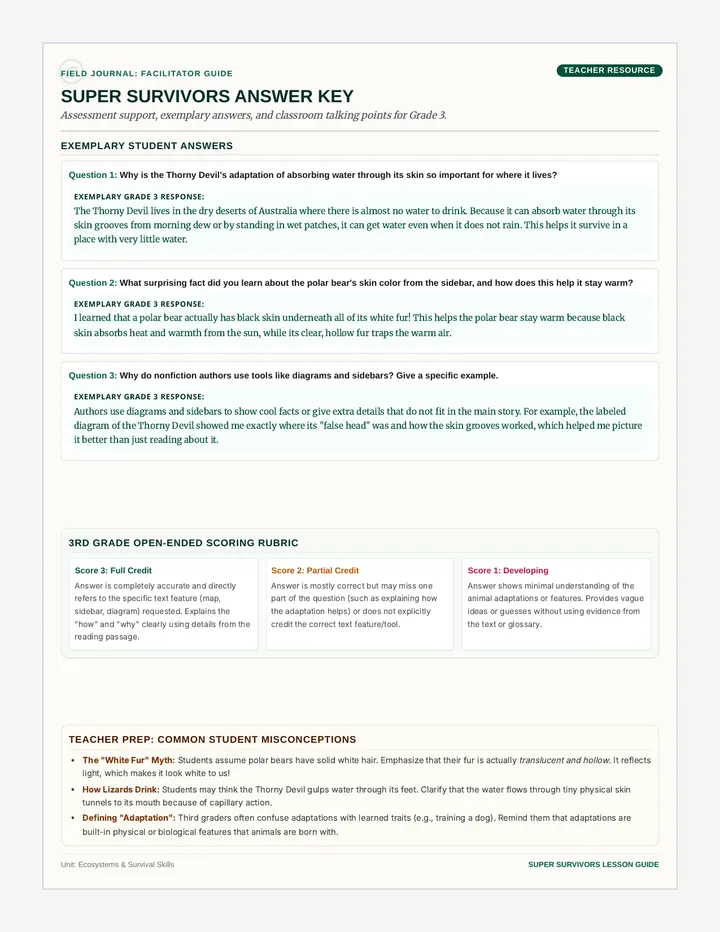
An engaging lesson on animal adaptations featuring a visual nonfiction reading passage and text feature hunt. Students learn about the Thorny Devil and Polar Bear, analyze geographic maps, look up key terms in a glossary, and answer deep comprehension questions.
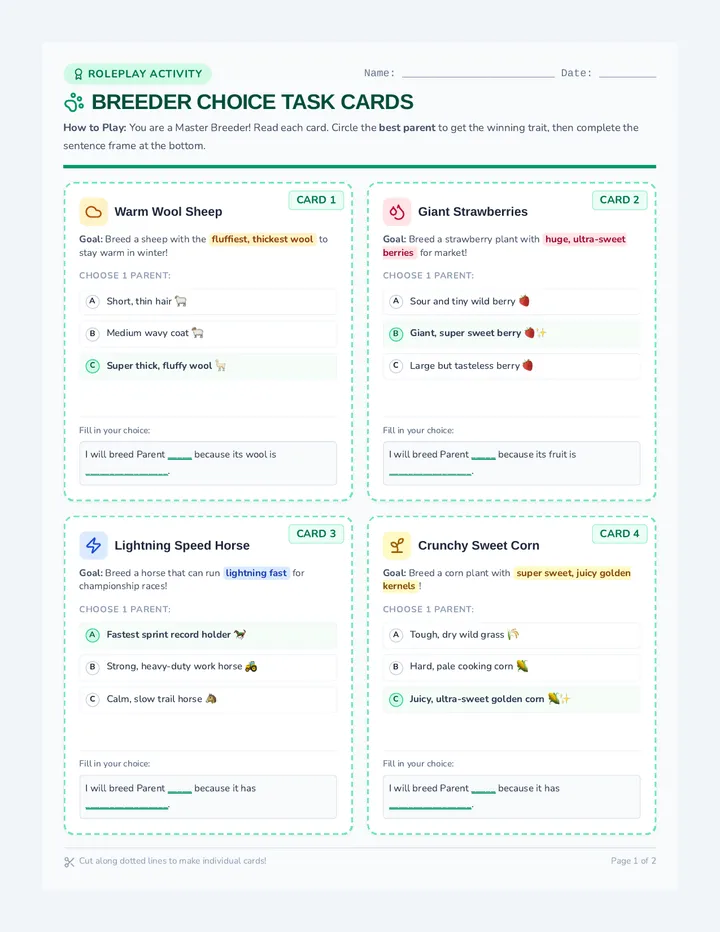
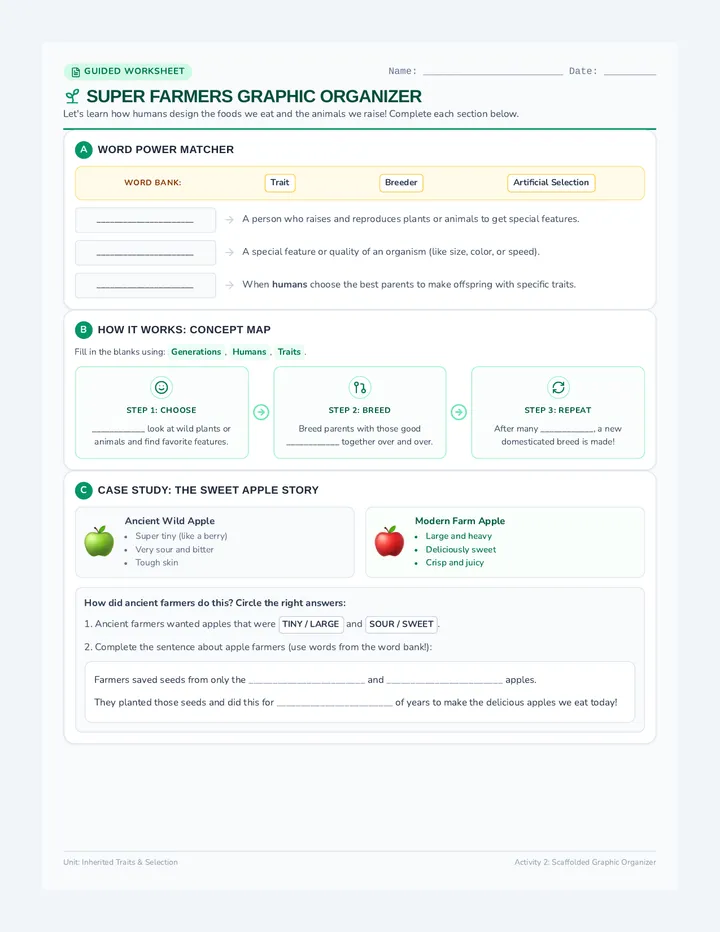
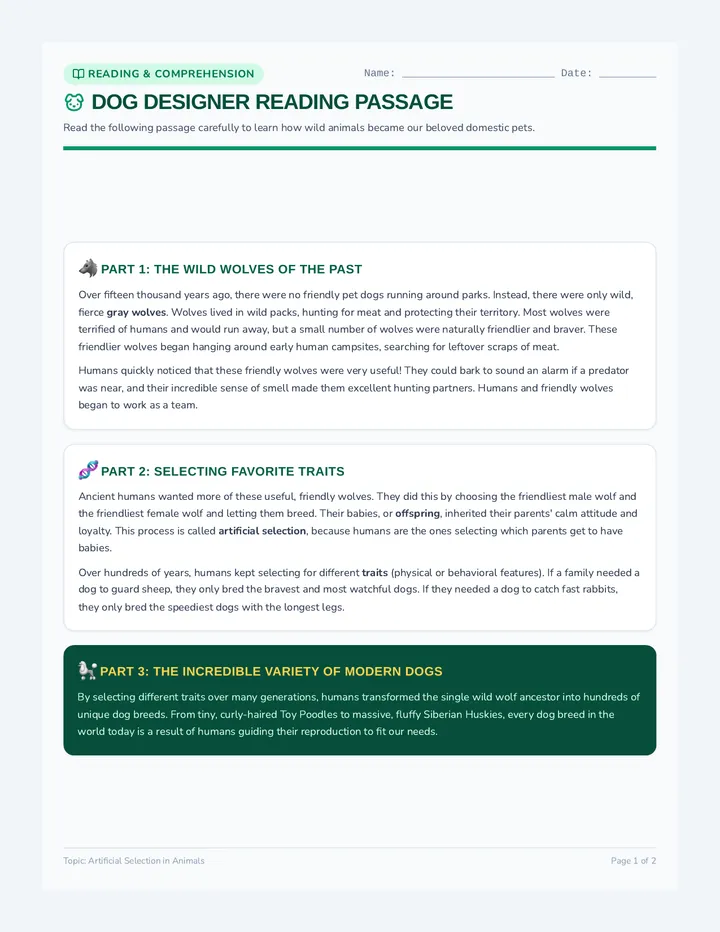
A hands-on, highly visual lesson where students explore artificial selection by roleplaying as breeders and farmers. Students analyze traits in dogs, crops, and livestock using scaffolded organizers, visual task cards, and matching tasks.
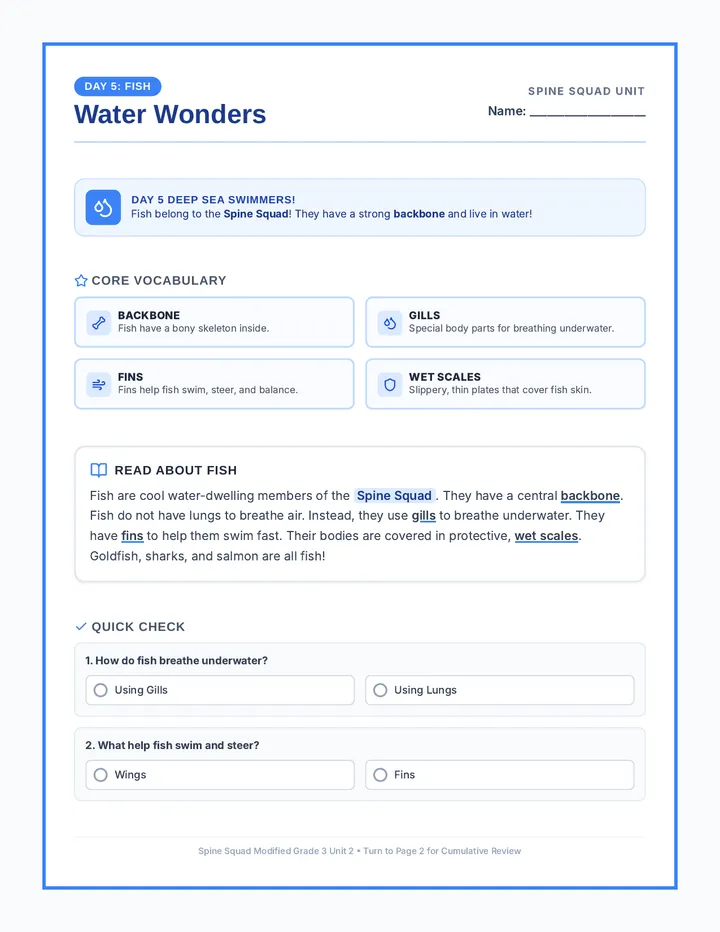
In this fifth and final lesson of the Spine Squad unit, students explore fish, focusing on gills, fins, scales, and underwater survival, with a final cumulative review of the five vertebrate groups.
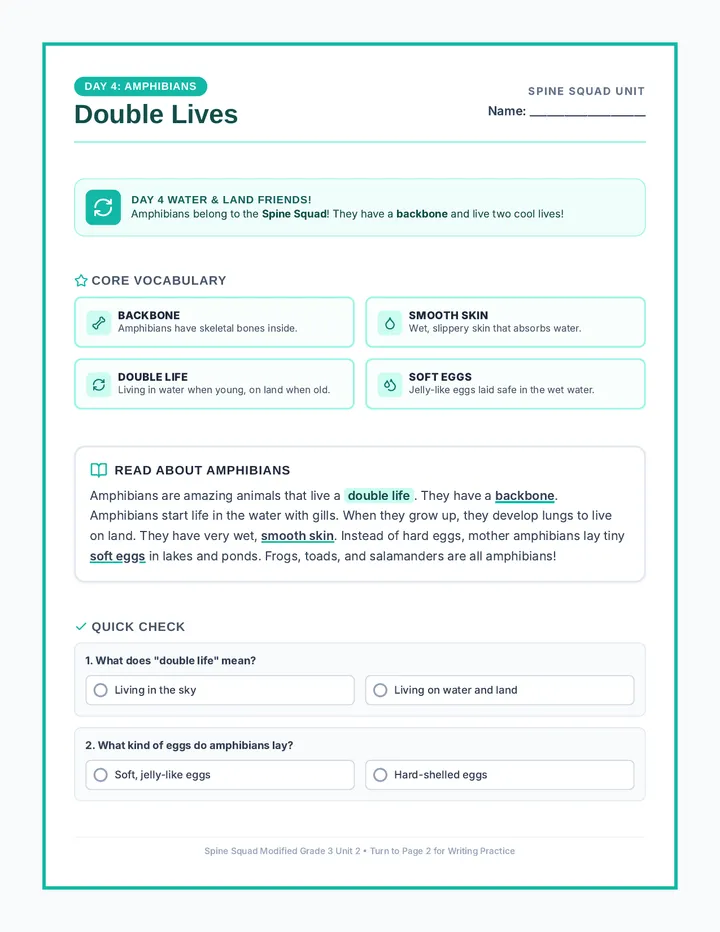
In this fourth lesson of the Spine Squad unit, students study amphibians, understanding how they live on water and land, lay soft eggs, and have smooth, wet skin, with scaffolded reading and tracing.
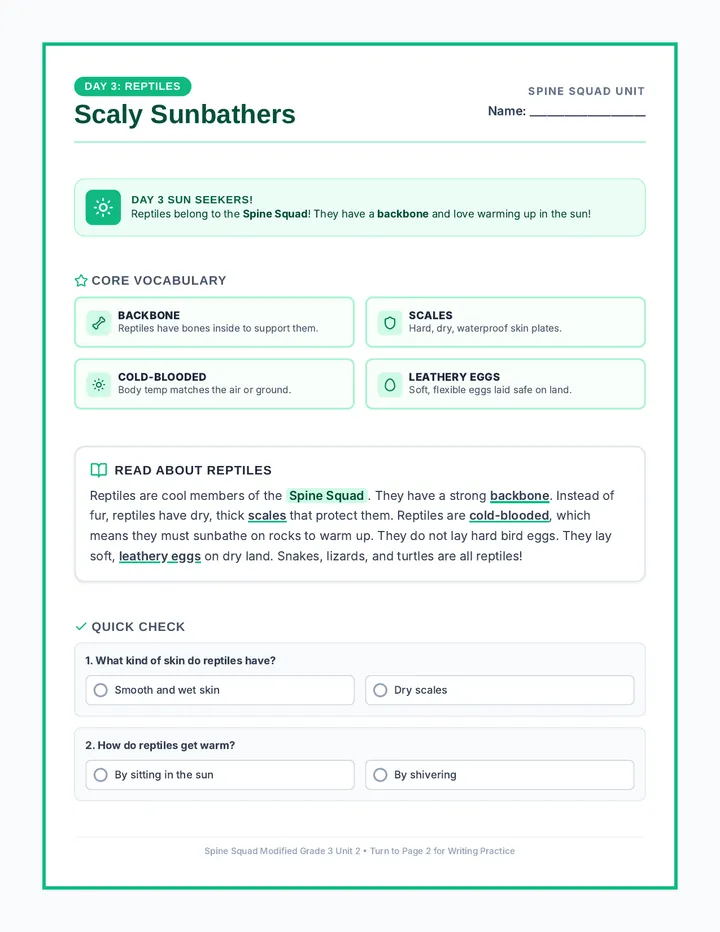
In this third lesson of the Spine Squad unit, students identify reptiles, exploring characteristics such as scales, cold-blooded regulation, and laying leathery eggs on land, supported by guided tracing.
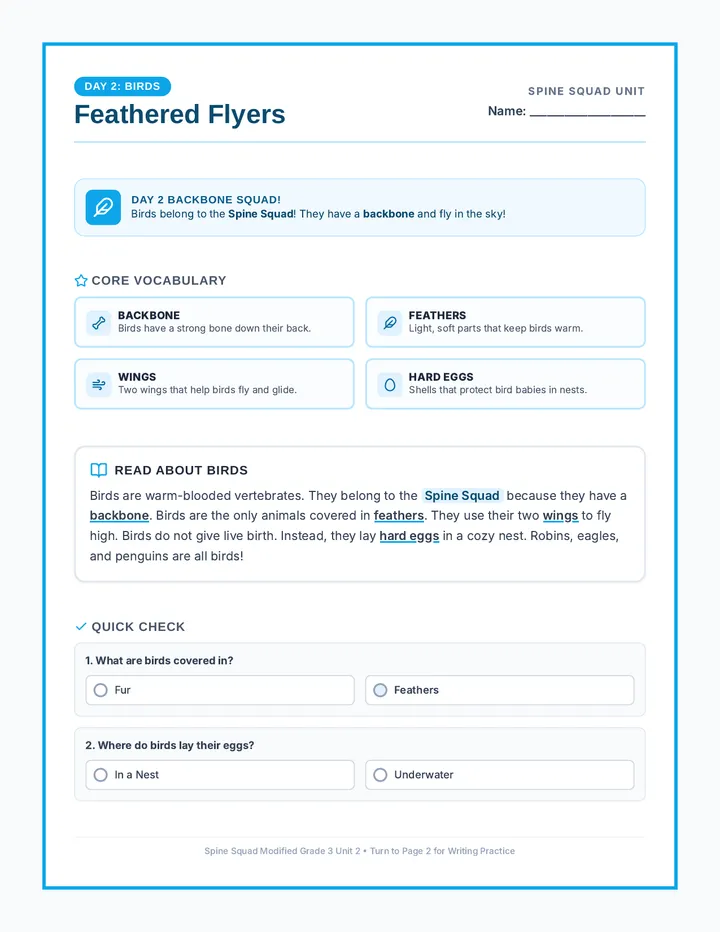
In this second lesson of the Spine Squad unit, students examine the key characteristics of birds, including feathers, wings, and laying hard-shelled eggs, using scaffolded comprehension prompts and tracing.
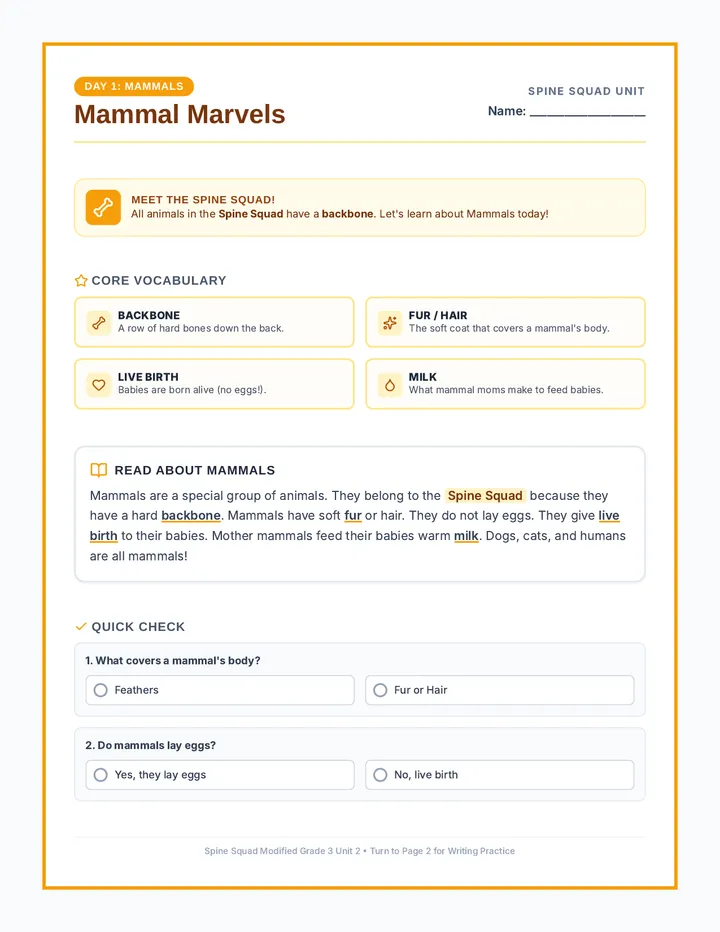
In this first lesson of the Spine Squad unit, students explore the unique traits of mammals, focusing on fur/hair, live birth, and milk production with heavy visual support and tracing activities.
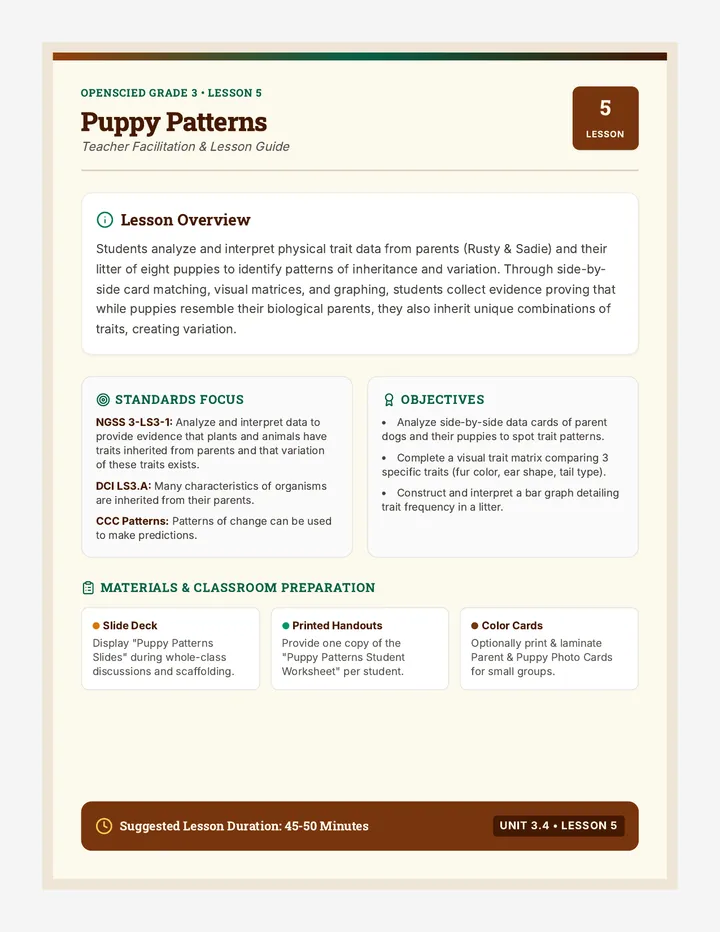
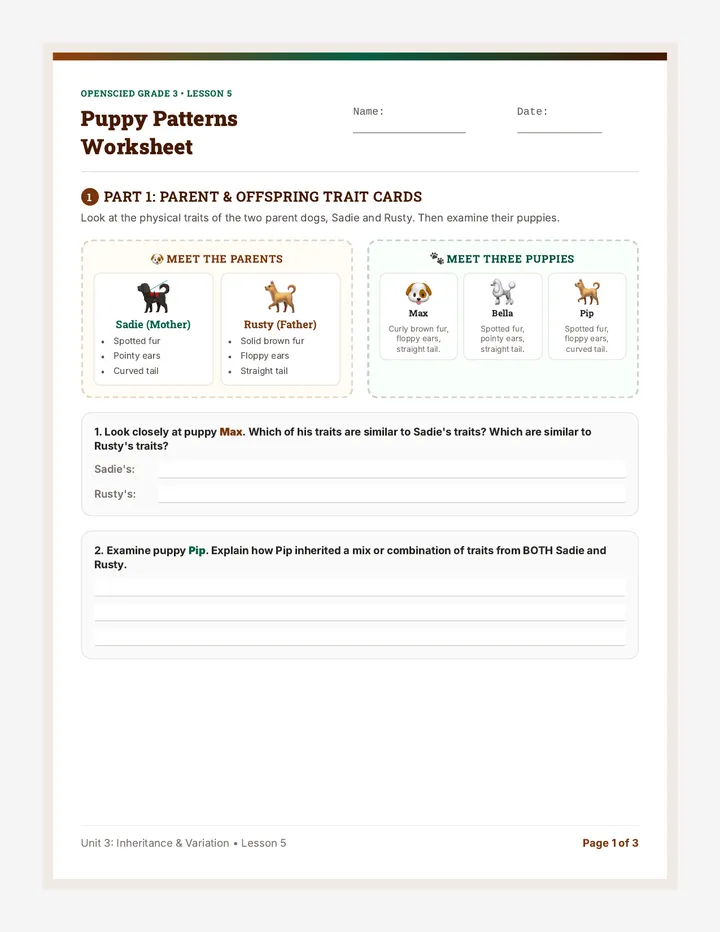
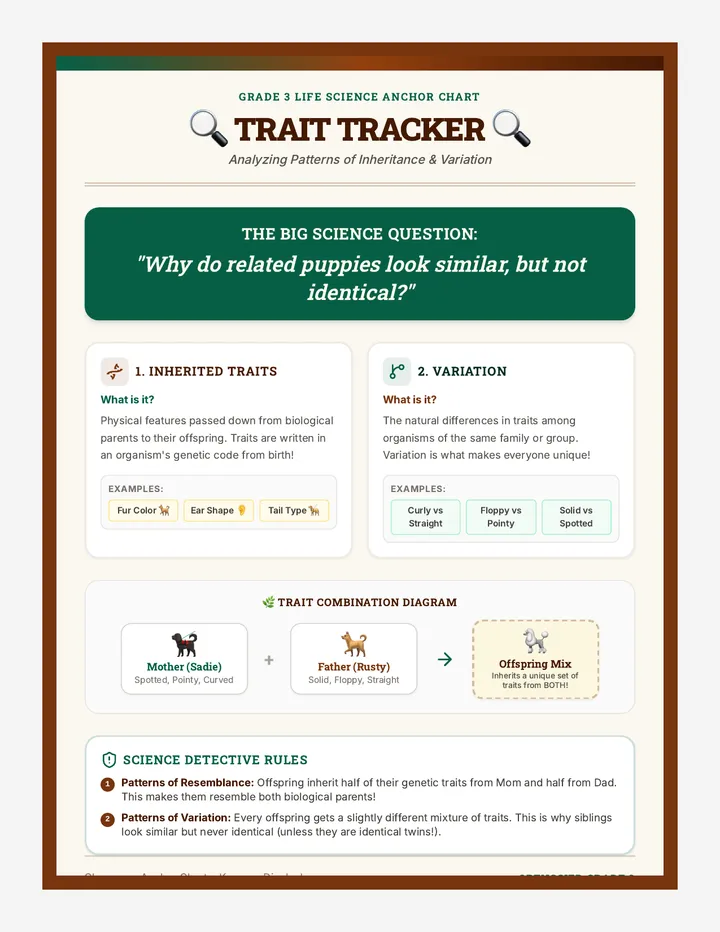
An OpenSciEd-aligned 3rd grade science lesson where students analyze and interpret data from parent dogs and their litters to discover patterns of inheritance and variation in physical traits.
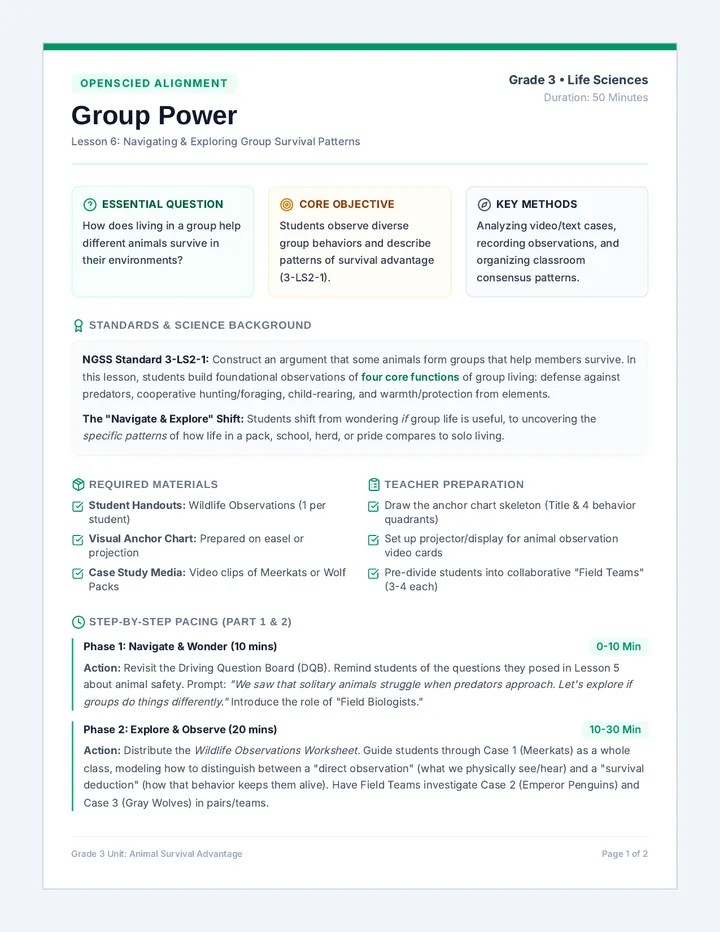
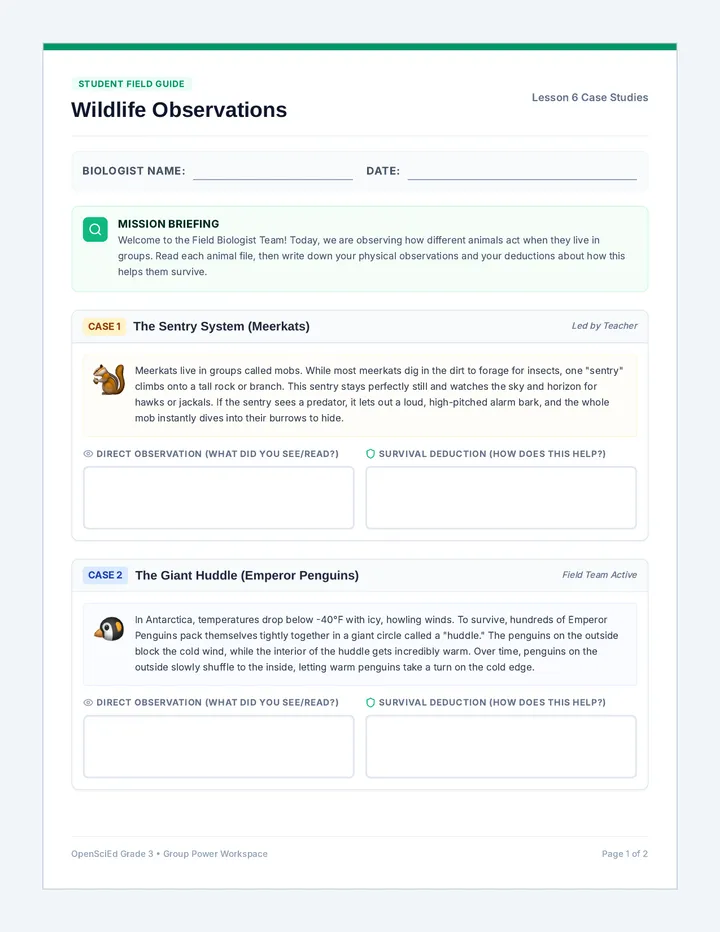
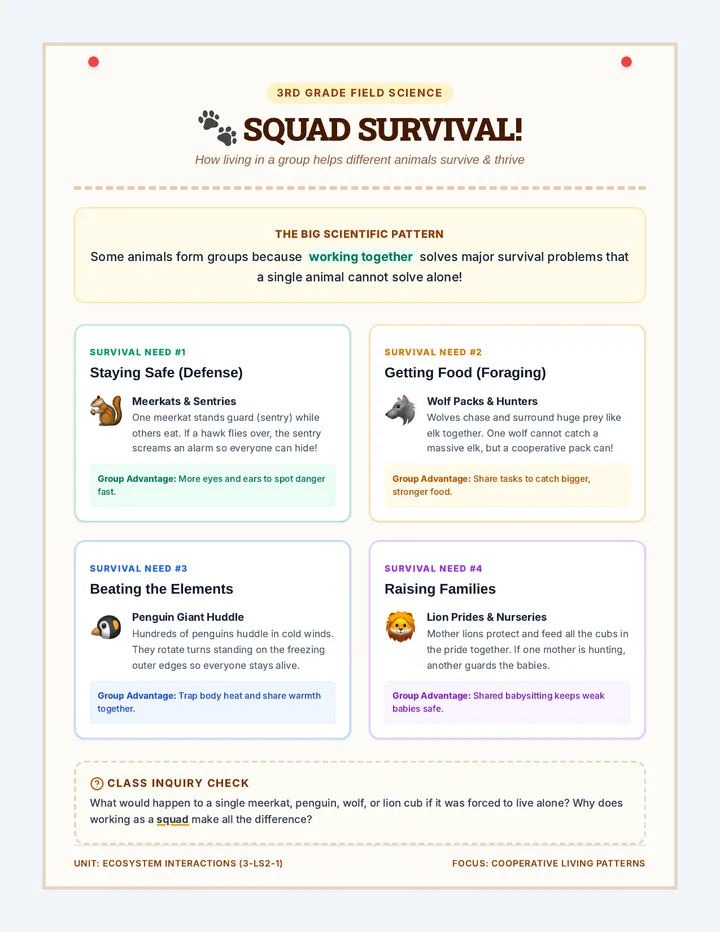
An OpenSciEd-aligned lesson where 3rd graders observe animal behaviors and describe patterns of how living in groups helps different species survive. Students analyze diverse wildlife examples to uncover the survival advantages of cooperative living.
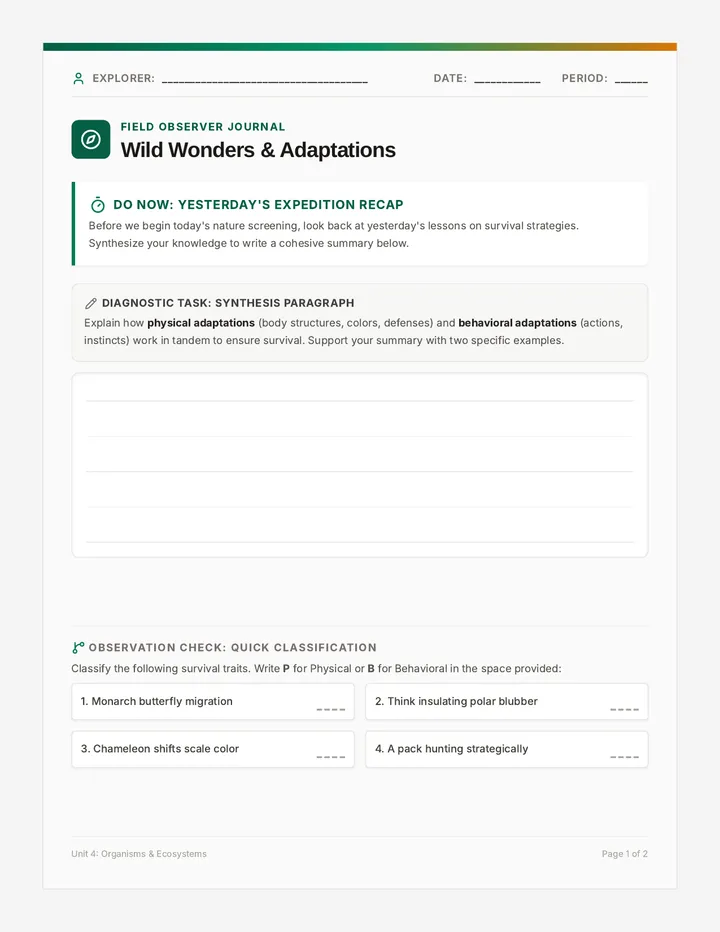
A lesson exploring how physical and behavioral traits help organisms survive in their environments, featuring a video documentary review and diagnostic summary.
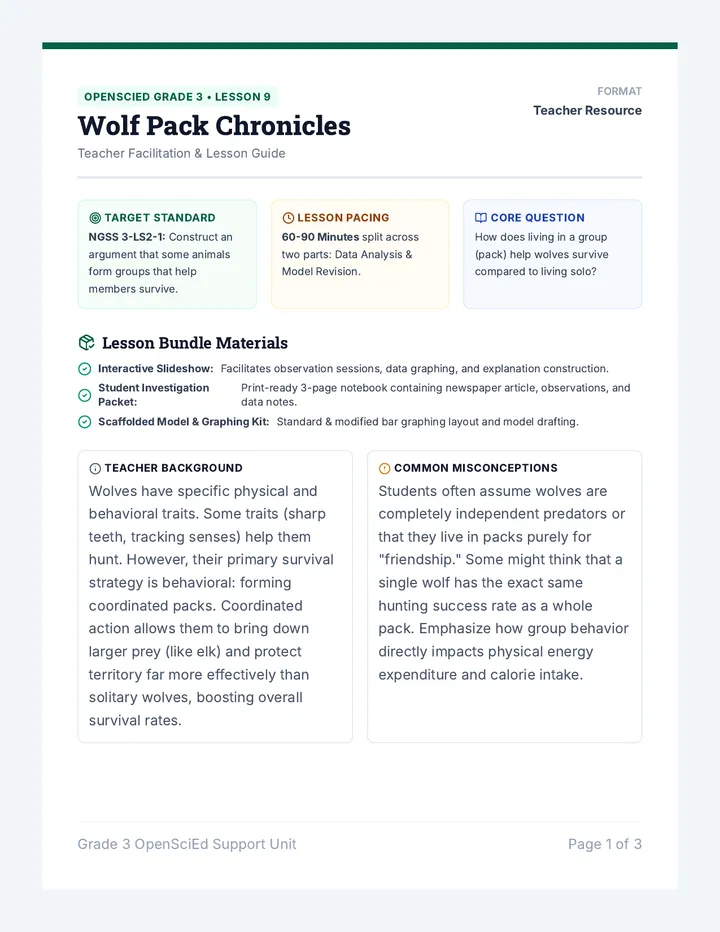
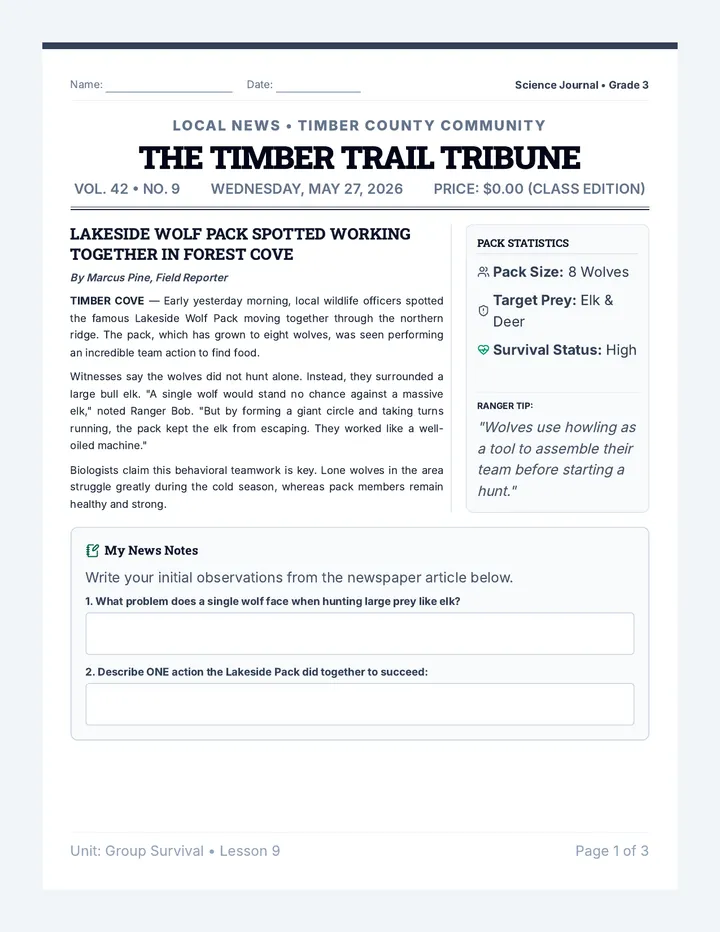
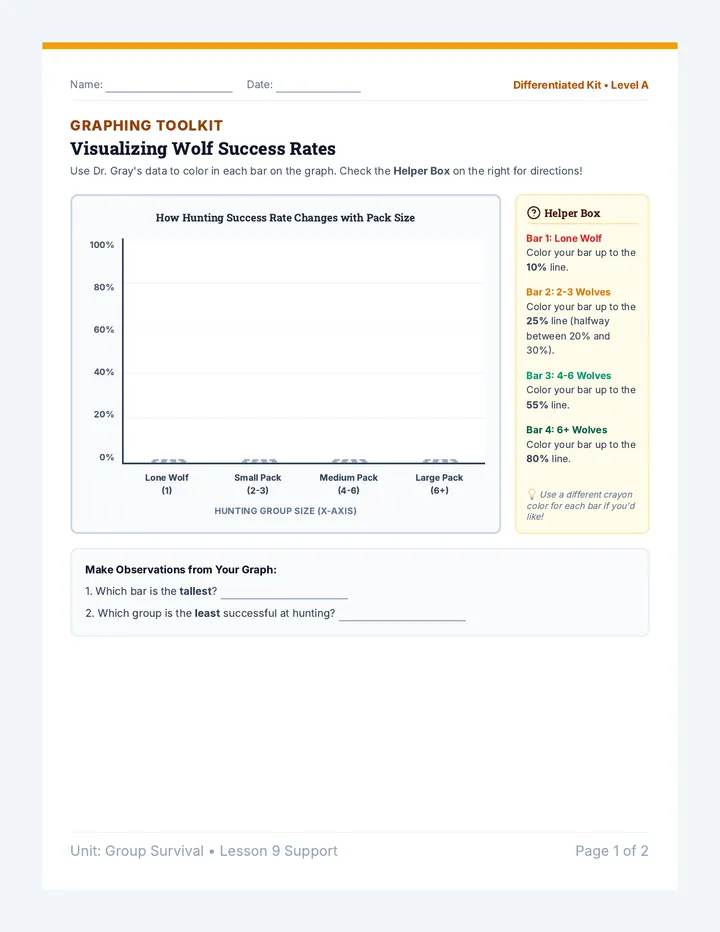
A third-grade OpenSciEd Lesson 9 investigation where students explore wolf traits and group survival. Students read a local newspaper article about a wolf pack, analyze expert data on traits, build a bar graph, and revise their models to explain how living in groups helps wolves survive.
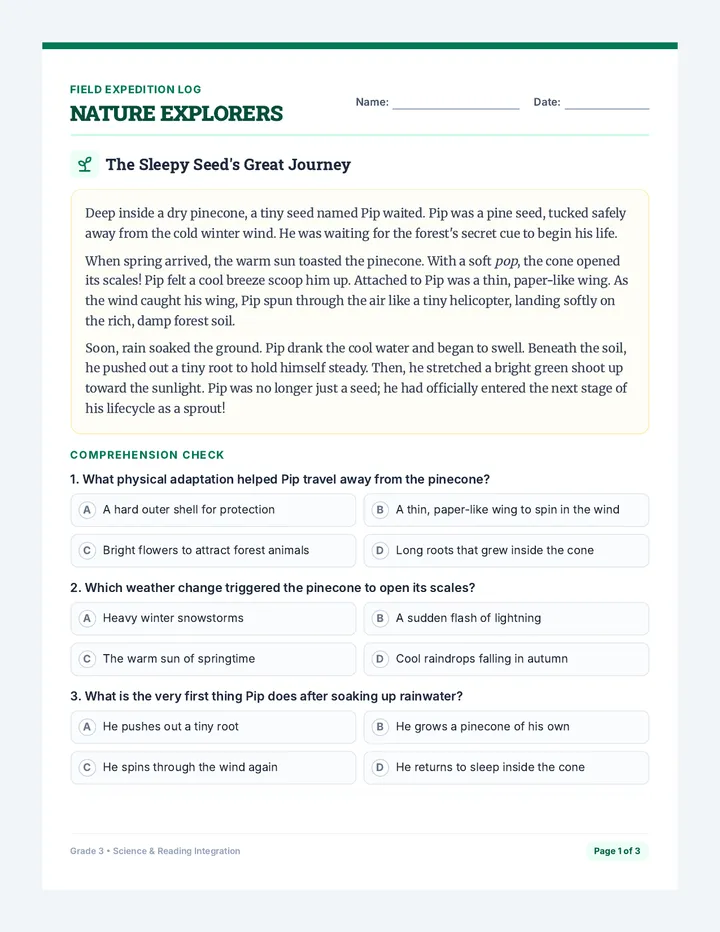
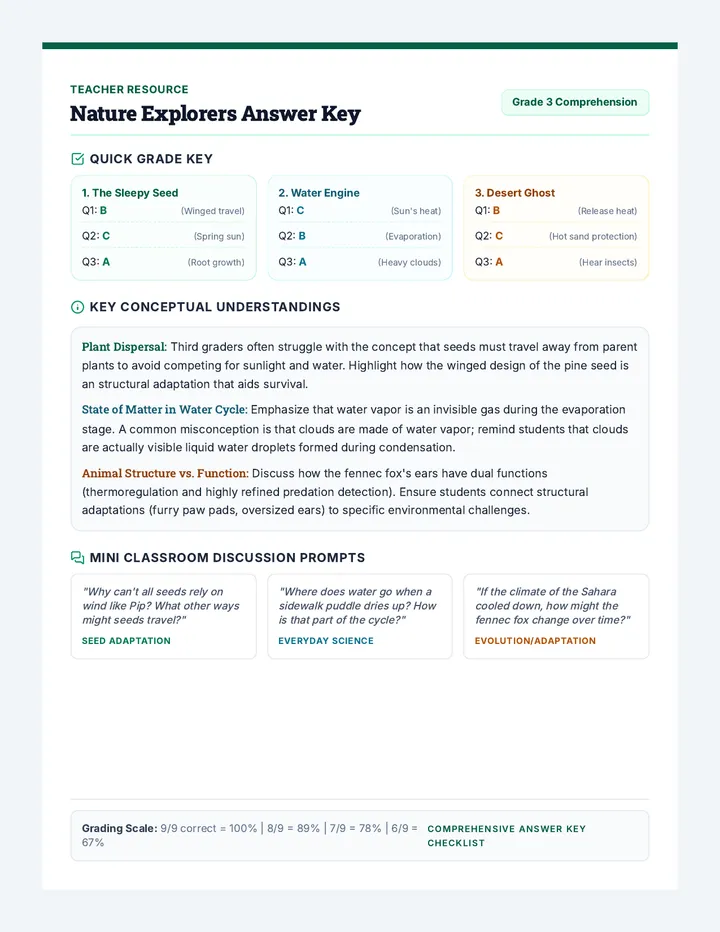
A comprehensive third-grade reading comprehension resource featuring engaging passages about plant lifecycles, weather patterns, and animal adaptations.
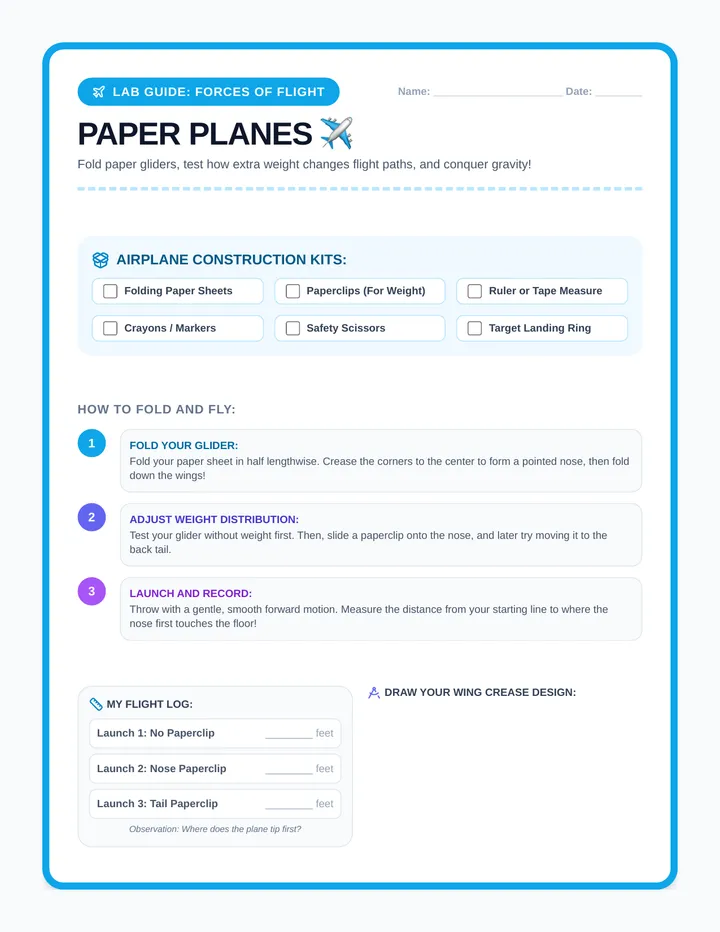
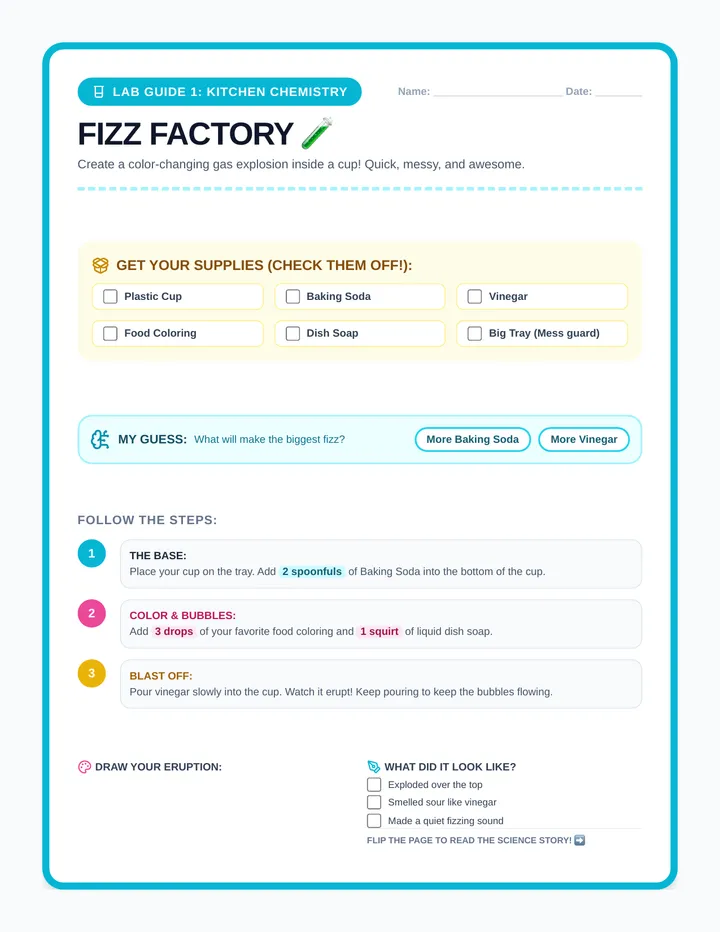
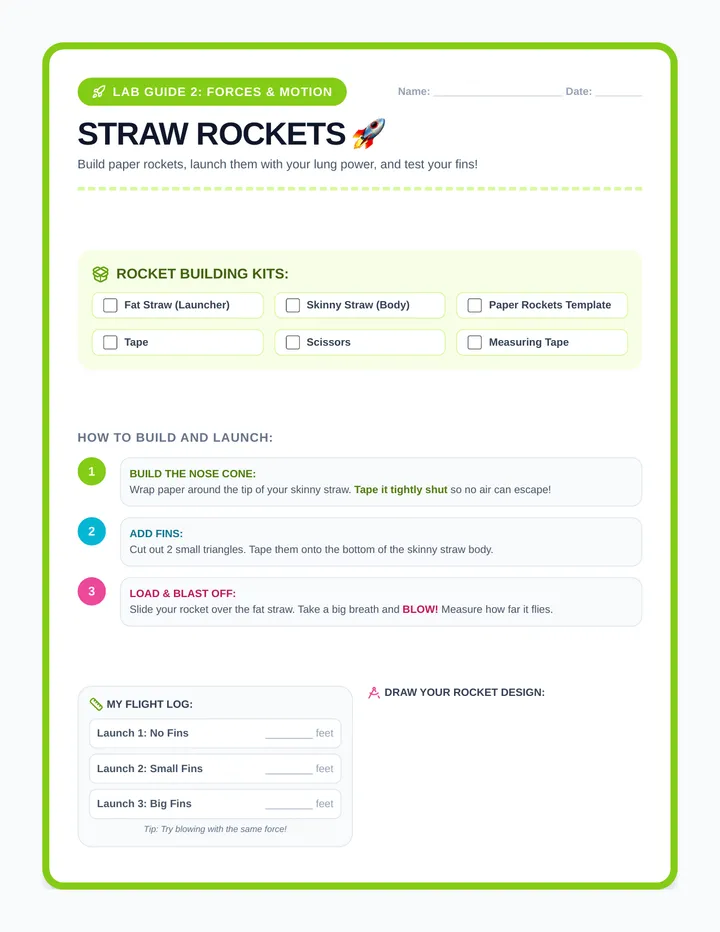
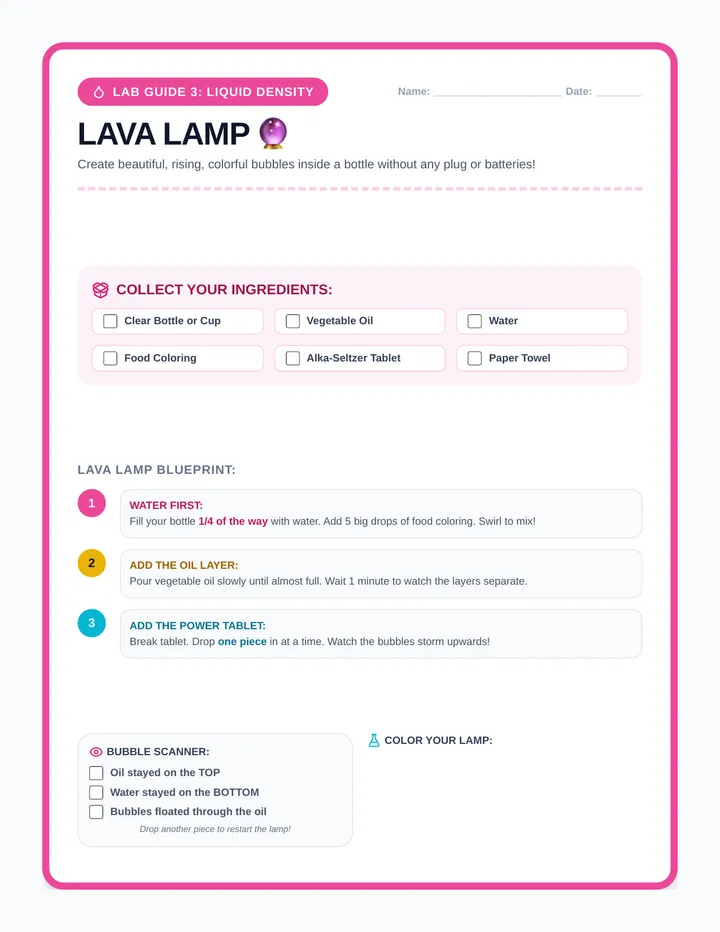
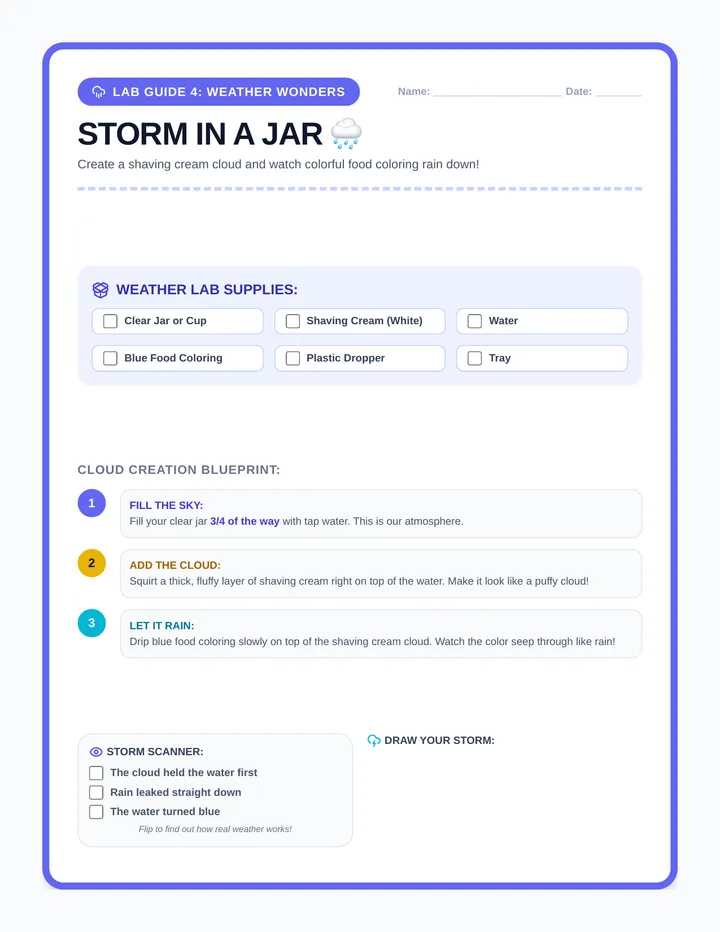
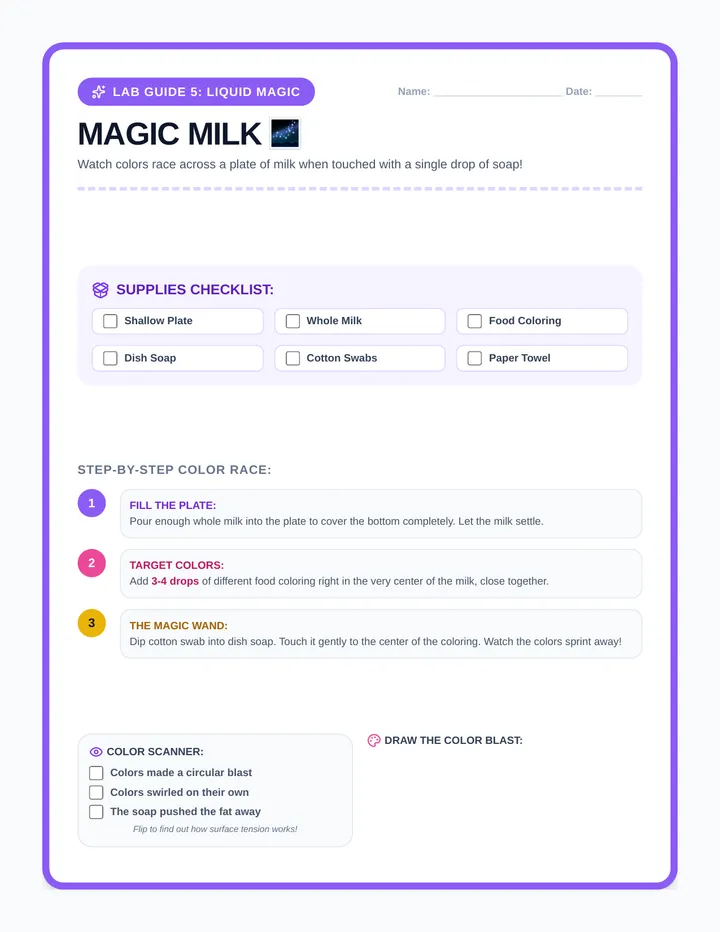
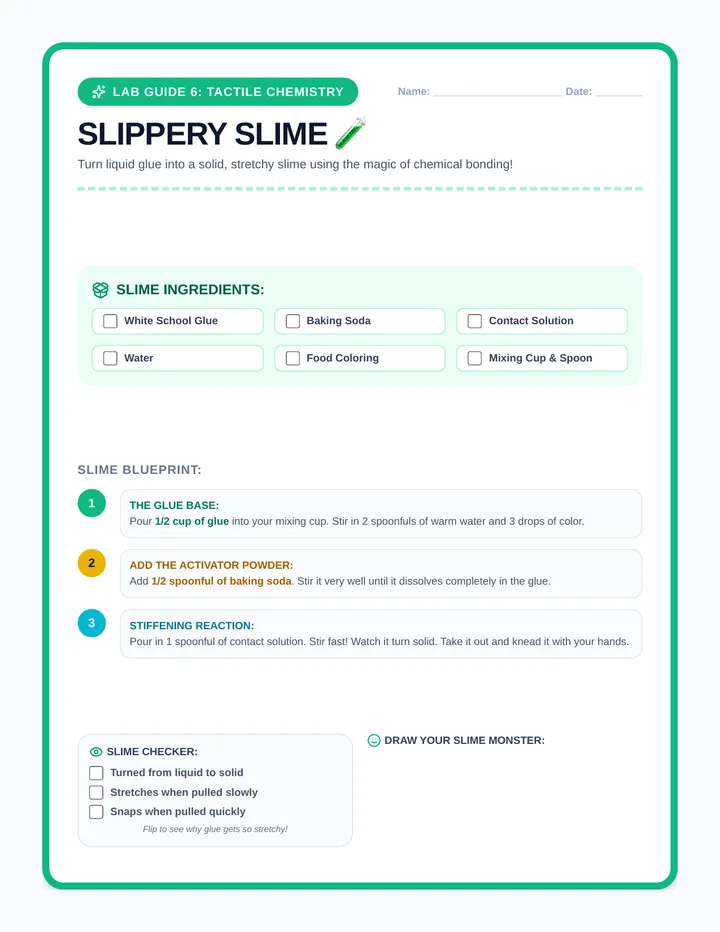
A hands-on, highly engaging, low-cost end-of-year science unit designed for 6th-grade students of lower academic levels. It features simplified, visual step-by-step guides for independent, sensory-rich experiments exploring kitchen chemistry, forces, and density.
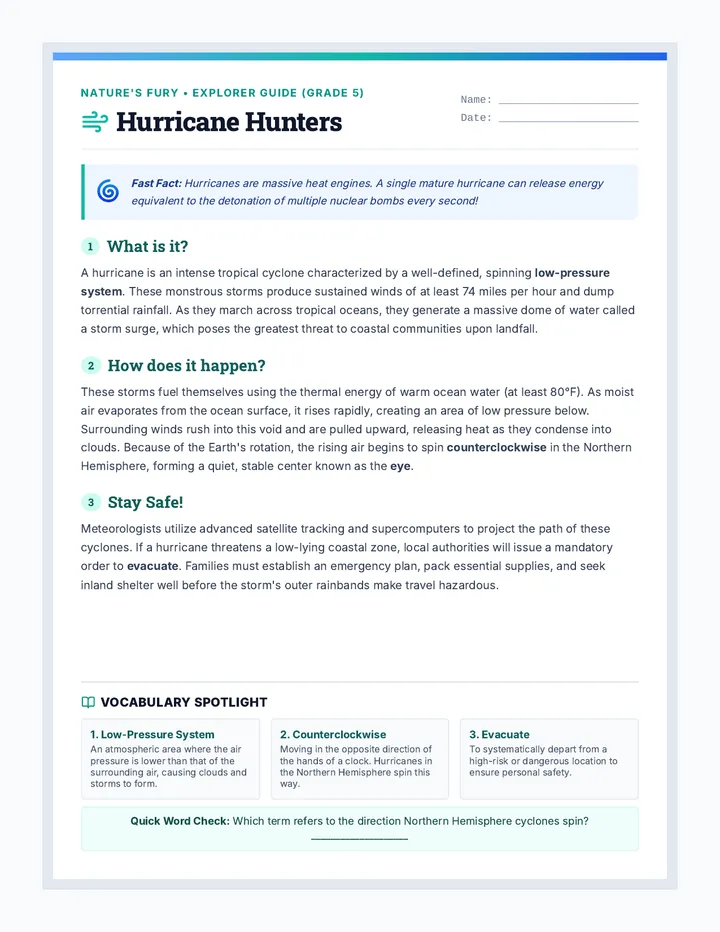
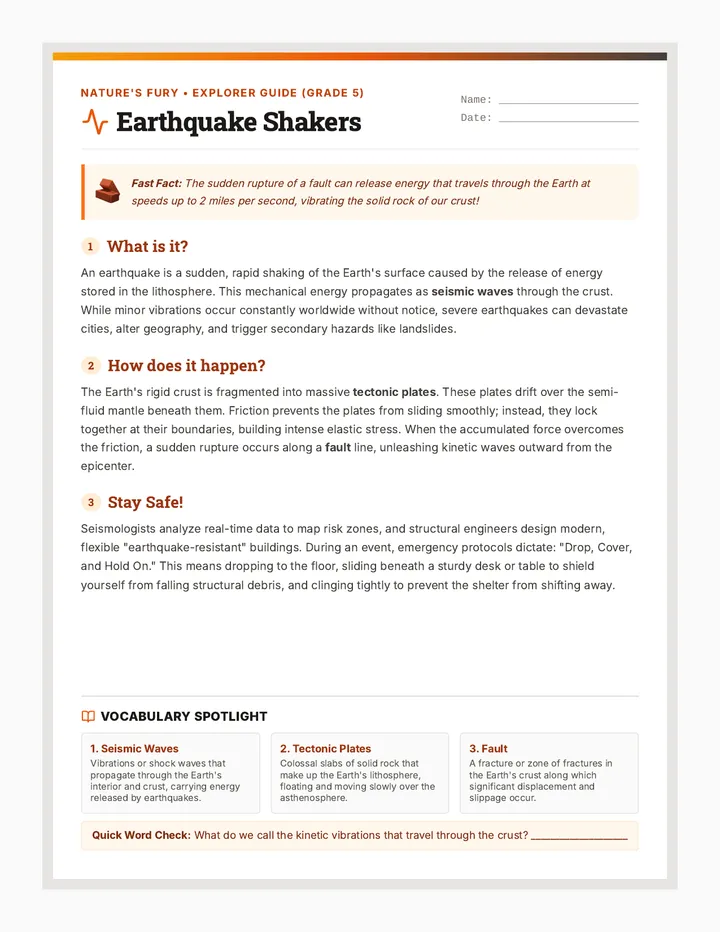
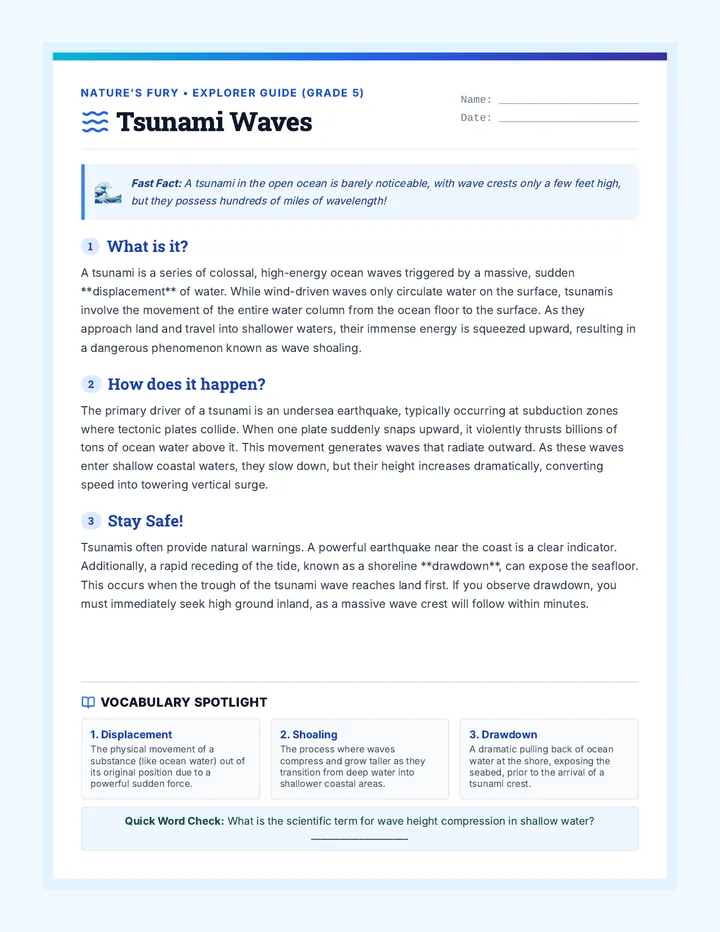
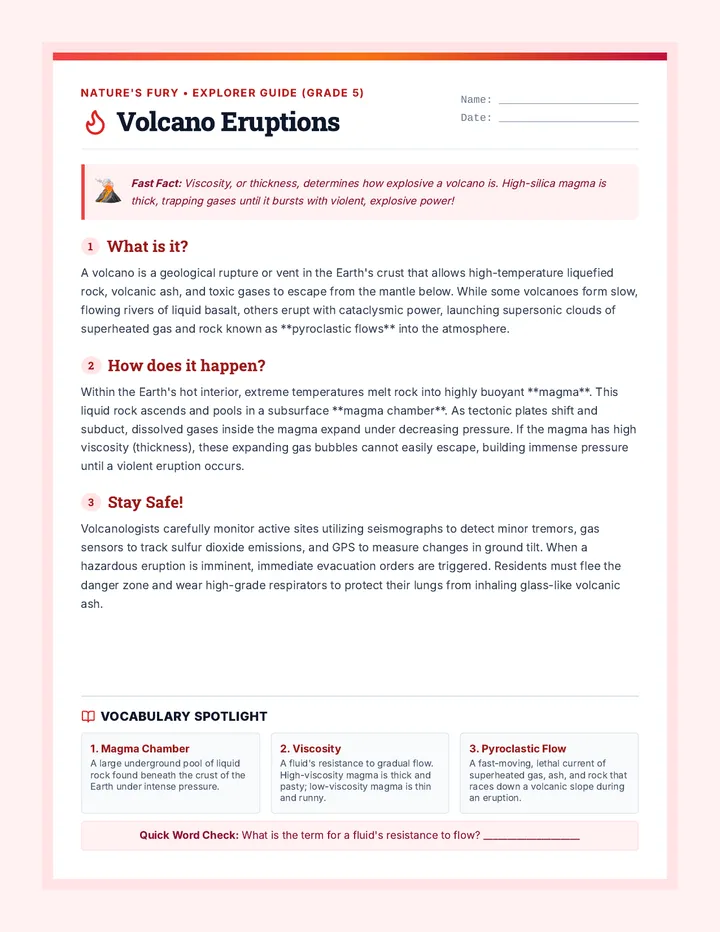
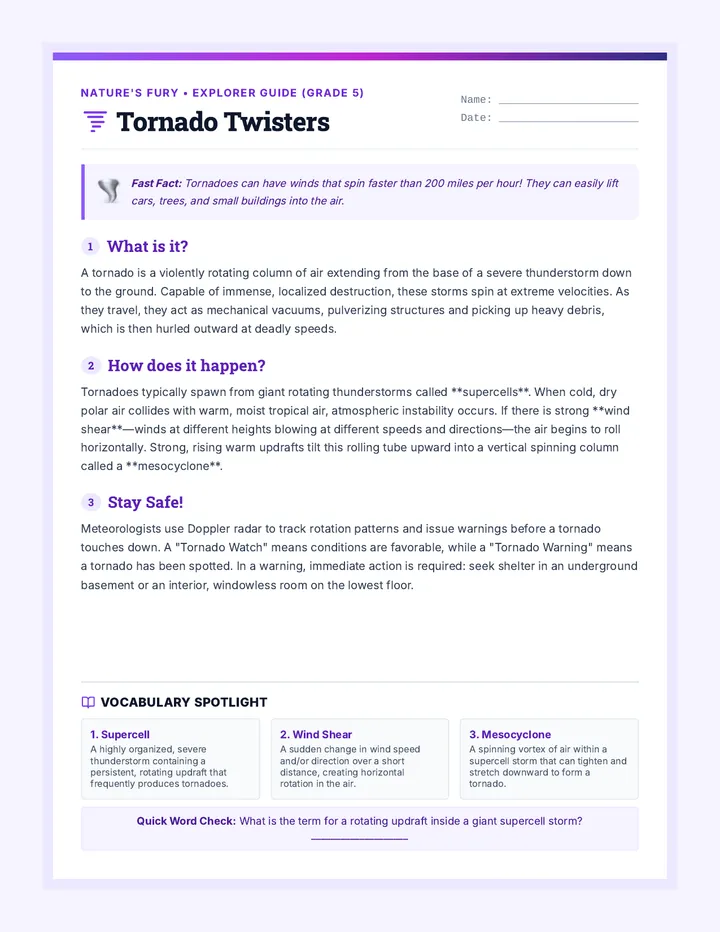
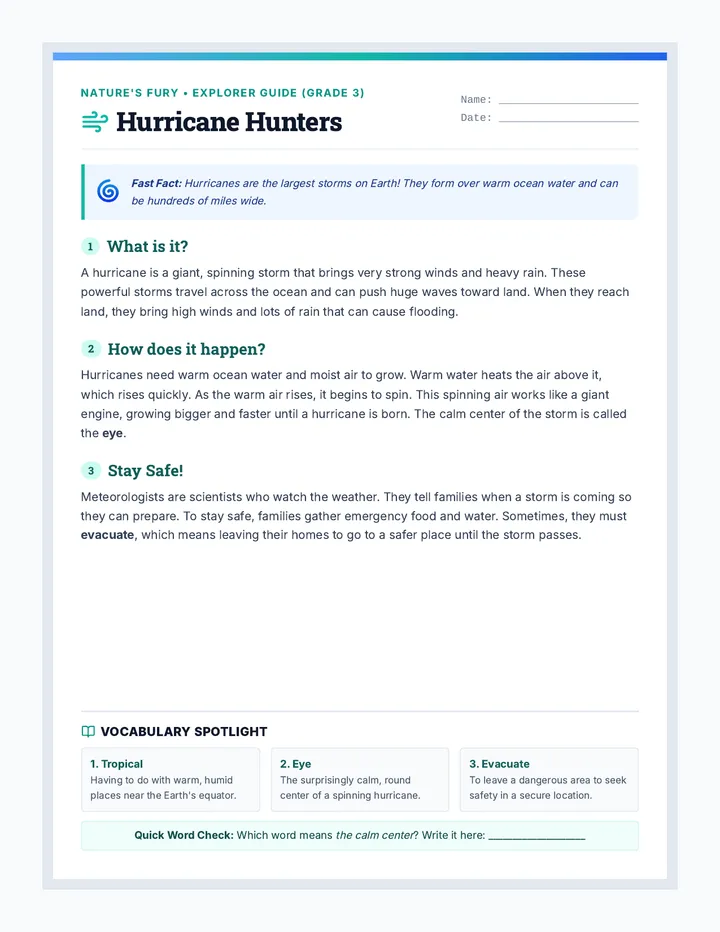
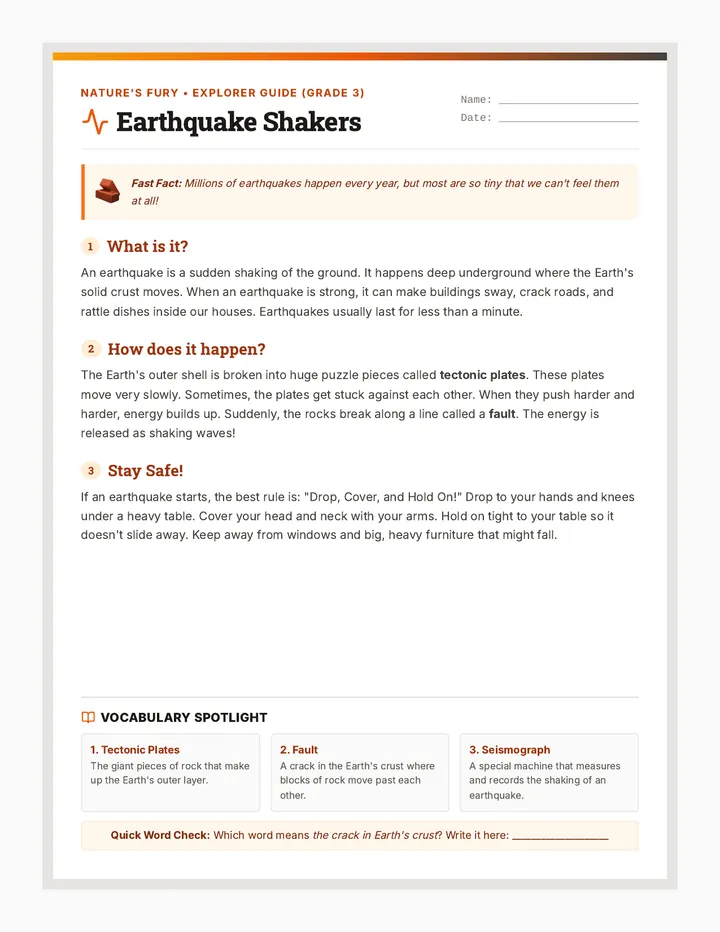
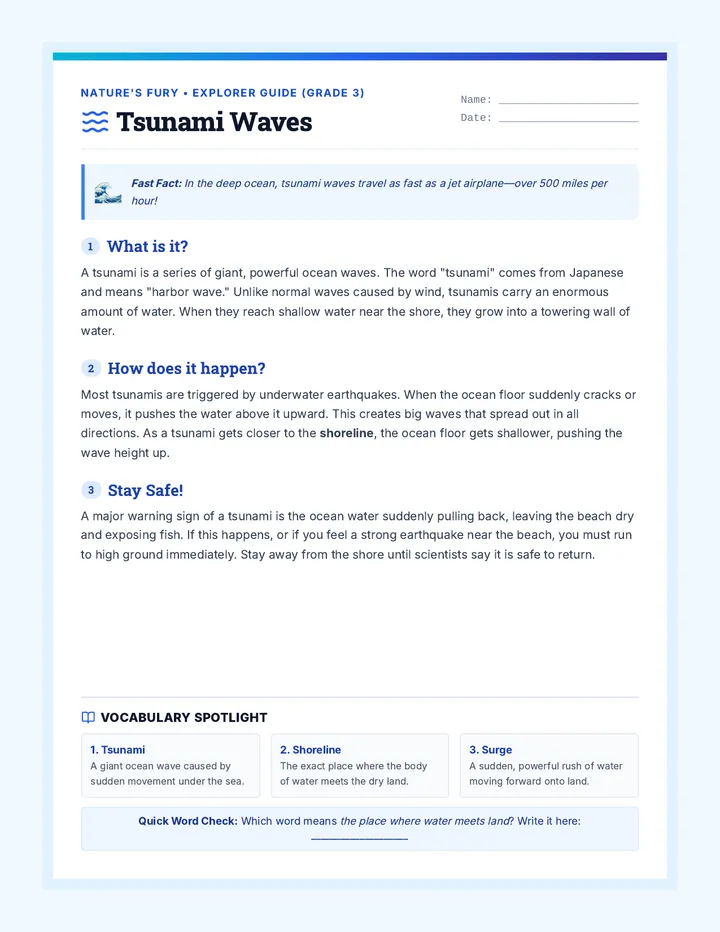
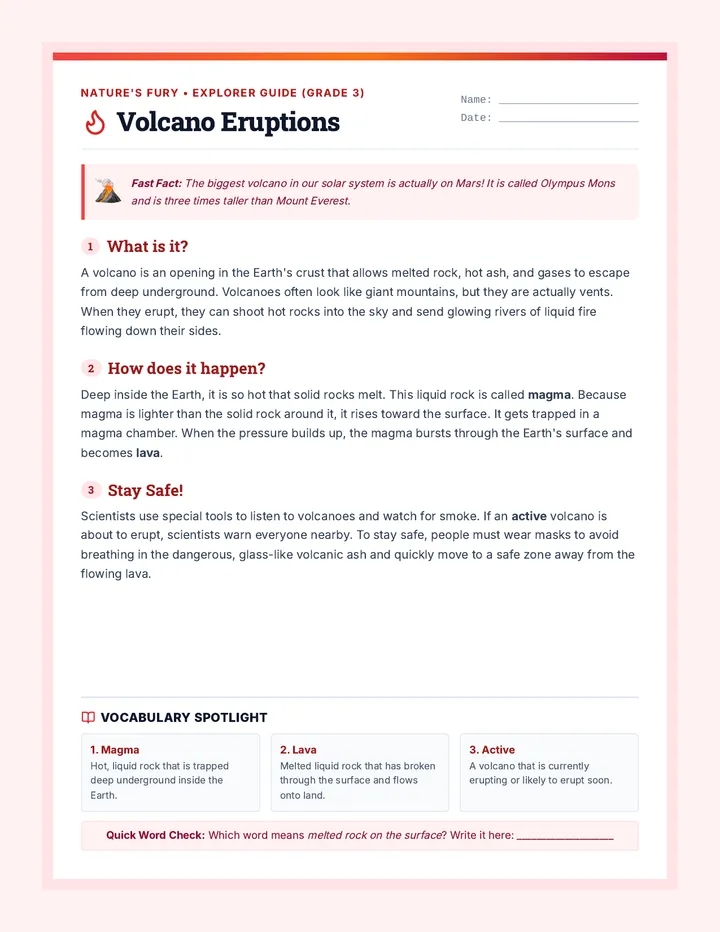
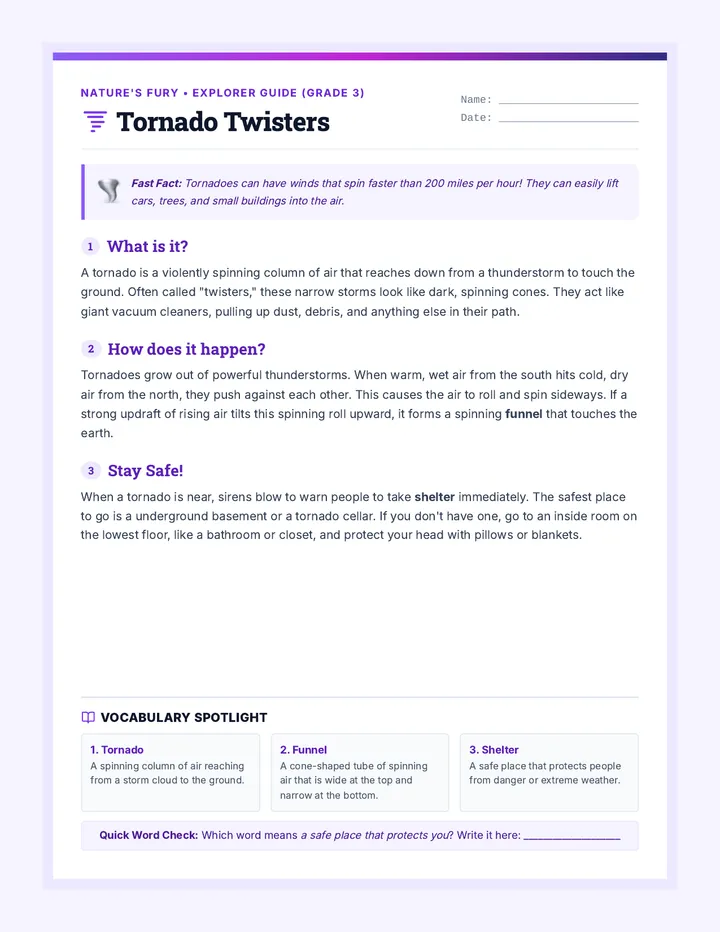
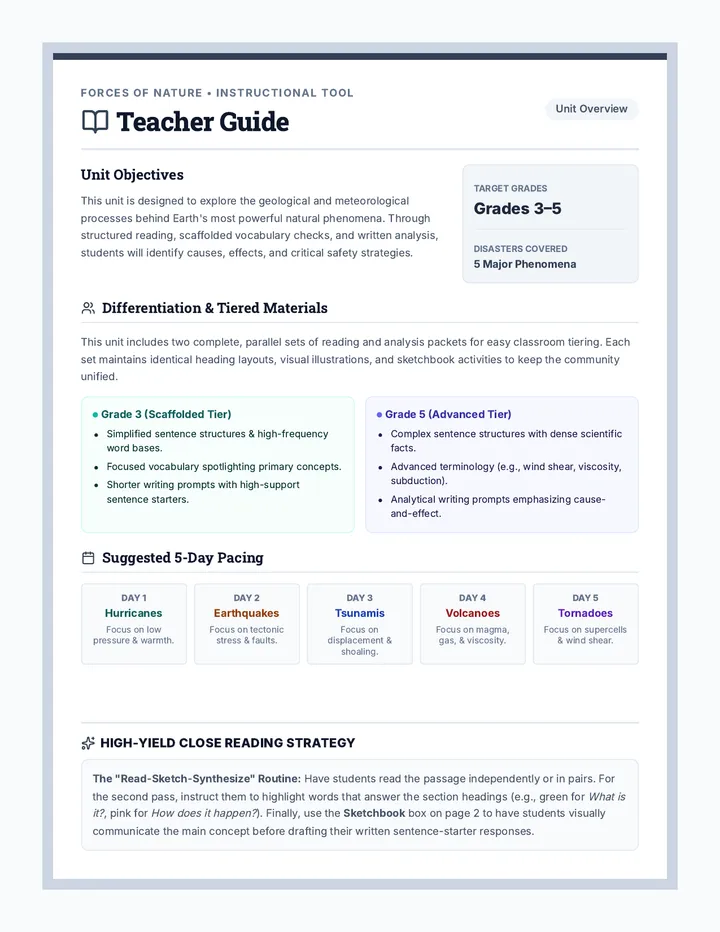
A science unit exploring five powerful natural disasters. Students read highly structured, scaffolded articles at both third-grade and fifth-grade reading levels, practice key vocabulary, and complete comprehension checks with sentence frames and starters.
An interactive, visually rich lesson preparing Florida students for severe storms and hurricanes. Covers emergency kit building, weather alerts, home action plans, and sensory coping strategies to reduce storm anxiety.
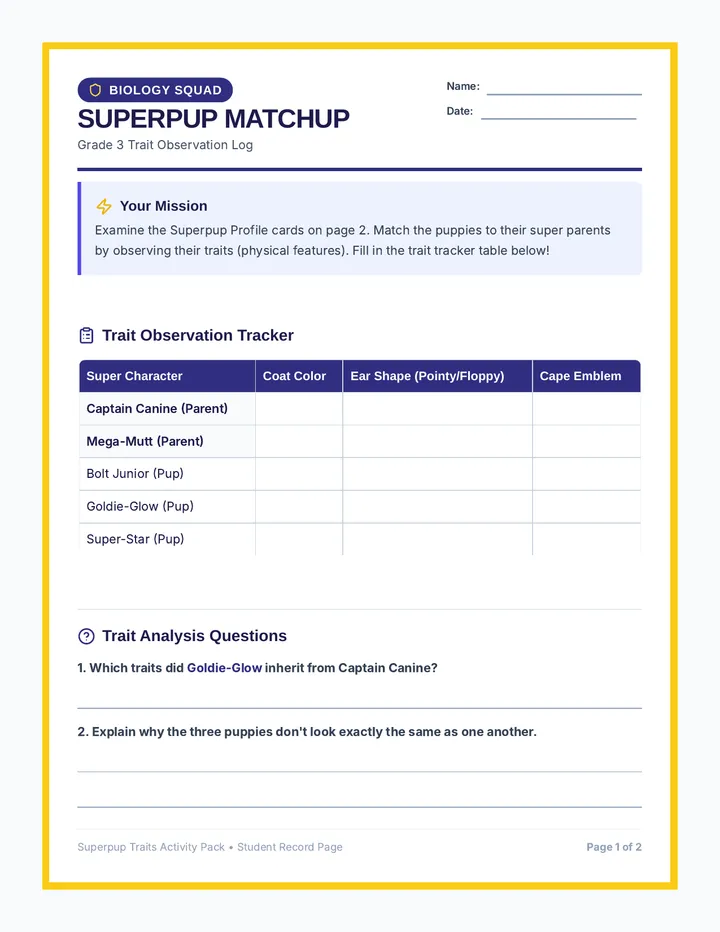
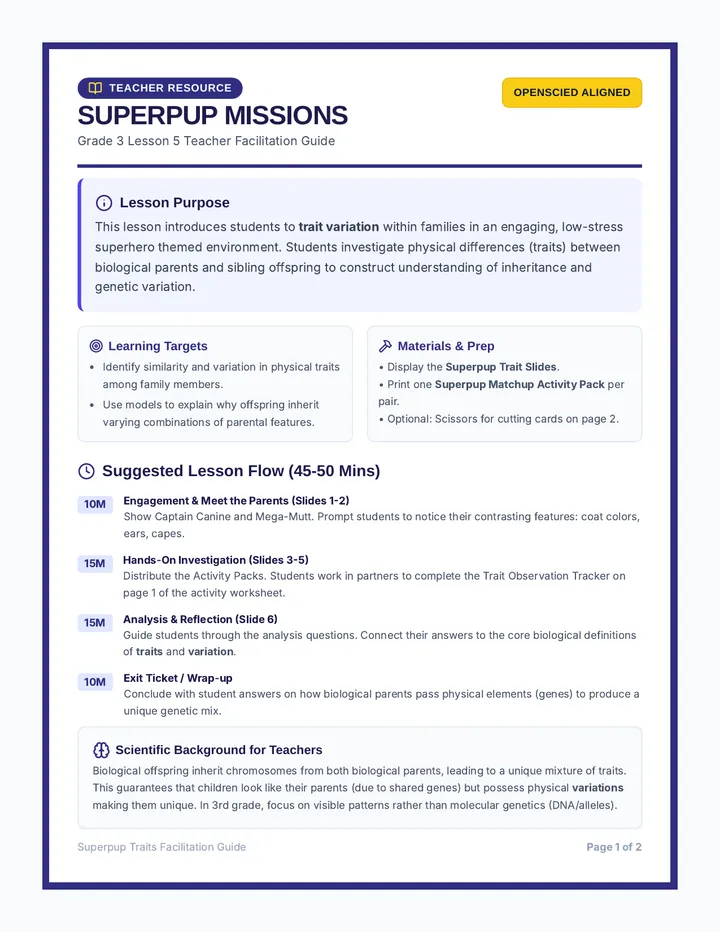
An engaging 3rd-grade science lesson exploring trait variation within families. Students observe and match cute superhero dogs to investigate how traits are inherited with variations.
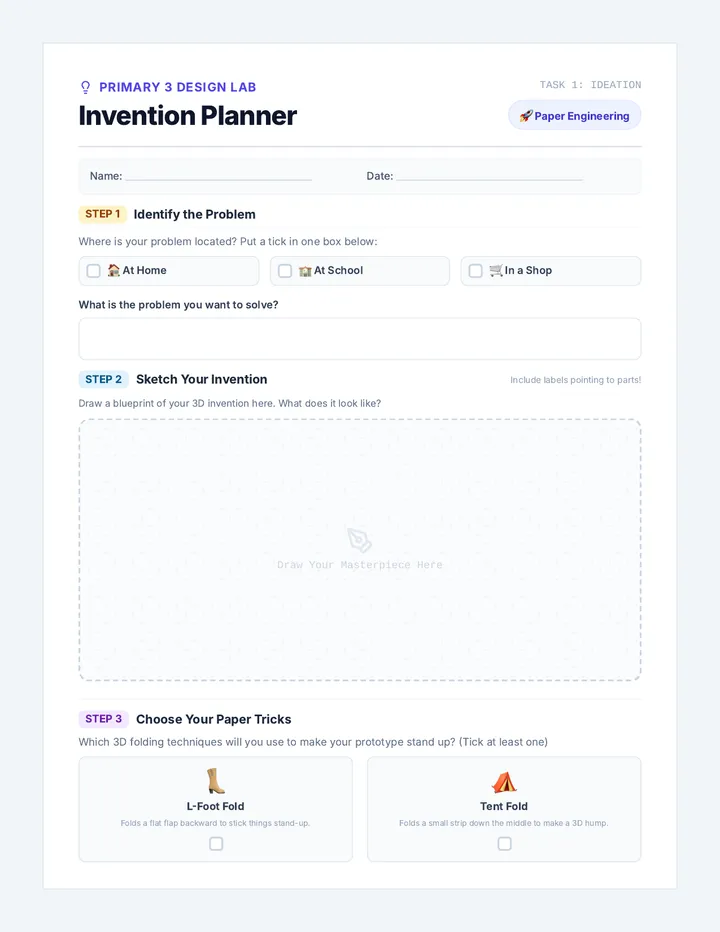
A lesson focused on designing a helpful paper-prototype invention for home, school, or shop, incorporating 3D paper-folding techniques for Primary 3 students.