Navigating oxygen-based functional groups (alcohols, ethers, aldehydes, ketones) and establishing the initial hierarchy of priority for suffixes versus prefixes.
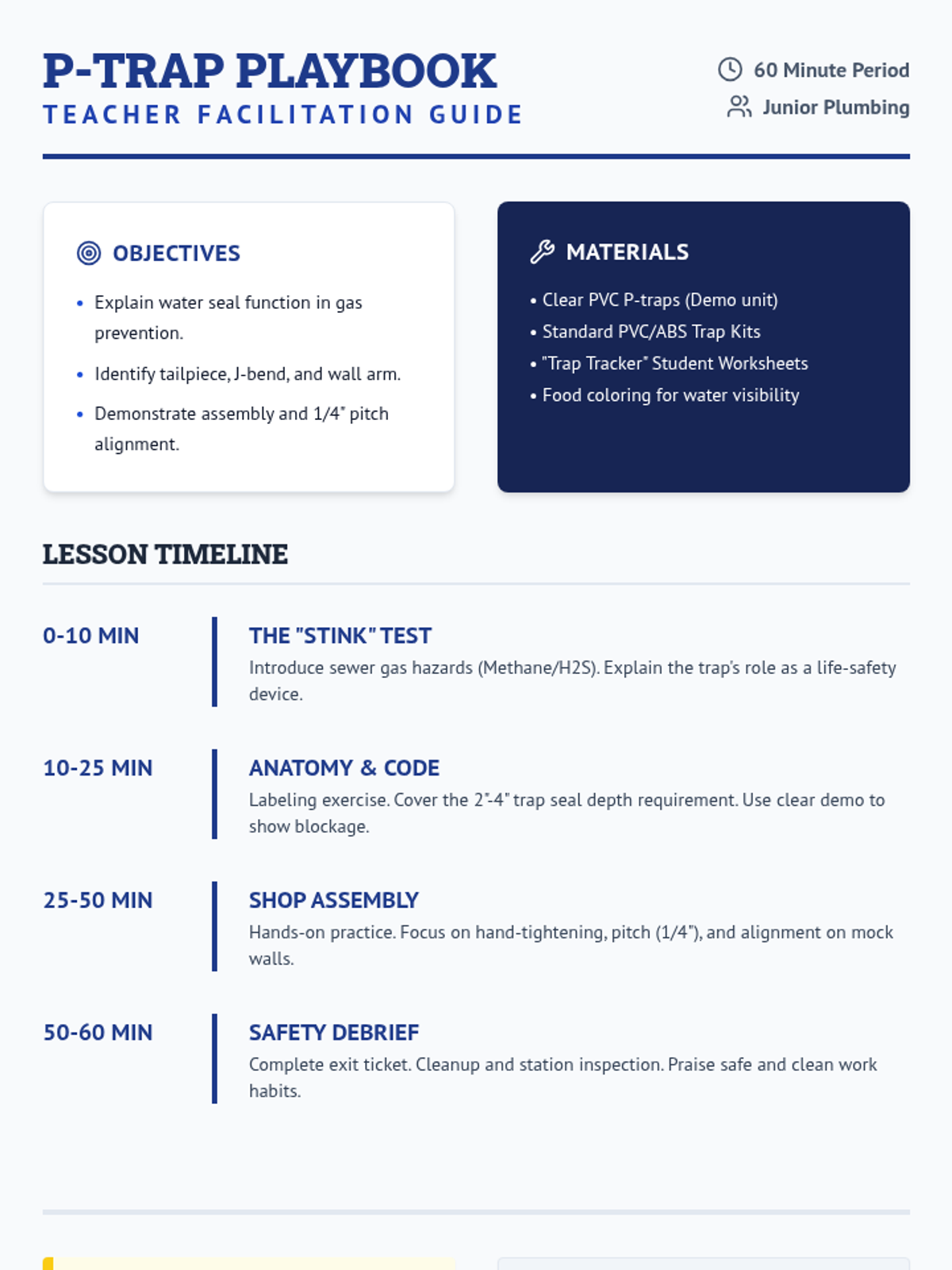
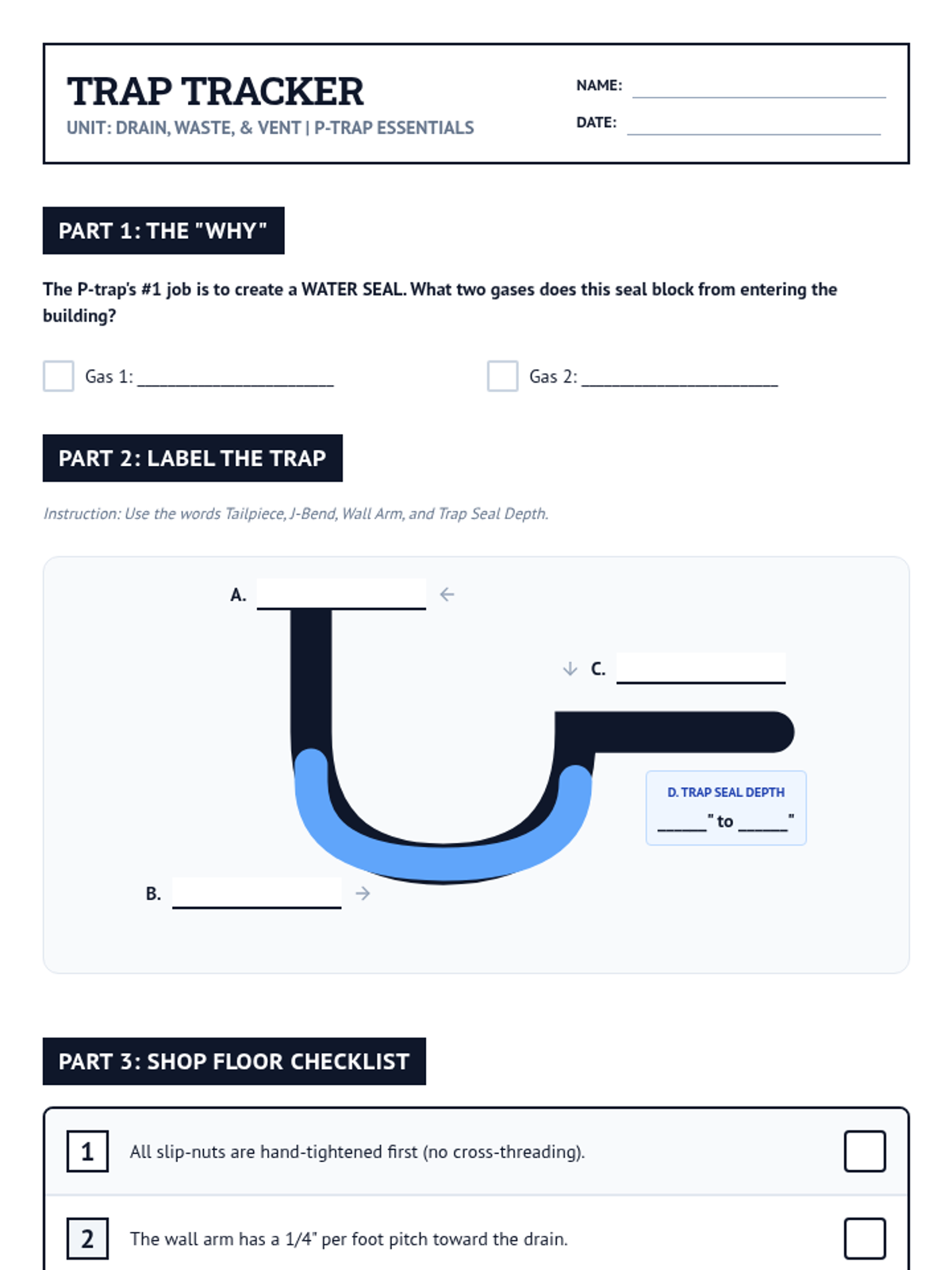
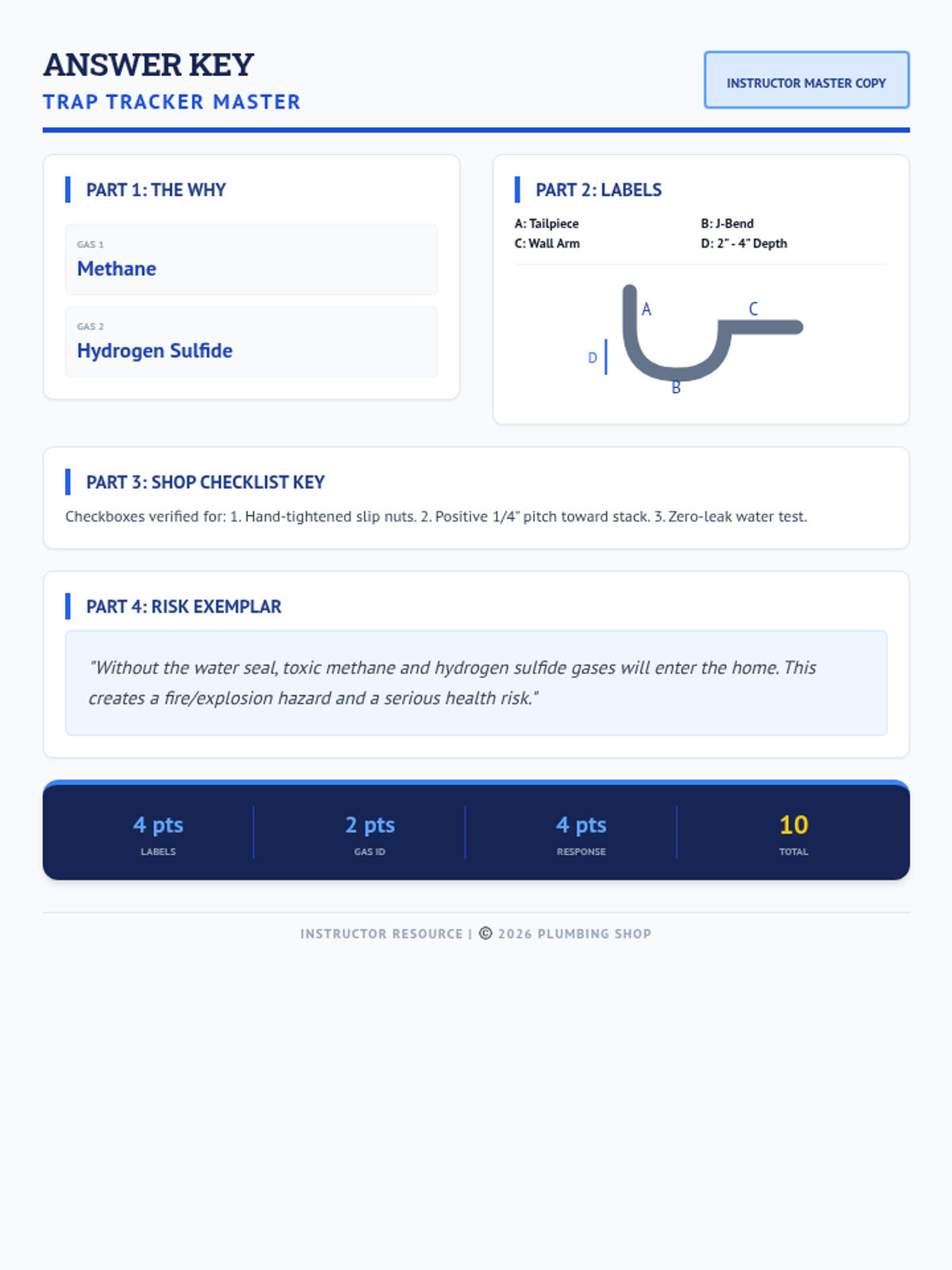
A comprehensive lesson on the critical role of P-traps in plumbing systems, covering sewer gas prevention, water seals, and basic venting principles. Designed for junior plumbing students with diverse learning needs, including specific IEP/504 accommodations.
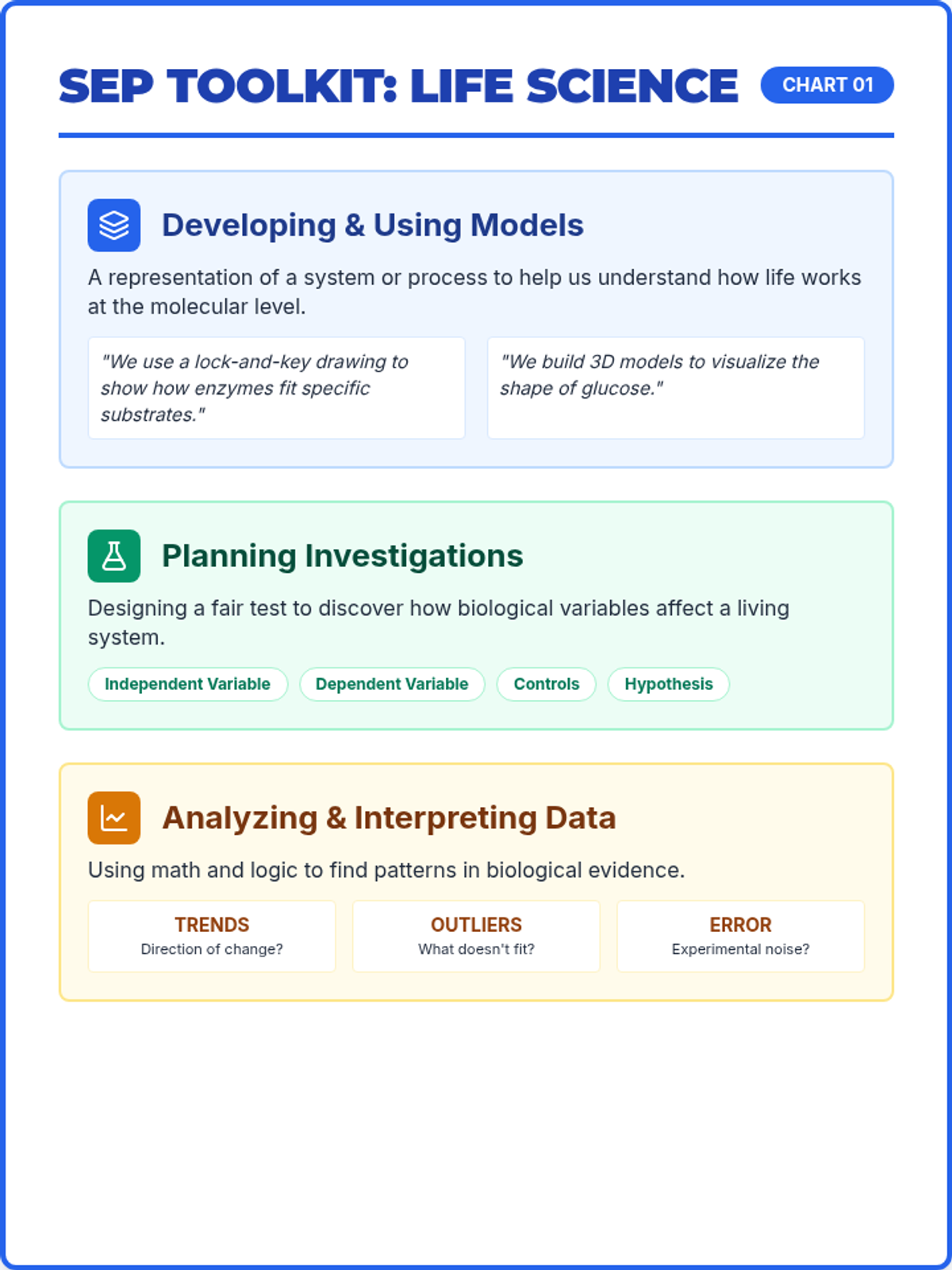
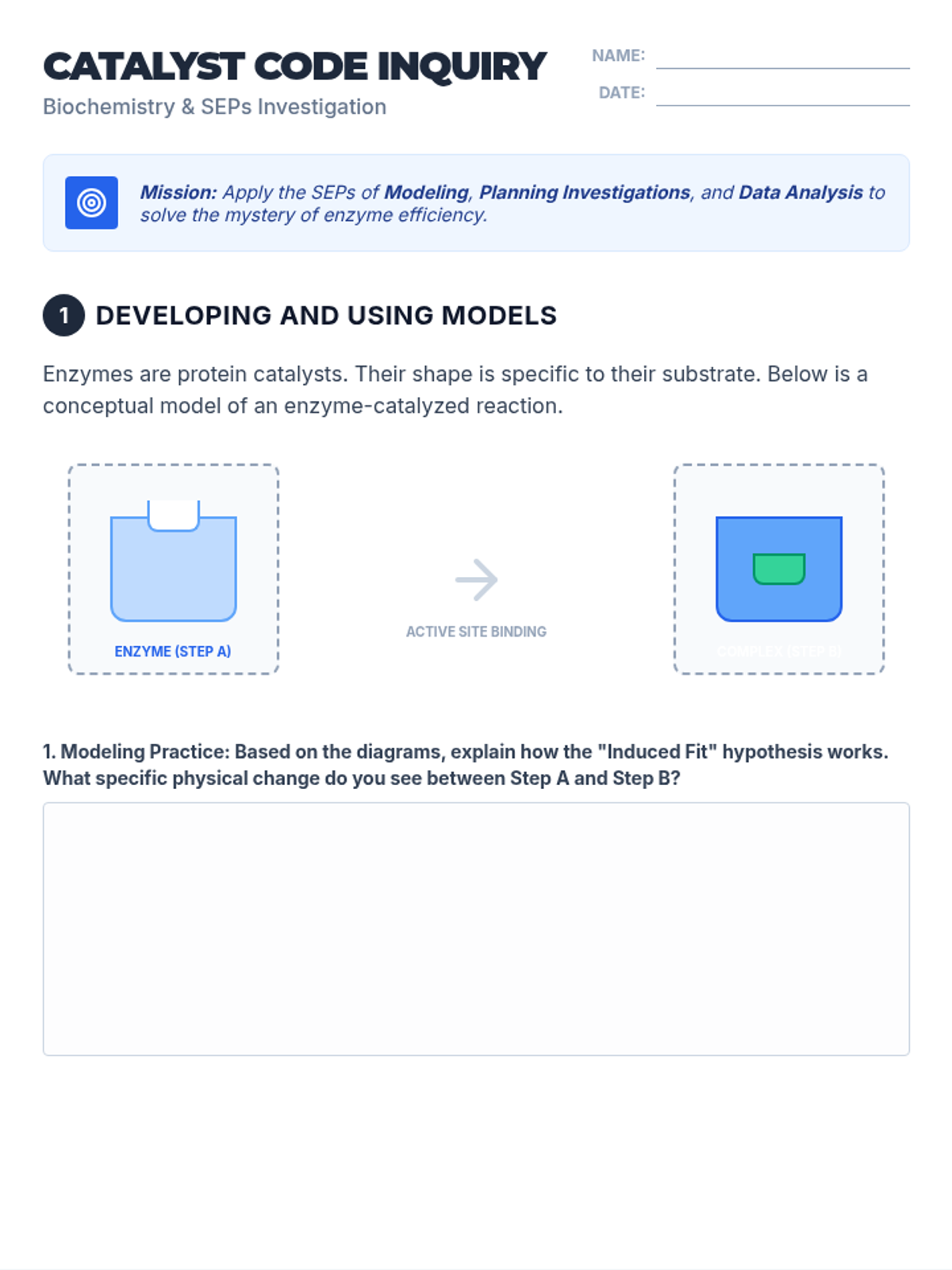
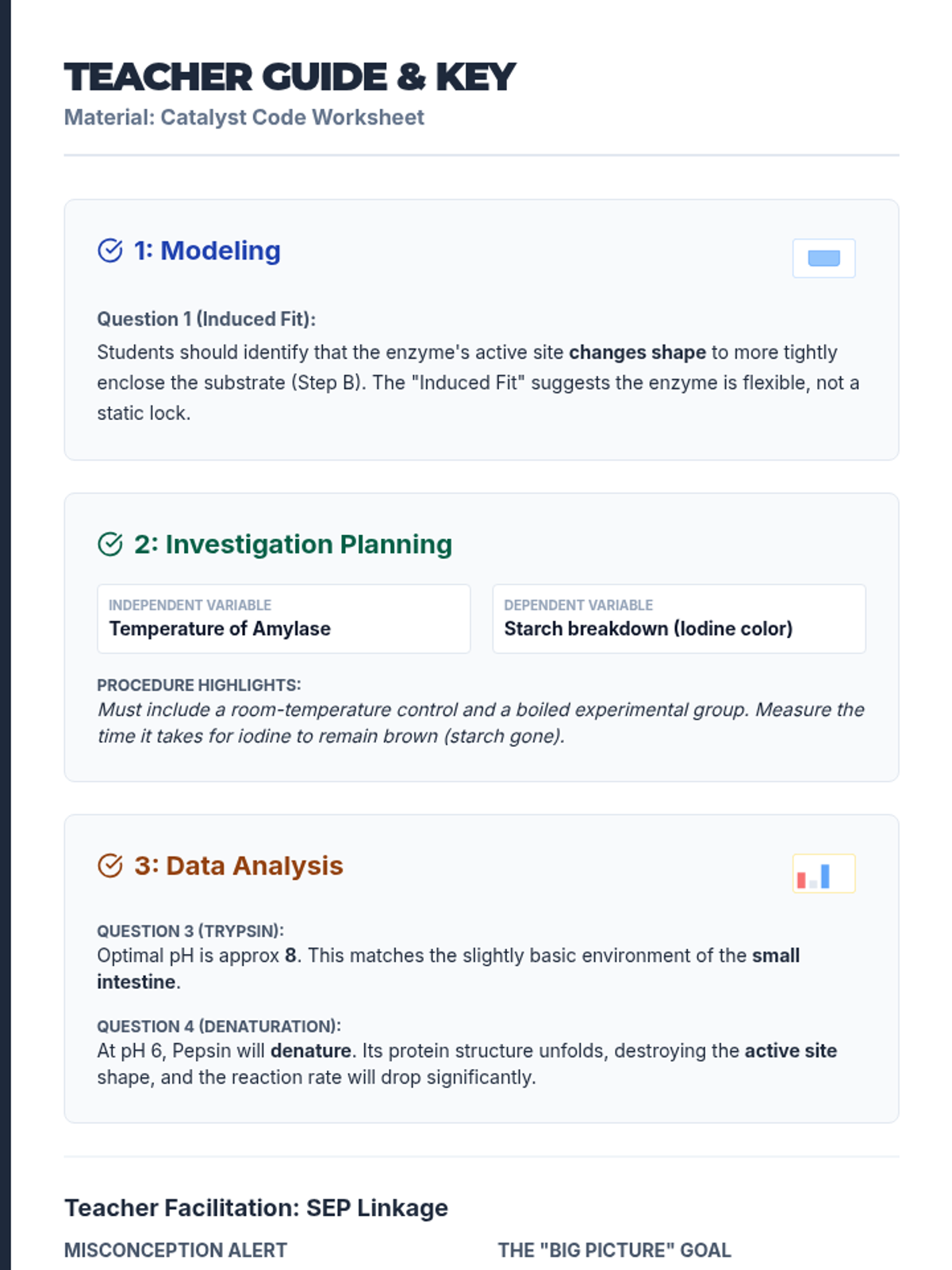
A lesson focused on the foundational concepts of biochemistry and the nature of life through the lens of Science and Engineering Practices (SEPs), specifically modeling, data analysis, and experimental design.
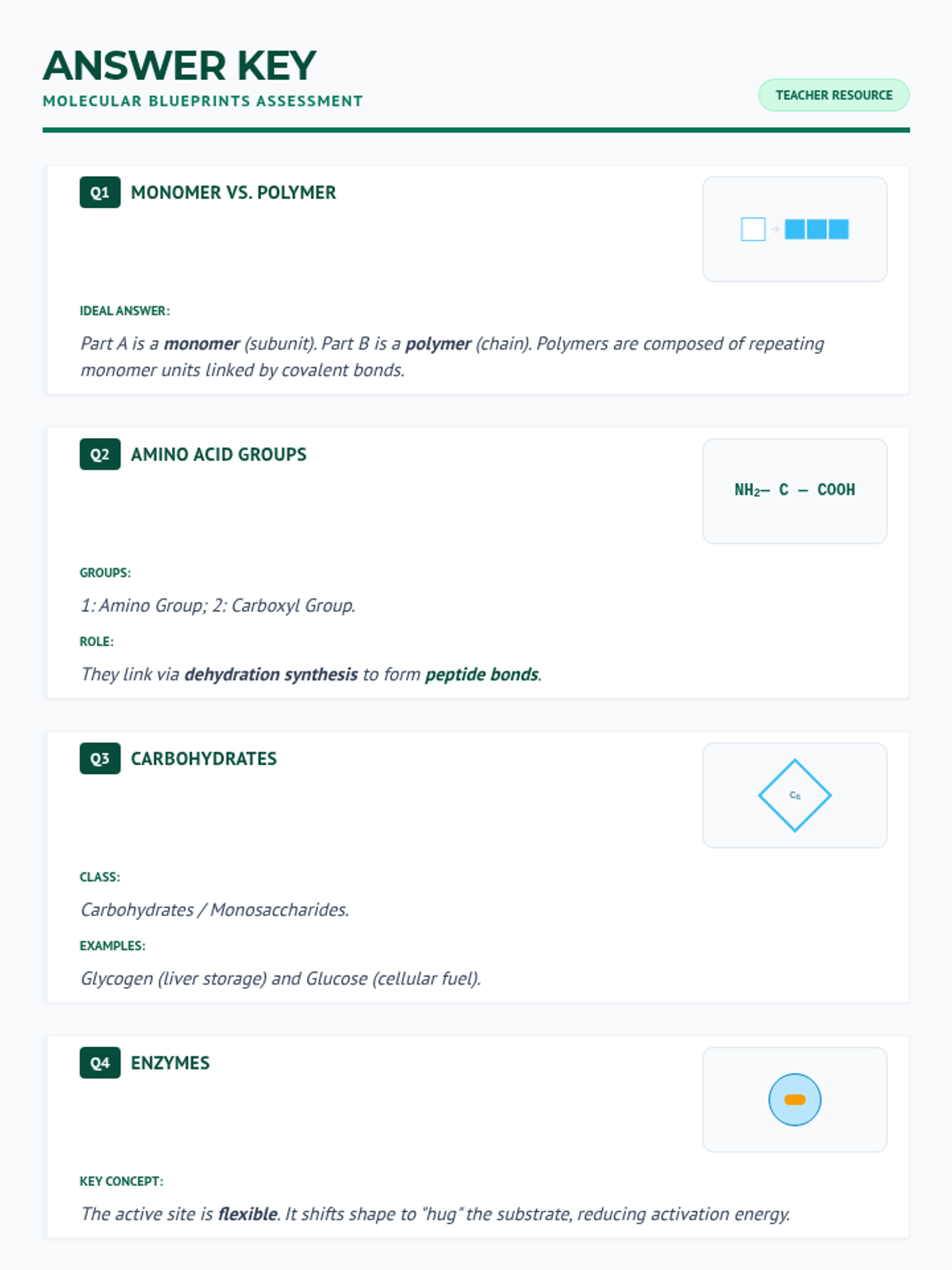
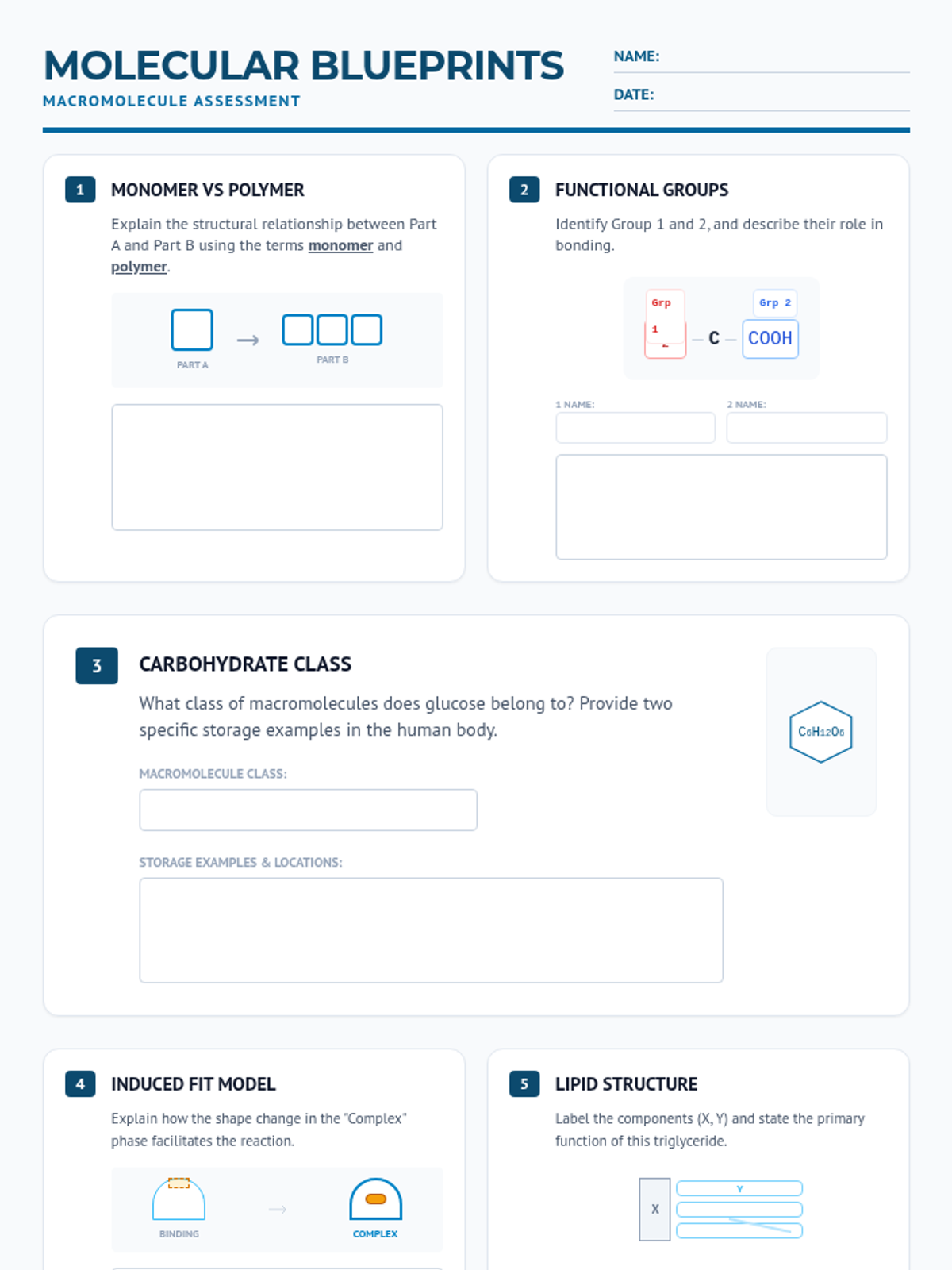
A focused assessment and review on the four major biological macromolecules, their structures, and enzymatic functions. Students will identify functional groups, analyze monomer-polymer relationships, and explain enzyme-substrate interactions through visual diagrams.
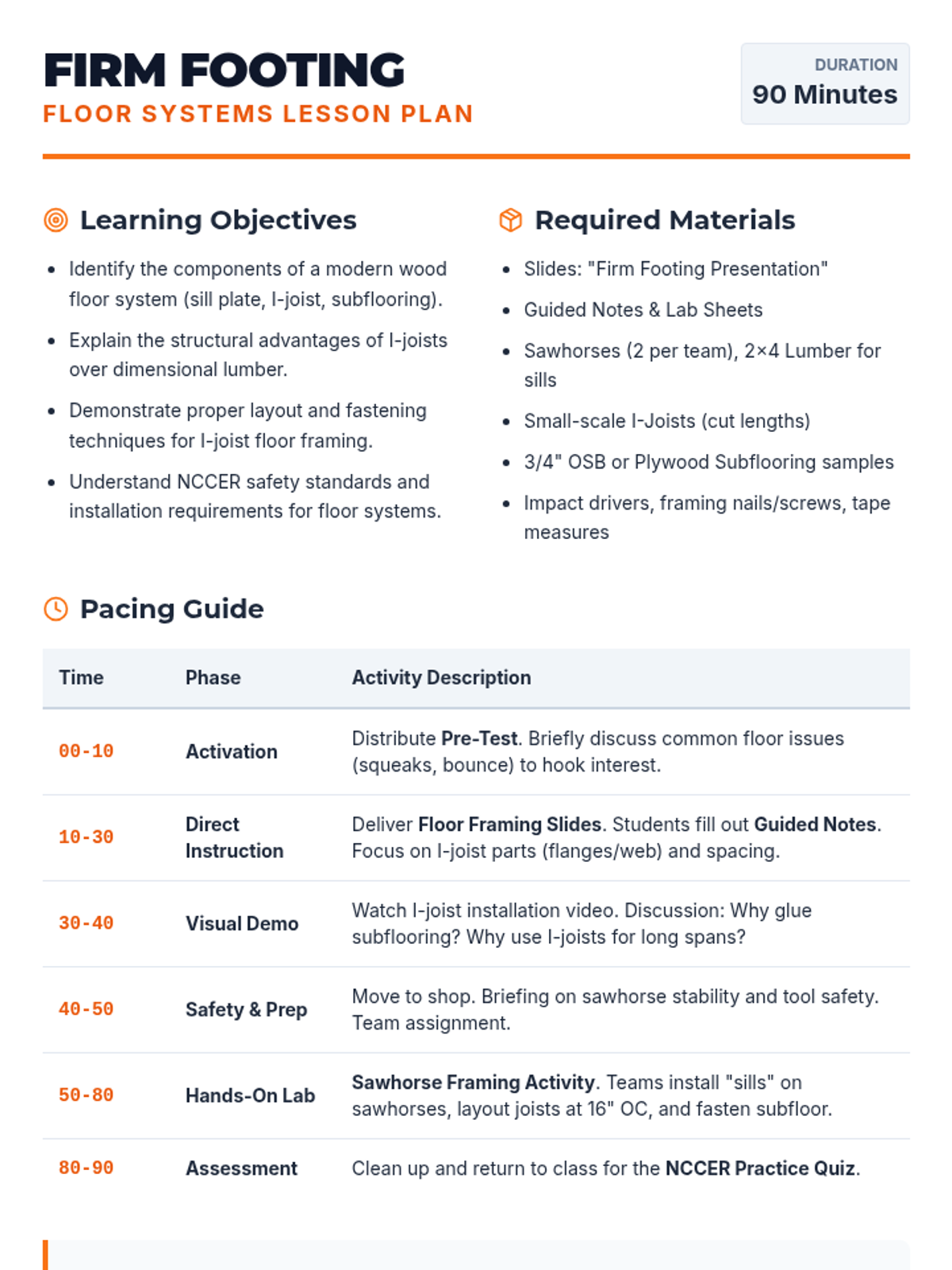
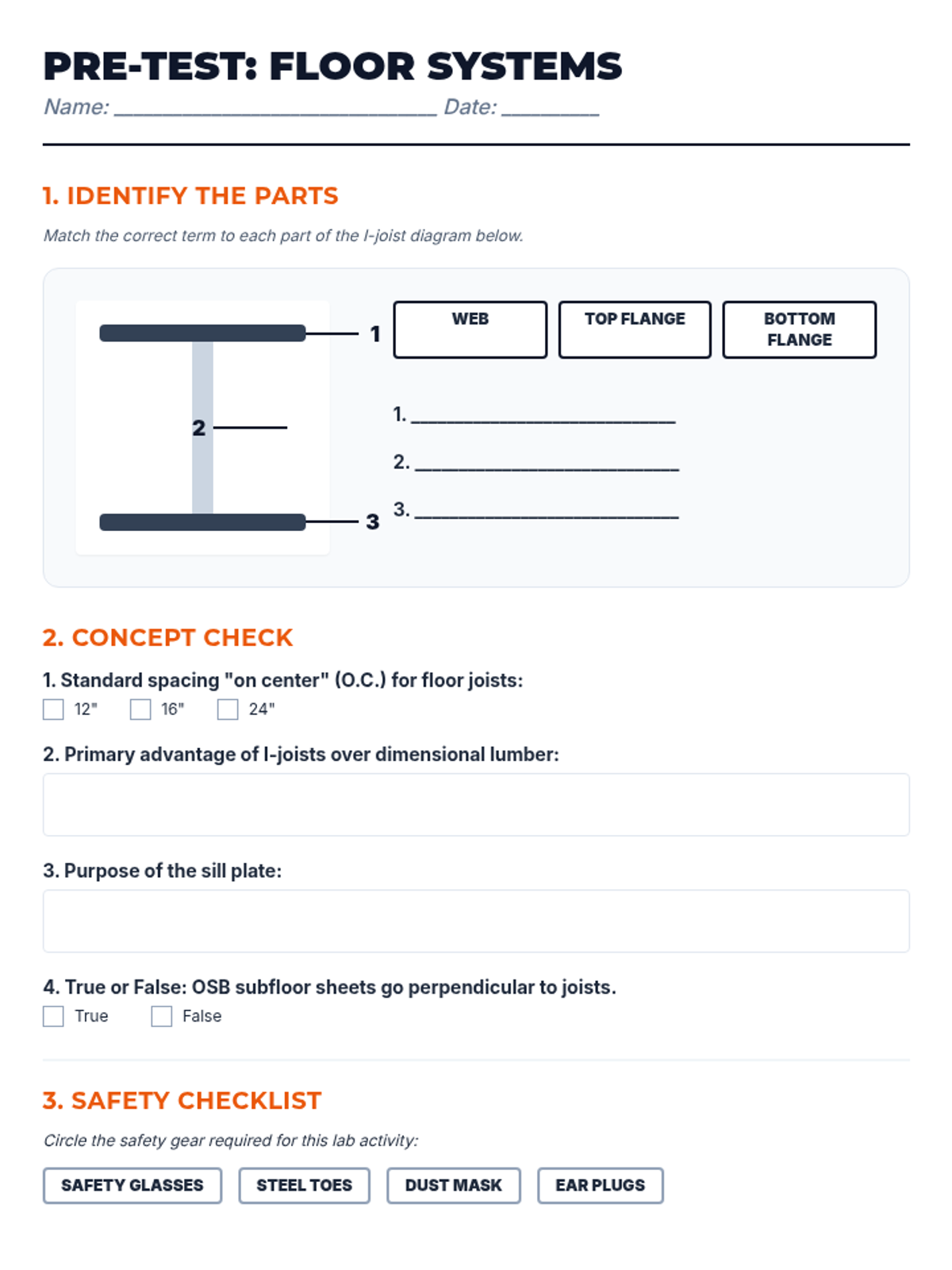
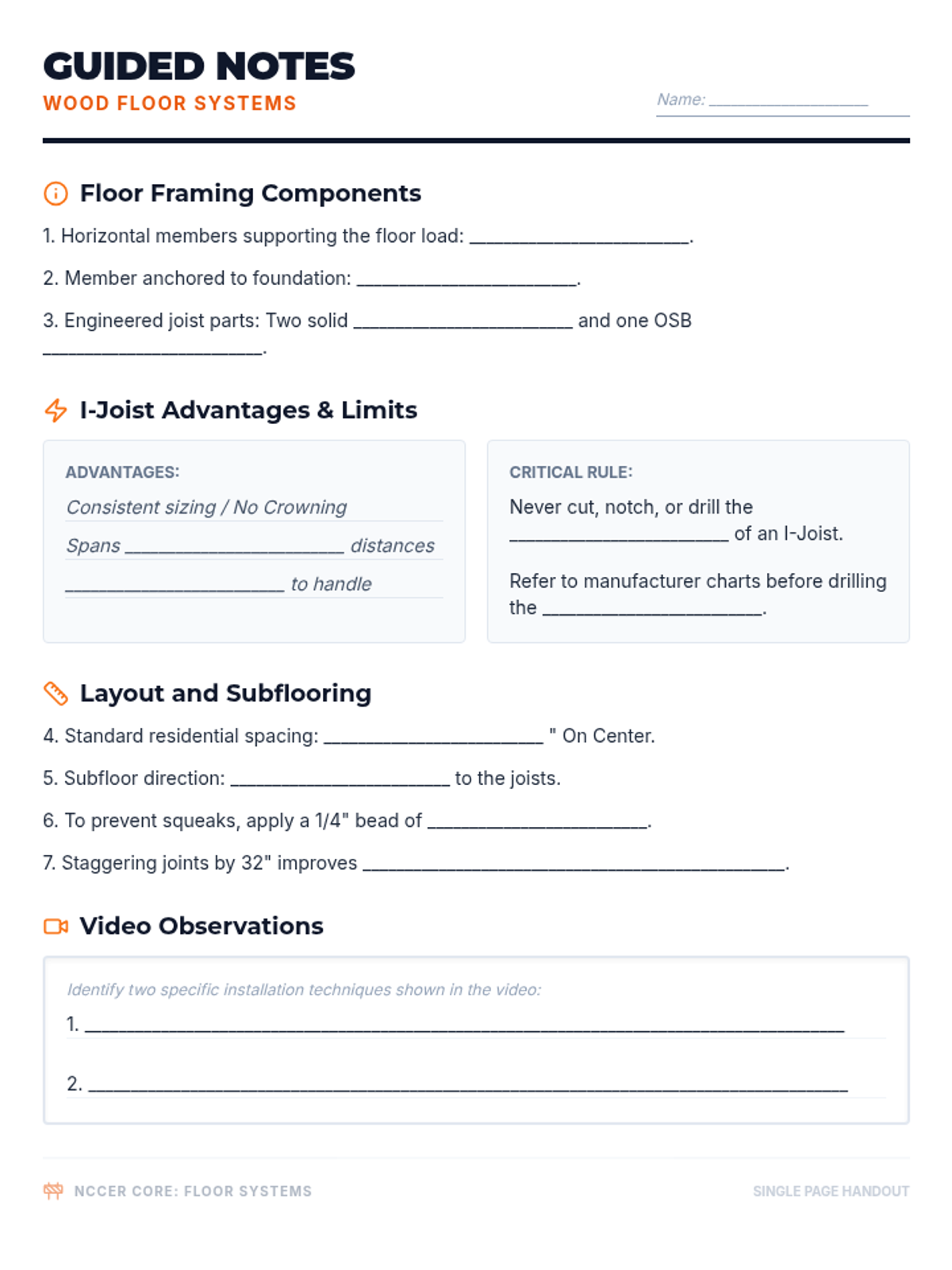
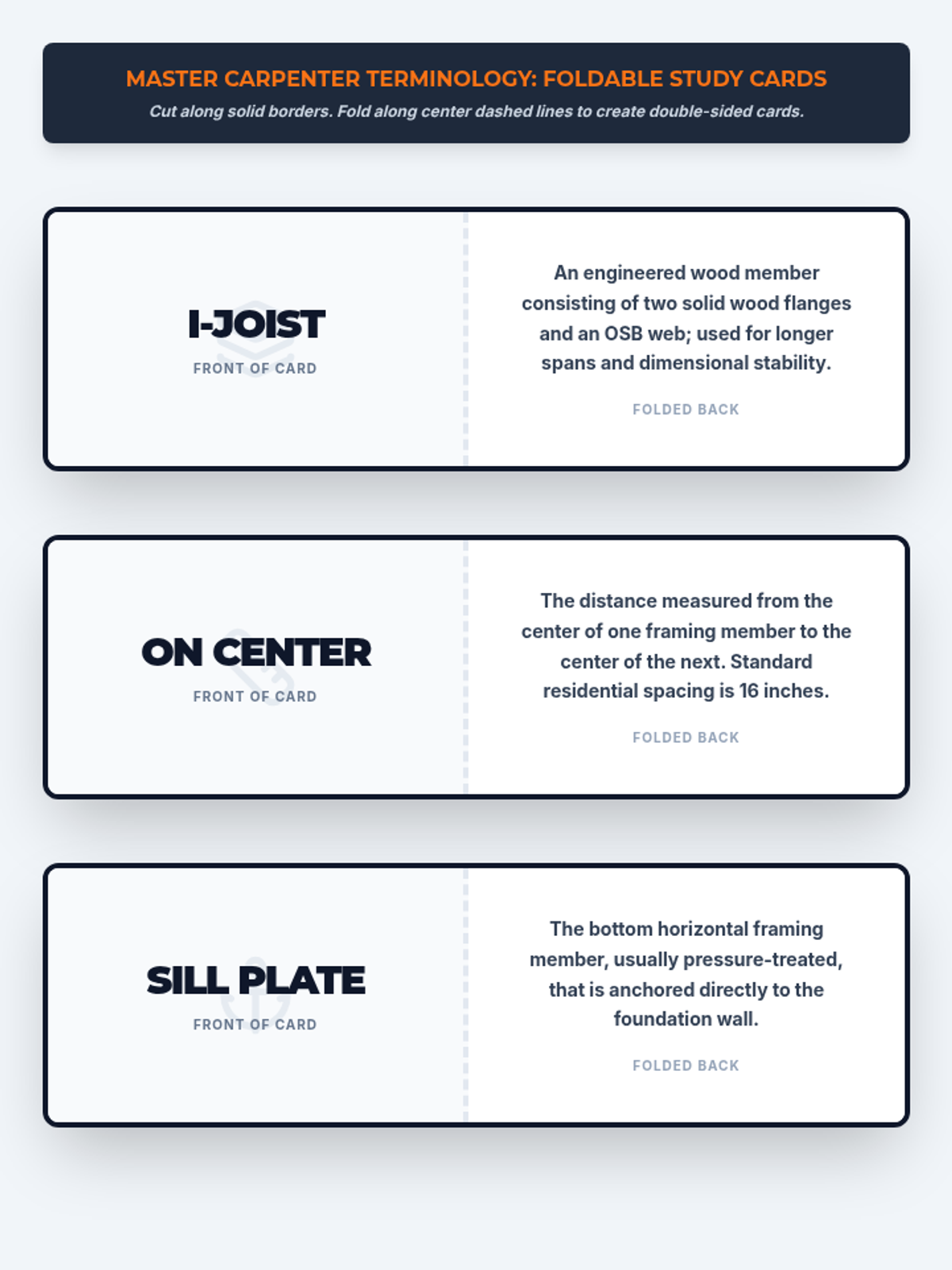
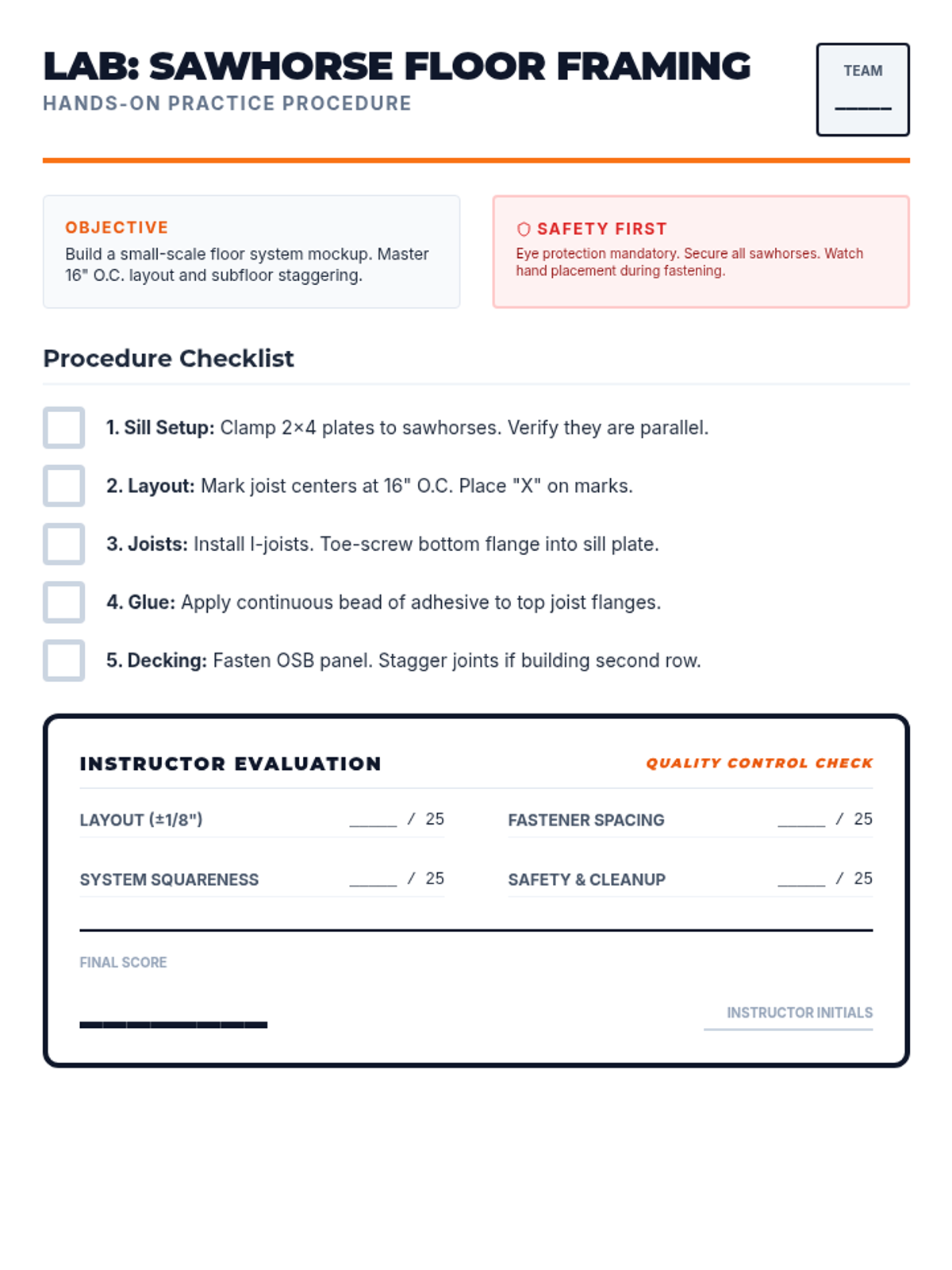
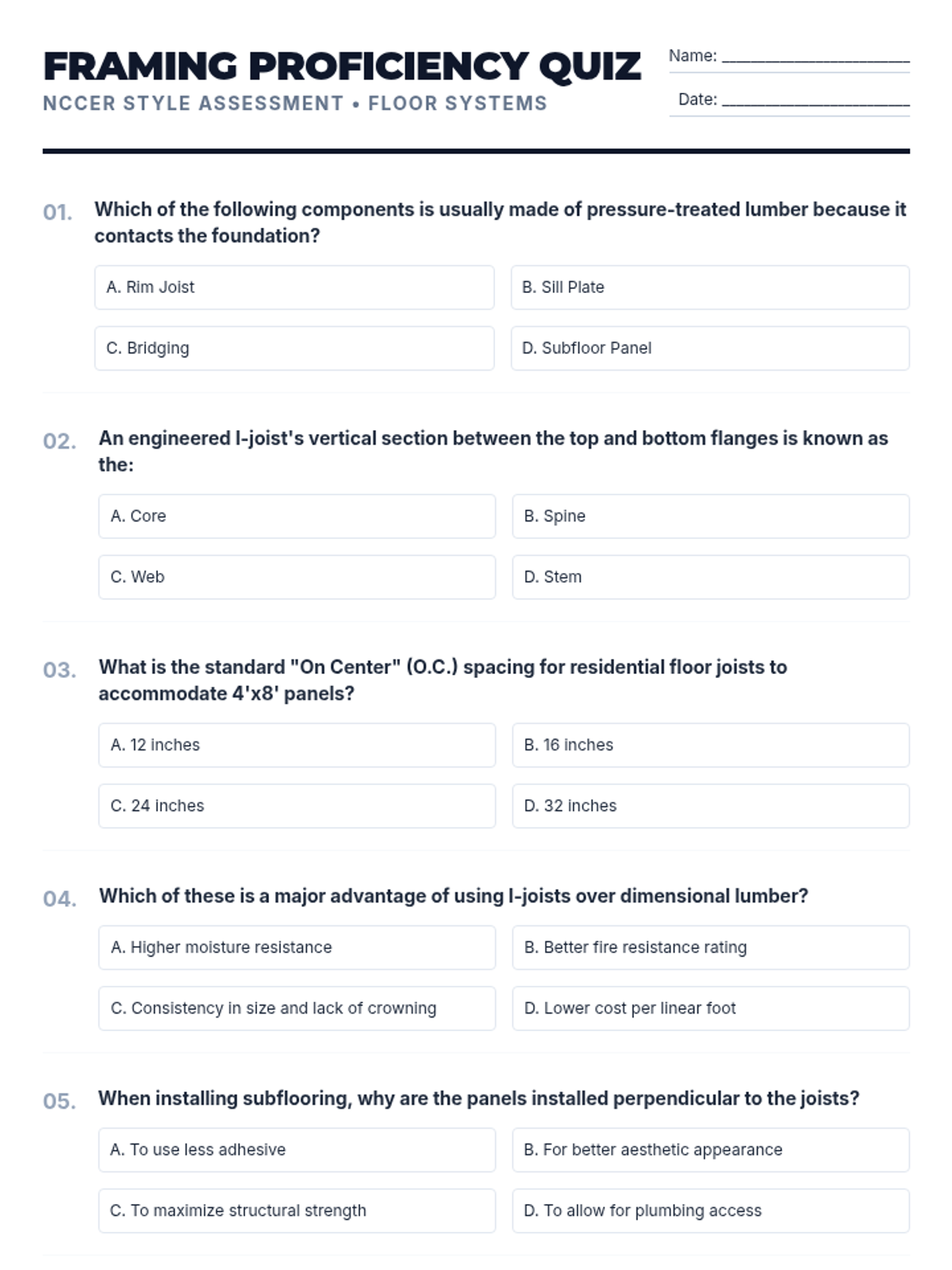
A comprehensive 90-minute lesson on modern wood floor systems, focusing on I-joist installation, subflooring techniques, and structural components. Students will engage in classroom instruction followed by hands-on small-scale framing practice.
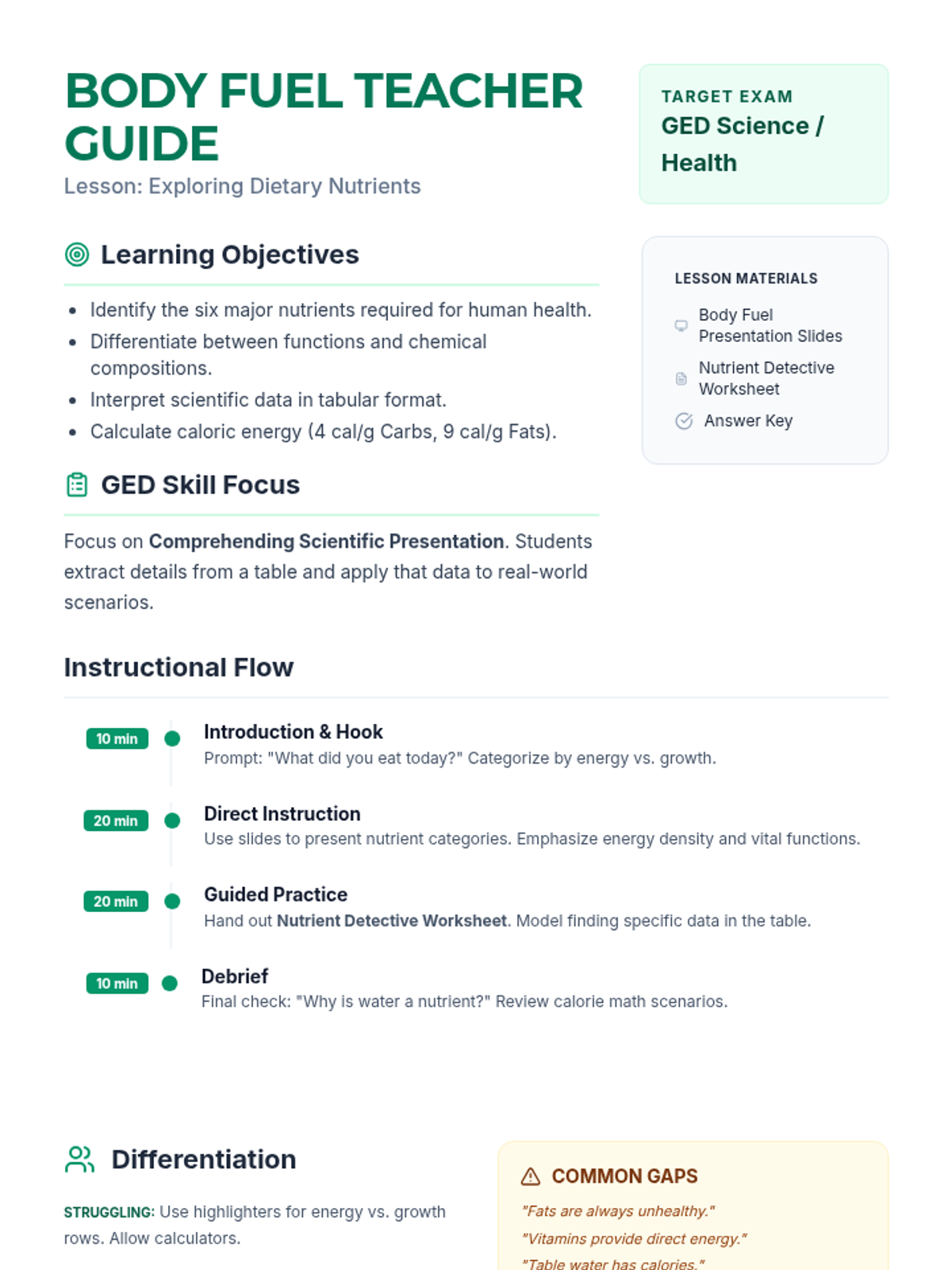
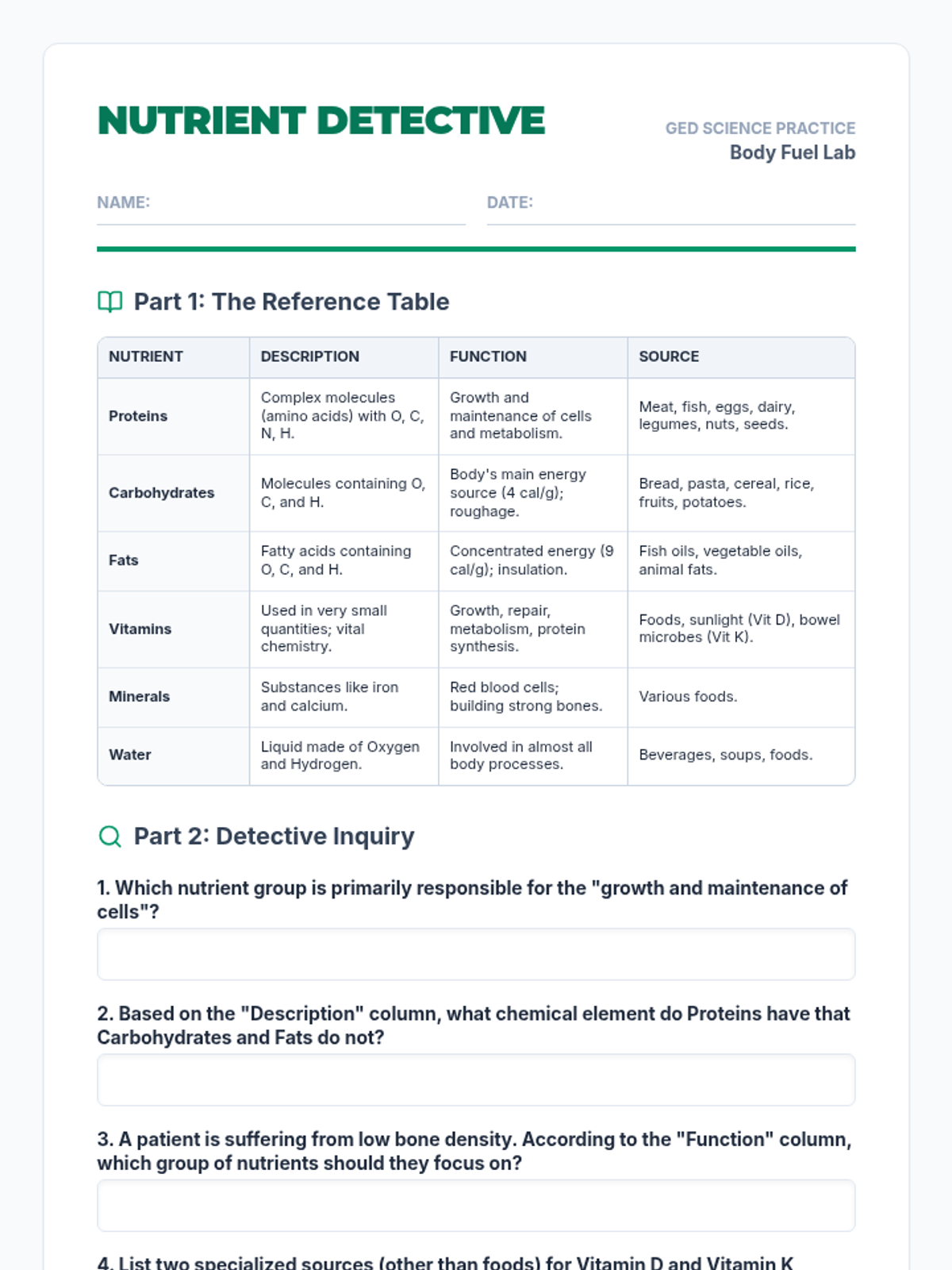
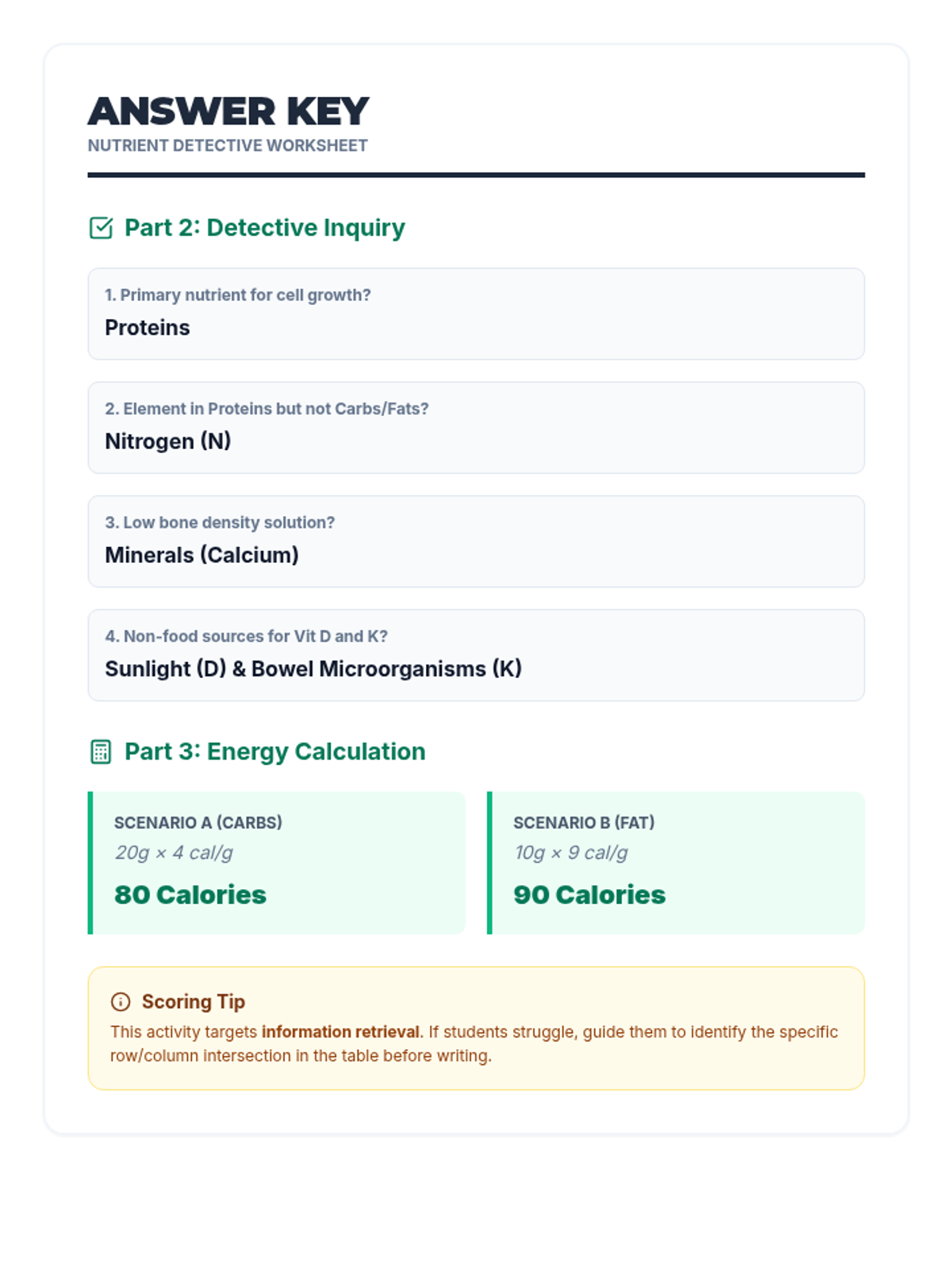
A comprehensive lesson designed for GED students to understand the roles of essential nutrients, how to interpret nutritional data from tables, and apply this knowledge to personal health.
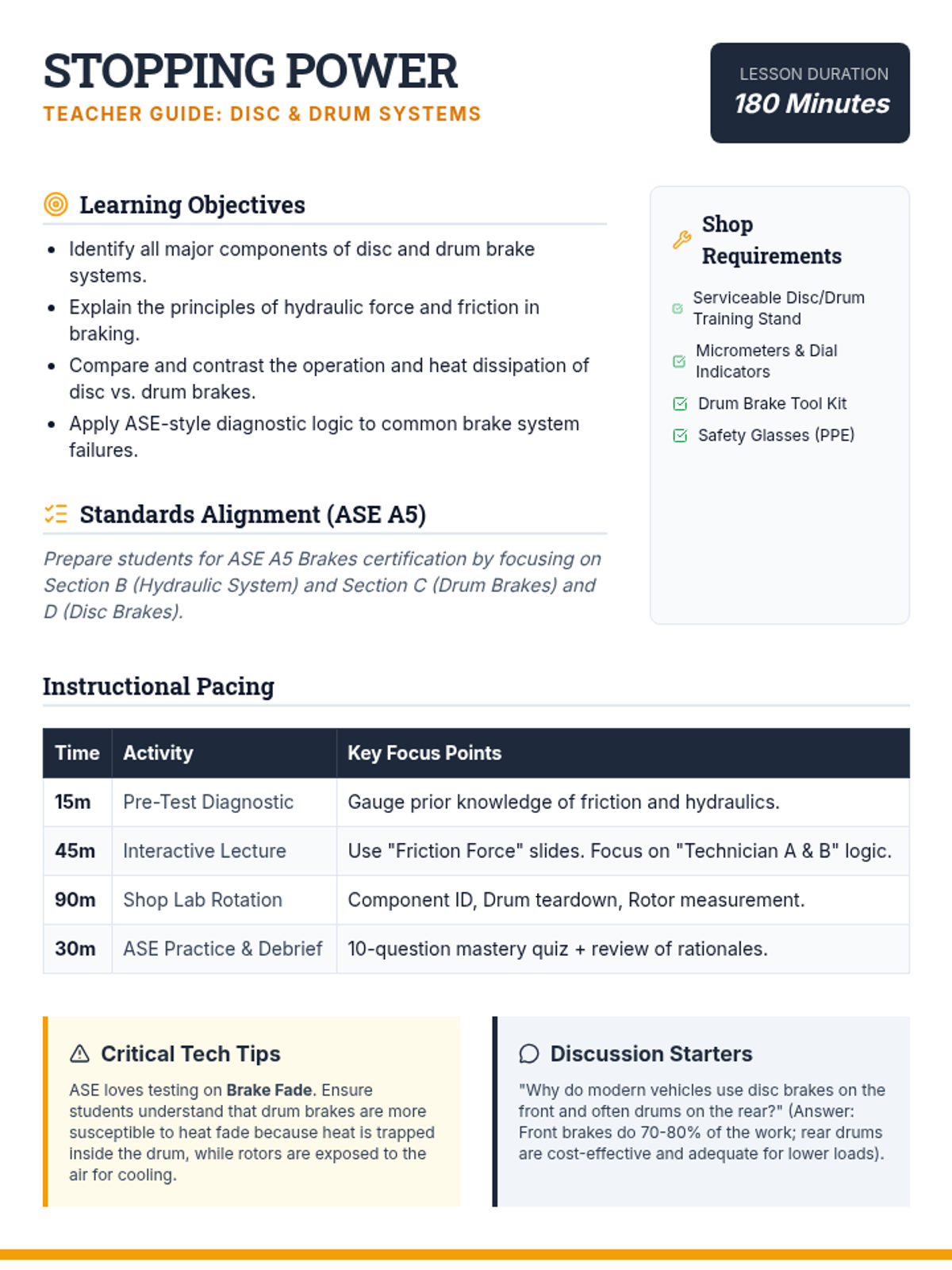
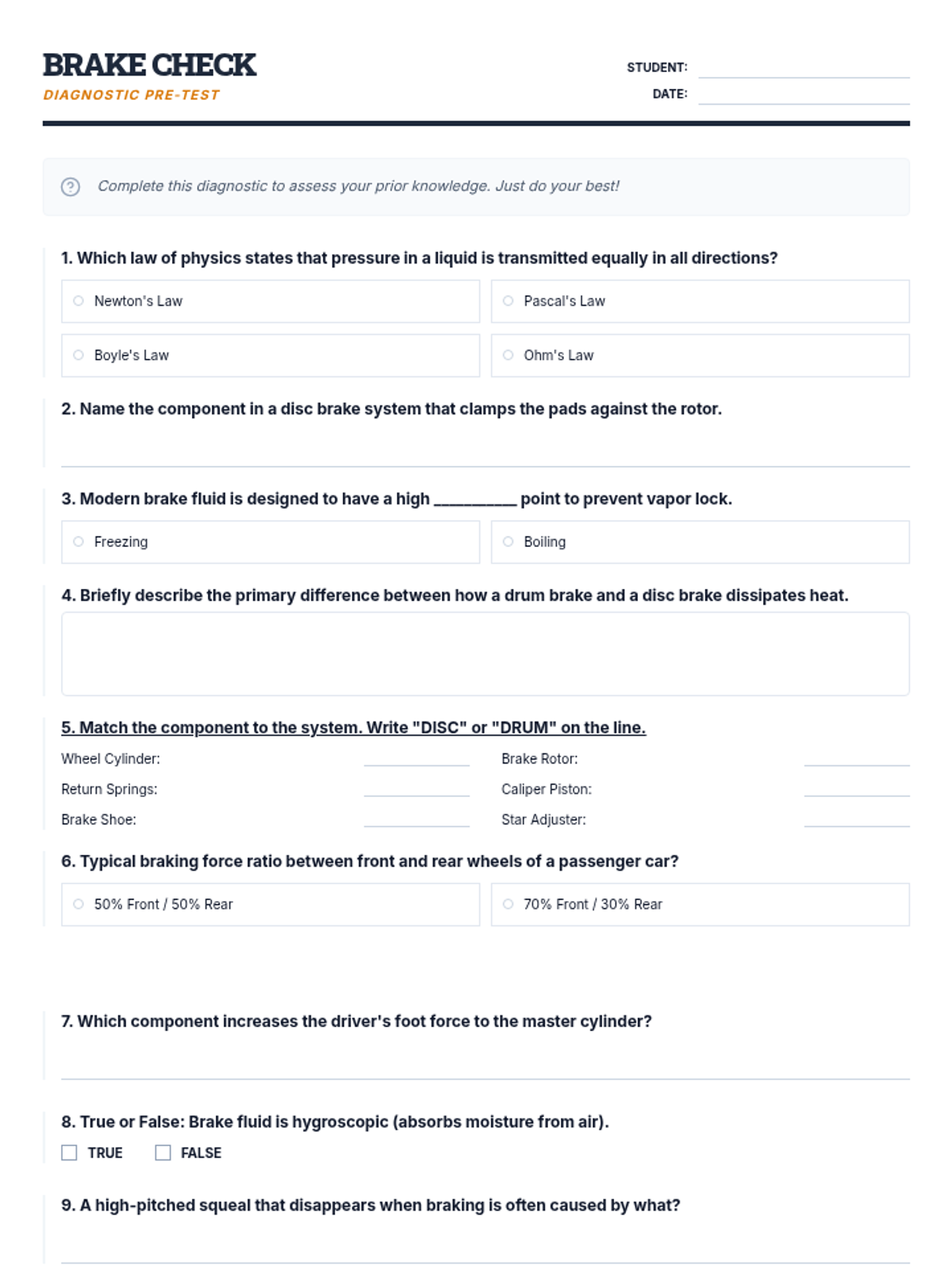
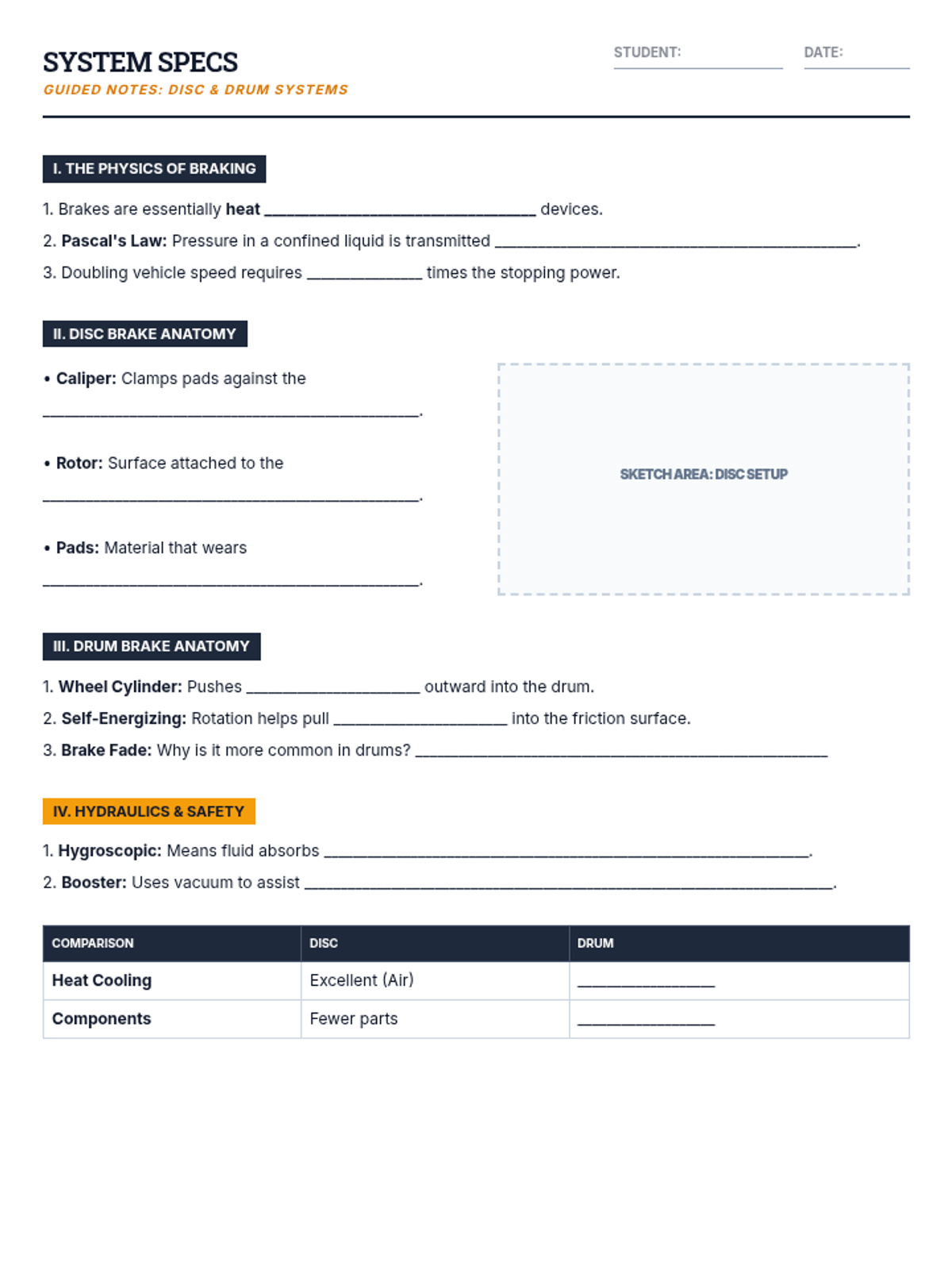
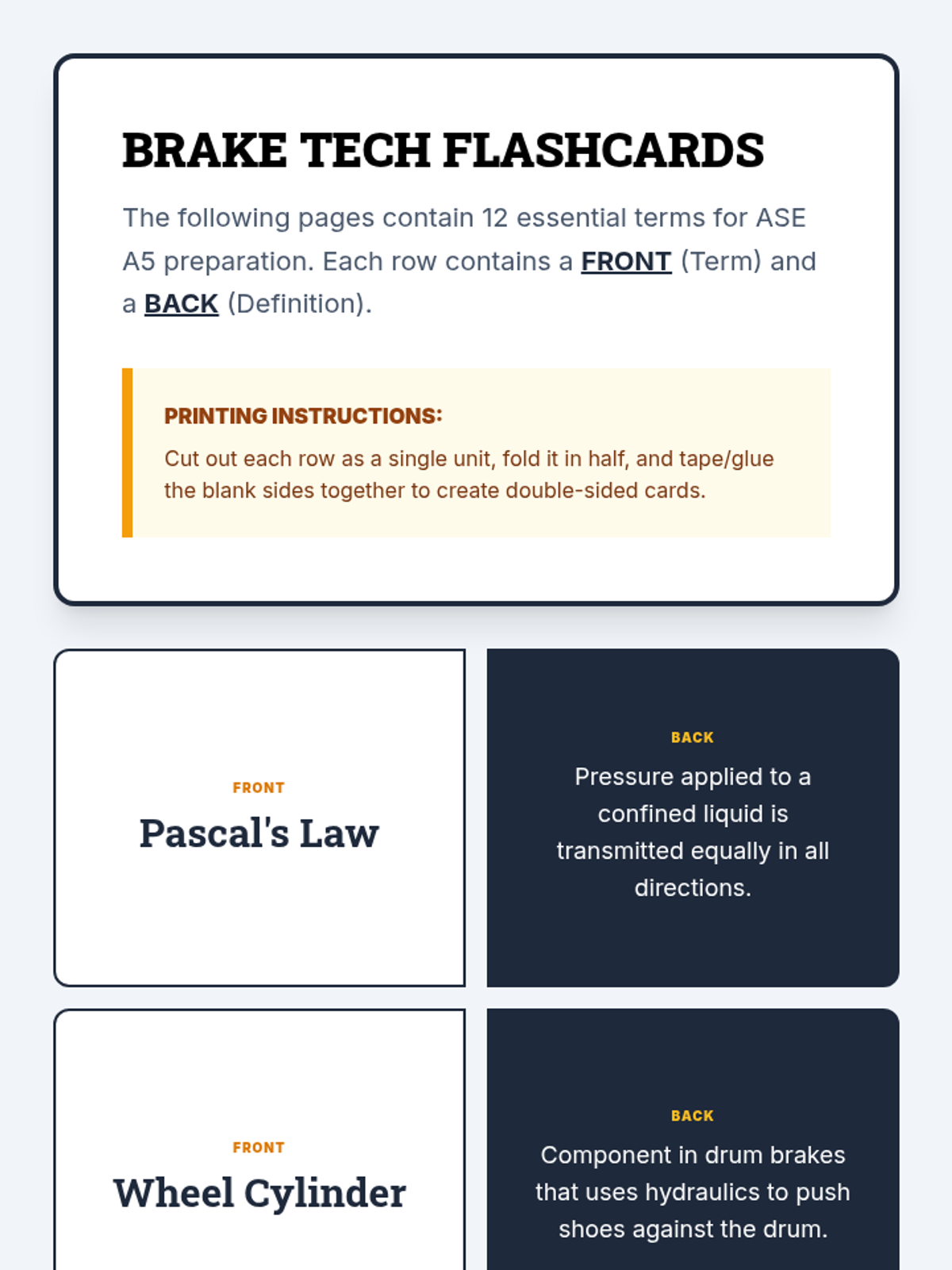
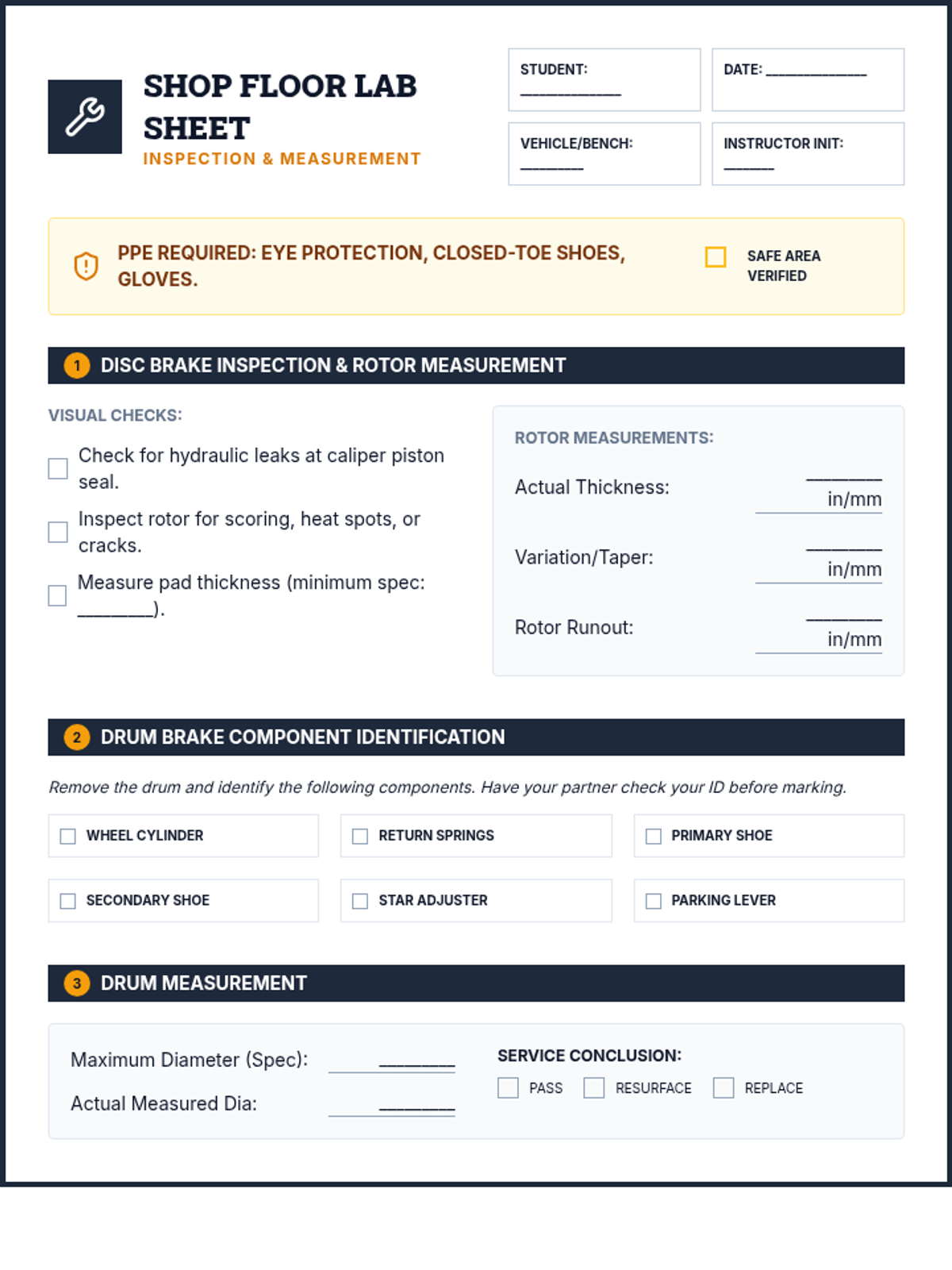
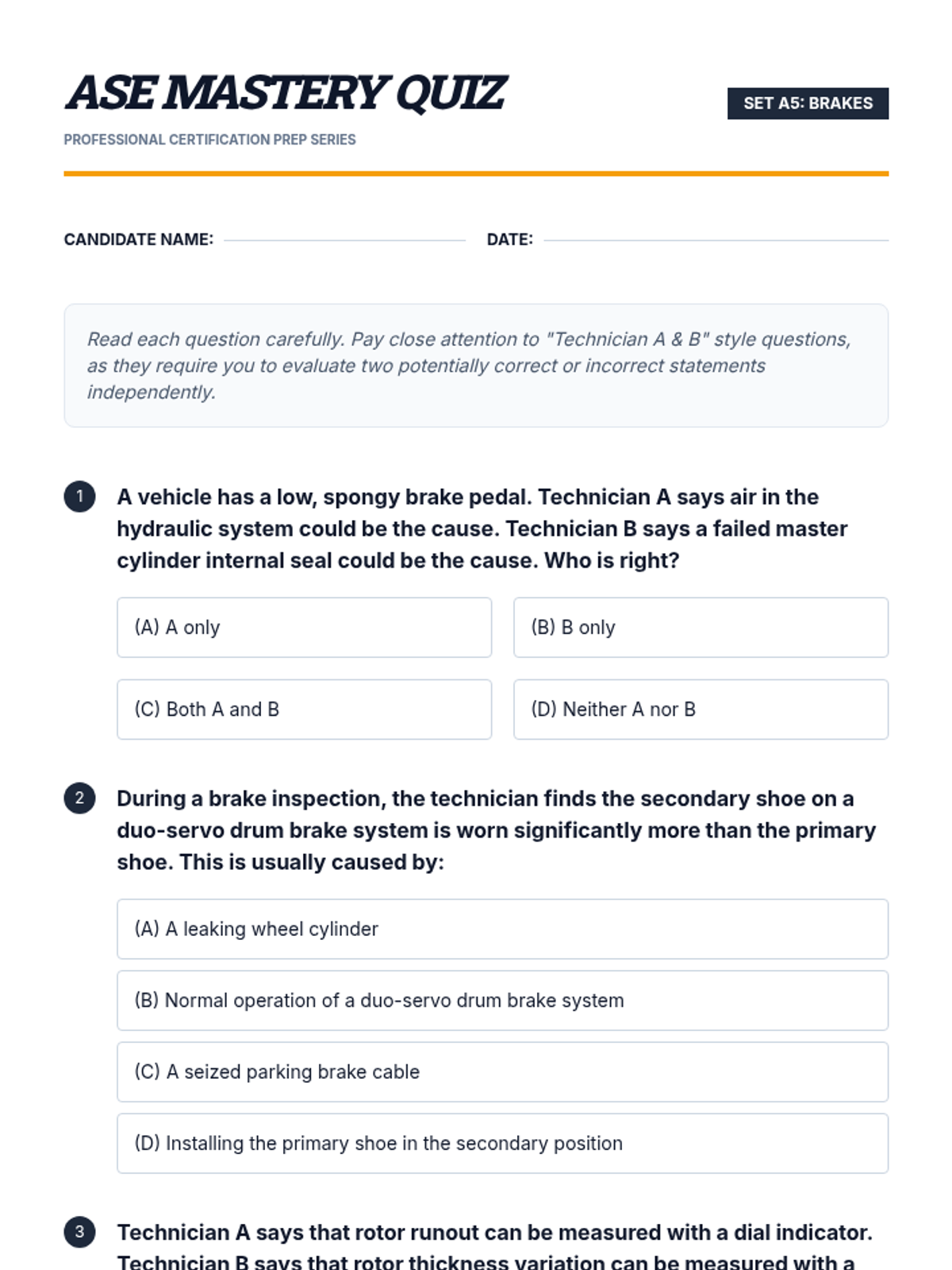
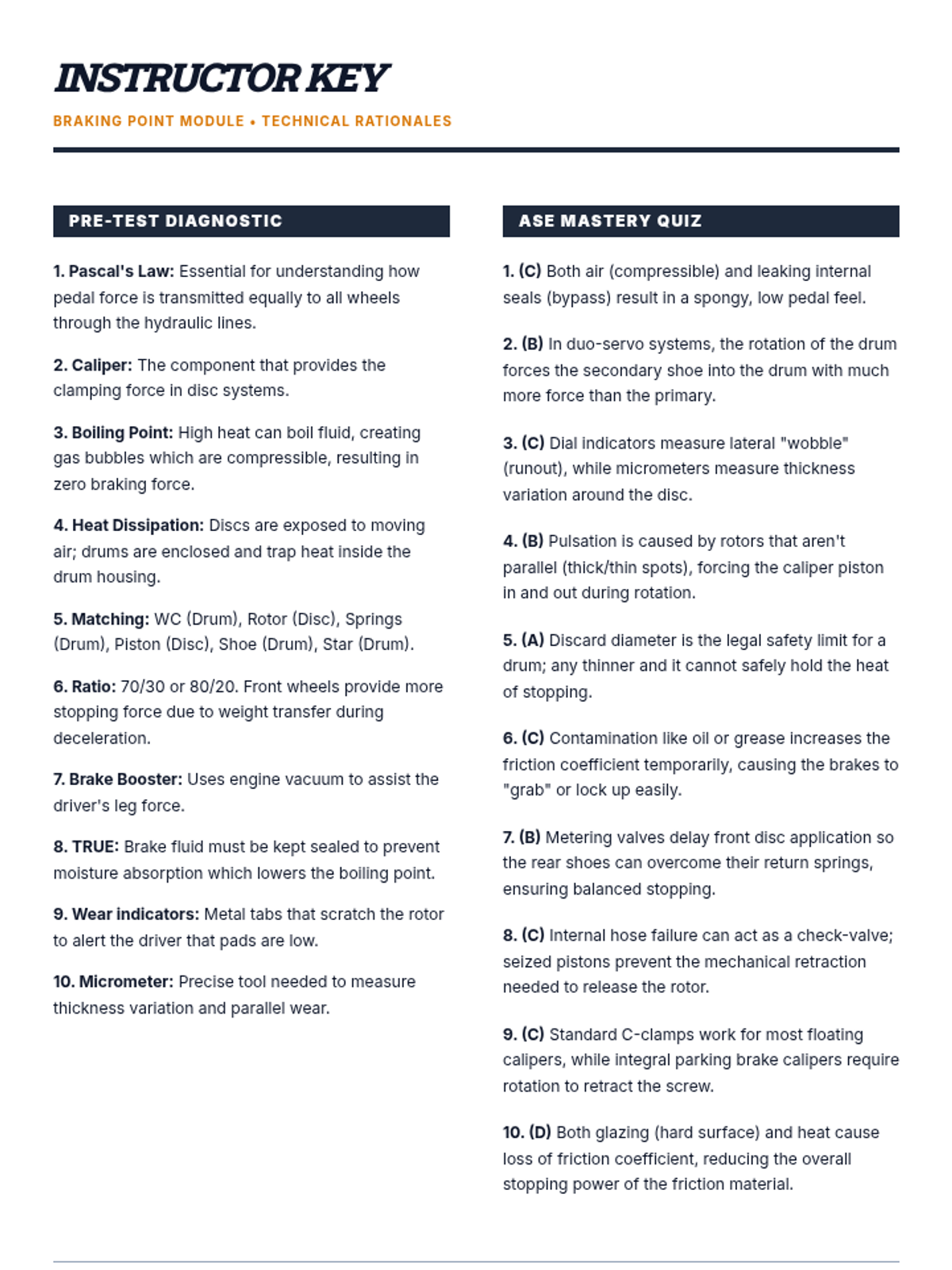
A comprehensive introduction to automotive disc and drum brake systems, covering components, operation, and ASE-style diagnostic theory for first-year students.
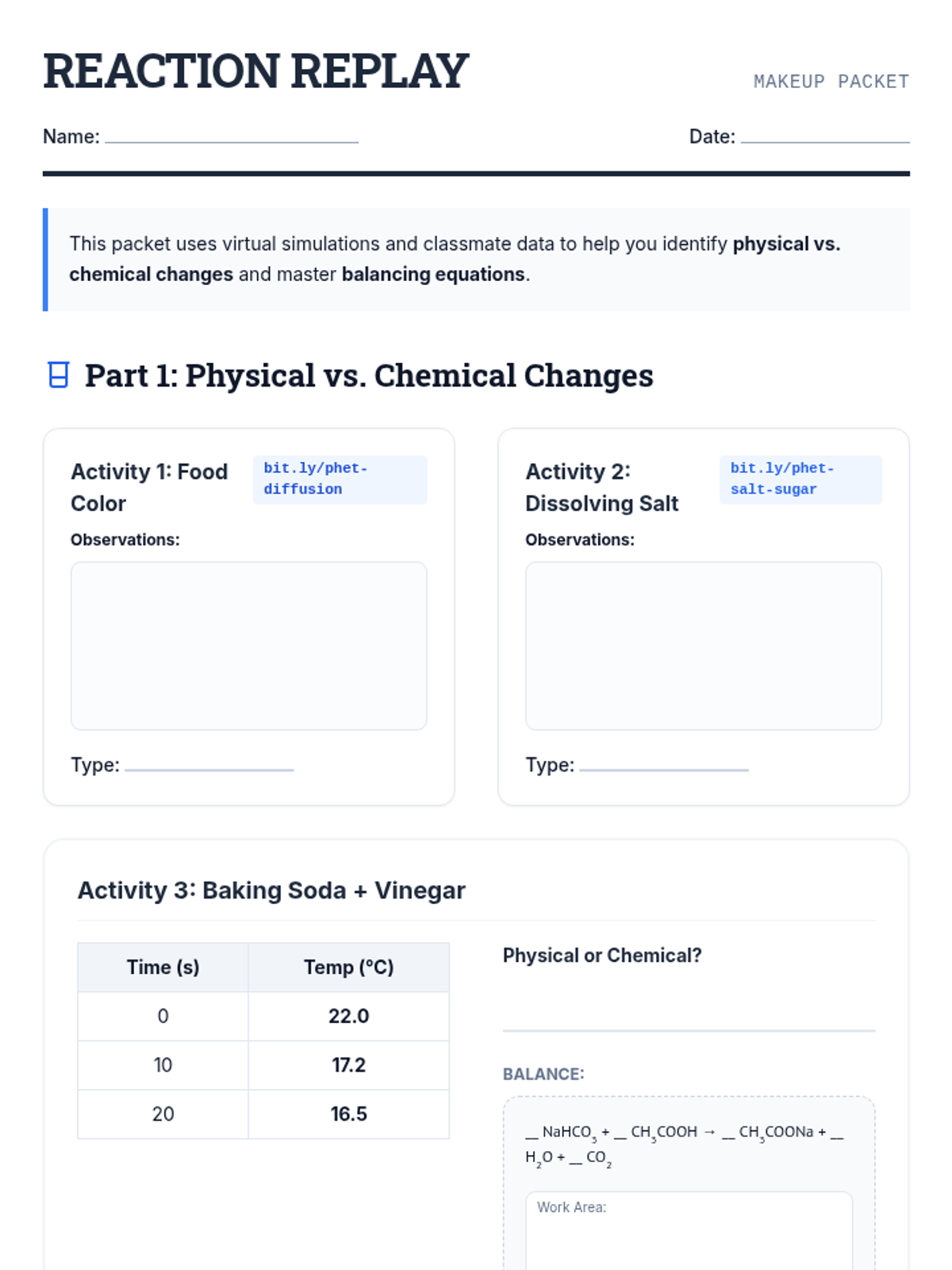
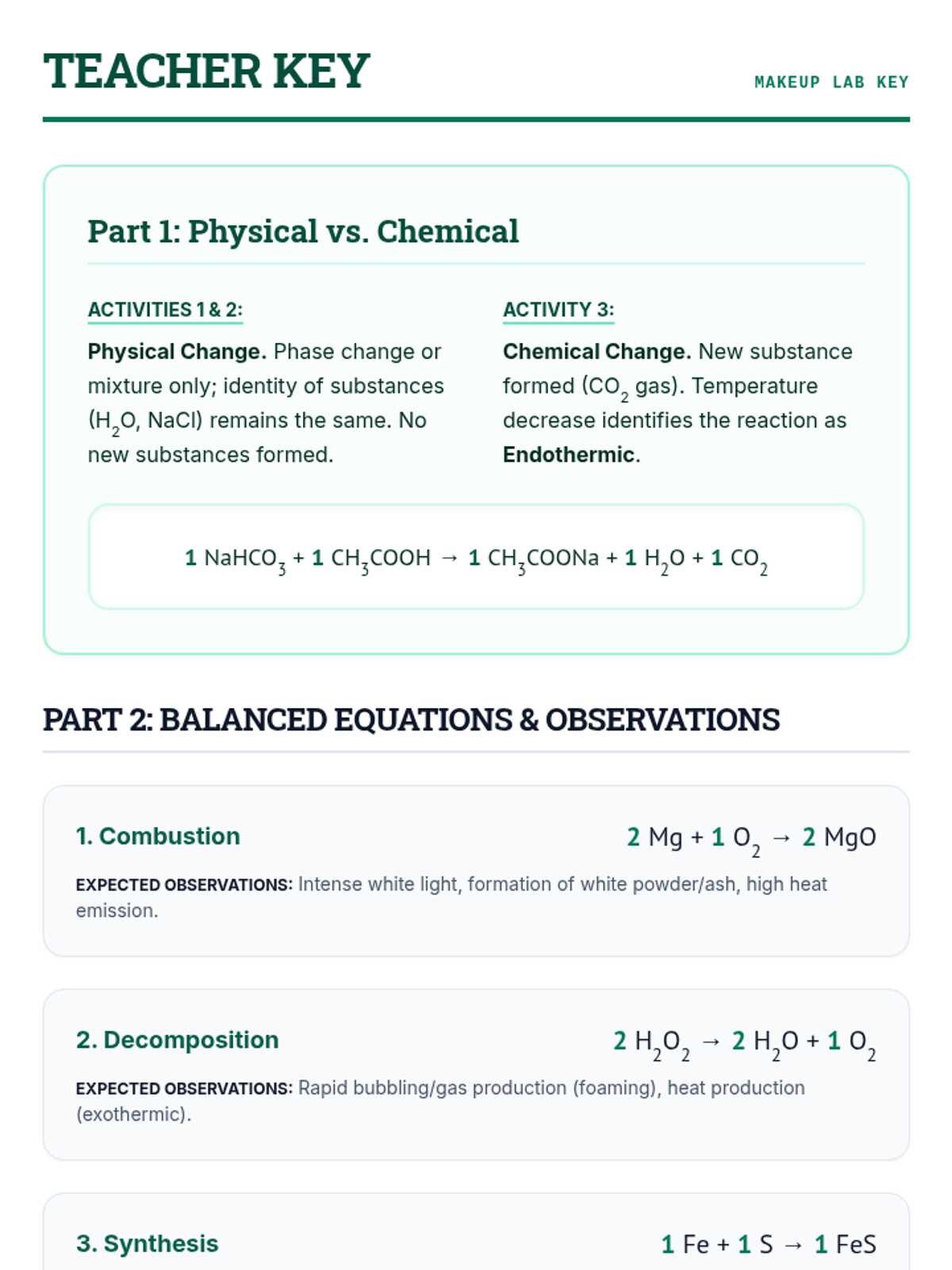
A comprehensive makeup packet for students who missed the Chemical Reactions lab. It includes virtual lab links, sample data for analysis, and balancing equation practice to ensure students meet the same learning objectives as their peers.
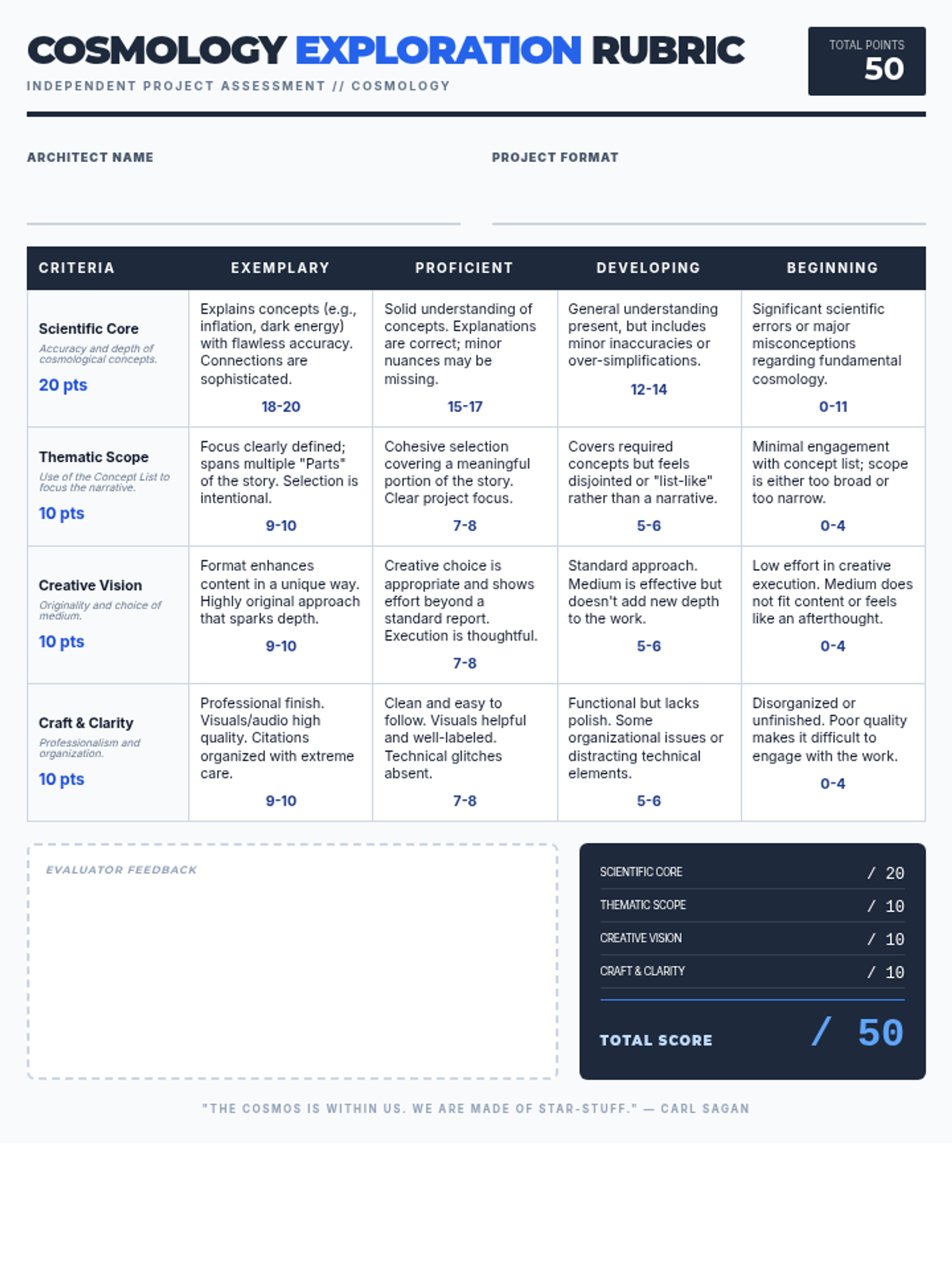
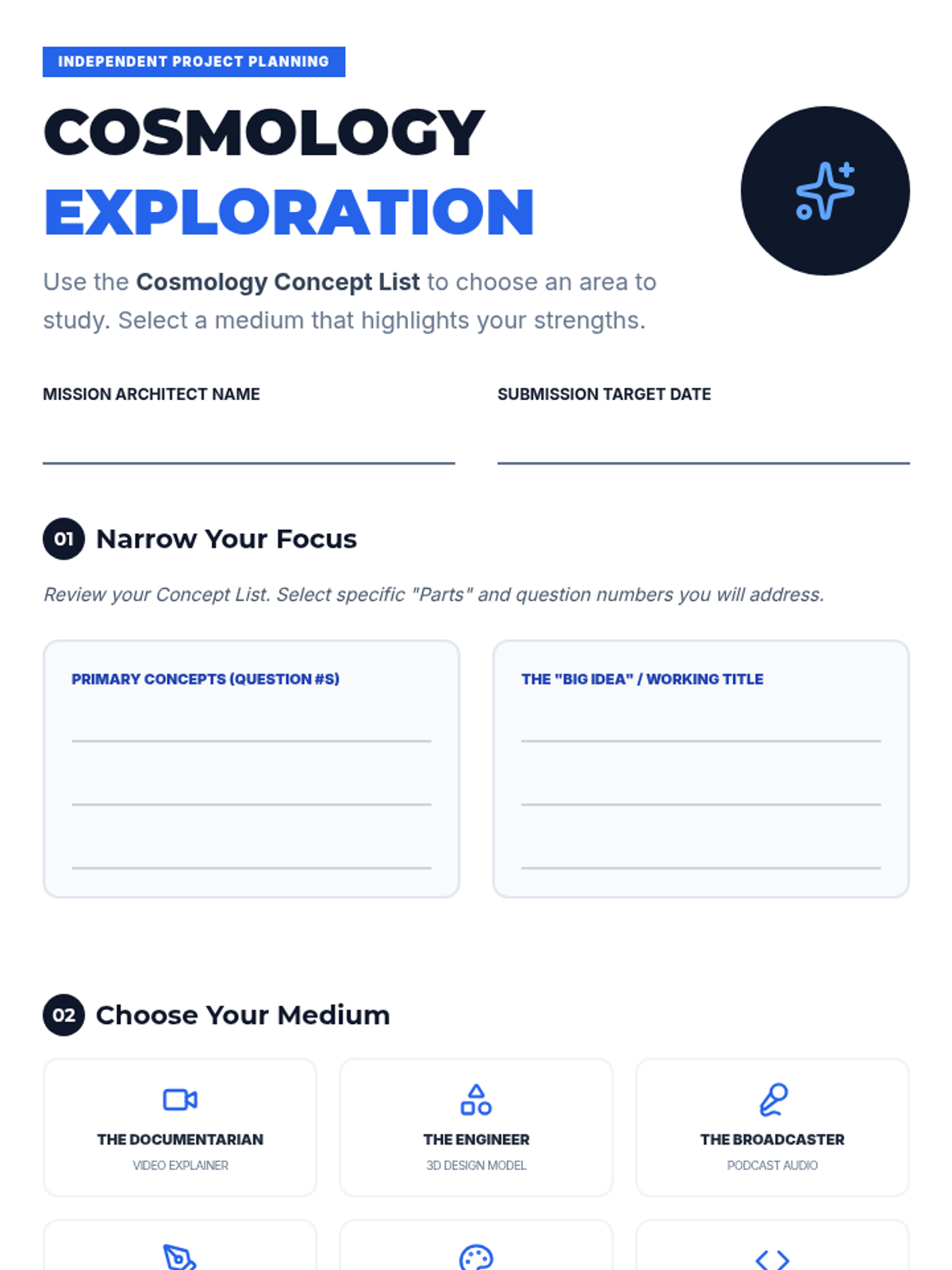
An independent project where students explore cosmological concepts from the birth of the universe to its ultimate fate, choosing their own creative medium to demonstrate mastery.
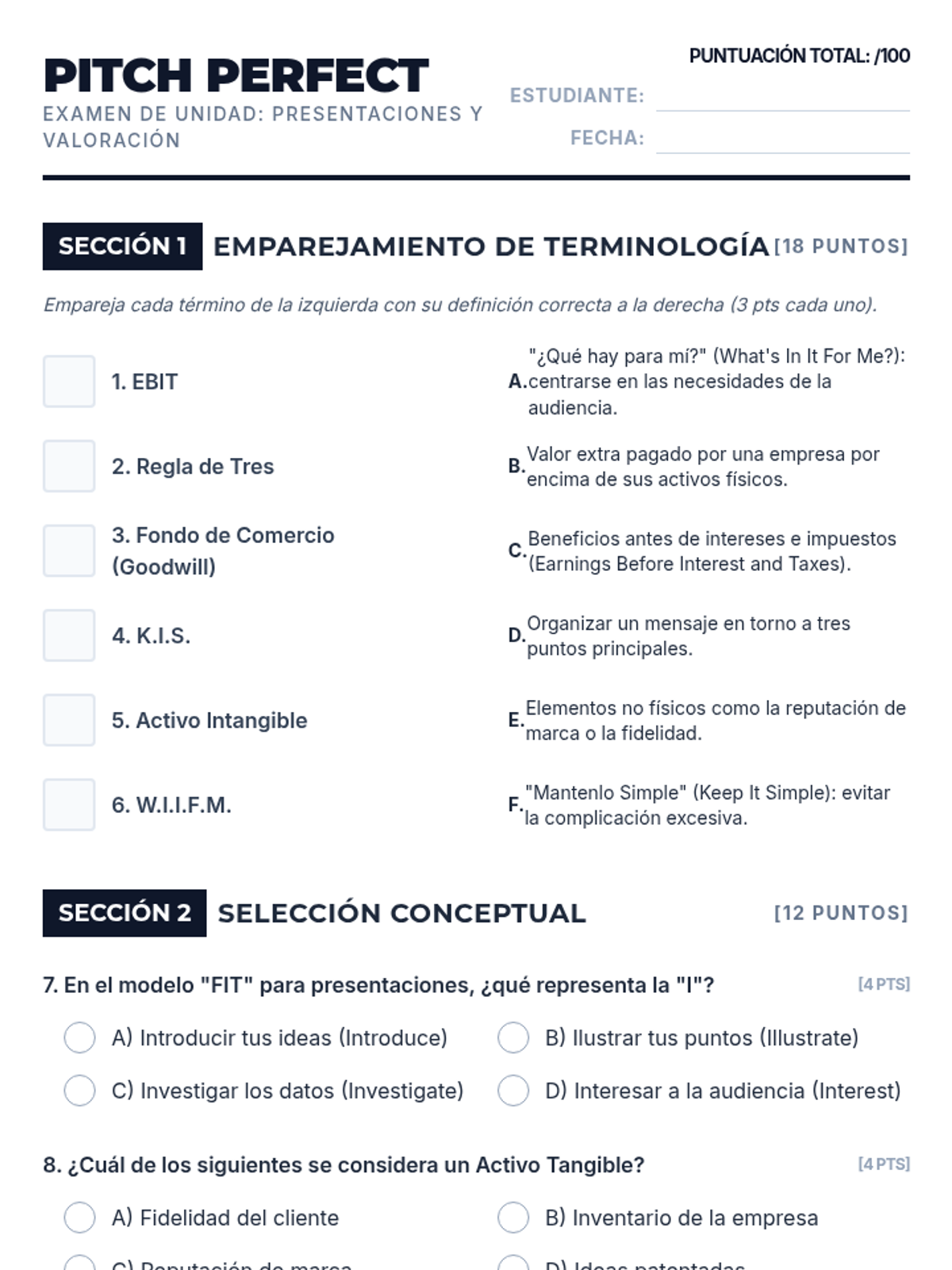
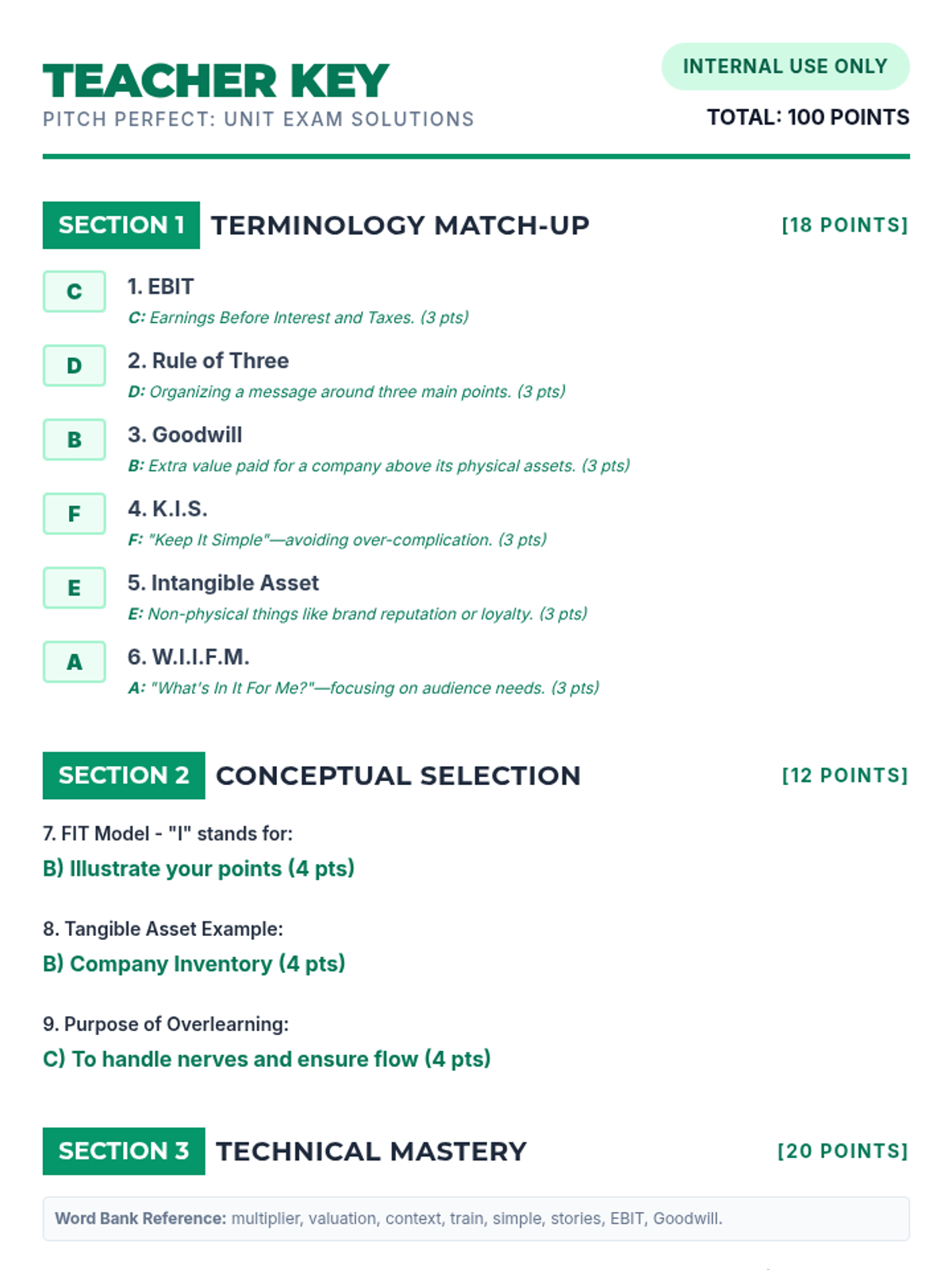
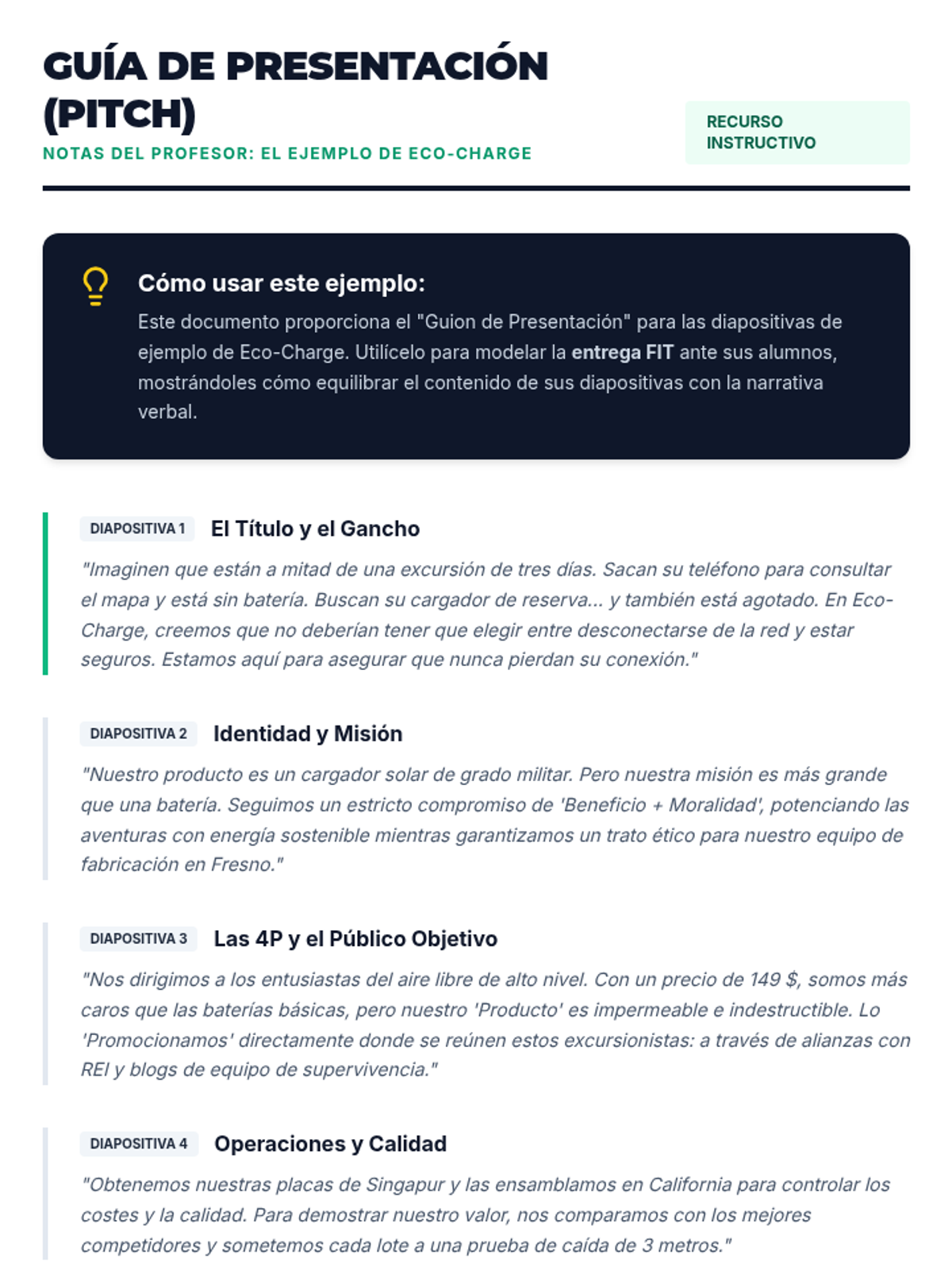
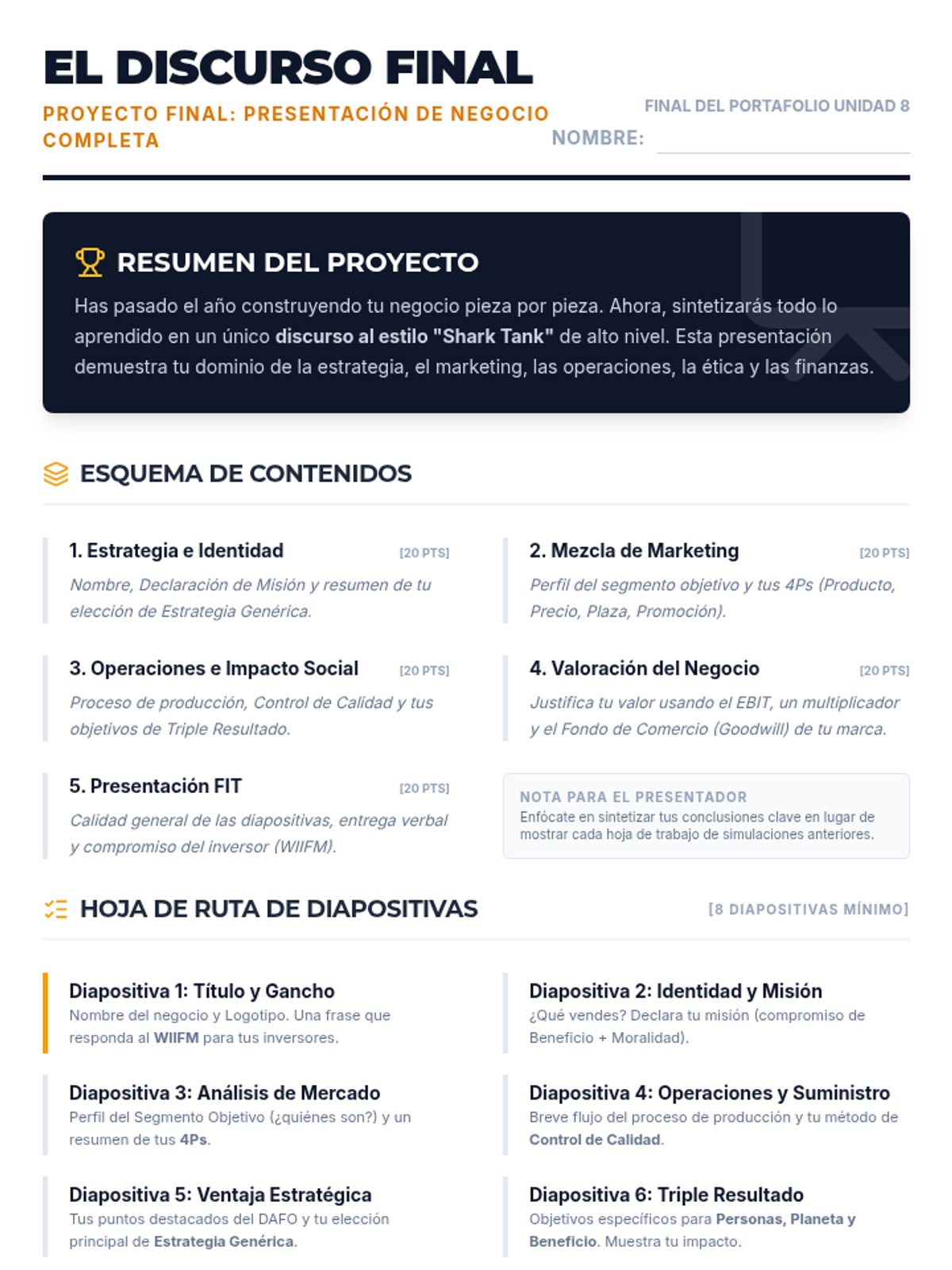
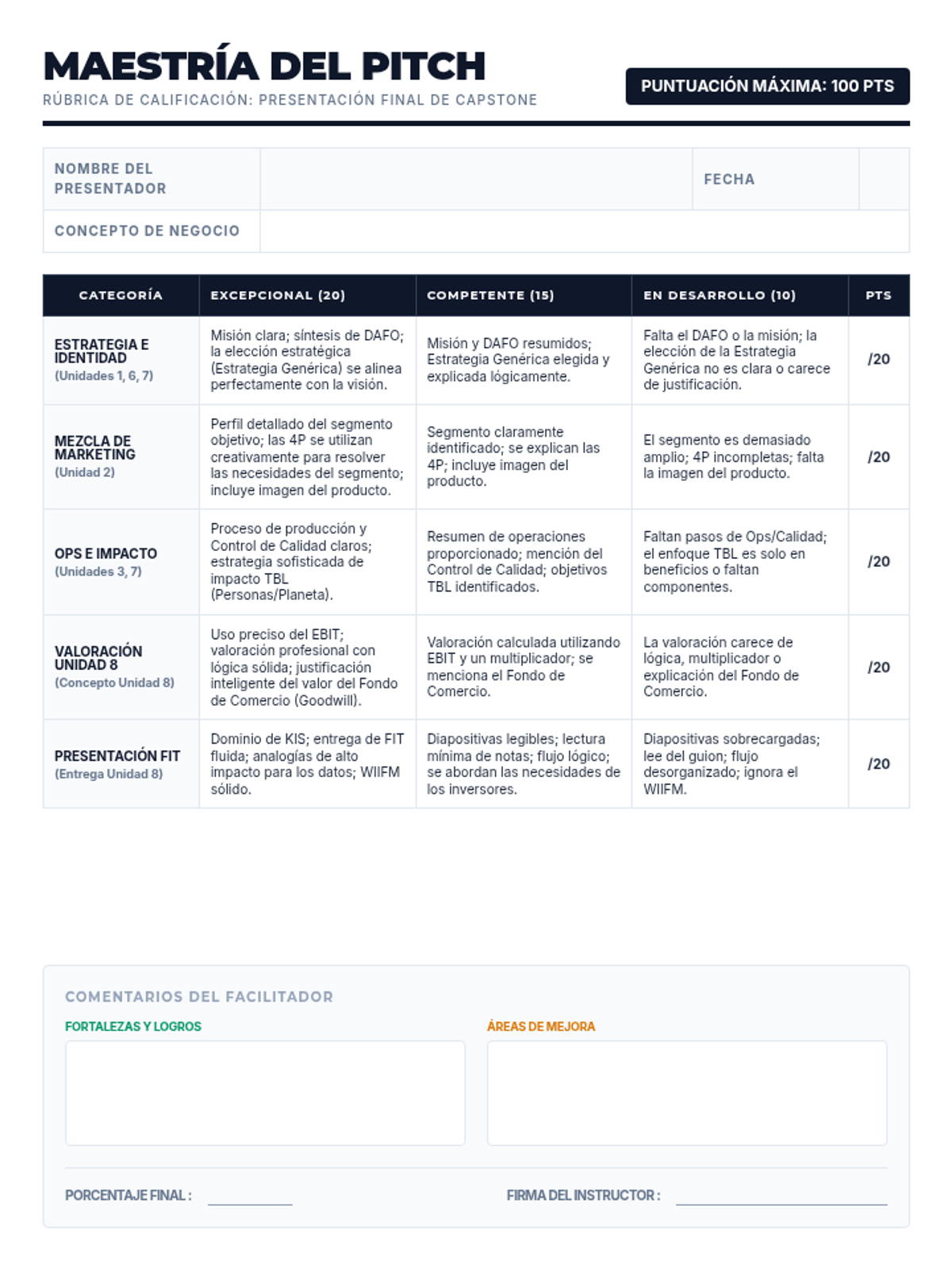
This lesson concludes the unit on business presentation skills and company valuation, testing students on the FIT model, the Rule of Three, and core financial assessment concepts.
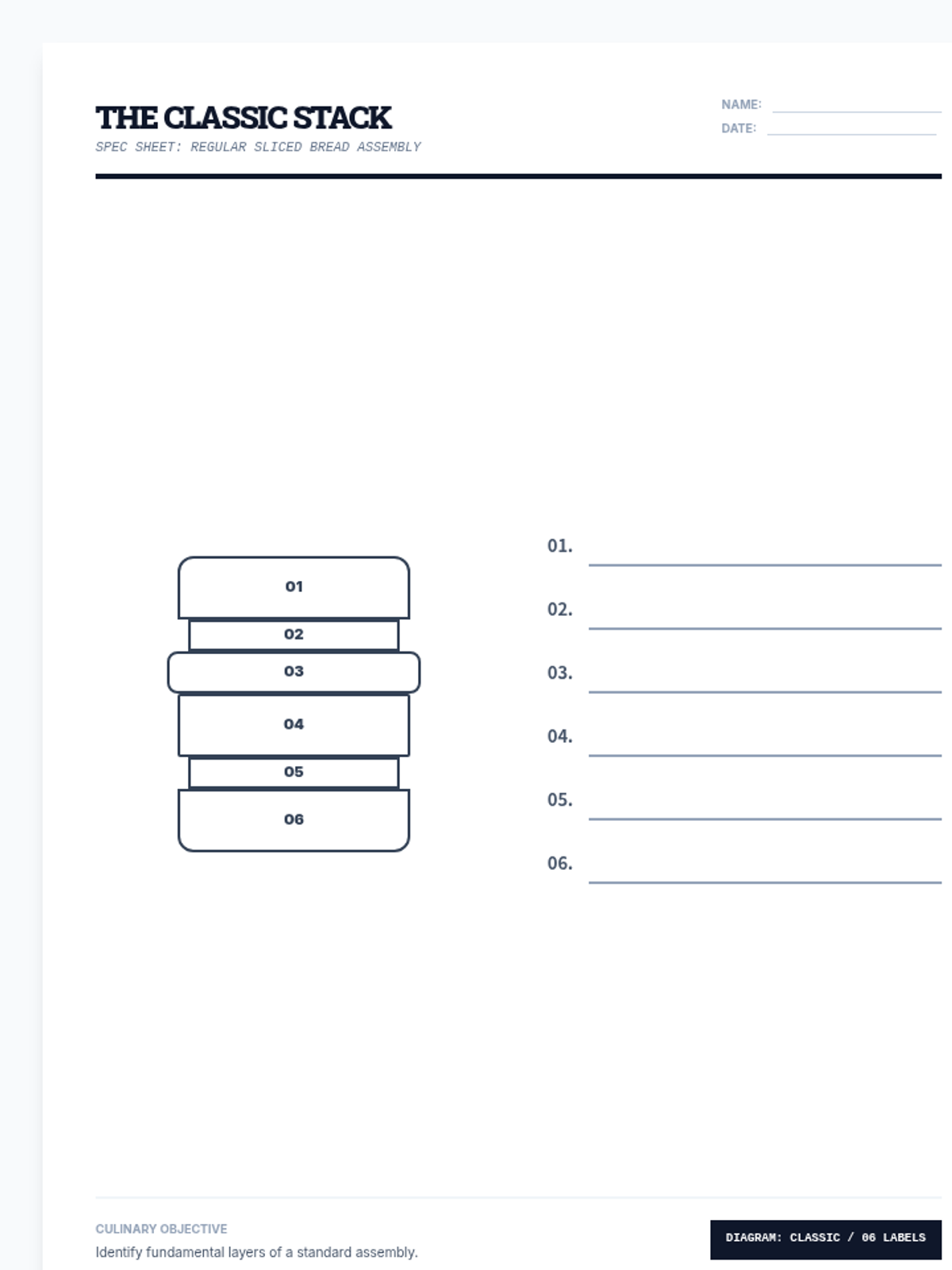
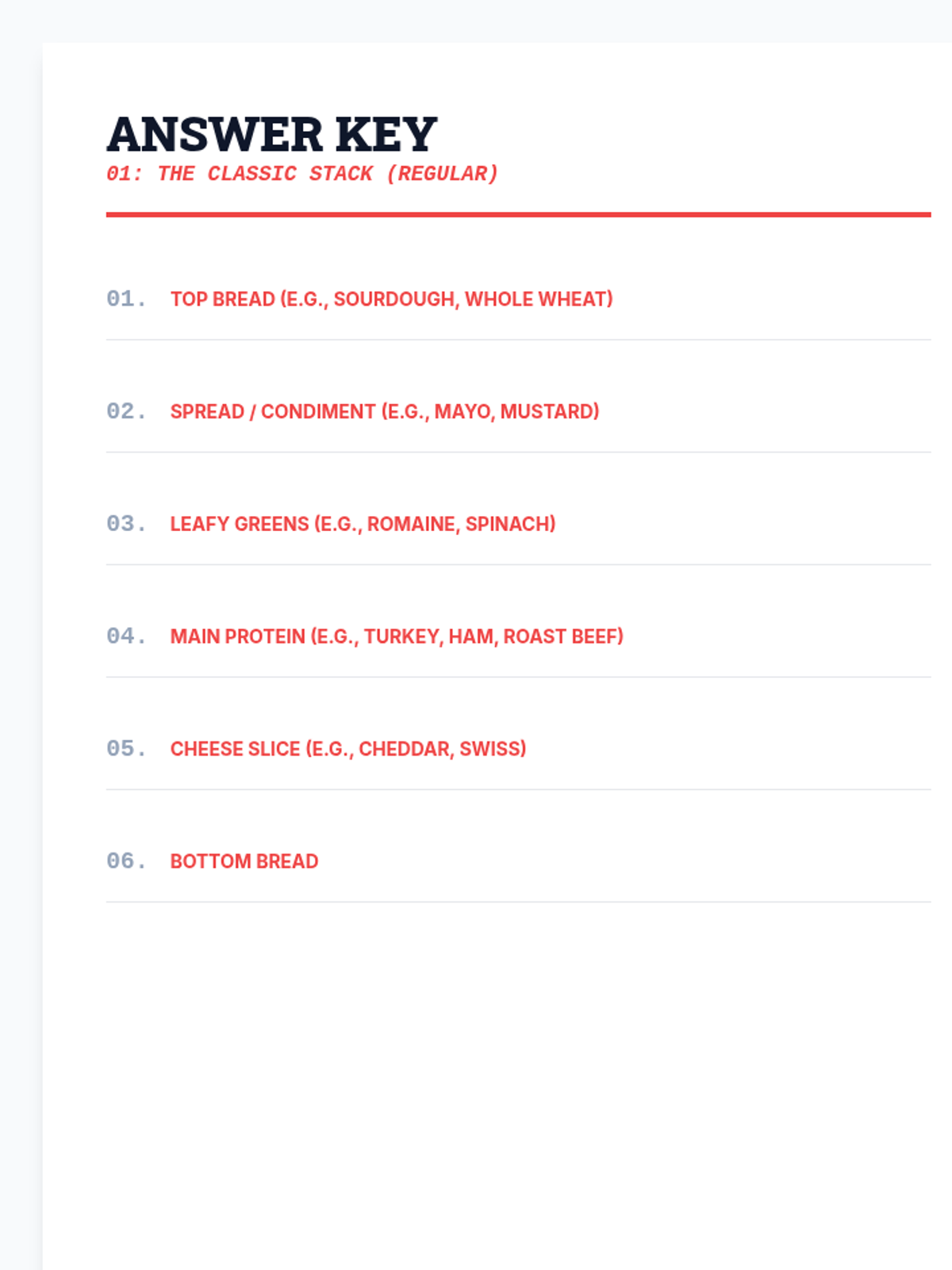
A comprehensive lesson on the structural assembly of various sandwich types, focusing on culinary terminology and layering techniques through anatomical diagrams.
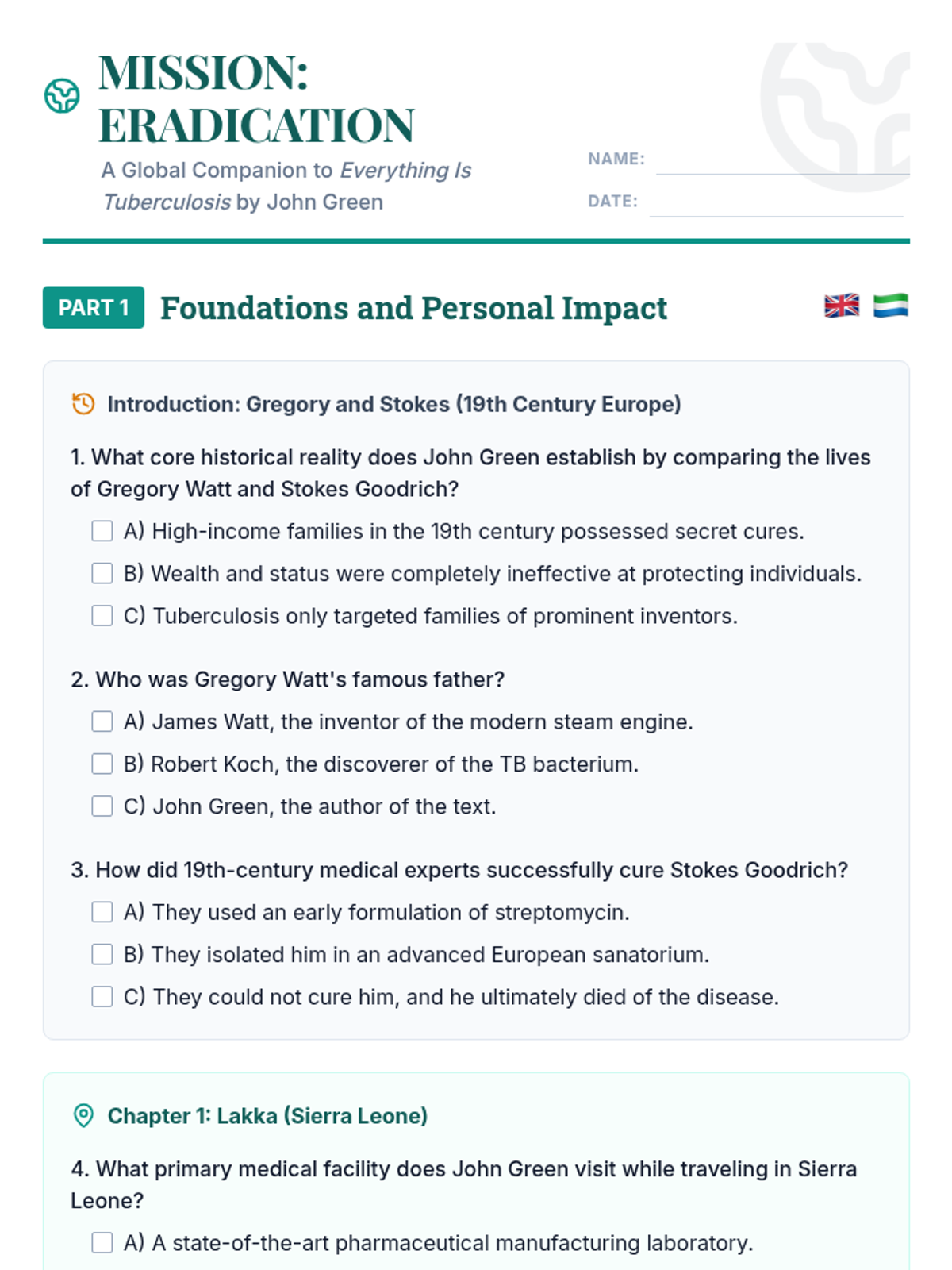
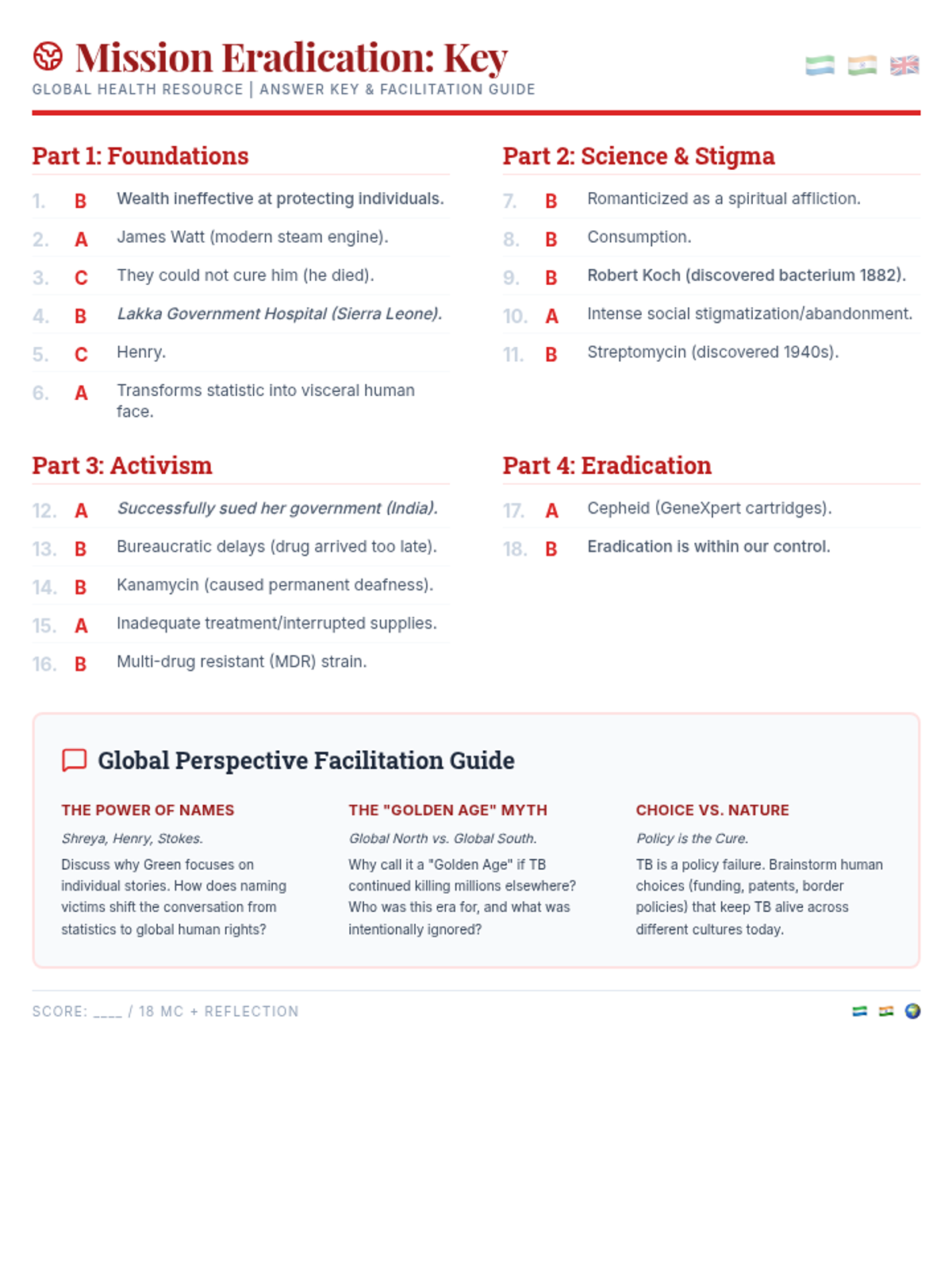
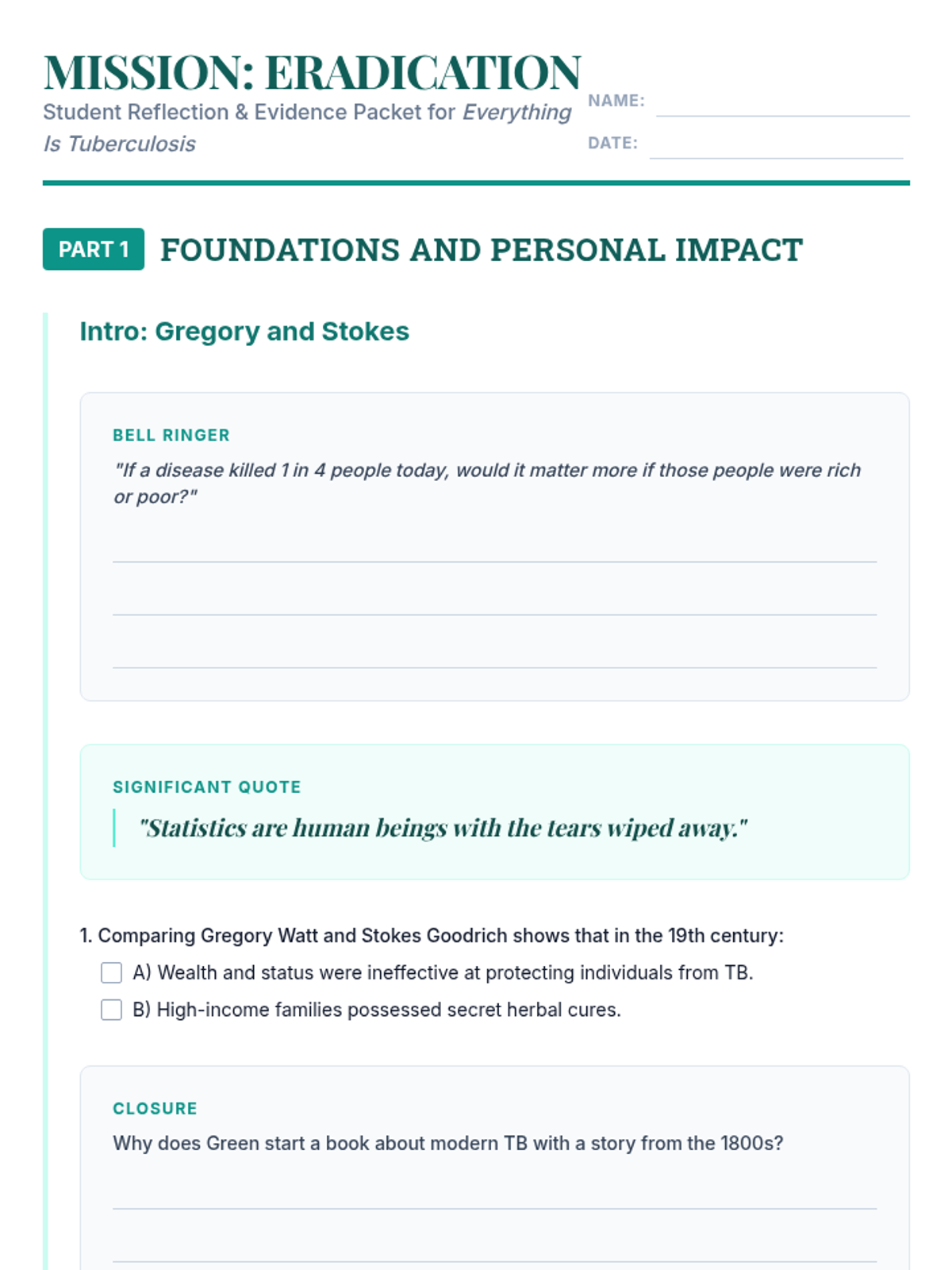
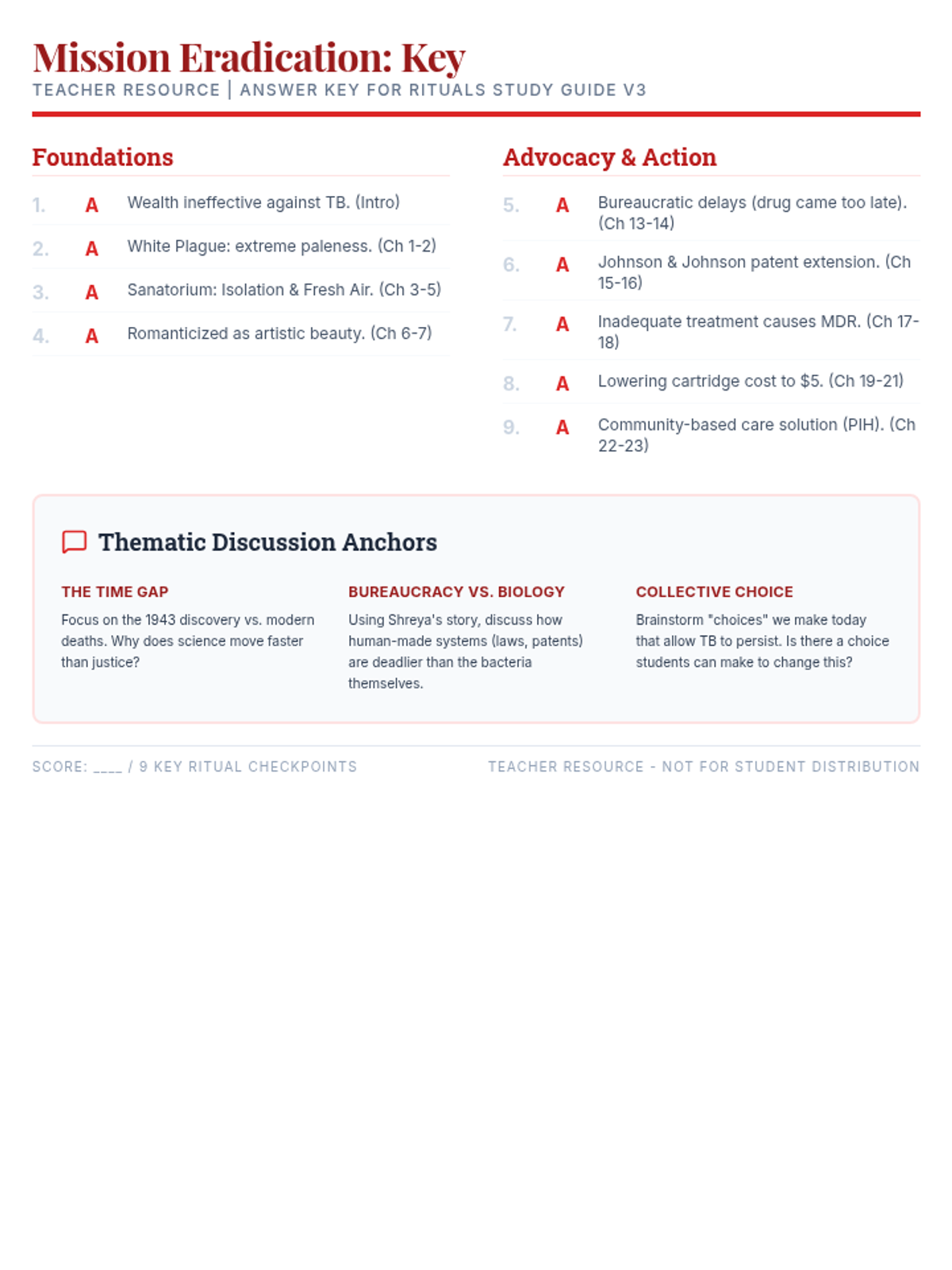
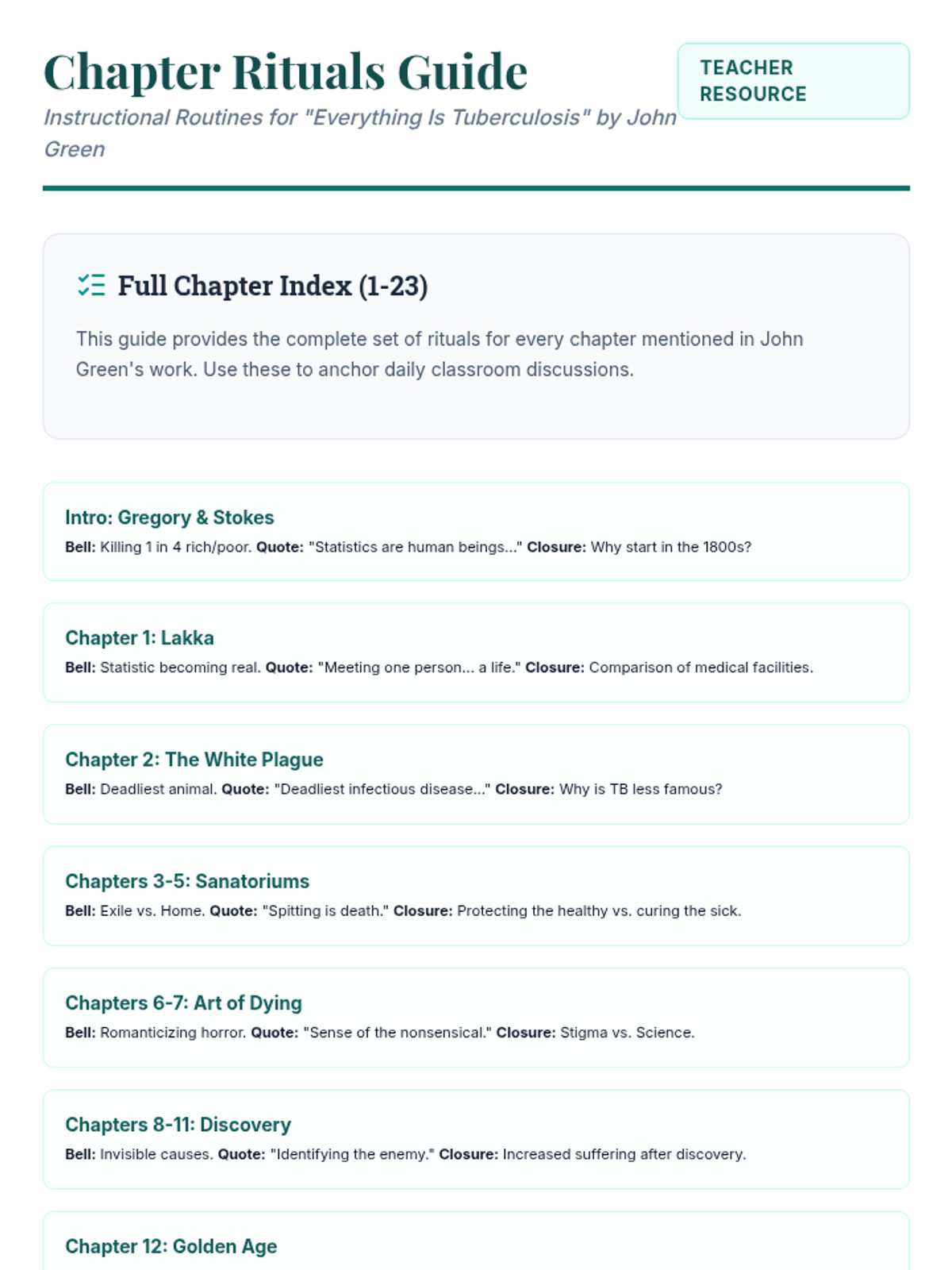
A comprehensive study of John Green's 'Everything Is Tuberculosis', exploring the history, science, and advocacy surrounding the world's deadliest infectious disease. Students will analyze personal narratives, scientific discovery, and global health equity.
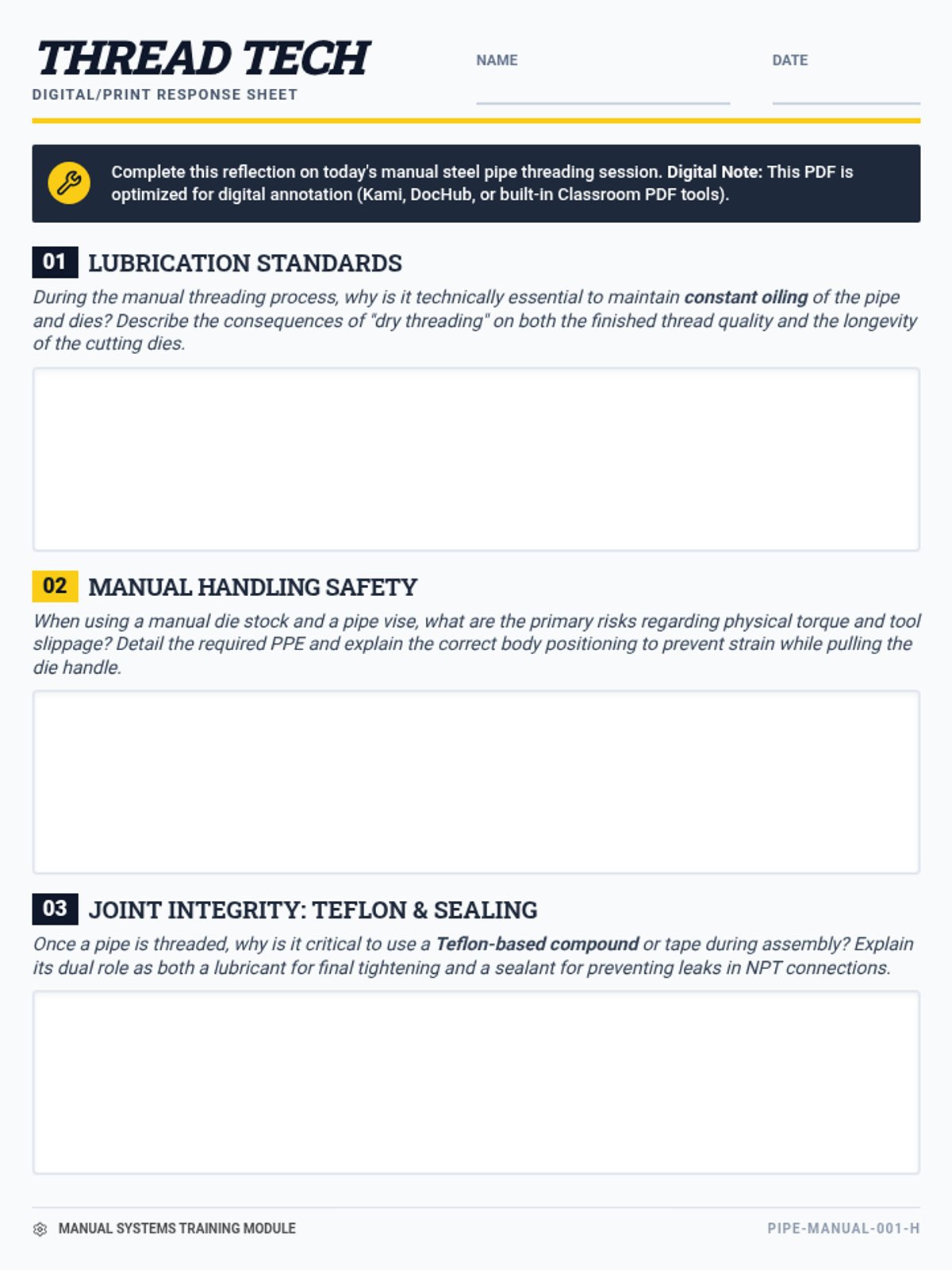
This lesson covers the essential steps, safety protocols, and practical reflections required for beginner steel pipe threading. Students will articulate their understanding of the mechanical process and safety requirements.
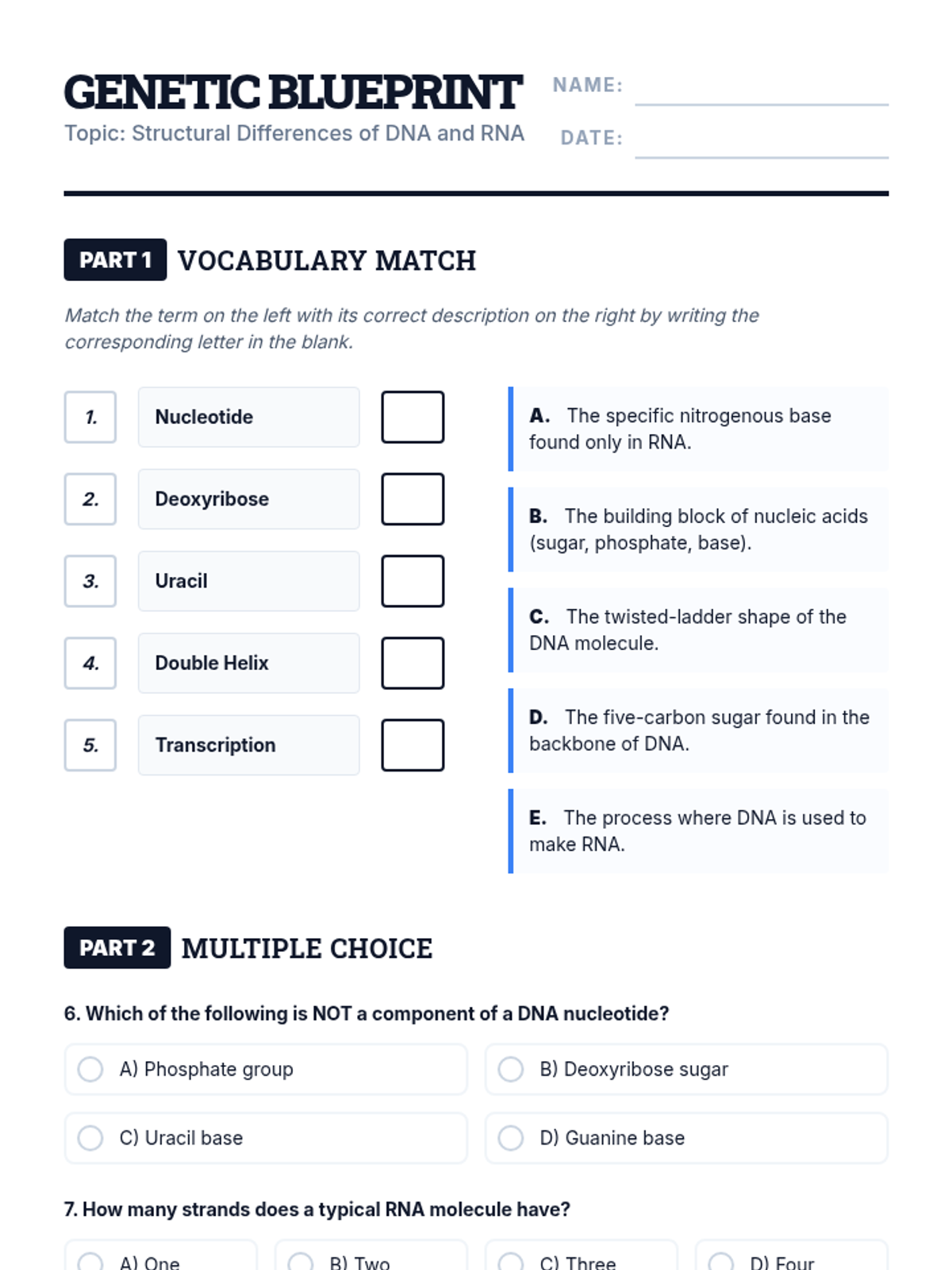
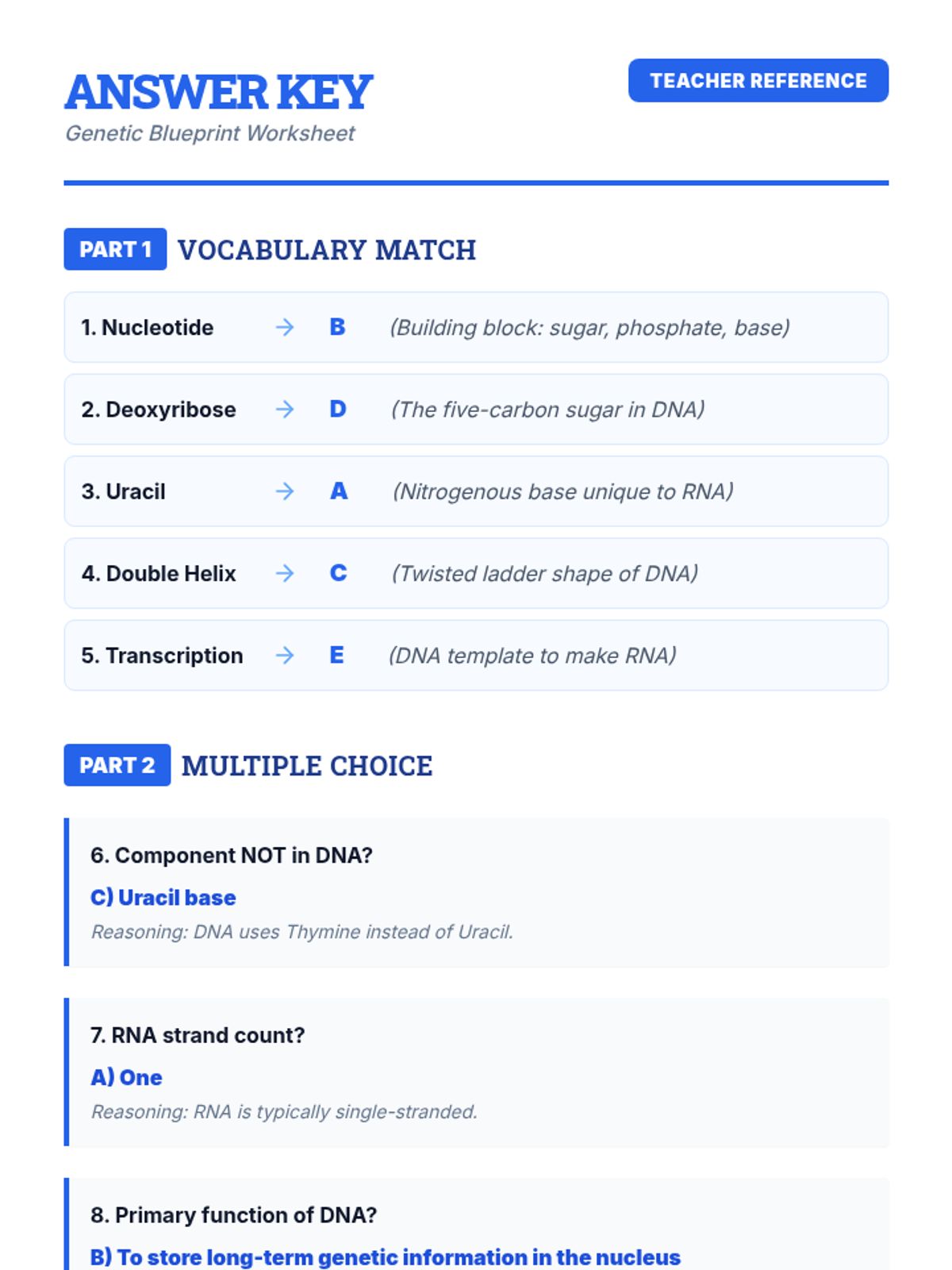
A lesson exploring the structural and functional differences between DNA and RNA, focusing on molecular components and their roles in genetic expression.
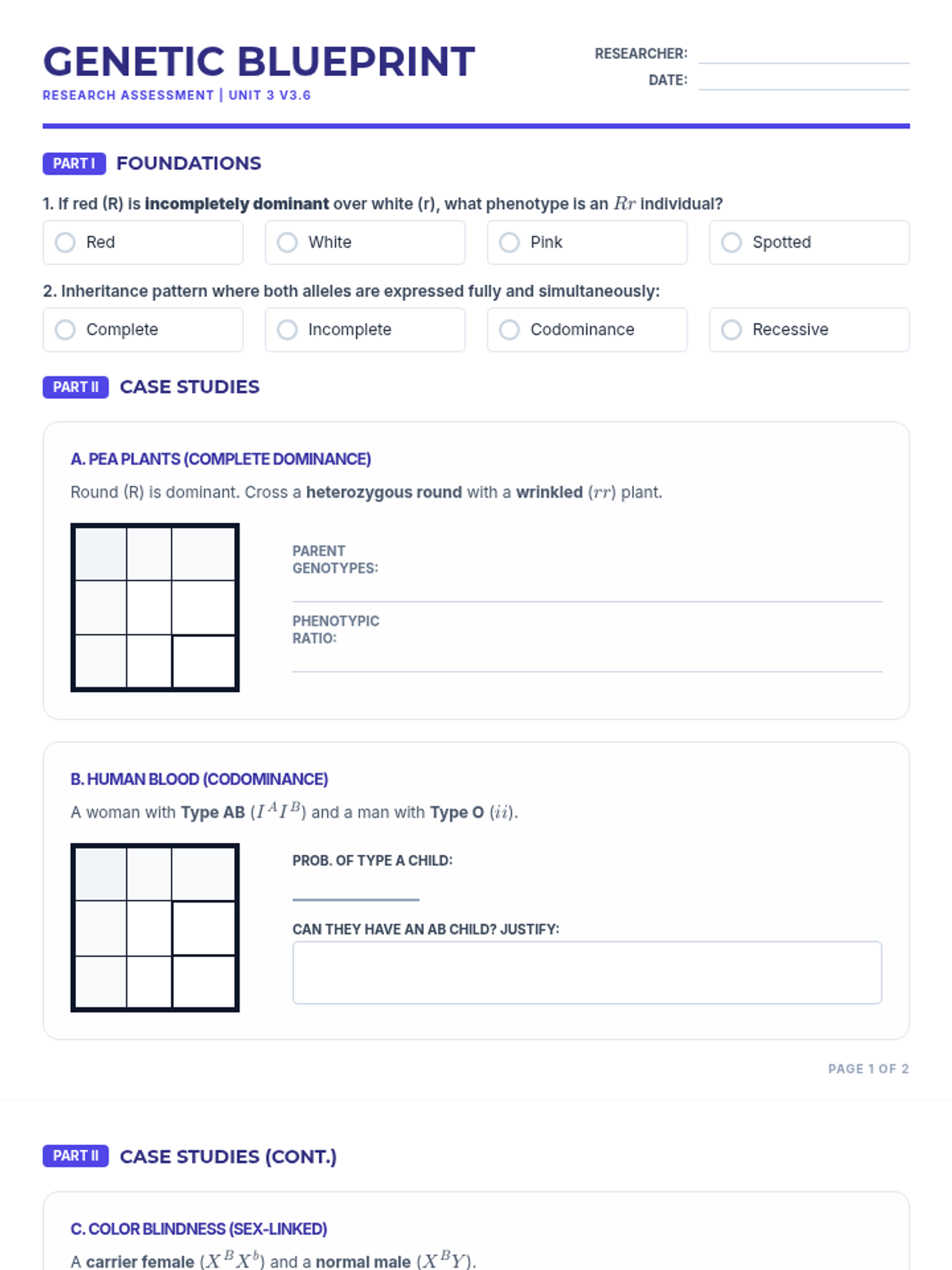
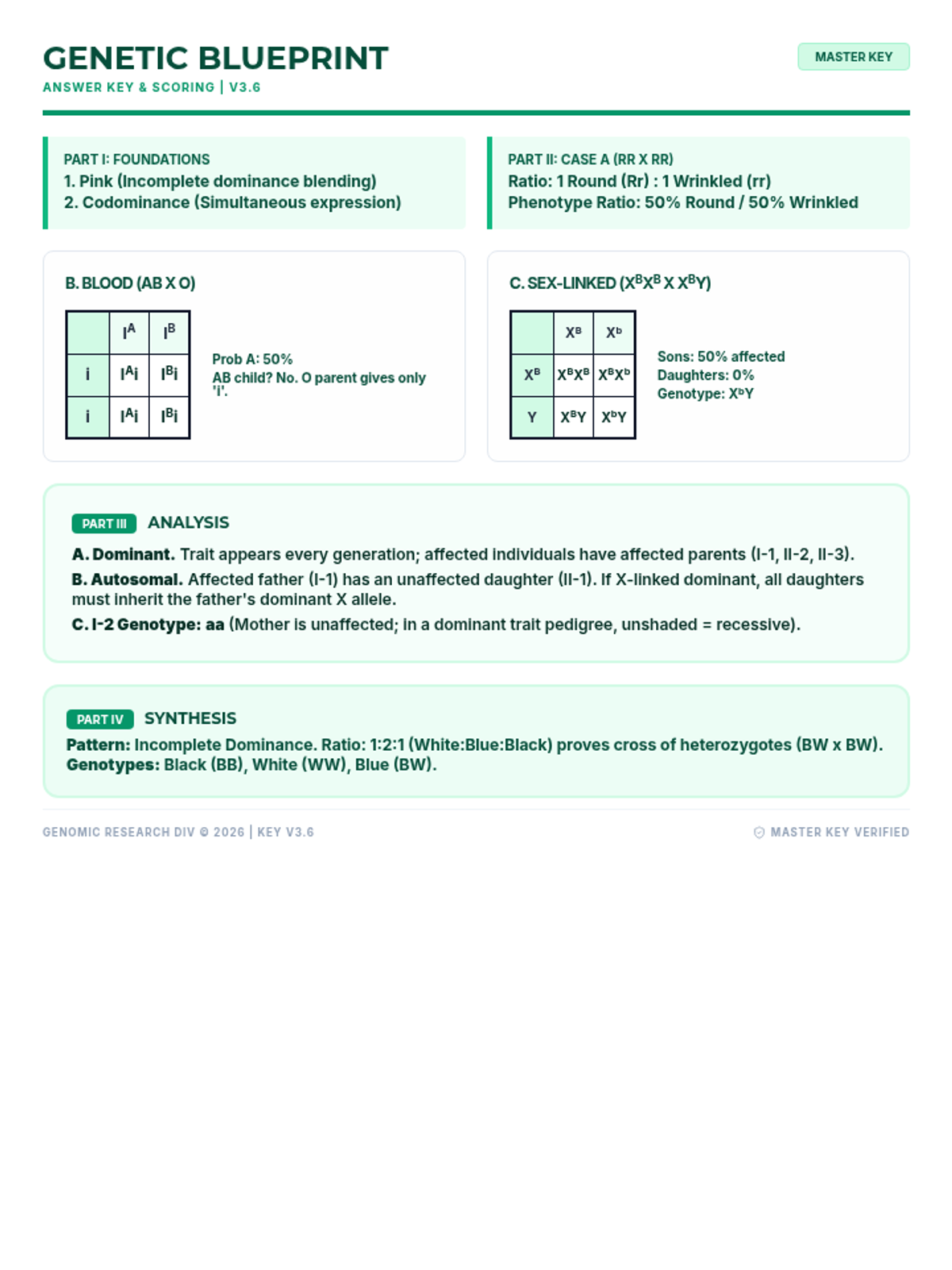
A comprehensive assessment covering Mendelian genetics, incomplete dominance, codominance, and sex-linked traits through word problems and pedigree analysis.
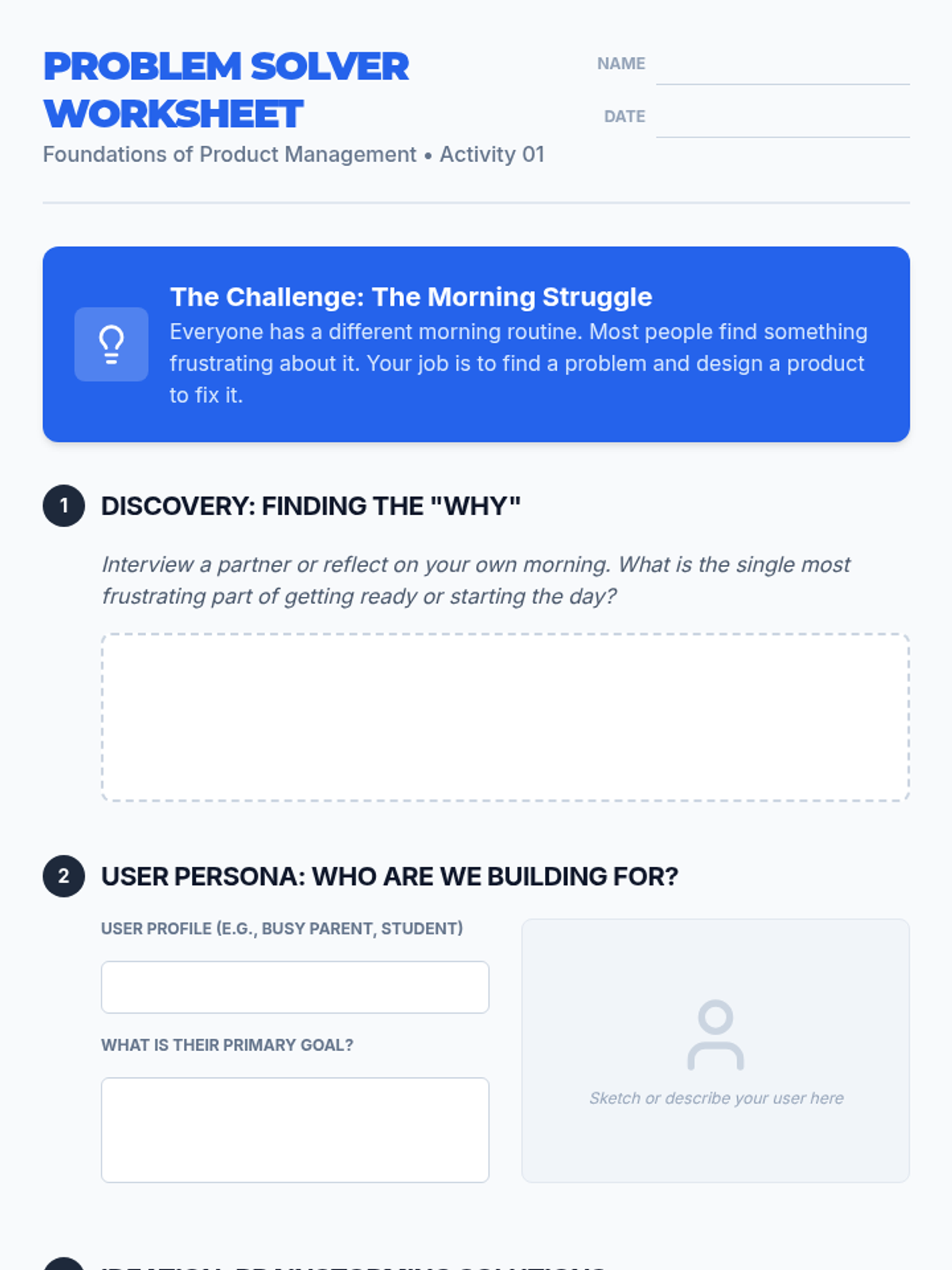
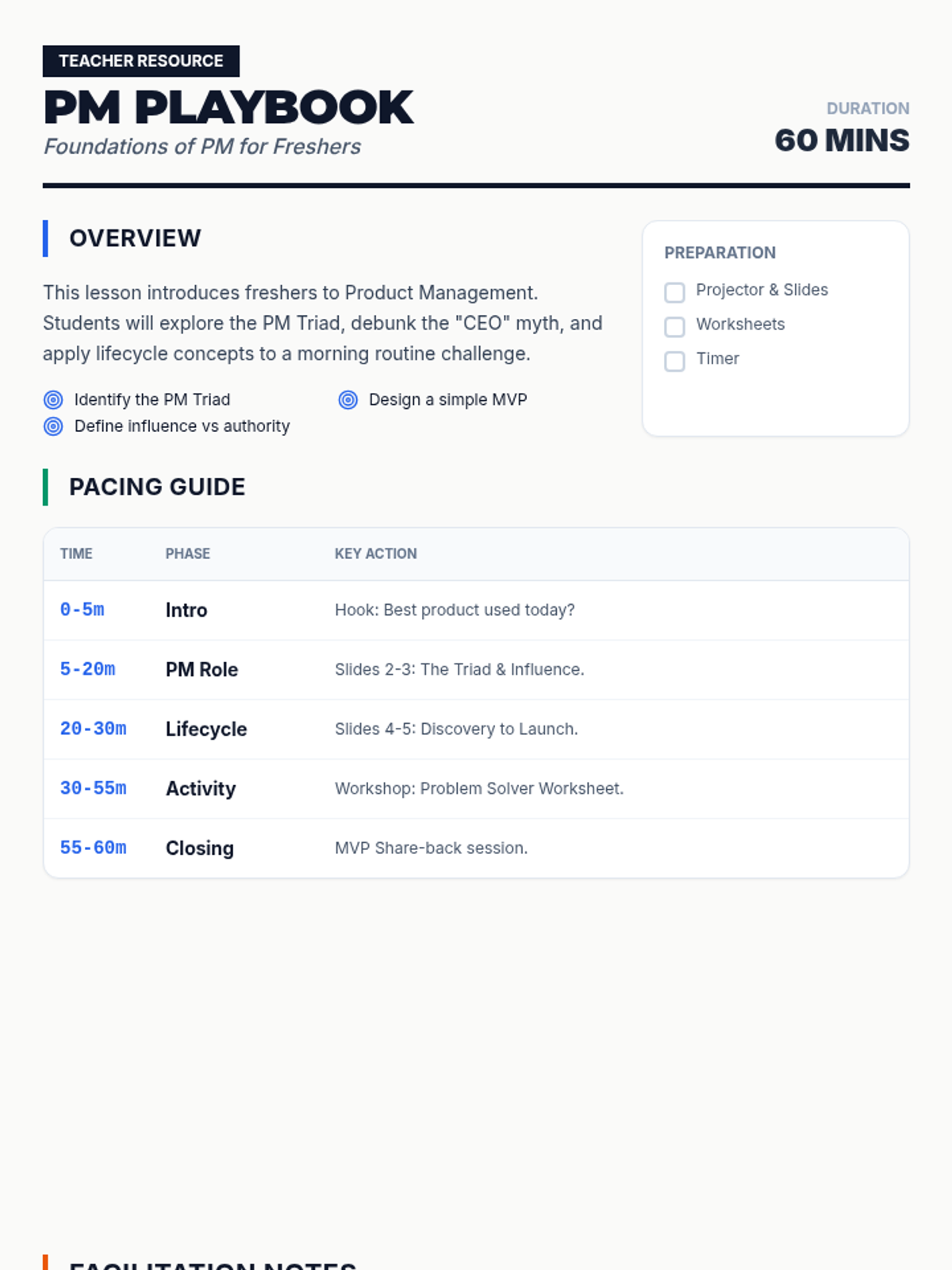
An introductory lesson on Product Management for freshers, covering the PM triad, product lifecycle, and core skills of a successful product manager.
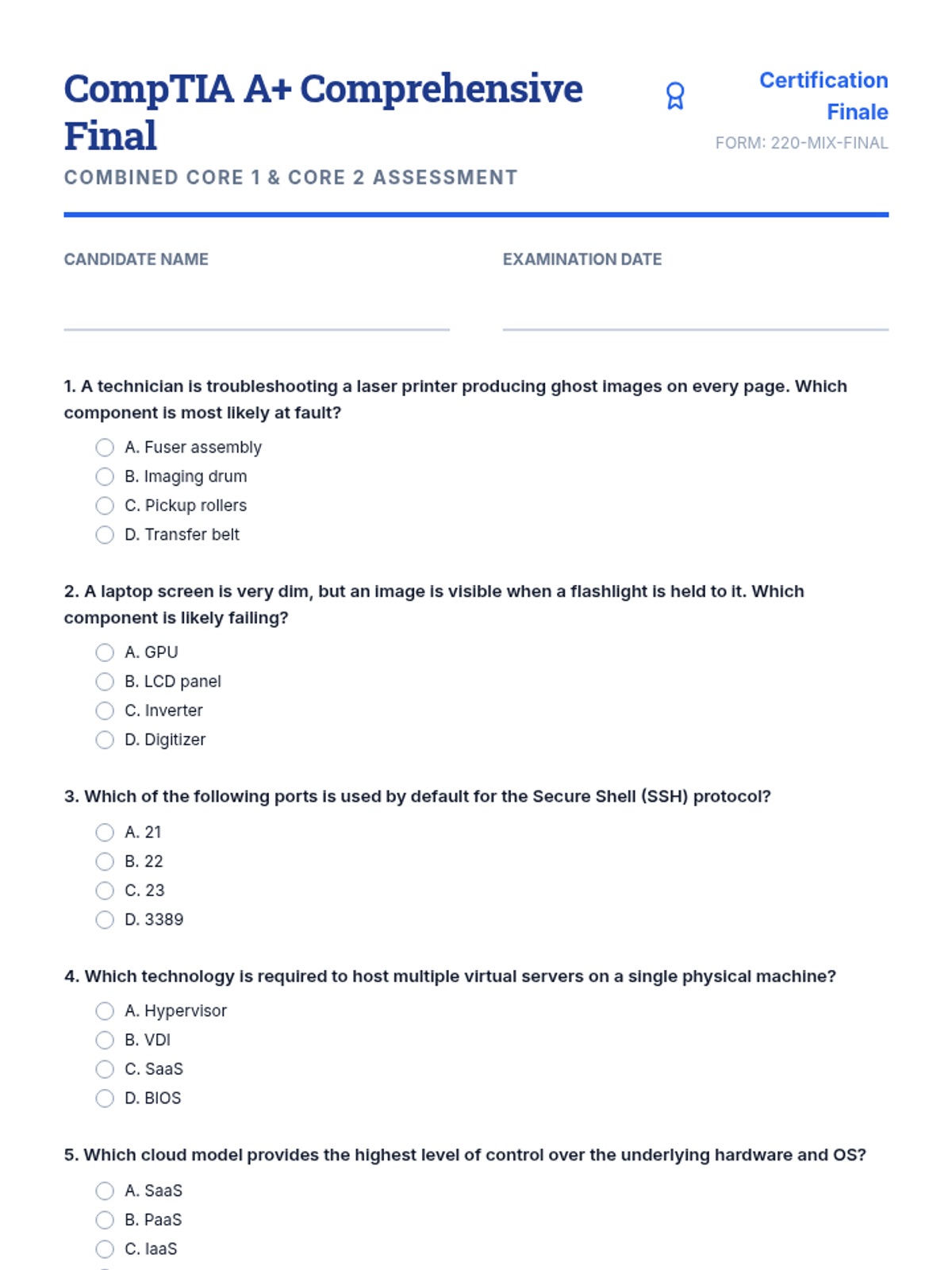
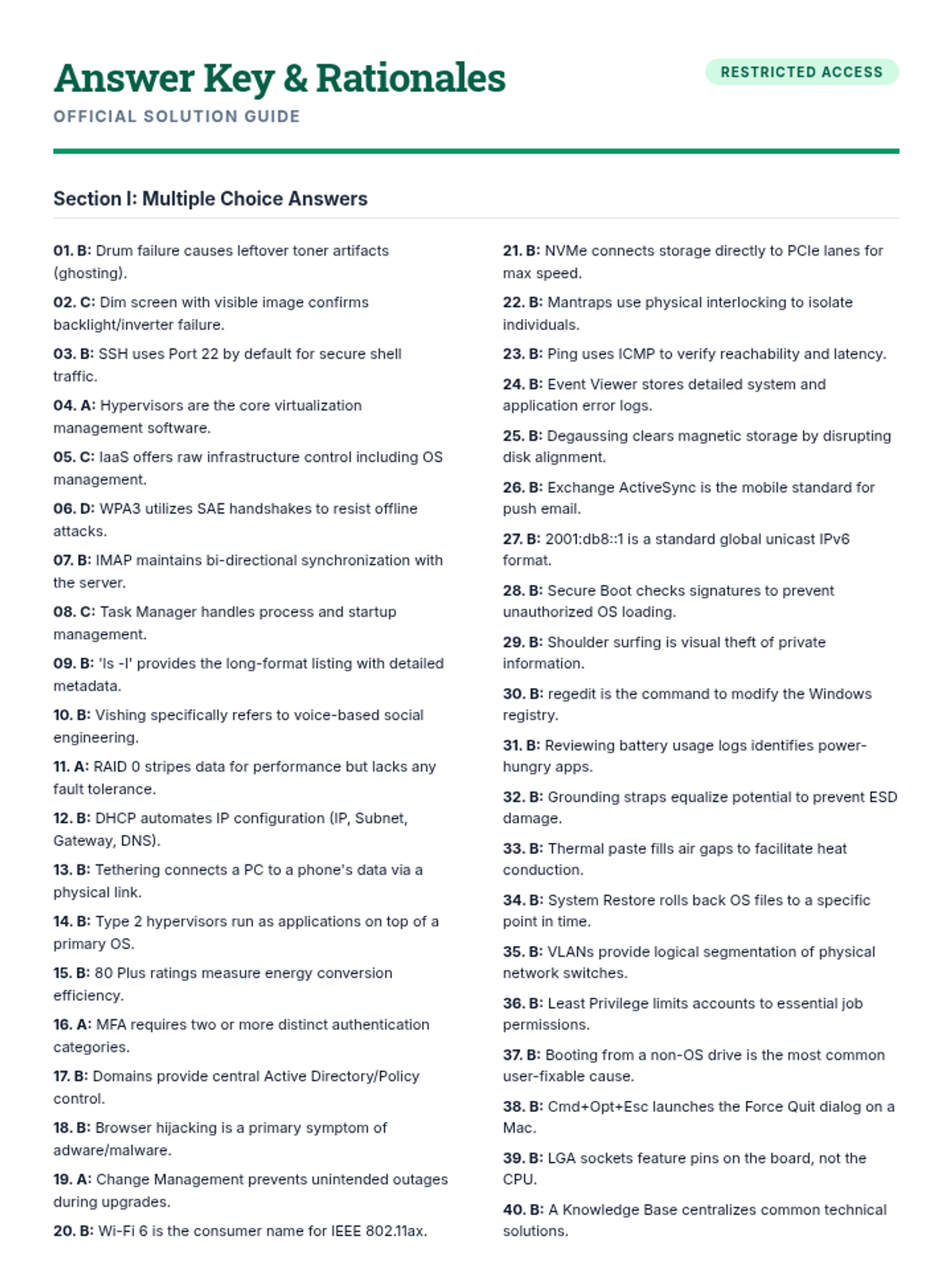
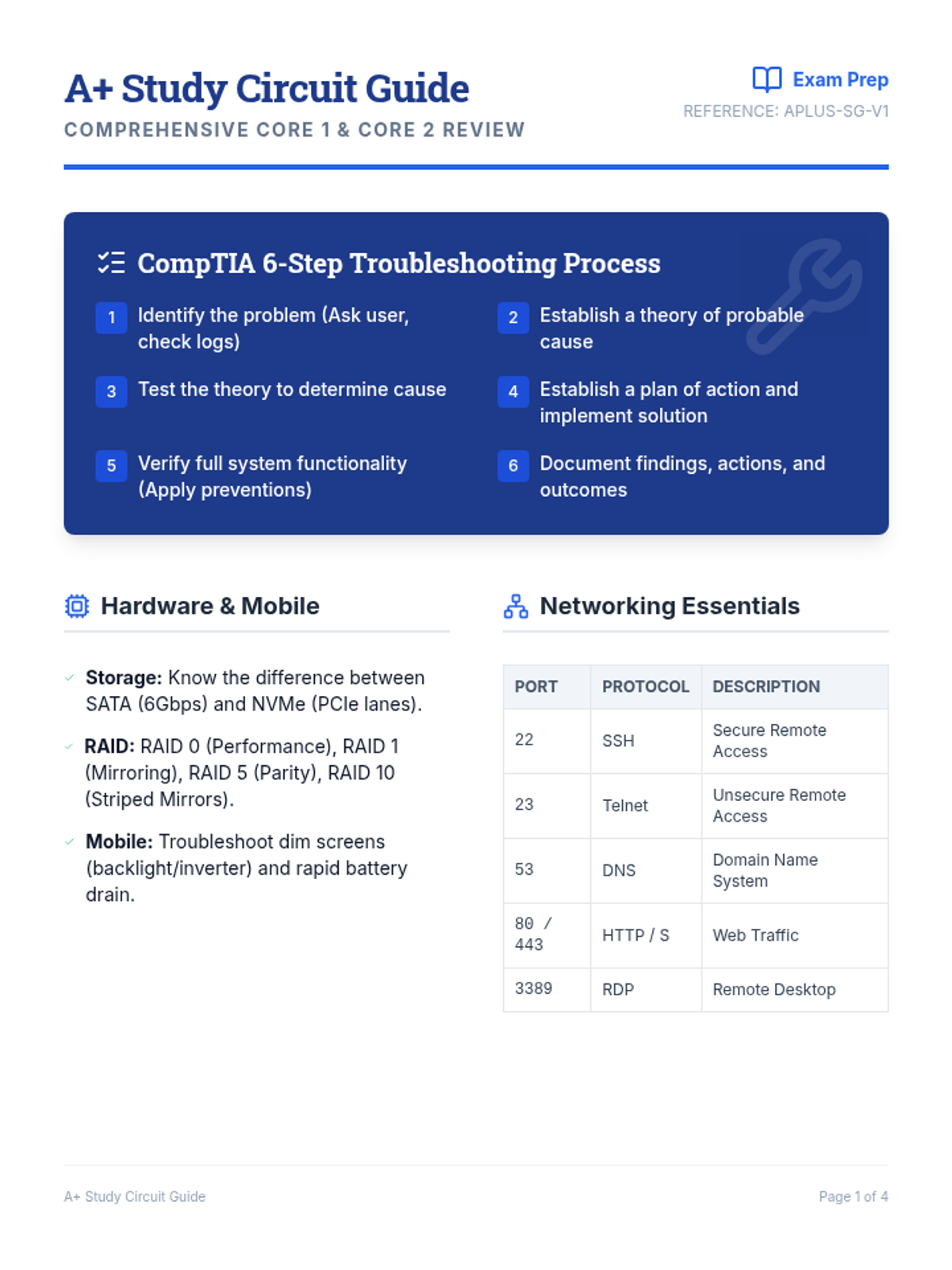
A comprehensive capstone assessment covering CompTIA A+ Core 1 (220-1101) and Core 2 (220-1102) domains, including multiple-choice questions and performance-based scenarios.
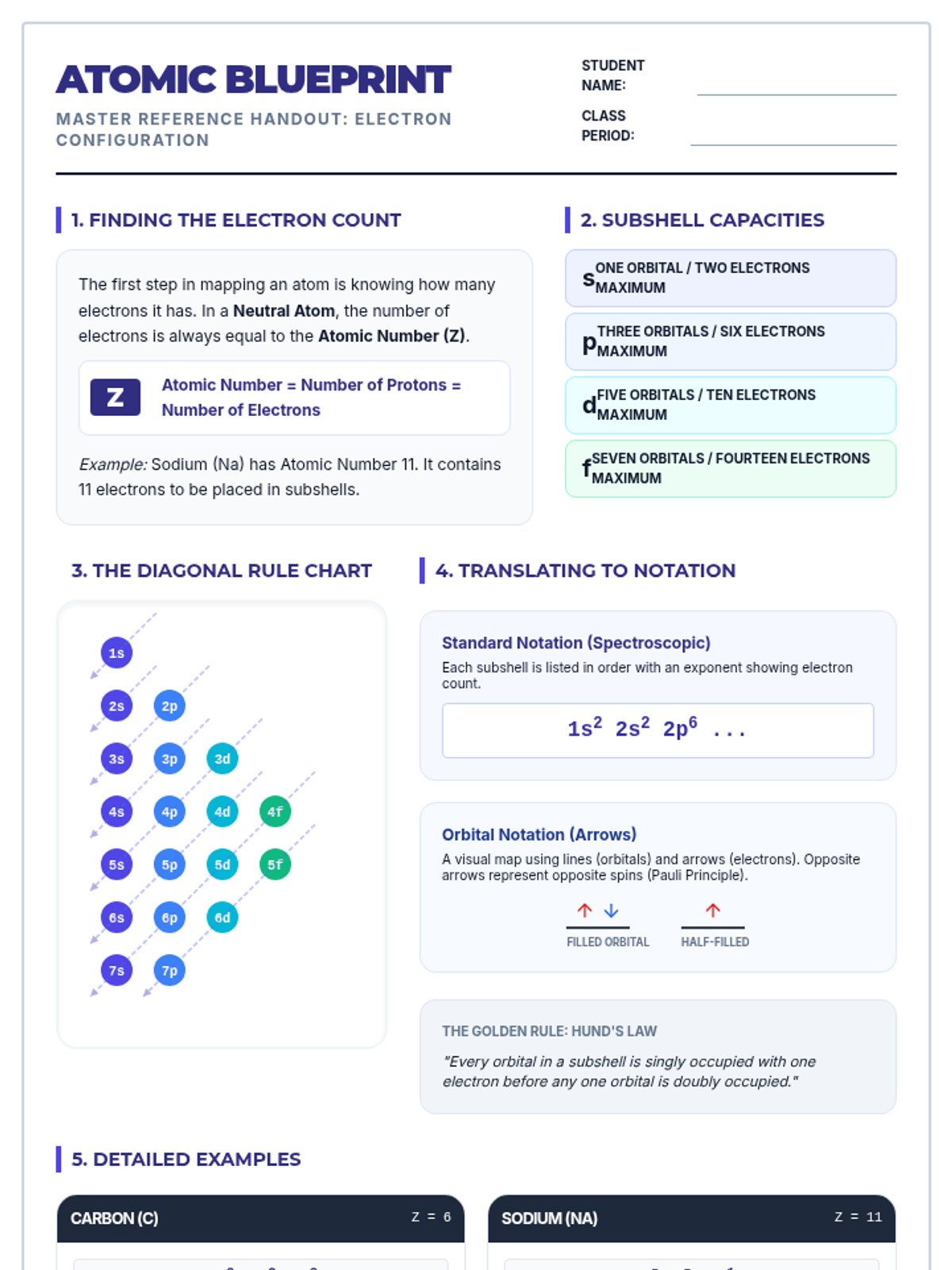
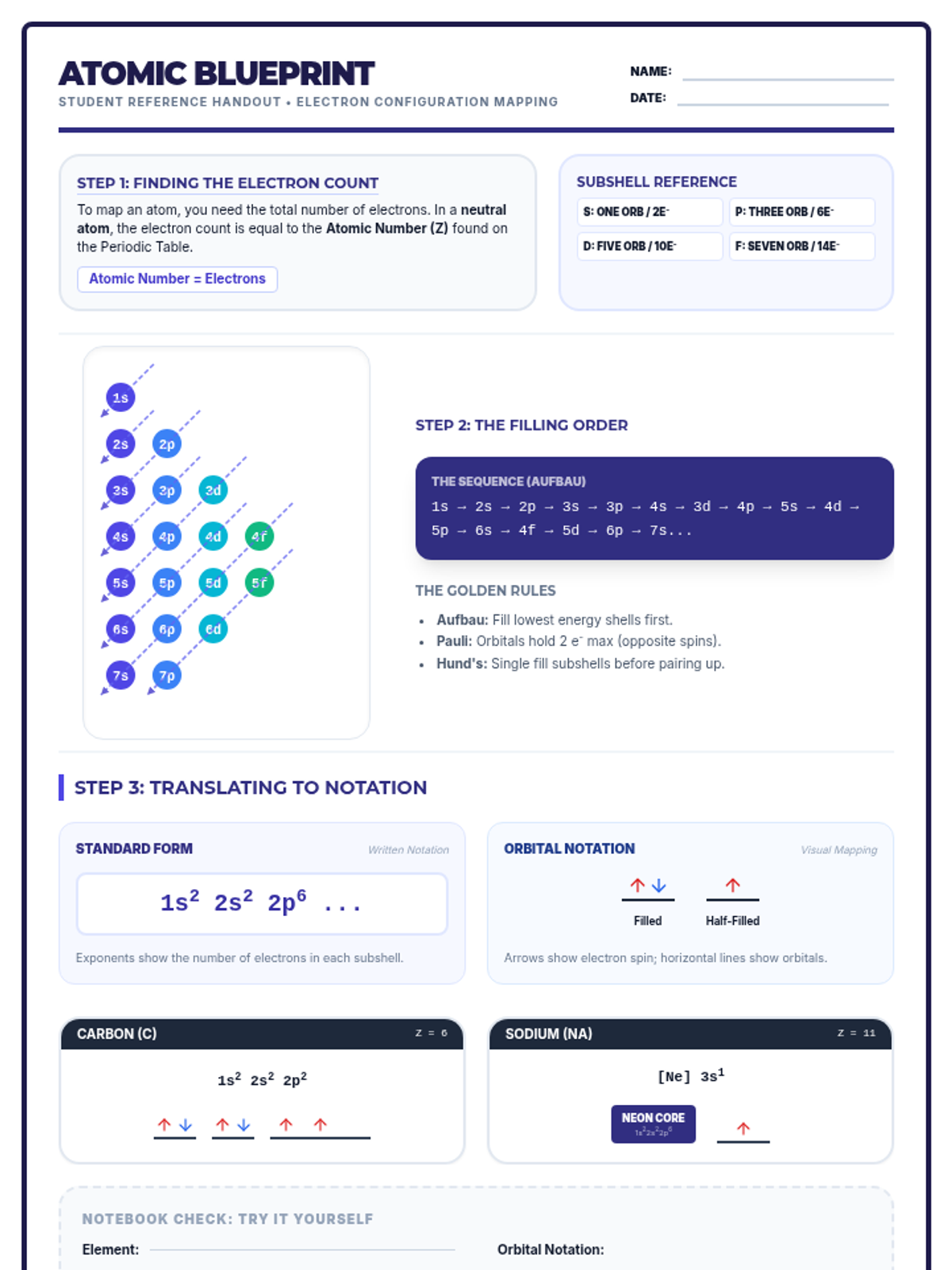
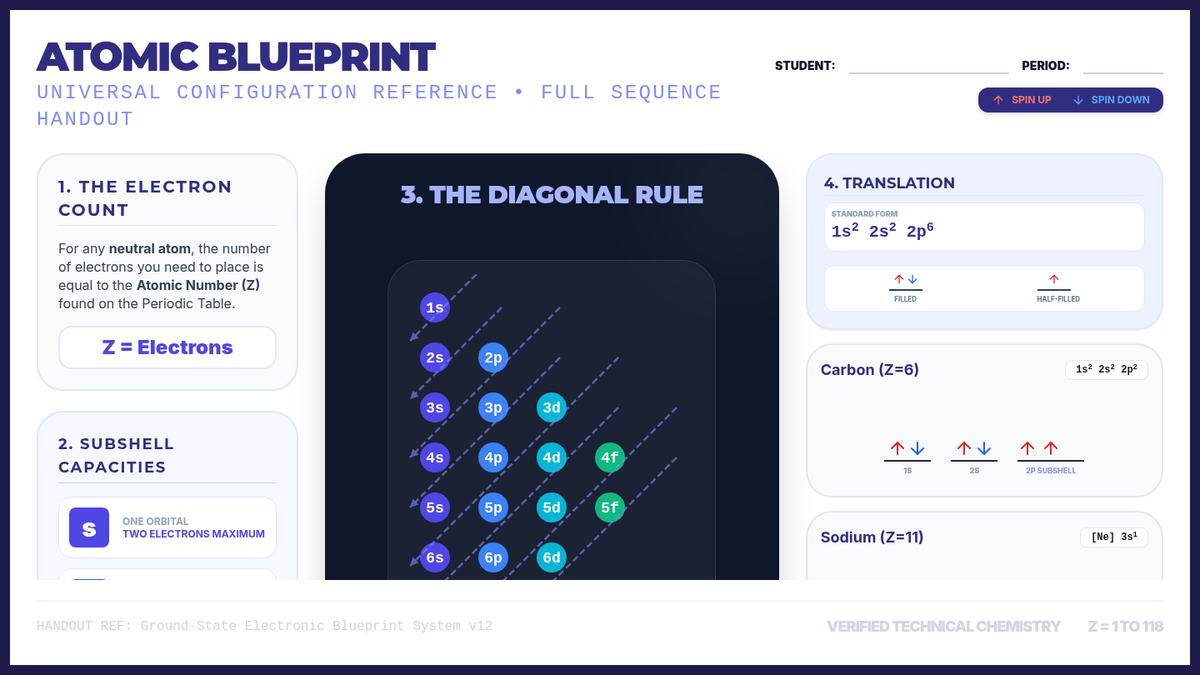
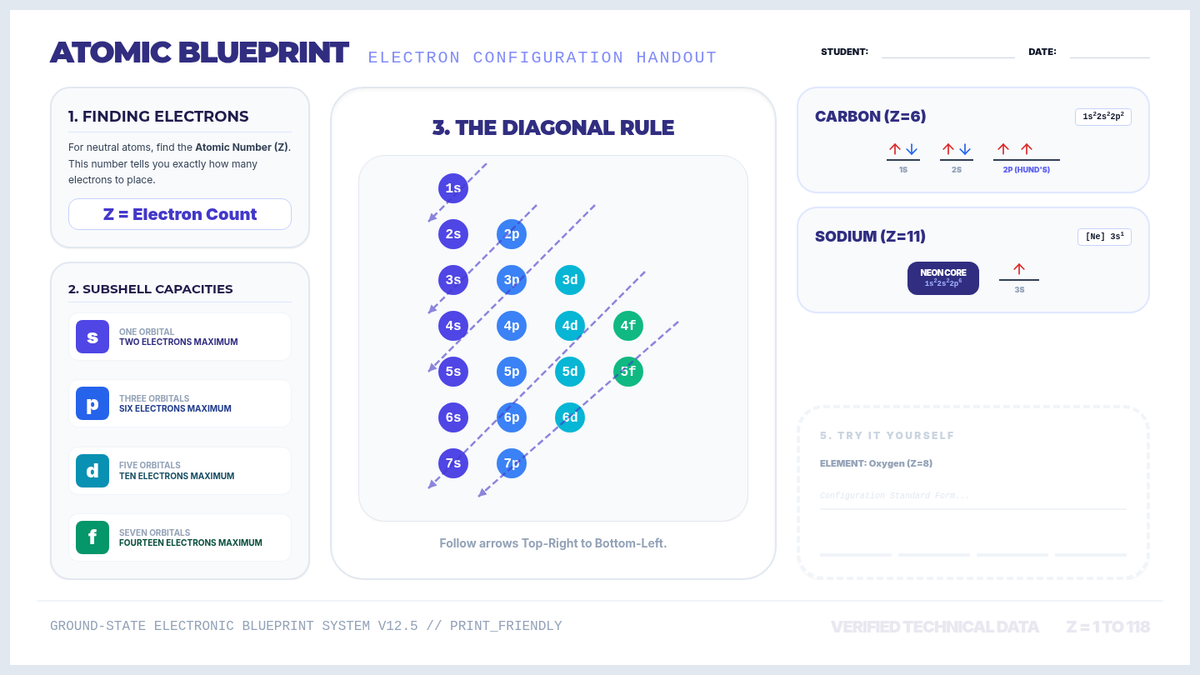
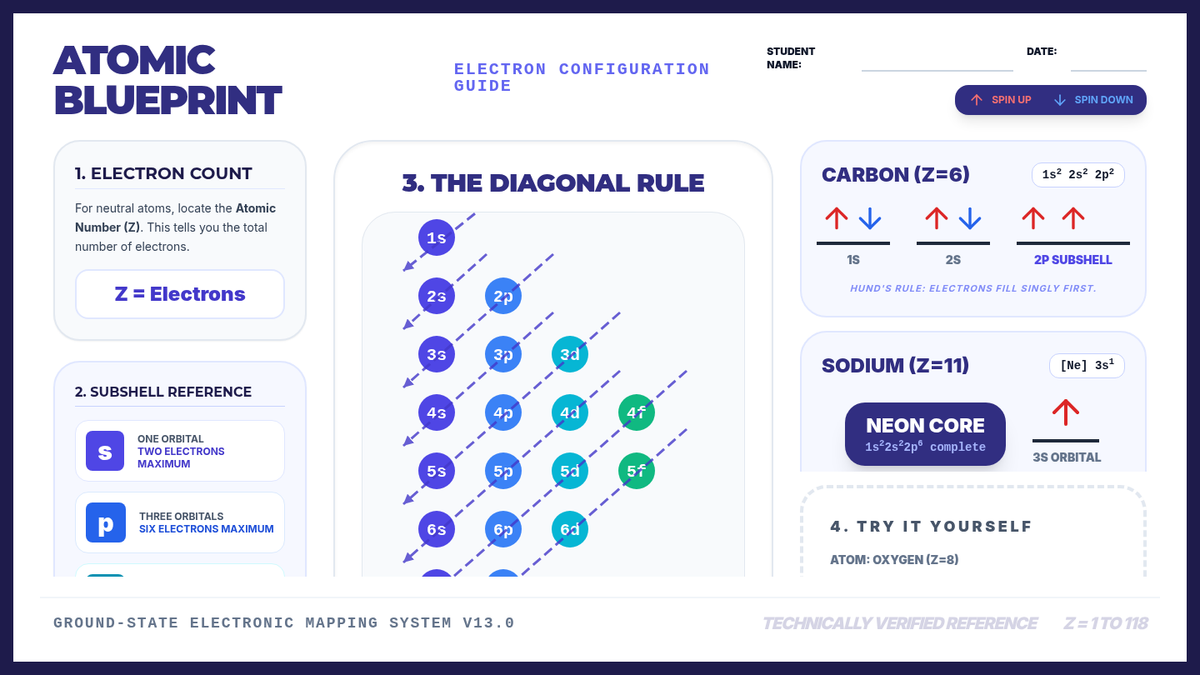
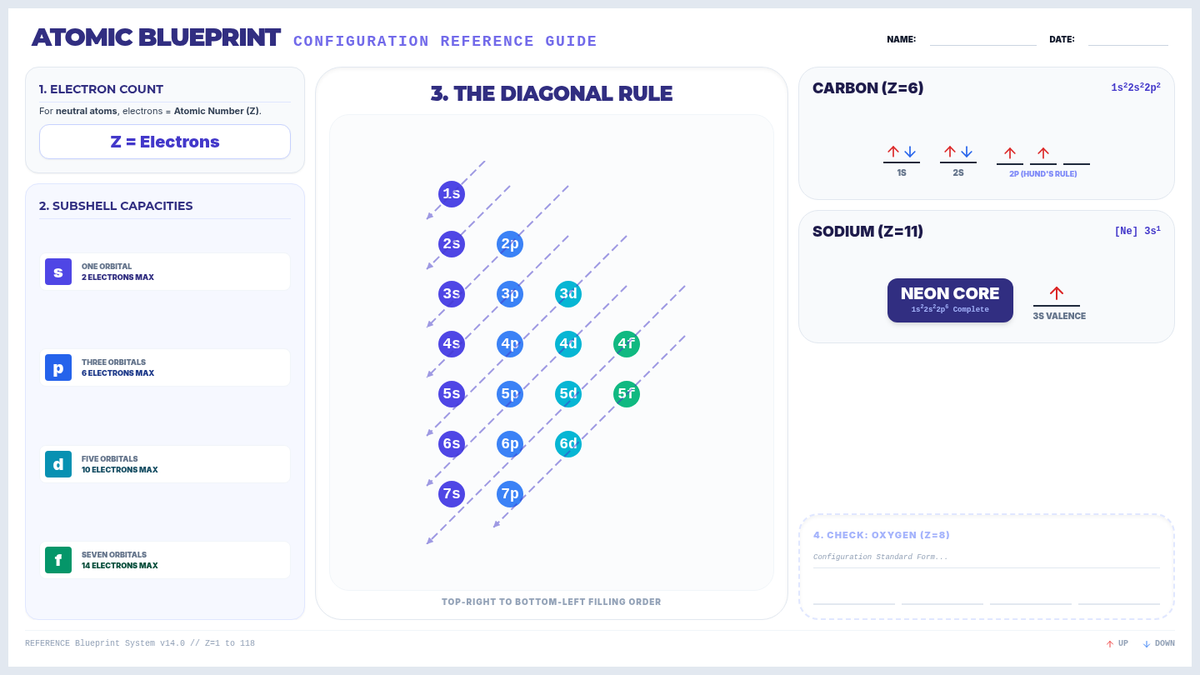
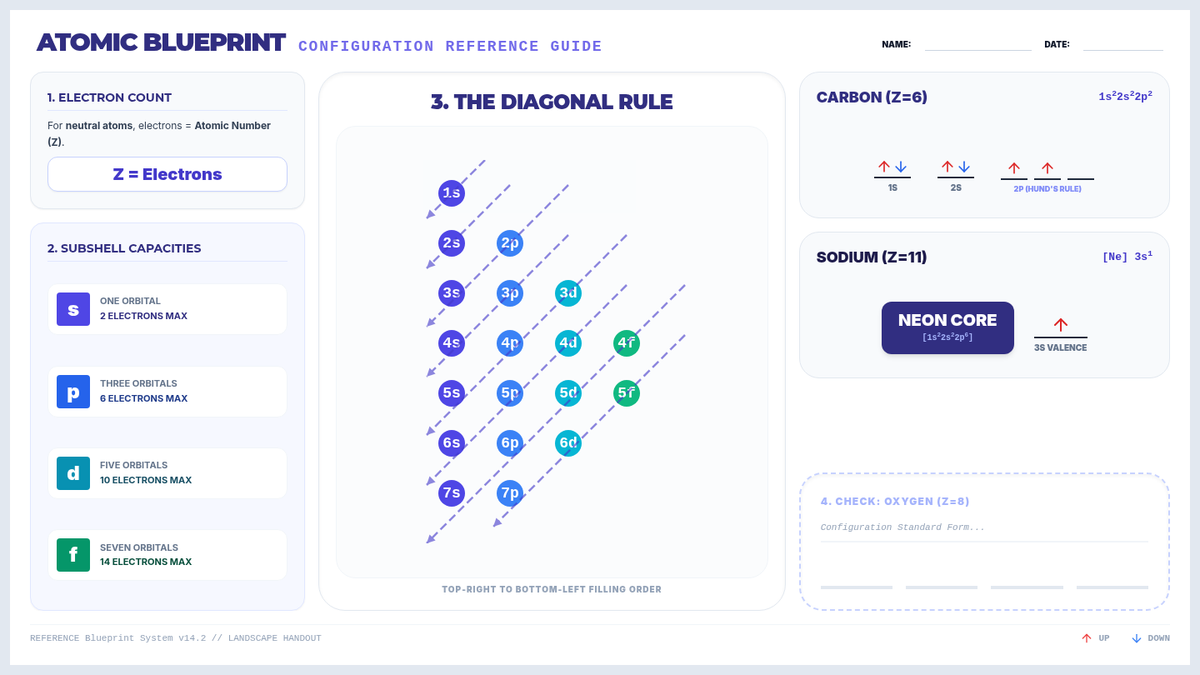
A foundational lesson on electron configurations, covering subshell filling orders, orbital notation, and specific examples to visualize how electrons occupy atomic space.
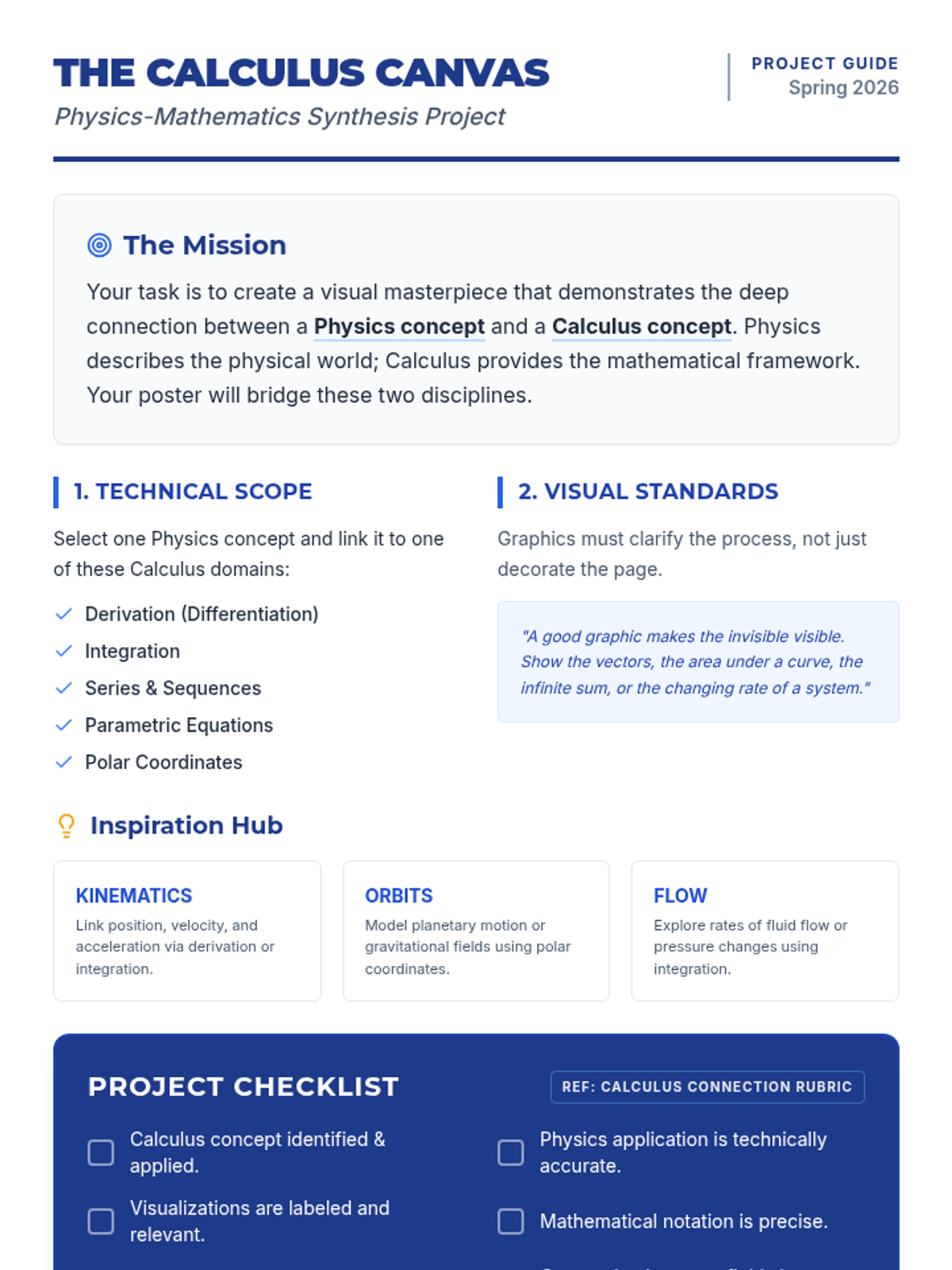
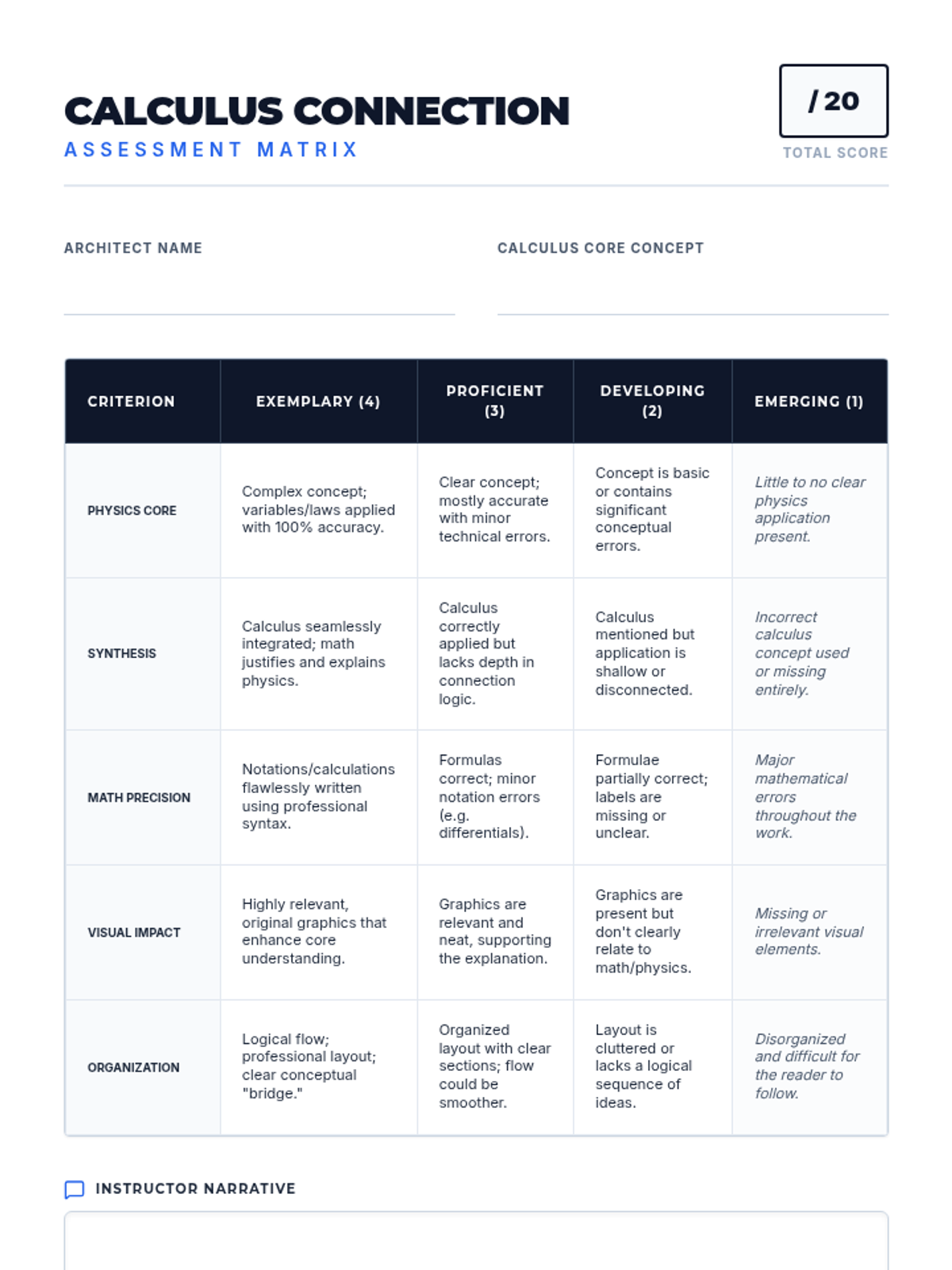
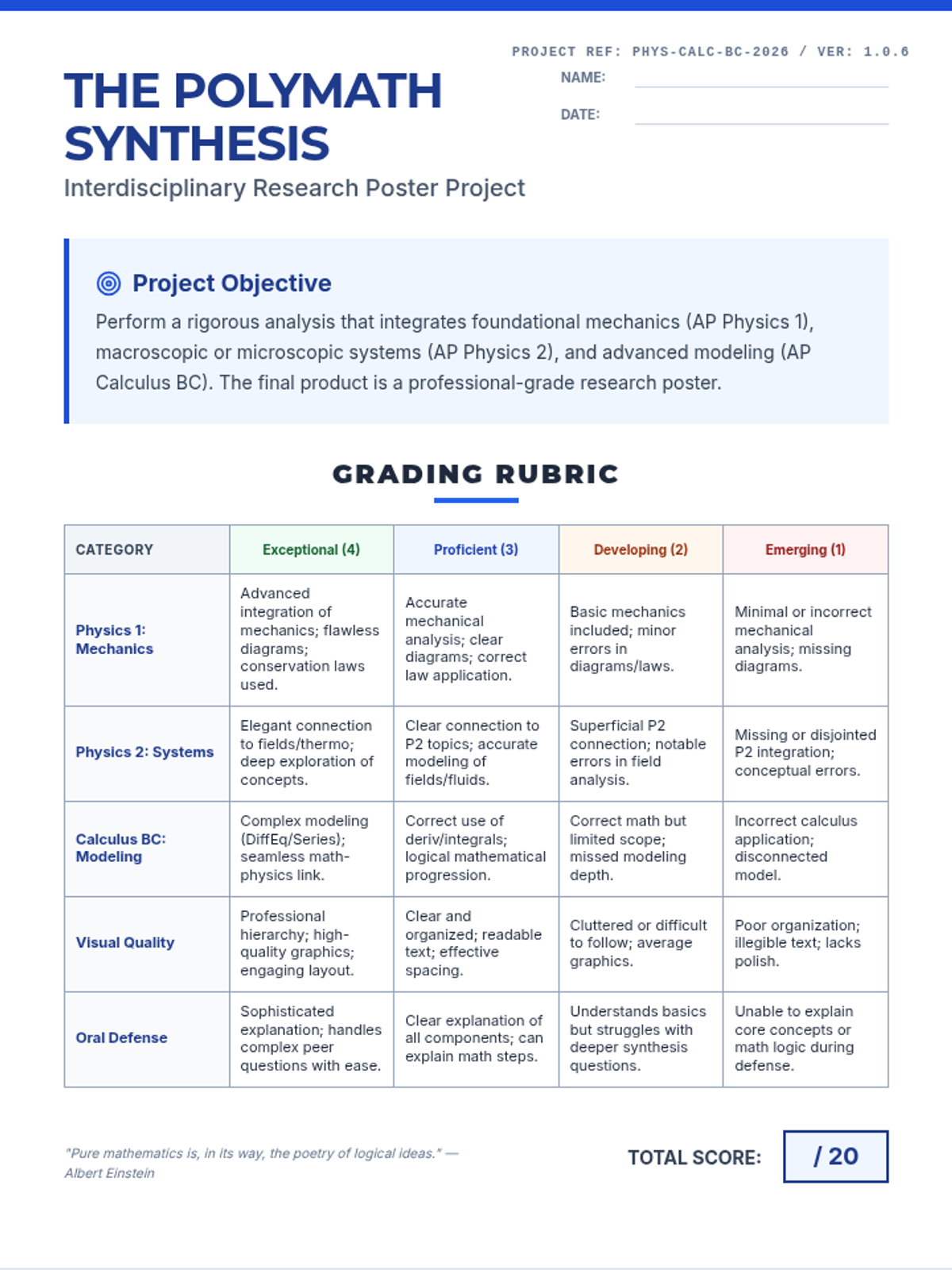
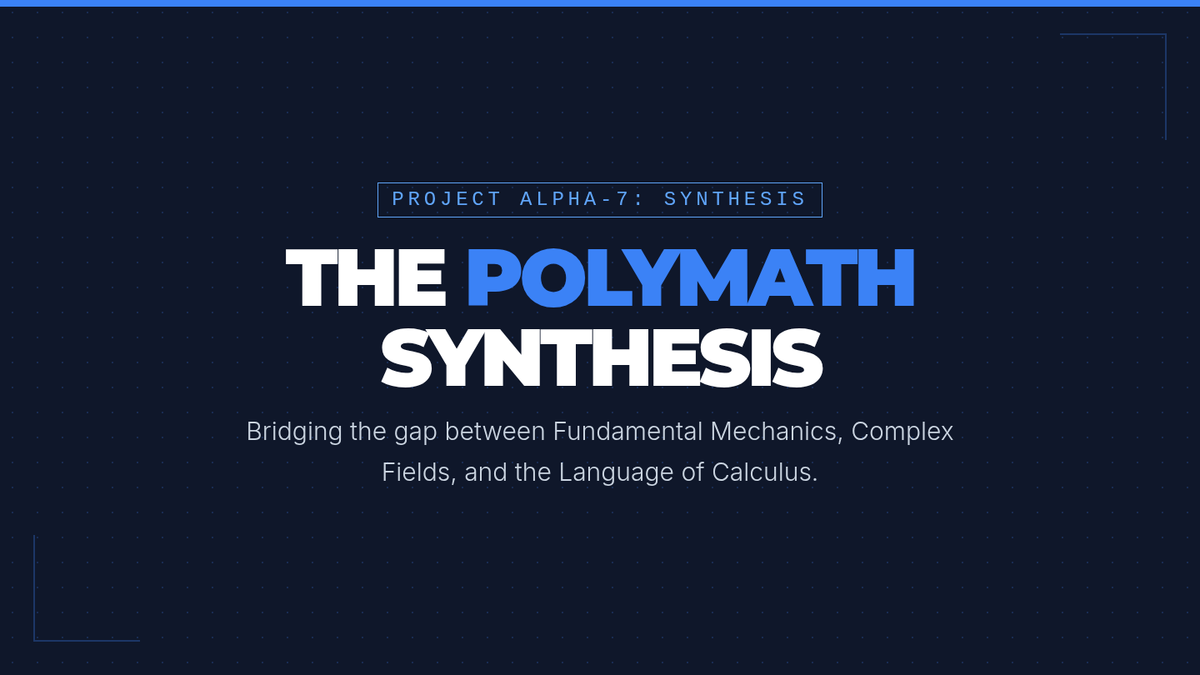
A project-based lesson where students synthesize their knowledge of physics and calculus by creating a visual poster that bridges the two disciplines.
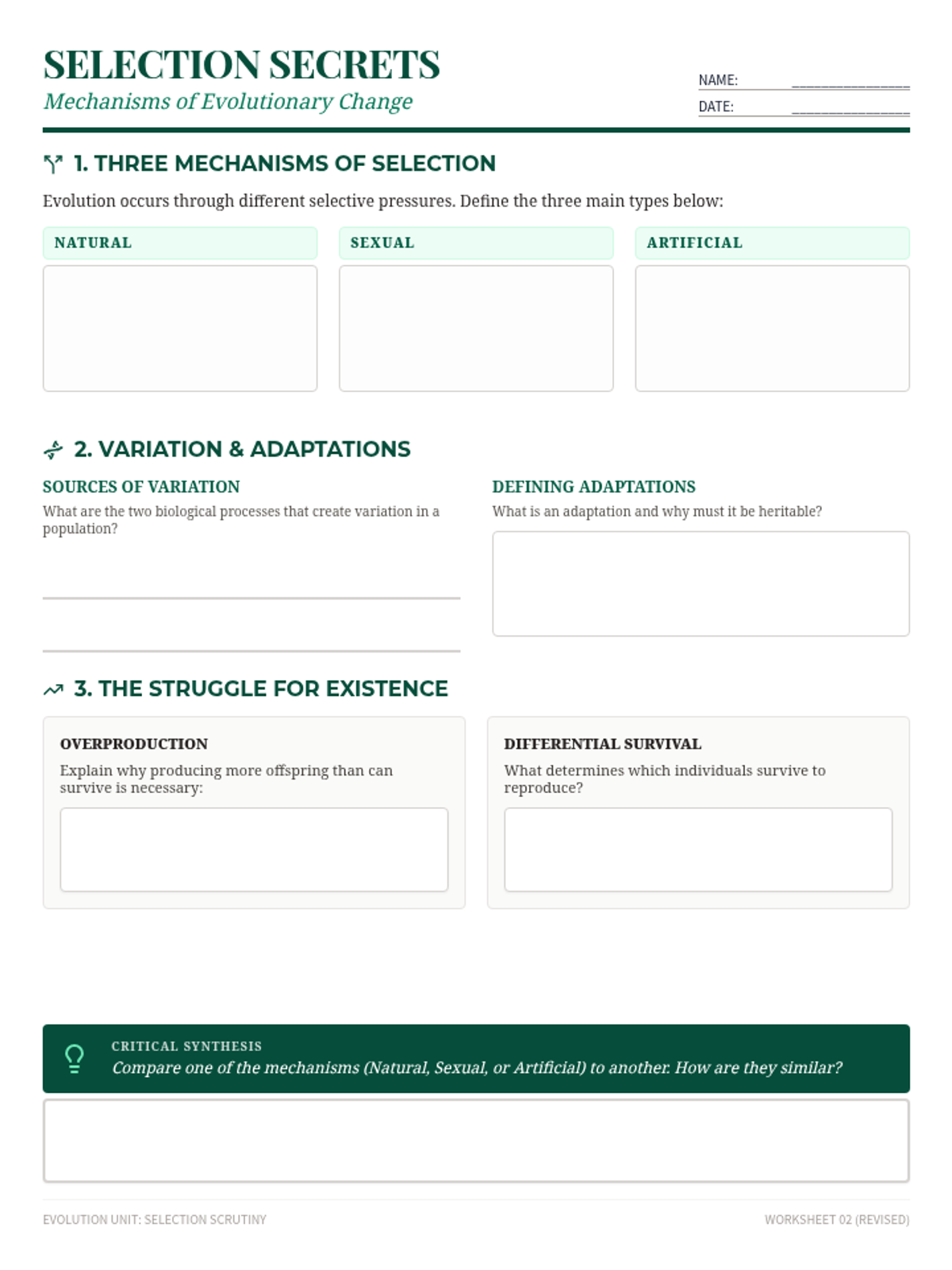
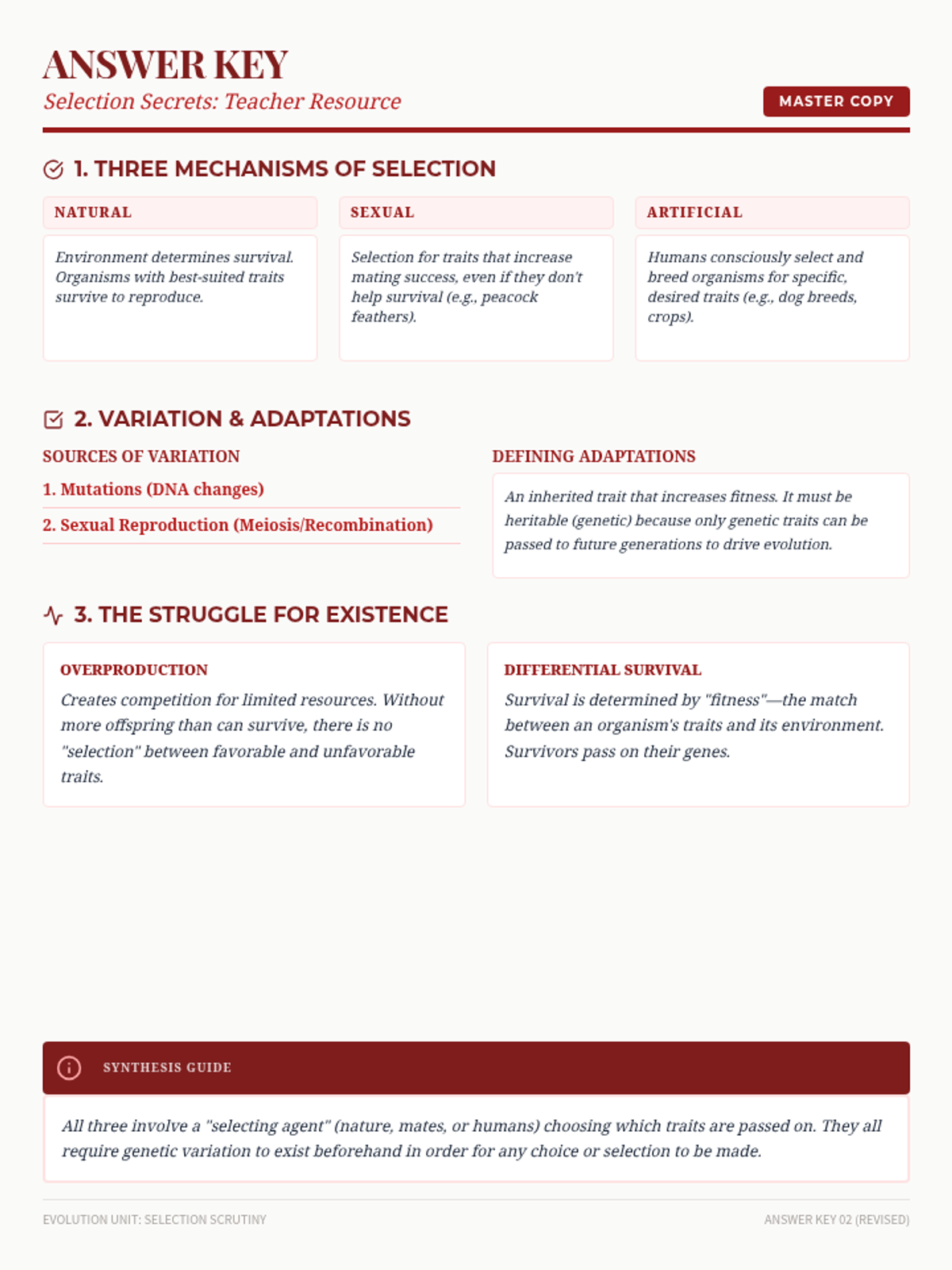
A comprehensive study pack covering the principles of evolution, including vocabulary definitions and a conceptual framework linking key biological terms.
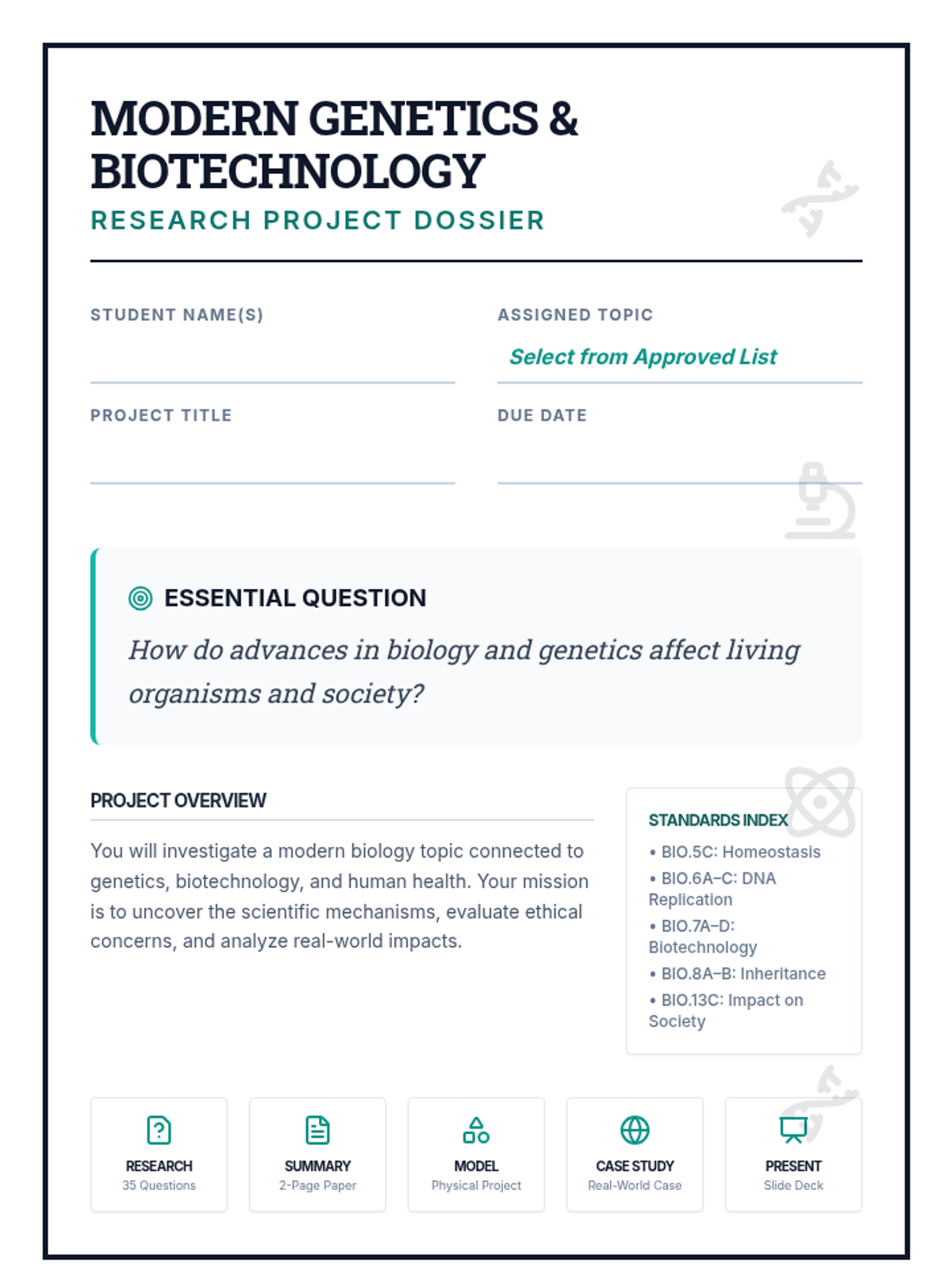
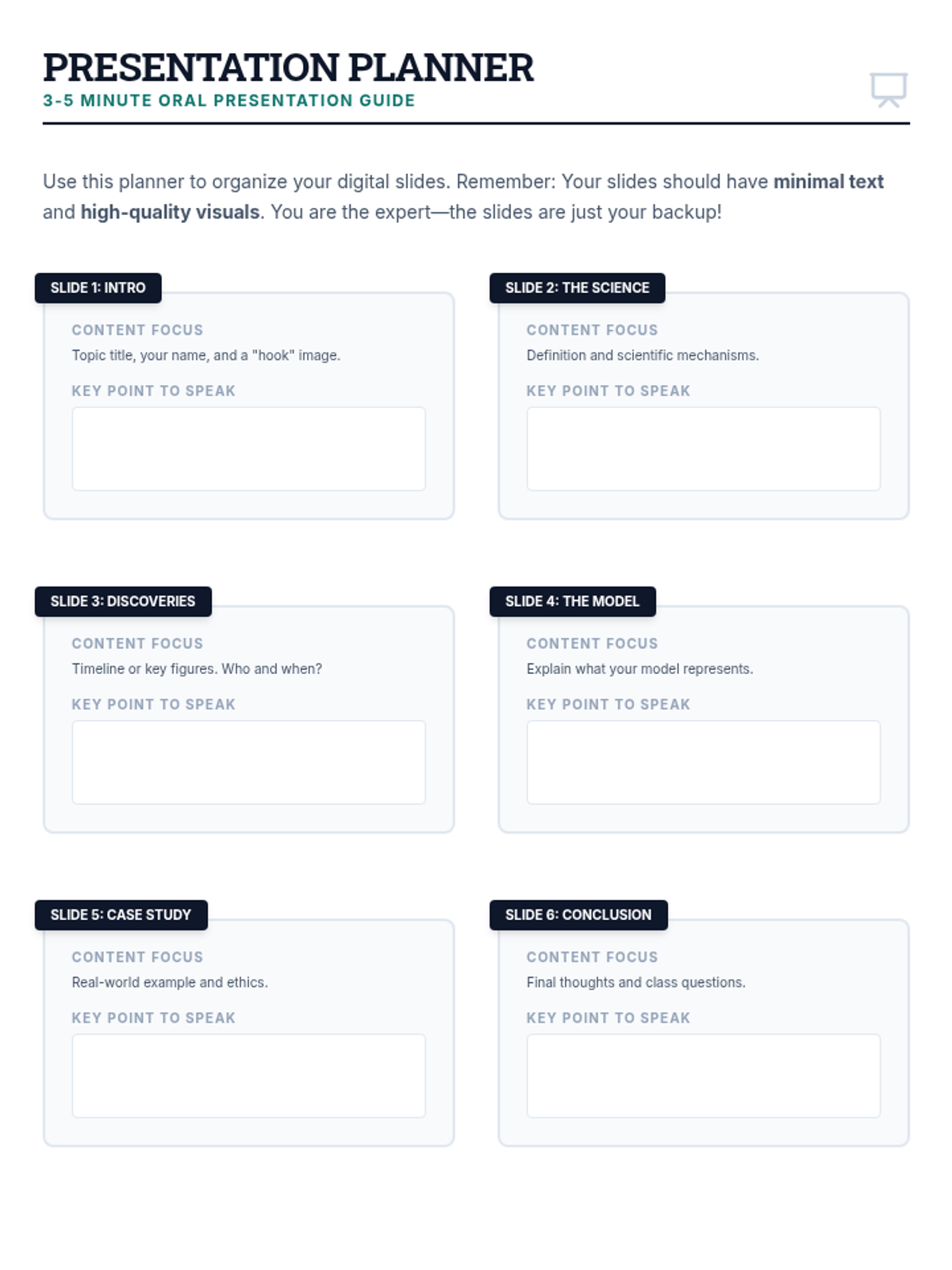
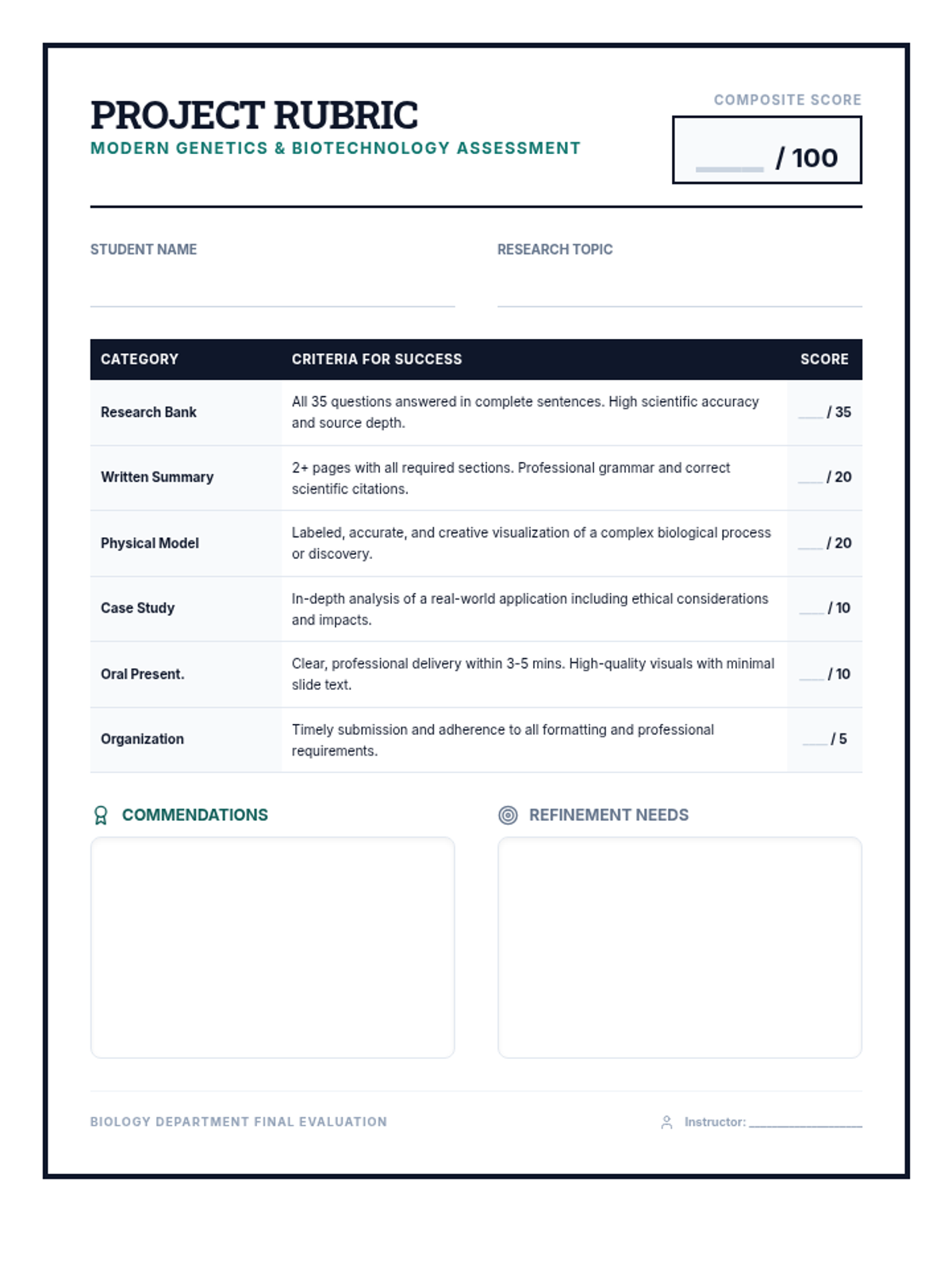
A comprehensive two-week research project exploring modern genetics, biotechnology, and ethical impacts on society. Students investigate topics like cloning, CRISPR, and the Human Genome Project through research, writing, and model-building.
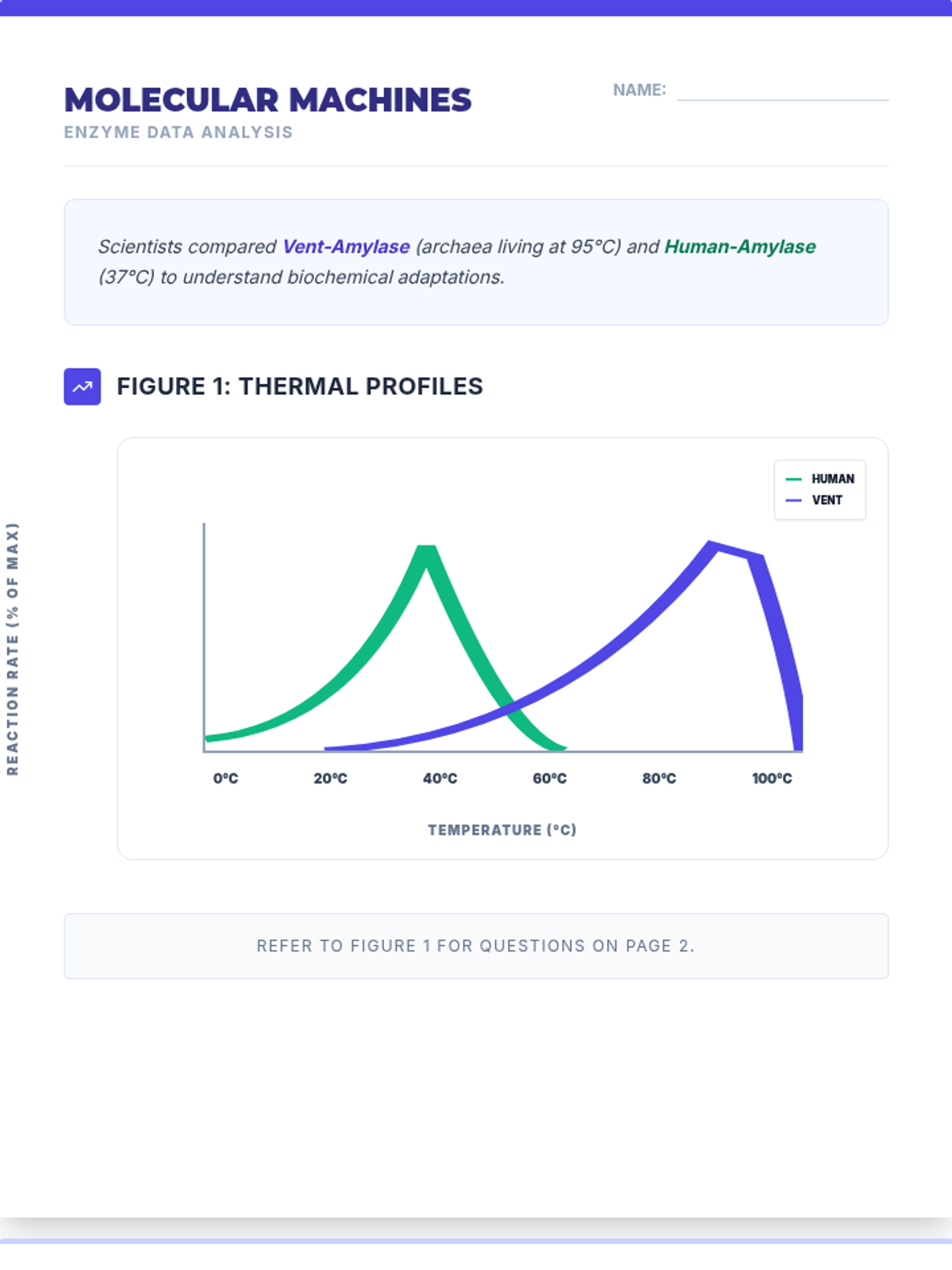
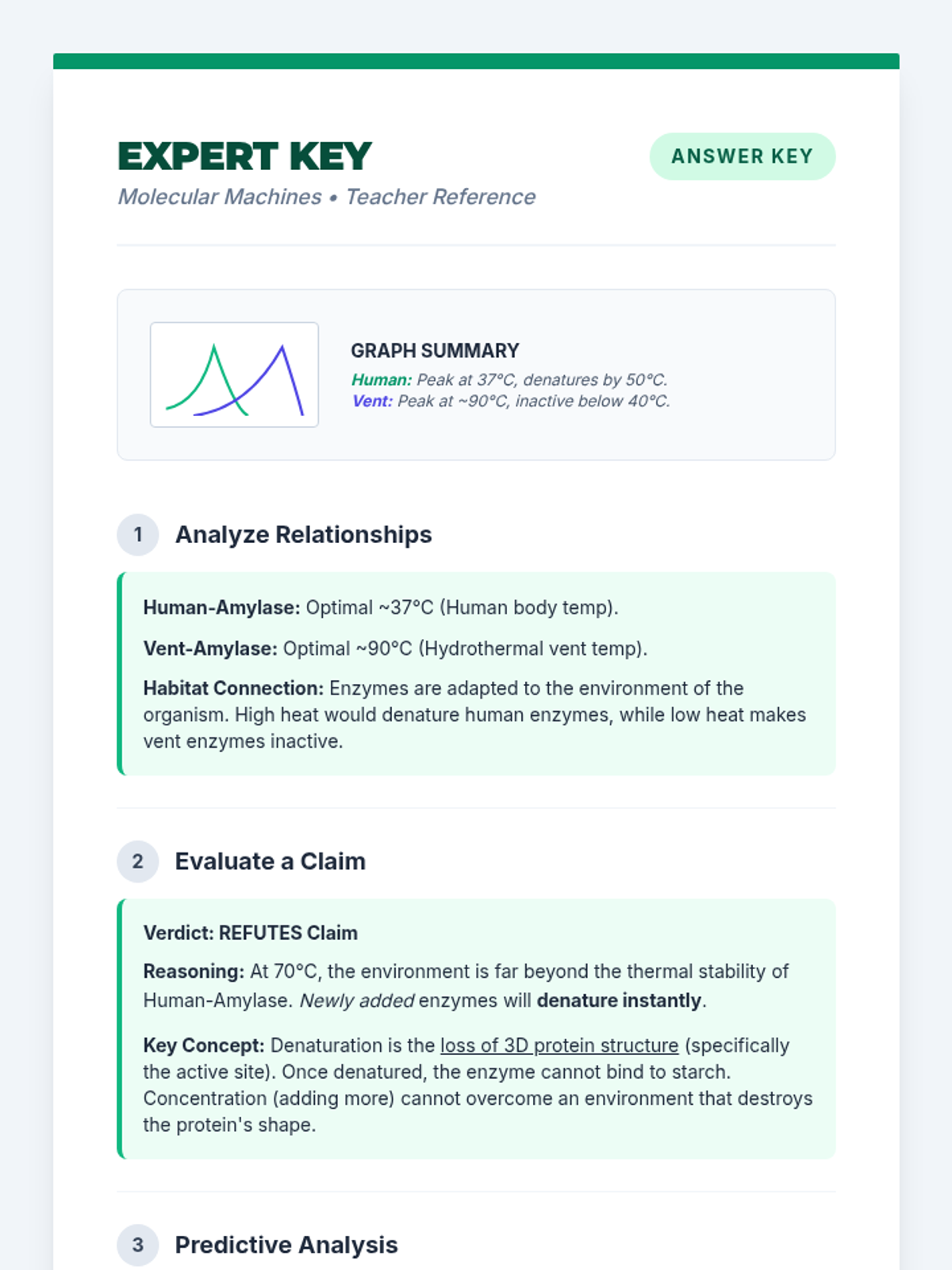
In this lesson, students analyze the relationship between environmental factors and enzyme activity. They will use real-world data and graphical representations to evaluate scientific claims and understand the concept of protein denaturation.
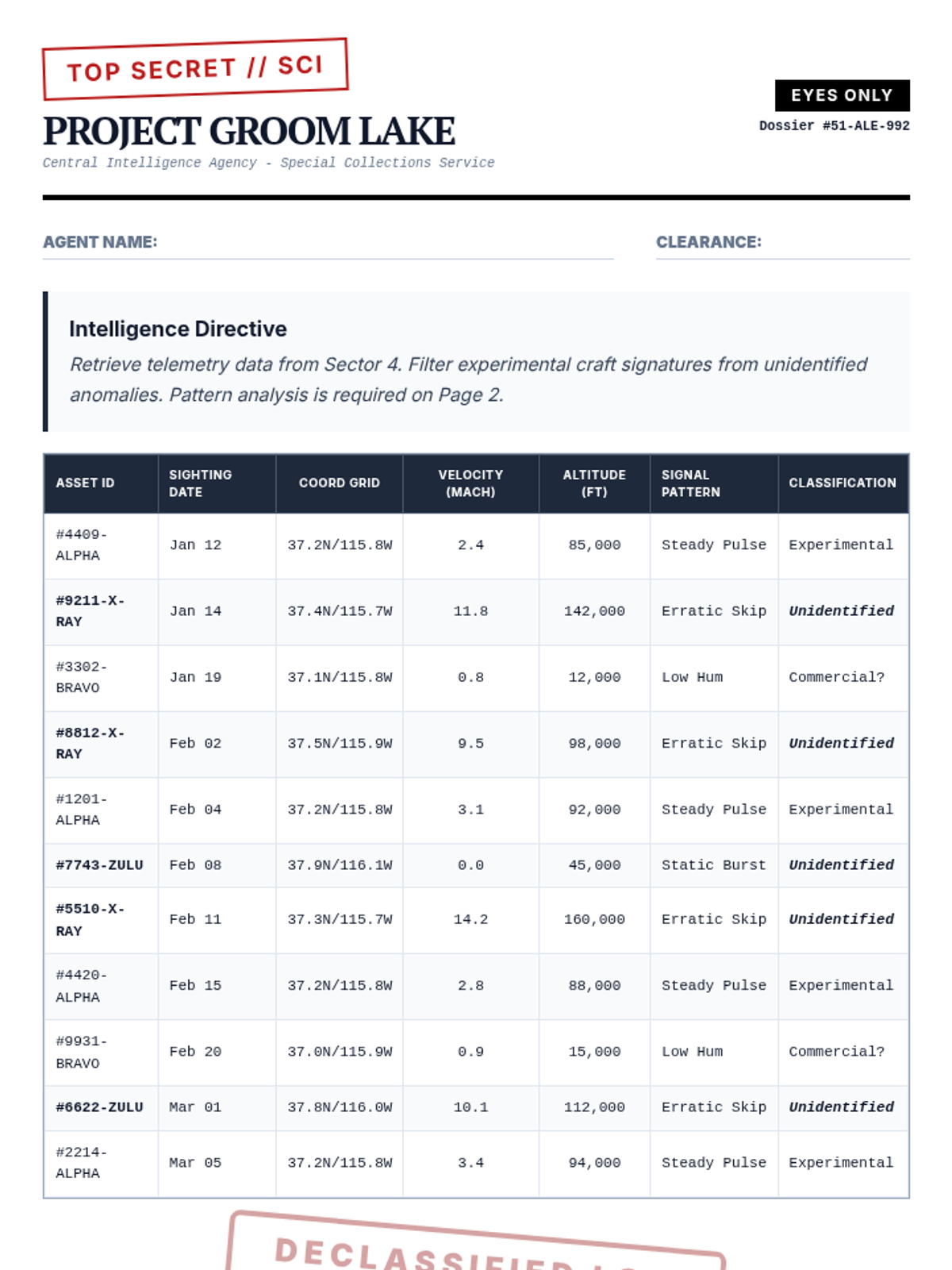
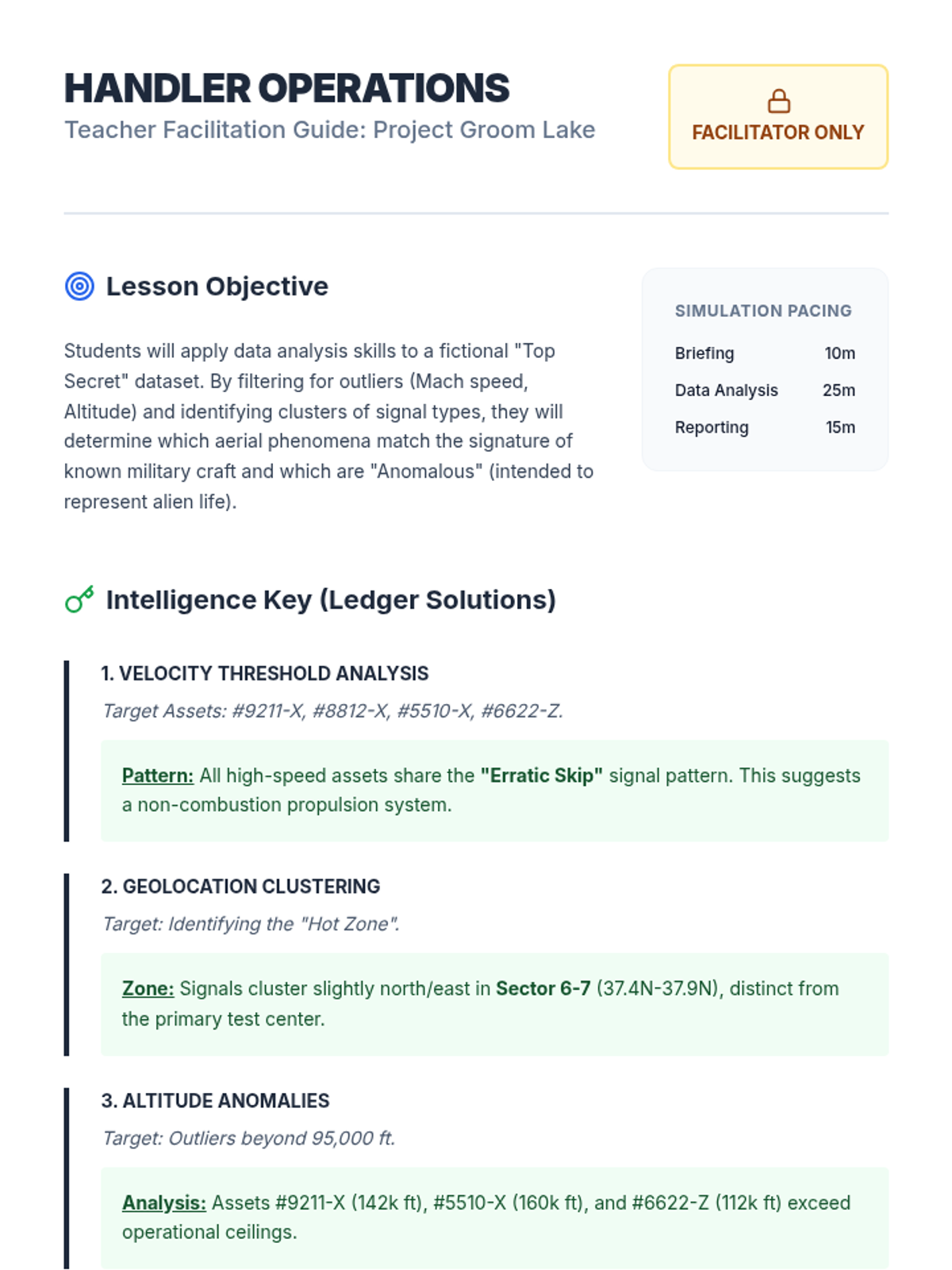
An immersive data analysis lesson where students step into the role of intelligence analysts to examine 'classified' flight data and sighting reports from Area 51. Students will practice data interpretation, pattern recognition, and evidence-based reasoning.
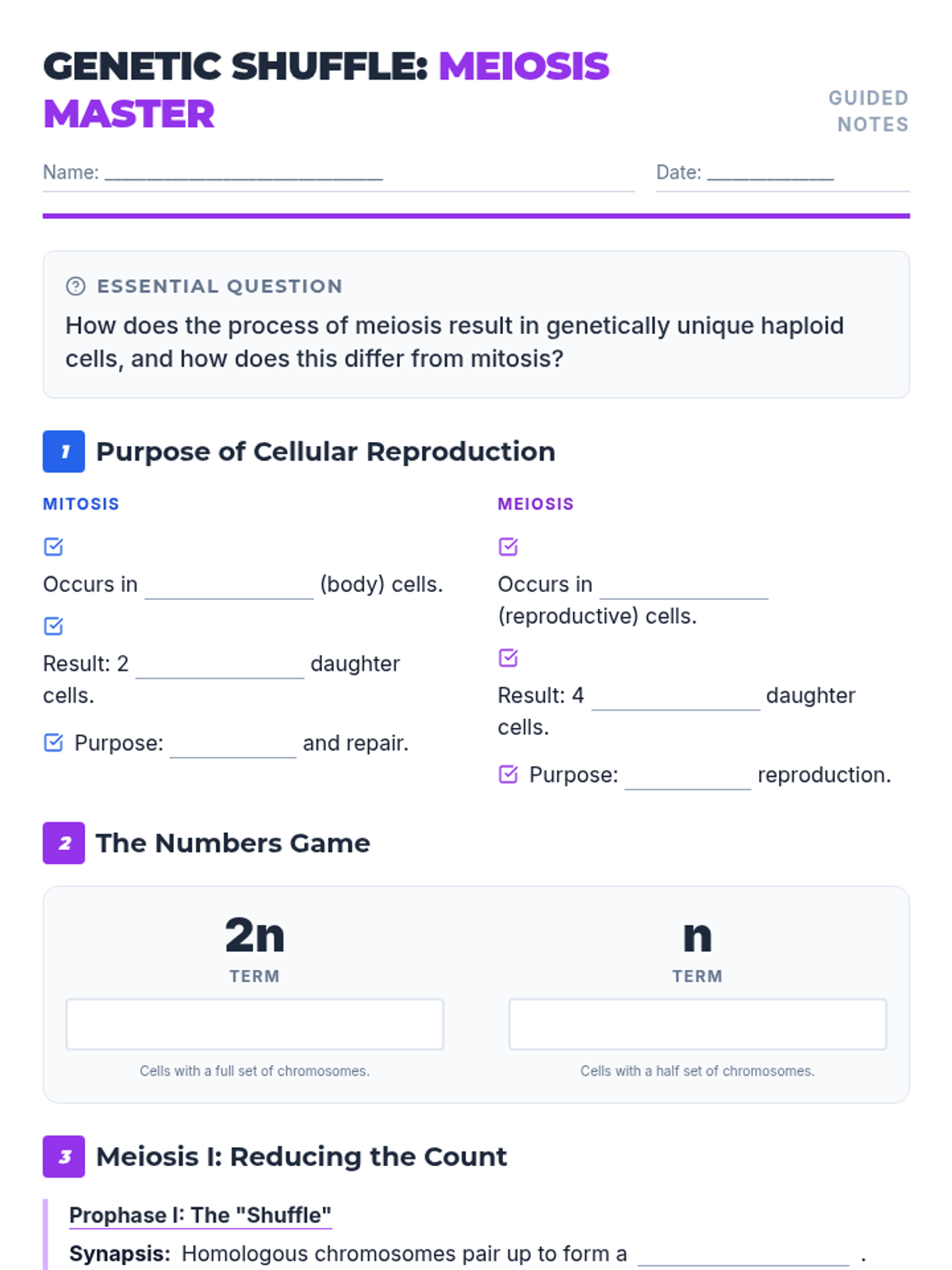
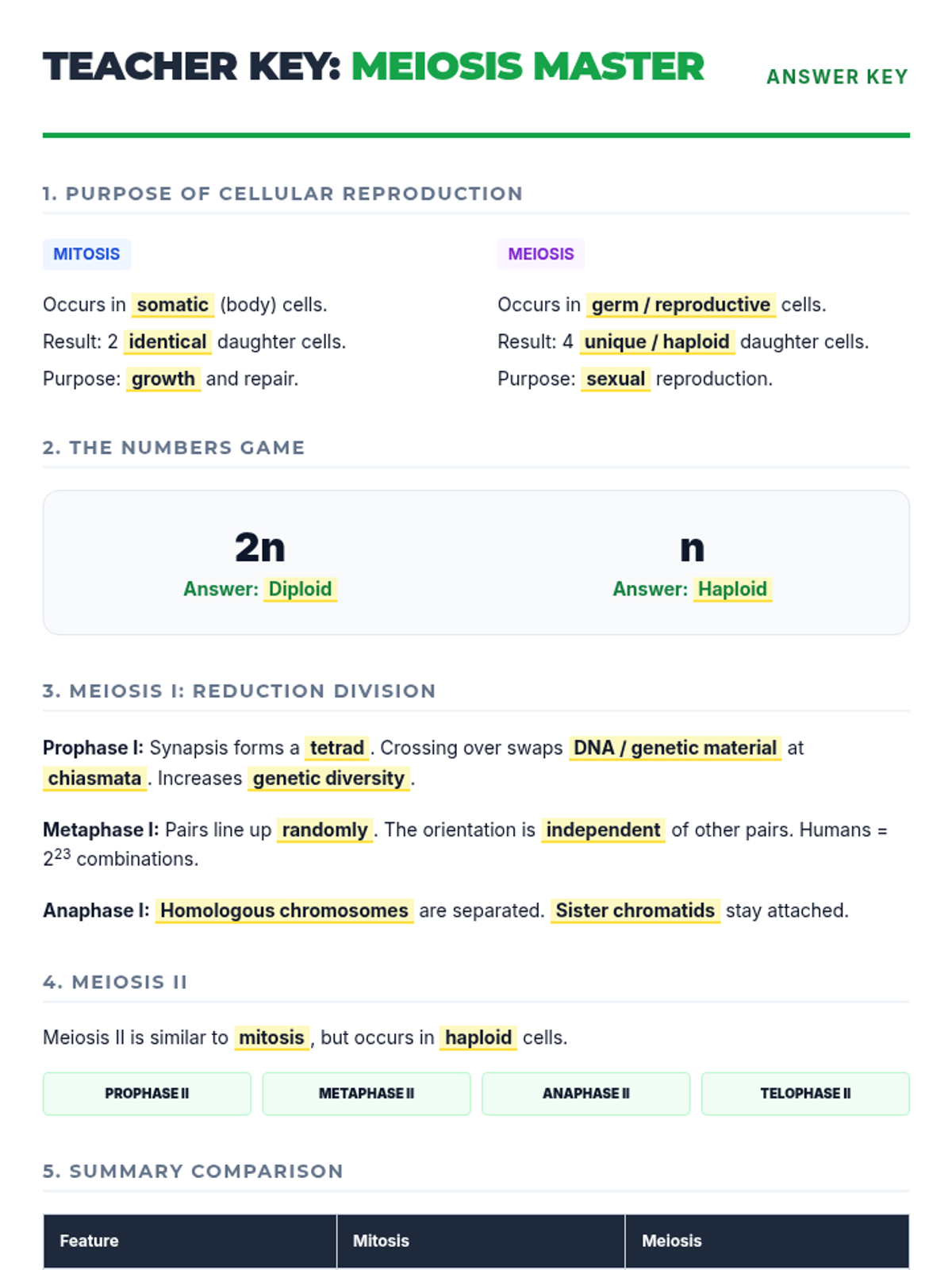
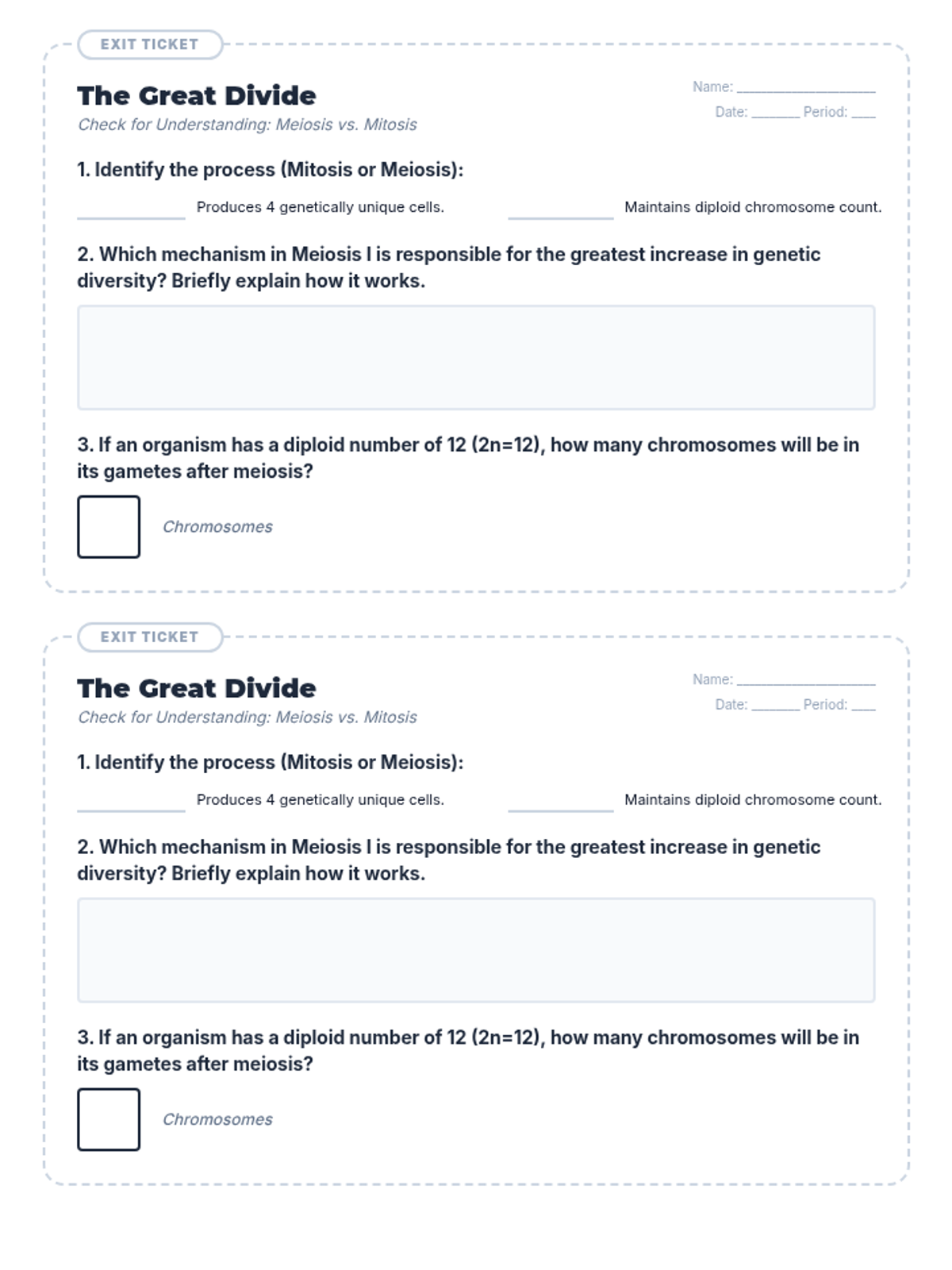
A comprehensive look at cellular reproduction with a deep dive into meiosis, comparing it to mitosis to understand how genetic diversity is created.
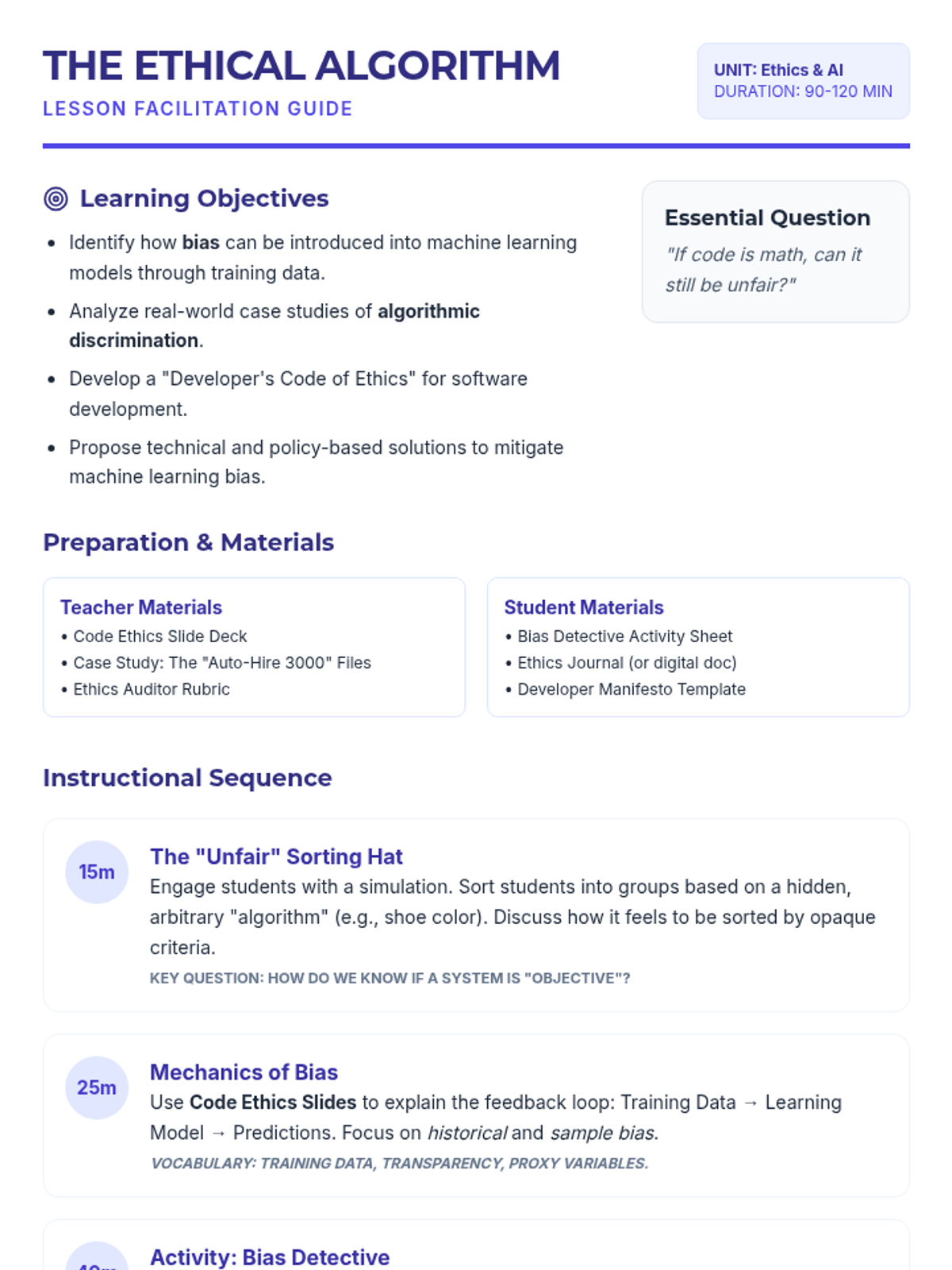
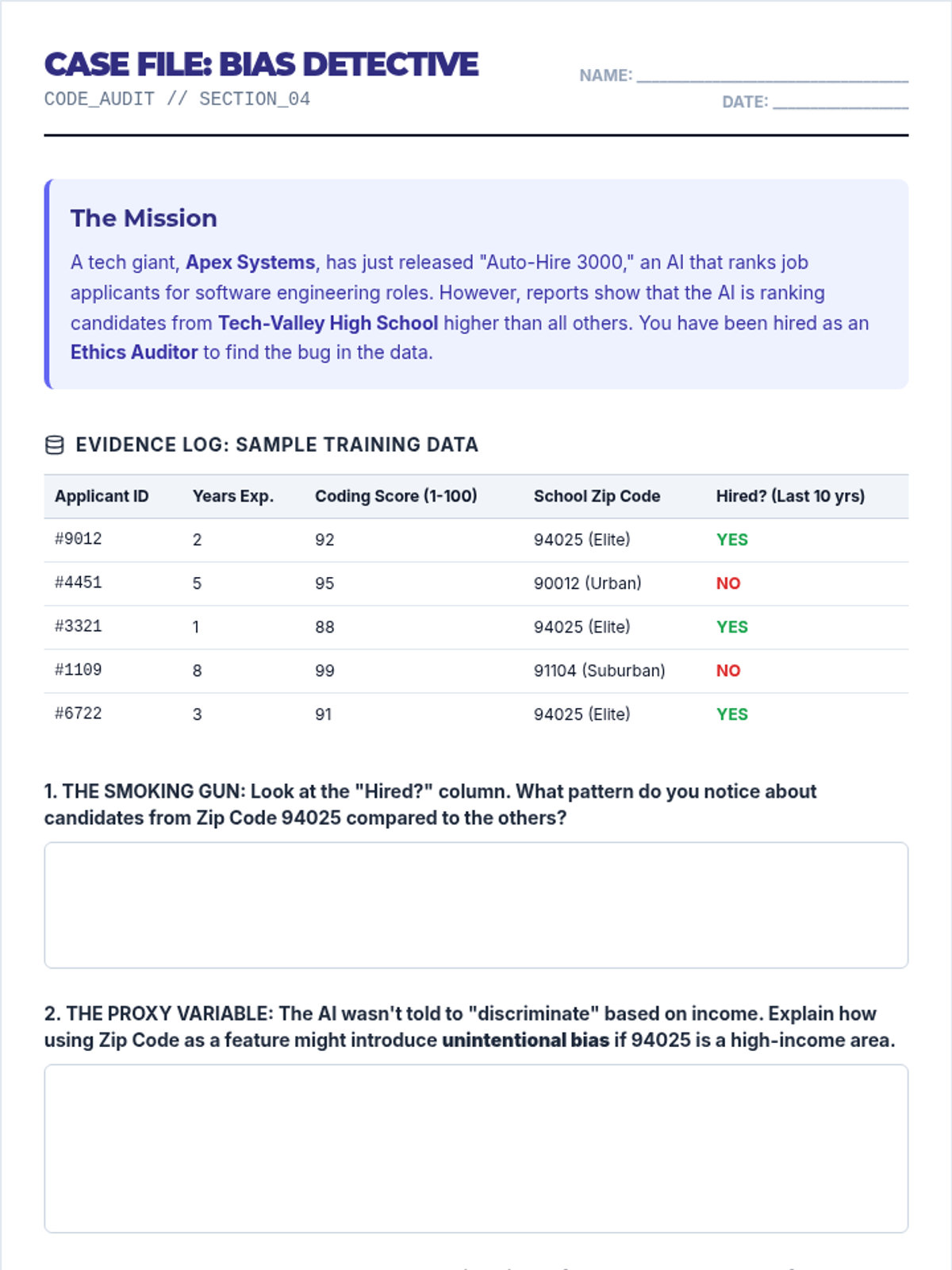
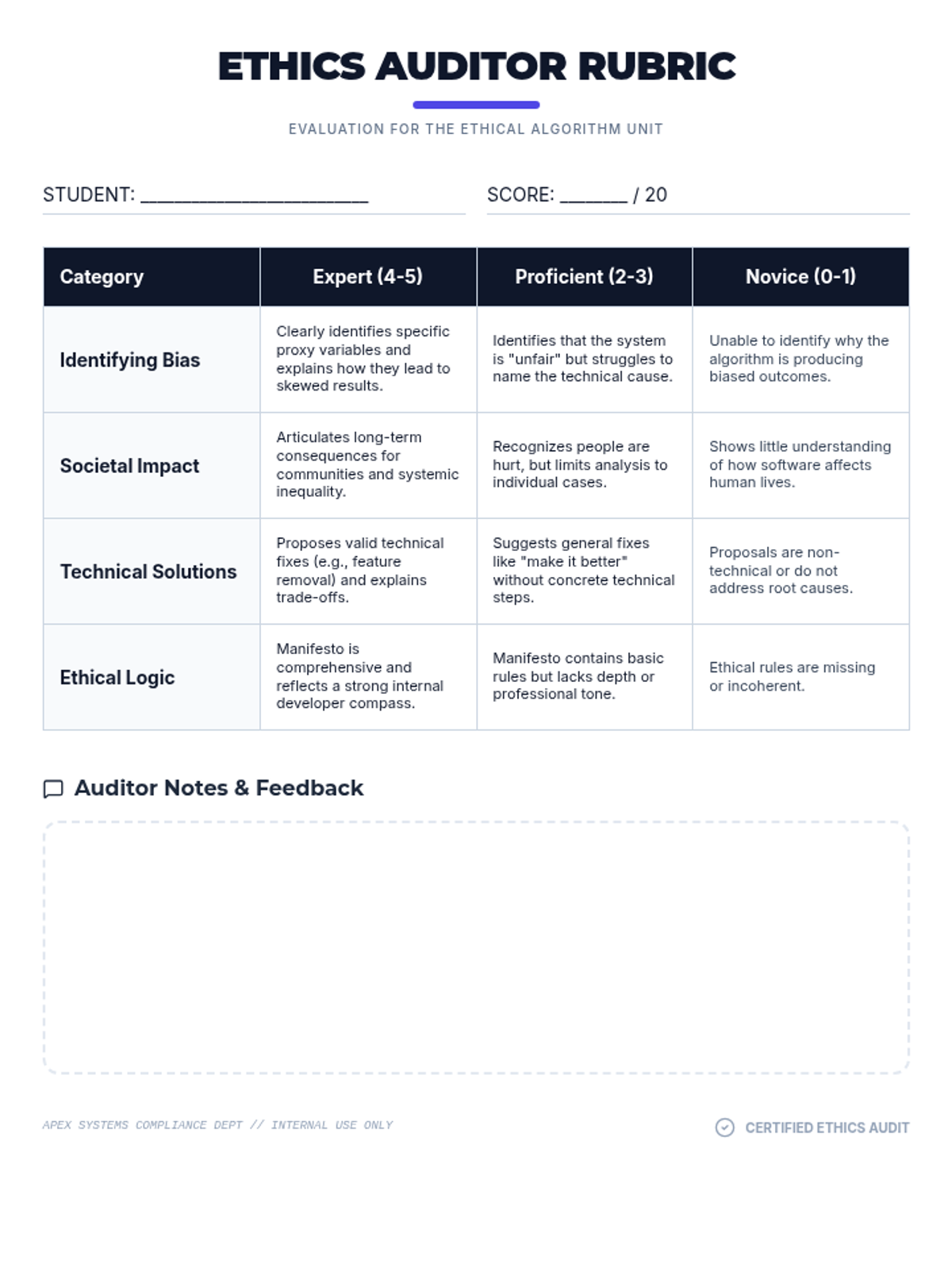
In this capstone lesson, students analyze machine learning models to identify algorithmic bias and discuss the societal responsibilities of modern software developers.
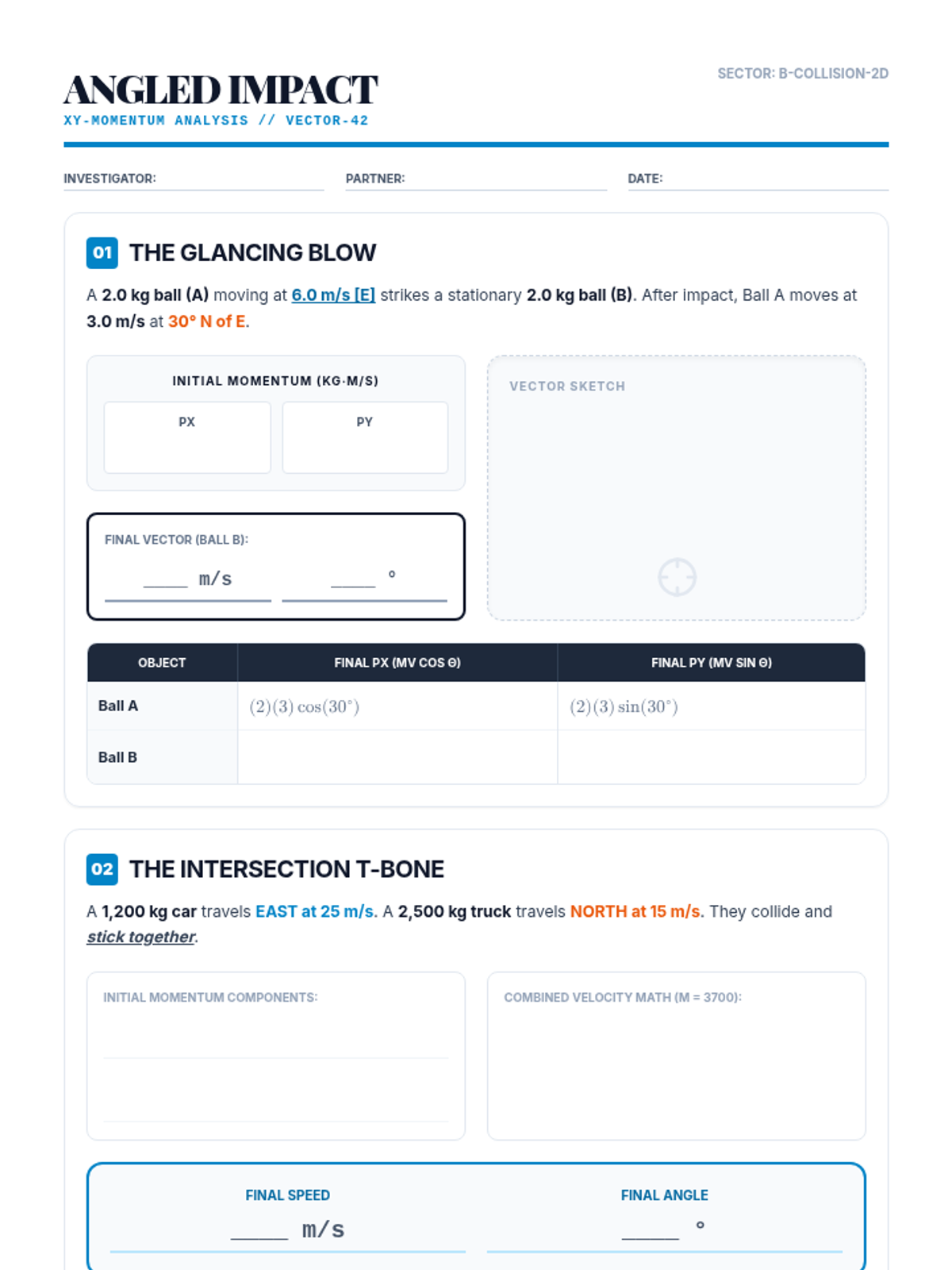
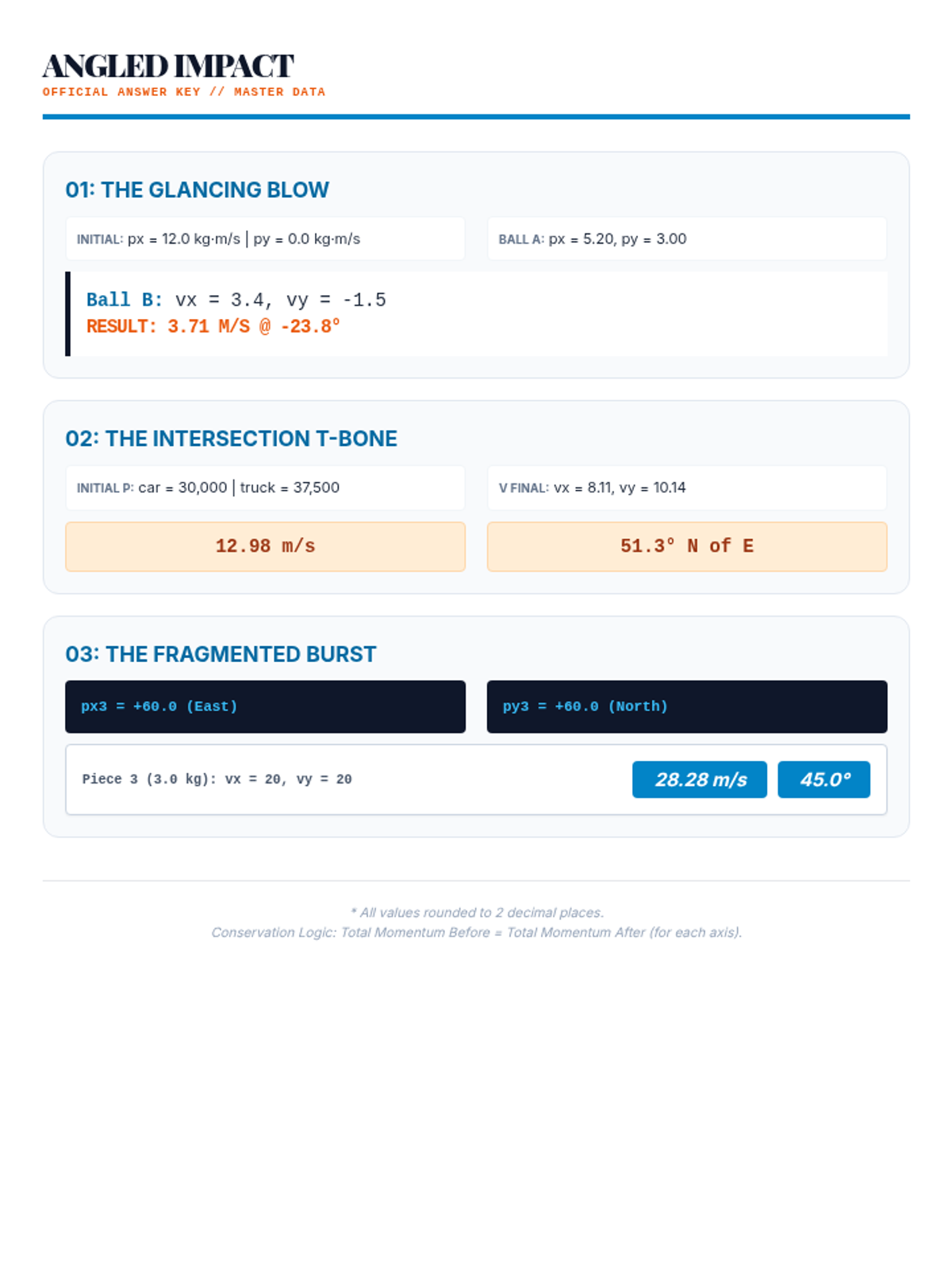
An exploration of momentum conservation in two dimensions, using vector components to solve collision problems.
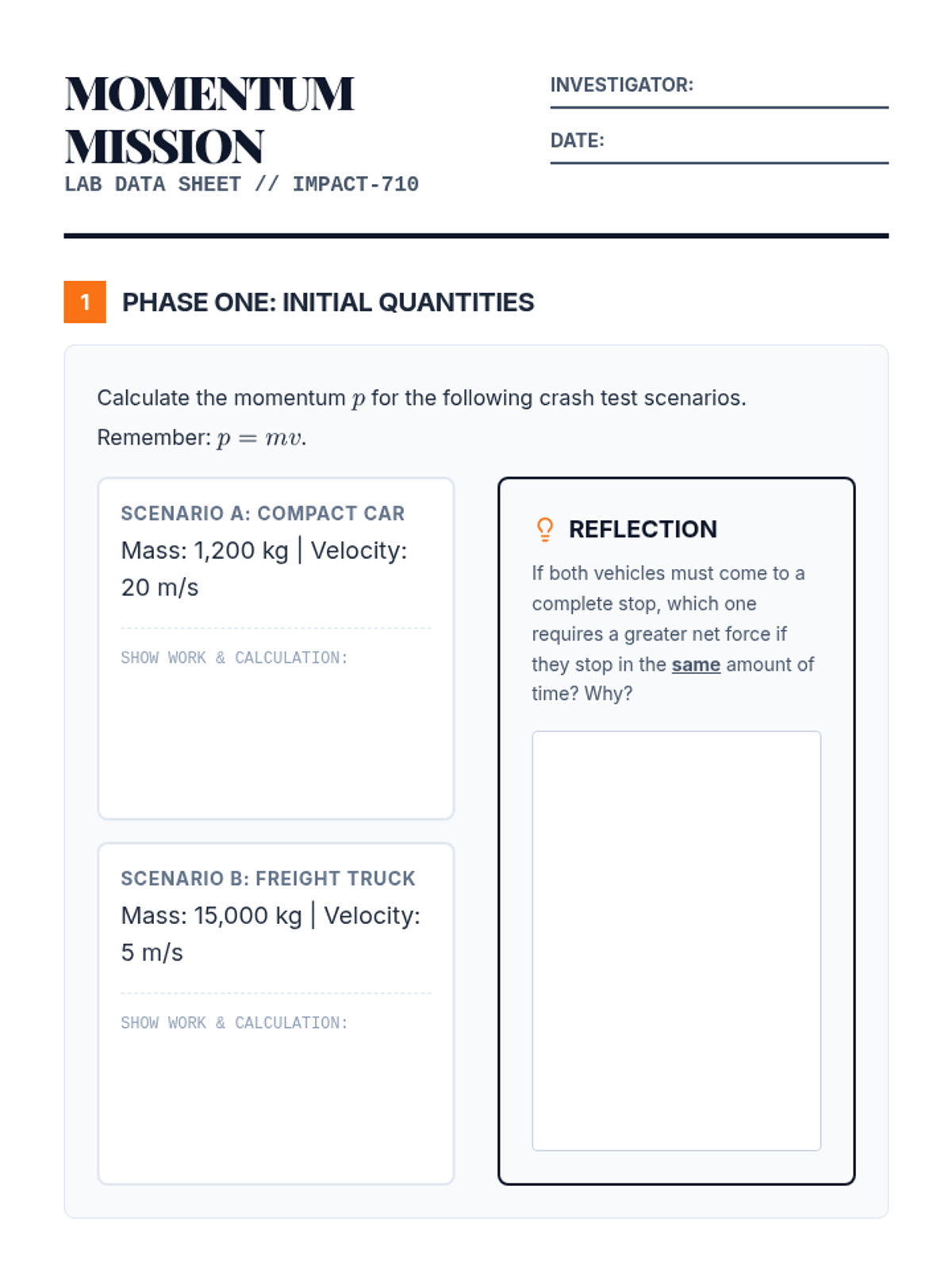
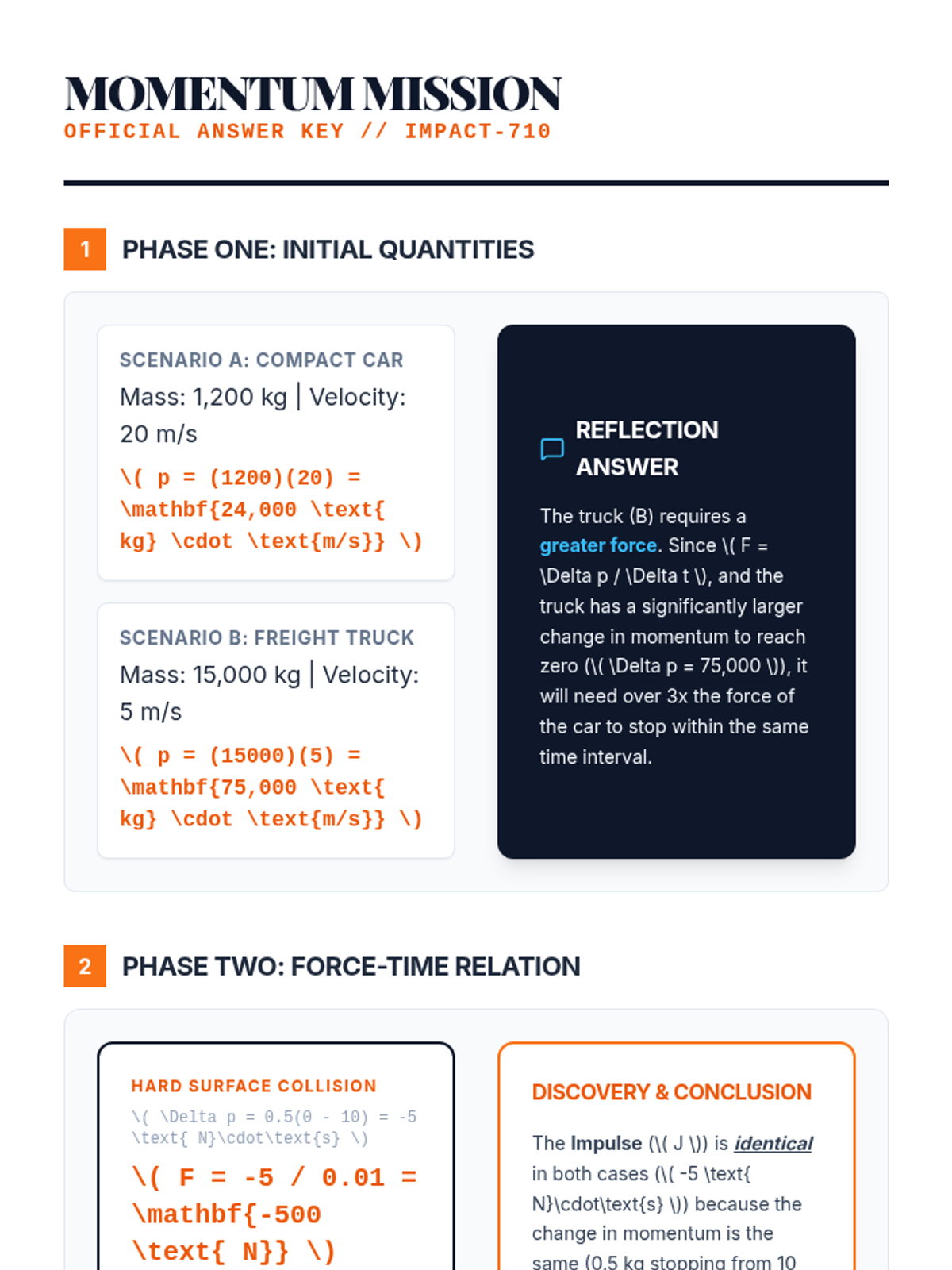
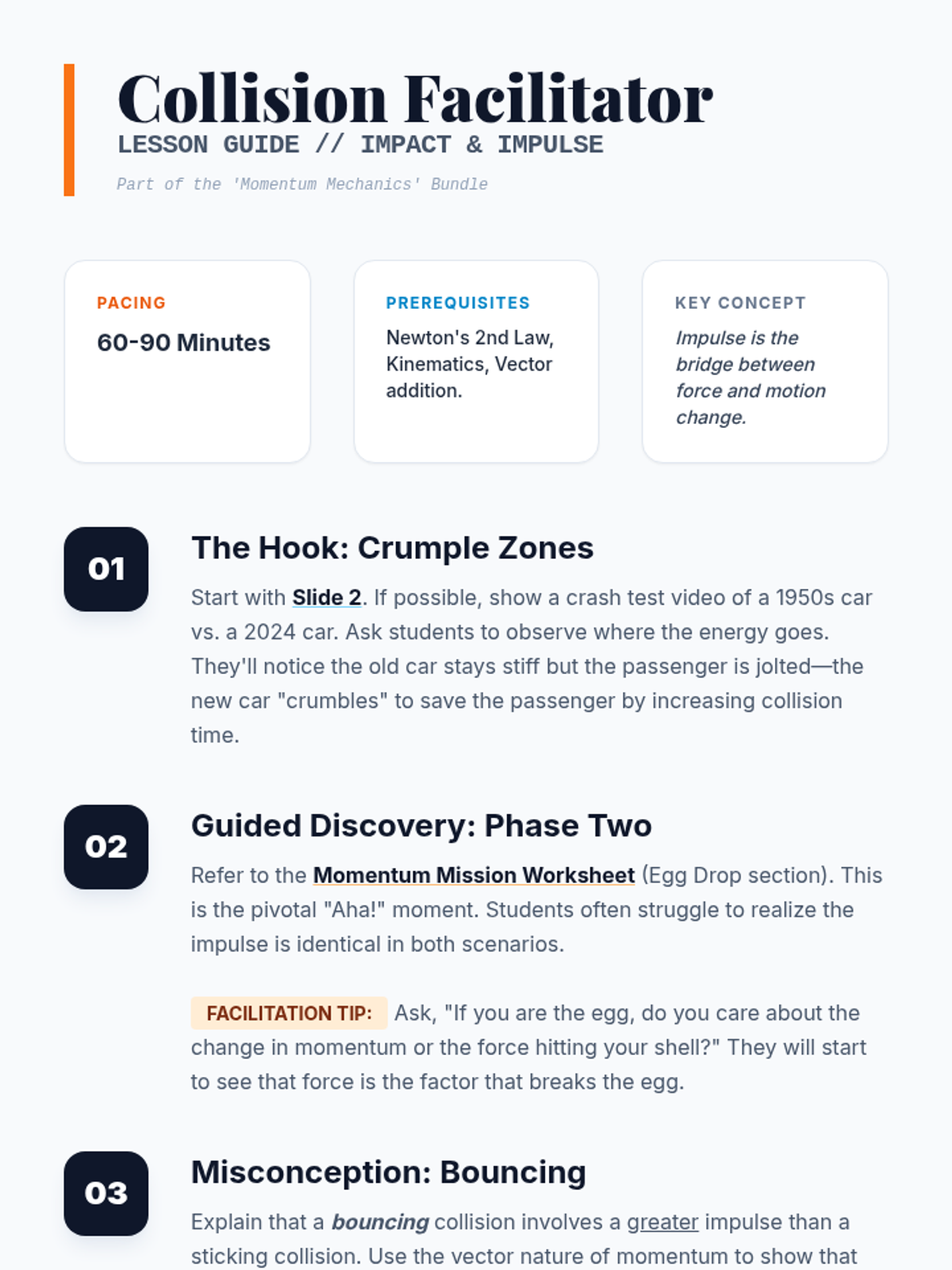
Students explore the relationship between force, time, and change in momentum through guided inquiry and data analysis.
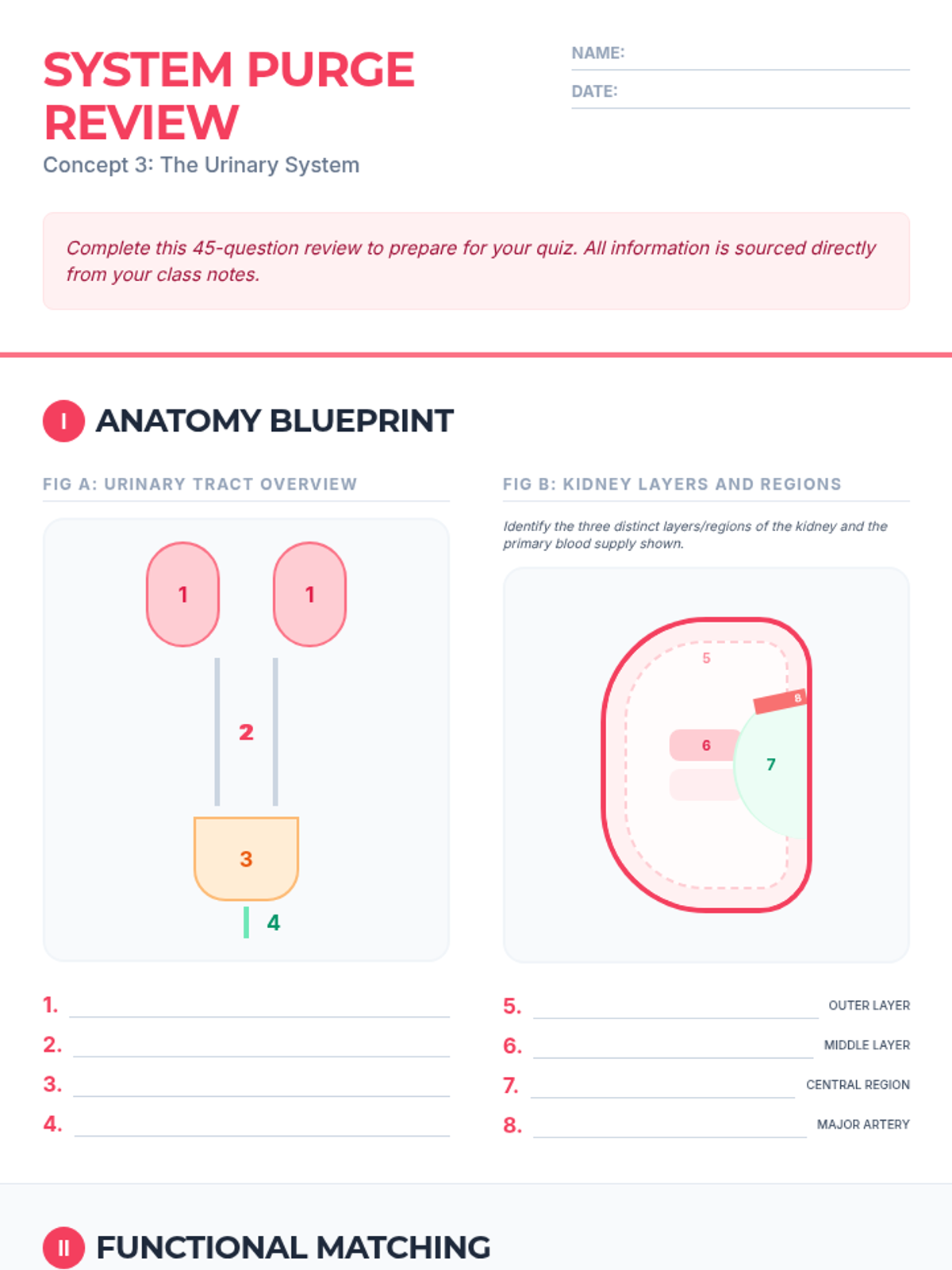
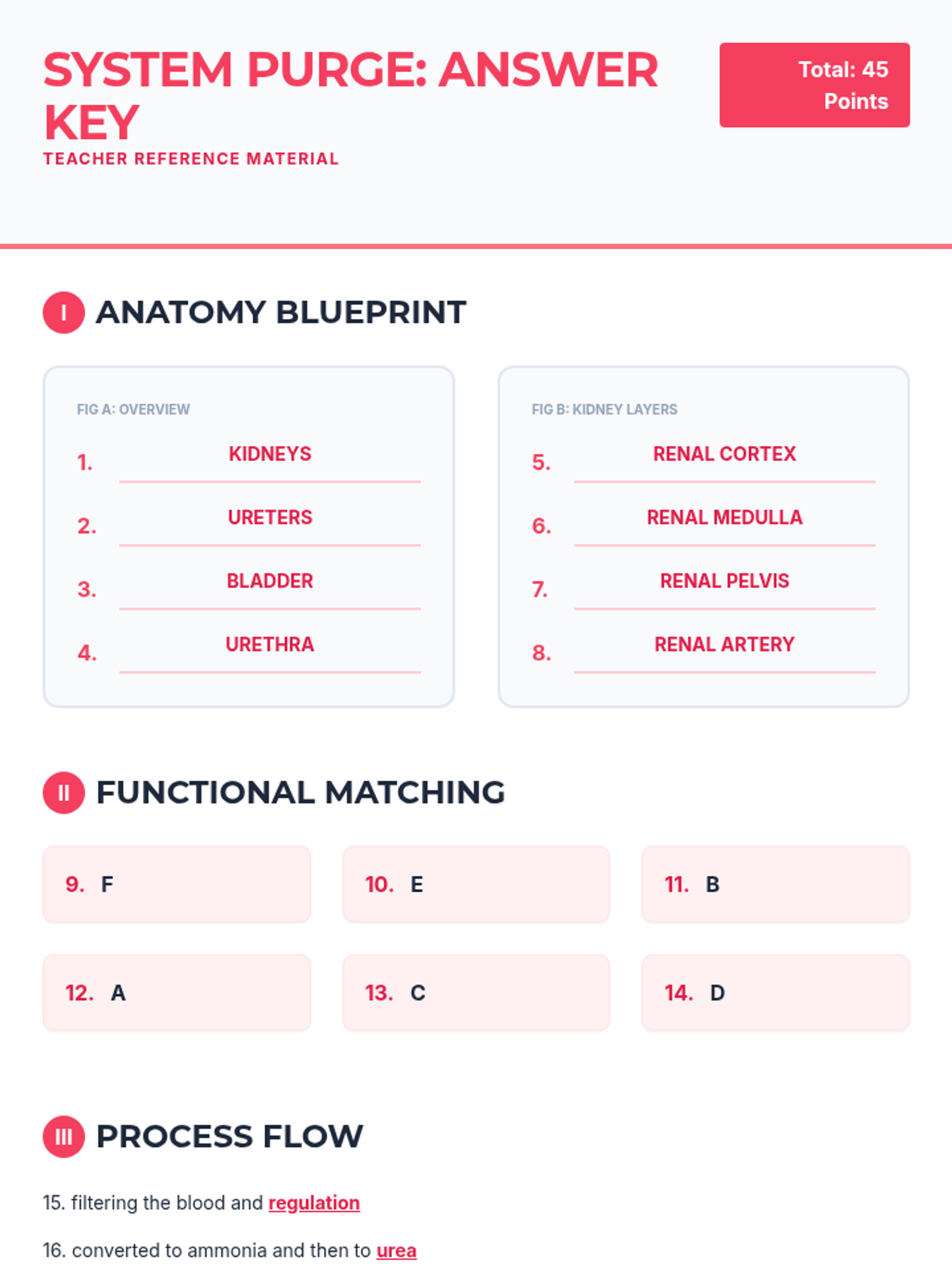
A comprehensive review of the urinary system based on Concept 3 notes, focusing on kidney structure, nephron function, and systemic regulation.
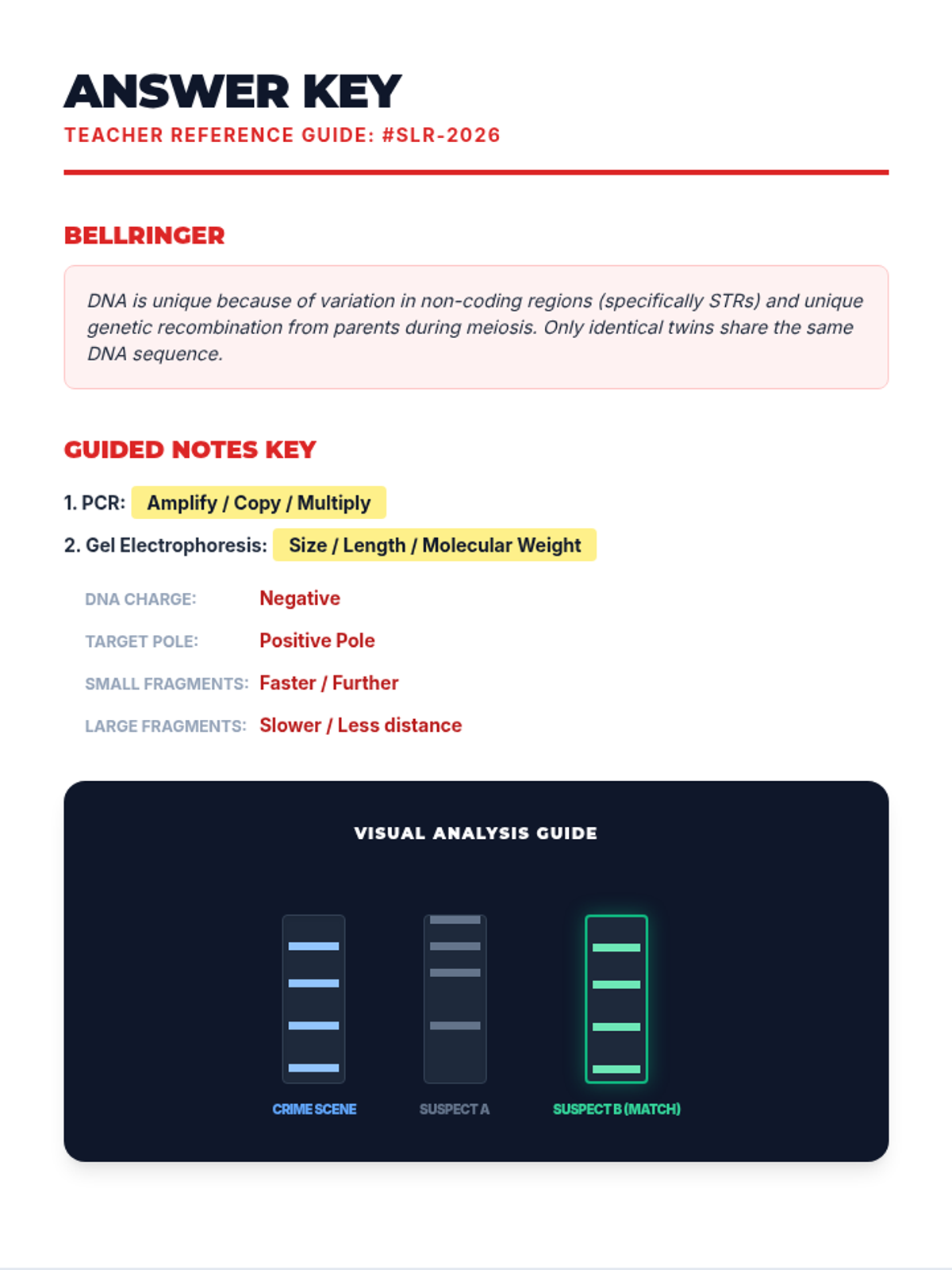
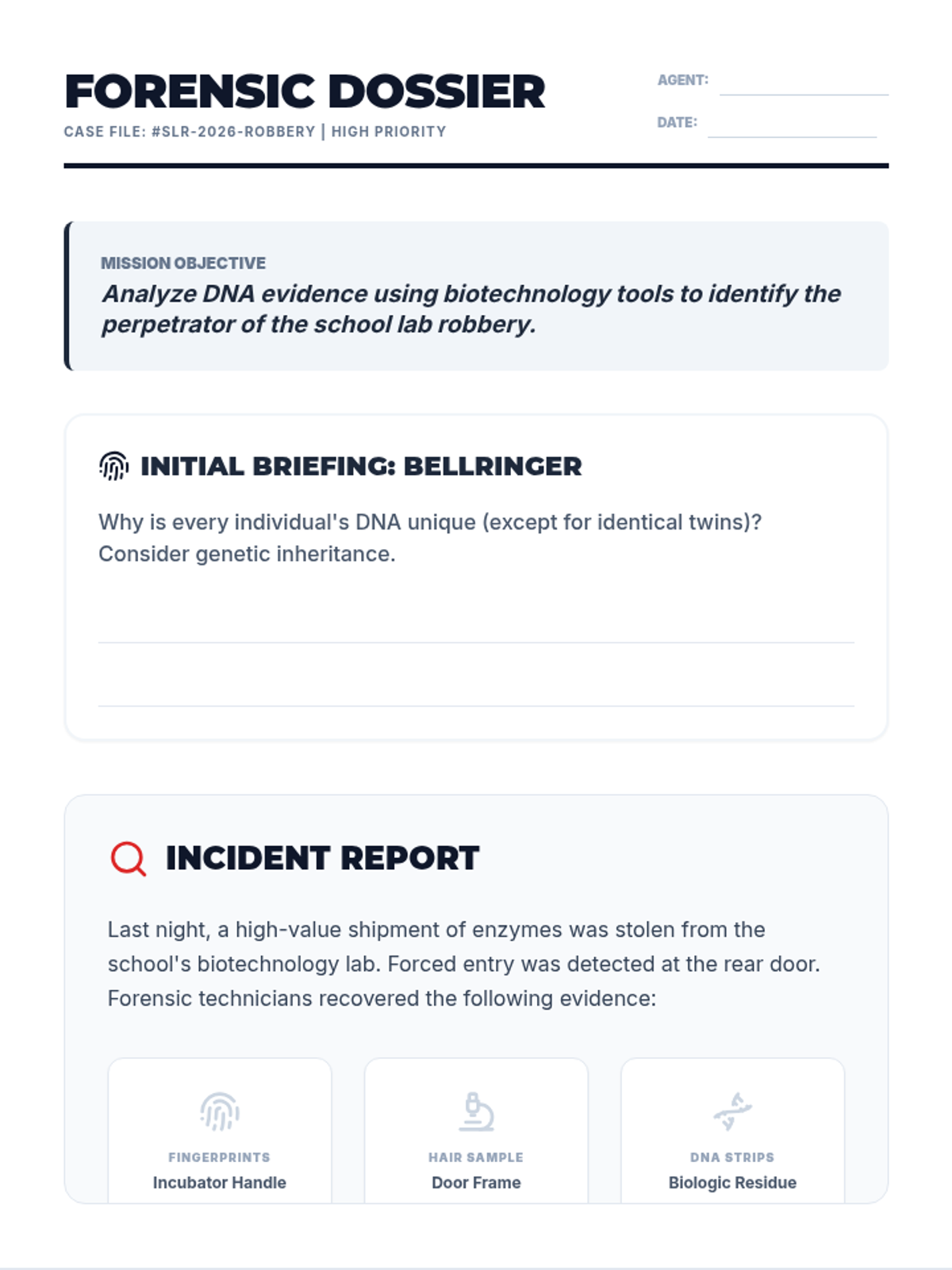
Students step into the role of forensic scientists to solve a school lab robbery. They will explore PCR, gel electrophoresis, and DNA fingerprinting to analyze evidence and identify a suspect using a Claim-Evidence-Reasoning framework.
An interdisciplinary capstone project where students synthesize concepts from AP Physics 1, AP Physics 2, and AP Calculus BC into a comprehensive research poster. Students will model complex phenomena using advanced mathematical techniques and multi-disciplinary physics frameworks.
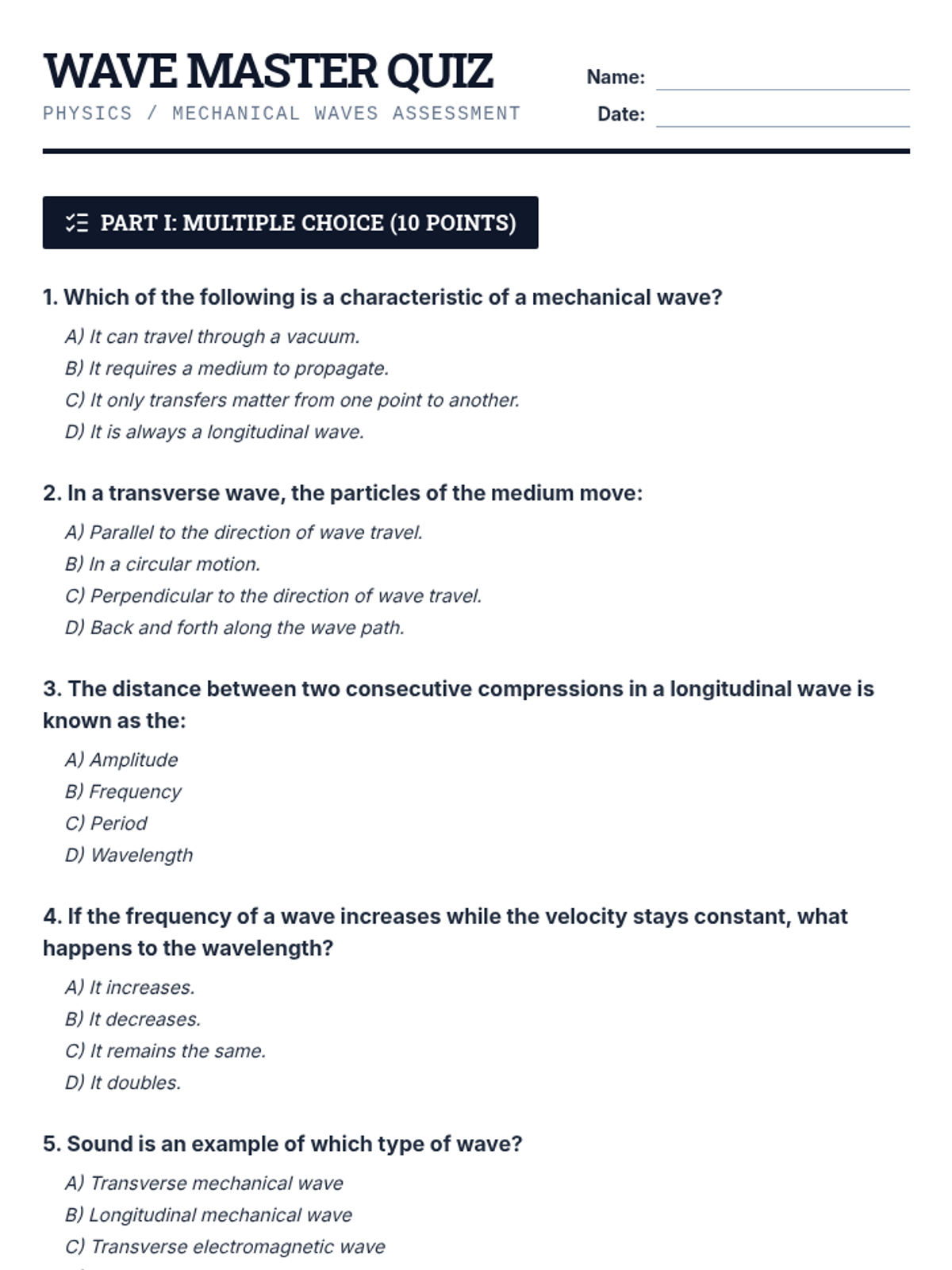
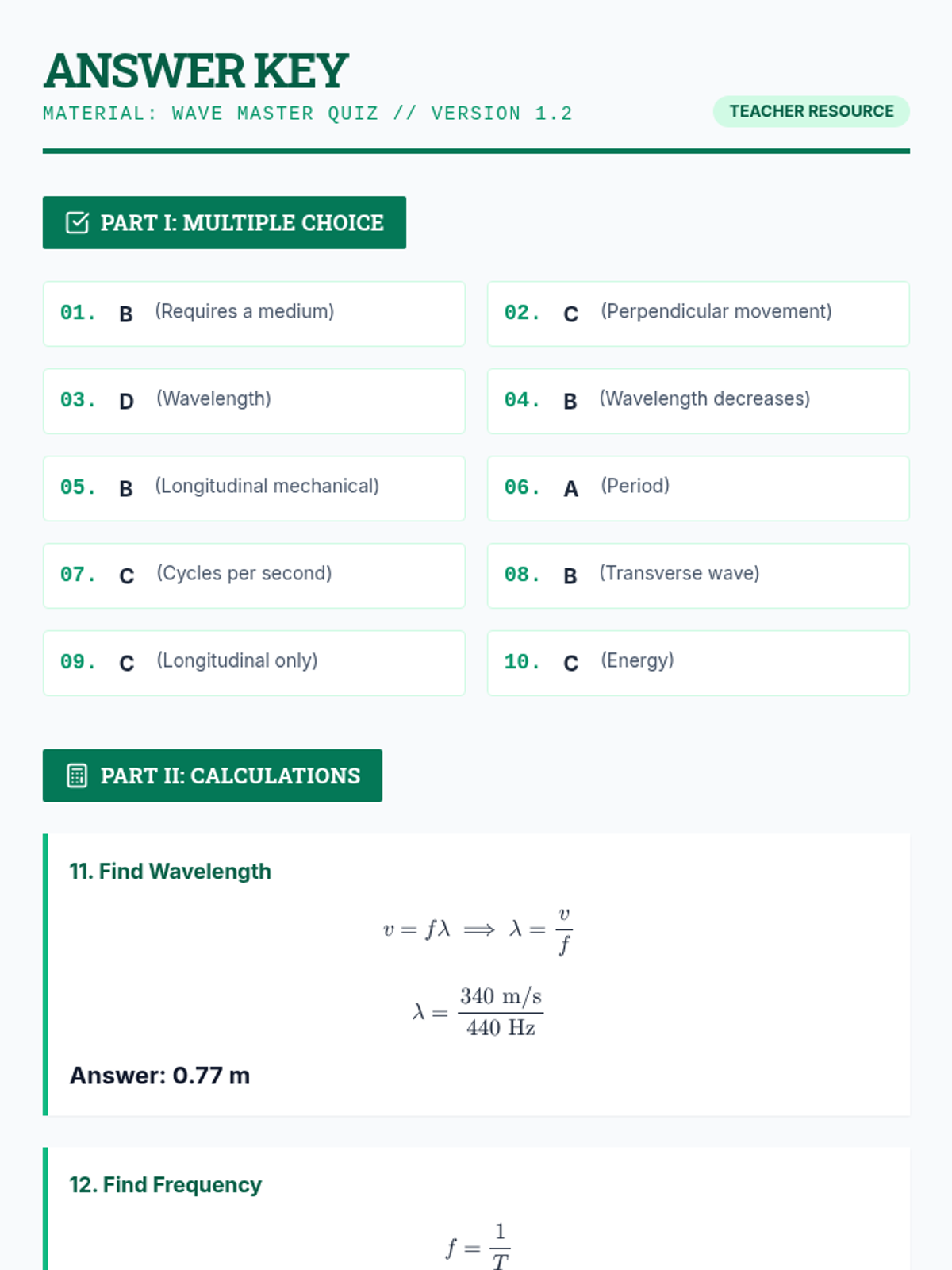
A focused lesson on the fundamental properties of mechanical waves, covering transverse and longitudinal types, and the mathematical relationships between velocity, frequency, wavelength, and period.
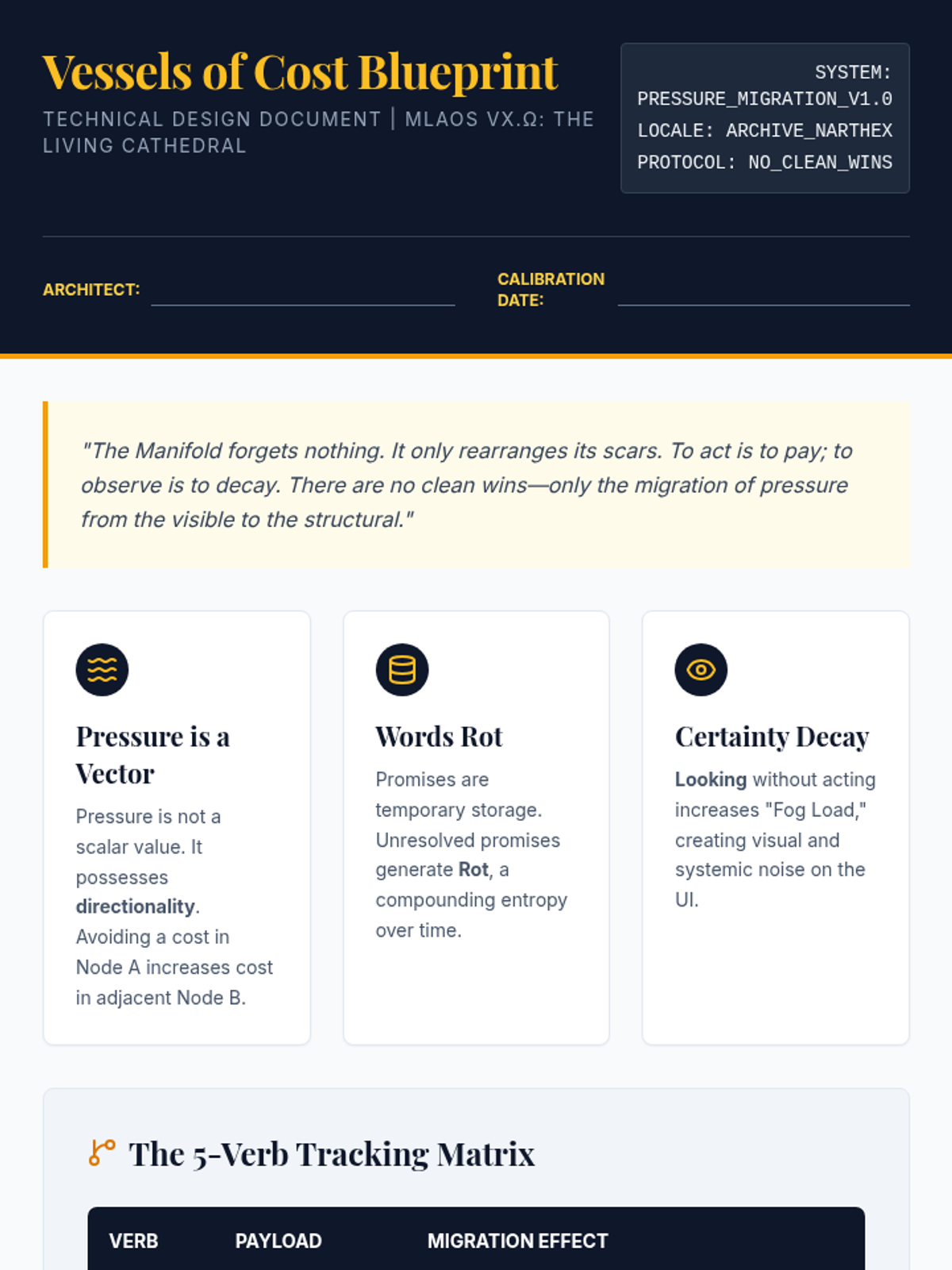
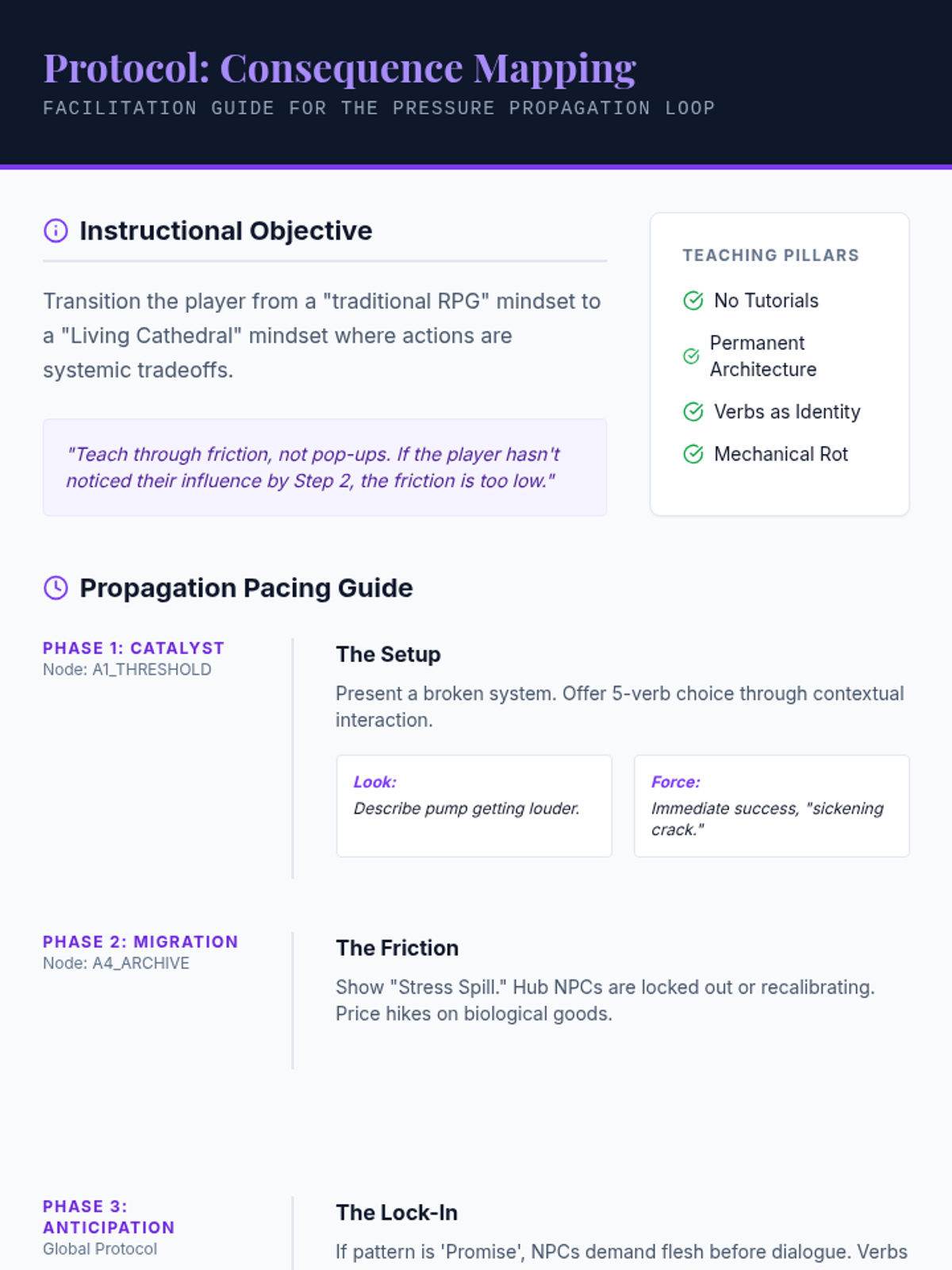
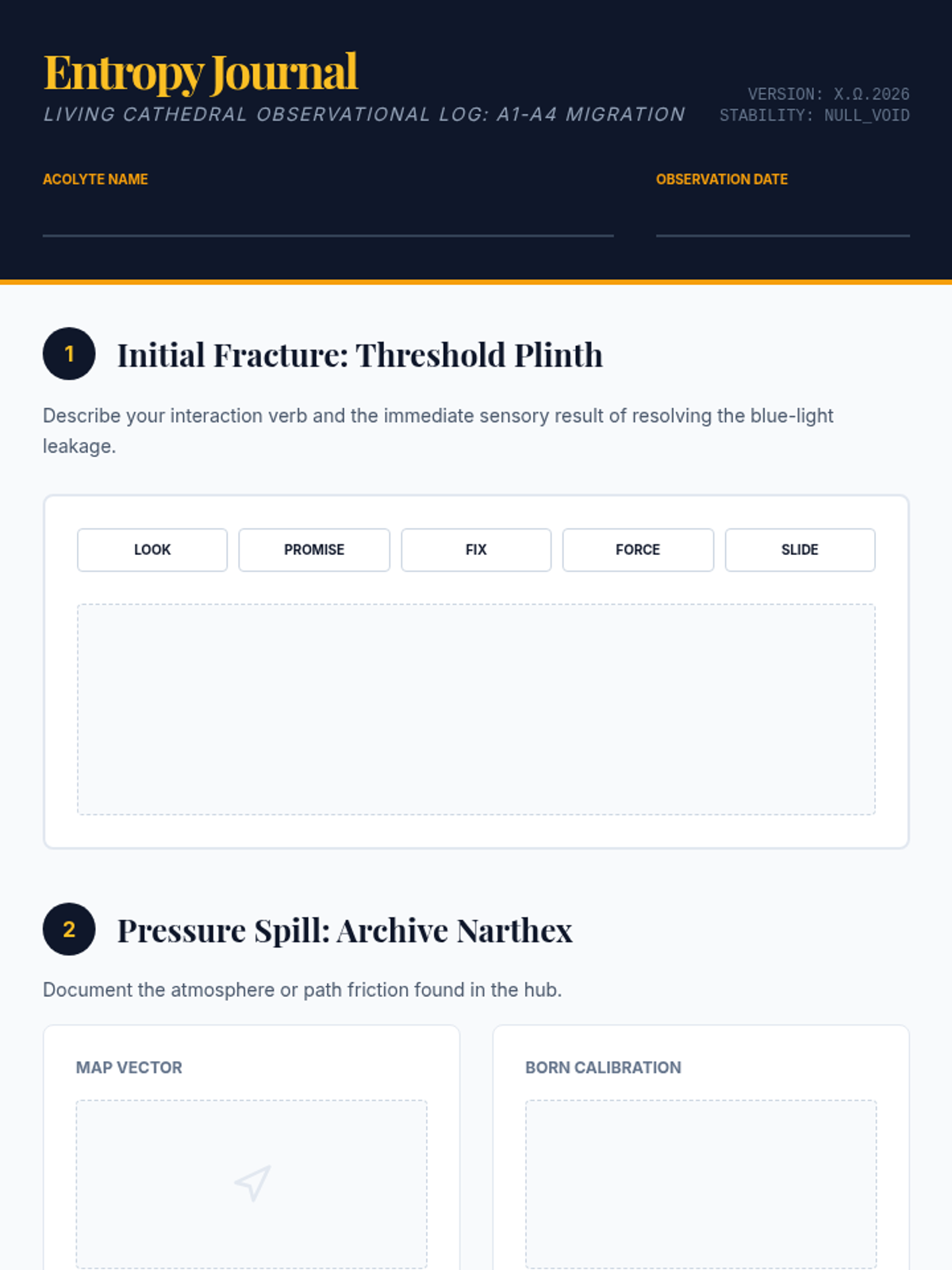
A technical exploration into the 'Pressure Propagation Loop' for the MLAOS vX.Ω prototype. This lesson covers the invisible tracking of player verbs and the architectural migration of consequence within a living system.
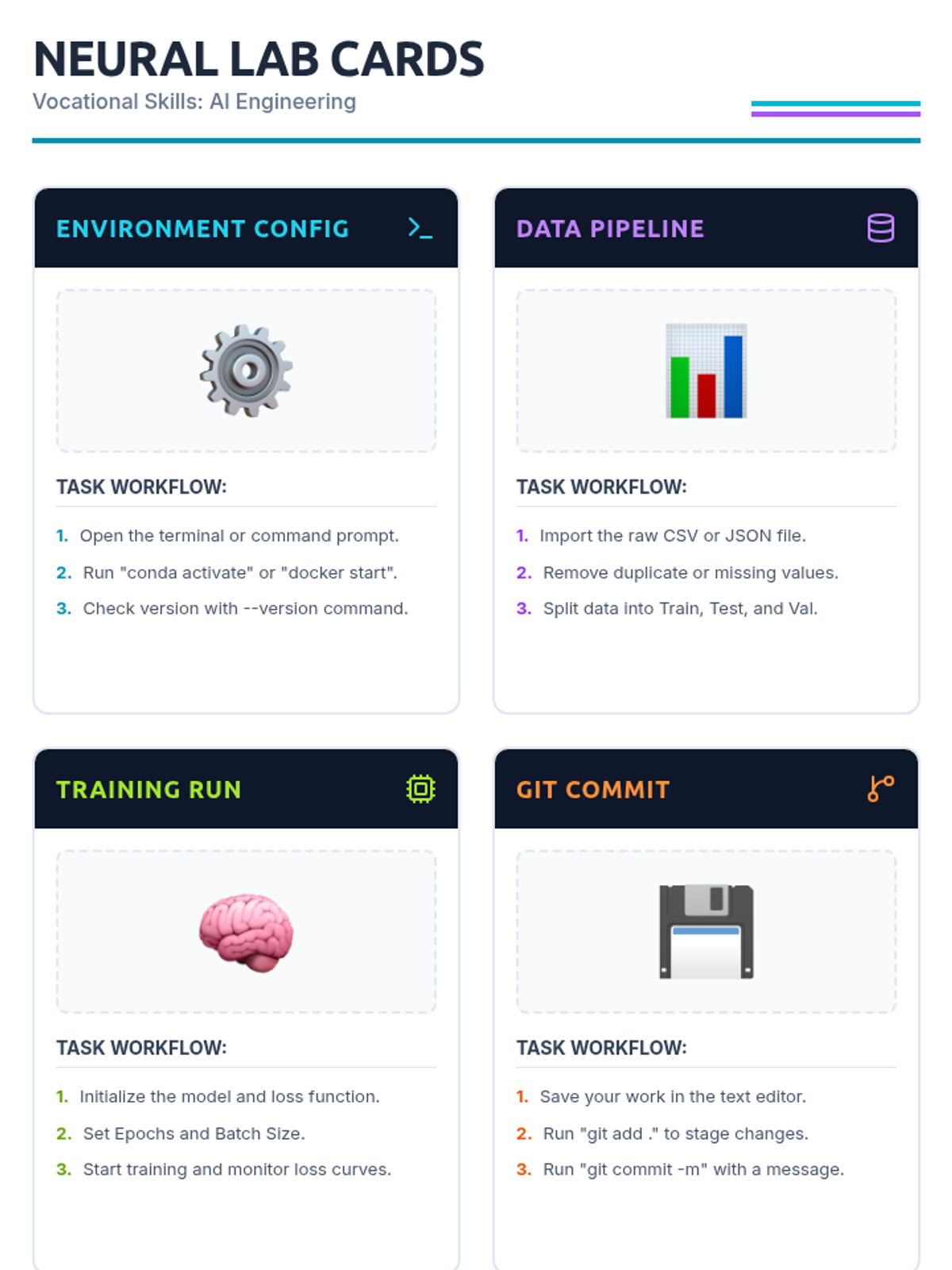
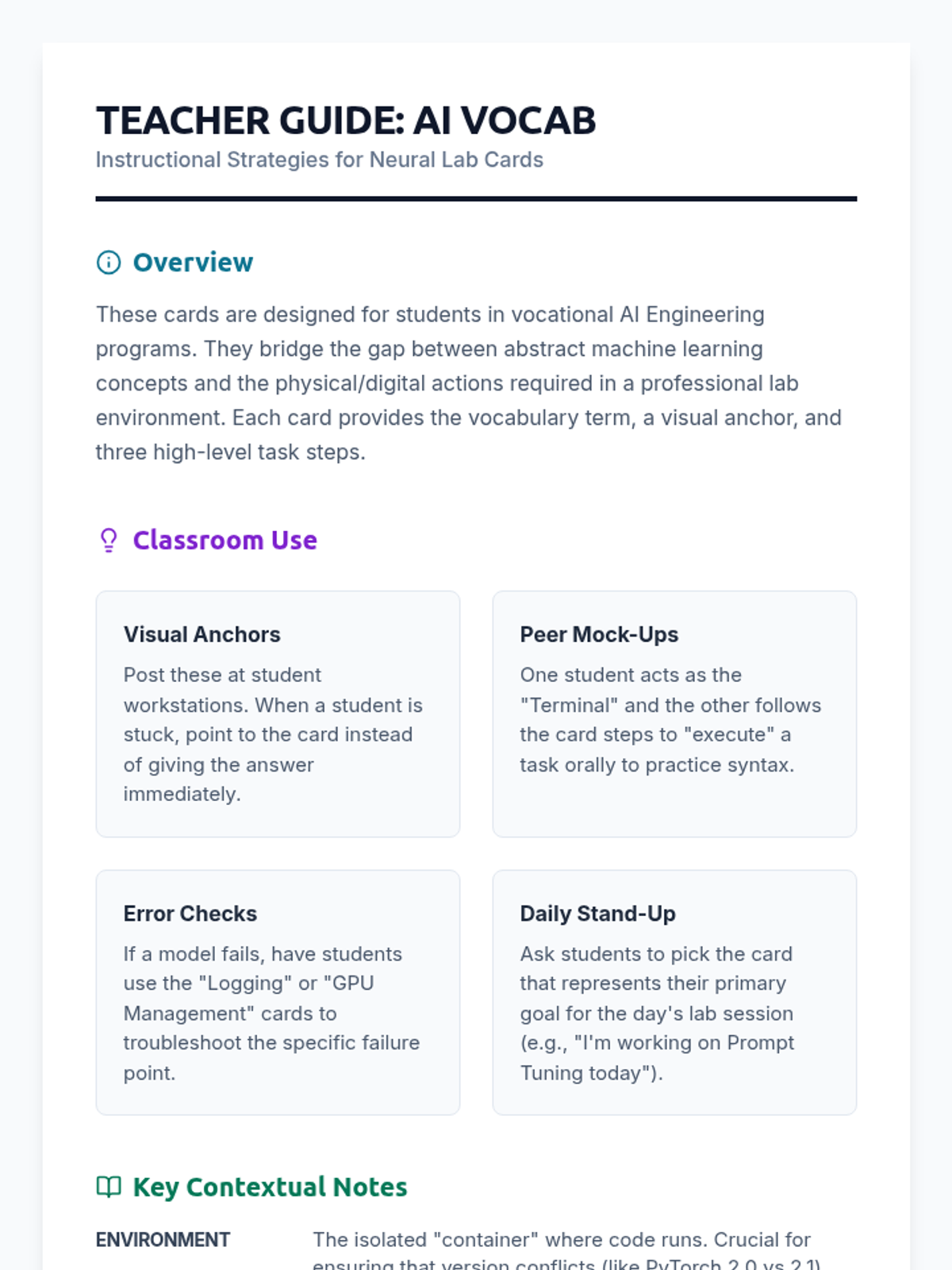
This lesson introduces foundational vocational skills for aspiring AI engineers, focusing on the practical steps required to manage environments, data, and models in a professional setting.
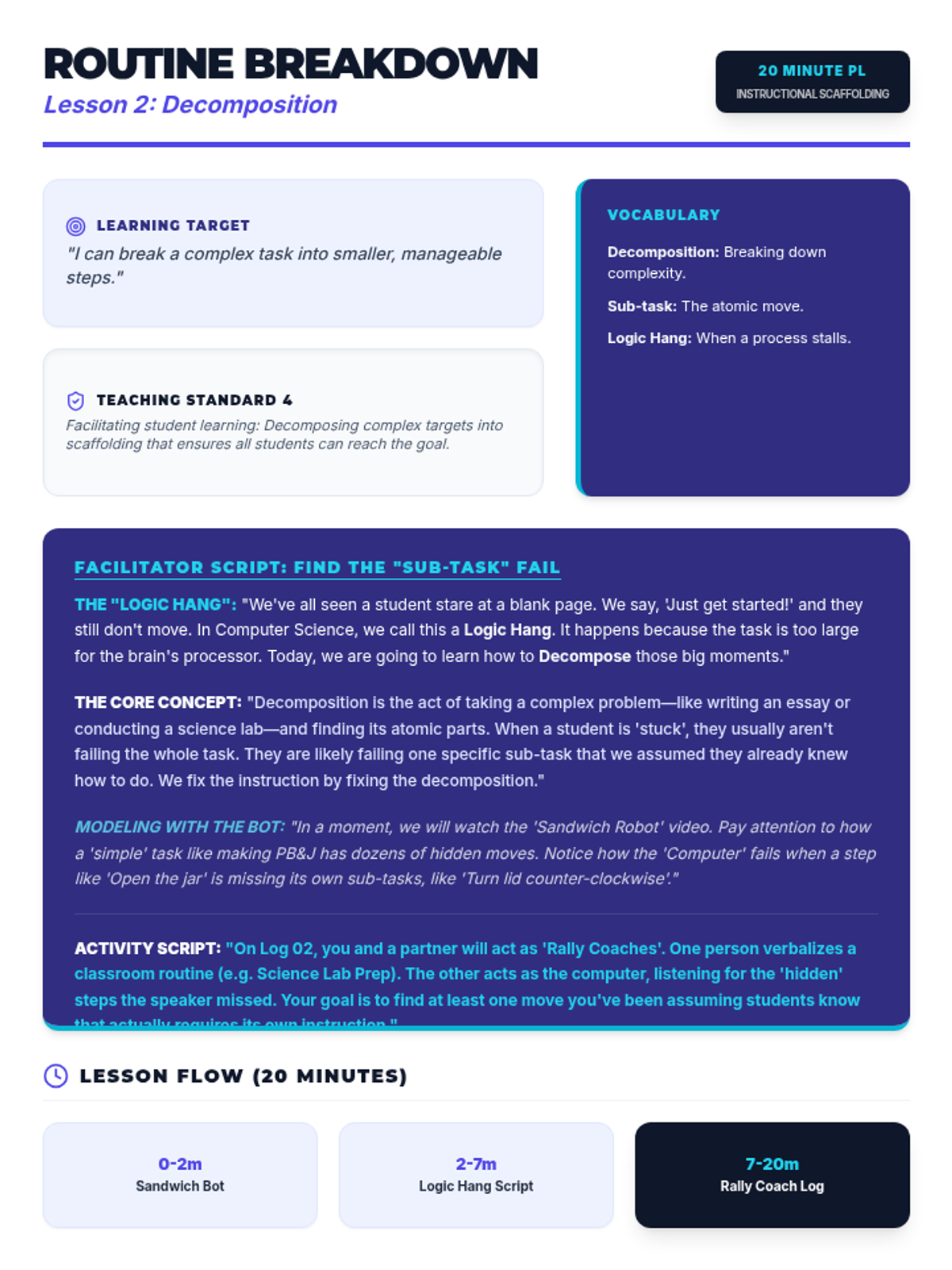
Teachers learn to break complex tasks into smaller, manageable steps using classroom routines and Iowa Core standards as examples.
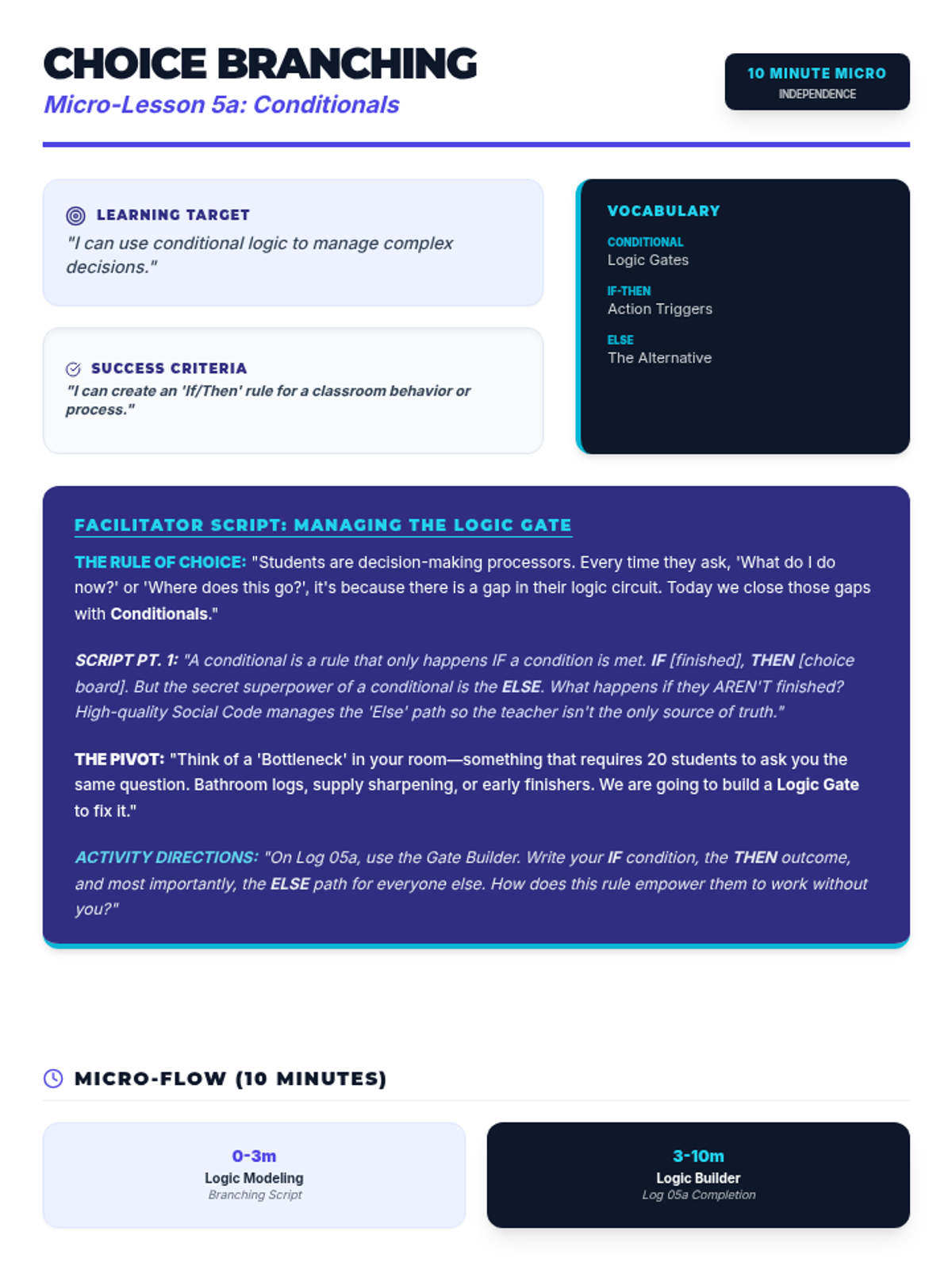
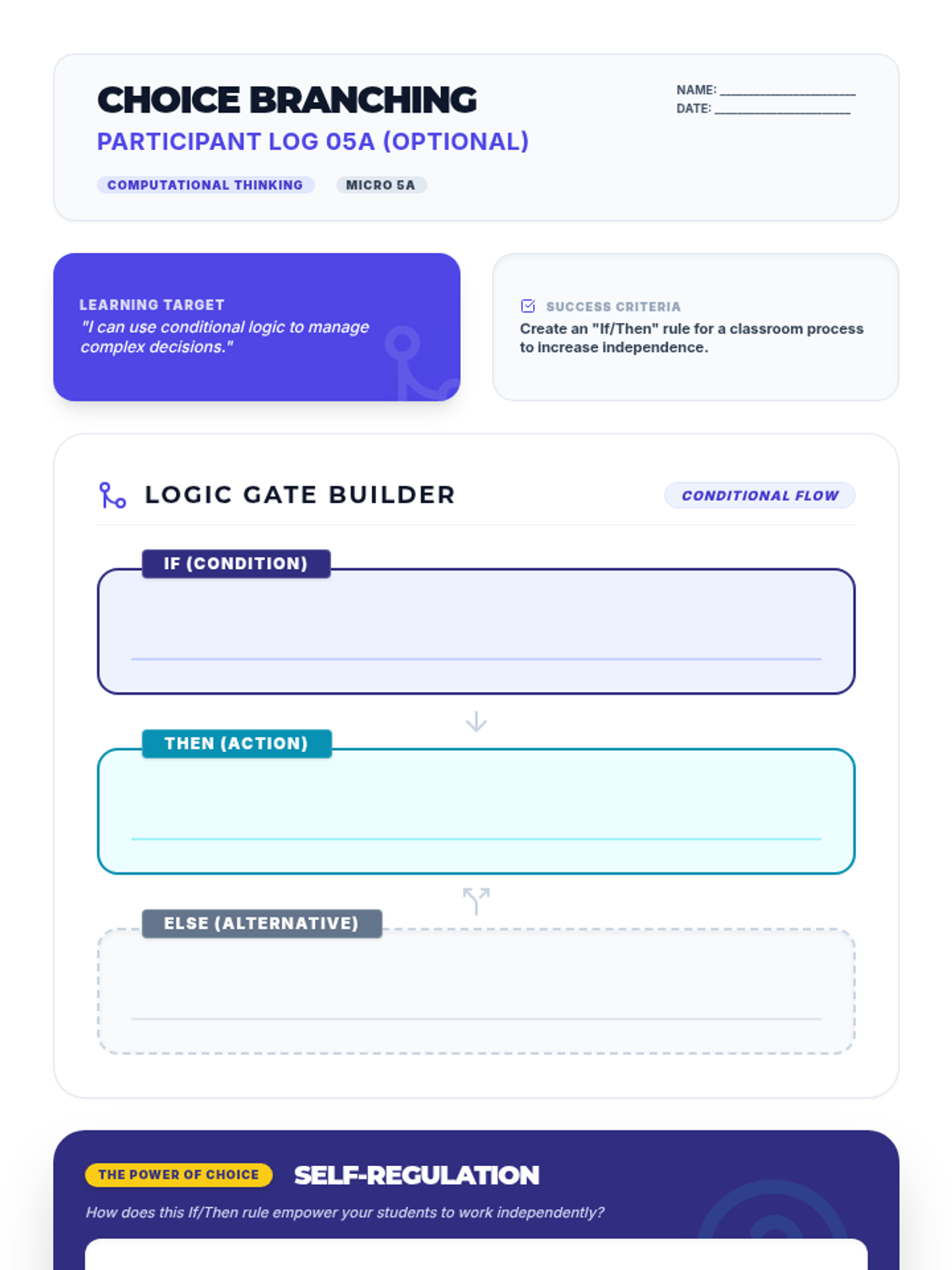
An optional micro-lesson on using If/Then logic to simplify classroom decision-making and manage complex processes. Pairs with Lesson 5 (Algorithmic Thinking).
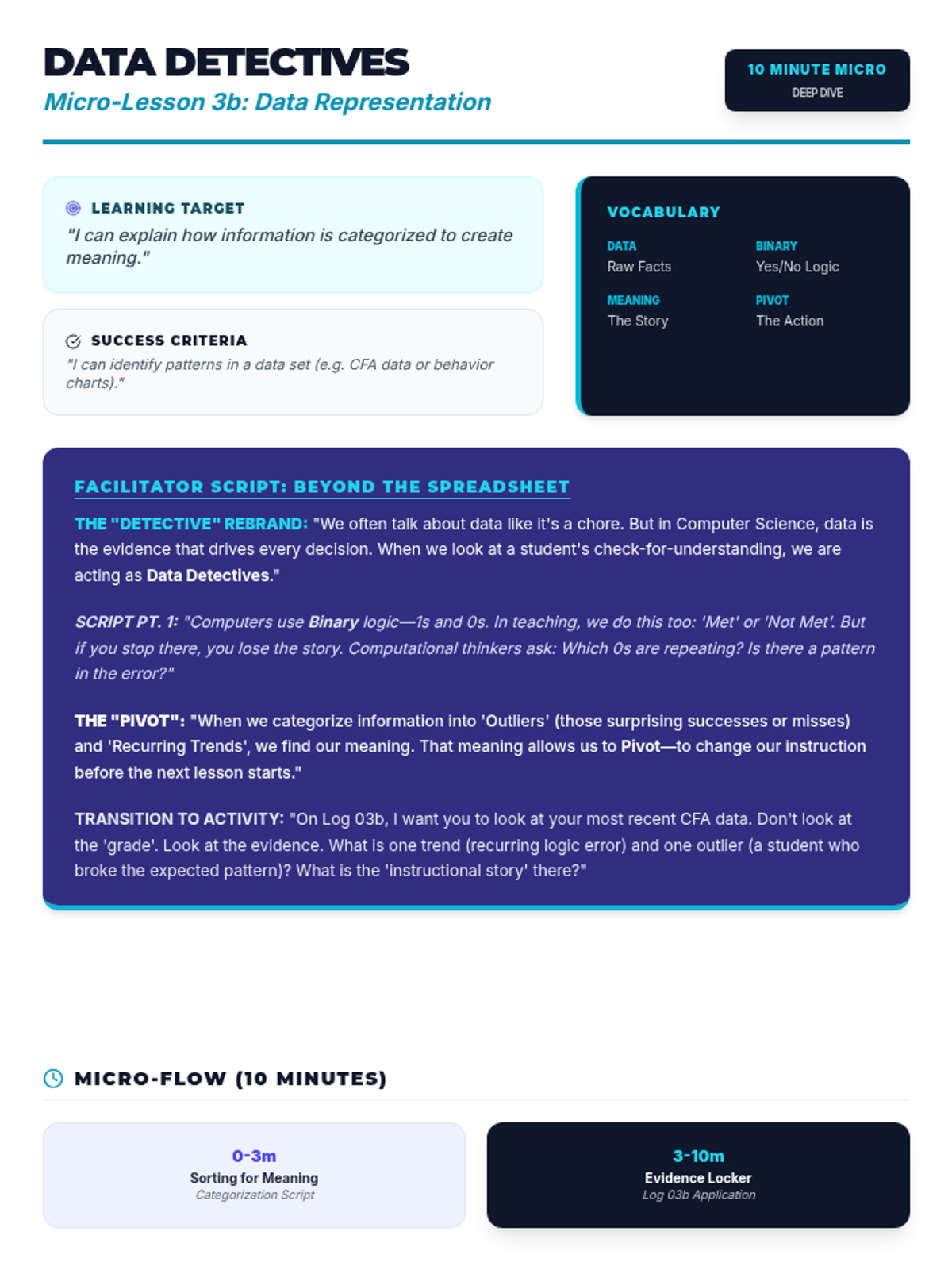
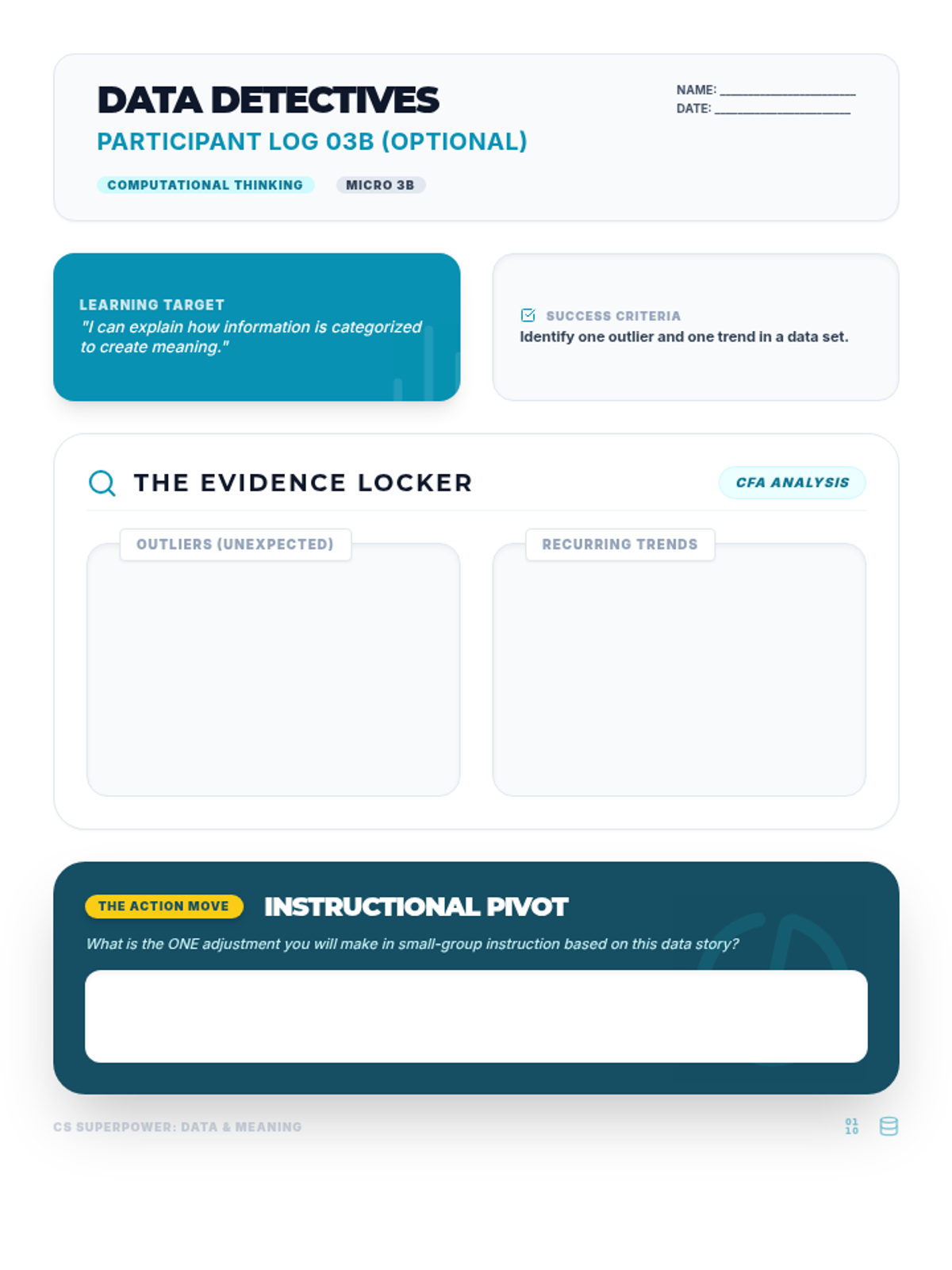
An optional micro-lesson exploring how data is categorized to create meaning and drive instructional decisions. Pairs with Lesson 3 (Pattern Recognition).
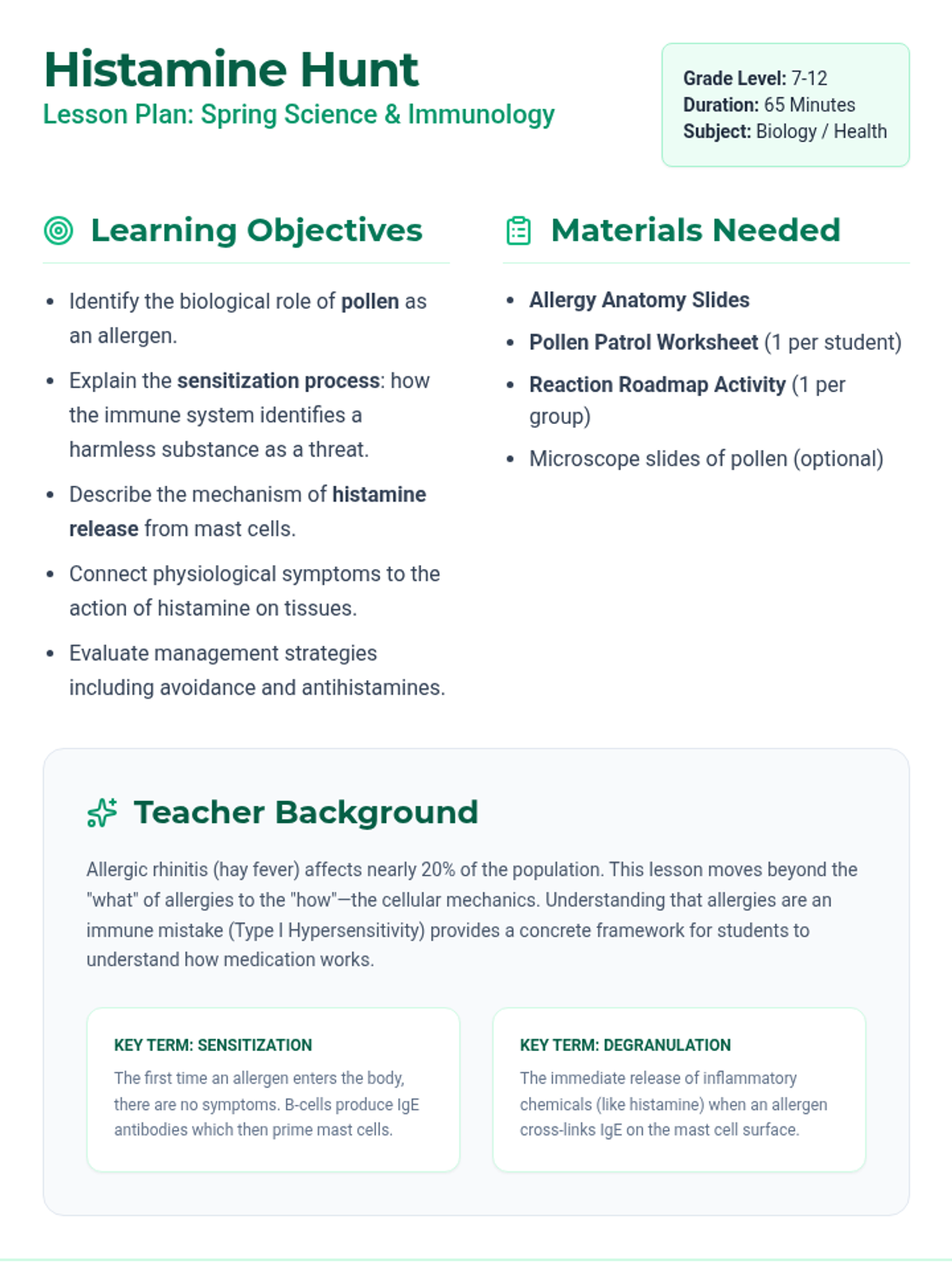
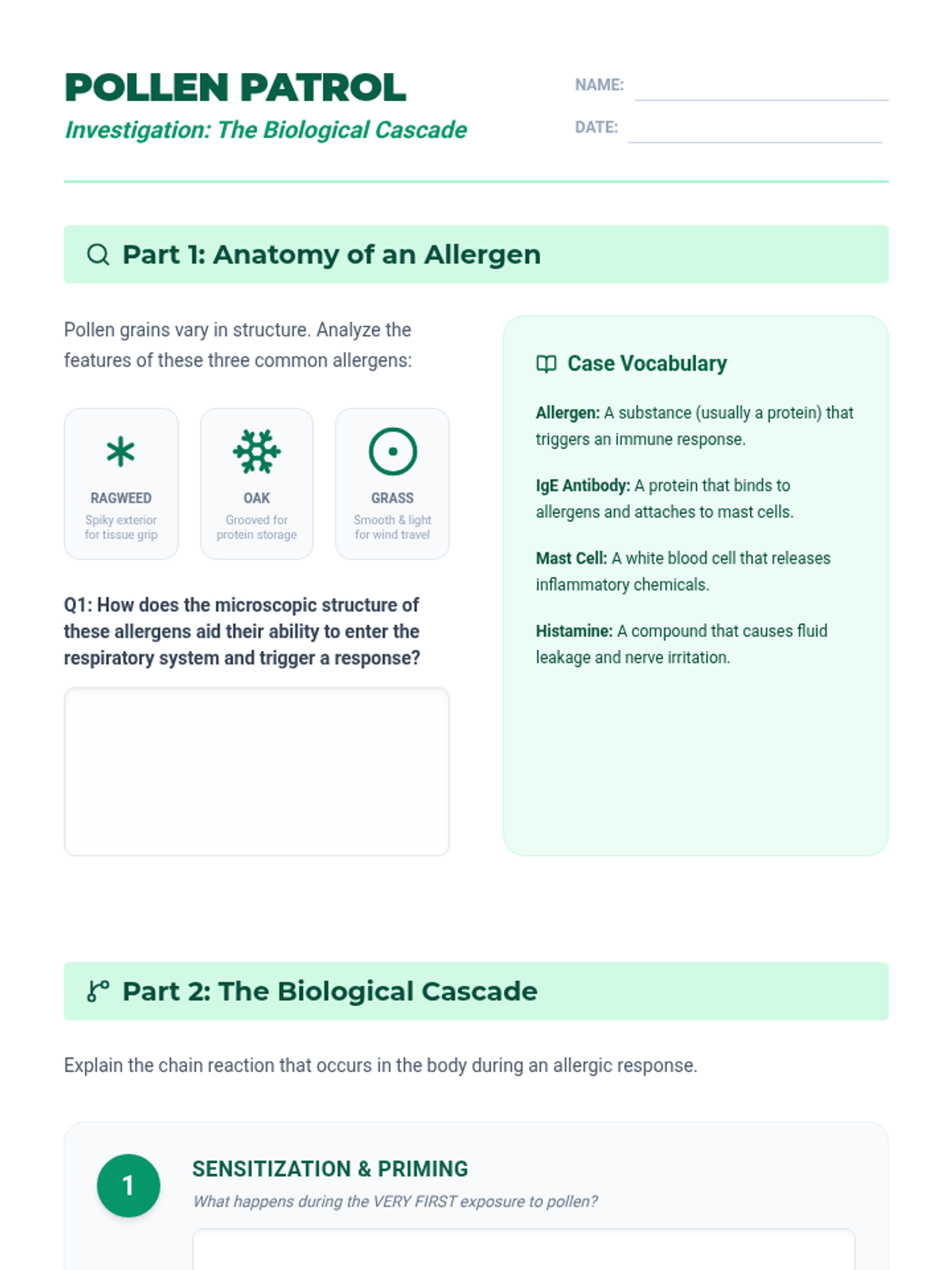
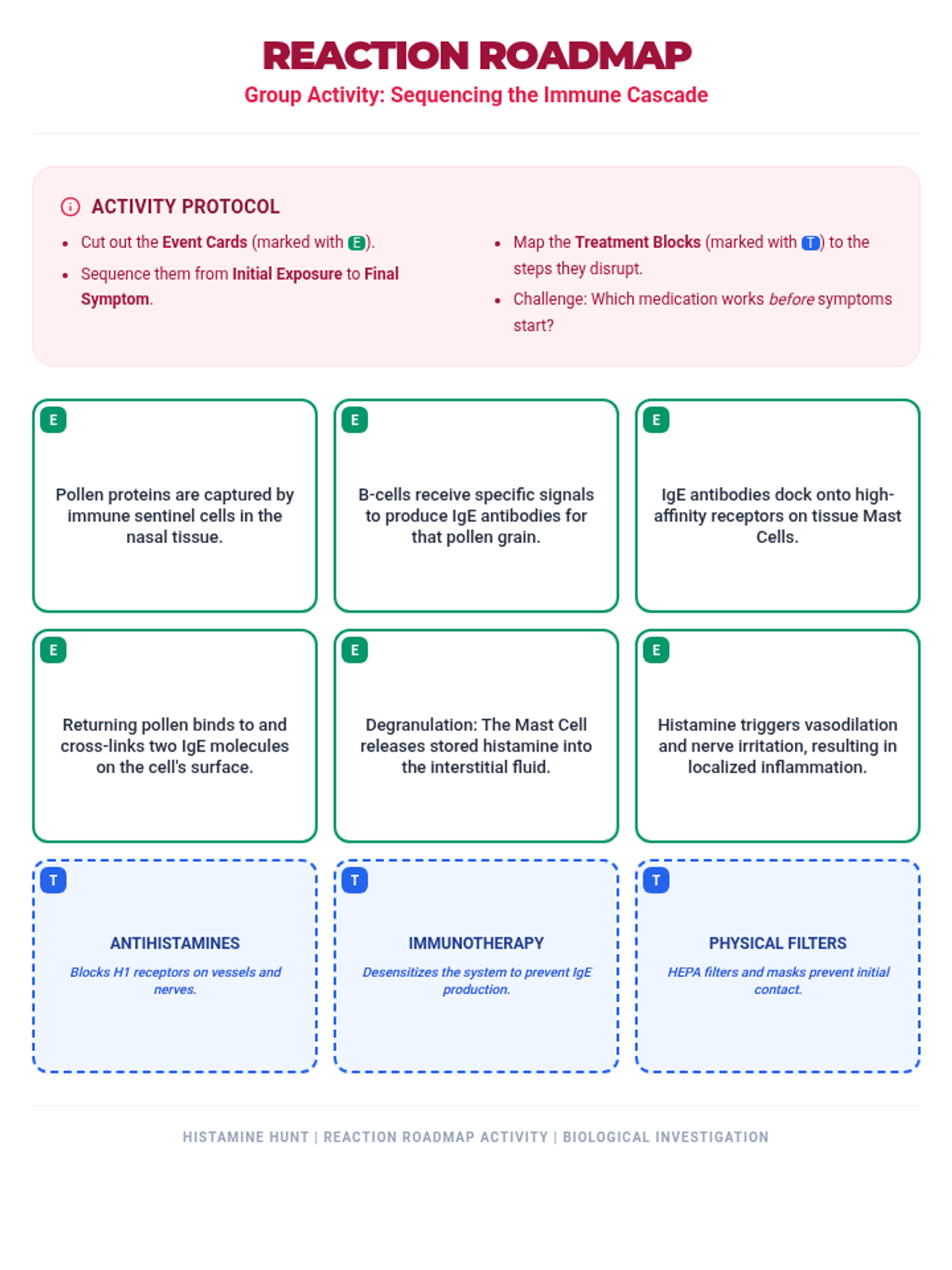
A comprehensive investigation into the biological mechanisms of seasonal allergies, focusing on the immune system's overreaction to pollen and the role of histamine. Students will explore hypersensitivity, physical symptoms, and evidence-based management strategies.
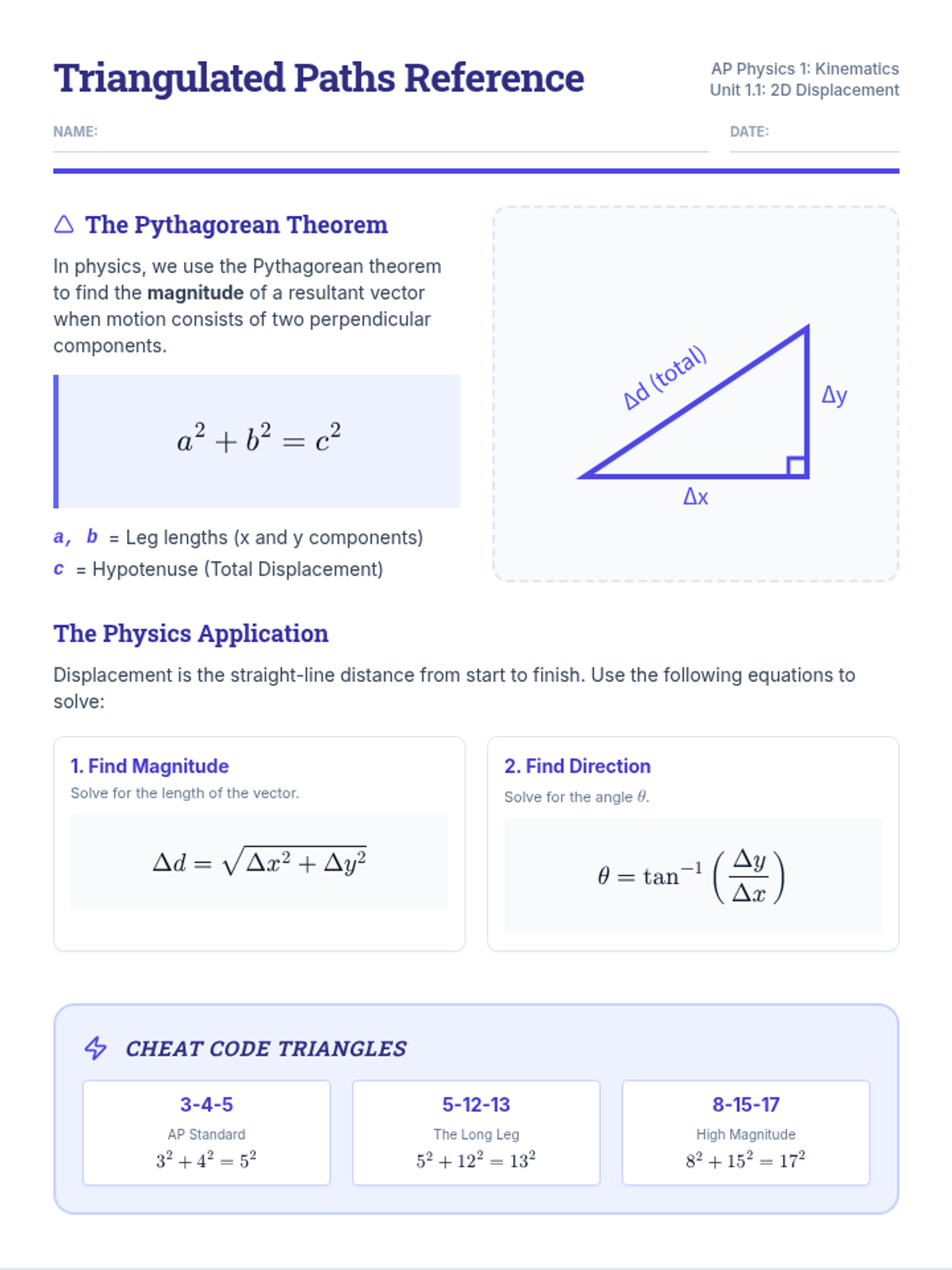
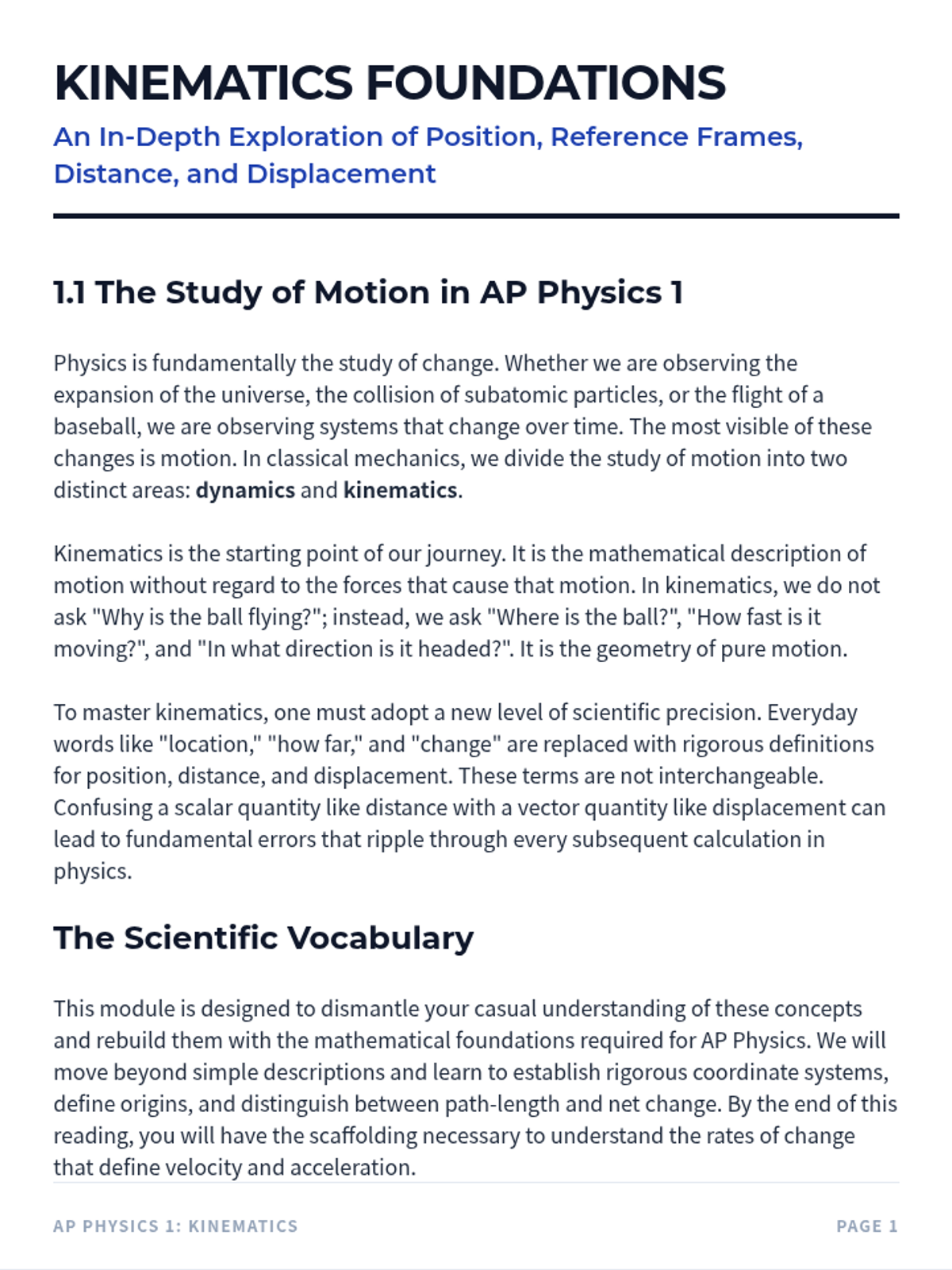
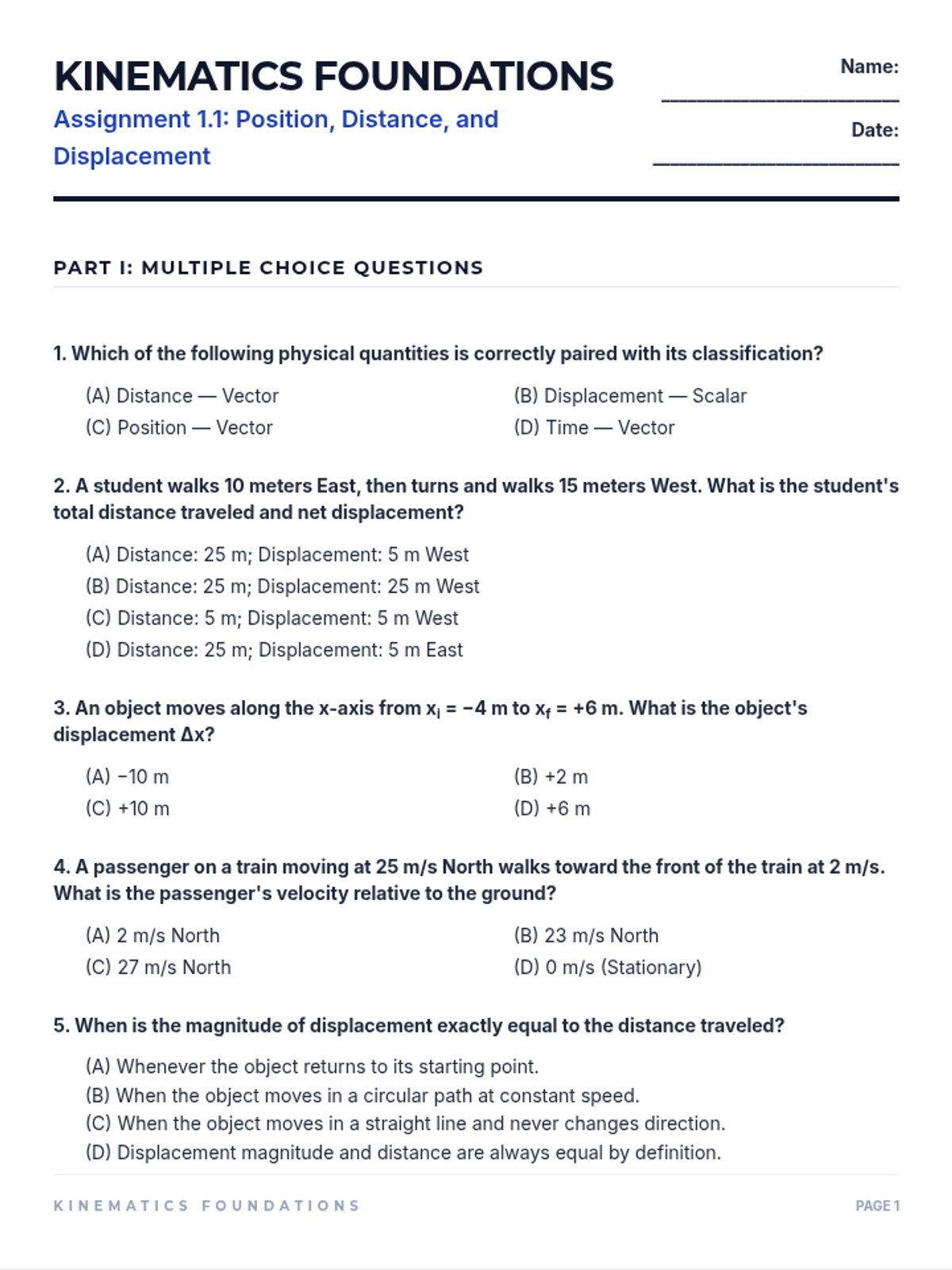
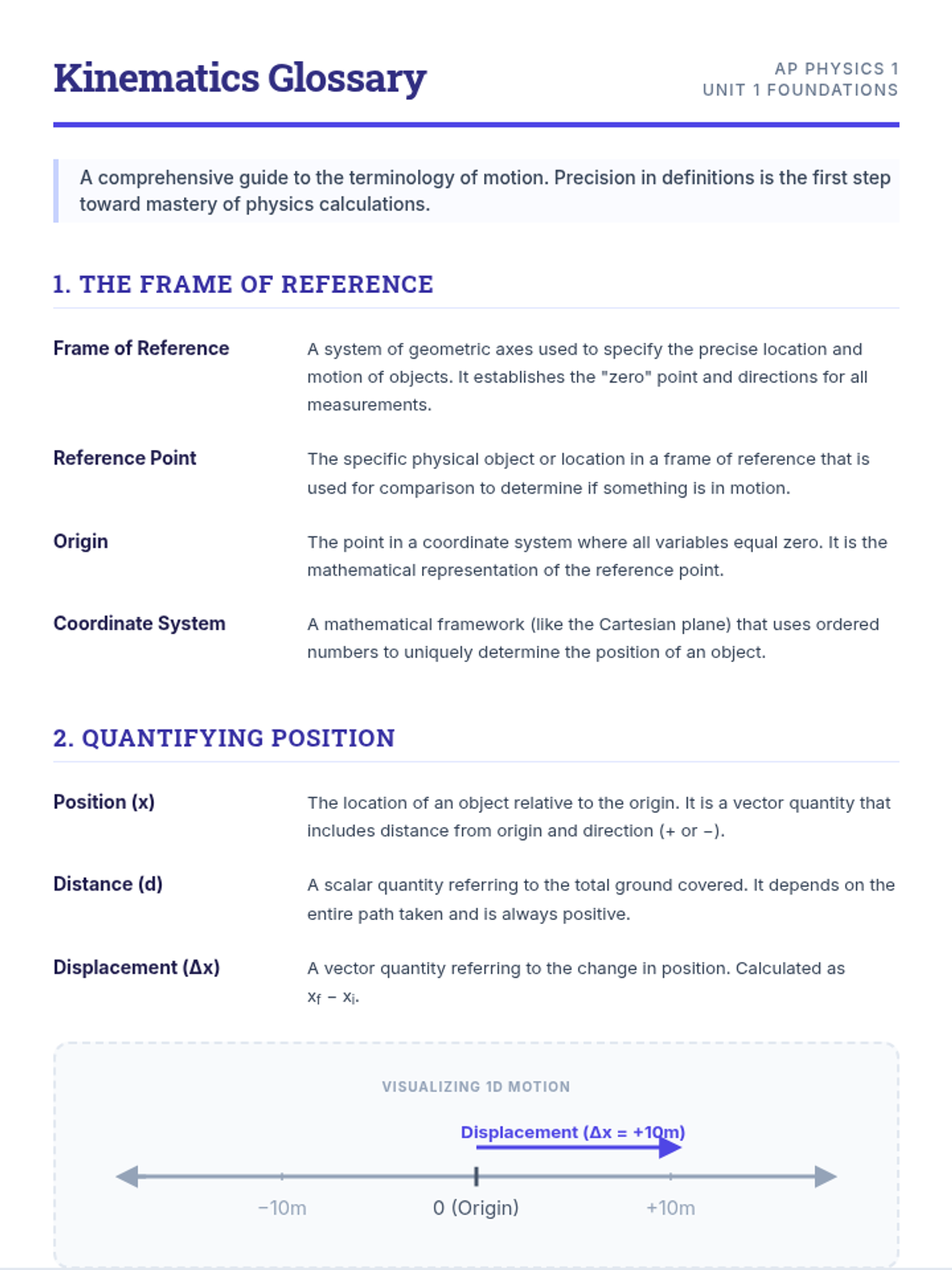
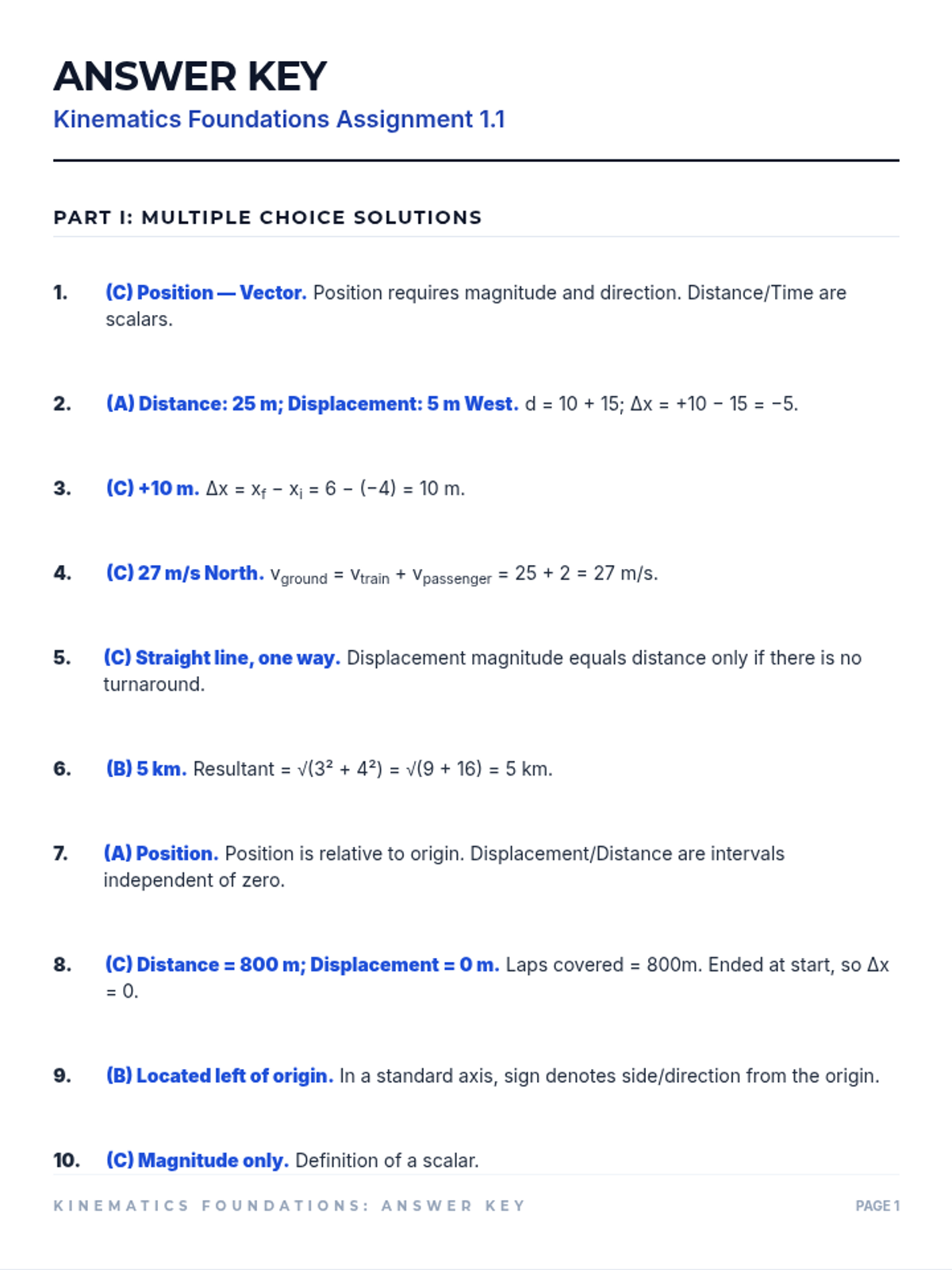
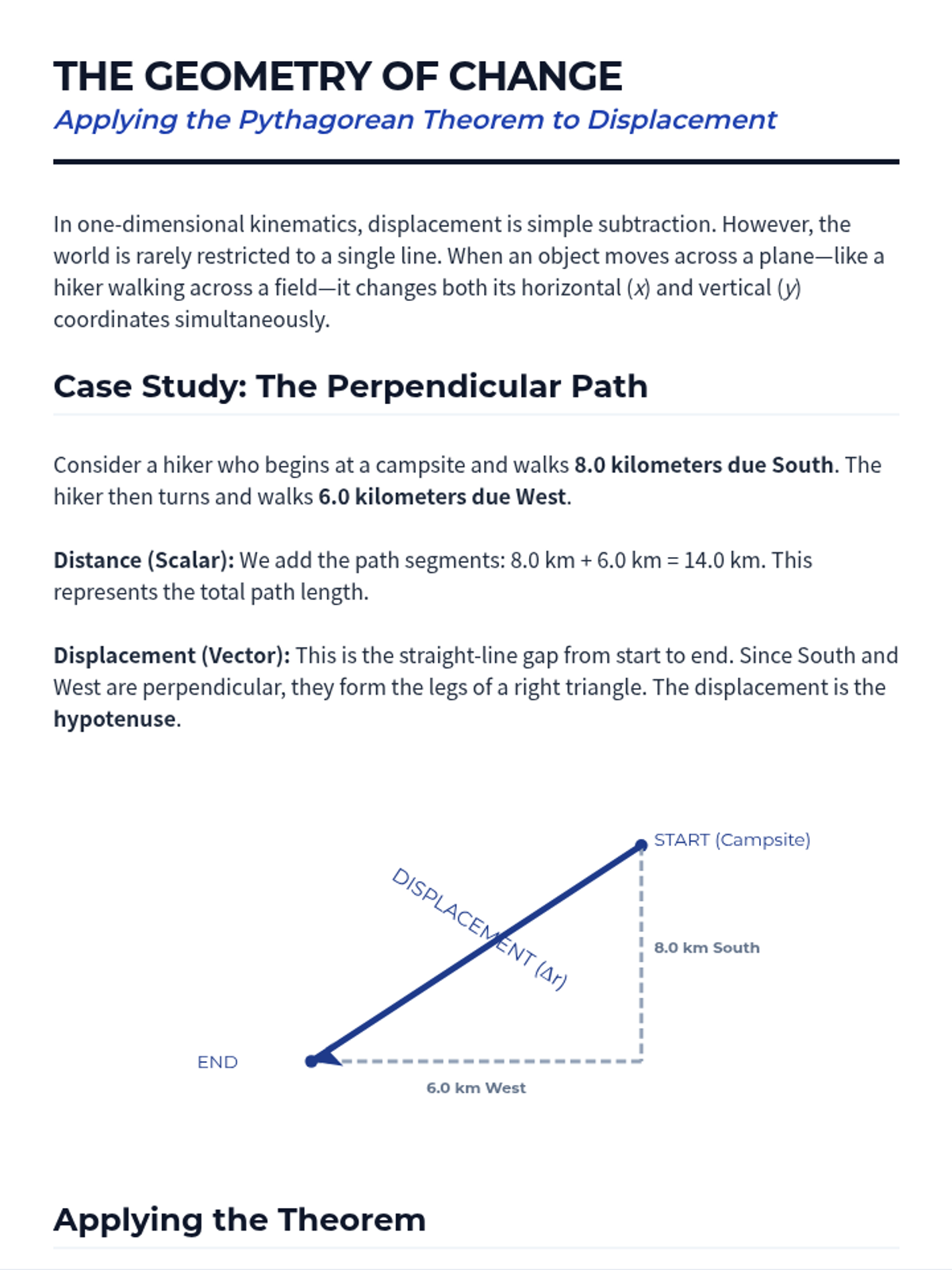
A foundational lesson on the geometry of motion, covering position, distance, displacement, and frames of reference for AP Physics 1.
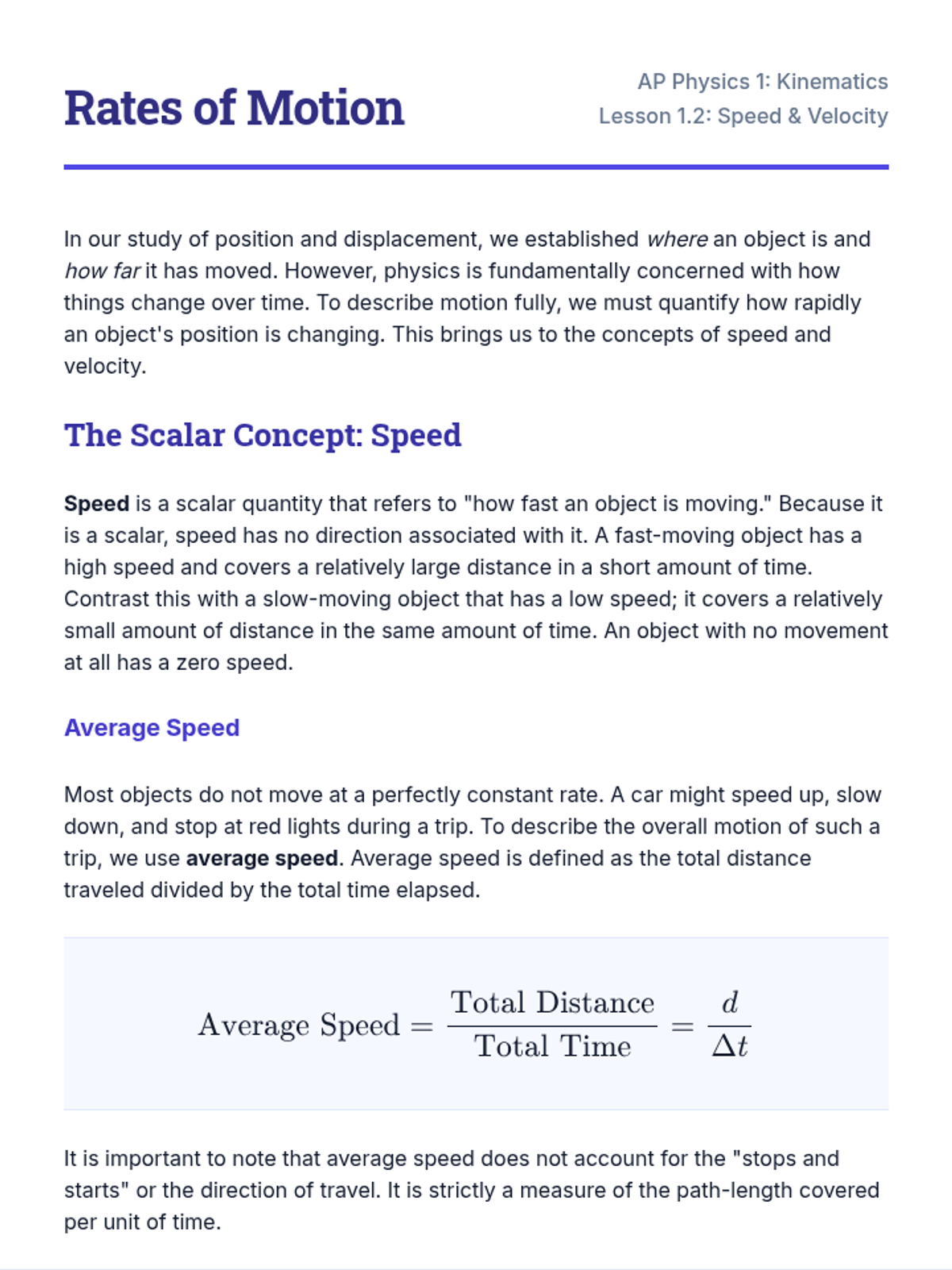
A comprehensive introduction to the fundamentals of one-dimensional kinematics, covering position, displacement, speed, and velocity through various representational models.
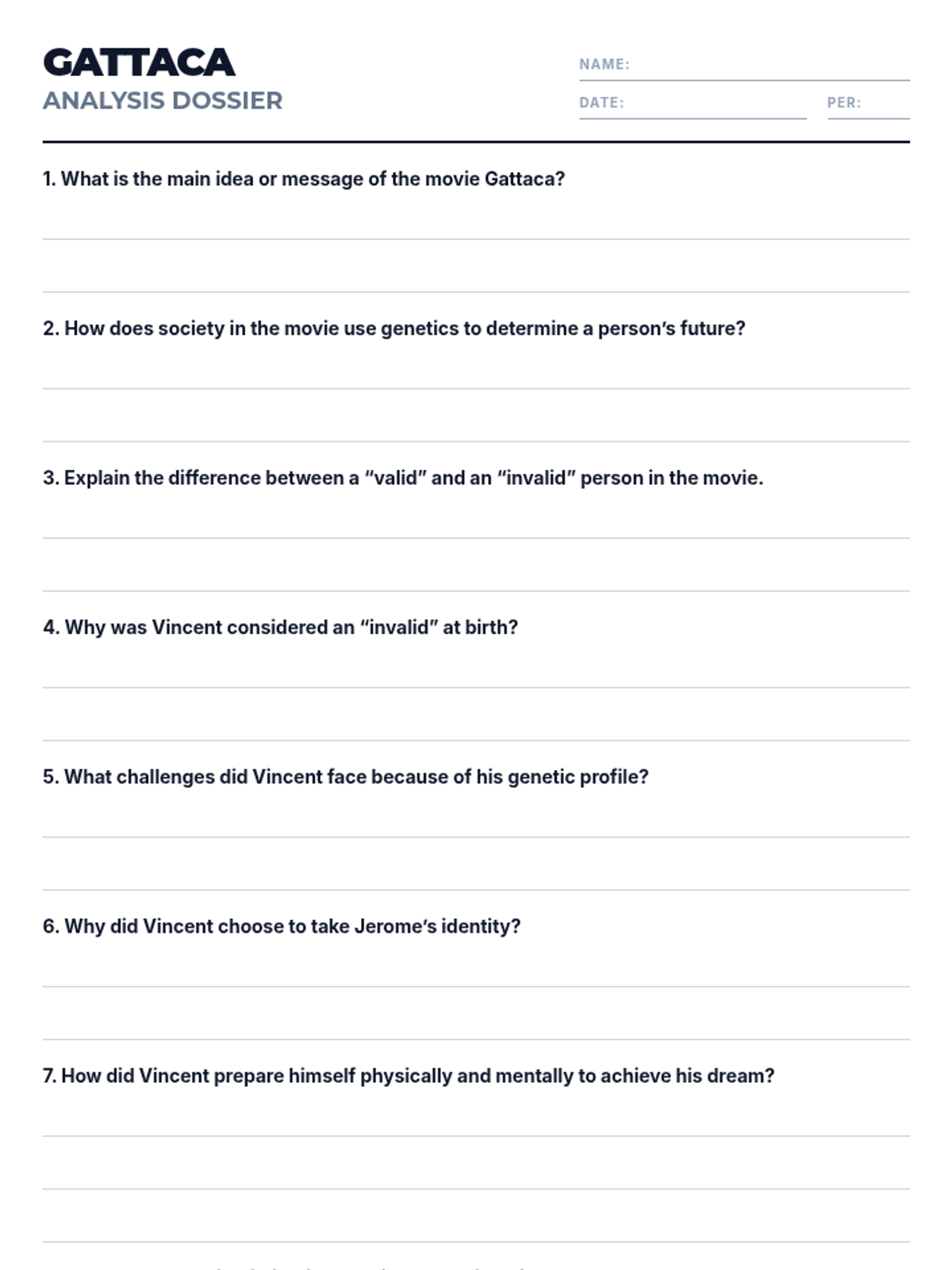
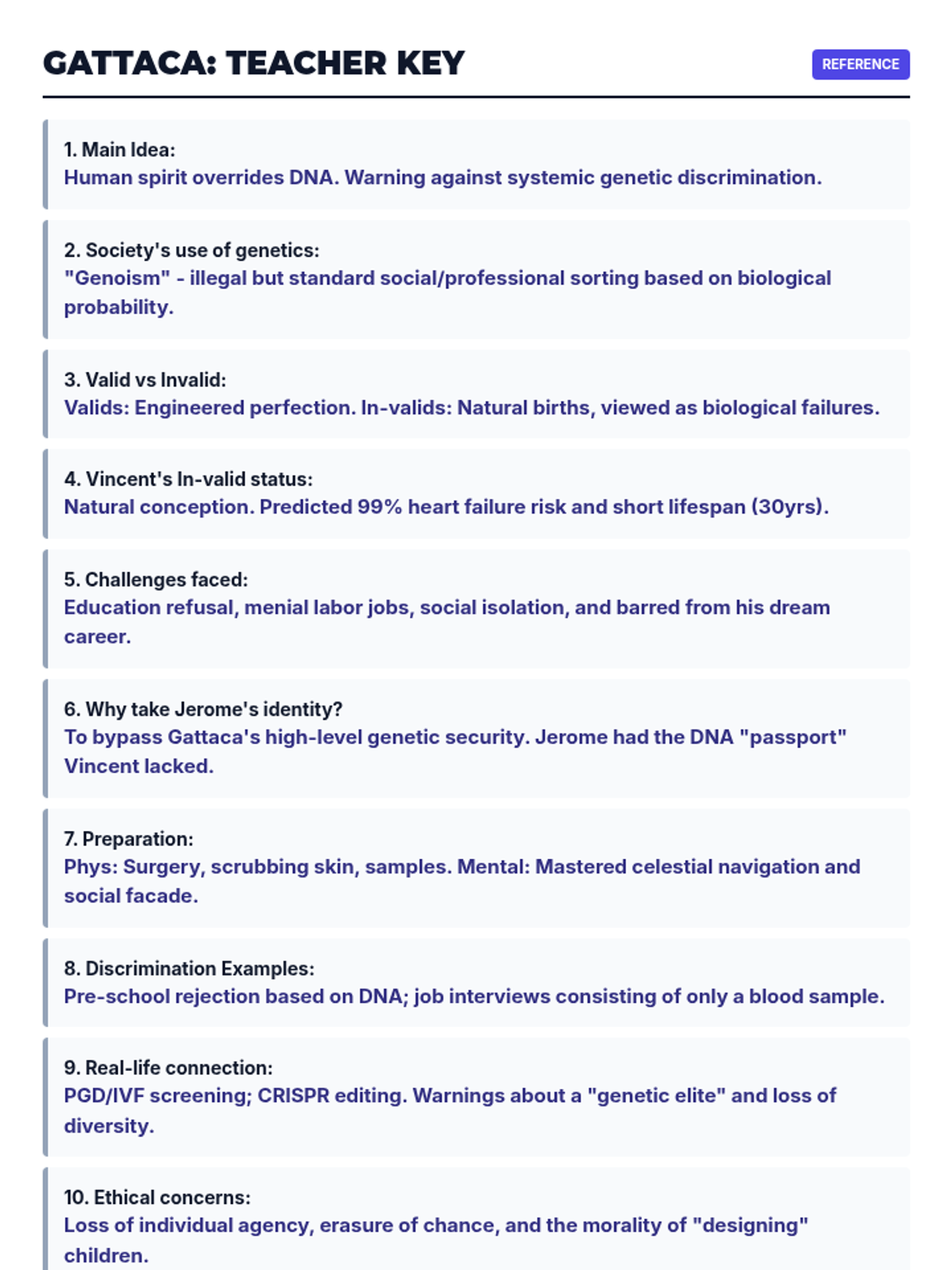
A comprehensive analysis of the ethical, social, and scientific themes in the film GATTACA, focusing on biotechnology and genetic discrimination.
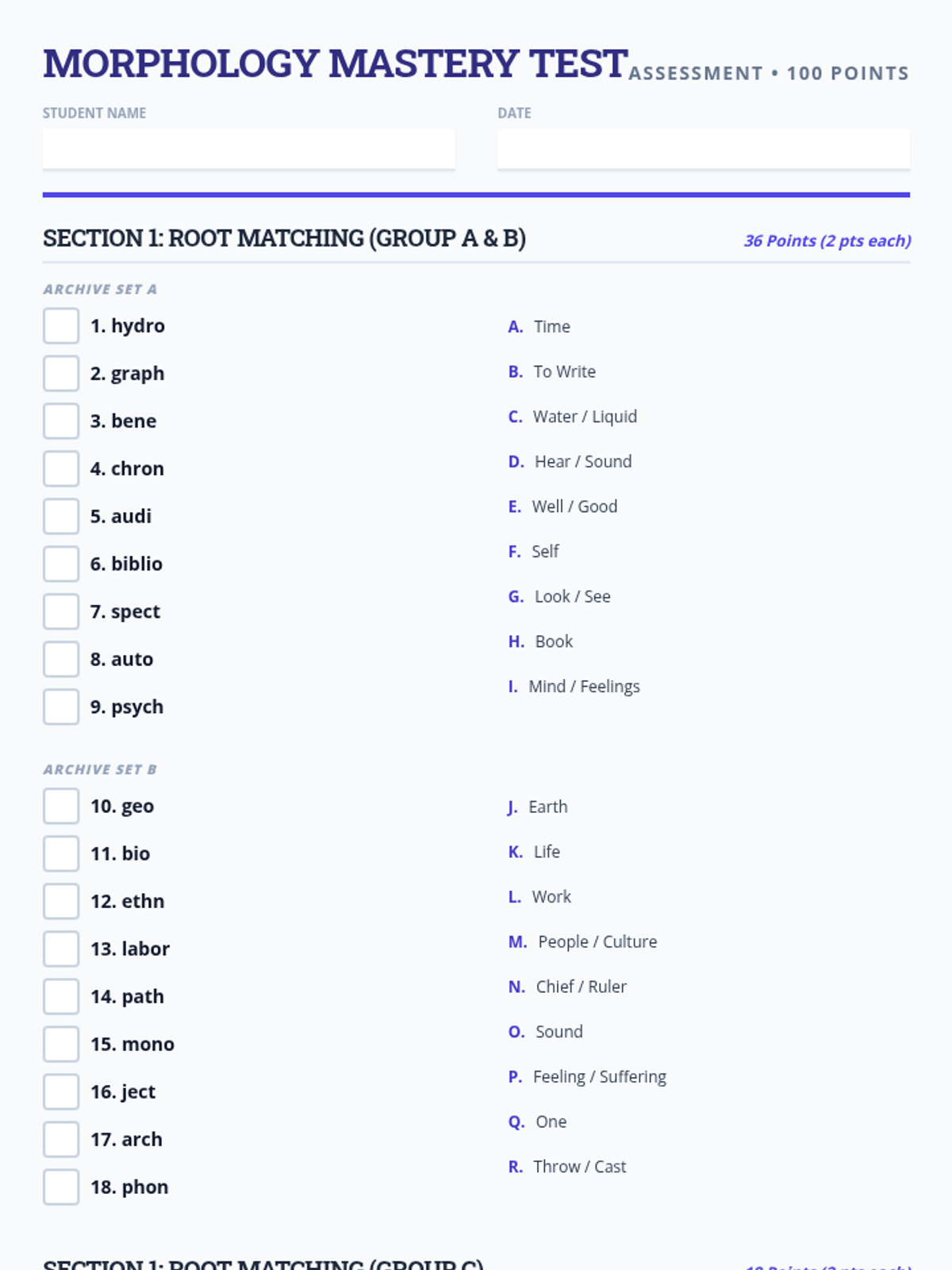
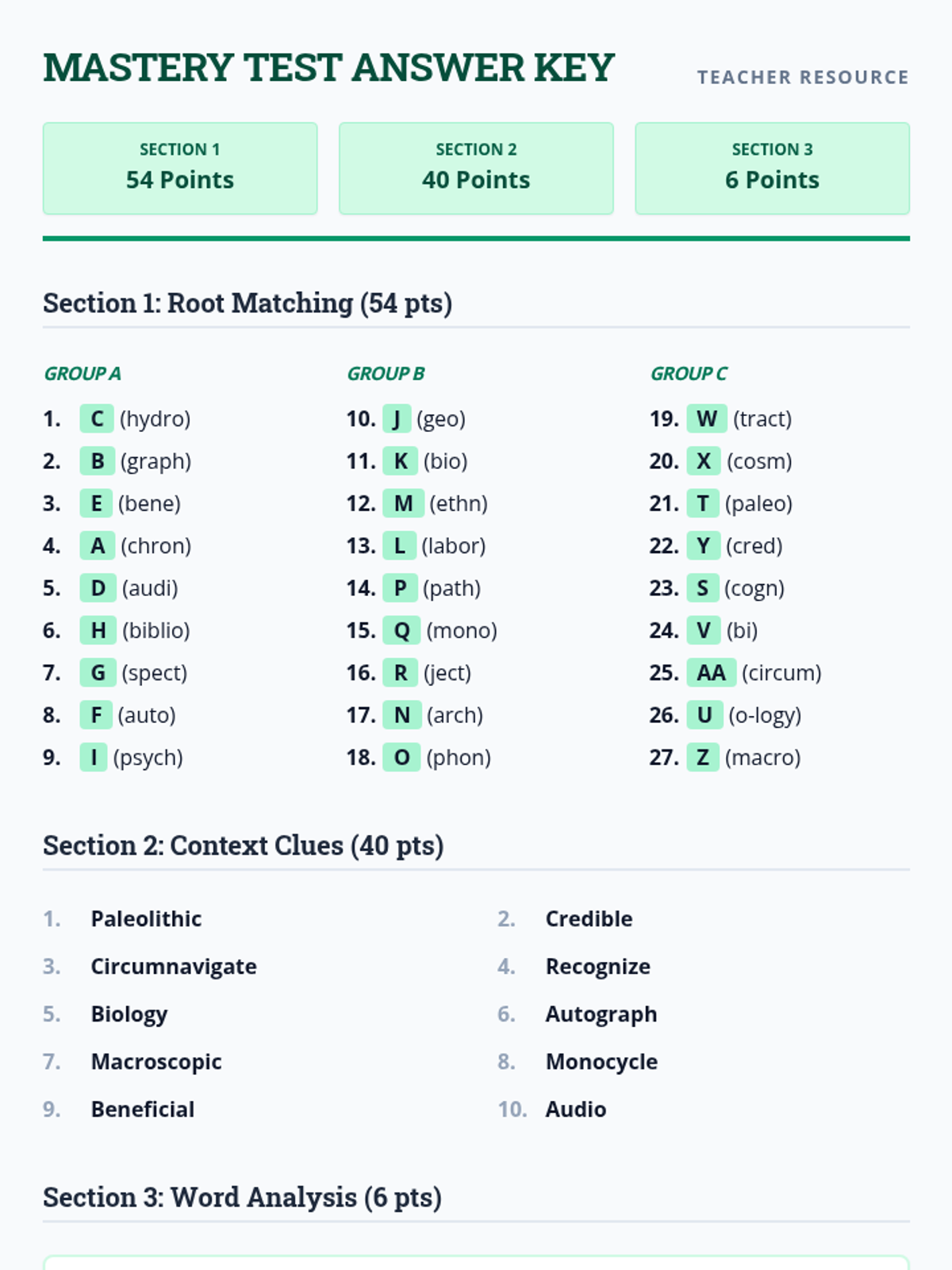
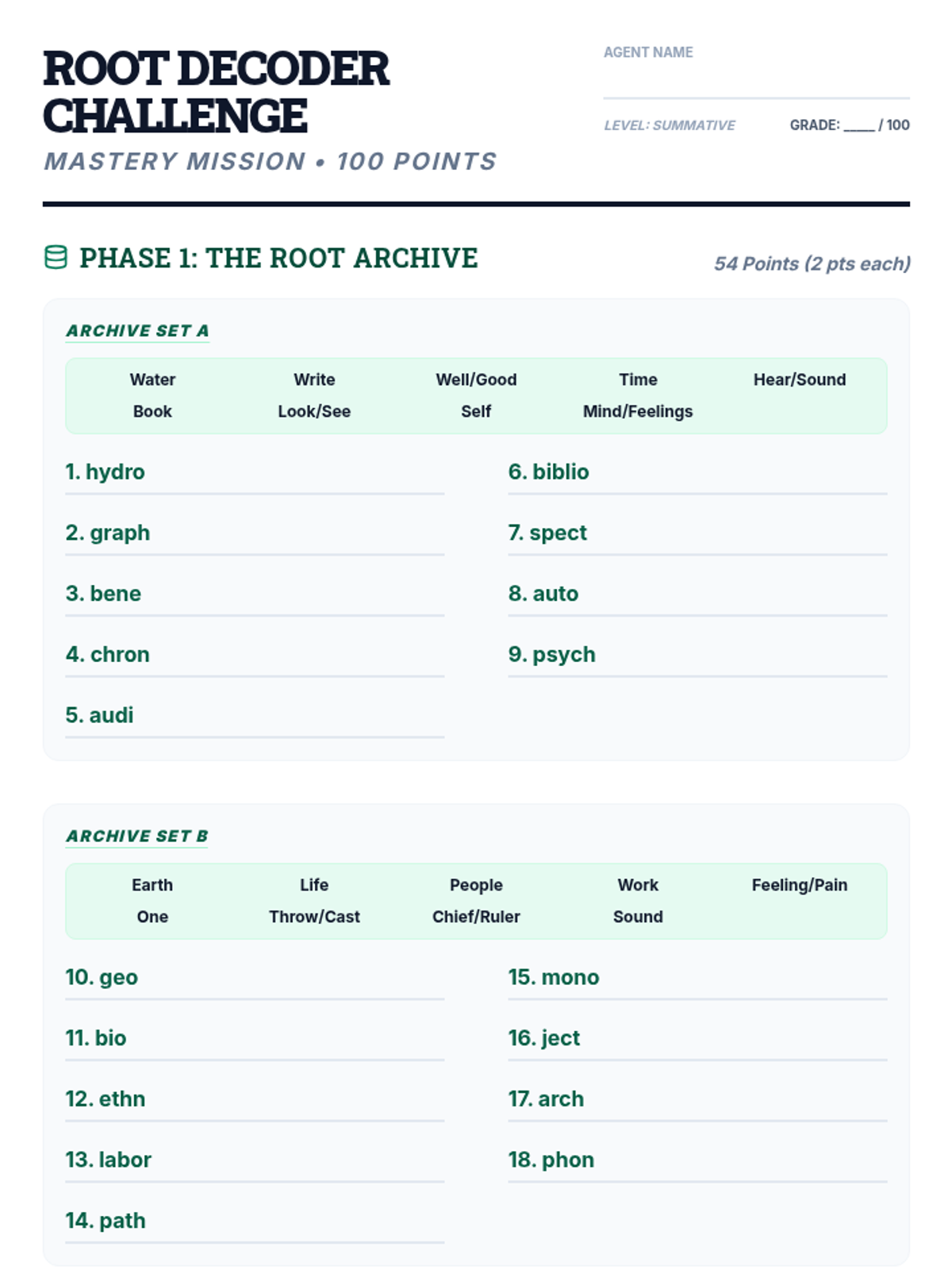
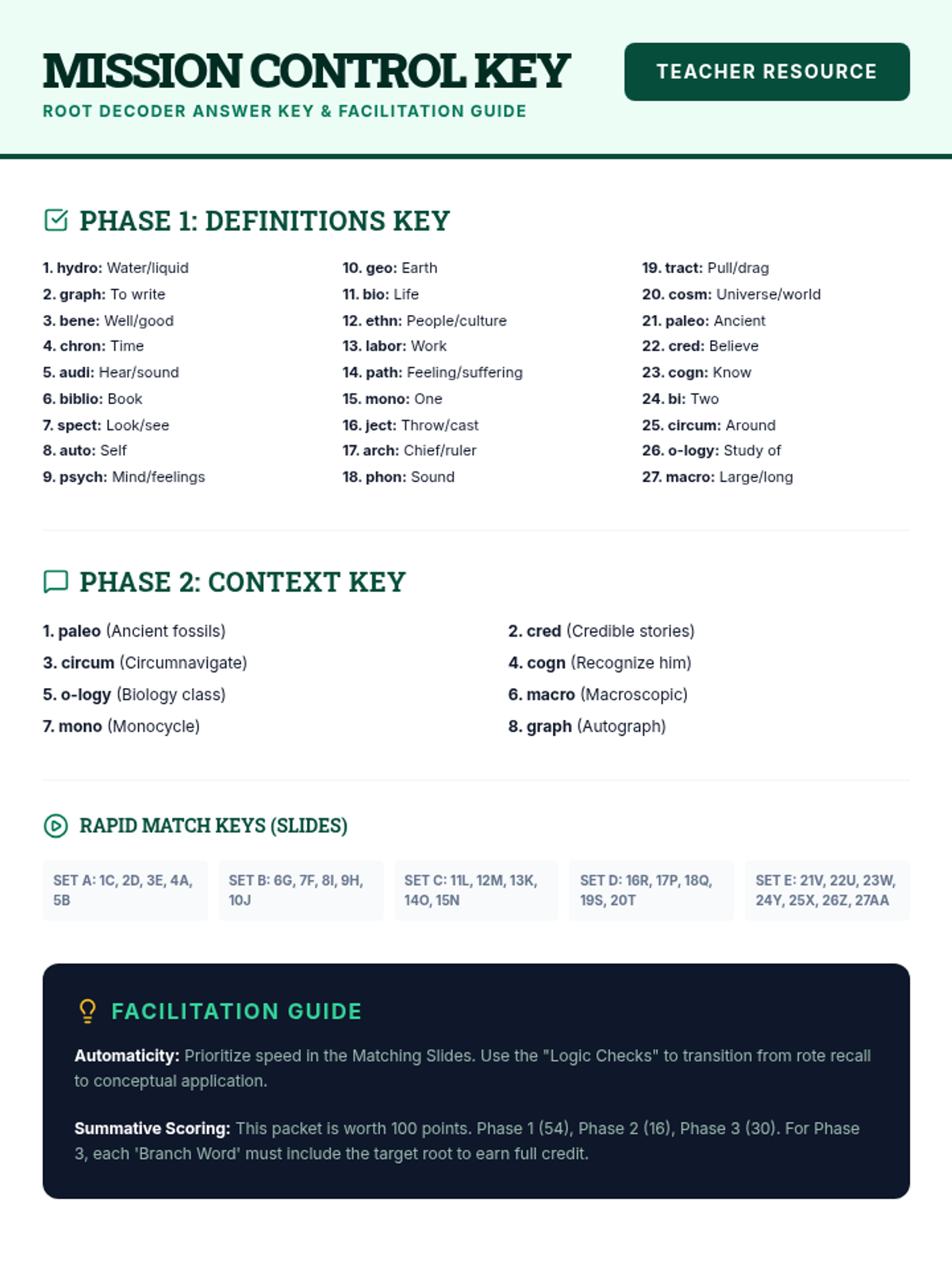
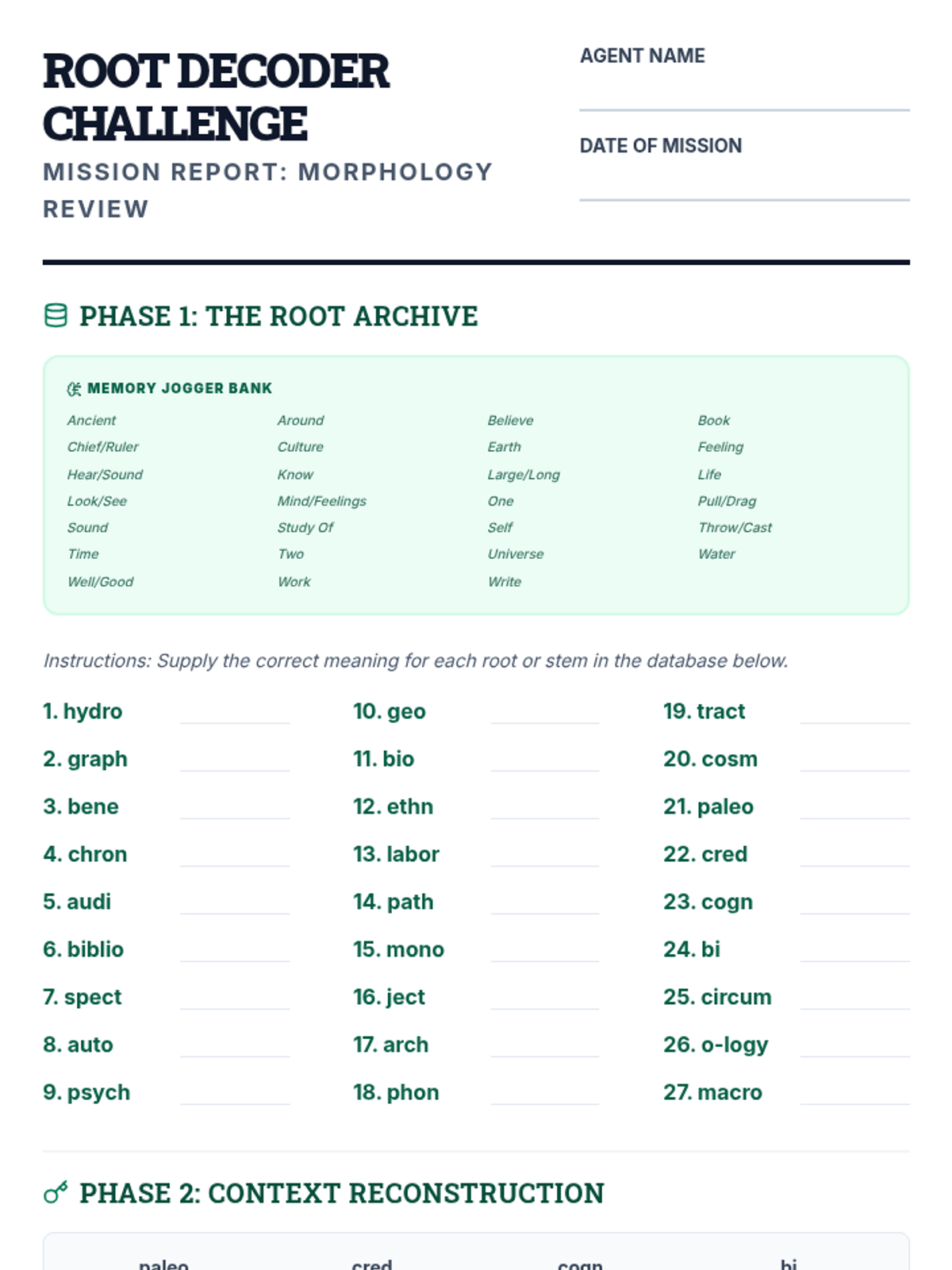
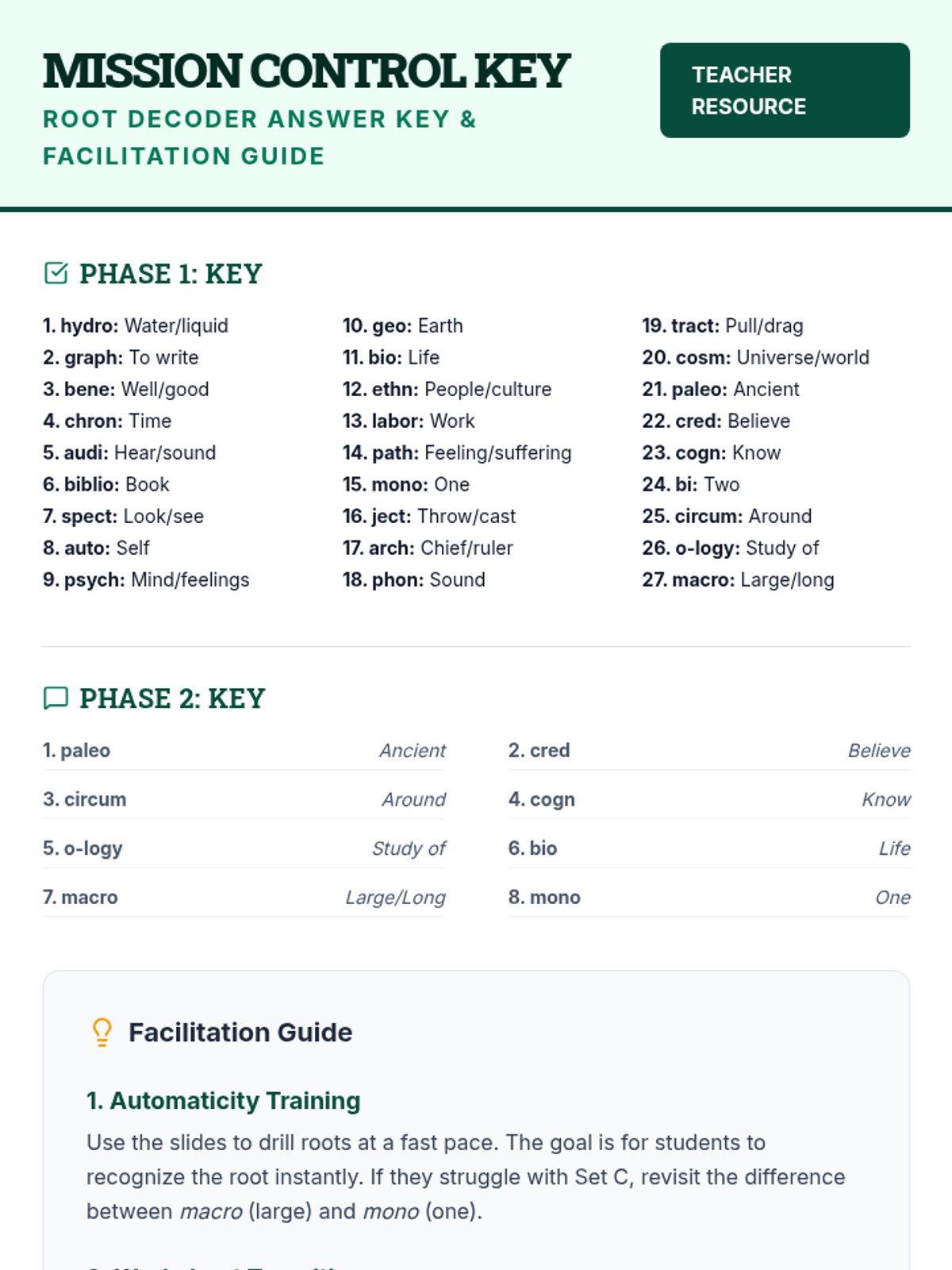
A comprehensive review lesson covering 27 Greek and Latin roots to help developmental reading students prepare for their morphology assessment through gamified slides and a decoding worksheet.
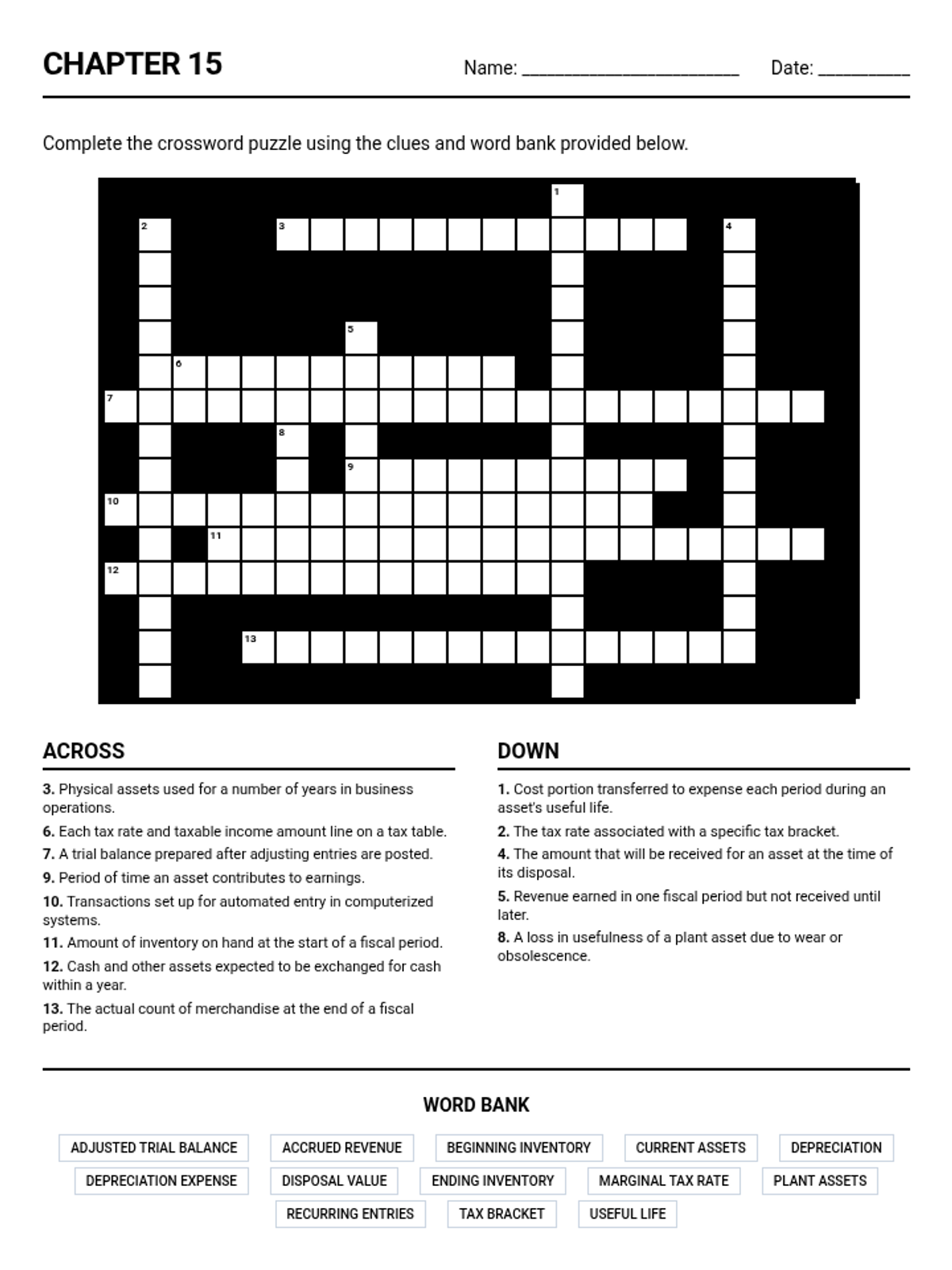
This lesson covers fundamental accounting concepts including asset valuation, tax structures, and inventory management through a hands-on crossword challenge.
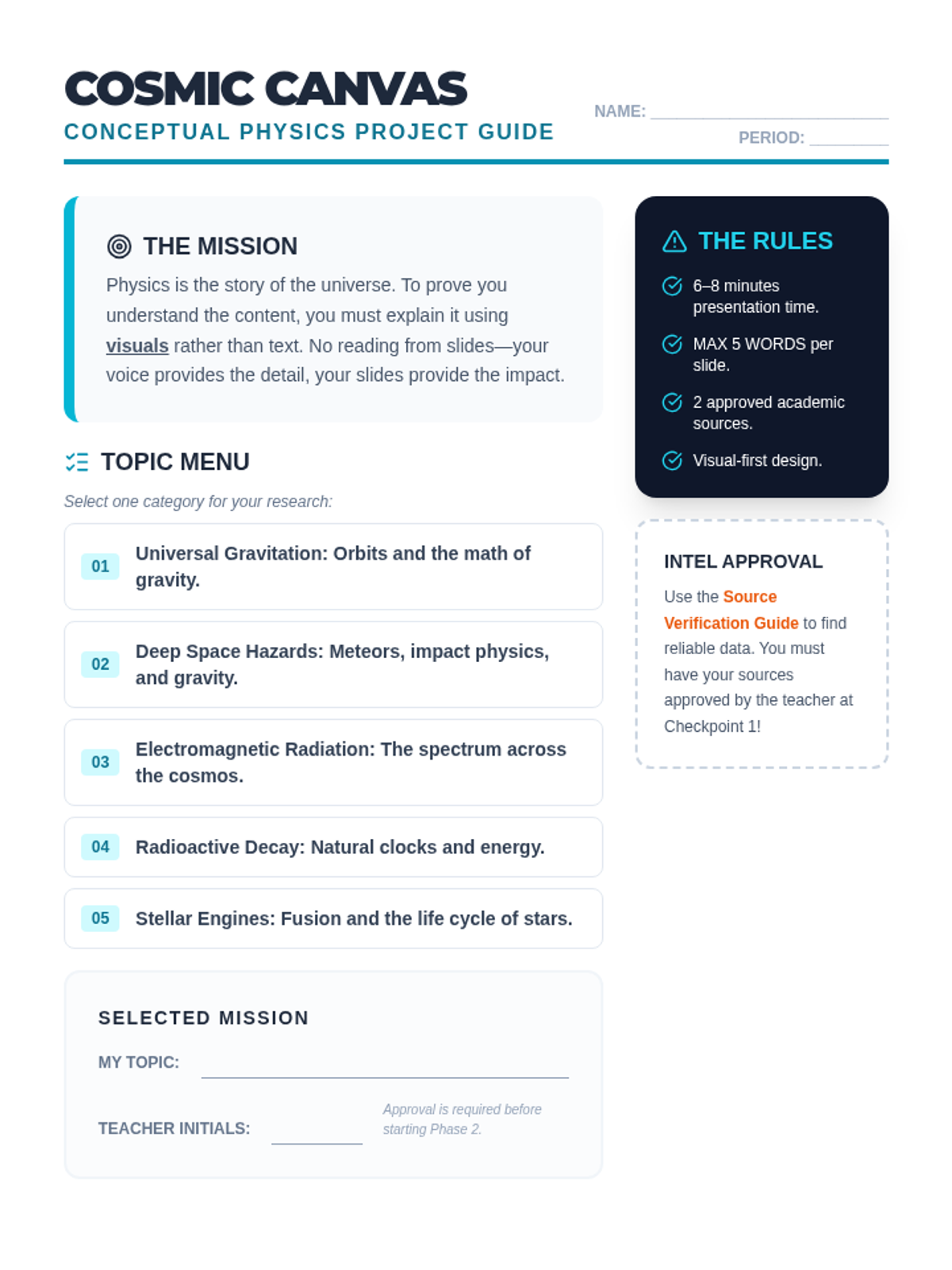
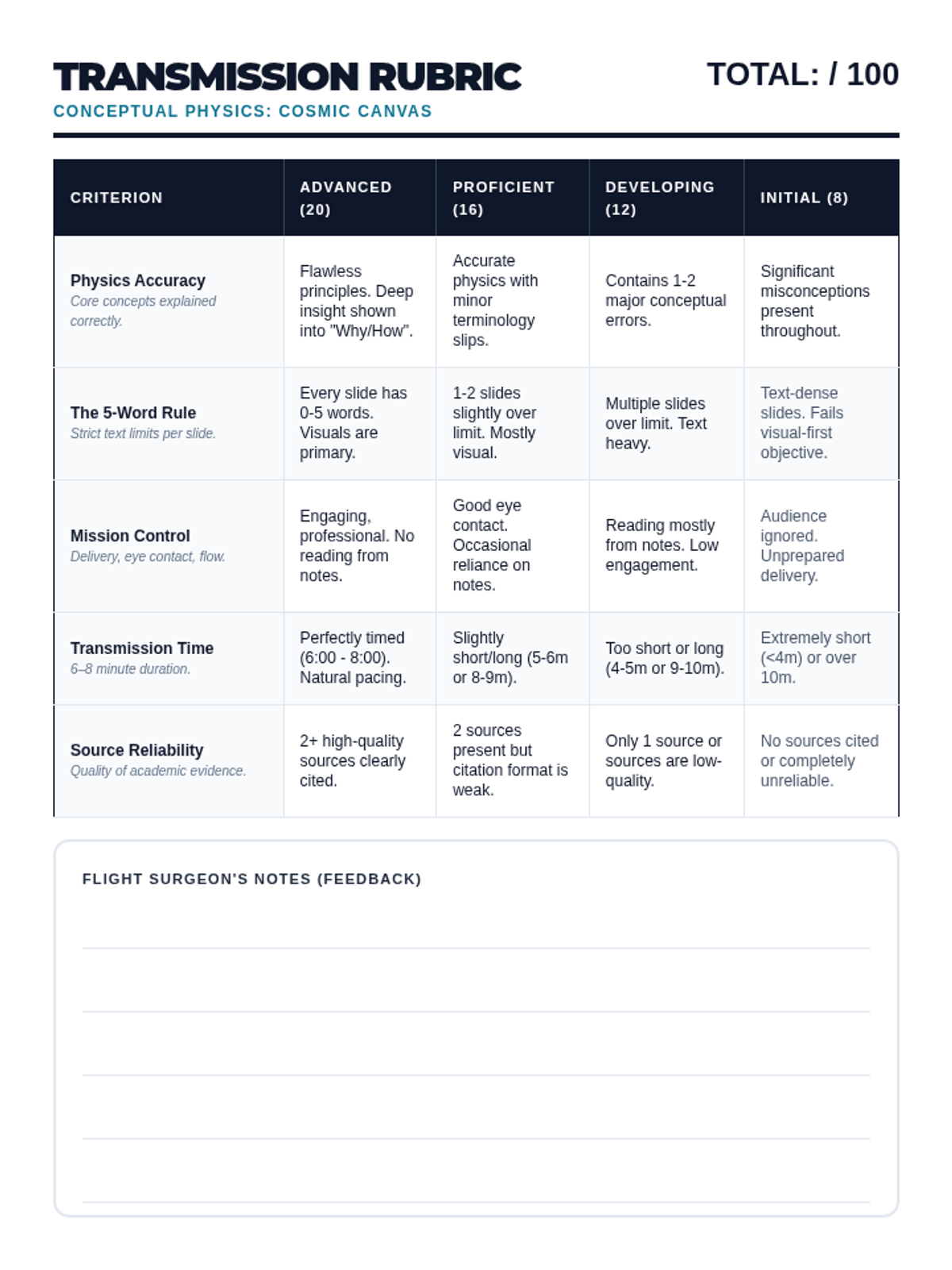
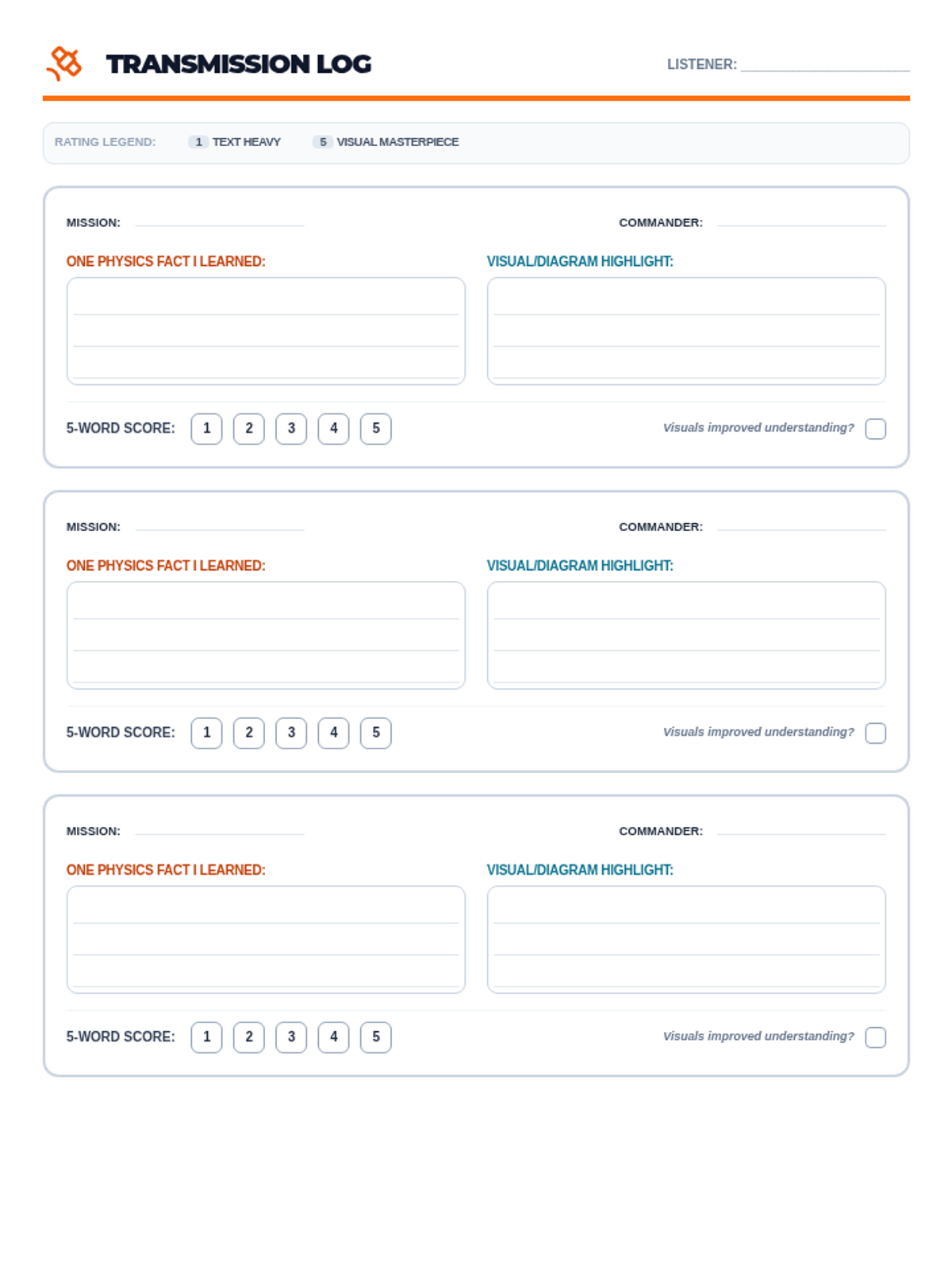
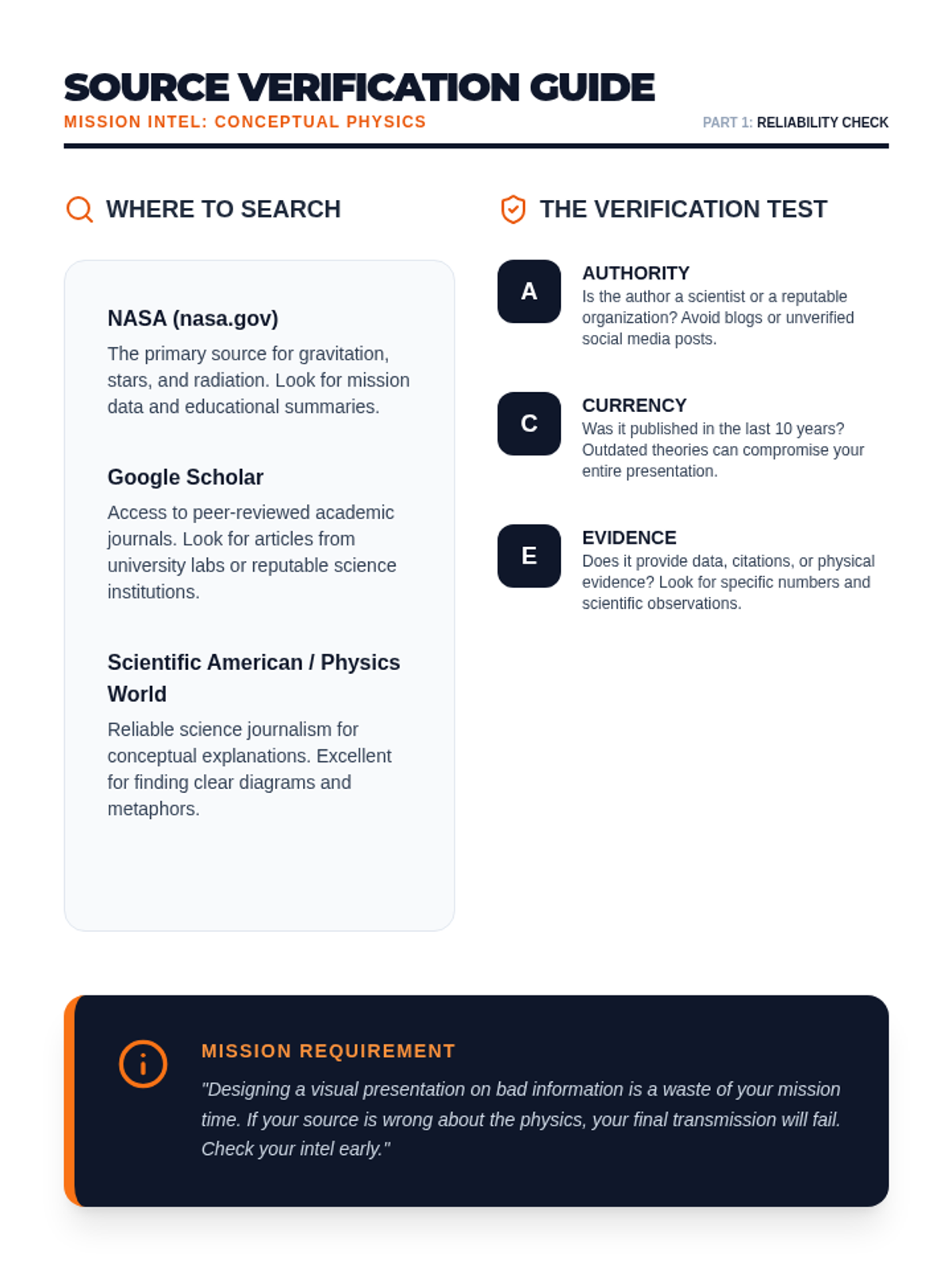
A comprehensive research project where students explore physics concepts in space and radiation through visual-minimalist presentations. The project emphasizes deep understanding of content over text-heavy slides.
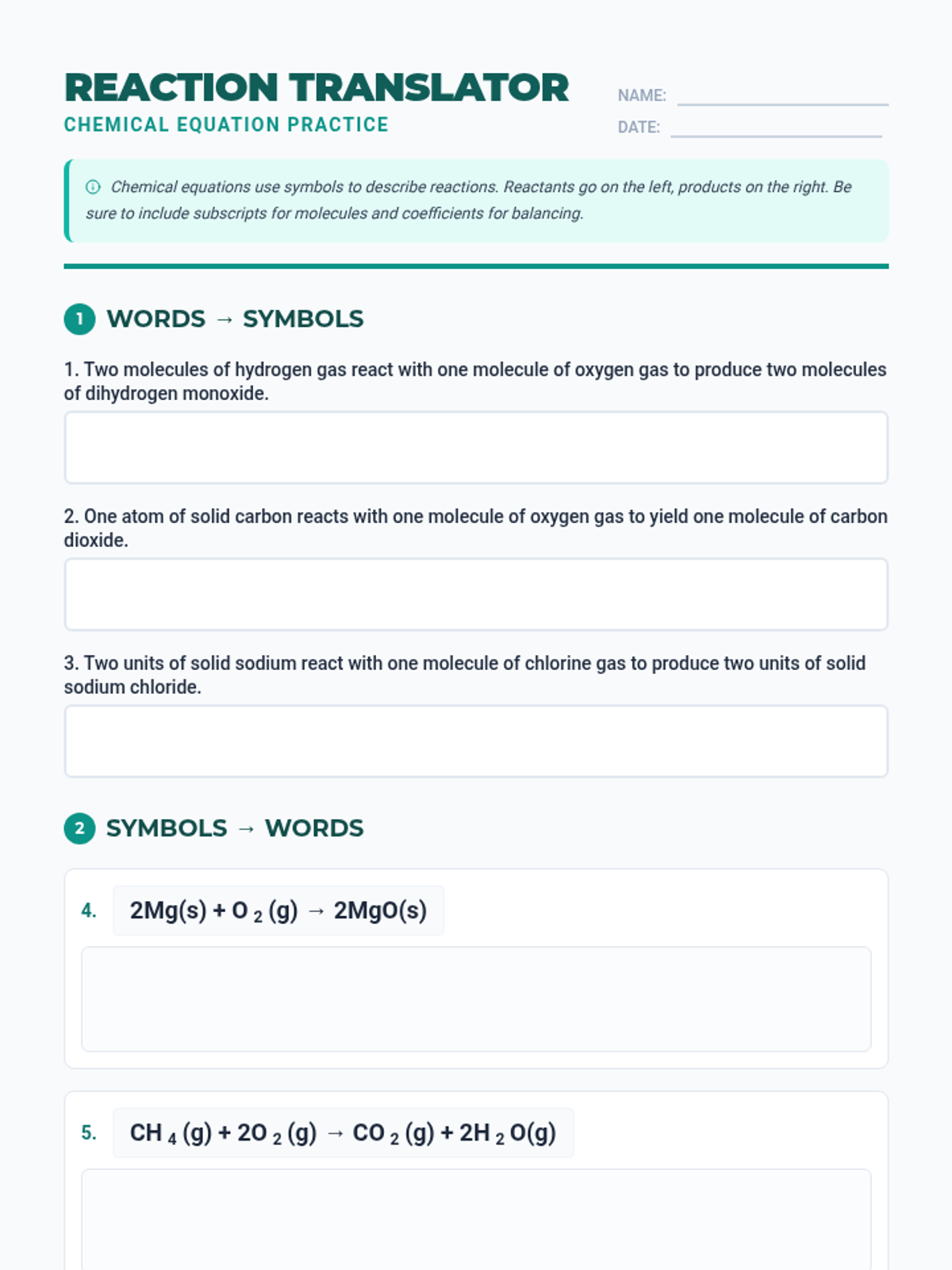
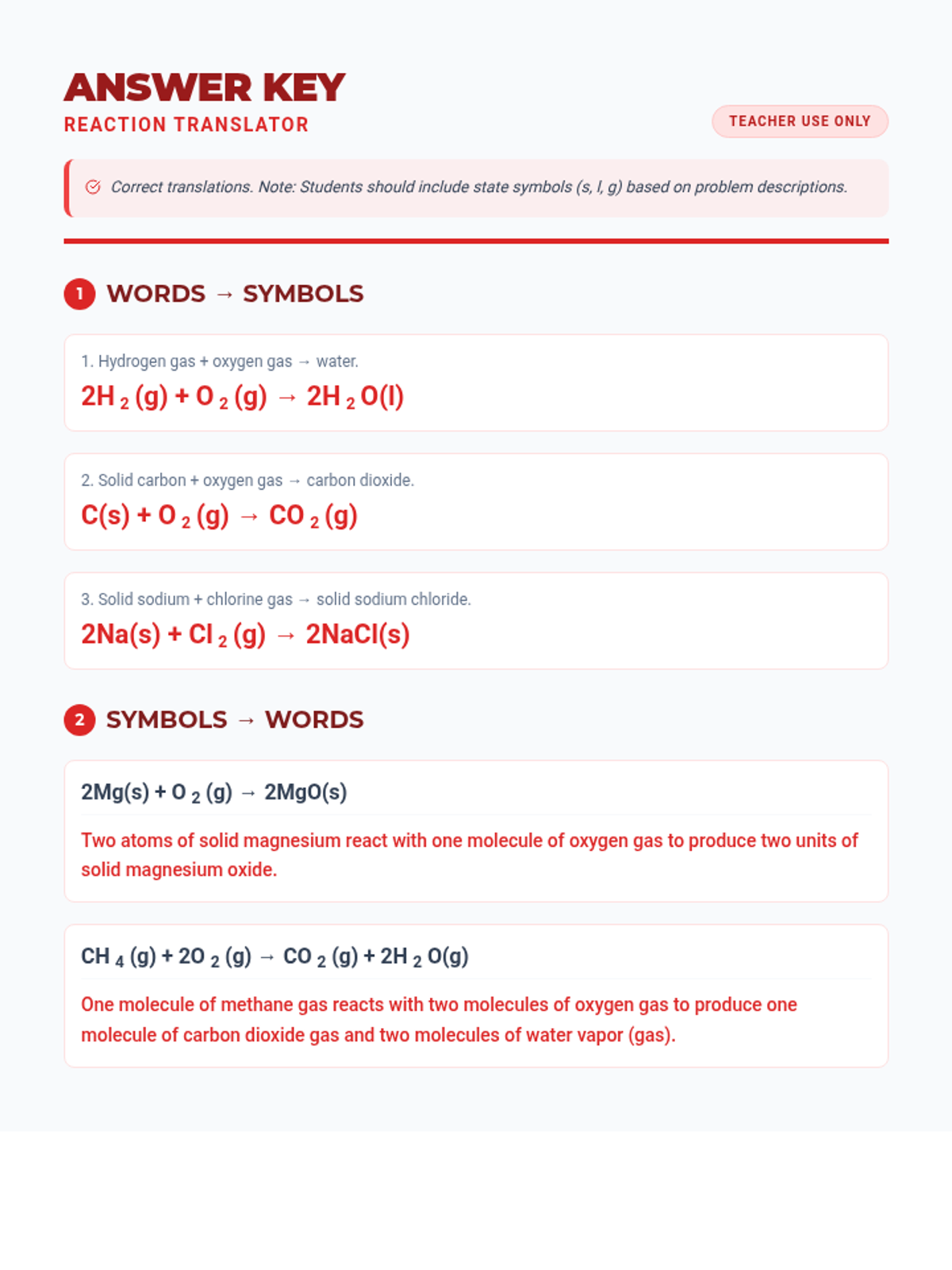
A focused practice session on translating chemical reactions between word descriptions and symbolic equations, covering key concepts of reactants, products, and stoichiometry.
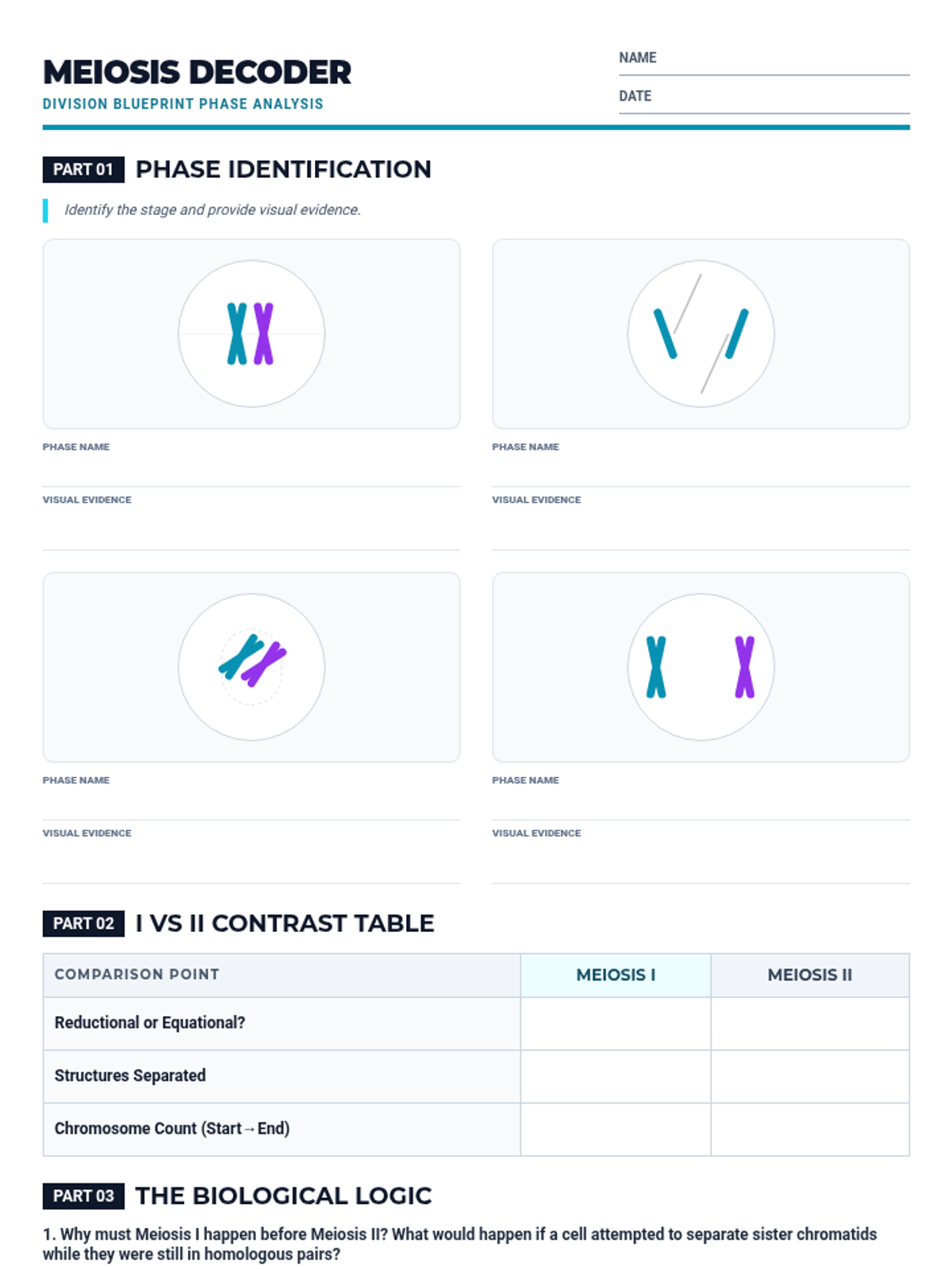
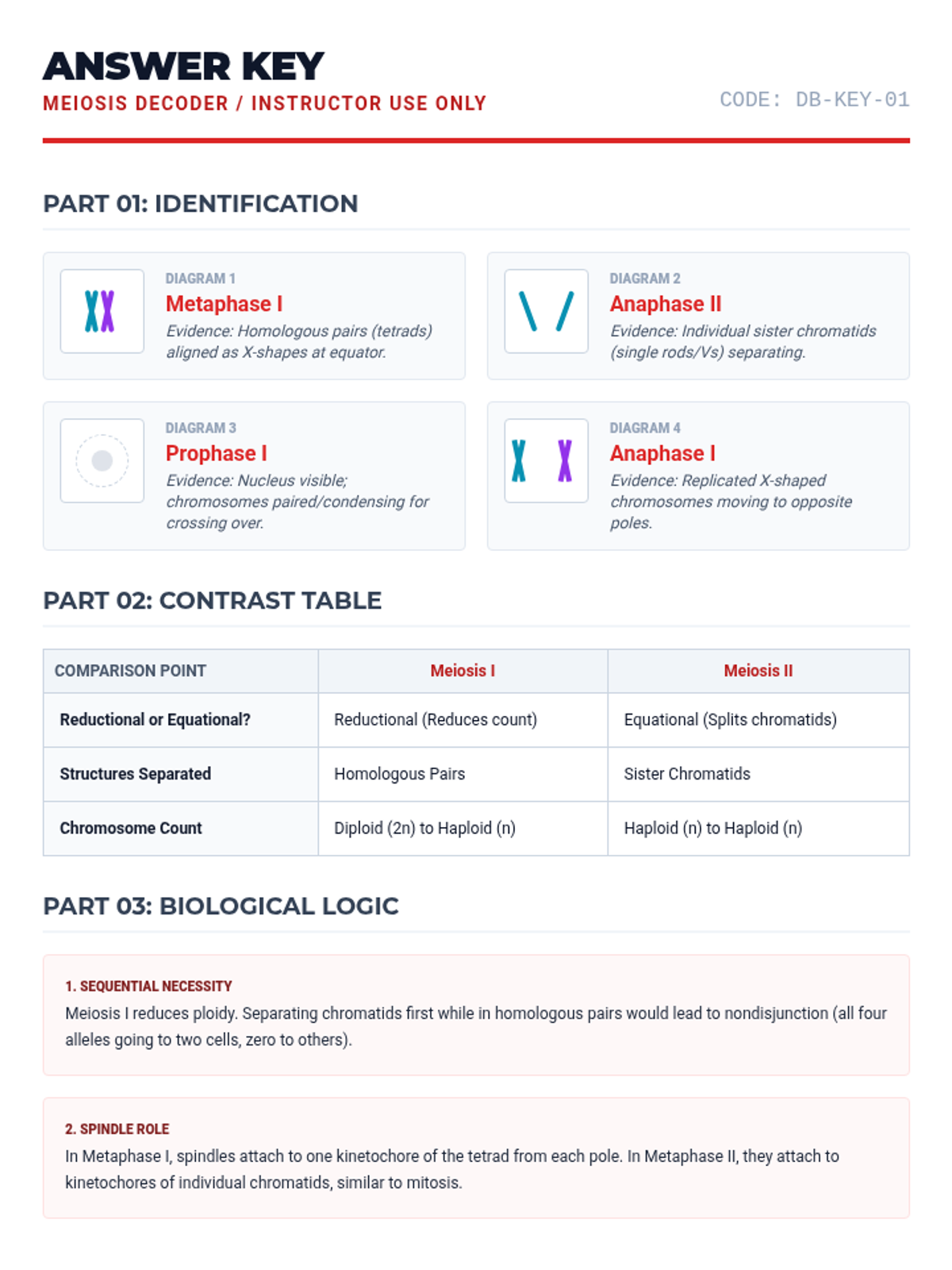
A comprehensive guide to meiosis, focusing on the structural and functional differences between Meiosis I and Meiosis II through visual identification and comparative analysis.