Students analyze the historical and legal underpinnings of judicial review, examining antebellum resistance, modern applications, and the 'counter-majoritarian difficulty' outlined by Alexander Bickel.
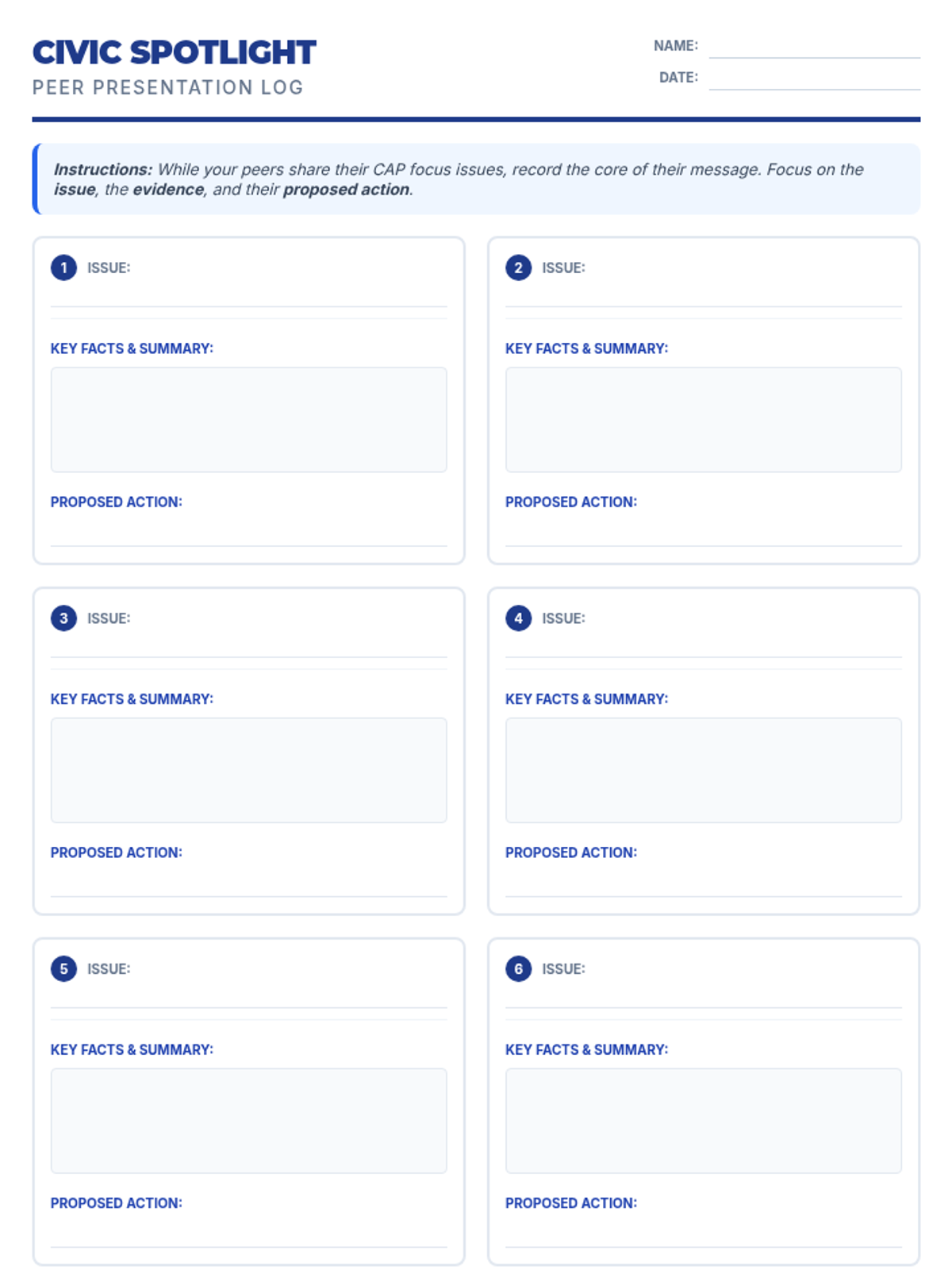
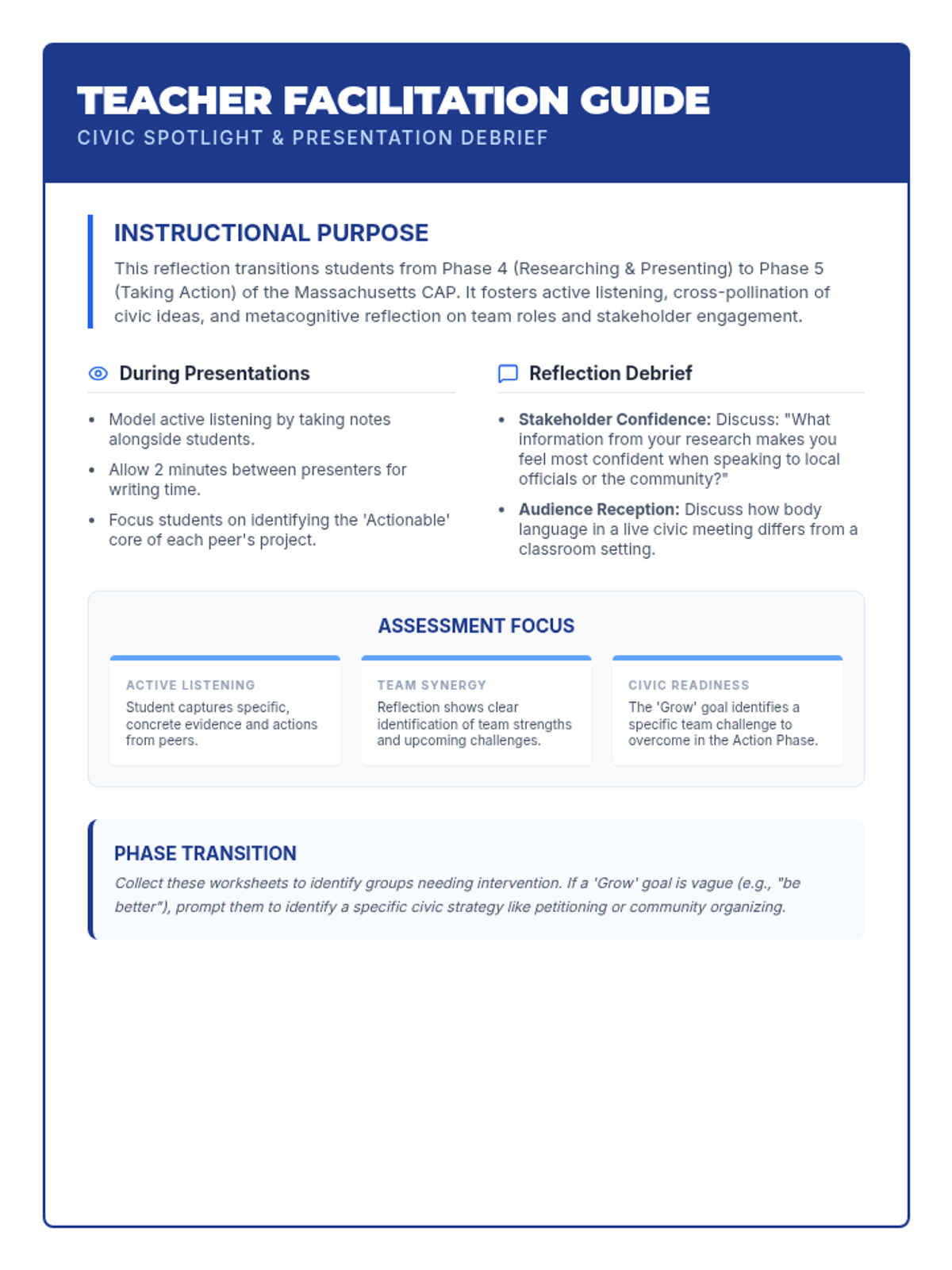
A wrap-up lesson for the Civics Action Project focus issue presentations, centered on peer feedback and student self-reflection to prepare for the action phase.
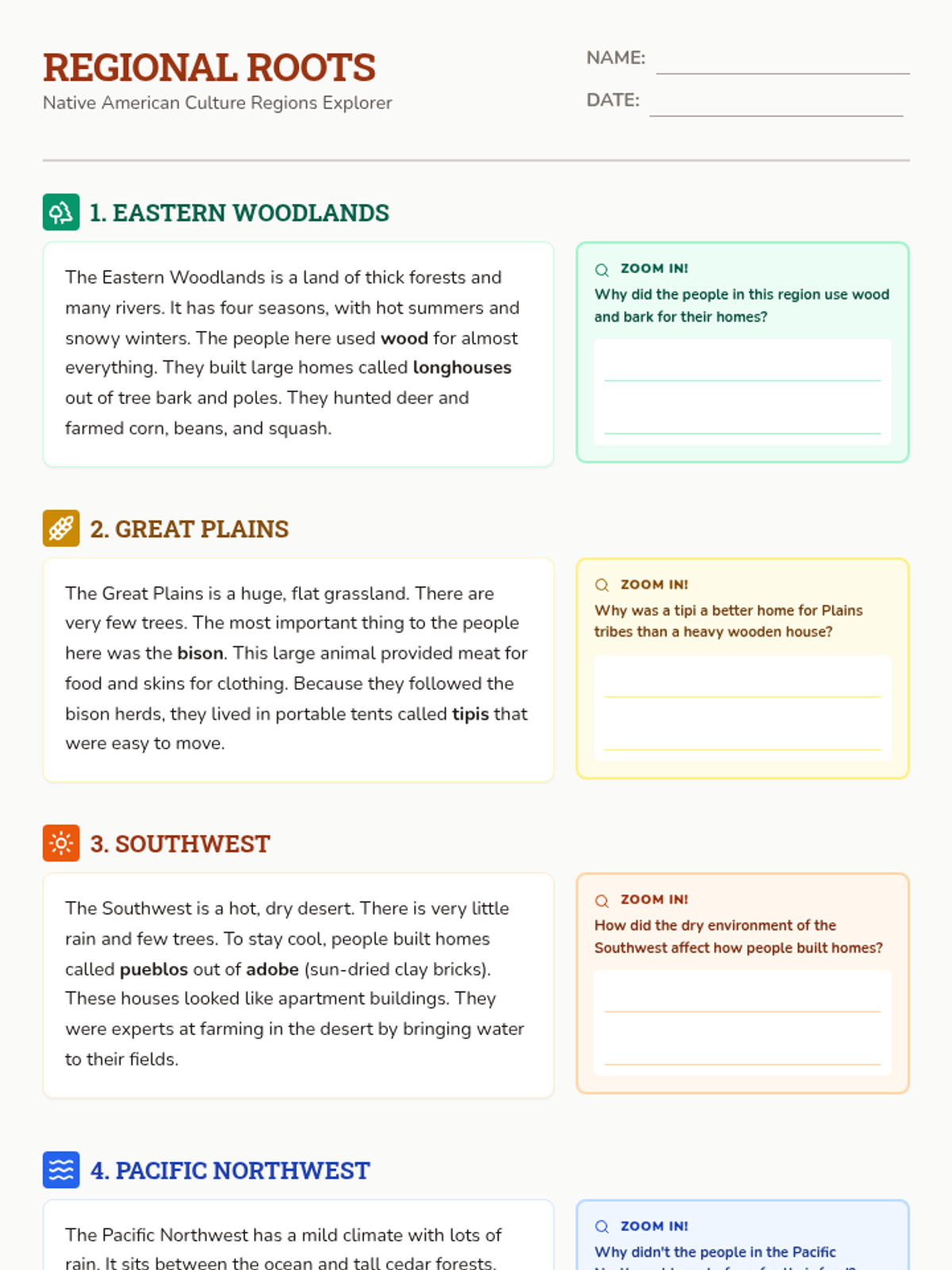
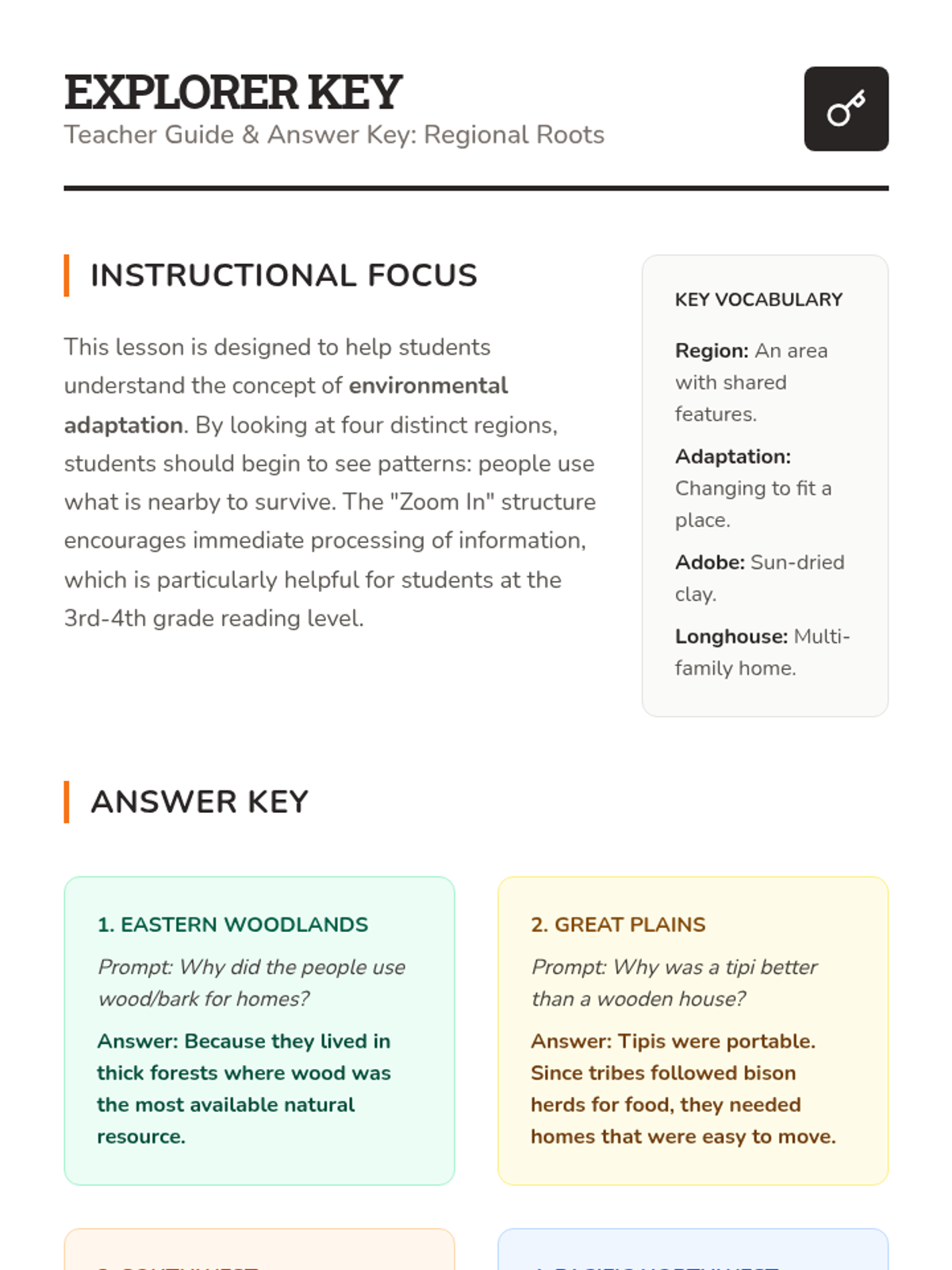
A lesson introducing the concept of cultural regions among Native American tribes, focusing on how different environments shaped unique ways of life across North America.
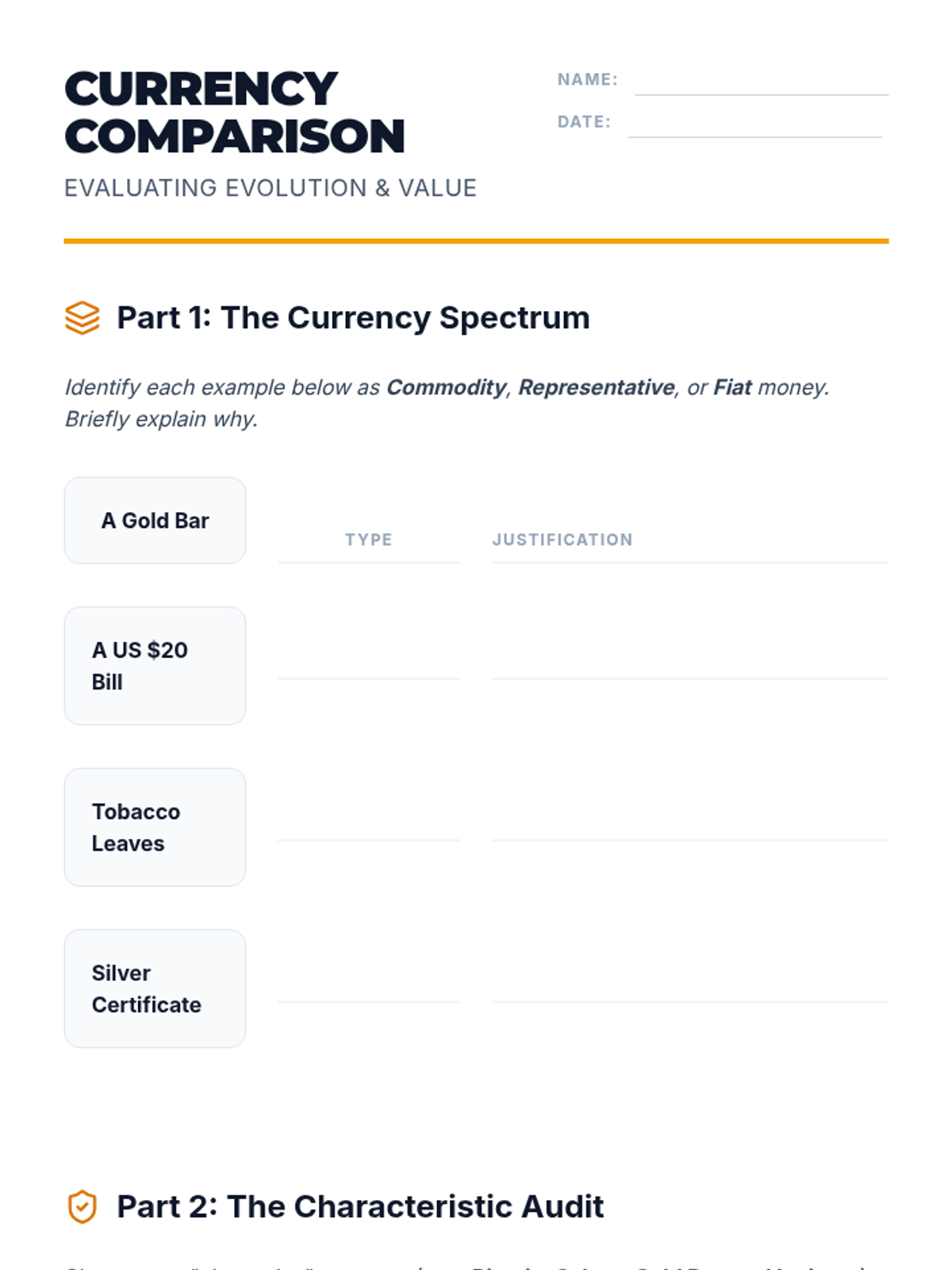
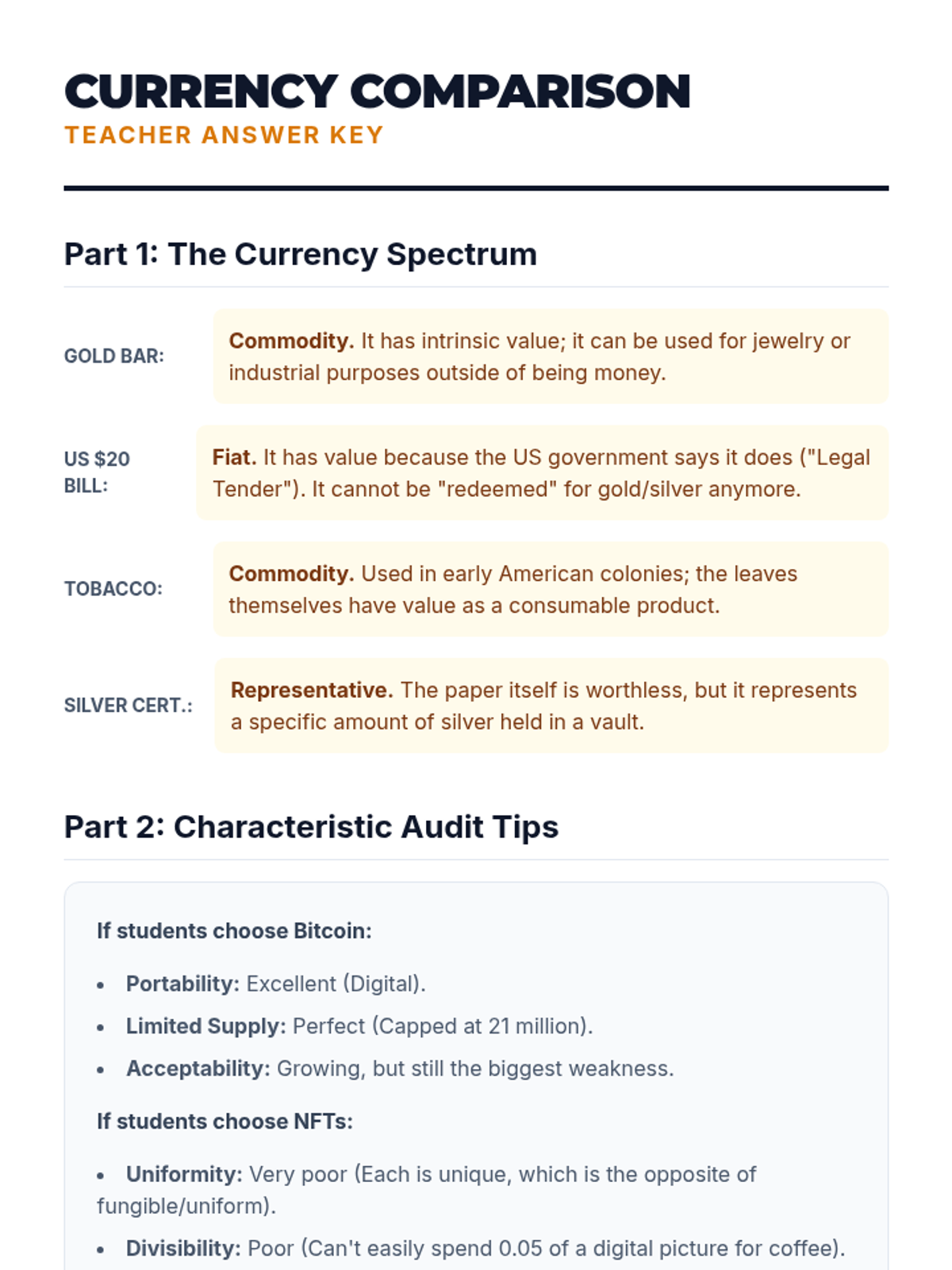
An exploration of the history and types of currency, from commodity money to fiat systems, designed for a 90-minute block.
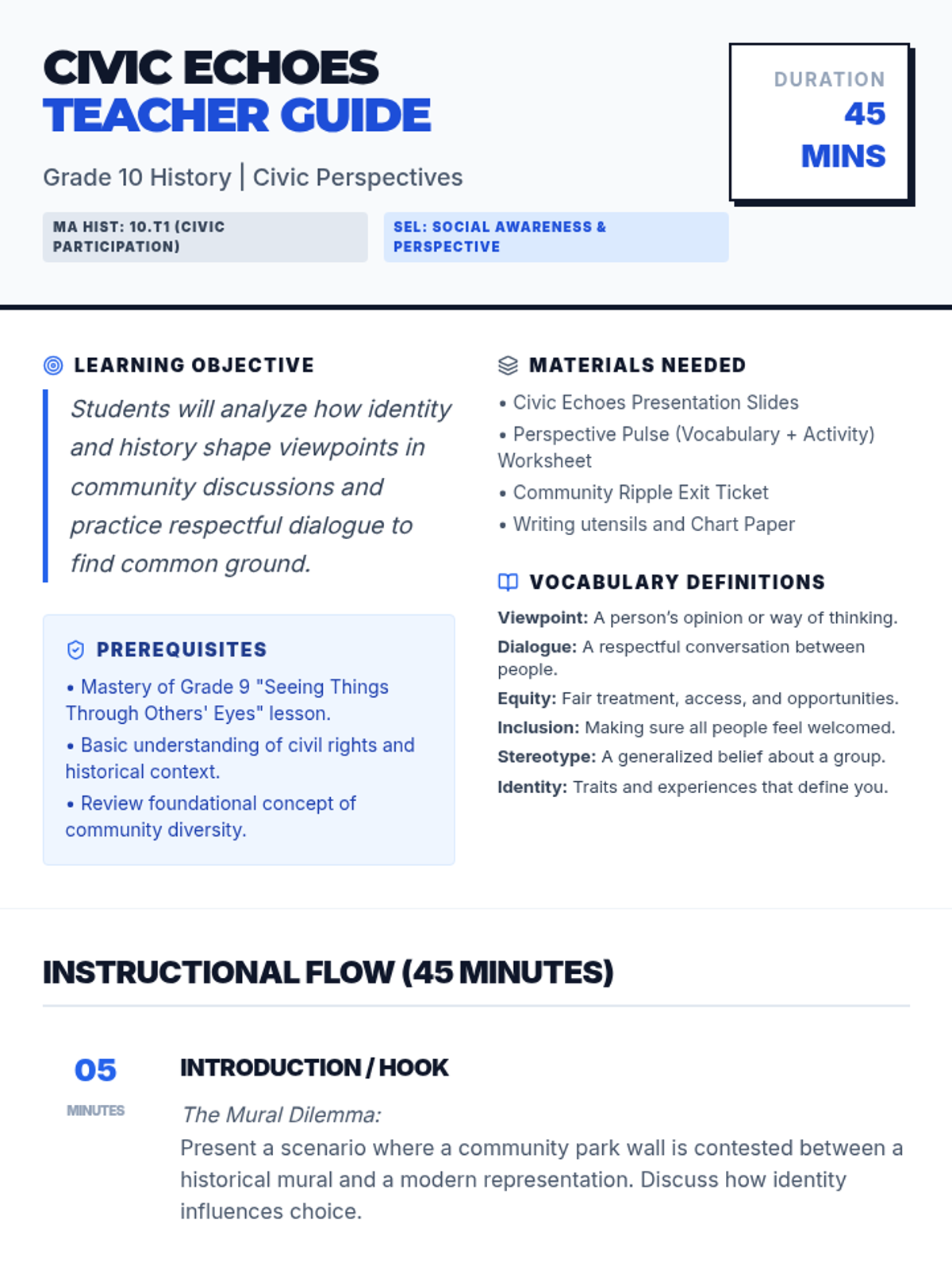
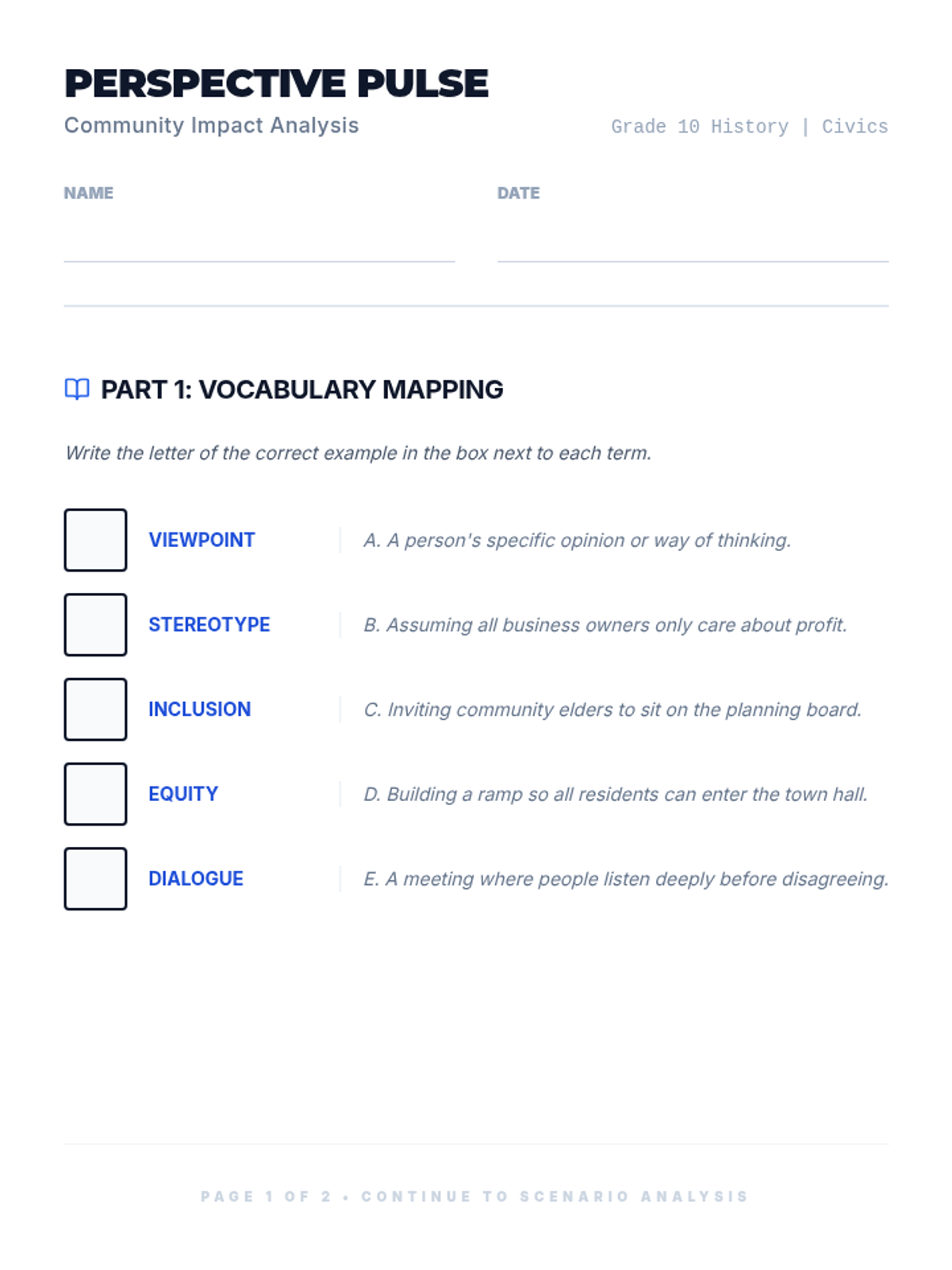
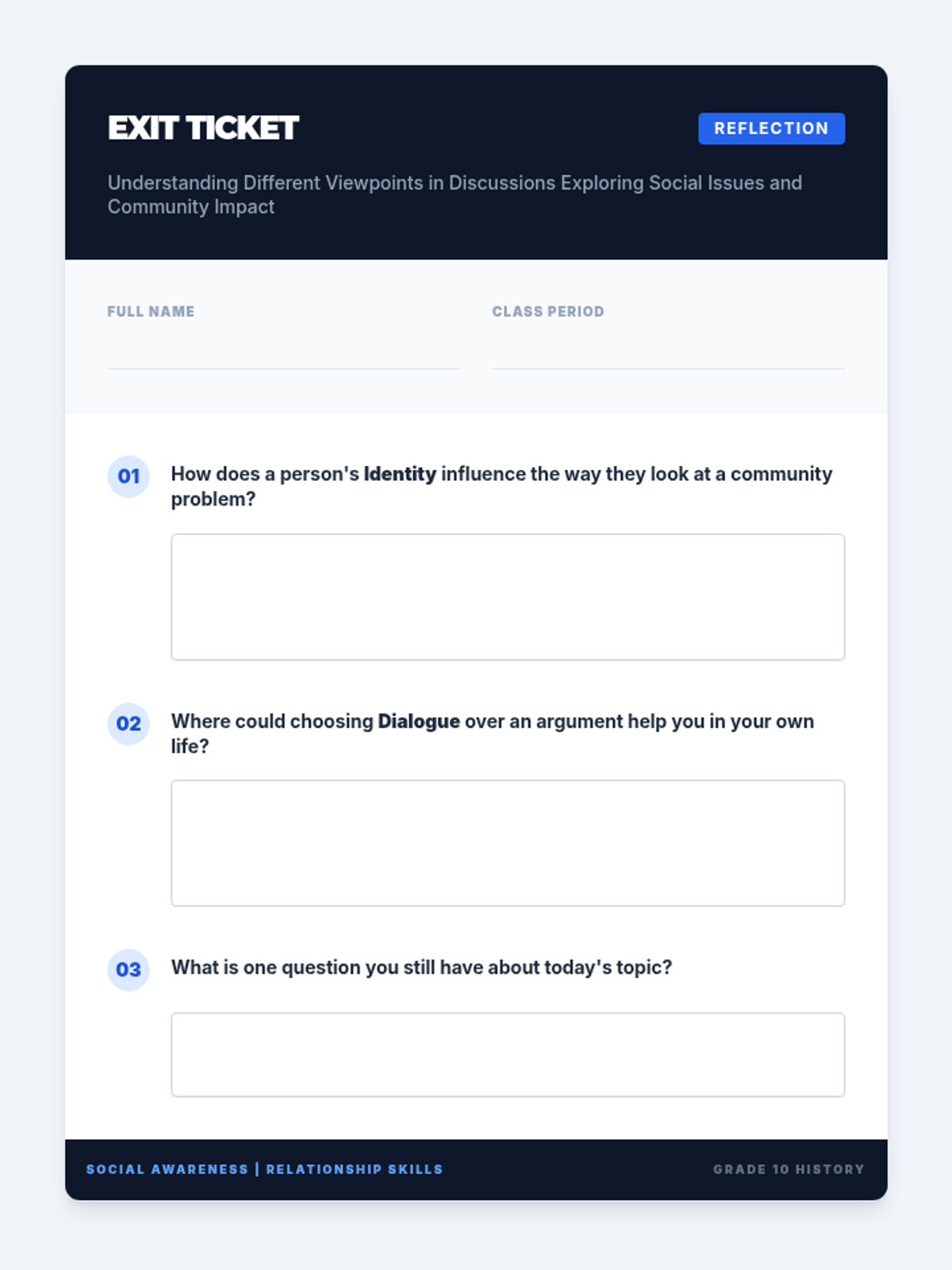
A Grade 10 History lesson focused on developing social awareness and relationship skills through the analysis of community viewpoints. Students explore how individual identities and historical contexts shape perspectives on social issues.
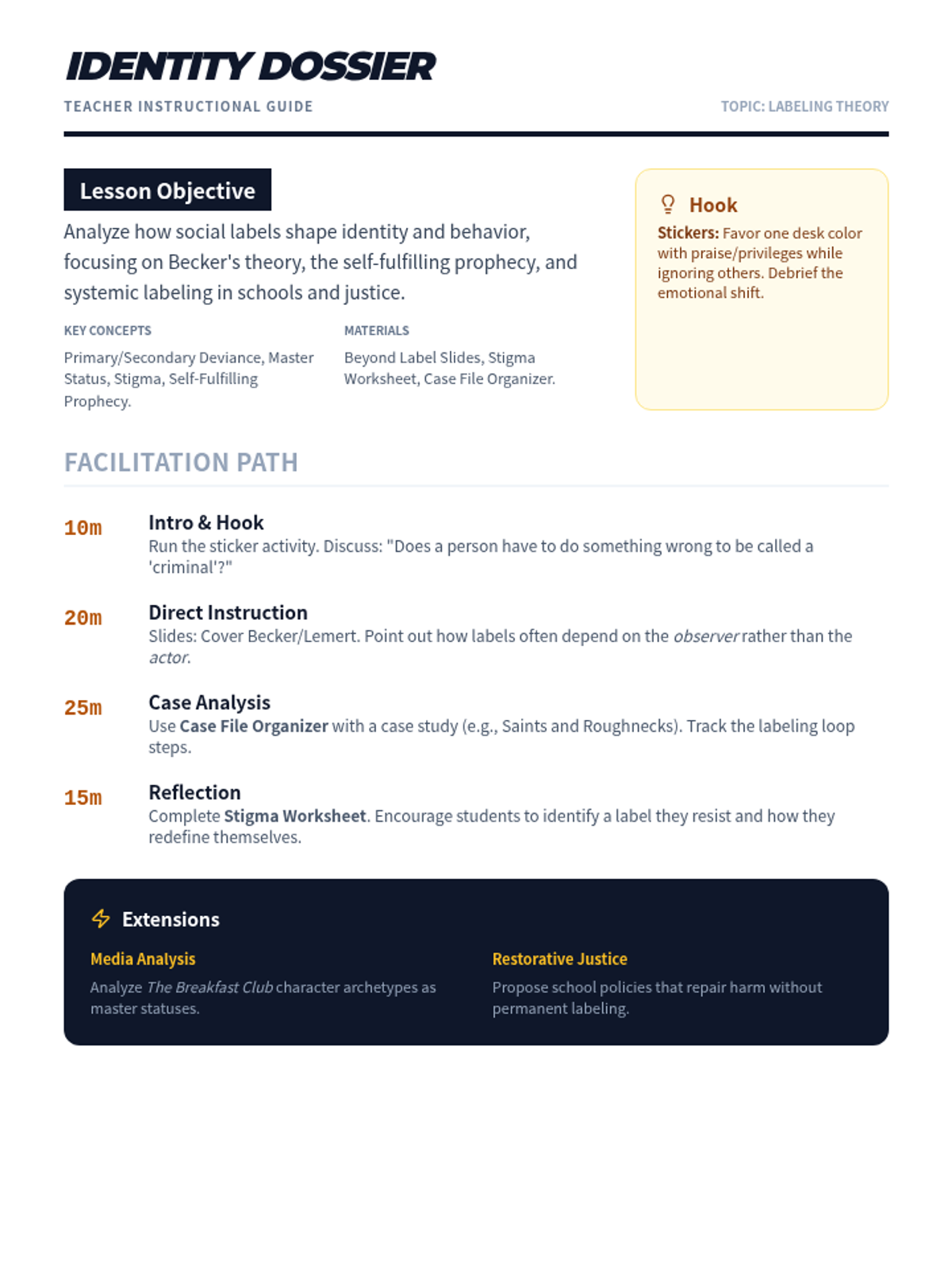
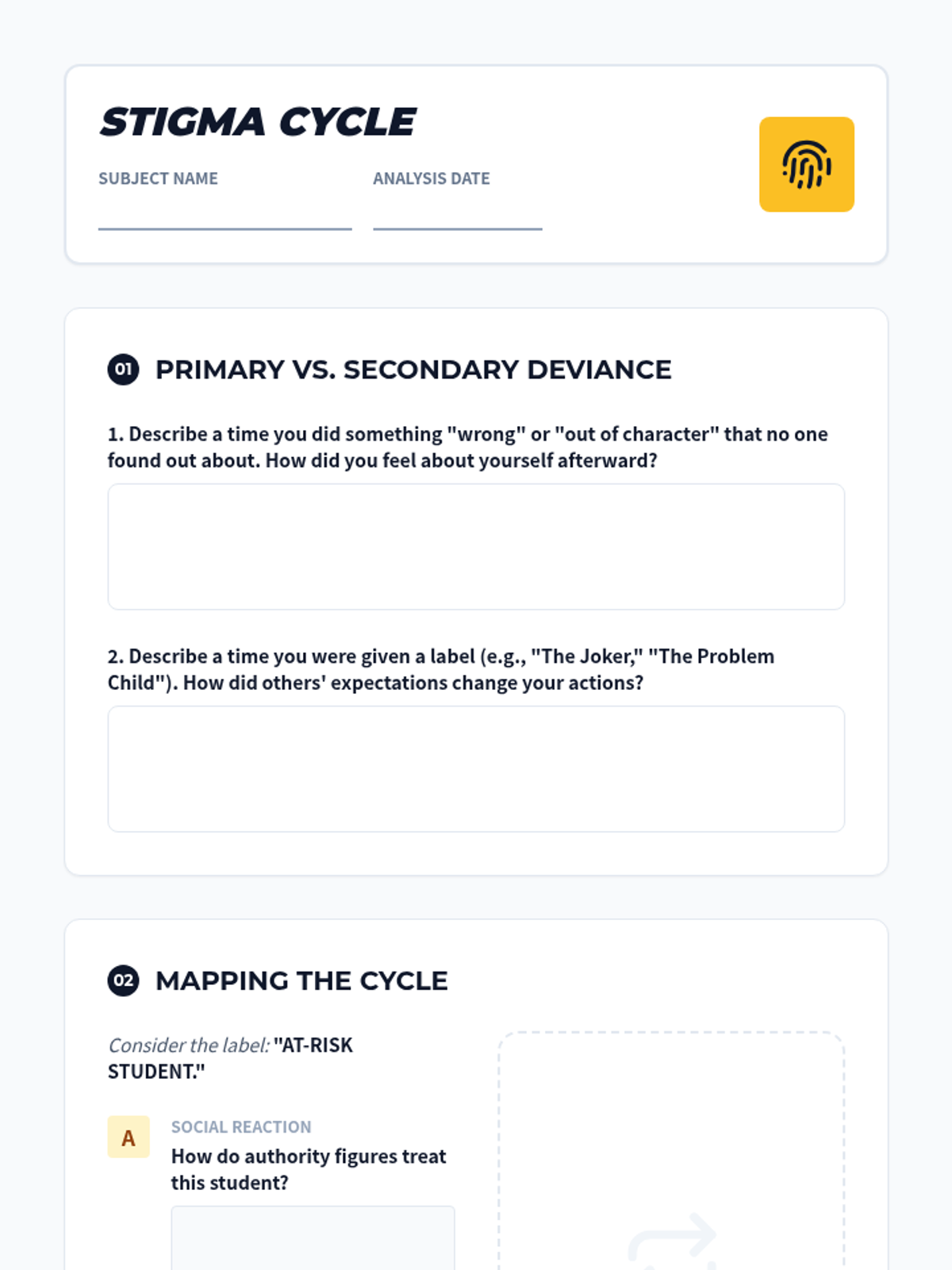
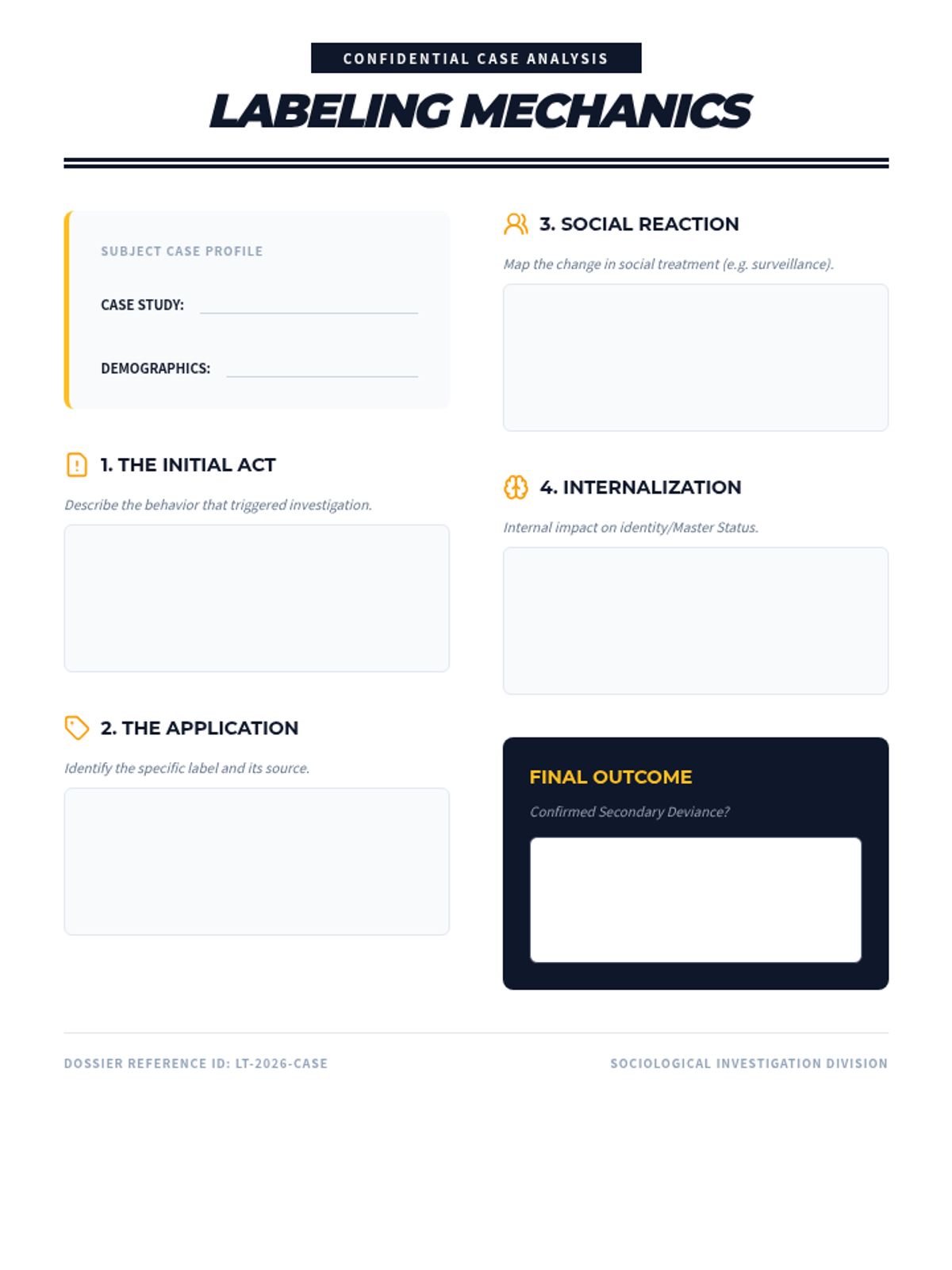
An exploration of Labeling Theory, focusing on social stigma, the self-fulfilling prophecy, and the impact of disciplinary and criminal labels on identity.
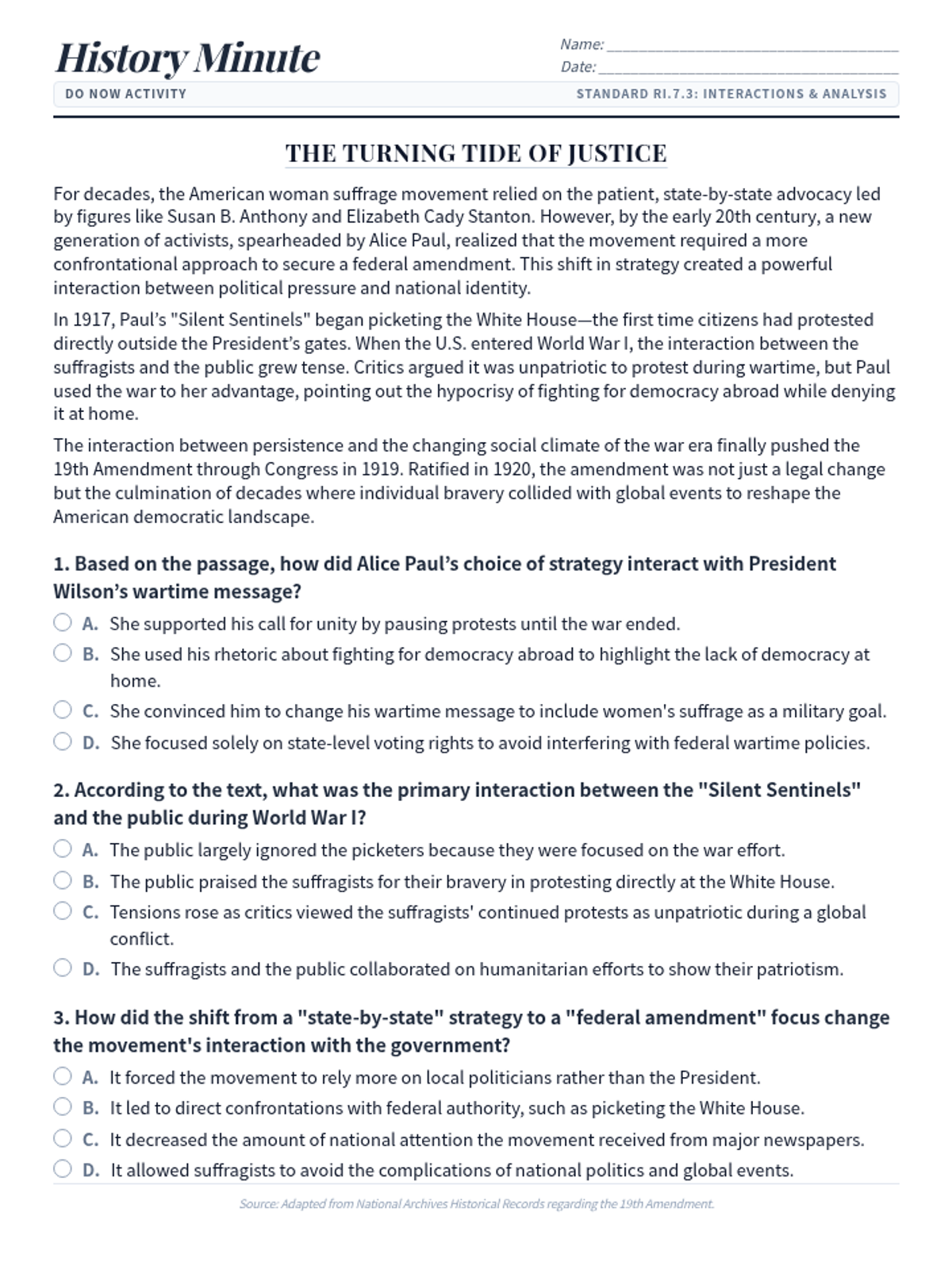
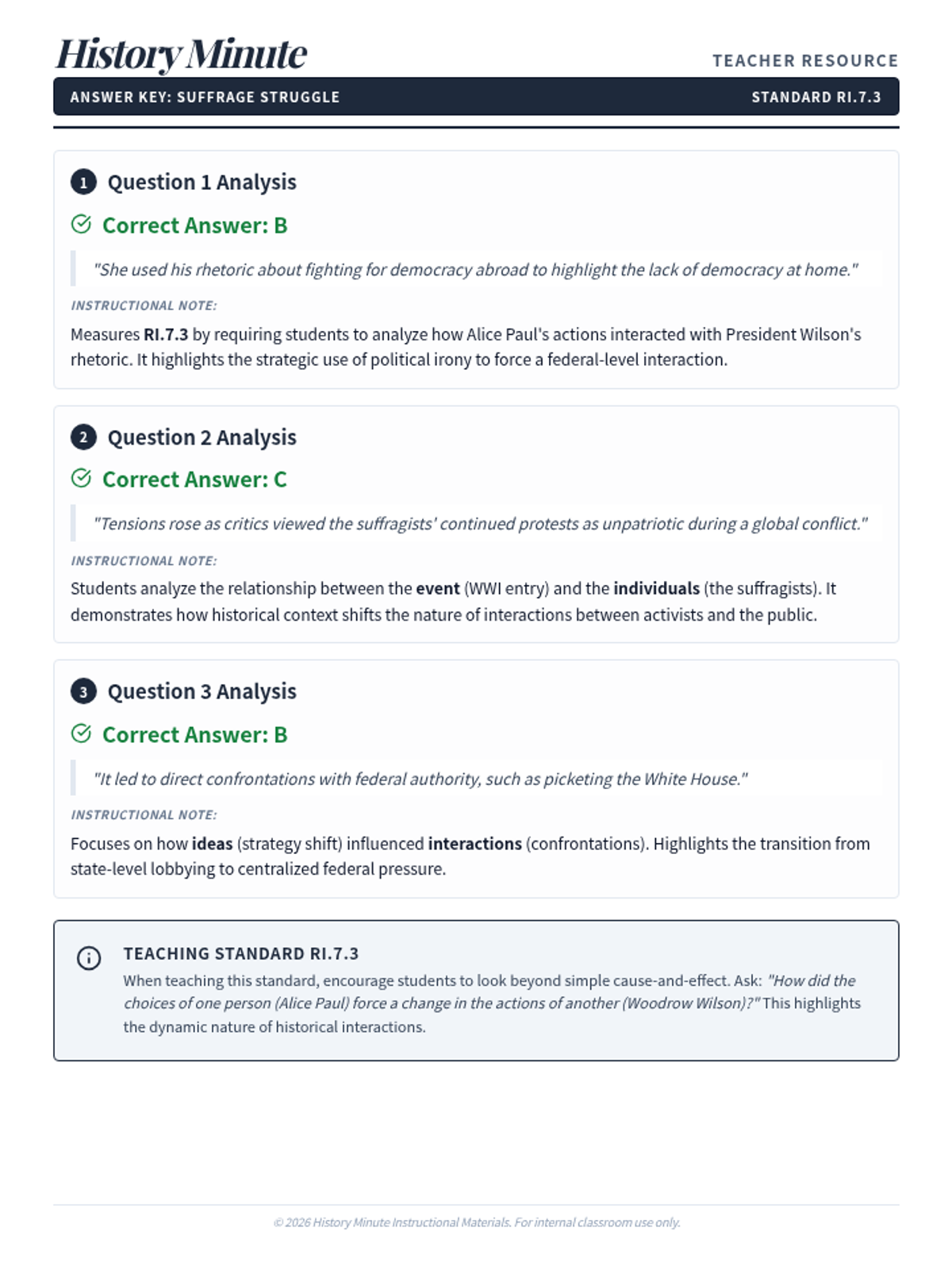
A lesson exploring the interactions between key figures and events in the Women's Suffrage movement, specifically focusing on the shift to a federal amendment strategy.
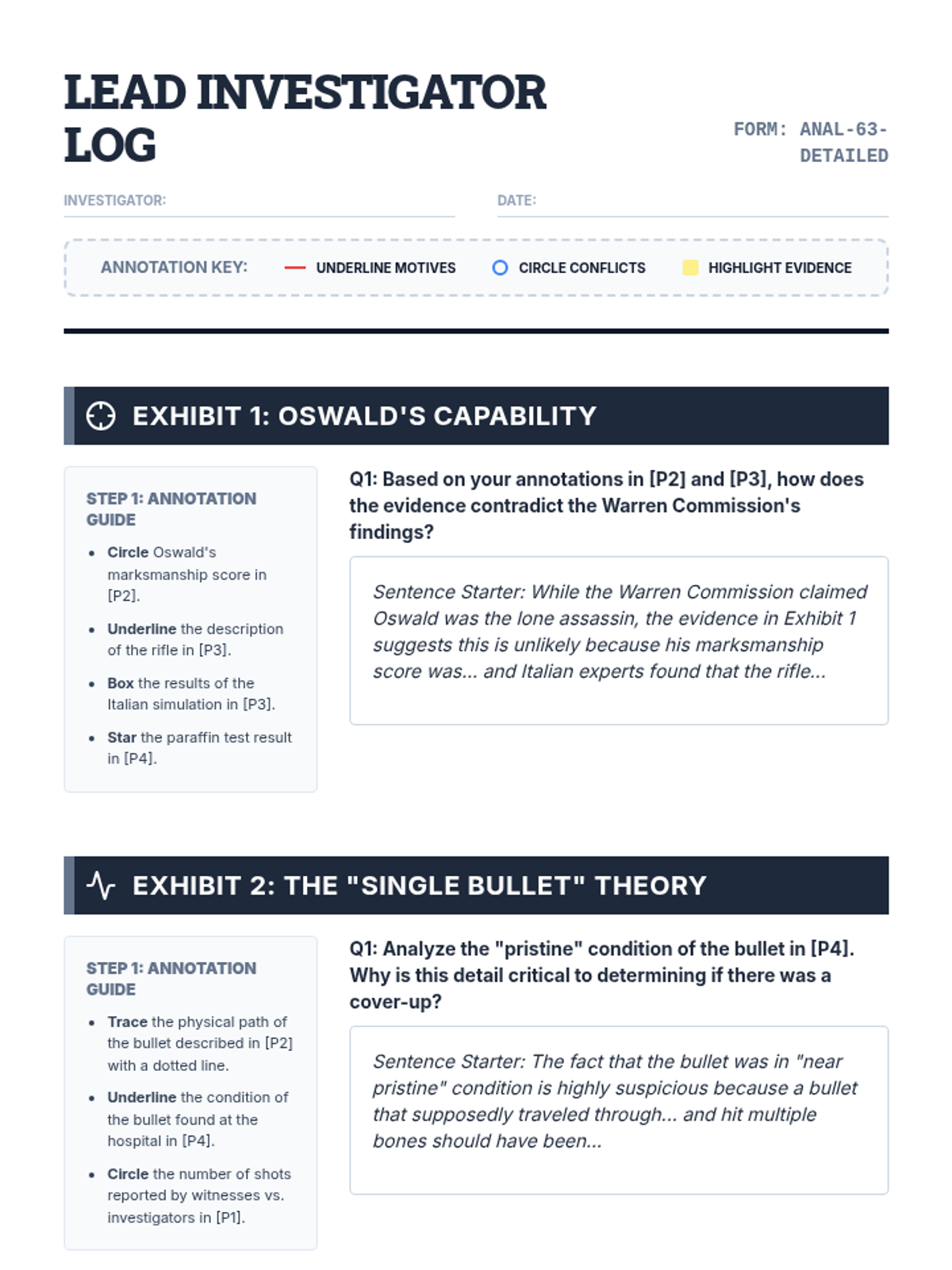
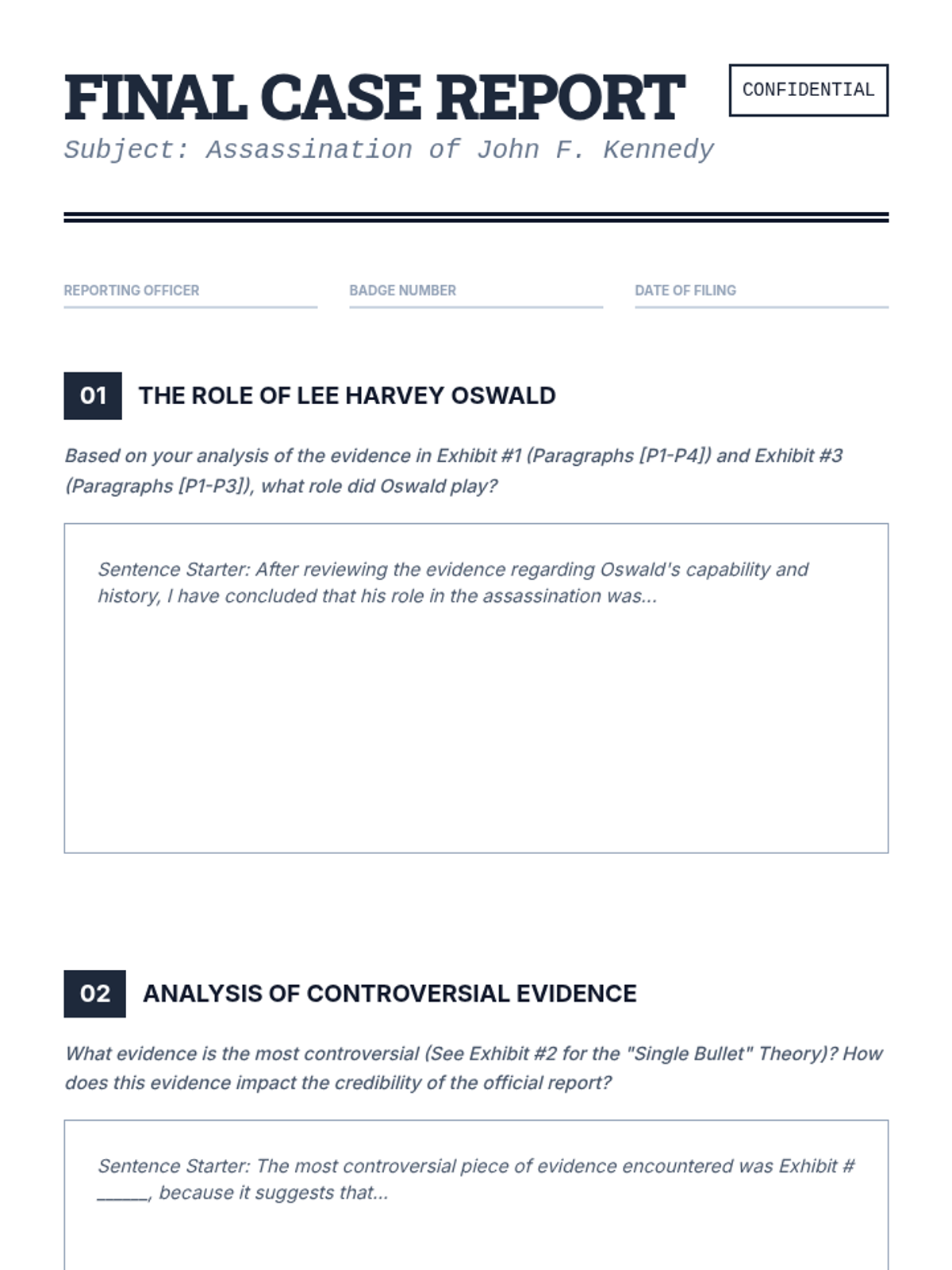
A deep-dive investigation into the JFK assassination where students analyze six exhibits of evidence to evaluate conspiracy theories and the official Warren Commission findings. Students act as lead investigators to determine if the assassination was a cover-up.
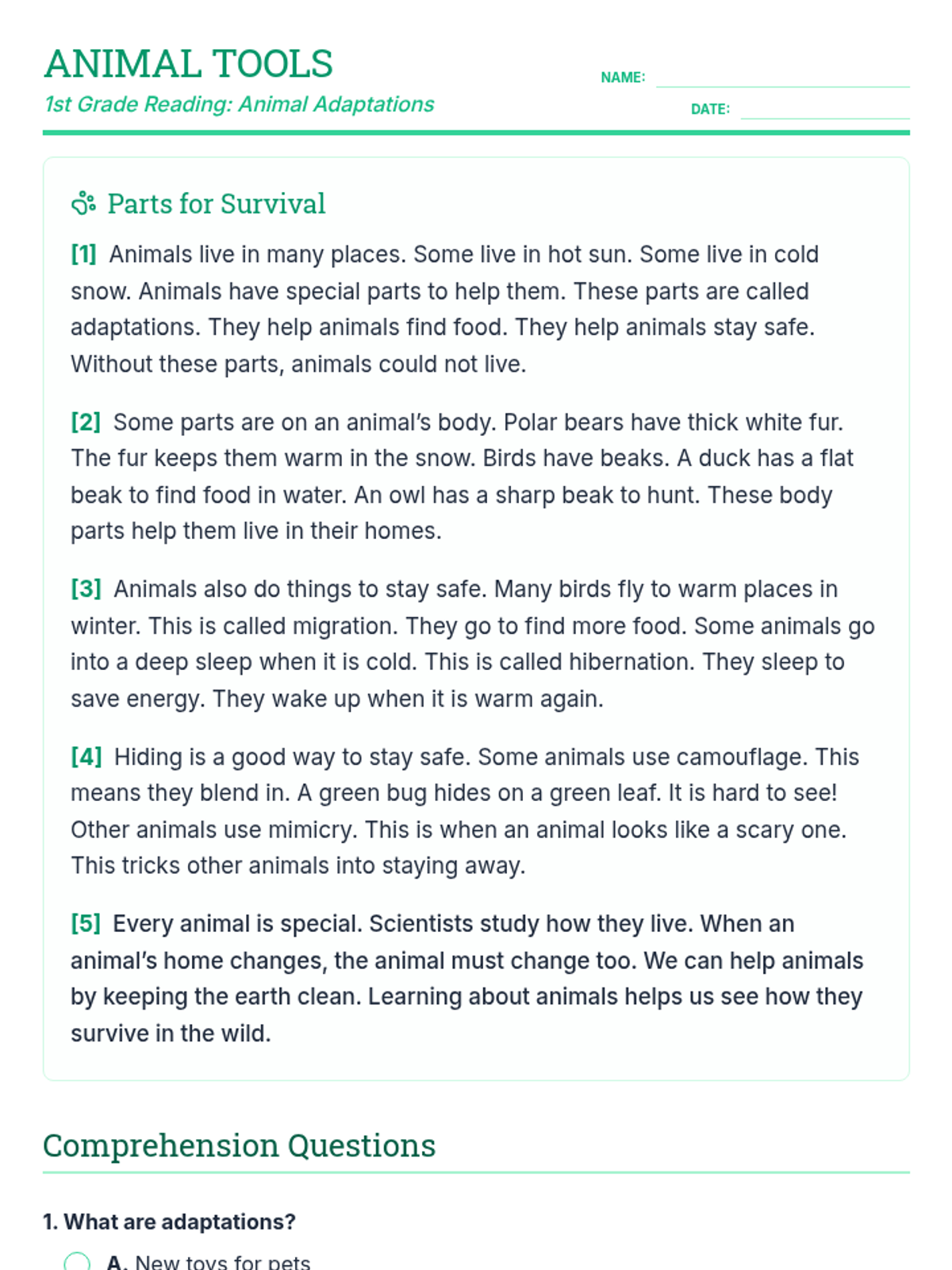
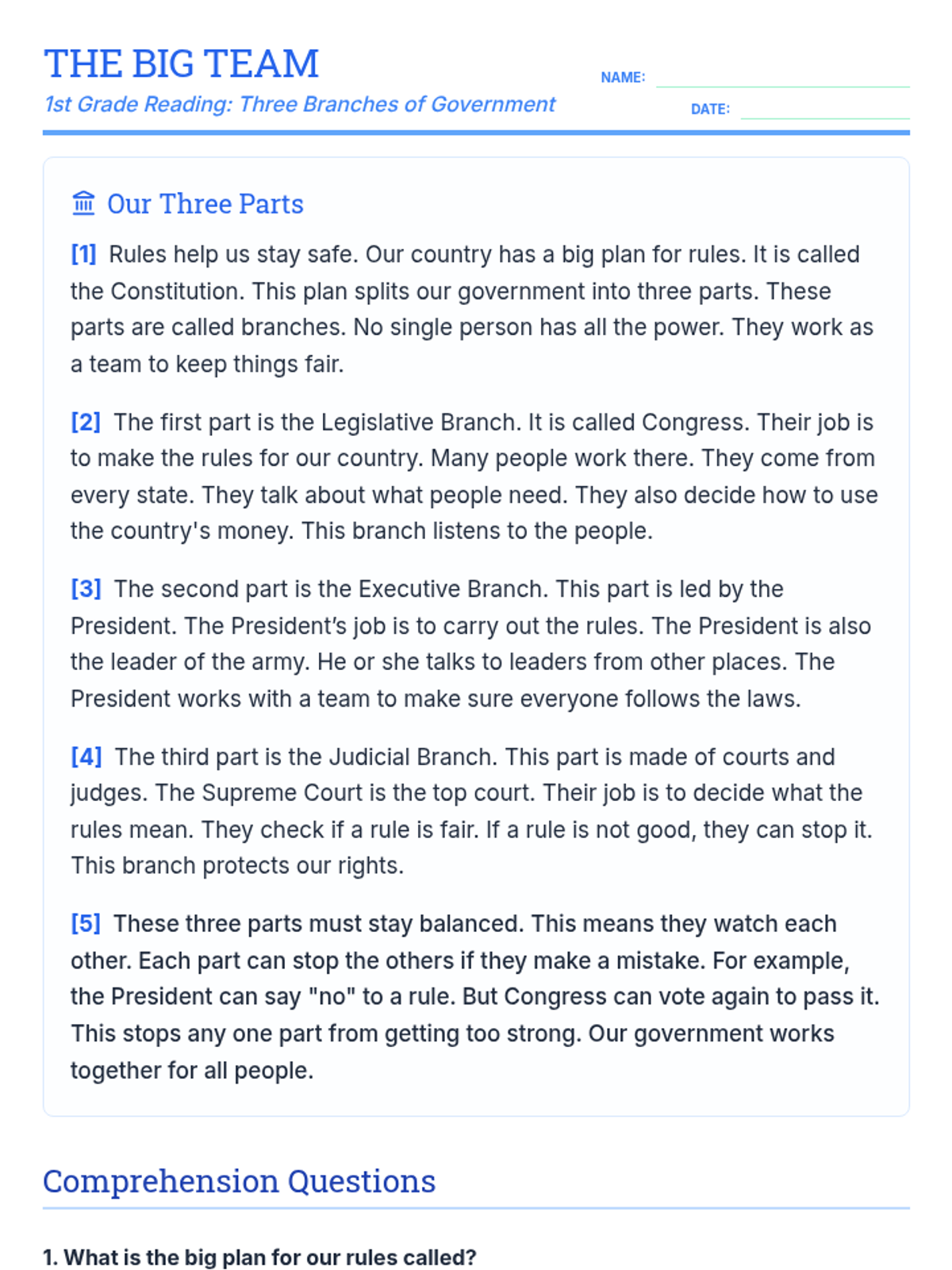
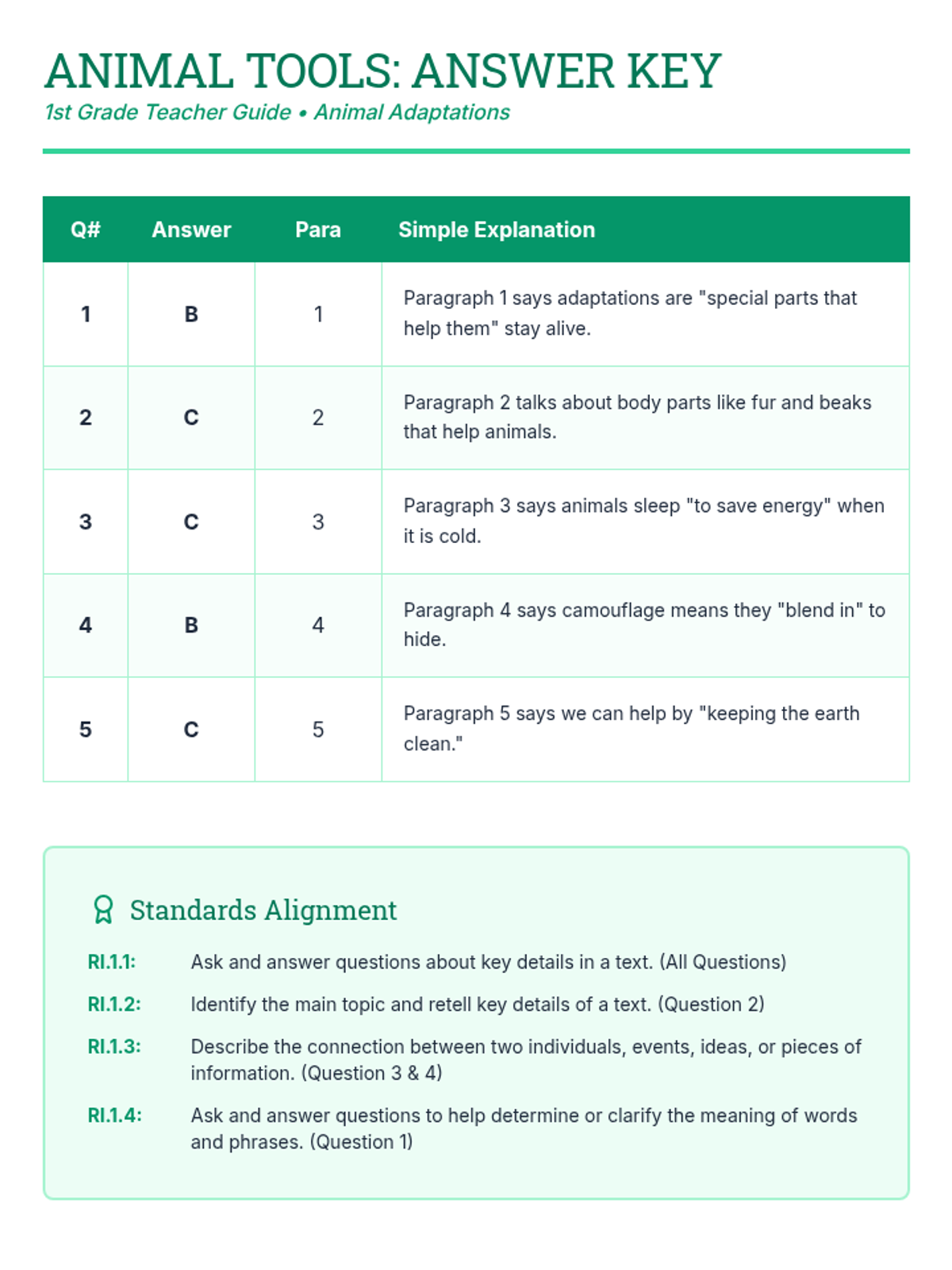
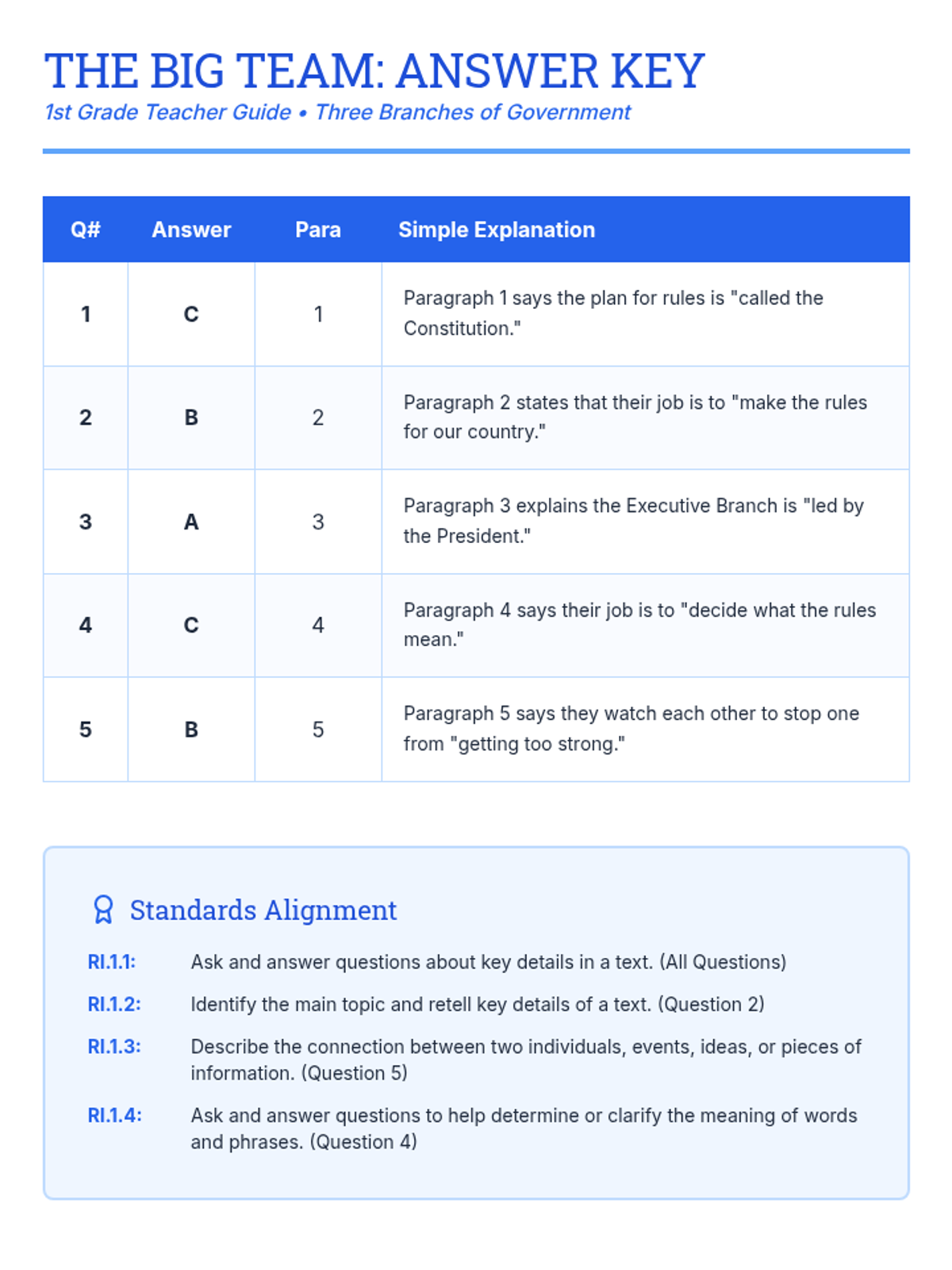
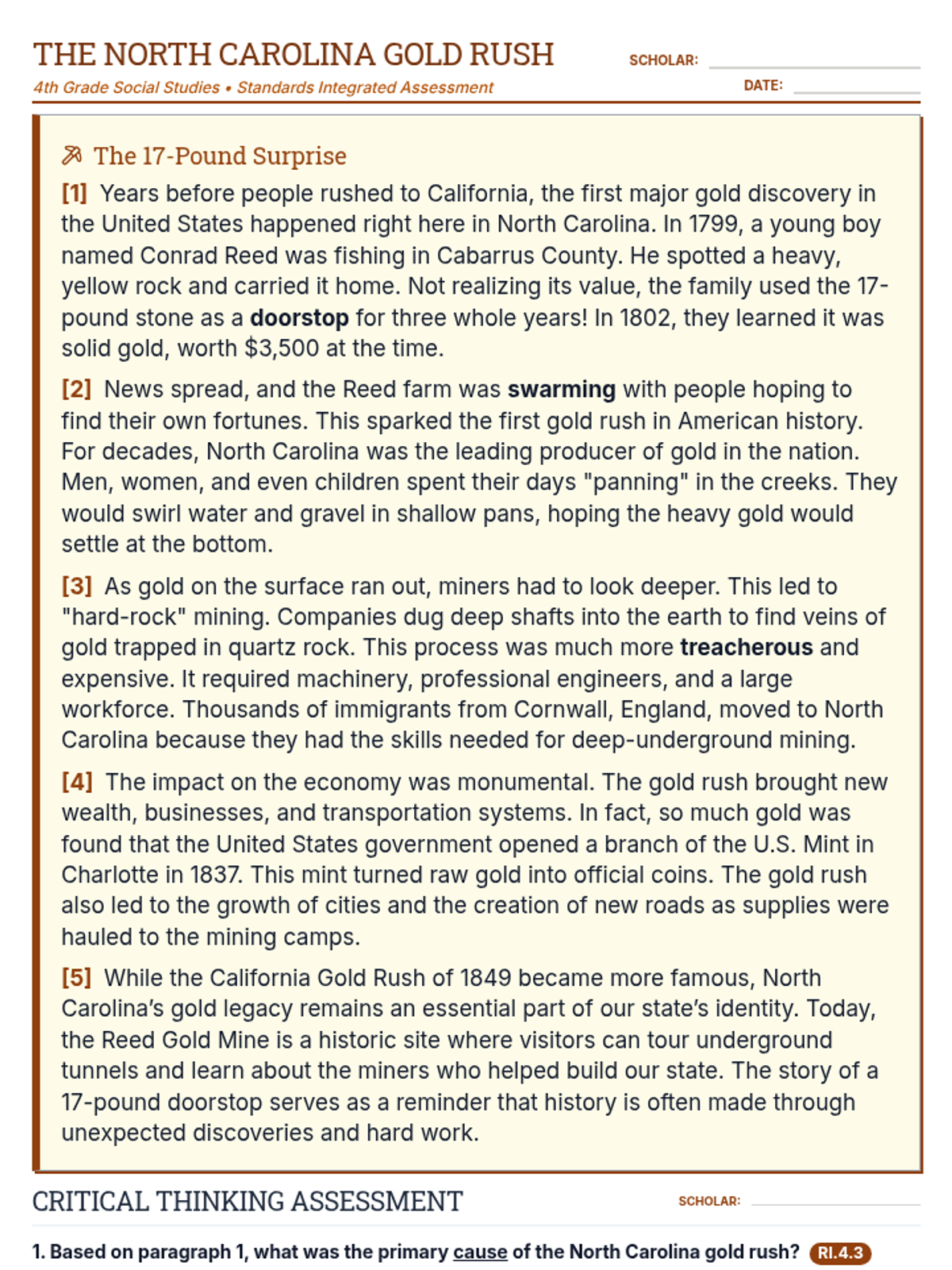
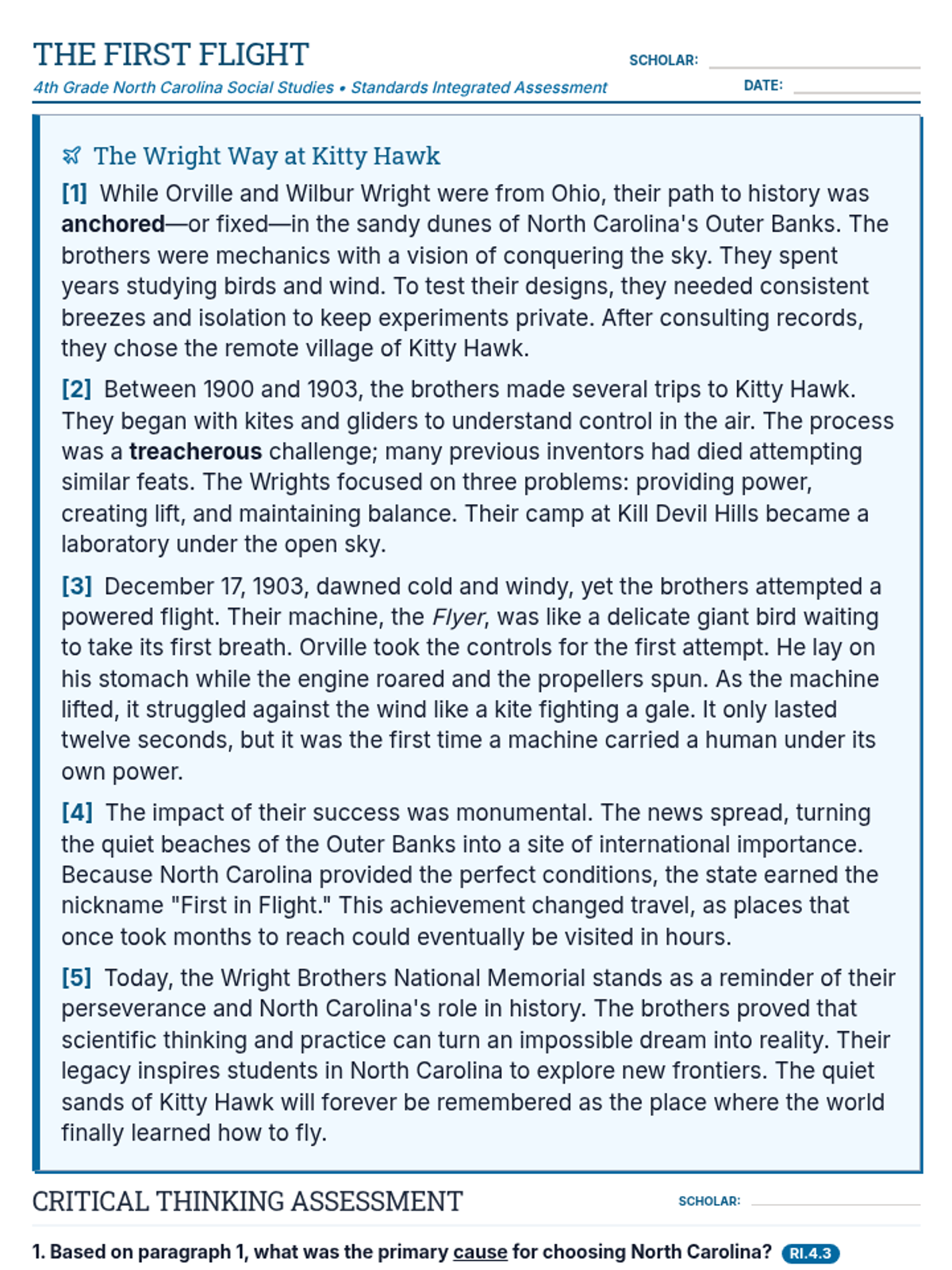
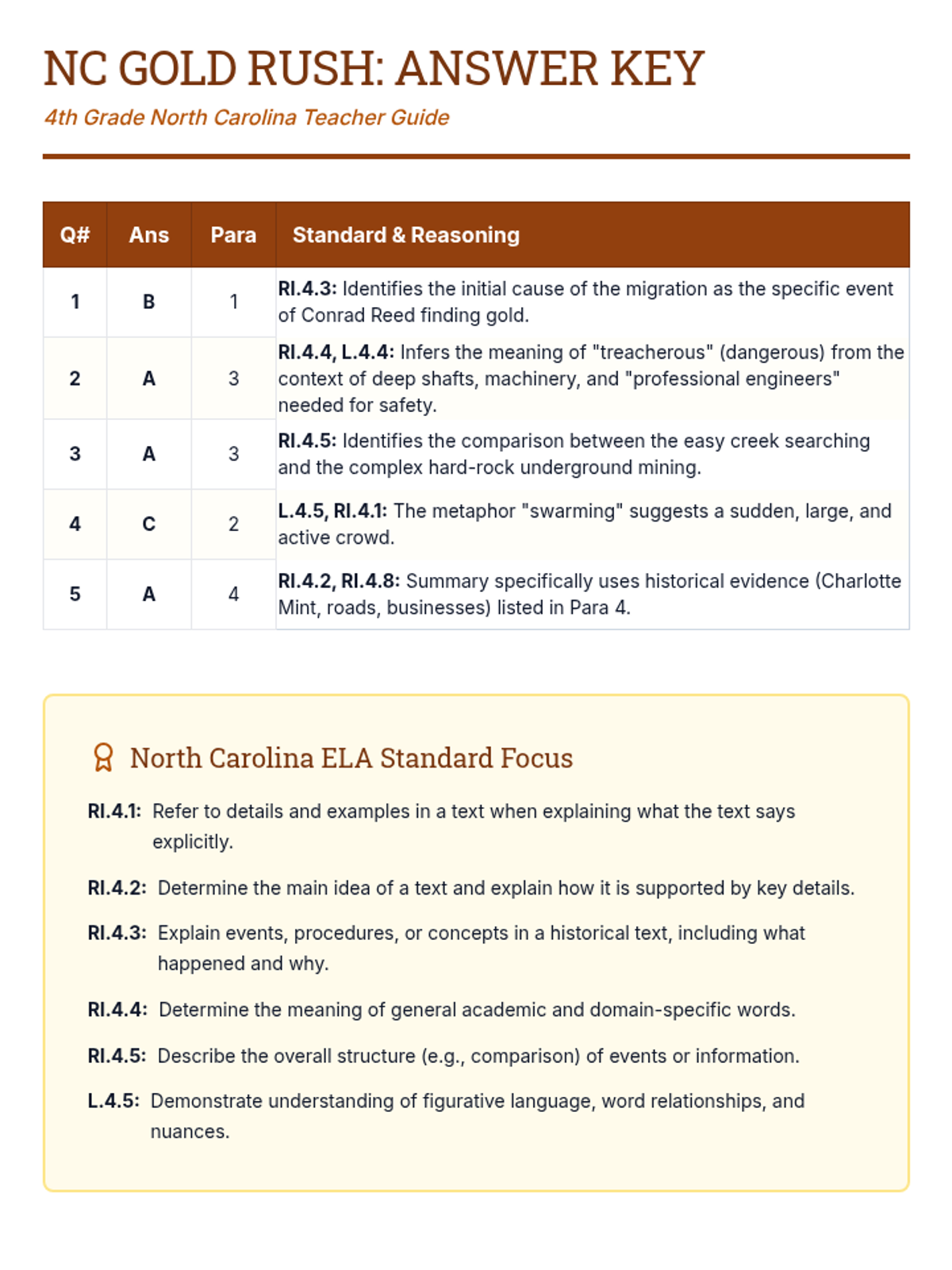
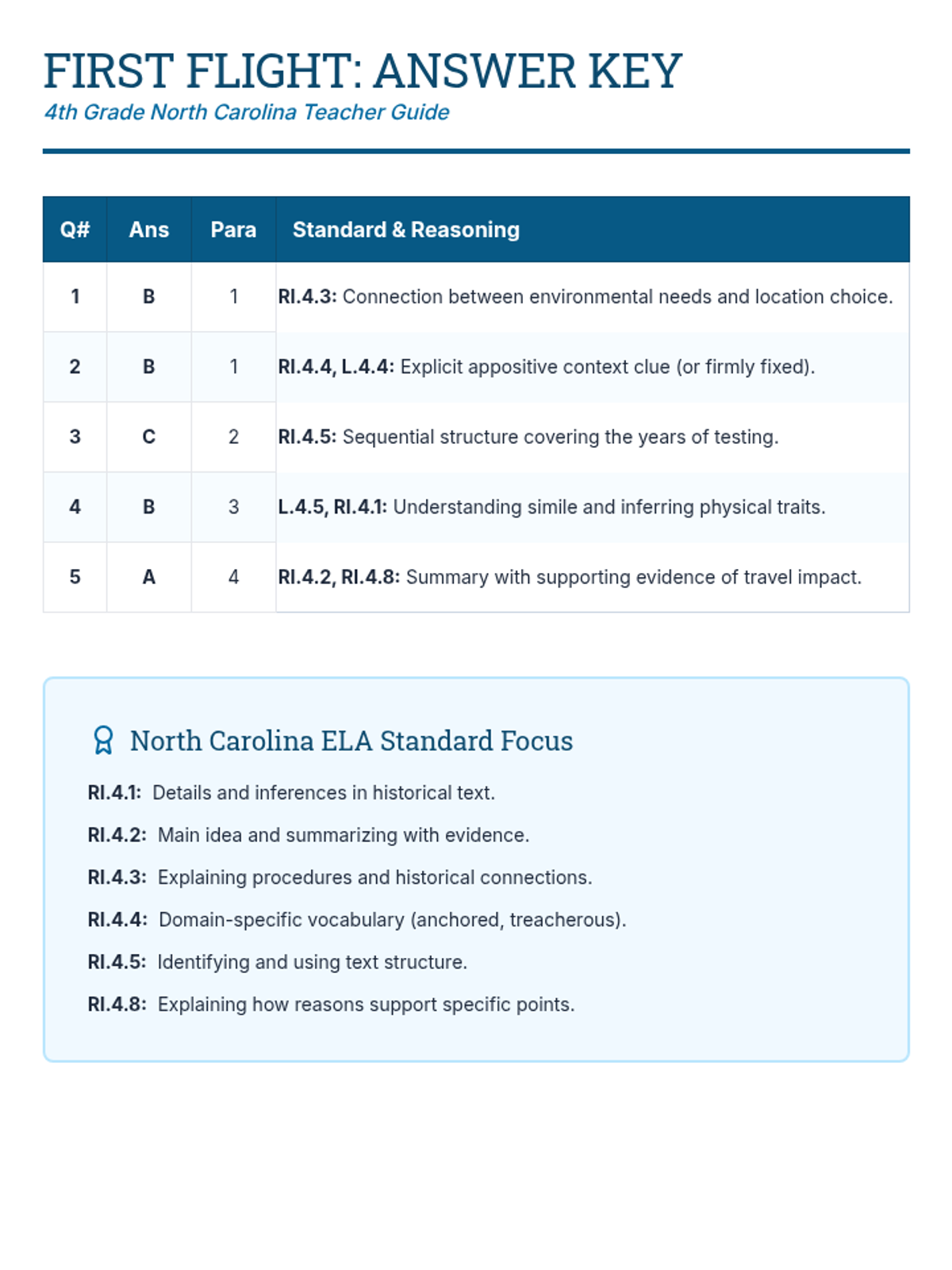
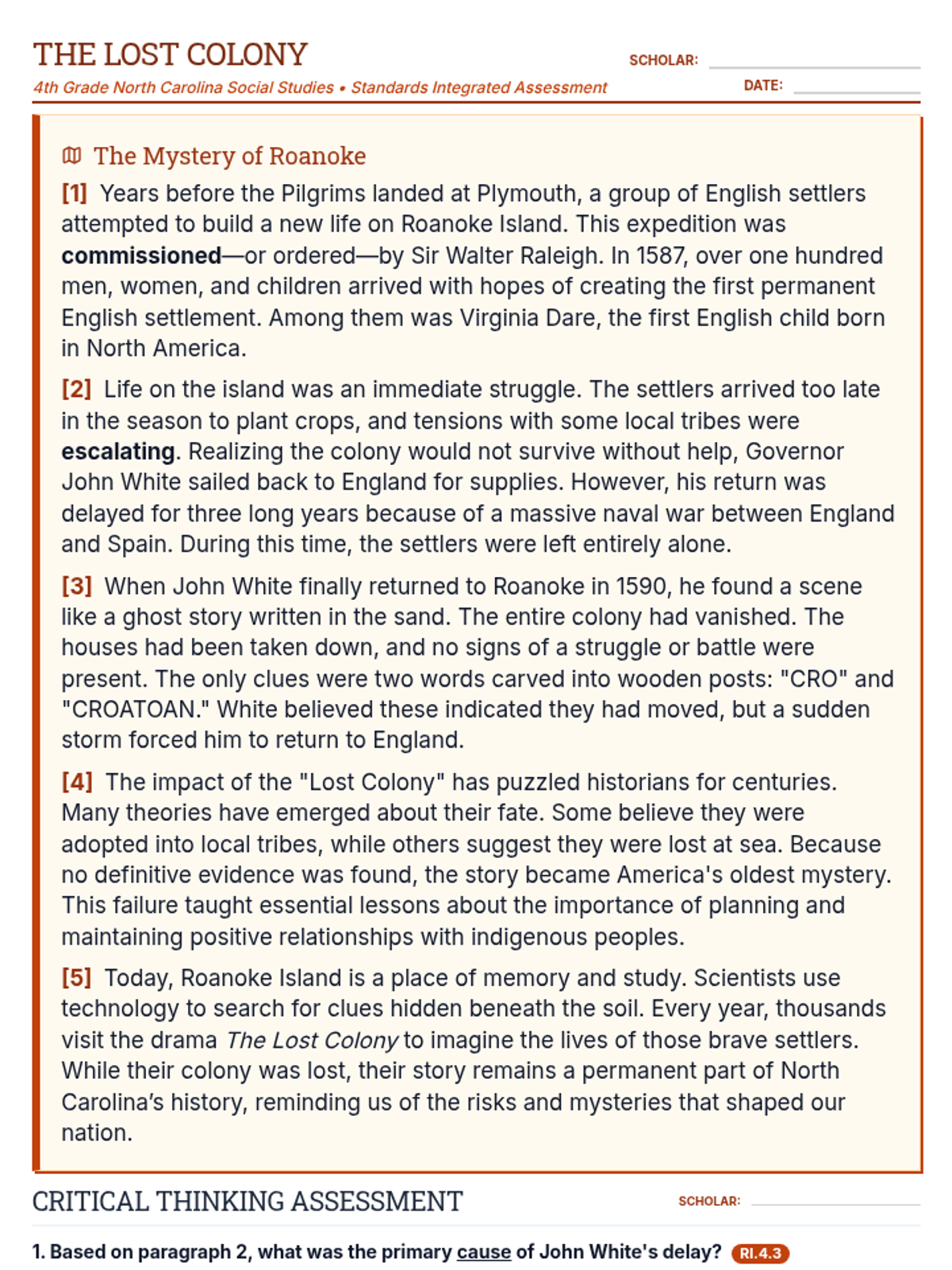
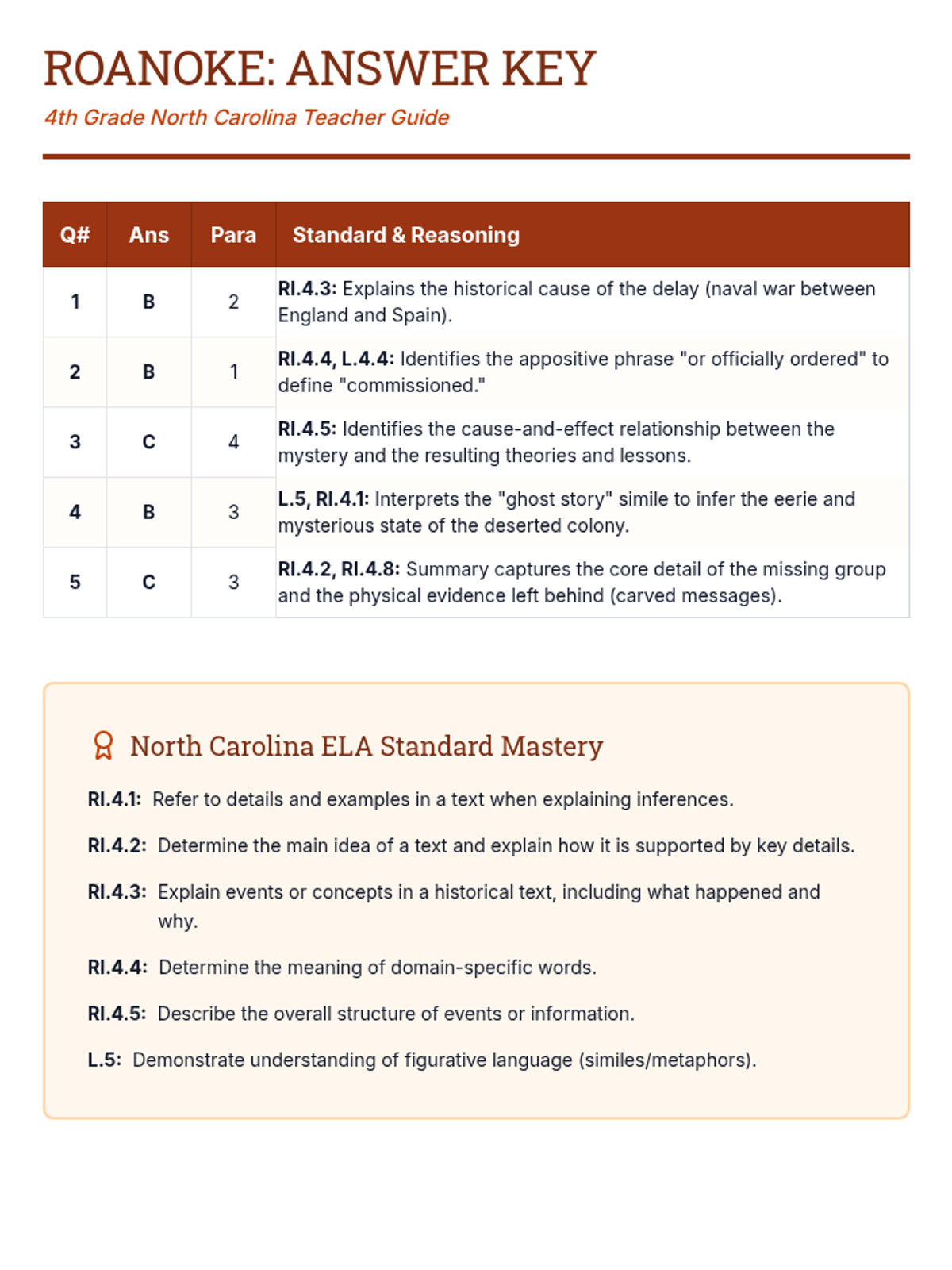
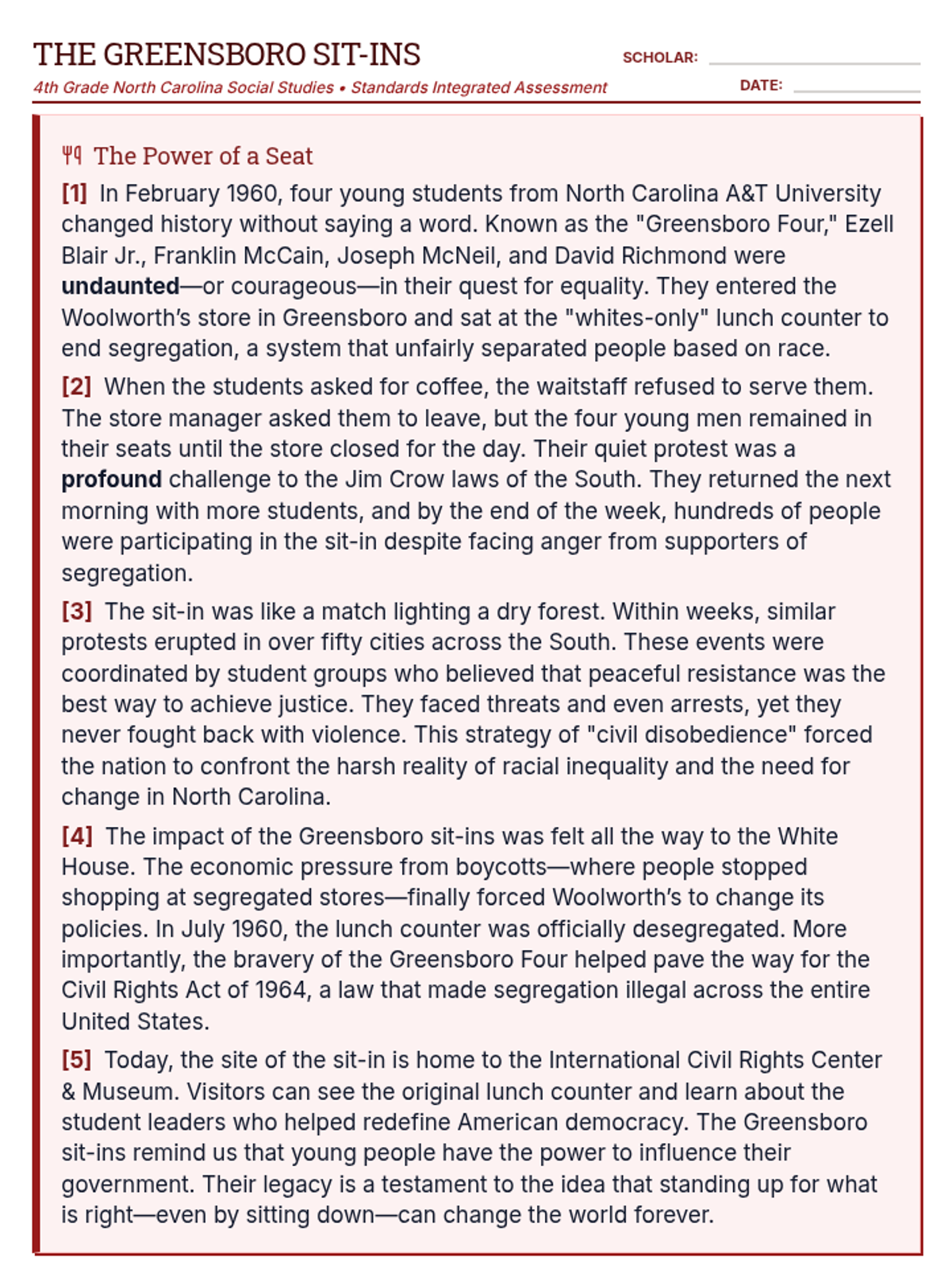
A comprehensive reading comprehension lesson focusing on RI.1, RI.2, RI.3, and RI.4 standards through the lenses of Animal Adaptations and the Three Branches of Government.
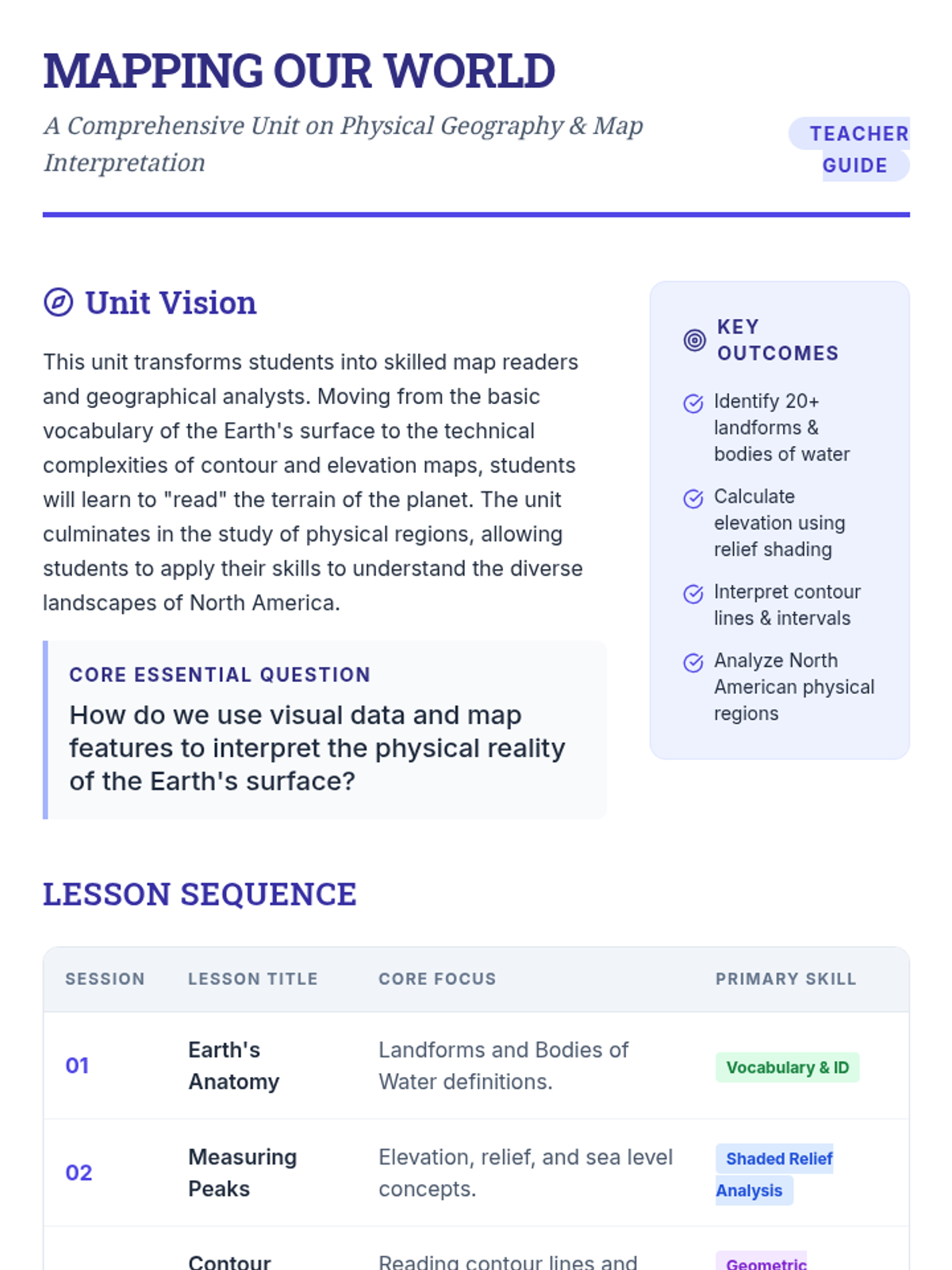
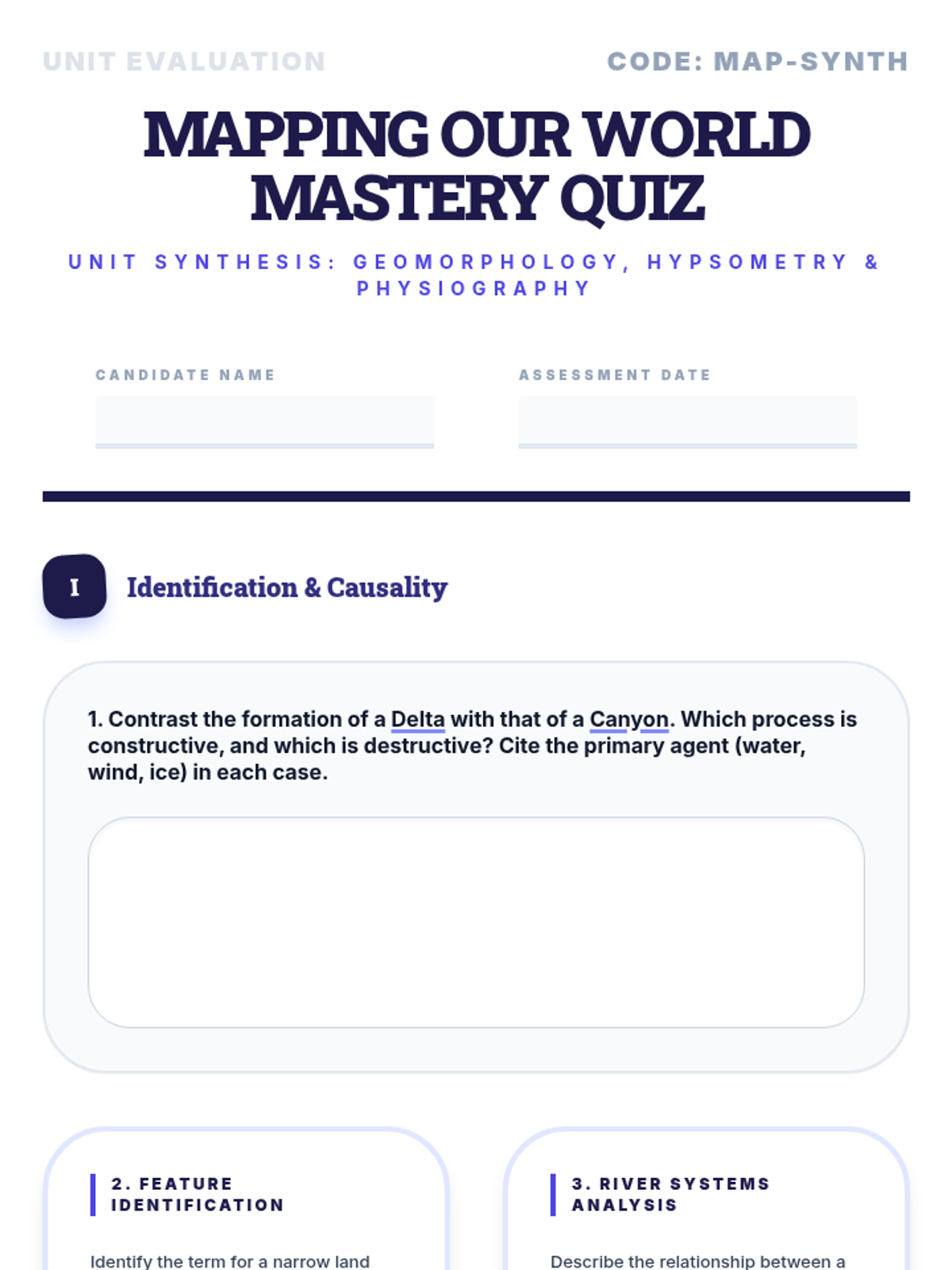
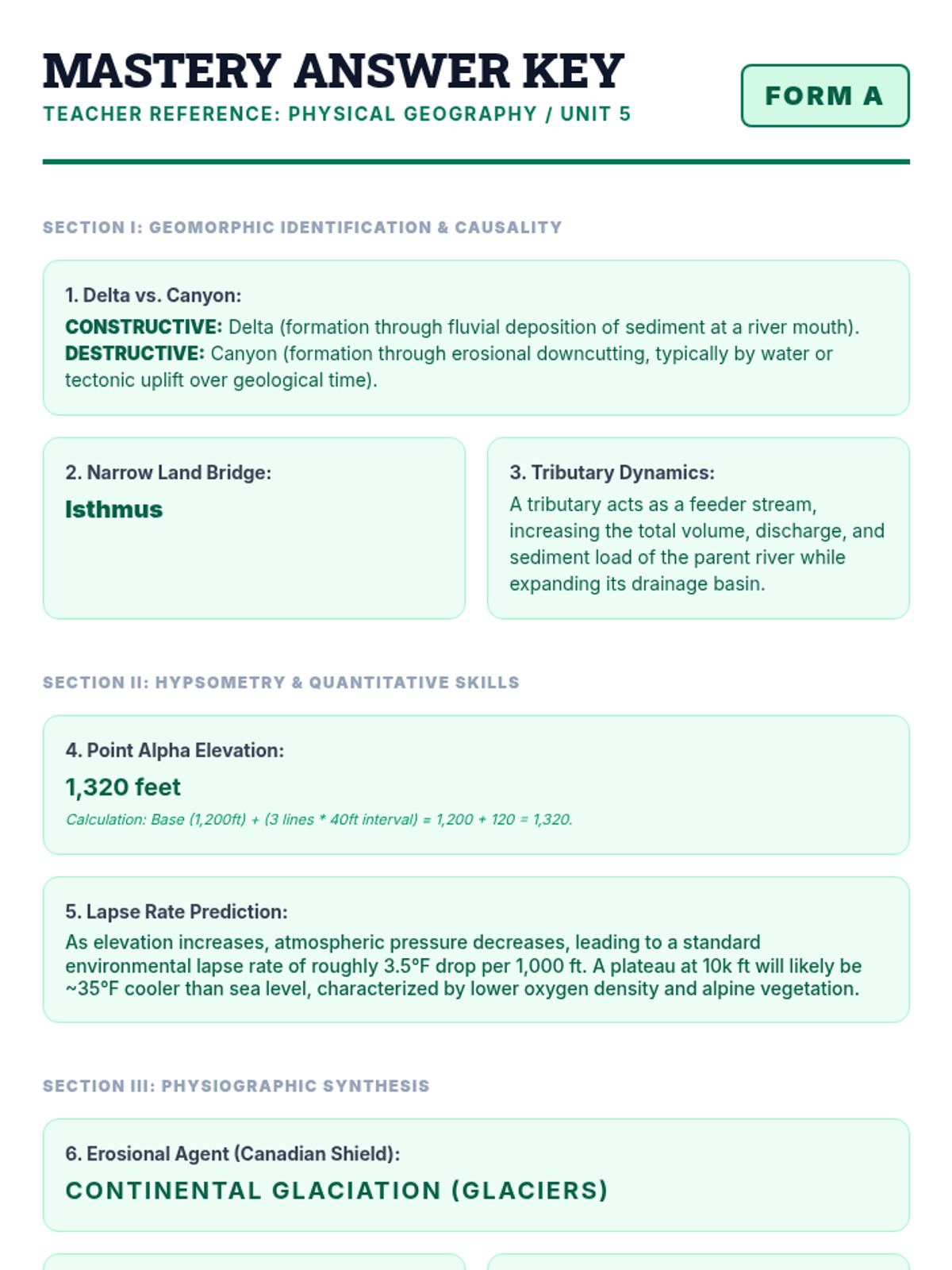
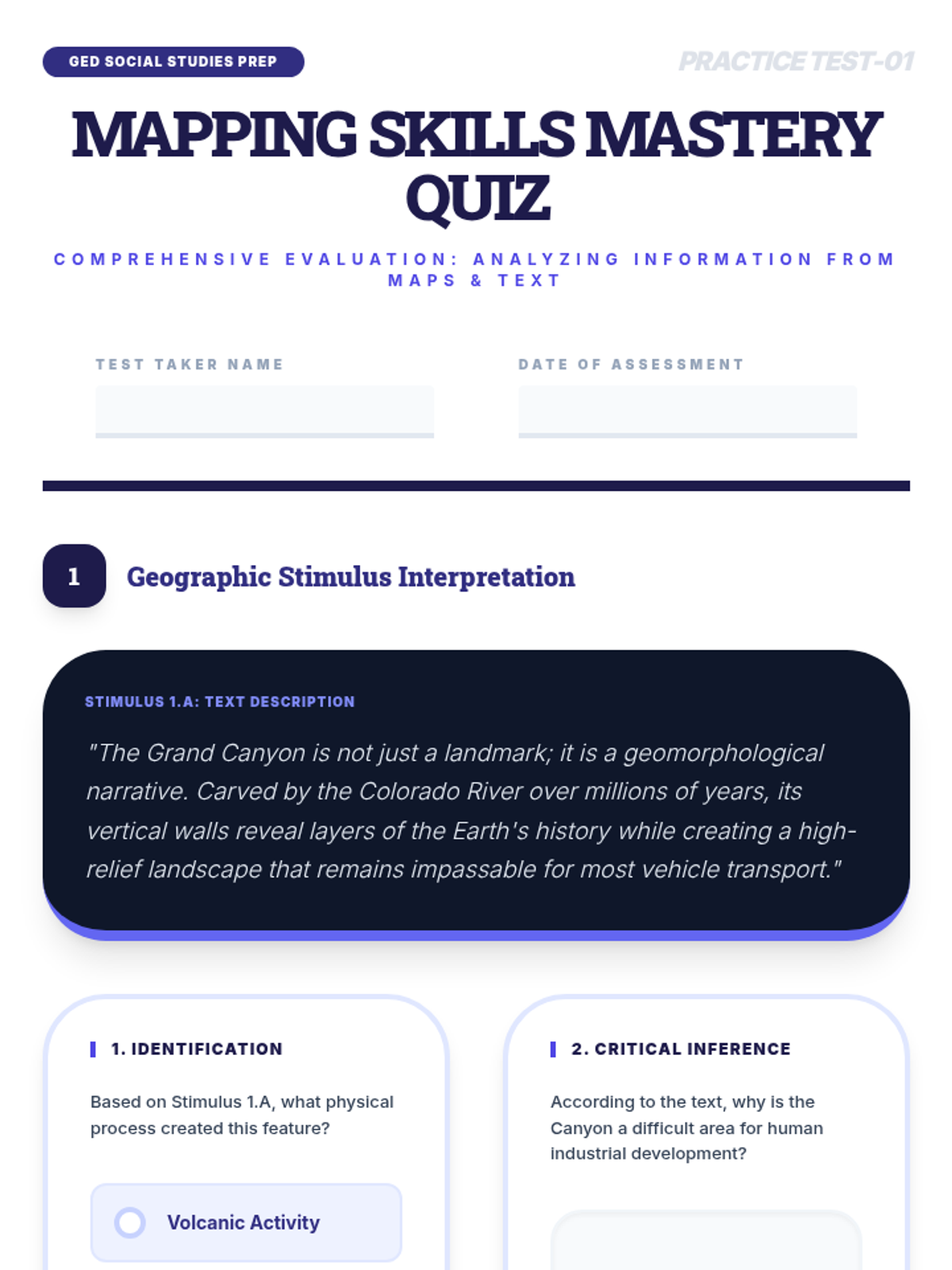
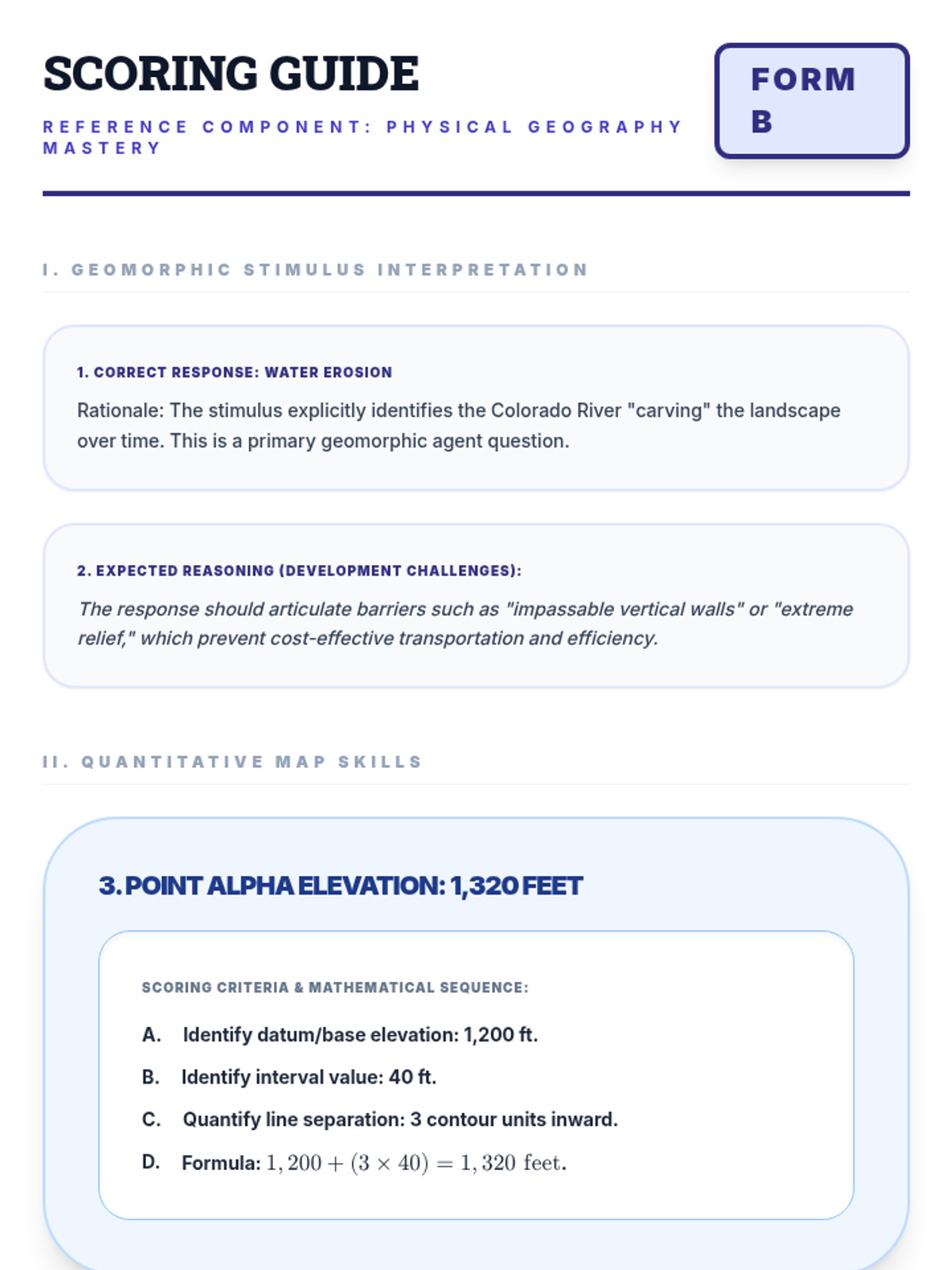
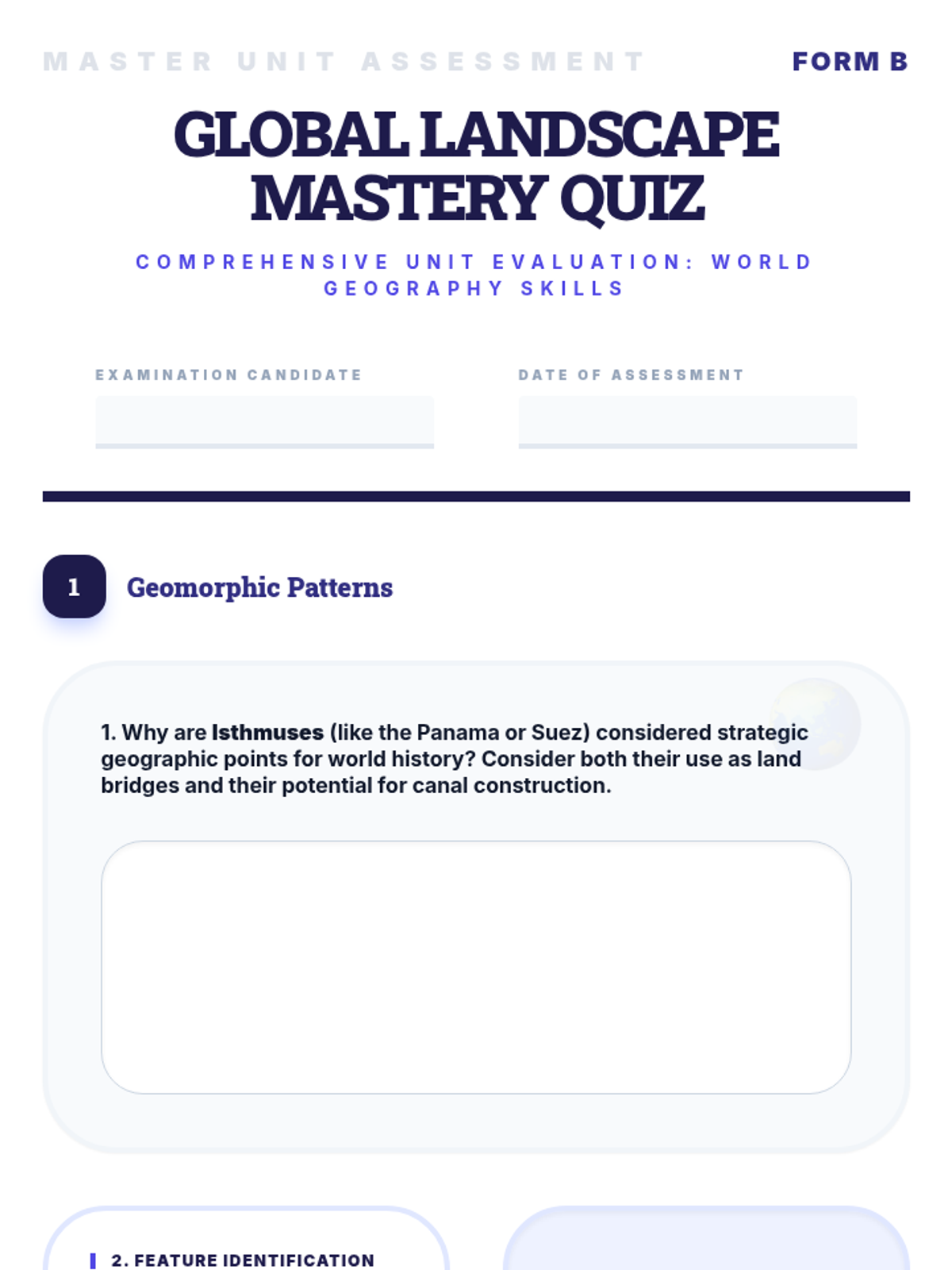
A final assessment and review lesson to verify student mastery of the unit's geography skills.
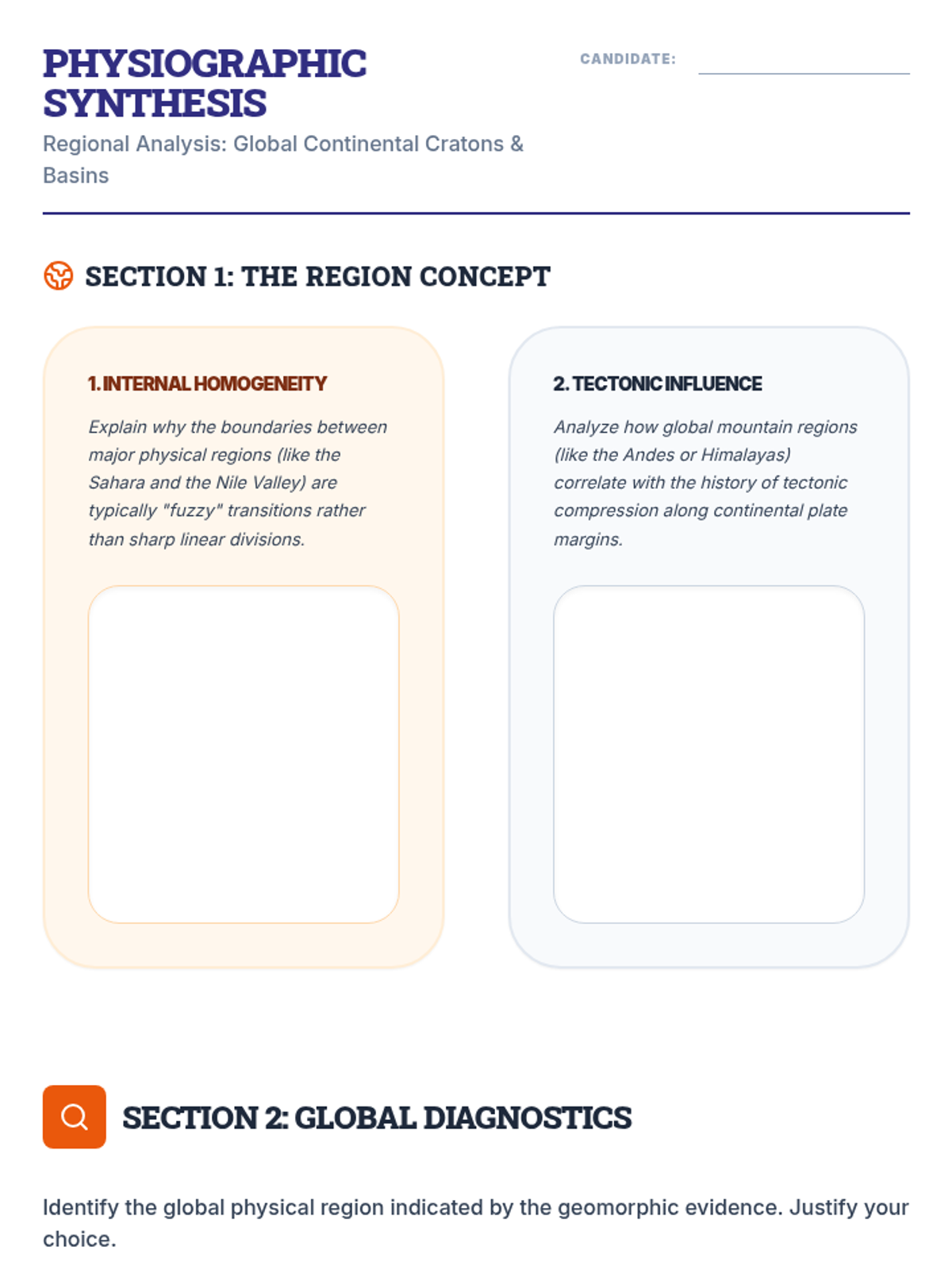
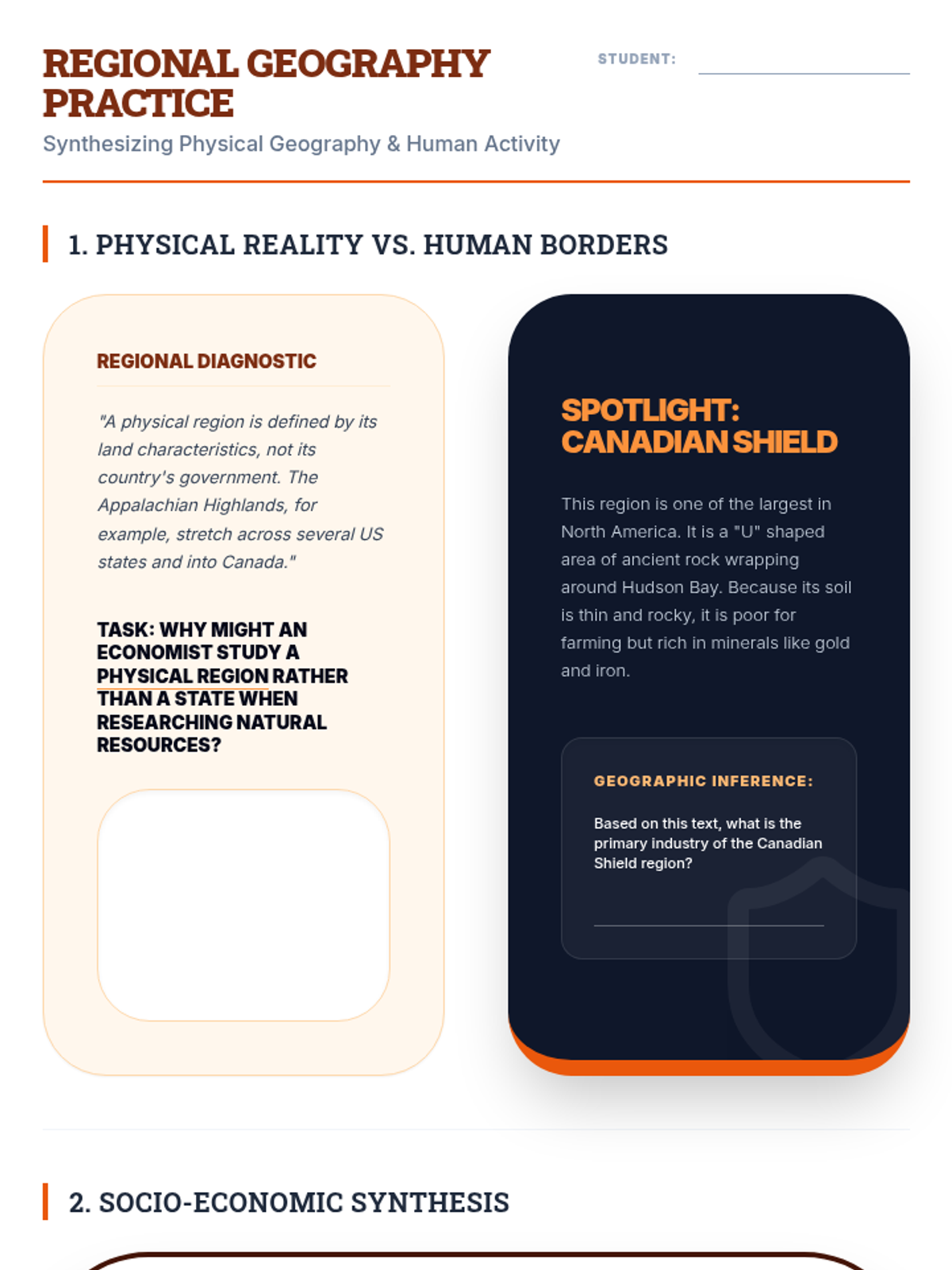
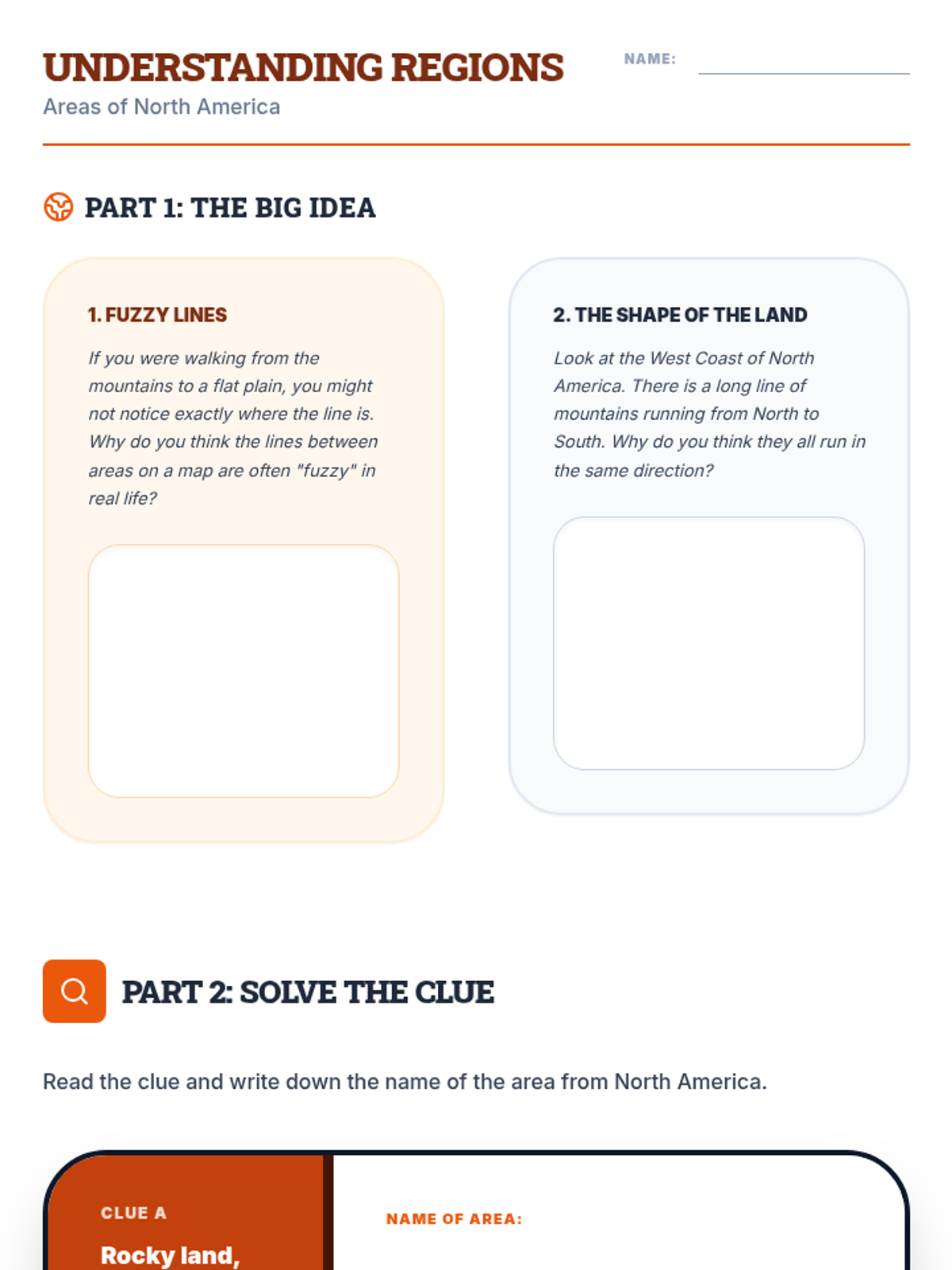
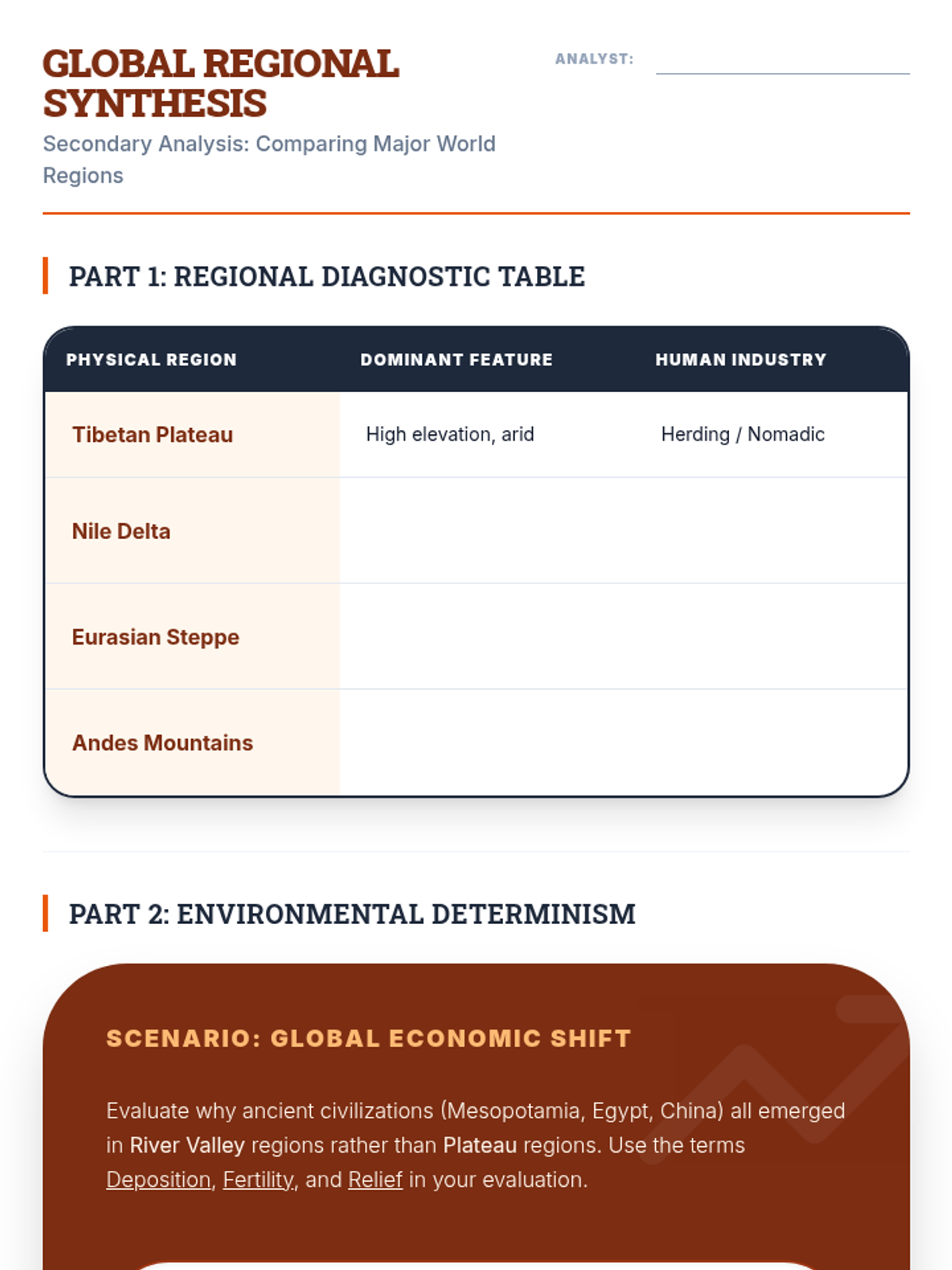
Analyzing the major physical regions of the world and their impact on human settlement and activity.
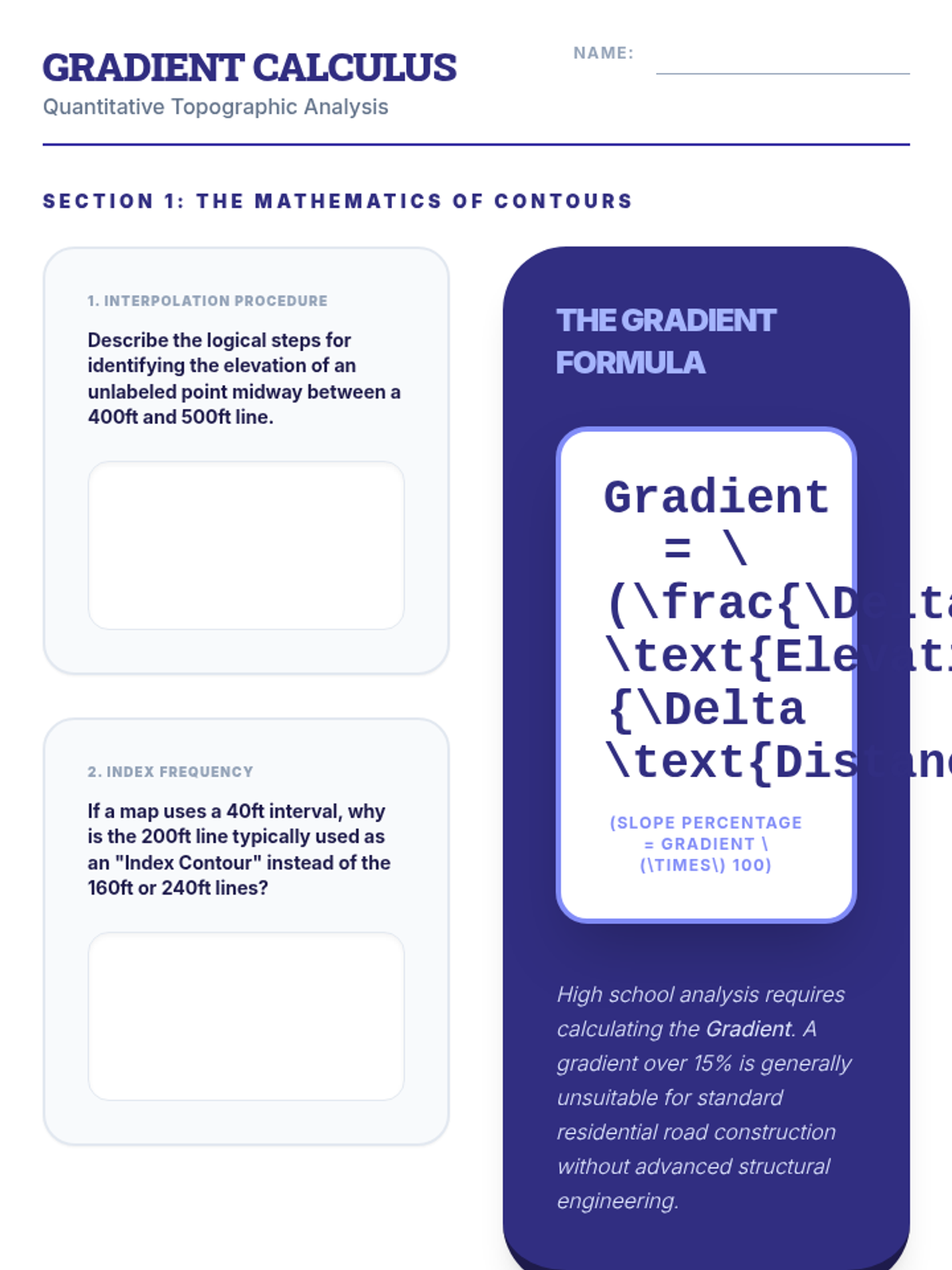
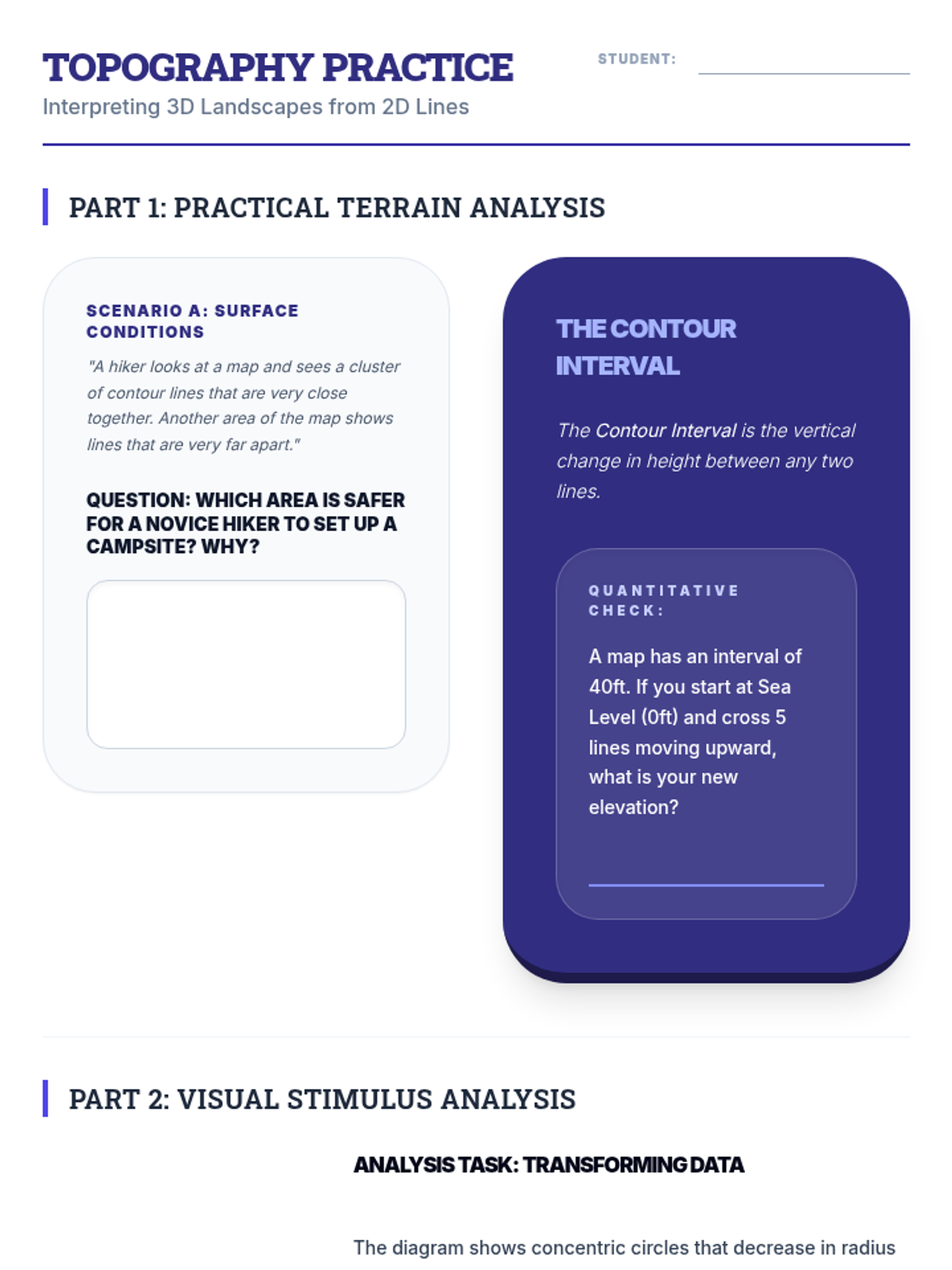
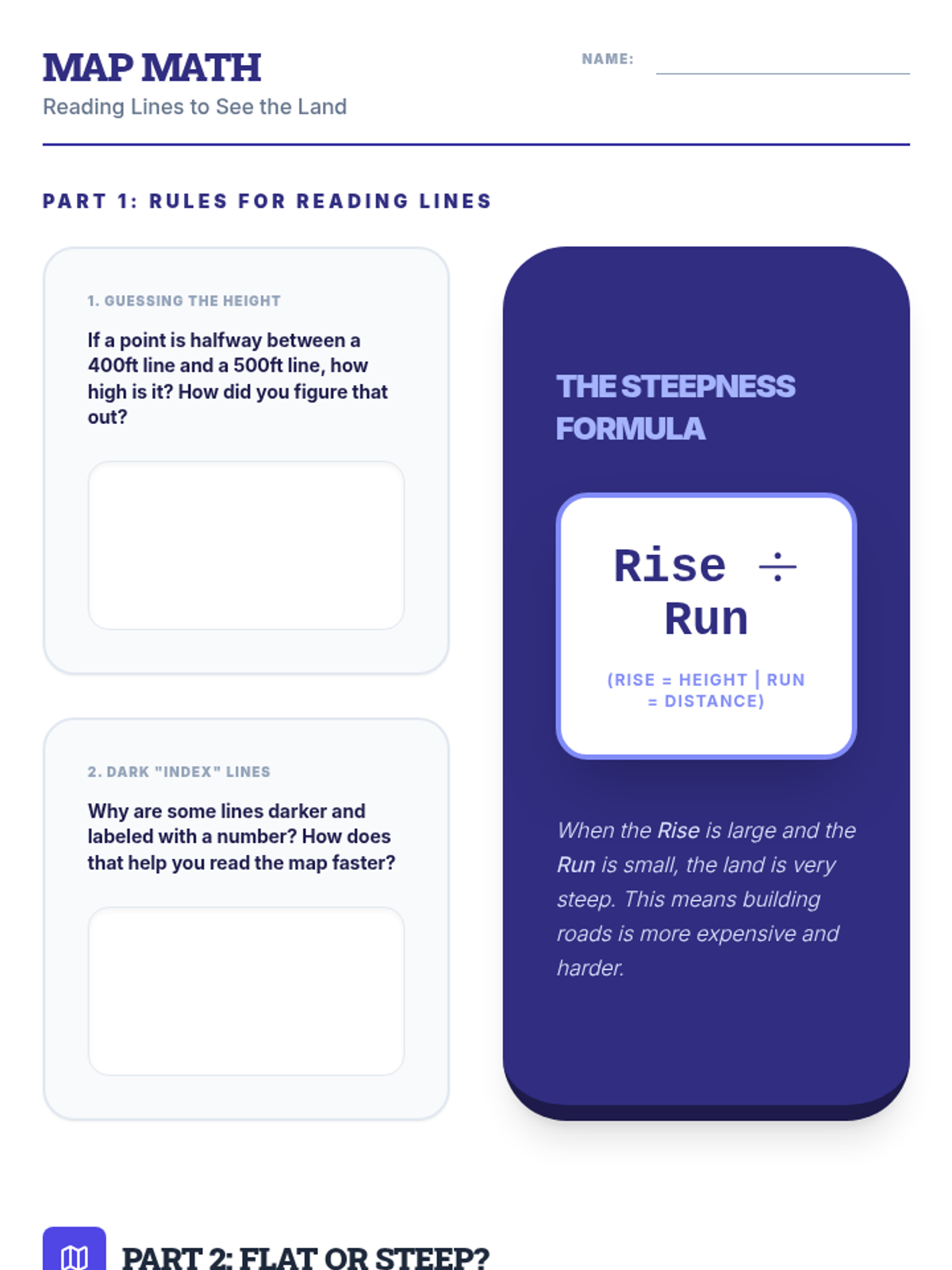
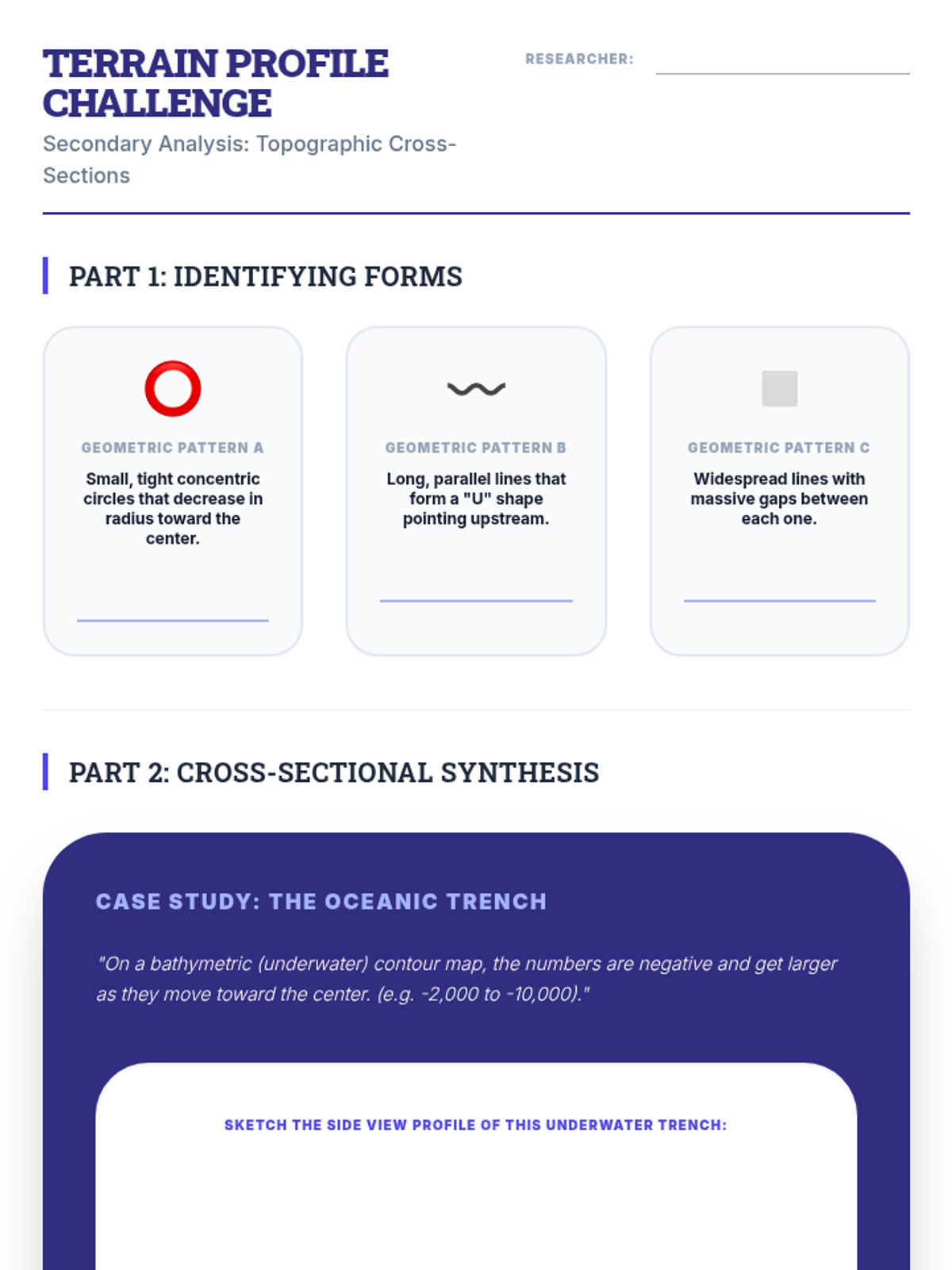
Using contour maps to visualize 3D terrain and calculate gradients across various global landscapes.
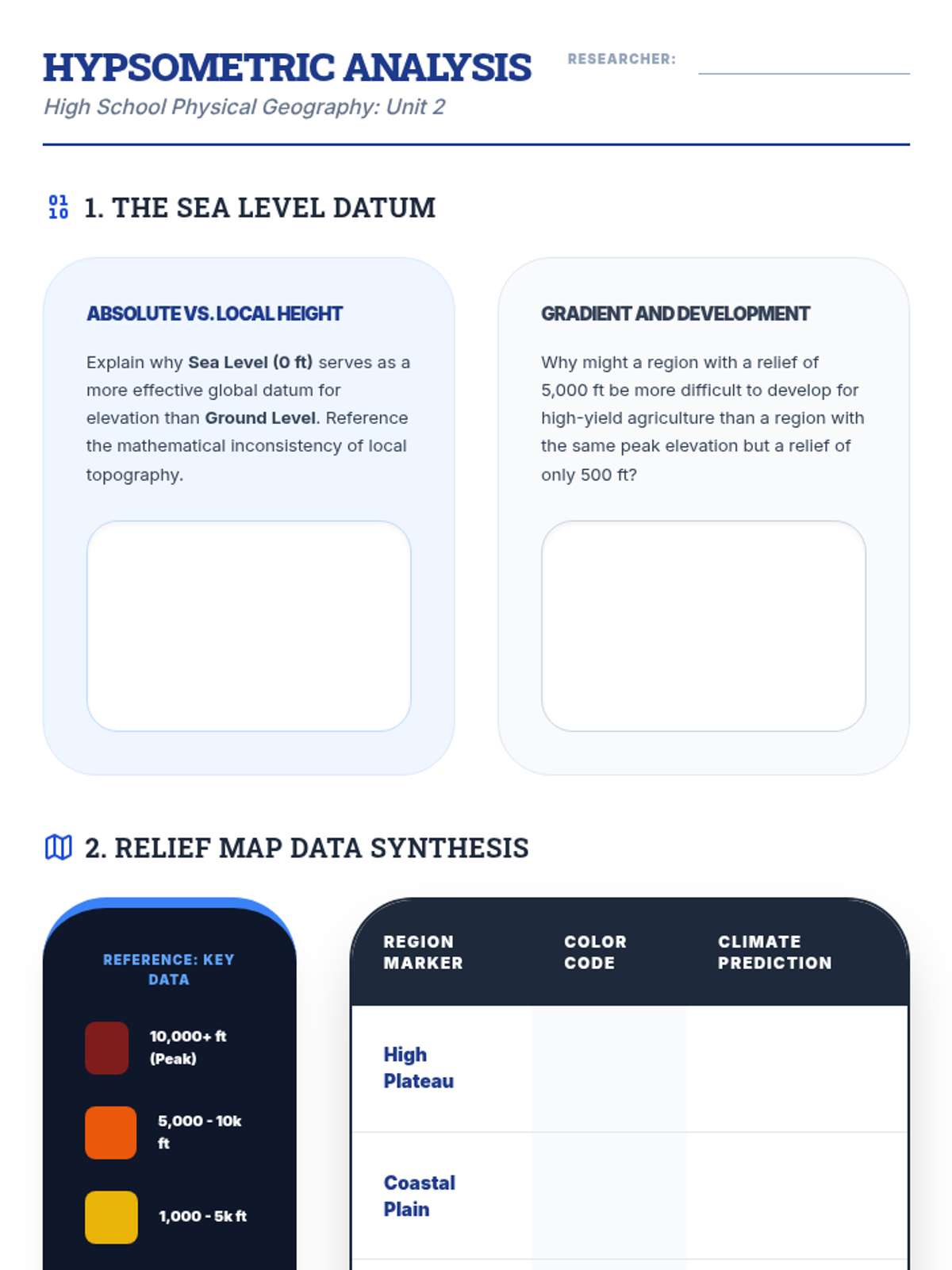
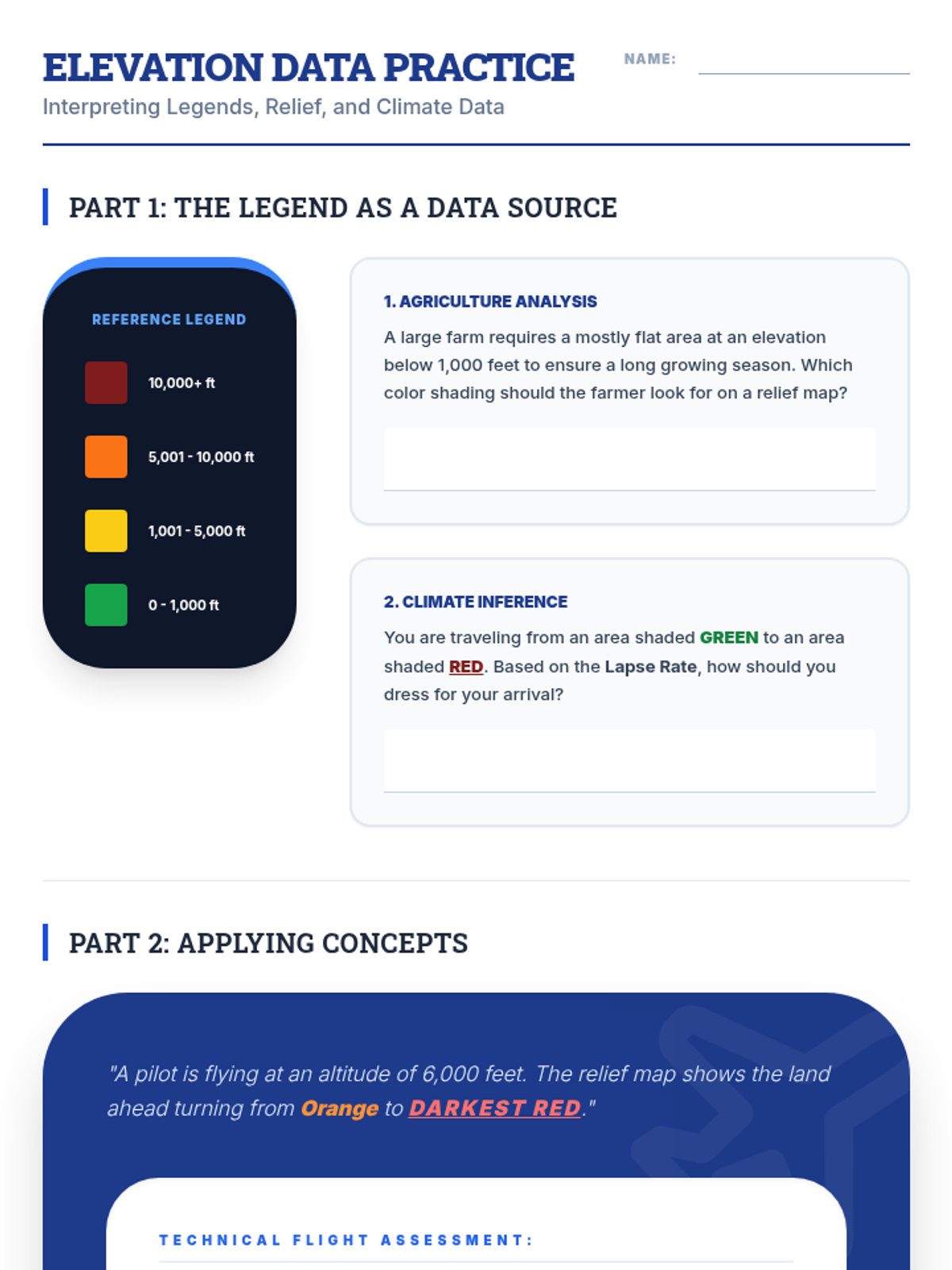
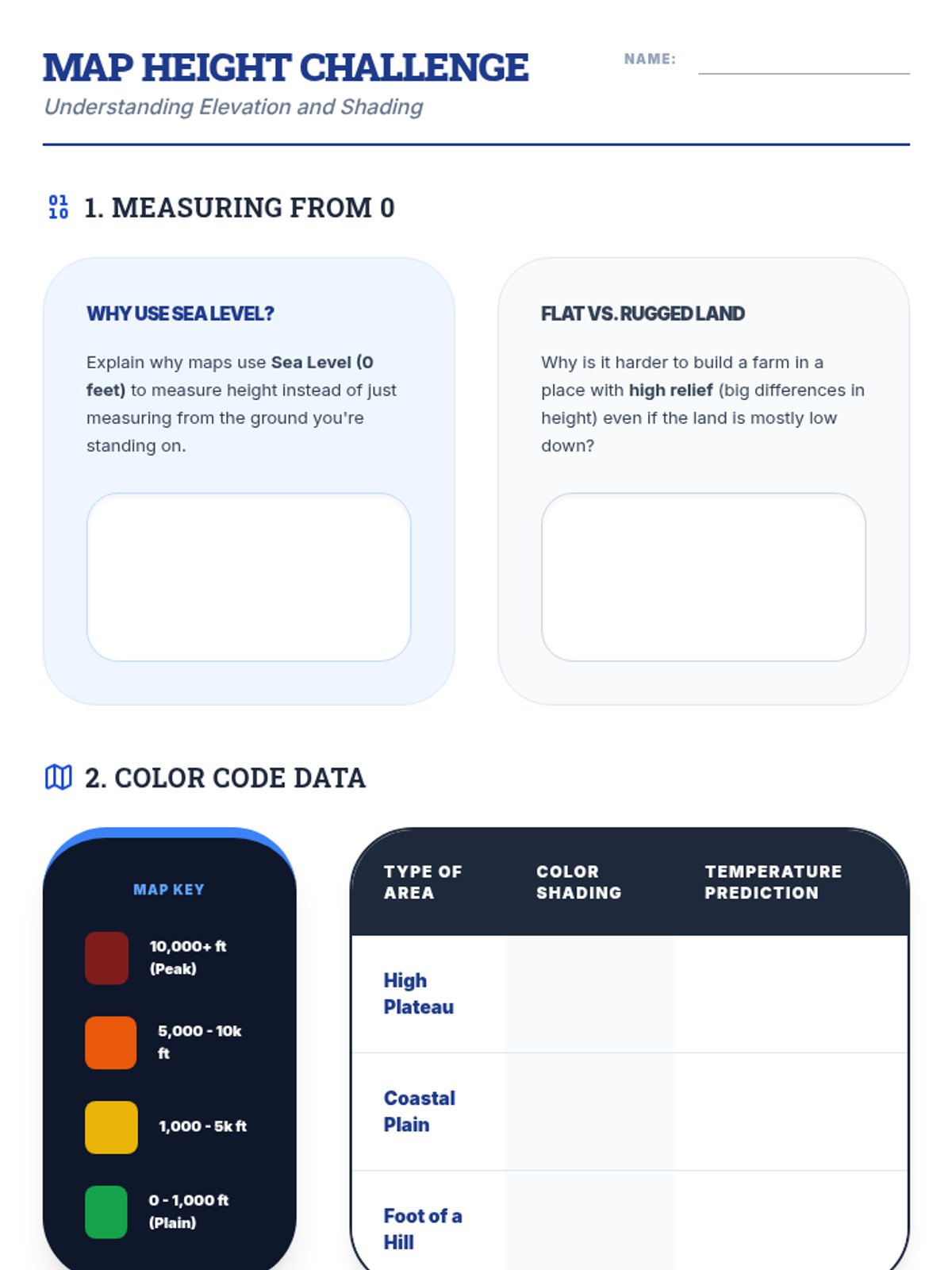
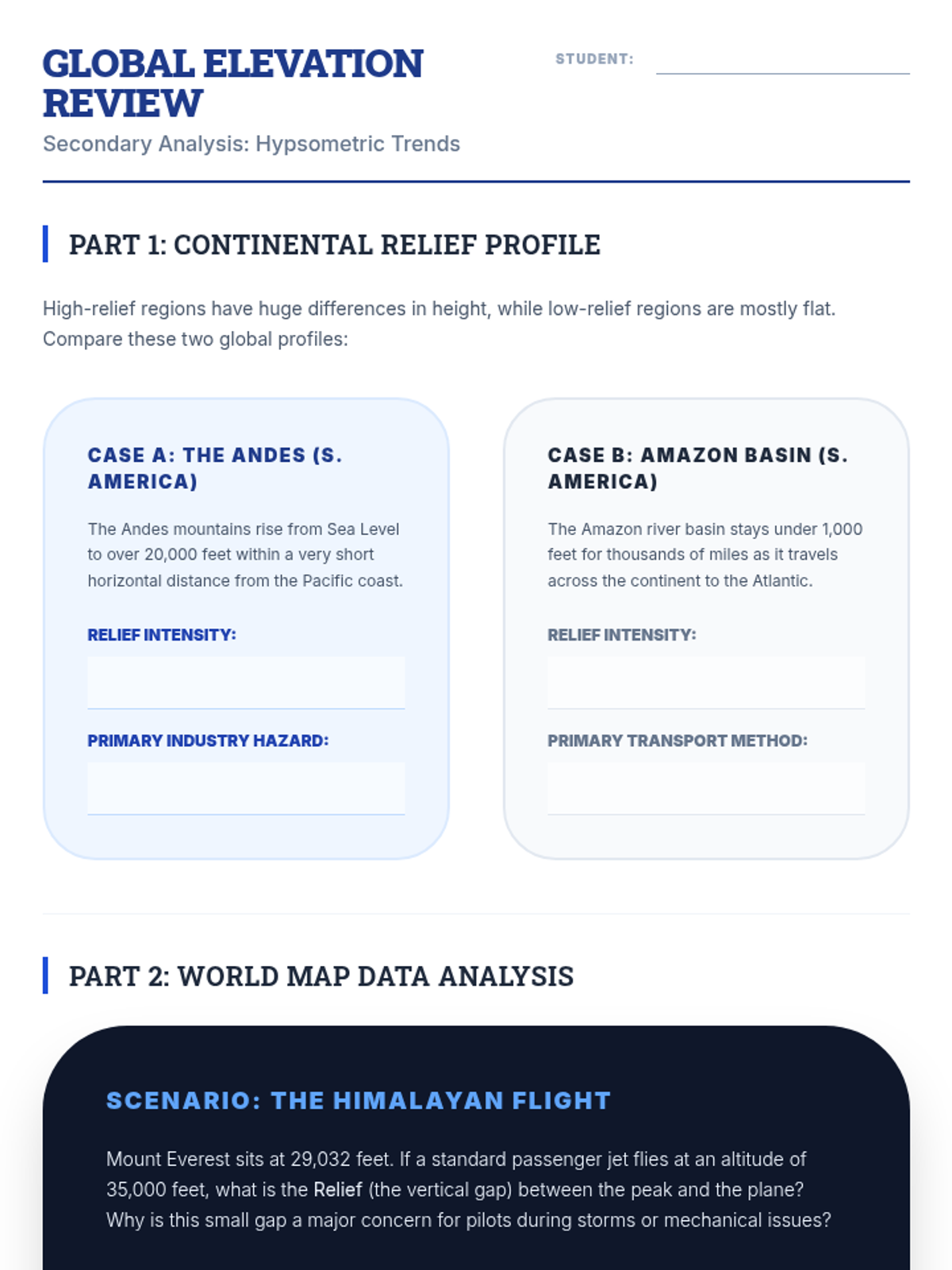
Mastering the use of relief shading and elevation data to interpret global mountain ranges and basins.
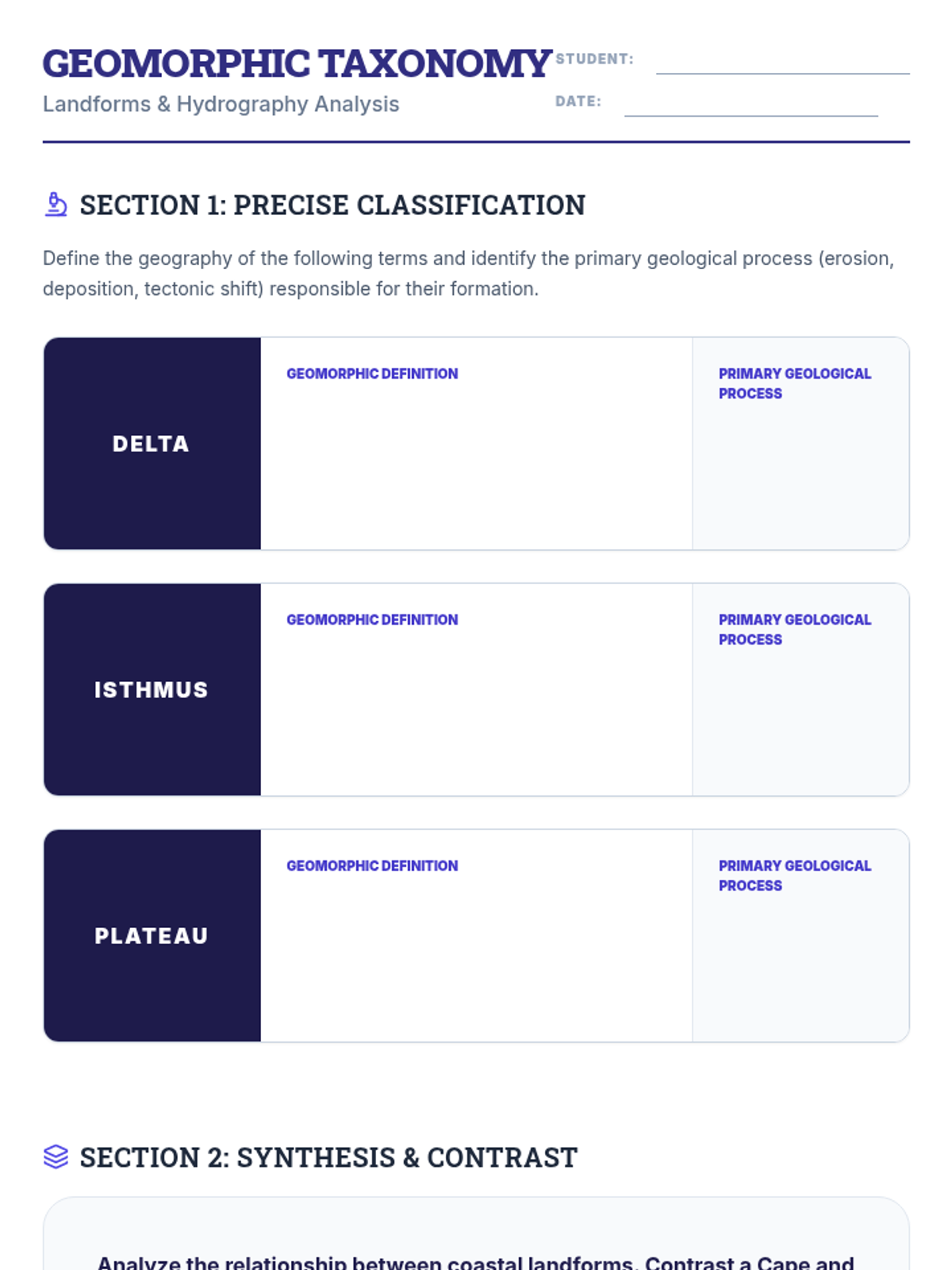
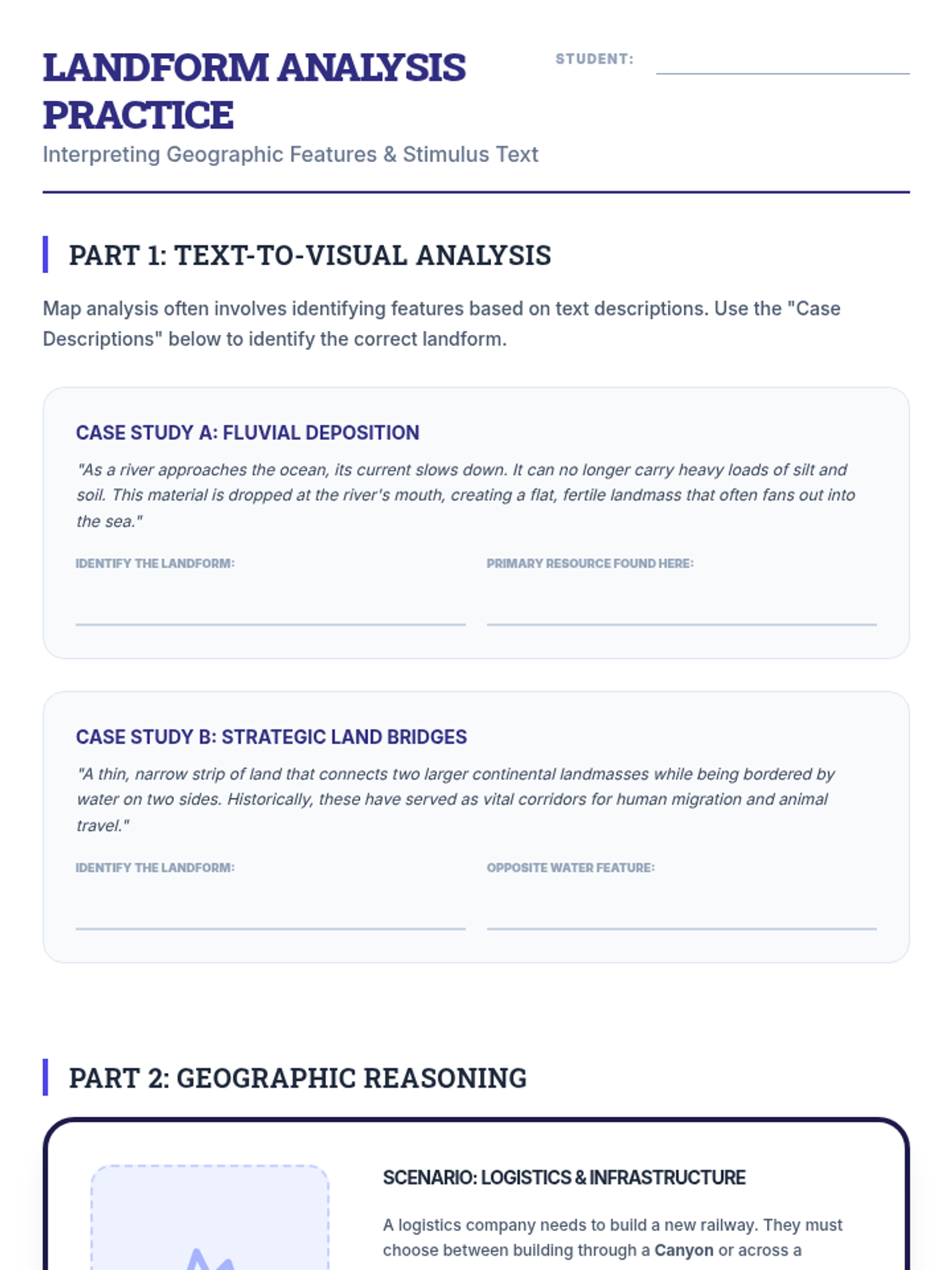
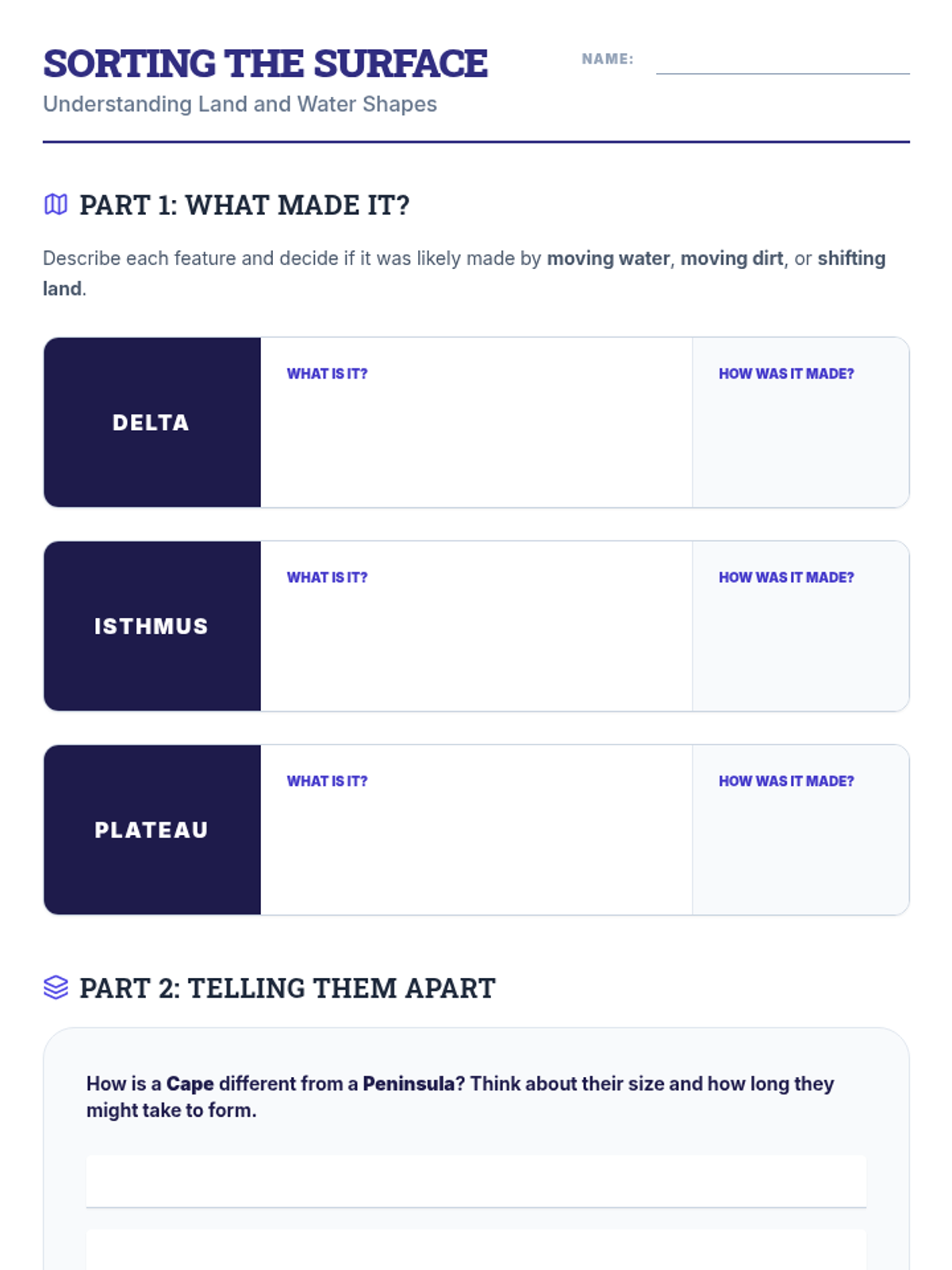
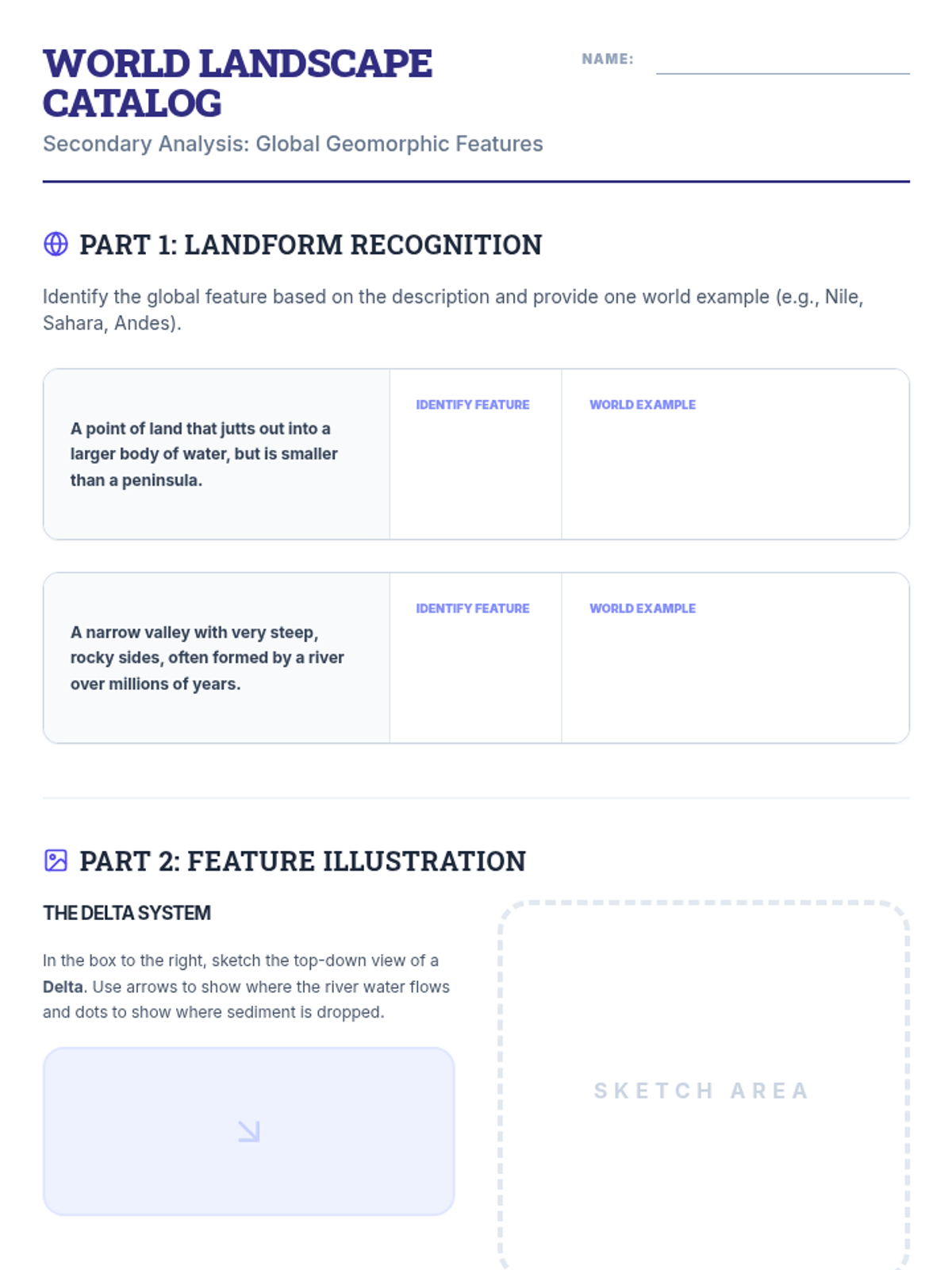
Identification of major landforms and bodies of water found across the seven continents.
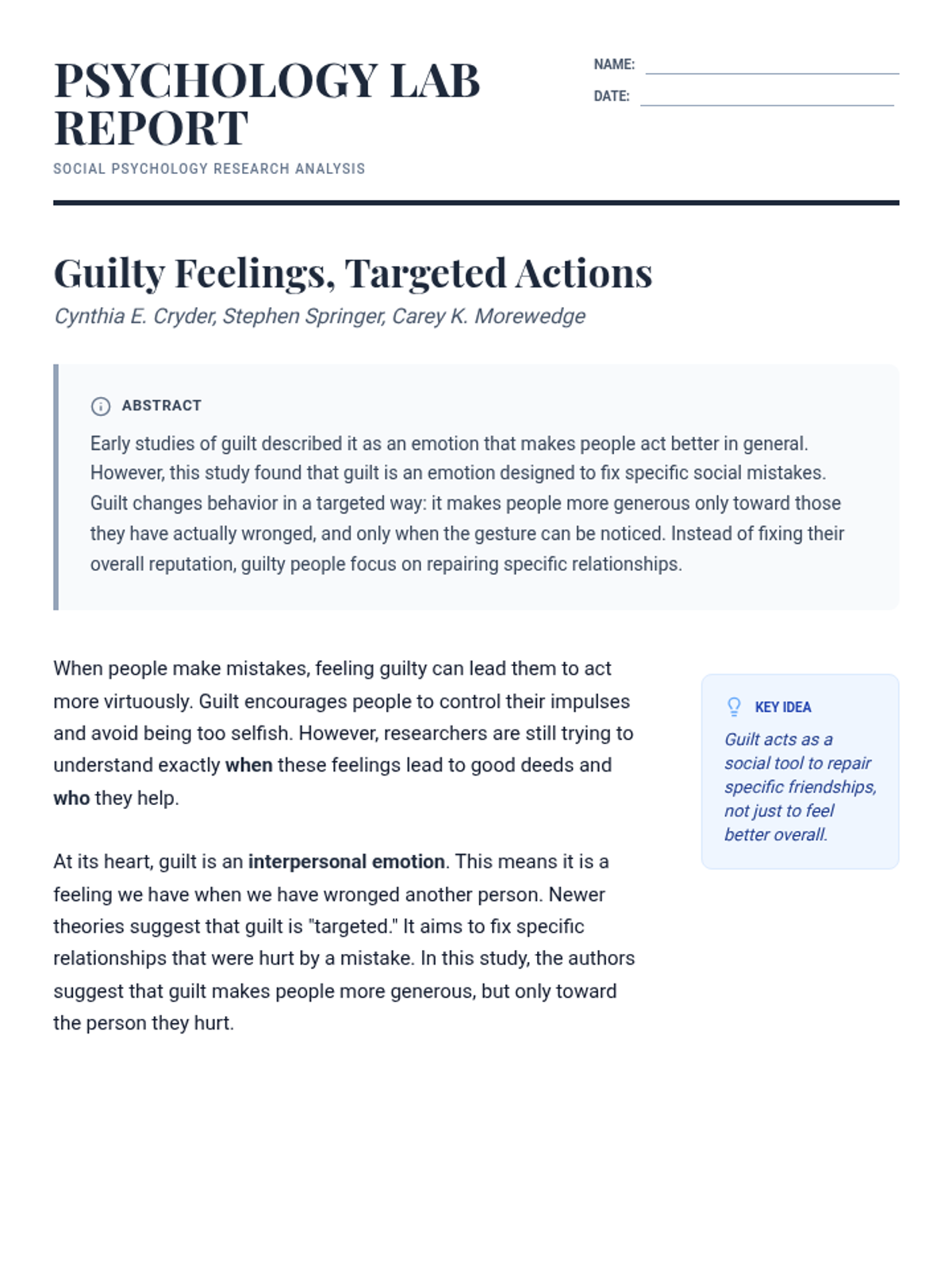
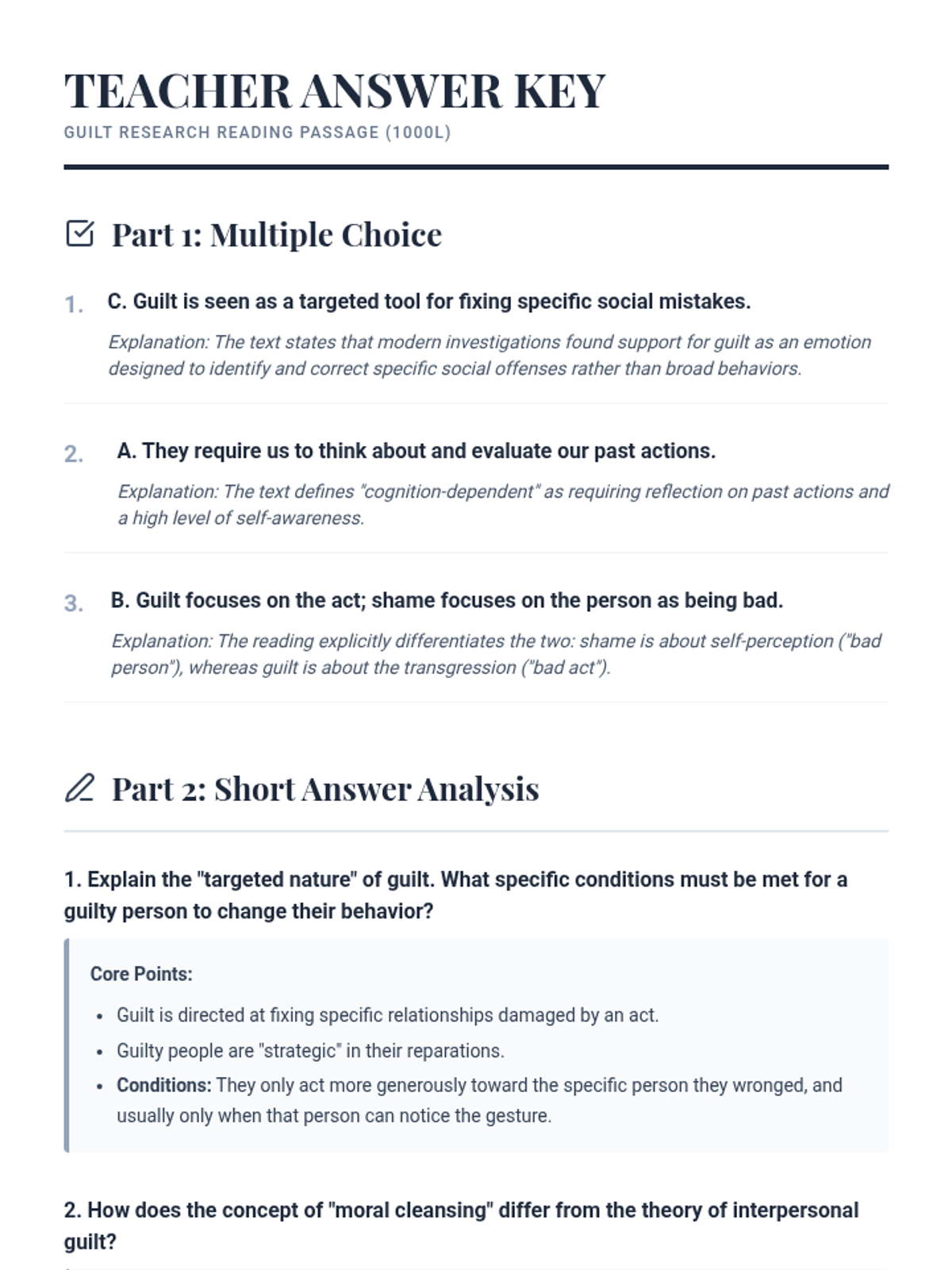
This lesson explores the psychological nature of guilt as a targeted interpersonal emotion, comparing it to shame and regret through a study of five behavioral experiments.
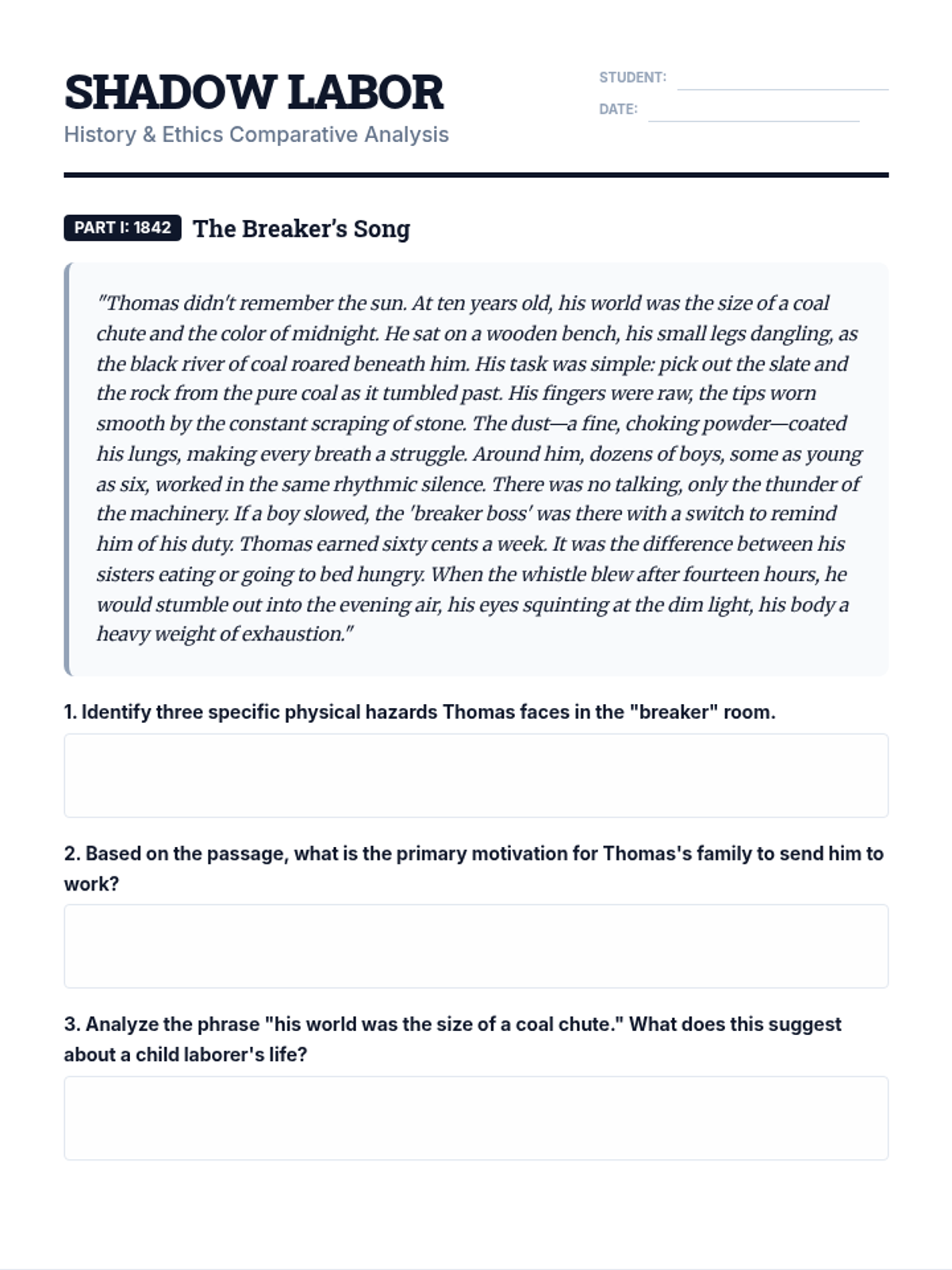
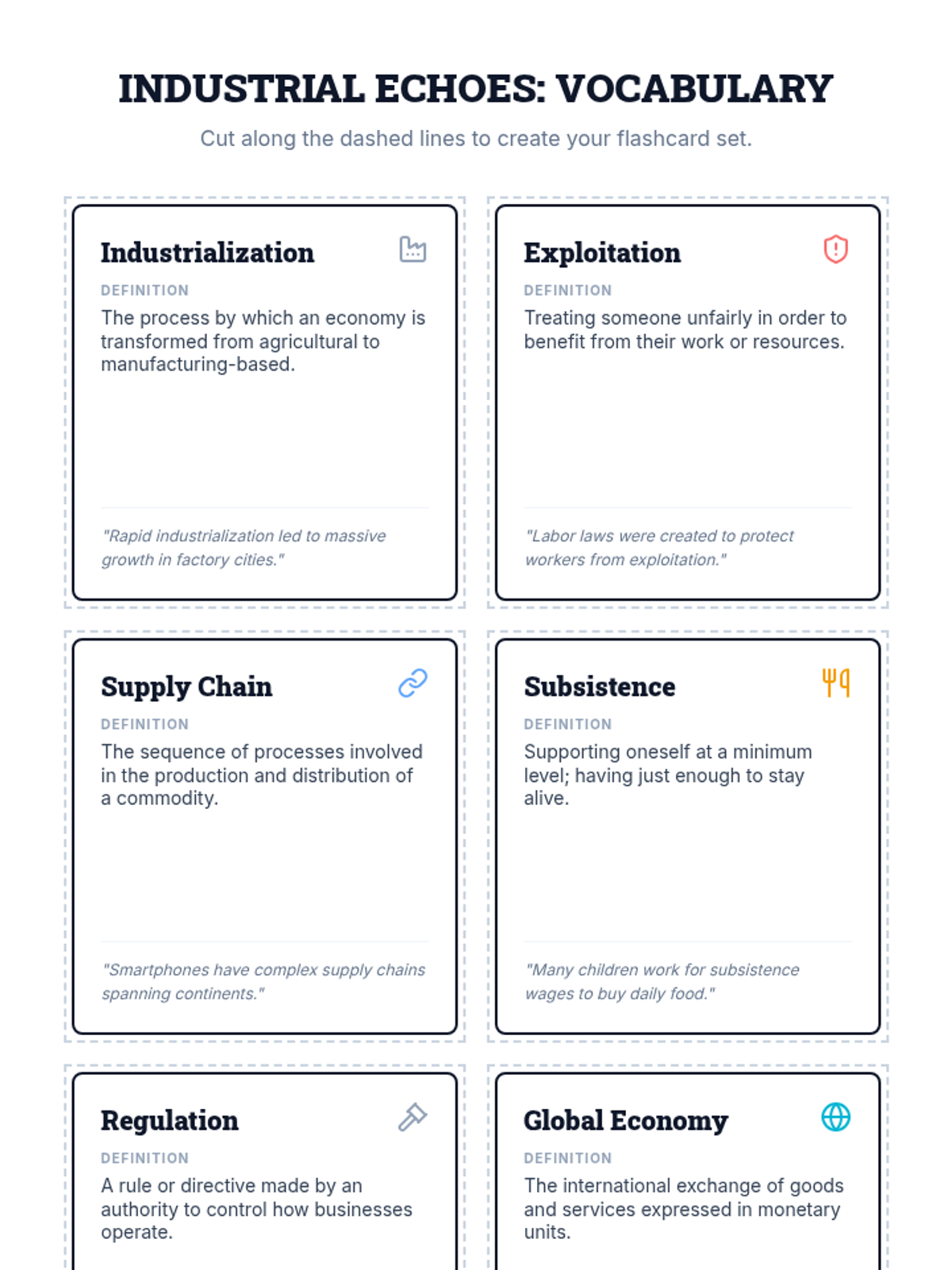
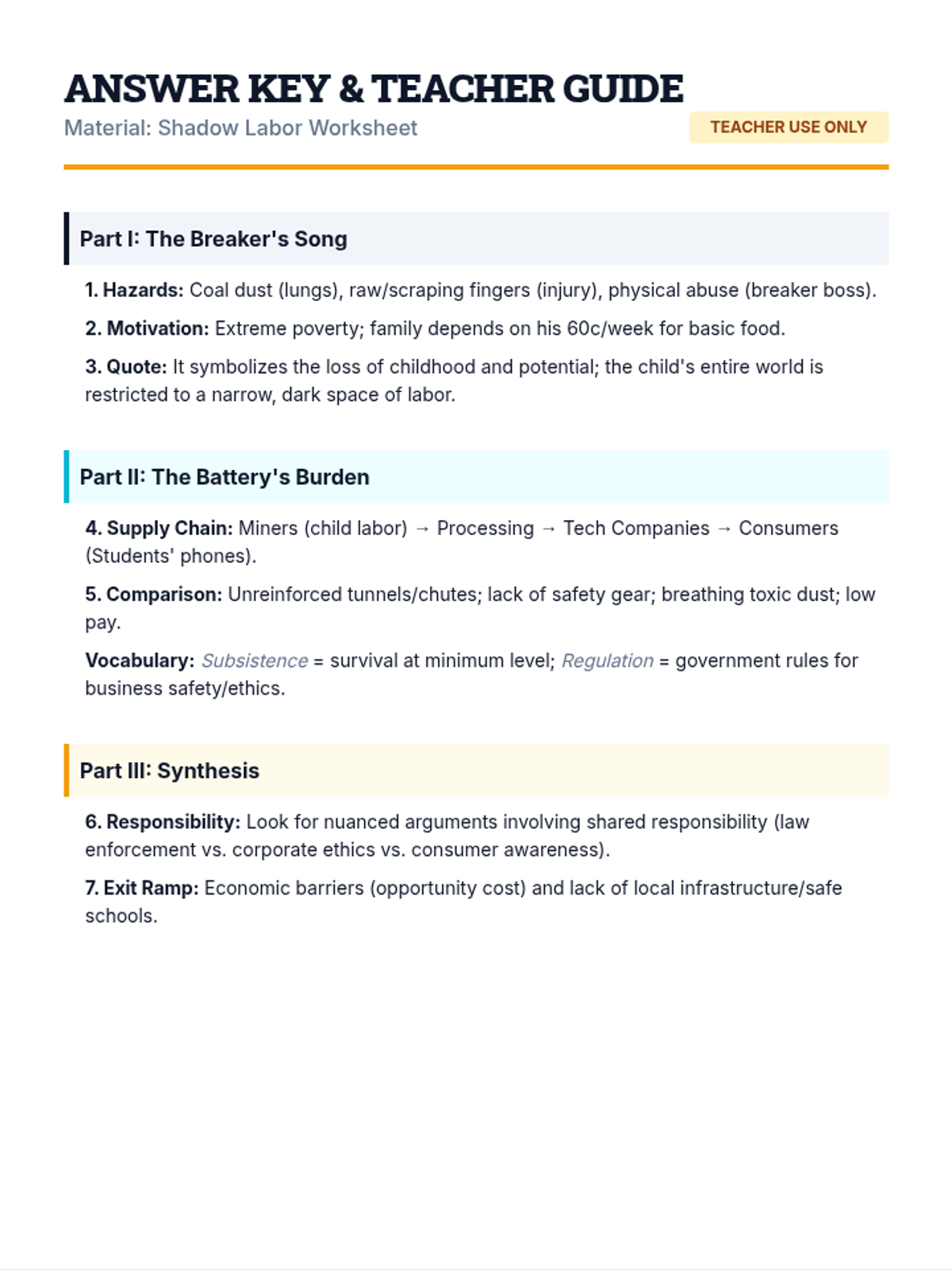
Students compare historical accounts of child labor from the Industrial Revolution with modern-day case studies in global industries. The lesson focuses on identifying patterns of exploitation and the evolution of labor laws.