A targeted math support lesson focused on identifying and correcting common order of operations errors involving fraction bars, featuring instructional slides, a grading activity, and a reflection task.
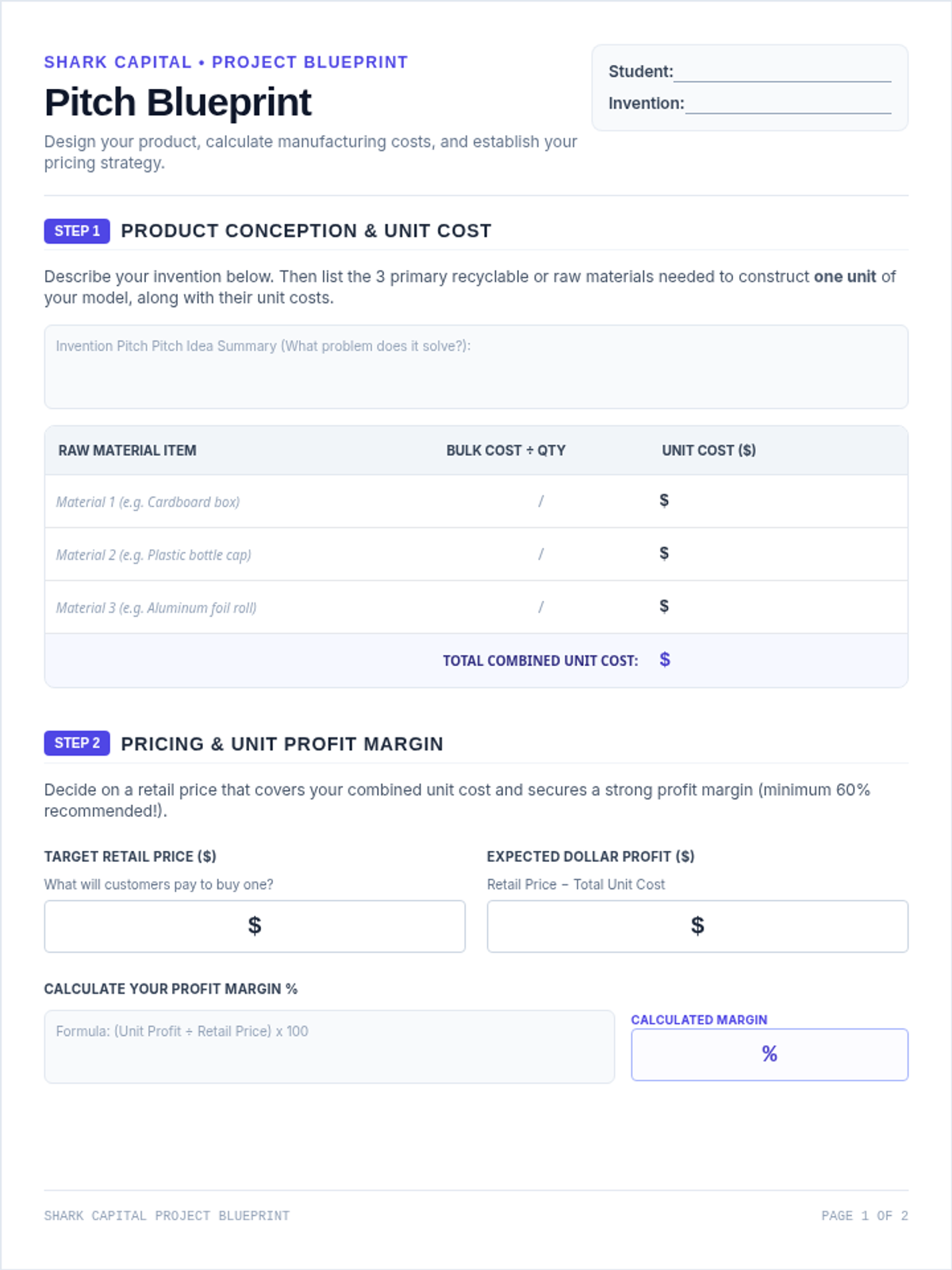
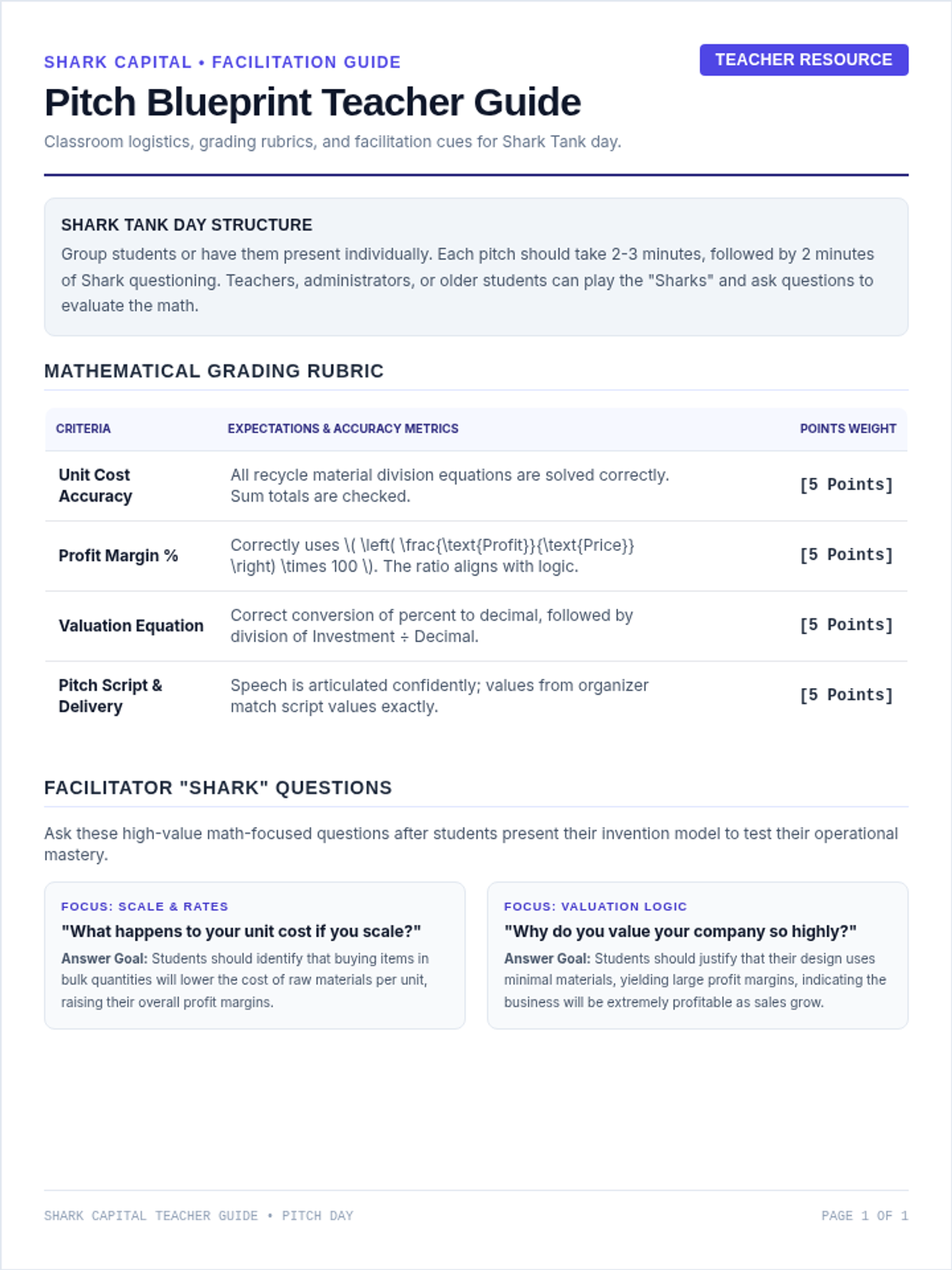
Students apply their mathematical knowledge to their own inventions. They calculate their product costs, set their retail price, determine their company valuation, and write the math portion of their pitch speech.
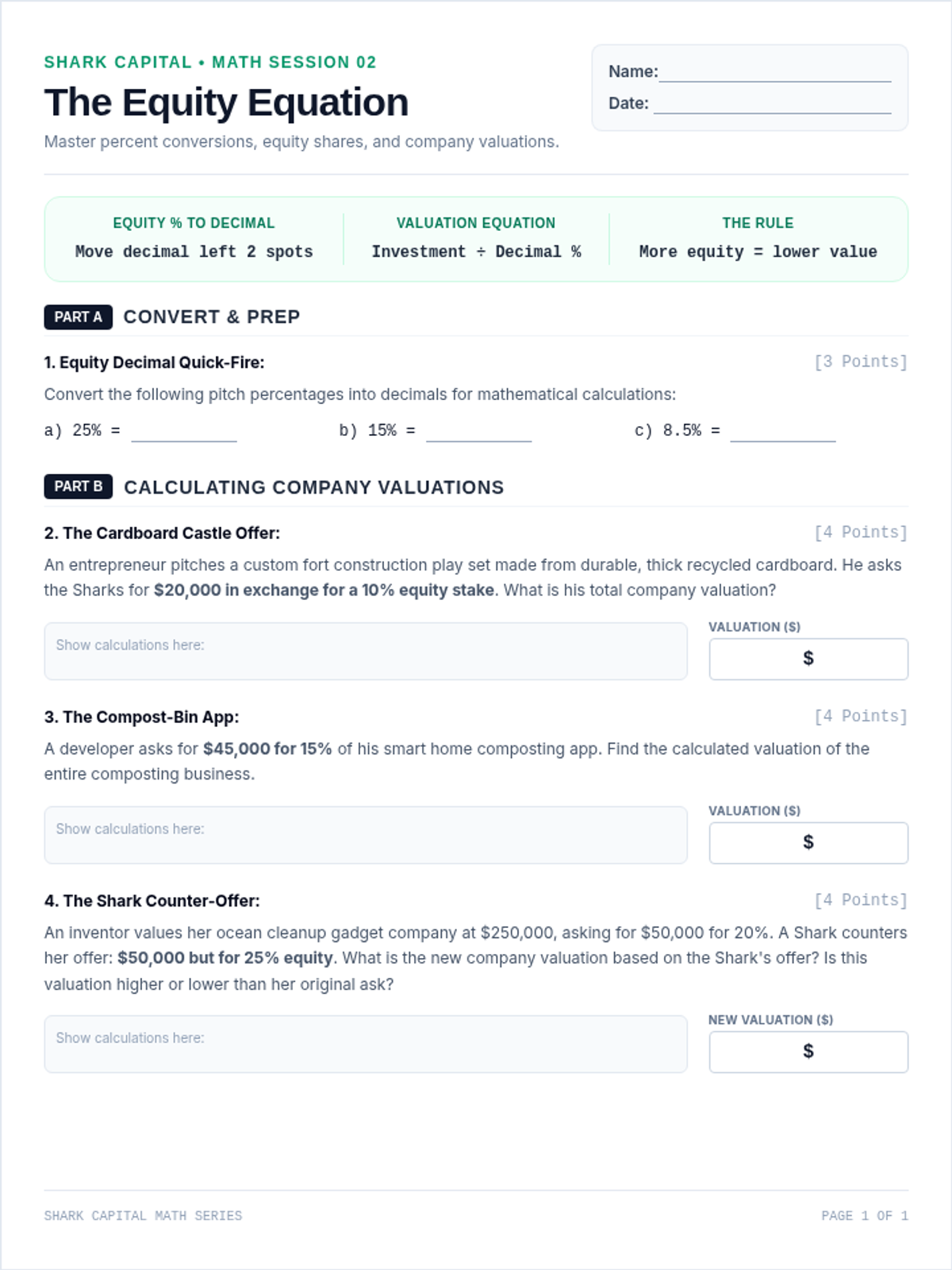
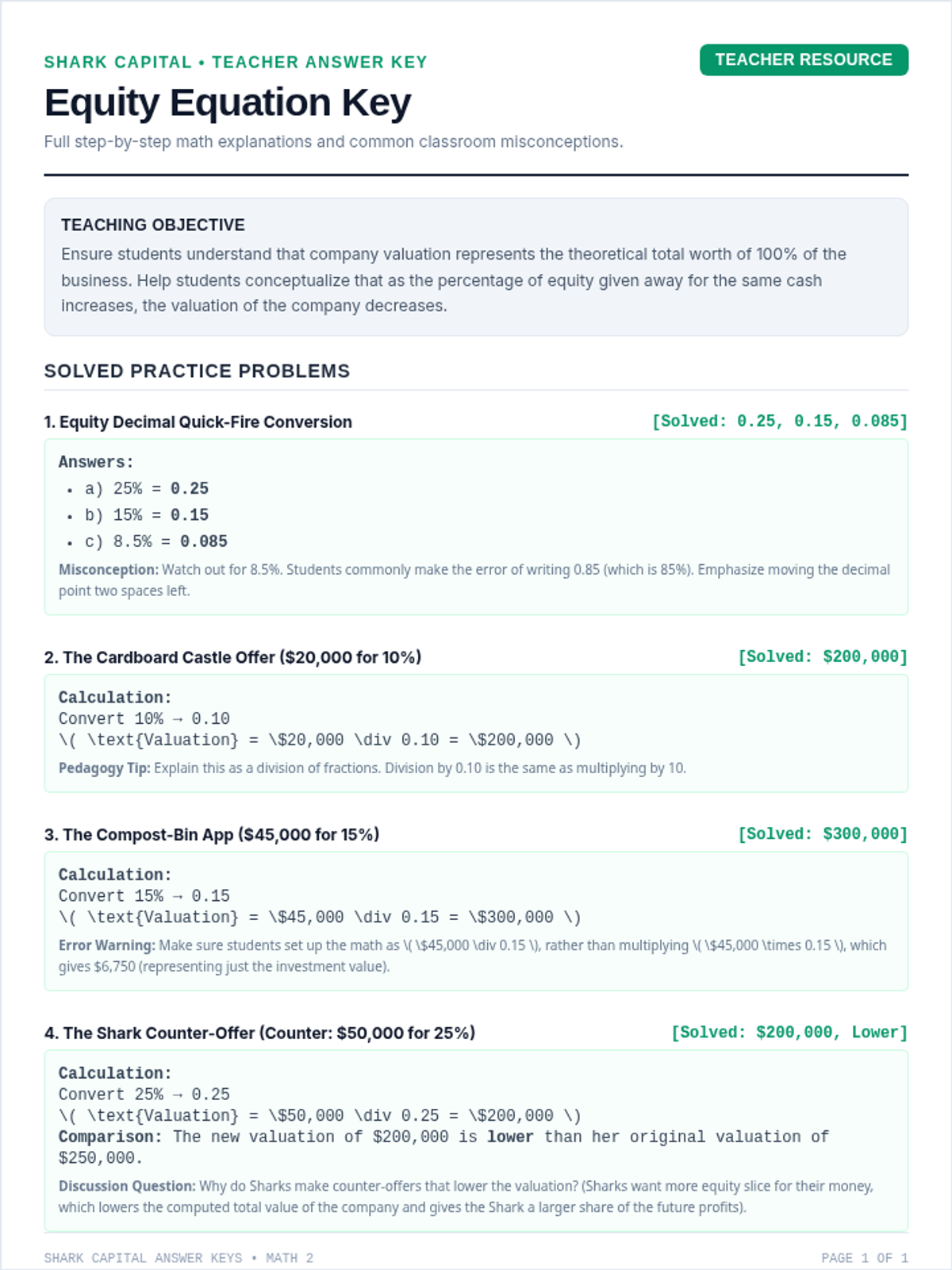
Students tackle company valuations, percentage offers, and equity calculations. They learn the math behind asking for investment and determining what percentage of their company to sell.
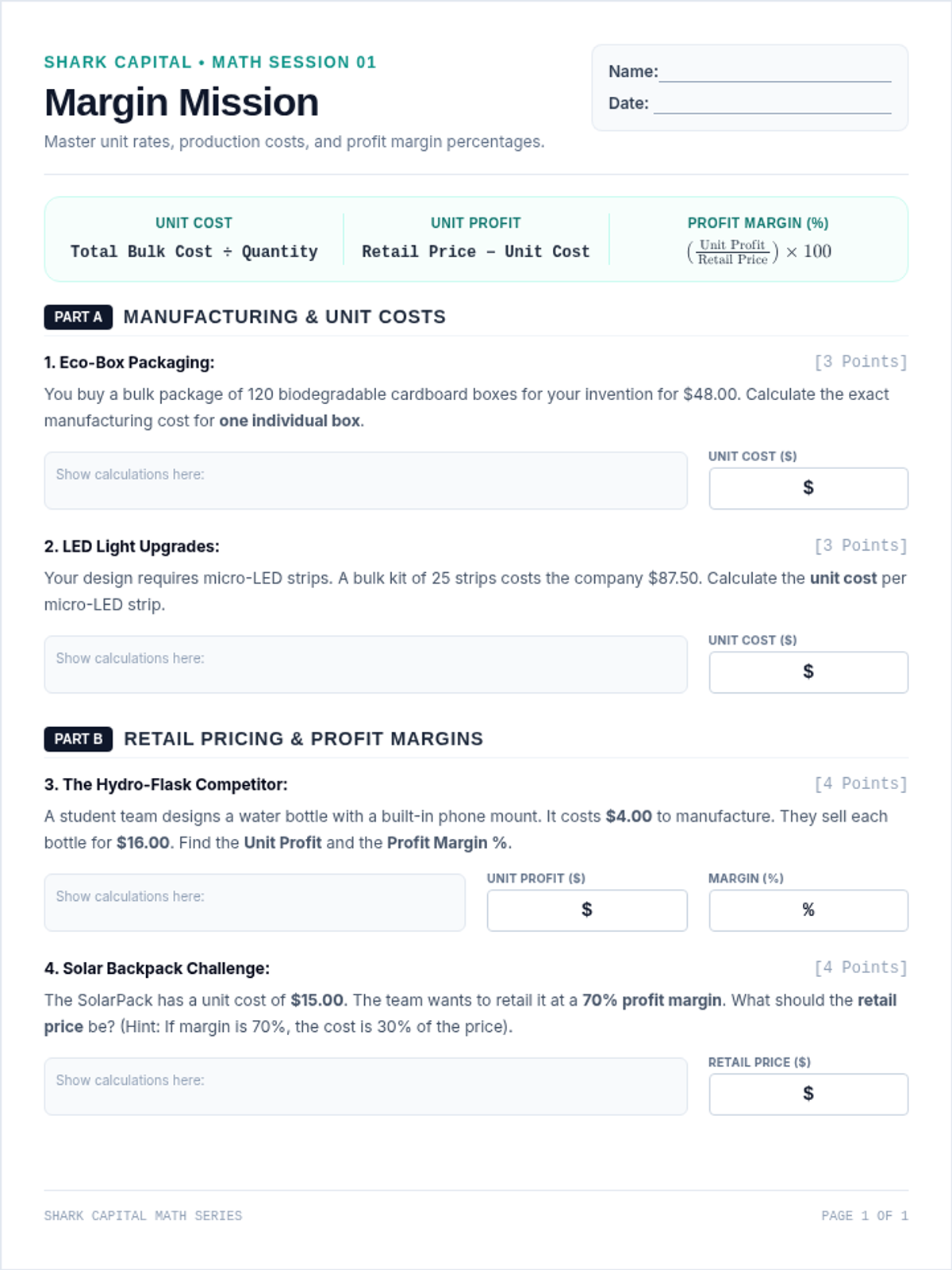
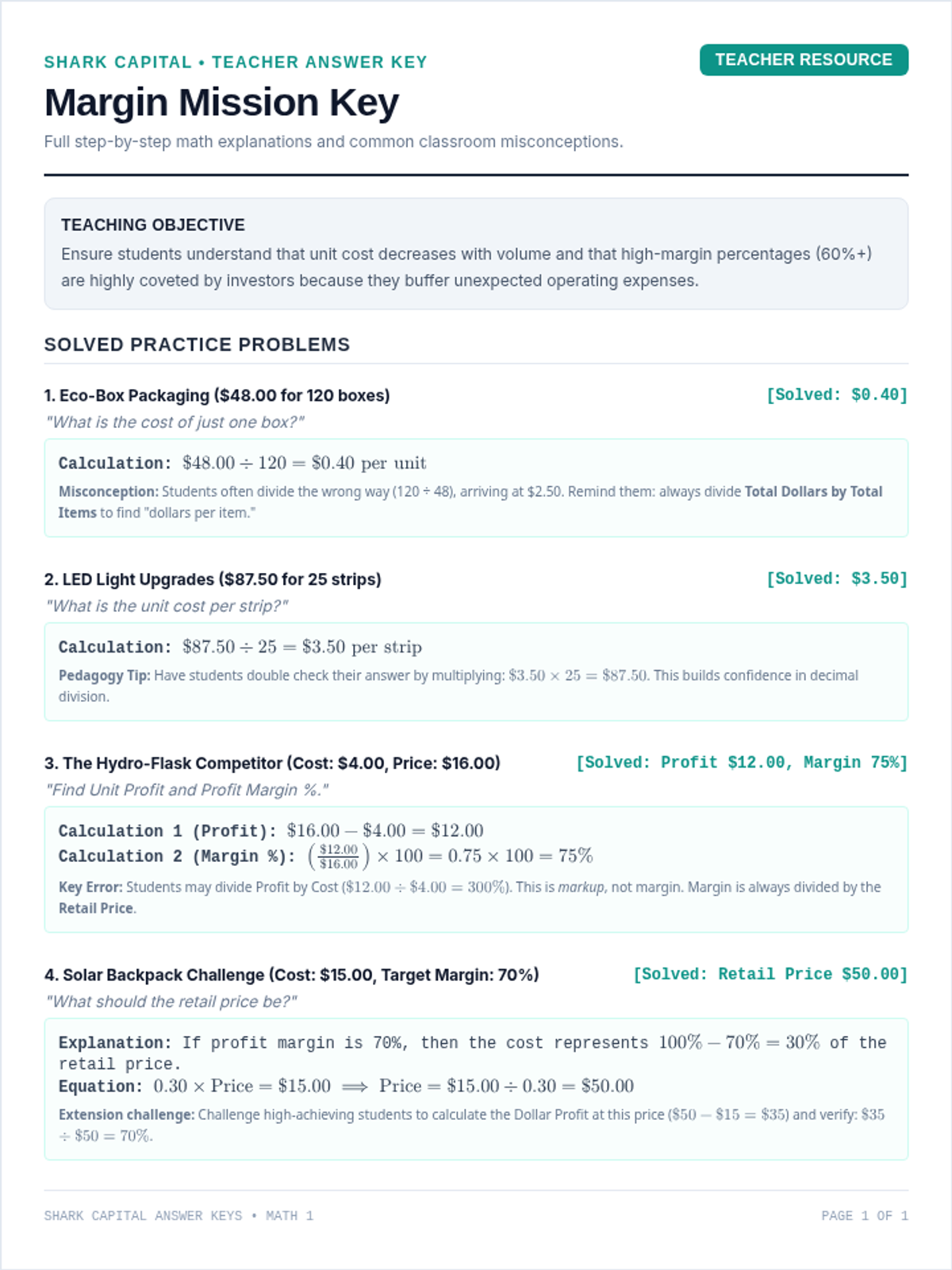
Students master unit rates, production costs, retail pricing, and profit margin percentages. They learn how to analyze whether an invention is financially viable on a unit level.
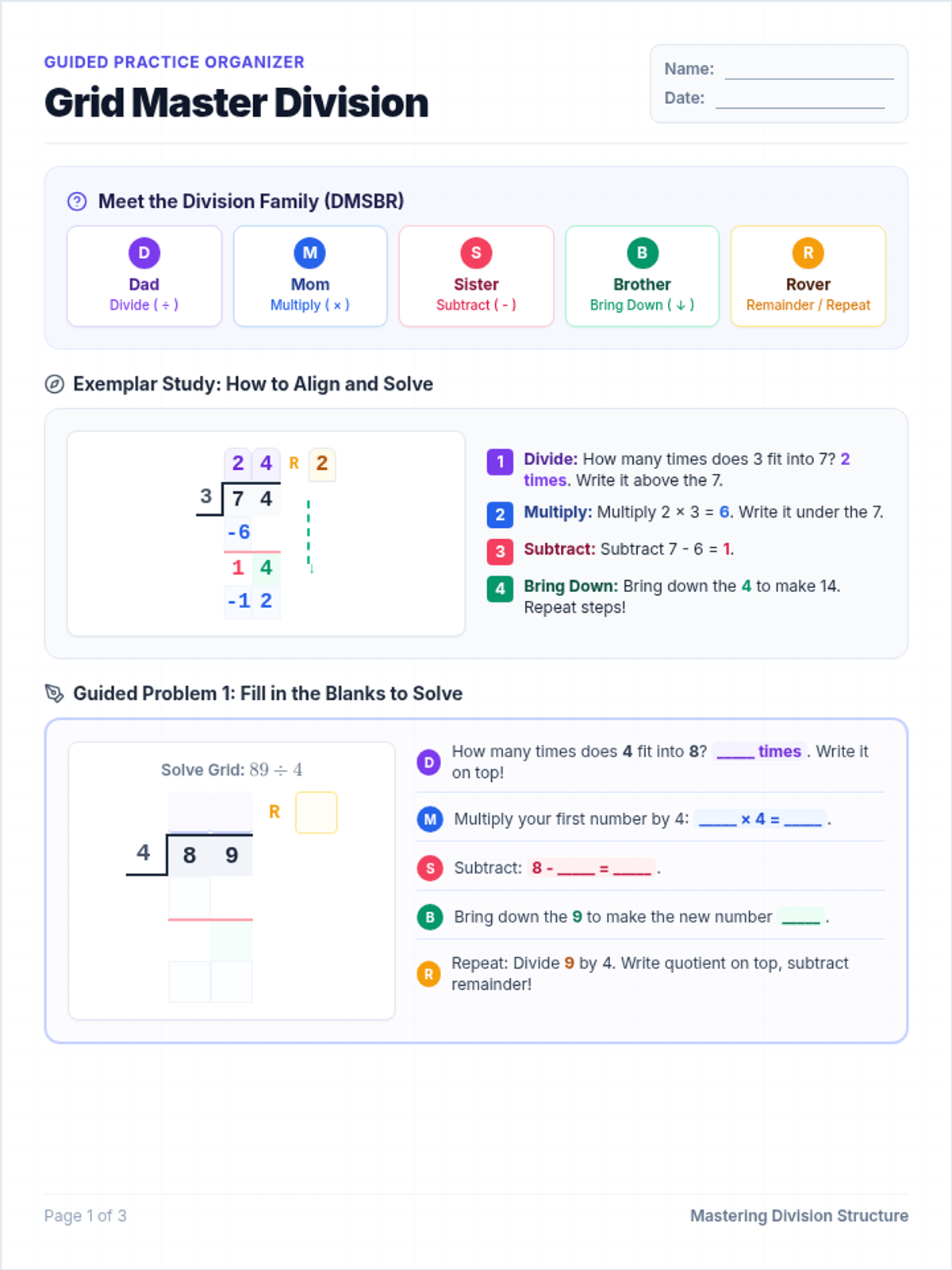
A guided math lesson focused on long division with remainders, employing strict alignment grids and color-coded step-by-step visual scaffolds to support learners with spatial organization.
A step-by-step guided lesson pack for practicing long division with remainders. It utilizes grid lines, large fonts, and color-coded graphic organizers to help students keep their calculations vertically aligned.
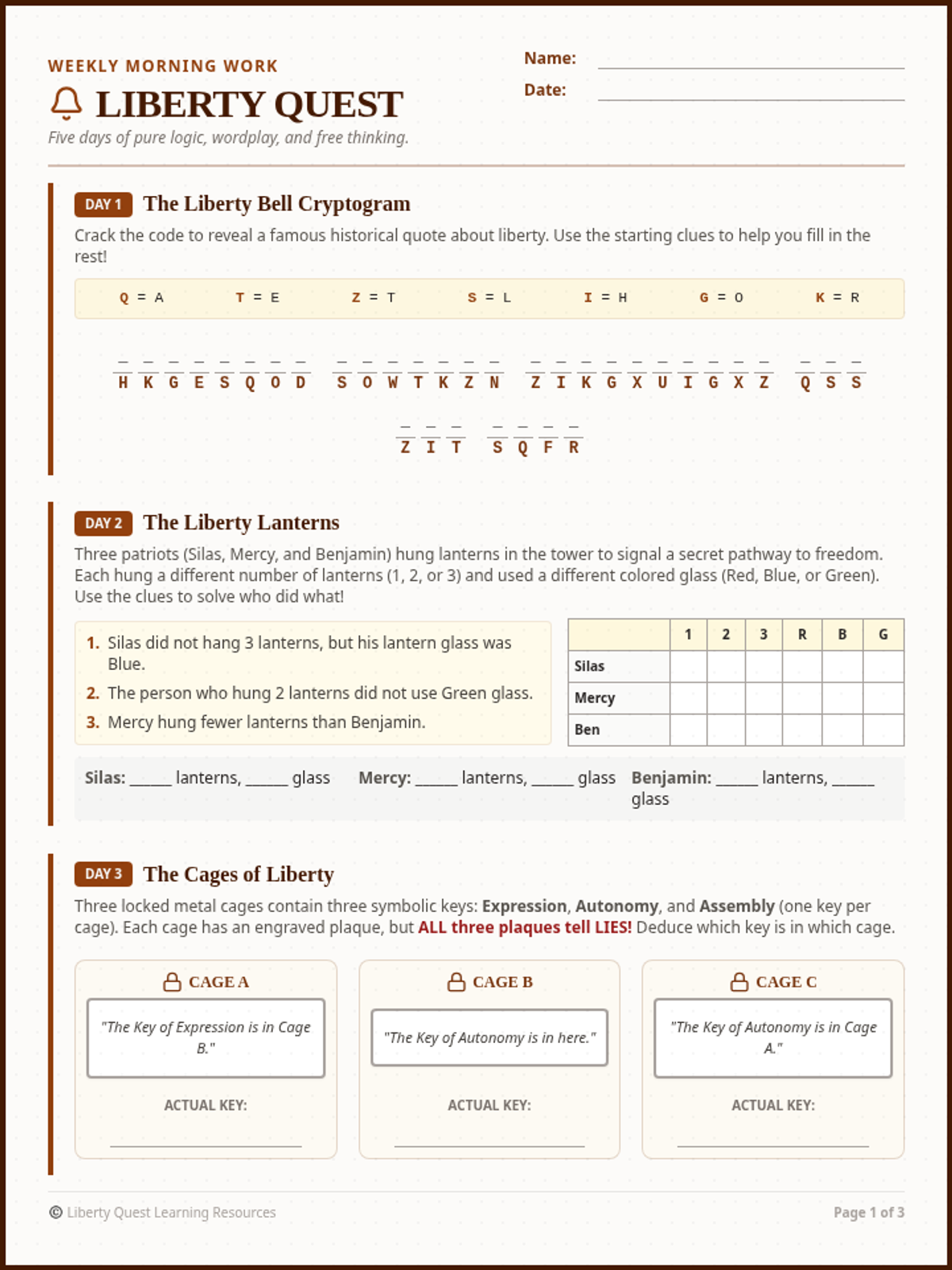
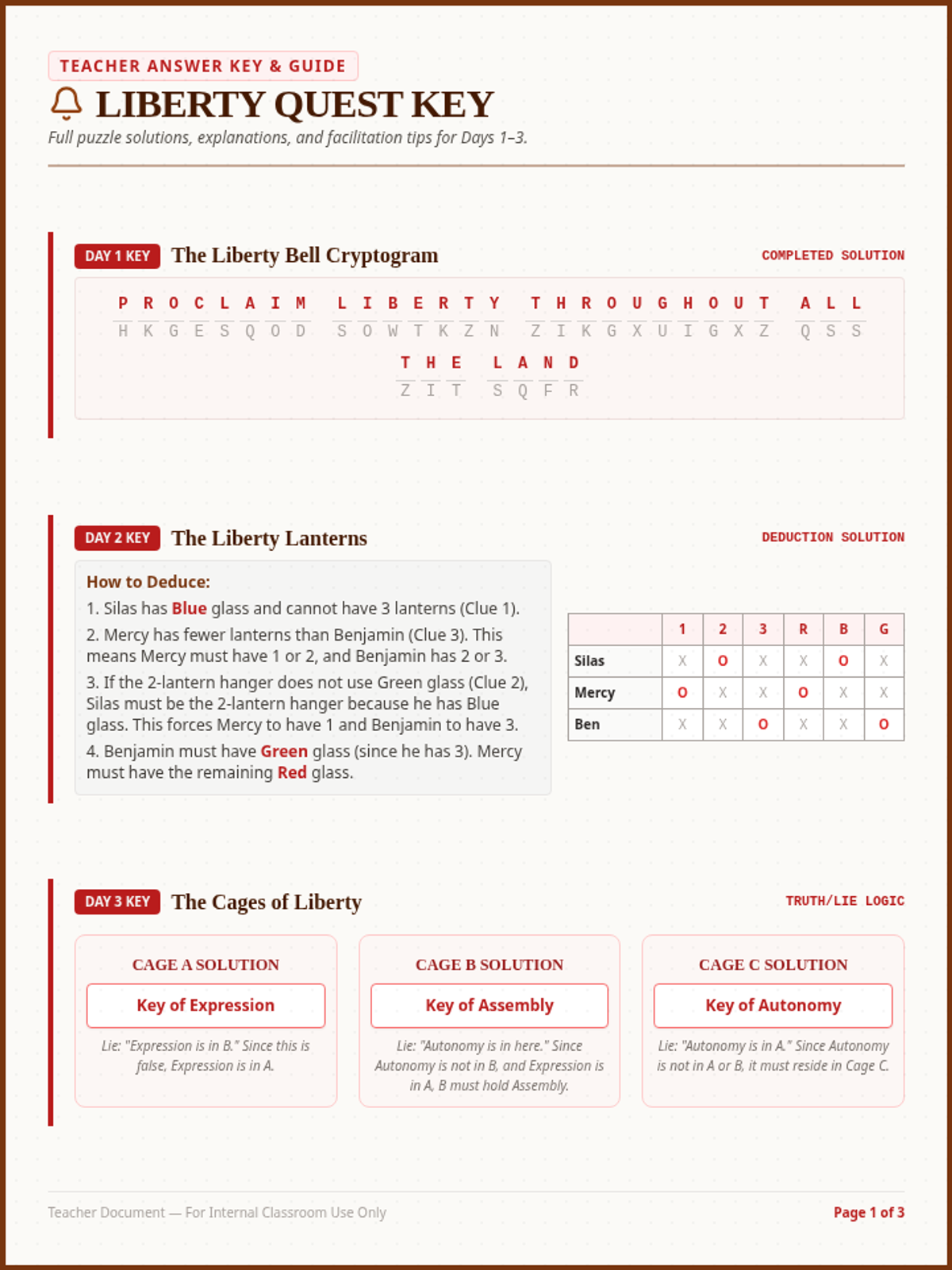
A 5-day daily warm-up packet based on logic puzzles and wordplay themed around liberty and freedom. Focuses on critical thinking and non-numerical deduction.
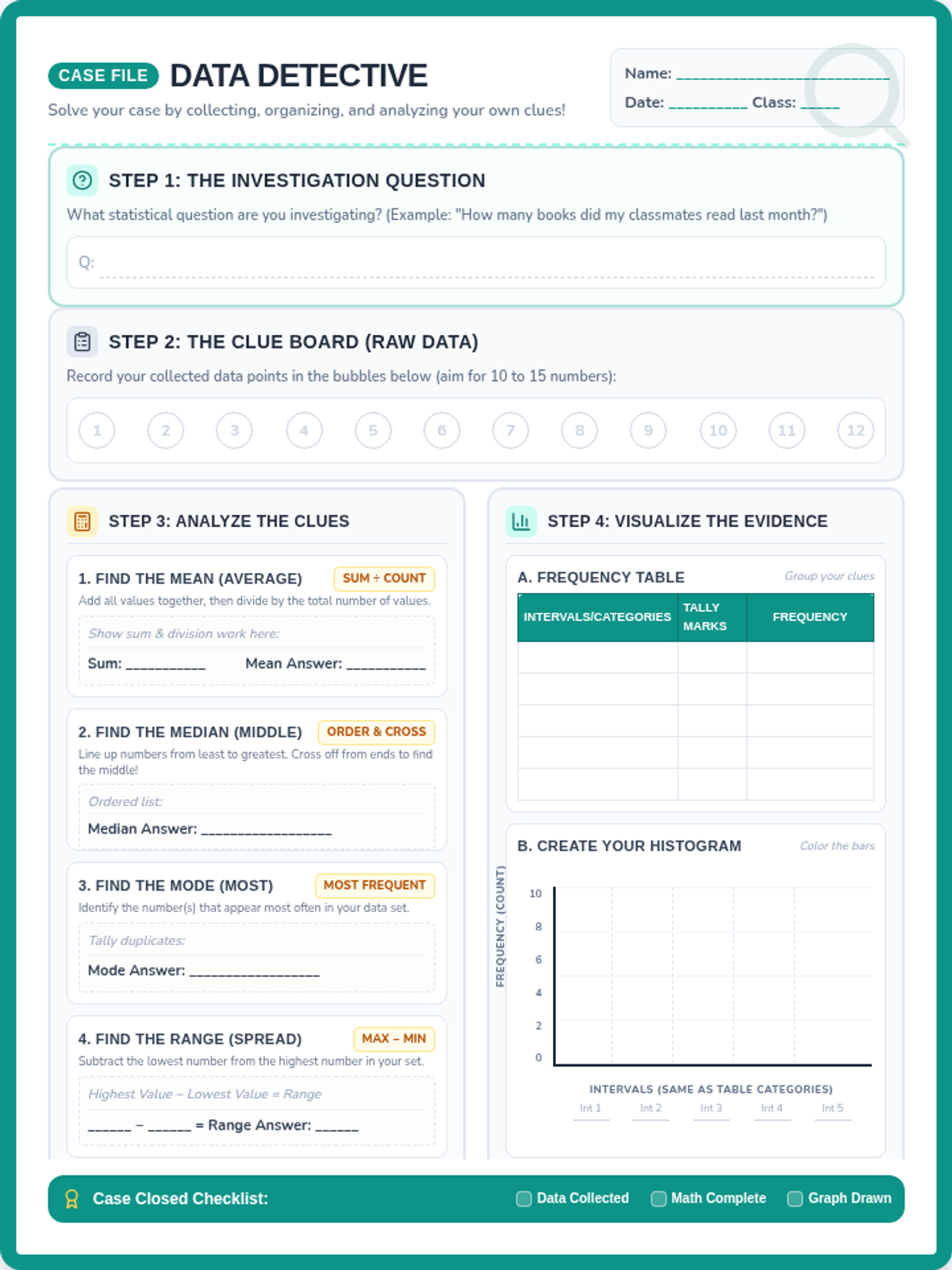
A lesson where students act as data detectives, collecting their own survey data, organizing it in a frequency table and histogram, and analyzing it using central tendency measures (mean, median, mode, and range).
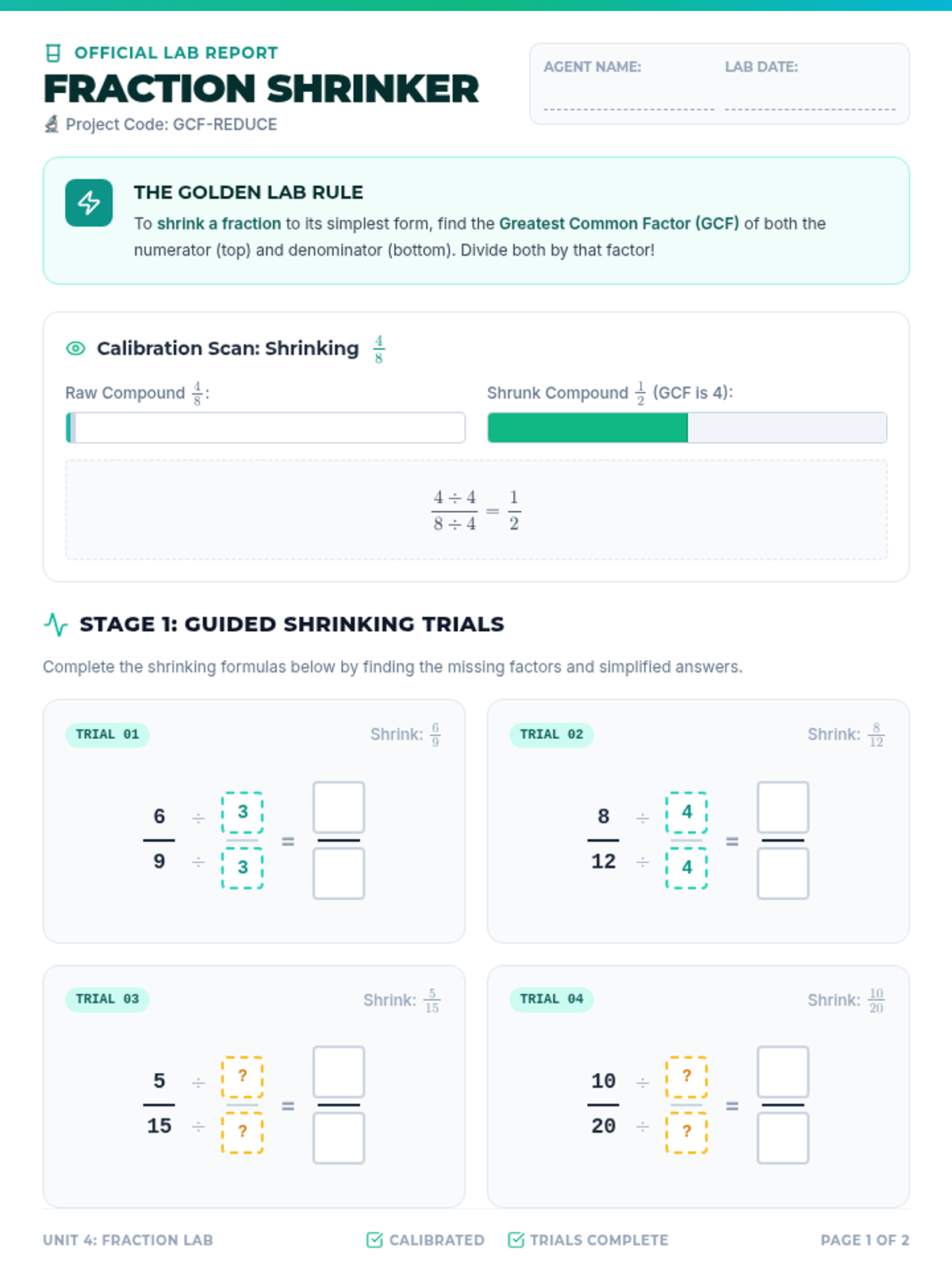
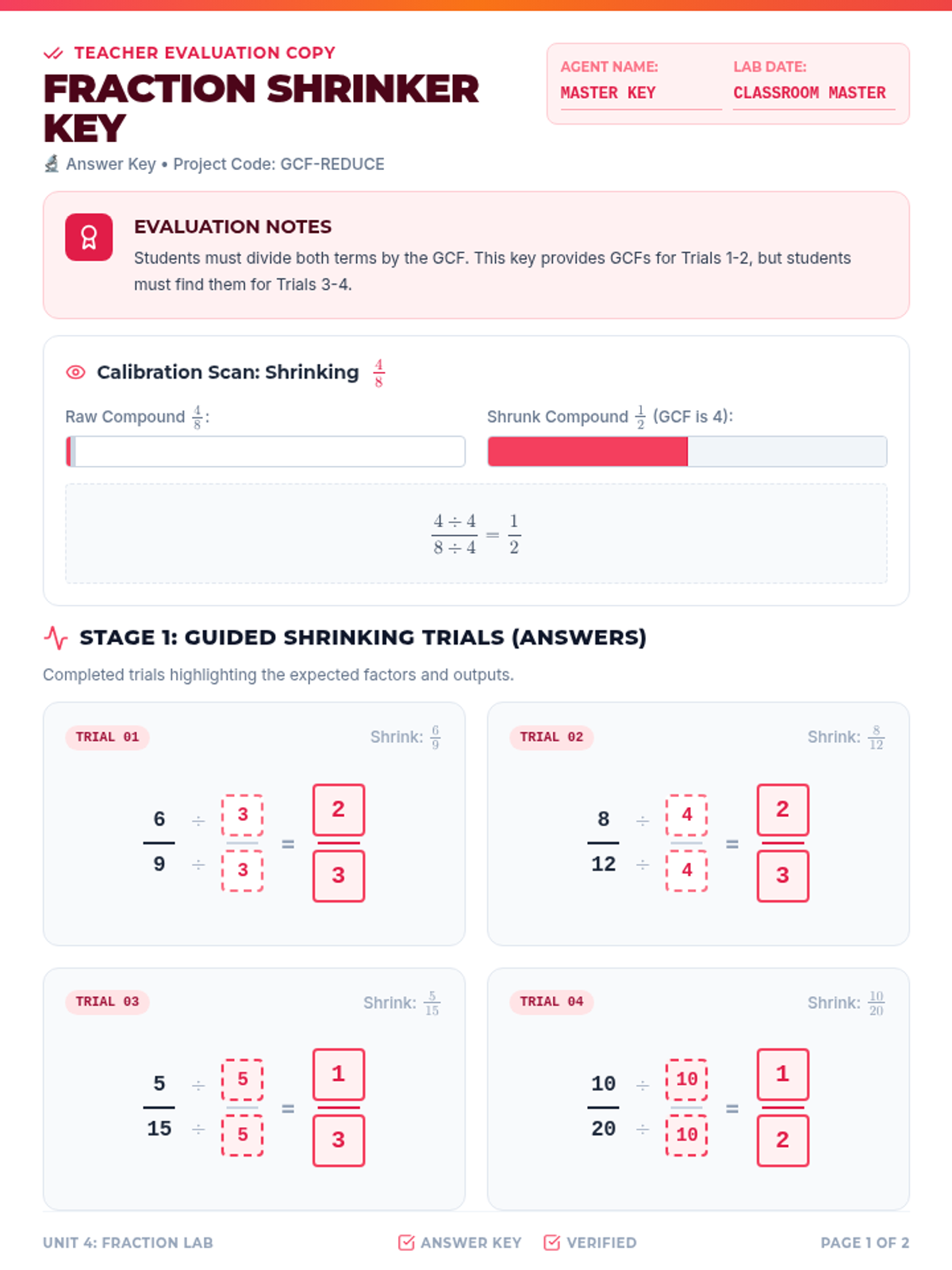
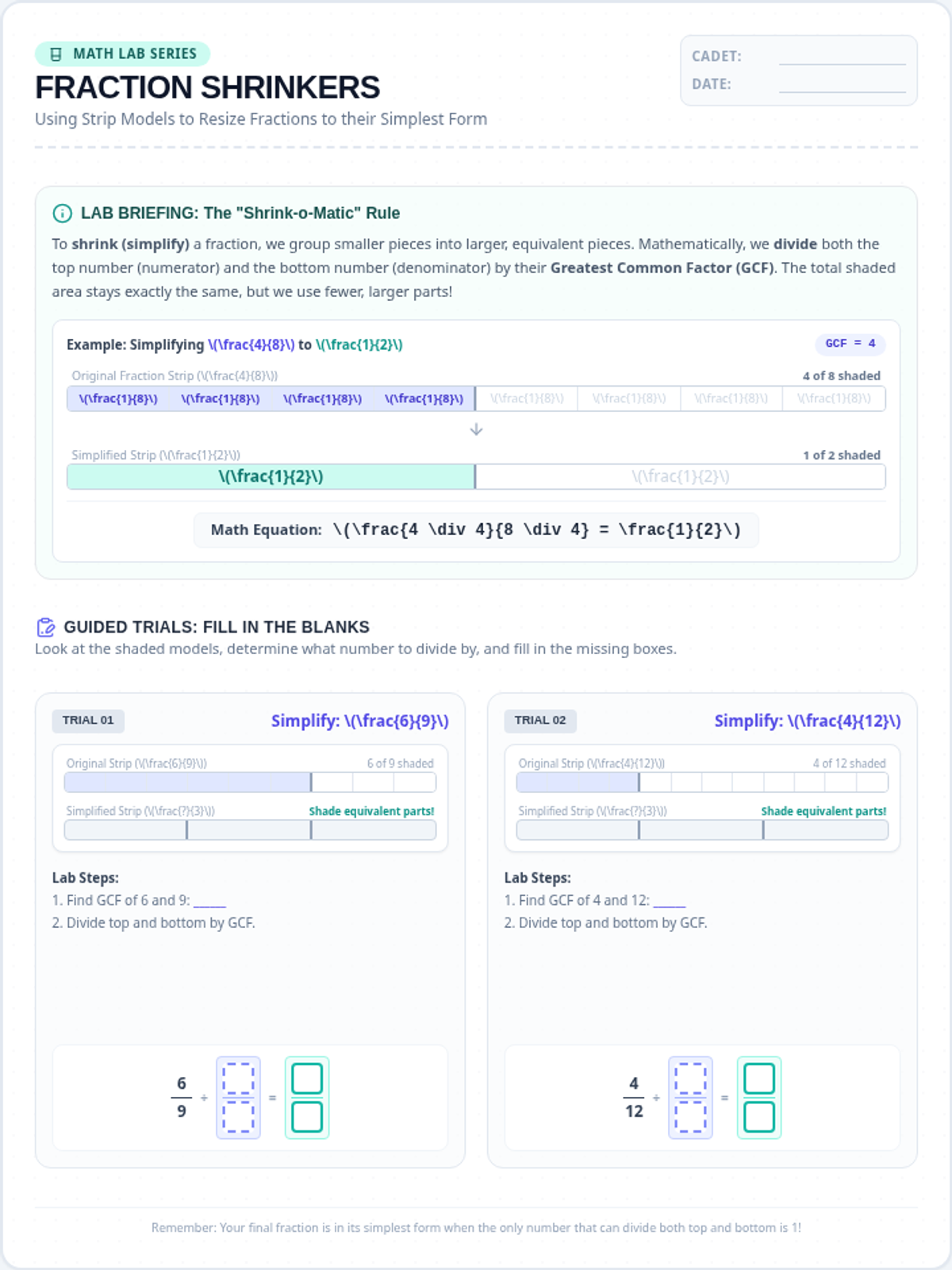
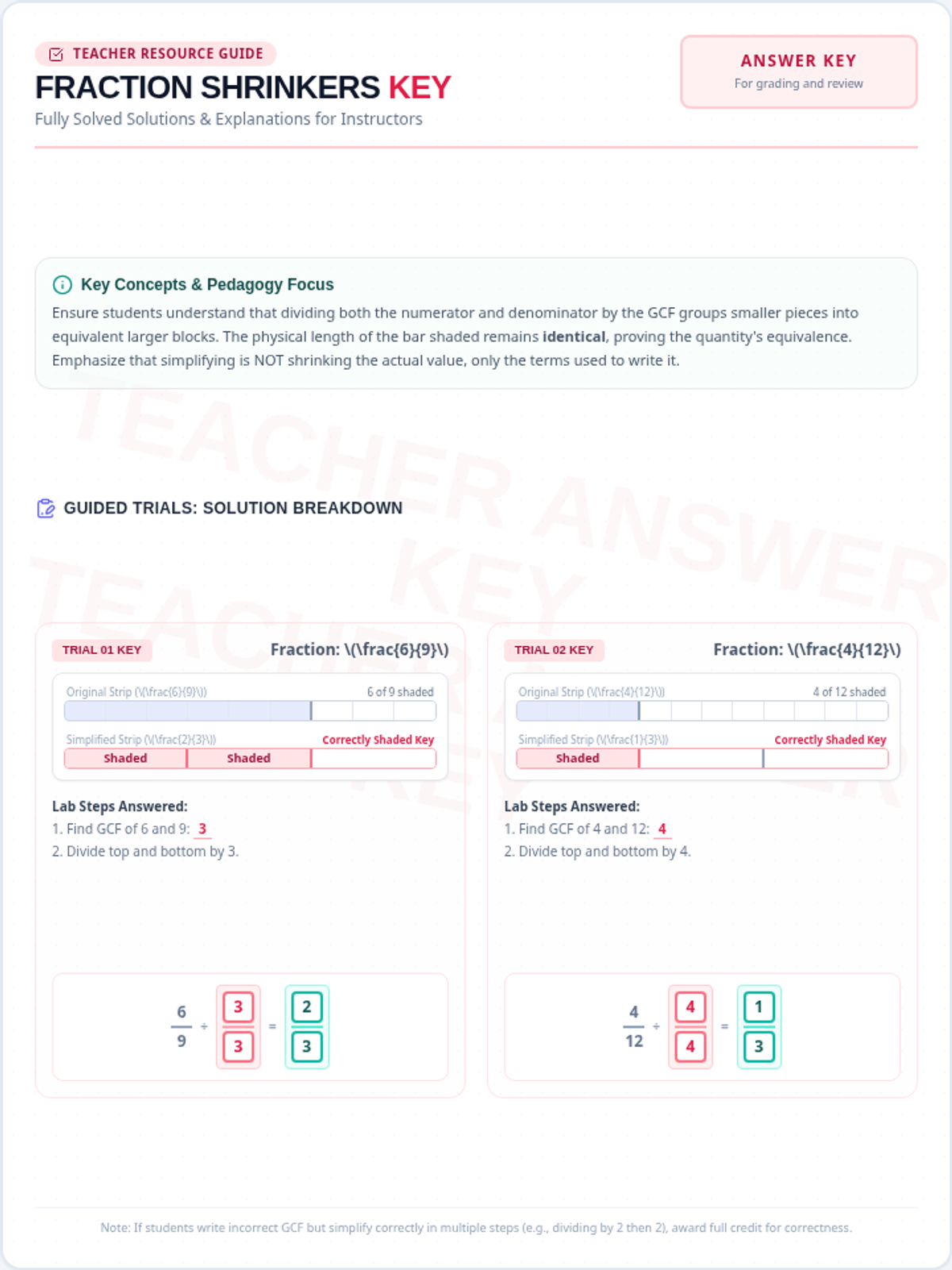
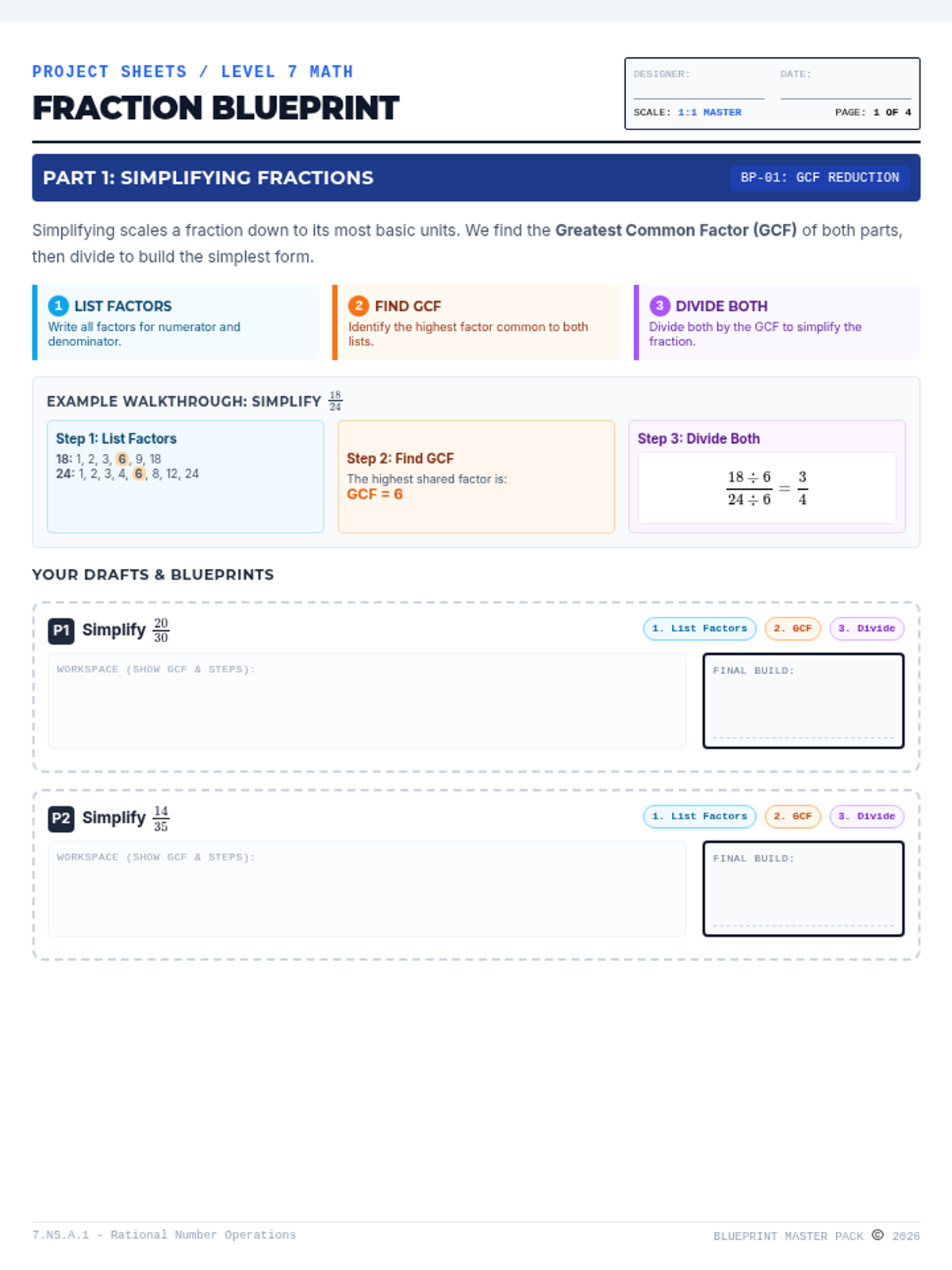
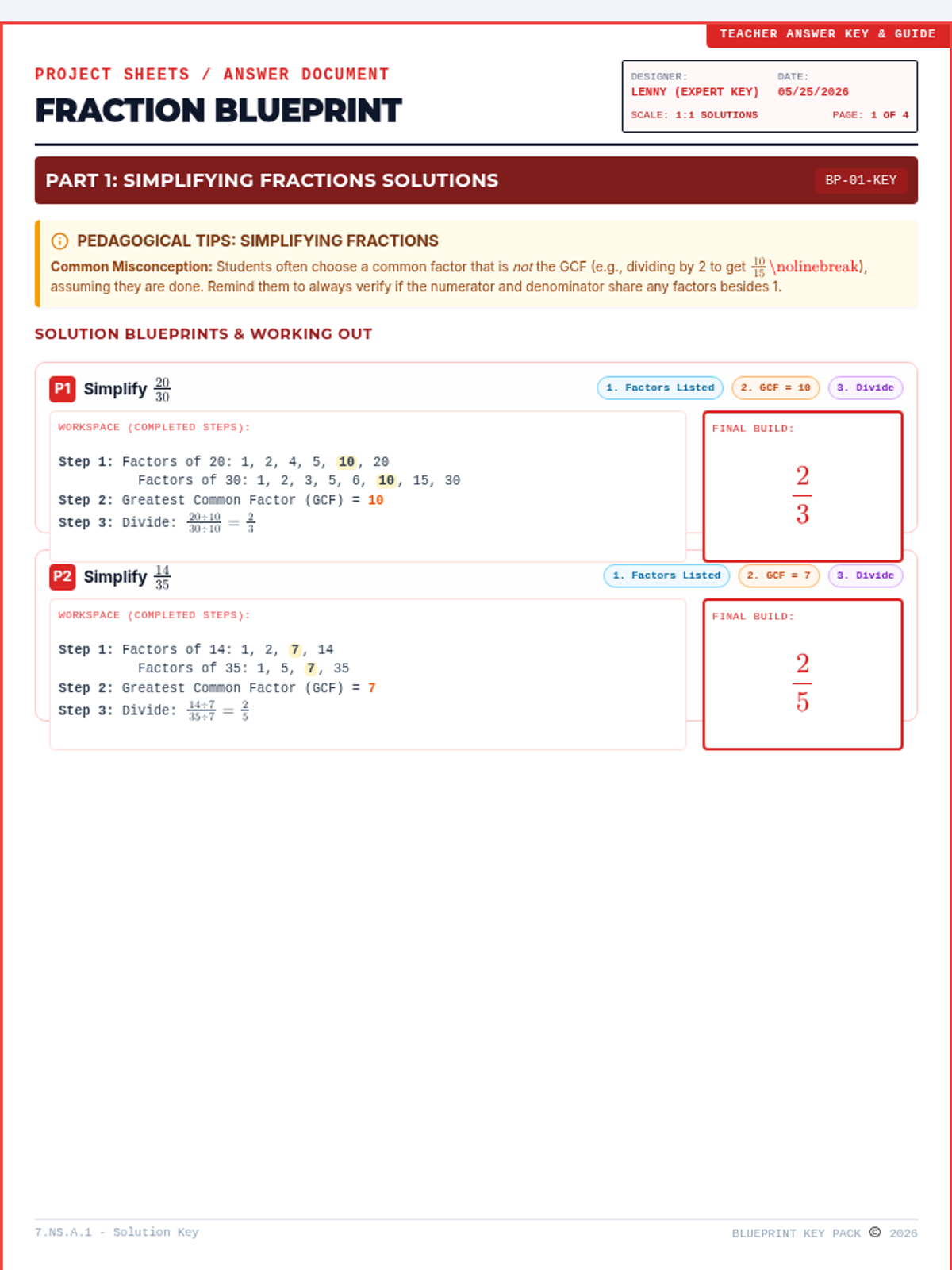
A focused lesson on simplifying fractions using visual models, greatest common factors, and guided practice. Students learn to 'shrink' fractions to their simplest form using a lab-themed framework.
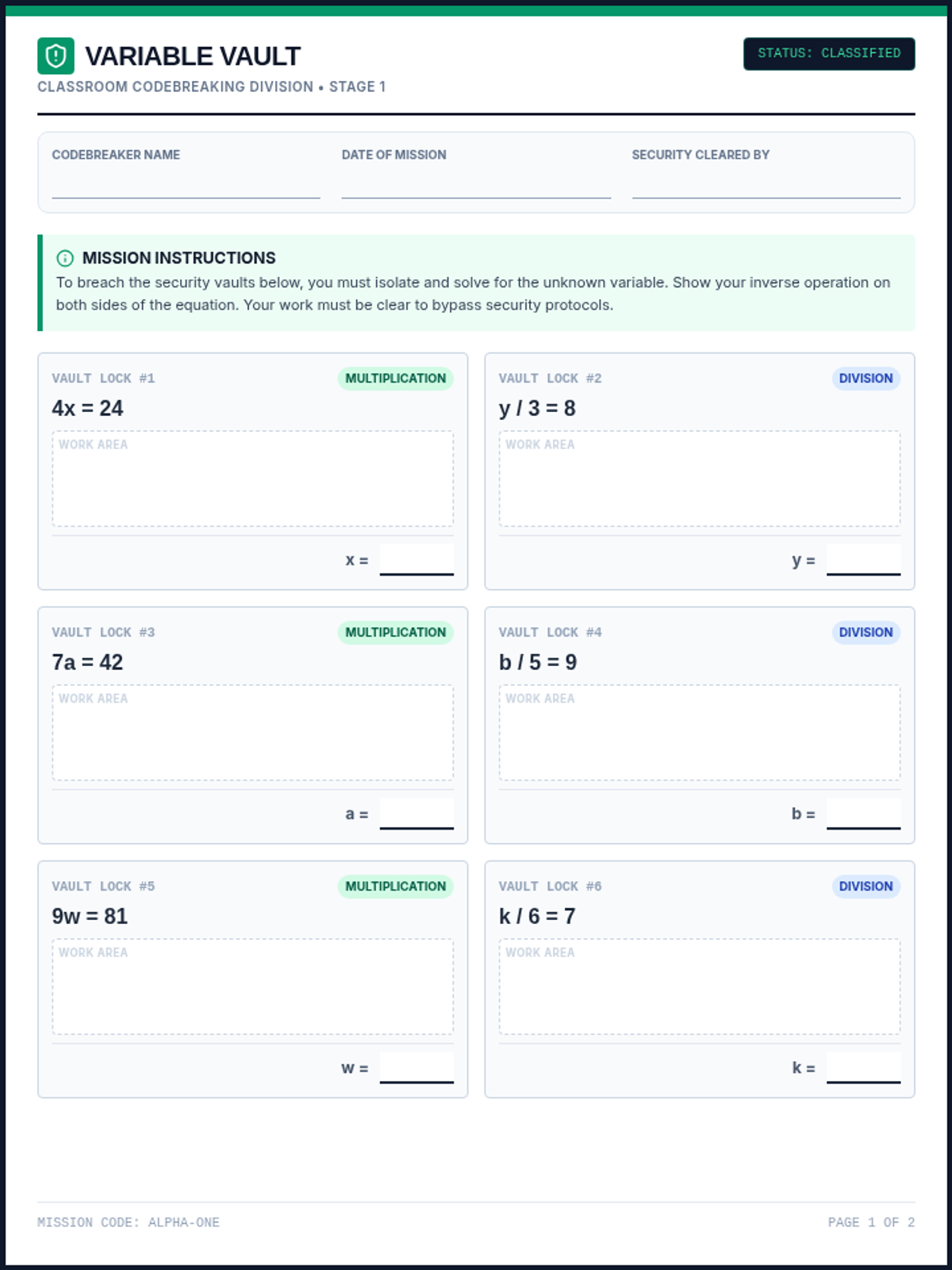
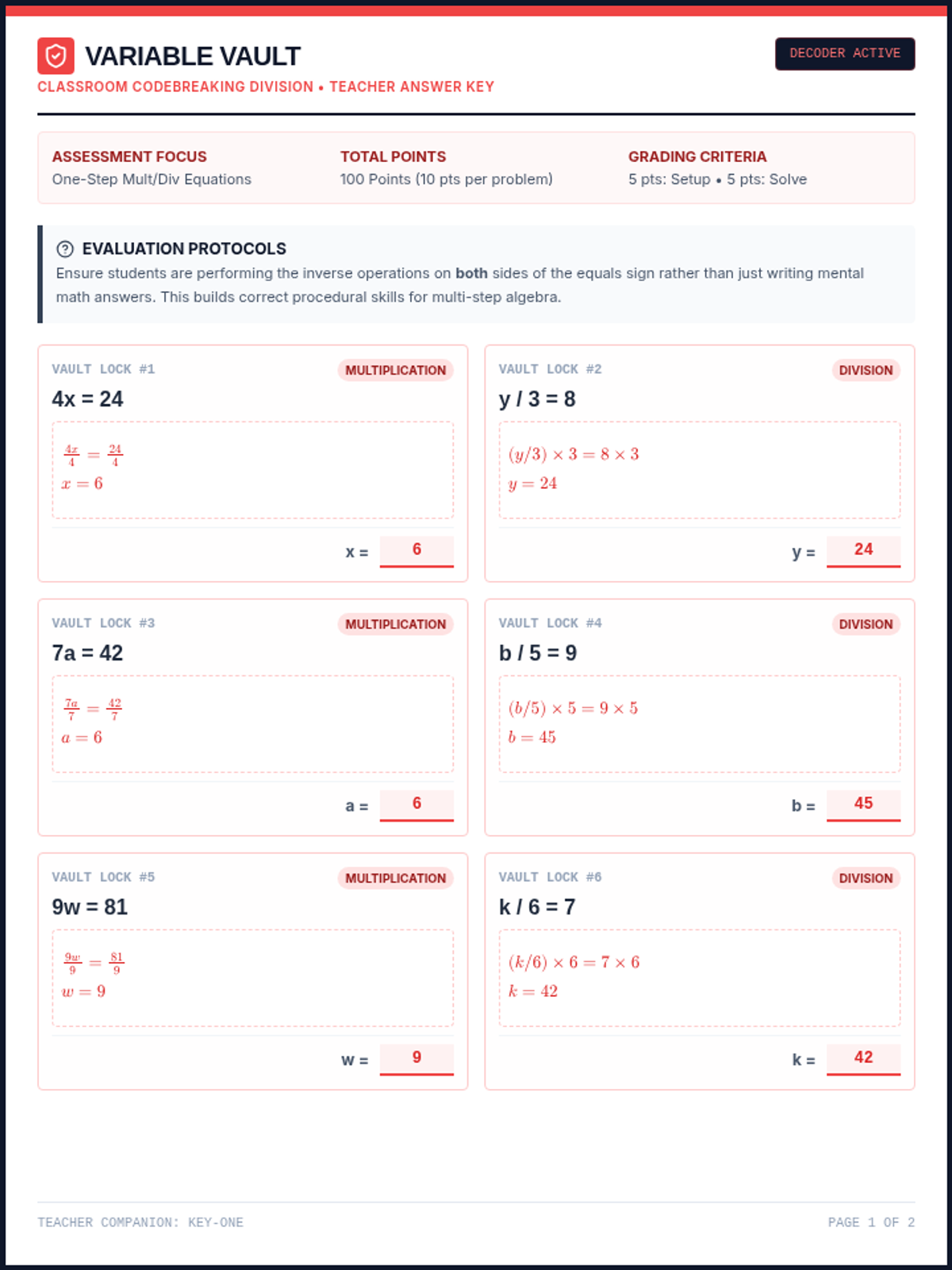
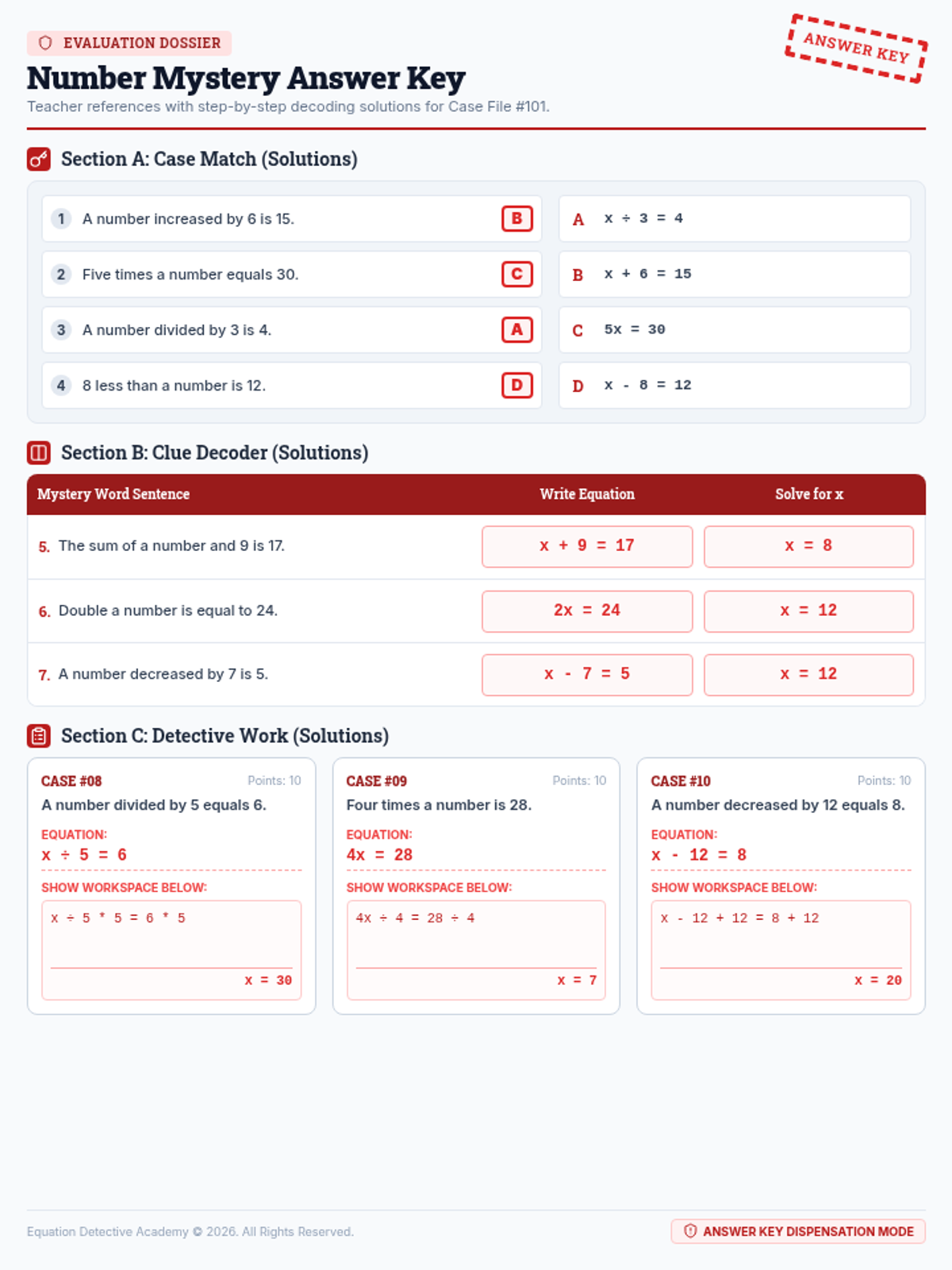
An assessment package for solving one-step equations involving whole number multiplication and division. Includes a student assessment worksheet and a teacher answer key with detailed step-by-step solutions.
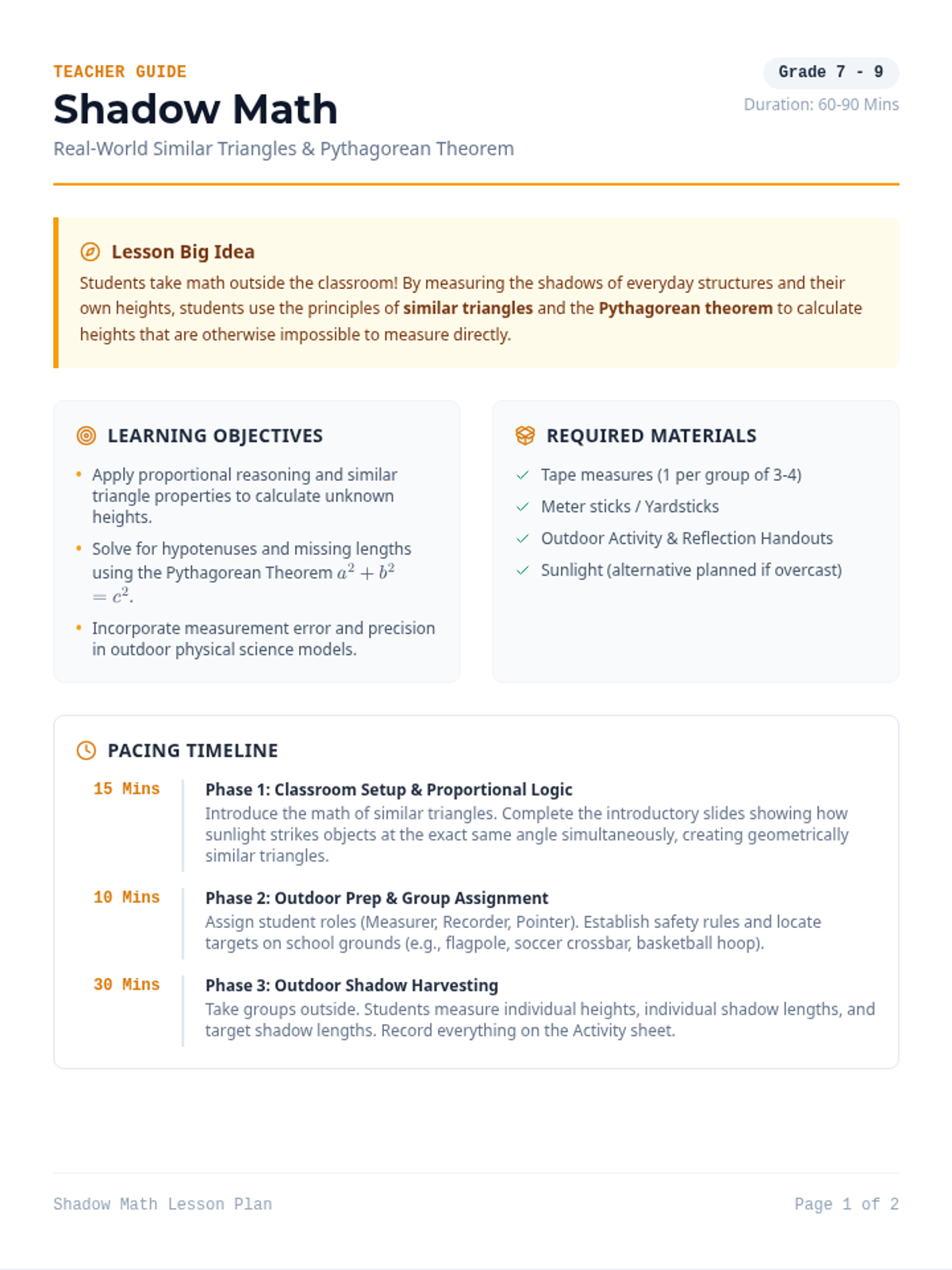
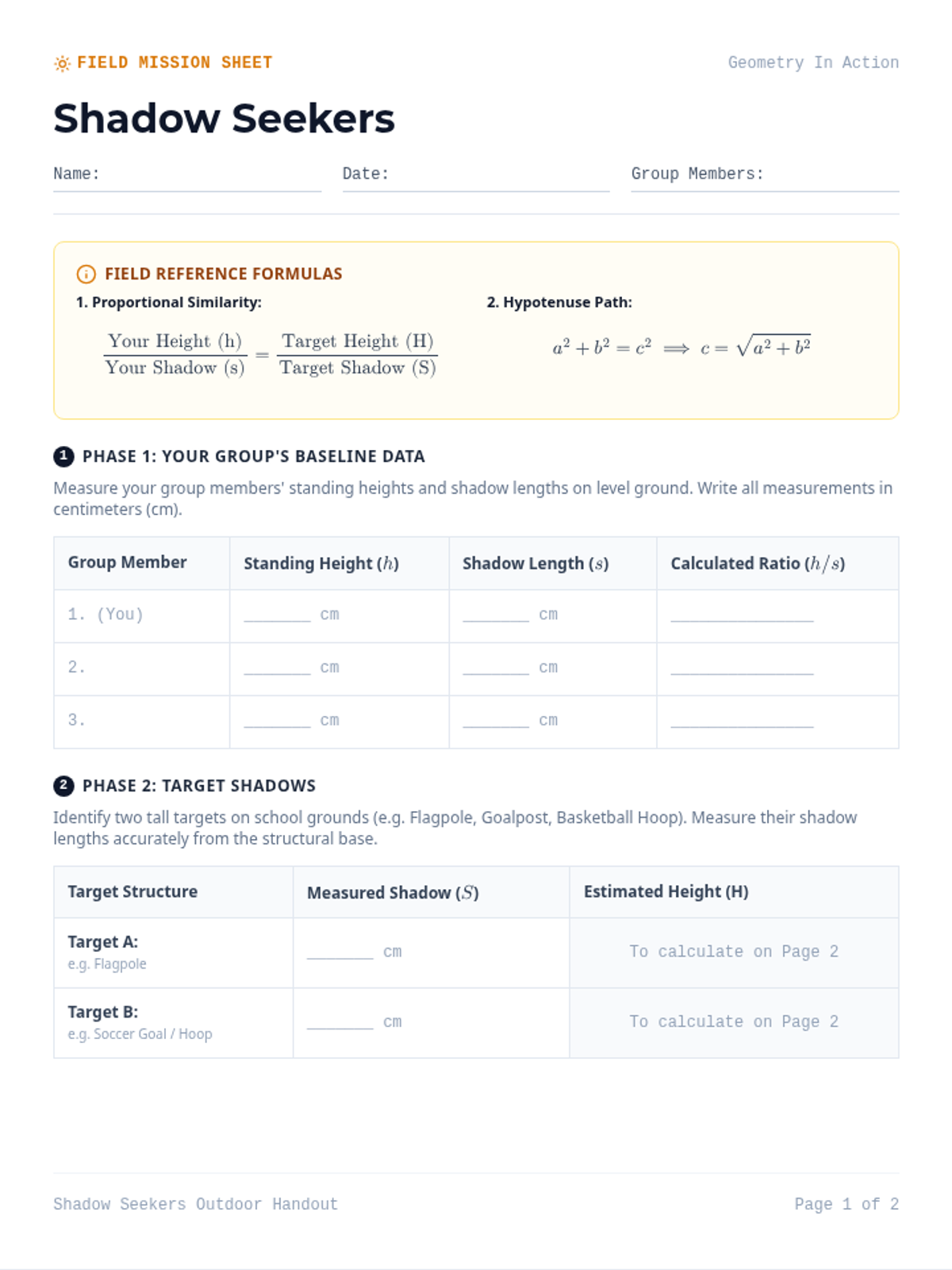
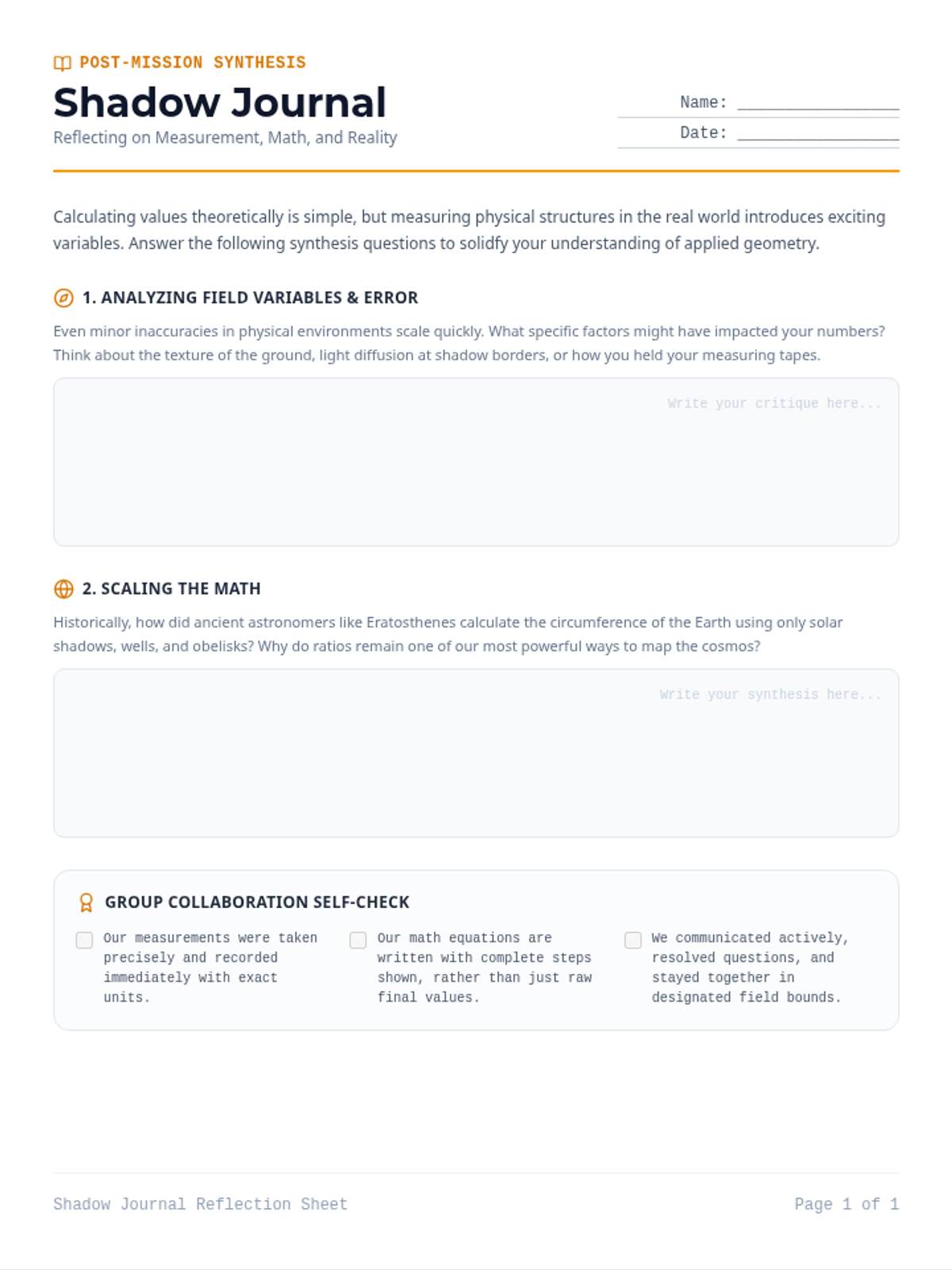
A hands-on geometry lesson where students head outdoors to measure shadows and use the Pythagorean theorem and geometric ratios to calculate the height of school structures. Includes a lesson plan, slide deck, outdoor activity guide, and reflection journal.
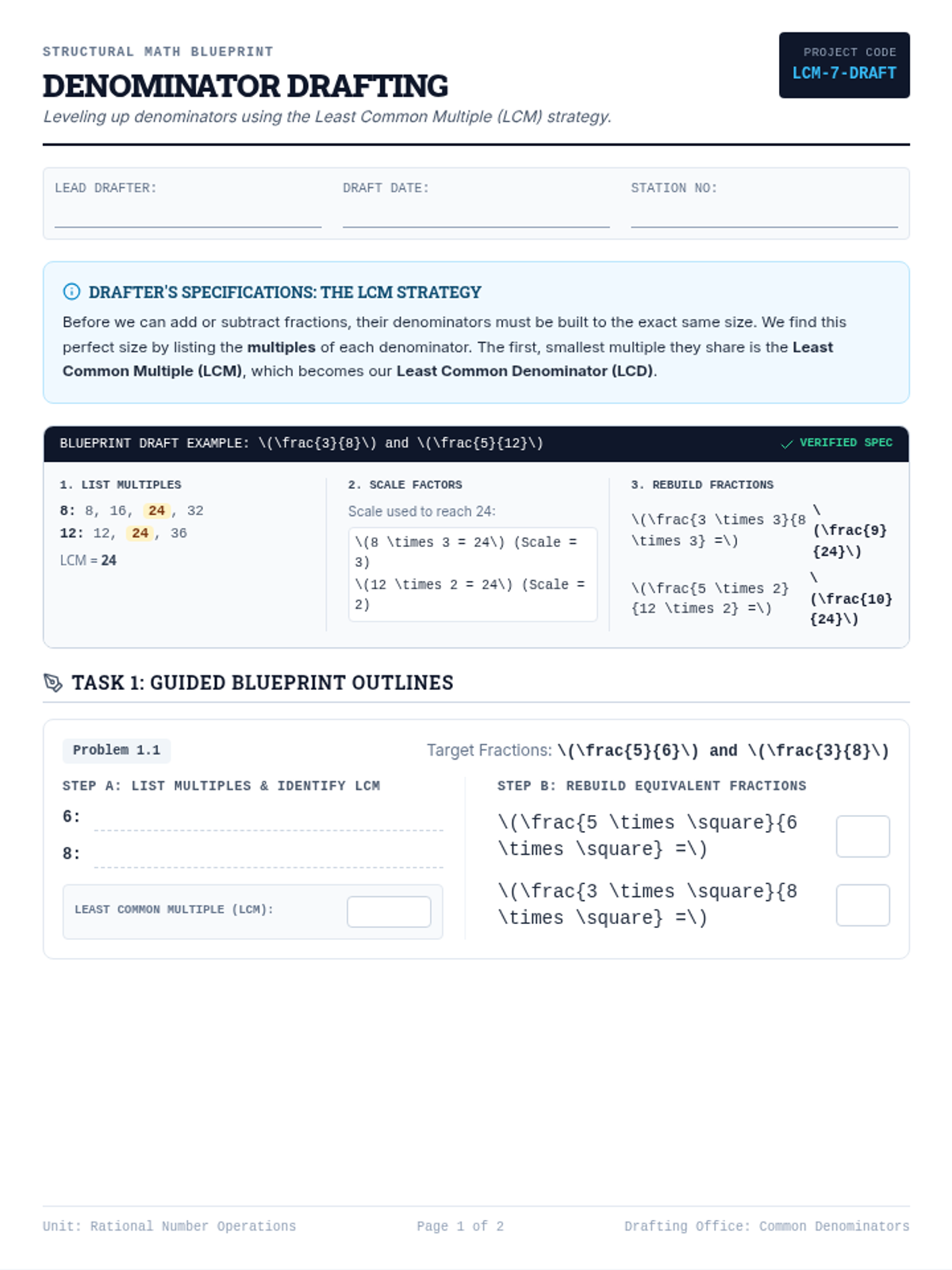
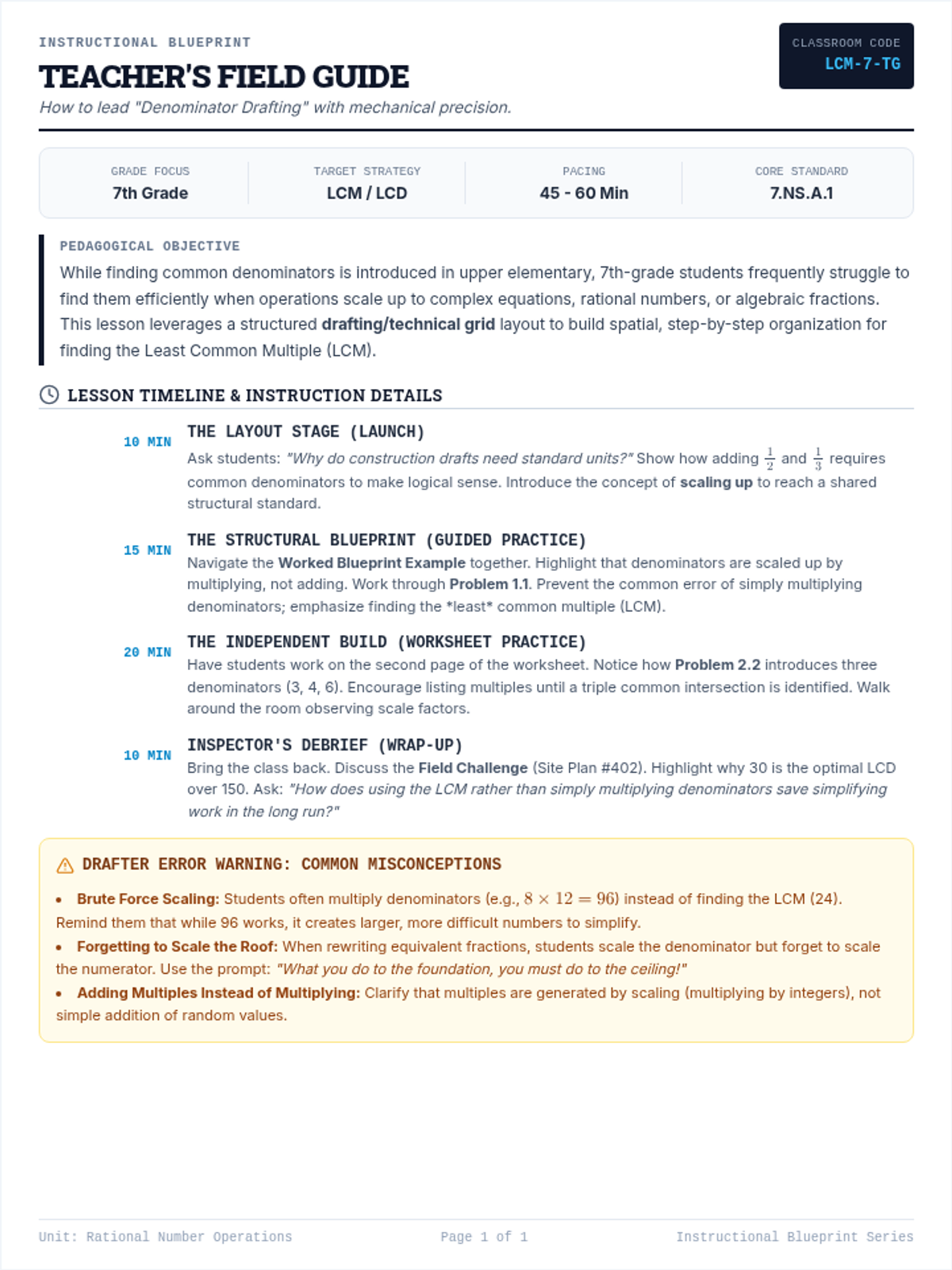
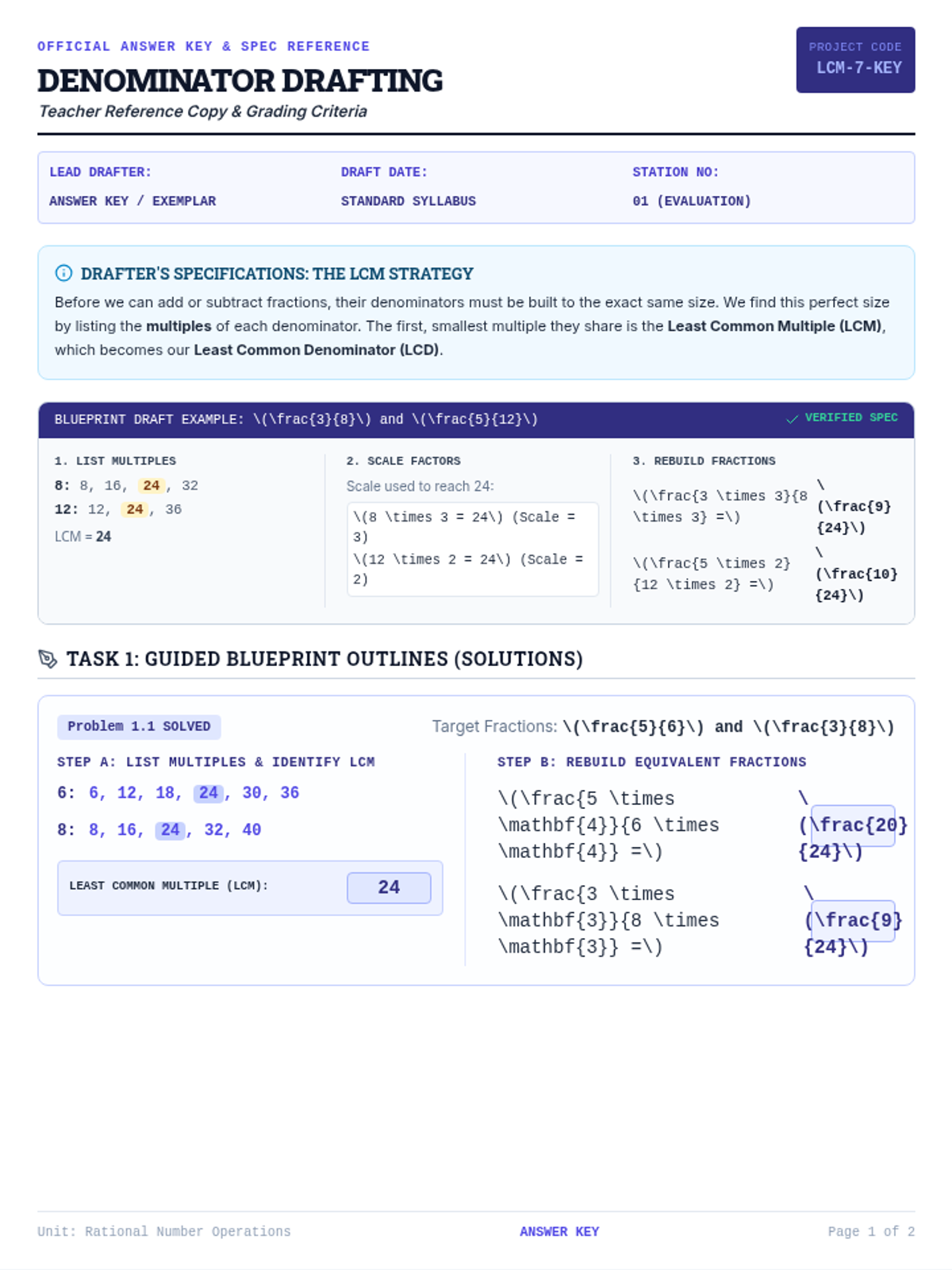
A scaffolded lesson for 7th-grade students to master finding common denominators using the Least Common Multiple (LCM) strategy, structured around a technical blueprint drafting theme.
A comprehensive lesson introducing fraction simplification using visual fraction strip models as key scaffolding, complete with guided worksheets, error analysis, and a teacher answer key.
A structured, 7th-grade lesson on fraction operations (simplifying, finding common denominators, adding, subtracting, multiplying, and dividing) with color-coded step-by-step guides to support learners.
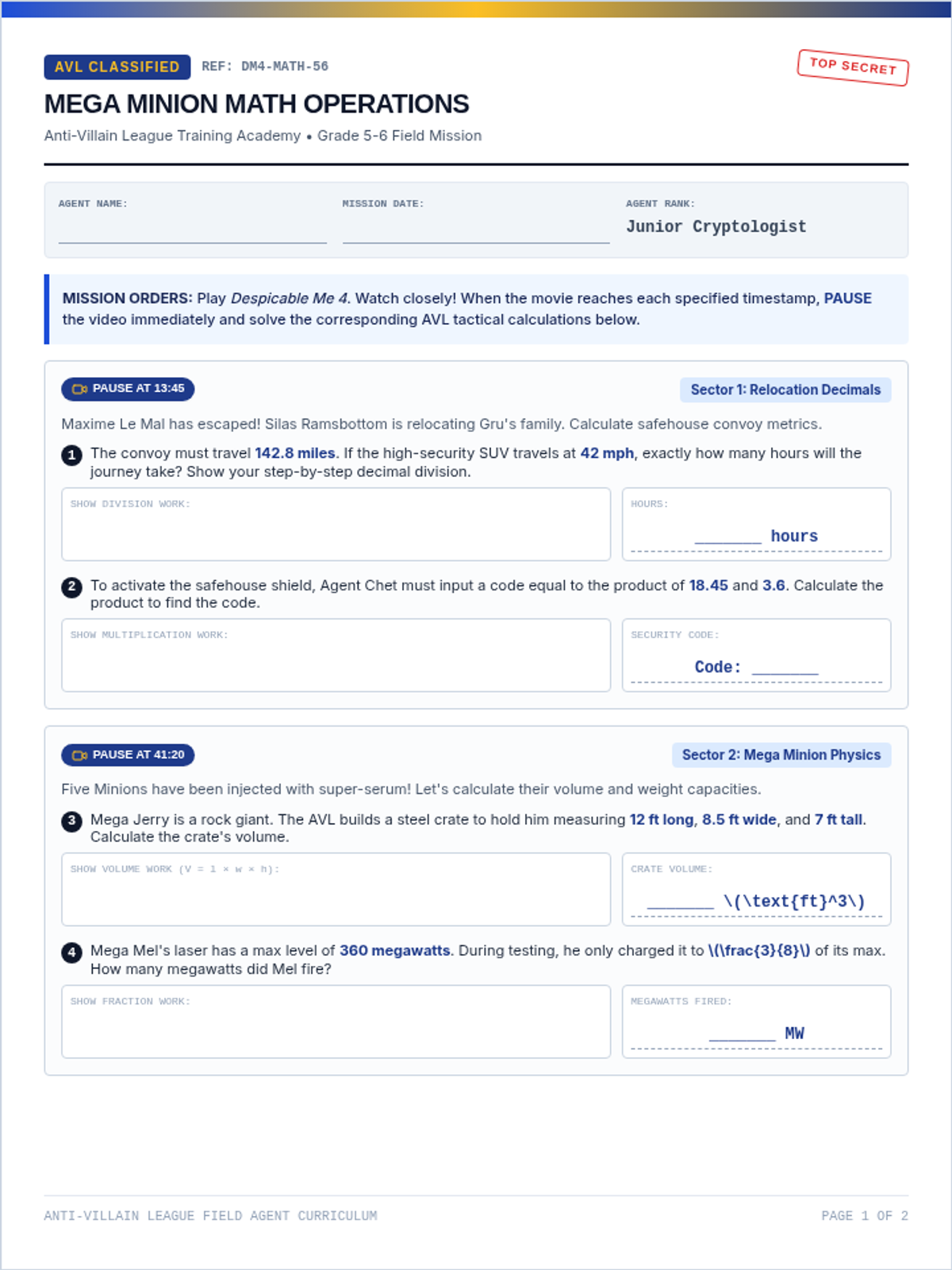
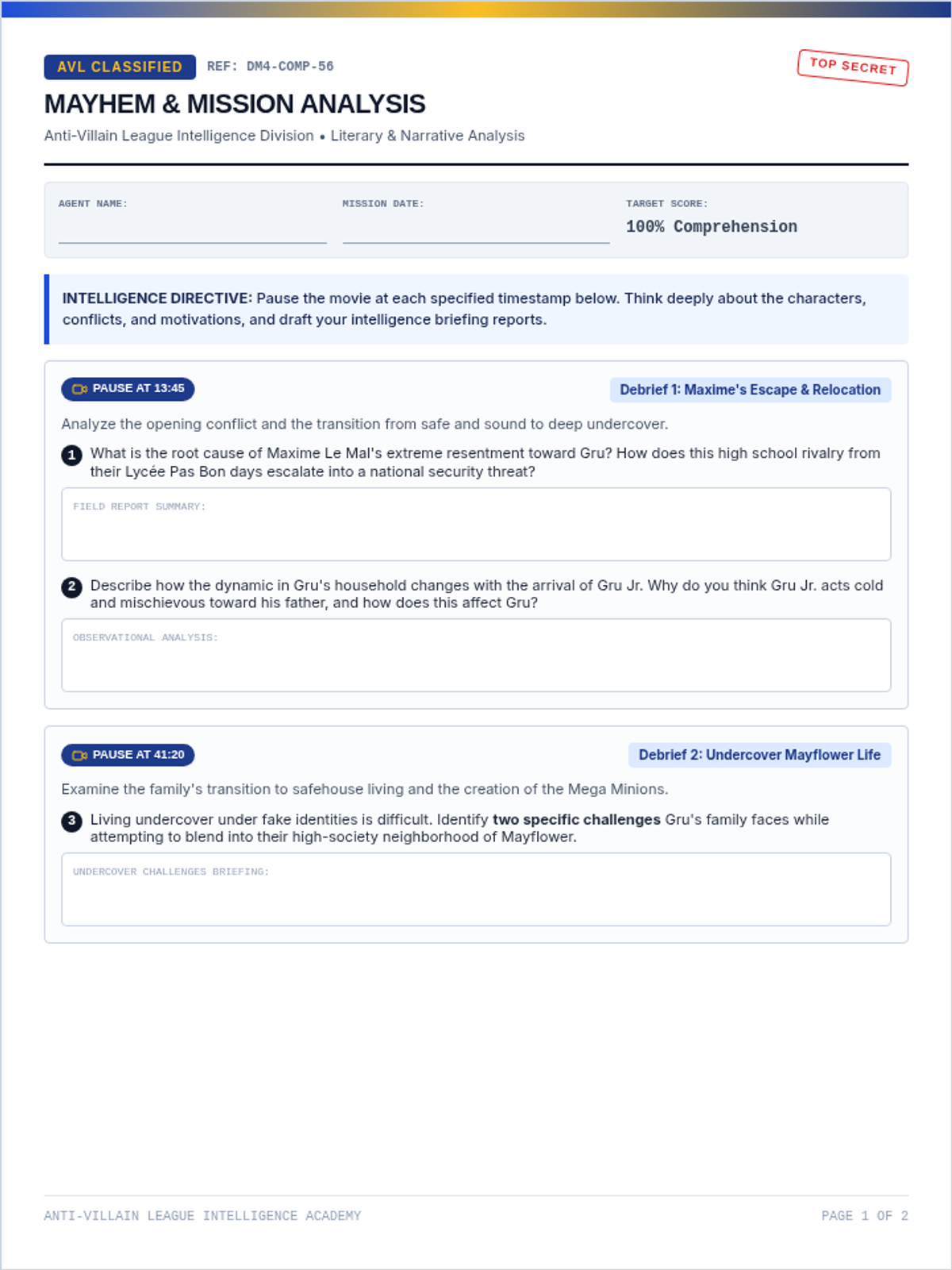
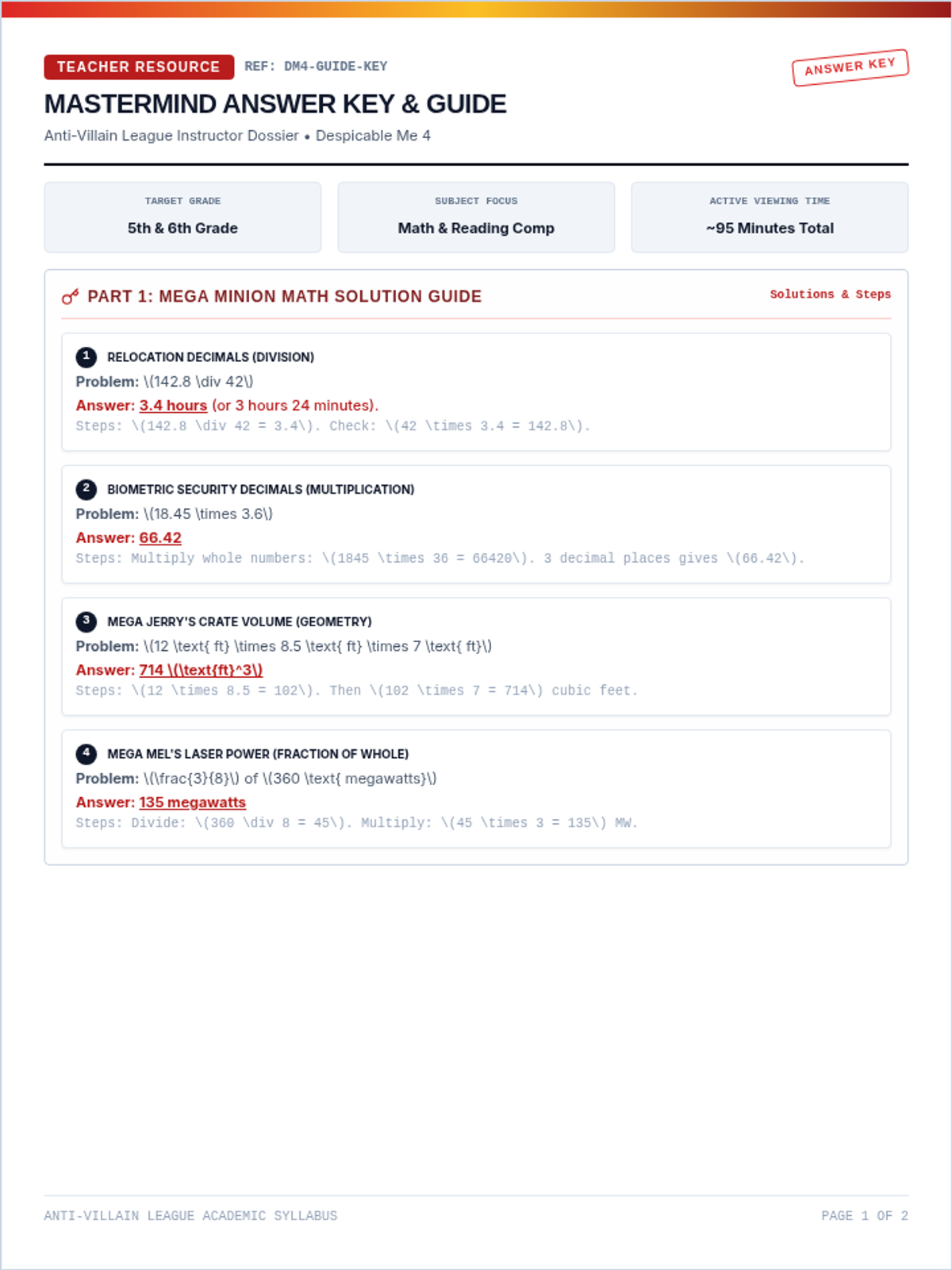
A movie companion lesson set for Despicable Me 4, targeting 5th and 6th-grade students. It features highly engaging math and reading comprehension worksheets organized around specific movie pause timestamps, plus a teacher answer key and guide.
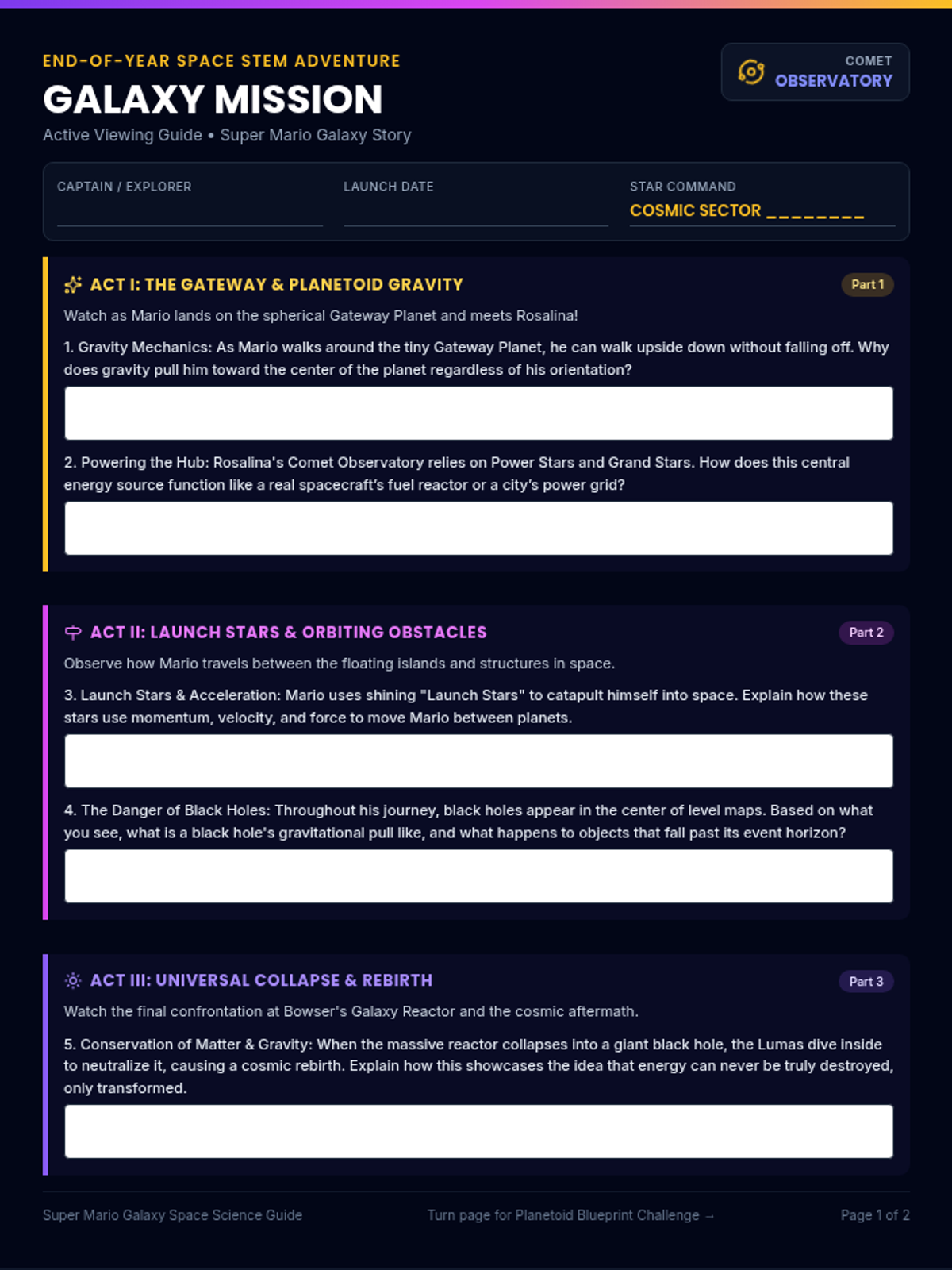
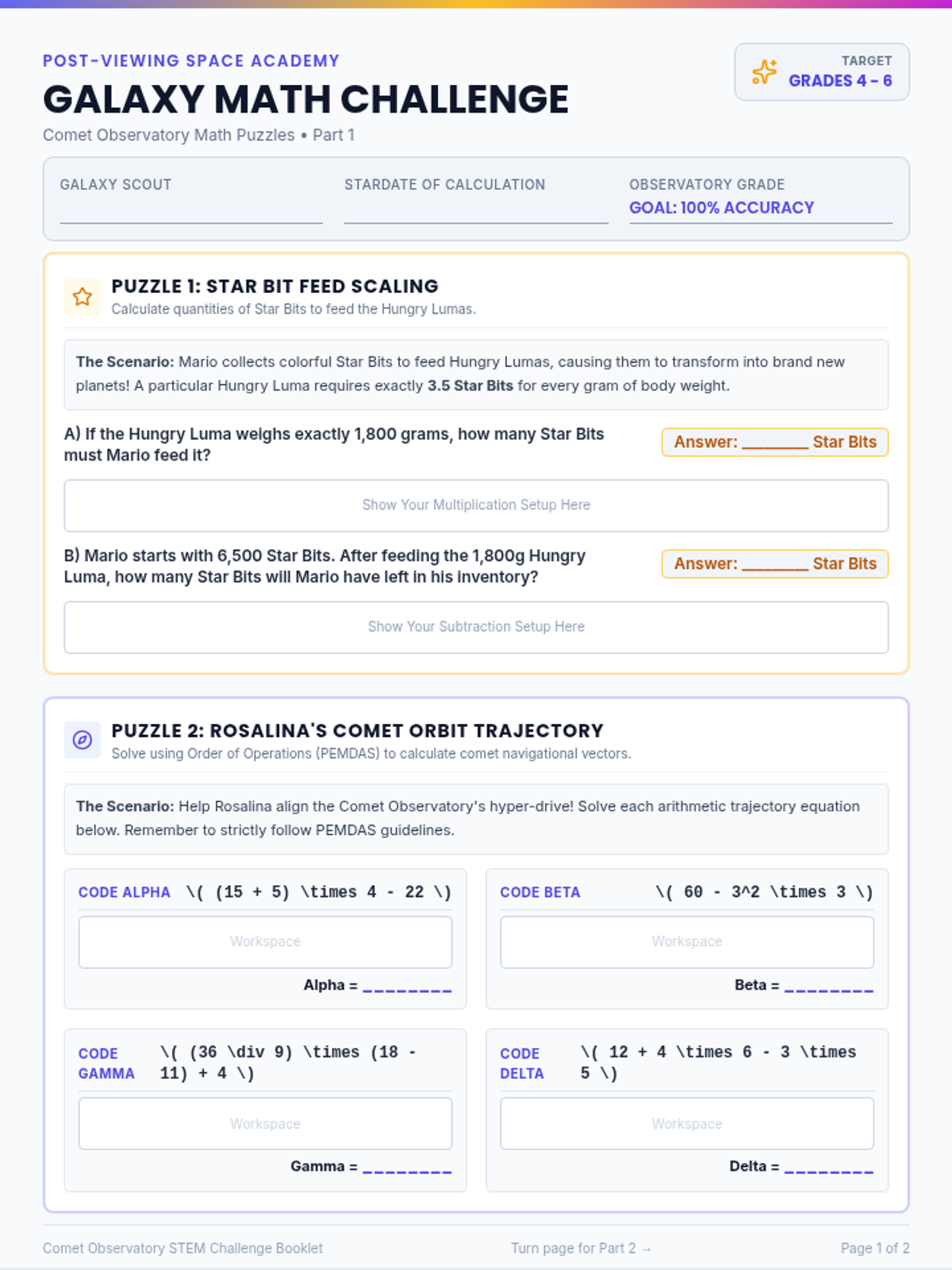
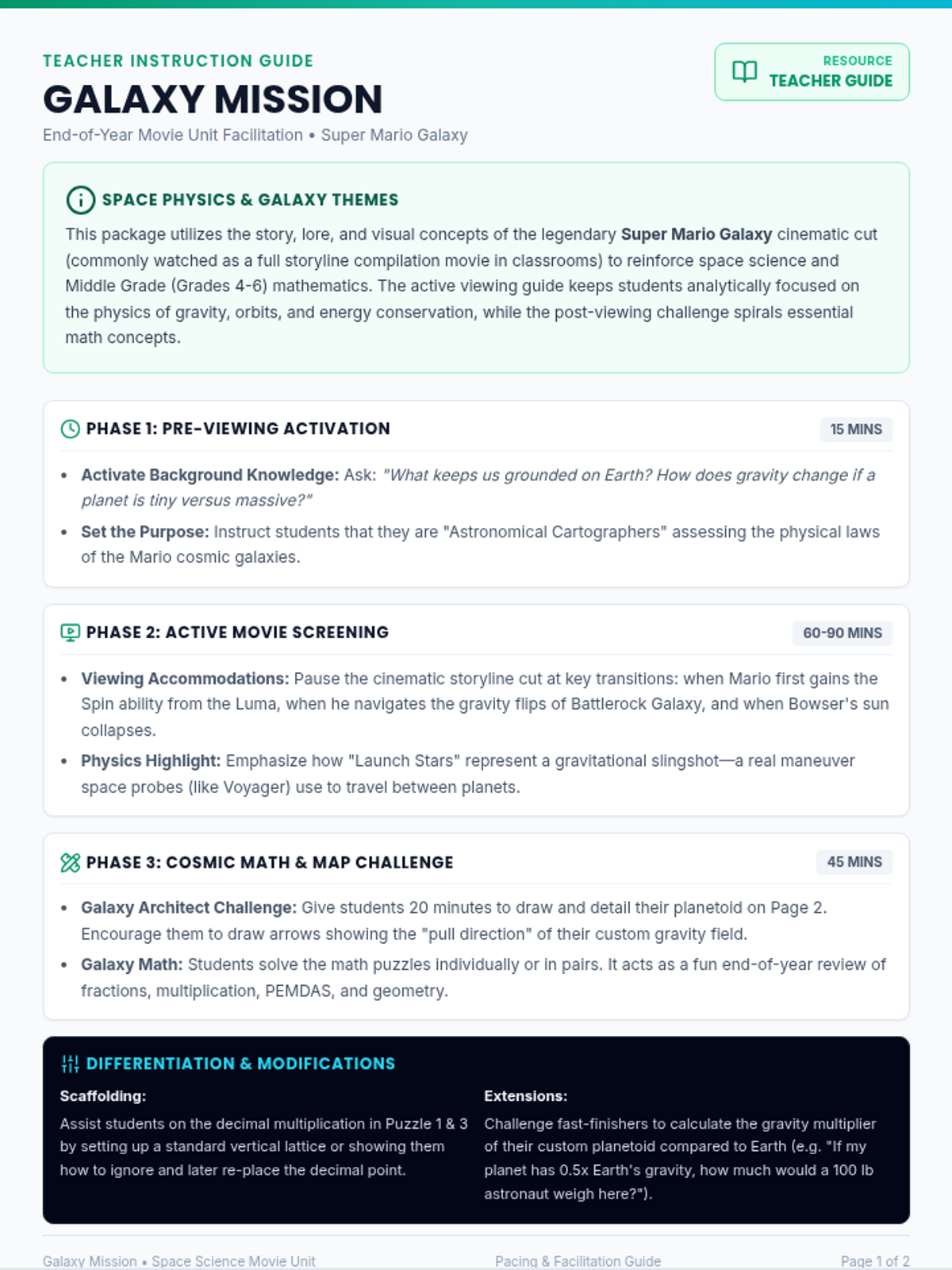
An end-of-year educational movie unit and math workbook based on the story of Super Mario Galaxy. Students explore gravity, orbits, and space physics through active viewing, followed by high-energy space-themed math puzzles.
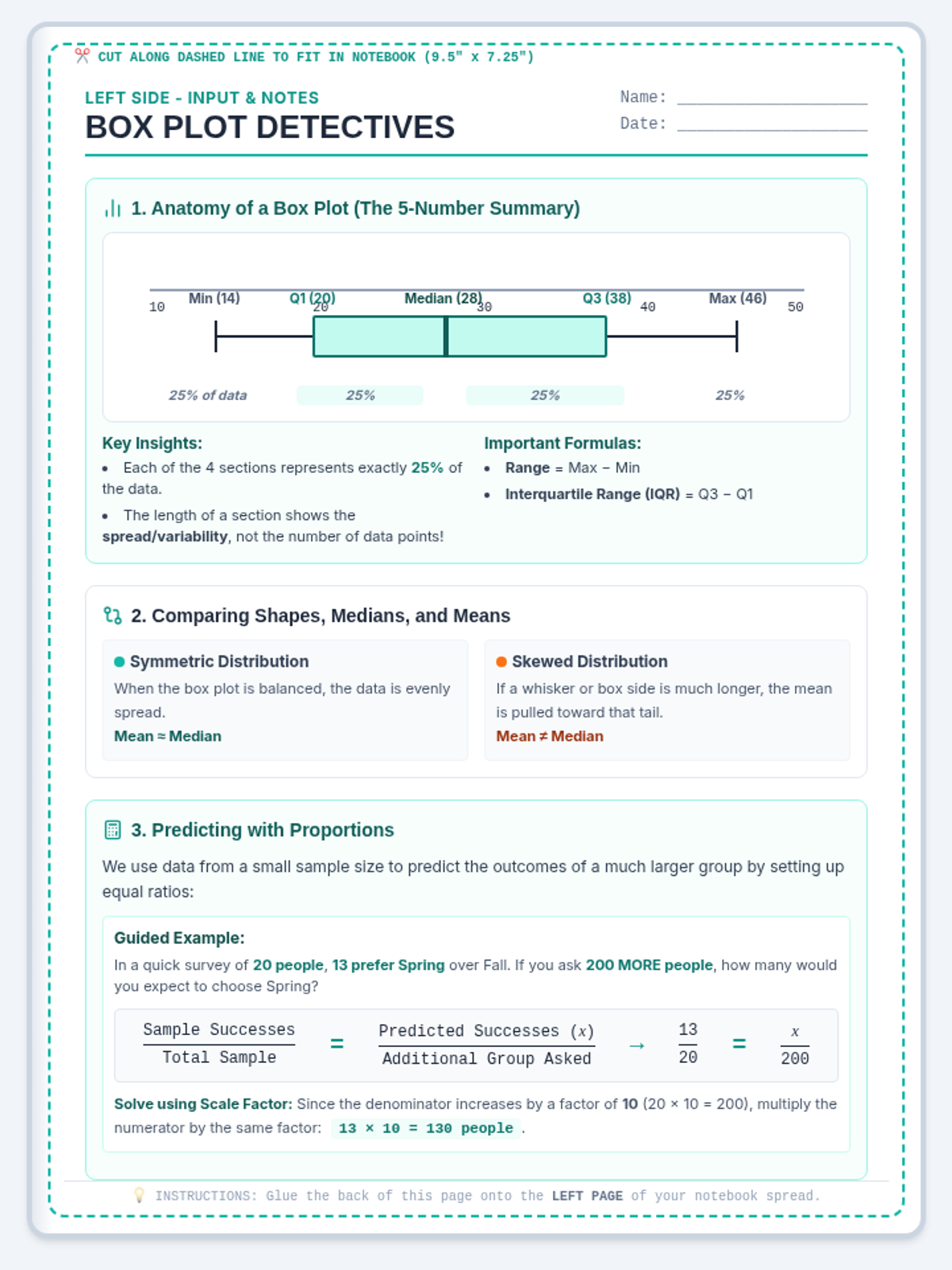
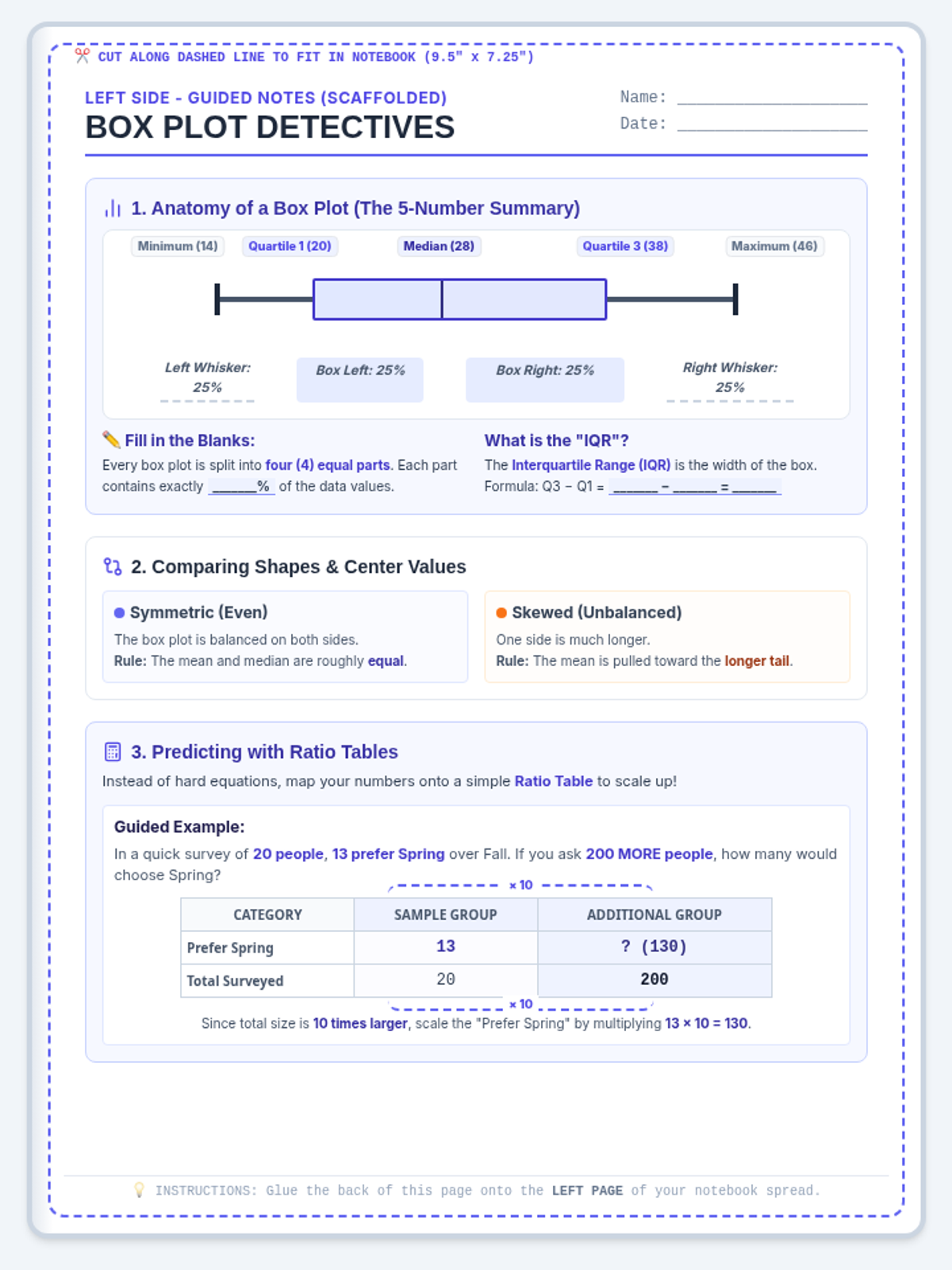
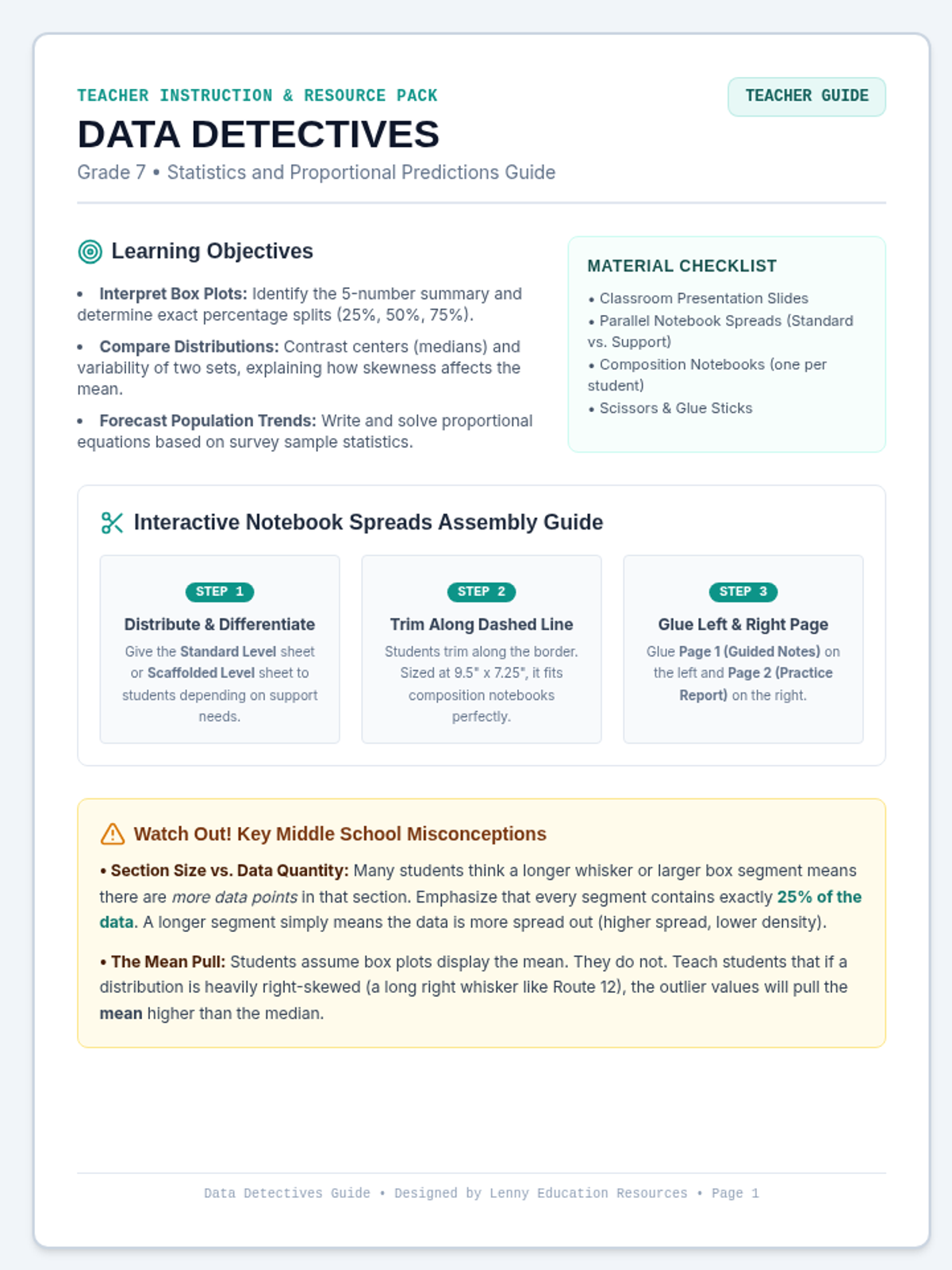
A middle school statistics lesson focused on comparing box plots, understanding quartiles, and making proportional predictions using sample data. Includes parallel standard and scaffolded interactive notebook spreads.
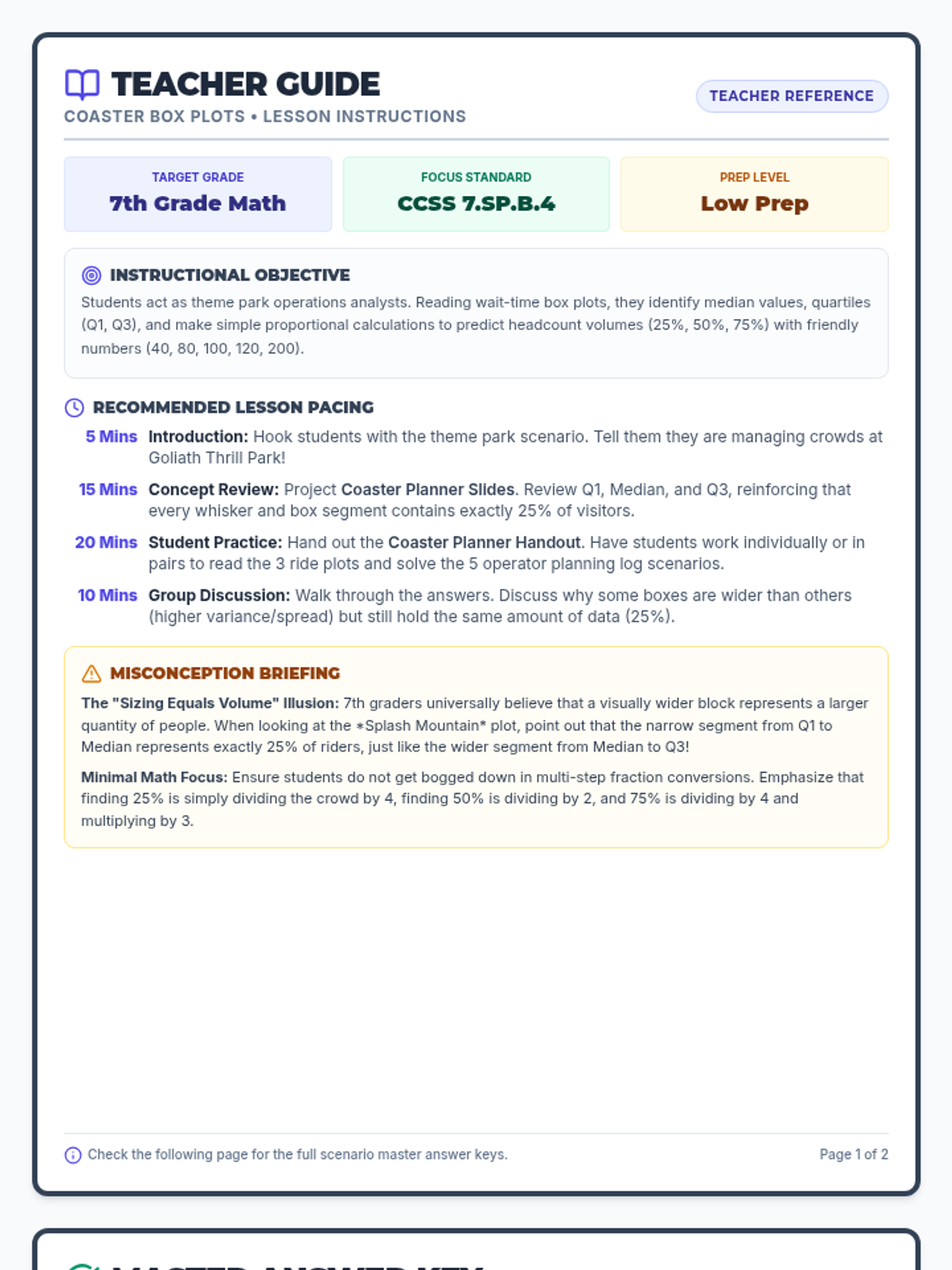
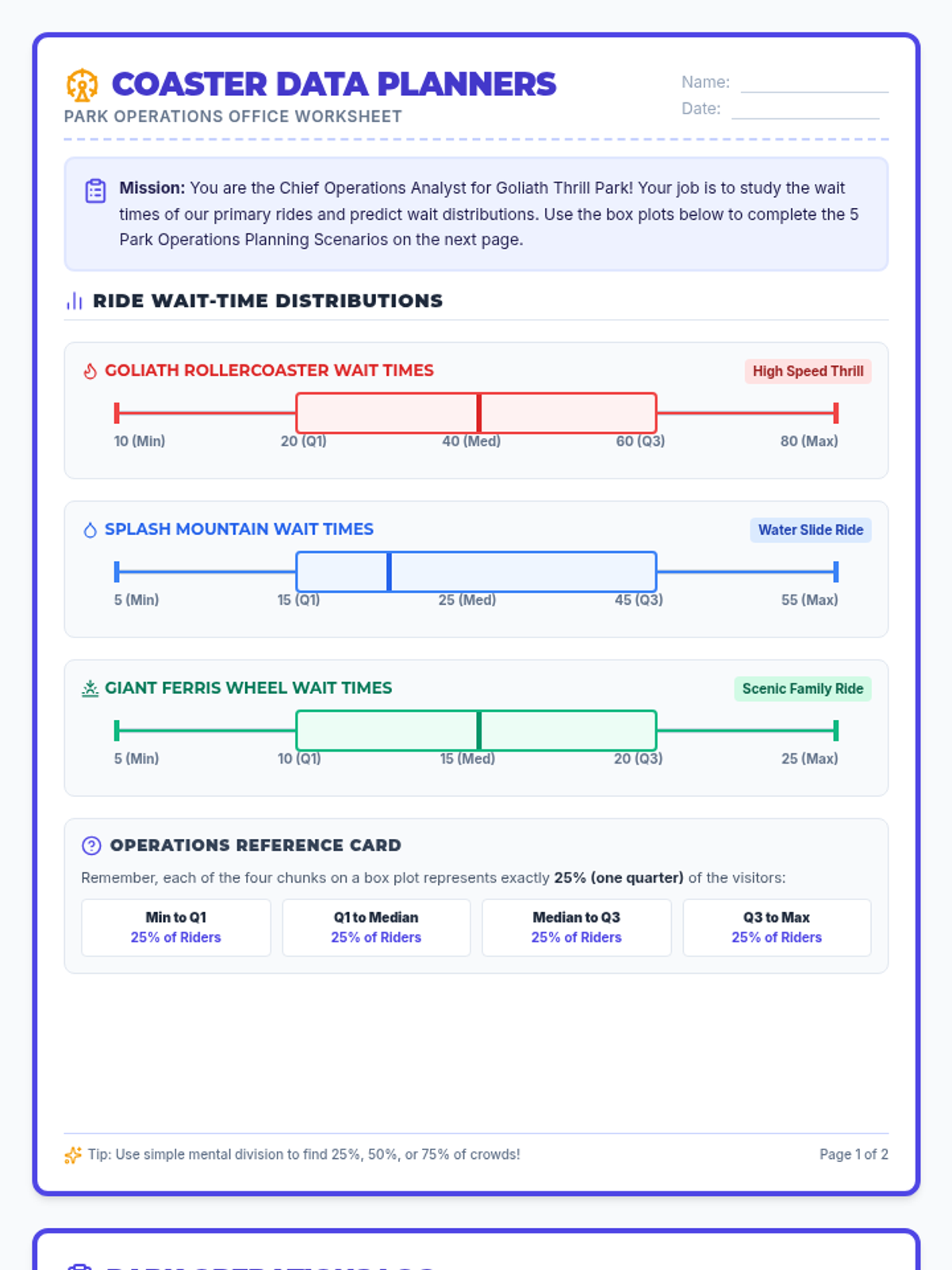
An engaging amusement park themed math lesson where 7th-grade students act as park planners. Reading ride wait-time box plots, students solve realistic visitor volume predictions with simple percentage calculations.
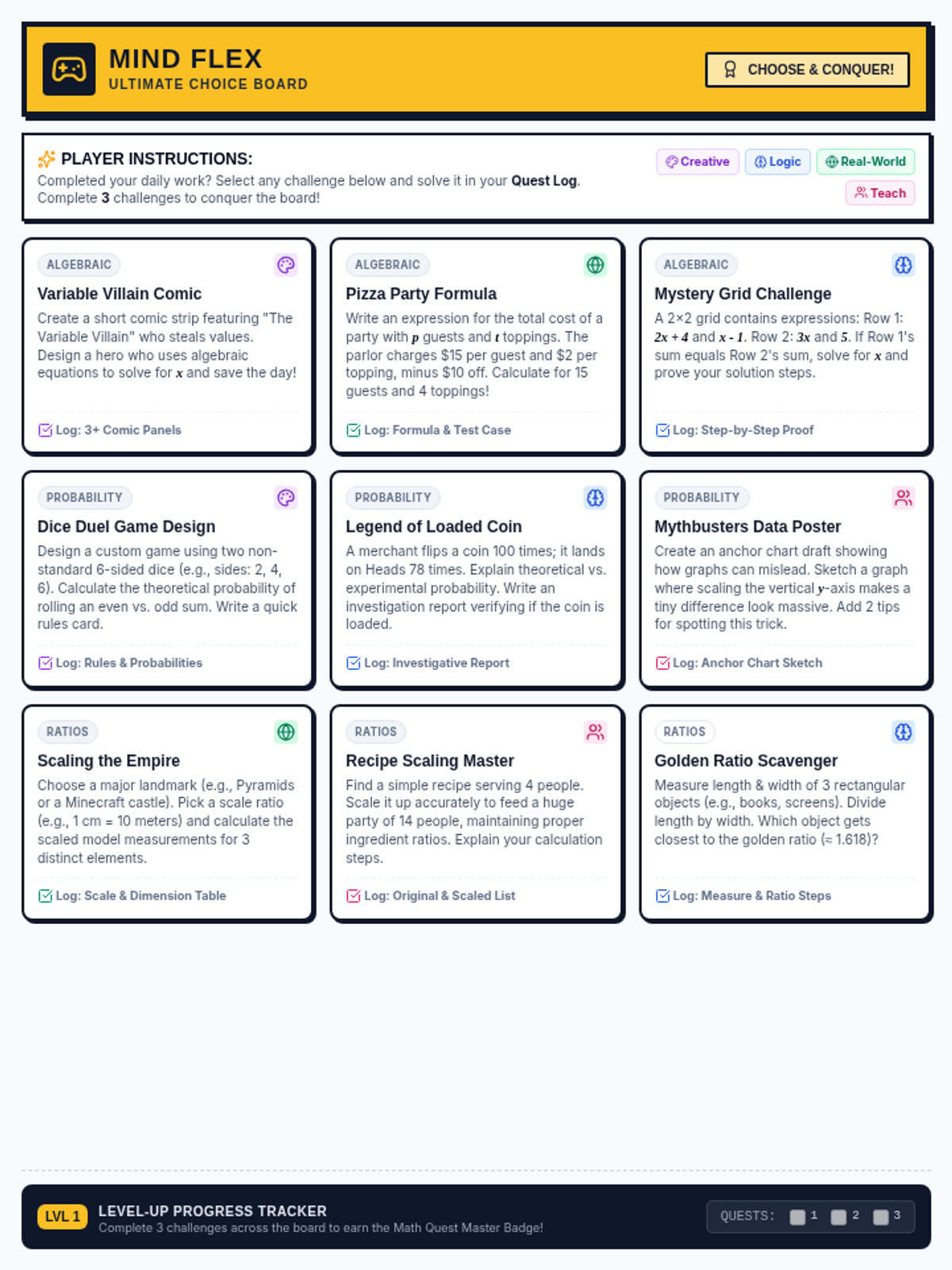
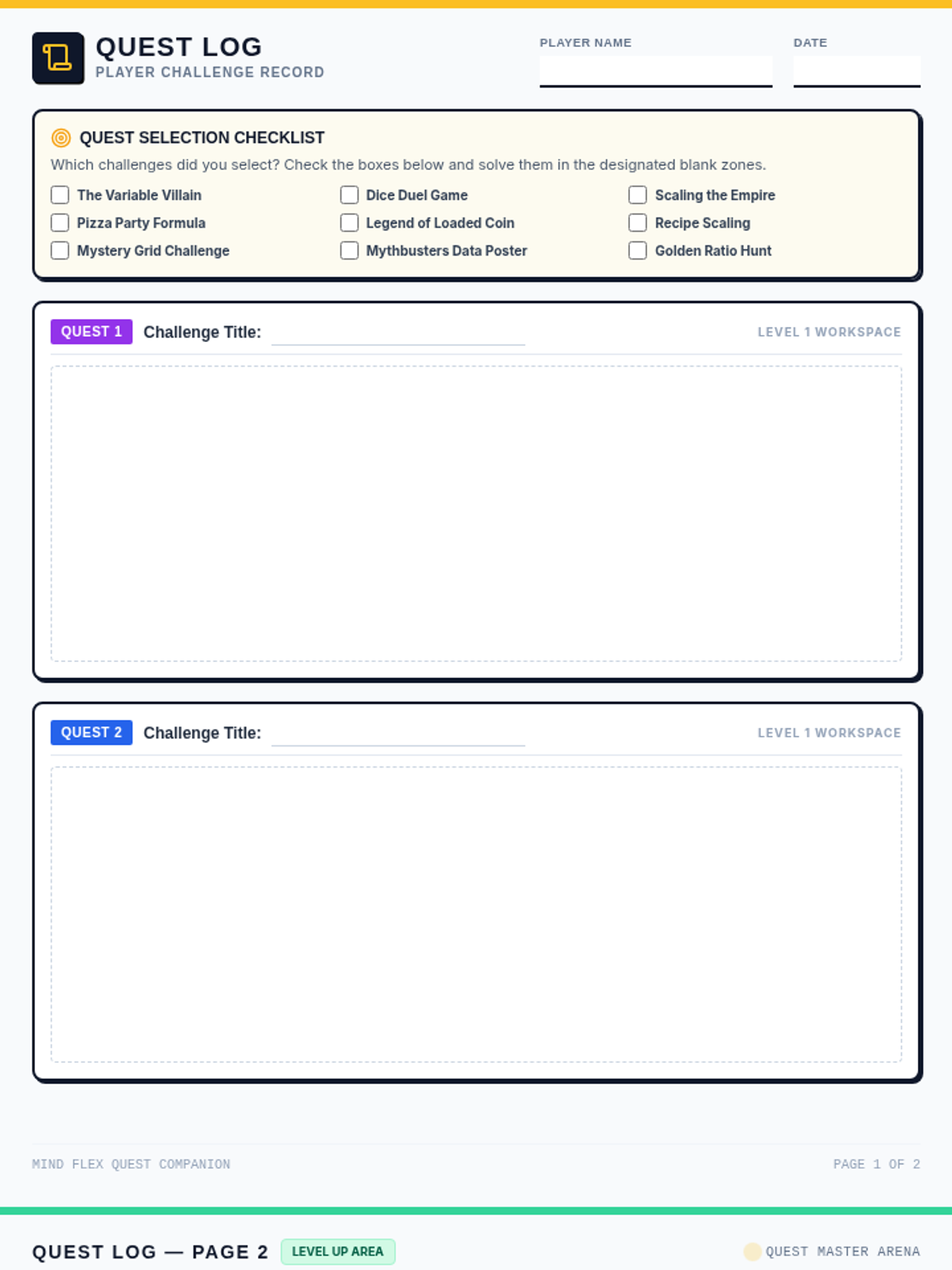
A collection of high-interest, independent math challenges for early finishers, covering Algebraic Expressions, Probability & Statistics, and Ratios & Proportions. Features creative projects, real-world applications, logic puzzles, and peer-teaching activities.
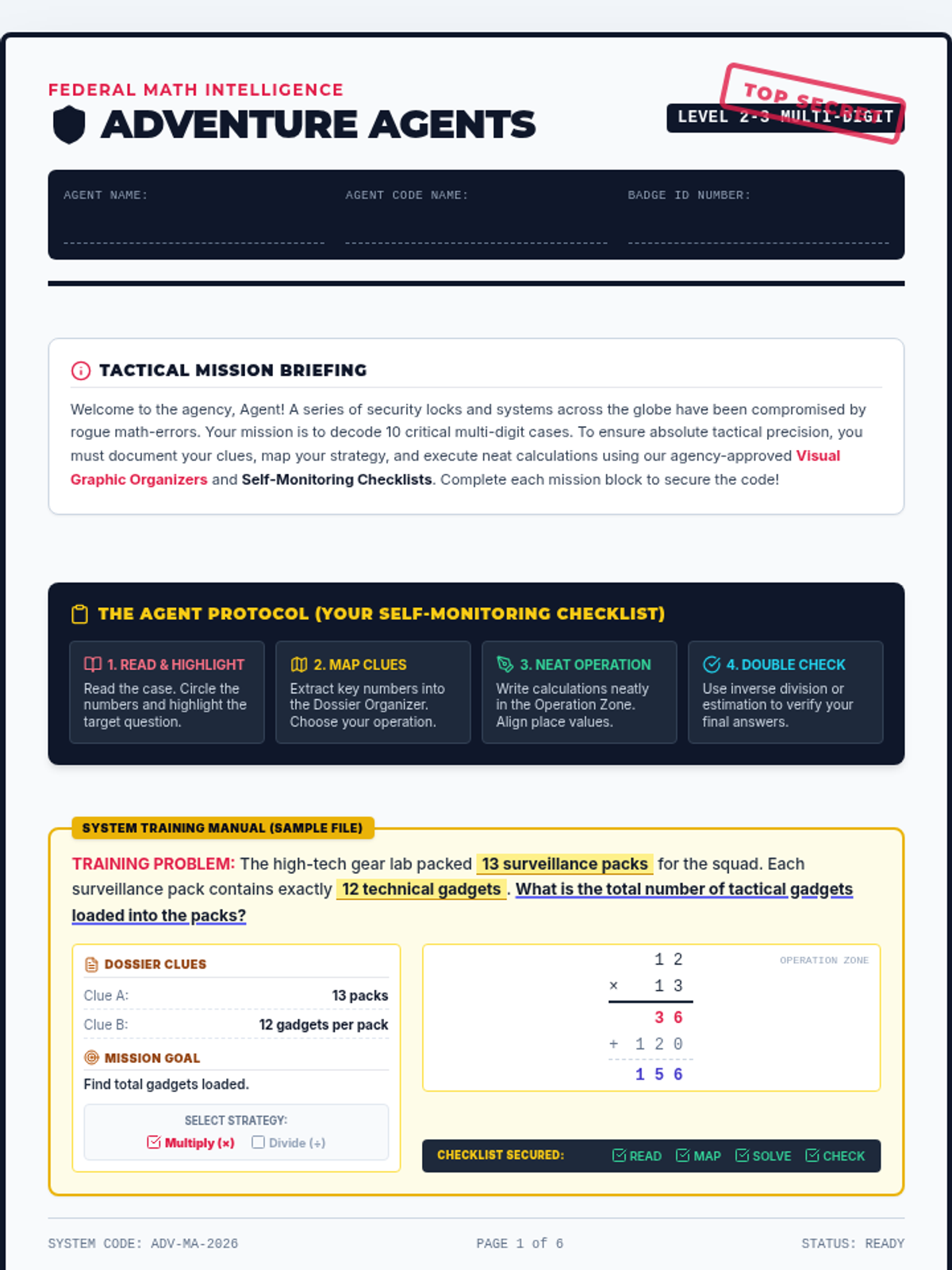
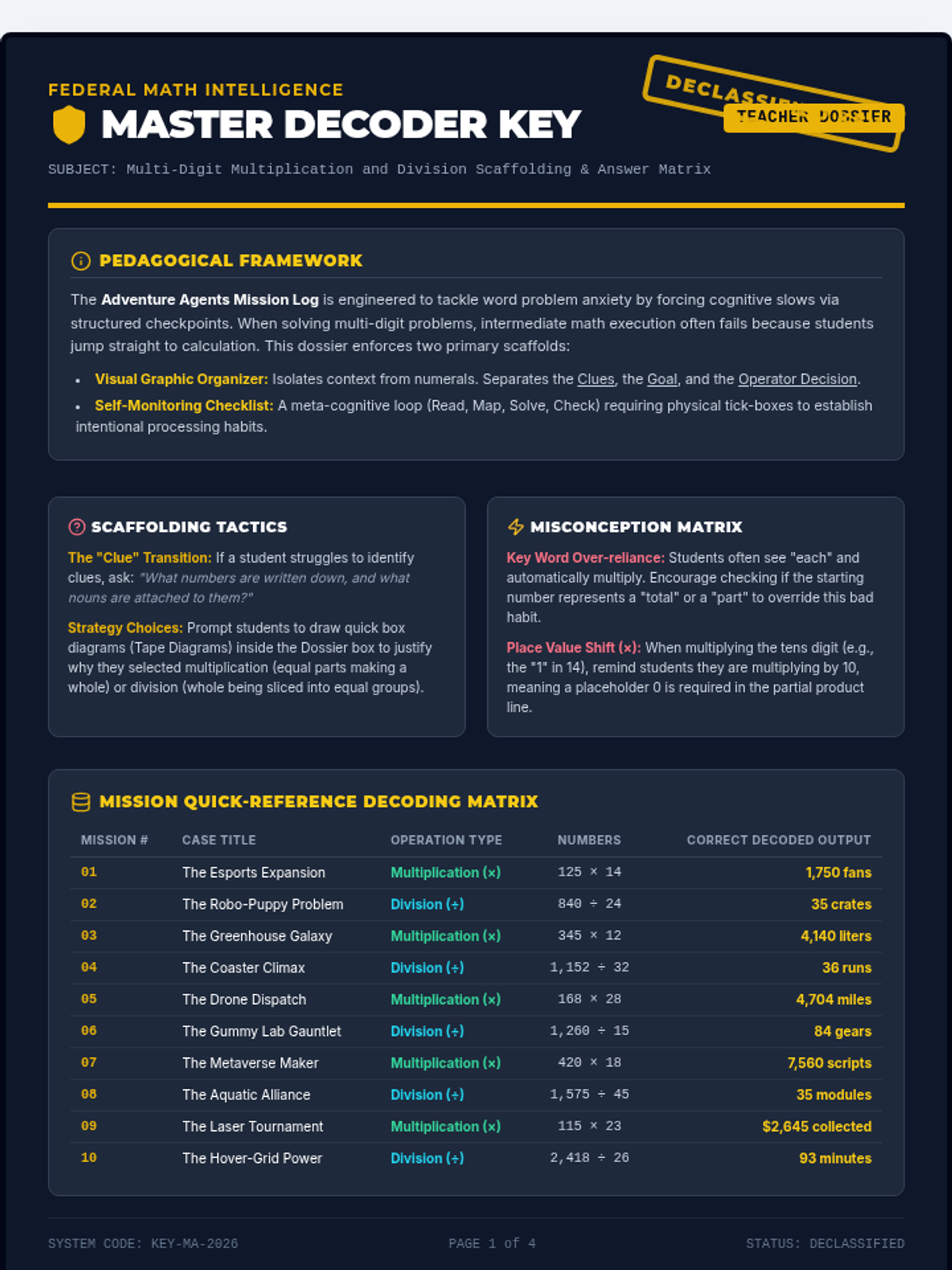
A high-interest word problem mission where students use visual graphic organizers and self-monitoring checklists to solve multi-digit multiplication and division challenges.
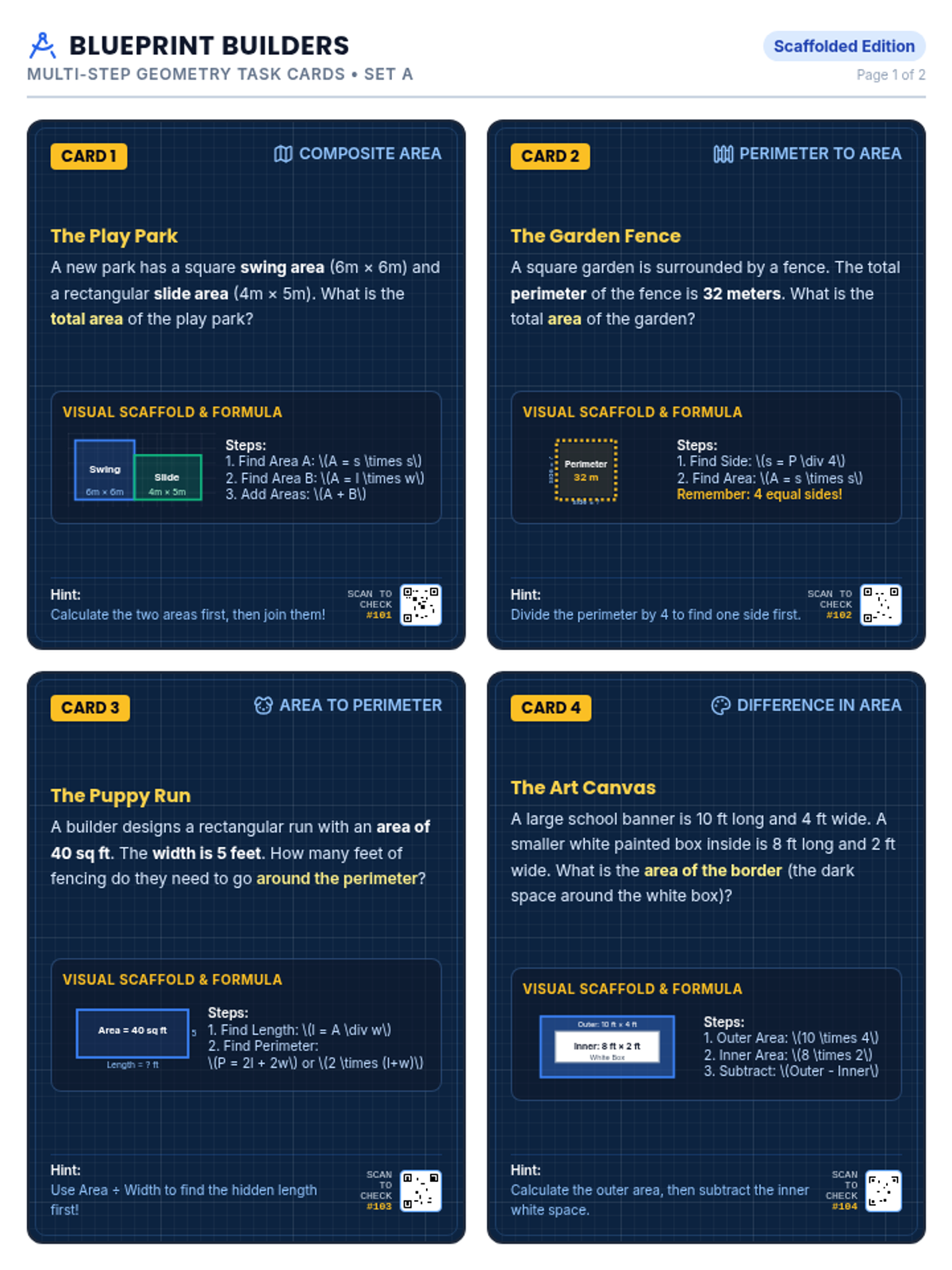
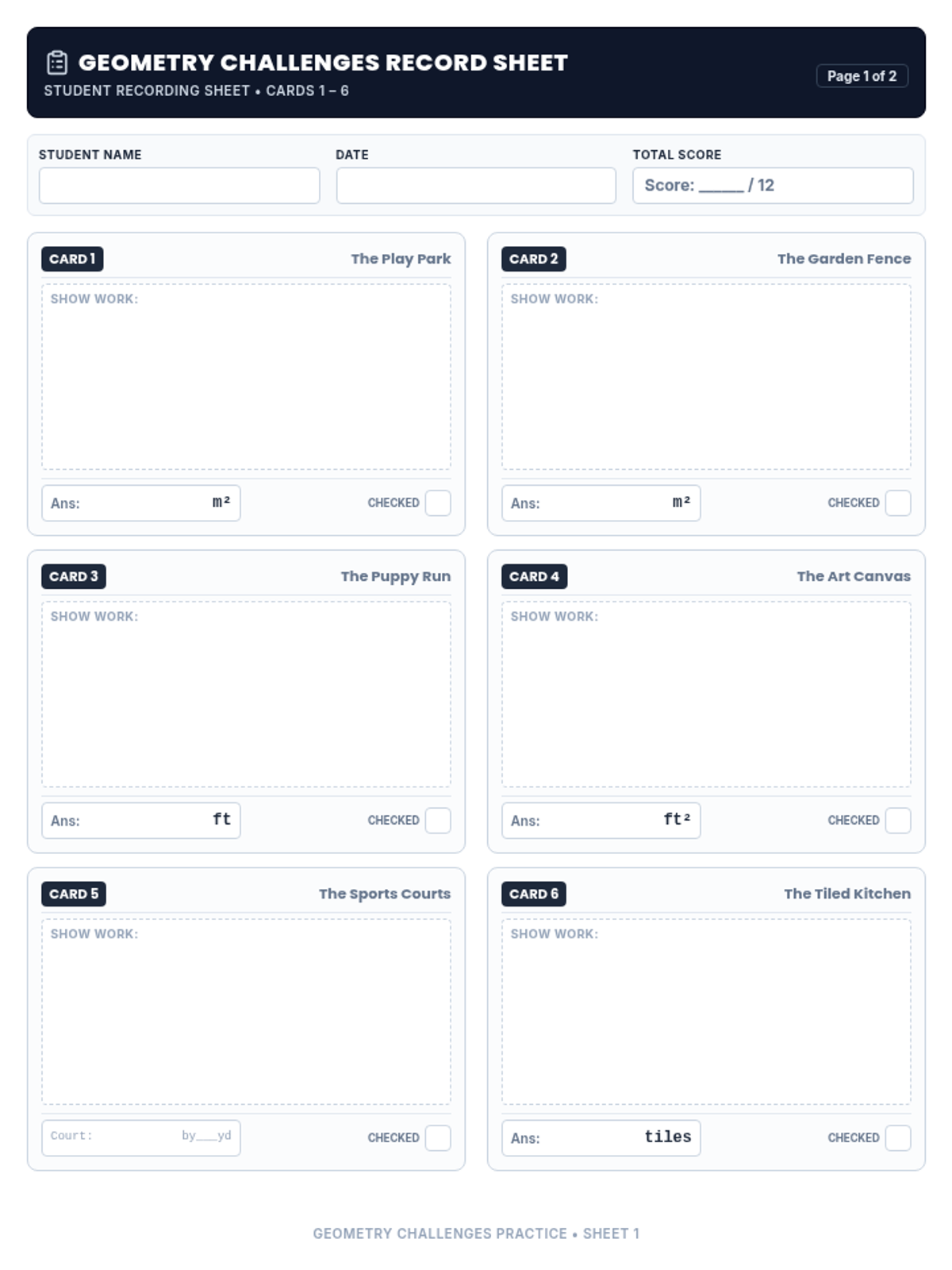
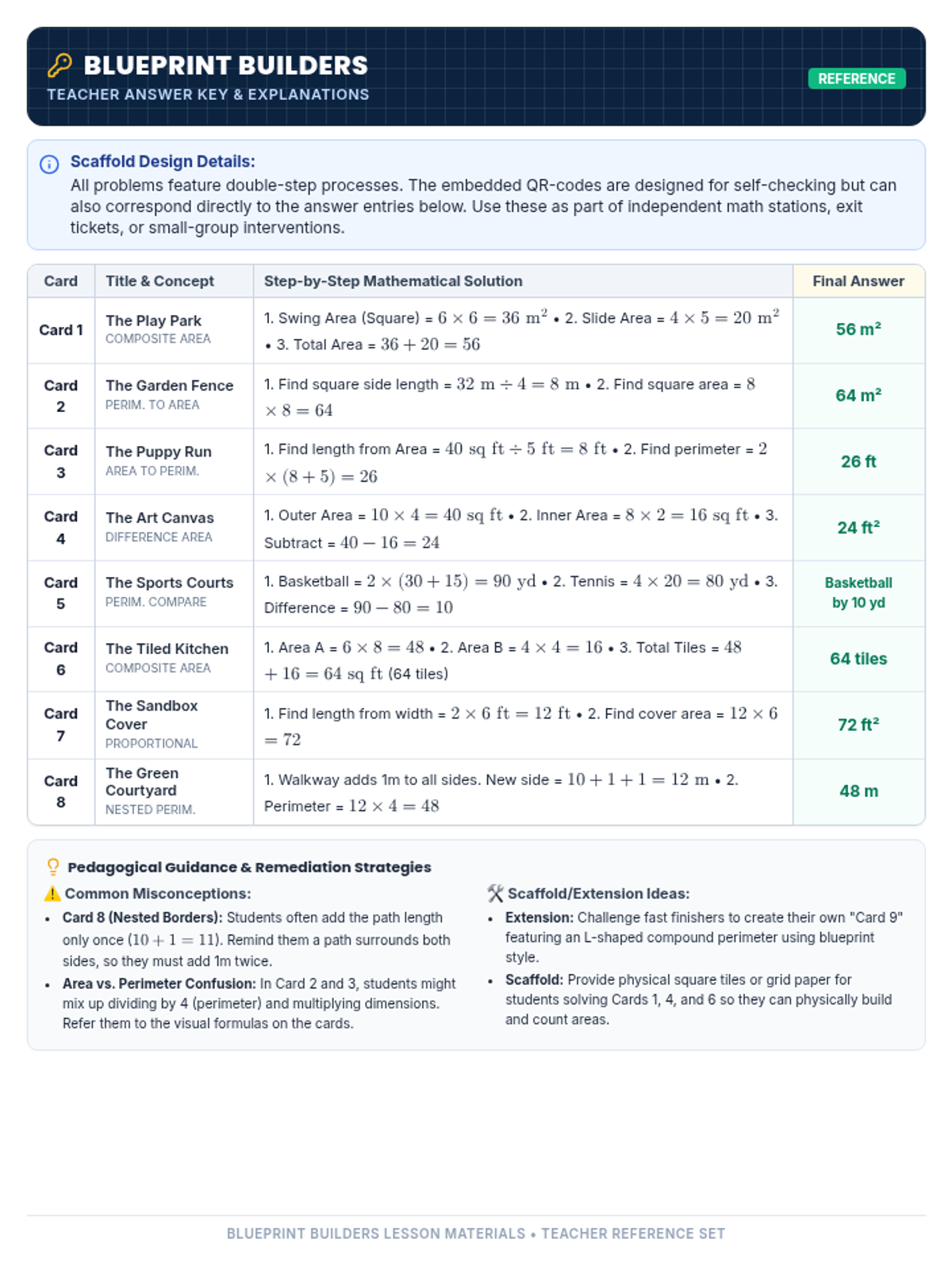
A minimalist, high-contrast geometry lesson where students solve multi-step area and perimeter problems. It features clean, print-friendly task cards with visual scaffolds and simplified language to support diverse learners.
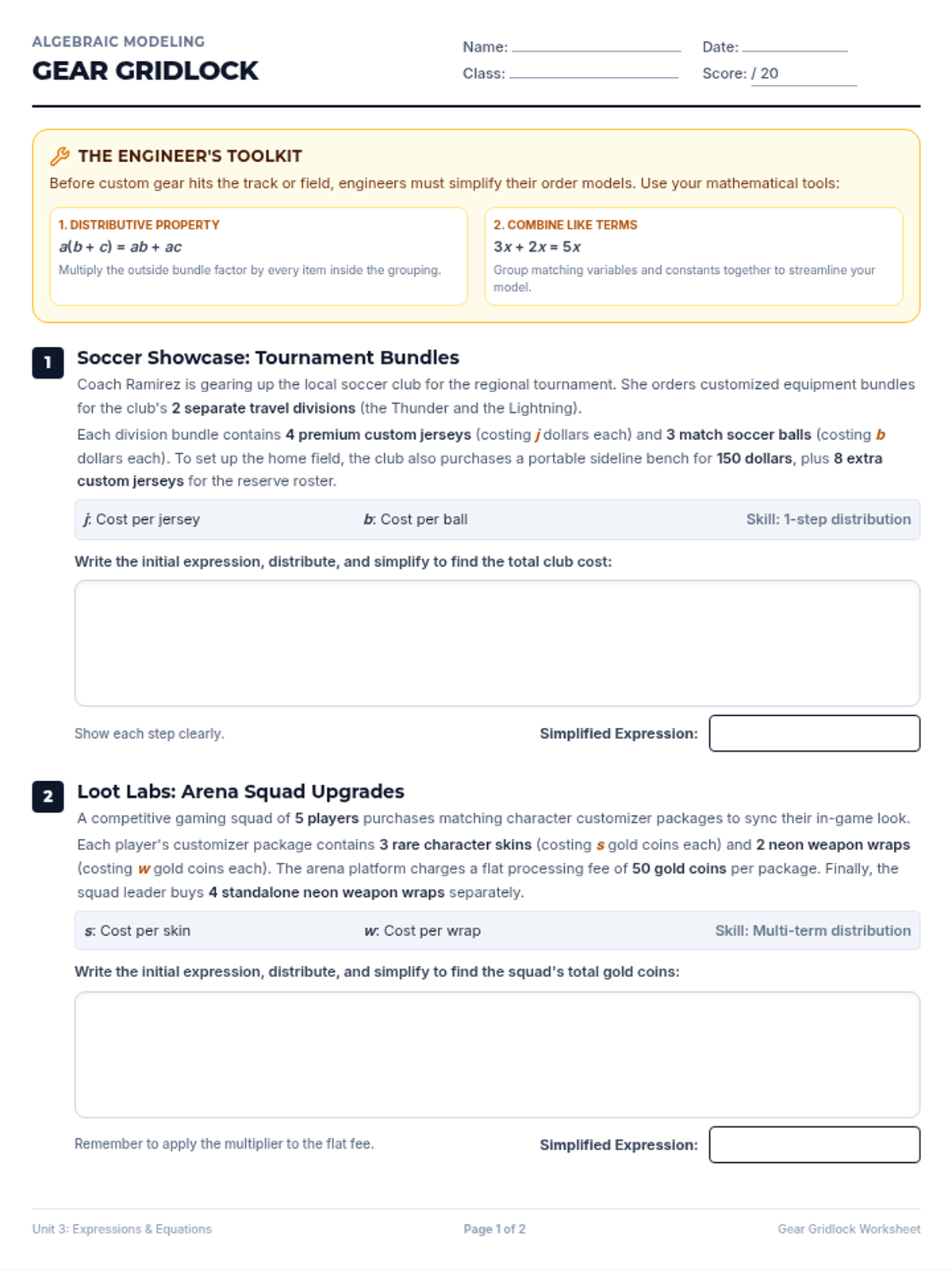
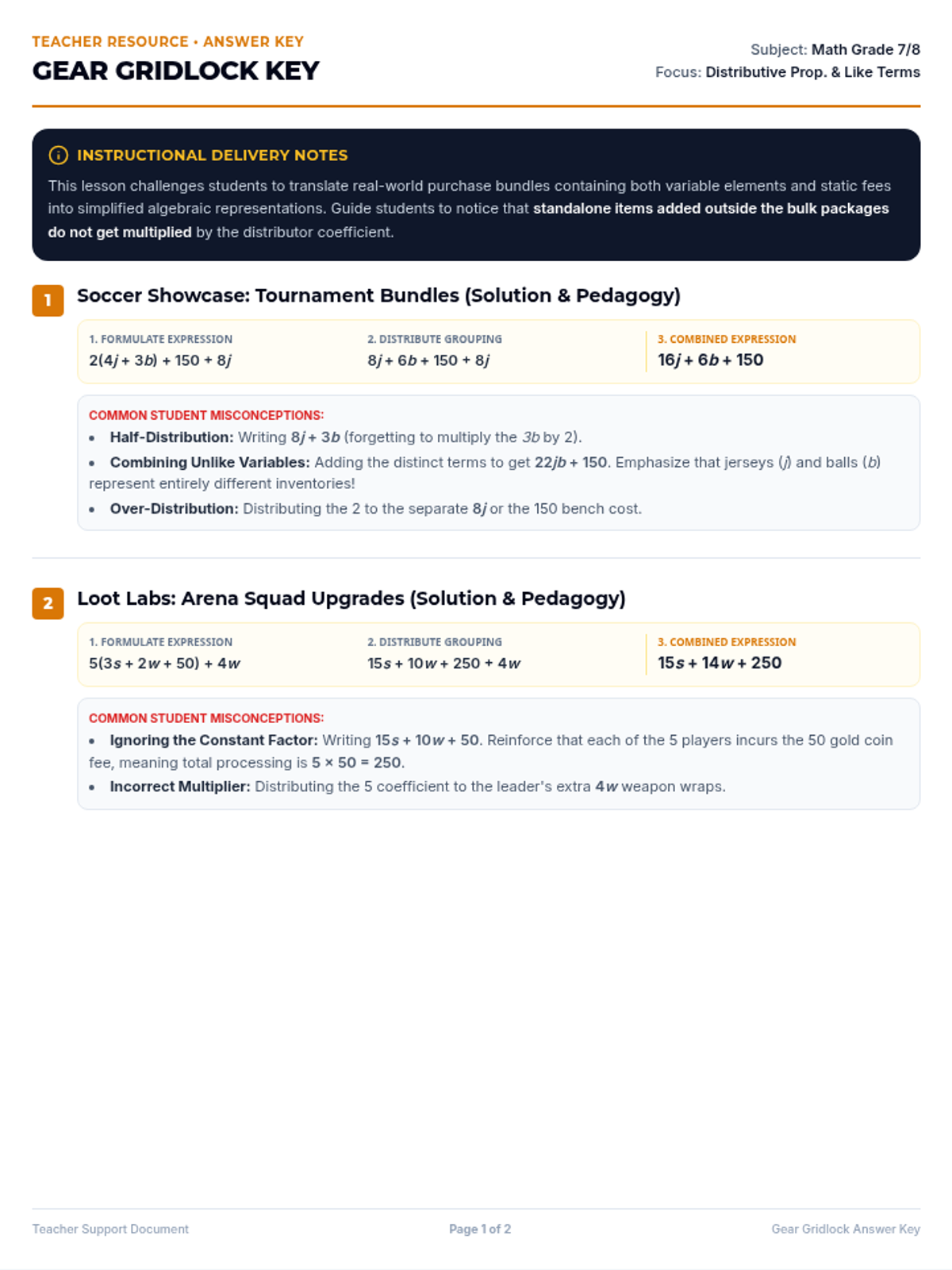
A middle school algebraic modeling lesson. Students use the distributive property and combine like terms to simplify expressions inspired by real-world gears, soccer bundles, customized sneakers, gaming loot packages, and dirt bike maintenance packs.
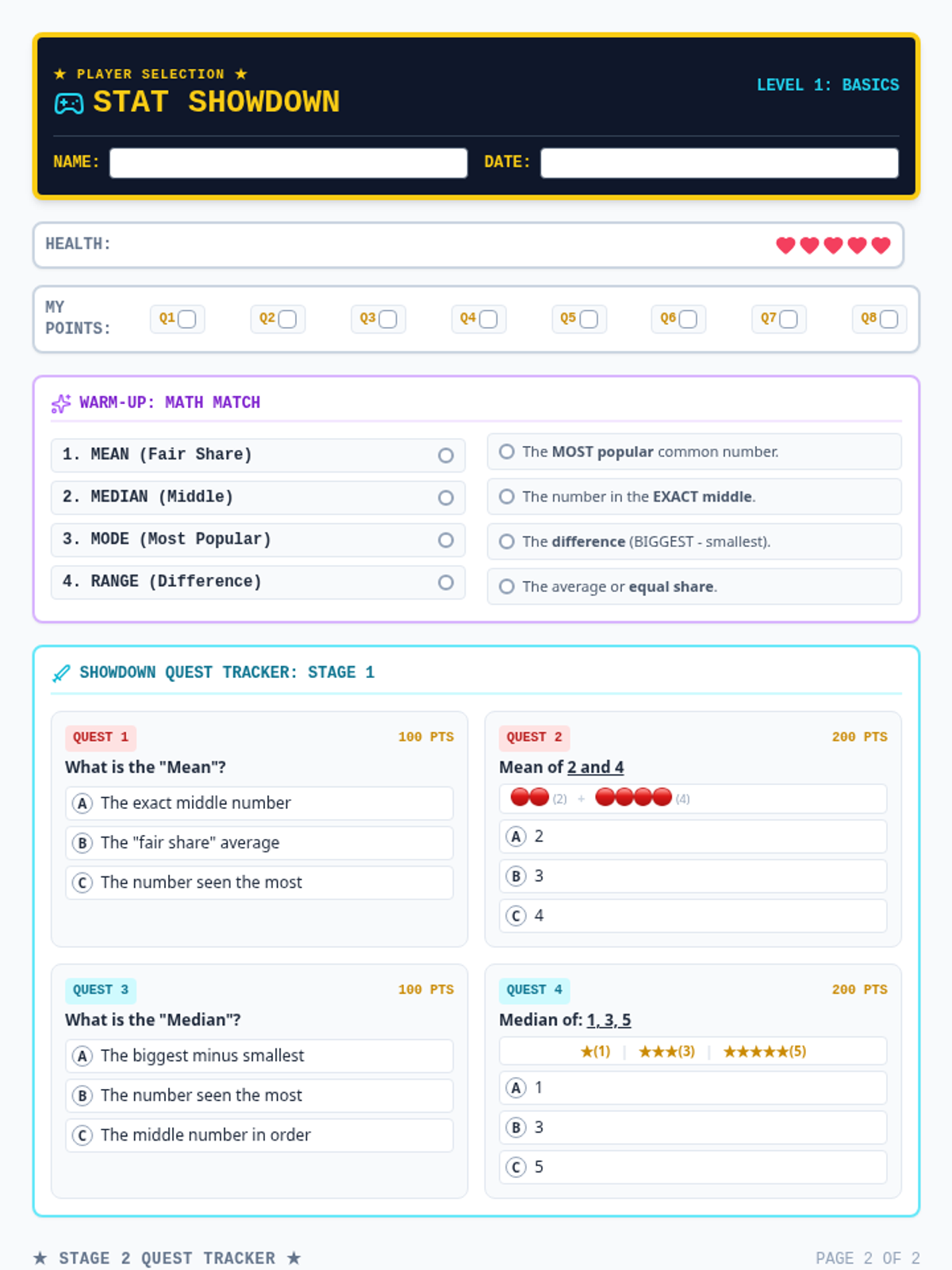
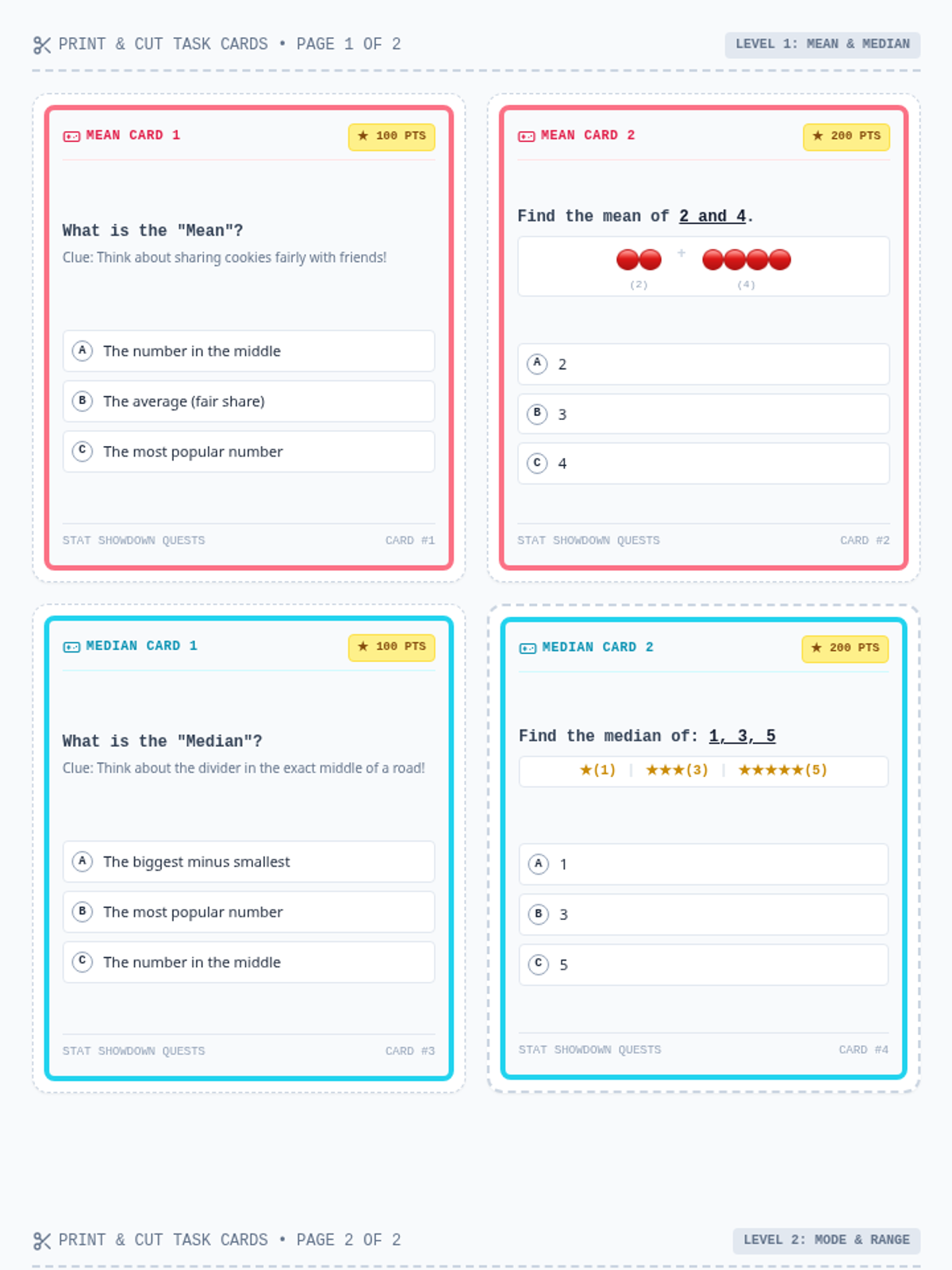
A retro-arcade themed lesson on mean, median, mode, and range modified for IEP students. Features simplified definition-focused questions, single-digit numbers with visual counters, and multiple-choice options.
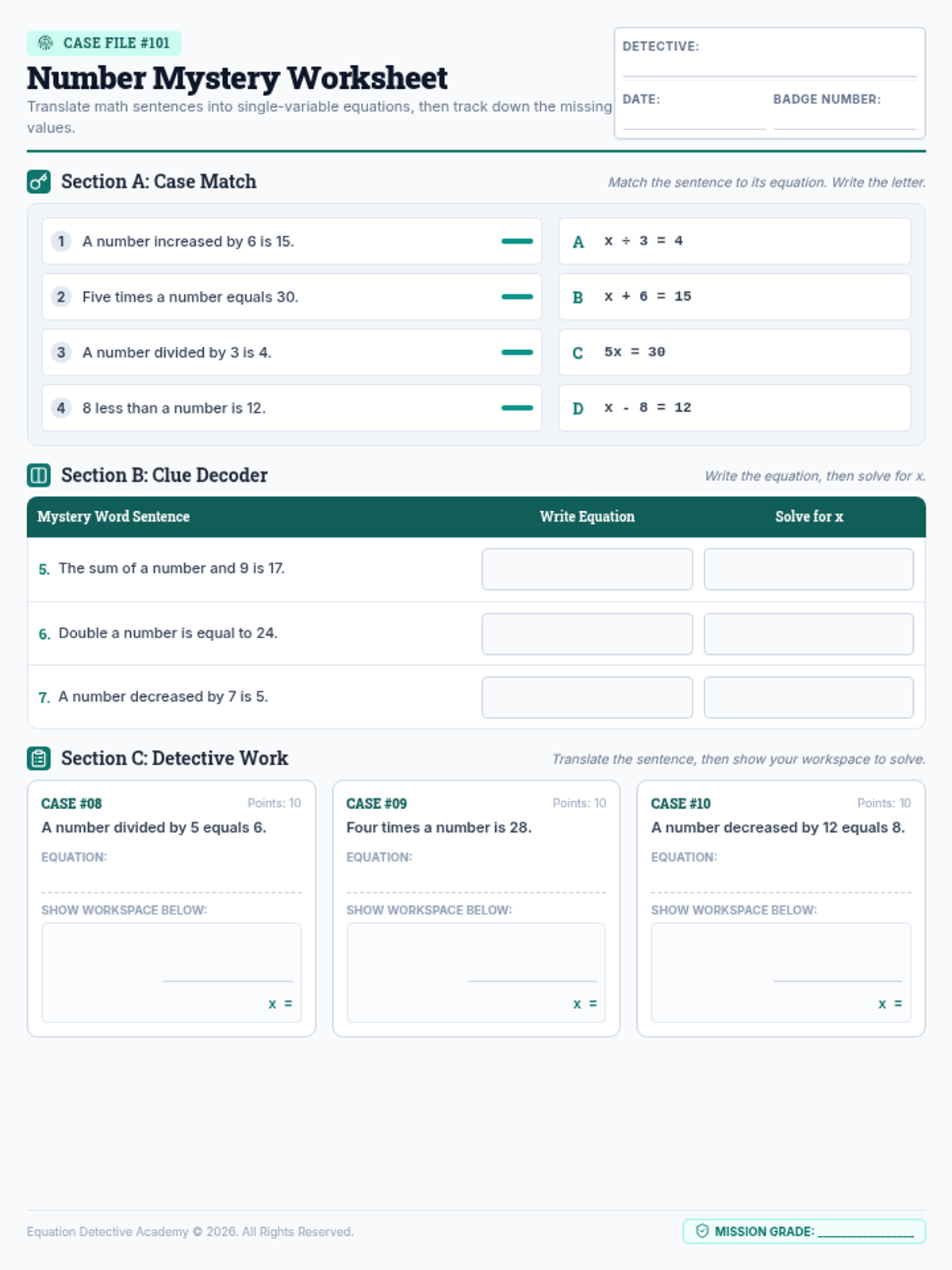
A beginner-friendly algebra lesson focused on translating word sentences into single-variable equations and solving them. Students learn to decode mathematical language and apply inverse operations using only positive whole numbers.
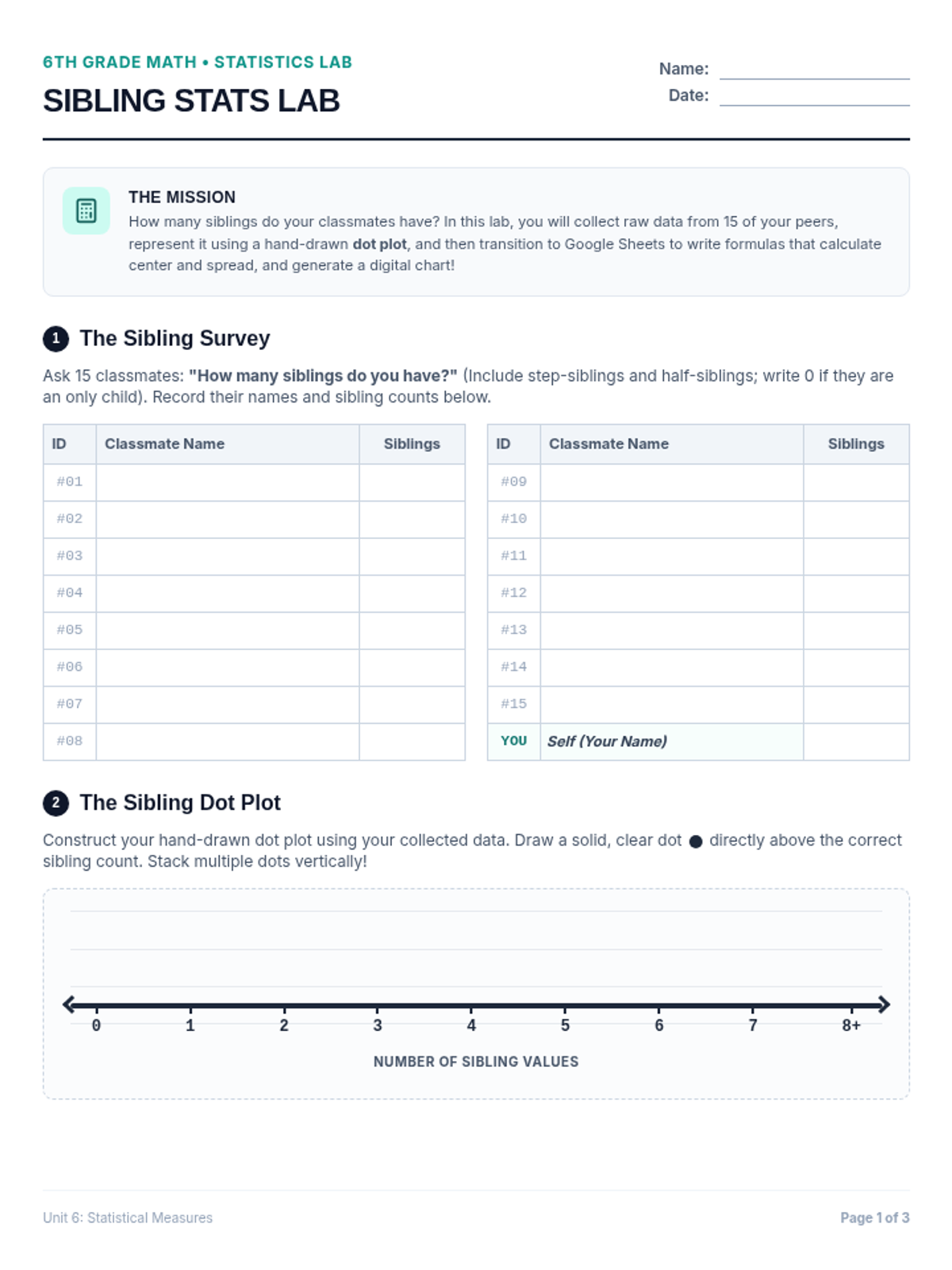
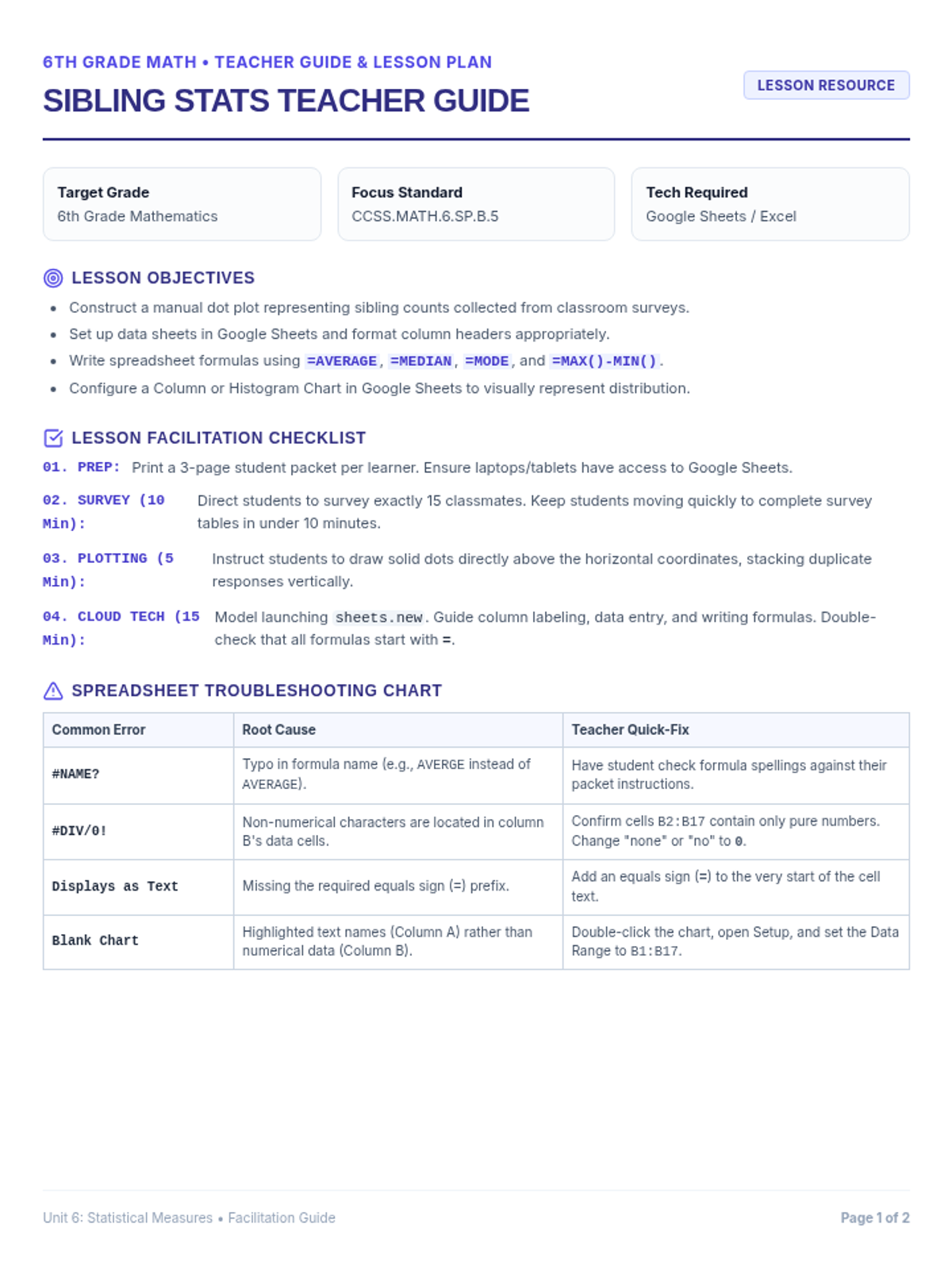
A hands-on 6th-grade statistics lesson where students collect sibling data from classmates, construct a physical dot plot, and then transition to Google Sheets to calculate key statistical measures (mean, median, mode, range) and generate digital charts.