A high-interest word problem mission where students use visual graphic organizers and self-monitoring checklists to solve multi-digit multiplication and division challenges.
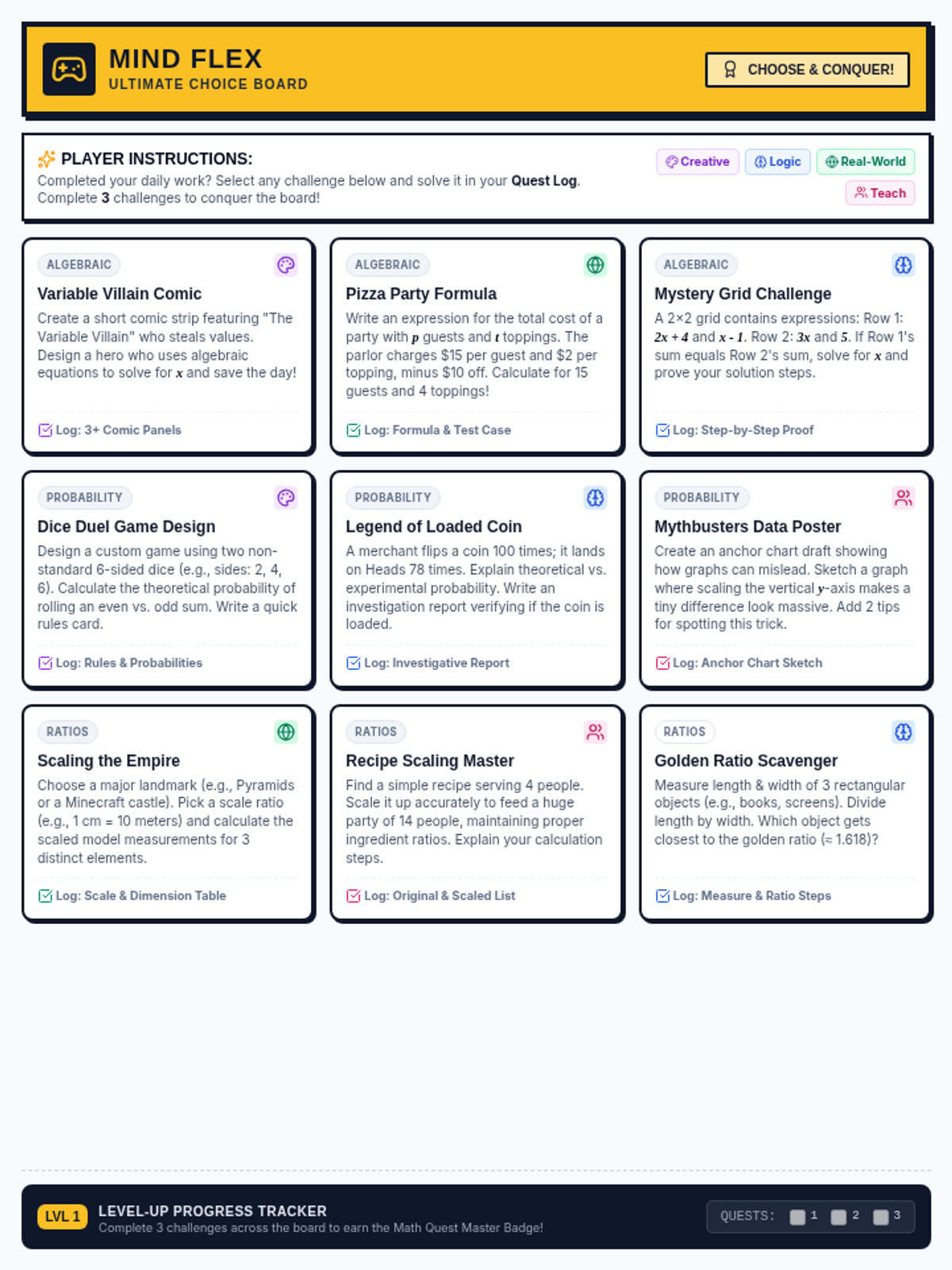
A collection of high-interest, independent math challenges for early finishers, covering Algebraic Expressions, Probability & Statistics, and Ratios & Proportions. Features creative projects, real-world applications, logic puzzles, and peer-teaching activities.
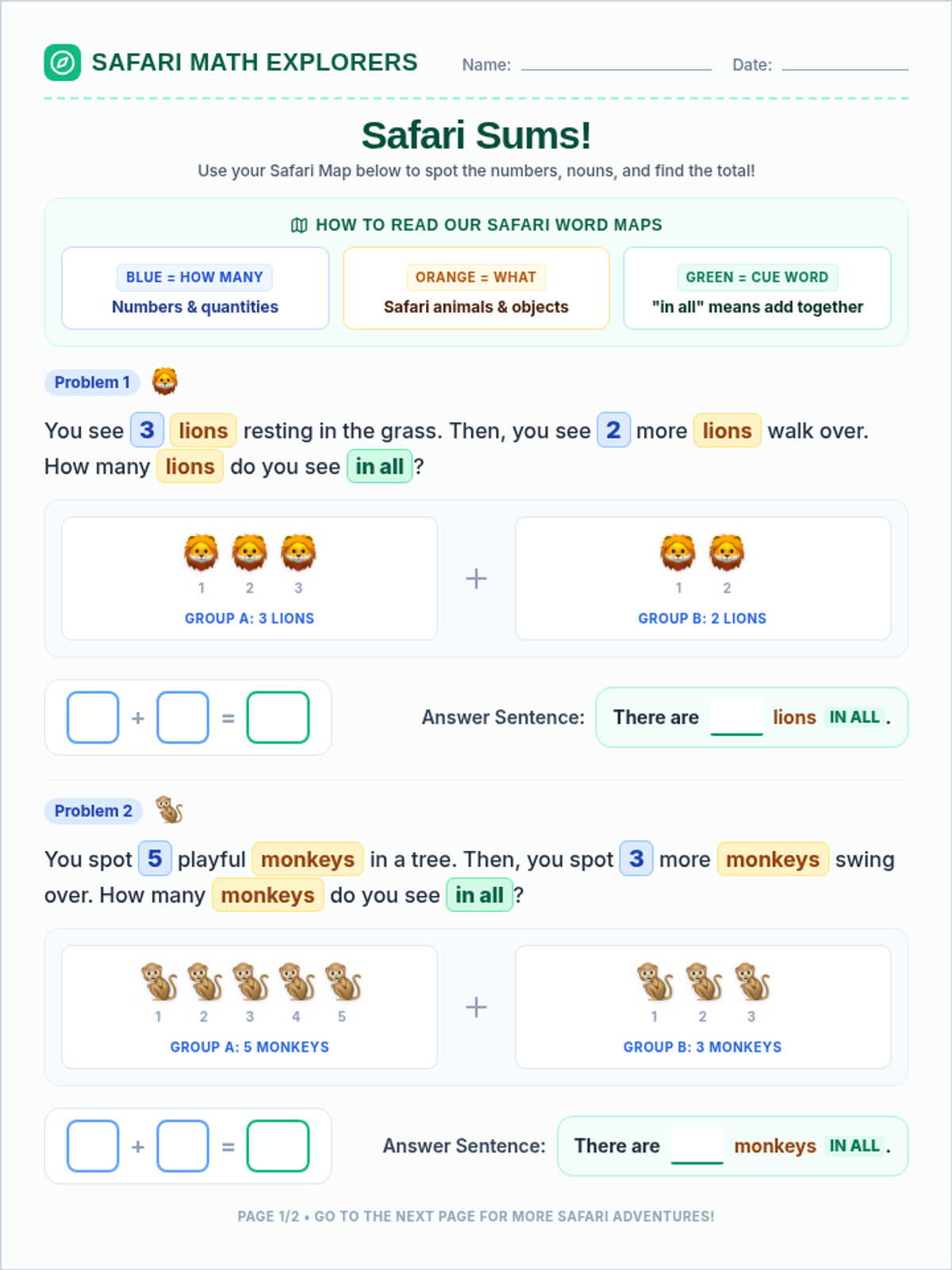
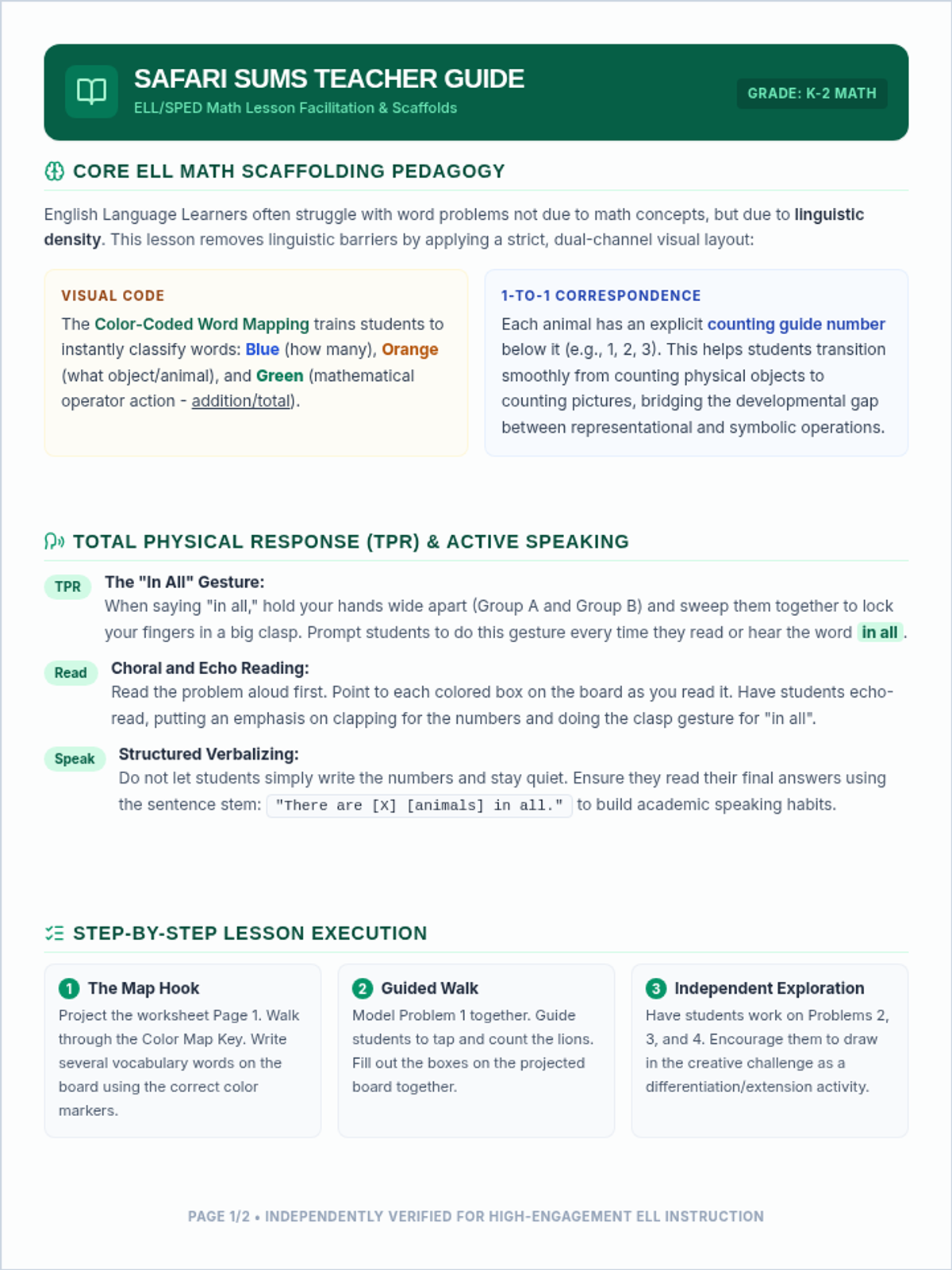
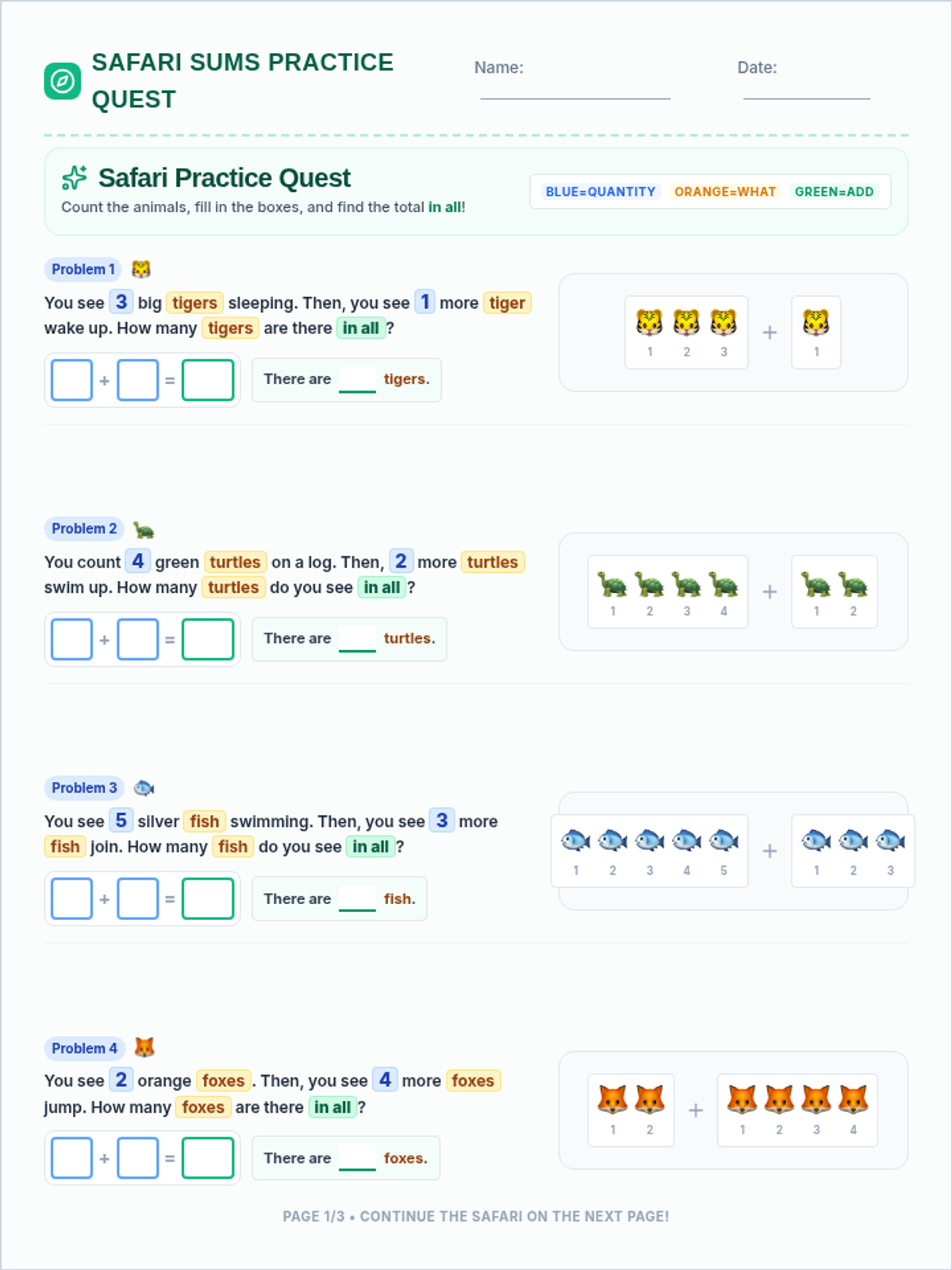
A visual addition lesson designed for English Language Learners (ELL) to master single-digit word problems. It utilizes a Safari theme, clear icon-based pictorial support, and color-coded text highlighting to build confidence in identifying quantities, key nouns, and the 'in all' action cue.
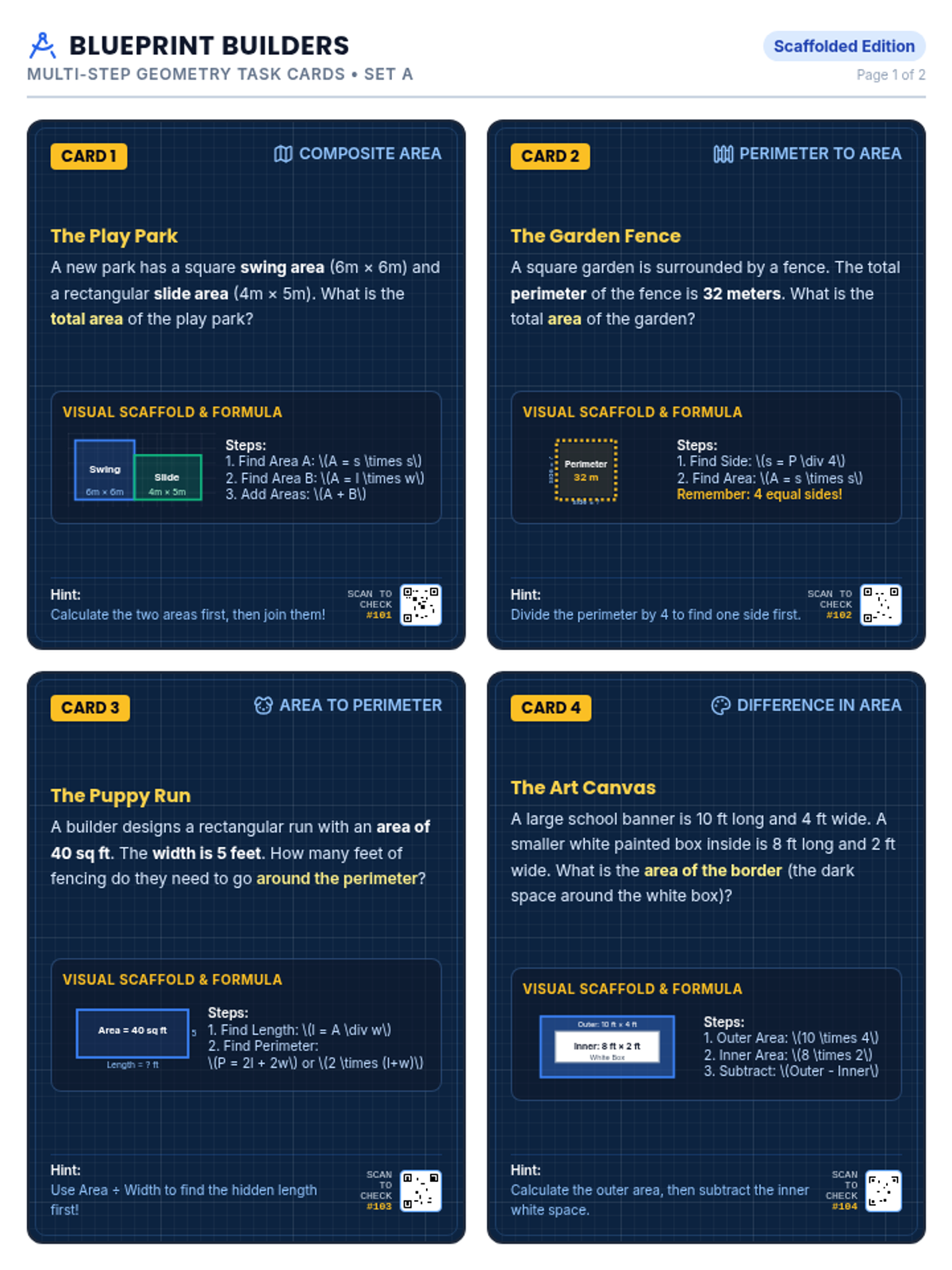
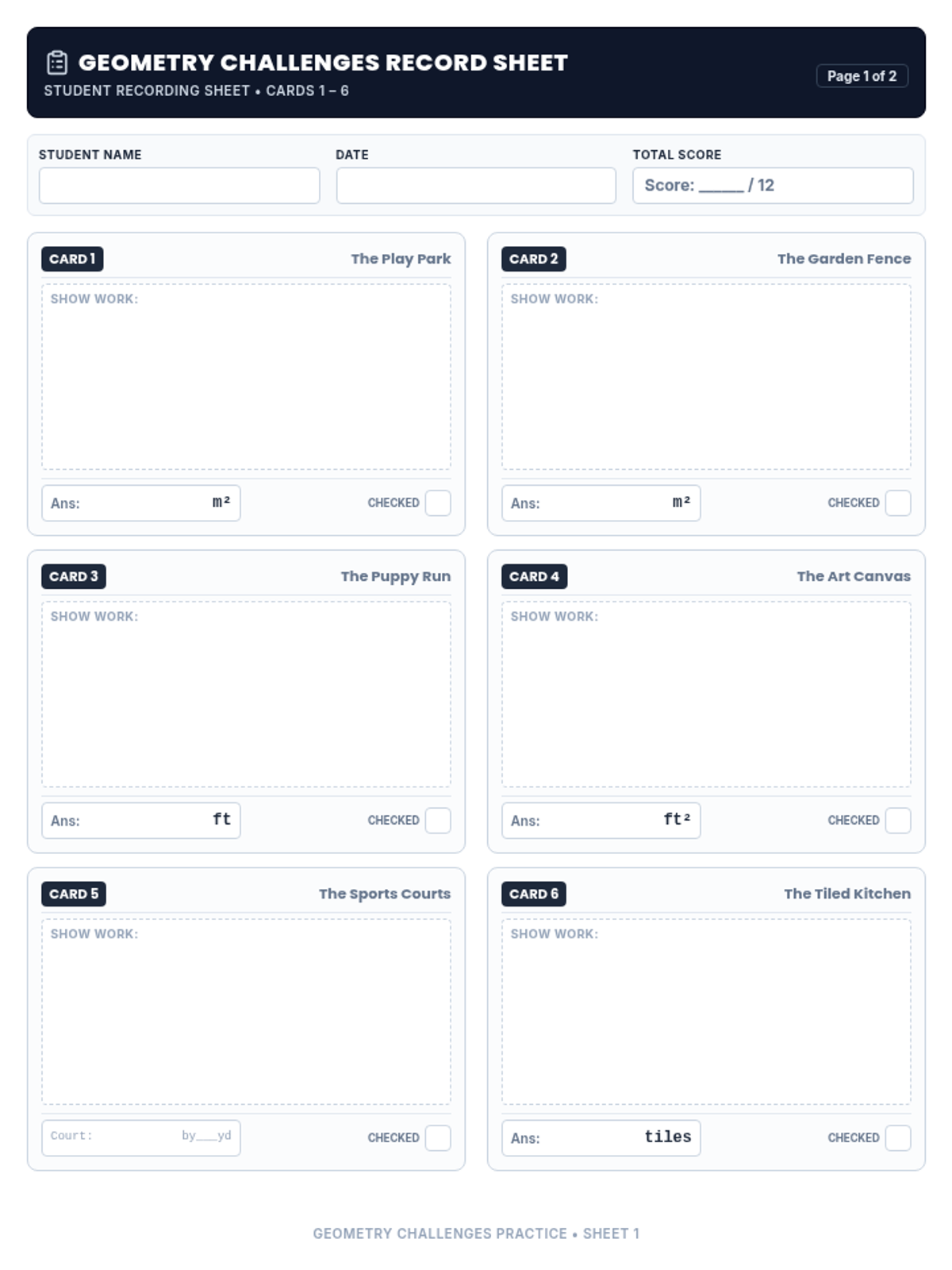
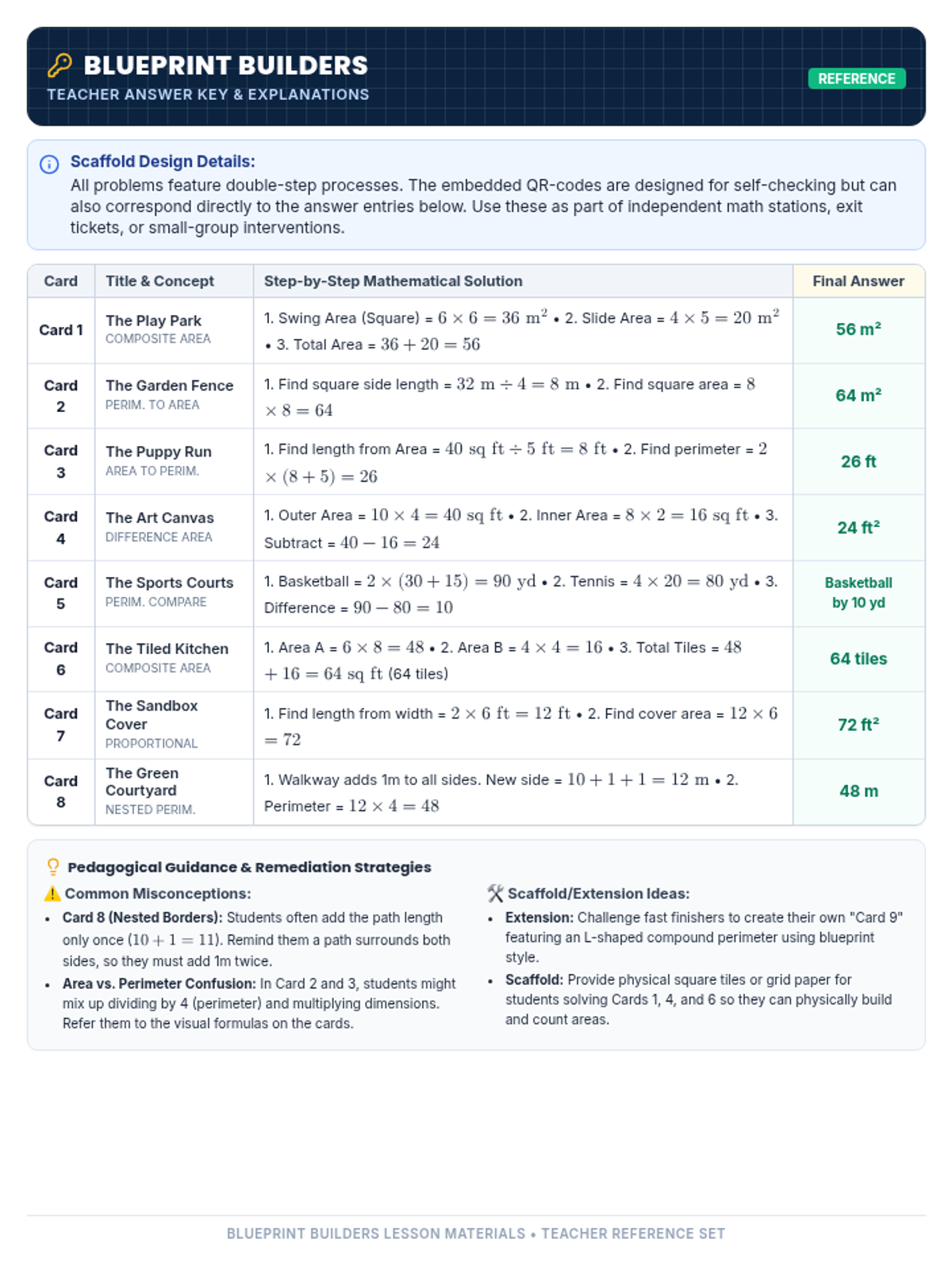
A minimalist, high-contrast geometry lesson where students solve multi-step area and perimeter problems. It features clean, print-friendly task cards with visual scaffolds and simplified language to support diverse learners.
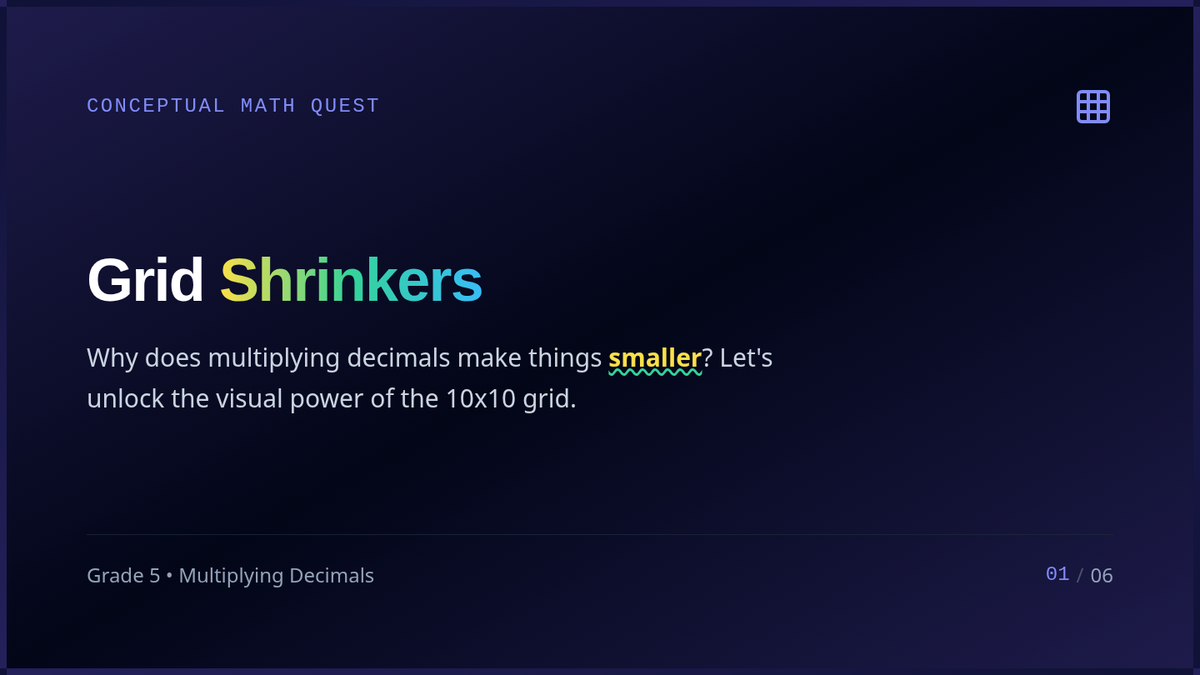
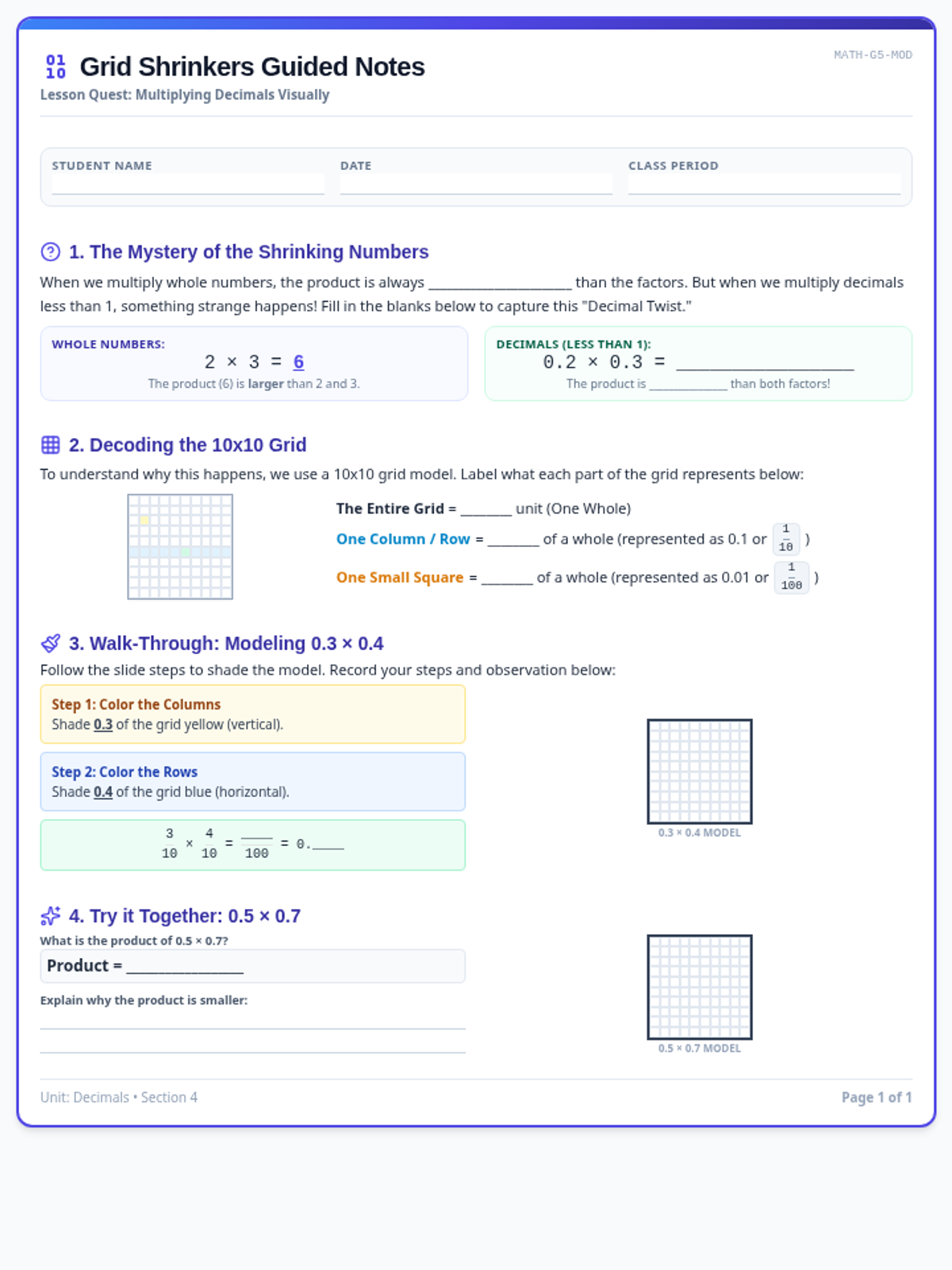
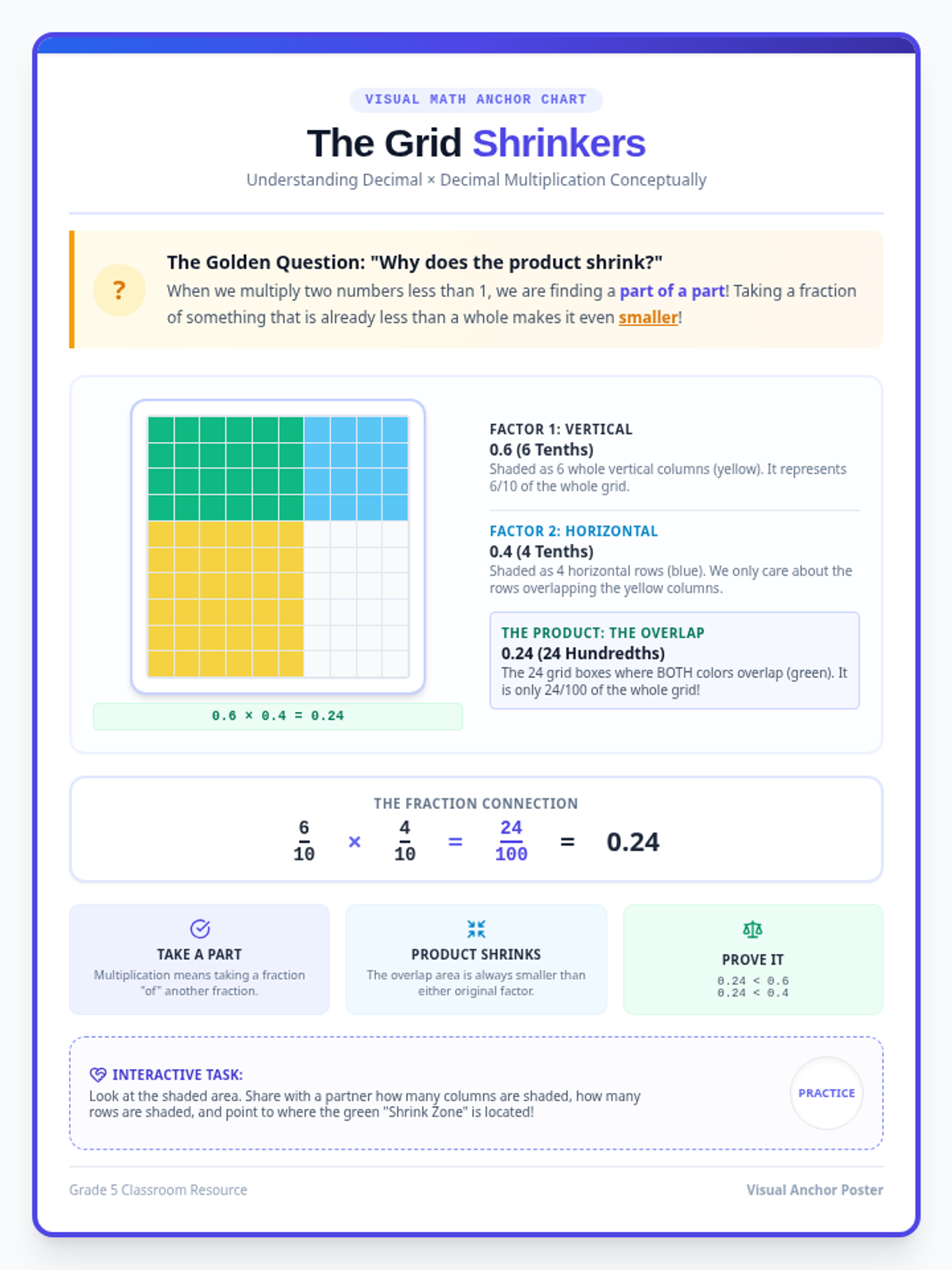
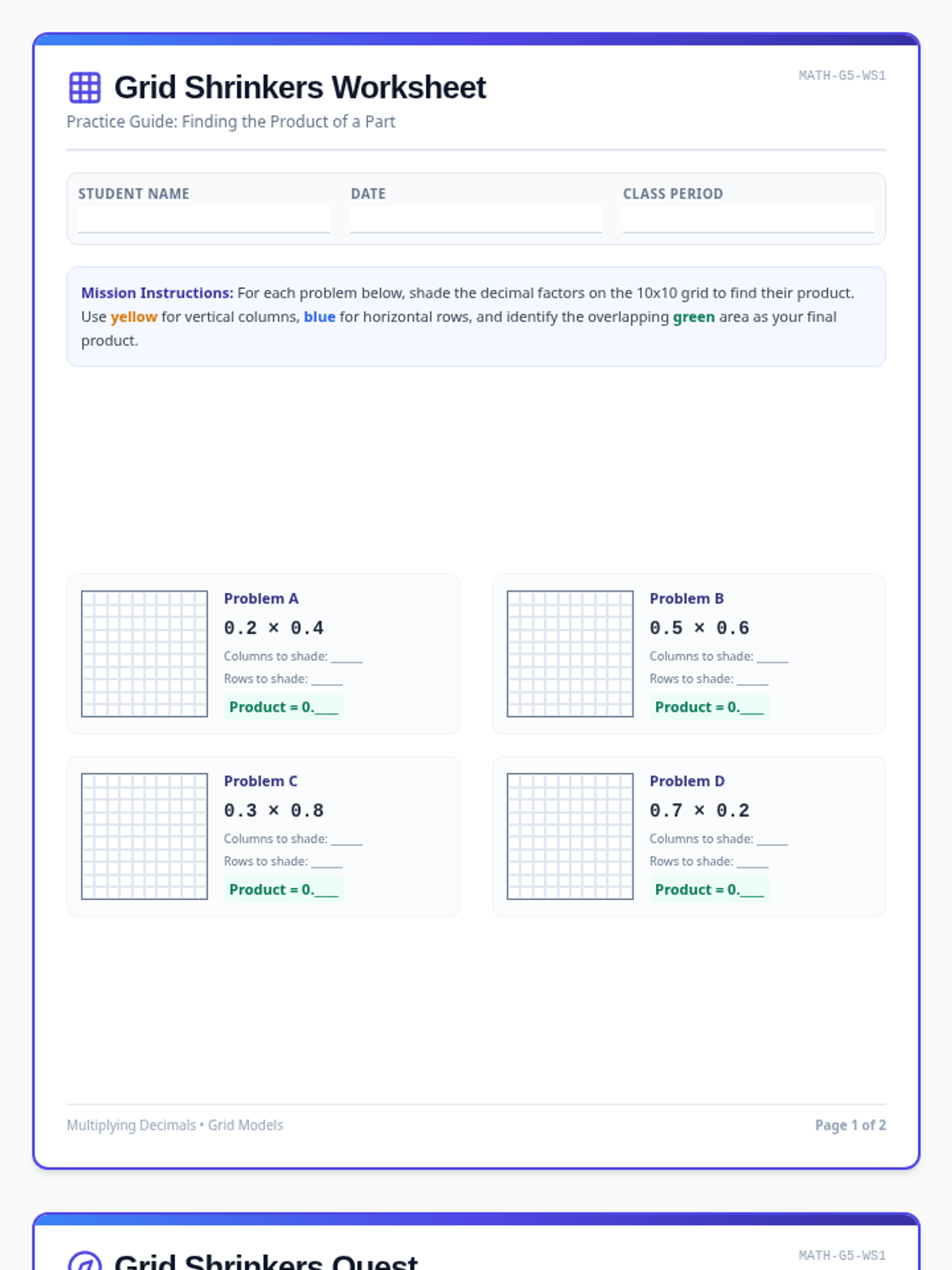
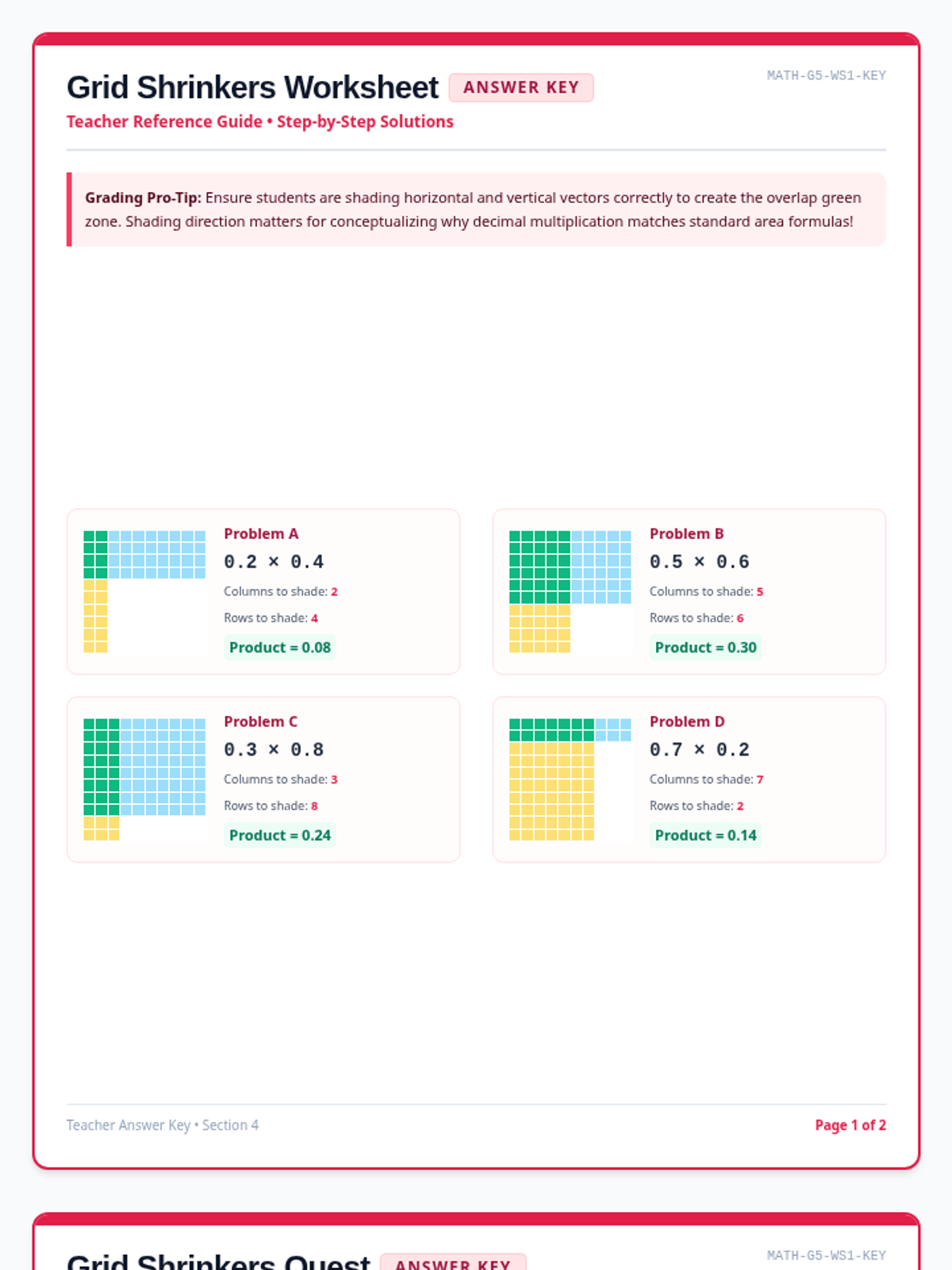
A highly visual math lesson that uses 10x10 grid models to help students conceptually understand why multiplying two decimals less than one results in a product that is smaller than both factors.
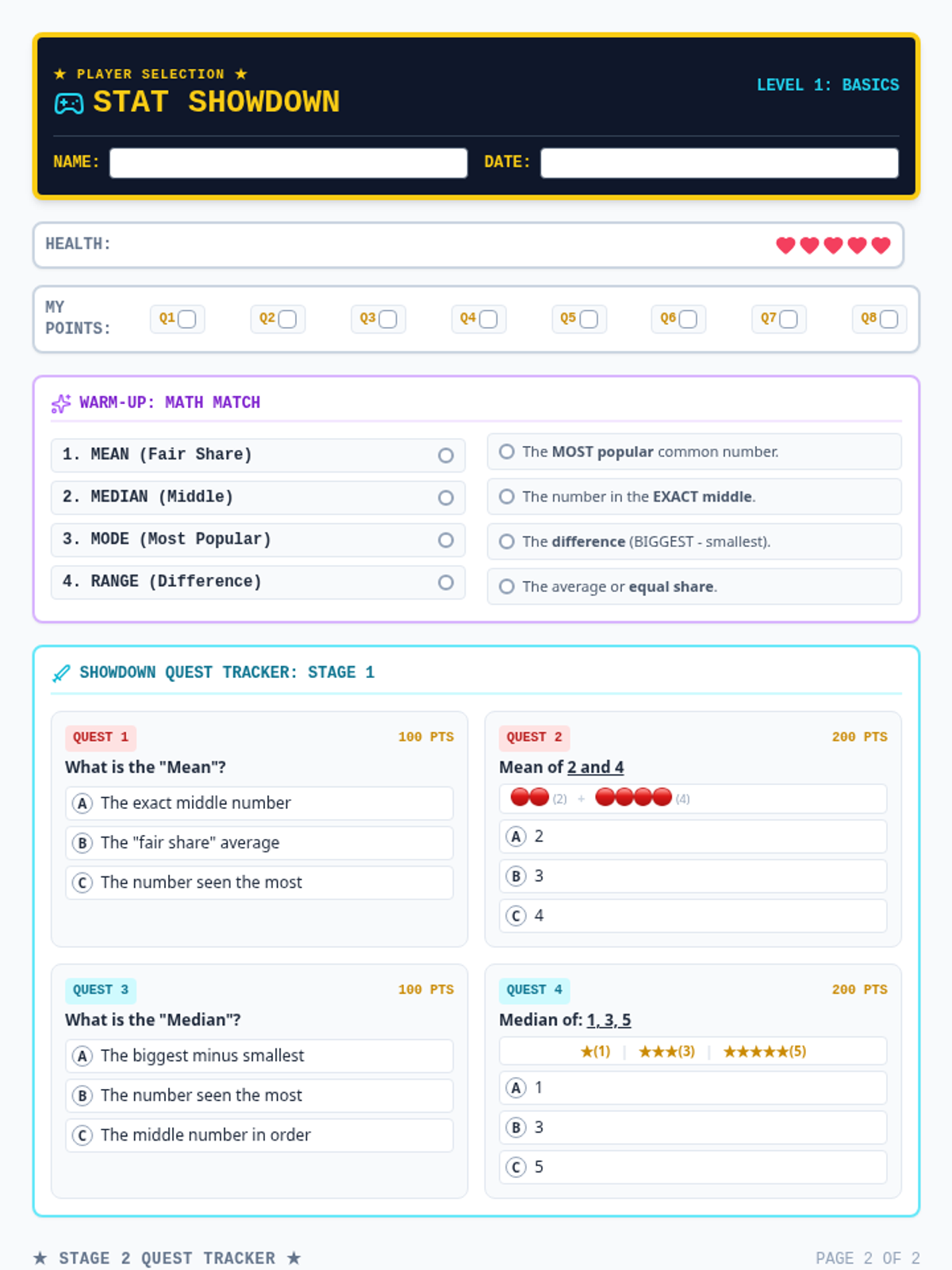
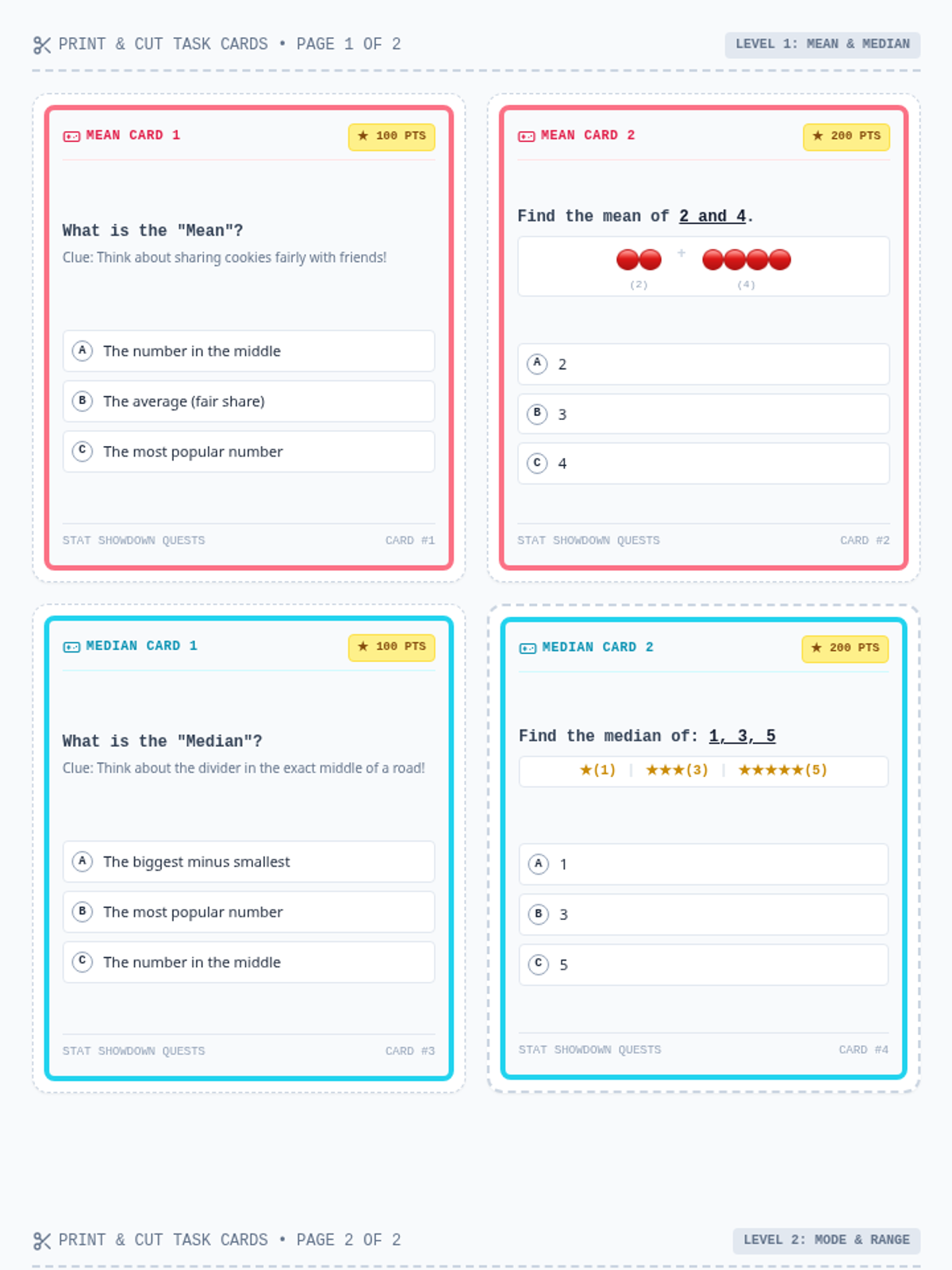
A retro-arcade themed lesson on mean, median, mode, and range modified for IEP students. Features simplified definition-focused questions, single-digit numbers with visual counters, and multiple-choice options.
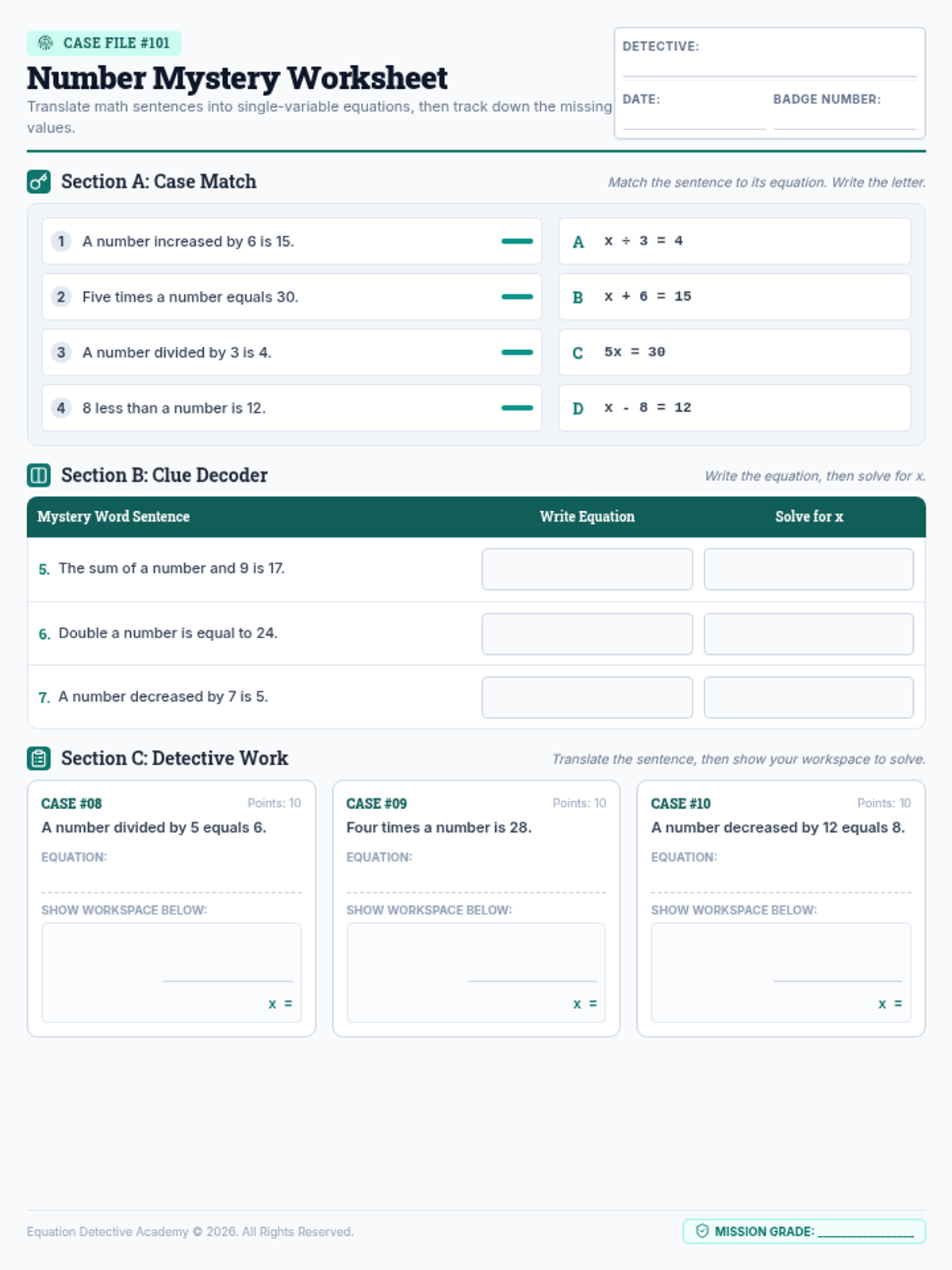
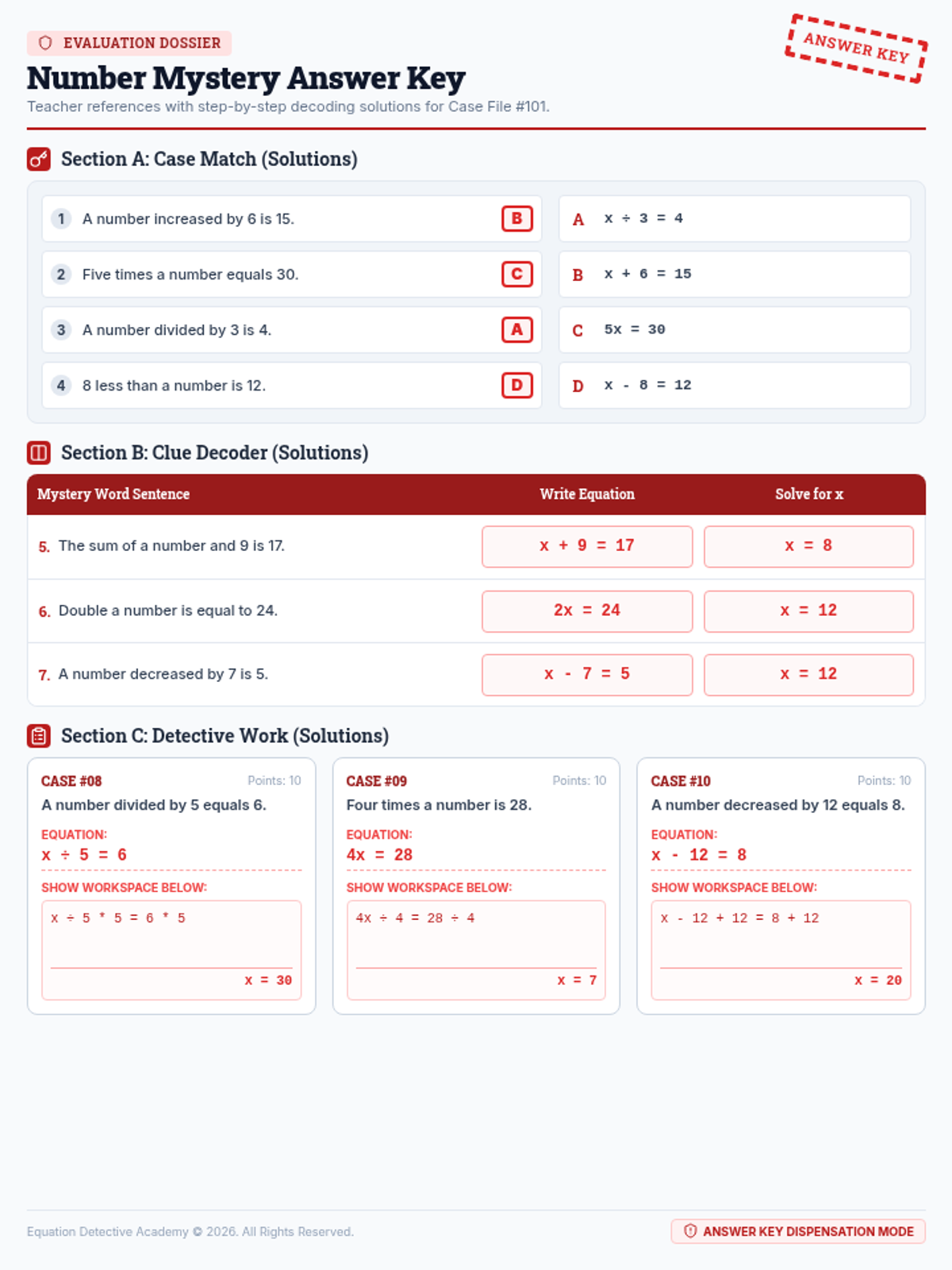
A beginner-friendly algebra lesson focused on translating word sentences into single-variable equations and solving them. Students learn to decode mathematical language and apply inverse operations using only positive whole numbers.
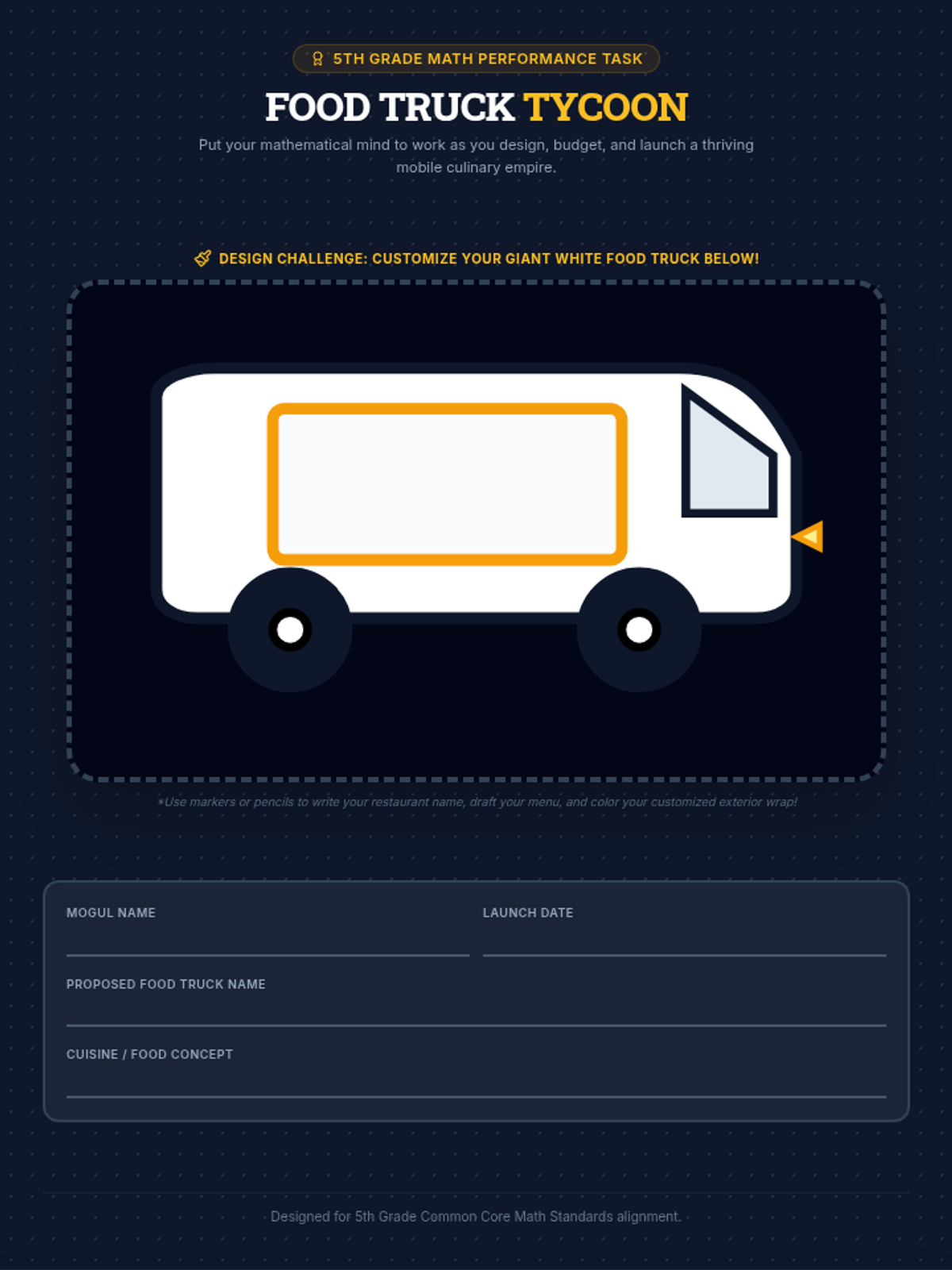
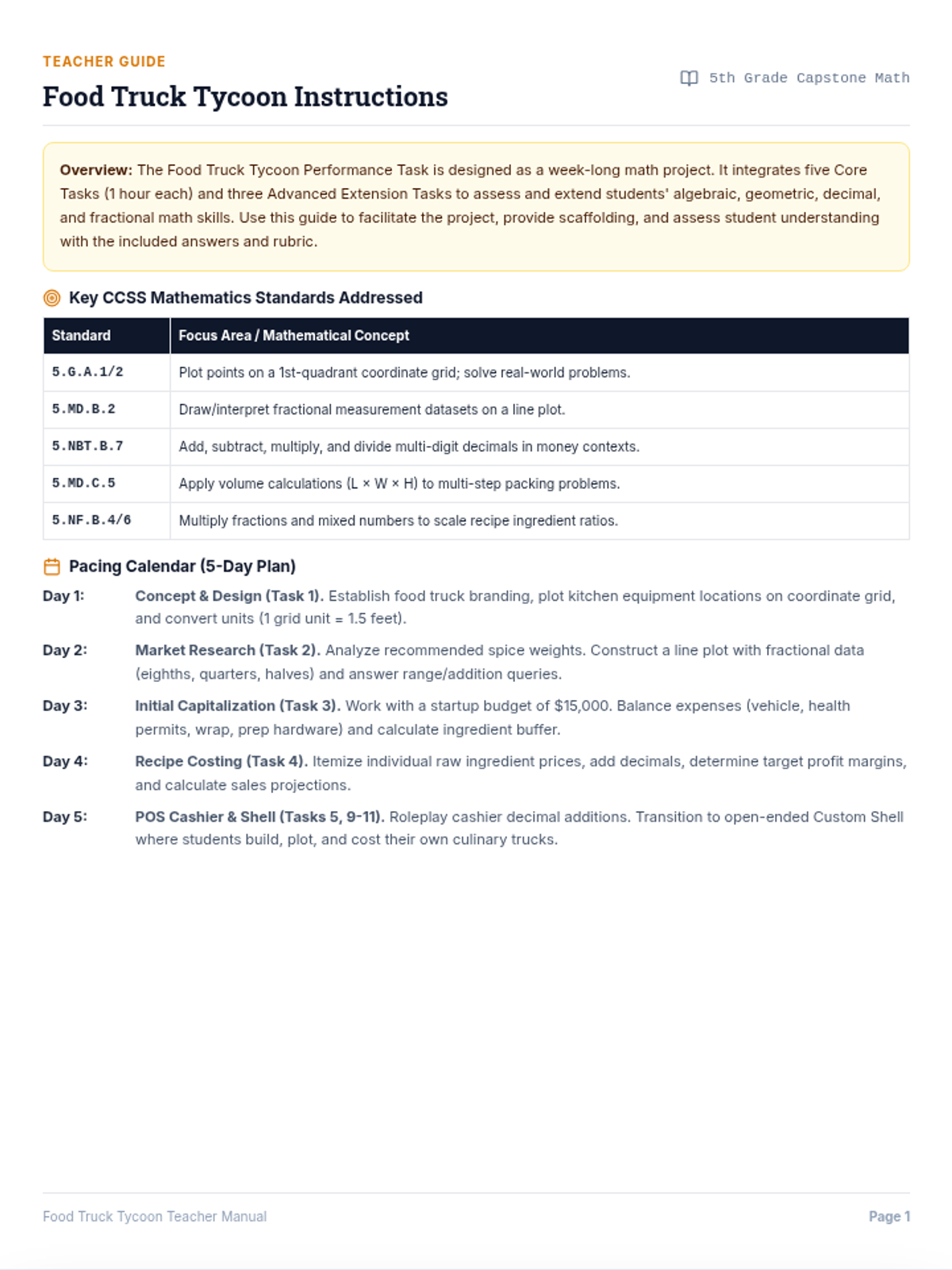
A comprehensive, 5th-grade math performance task where students plan, budget, and operate their own food truck business. Includes a student workbook covering coordinates, data plotting, decimal operations, and real-world budgeting, along with differentiated tasks for higher-level learners.
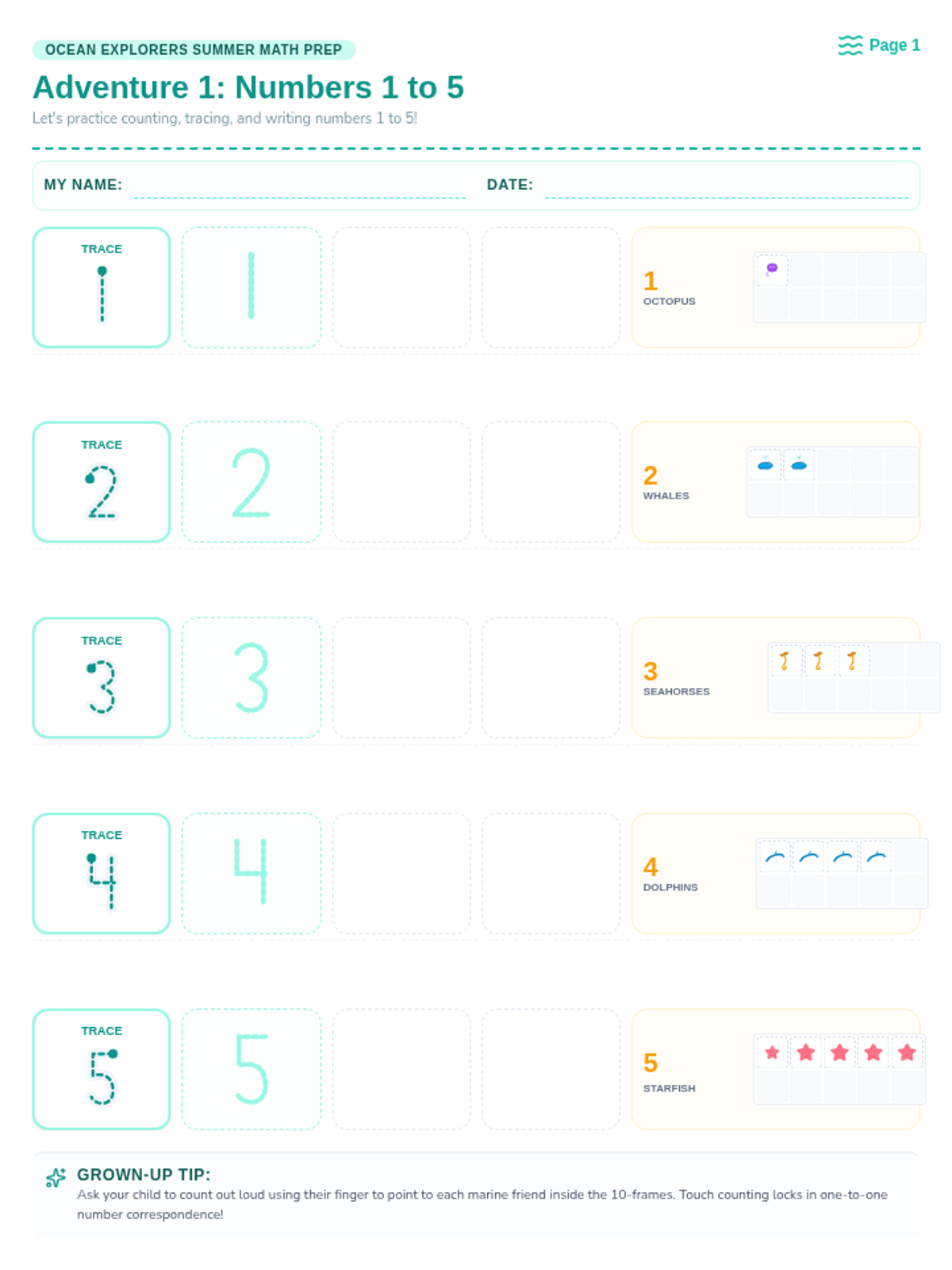
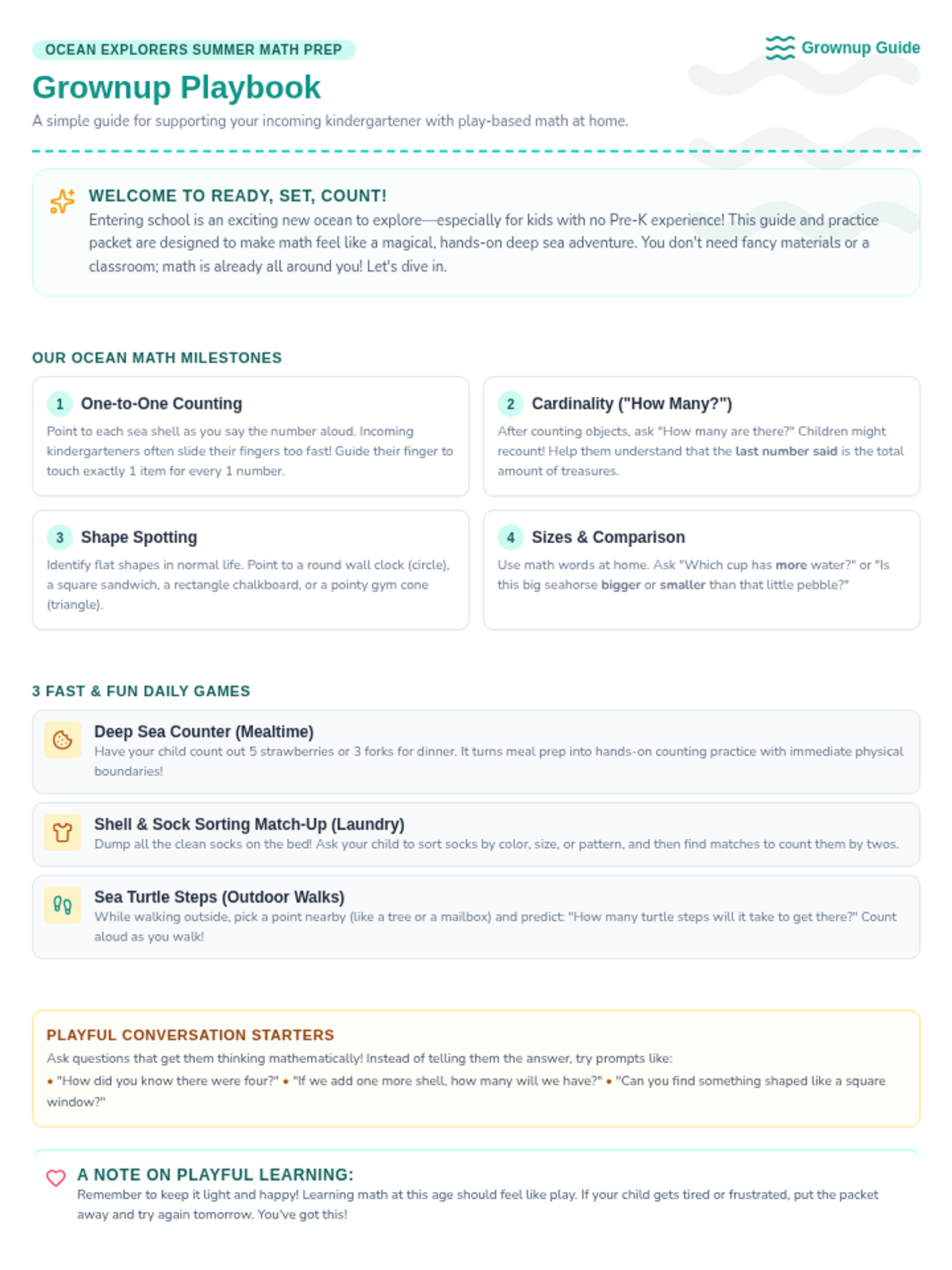
An ocean-themed summer math preparation program designed for incoming kindergarten students with no Pre-K experience, styled with a magical, kid-friendly Under the Sea theme. It provides engaging play-based practice in foundational math ready-to-learn skills.
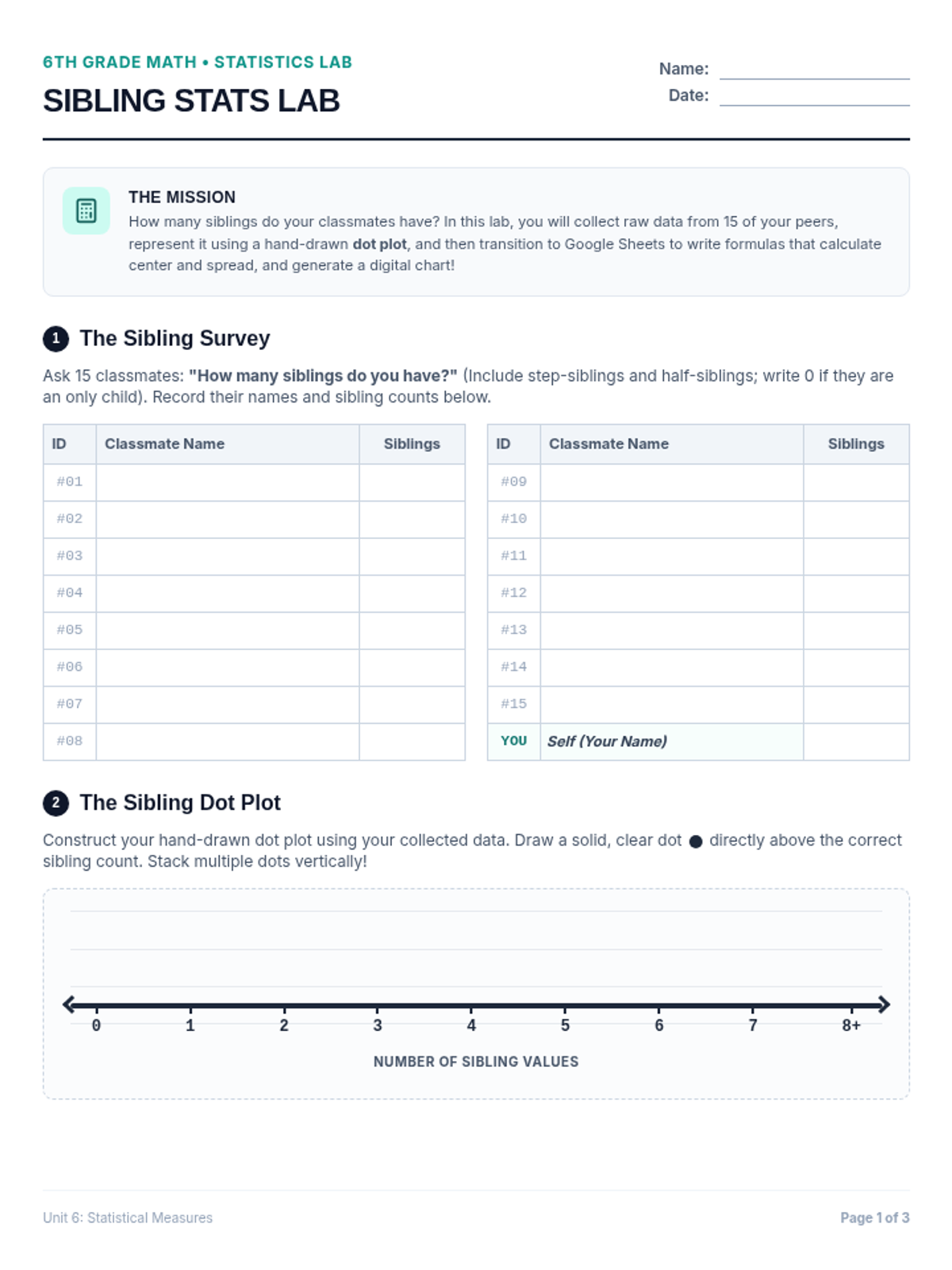
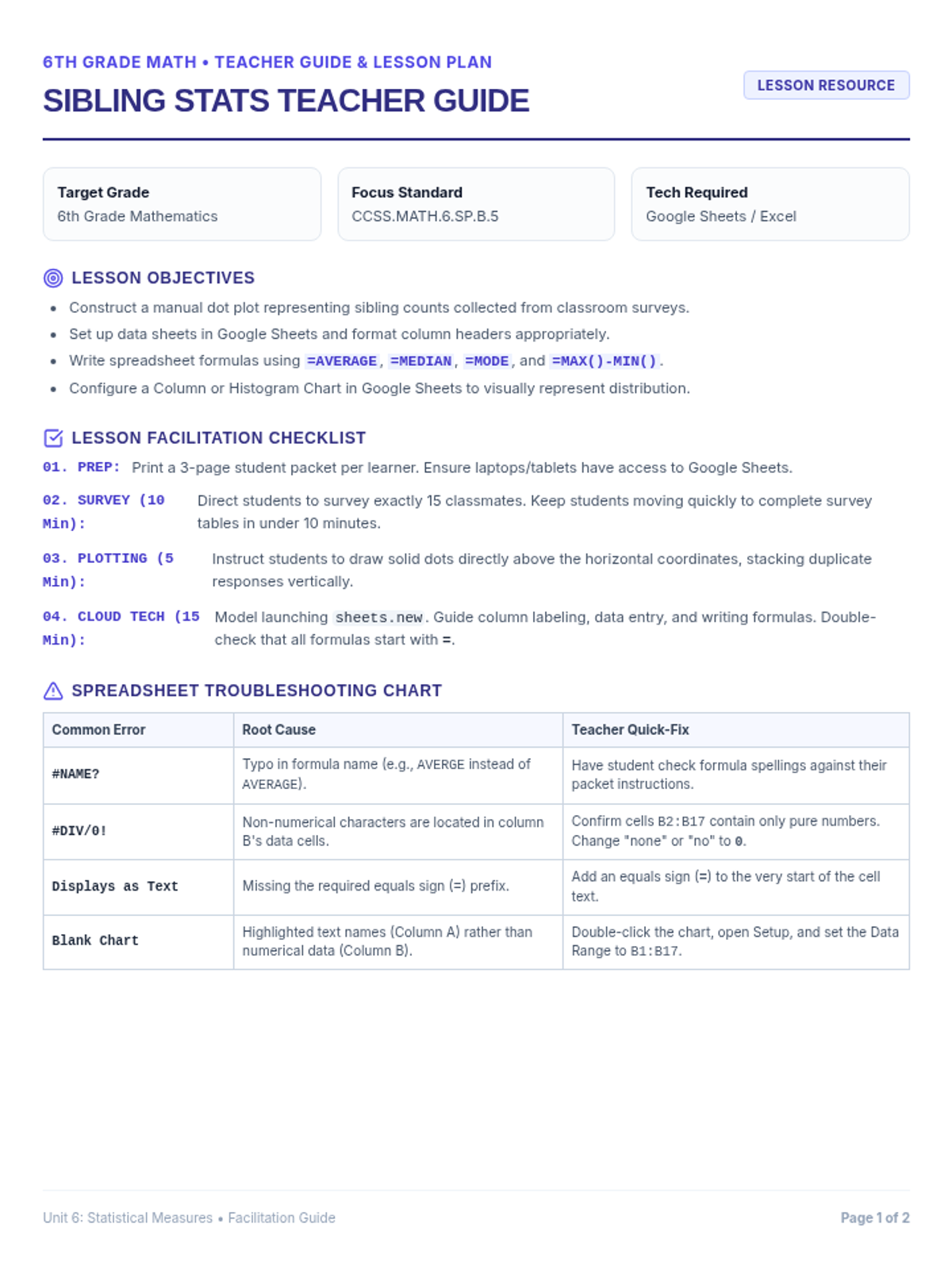
A hands-on 6th-grade statistics lesson where students collect sibling data from classmates, construct a physical dot plot, and then transition to Google Sheets to calculate key statistical measures (mean, median, mode, range) and generate digital charts.
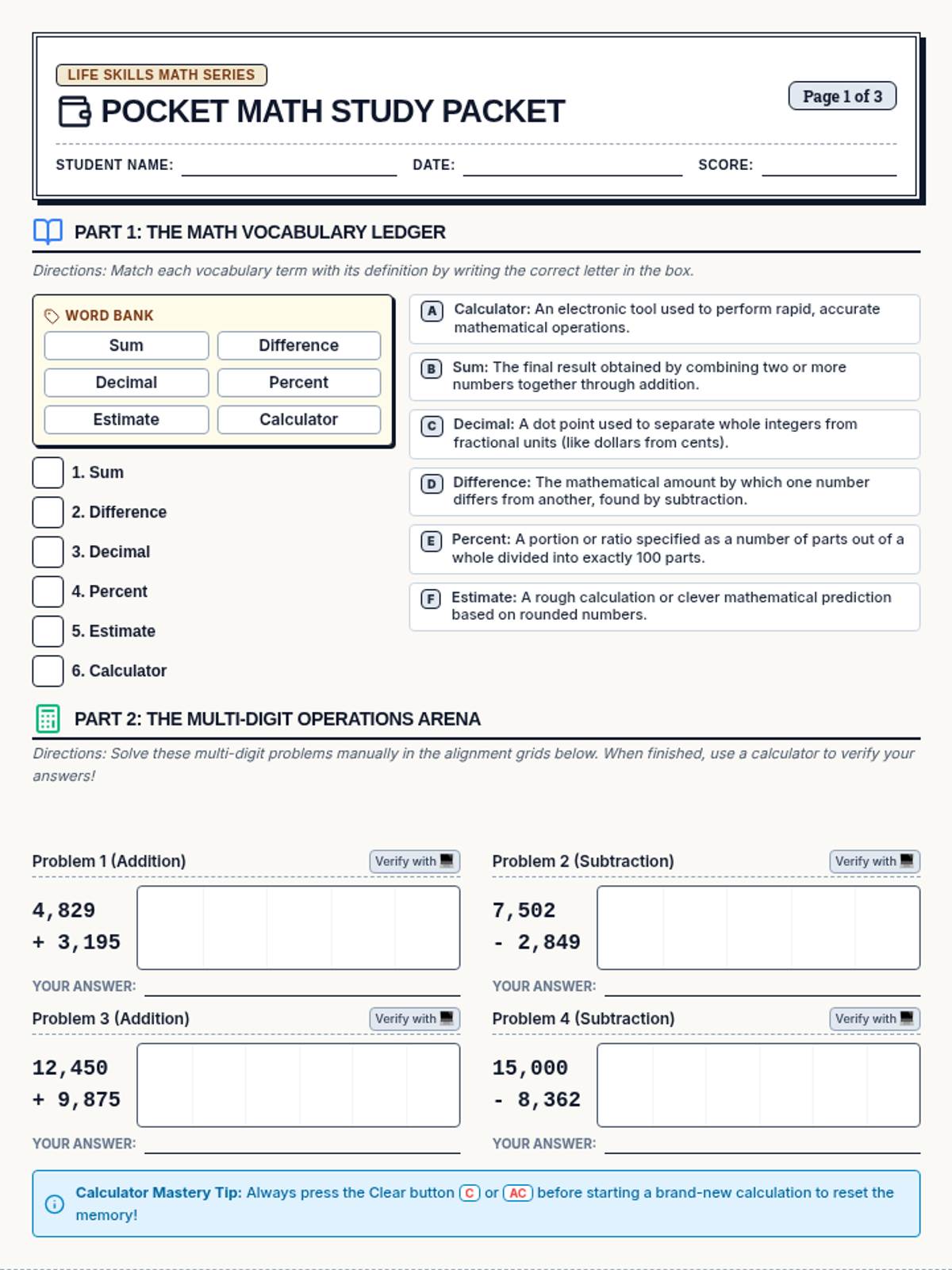
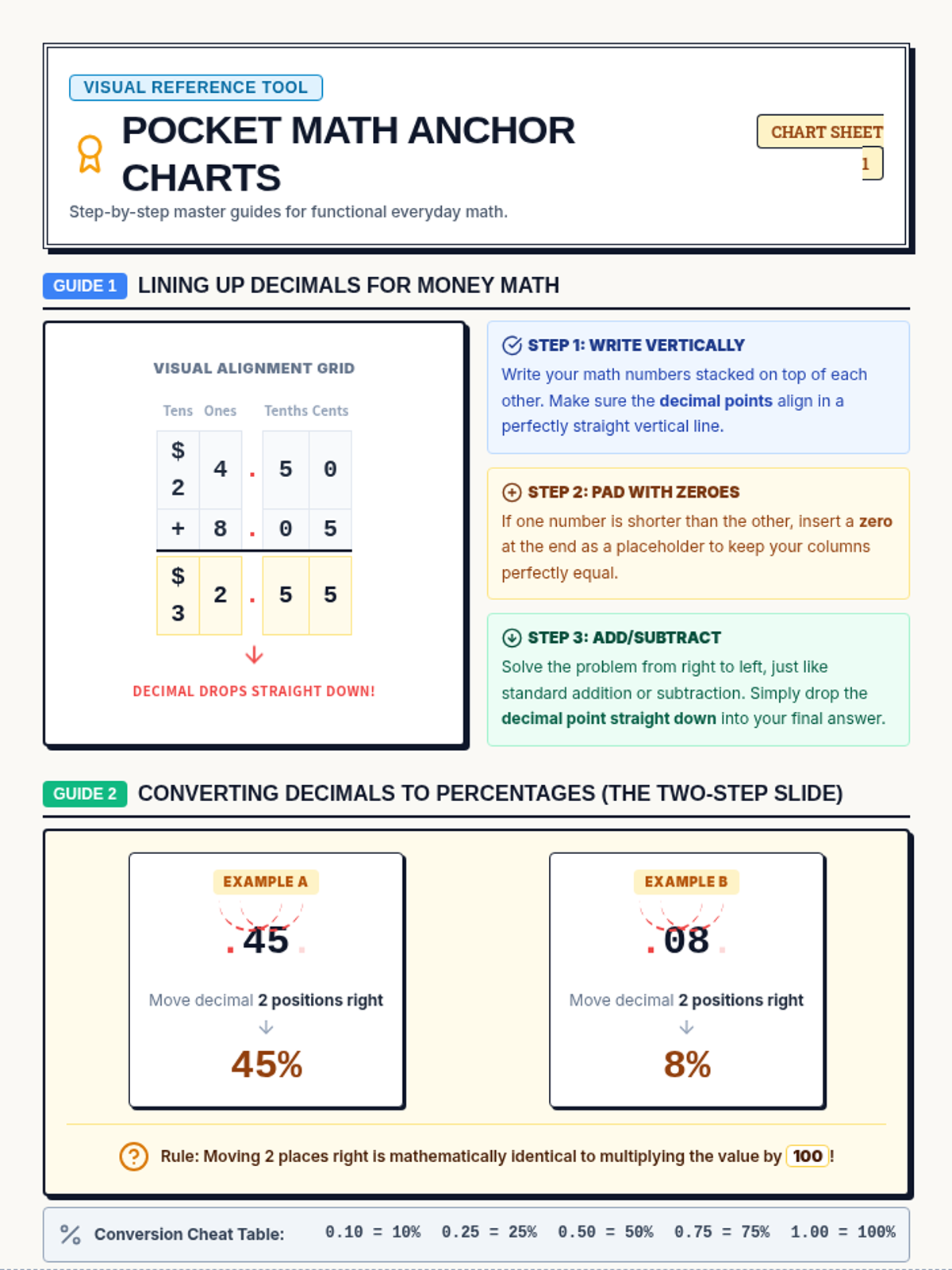
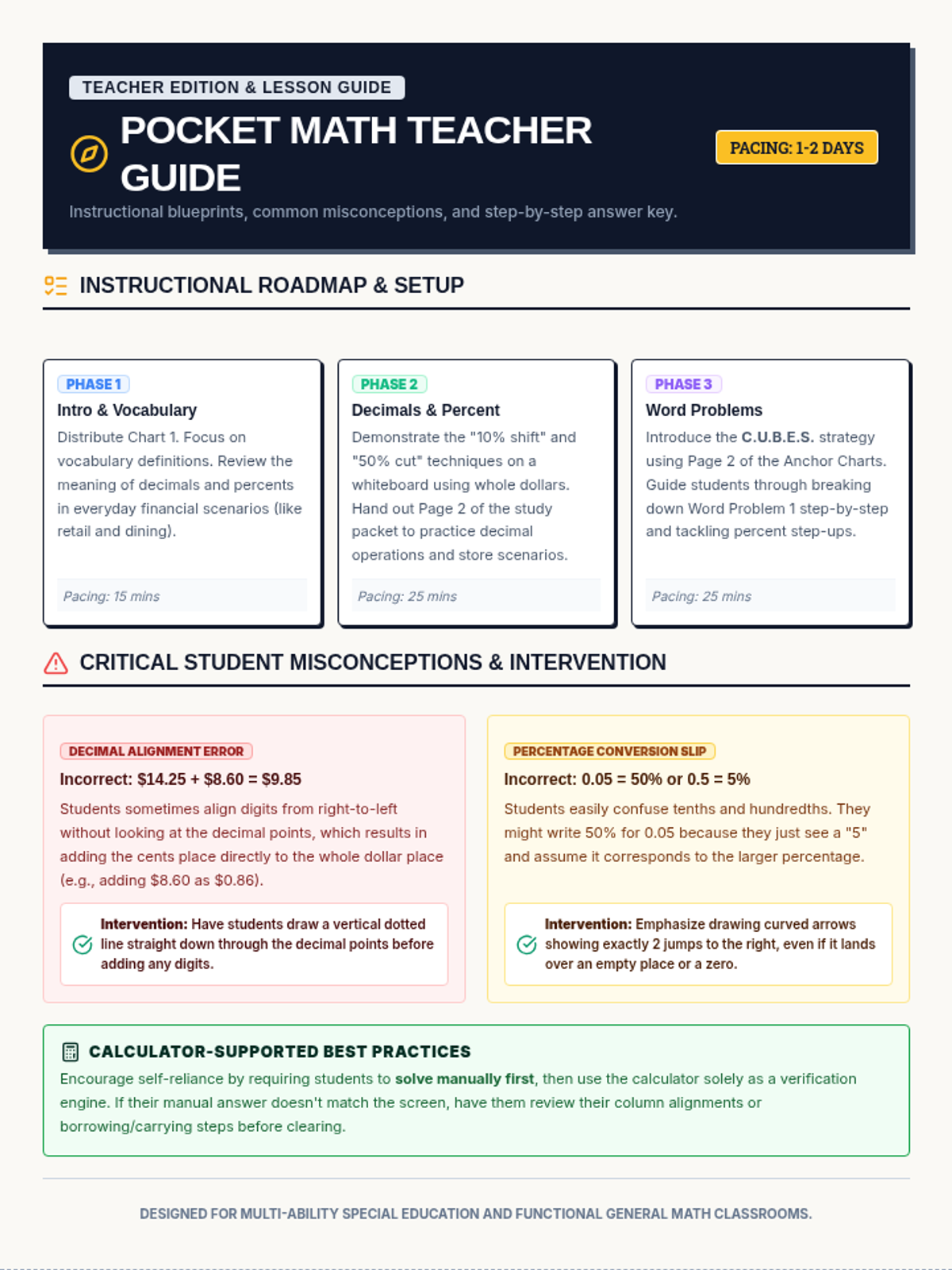
A structured math lesson focused on functional real-world math skills, covering decimals, money, multi-digit operations, percentages (10% and 50%), and word problem solving. Includes a 3-page study packet, a visual anchor chart reference sheet, and a complete teacher guide.
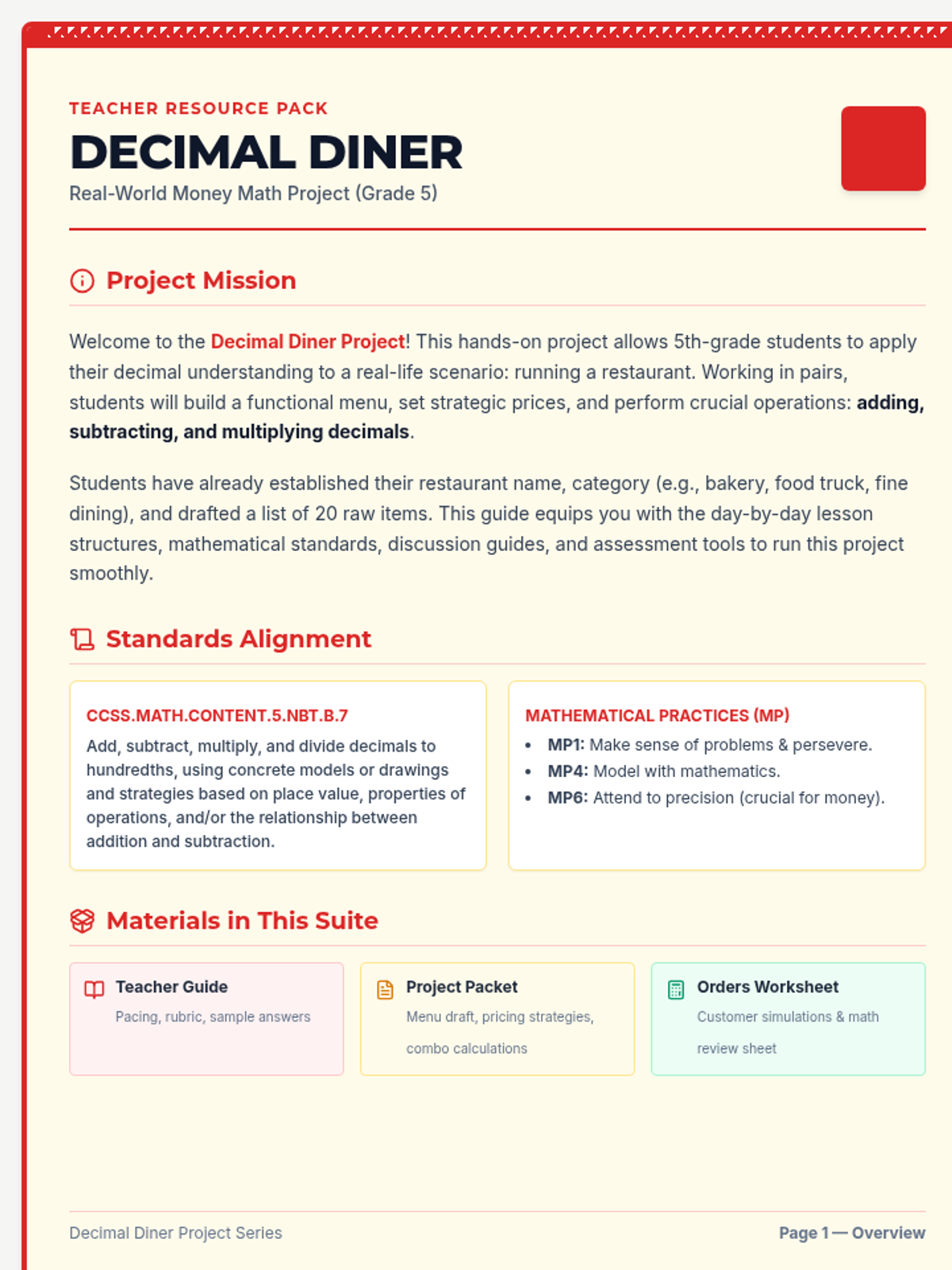
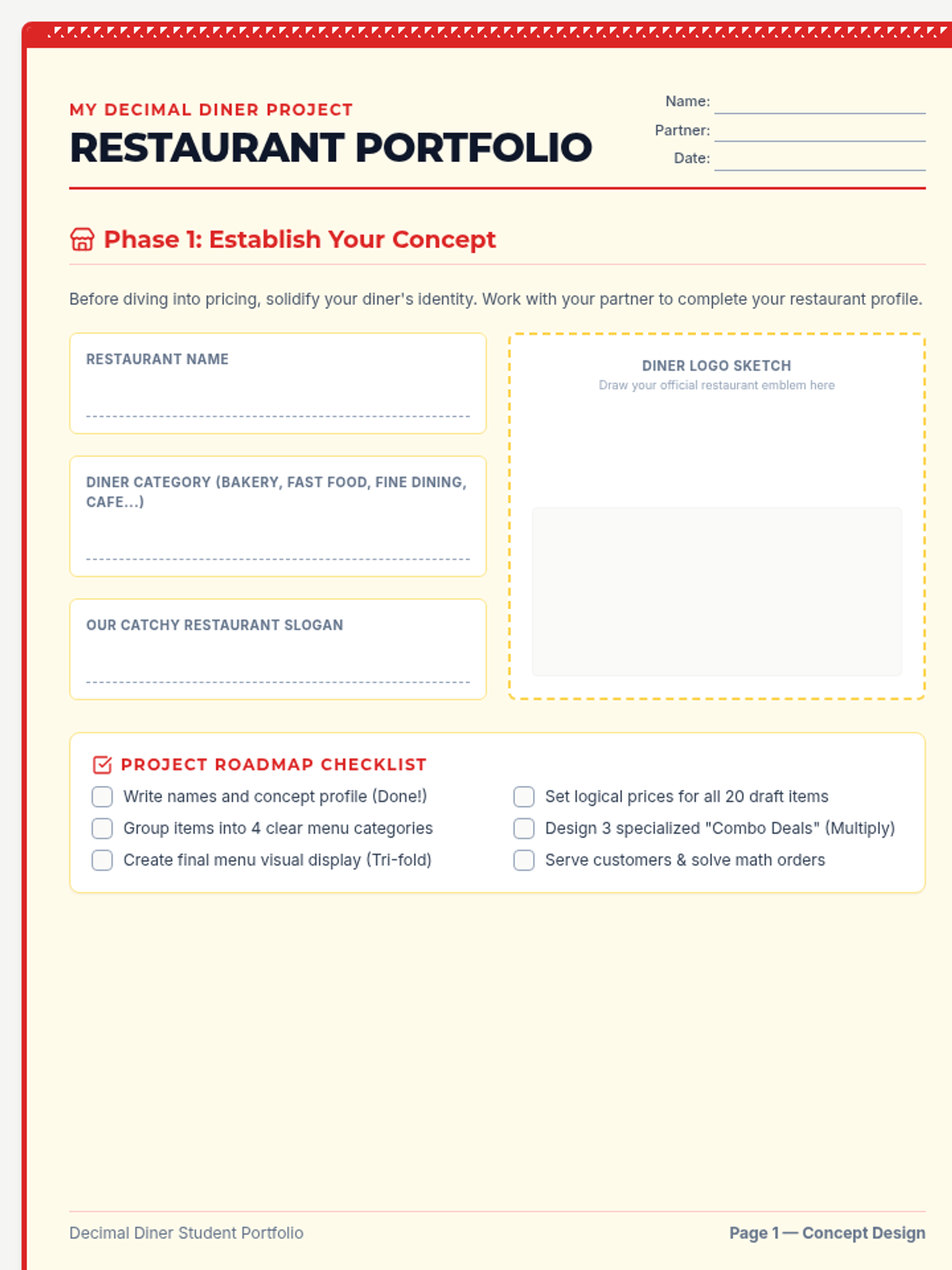
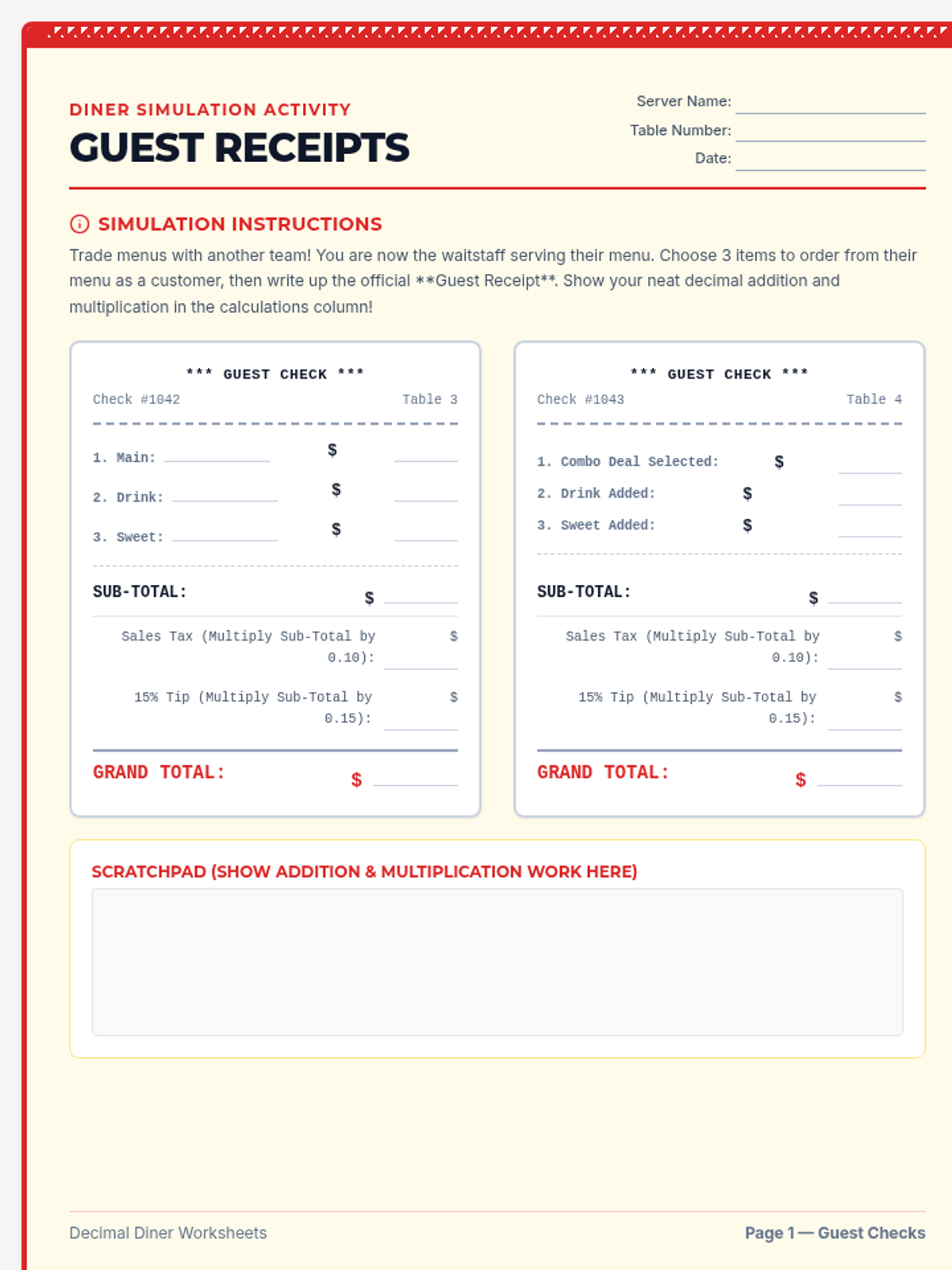
A hands-on, multi-day decimal project where 5th graders work in pairs to design a fully functioning restaurant menu, set prices, and perform decimal operations. Students practice adding, subtracting, and multiplying decimals through menu pricing, tax/tip calculations, and simulating real customer orders.
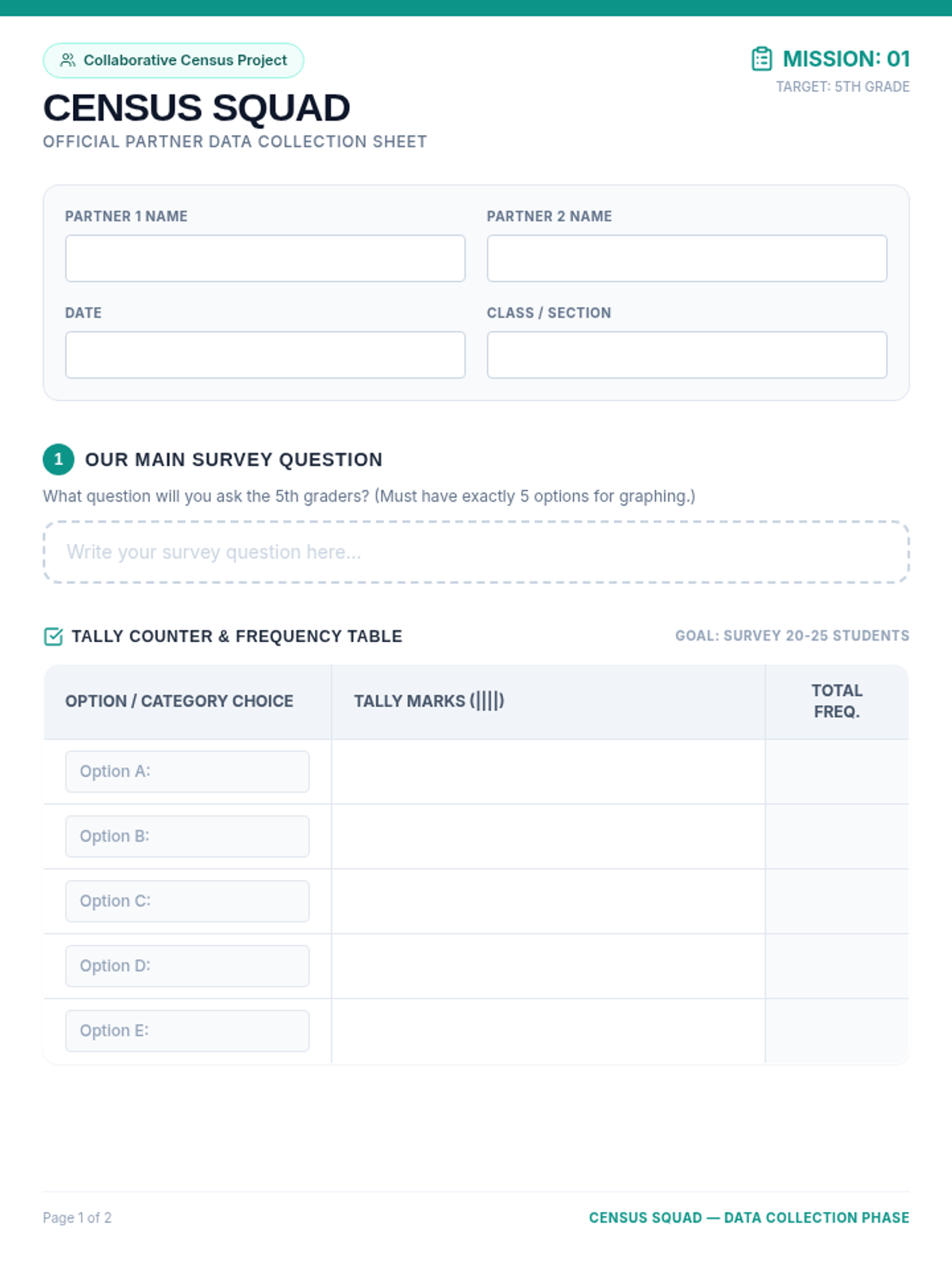
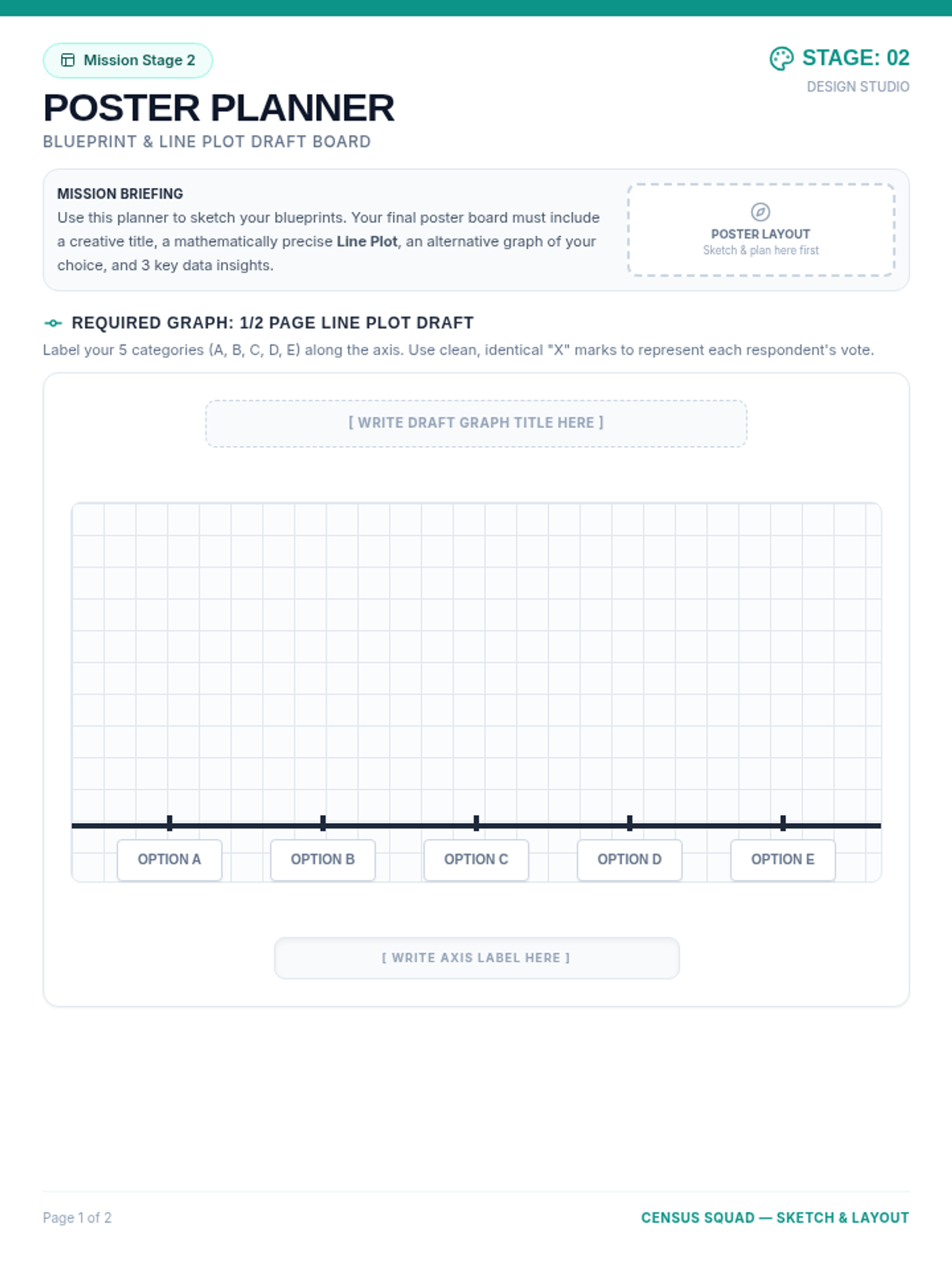
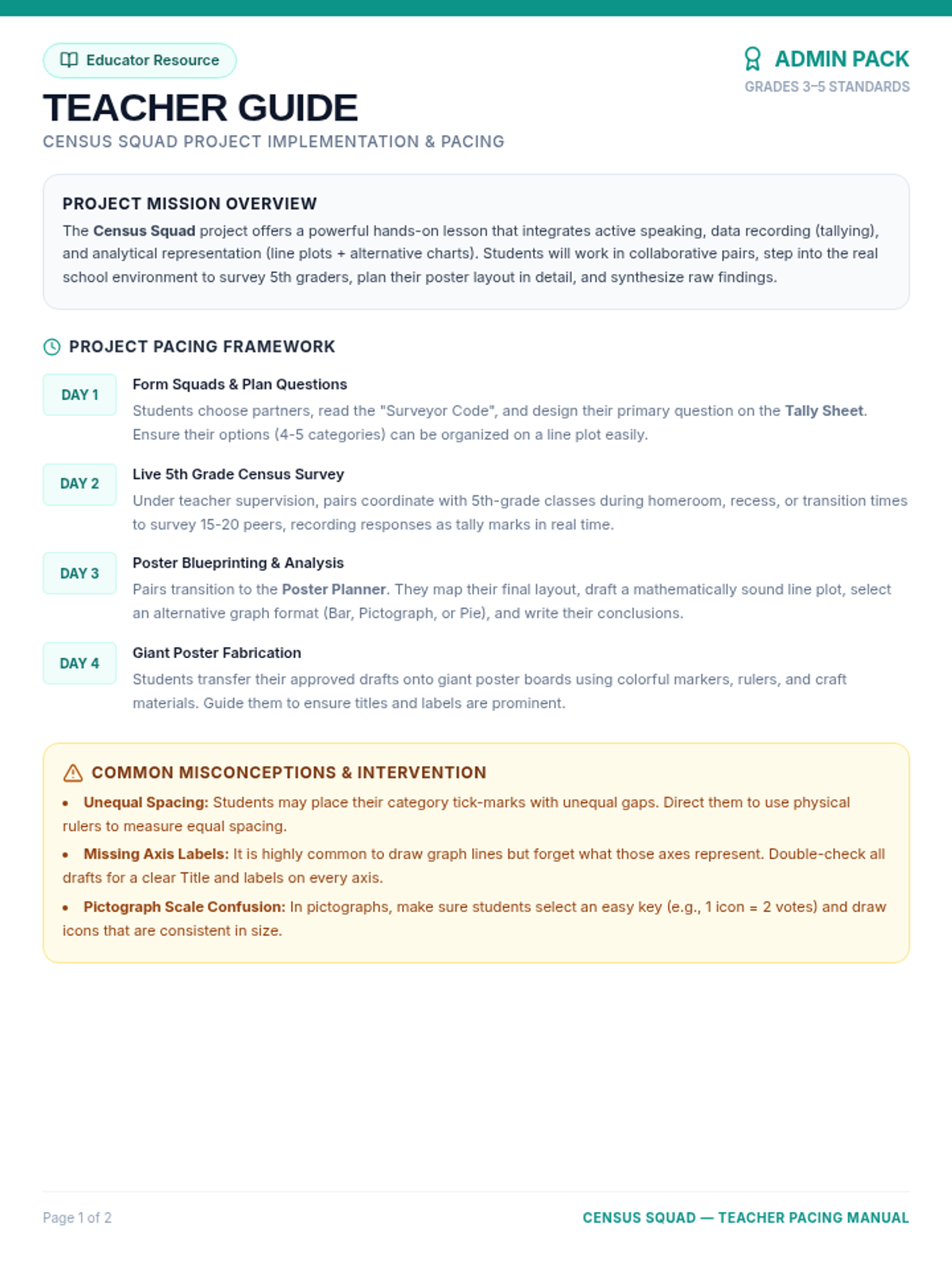
A collaborative data collection and graphing project where students partner up to survey 5th graders, collect tally mark data, and design a custom poster featuring a line plot and an alternative graph style.
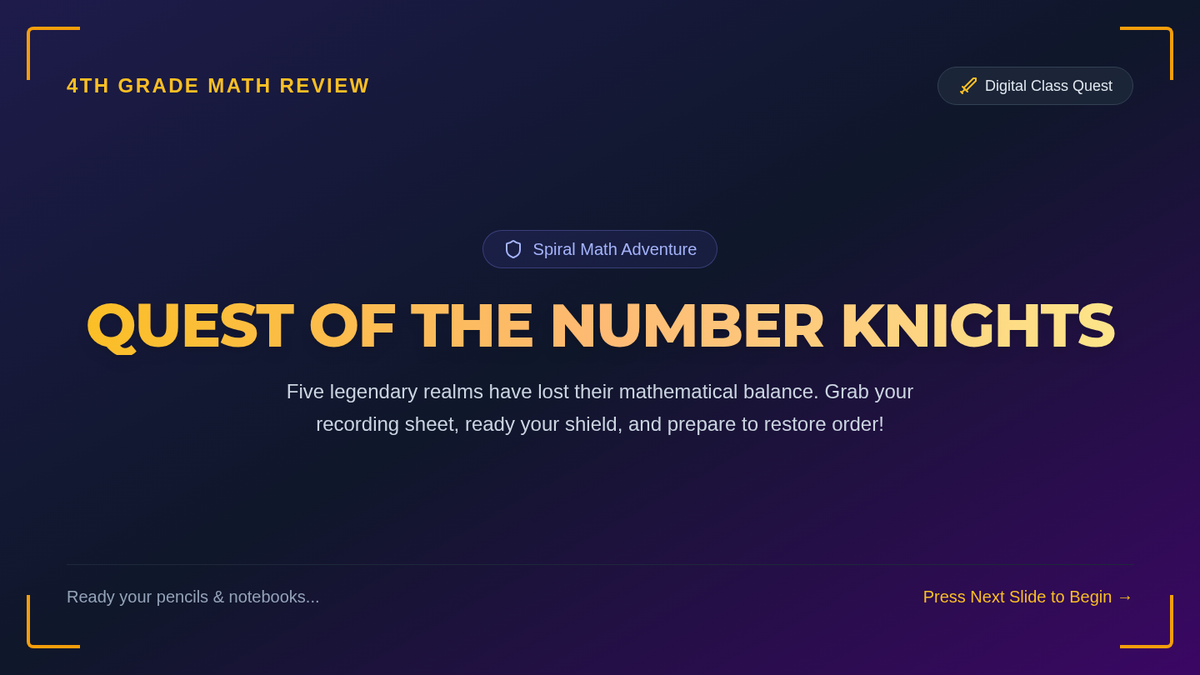
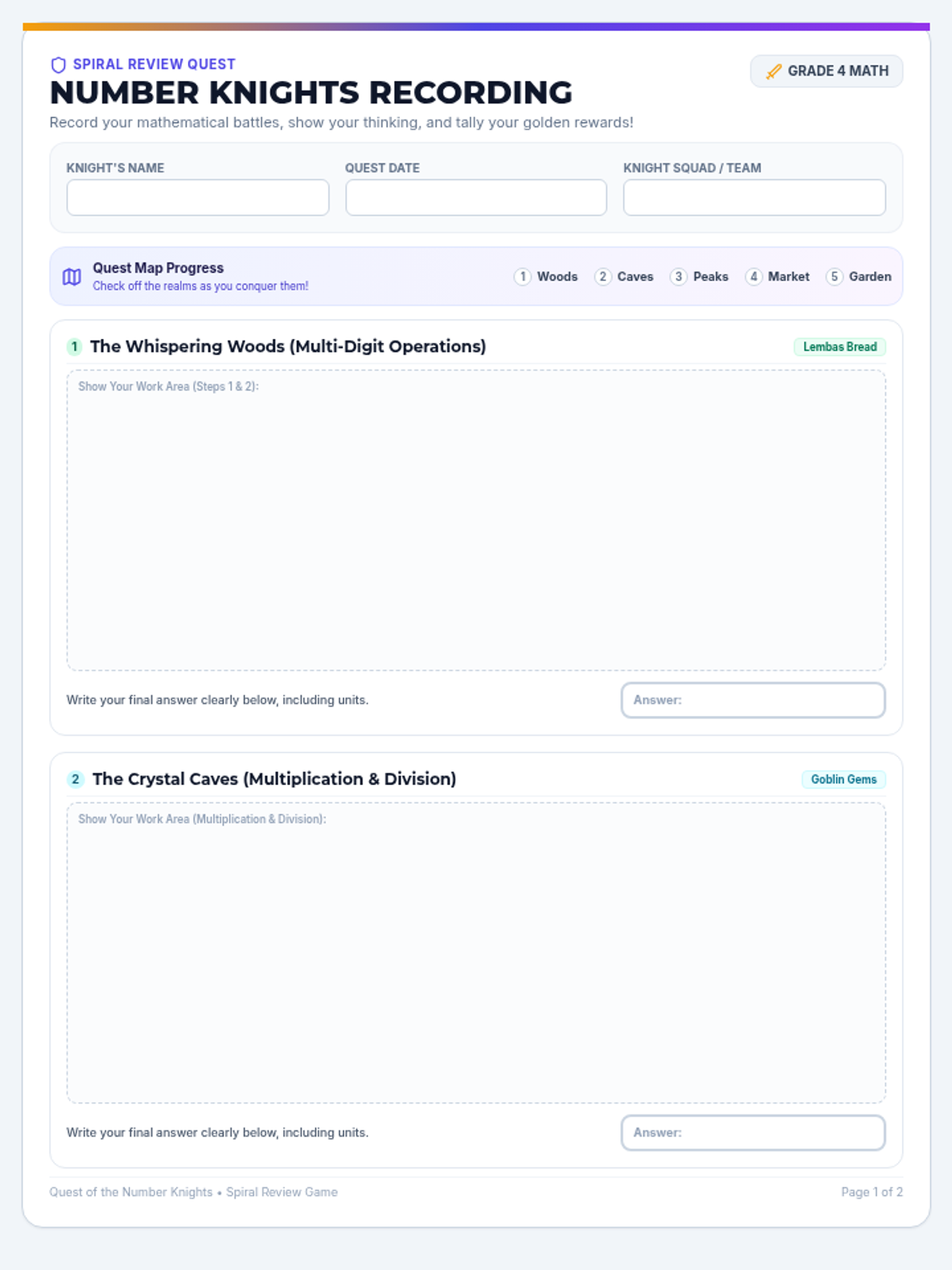
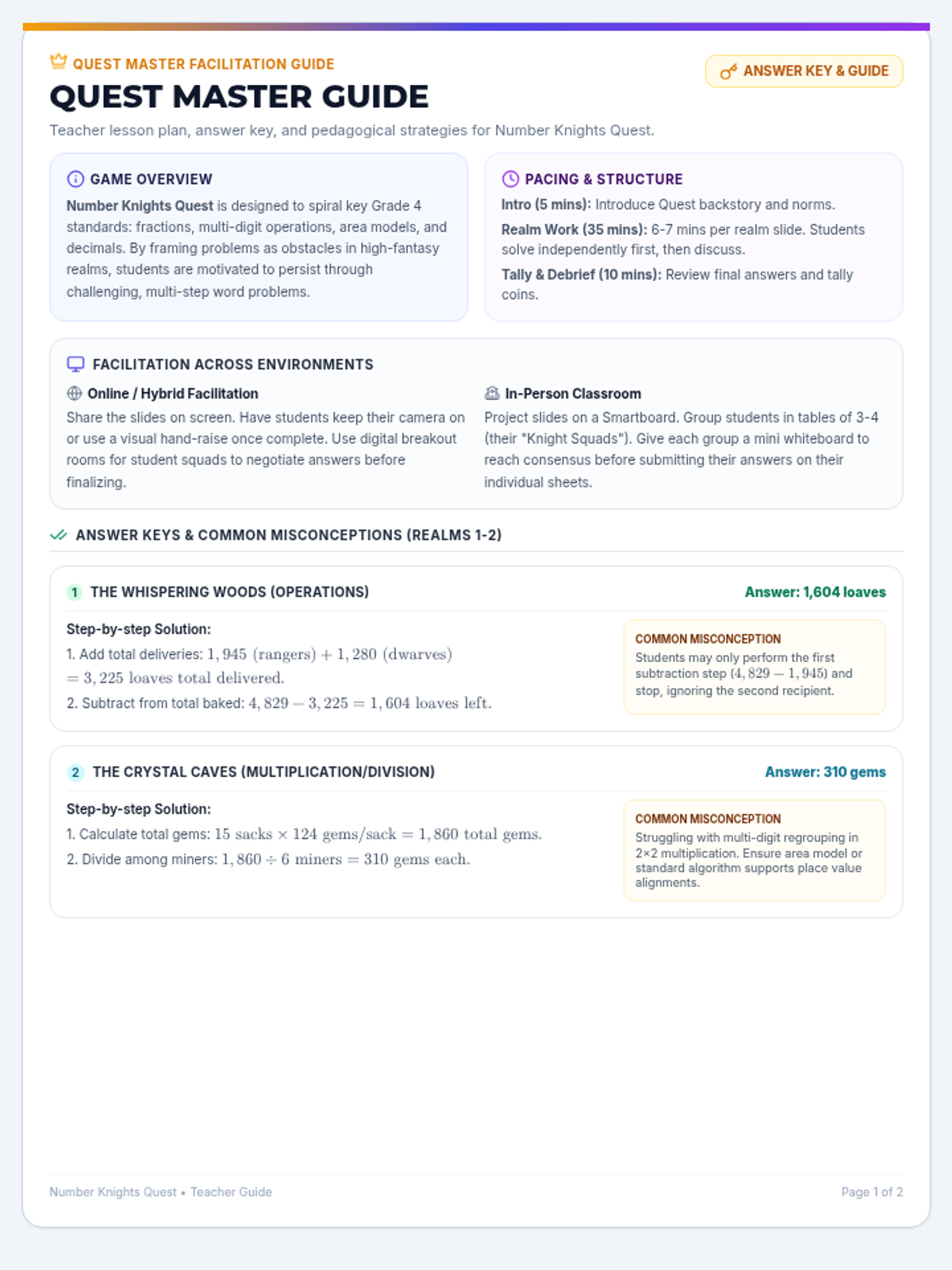
A high-engagement, adventure-themed 4th-grade math spiral review game. Students solve word problems spanning fractions, multi-digit operations, area, and decimals to complete a fantasy quest, perfect for online display or in-person play.
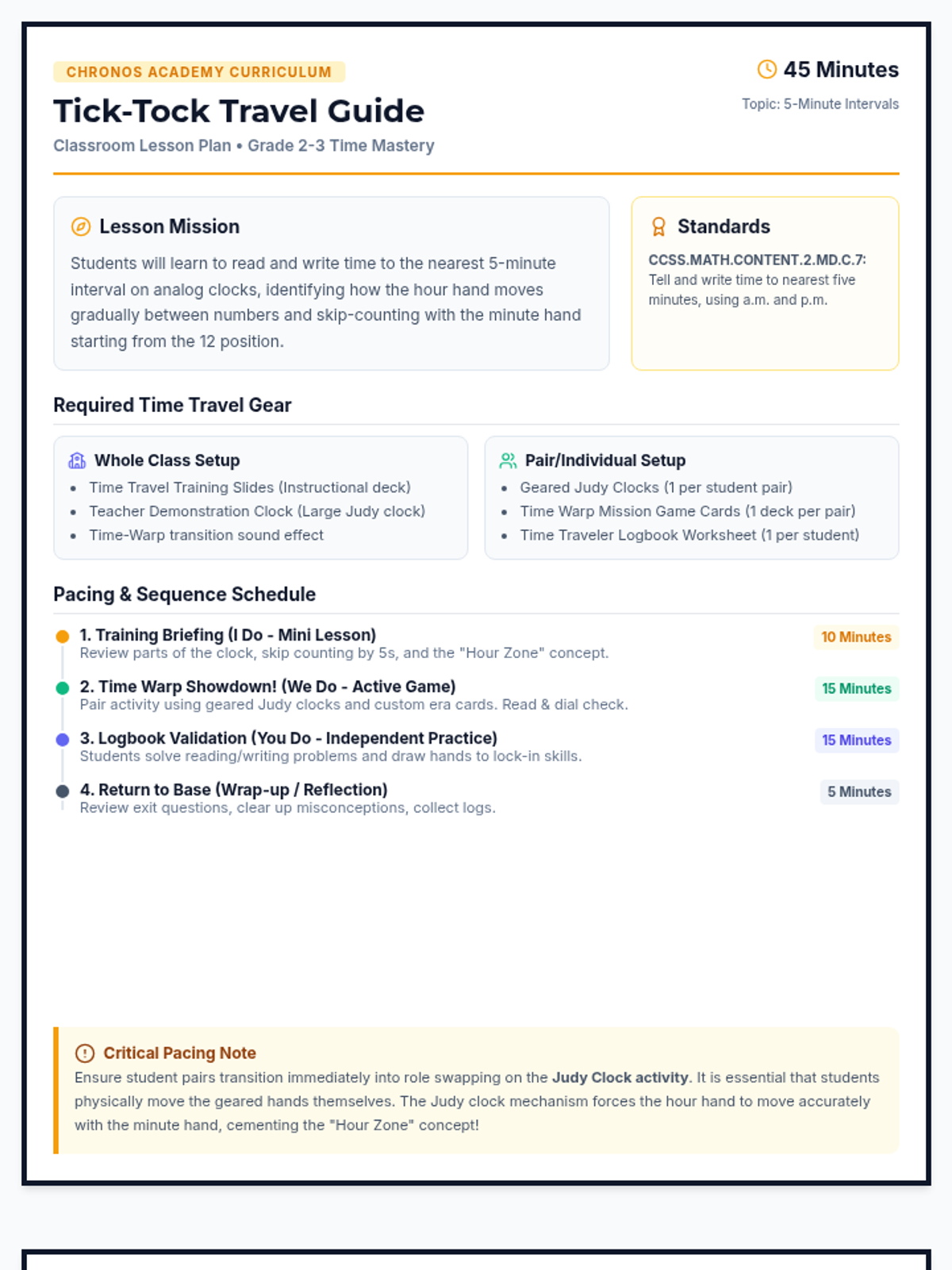
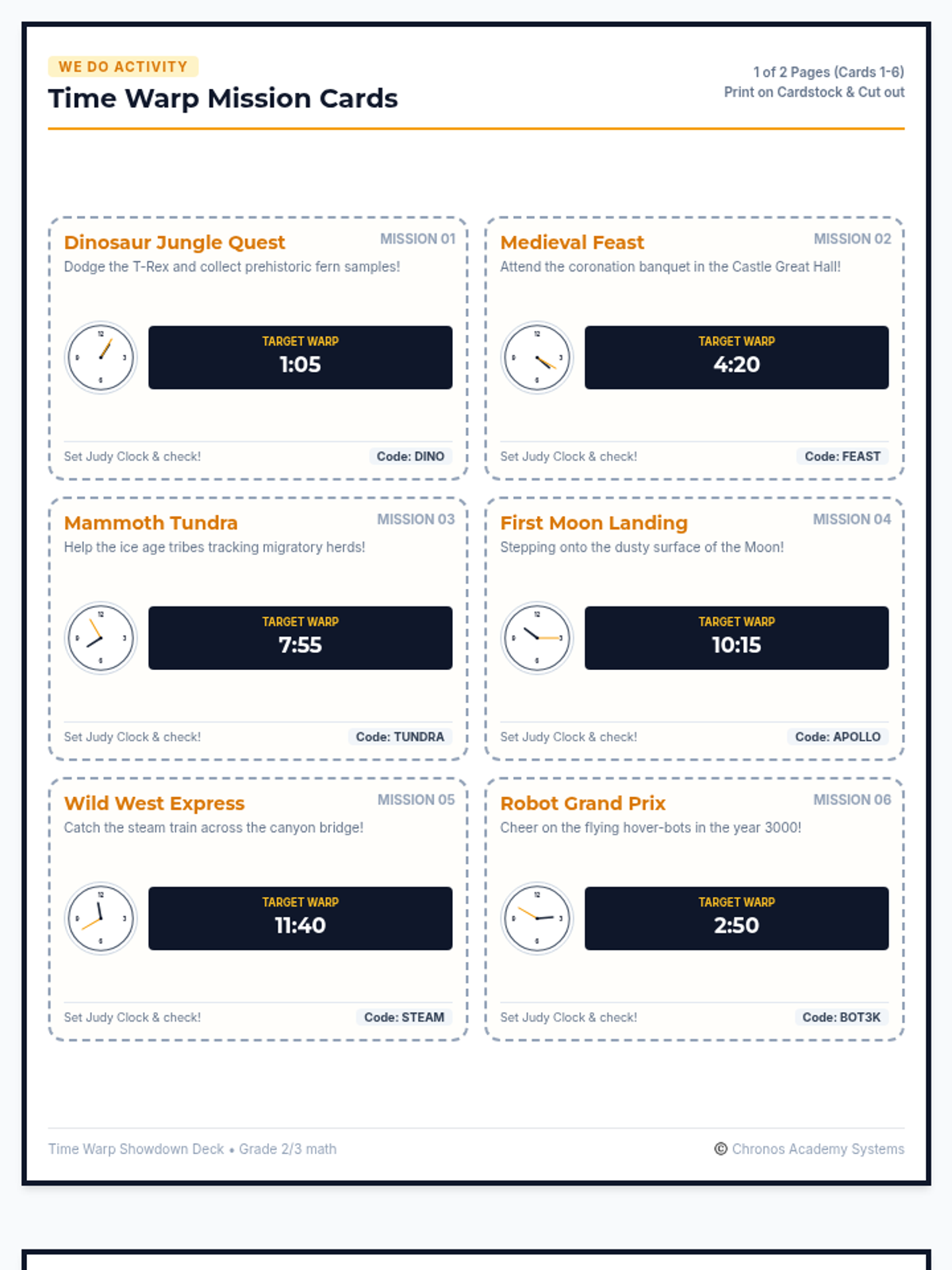
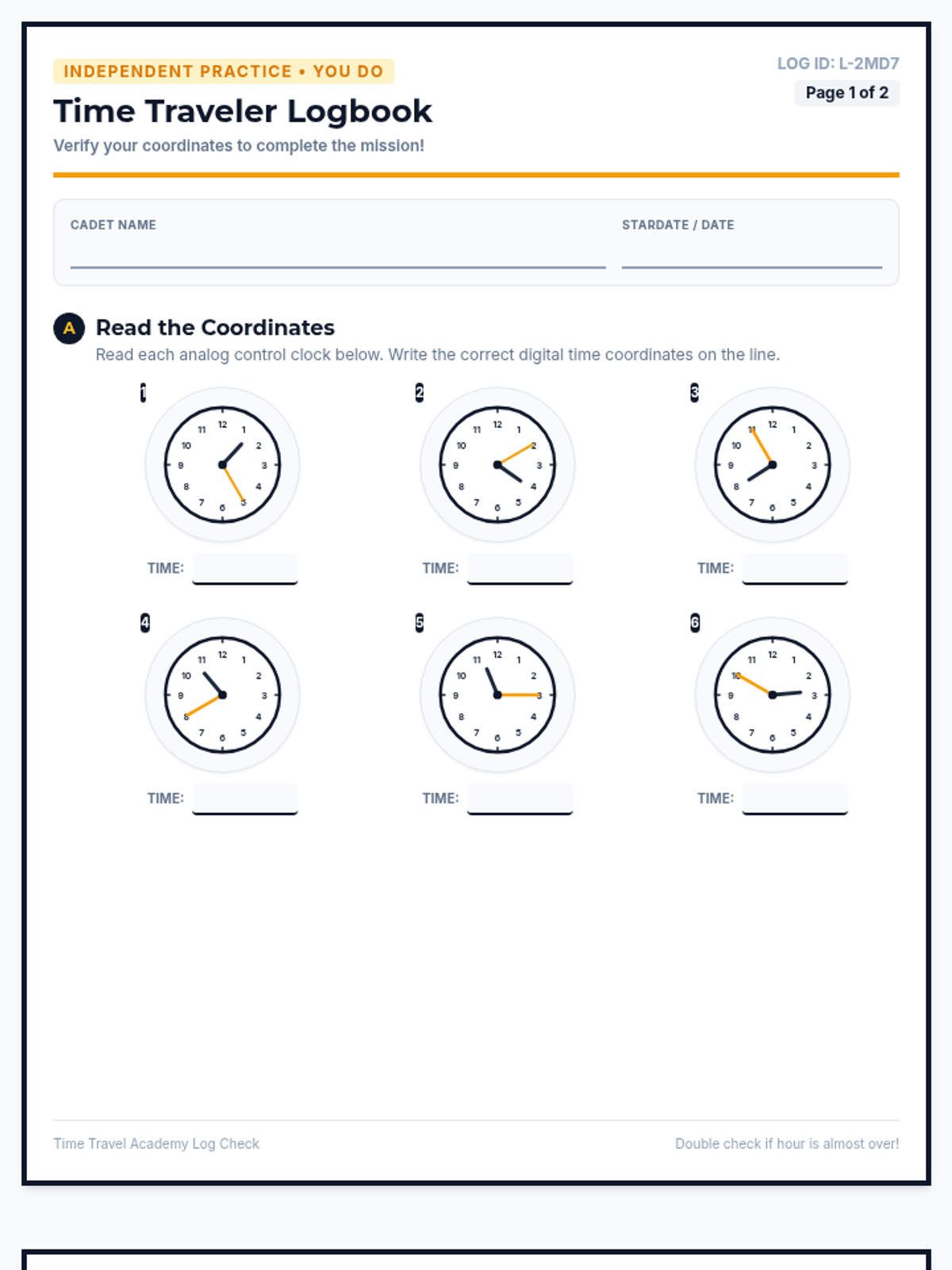
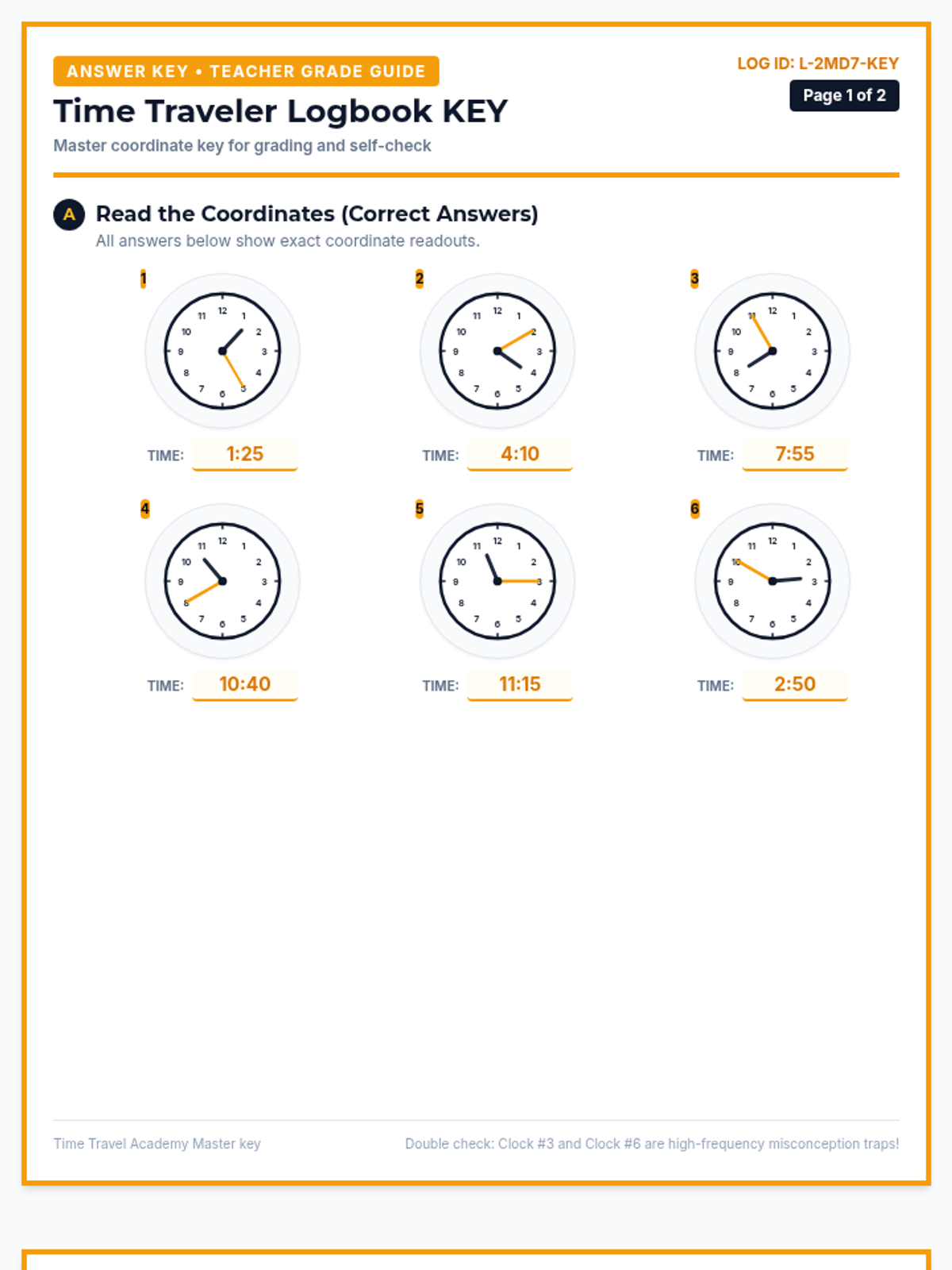
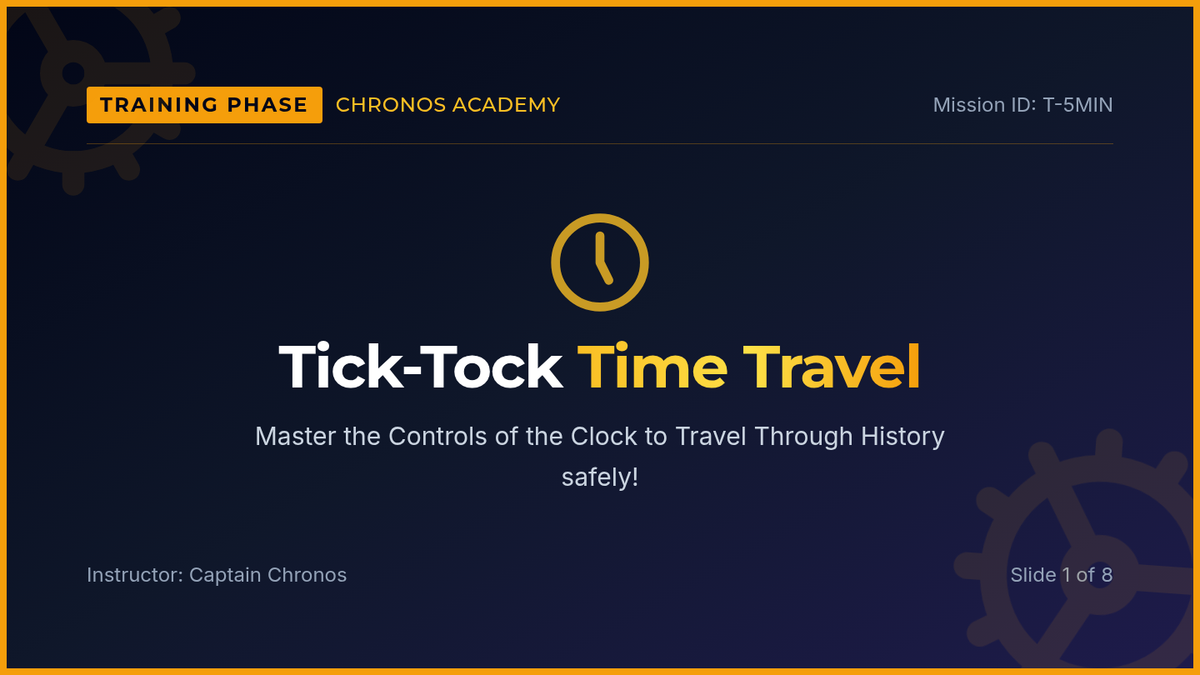
An engaging, 45-minute lesson on reading analog clocks at 5-minute intervals. Follows the I Do, We Do, You Do model, incorporating instructional slides, an active Judy clock team game, and an independent logbook worksheet.
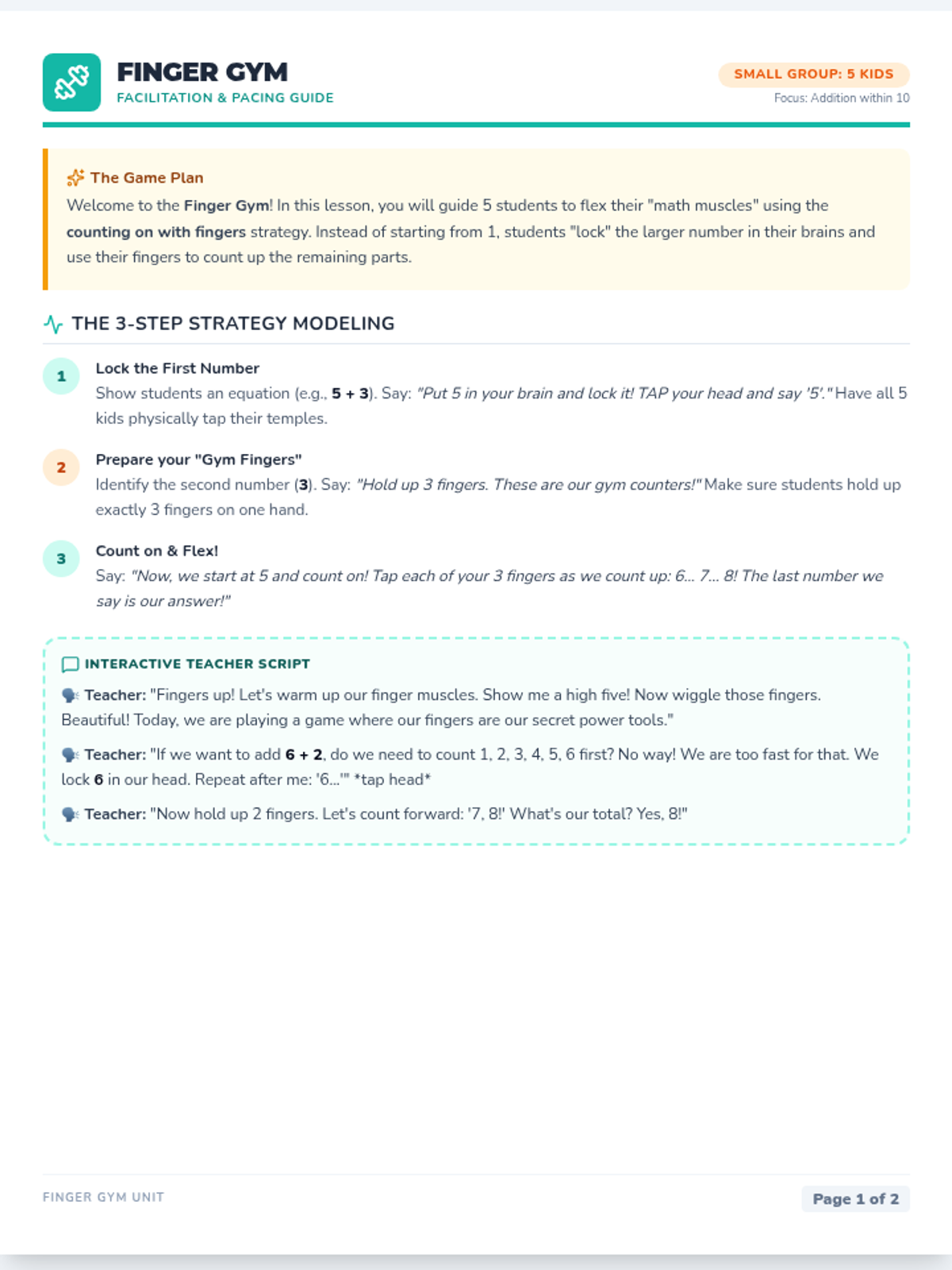
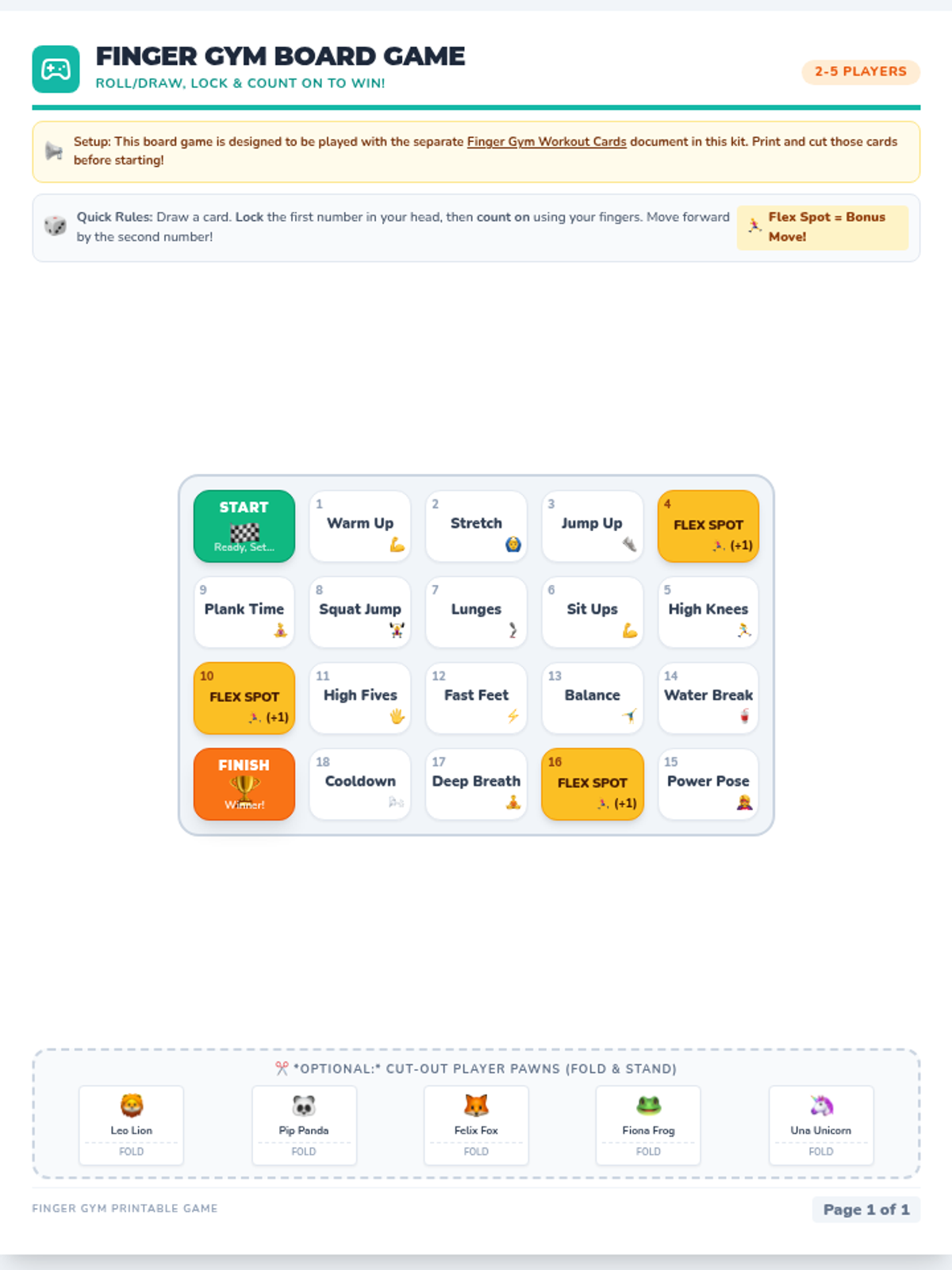
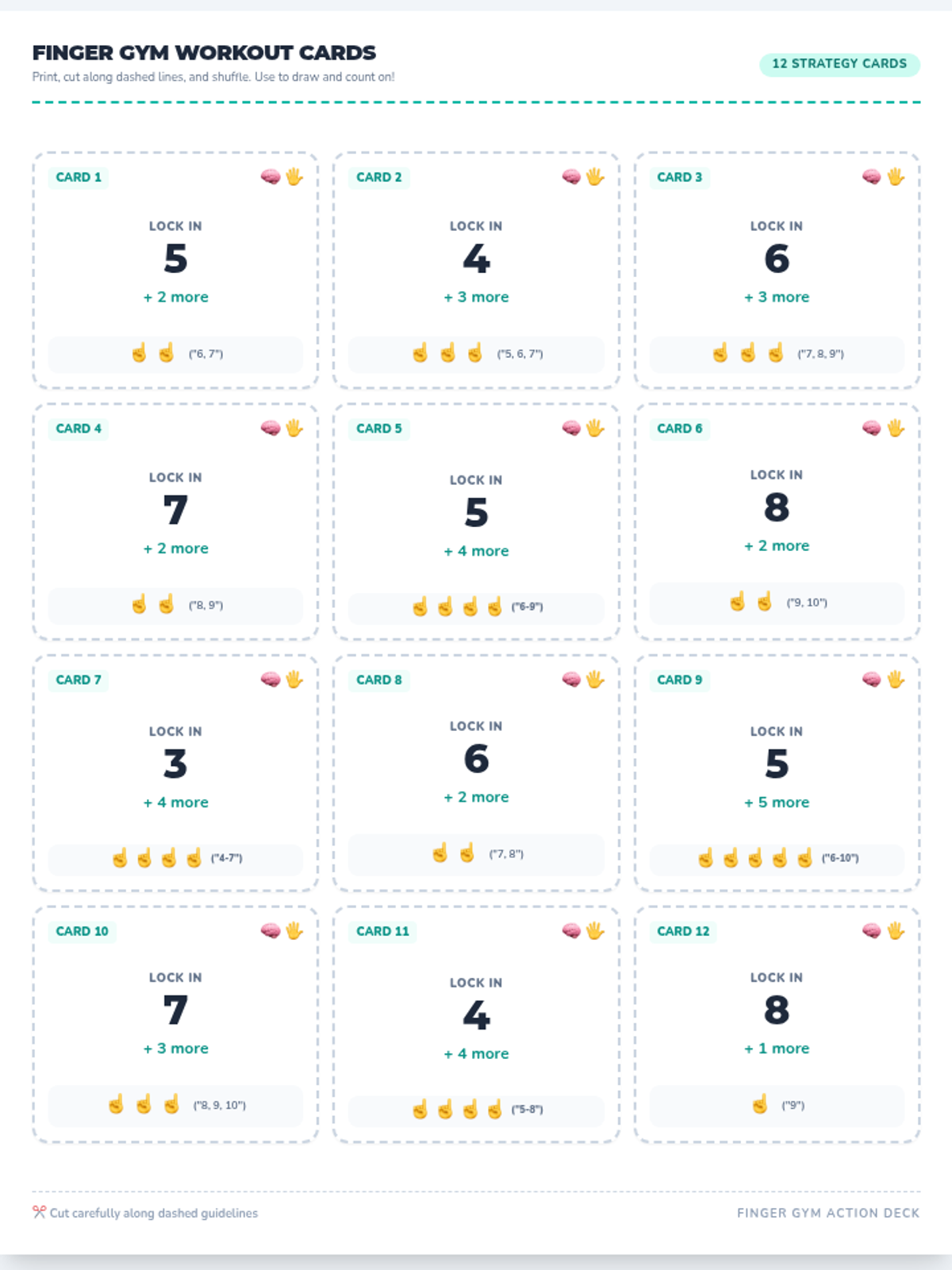
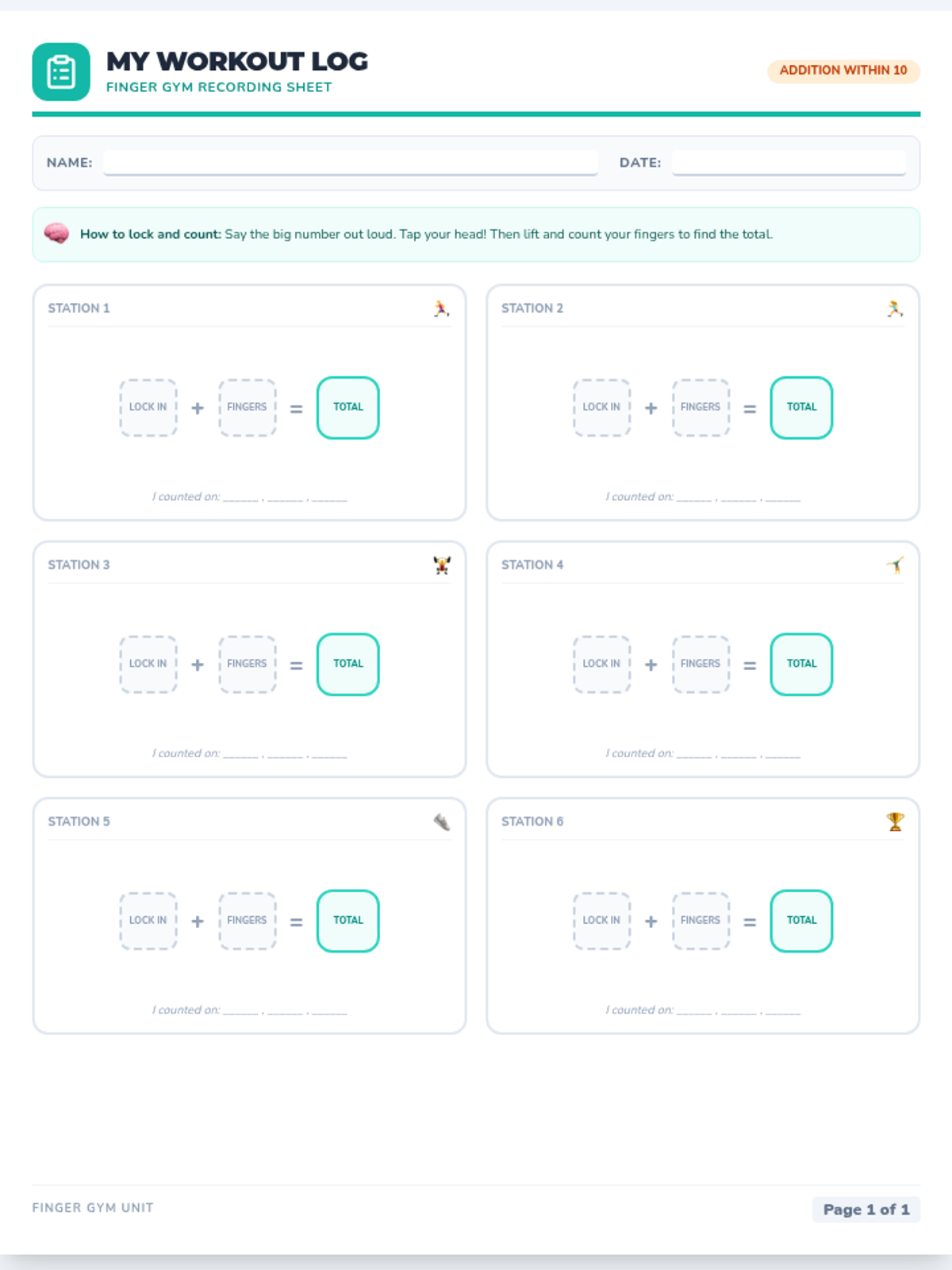
An active, hands-on small group math lesson for kindergarten and 1st grade students to master adding within 10 using the 'counting on with fingers' strategy. Features an engaging printable board game, customized finger-counting task cards, a student workout recording sheet, and a comprehensive facilitation guide.
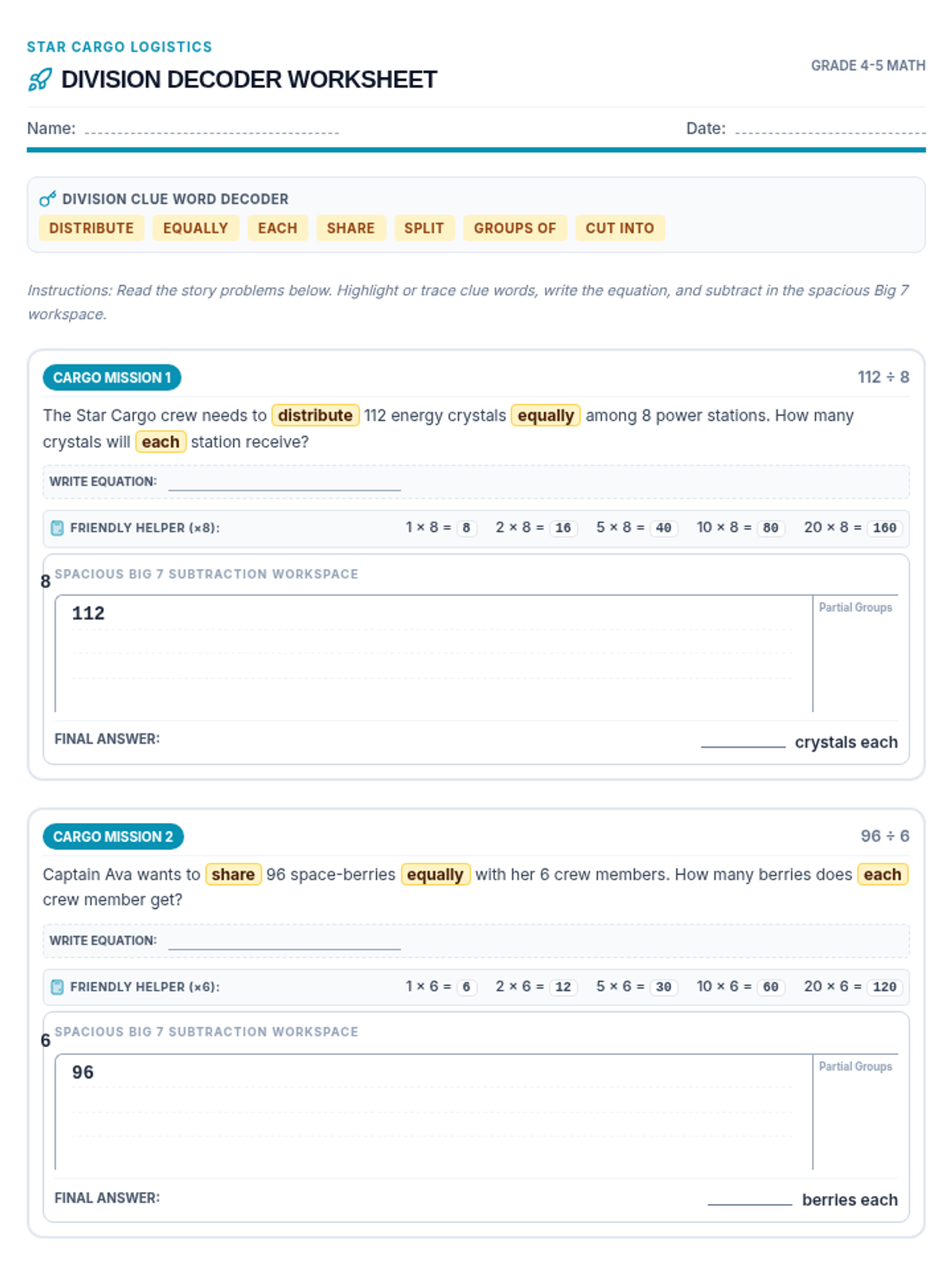
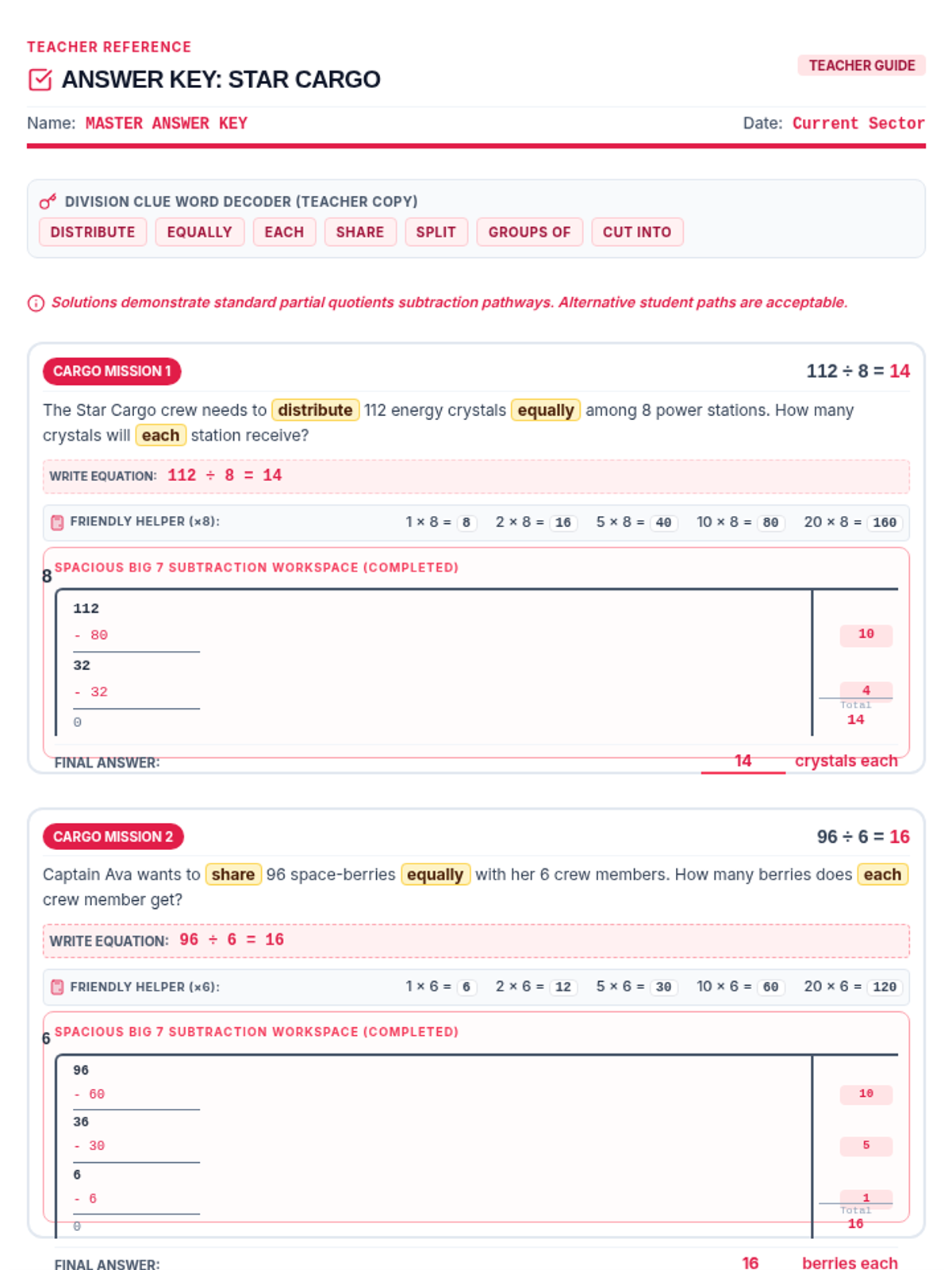
A math lesson on division using the partial quotients (Big 7) method. Students explore division word problems and extra practice using a 'friendly numbers' multiplication helper and subtraction workspace in a sci-fi space cargo theme.
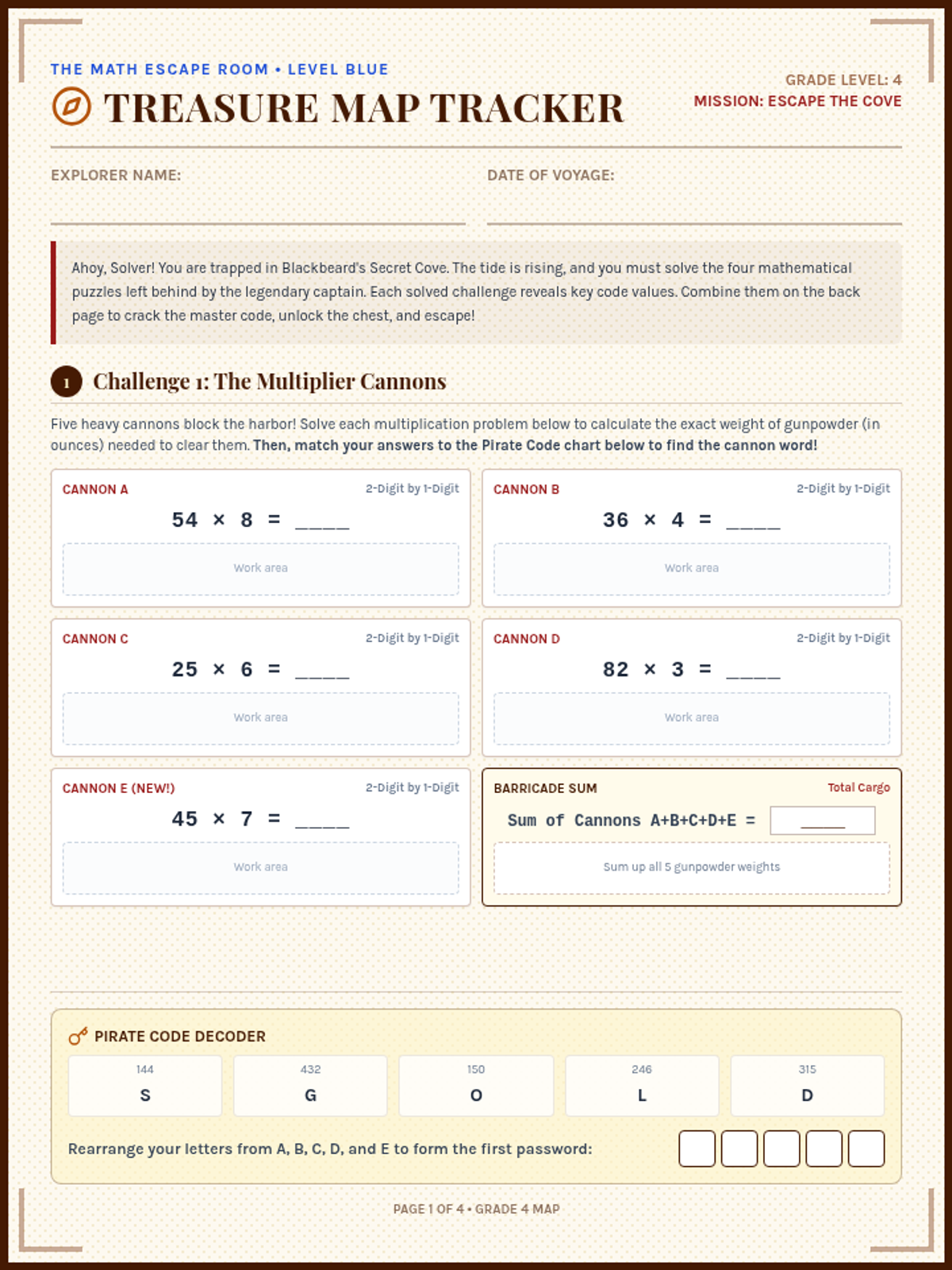
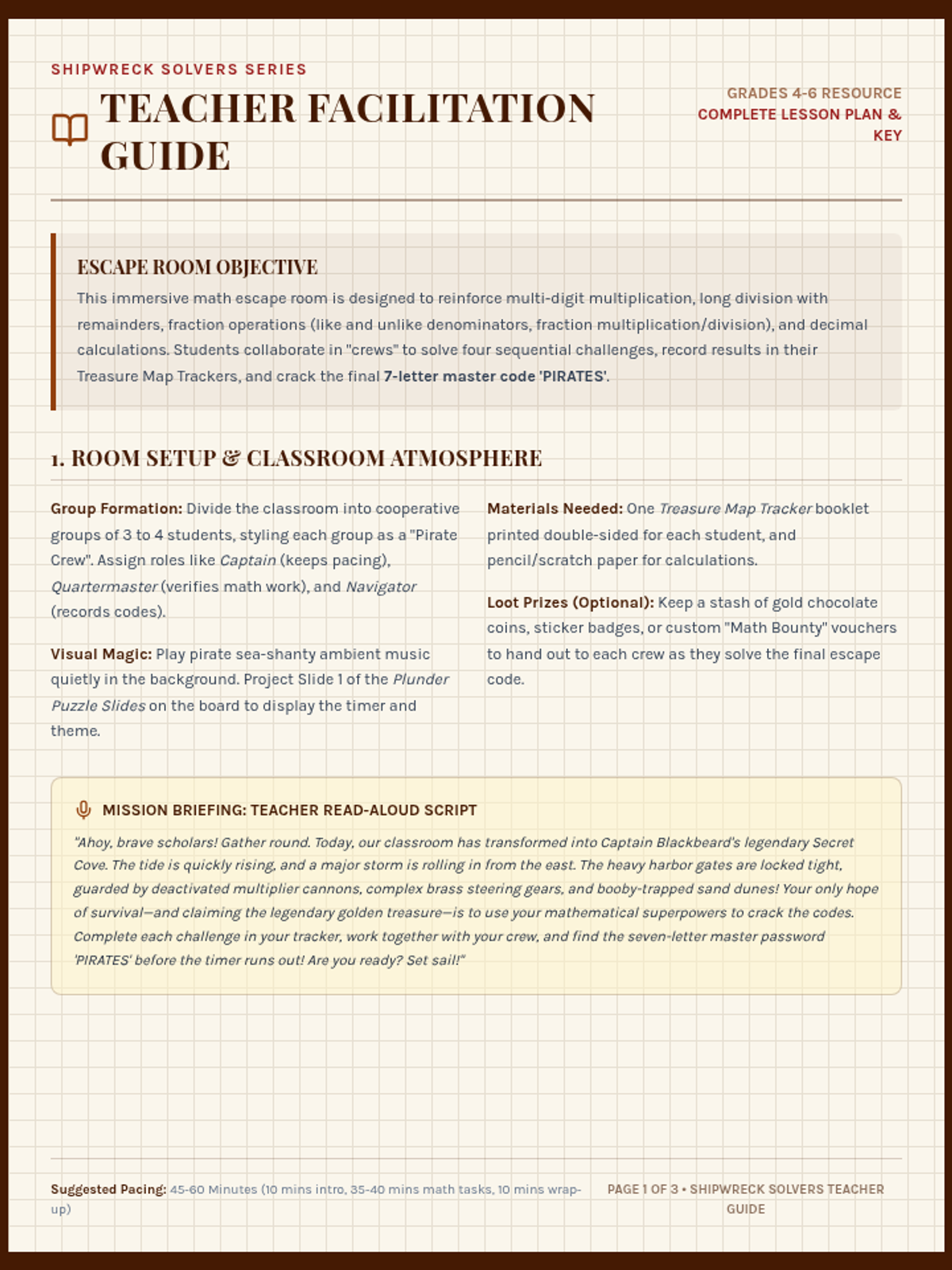
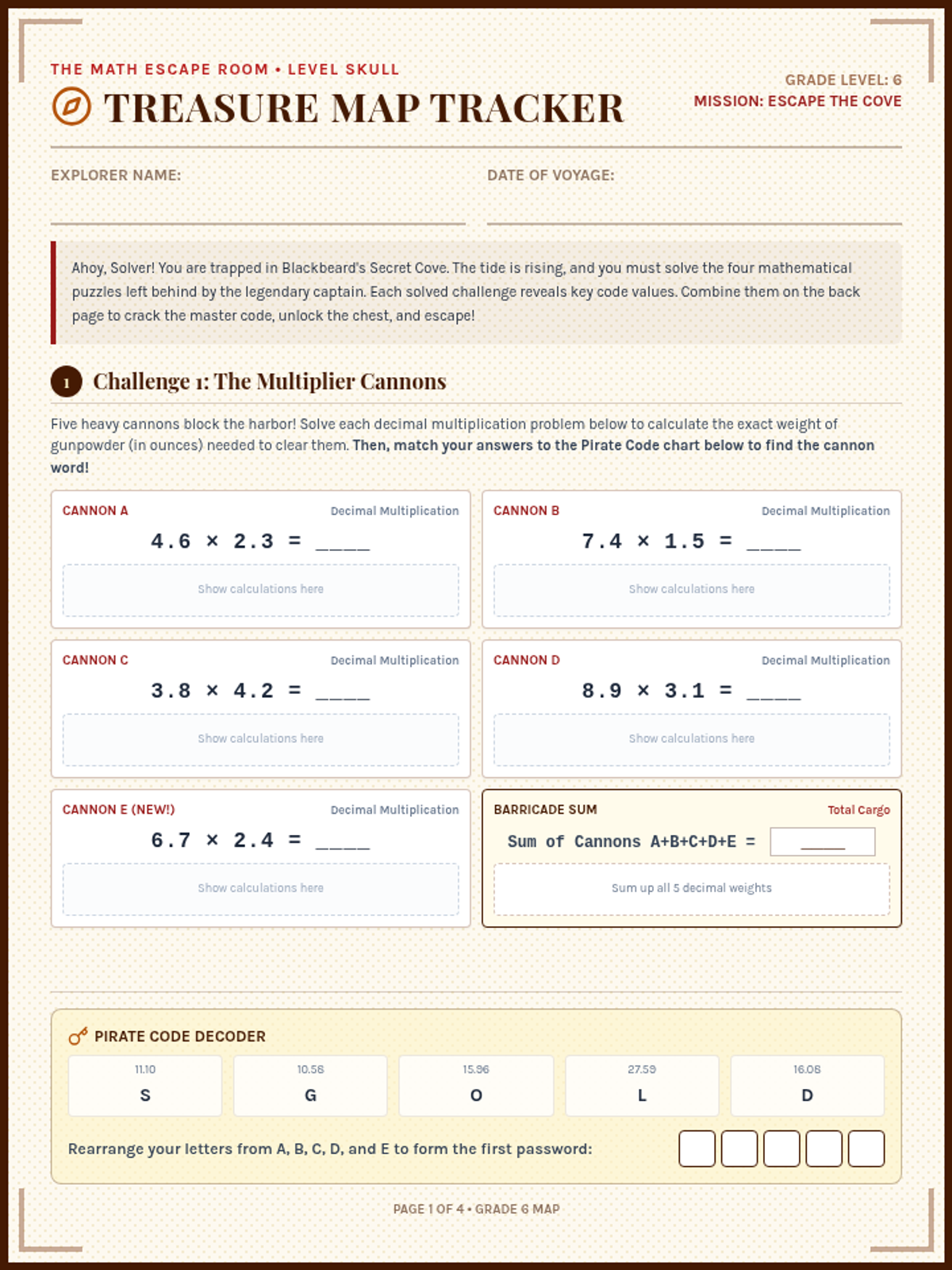
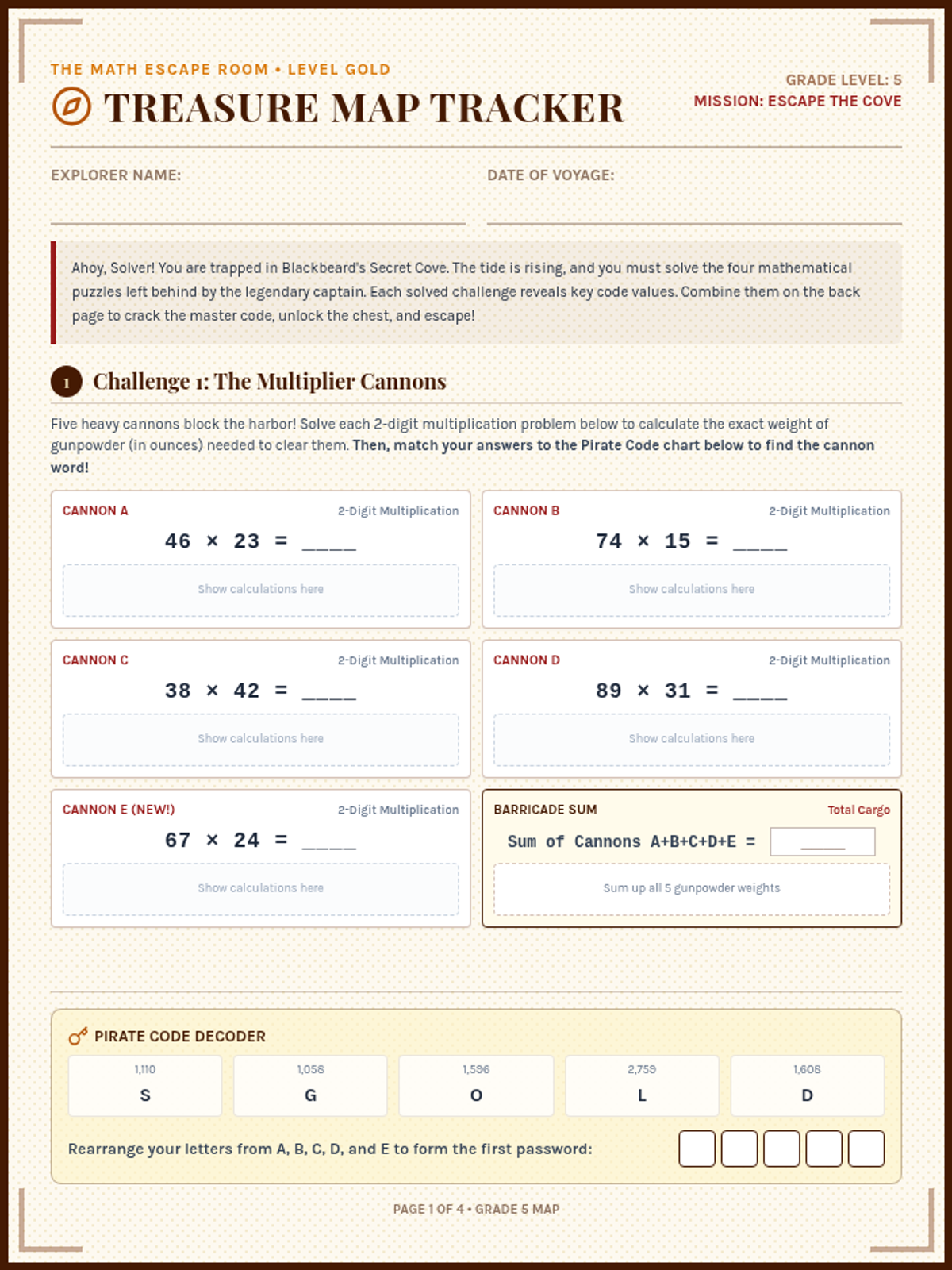
An immersive, pirate-themed math escape room where students solve puzzles in multi-digit multiplication, long division, fraction operations, and decimals to crack codes and discover Captain Blackbeard's legendary lost treasure.
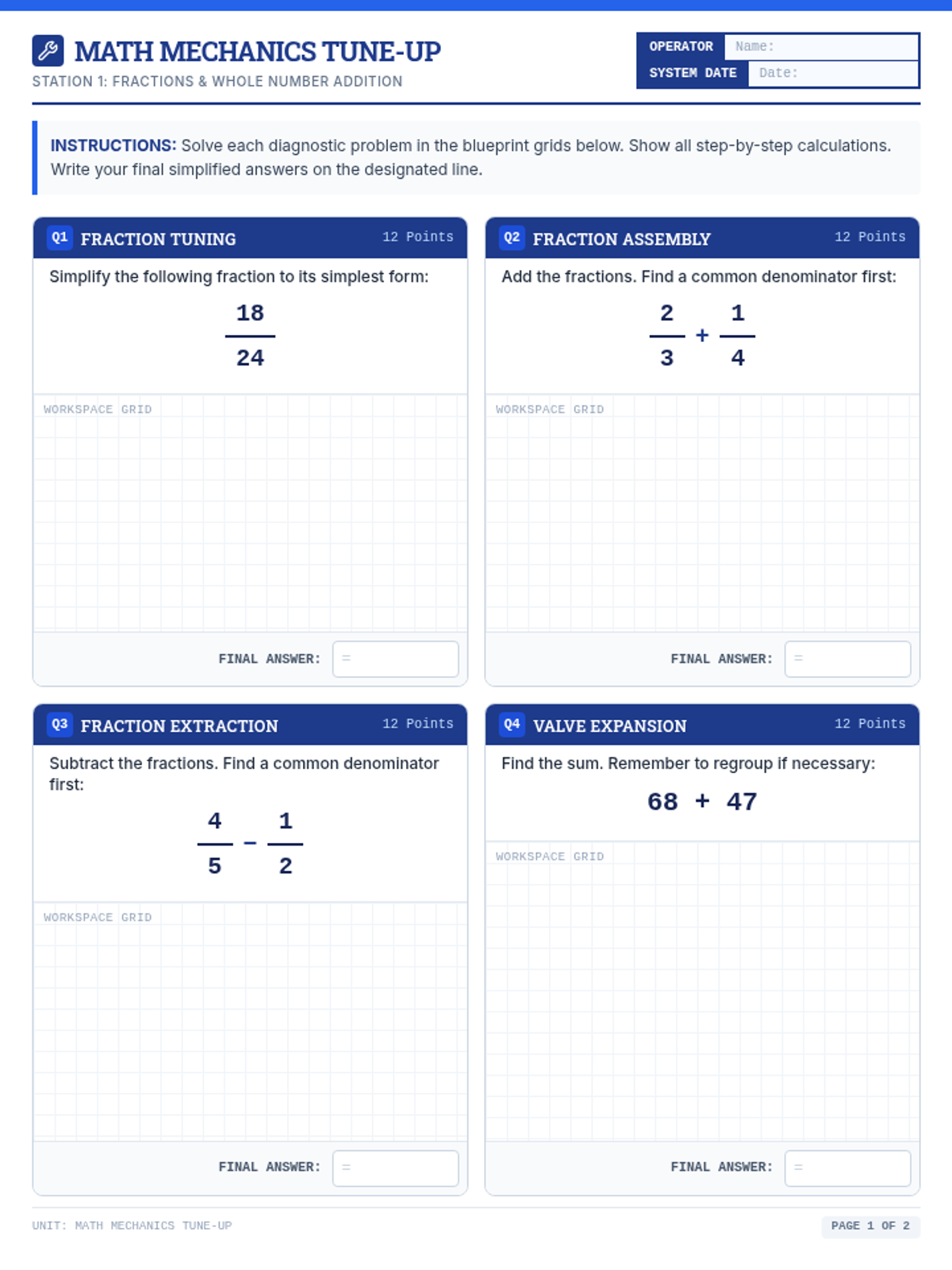
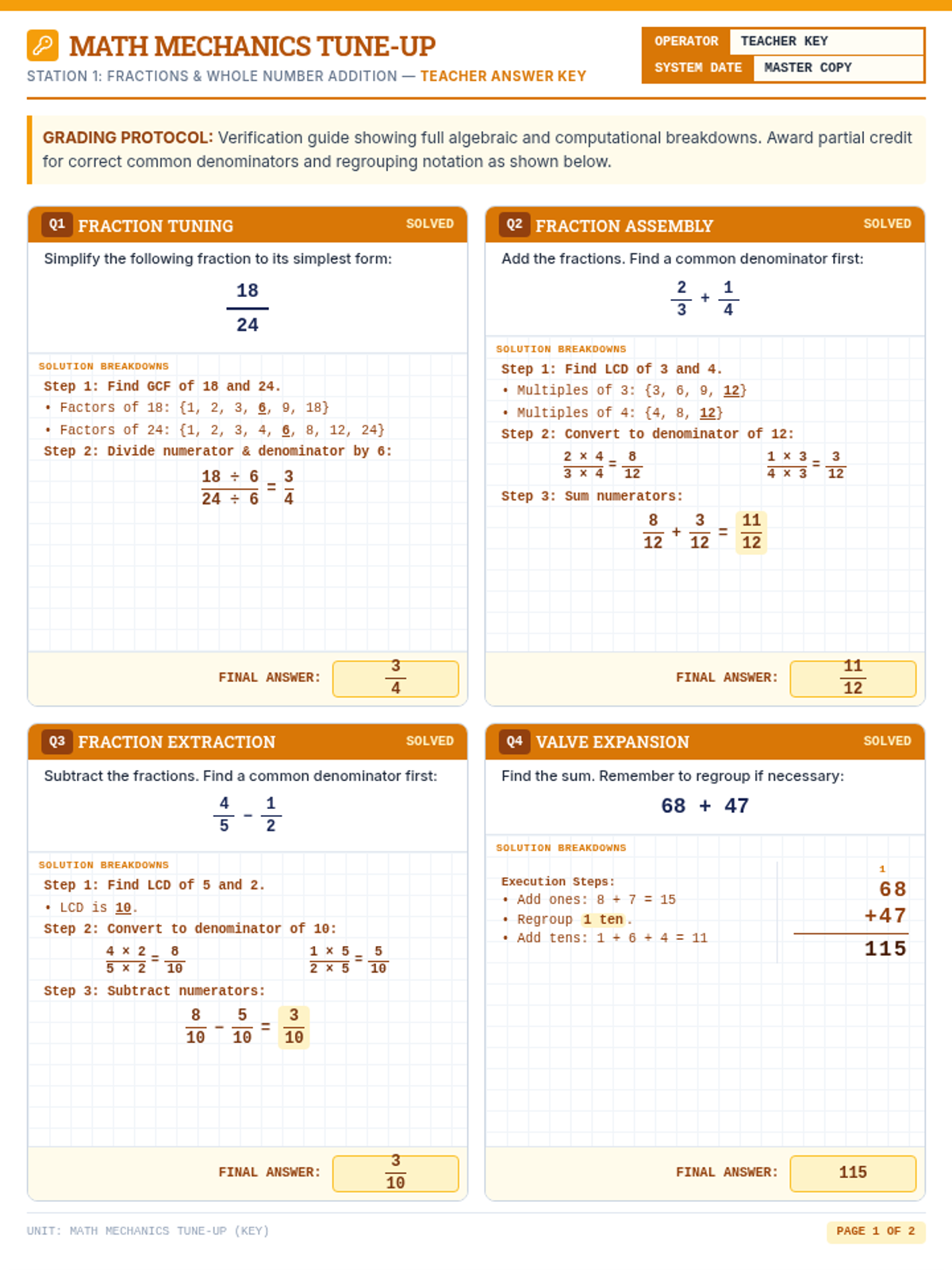
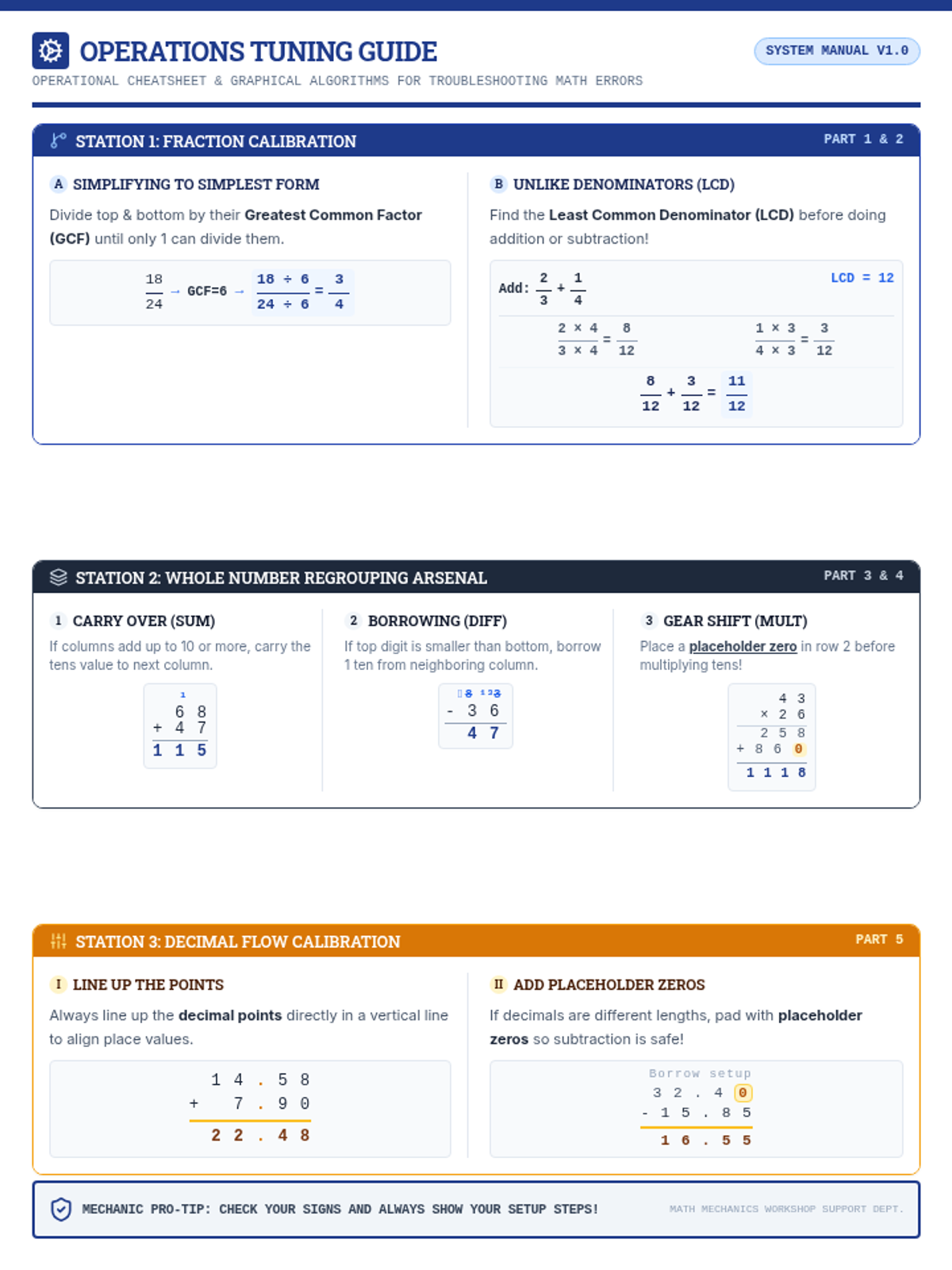
A comprehensive practice and support system designed to reinforce fundamental operations, including fractions, multi-digit integers, and decimals. Features a structured 2-page workspace worksheet, a detailed step-by-step teacher answer key, and a visual diagnostic anchor chart.
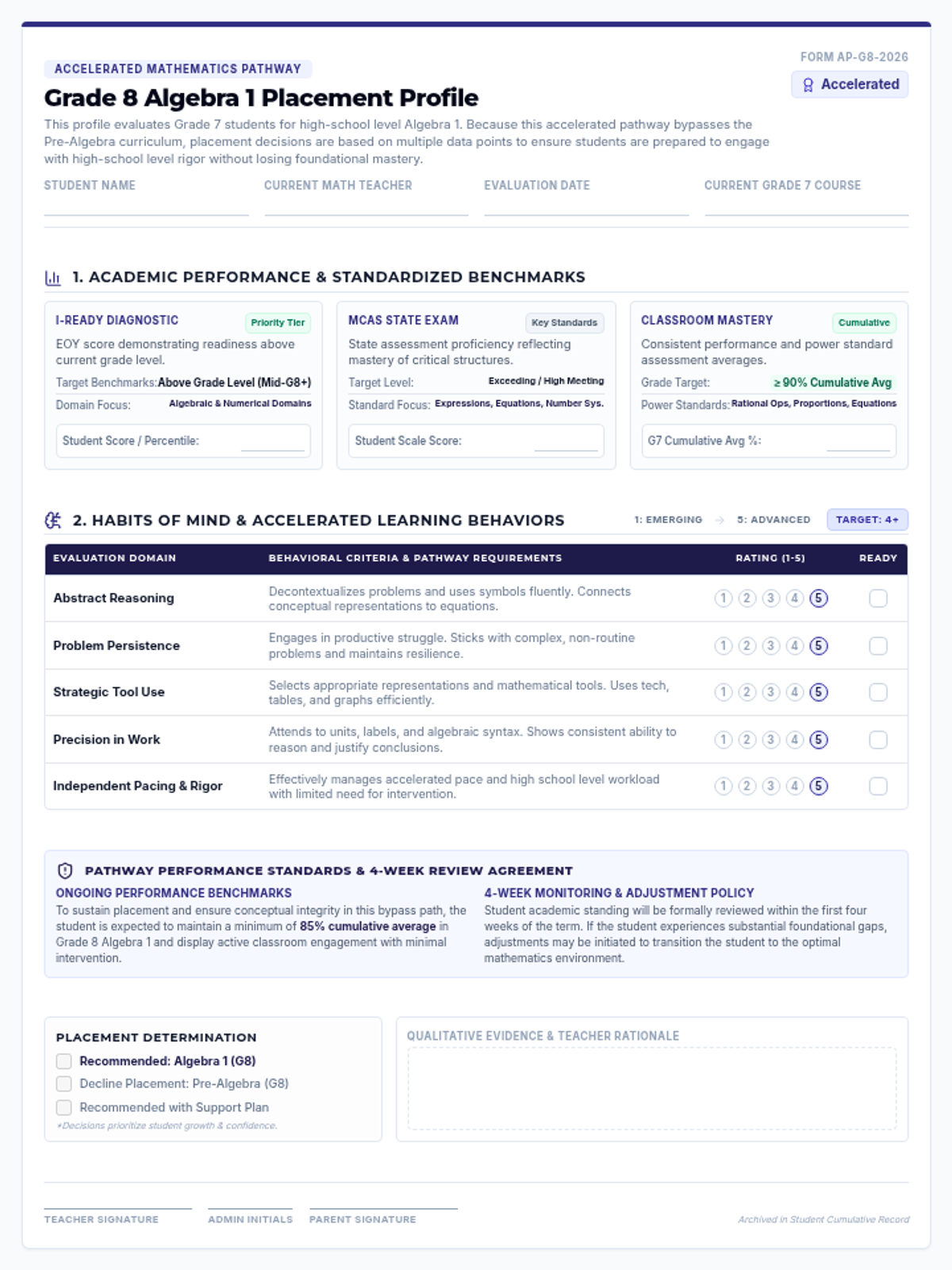
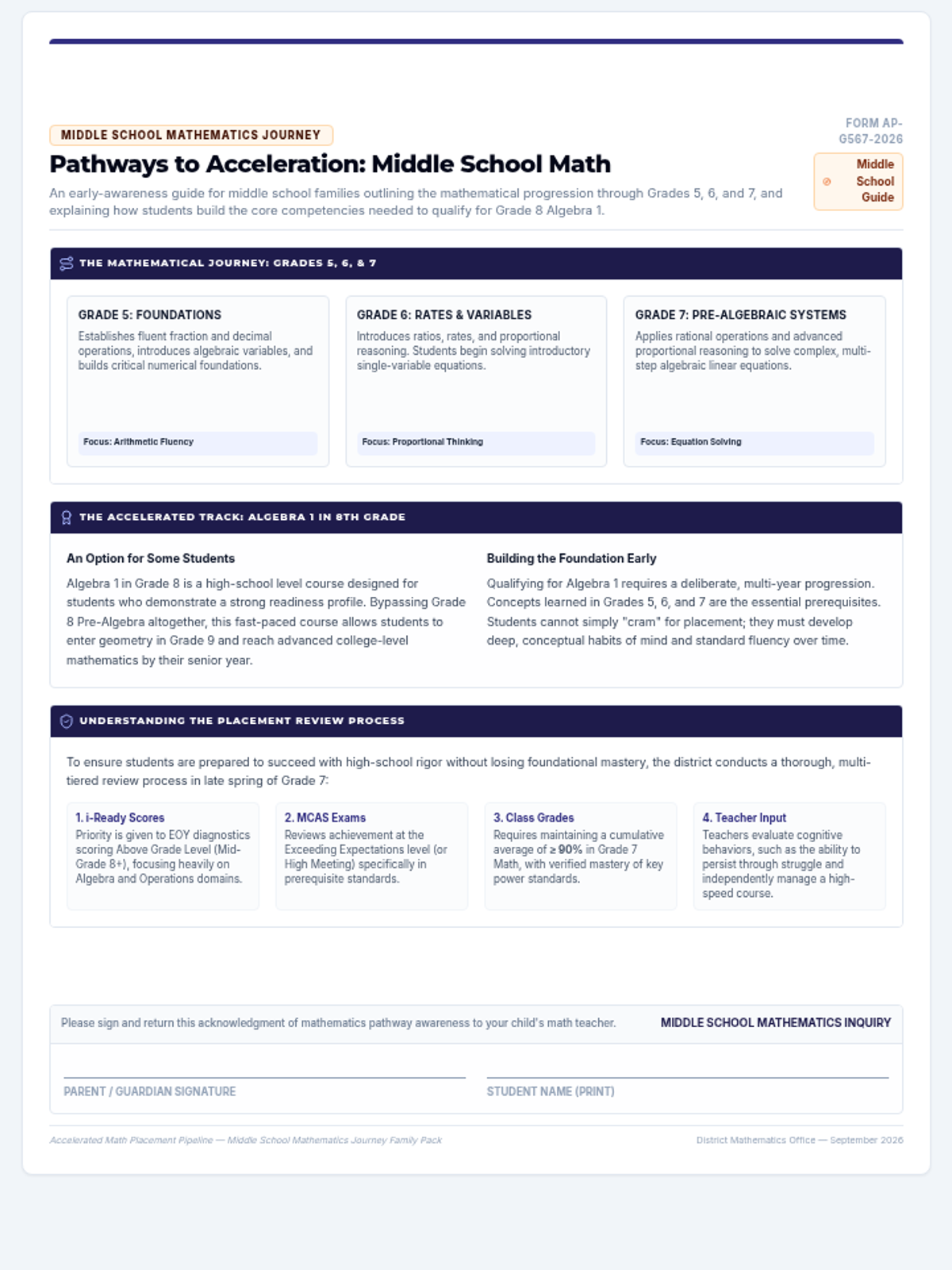
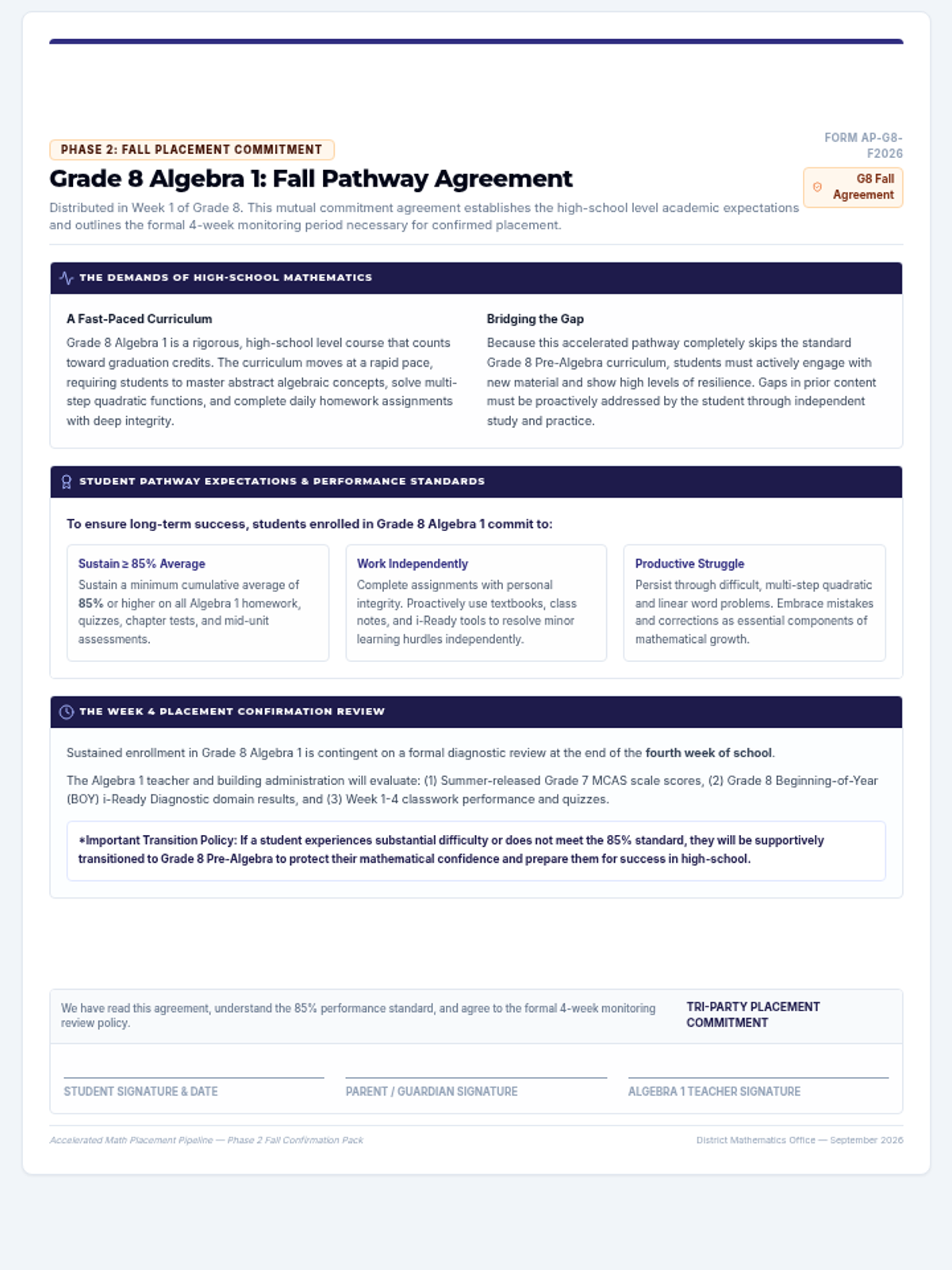
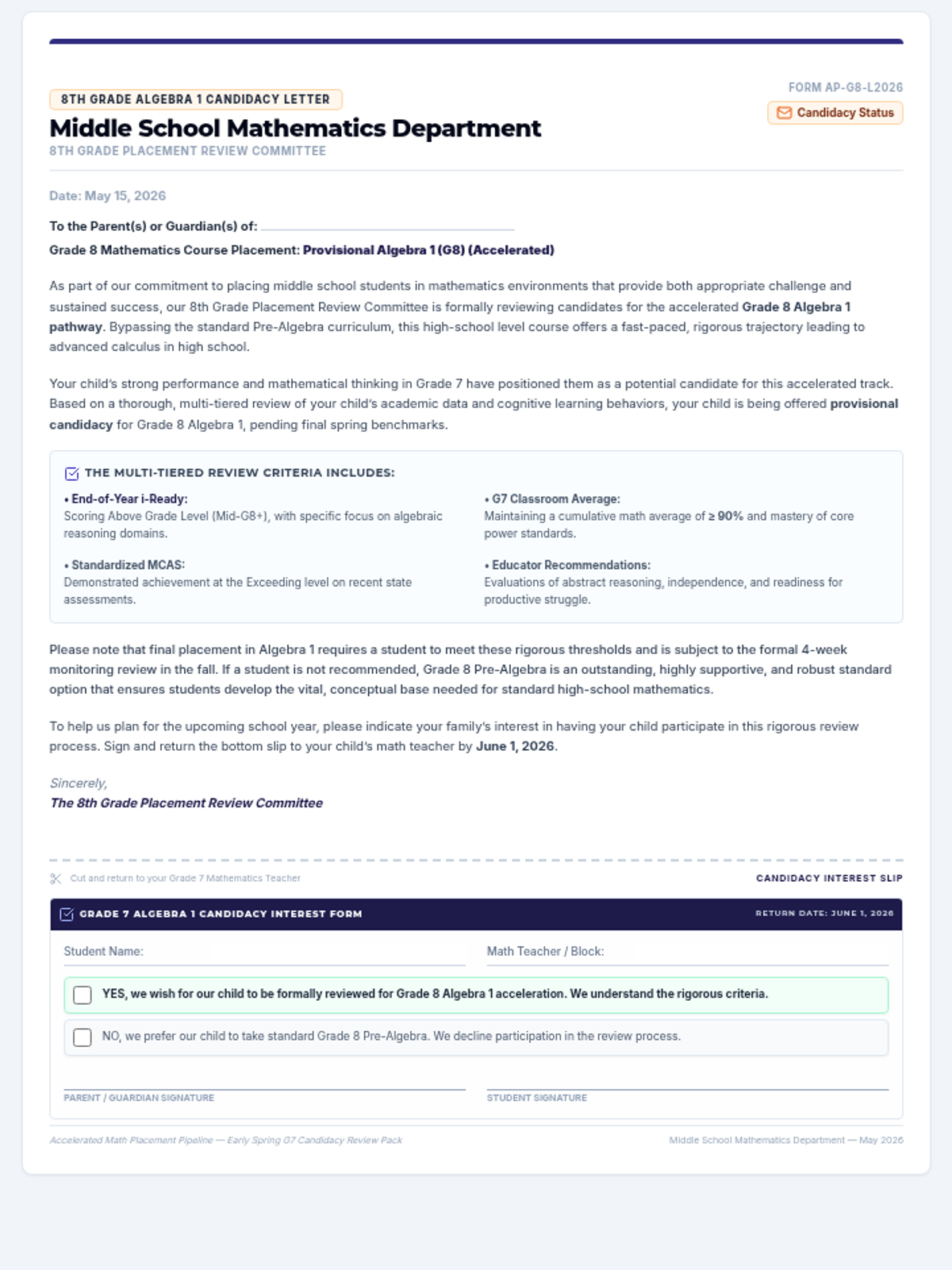
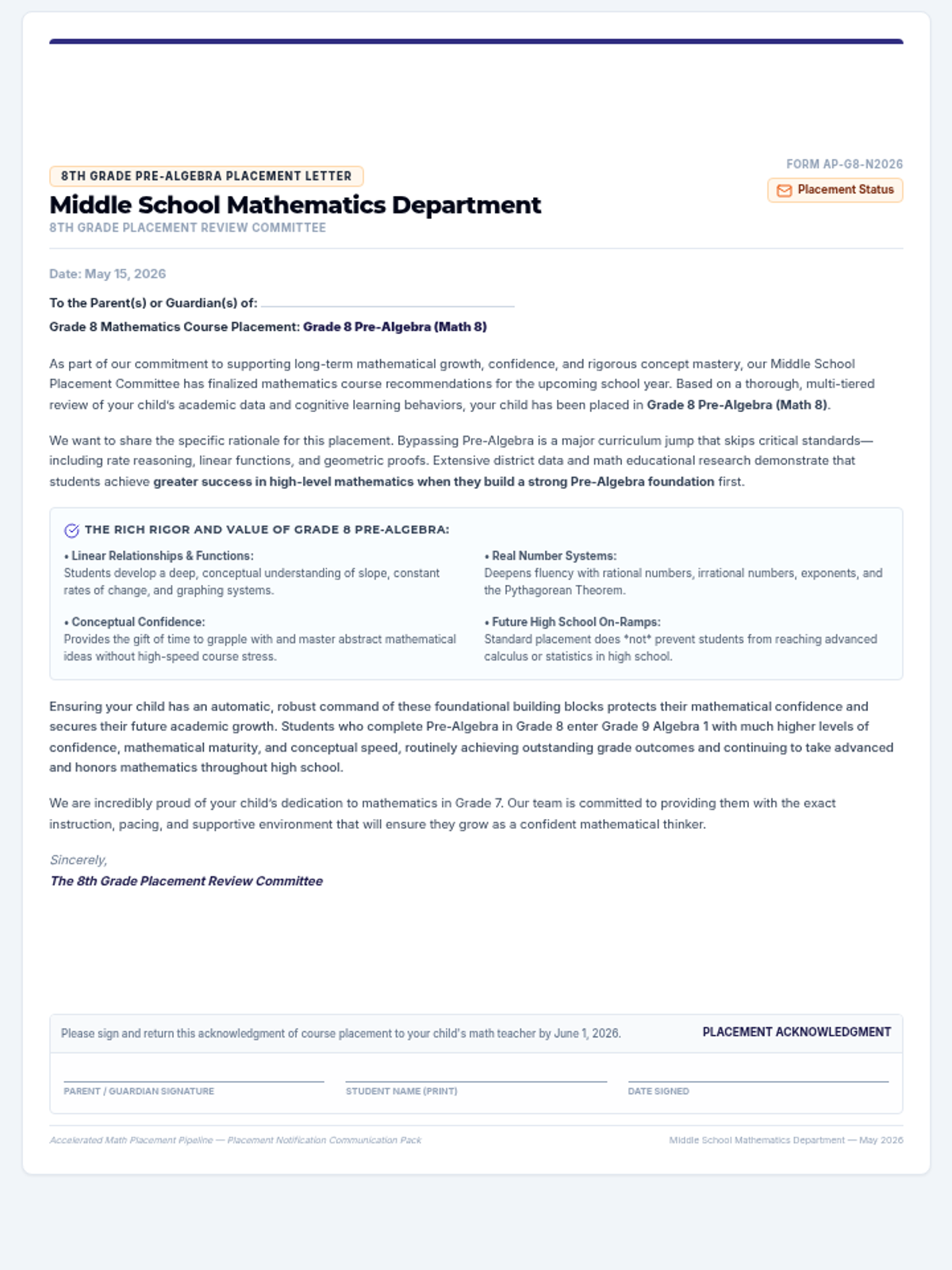
A complete set of tools to evaluate, communicate, and monitor student readiness for accelerated Grade 8 Algebra 1 placement.
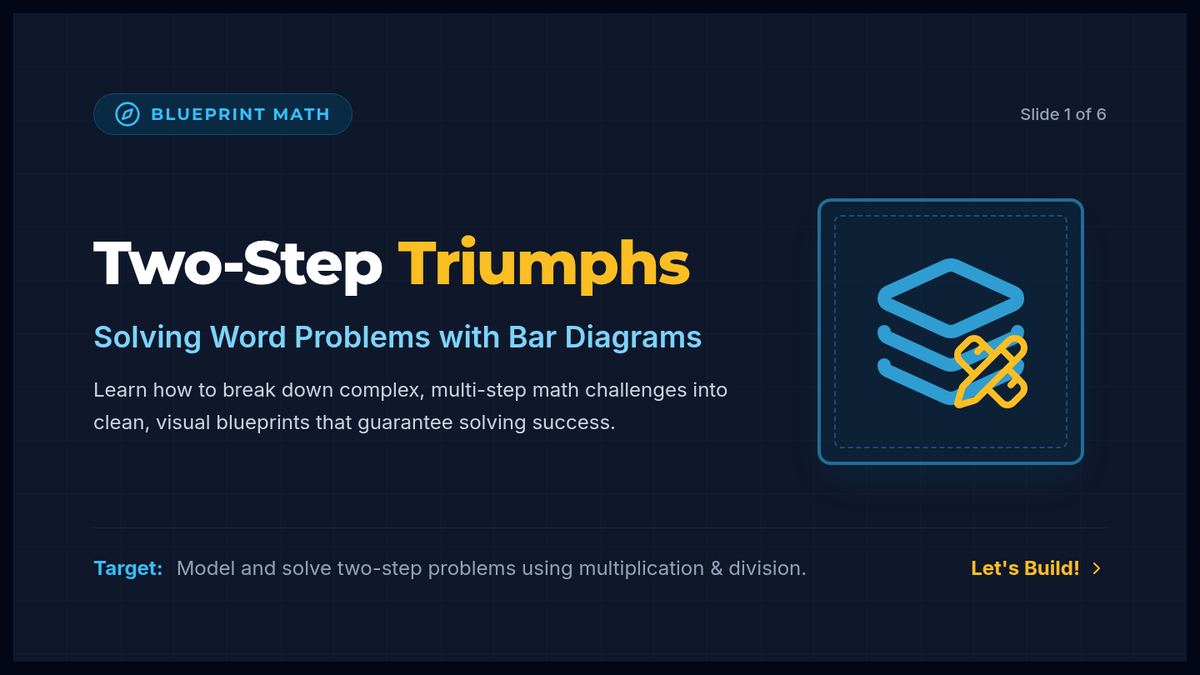
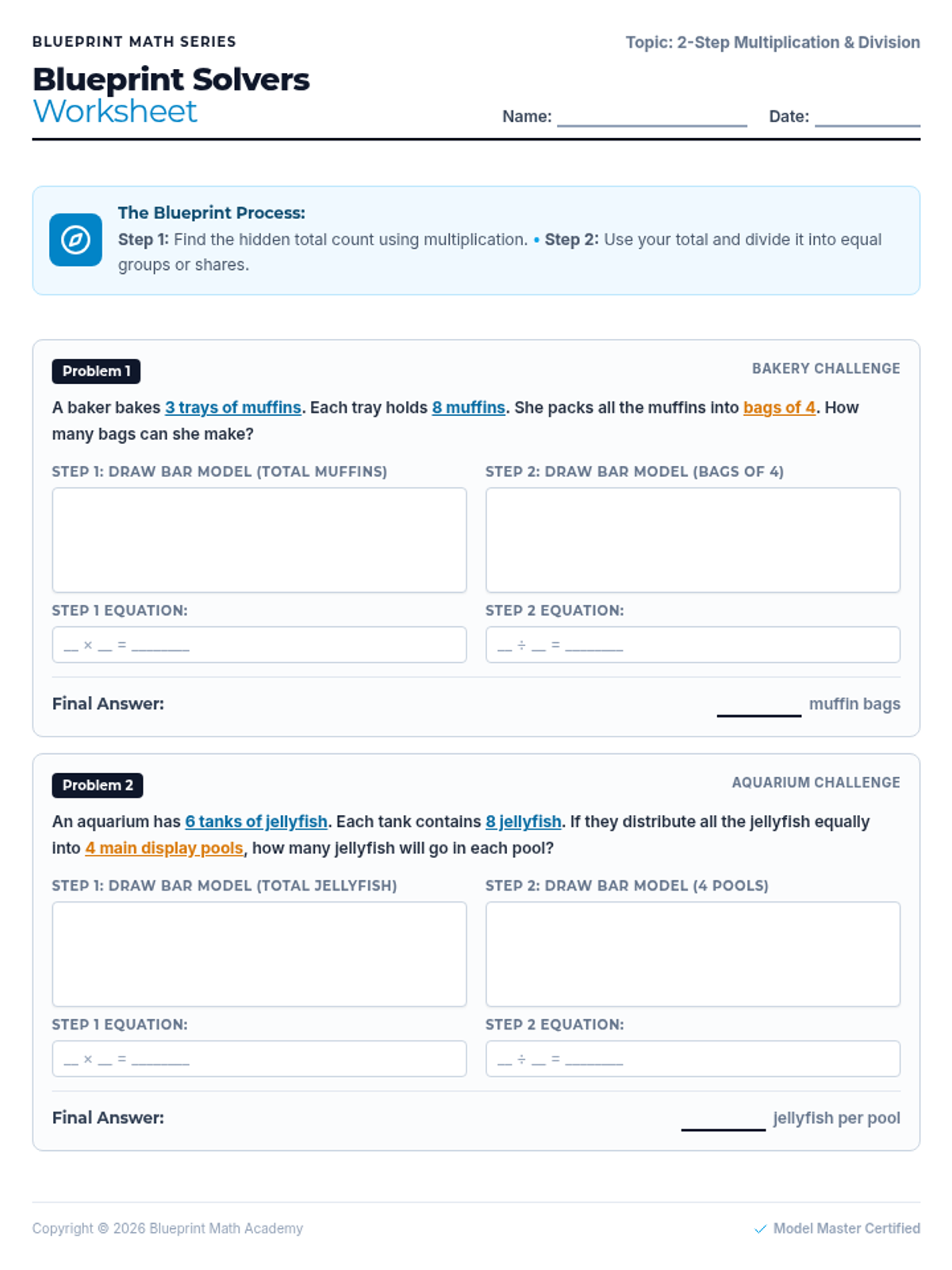
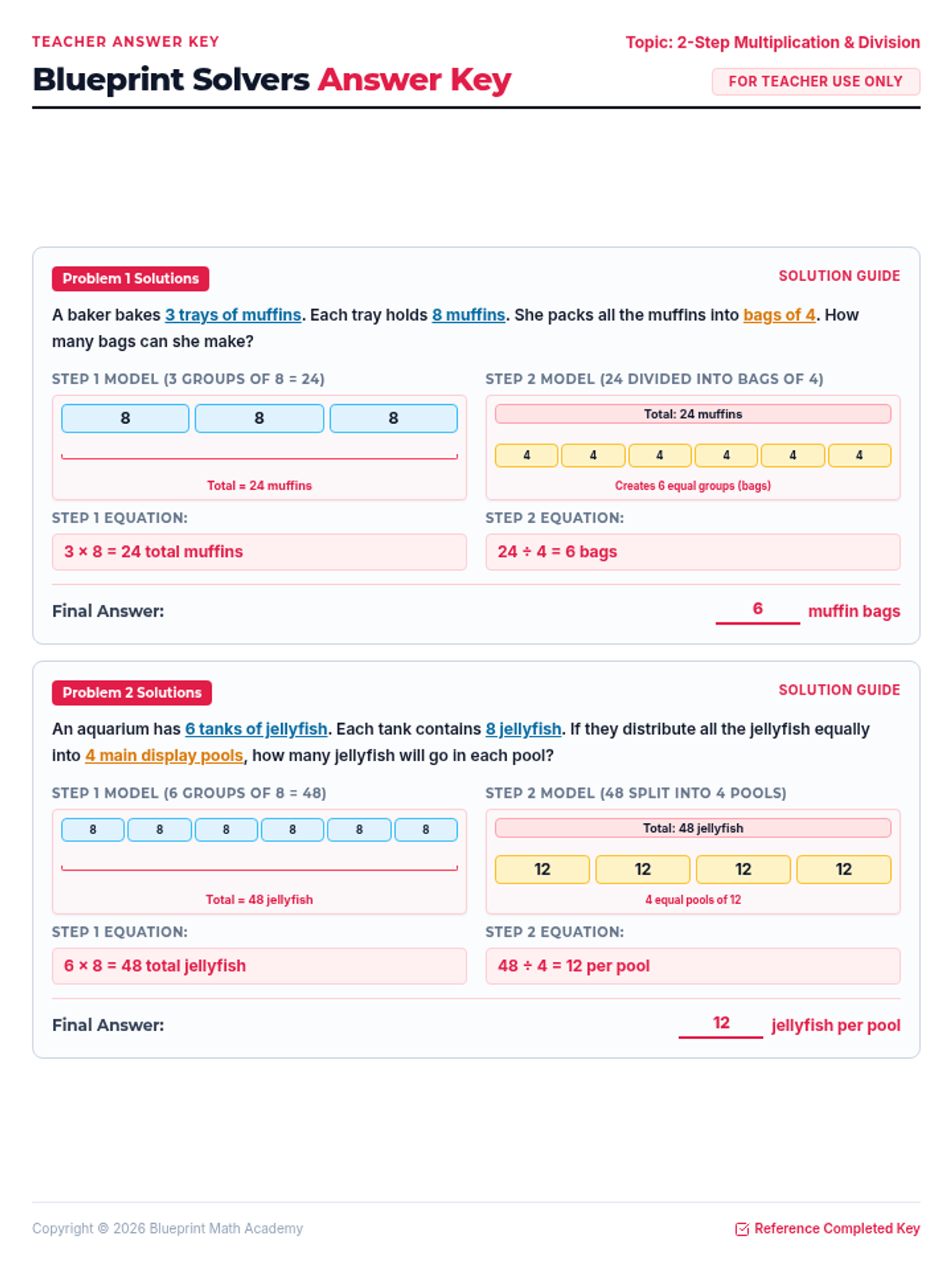
An introductory lesson on breaking down two-step word problems involving multiplication and division using clear, visual bar diagrams.
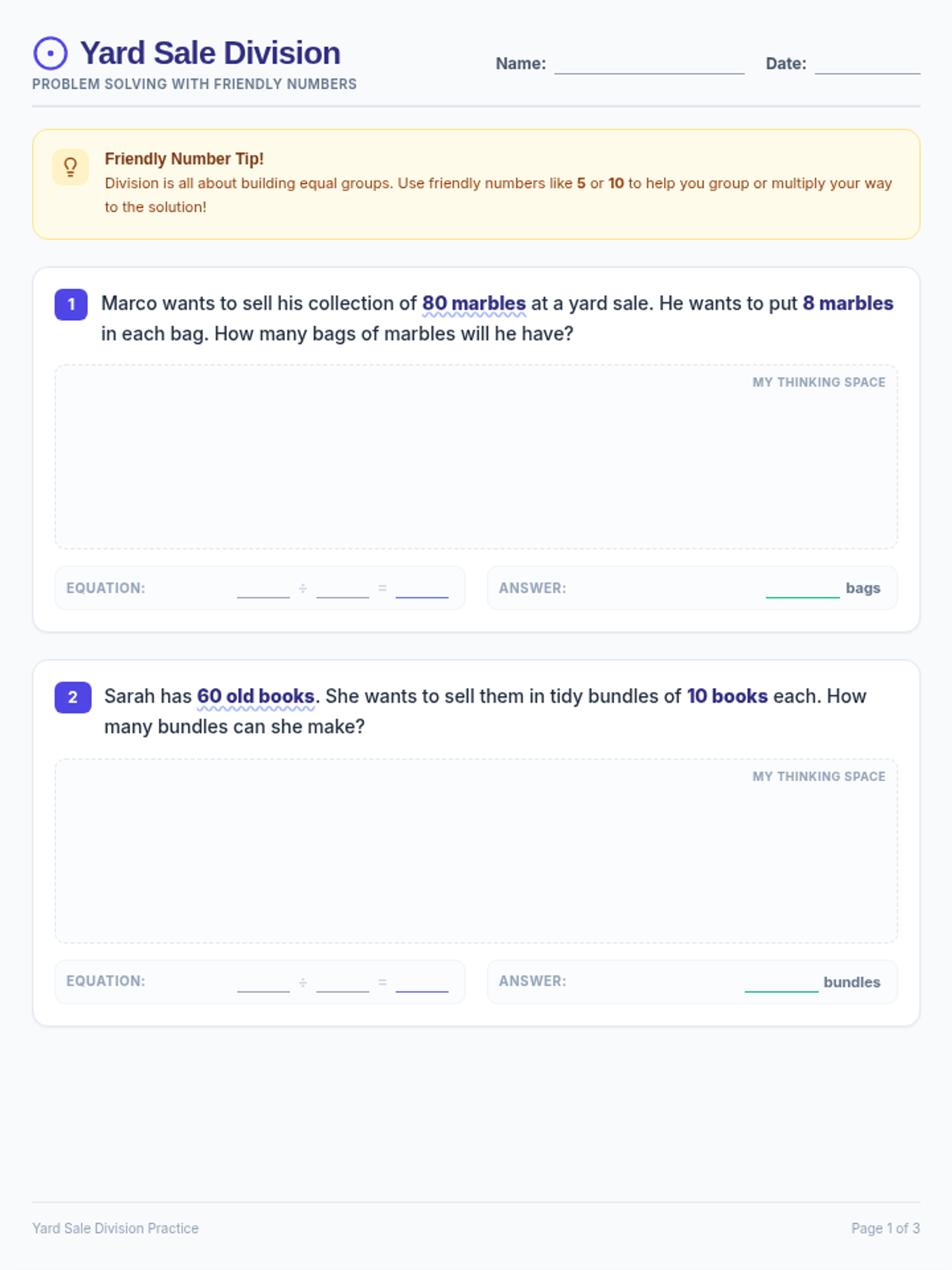
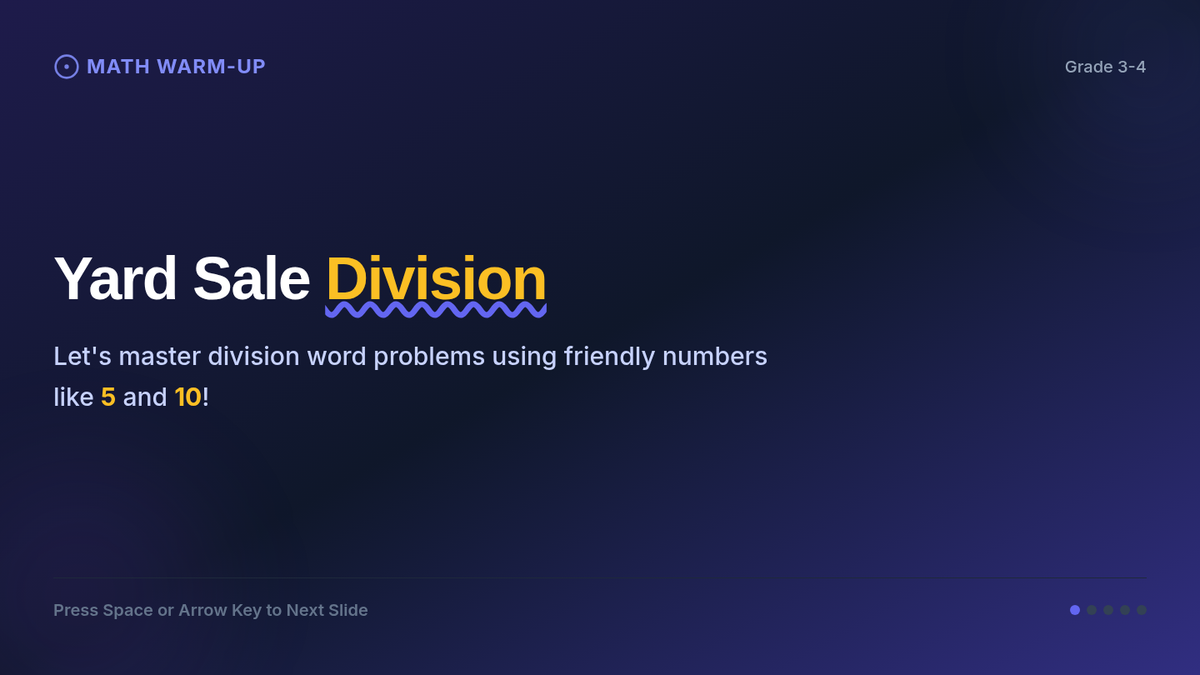
A math lesson focused on solving real-world division problems using friendly numbers (like 5 and 10). It includes warm-up slides and a spacious multi-page worksheet.
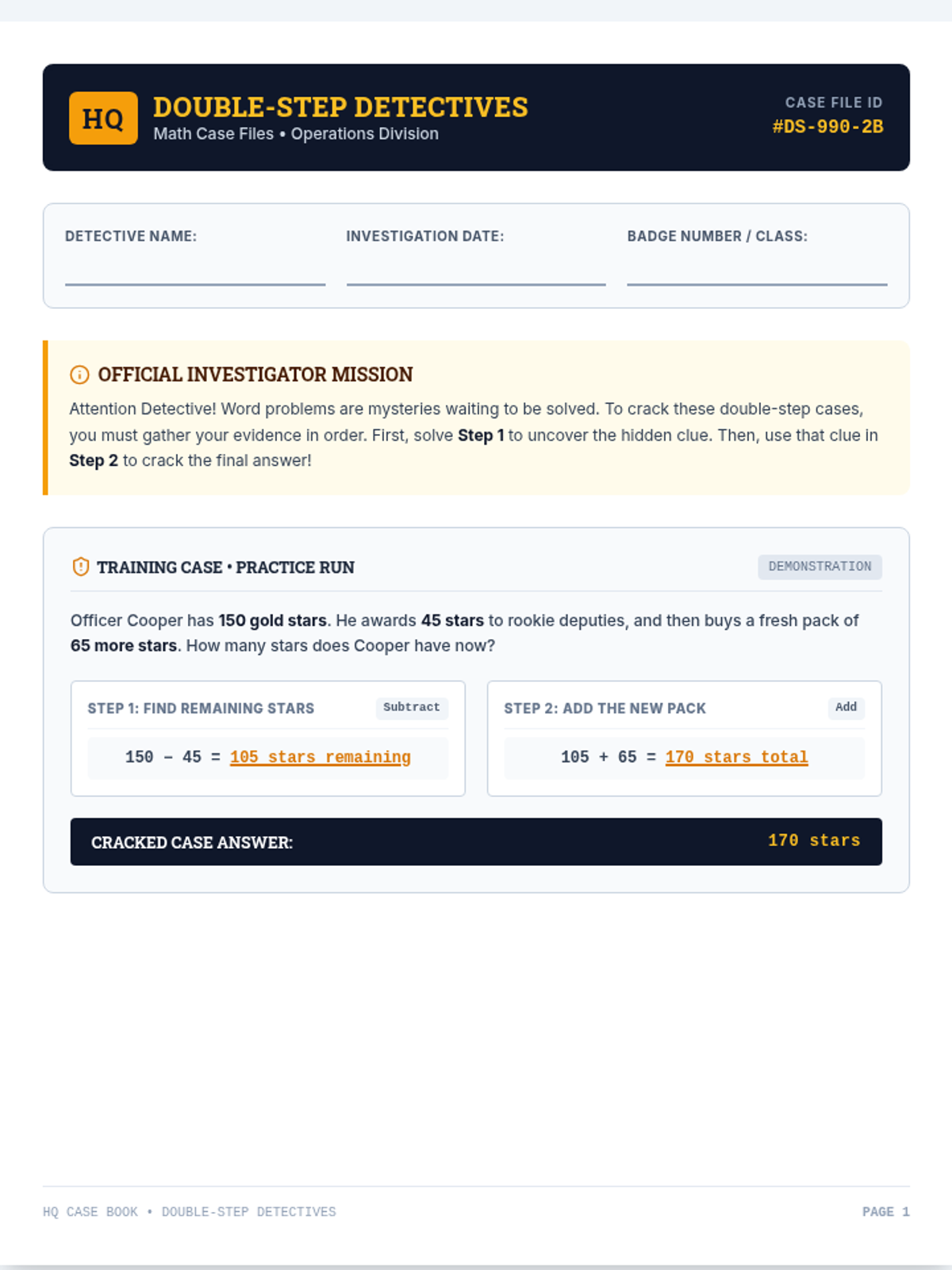
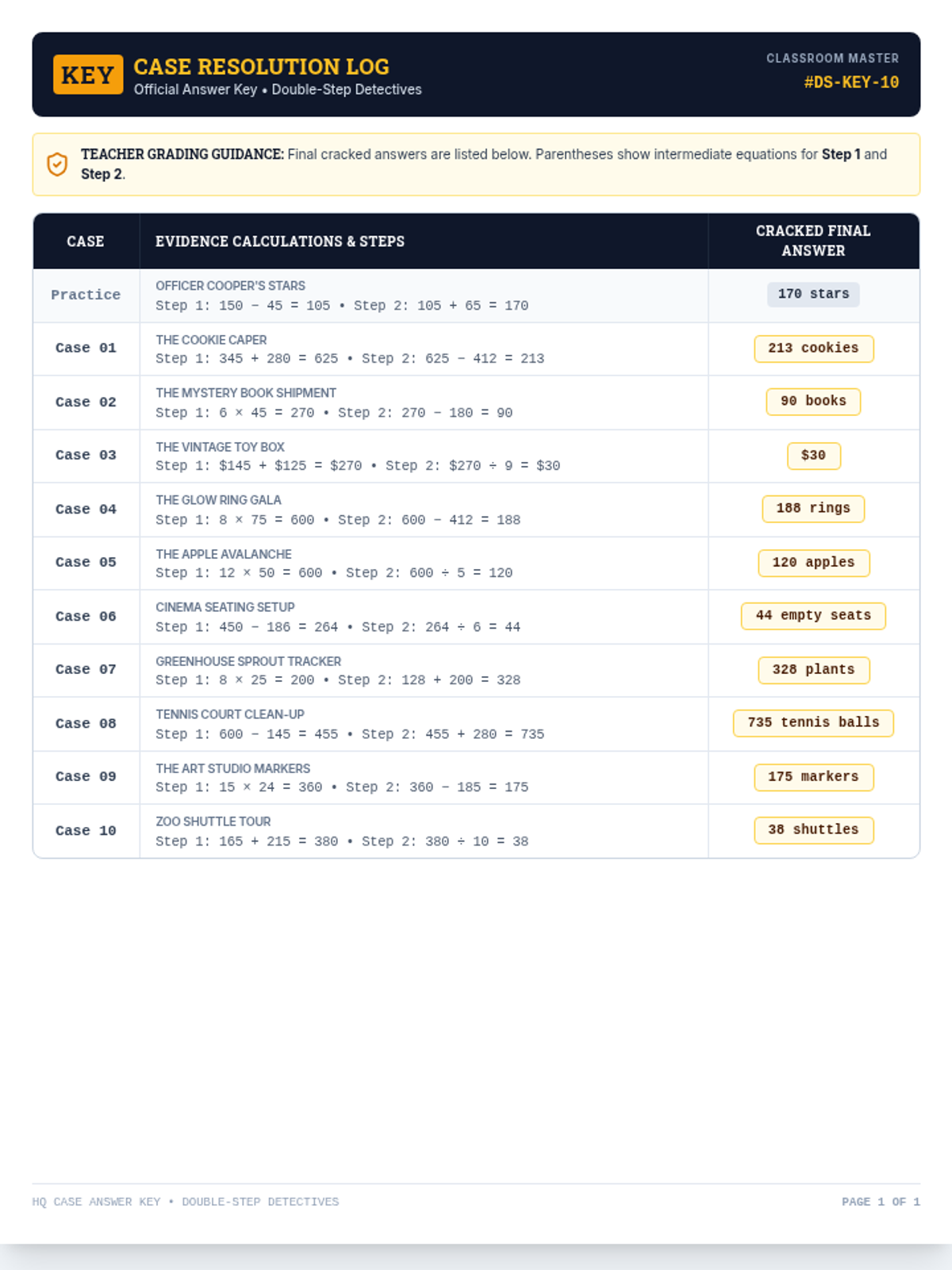
A 2-step word problem math lesson designed for 3rd to 5th grade students using mixed operations and 2-3 digit numbers. Includes custom graphic organizers for Step 1 and Step 2 of each word problem to guide and scaffold student problem-solving, plus an answer key.
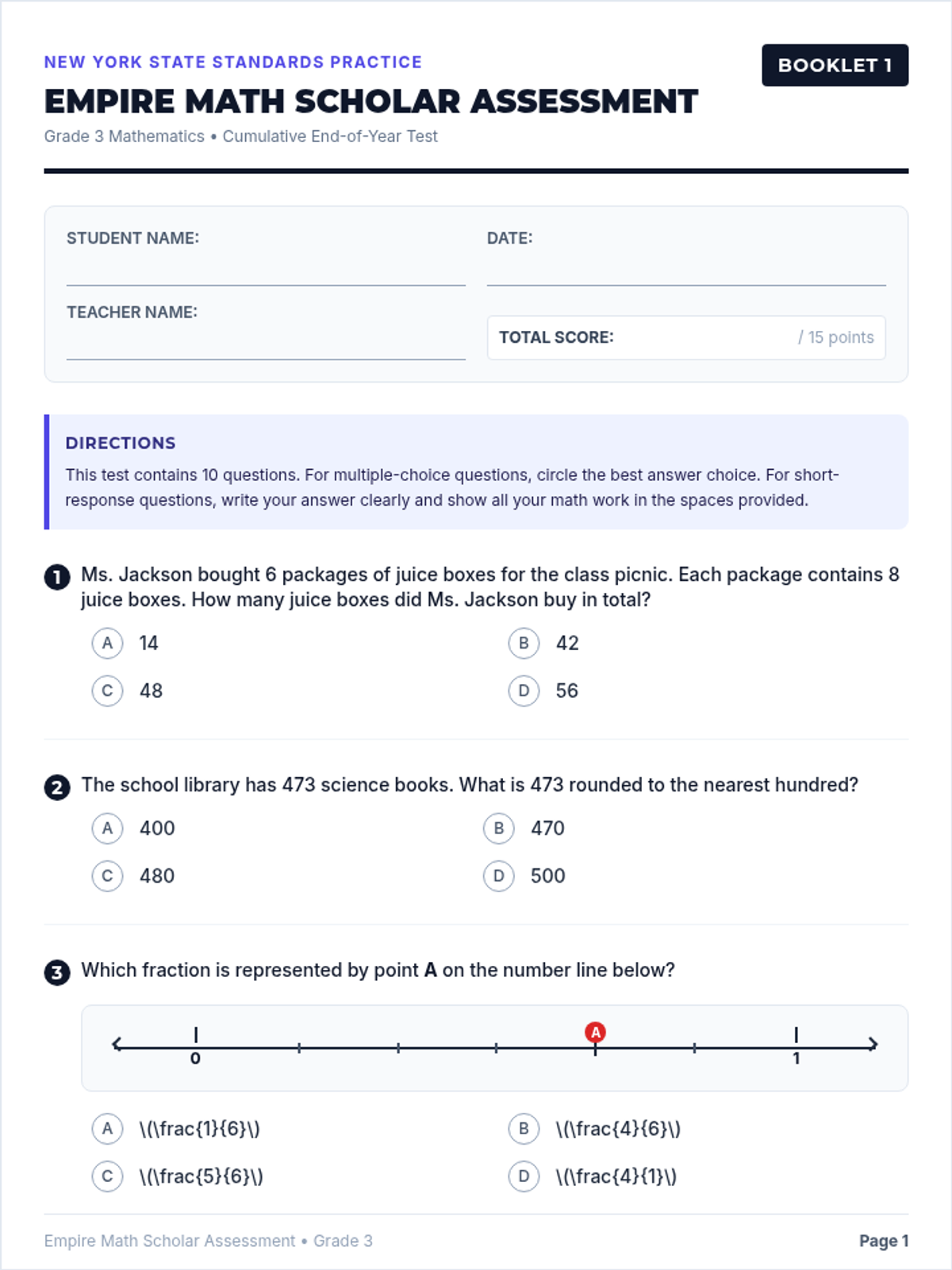
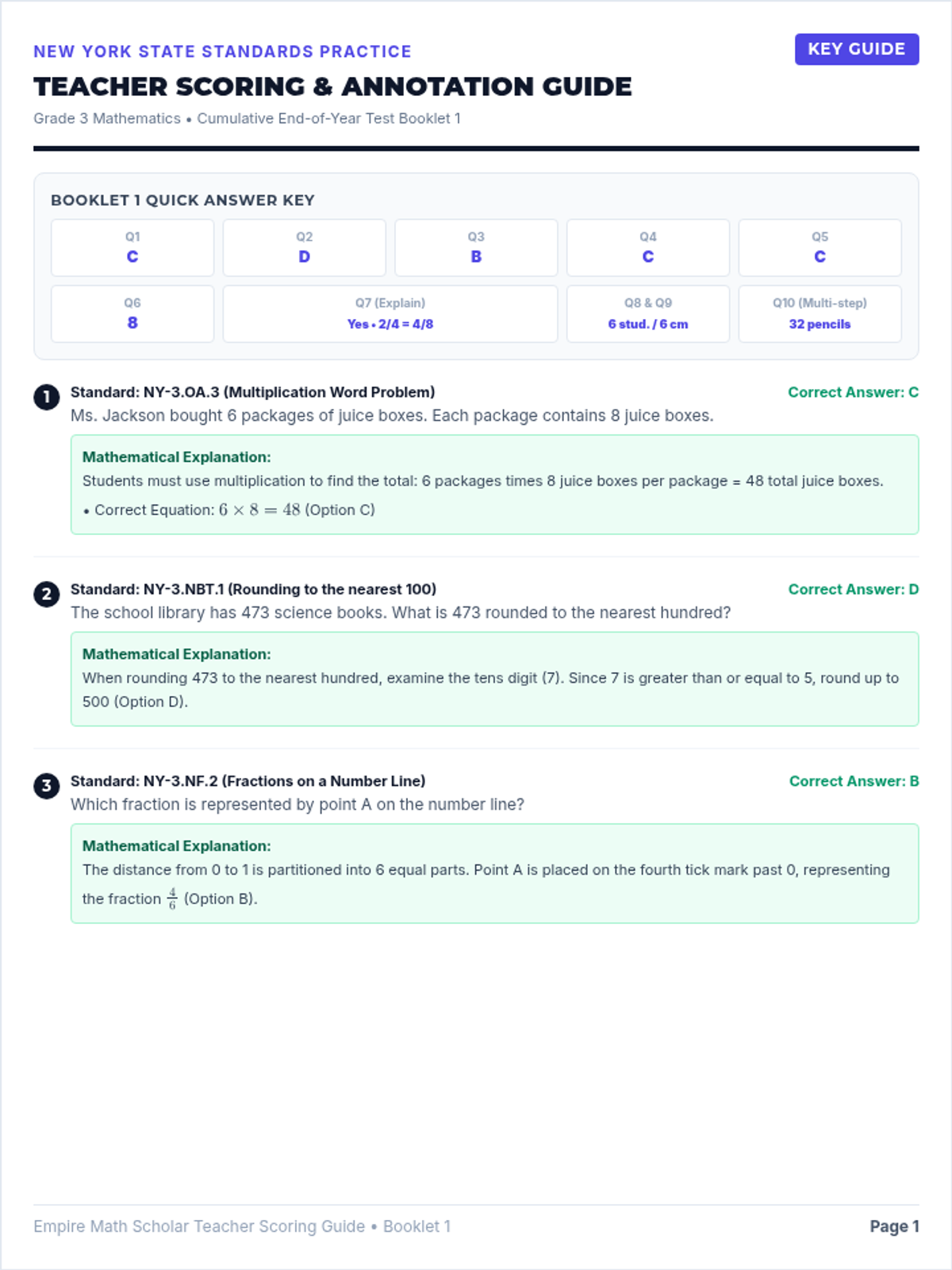
A comprehensive NYS standards-aligned 10-question practice assessment for 3rd-grade math, covering key domains such as algebraic thinking, base ten operations, fractions, measurement, and geometry. Includes a student test booklet and an in-depth teacher scoring guide.
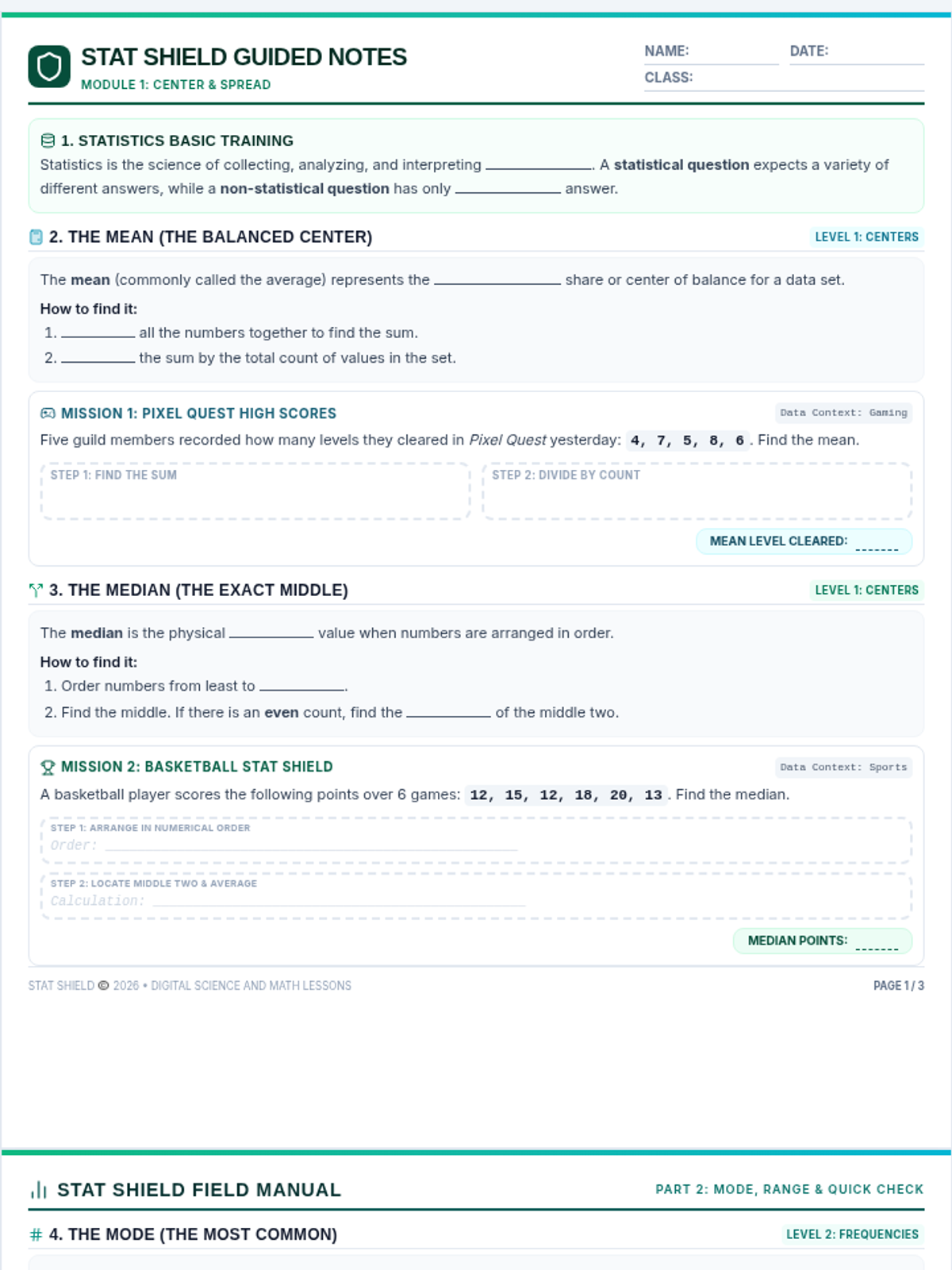
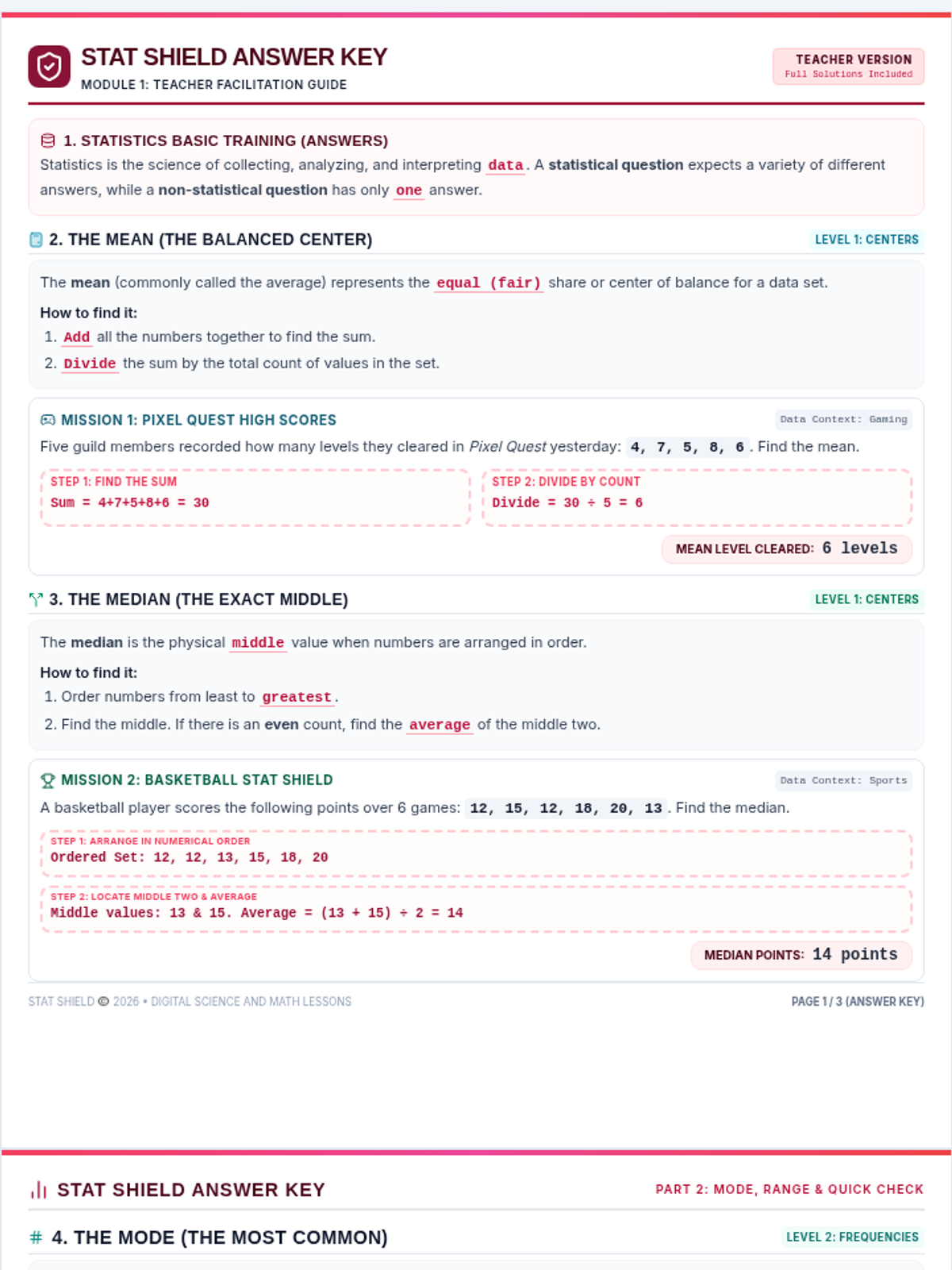
A comprehensive 6th-grade statistics unit resources focusing on Mean, Median, Mode, Range, and Mean Absolute Deviation (MAD), themed around sports, gaming, and the environment.
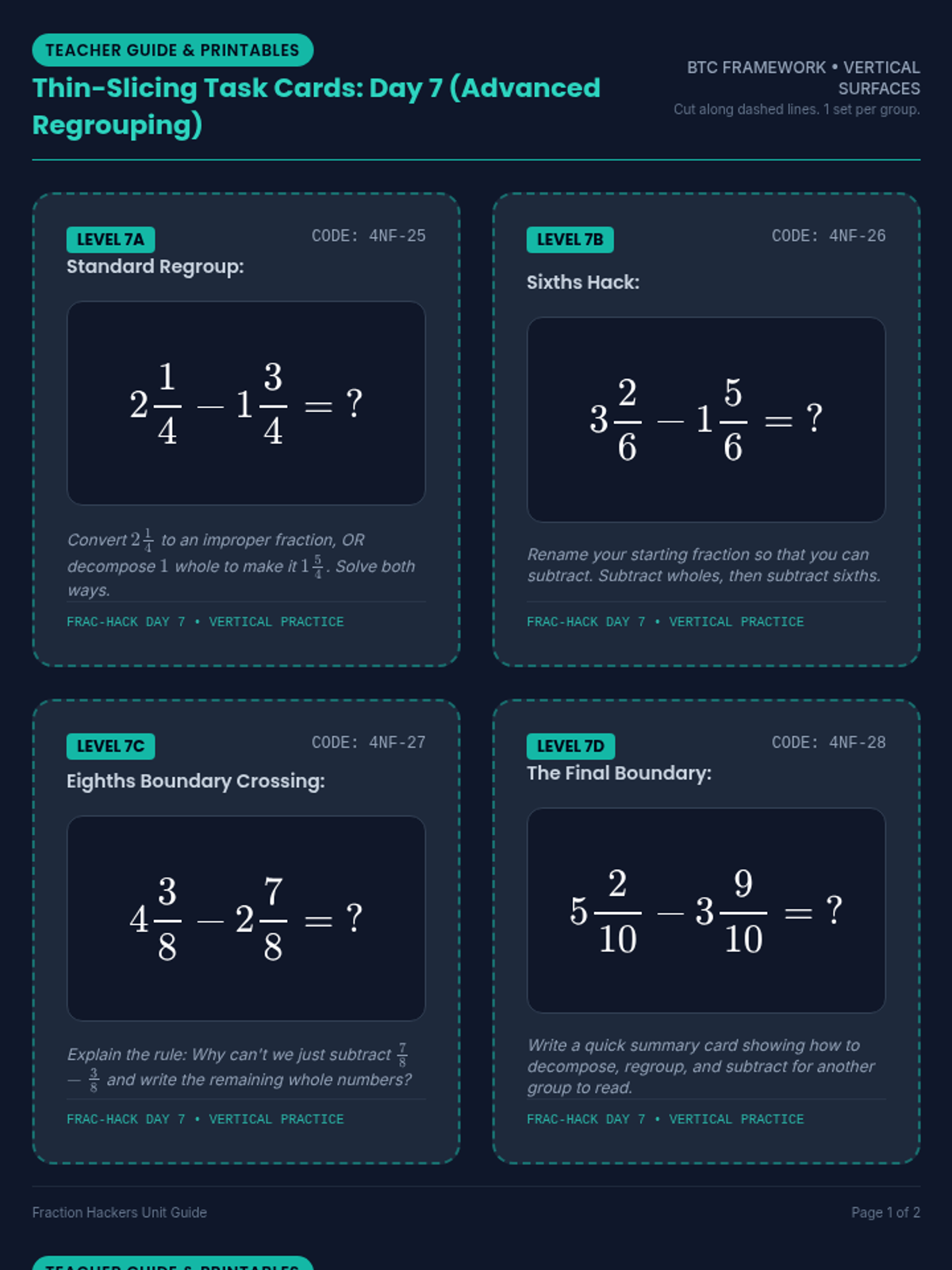
Covers Day 7 (Advanced Mixed Number Regrouping) and Day 8 (Multi-step Real World Word Problems). Students master multi-step tasks, abstracting their visual models into numerical strategies.
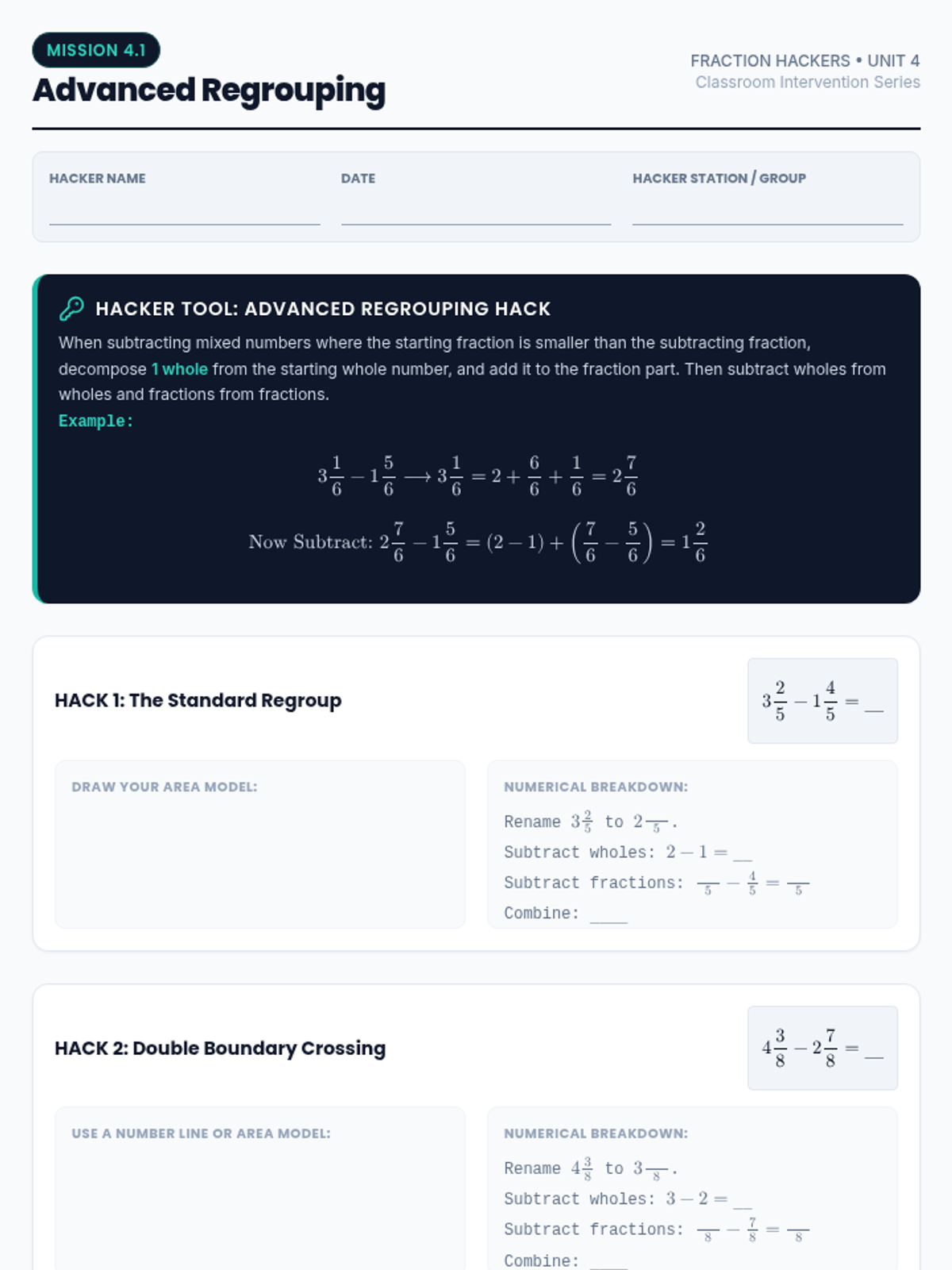
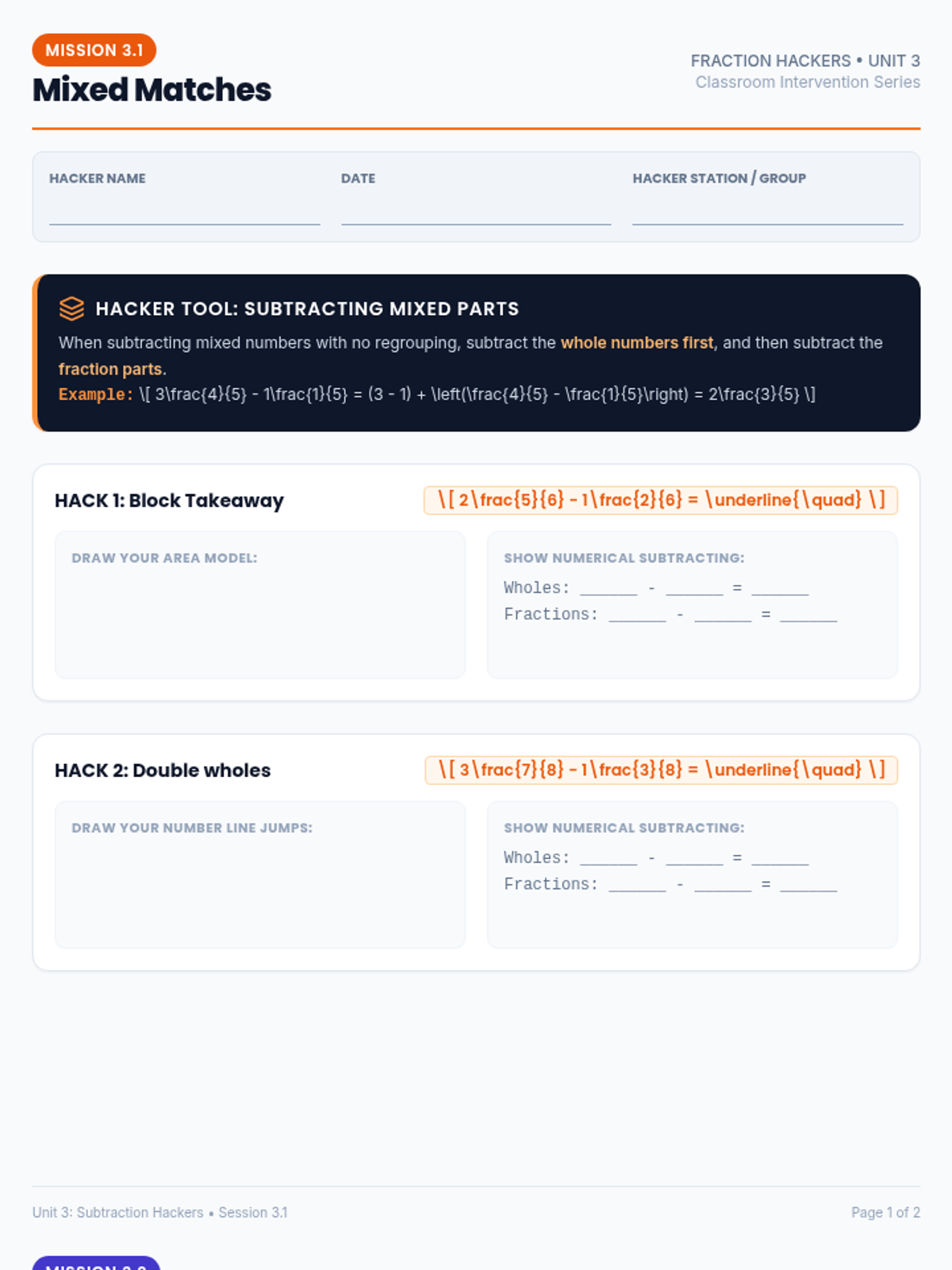
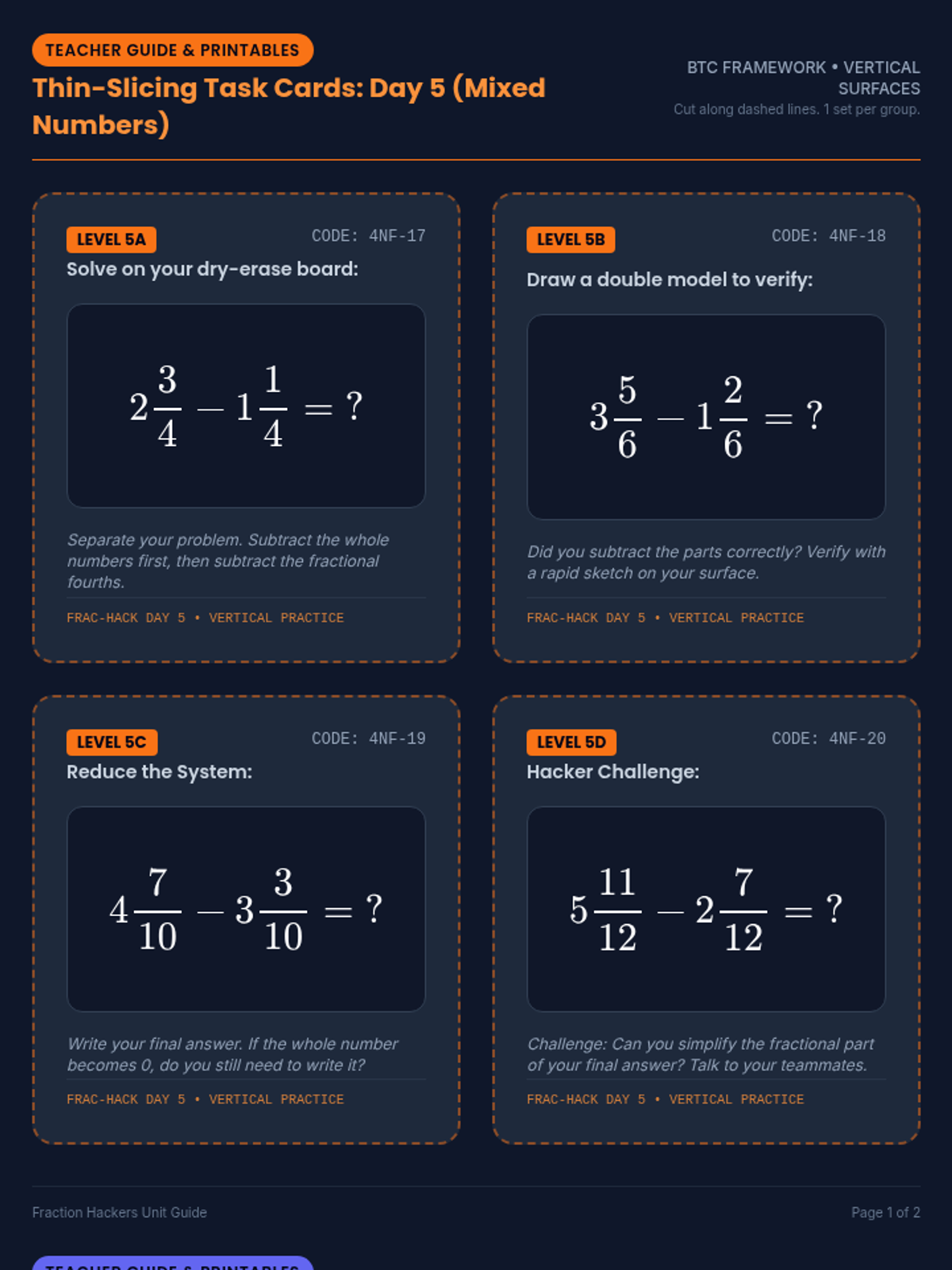
Covers Day 5 (Mixed Numbers with No Regrouping) and Day 6 (Introduction to Regrouping with Mixed Numbers). Students transition from simple subtraction of mixed numbers to decomposing a whole to subtract a larger fractional part.