Students explore the difference between open-ended questions and closed 'yes/no' questions to understand their strategic uses in debate. They practice choosing the right question type to either limit an opponent's control or gather more information.
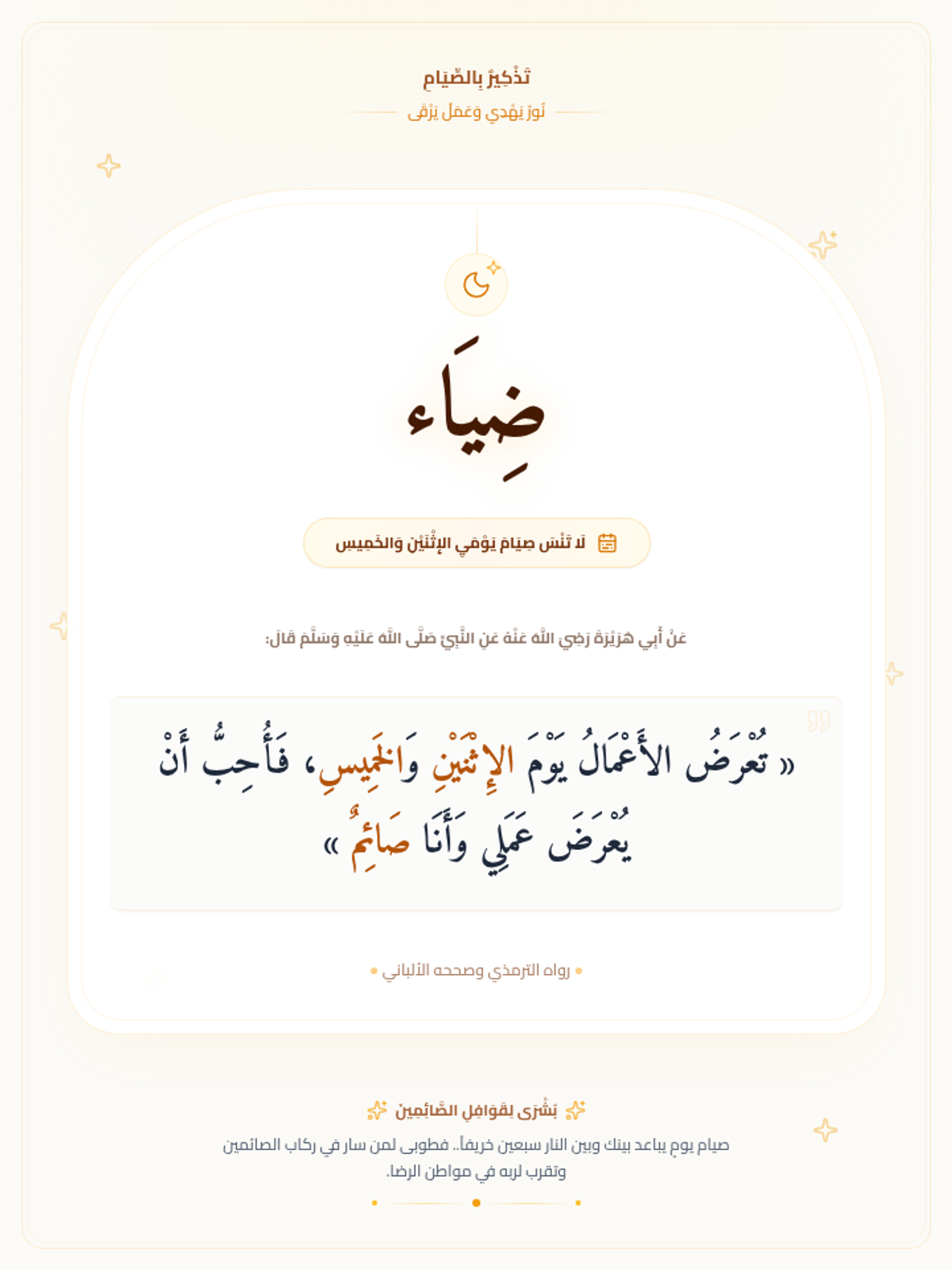
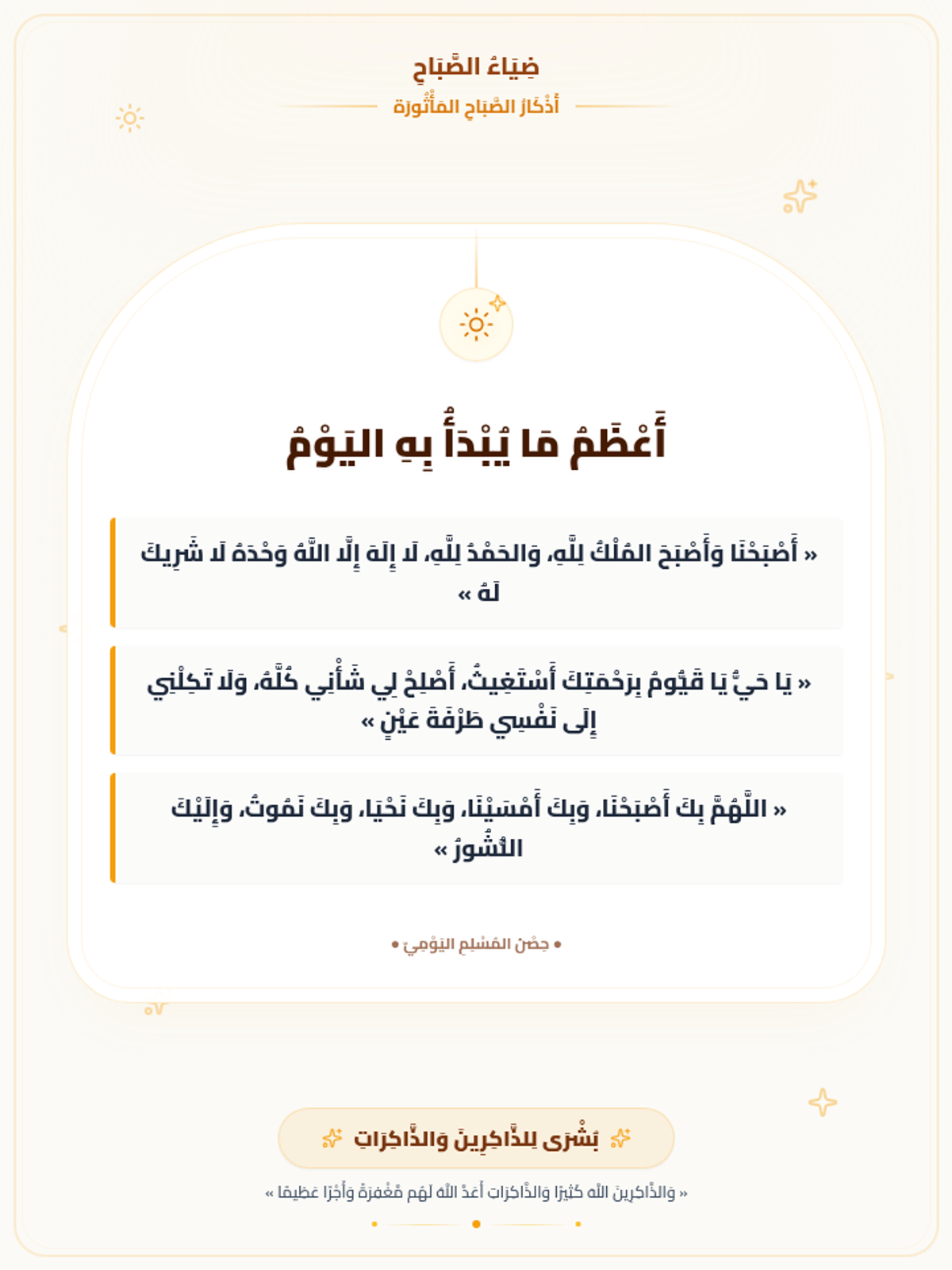
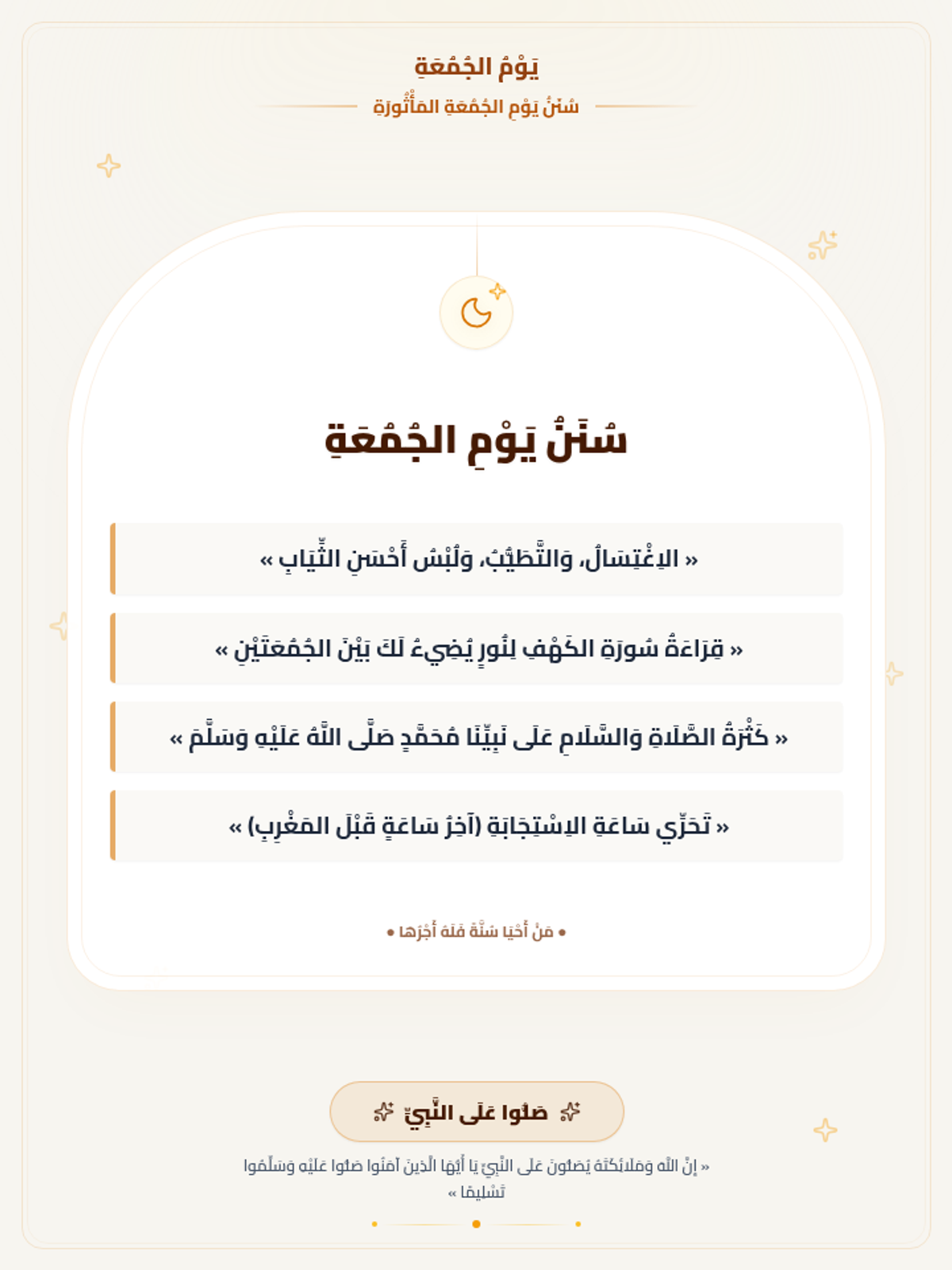
A premium, cohesive collection of beautifully designed spiritual and religious reminders for daily, weekly, and seasonal practices, featuring high-contrast connected Arabic typography, elegant arches, and glowing celestial themes.
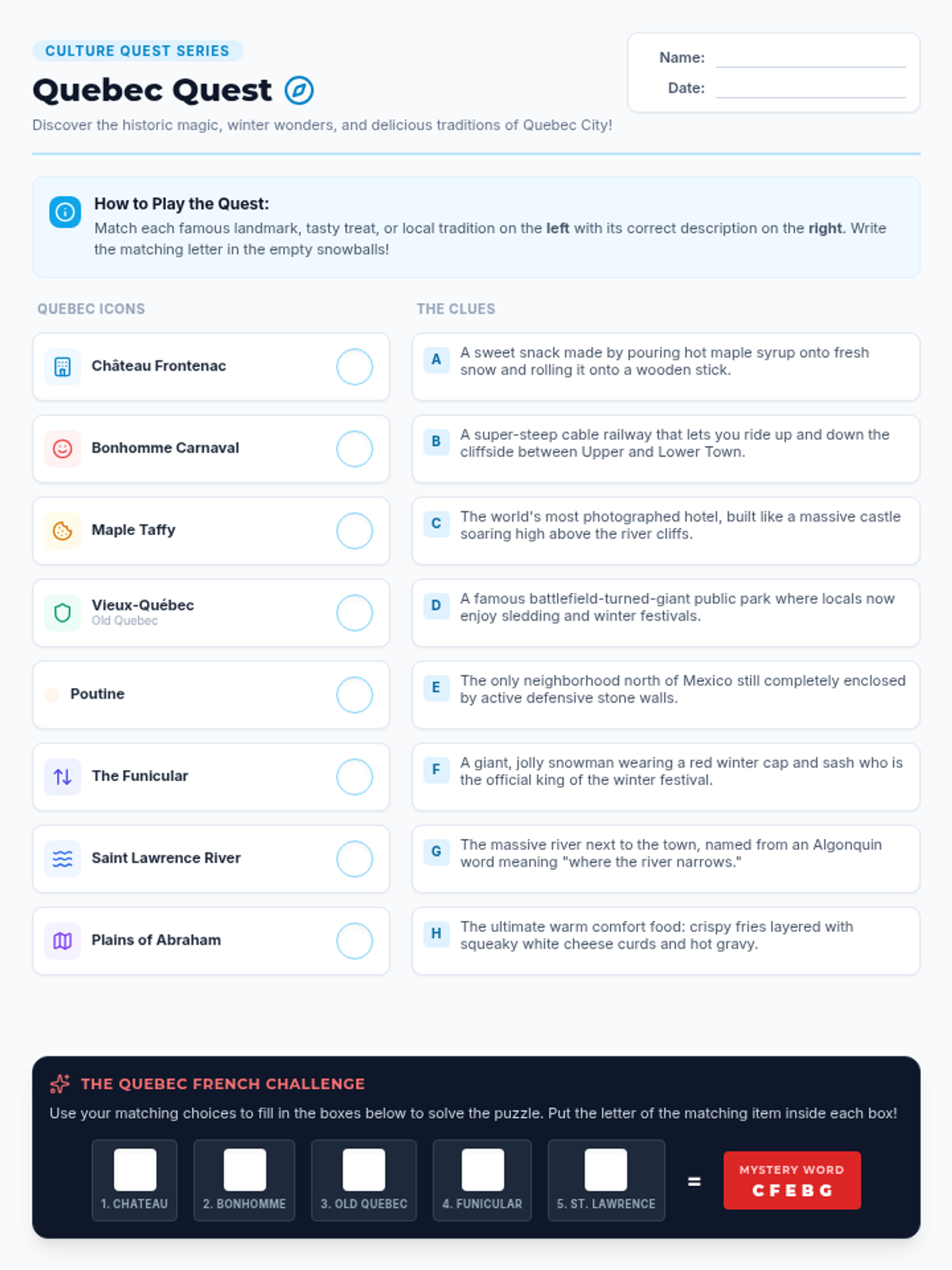
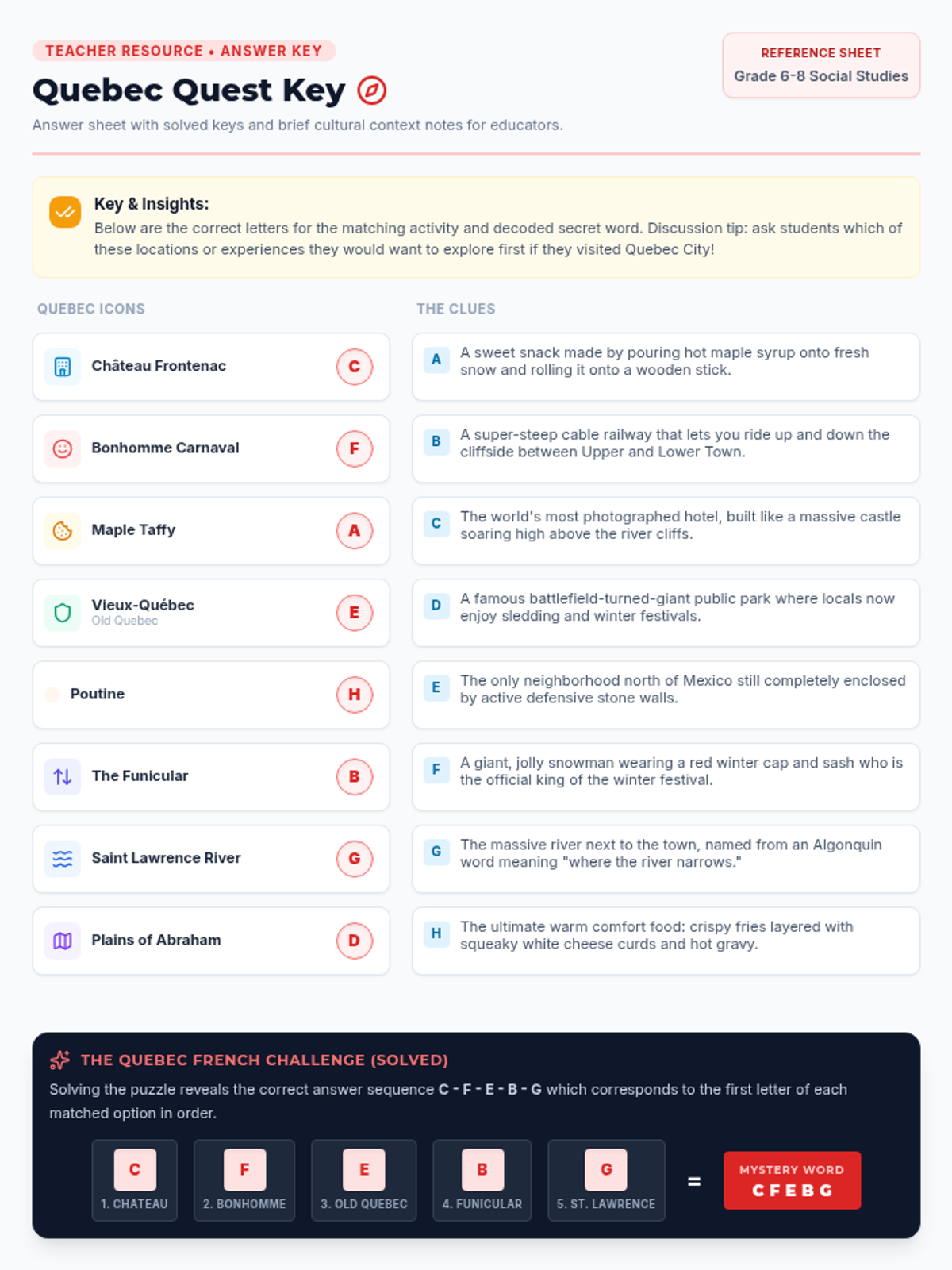
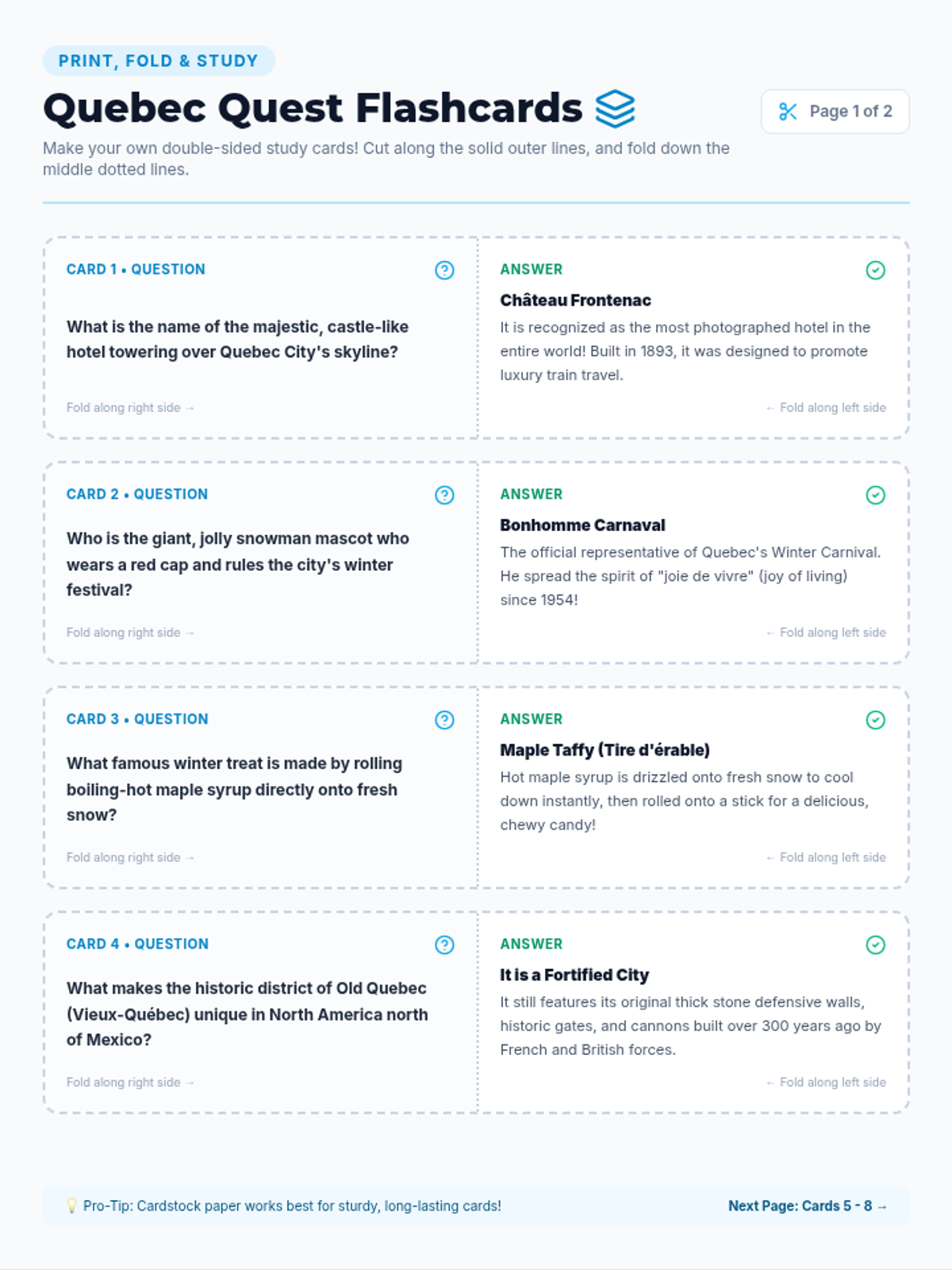
An engaging cultural exploration of Quebec City's history, landmarks, and culinary traditions for middle schoolers. Includes a matching worksheet, a comprehensive answer key, and printable fold-and-glue study flashcards.
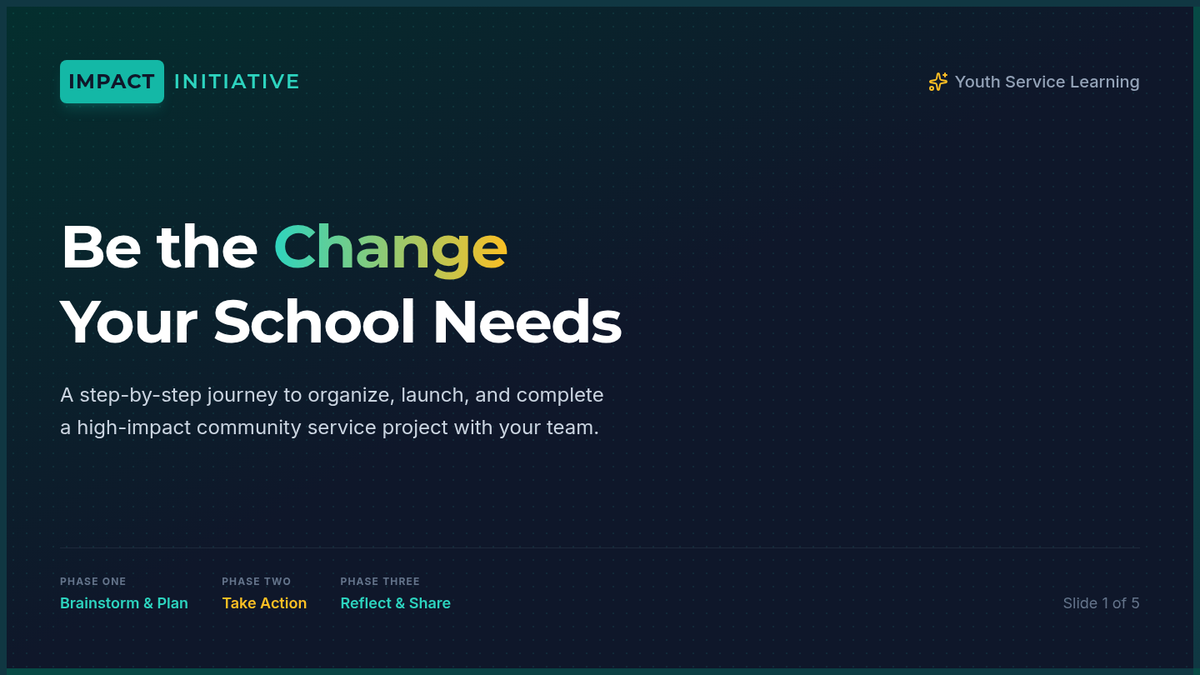
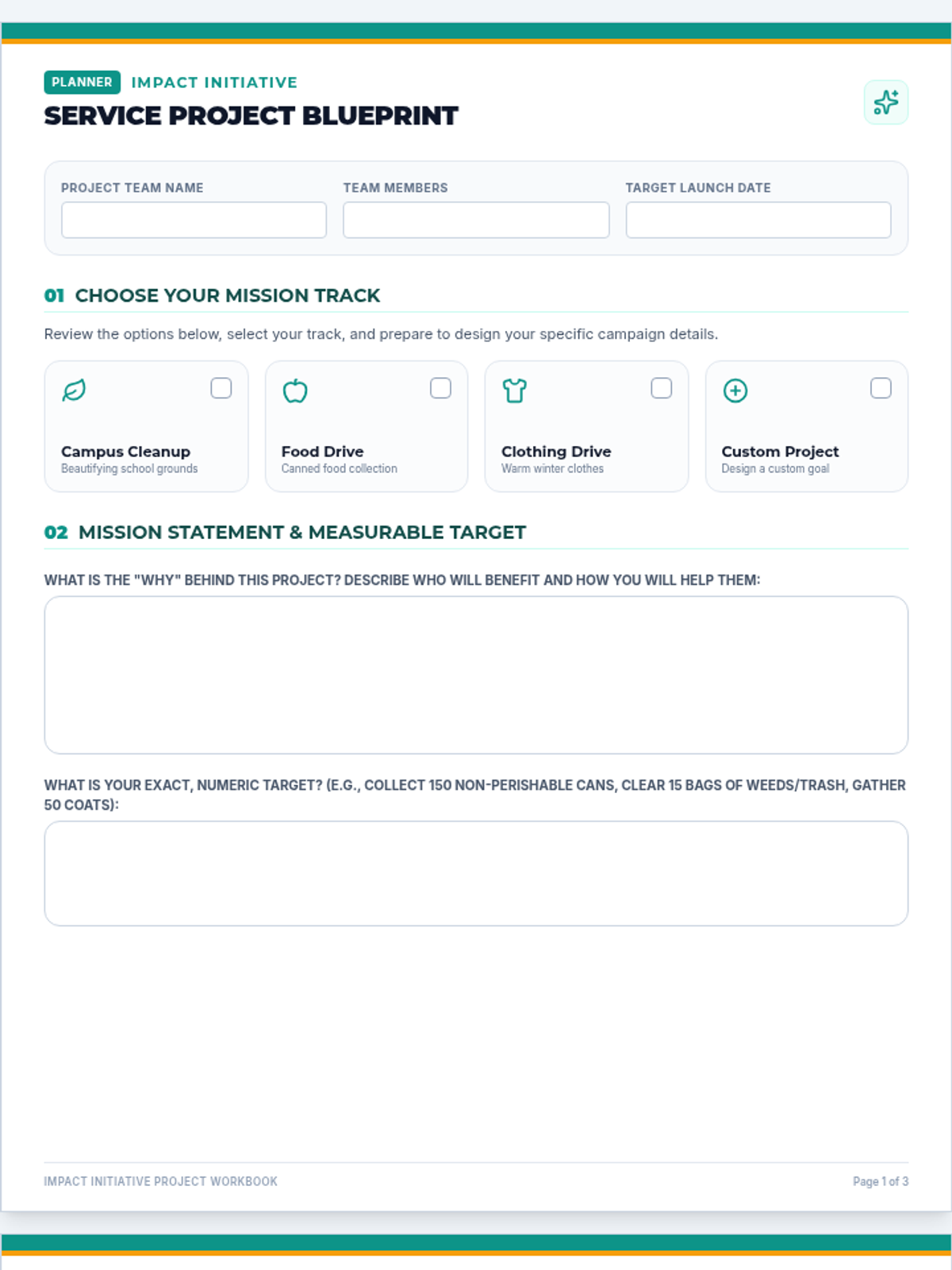
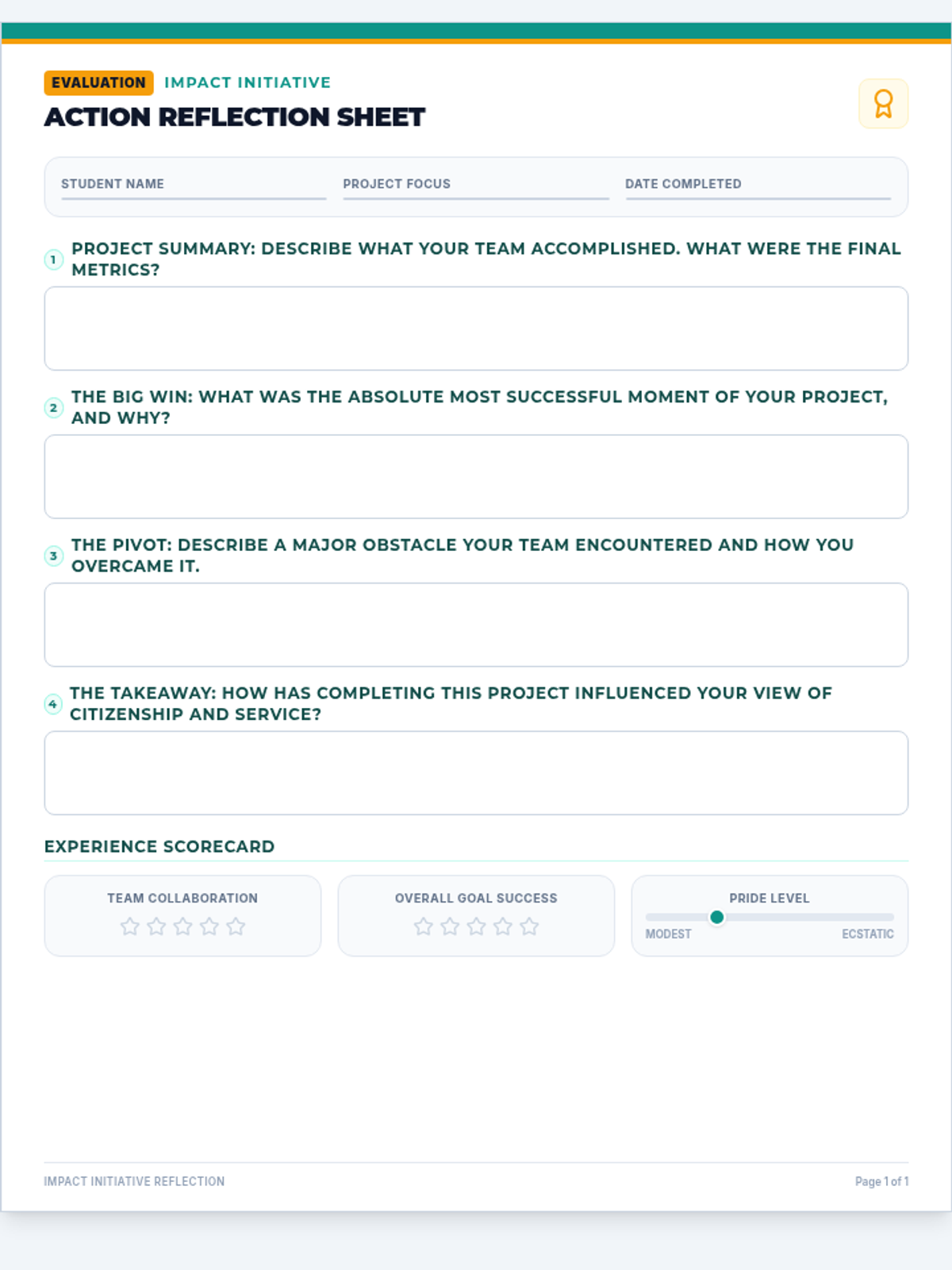
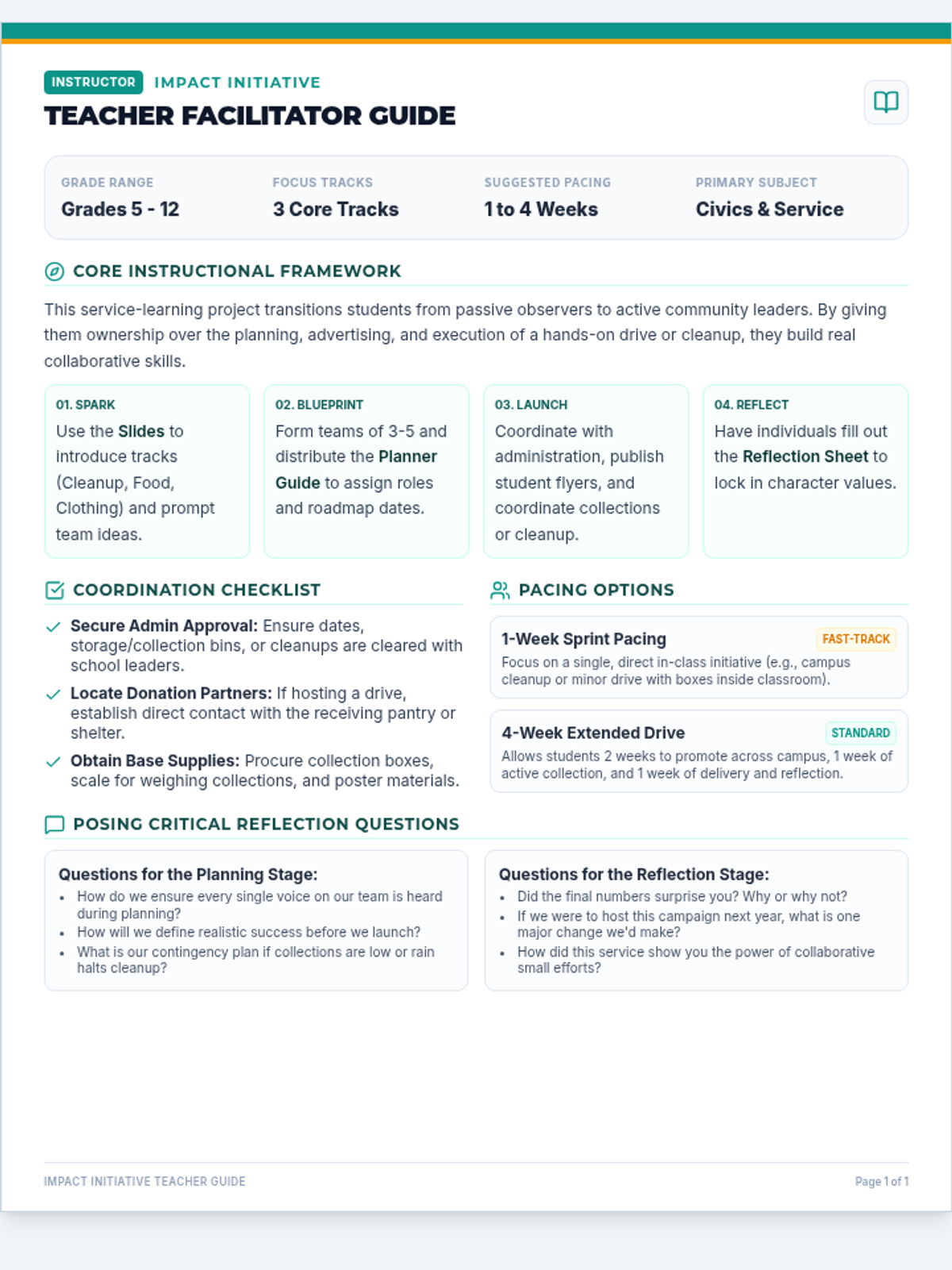
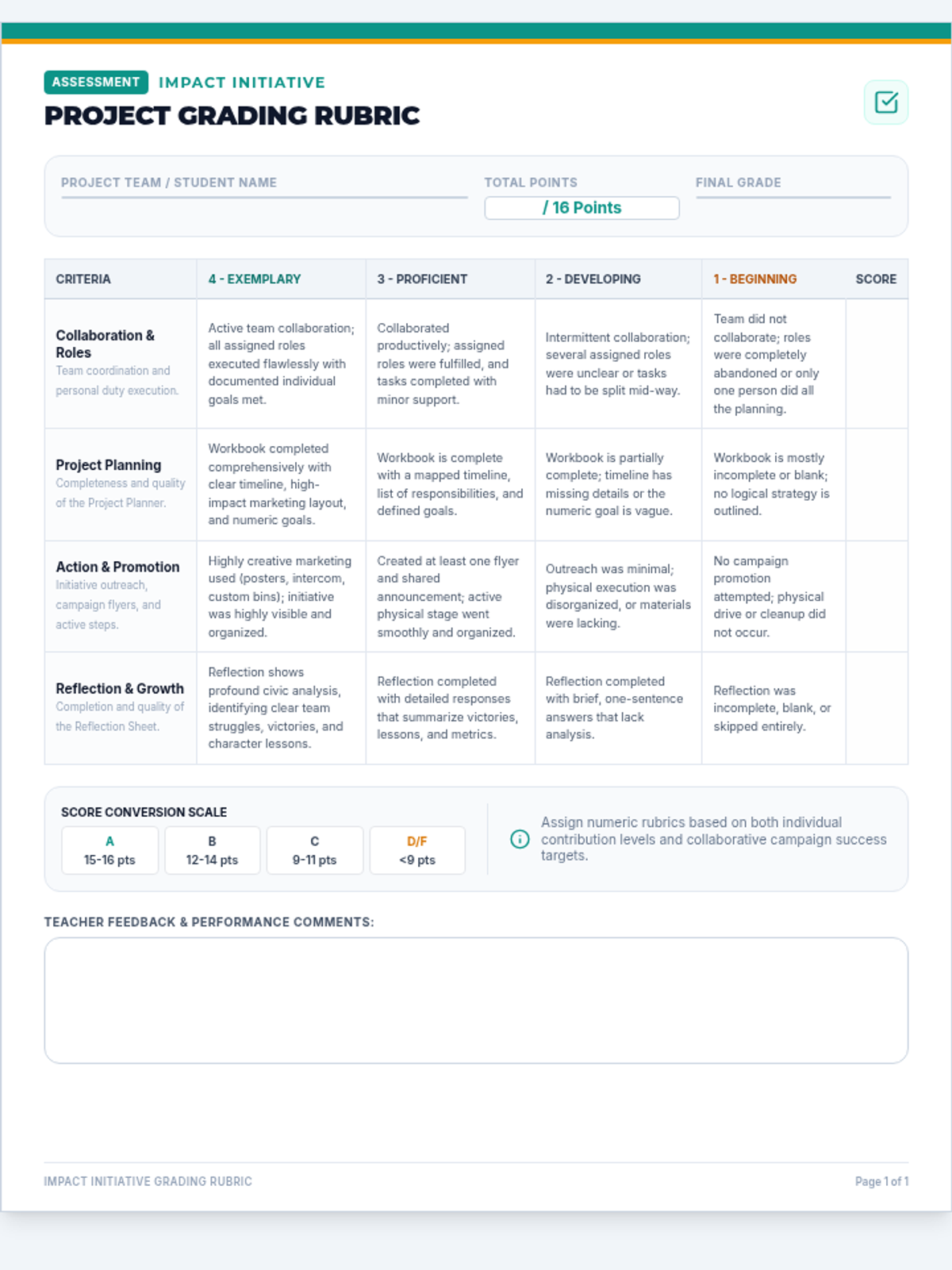
A service-learning lesson where students plan, execute, and reflect on a community service project of their choice (school campus cleanup, food drive, or clothing drive). It includes interactive presentation slides, a step-by-step project planning guide, a simplified reflection worksheet, and a teacher facilitation guide.
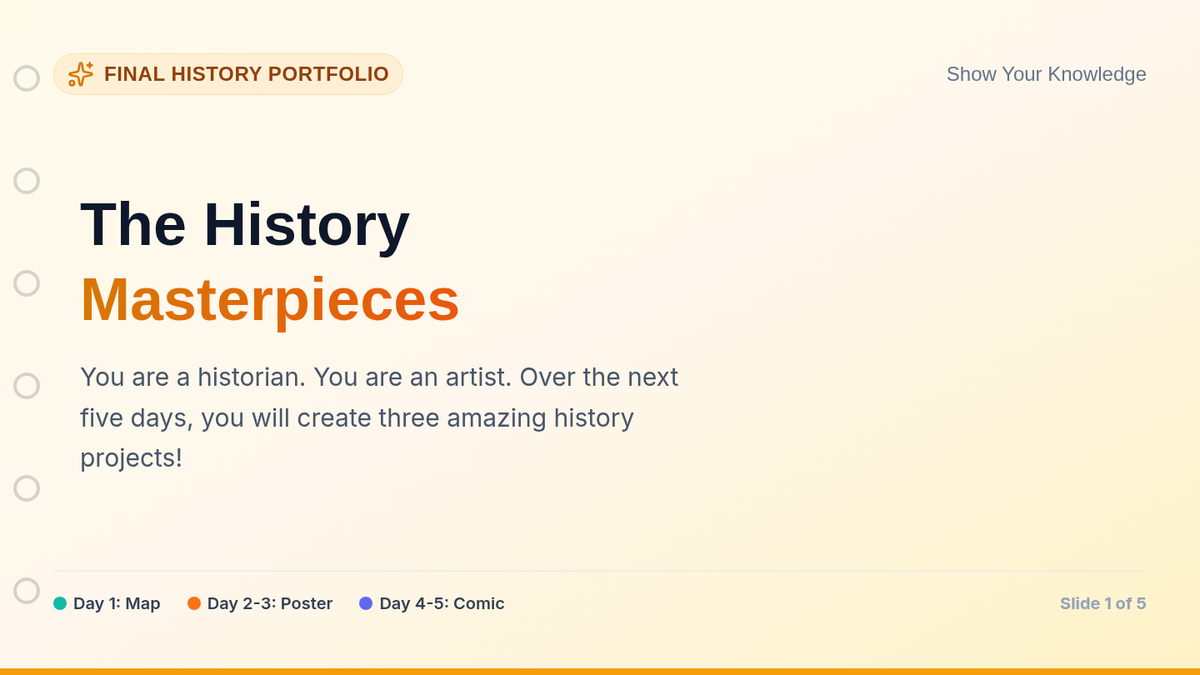
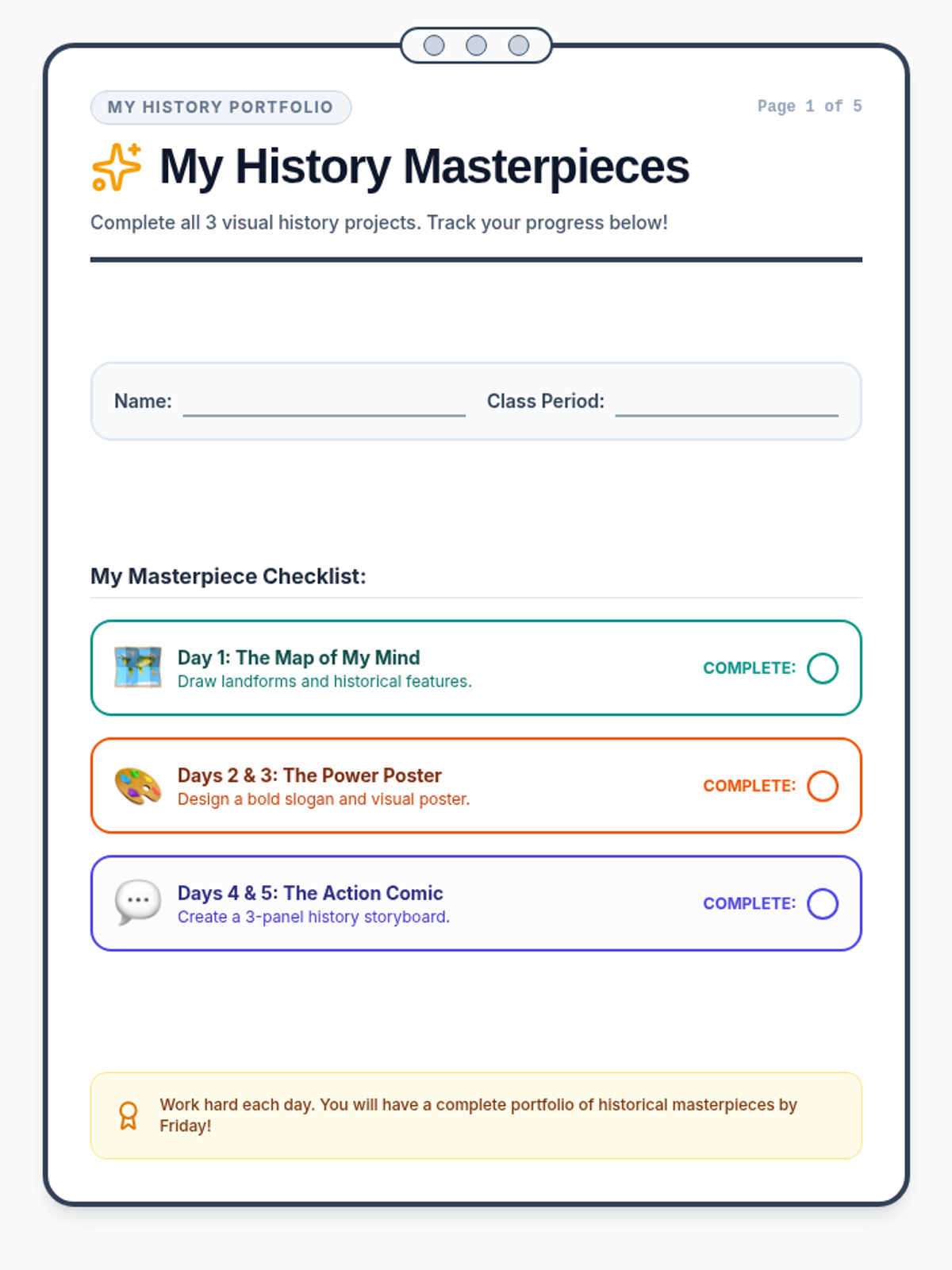
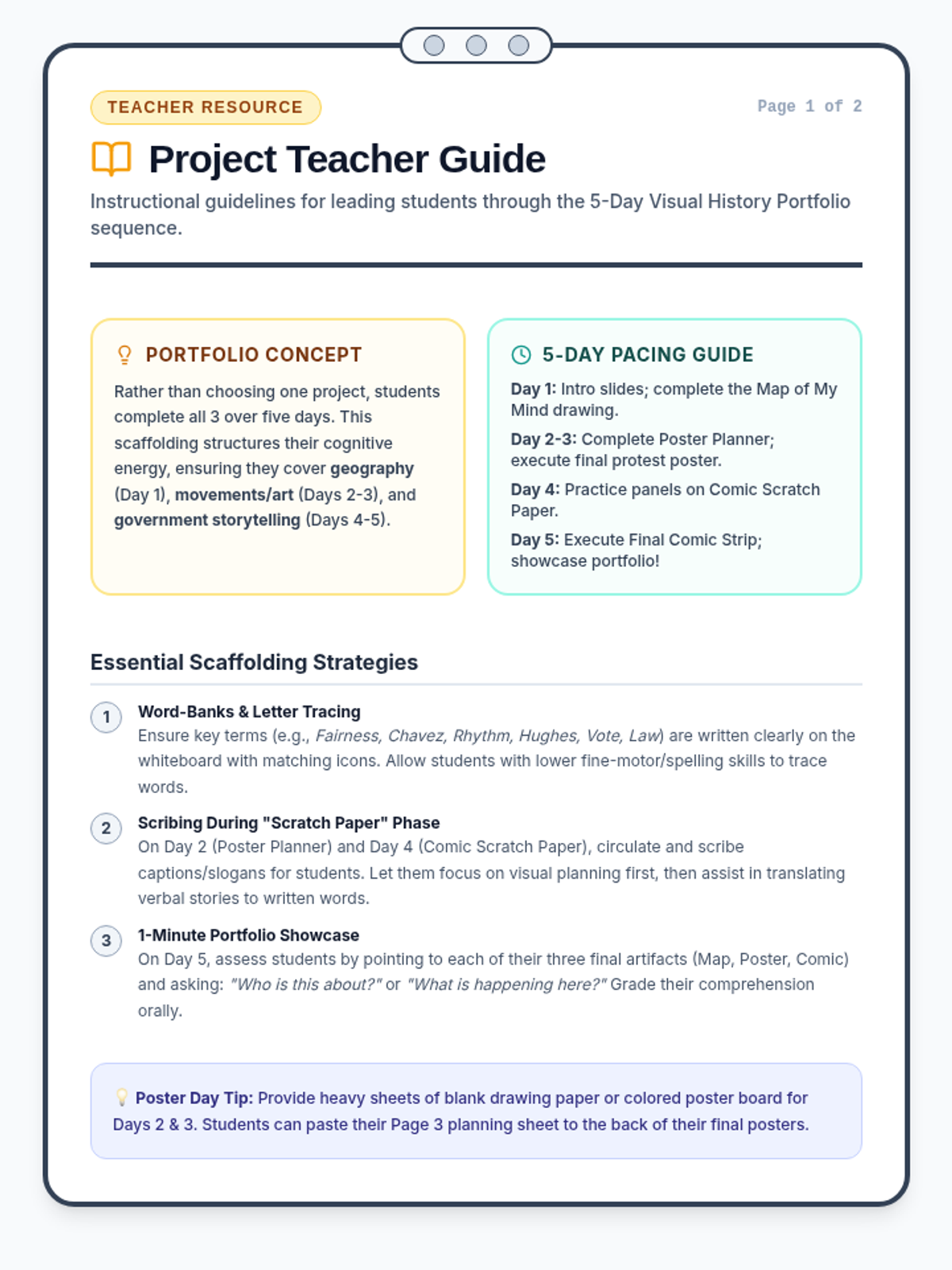
A scaffolded final project lesson where students express their historical knowledge of geography, the Farmers' Movement, government, or the Harlem Renaissance through three visual project pathways: a mind map, a protest poster, or a storyboard comic.
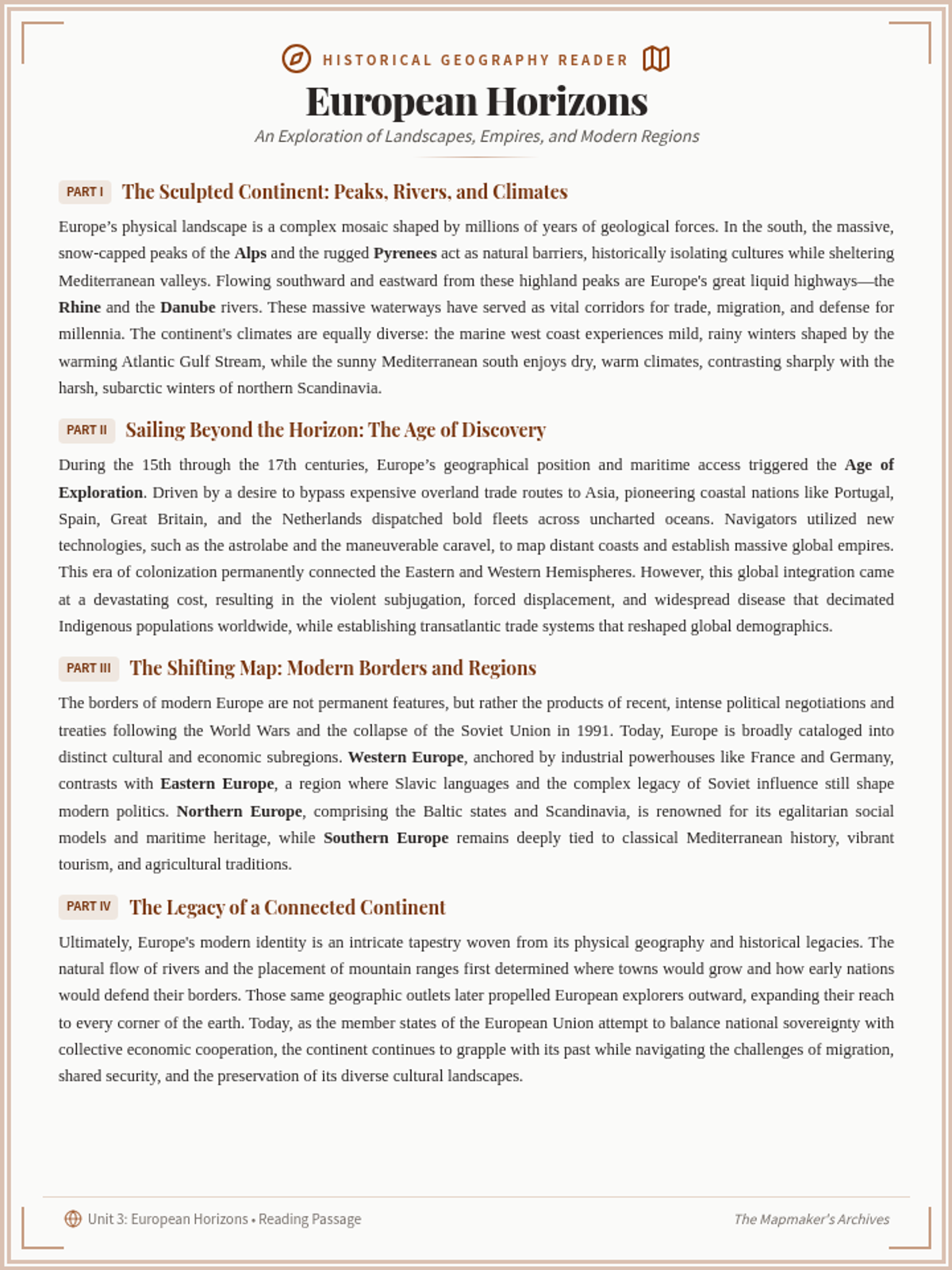
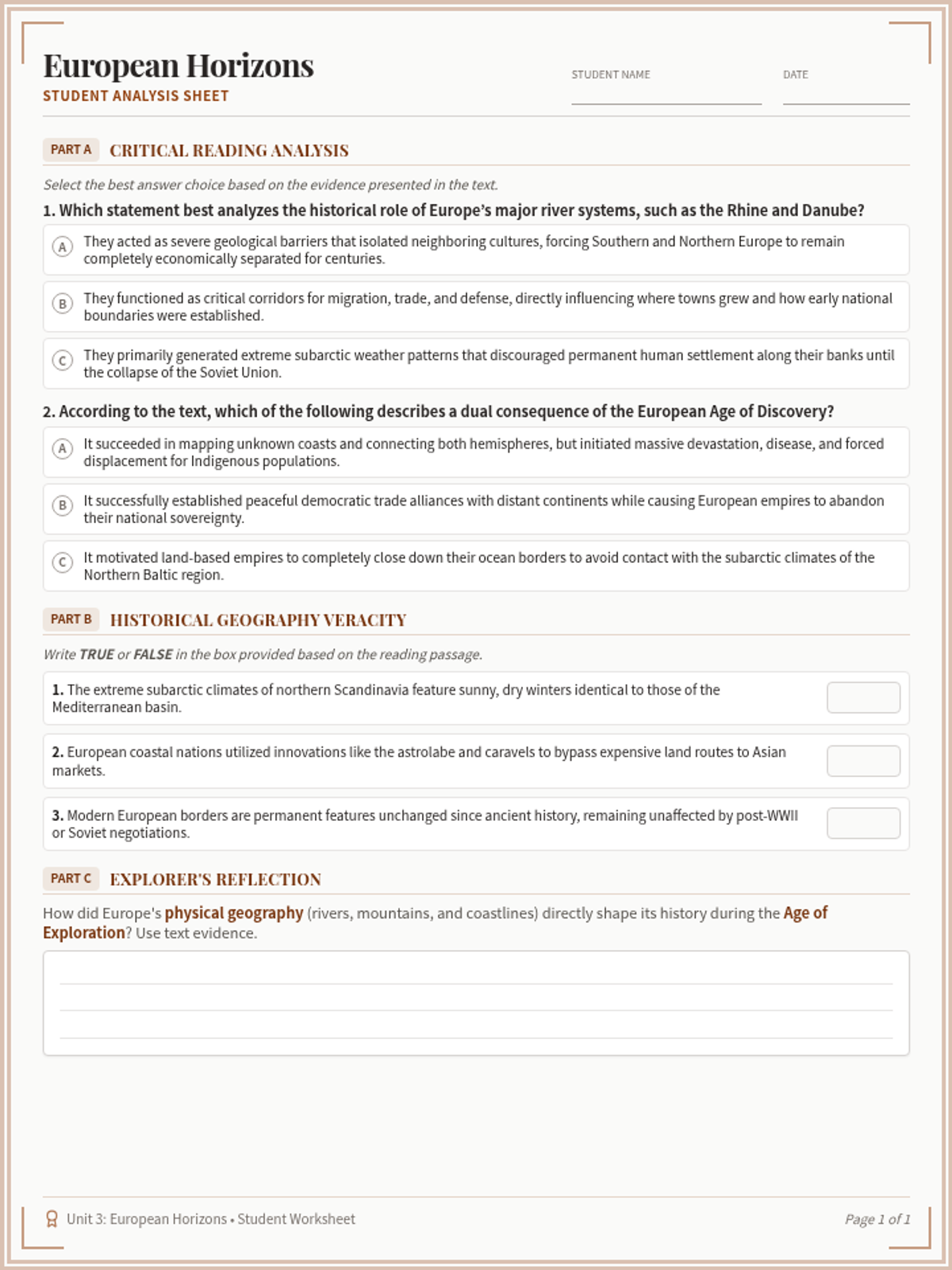
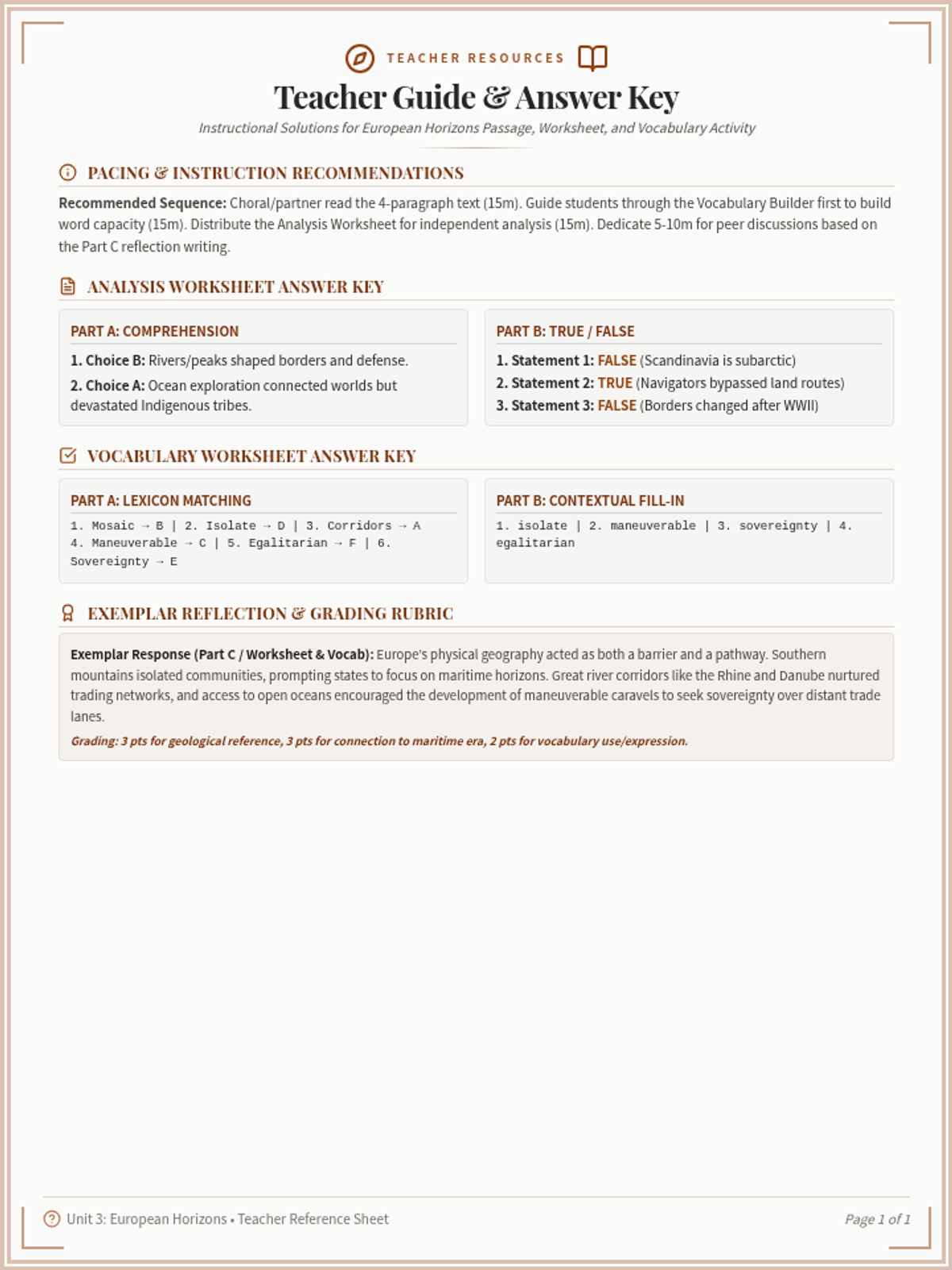
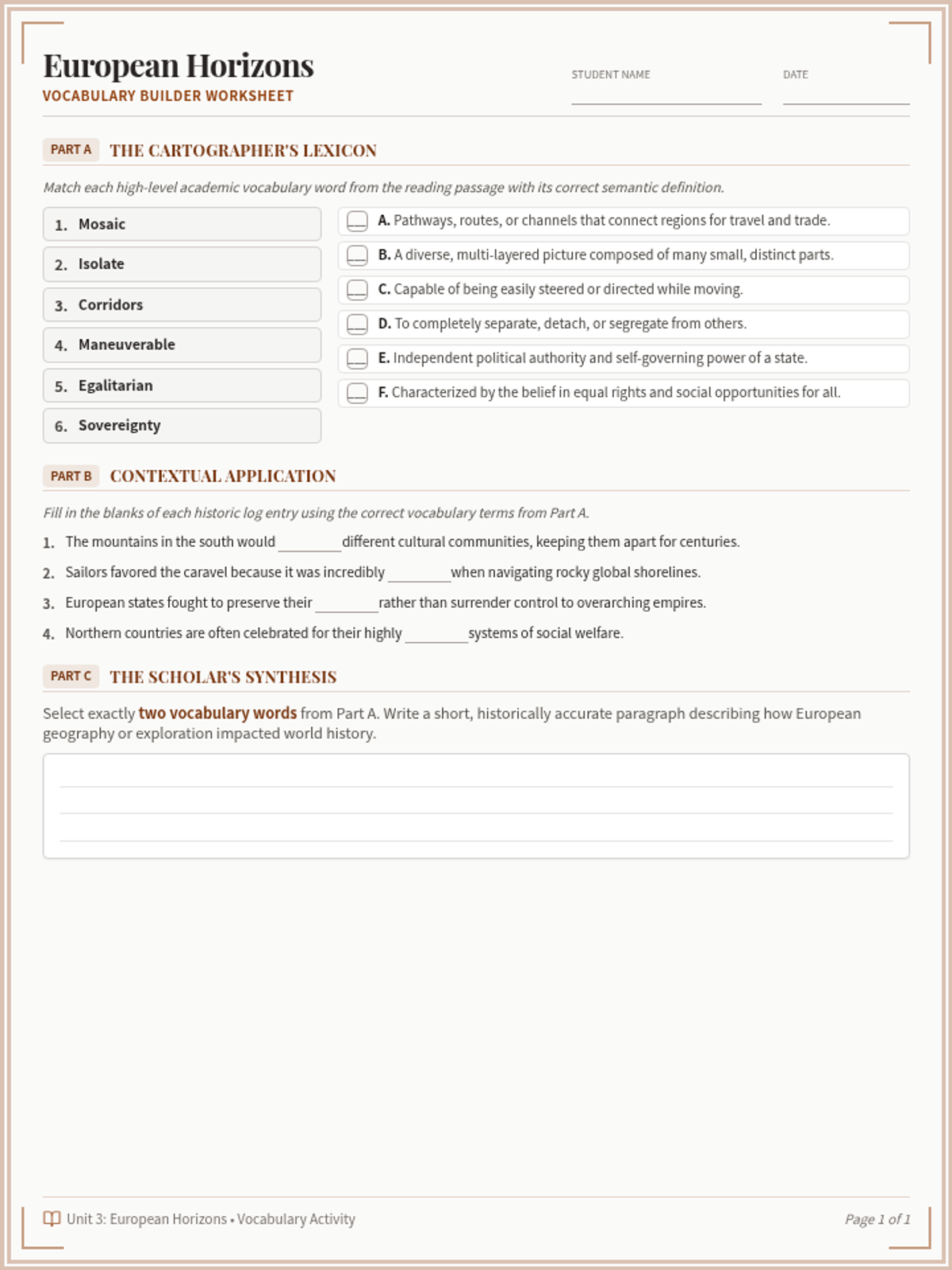
An in-depth study of Europe's diverse physical landscapes, the global legacy of its Age of Exploration, and the cultural regions that define the continent today.
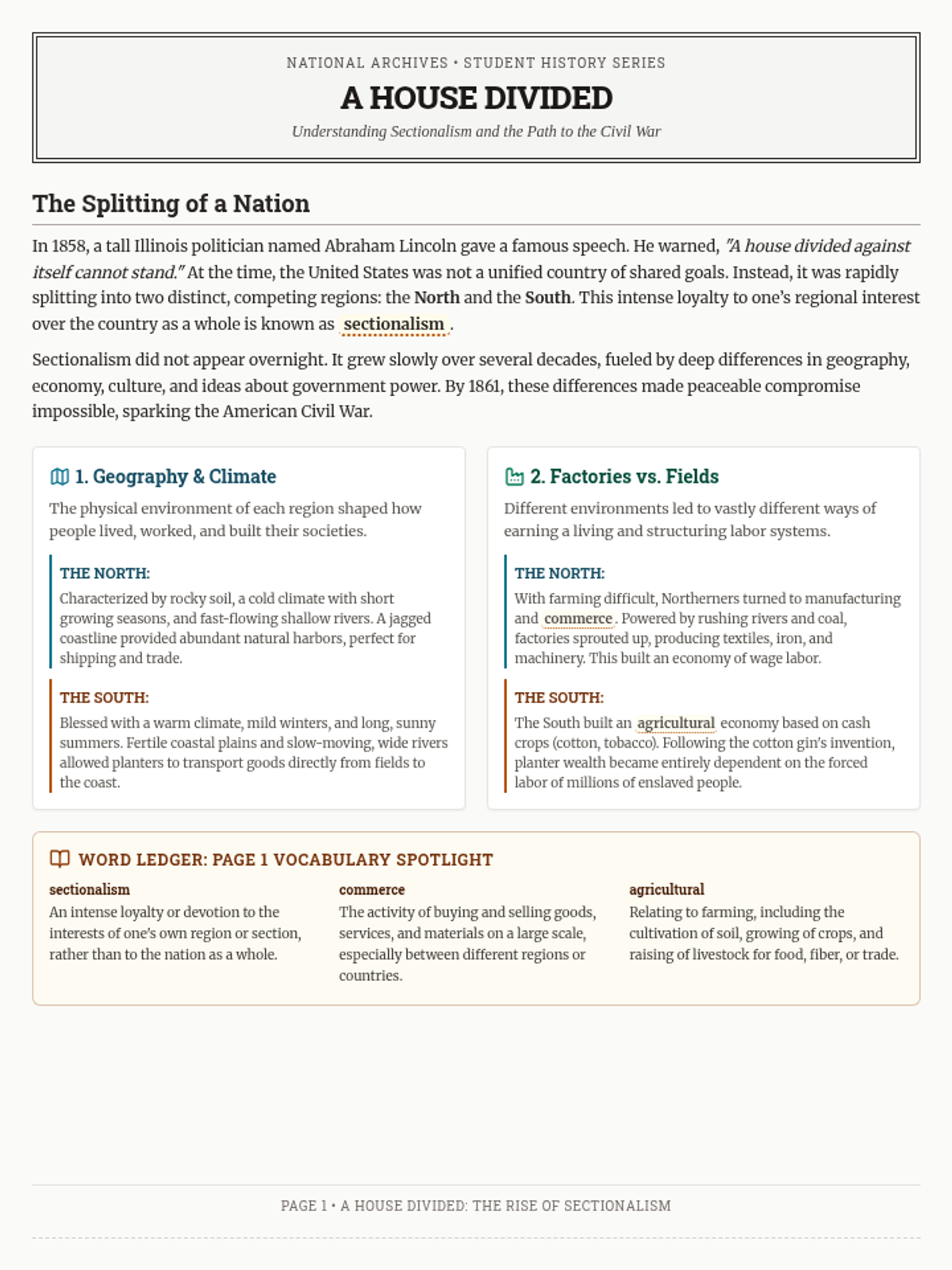
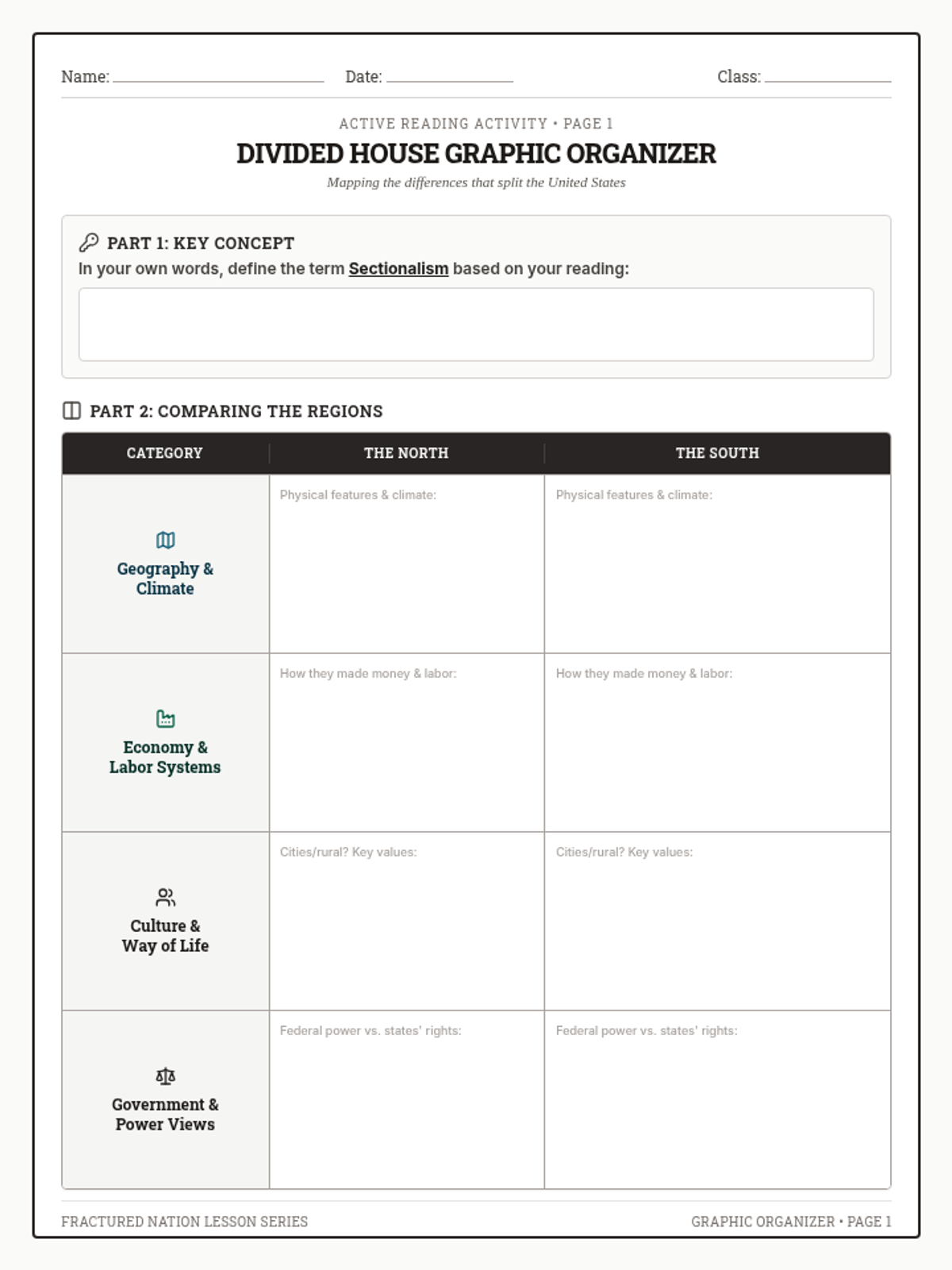
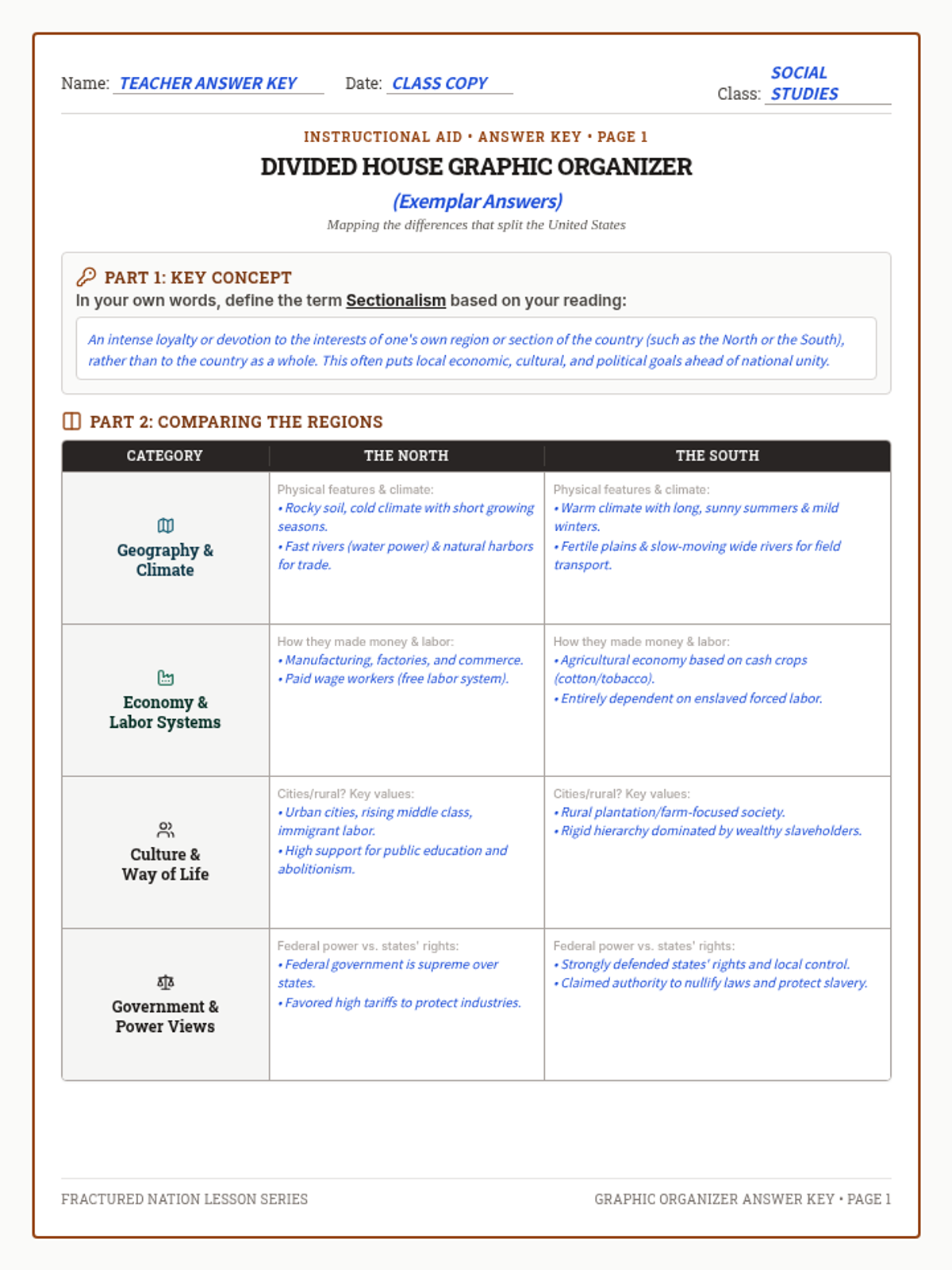
A middle school social studies lesson exploring how Sectionalism became a major long-term cause of the American Civil War. Students analyze the geographic, economic, cultural, and political differences between the North and South, culminating in a graphic organizer activity.
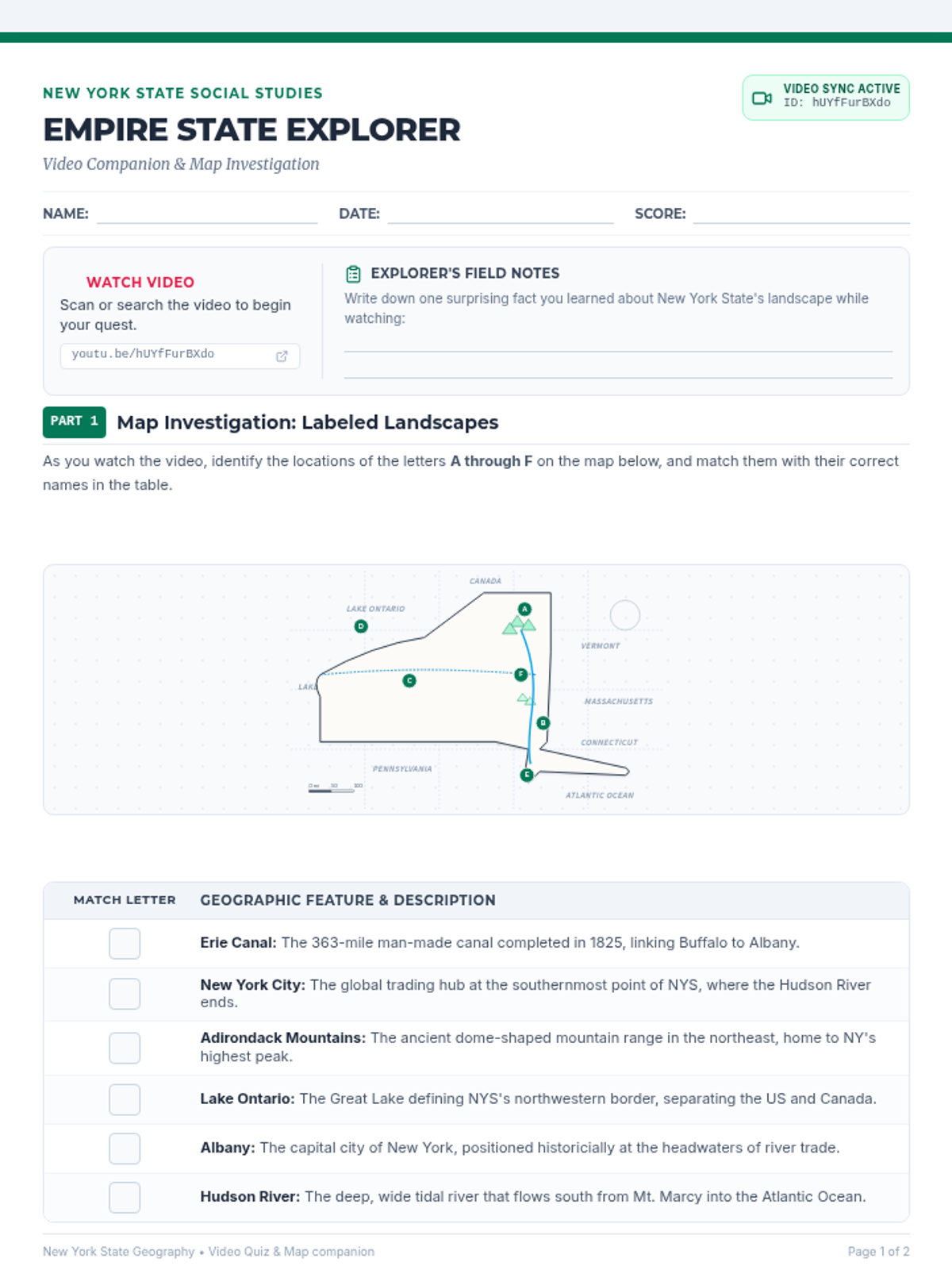
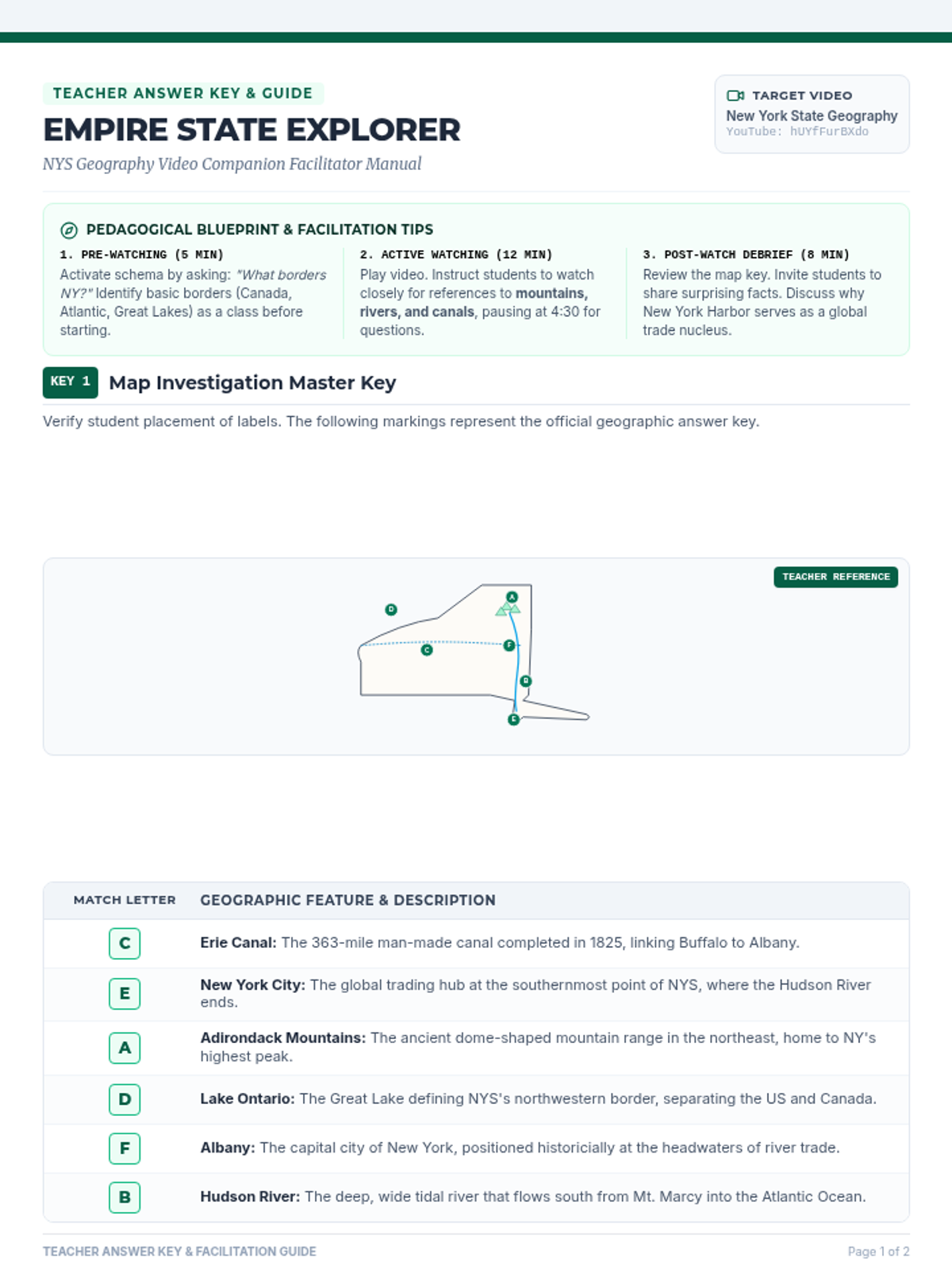
An engaging exploration of New York State's physical features, waterways, and major cities, centered around an educational video guide. Includes a student map activity, multiple-choice quiz, and a detailed teacher answer key.
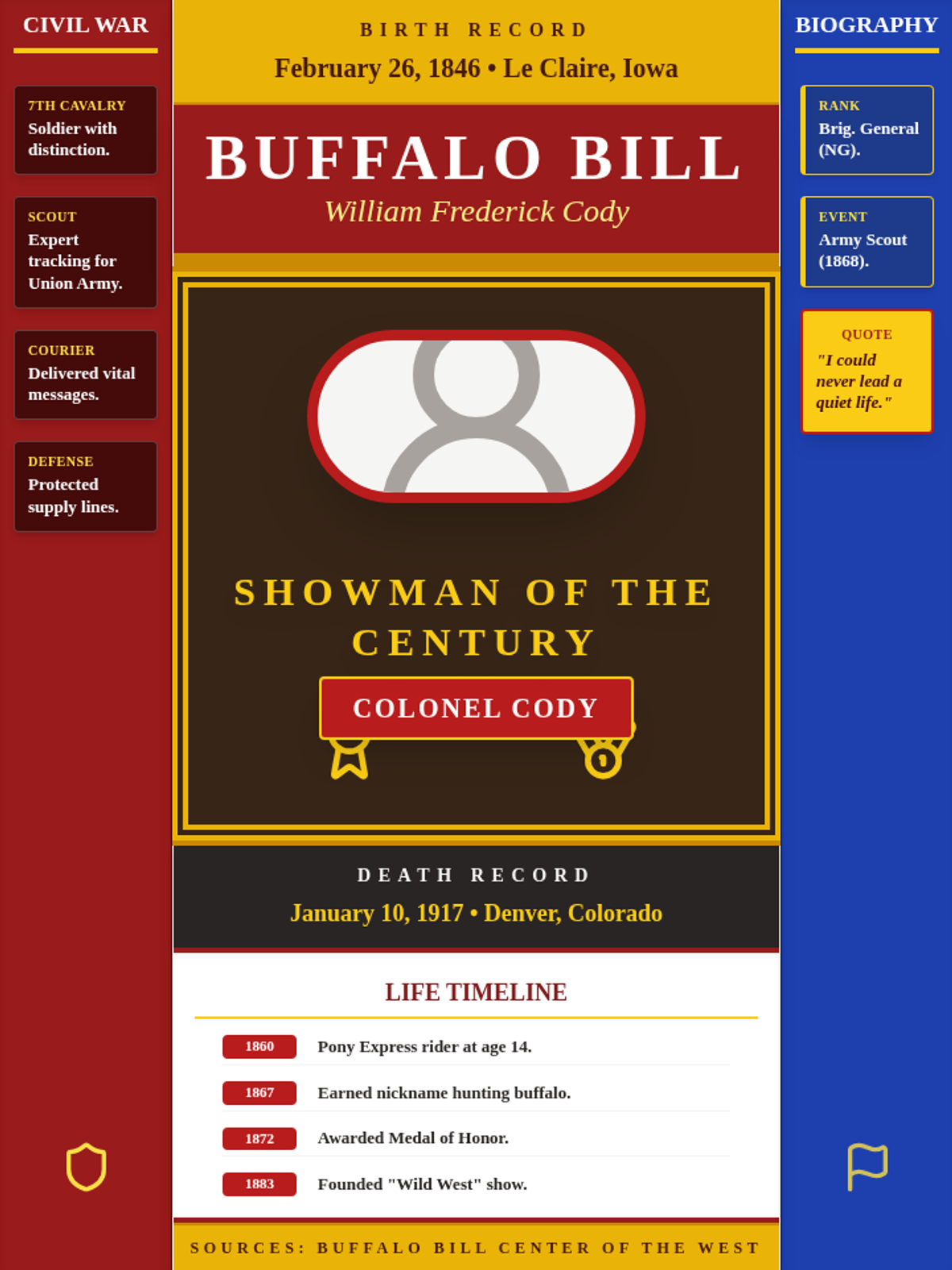
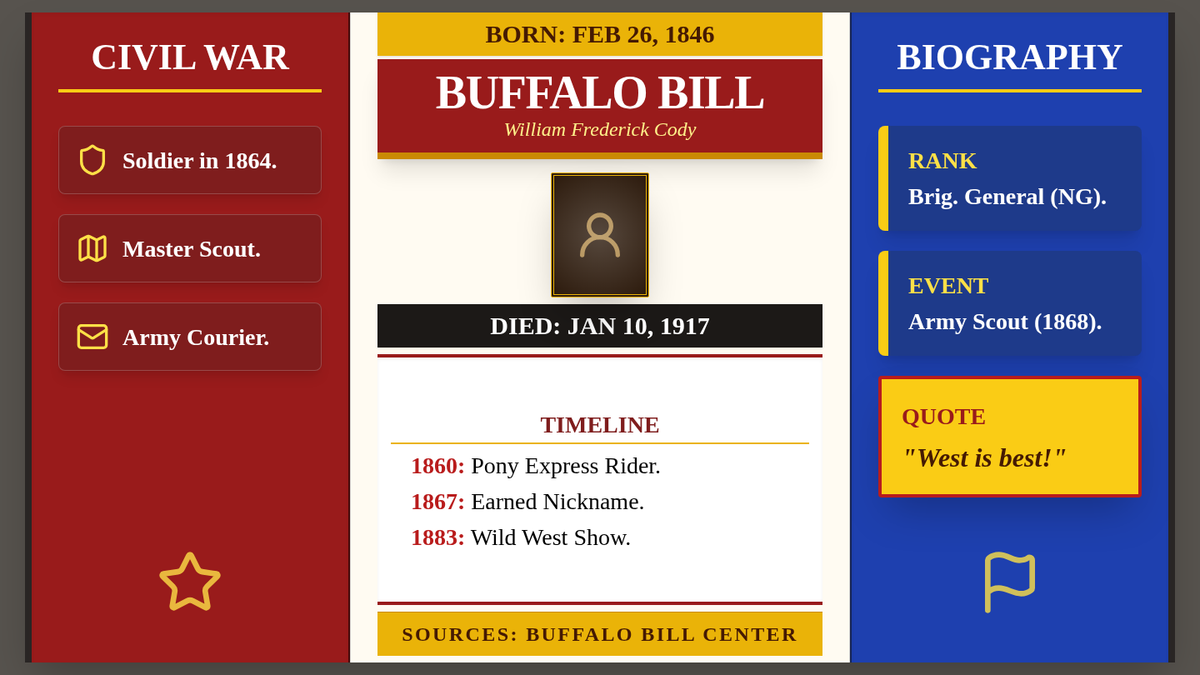
A lesson exploring the life and contributions of Buffalo Bill Cody, featuring a simulated trifold presentation board for historical analysis.
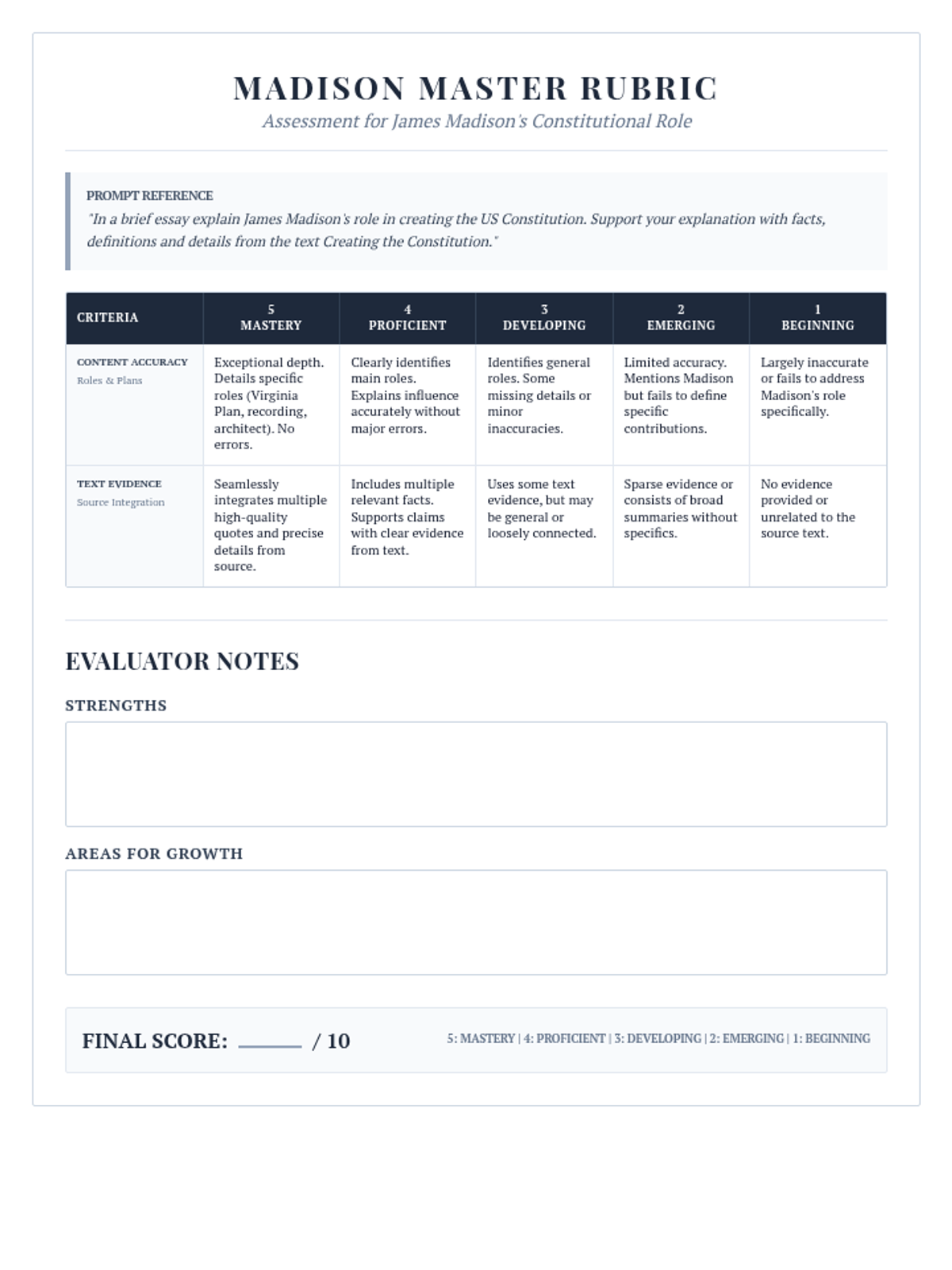
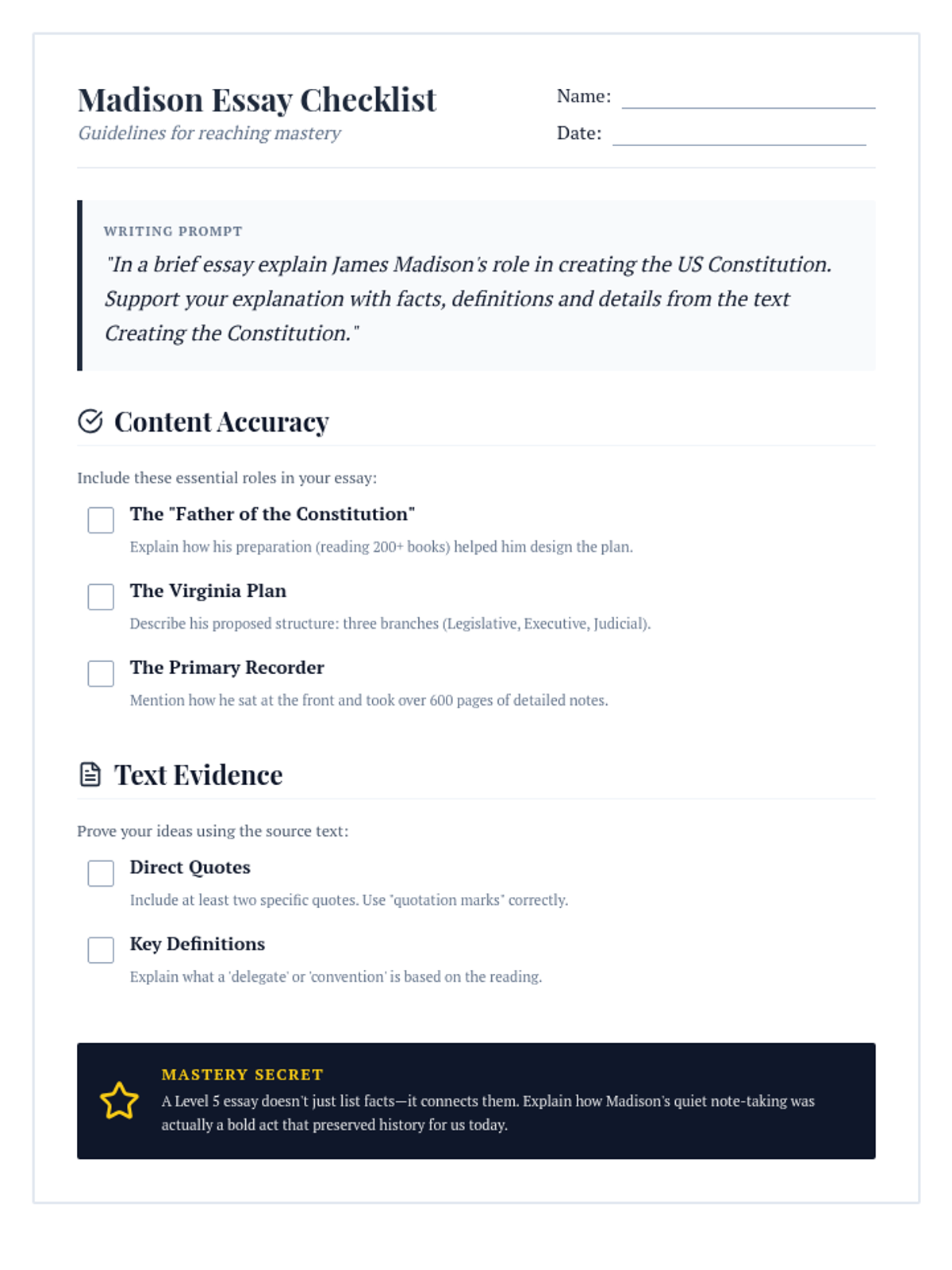
A lesson focused on James Madison's pivotal role in the Constitutional Convention, assessing students' ability to synthesize historical texts into clear, evidenced-based essays.
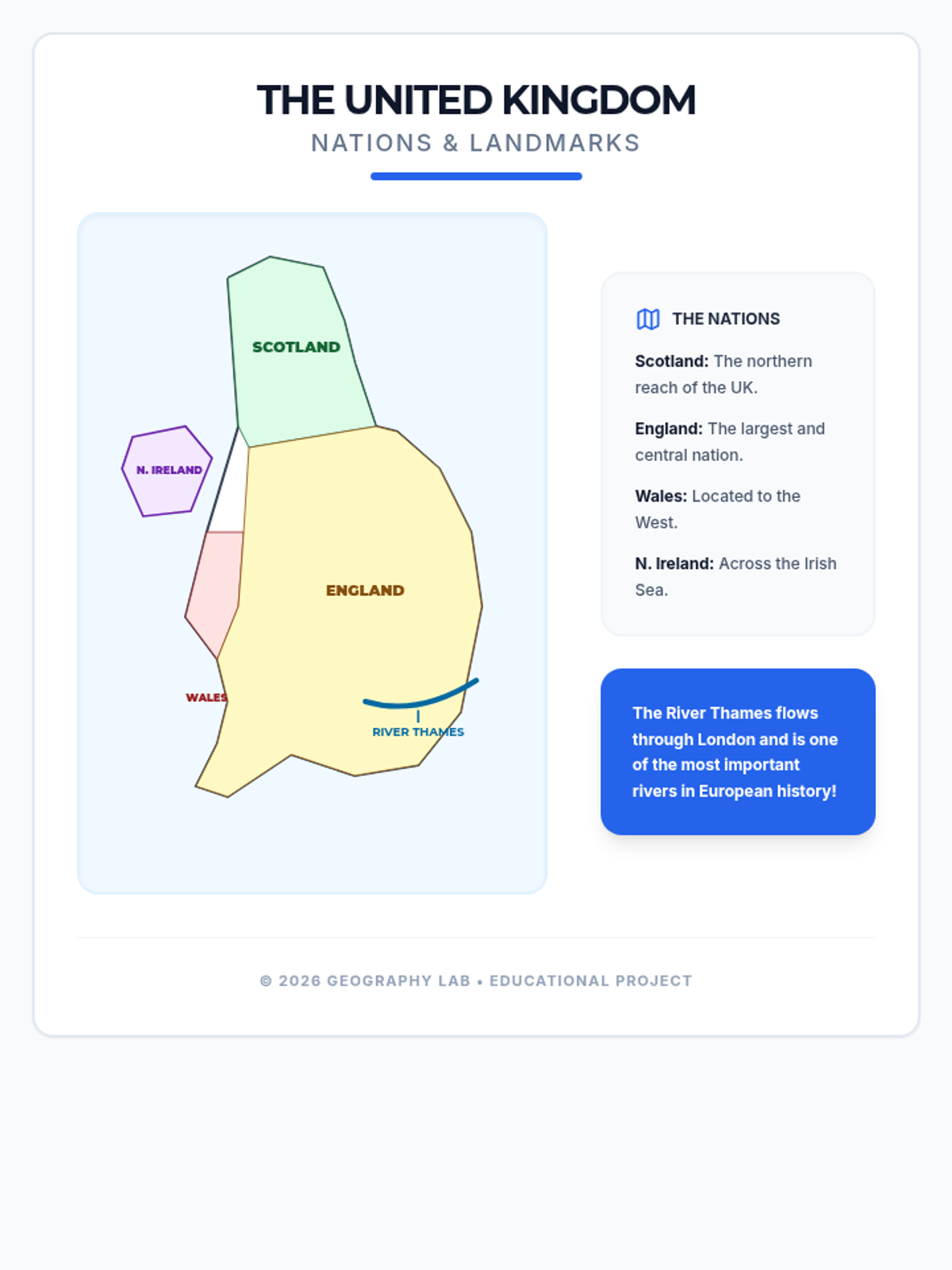
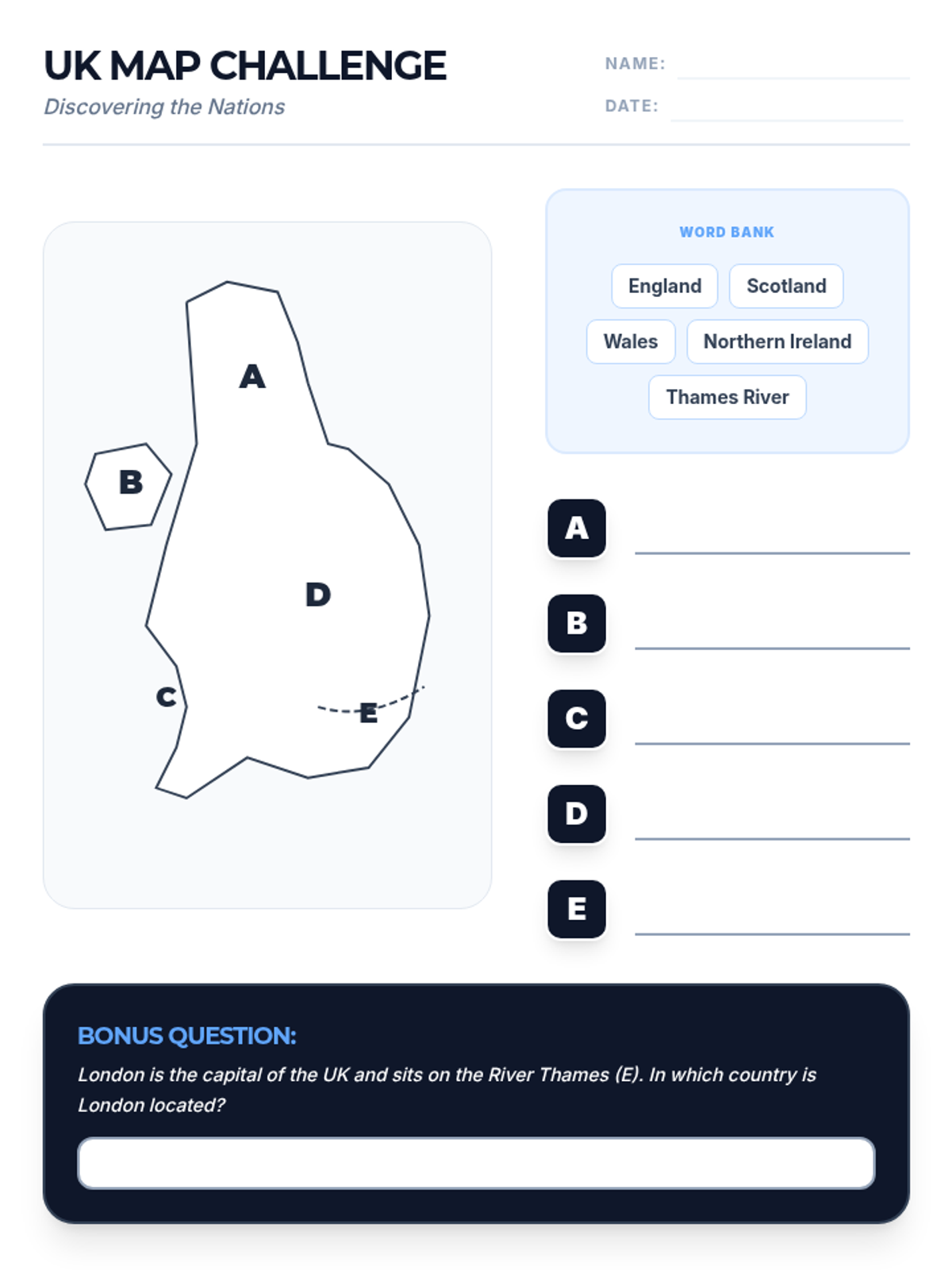
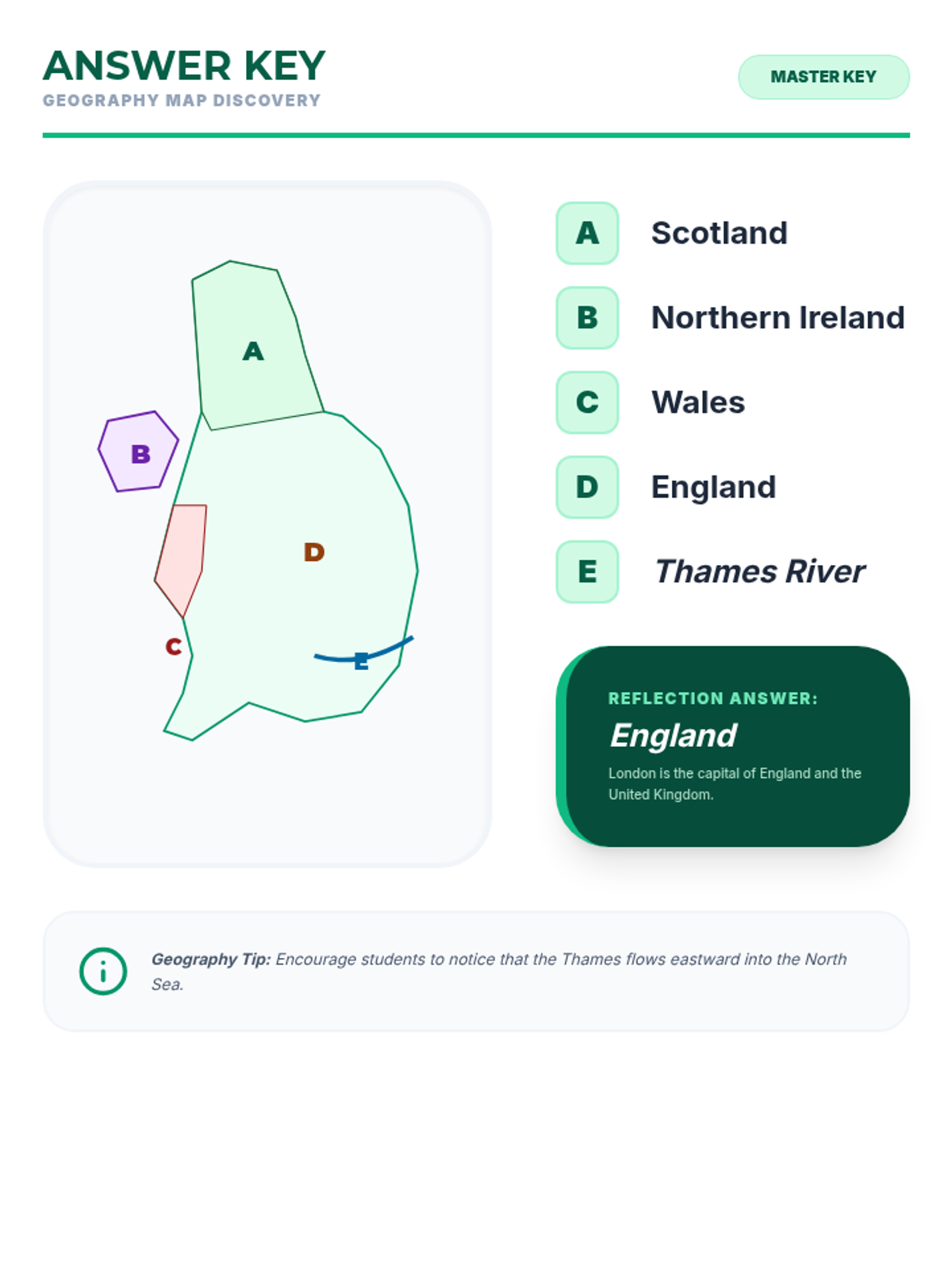
An introductory exploration of the United Kingdom's geography, focusing on its four constituent countries and major landmarks like the River Thames.
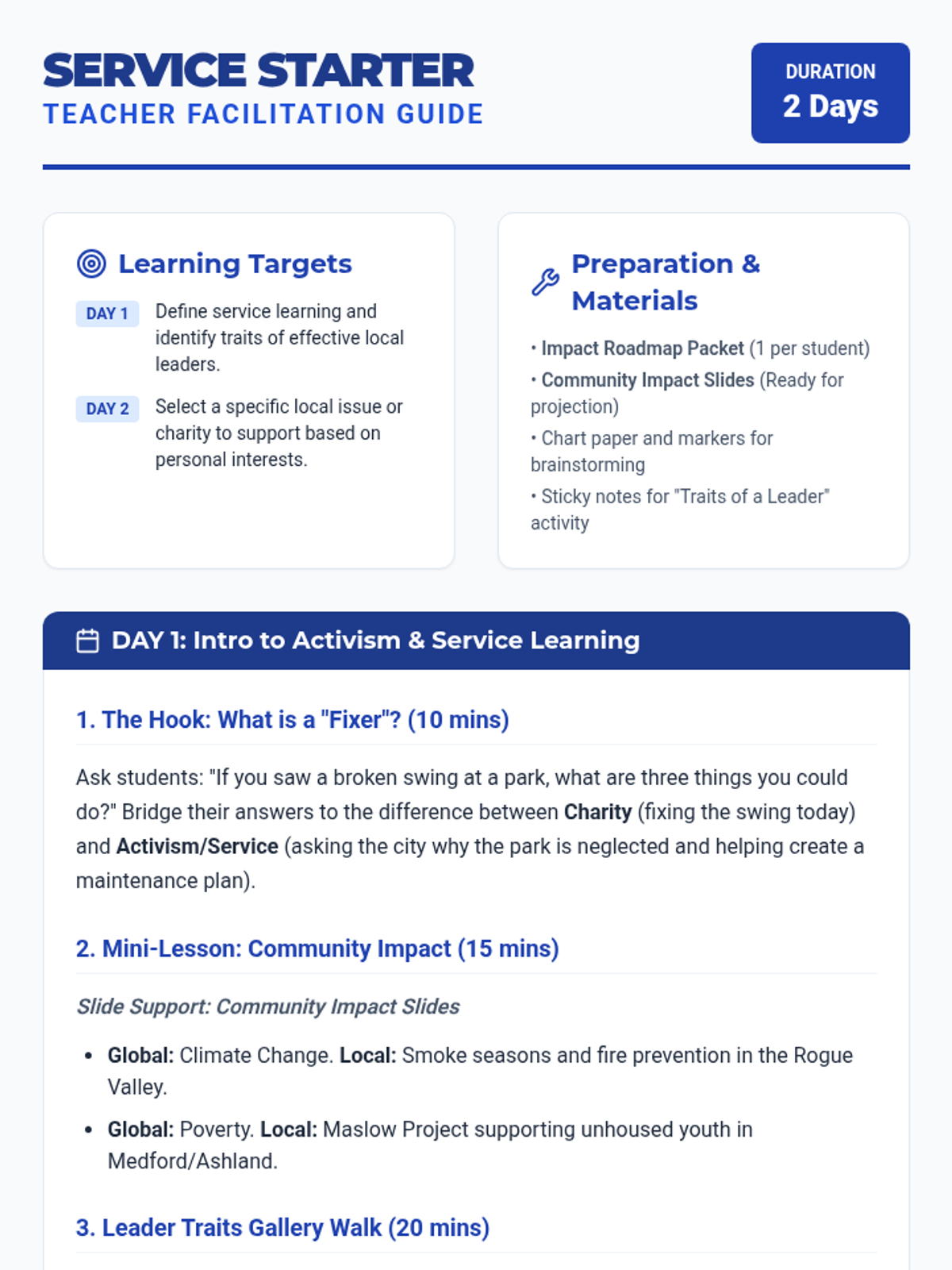
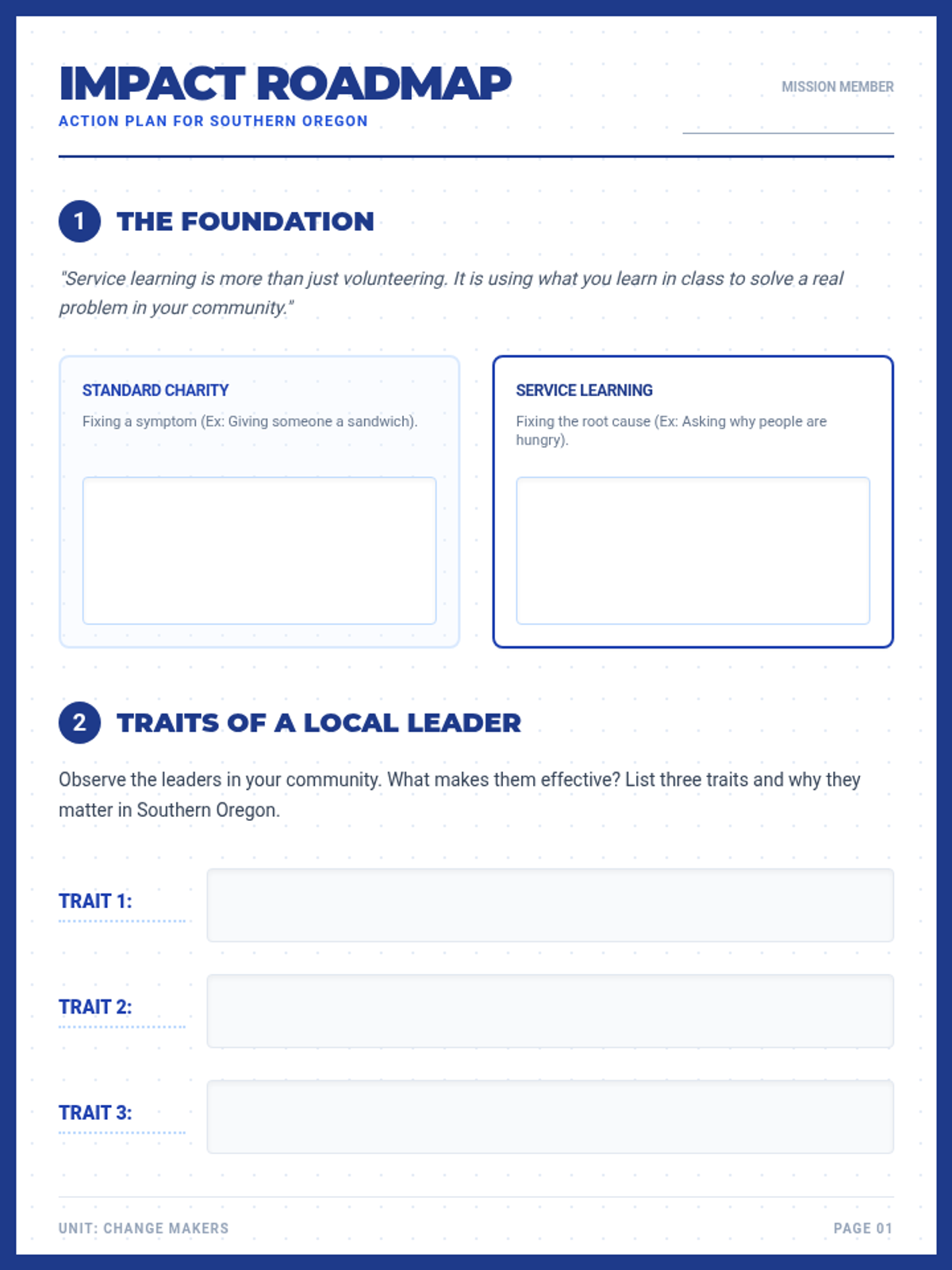
A two-day introductory lesson on service learning and community activism, focusing on defining impact and selecting local causes in Southern Oregon.
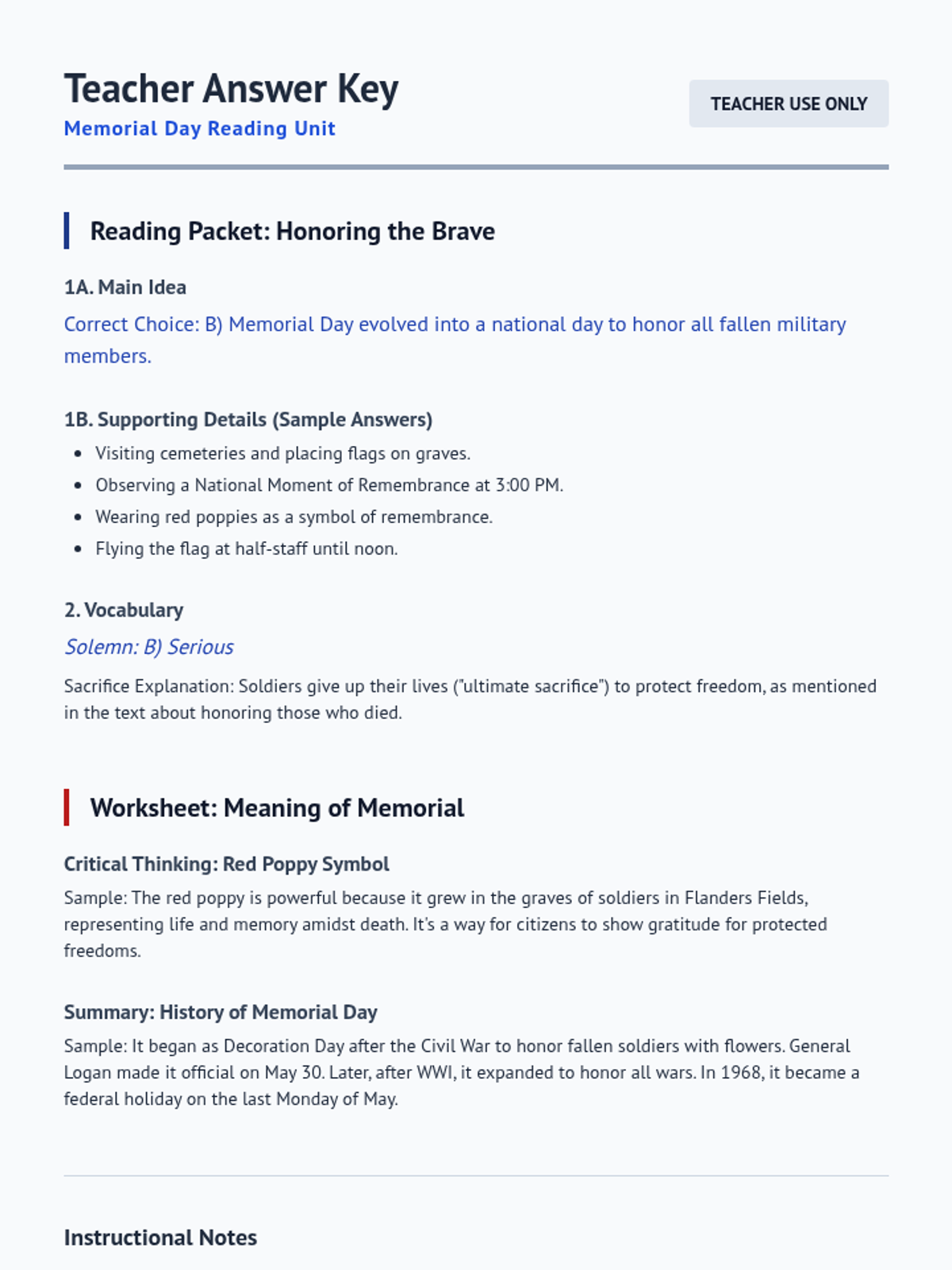
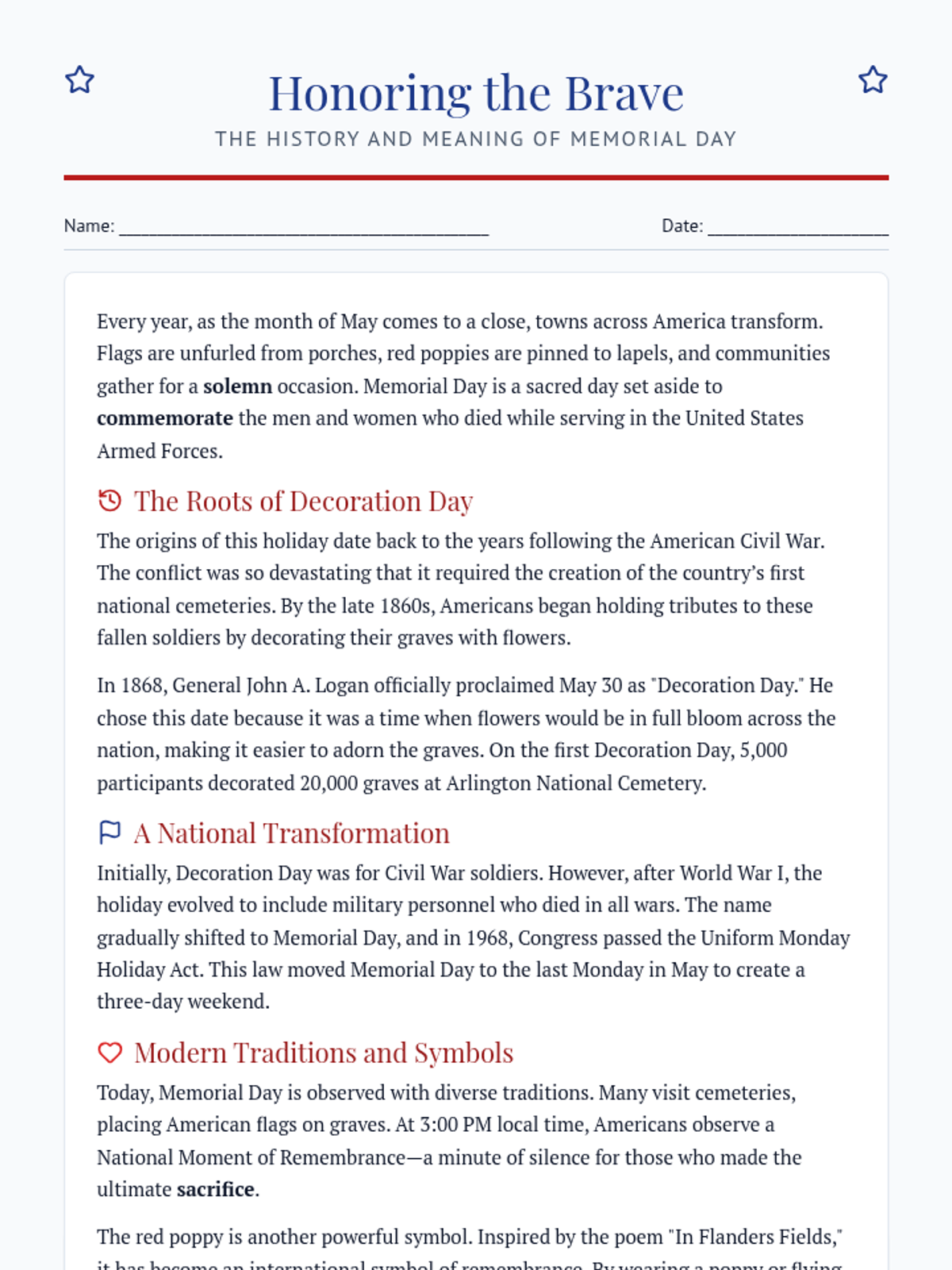
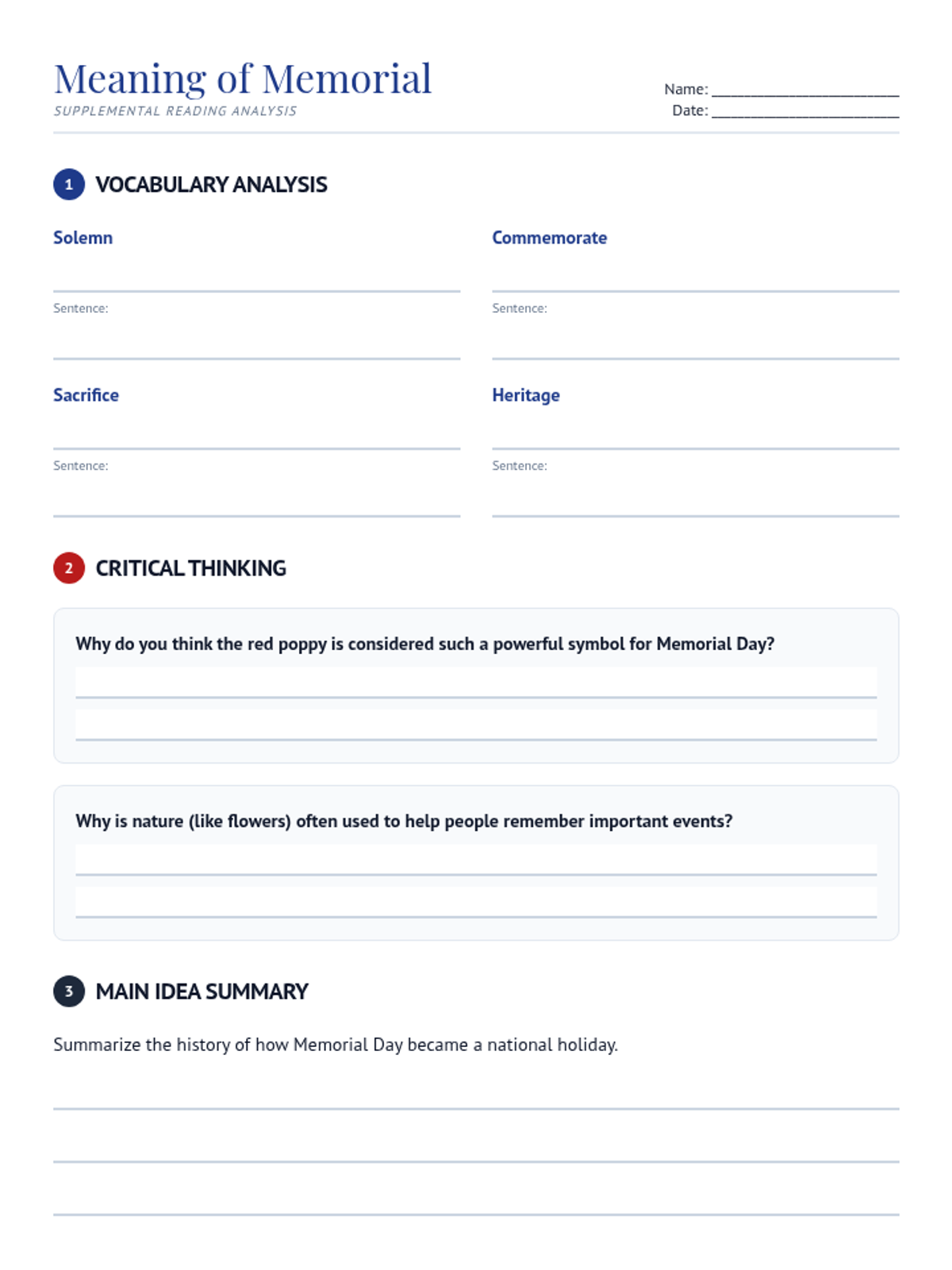
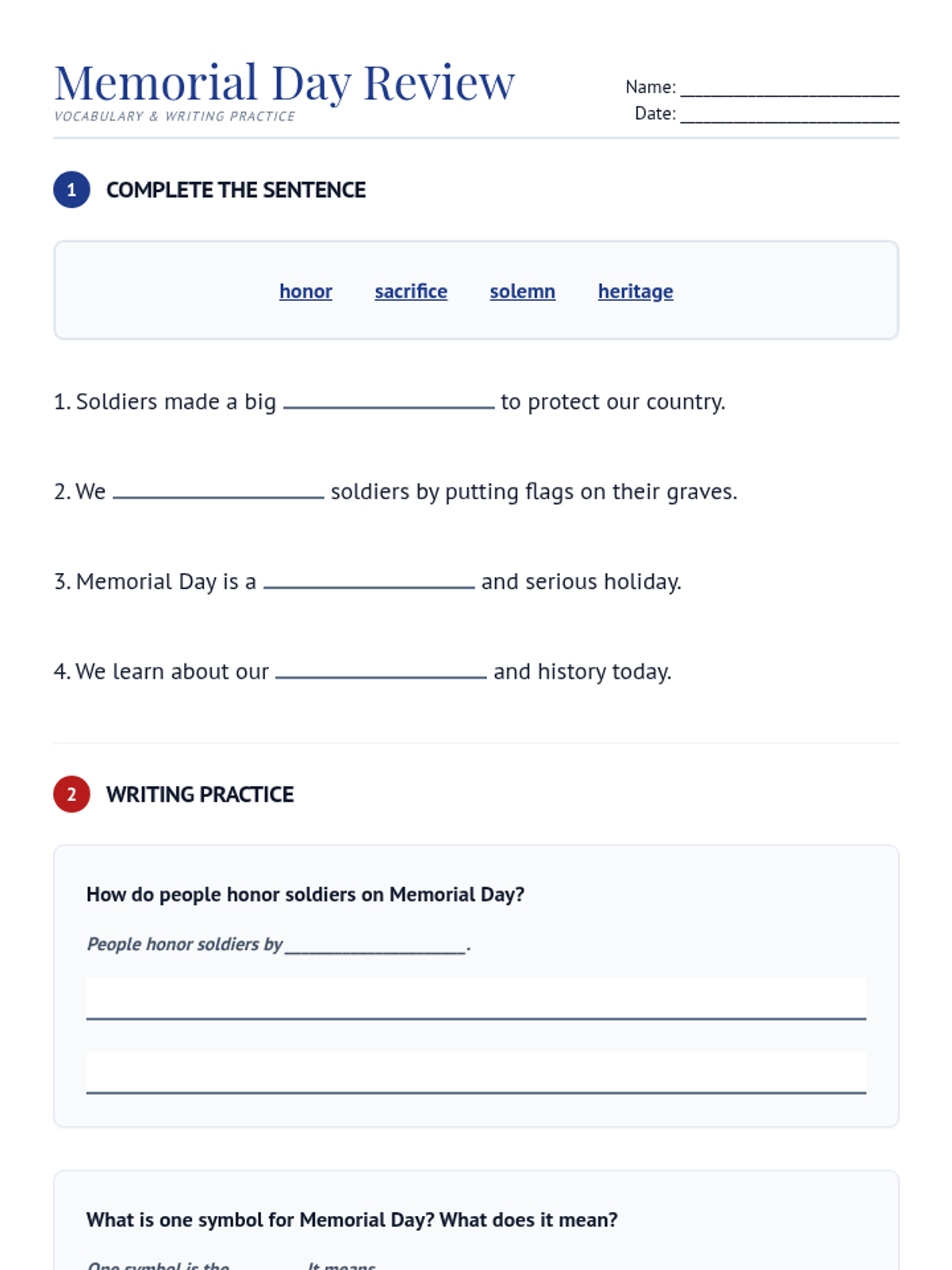
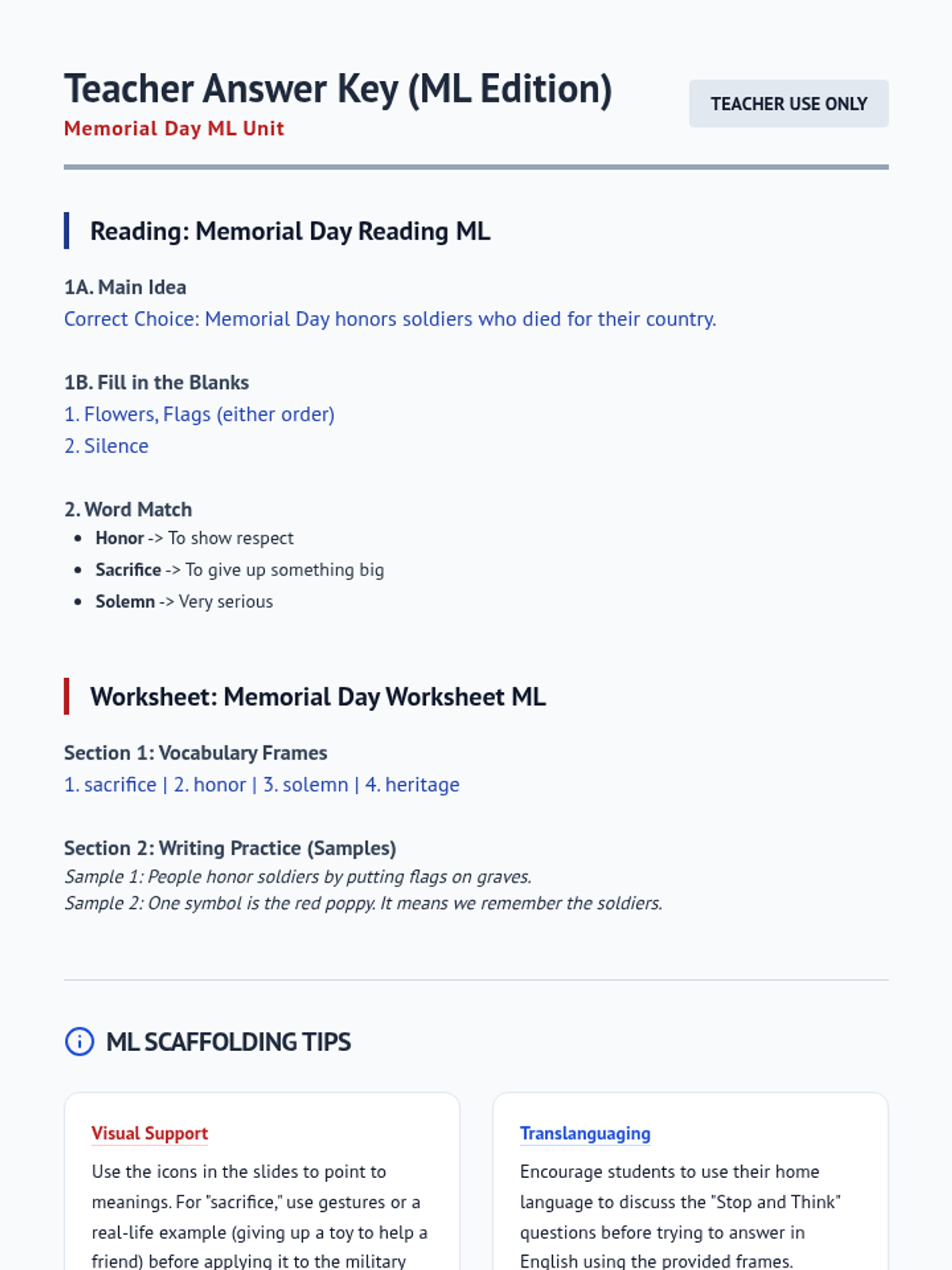
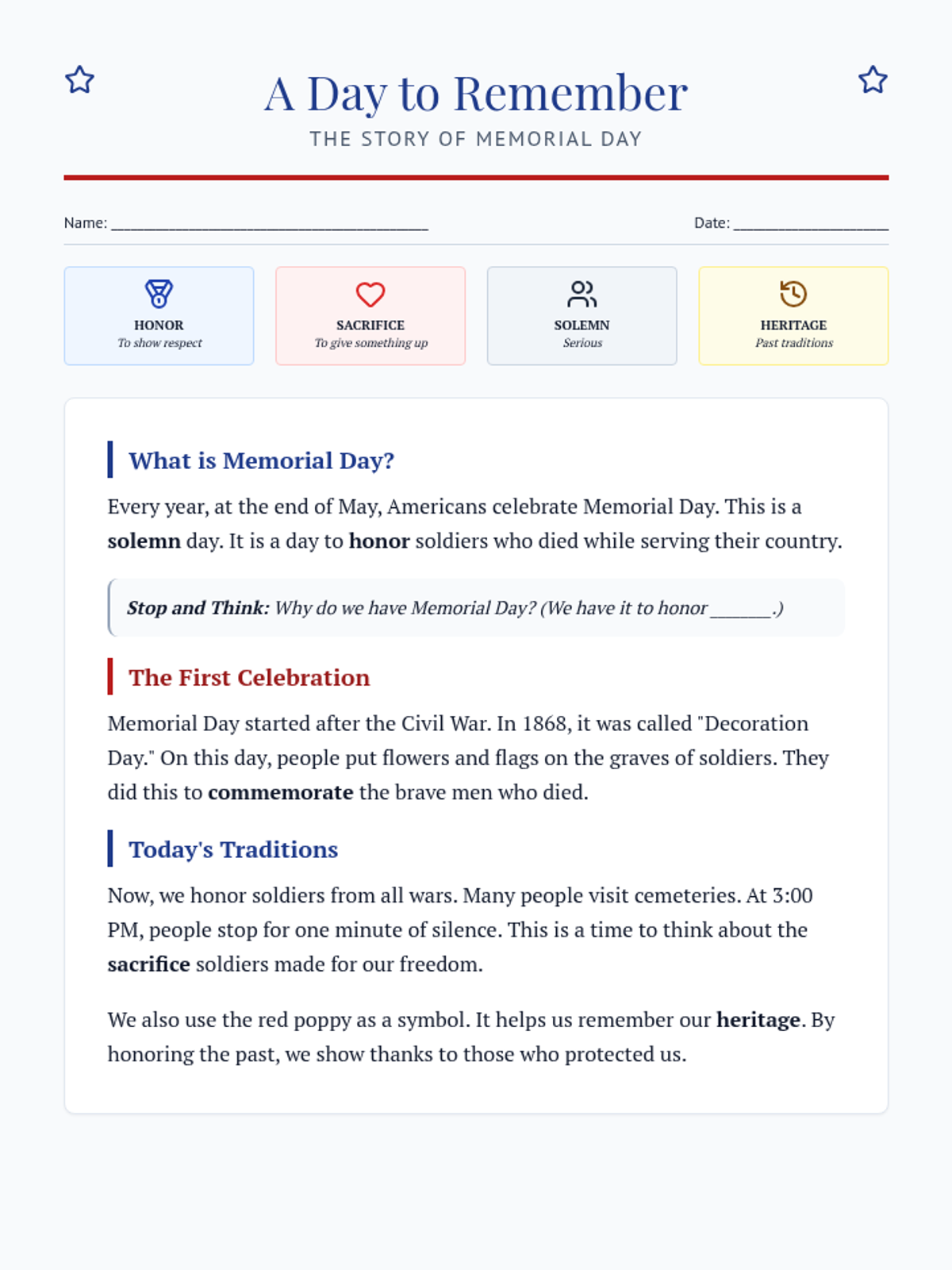
An informational lesson about the history and significance of Memorial Day, focusing on vocabulary development through context clues and identifying main ideas with supporting details.
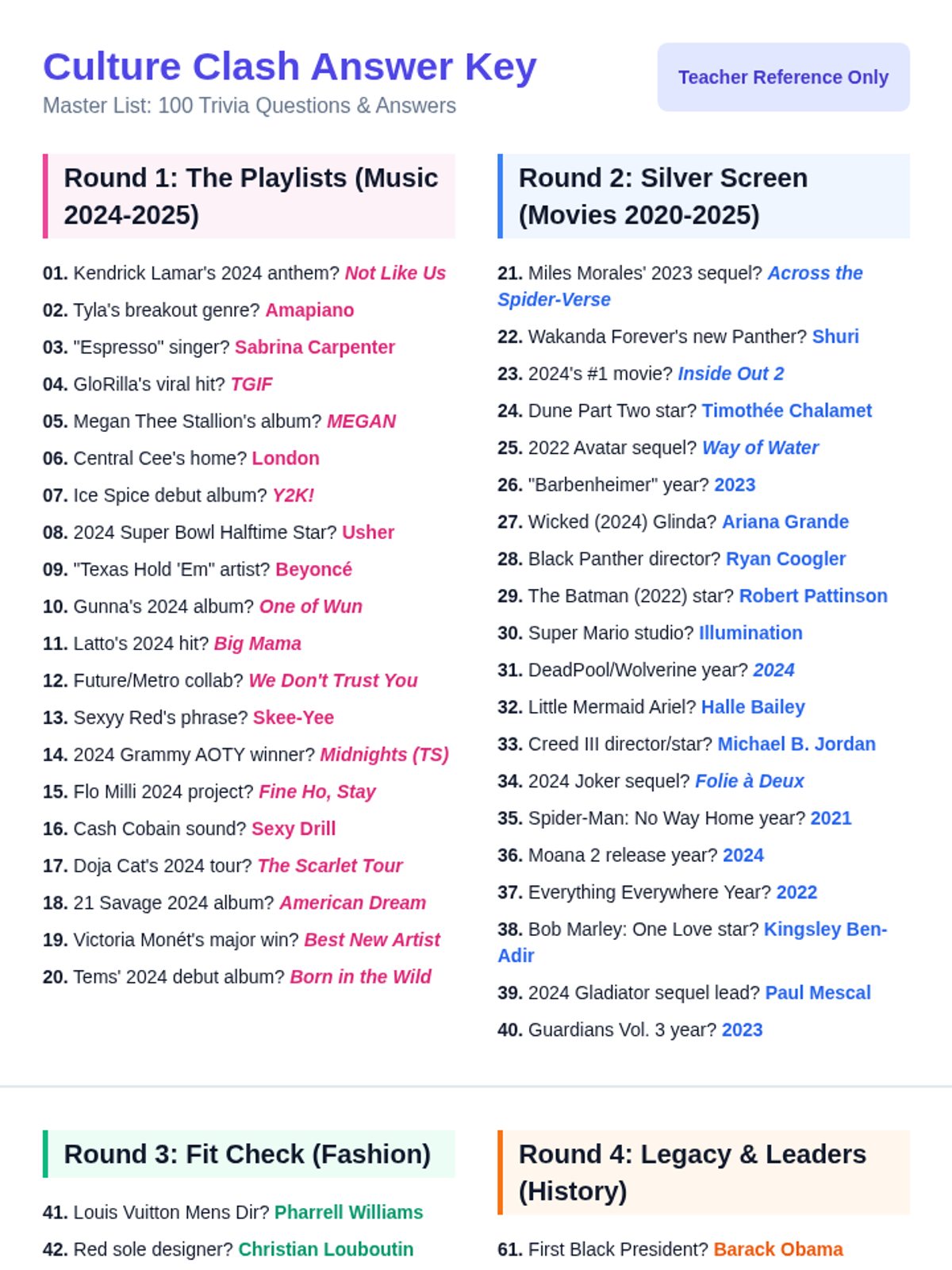
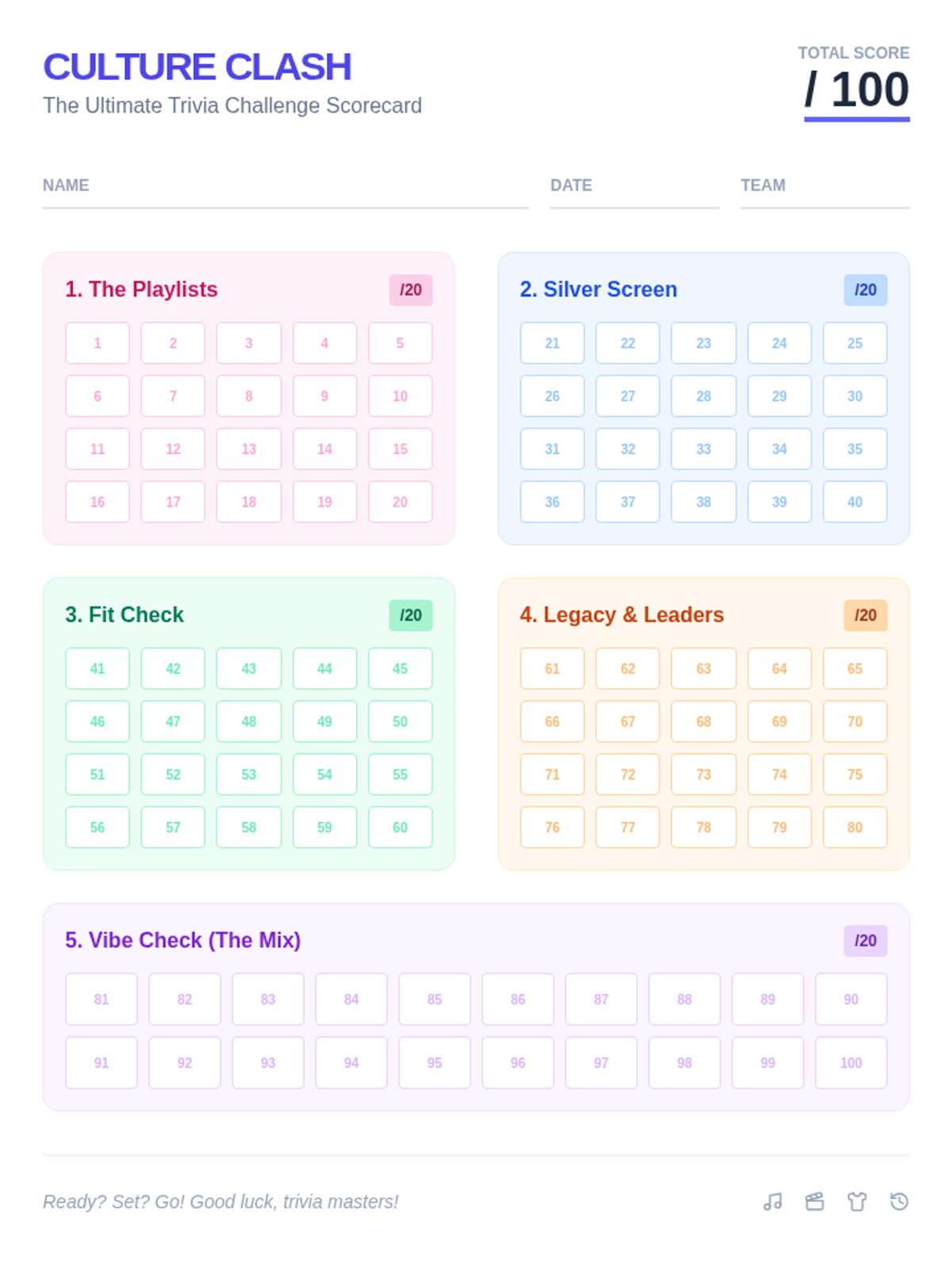
A high-energy, 100-question trivia game designed for middle school students, covering modern music, movies, fashion, and black history. The lesson promotes cultural literacy and engagement through a competitive game format.
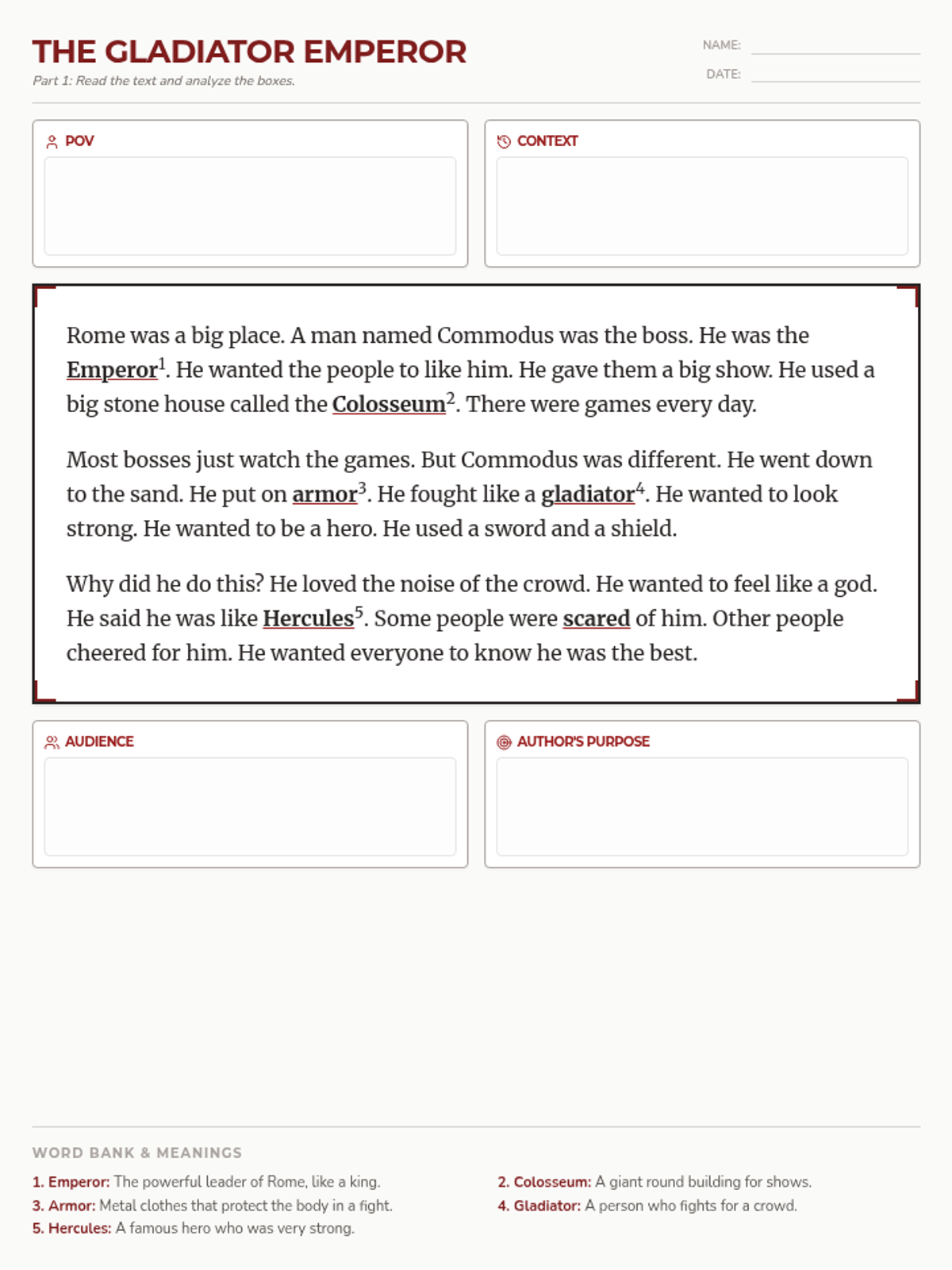
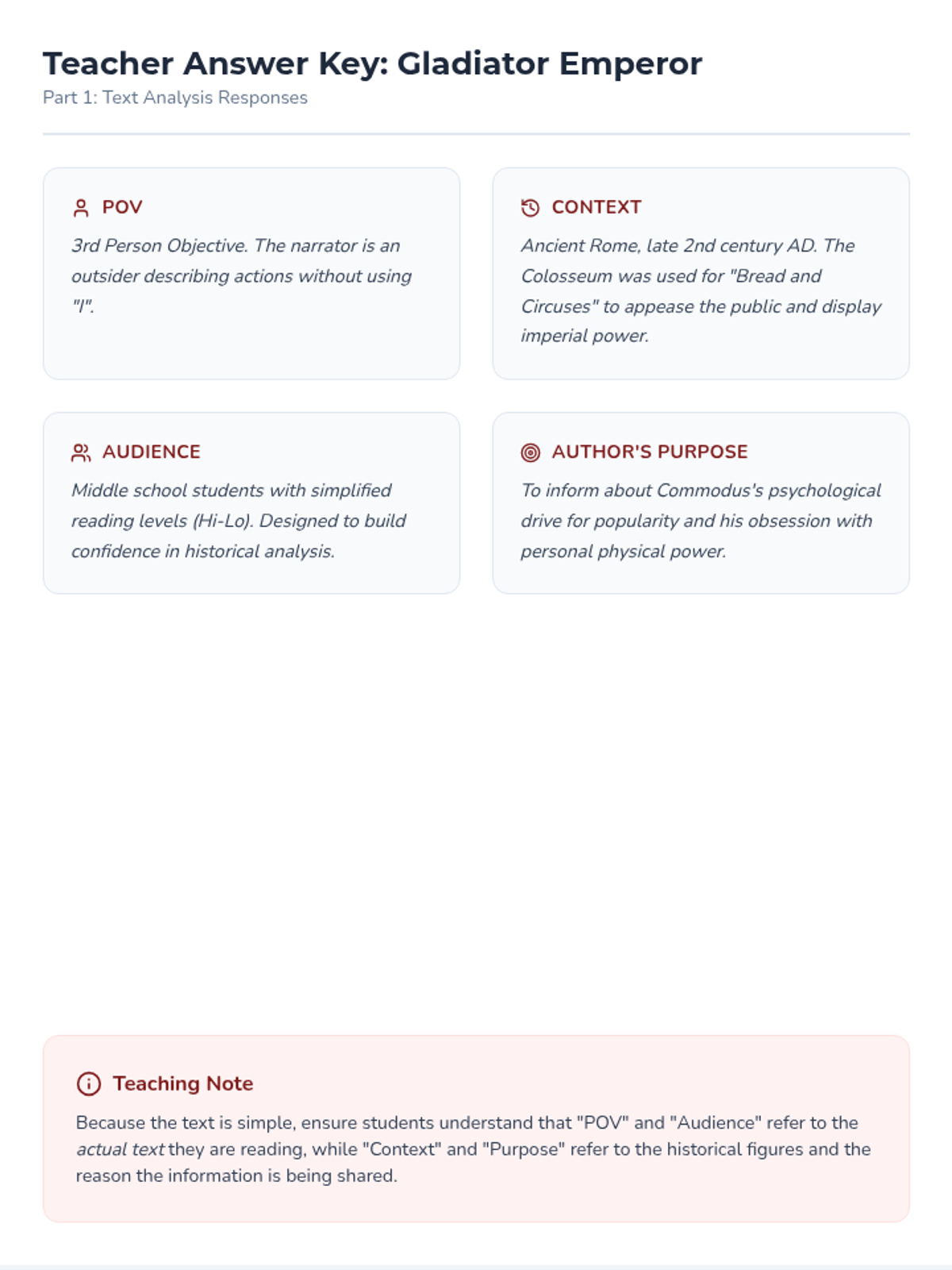
A lesson exploring the political and personal motivations of Emperor Commodus in the Roman Colosseum, designed for middle school students with differentiated reading levels.
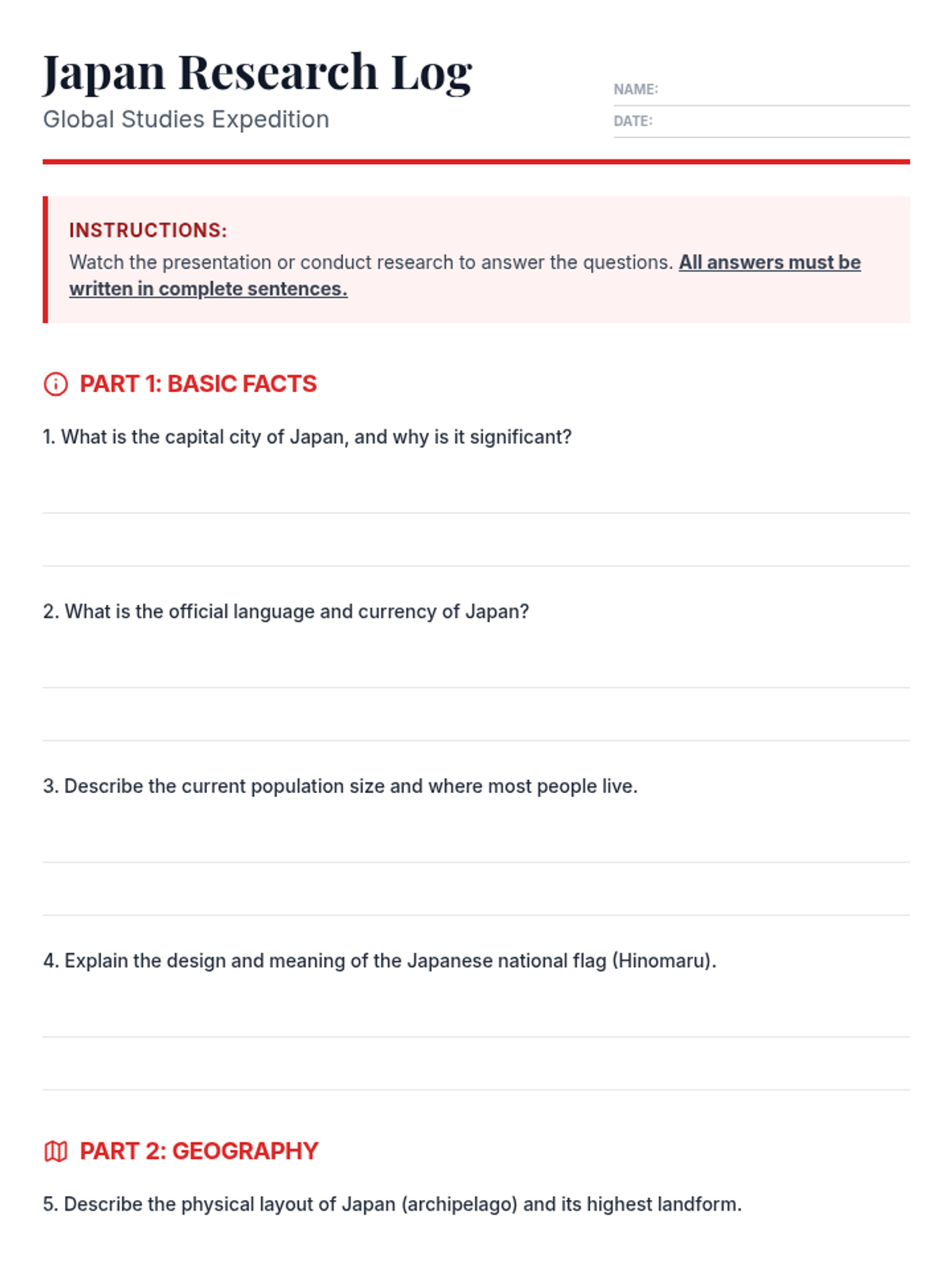
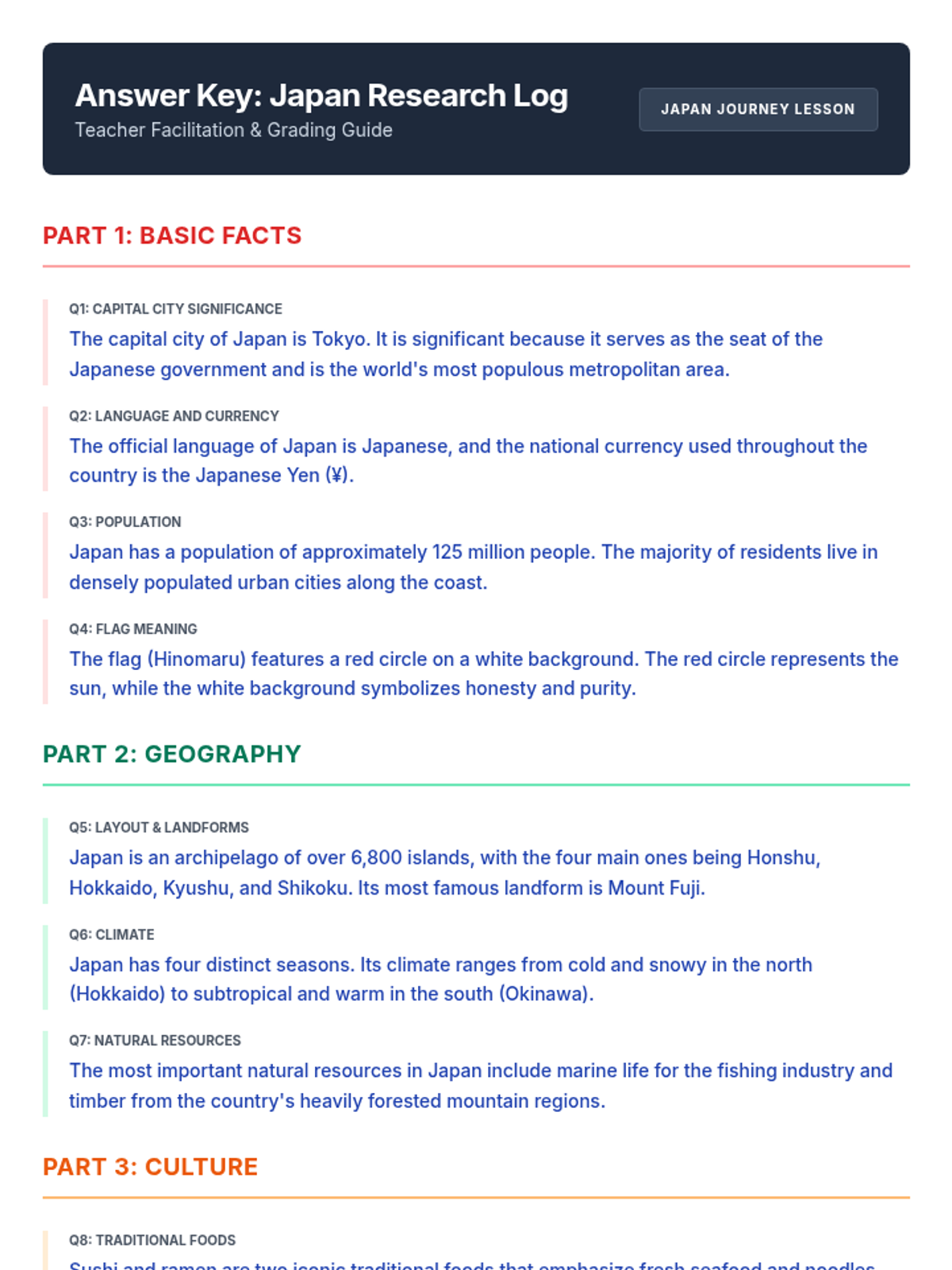
A comprehensive lesson covering the geography, culture, government, and economy of Japan, including a detailed presentation and a guided research log for students to record findings in complete sentences.
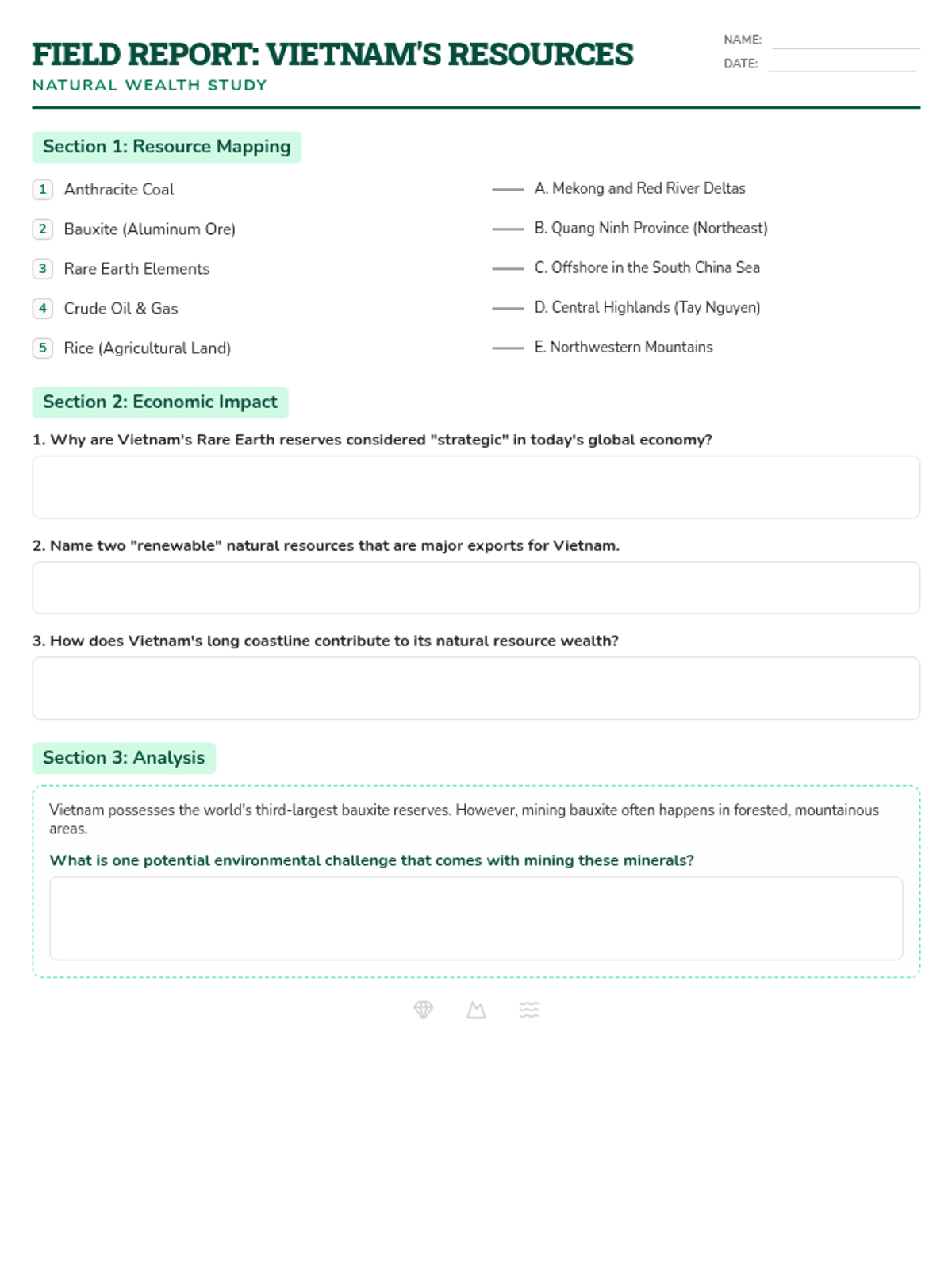
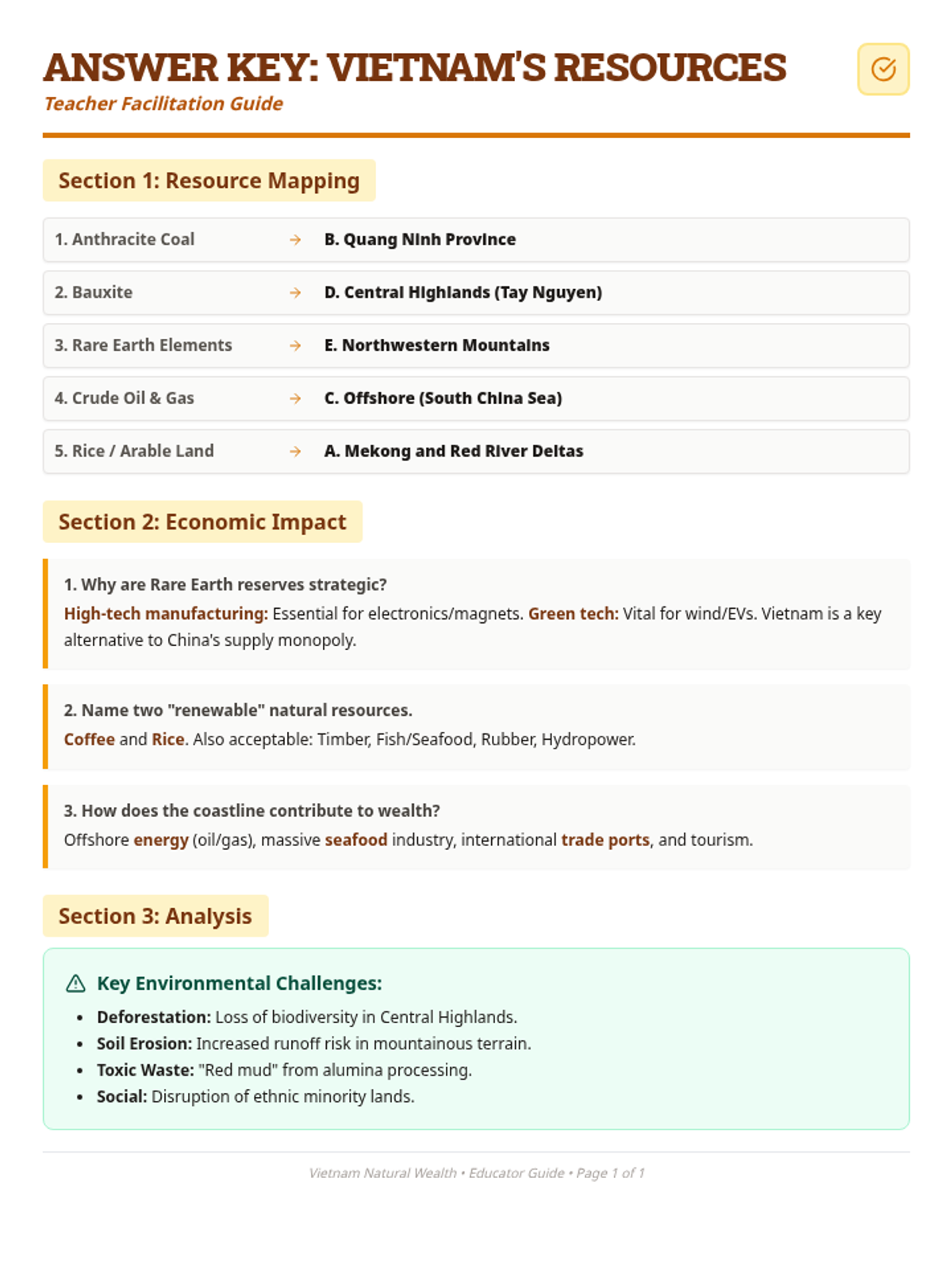
This lesson explores Vietnam's primary natural resources, including minerals, energy sources, and agricultural land, highlighting their geographic distribution and economic importance.
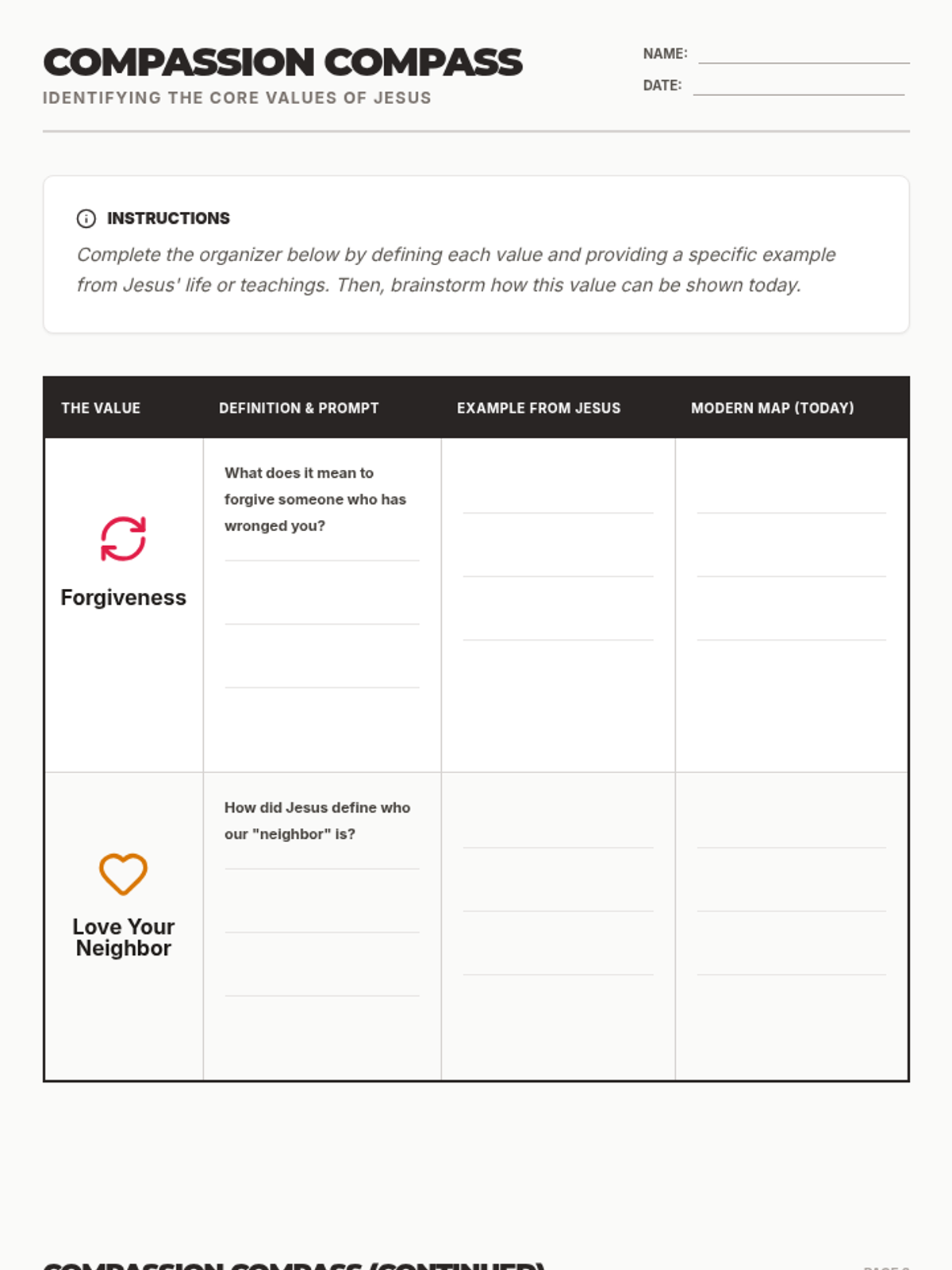
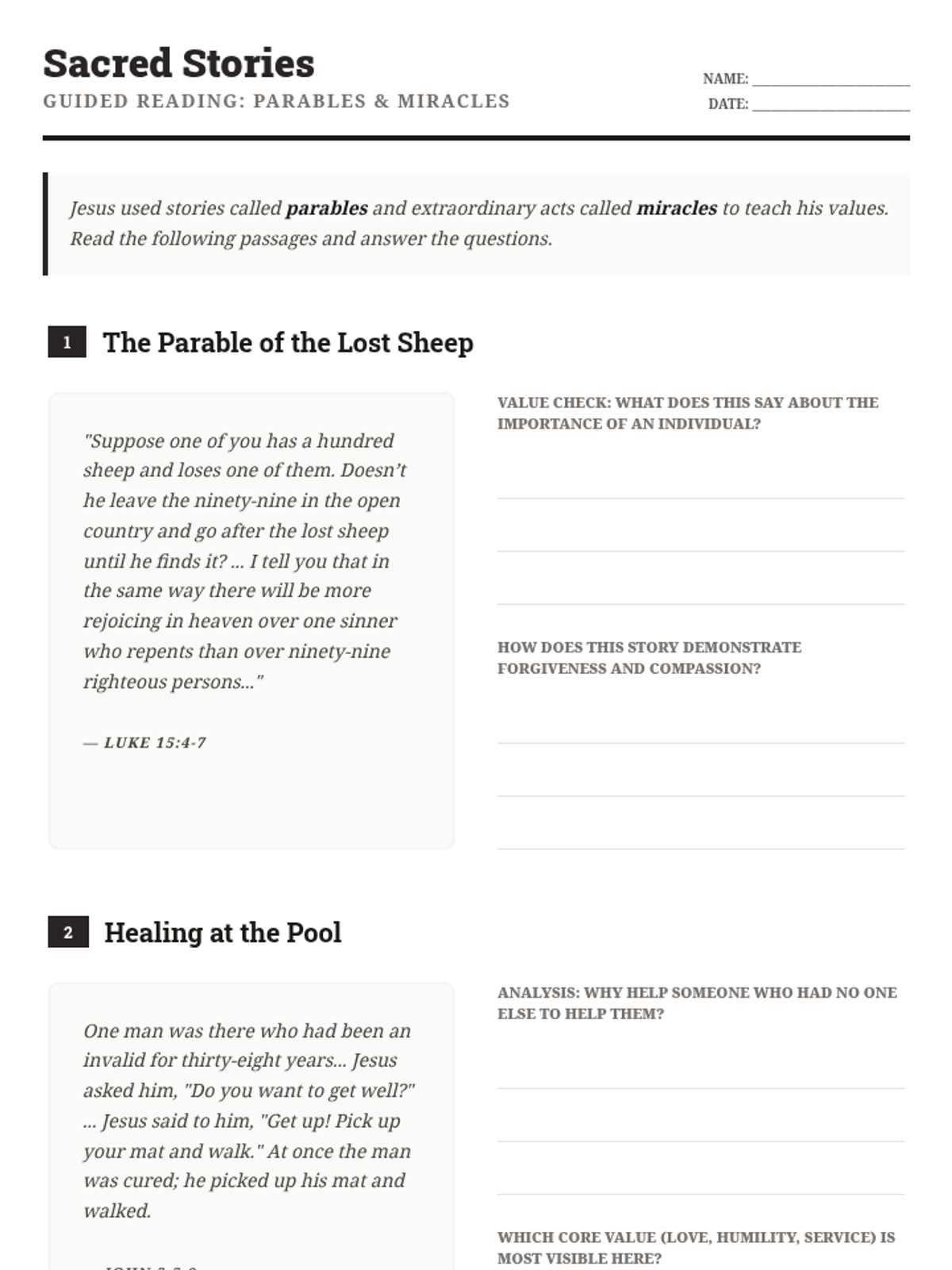
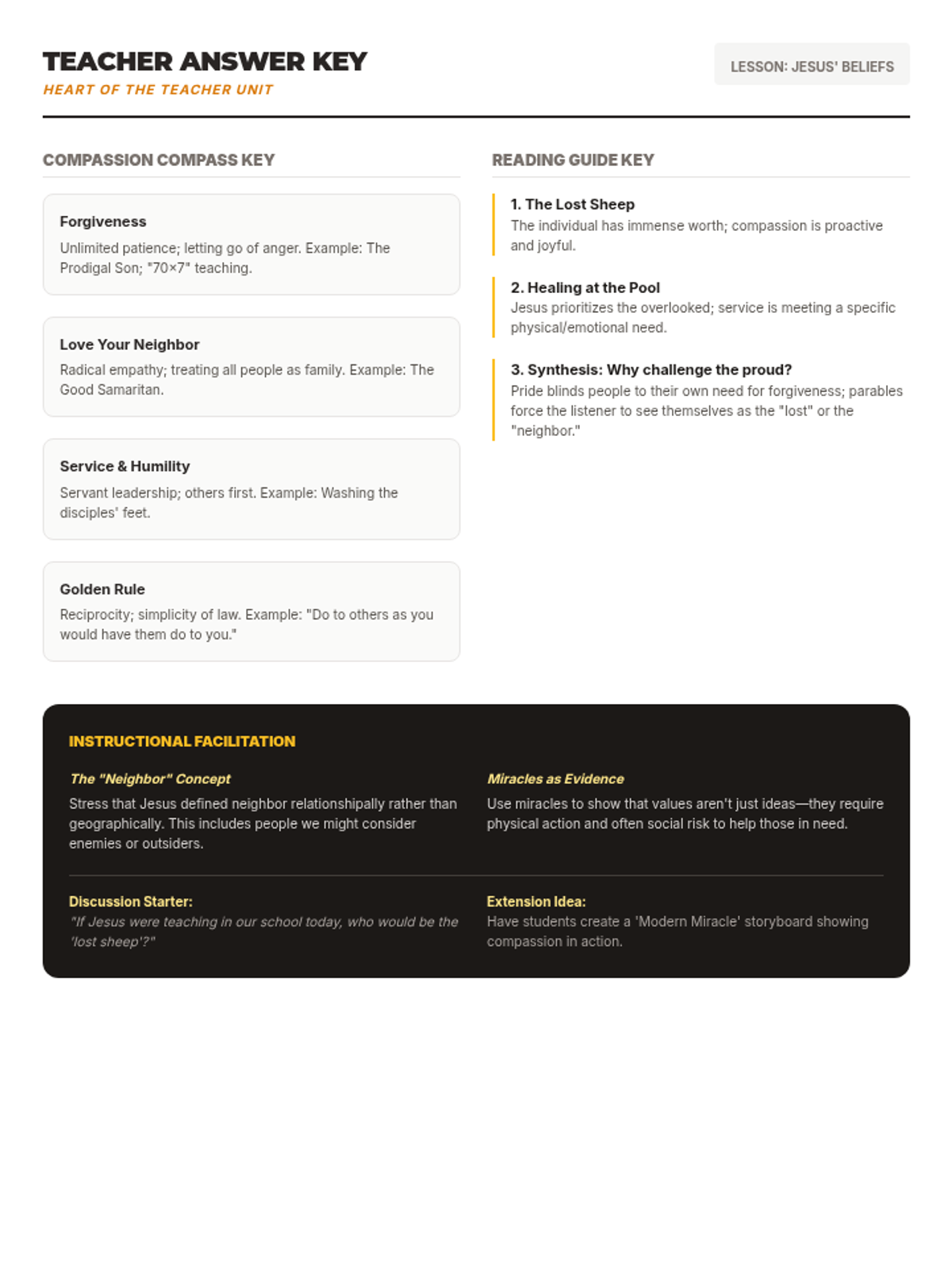
A lesson exploring the core values and beliefs of Jesus, focusing on compassion, forgiveness, humility, and service through parables and miracles.
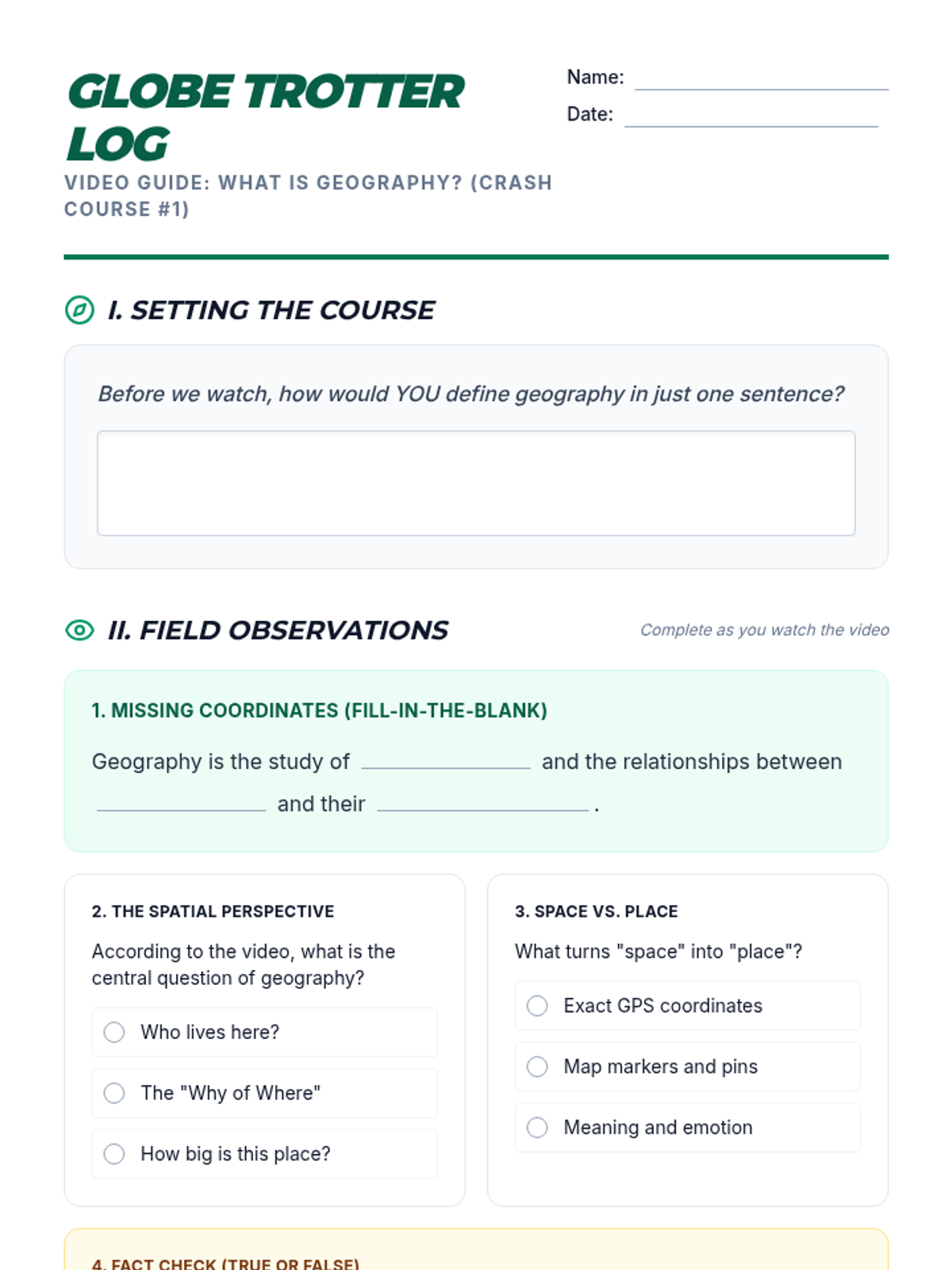
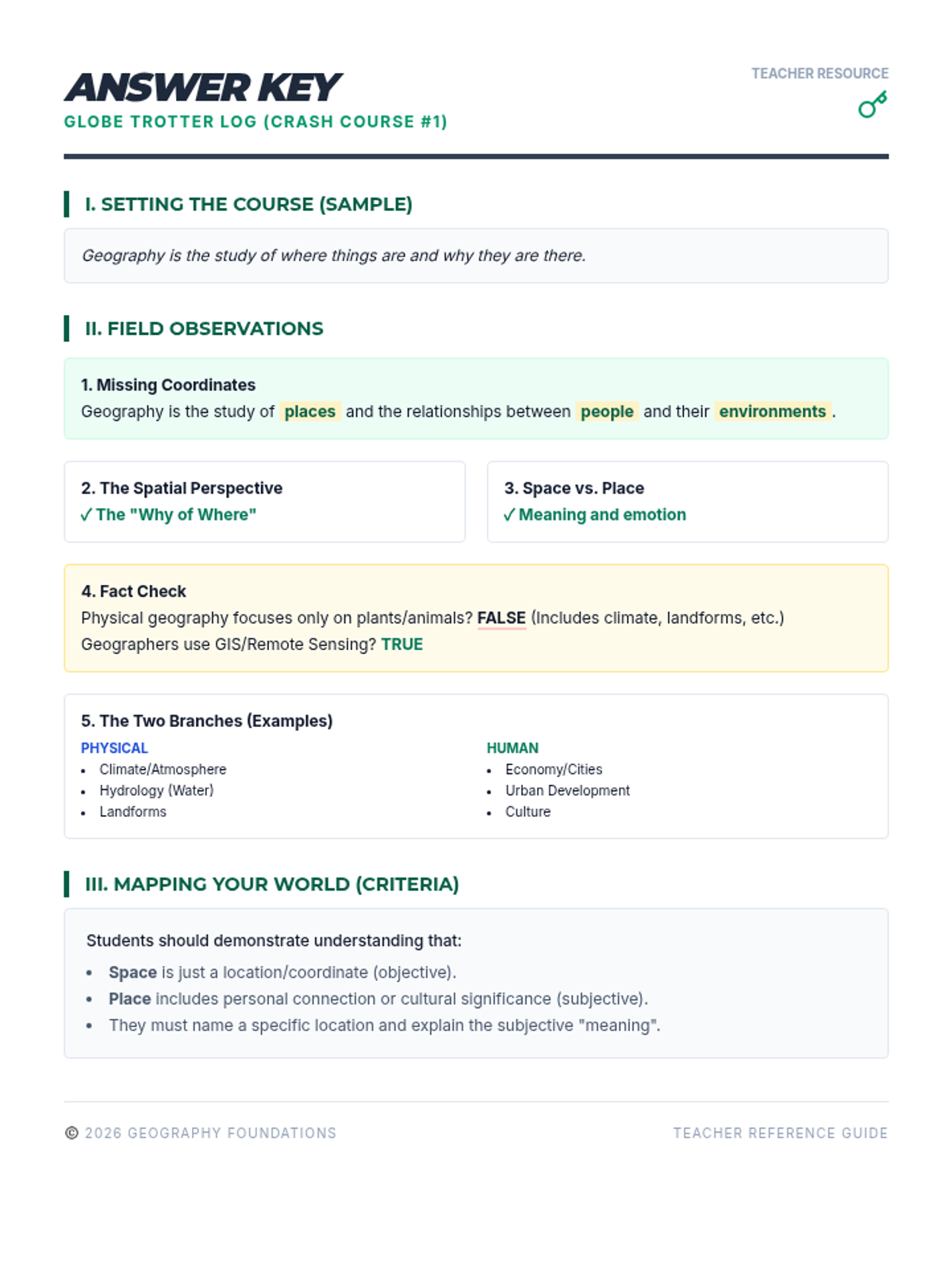
An introductory lesson exploring the core concepts of geography, including the spatial perspective, the difference between physical and human geography, and the fundamental 'why of where' based on Crash Course Geography #1.
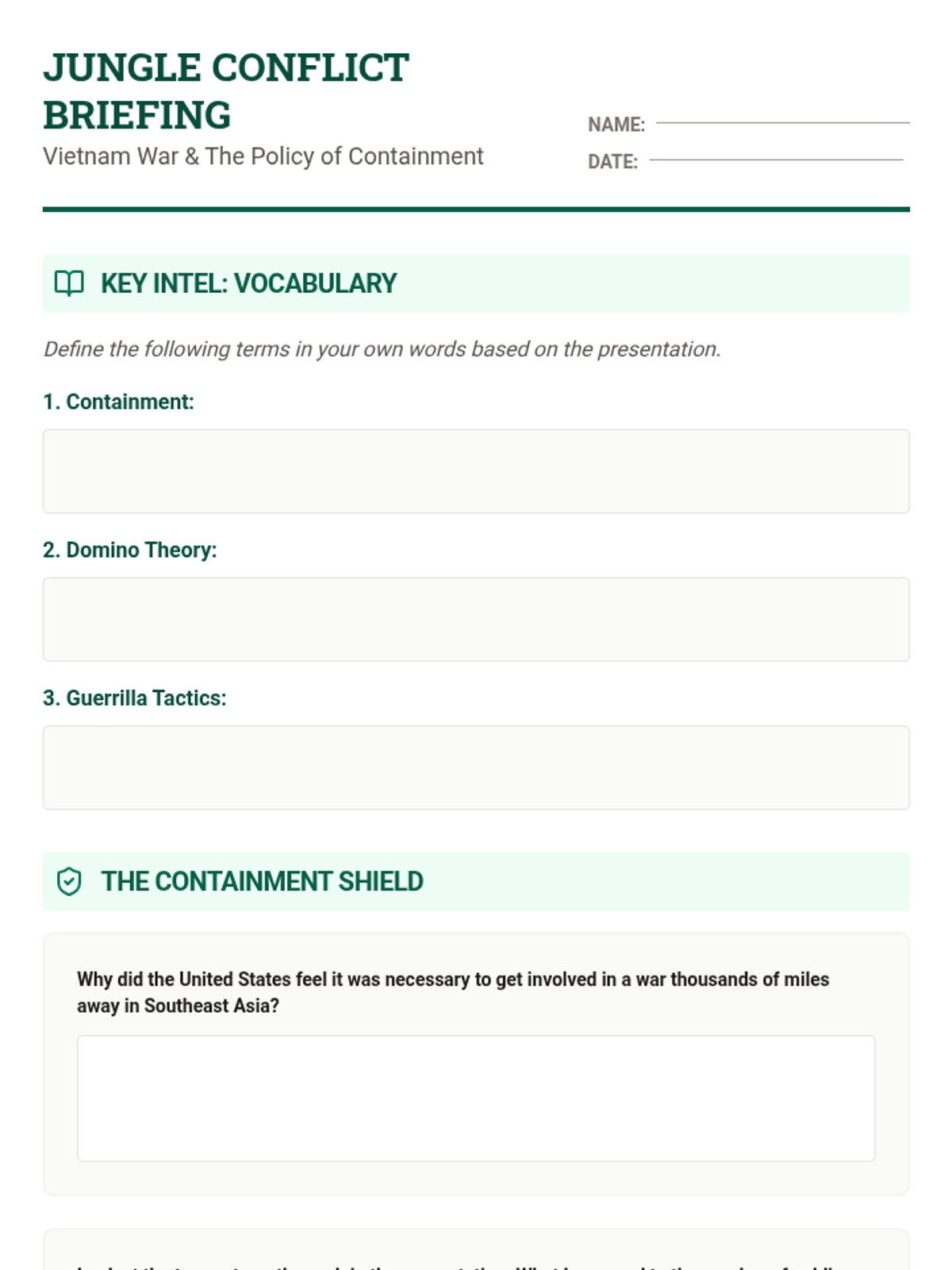
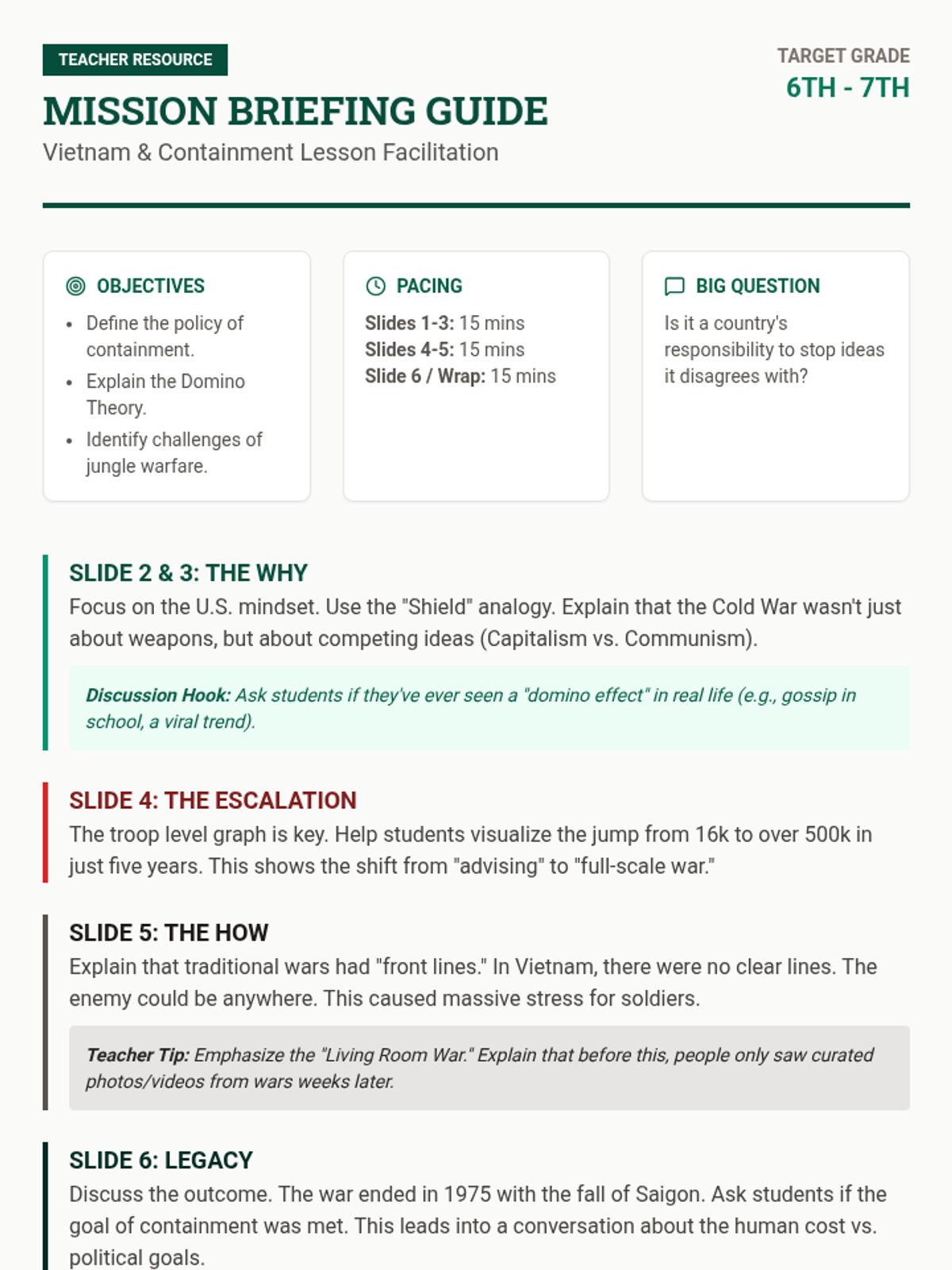
This lesson explores the origins of the Vietnam War through the lens of the US policy of containment and the Domino Theory, designed for middle school students.
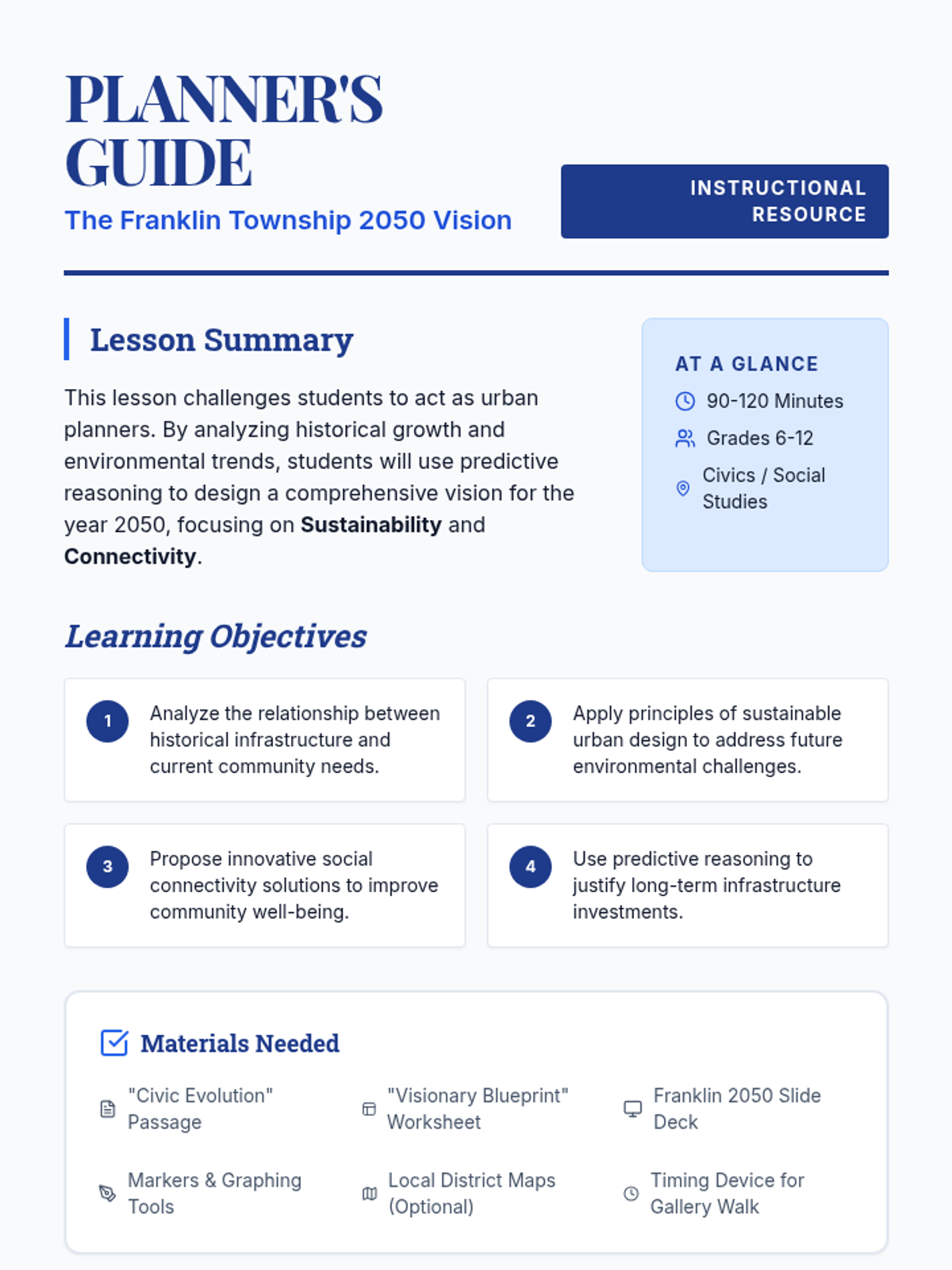
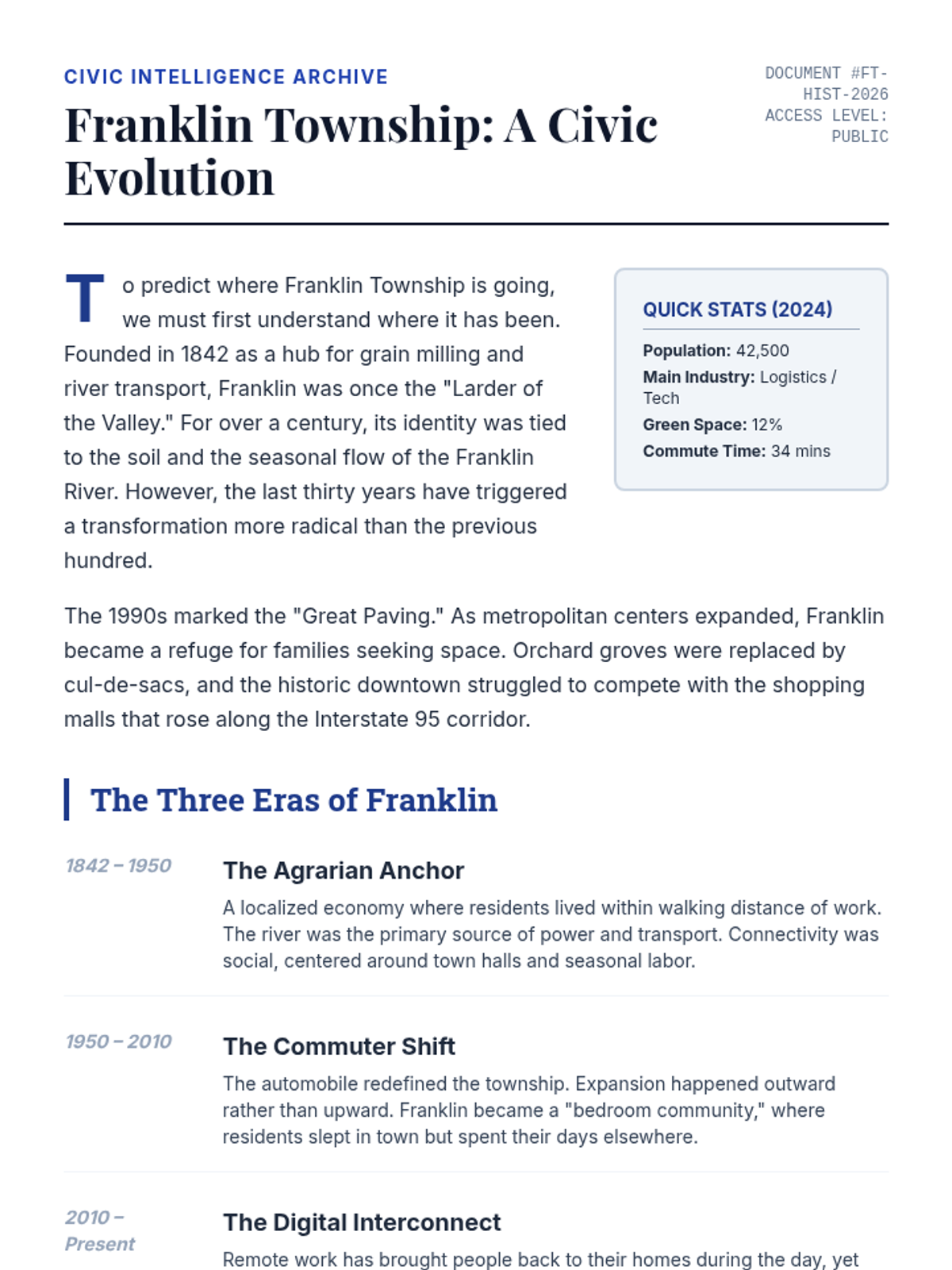
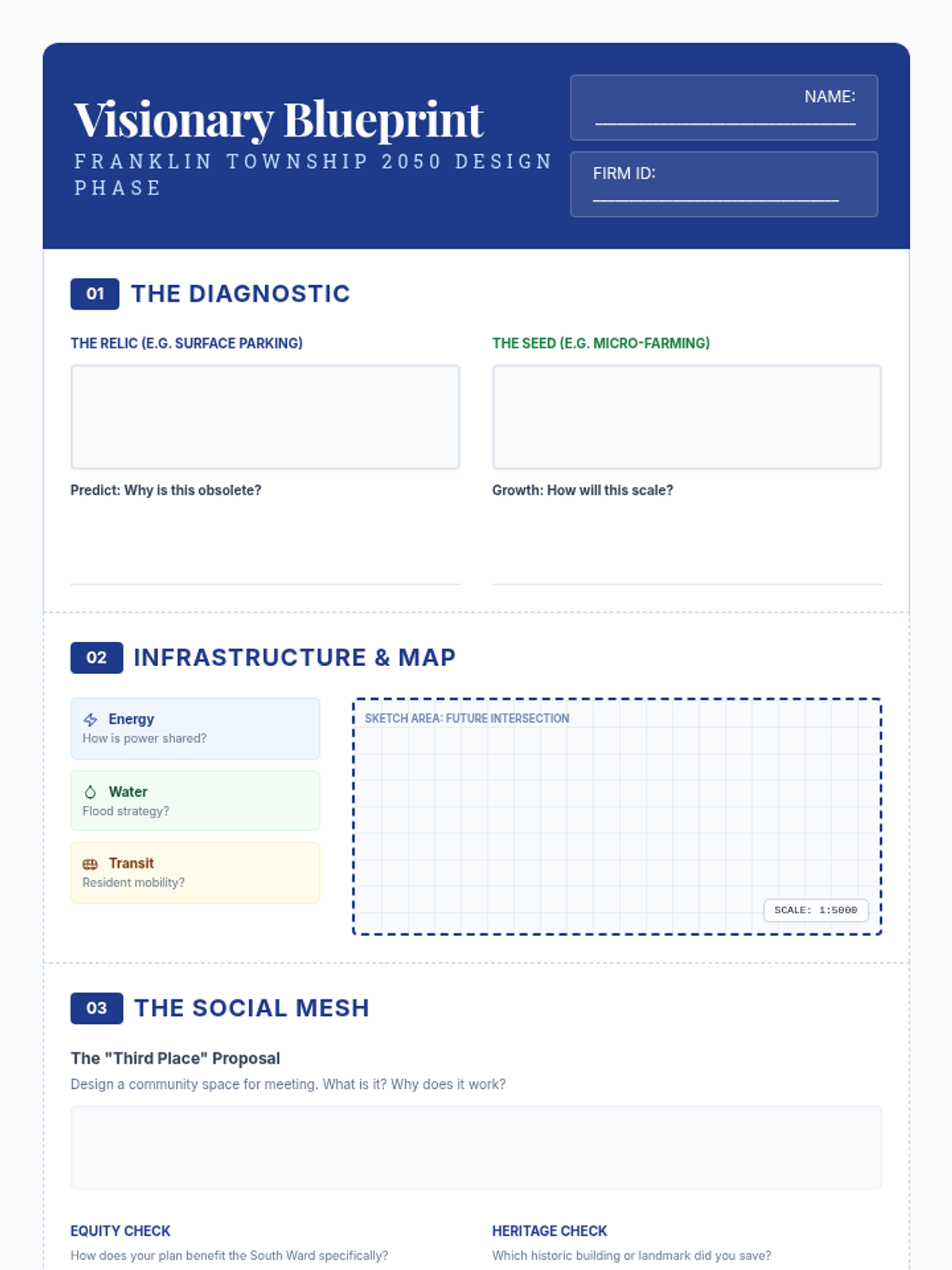
A civic design lesson where students apply historical context and sustainability principles to imagine their community in 2050. Students analyze local evolution and propose infrastructure and social connectivity improvements.
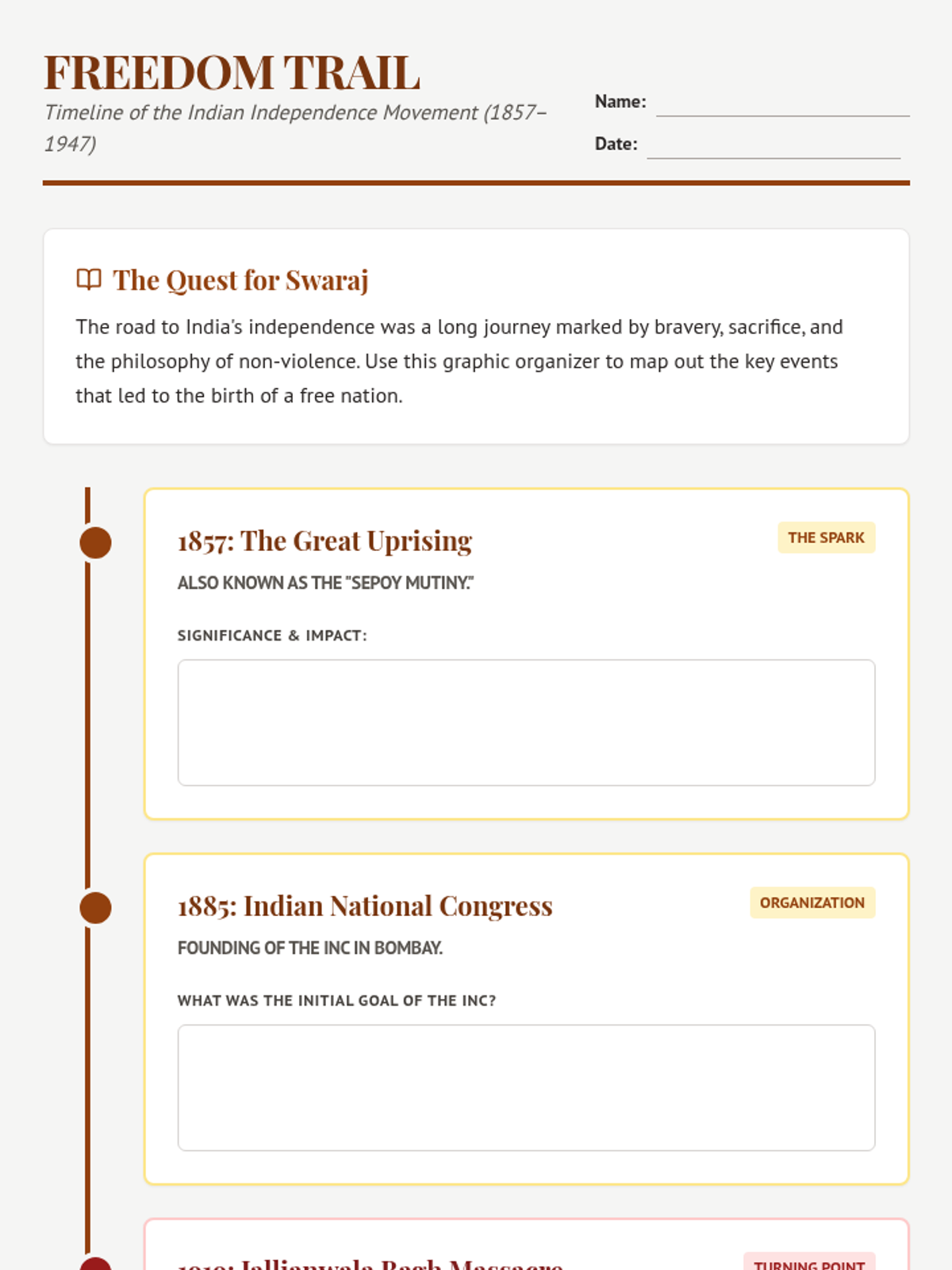
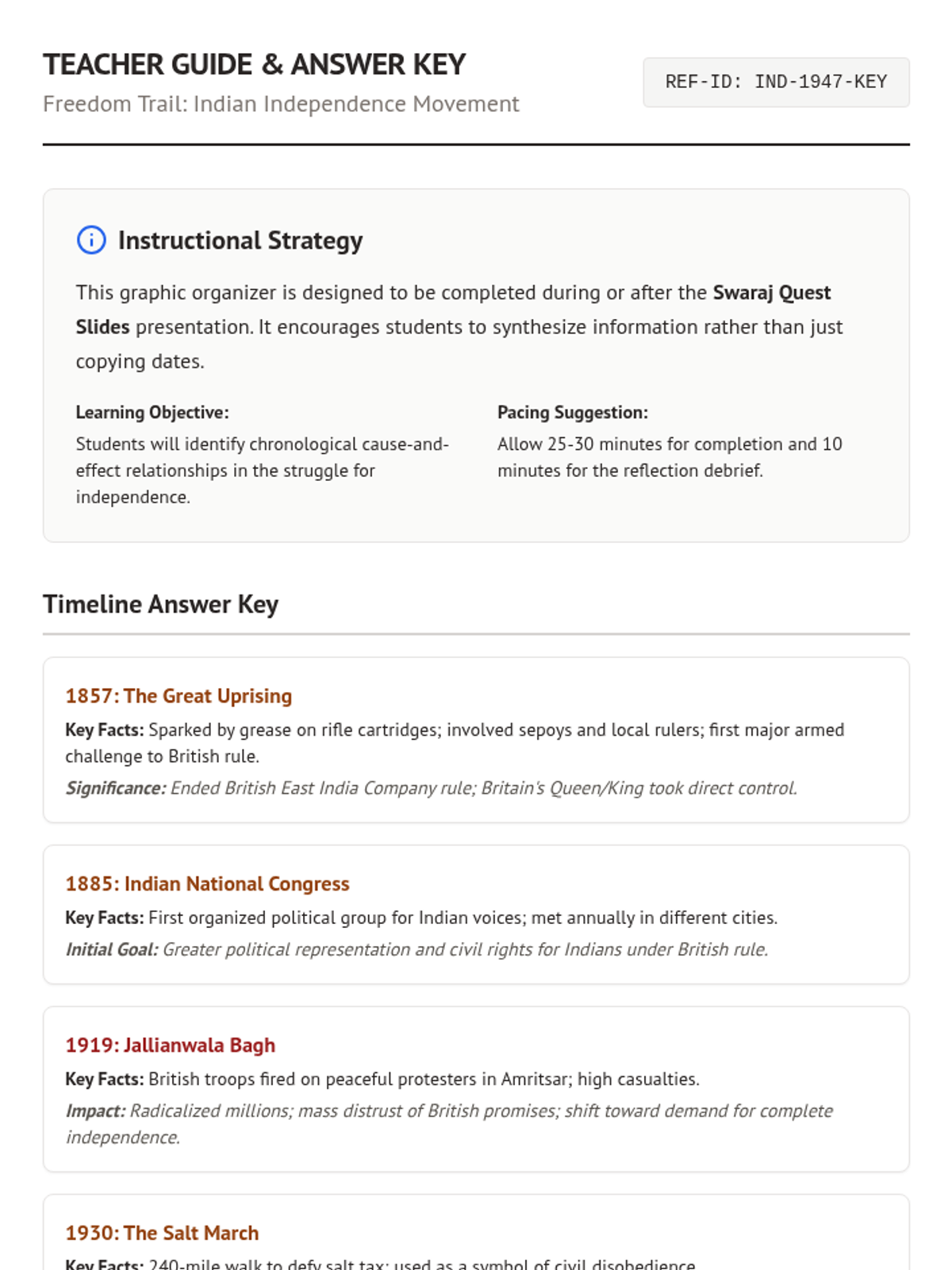
A comprehensive lesson exploring the pivotal moments and key figures of the Indian Independence Movement, from the 1857 uprising to the achievement of Swaraj in 1947.
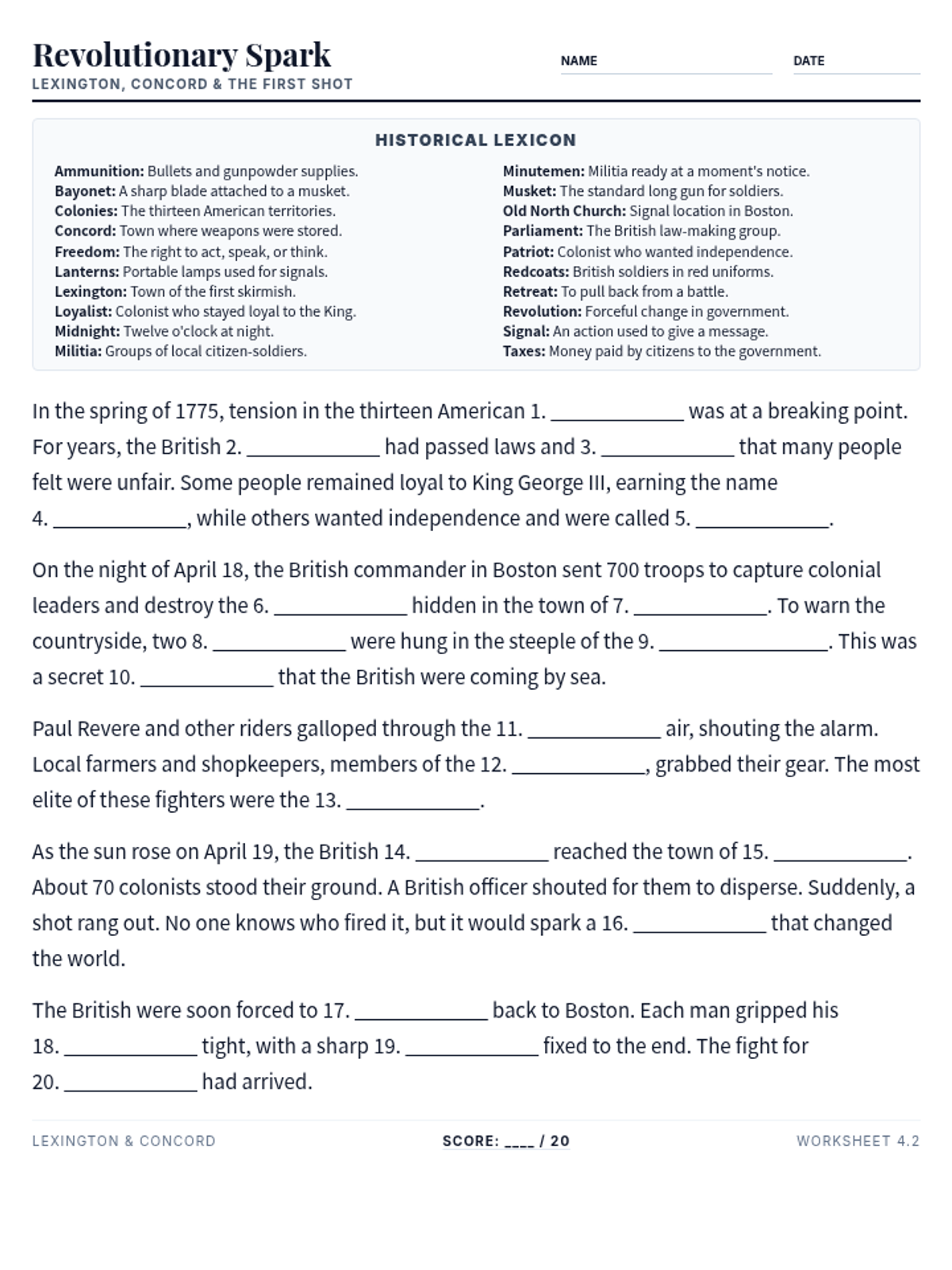
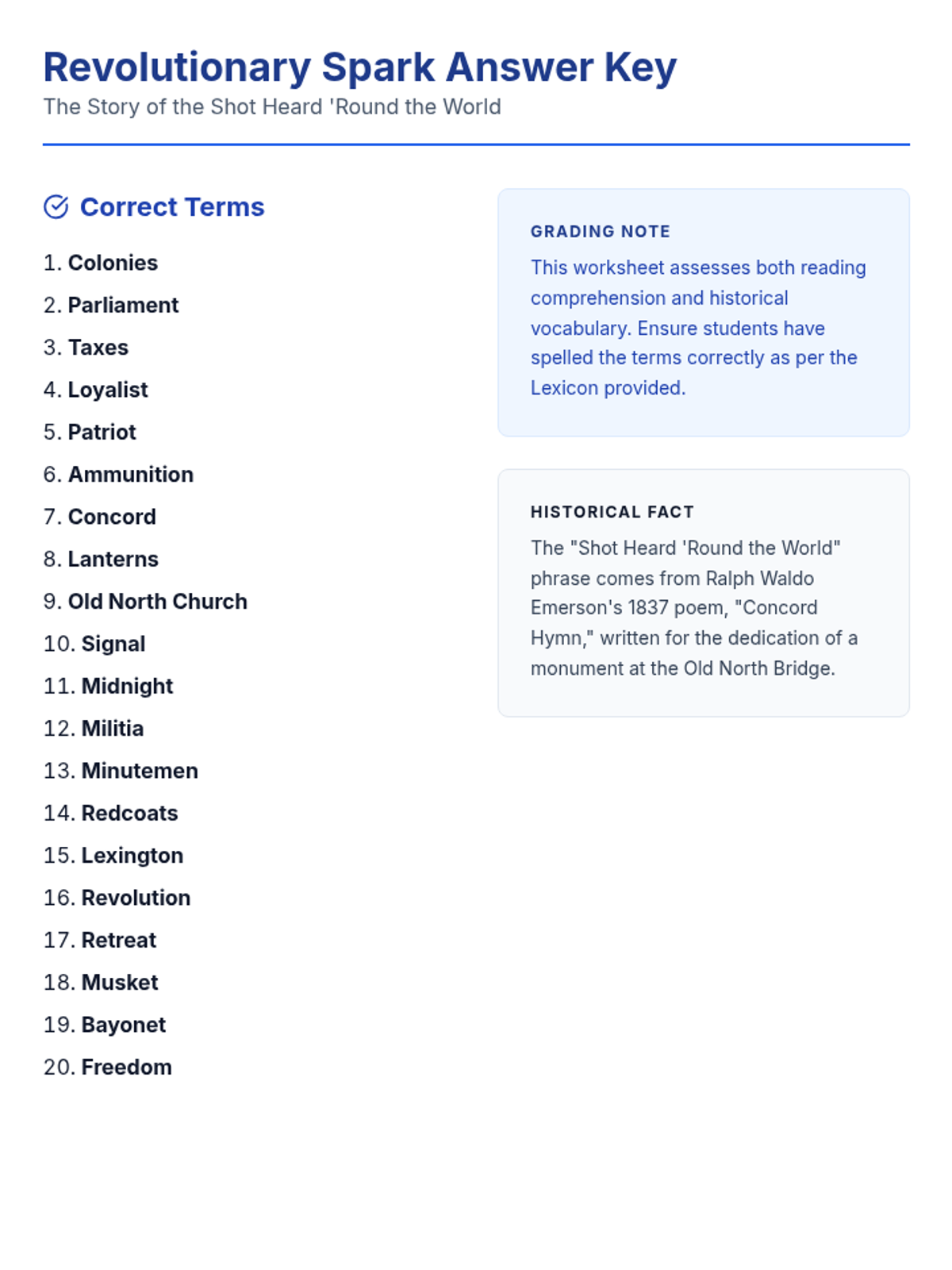
A lesson exploring the opening moments of the American Revolutionary War, focusing on the events at Lexington and Concord and the significance of the 'Shot Heard 'Round the World'.