Students explore the physical and economic geography of Oceania, focusing on the differences between High and Low Islands through video analysis and a creative 'Island Planners' cartography activity.
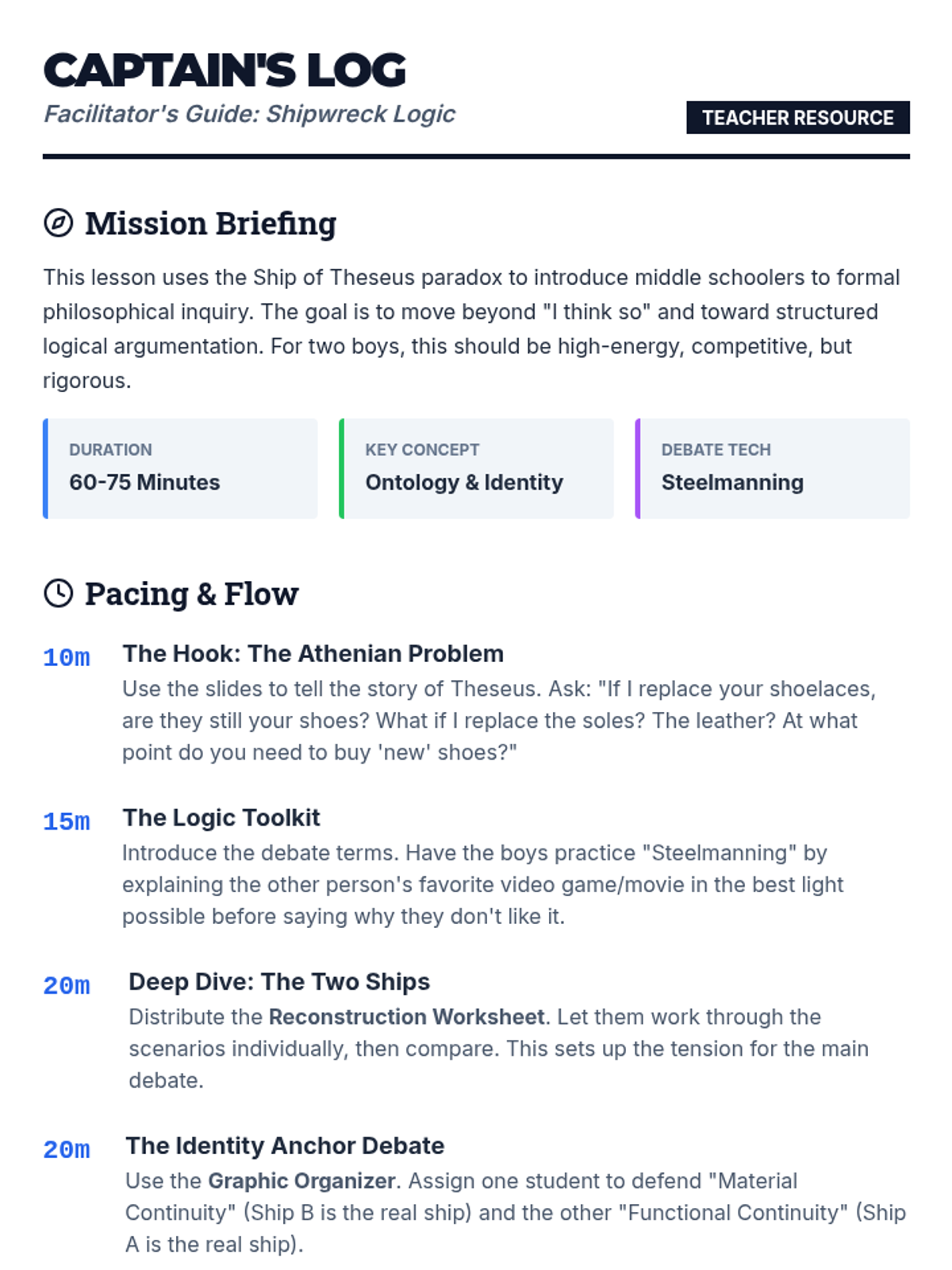
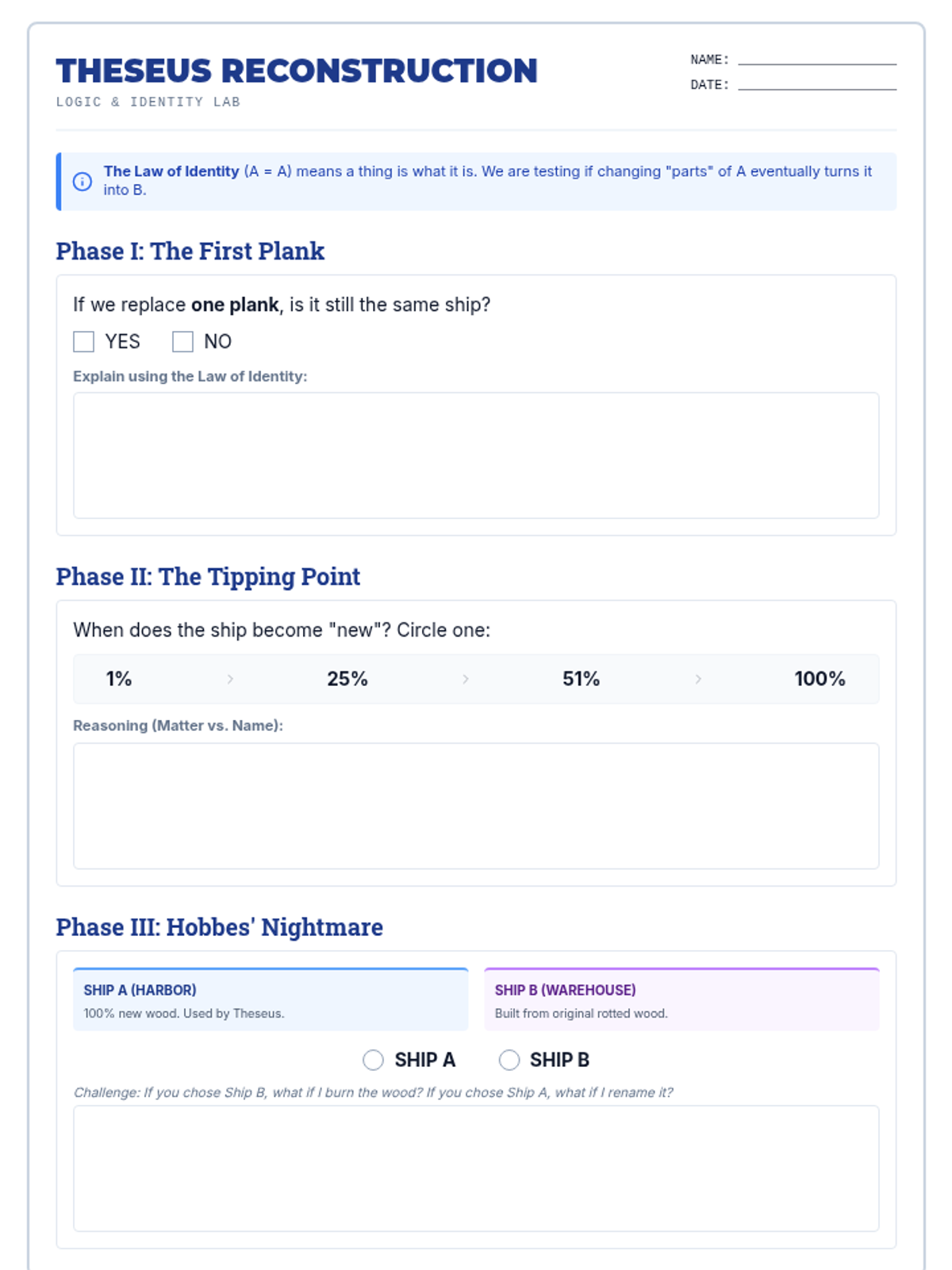
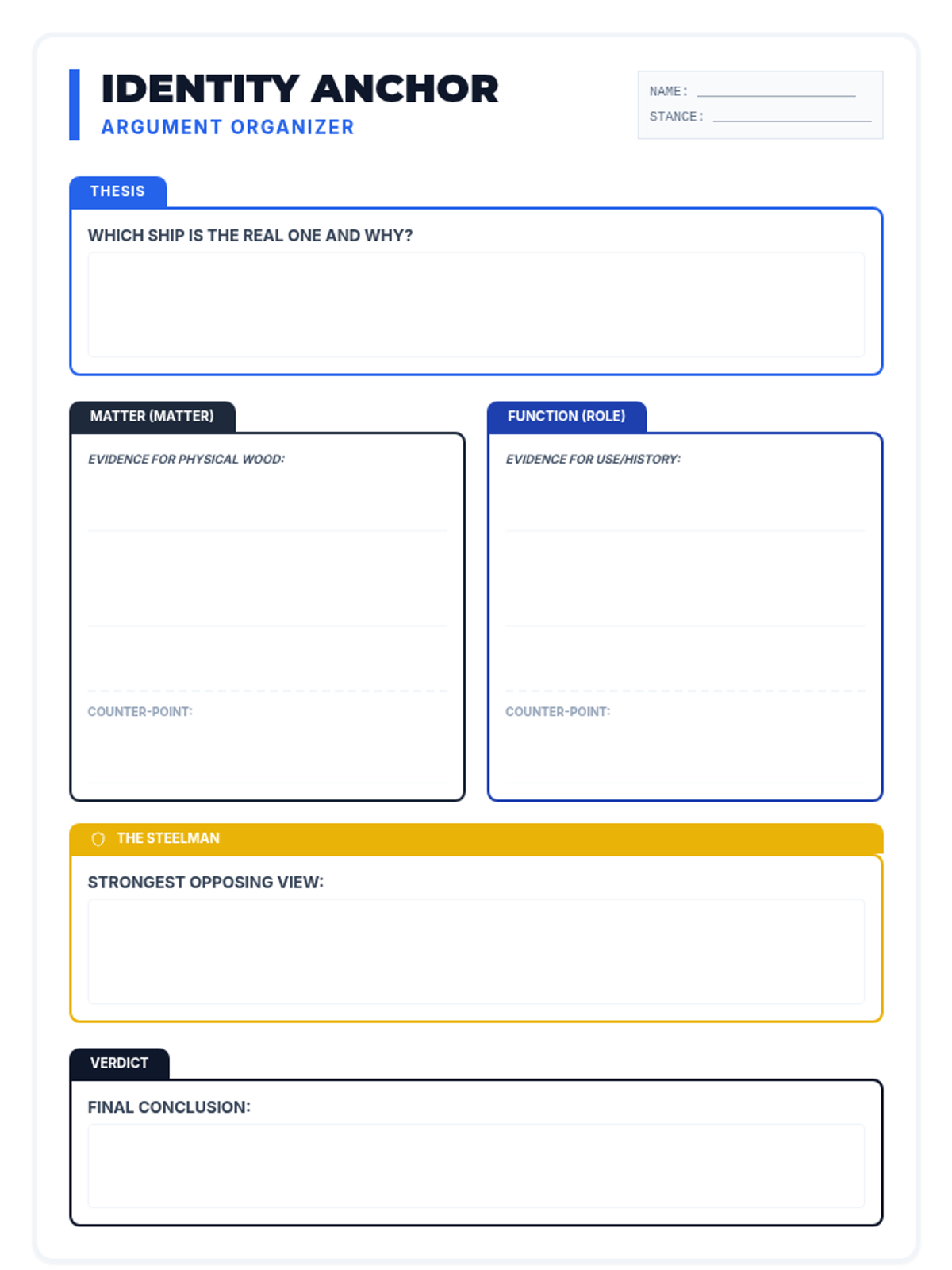
A philosophical exploration of identity and logic centered on the Ship of Theseus paradox. Students analyze historical context, learn formal debate techniques, and grapple with the nature of change and continuity.
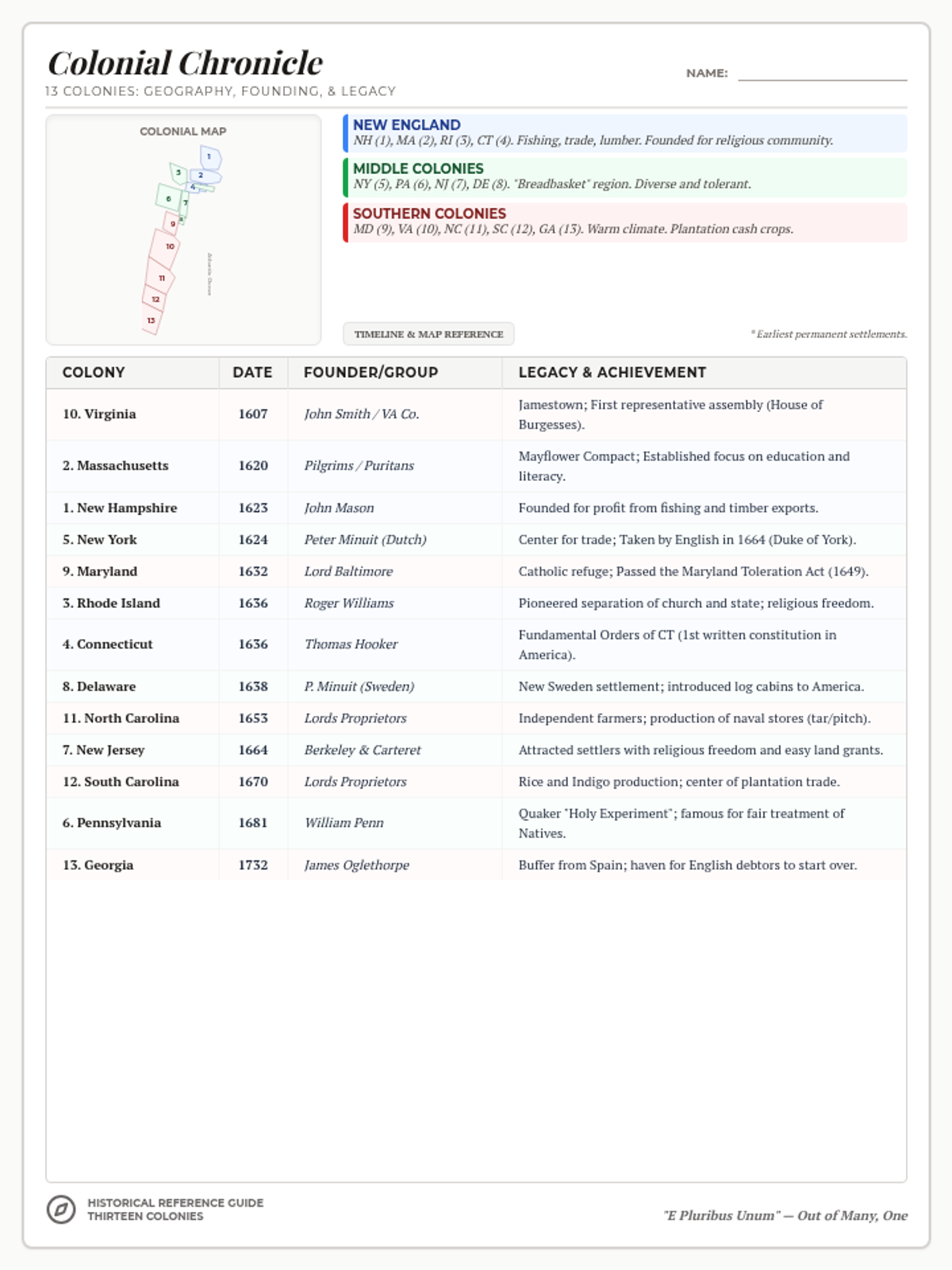
A comprehensive look at the founding, geography, and development of the thirteen original American colonies.
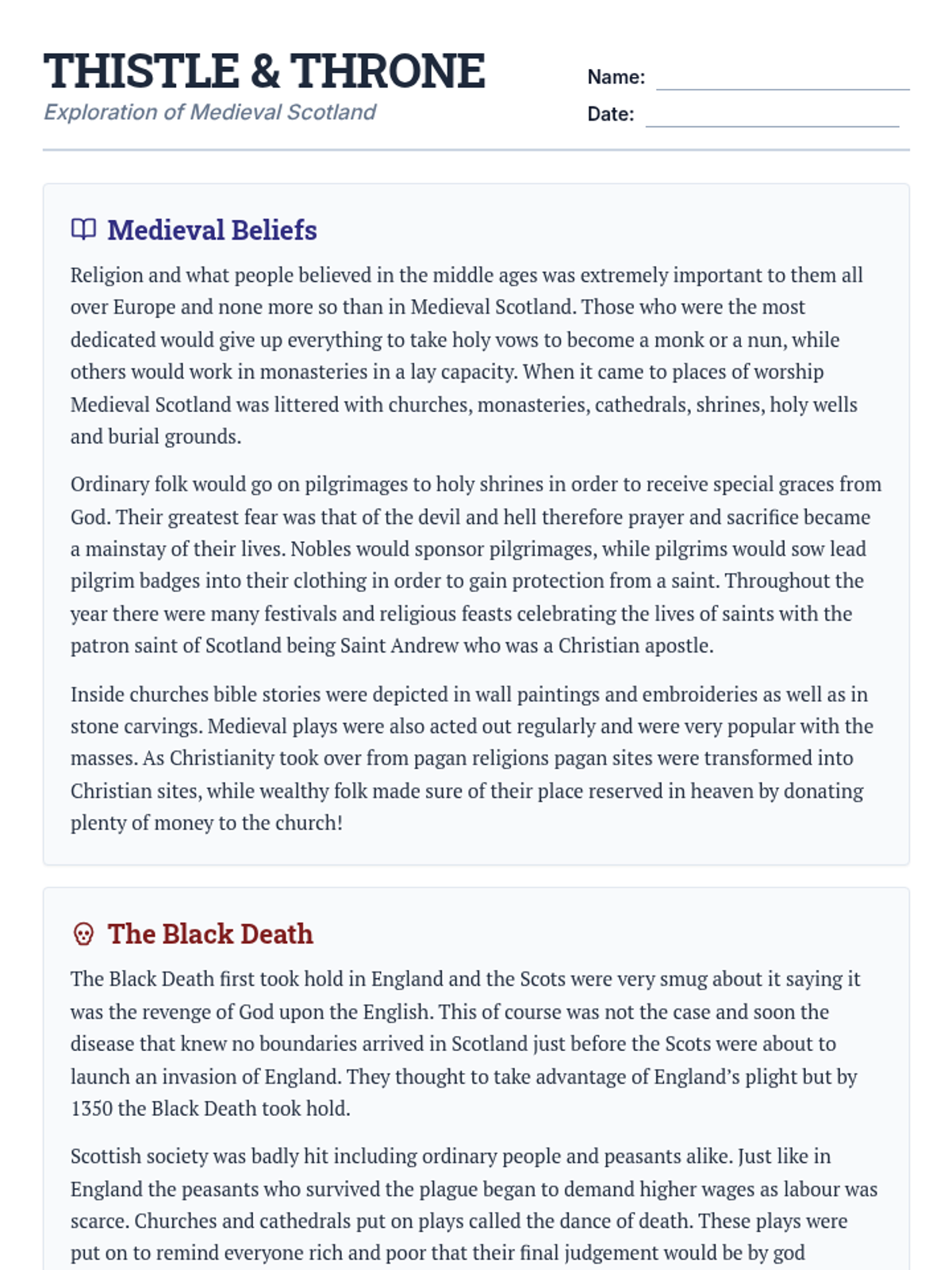
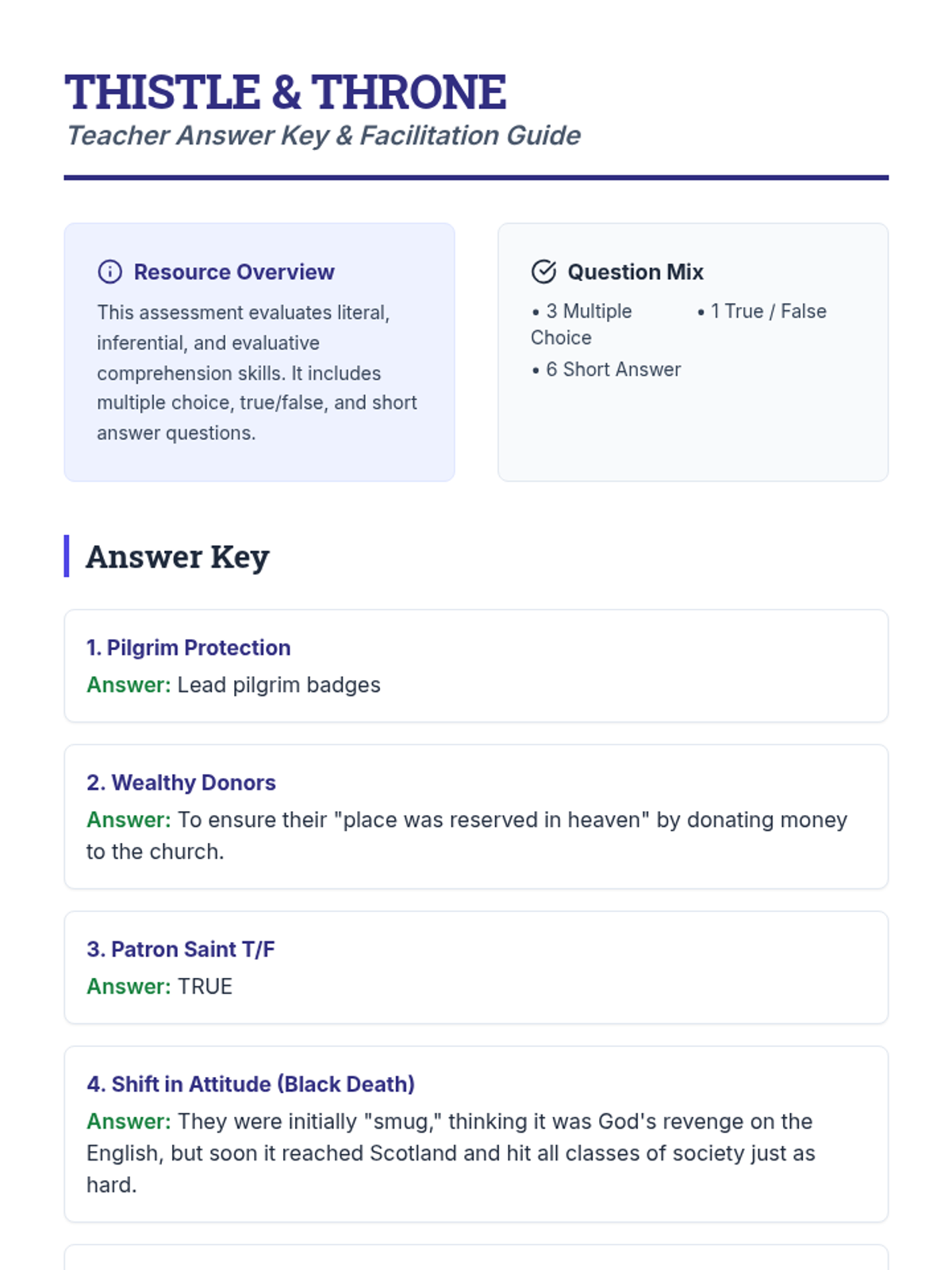
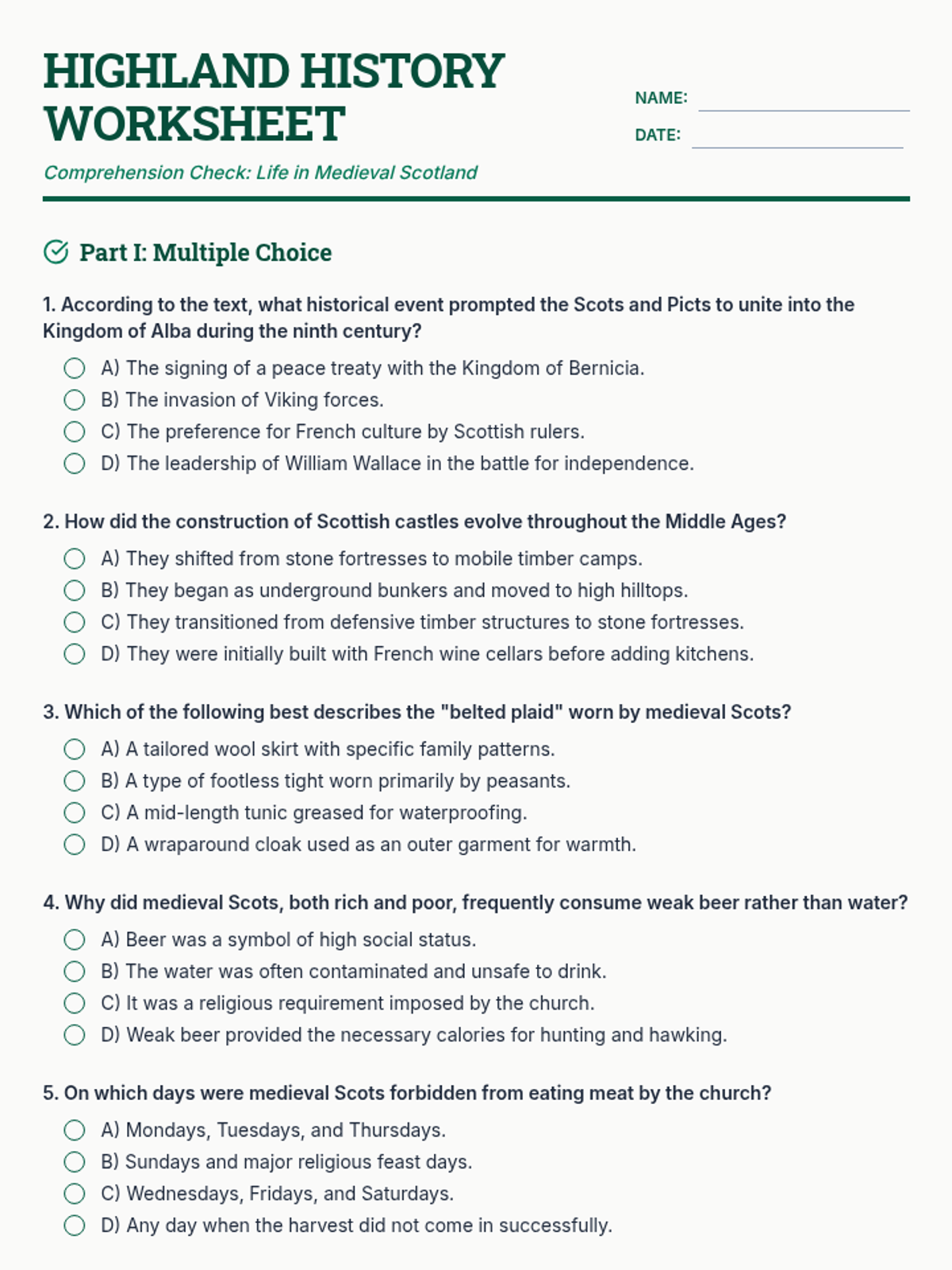
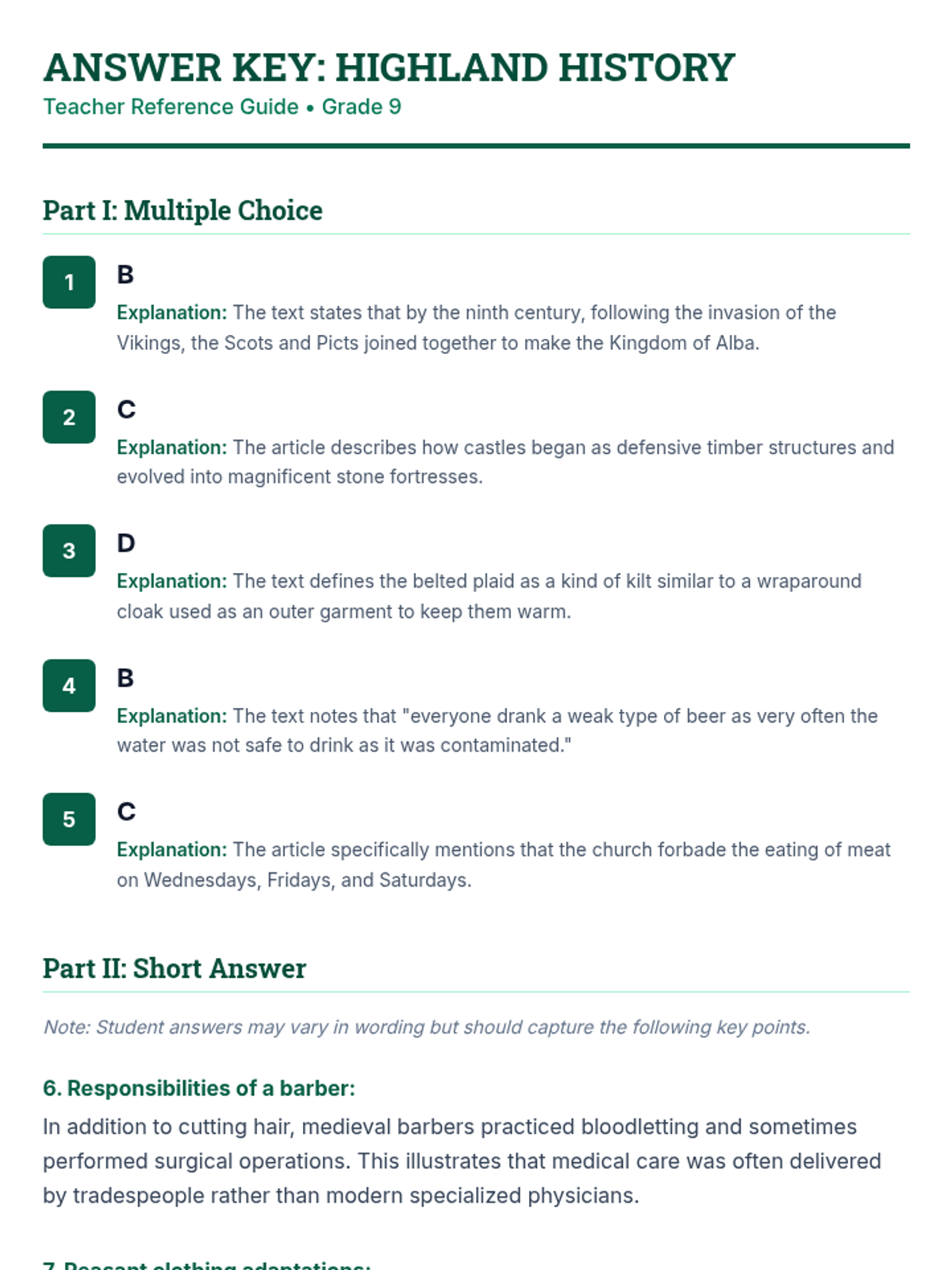
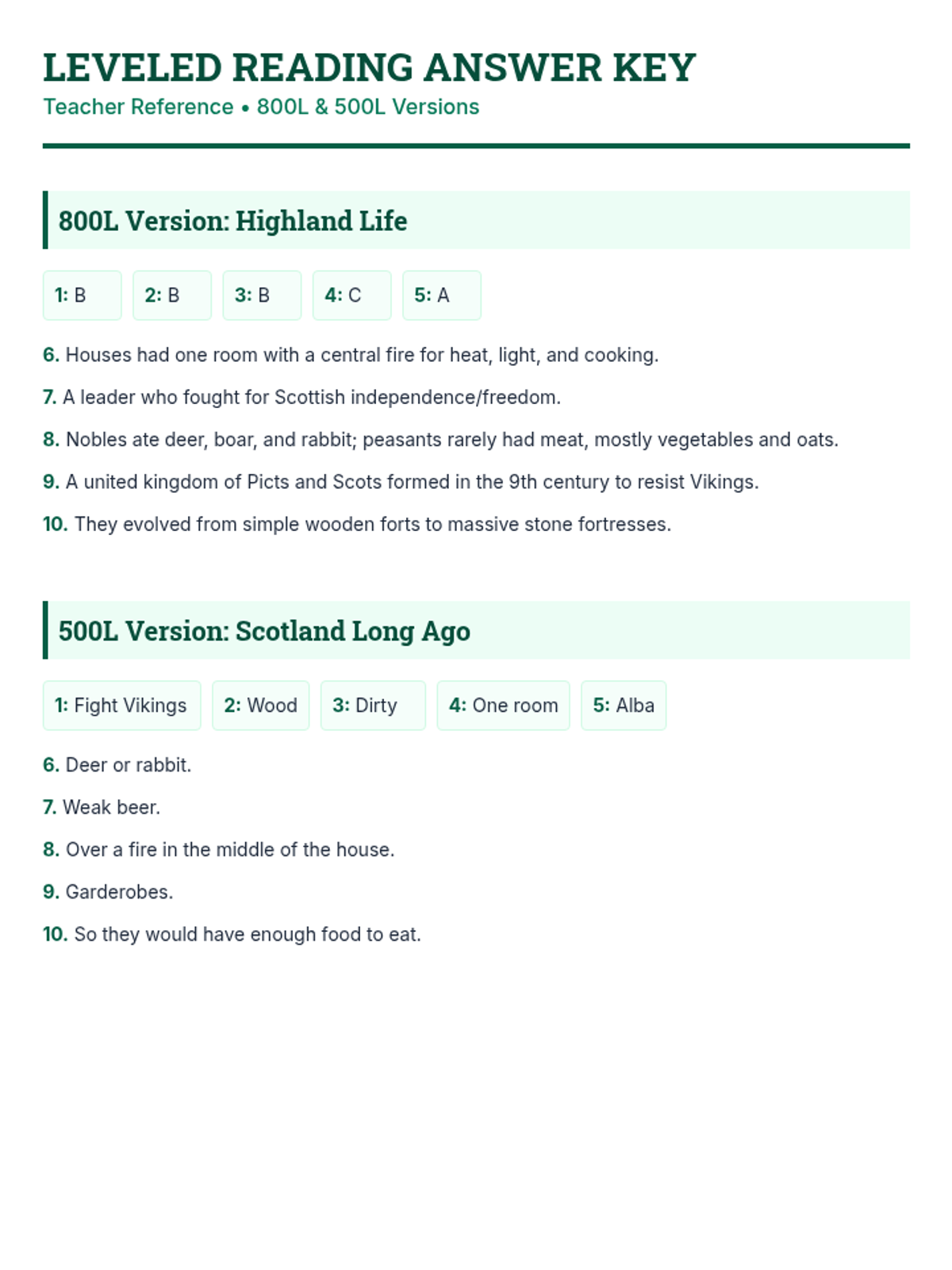
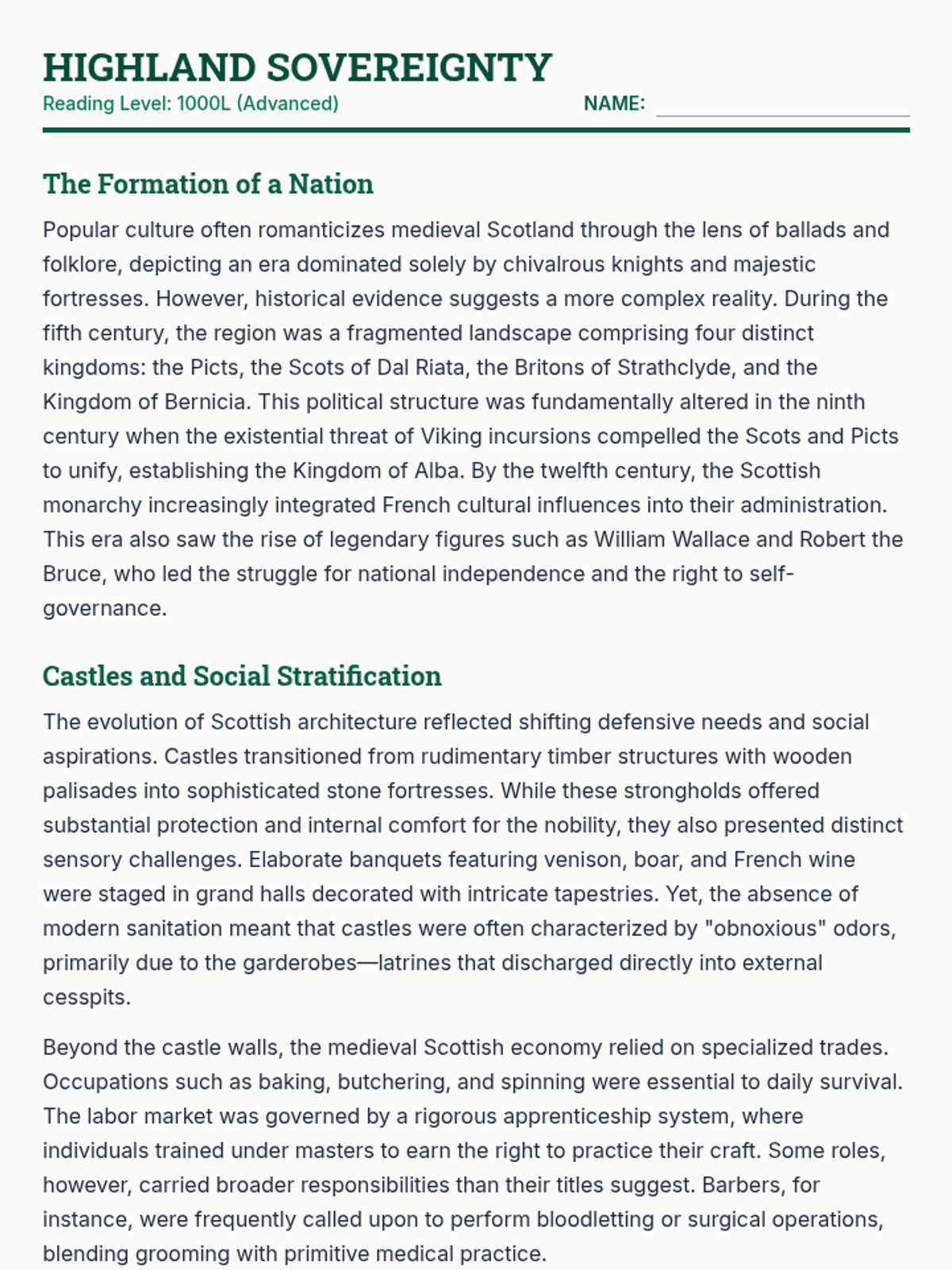
A comprehensive look at medieval Scottish life, covering religious devotion, the impact of the Black Death, the lawless Border Reivers, and the dangerous lives of monarchs.
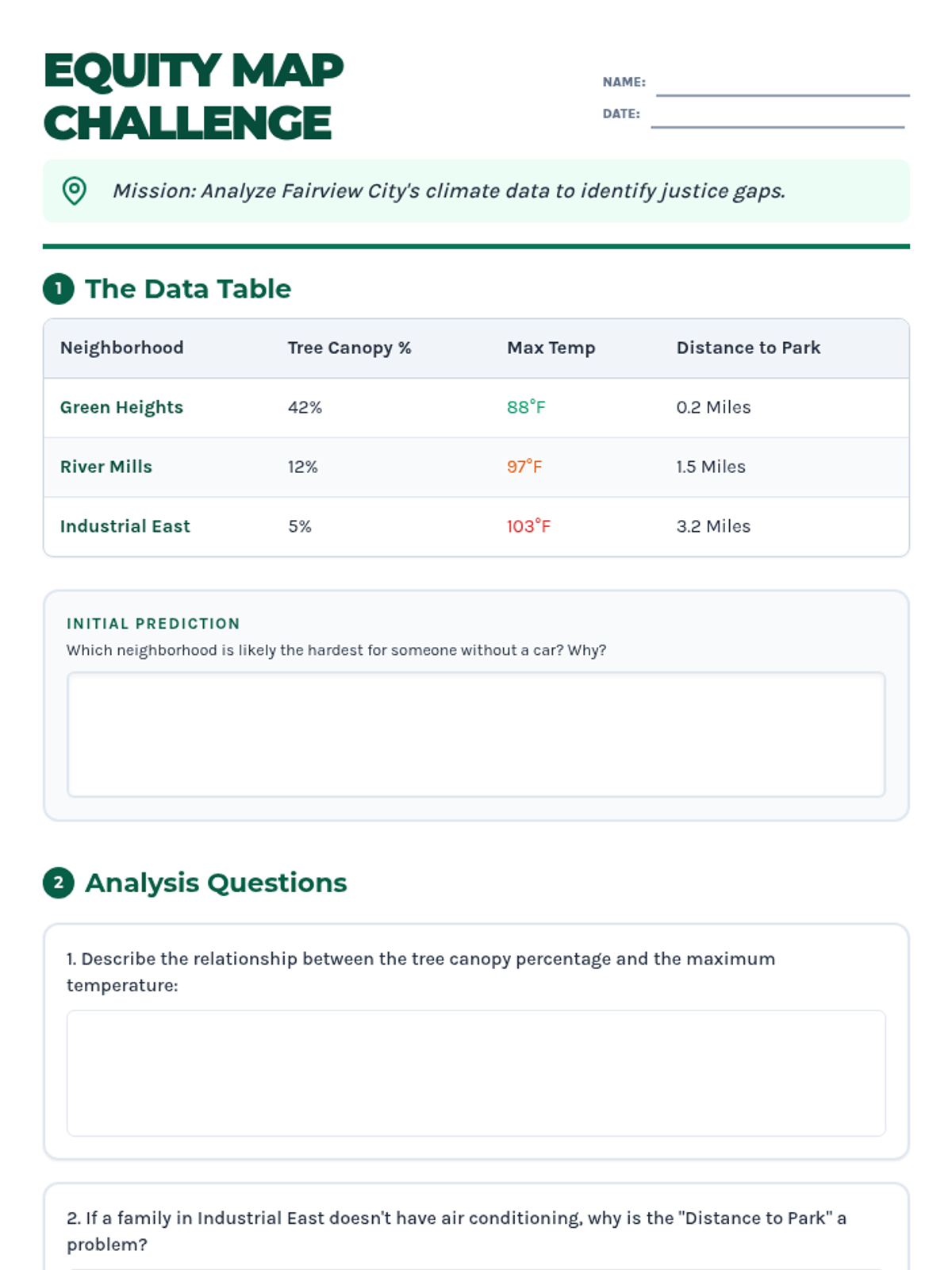
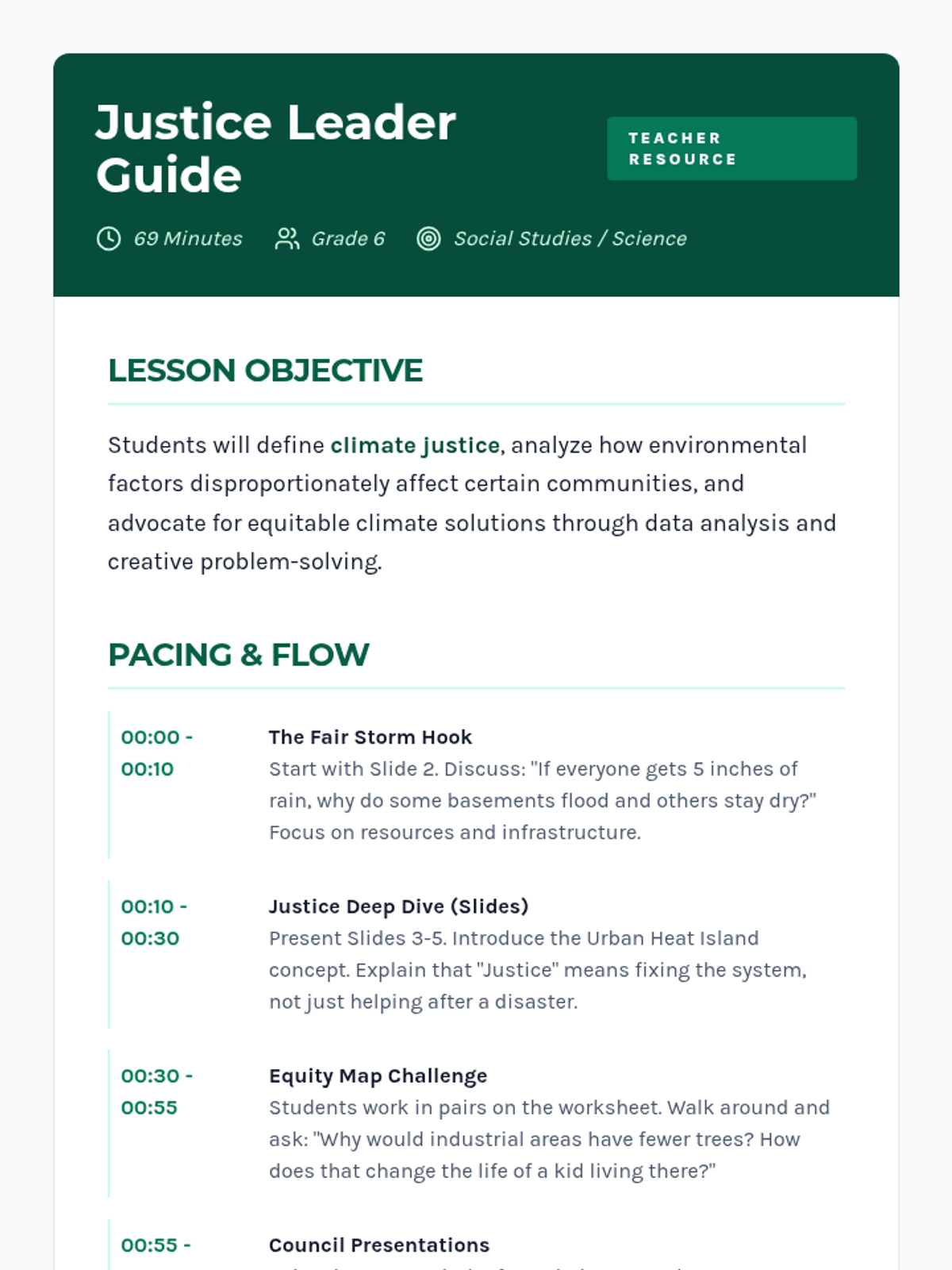
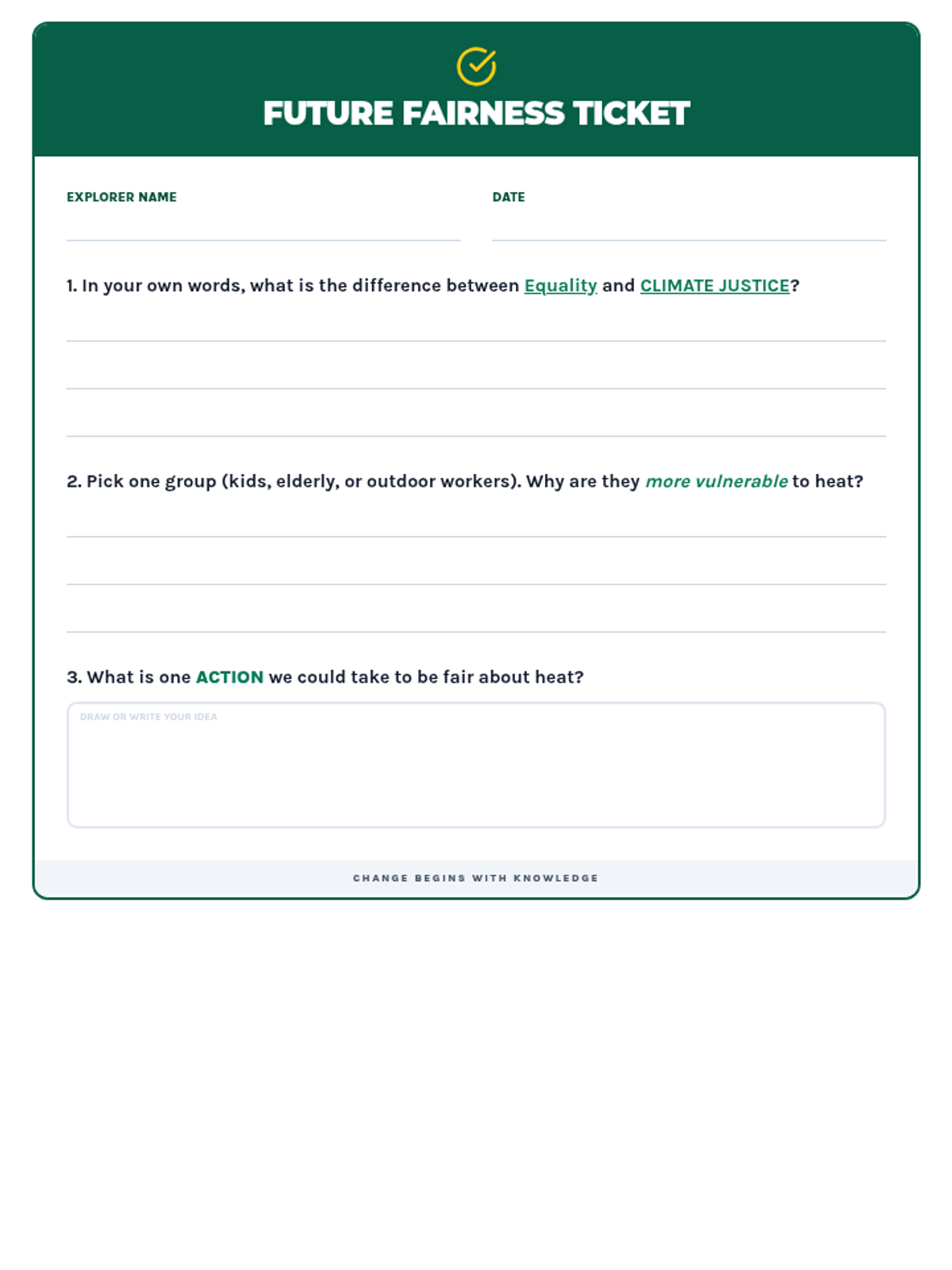
A 69-minute lesson exploring the intersection of environmental issues and social equity, specifically designed for 6th-grade students to understand why climate change affects different communities in different ways and what fair solutions look like.
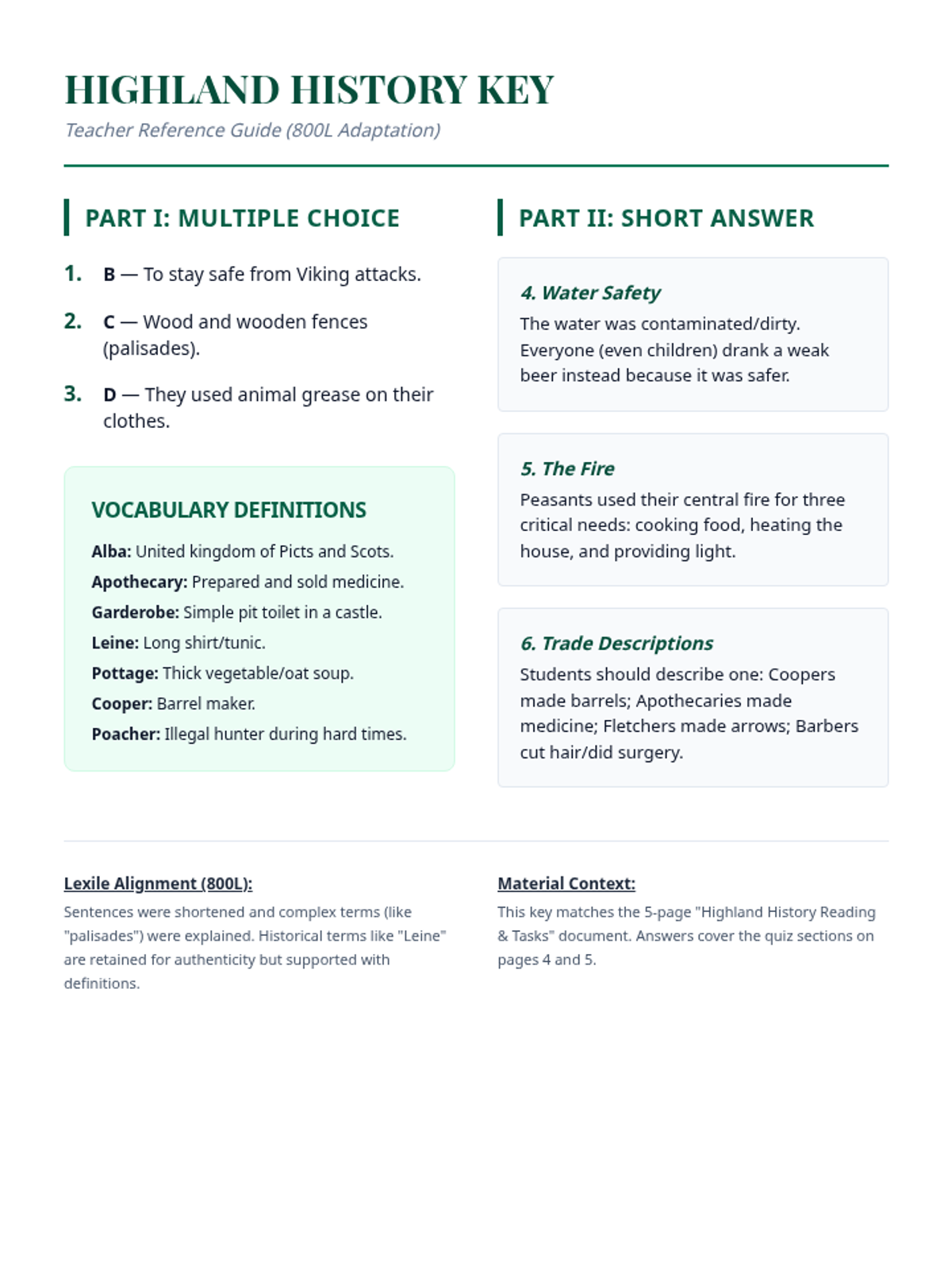
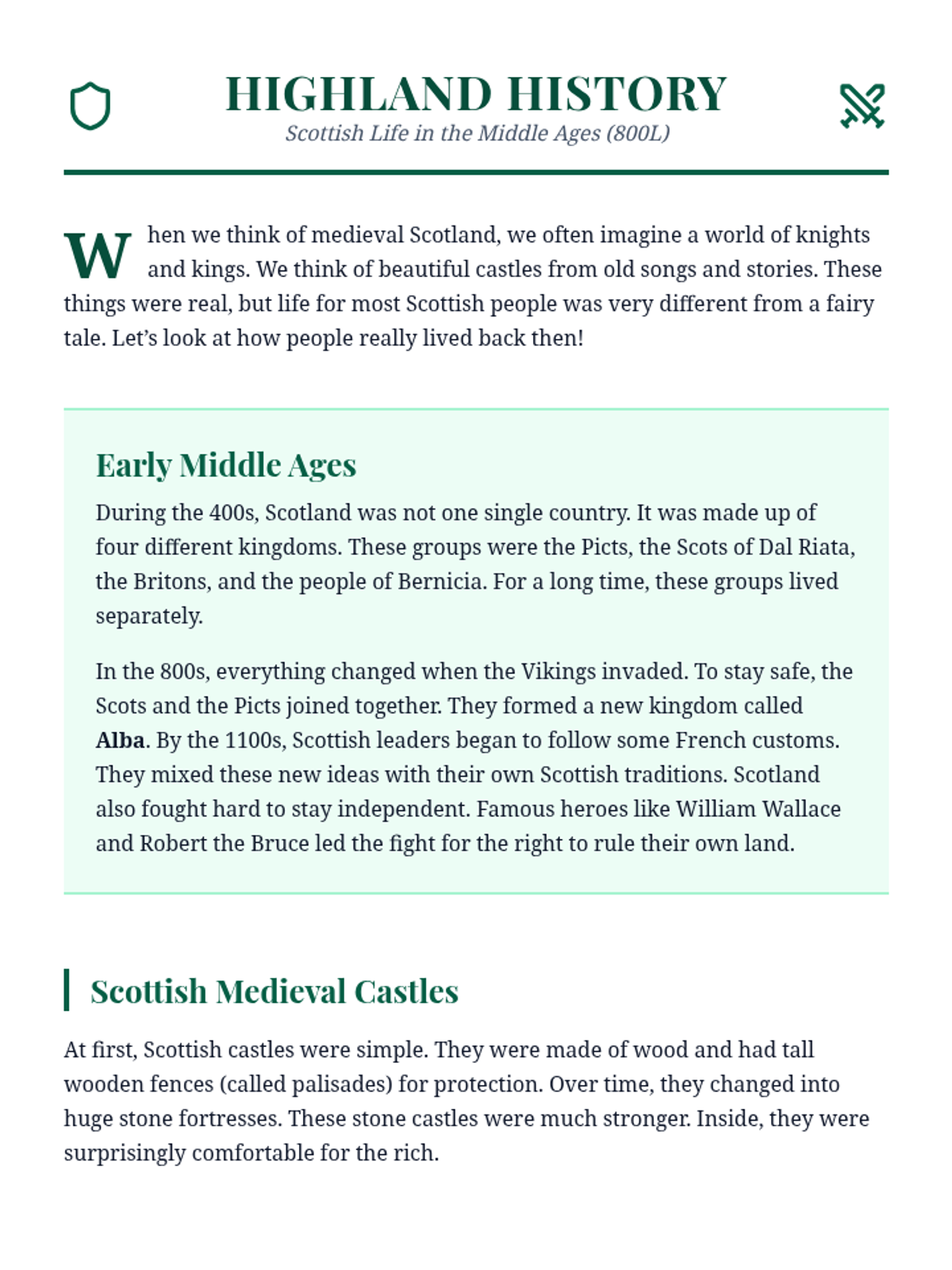
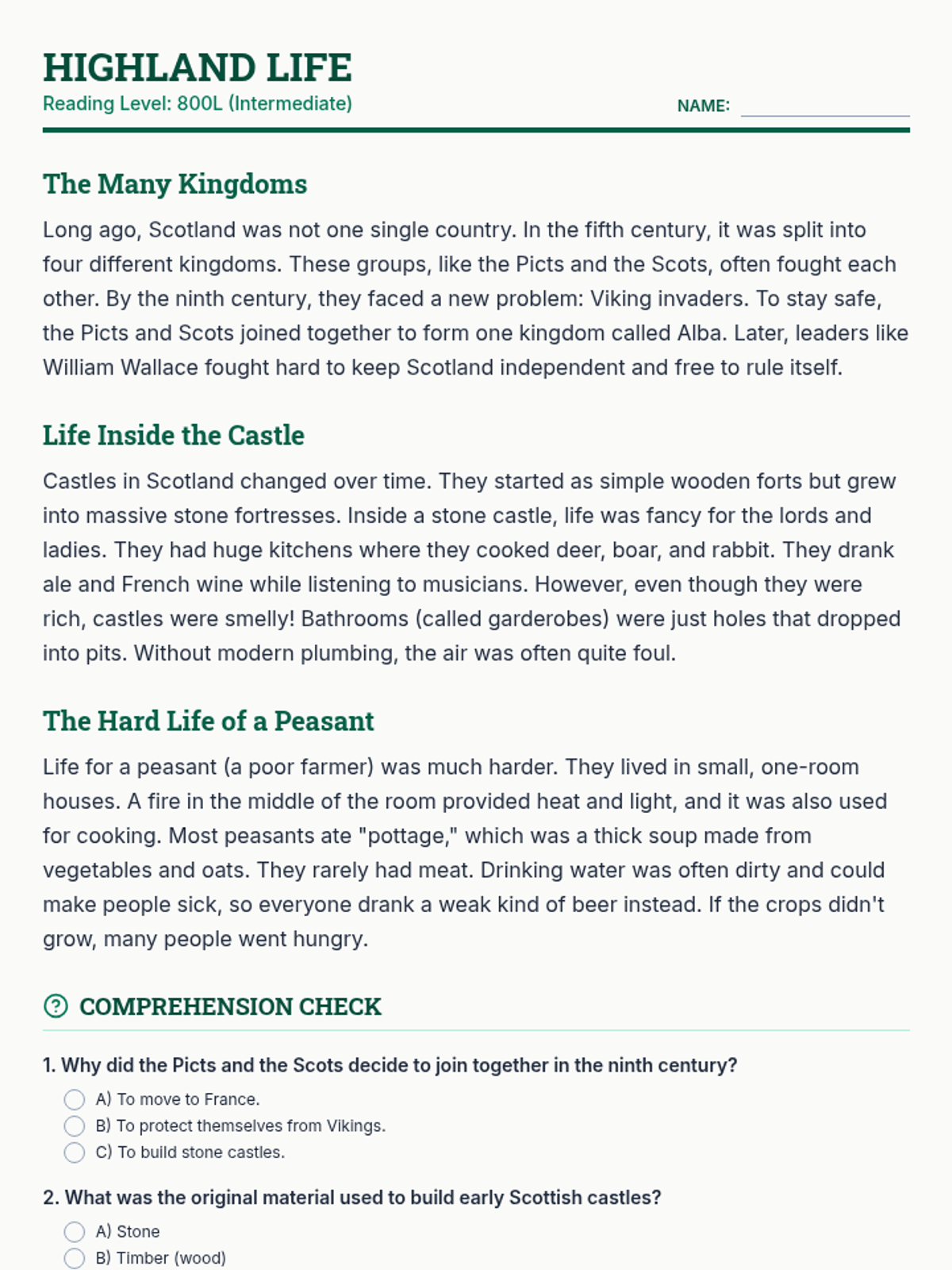
An exploration of life in medieval Scotland, adapted for an 800L Lexile level, covering history, castles, clothing, and diet.
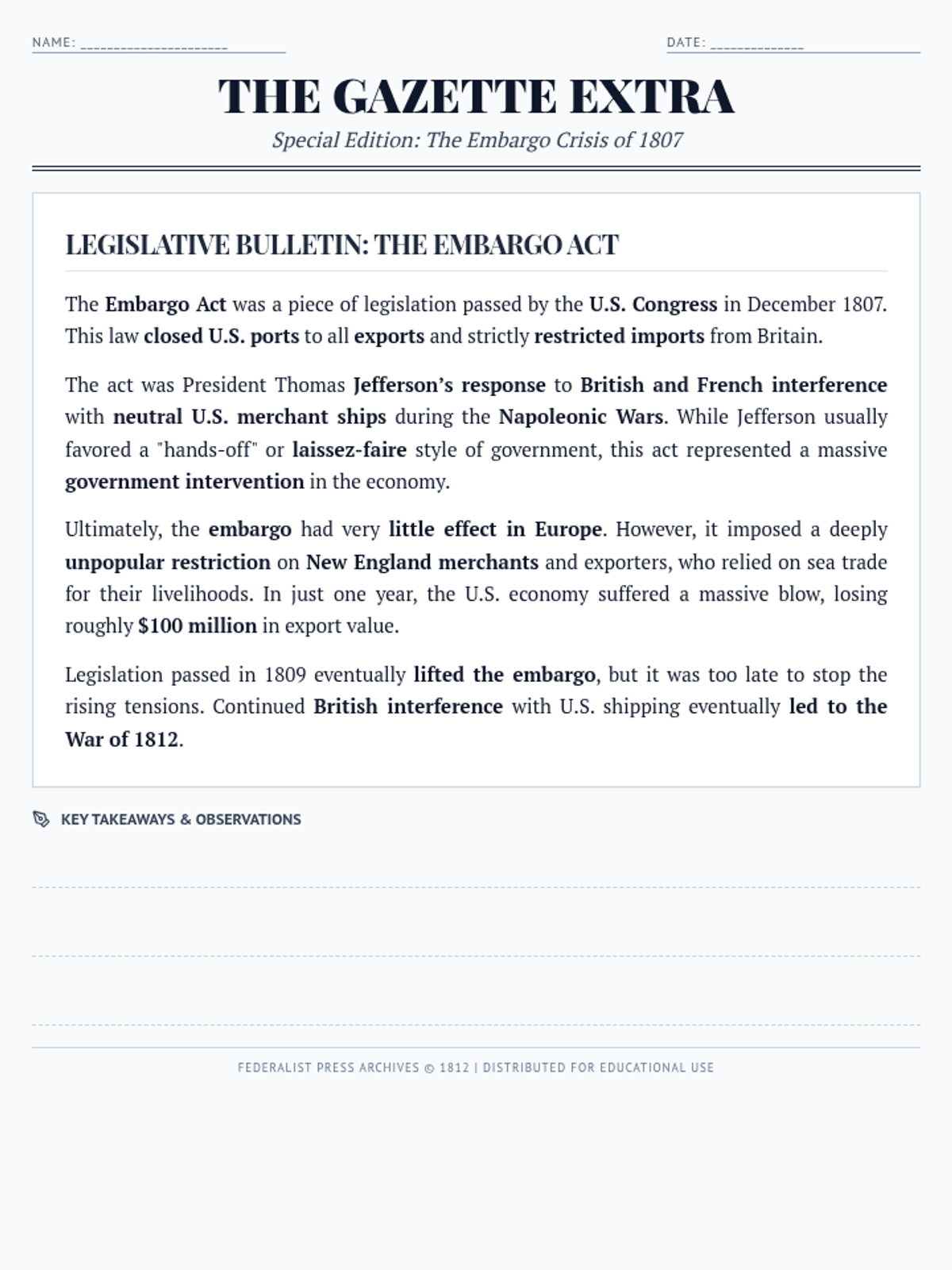
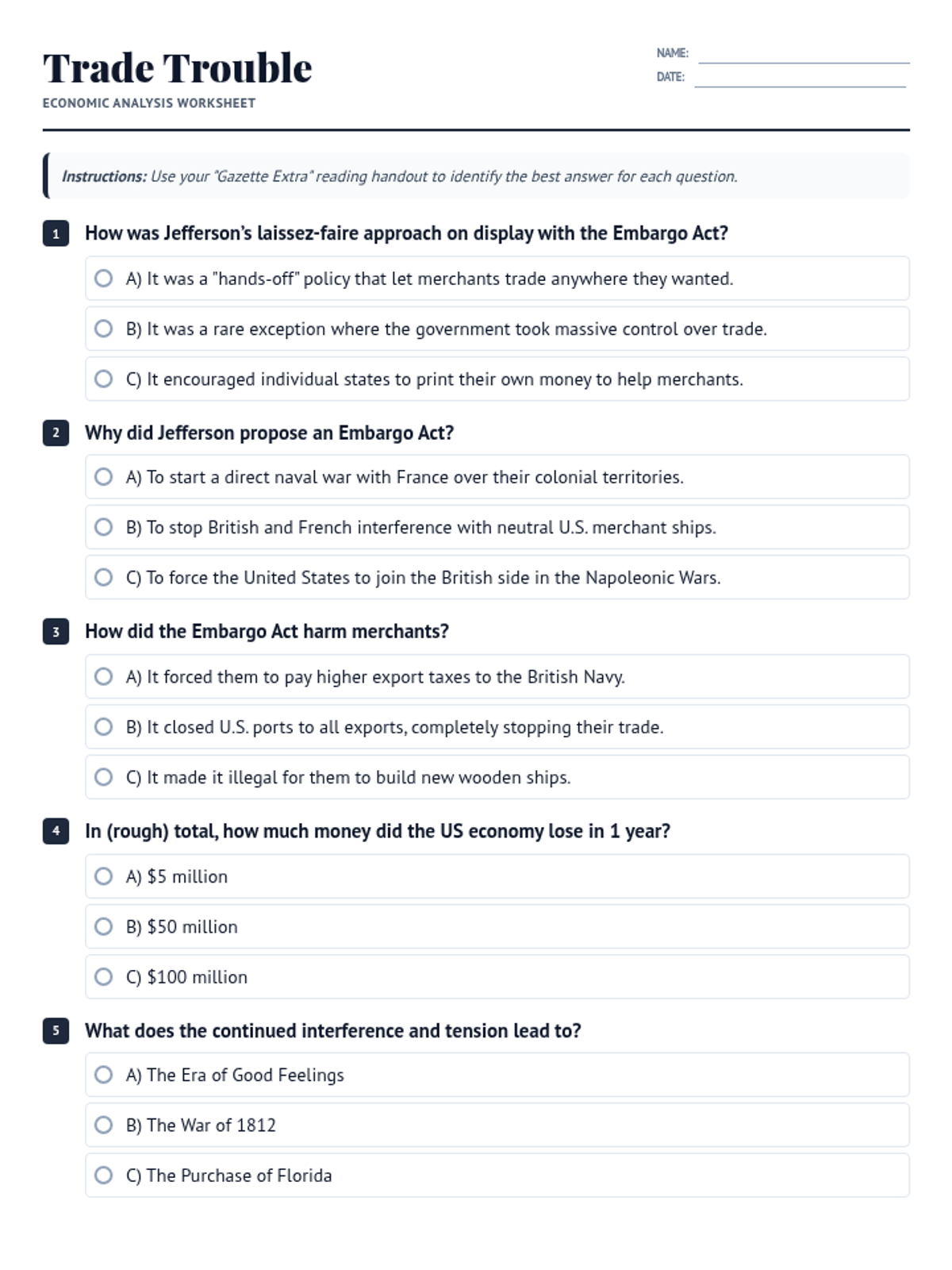
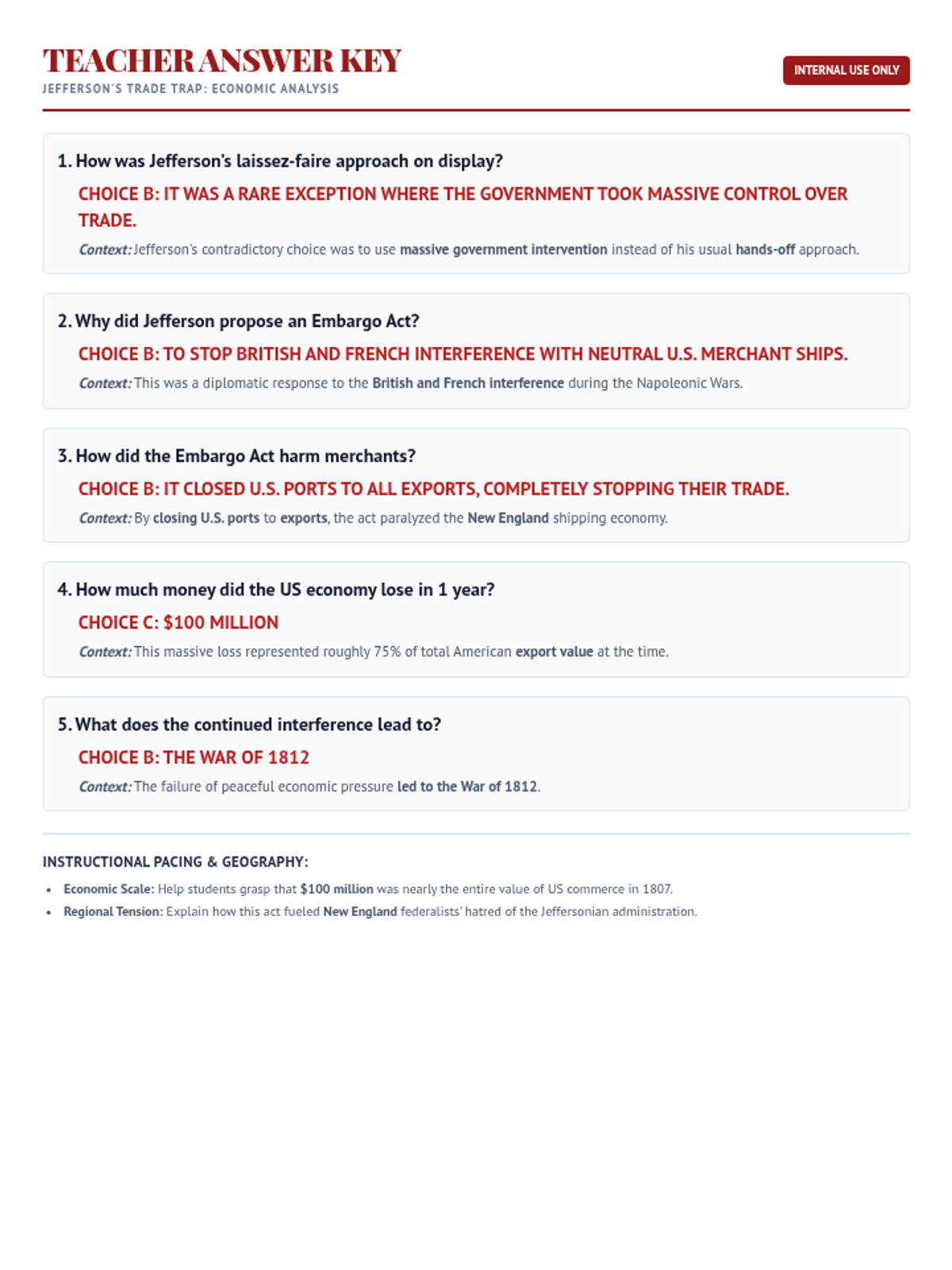
A focused look at Thomas Jefferson's Embargo Act of 1807, exploring its causes, the economic fallout for New England merchants, and its role in leading to the War of 1812.
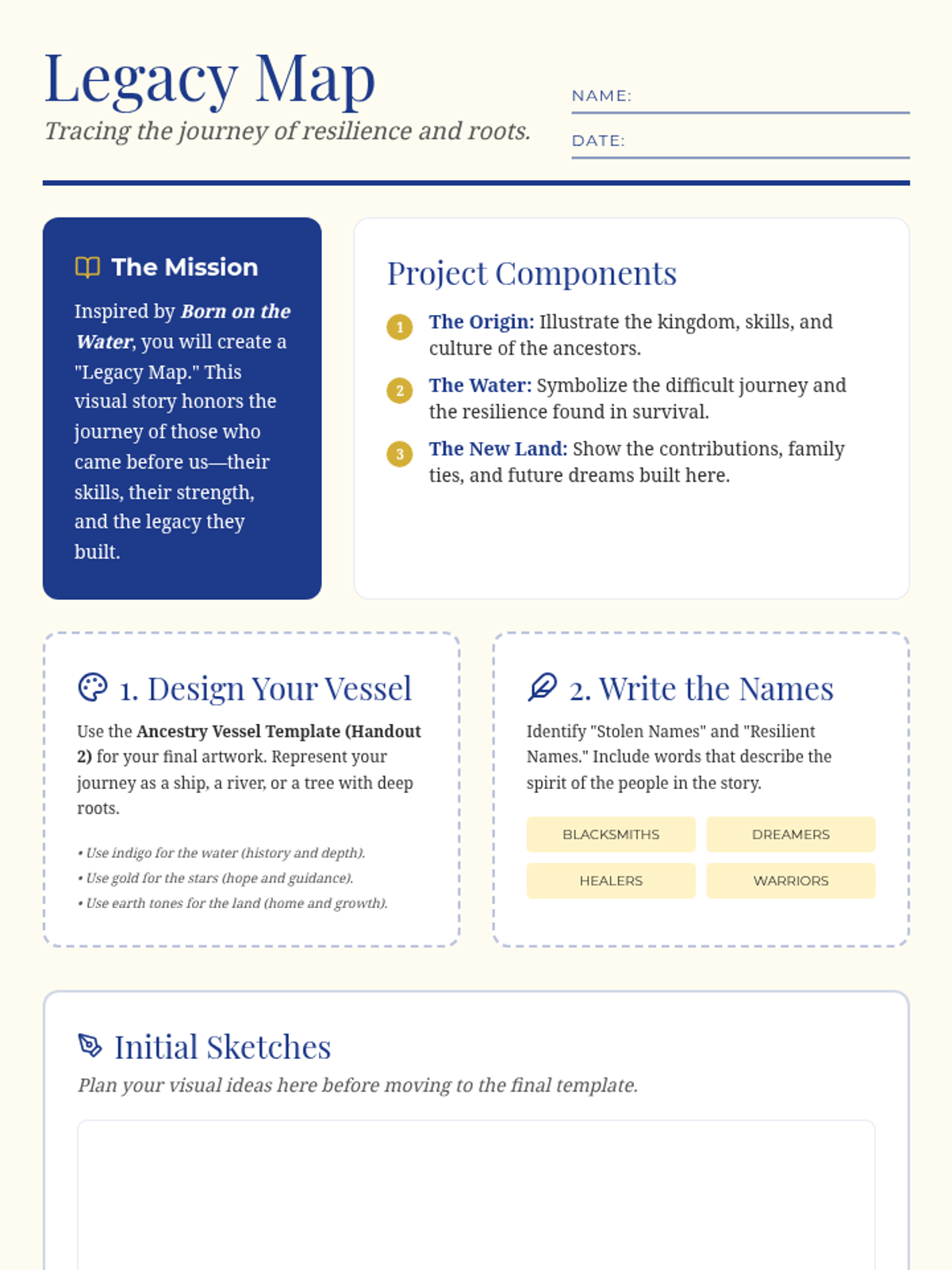
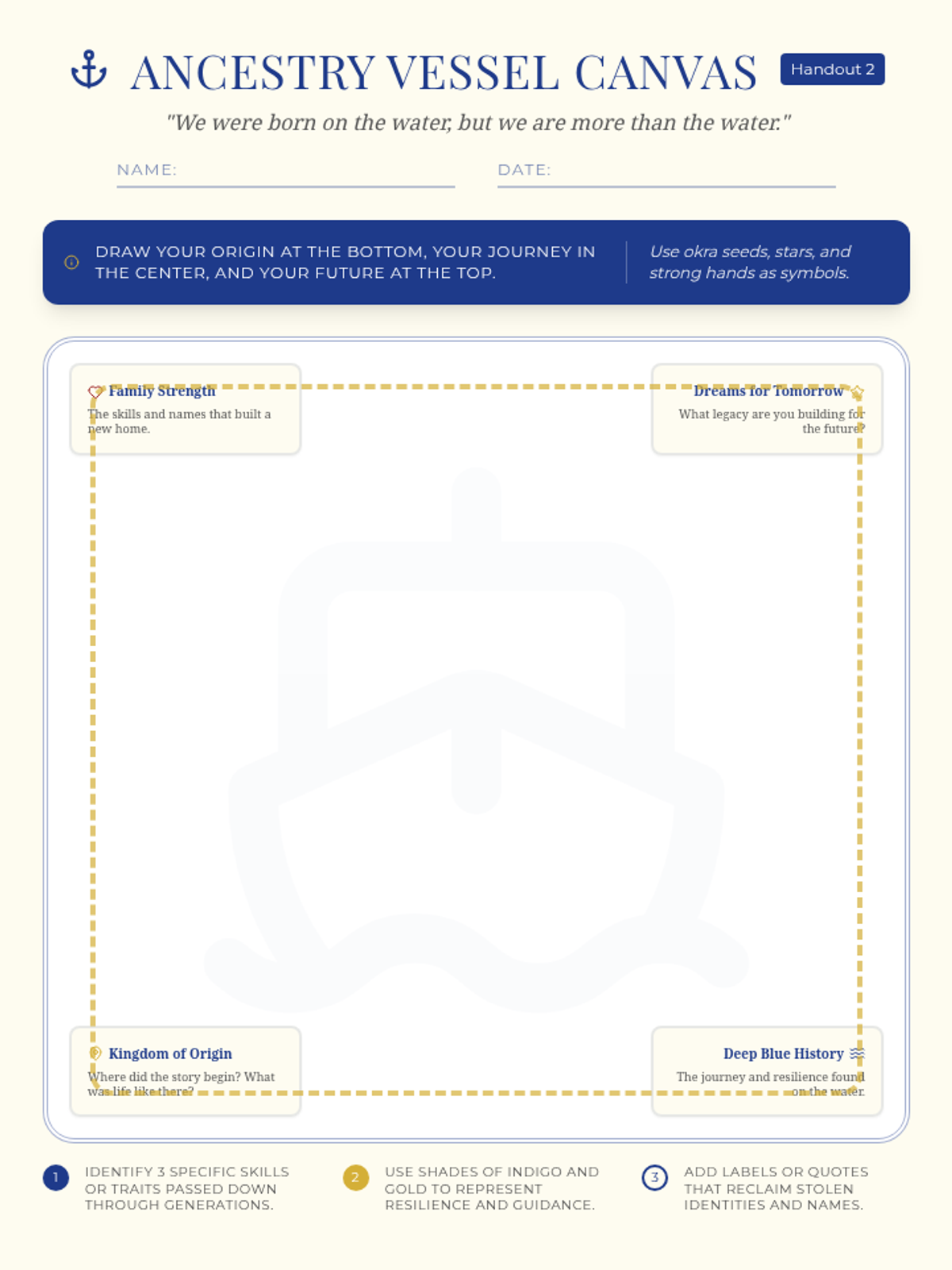
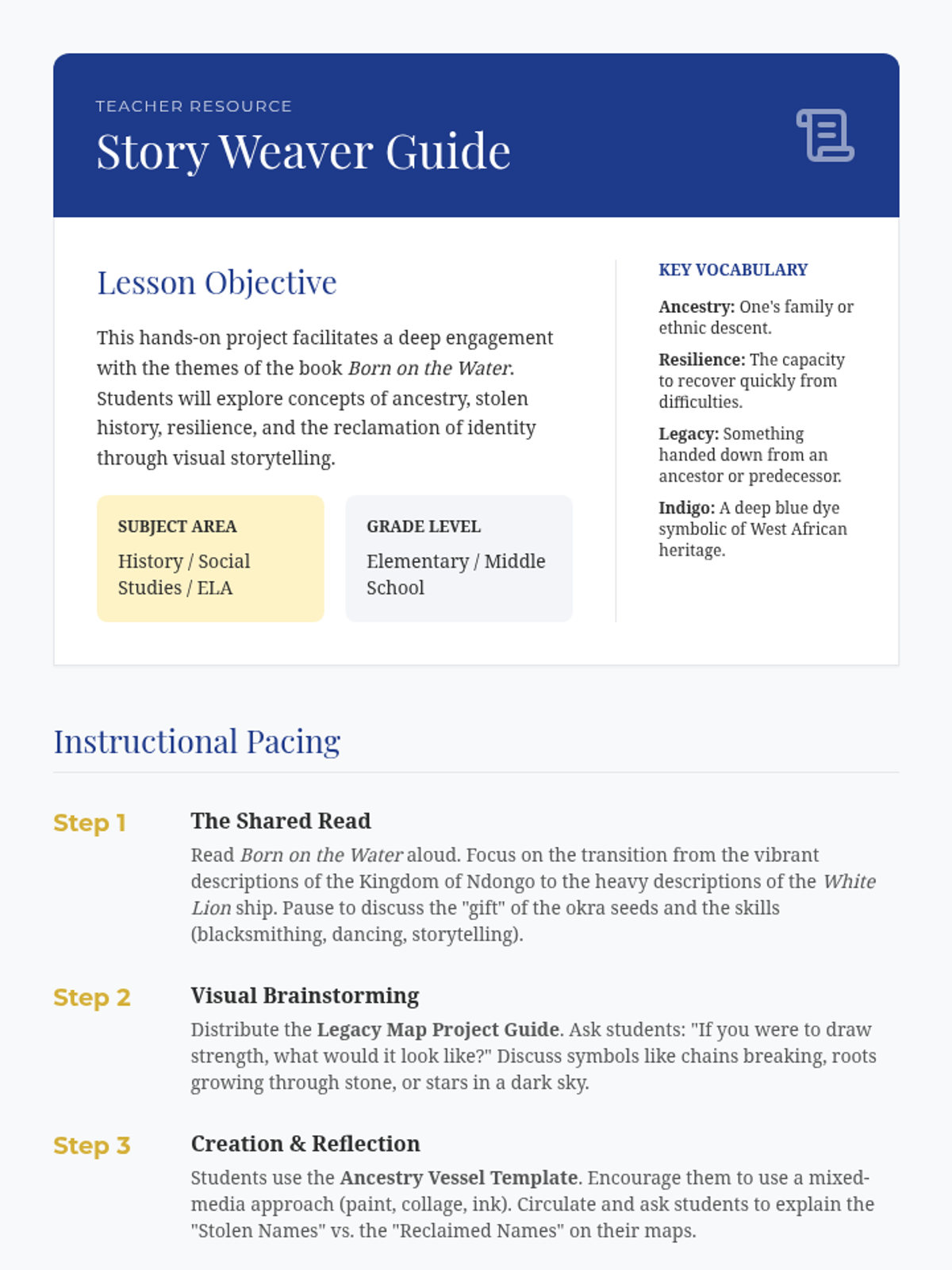
A hands-on history project inspired by 'Born on the Water', focusing on ancestry, resilience, and the power of storytelling. Students create a visual legacy map that traces the journey of a people or family from their roots to the present day.
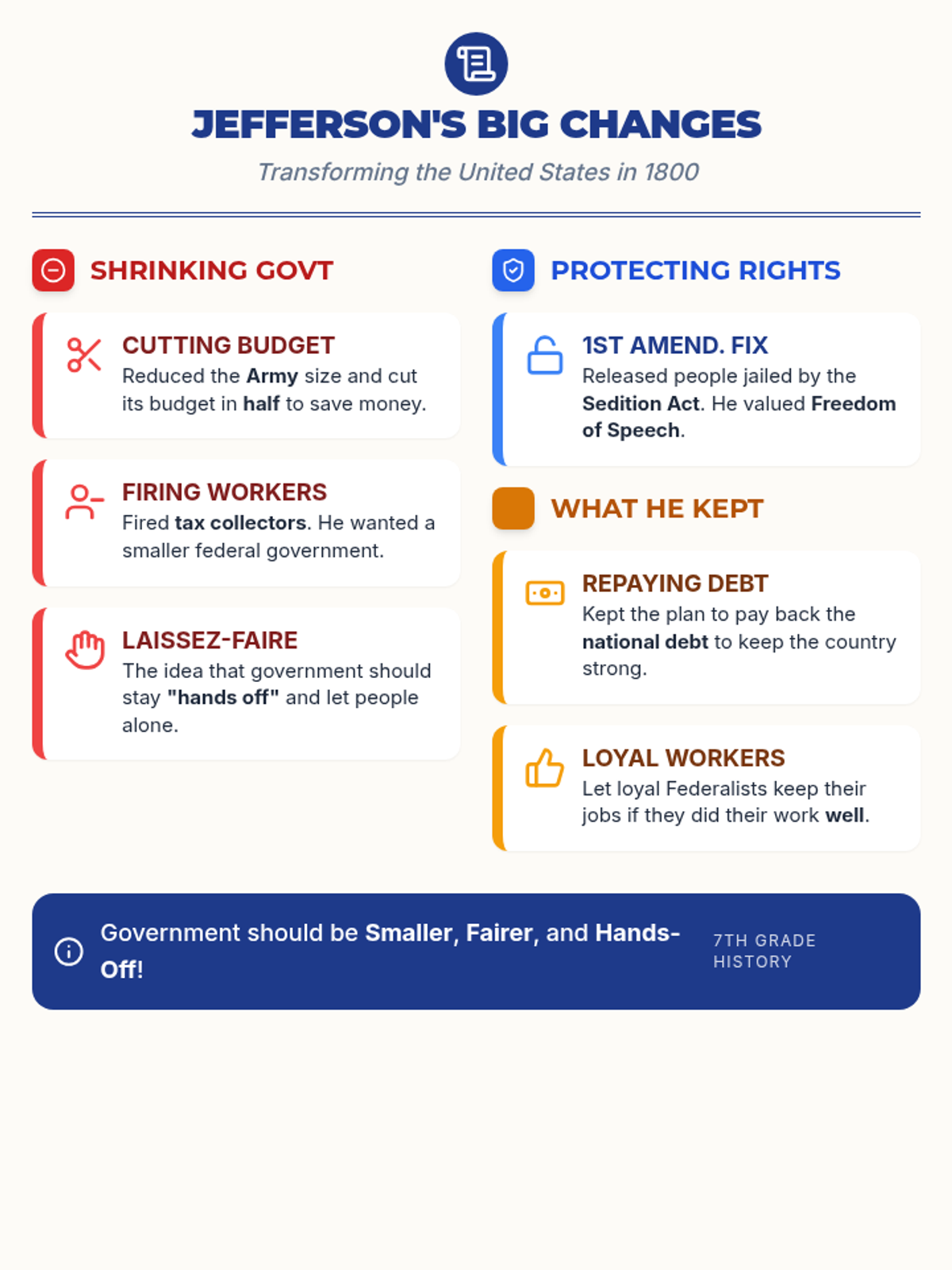
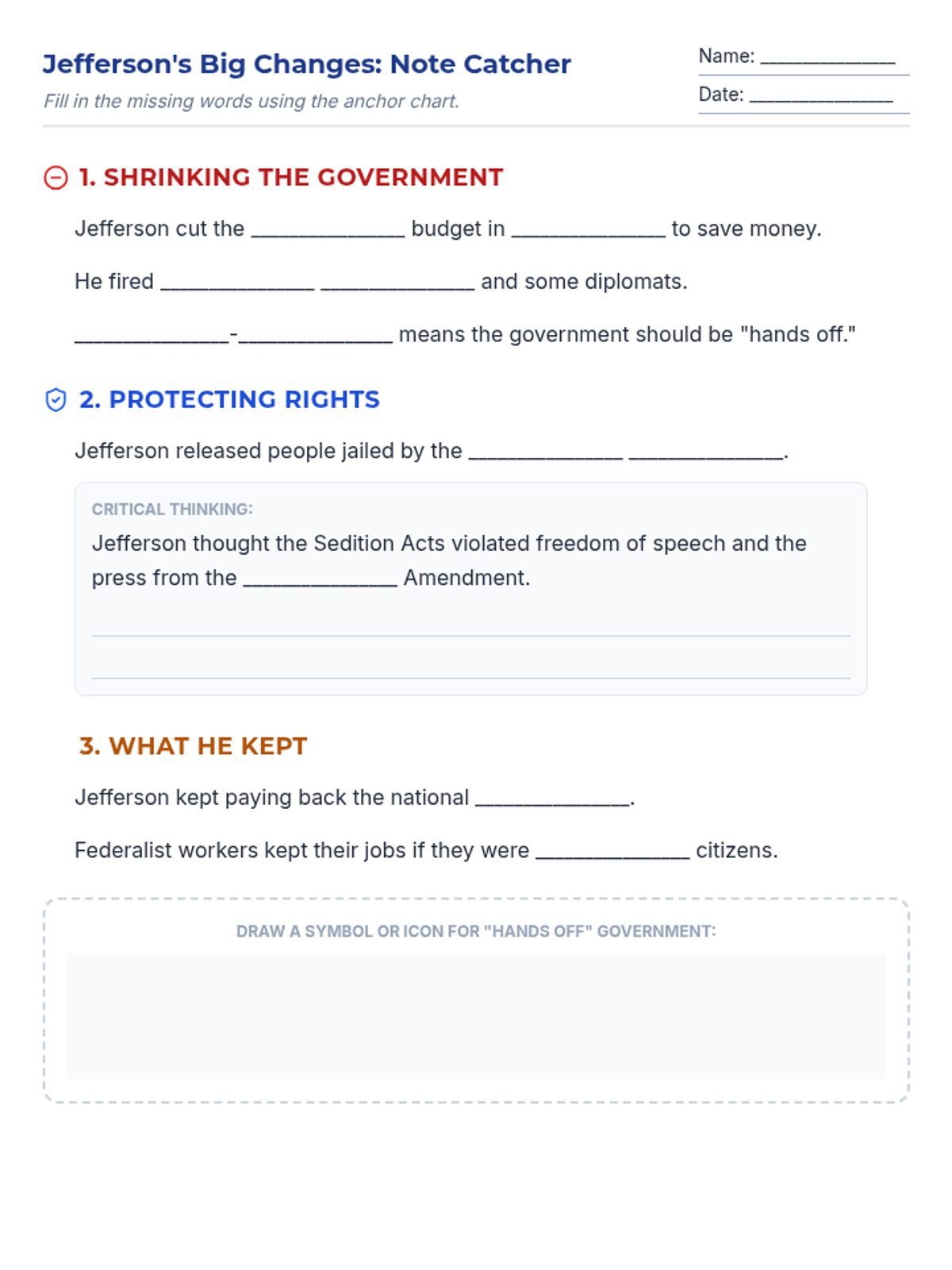
A lesson focusing on Thomas Jefferson's early presidency and his shift toward Republican policies, specifically highlighting his budget cuts, laissez-faire philosophy, and protection of First Amendment rights.
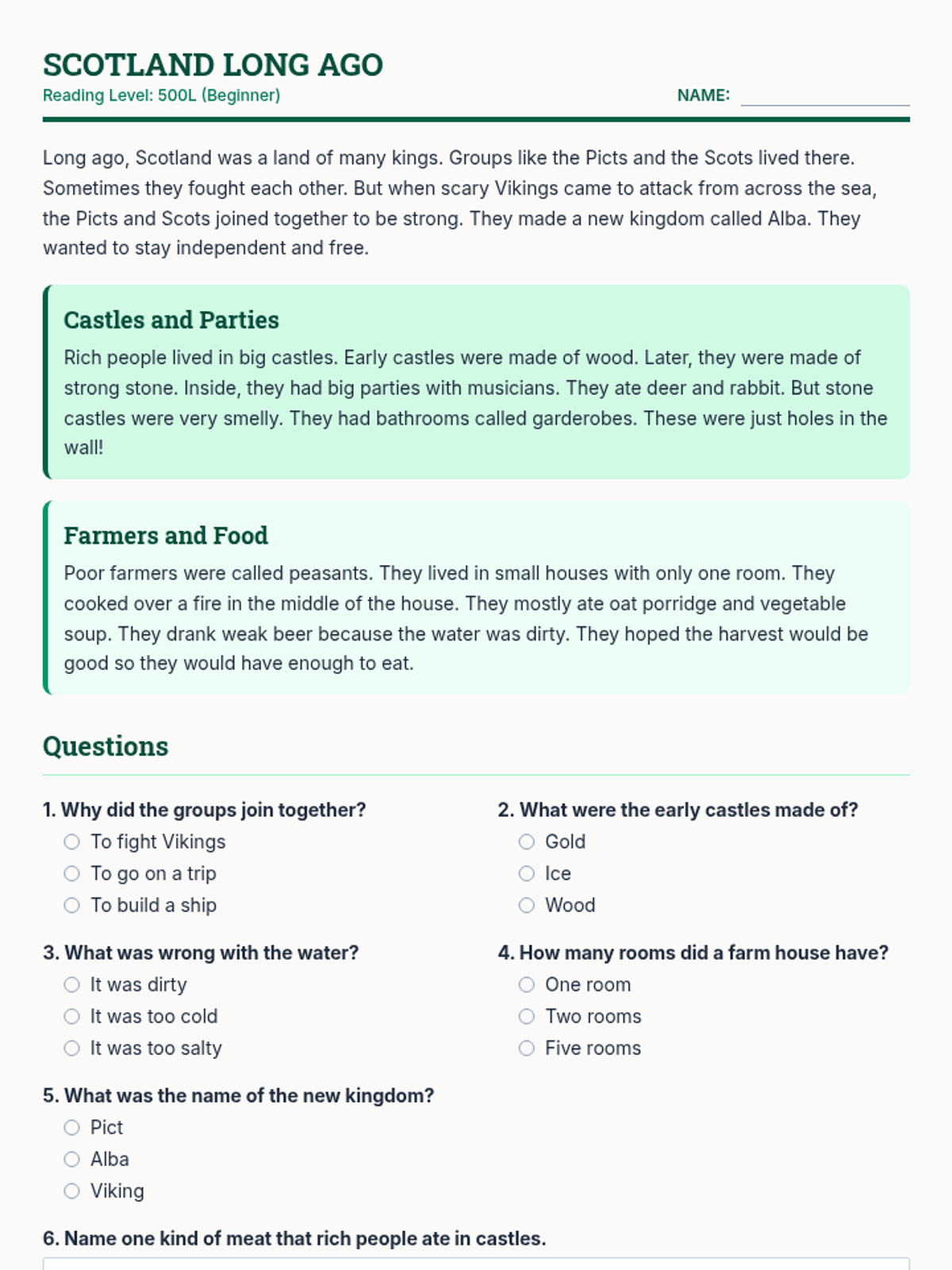
A lesson exploring the realities of life in medieval Scotland, from castle luxury to peasant survival, based on historical accounts of clothing, food, and social structure.
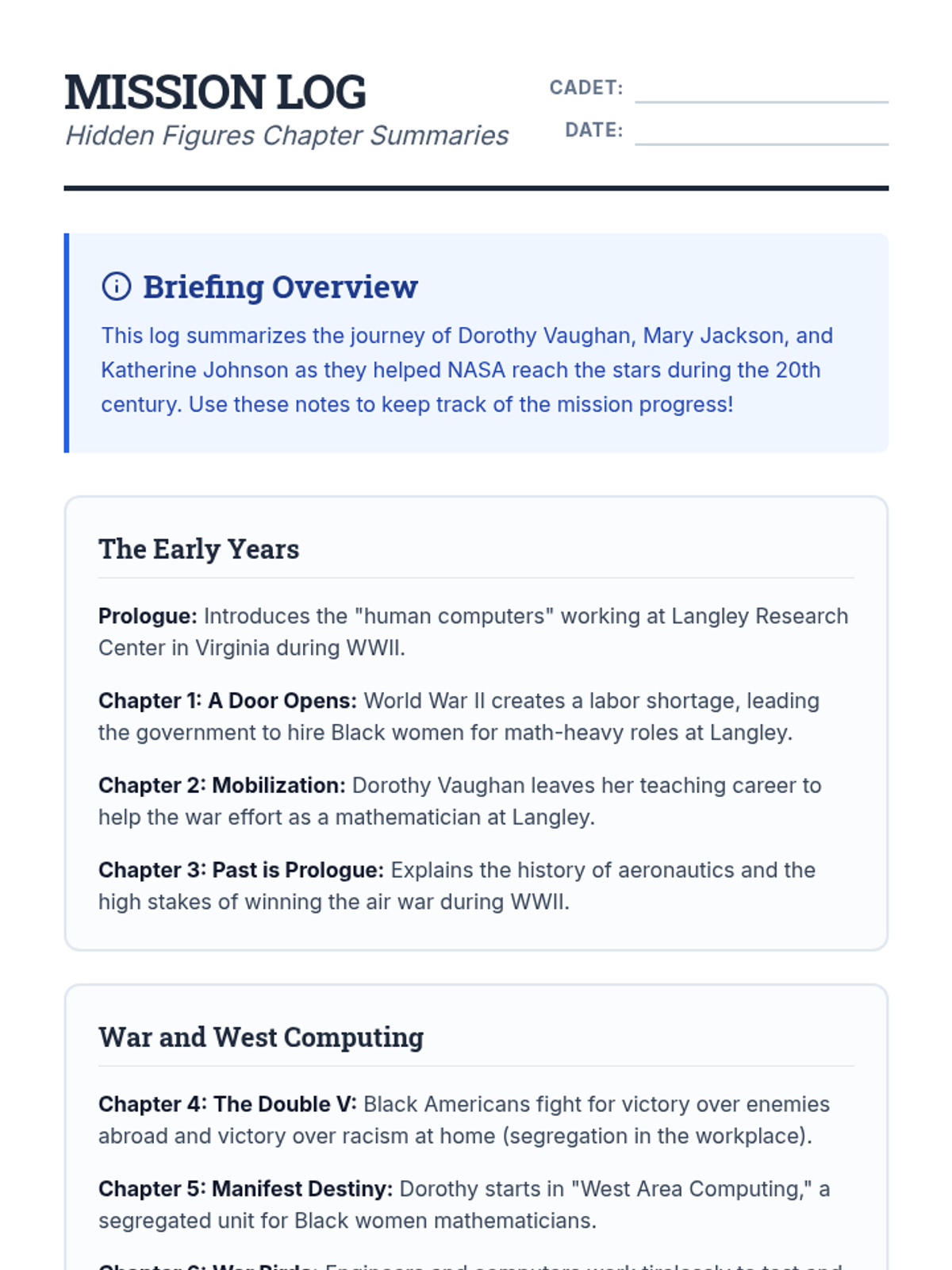
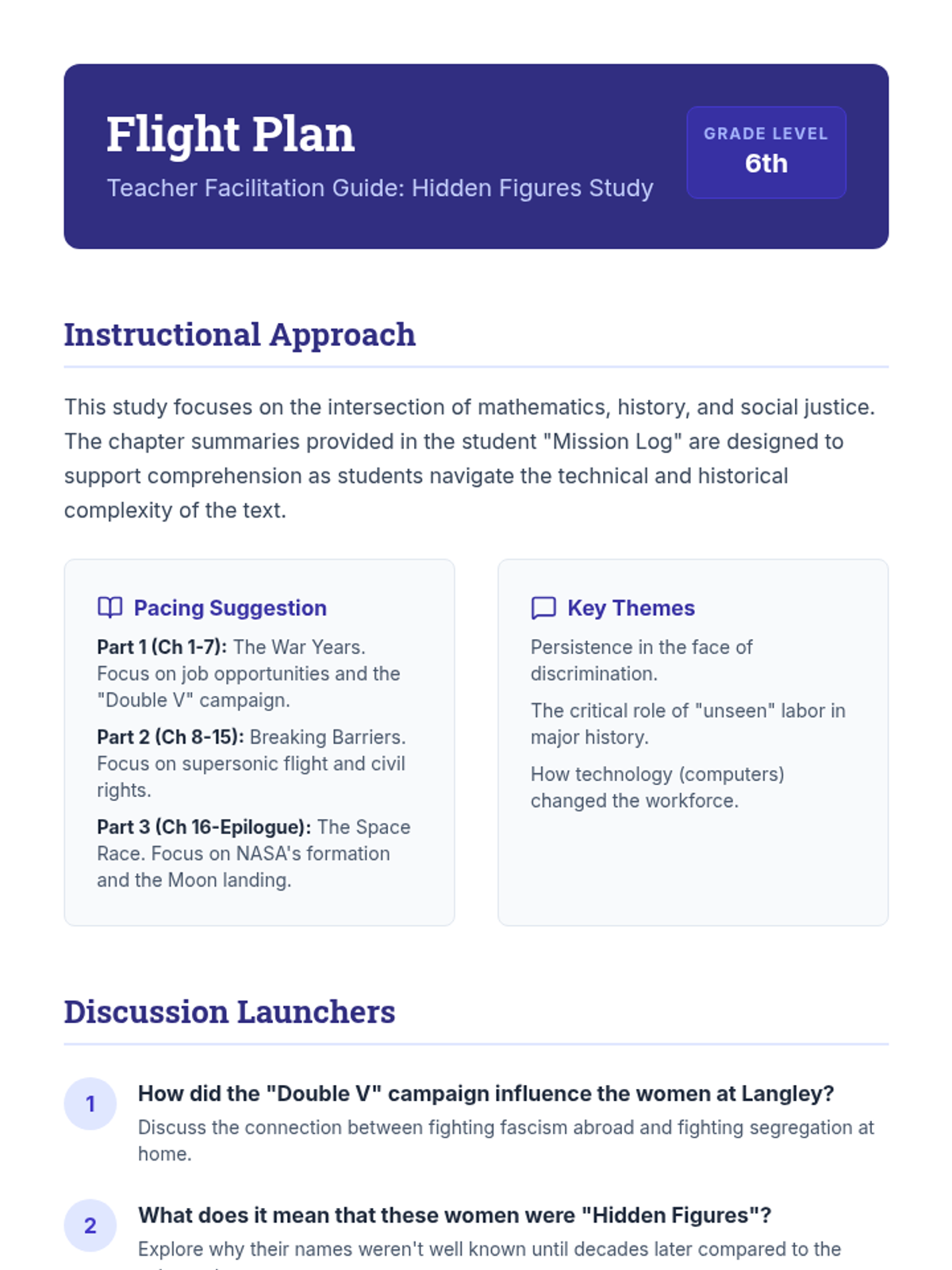
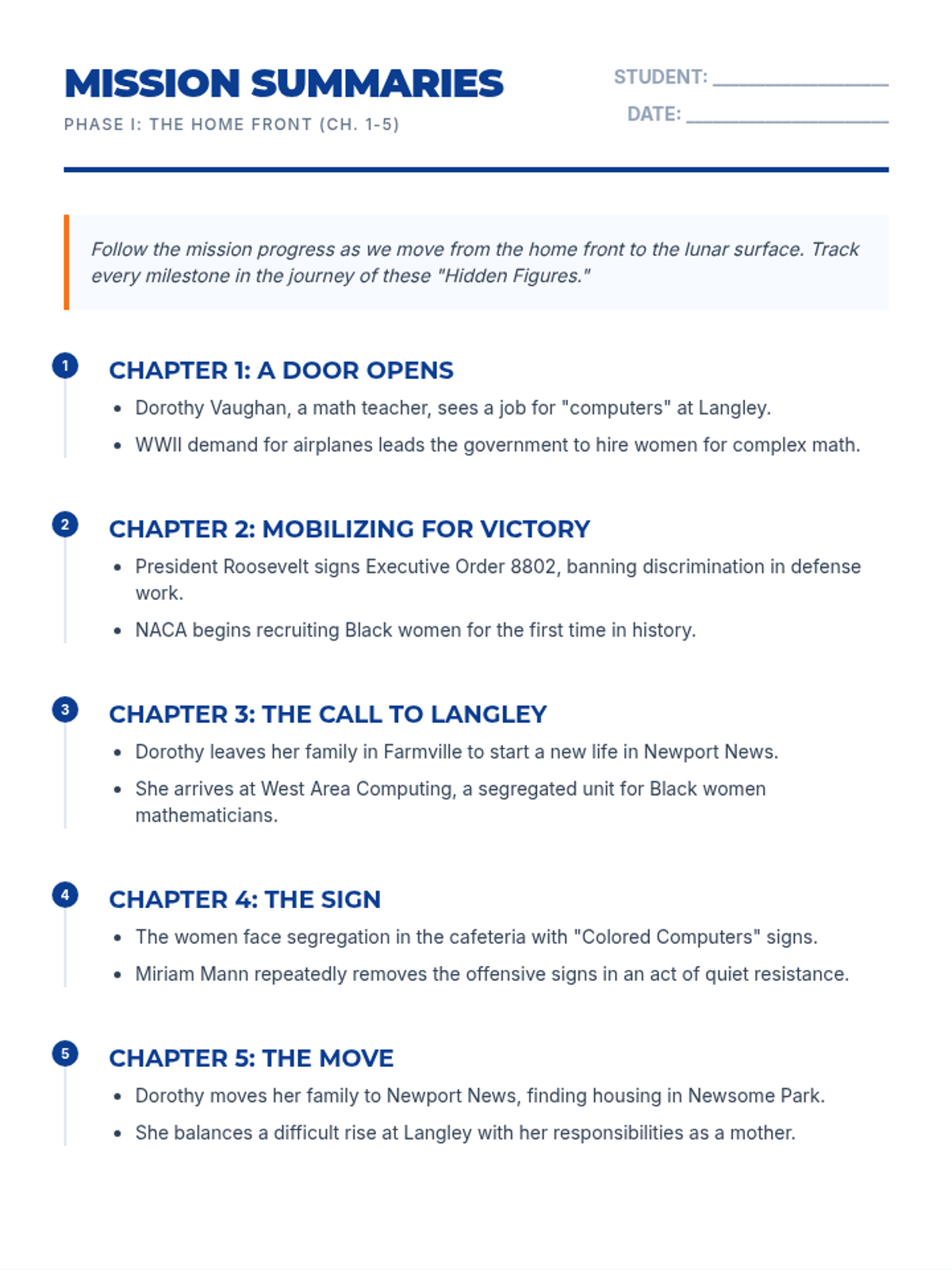
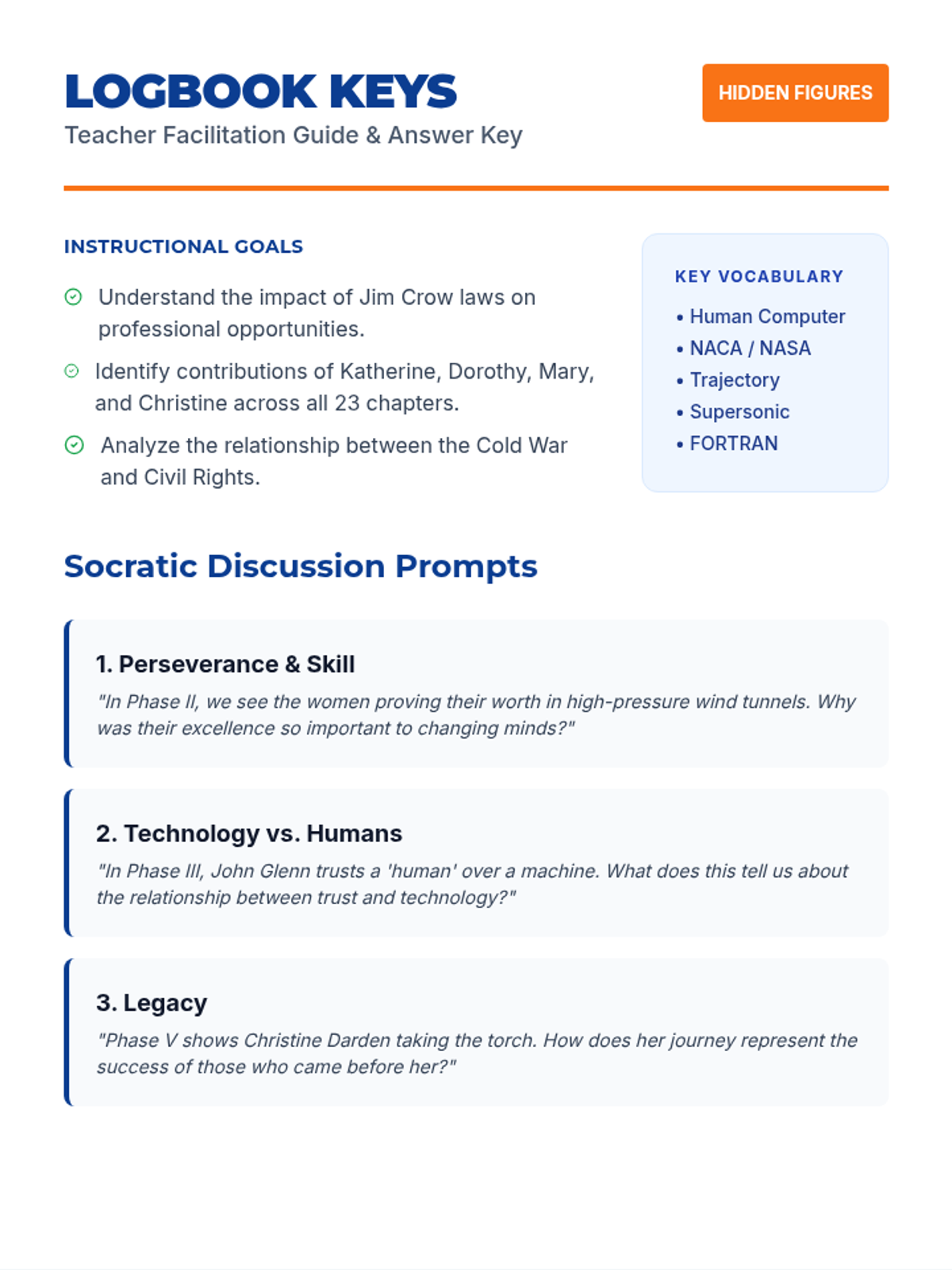
A complete walkthrough of 'Hidden Figures' with chapter-by-chapter summaries, key vocabulary, and discussion points designed for 6th-grade students.
A comprehensive chapter-by-chapter summary and exploration of the book 'Hidden Figures', focusing on the lives and contributions of Katherine Johnson, Dorothy Vaughan, Mary Jackson, and Christine Darden during the Space Race.
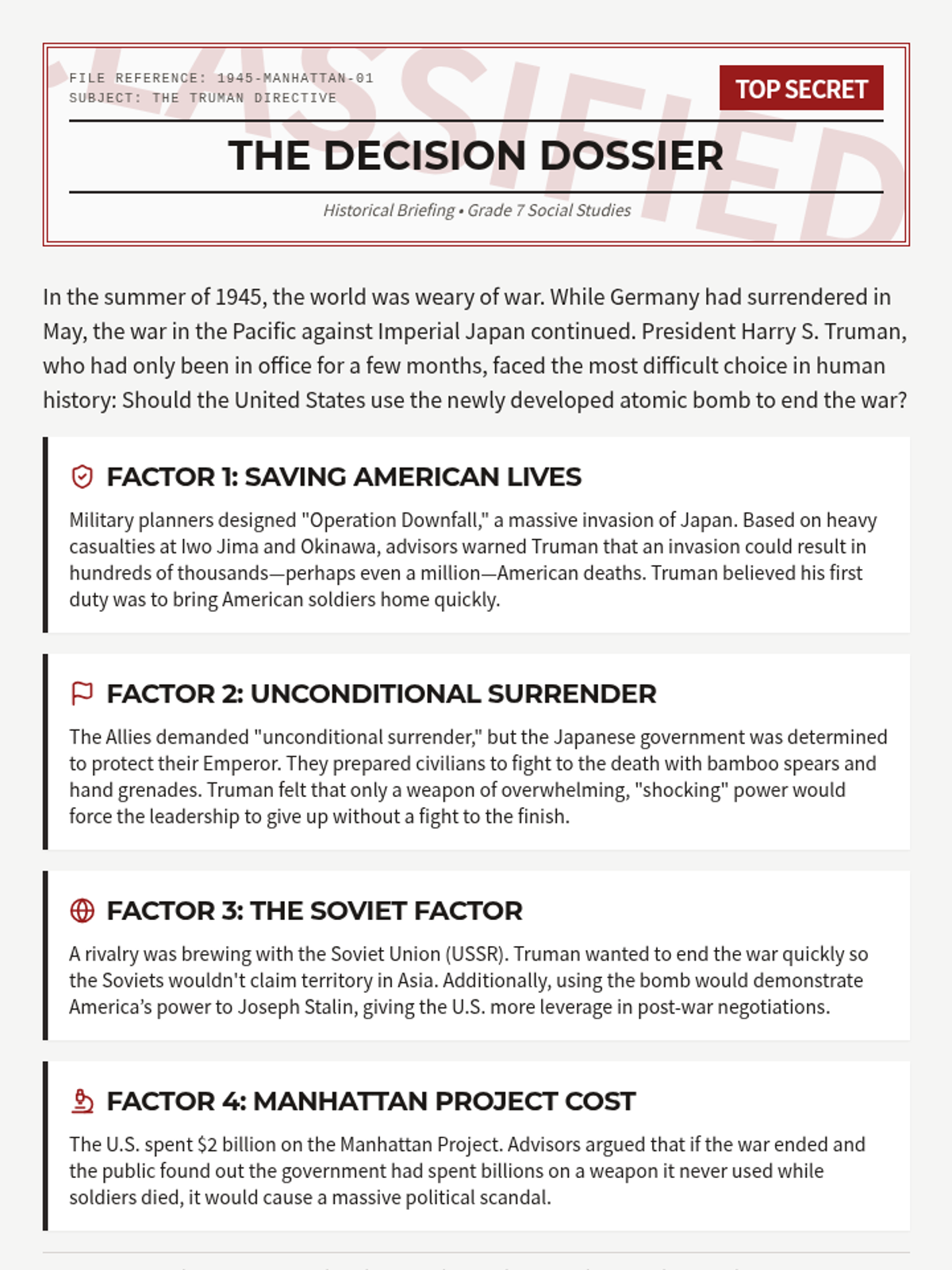
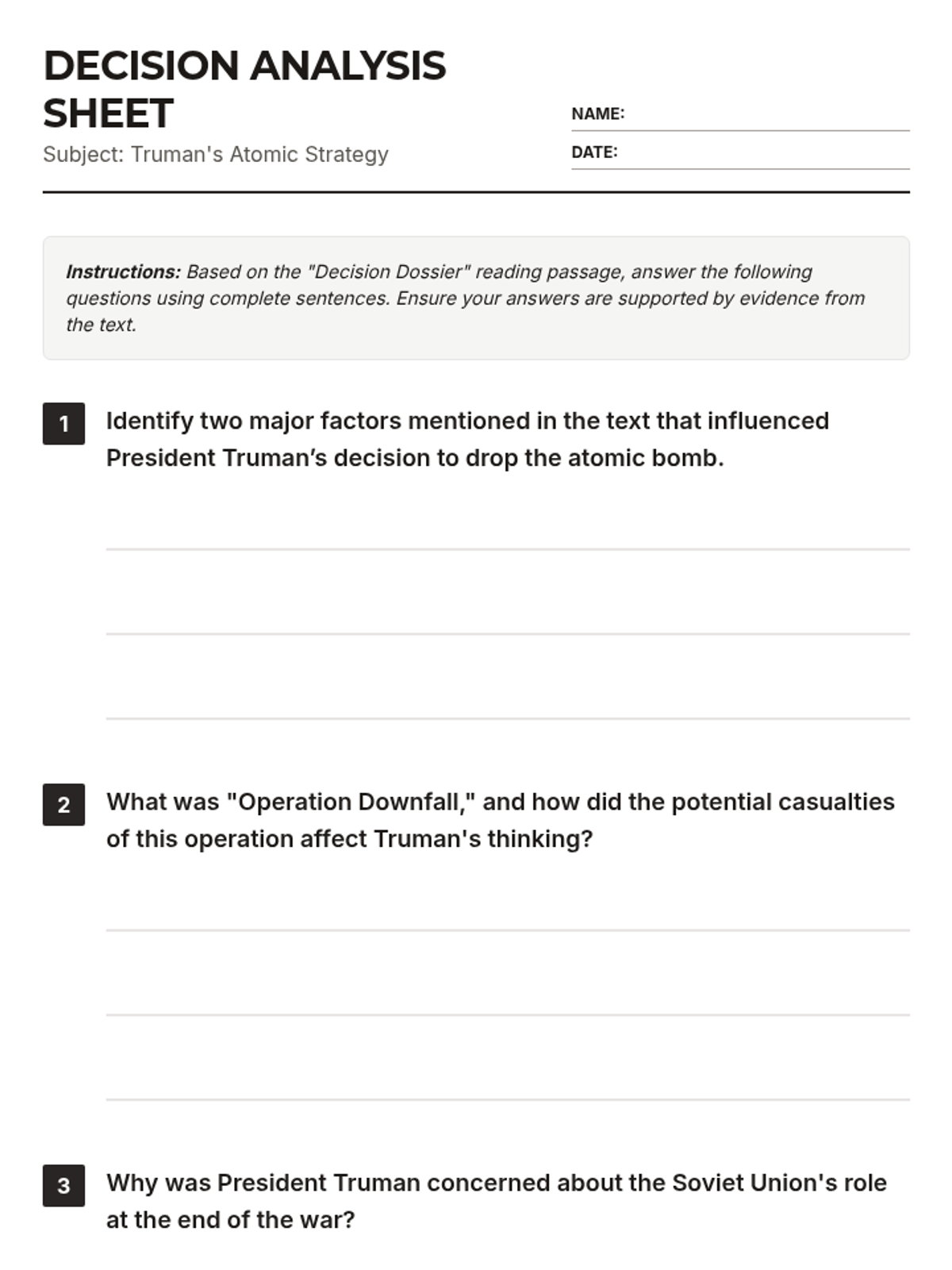
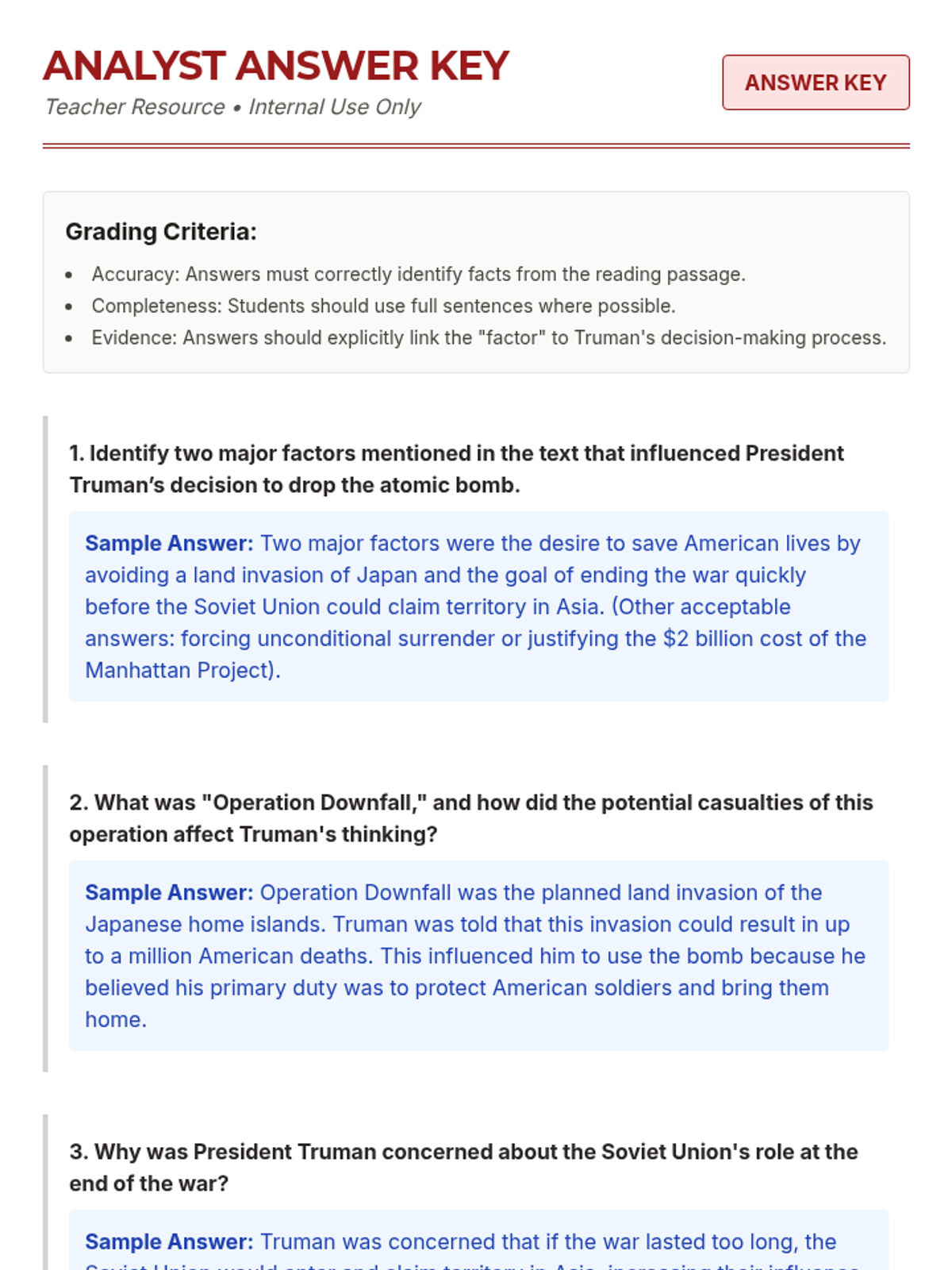
A focused study on the complex factors and historical context surrounding President Harry S. Truman's decision to use atomic weapons at the end of World War II.
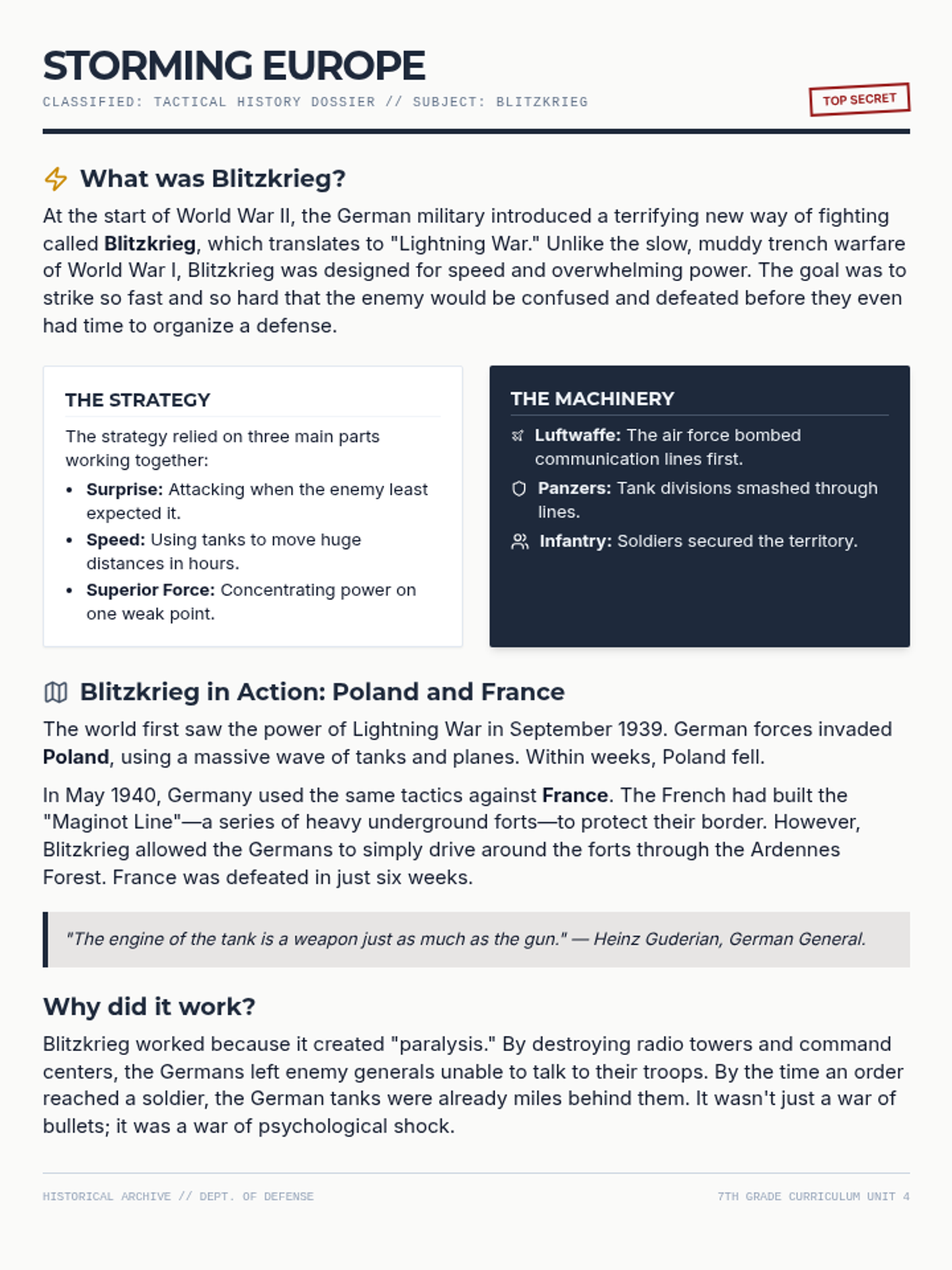
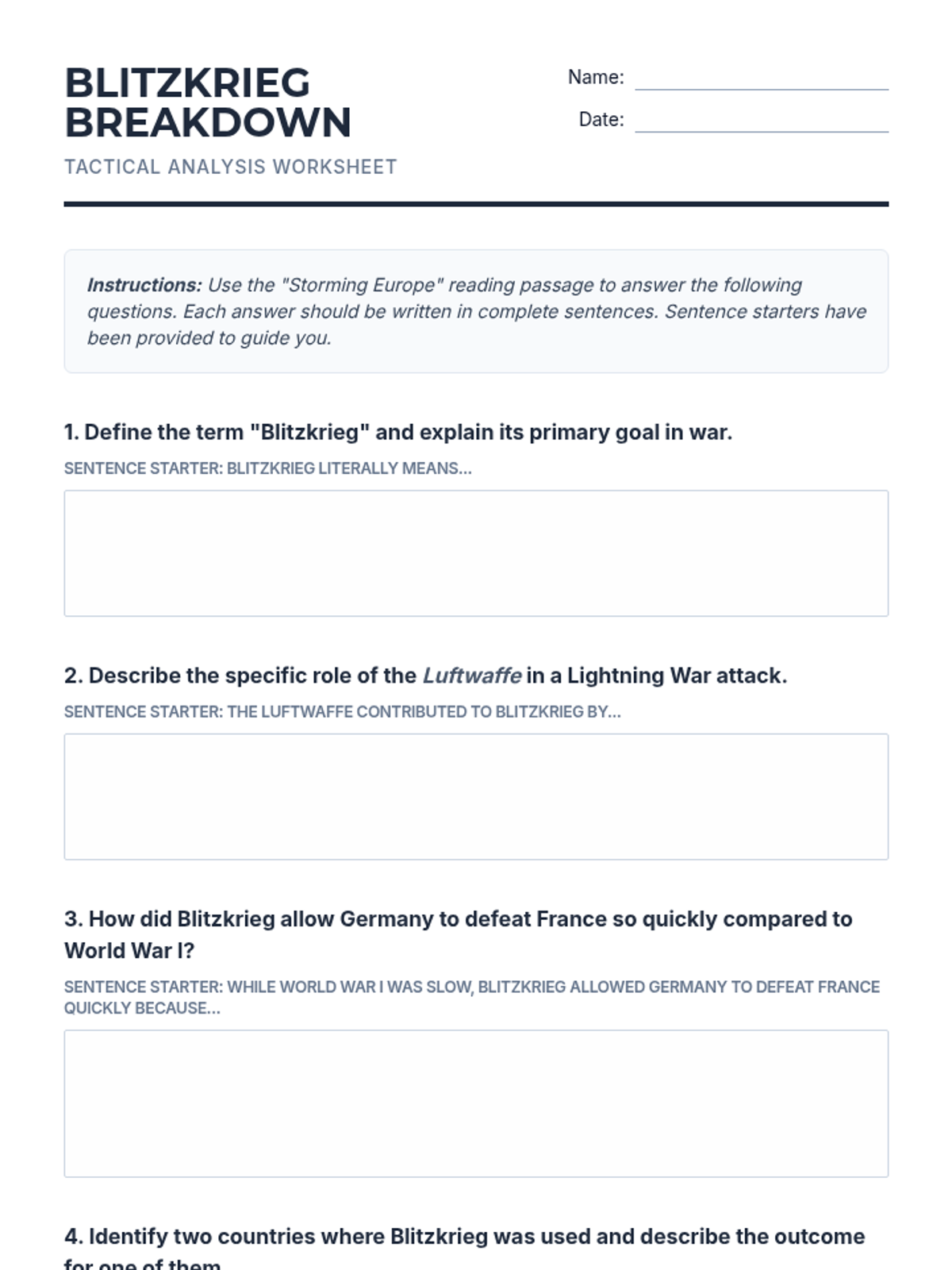
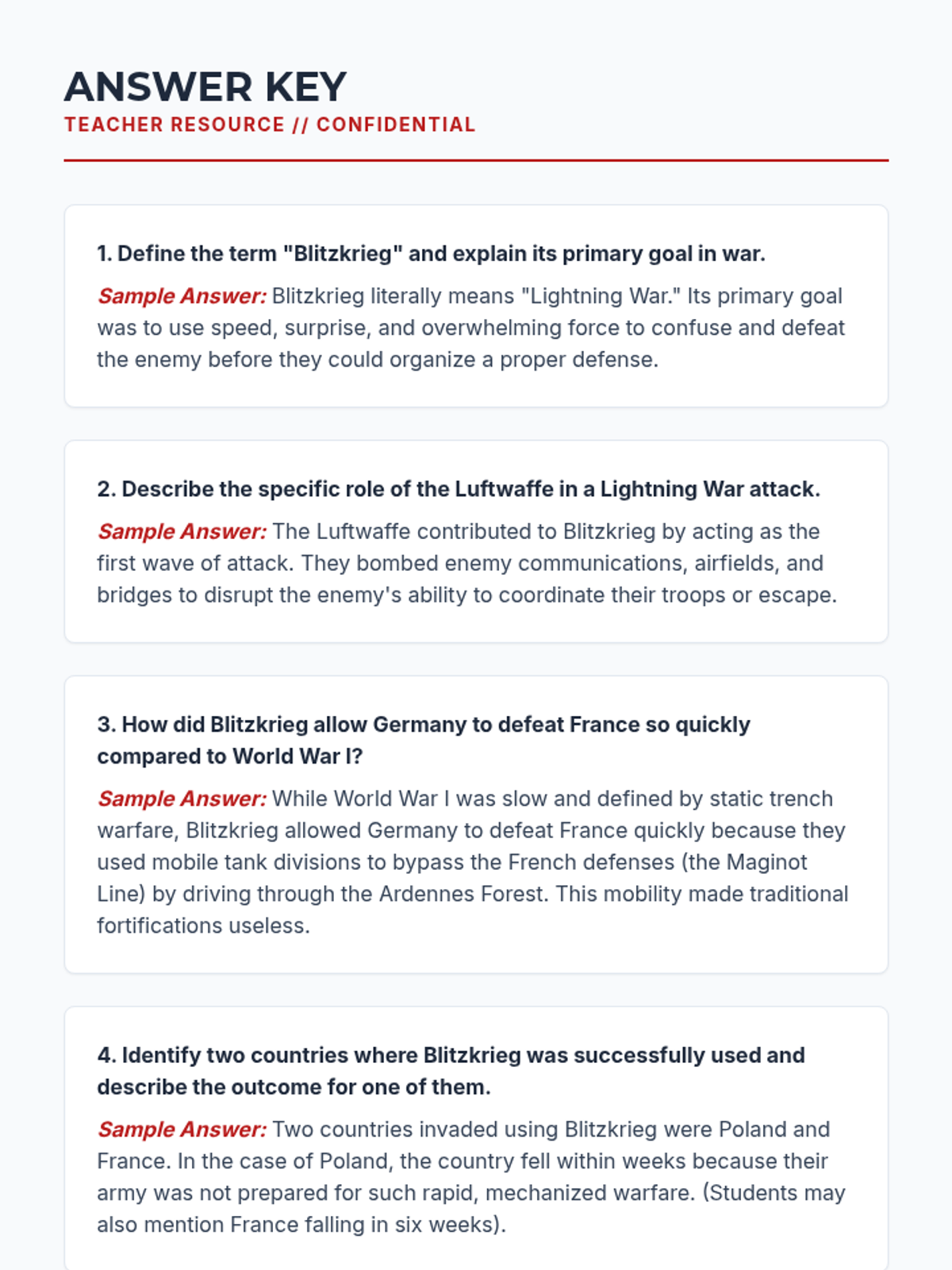
A comprehensive lesson on Nazi Blitzkrieg tactics during WWII, featuring a detailed reading passage and a structured analysis worksheet for 7th-grade students.
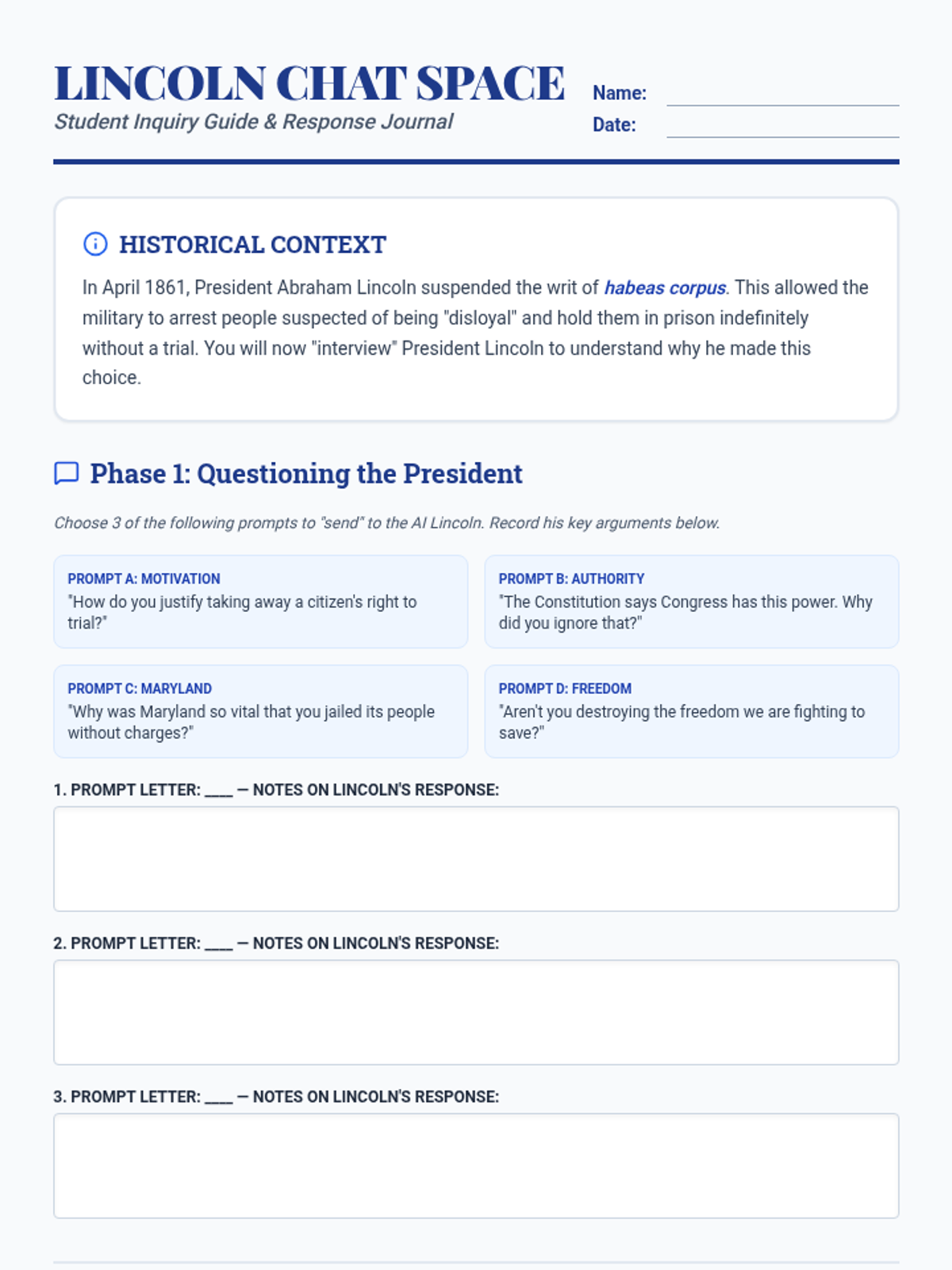
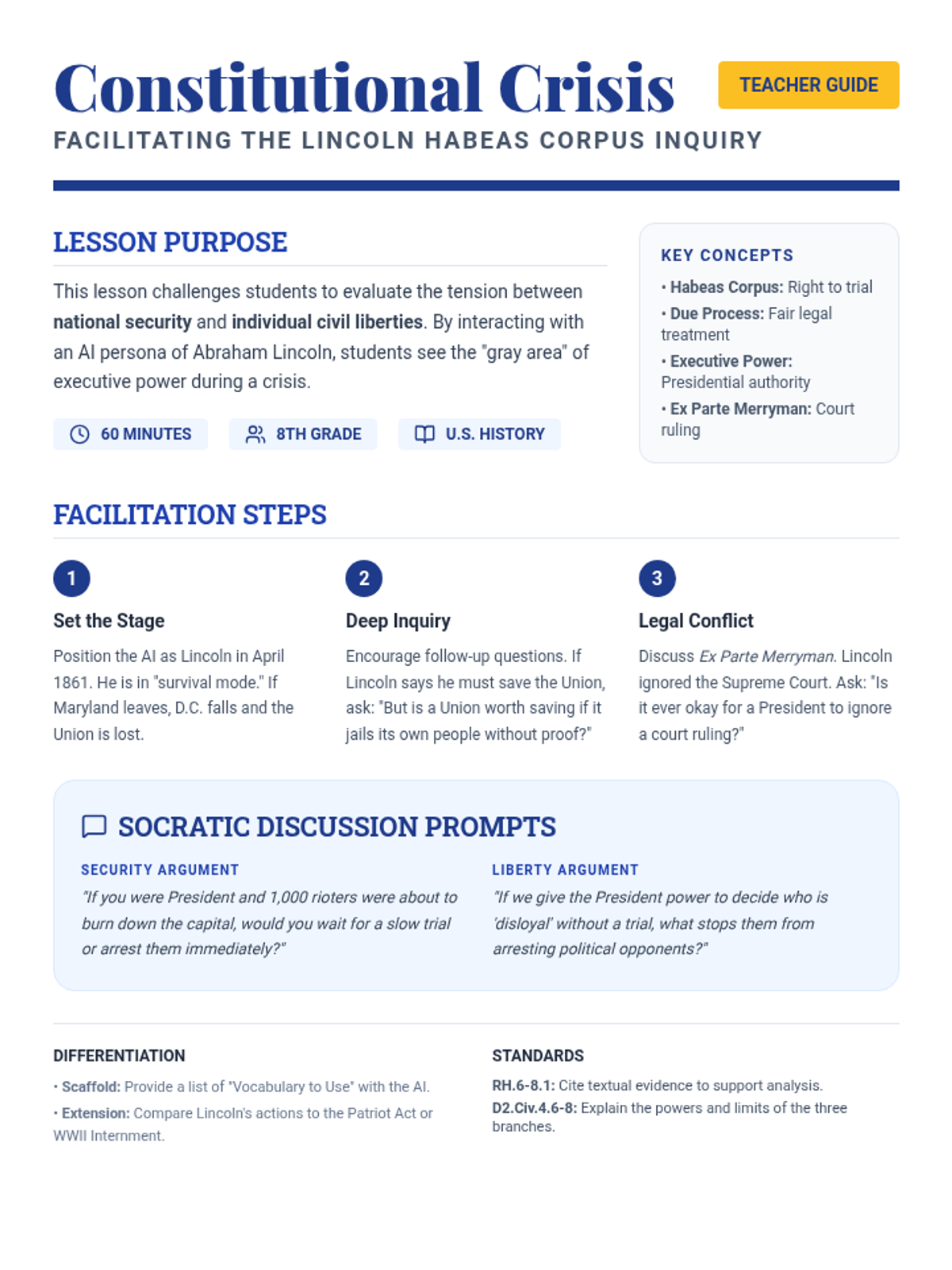
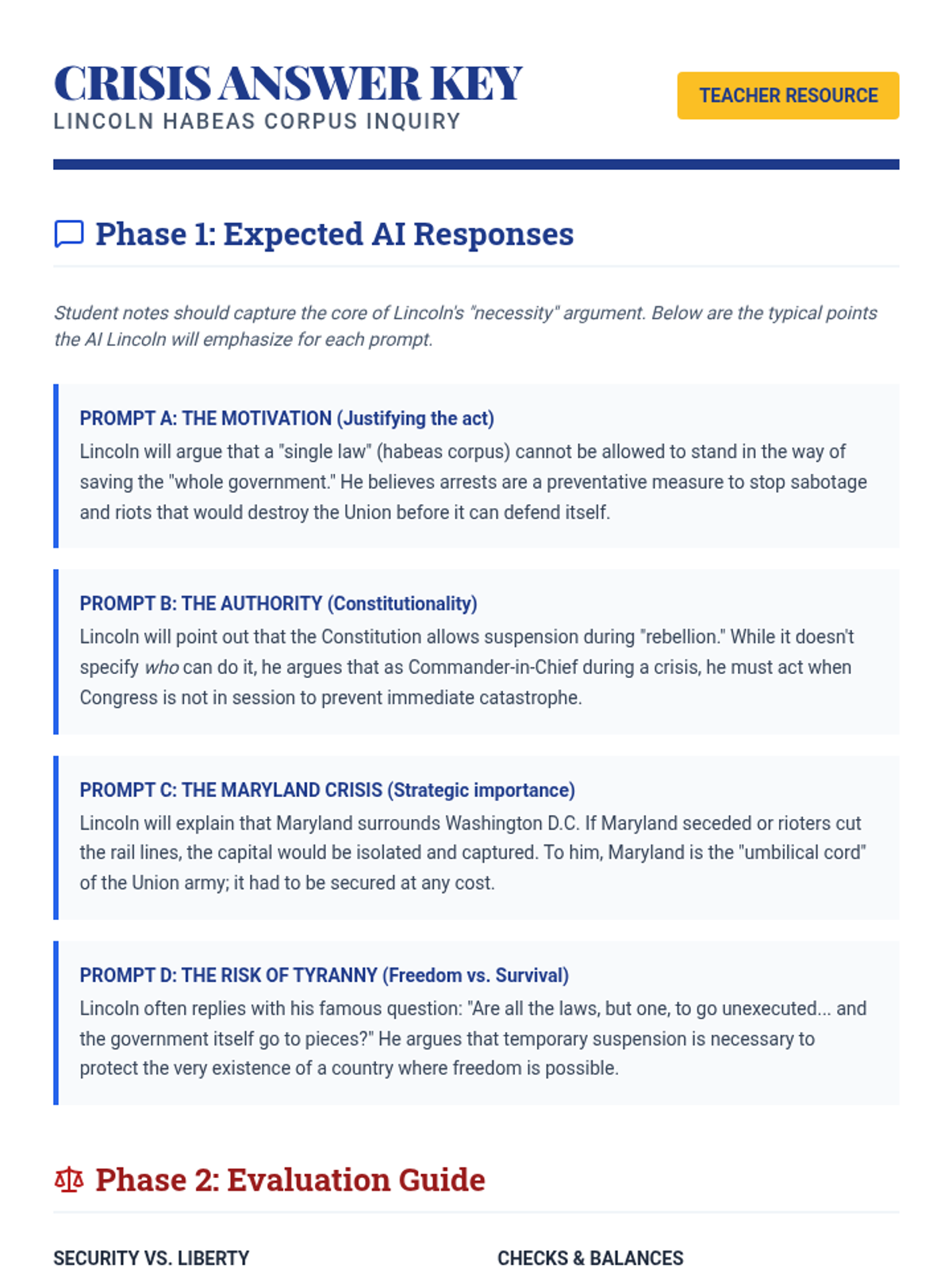
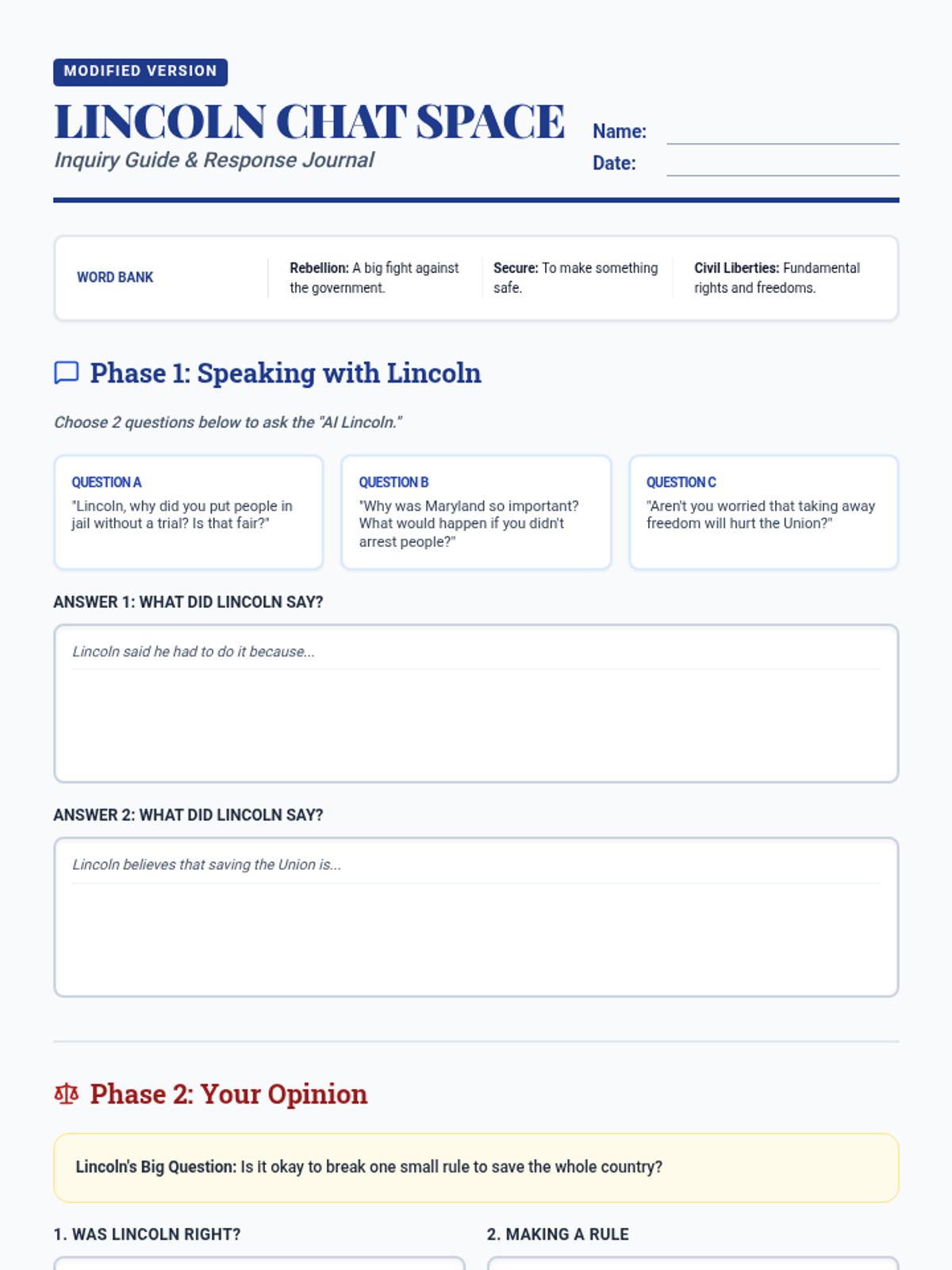
This lesson explores the constitutional conflict surrounding Abraham Lincoln's suspension of the writ of habeas corpus during the American Civil War, focusing on the tension between national security and individual civil liberties.
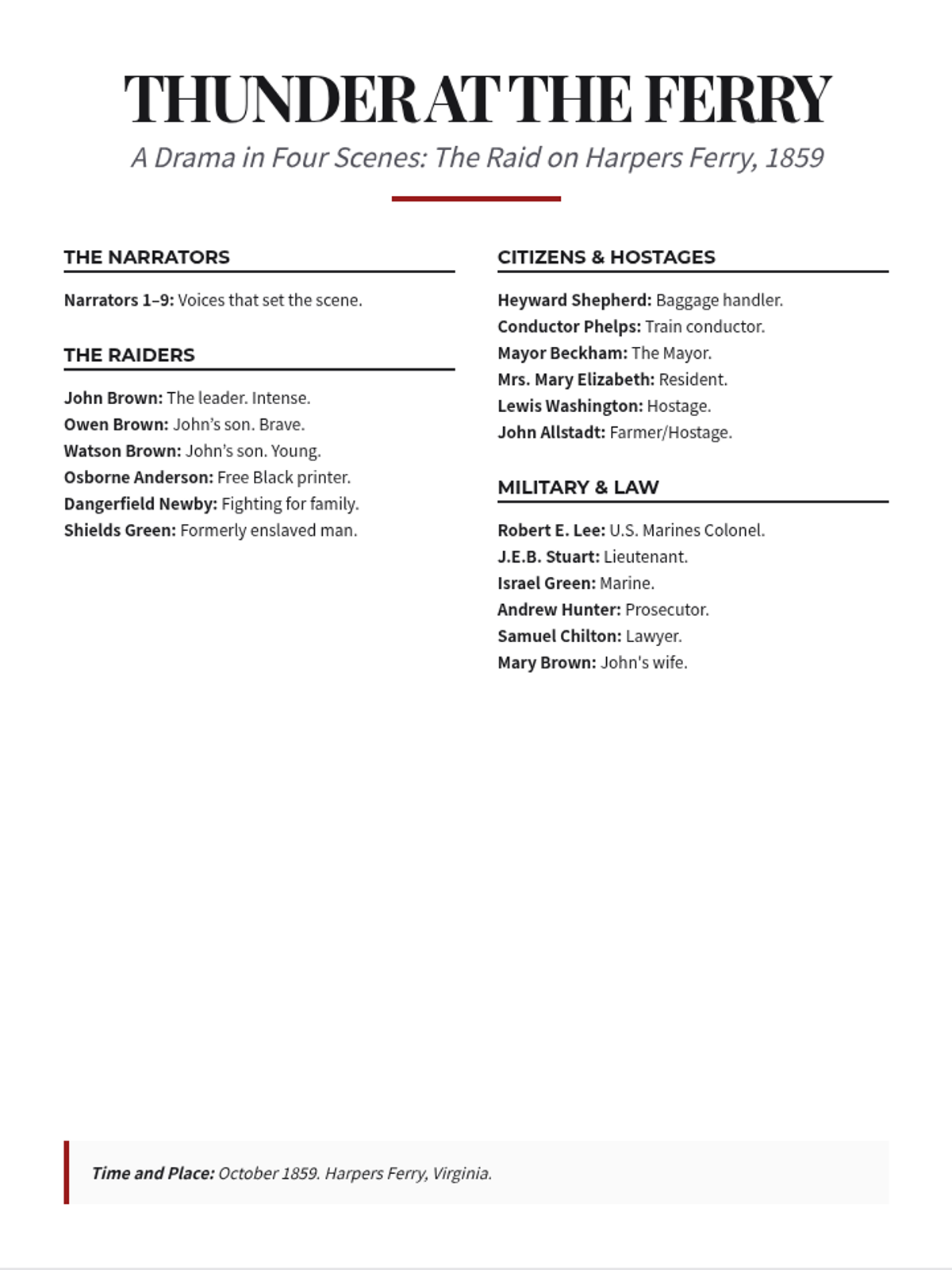
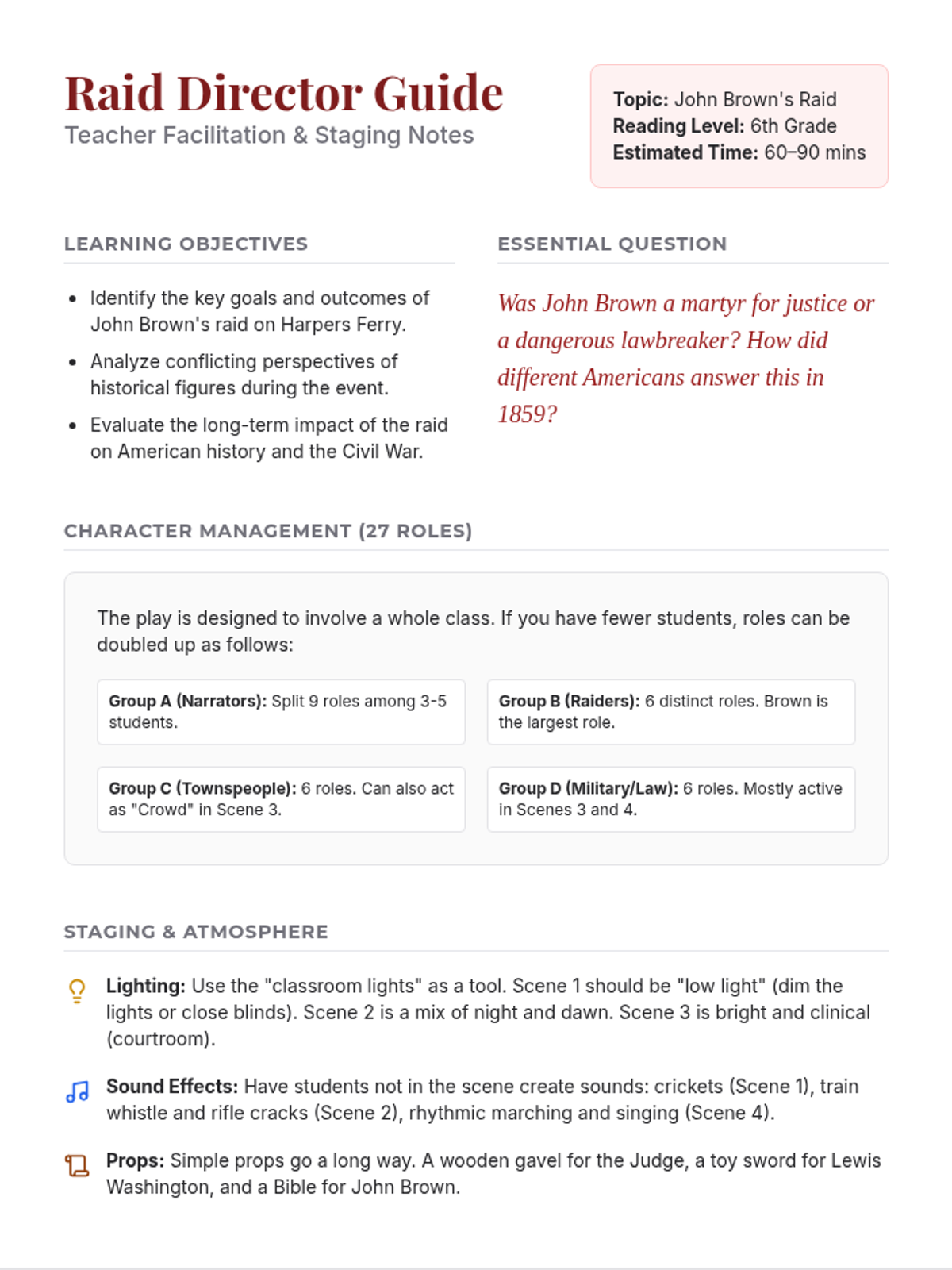
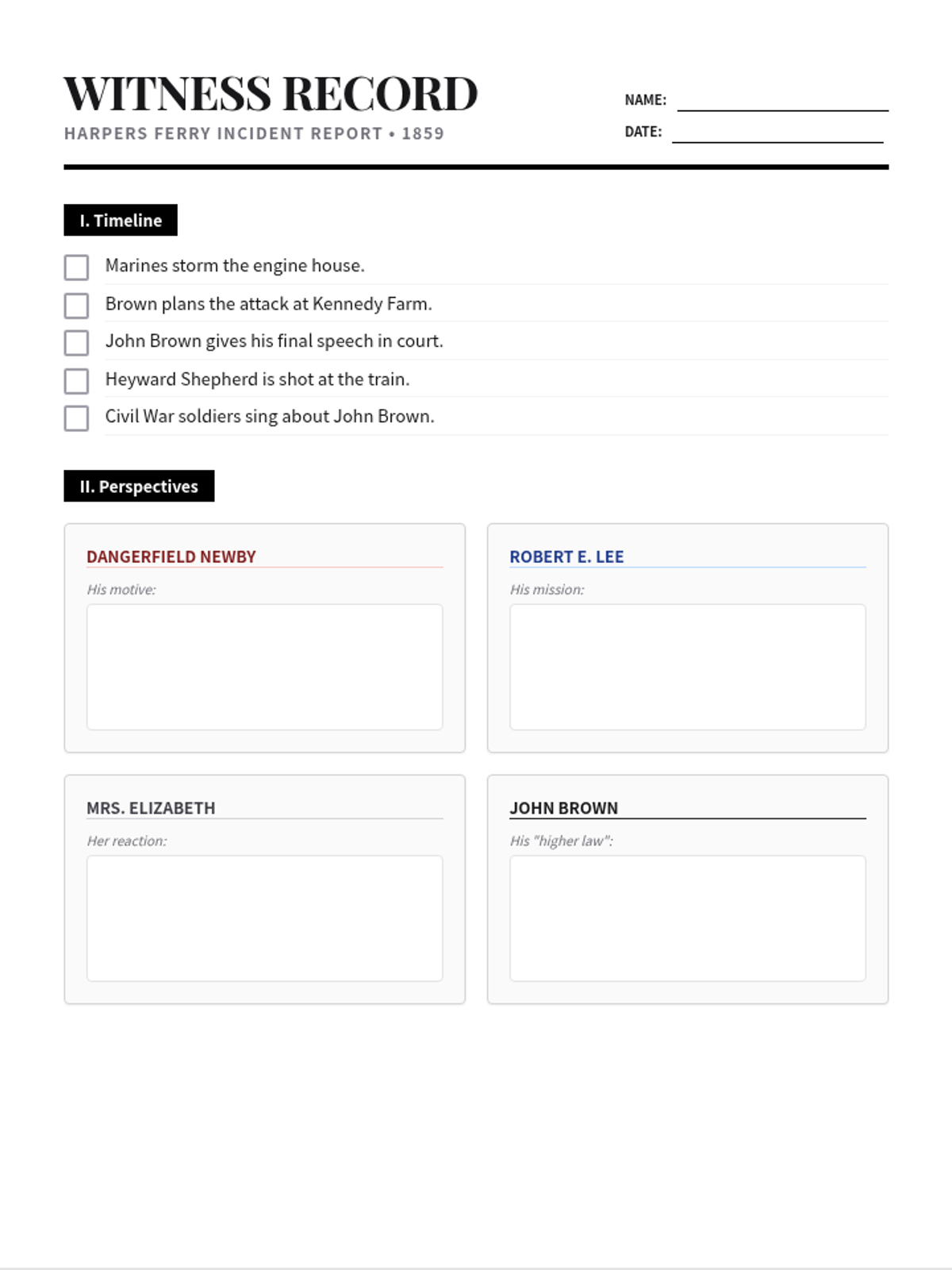
A dramatic exploration of John Brown's 1859 raid on Harpers Ferry, focusing on the conflicting perspectives of the raiders, the military, and the local community through a 4-scene classroom play.
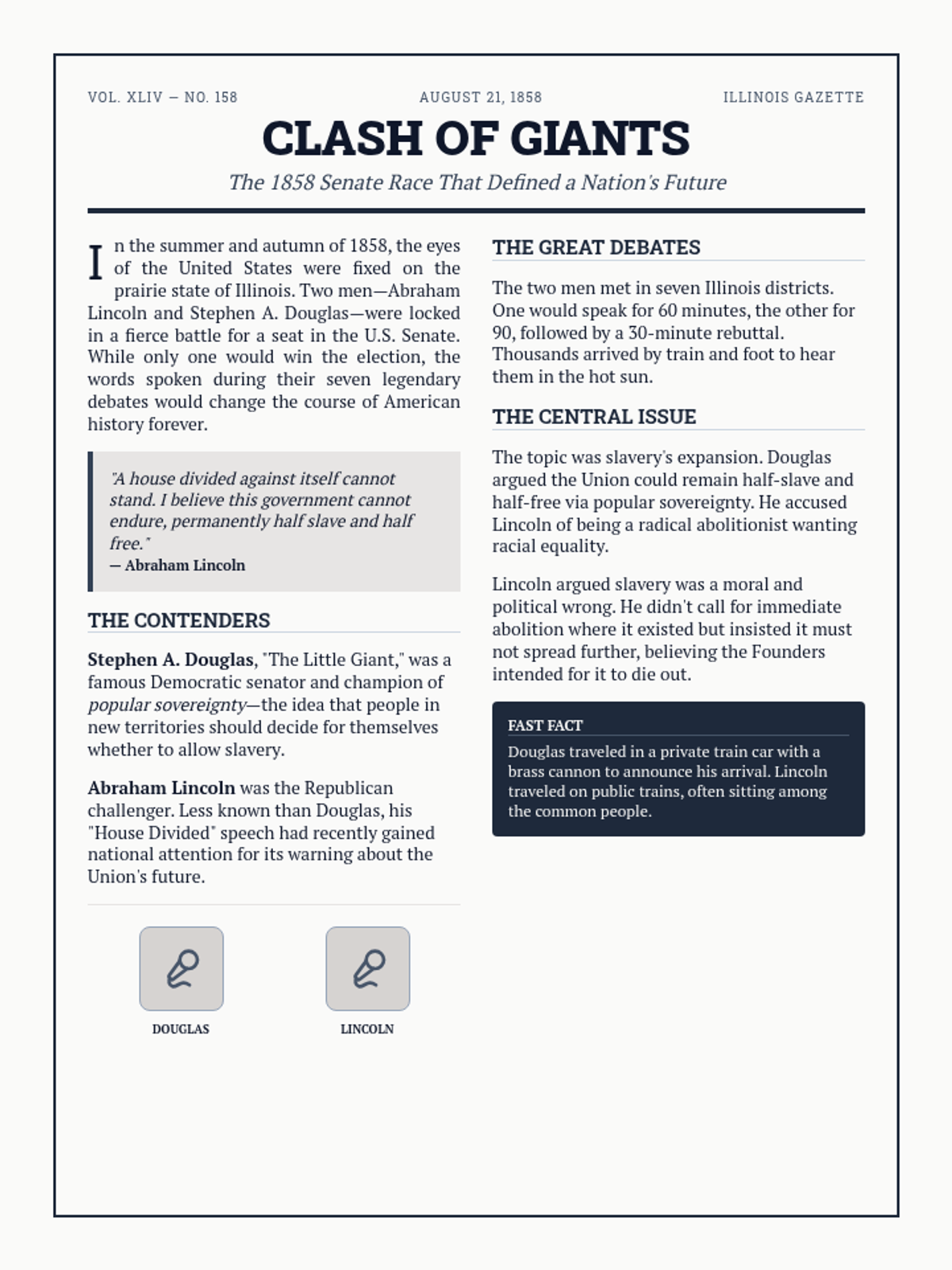
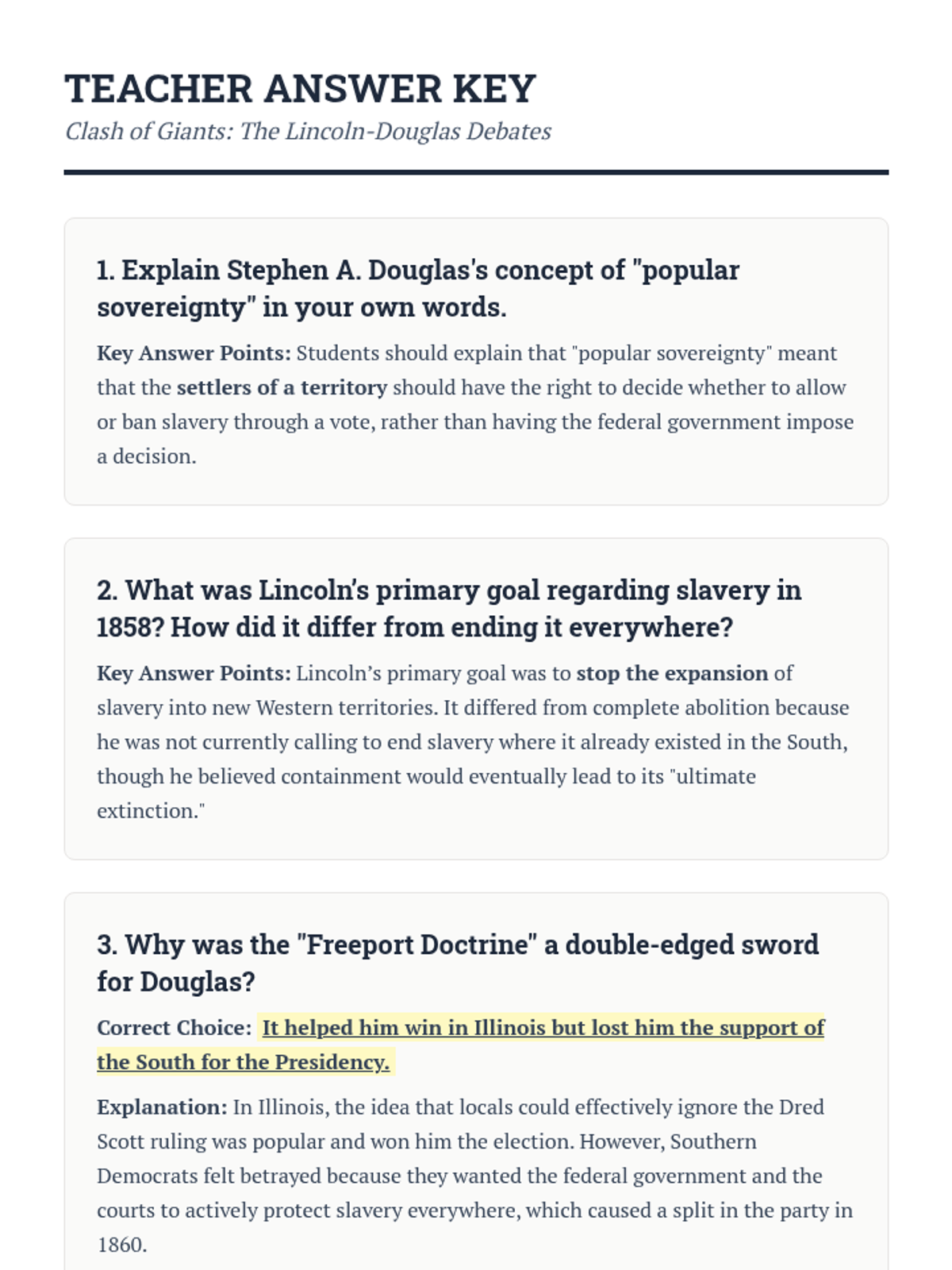
A comprehensive lesson on the 1858 Illinois Senate race, exploring the historical significance of the Lincoln-Douglas debates, the expansion of slavery, and the rise of Abraham Lincoln.
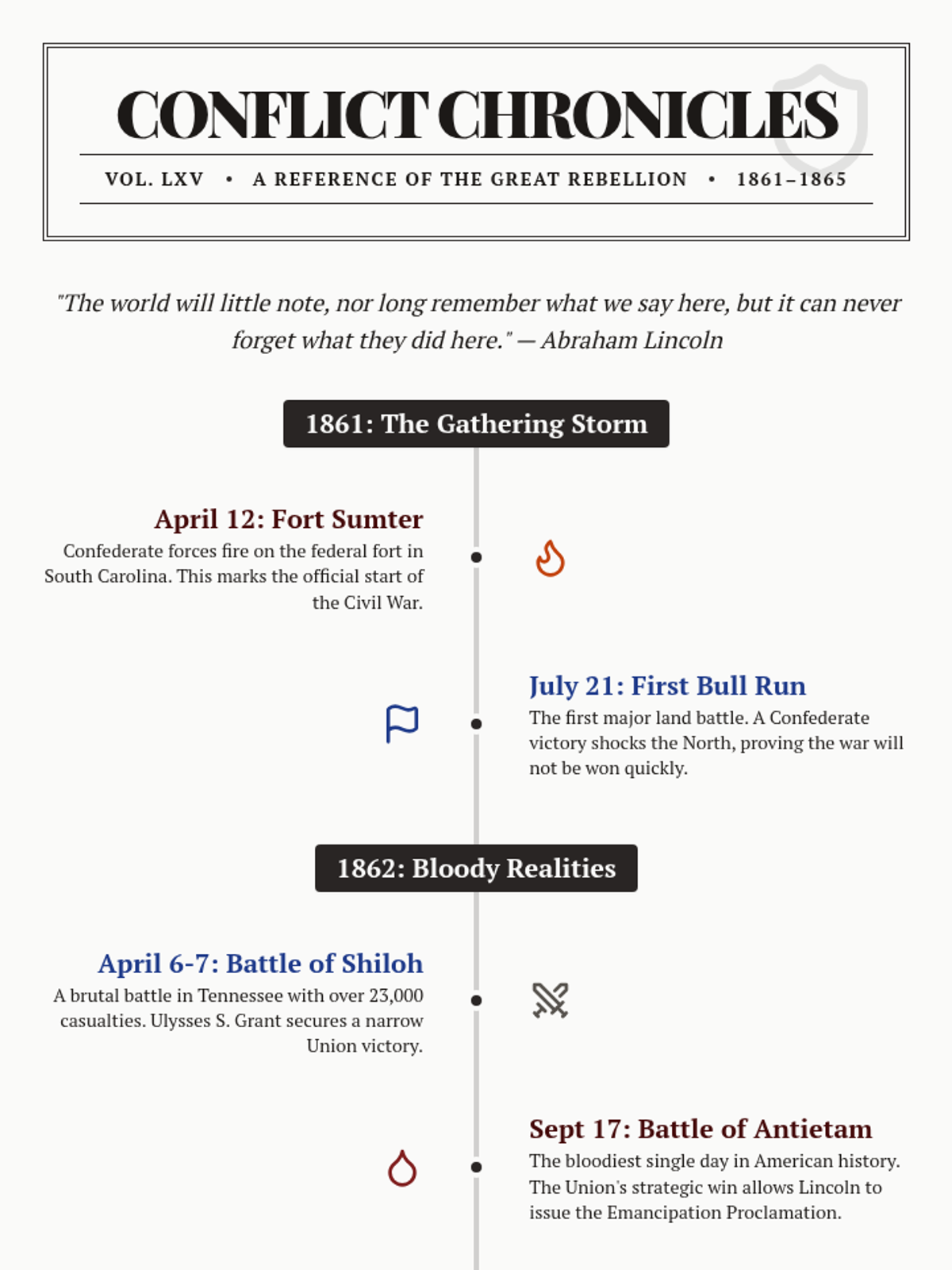
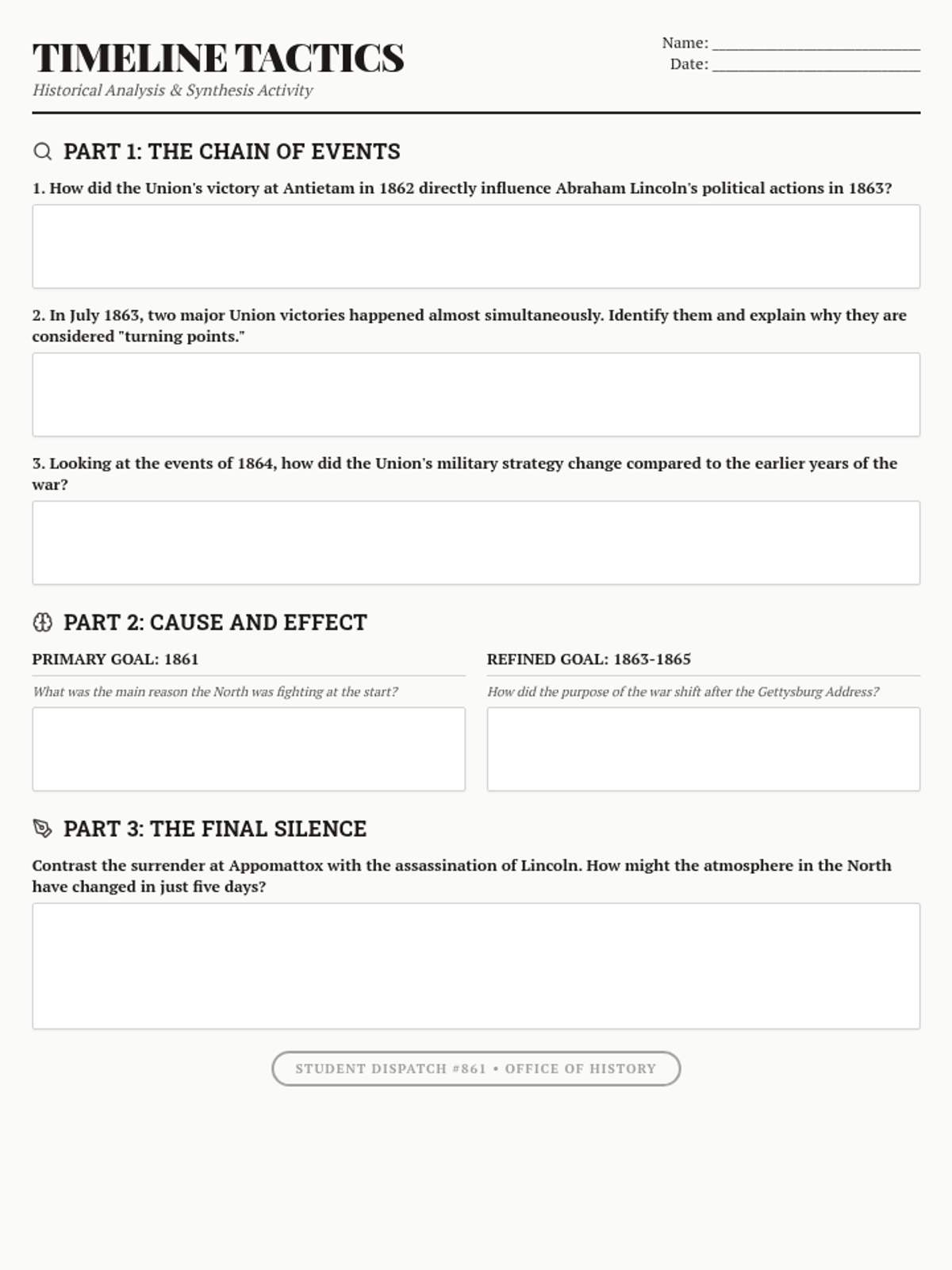
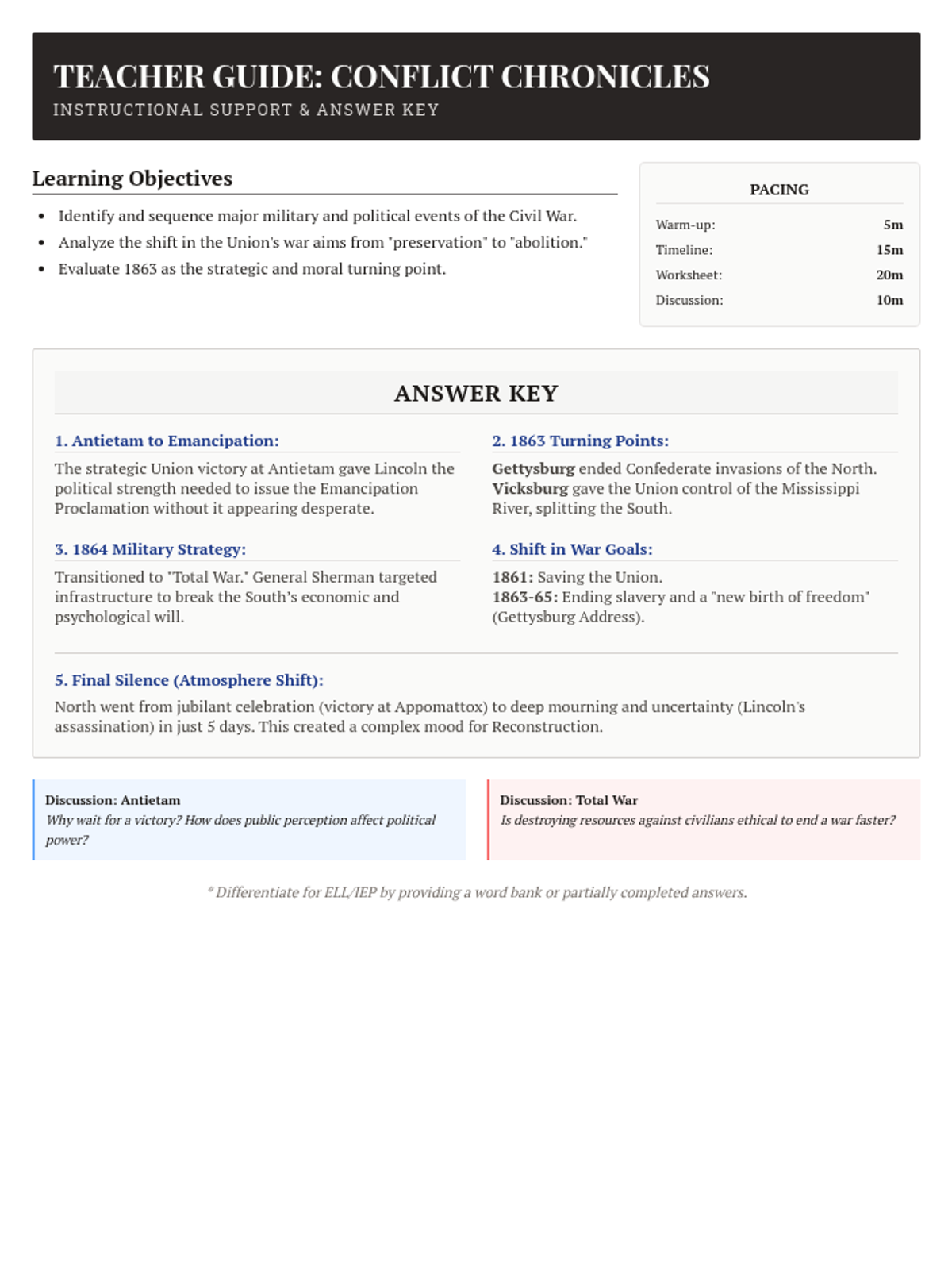
A comprehensive overview of the American Civil War's major events from 1861 to 1865, focusing on key battles, political shifts, and the war's ultimate conclusion.
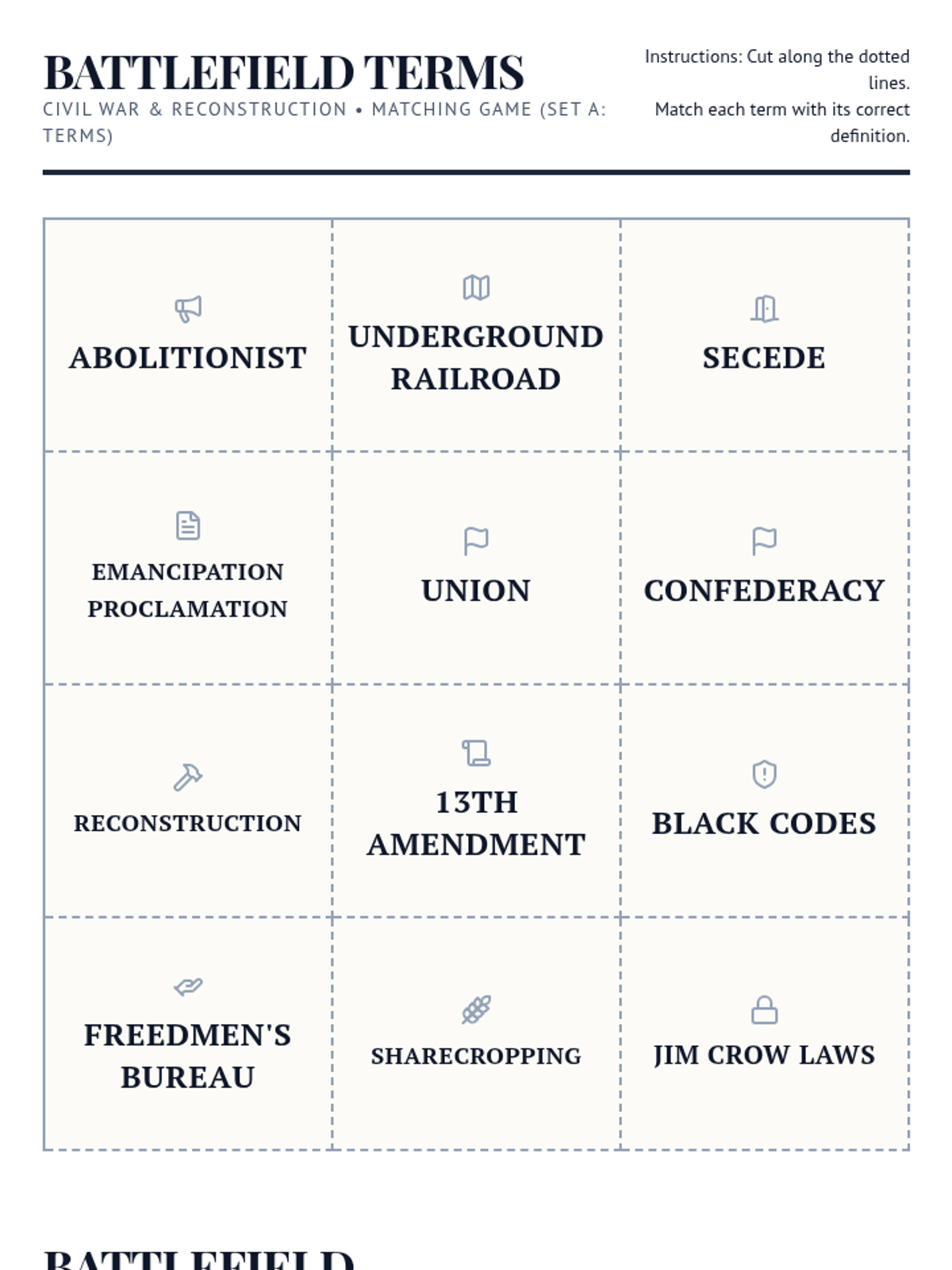
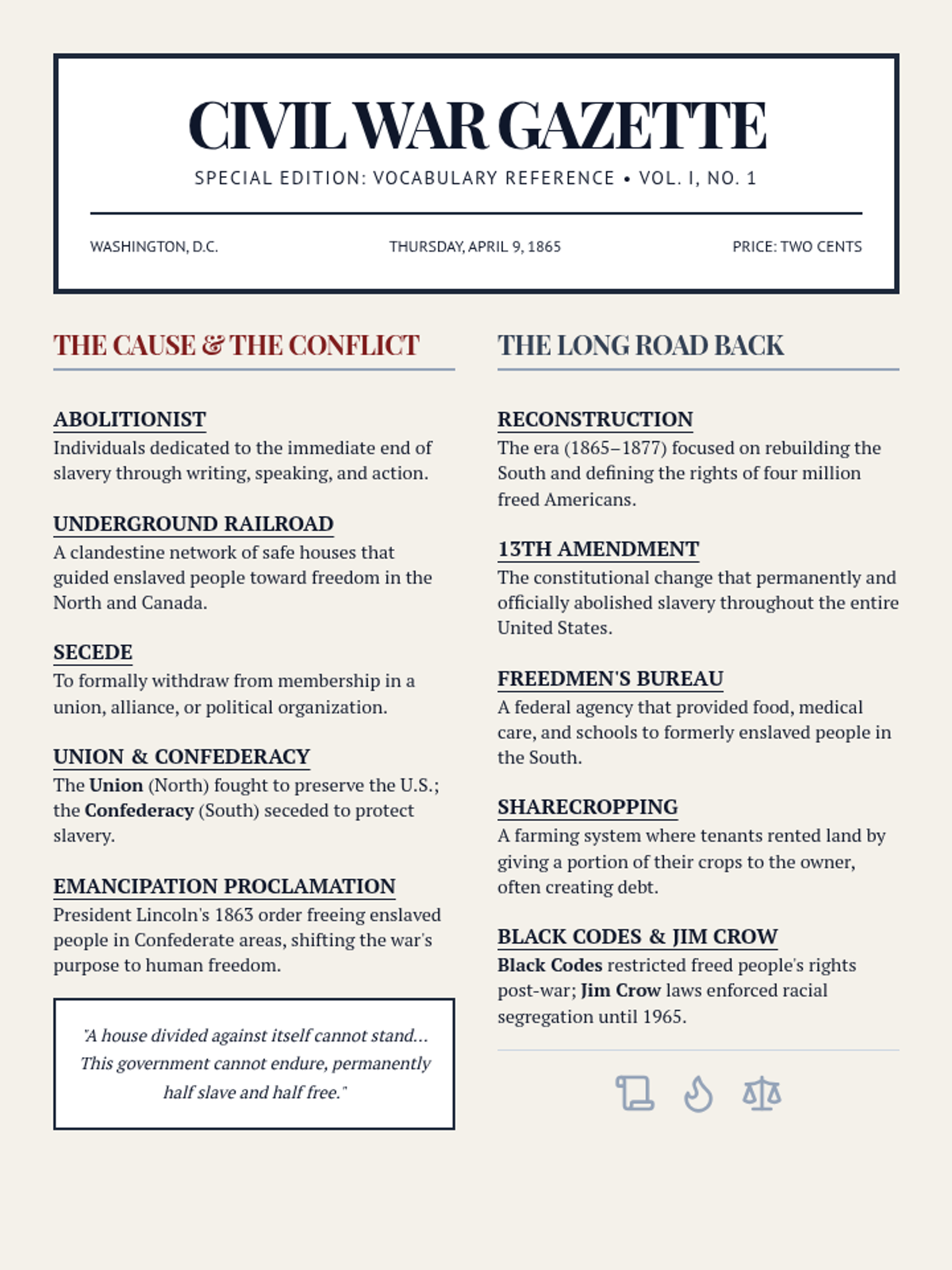
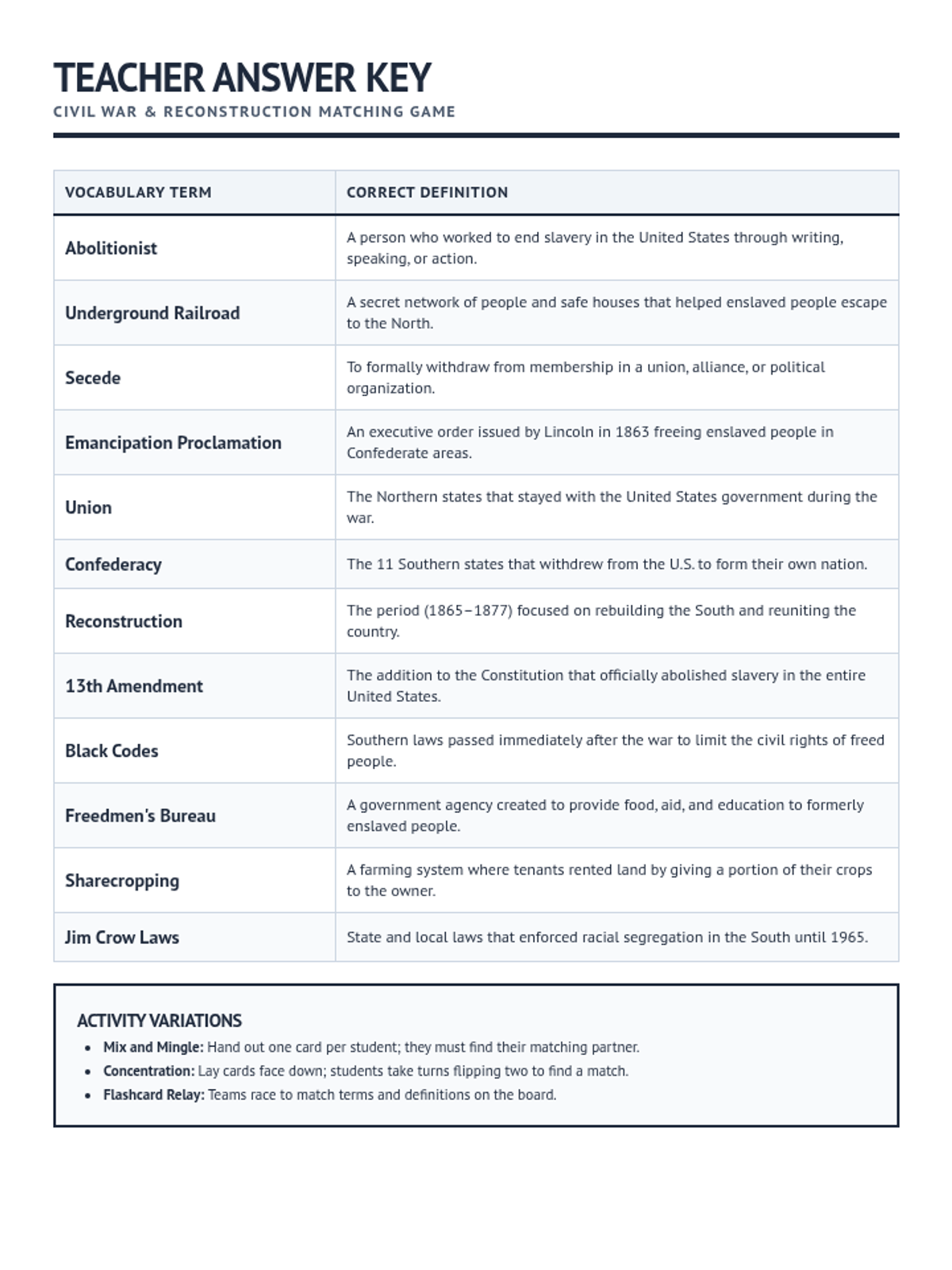
A comprehensive vocabulary lesson covering the essential terminology of the American Civil War, from the causes of slavery and abolitionism to the complexities of Reconstruction.
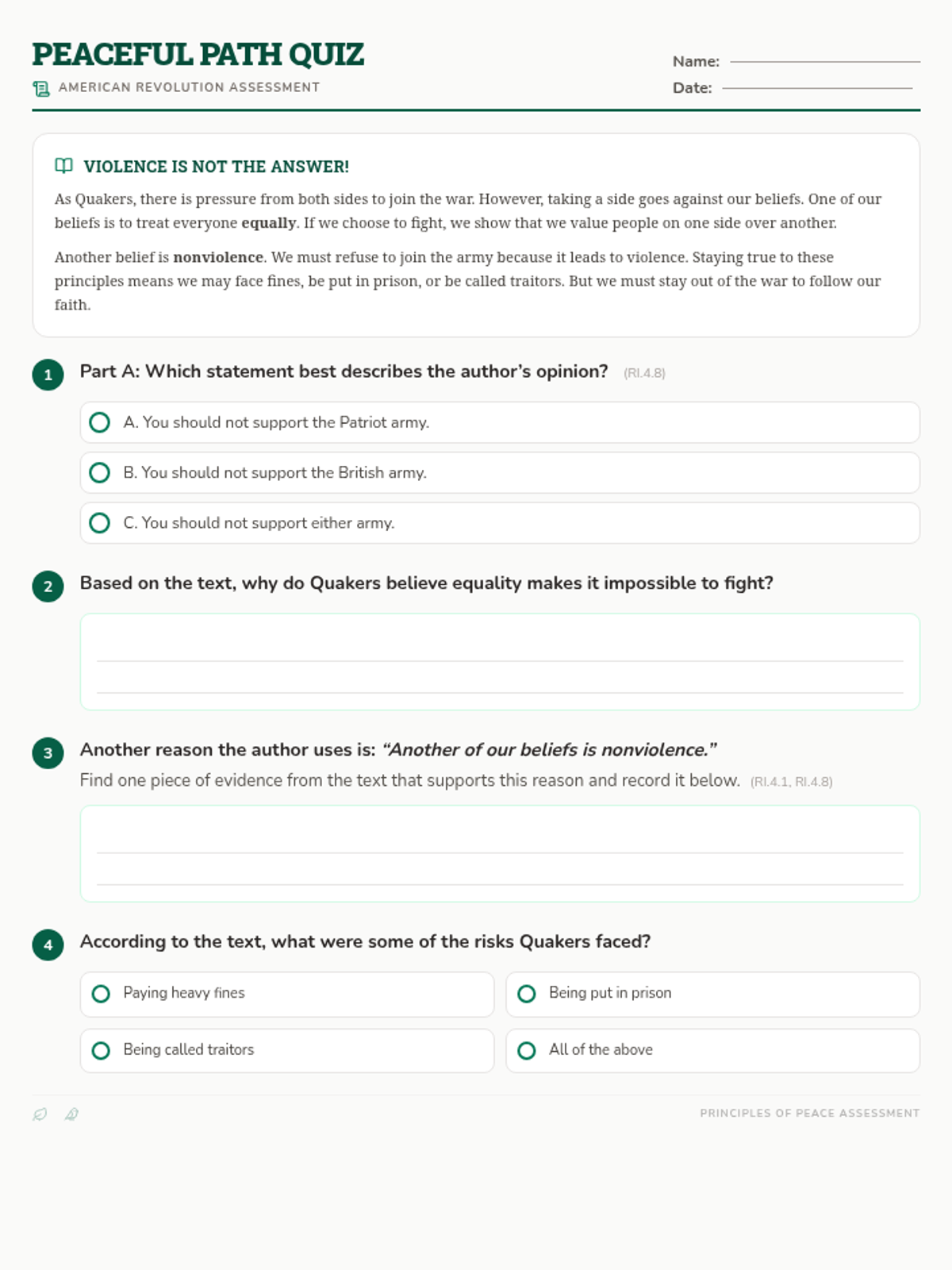
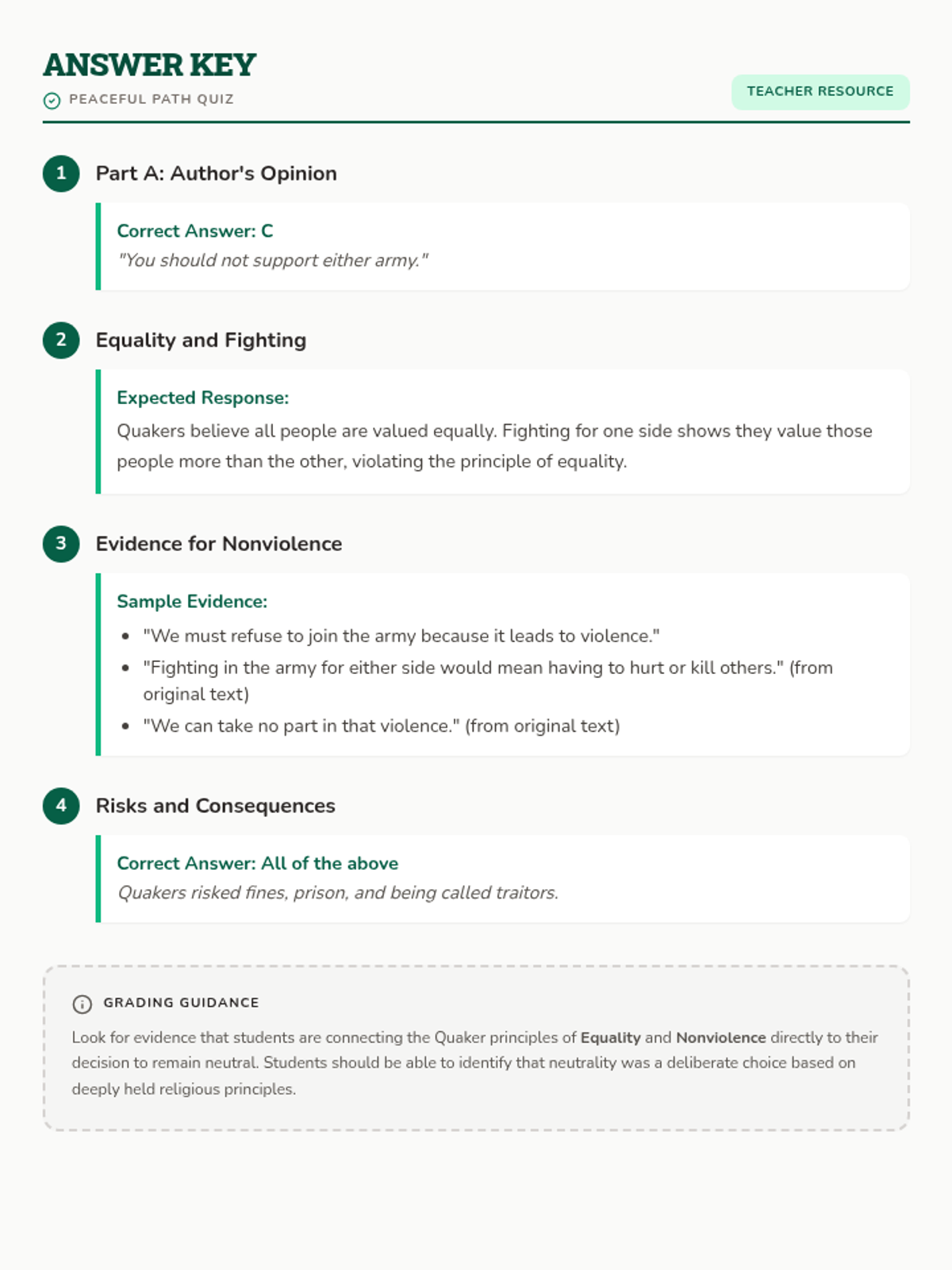
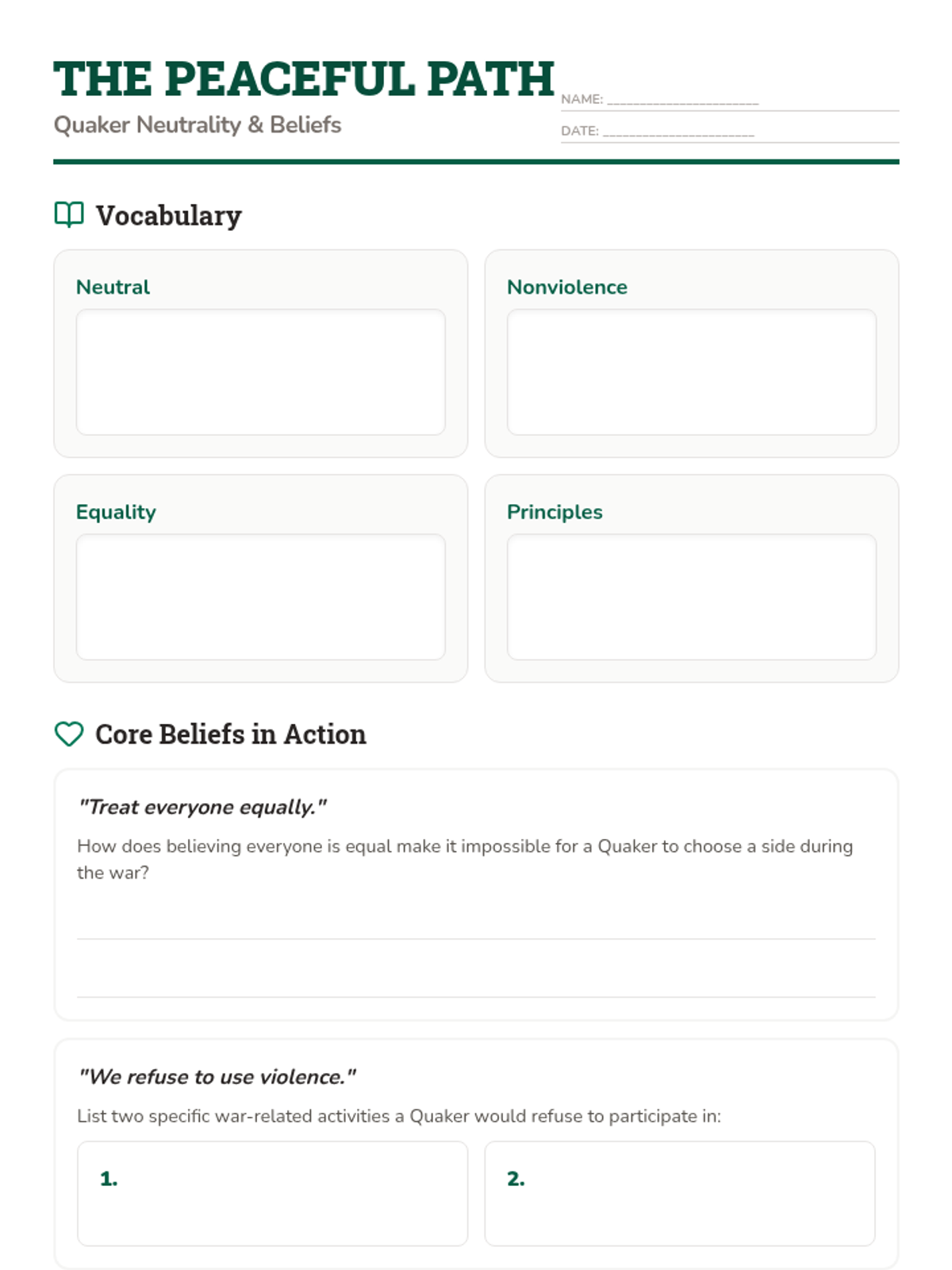
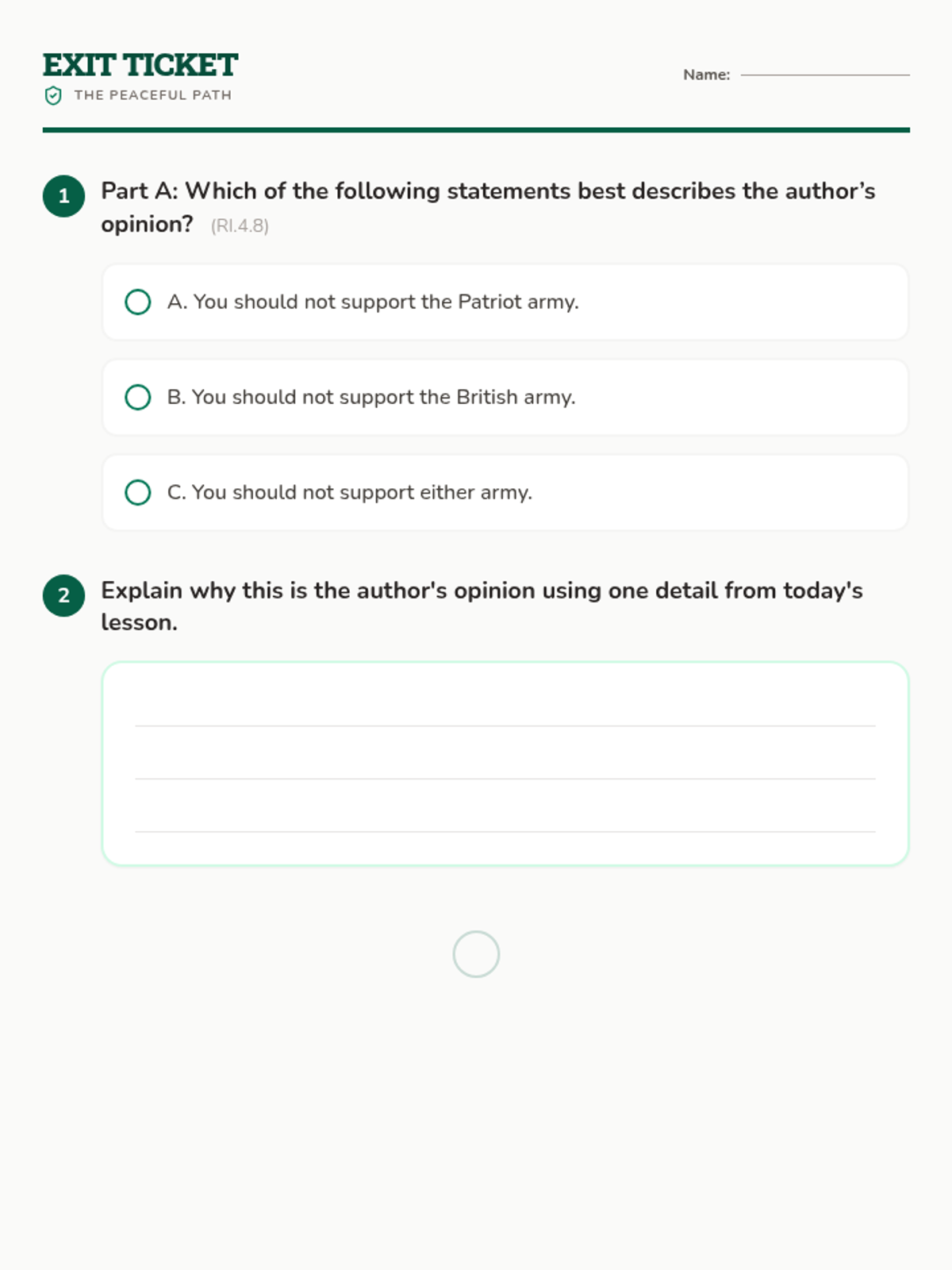
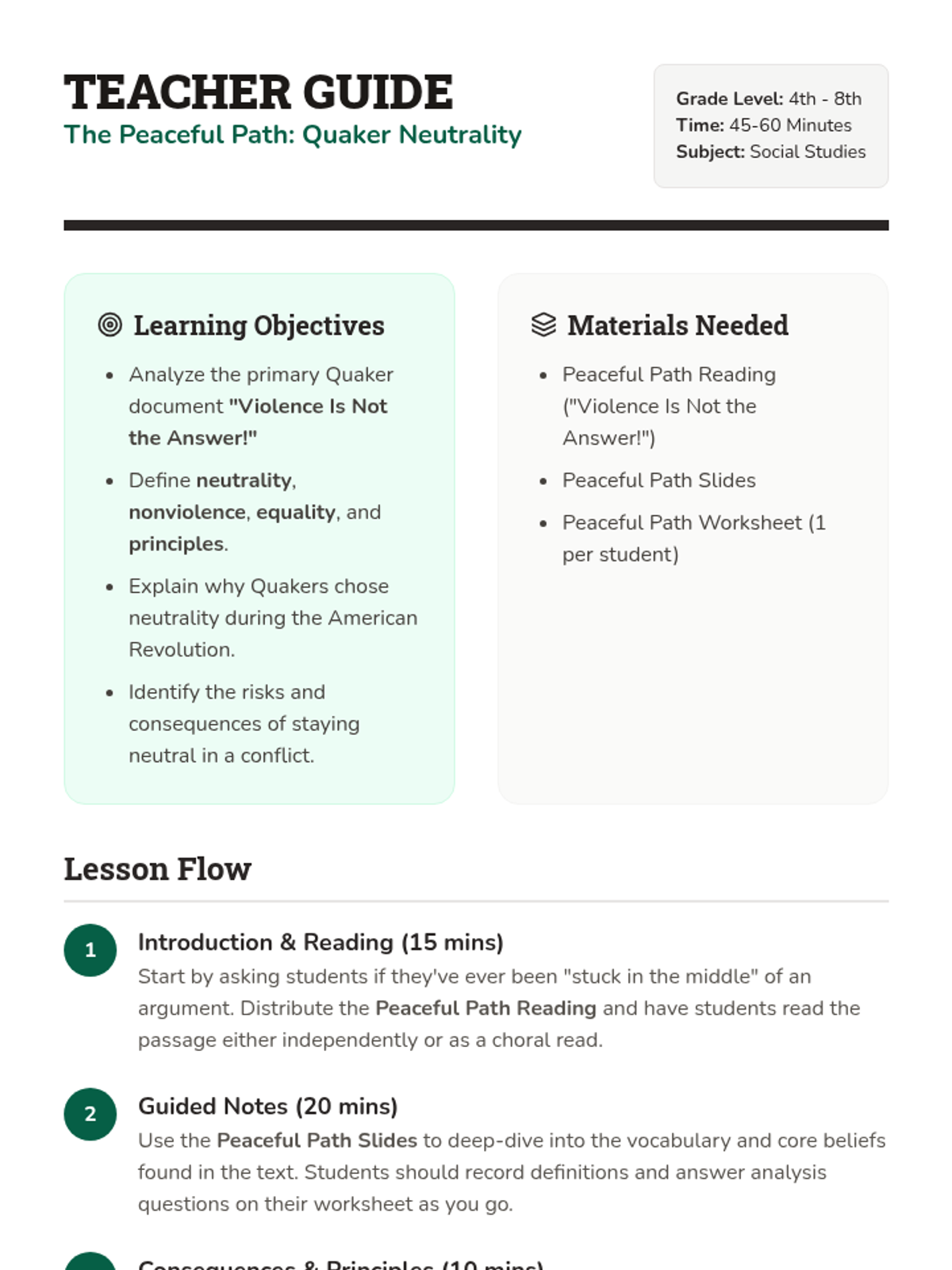
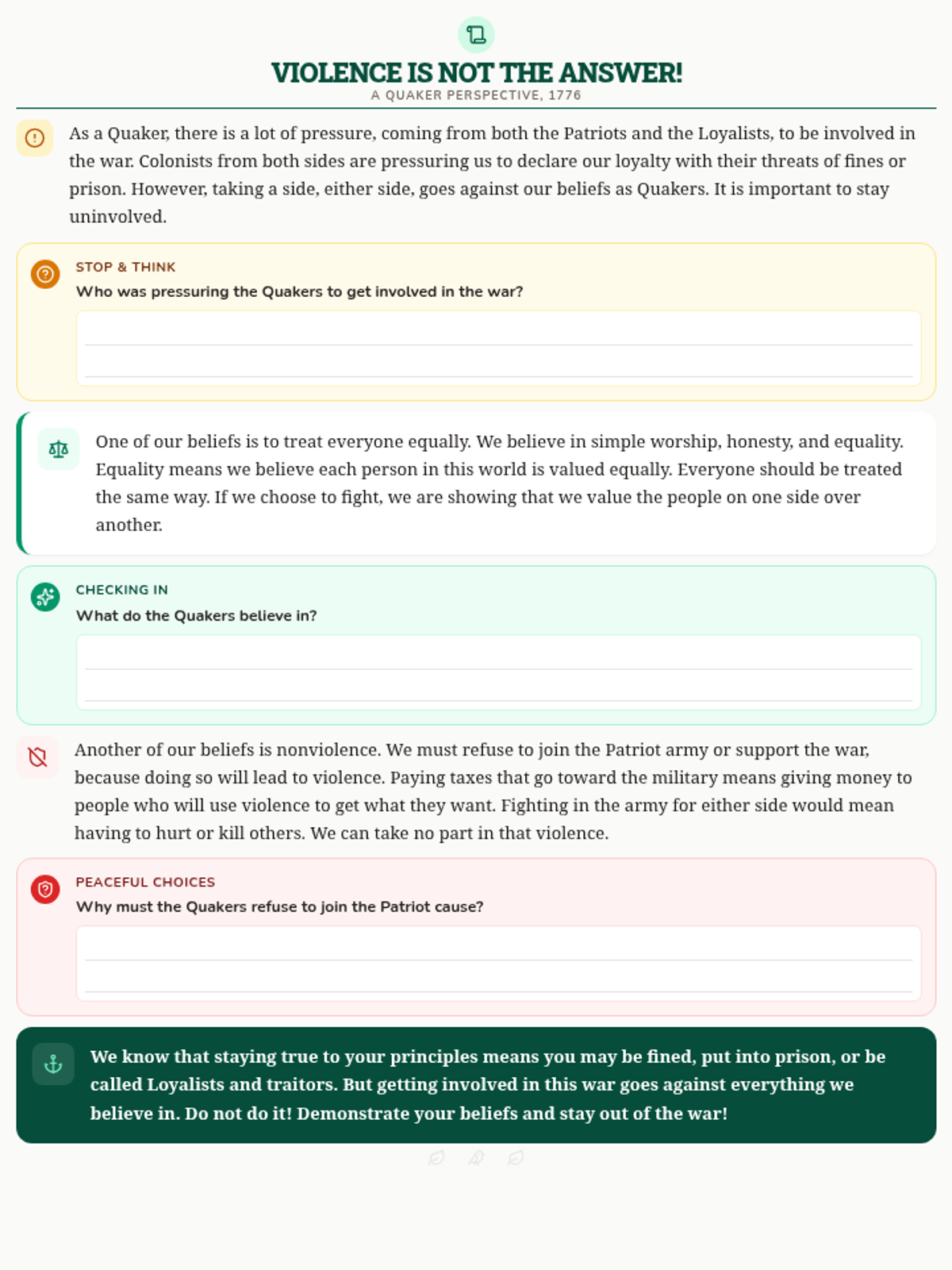
A lesson exploring the Quaker perspective during the American Revolution, focusing on their commitment to neutrality and nonviolence despite external pressures.
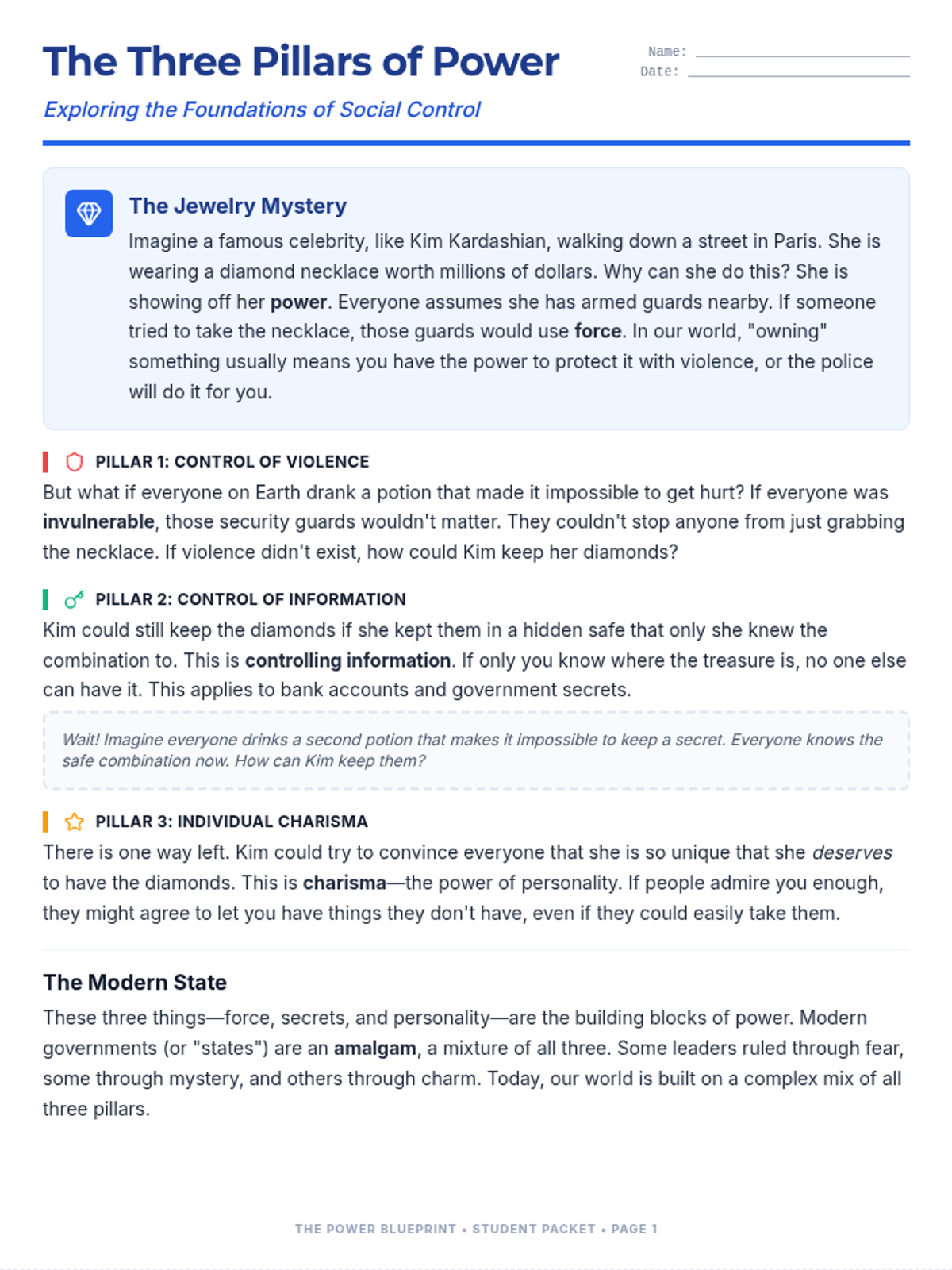
A deep dive into the three foundations of social power—violence, information, and charisma—using a modern-day thought experiment to explain how states are built.
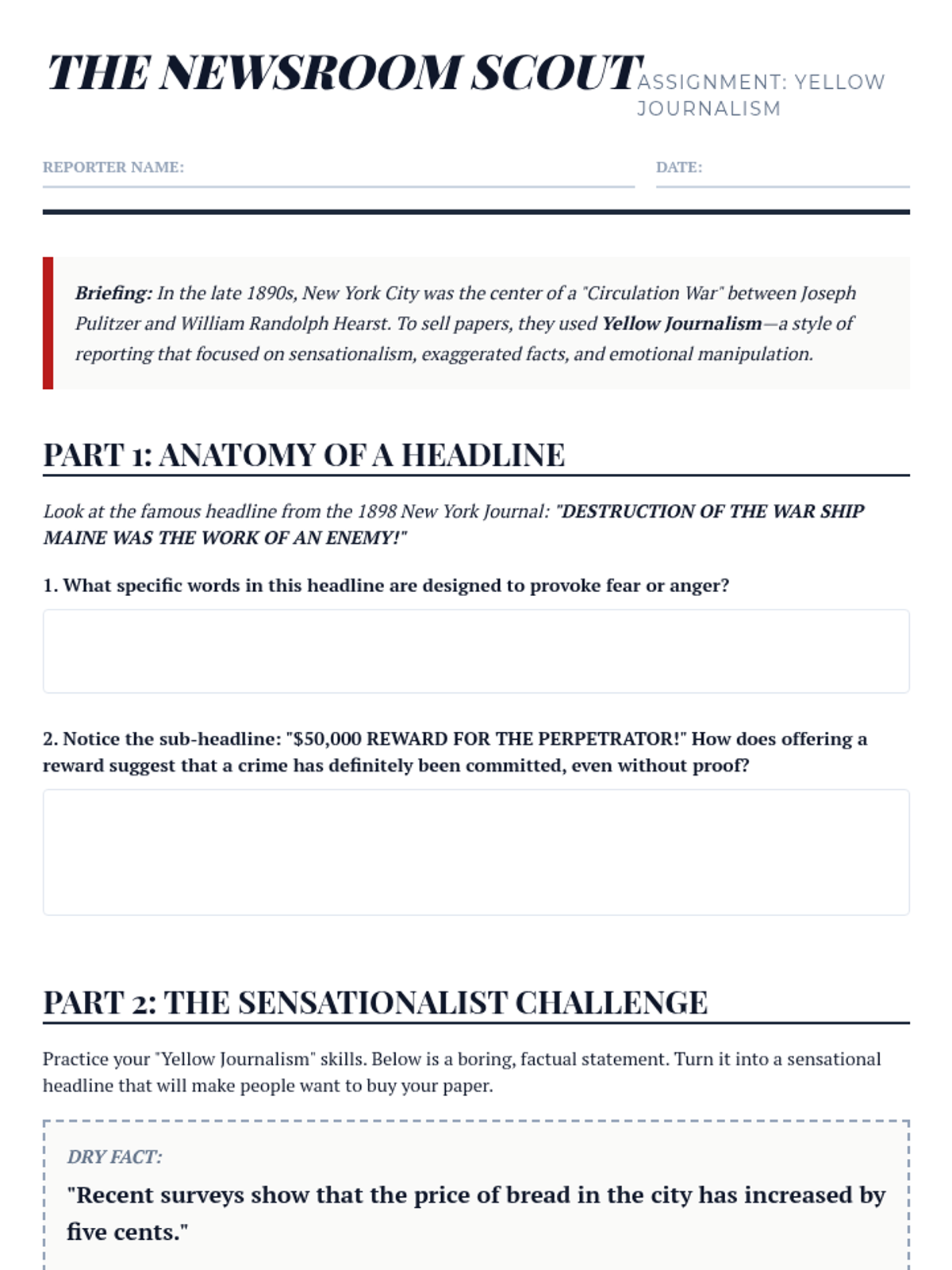
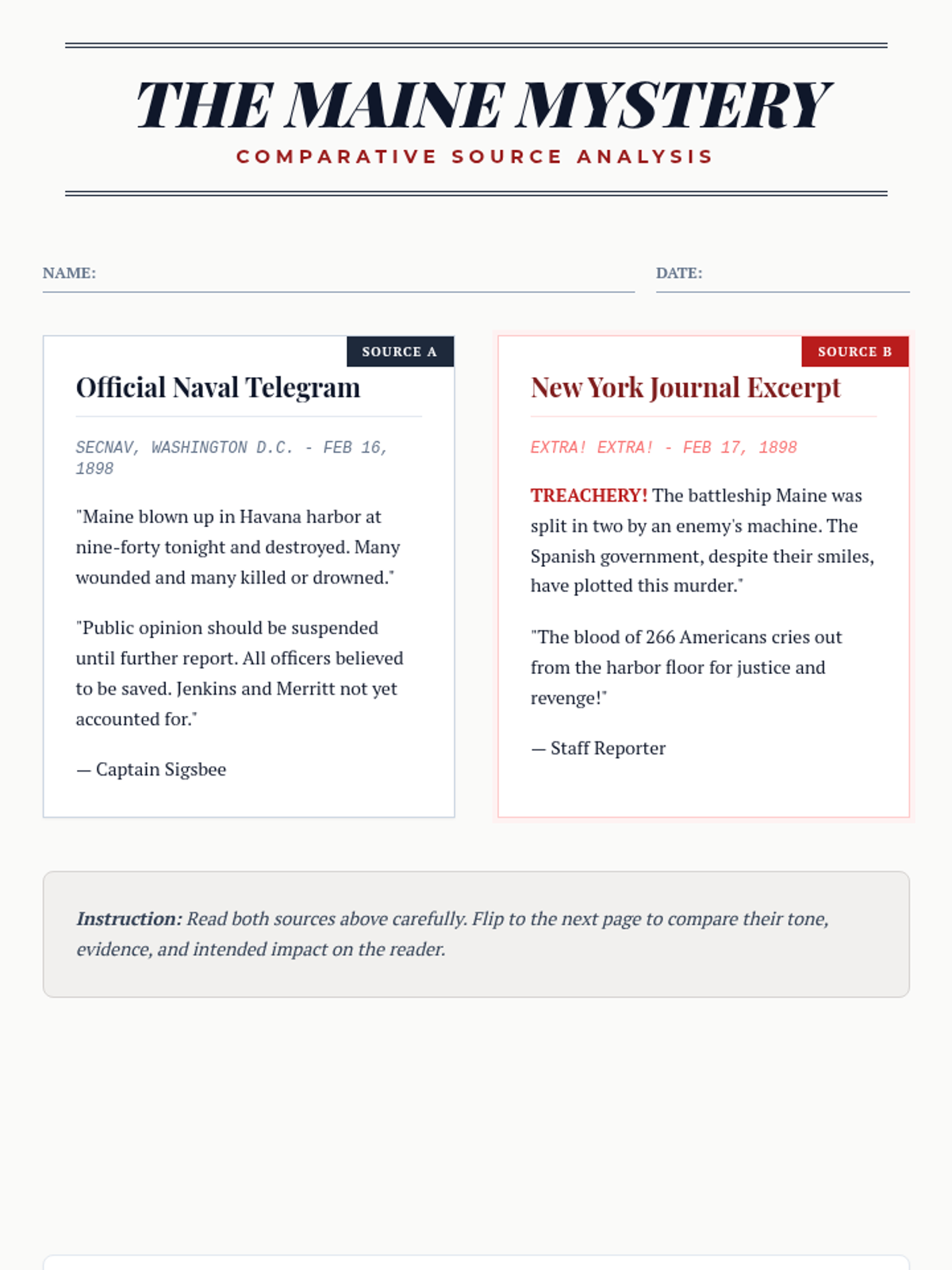
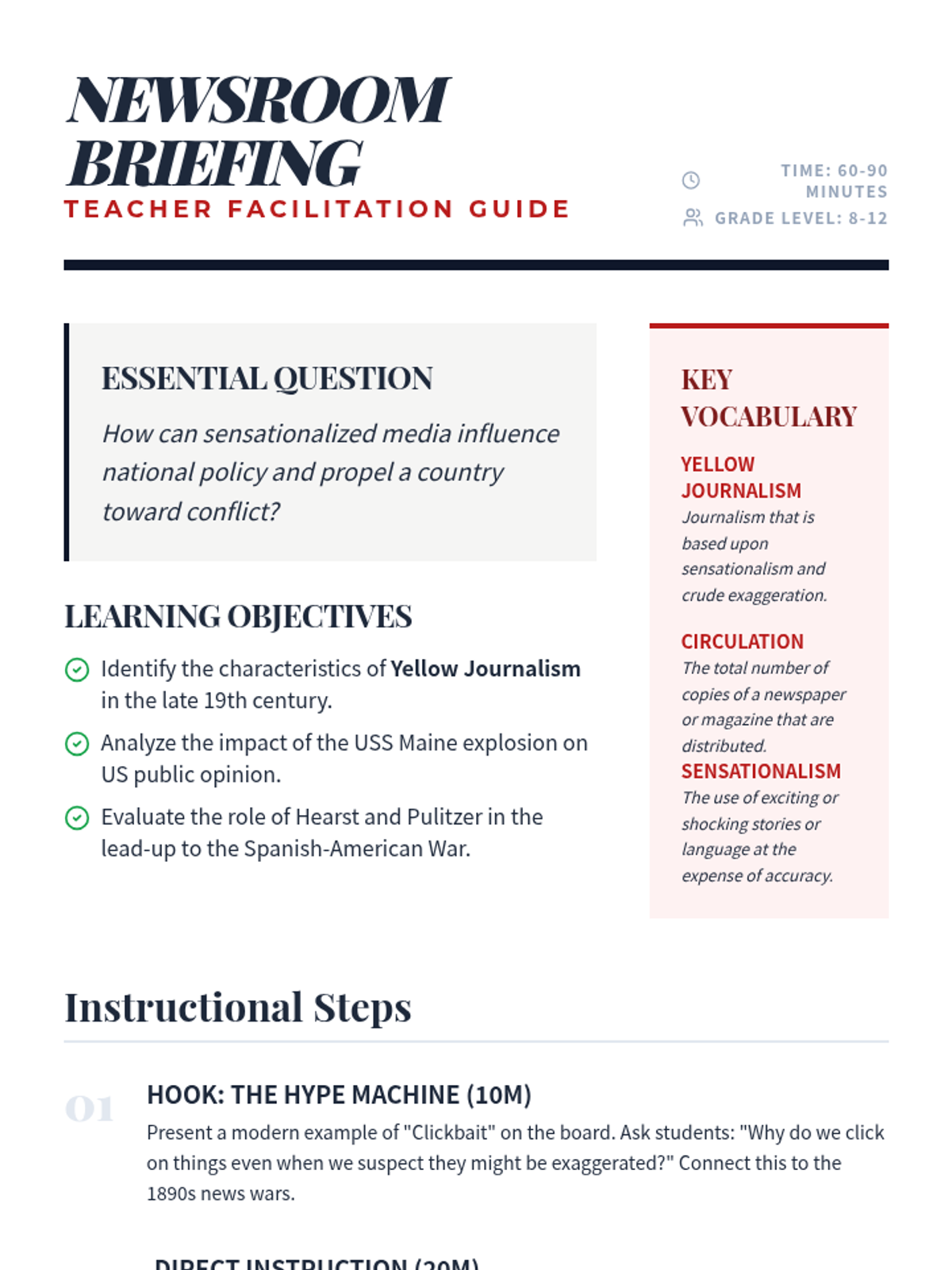
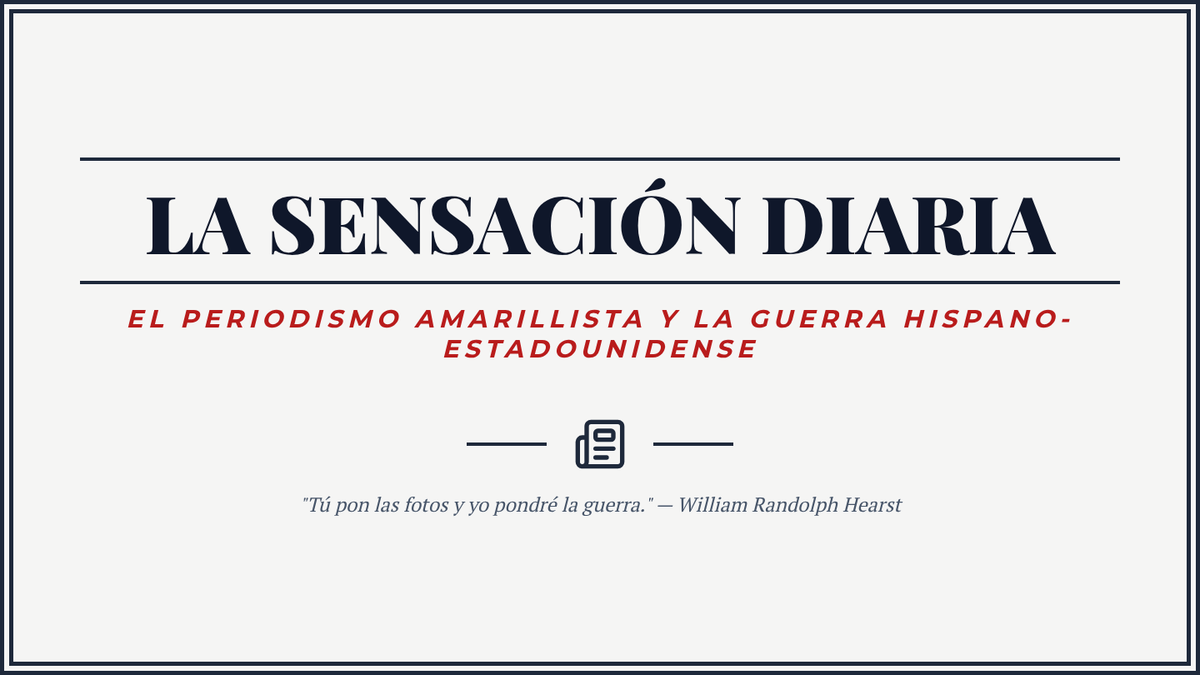
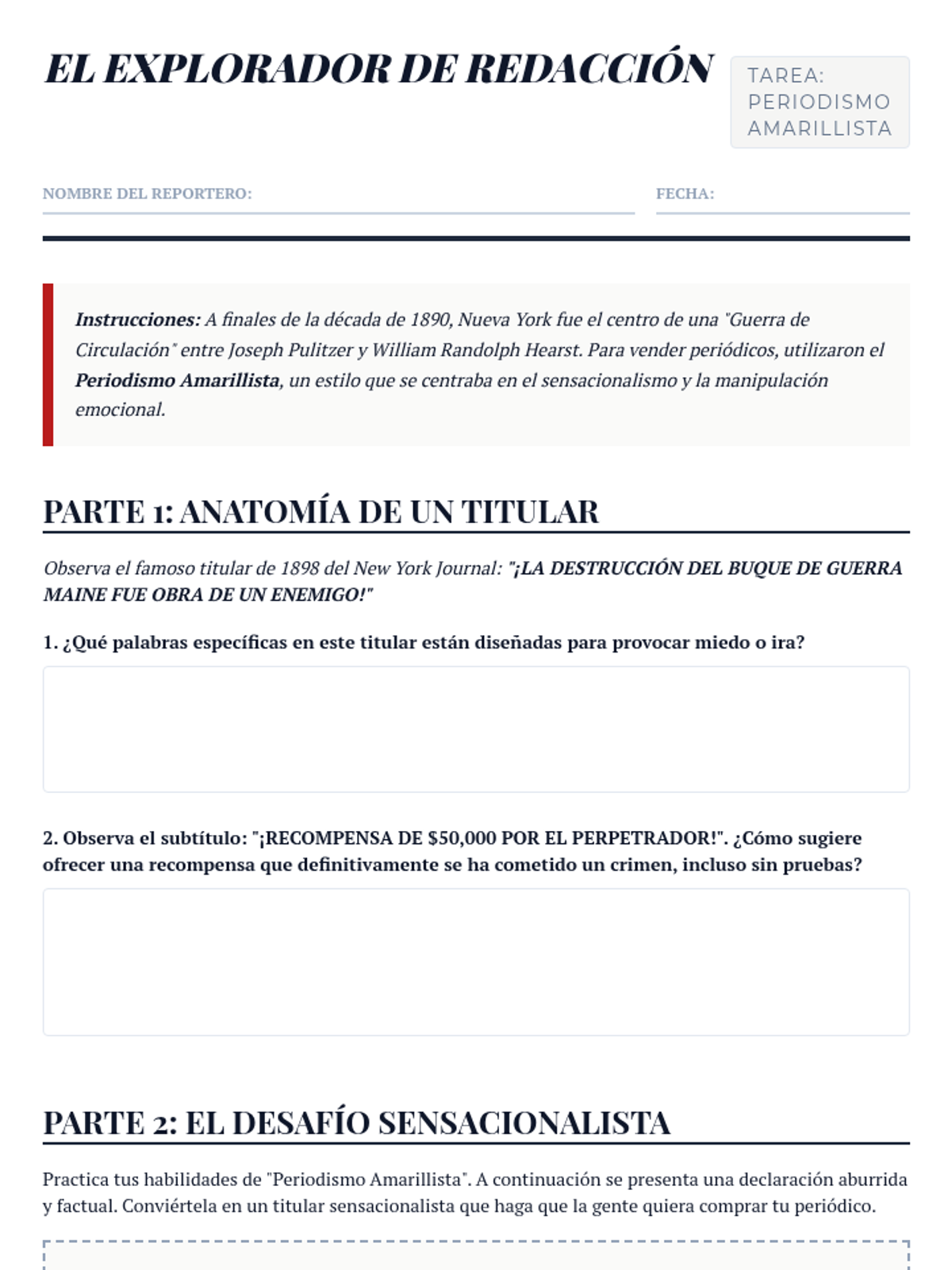
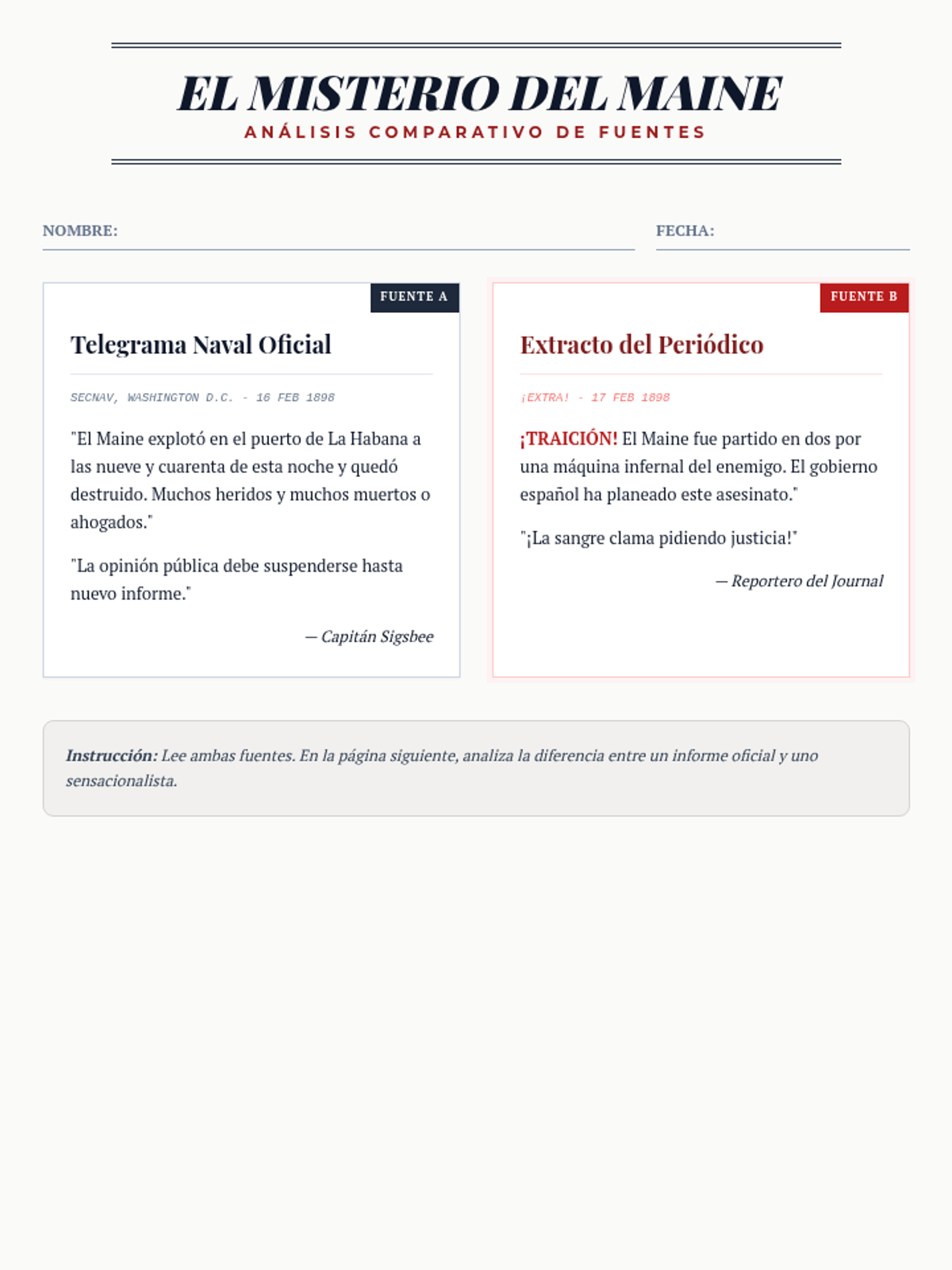
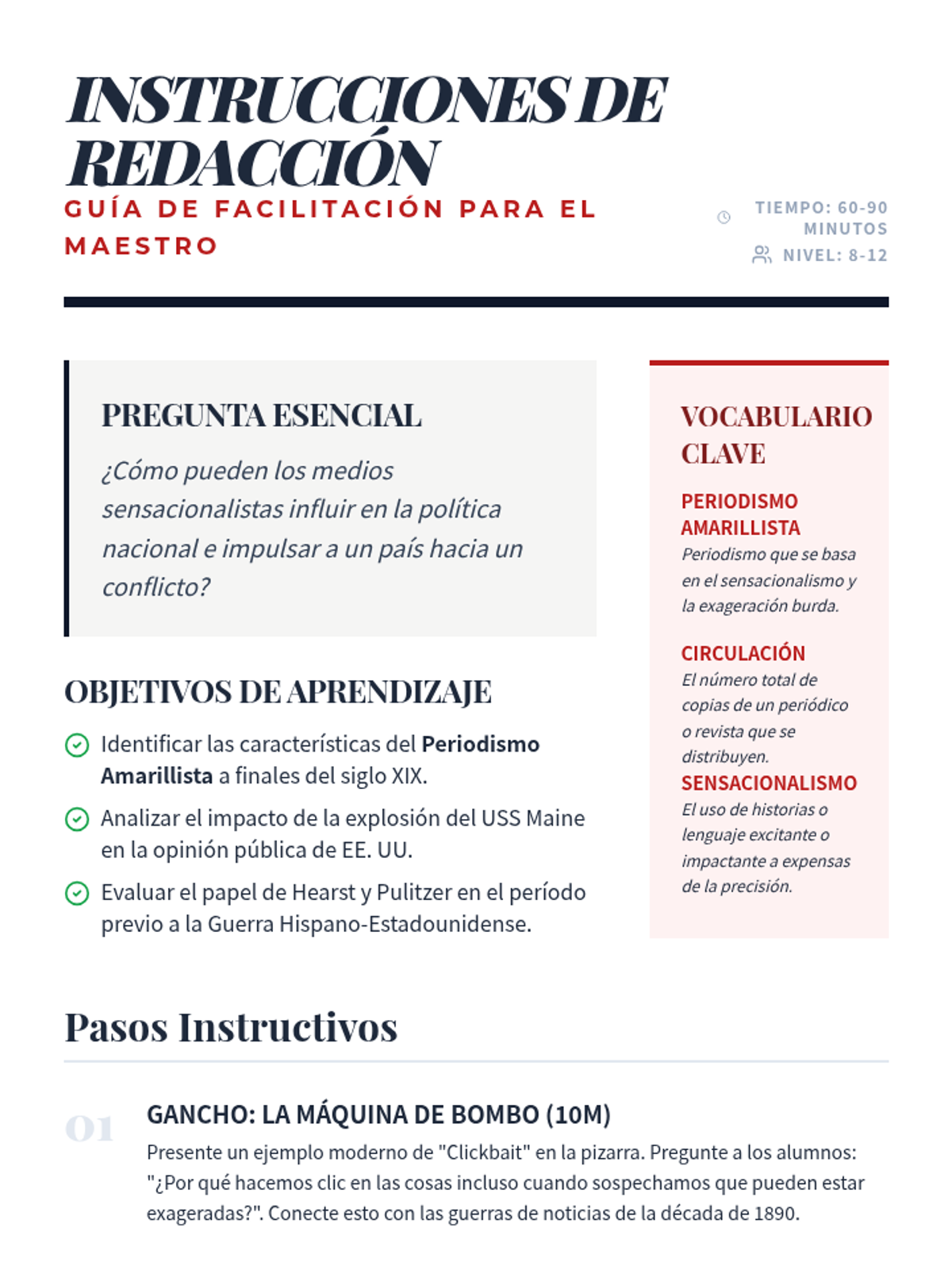
A deep dive into the sensational world of yellow journalism and its pivotal role in propelling the United States into the Spanish-American War. Students analyze historical headlines and the impact of the USS Maine's sinking on public opinion.
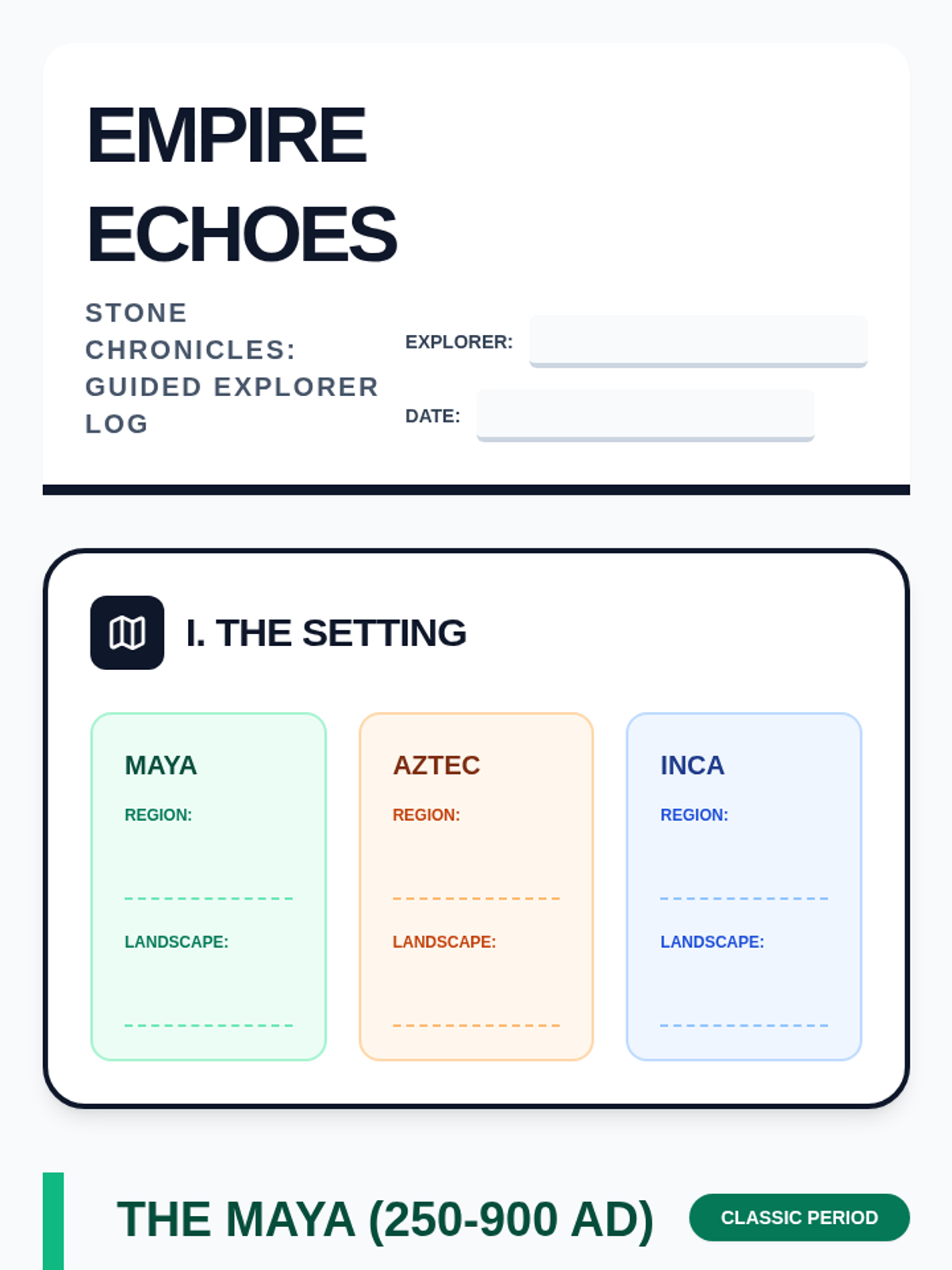
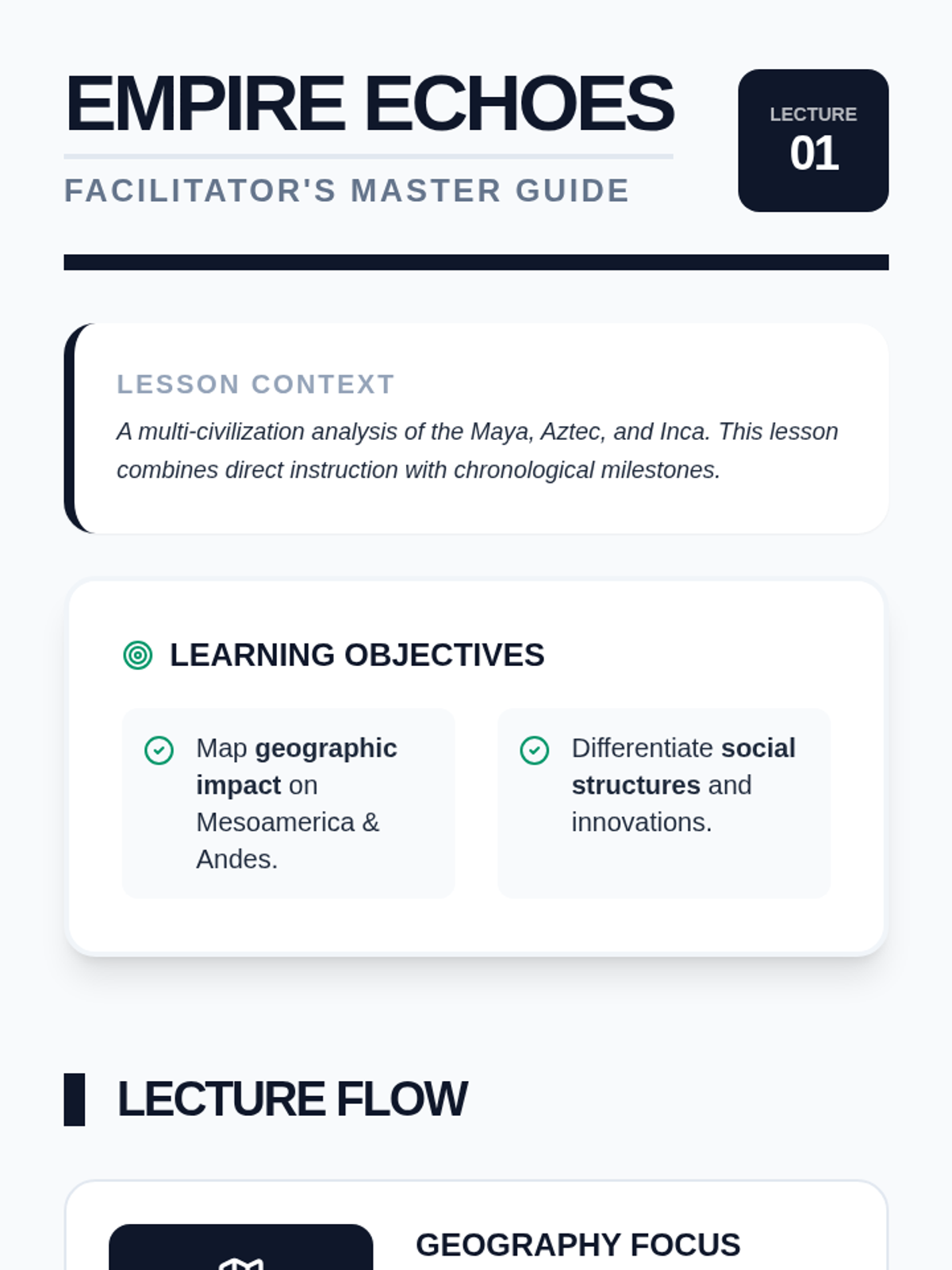
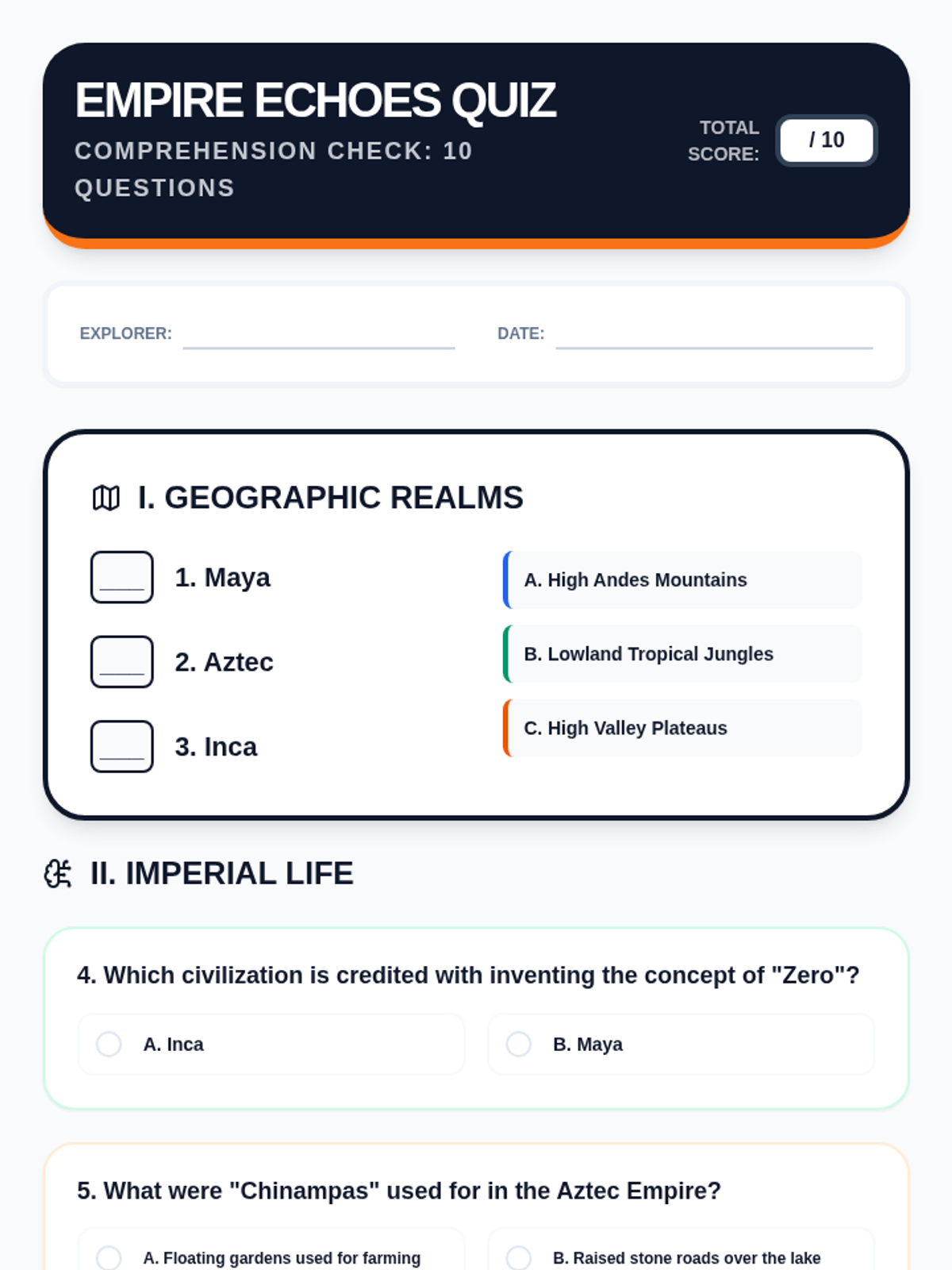
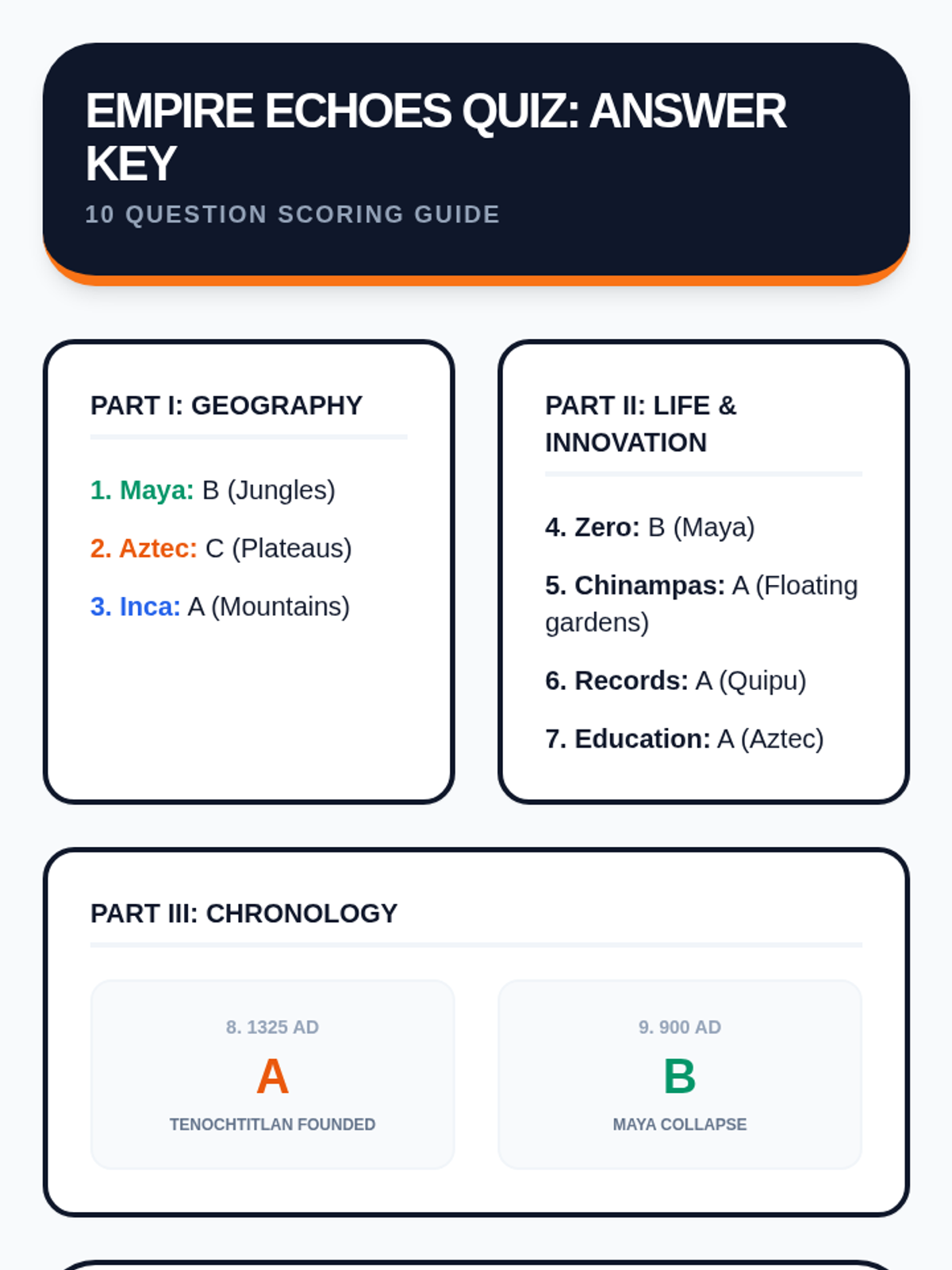
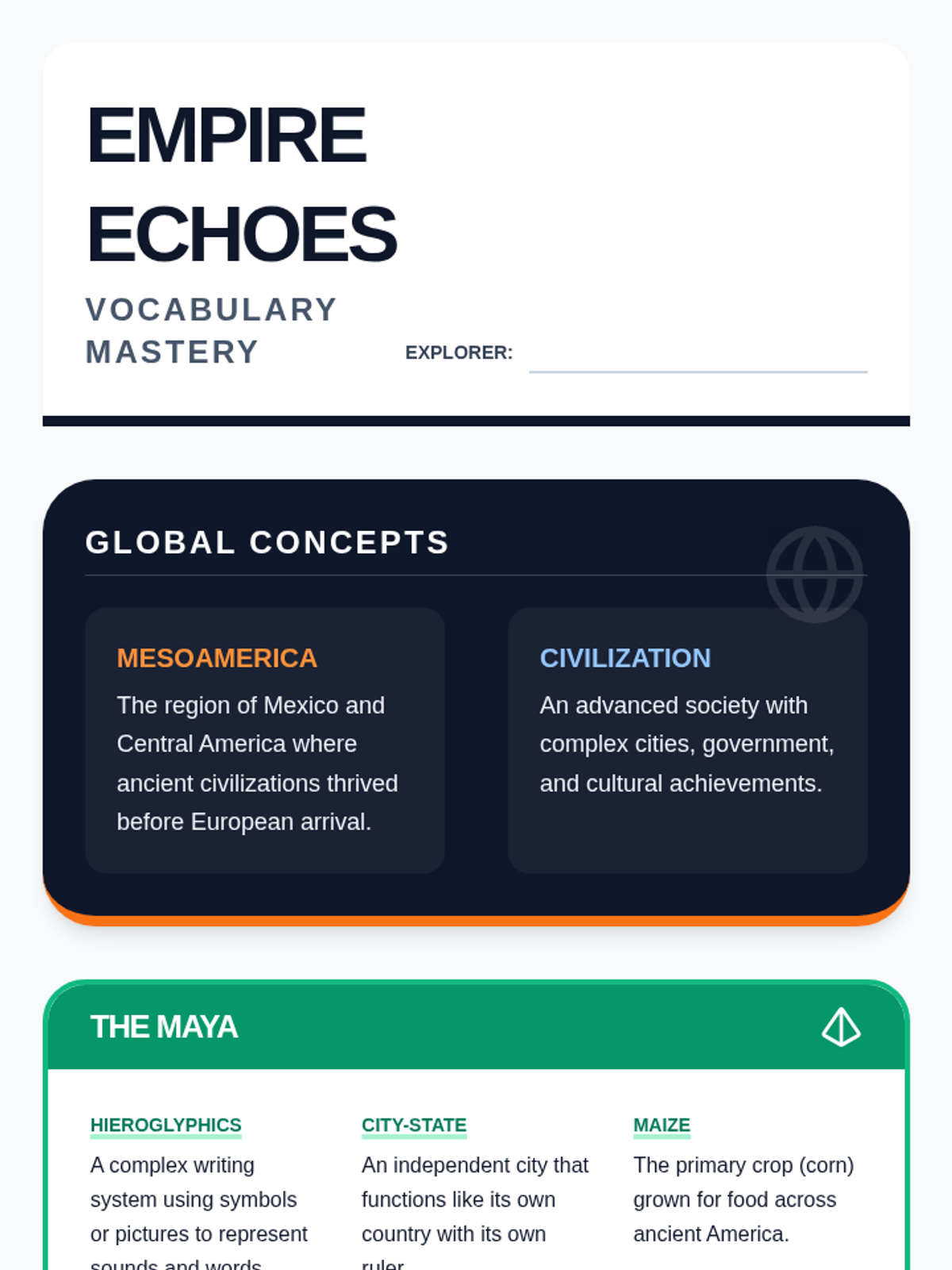
A comprehensive exploration of the Maya, Aztec, and Inca civilizations, focusing on their geography, social structures, and lasting achievements. Students will use guided notes to capture key details during a direct instruction lecture.