A deep dive into the three foundations of social power—violence, information, and charisma—using a modern-day thought experiment to explain how states are built.
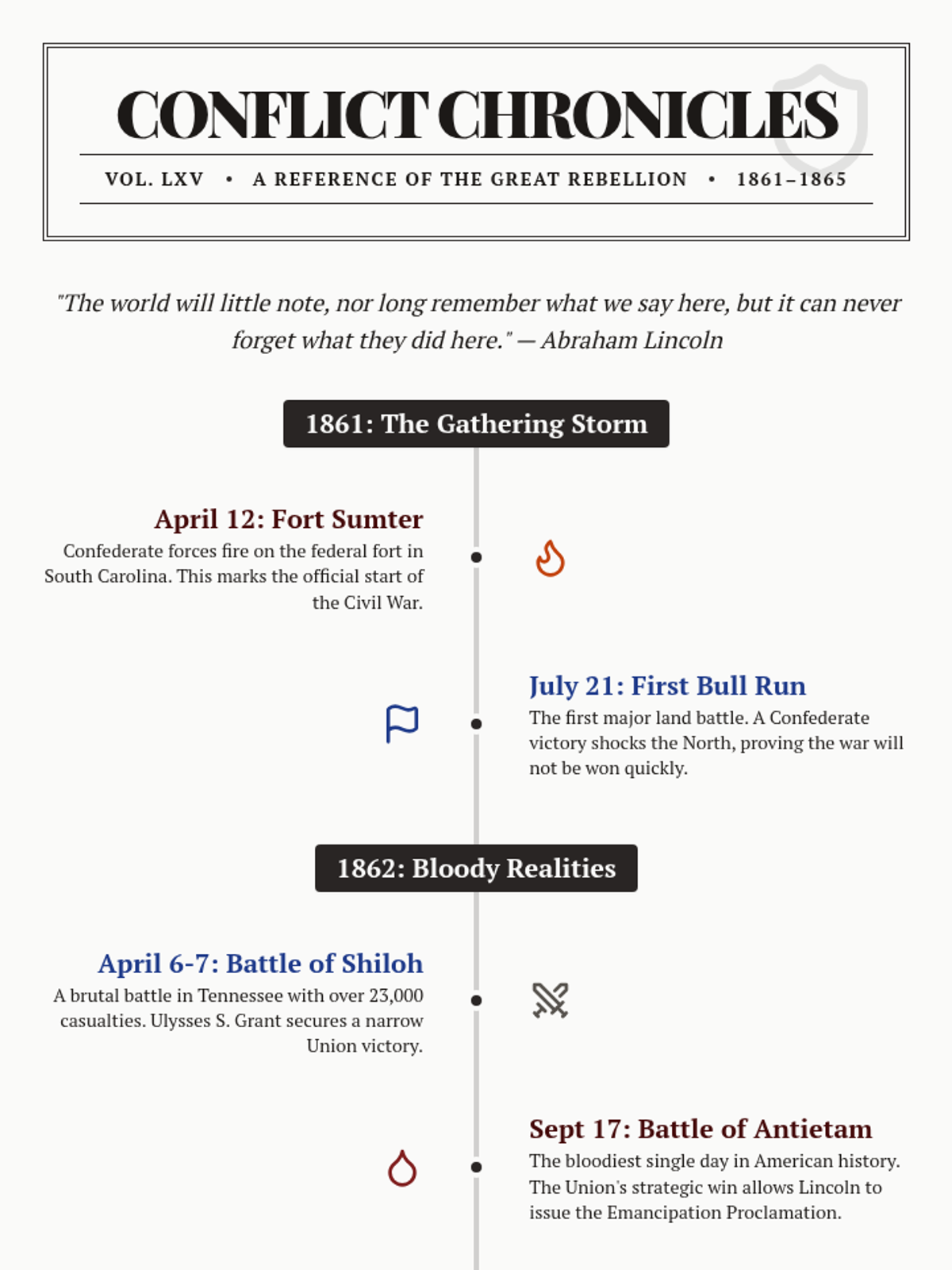
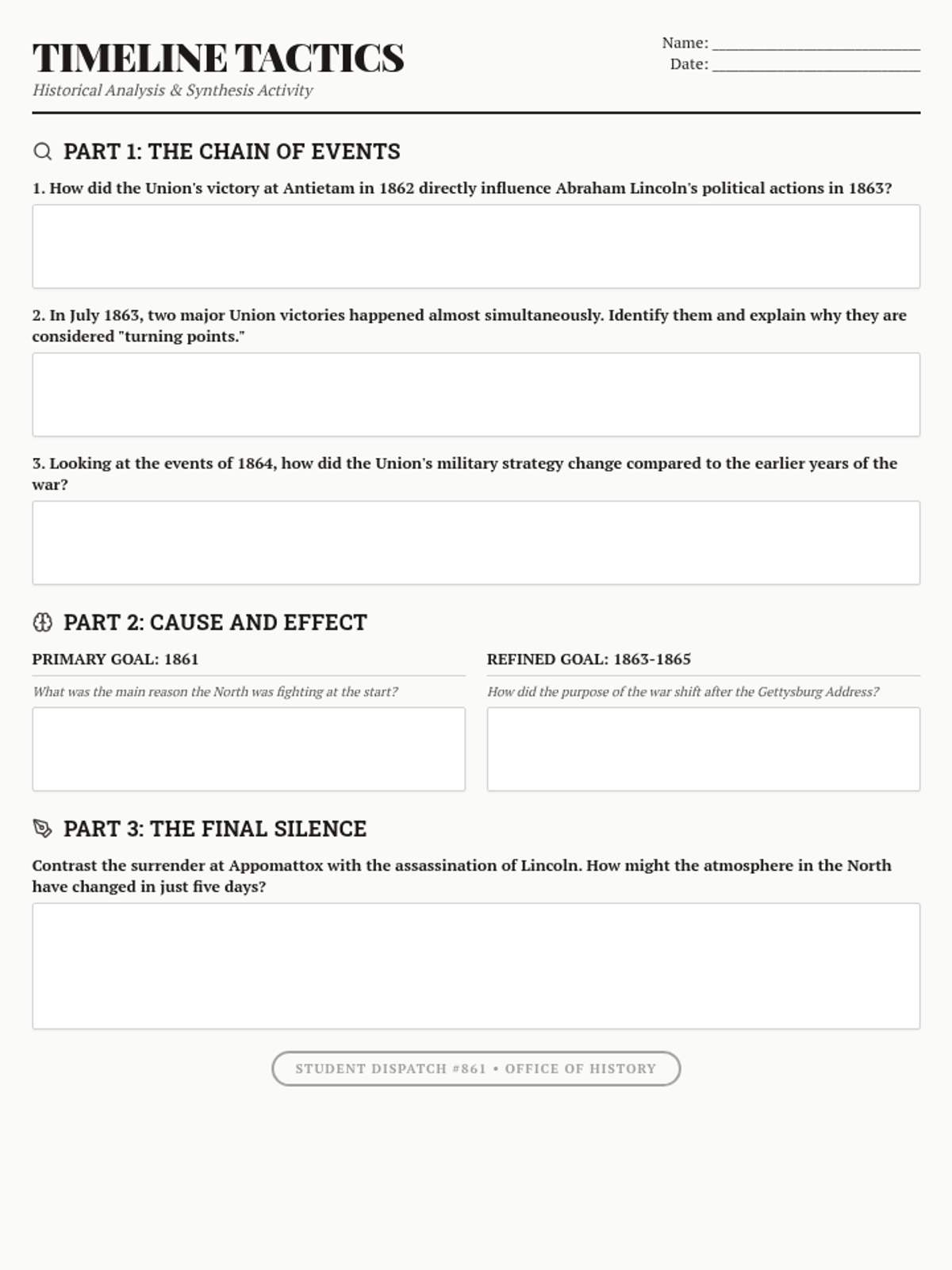
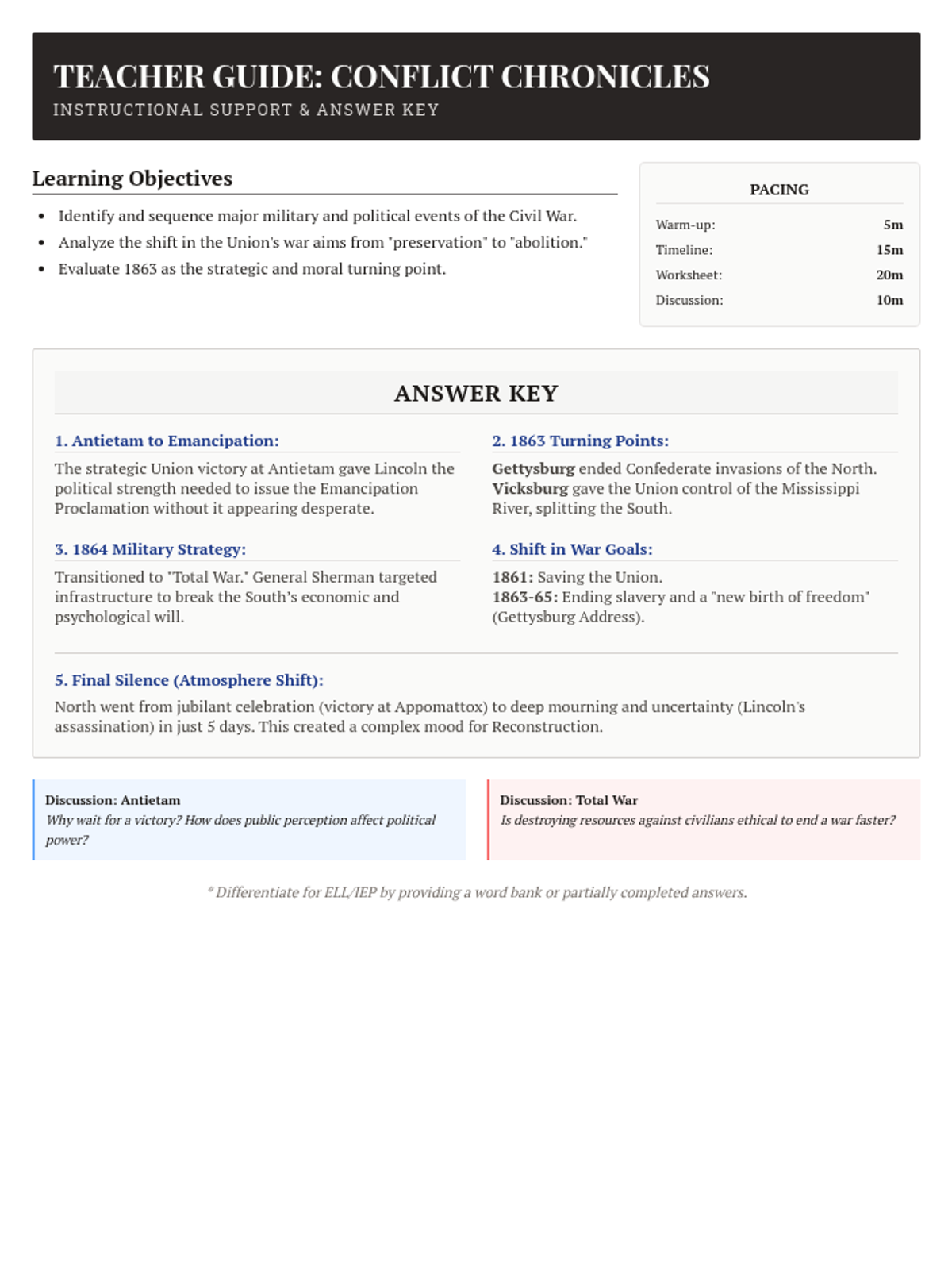
A comprehensive overview of the American Civil War's major events from 1861 to 1865, focusing on key battles, political shifts, and the war's ultimate conclusion.
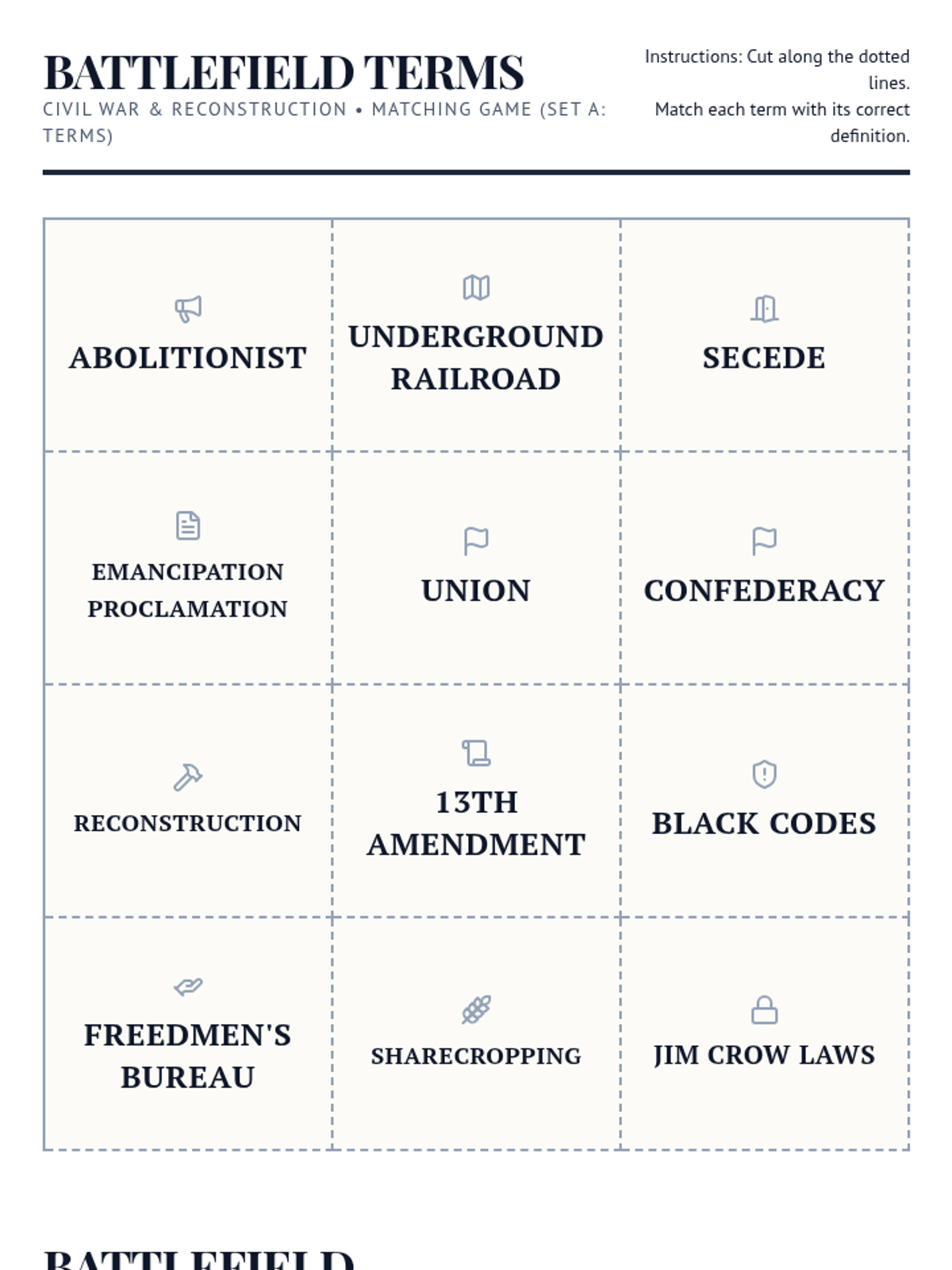
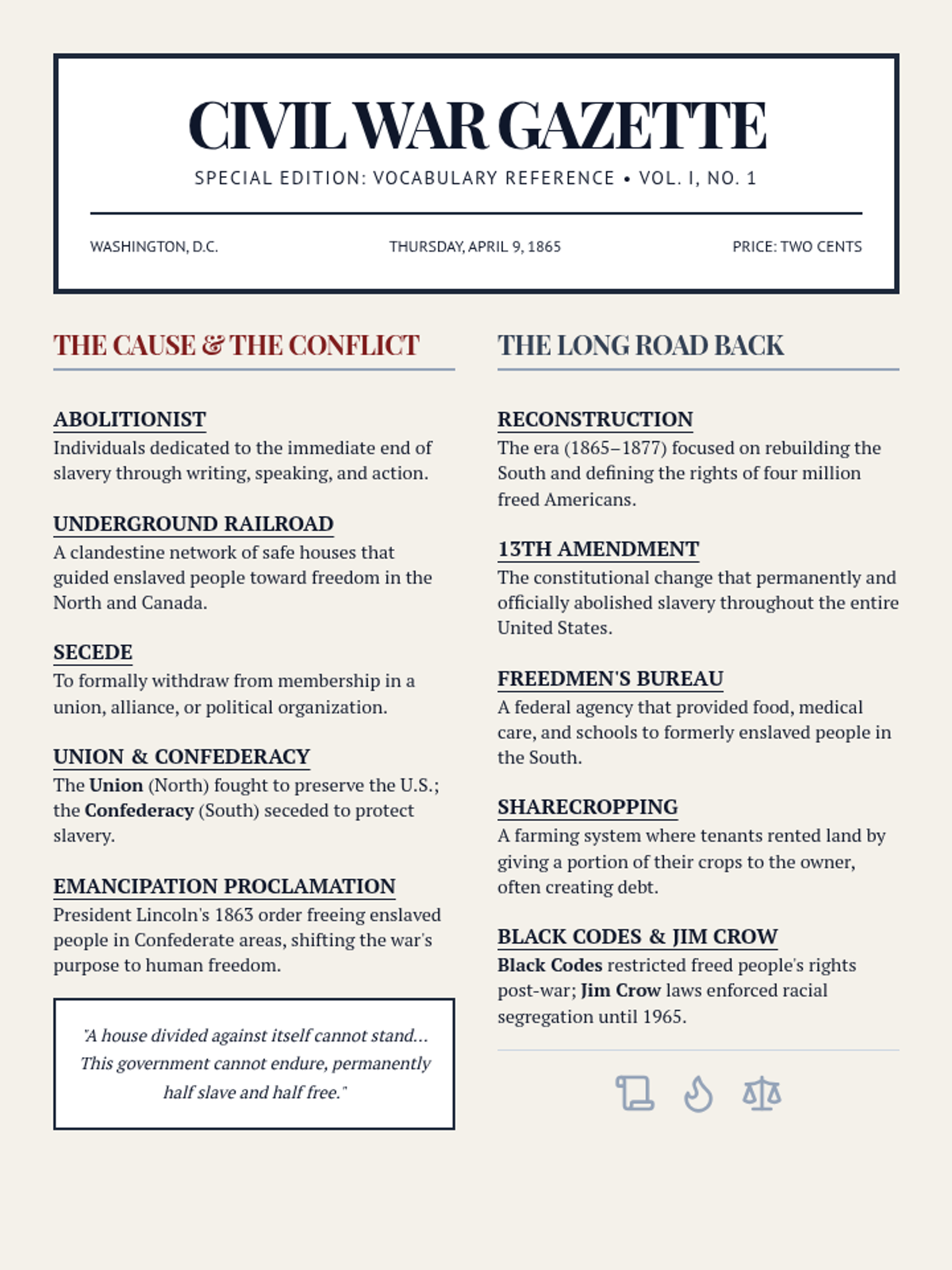
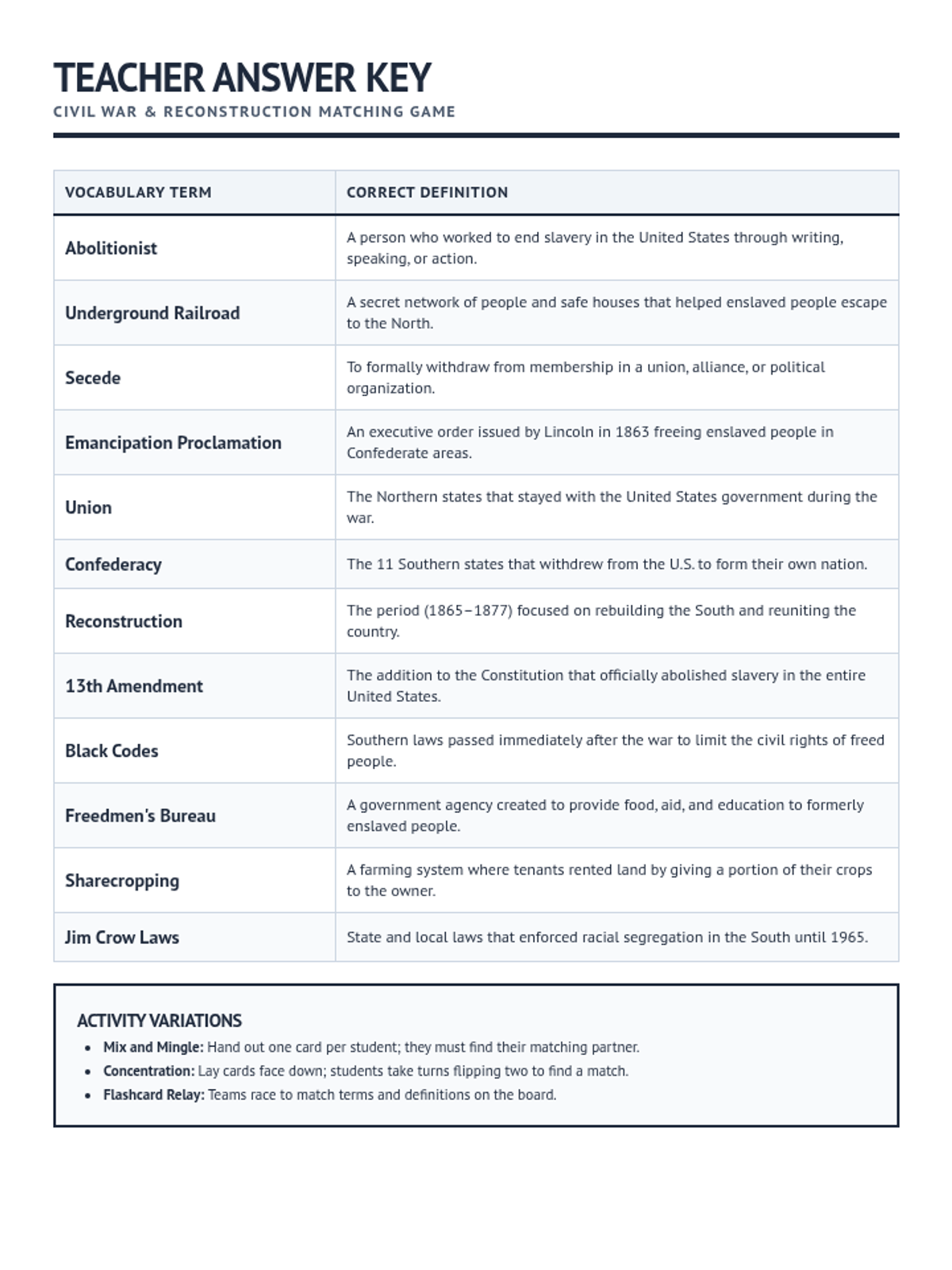
A comprehensive vocabulary lesson covering the essential terminology of the American Civil War, from the causes of slavery and abolitionism to the complexities of Reconstruction.
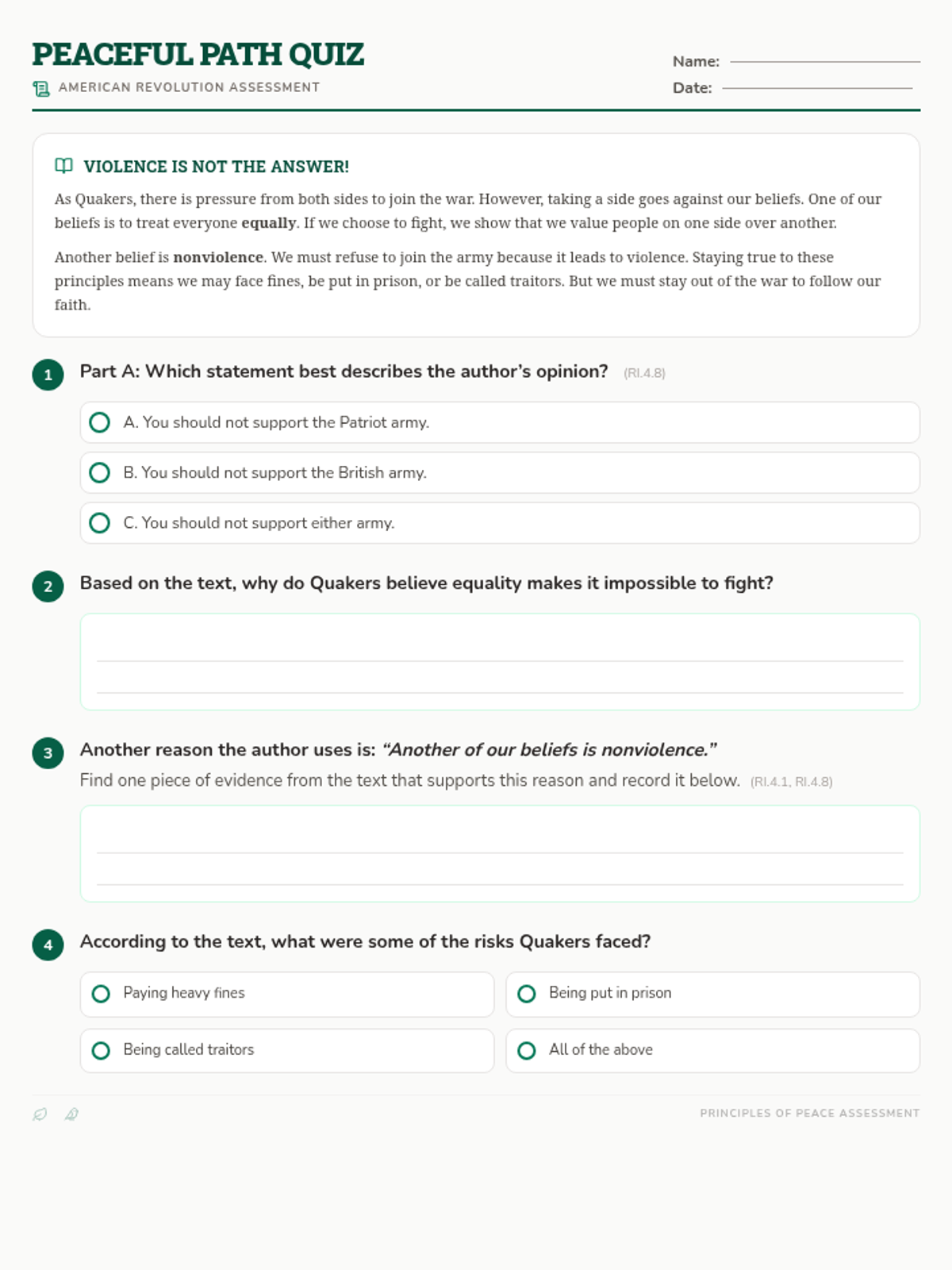
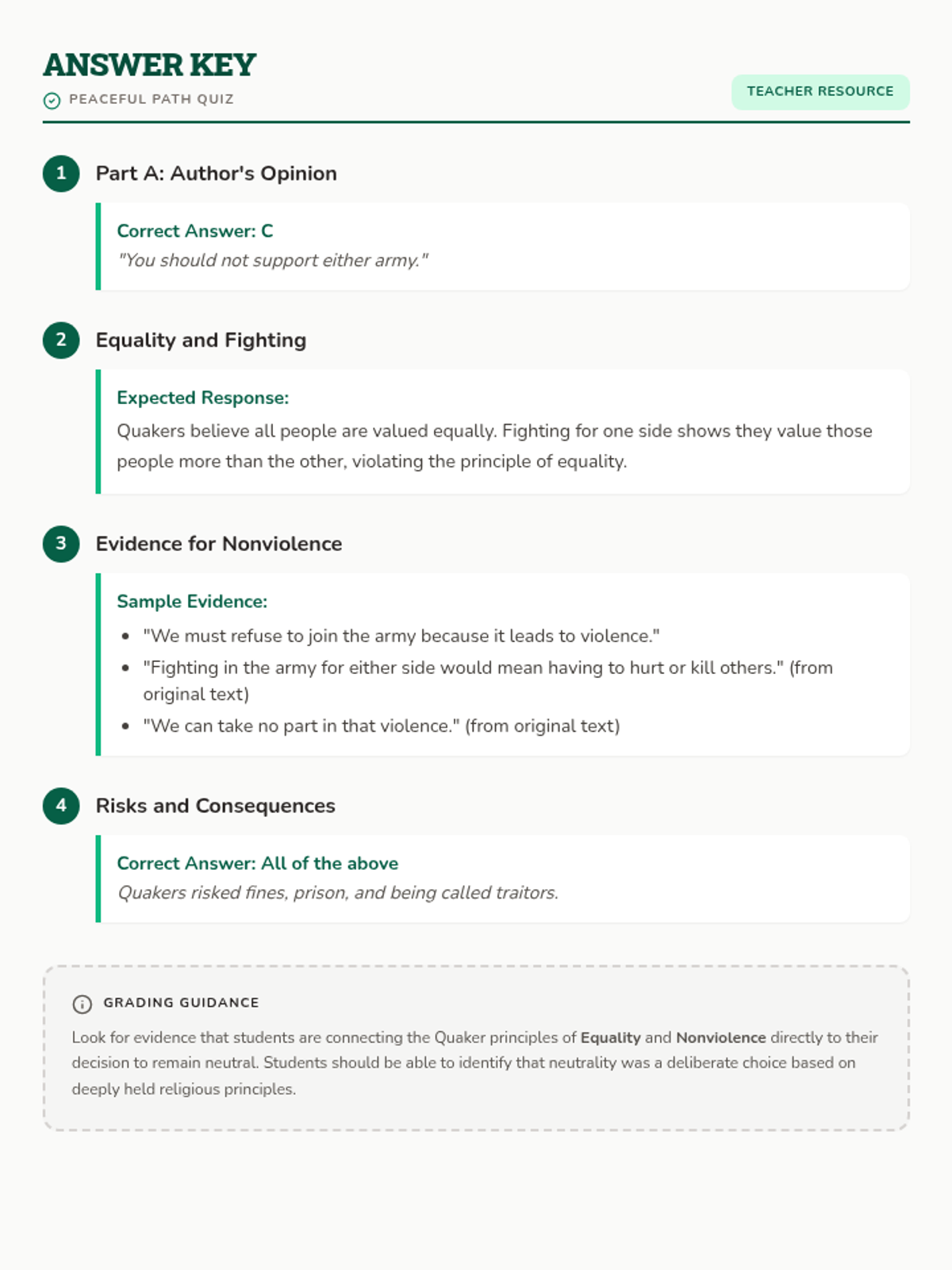
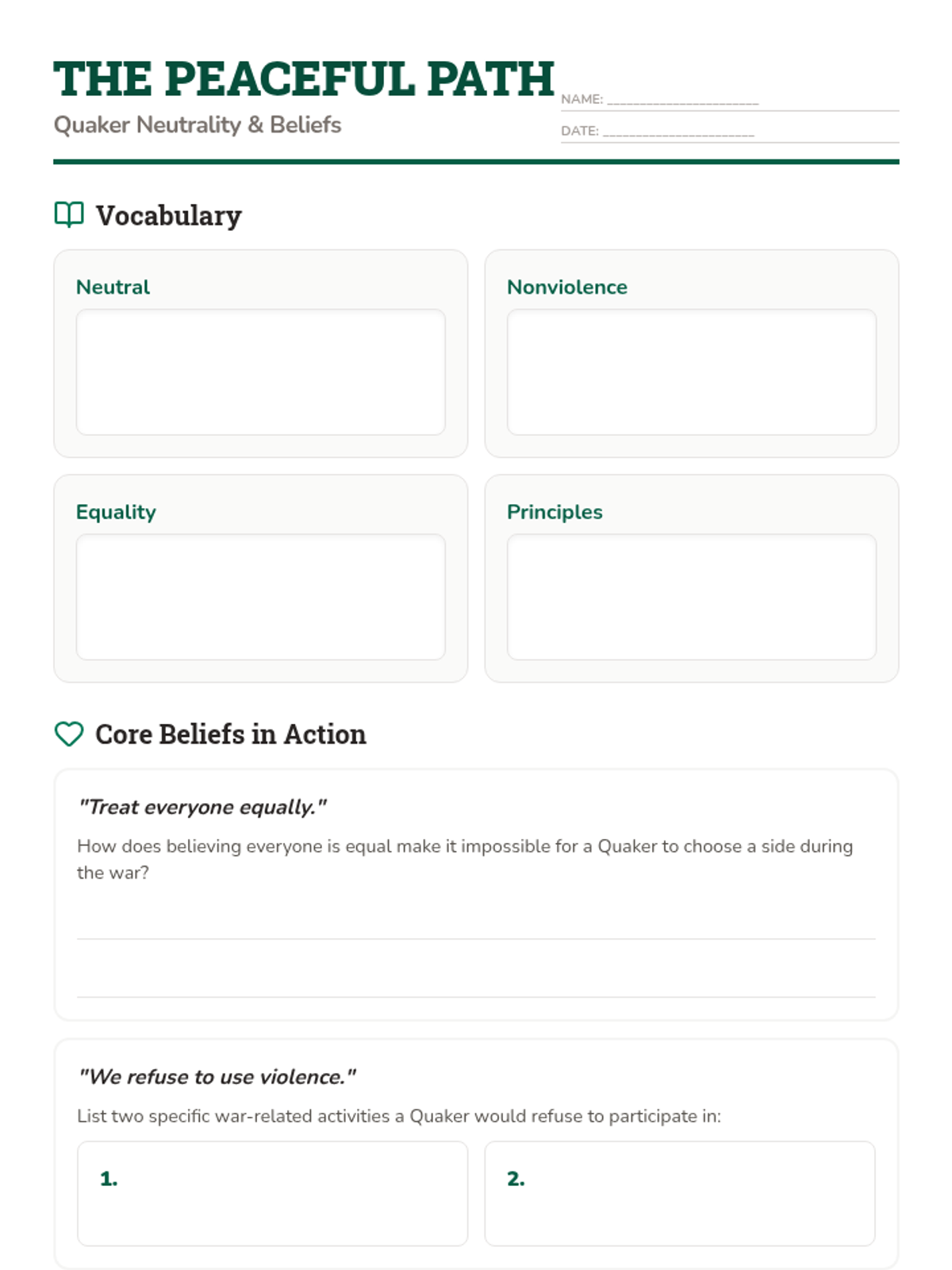
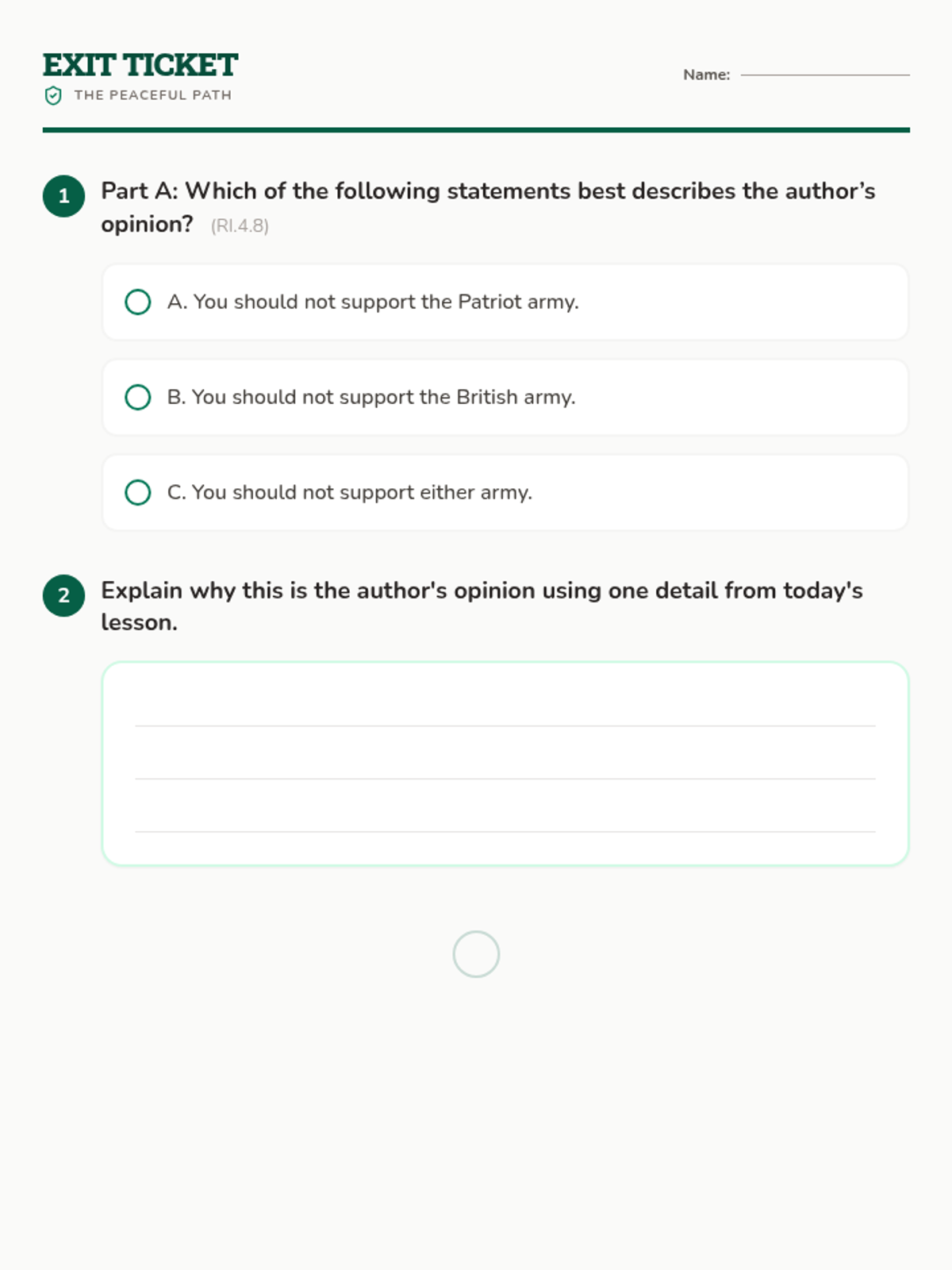
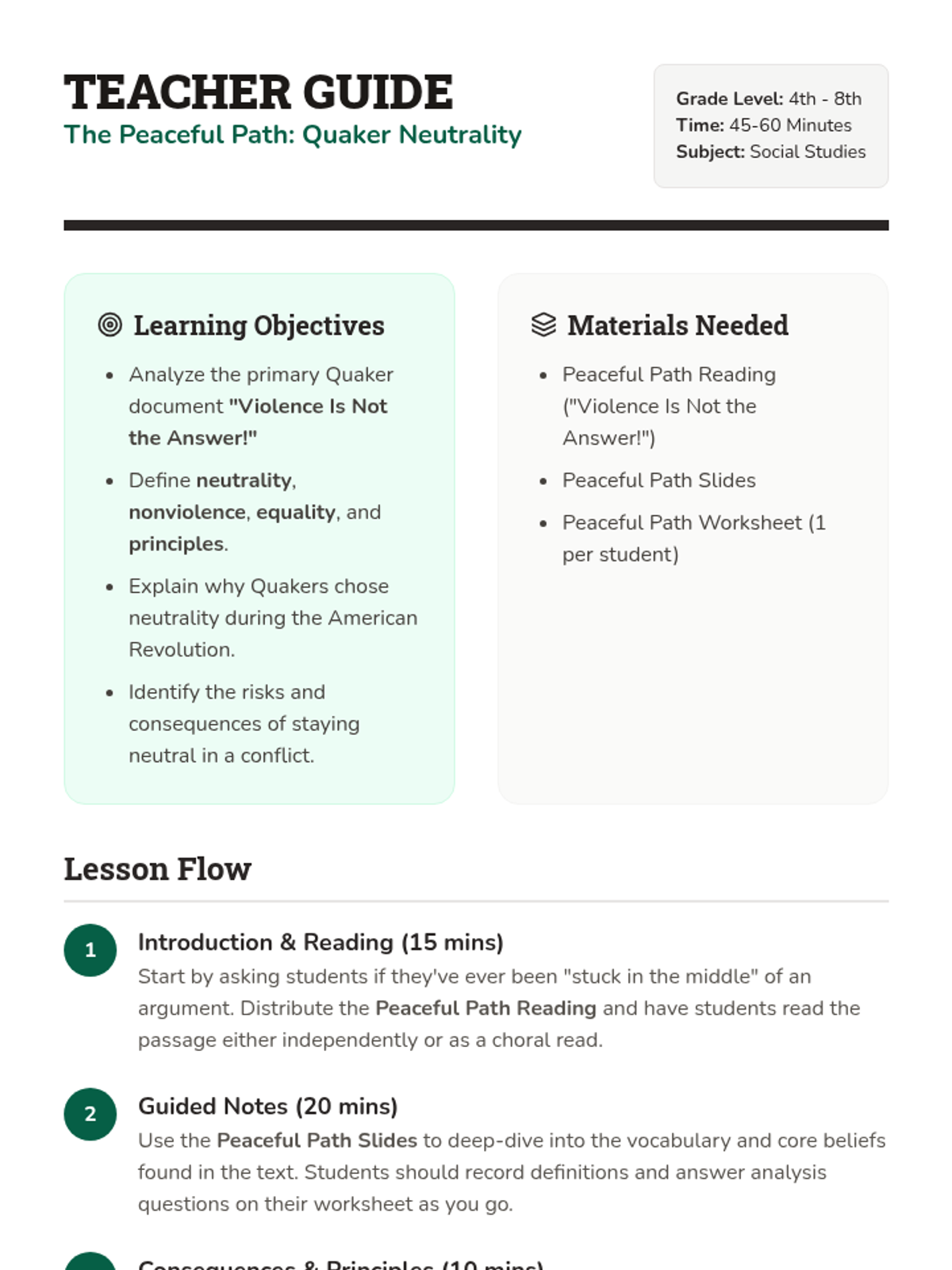
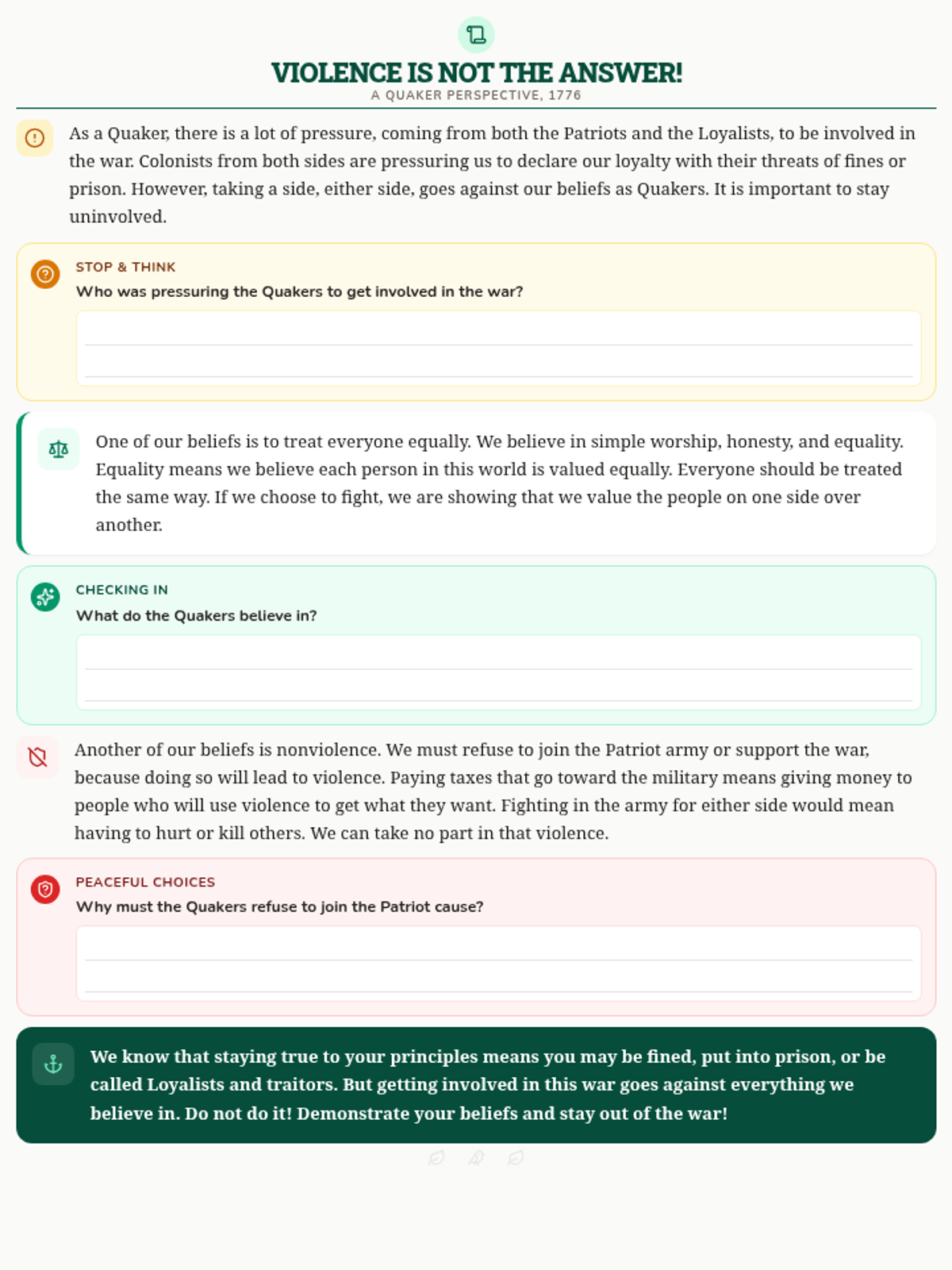
A lesson exploring the Quaker perspective during the American Revolution, focusing on their commitment to neutrality and nonviolence despite external pressures.
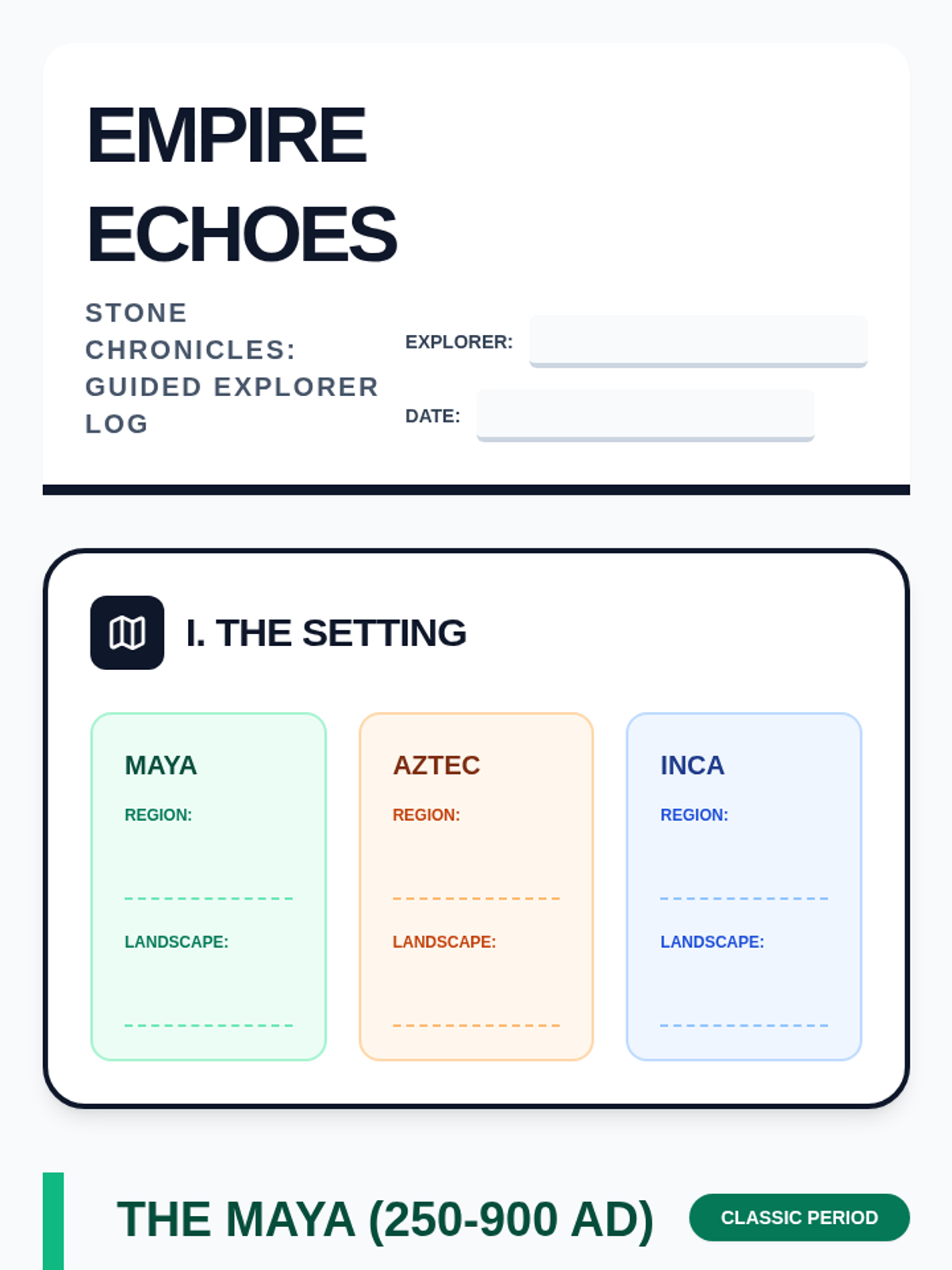
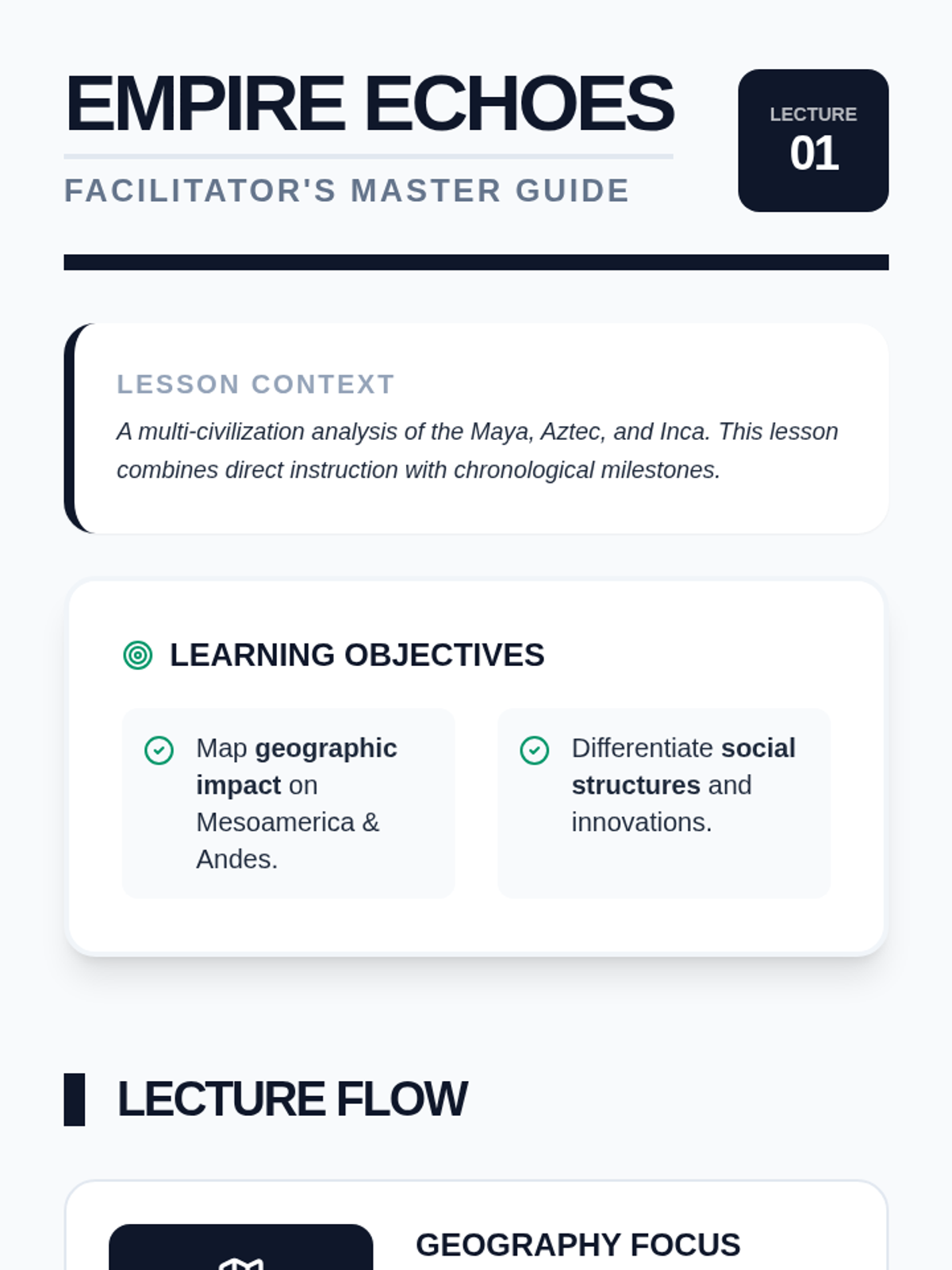
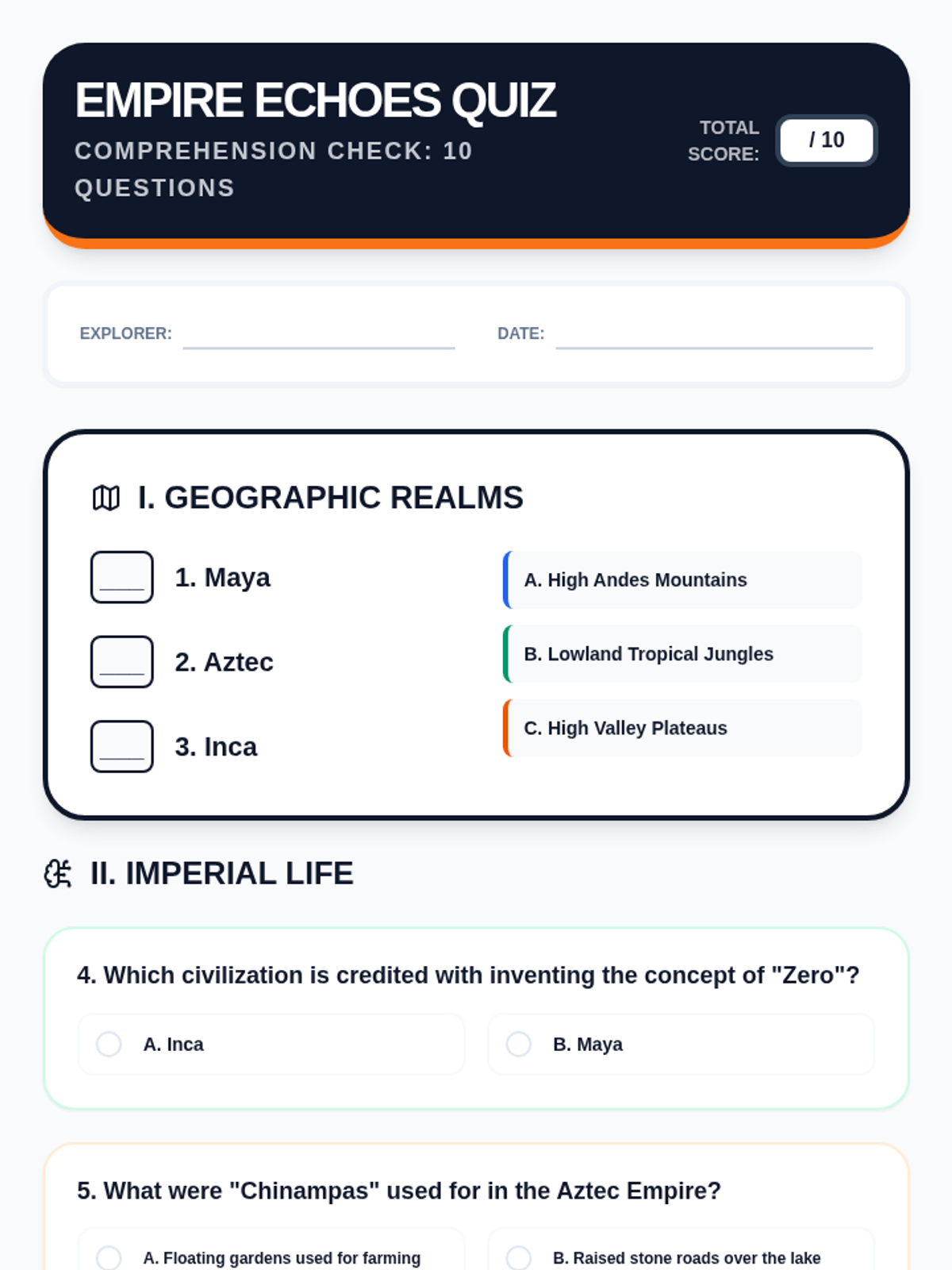
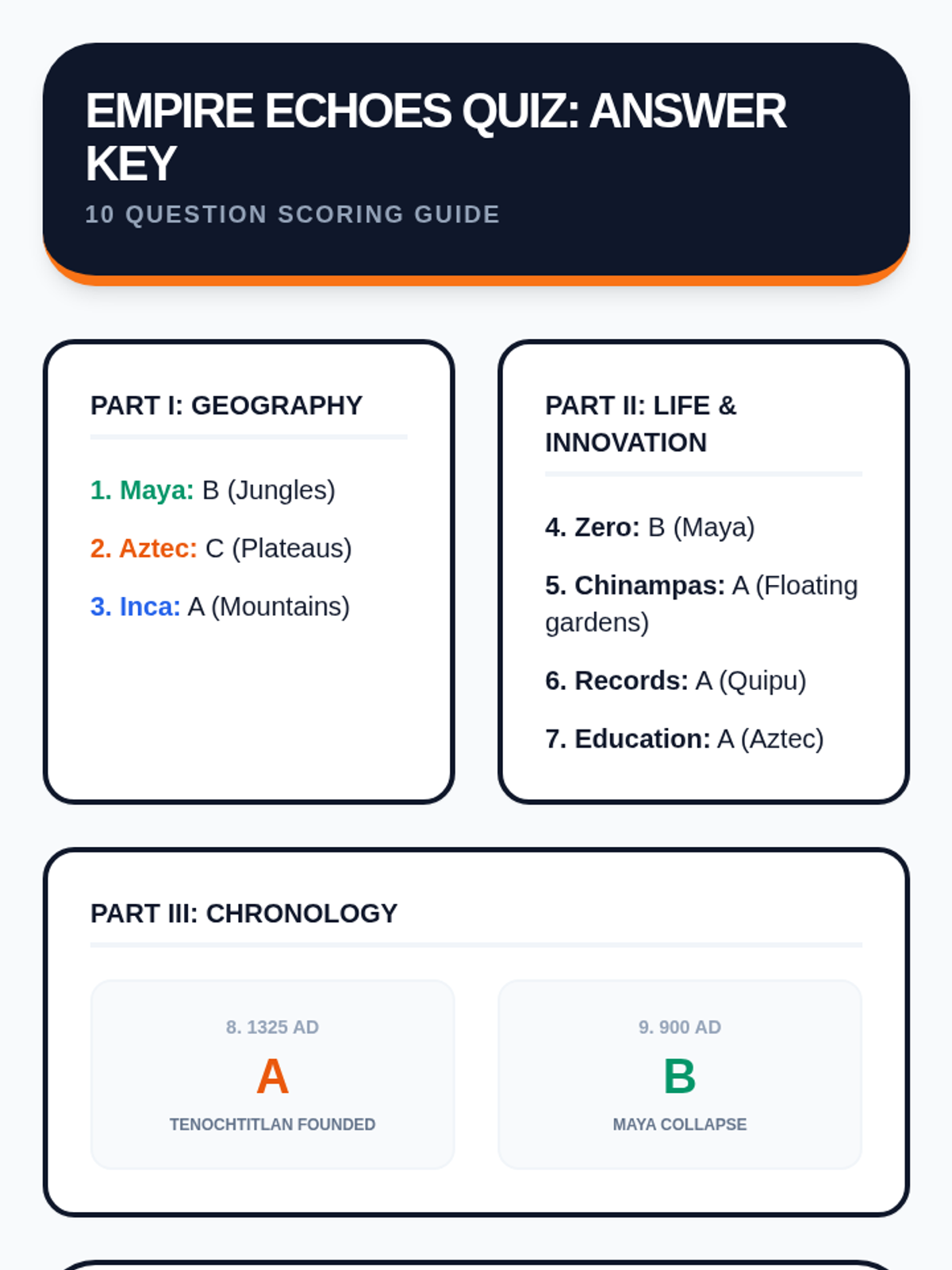
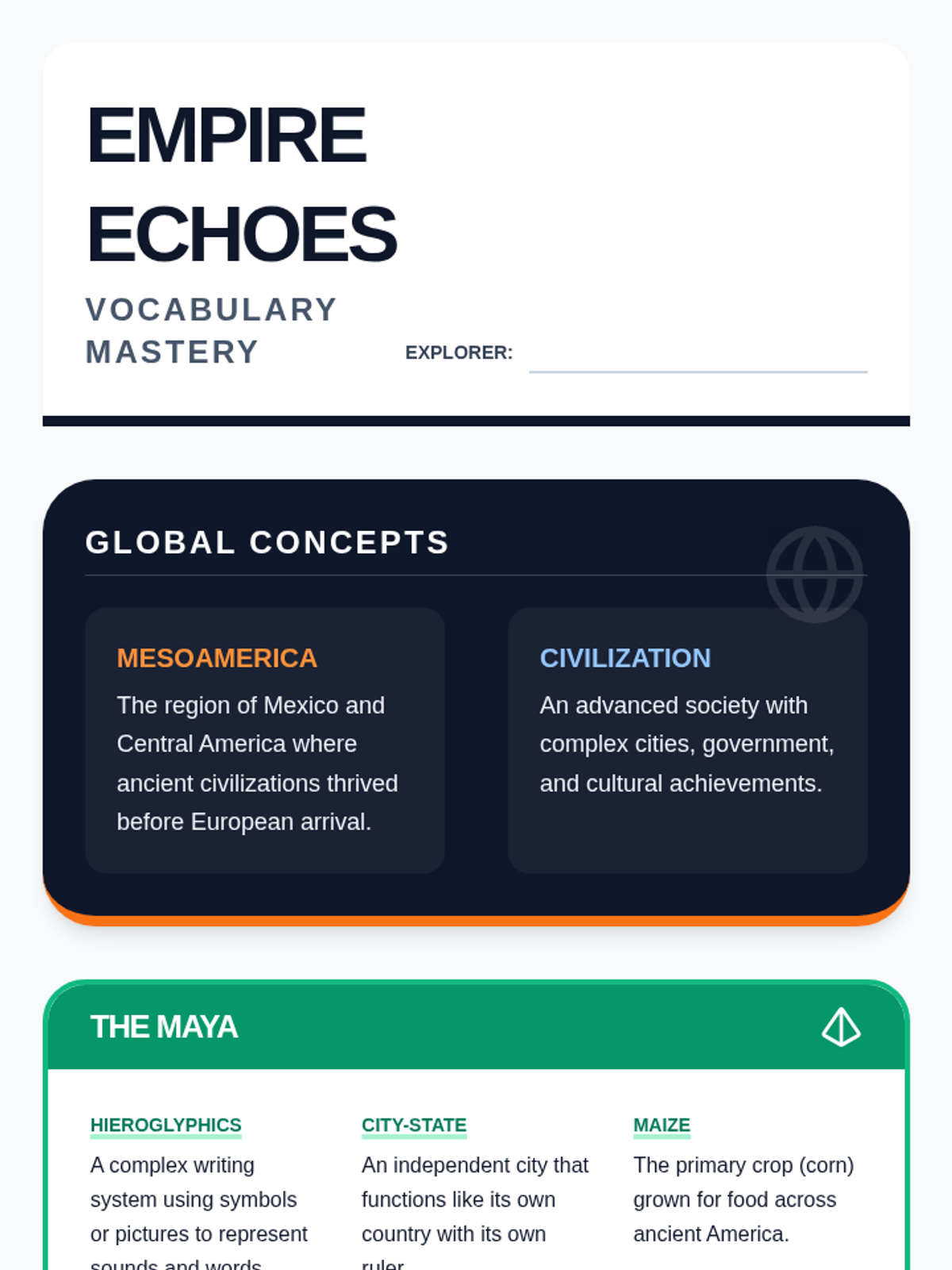
A comprehensive exploration of the Maya, Aztec, and Inca civilizations, focusing on their geography, social structures, and lasting achievements. Students will use guided notes to capture key details during a direct instruction lecture.
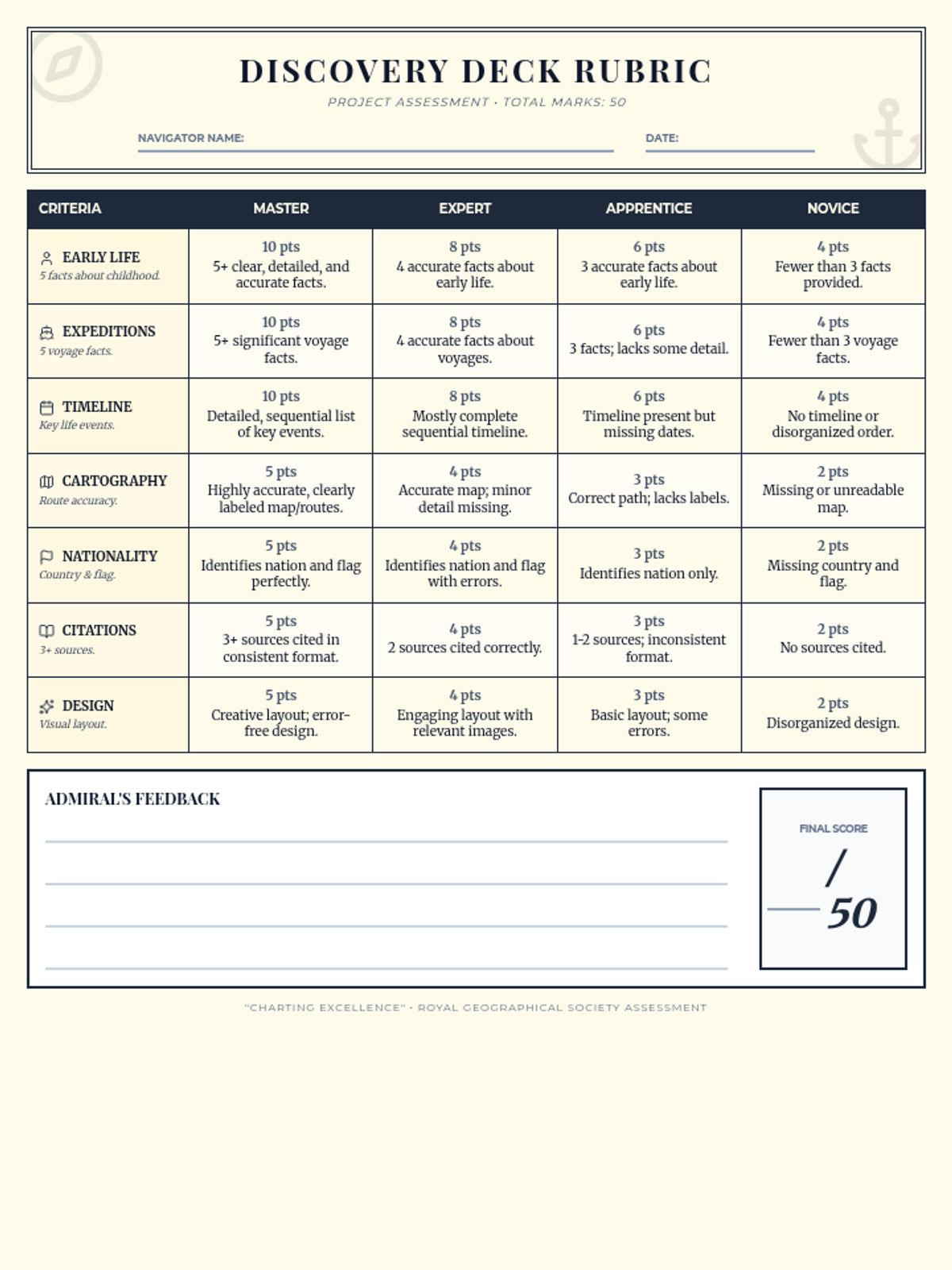
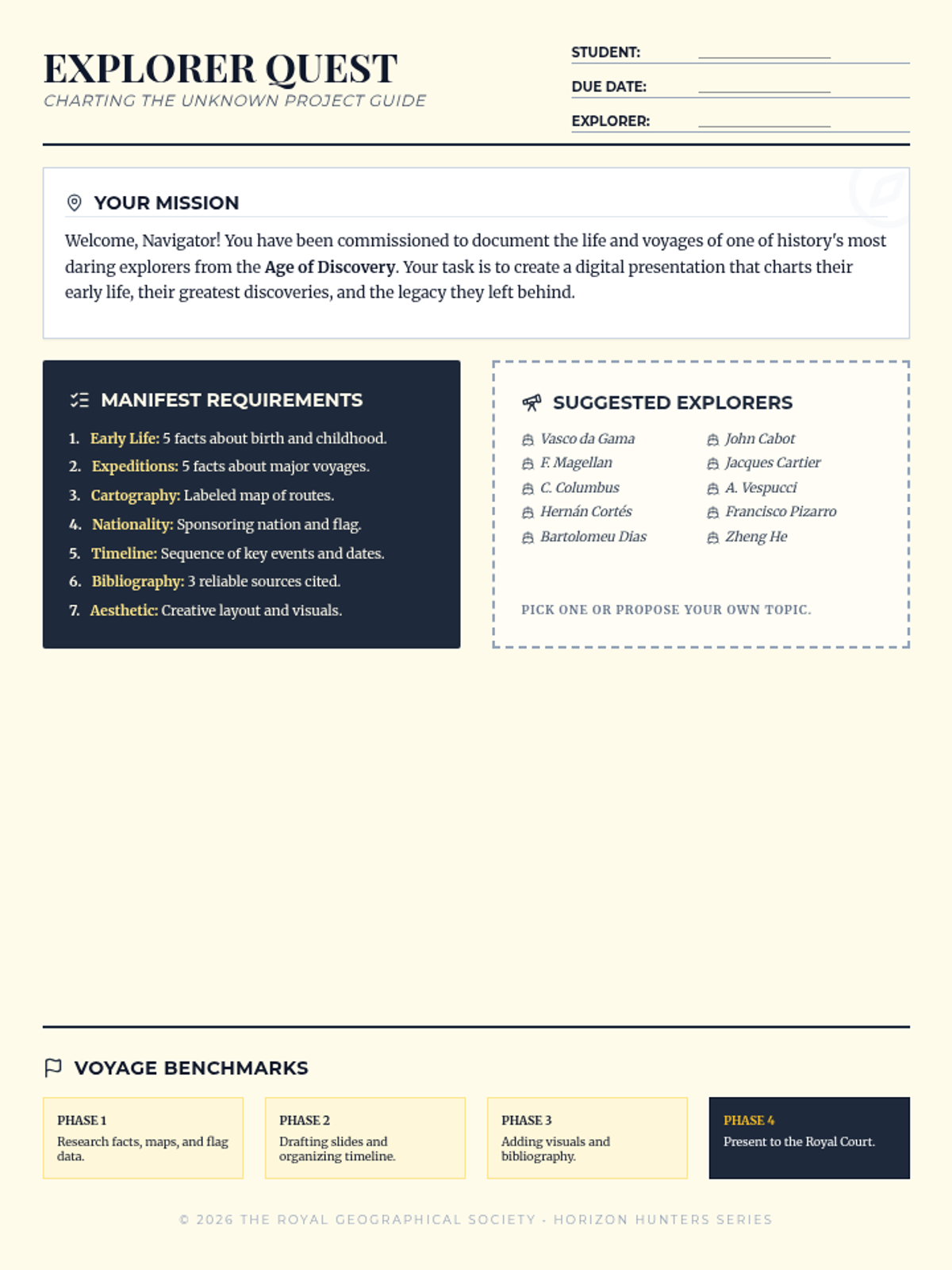
A research project where students investigate the life and voyages of early European explorers. This lesson provides the tools for students to create an engaging slide presentation and for teachers to assess their work accurately.
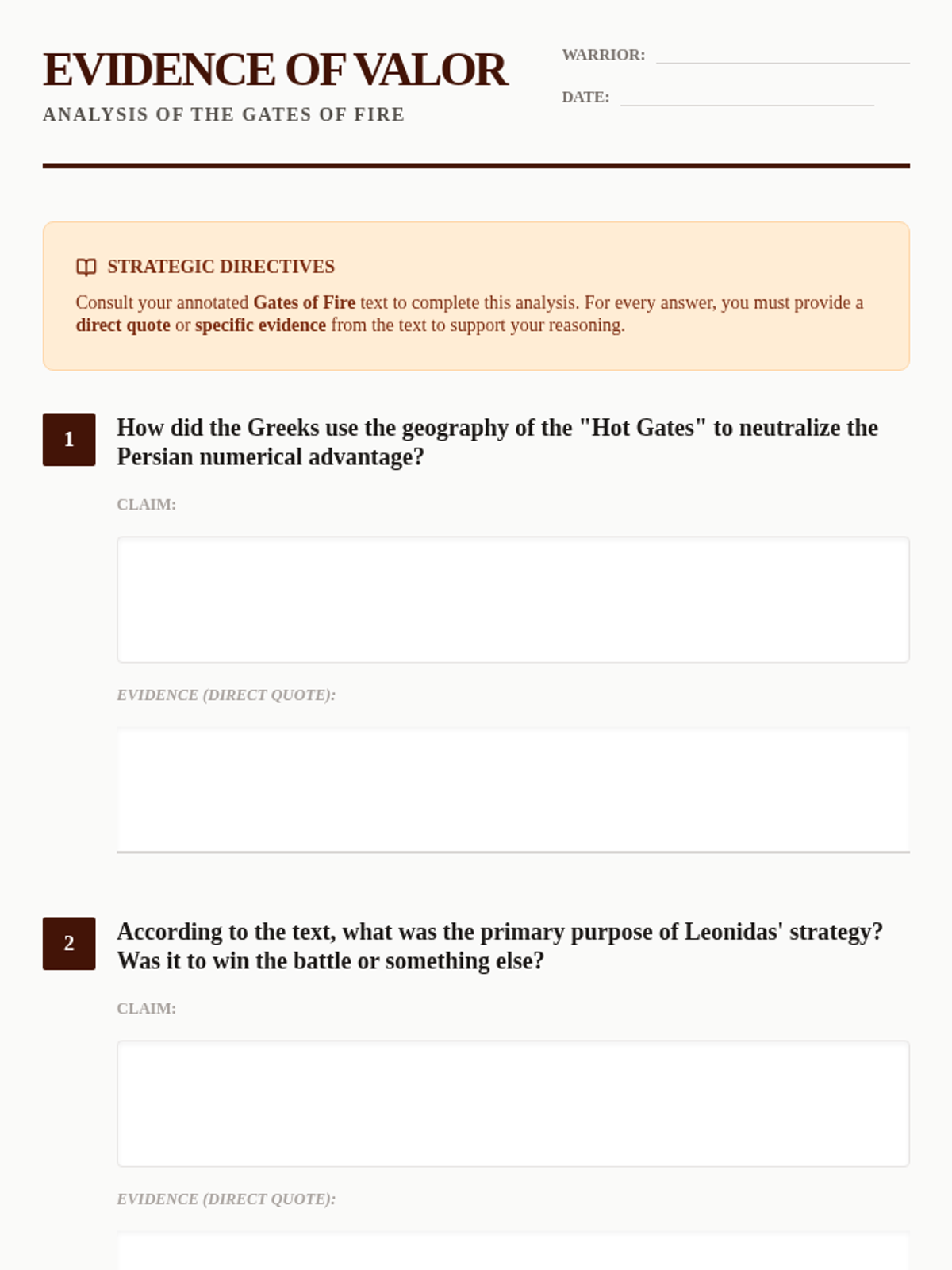
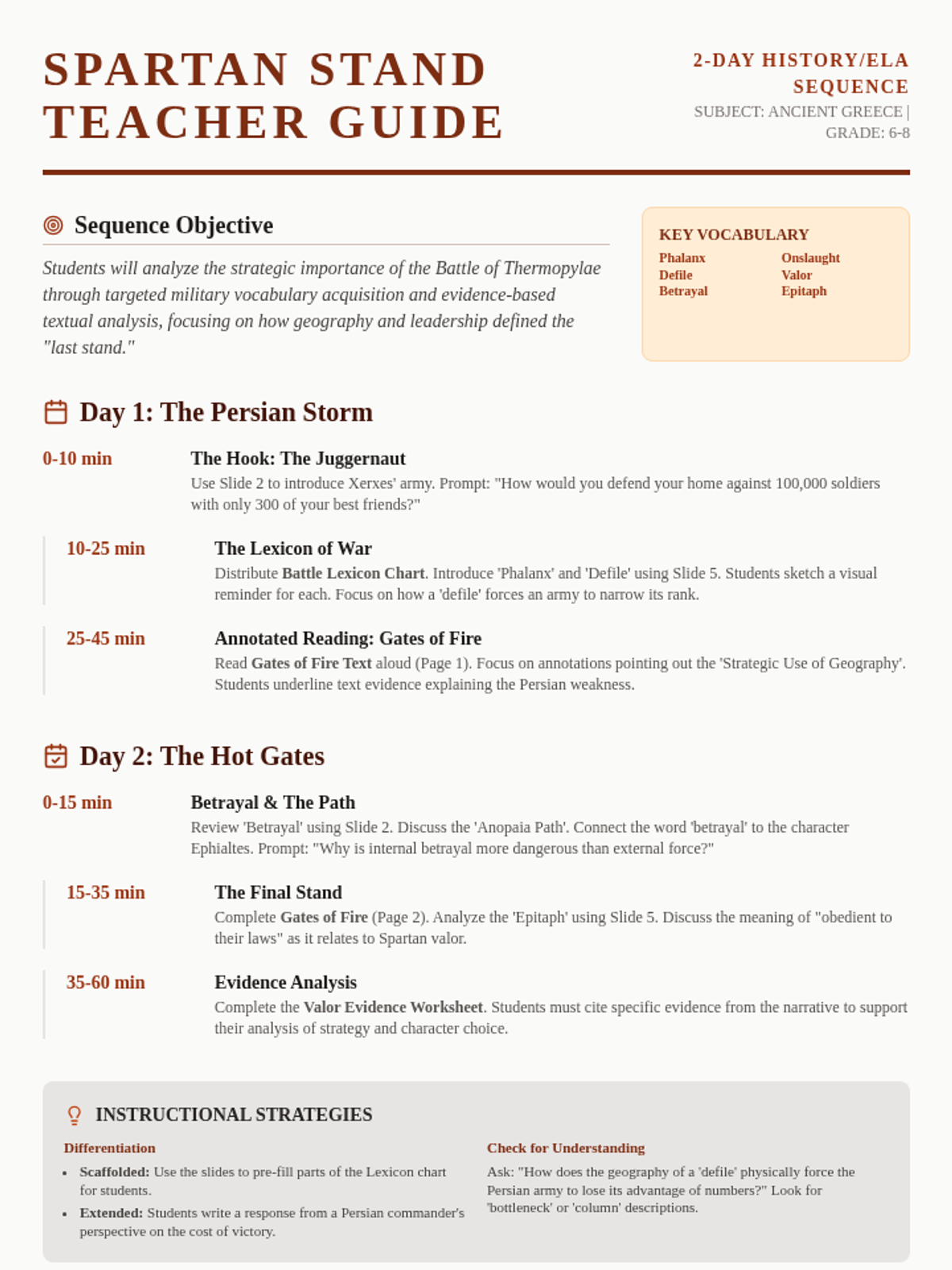
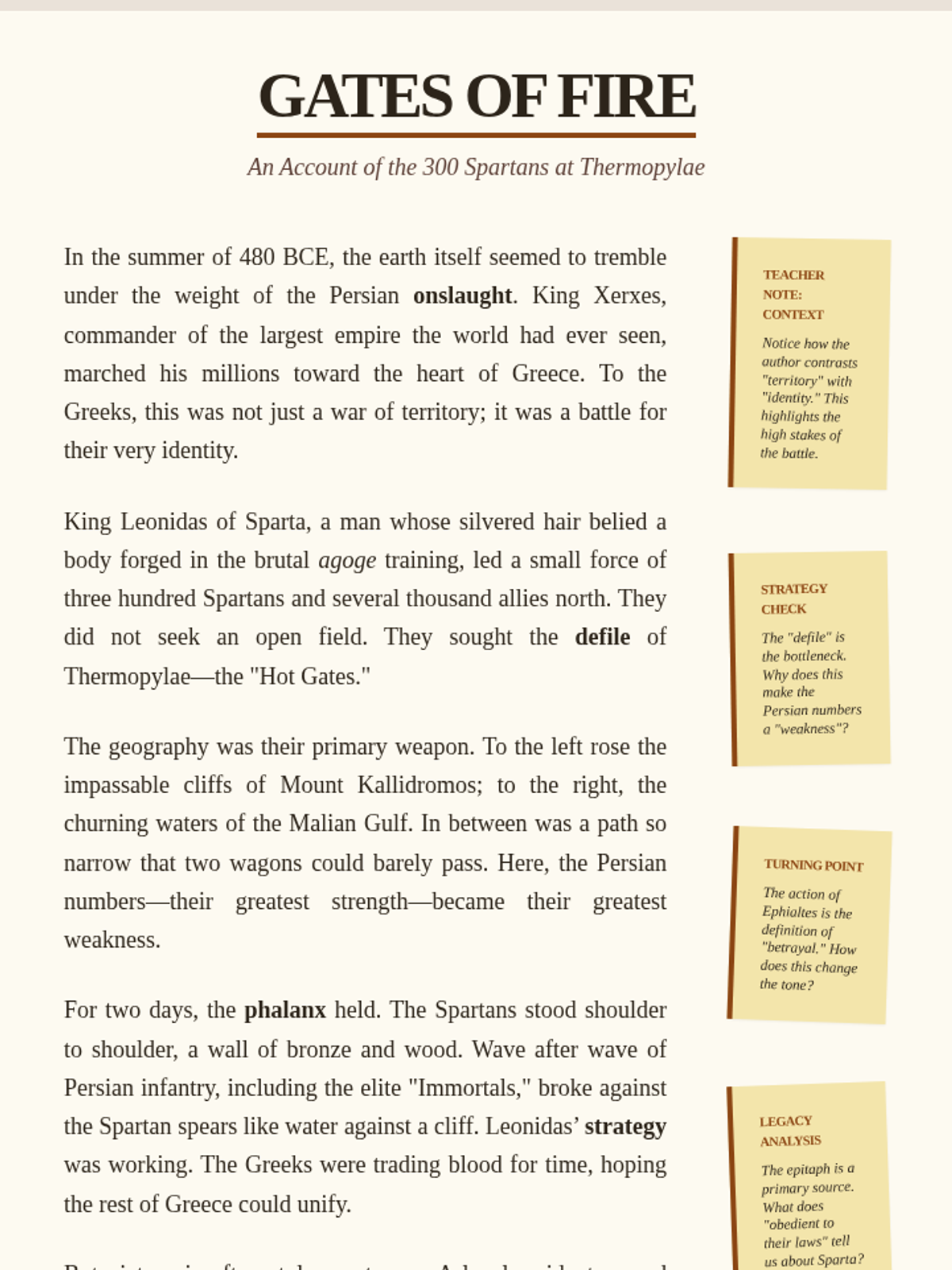
An analysis of the battle's climax, the betrayal at the Anopaia path, and the lasting legacy of the 300 Spartans using evidence-based text analysis.
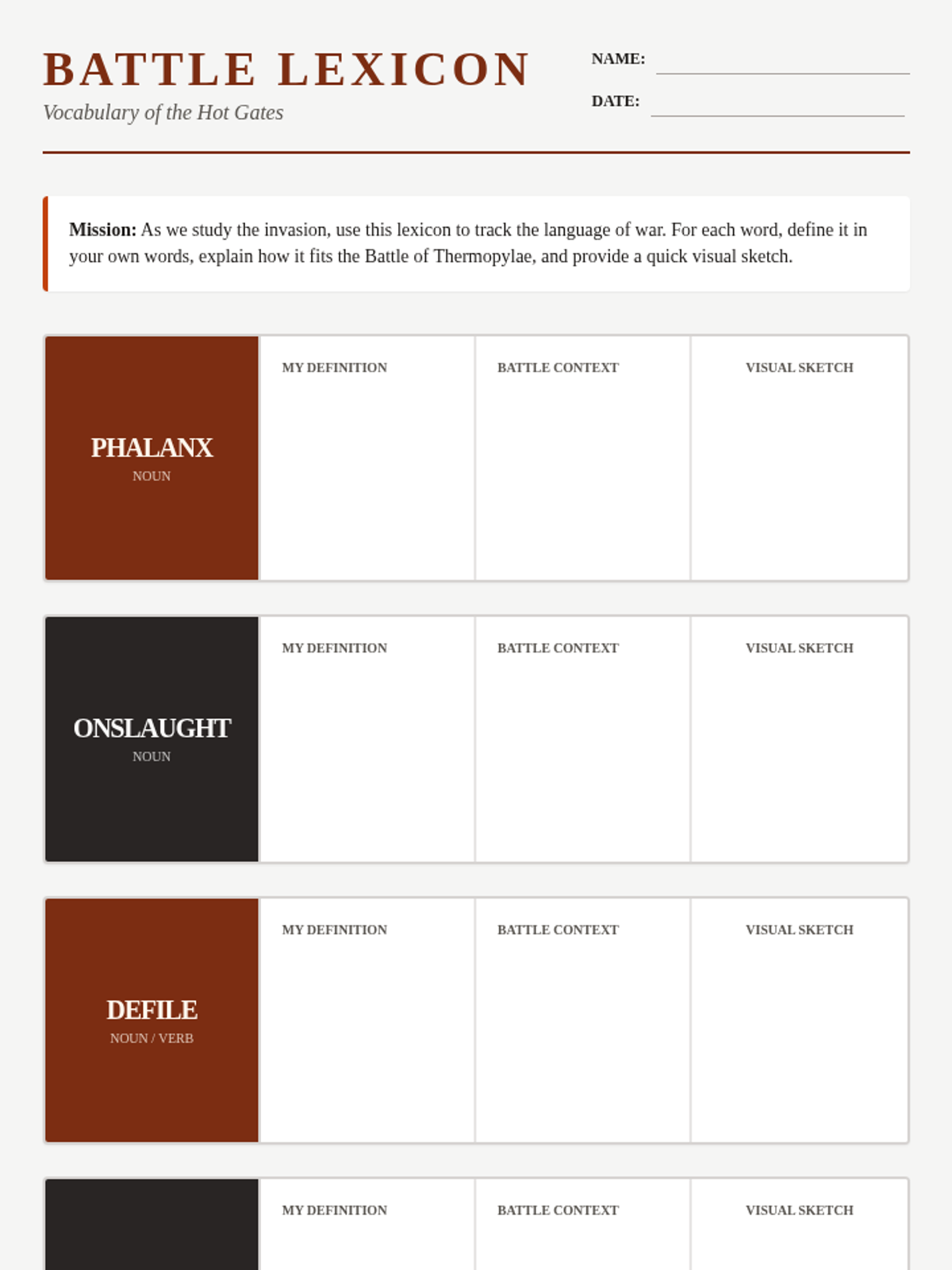
Introduction to the Persian invasion, King Leonidas, and the strategic importance of the "Hot Gates" with a focus on tier-two and tier-three military vocabulary.
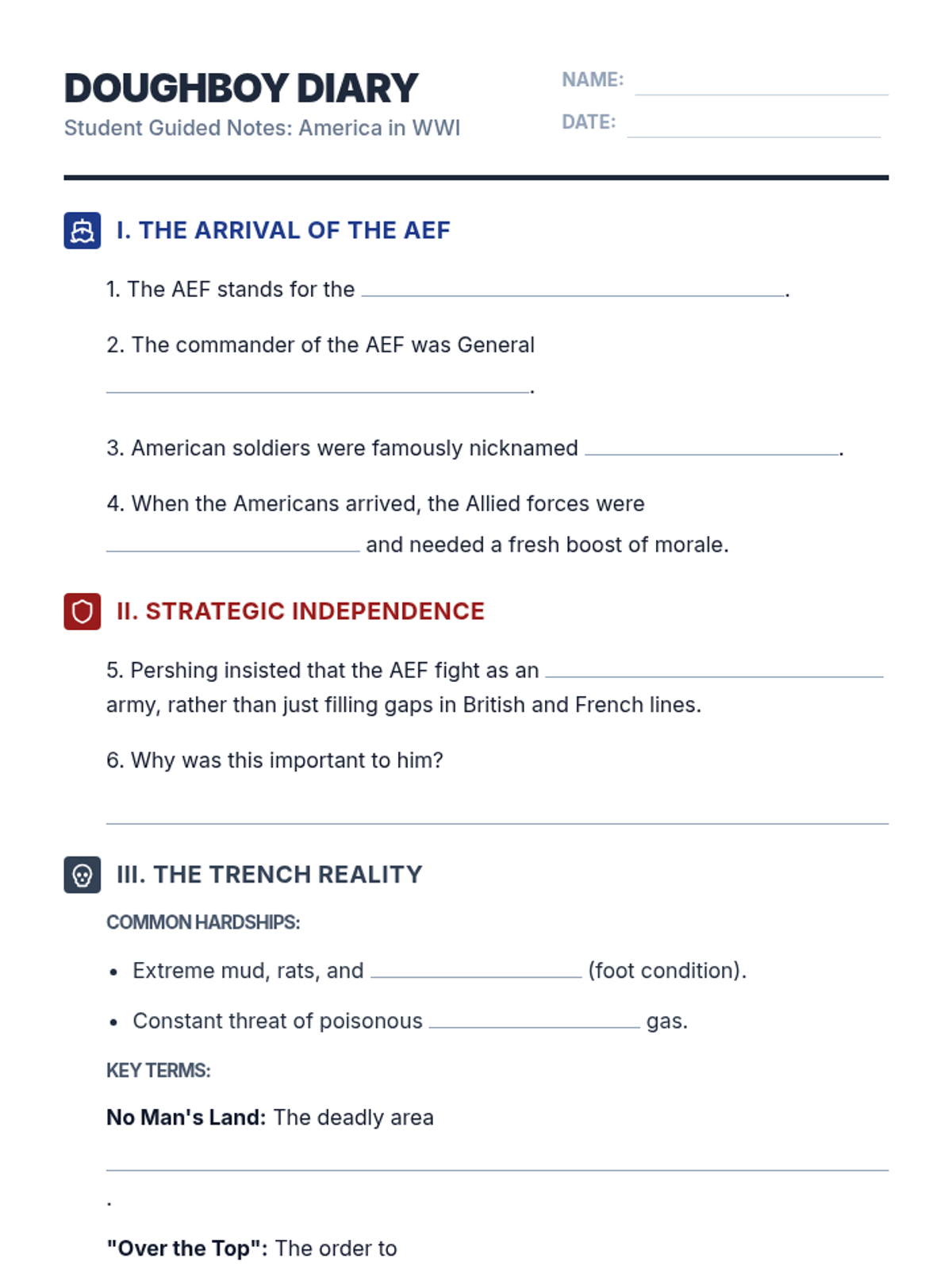
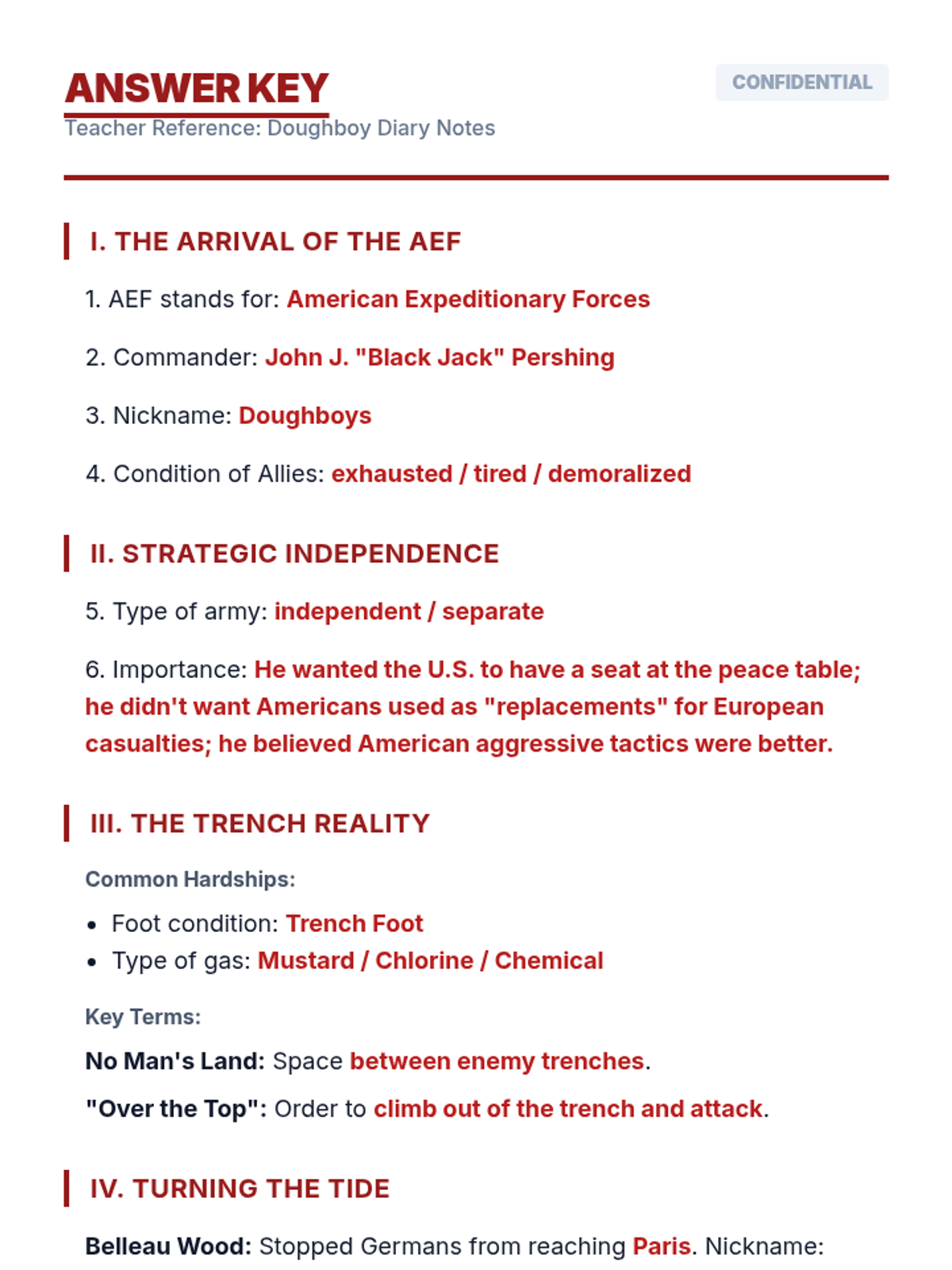
This lesson explores the arrival of the American Expeditionary Forces in Europe during WWI, focusing on their military contributions, the harsh realities of trench warfare, and their role in the Allied victory.
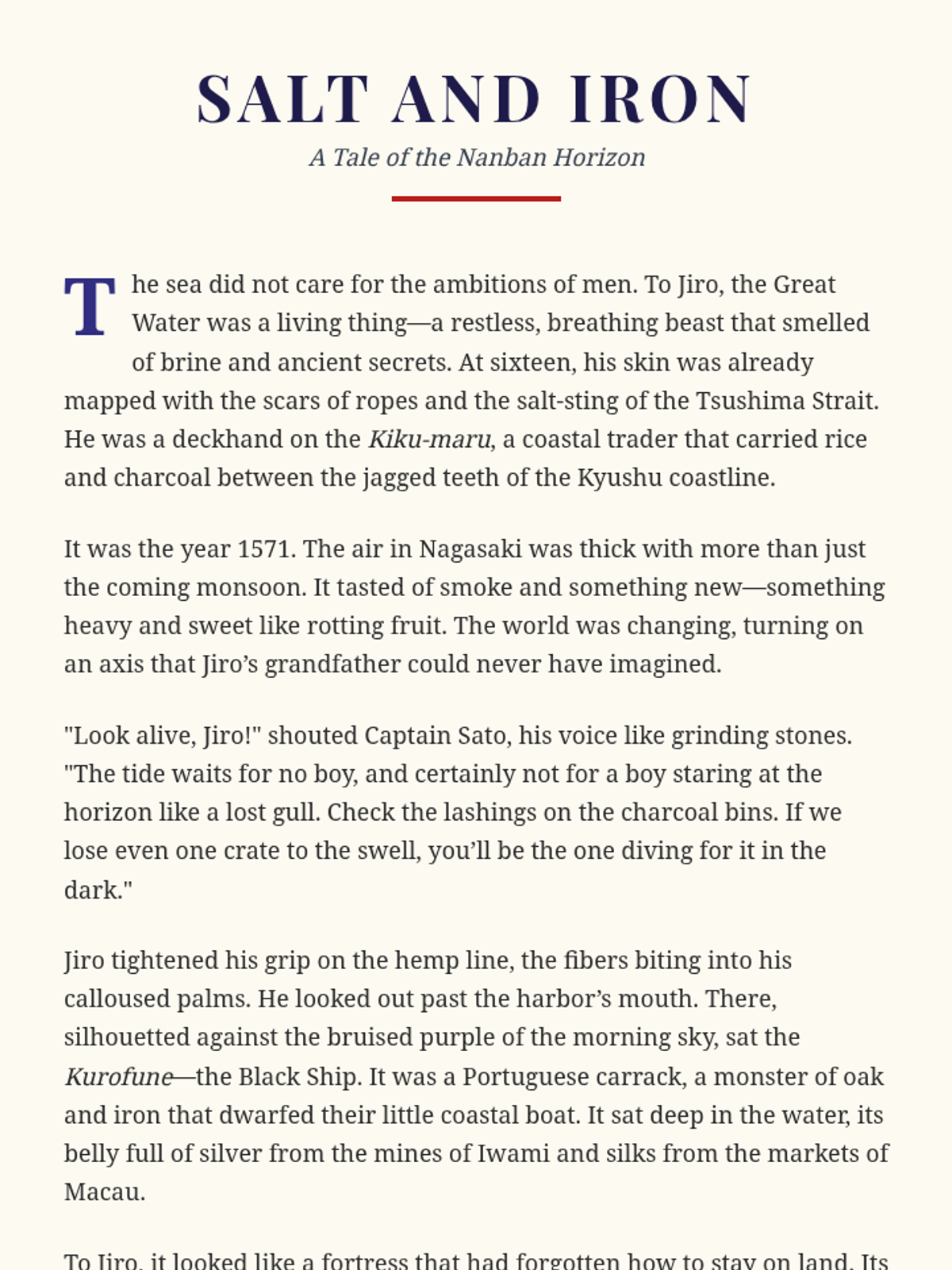
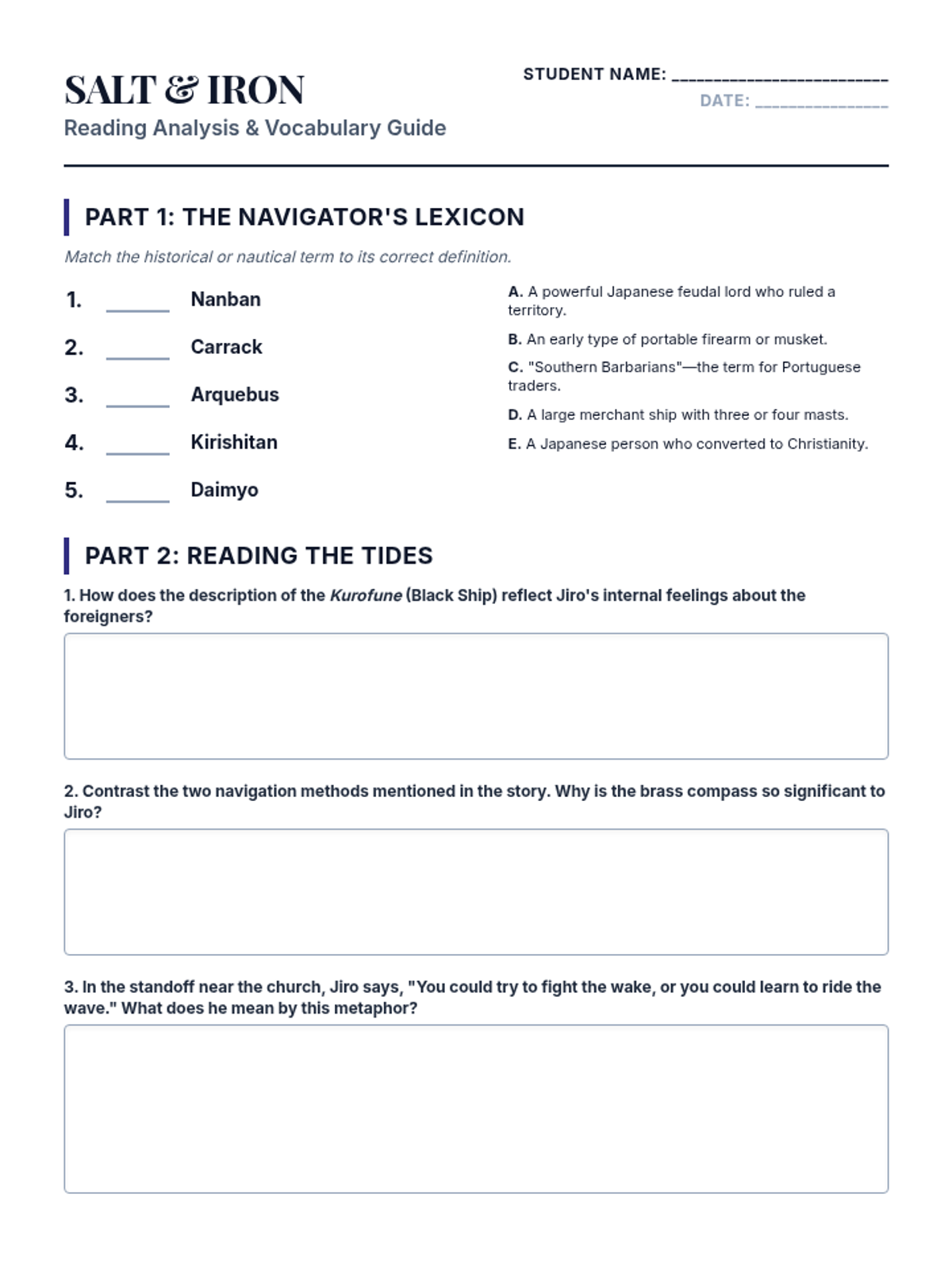
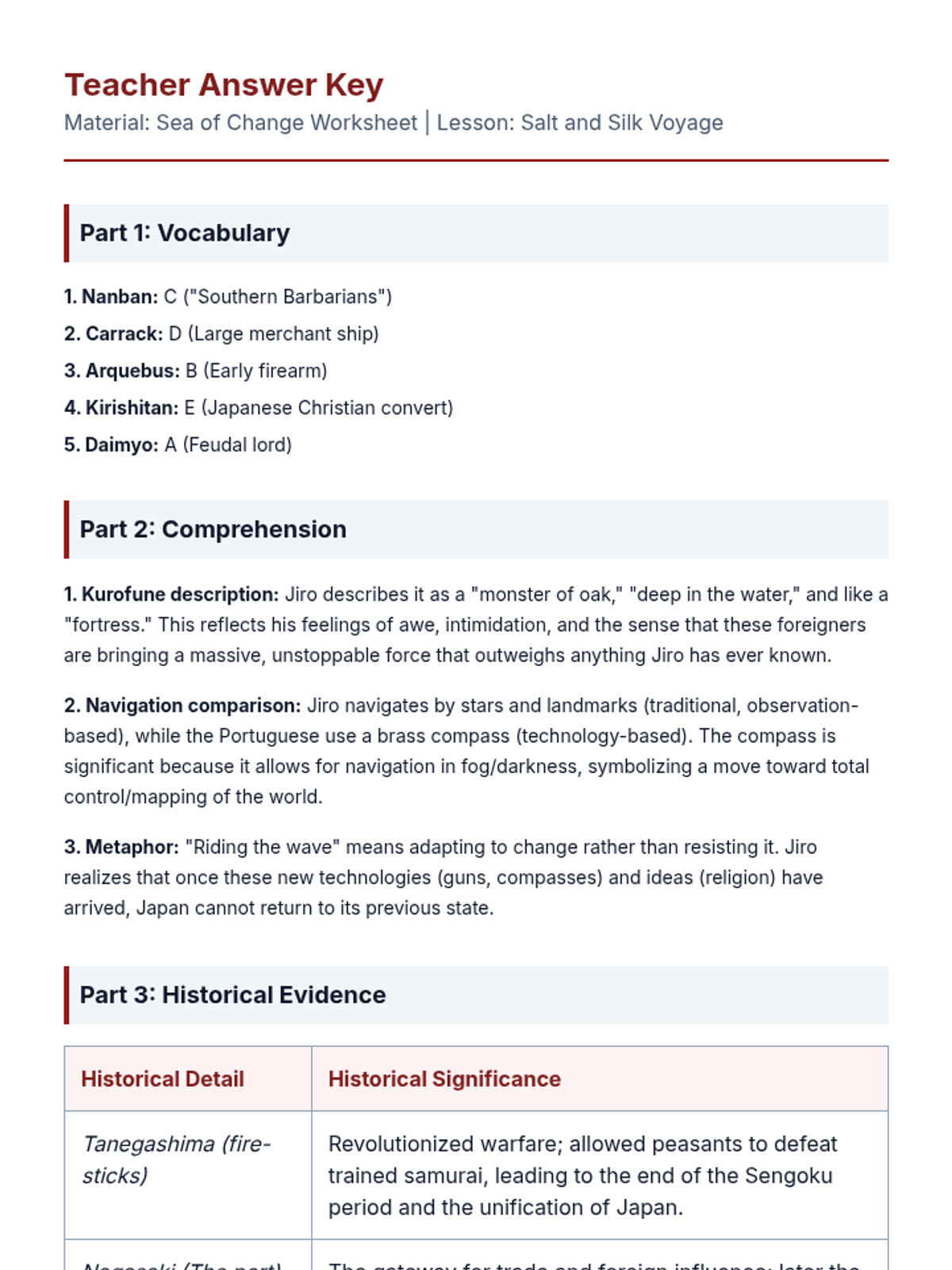
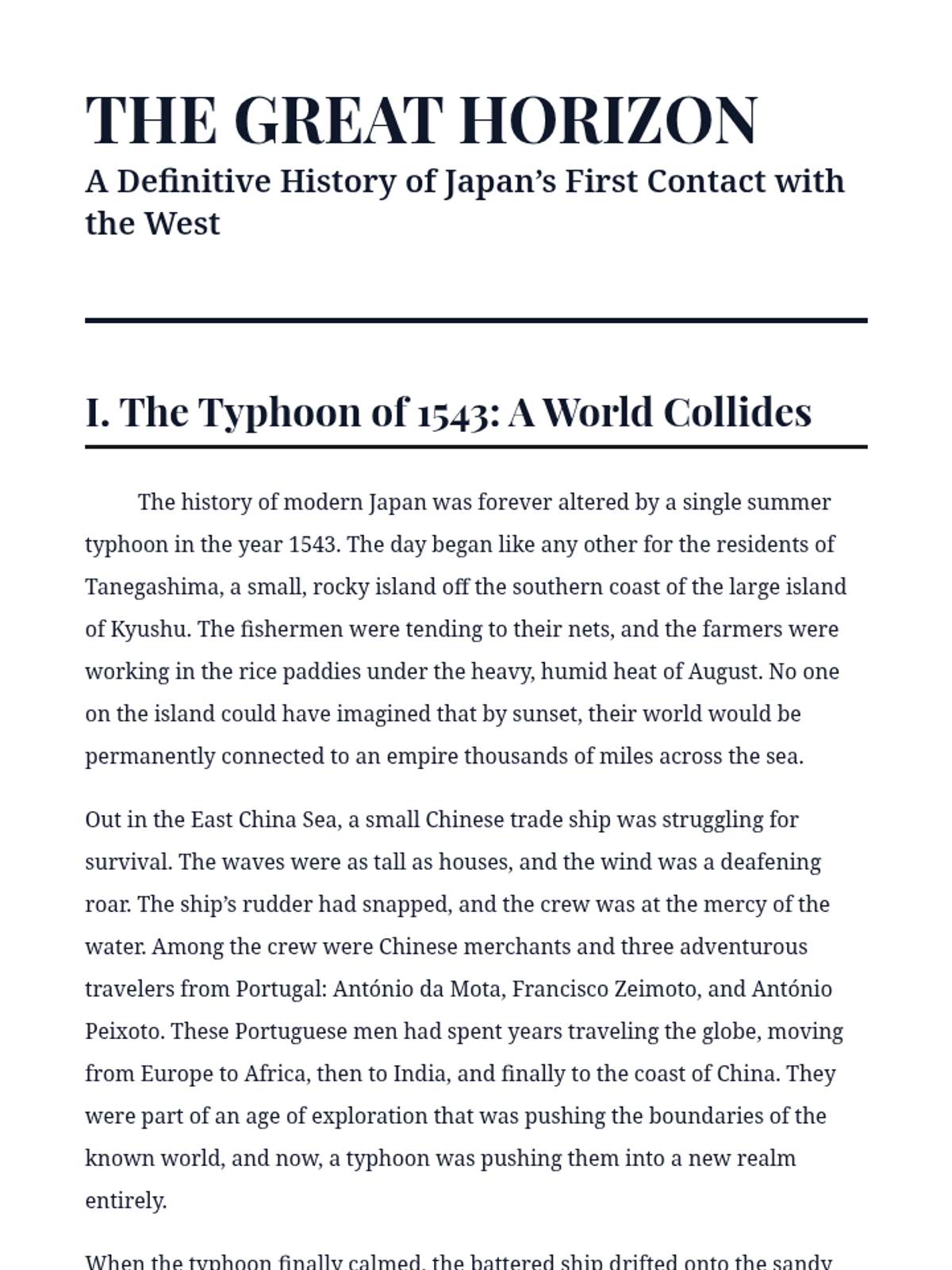
A deep dive into 16th-century Japan during the Nanban trade era through the eyes of a young sailor encountering Portuguese explorers. Students explore historical context, vocabulary, and literary themes of cultural exchange and conflict.
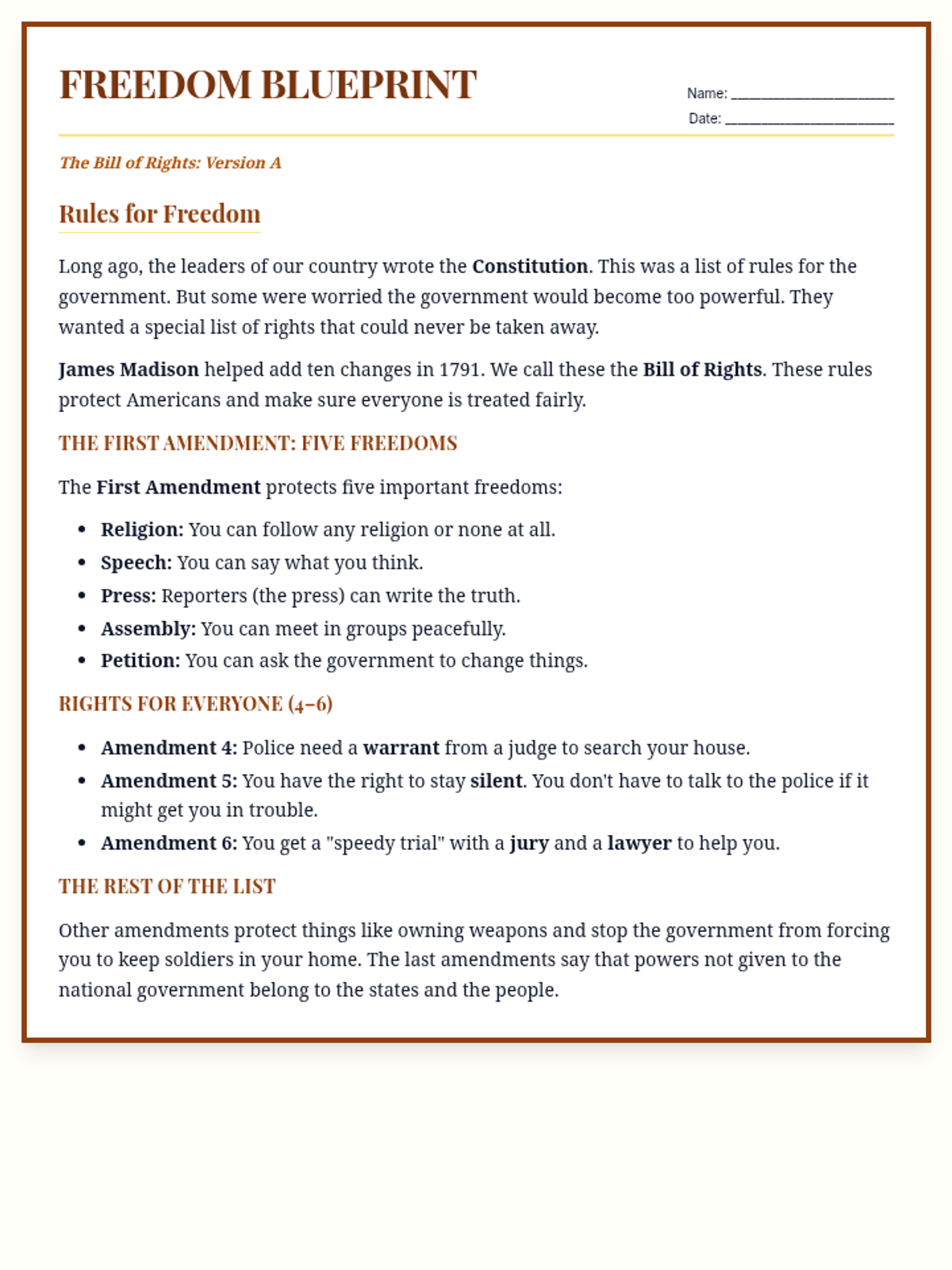
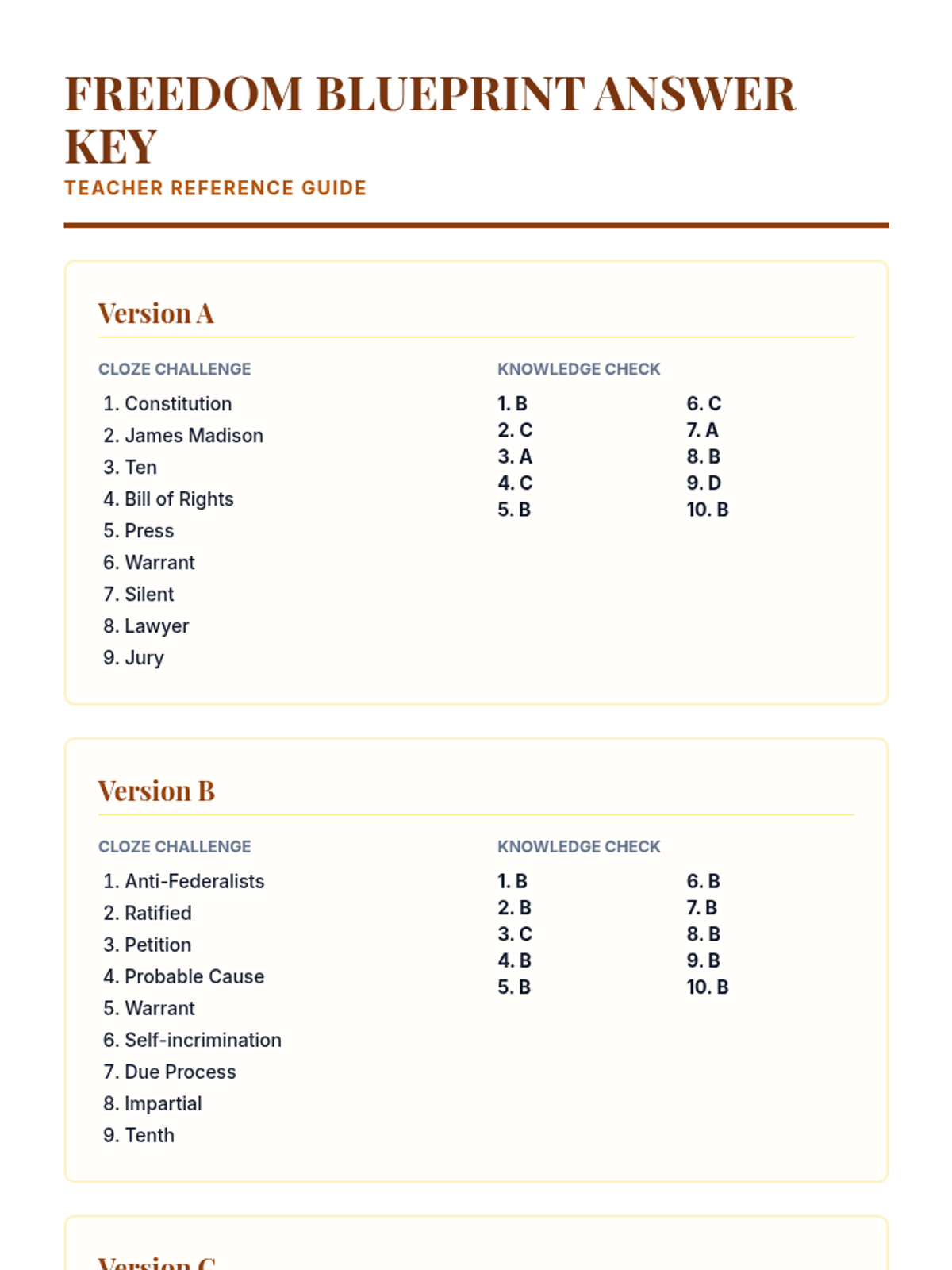
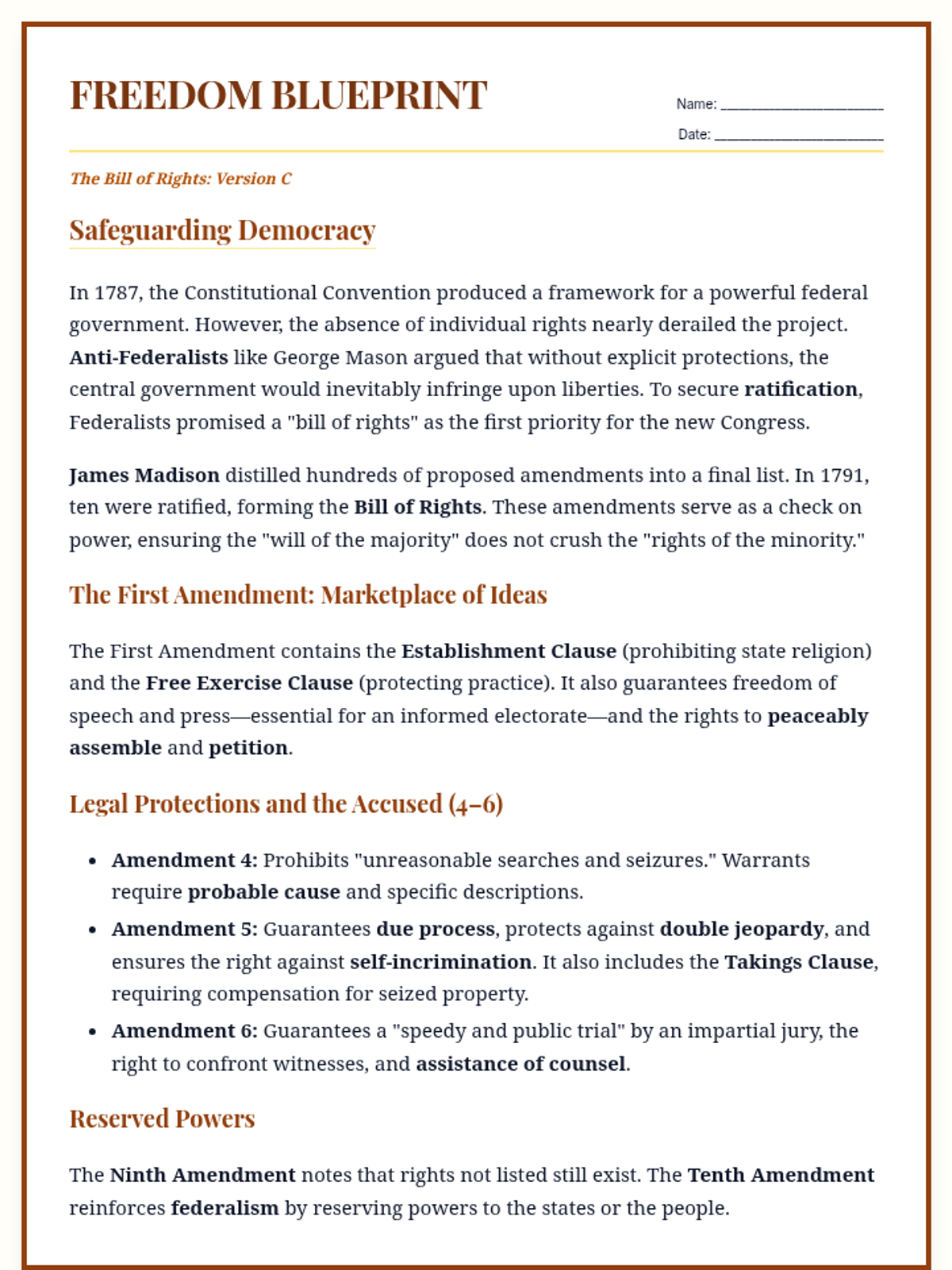
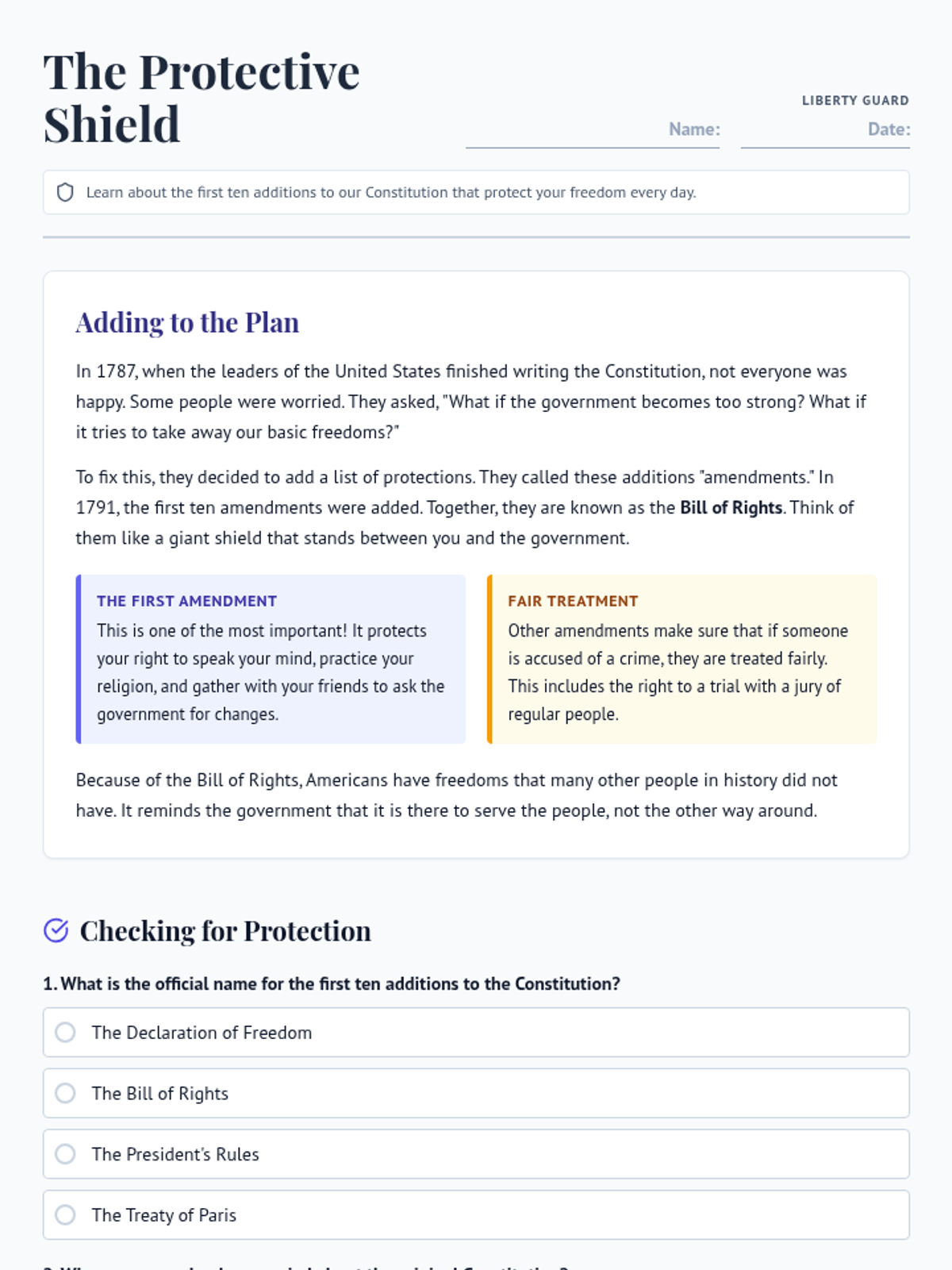
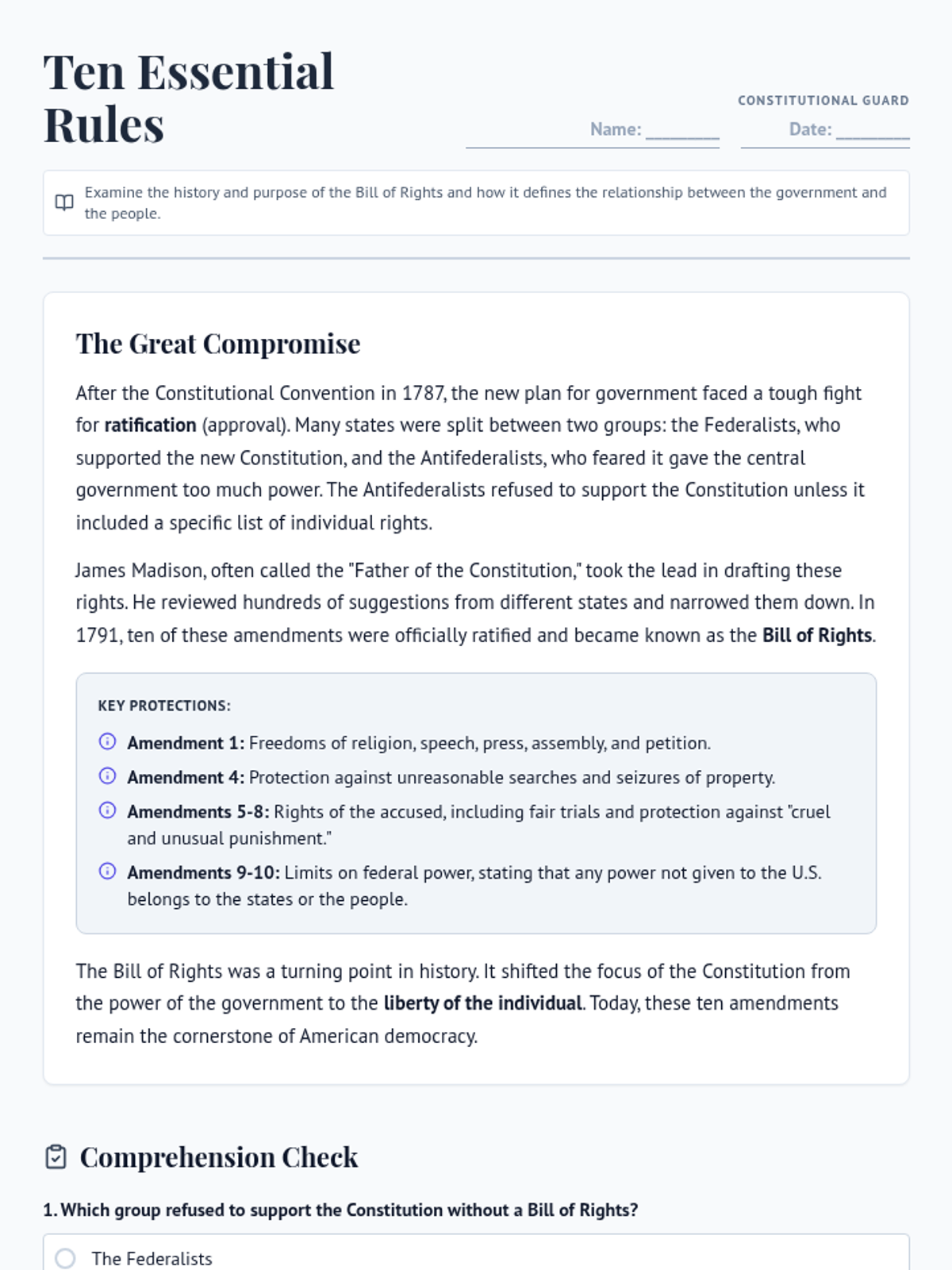
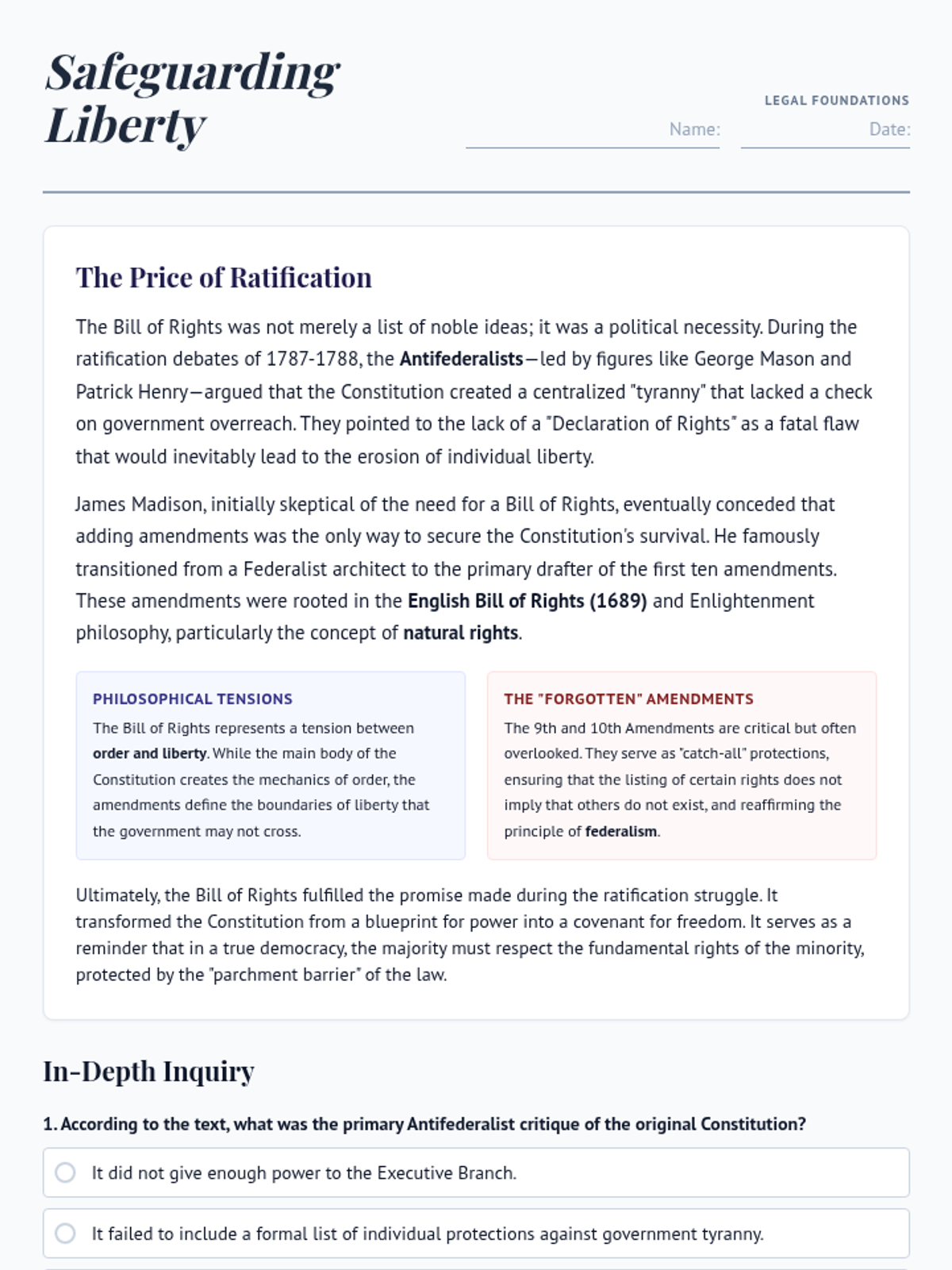
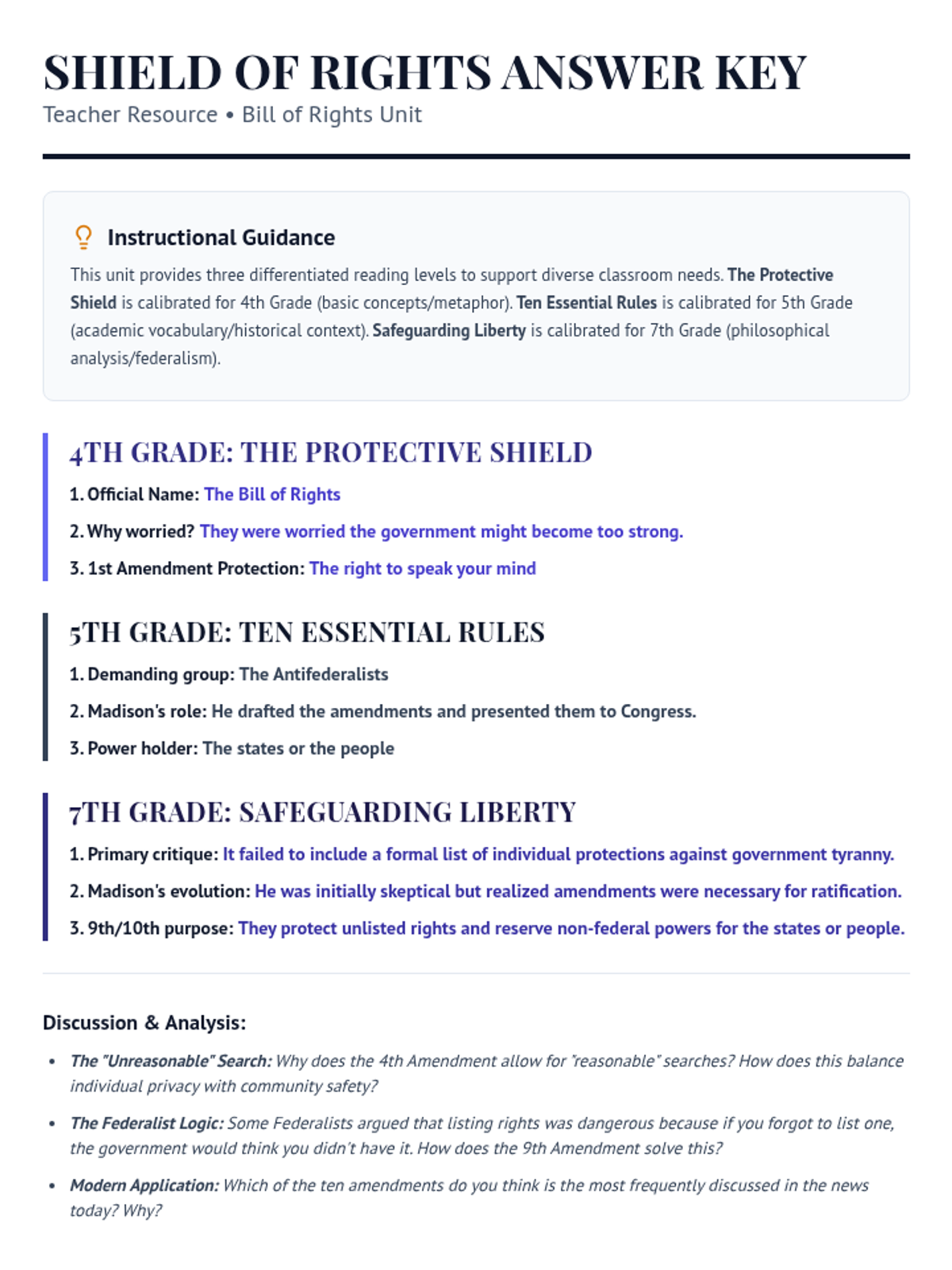
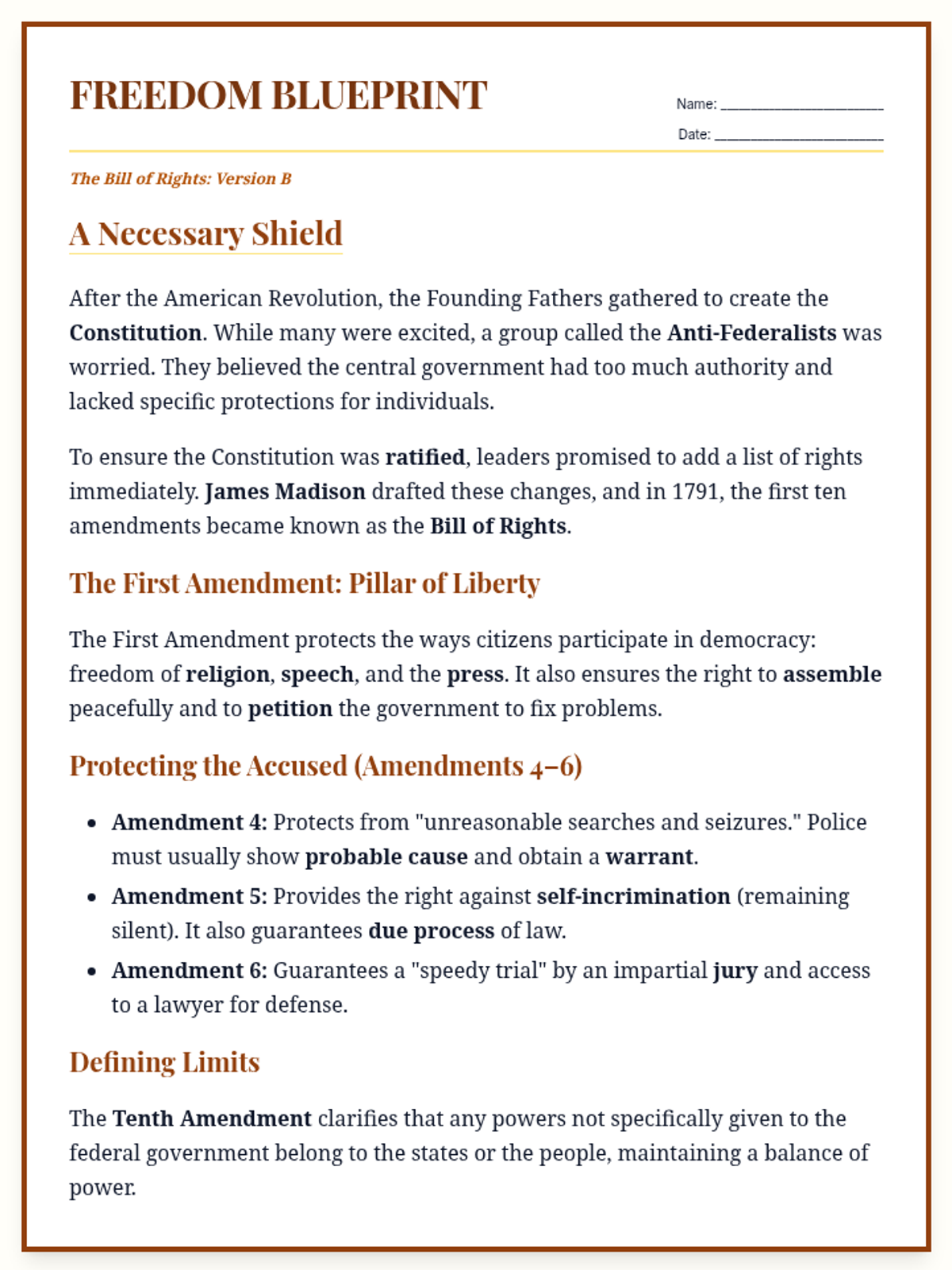
A comprehensive exploration of the Bill of Rights, featuring differentiated reading materials (Versions A, B, and C) covering historical context, the First Amendment, and the rights of the accused.
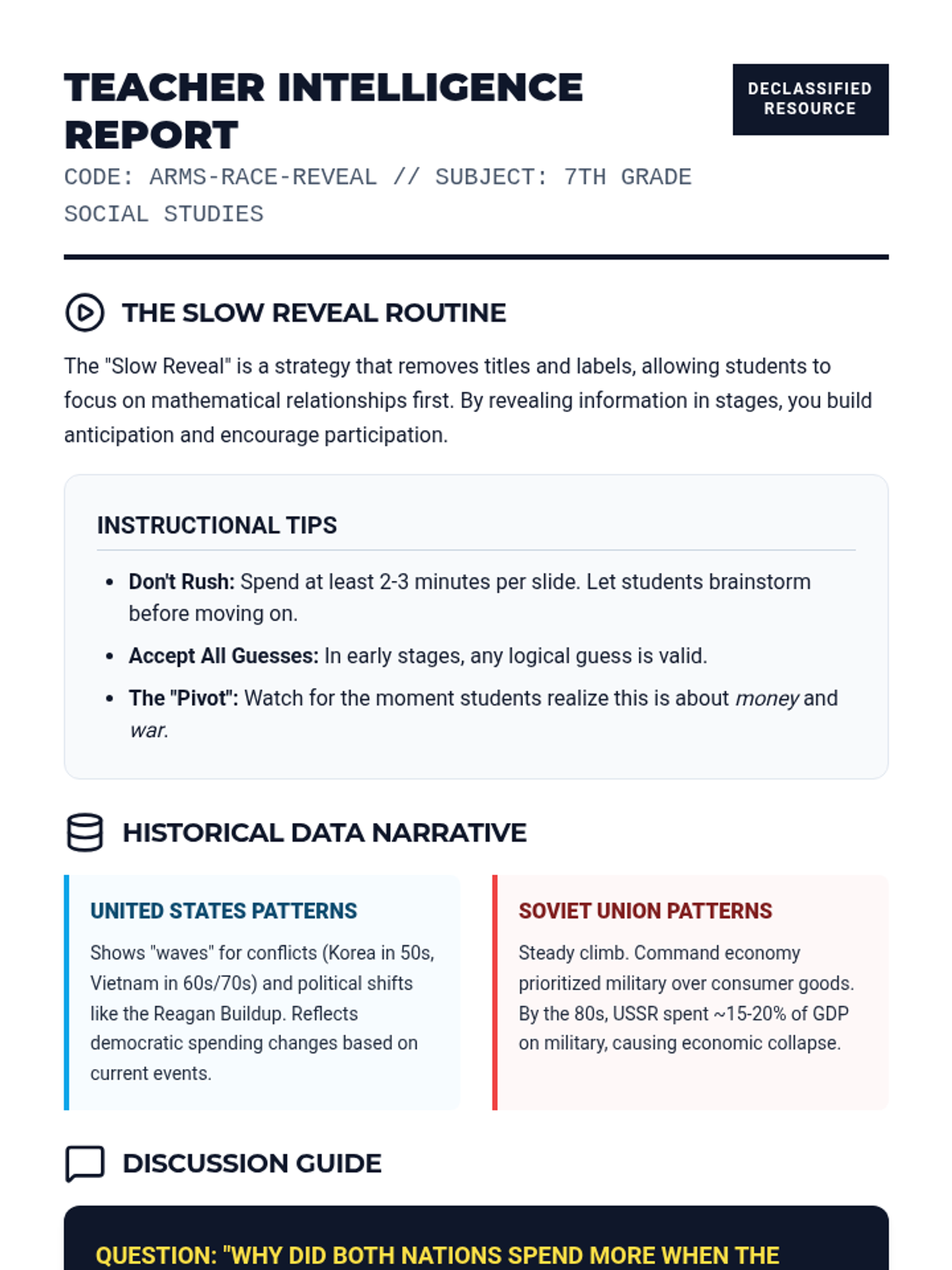
A deep dive into the economic arms race between the US and USSR using a slow-reveal graph routine to build data literacy and historical context.
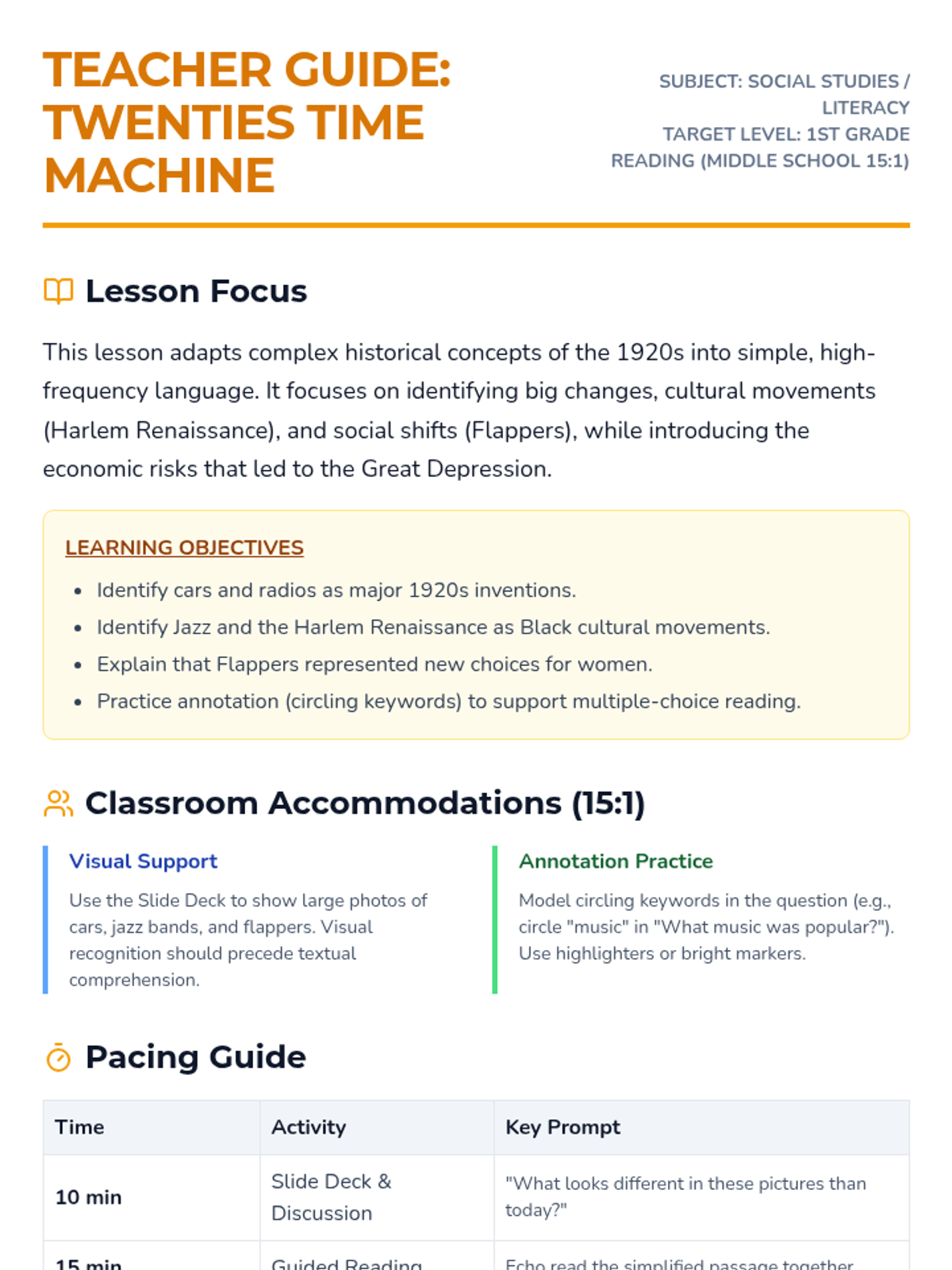
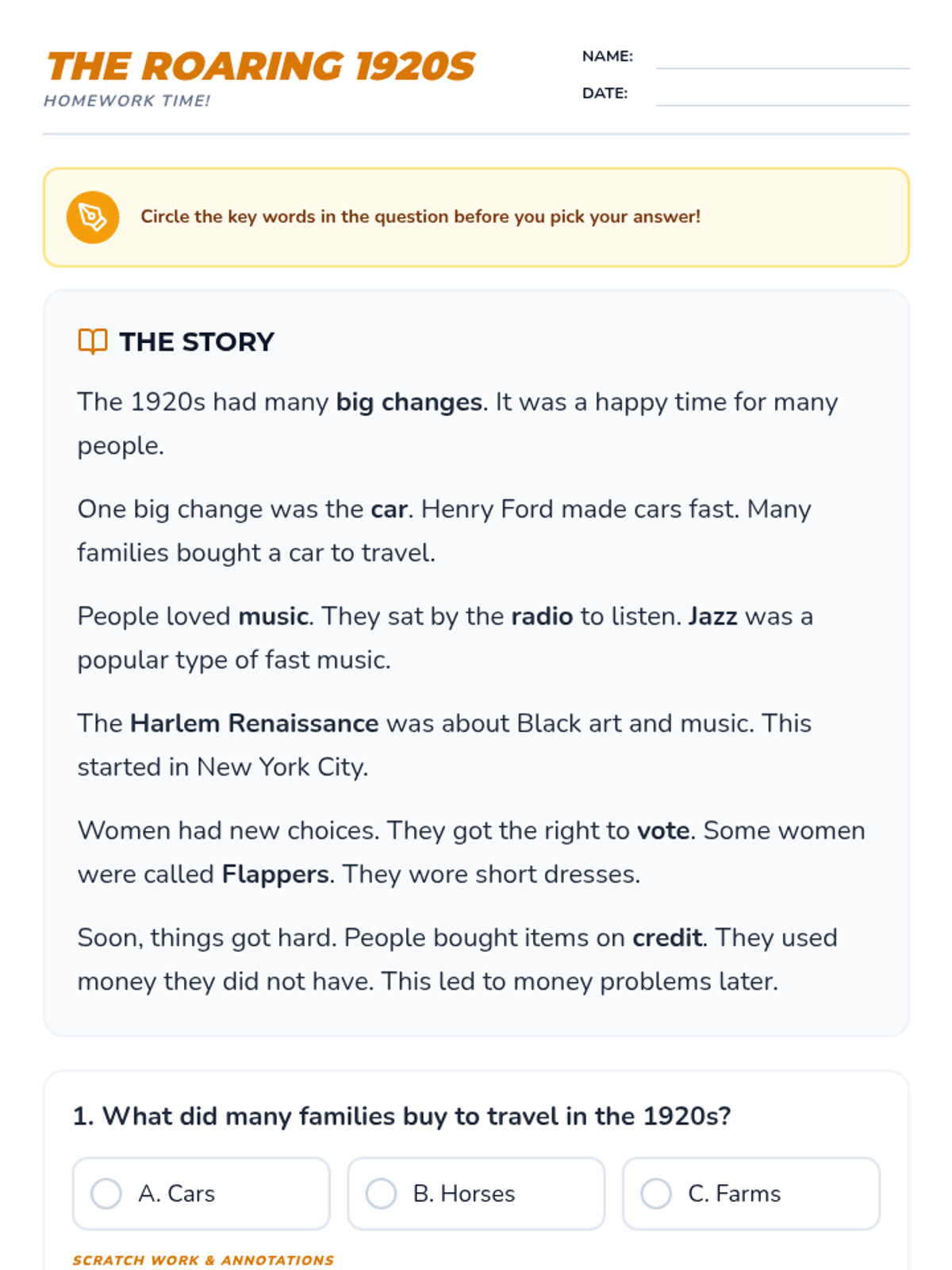
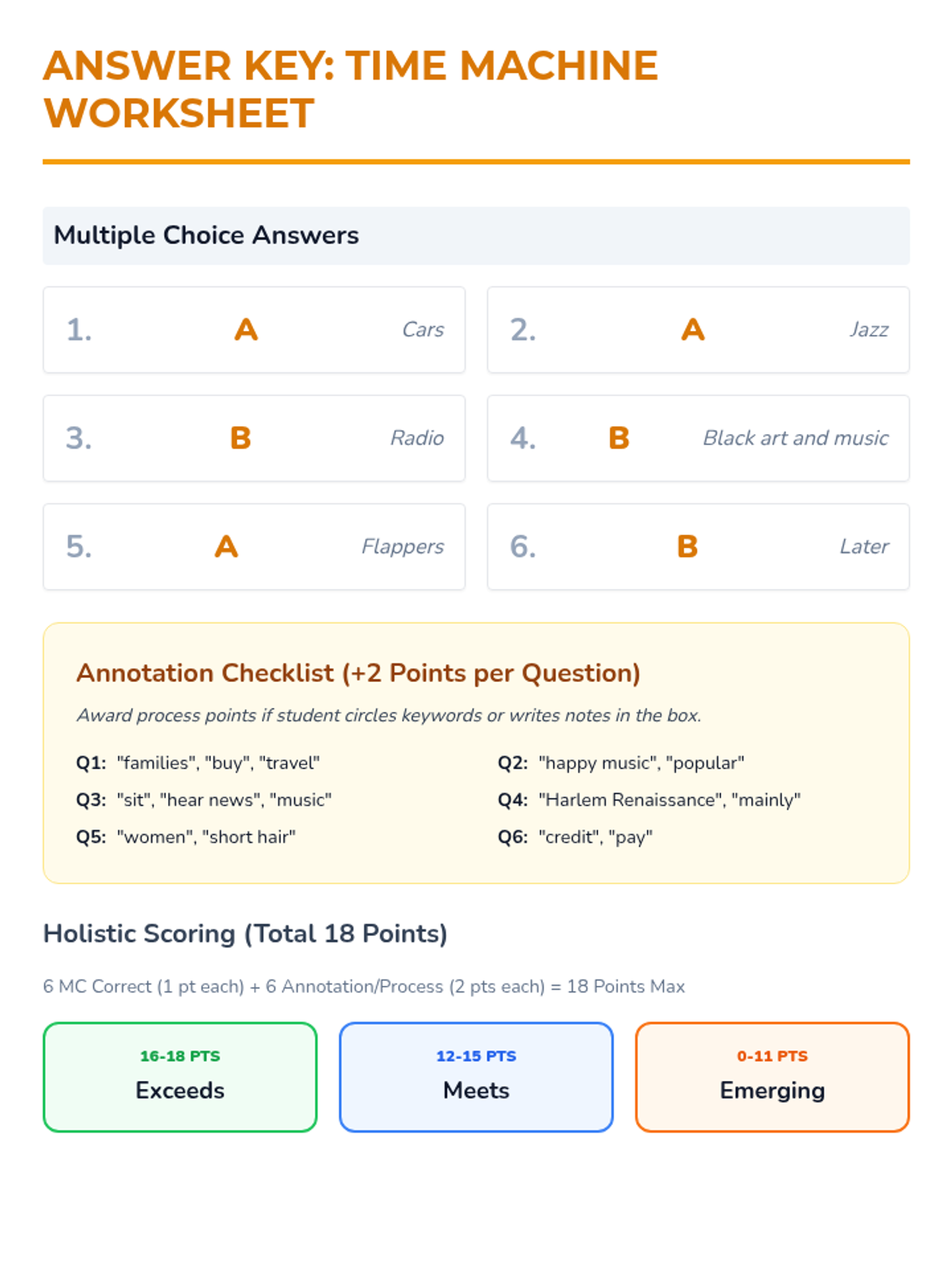
A highly accessible lesson on the Roaring Twenties designed for middle school students reading at a 1st-grade level, focusing on cultural shifts, jazz, and the Harlem Renaissance with scaffolded multiple-choice practice.
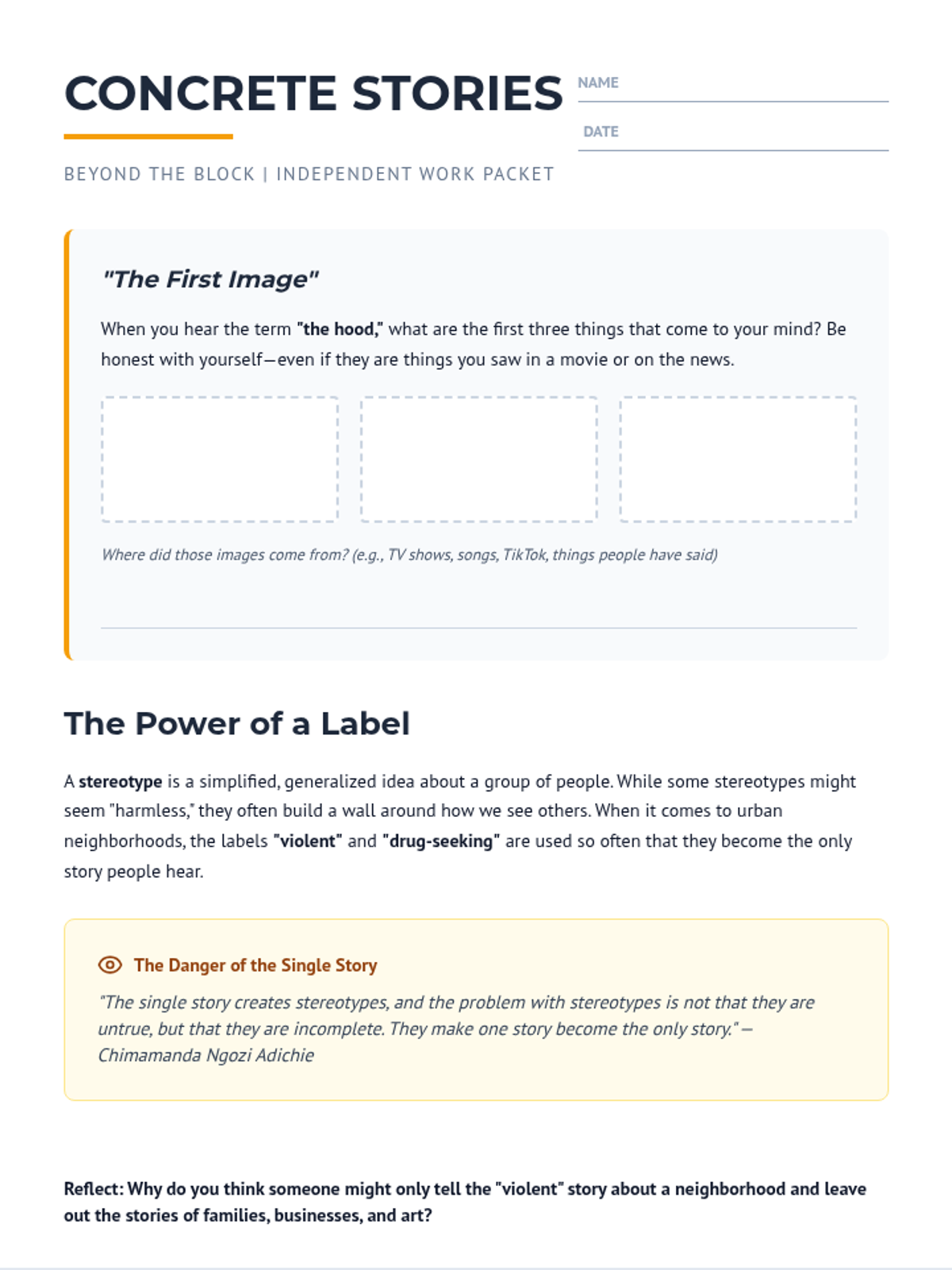
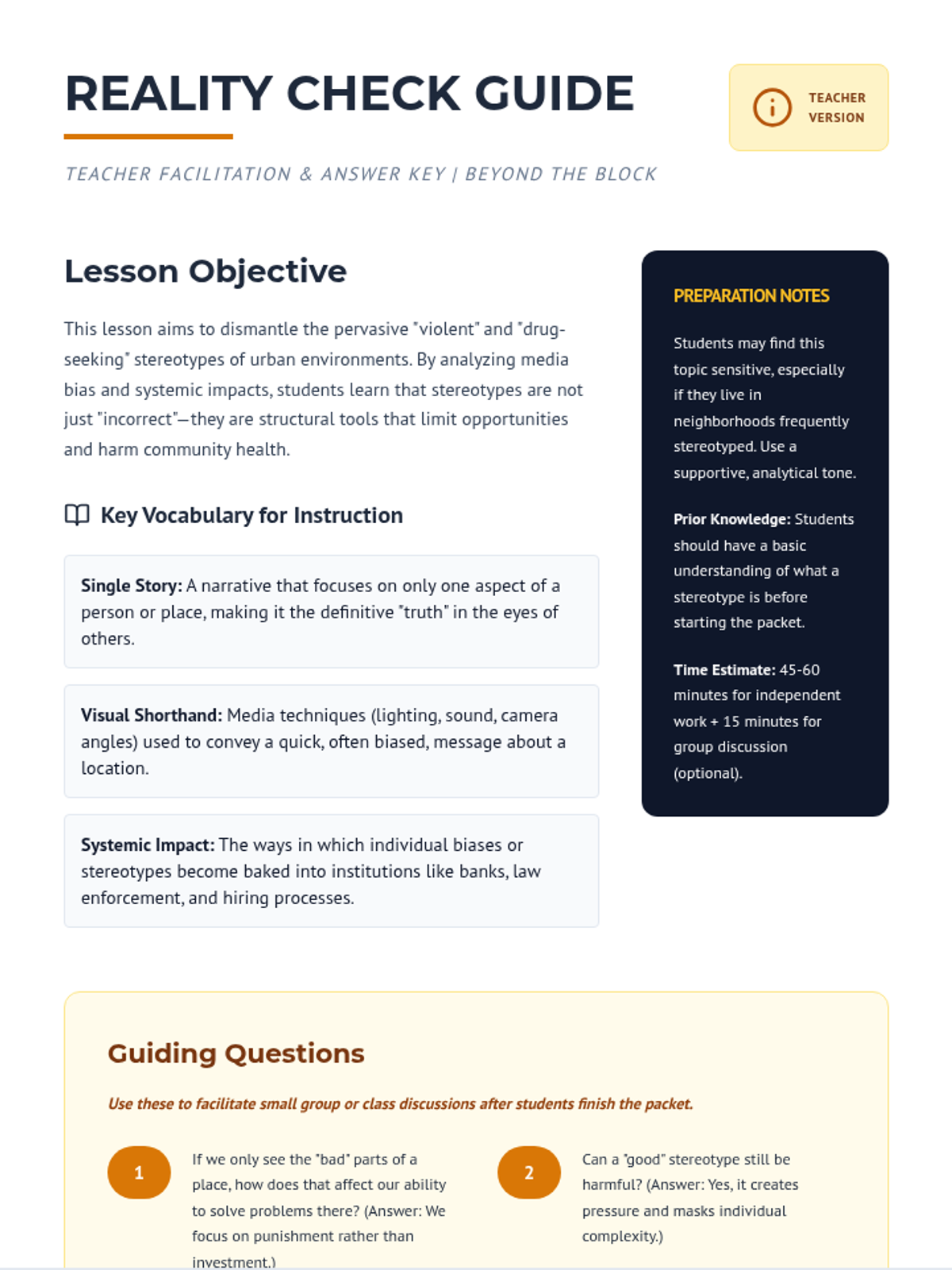
This lesson explores the origins and impacts of urban stereotypes, specifically focusing on the harmful "violent" and "drug-seeking" narratives often applied to marginalized communities. Students will analyze media bias and reflect on the real-world consequences of these single-perspective stories.
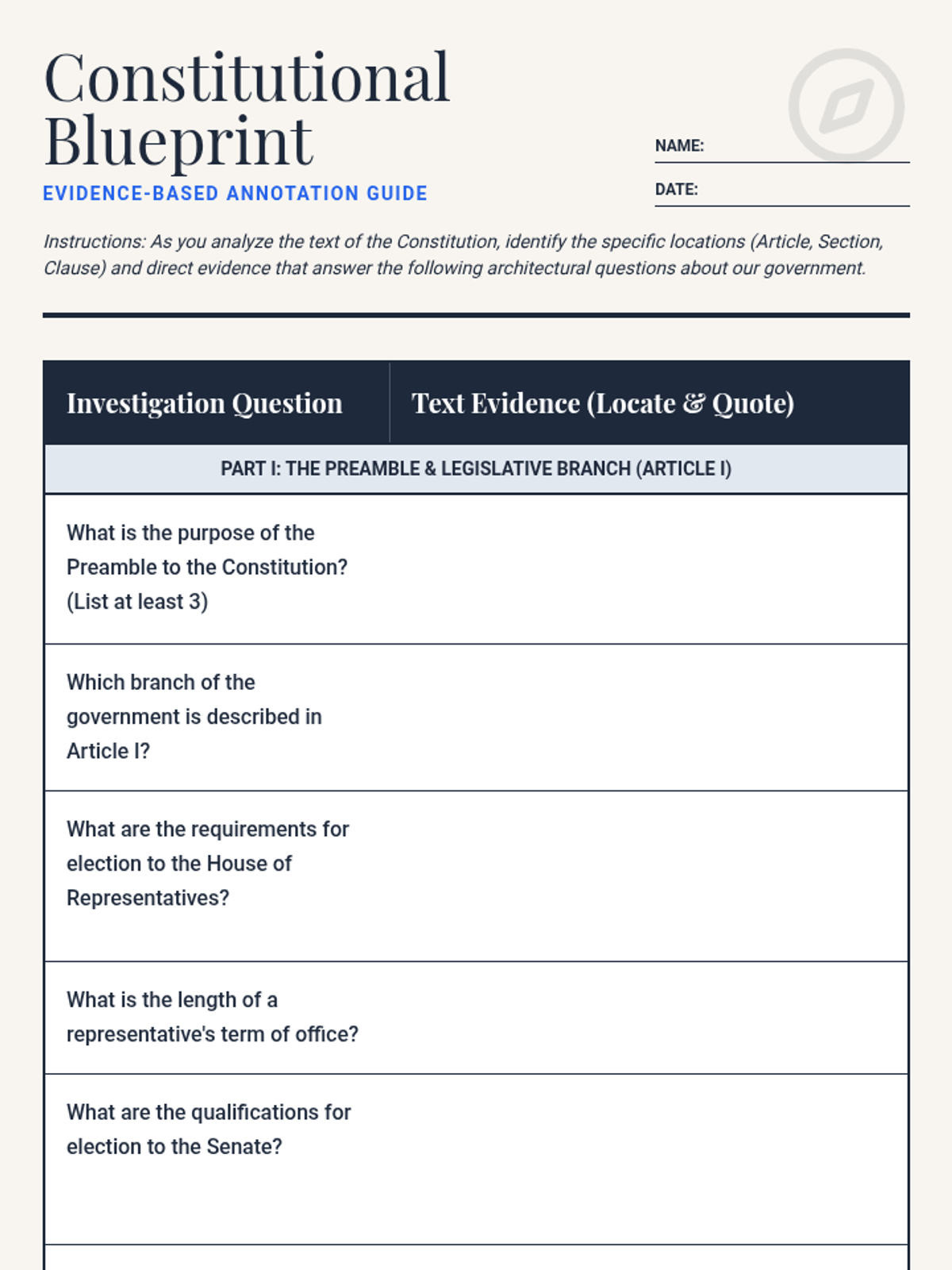
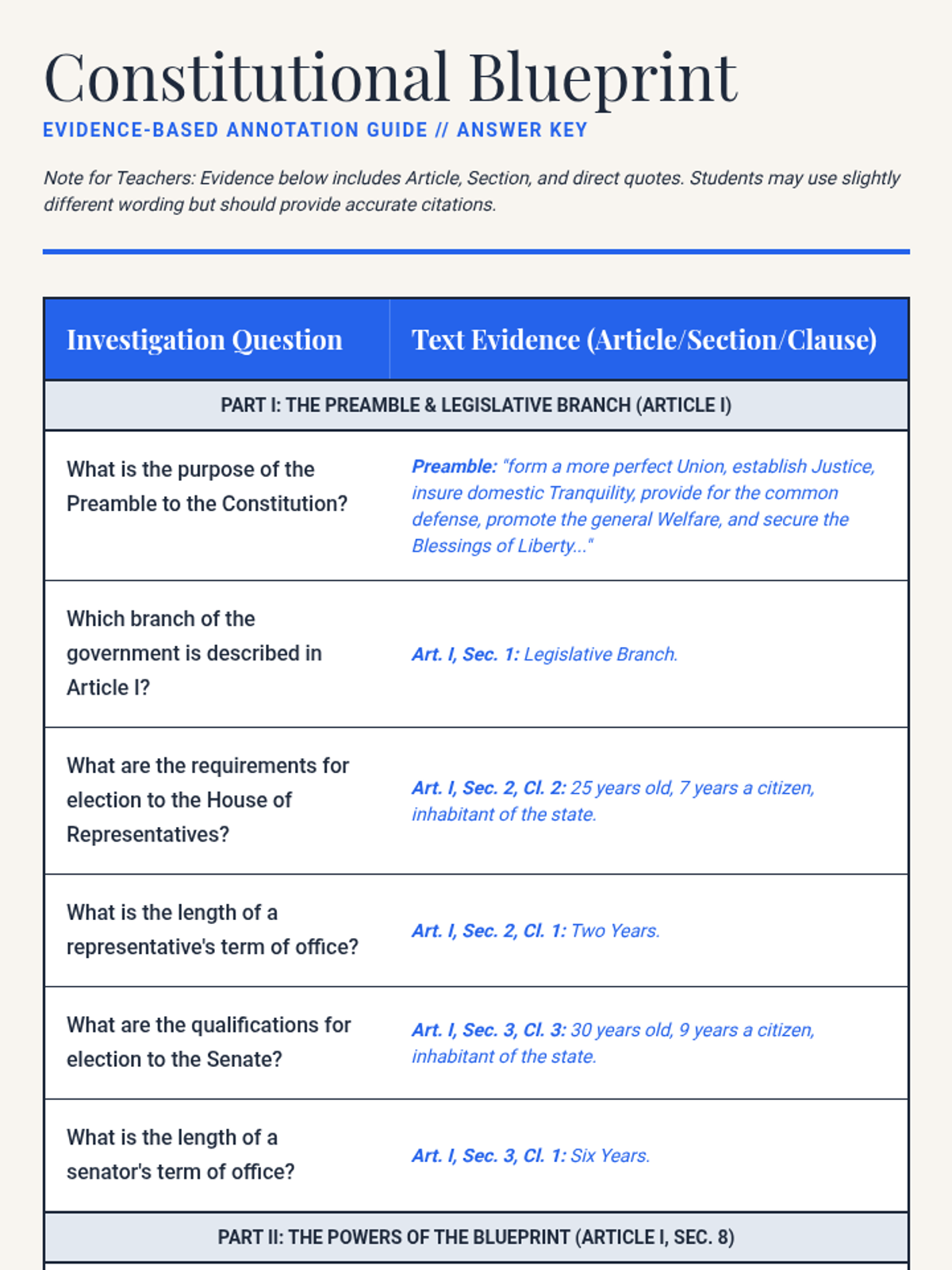
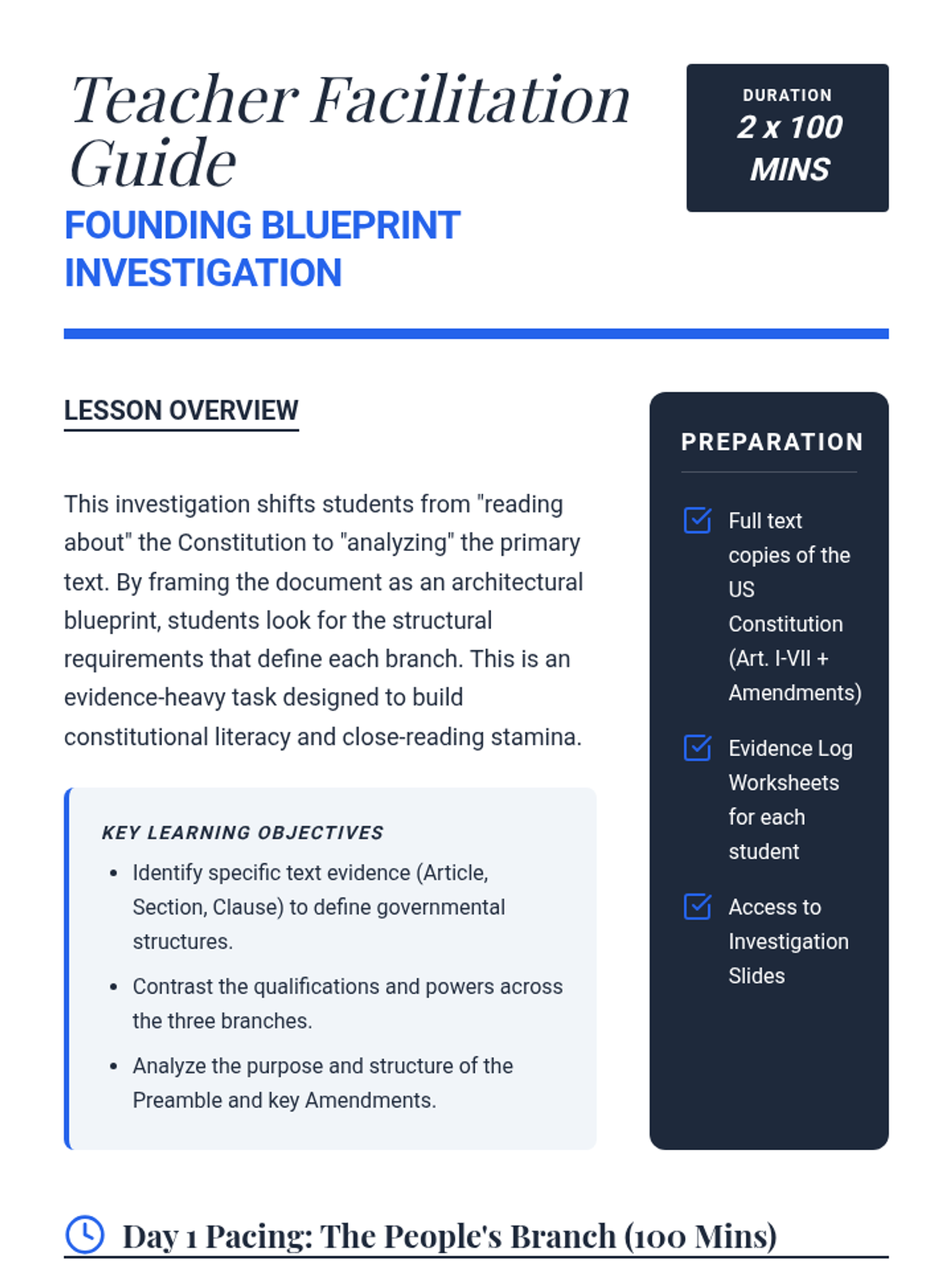
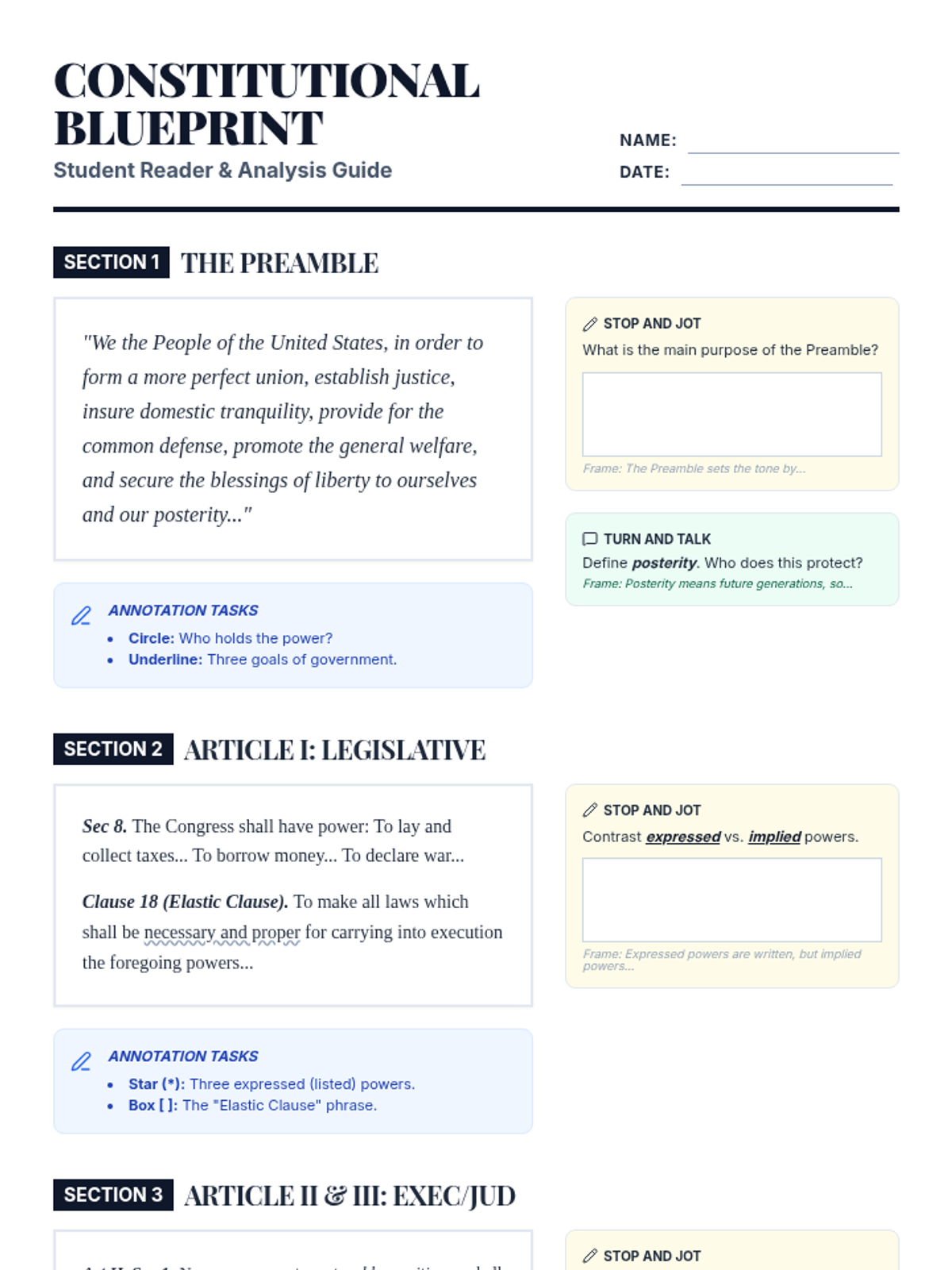
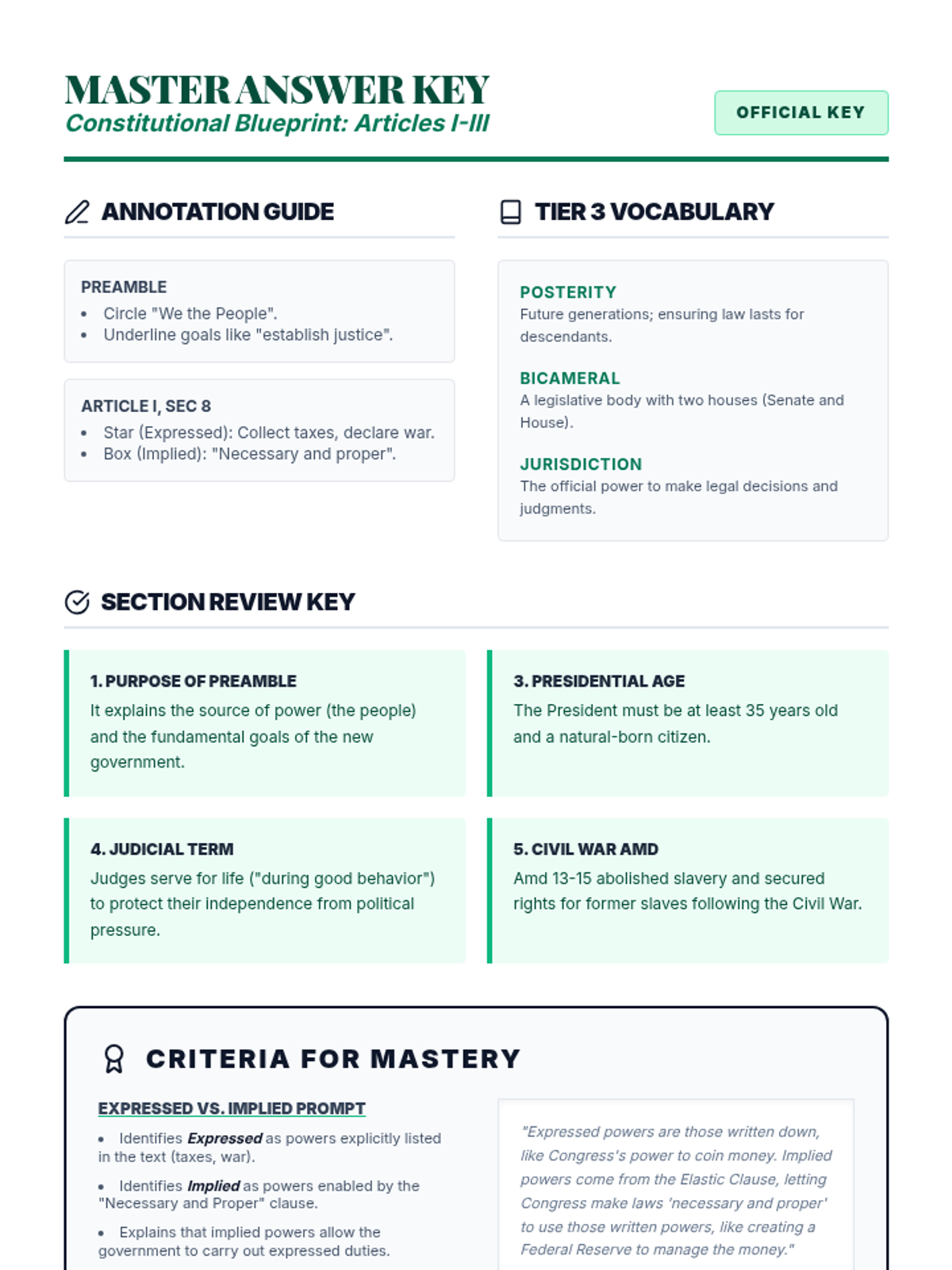
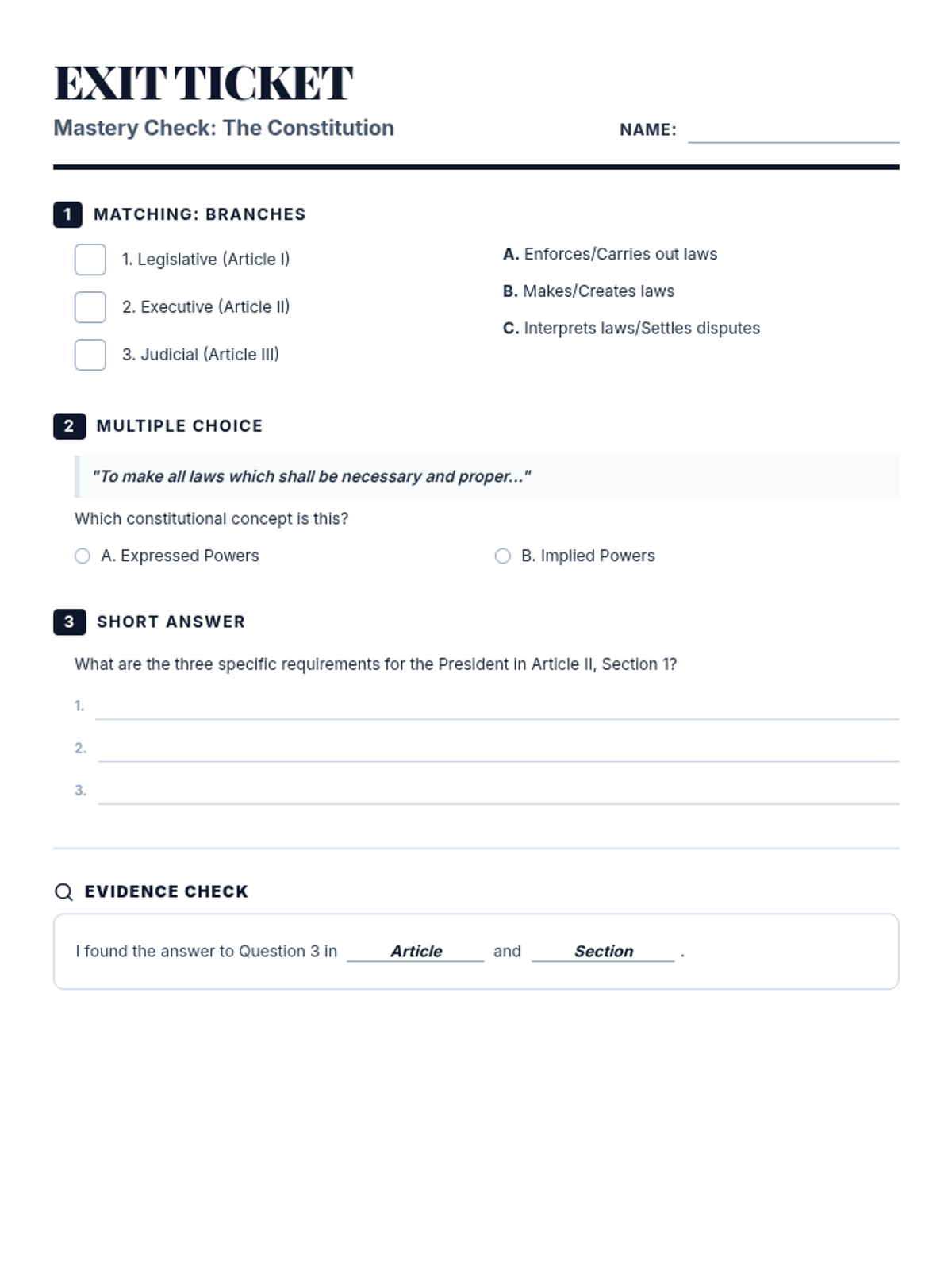
A two-day primary text analysis of the US Constitution where students use an evidence-based annotation guide to identify the structures of the three branches and the process of governance.
An exploration of the first ten amendments to the United States Constitution, known as the Bill of Rights, and their role in protecting individual liberties from government overreach.
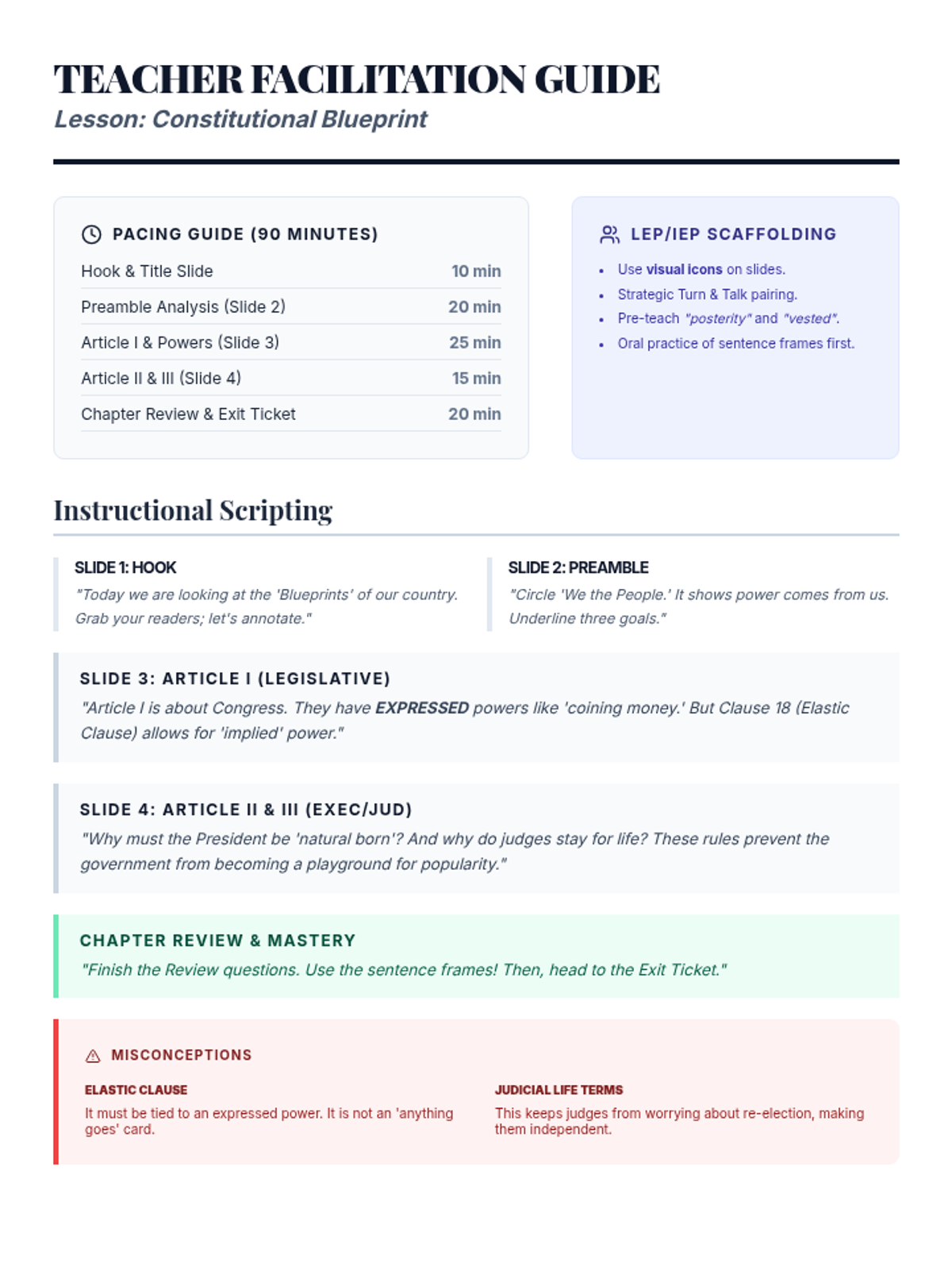
A deep dive into the structure and powers of the U.S. government as defined by the Constitution, featuring a chunked reader with heavy scaffolding for annotation and analysis.
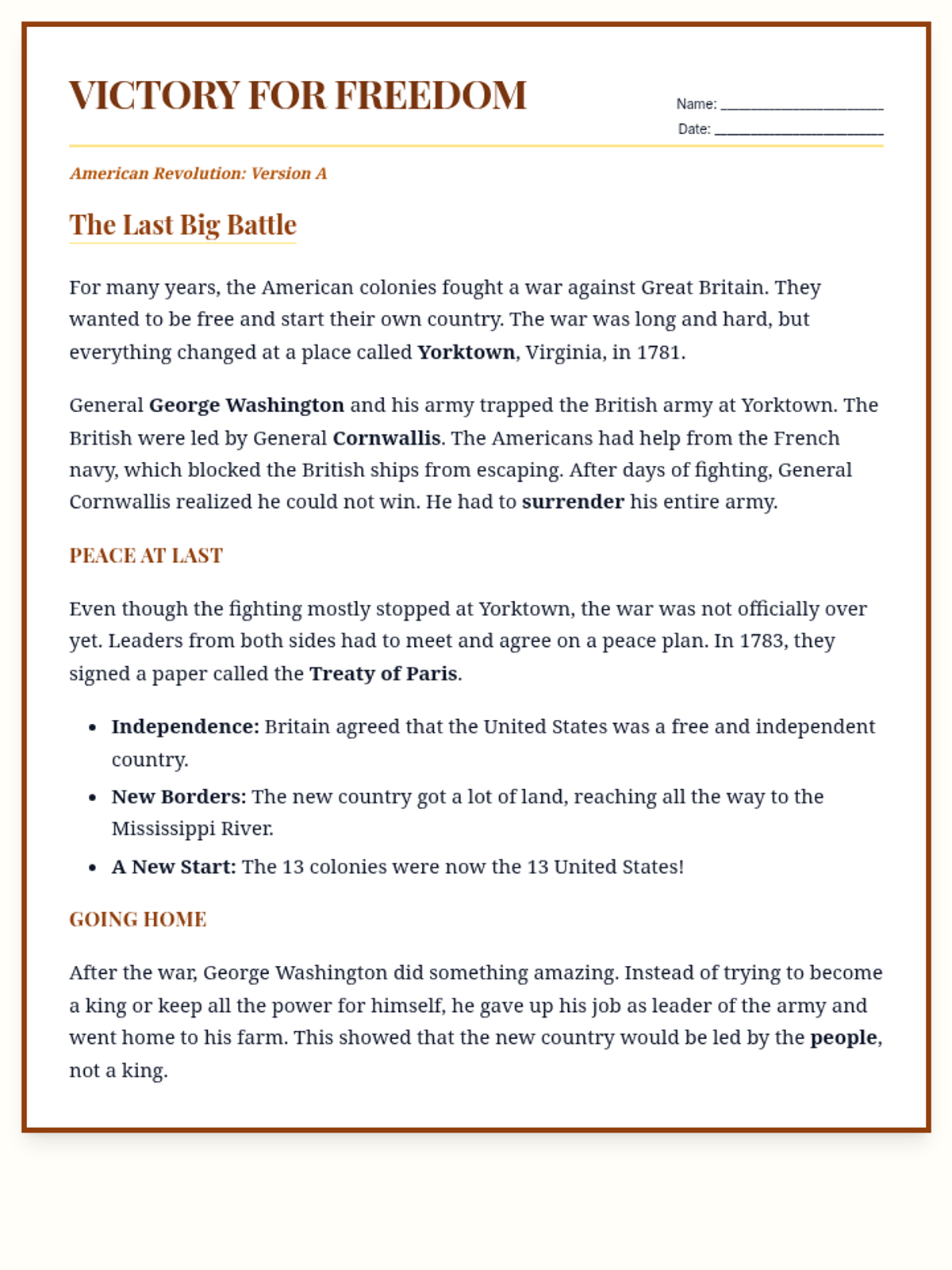
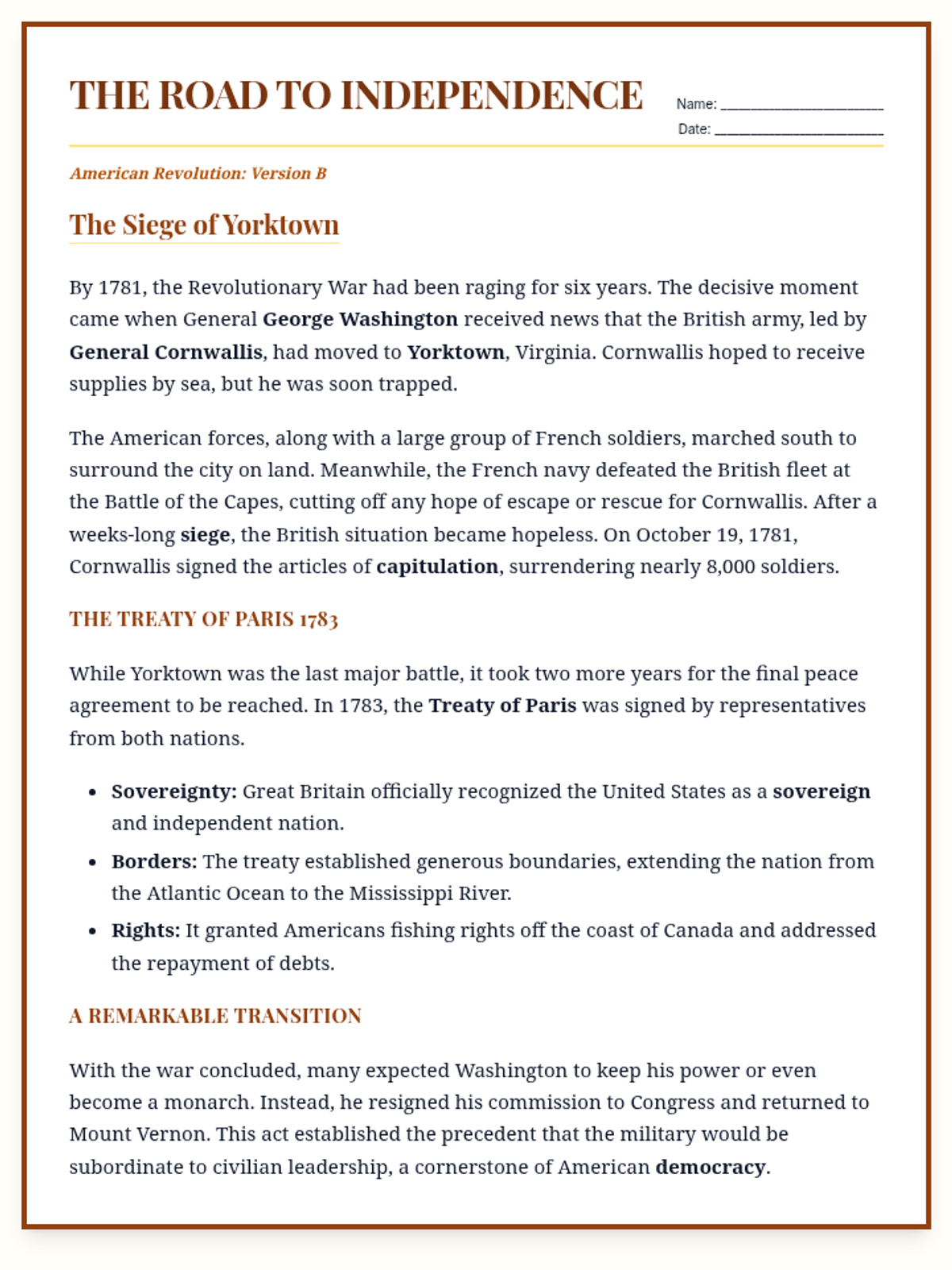
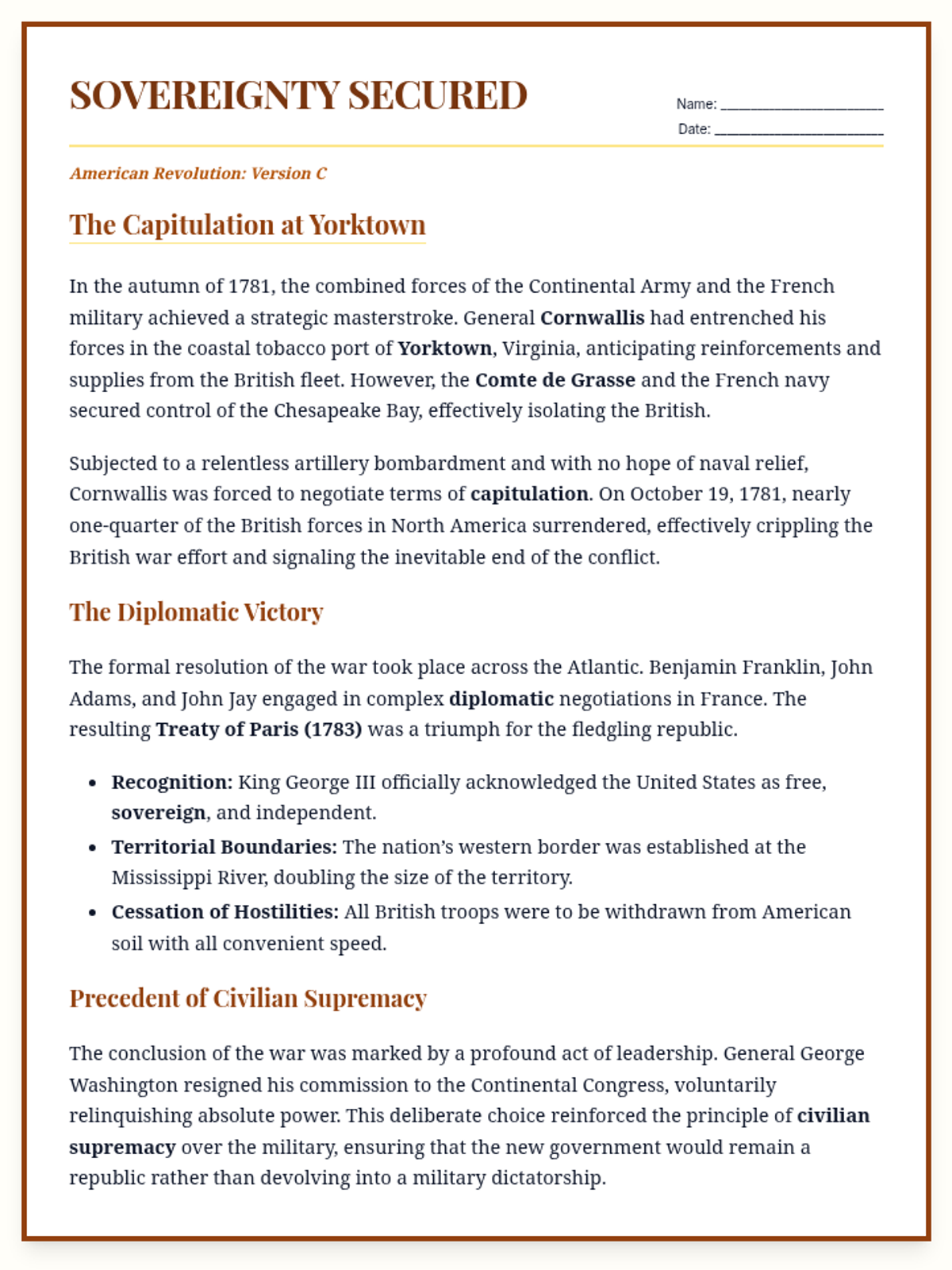
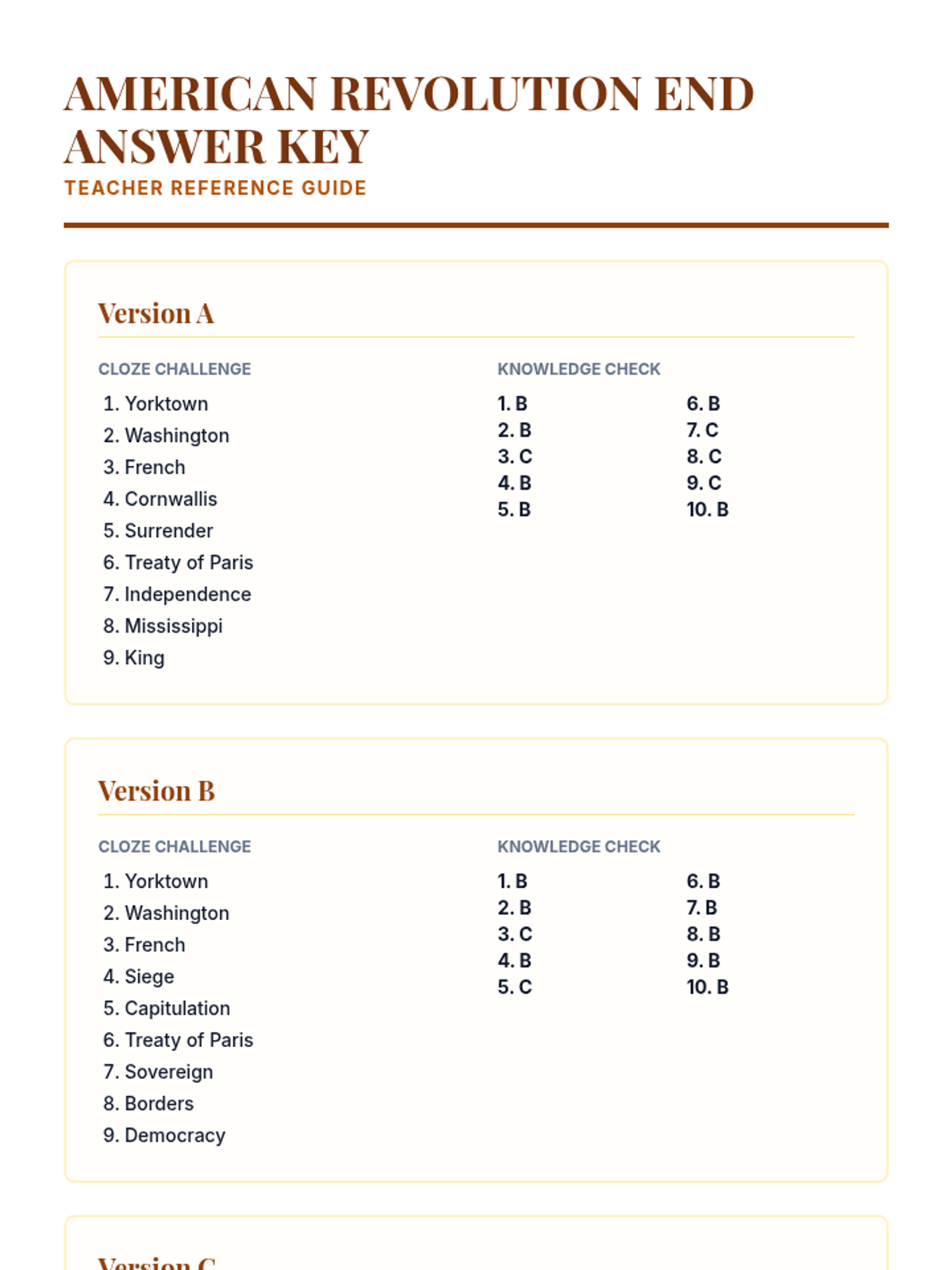
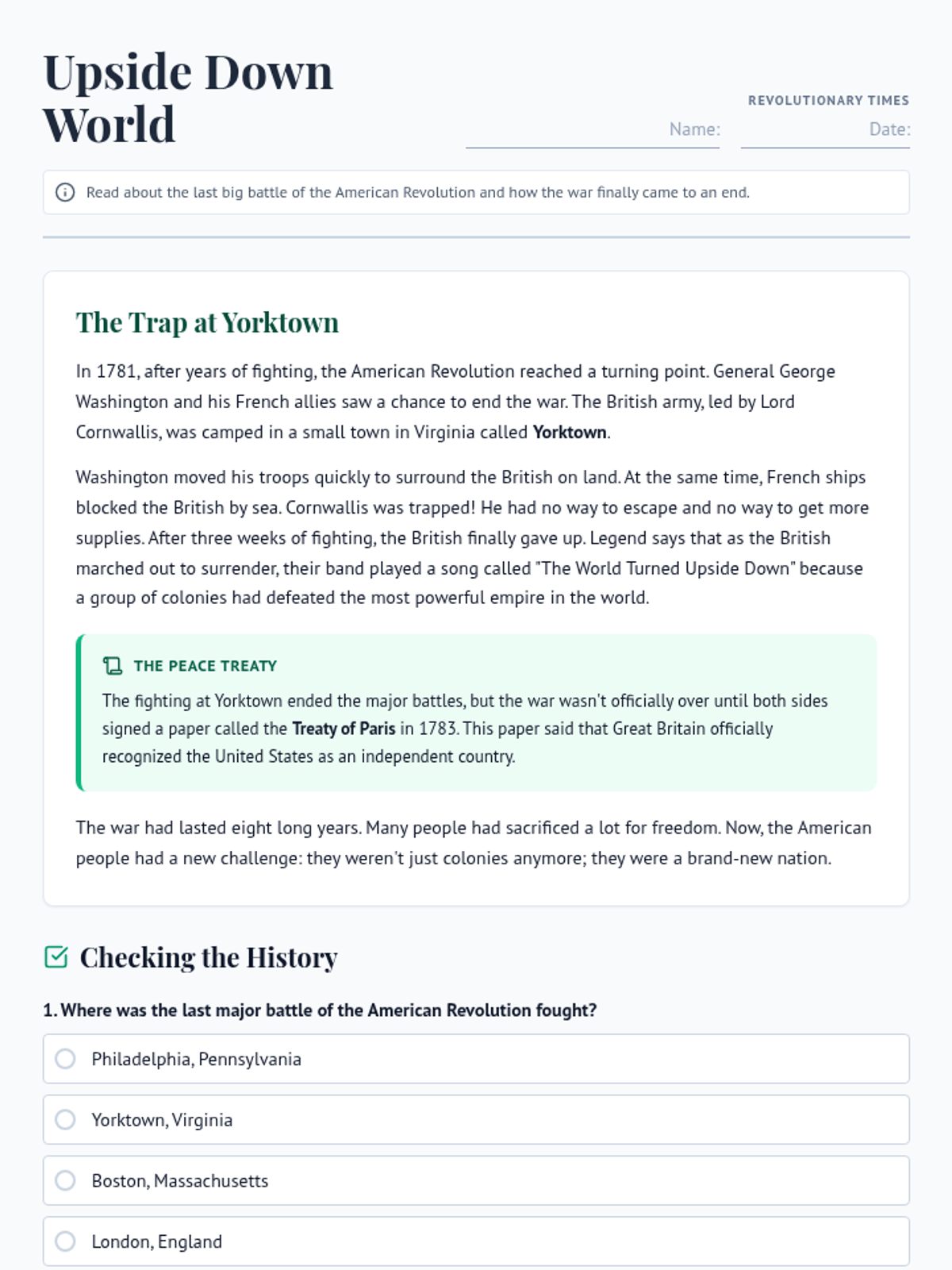
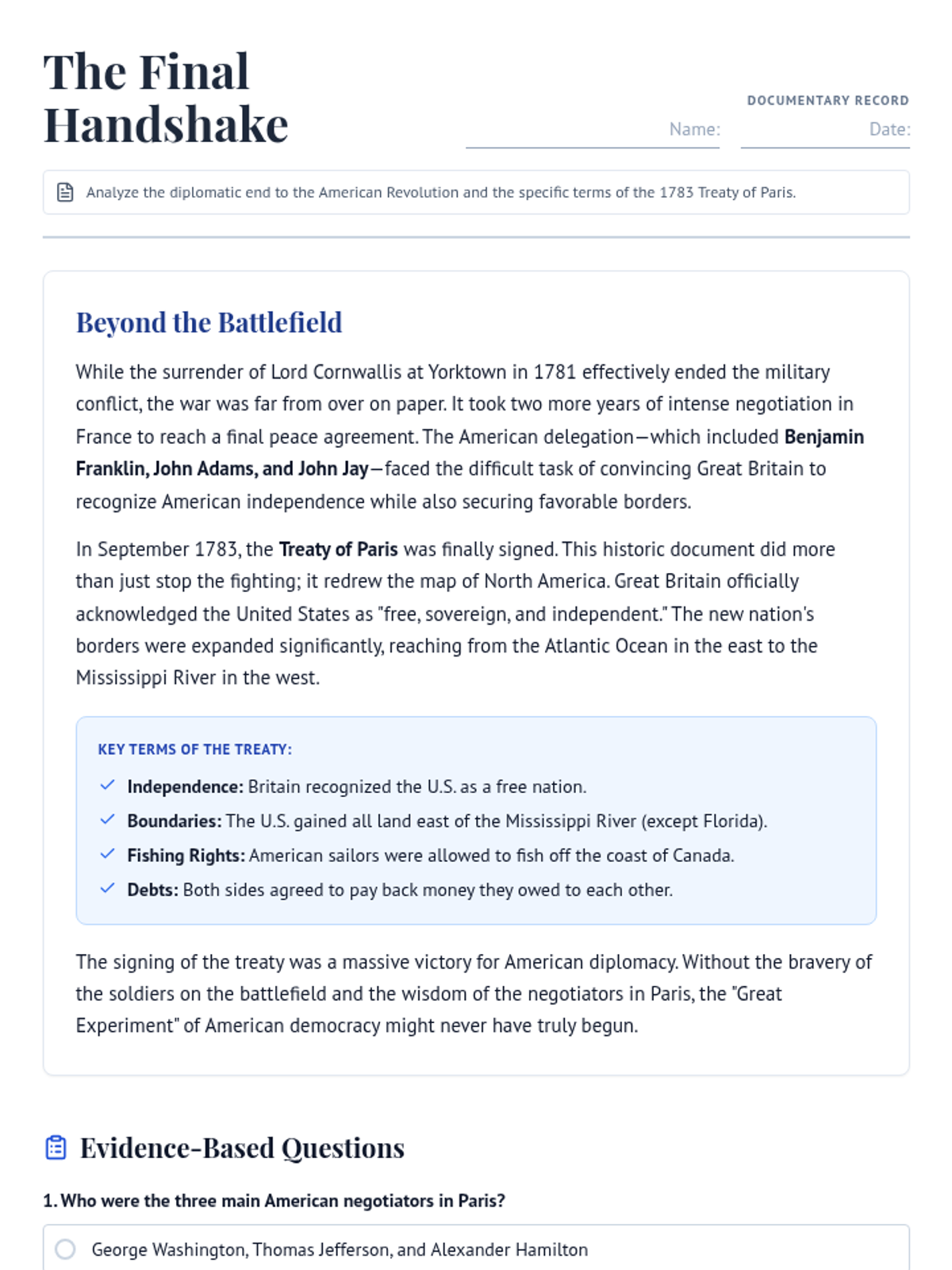
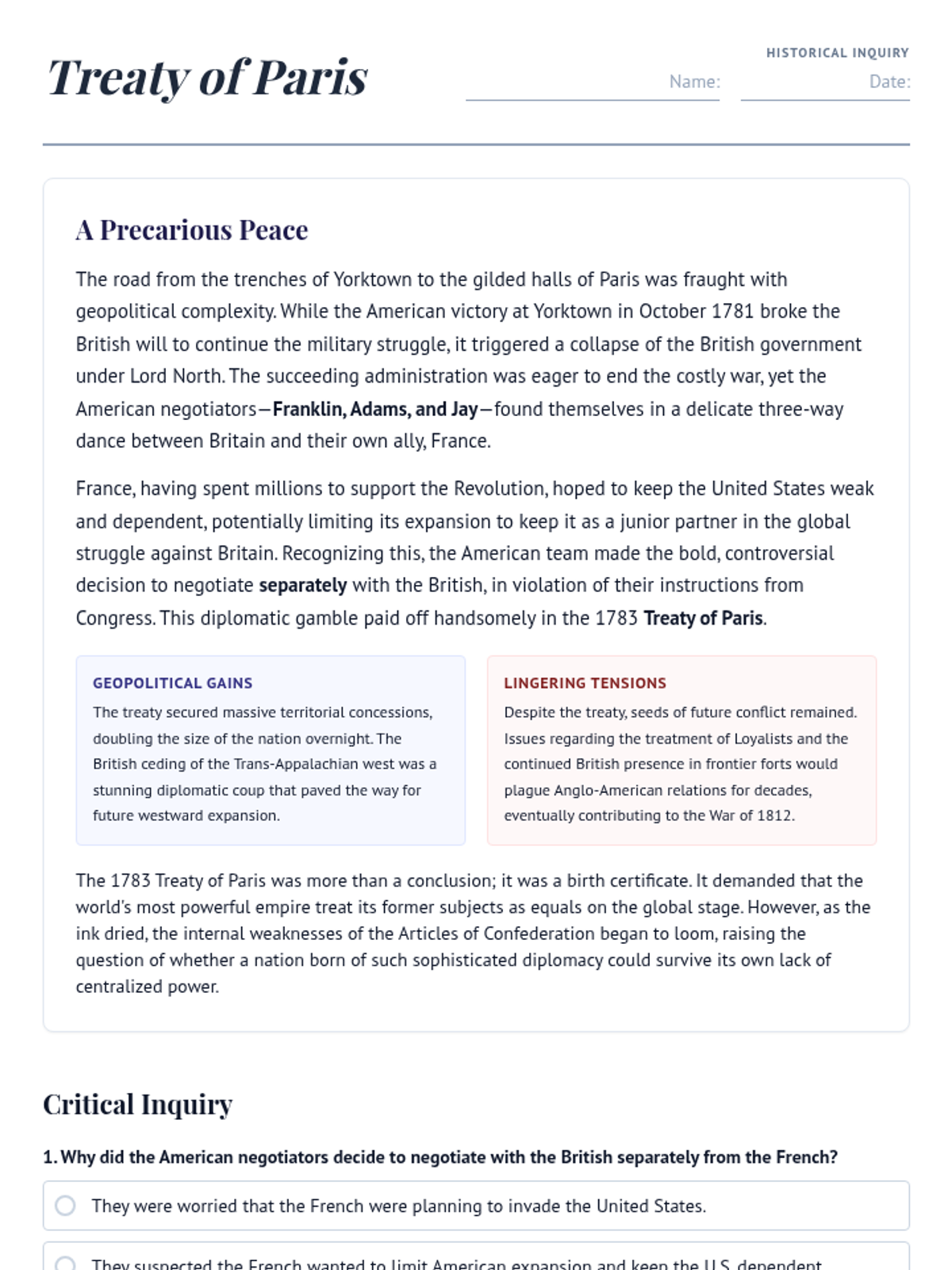
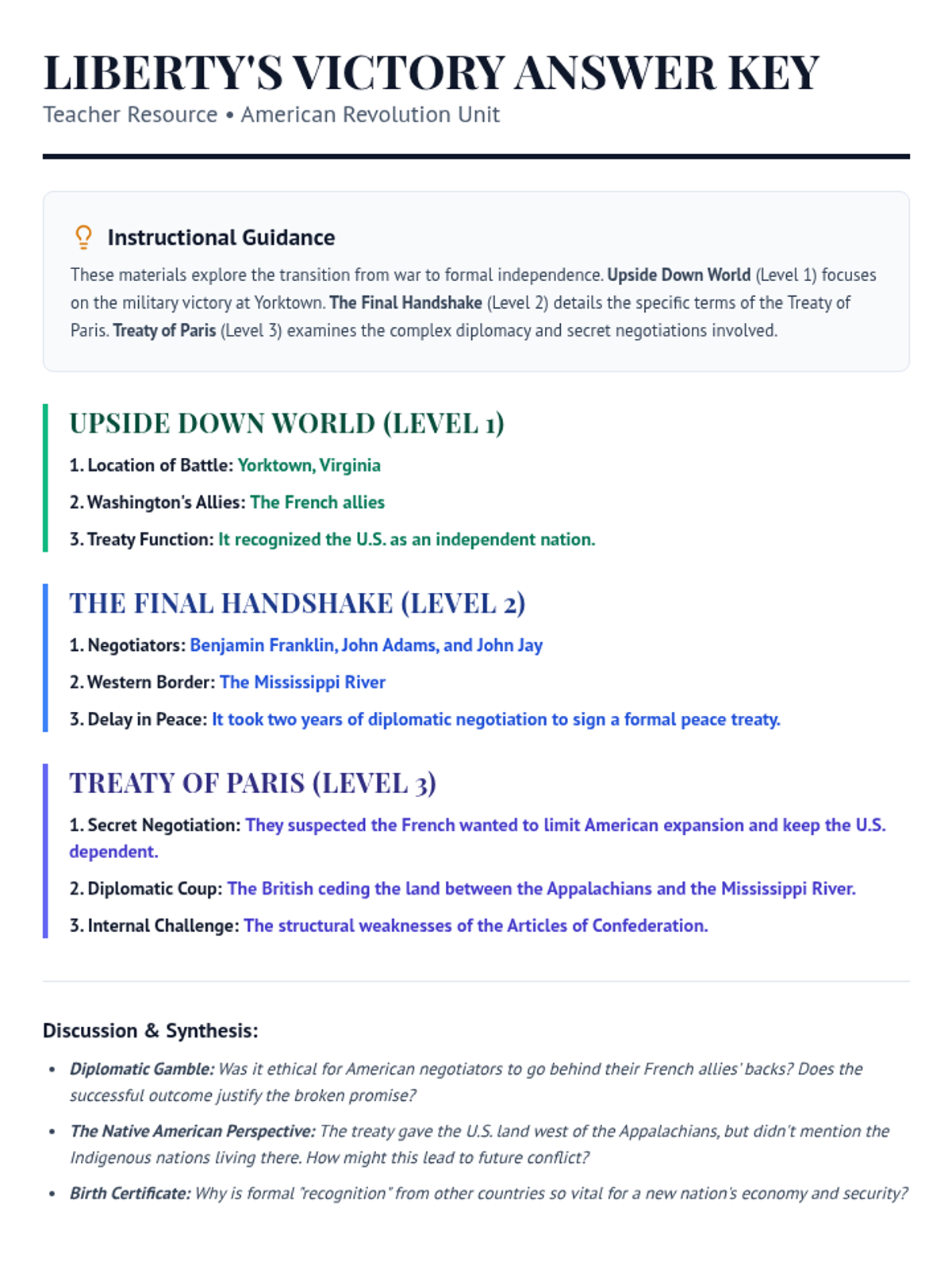
An exploration of the final stages of the American Revolution, from the Battle of Yorktown to the signing of the Treaty of Paris in 1783, establishing the formal end of the war and the beginning of American independence.
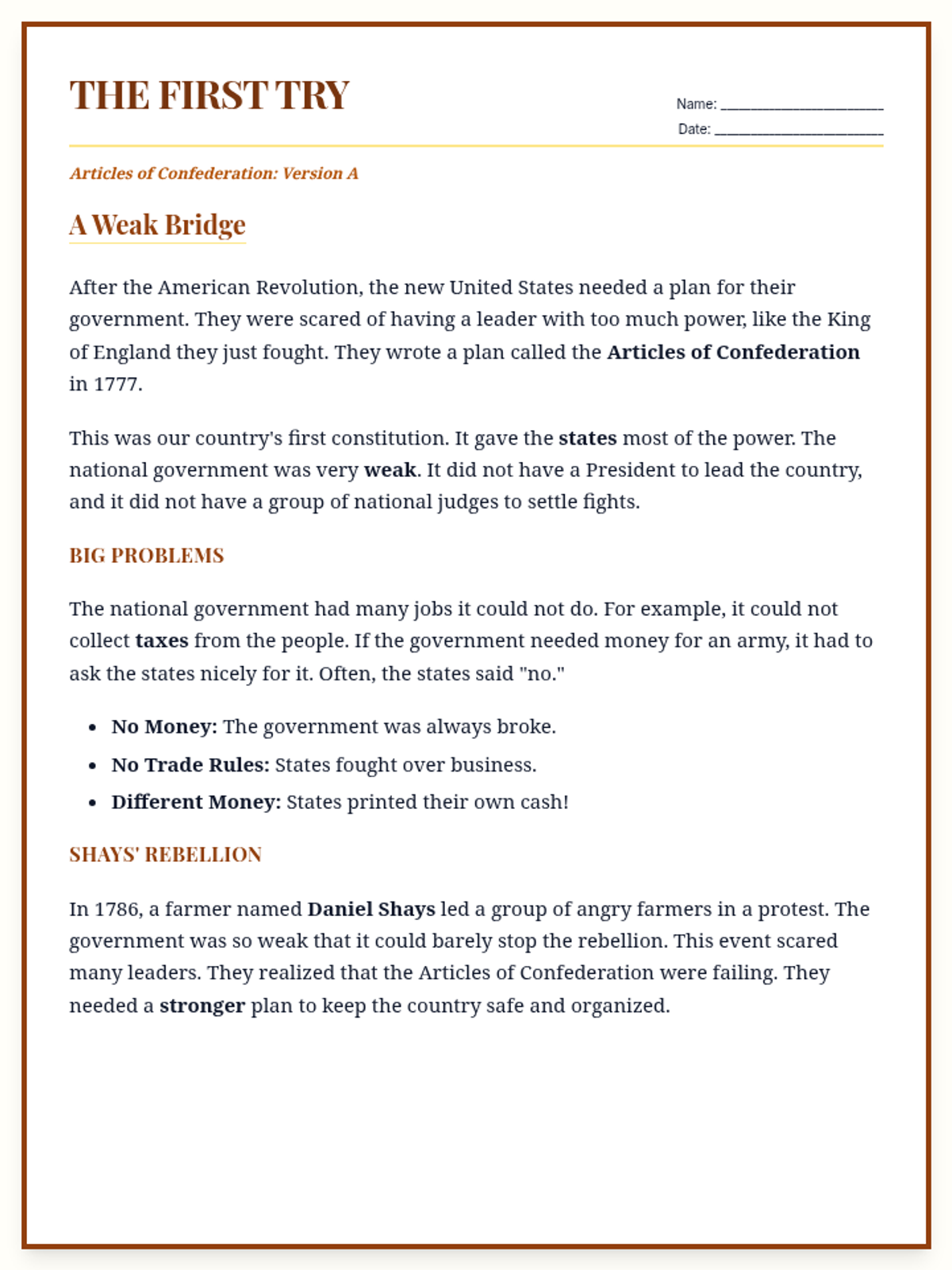
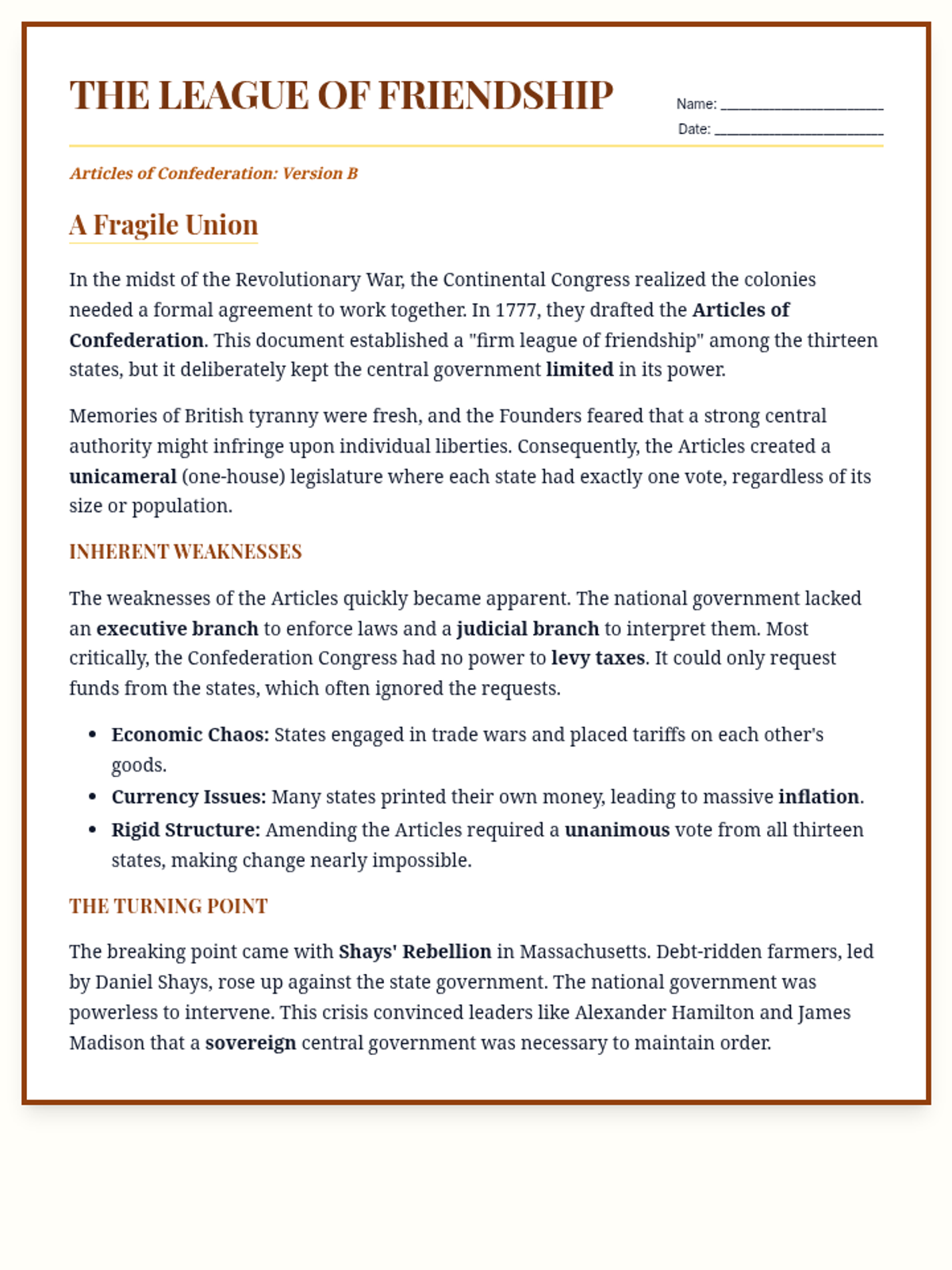
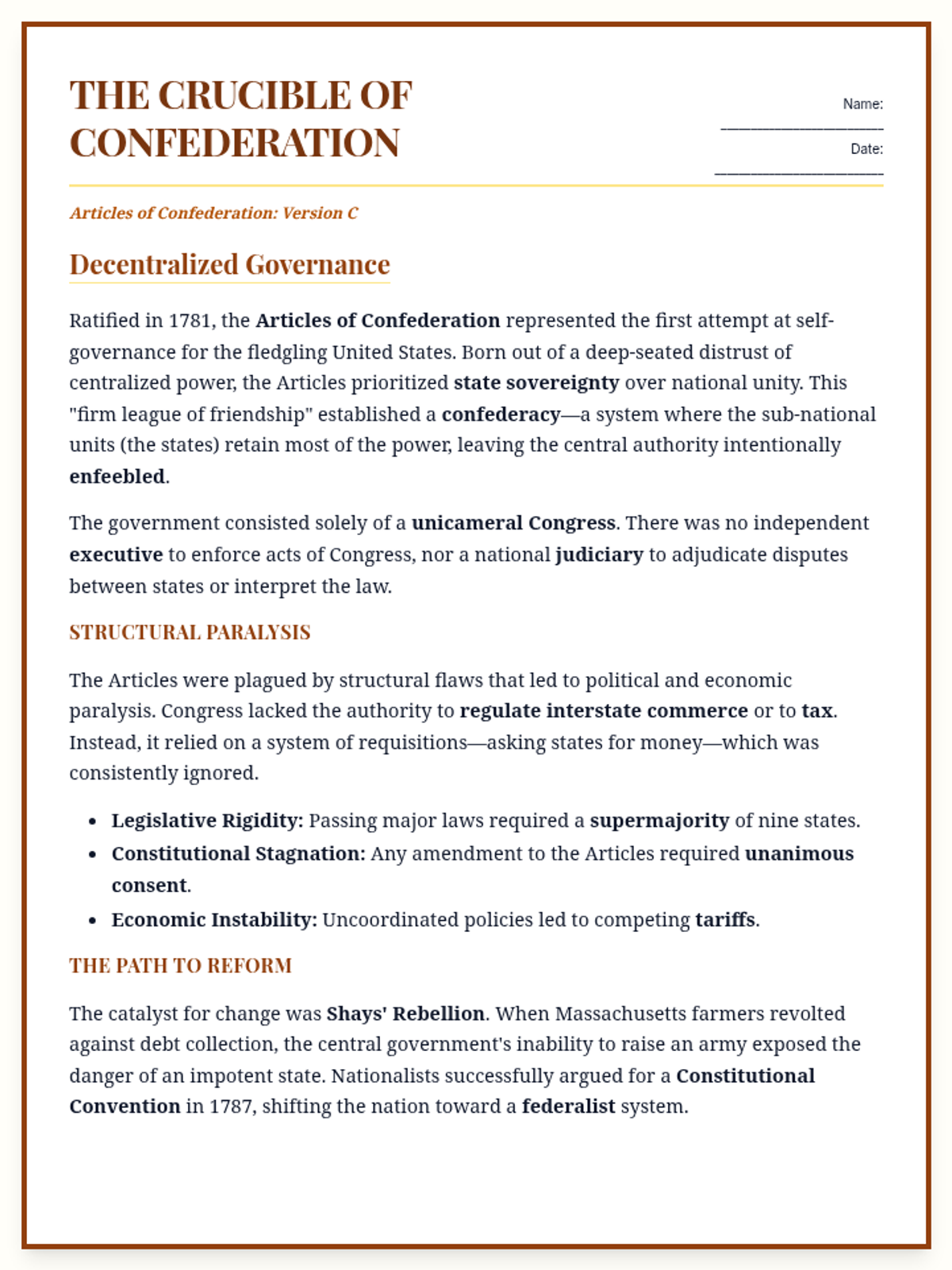
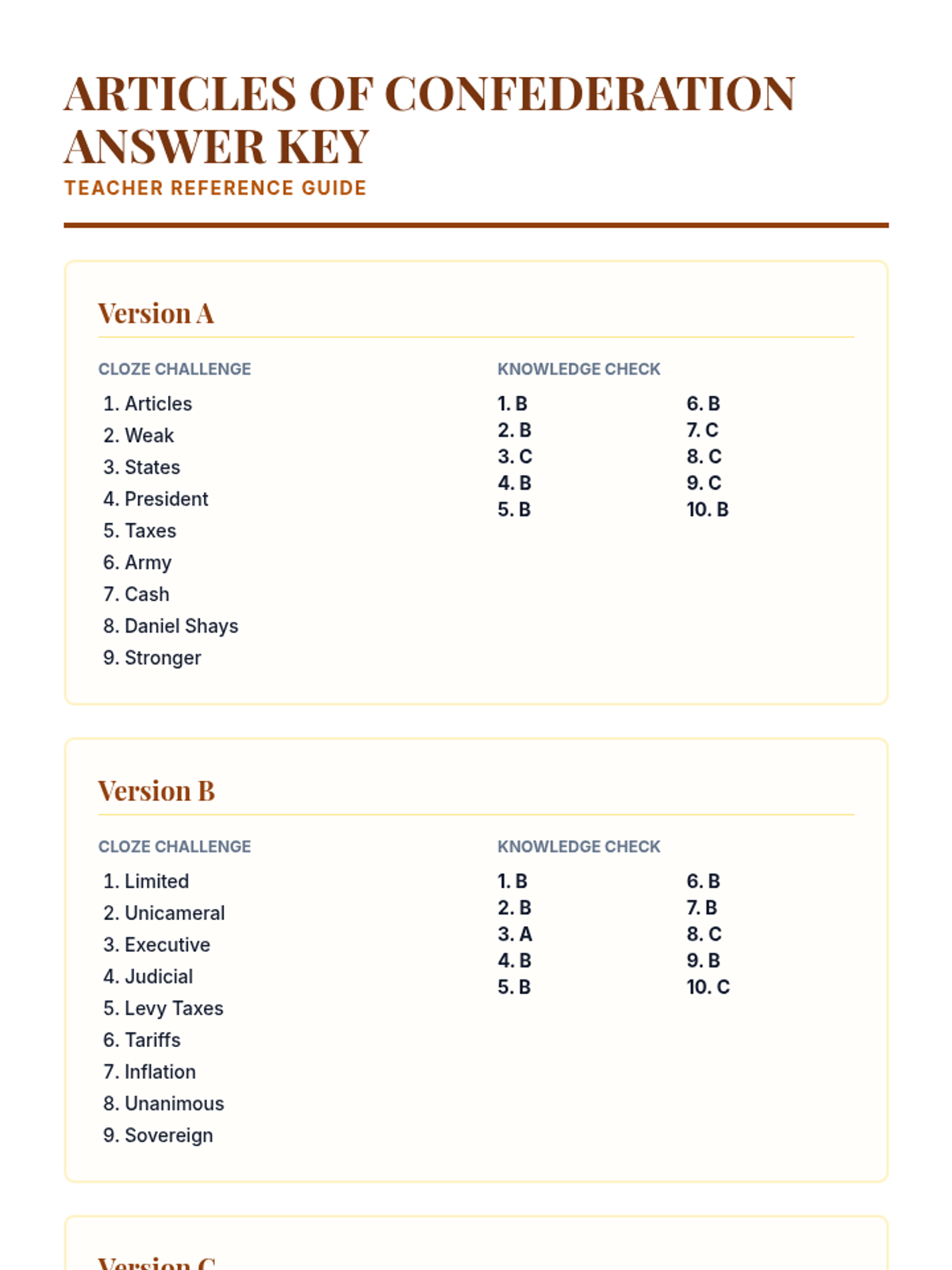
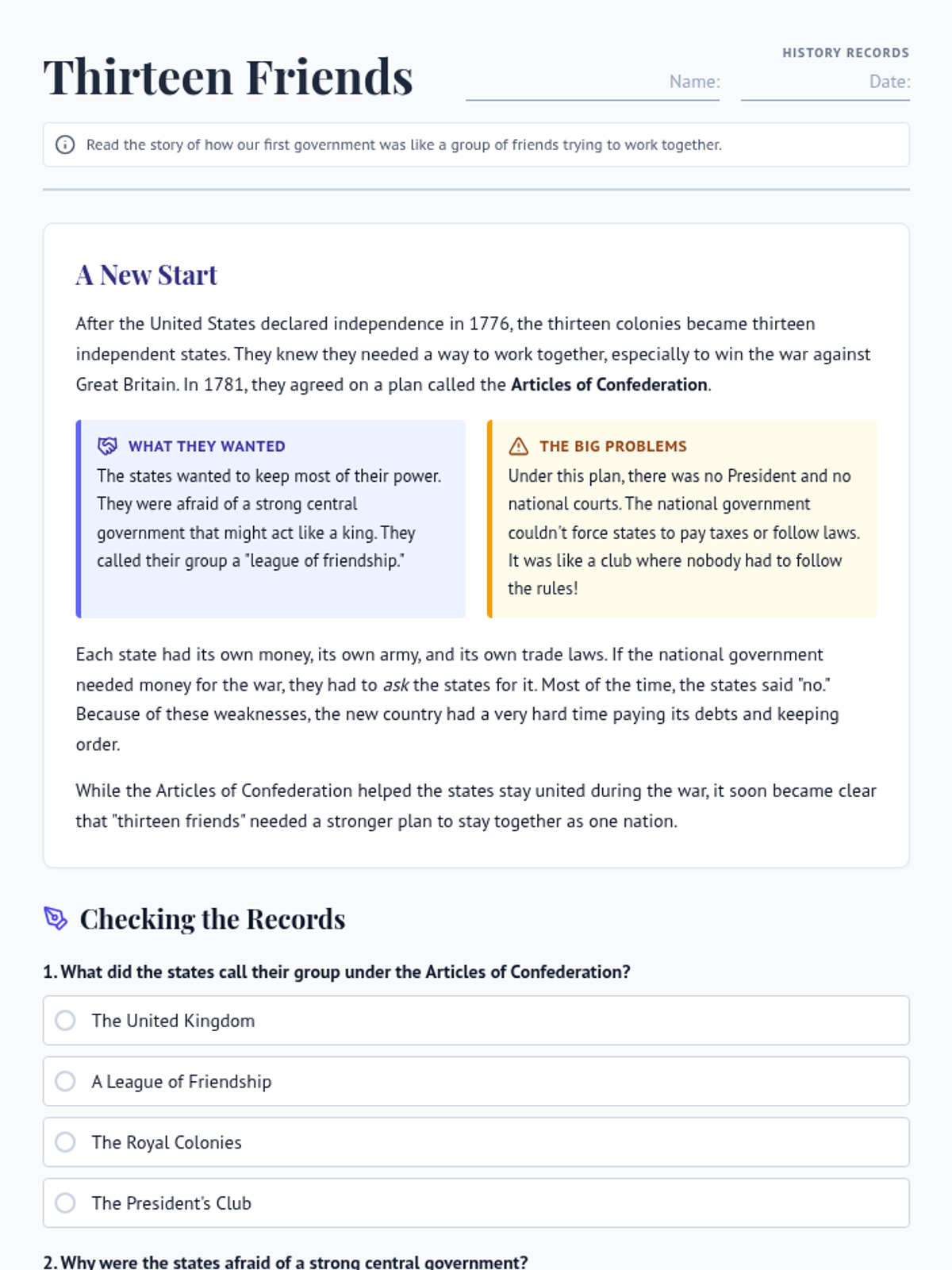
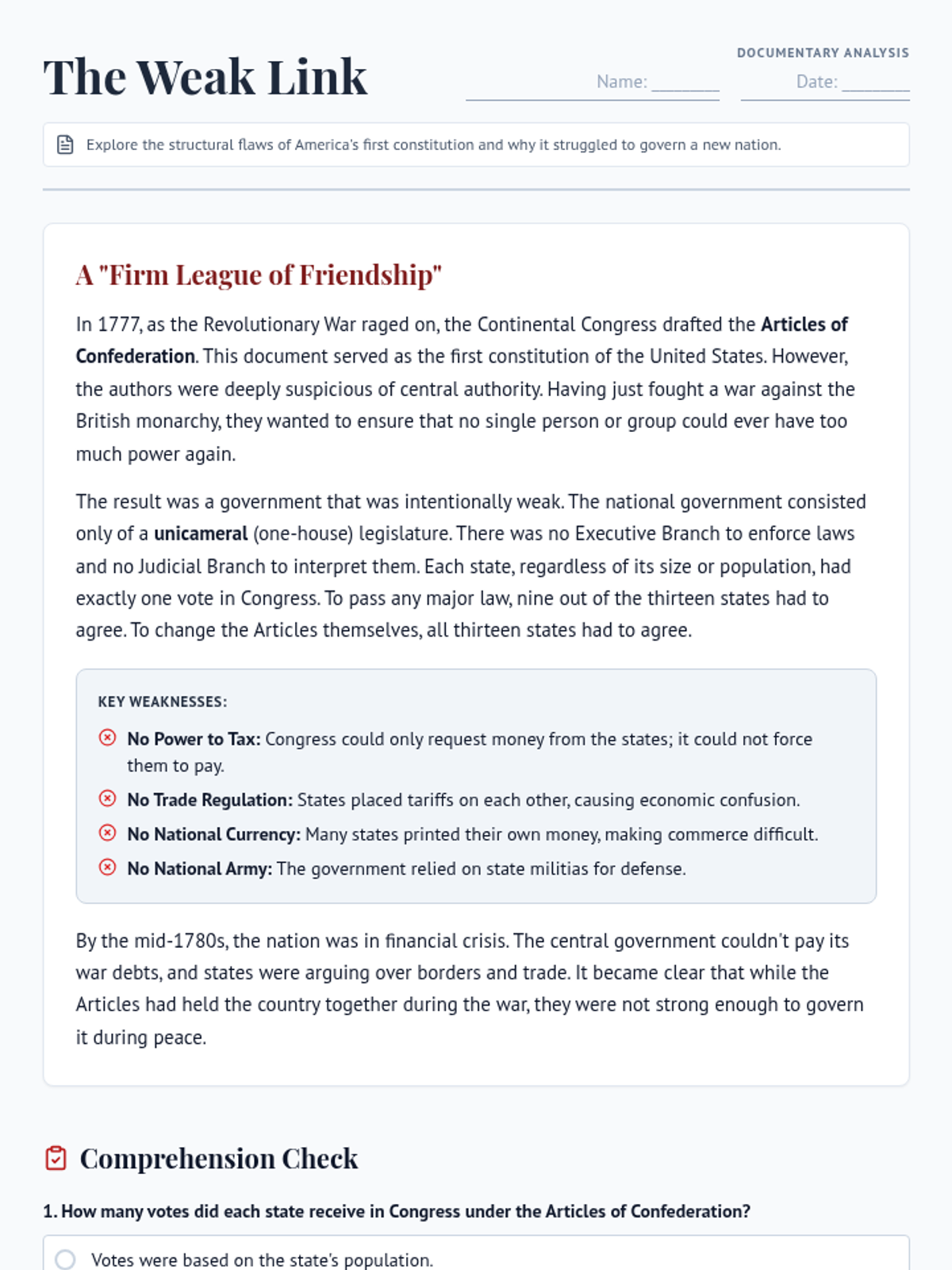
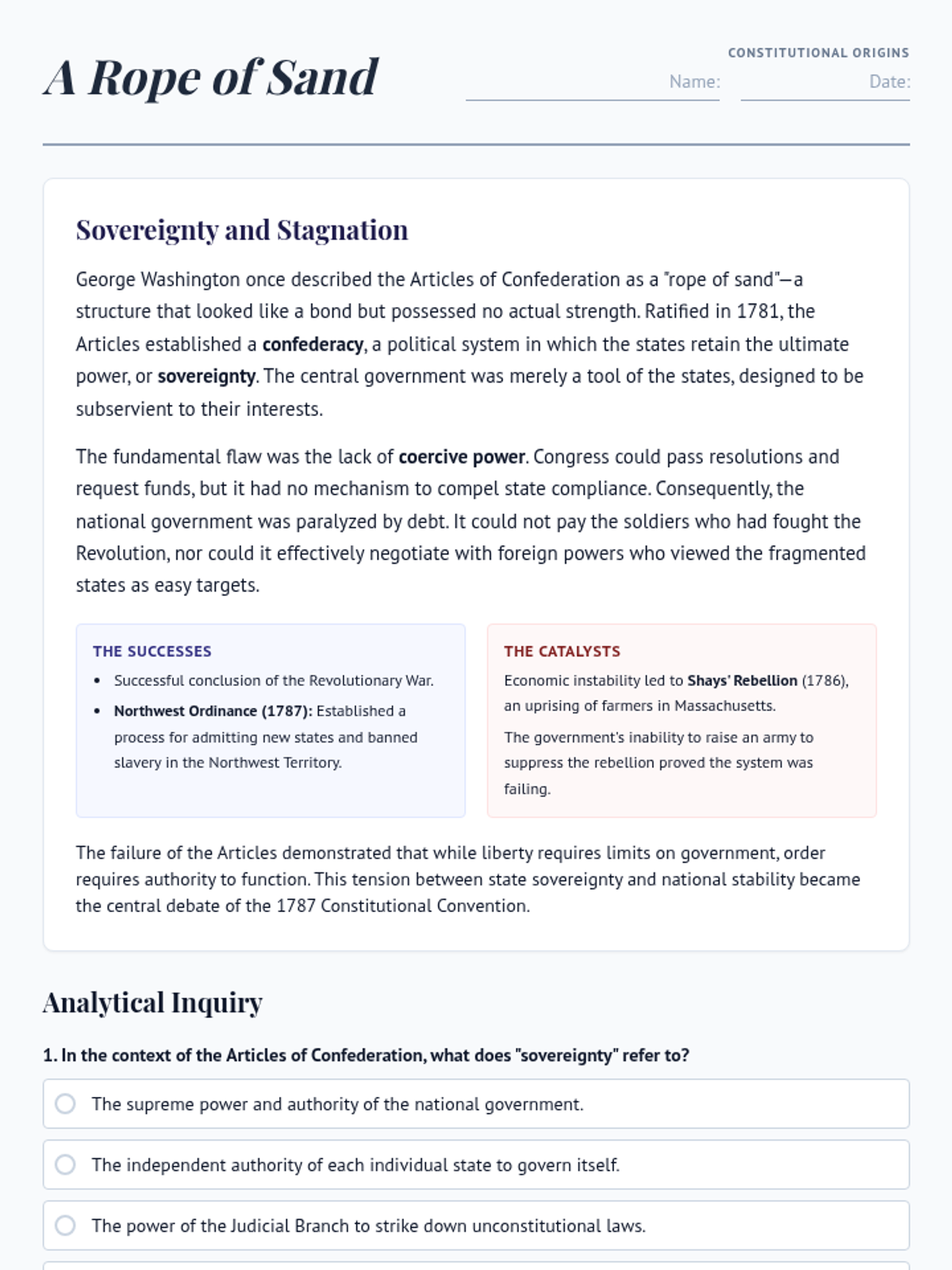
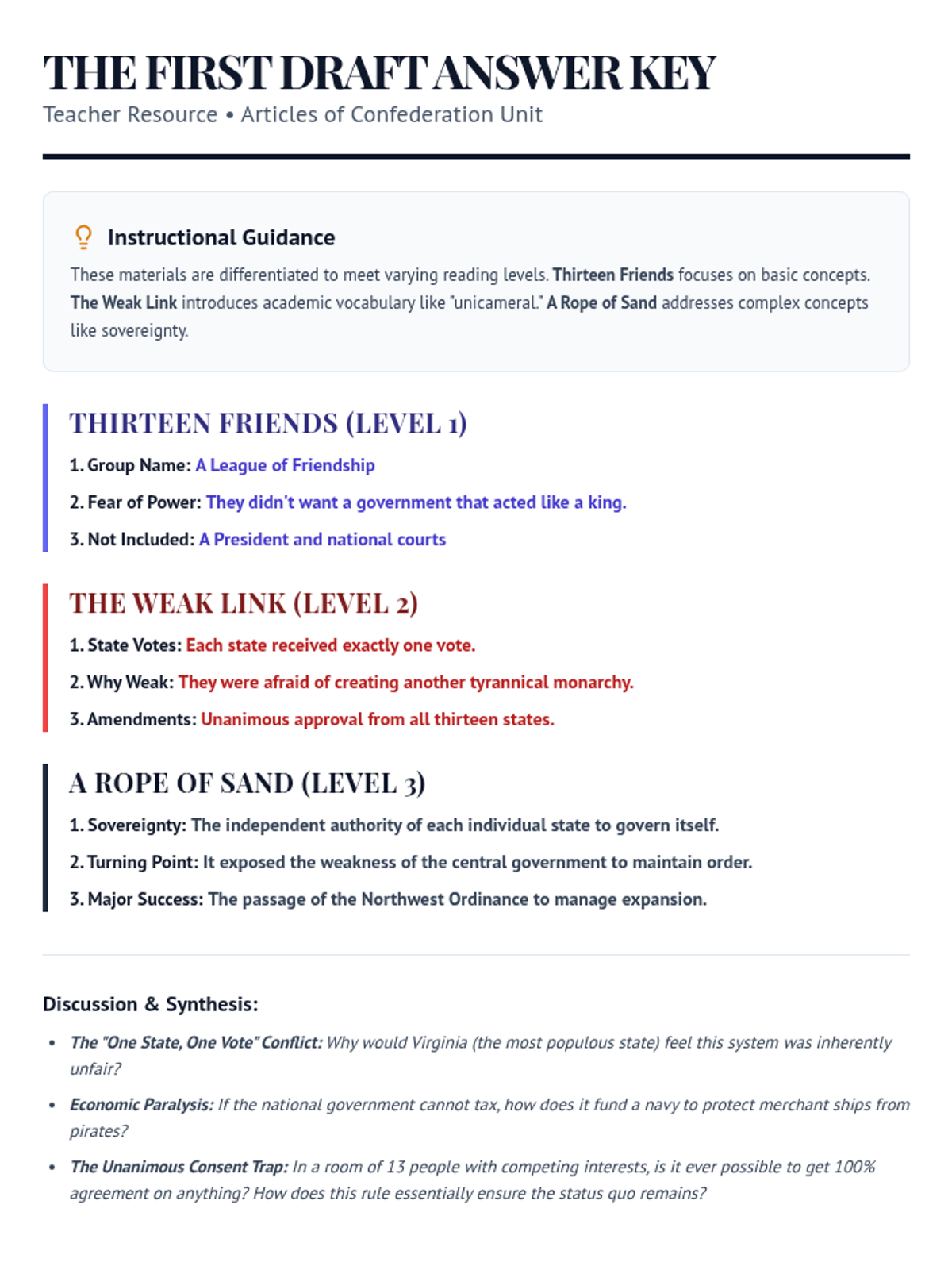
An exploration of the Articles of Confederation, the first government of the United States, its structure as a loose confederation, and the challenges that led to the Constitutional Convention.
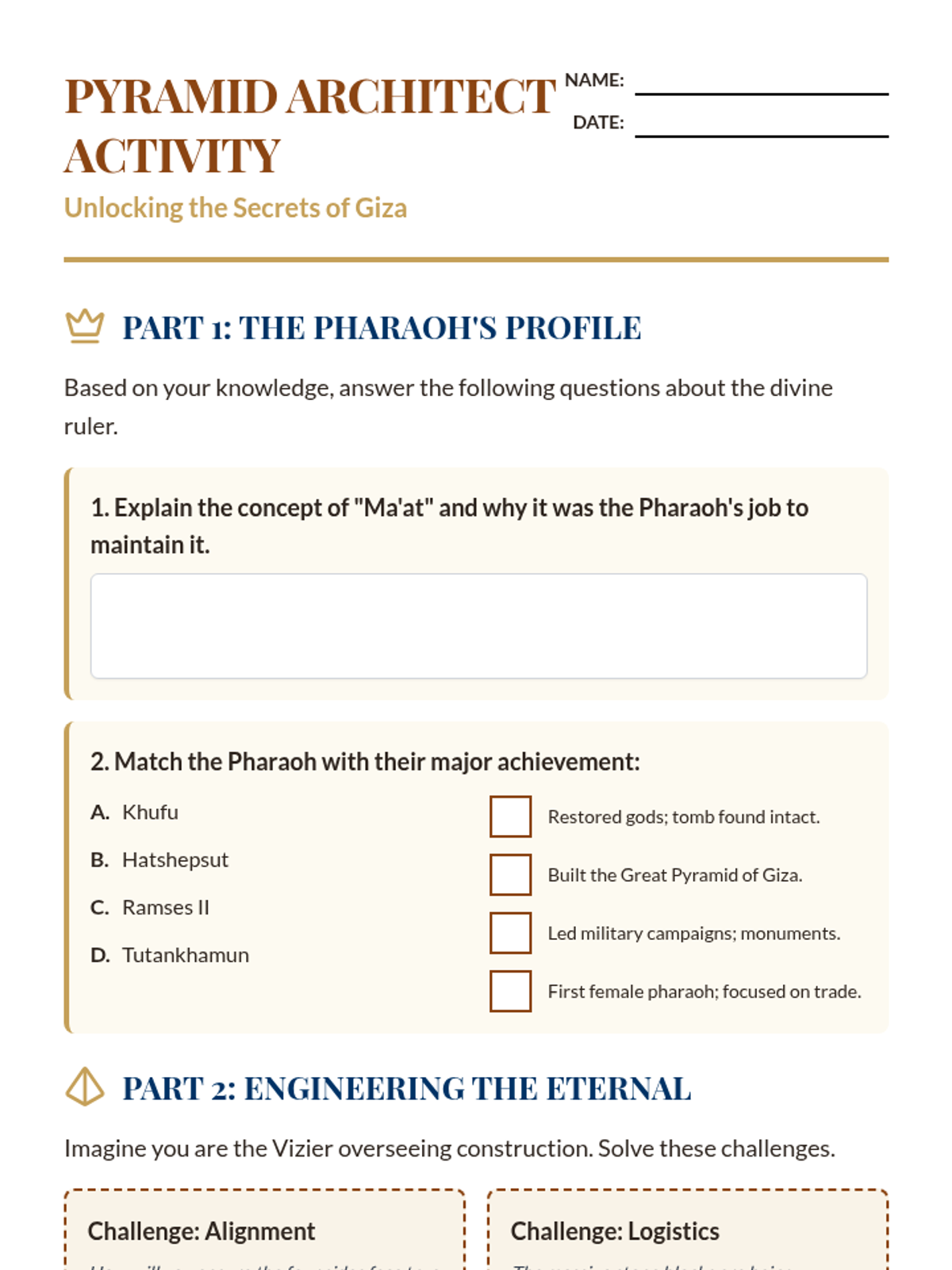
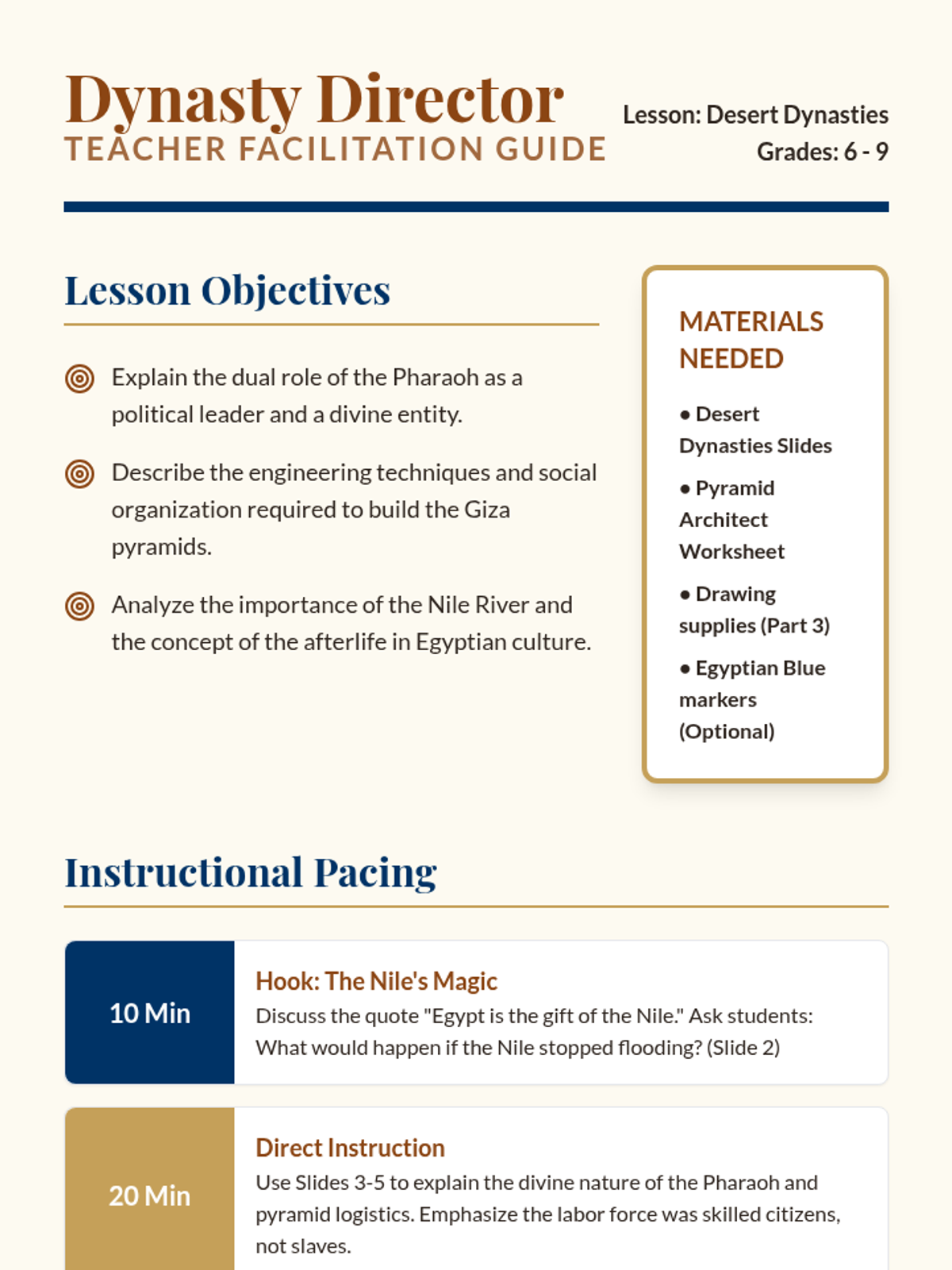
An introductory exploration of Ancient Egyptian civilization, focusing on the architectural grandeur of the pyramids and the divine authority of the pharaohs. Students will examine the intersection of engineering, mythology, and social hierarchy.
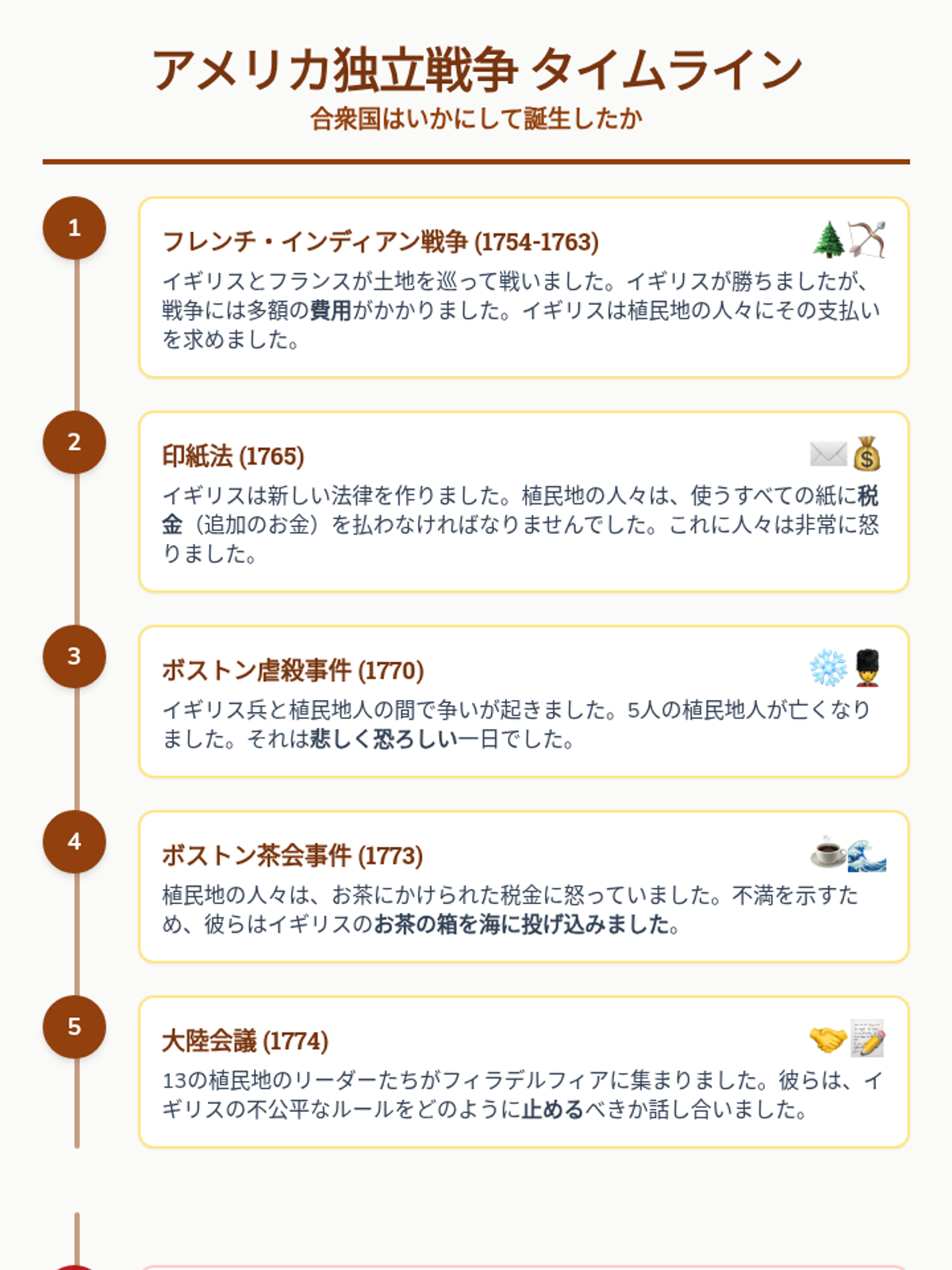
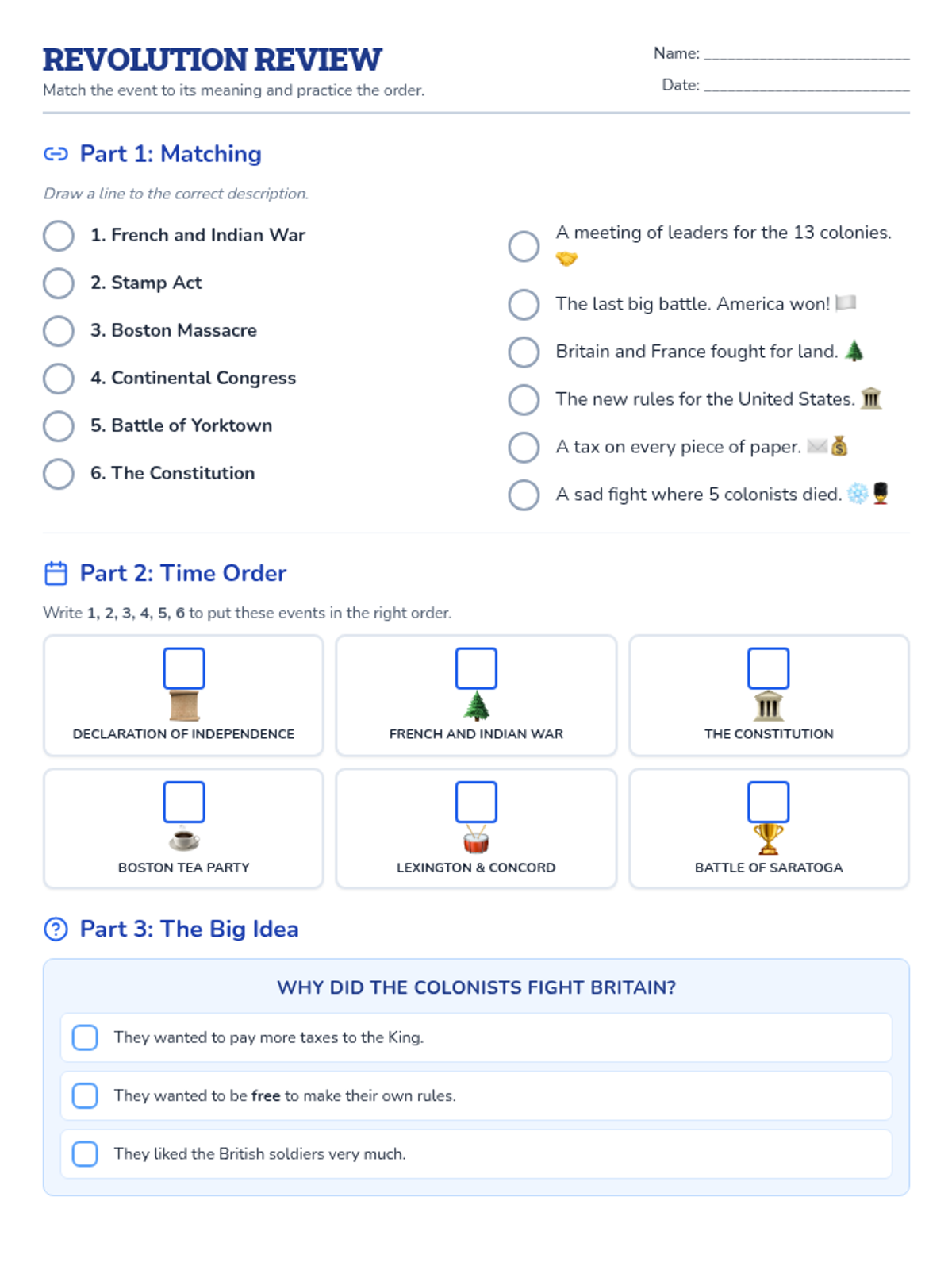
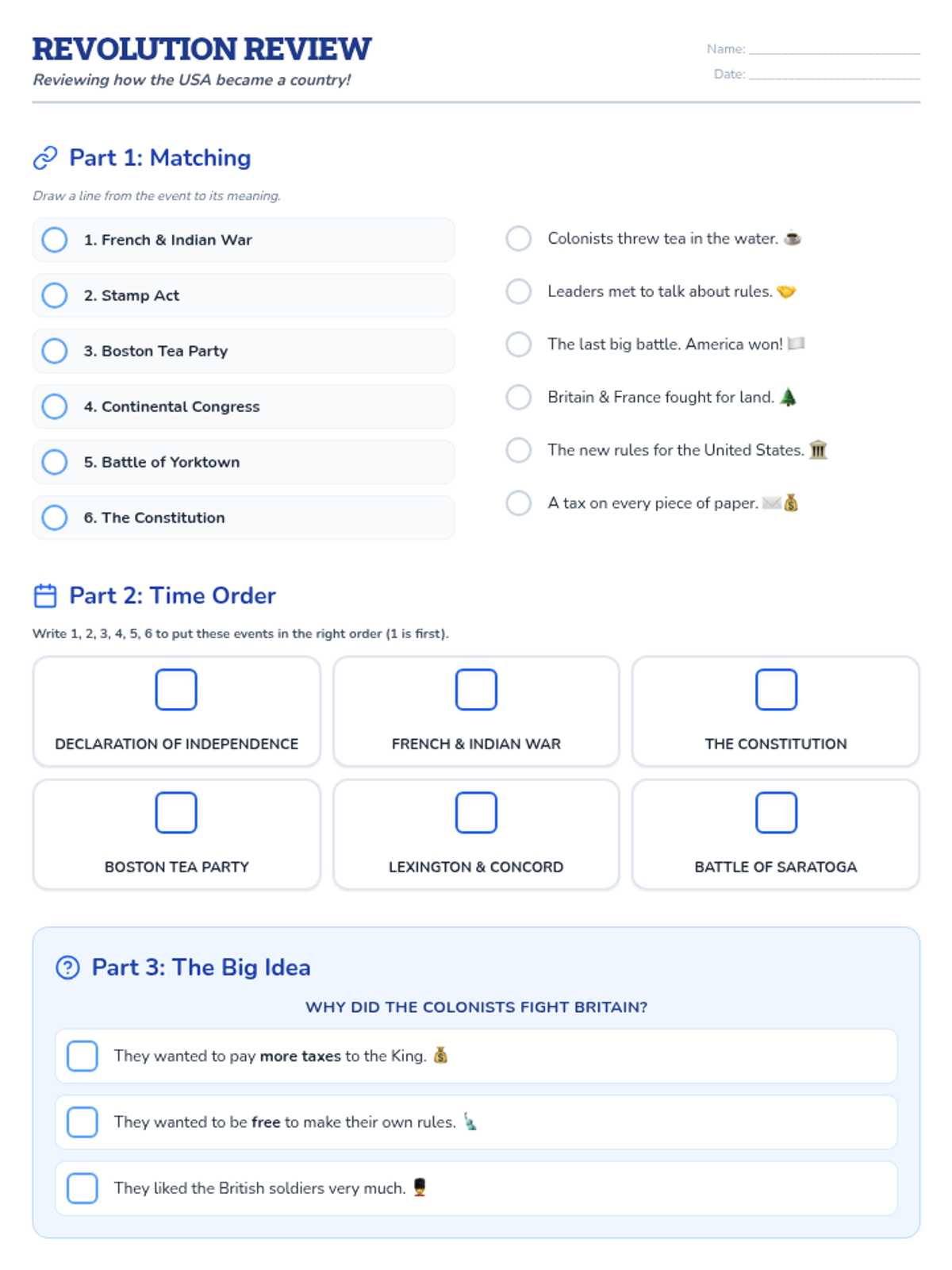
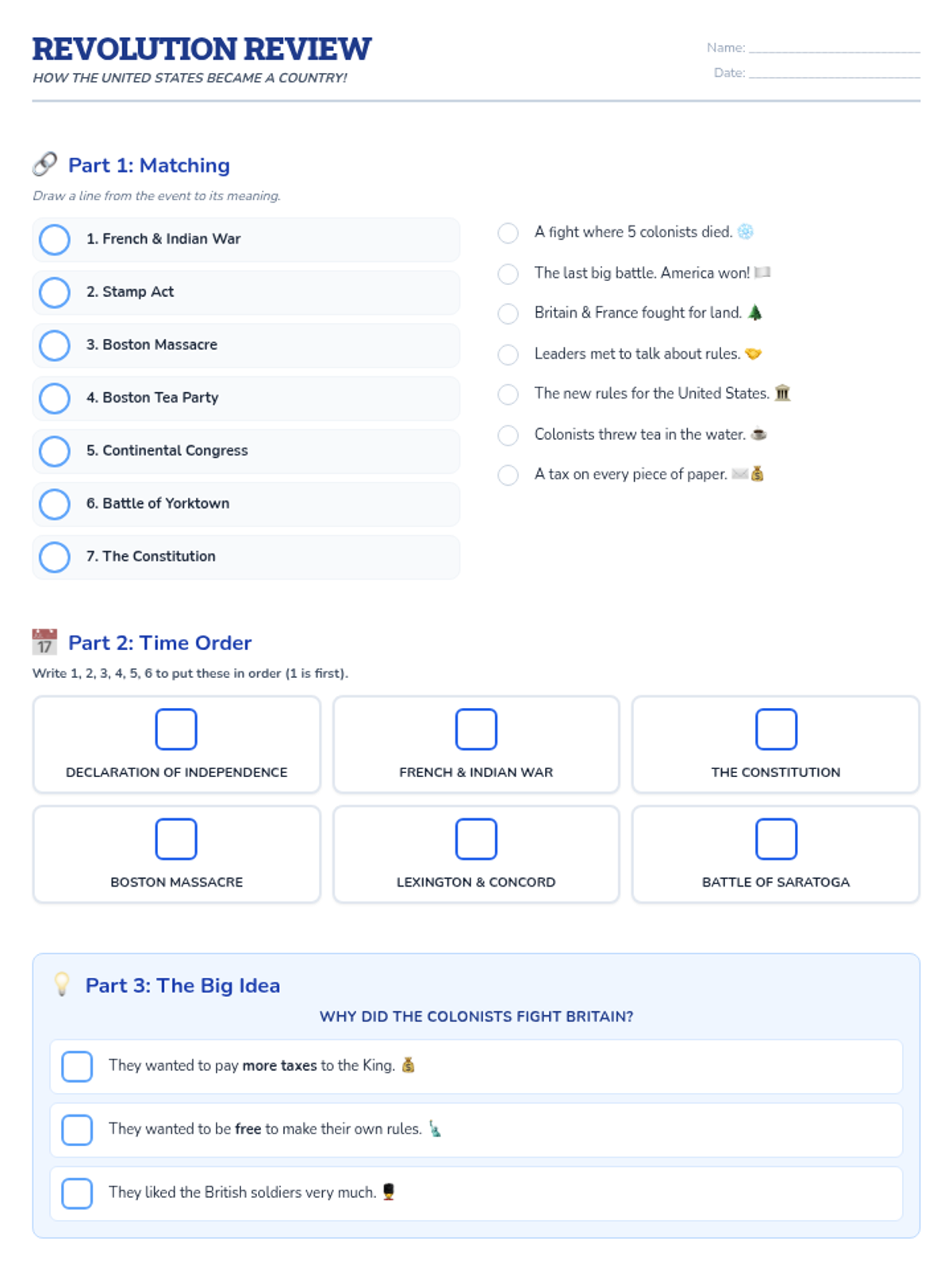
A lesson focused on the key events of the American Revolution, designed specifically for English Language Learners with visual aids and simplified text.
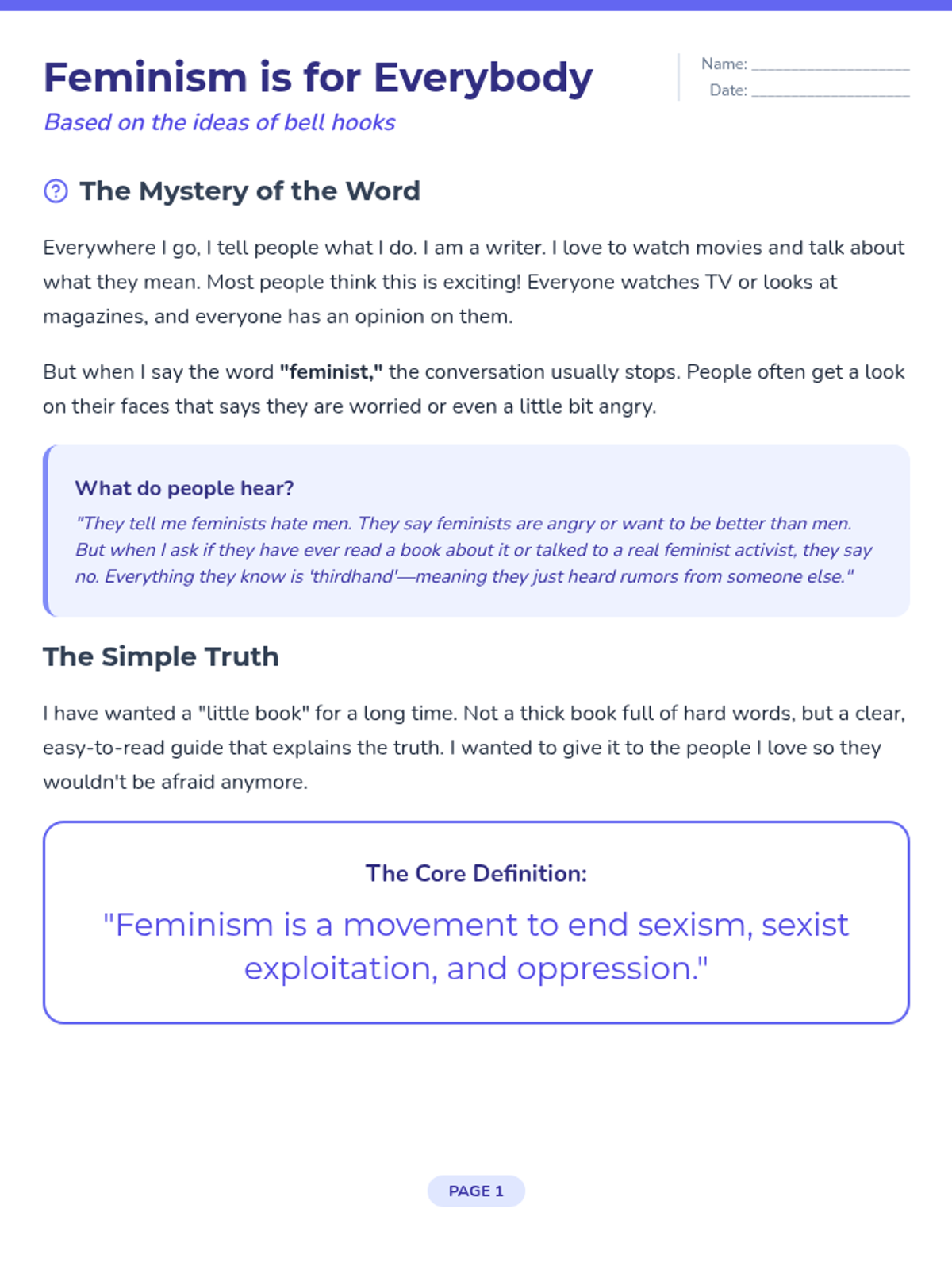
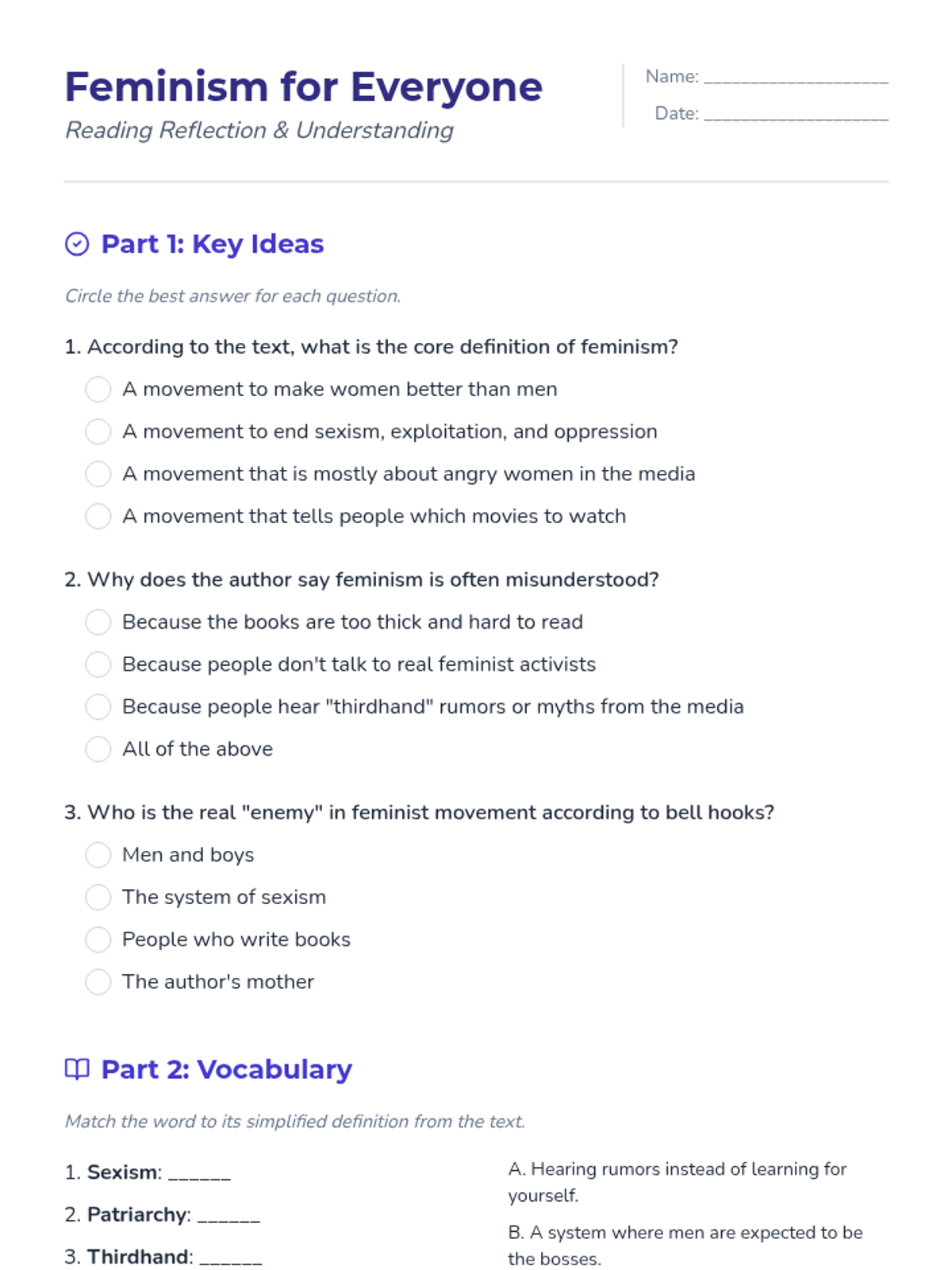
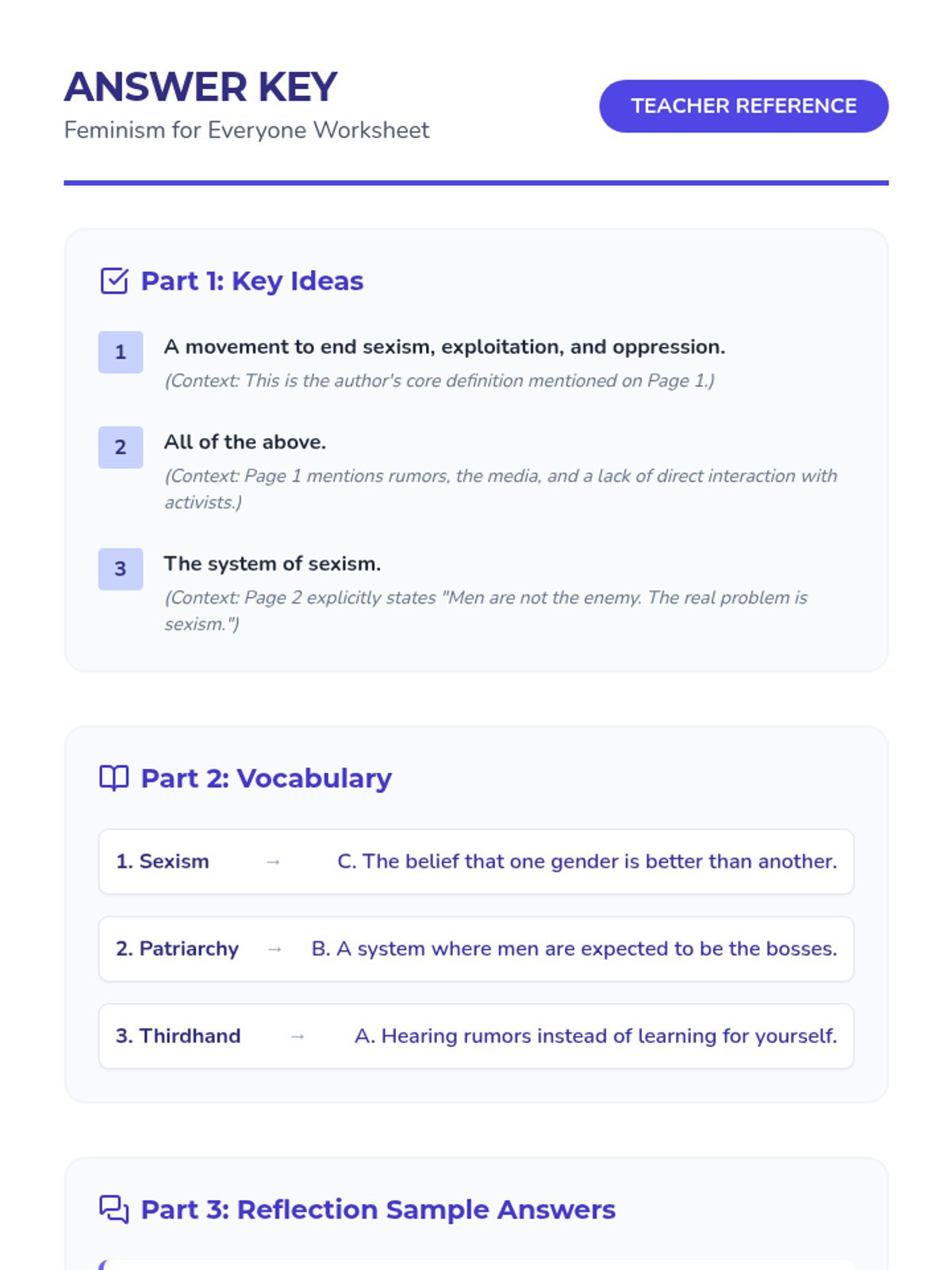
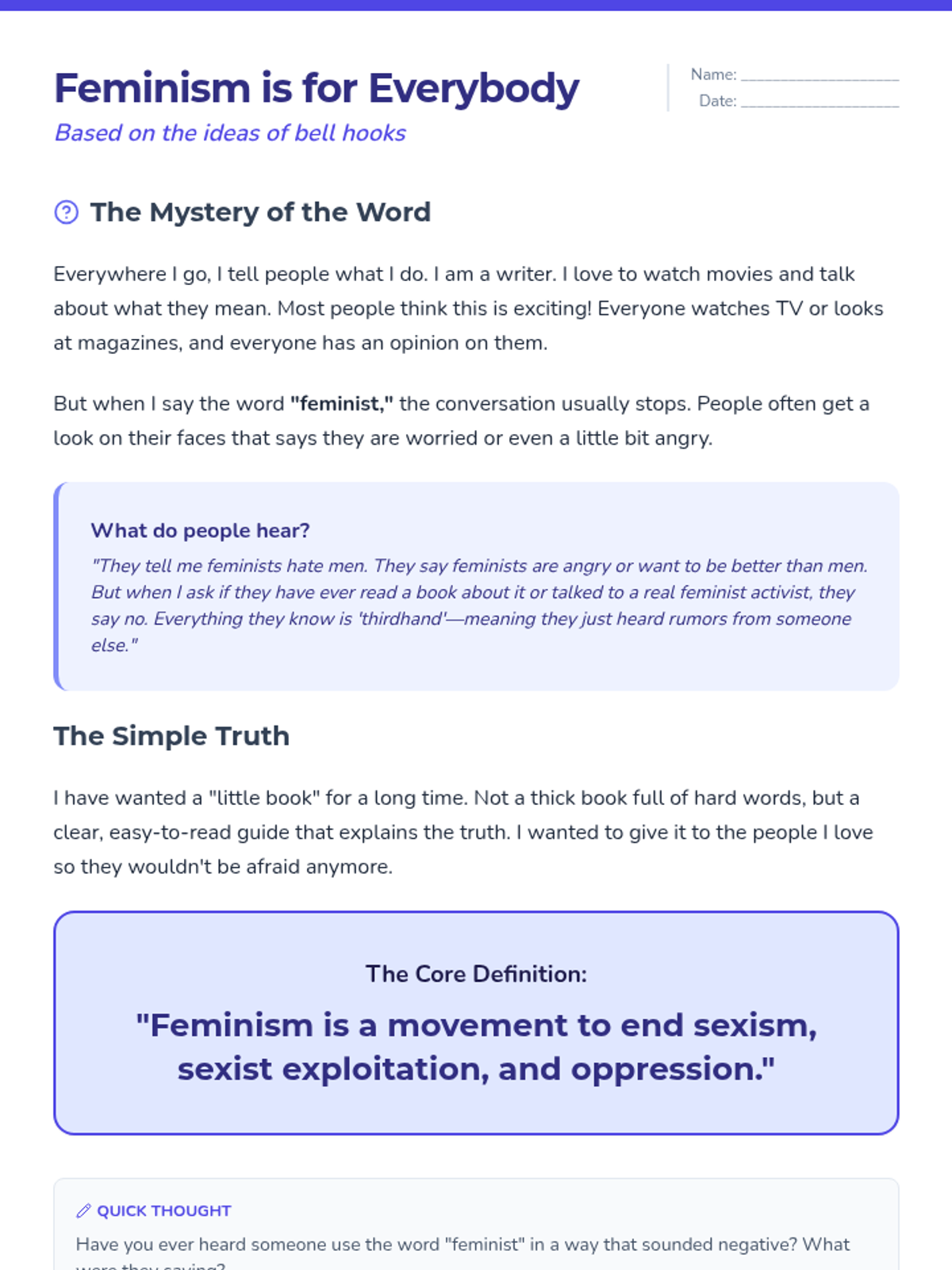
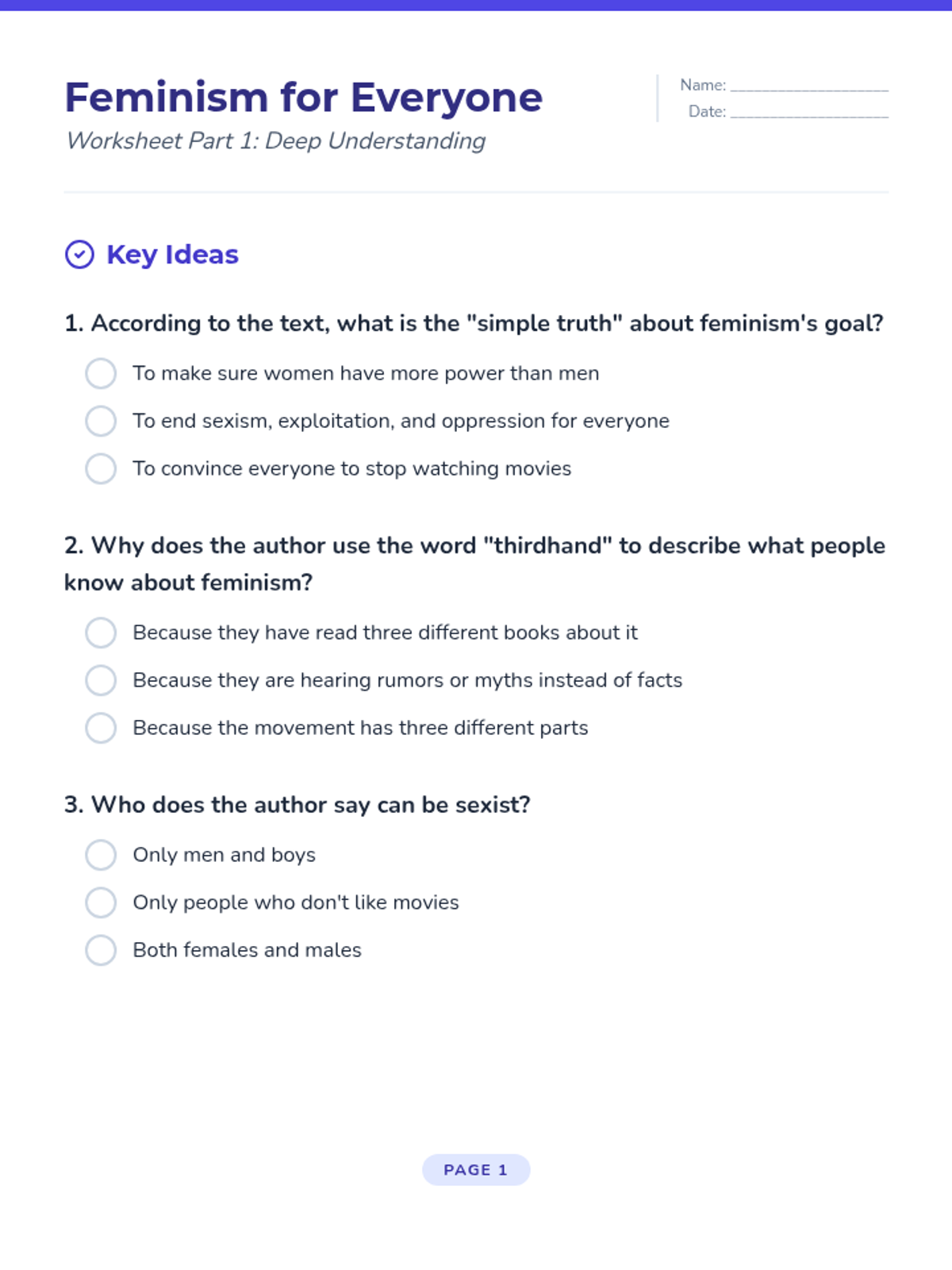
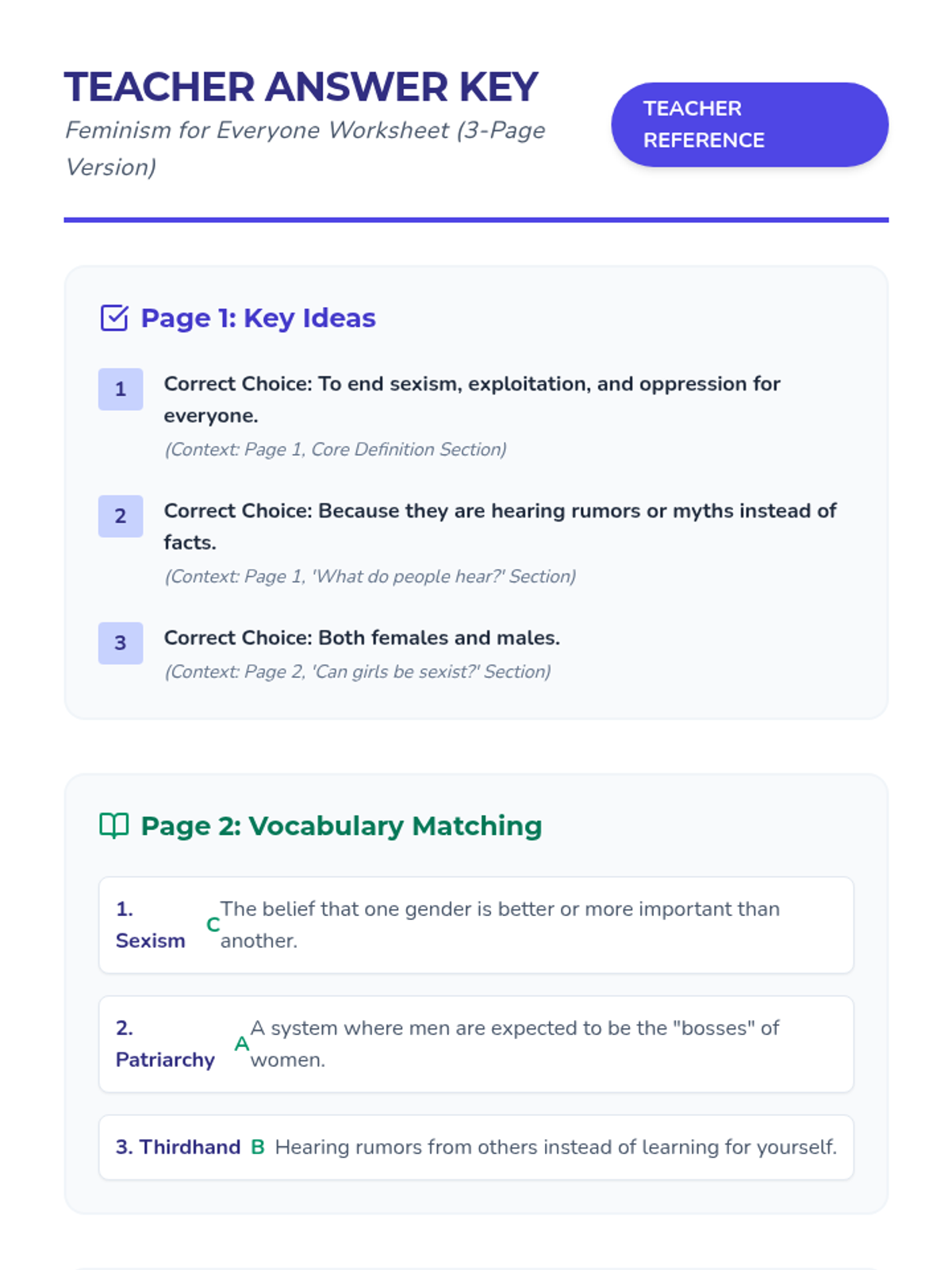
A simplified version of bell hooks' 'Feminism is for Everybody' designed for middle school students to understand the core concepts of equality, sexism, and social change.