A comprehensive lesson on Nazi Blitzkrieg tactics during WWII, featuring a detailed reading passage and a structured analysis worksheet for 7th-grade students.
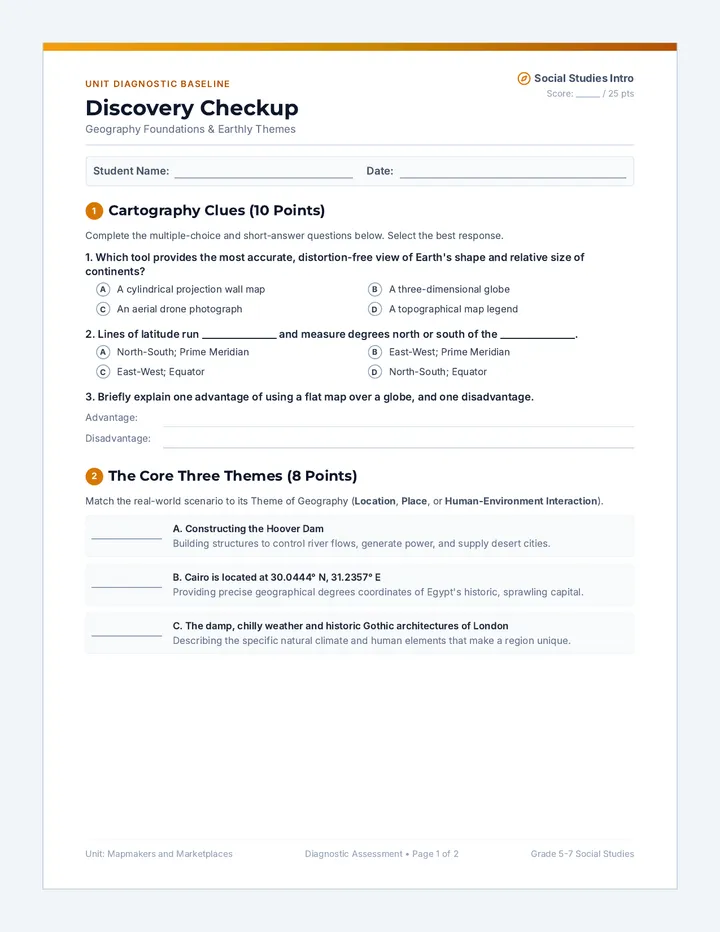
An introductory social studies sequence exploring geography foundations, core geographical themes, and basic economics. Students participate in highly interactive lessons, readings, task cards, and hands-on worksheets.
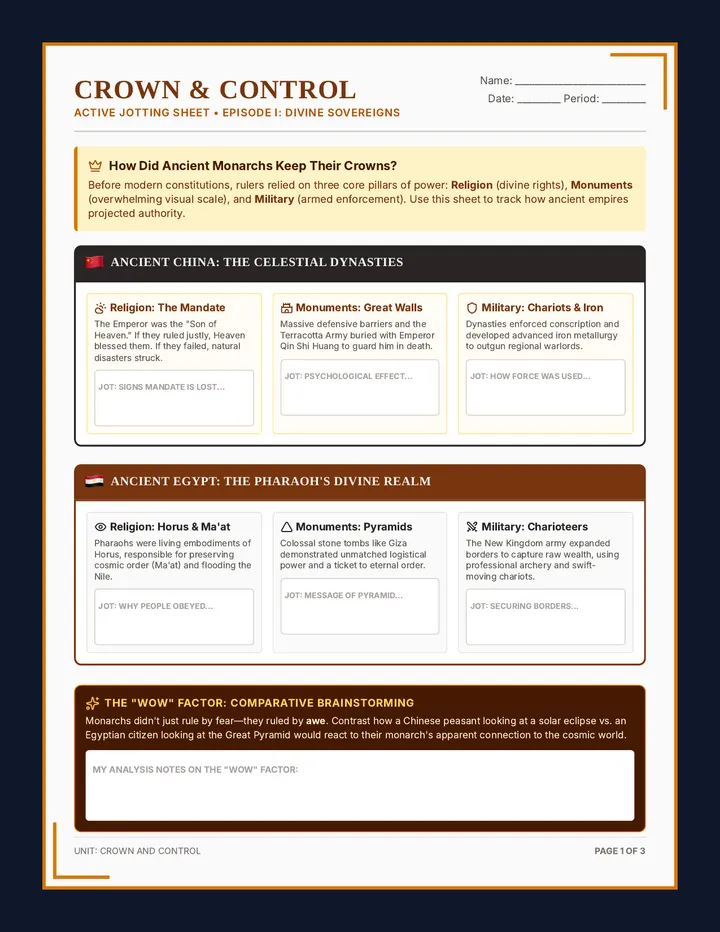
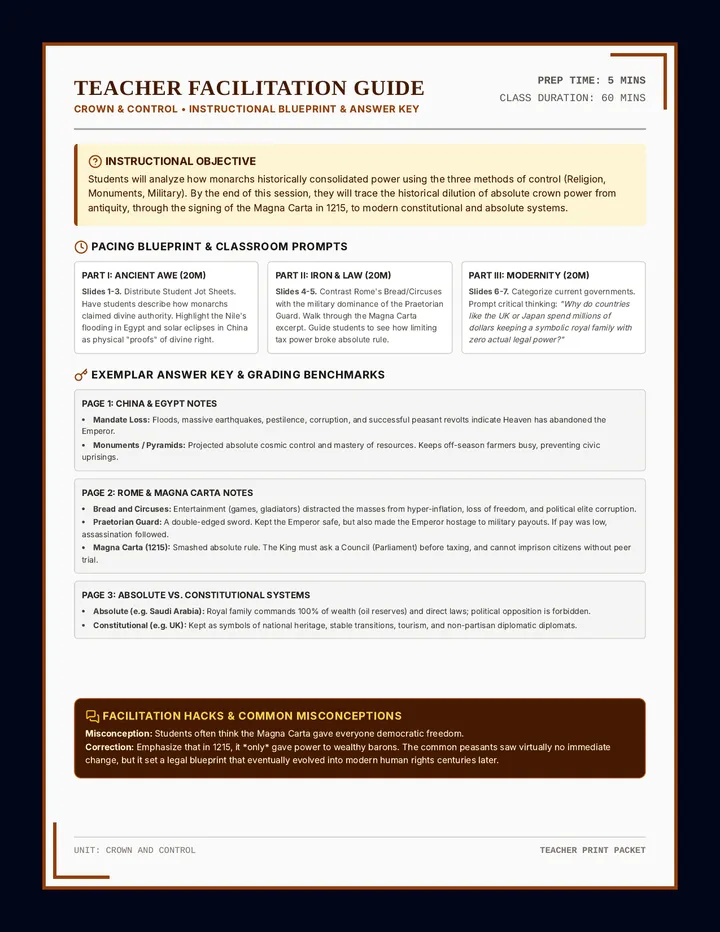
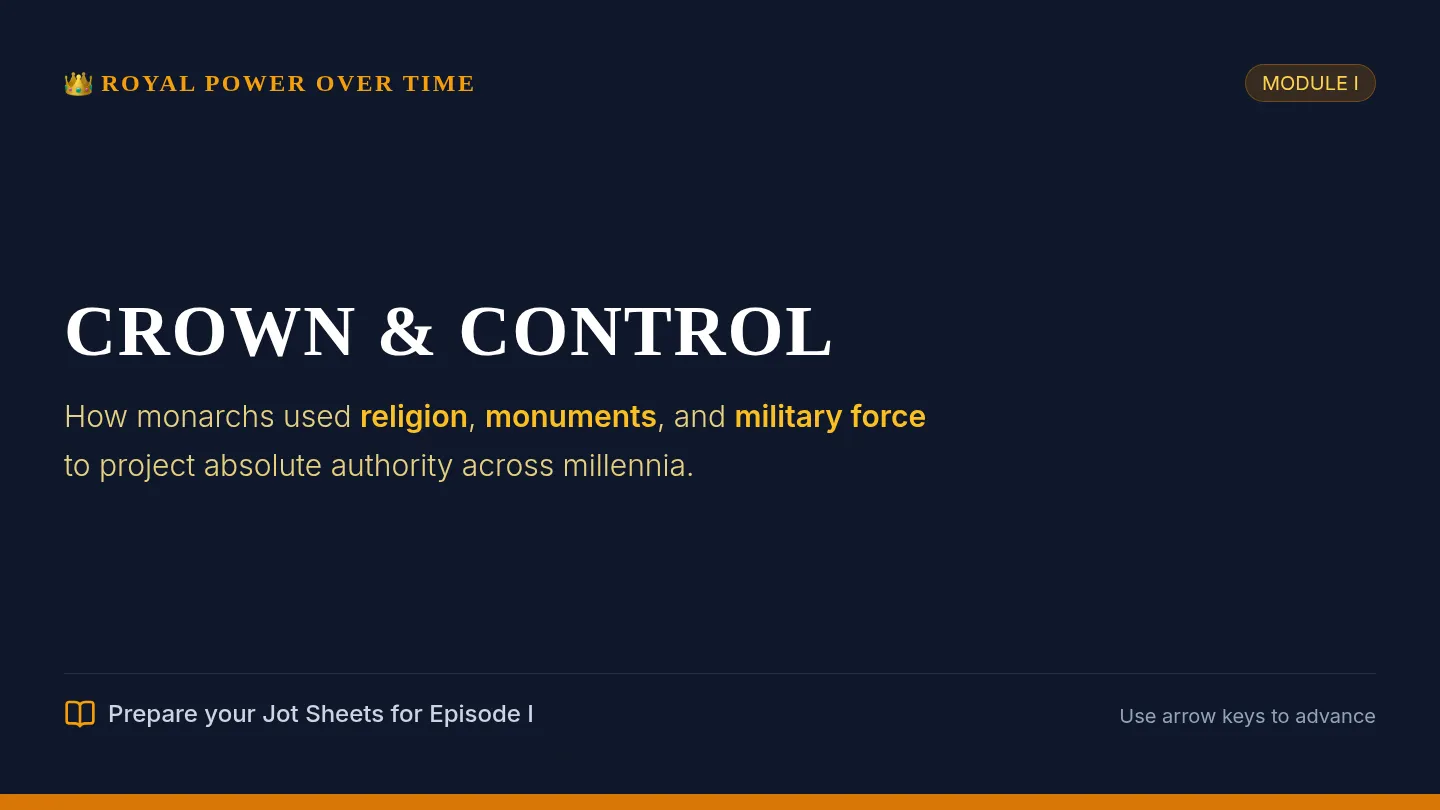
An interactive lesson tracing the history of monarchy from ancient civilizations (China, Egypt, Rome) to the modern era. Focuses on methods of control (religion, monuments, military), the pivotal shift of the Magna Carta, and how constitutional monarchies function today.
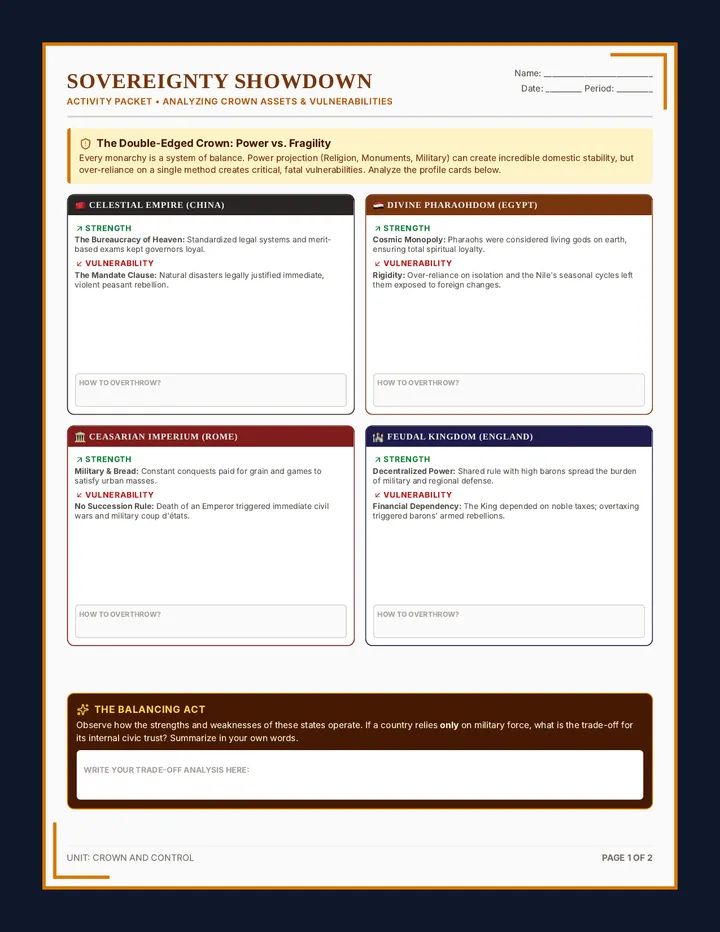
A 2-page active learning resource containing historical civilization profile cards and situational crisis scenarios to evaluate the strengths and weaknesses of different monarchical systems.
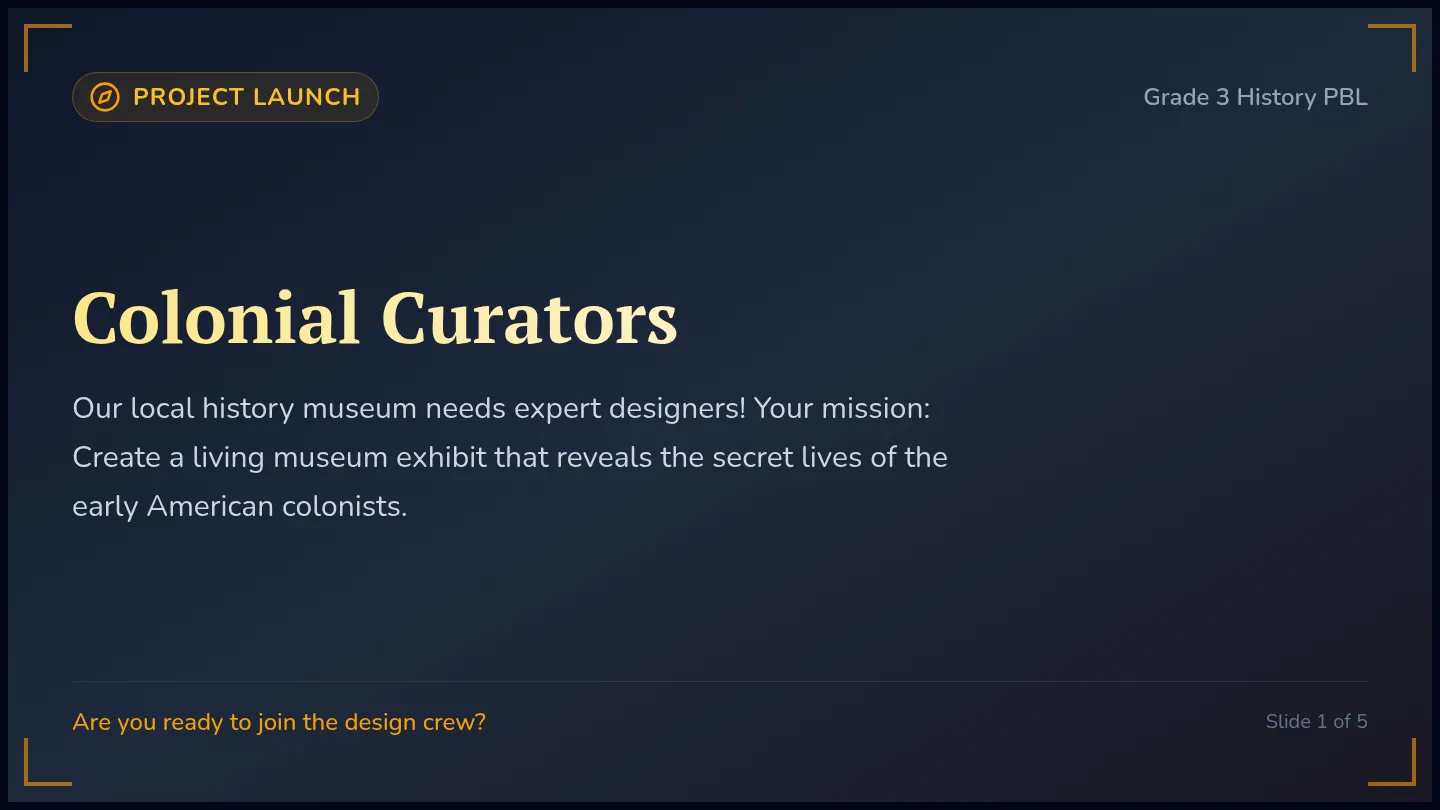
An immersive 3rd-grade Project-Based Learning unit where students act as museum curators to design and exhibit a living history museum, answering the driving question: How did where colonist lived shape how they lived?
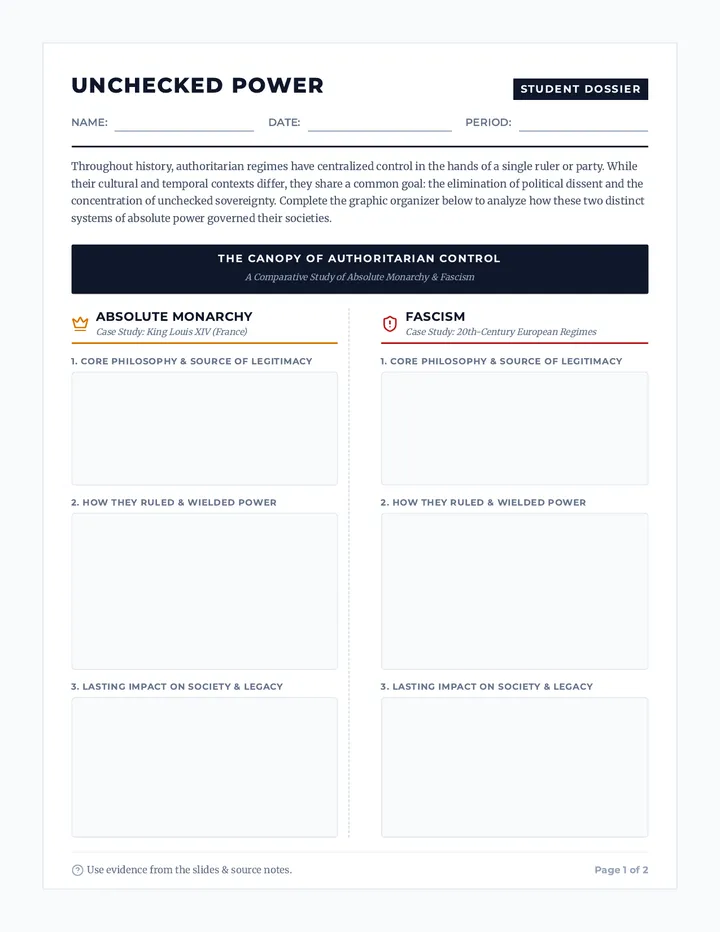
This lesson explores authoritarian government types, specifically absolute monarchy and fascism. Students analyze how rulers like King Louis XIV of France and 20th-century European dictators seized, wielded, and maintained power, and the lasting social and historical impacts of their regimes.
A comprehensive 1-page teacher facilitation guide, slide-by-slide pacing plan, and exemplar answer key for the Crown Control Jot Sheets.
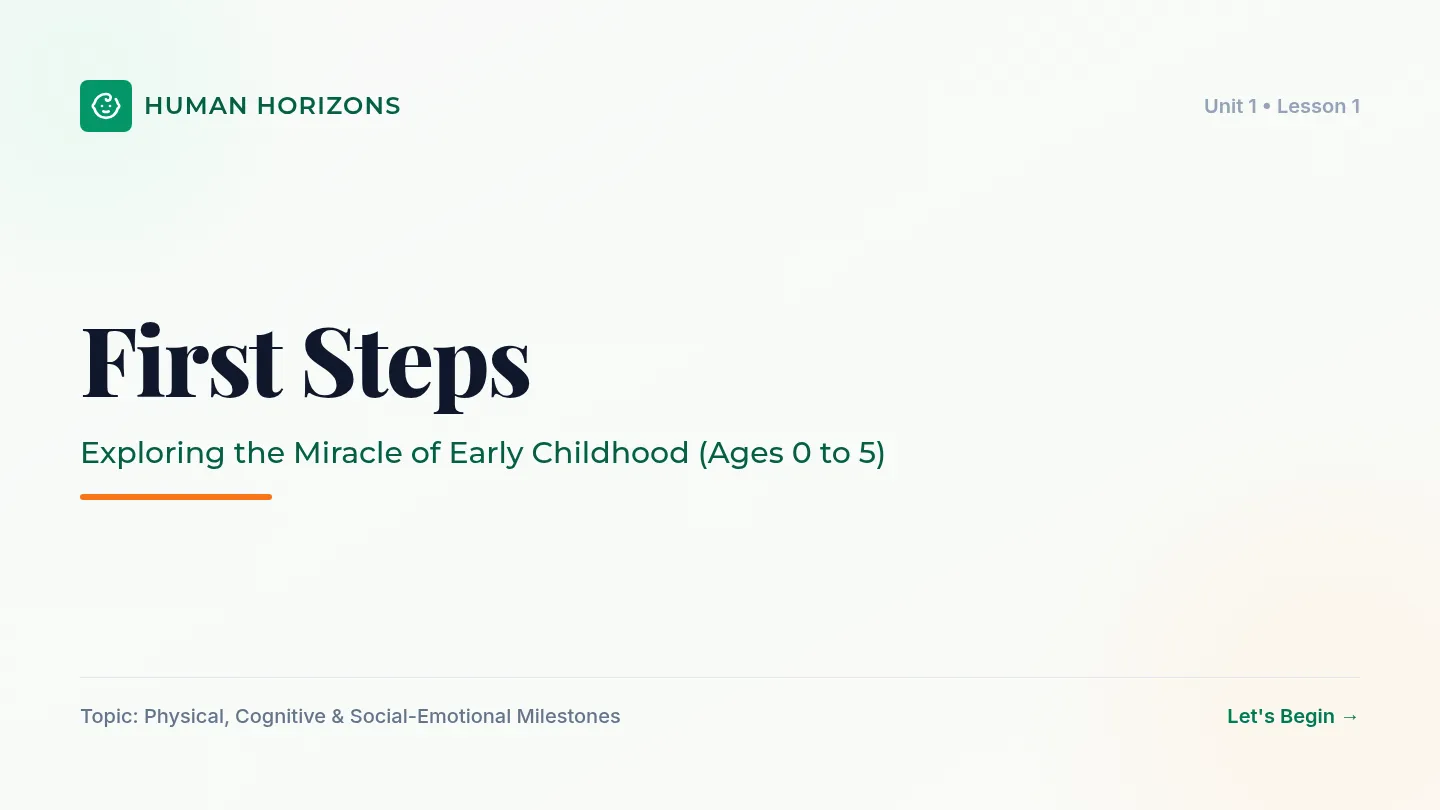
A comprehensive unit on child development from birth through age 18, focusing on physical, cognitive, and social-emotional growth across early childhood, middle childhood, and adolescence.
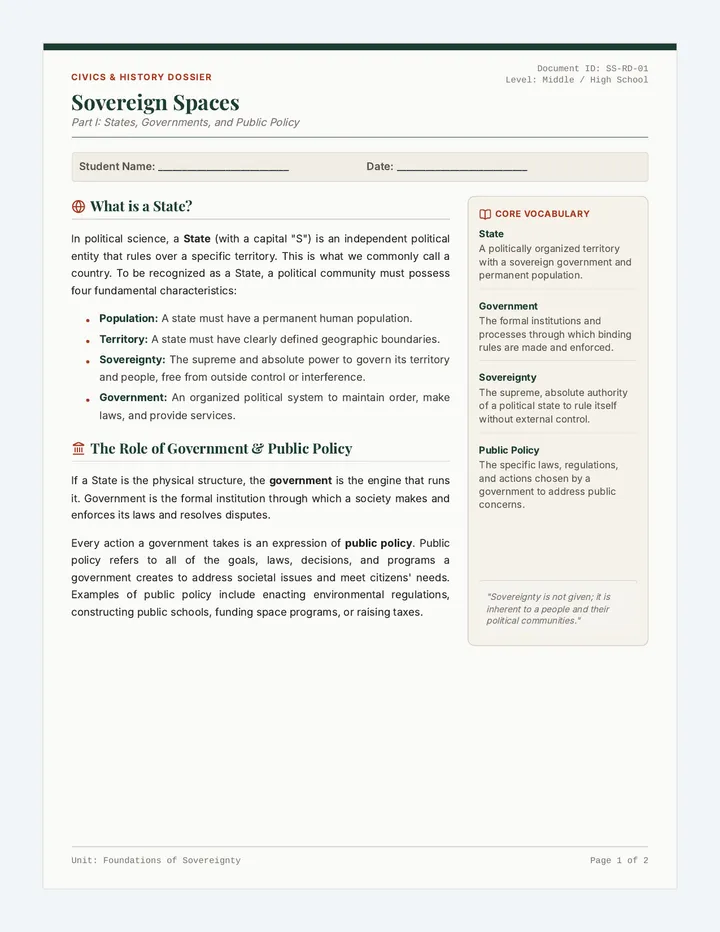
An exploration of statehood, government, and public policy, with a focus on Native American tribal sovereignty and reservations as domestic dependent nations.
A 7-slide presentation deck containing visual overviews, historical evidence, primary source summaries, and comparative charts of ancient and modern monarchies. Matches the layout of the student jot sheets.
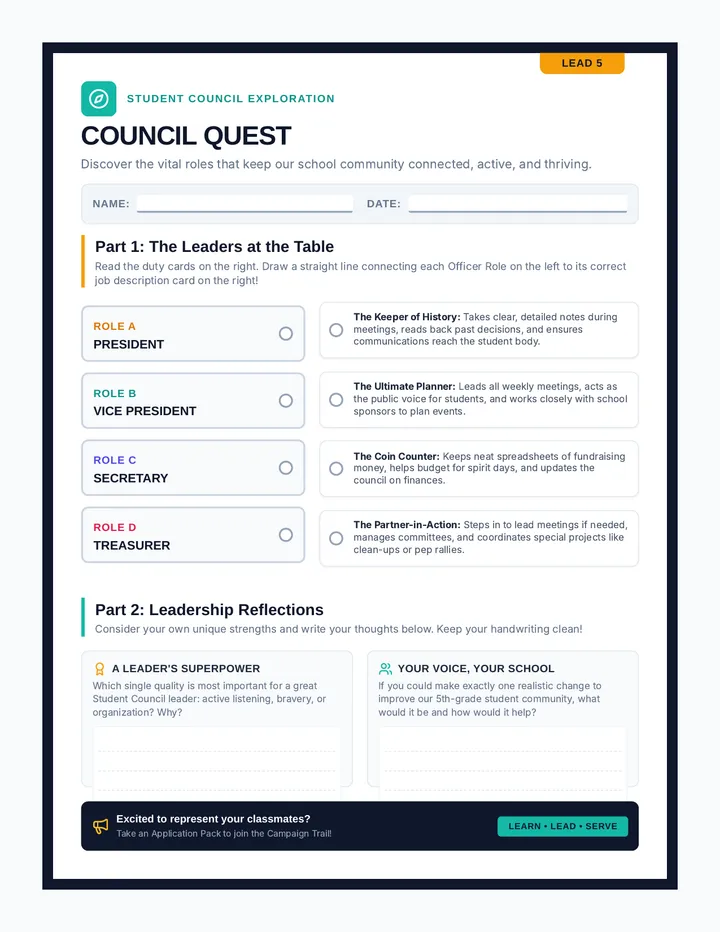
A comprehensive program to establish and run an active 5th-grade student council. It covers introductory roles, democratic campaigning, leadership training, and meeting protocols.
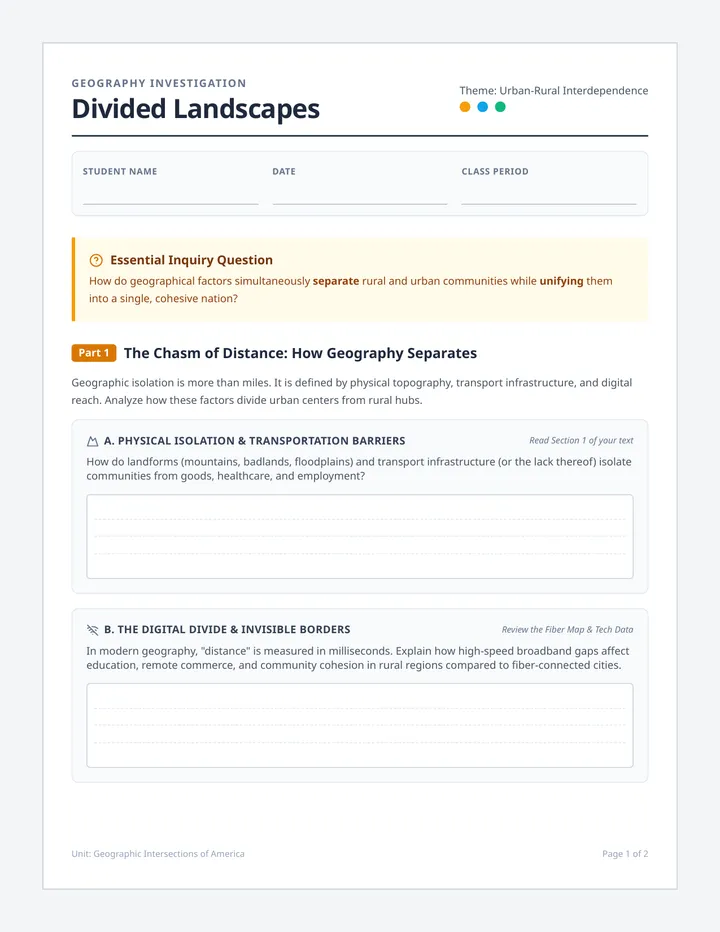
A lesson exploring how physical geography and spatial distribution shape urban and rural communities, simultaneously separating them through distance and unifying them through resource networks.
A 3-page interactive student note-taking packet (jot sheets) covering Ancient China, Egypt, Rome, the Magna Carta, and modern monarchies. Features structured visual organizers for analyzing religion, monuments, and military control.