A targeted Tier 2 intervention designed to help 8th-grade students master the geometry of lunar phases and eclipses through visual mapping and structured practice.
A dedicated hub for educators featuring a K-12 curriculum scope, professional development guides, and quick-reference AI cheat sheets.
High school students analyze the impact of generative AI on careers and society, mastering advanced prompt engineering and debating complex ethical dilemmas.
Middle schoolers dive into the mechanics of neural networks and the ethical implications of AI in daily life, focusing on digital citizenship and algorithmic fairness.
Middle elementary students investigate how training data shapes AI behavior, identifying bias in simple systems and experimenting with basic prompt engineering.
Students in grades 1-2 explore how machines learn to recognize patterns and assist humans, introducing basic classification and the idea of helpful technology.
Introduces Kindergarteners to the concept of AI as a 'thinking' tool that follows instructions and learns from examples, focusing on the difference between robots and AI.
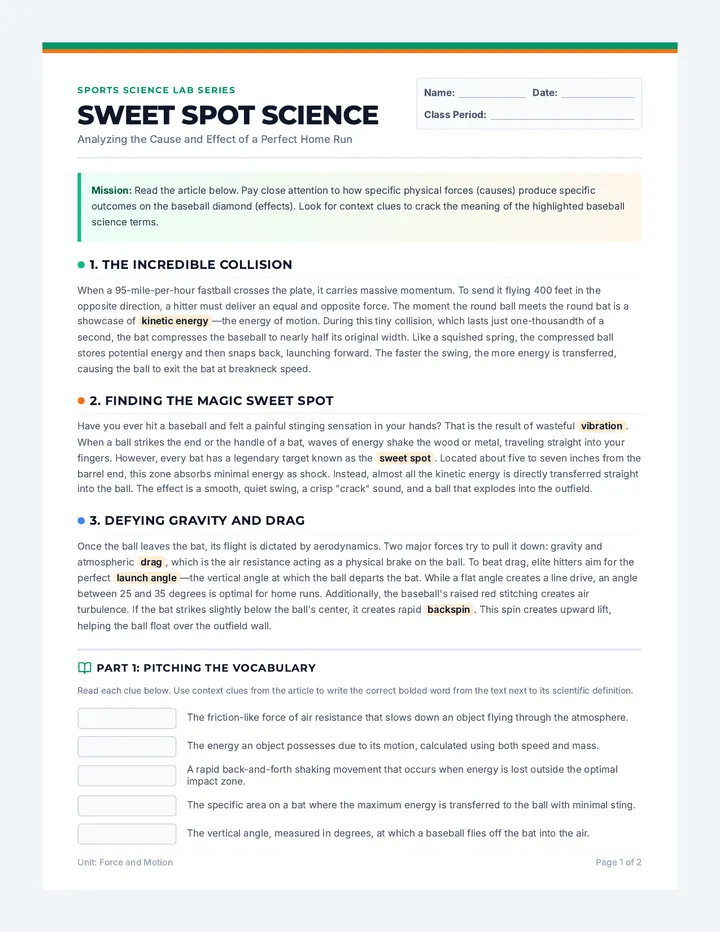
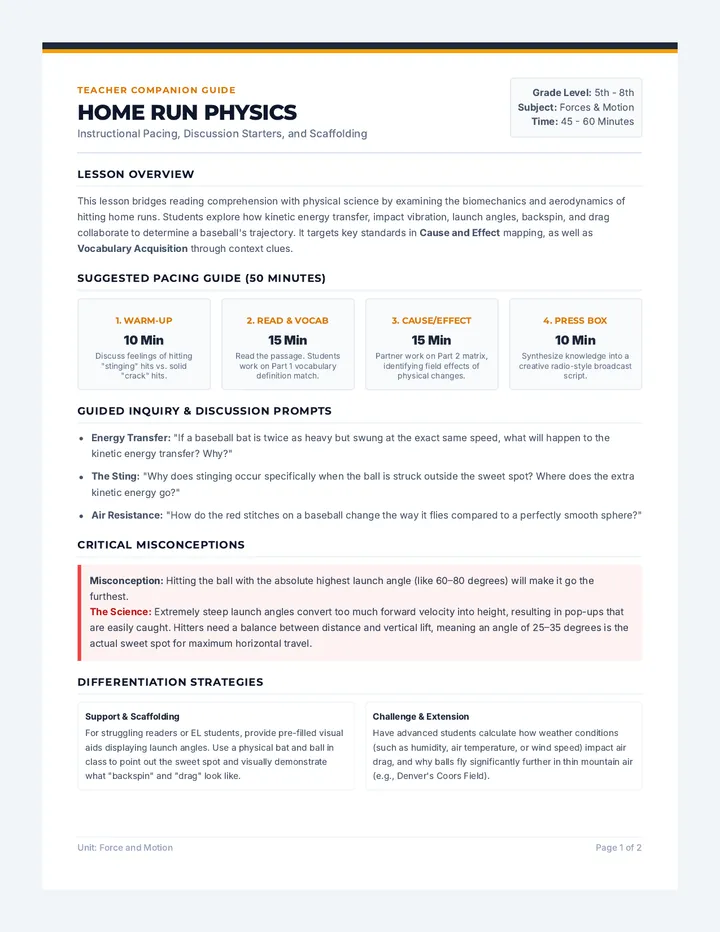
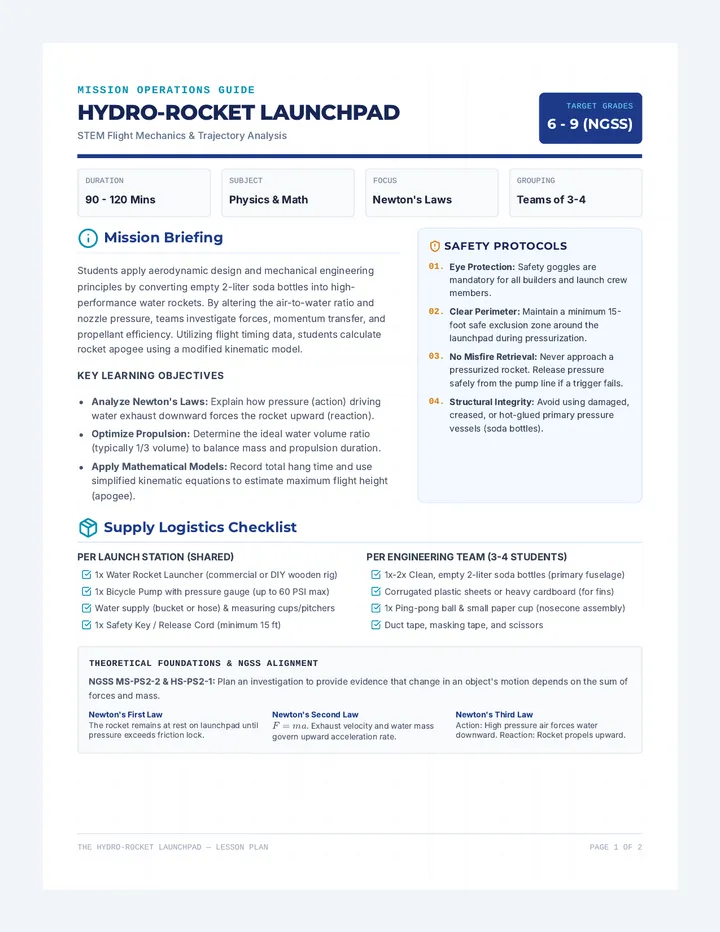
A comprehensive Grade 8 Science lesson focused on Newton's Laws, balanced and unbalanced forces, and energy transformations, specifically designed for STAAR preparation. This lesson uses a 5E instructional model and includes inquiry-based labs and STAAR-aligned assessment questions.
A comprehensive Grade 8 Science lesson covering Earth and space systems (TEKS 8.9 and 8.10). Students explore plate tectonics, the rock cycle, and weather systems through a Texas Gulf Coast lens, specifically focusing on Calhoun County geography and the role of the Sun in driving Earth's processes.
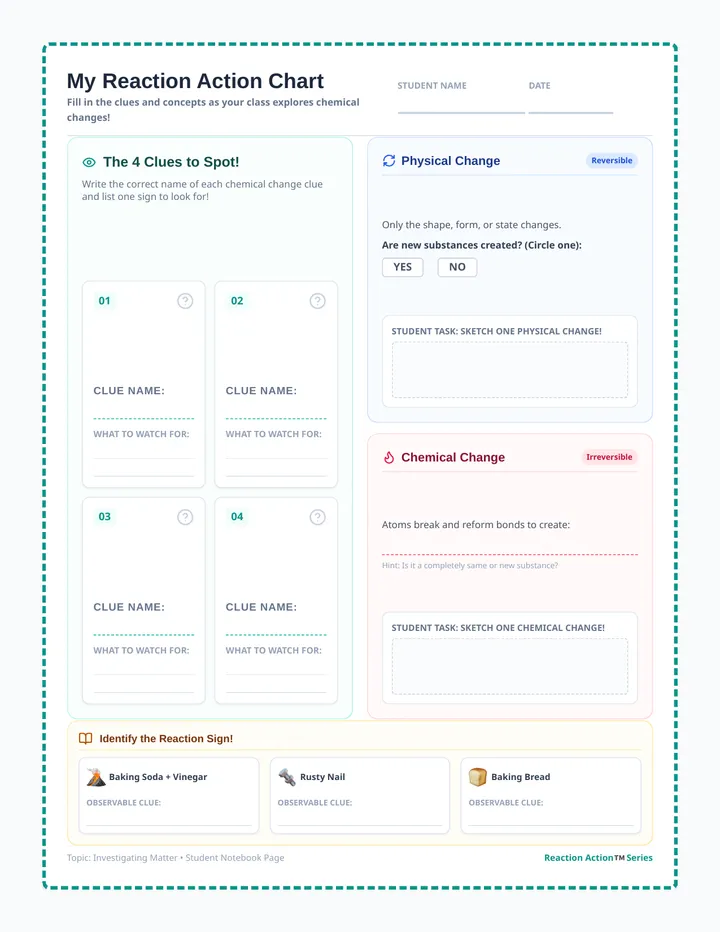
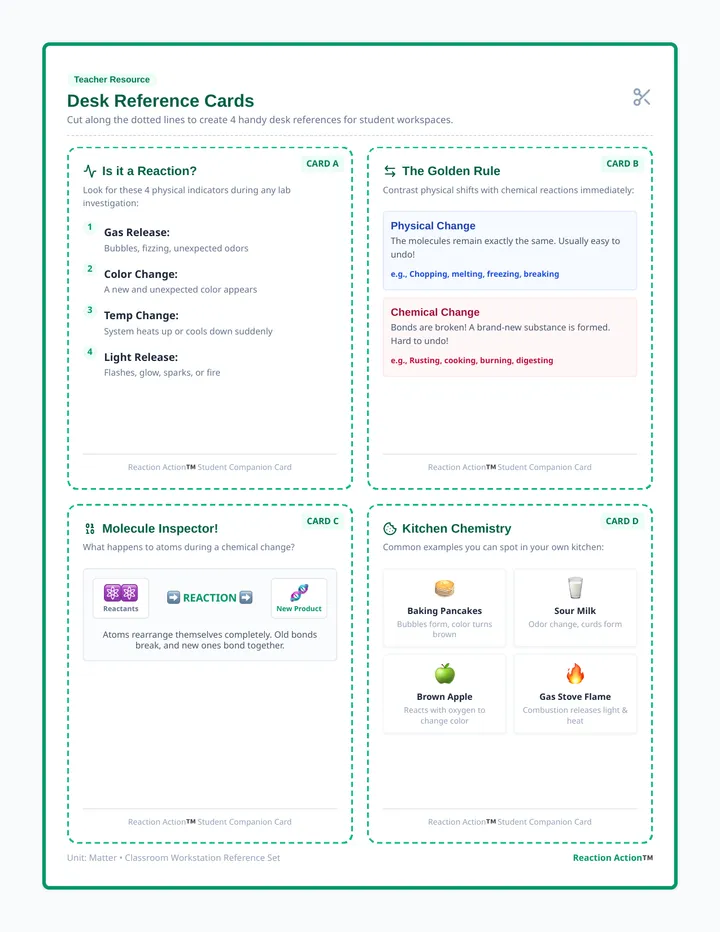
A comprehensive Grade 8 Science lesson covering atoms, the periodic table, and chemical reactions, aligned with TEKS 8.5A-E. Features model-based instruction using Johnstone's triangle to prepare students for STAAR success.
A hands-on laboratory experience where students use microscopes to observe and document biological and physical specimens at varying magnifications.
Students will trace the evolution of the atomic model through key scientists and experiments, culminating in an understanding of modern atomic structure and vocabulary.
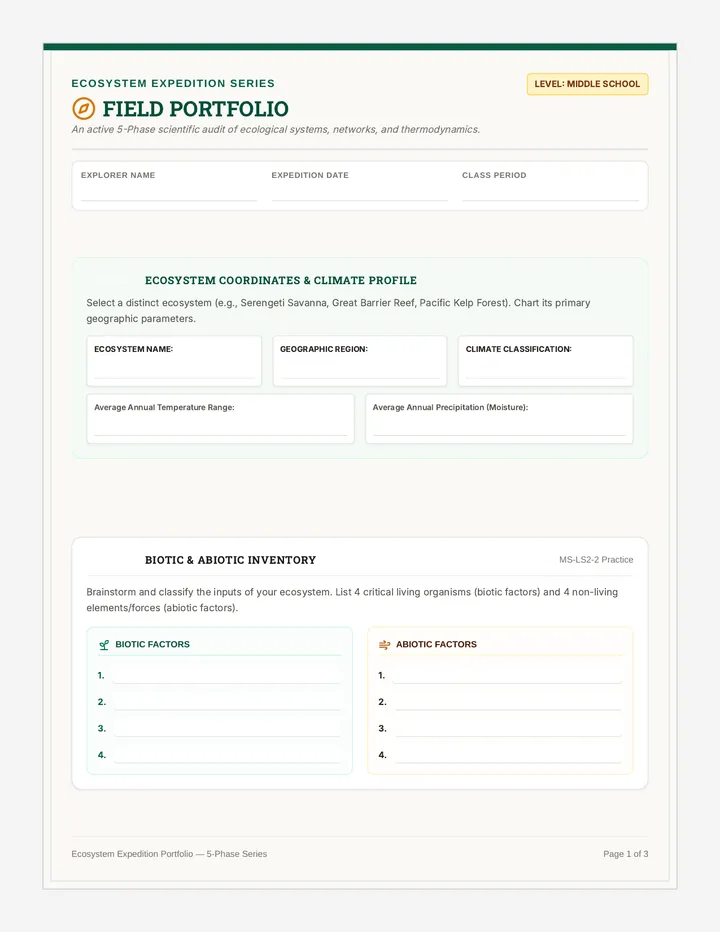
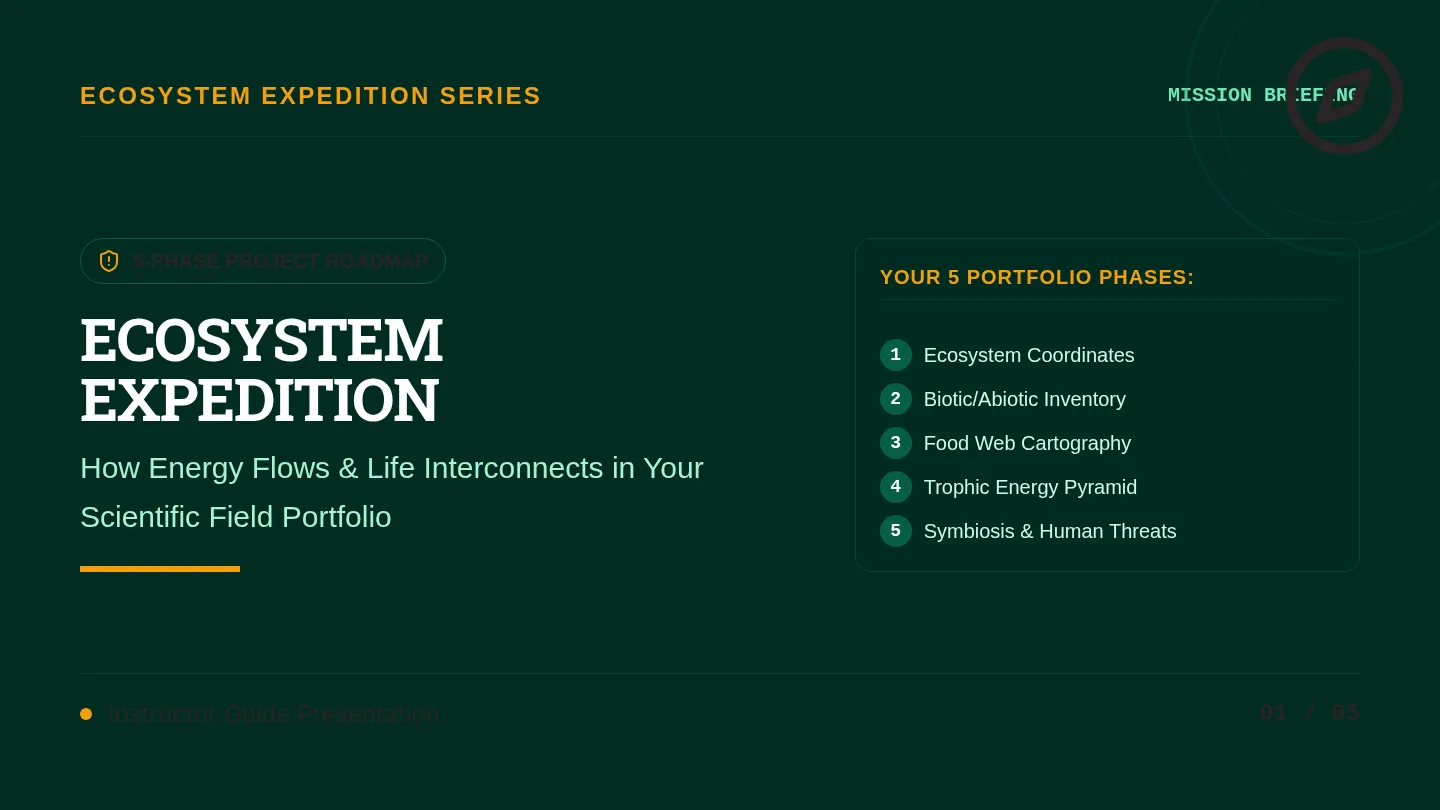
A lesson exploring the delicate balance of ecosystems, focusing on how biodiversity sustains life and how human activities like deforestation, pollution, and conservation efforts shape our planet's future.
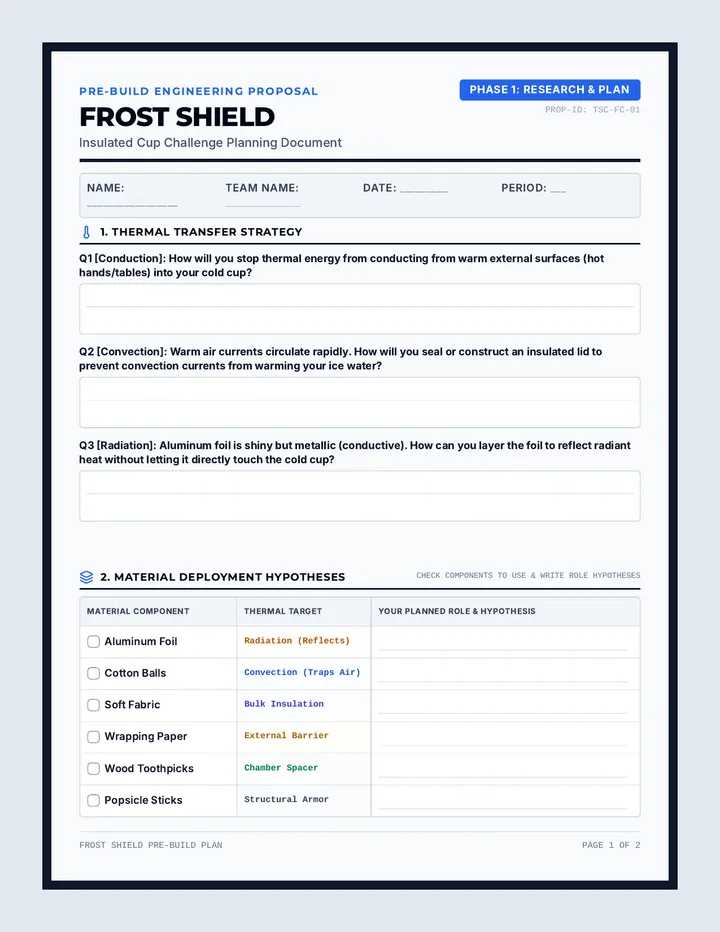
Reviewing the three types of heat transfer through interactive slides and a graphic organizer to connect concepts to everyday life.
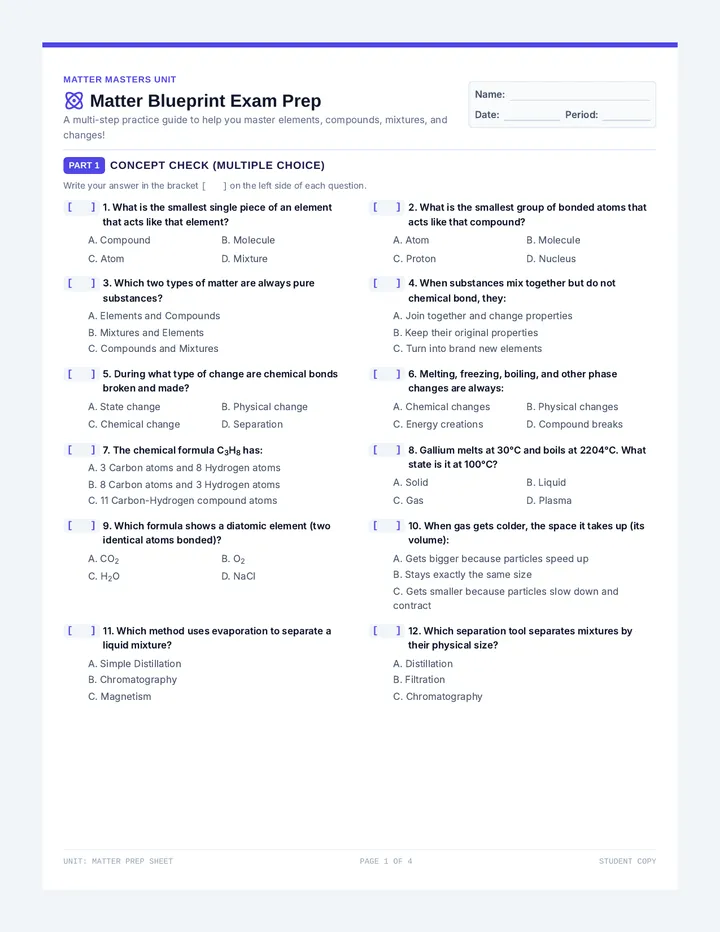
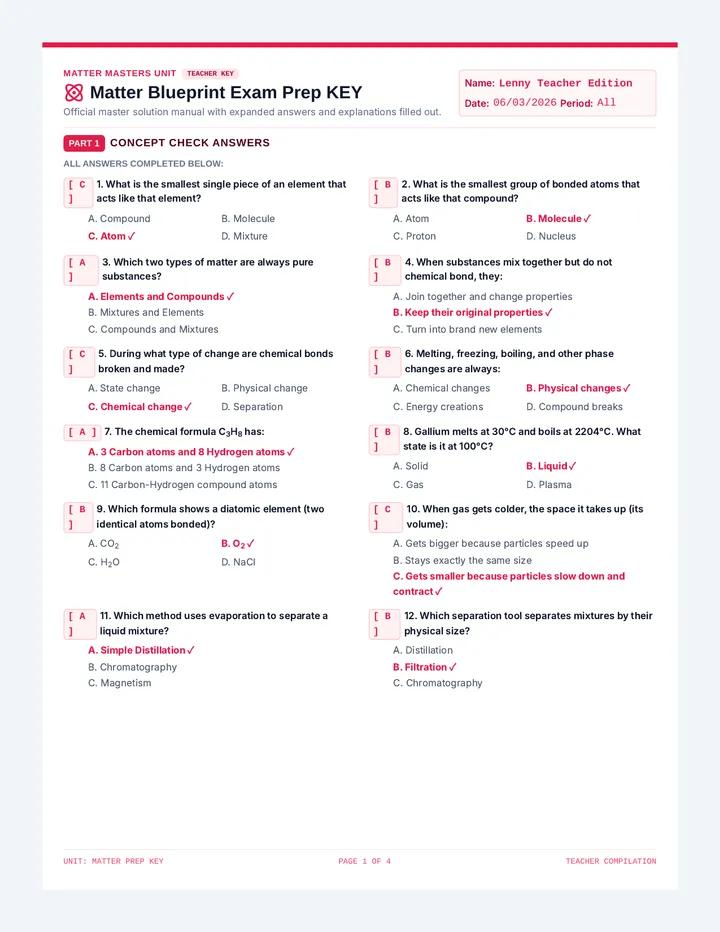
An introductory lesson on the classification of matter, covering atoms, elements, compounds, and mixtures (homogeneous and heterogeneous). Students will learn to distinguish between pure substances and mixtures through visual models and real-world examples.
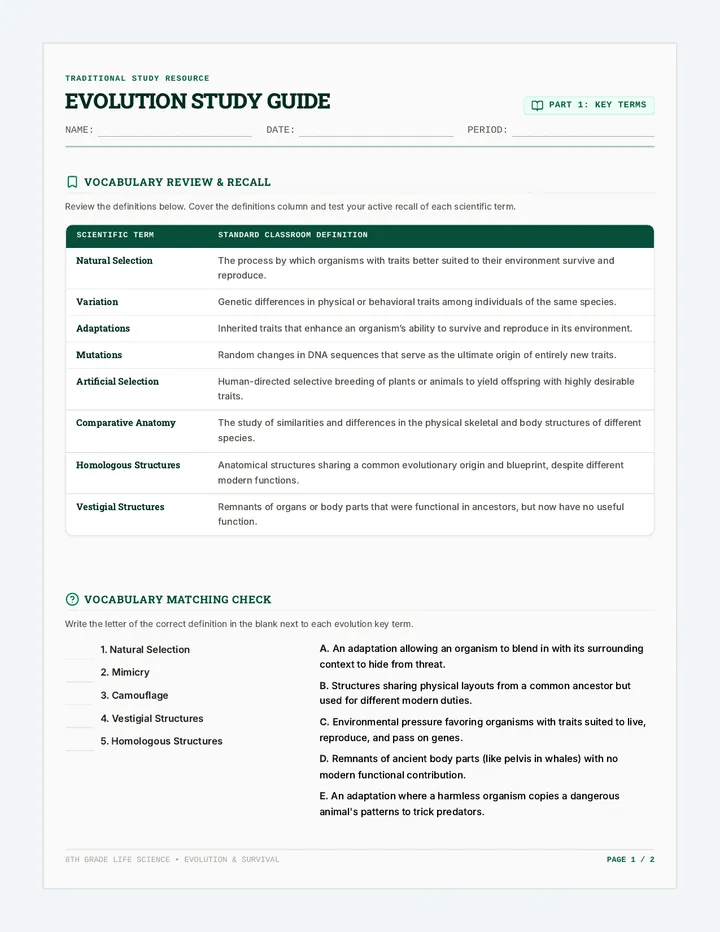
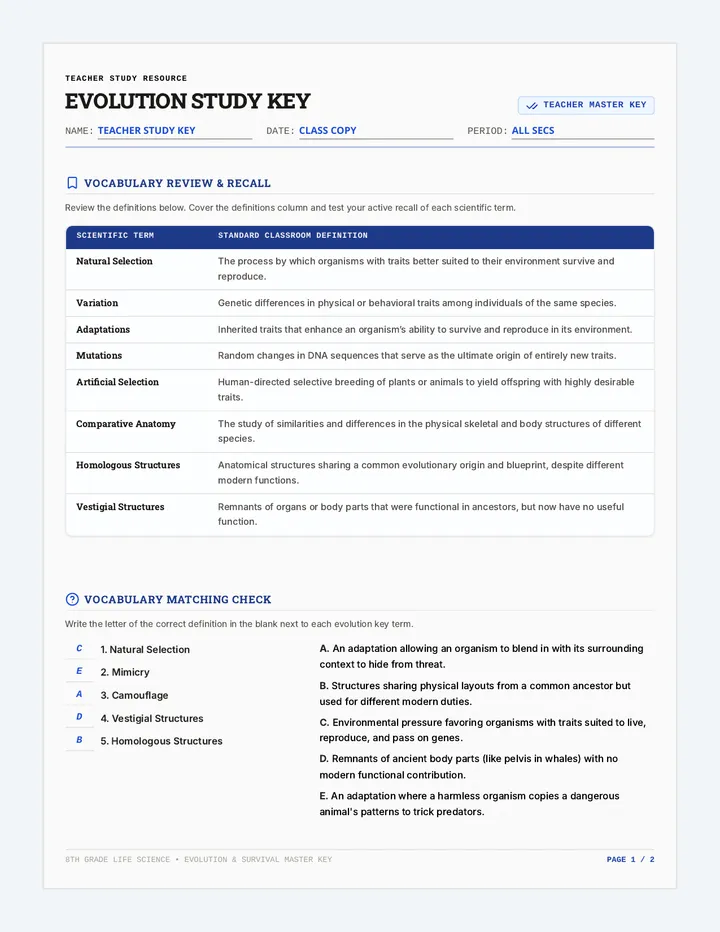
A vocabulary-focused lesson on the core concepts of evolution and genetics, featuring a collaborative 'I Have, Who Has' game to reinforce definitions and visual representations.
A comprehensive 5E lesson exploring electromagnetic induction through the construction of motors and generators, modeling field interactions, and analyzing real-world applications like transformers.
Students explore the shared ancestry of fish and mammals, analyzing homologous bone structures and building cladograms to visualize divergent evolution.
A comprehensive overview of the six major invertebrate groups, covering body structures, habitats, reproduction, and unique characteristics for 8th-grade science.
A comprehensive lesson on orcas, covering their role as apex predators, their complex social and communication structures, and the evolutionary adaptations that have made them masters of the ocean.
A self-contained independent research activity where students explore the scientific method and experimental variables through a themed 'digital dossier' webquest. Ideal for substitute teacher days as it requires minimal instruction and promotes independent inquiry.
A biology lesson themed around the mysterious Jane Doe character, covering human body systems, ecosystems, and food webs with specialized supports for neurodivergent learners.
A comprehensive review of ecology, cycling of matter, genetics, and body systems based on the Investigation 14-16 exam. Students will practice analyzing food webs, identifying mutations, and explaining ecosystem stability.
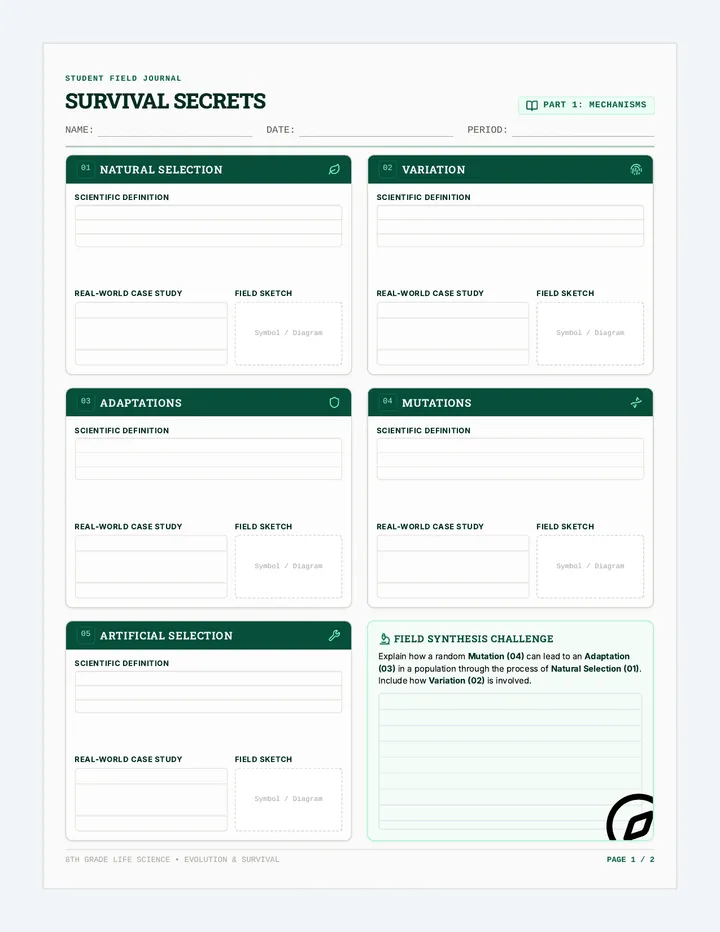
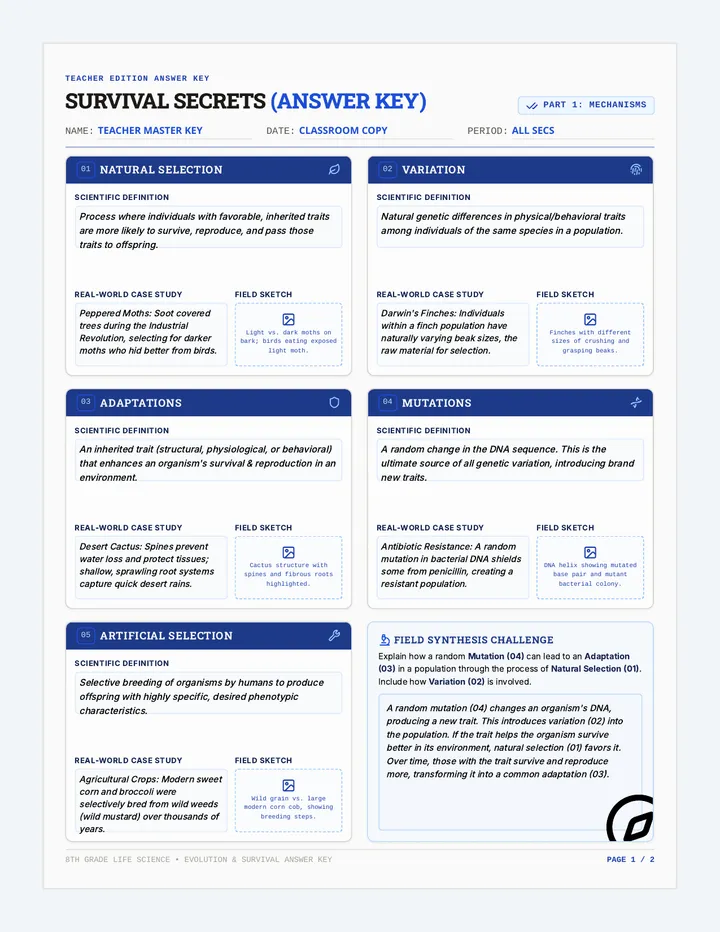
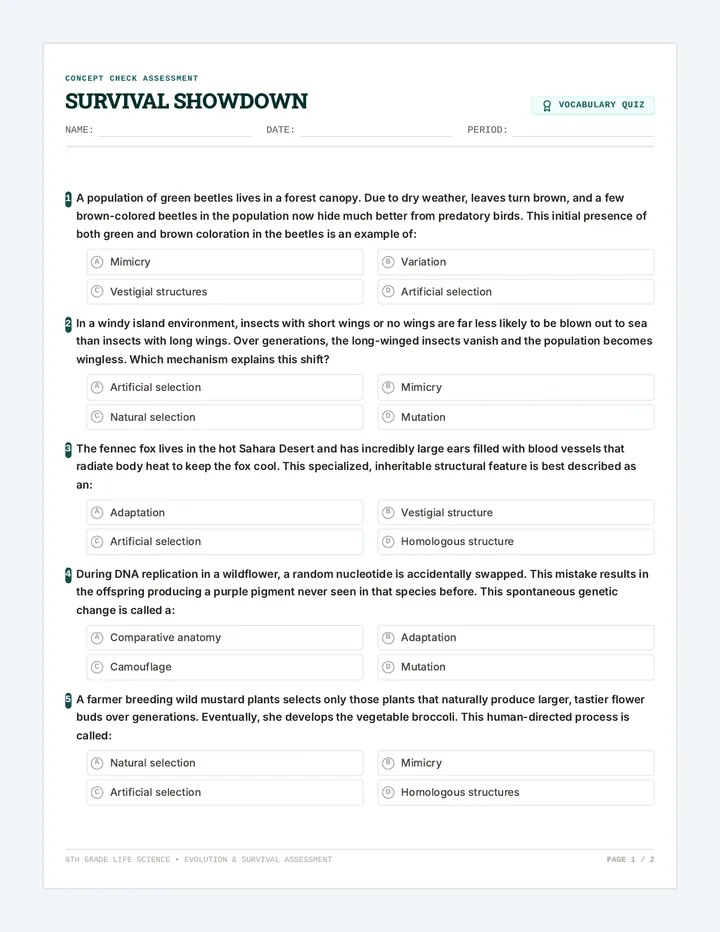
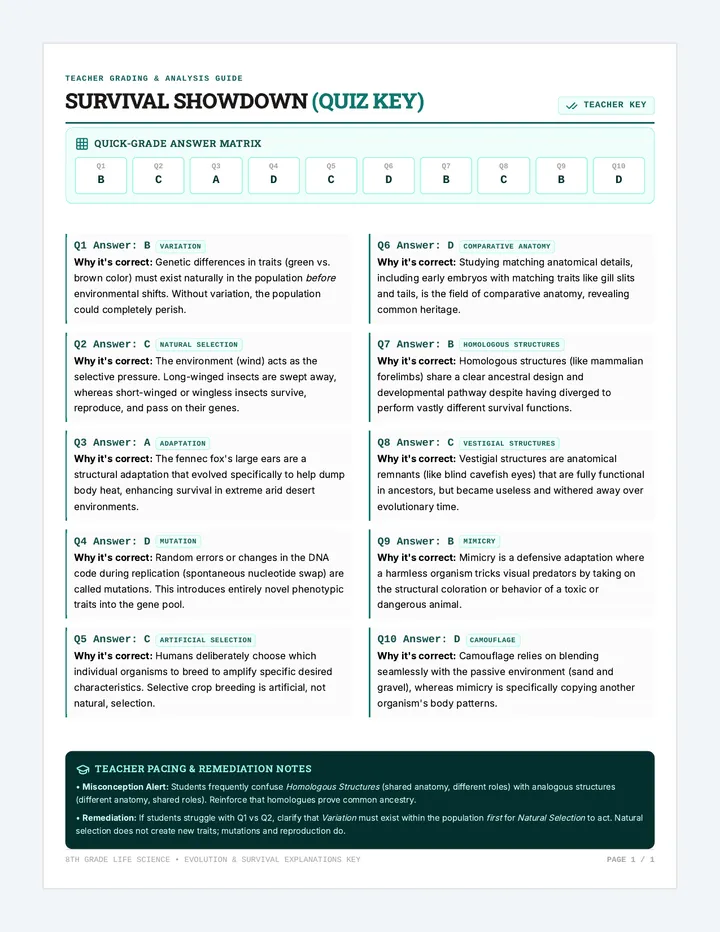
An introduction to Charles Darwin's historic voyage on the HMS Beagle and the foundational concepts of natural selection and adaptation. Students will explore how observations of the natural world led to one of science's most important theories.
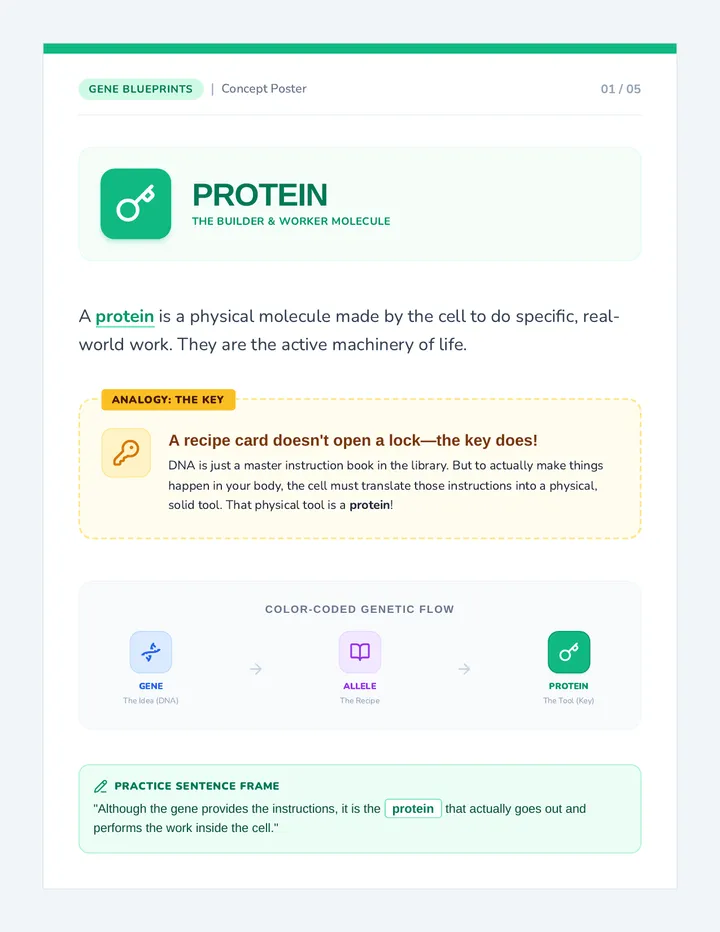
A comprehensive lesson on DNA transcription and translation, covering base-pairing rules and how to use a codon chart to build protein sequences.
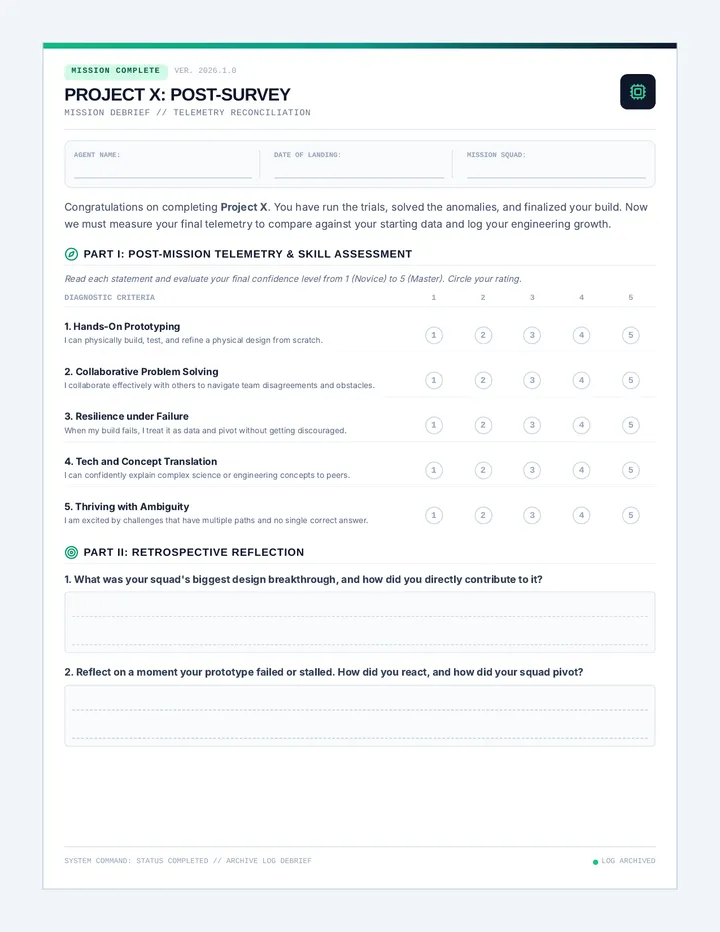
A high-energy, fast-paced introduction to Design Thinking where students identify and solve everyday school 'friction points' through empathy, rapid ideation, and prototyping.
A hands-on simulation where students model genetic mutations and track survival rates across different environmental shifts to understand natural selection.
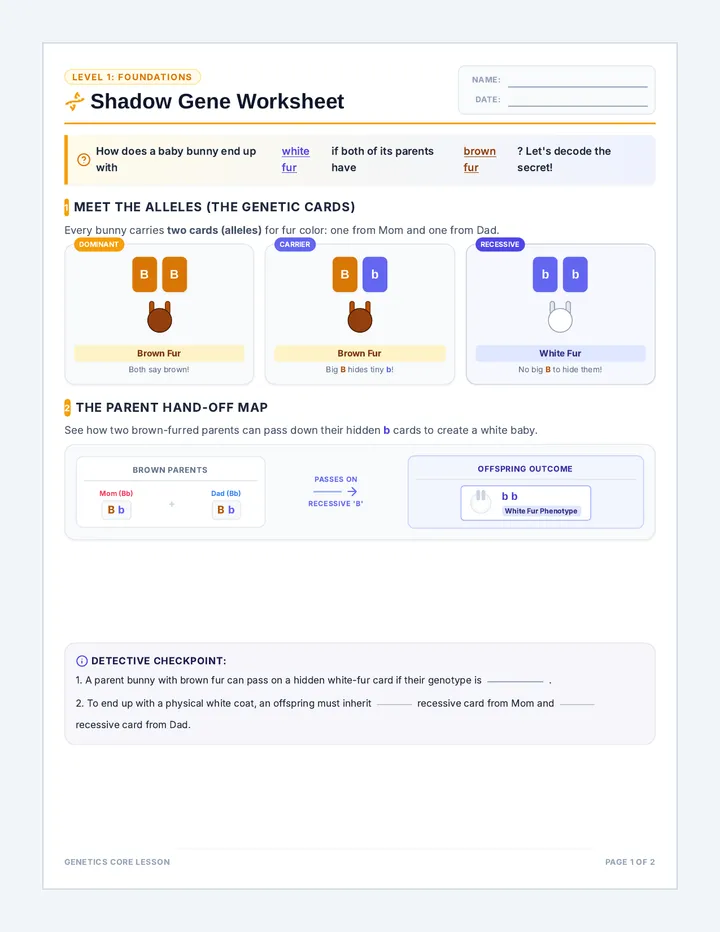
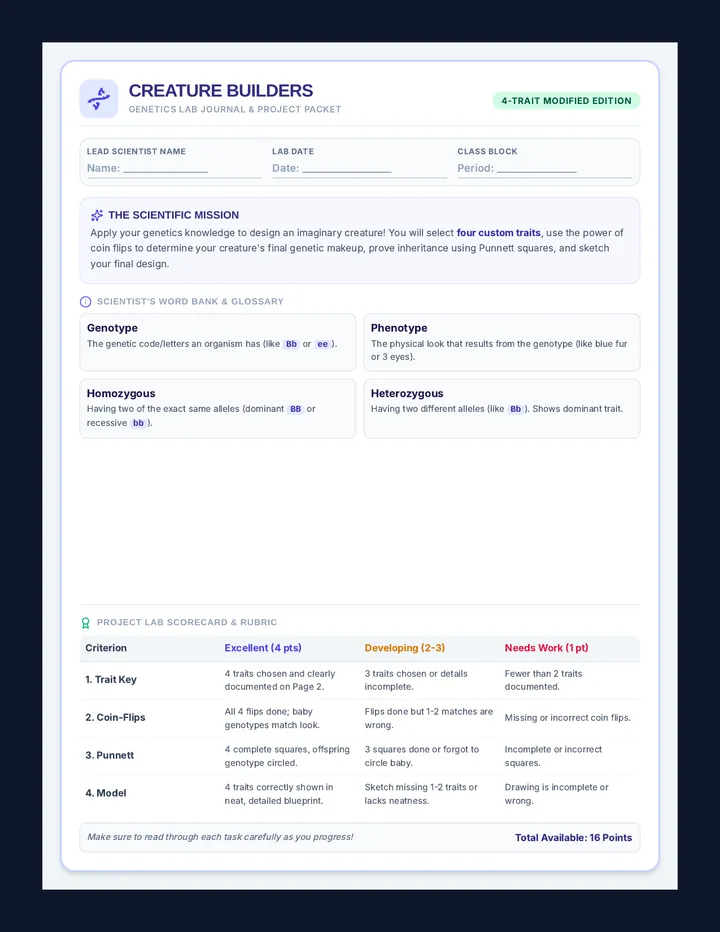
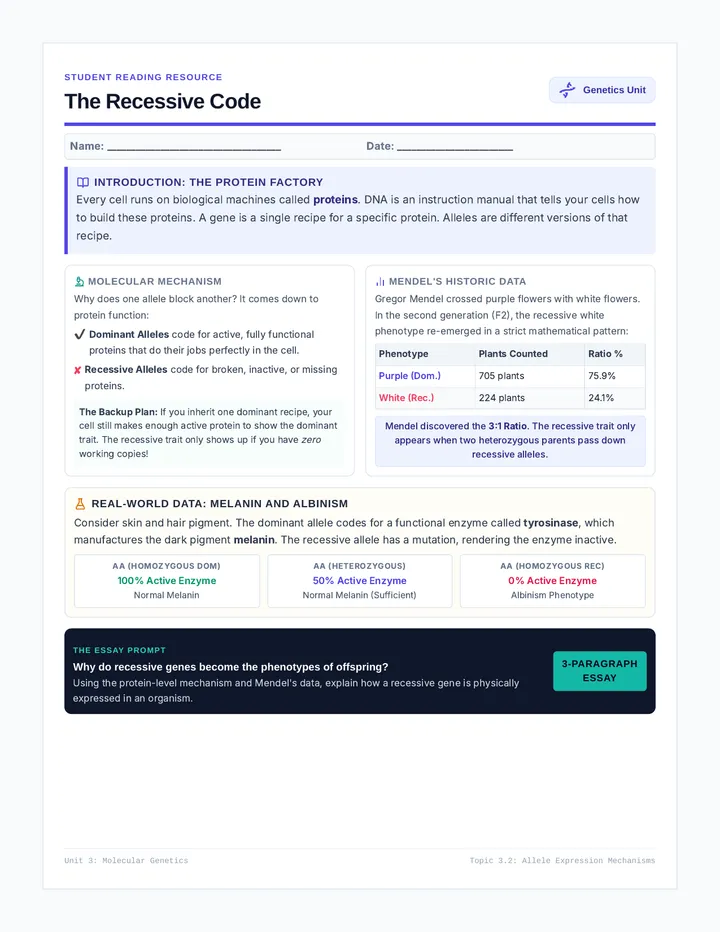
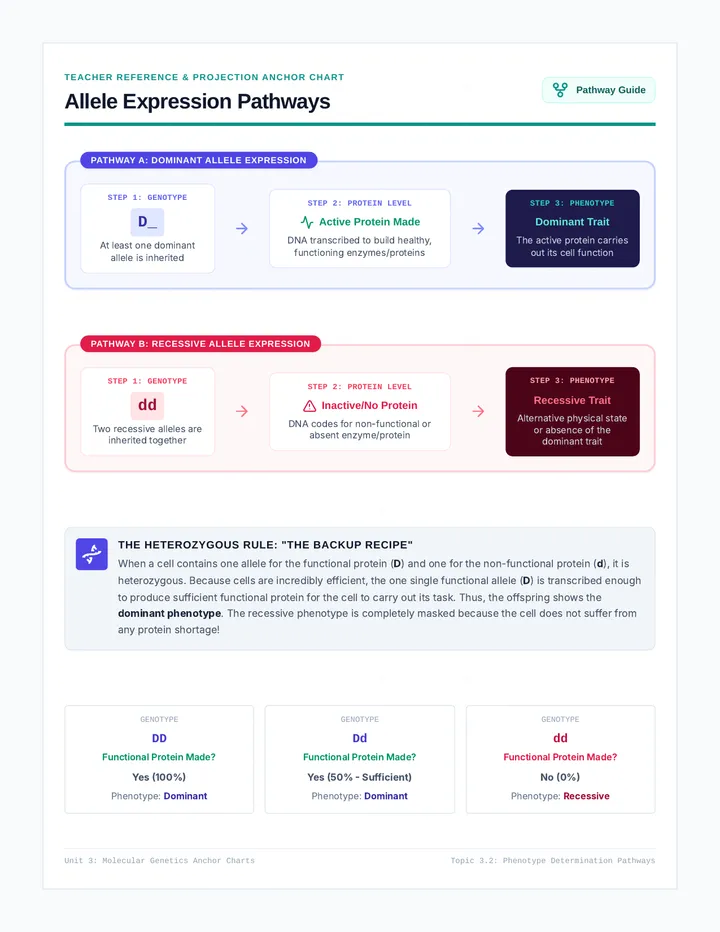
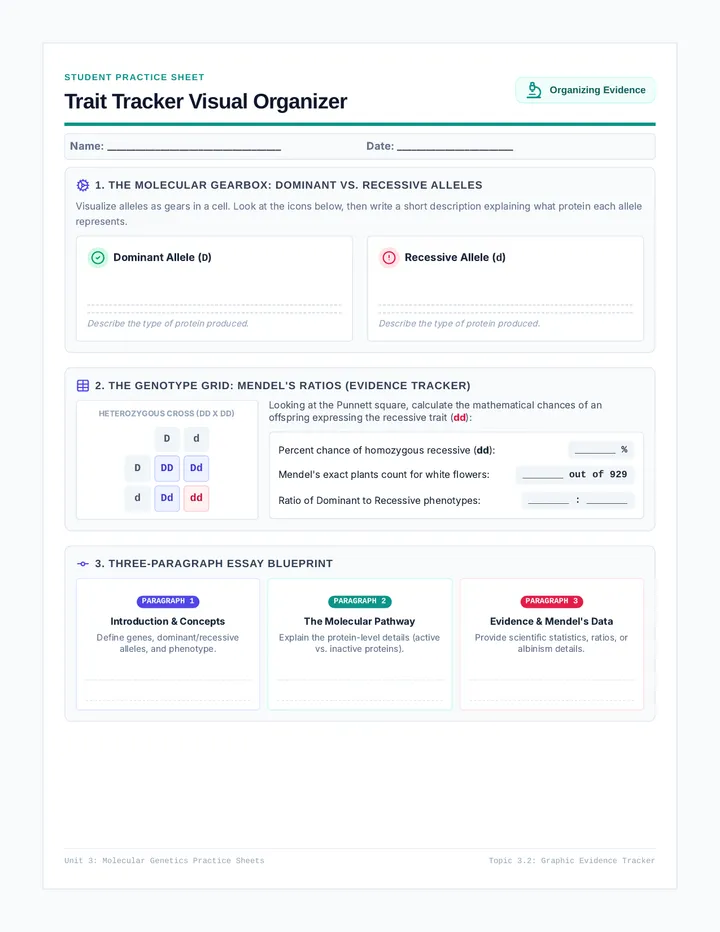
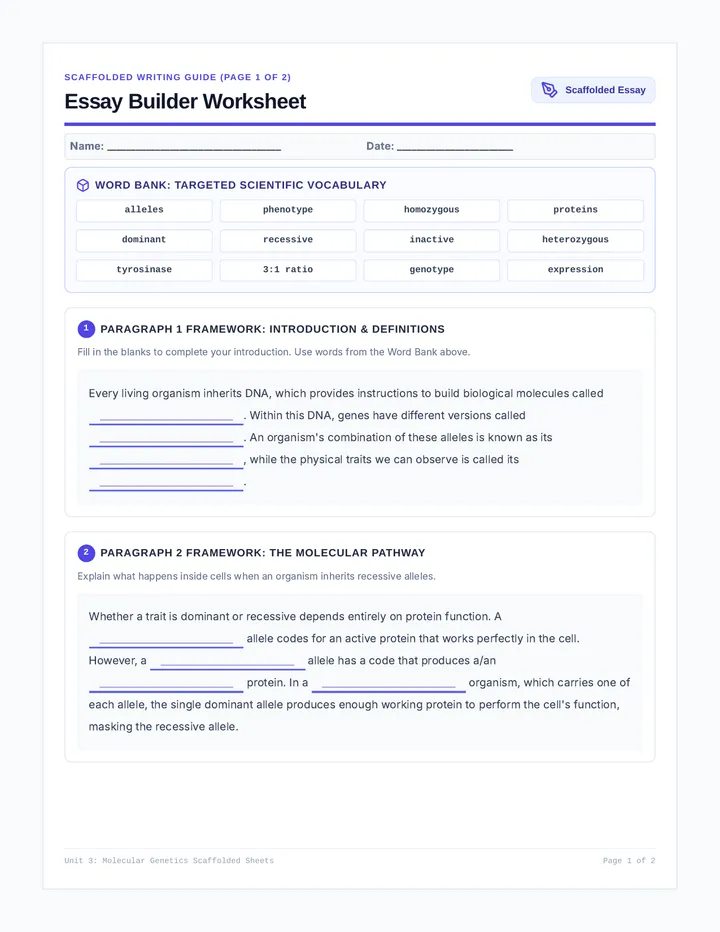
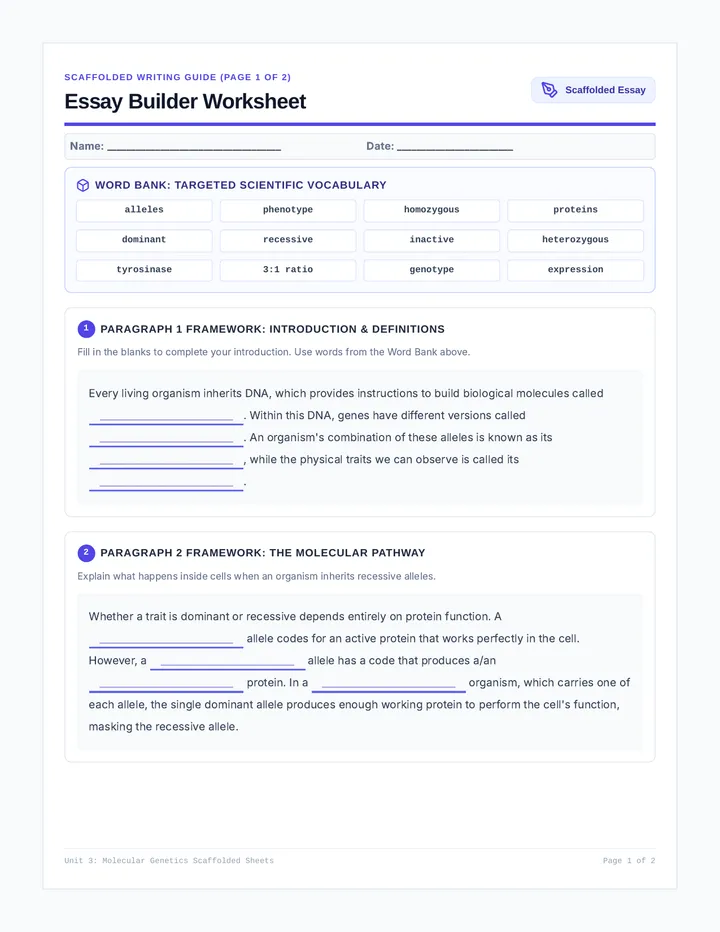
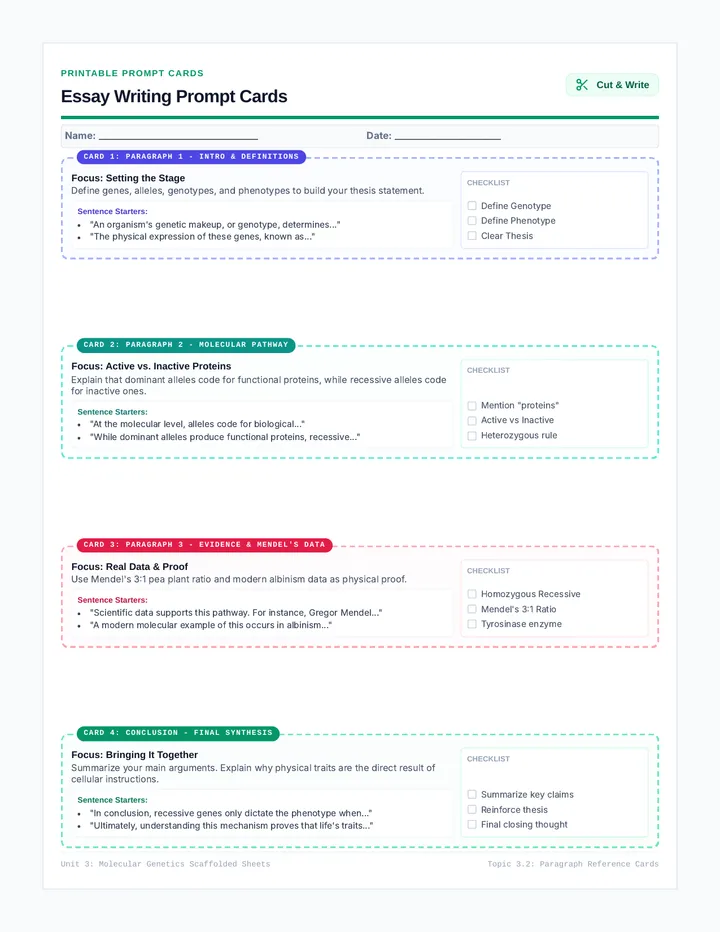
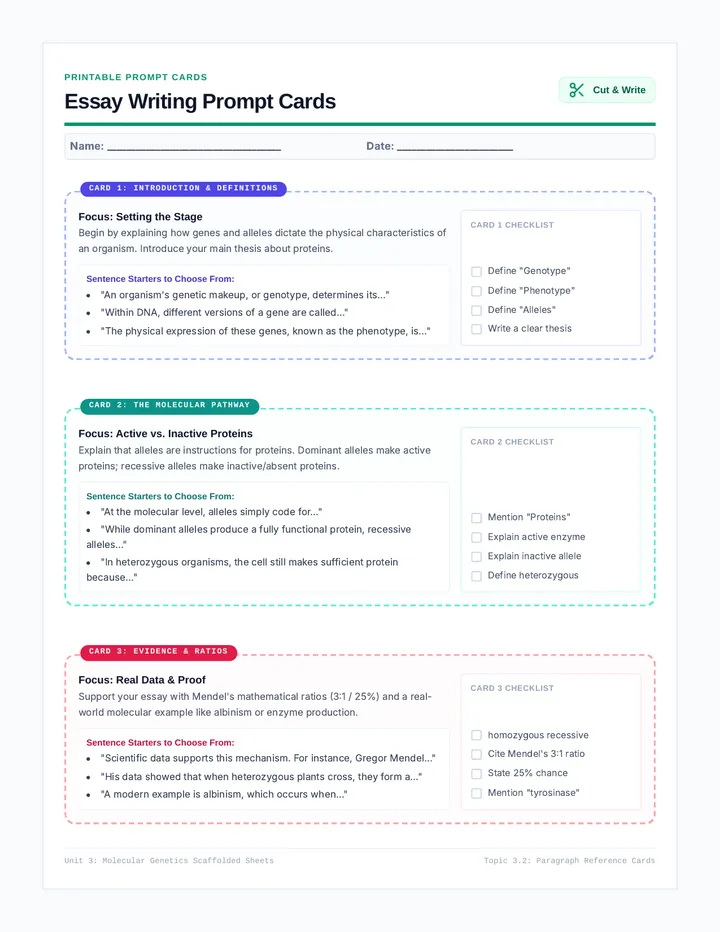
Students become geneticists to decode the blueprint of life. They'll master Punnett squares, distinguish between genotypes and phenotypes, and apply their knowledge to create unique creatures through the laws of inheritance.
An interactive lesson exploring Earth's internal structure and the dynamic movements of tectonic plates that shape our planet's surface. Students will identify layers, map plate boundaries, and understand the mechanics behind seismic and volcanic activity.
A collaborative jigsaw activity where students become experts on Earth's layers, plate boundaries, and geologic effects to piece together the puzzle of plate tectonics.
A comprehensive slide deck providing a high-level overview of major science disciplines and their sub-topics, tailored for middle school students.
An exploration of major Greek constellations, their associated myths, and the basic science of stellar observation.
A lesson focused on the mathematical relationship between frequency, wavelength, and the speed of light, specifically applied to radio wave transmission.
A comprehensive introduction to workshop safety and tool identification, focusing on the table saw, drill press, and hand chisels. Students learn critical safety protocols and part names for essential woodworking machinery.
A comprehensive assessment suite covering continental drift, Pangea, and geological evidence through visual labeling, simplified quizzes, and short-answer prompts.
A comprehensive lesson exploring Earth's internal structure and the dynamic movements of tectonic plates at different boundaries. Students will learn to identify Earth's layers and explain the geological features created by plate interactions.
A comprehensive final assessment for the Ocean Architects unit, evaluating student understanding of marine anatomy, specialized biological adaptations, and the comparative differences between major oceanic groups.
A review of plant and animal cell organelles and their functions, featuring diagram identification and matching activities.
A high-energy review lesson focusing on the three methods of heat transfer: conduction, convection, and radiation. Students participate in a team-based challenge to identify and explain thermal energy movement in real-world scenarios.