A fun, monster-themed lesson for 2nd graders to master contractions through a 'monster apostrophe' concept, featuring a video and a memory match game.
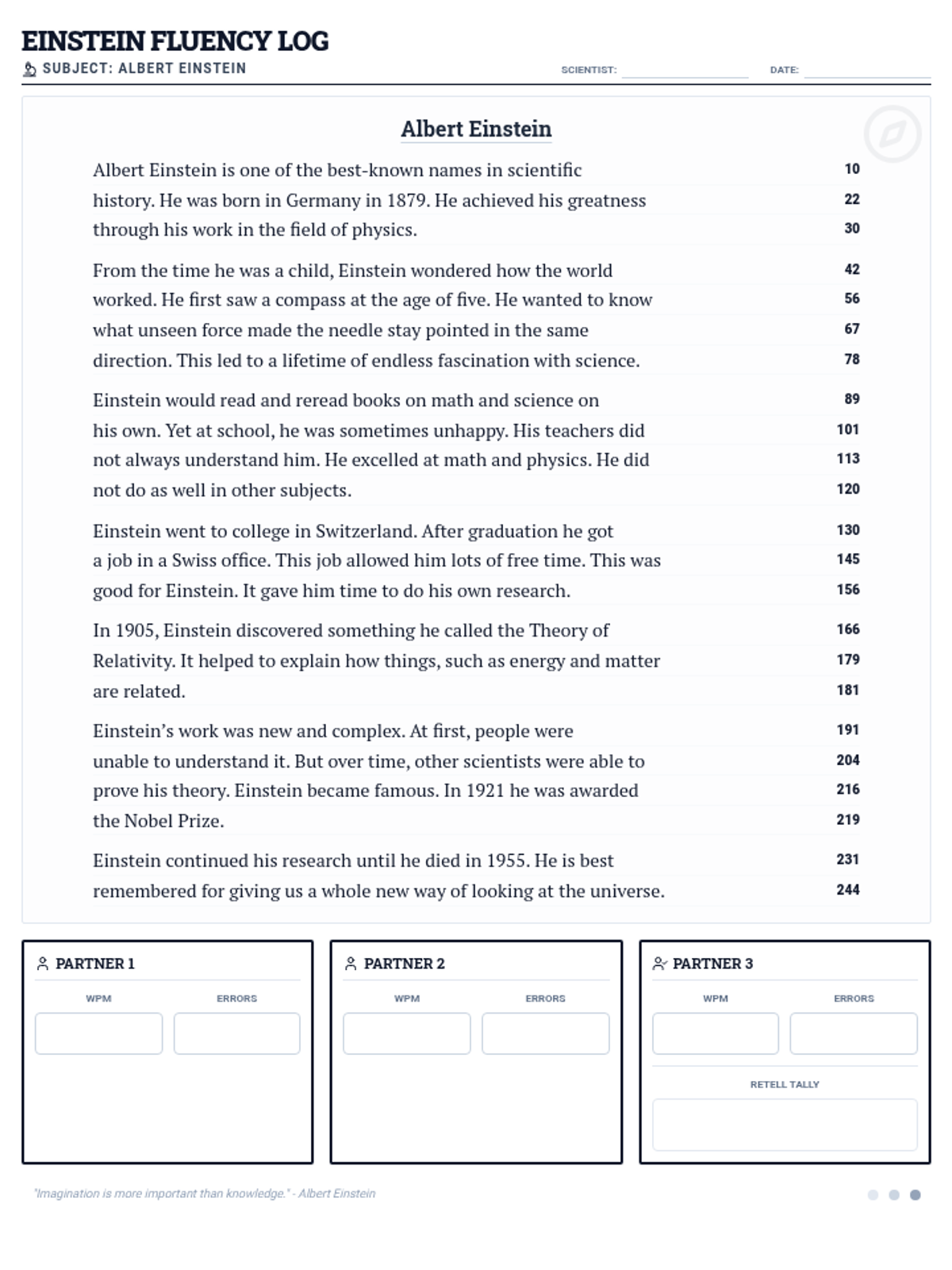
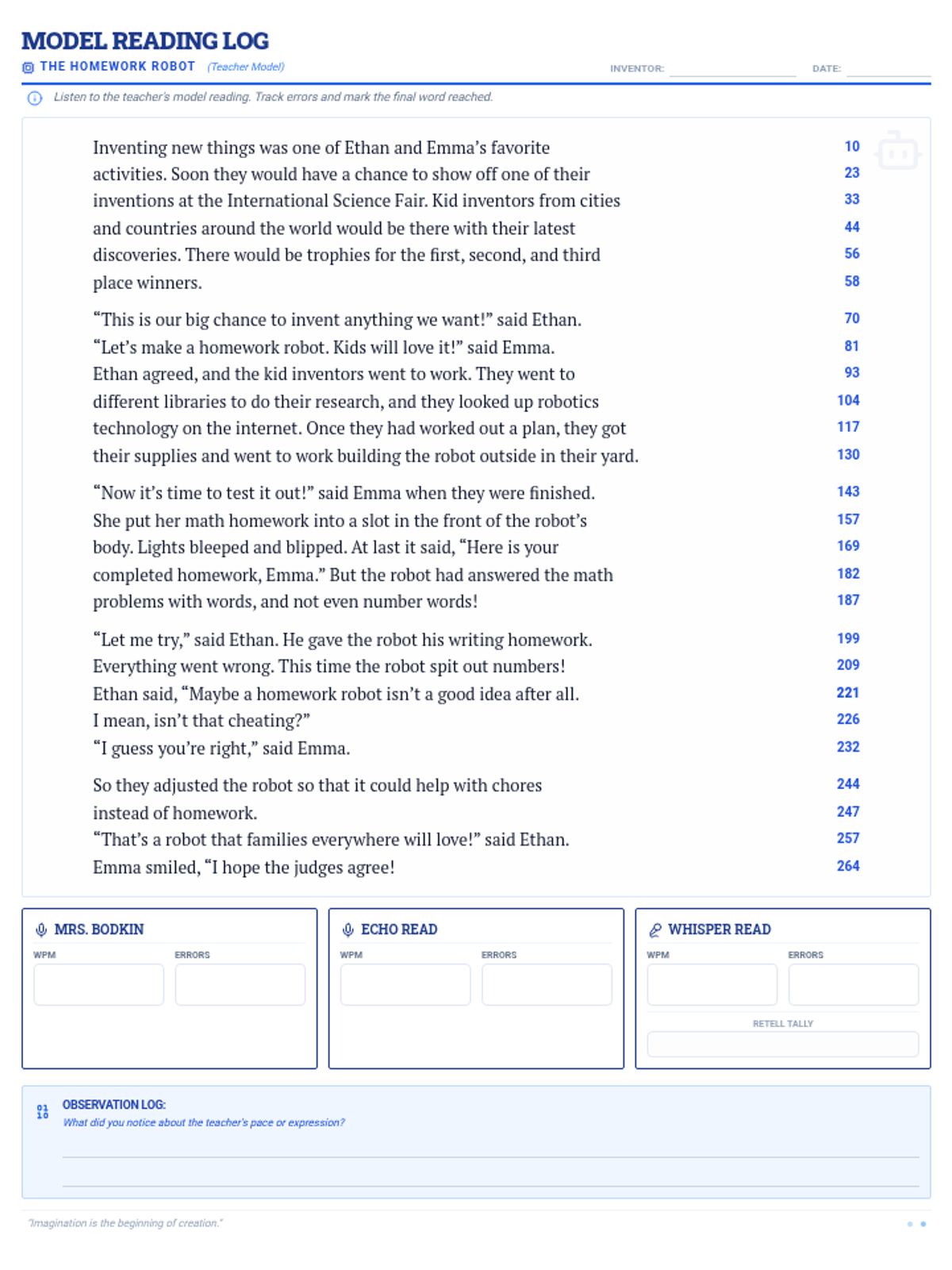
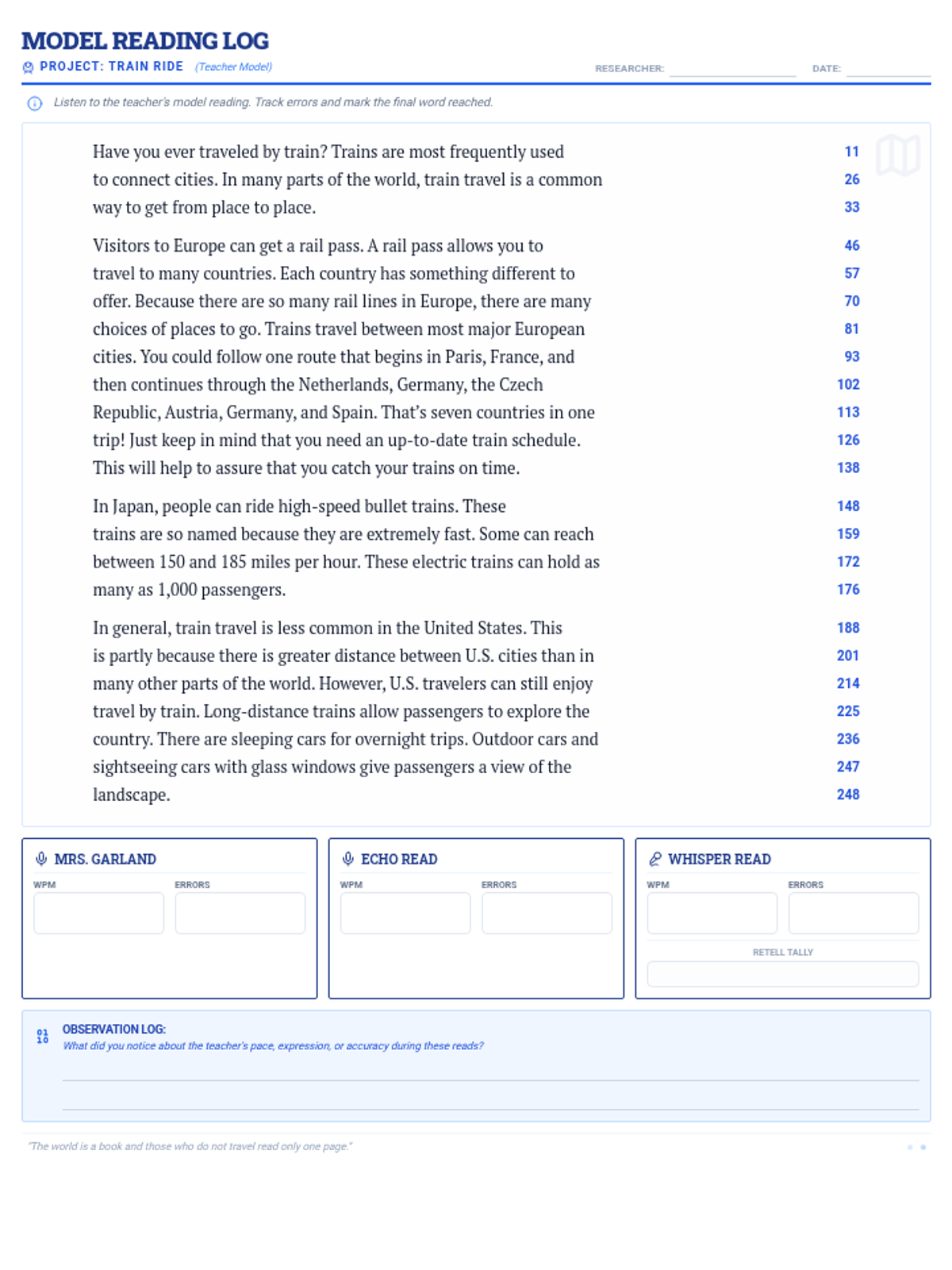
A fluency practice lesson focused on reading speed and comprehension through the story of Albert Einstein, utilizing a peer-partnered tracking system.
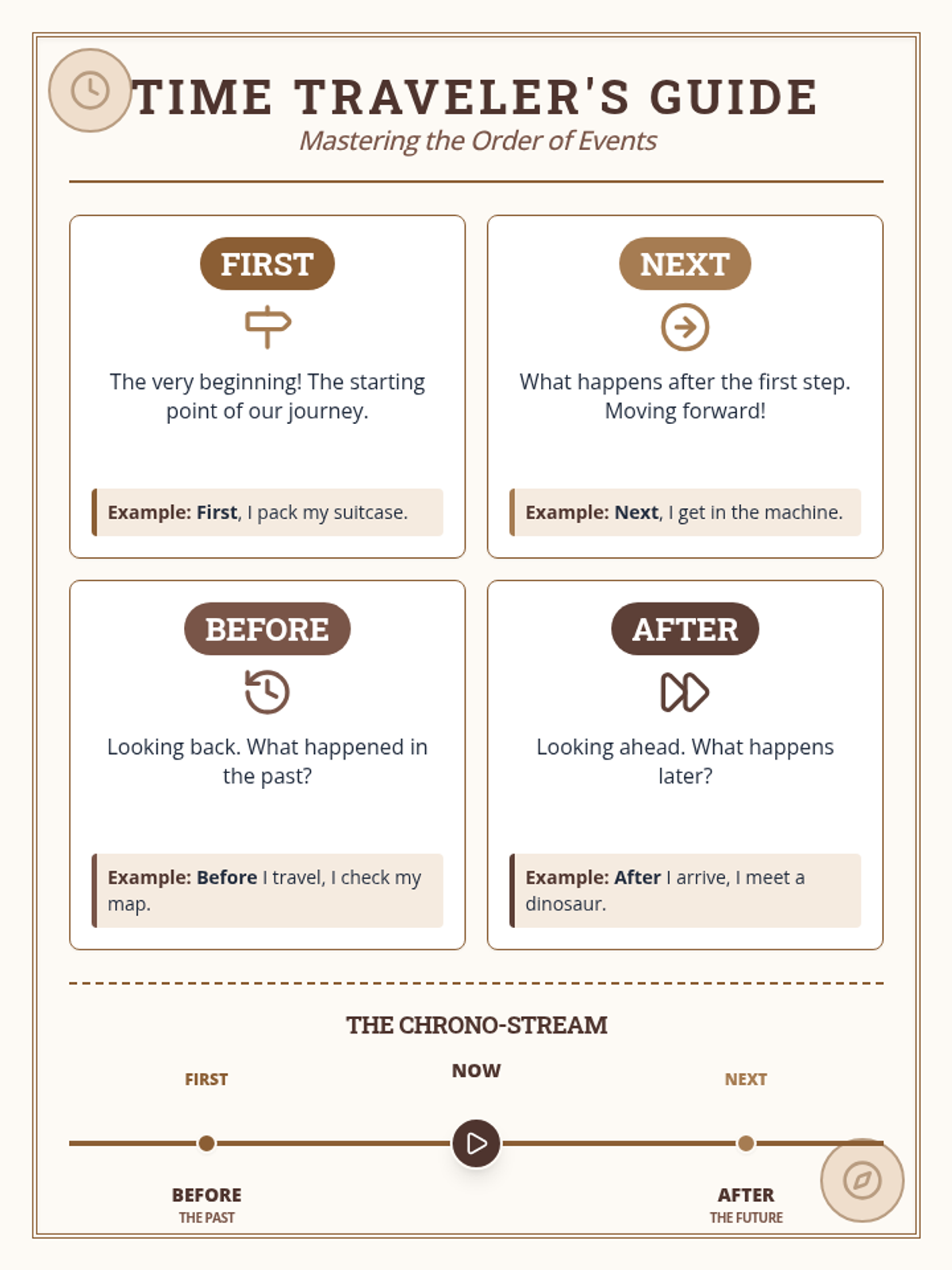
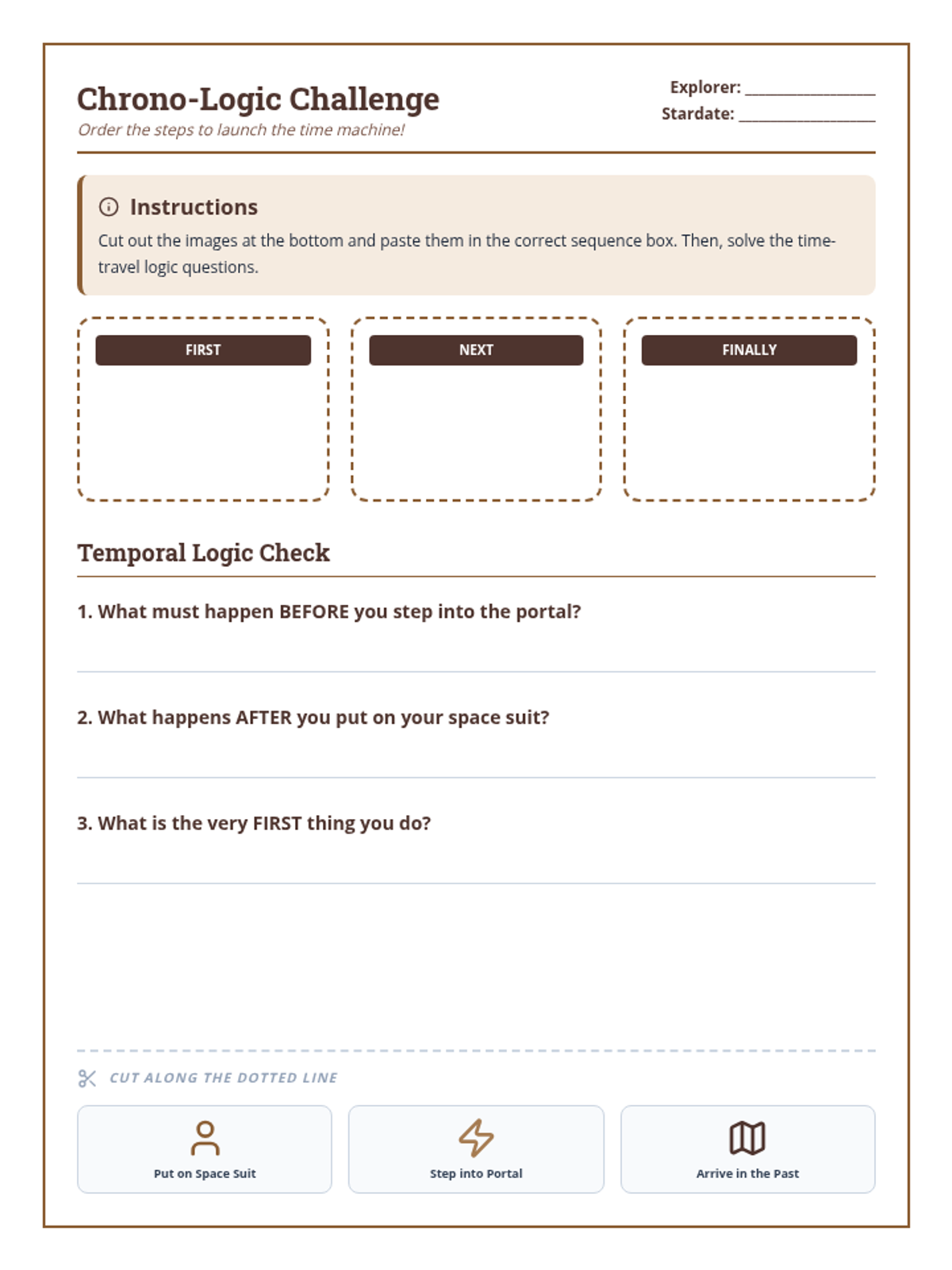
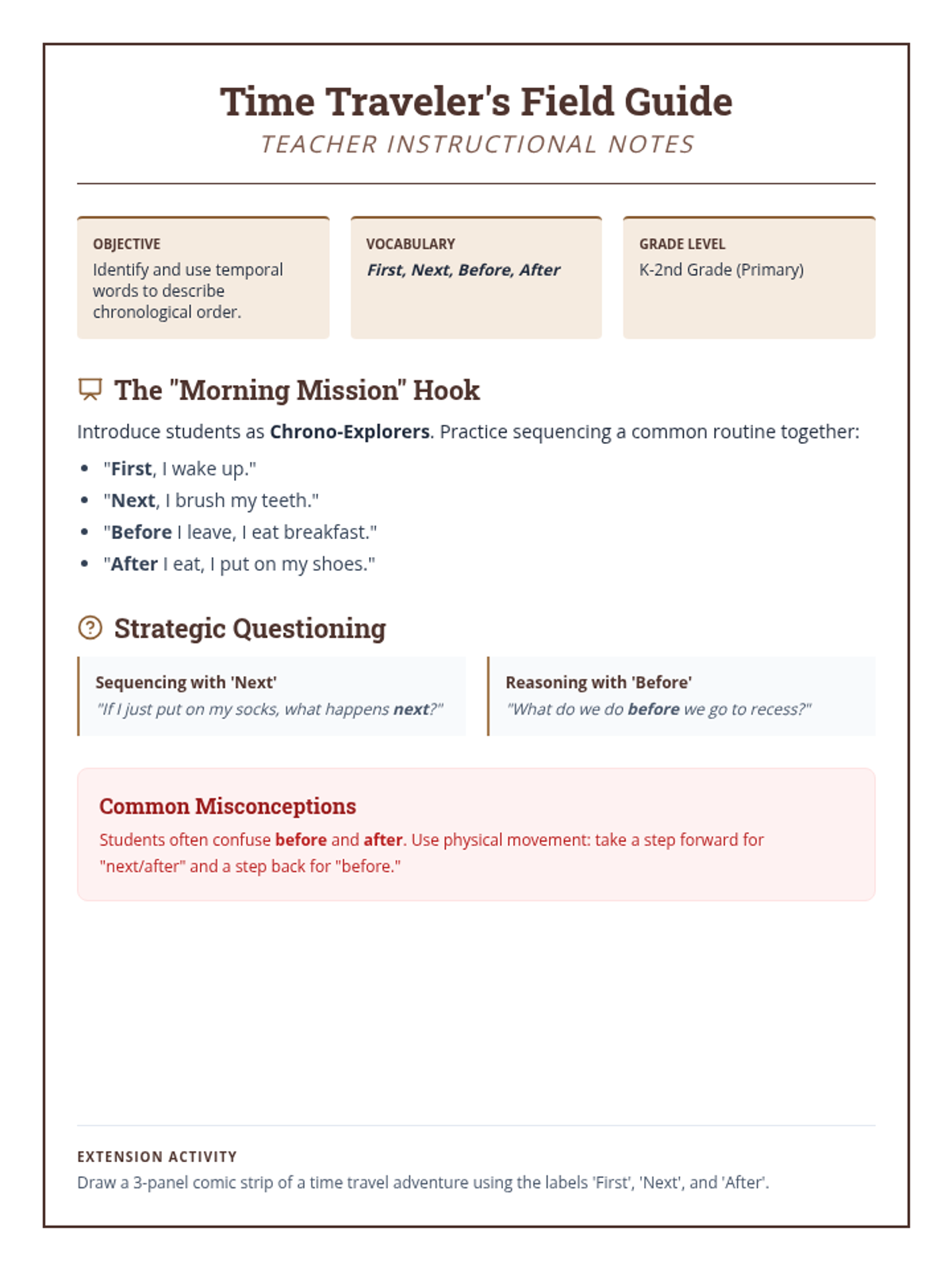
A foundational lesson on temporal sequencing words including 'first', 'next', 'before', and 'after' using a time-traveler theme to engage students in chronological order.
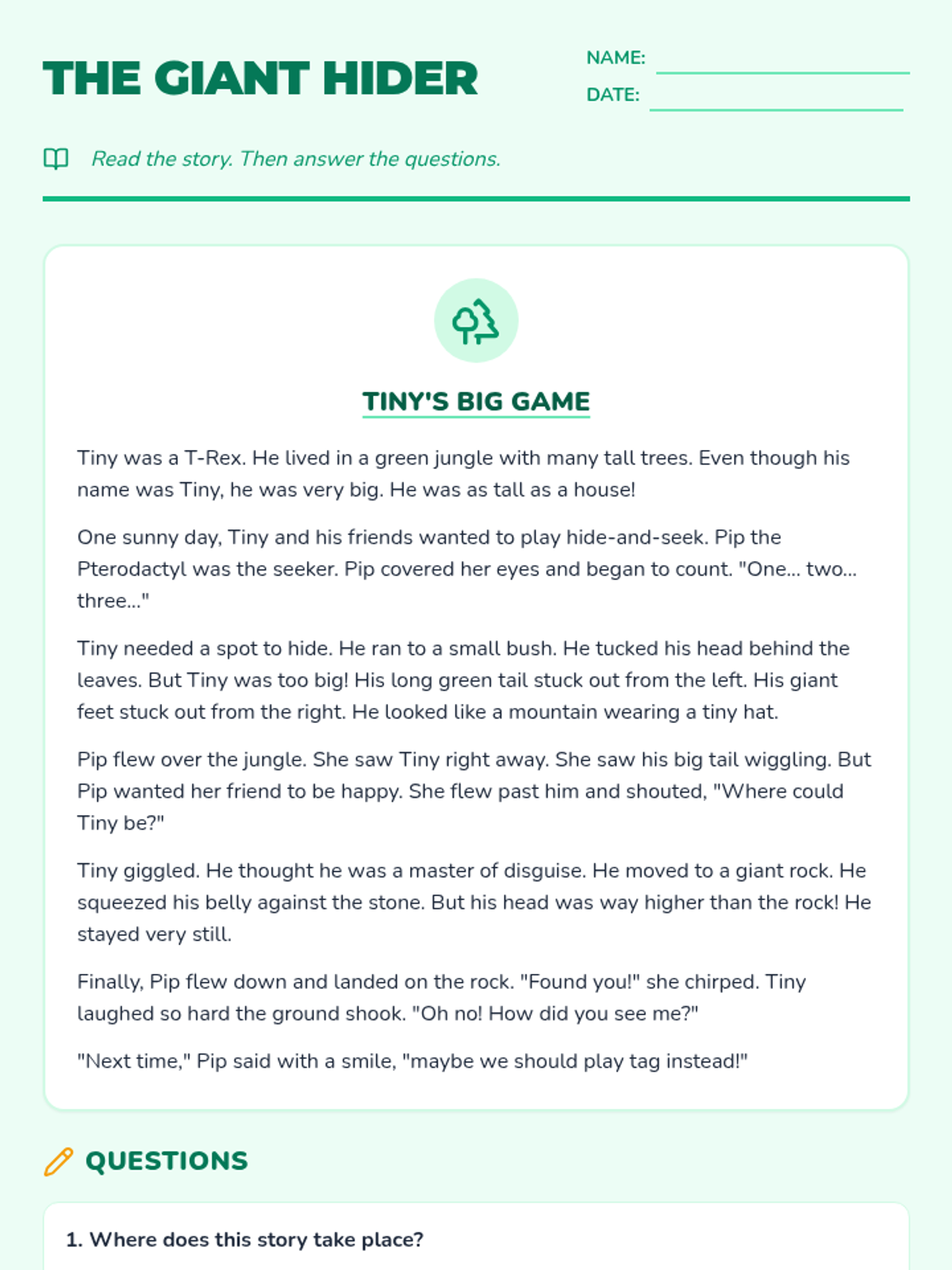
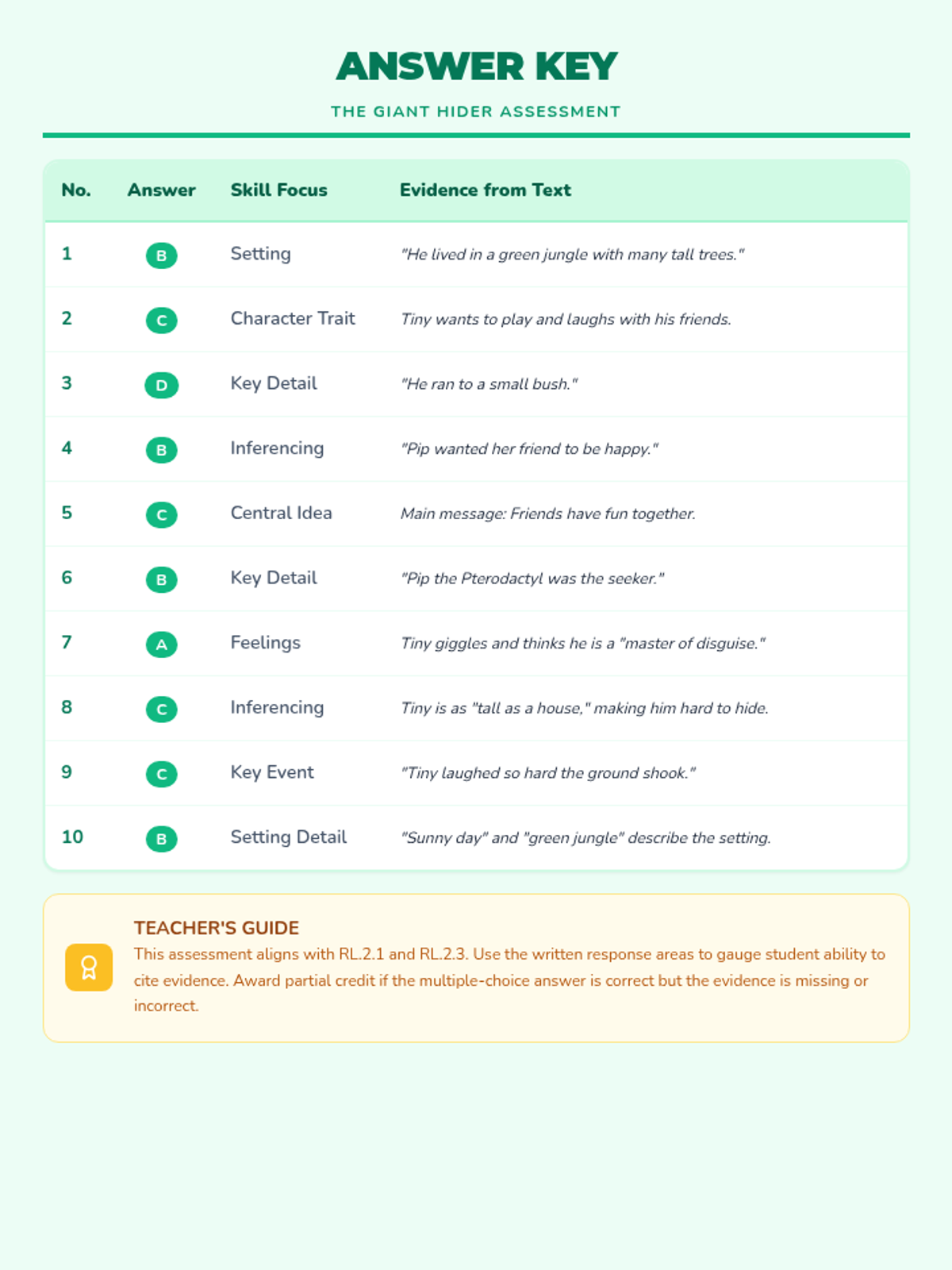
A reading comprehension lesson centered around a silly story of a T-Rex trying to hide. Focuses on setting, character traits, and key details.
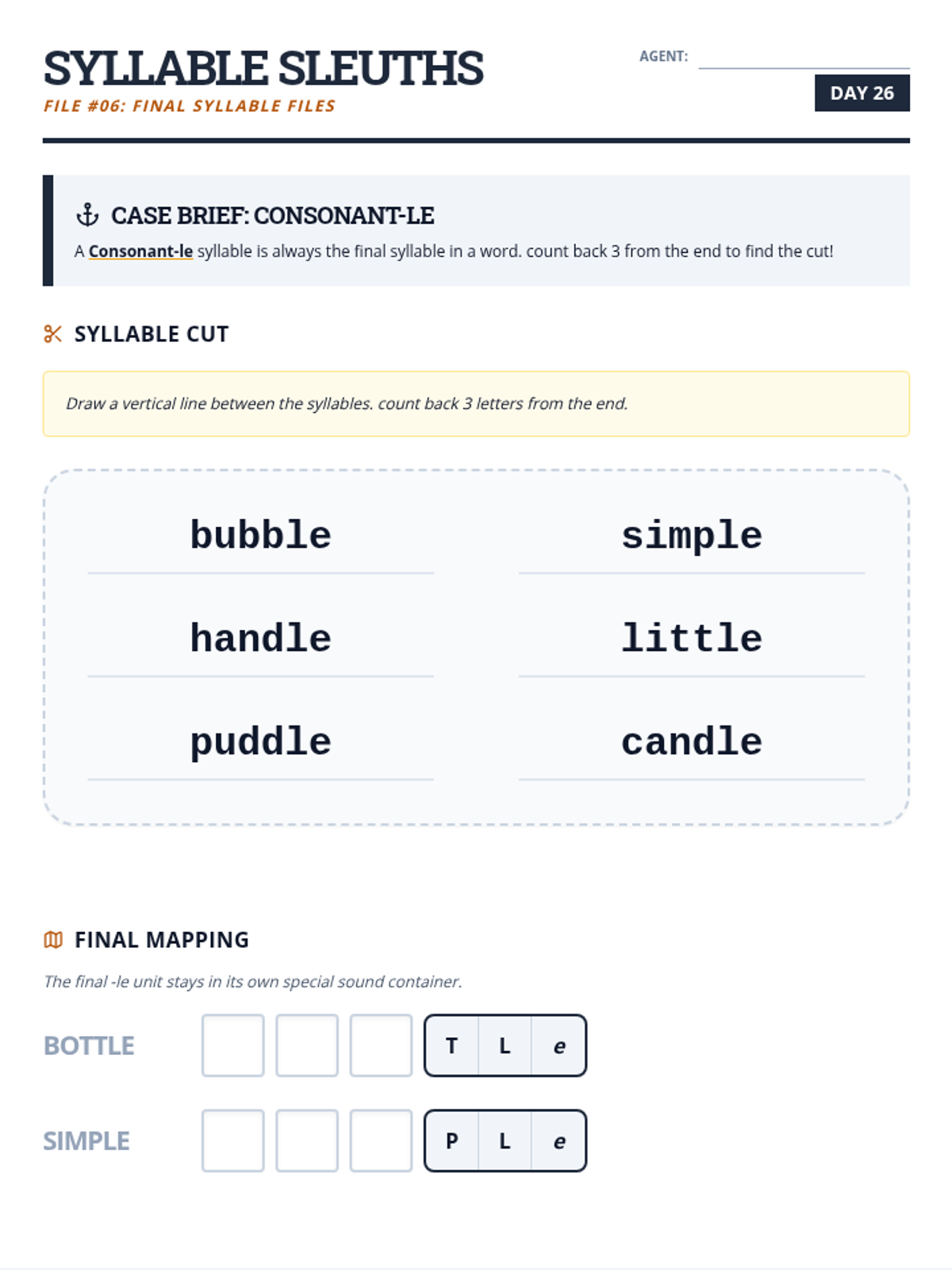
Mastering the final stable syllable 'Consonant-le' found at the end of multi-syllabic words.
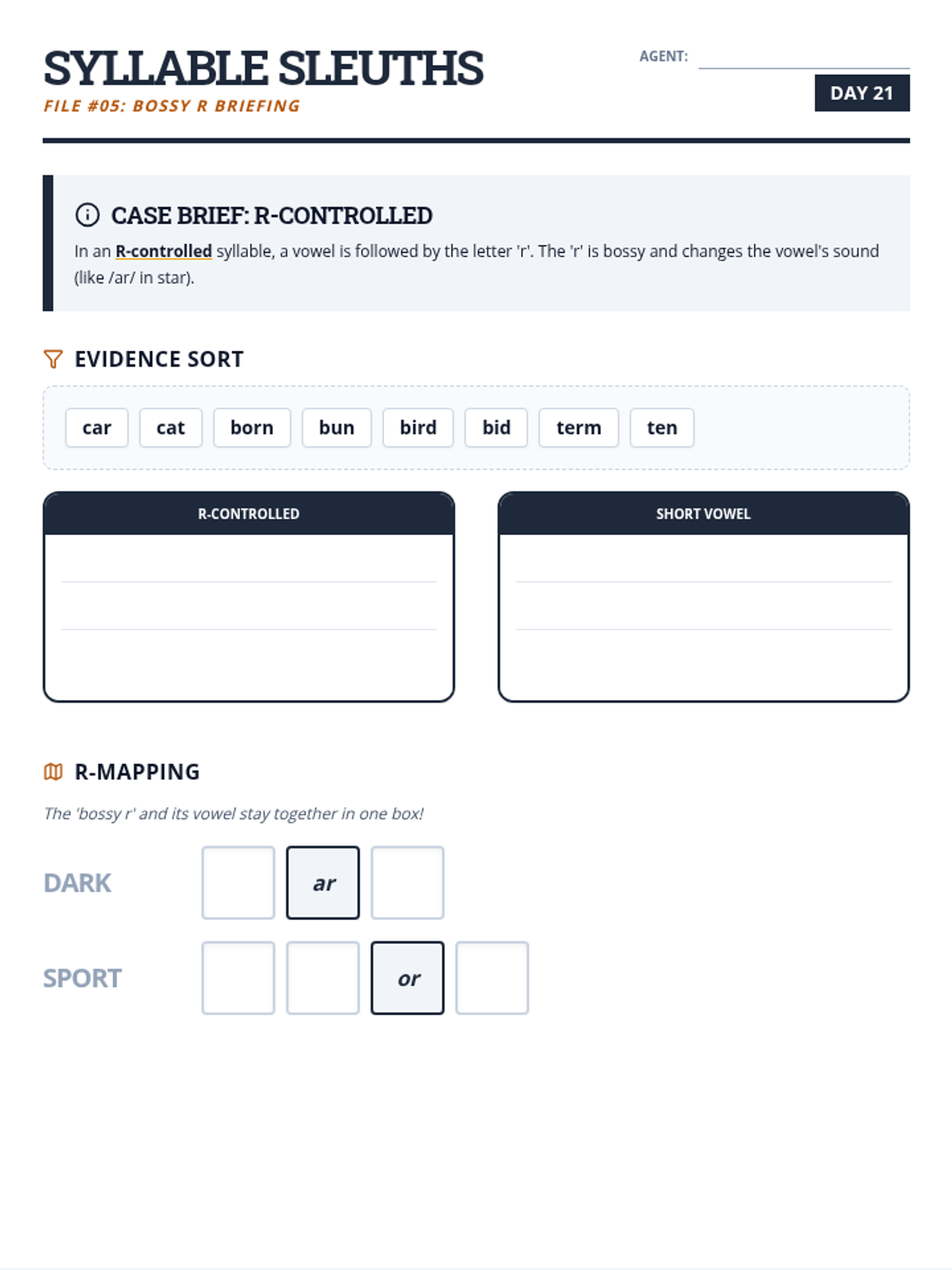
Analyzing how the 'Bossy R' influences the sound of the preceding vowel in R-controlled syllables.
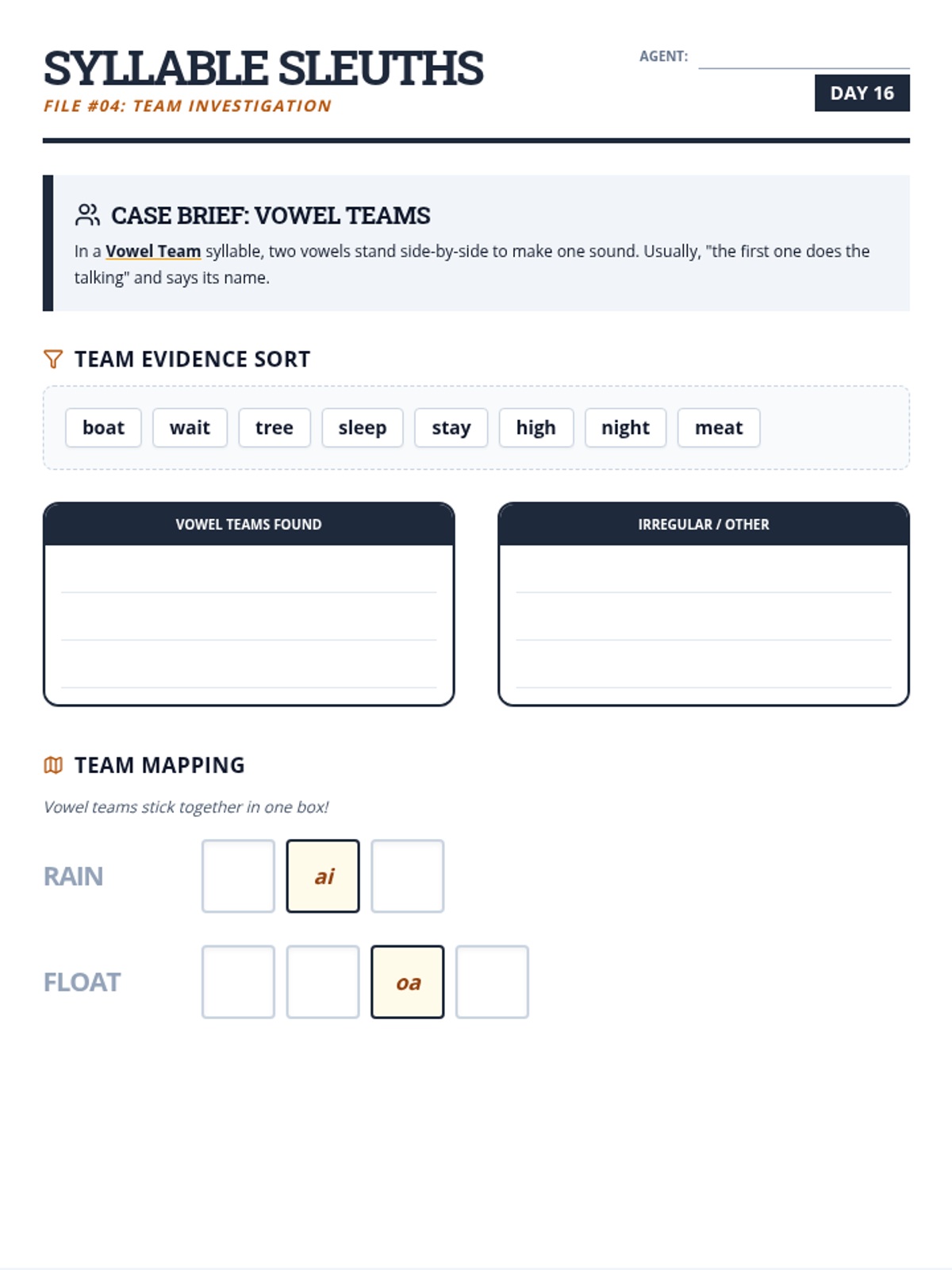
Tracking down vowel teams where two vowels work together to create a specific long or unique vowel sound.
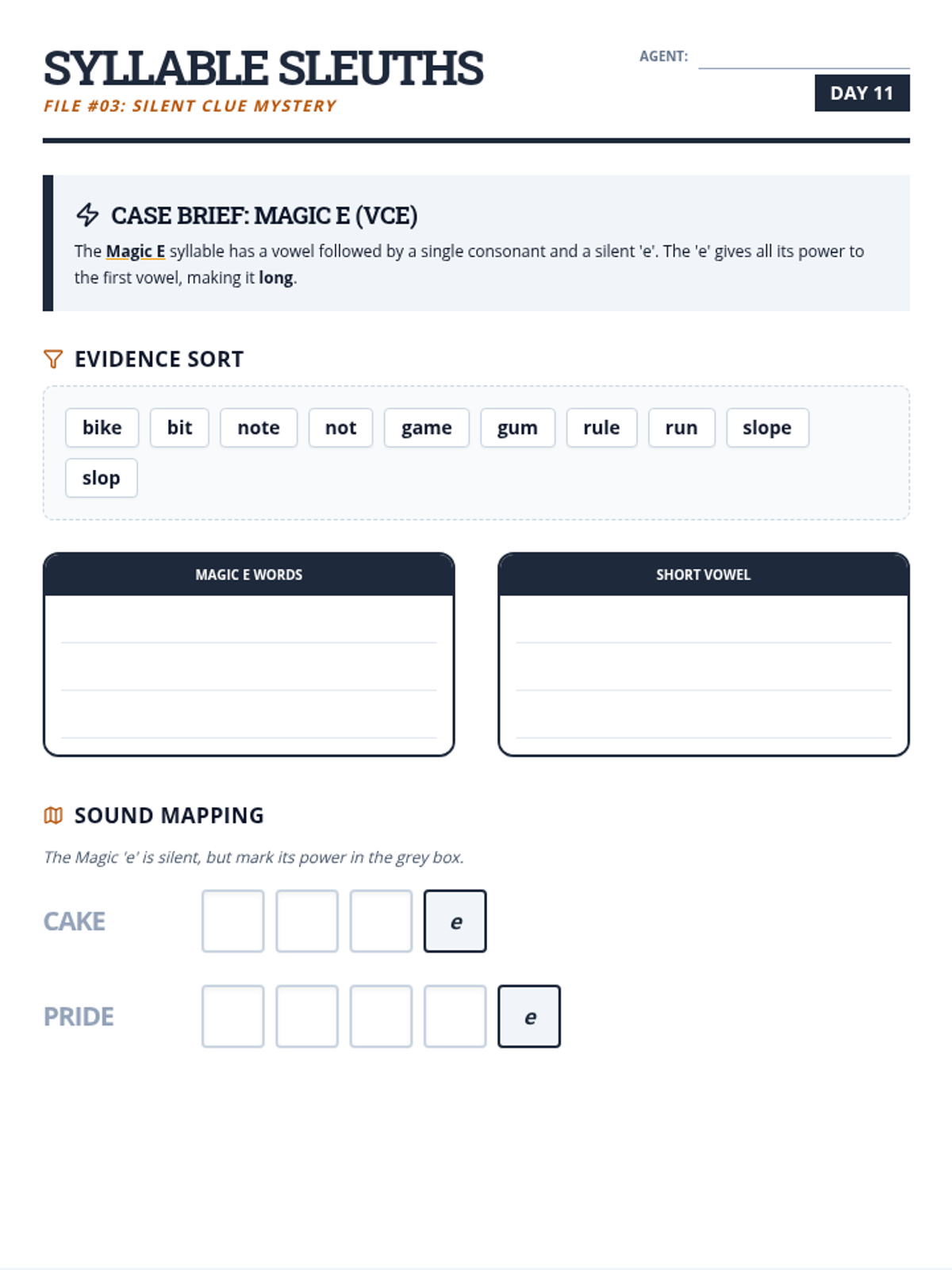
Deciphering the Magic E (VCe) pattern where a silent 'e' at the end of a syllable makes the preceding vowel long.
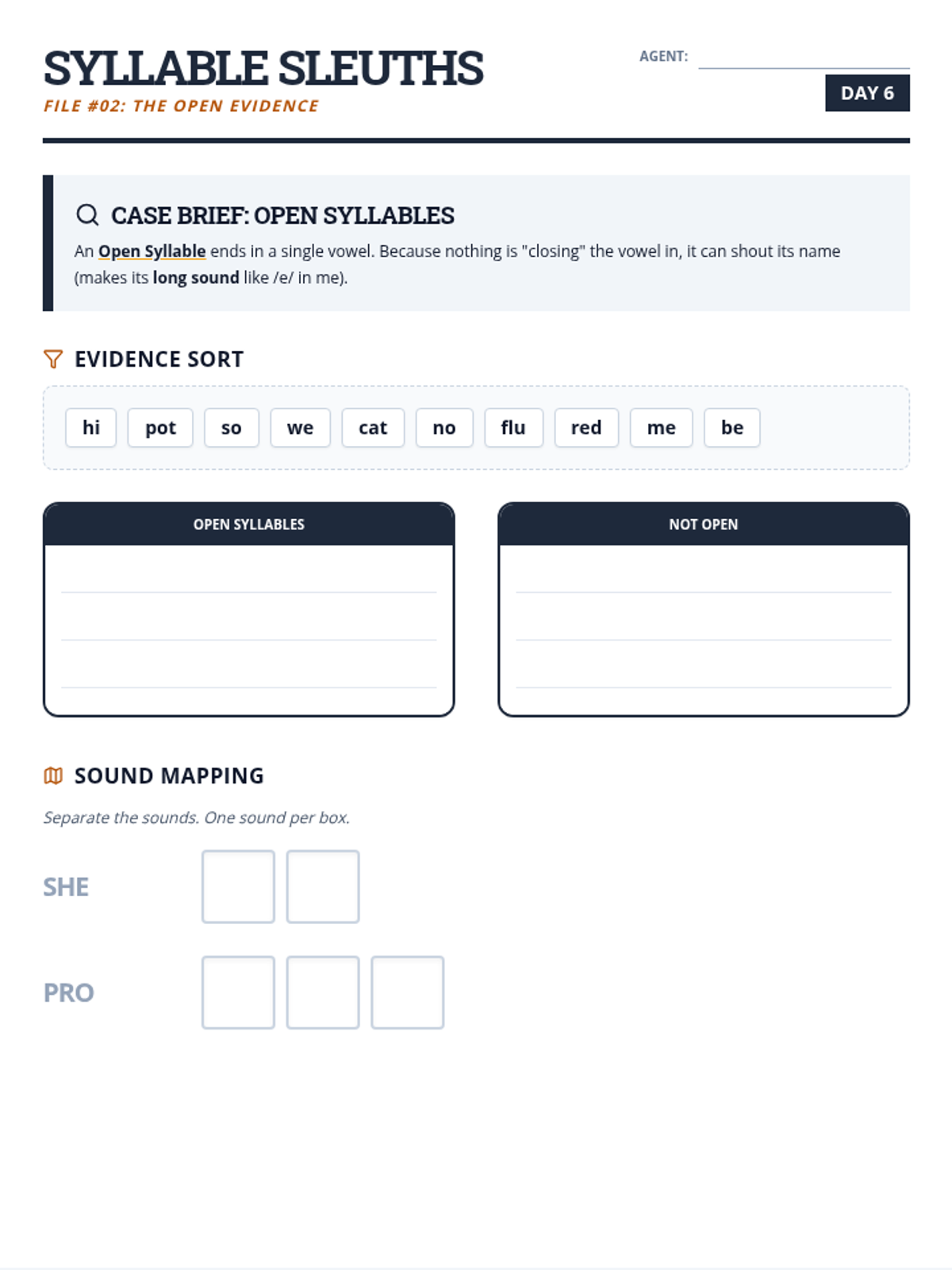
Exploring open syllables that end in a single vowel, which typically makes its long sound.
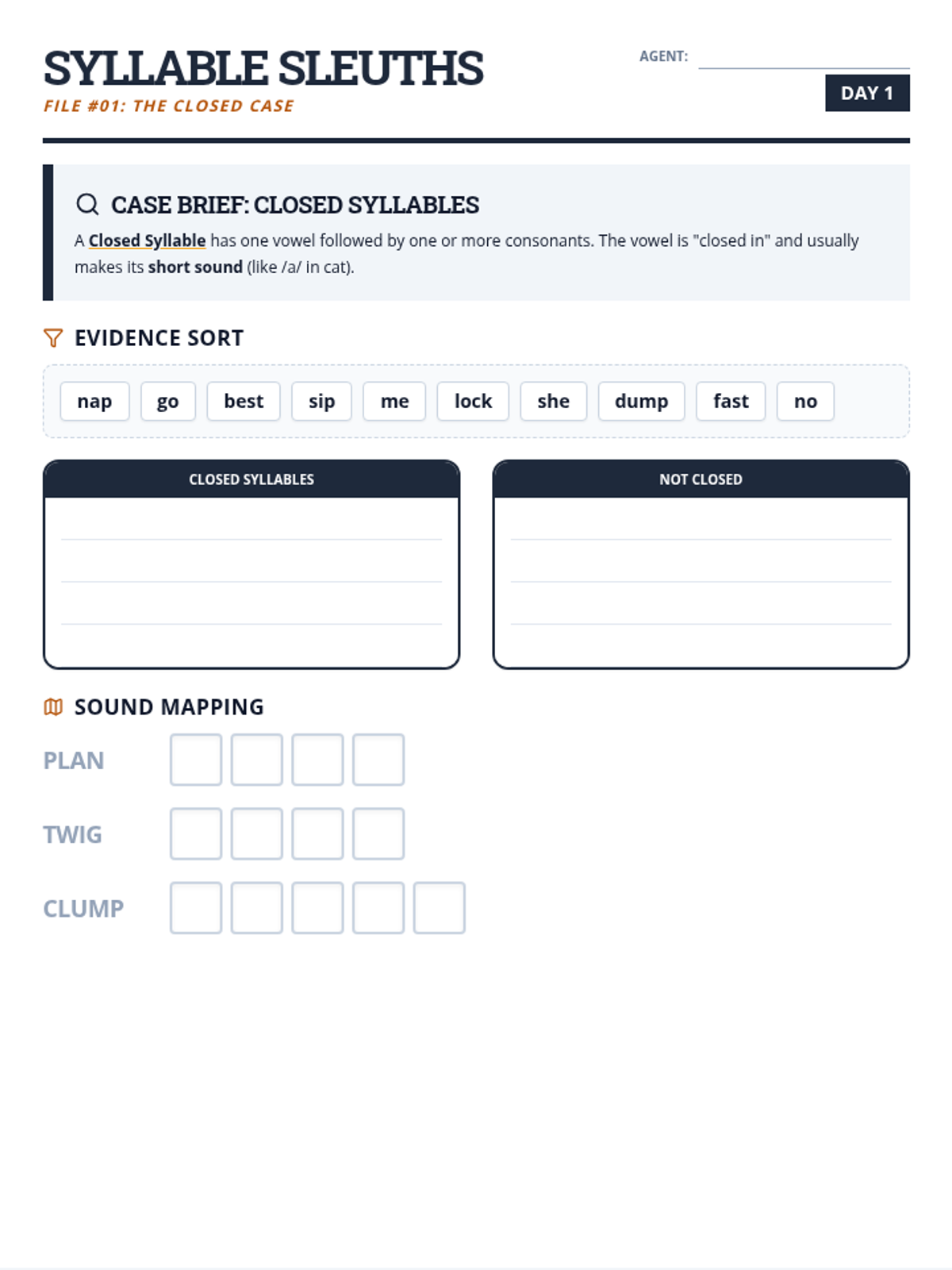
Investigation of closed syllables where a single vowel is followed by one or more consonants, resulting in a short vowel sound.
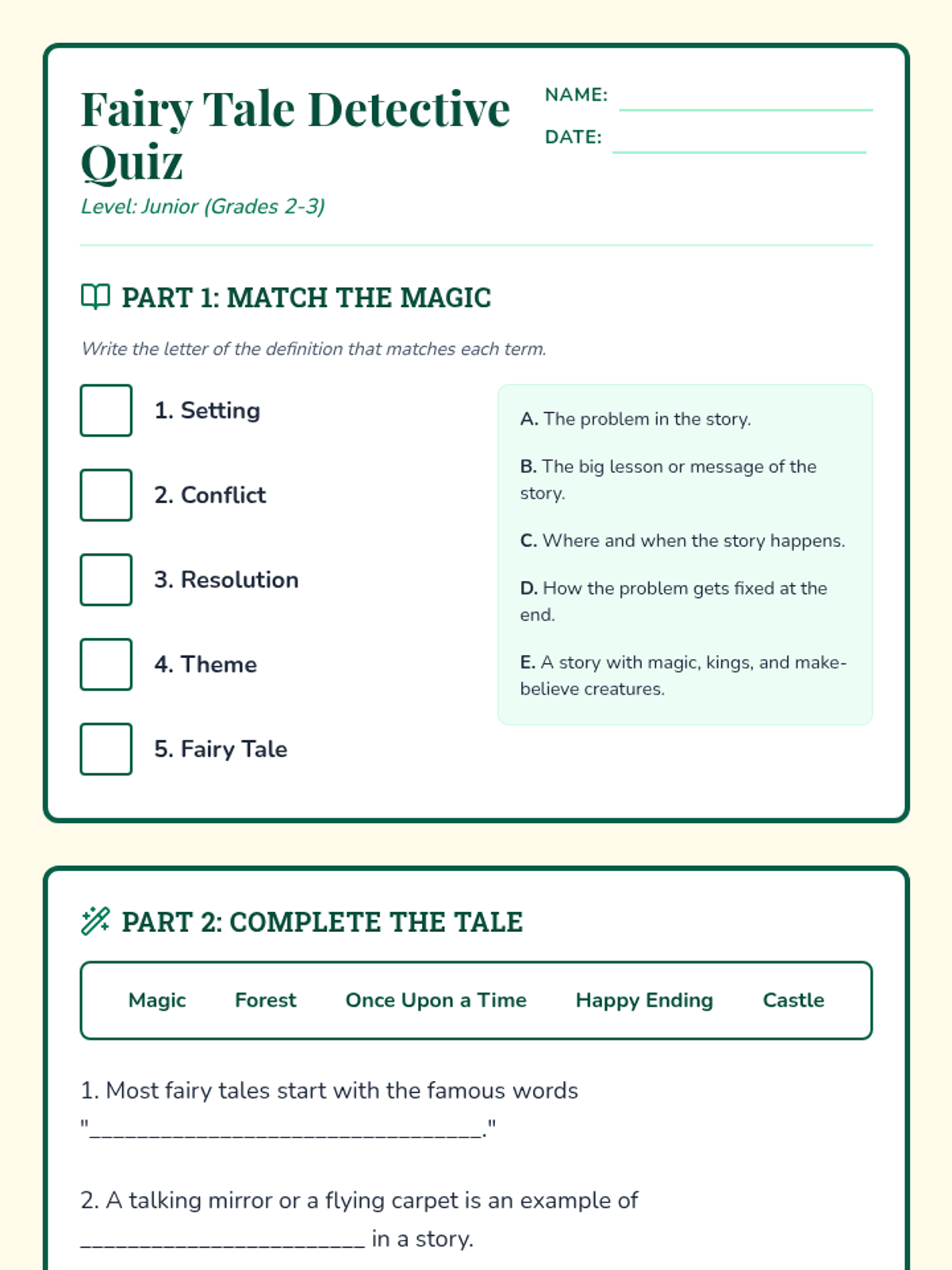
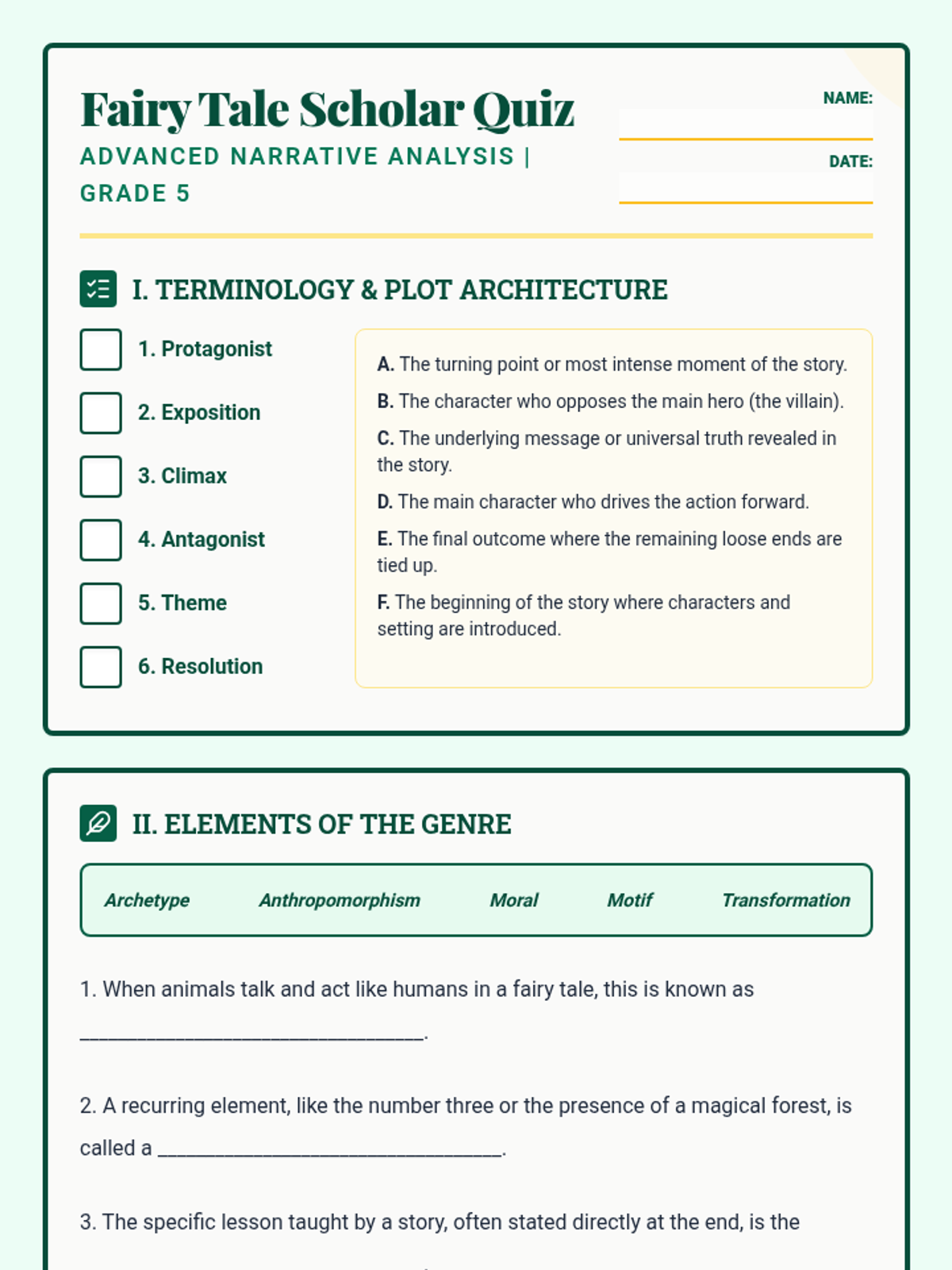
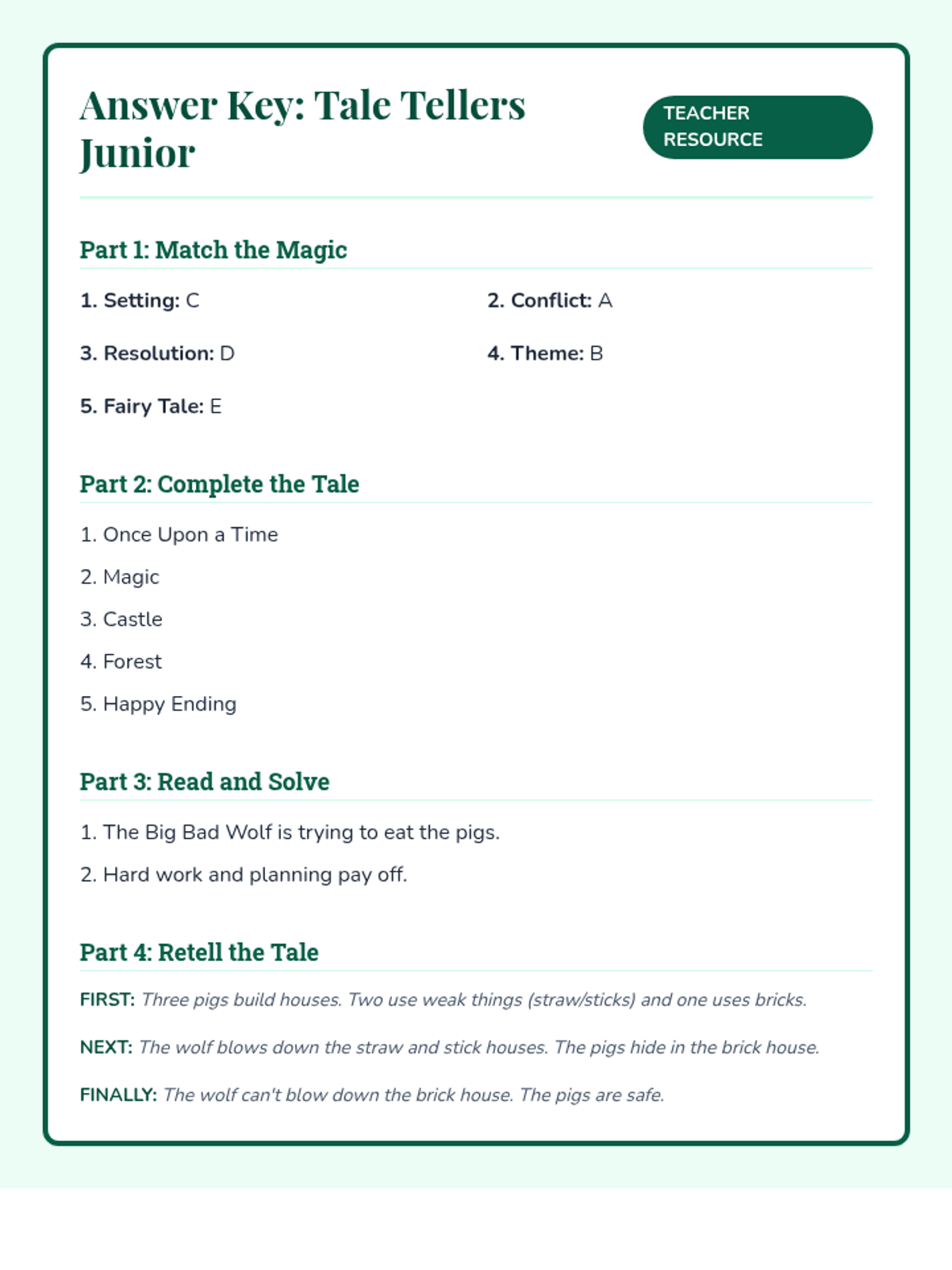
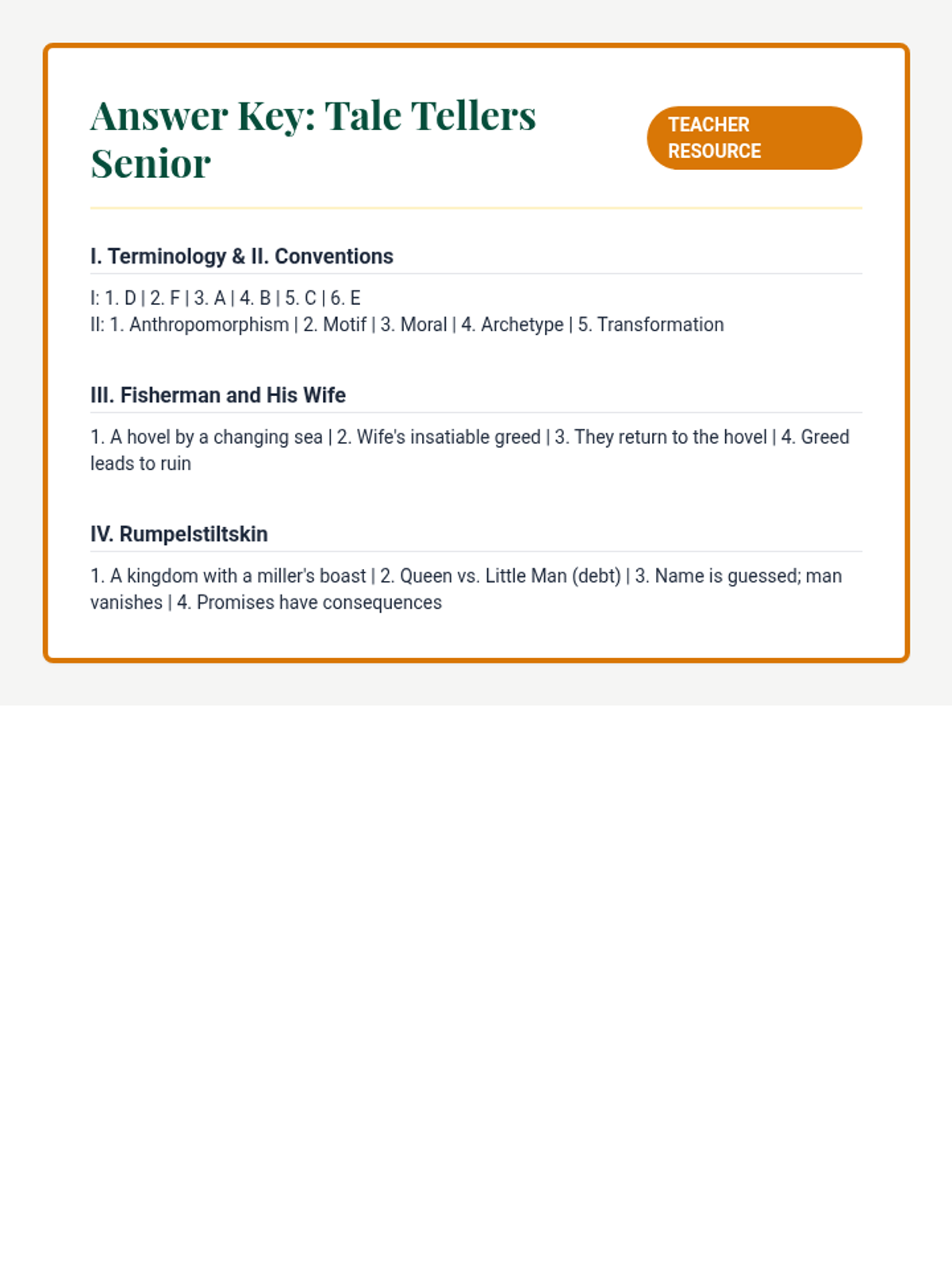
A comprehensive assessment on fairy tale elements and plot structures for elementary students, featuring two differentiated levels to meet specific grade-level standards.
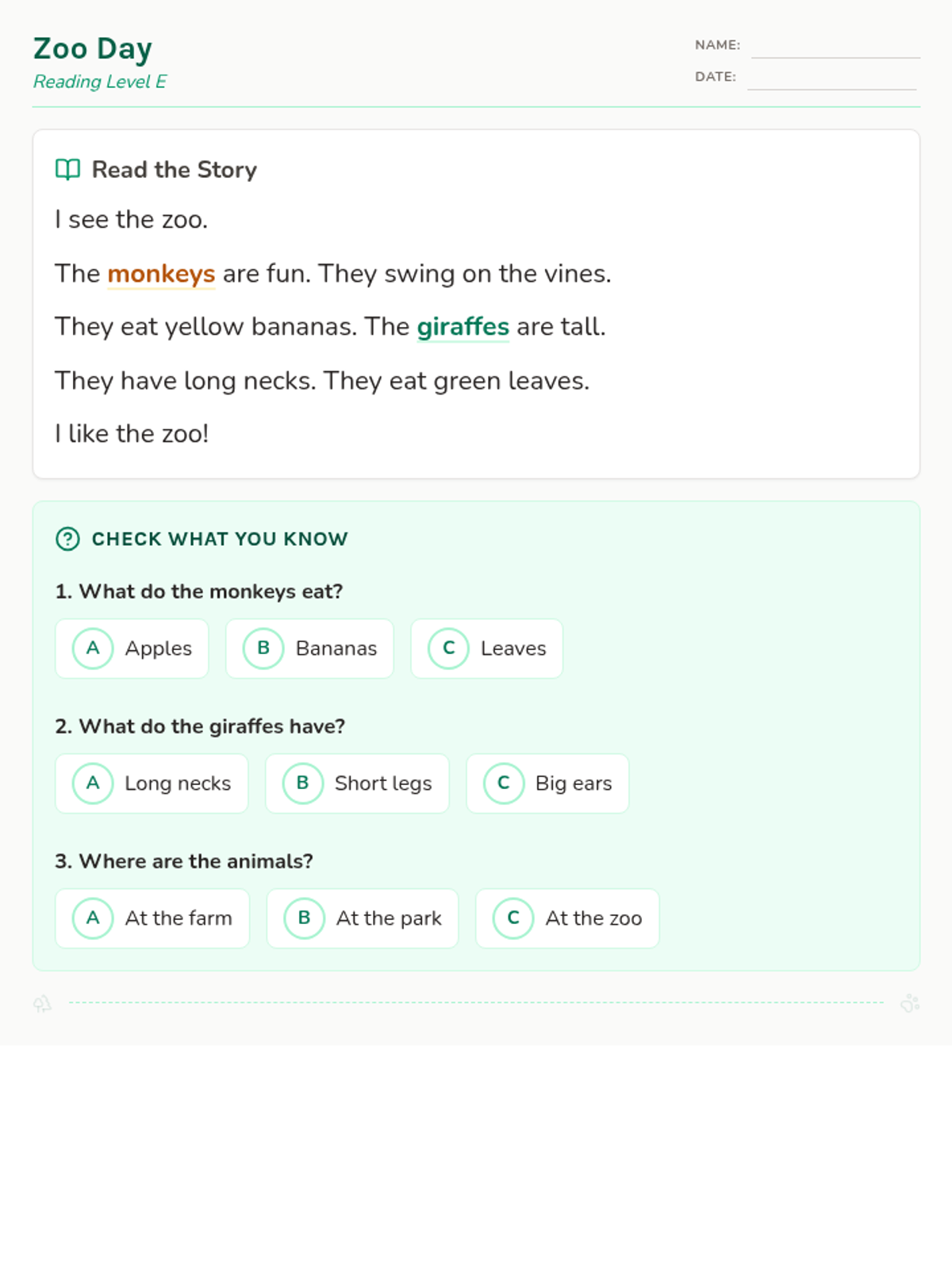
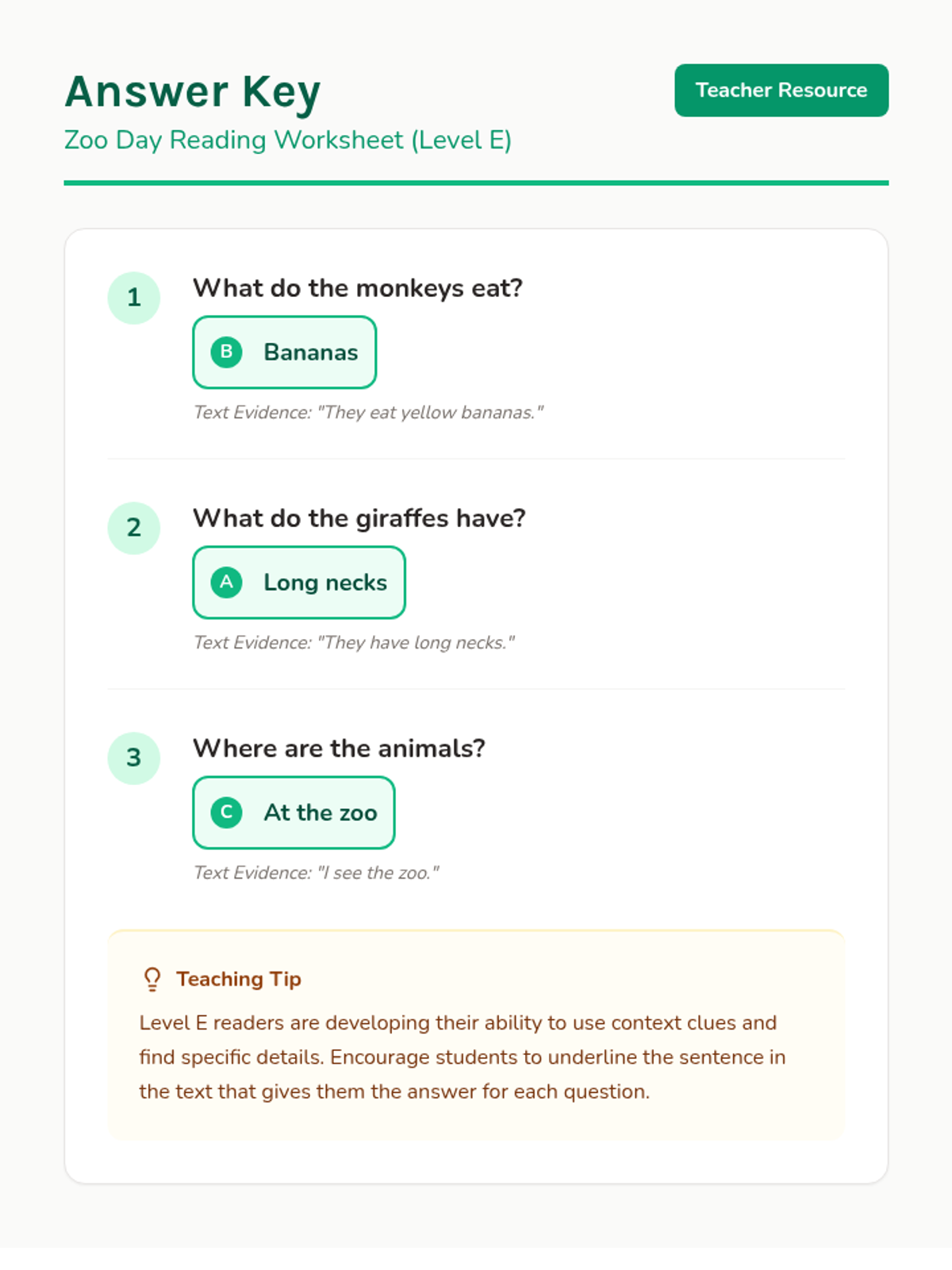
A beginner-level reading comprehension lesson focused on zoo animals, featuring simple sentences and key vocabulary for Level E readers.
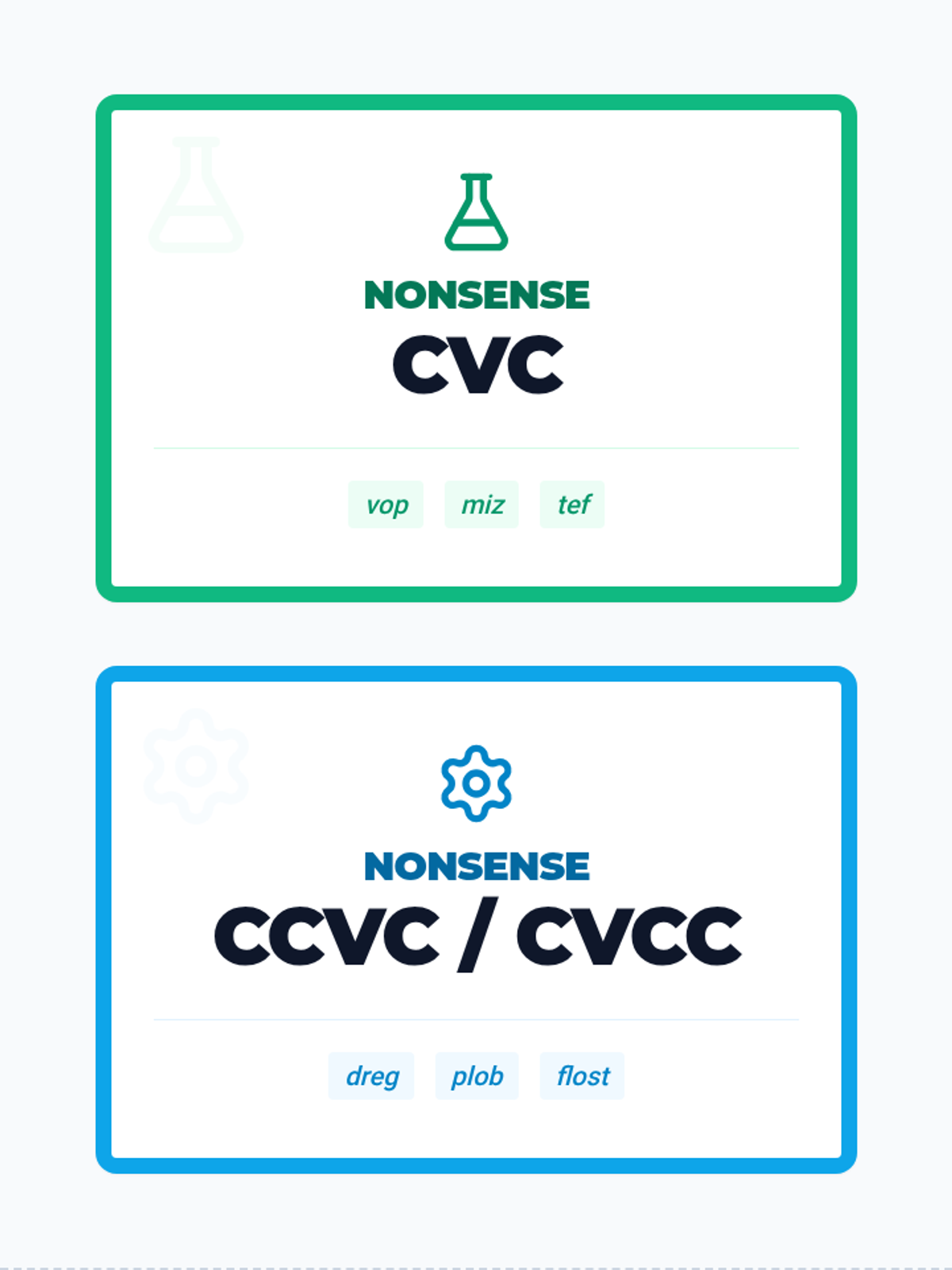
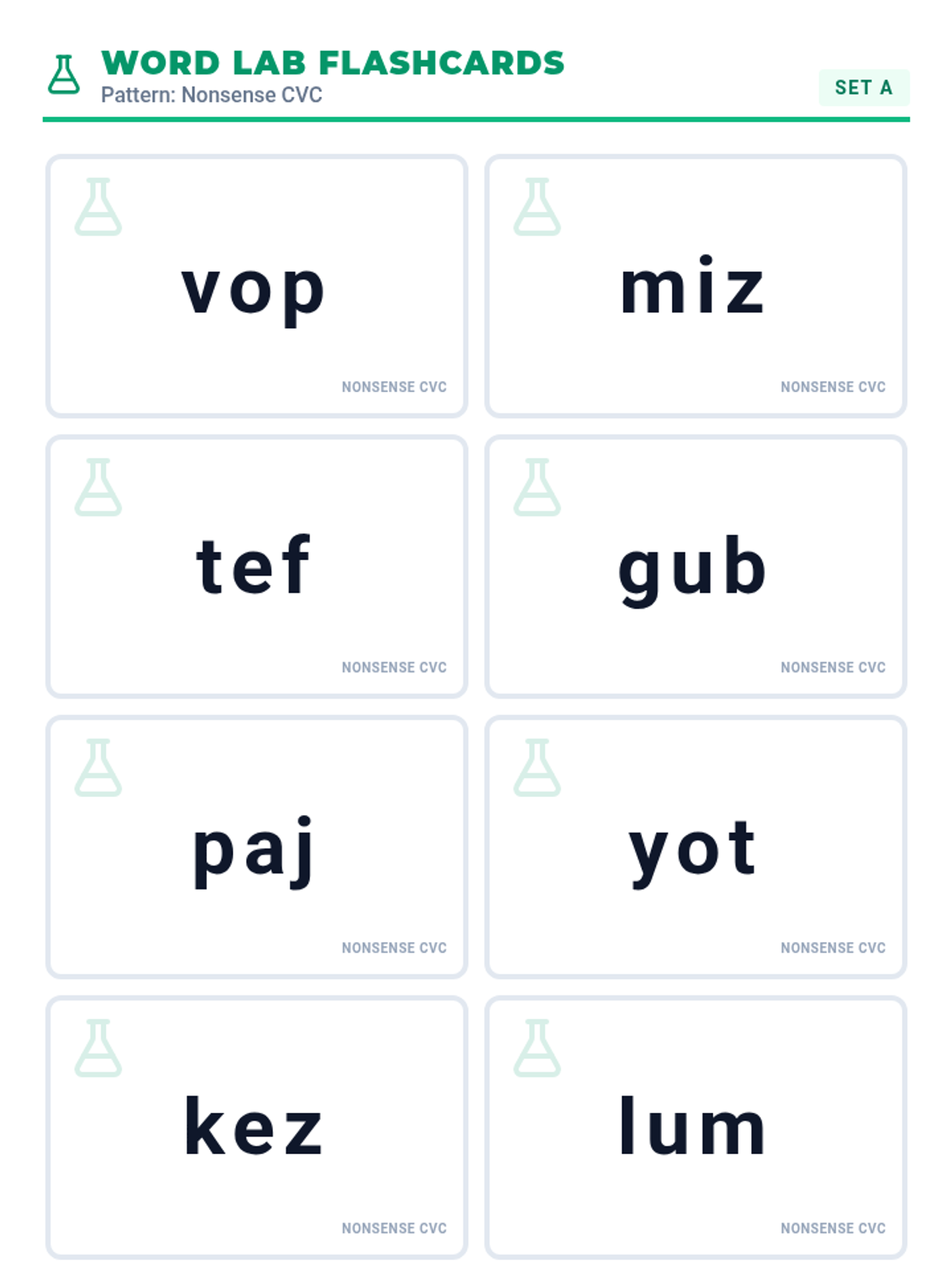
A collection of instructional resources and organizing tools for nonsense word fluency practice across various phonics patterns.
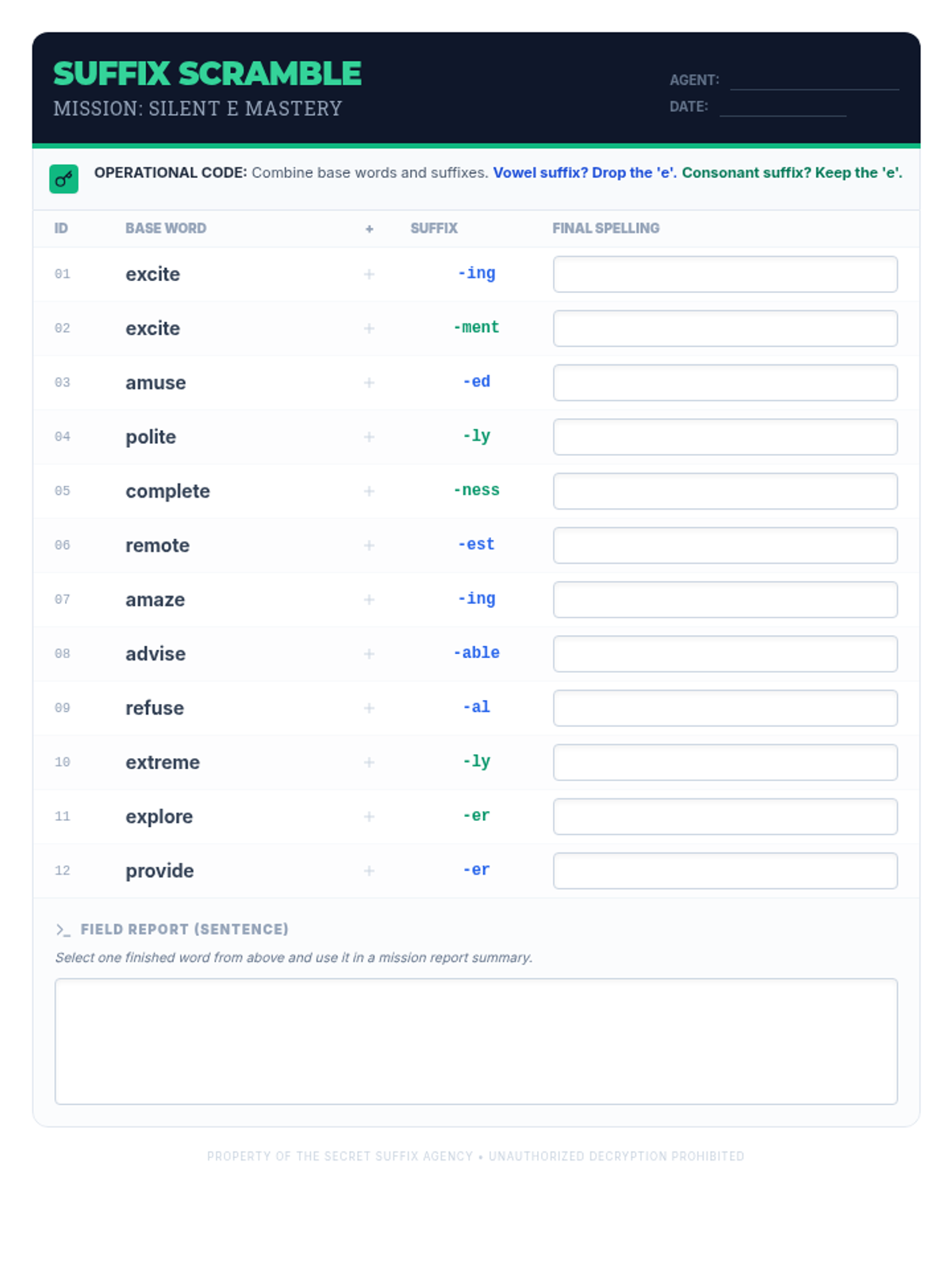
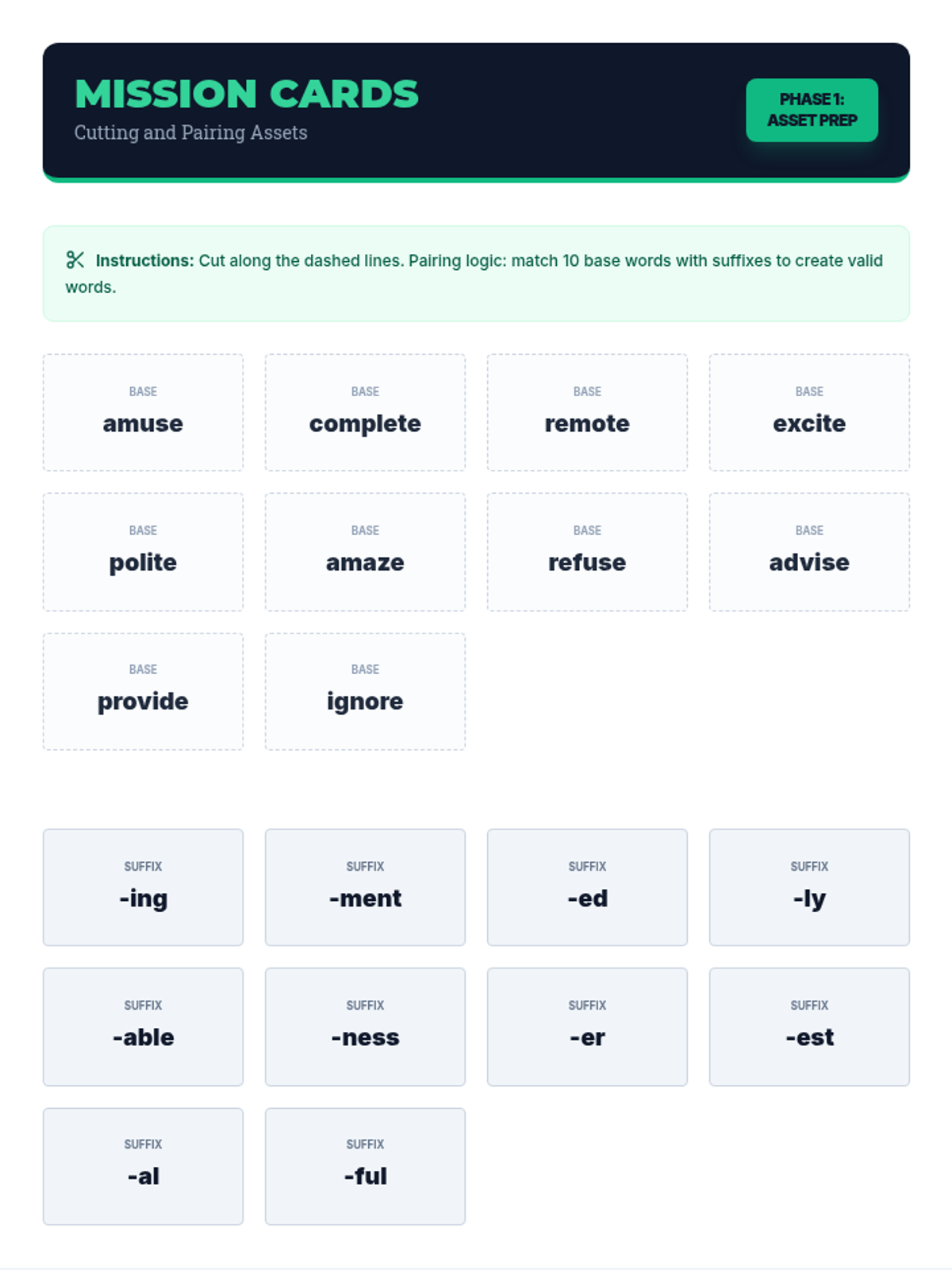
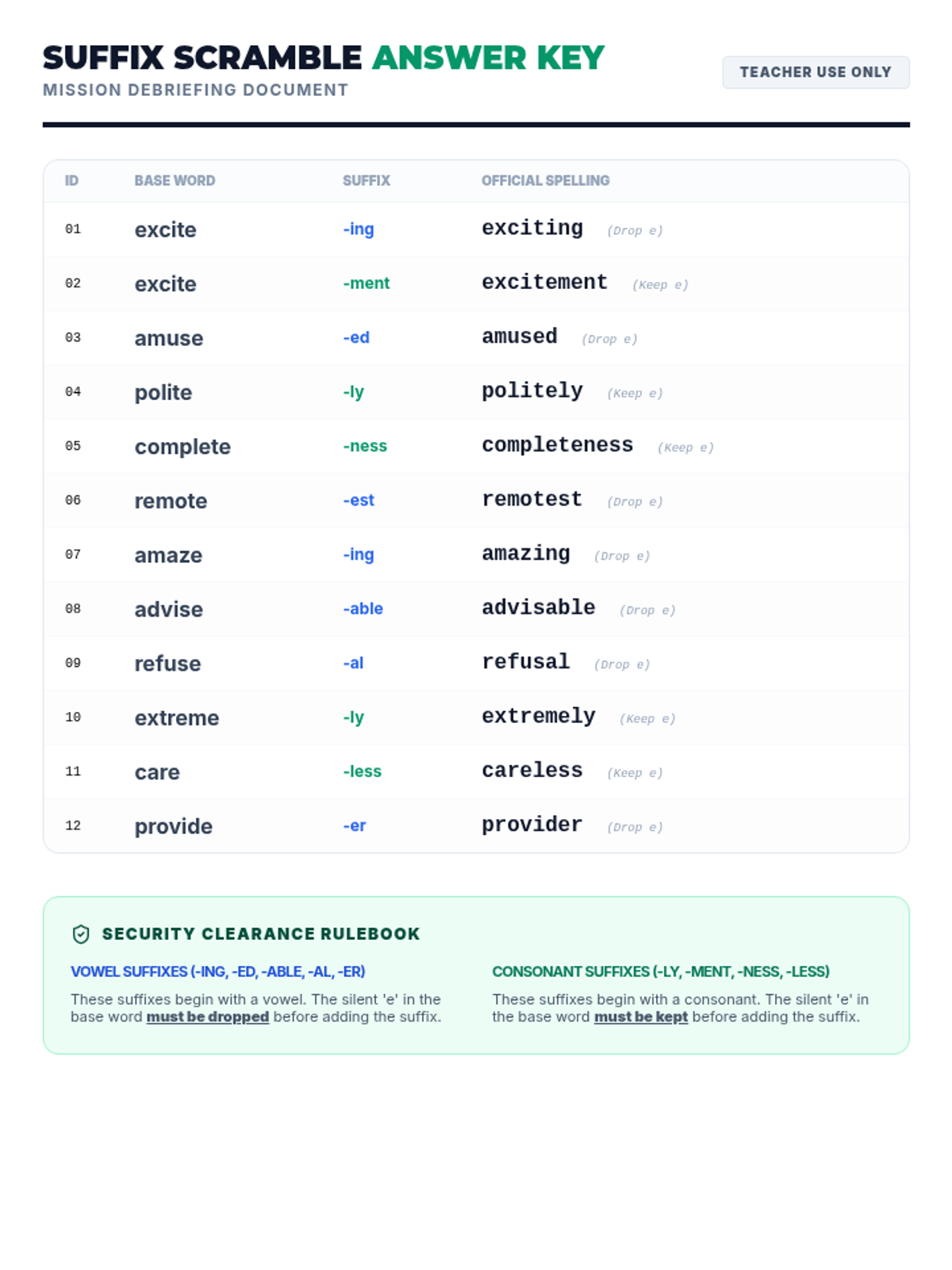
A comprehensive lesson on adding suffixes to multi-syllabic words ending in a silent 'e', focusing on the rules for dropping or keeping the 'e' based on the suffix type.
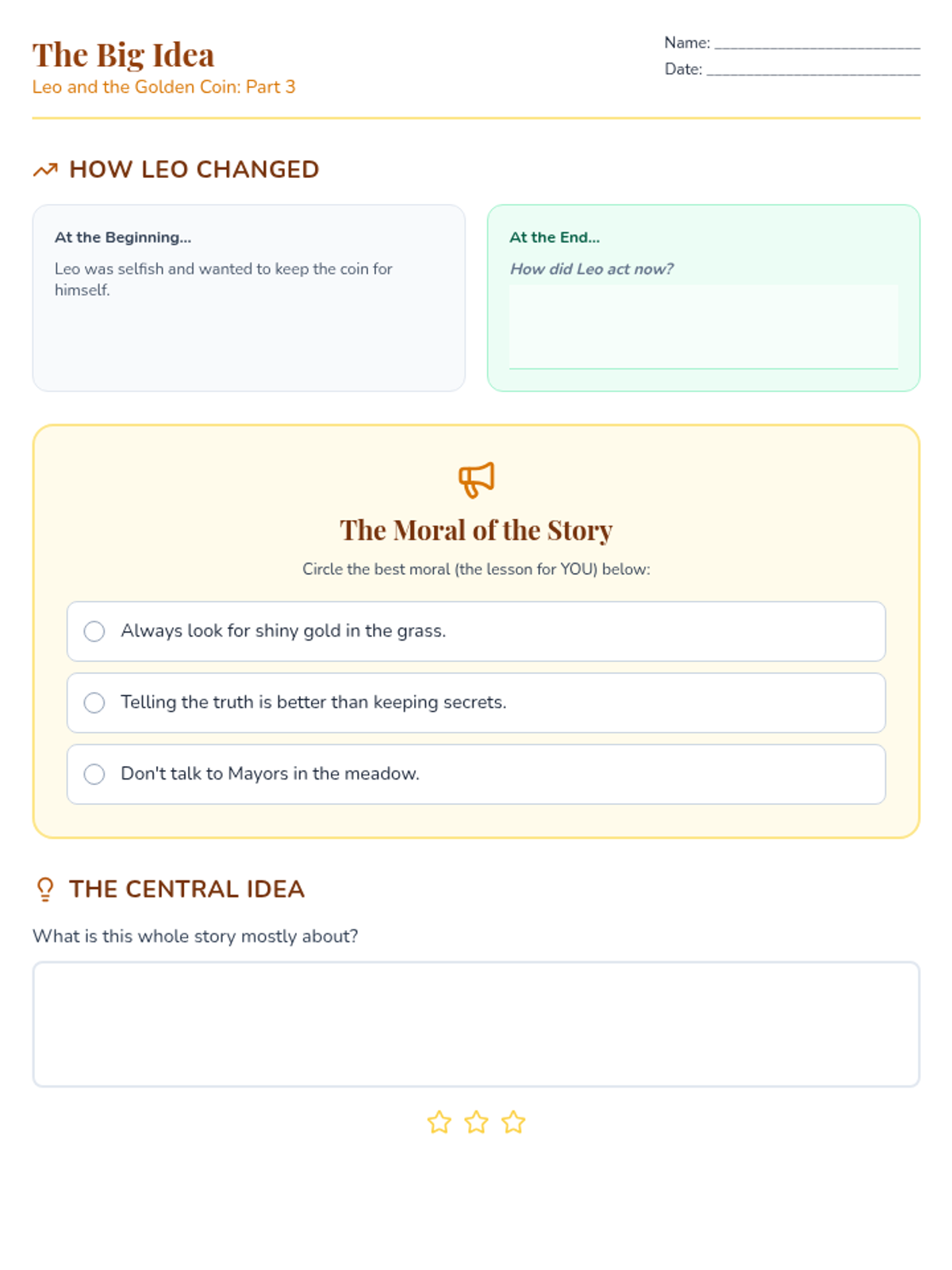
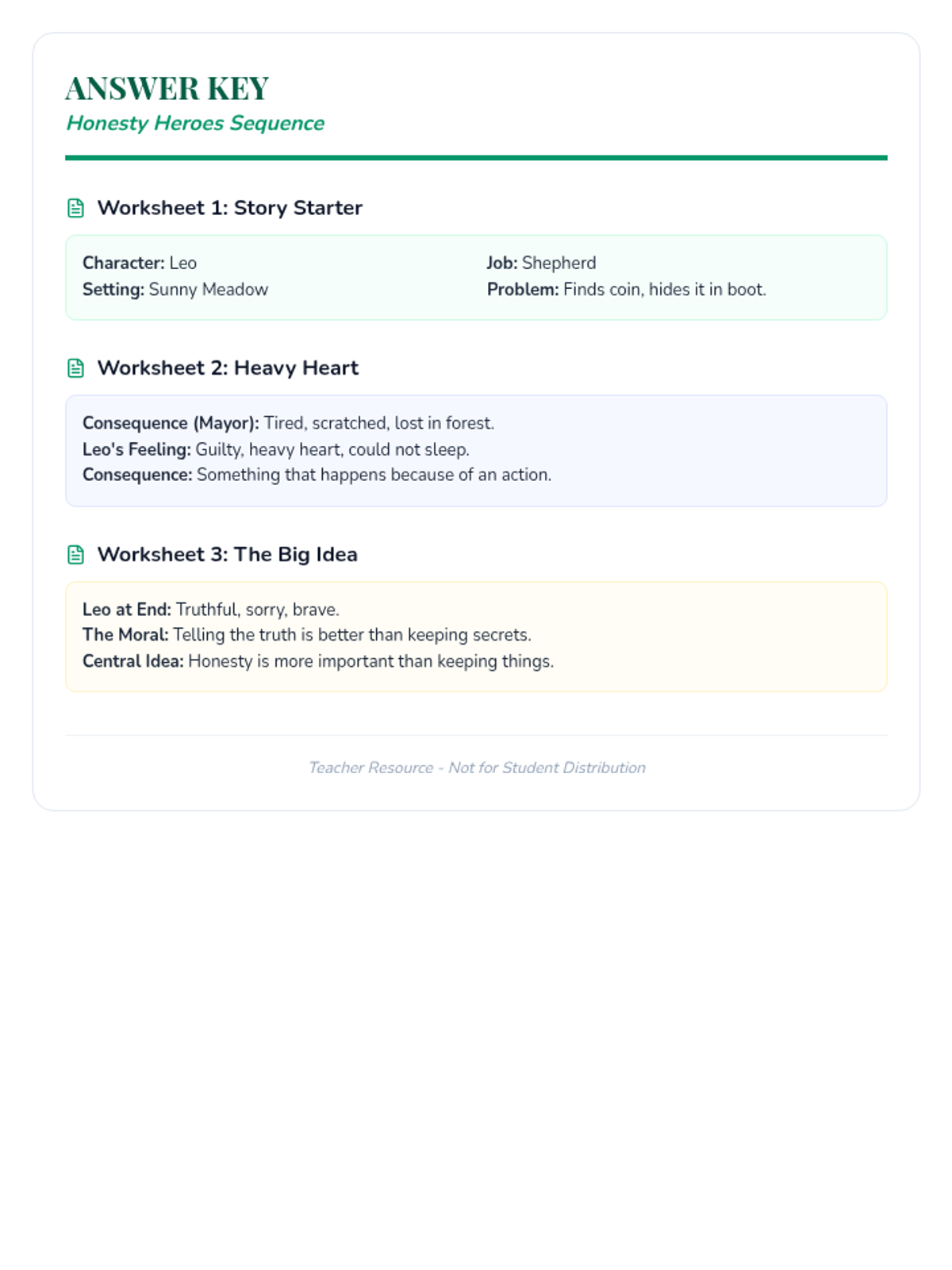
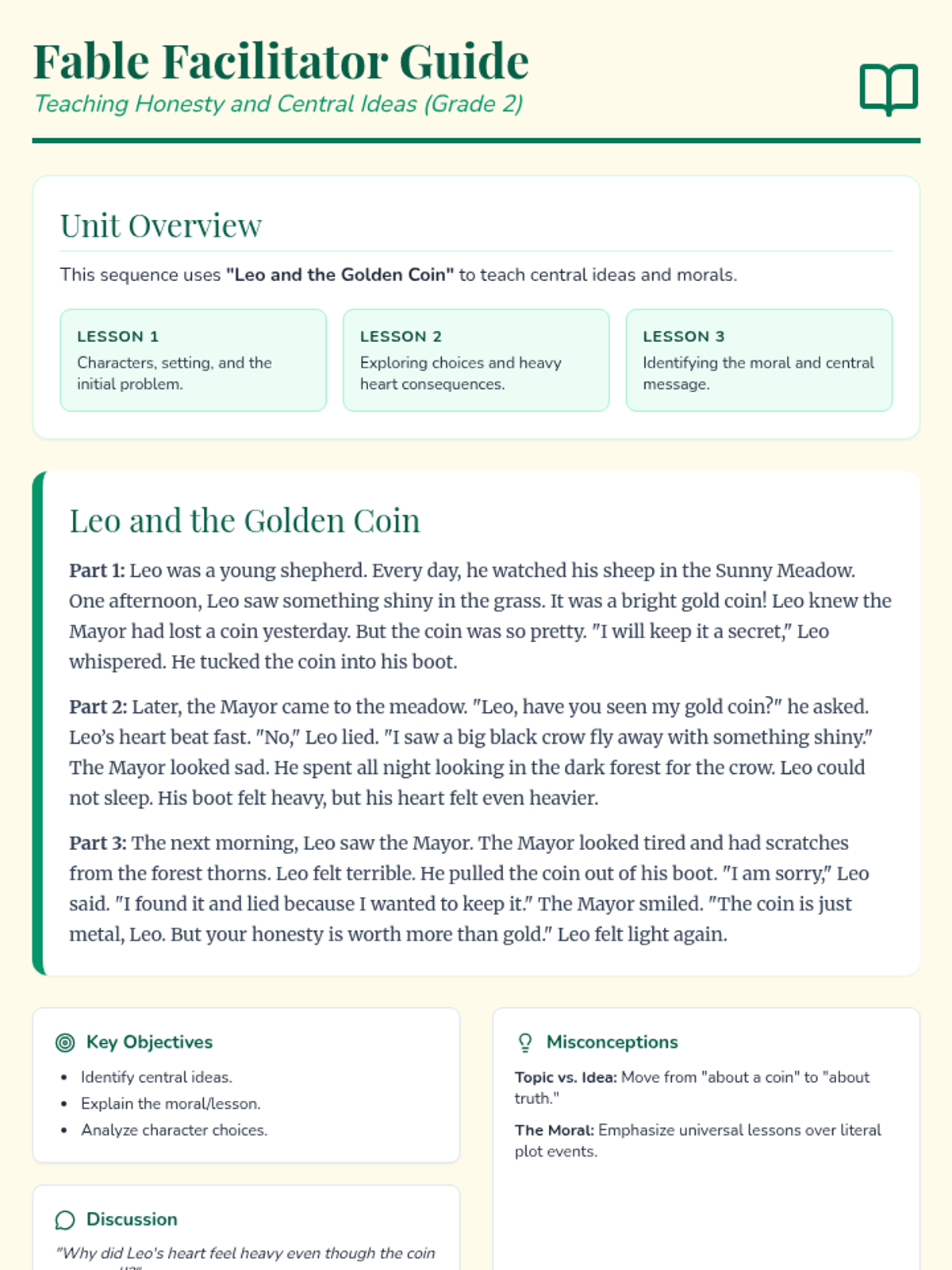
Conclusion of the fable where Leo chooses honesty. Students determine the central idea and the overarching moral of the story.
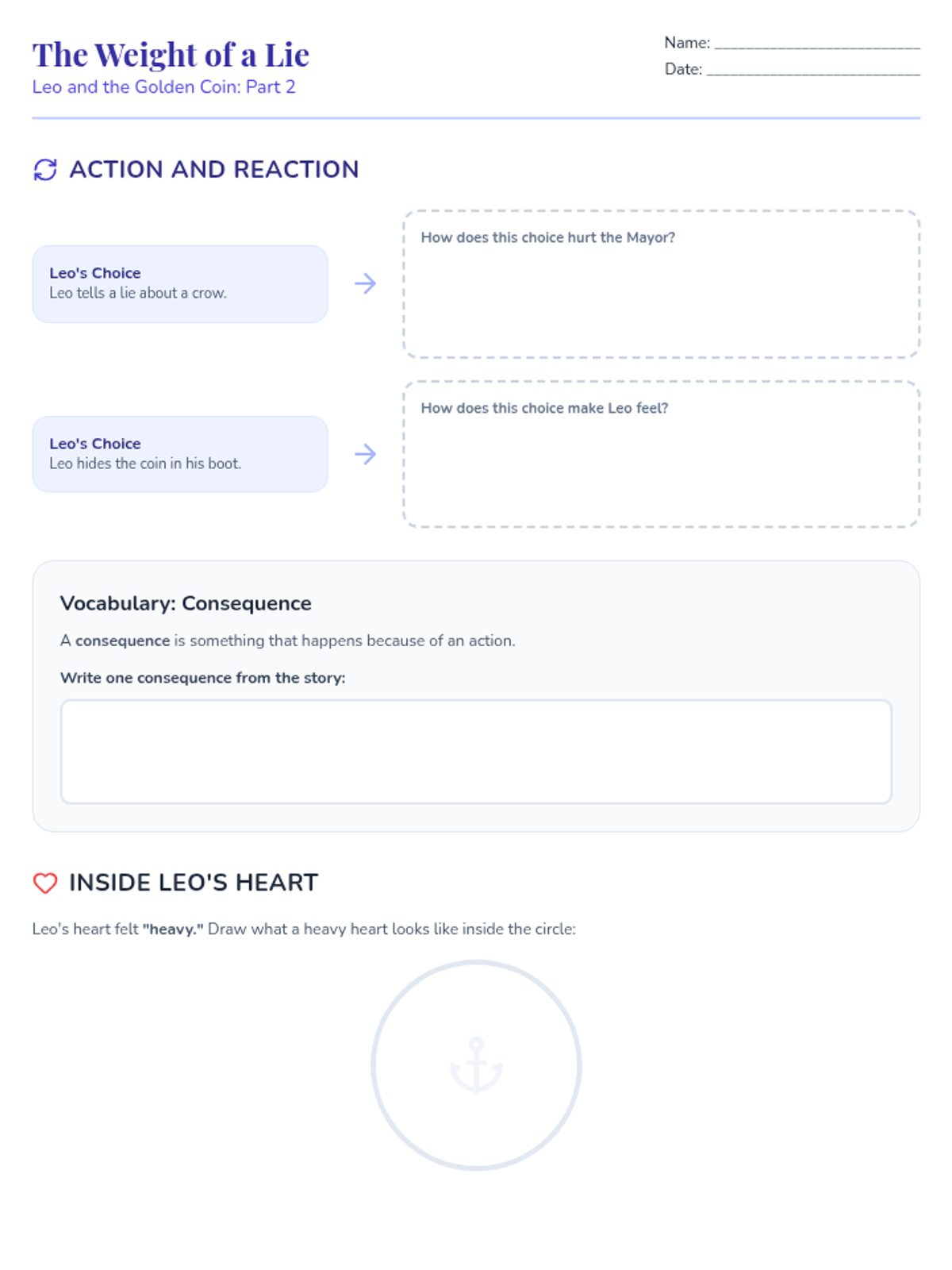
Students follow the plot as Leo's lie leads to unexpected consequences, focusing on how character choices drive the story and how those choices make the character feel.
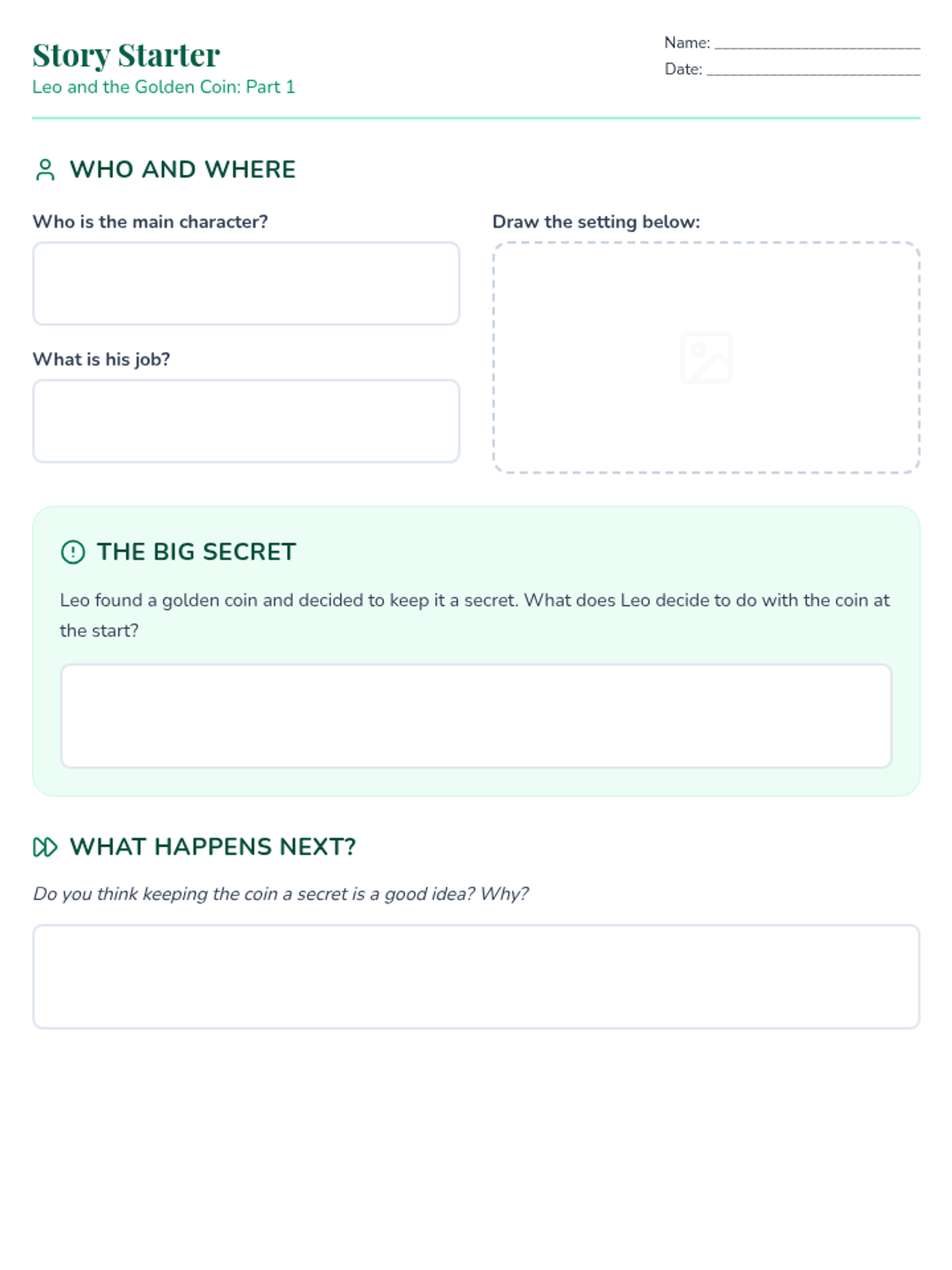
Introduction to the fable 'Leo and the Golden Coin'. Students identify the characters, setting, and the initial problem Leo faces when he finds something that isn't his.
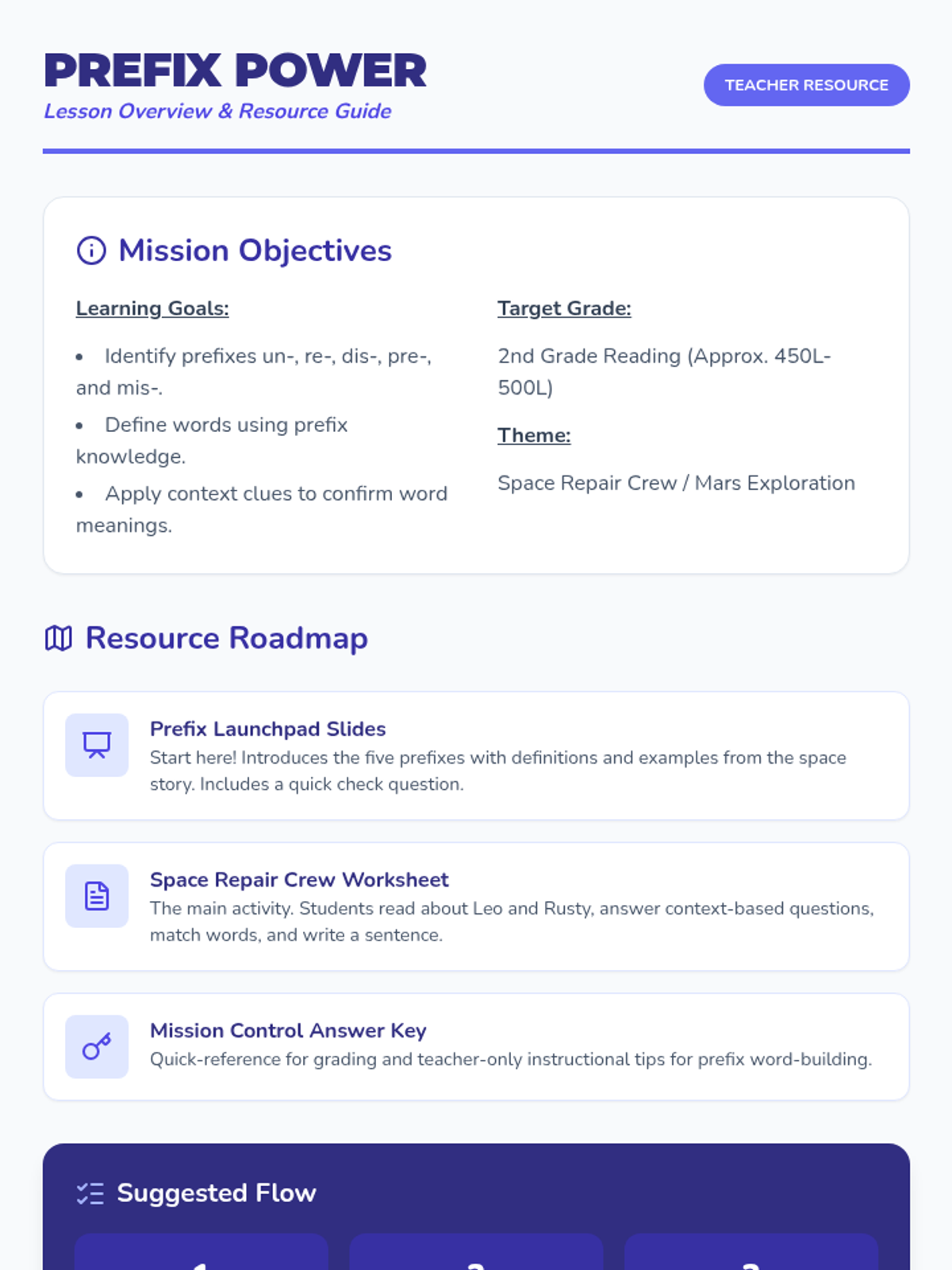
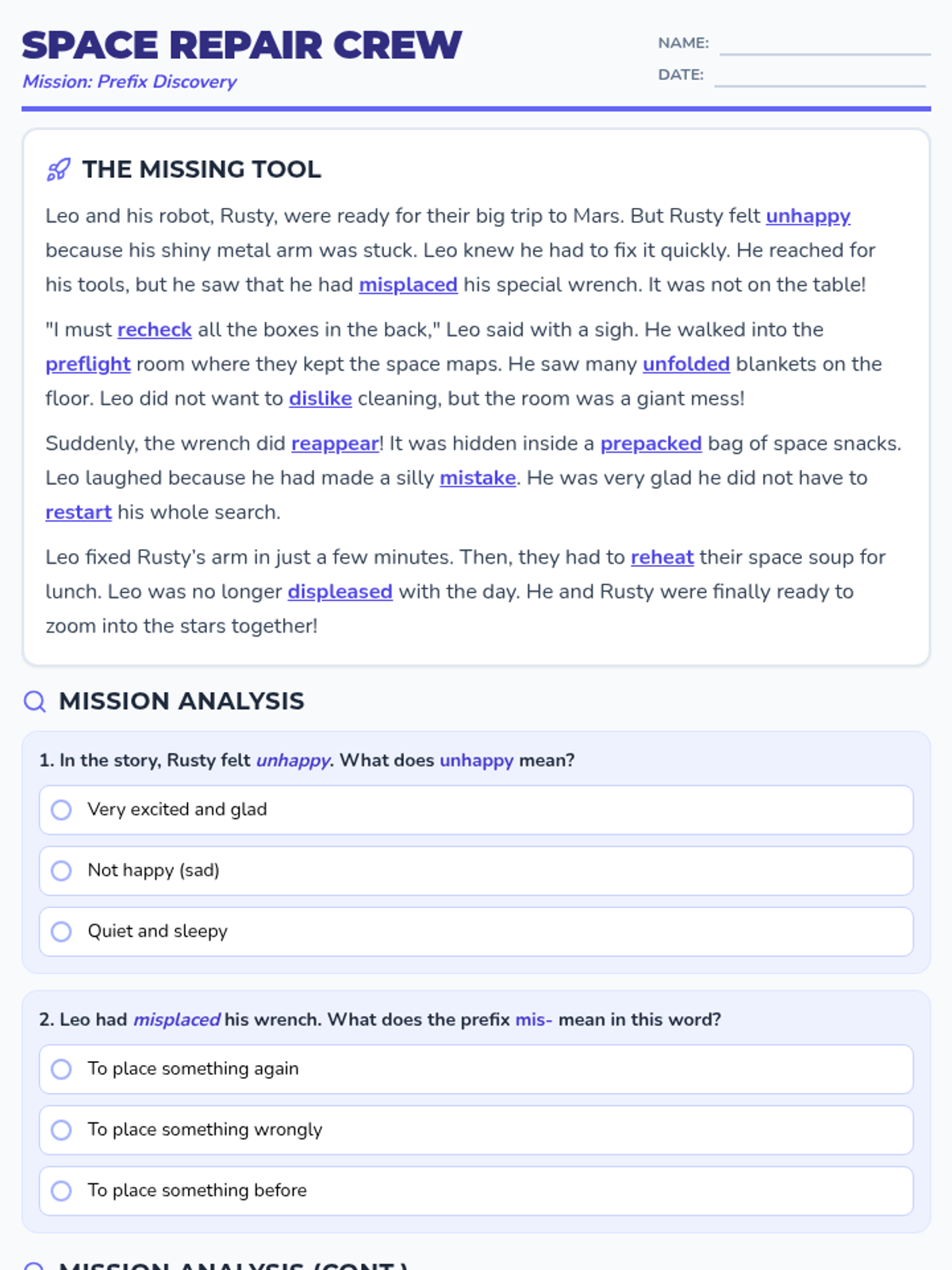
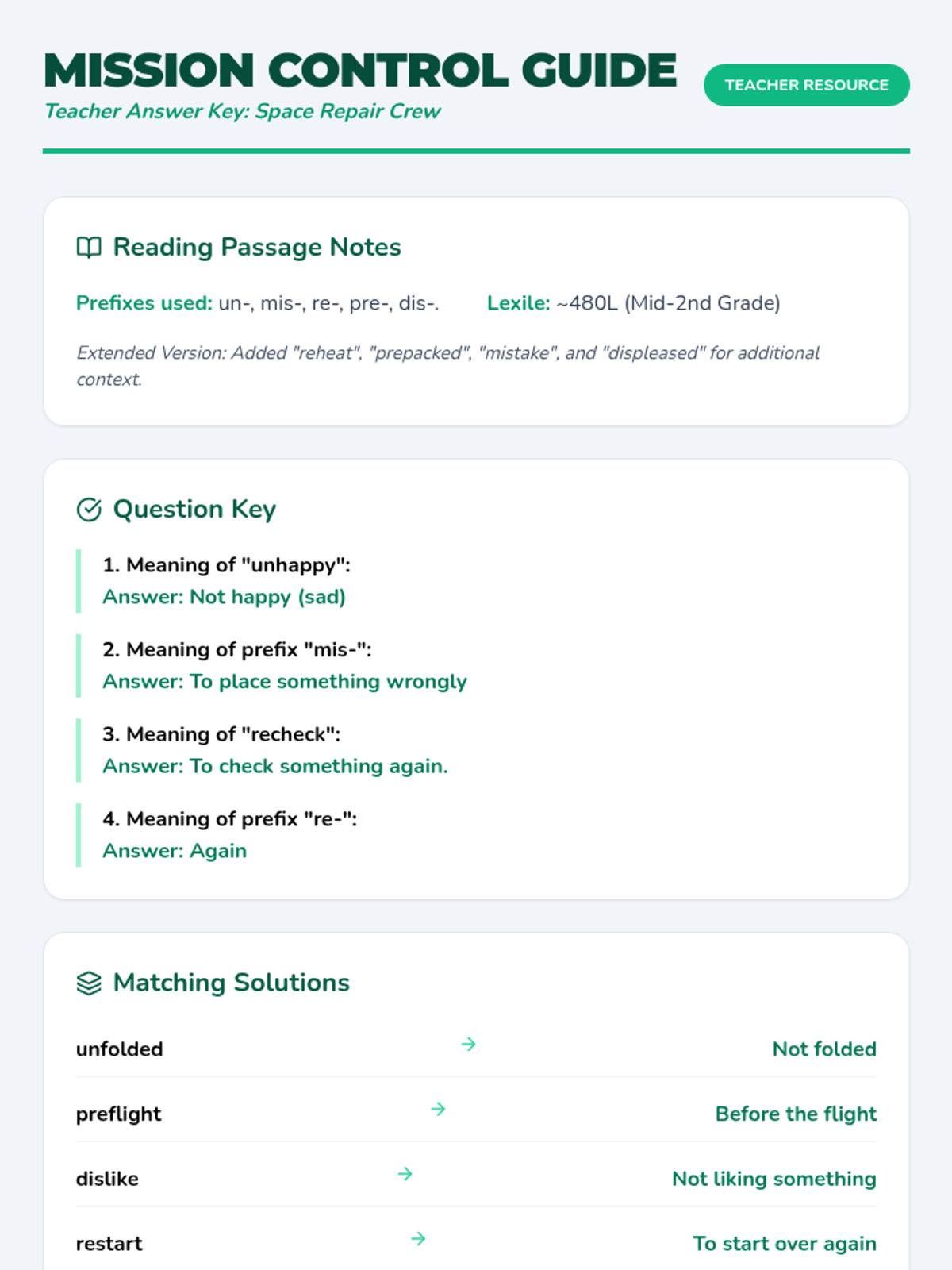
Students explore common prefixes (un-, re-, dis-, pre-, mis-) through an engaging space-themed story and practice activities. They will use context clues to determine the meanings of prefixed words.
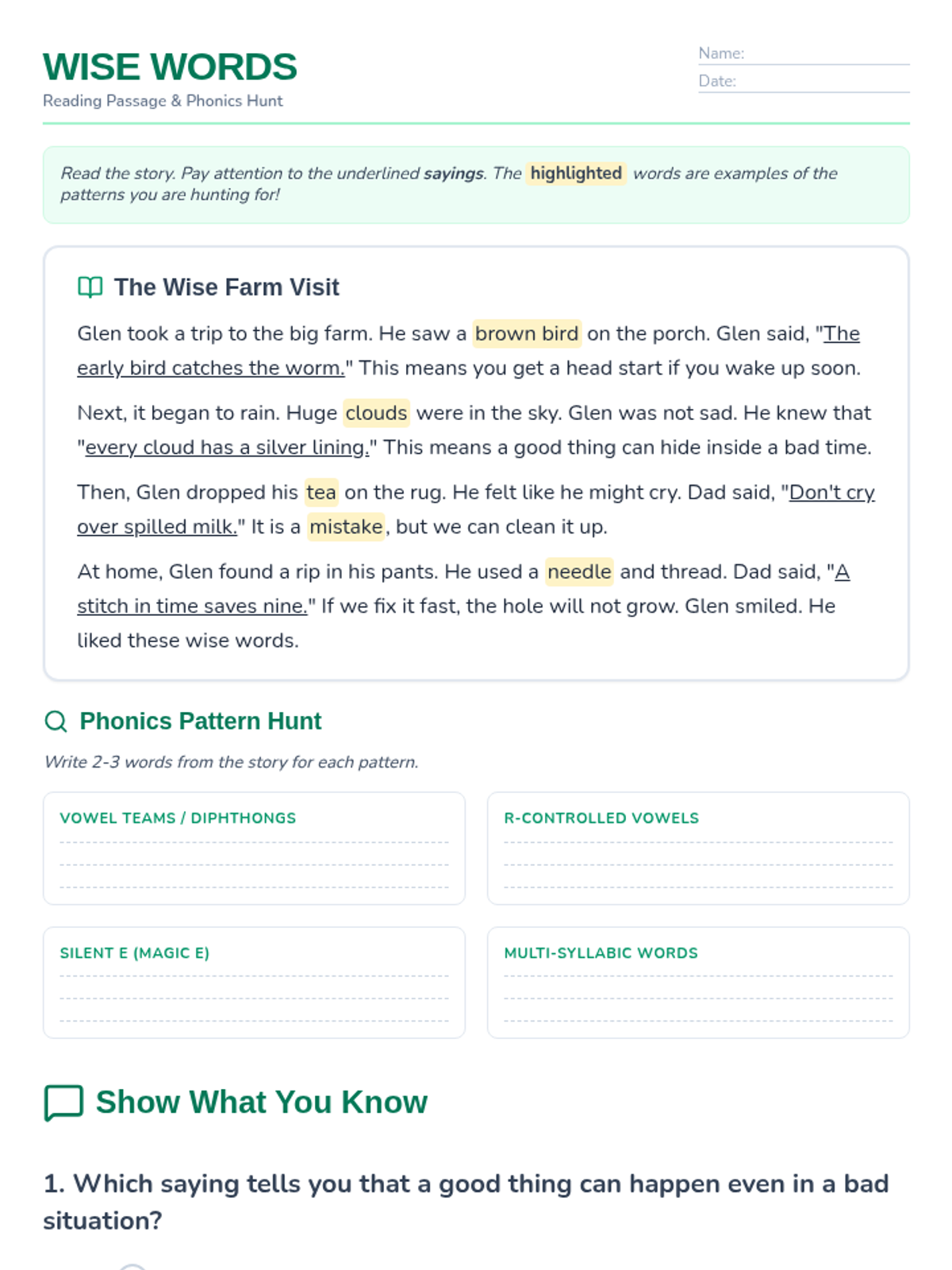
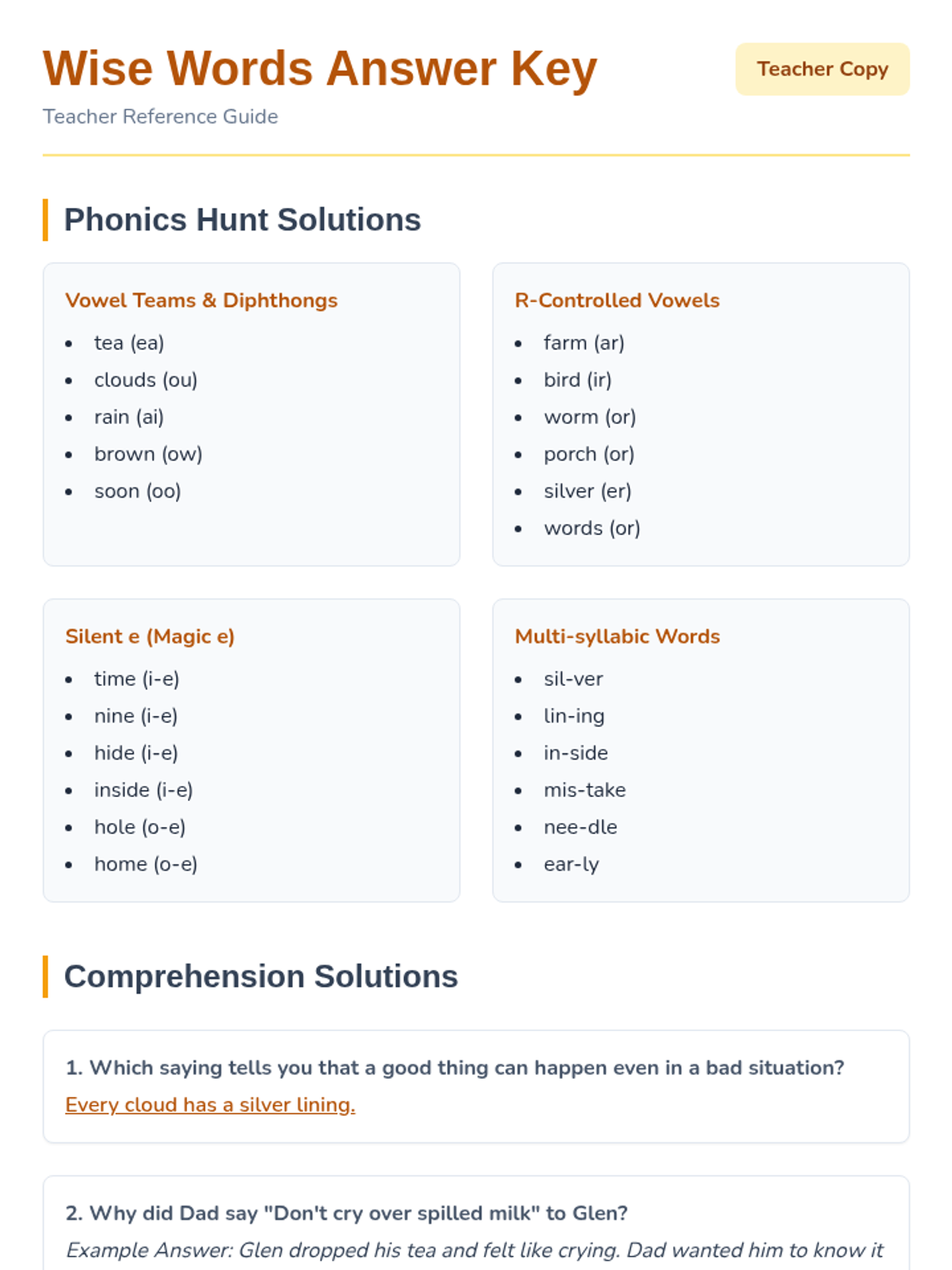
A lesson focused on decoding popular sayings using a variety of phonics patterns including CVC, blends, silent e, vowel teams, R-controlled vowels, and multi-syllabic words.
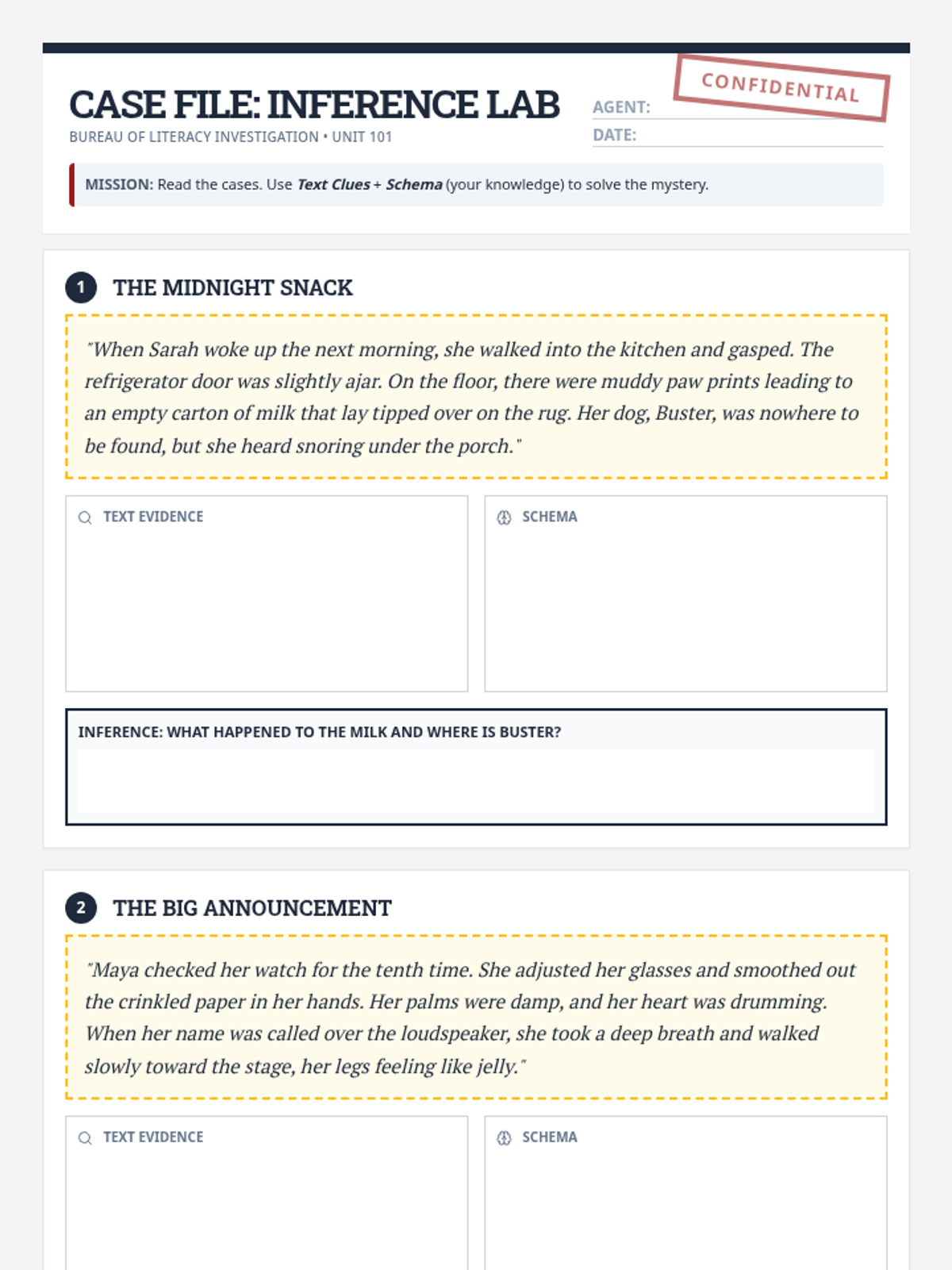
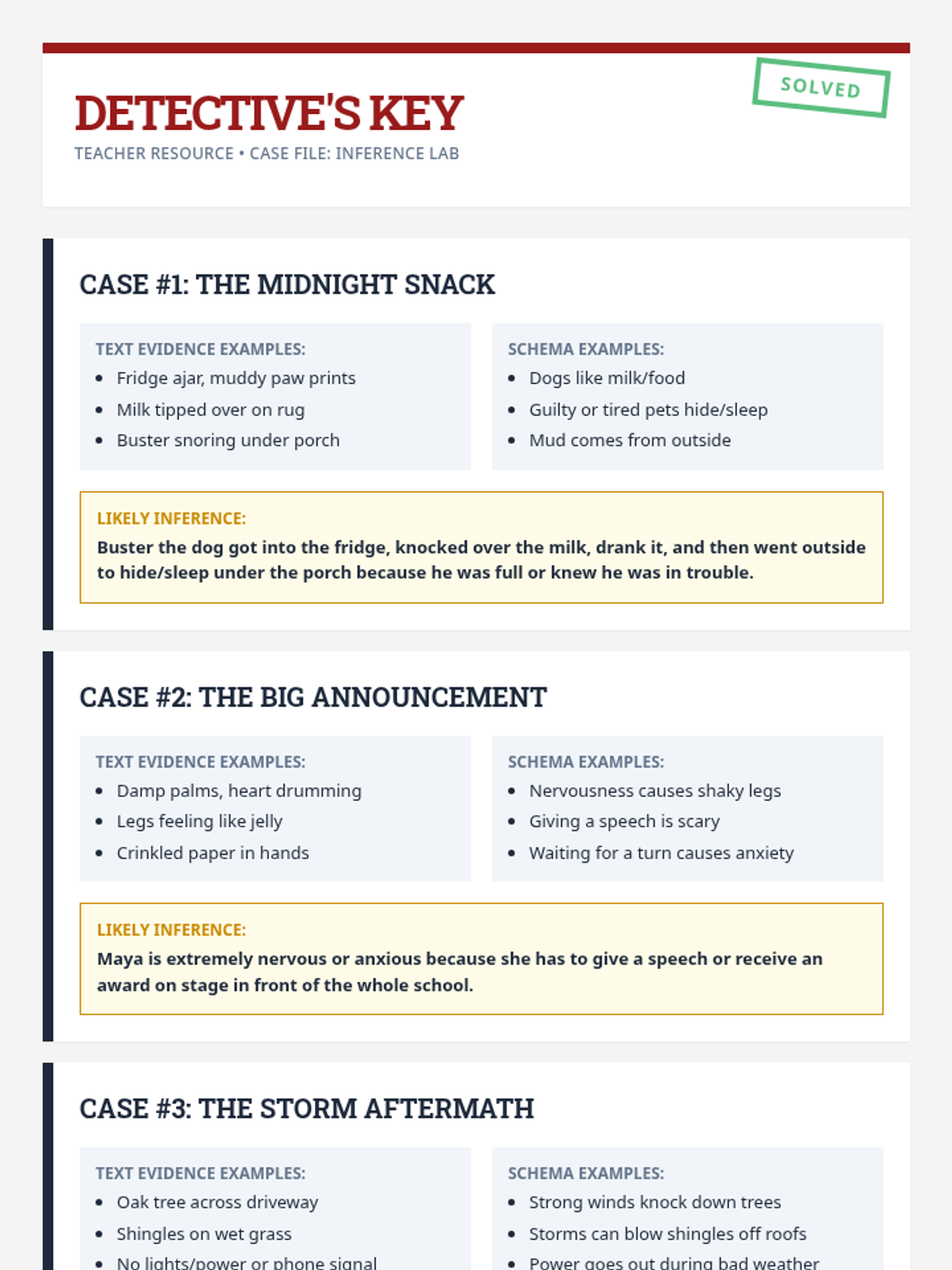
A lesson on making inferences using the 'Detective Agency' theme. Students learn to combine text evidence with background knowledge to uncover hidden meanings in short stories.
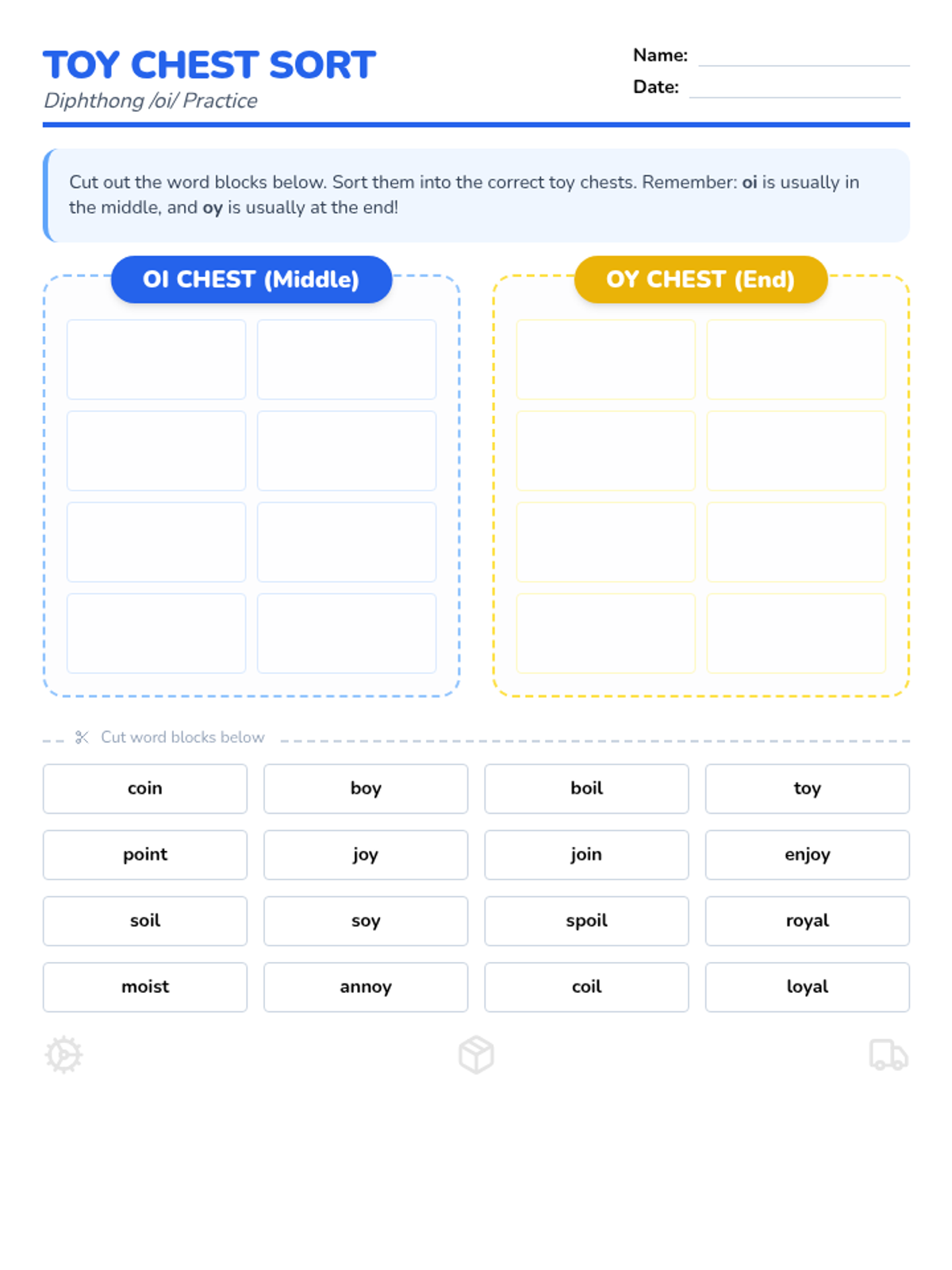
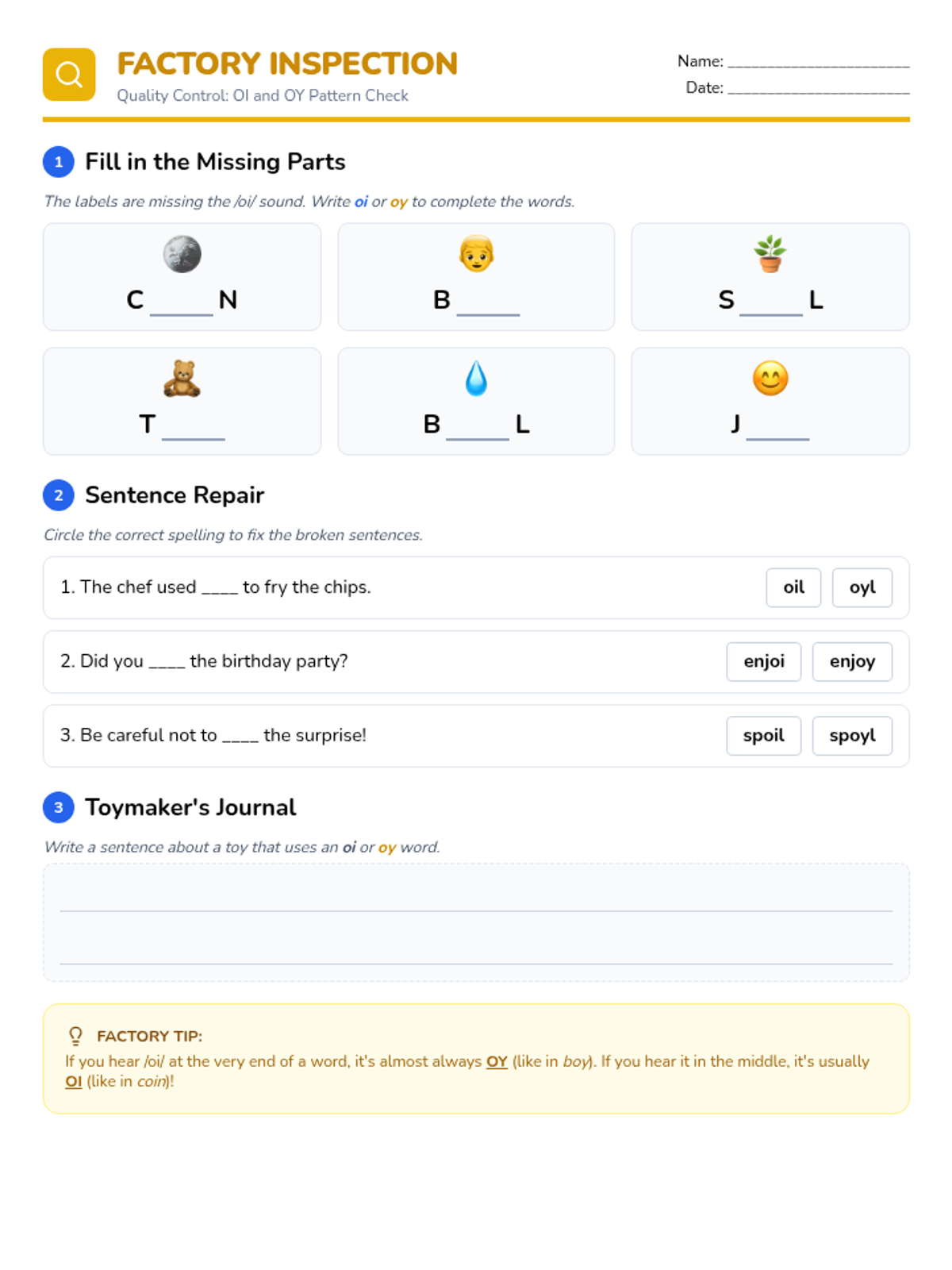
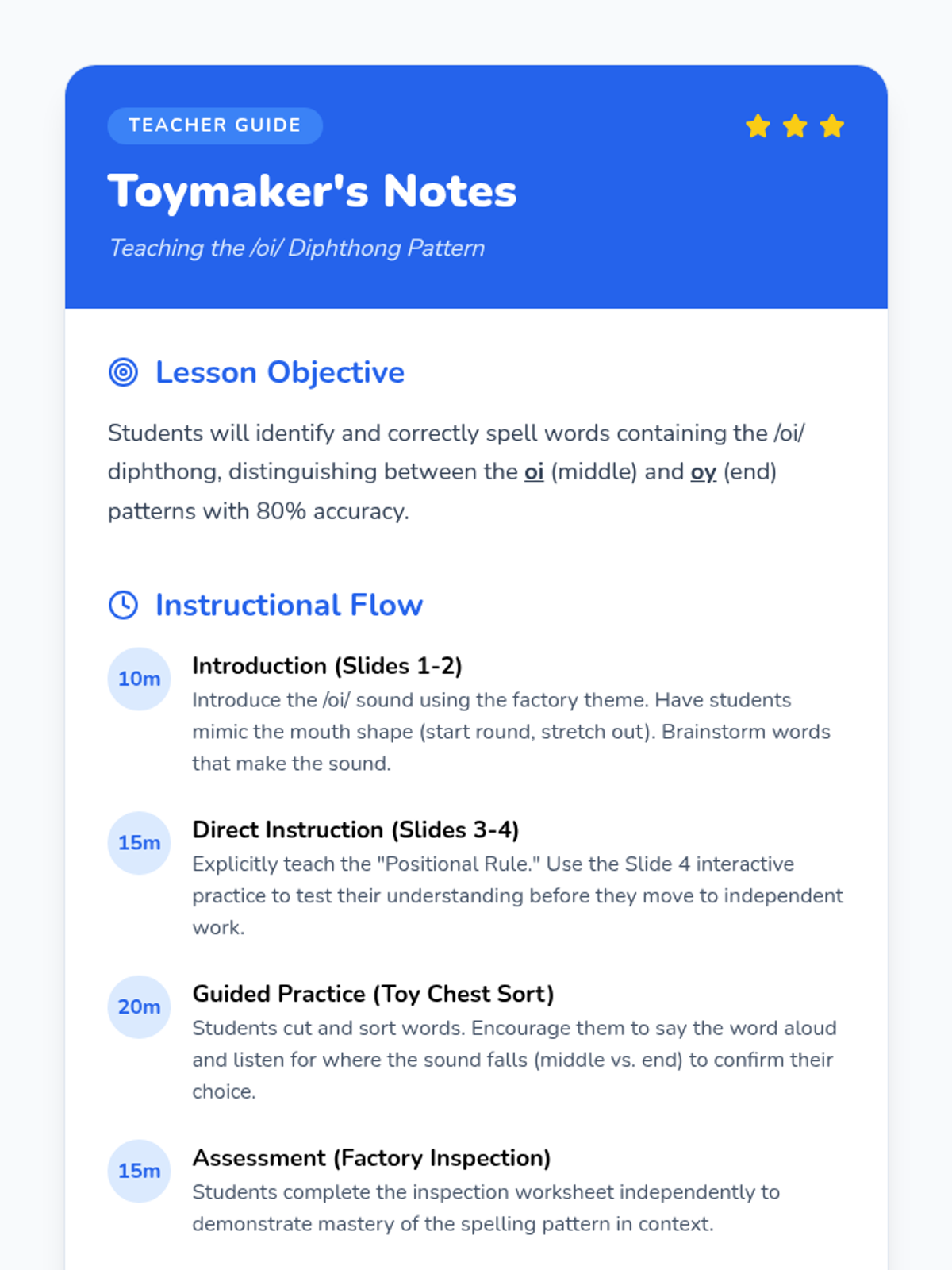
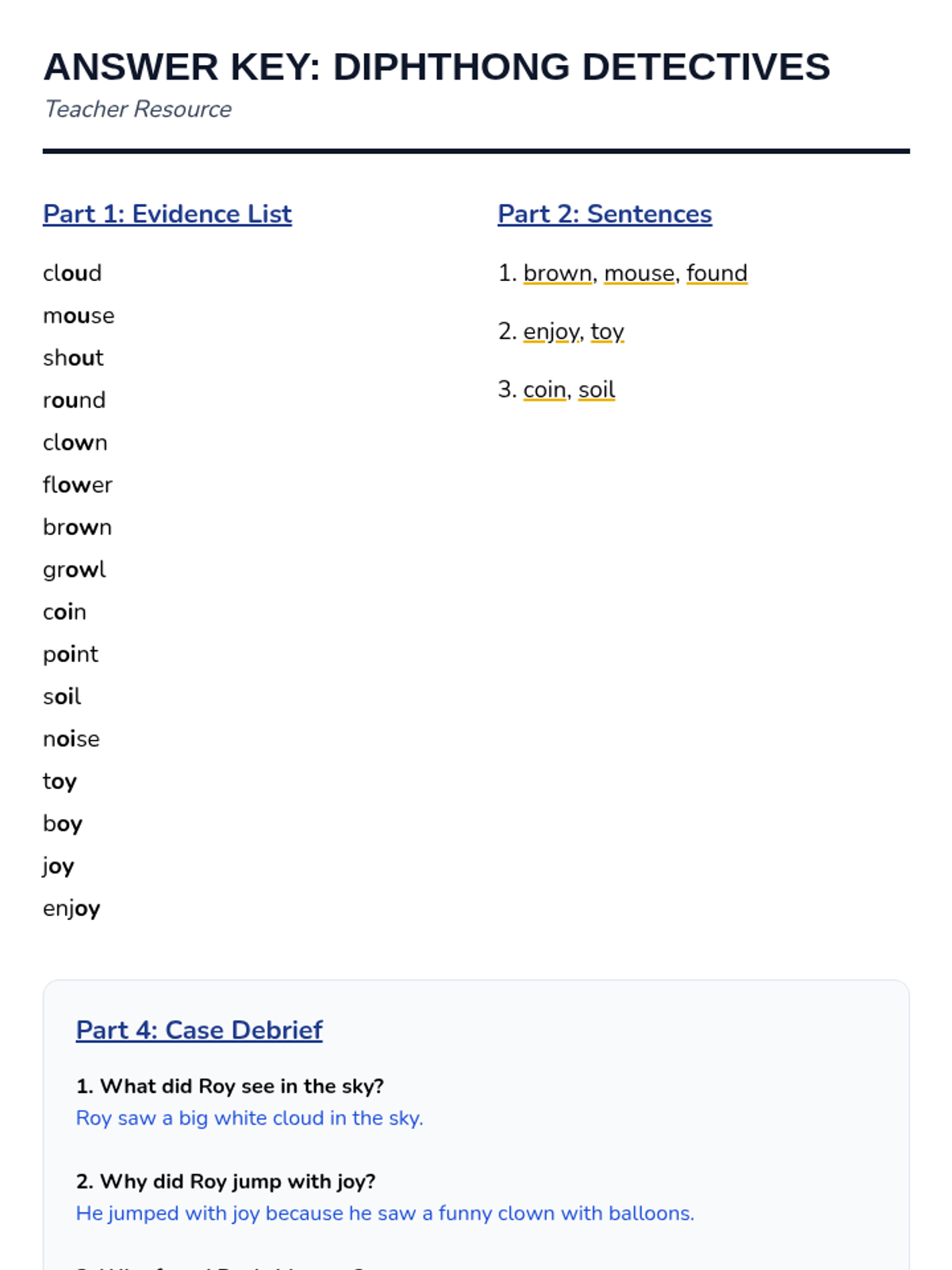
A word study lesson focused on the /oi/ diphthong, teaching the spelling patterns 'oi' and 'oy' through a toy factory theme. Students will learn the positional rules for each spelling and practice through sorting and identification activities.
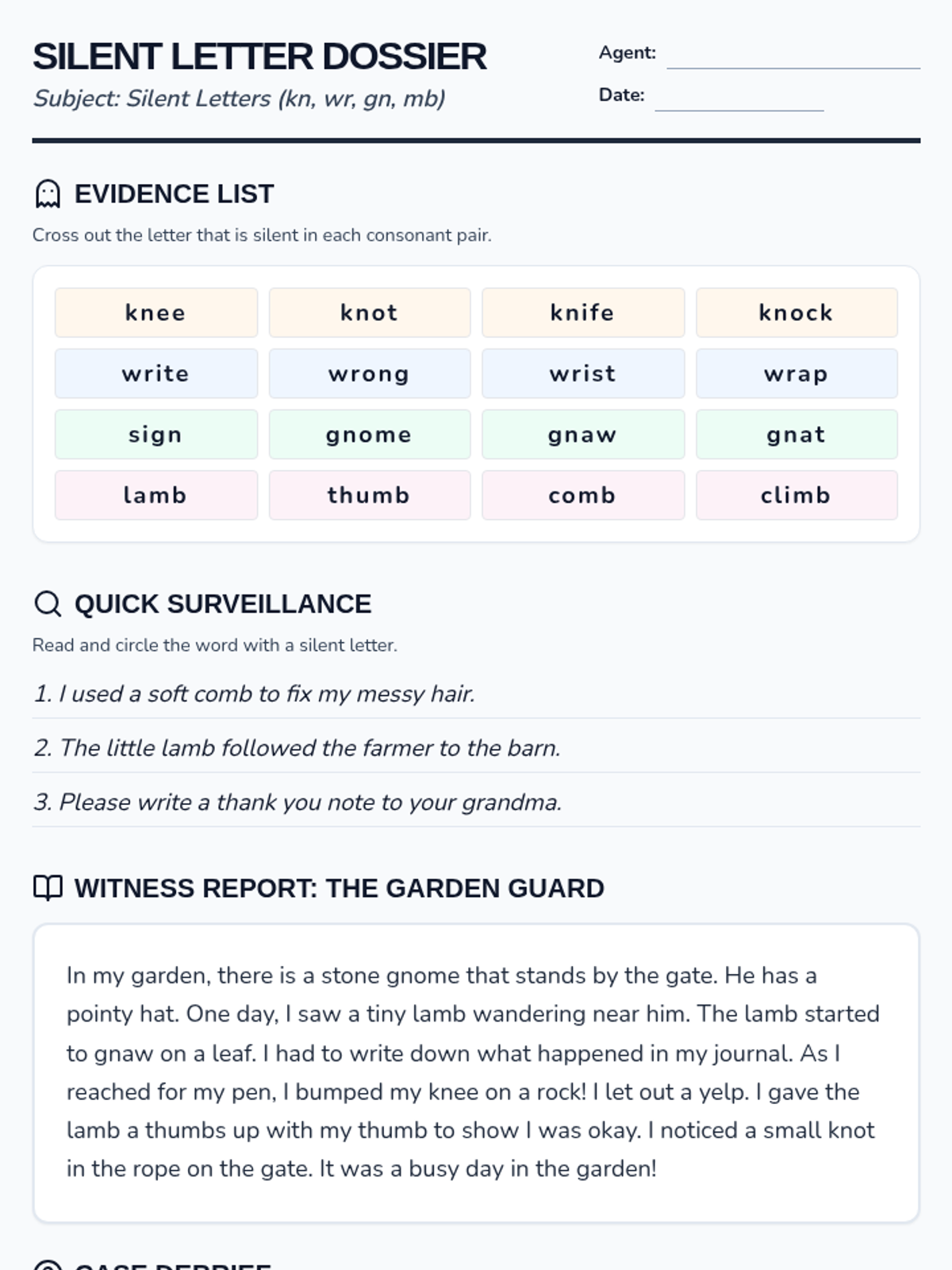
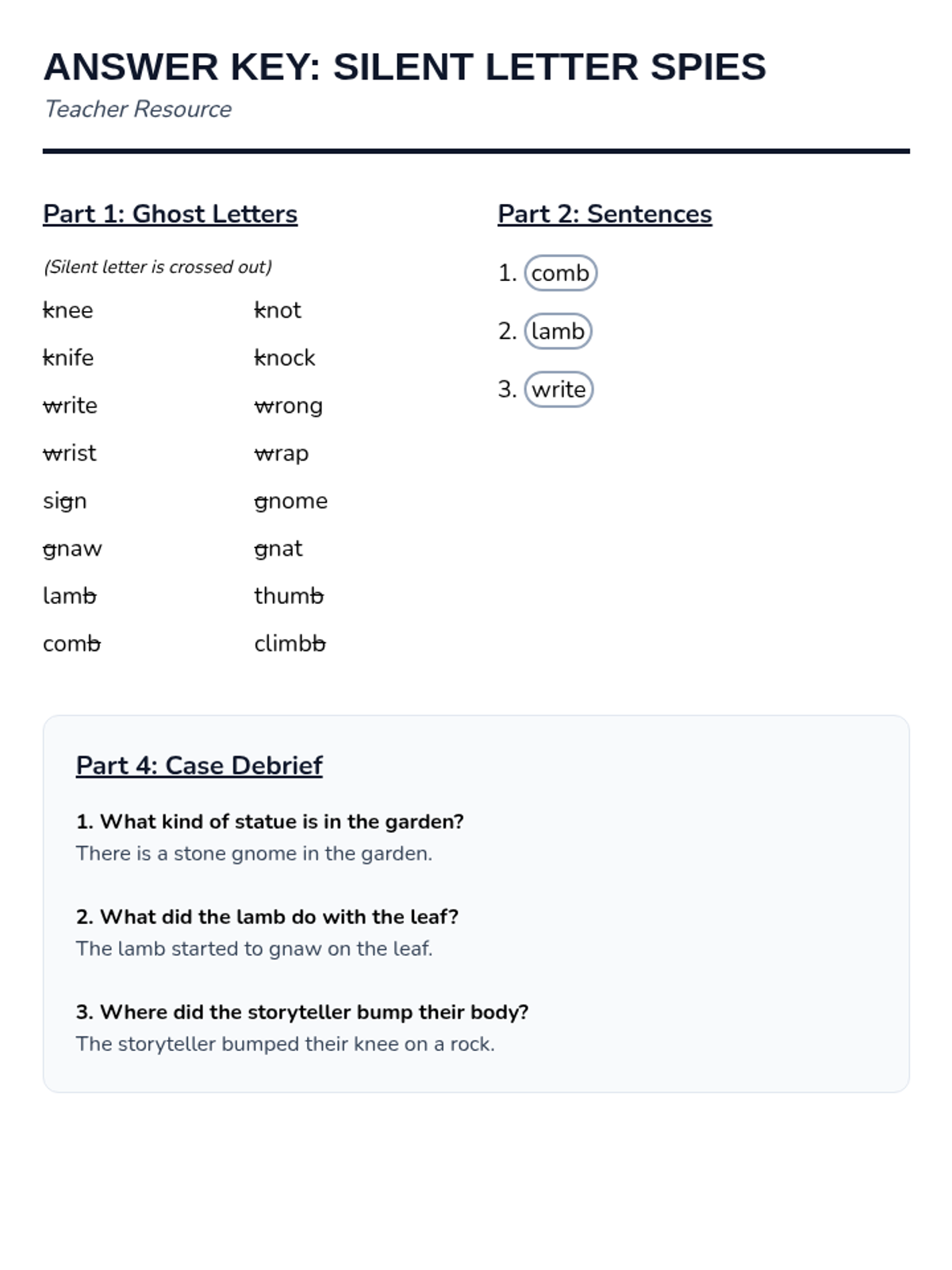
Explores silent letter patterns including kn, wr, gn, and mb, helping students recognize these tricky consonant pairs.
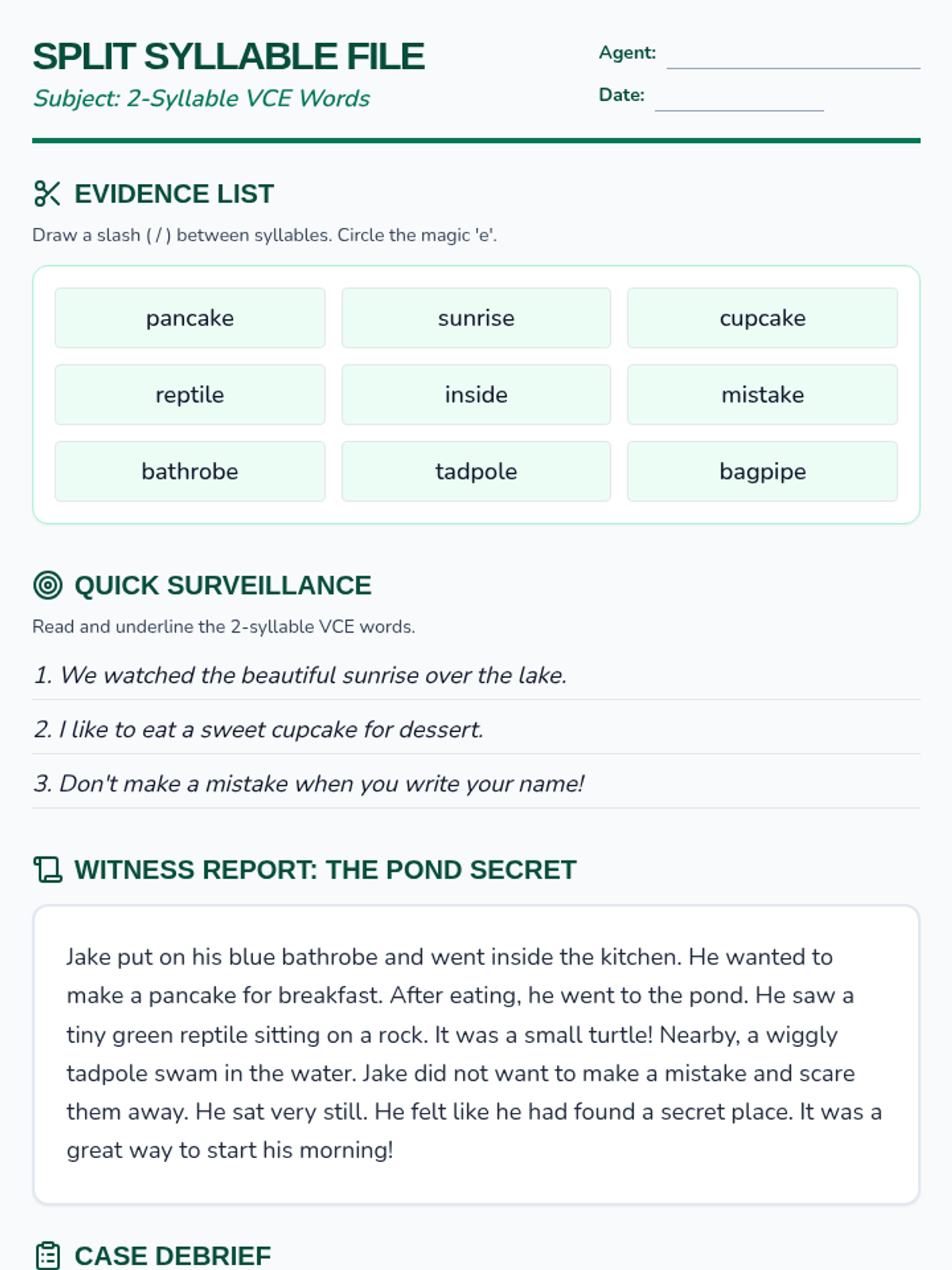
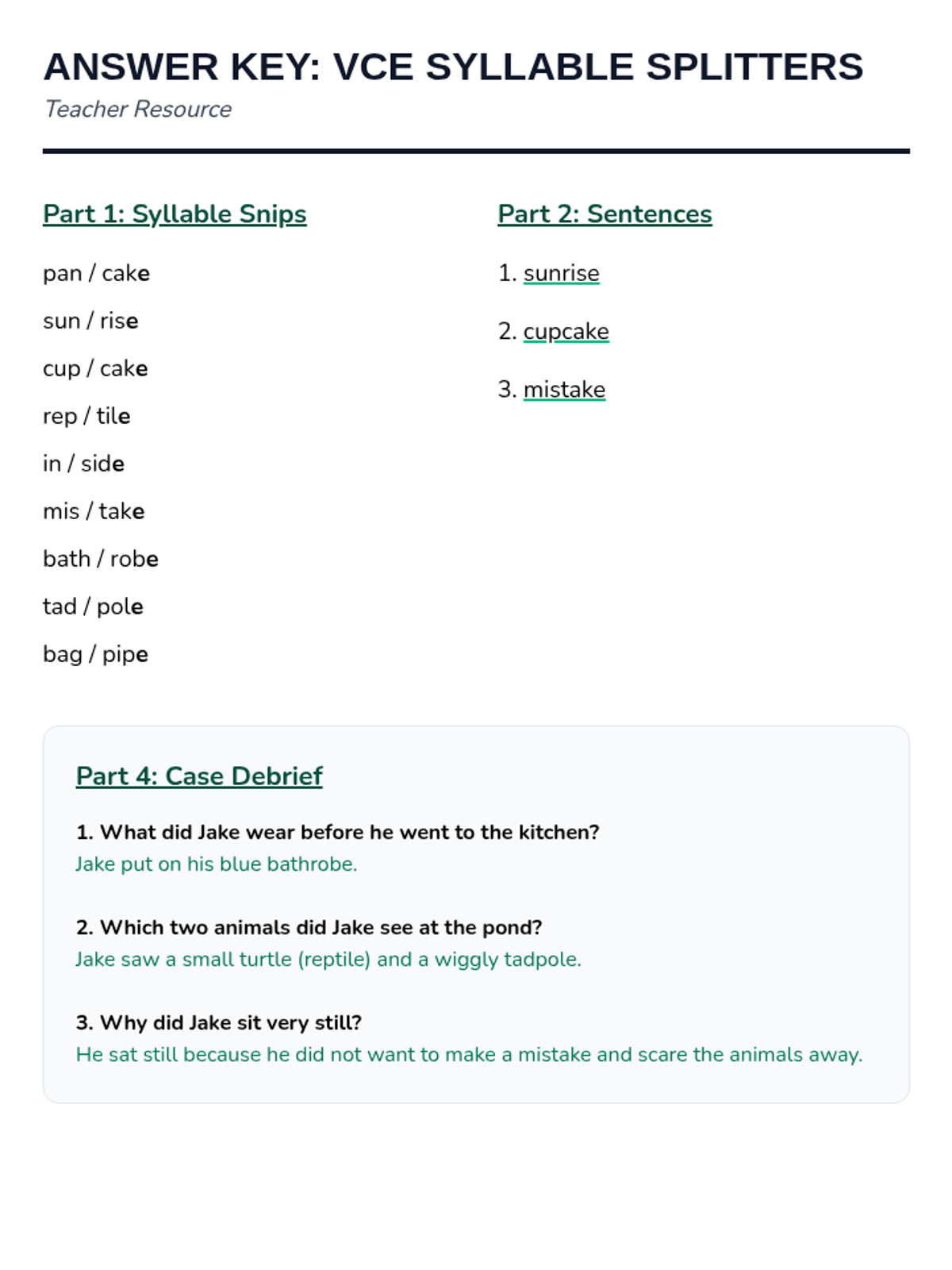
Students learn to decode two-syllable words where one or both syllables follow the Vowel-Consonant-e pattern.
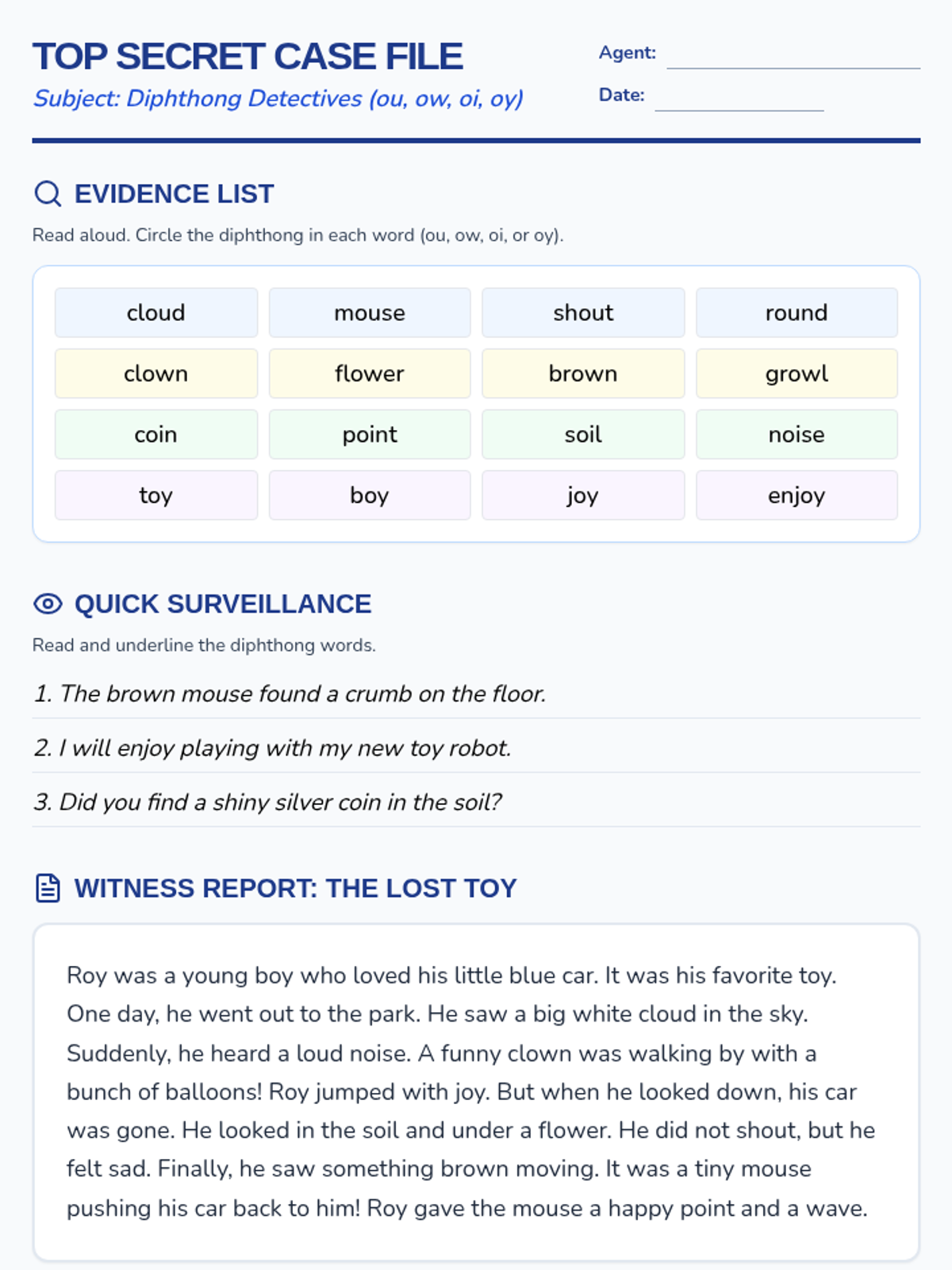
Focuses on identifying and reading words with the diphthongs ou, ow, oi, and oy in isolation and within a story.
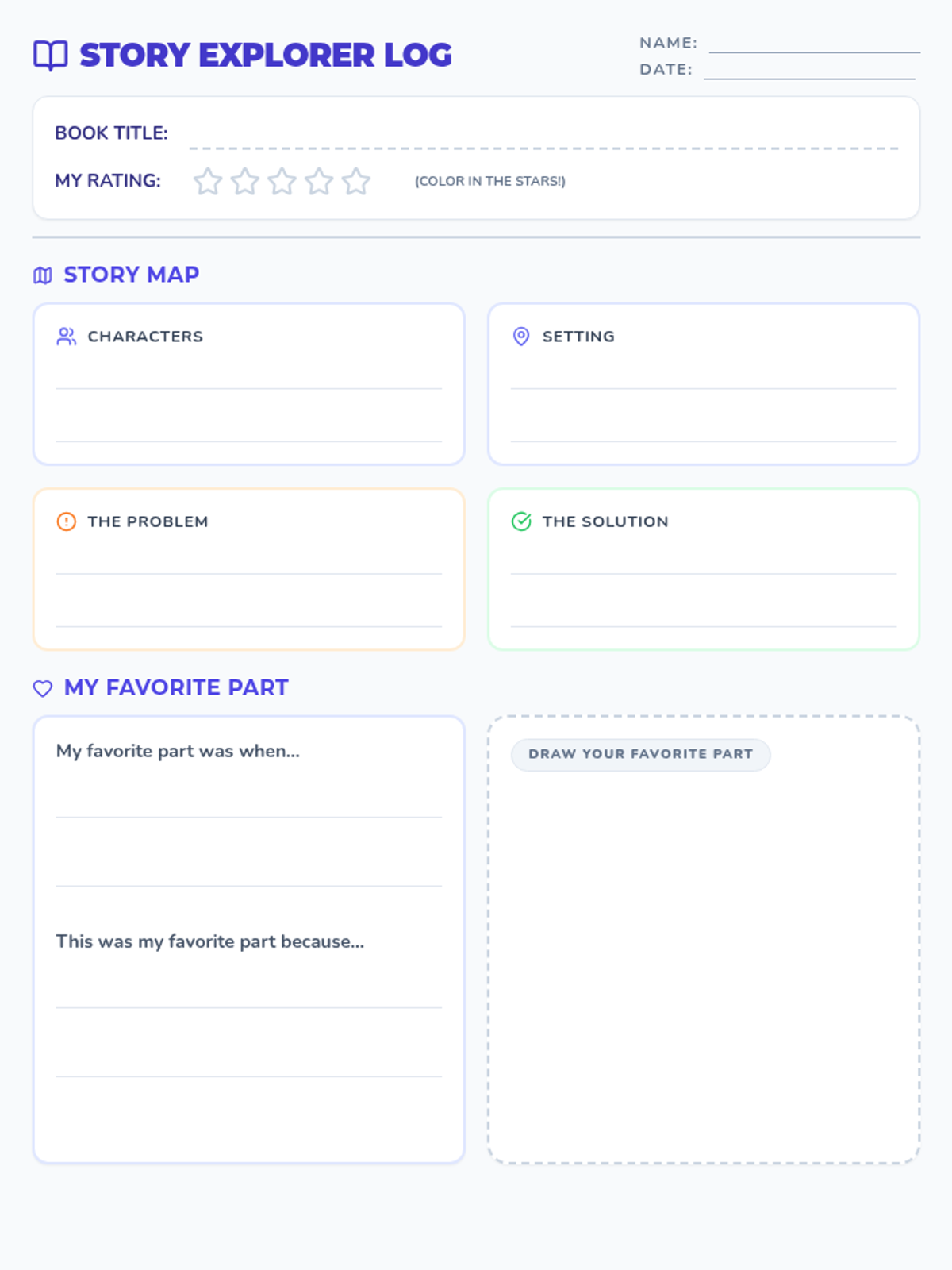
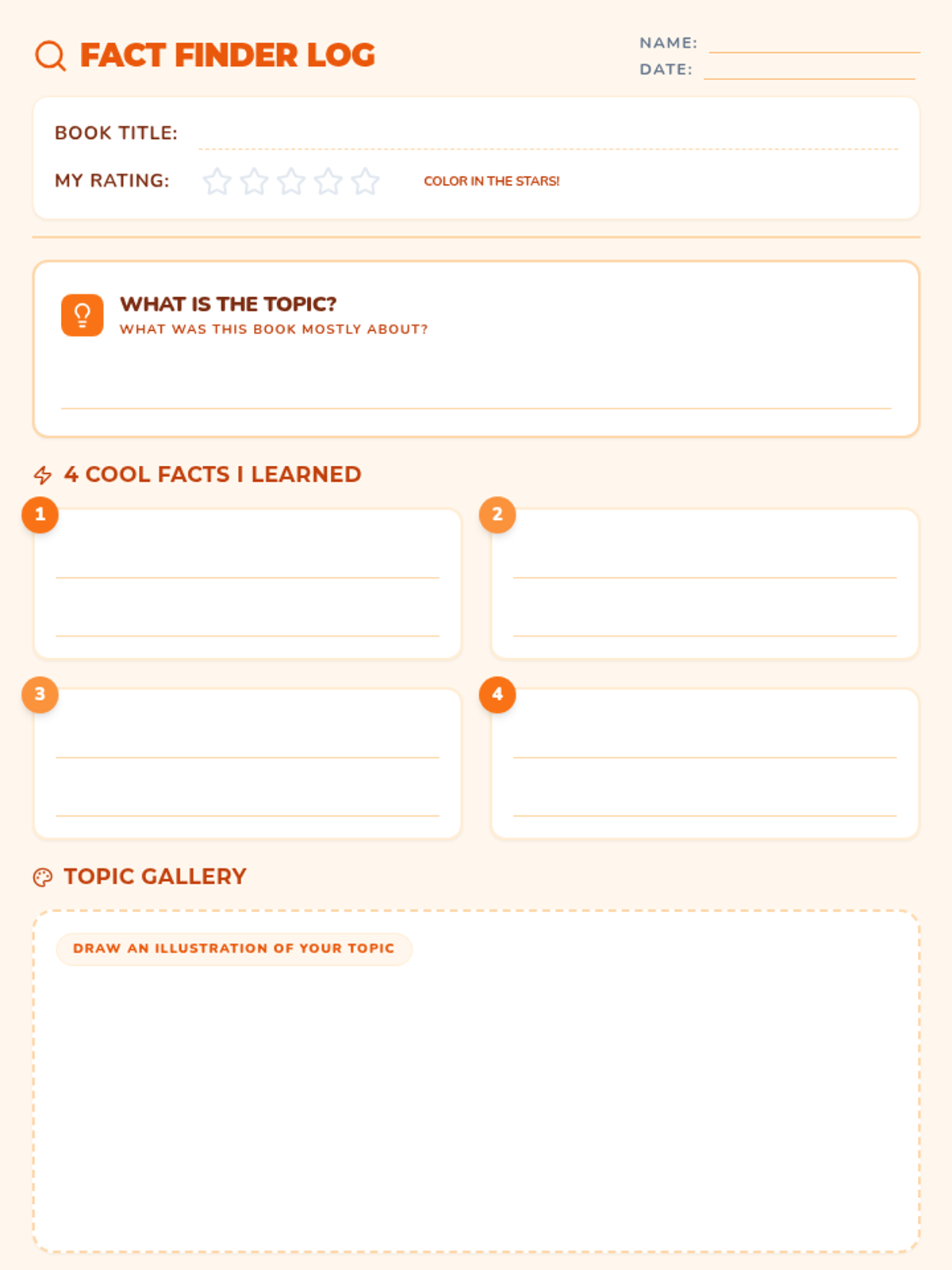
A pair of engaging recording sheets designed for students to track their reading on Epic!, featuring specific templates for both fiction and nonfiction texts.
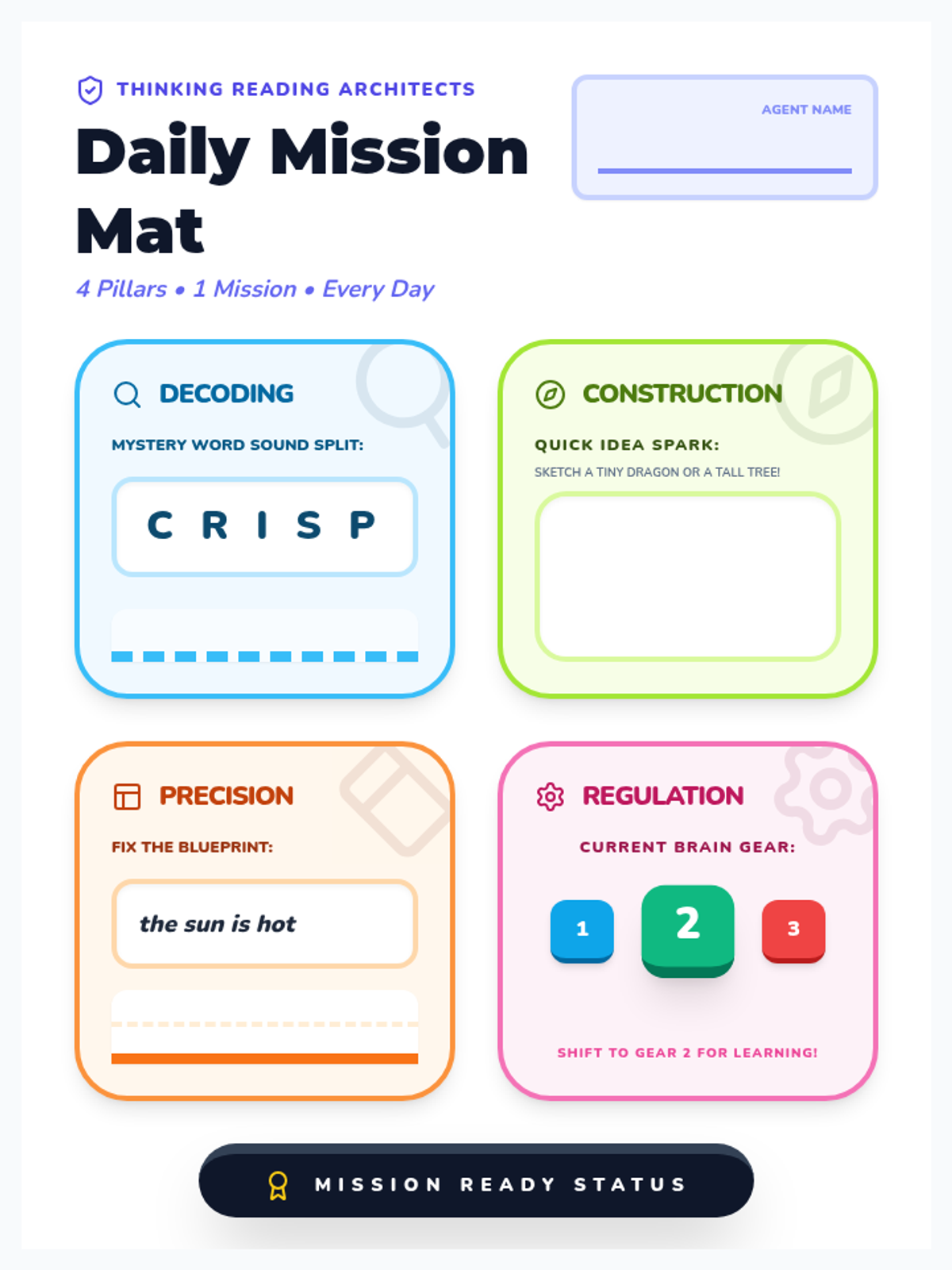
The starting point for all student agents, featuring the mission briefing and essential toolkits for the four program pillars.
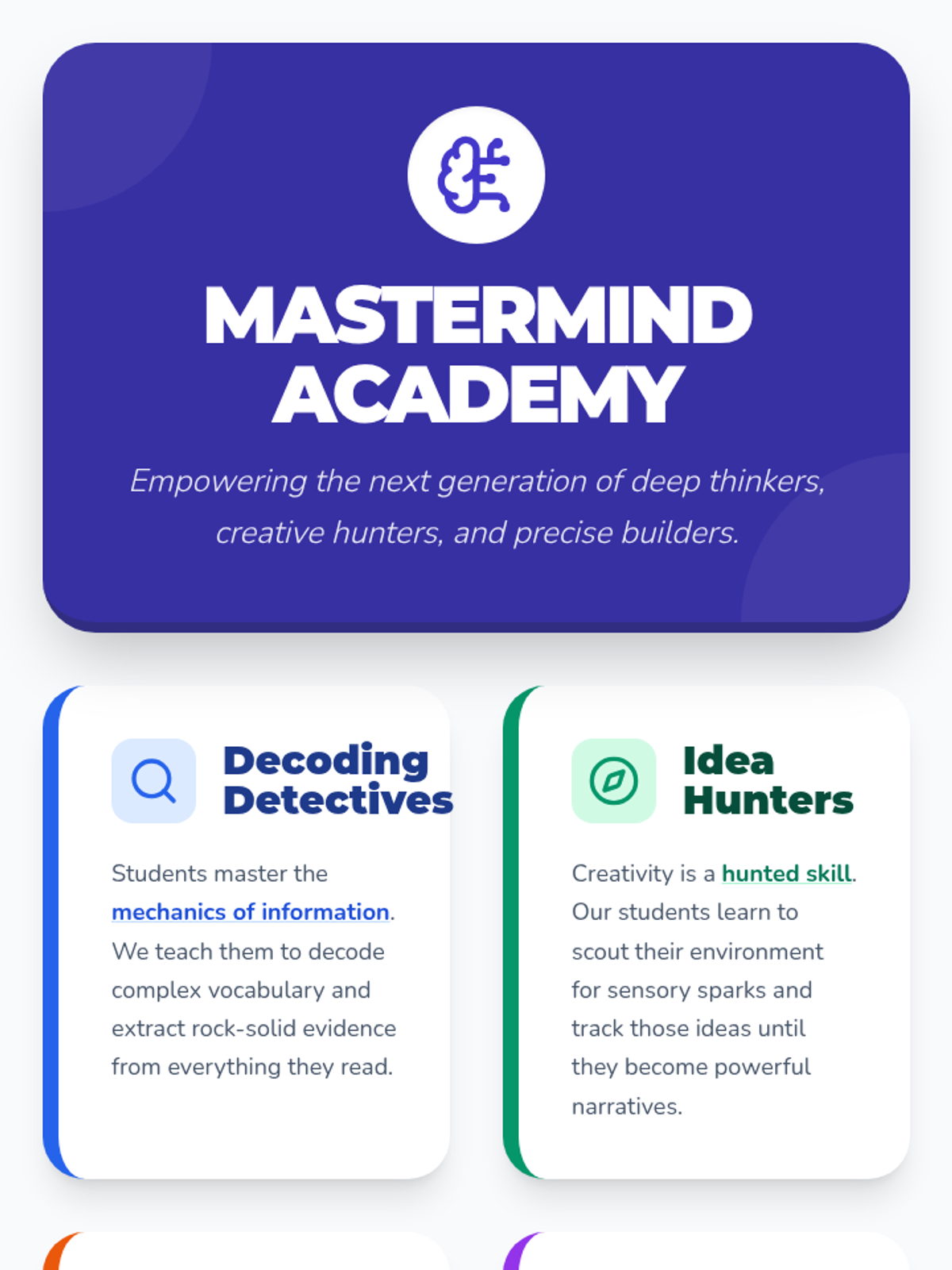
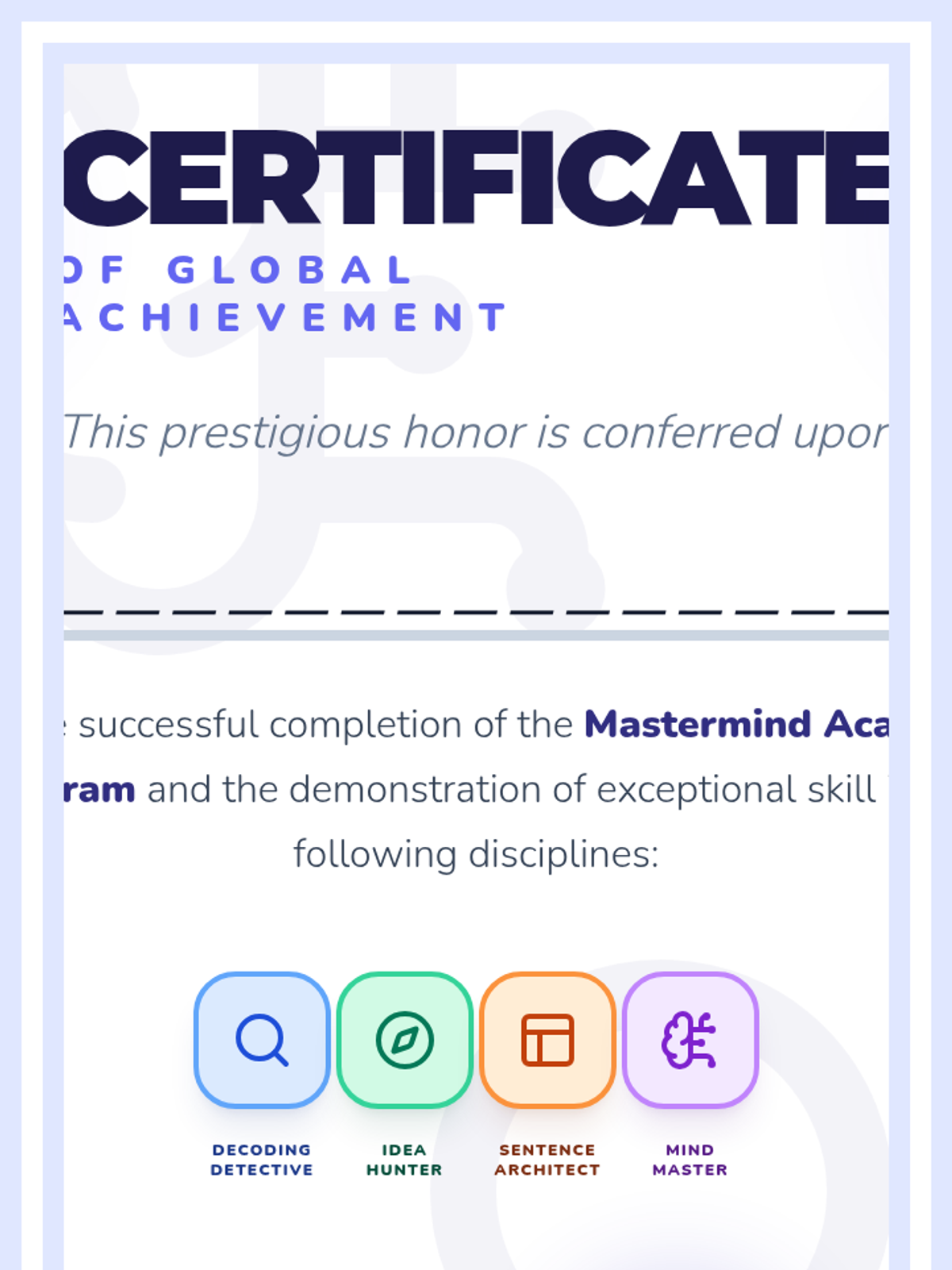
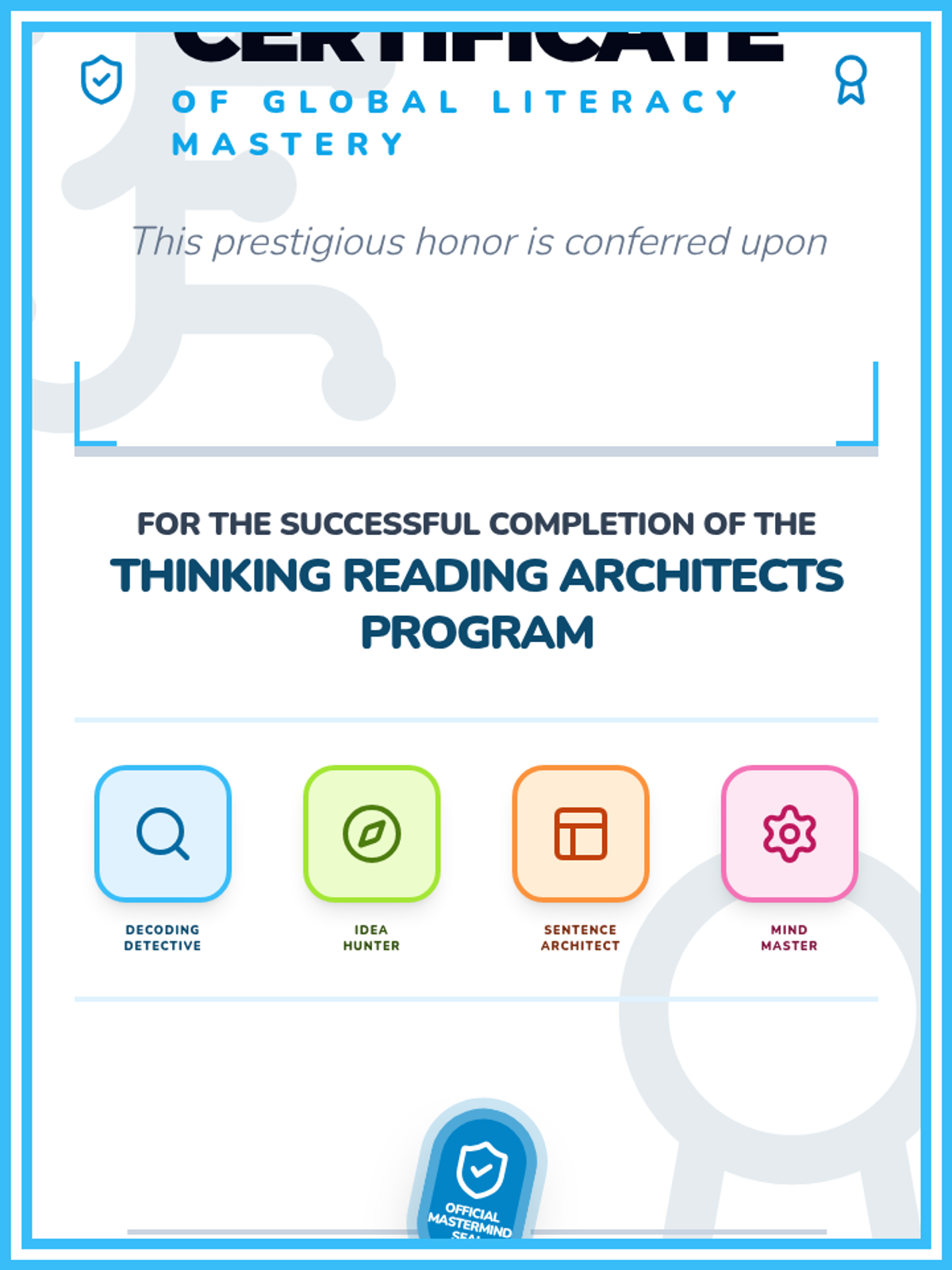
Program-wide materials for the Mastermind Academy, including the parent information brochure and the student graduation certificate.
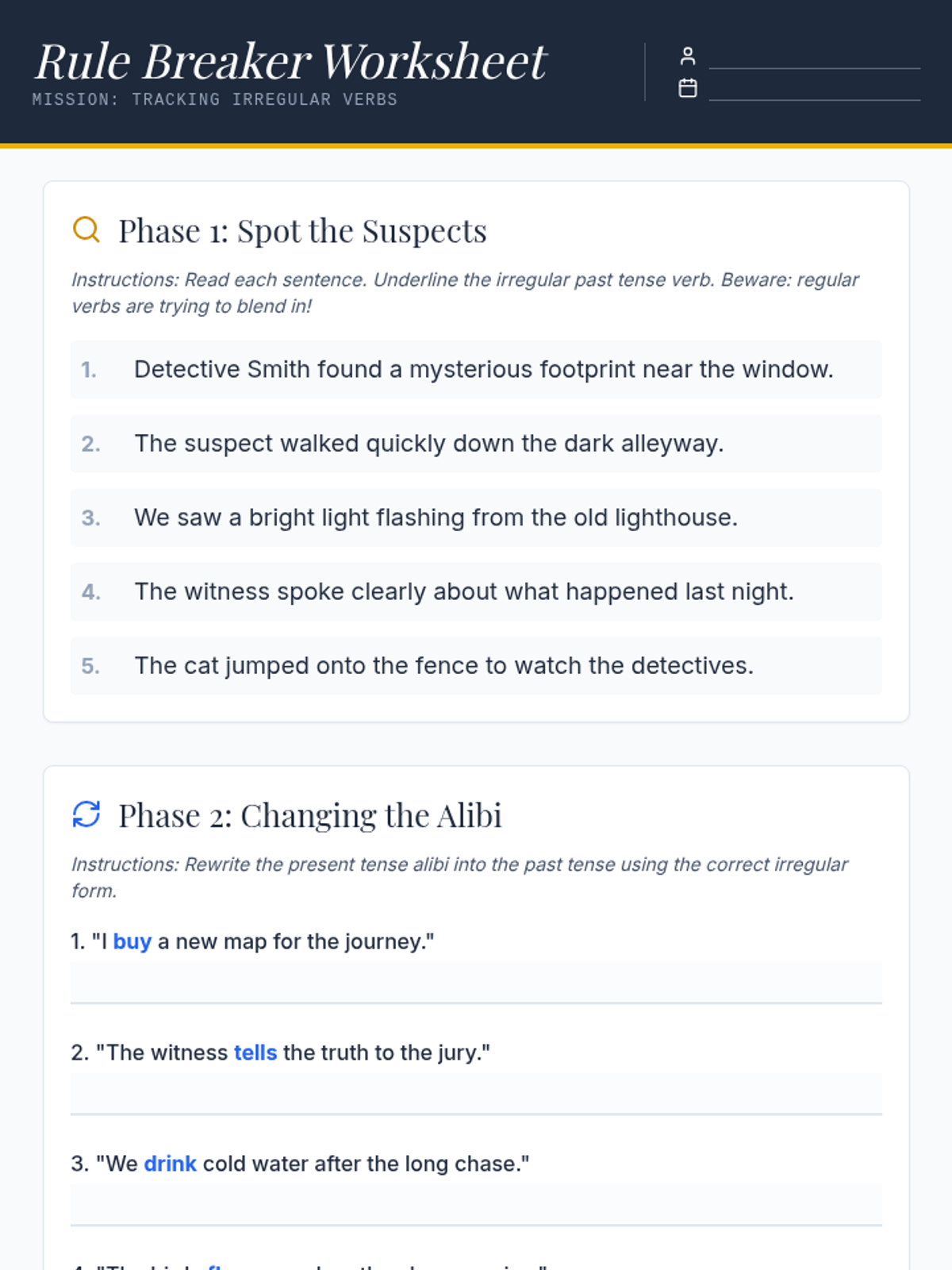
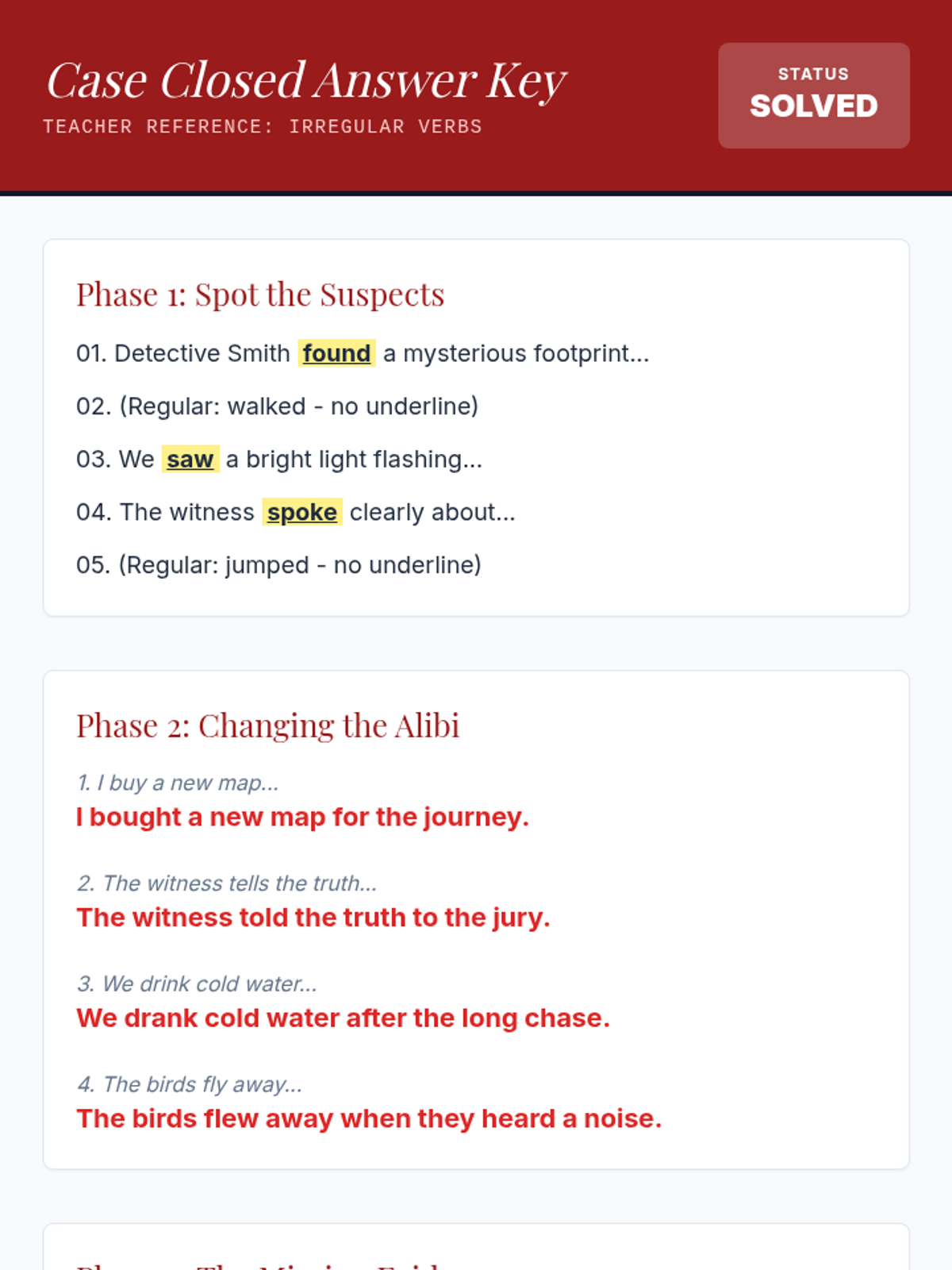
A friendly mystery-themed lesson where second graders become 'Verb Detectives' to find and fix common irregular past tense verbs like 'went', 'saw', and 'ate'.
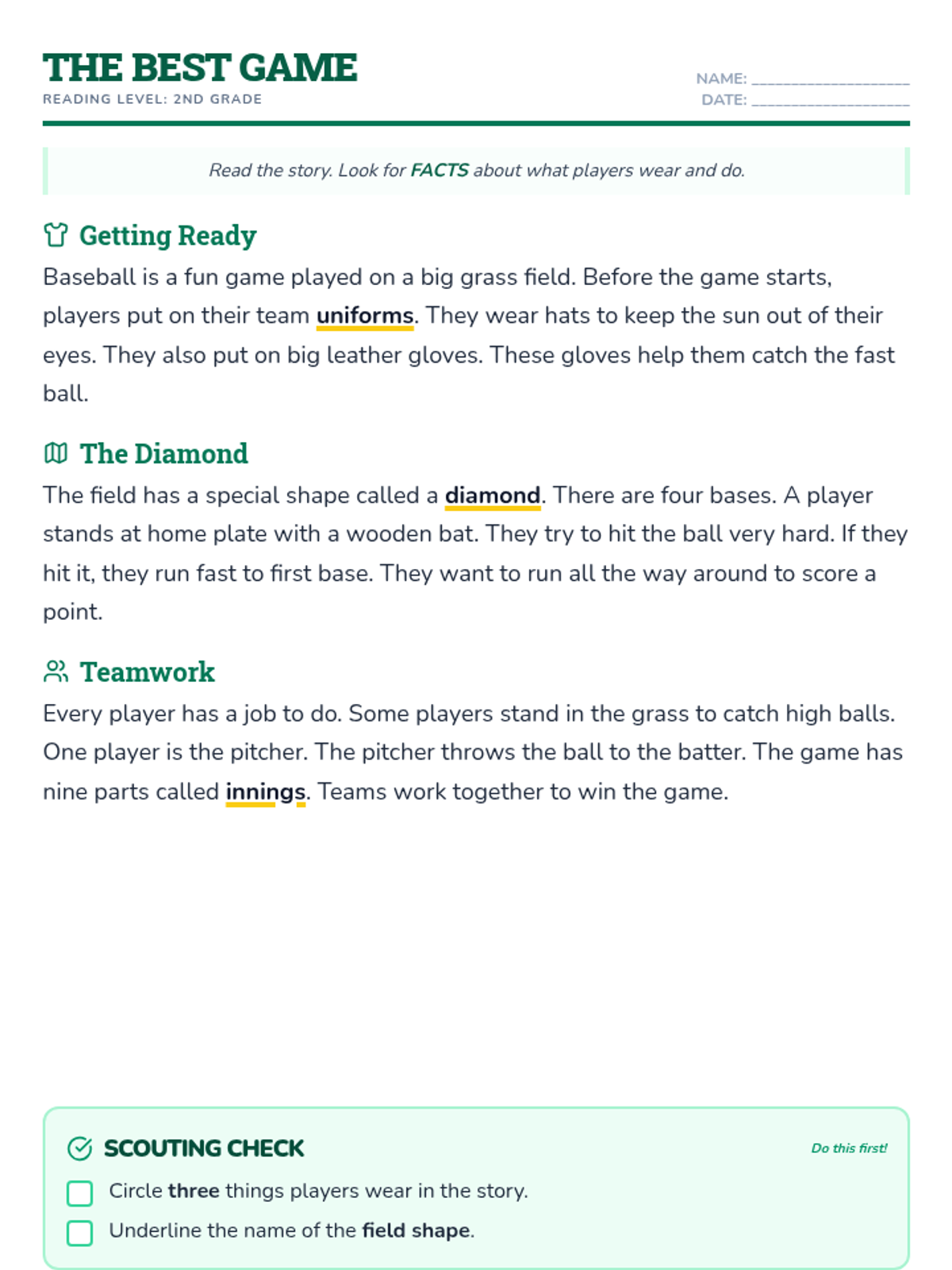
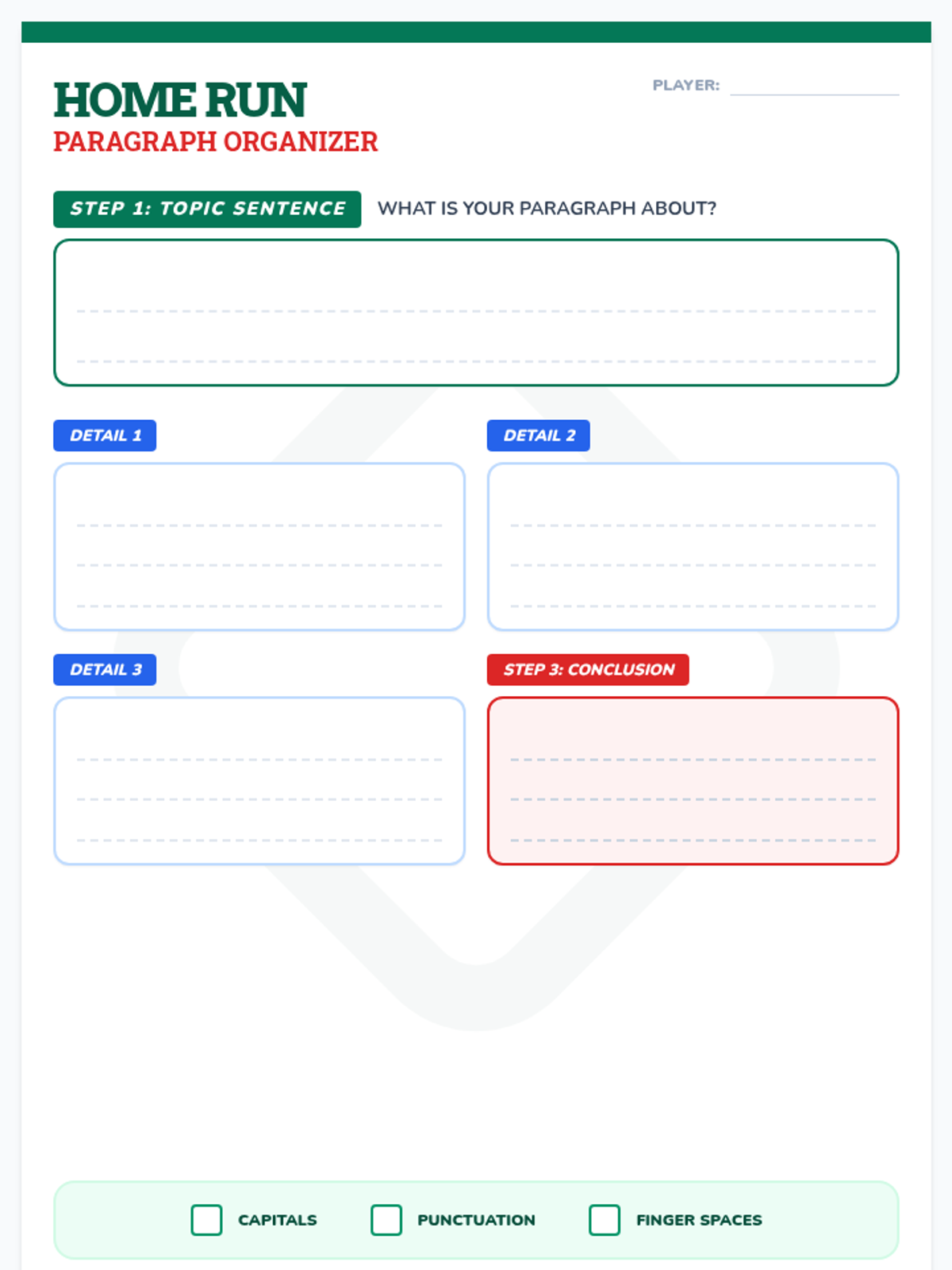
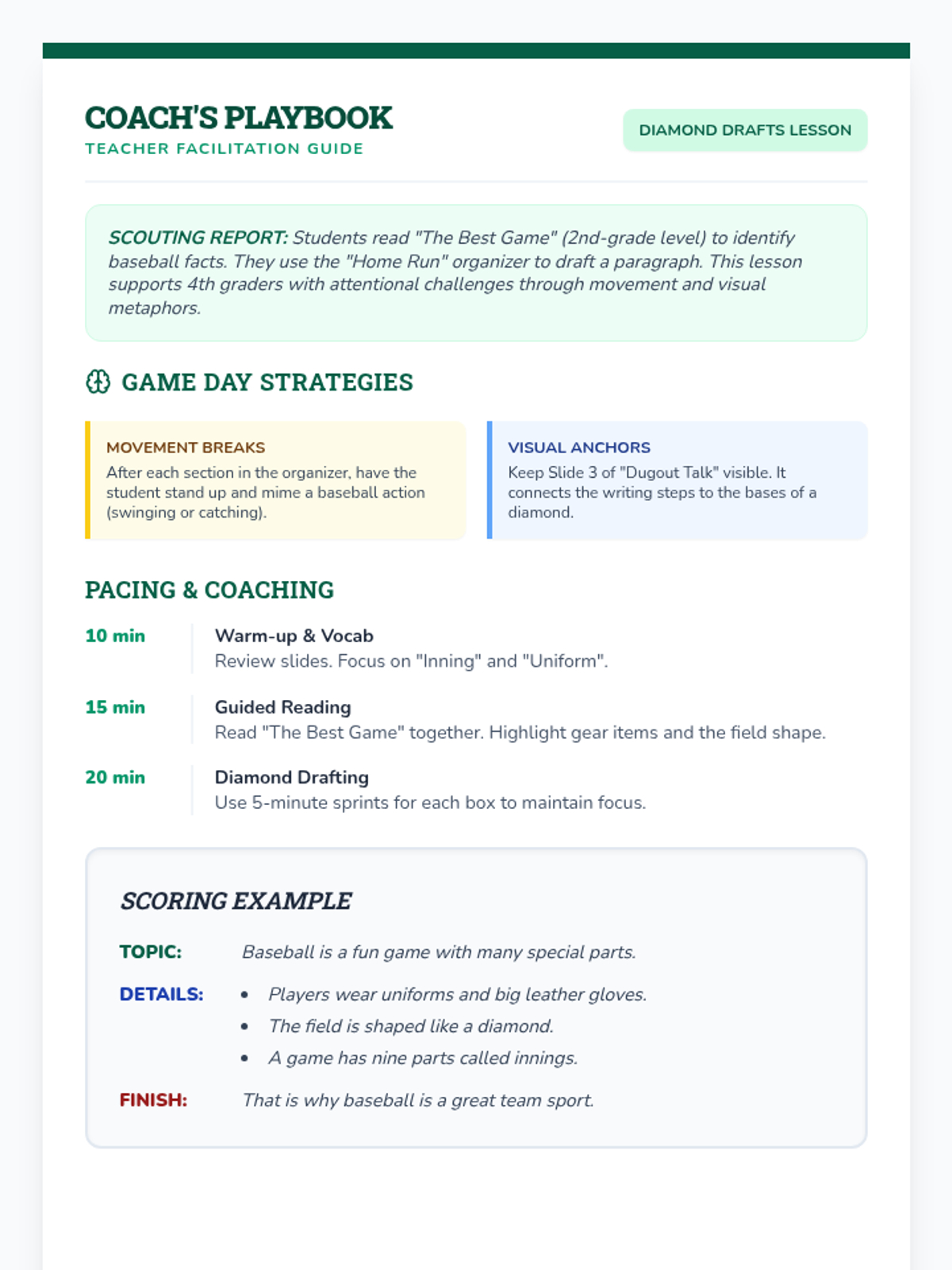
A baseball-themed reading and writing lesson designed for a 4th grader reading at a 2nd-grade level. The lesson focuses on identifying key details and organizing a paragraph using a topic sentence, three details, and a conclusion.
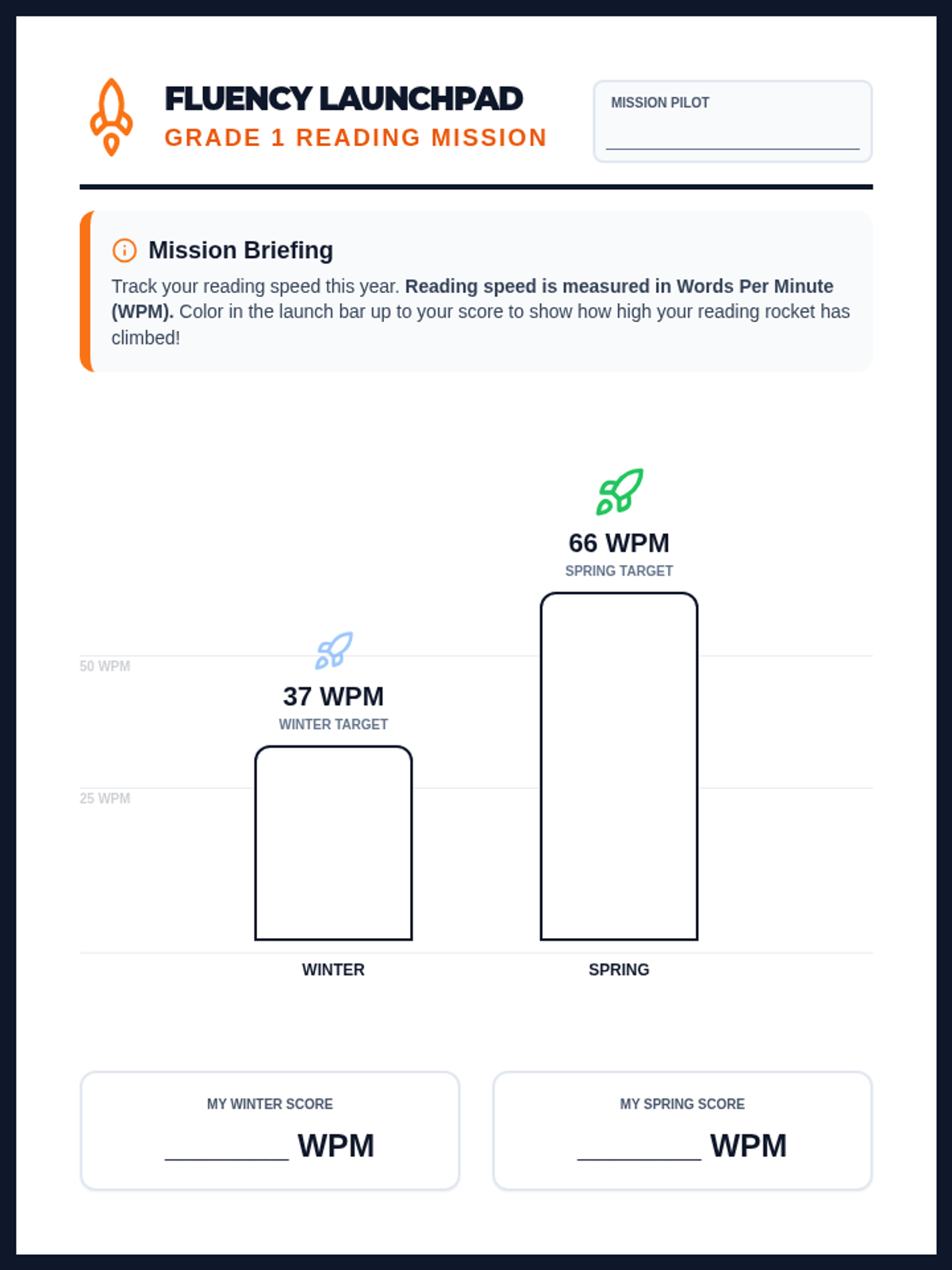
A collection of visual goal-tracking dashboards for grades 1-5, using a rocket launch theme to help students visualize their reading fluency targets for the year.
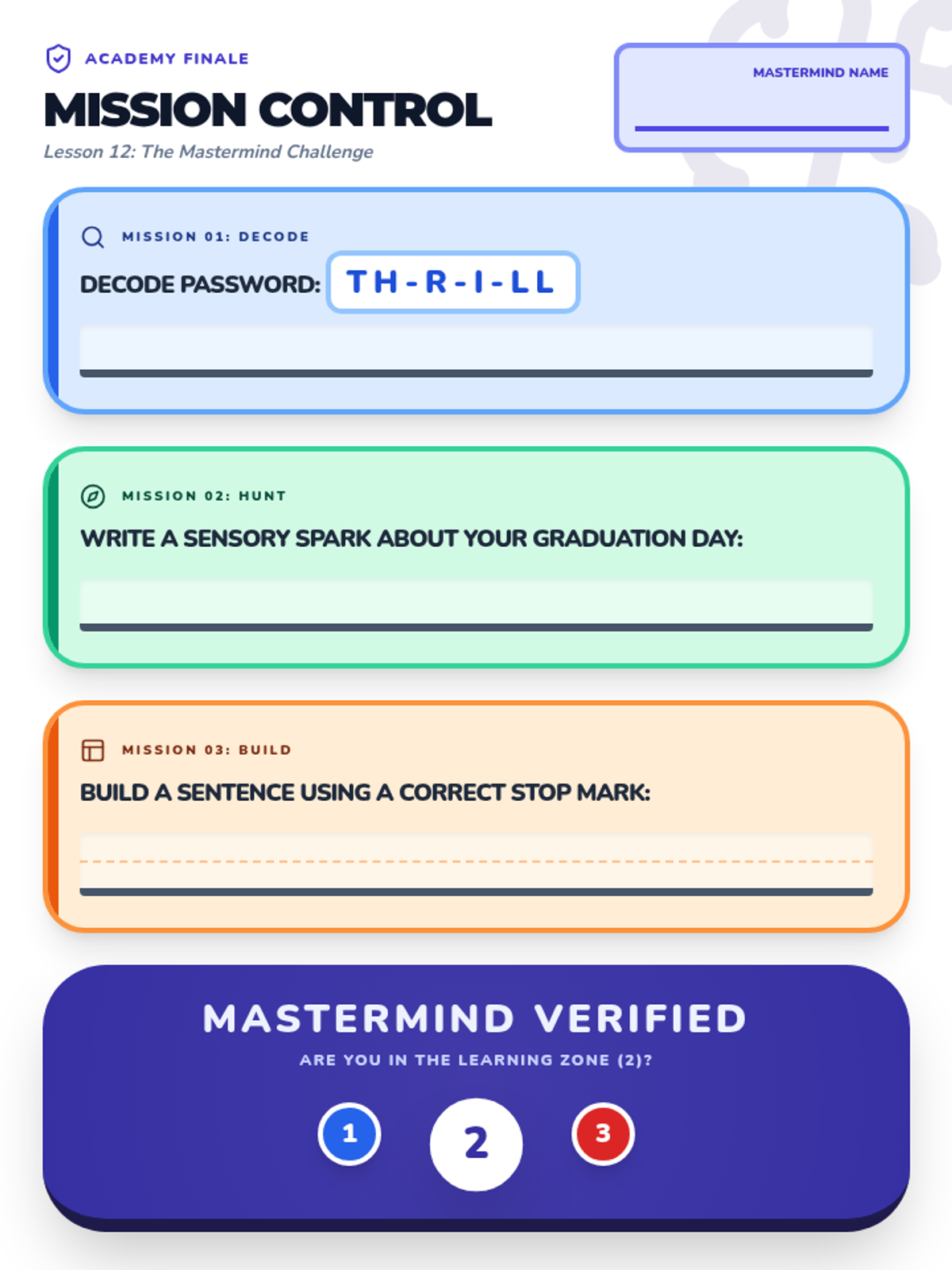
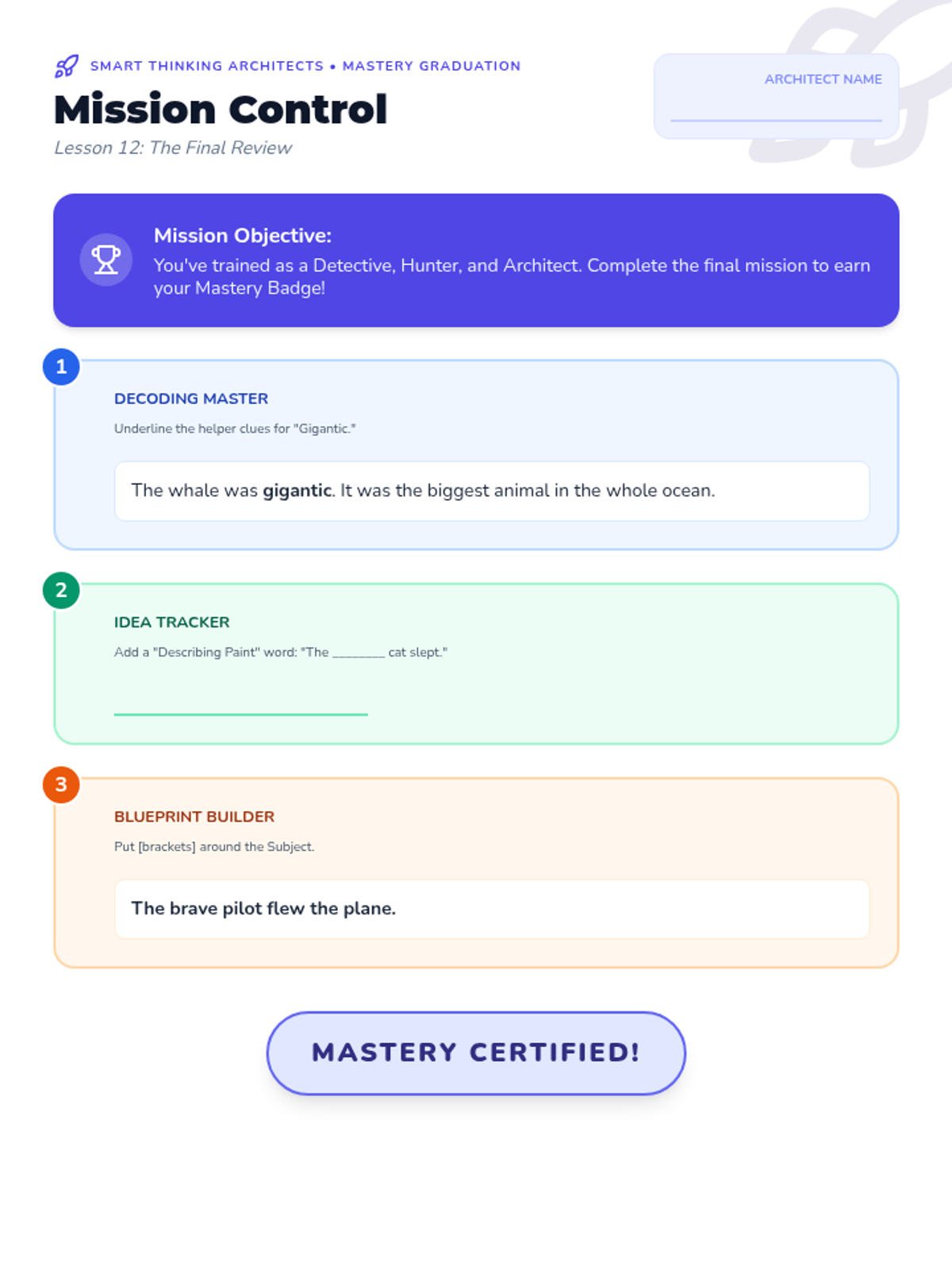
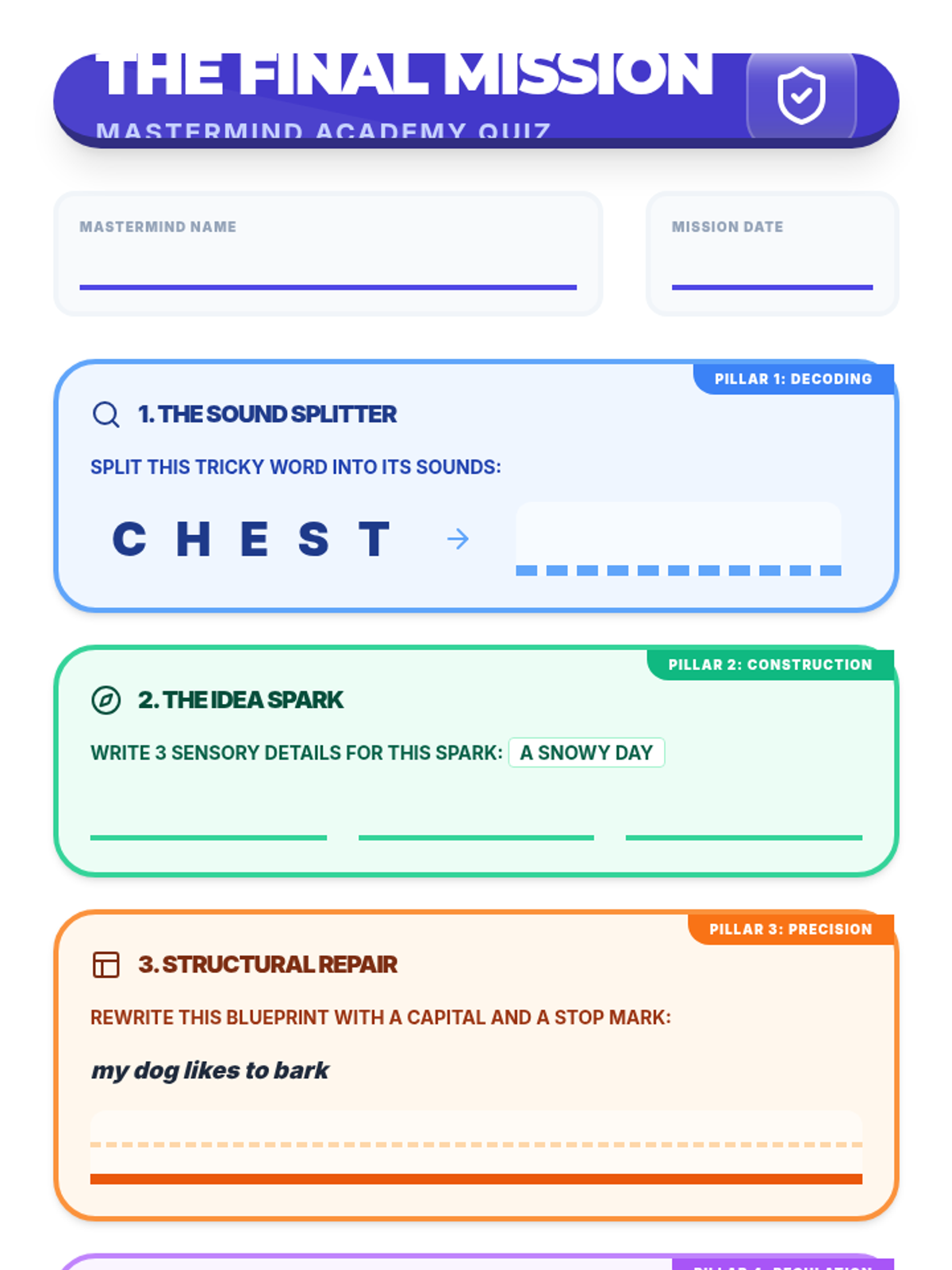
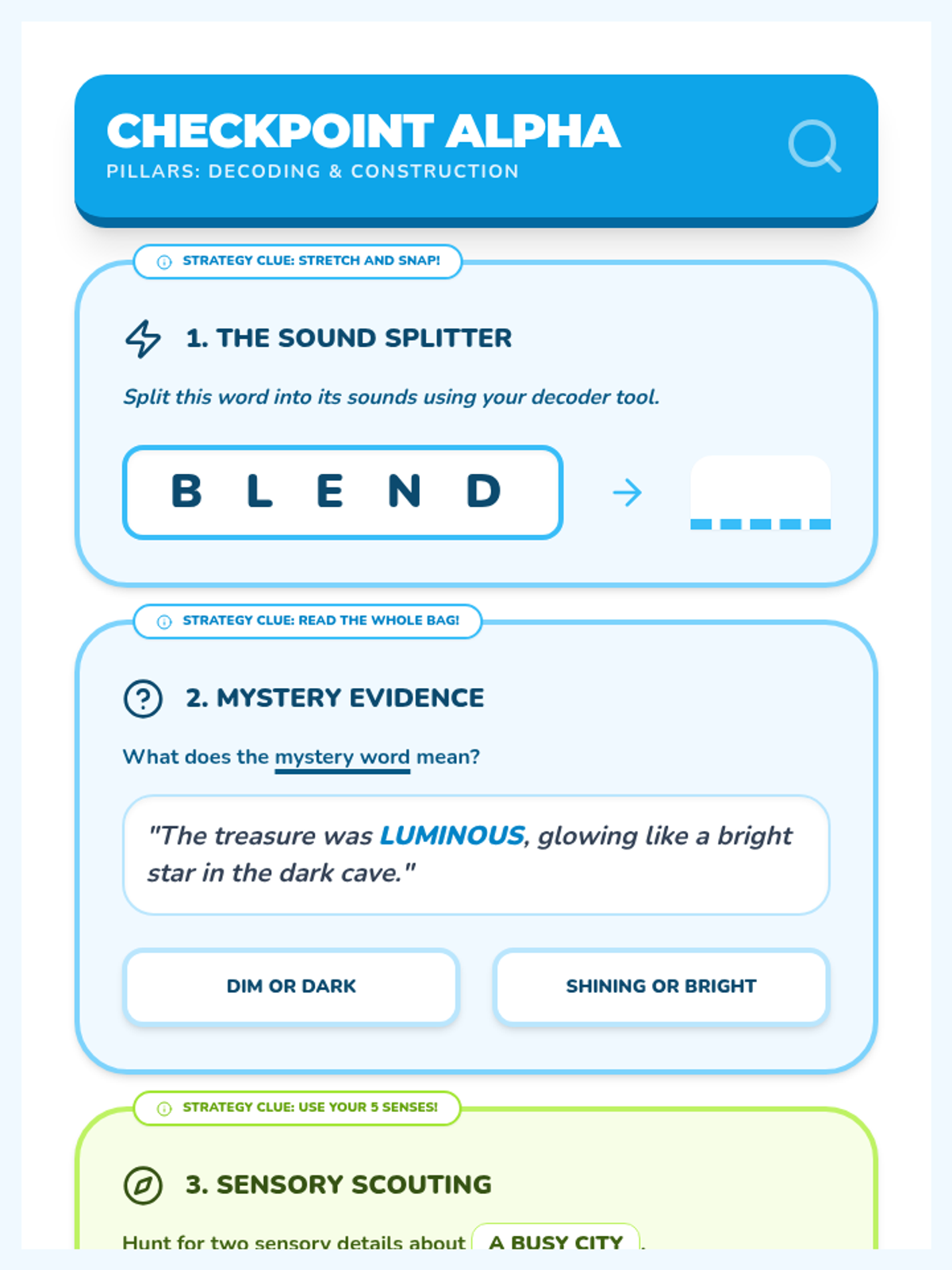
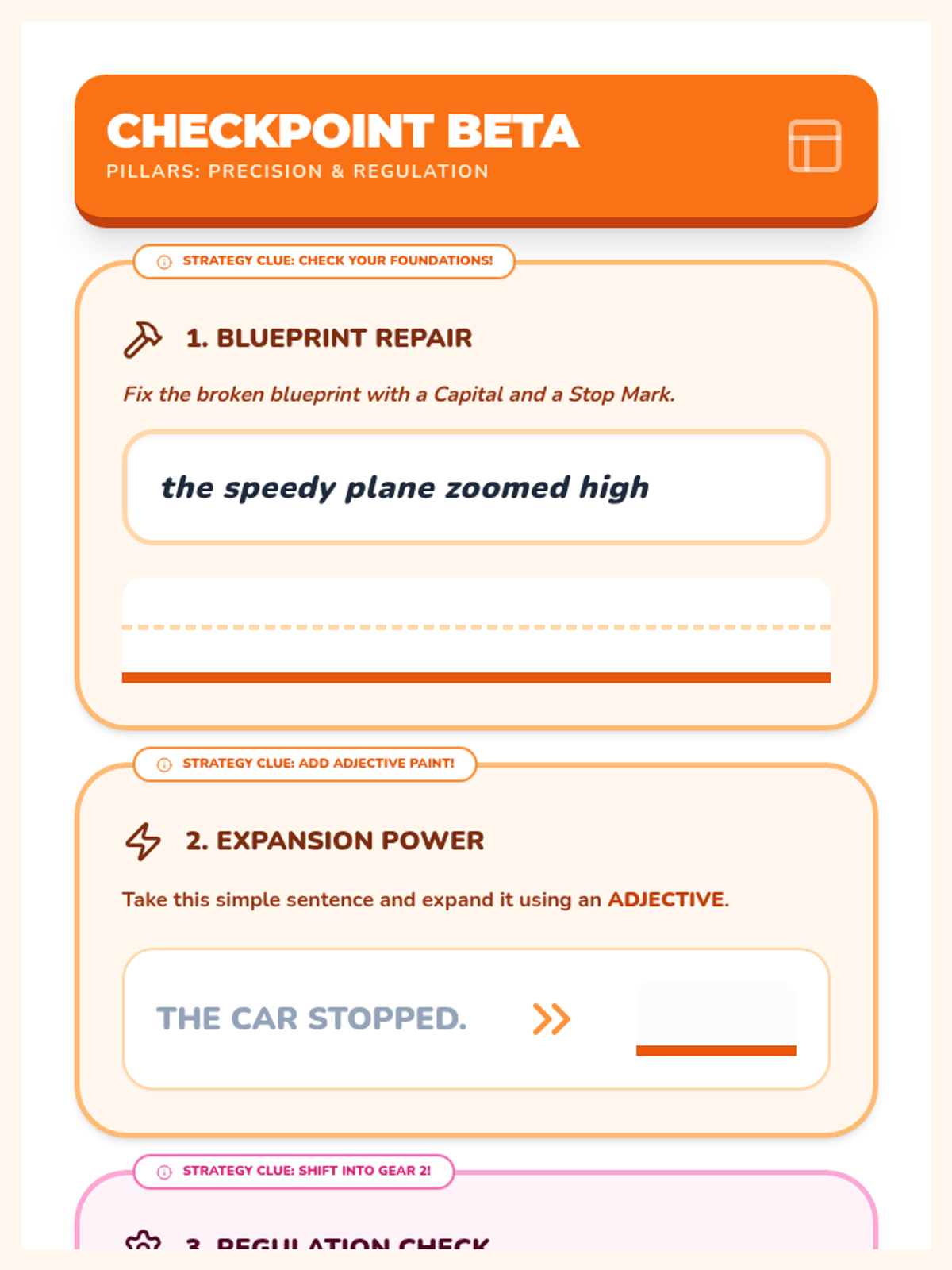
A final review and celebration of the skills learned throughout the Mastermind Academy program.
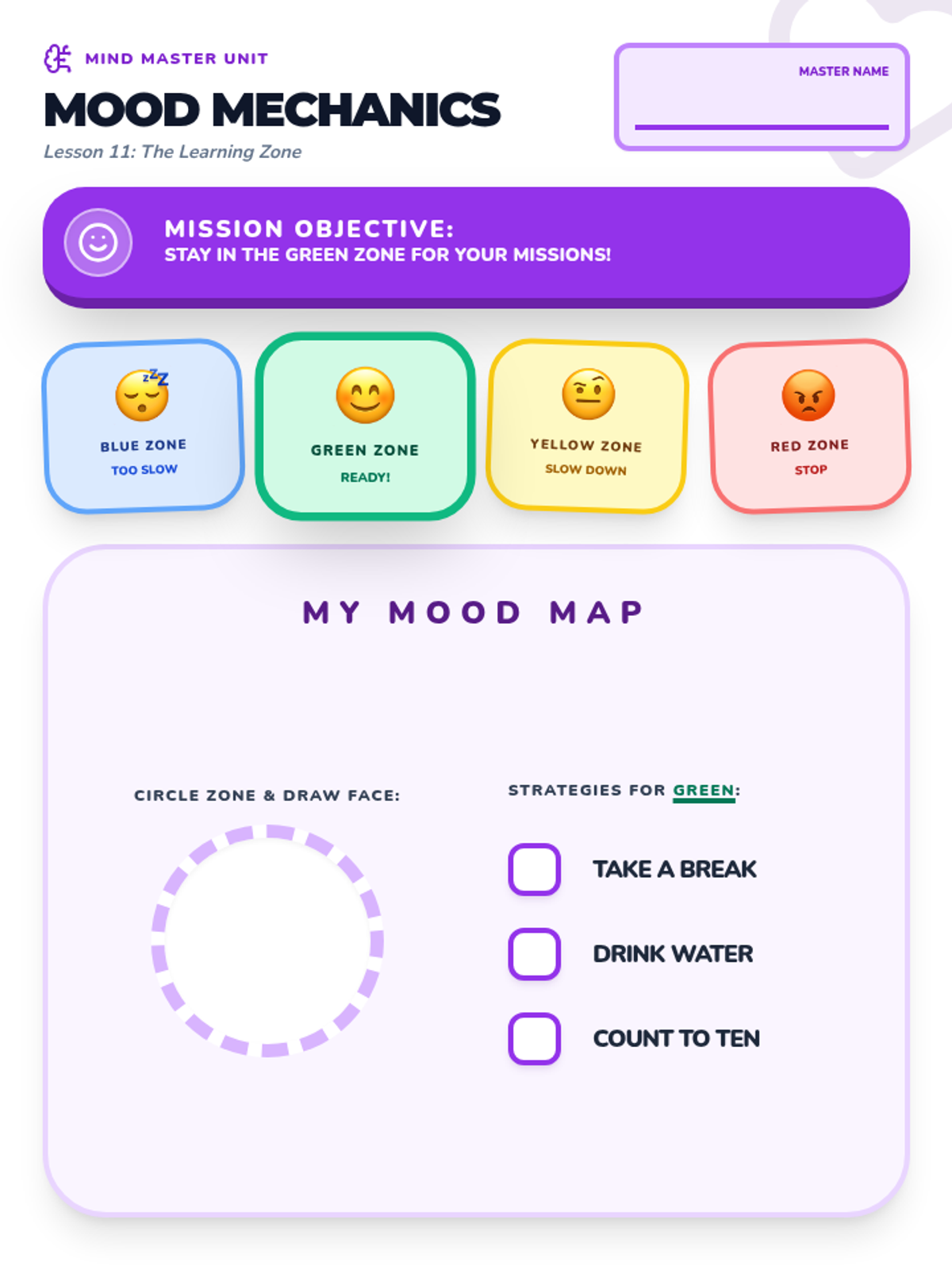
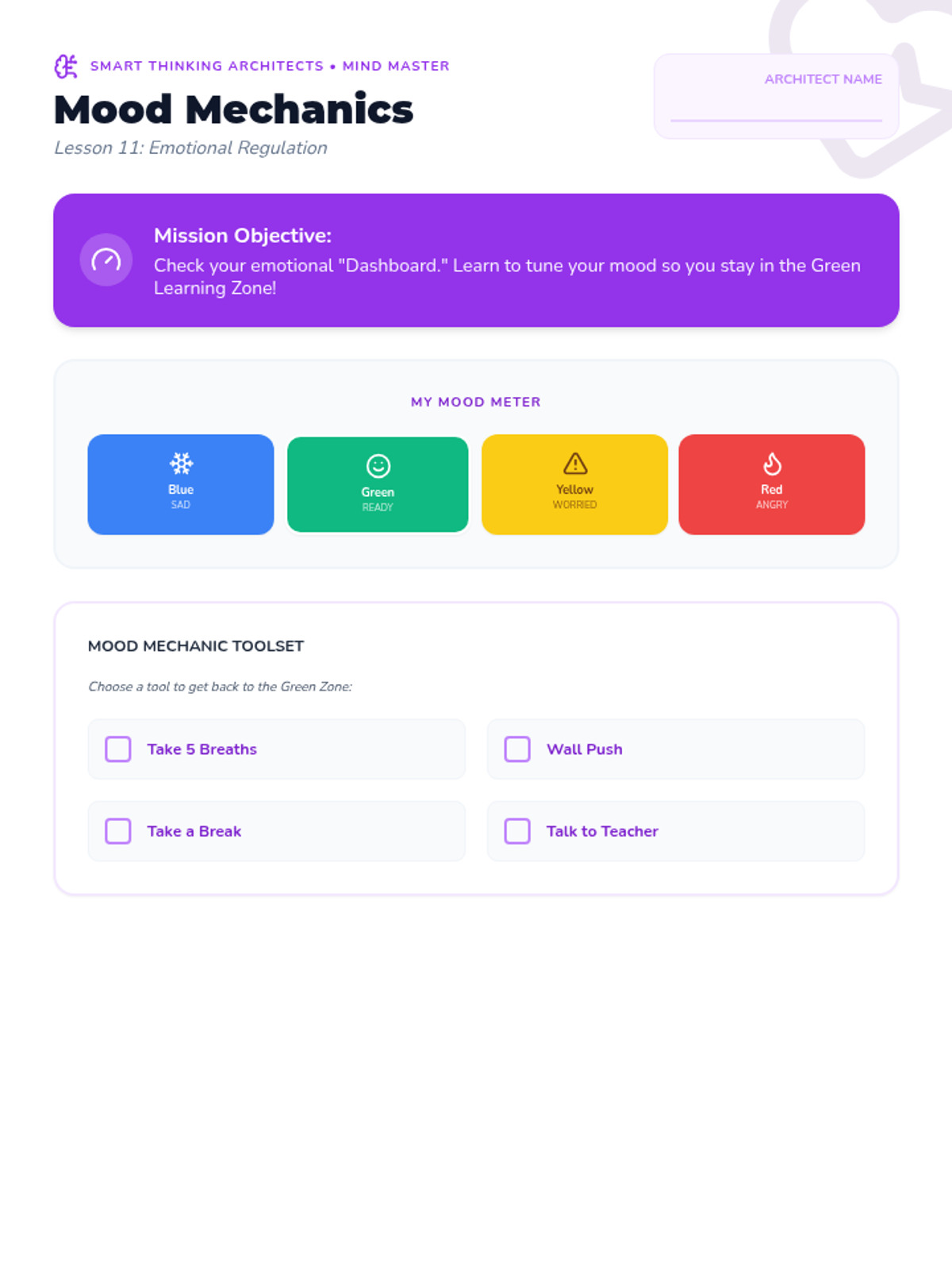
Students learn to identify and regulate their emotions to stay in the "learning zone."
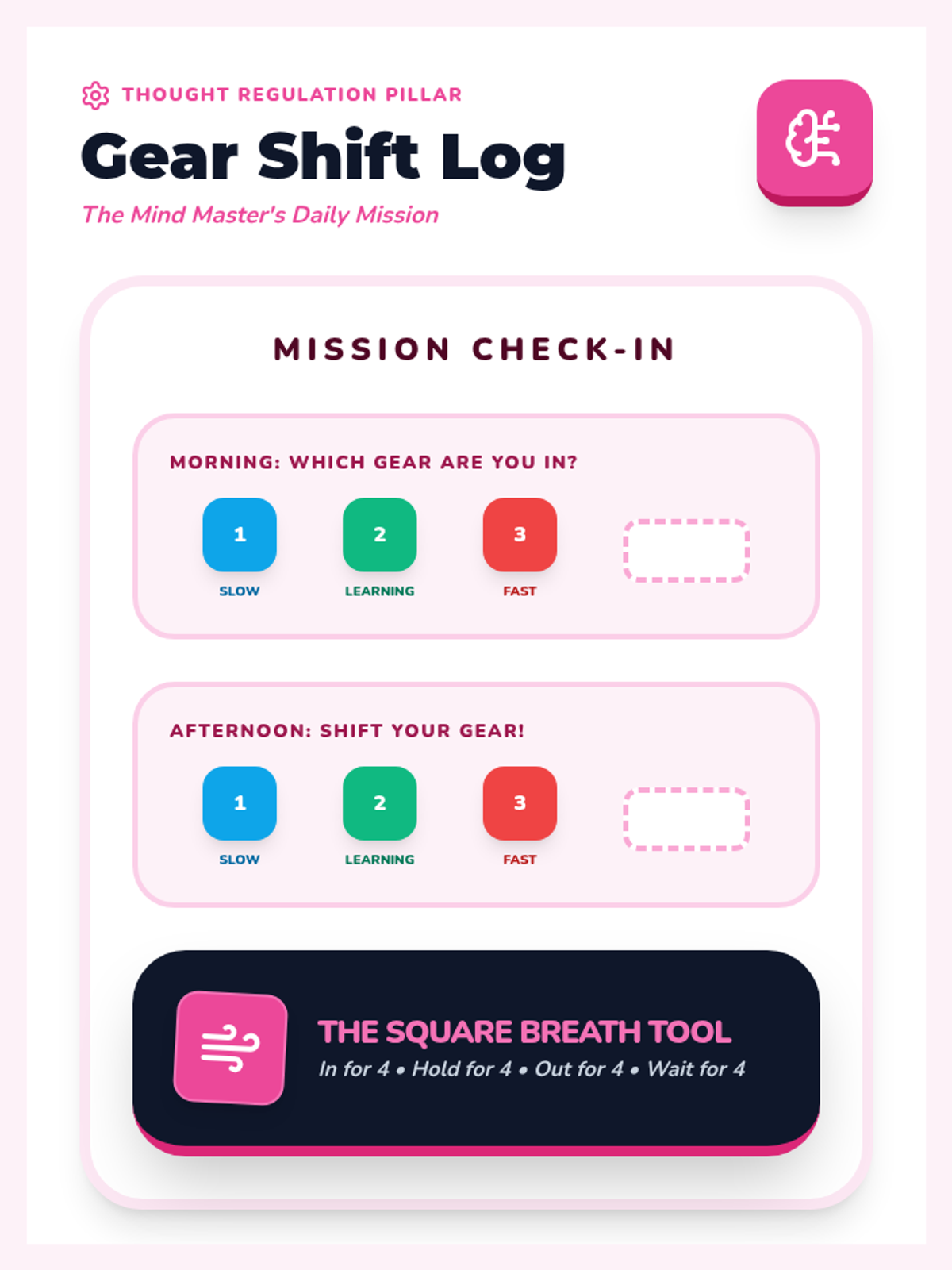
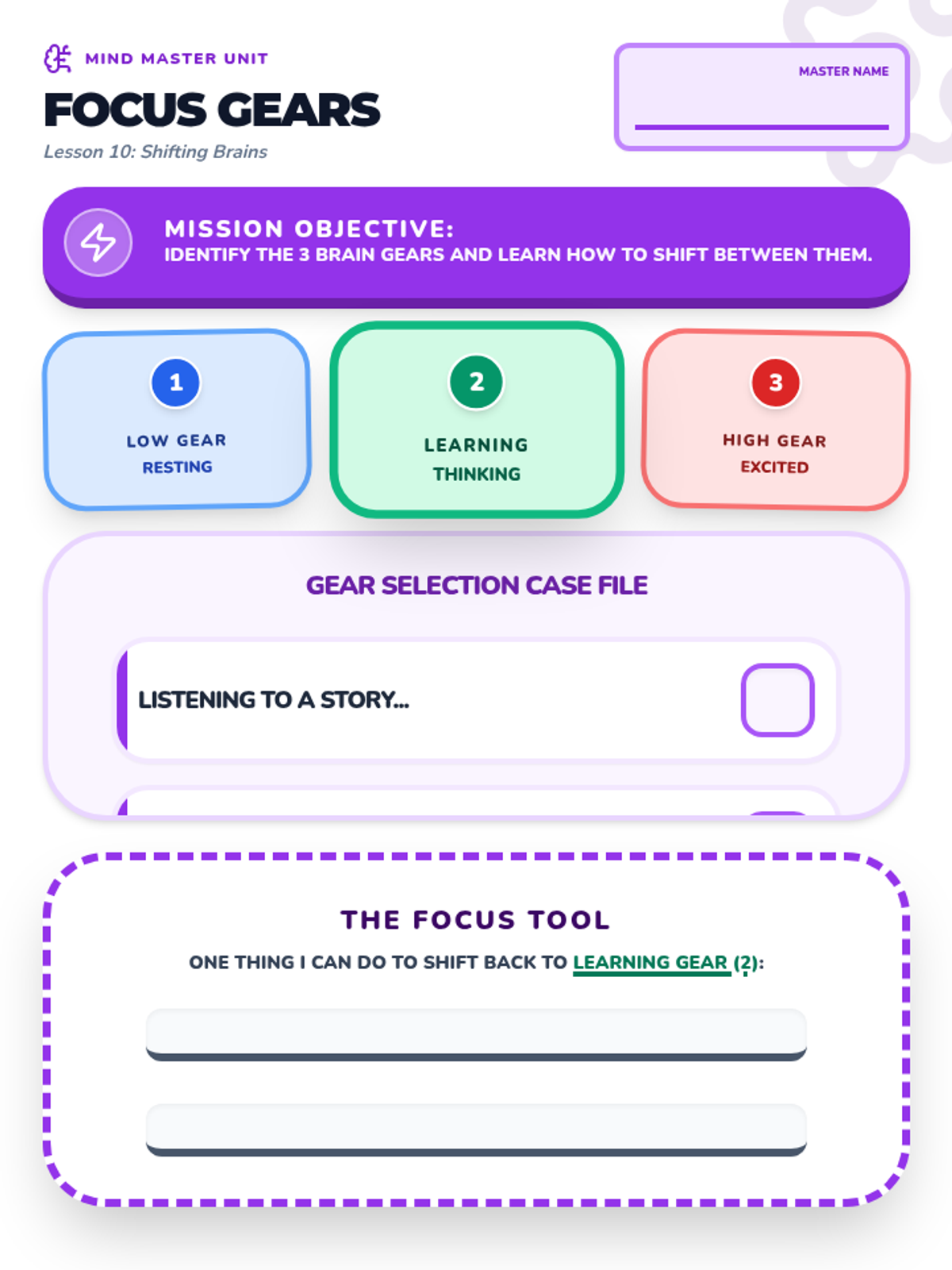
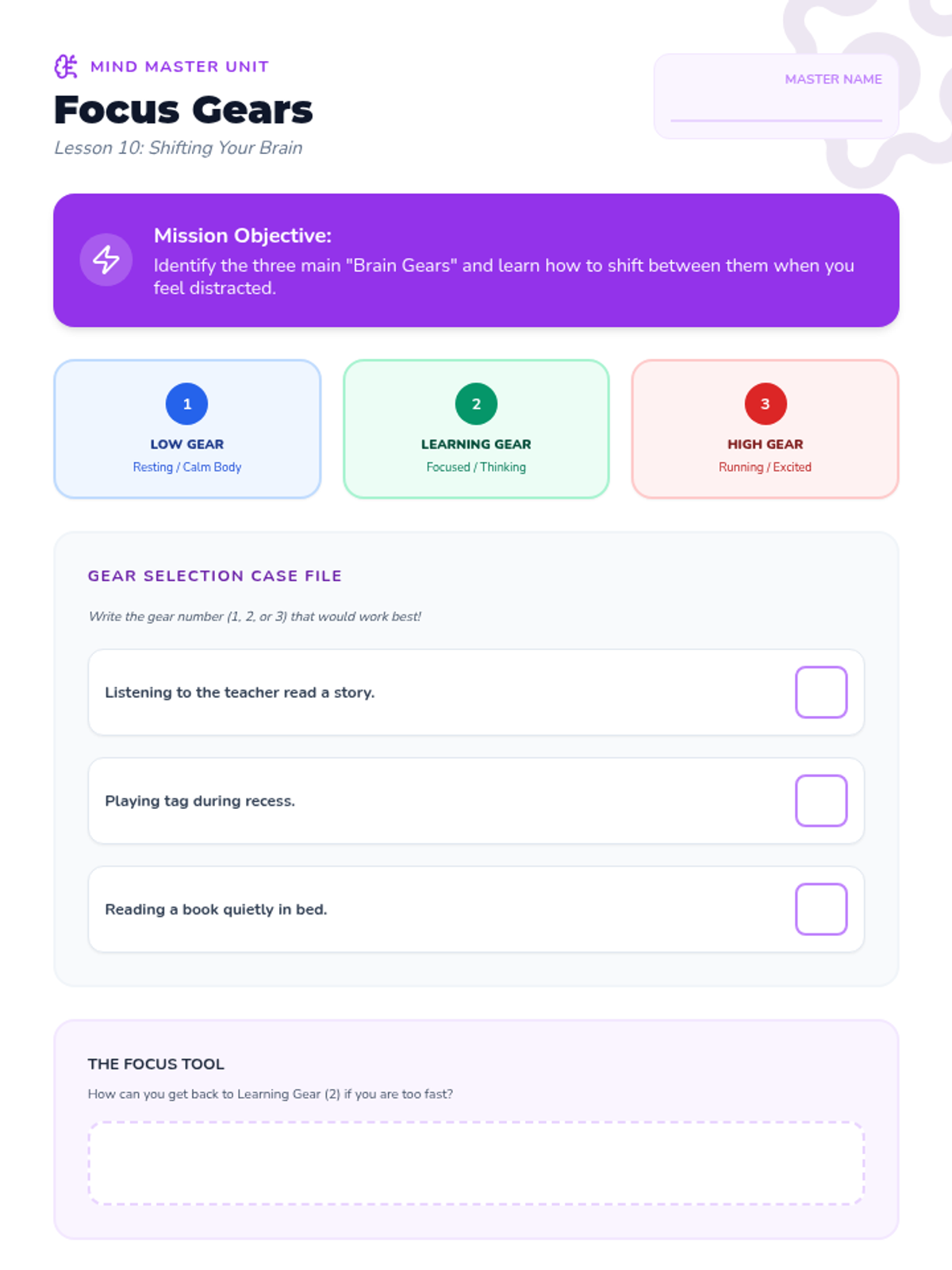
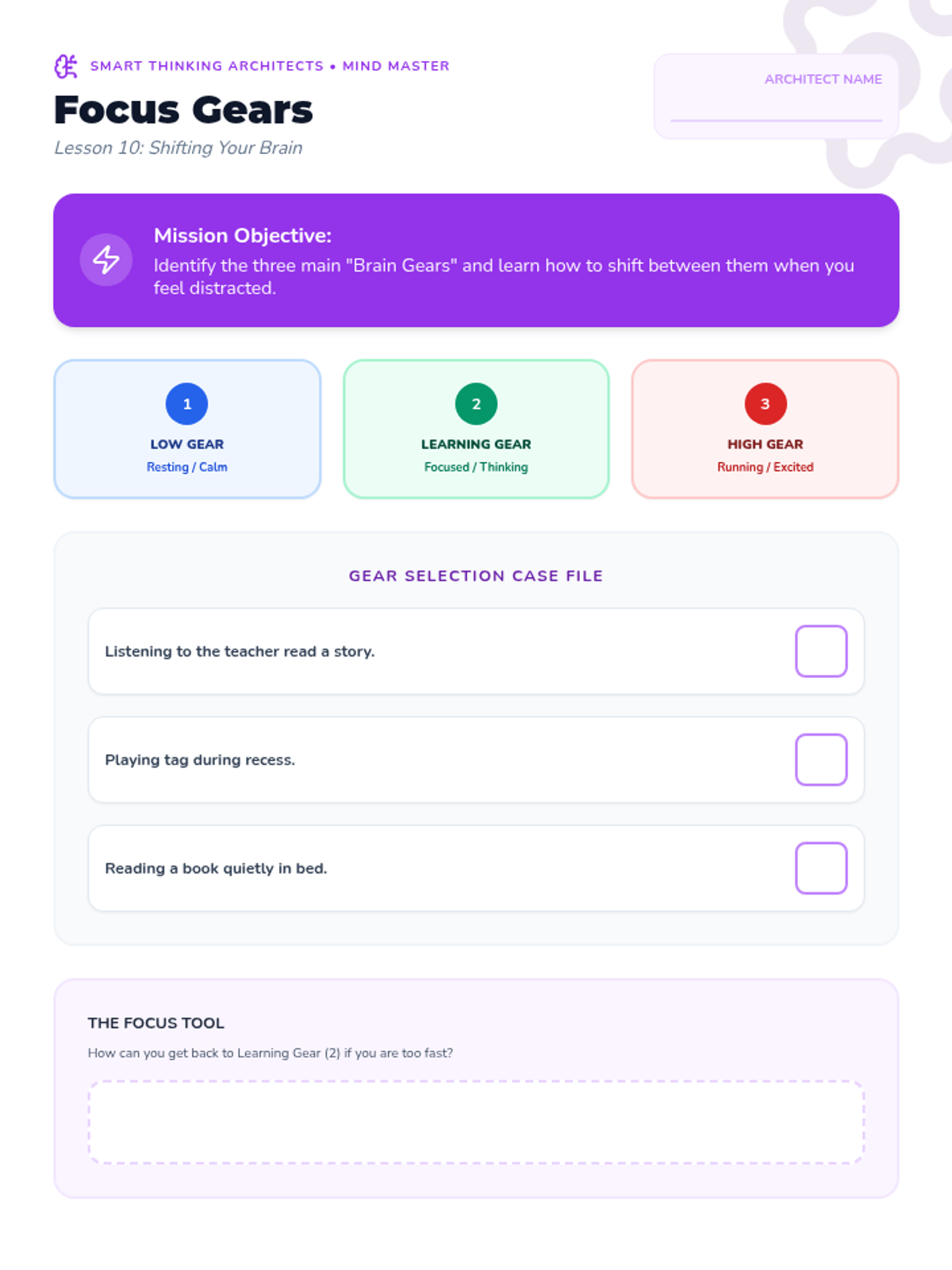
Mind masters learn to switch their "brain gears" to focus on the task at hand and ignore distractions.
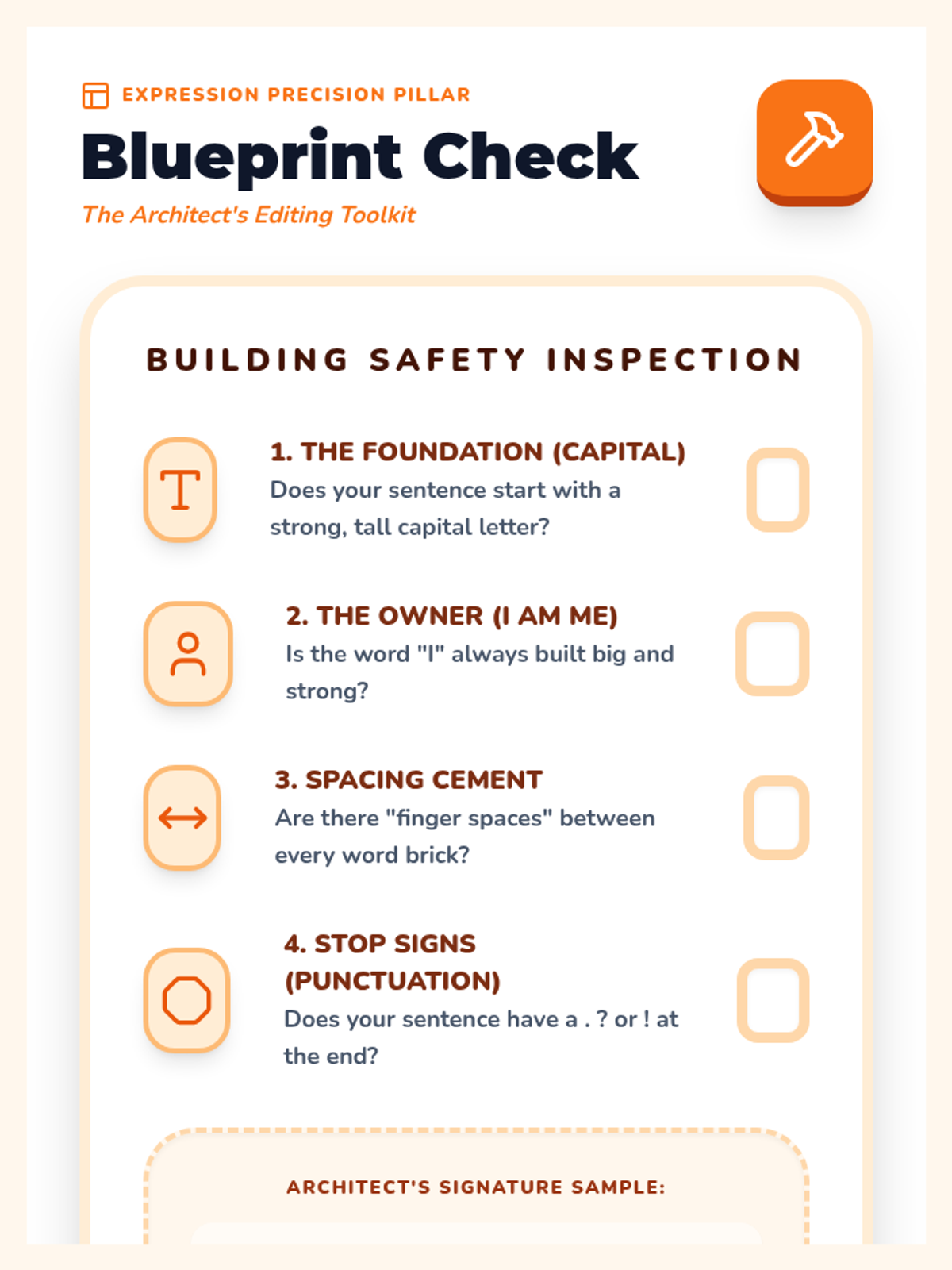
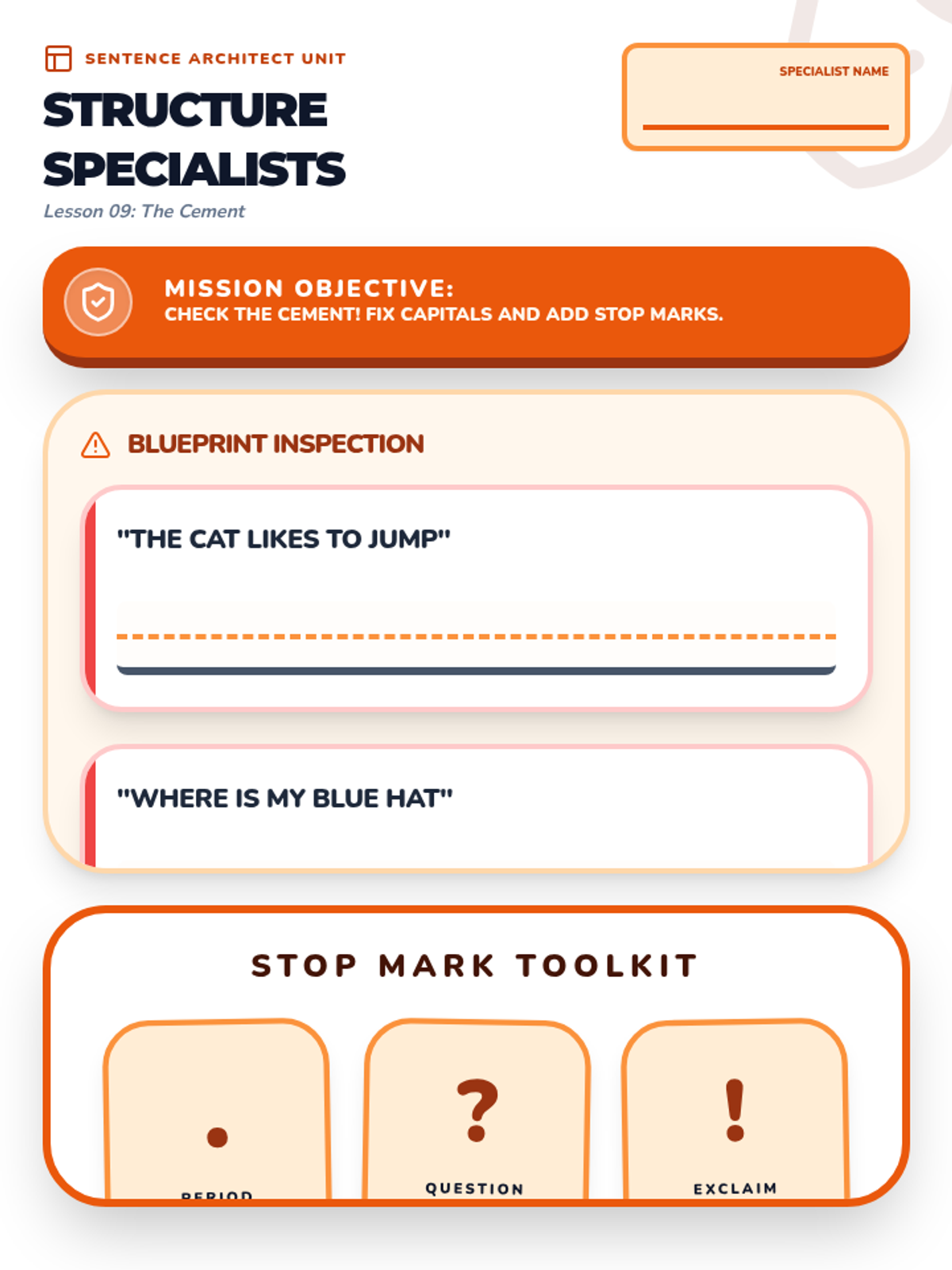
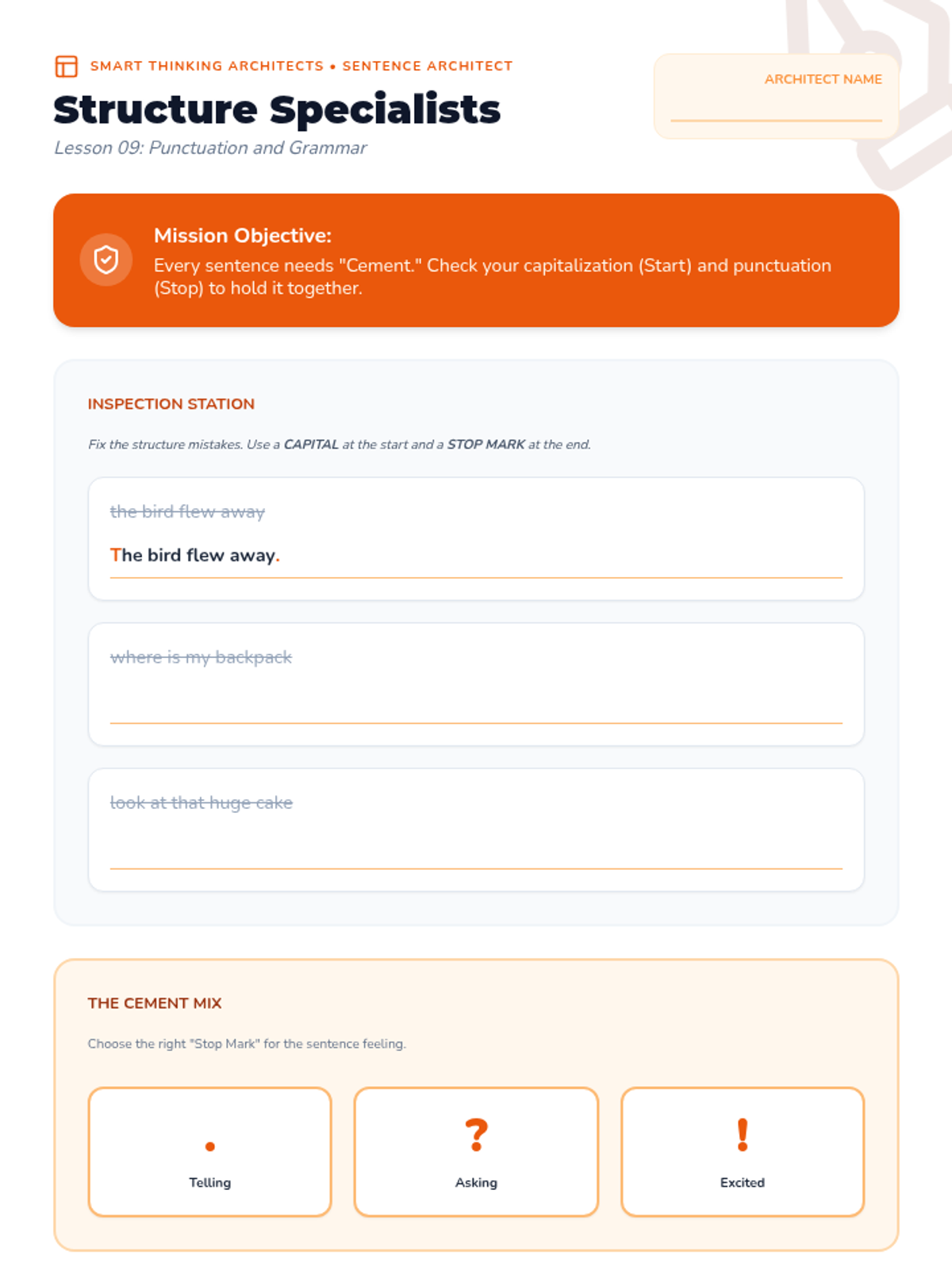
Specialists focus on the "cement" of writing: punctuation, capitalization, and grammar rules.
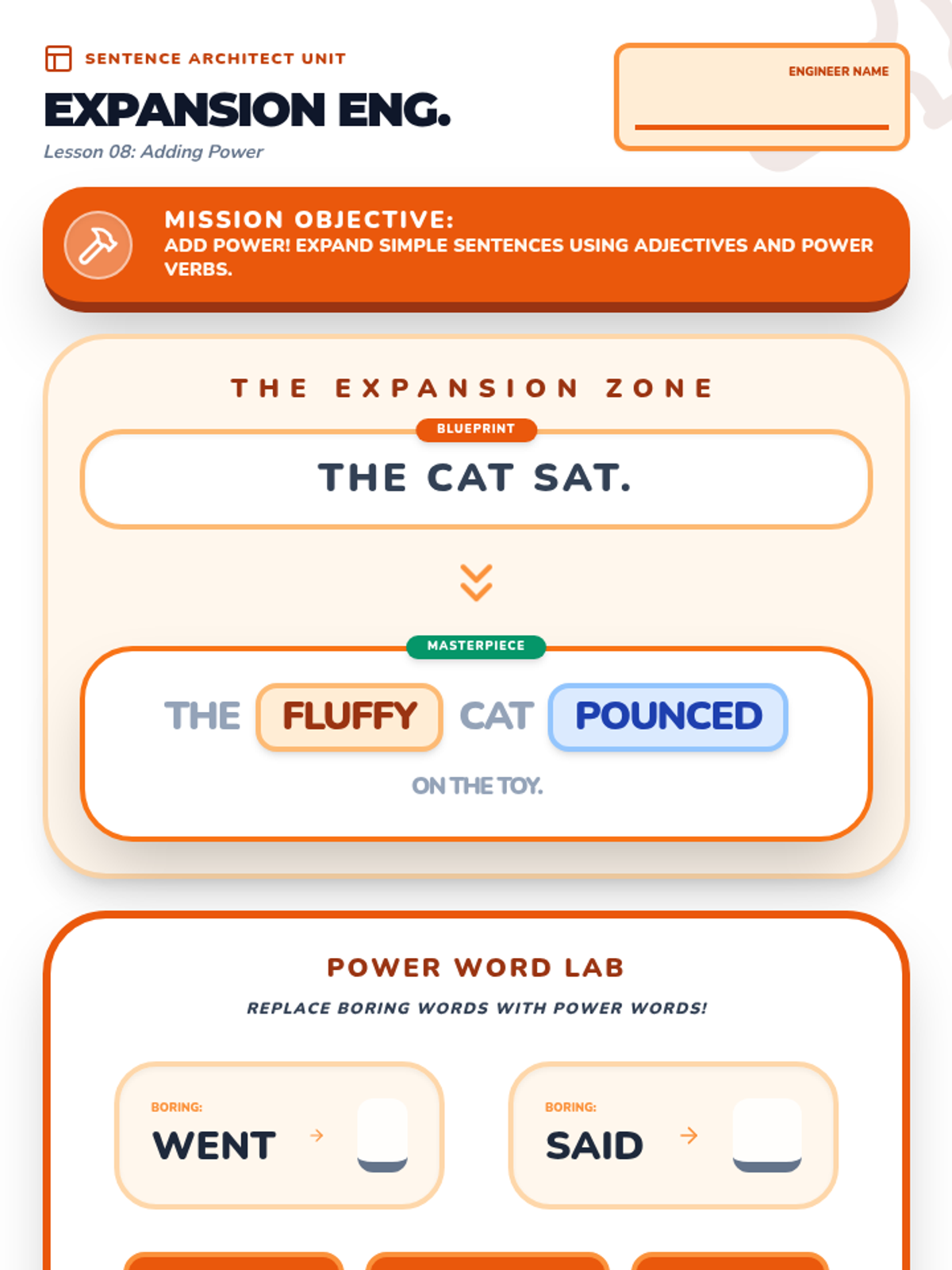
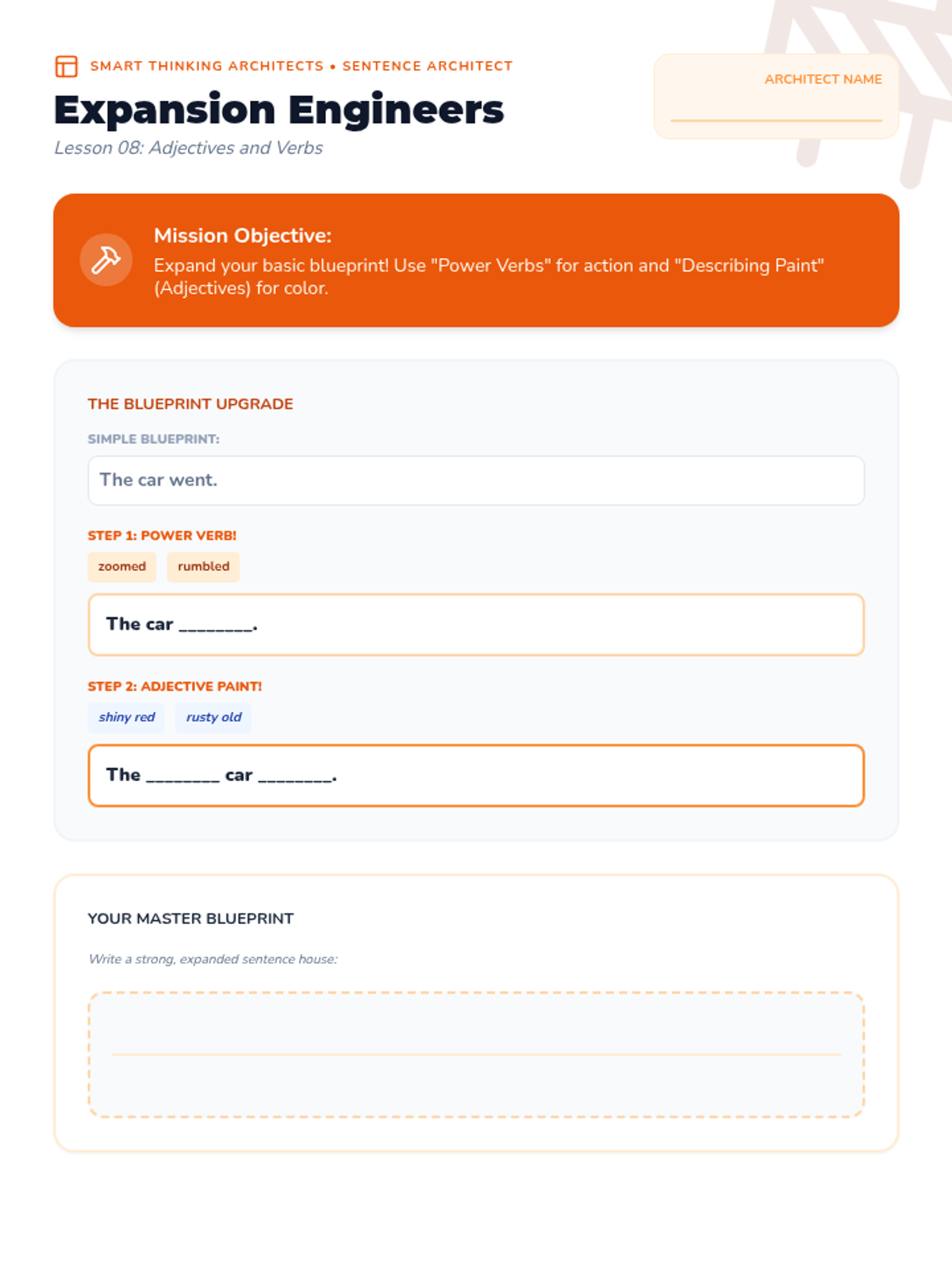
Engineers learn to expand their simple "blueprints" by adding descriptive adjectives and powerful verbs.
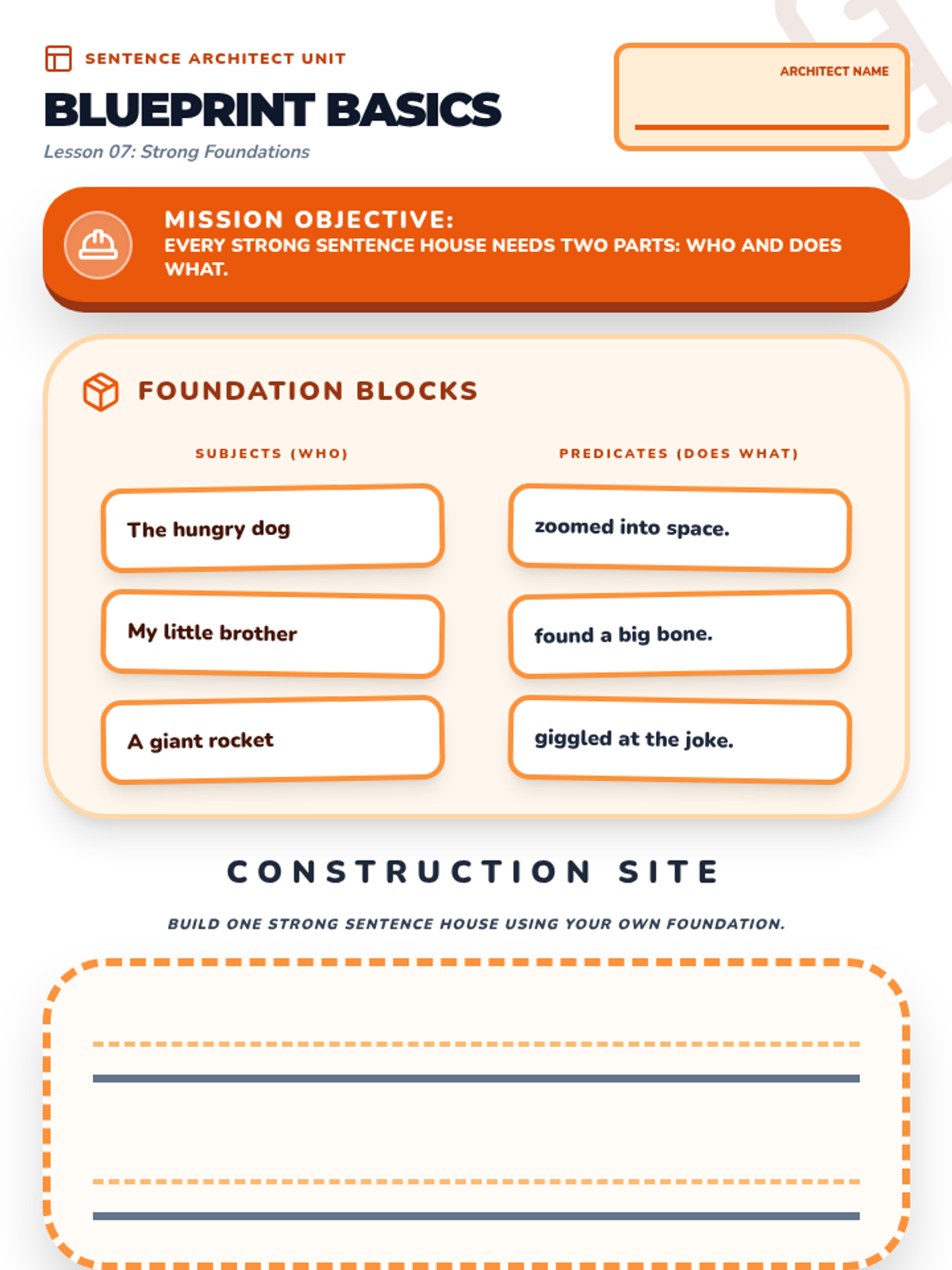
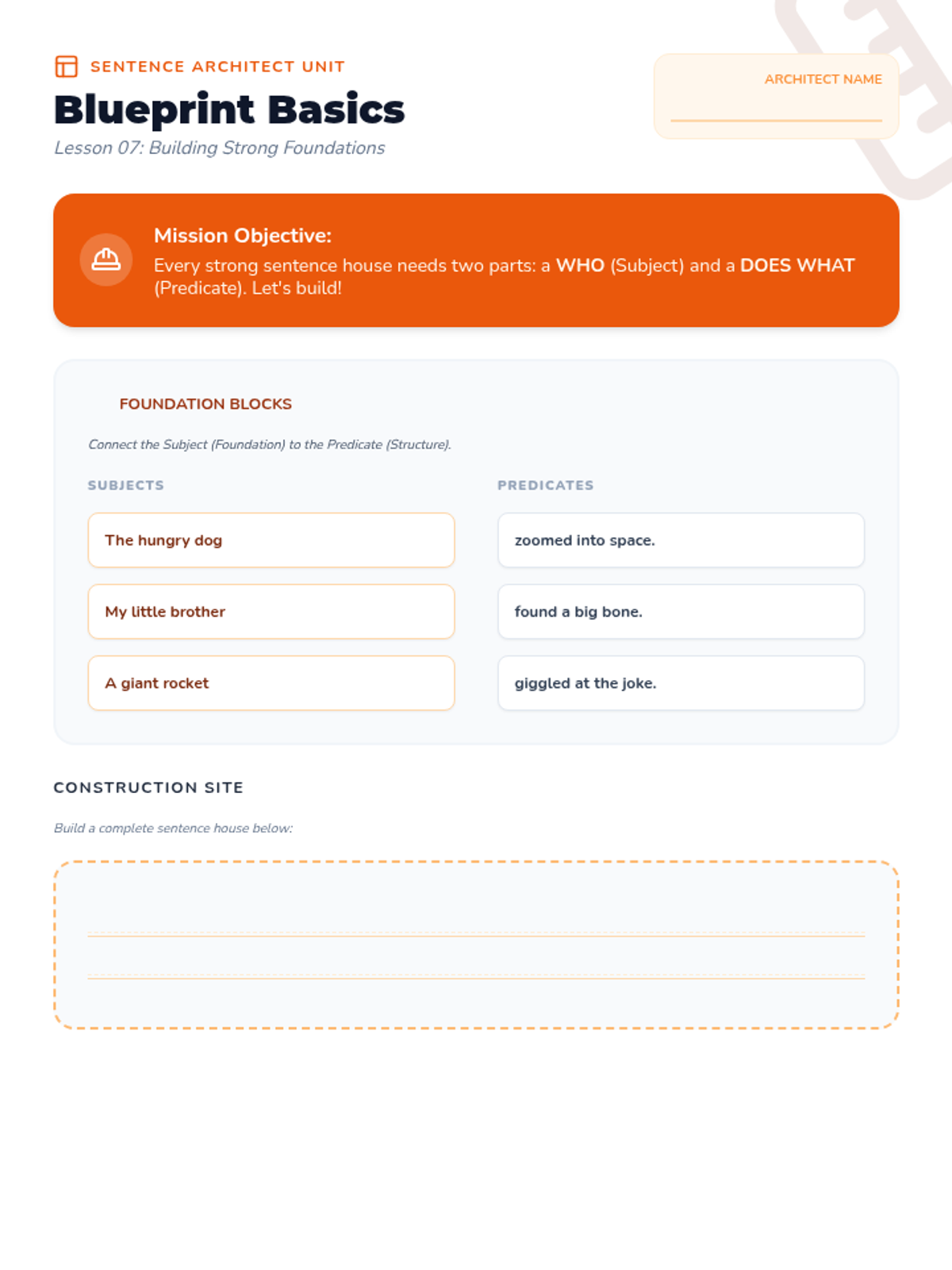
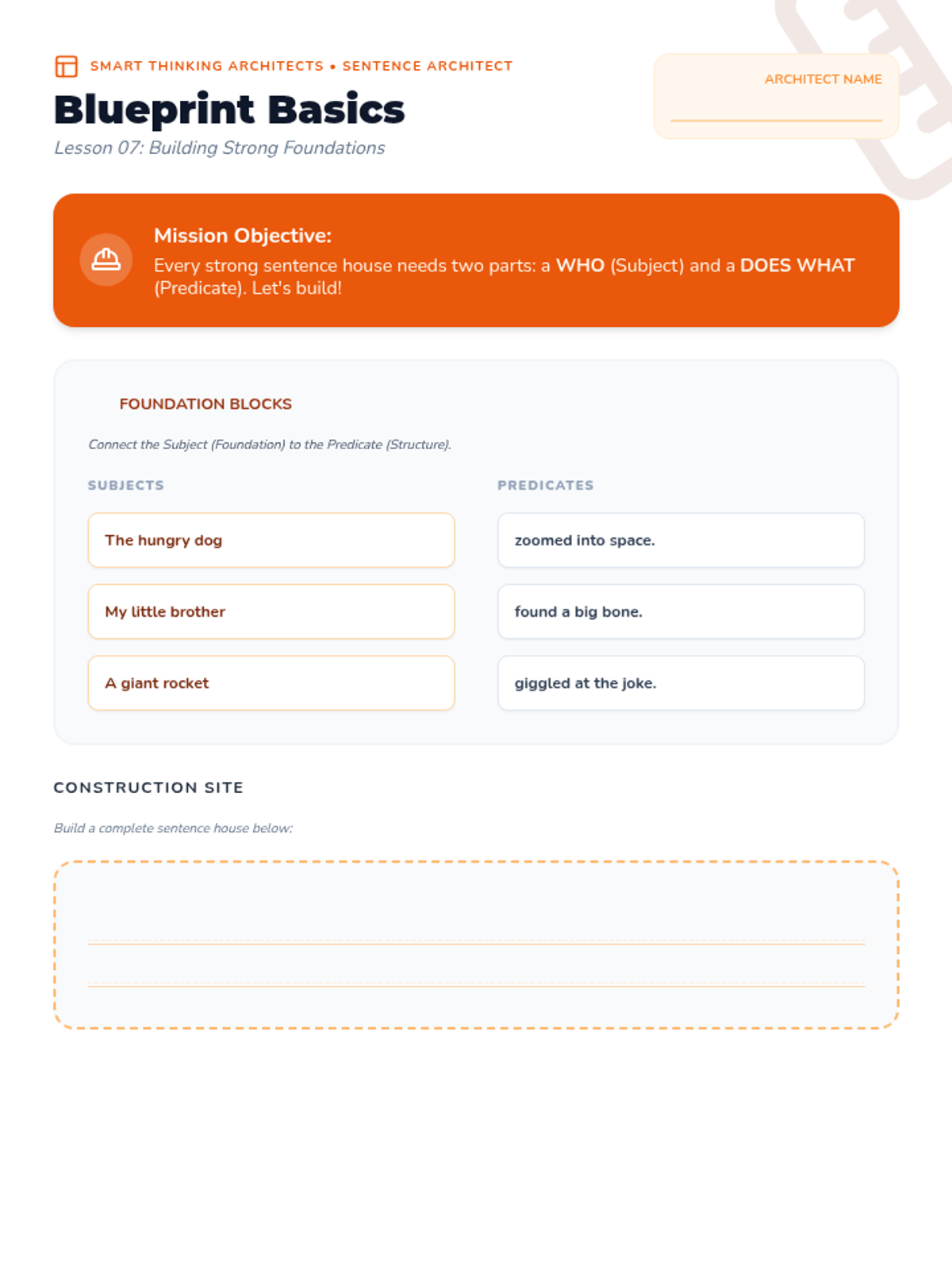
Sentence architects learn the foundations of a strong sentence, including subjects and predicates.
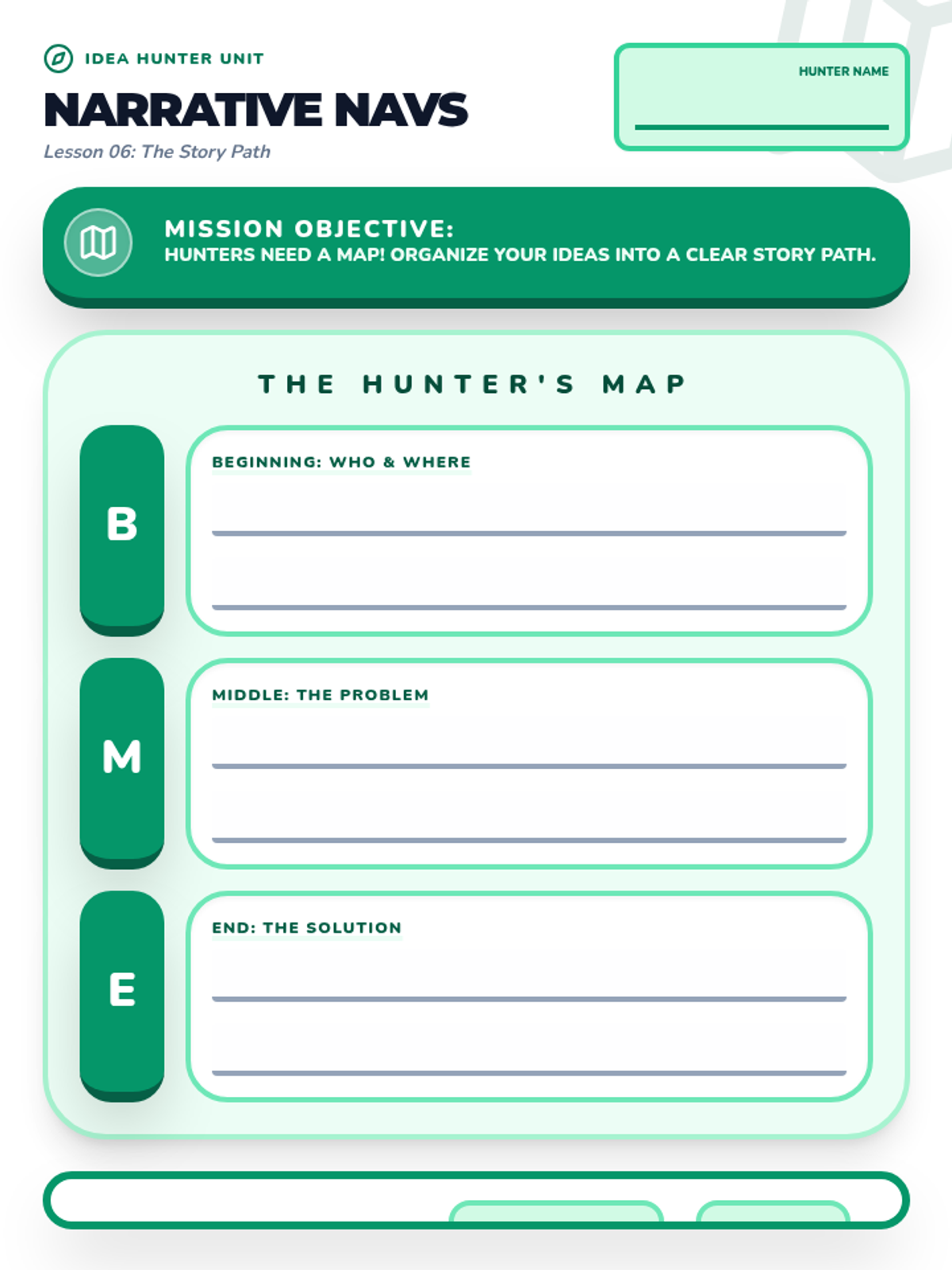
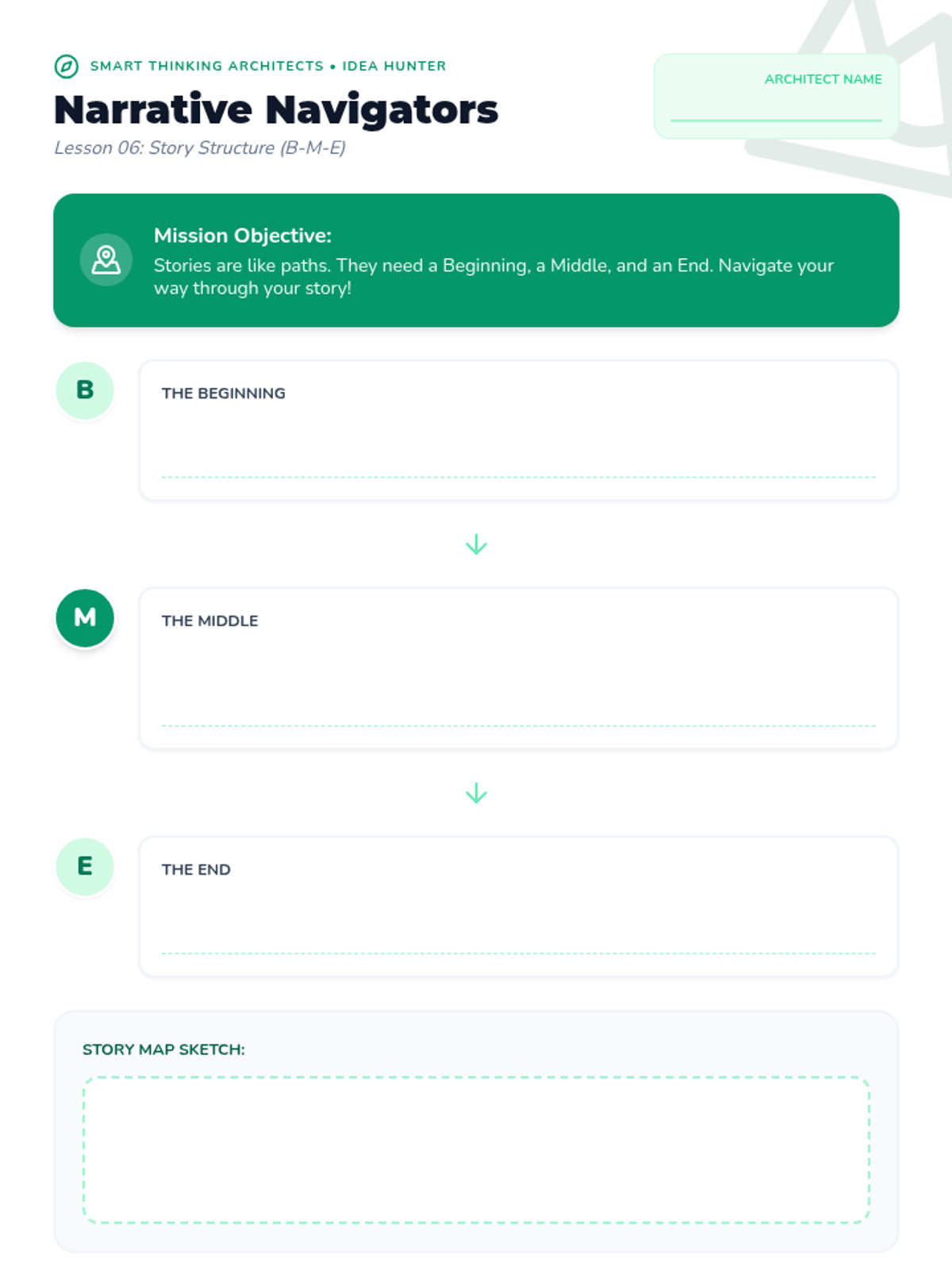
Explorers learn to organize their hunted ideas into a clear beginning, middle, and end.
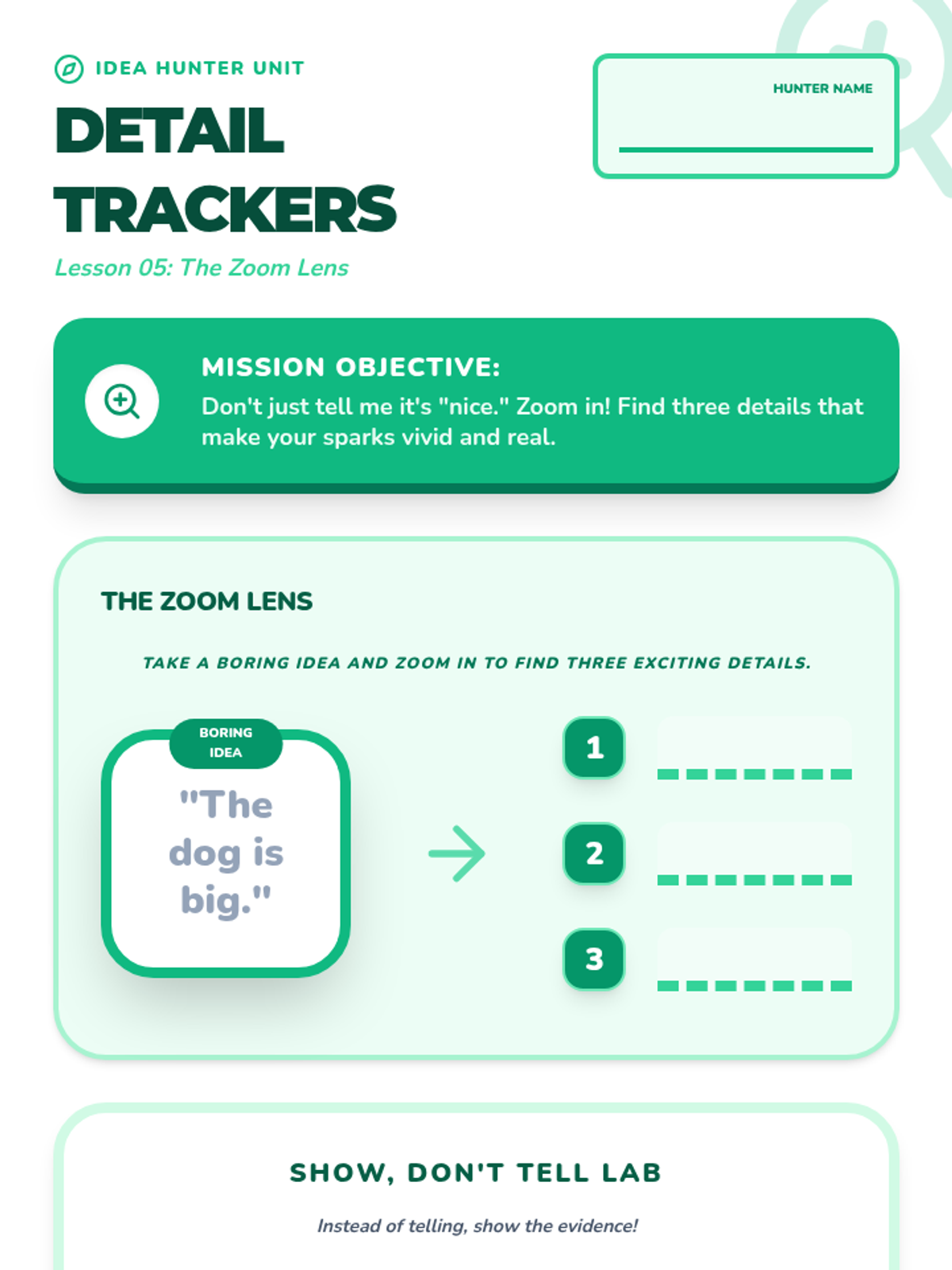
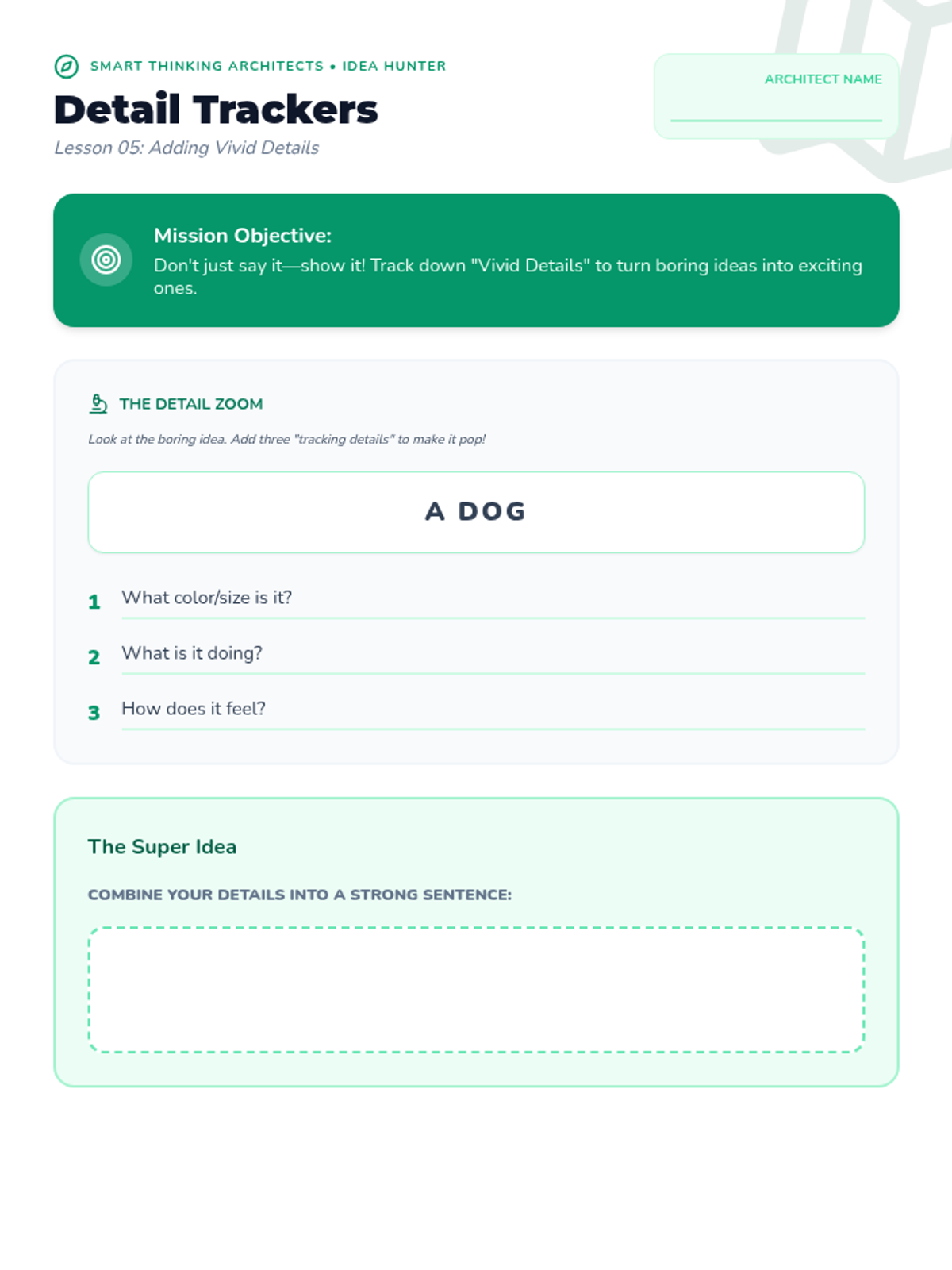
Hunters learn to track down specific details that make their ideas stronger and more vivid.
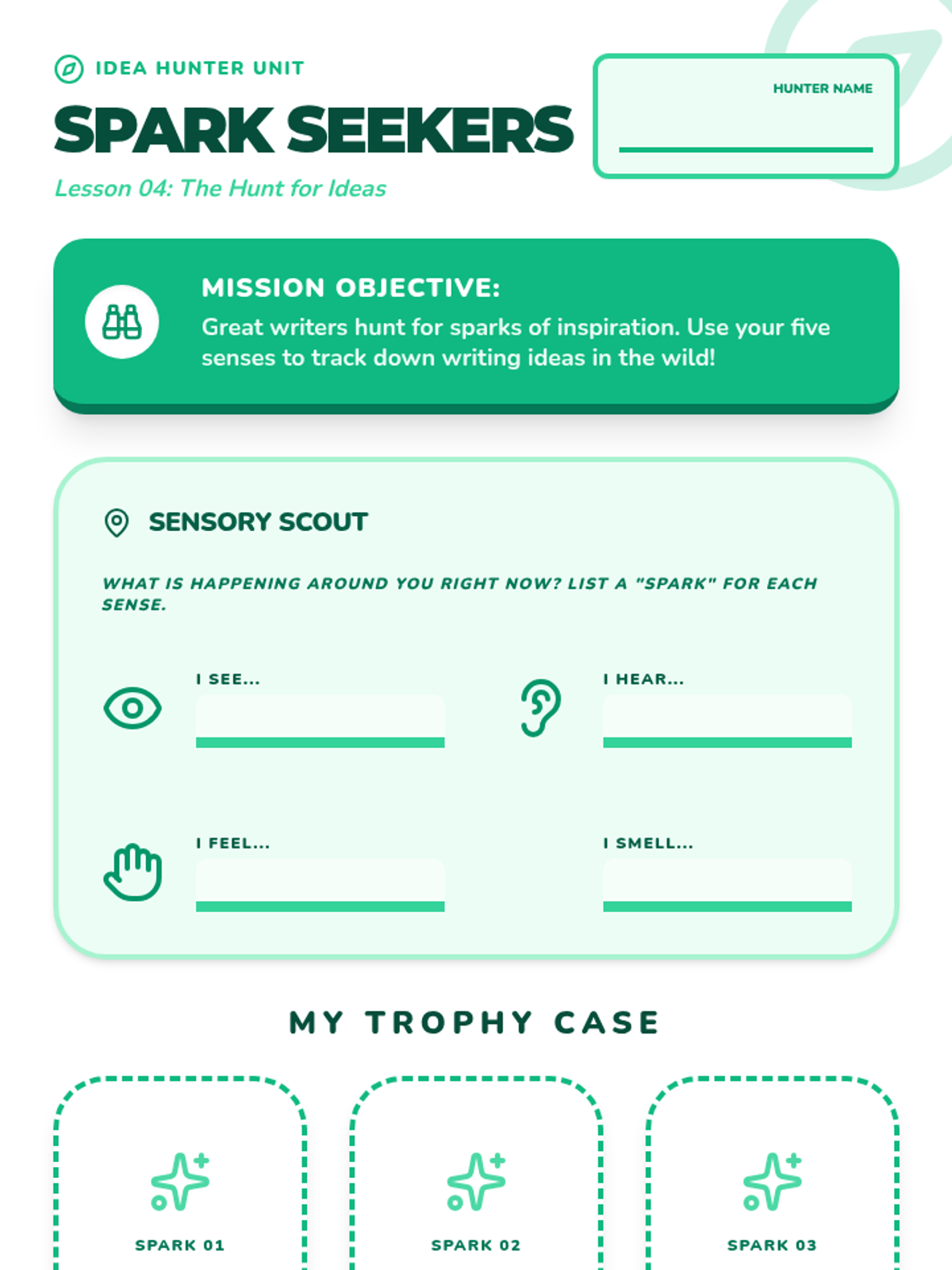
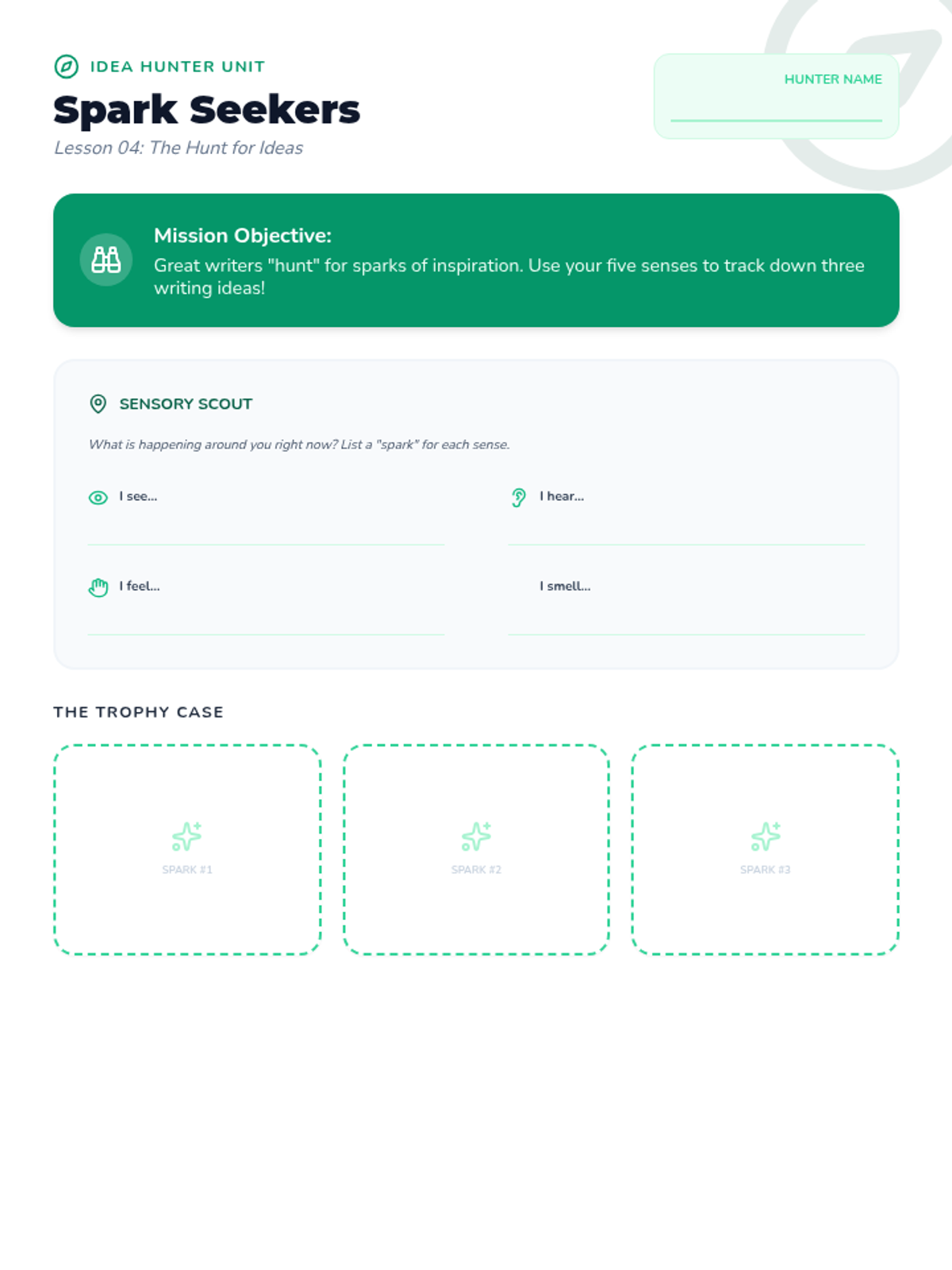
Idea hunters head into the wild to find "sparks" of inspiration for their writing using their senses.