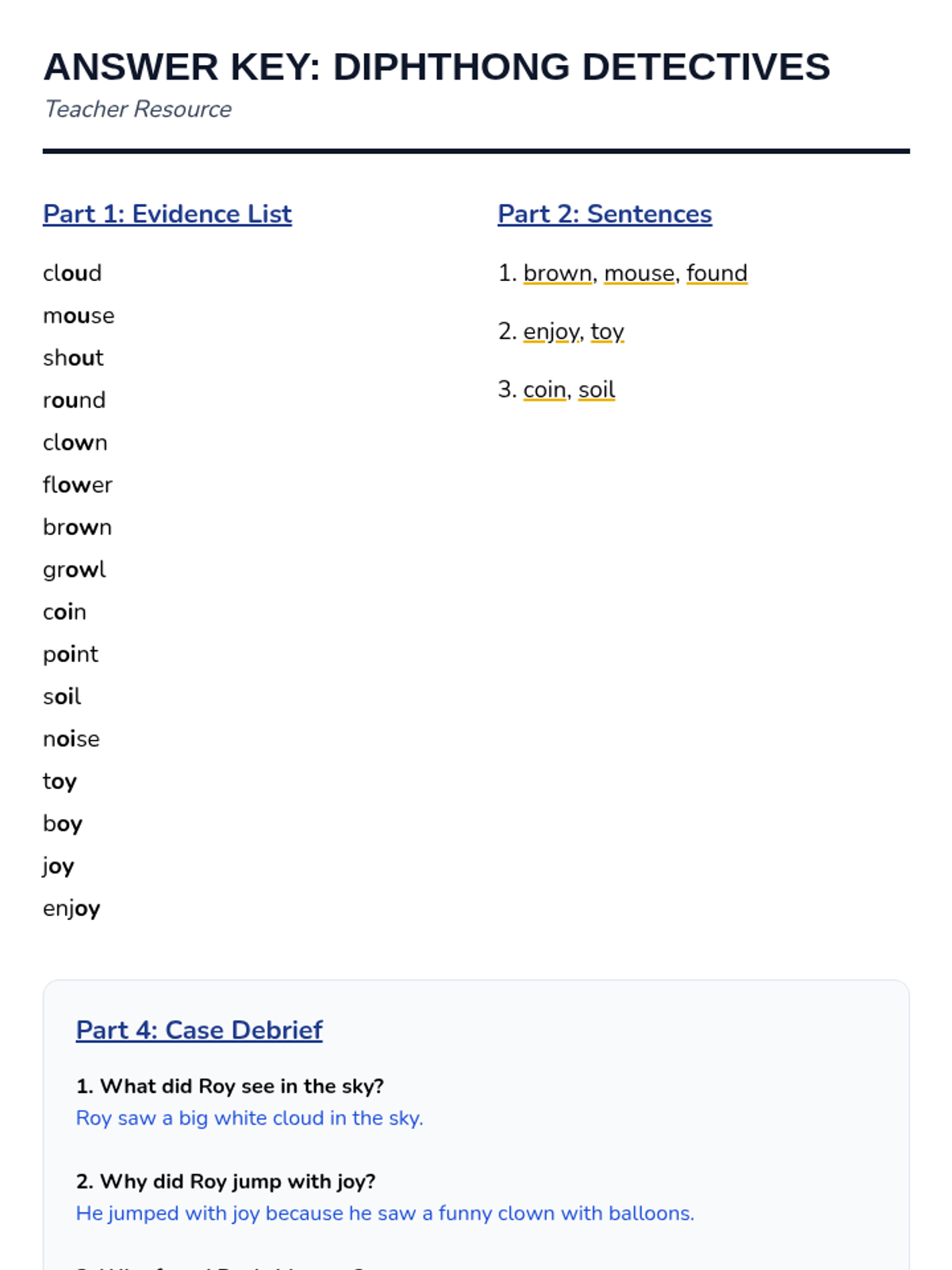
A word study lesson focused on the /oi/ diphthong, teaching the spelling patterns 'oi' and 'oy' through a toy factory theme. Students will learn the positional rules for each spelling and practice through sorting and identification activities.
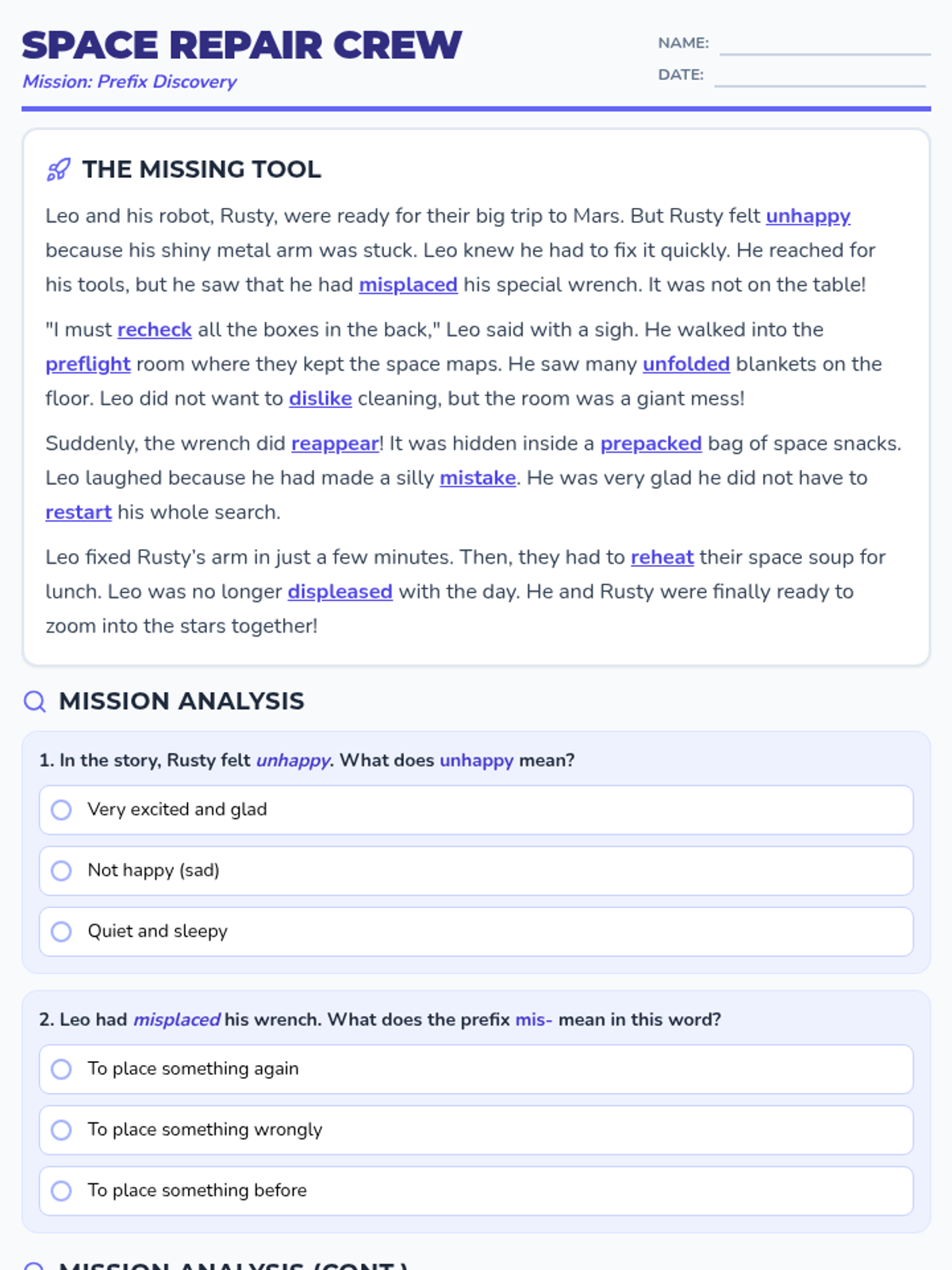
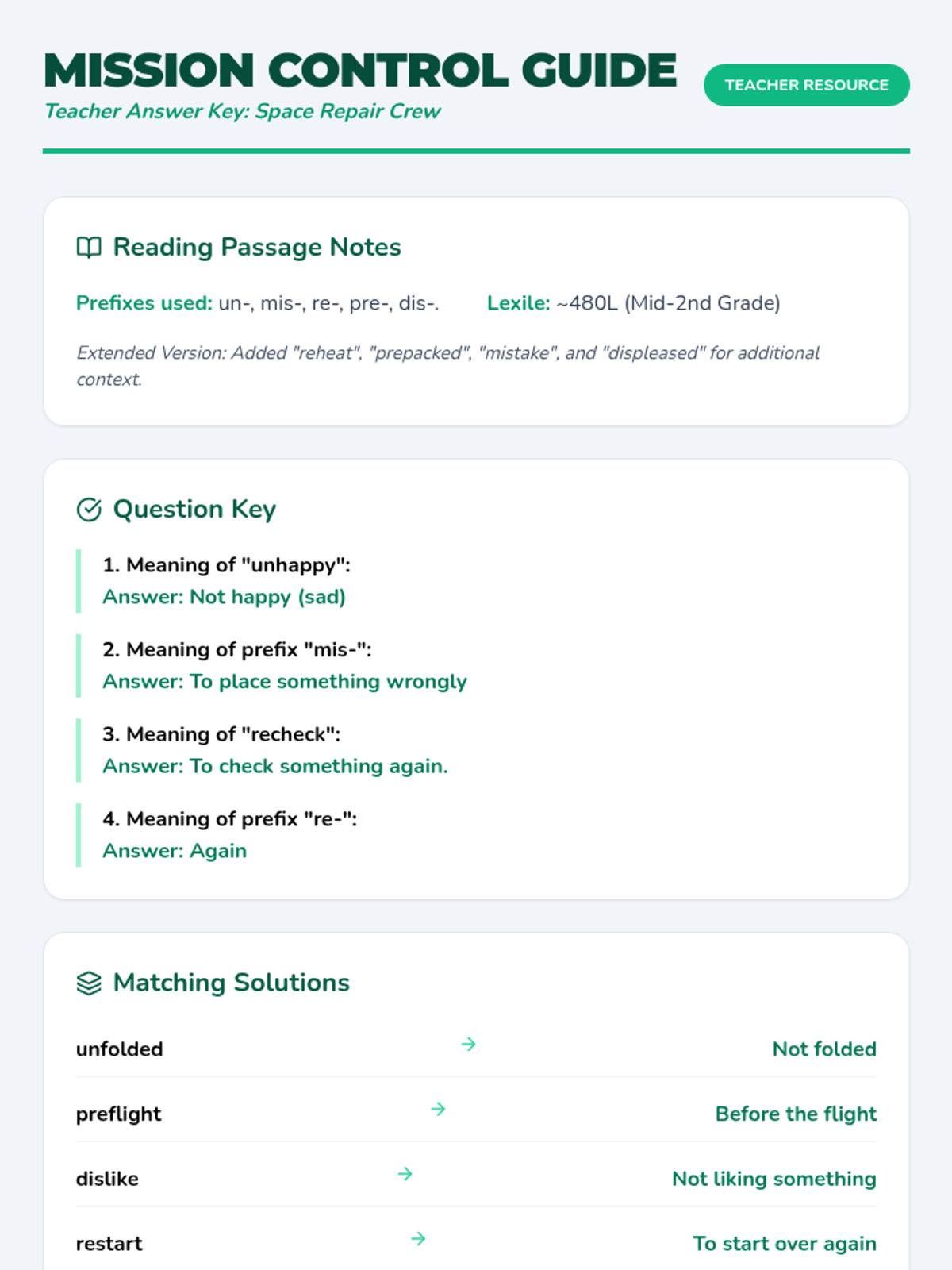
Students explore common prefixes (un-, re-, dis-, pre-, mis-) through an engaging space-themed story and practice activities. They will use context clues to determine the meanings of prefixed words.
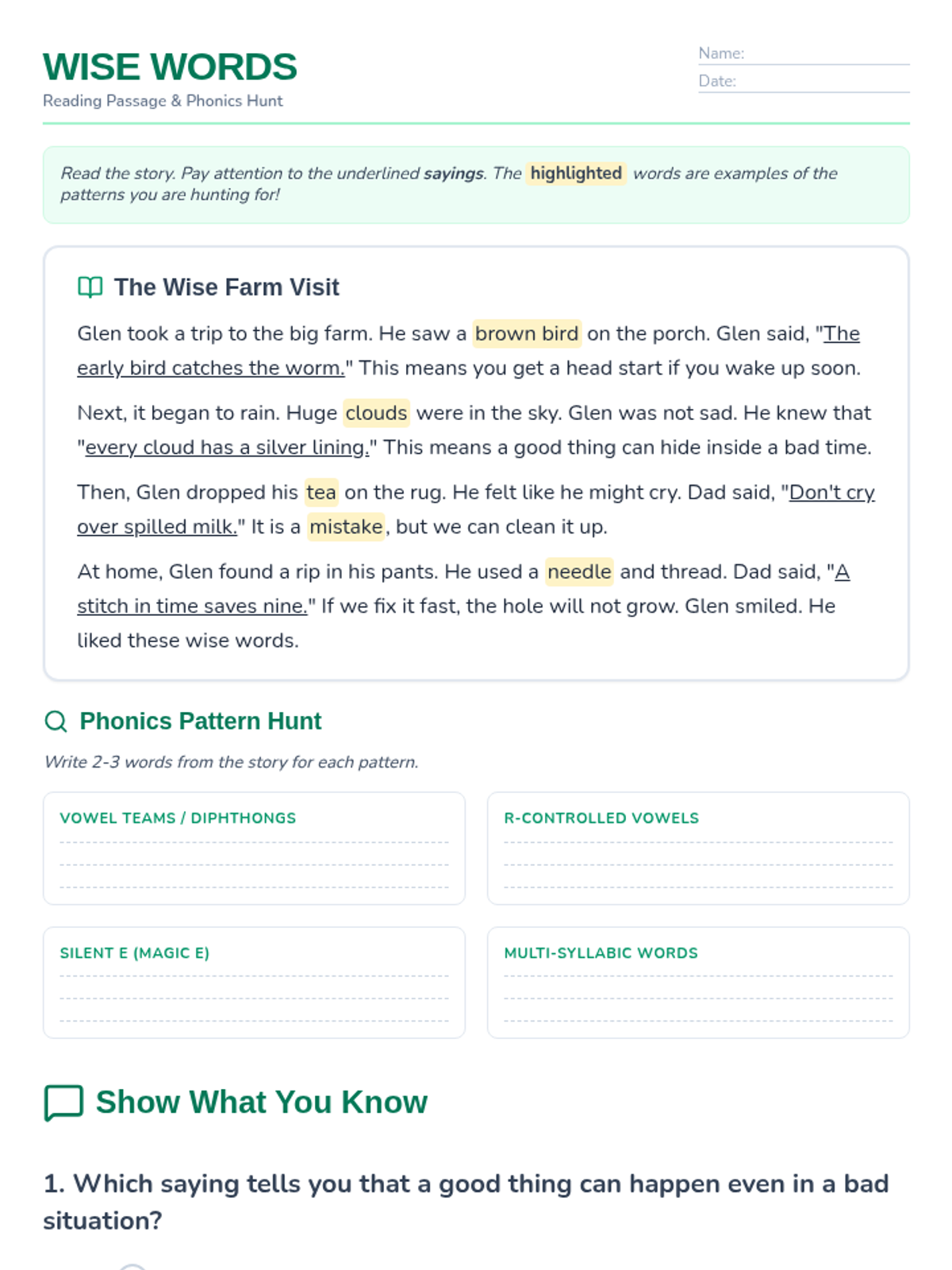
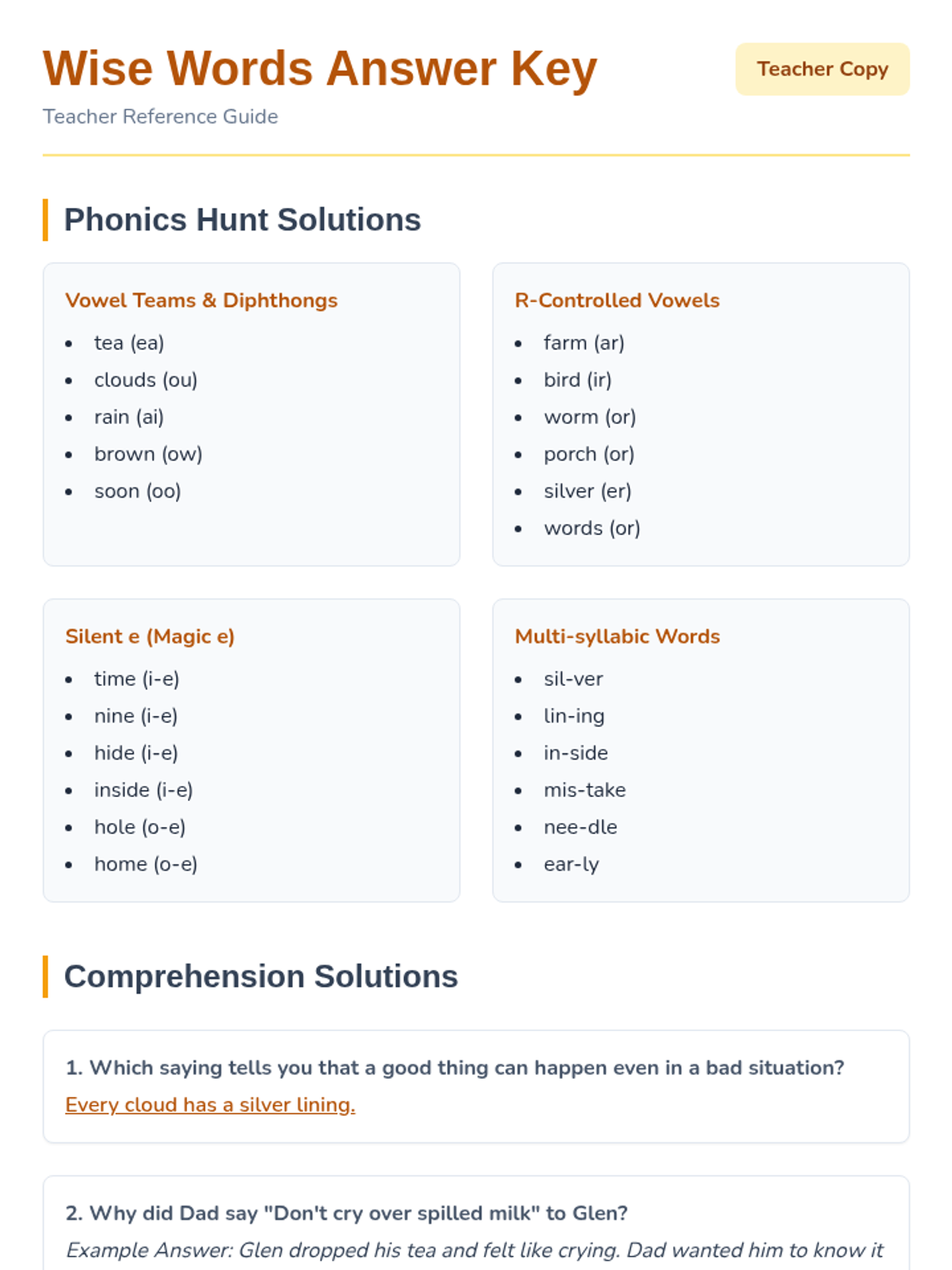
A lesson focused on decoding popular sayings using a variety of phonics patterns including CVC, blends, silent e, vowel teams, R-controlled vowels, and multi-syllabic words.
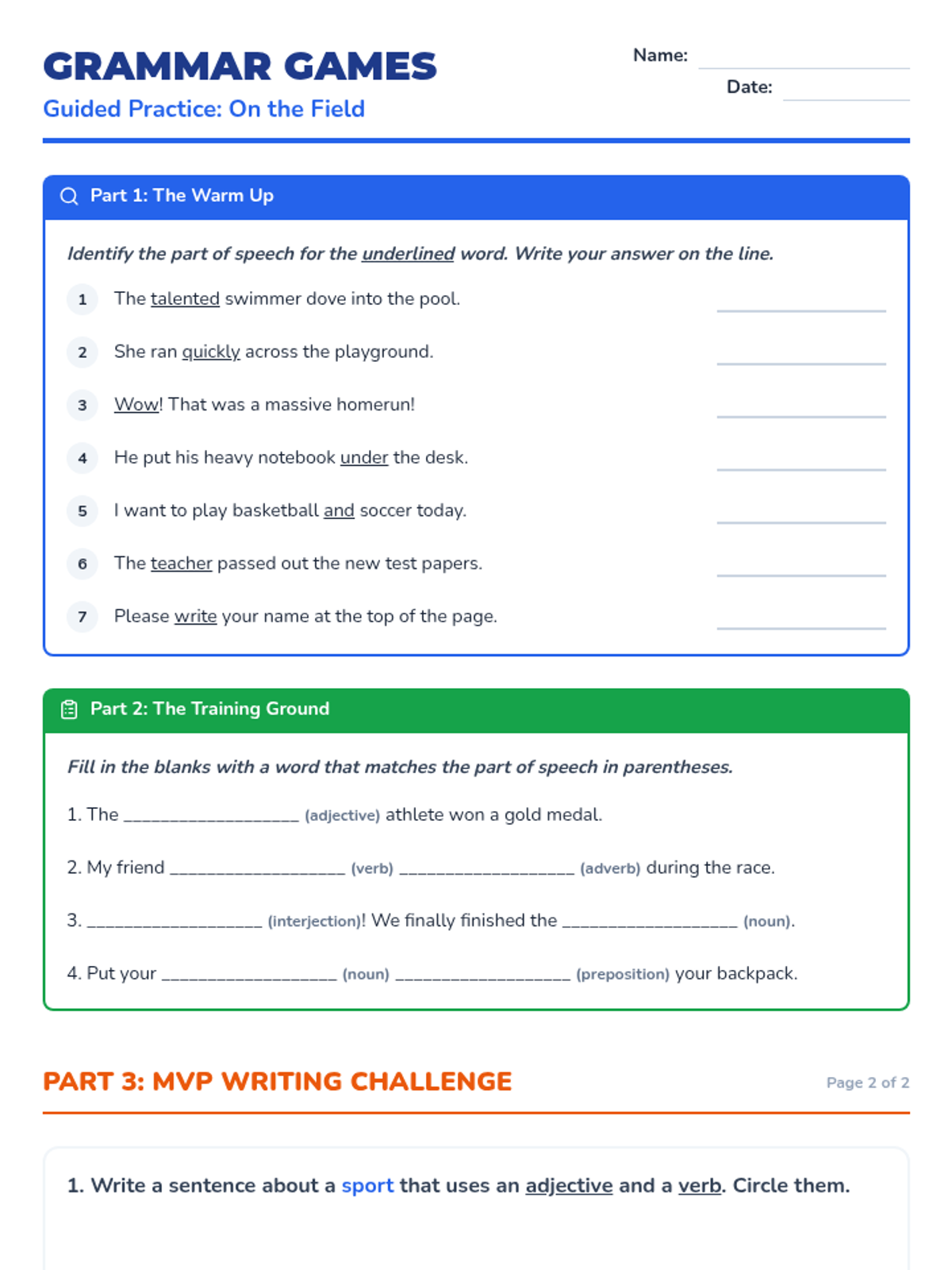
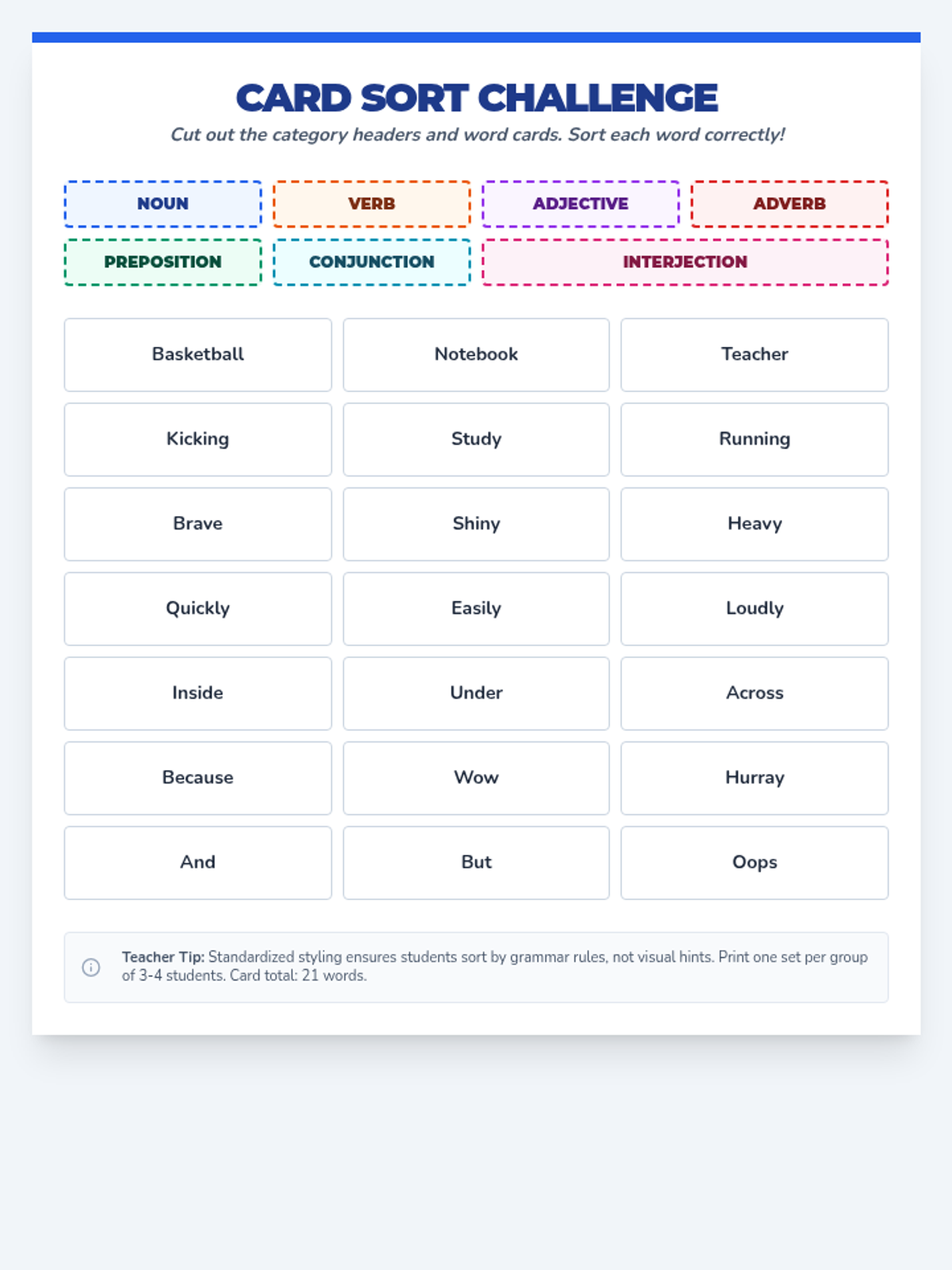
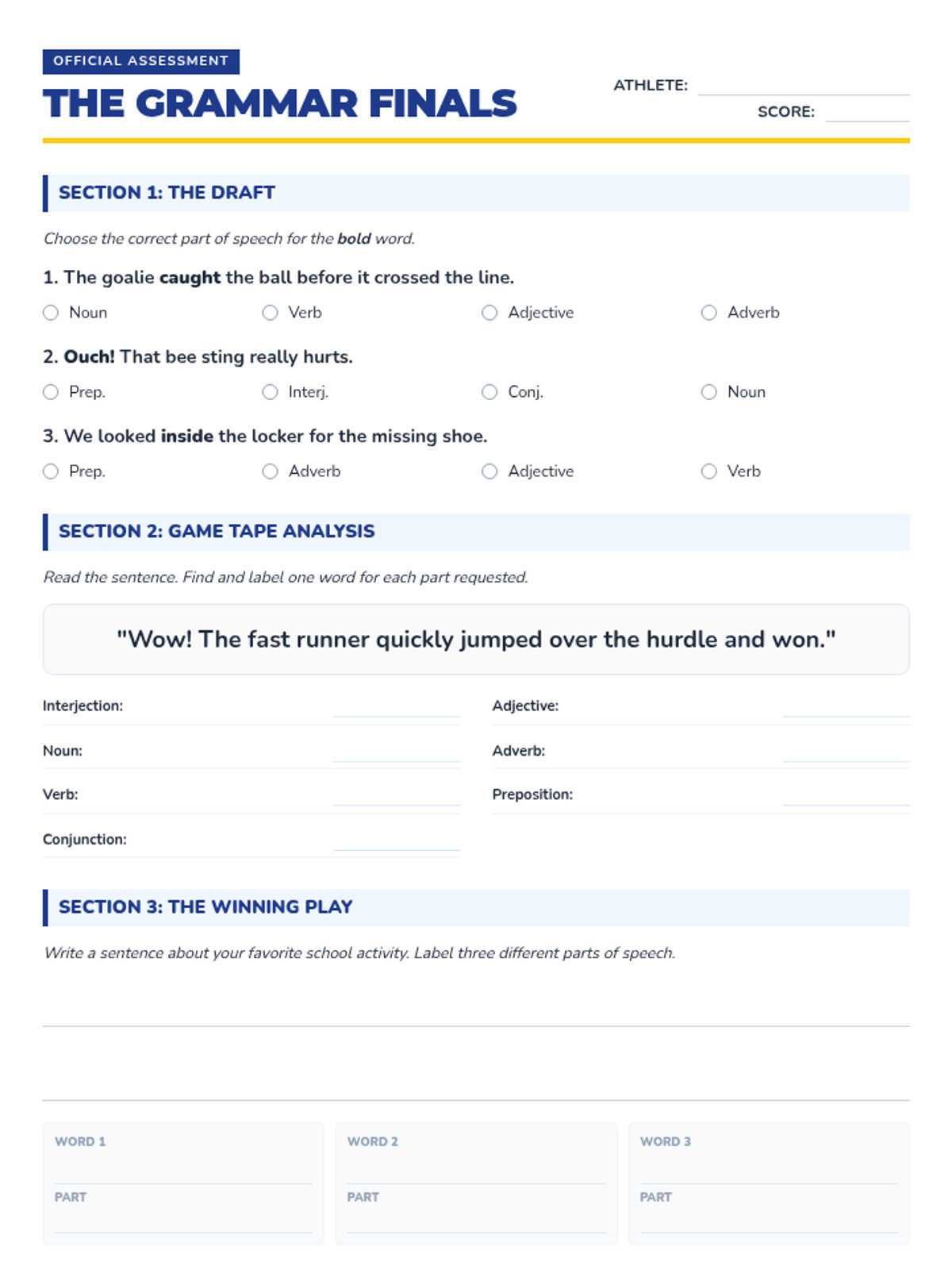
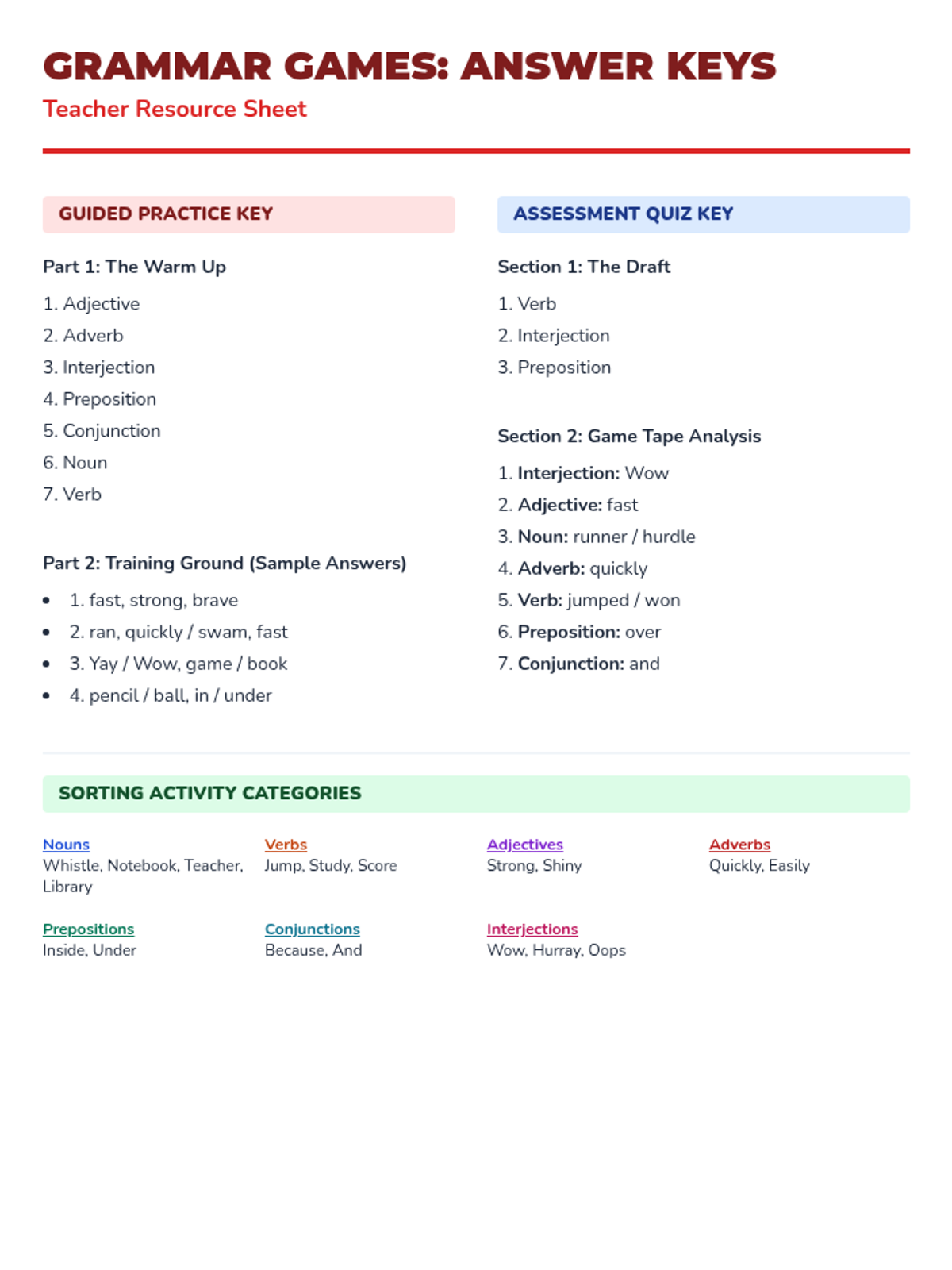
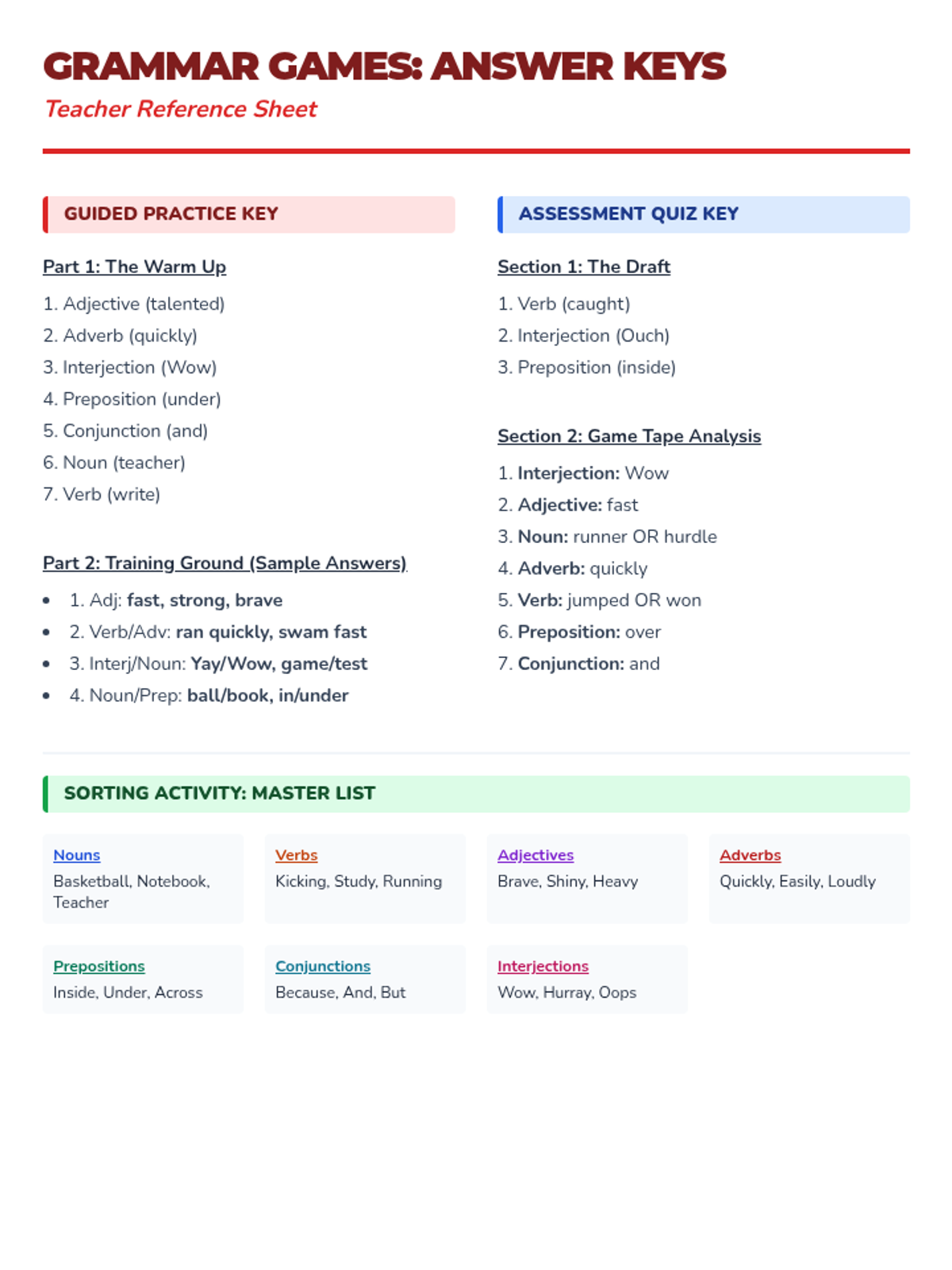
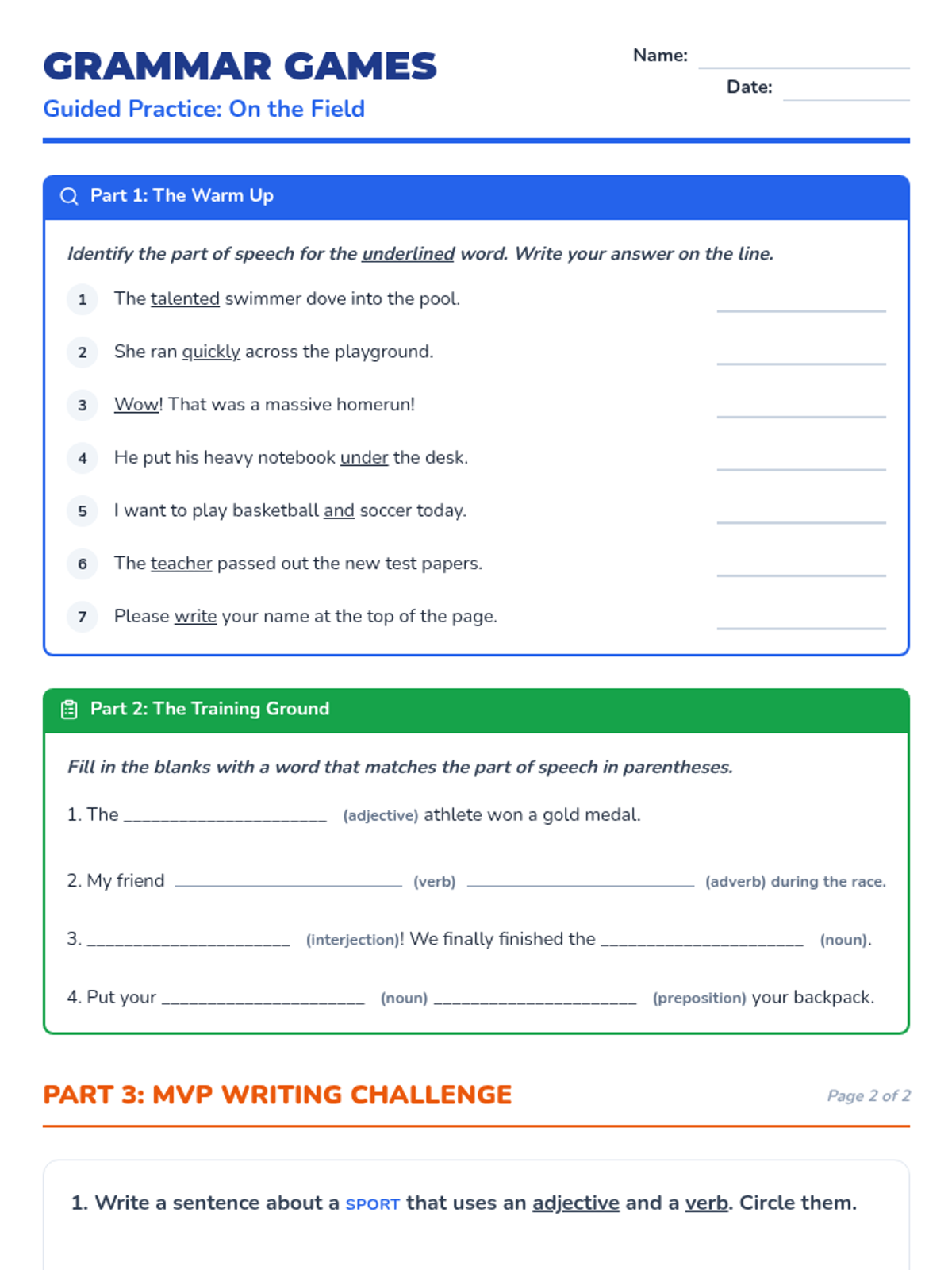
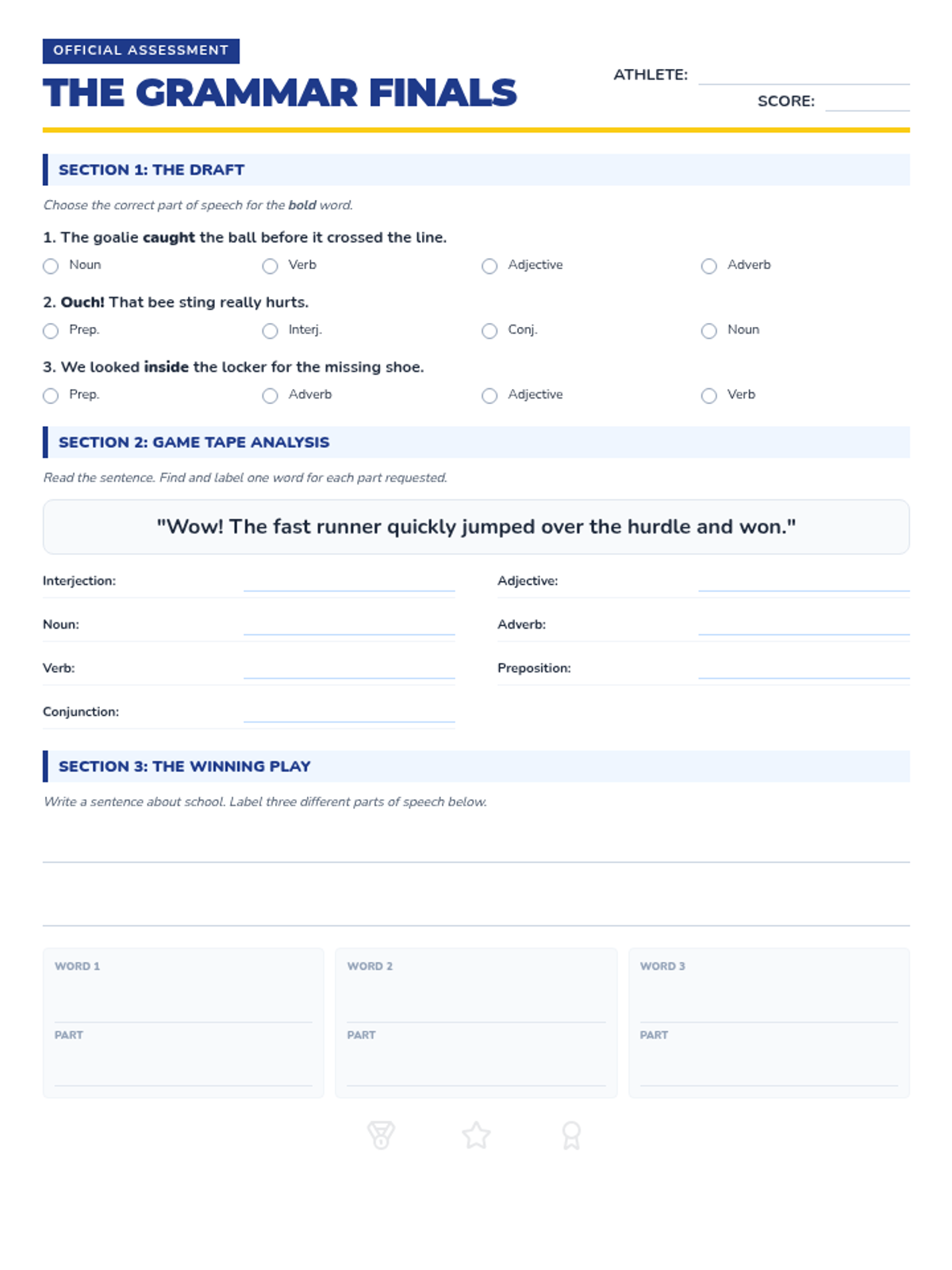
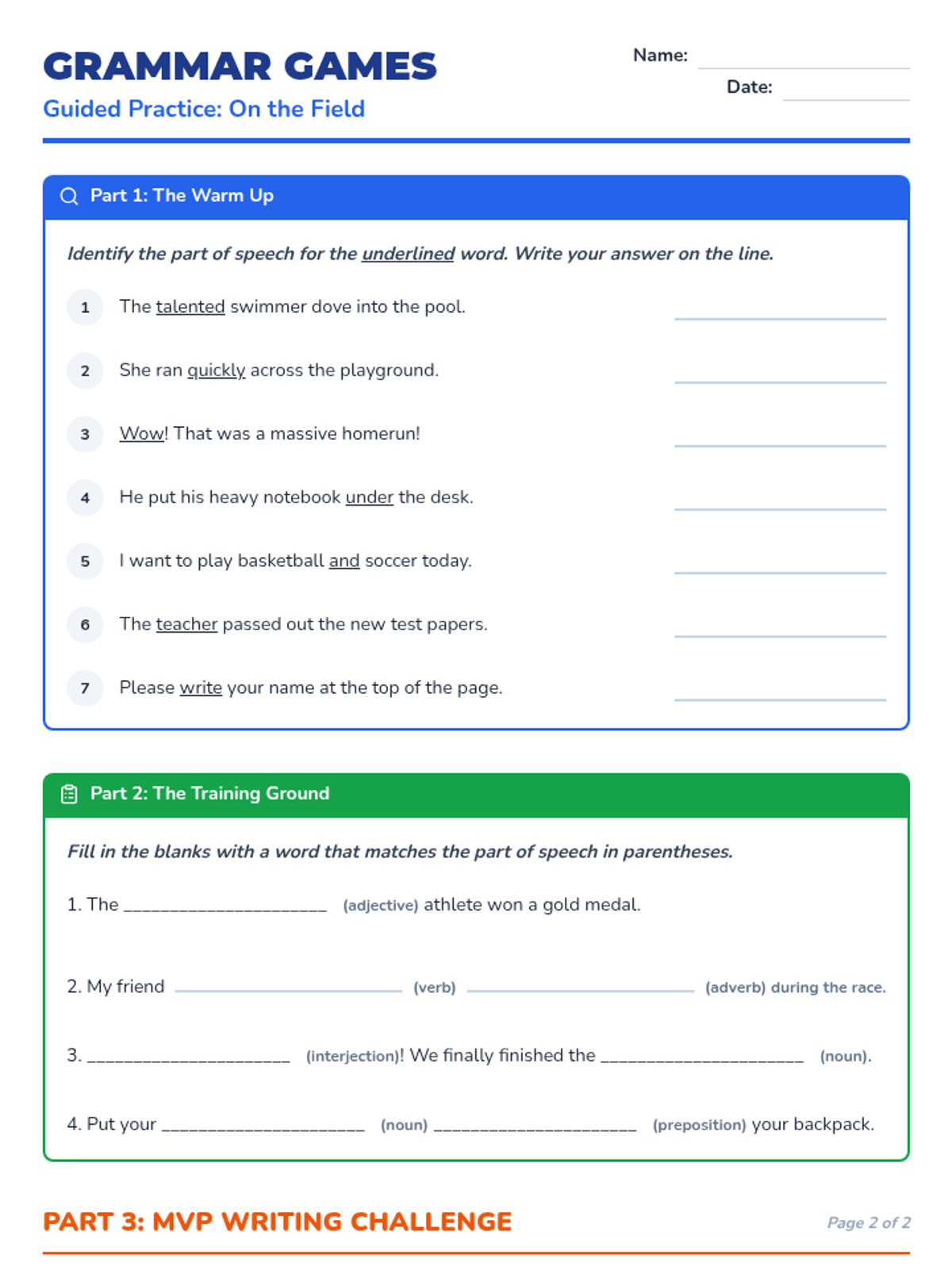
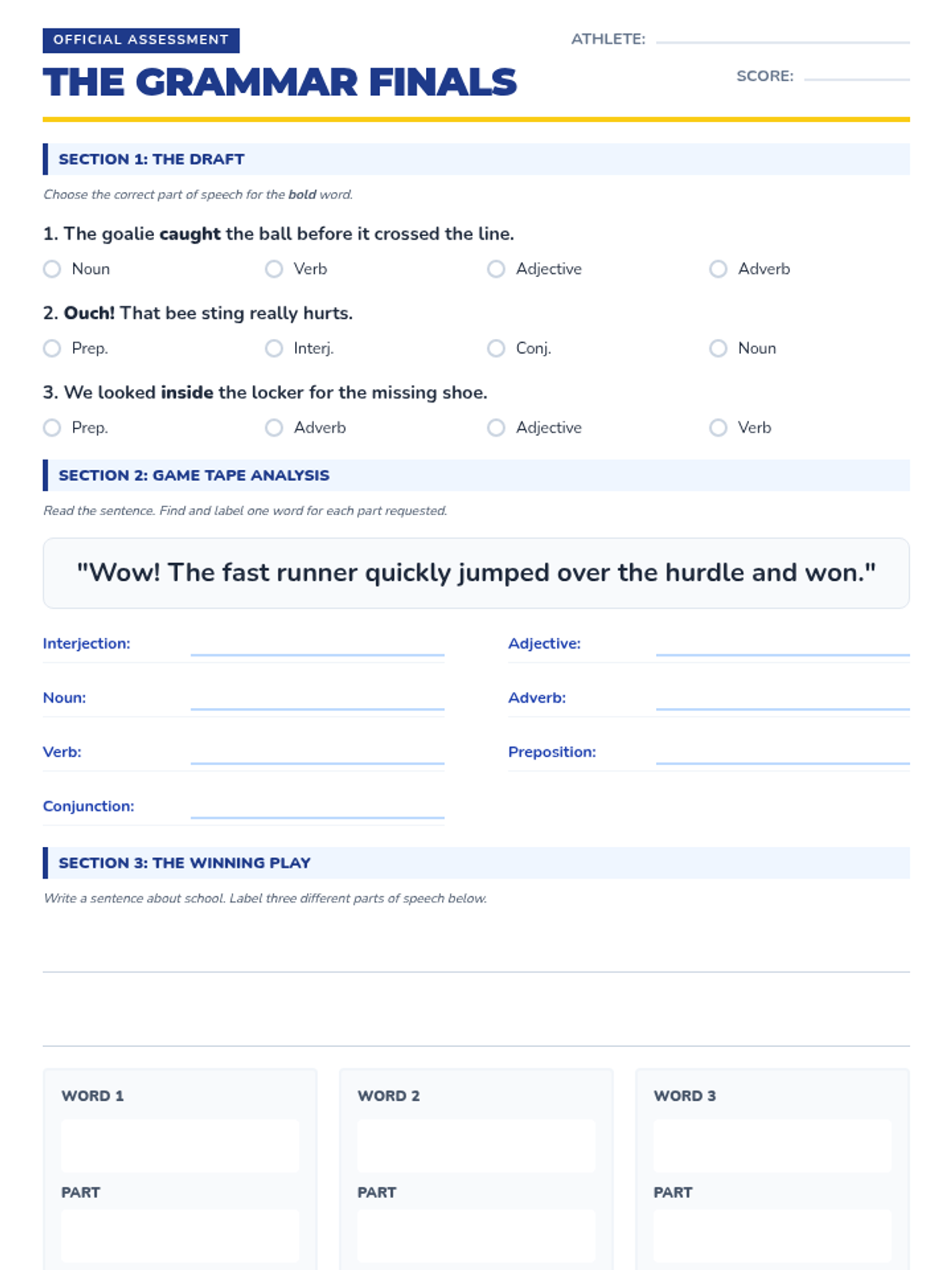
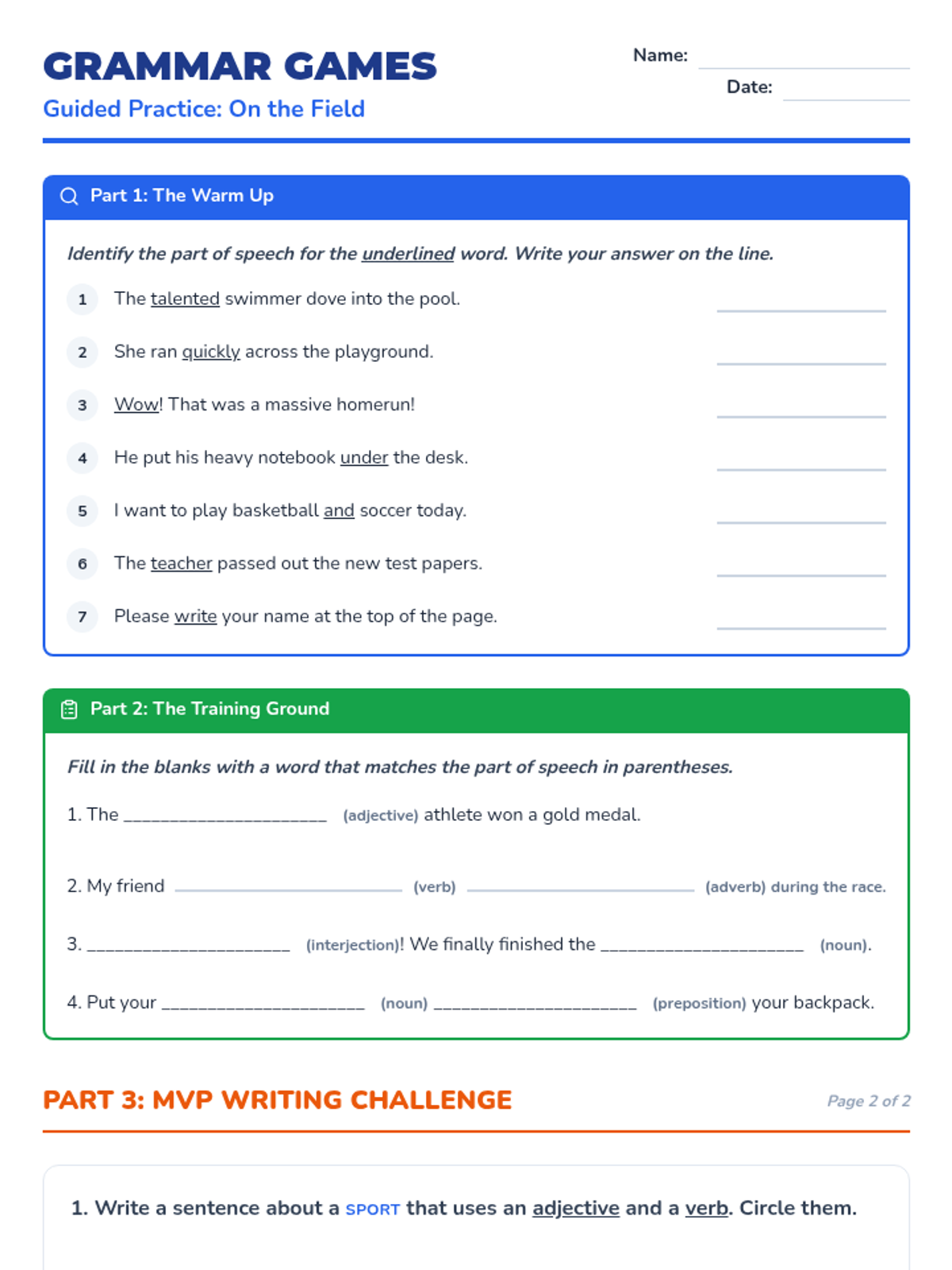
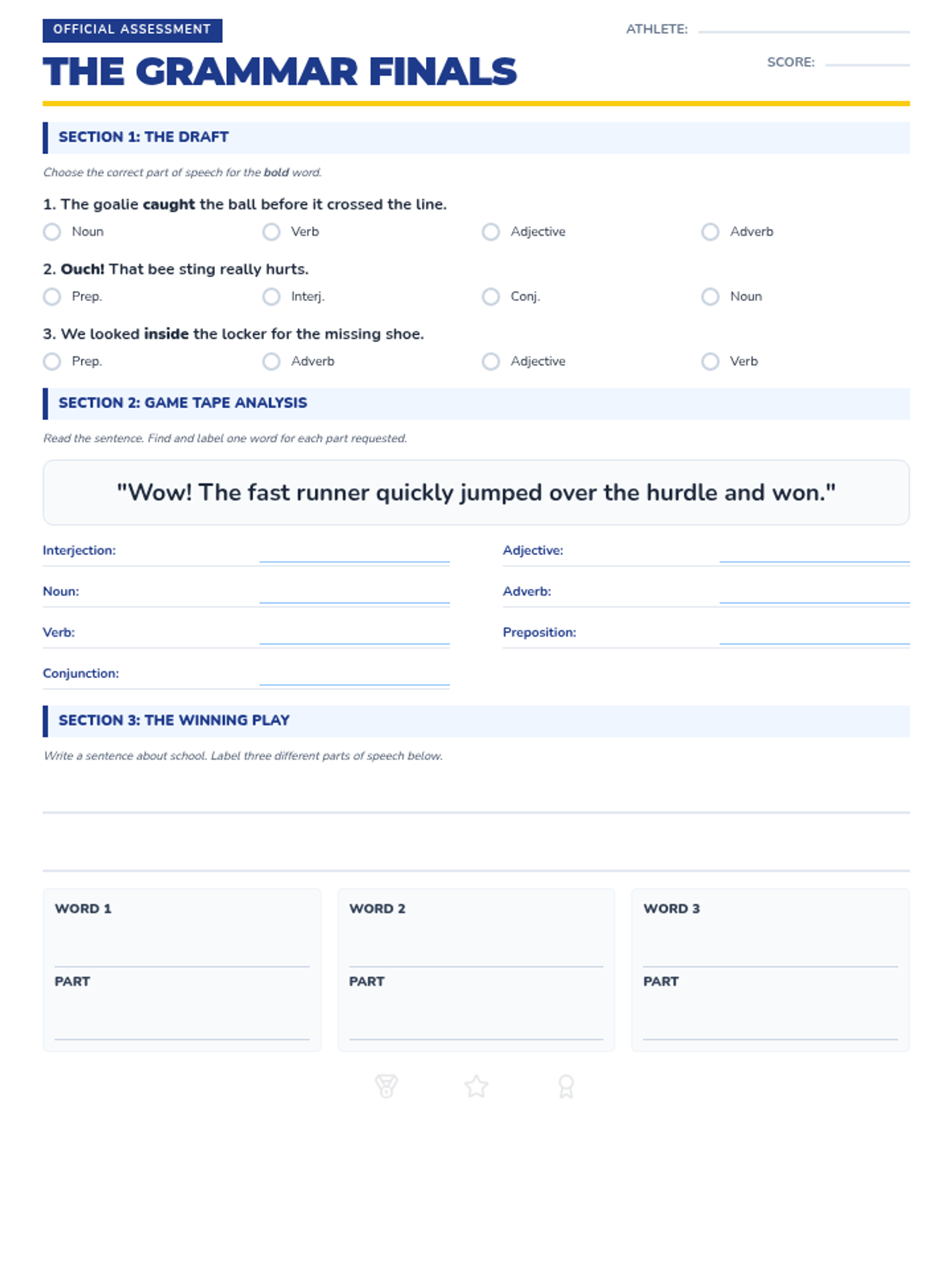
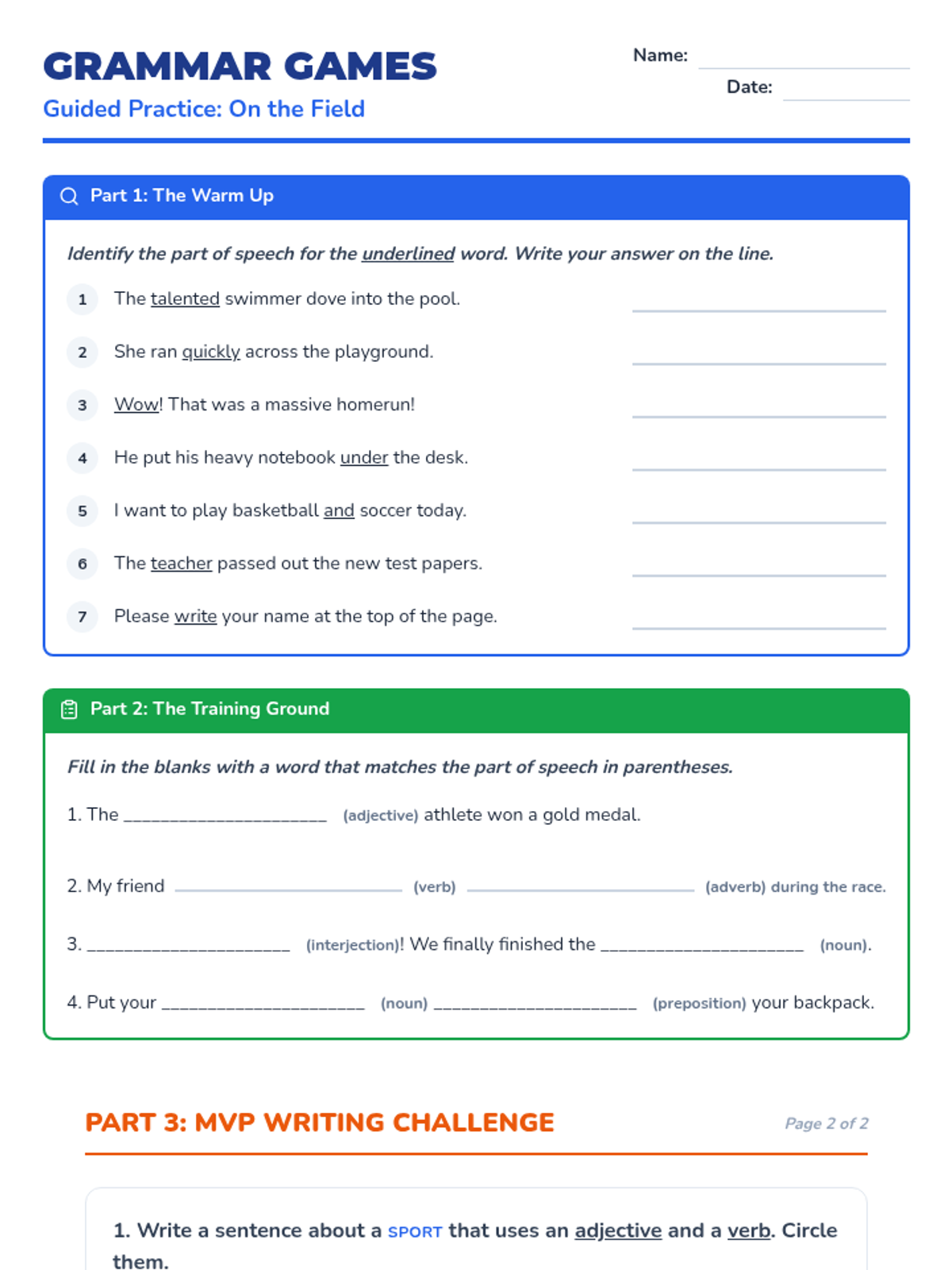
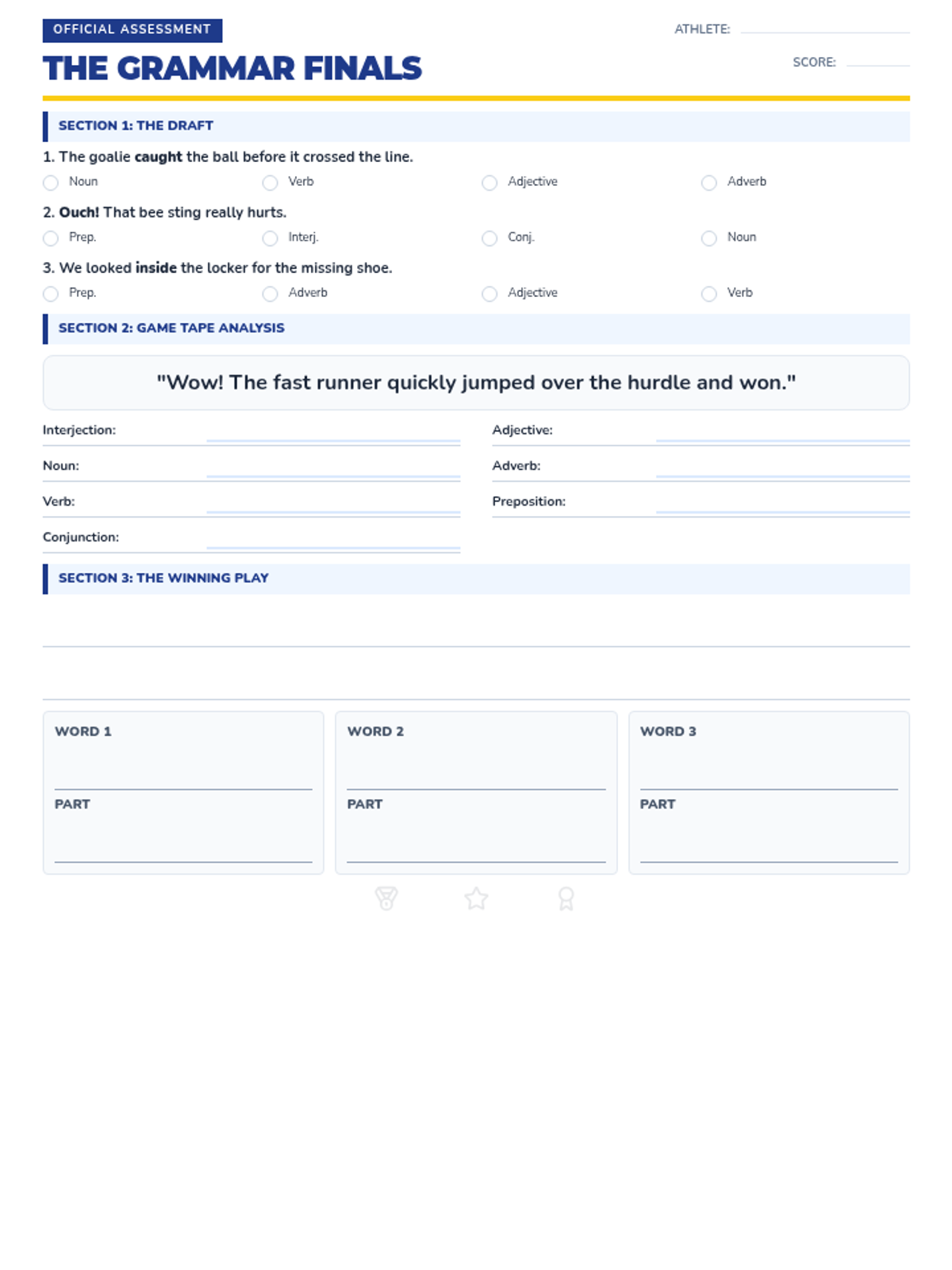
A lesson focusing on identifying nouns, verbs, adjectives, adverbs, prepositions, conjunctions, and interjections using athletic and academic contexts.
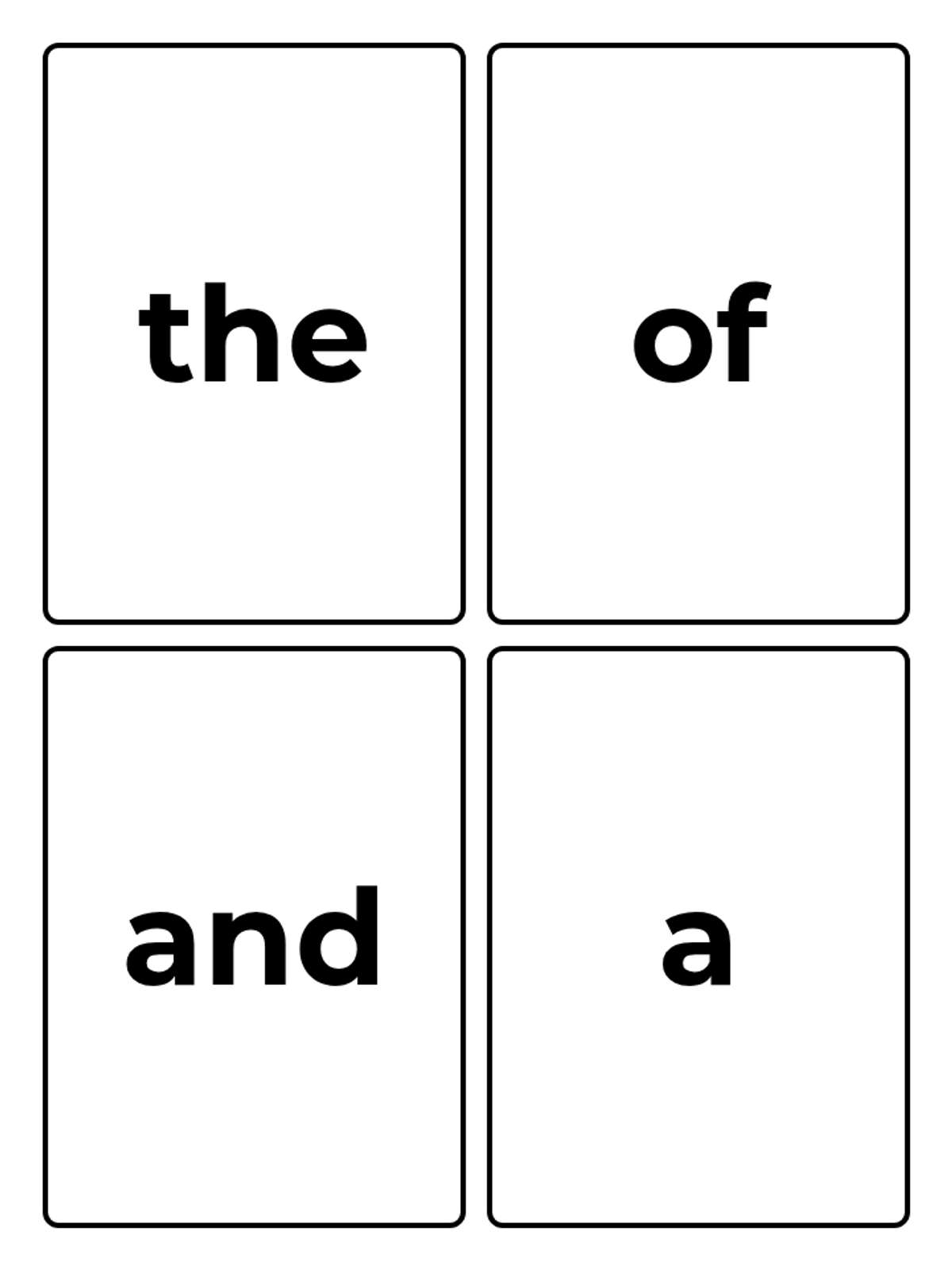
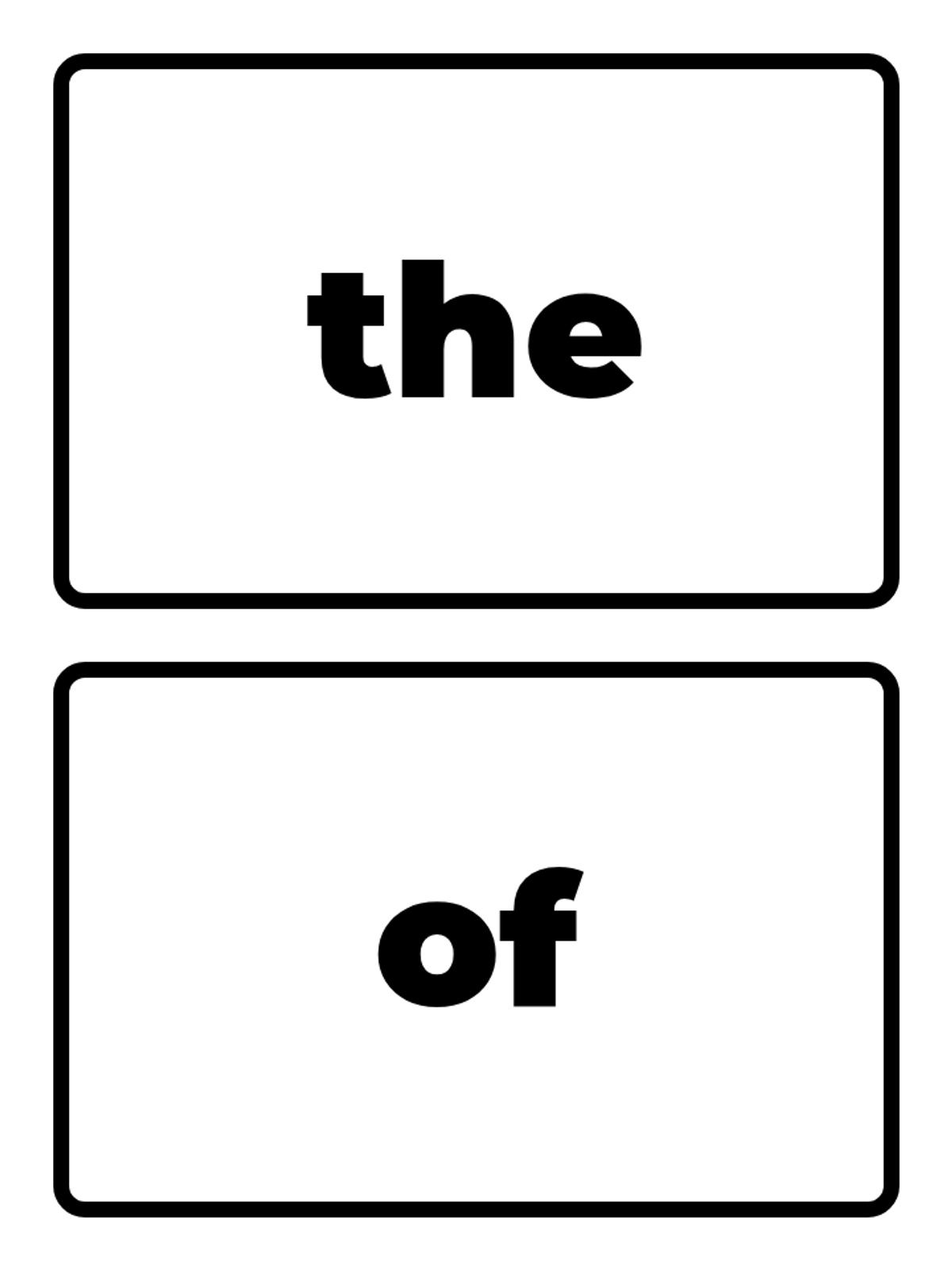
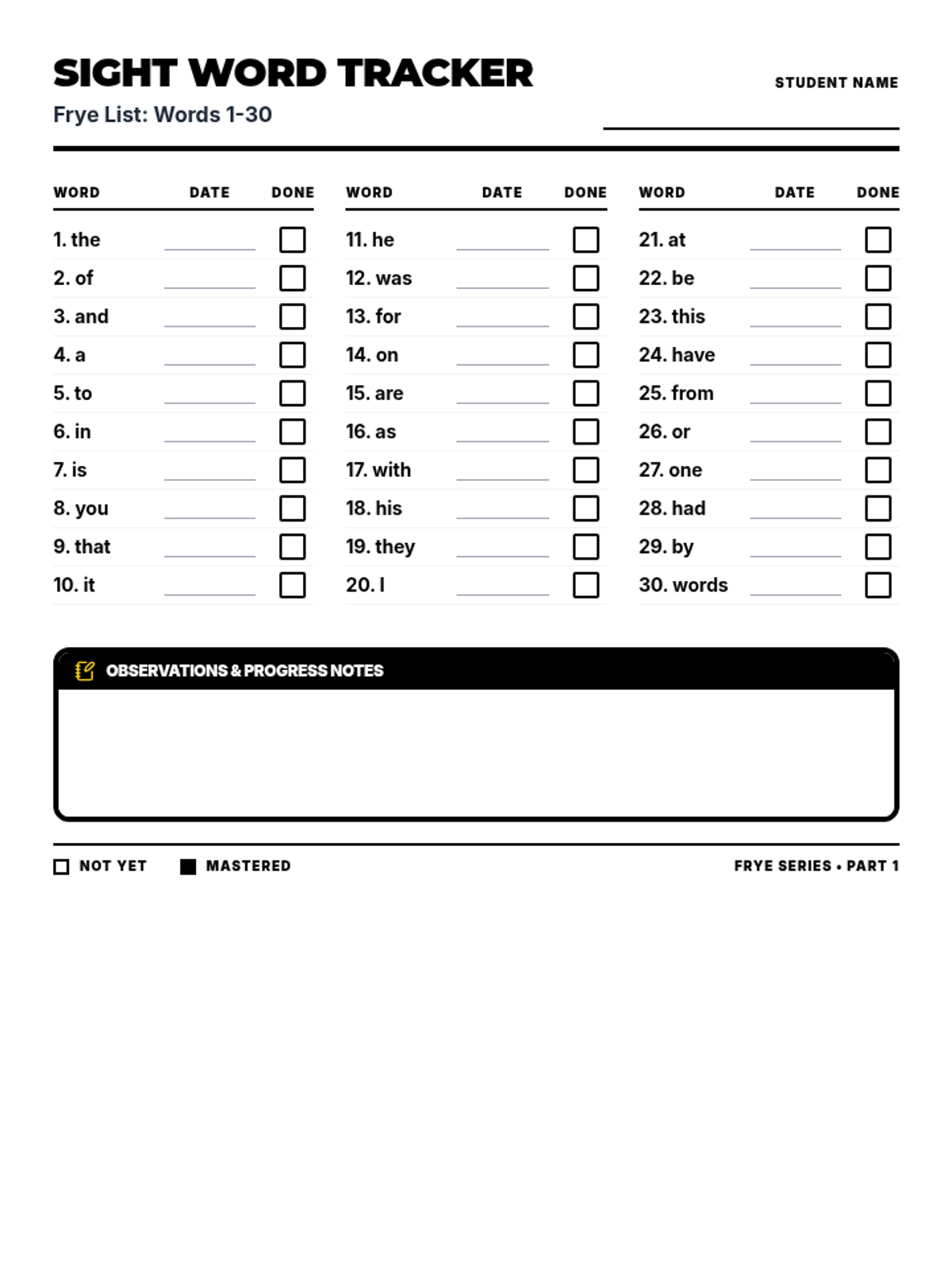
A collection of high-contrast visual resources for mastering the first 30 Fry sight words, designed for clarity and ease of use in flashcard drills and classroom displays.
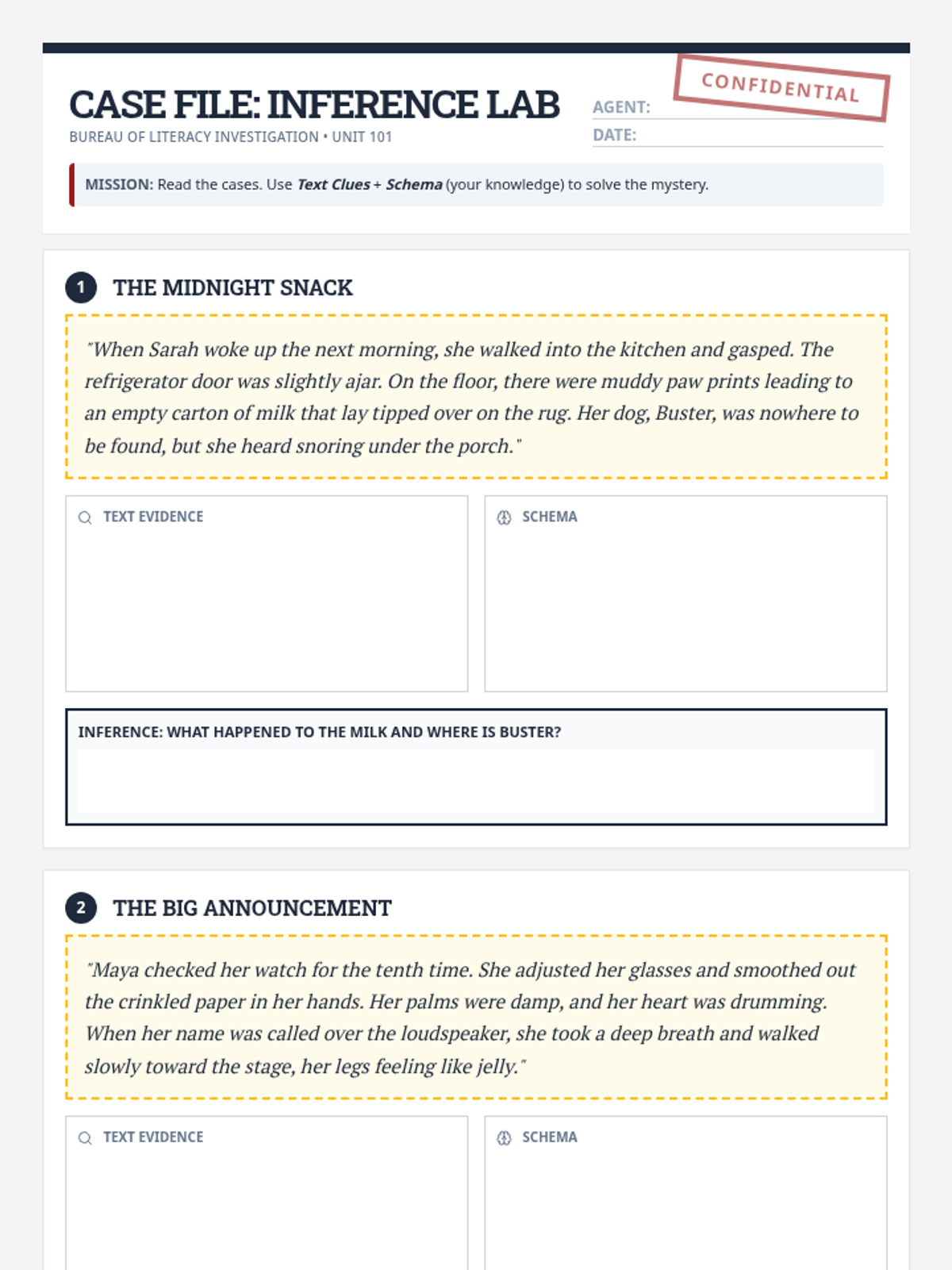
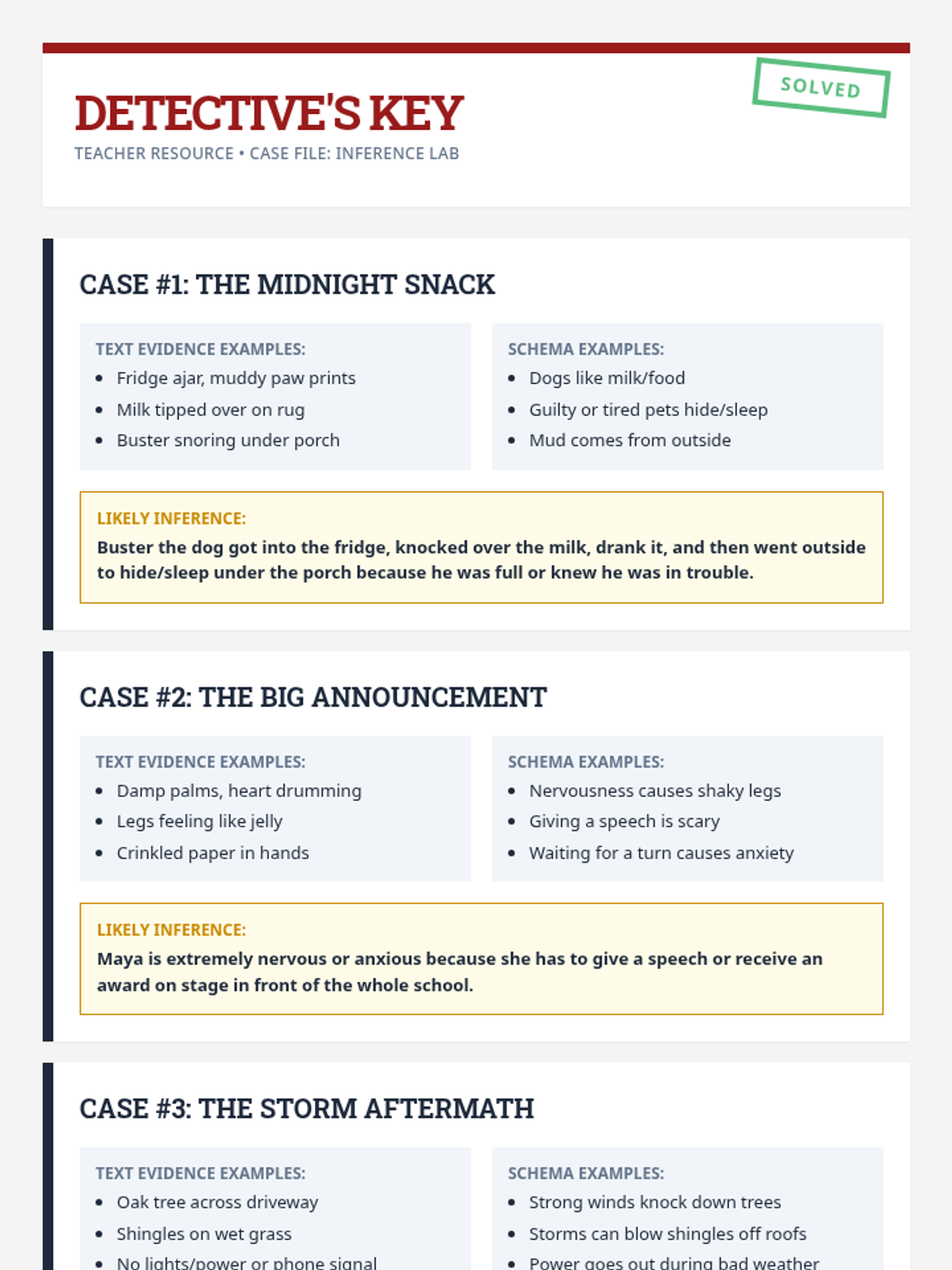
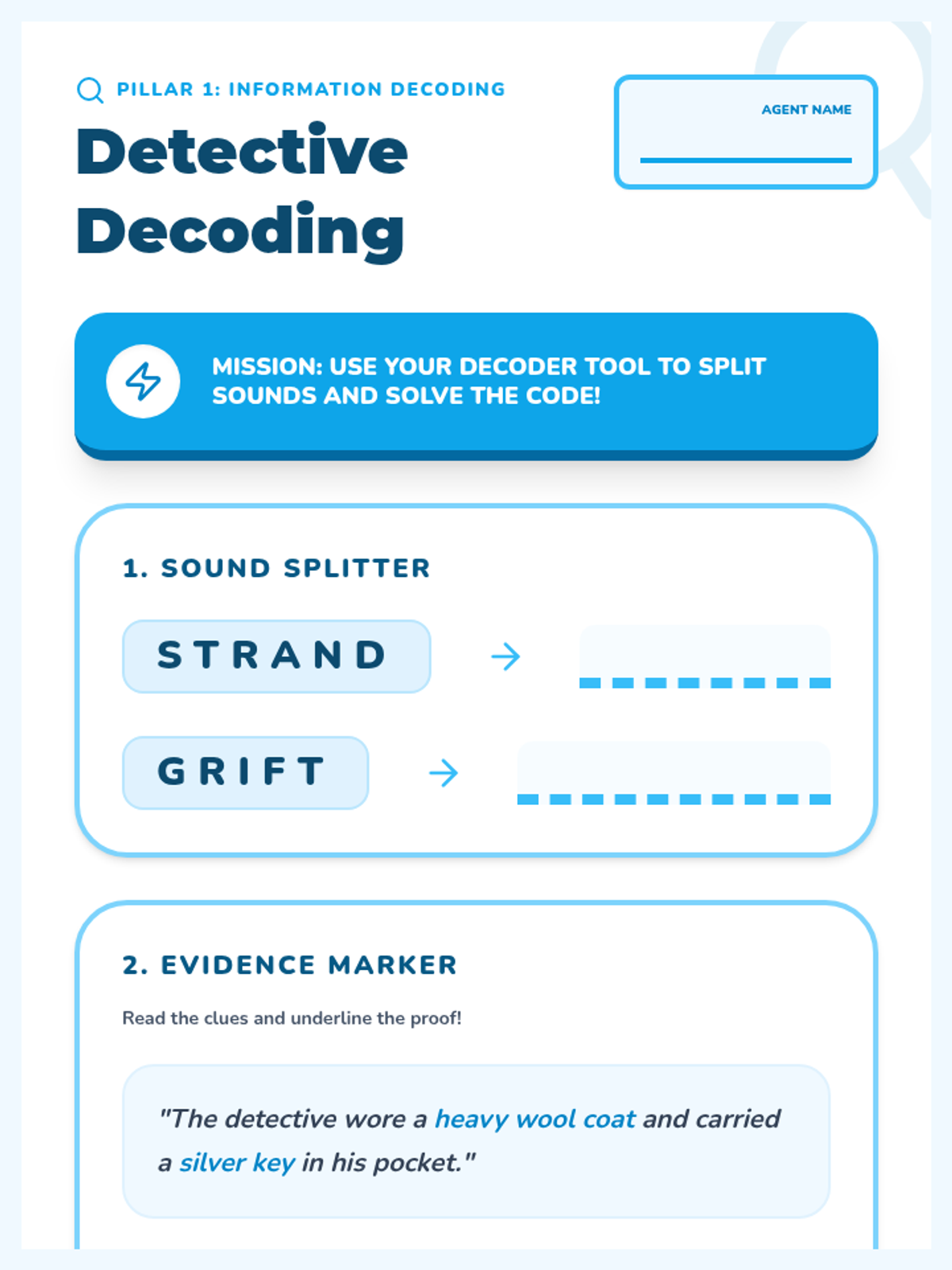
A lesson on making inferences using the 'Detective Agency' theme. Students learn to combine text evidence with background knowledge to uncover hidden meanings in short stories.
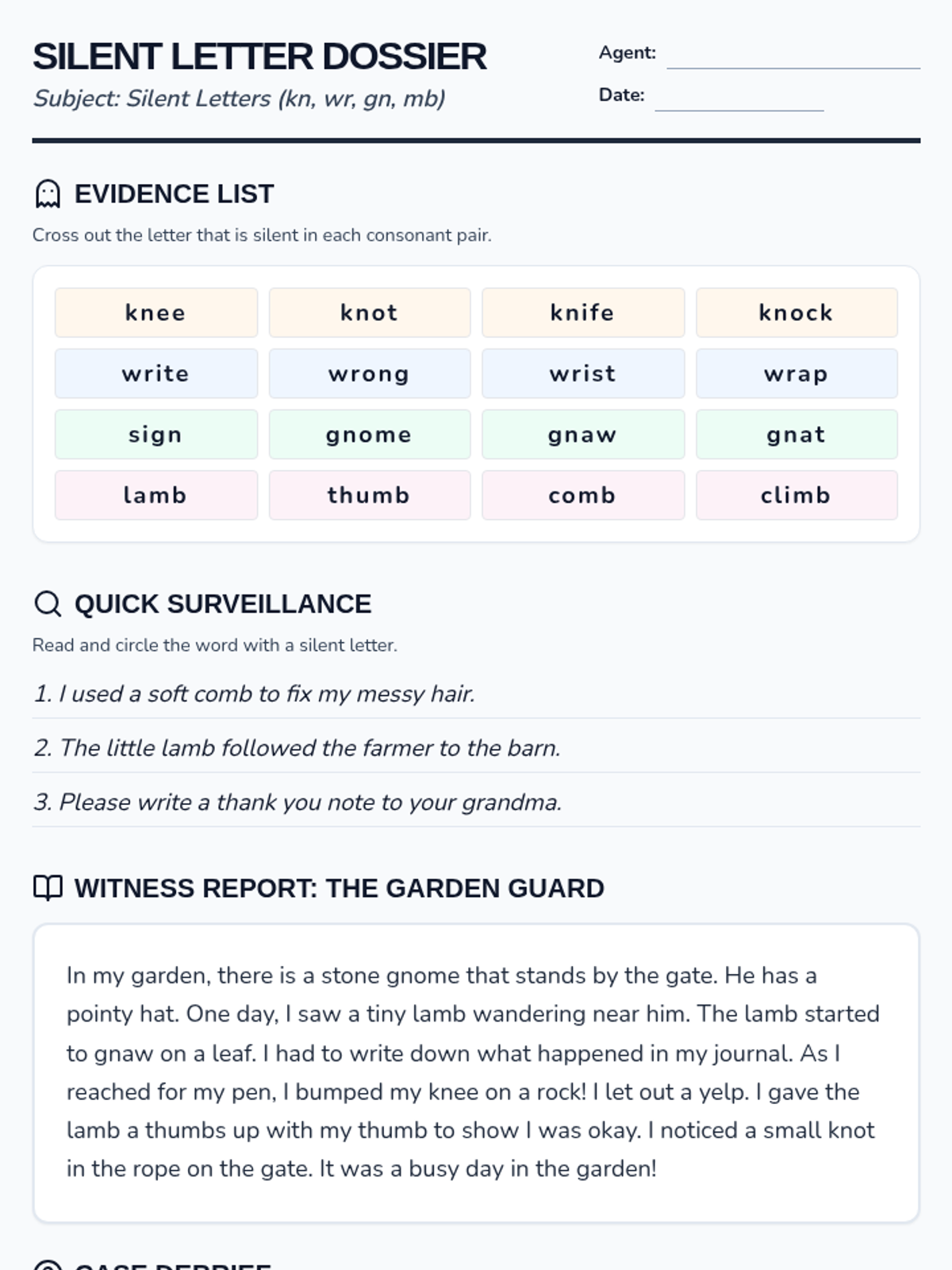
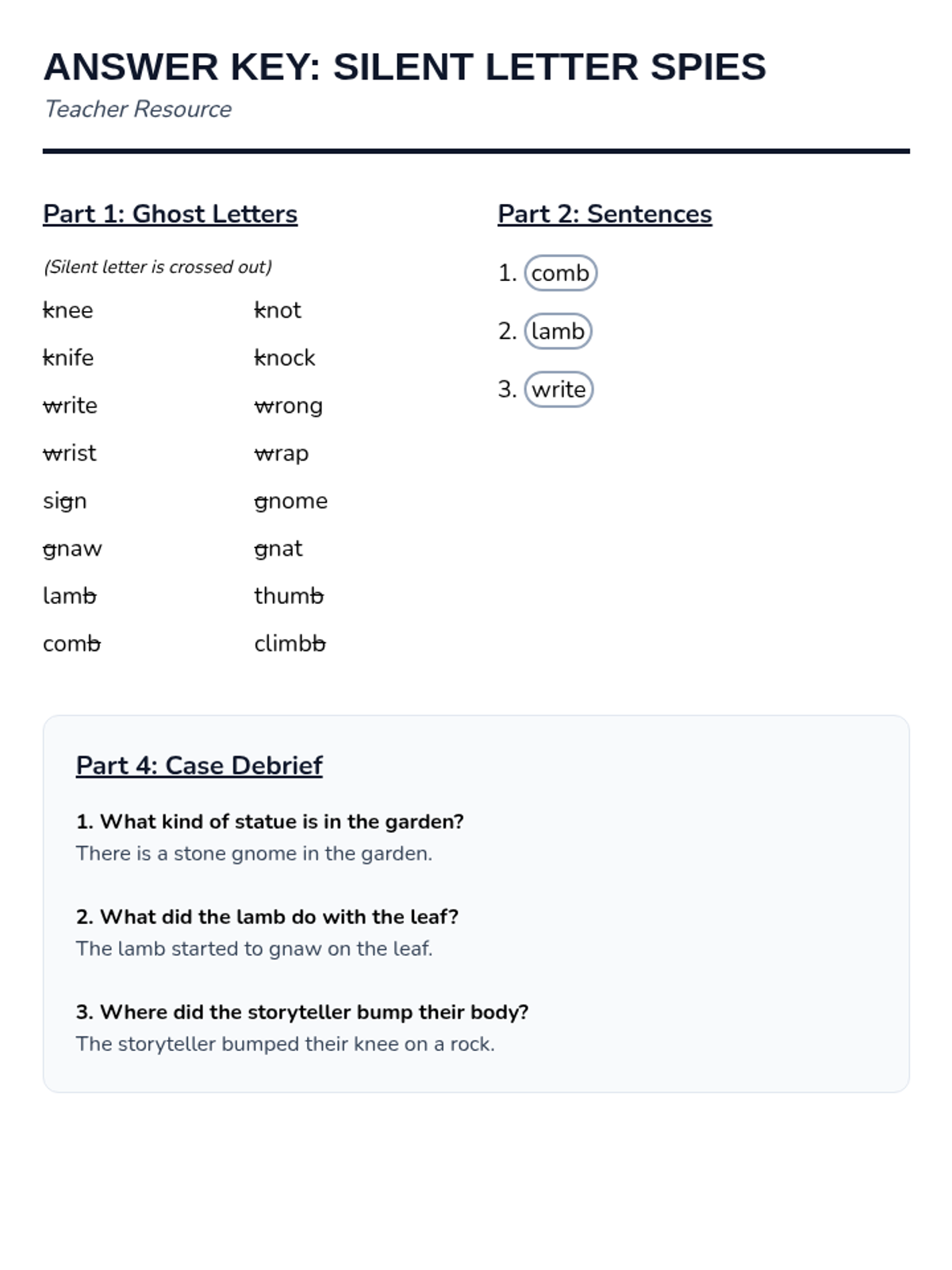
Explores silent letter patterns including kn, wr, gn, and mb, helping students recognize these tricky consonant pairs.
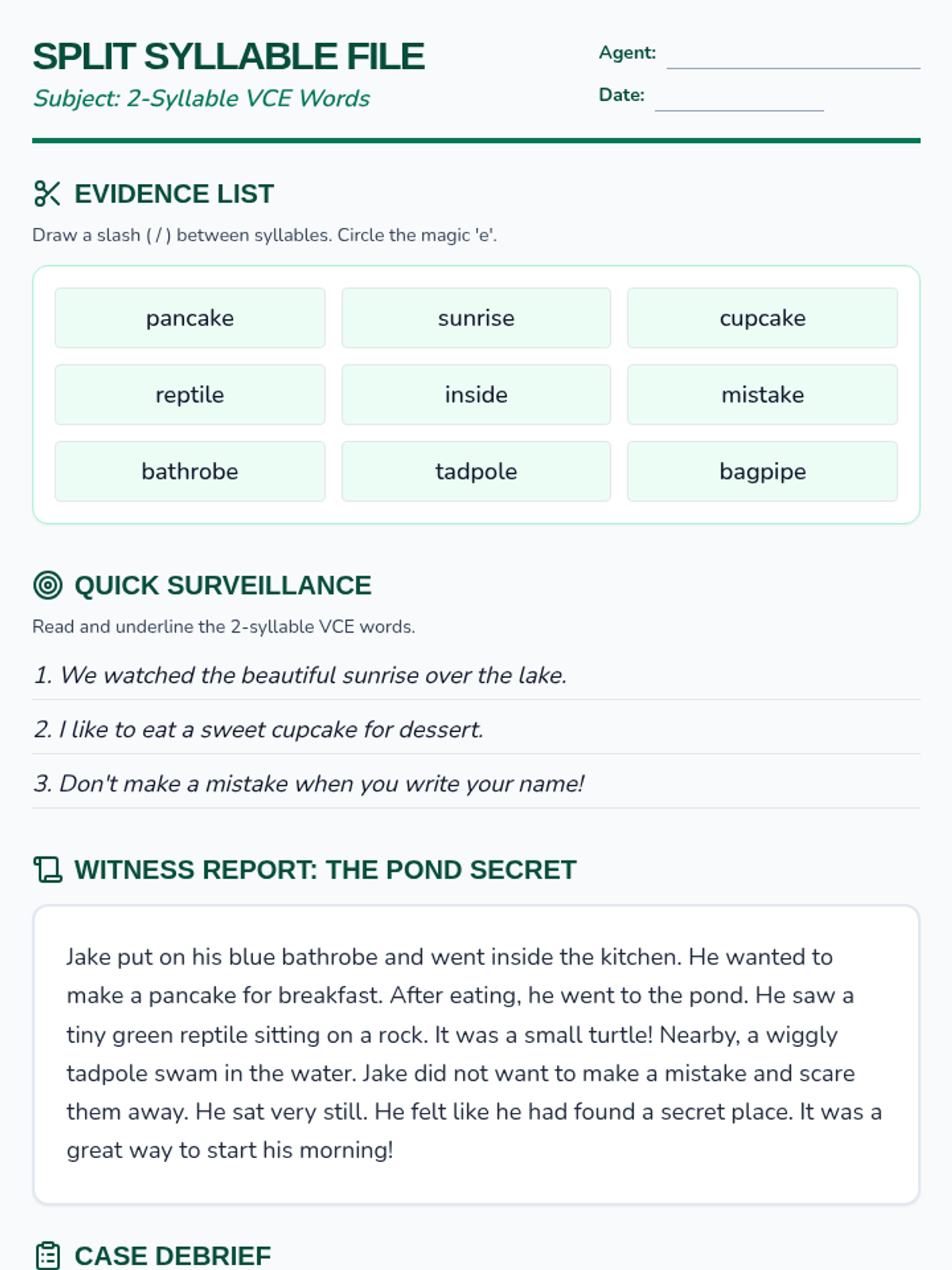
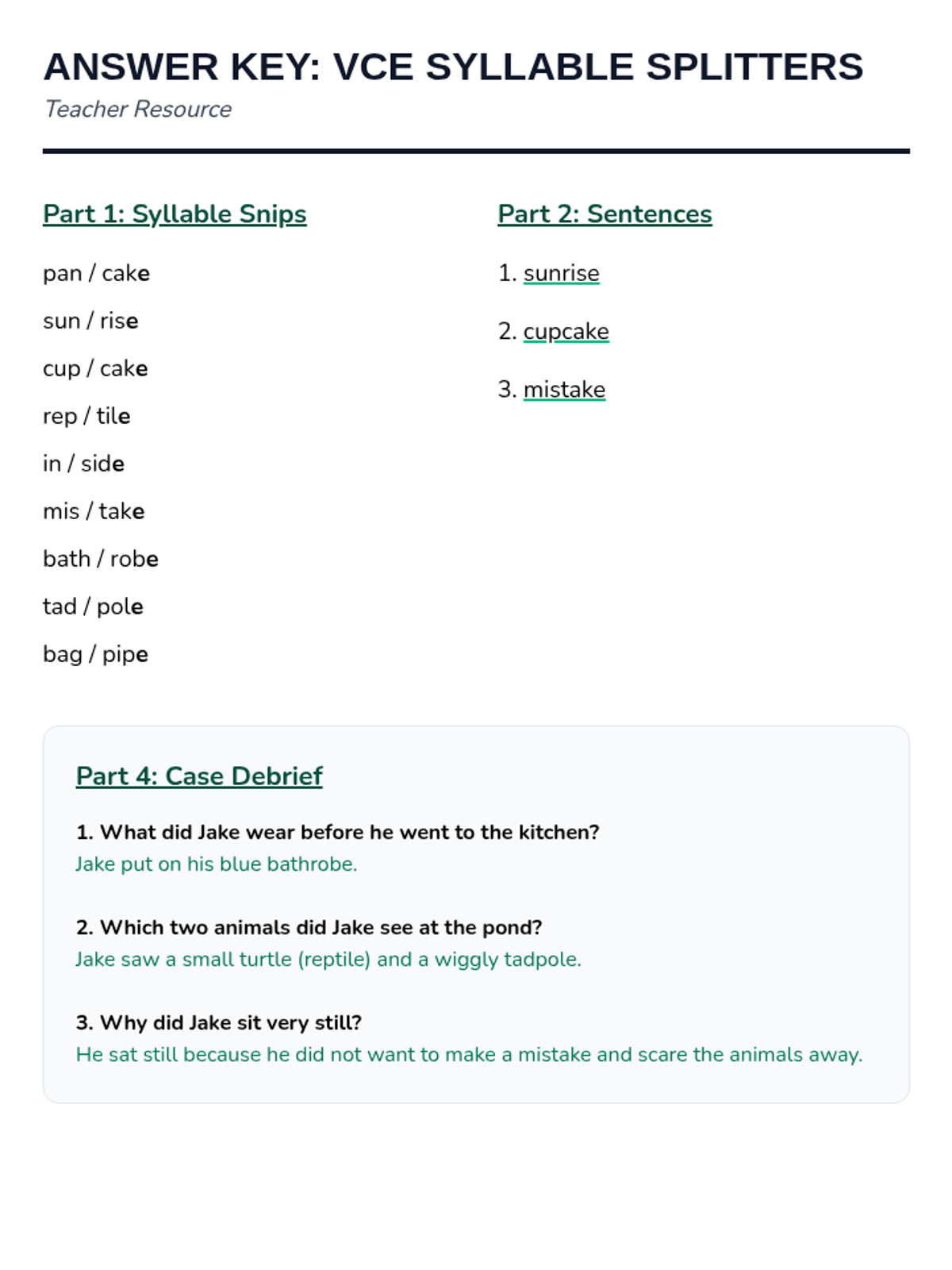
Students learn to decode two-syllable words where one or both syllables follow the Vowel-Consonant-e pattern.
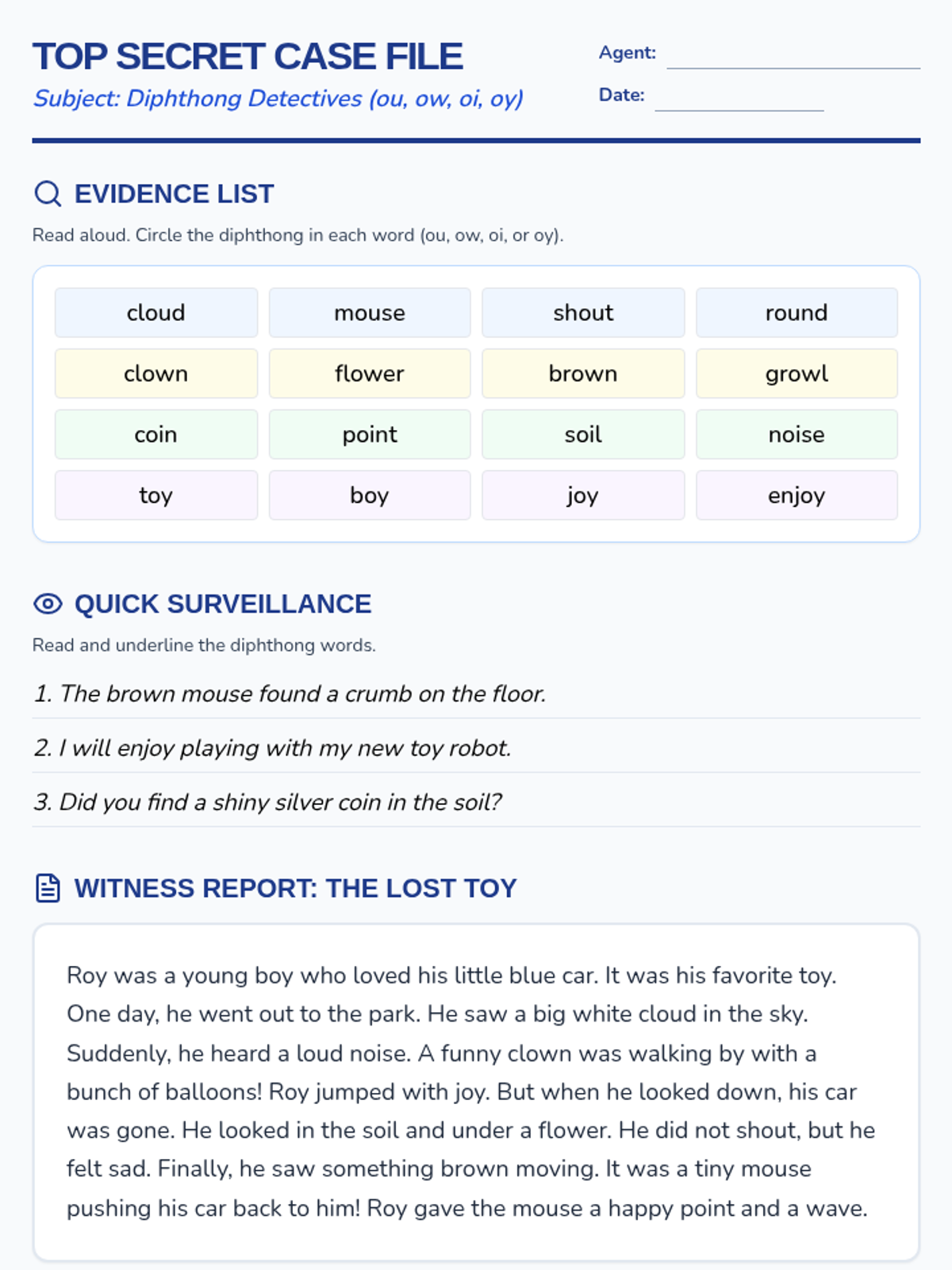
Focuses on identifying and reading words with the diphthongs ou, ow, oi, and oy in isolation and within a story.
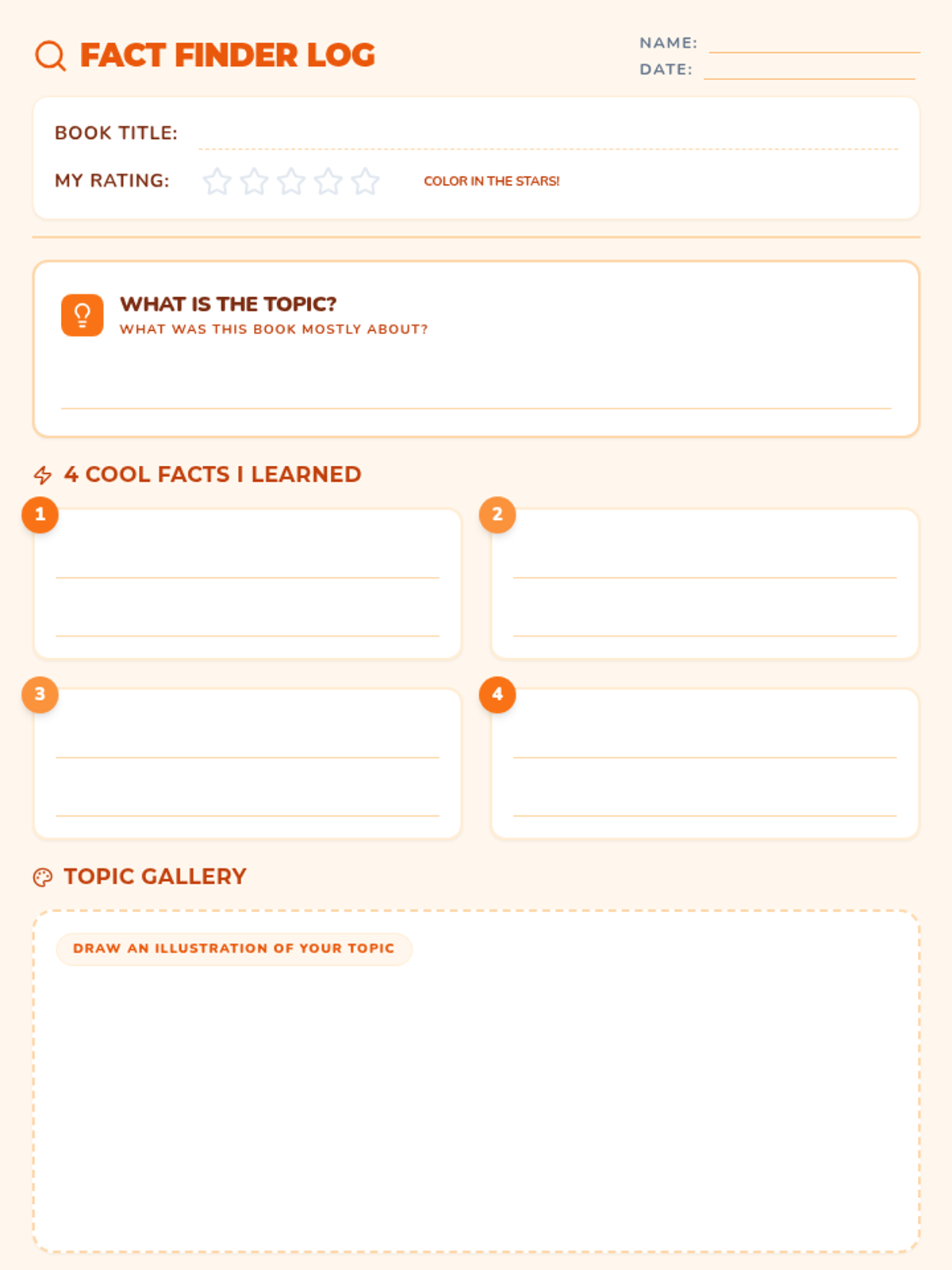
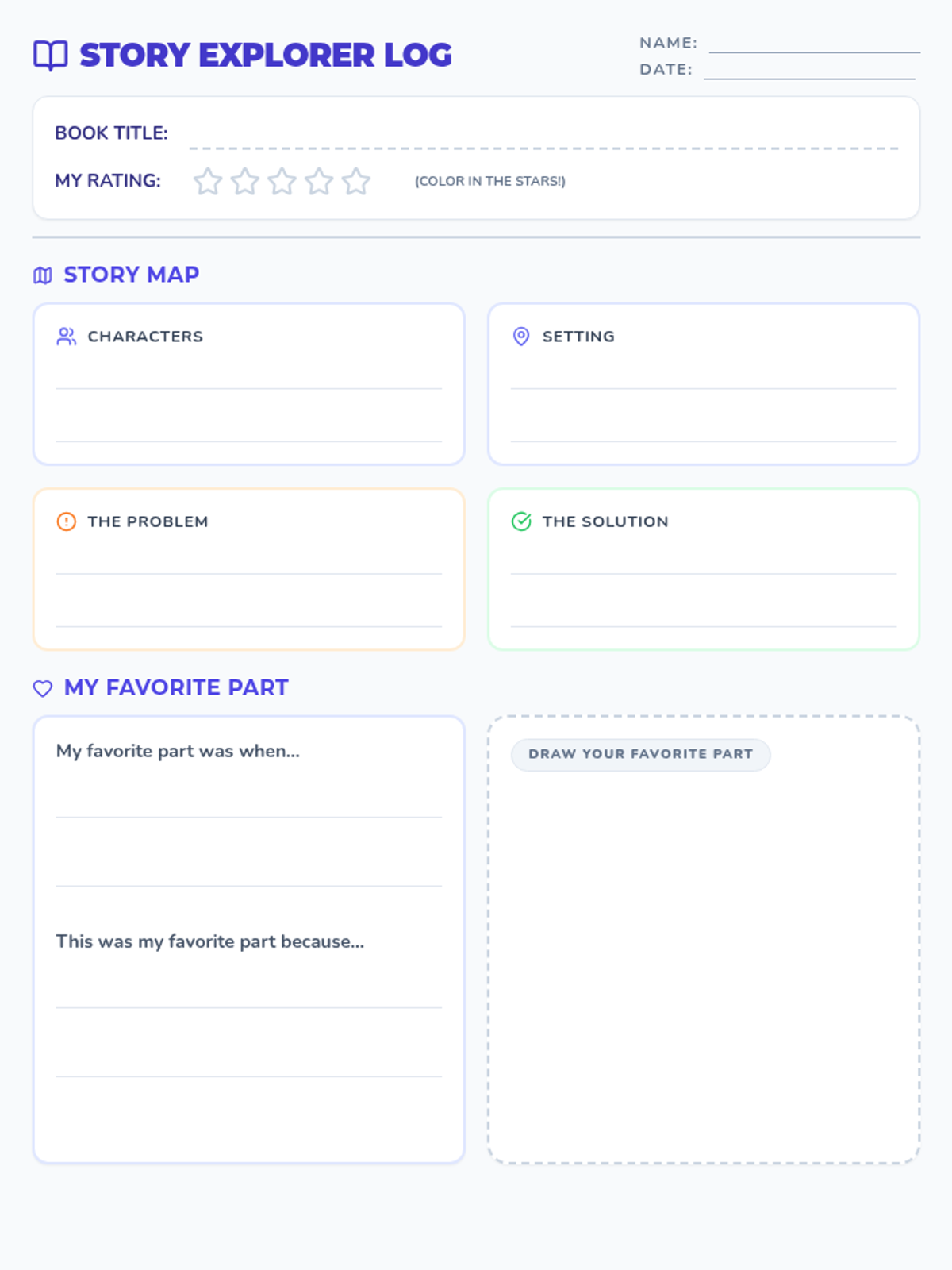
A pair of engaging recording sheets designed for students to track their reading on Epic!, featuring specific templates for both fiction and nonfiction texts.
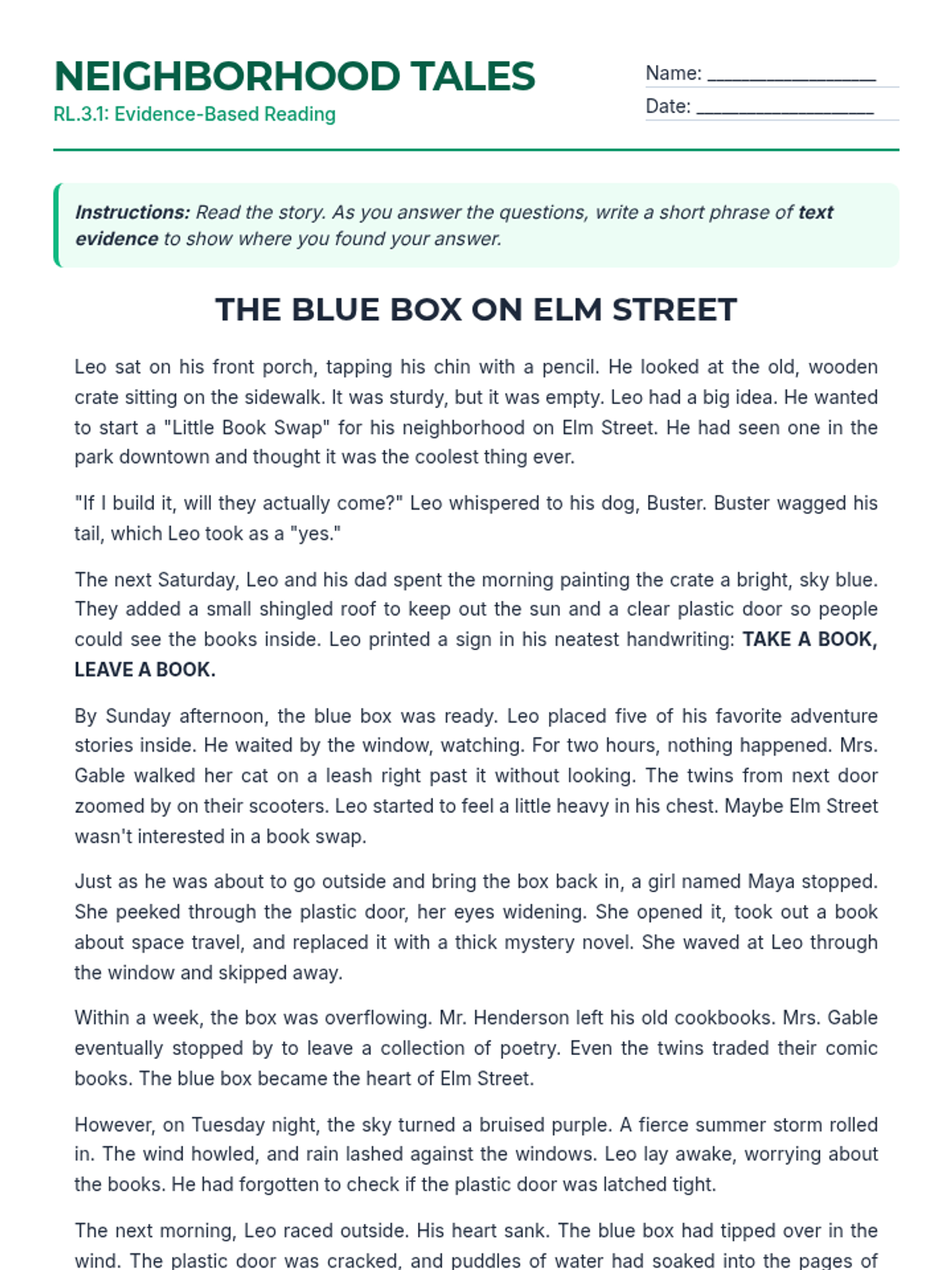
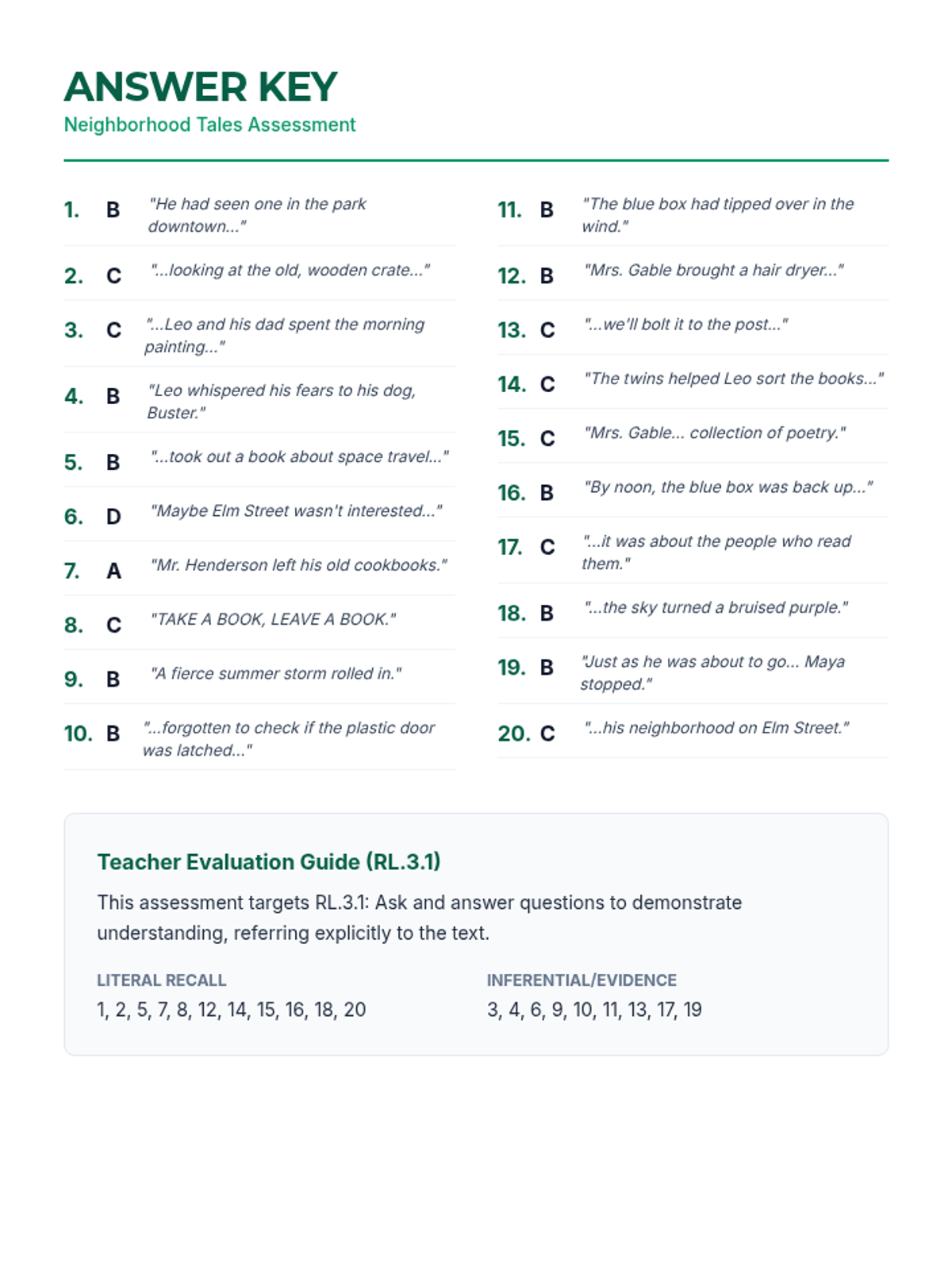
Students will read a realistic fiction passage and answer 20 EOG-style questions that require them to refer explicitly to the text for evidence.
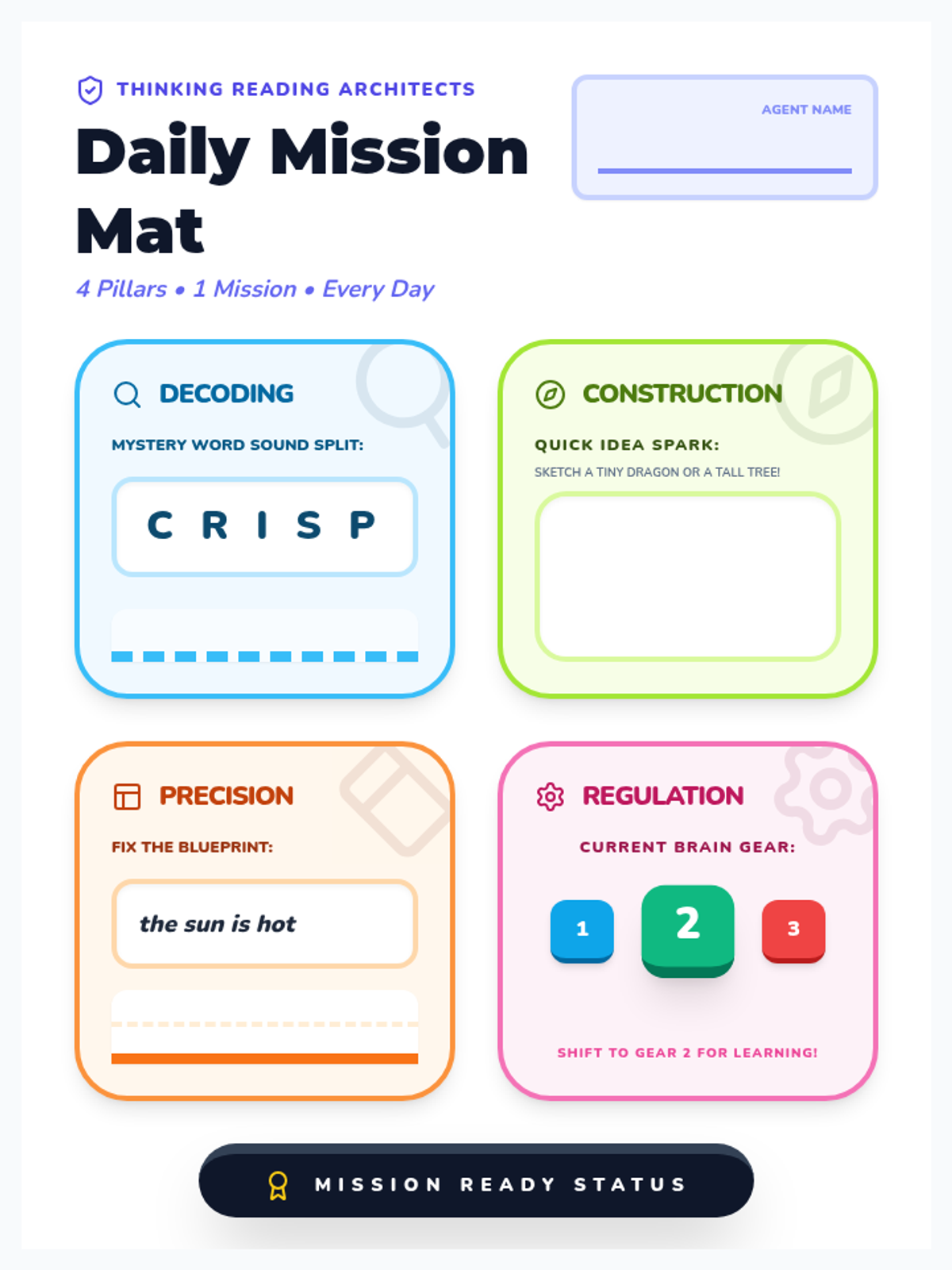
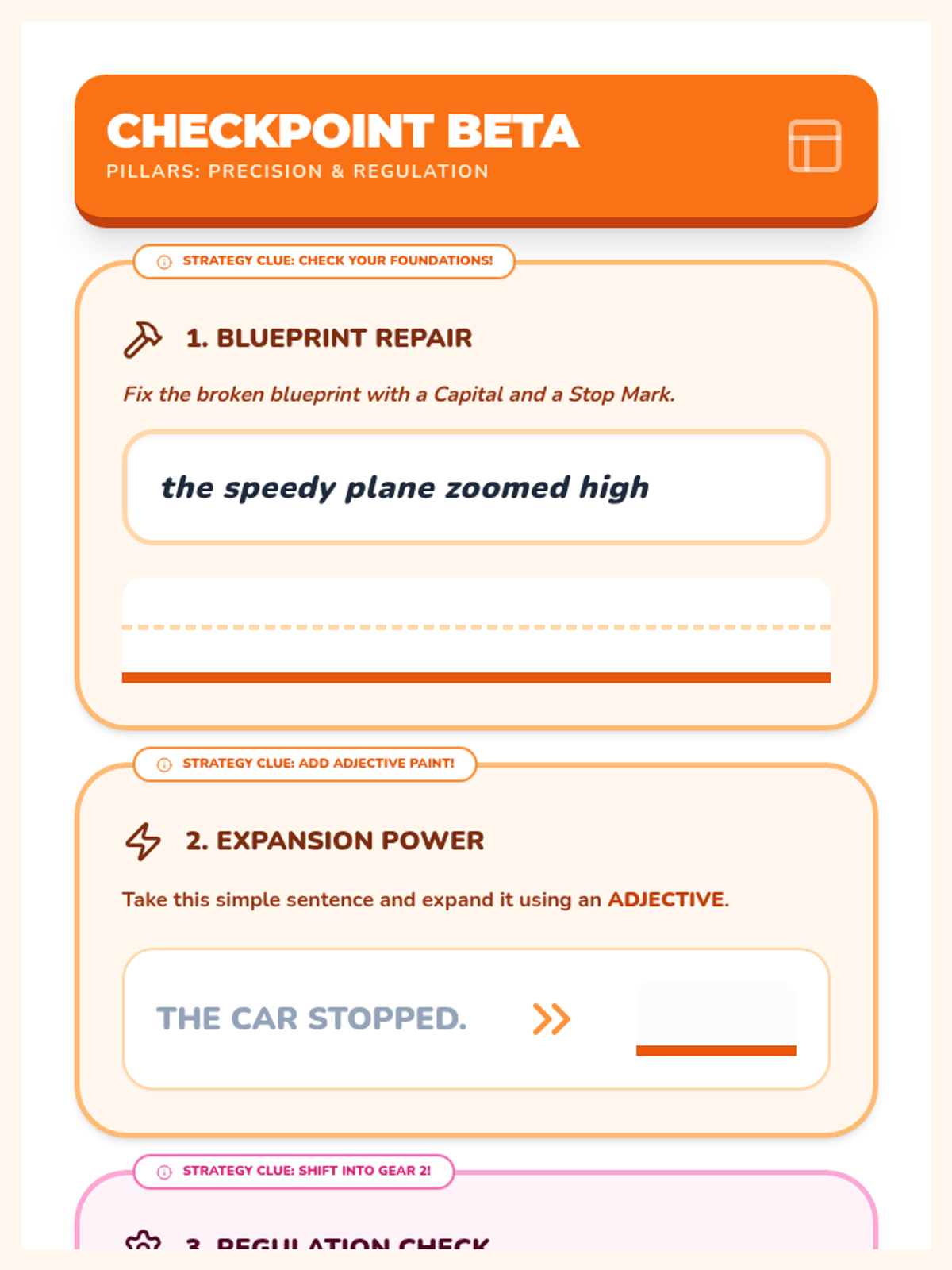
The starting point for all student agents, featuring the mission briefing and essential toolkits for the four program pillars.
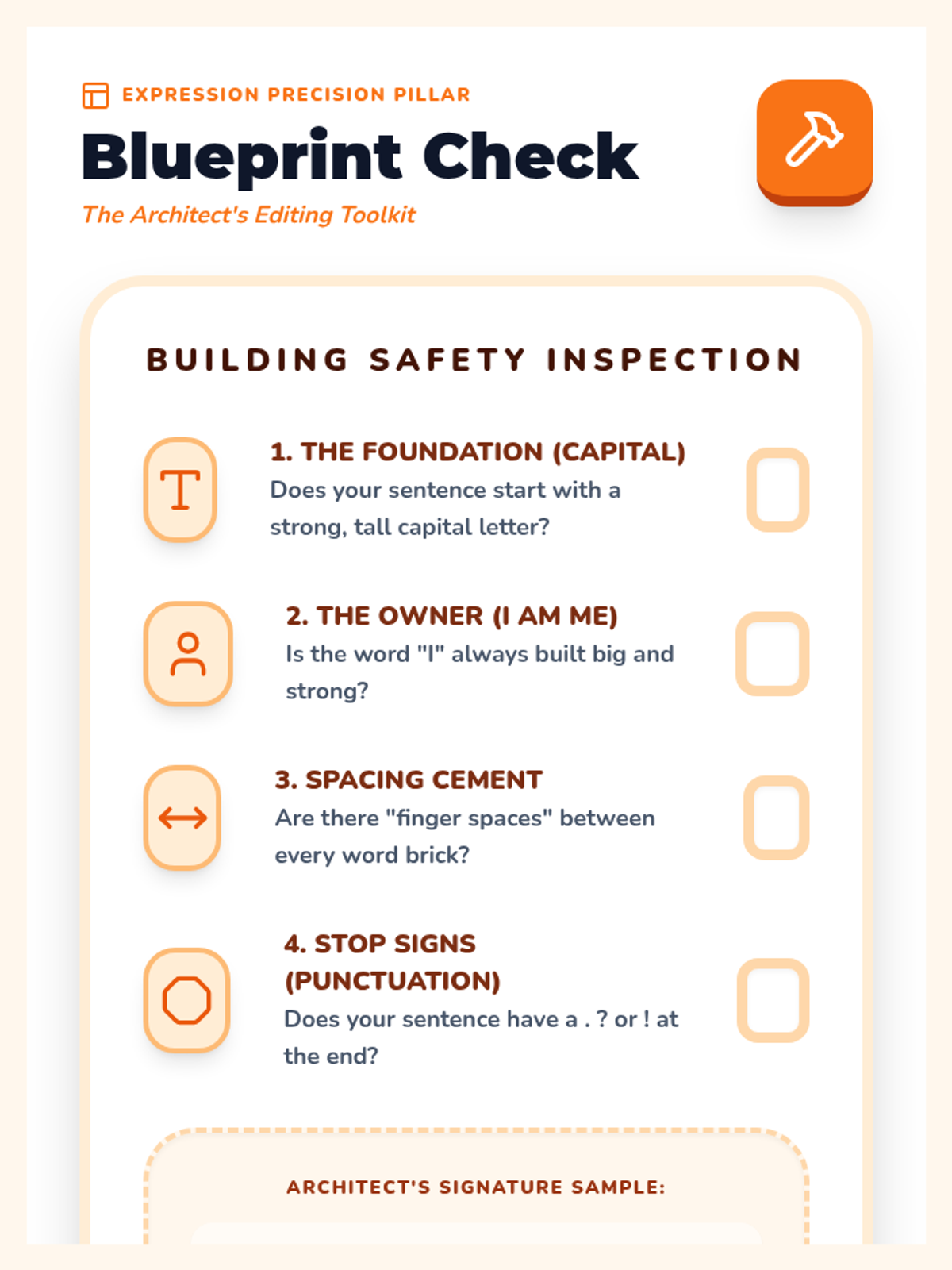
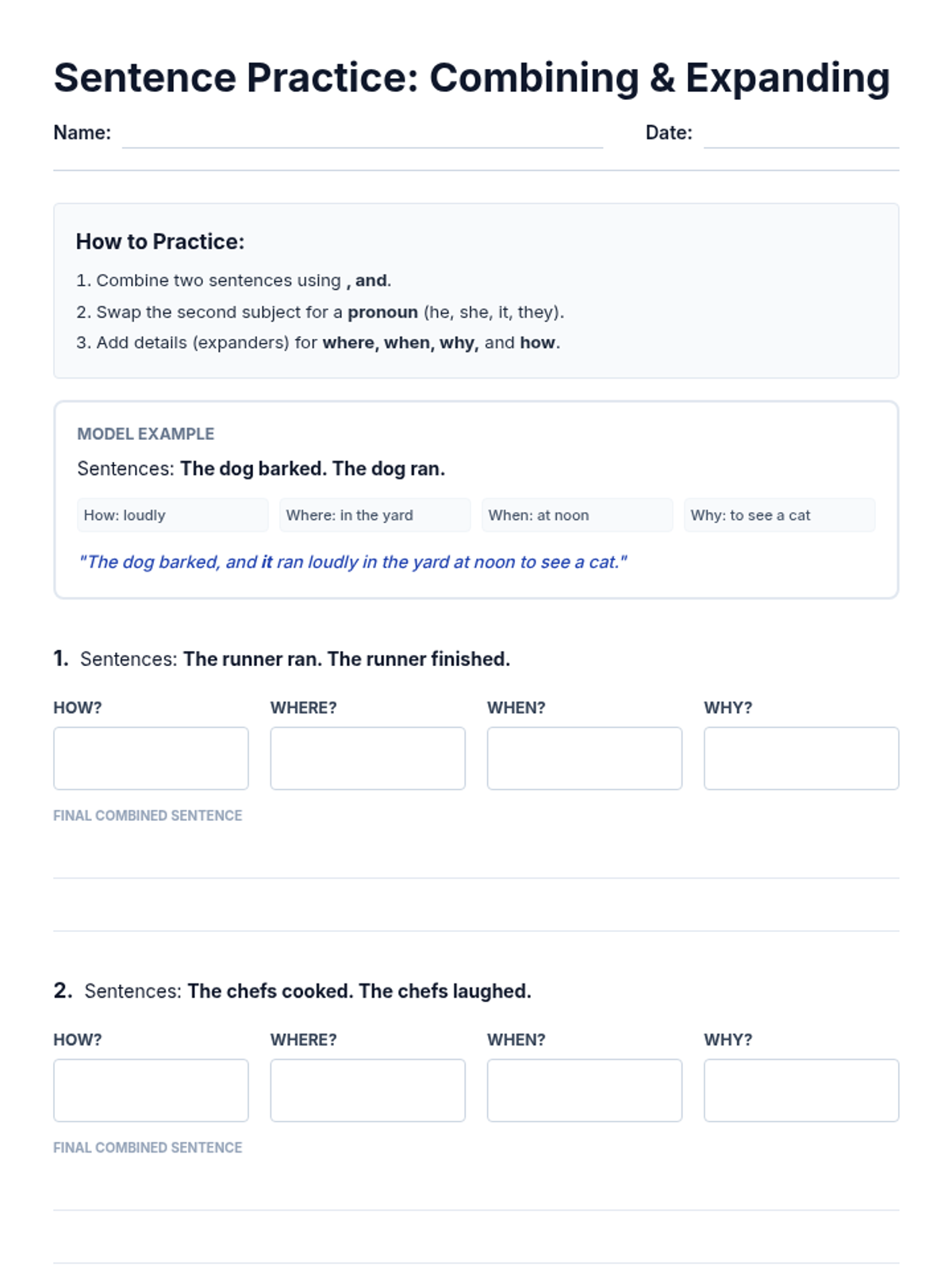
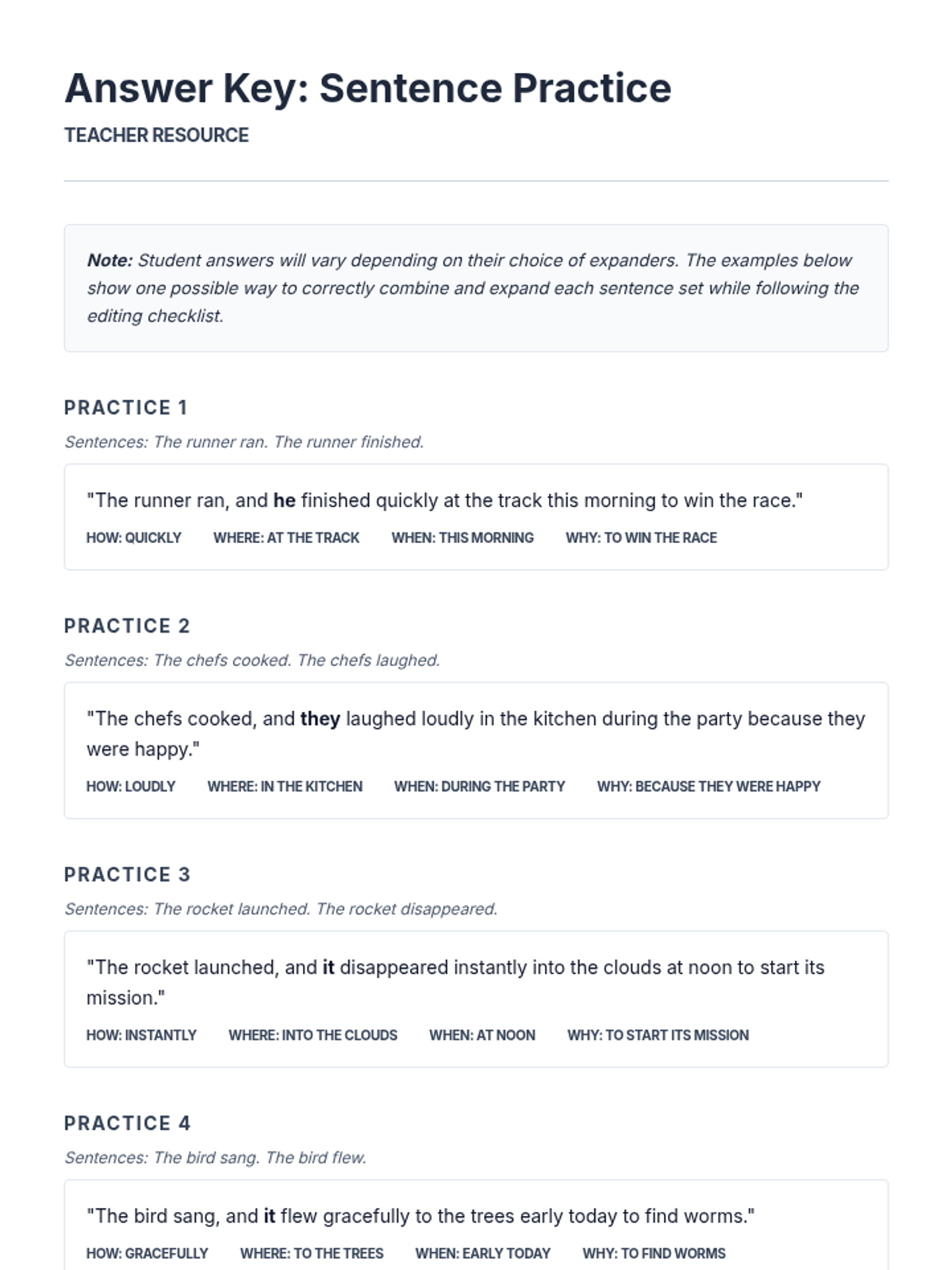
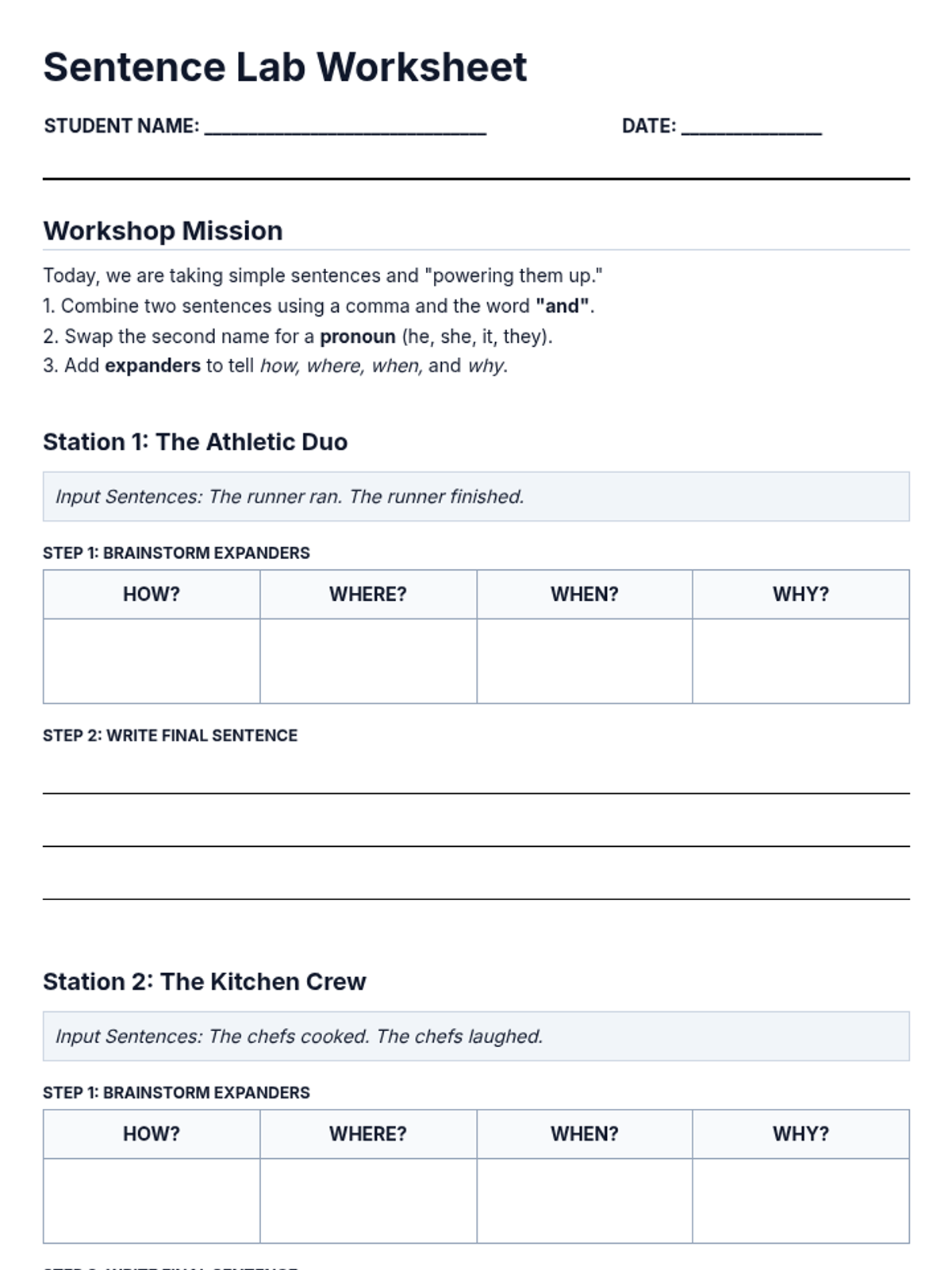
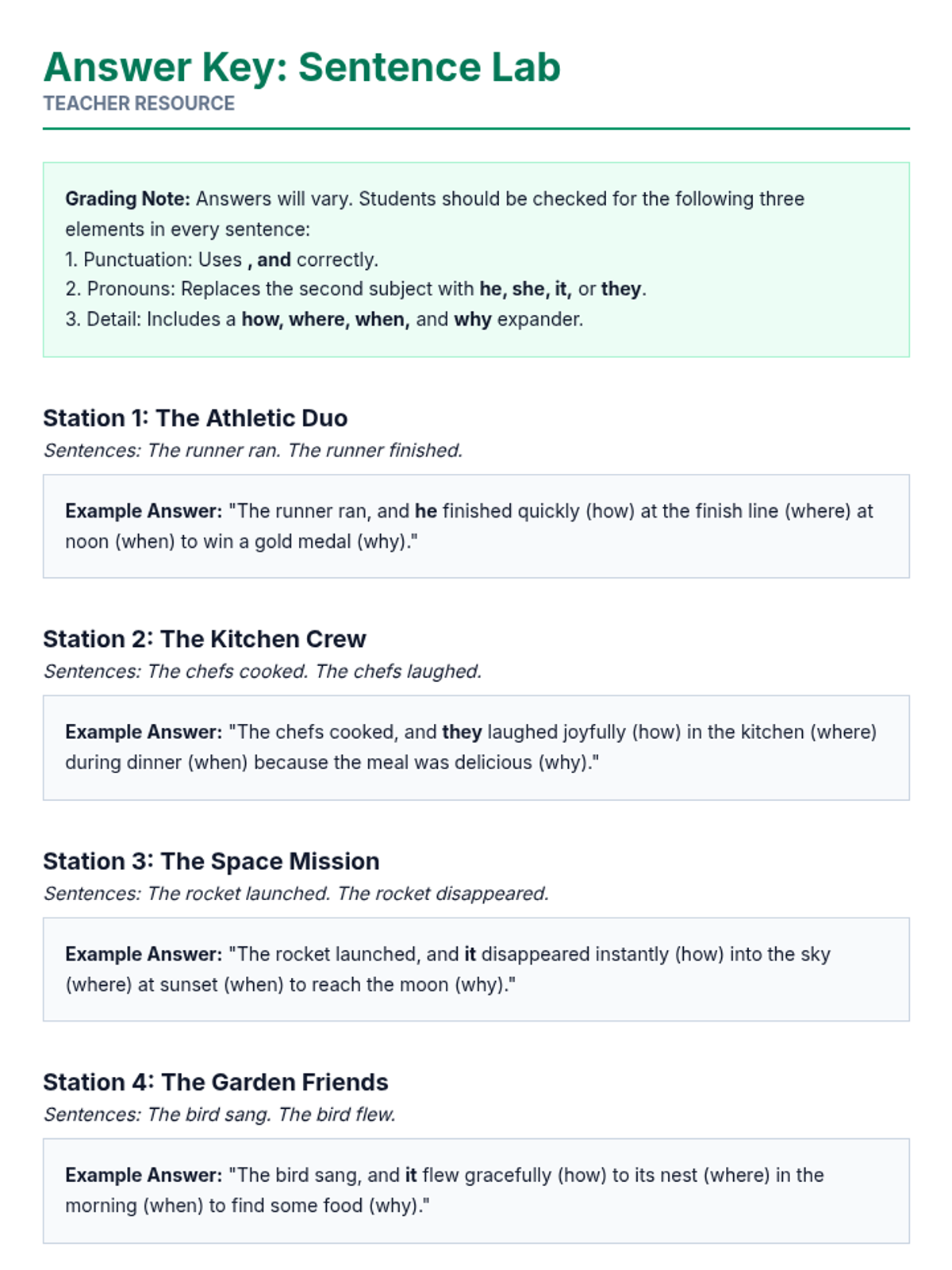
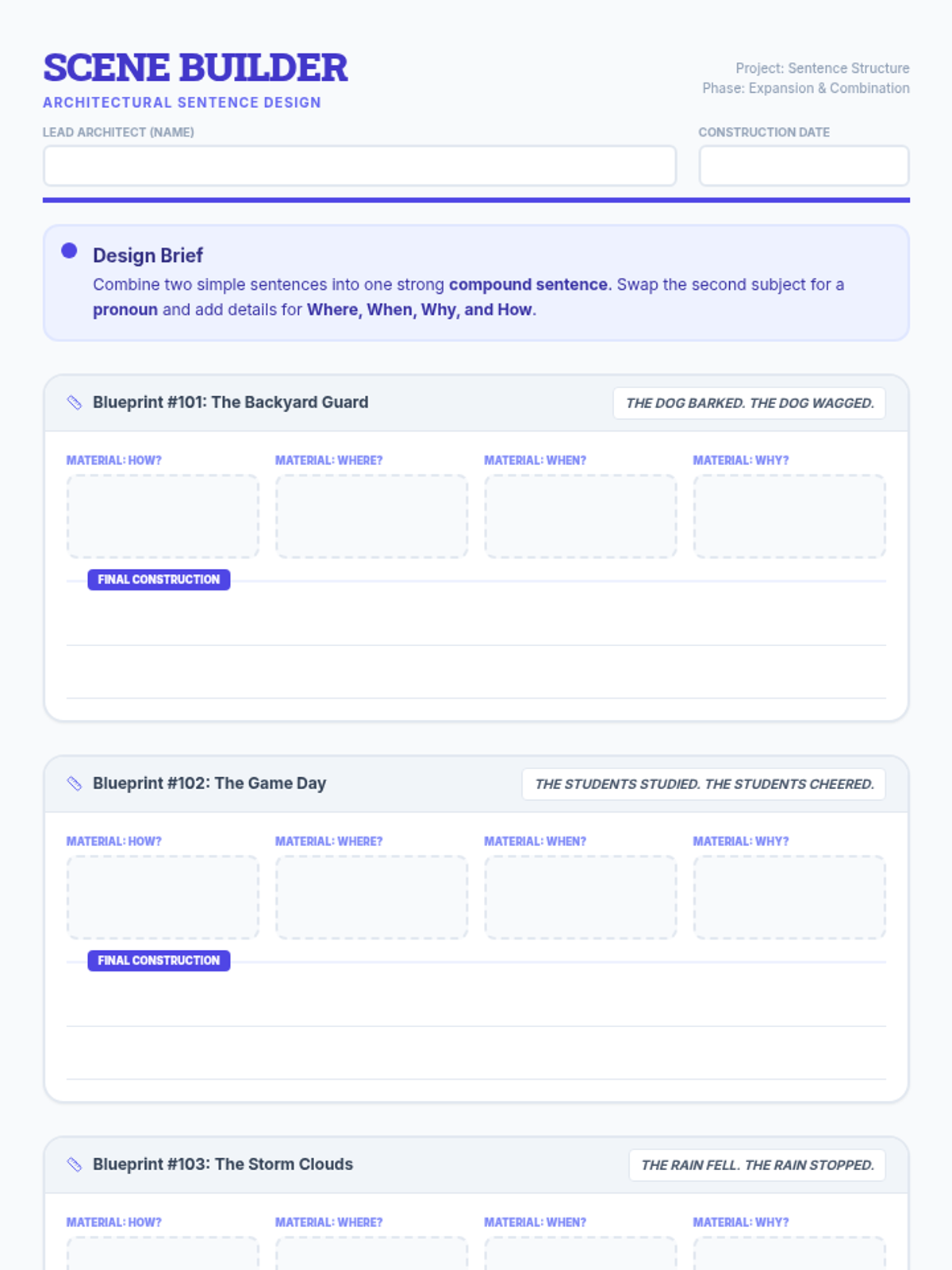
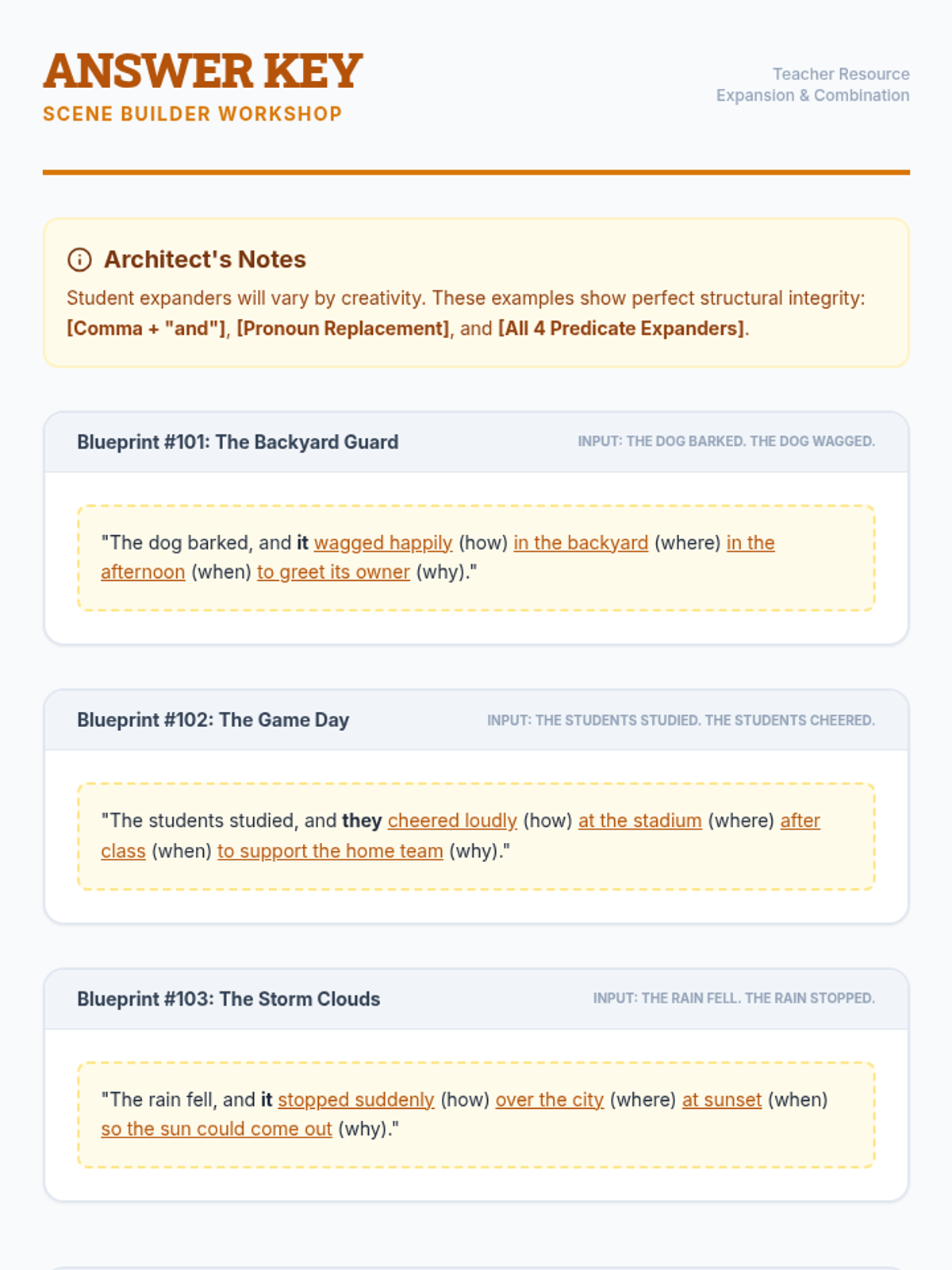
Students practice combining simple sentences with the same subjects into compound sentences using pronouns and adding descriptive predicate expanders (where, when, why, and how).
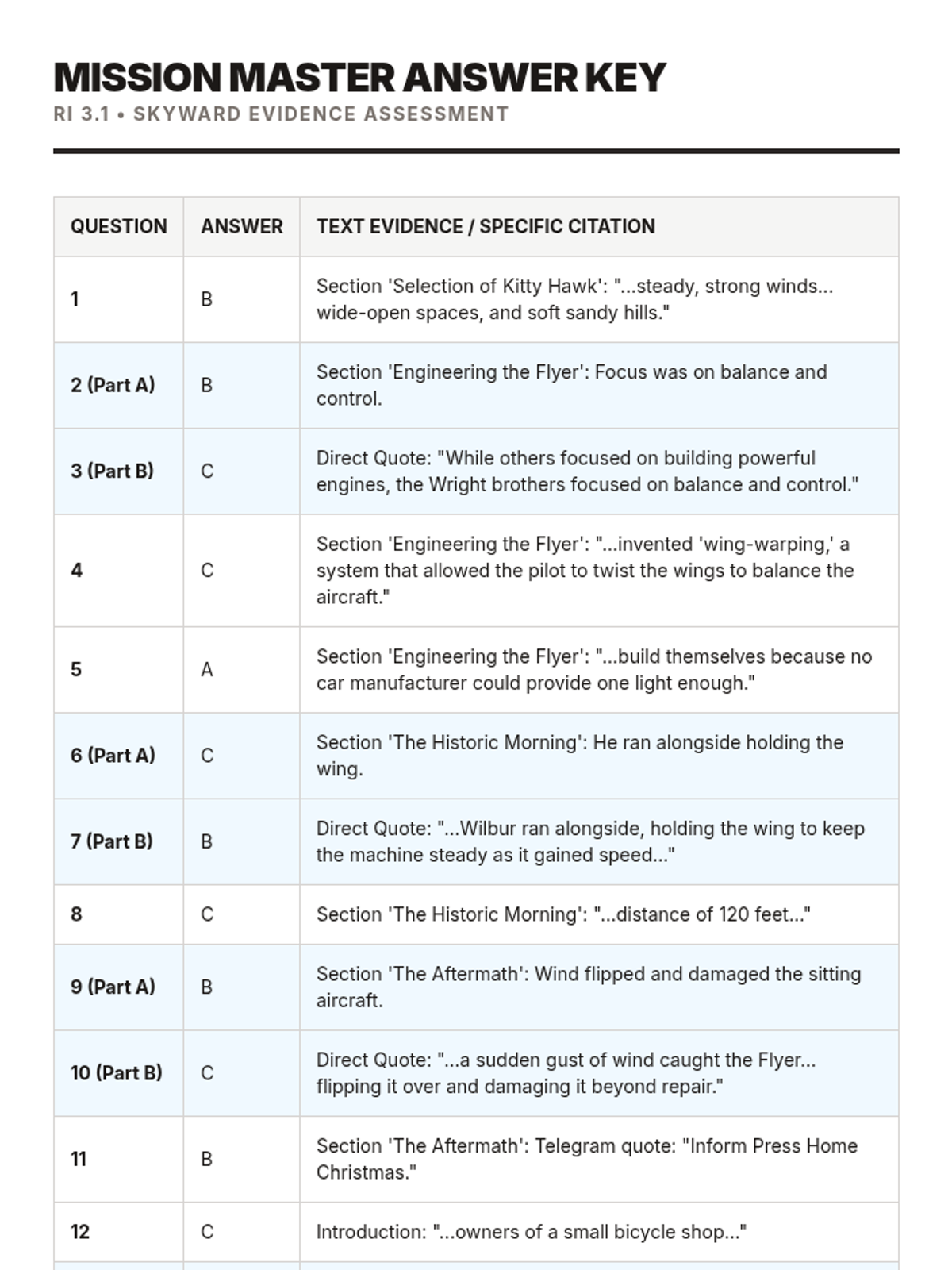
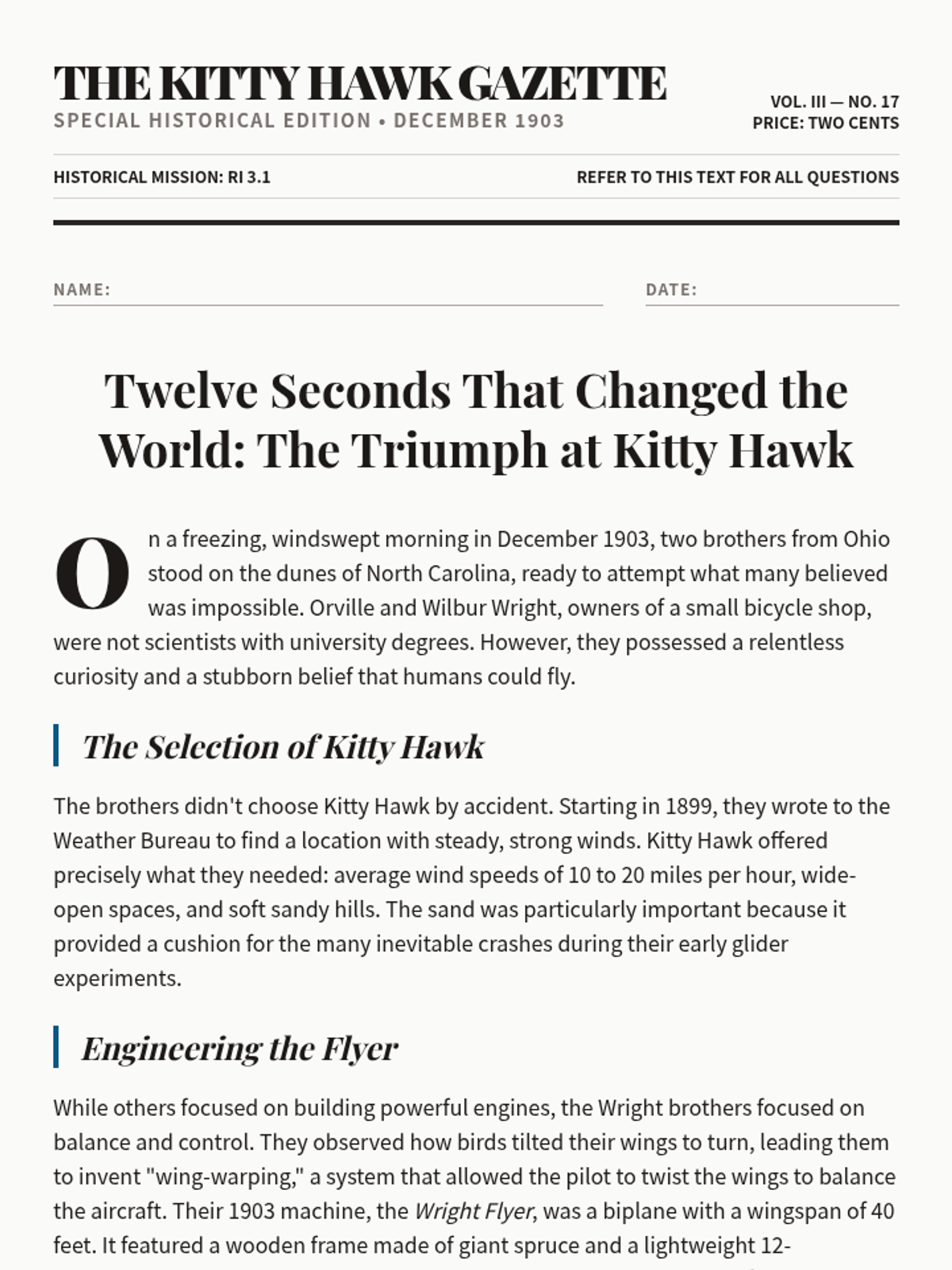
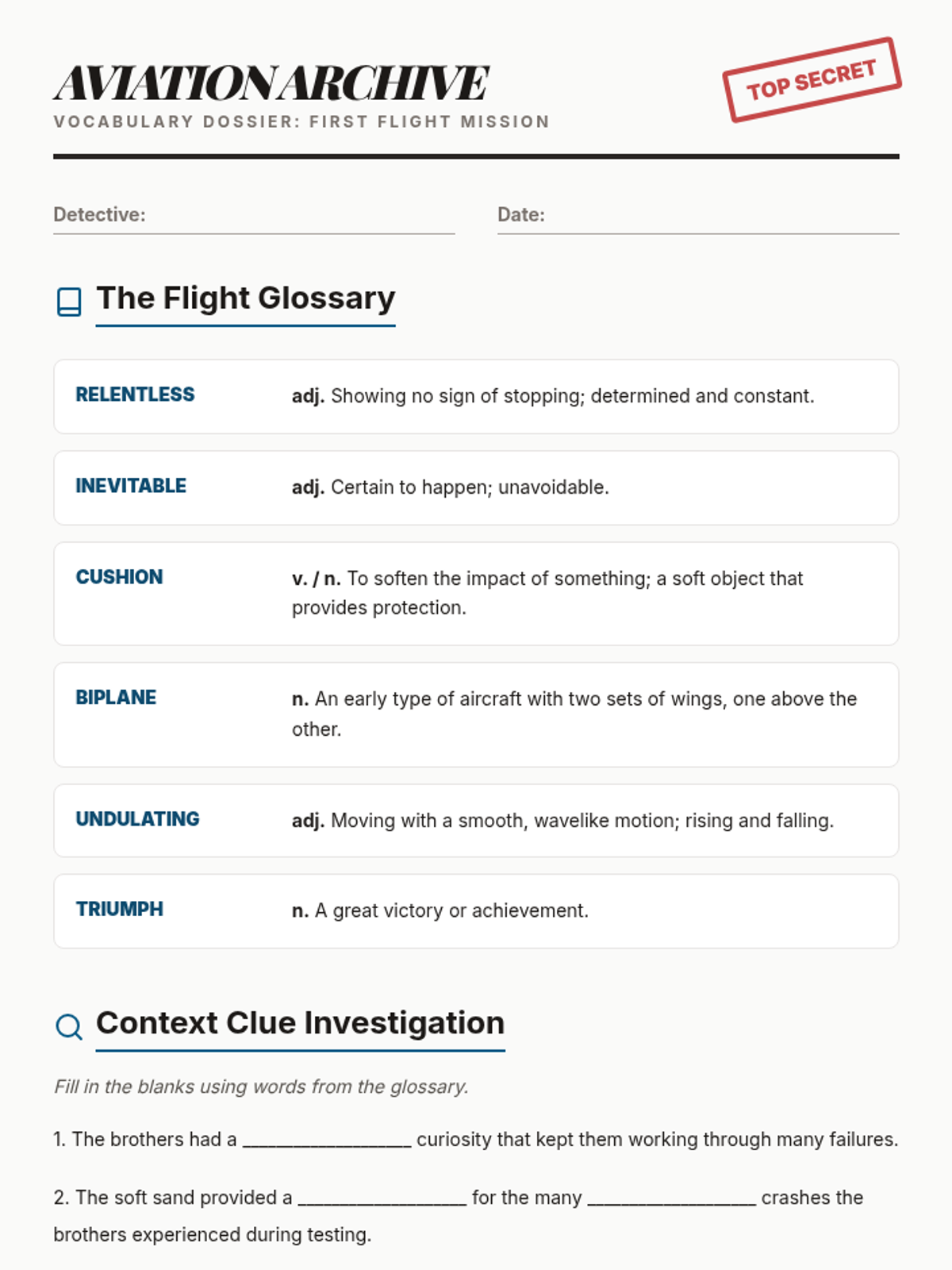
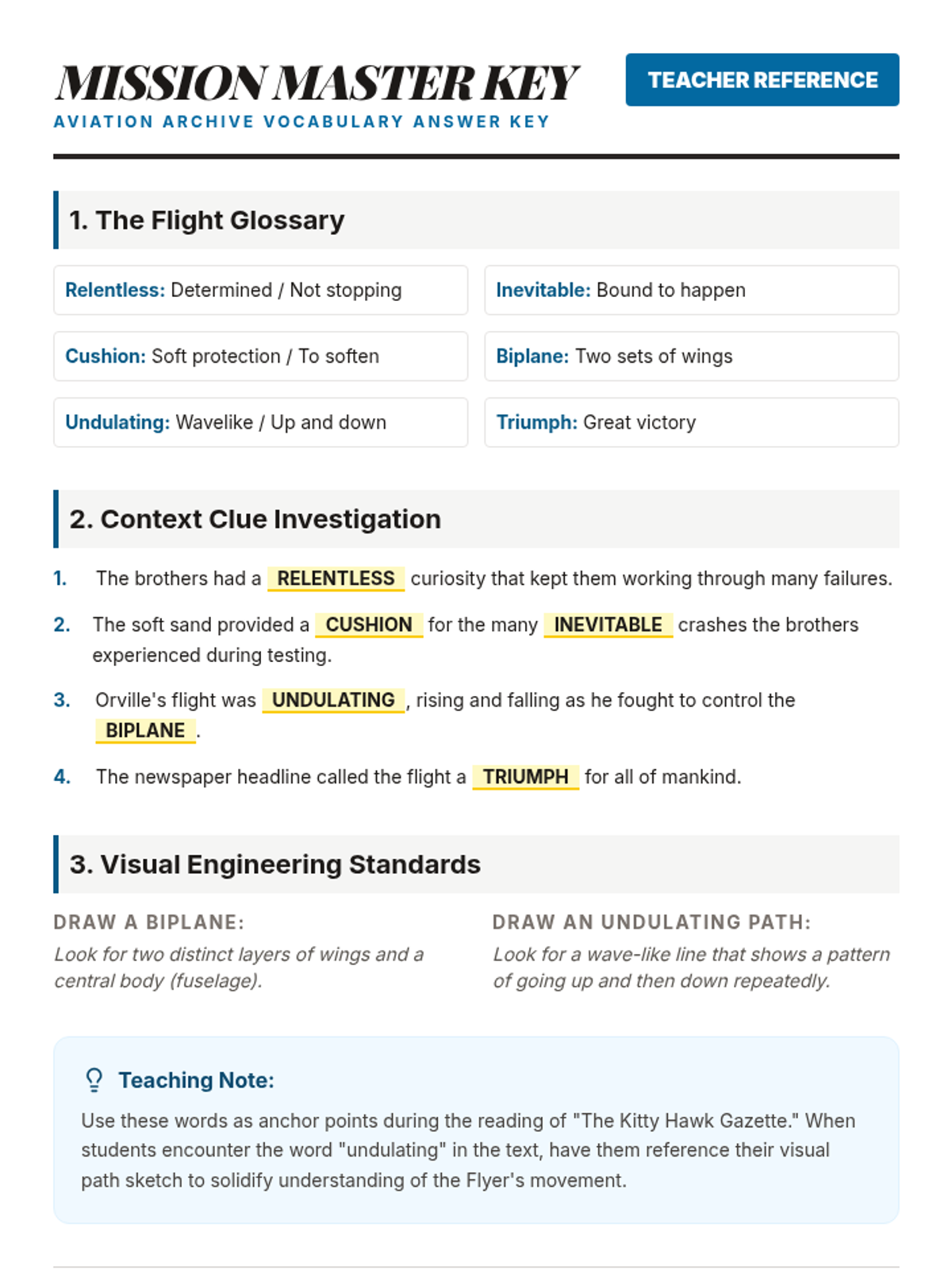
Students will read a detailed historical account of the Wright Brothers' first flight at Kitty Hawk and answer 20 EOG-style questions, focusing on citing explicit text evidence.
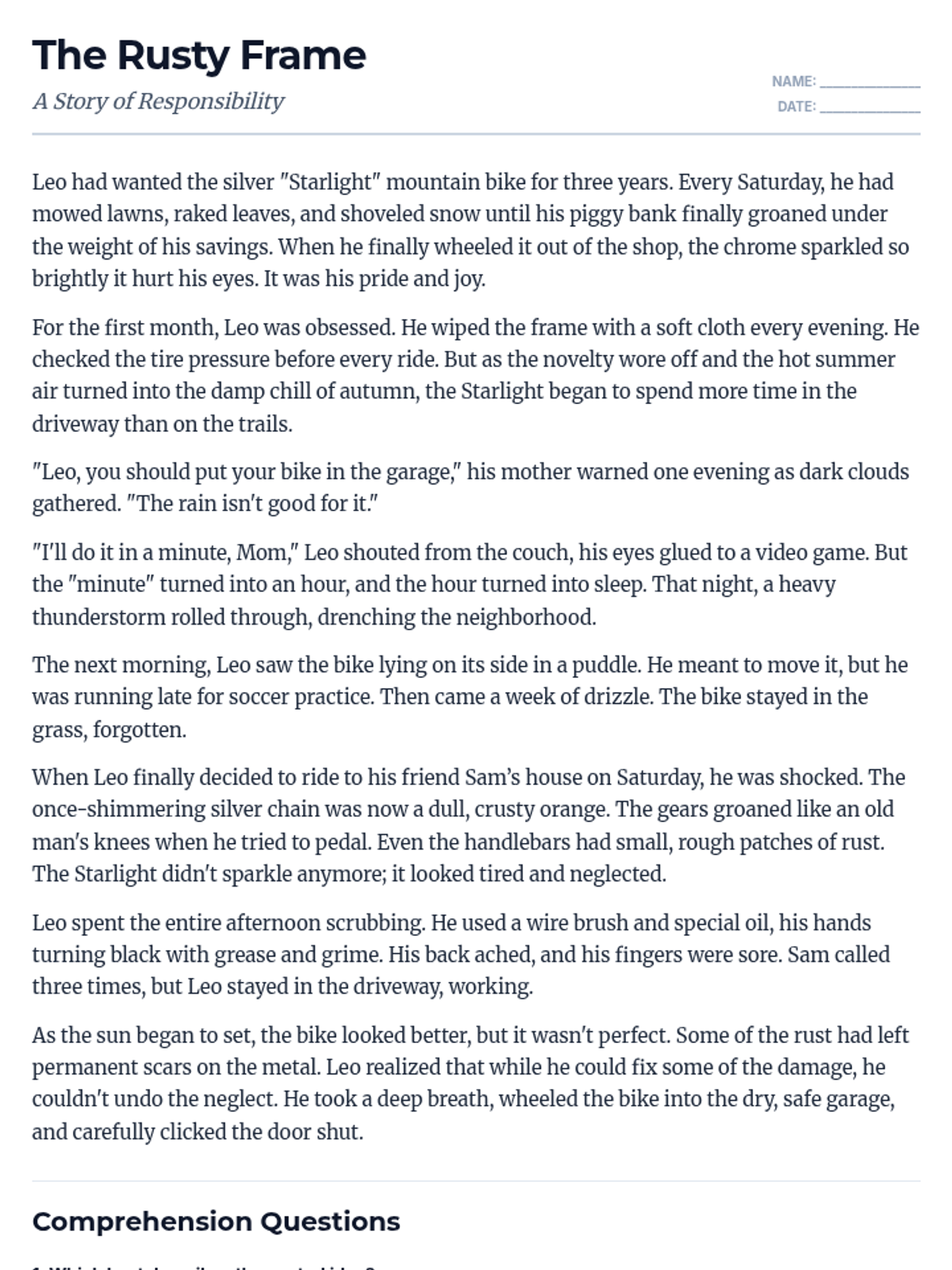
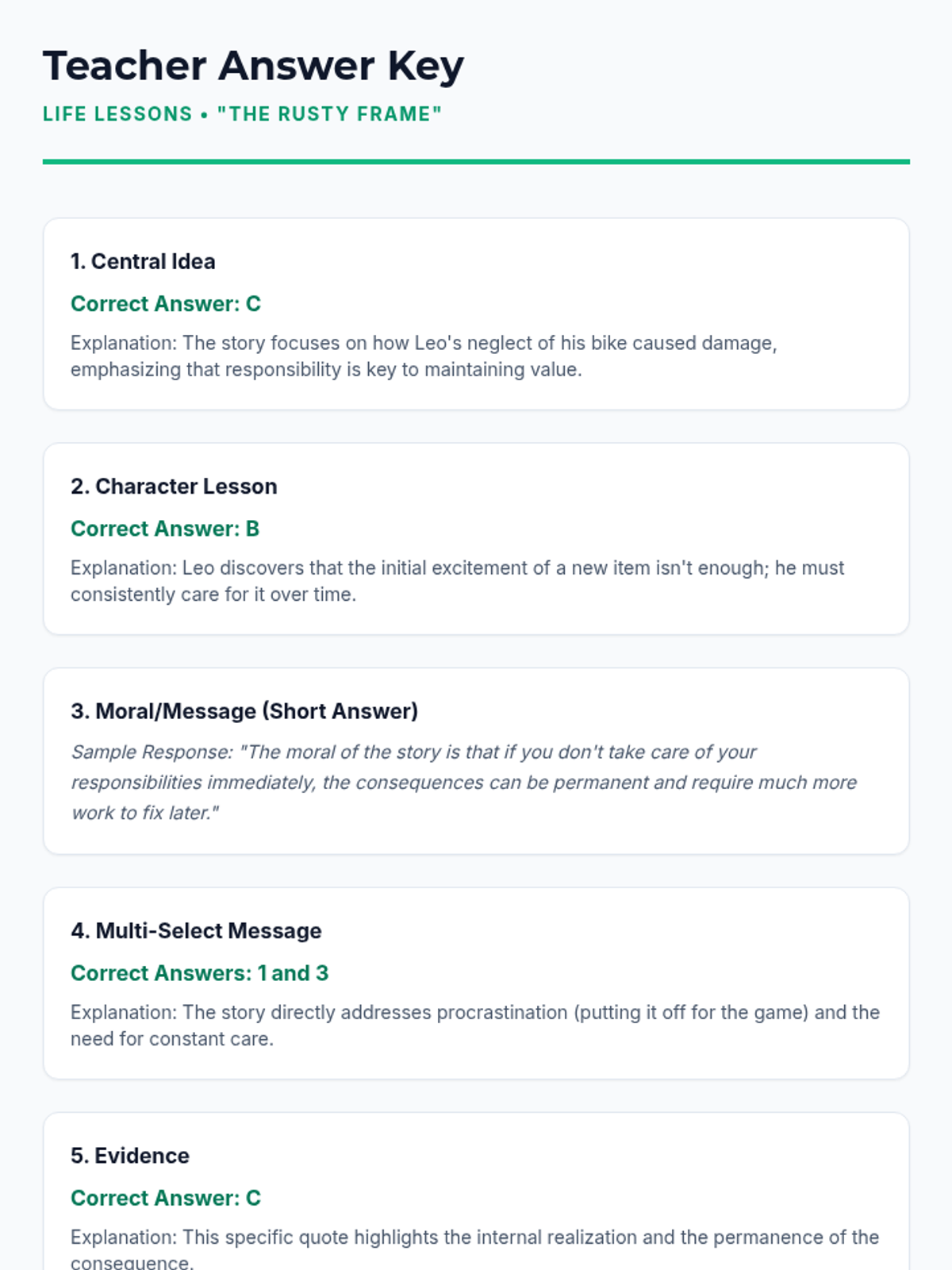
A lesson focused on identifying central ideas and morals within realistic fiction through a story about responsibility and growth.
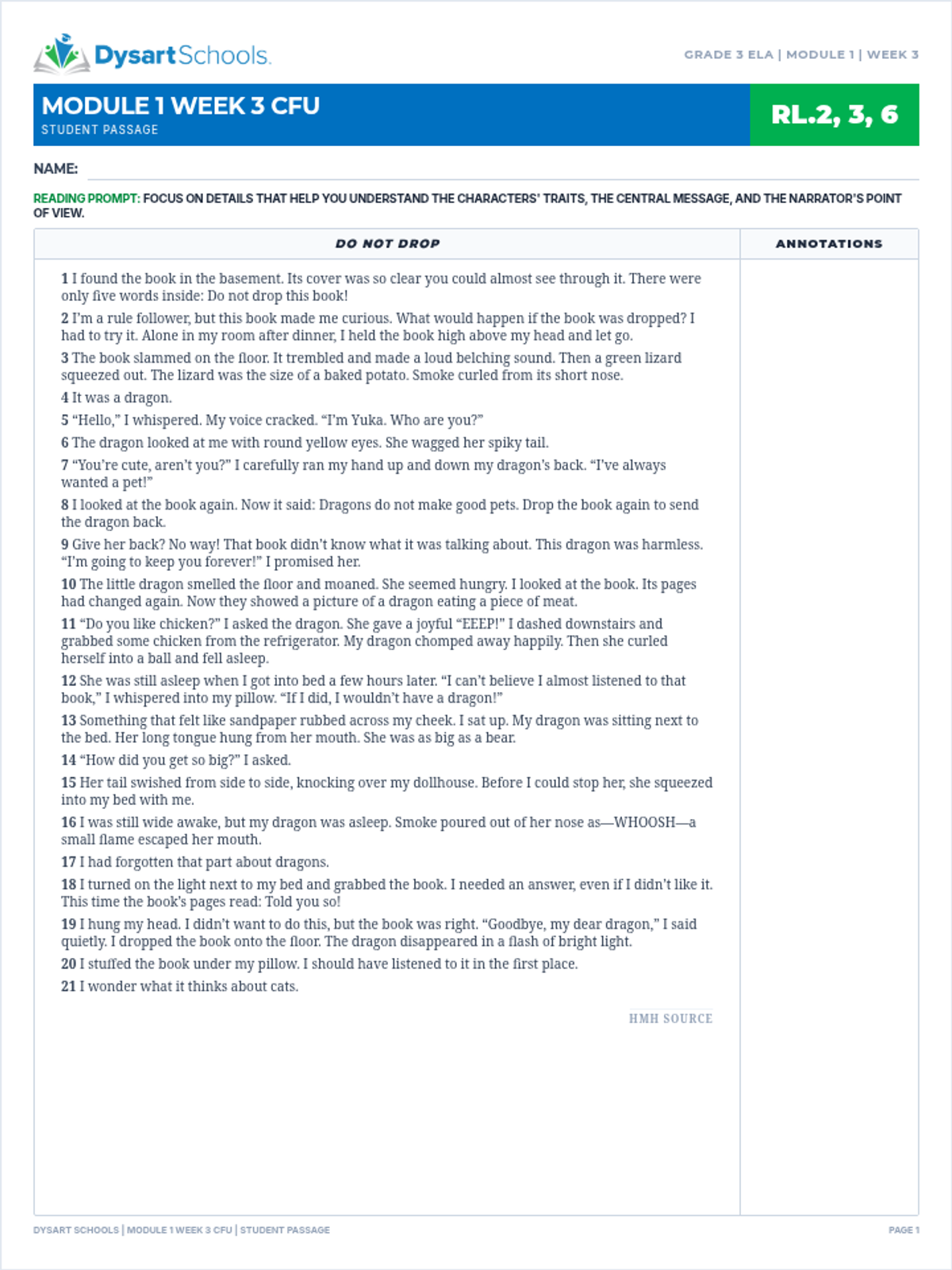
A collection of weekly reading assessments (CFUs) for Module 1, focused on character traits, central message, and point of view.
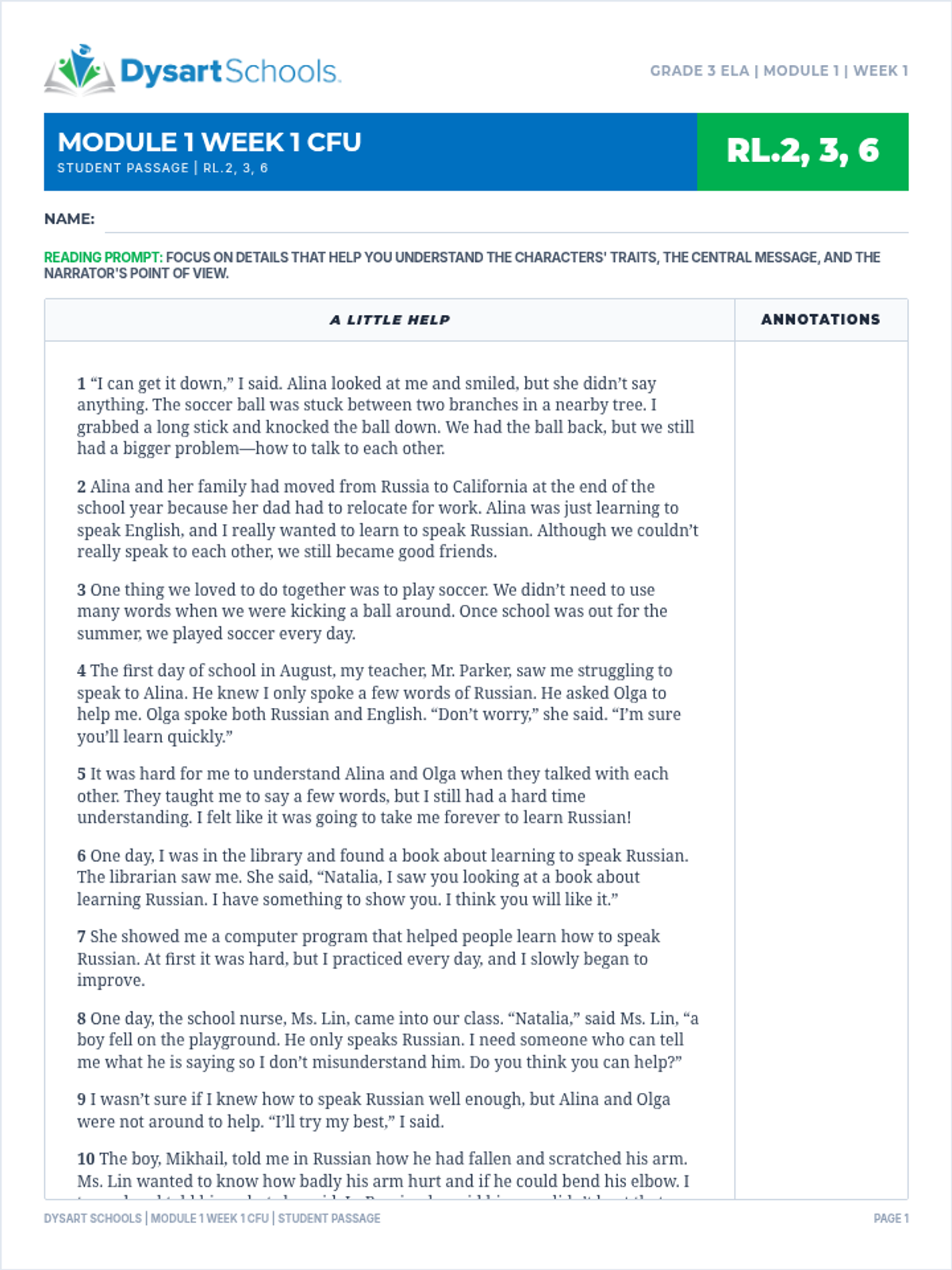
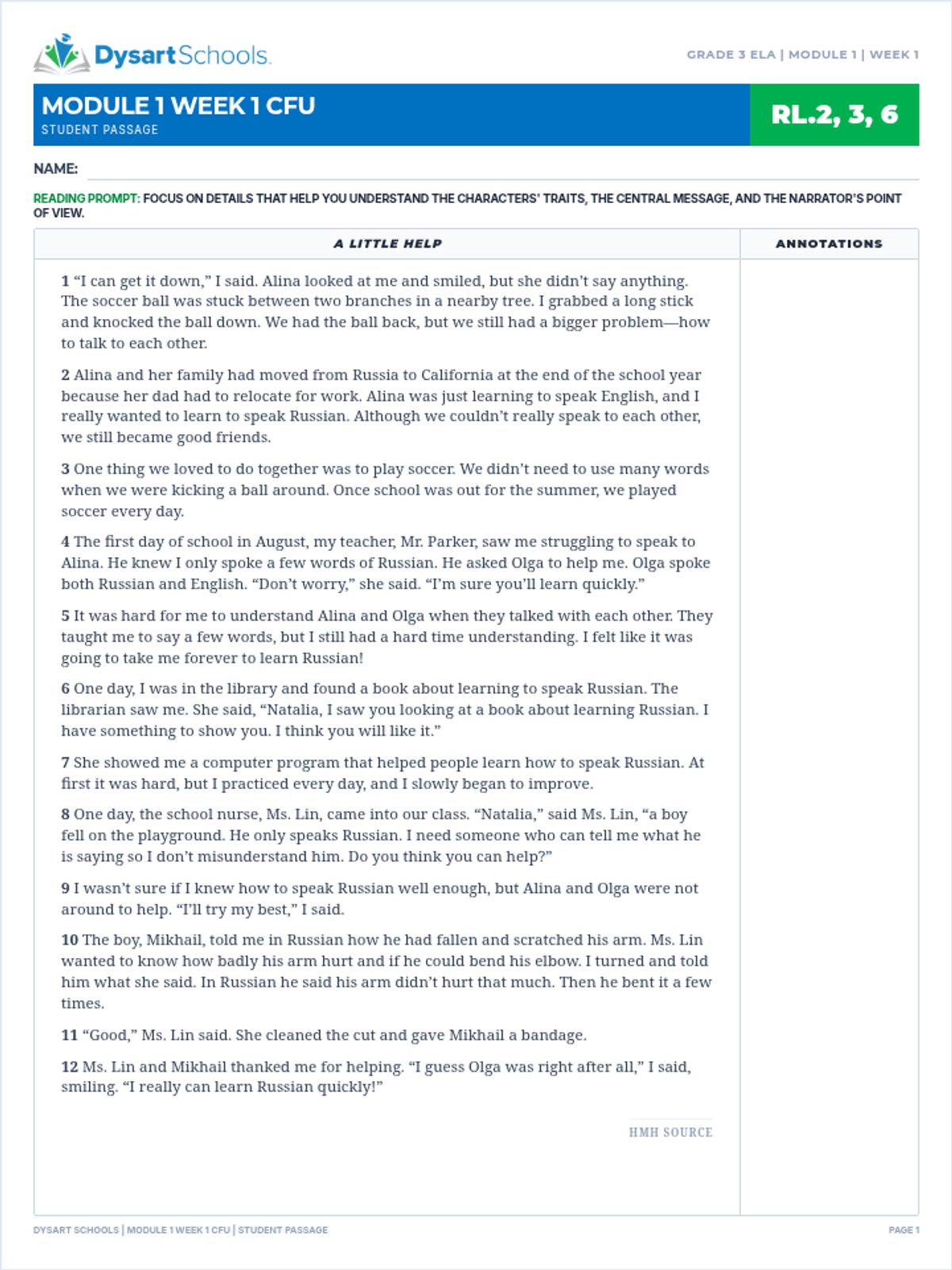
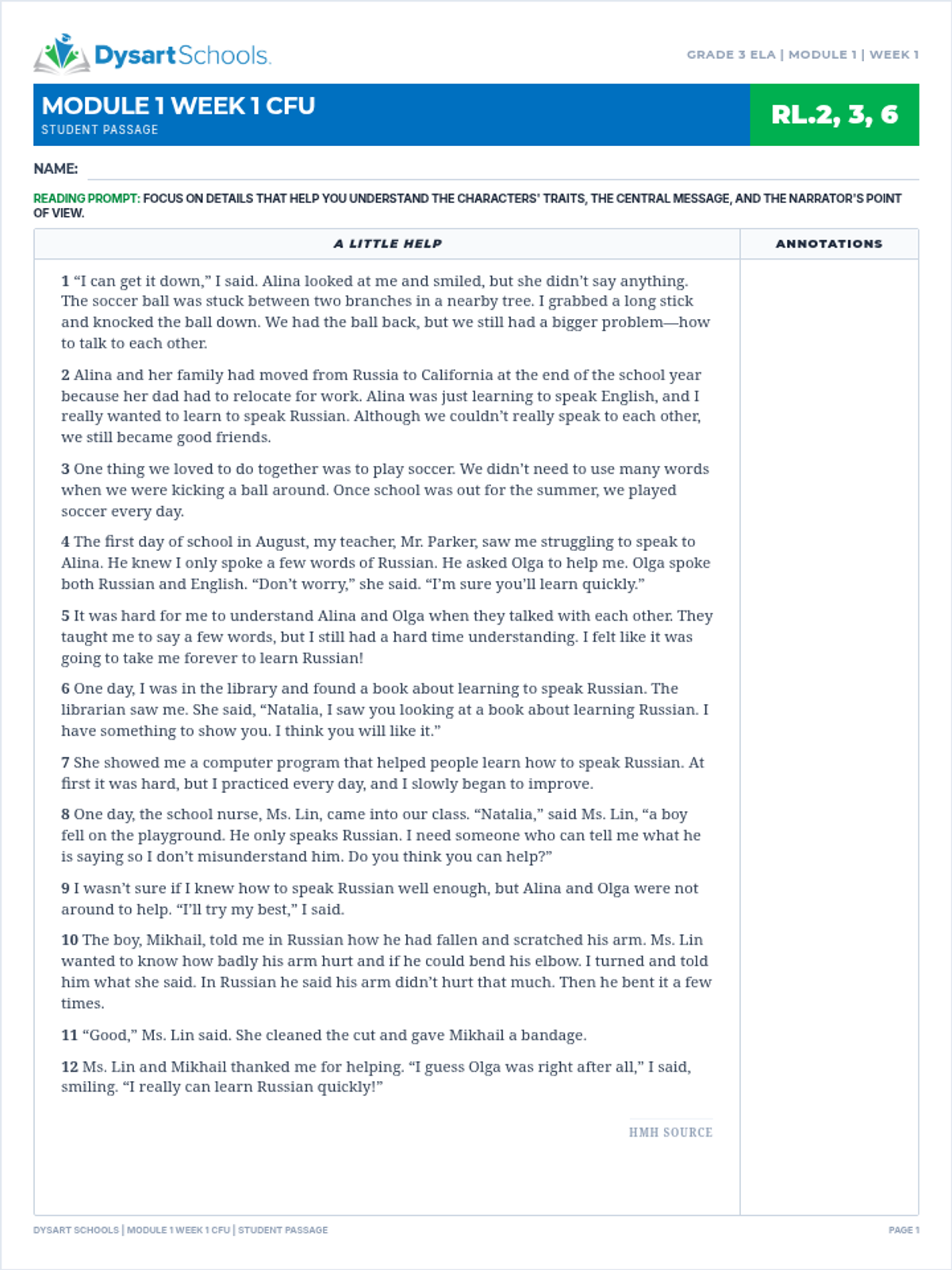
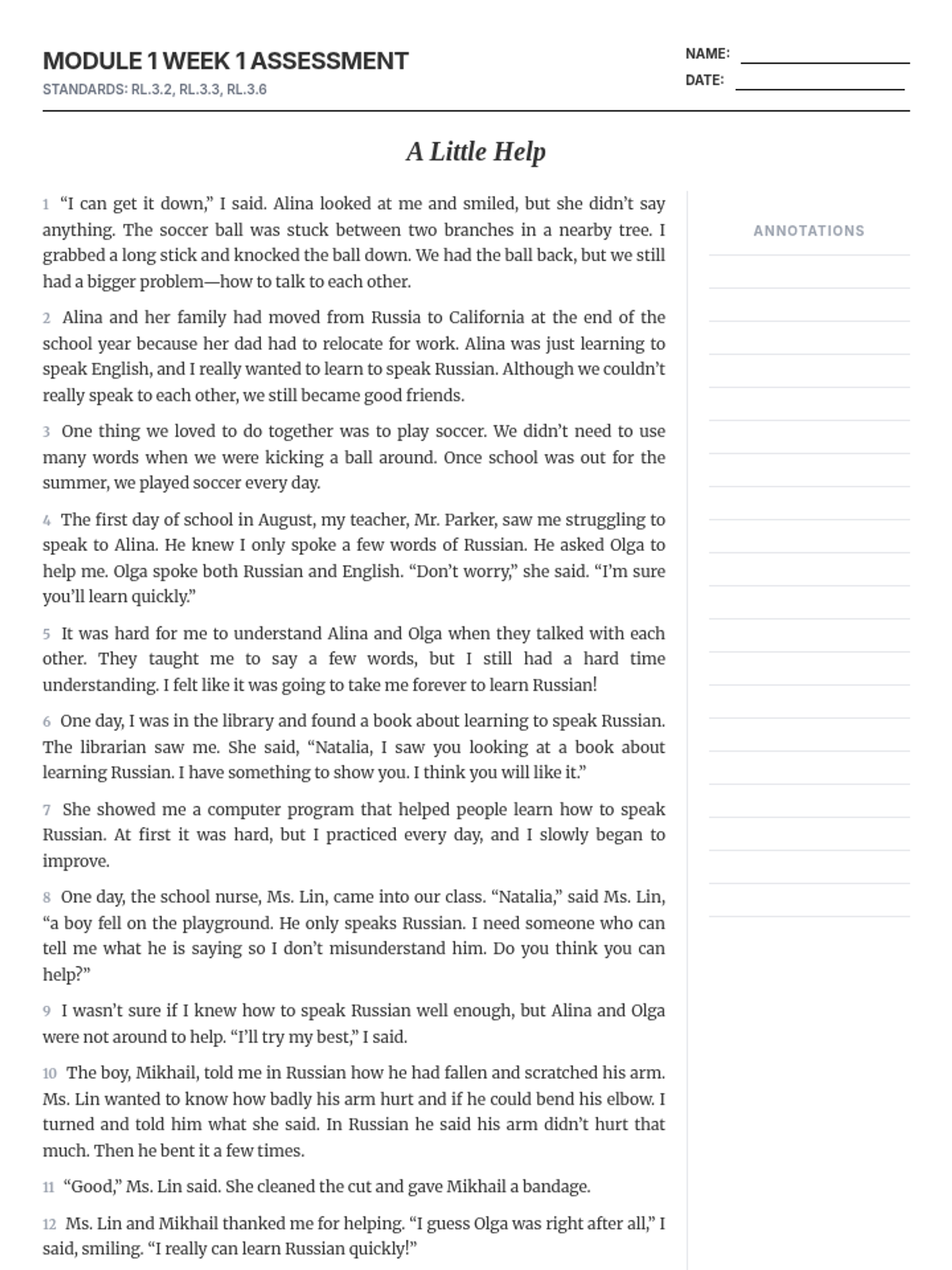
A lesson focused on analyzing character traits, determining central messages, and distinguishing points of view using the story 'A Little Help'. Students practice applying RL.2, RL.3, and RL.6 standards through standards-aligned multiple-choice questions.
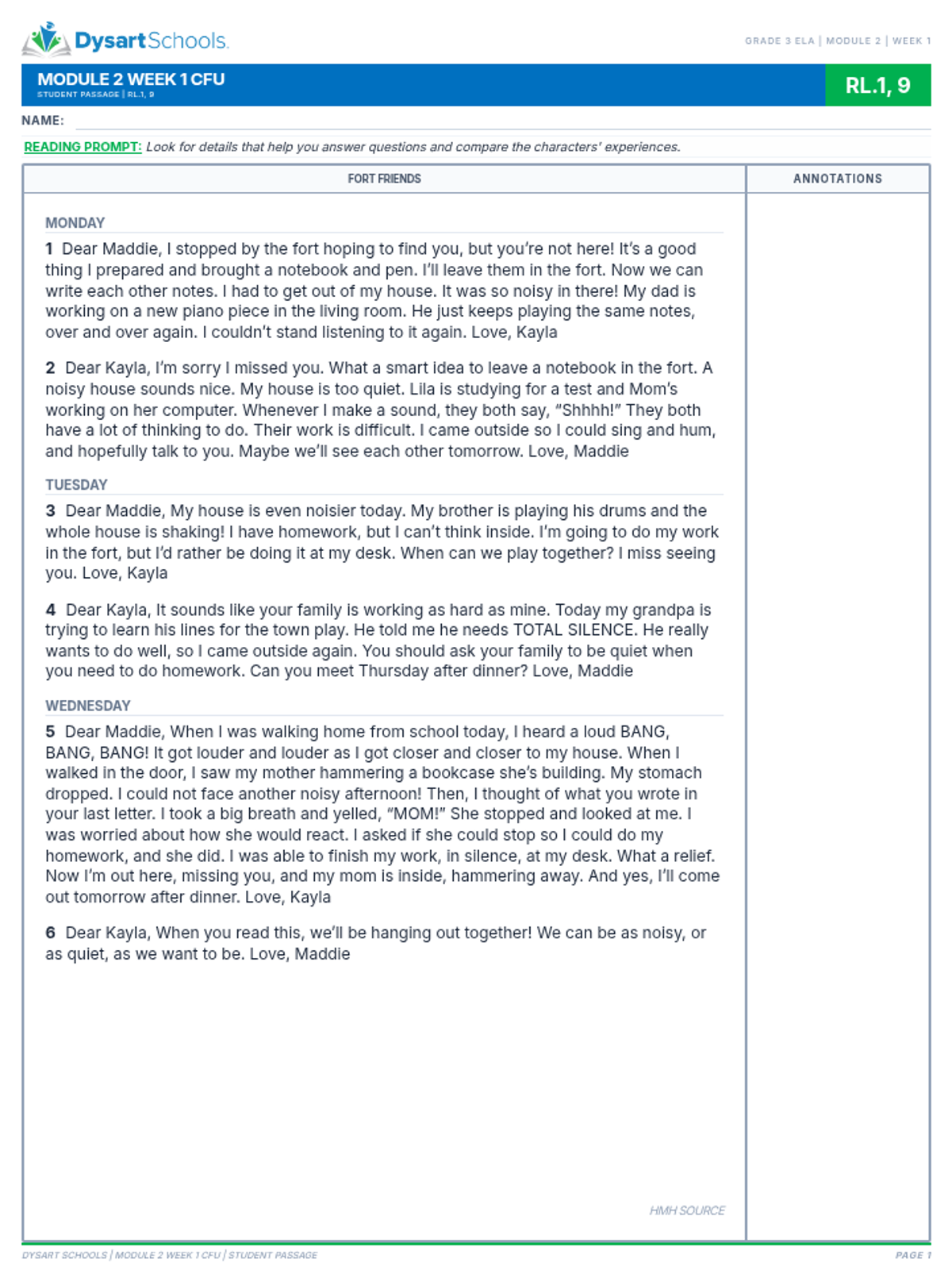
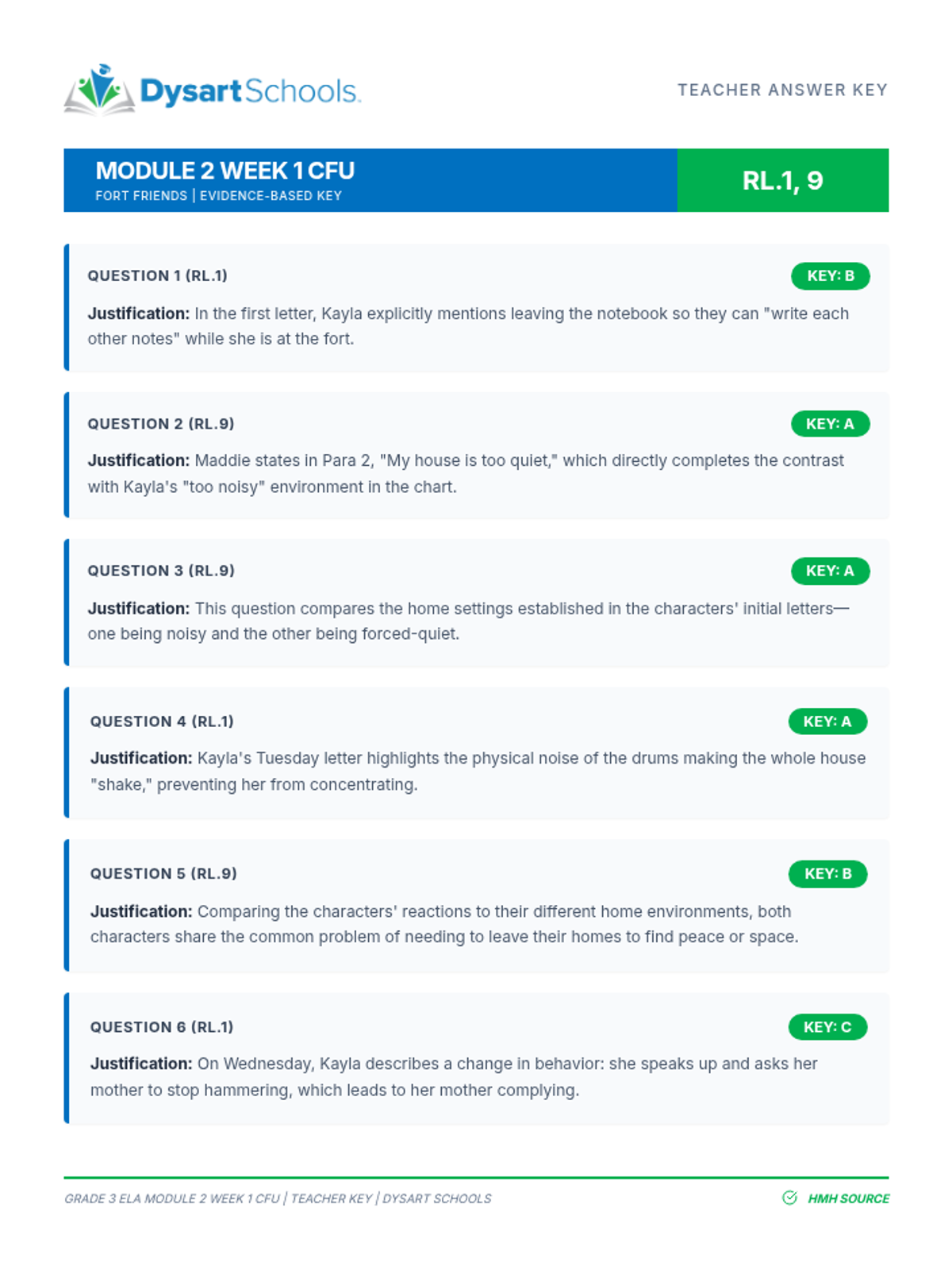
Assessment for 'Fort Friends' focusing on Arizona 3rd grade standards RL.1 and RL.9 through AASA-aligned multiple-choice questions.
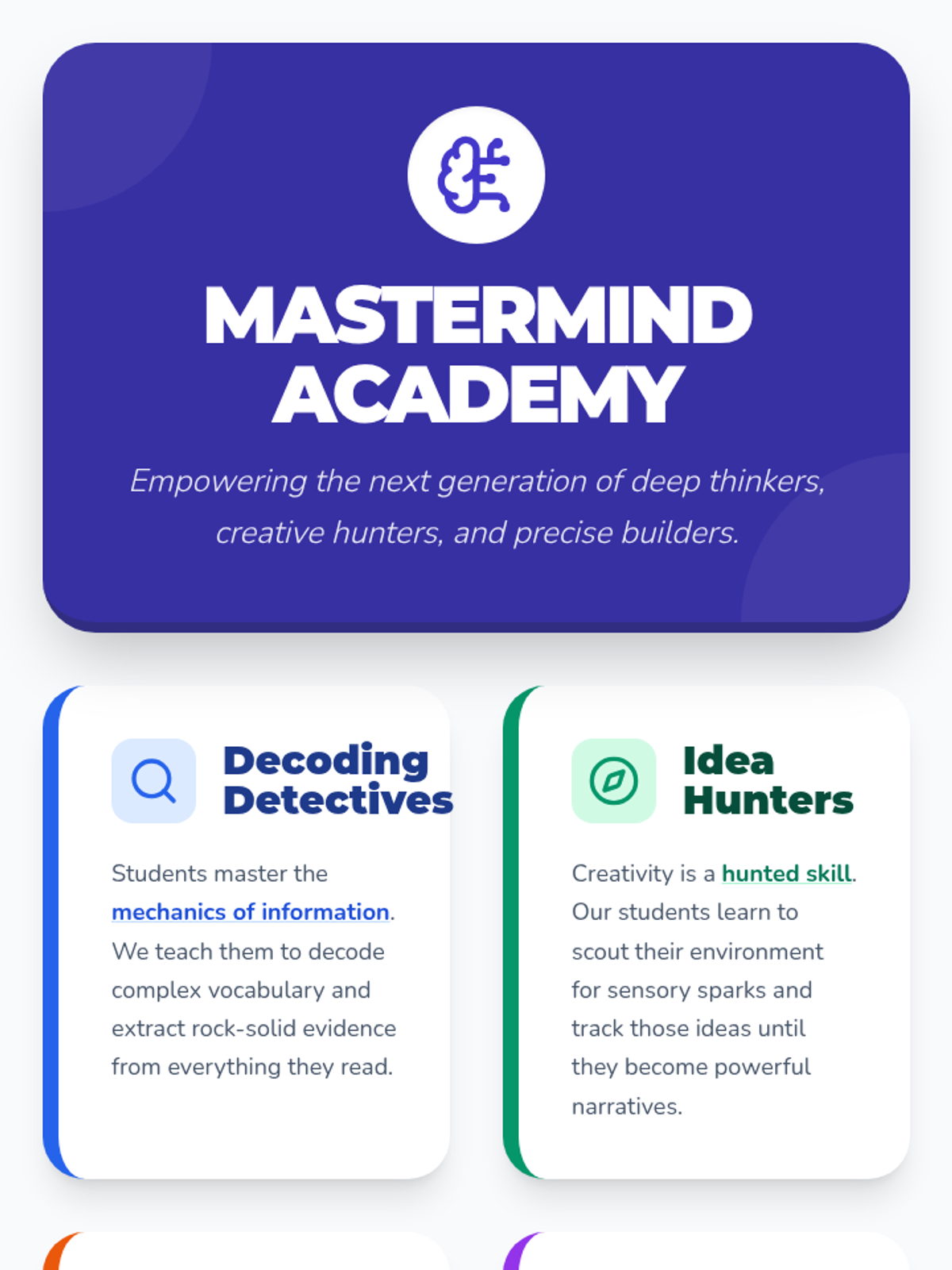
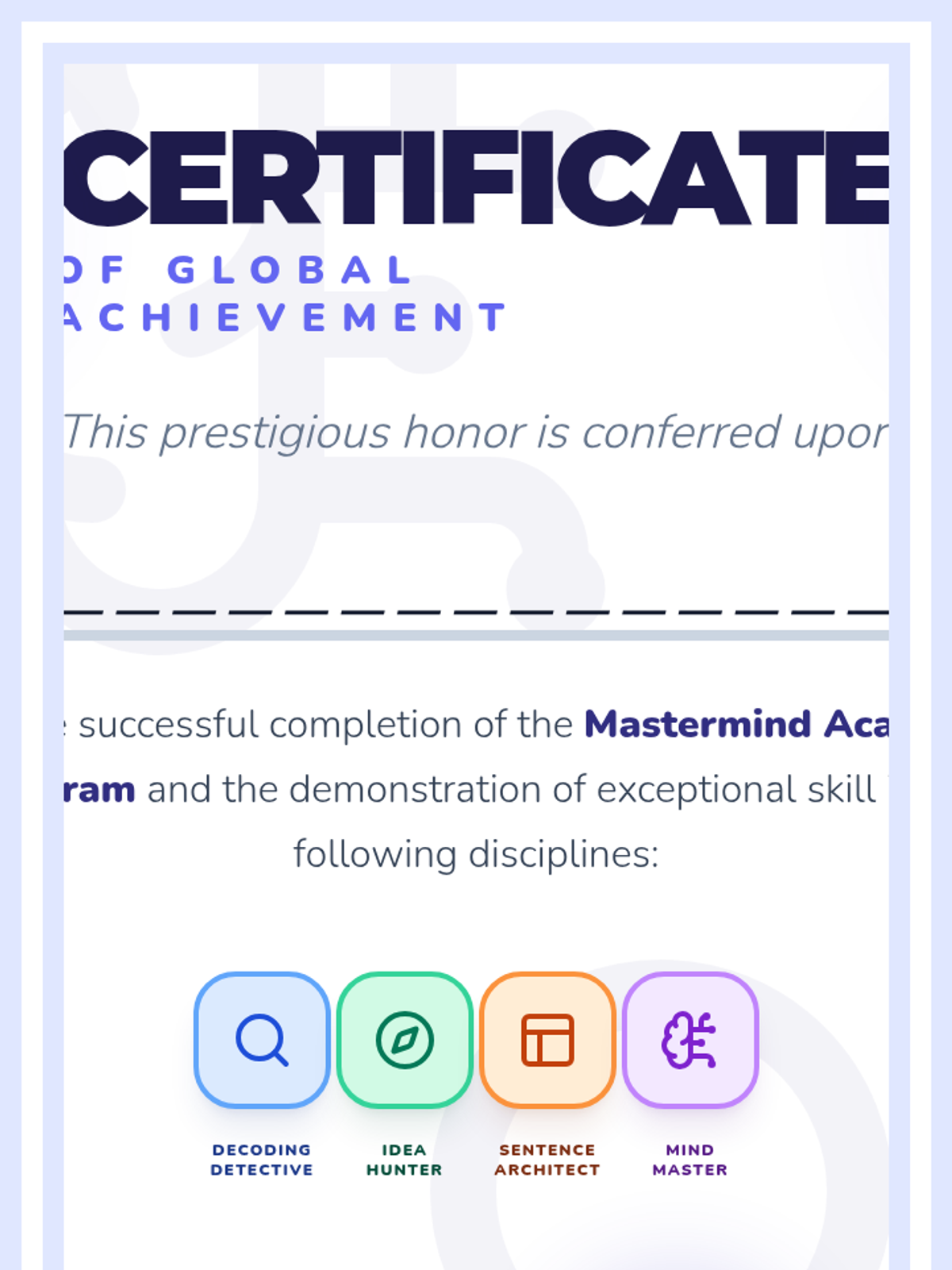
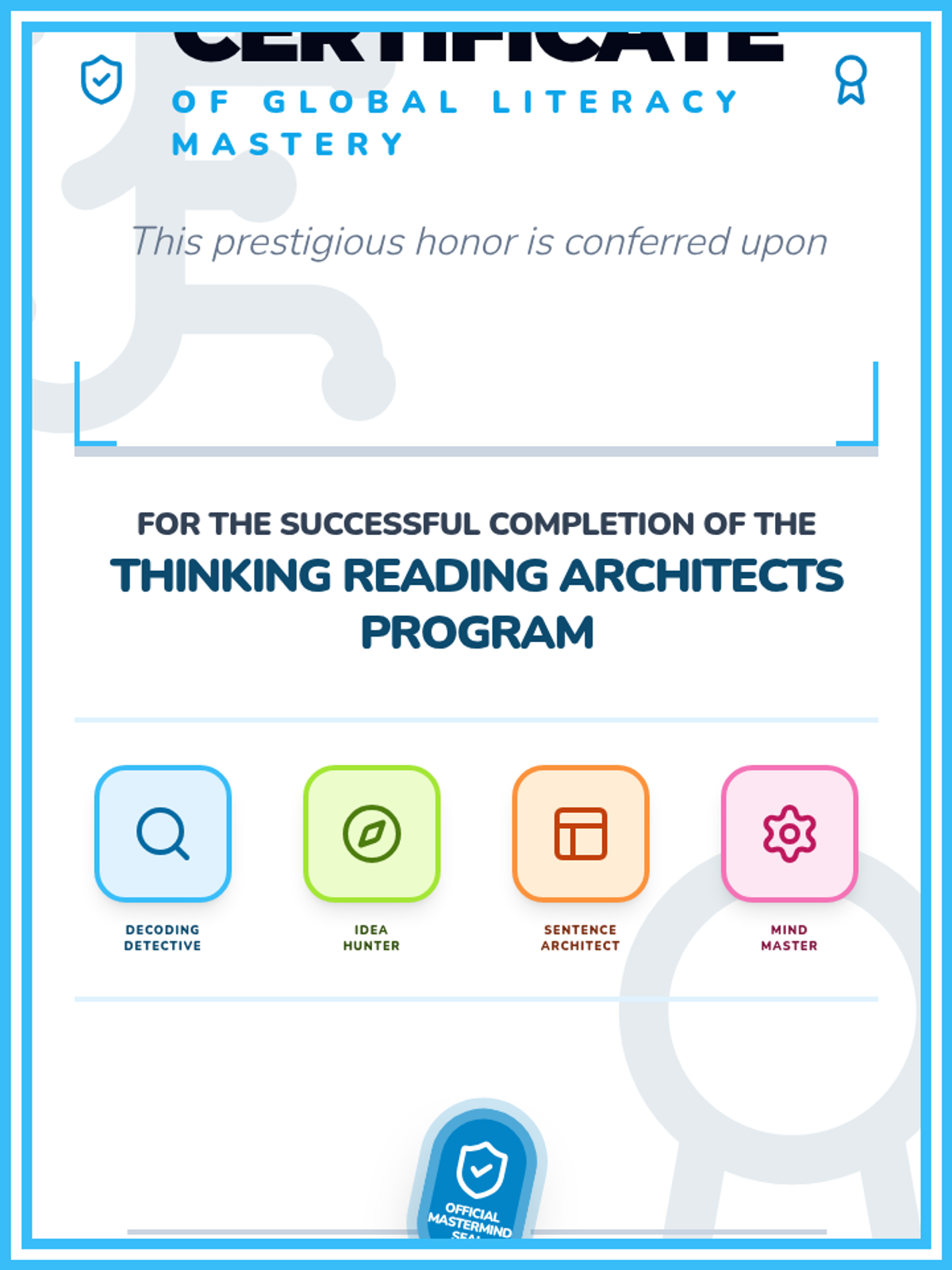
Program-wide materials for the Mastermind Academy, including the parent information brochure and the student graduation certificate.
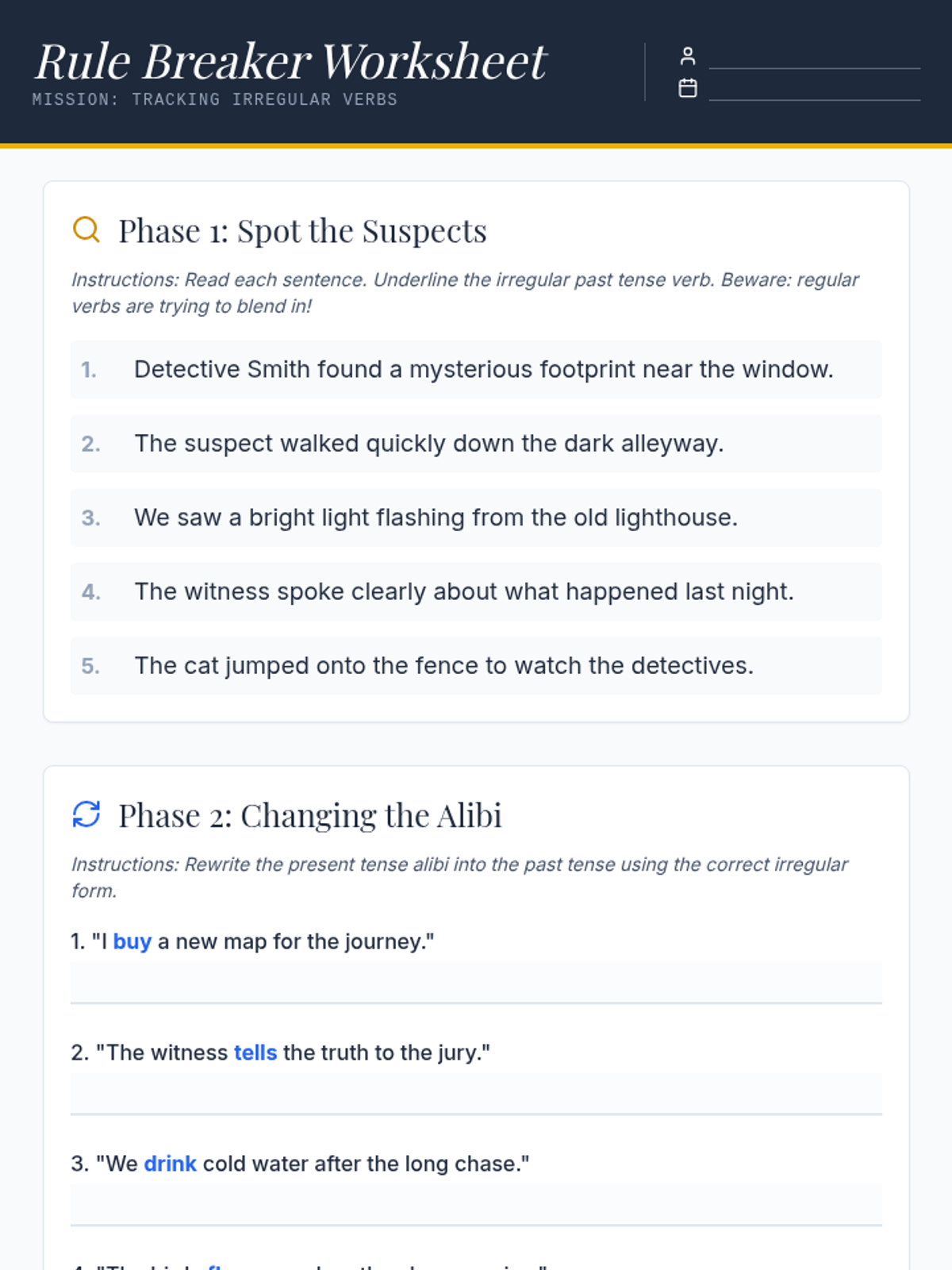
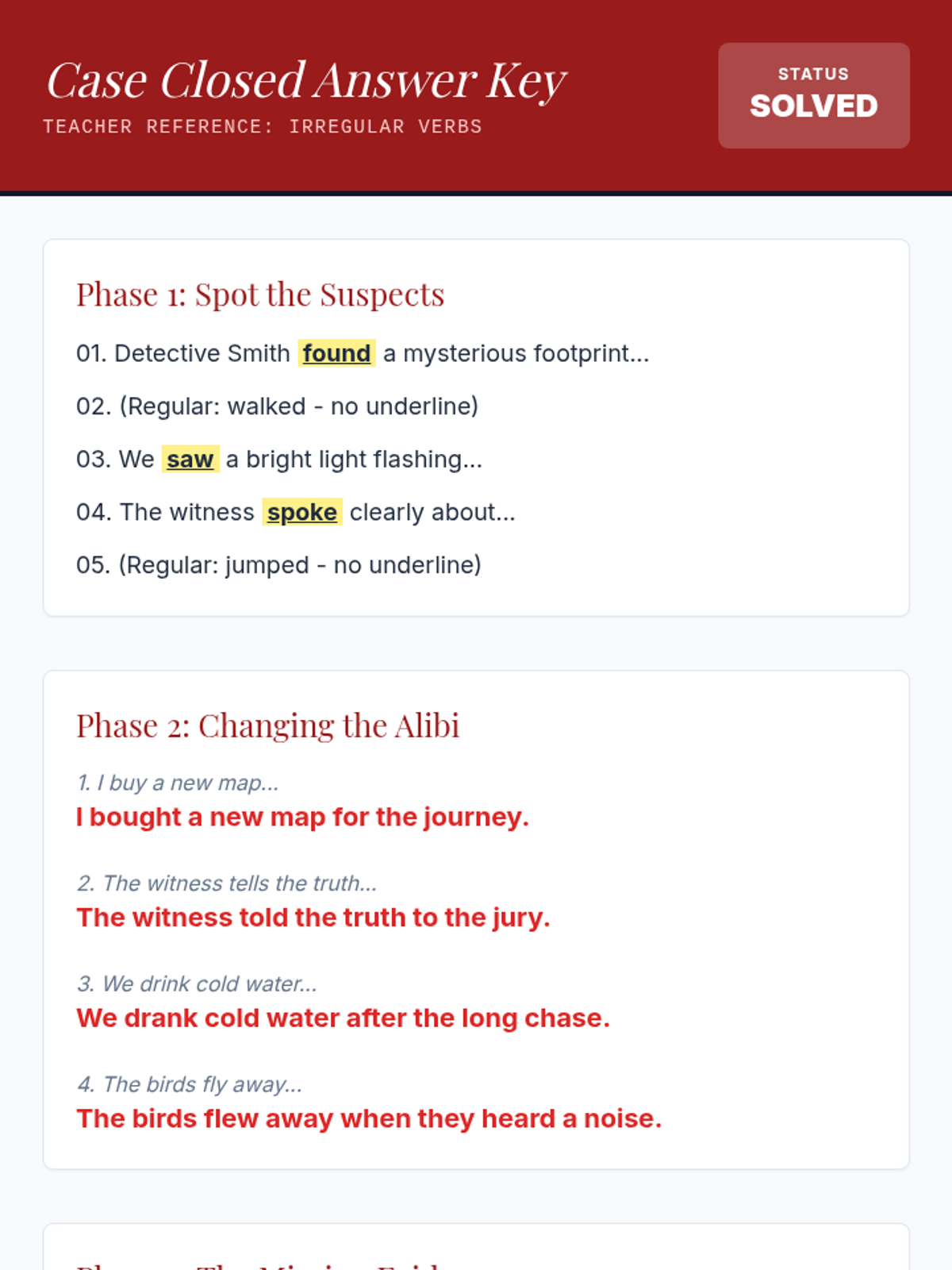
A friendly mystery-themed lesson where second graders become 'Verb Detectives' to find and fix common irregular past tense verbs like 'went', 'saw', and 'ate'.
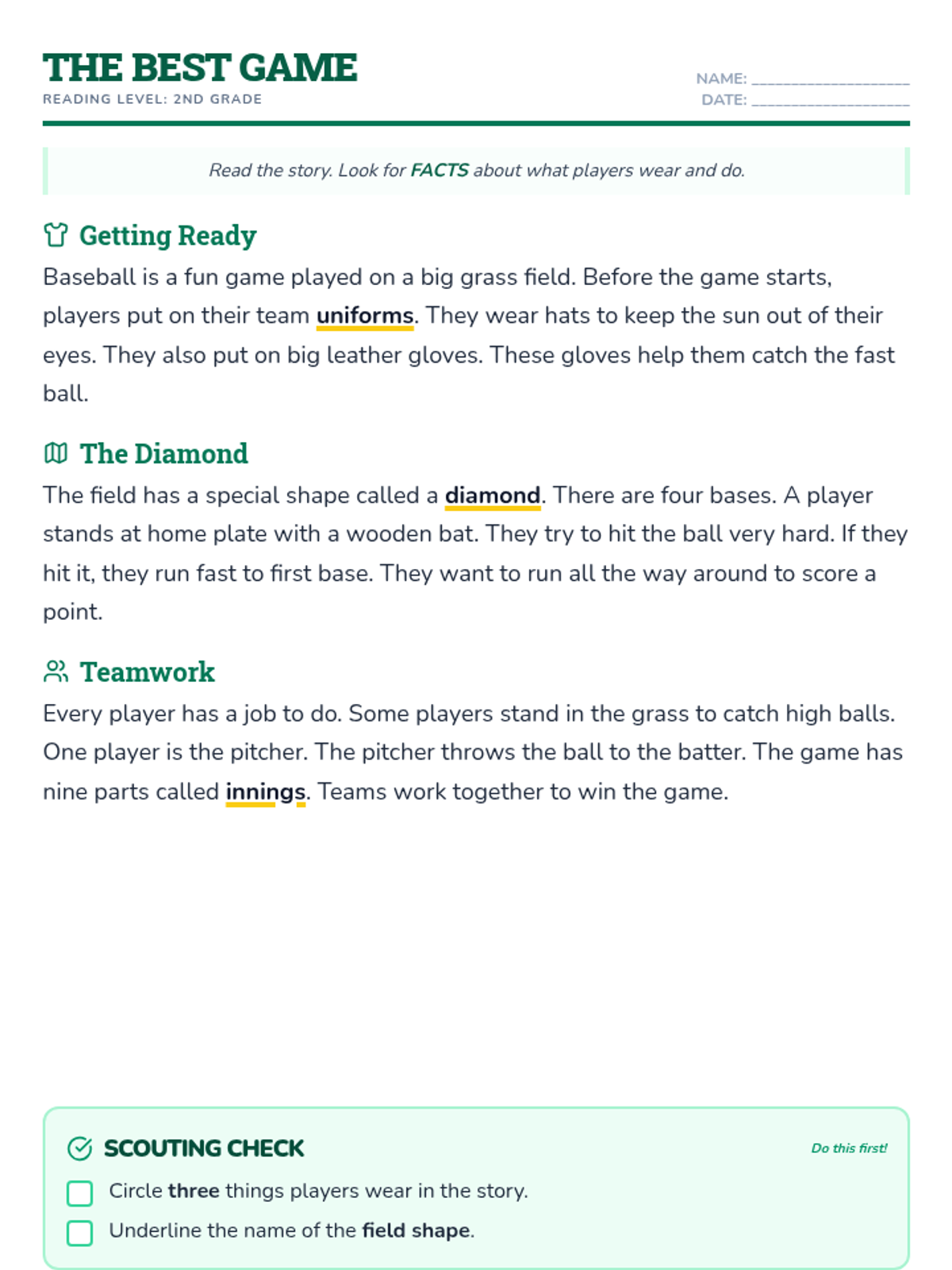
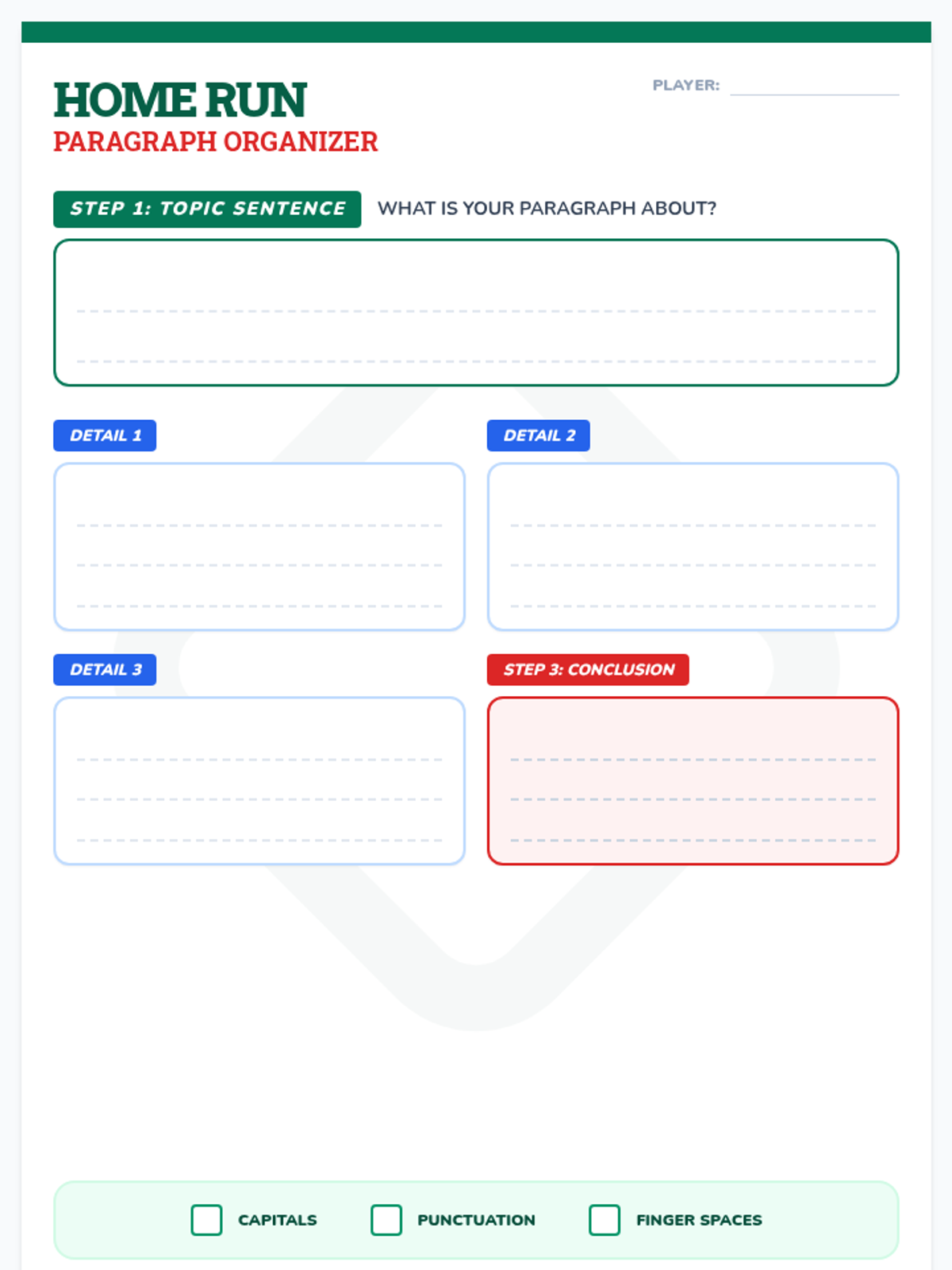
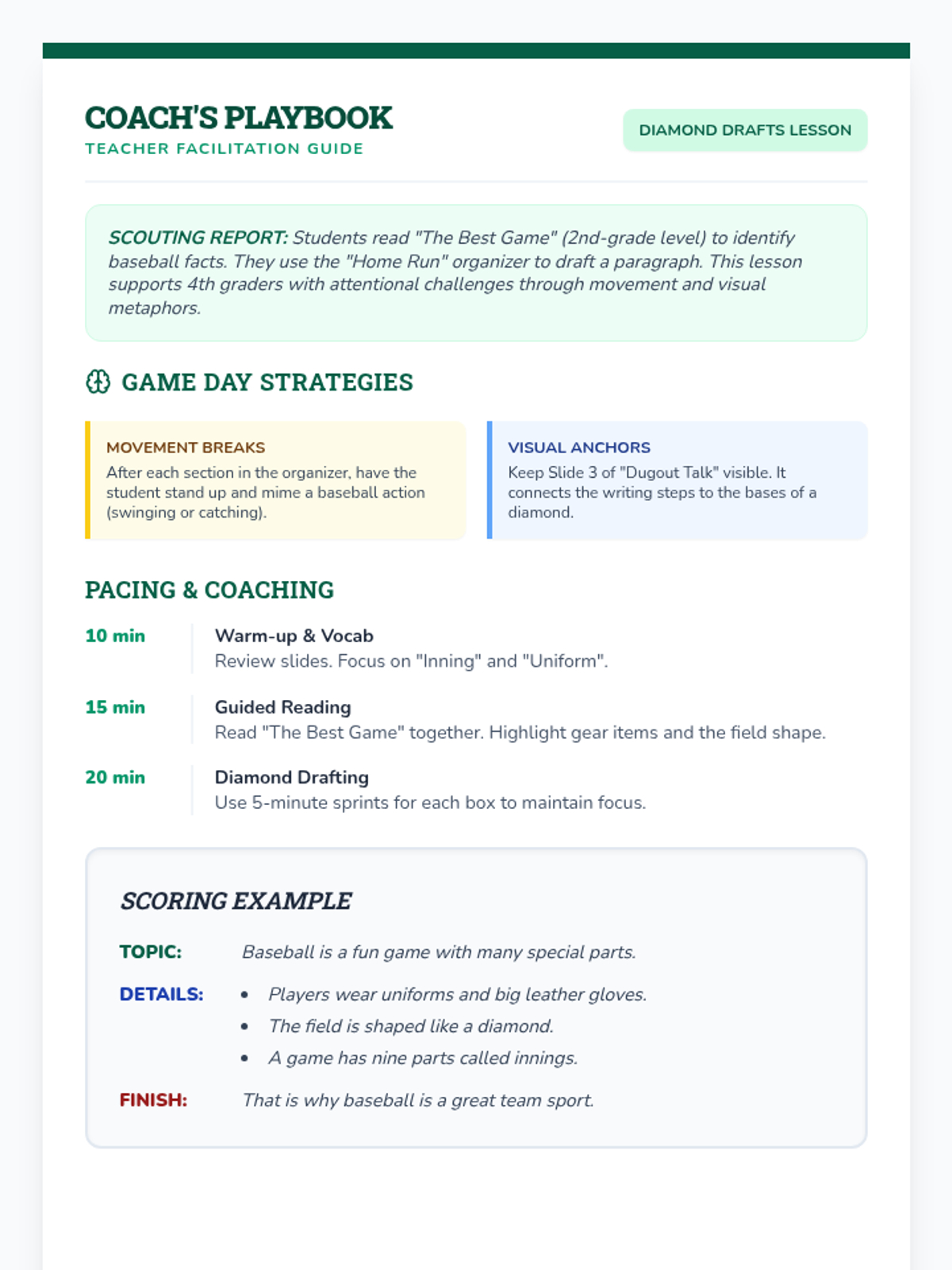
A baseball-themed reading and writing lesson designed for a 4th grader reading at a 2nd-grade level. The lesson focuses on identifying key details and organizing a paragraph using a topic sentence, three details, and a conclusion.
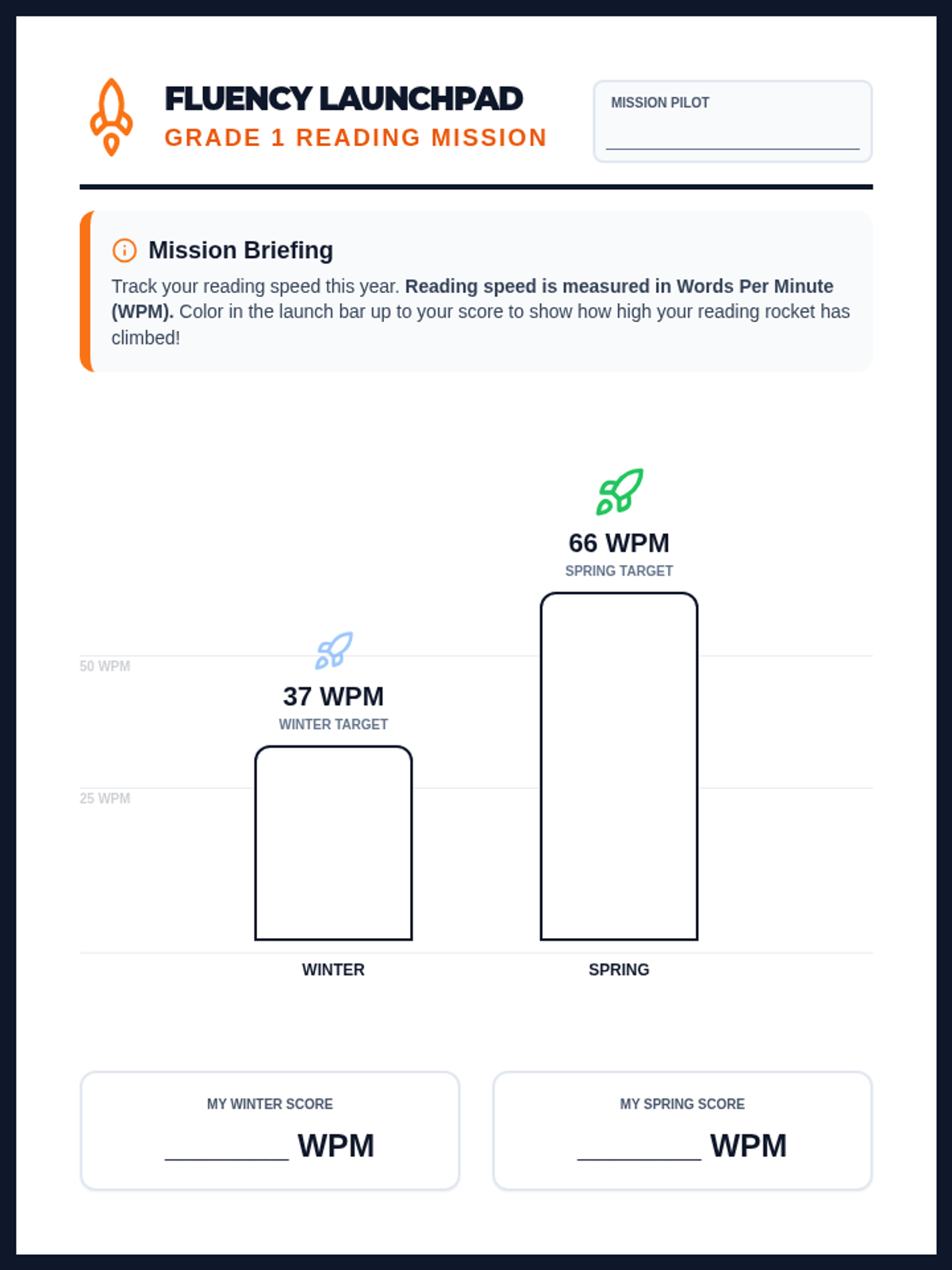
A collection of visual goal-tracking dashboards for grades 1-5, using a rocket launch theme to help students visualize their reading fluency targets for the year.
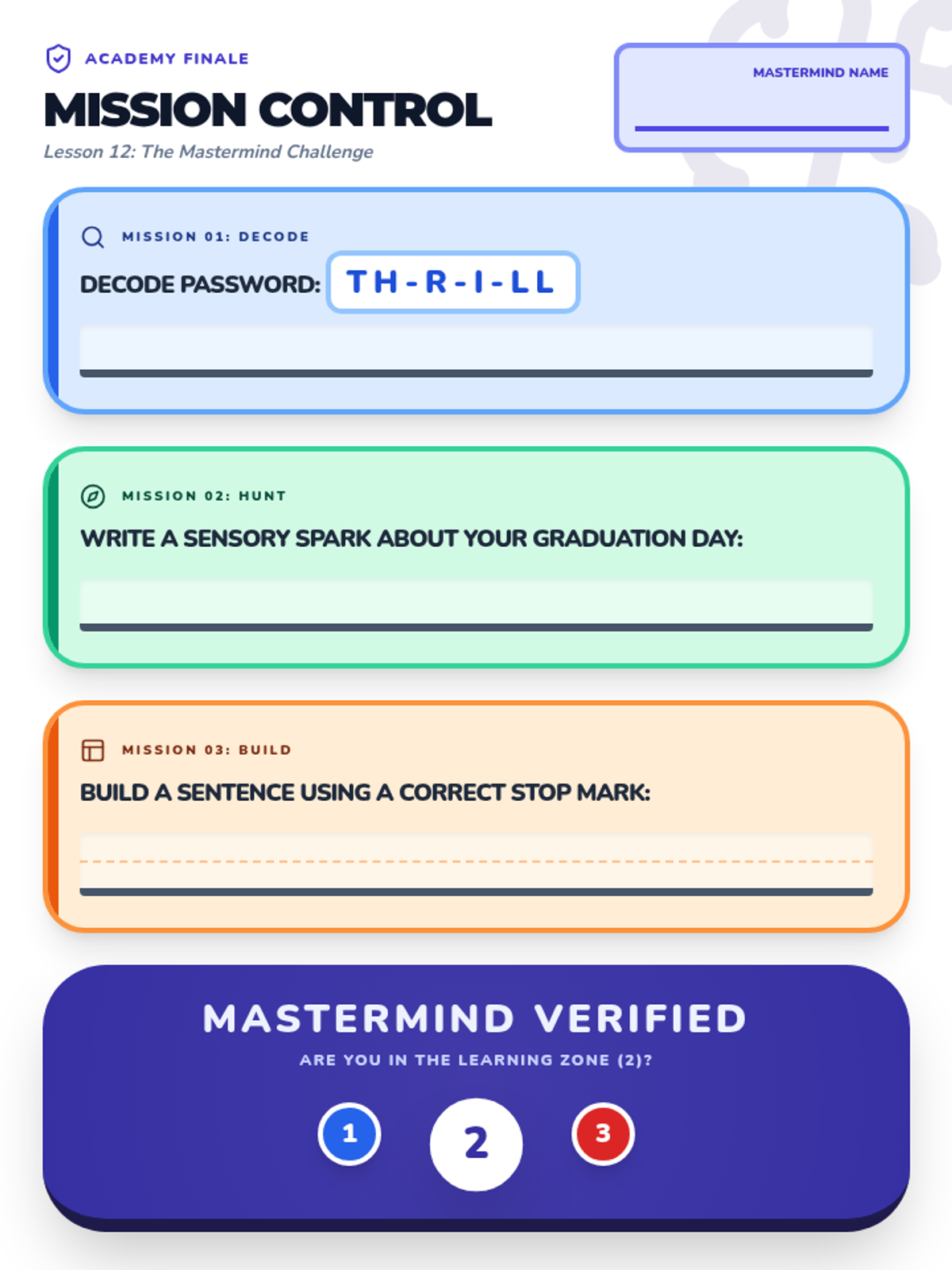
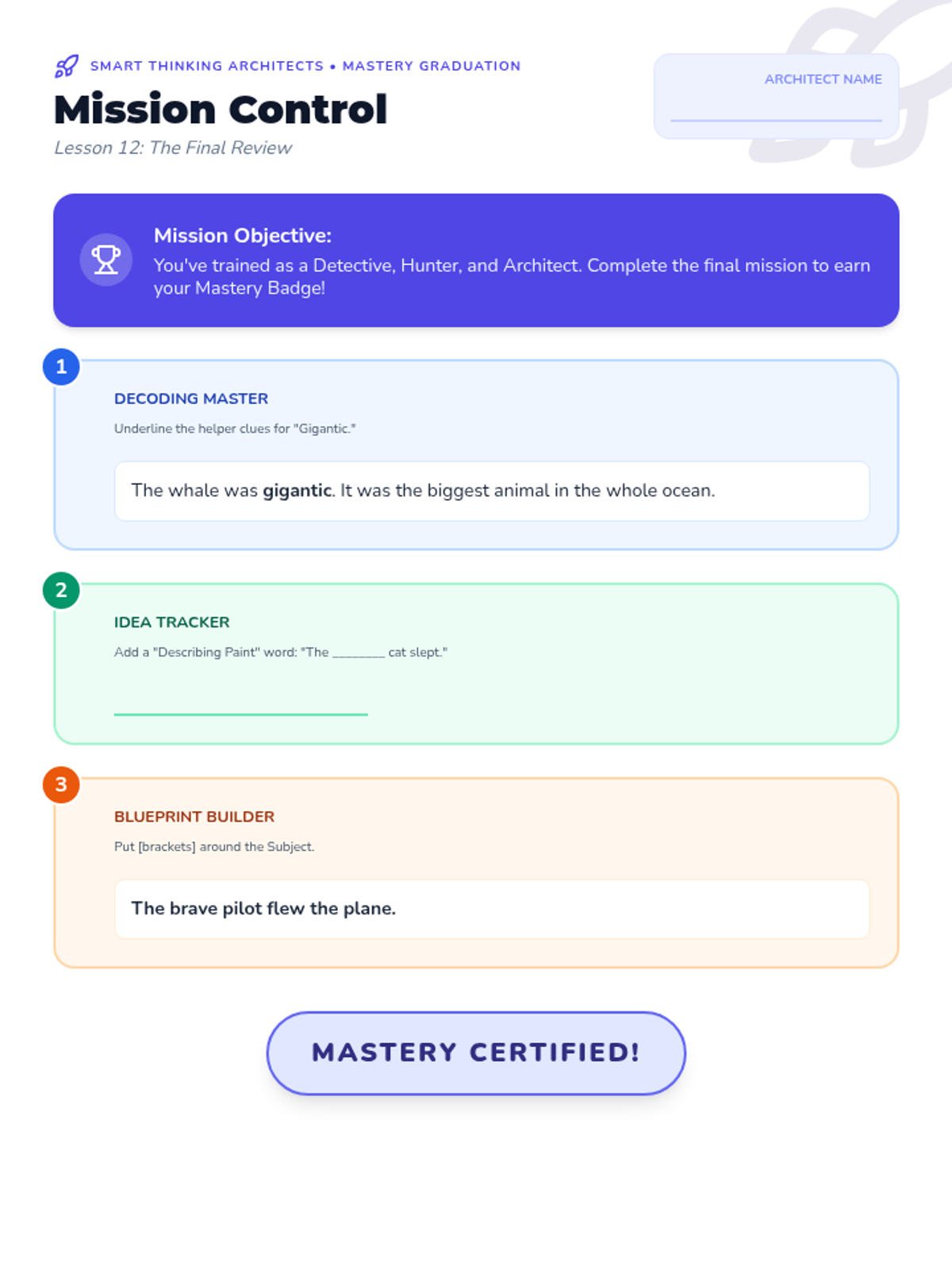
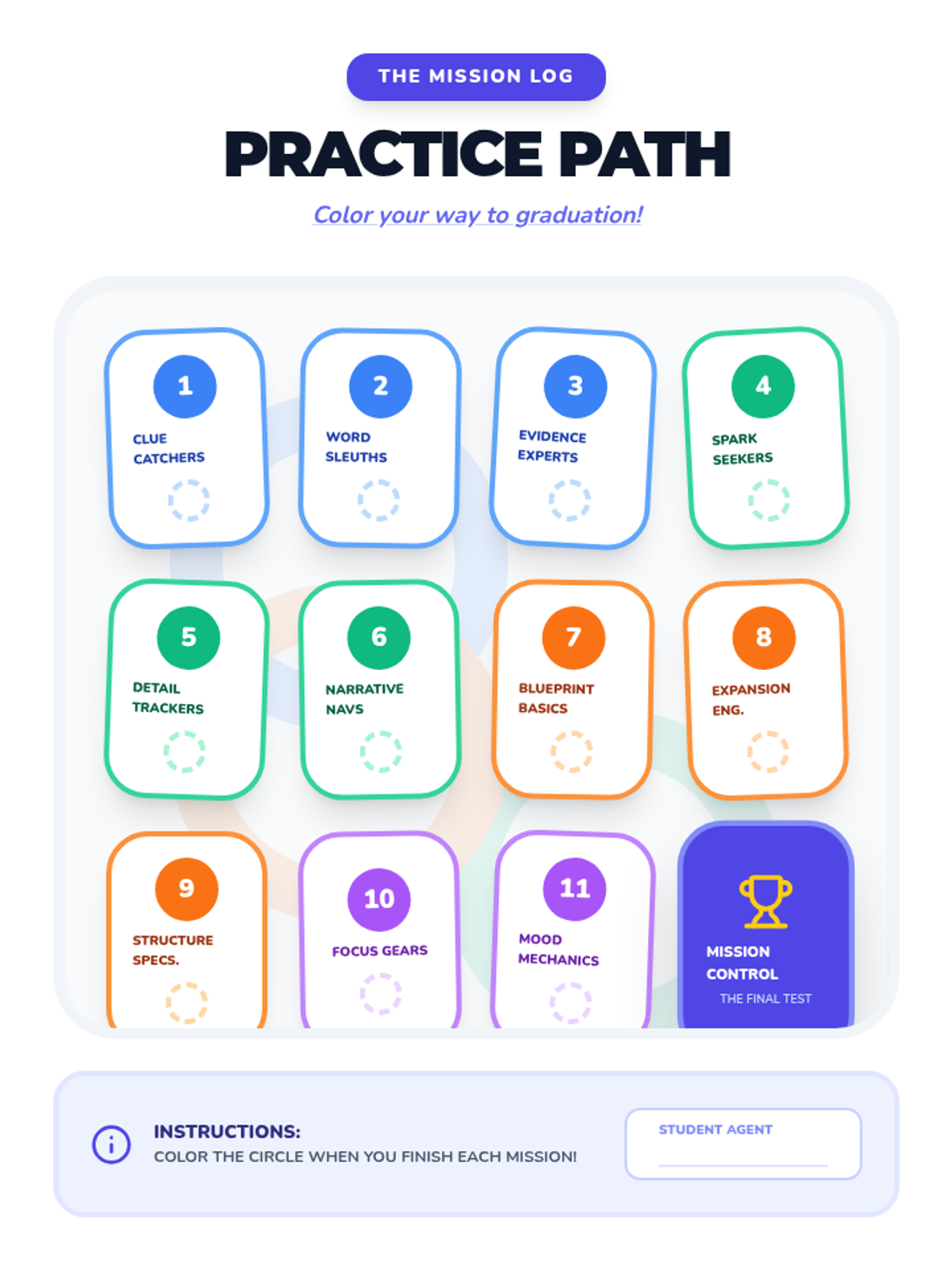
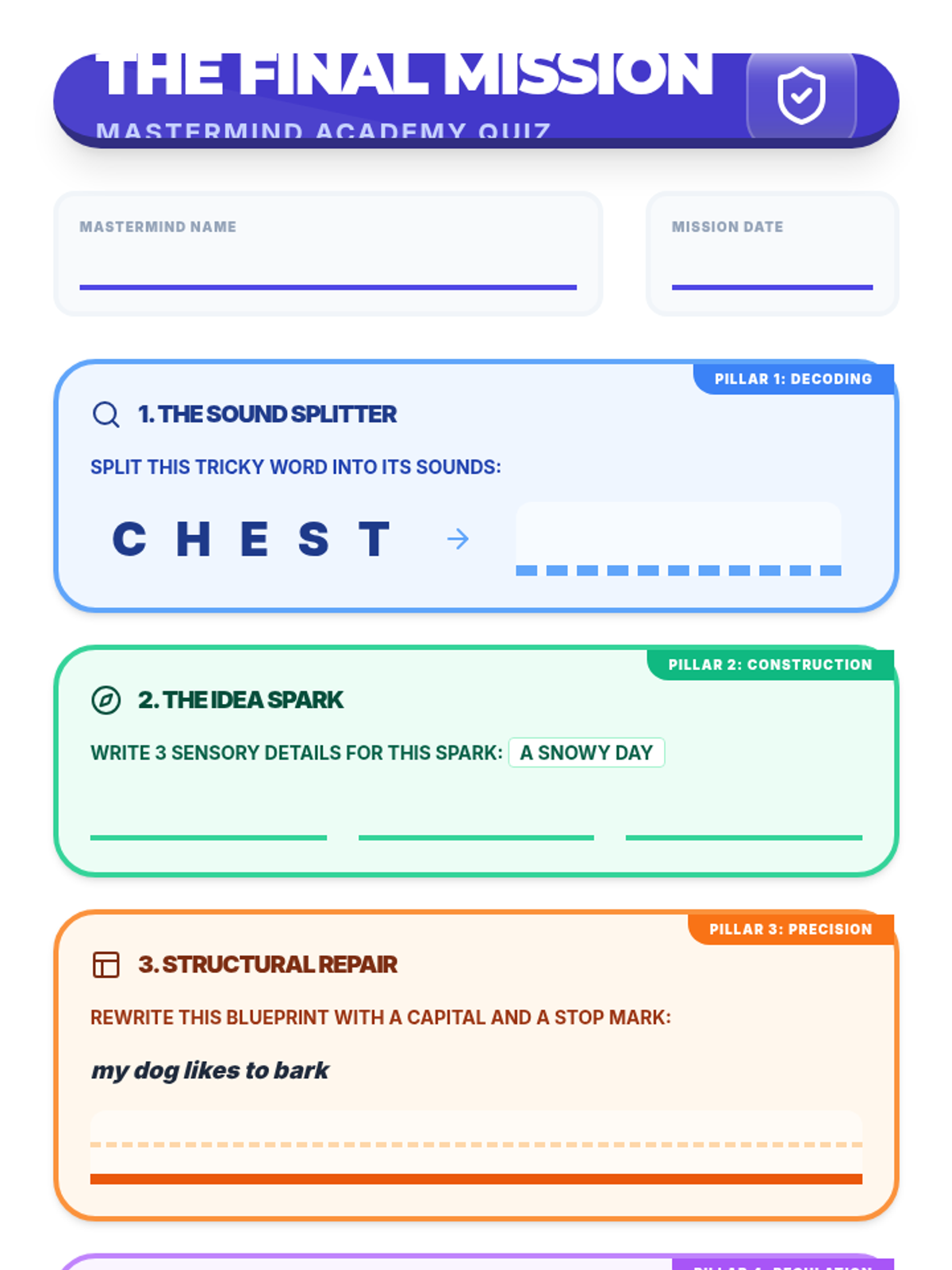
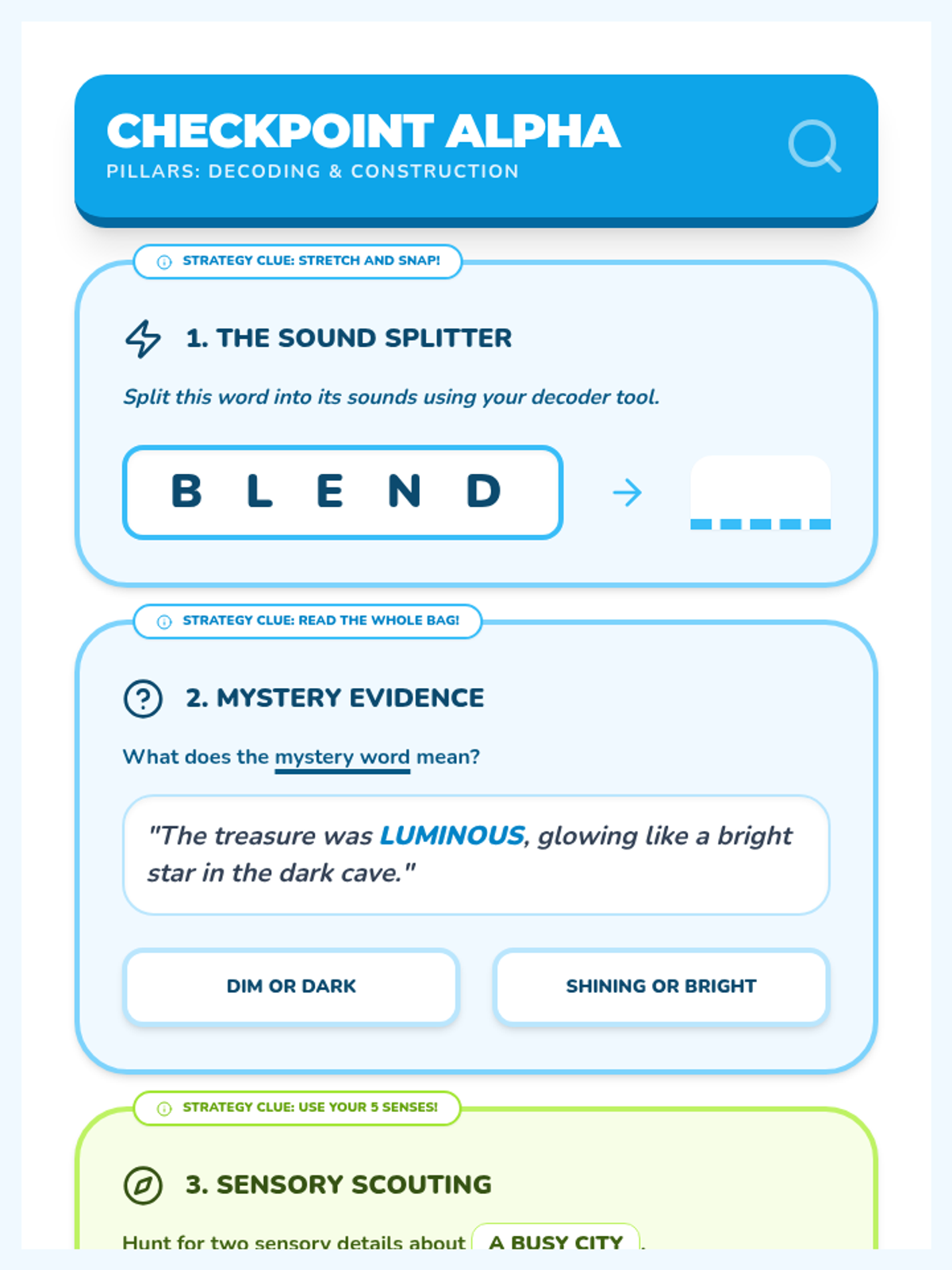
A final review and celebration of the skills learned throughout the Mastermind Academy program.
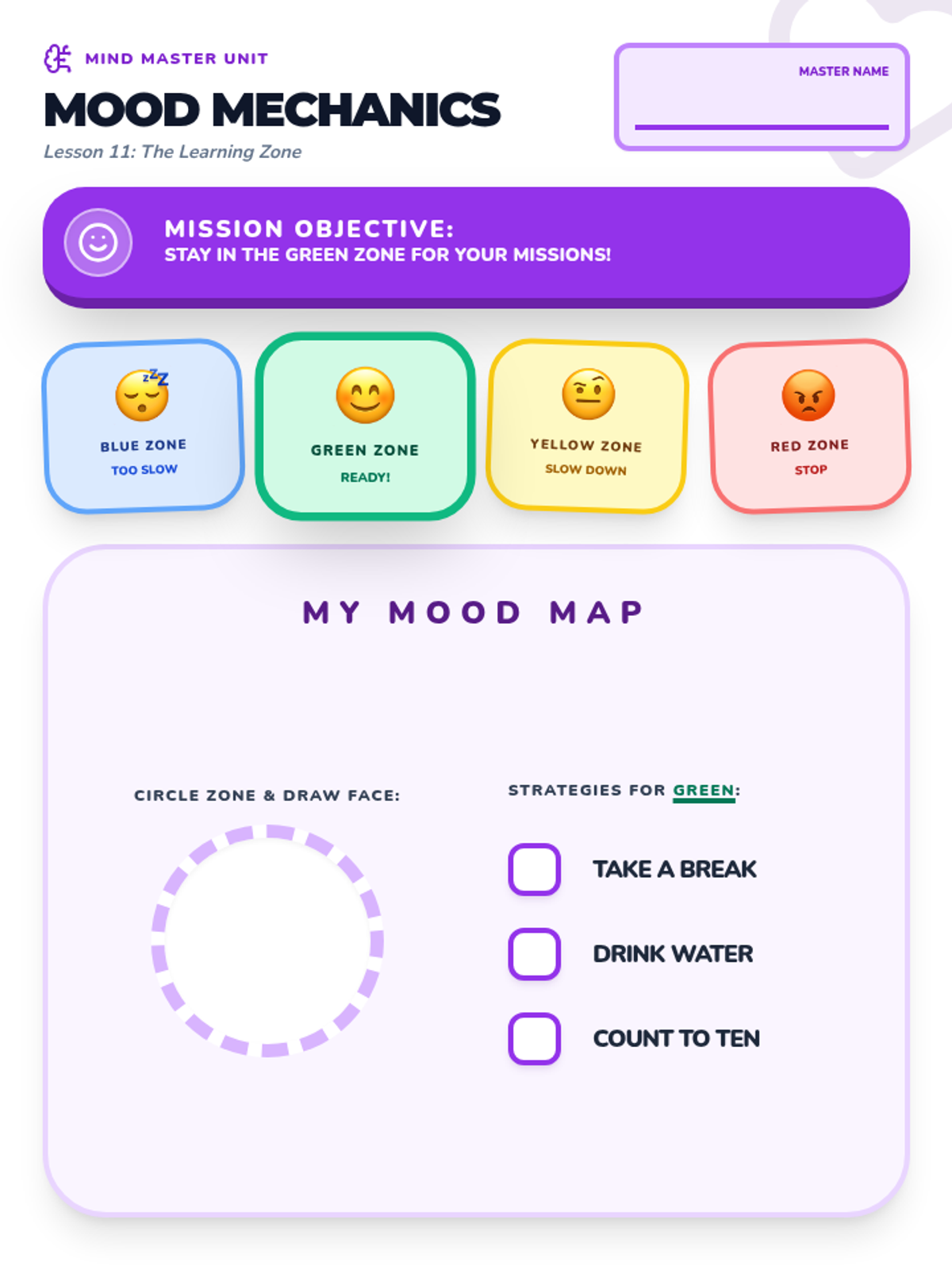
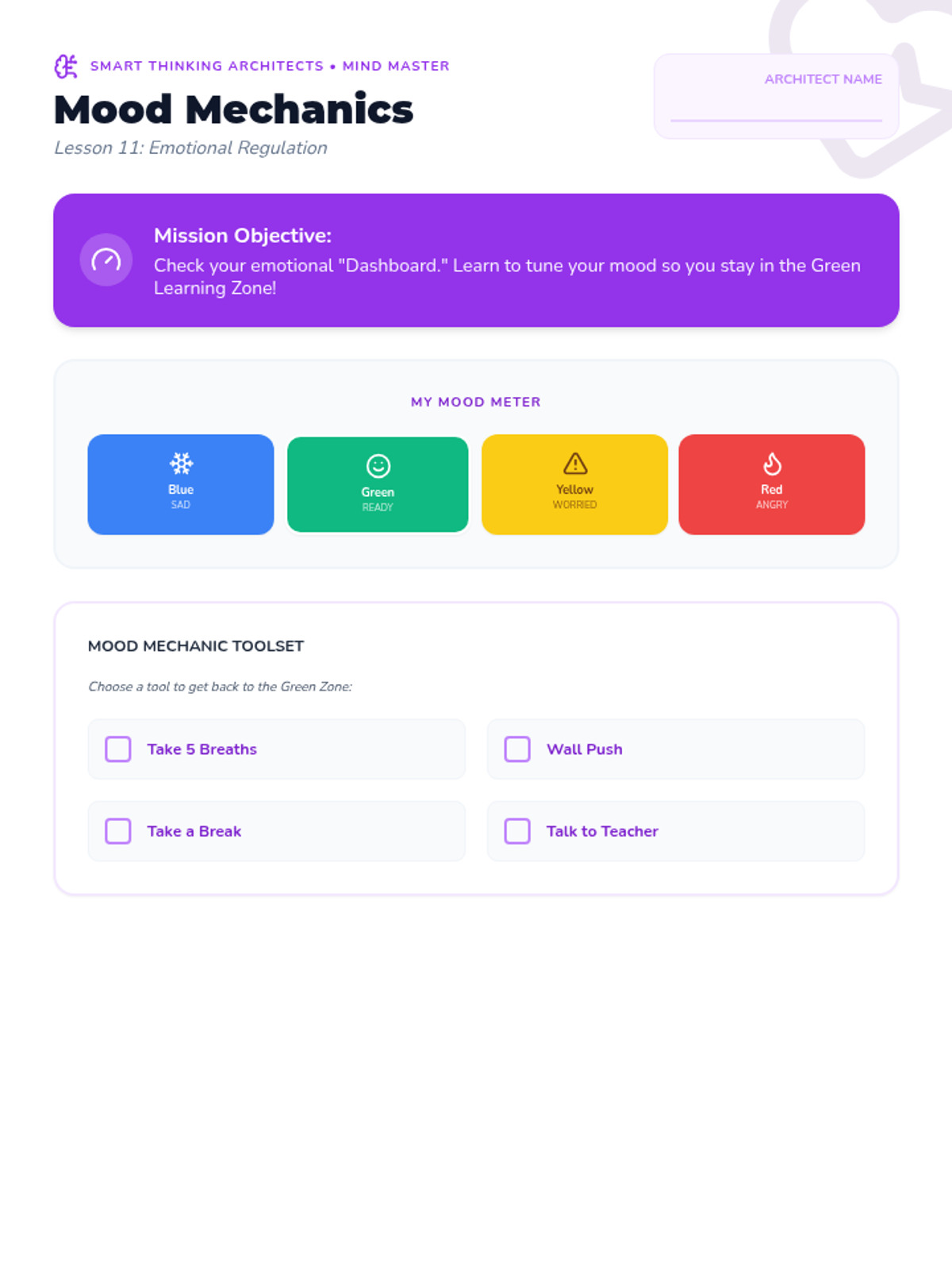
Students learn to identify and regulate their emotions to stay in the "learning zone."
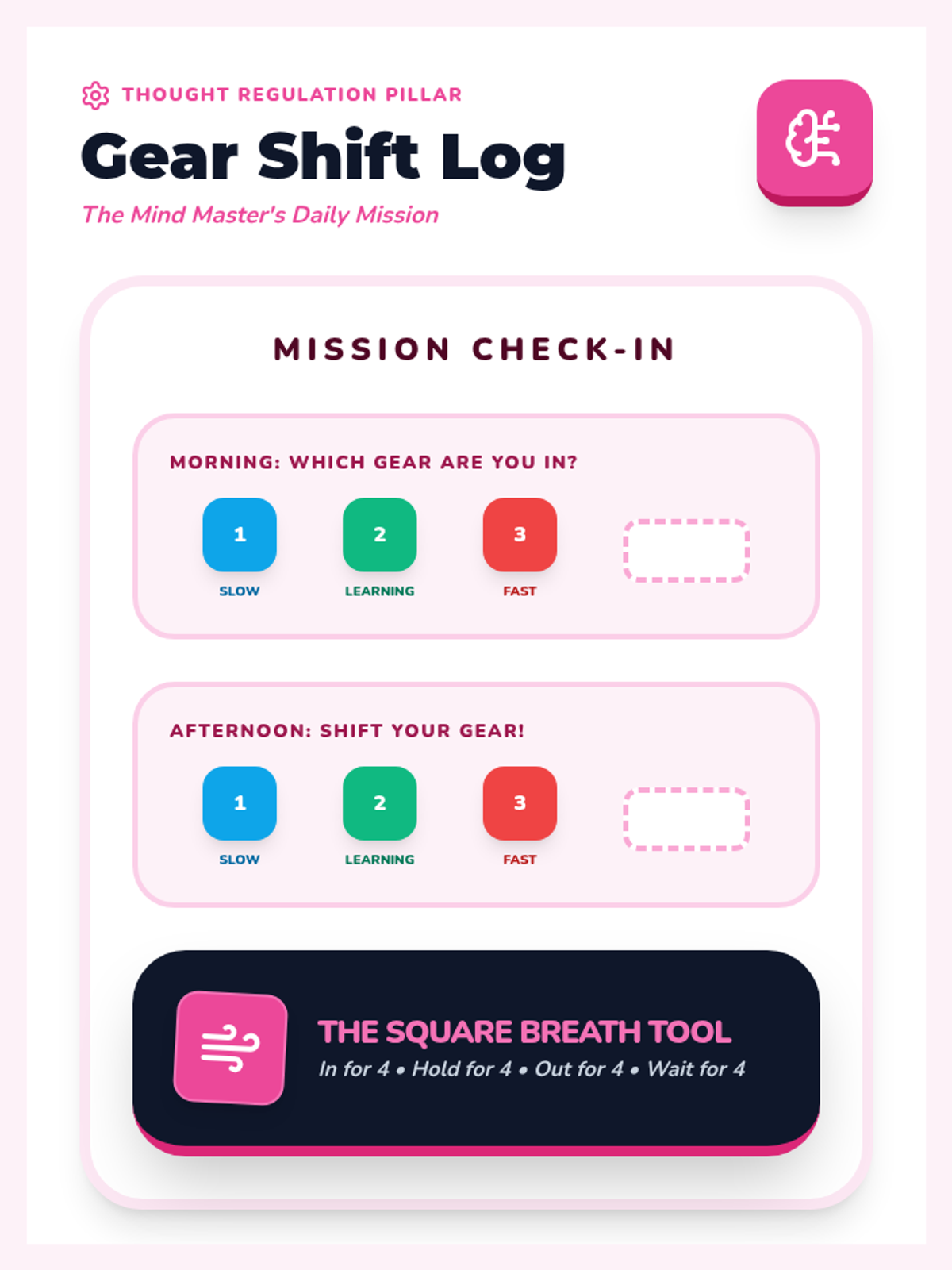
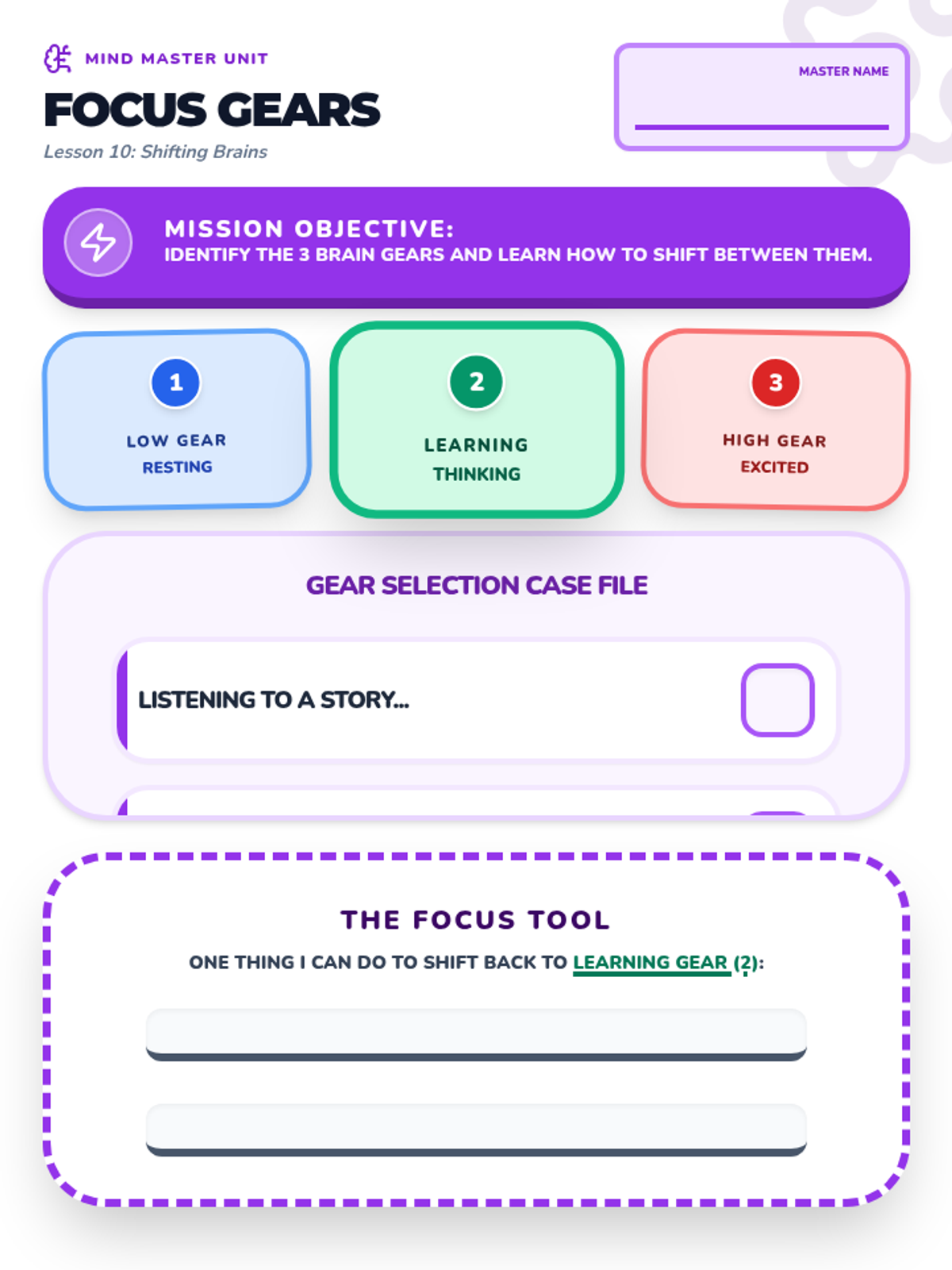
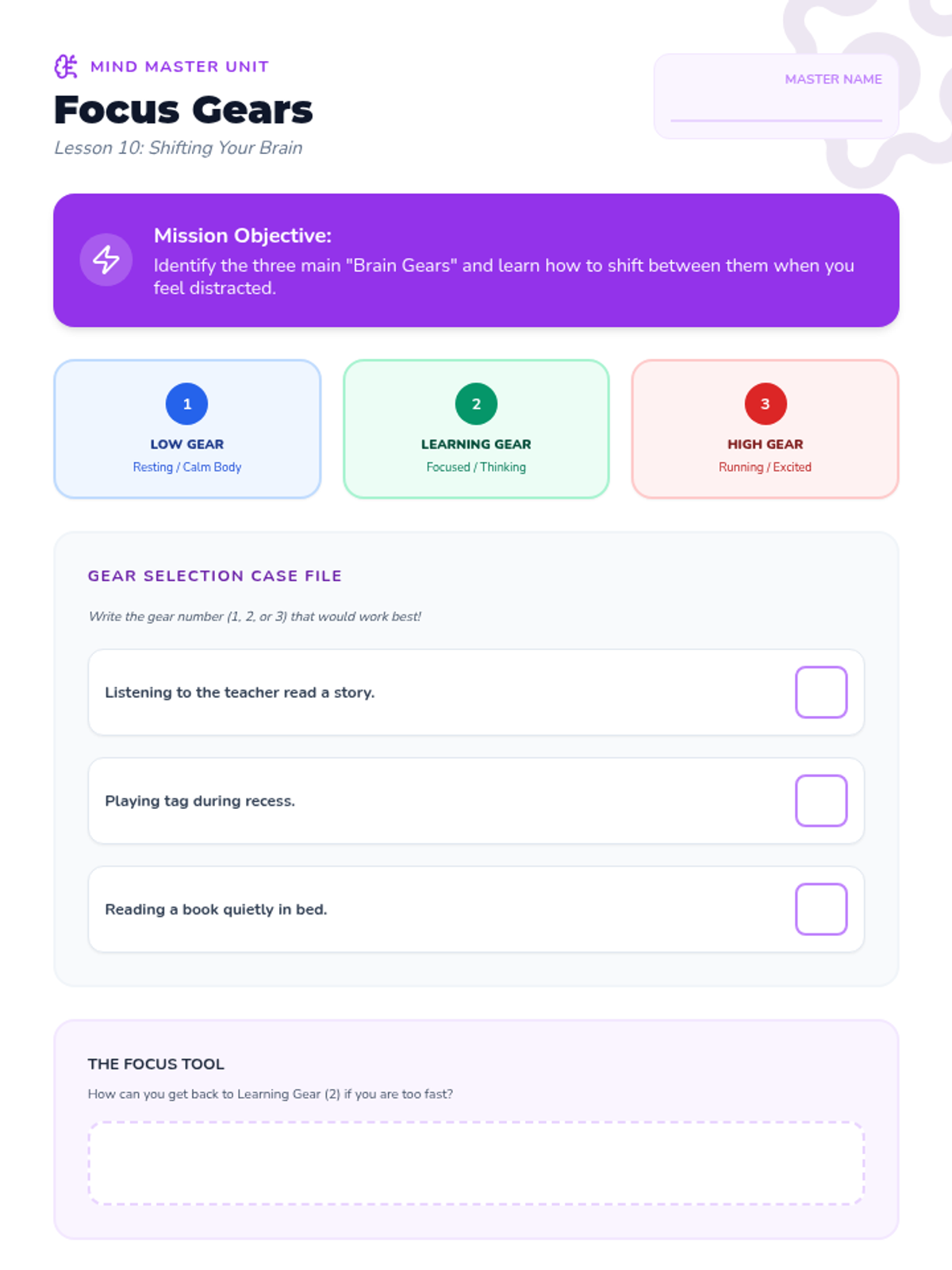
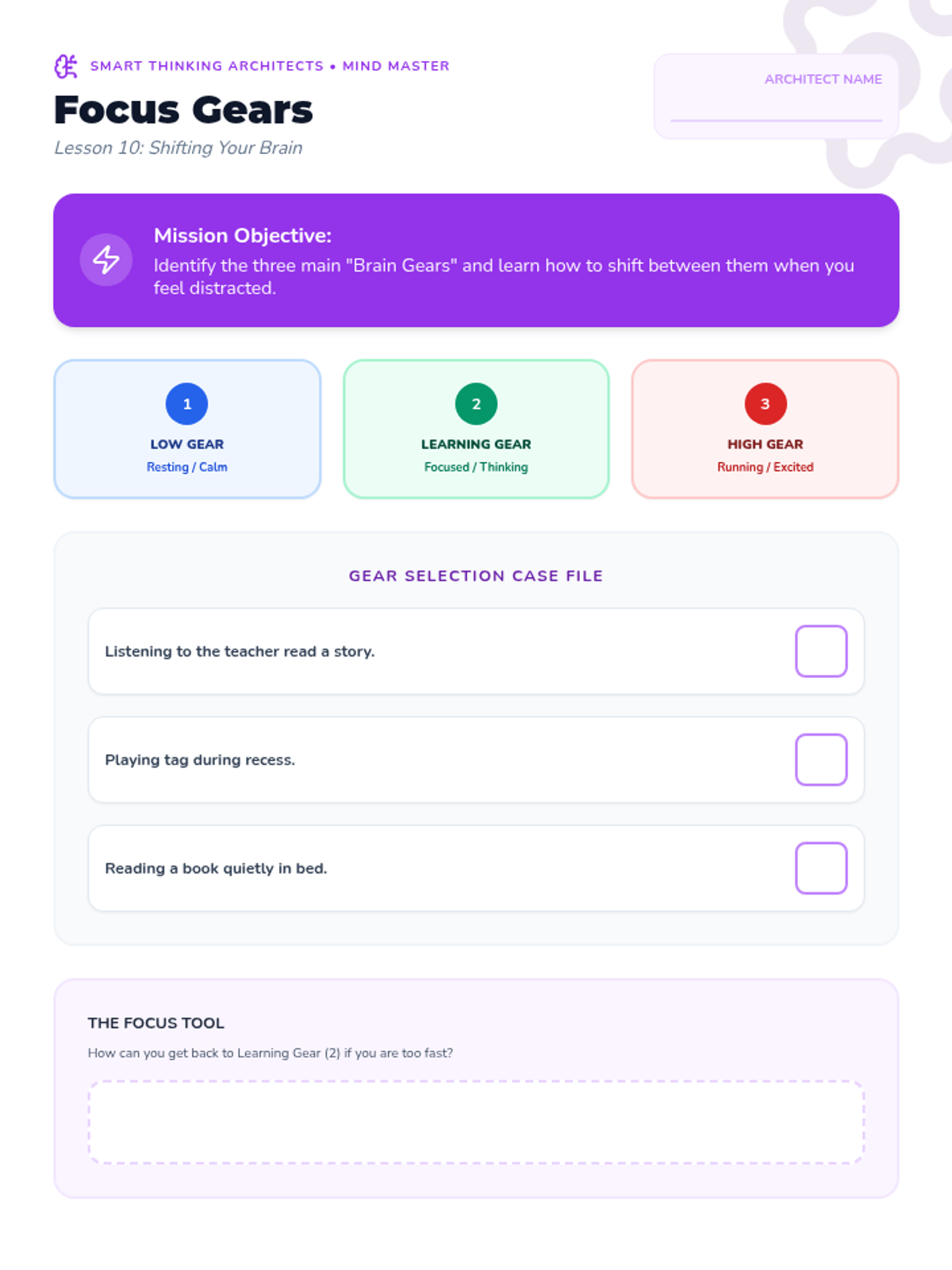
Mind masters learn to switch their "brain gears" to focus on the task at hand and ignore distractions.