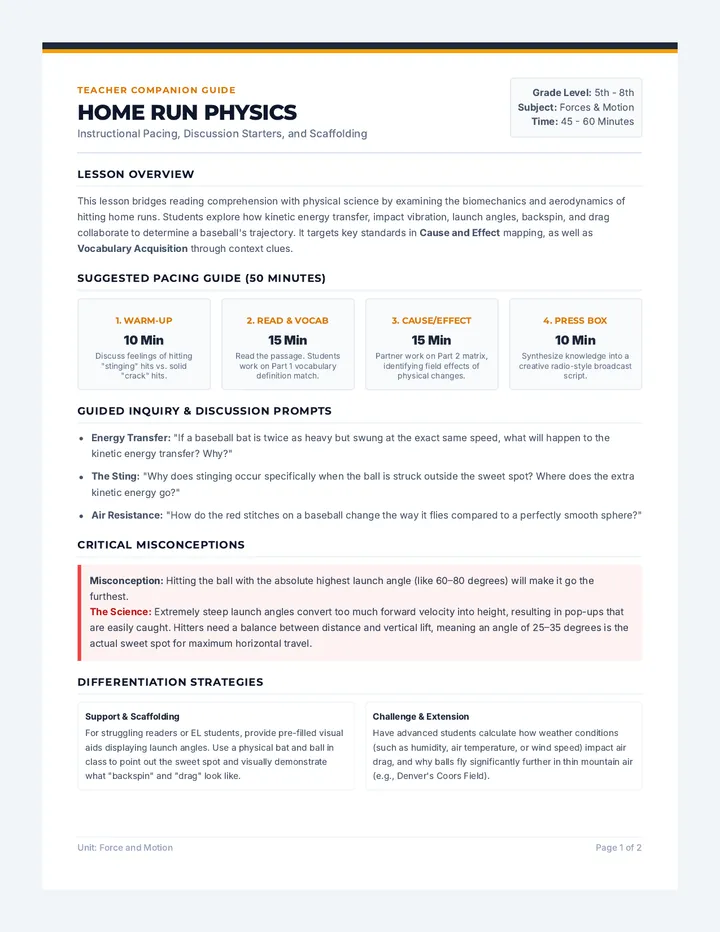
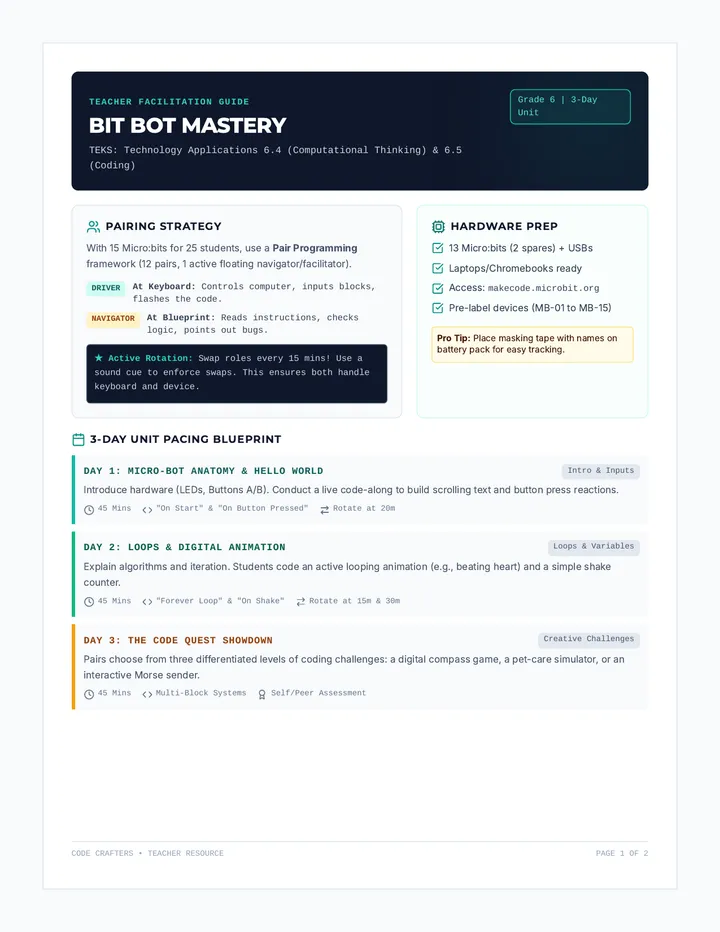
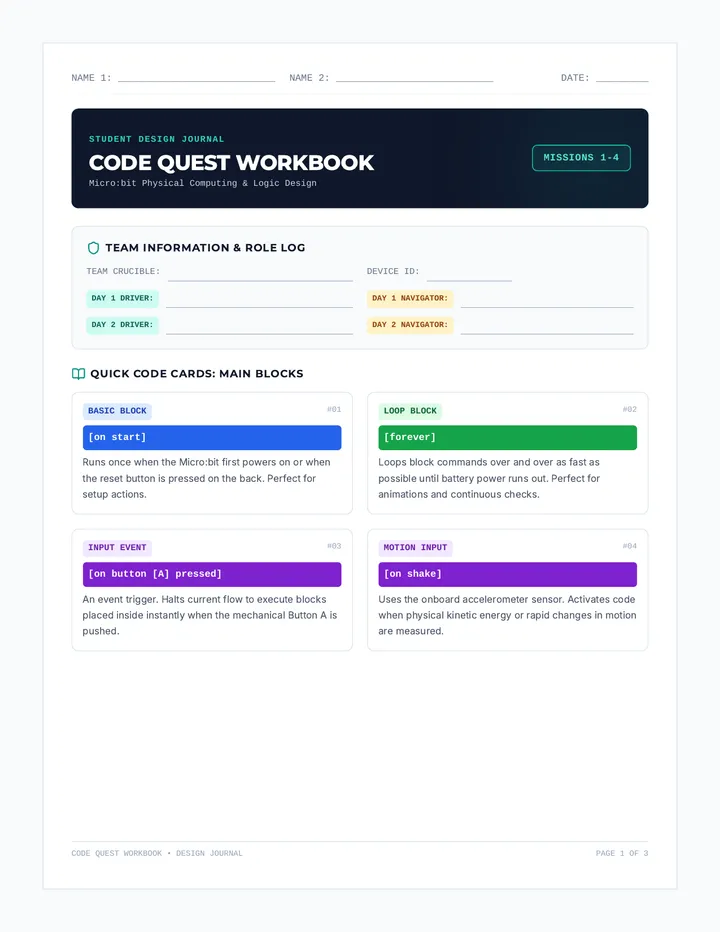
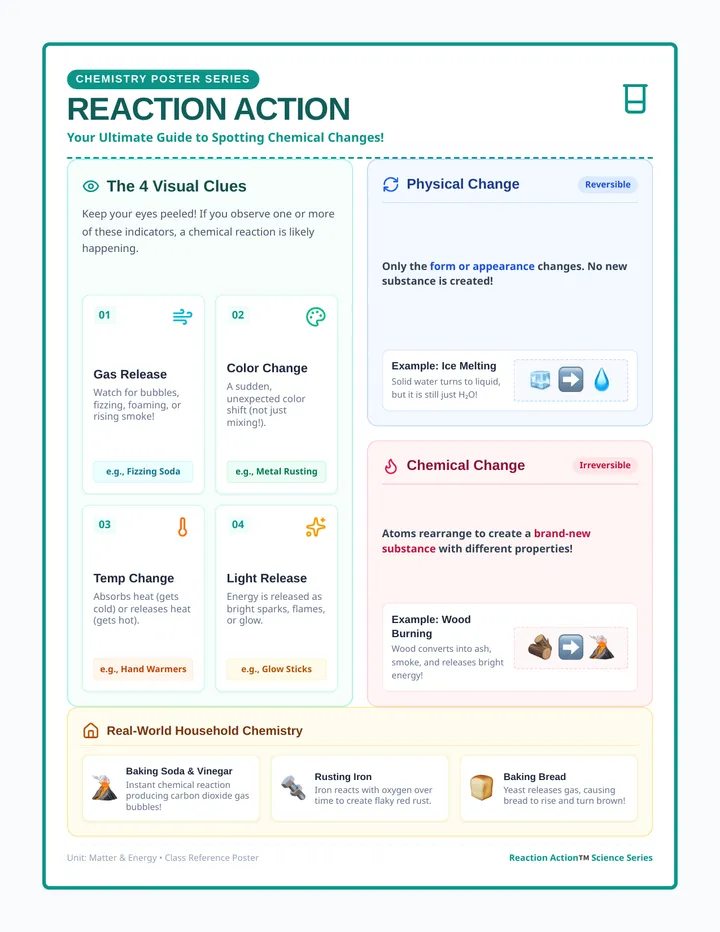
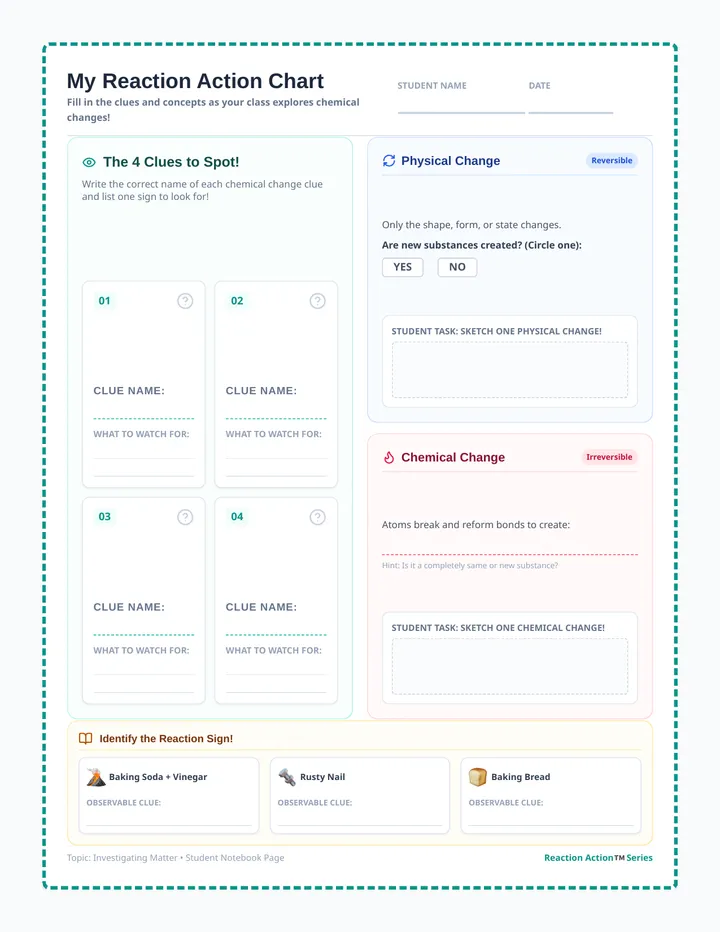
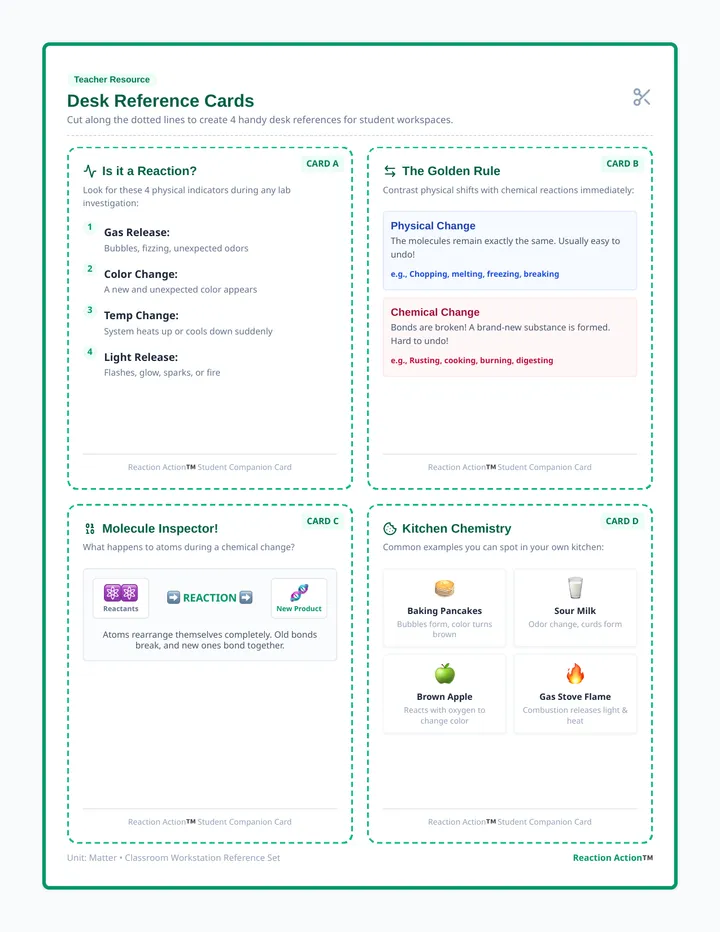
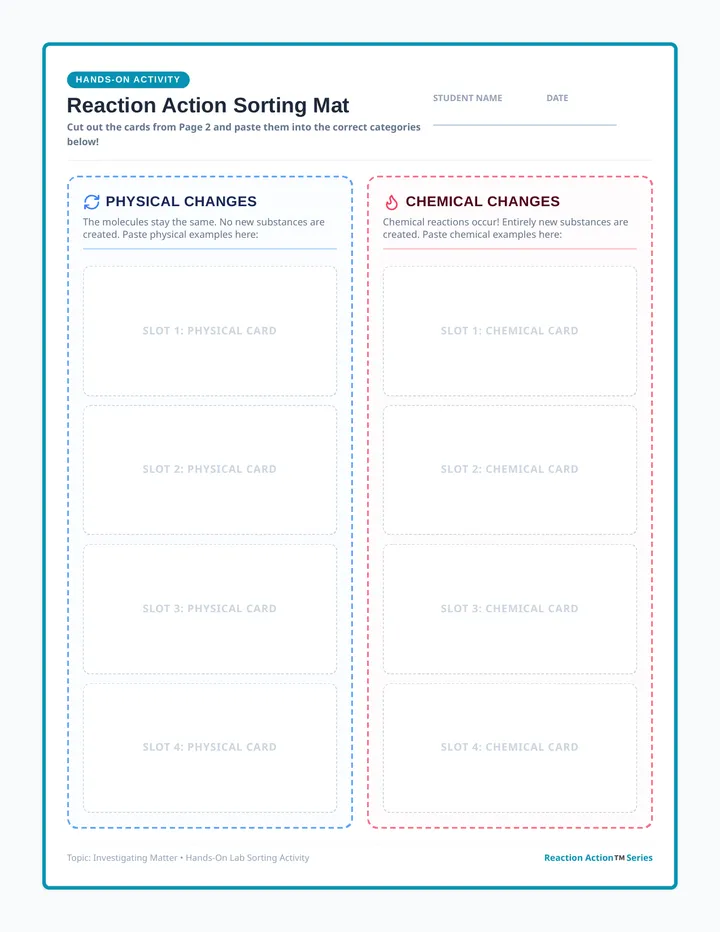
A comprehensive lesson on physical and chemical changes where students act as science detectives to identify how matter transforms. Includes hands-on lab investigations and visual evidence of chemical reactions.
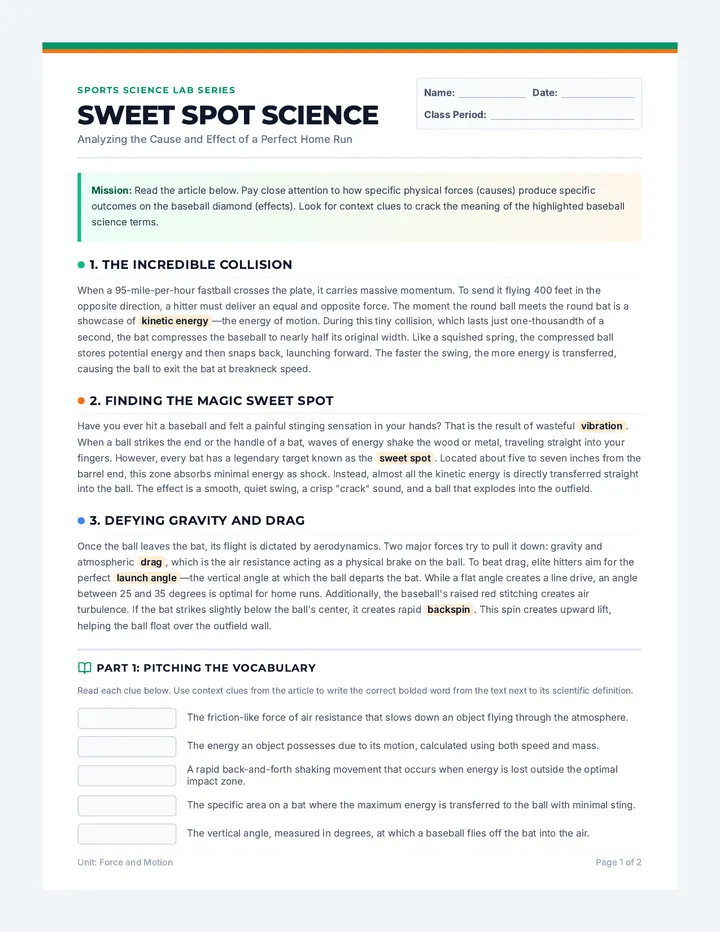
An exploration of the Dust Bowl's environmental causes and consequences, comparing the Great Plains before and during the 1930s crisis while making connections to modern soil health.
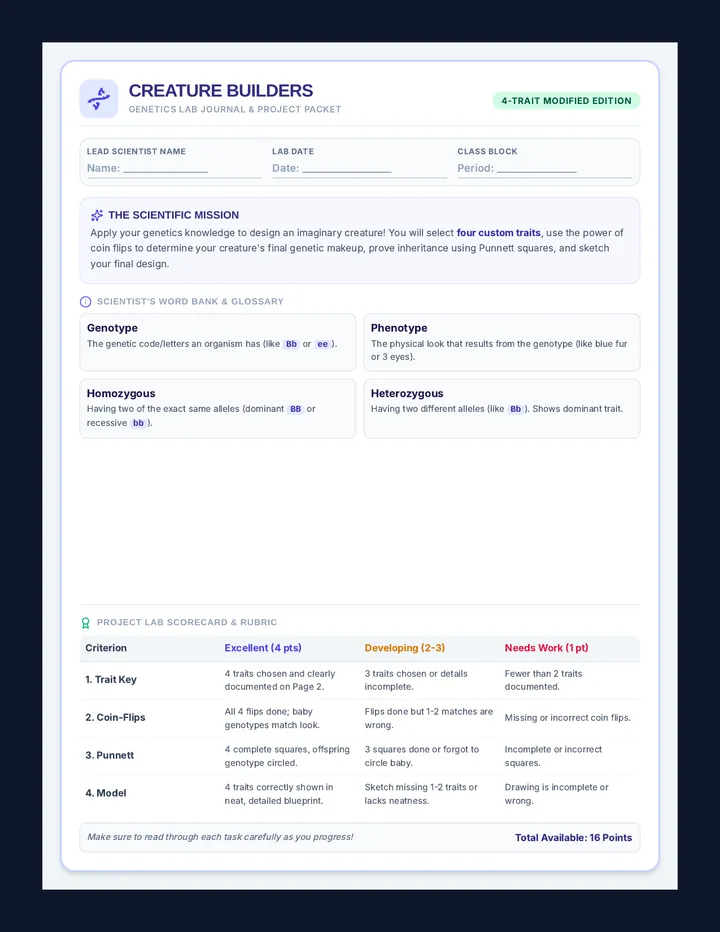
Students will apply their knowledge of DNA, Punnett squares, and mutations to design a unique creature, predicting its traits and simulating genetic changes in a culminating creative project.
Students will investigate how errors in the DNA code lead to mutations, exploring the different types of genetic changes and their potential effects on an organism's traits and survival.
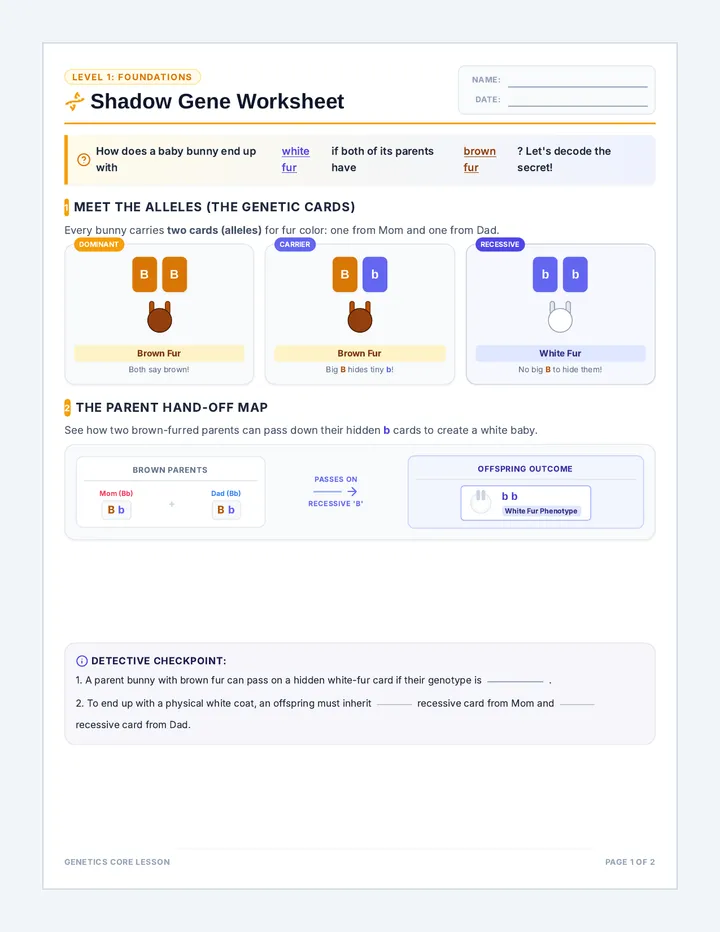
Students will learn to predict the probability of inherited traits using Punnett squares, exploring dominant and recessive alleles through hands-on practice and probability exercises.
A collection of supplemental activities to reinforce foundational concepts of DNA, inheritance, and genetics. Students will practice vocabulary, sequencing biological structures, and verifying facts through interactive worksheets.
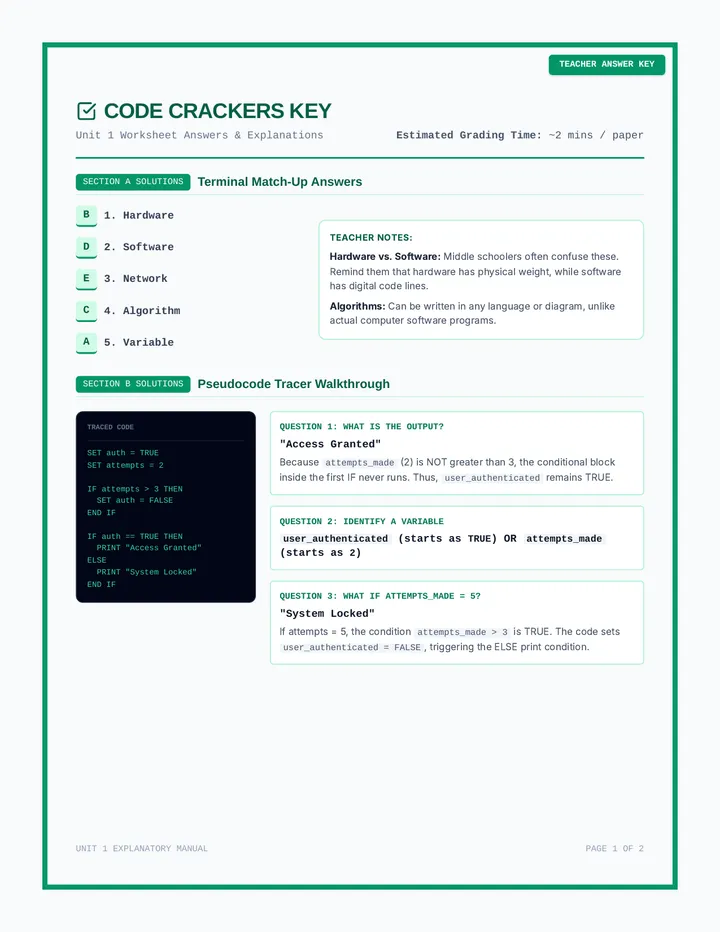
An introductory lesson on cybersecurity threats, focusing on identifying and defending against malware, phishing, and social engineering through interactive scenarios and group analysis.
An introductory lesson on identifying physical changes through five key indicators: change in shape, change in state, change in color (mixing), change in size, and dissolving. Students will understand that no new substance is created during these changes.
An introductory lesson on identifying chemical changes through five key indicators: color change, light formation, temperature change, gas production, and precipitate formation. Students will learn to distinguish between physical and chemical changes using real-world examples.
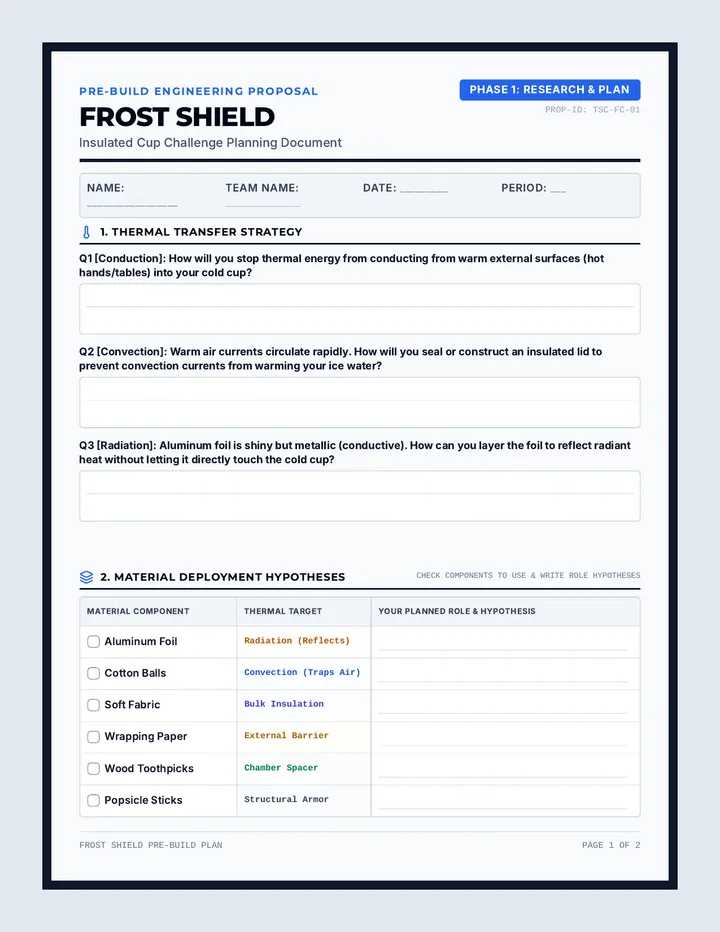
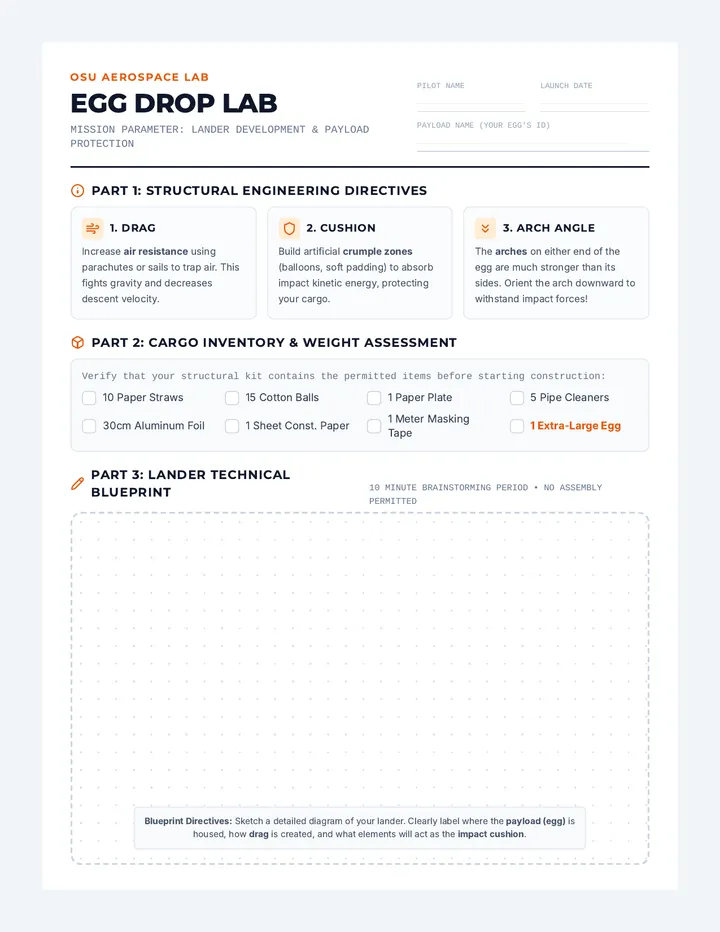
A comprehensive 90-minute engineering and science lesson focusing on heat transfer, insulation materials, and data-driven design to keep beverages cold. Students analyze temperature data, rank insulating materials, and propose their own container designs.
Students synthesize their knowledge to participate in a structured debate about the future of wildlife restoration.
Students analyze the differing viewpoints of ranchers, environmentalists, and local communities regarding predator reintroduction.
Students explore the scientific history of wolf reintroduction in Yellowstone and investigate the concept of trophic cascades and ecosystem engineering.
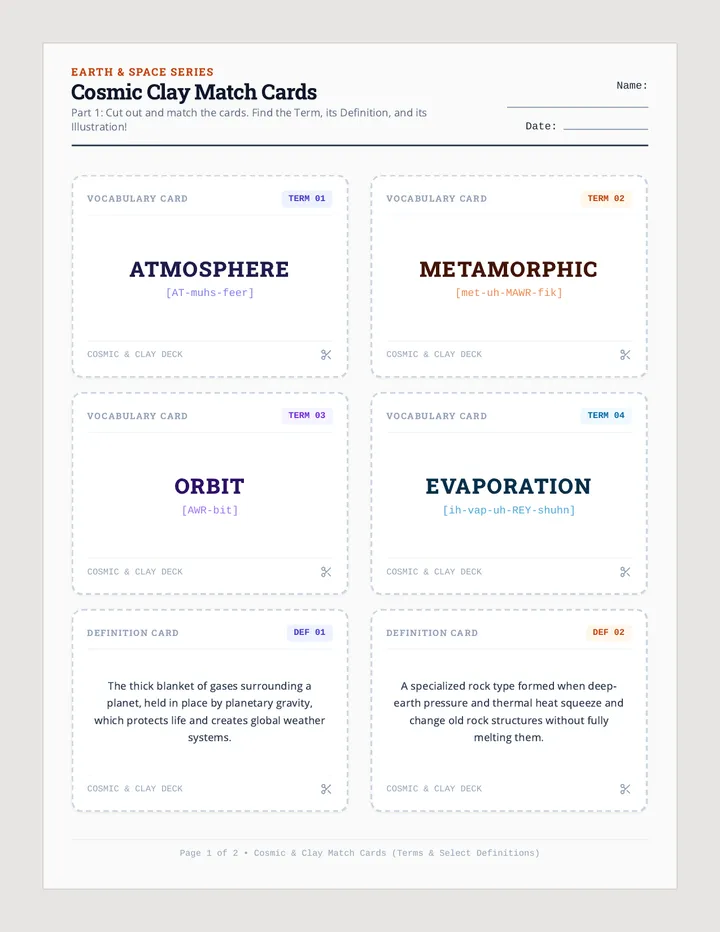
An exploration of the rock cycle's dynamic processes, from the fiery birth of igneous rocks to the transformative heat and pressure of metamorphism. Students will learn how Earth constantly recycles its crust through physical and chemical changes.
Students identify various landforms and apply their knowledge of geological processes to design their own island ecosystem in a culminating project.
A deep dive into the forces of weathering and erosion using mechanical simulations to observe how rocks break down and move over time.
Students explore the three main types of rocks and the processes that transform them through a hands-on simulation using crayons to represent the rock cycle.
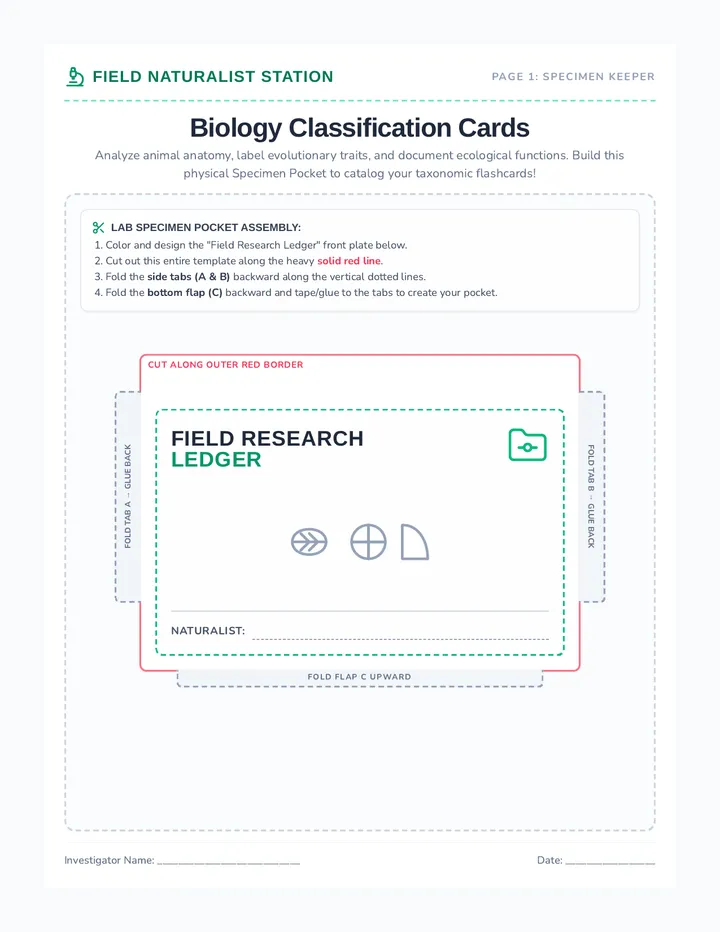
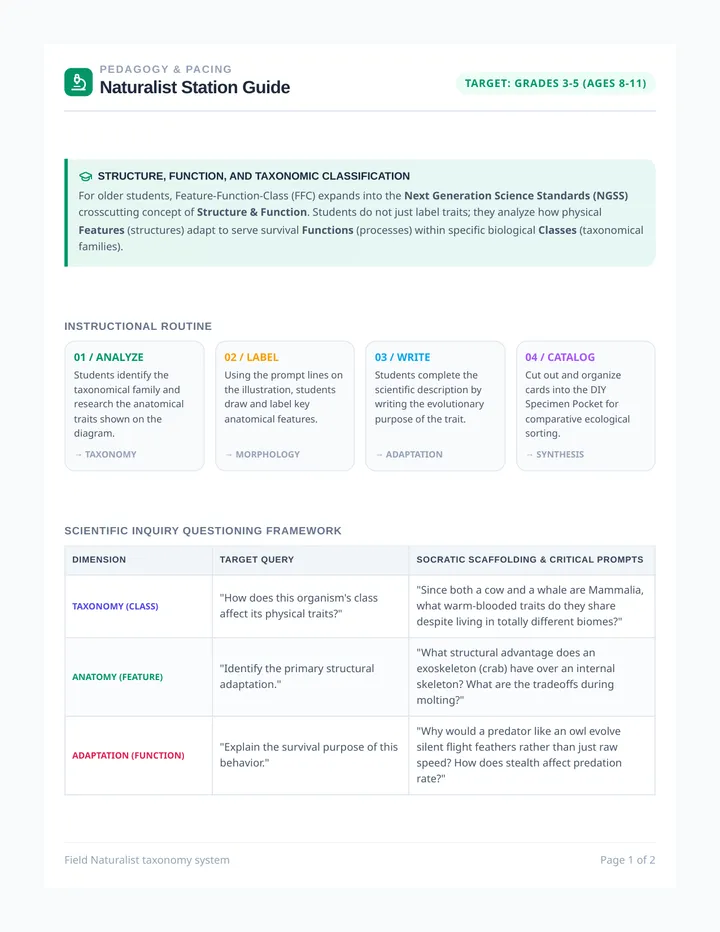
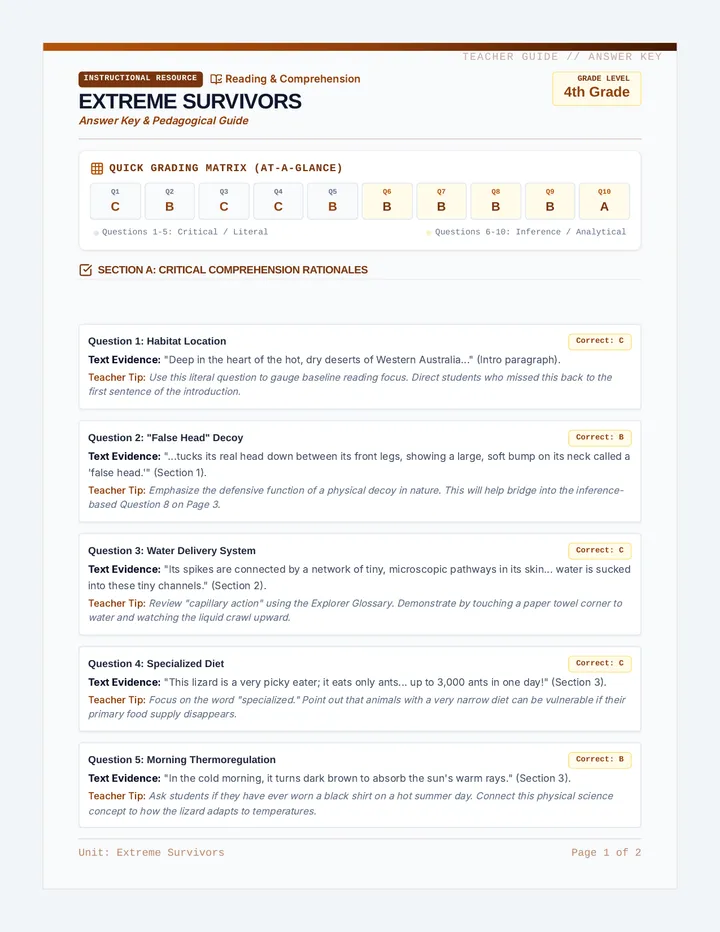
An engaging lesson on animal adaptations designed for 5th-grade students who struggle with reading. The lesson uses high-interest examples, simplified text, and visual supports to explain how physical and behavioral traits help animals survive in extreme environments.
Students act as 'Marine Bio-Engineers' to design and build artificial reef structures that support a healthy ecosystem on Mystery Island's coast, focusing on biotic and abiotic interactions.
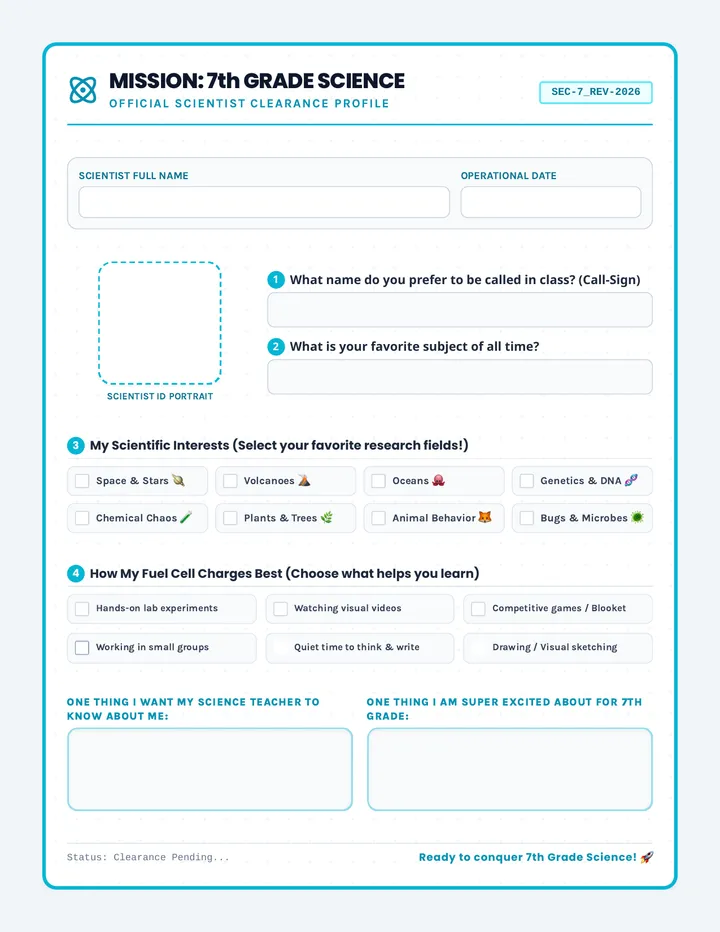
Students design and build 'Food Web Restoration' models to visualize and explain the flow of energy from producers to multiple consumers on Mystery Island.
Students design and build 'Weather Shields' to protect a model plant from extreme temperature and precipitation changes on Mystery Island, exploring how environmental factors affect organisms.
Students act as 'Botanical Engineers' to design and build seed models that can travel through the air to reach new parts of Mystery Island, focusing on seed dispersal methods.
Students design external structures for a 'Mystery Organism' to help it meet its basic needs (food, water, shelter) on Mystery Island, focusing on the link between structure and function.
A deep dive into the subatomic origins of plate tectonics, tracing the journey from unstable nuclei to the massive convection currents that move continents.
An introductory lesson on tiger-related vocabulary, focusing on conservation, biology, and habitat through kid-friendly definitions and syllable practice.
A comprehensive lesson on seafloor uplift, covering the geological processes of plate tectonics, mid-ocean ridges, and the impact of rising crust on the ocean environment.
A comprehensive lesson exploring the physics of tsunami waves, from their seismic origins to their dramatic transformation as they approach the shore. Students will learn about wave propagation, the relationship between depth and speed, and the shoaling effect.
Day 2 dives into particle motion and spacing during phase changes, featuring a CER practice and a comprehensive exit ticket review.
Day 1 focuses on vocabulary, the direction of heat transfer, and the fundamental differences between temperature and thermal energy.
A targeted review lesson focusing on thermal energy transfer, particle motion, ocean currents, and global climate patterns.
The final review mission covering global climate patterns, insulation, and the effects of mass on energy transfer.
The third review mission focusing on the gene-protein-trait connection and the behavior of particles during heat transfer.
The second review mission covering genetic inheritance patterns, mutations, and thermal equilibrium.
The first review mission focusing on variation, basic thermal energy concepts, and the engineering design process.
A comprehensive 45-minute review lesson focusing on thermal energy, particle movement, and heat transfer. Students revisit key concepts from their interim assessment through interactive slides and a collaborative board game.
Model energy changes through heating curves and explore rare phase changes like sublimation and deposition.
Investigate phase changes (melting, freezing, vaporization, condensation) and how particles behave during these transitions.