Students design and build 'Food Web Restoration' models to visualize and explain the flow of energy from producers to multiple consumers on Mystery Island.
A comprehensive teacher evaluation suite focused on an architectural scaling lesson, incorporating the Marzano framework for formal feedback and professional growth.
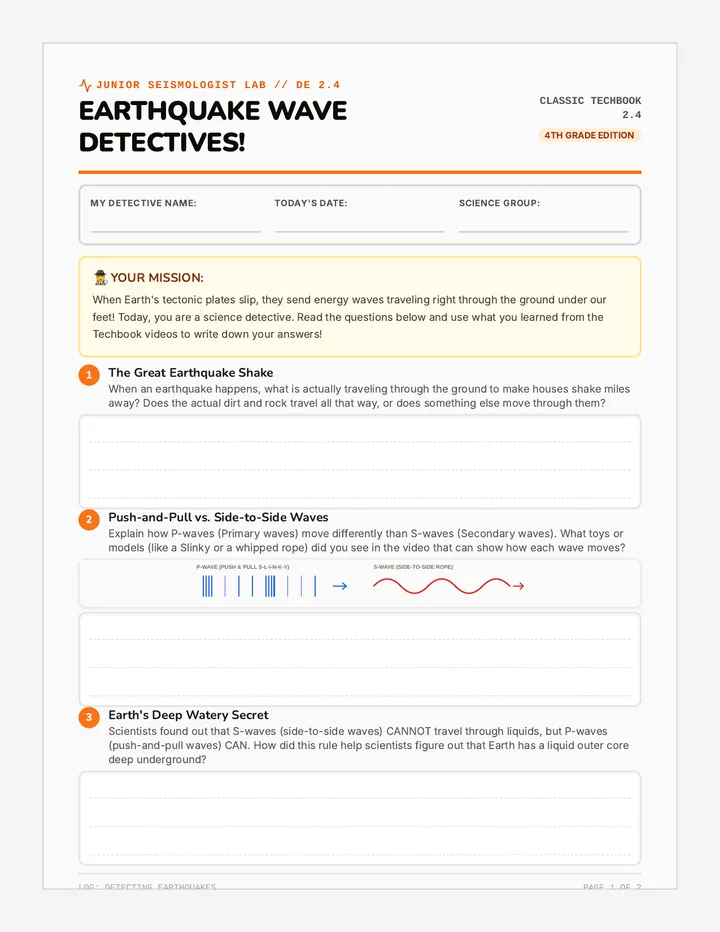
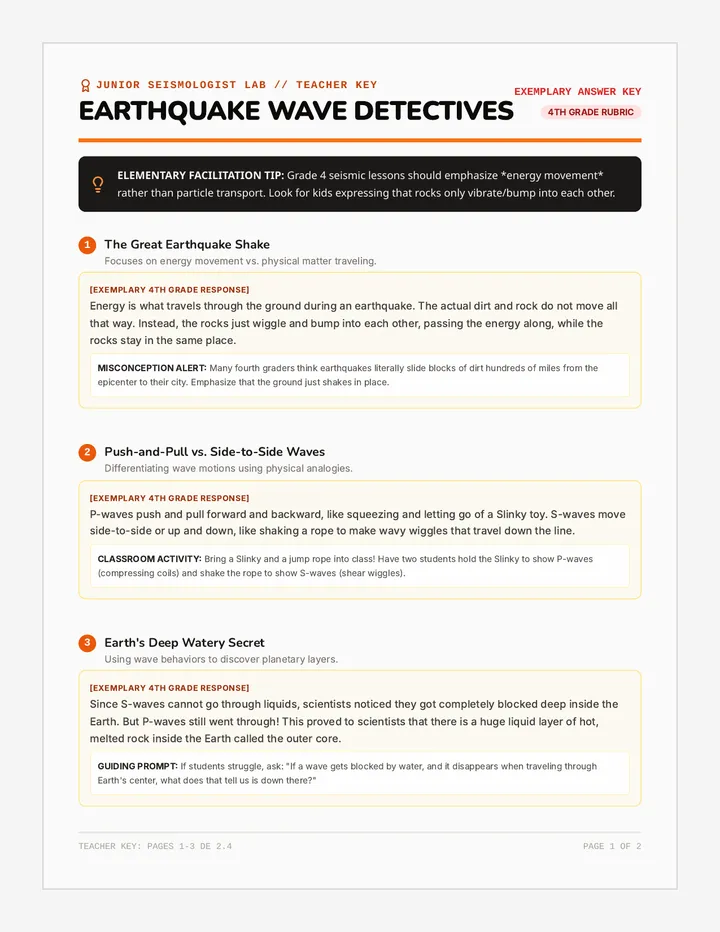
Students observe and categorize different cloud formations to predict upcoming weather patterns in the New England area. This meteorology lesson encourages 2nd through 5th graders to use sky observations as data for scientific forecasting.
A comprehensive two-day lesson covering pedigrees, autosomal disorders, karyotypes, and chromosomal mutations through a laboratory-themed investigation.
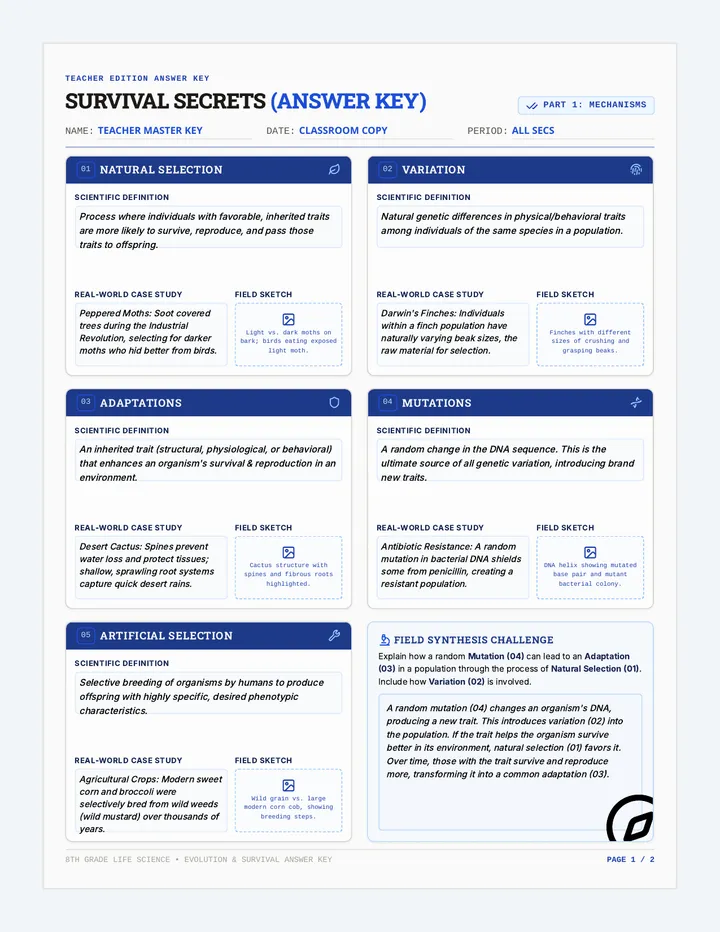
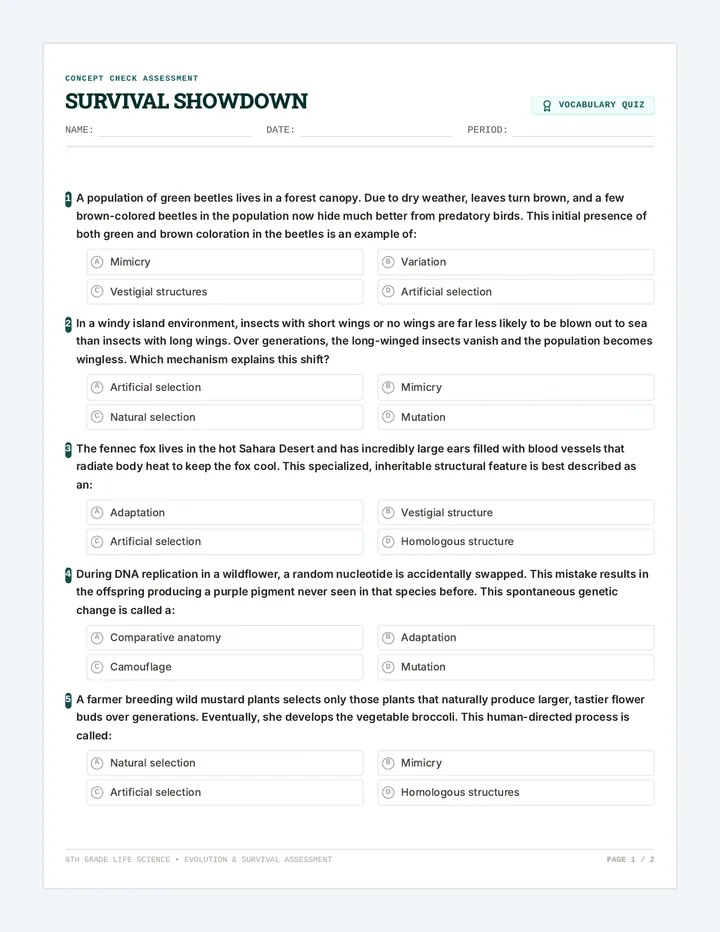
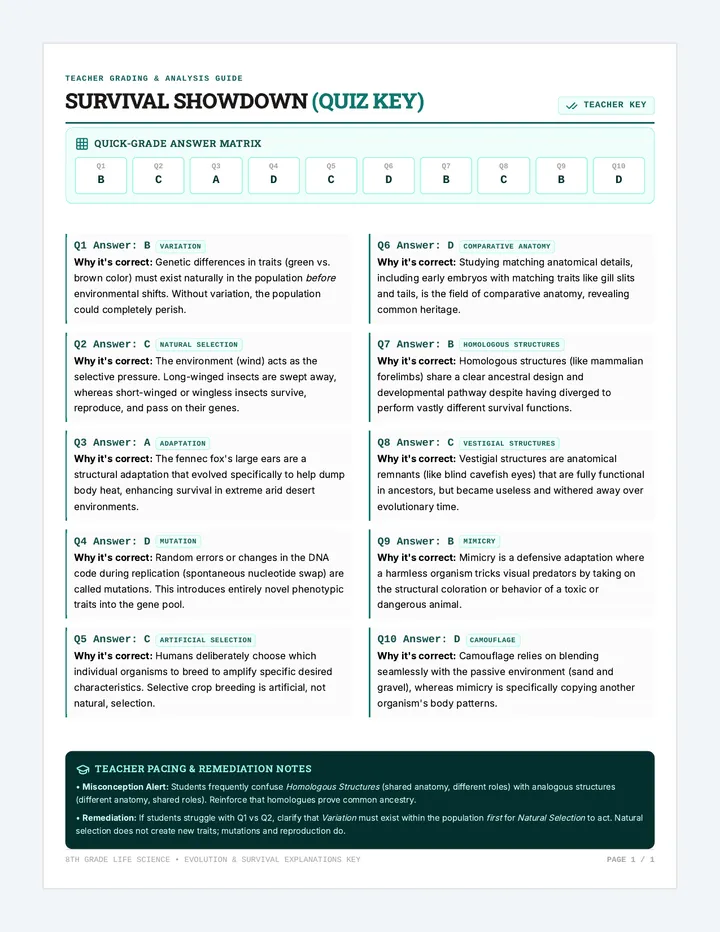
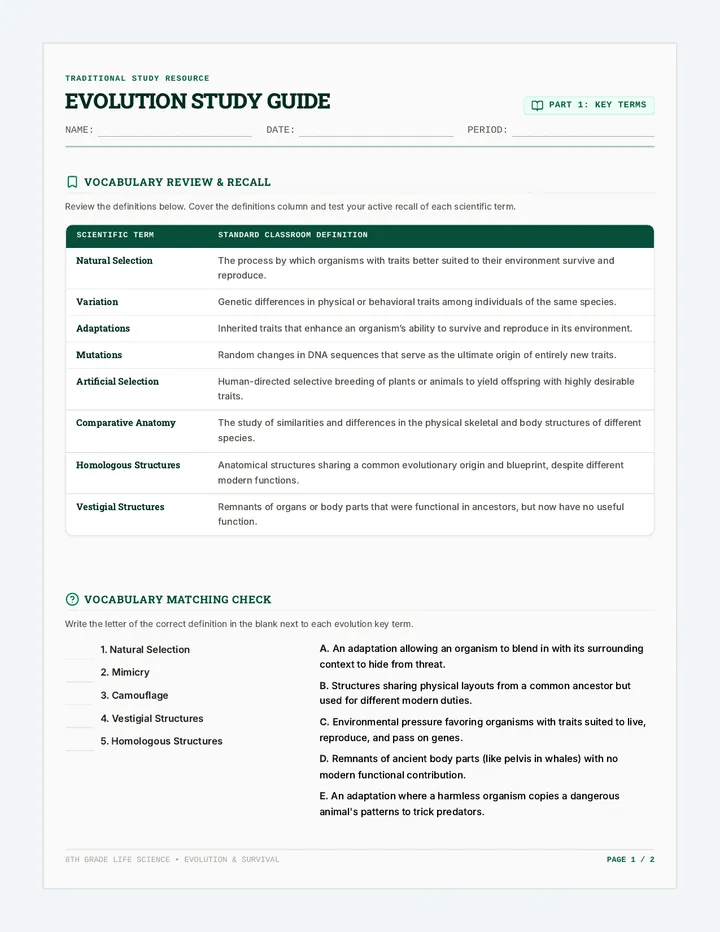
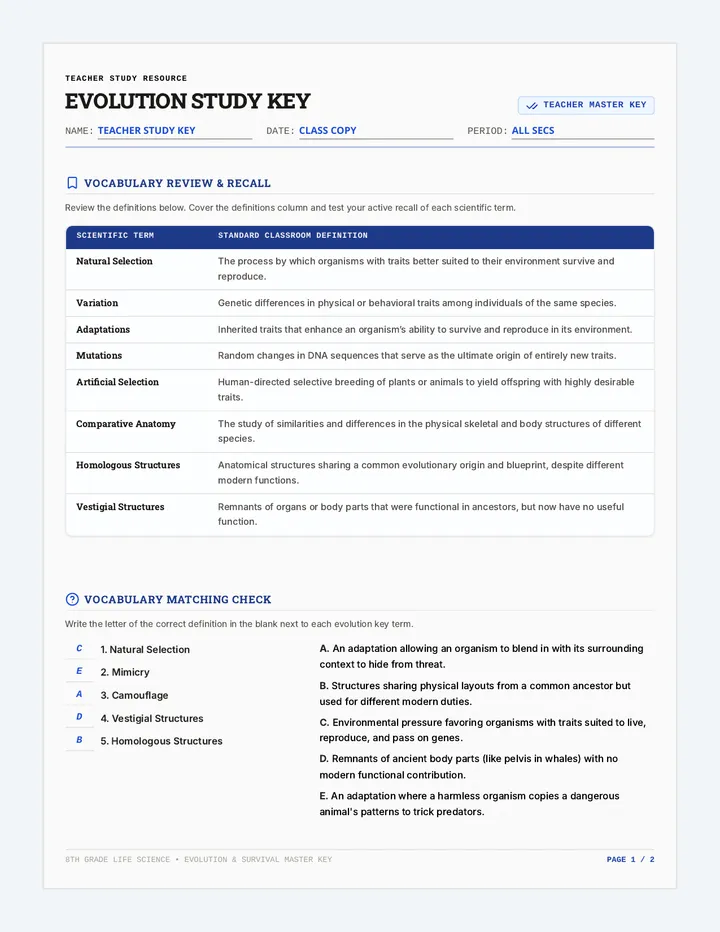
A comprehensive lesson on structural and behavioral adaptations across various biomes, including specialized survival strategies like hibernation, migration, camouflage, and mimicry.
An introductory exploration of Earth's diverse biomes, focusing on the ocean, rainforest, and grassland ecosystems. Students learn to identify key characteristics and express personal preferences based on ecological traits.
A foundational lesson exploring how energy moves through ecosystems, focusing on trophic levels, the 10% rule, and the complex connections in terrestrial and aquatic food webs.
Teachers learn to break complex tasks into smaller, manageable steps using classroom routines and Iowa Core standards as examples.
A critical examination of how systemic inequities influence environmental health outcomes, focusing on Flint's water and urban air quality. Students analyze data and develop advocacy products to promote environmental justice.
An interactive lesson exploring how energy flows through different ecosystems using 3rd-grade appropriate concepts of producers, consumers, and decomposers. Students will identify food chains in eight distinct habitats.
In this lesson, students dive into the water cycle while mastering RI.3.1 by asking and answering 'How' and 'Why' questions. They will explore the continuous journey of water through reading and evidence-based inquiry.
A hands-on project where students explore waste management through the lens of Shoji Yamasaki's art, culminating in a creative video showcasing their own upcycling process or performance.
Students define their brand's personality and photography style, using image filters and curation to complete the final section of their professional style guide.
Students create a formal brand style guide, documenting rules for logo usage, color palettes with Hex codes, and typography to ensure brand consistency.
Students learn to use Canva as a professional layout tool, transitioning from building individual design components to assembling a cohesive Brand Board using custom assets, frames, and positioning tools.
Students refine their logo drafts by applying principles of negative space and contrast, creating color and black-and-white versions for professional export.
Students combine their icon and typography choices to build an official brand logo draft, focusing on balance, alignment guides, and the 'Squint Test' for simplicity.
Students master custom shape creation using polyline and curve tools, exploring line weights and the importance of vector scalability for professional branding.
Students move from curating to creating, using Google Drawing to build complex objects with simple geometric shapes while learning the fundamentals of vector design and layering.