An investigation into the physical properties of matter, including mass, volume, and state changes, through observation and assessment.
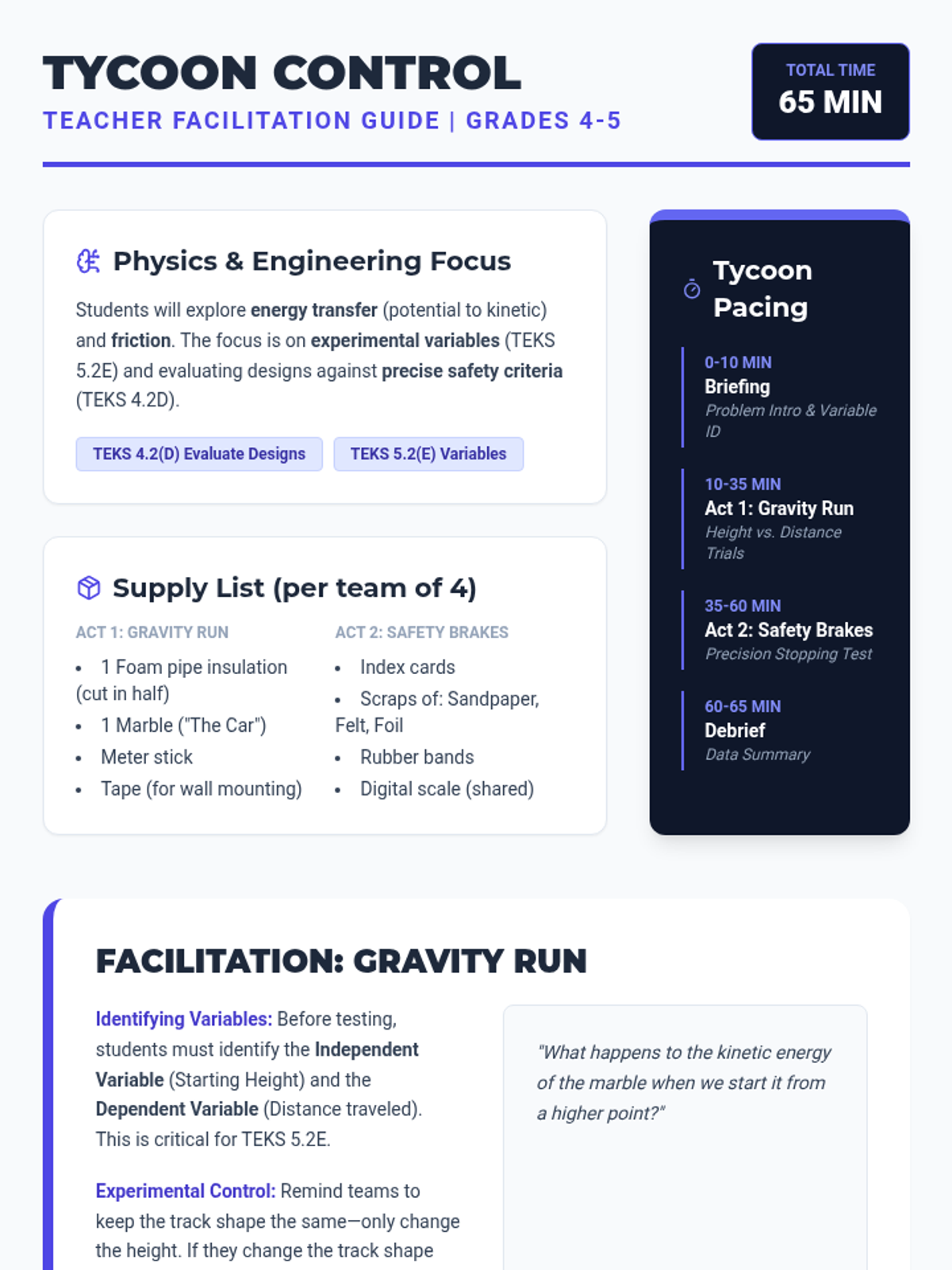
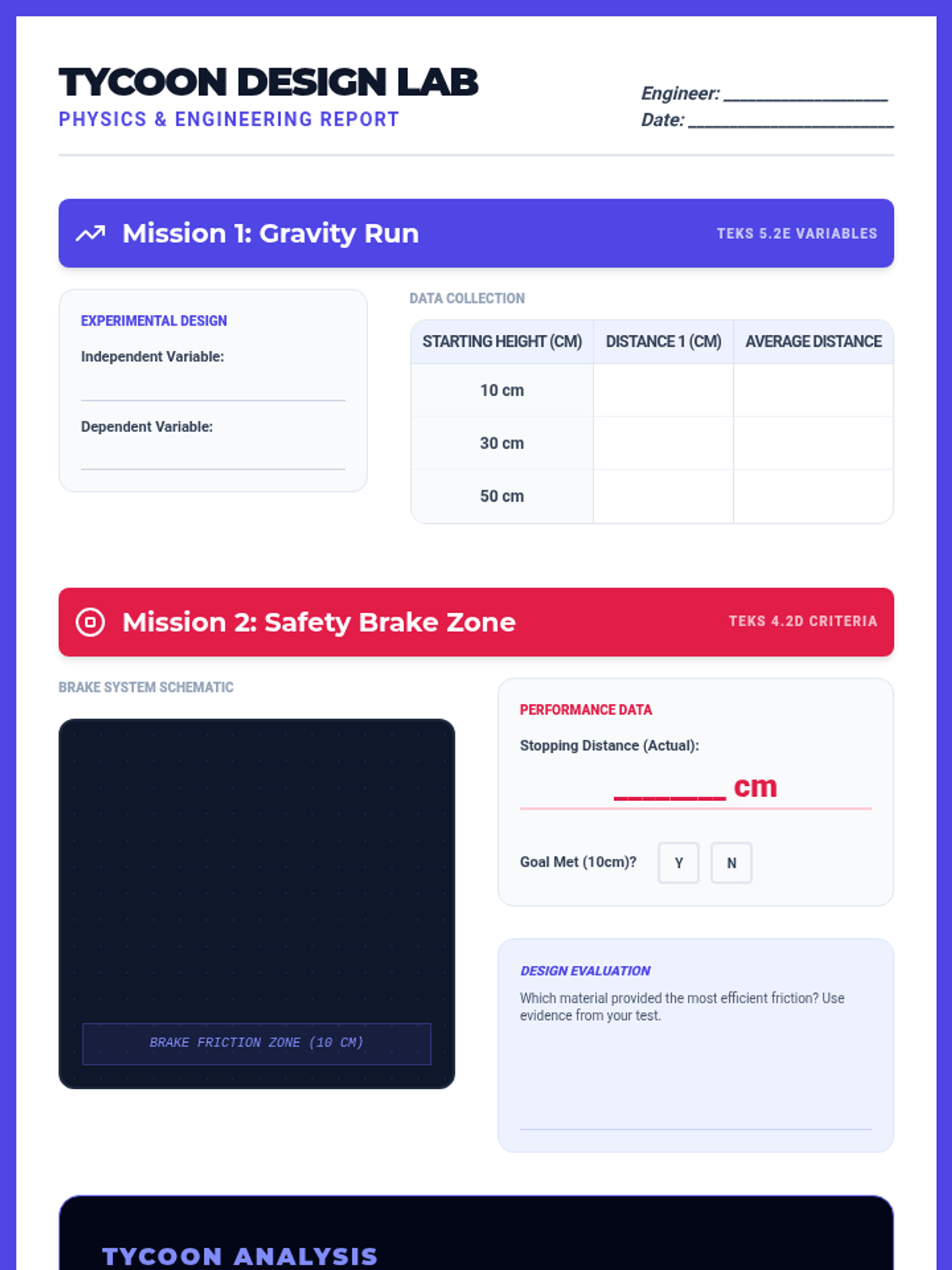
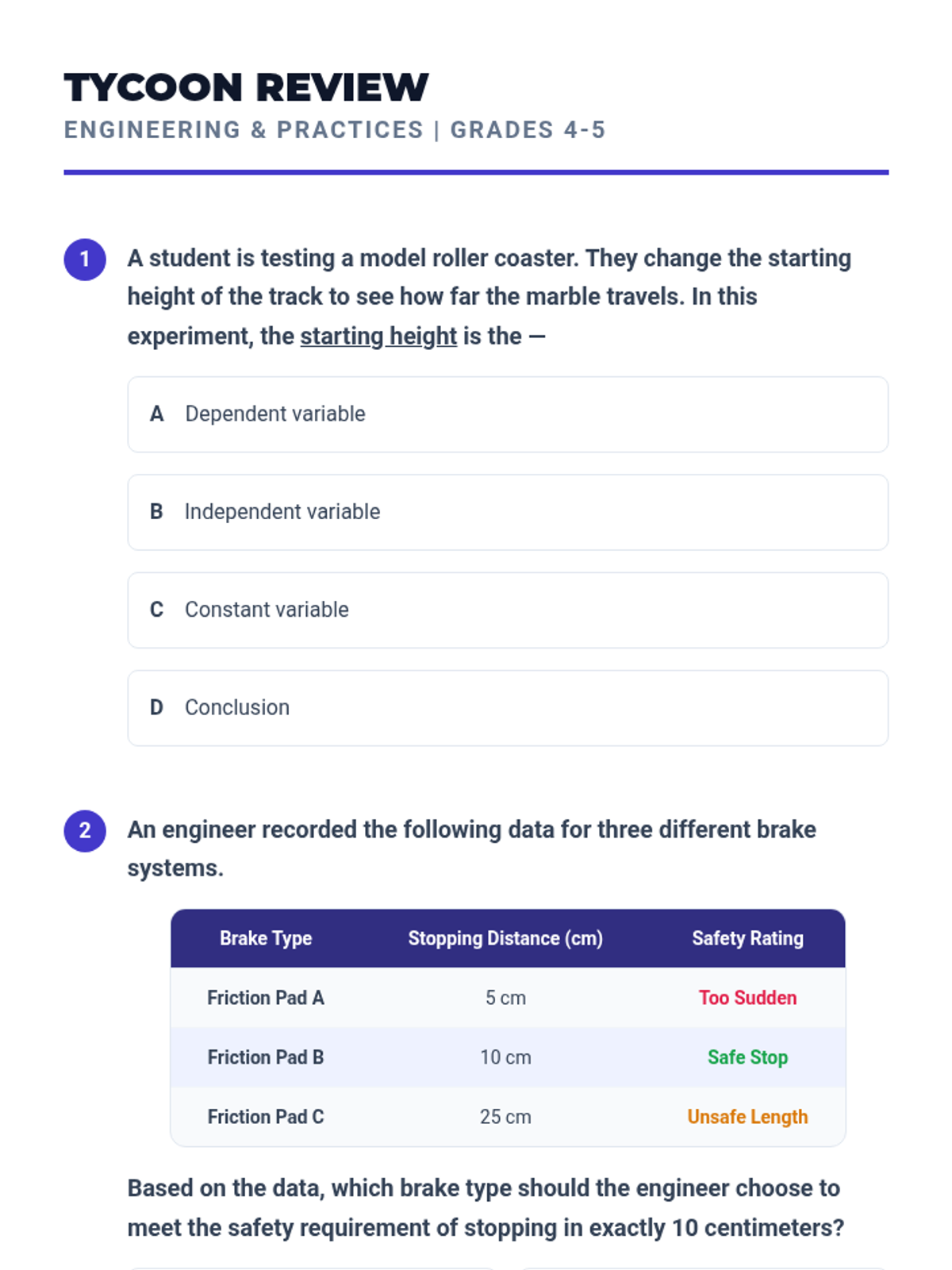
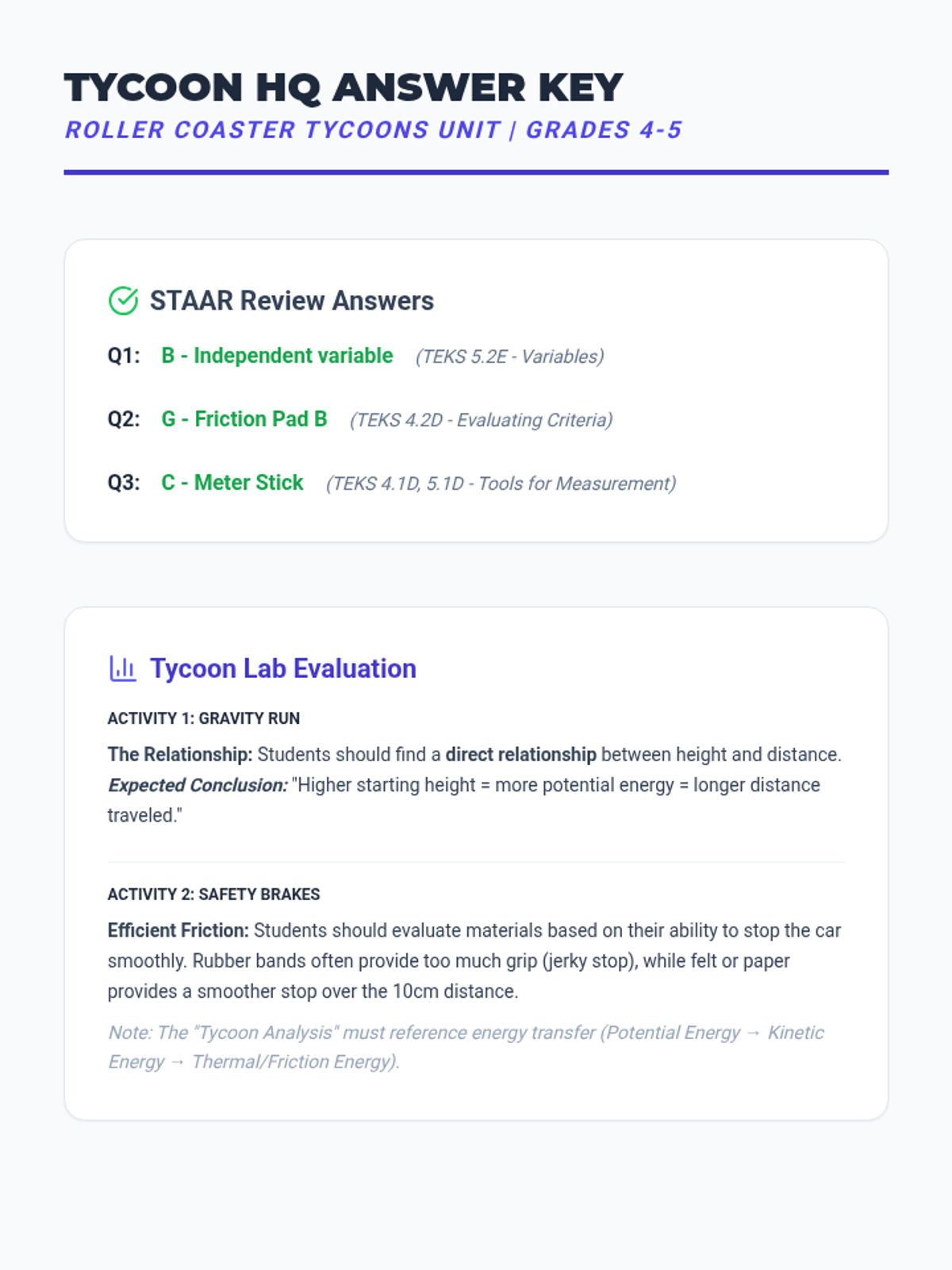
An advanced physics-based engineering unit for grades 4-5. Students take on the role of 'Roller Coaster Tycoons' to design gravity-powered coasters and braking systems, emphasizing variable testing, energy transfer, and safety criteria.
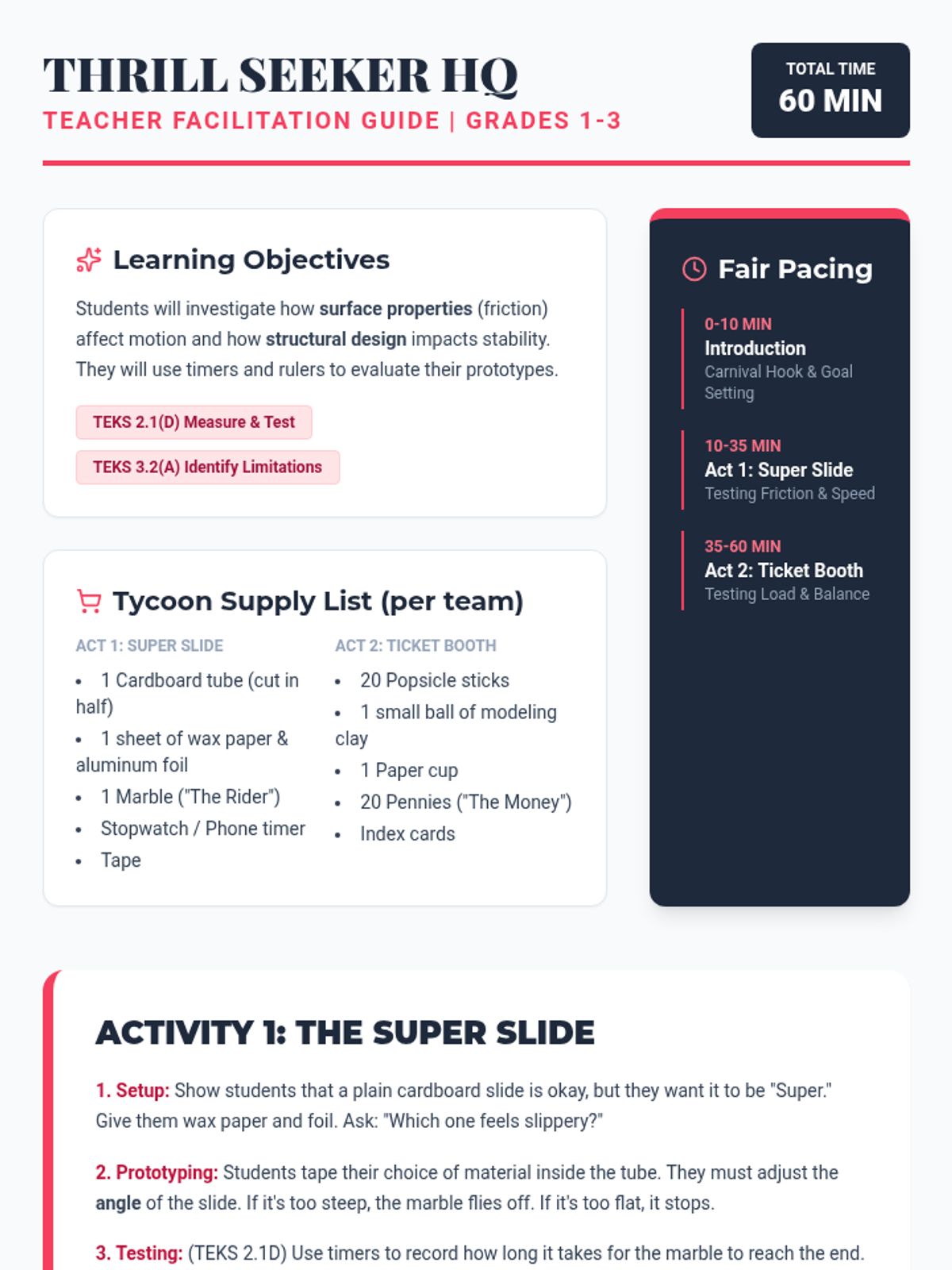
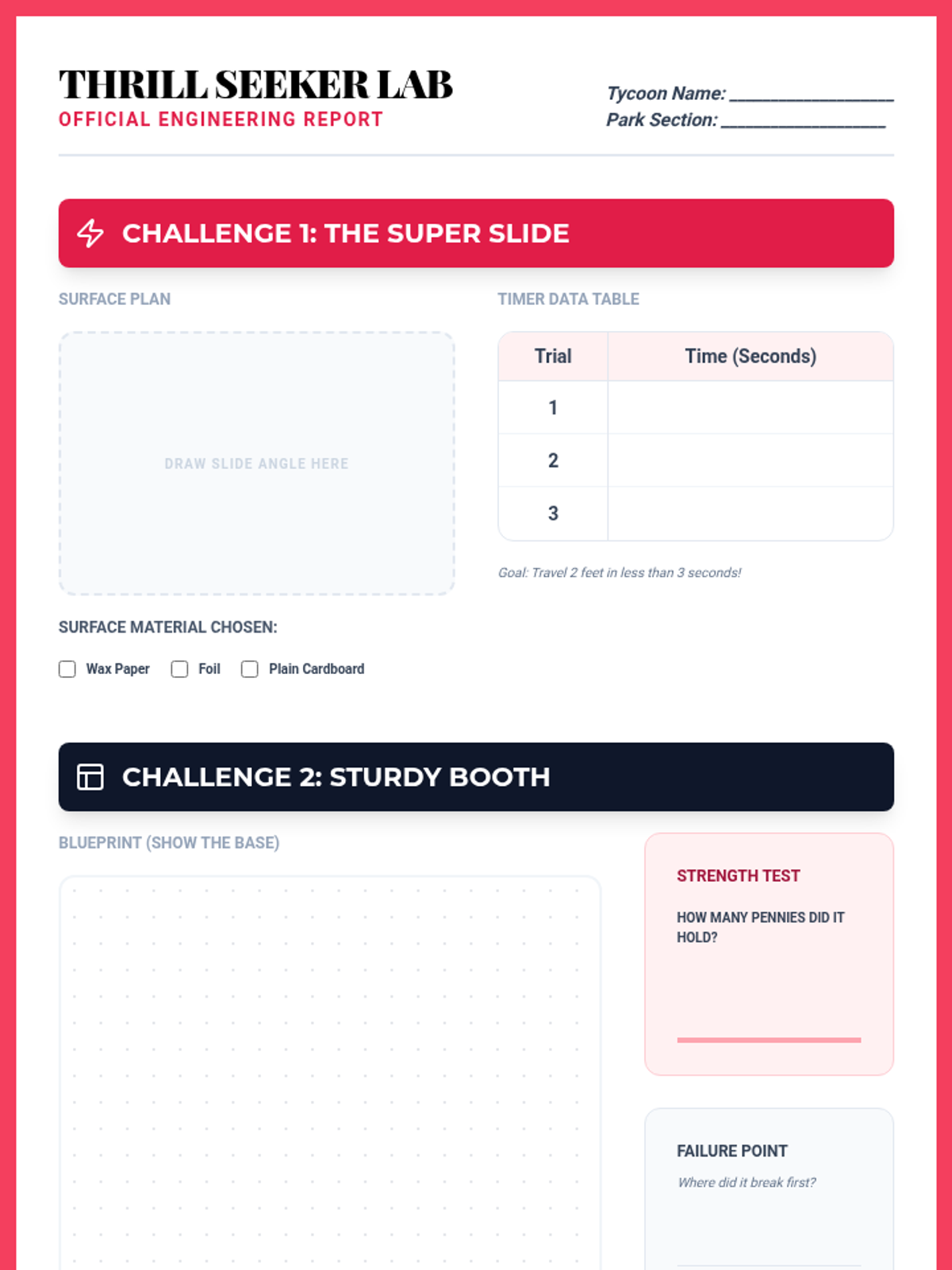
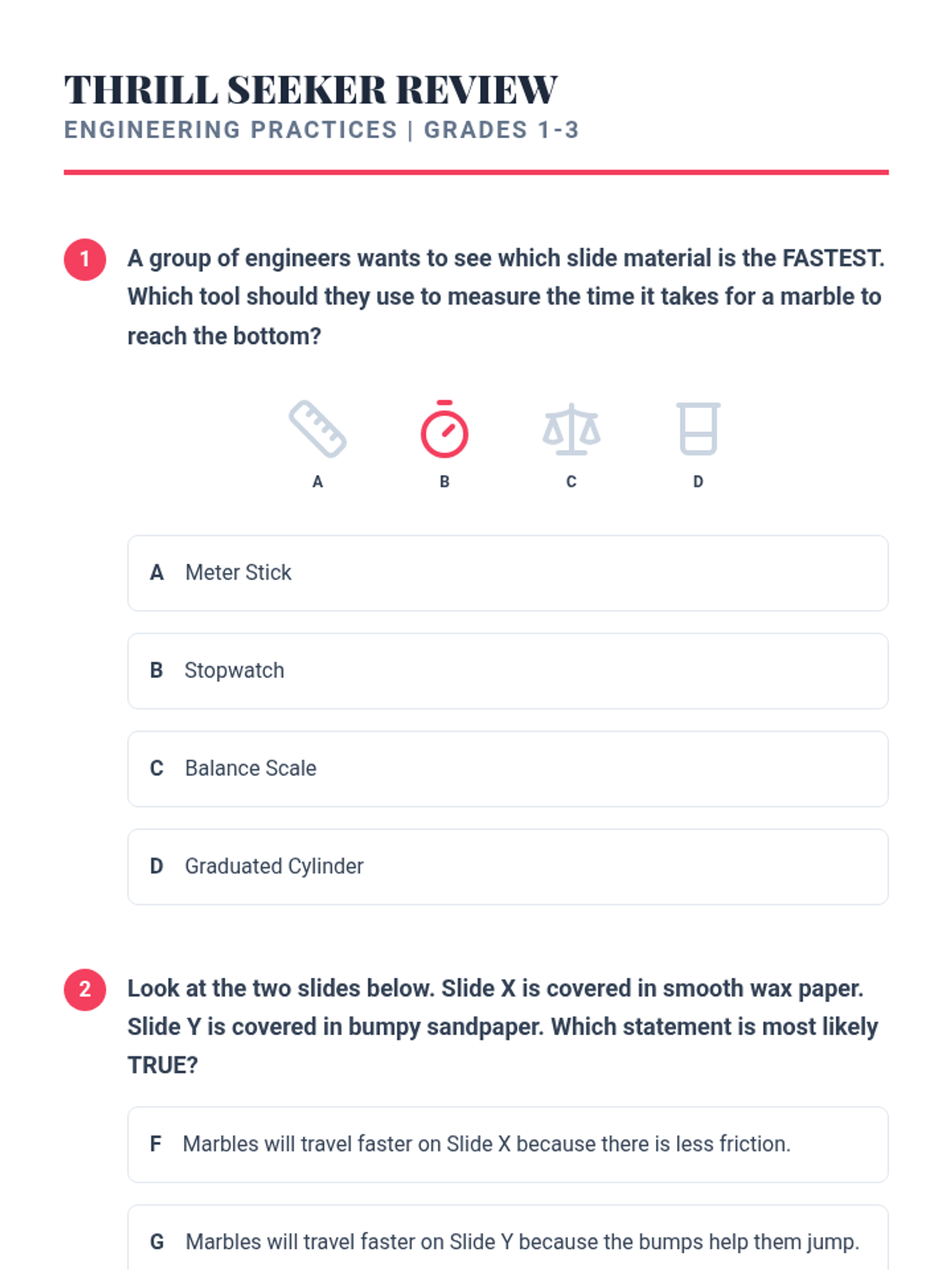
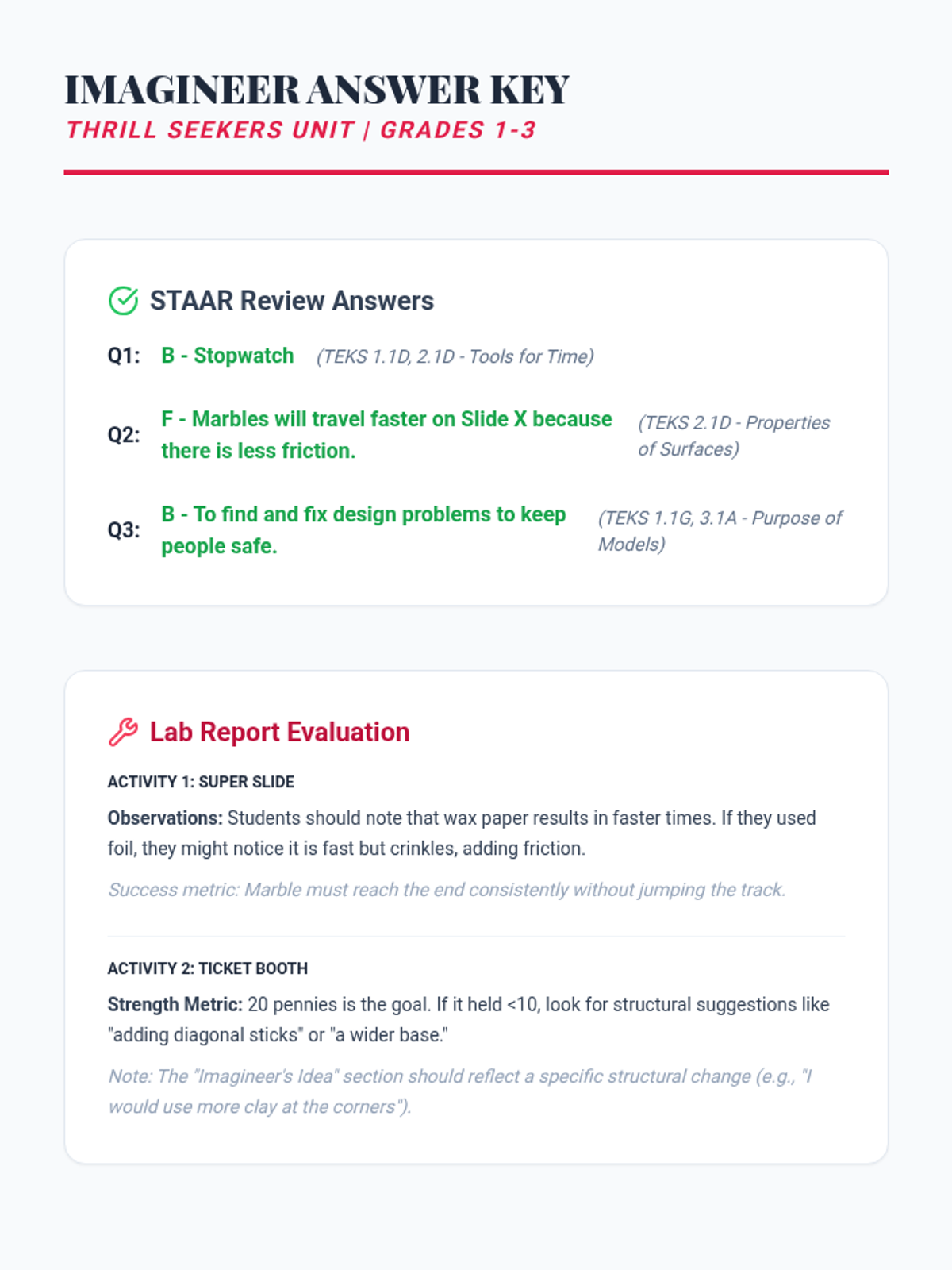
A fun-filled junior engineering lesson for grades 1-3. Students act as 'Thrill Seekers' to design steep, safe slides and sturdy ticket booths for a new amusement park, focusing on surface properties, friction, and structural stability.
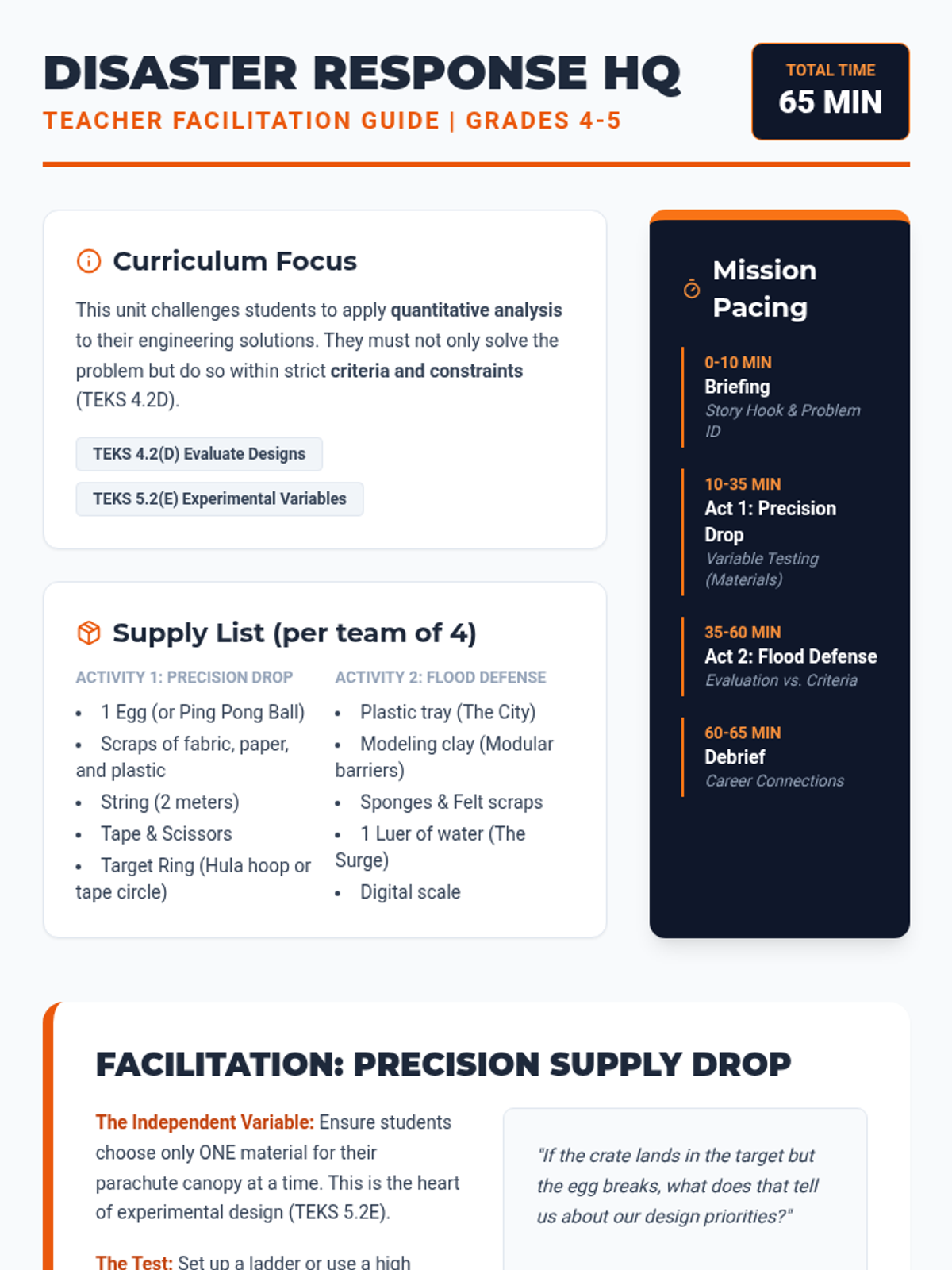
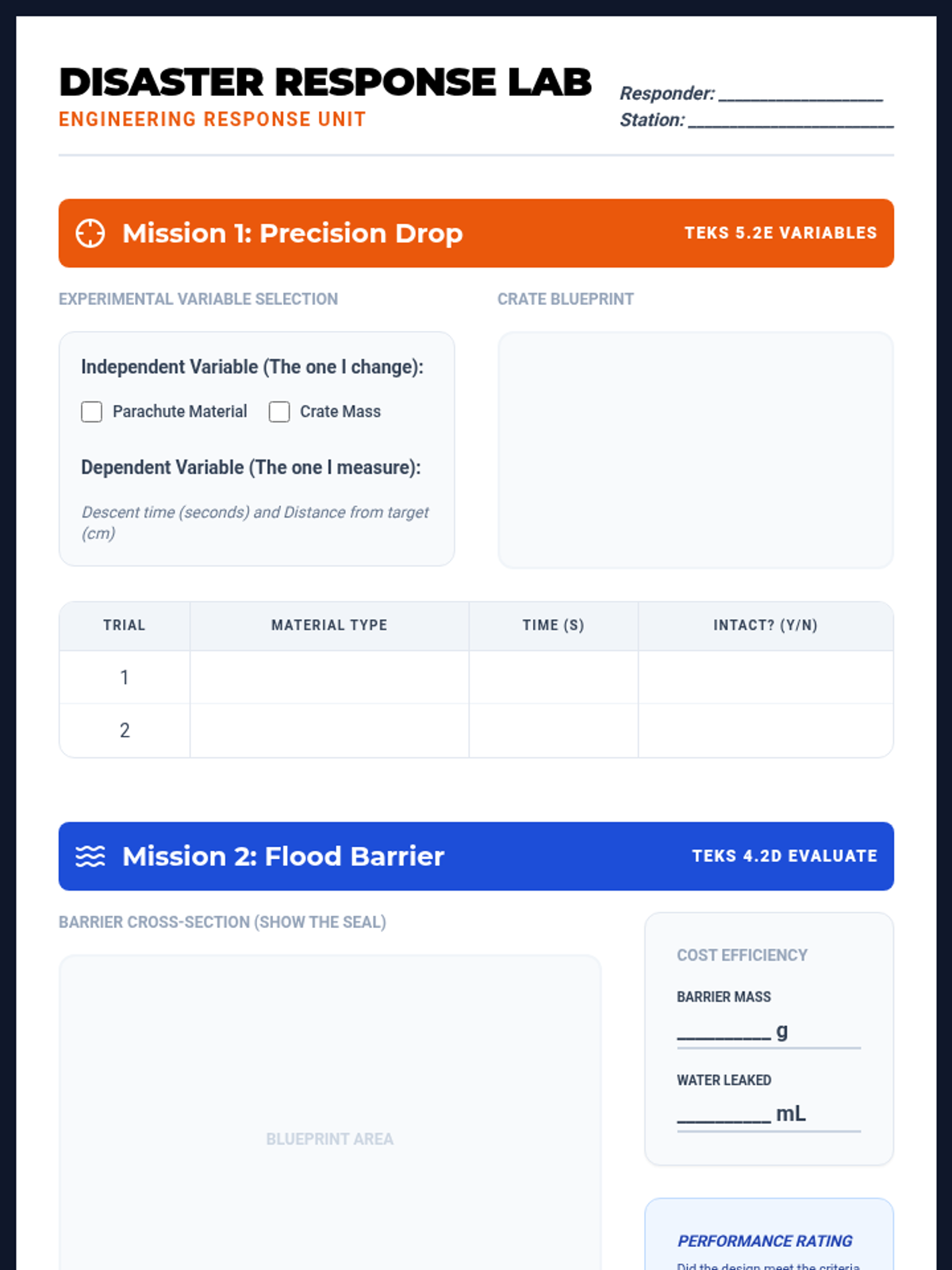
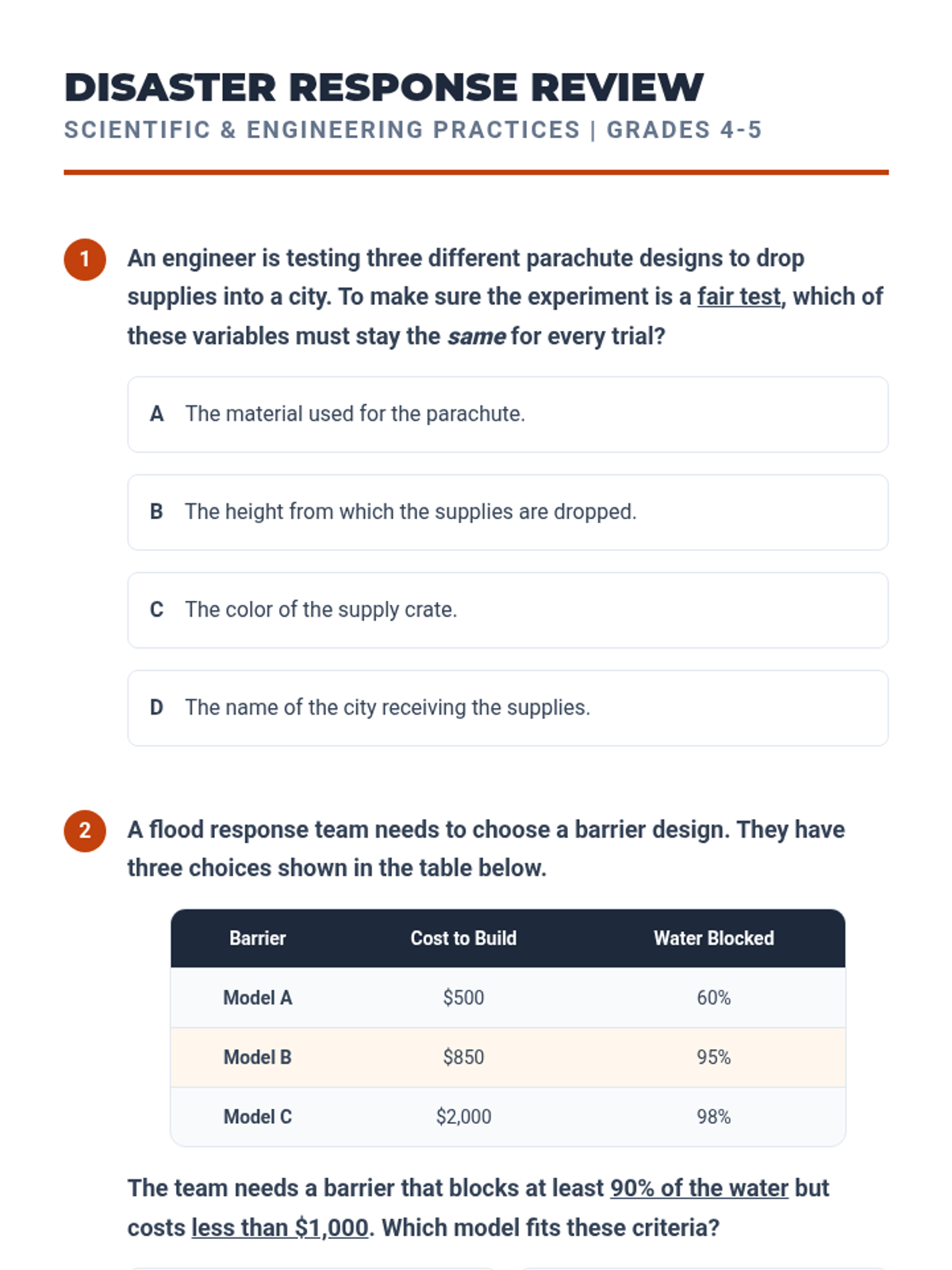
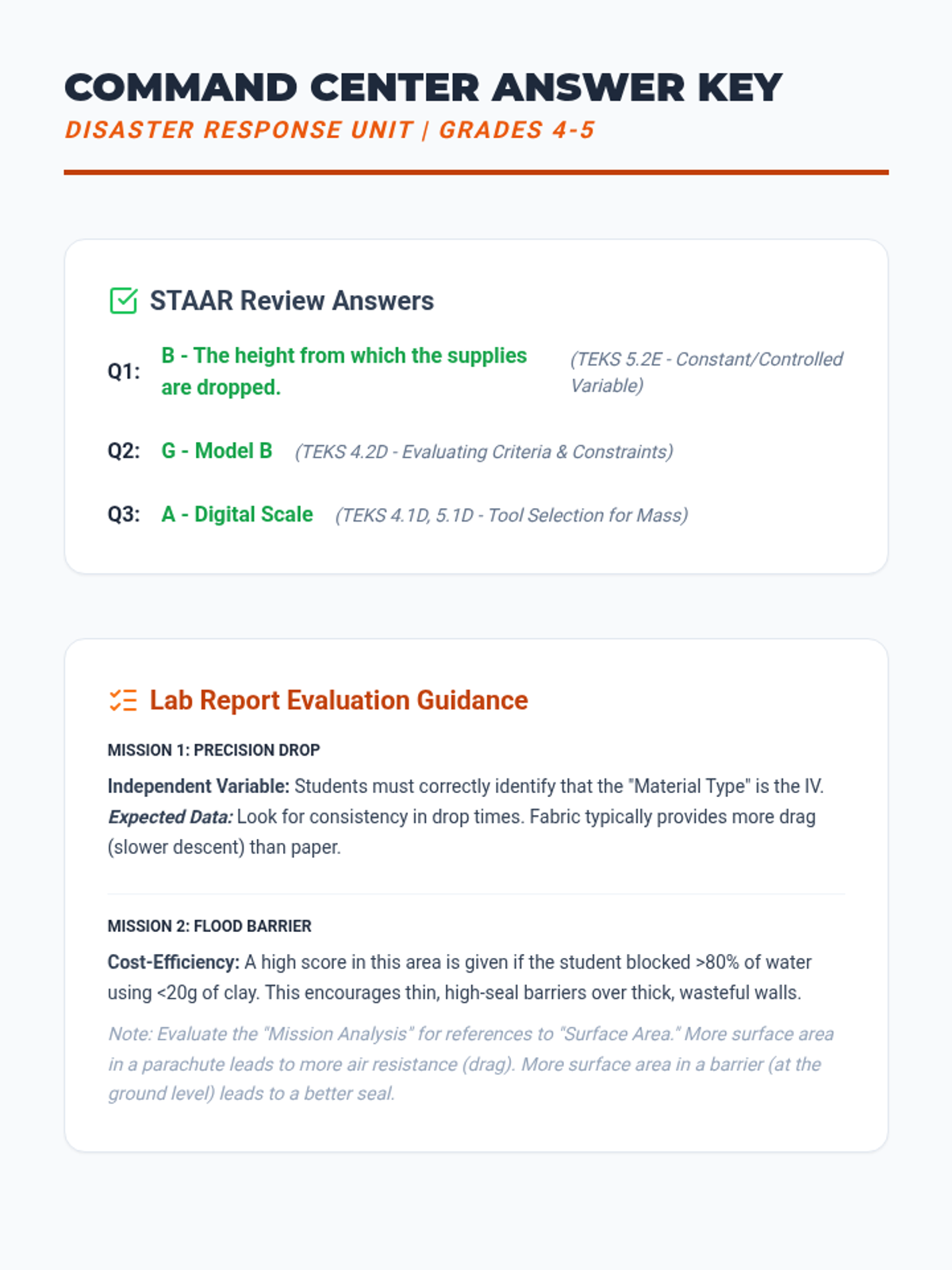
An advanced disaster relief engineering unit for grades 4-5. Students design precision supply drop crates to protect medical gear and modular flood barrier systems to save a model town, emphasizing experimental variables and cost-to-performance criteria.
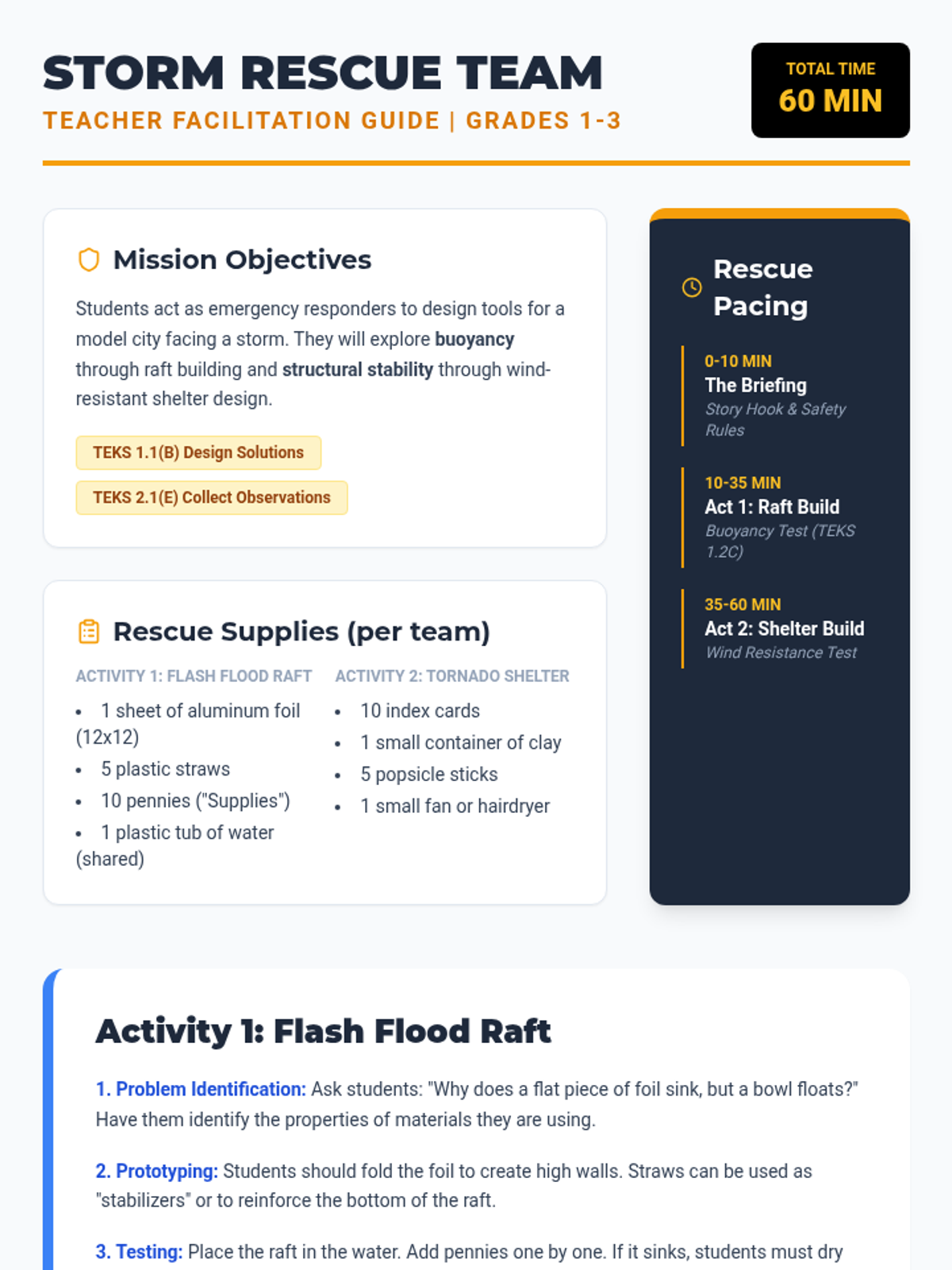
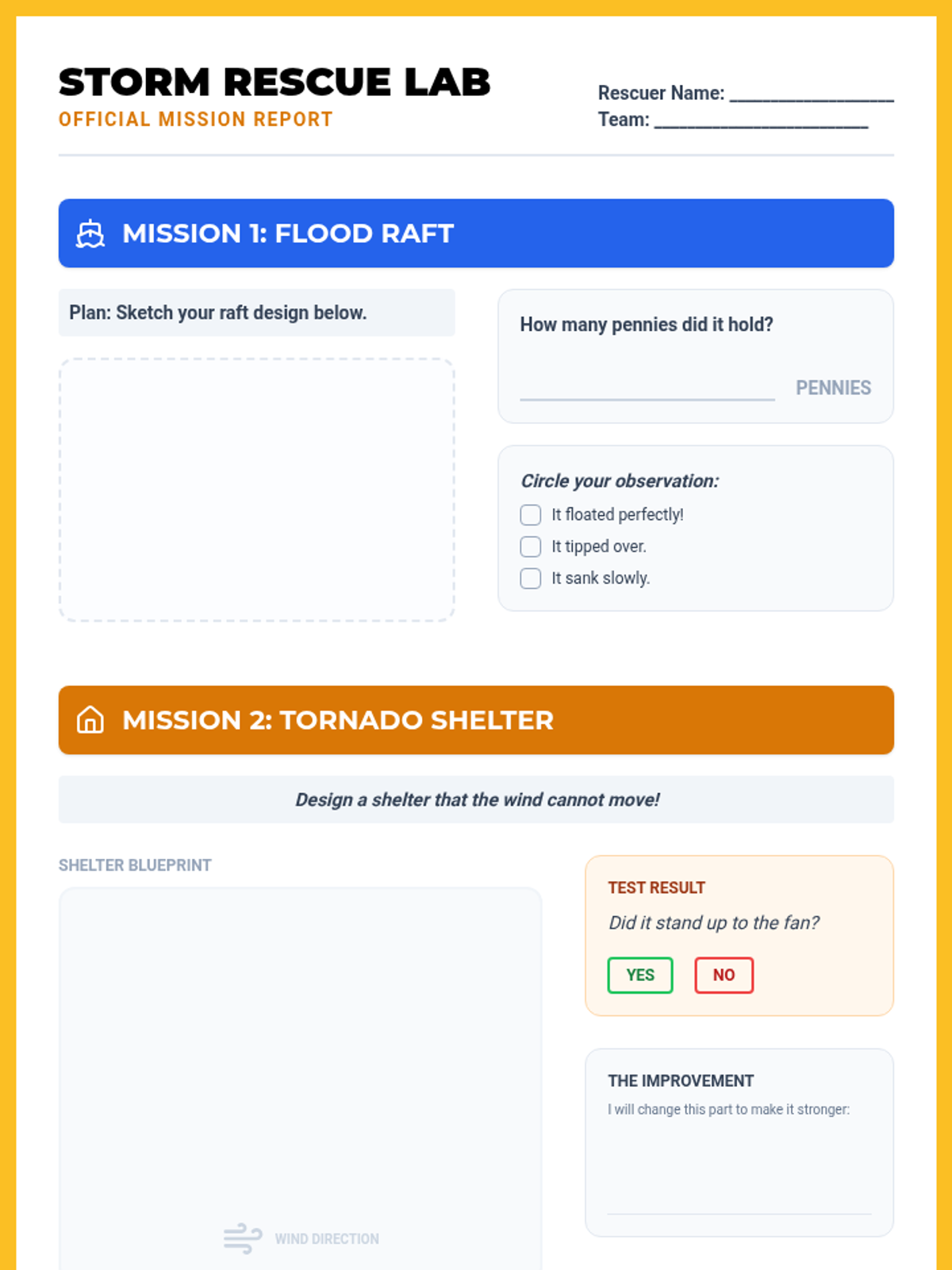
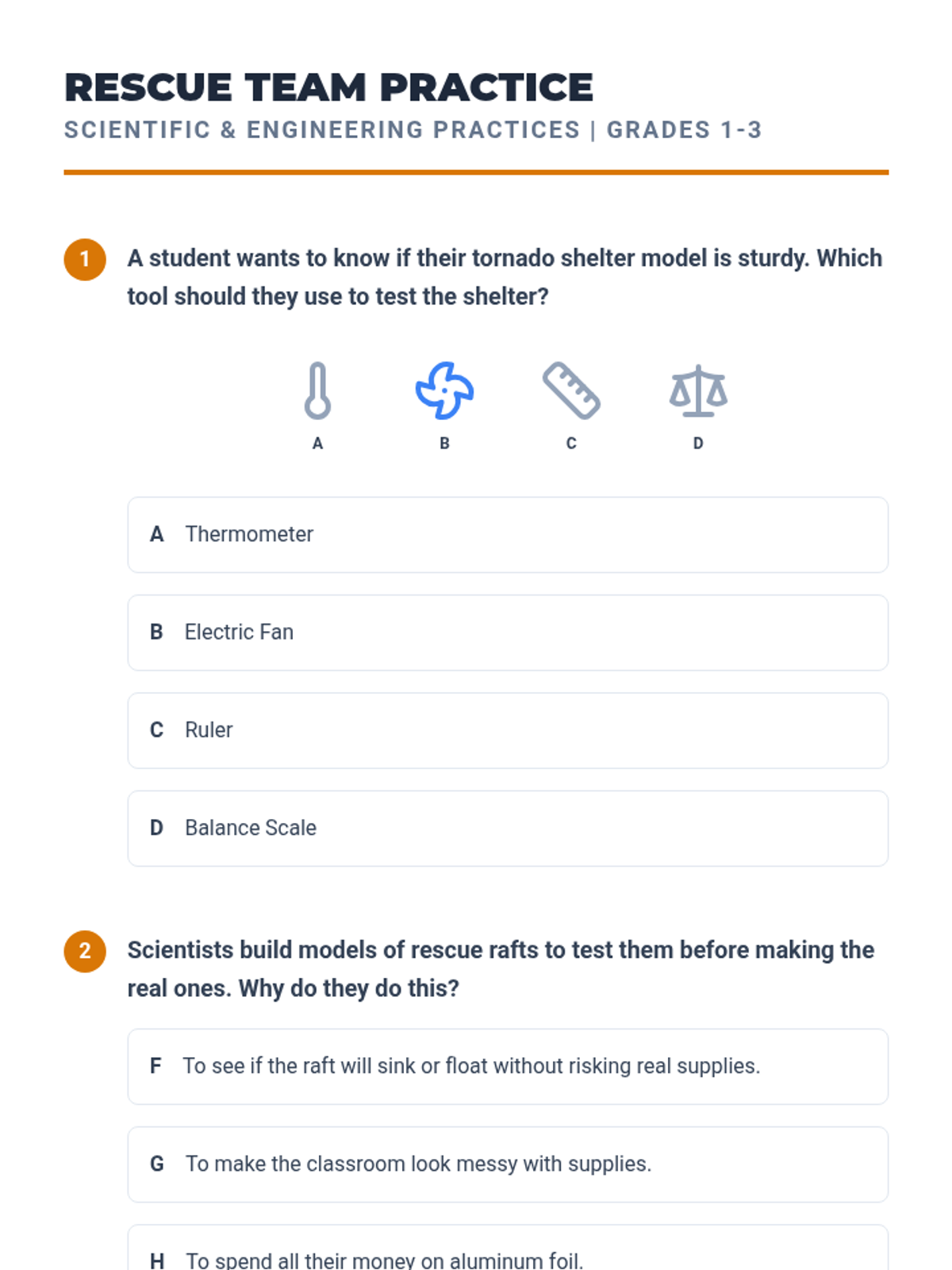
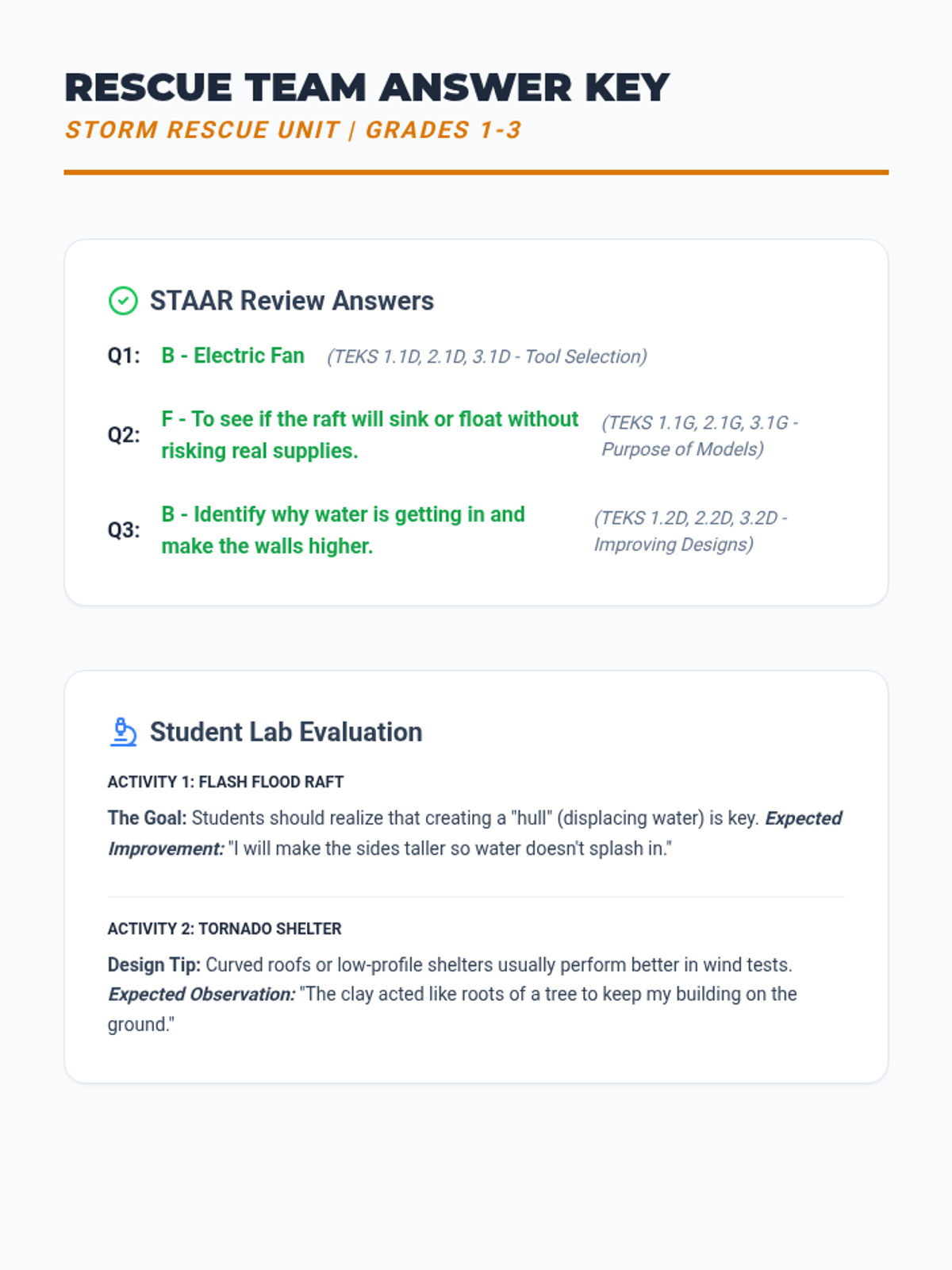
A high-energy junior engineering lesson for grades 1-3. Students join the 'Storm Rescue Team' to design unsinkable rafts for flood rescues and wind-resistant shelters for high-wind emergencies, focusing on material properties and modeling.
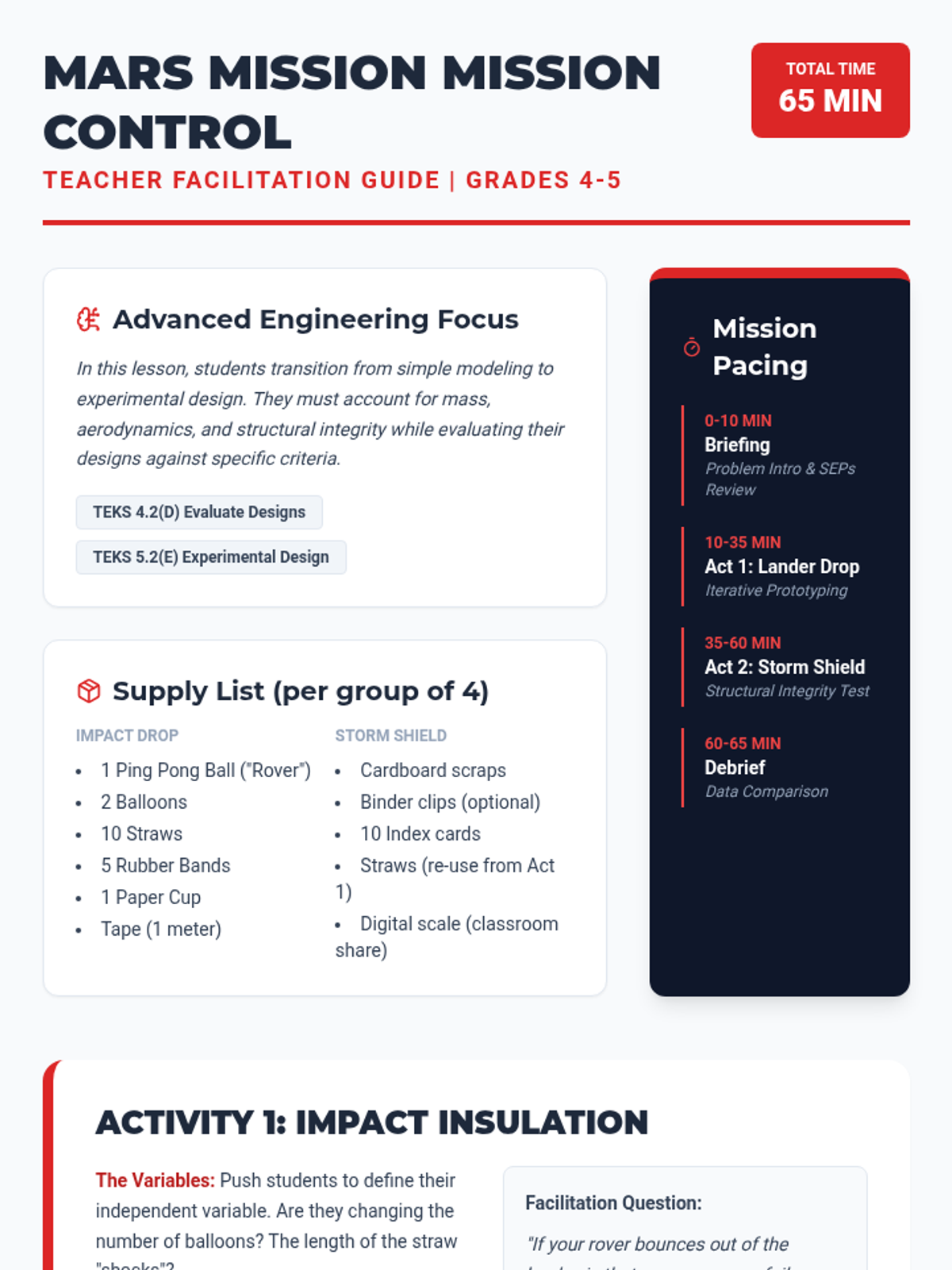
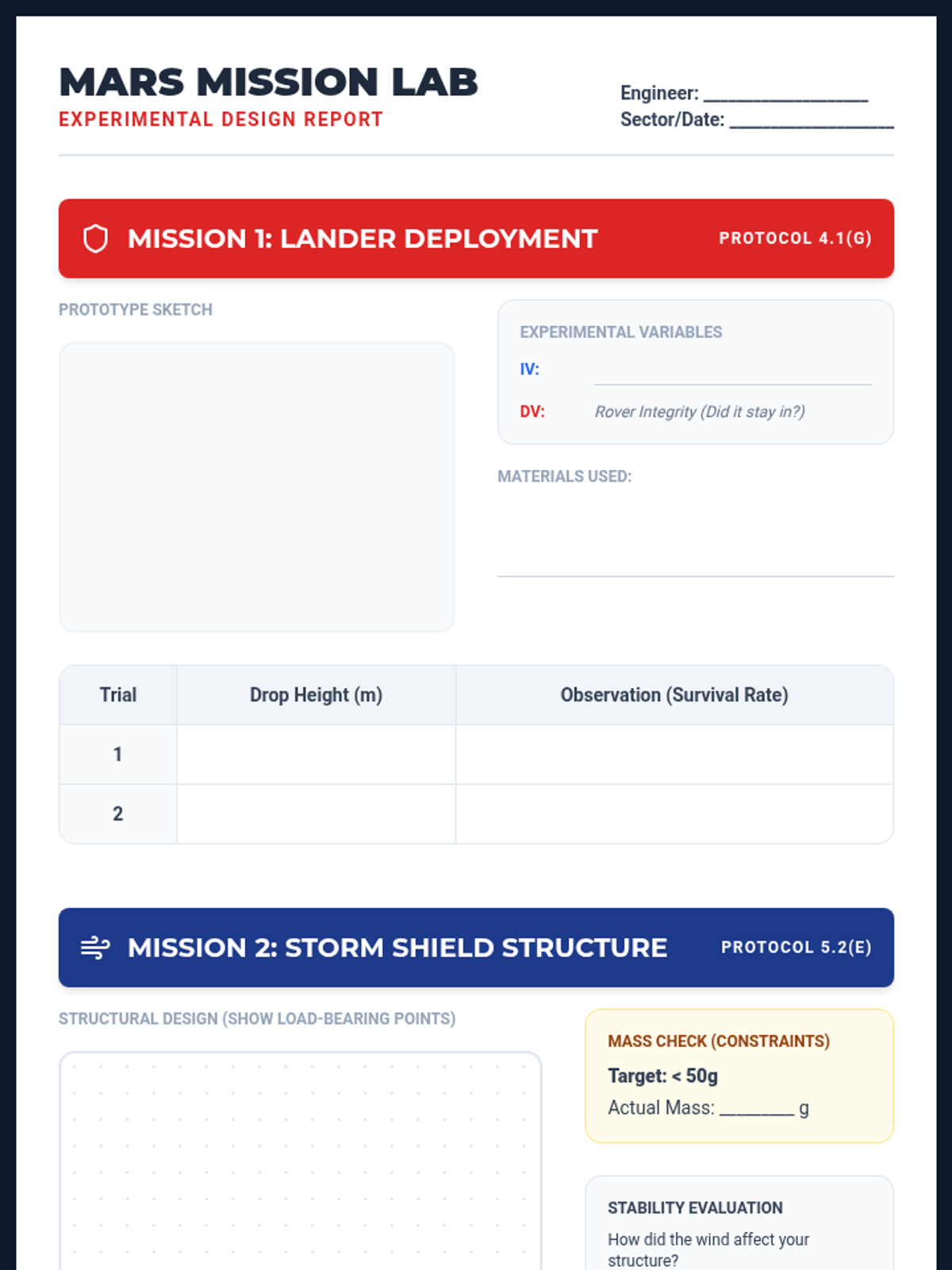
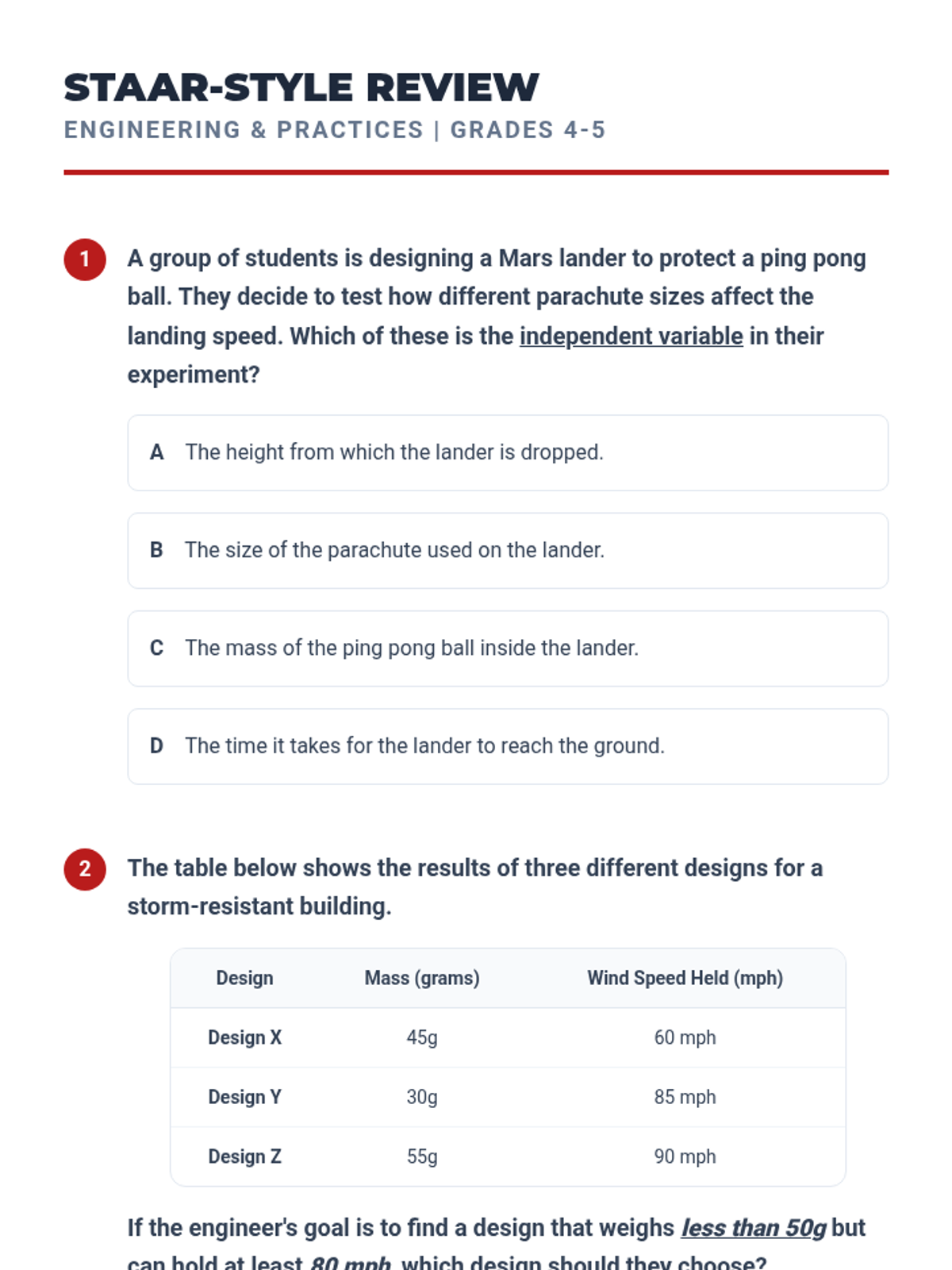
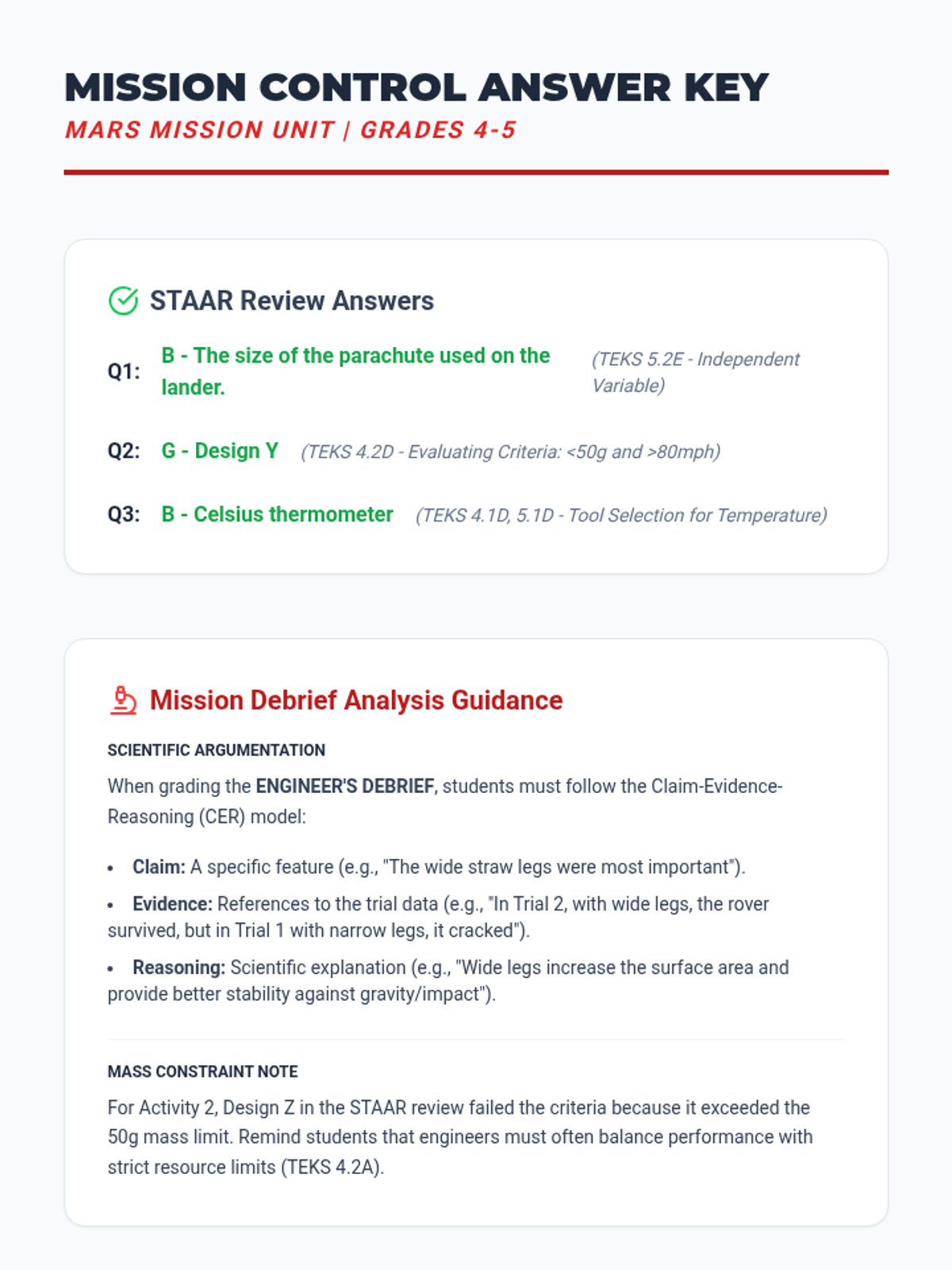
An advanced engineering challenge for grades 4-5 set in a Mars mission context. Students design landing systems to protect rovers and build structures to withstand extreme planetary conditions, focusing on experimental design and prototype evaluation.
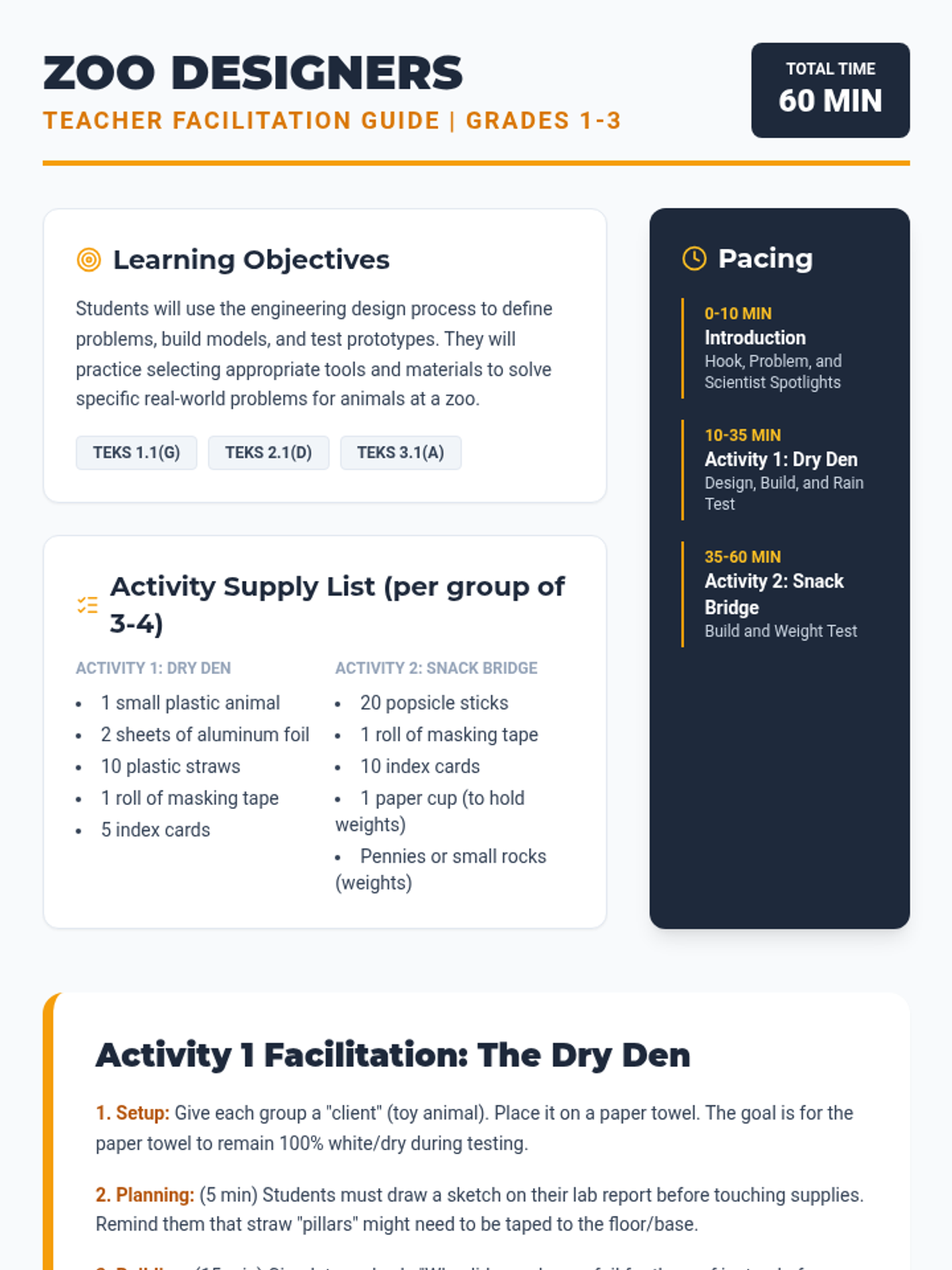
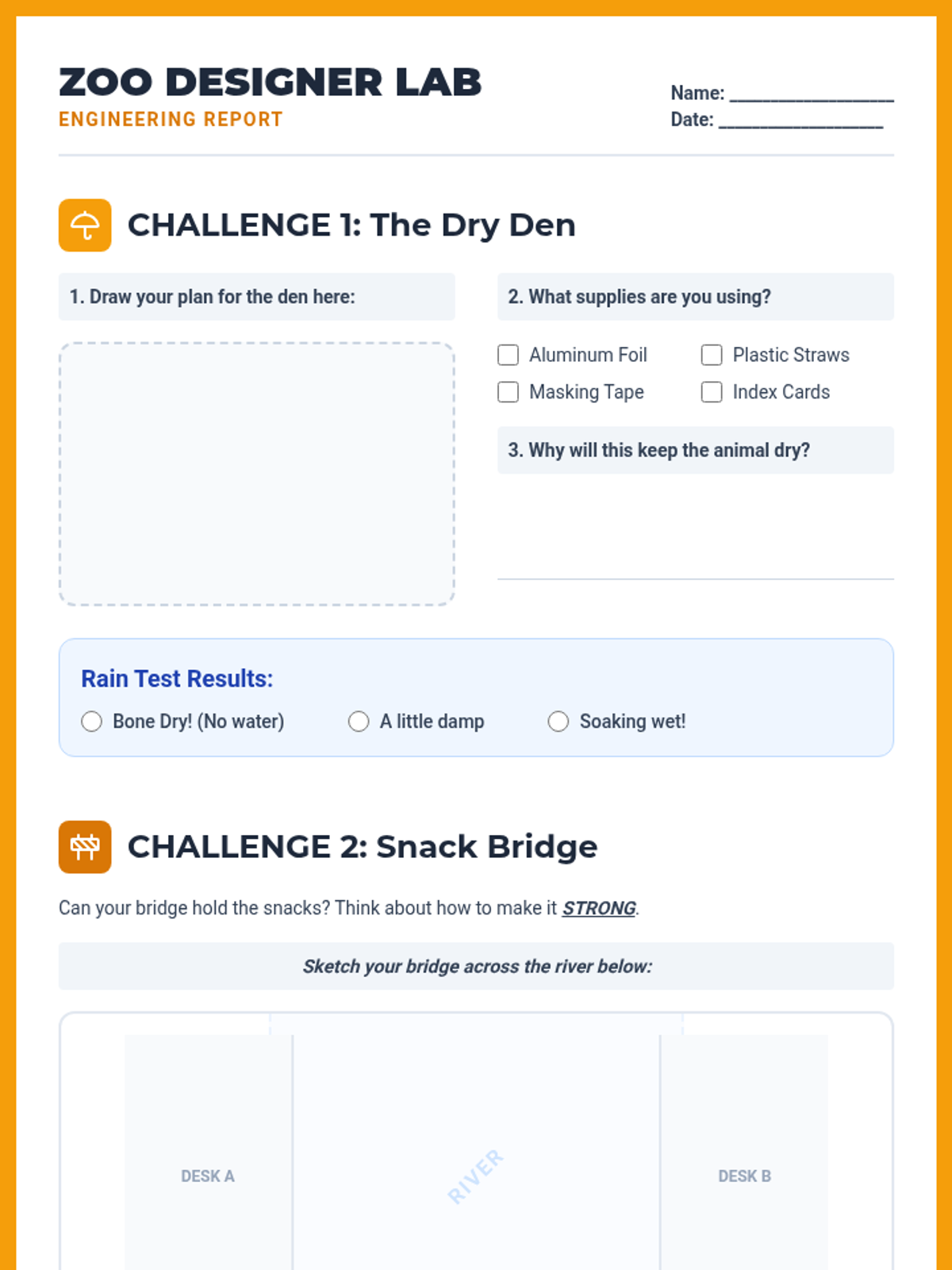
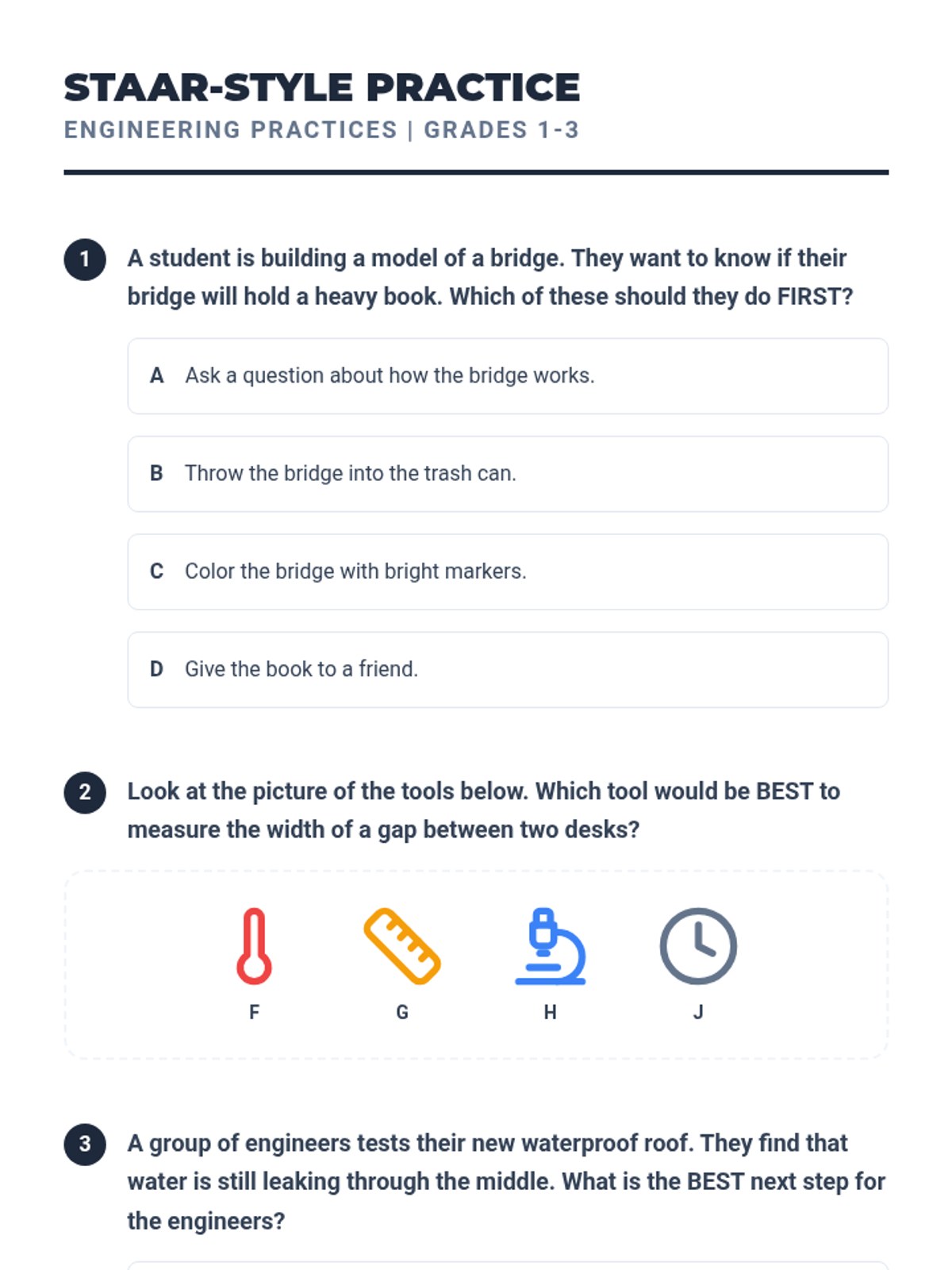
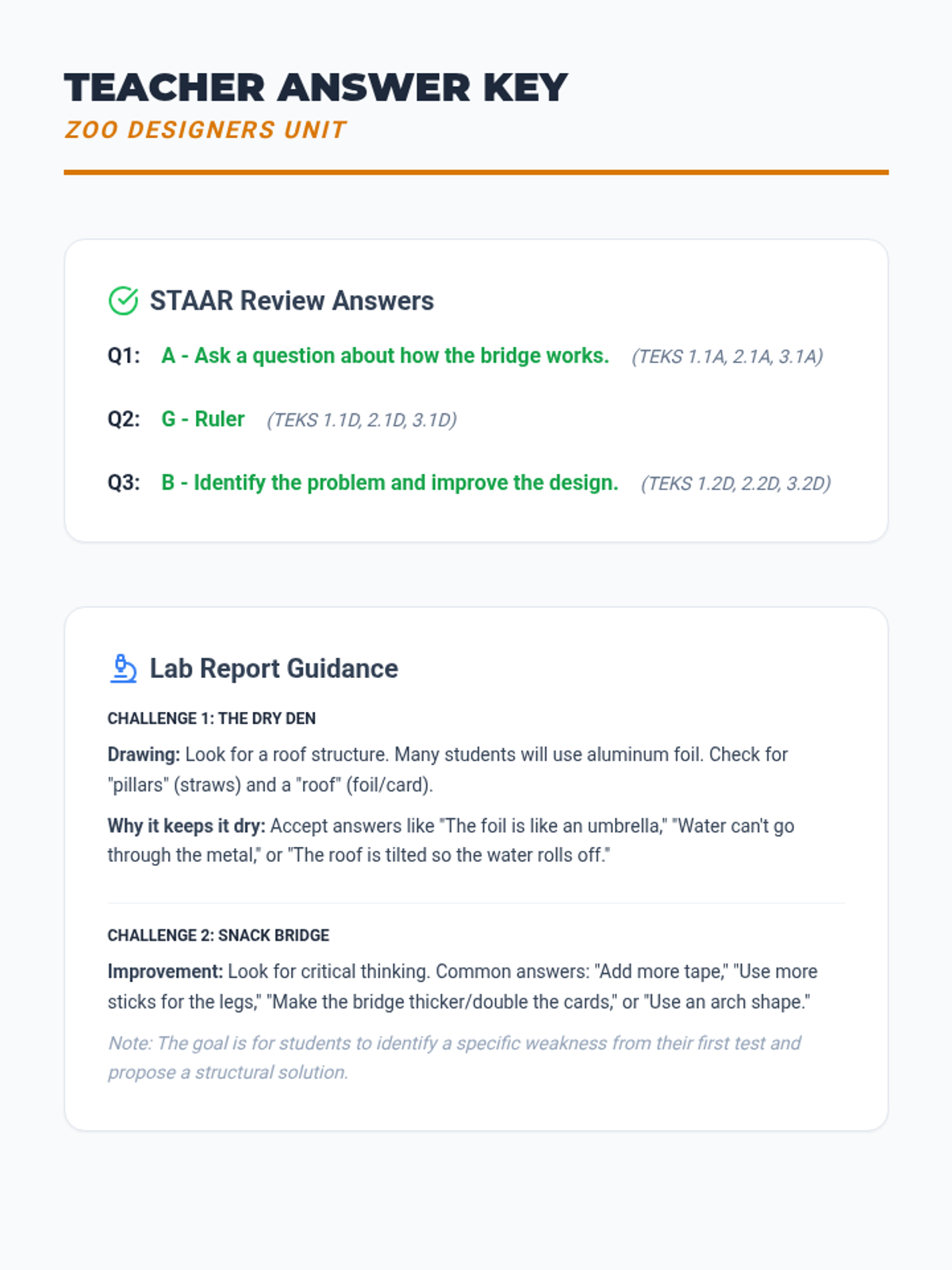
A junior engineering lesson for grades 1-3 where students act as zoo designers. They solve real-world animal habitat problems by building waterproof canopies and sturdy bridges, focusing on modeling, tool use, and basic prototyping.
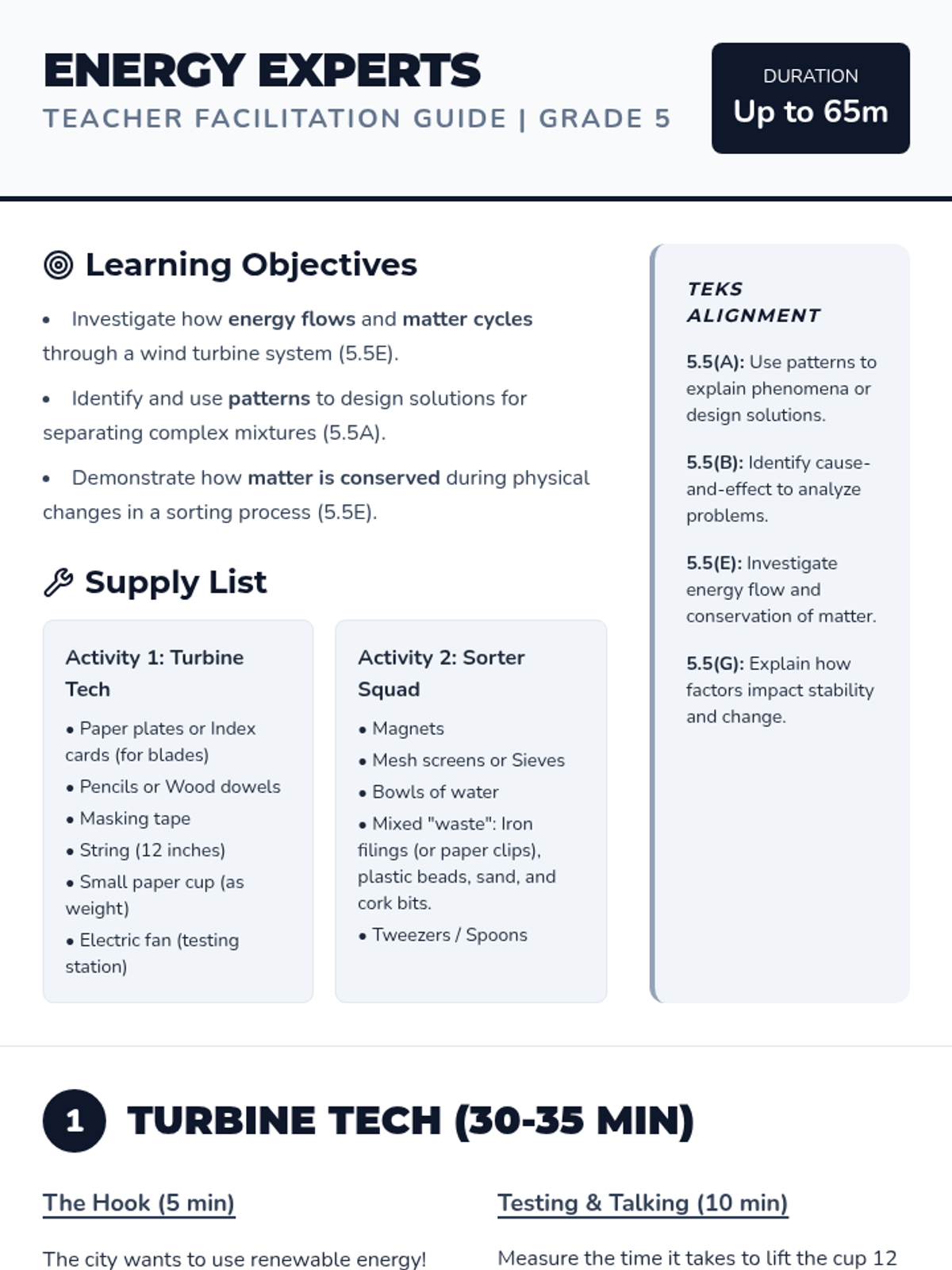
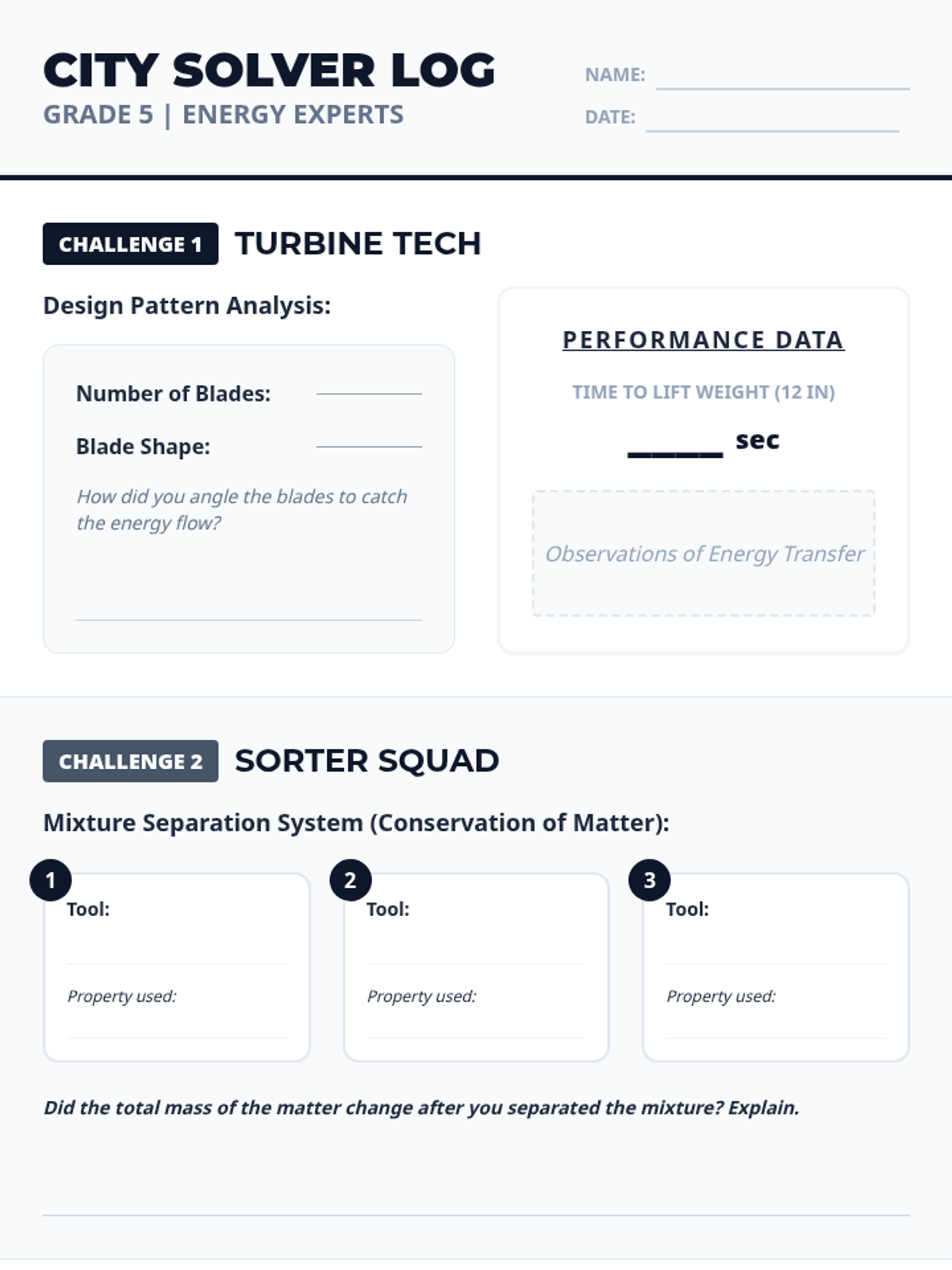
Fifth-grade students explore energy flow and conservation of matter by building wind turbine blades and sorting mixtures of recyclable materials.
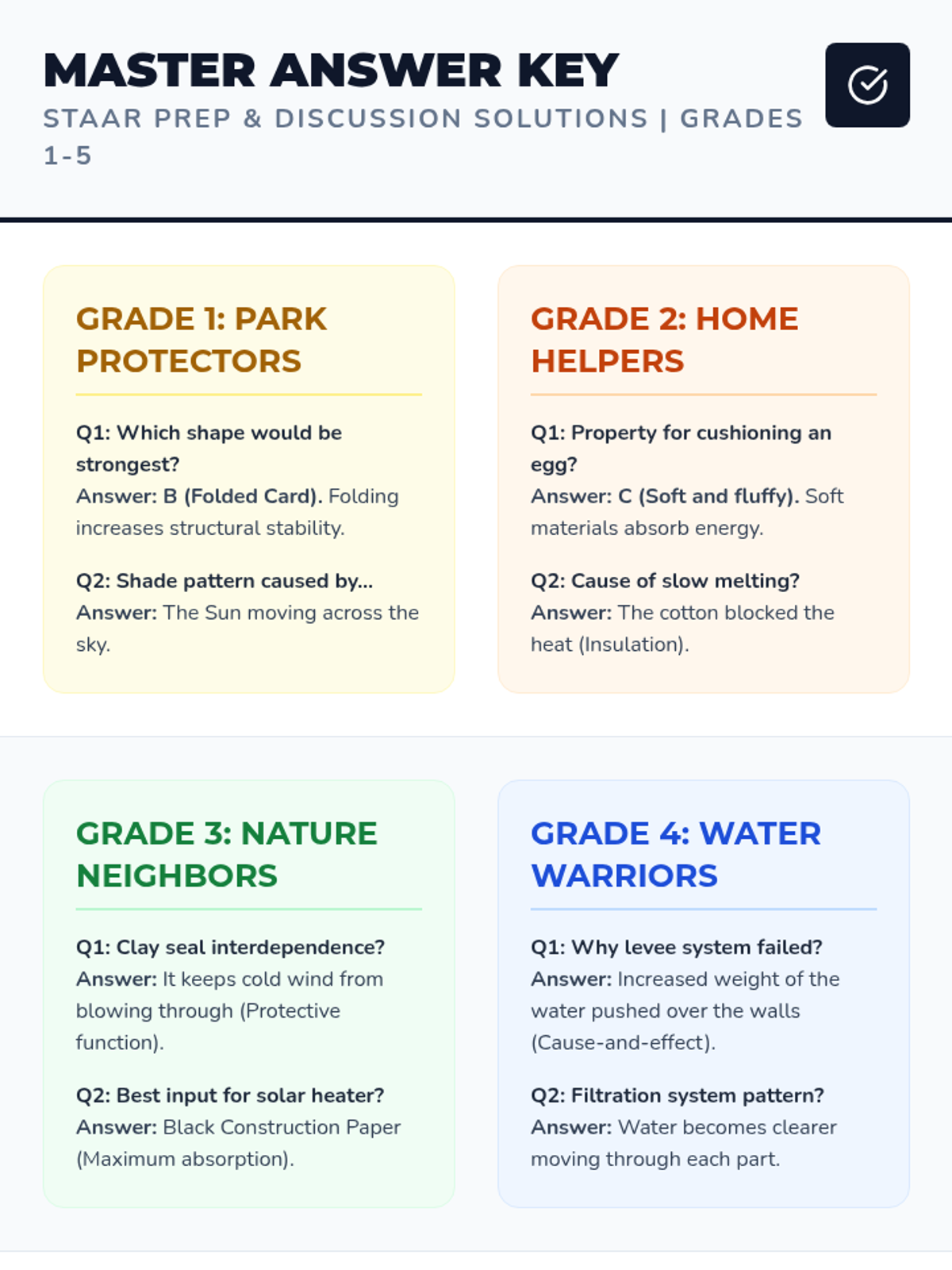
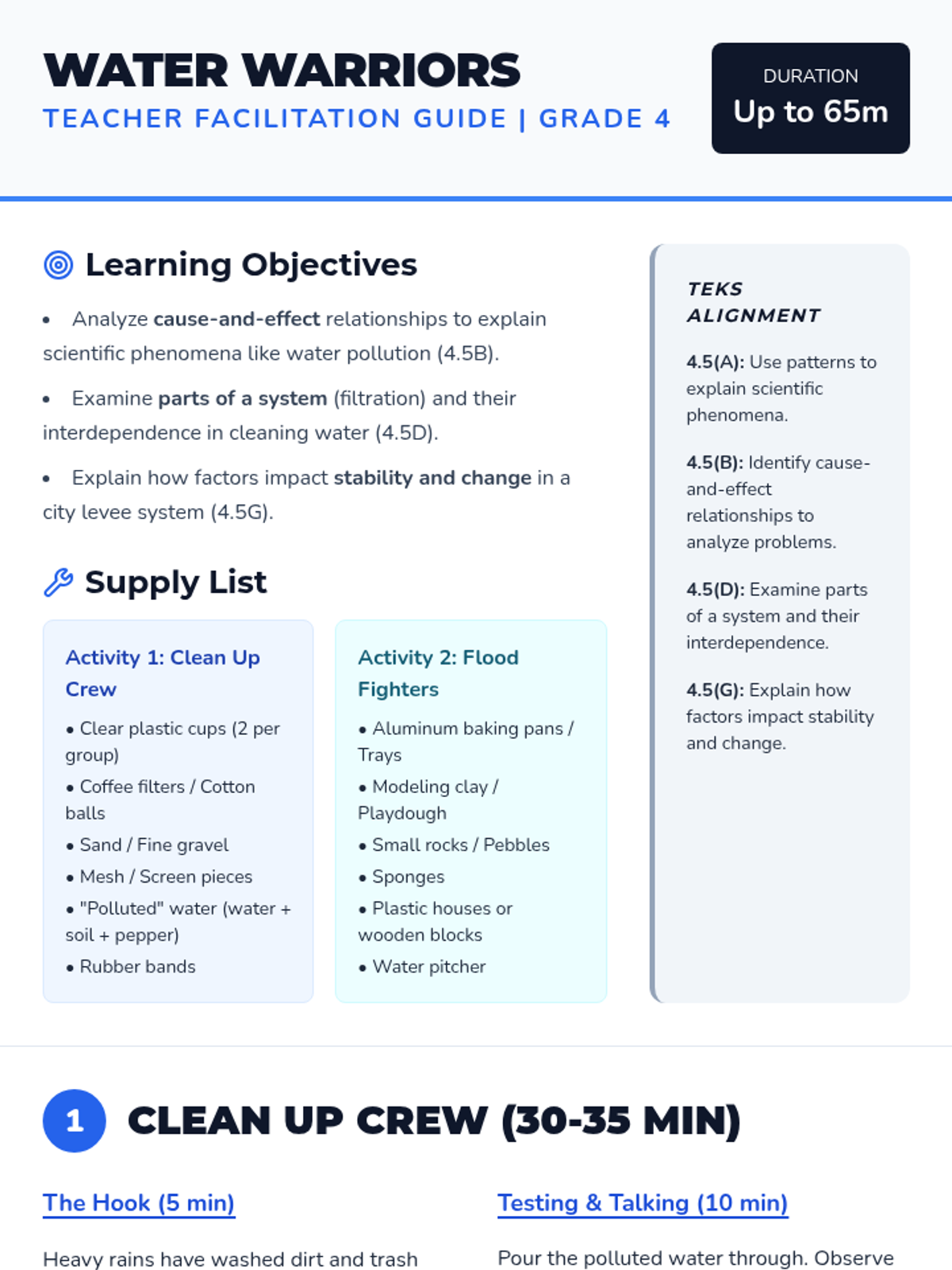
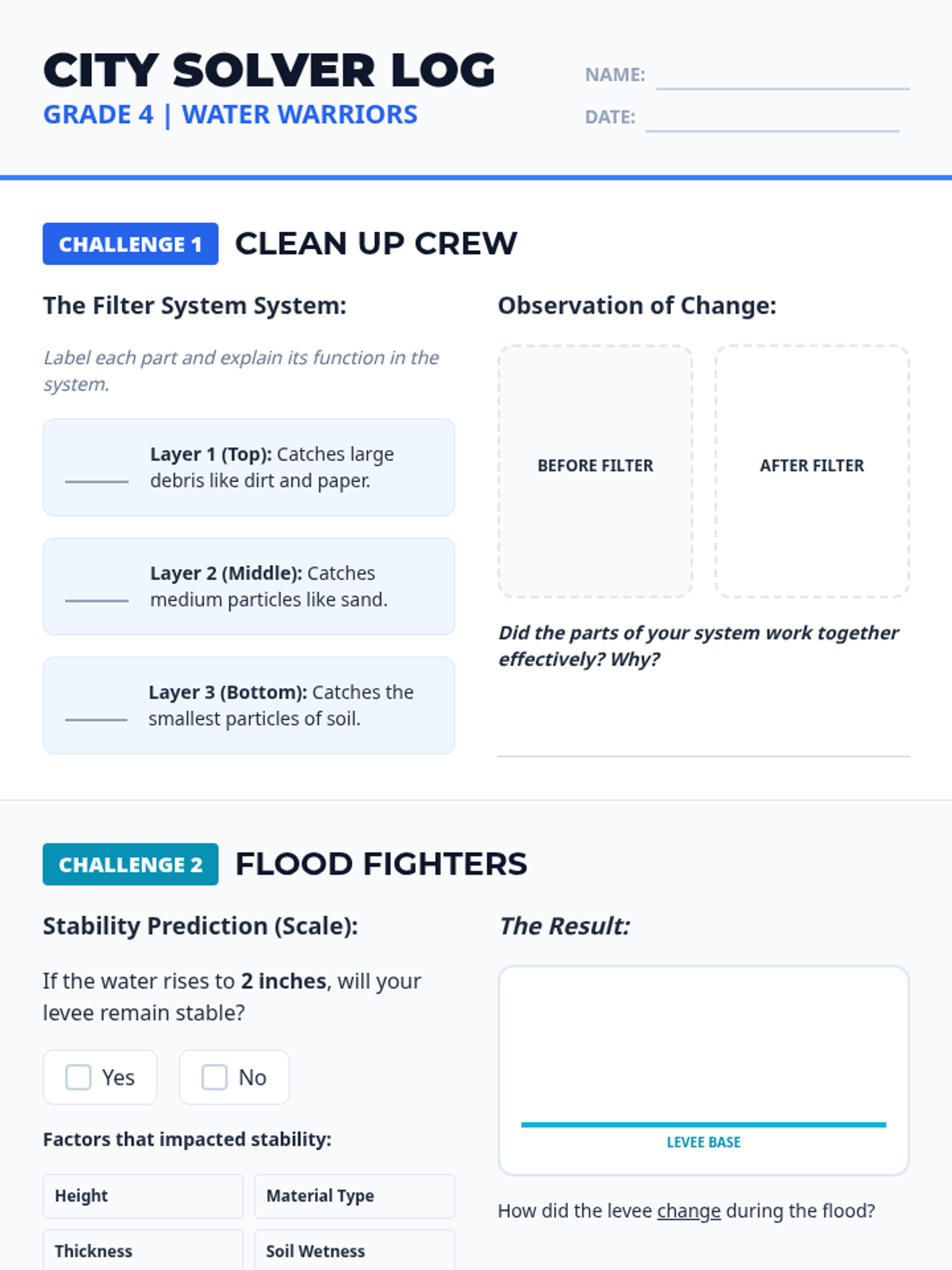
Fourth-grade students analyze systems and stability by designing water filtration devices and flood defense systems for the city.
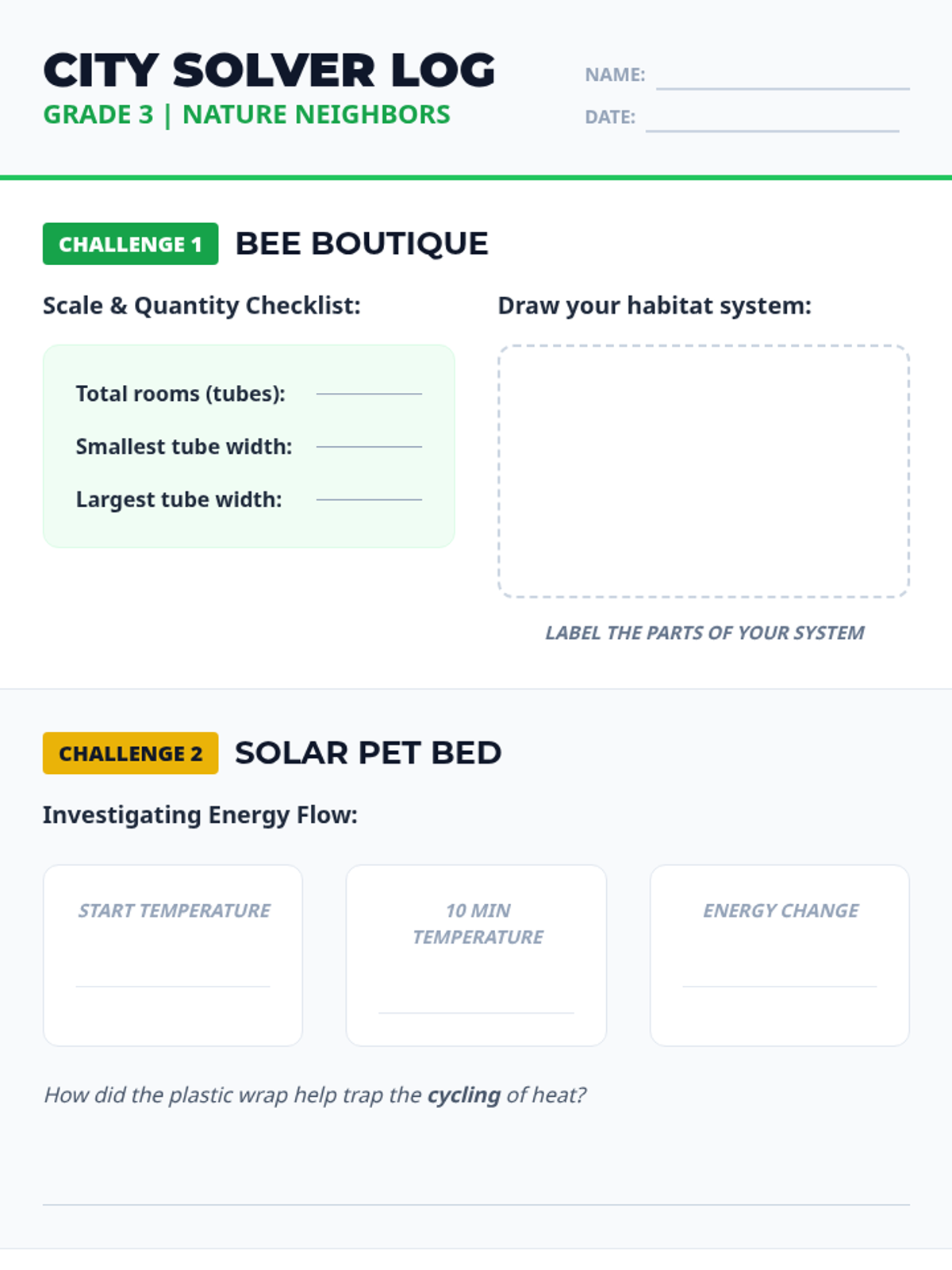
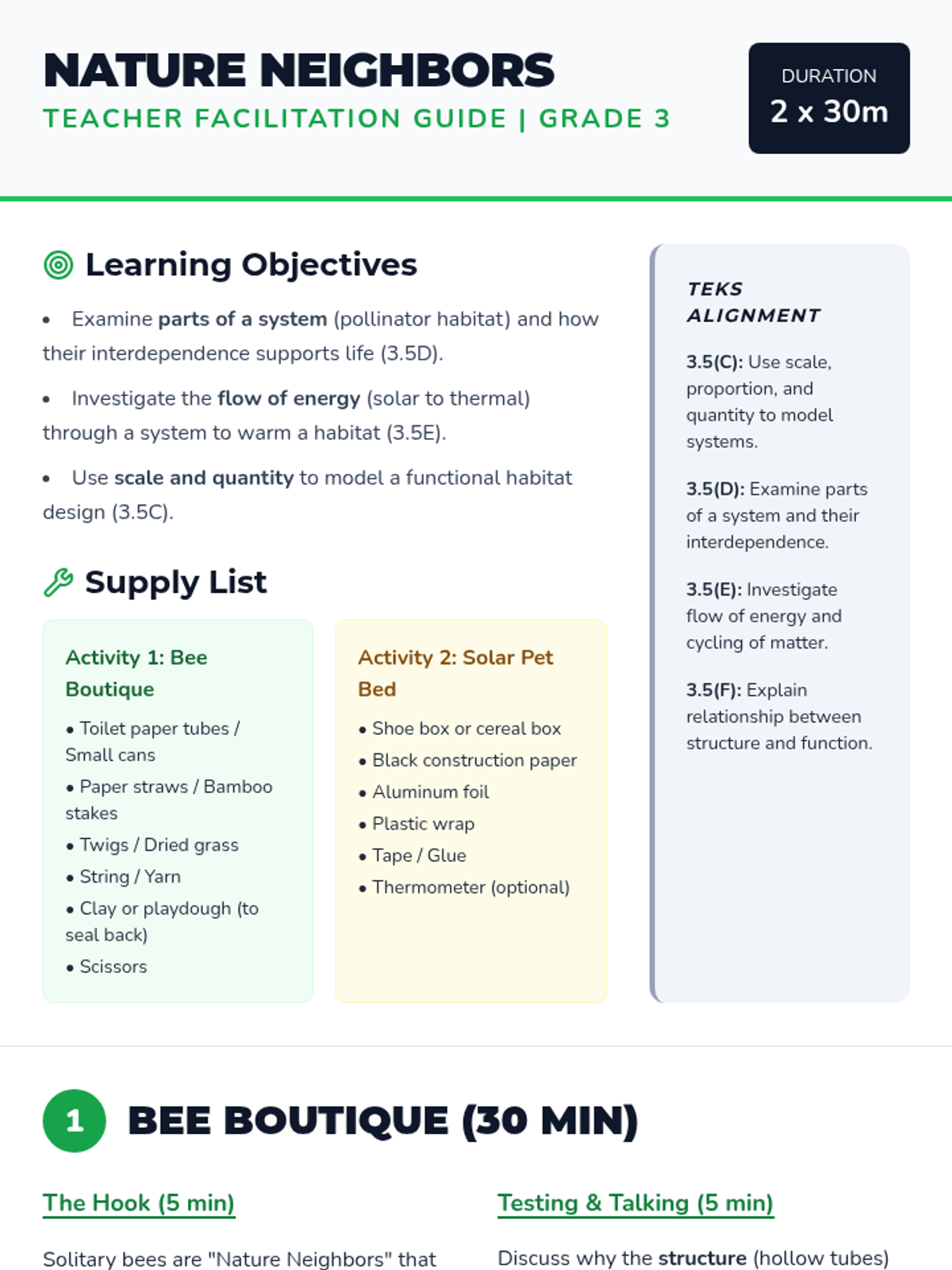
Third-grade students model systems and energy flow by creating habitats for pollinators and using solar energy to heat a habitat.
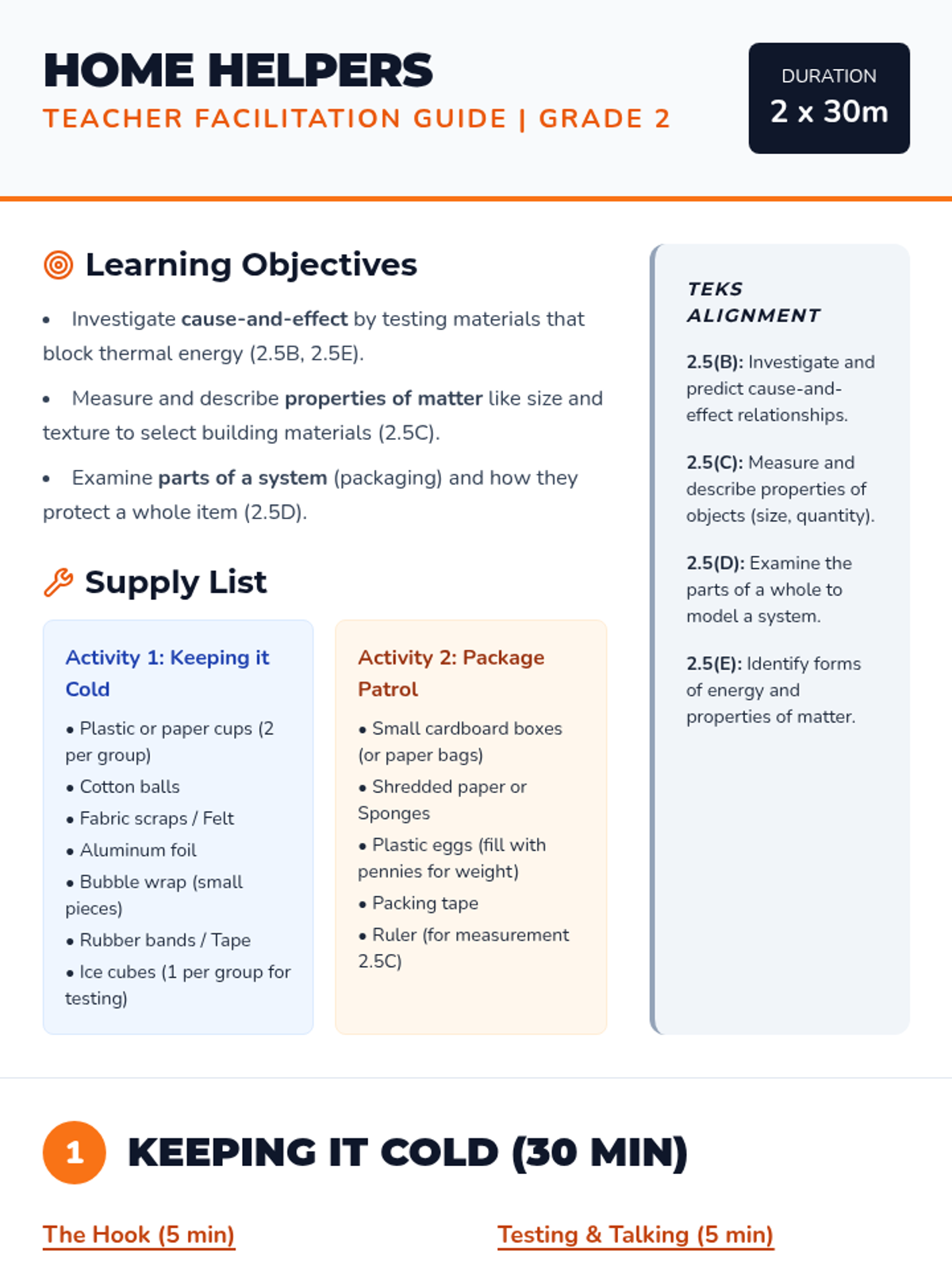
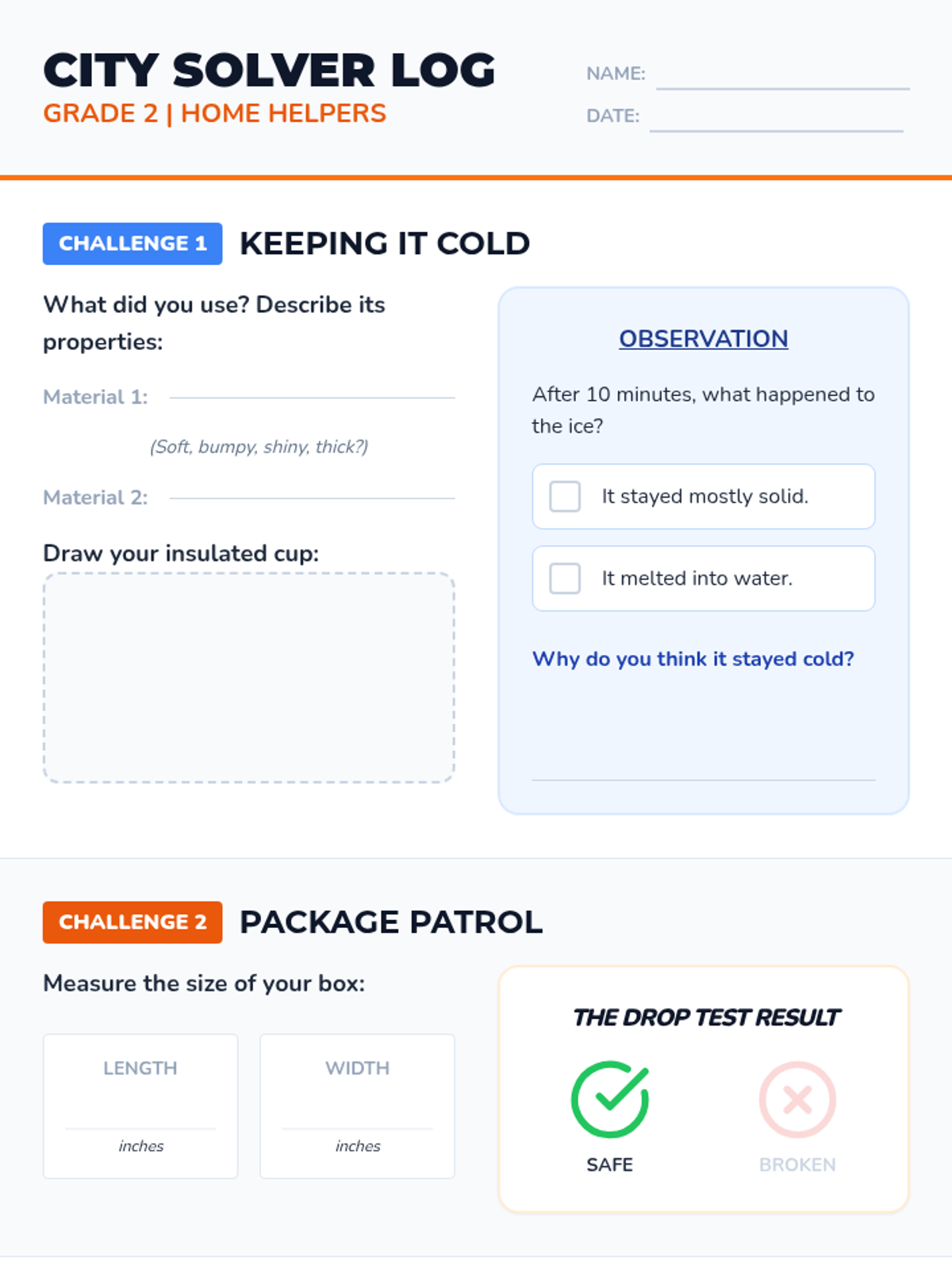
Second-grade students investigate cause-and-effect and measurement by building thermal insulators and protective packaging for fragile items.
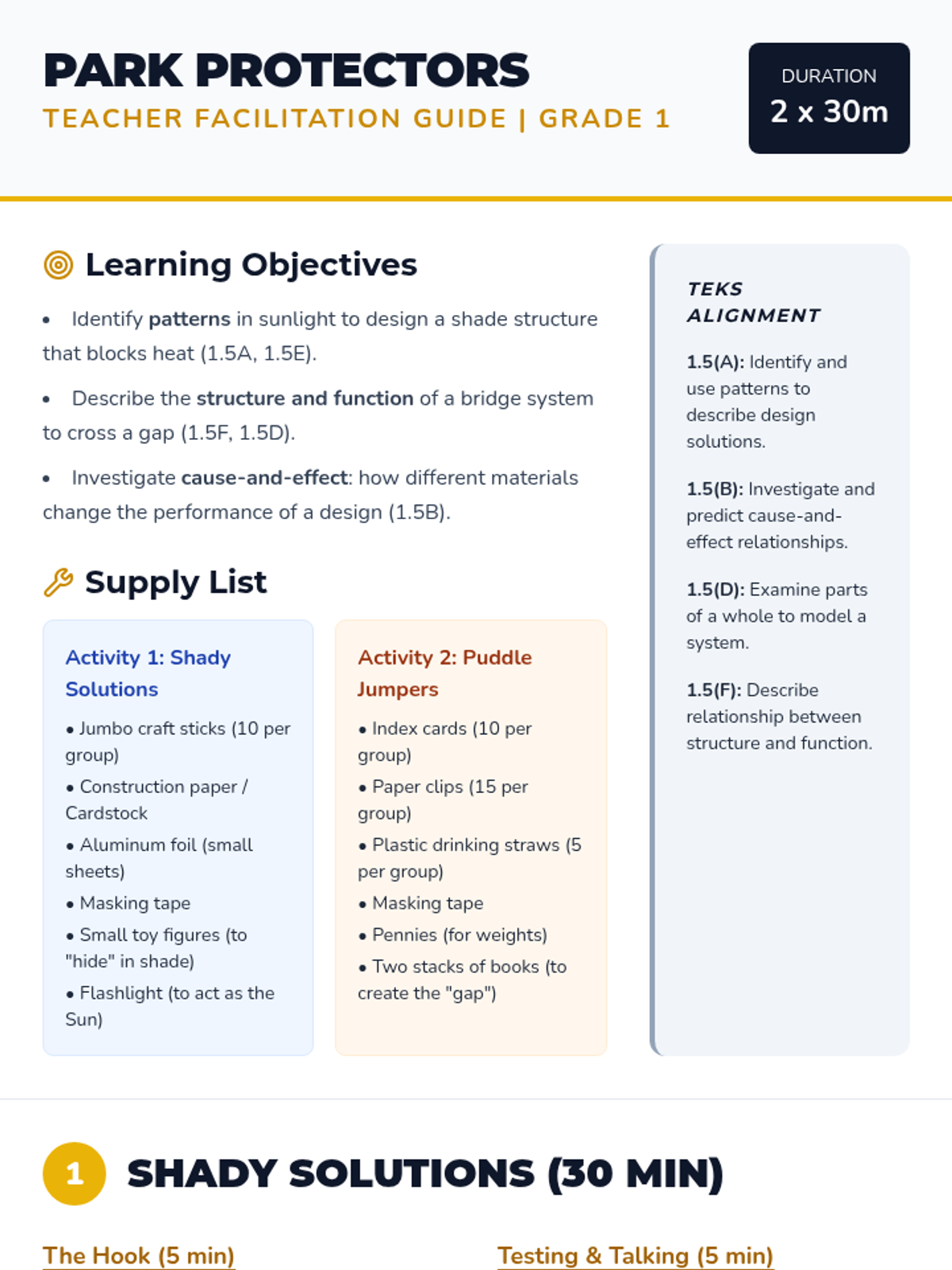
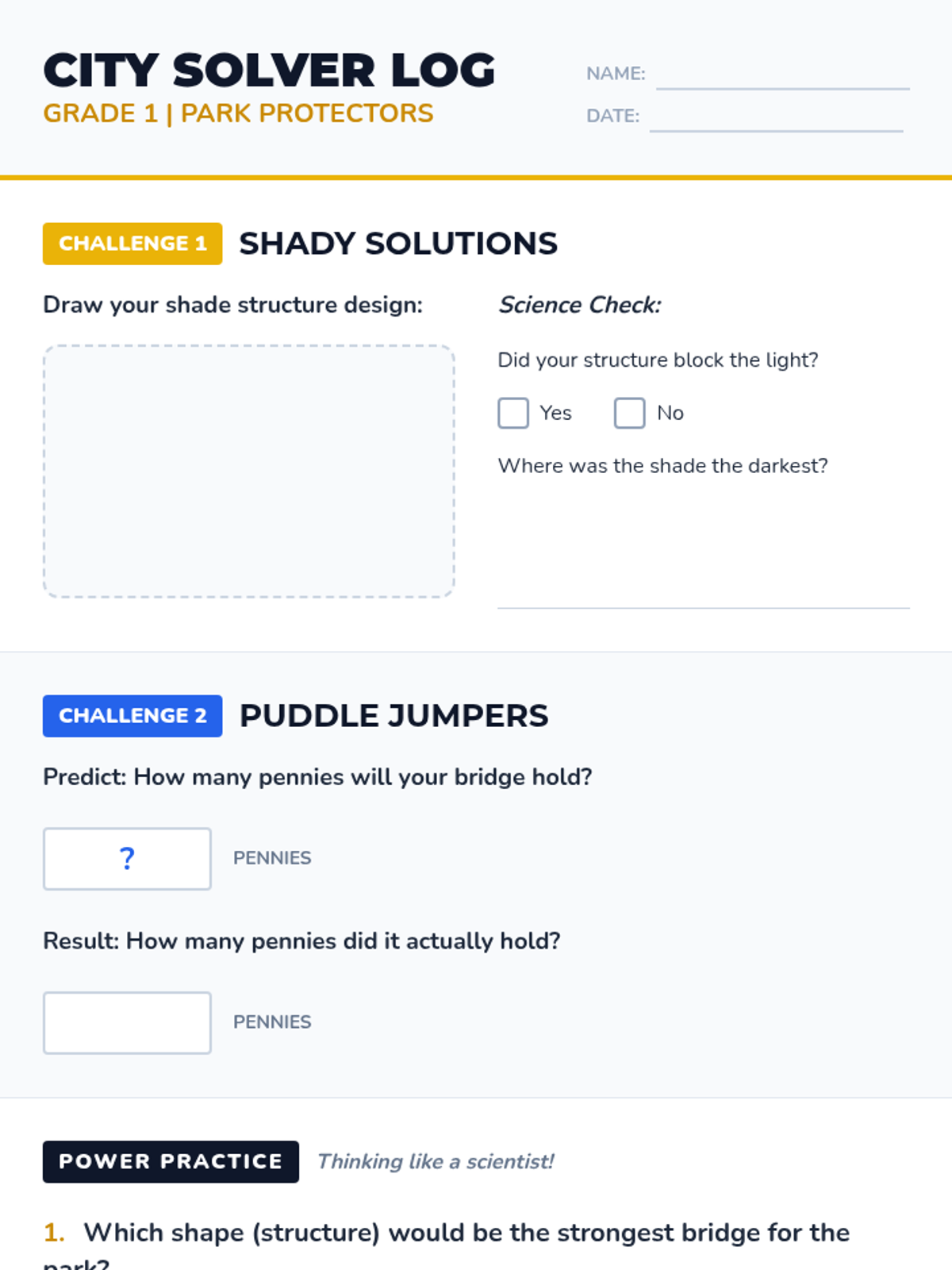
First-grade students explore patterns and structure-function relationships by designing shade structures and bridges for their local park.
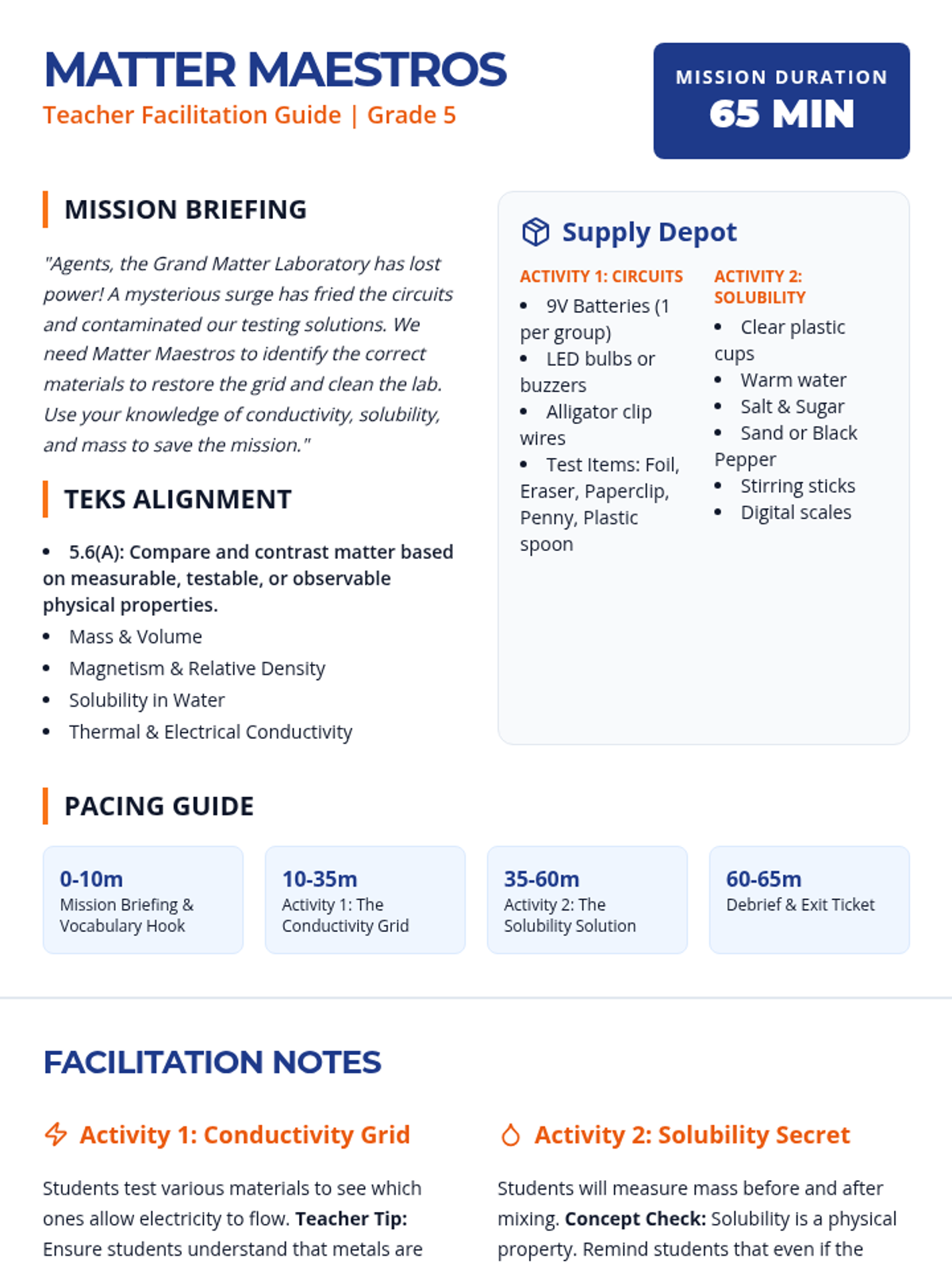
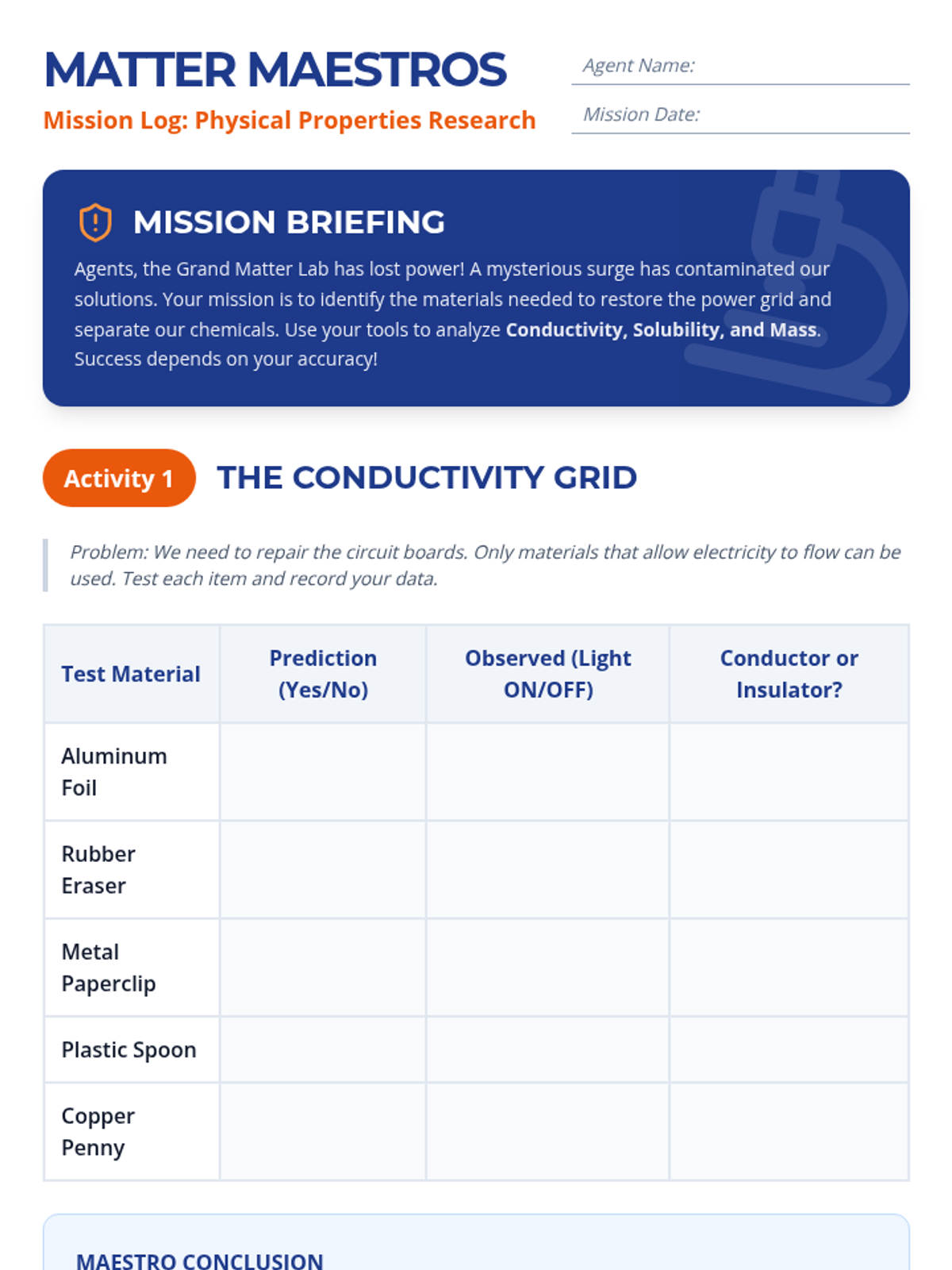
Fifth-grade maestros perform advanced testing on conductivity, solubility, and mass to restore power to a science lab. Comprehensive STAAR review and engineering design.
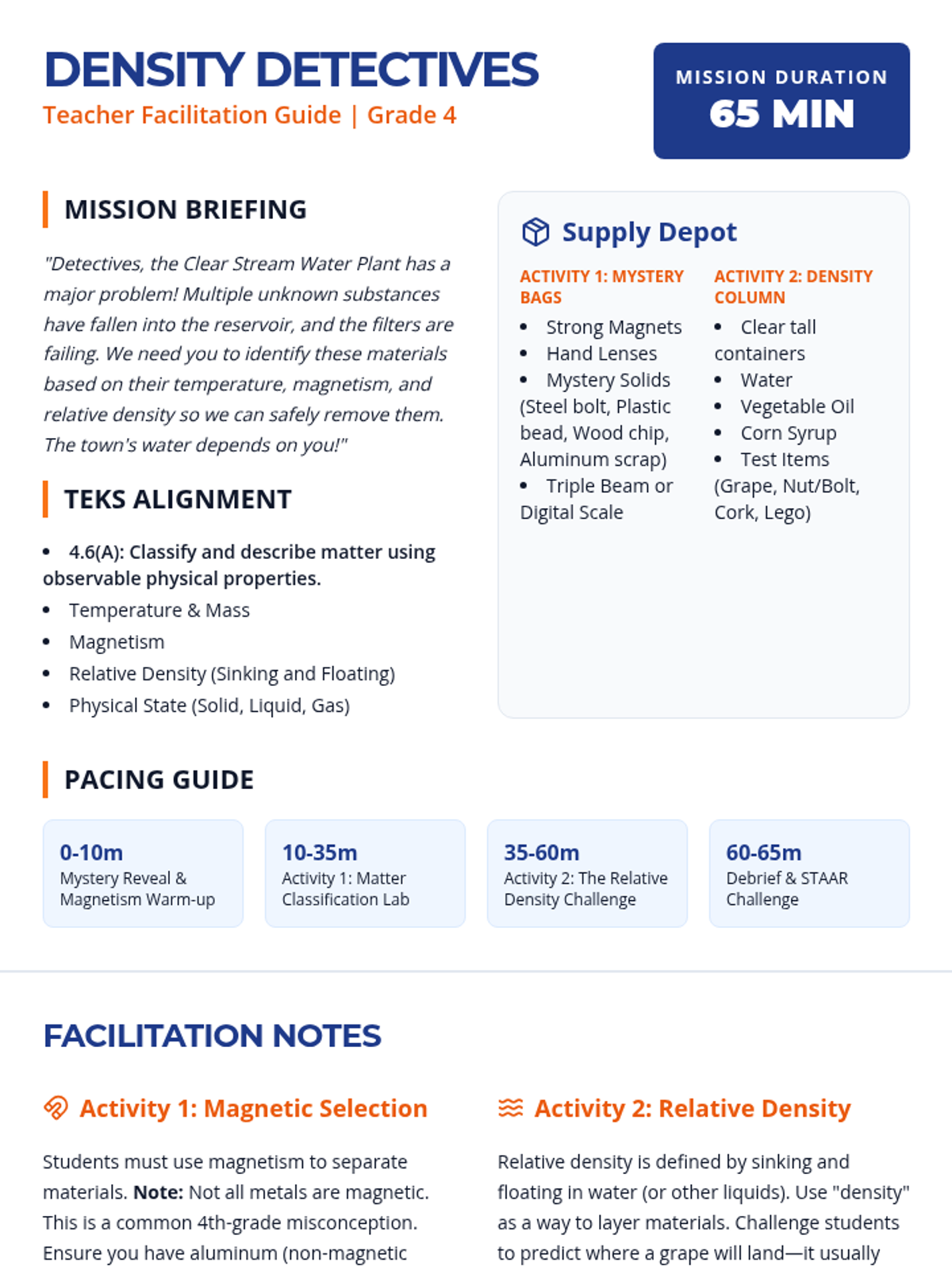
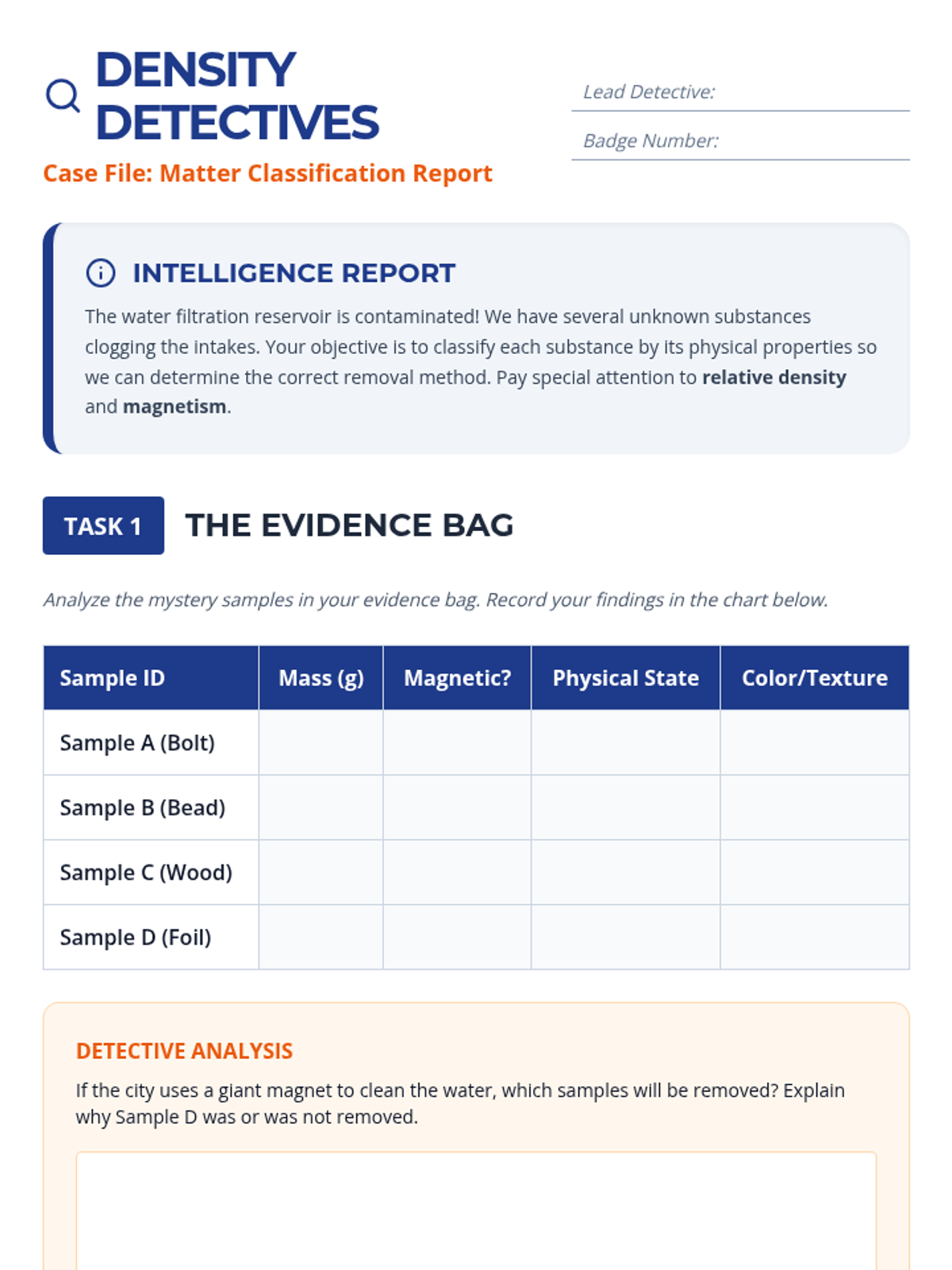
Fourth-grade detectives classify matter using temperature, magnetism, and relative density to solve a water filtration mystery. Includes STAAR-aligned assessment questions.
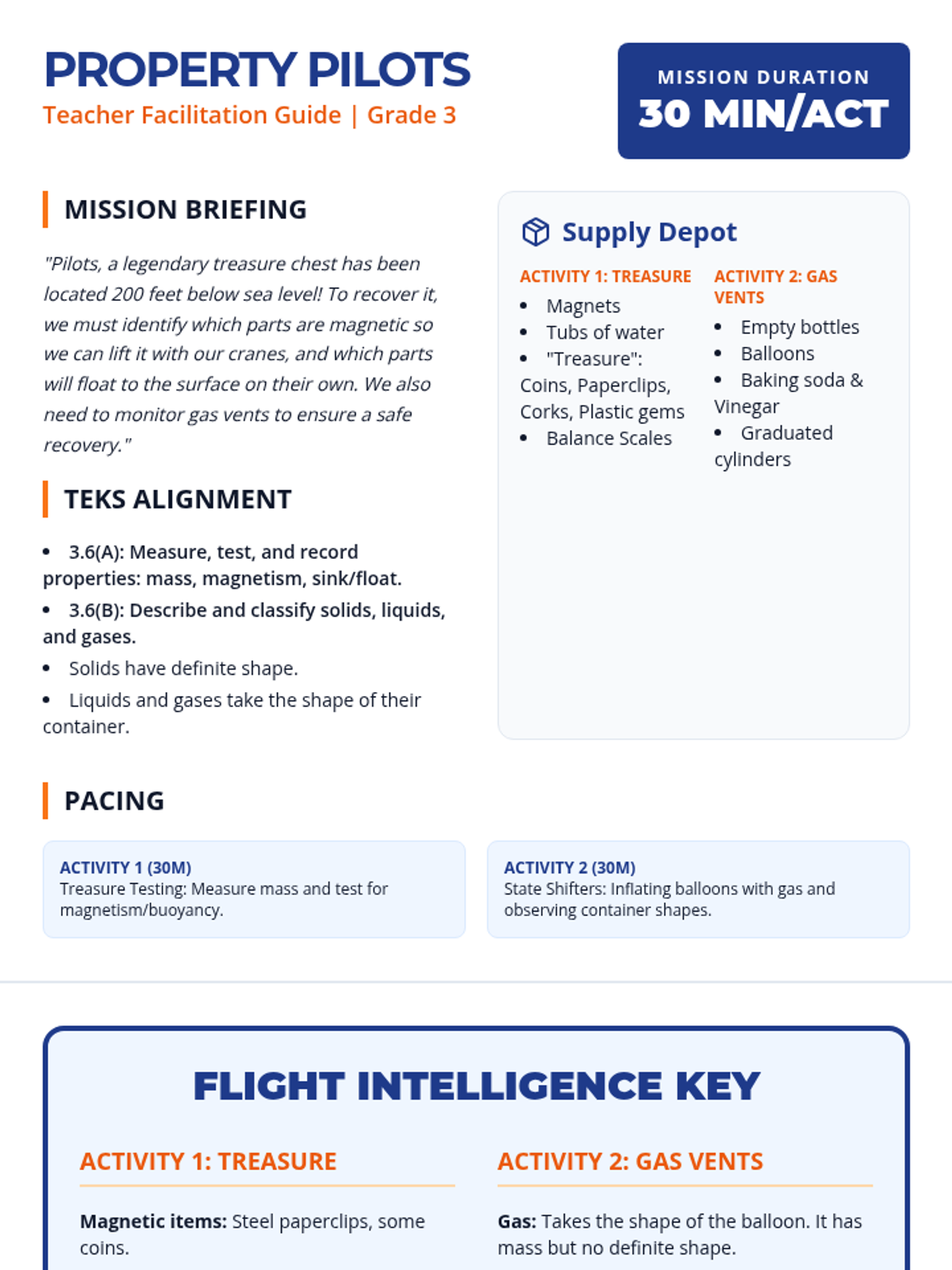
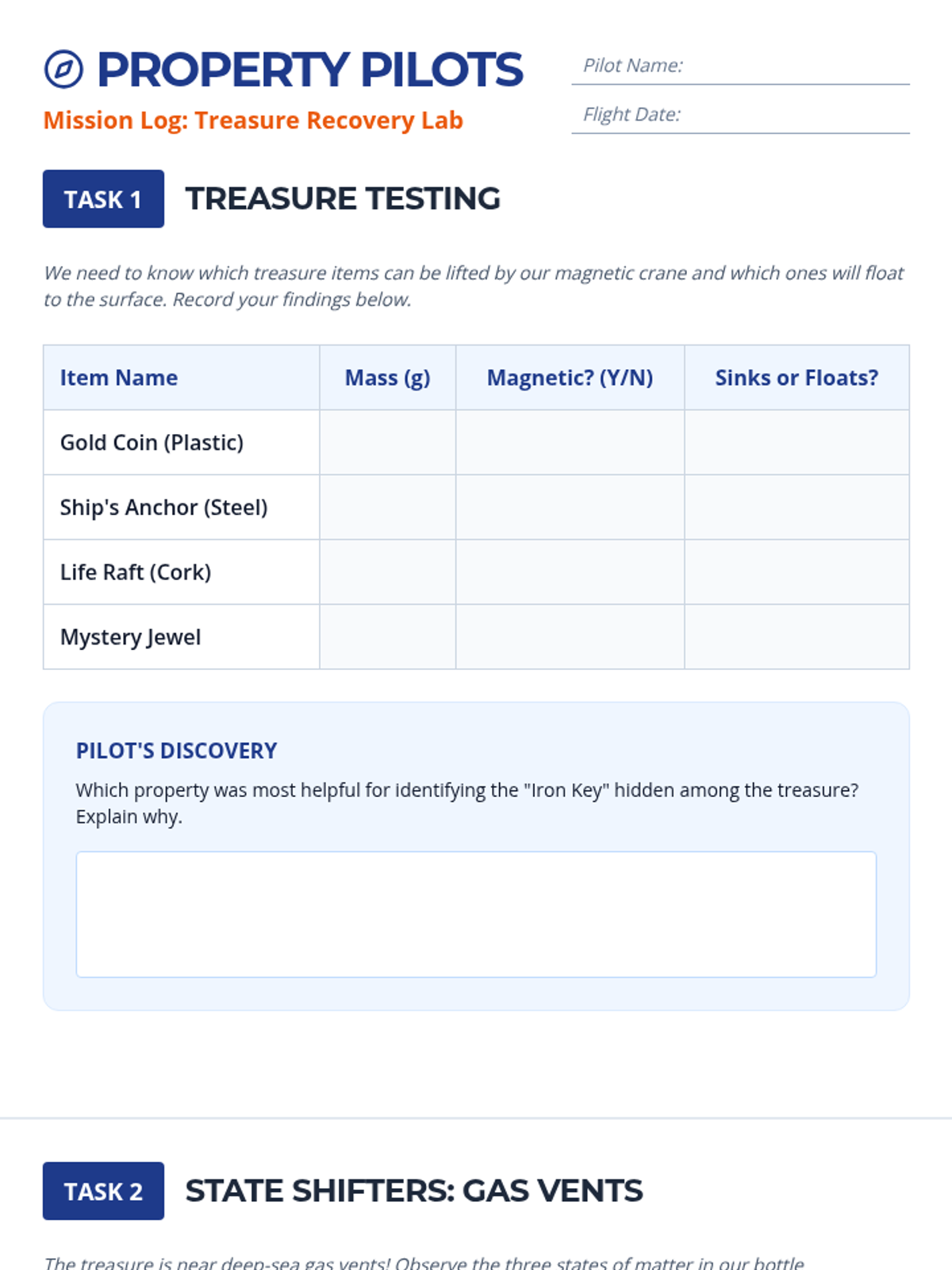
Third-grade pilots test mass, magnetism, and buoyancy to recover sunken treasure. Explores the properties of solids, liquids, and gases including shape and volume.
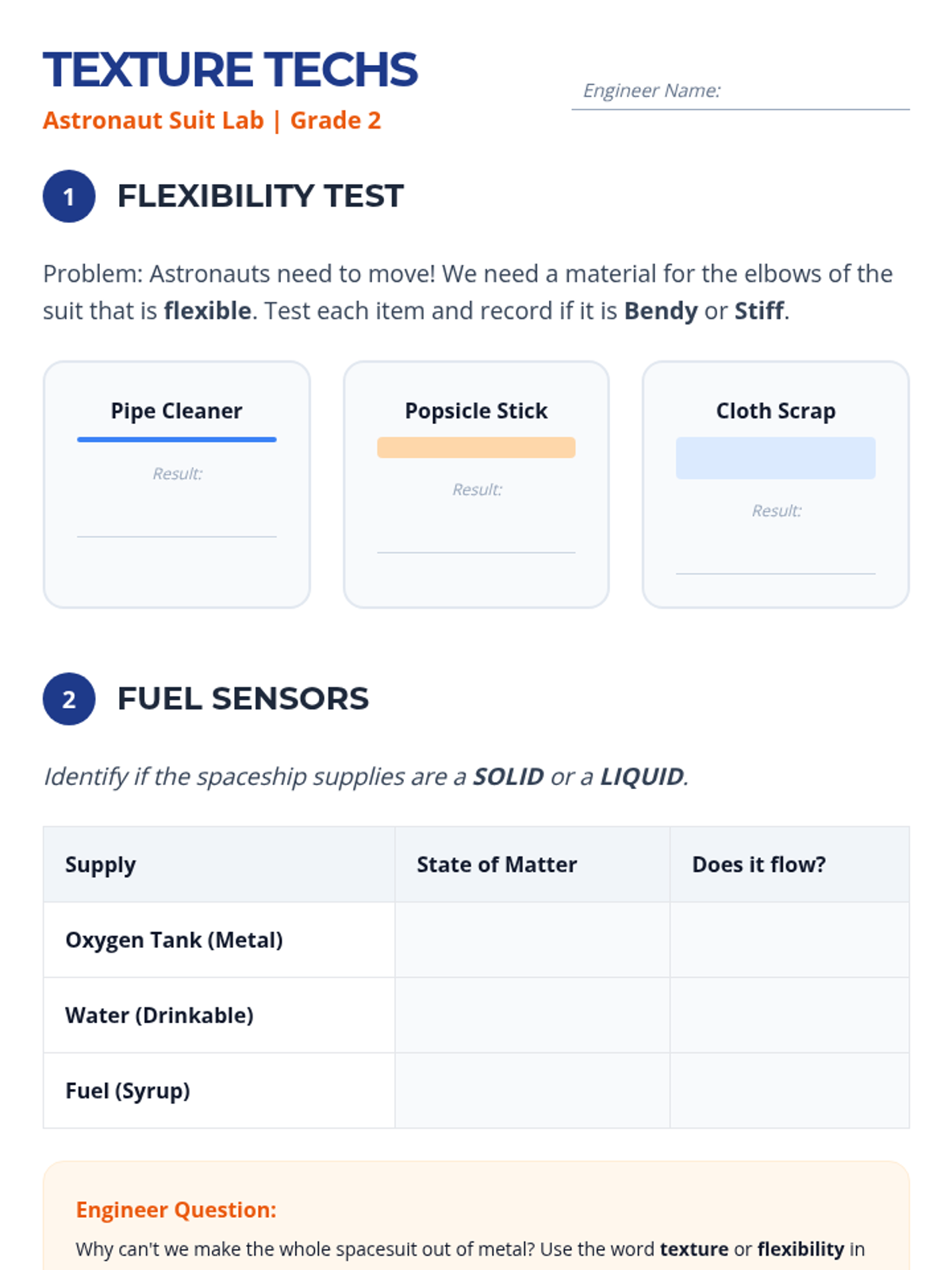
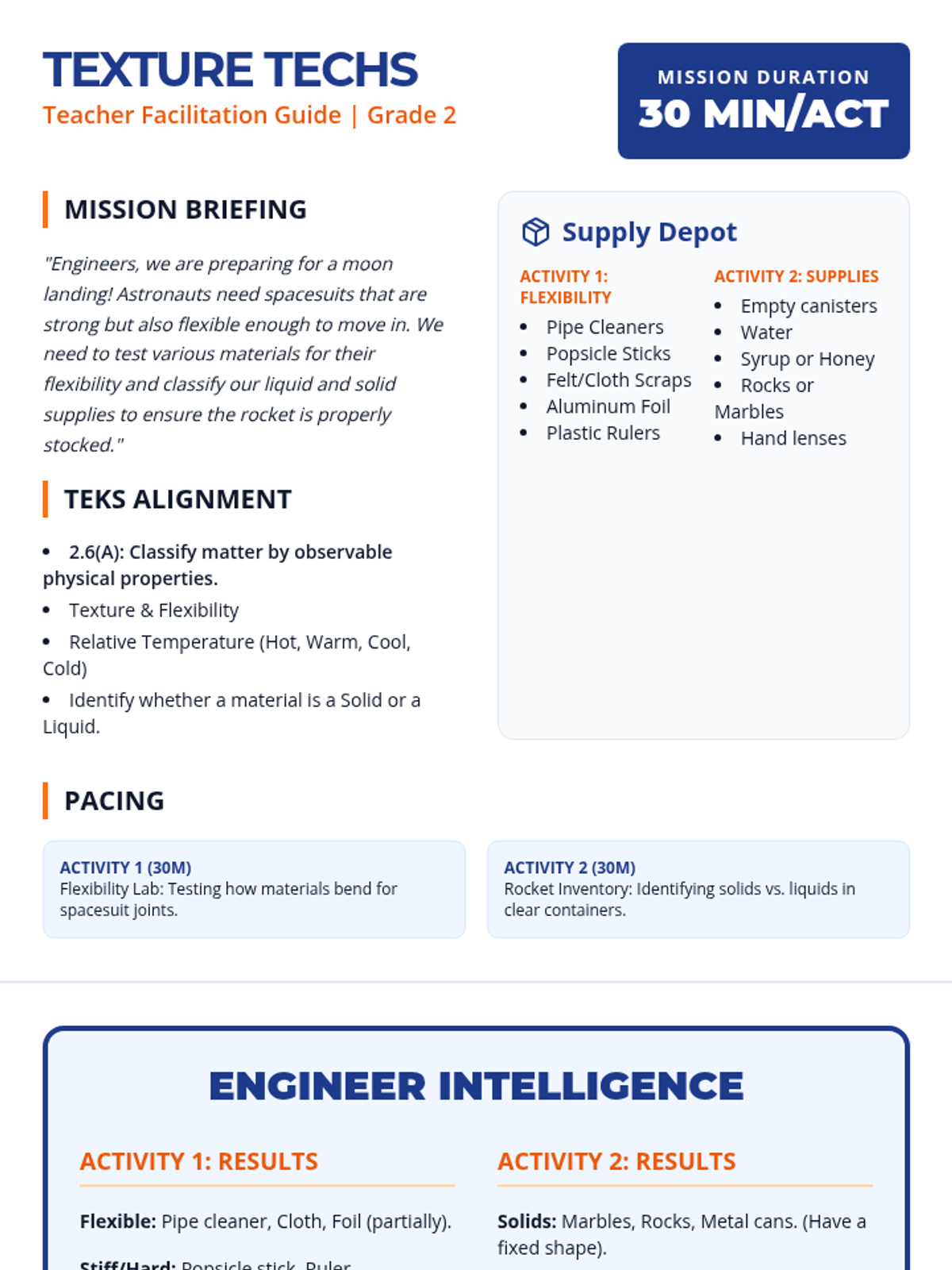
Second-grade engineers investigate texture, flexibility, and physical states of matter to design components for an astronaut's spacesuit. Distinguishes between solids and liquids.
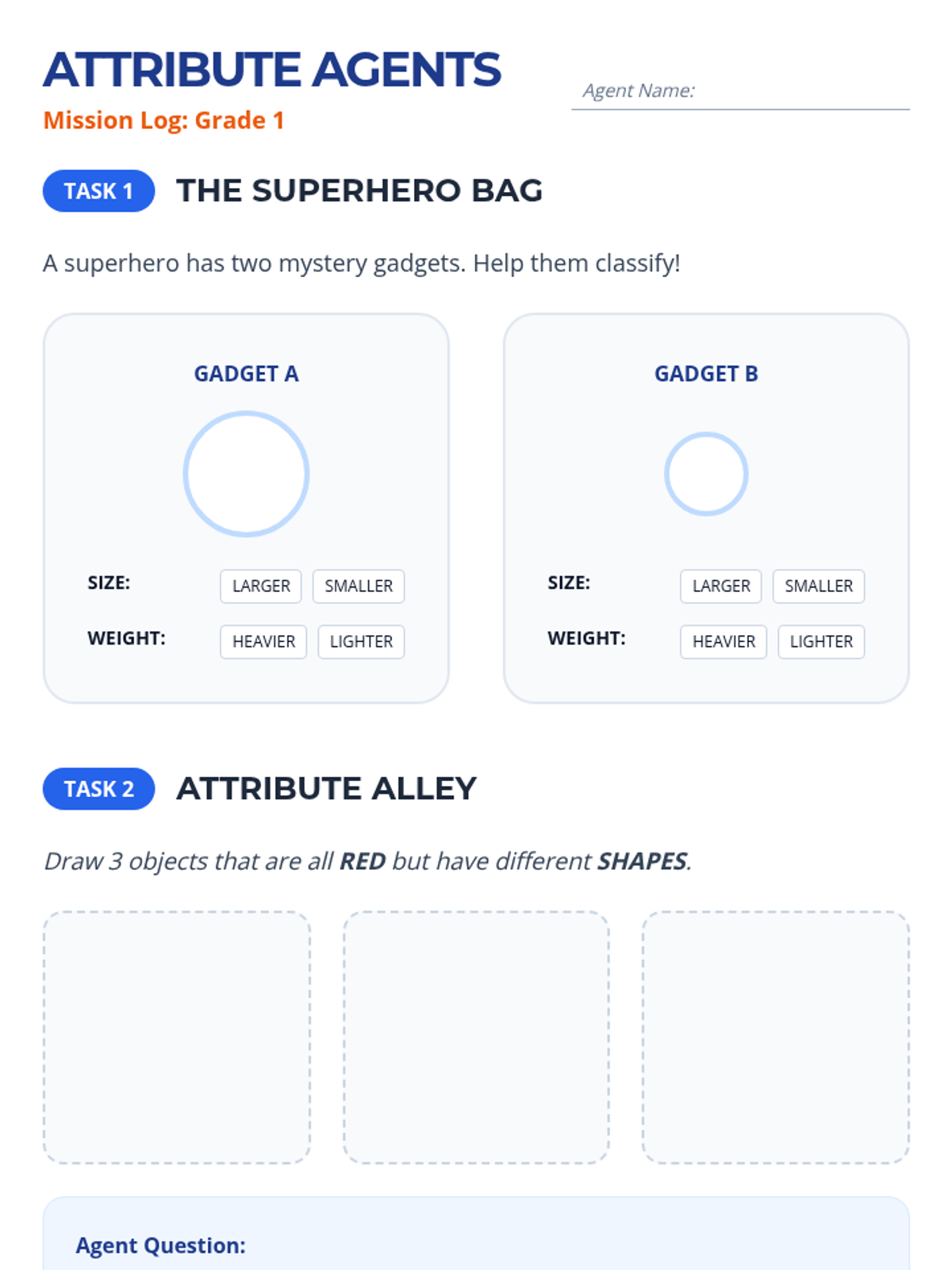
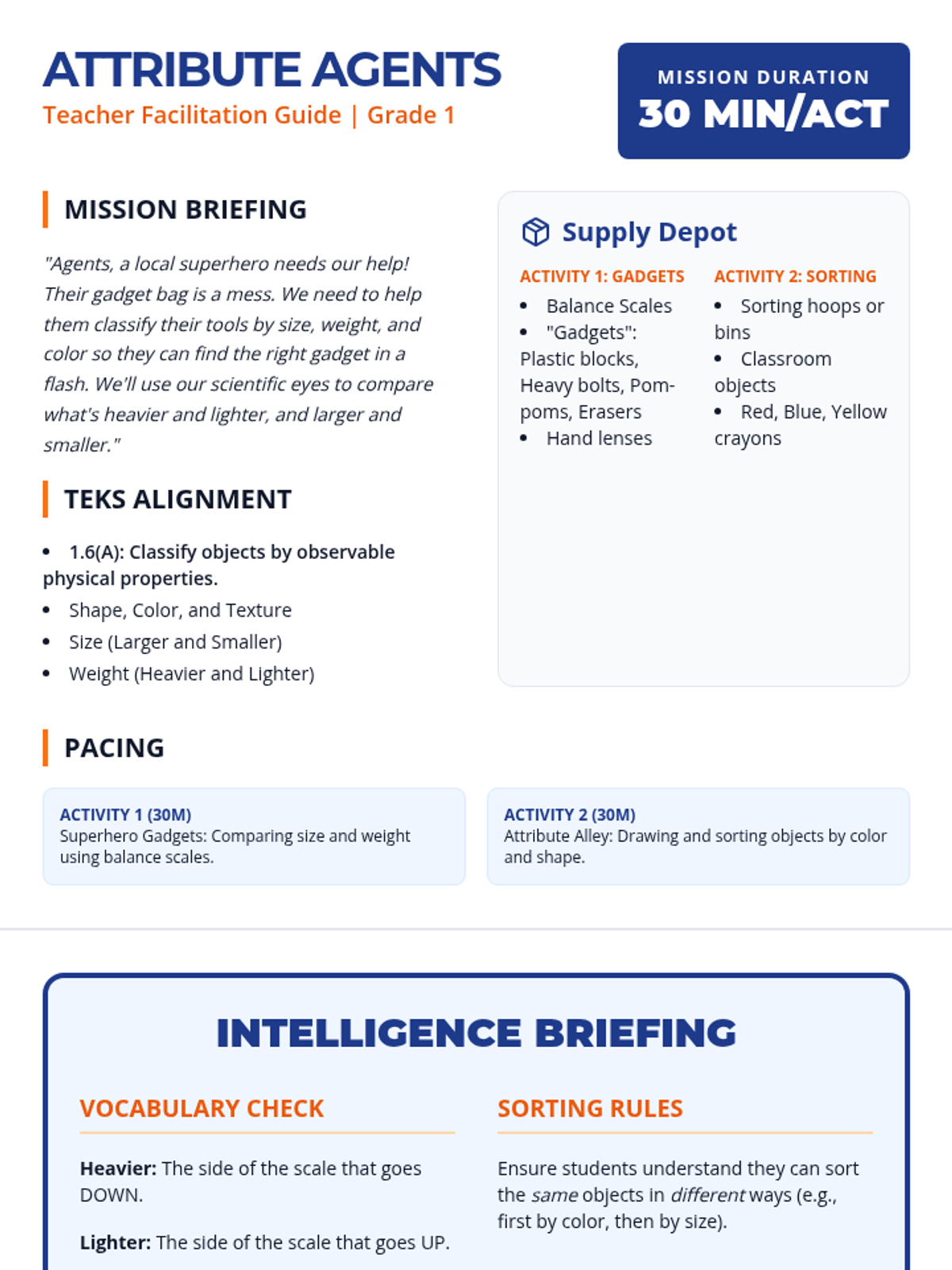
First-grade agents classify objects by size, weight, and multiple observable attributes to help a superhero organize their gadget bag. Focuses on heavier vs. lighter and larger vs. smaller.
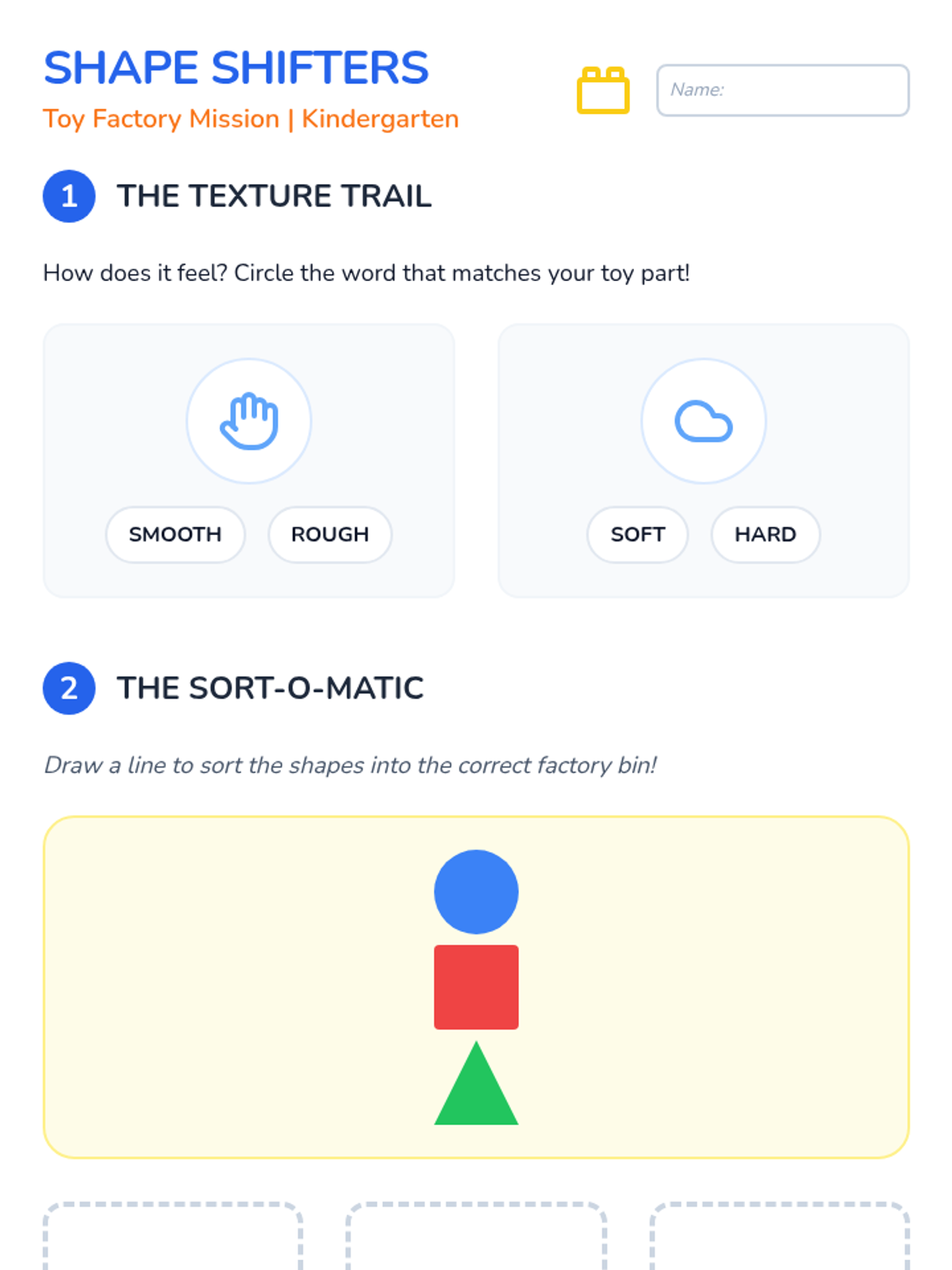
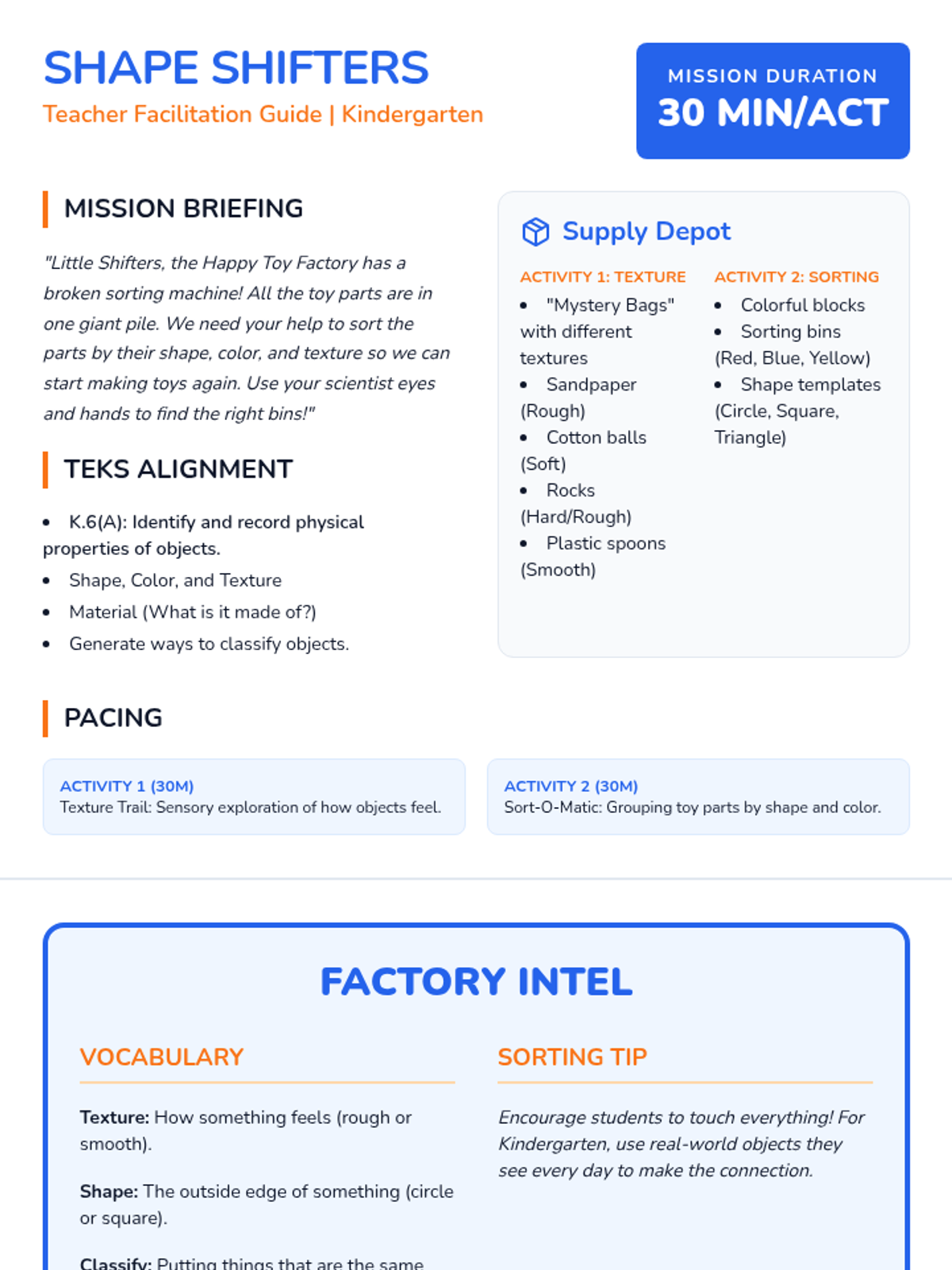
Kindergarten students explore physical properties like shape, color, texture, and material to help a broken toy factory sort its inventory. Includes hands-on sorting and sensory exploration.