A deep dive into the life of Nelson Mandela, focusing on his struggle against apartheid and his vision for a unified South Africa. Students will explore historical context and the power of reconciliation.
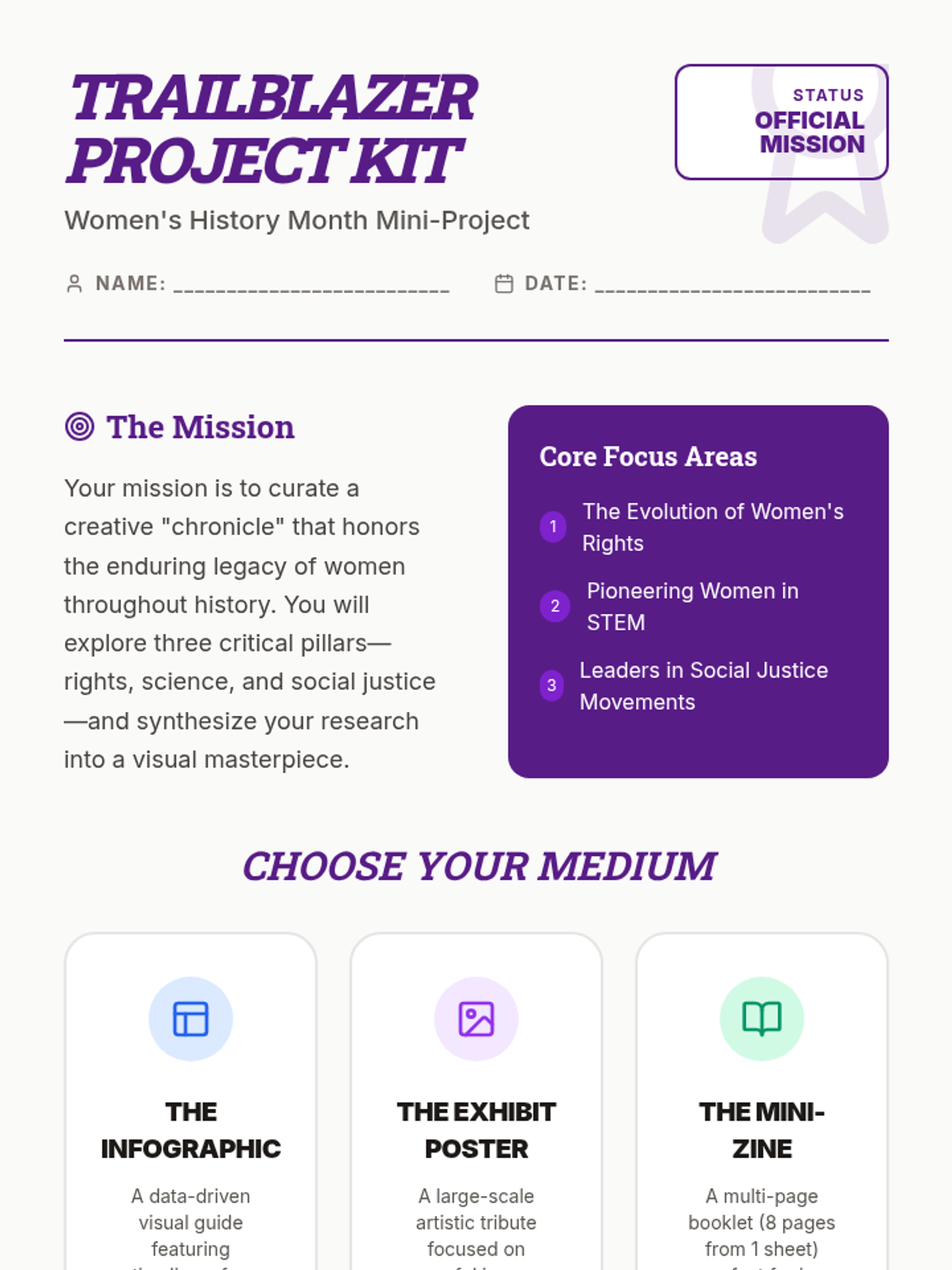
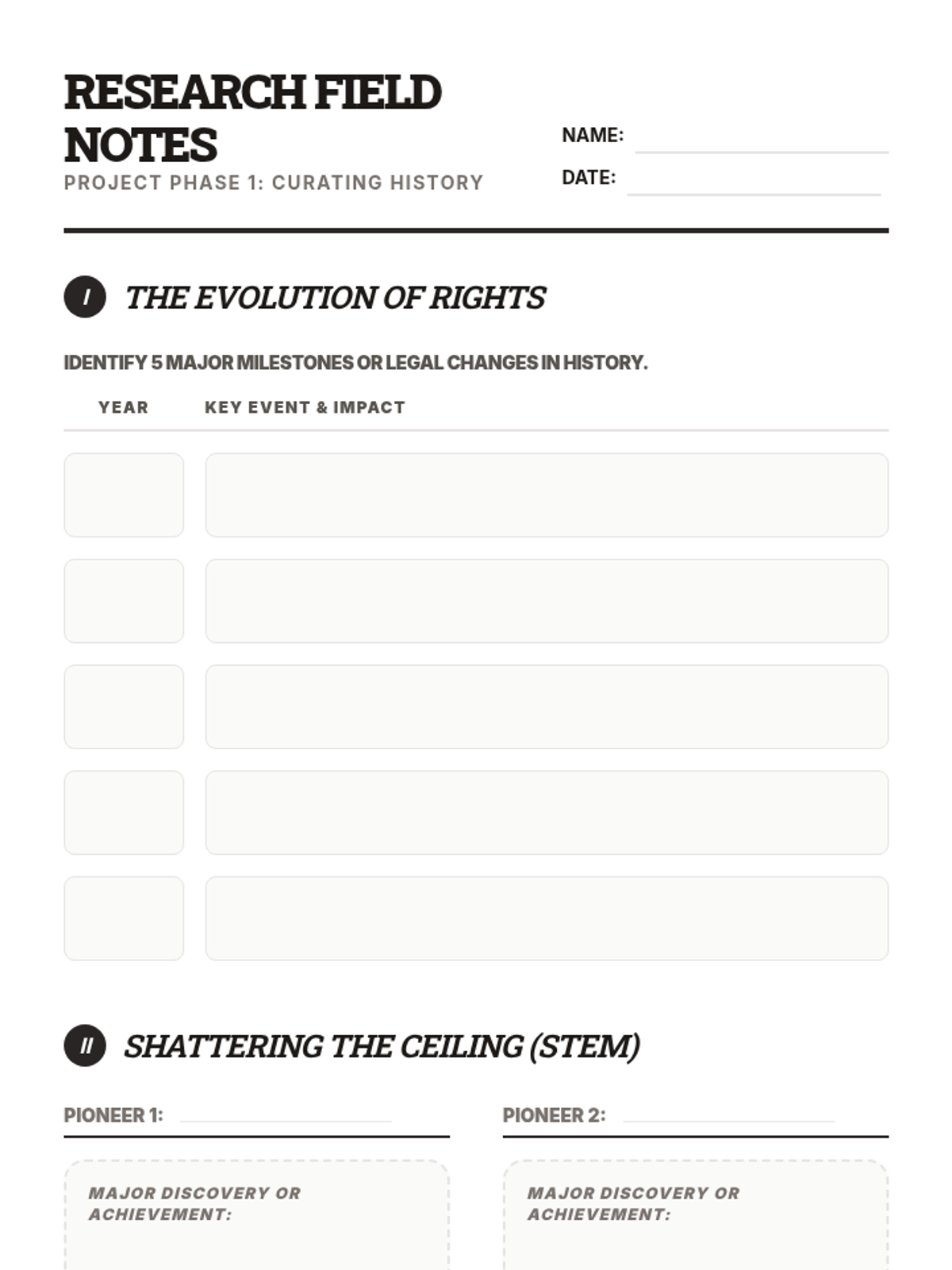
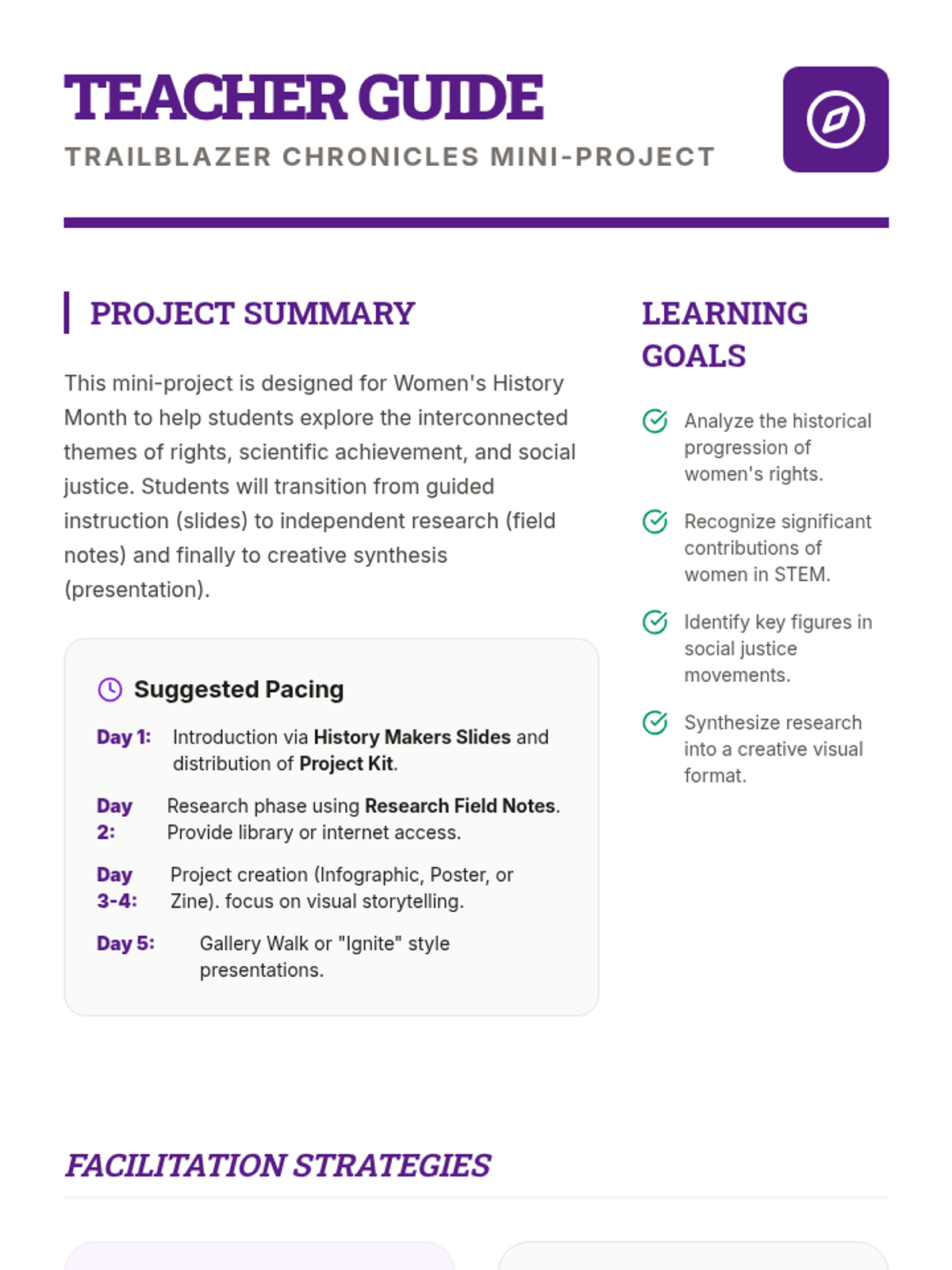
A comprehensive mini-project exploring the evolution of women's rights, pioneers in STEM, and leaders in social justice through creative research and presentation.

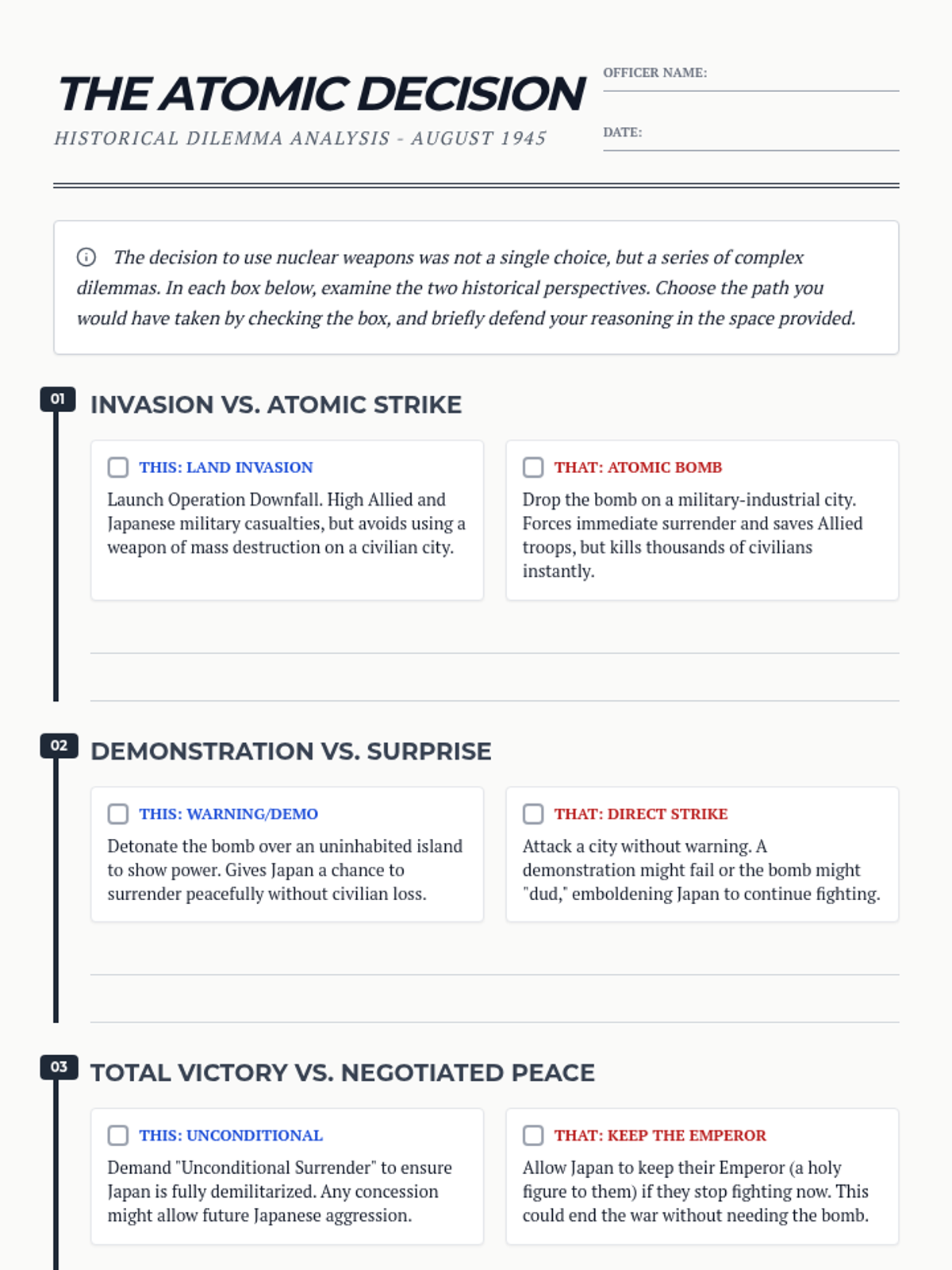
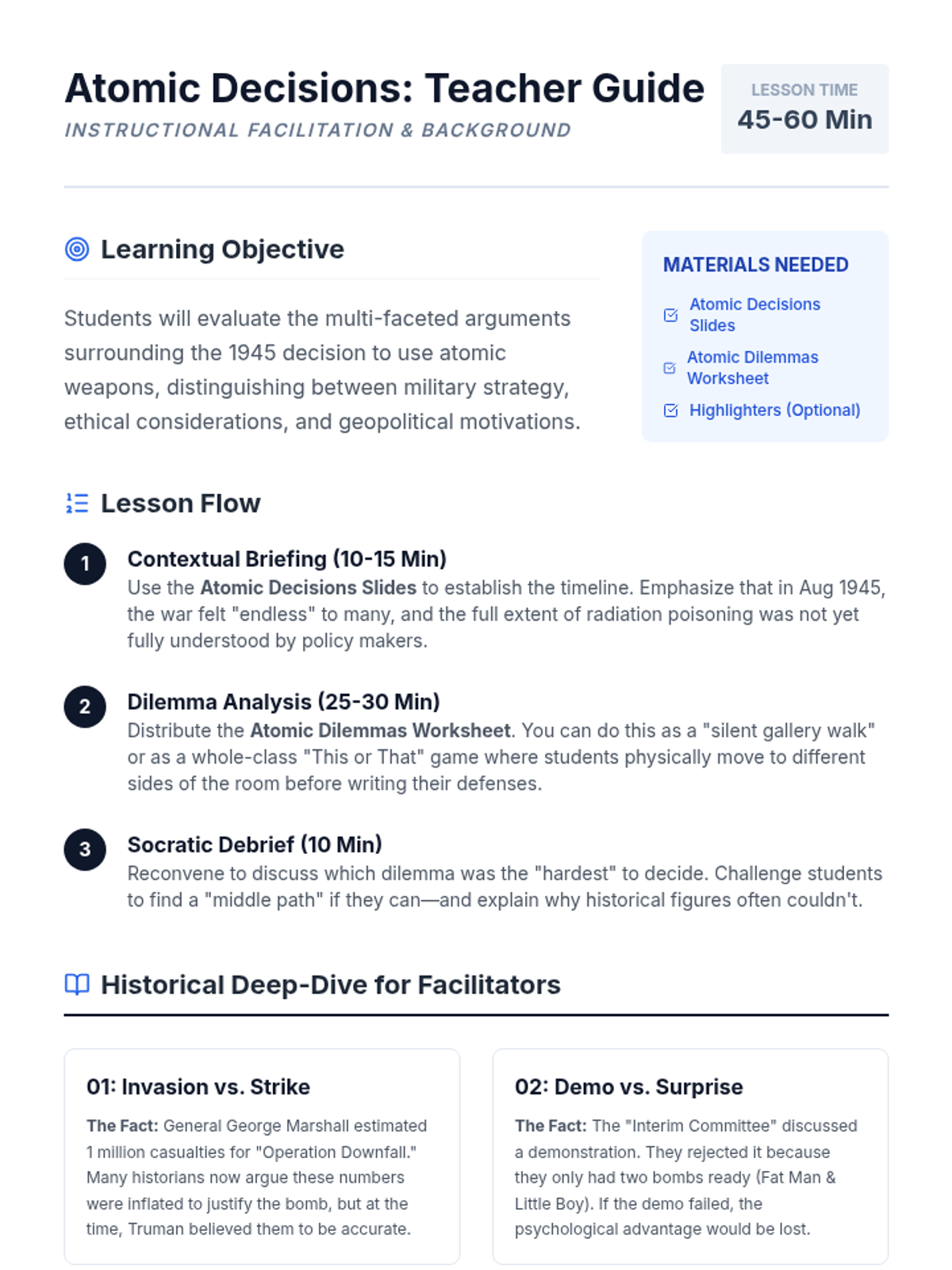
This lesson explores the complex ethical and strategic arguments surrounding the United States' decision to use atomic weapons against Japan in 1945. Students will analyze primary arguments and engage in a 'This or That' decision-making activity to understand the historical dilemma.
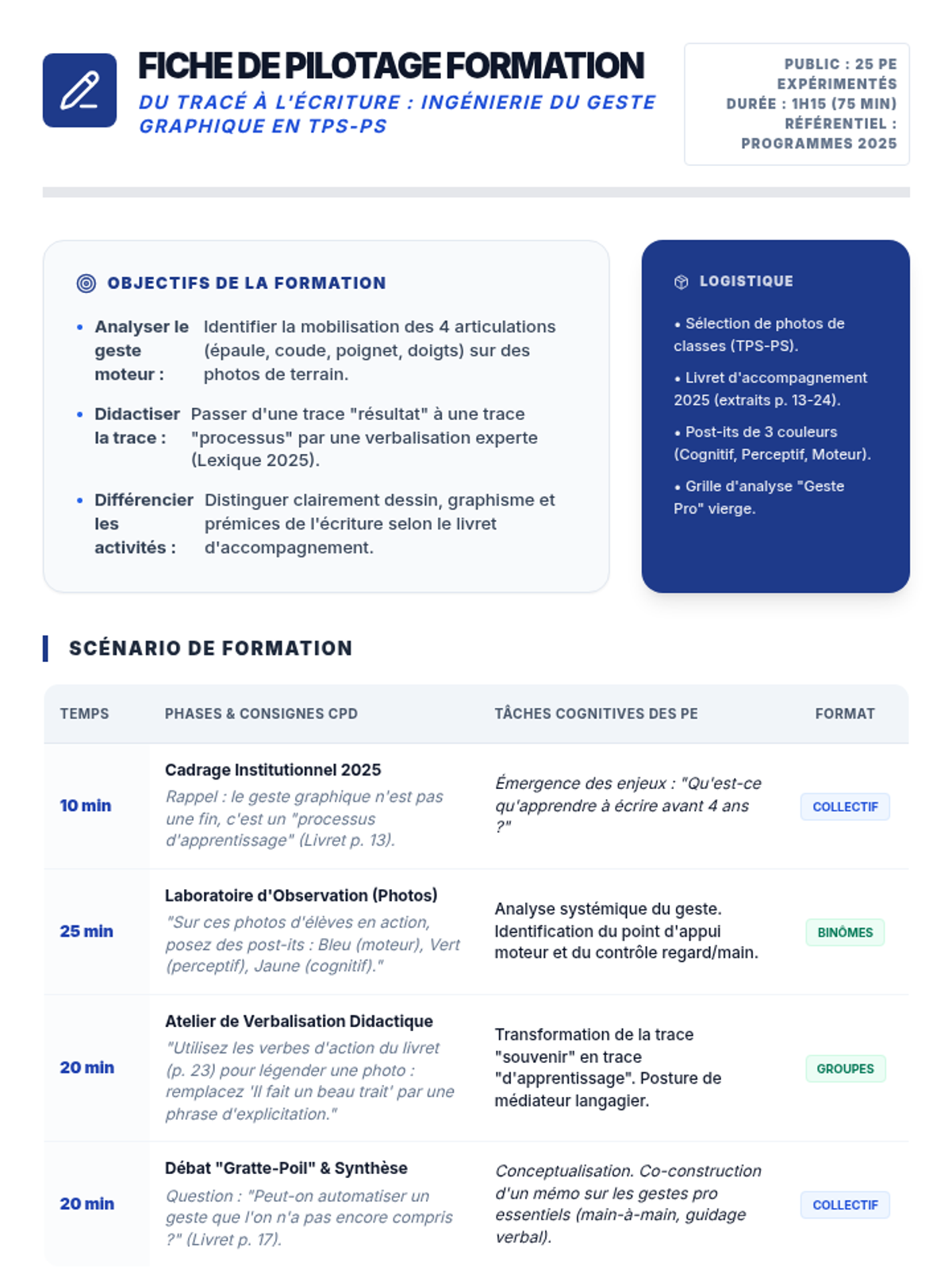
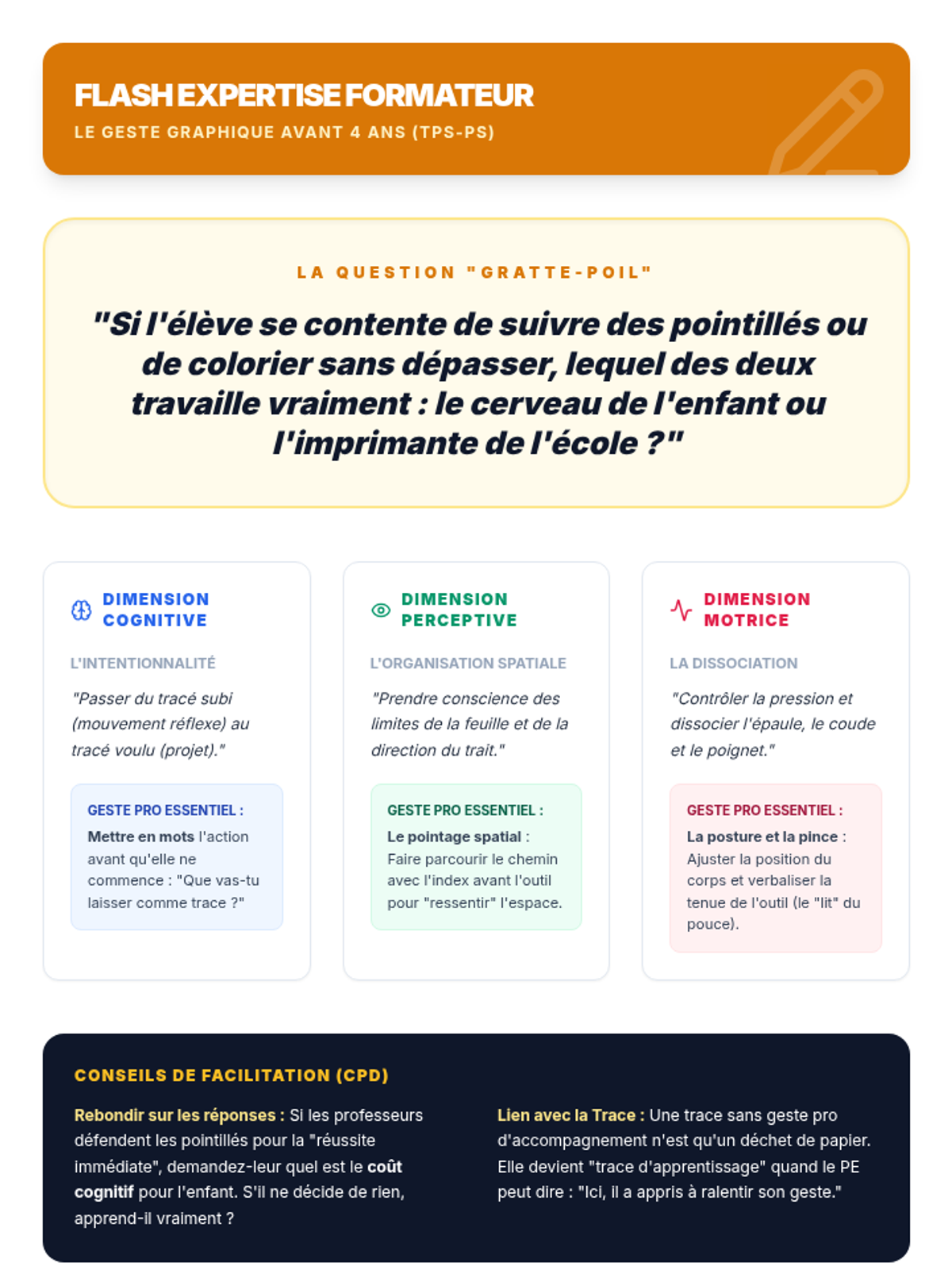
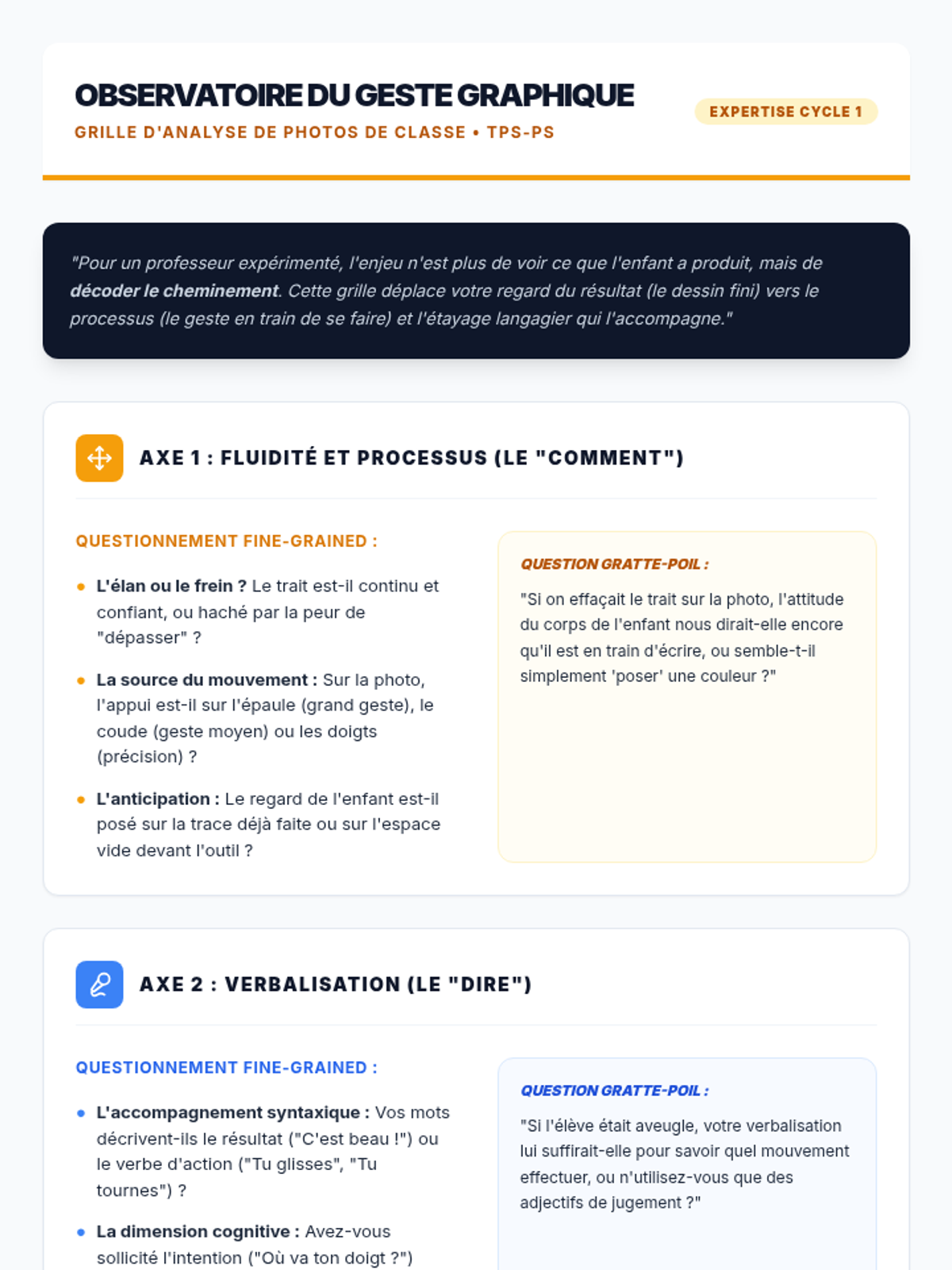
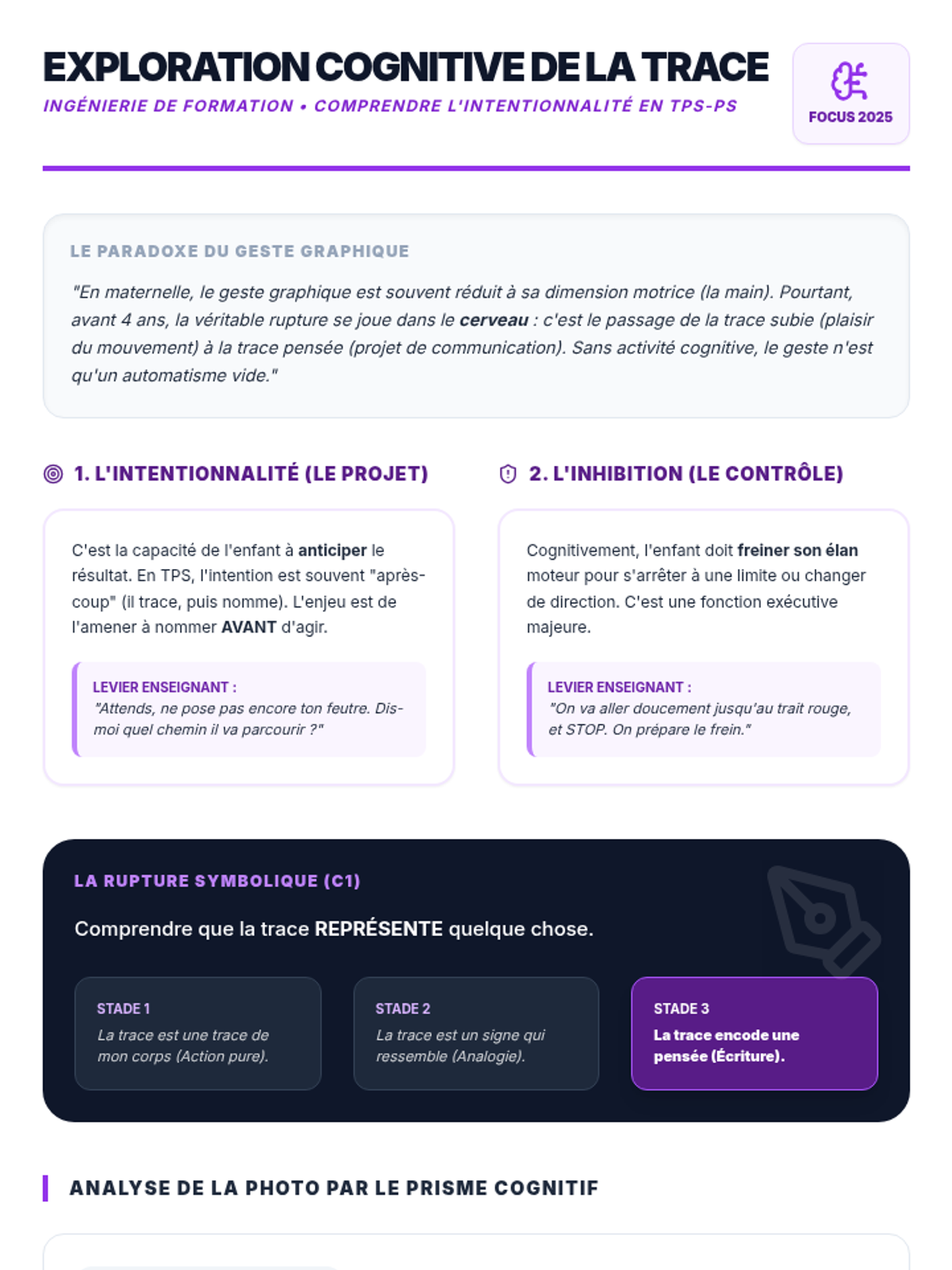
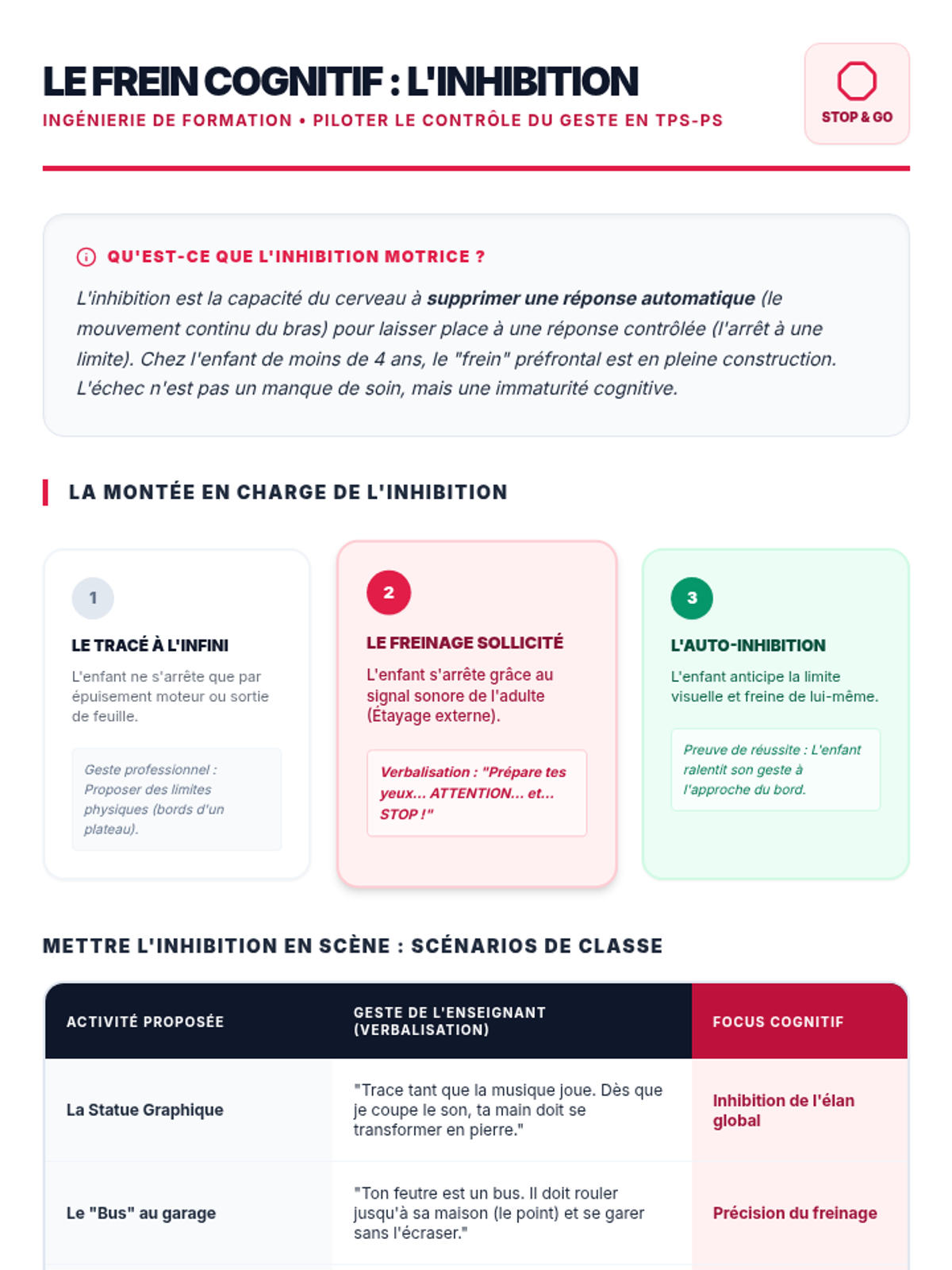
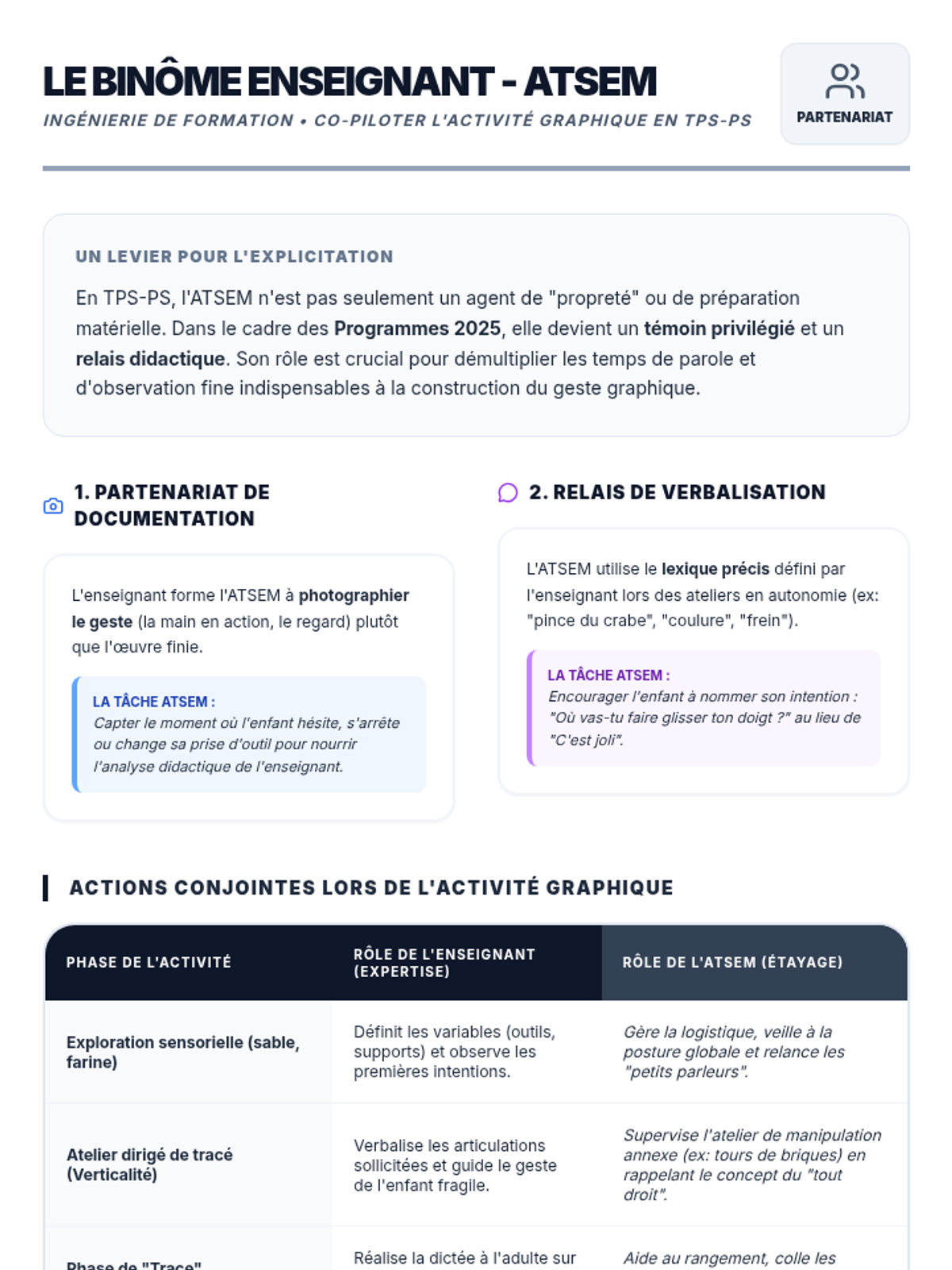
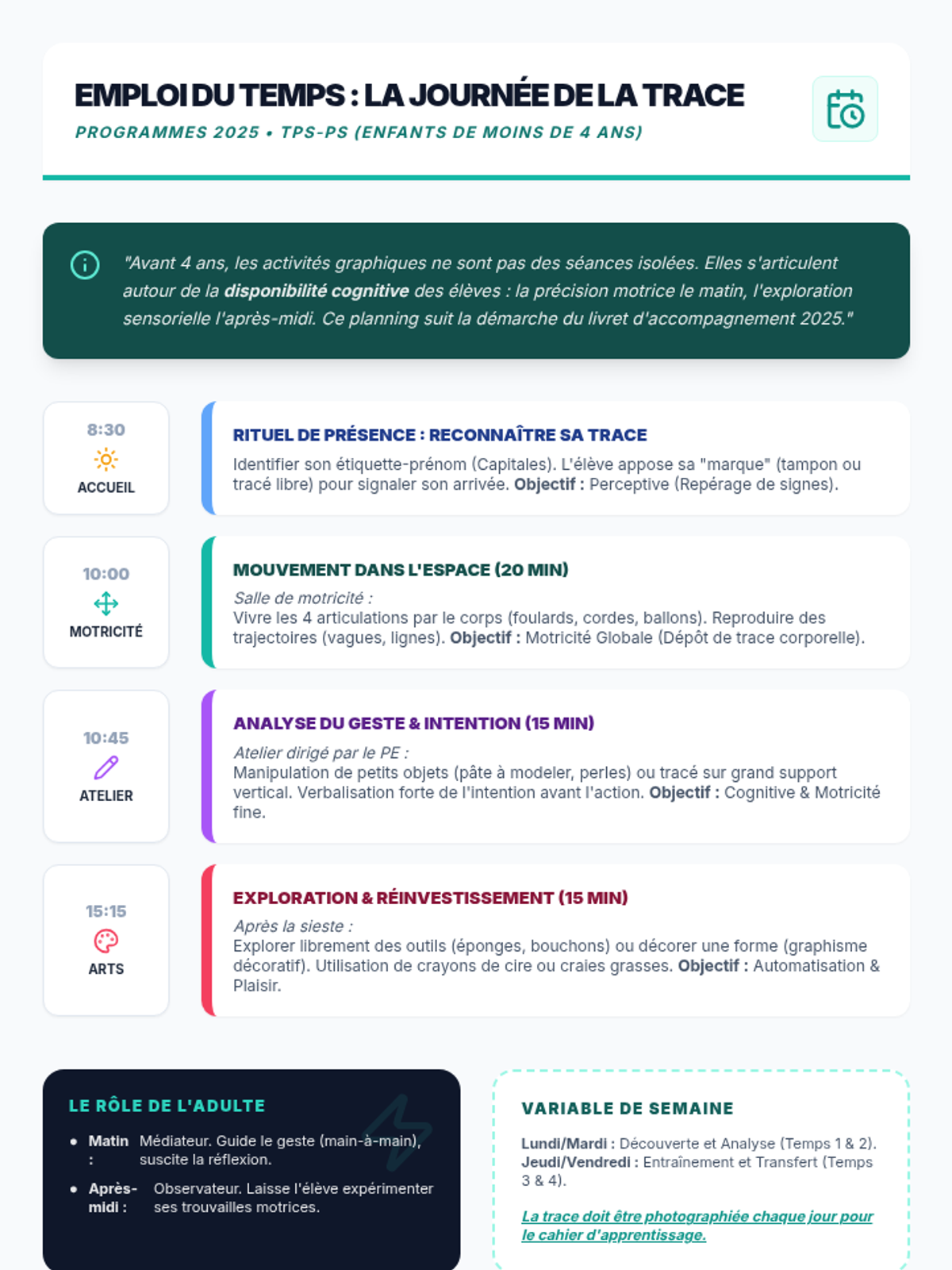
Cette formation pour les professeurs de TPS-PS vise à professionnaliser la conception des "traces" d'activités (cahiers de vie, affichages). En s'appuyant sur les photos de classe et les guides 2025, les enseignants apprennent à rendre les apprentissages explicites pour les élèves et les familles.
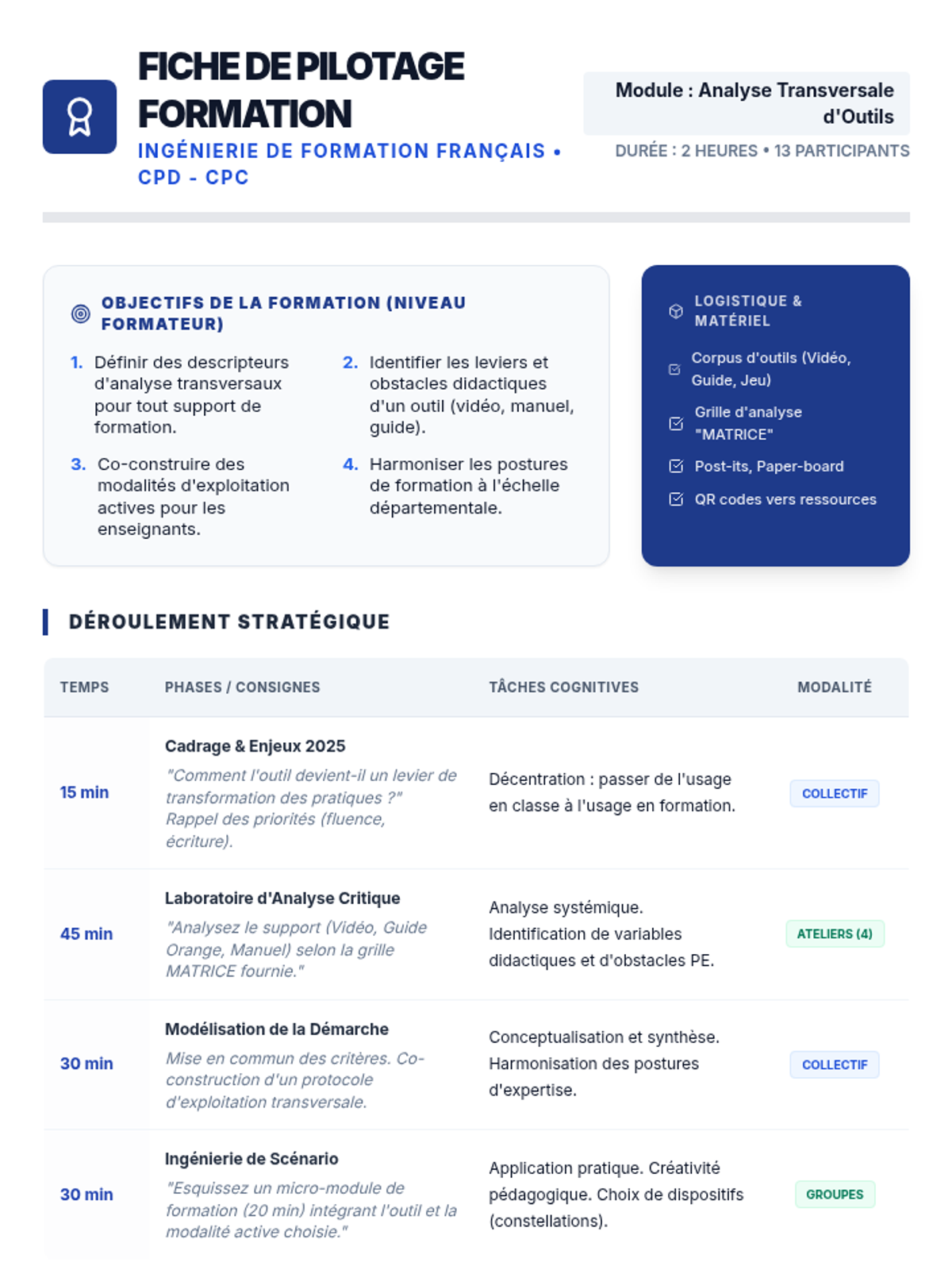
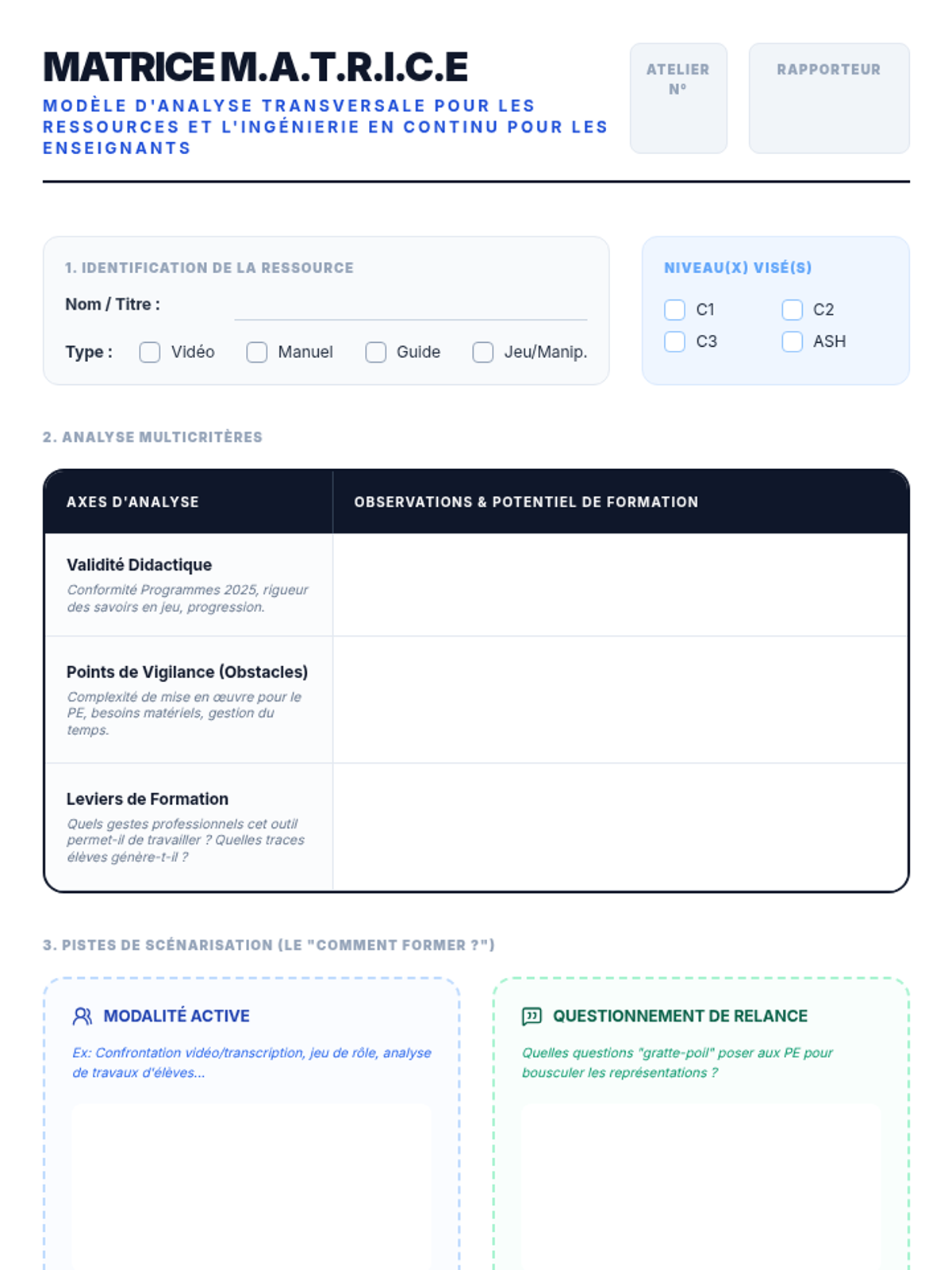
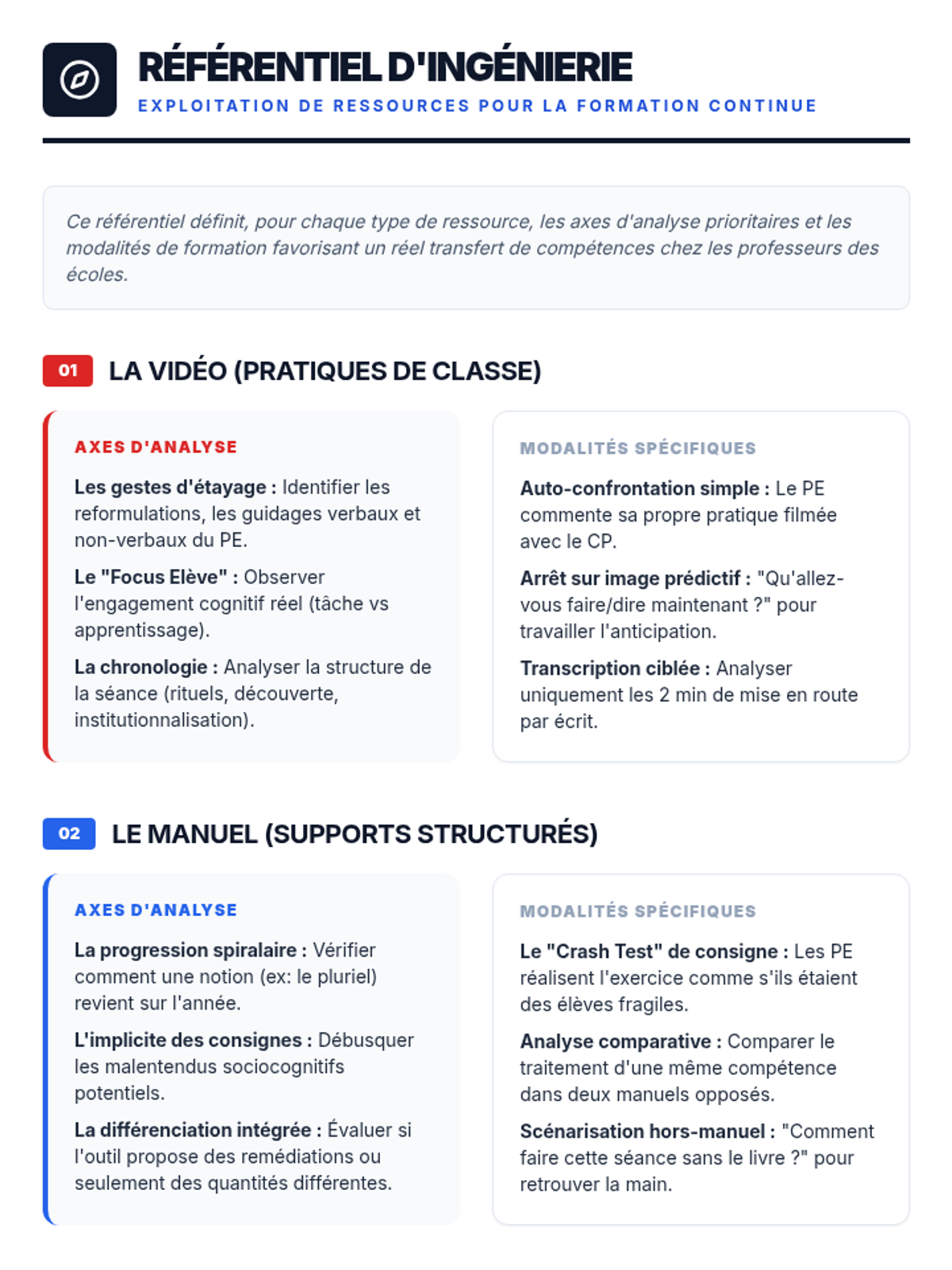
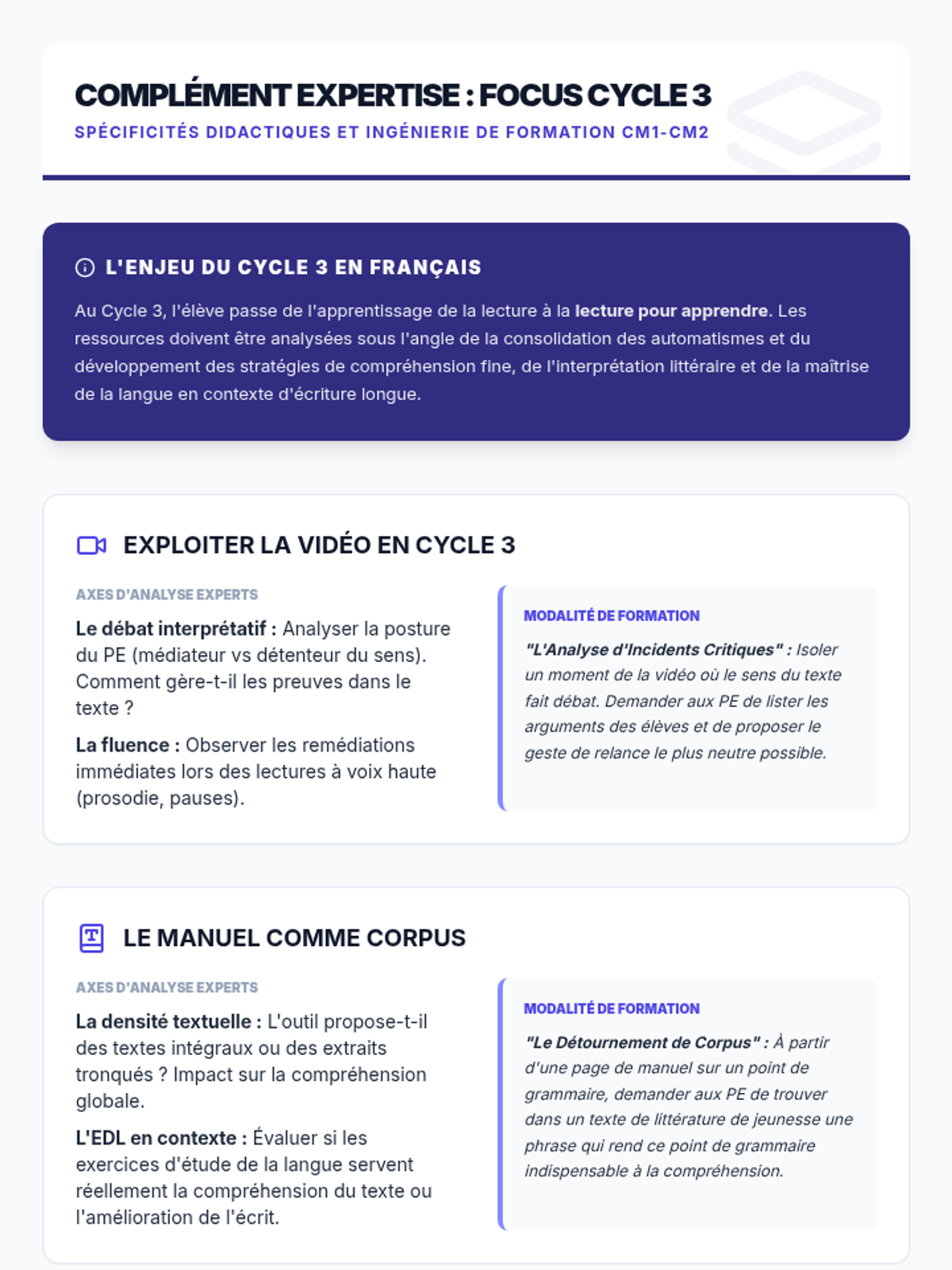
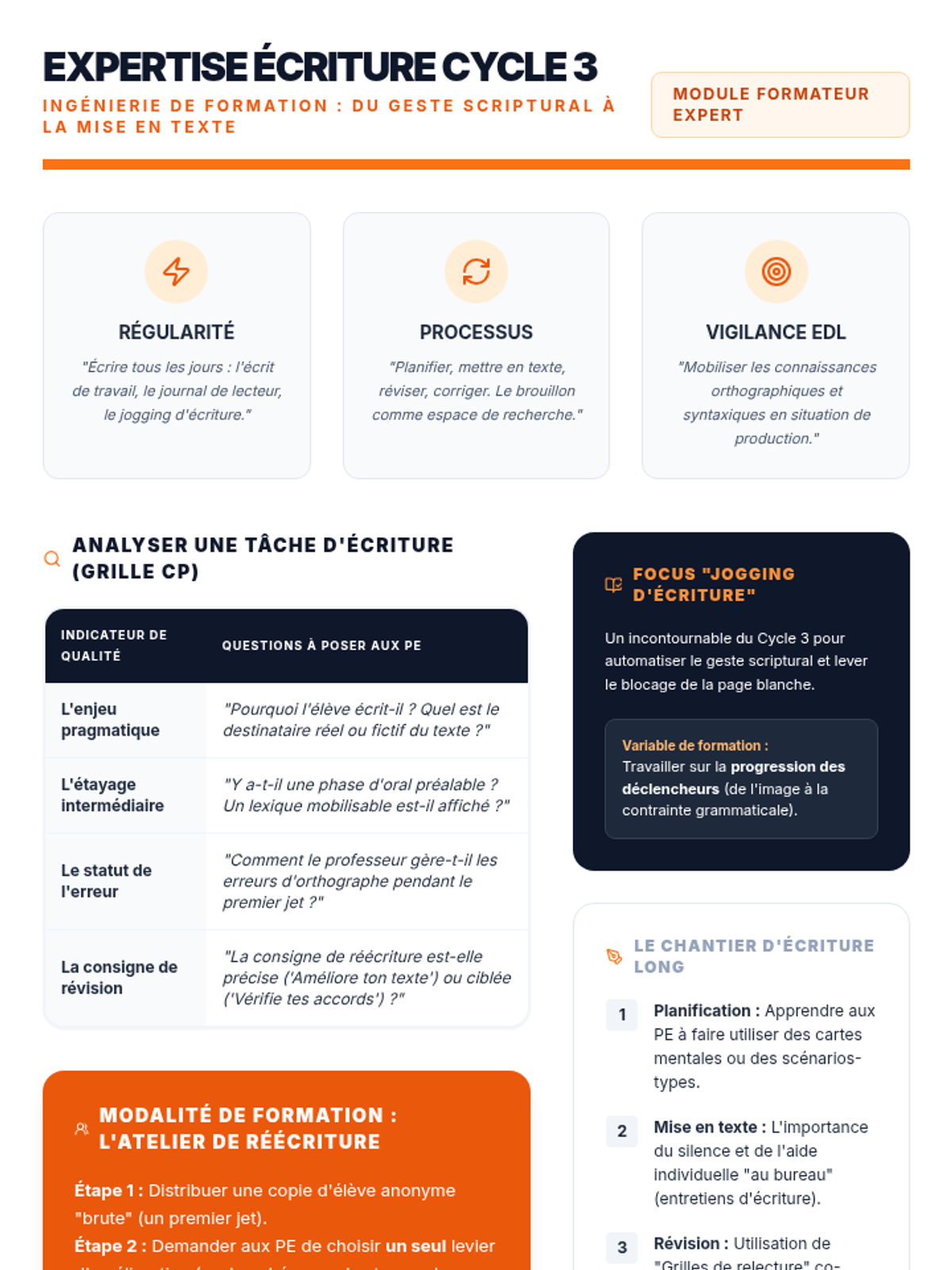
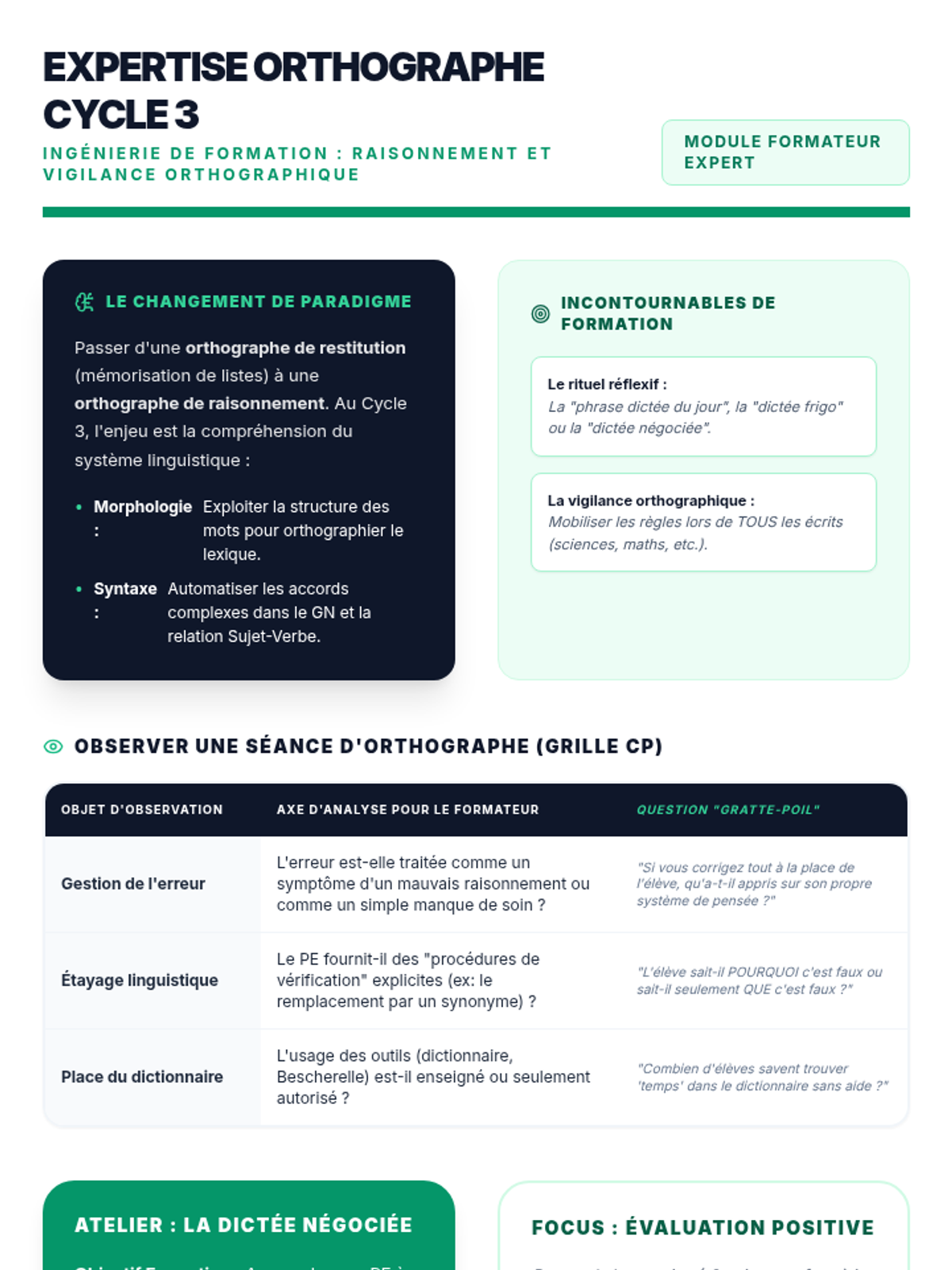
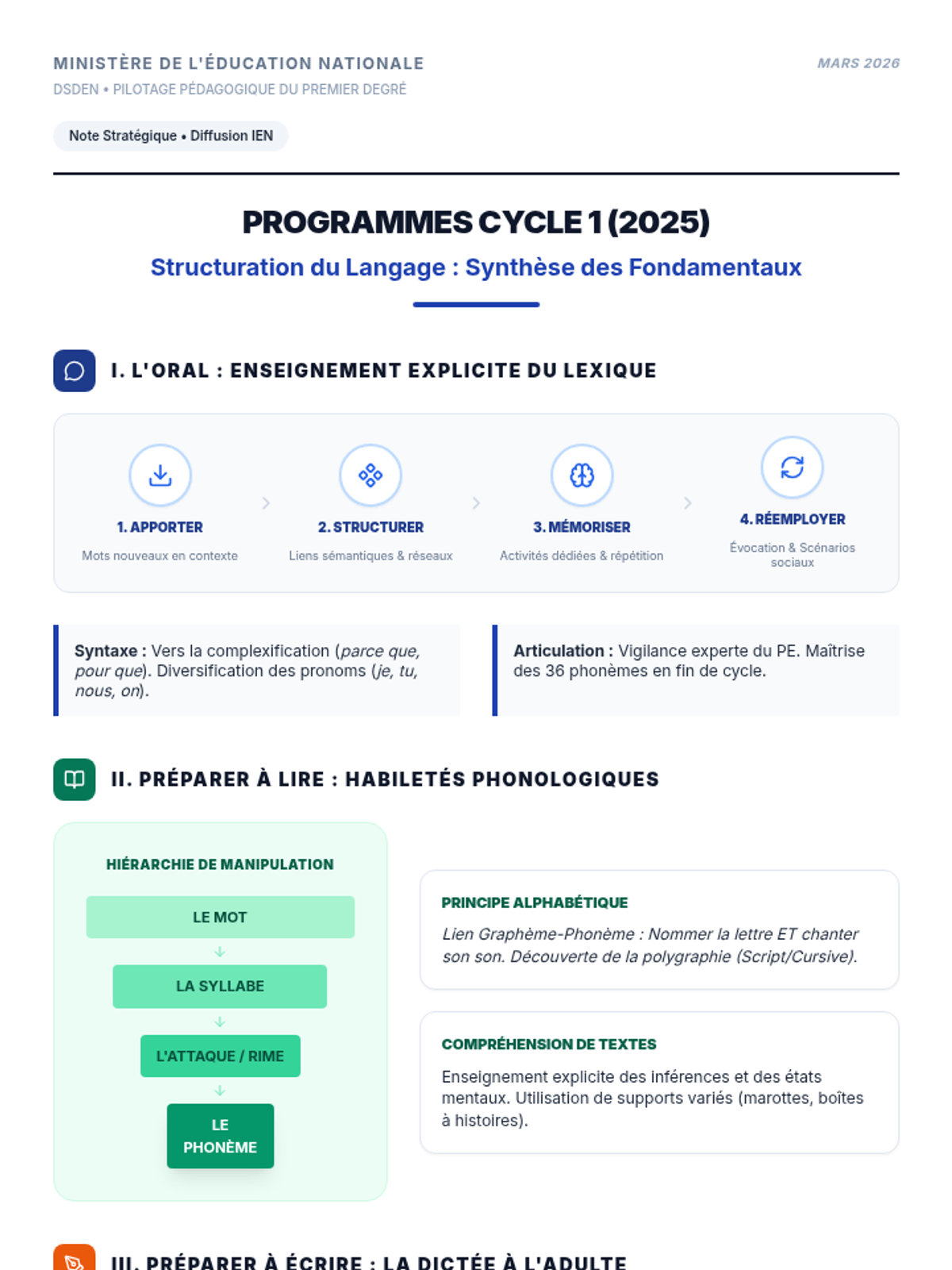
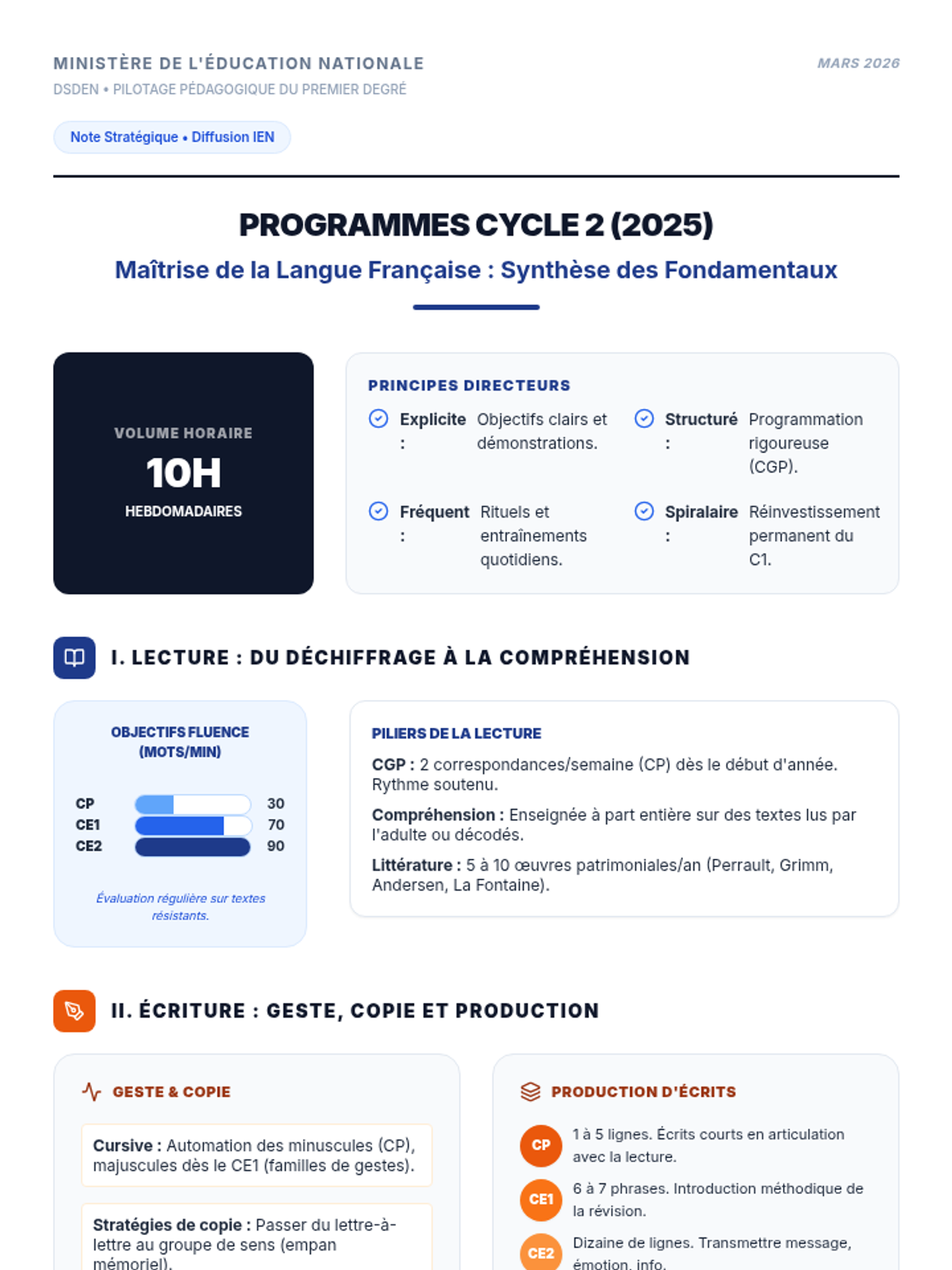
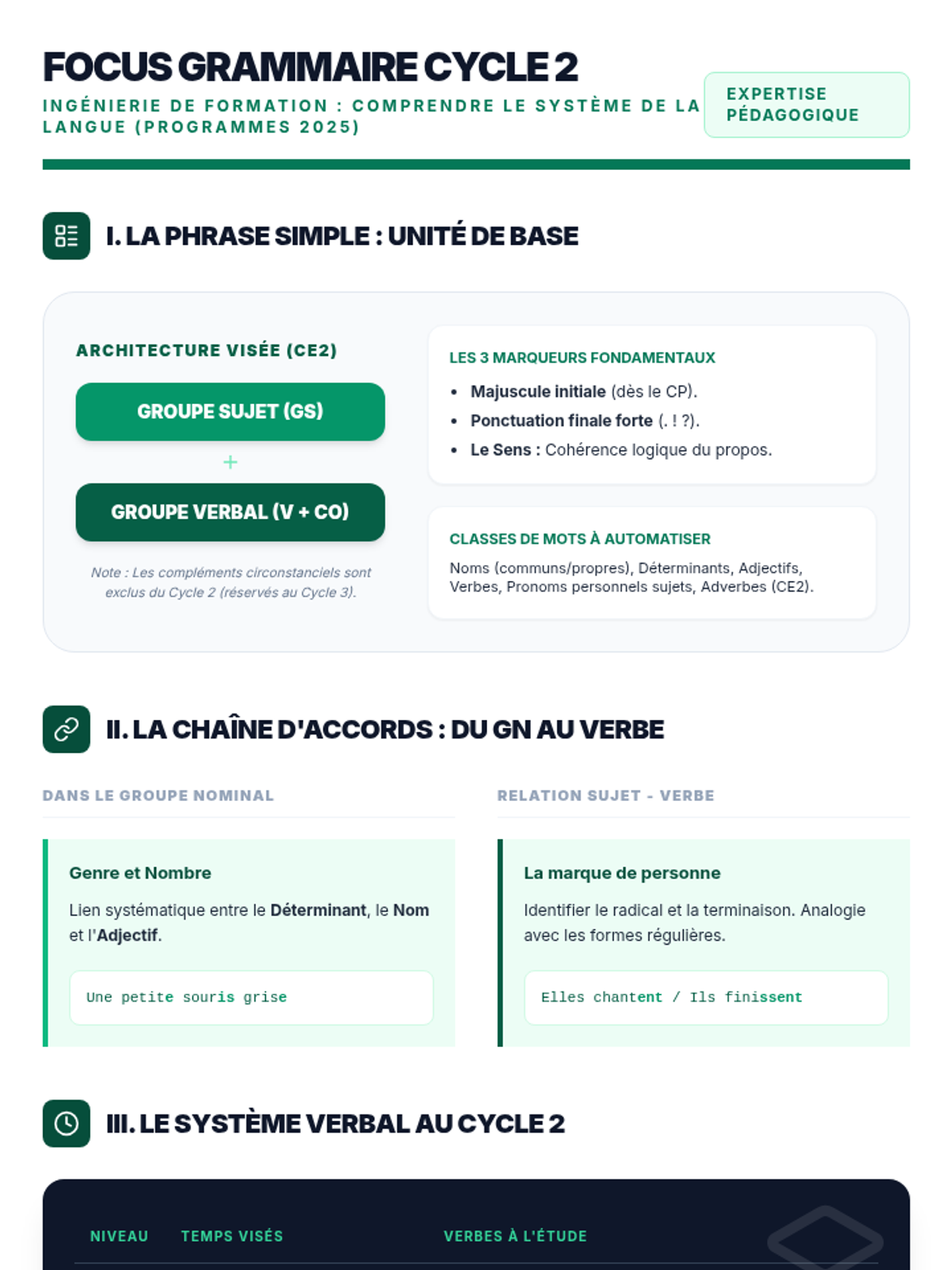
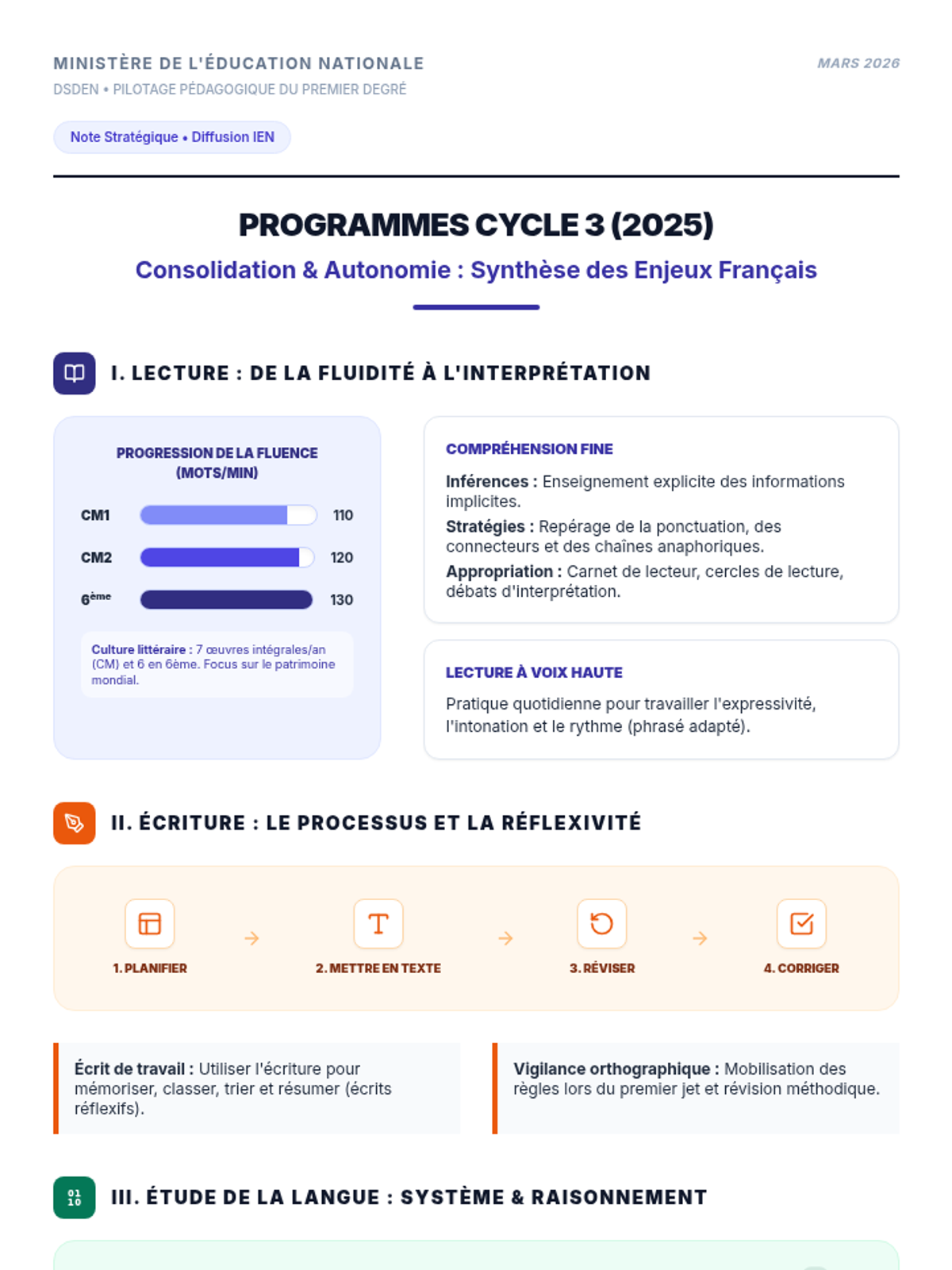
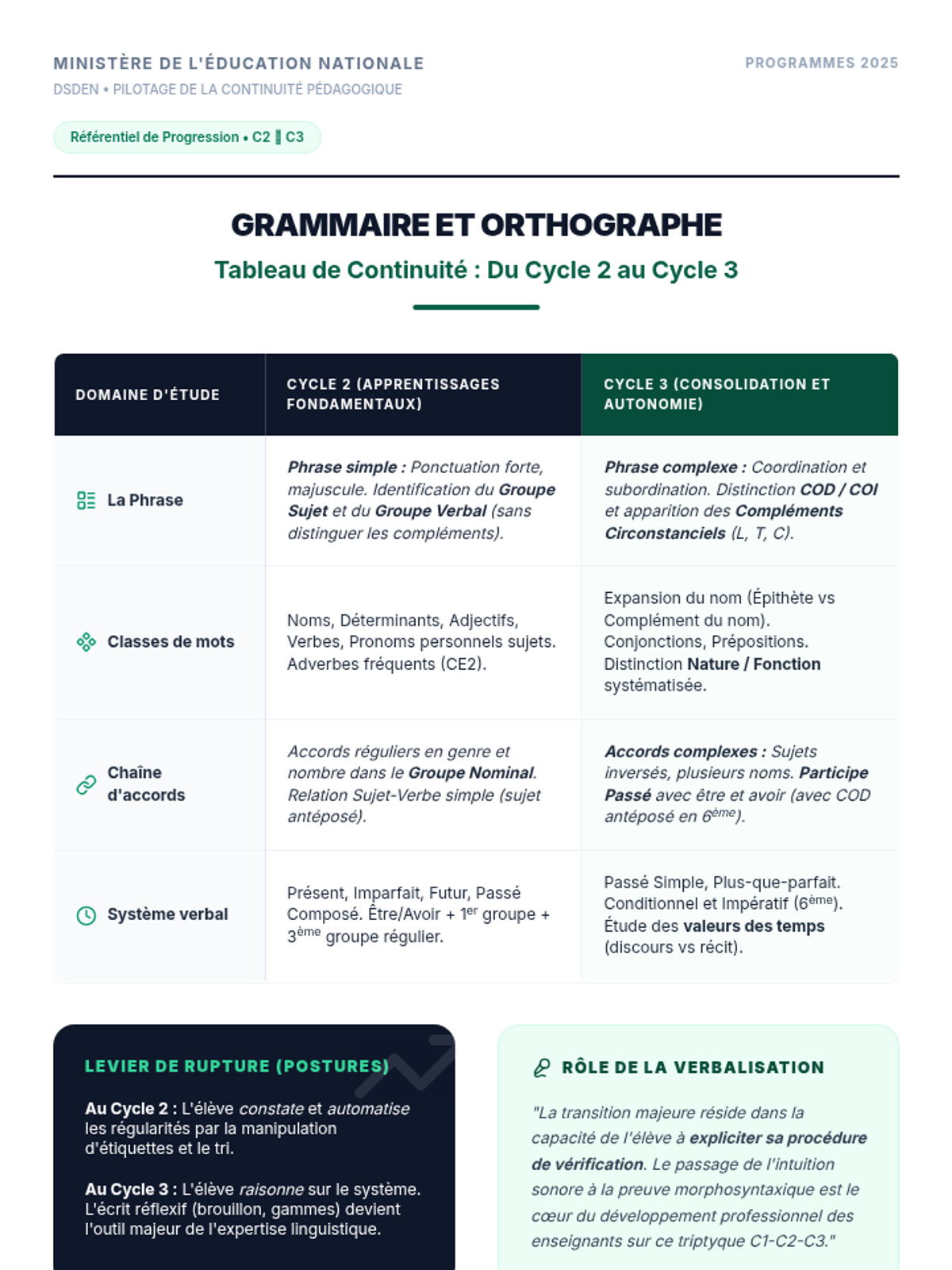
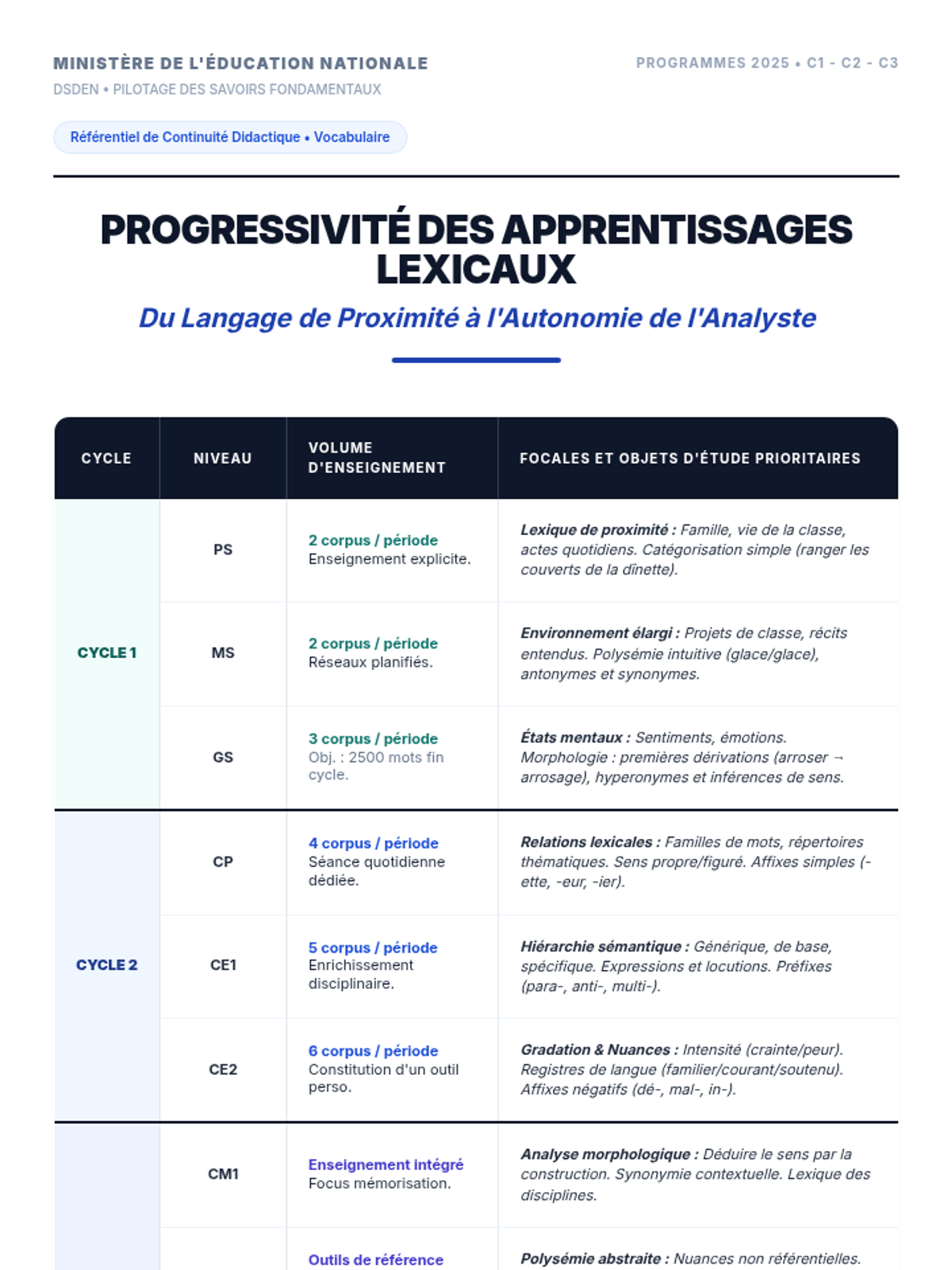
Cette formation vise à outiller les conseillers pédagogiques pour l'analyse et l'exploitation de ressources diverses (vidéos, manuels, guides) dans le cadre de la formation continue des professeurs des écoles en français, conformément aux orientations stratégiques nationales.
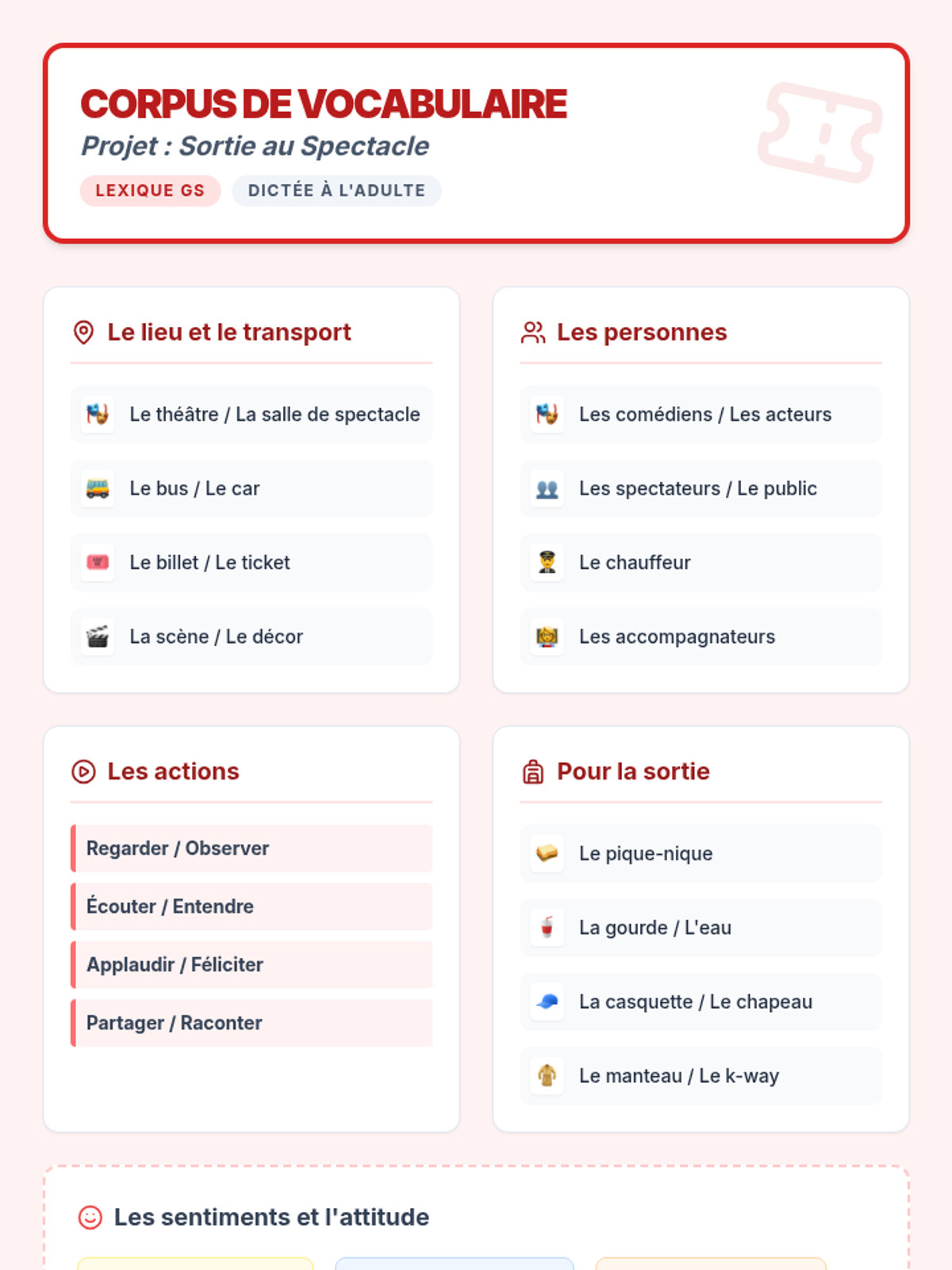
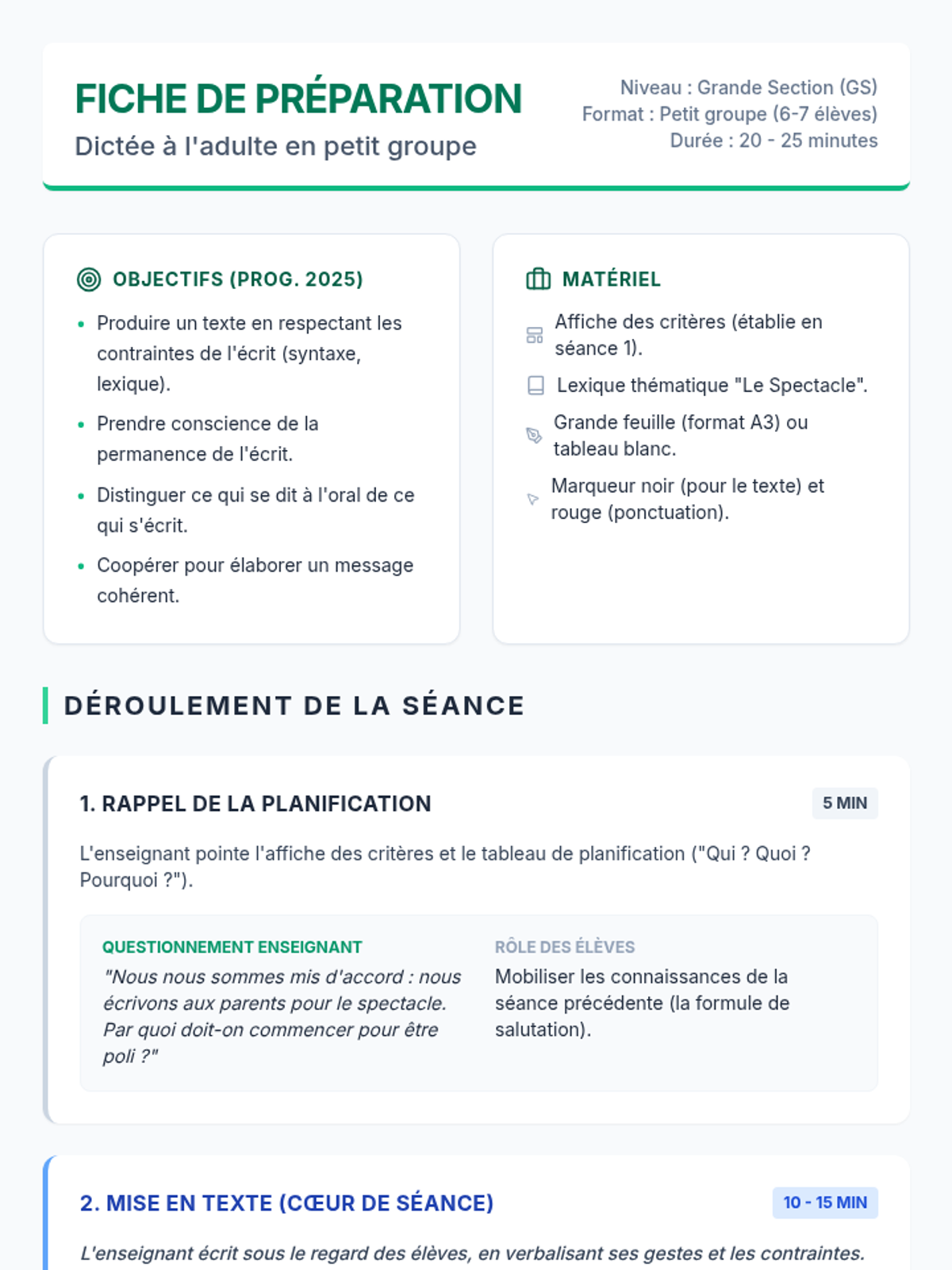
Cette leçon vise à introduire un projet d'écriture authentique en Grande Section : rédiger un message aux parents pour annoncer une sortie scolaire. Elle s'appuie sur l'observation de messages existants pour définir des critères de réussite et initier la planification selon les programmes 2025.
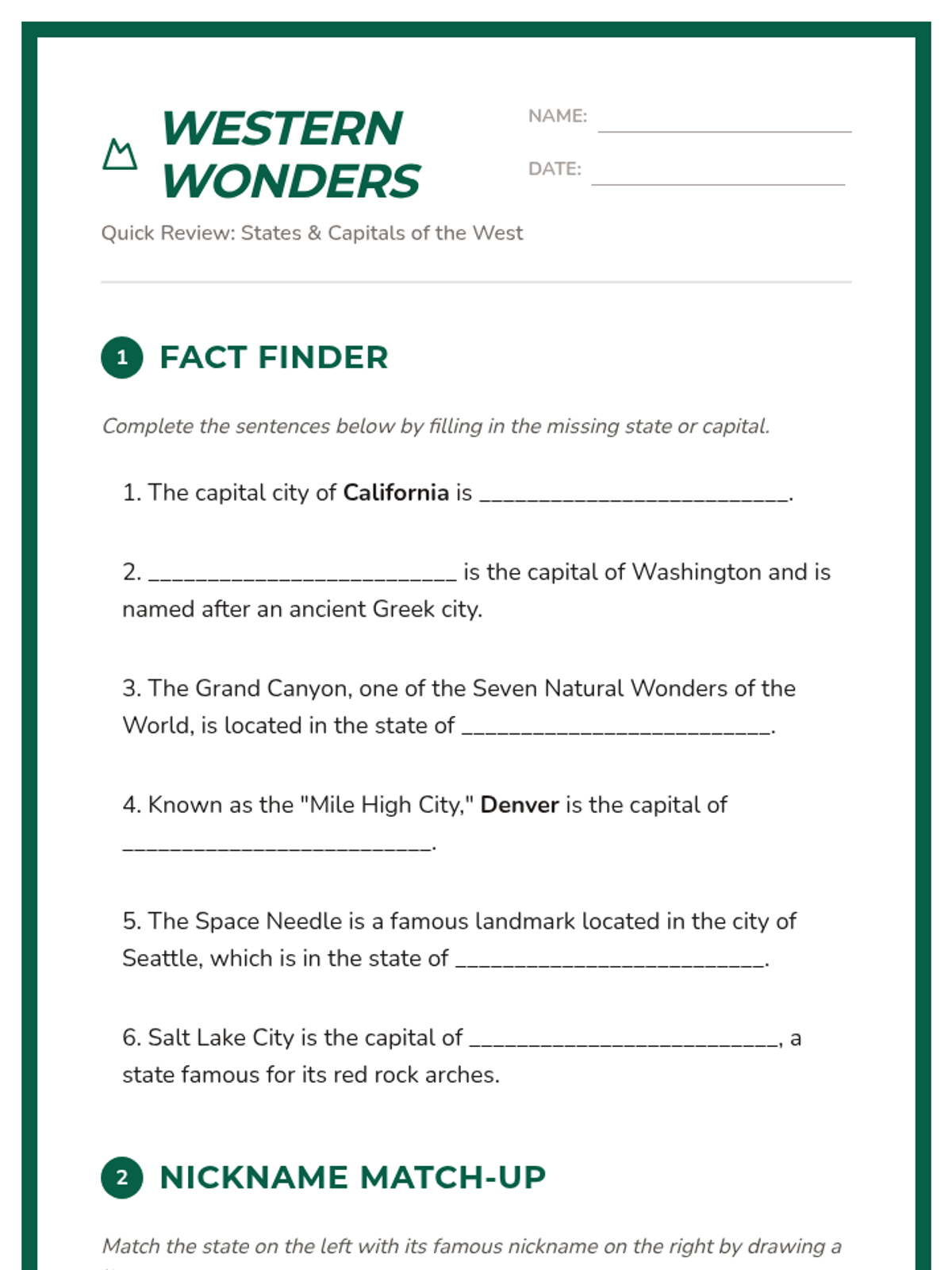
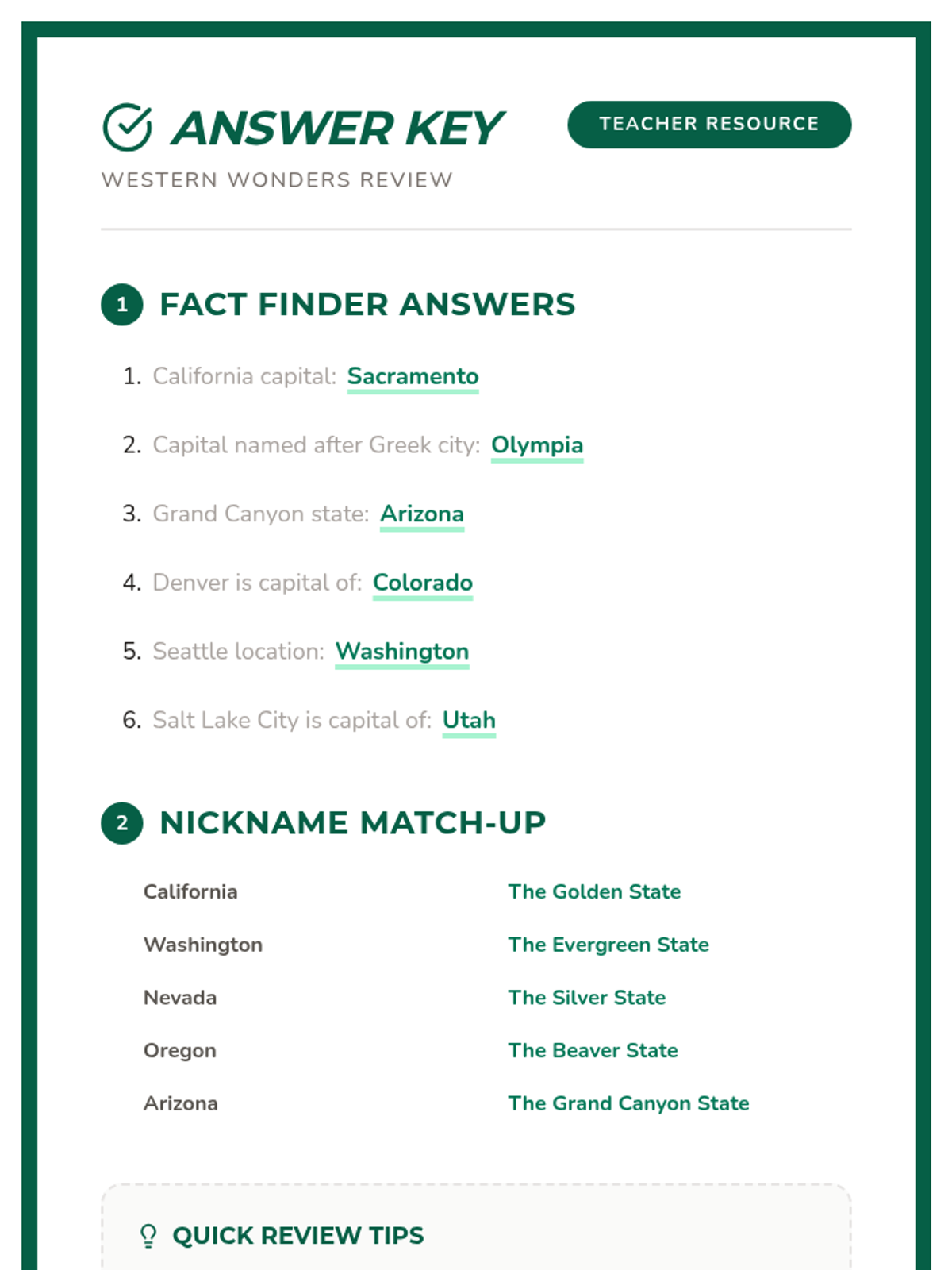
A quick-fire review of the Western United States, covering state names, capitals, and iconic landmarks through a visual presentation and interactive worksheet.
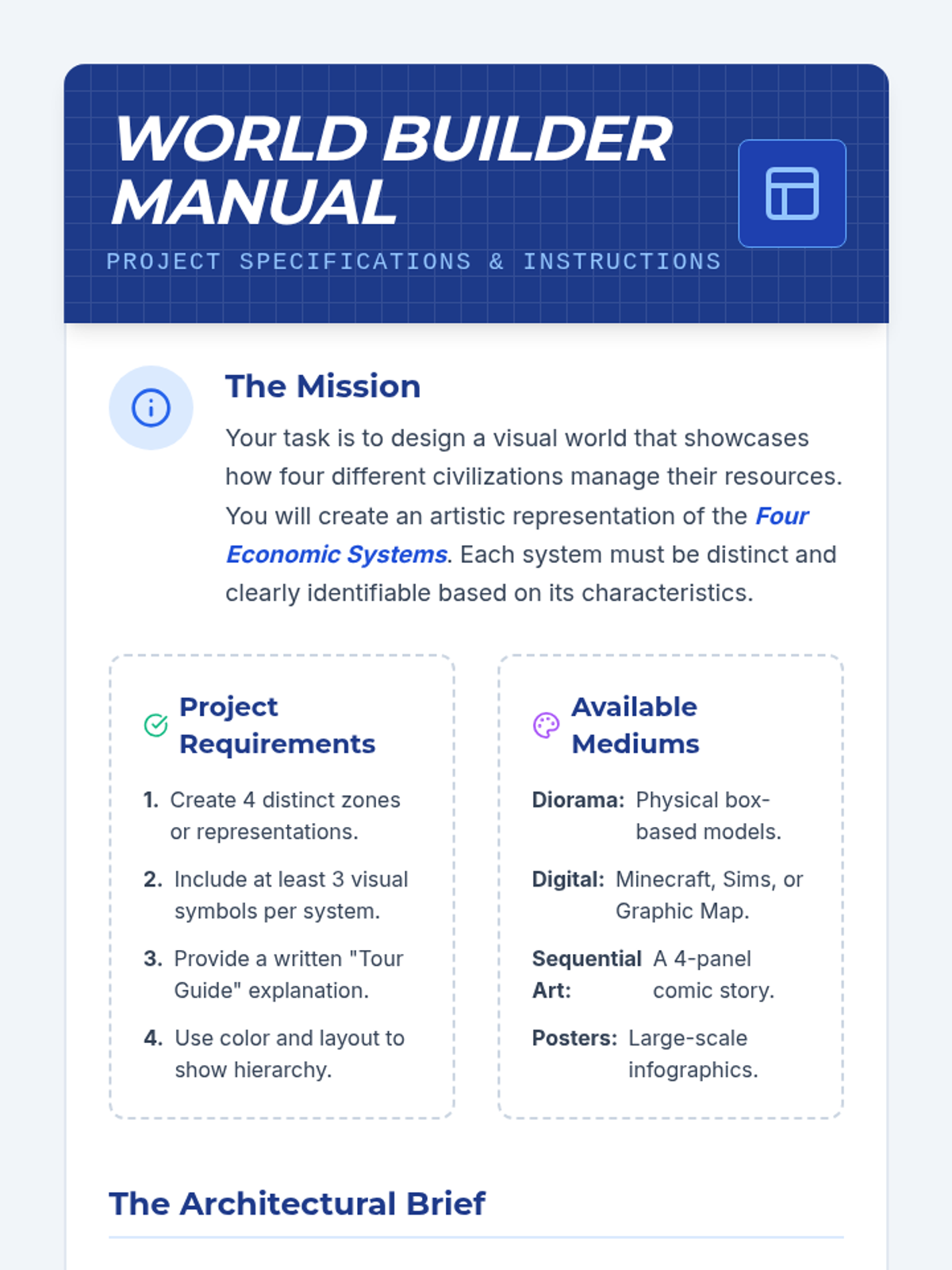
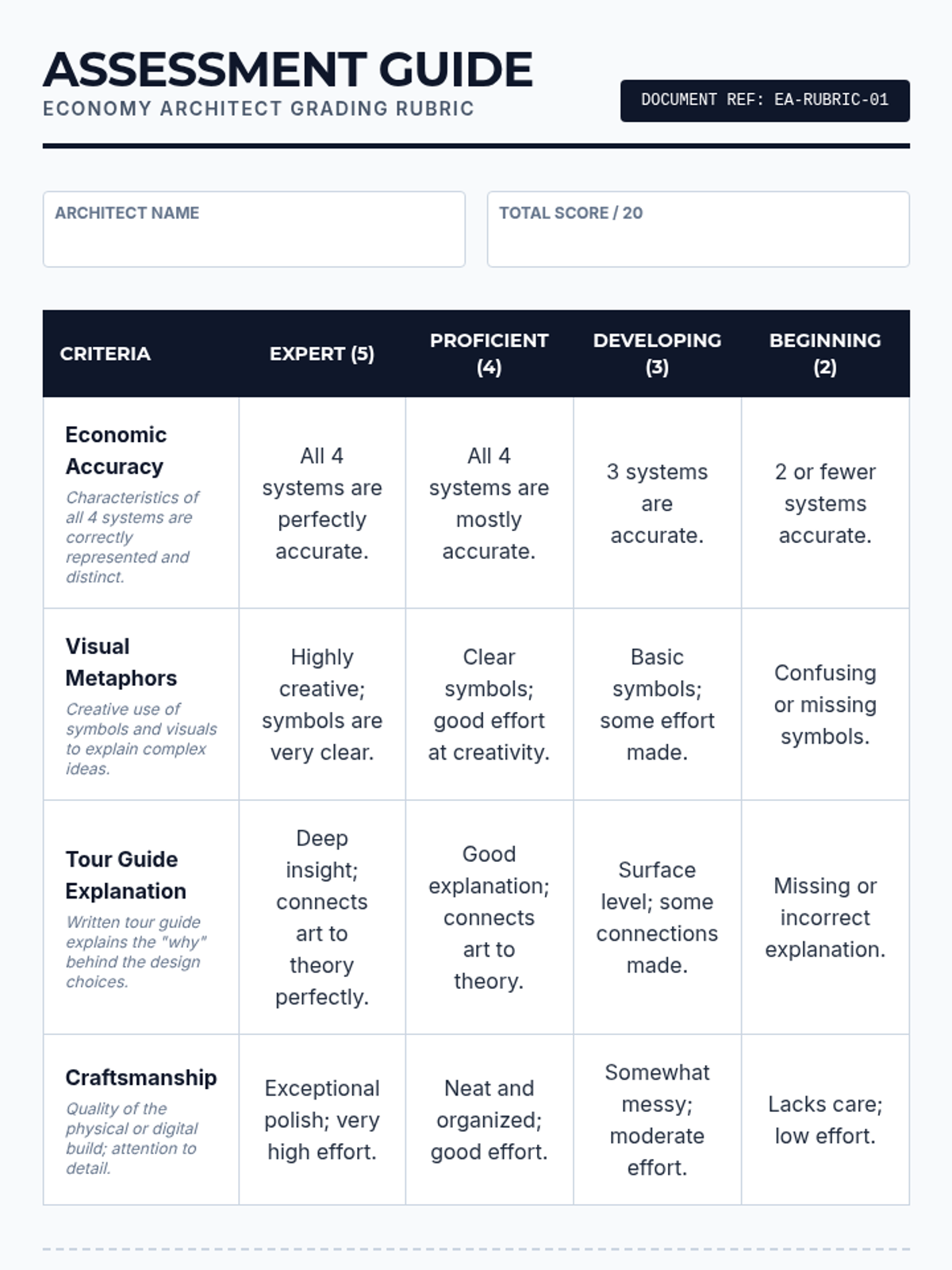
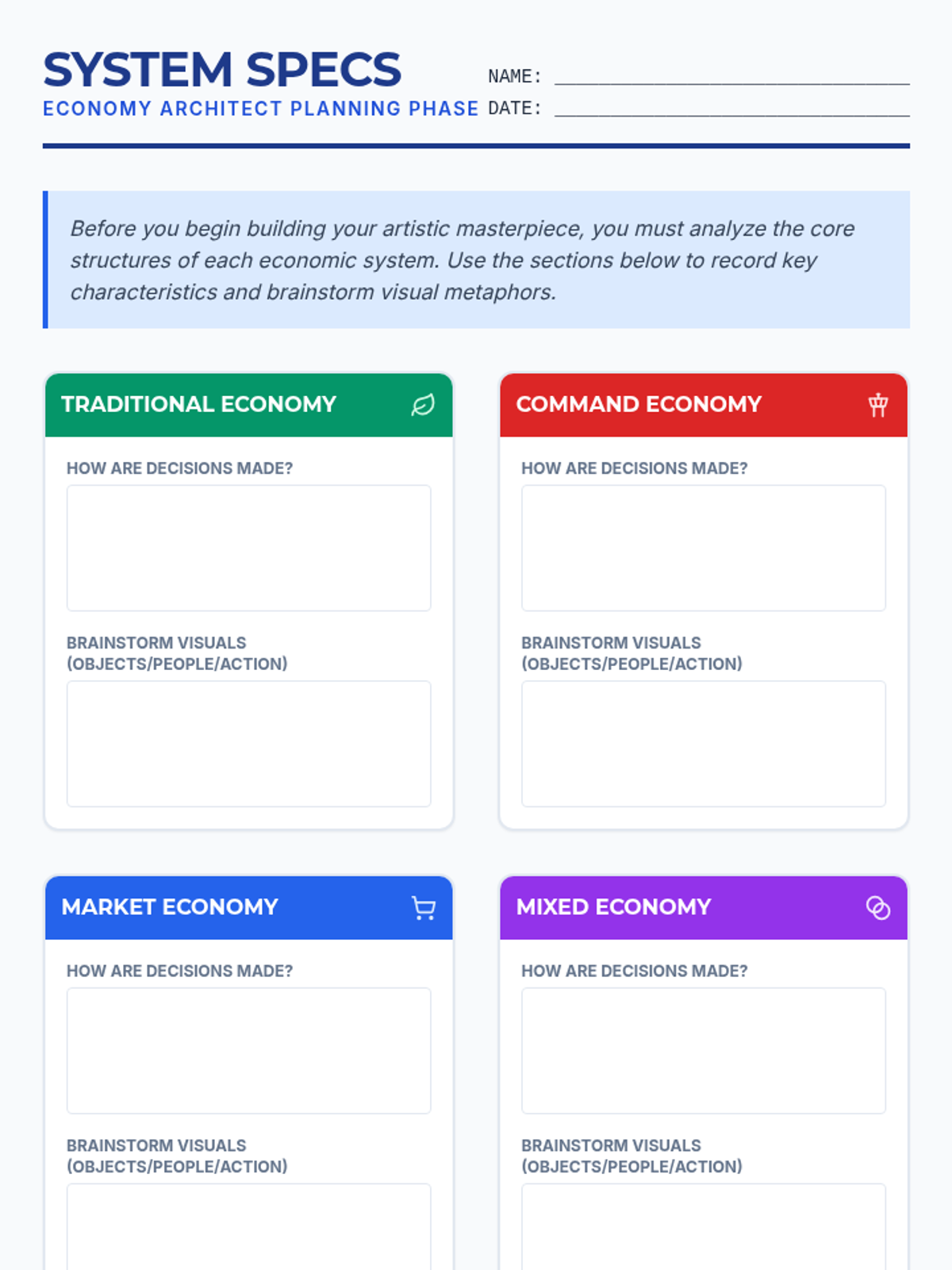
In this project-based lesson, students act as "Economy Architects" to design and create artistic representations of the four major economic systems. They will explore the characteristics of traditional, command, market, and mixed economies through visual storytelling and structural design.
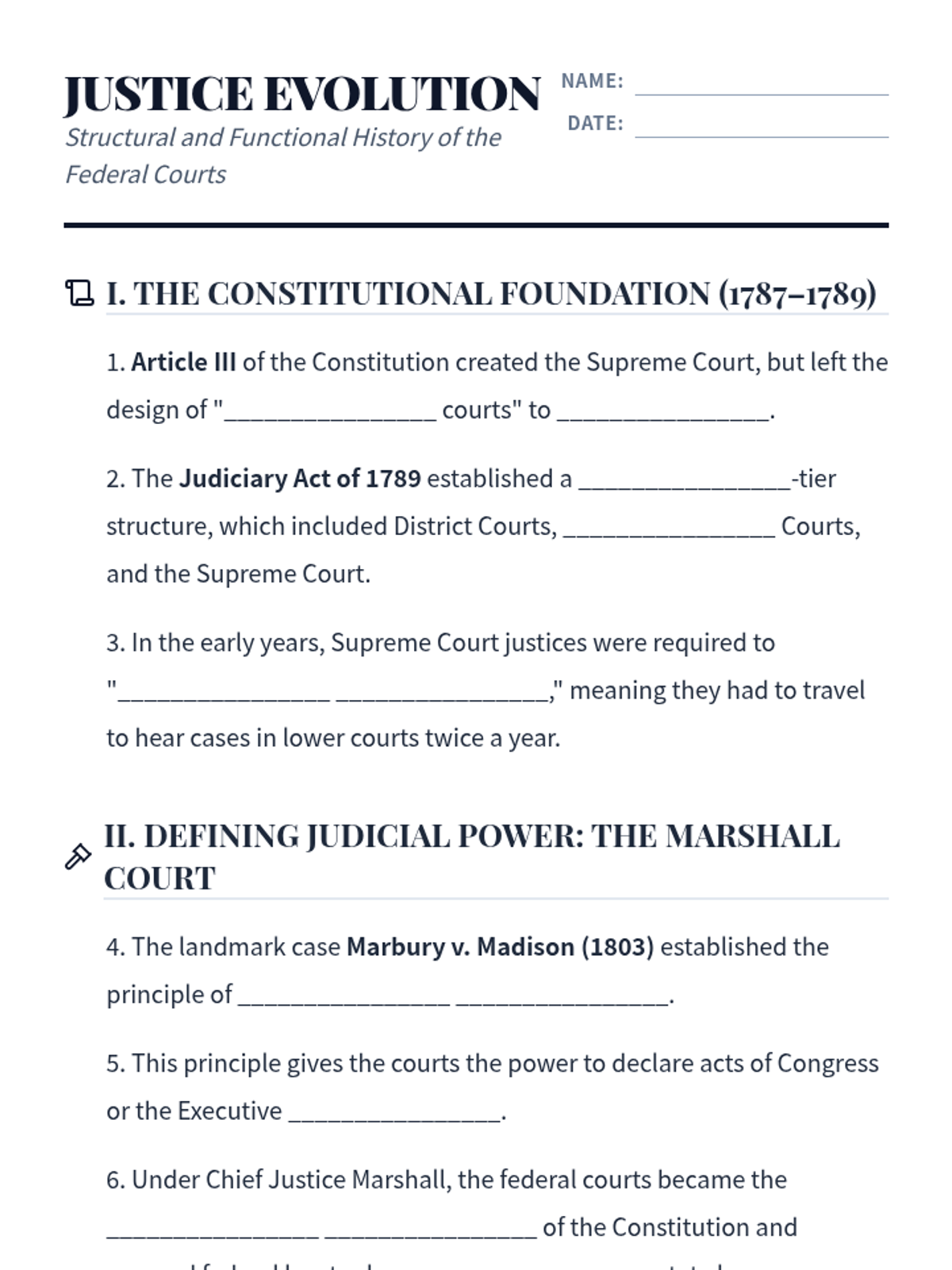
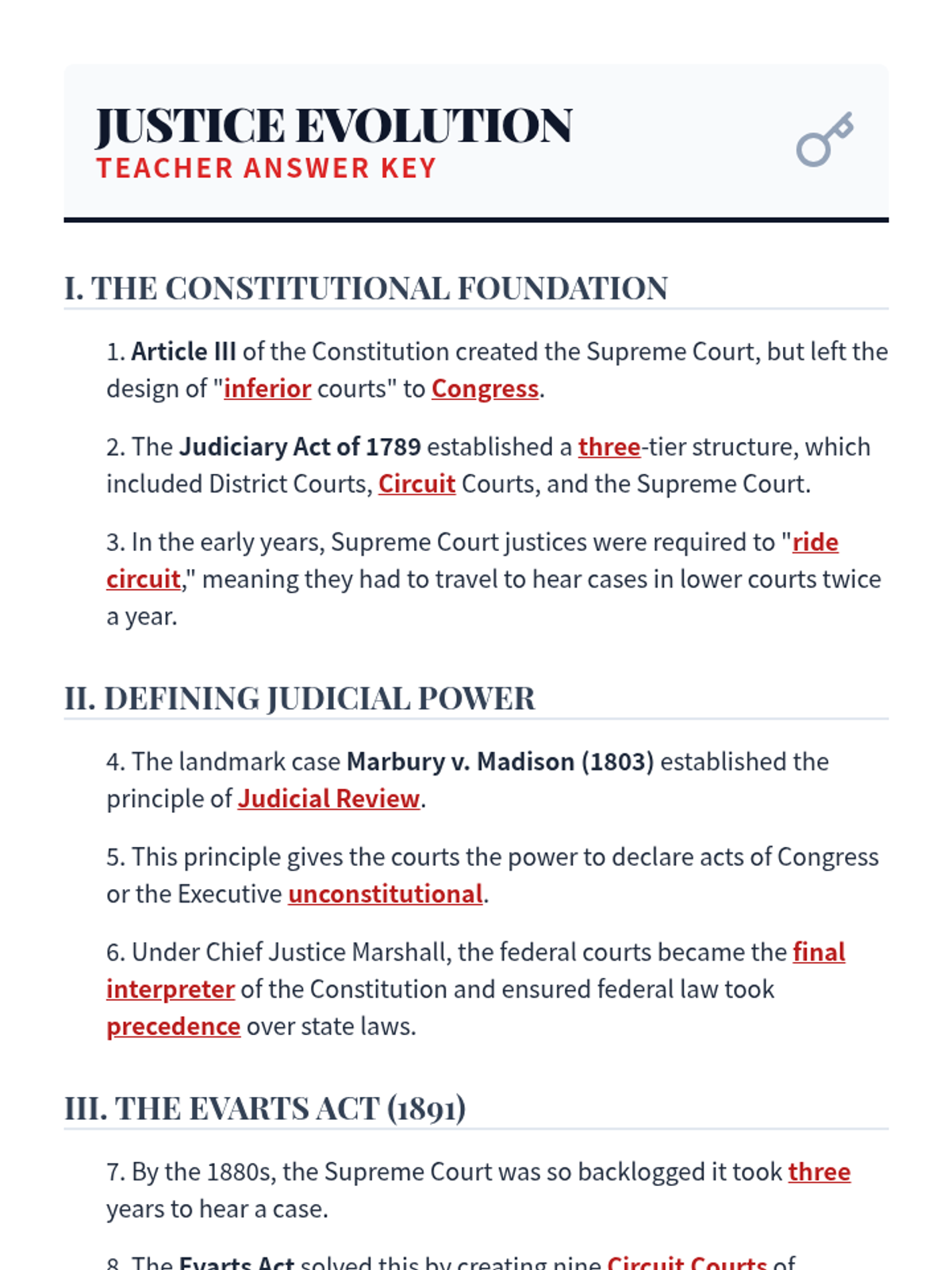
This lesson traces the structural and functional evolution of the U.S. federal court system from its constitutional origins to the modern day, focusing on key legislative acts and judicial shifts.
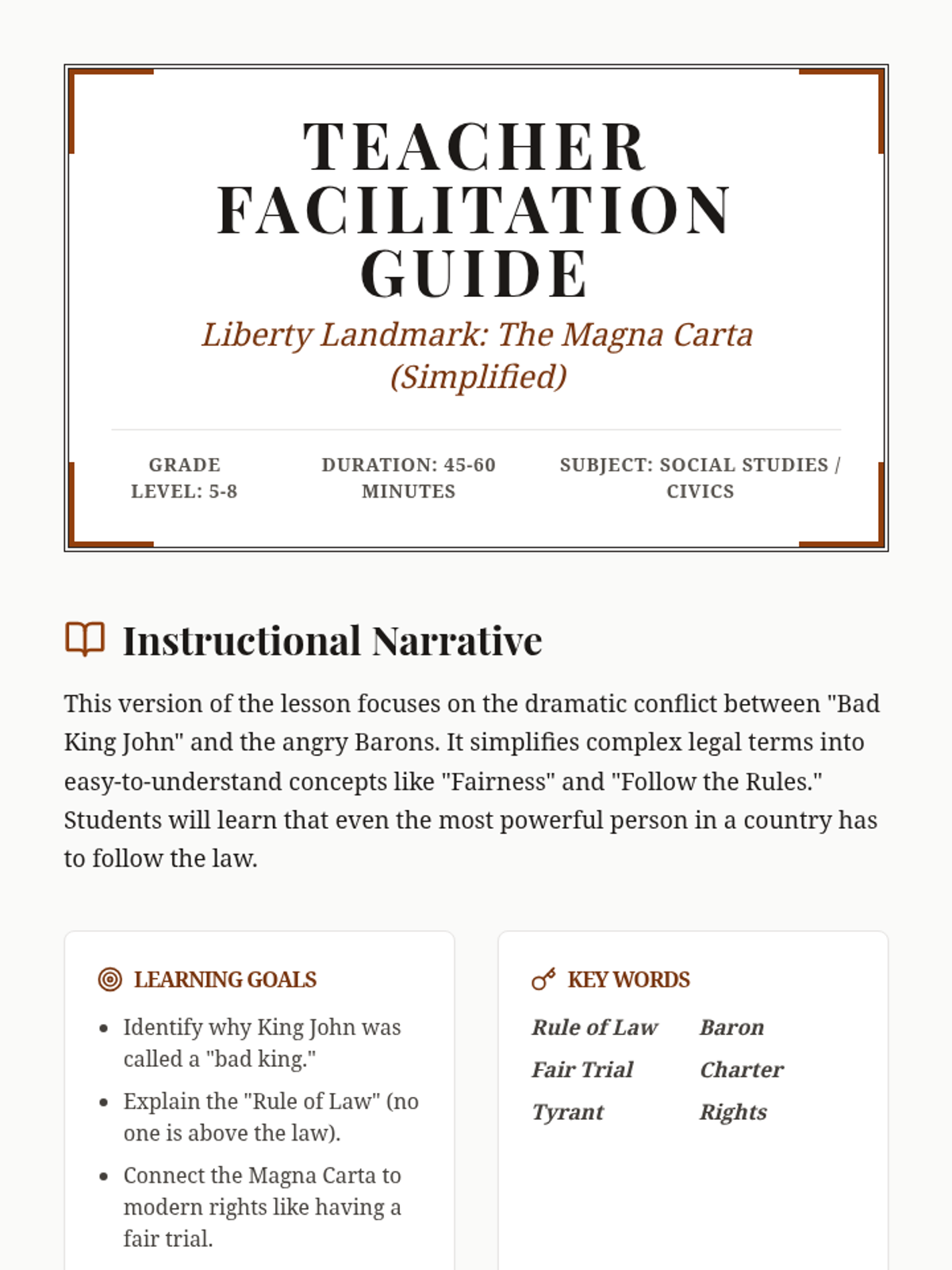
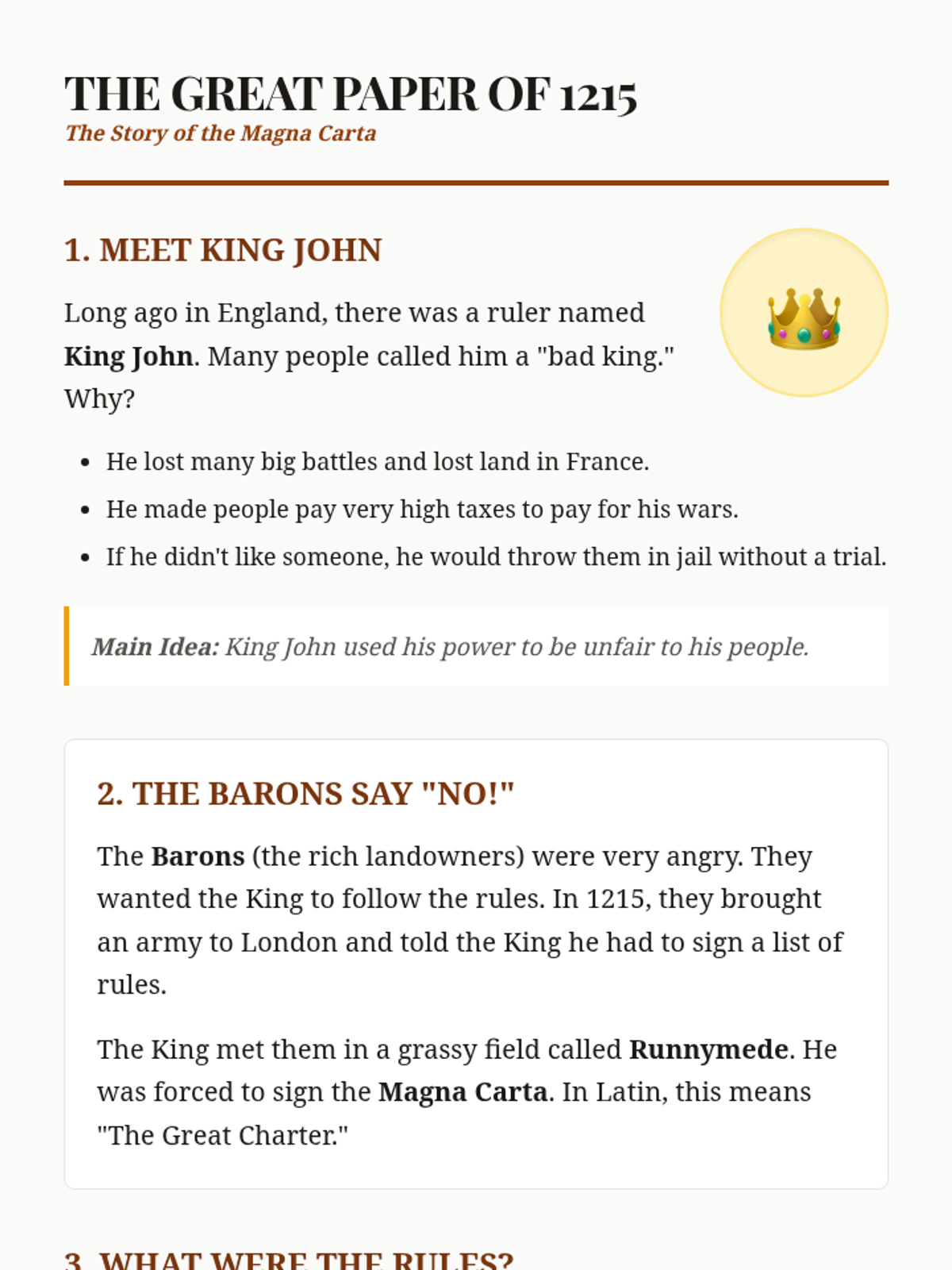
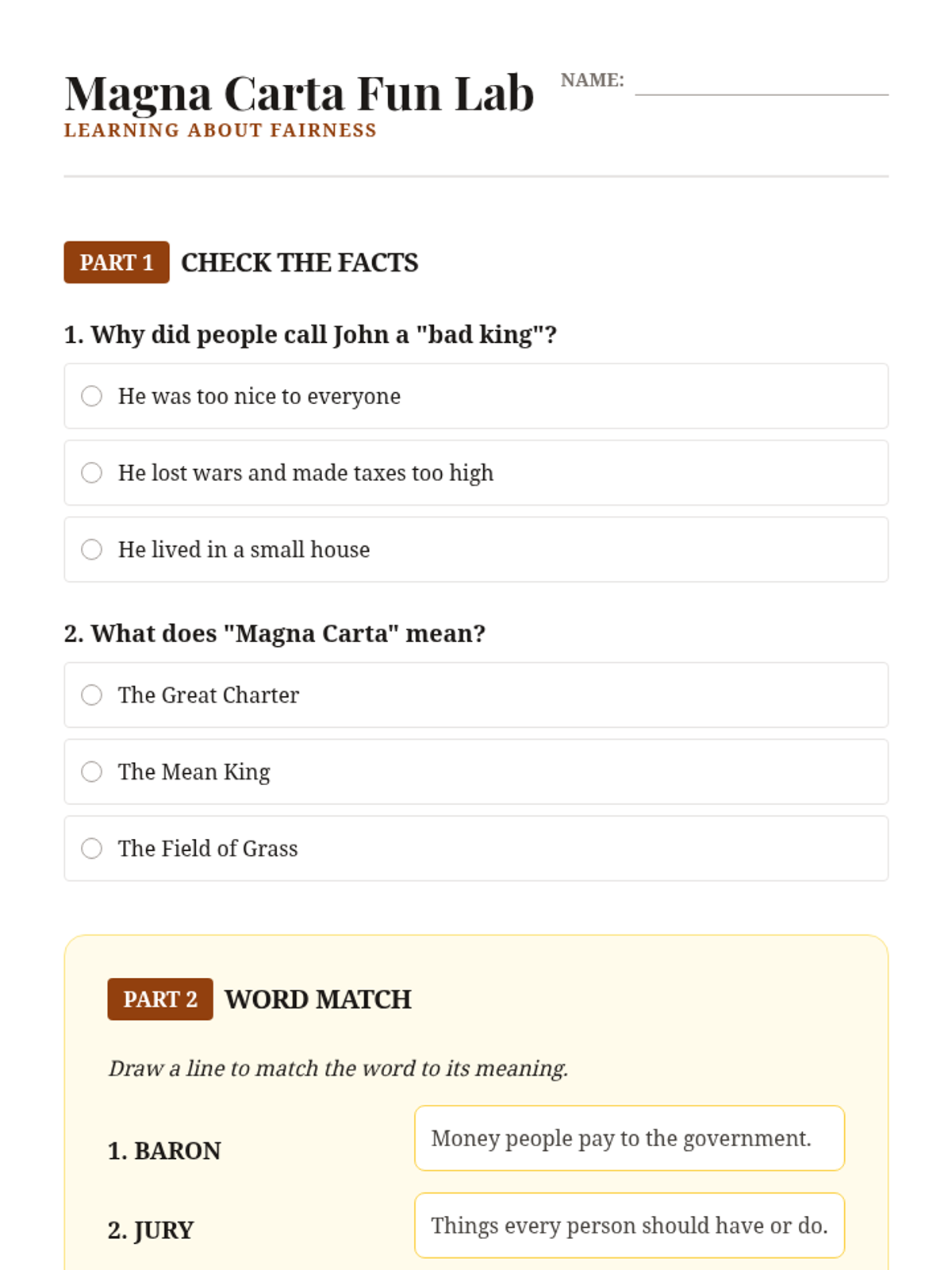
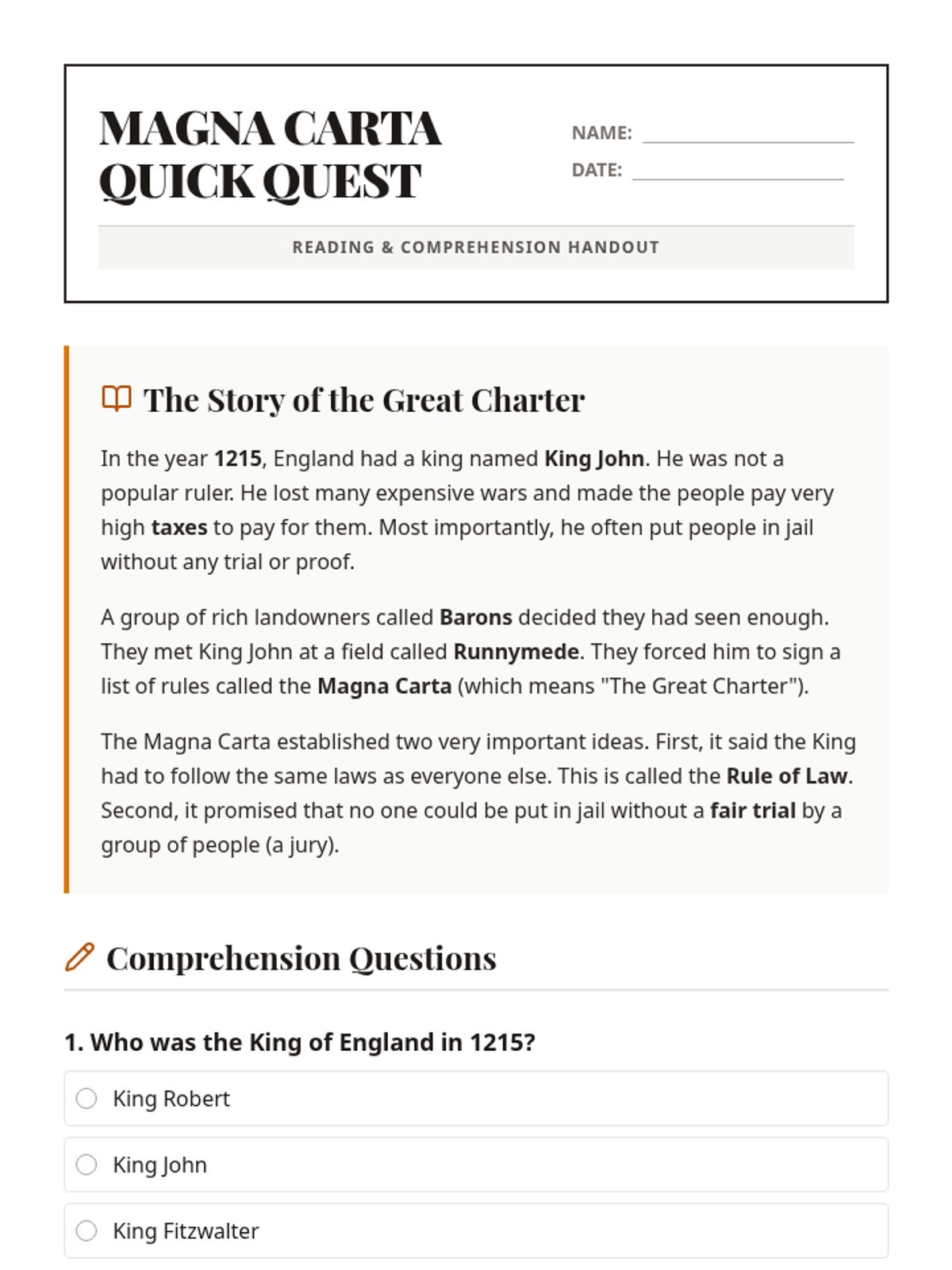
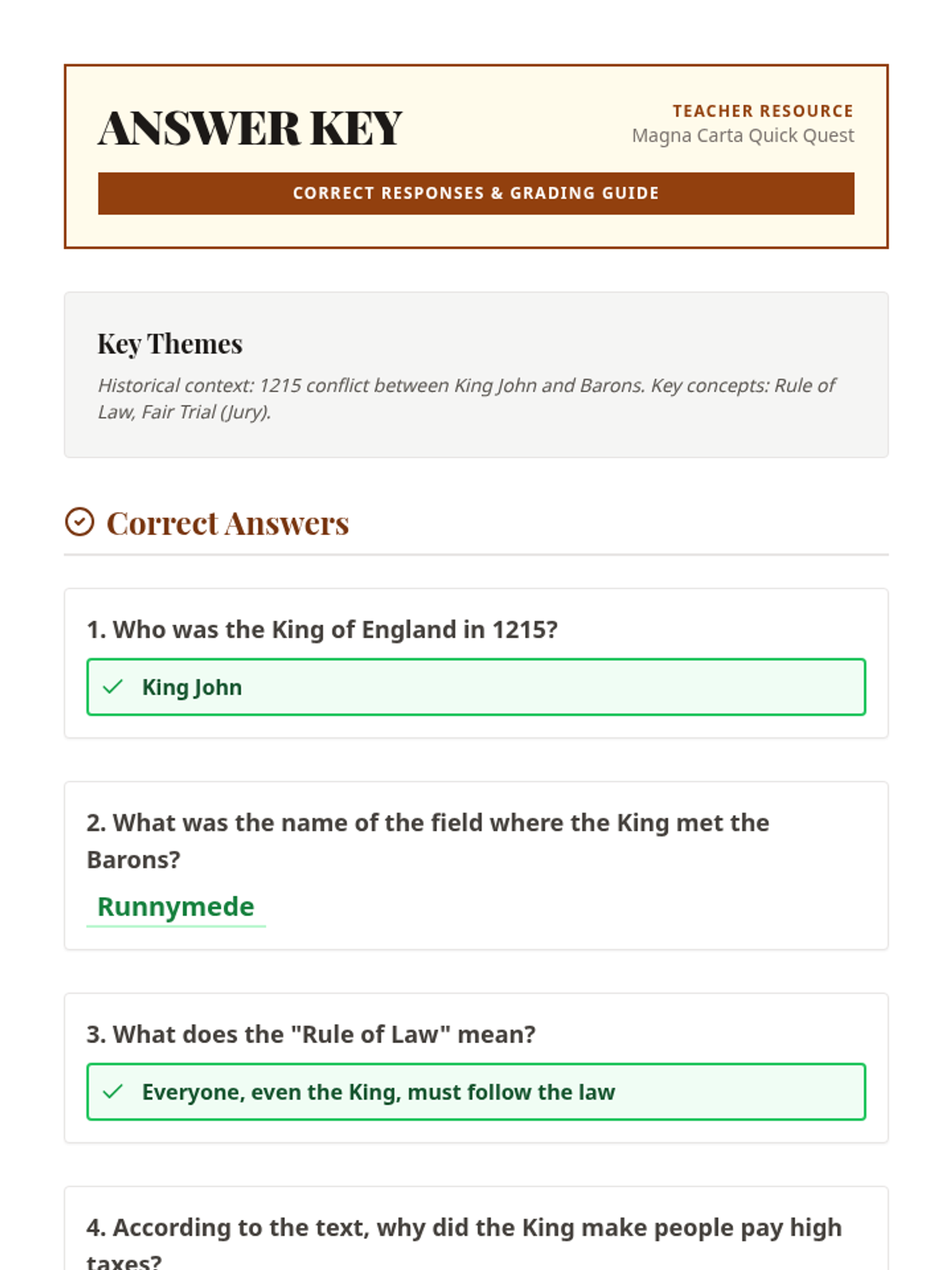
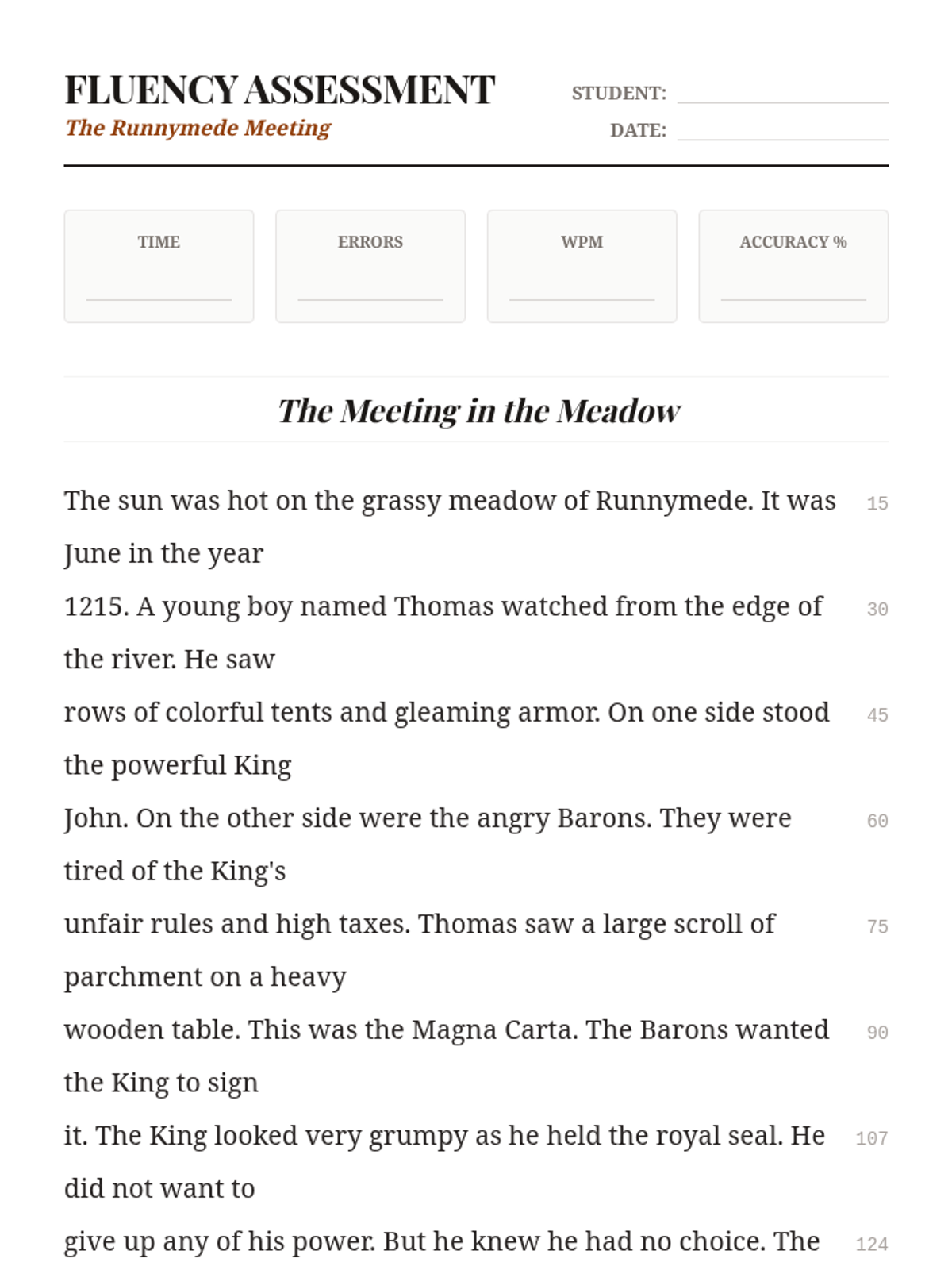
A comprehensive lesson exploring the 1215 conflict between King John and his barons, the creation of the Magna Carta, and its lasting impact on modern democracy and individual rights.
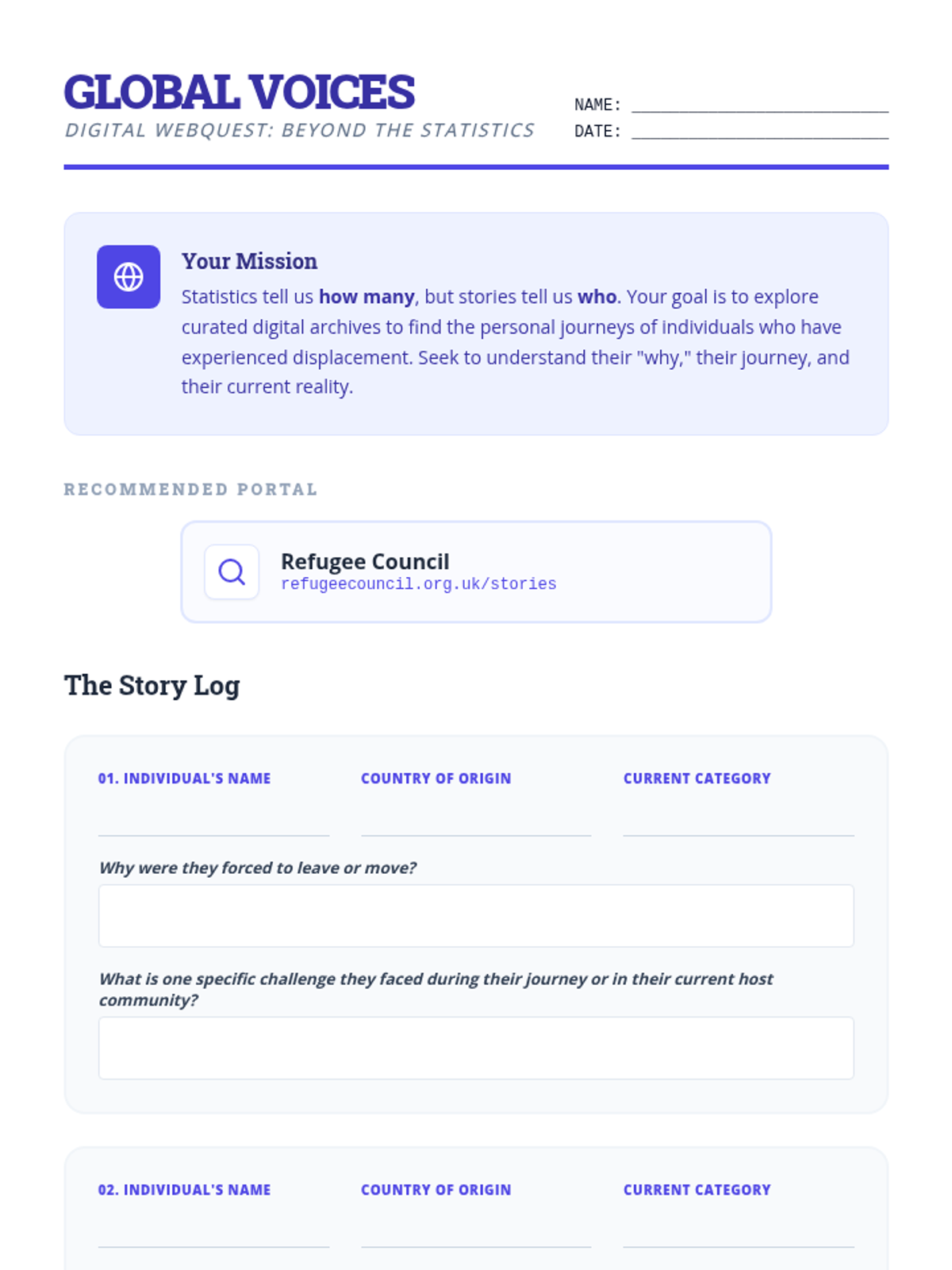
A lesson exploring the legal and social definitions of refugees, asylum seekers, and internally displaced persons to help students understand the complexities of global displacement.
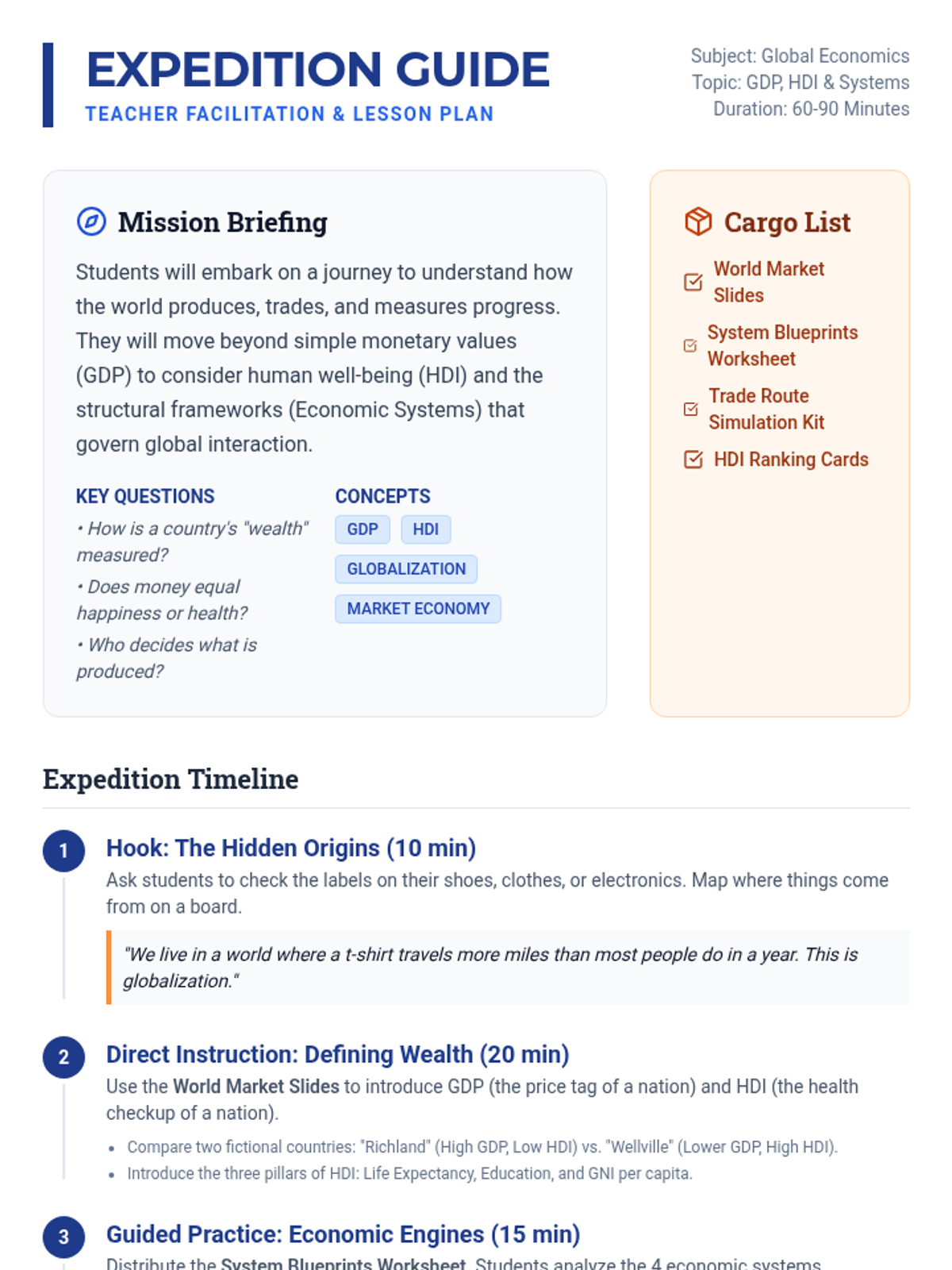
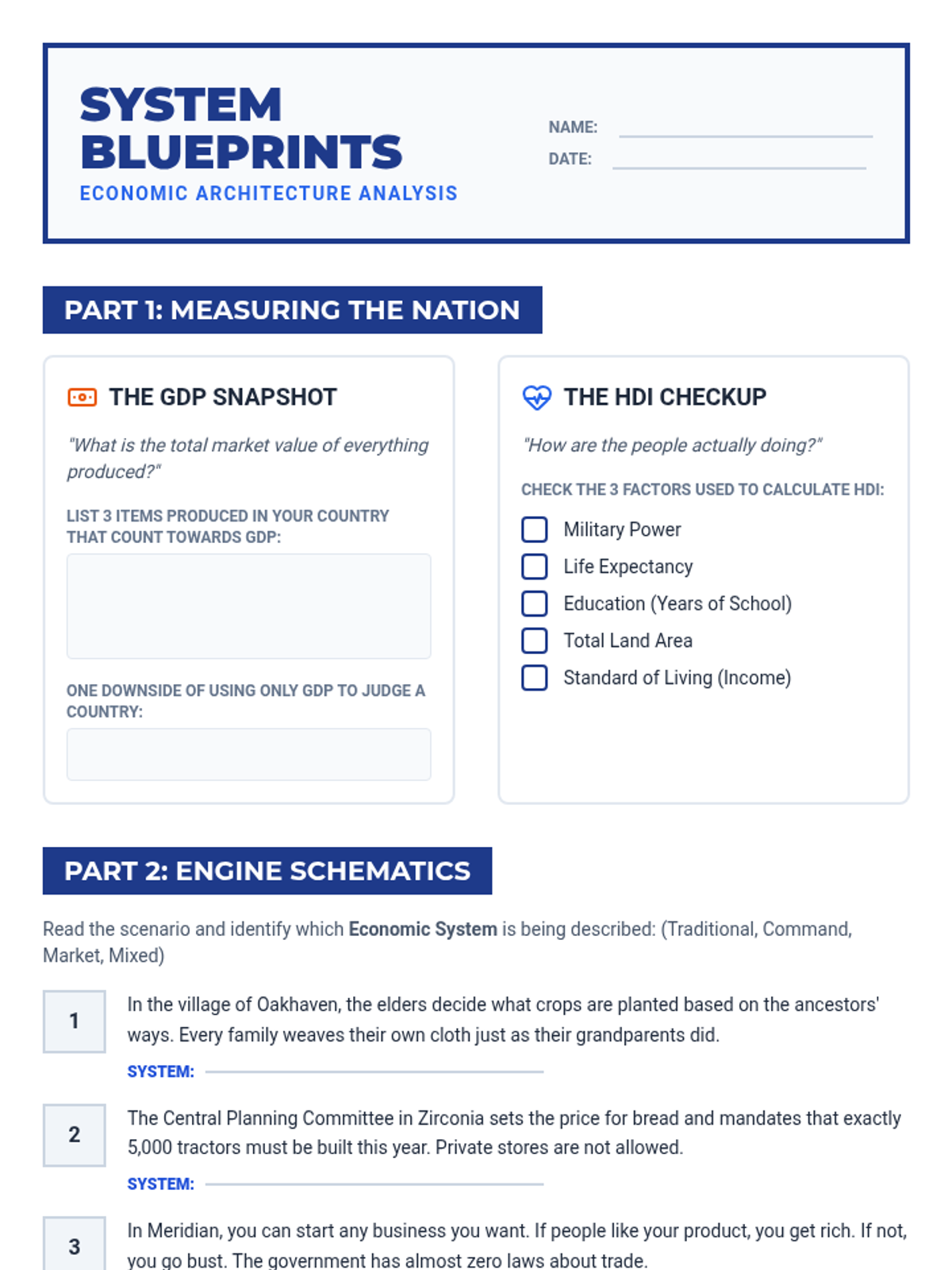
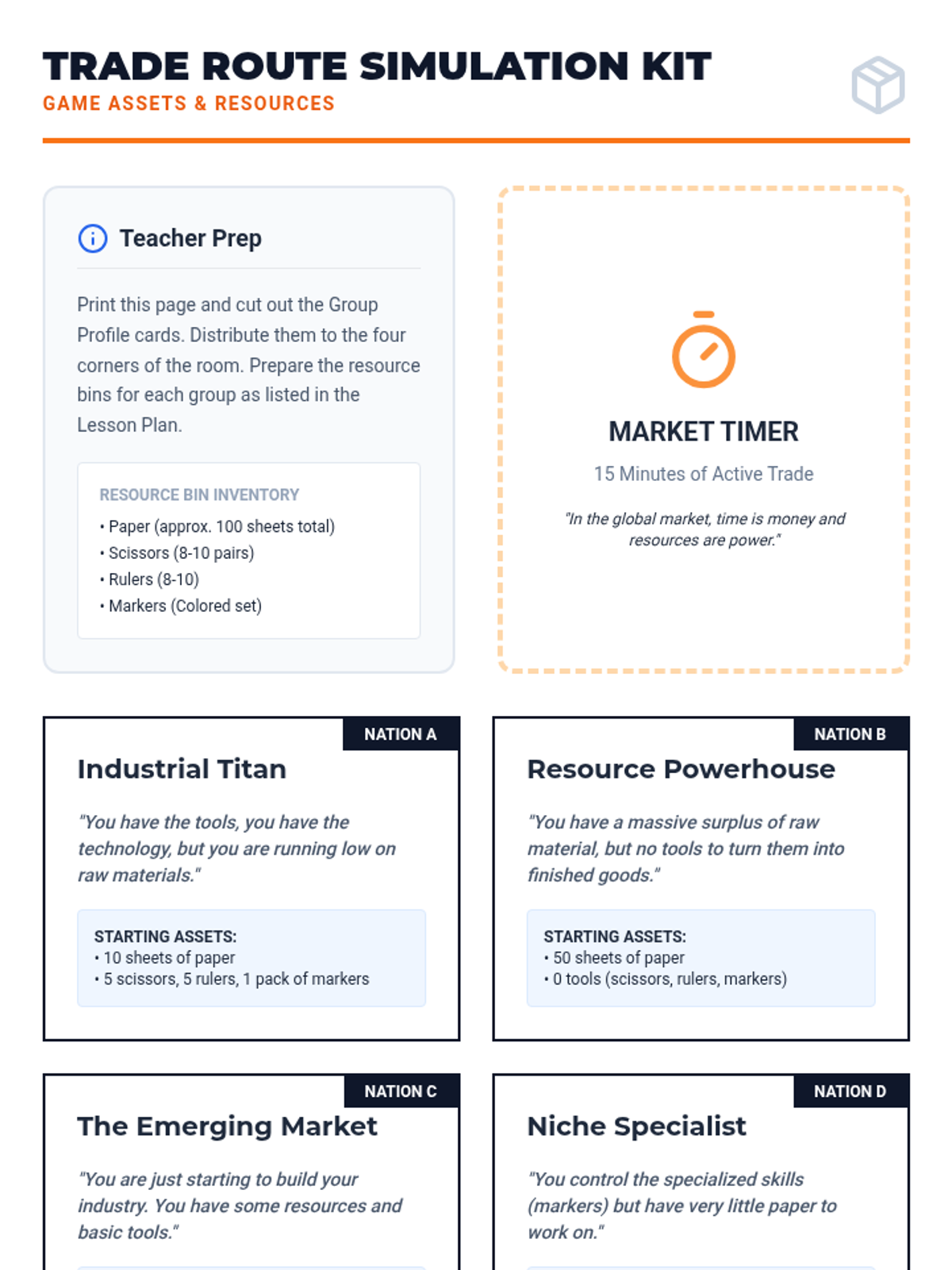
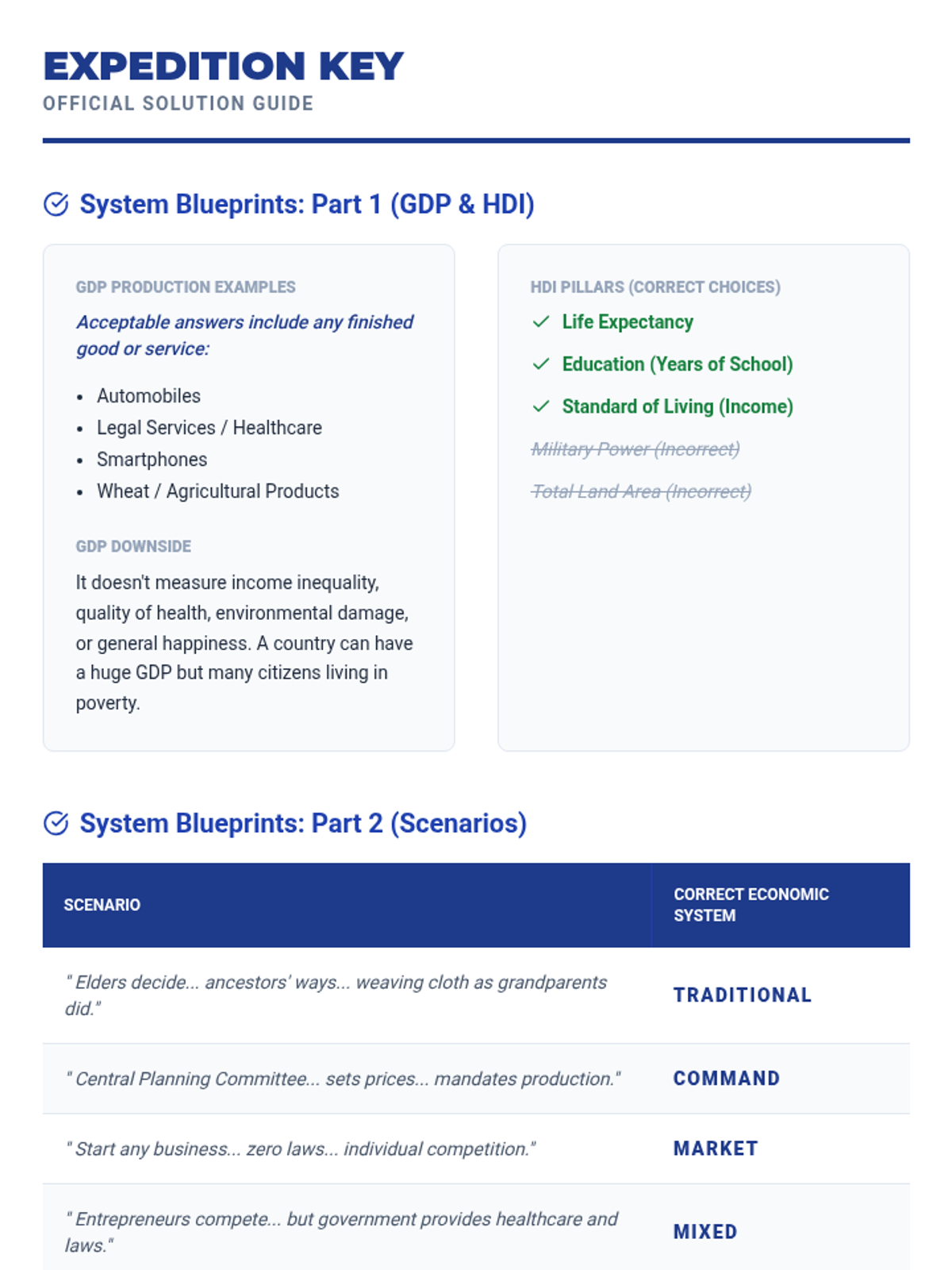
An introductory lesson exploring the global economy through the lens of GDP, HDI, and diverse economic systems, emphasizing the interconnectedness of globalization.
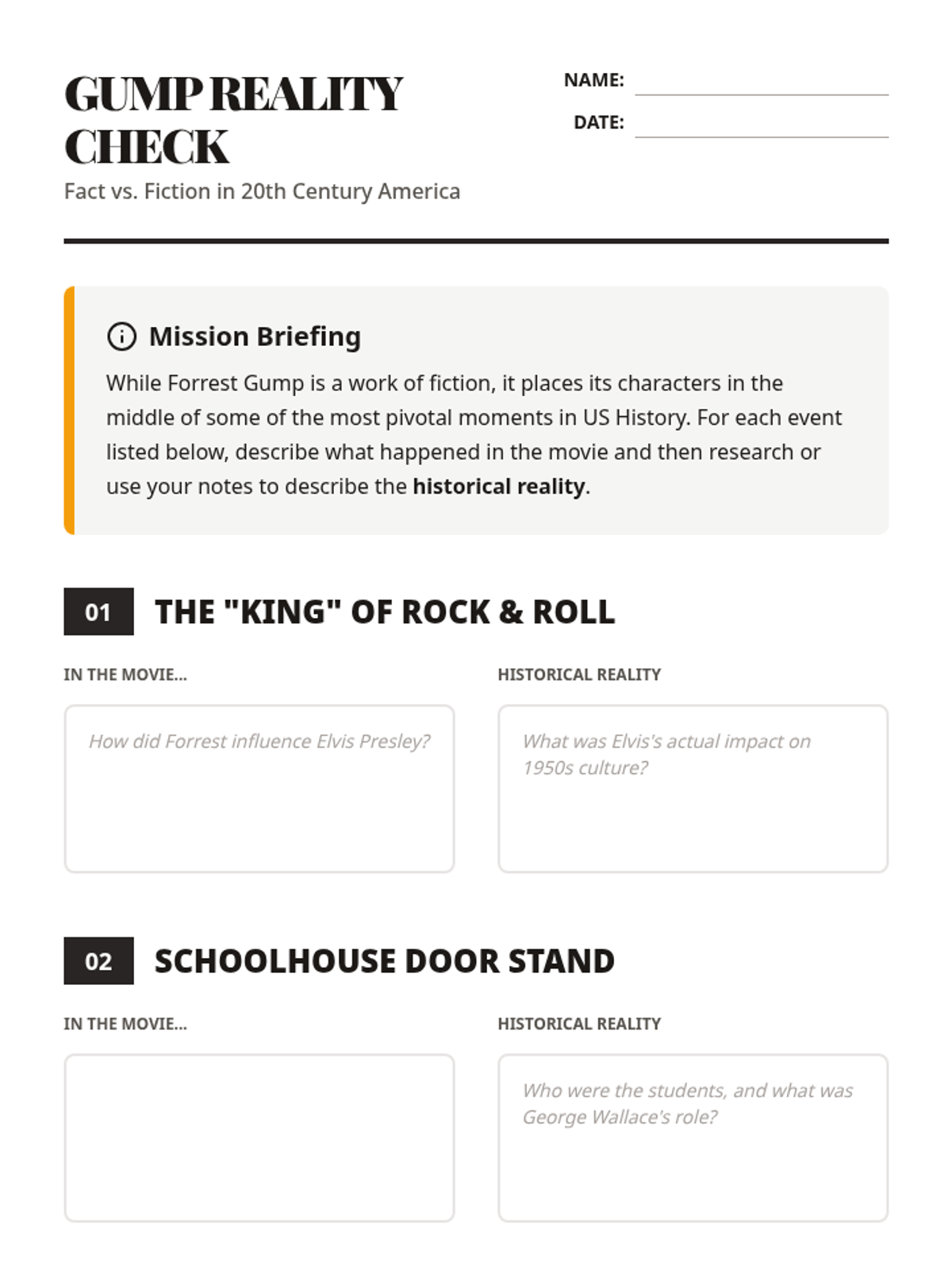
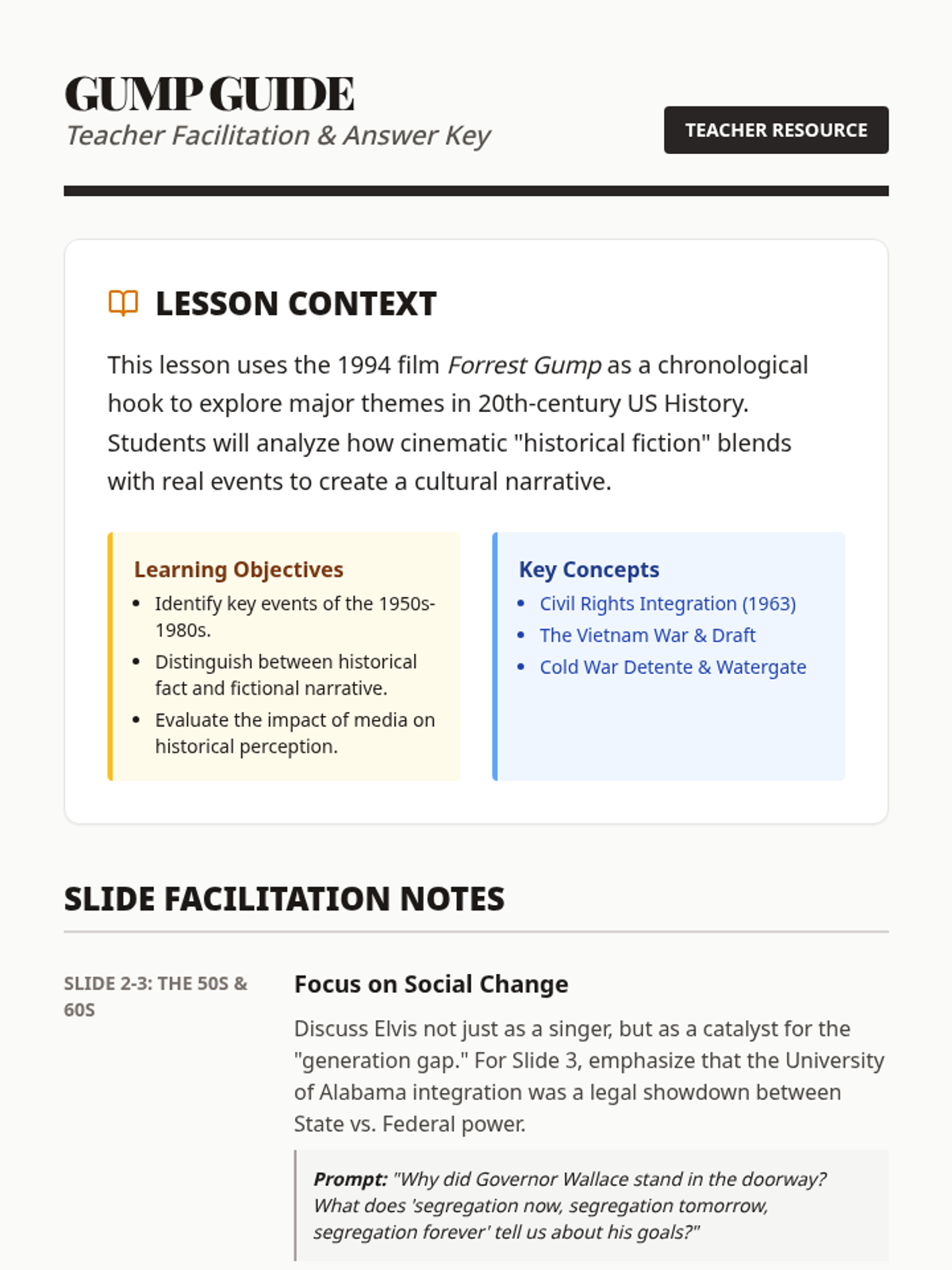
A deep dive into 20th-century US History through the lens of Forrest Gump, covering the Civil Rights Movement, the Vietnam War, and the Cold War era. Students will analyze the film's portrayal of historical events and distinguish between cinematic fiction and historical reality.
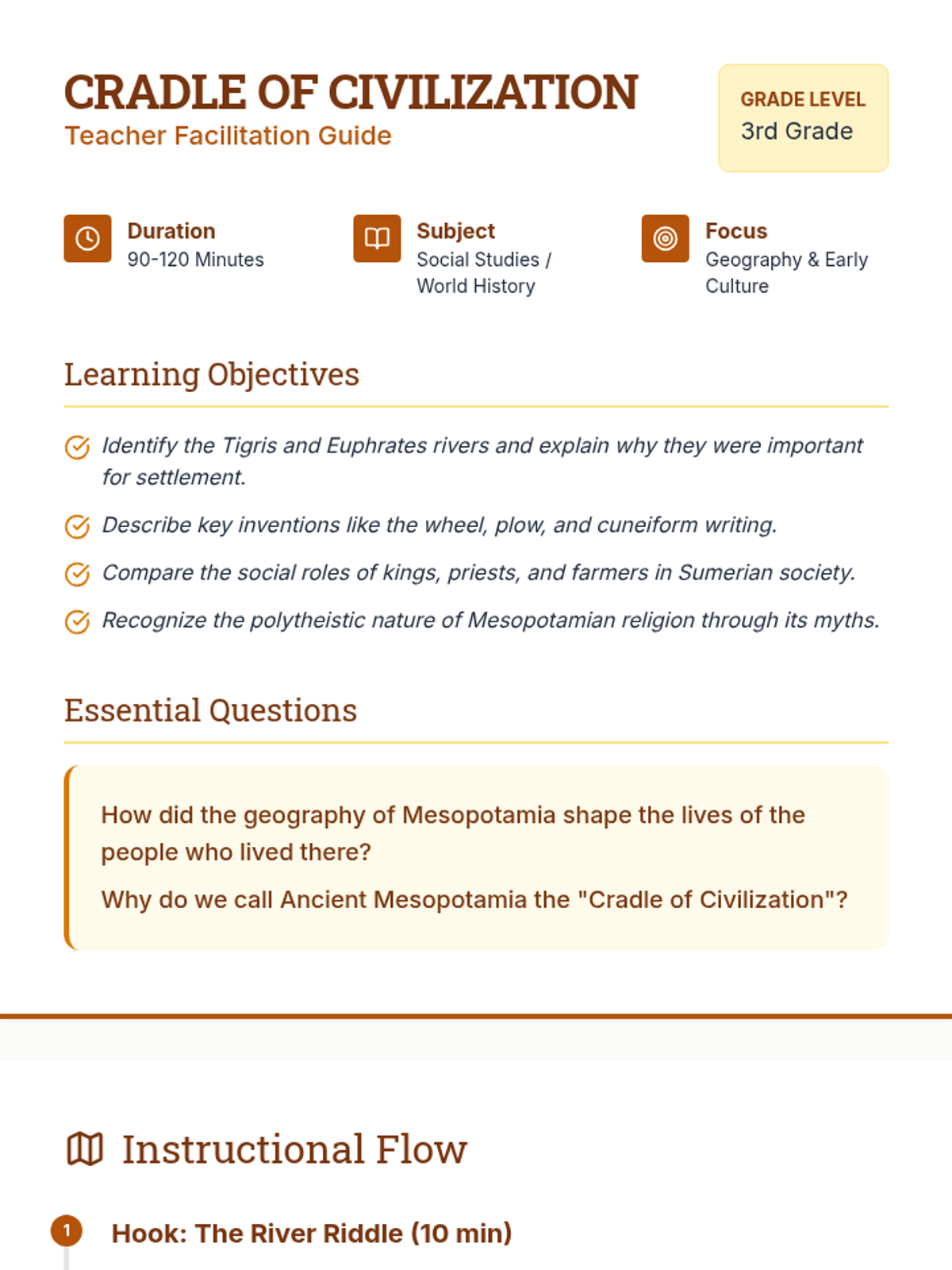
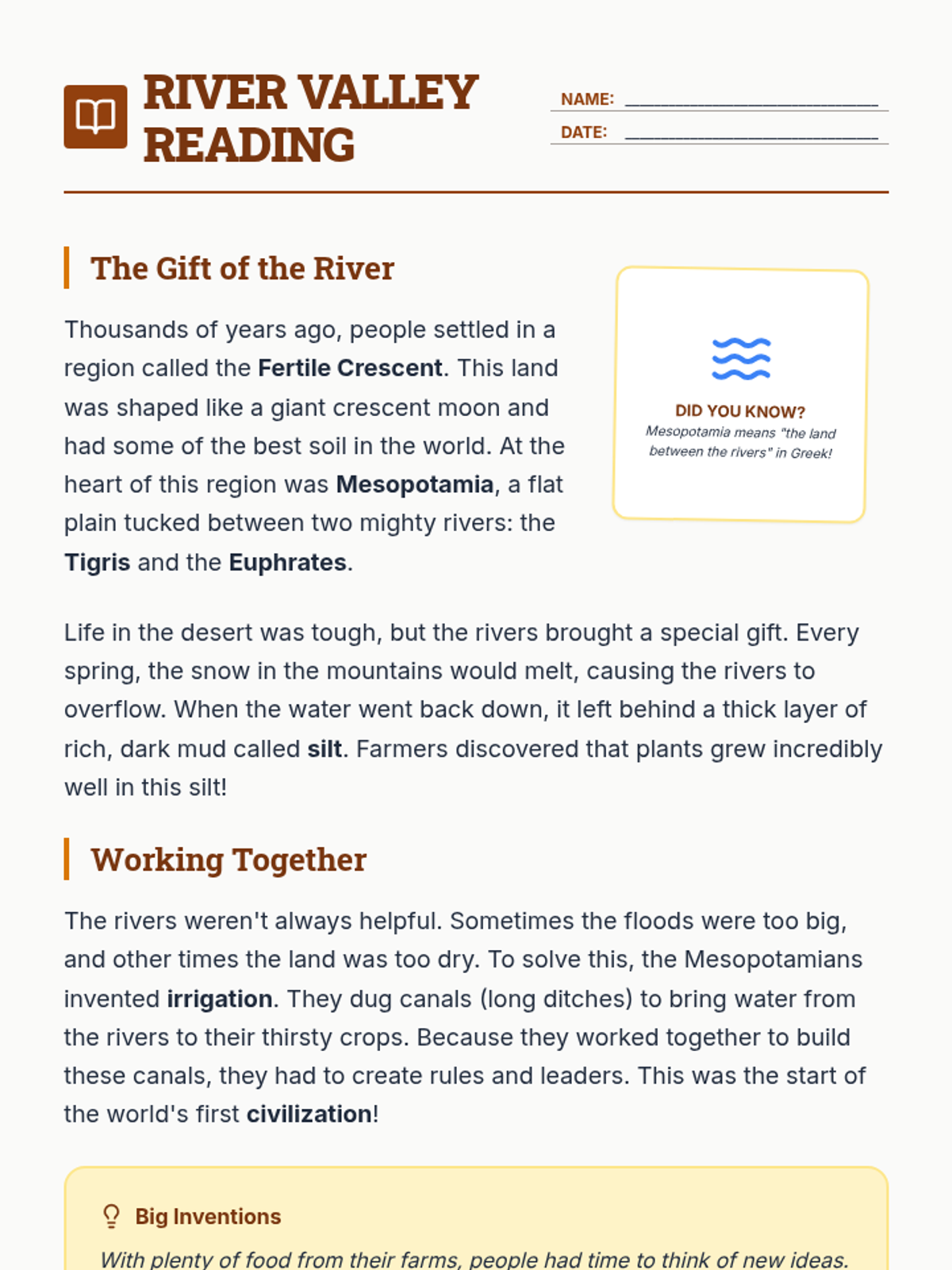
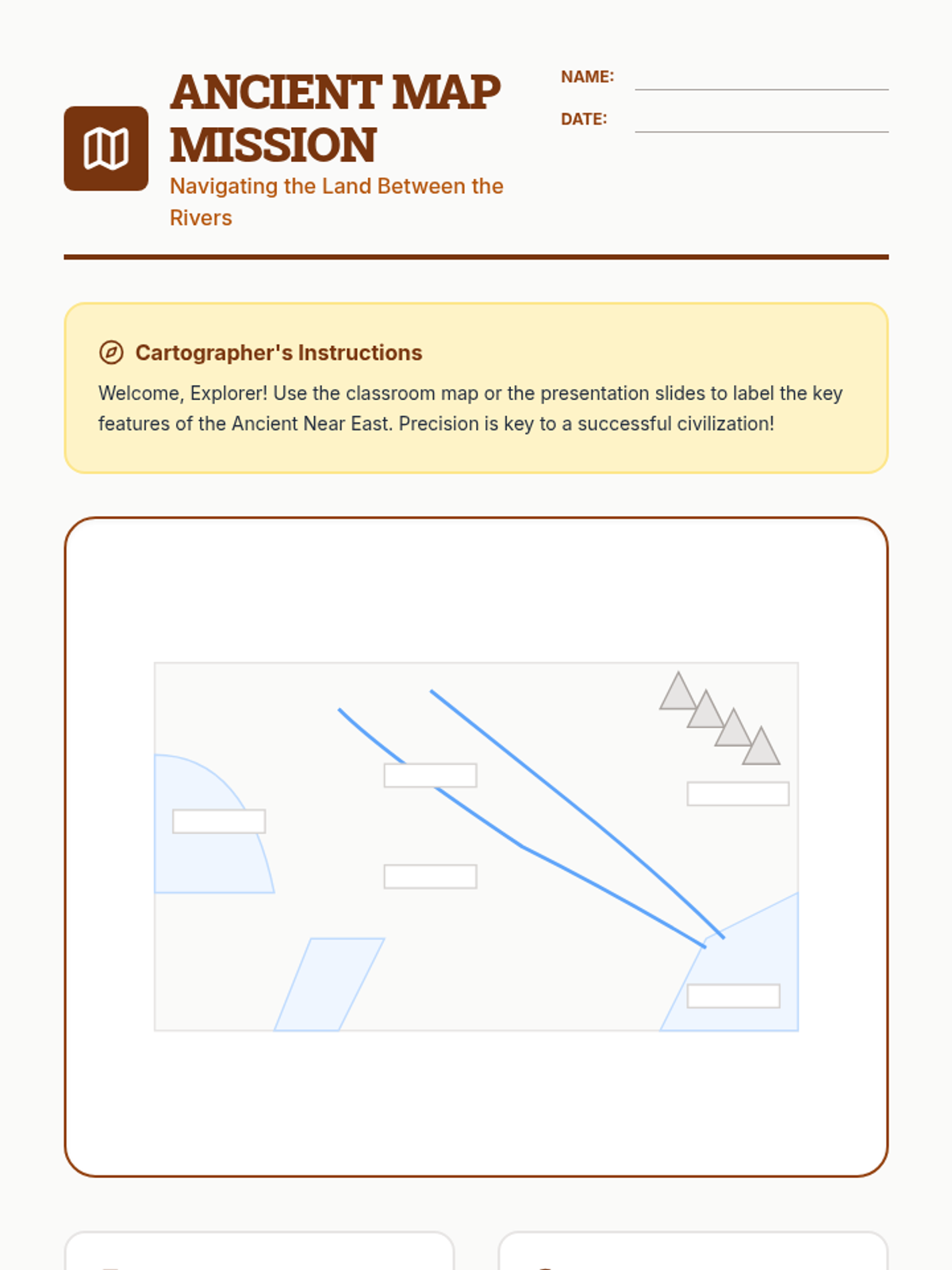
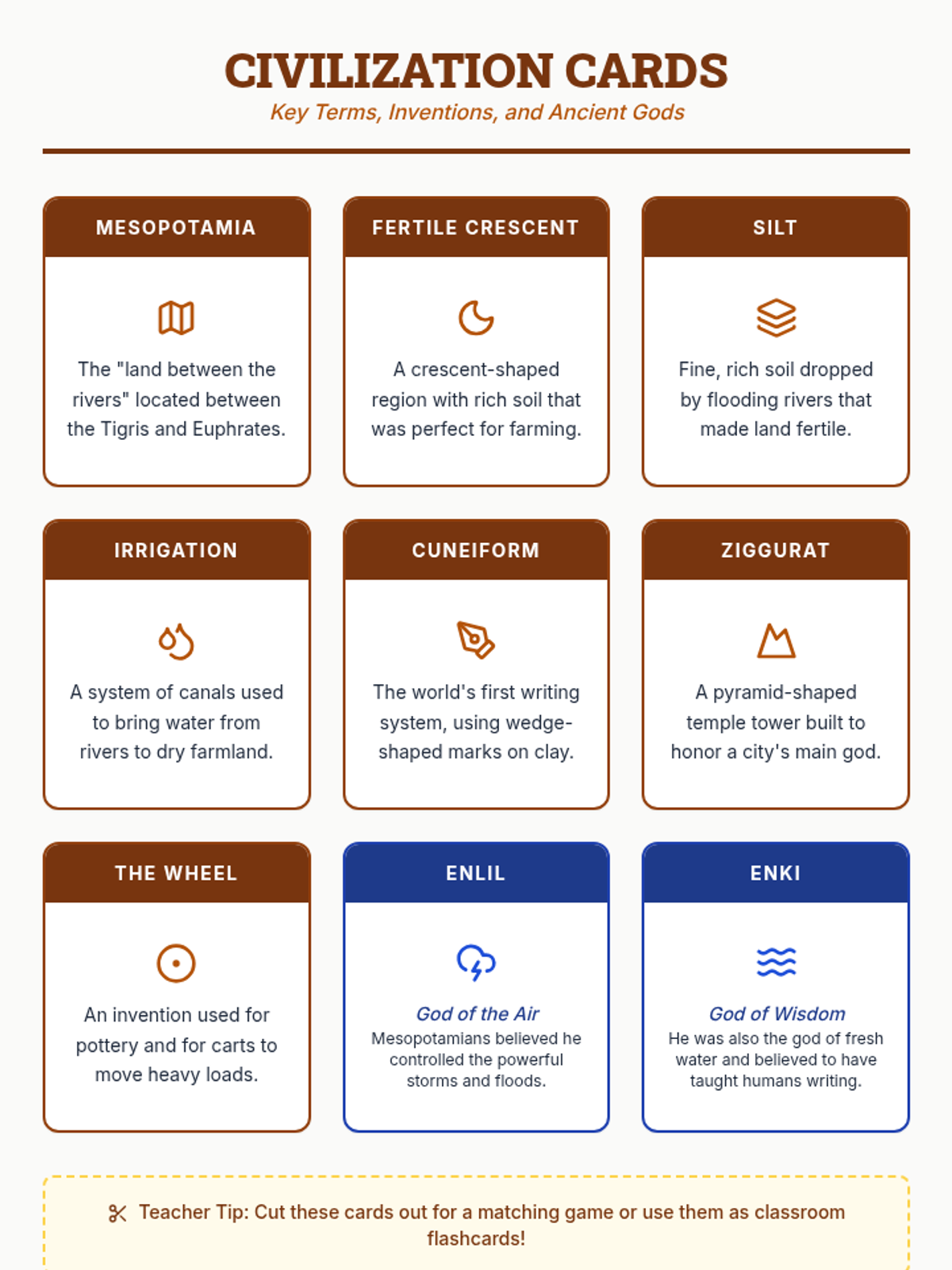
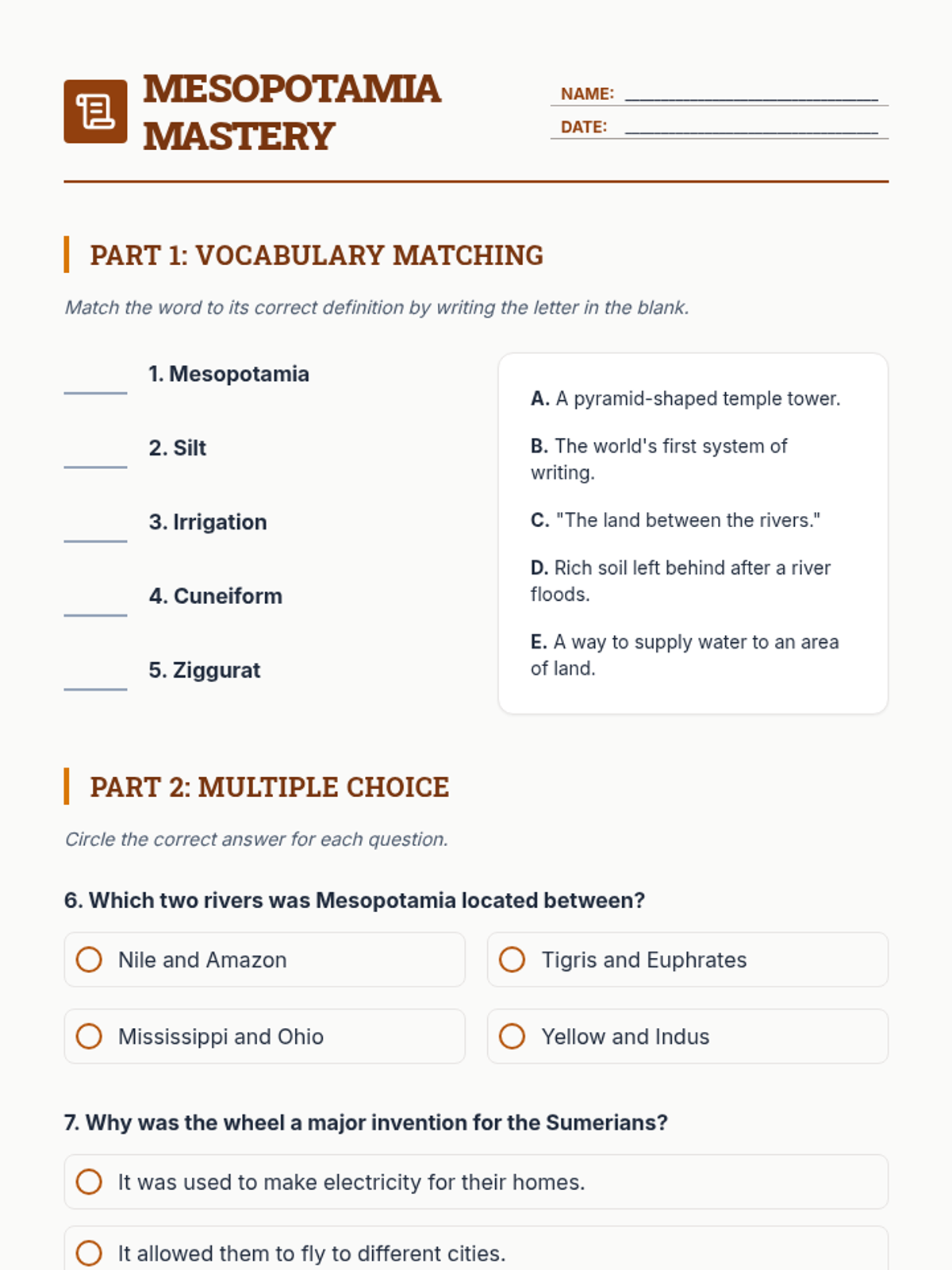
An introductory lesson on Ancient Mesopotamia covering its geography, social structure, inventions, and mythology. Students will explore why this region is called the 'Cradle of Civilization' through mapping, reading, and creative activities.
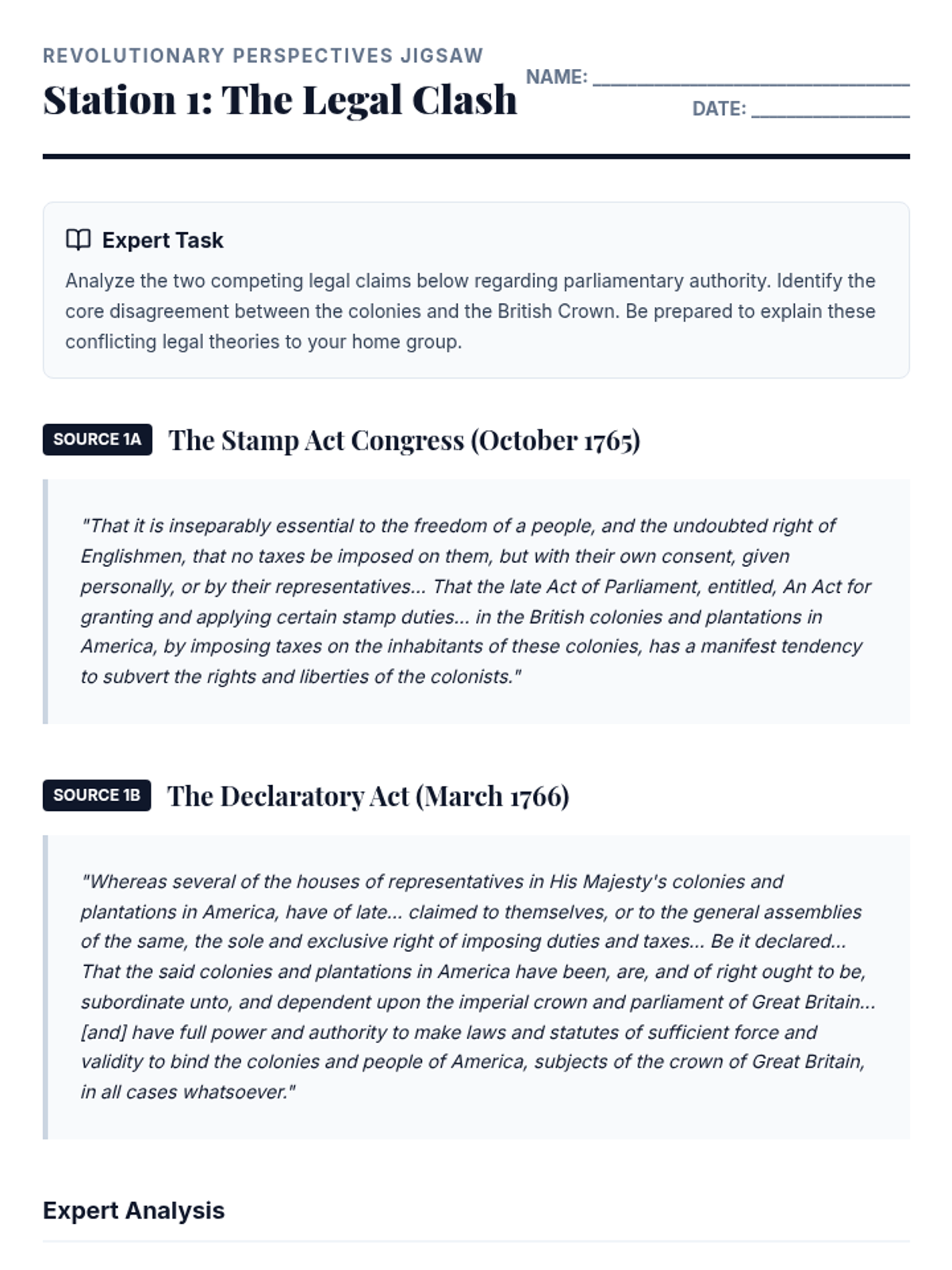
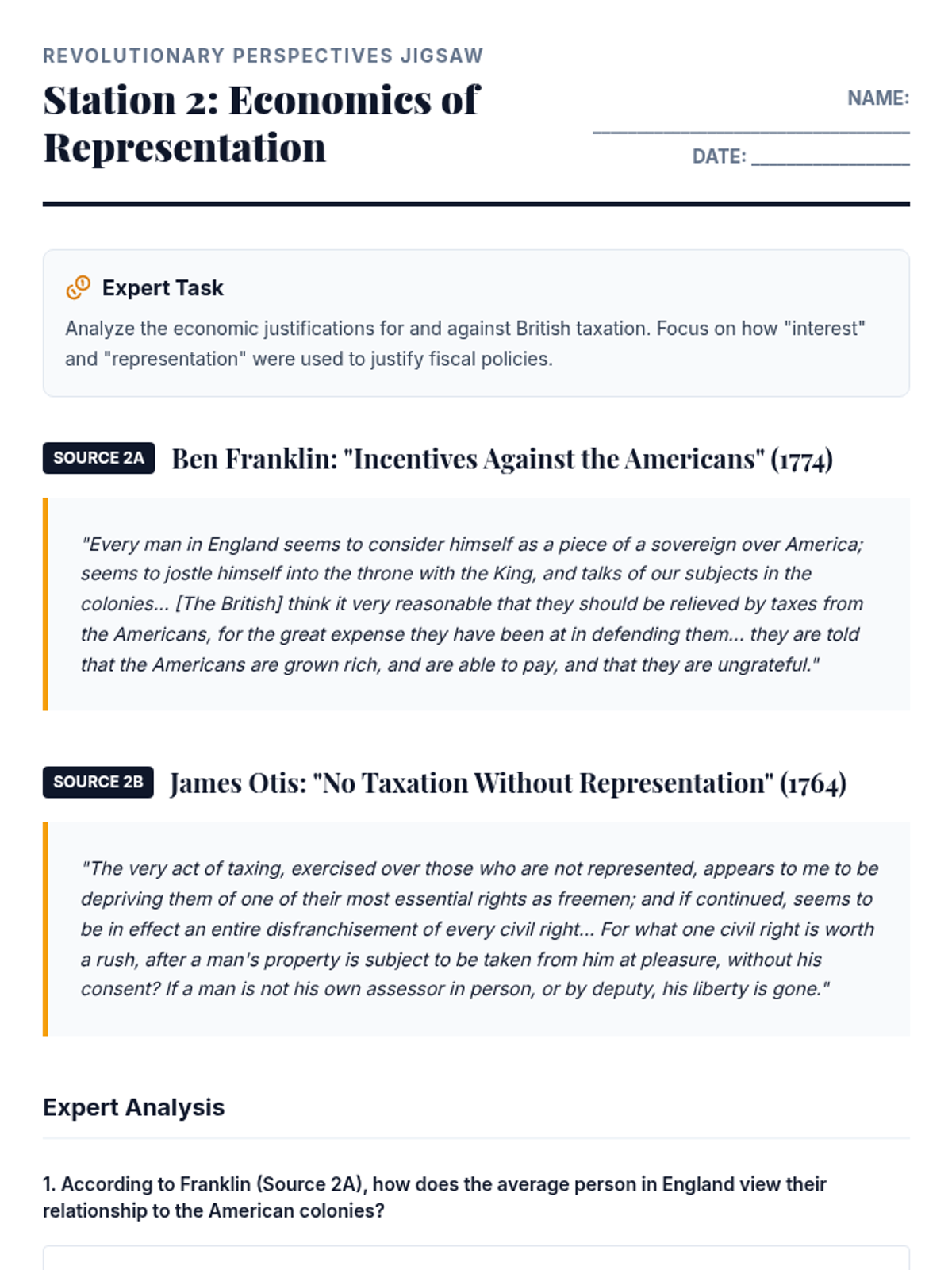
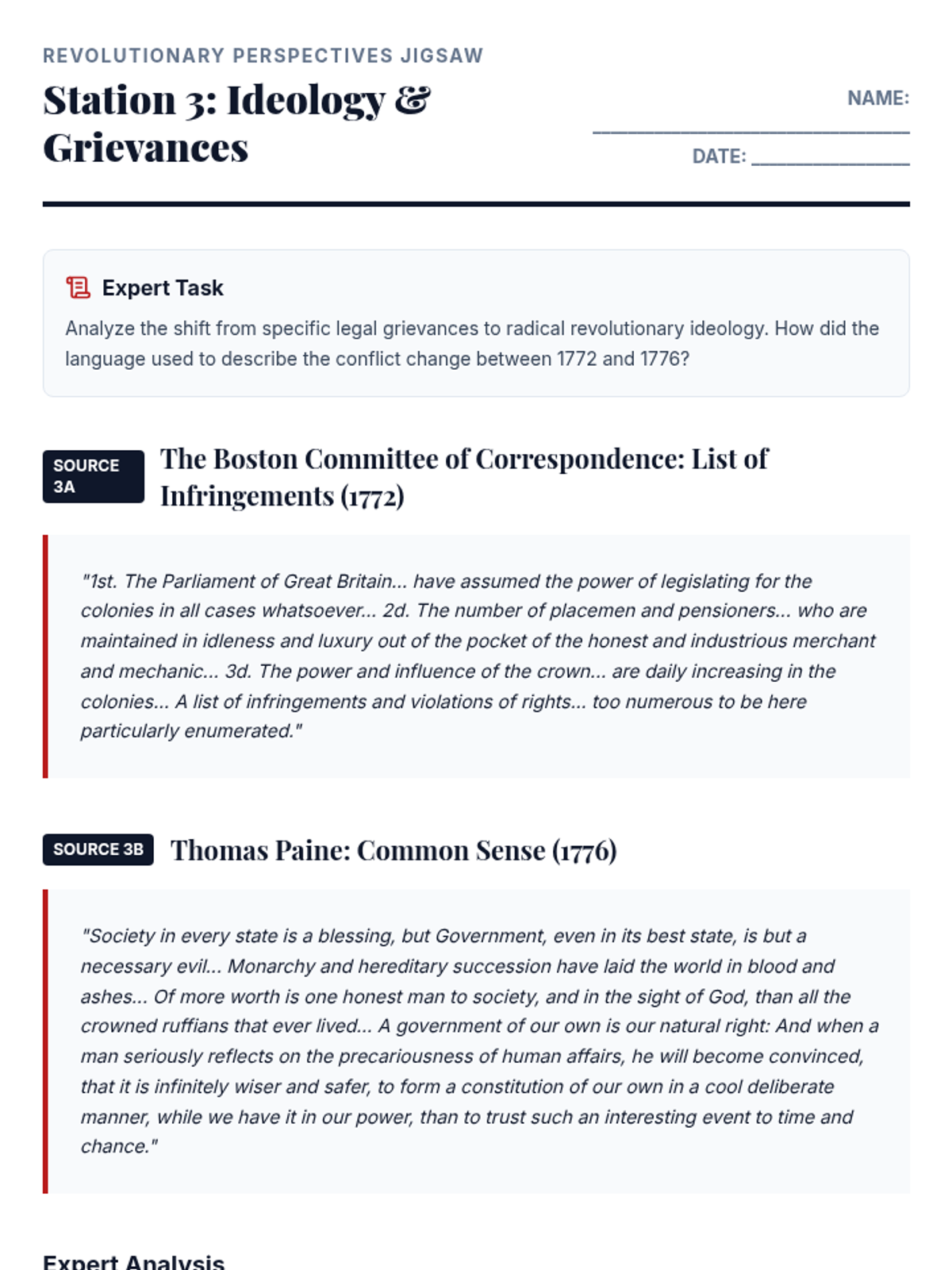
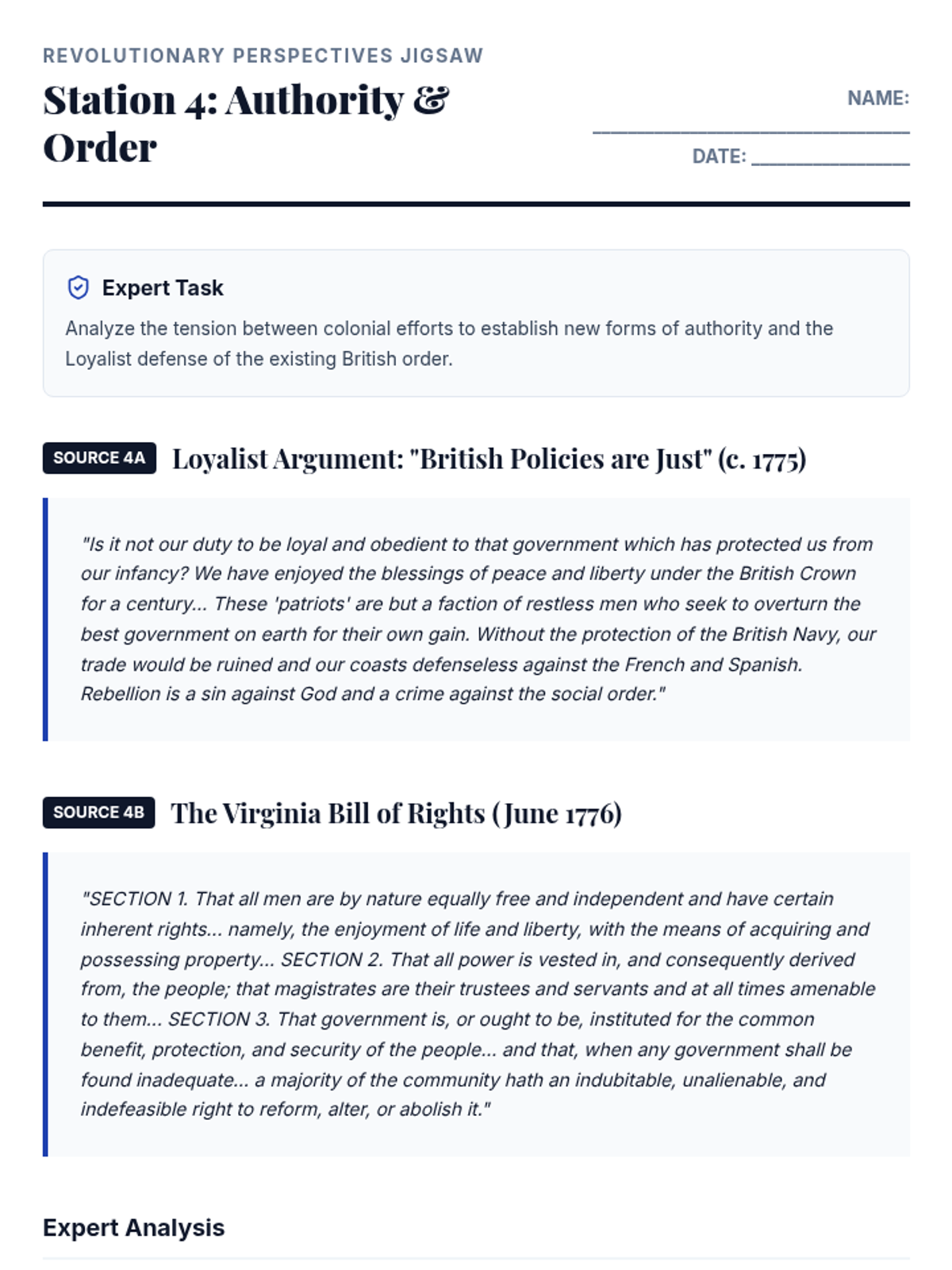
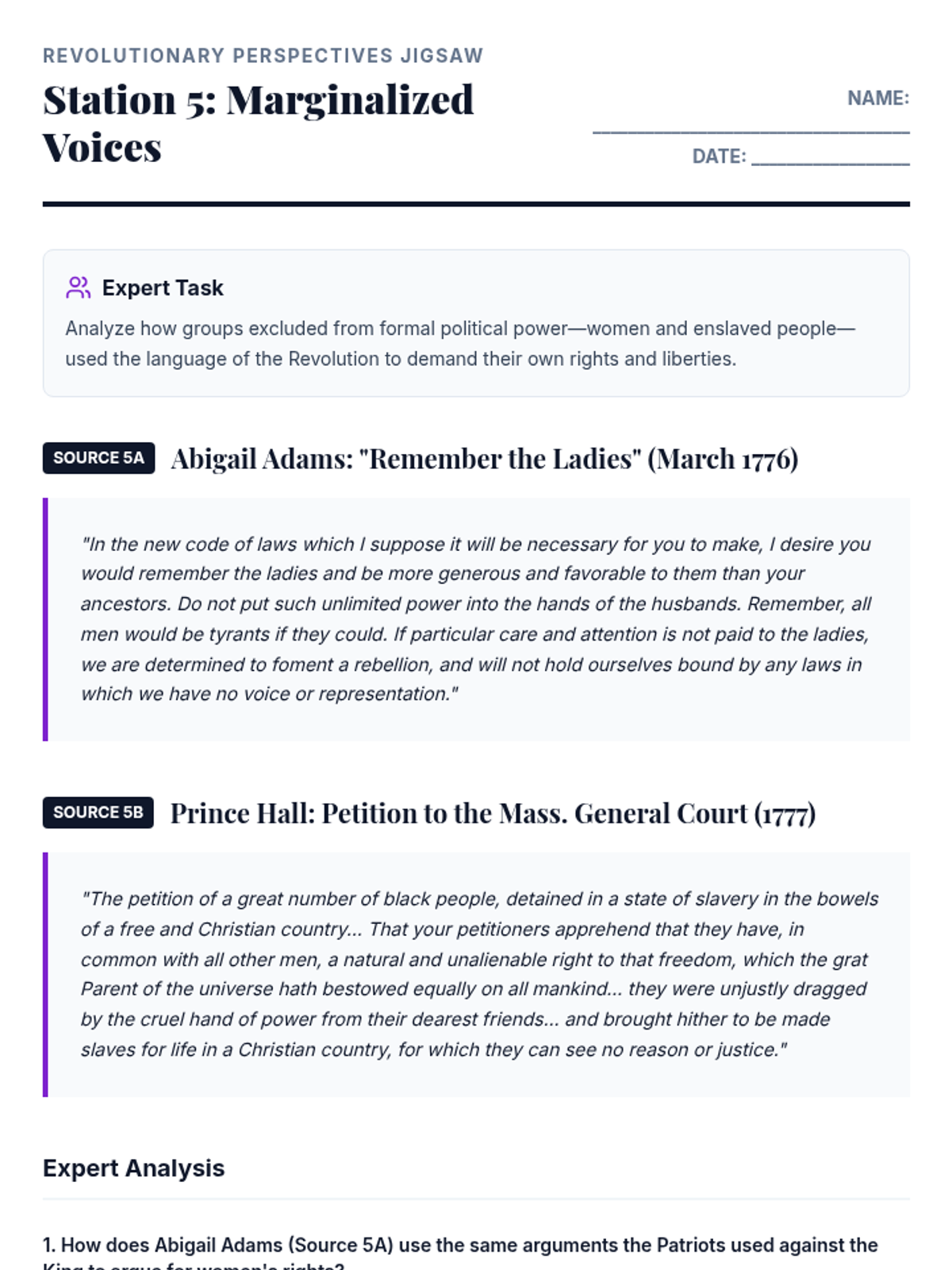
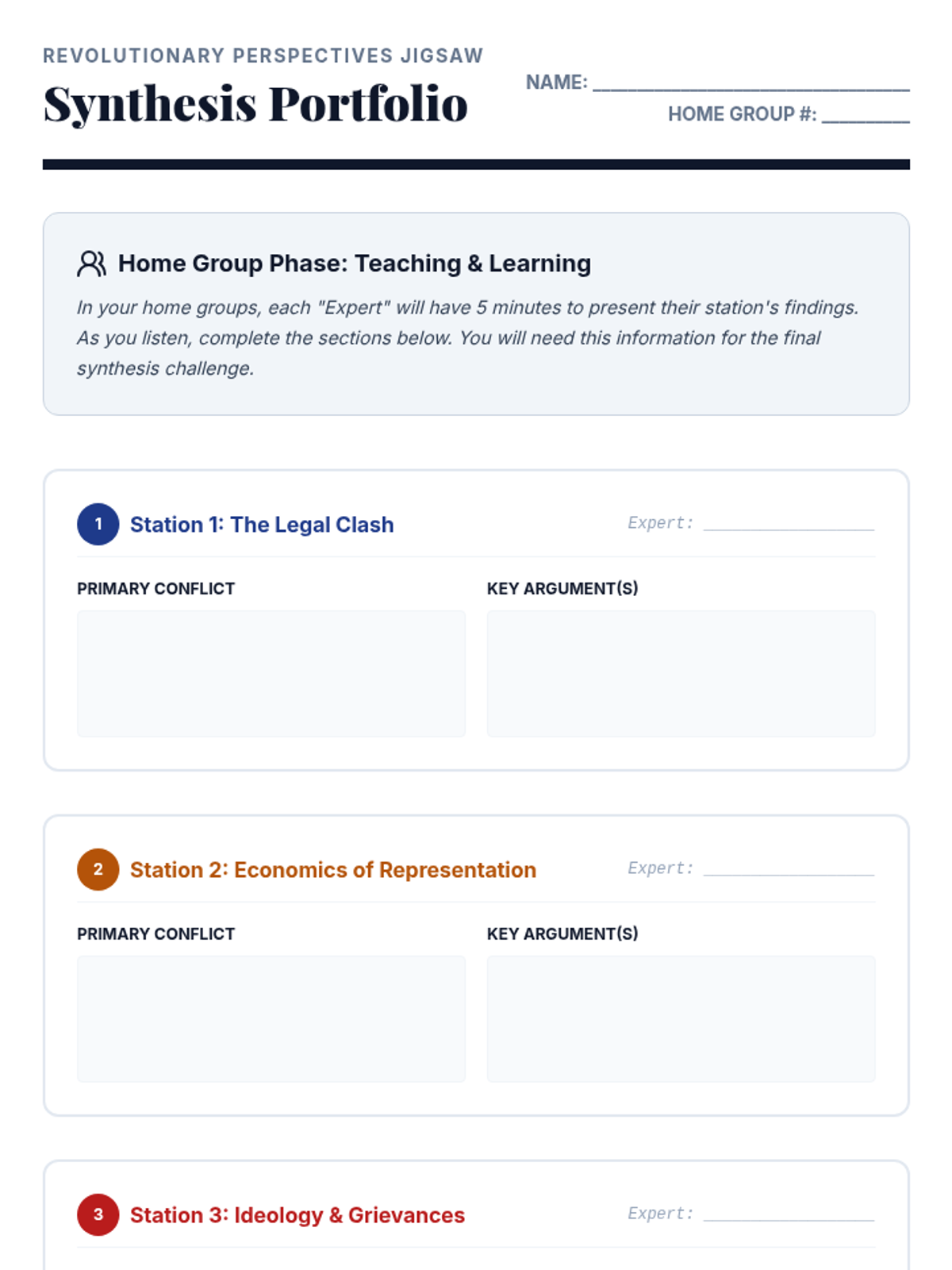
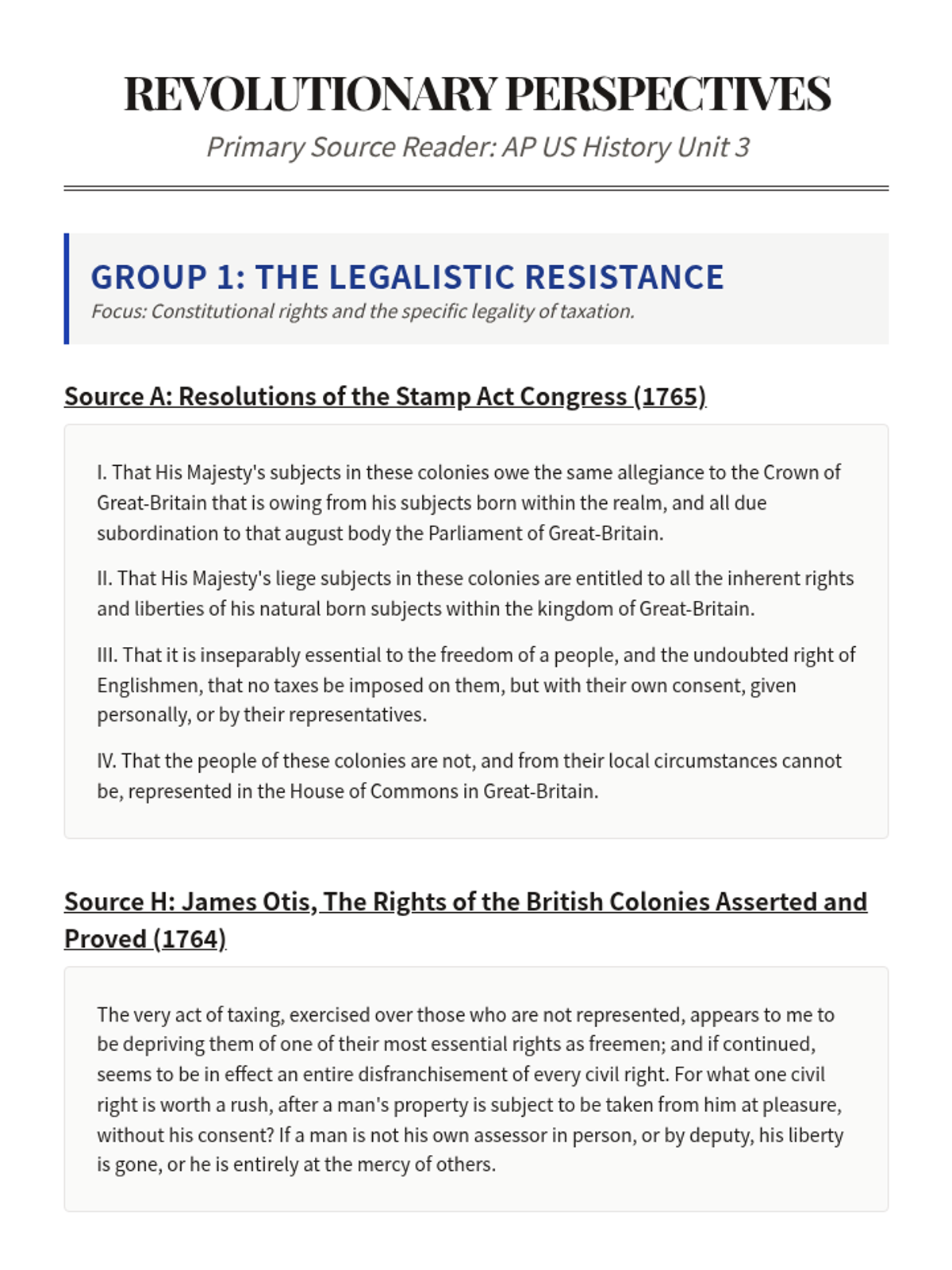
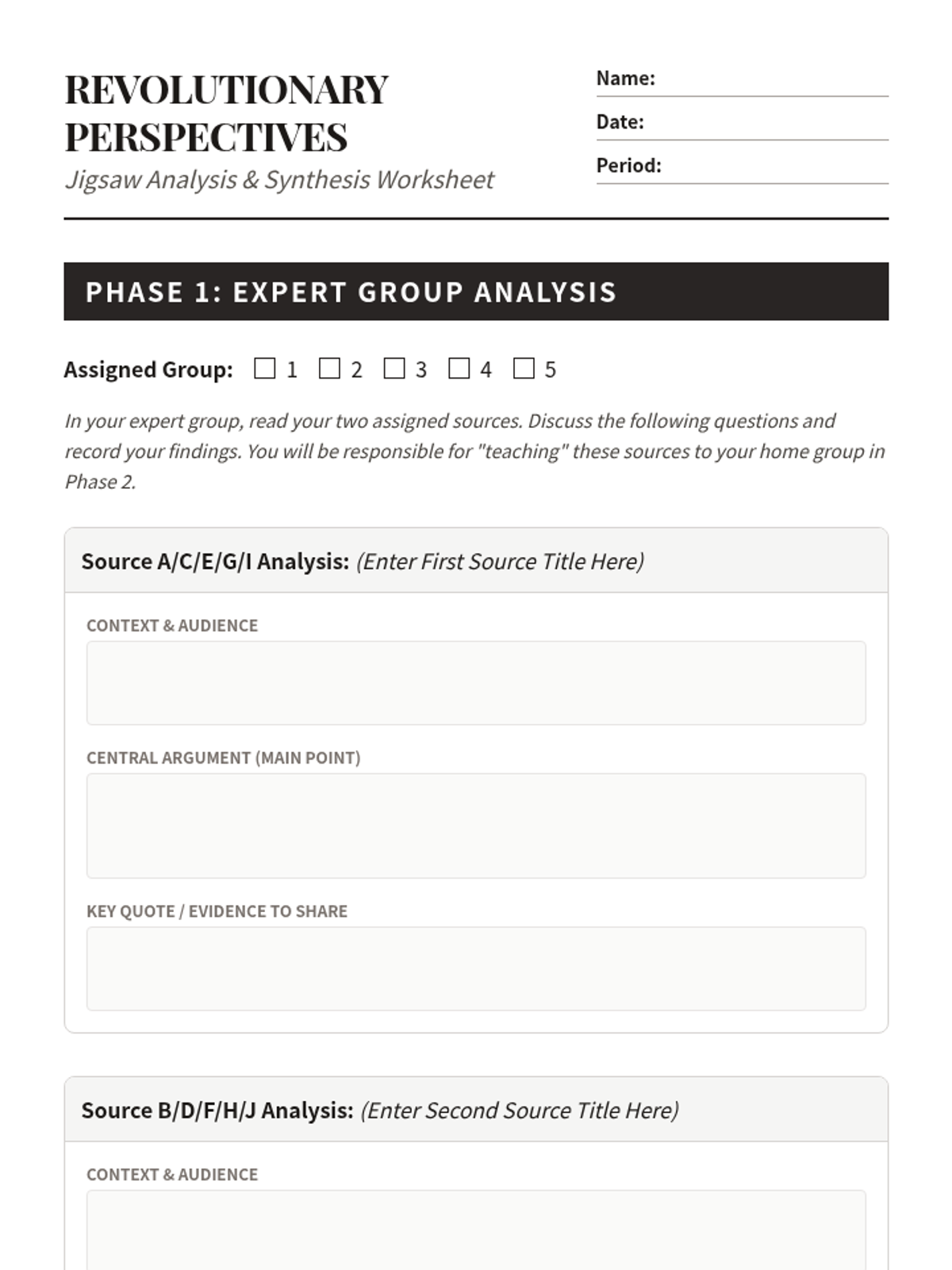
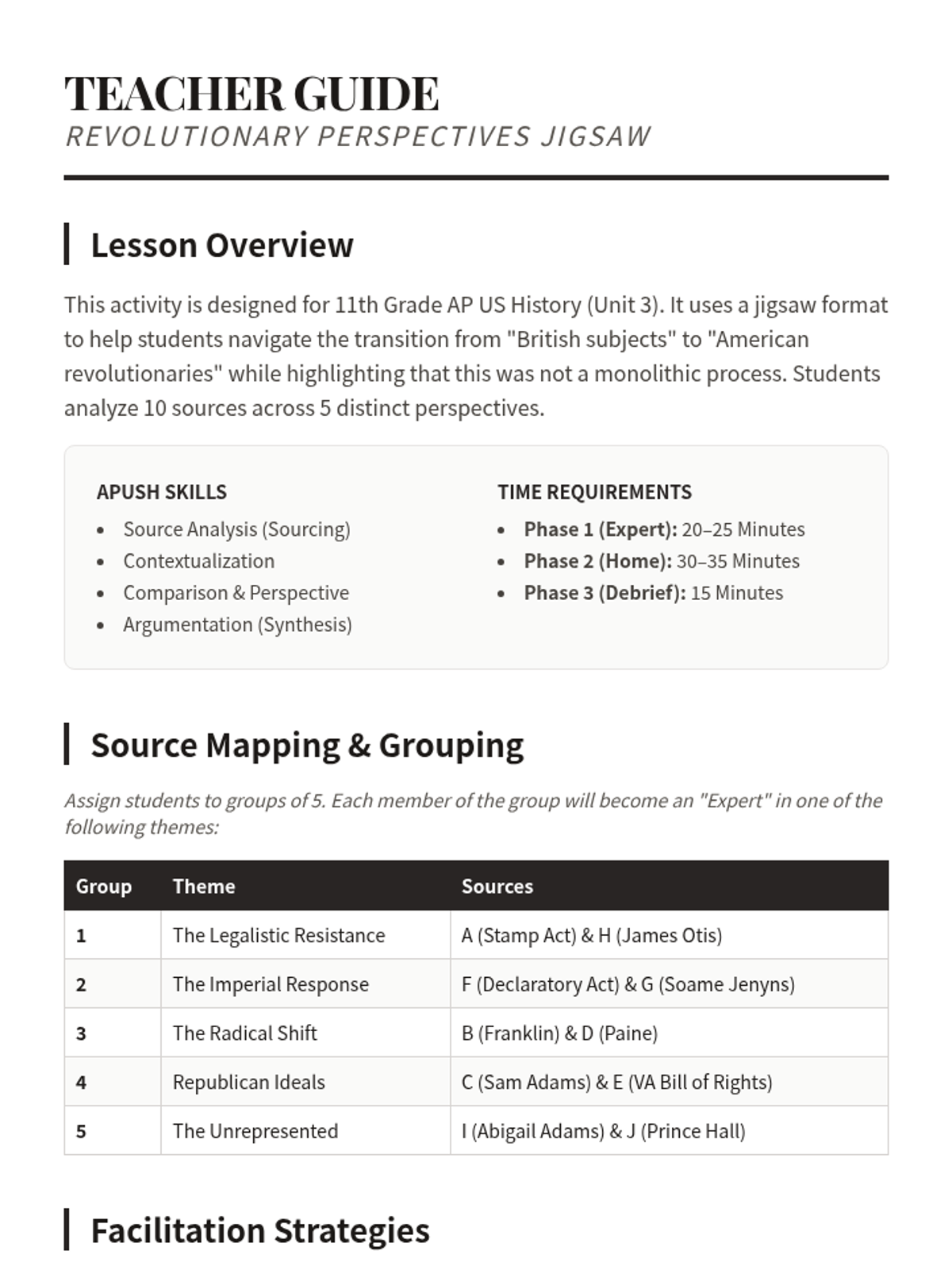
A high-intensity jigsaw activity designed for APUSH students to analyze 10 foundational primary sources of the American Revolution, exploring diverse perspectives from Patriots, Loyalists, women, and enslaved people.
A comprehensive jigsaw activity where students analyze 10 primary sources to understand the diverse and often conflicting perspectives surrounding the American Revolution, including Loyalist, Patriot, British, and marginalized voices.
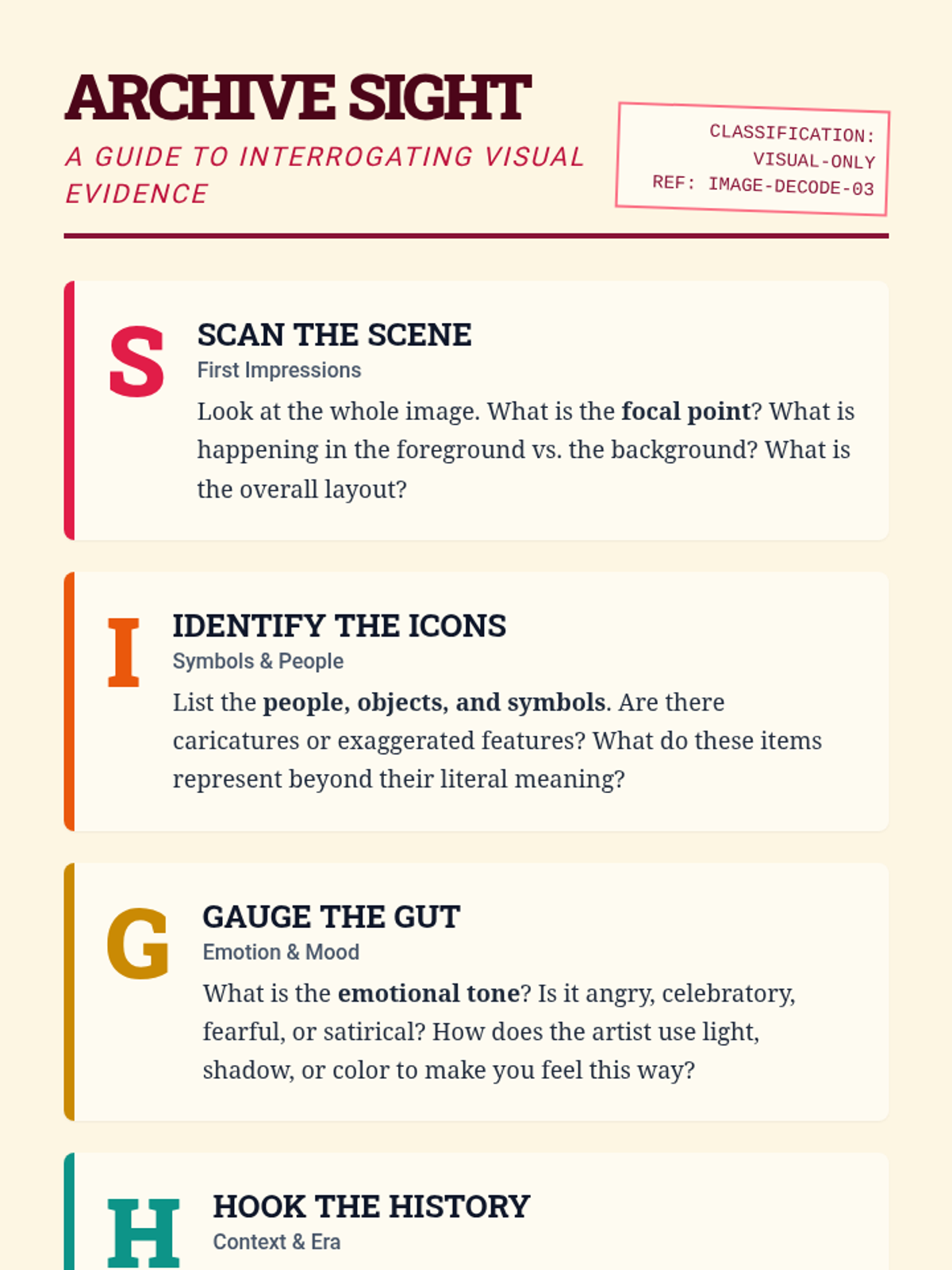
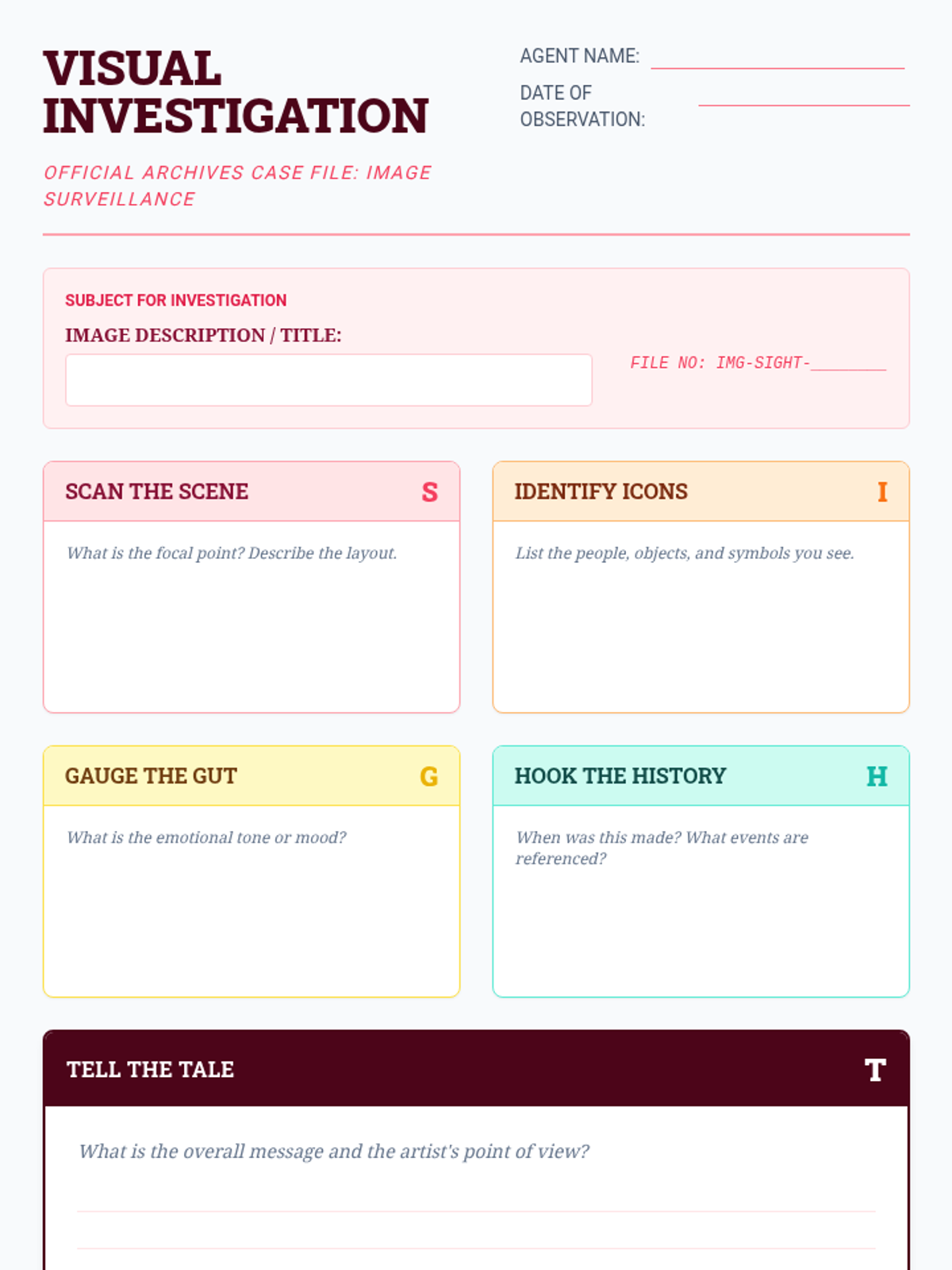
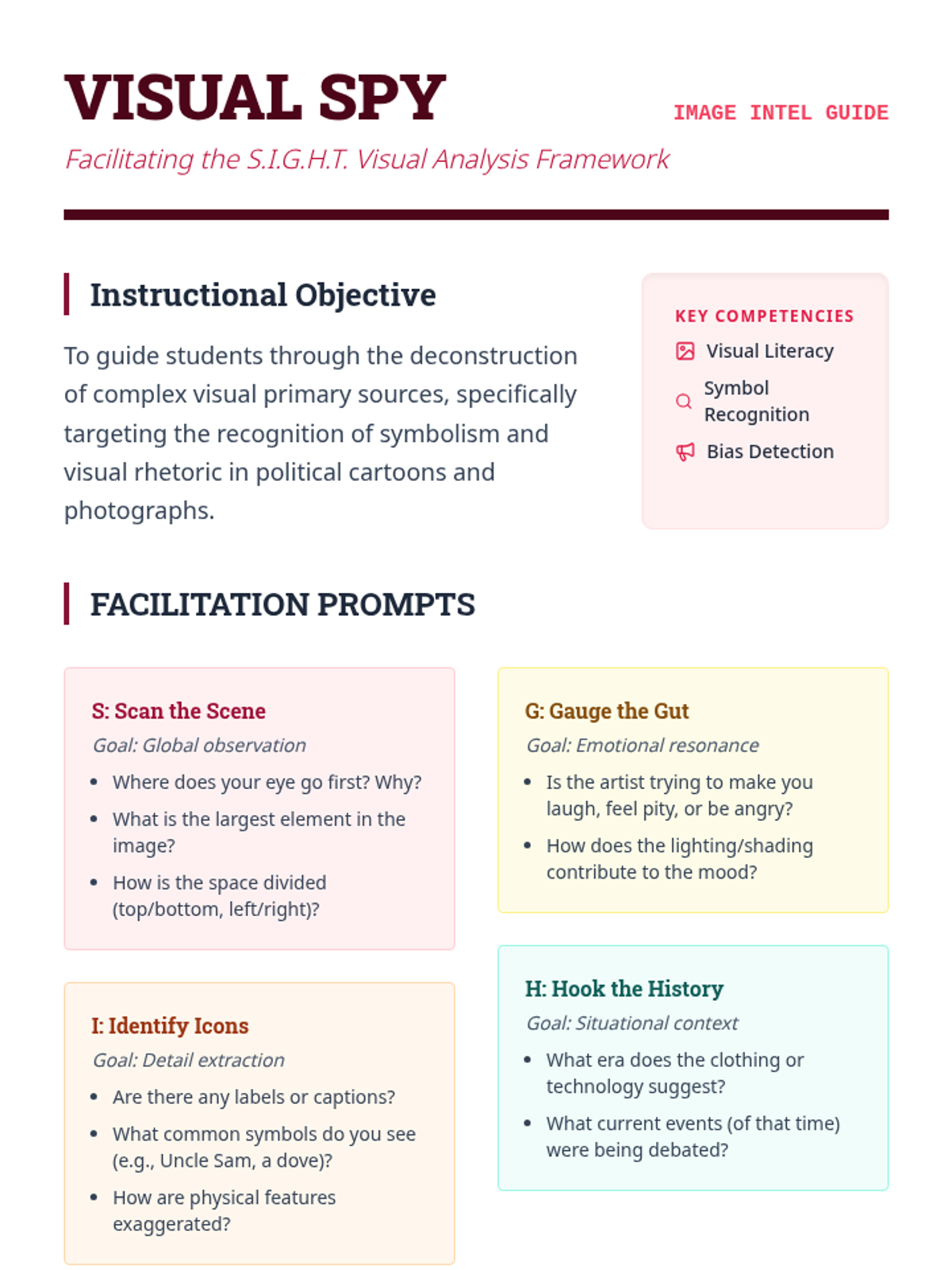
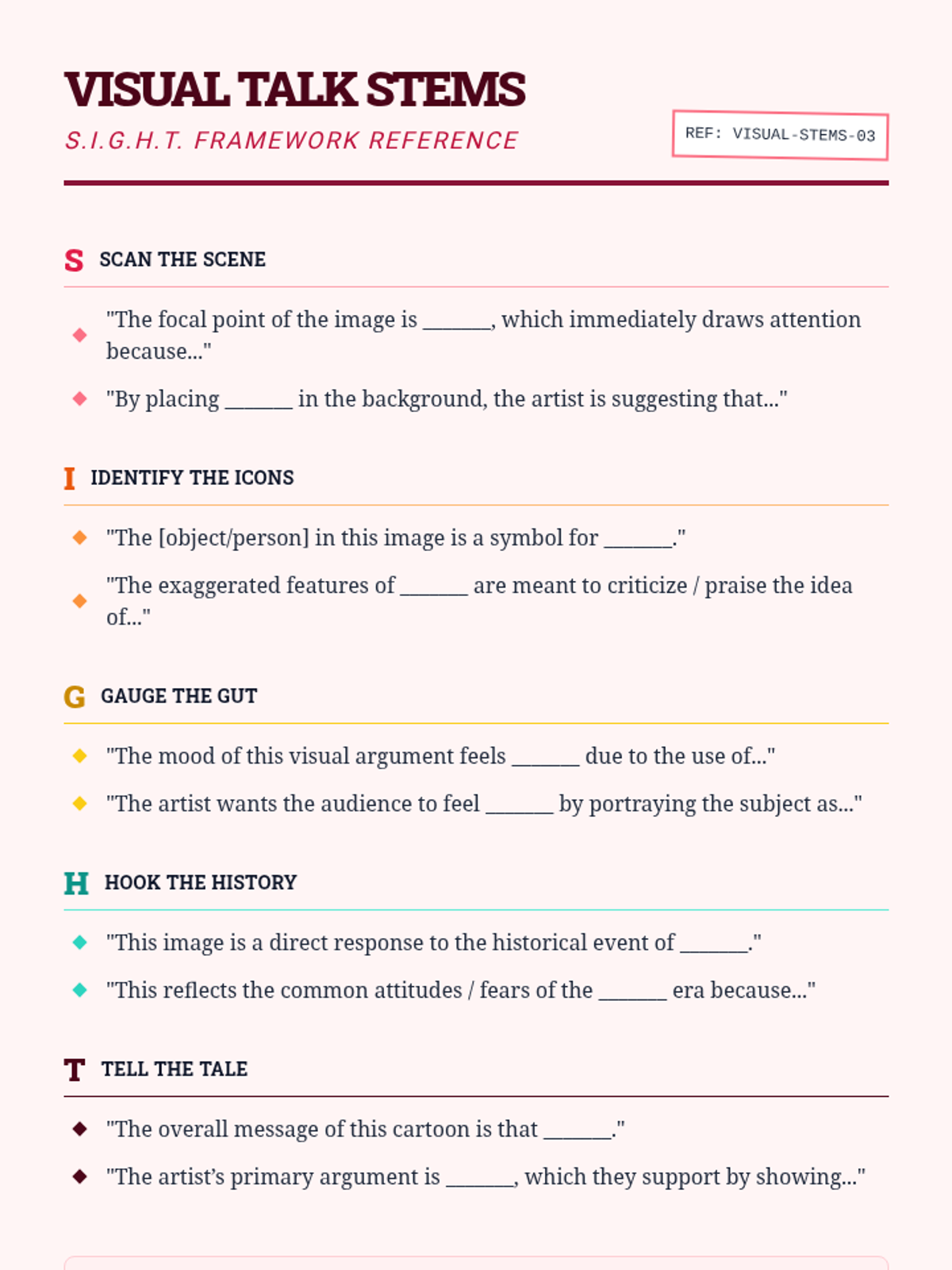
Students learn to deconstruct and analyze historical images and political cartoons using the S.I.G.H.T. framework to uncover symbolism, bias, and visual narratives.
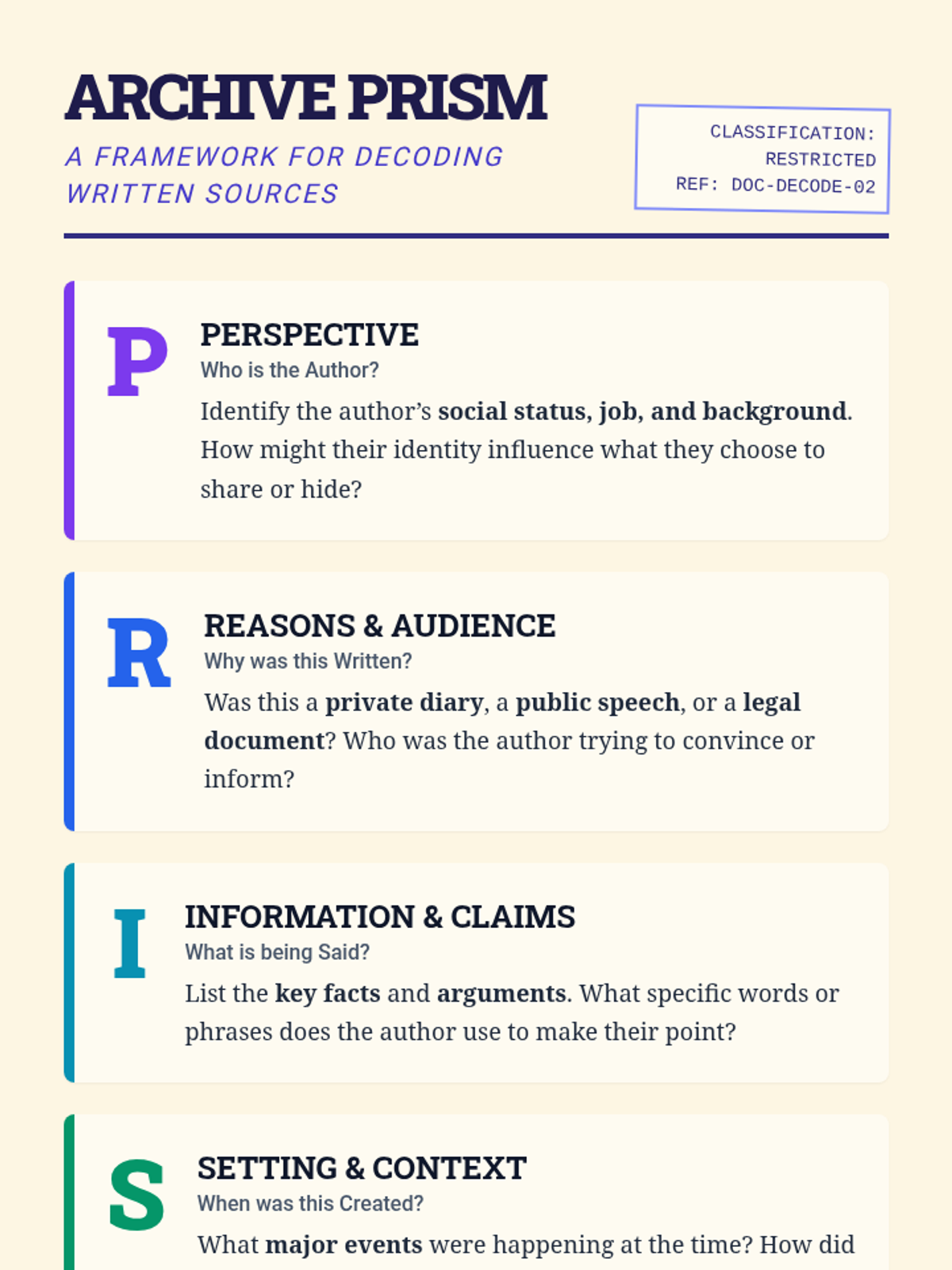
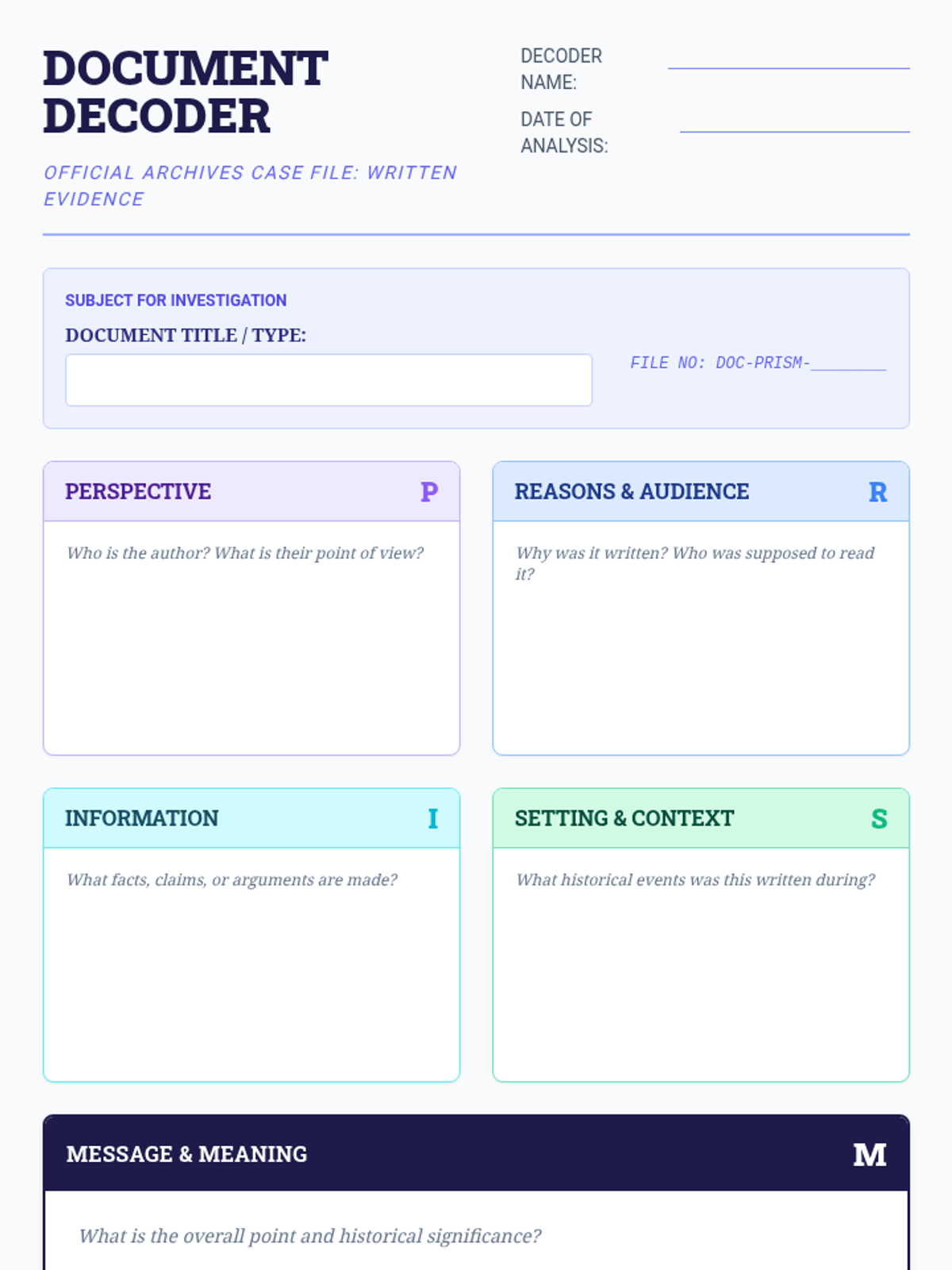
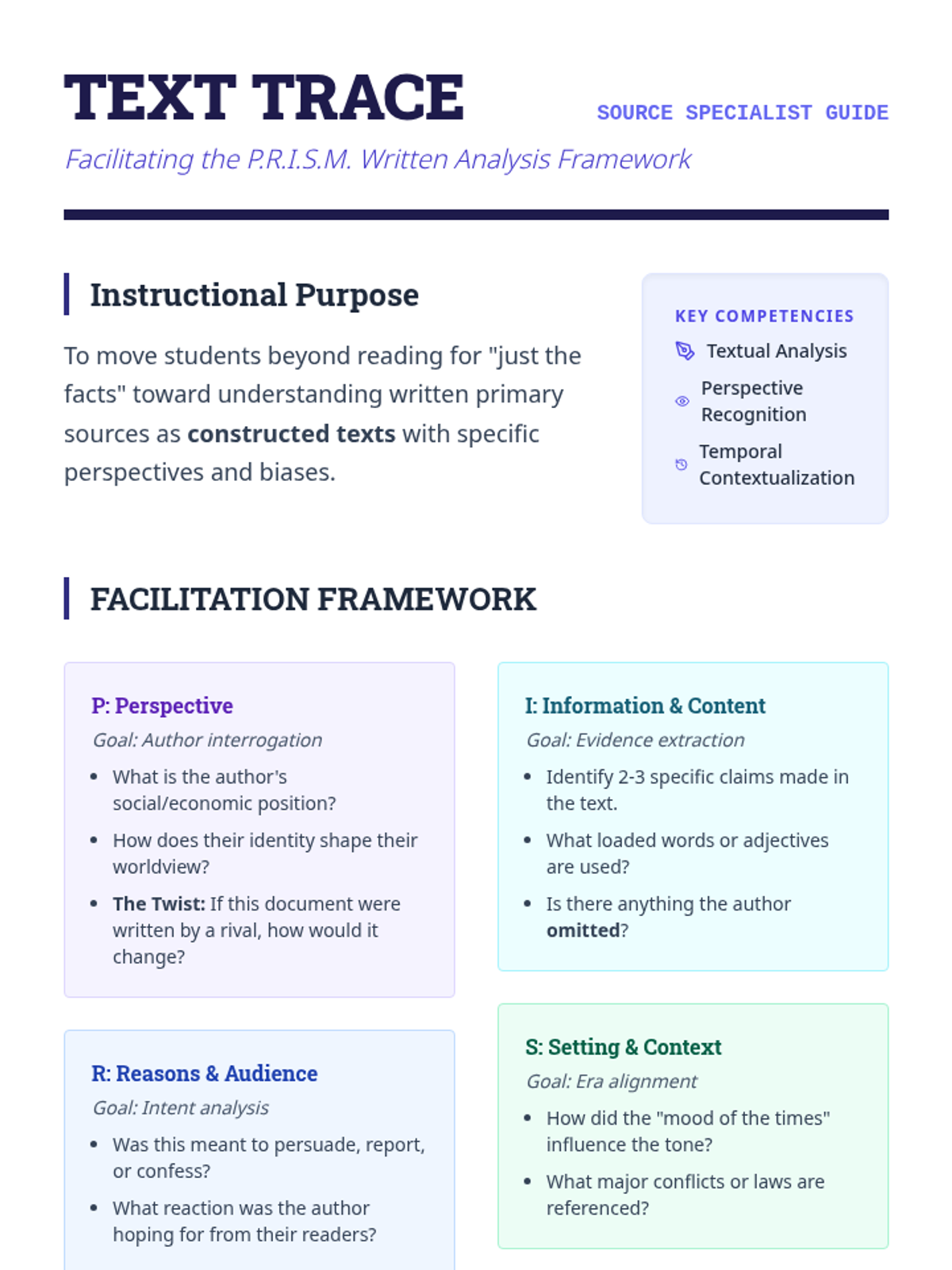
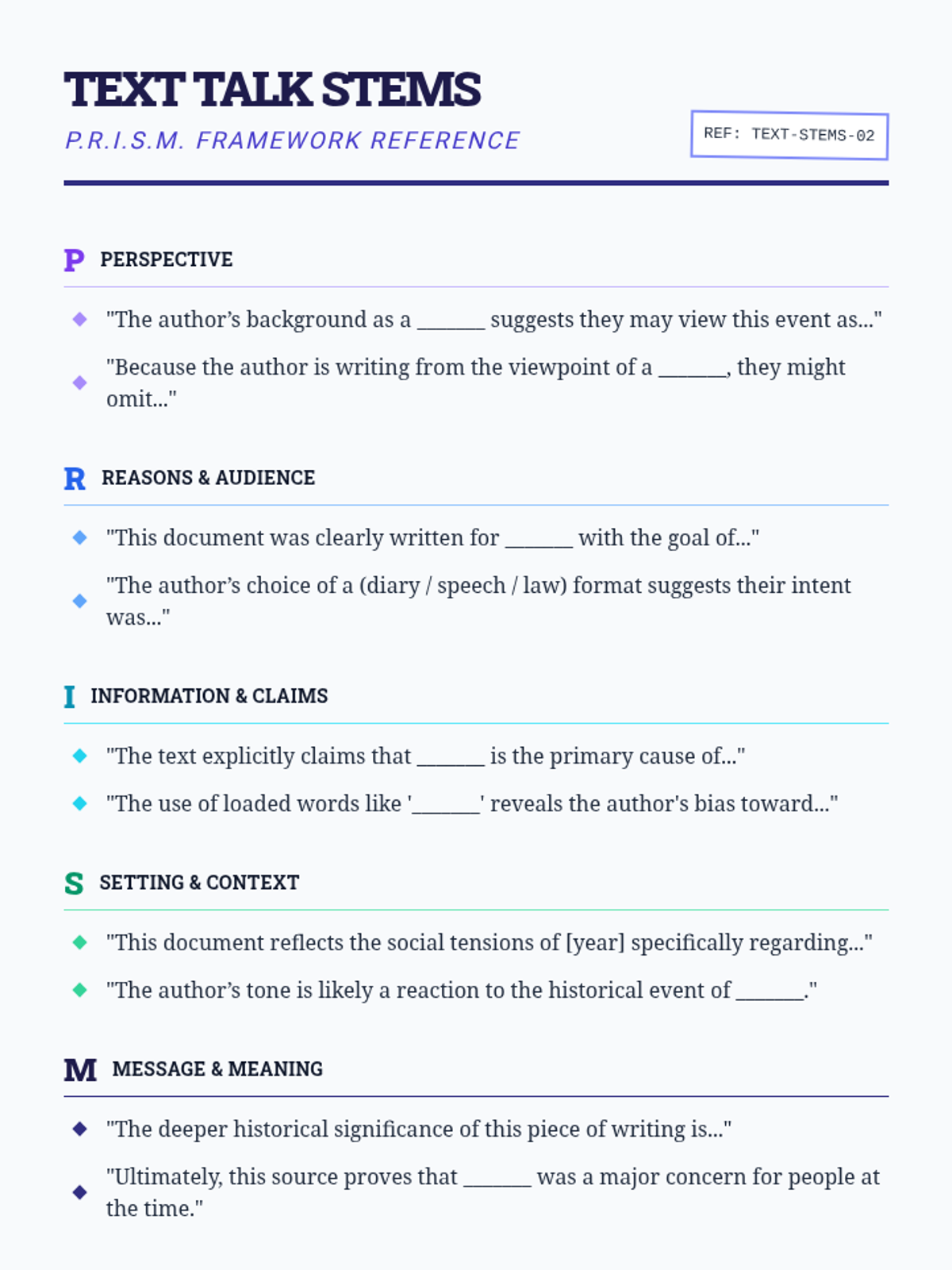
Students learn to interrogate written primary sources using the P.R.I.S.M. framework to uncover author perspective, historical context, and hidden biases.
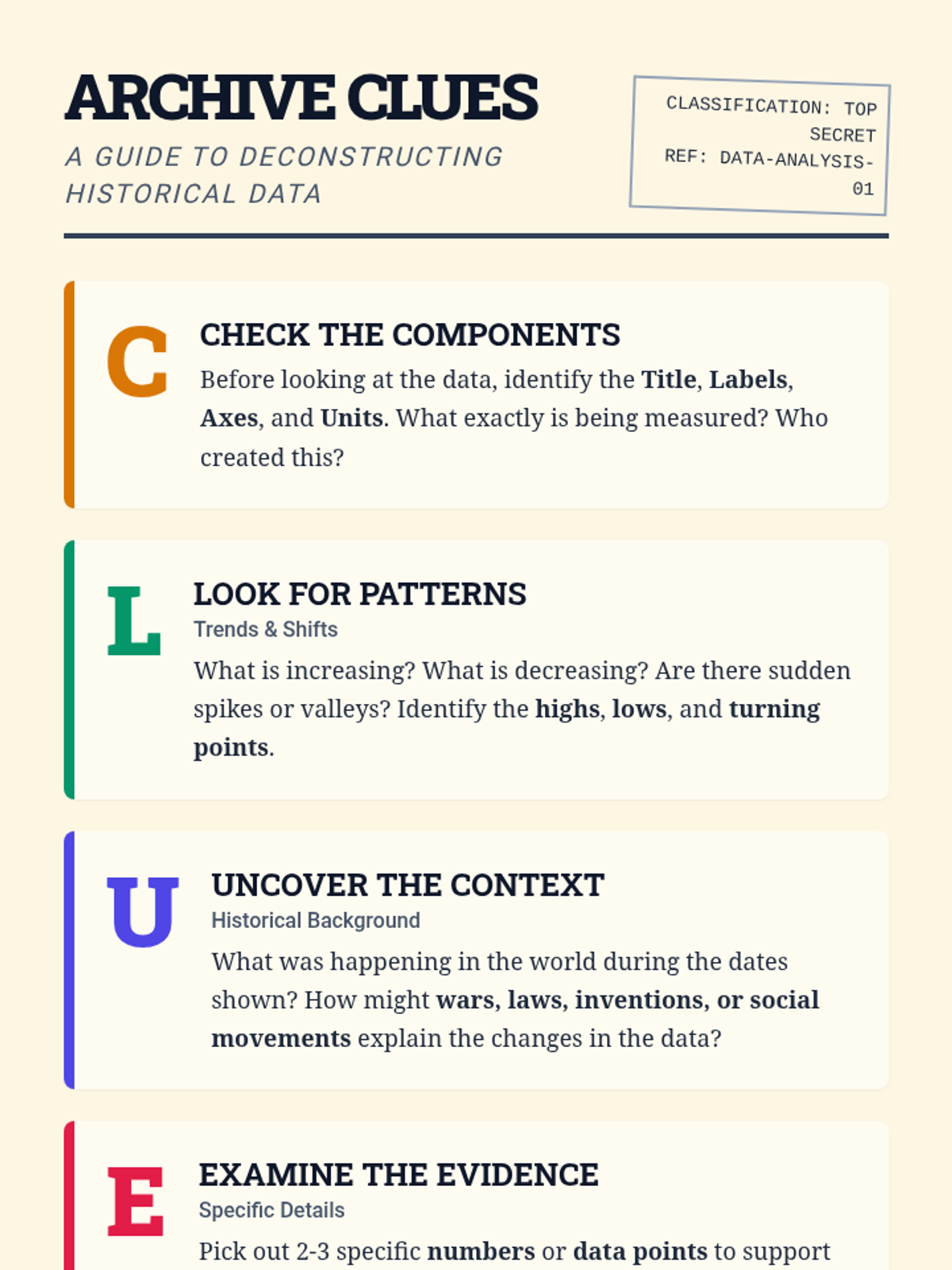
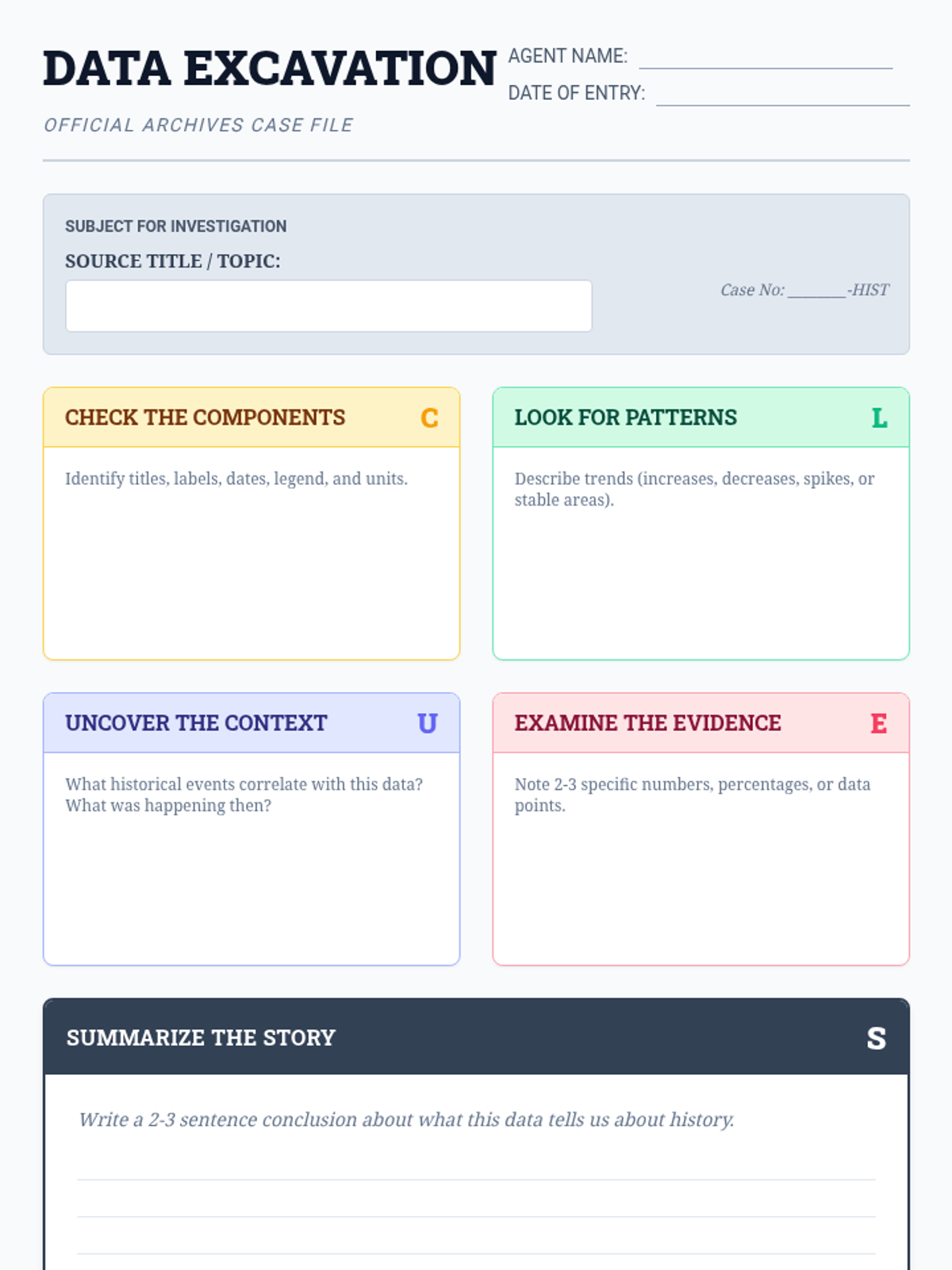
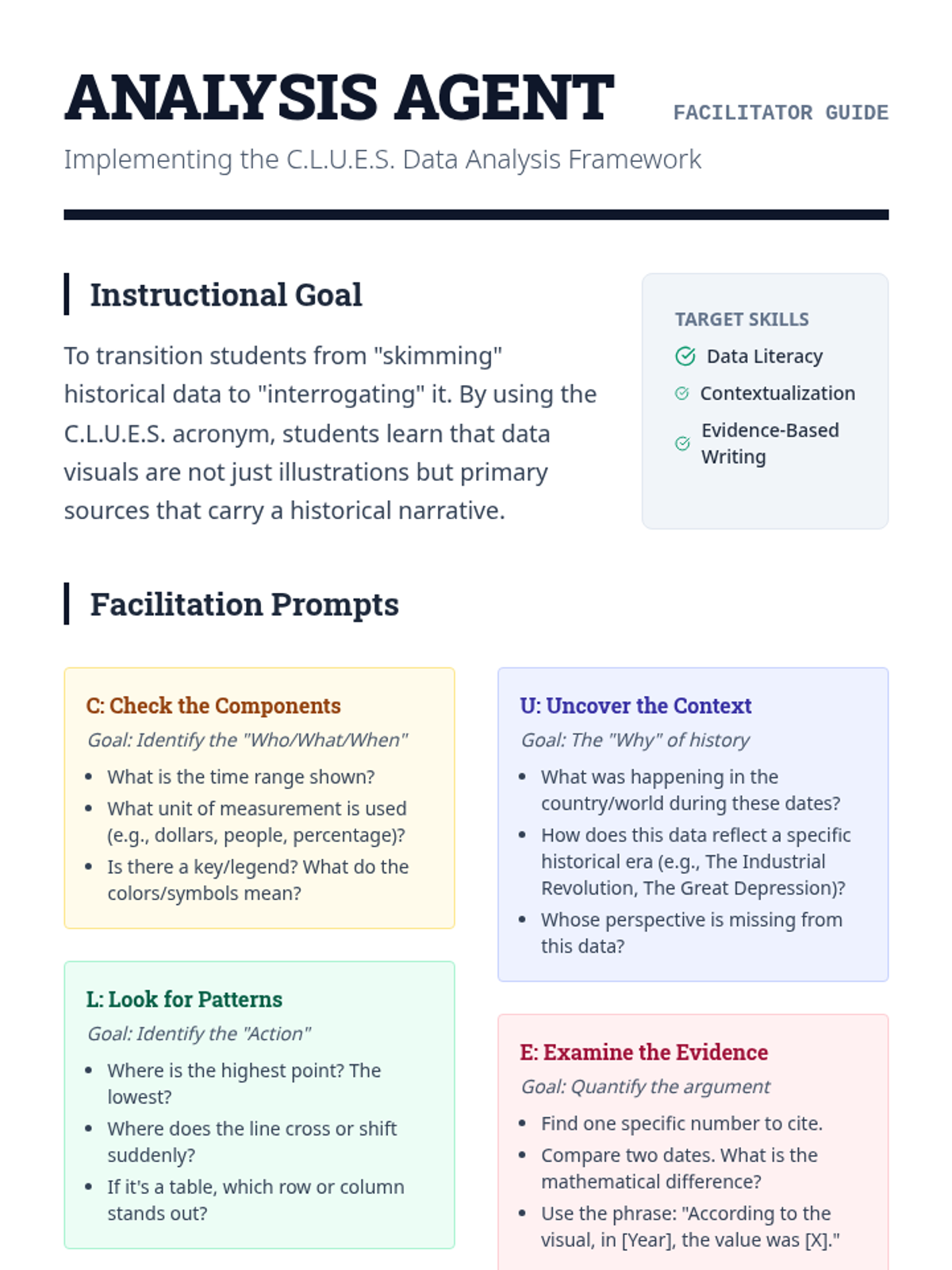
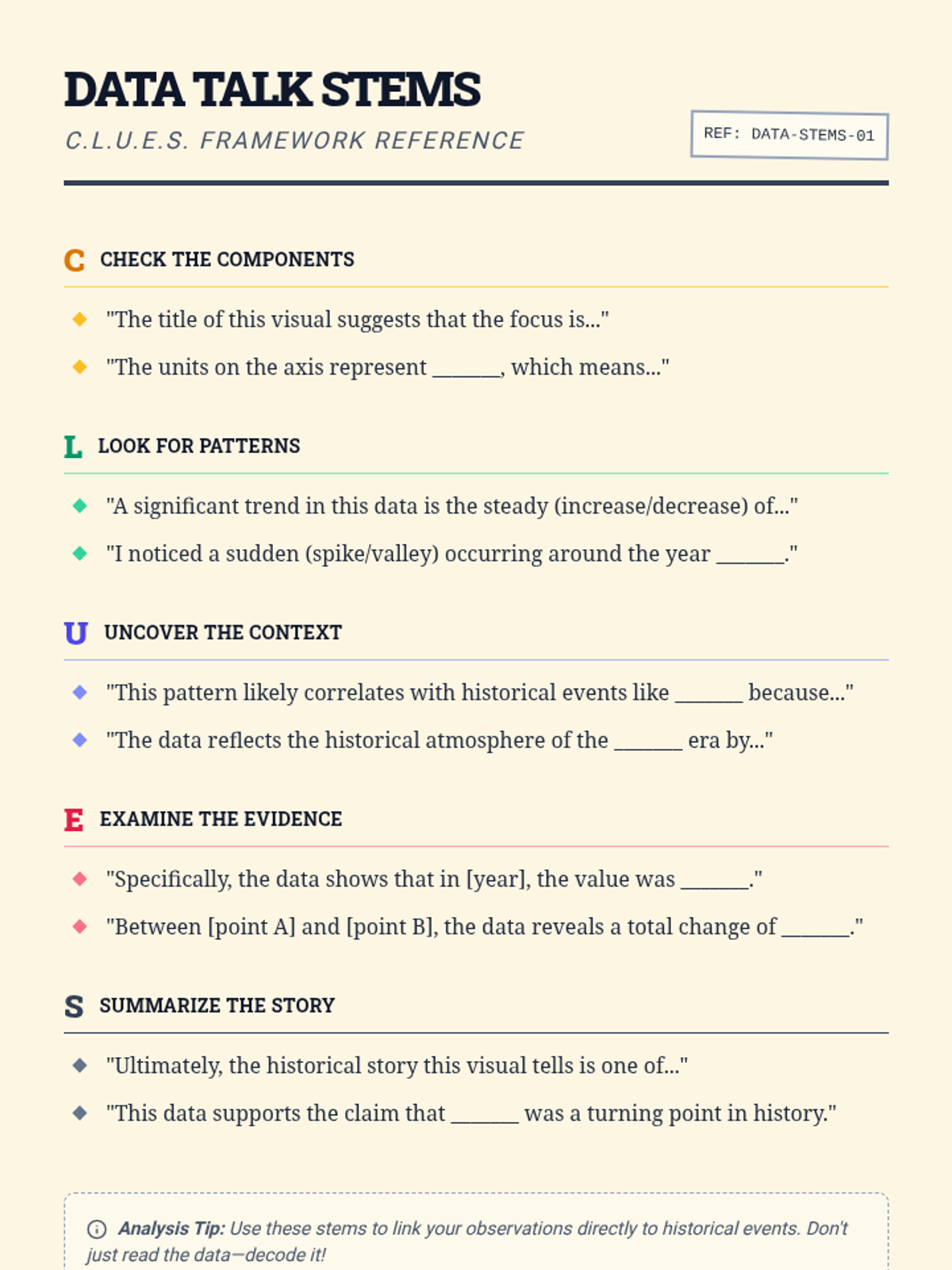
Students learn to interpret and deconstruct historical data visuals like graphs, tables, and charts using the C.L.U.E.S. acronym to understand the historical narrative behind the numbers.