An introductory lesson on Ancient Mesopotamia covering its geography, social structure, inventions, and mythology. Students will explore why this region is called the 'Cradle of Civilization' through mapping, reading, and creative activities.
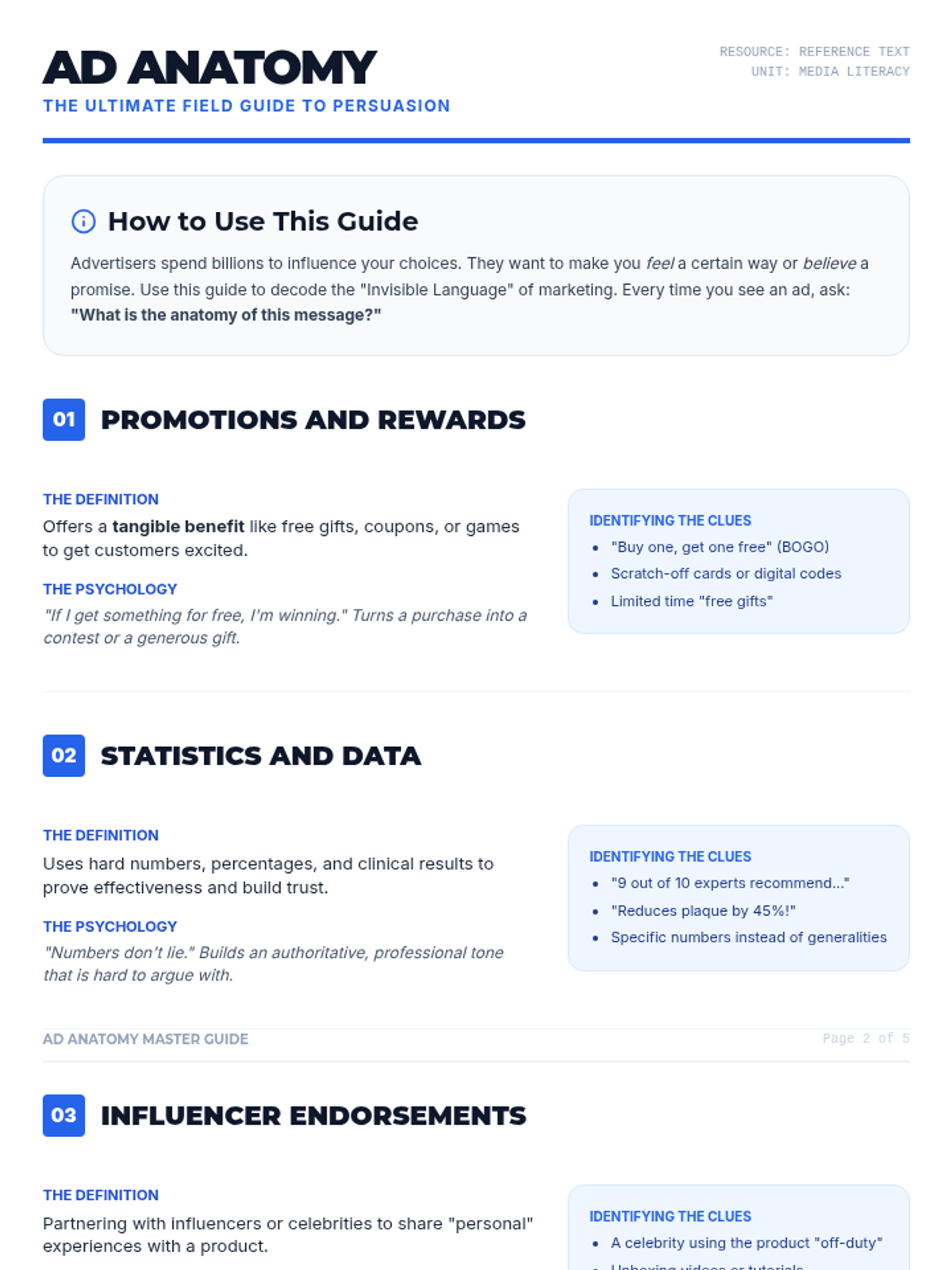
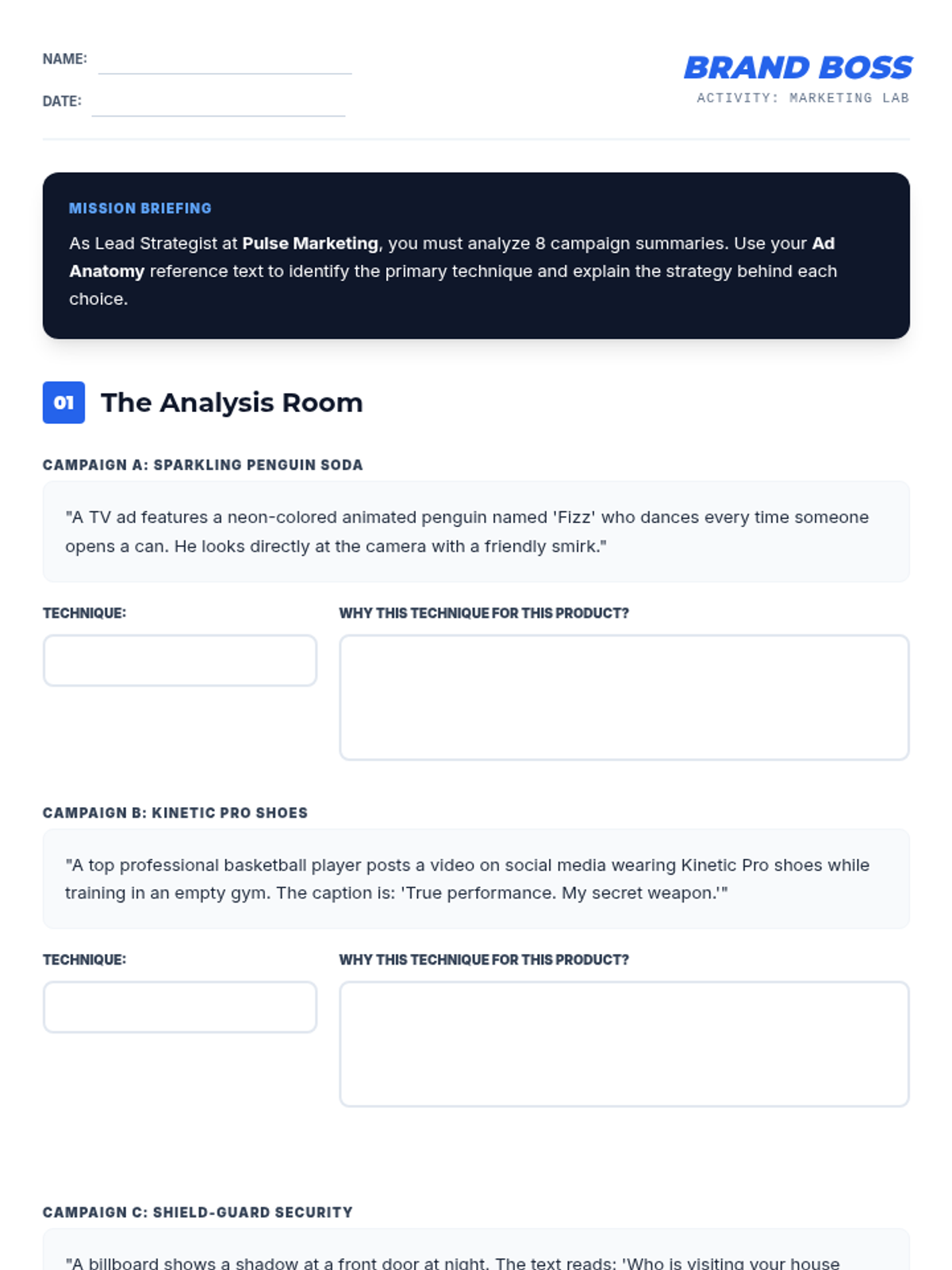
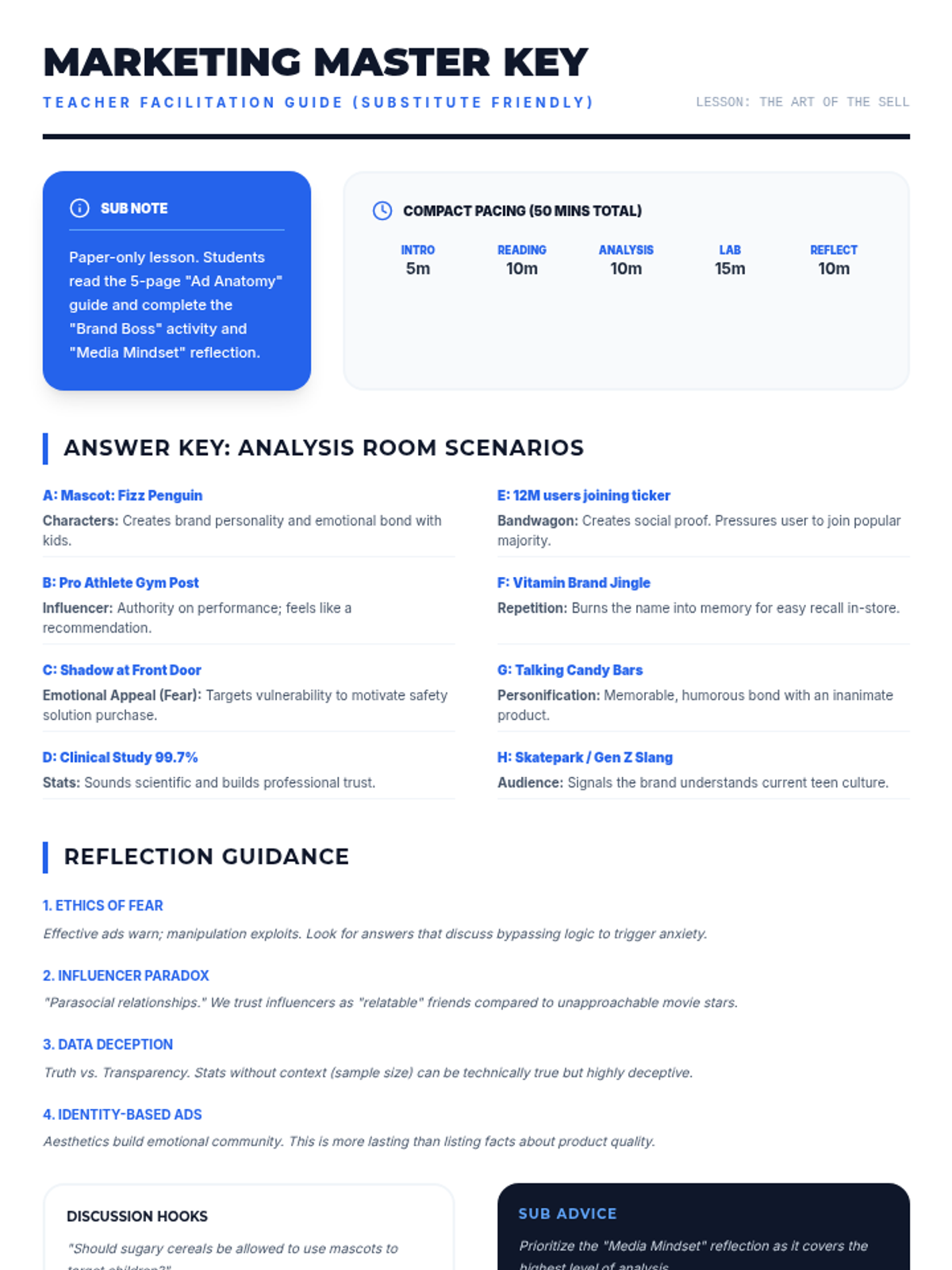
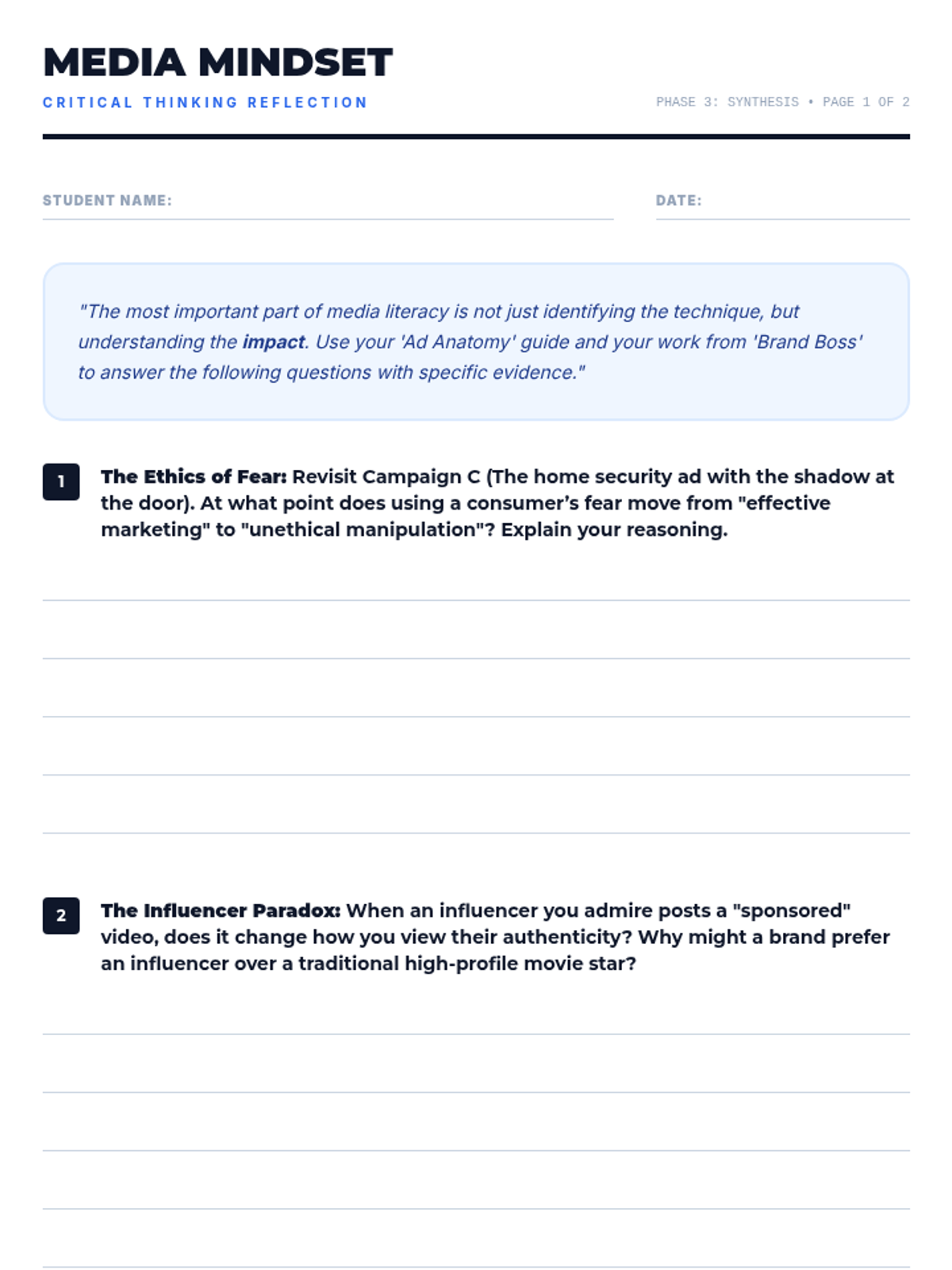
A comprehensive lesson on media literacy and advertising strategies, teaching students to identify and apply ten key persuasive techniques used in modern marketing.
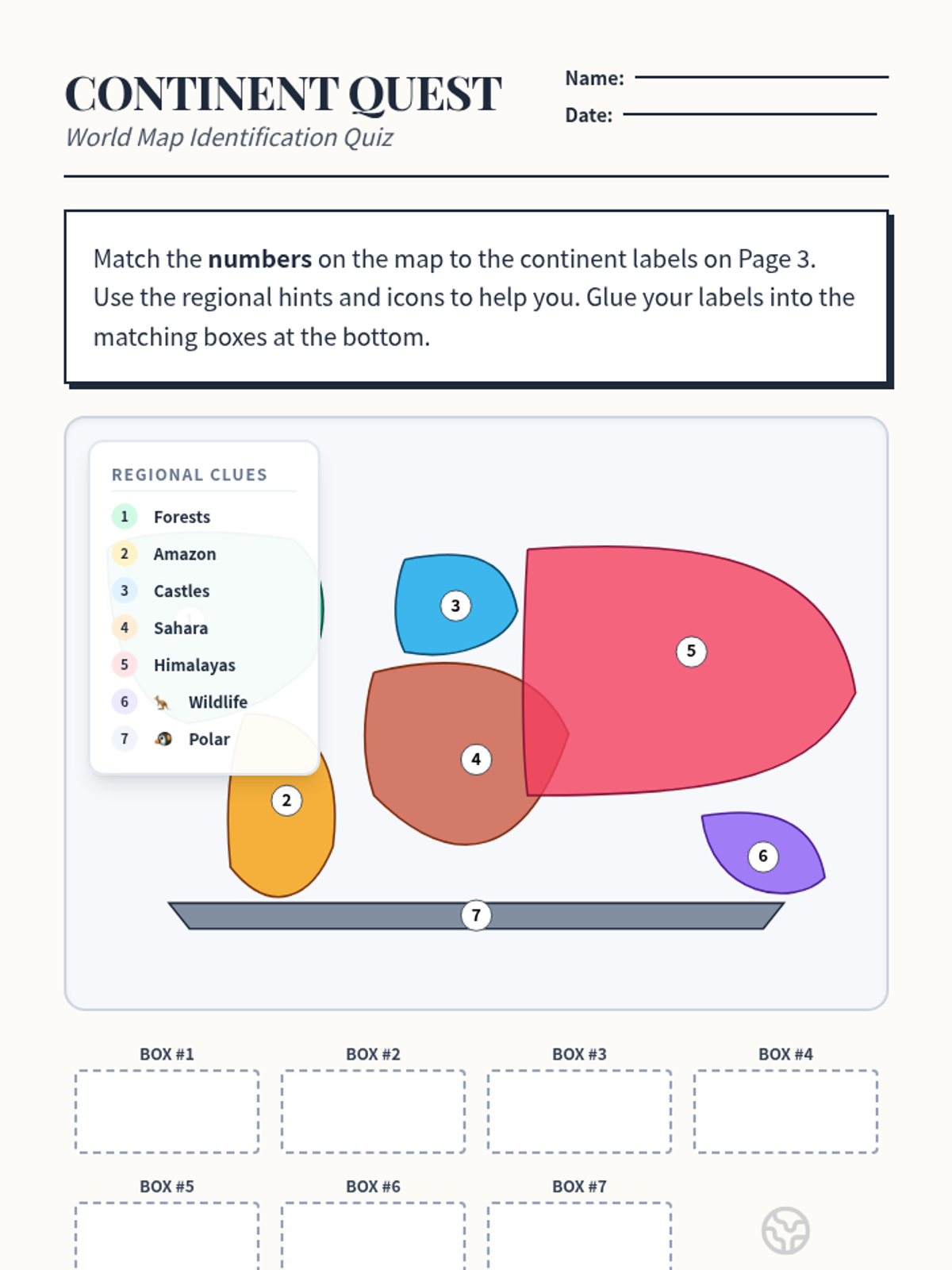
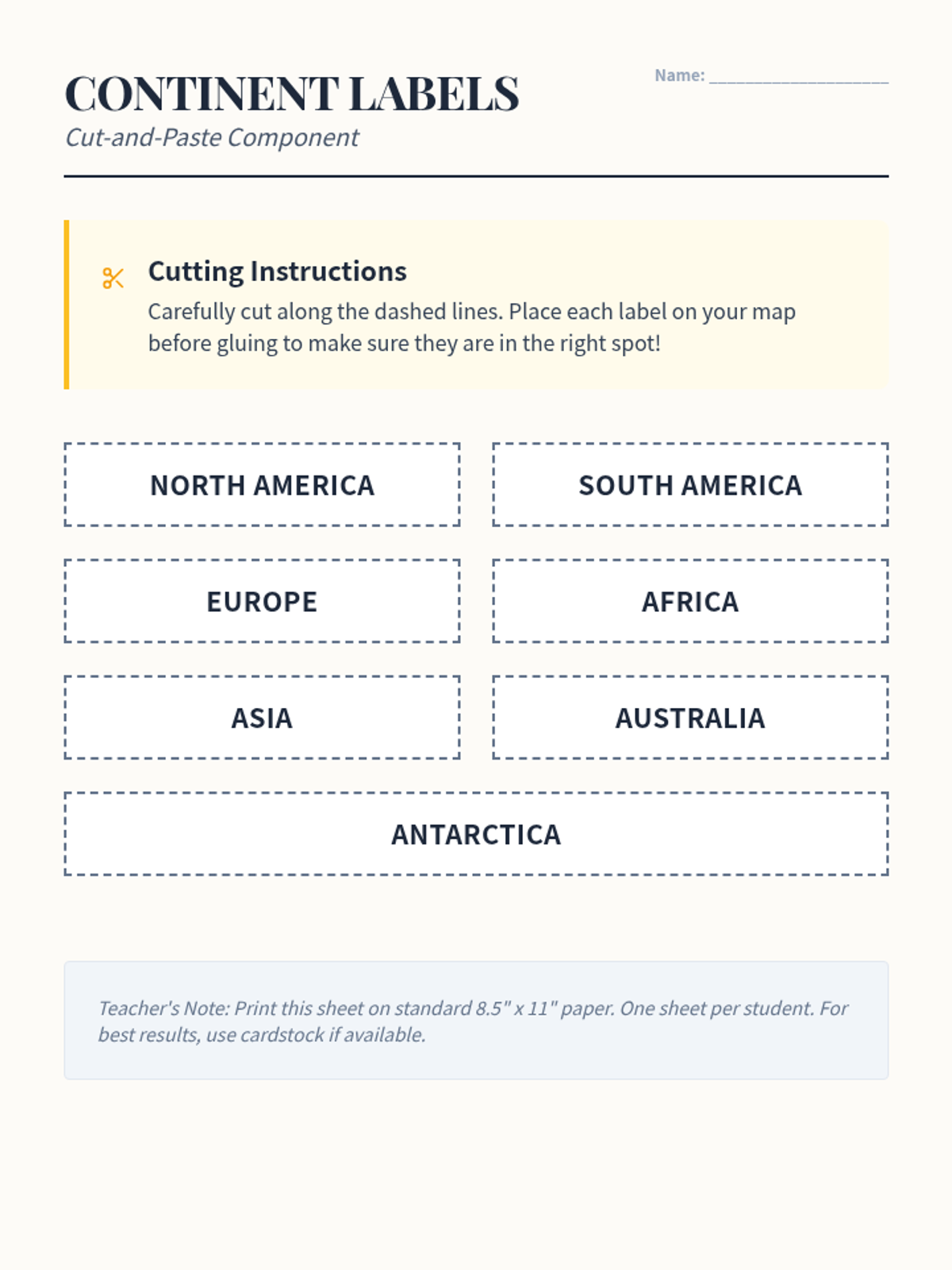
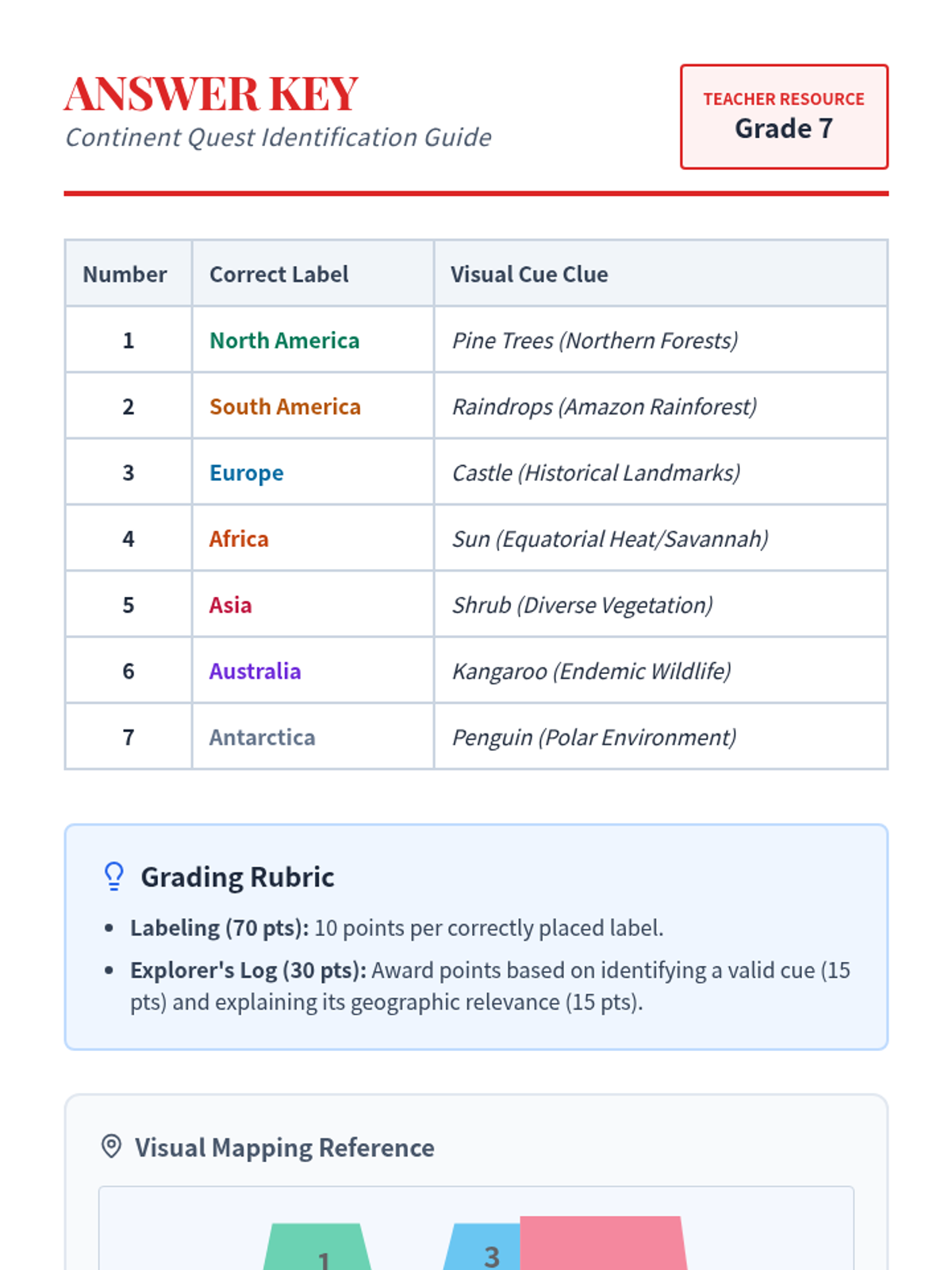
A foundational lesson on global geography focusing on identifying and labeling the seven continents using visual cues and spatial relationships.
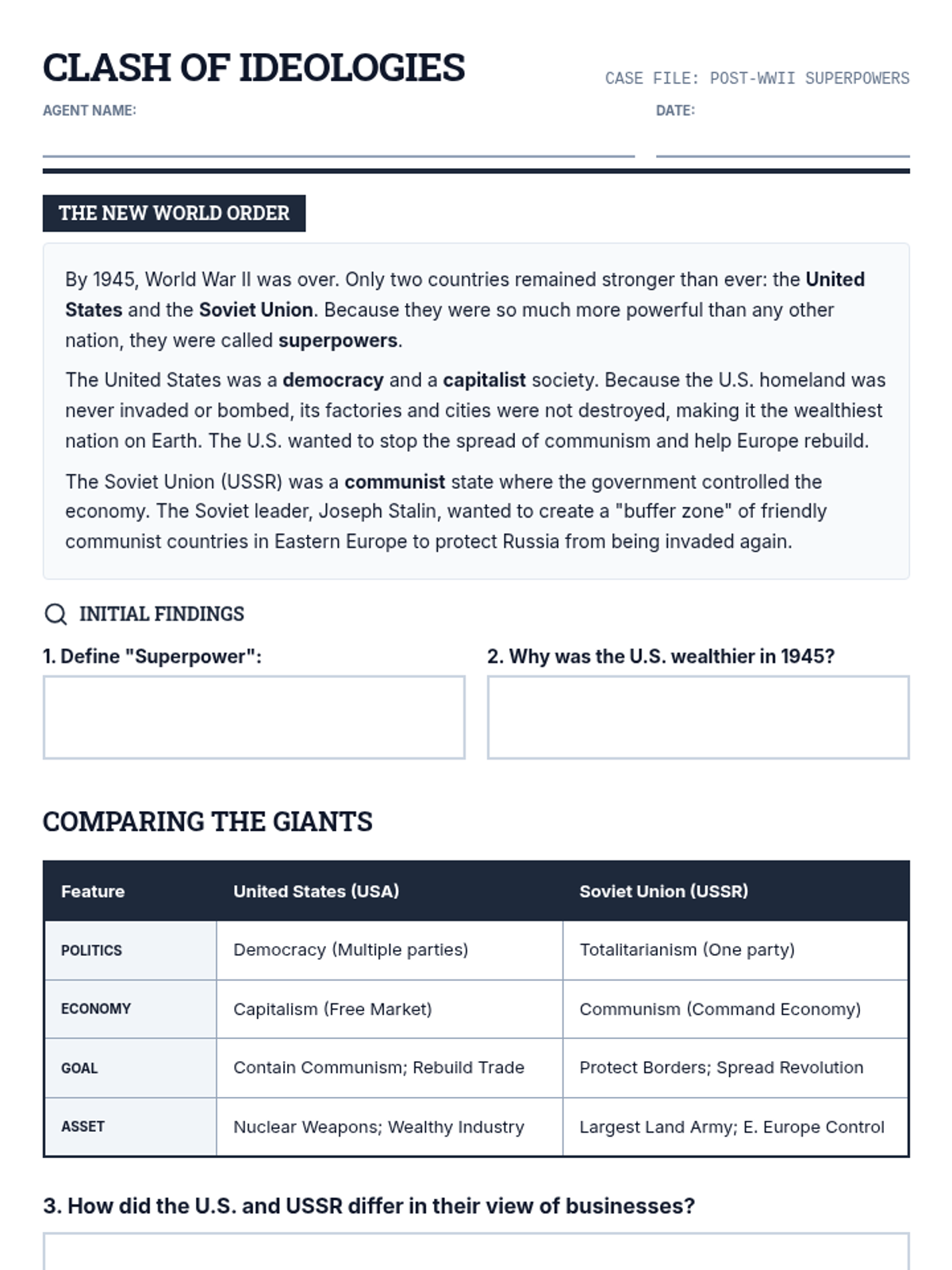
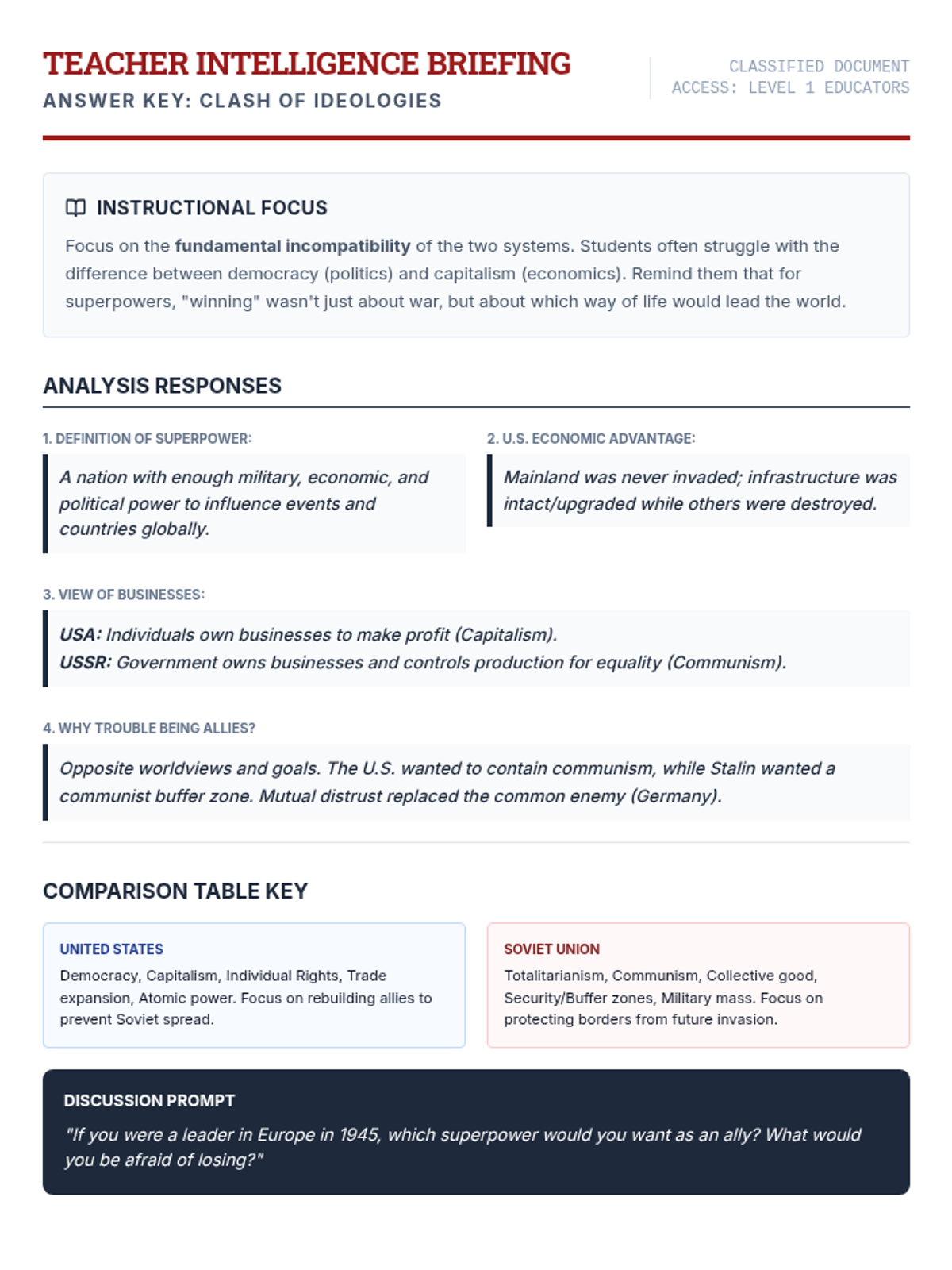
A middle-school lesson exploring the rise of the United States and the Soviet Union as rival superpowers following World War II, focusing on their competing ideologies and world influence.
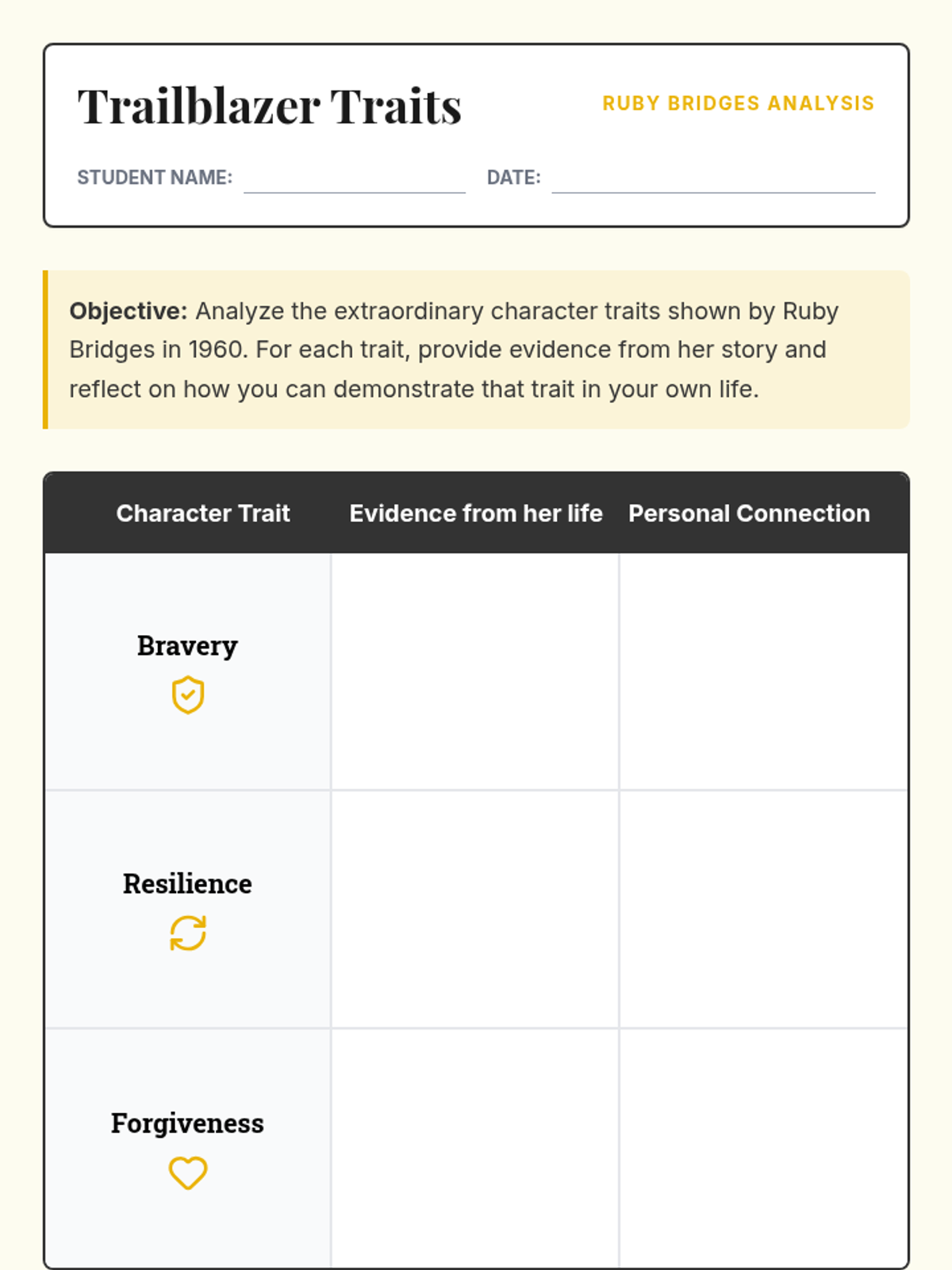
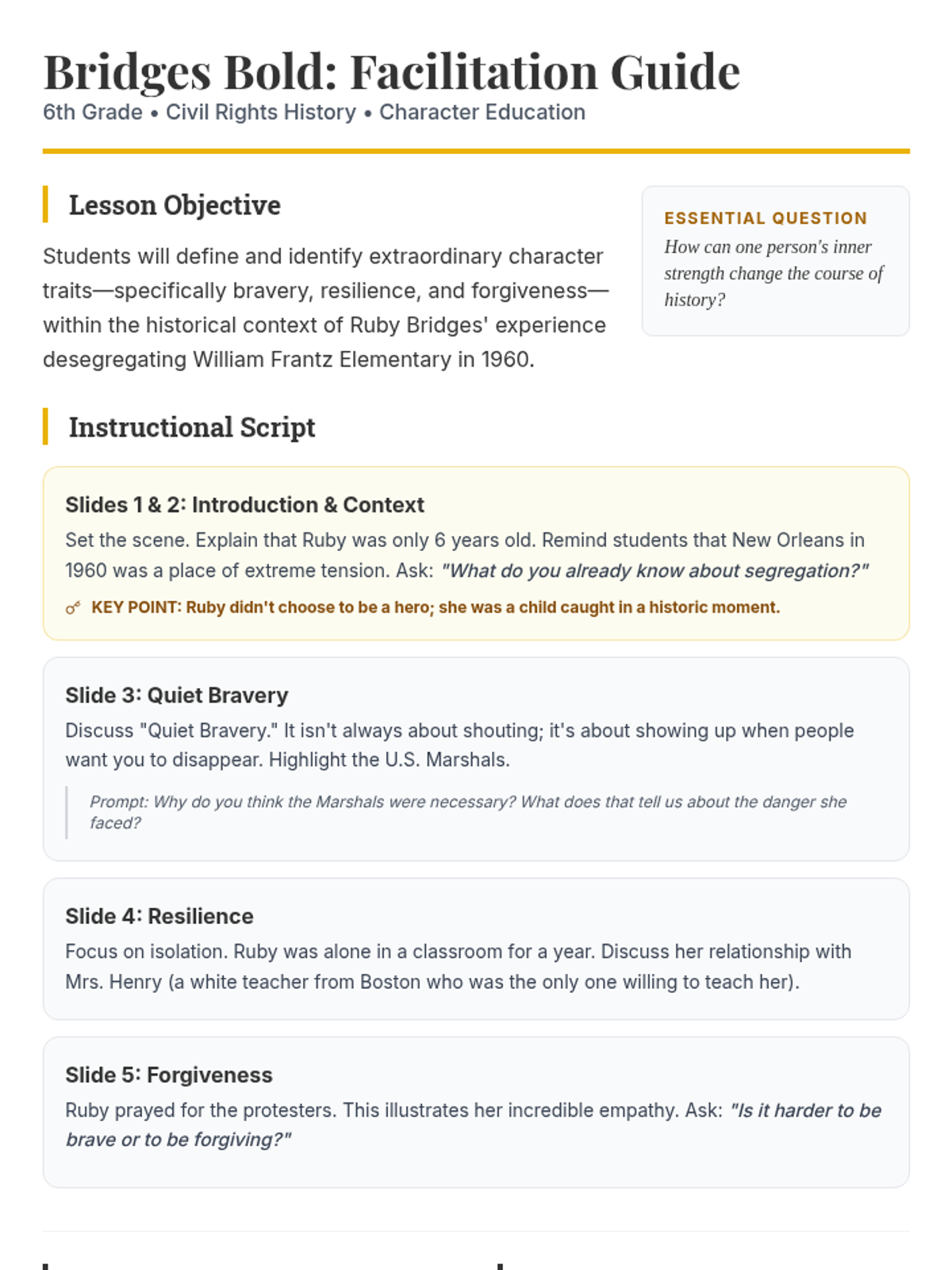
A lesson exploring the extraordinary character traits of Ruby Bridges, focusing on her bravery, resilience, and impact on the Civil Rights Movement. Students will analyze primary source accounts and reflect on how they can apply these traits in their own lives.
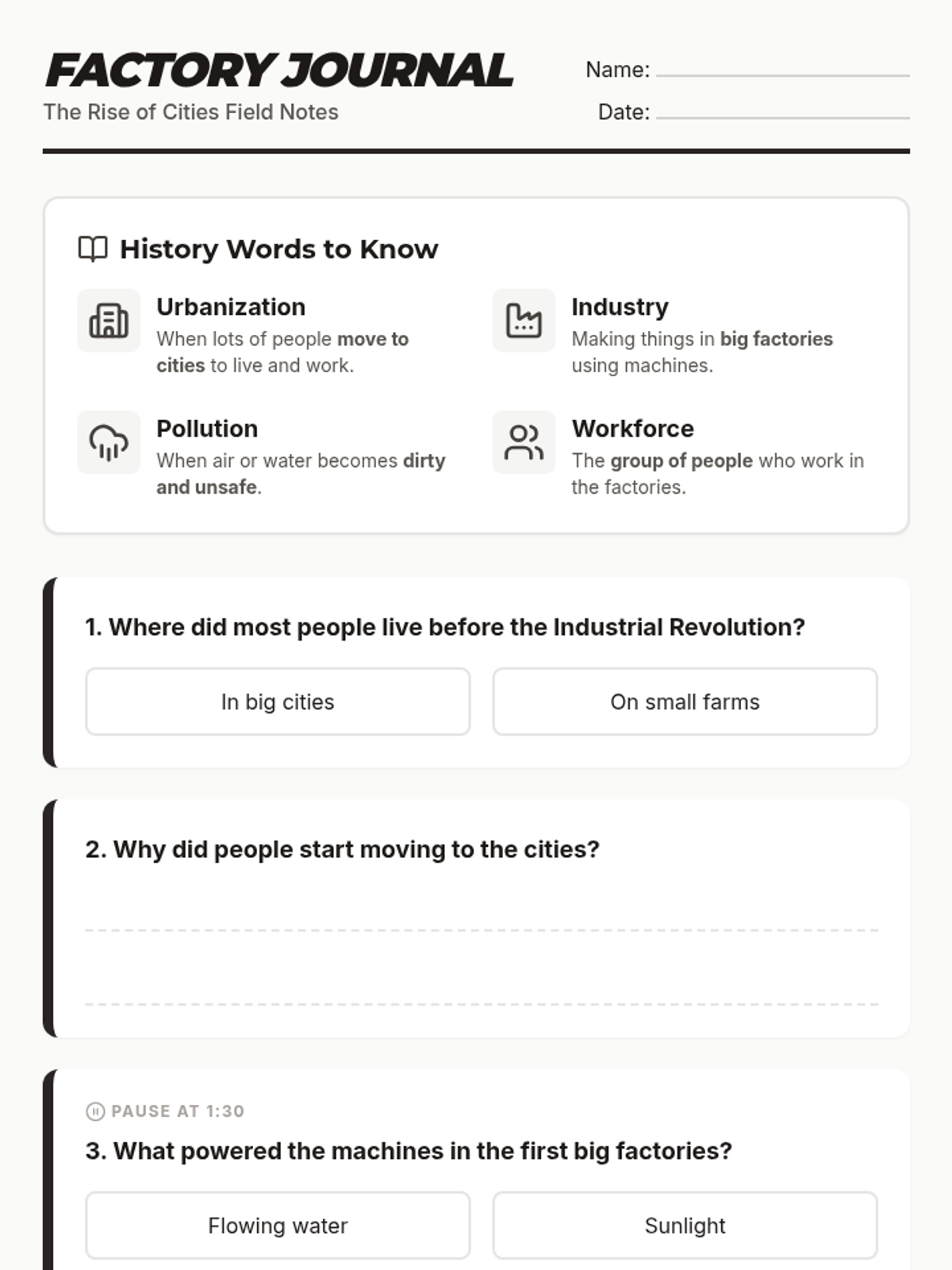
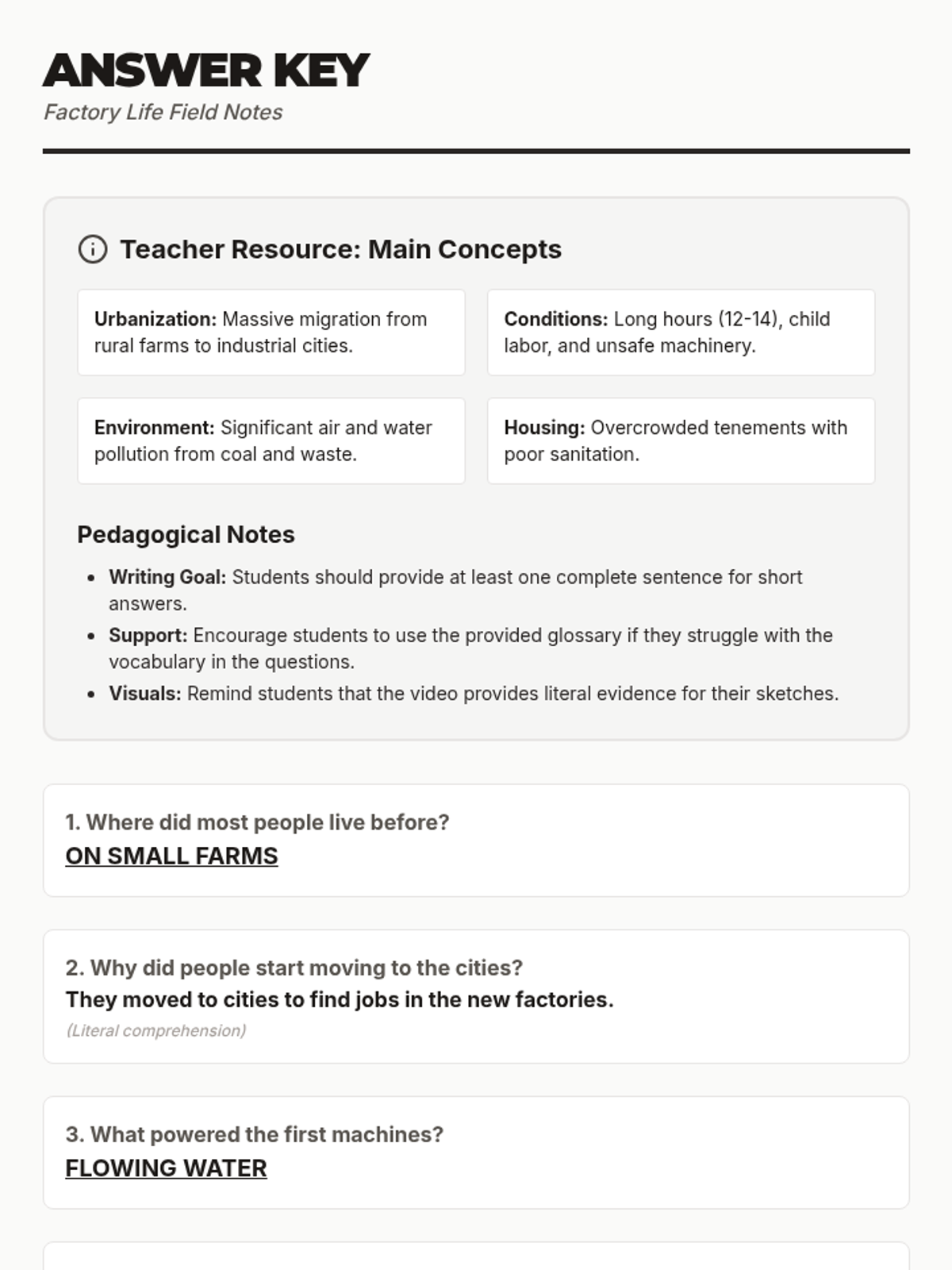
A guided video investigation into how factories changed where people lived and worked. Students analyze the working conditions in mills and the environmental impact of early urbanization.
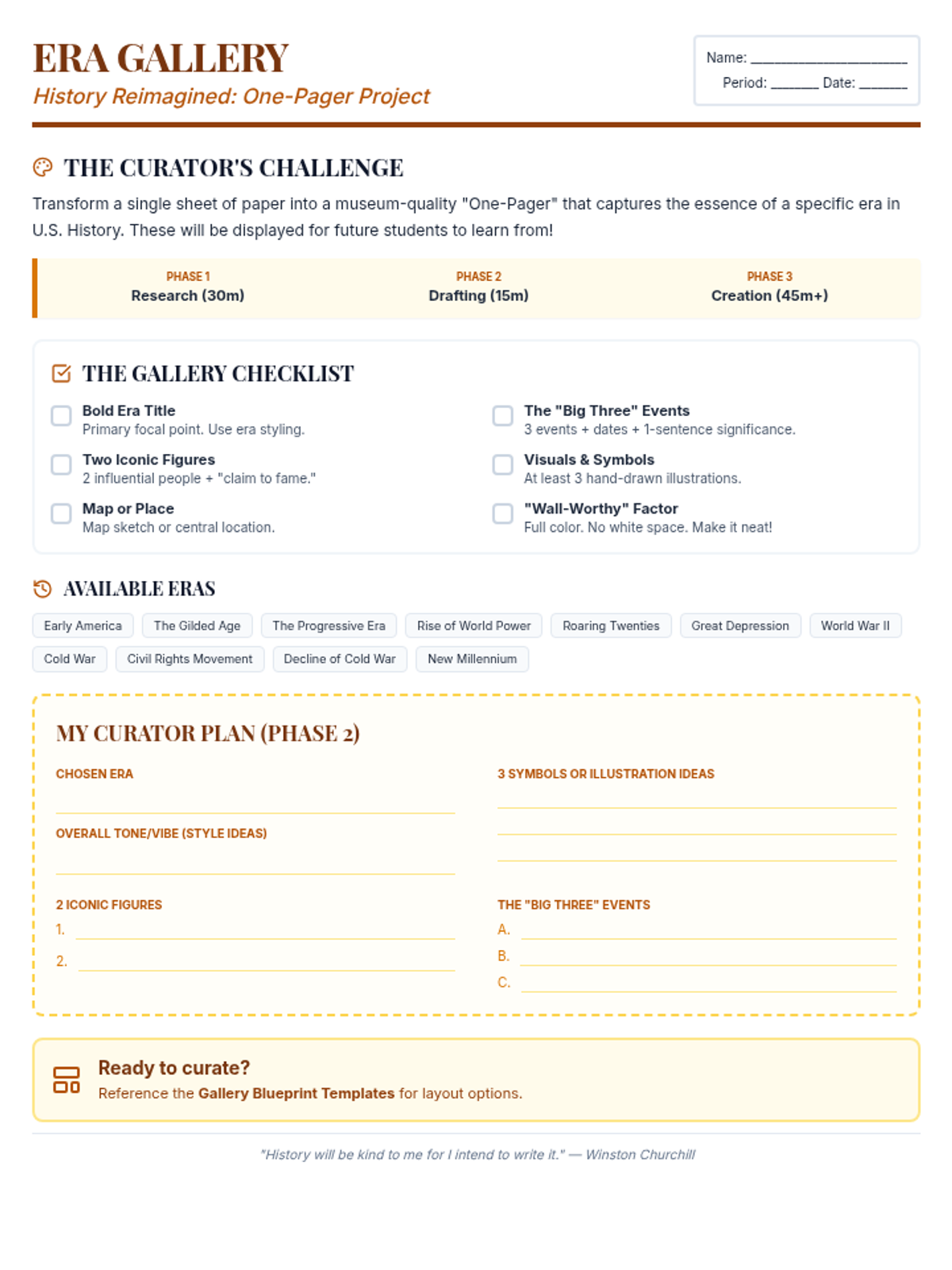
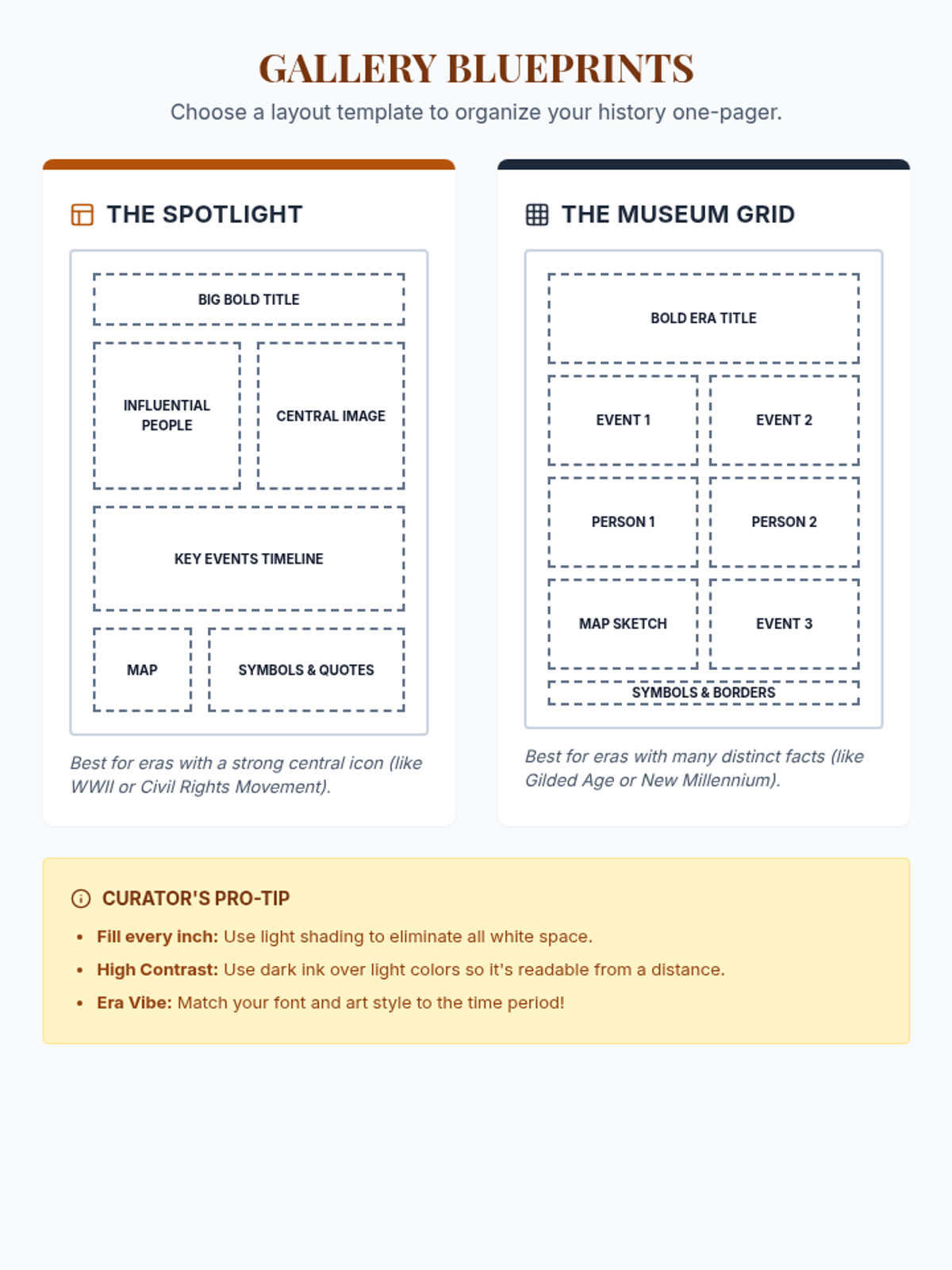
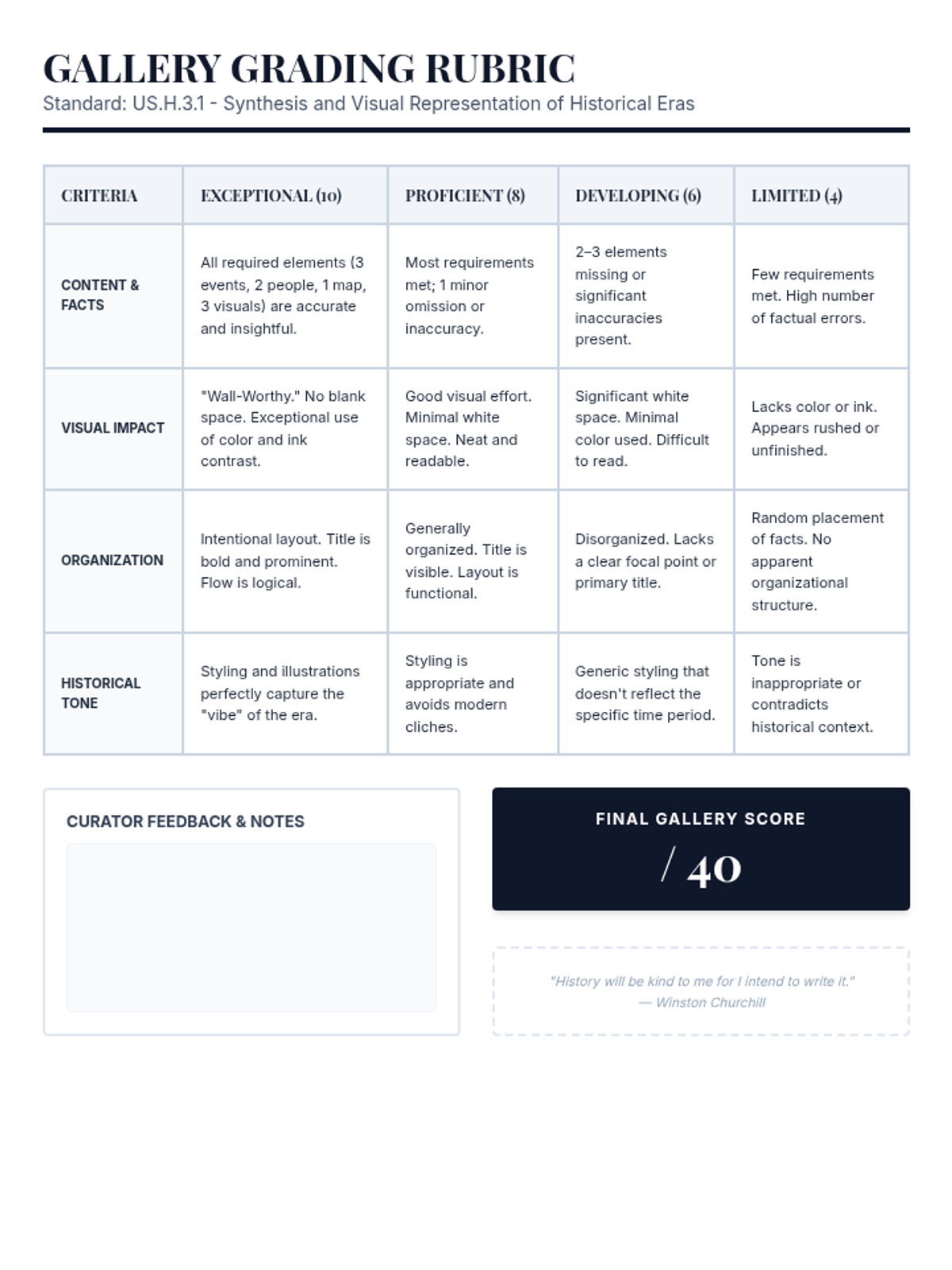
A fast-paced, creative project where students curate a visually stunning 'One-Pager' poster for a specific era of U.S. History, designed to be high-quality enough for classroom display.
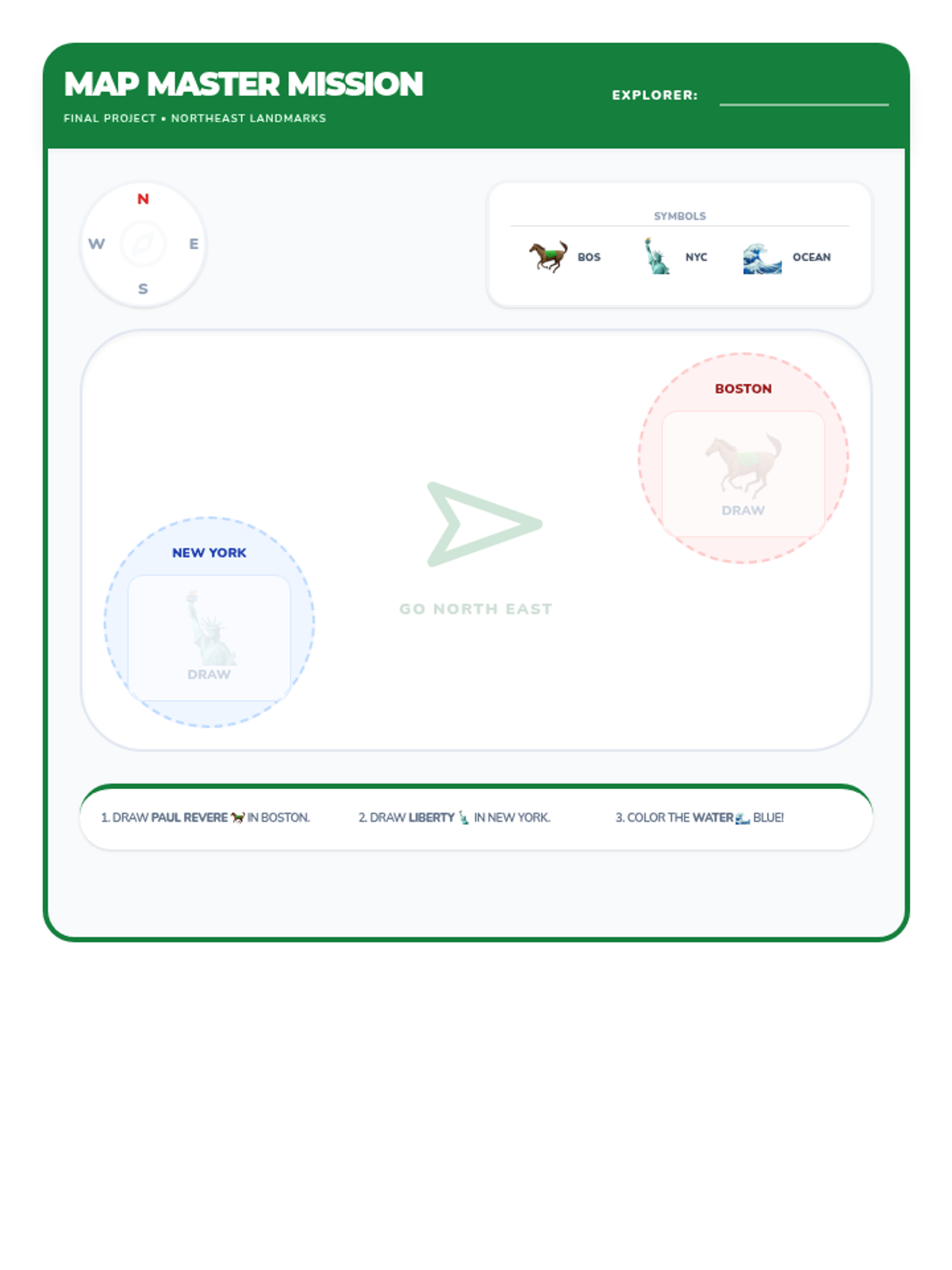
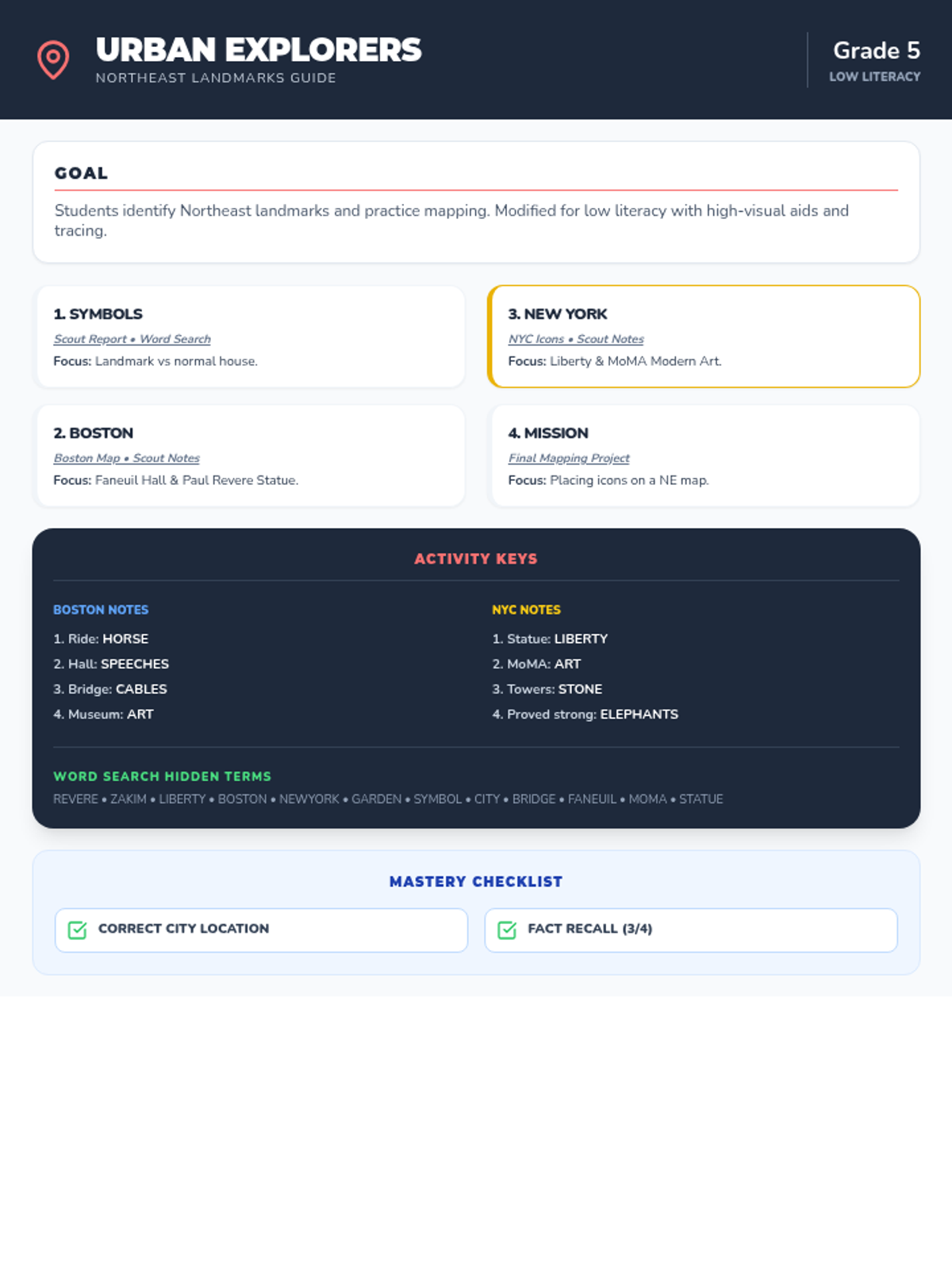
A culminating mapping activity where students place Northeast landmarks on a regional map and identify their locations relative to one another.
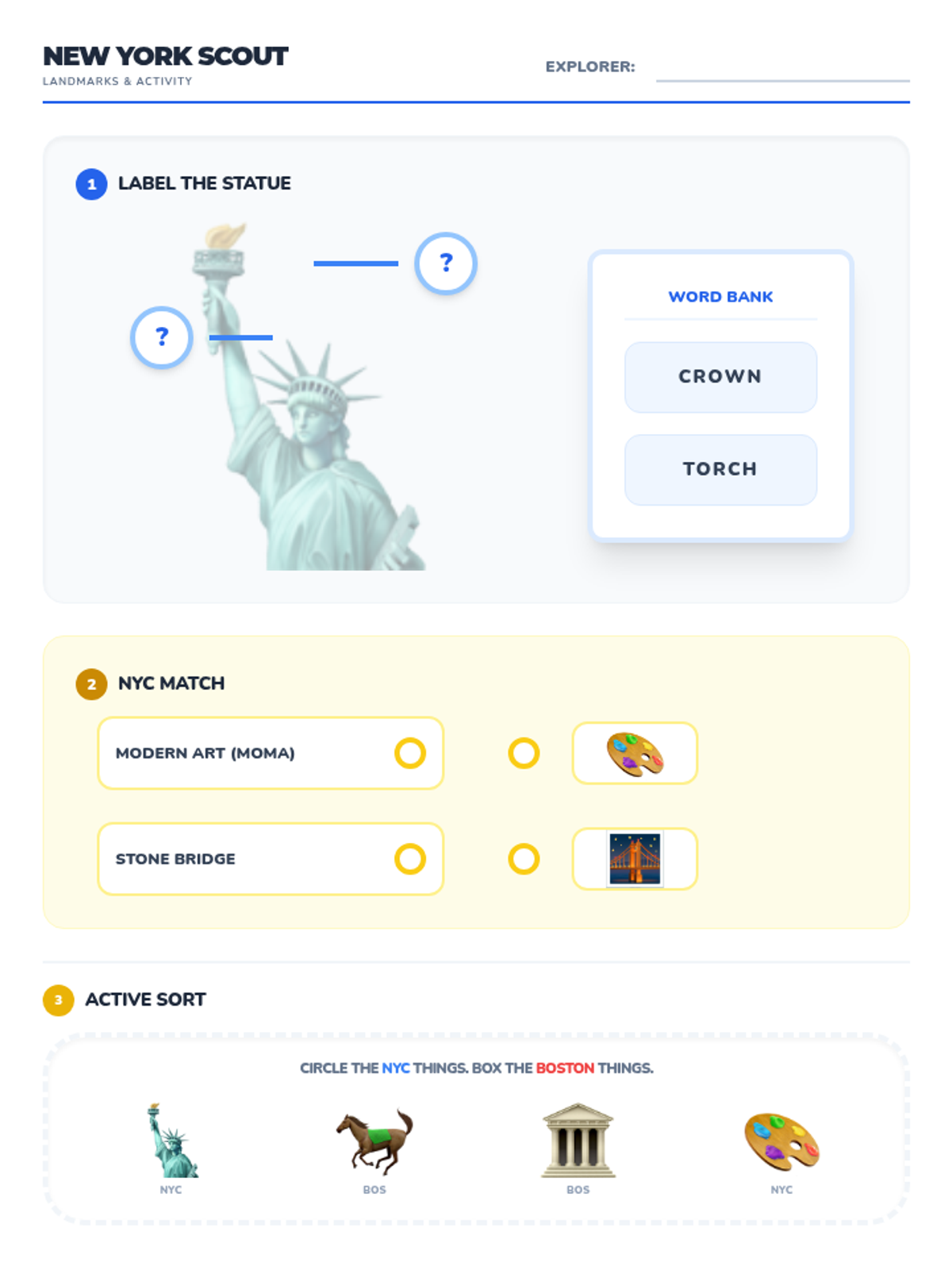
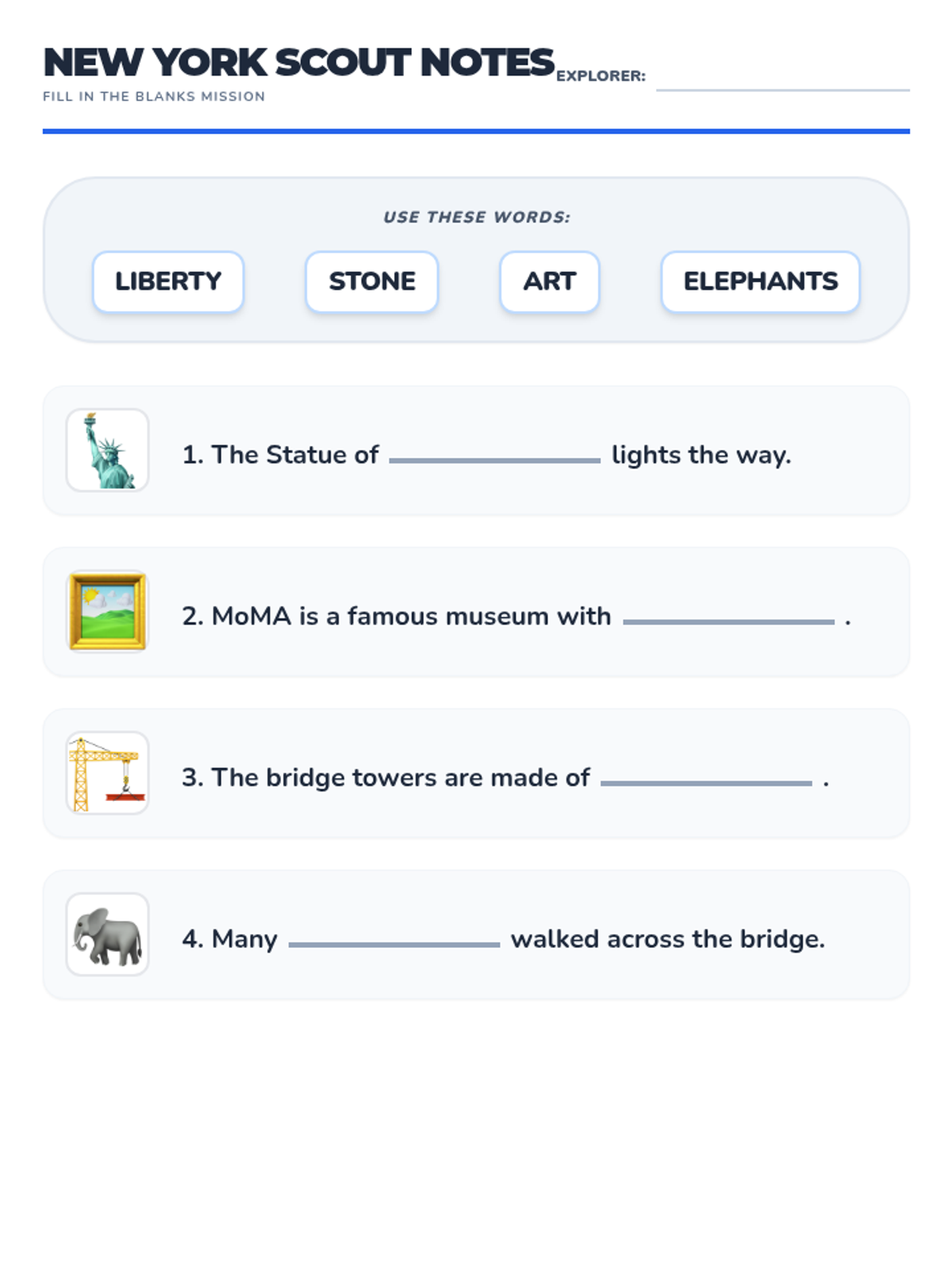
Focuses on iconic New York City landmarks: the Statue of Liberty and the Brooklyn Bridge. Students learn historical significance through visual storytelling.
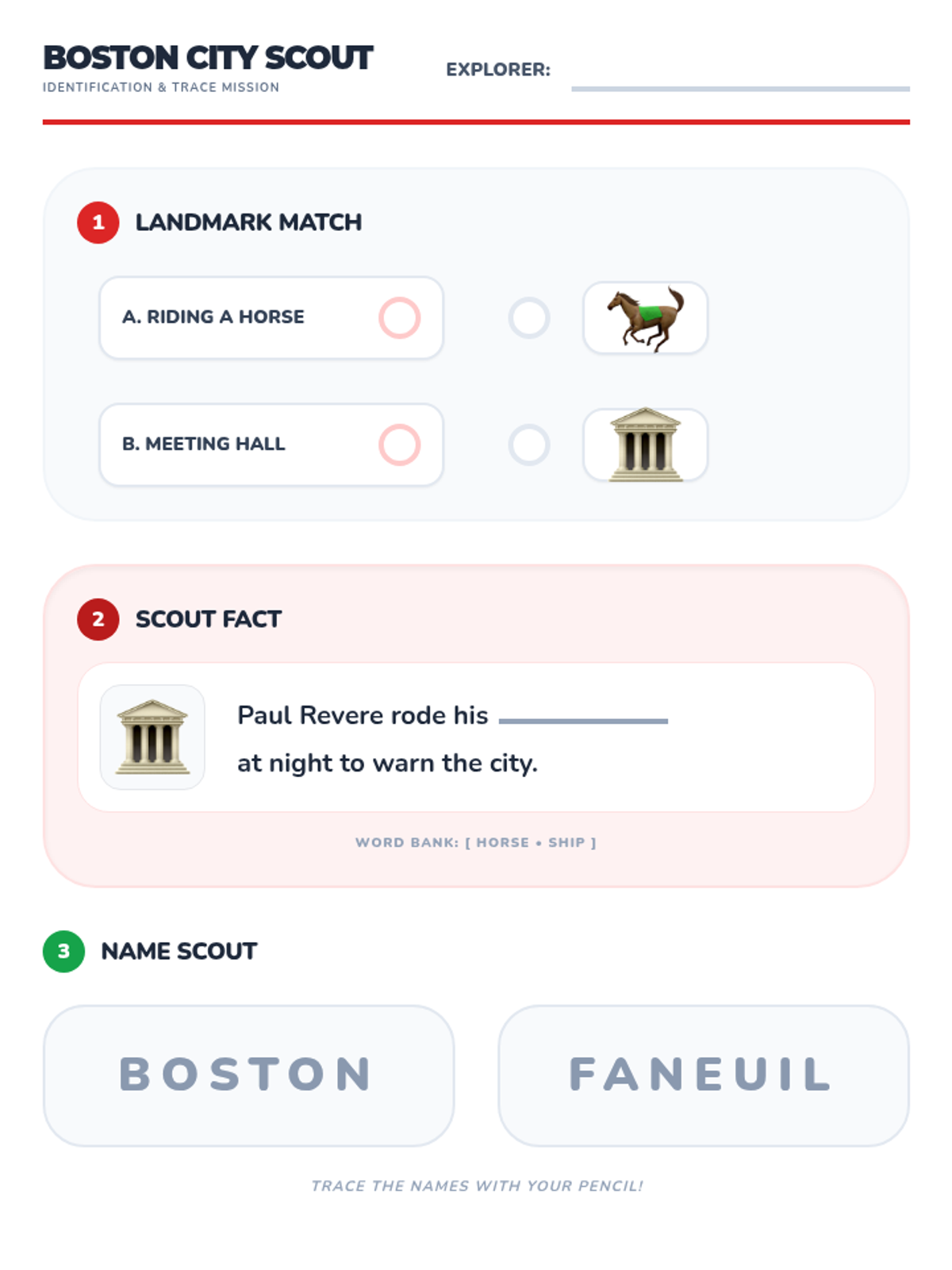
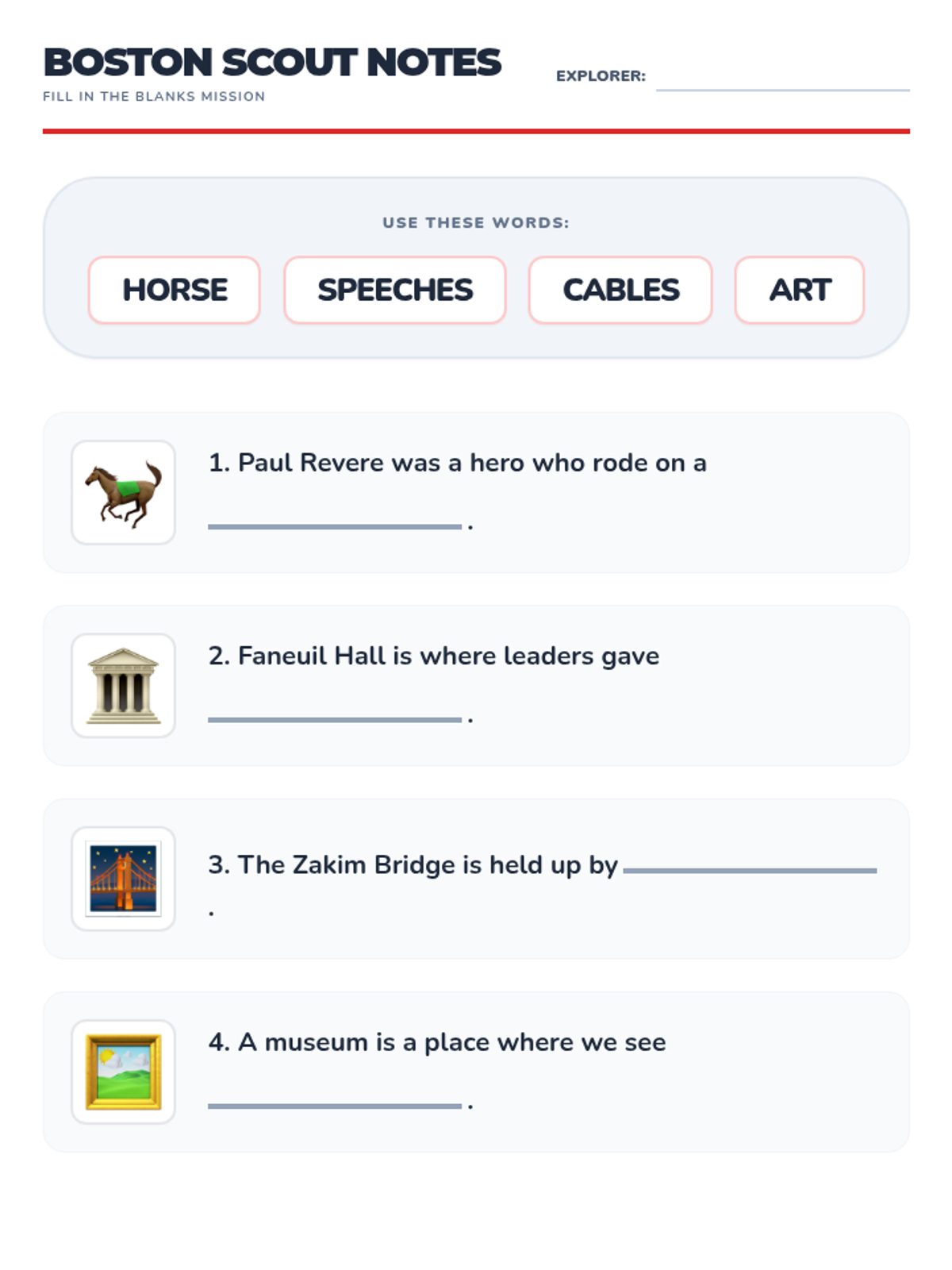
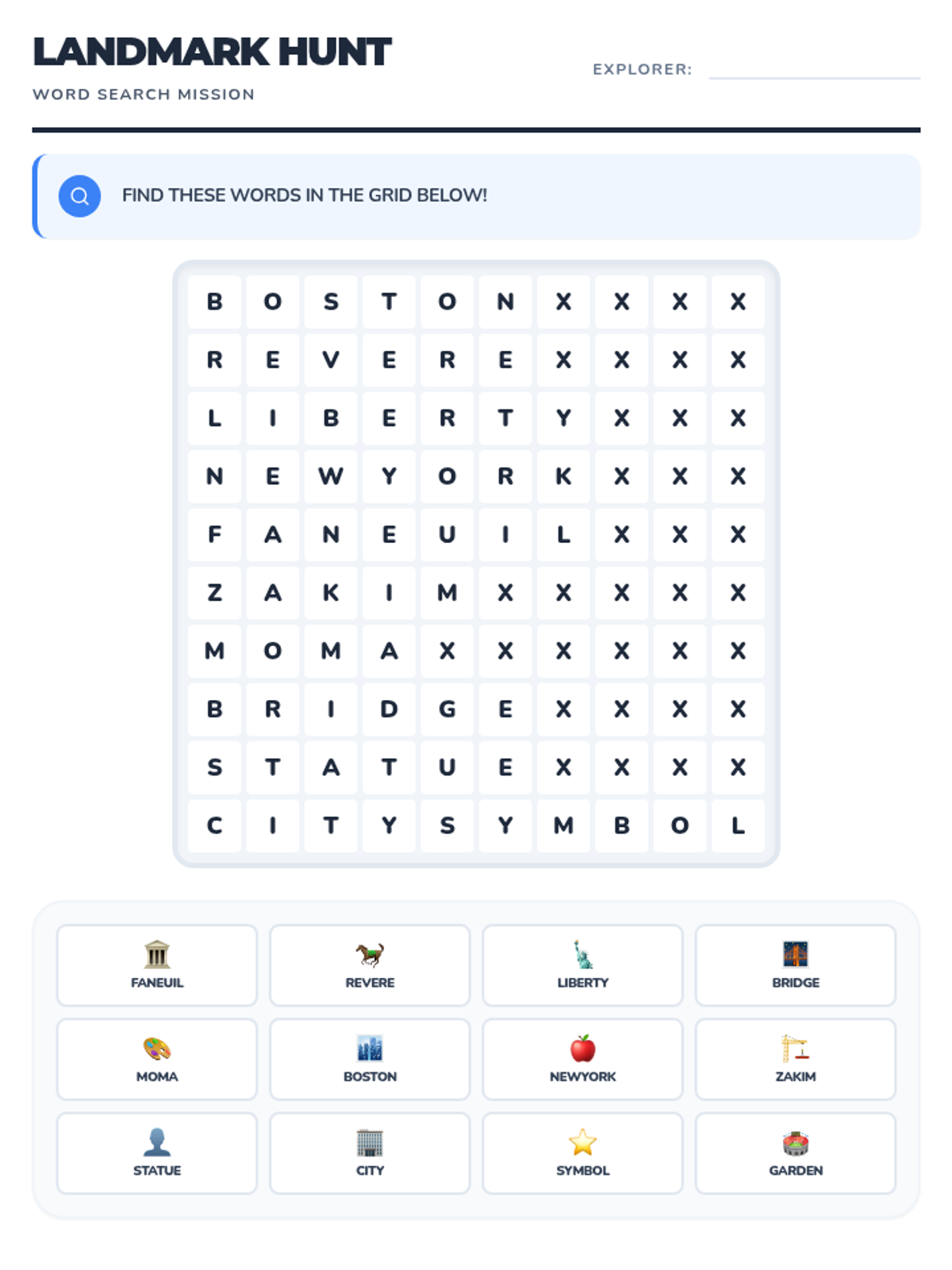
Explores specific landmarks in Boston, including the Paul Revere Statue, Zakim Bridge, and TD Garden. Focuses on historical facts and their location on a city map.
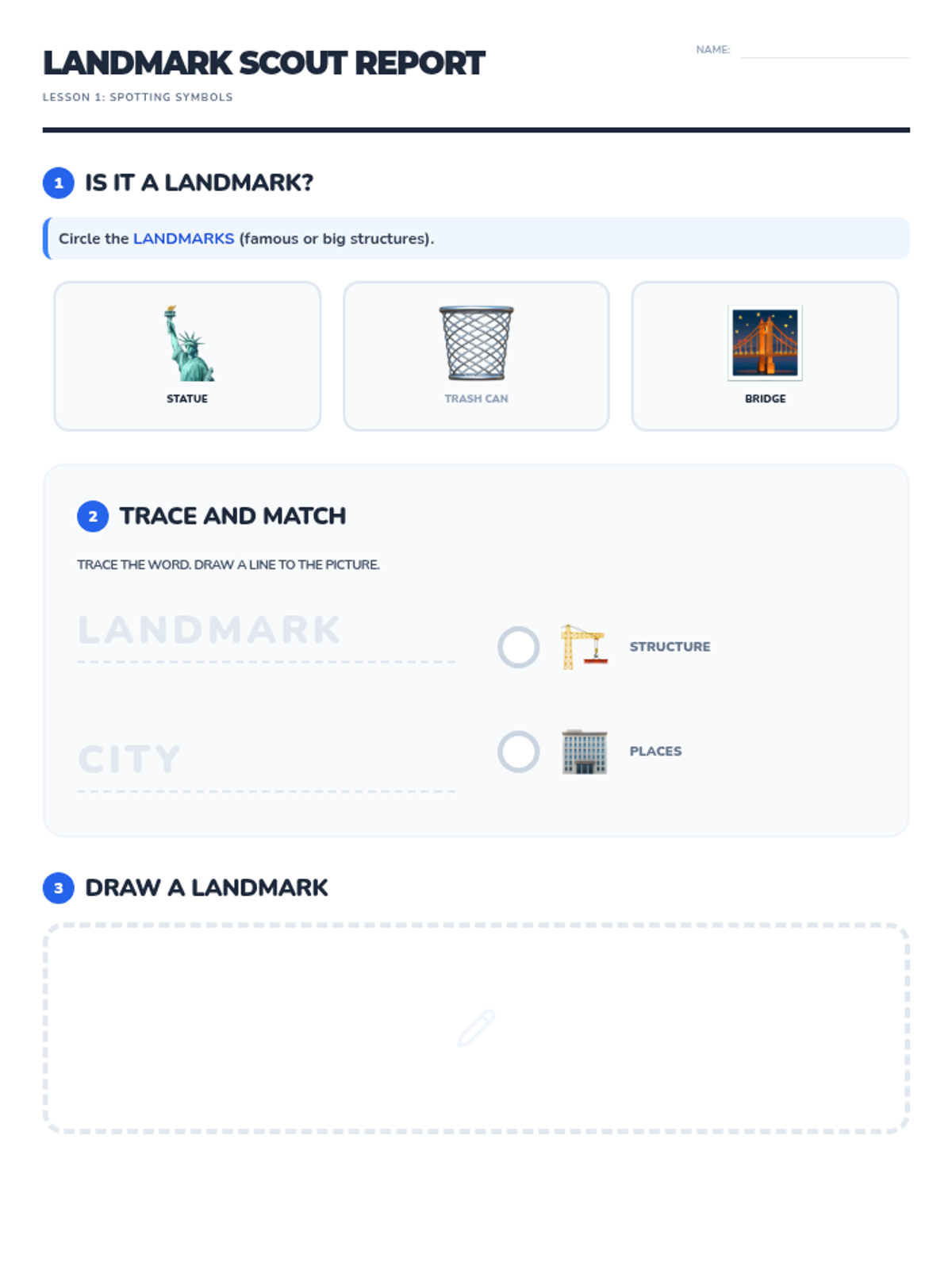
Introduces the concept of a landmark as a recognizable place or structure with historical or cultural significance. Students learn to identify landmarks using visual cues.