Students will use logic and the 'Golden Rule' of placement to distinguish between direct and indirect objects, investigating sentences where a lack of an indirect object leads to humorous or impossible scenarios.
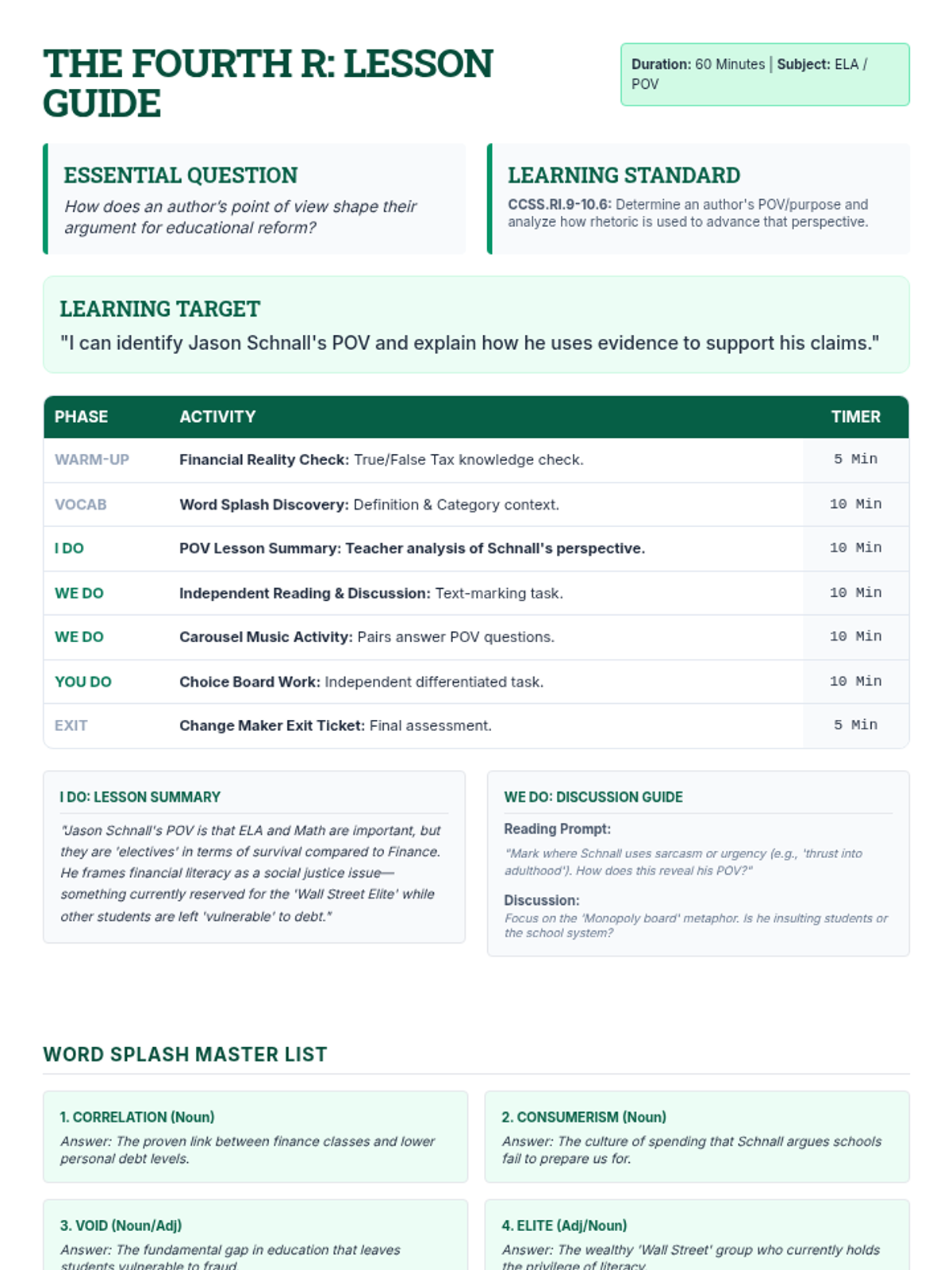
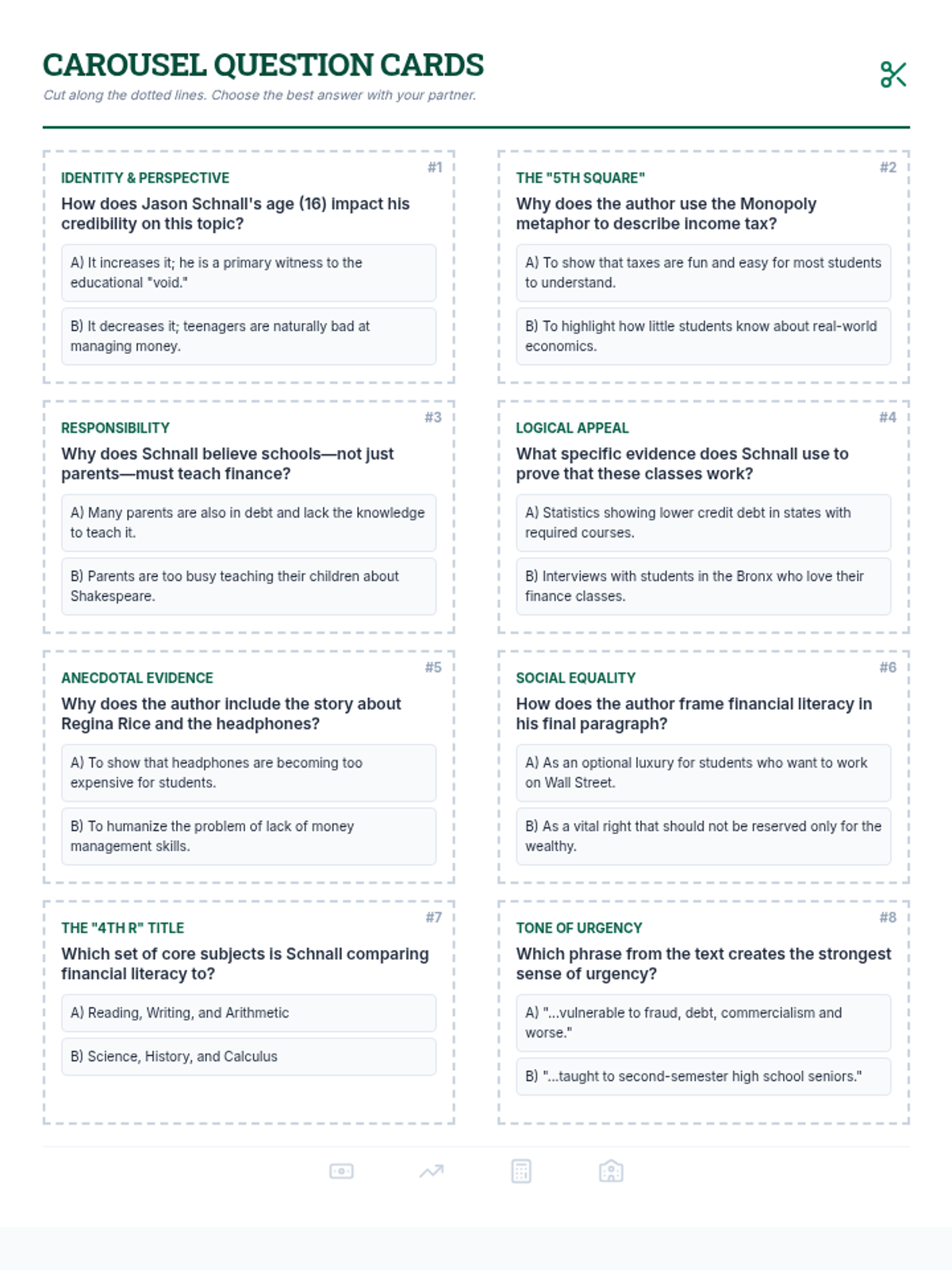
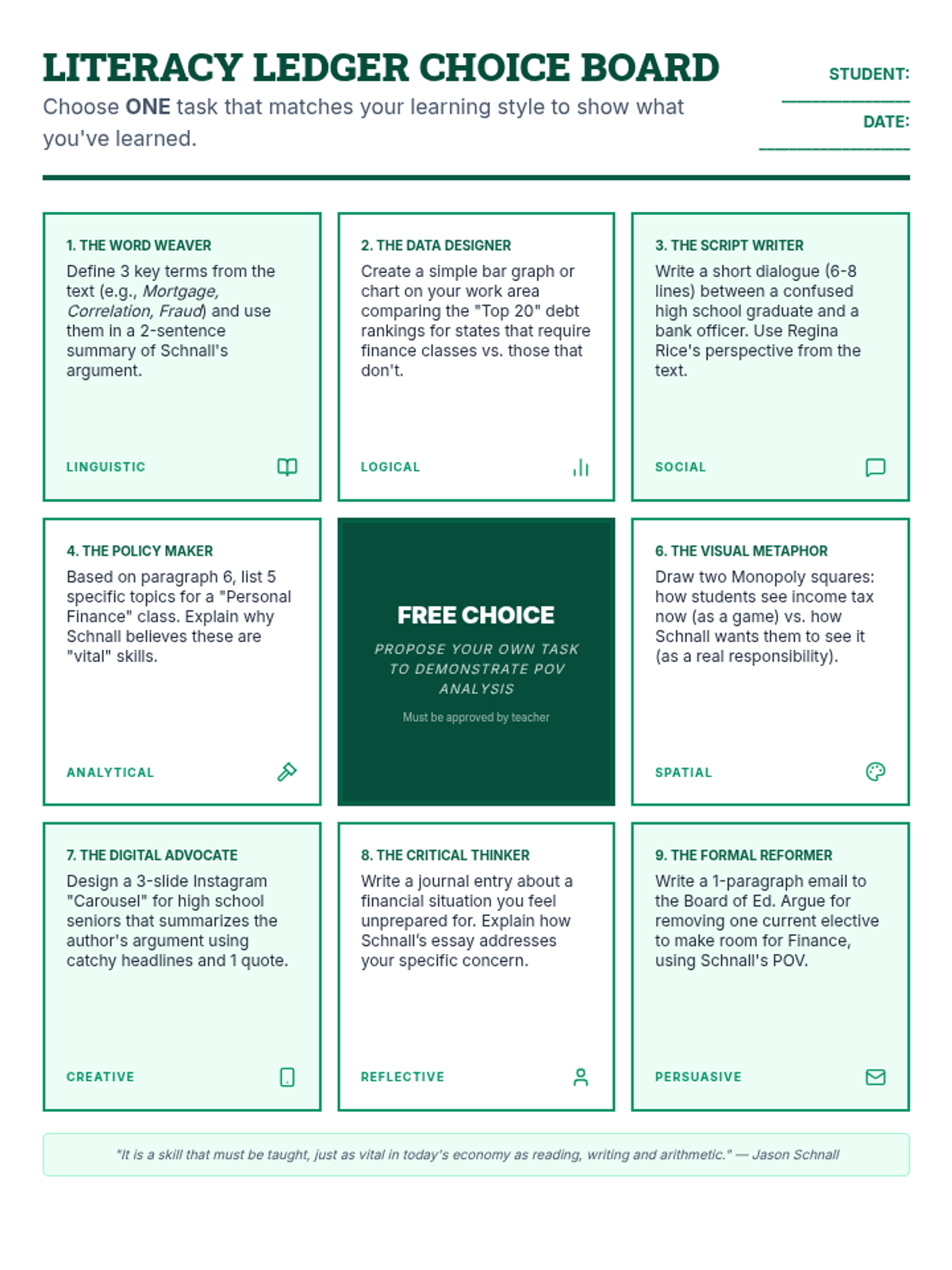
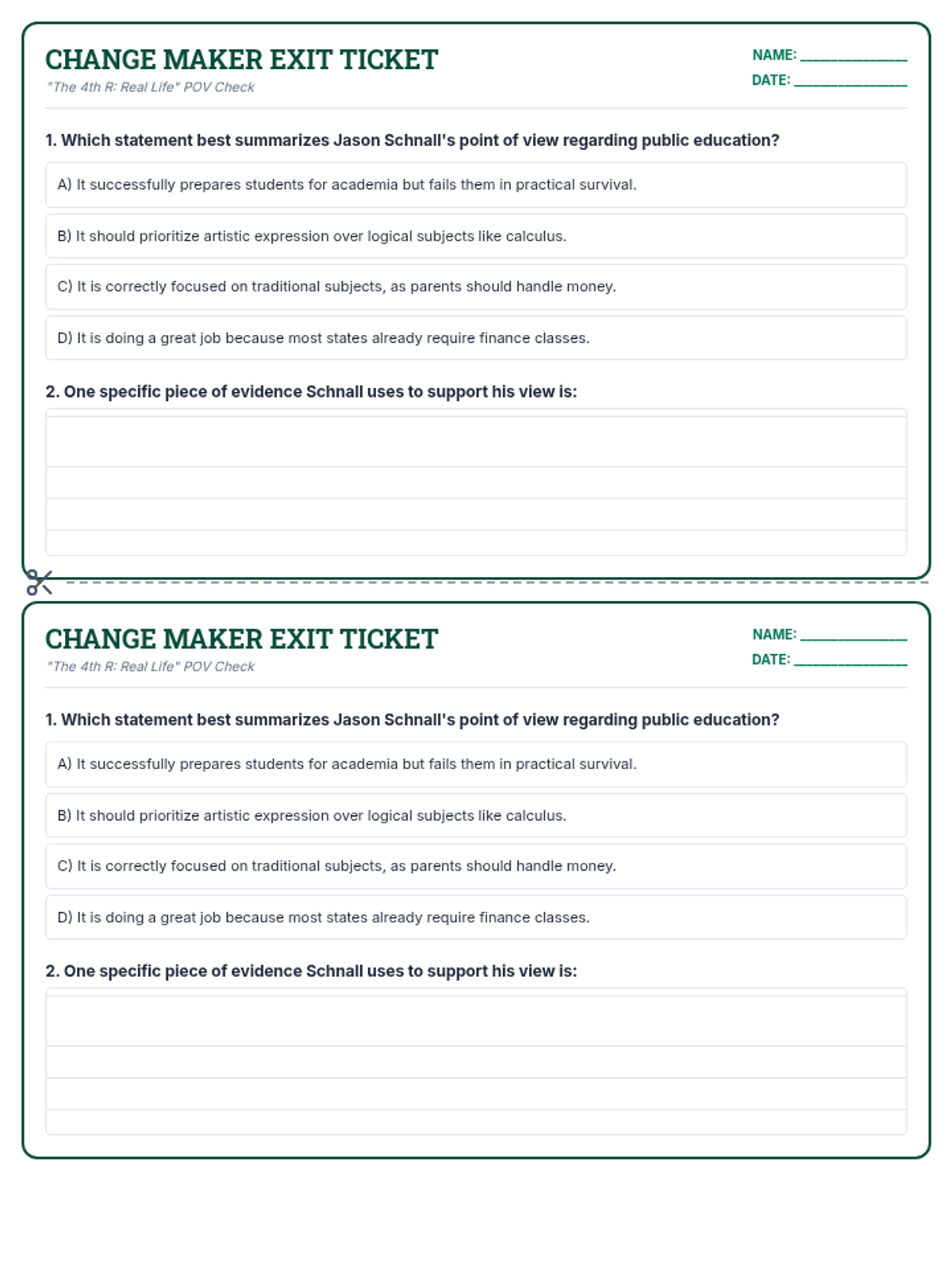
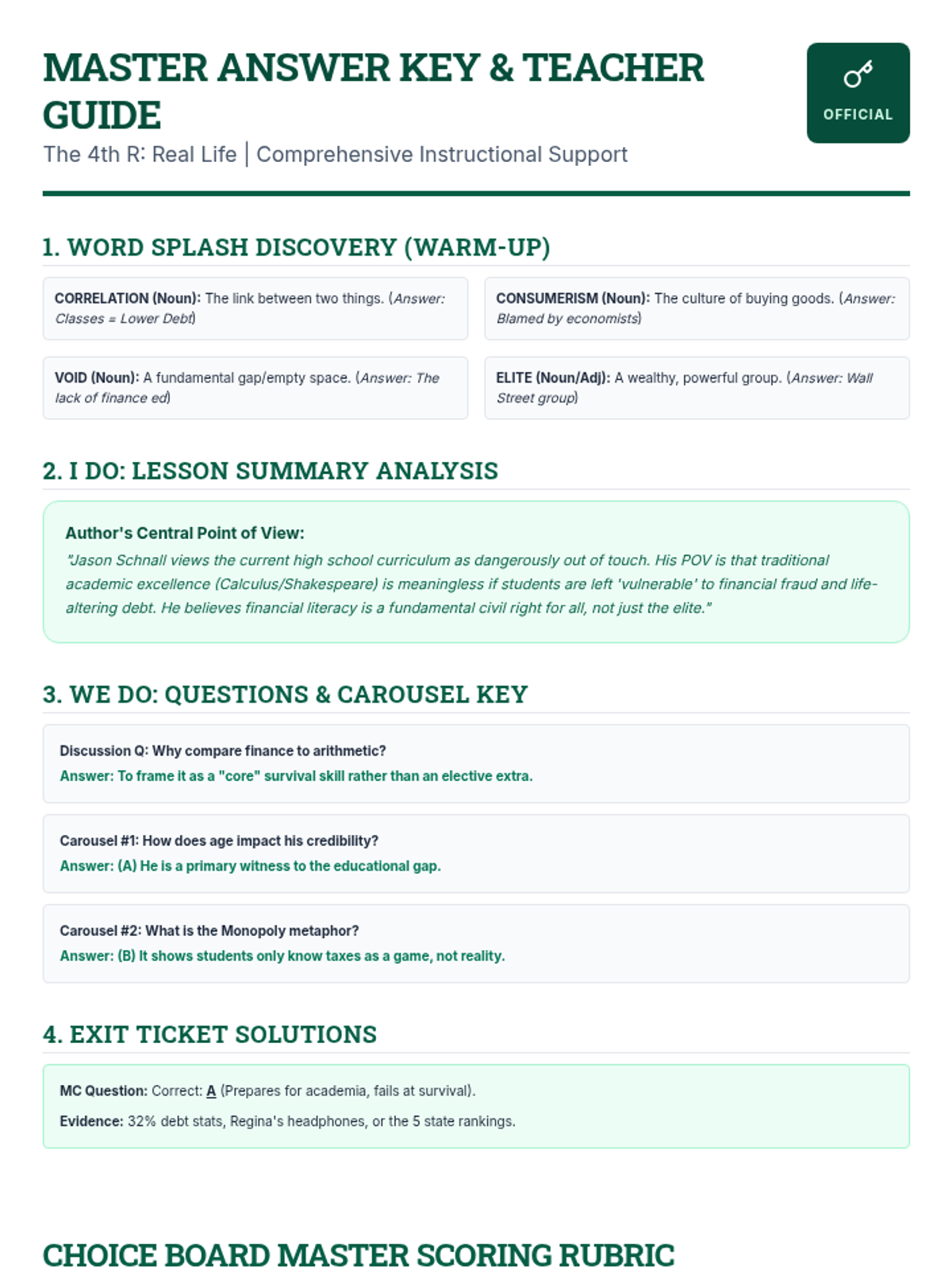
A 60-minute lesson on analyzing author's point of view using the text "The 4th R: Real Life," featuring a word splash, carousel activity, and choice board.
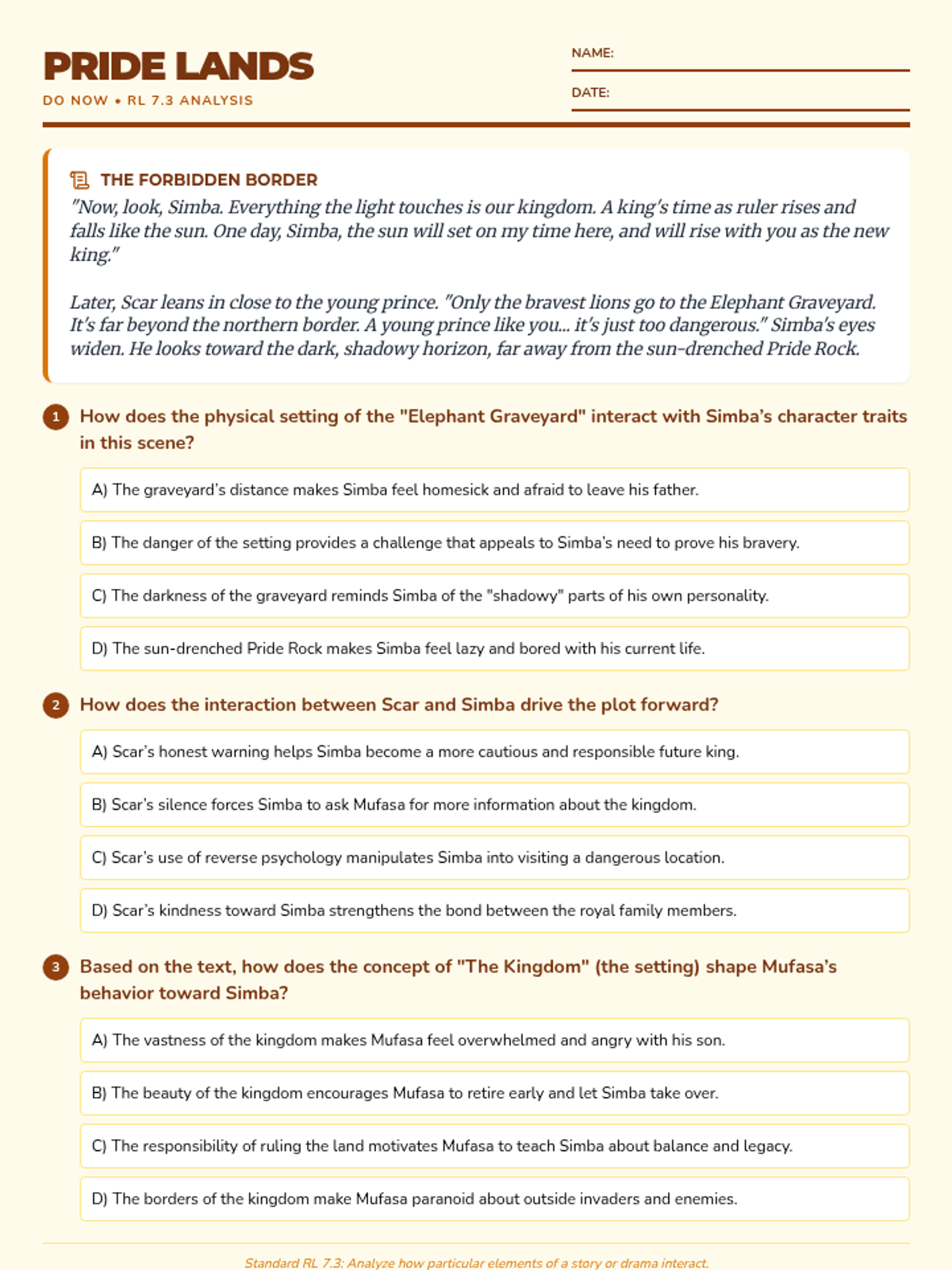
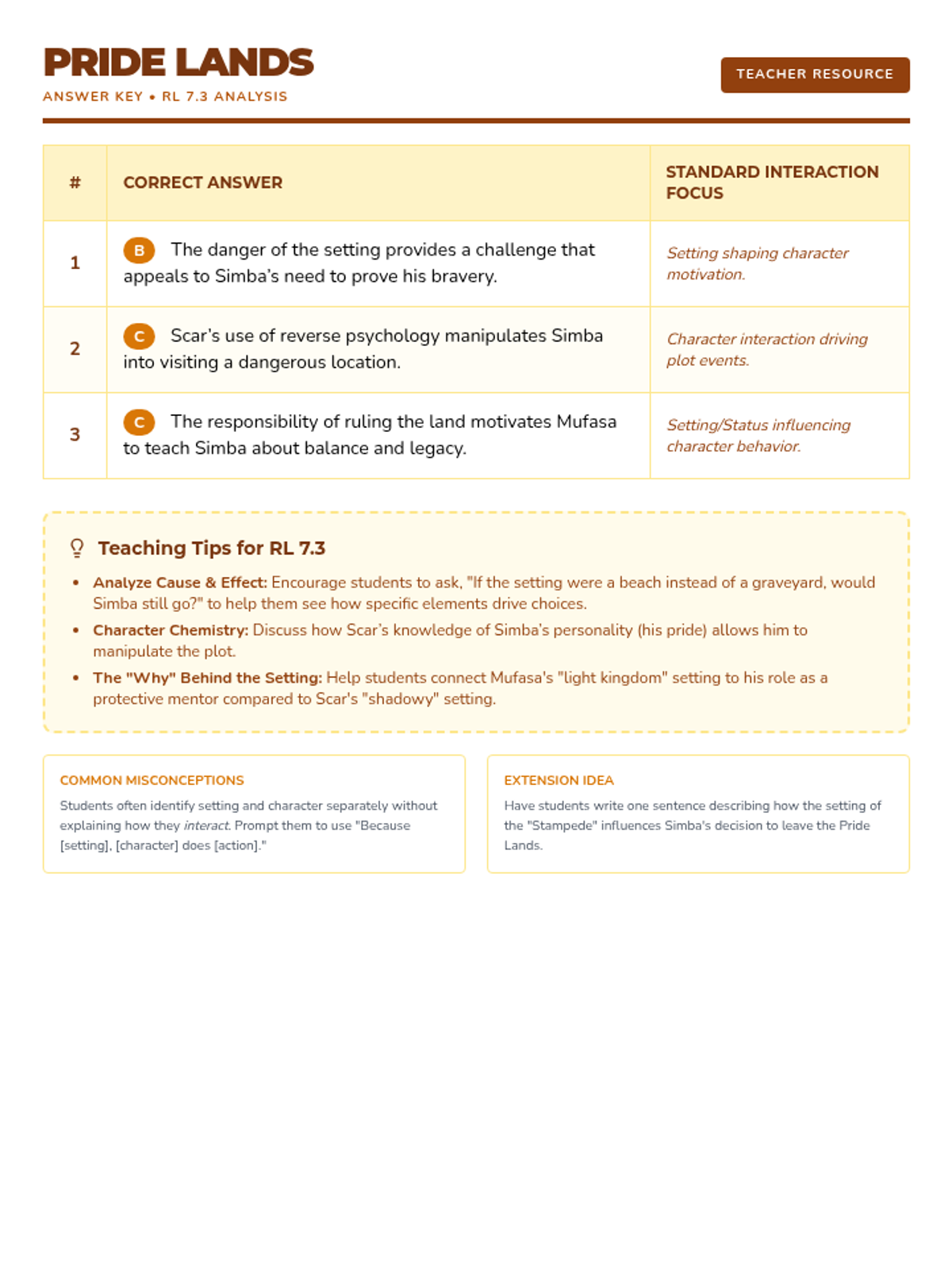
A quick introductory lesson focusing on RL 7.3 through the lens of The Lion King, analyzing how characters, settings, and events influence one another.
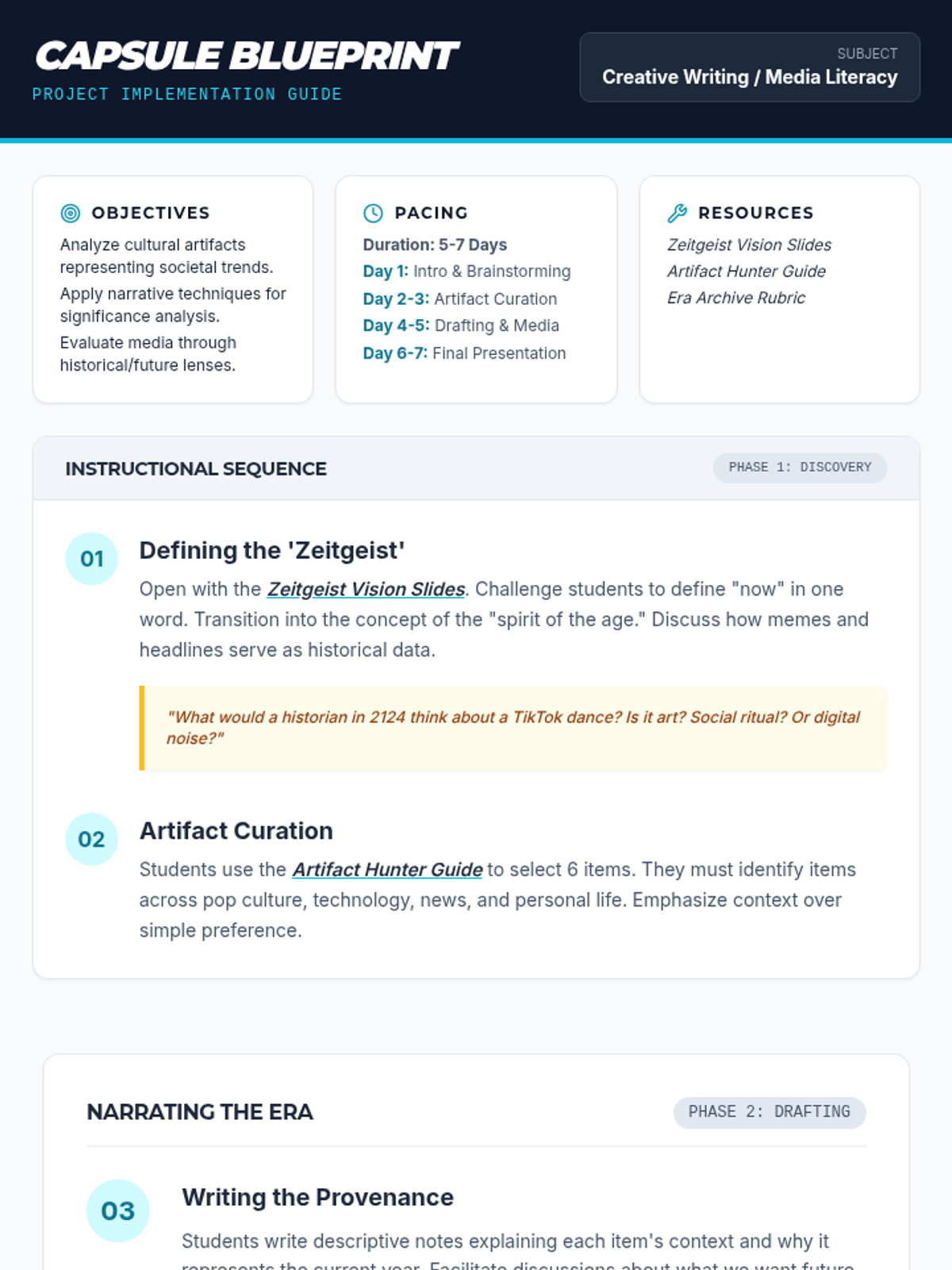
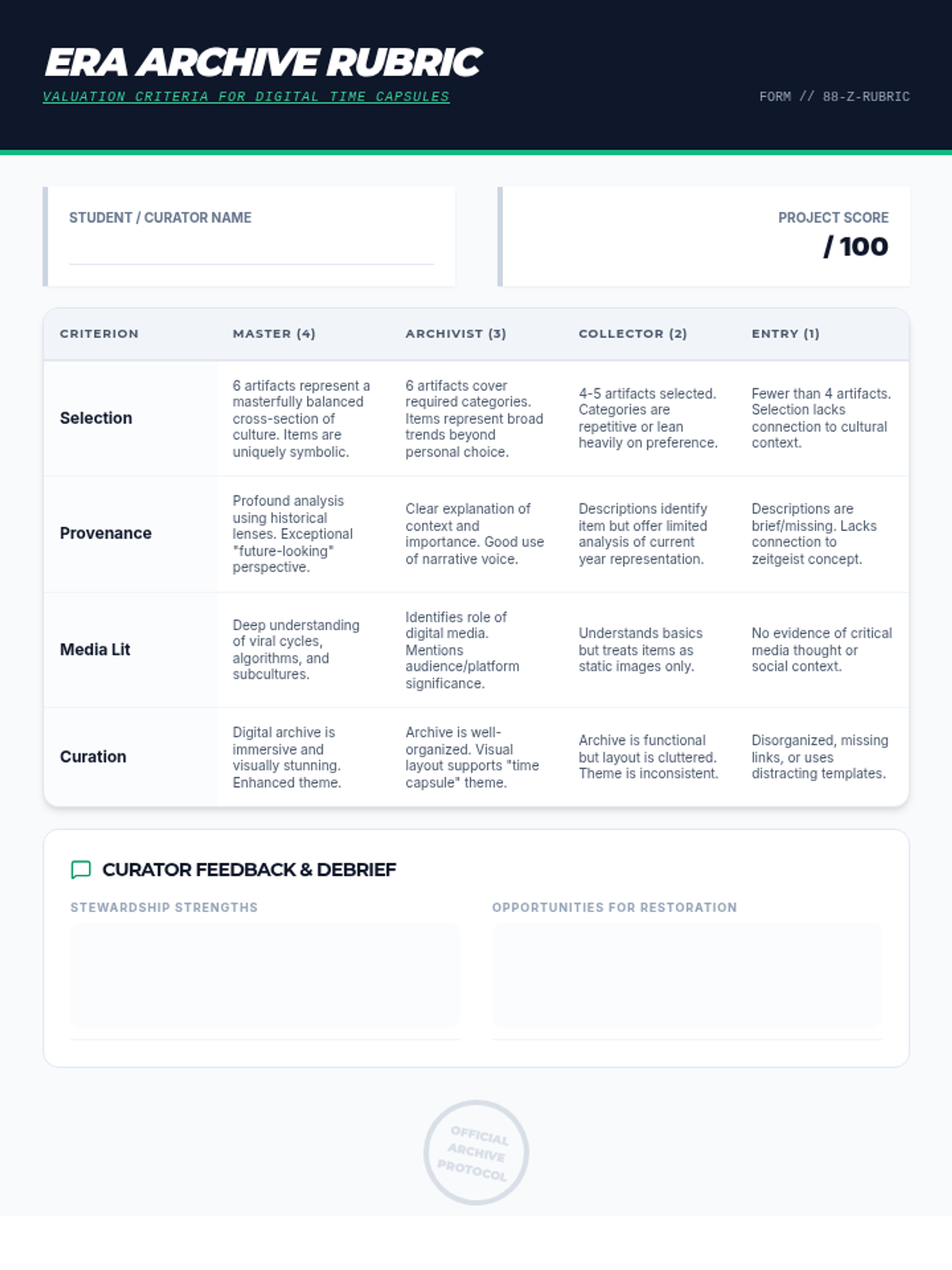
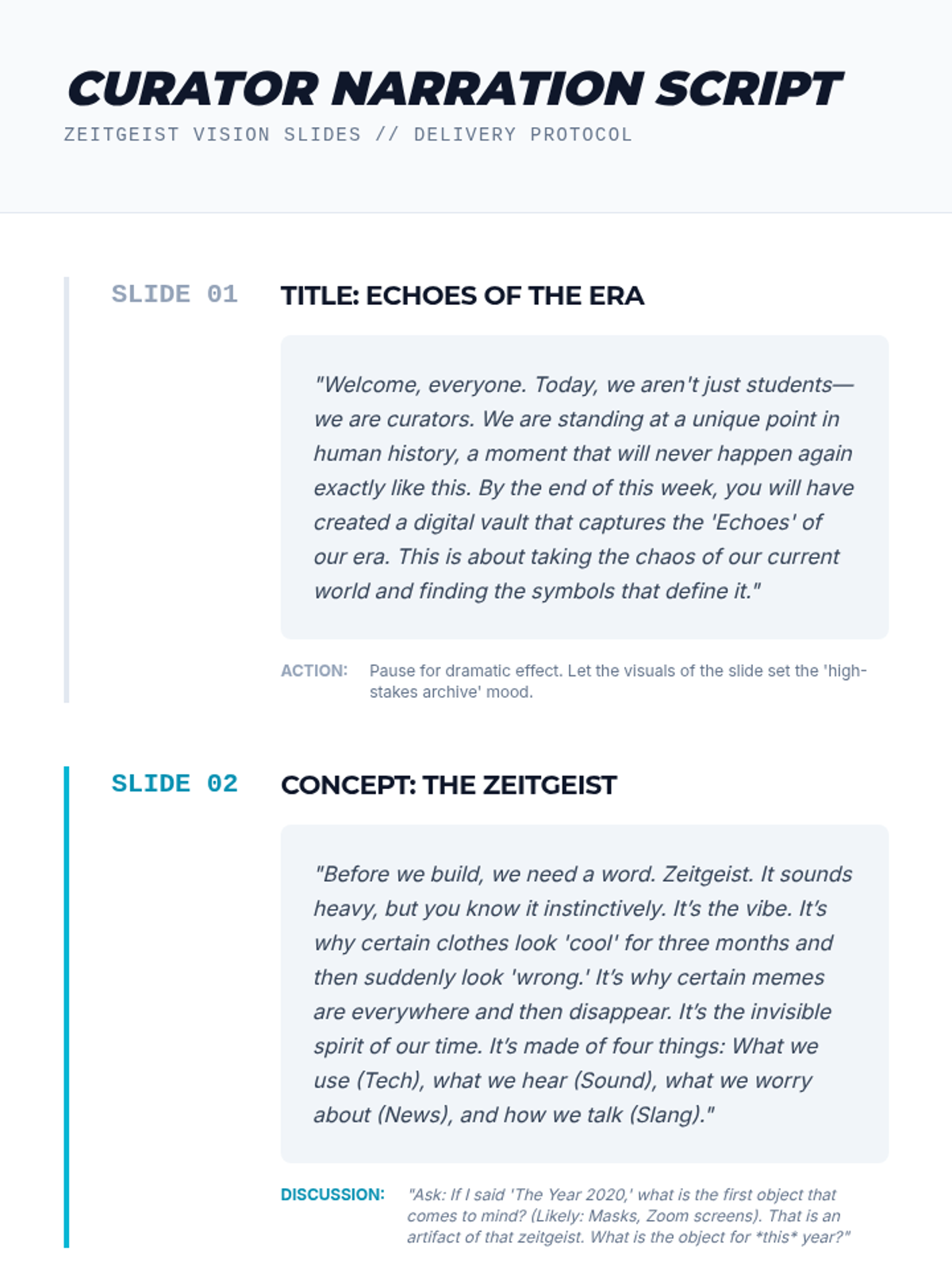
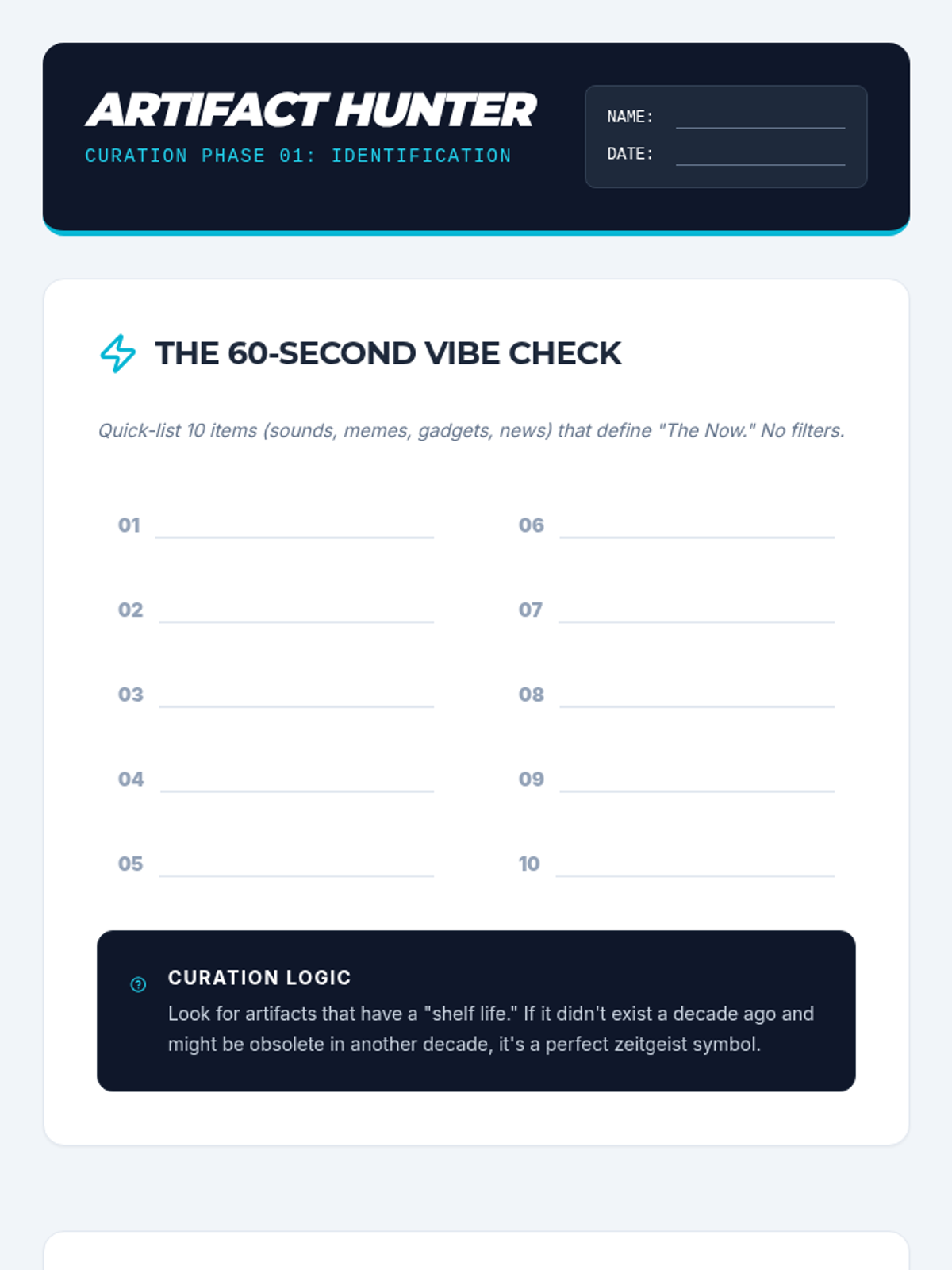
Students explore the concept of the 'zeitgeist' and curate a digital time capsule that captures the current cultural, social, and technological landscape. This lesson blends creative writing with critical media analysis to help students see themselves as historical agents.
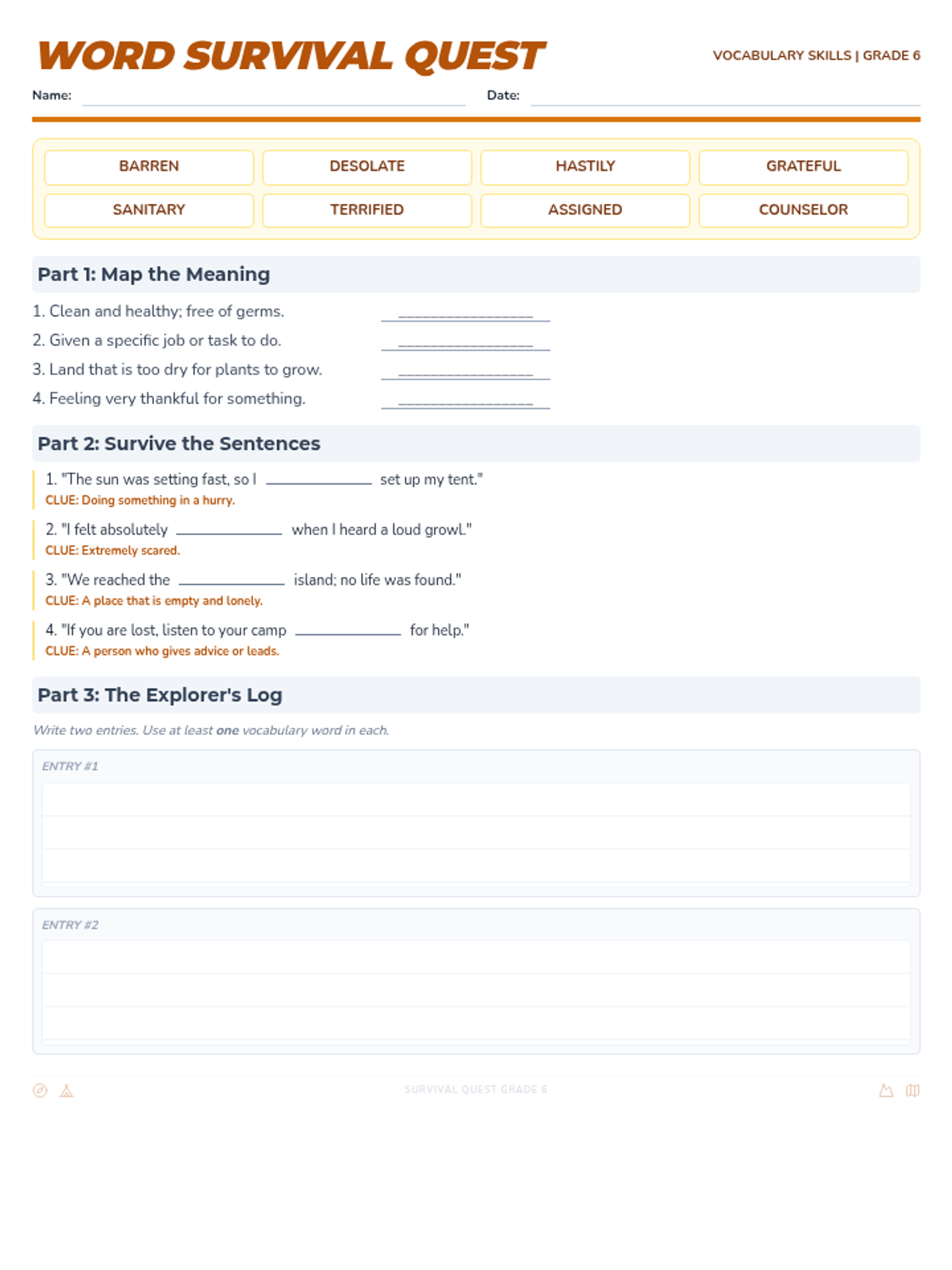
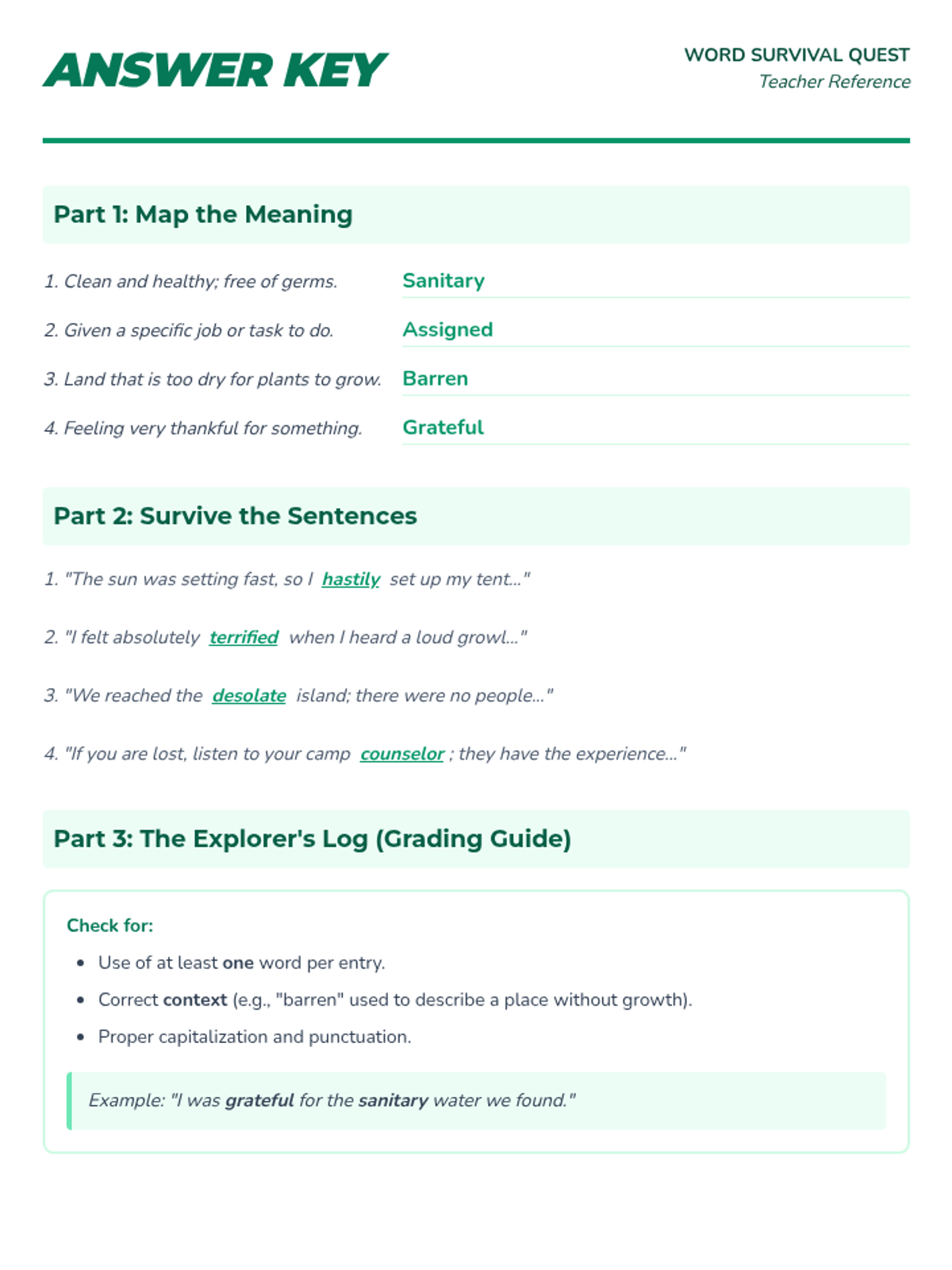
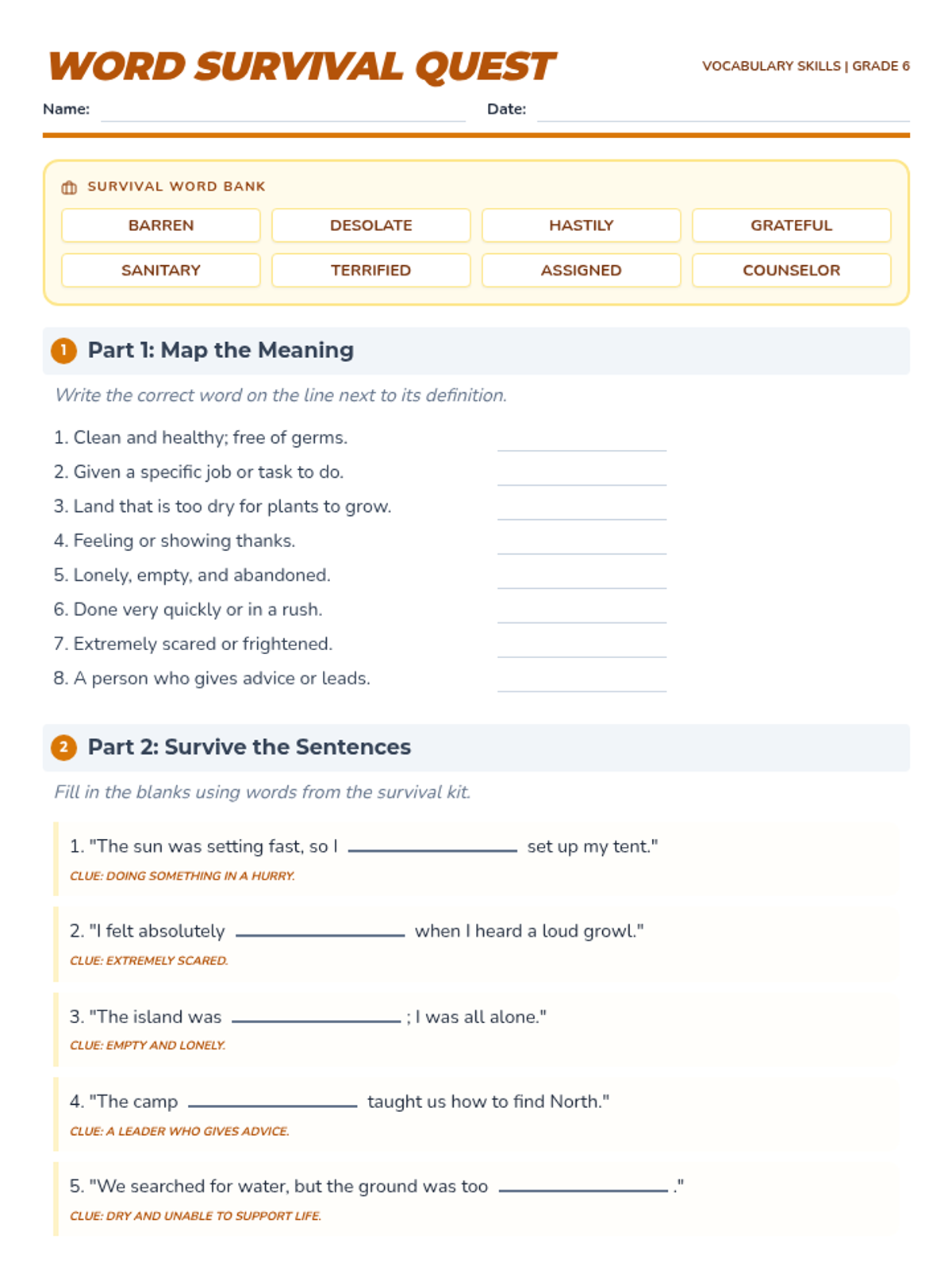
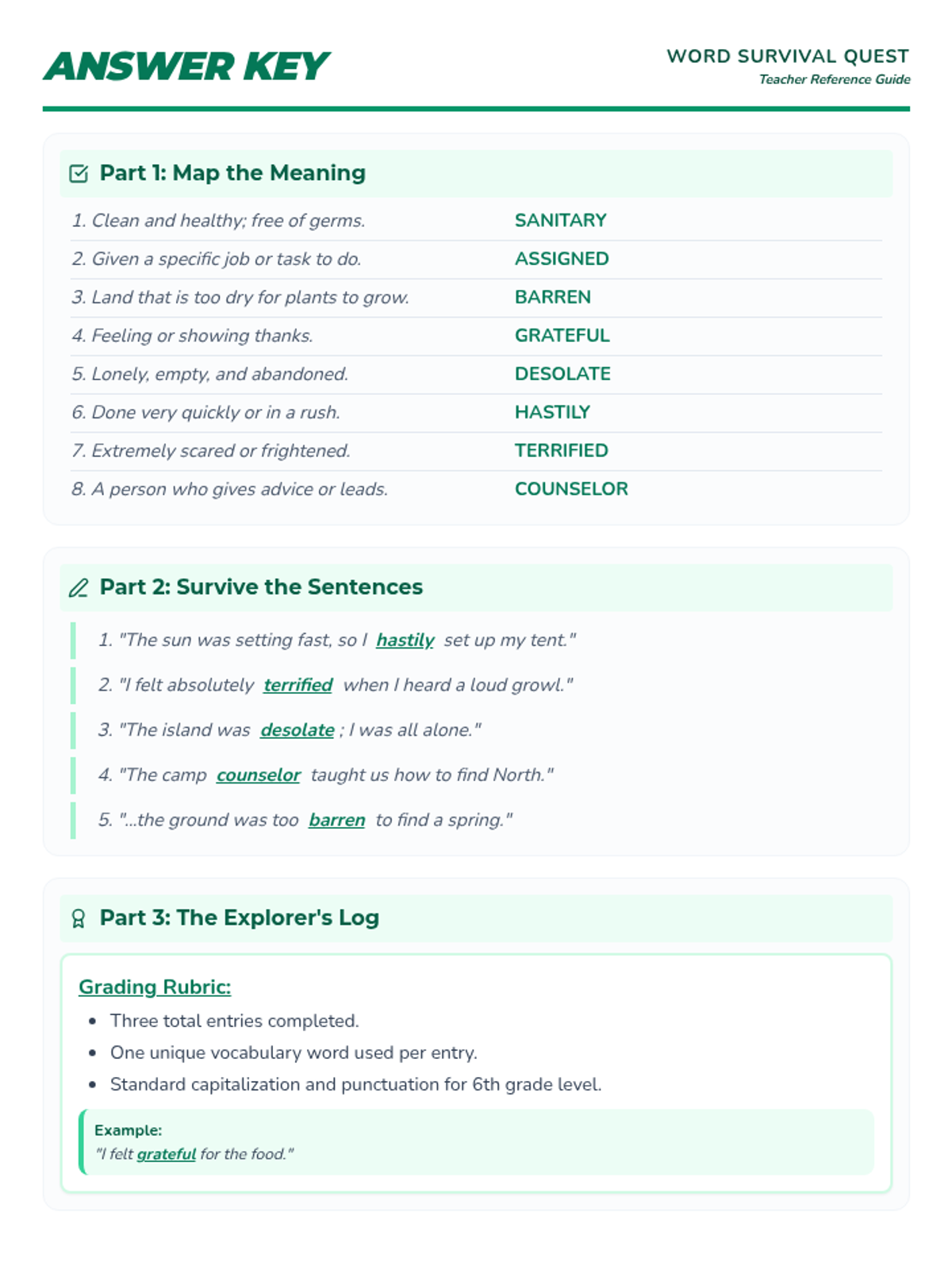
A vocabulary exploration lesson focusing on eight key terms through a survival-themed lens, providing high scaffolding for 6th-grade learners.
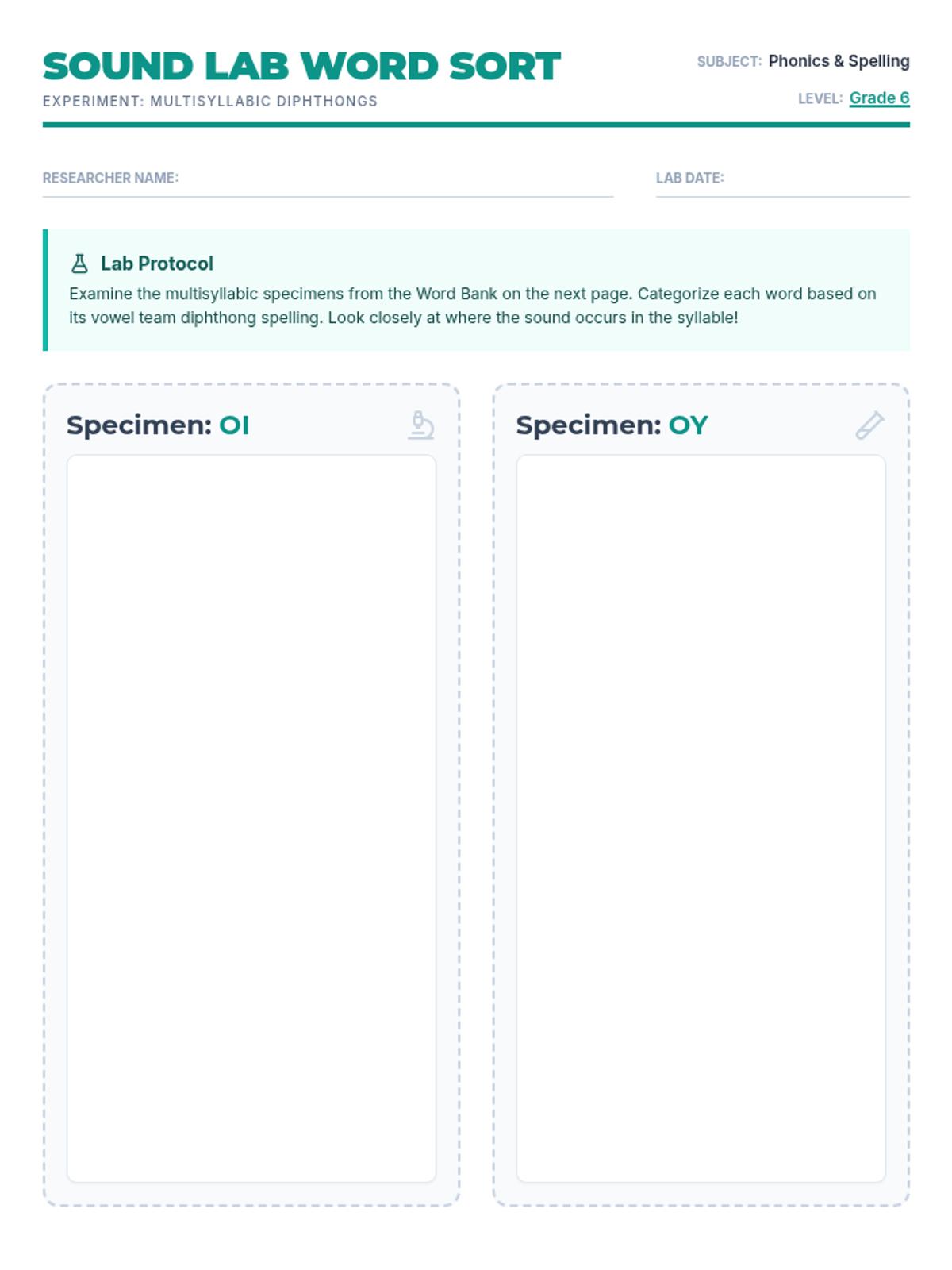
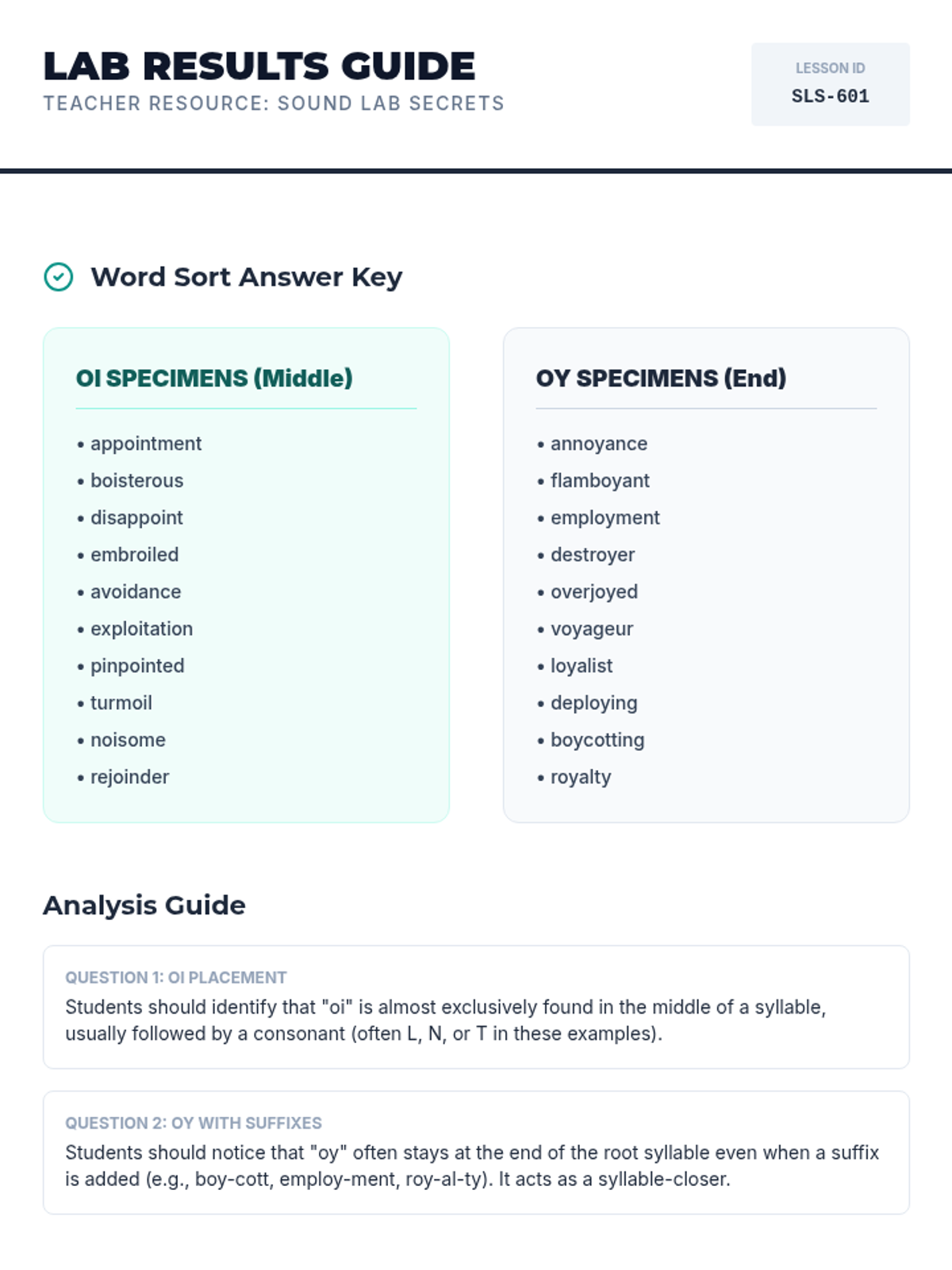
A lesson focused on mastering the 'oi' and 'oy' diphthongs in complex, multisyllabic words, featuring a systematic word sort and visual instruction.
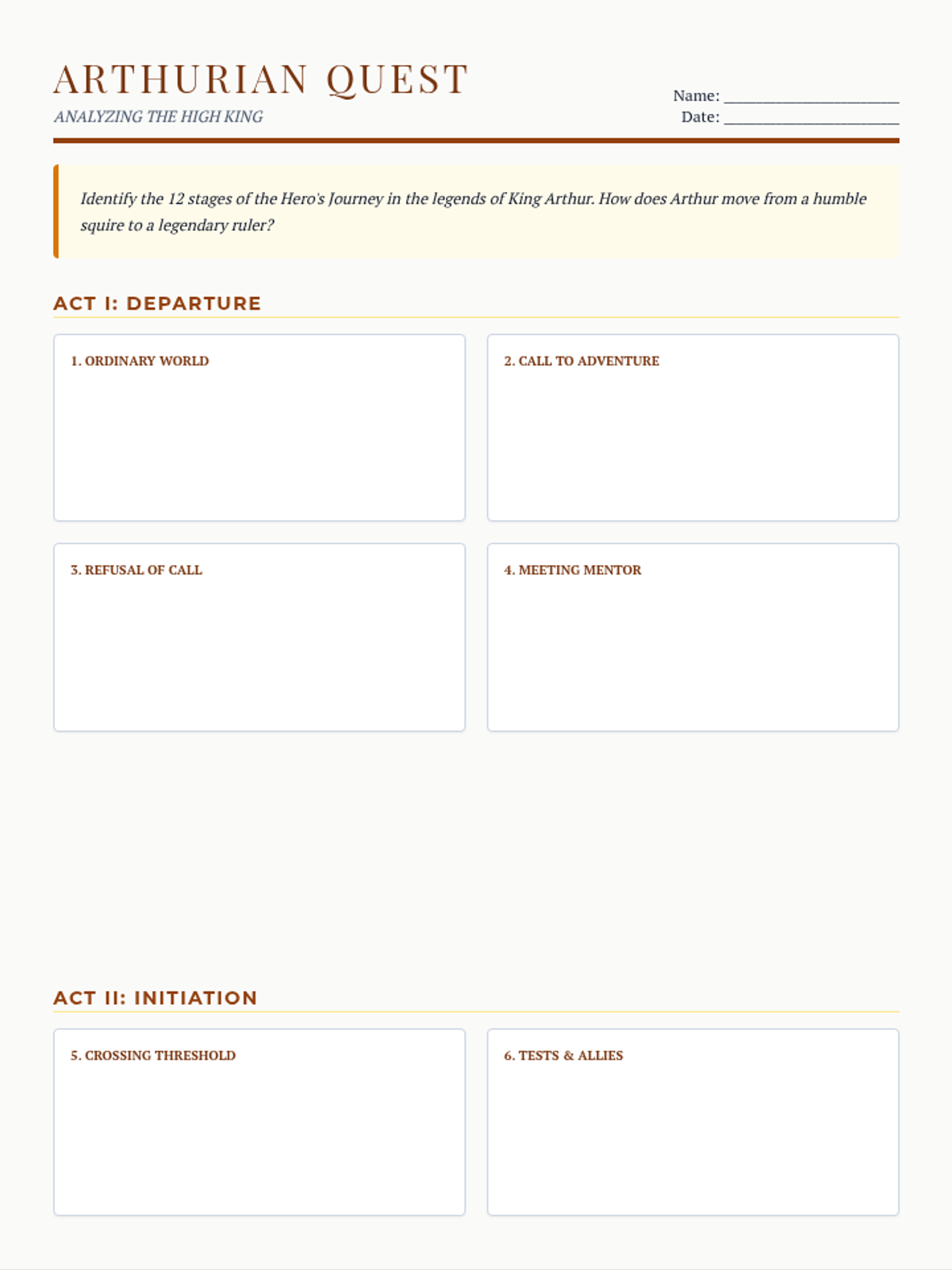
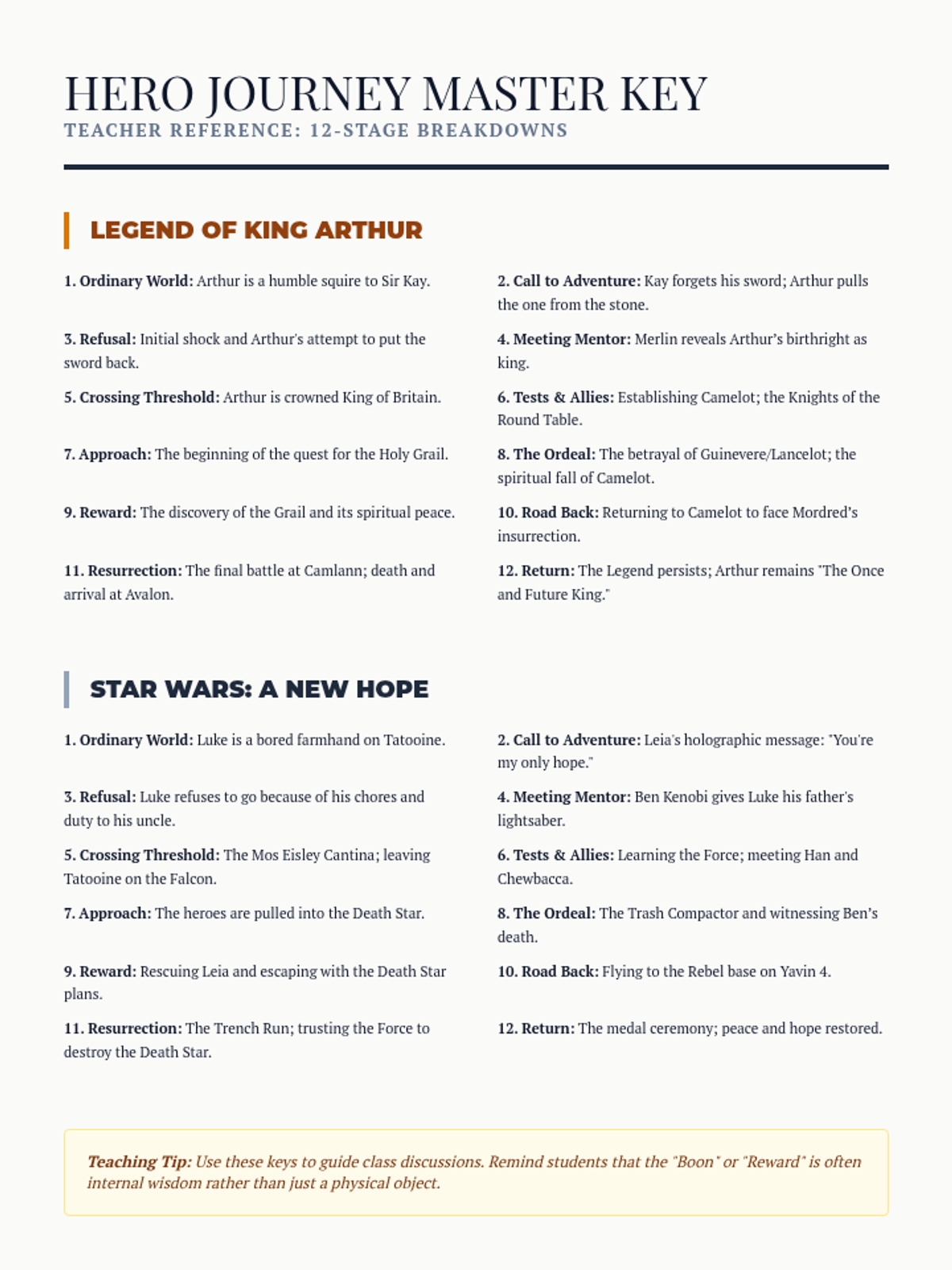
A deep dive into classic literary figures (Odysseus, King Arthur) to establish the universal pattern of the Hero's Journey before watching the film.
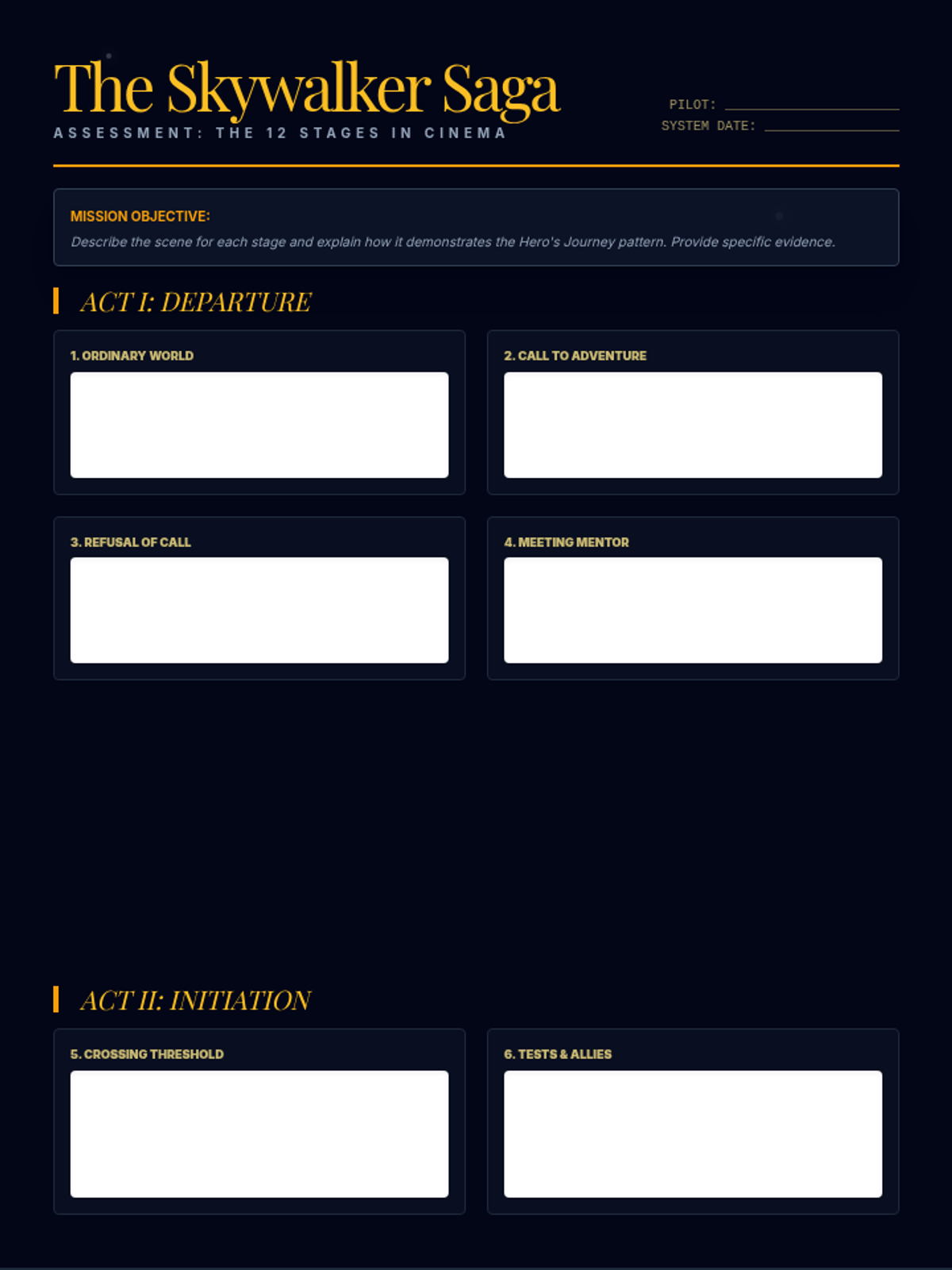
A deep-dive analysis of Luke Skywalker's journey in Star Wars: A New Hope as a final assessment of the Monomyth theory.
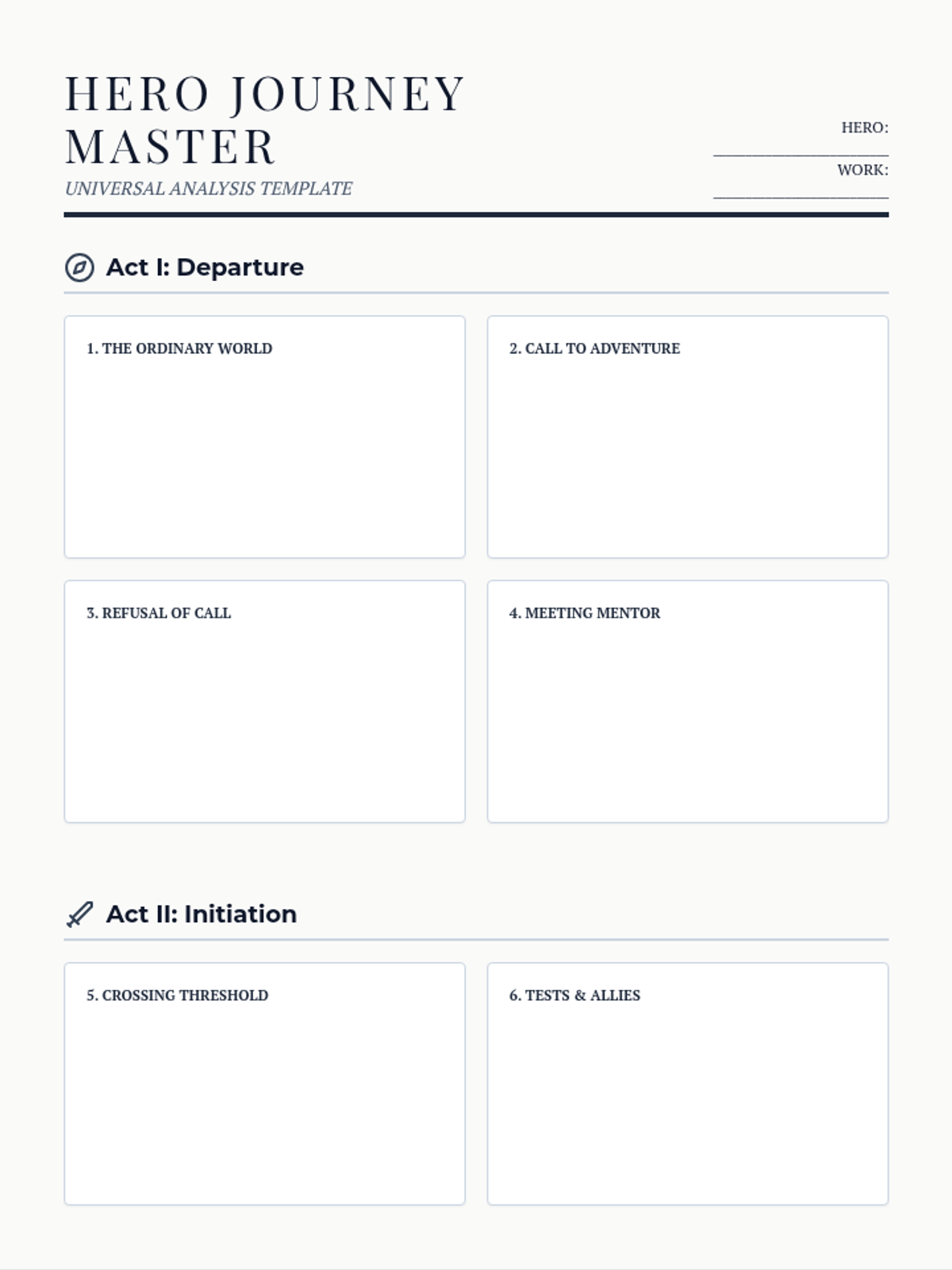
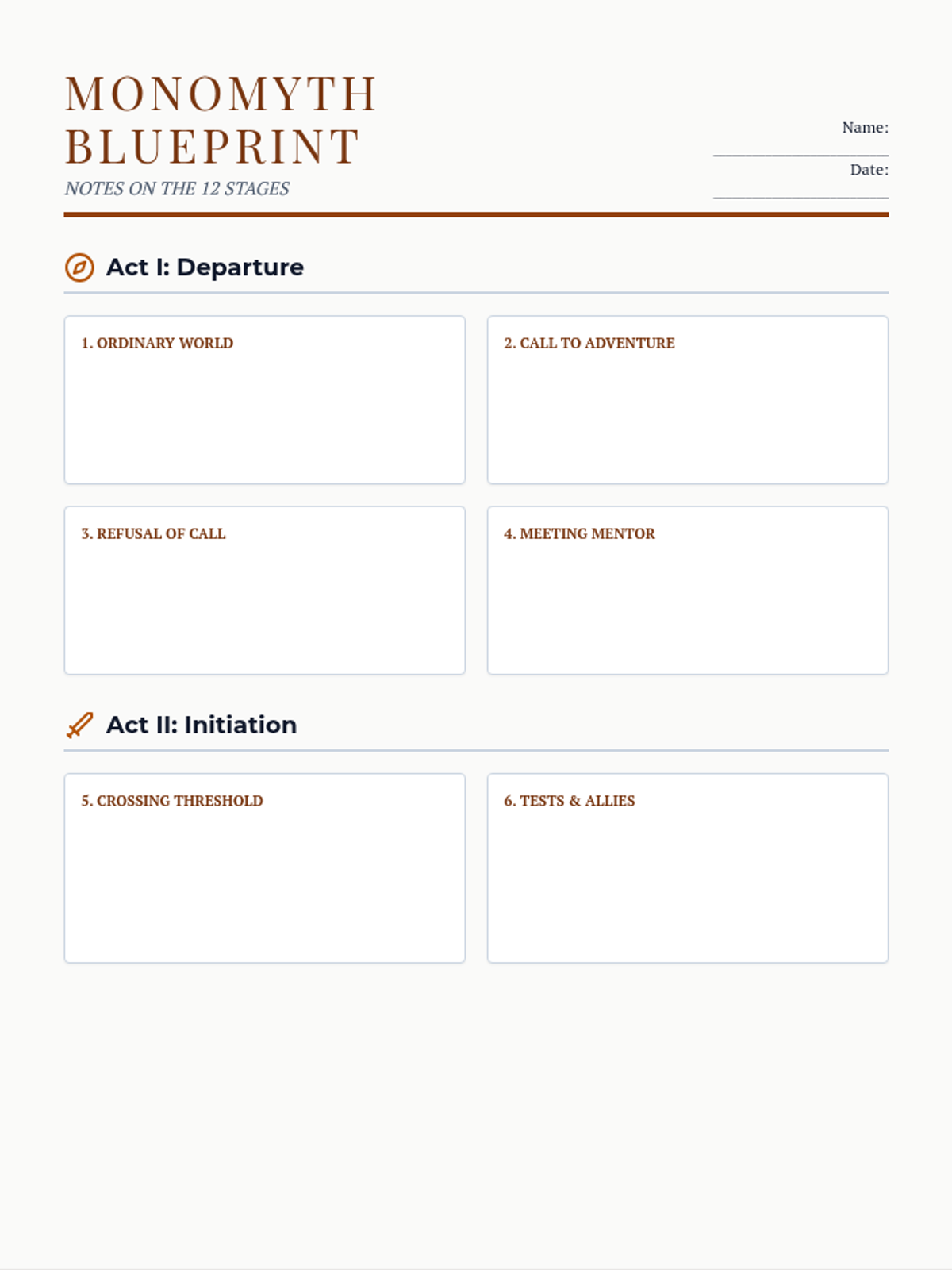
Introduction to Joseph Campbell and the specific stages of the Hero's Journey, utilizing literary and historical examples.
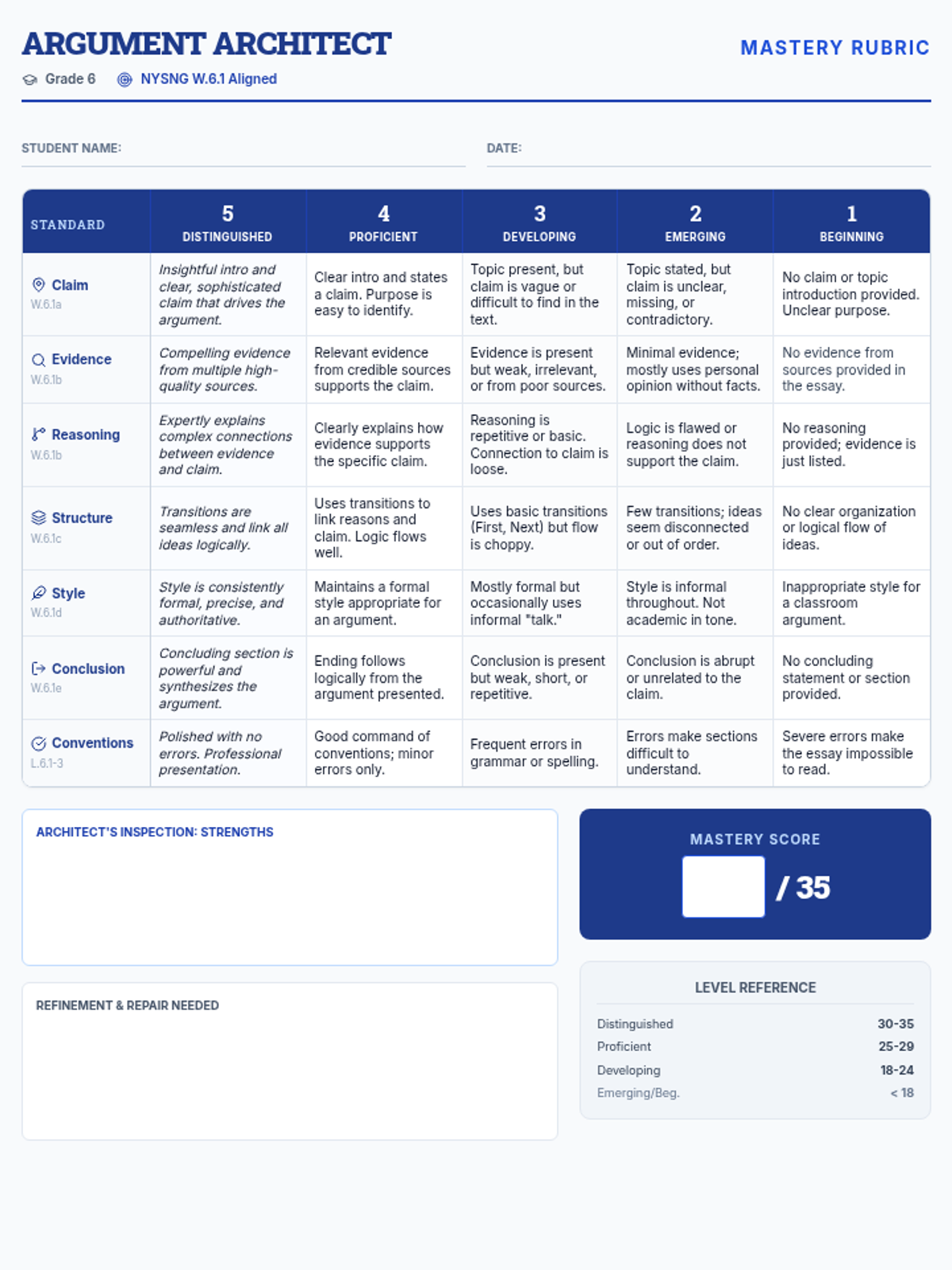
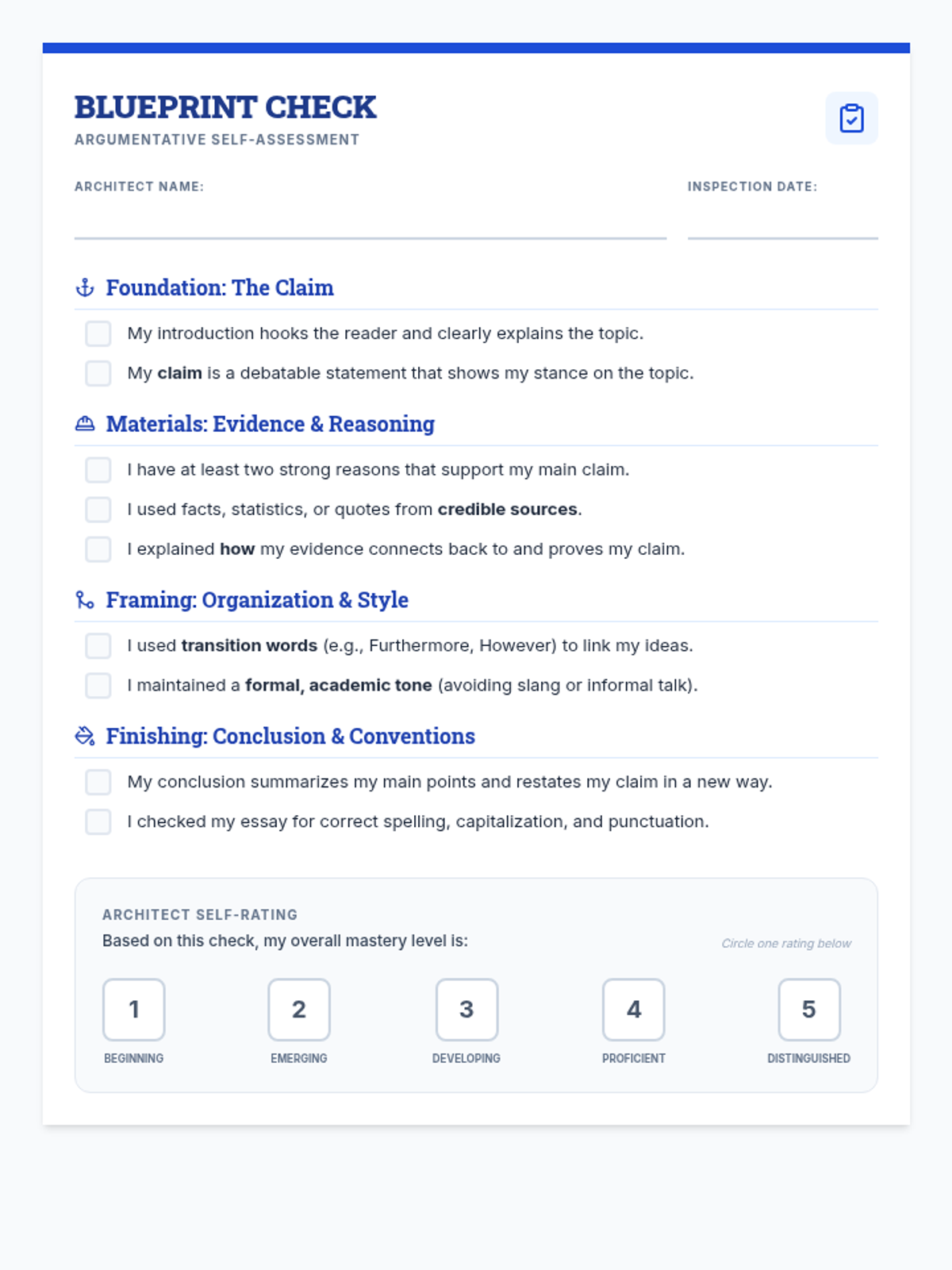
This lesson provides a comprehensive 5-point mastery rubric and student self-assessment guide for 6th-grade argumentative writing, aligned to NYSNG standards. It focuses on the structural elements of a strong argument: claim, evidence, reasoning, organization, and style.
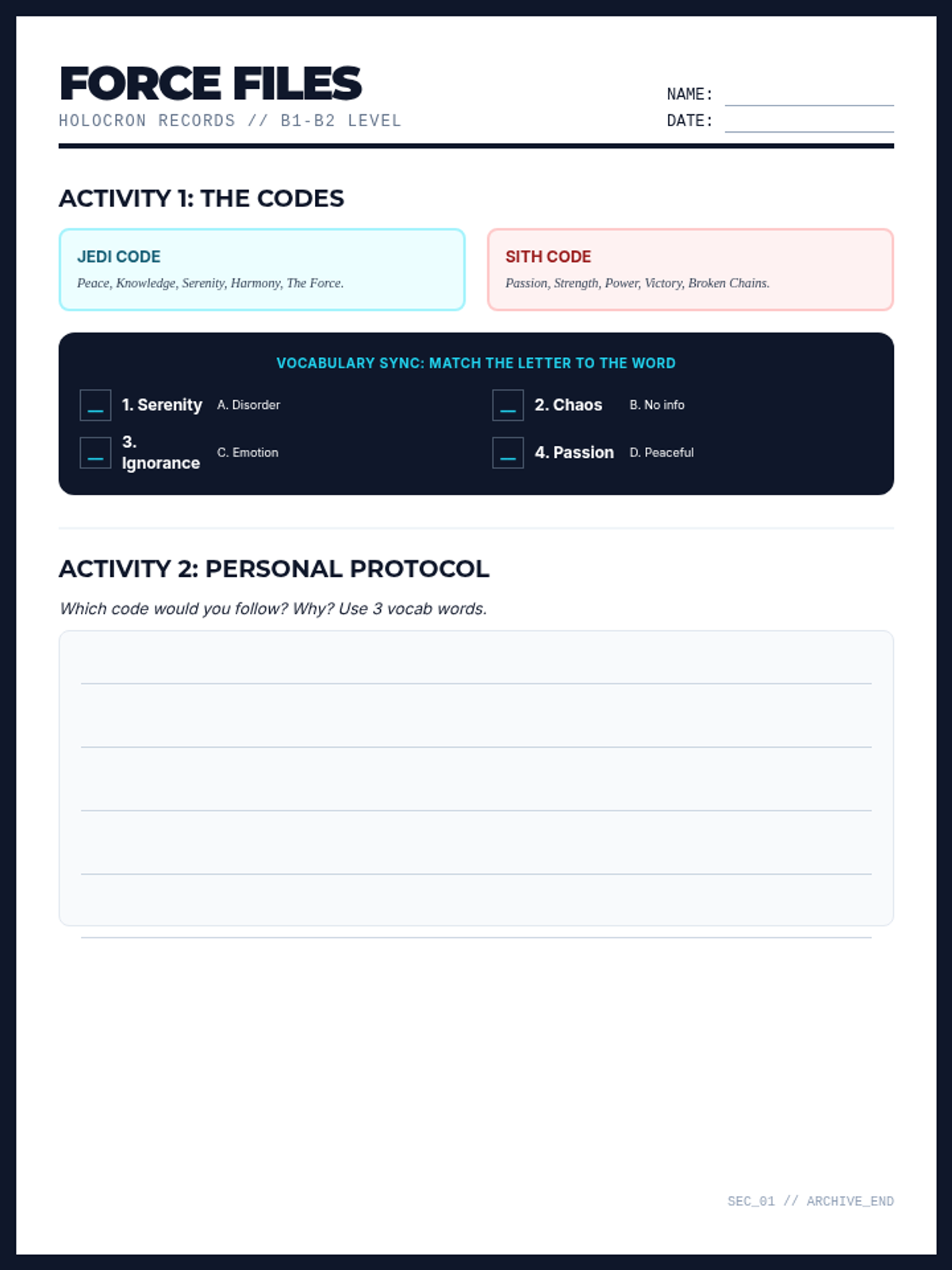
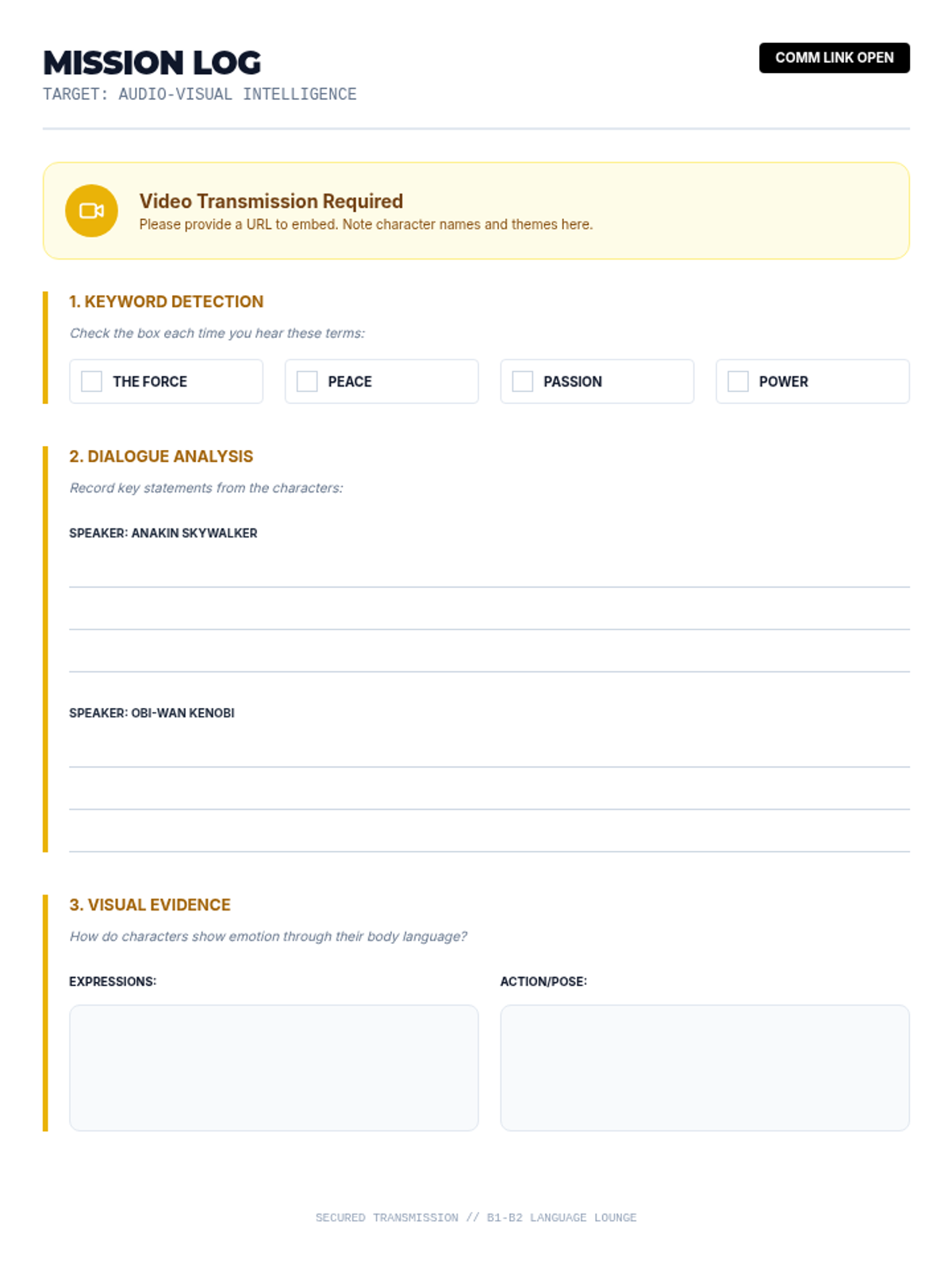
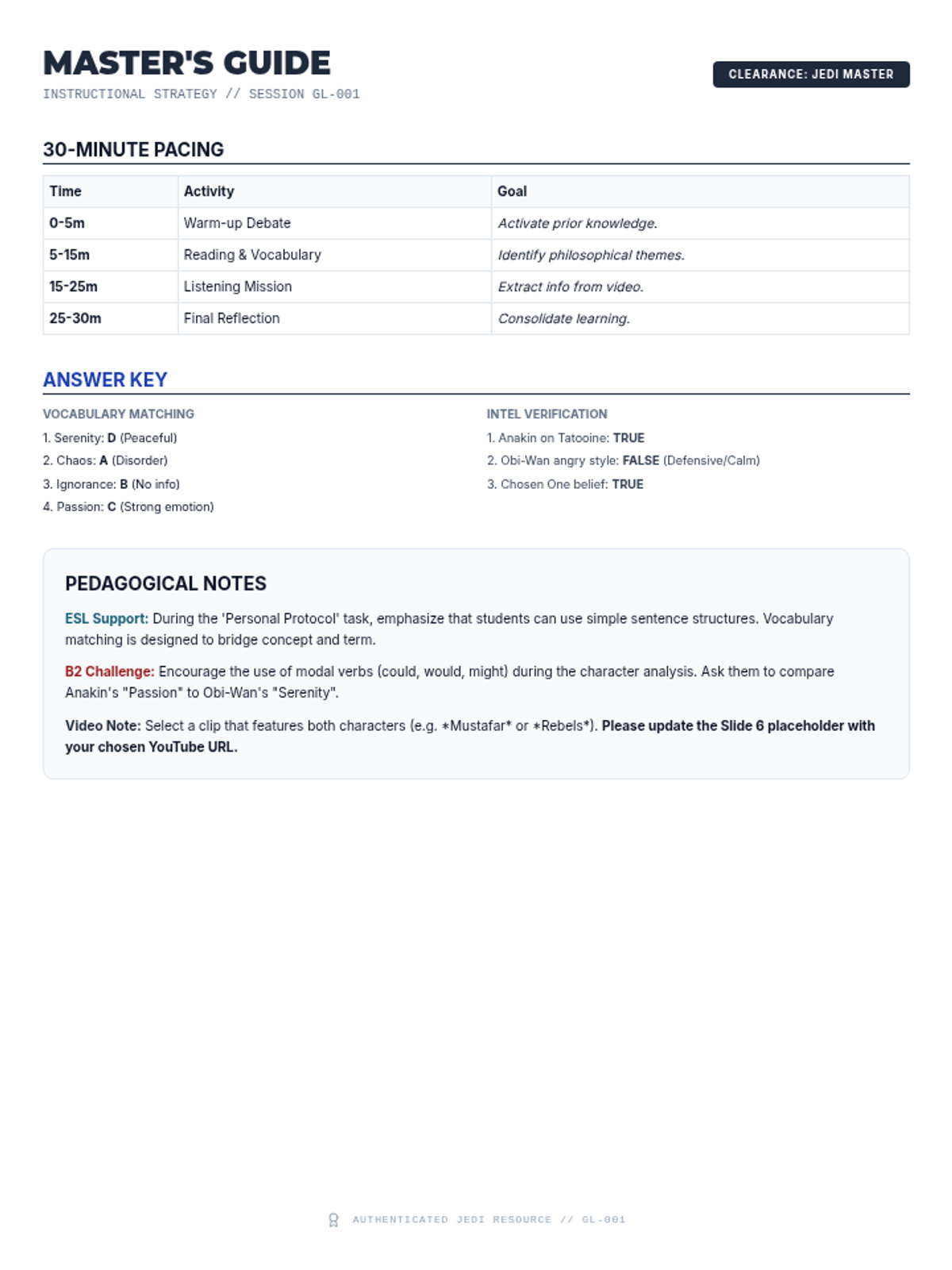
An immersive ESL lesson for B1/B2 levels exploring the philosophy and history of Star Wars characters through the lens of the Jedi and Sith Codes. Students will practice all four language domains in a 30-minute 'Language Lounge' format.
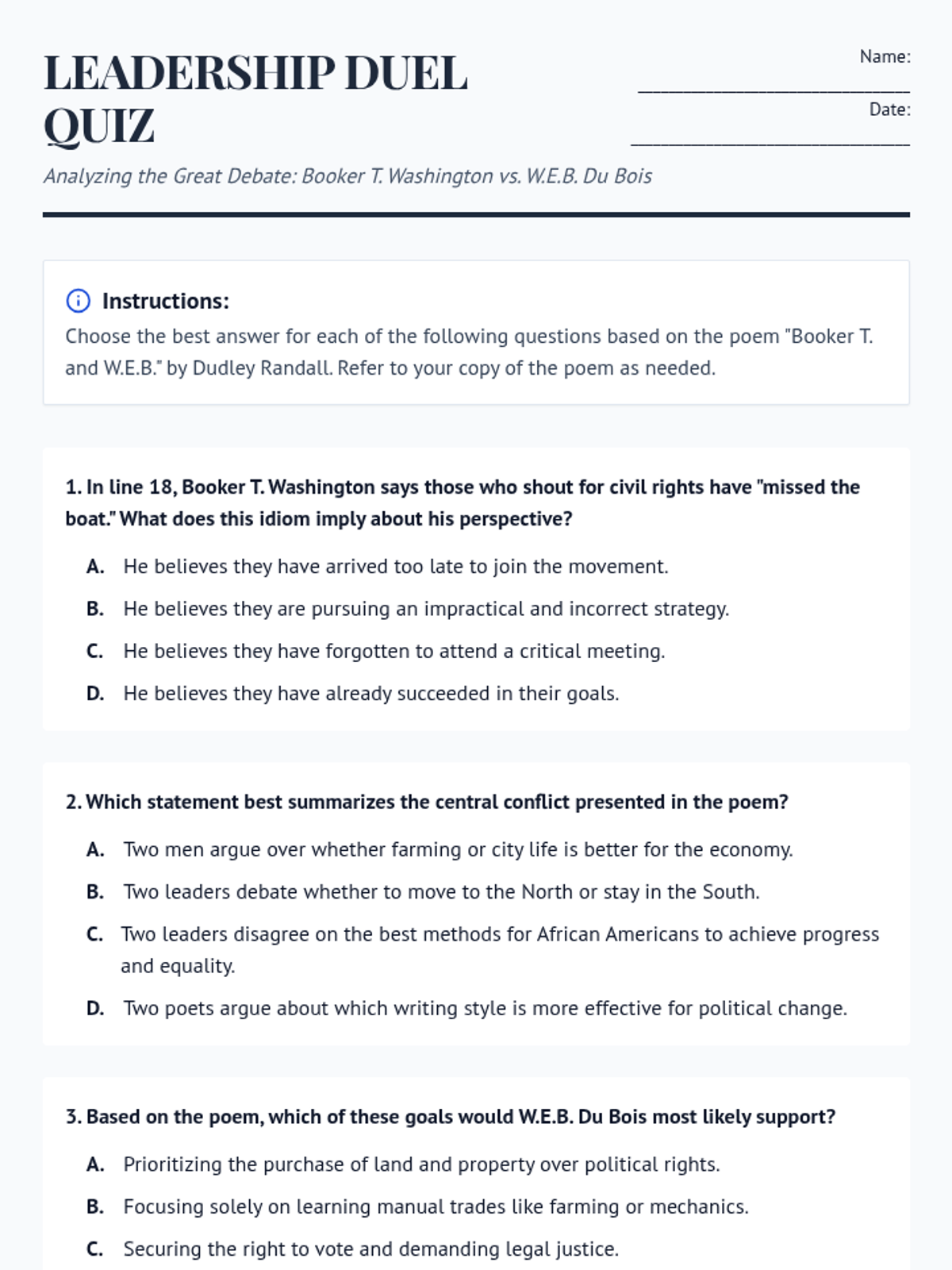
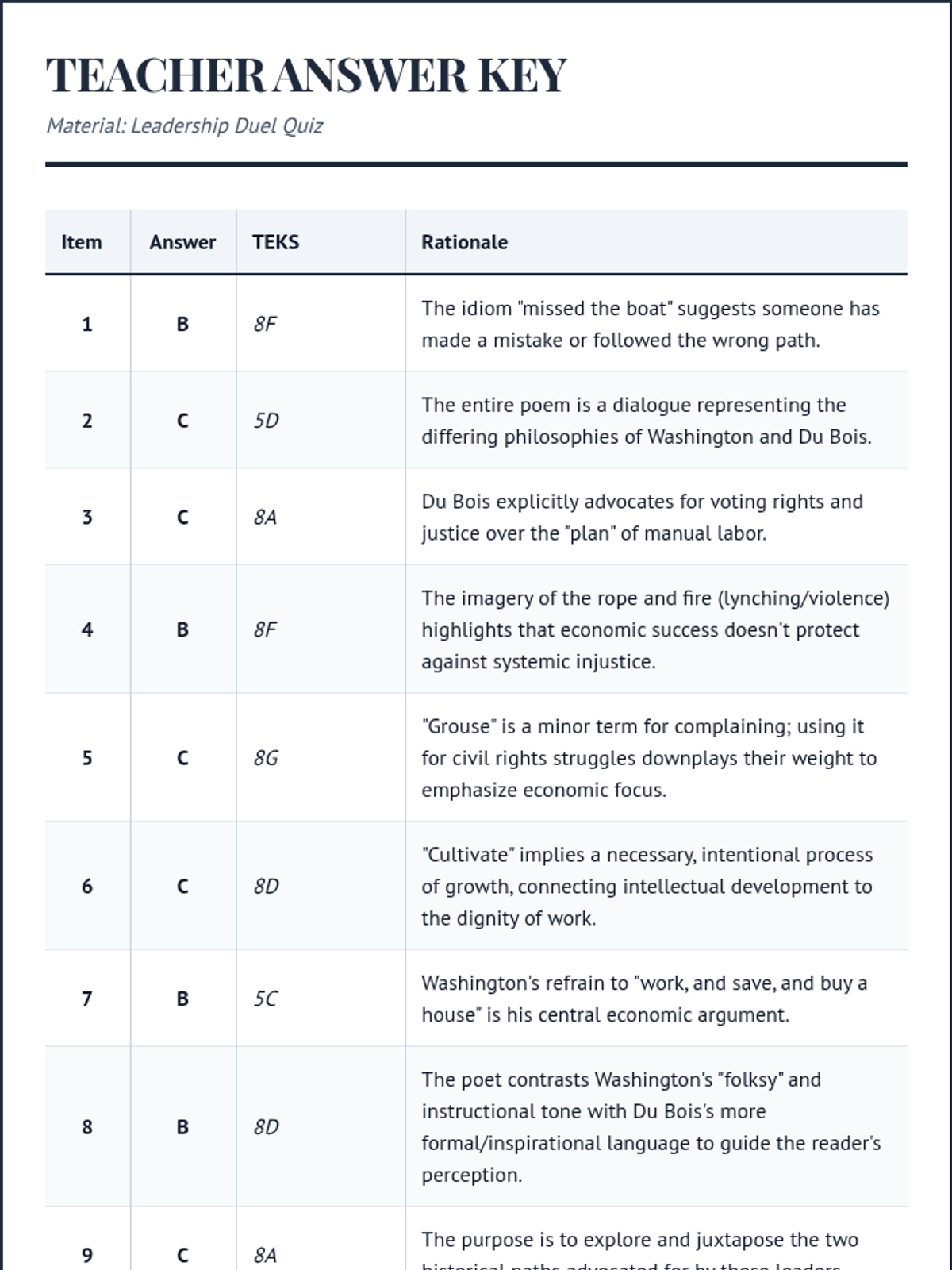
A remediation lesson focused on analyzing Dudley Randall's poem 'Booker T. and W.E.B.' through comparing historical perspectives, analyzing figurative language, and identifying authorial intent.
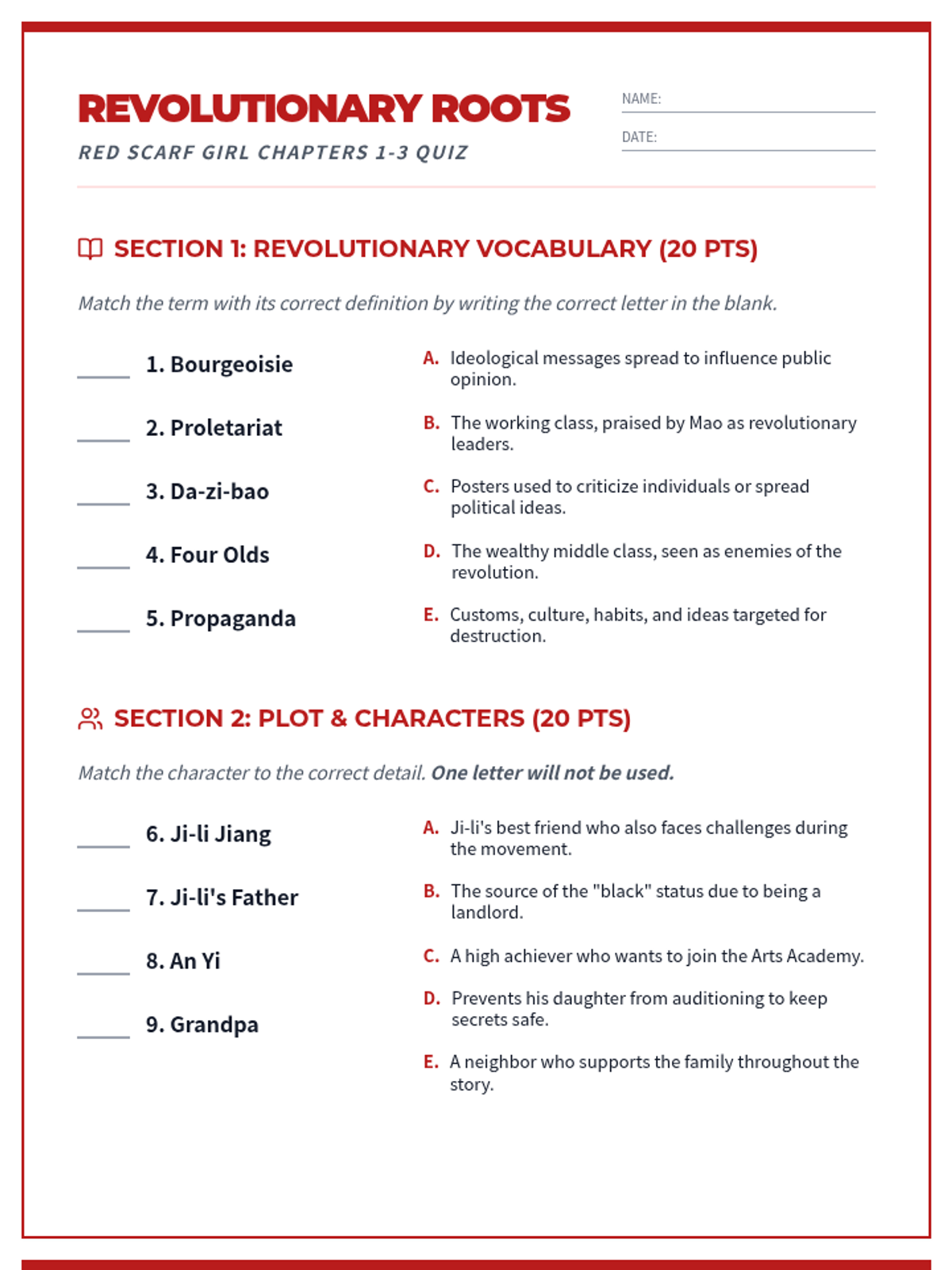
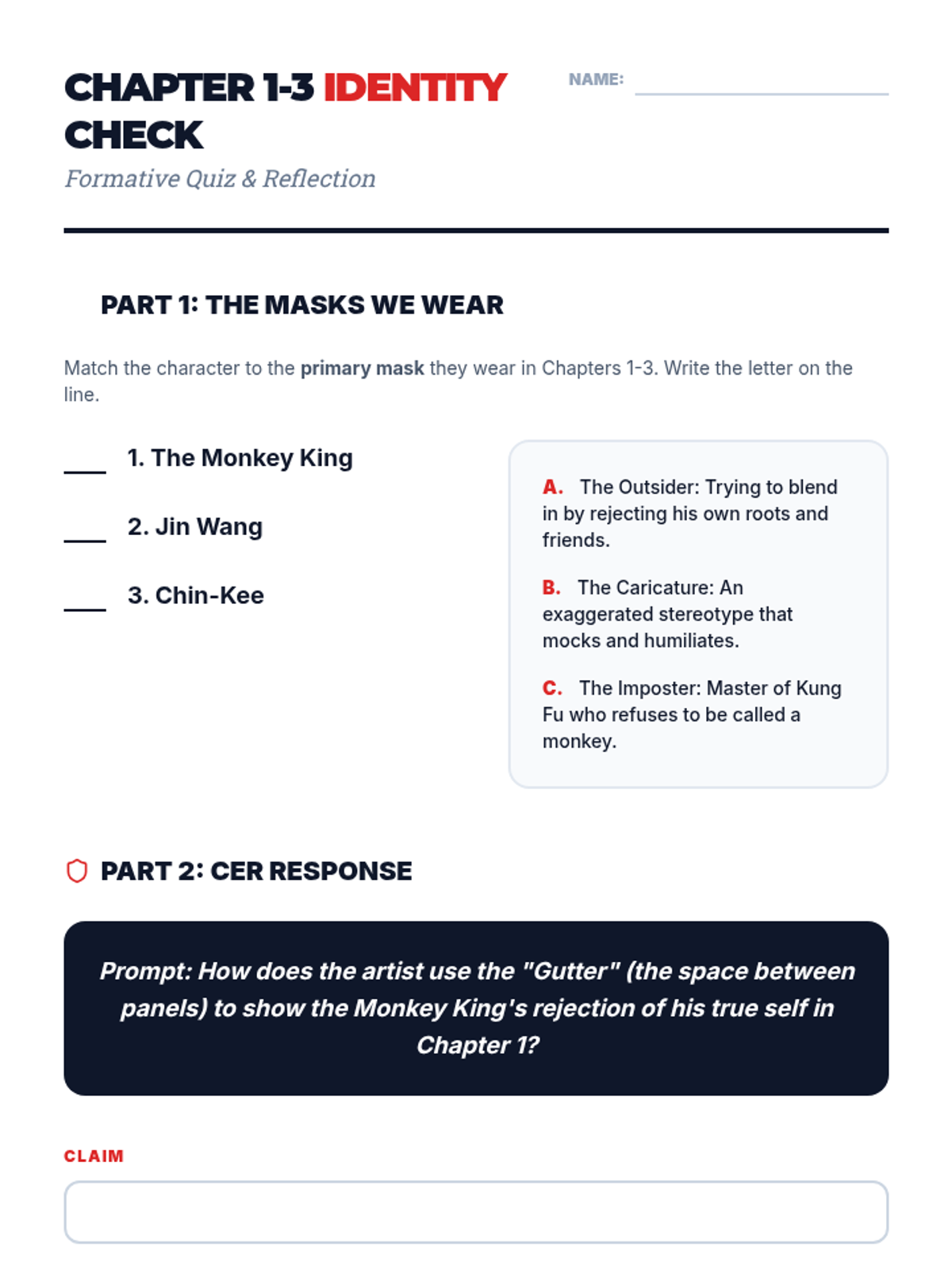
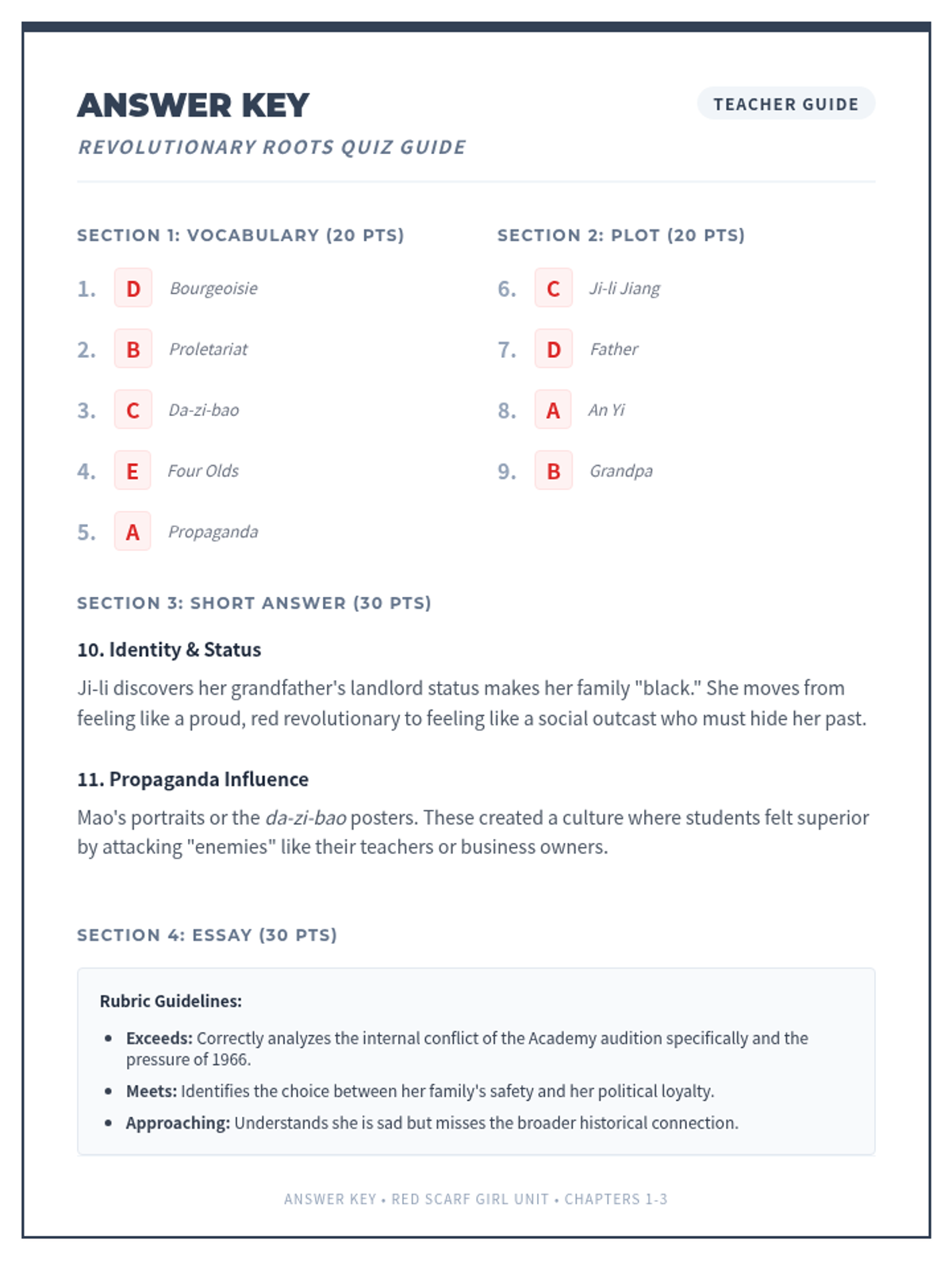
A comprehensive assessment and answer key for the first three chapters of Red Scarf Girl, focusing on the themes of identity, propaganda, and family loyalty.
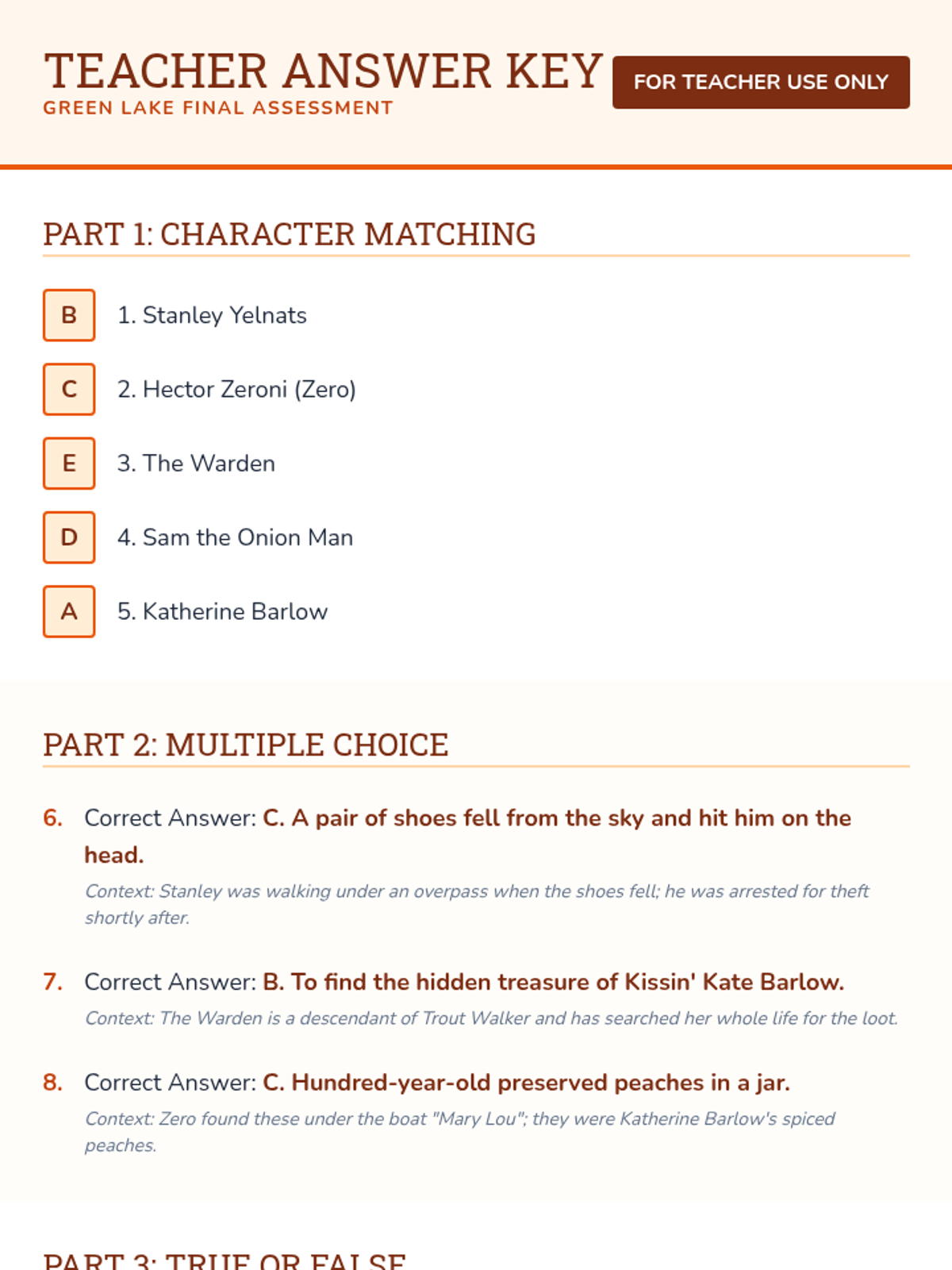
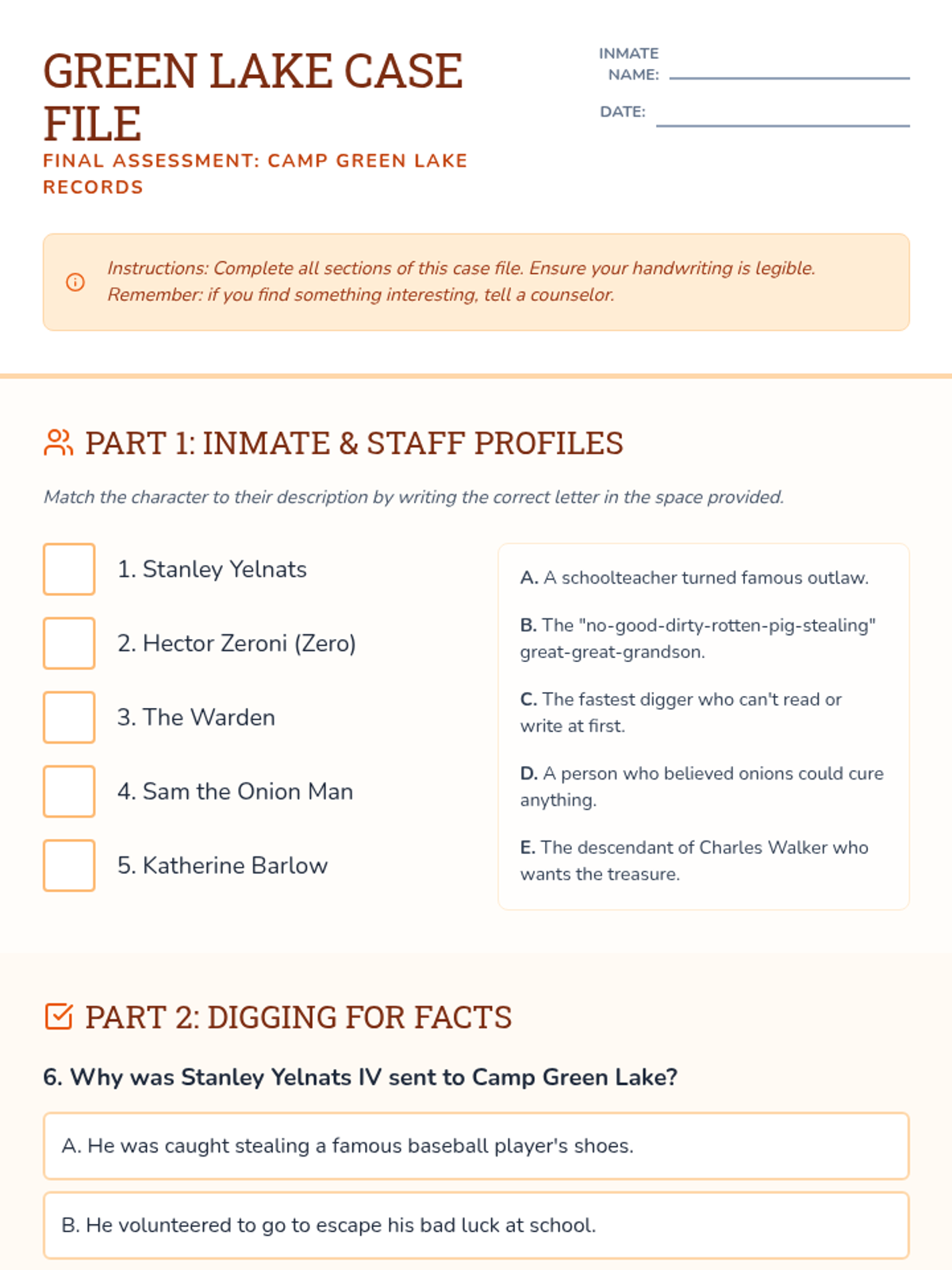
A final assessment and review lesson for the novel Holes by Louis Sachar, focusing on character identification, plot sequencing, and thematic connections. Students will complete a comprehensive test after a visual review of the major story arcs.
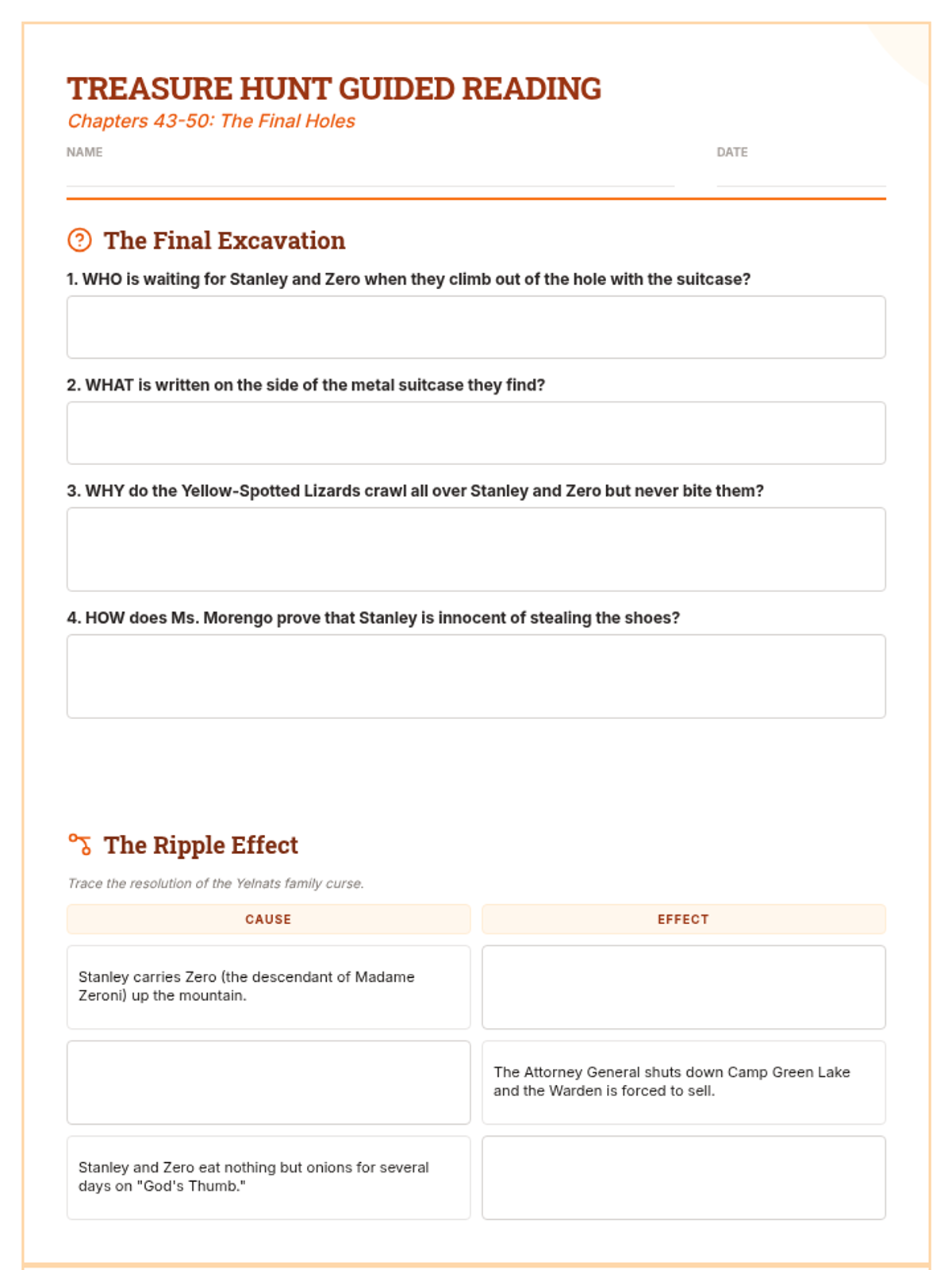
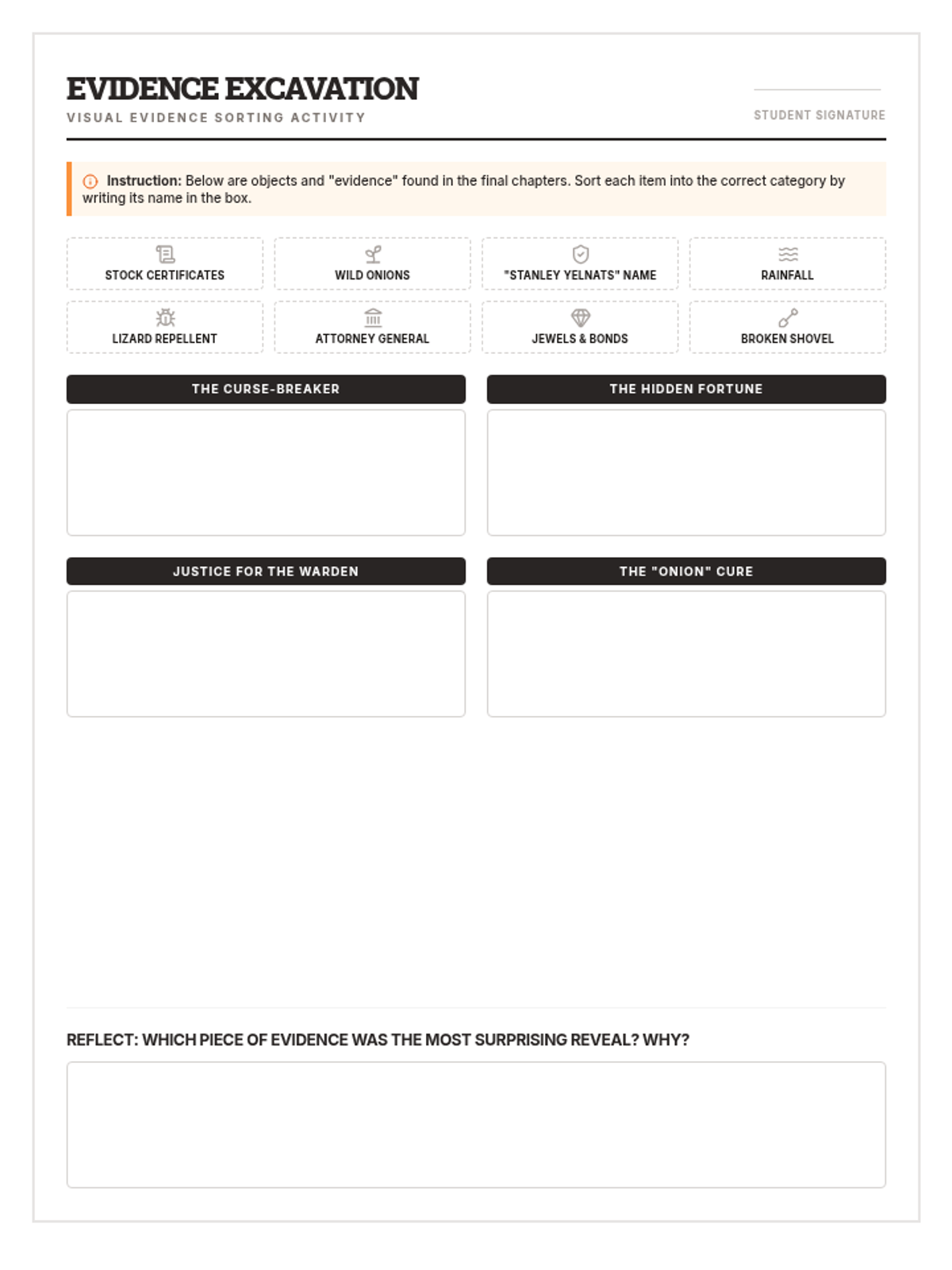
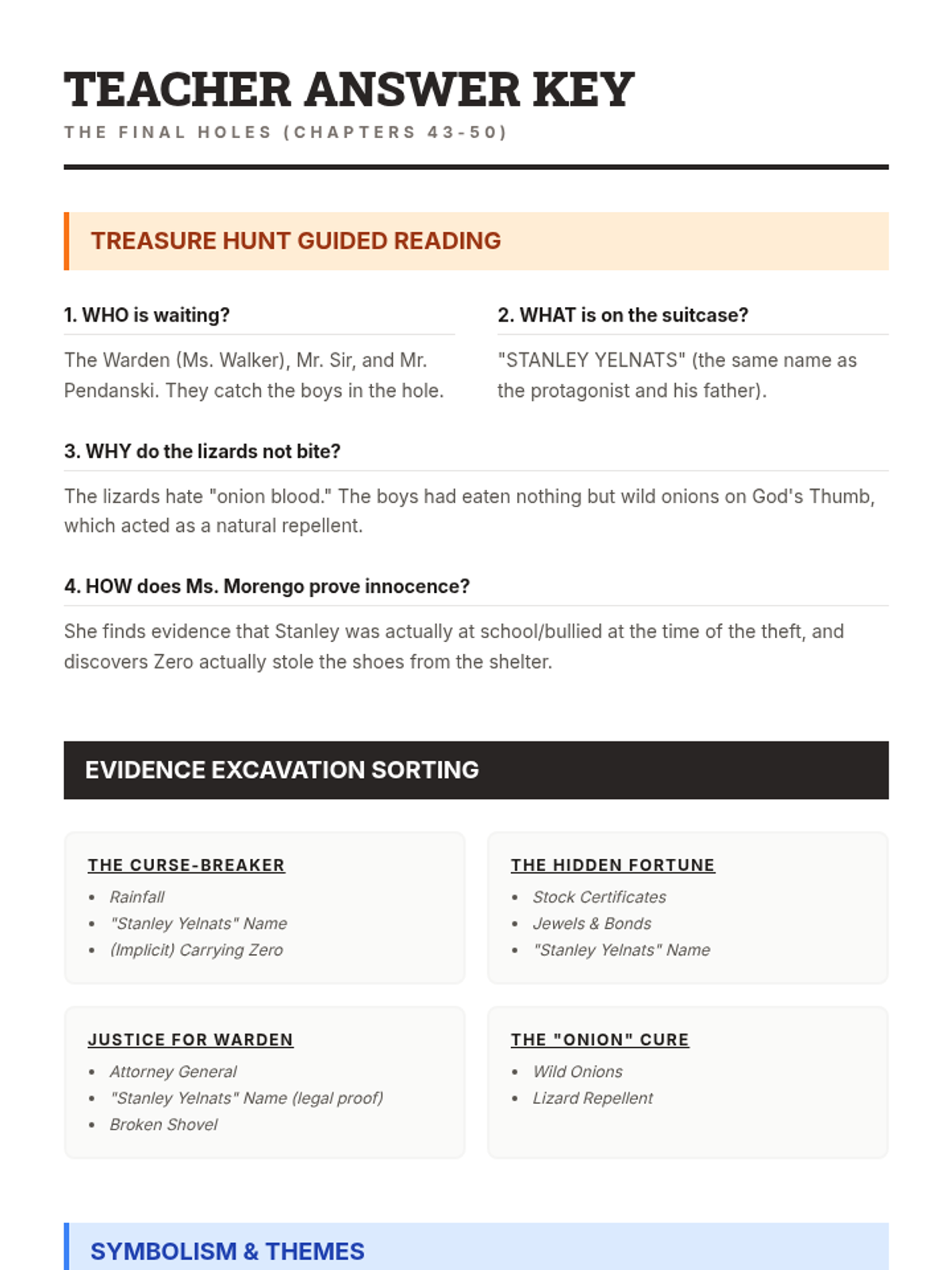
A comprehensive exploration of the final chapters of Holes (43-50), focusing on the resolution of the curse, the reveal of the treasure, and the symbolic cleansing of Camp Green Lake.
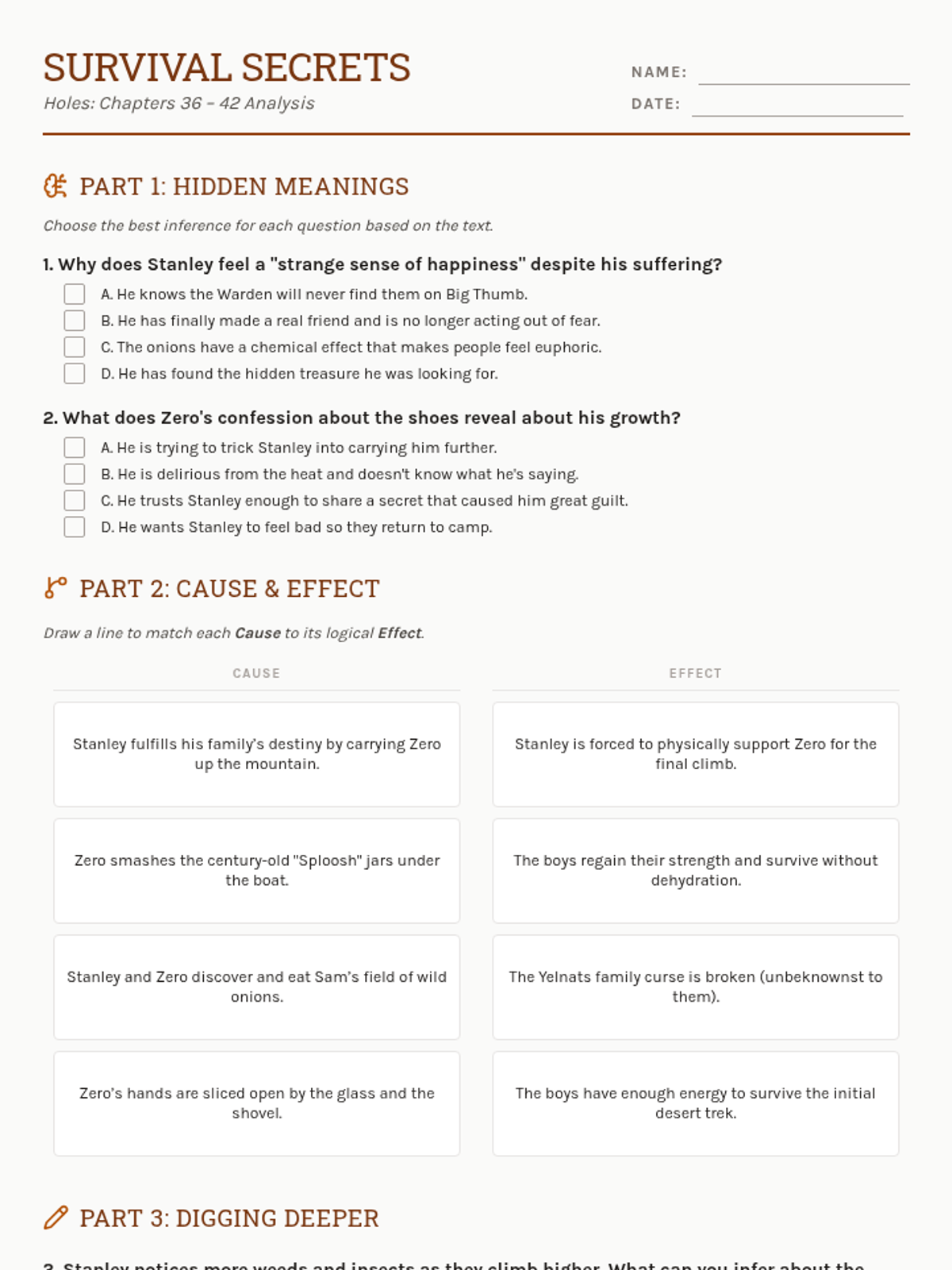
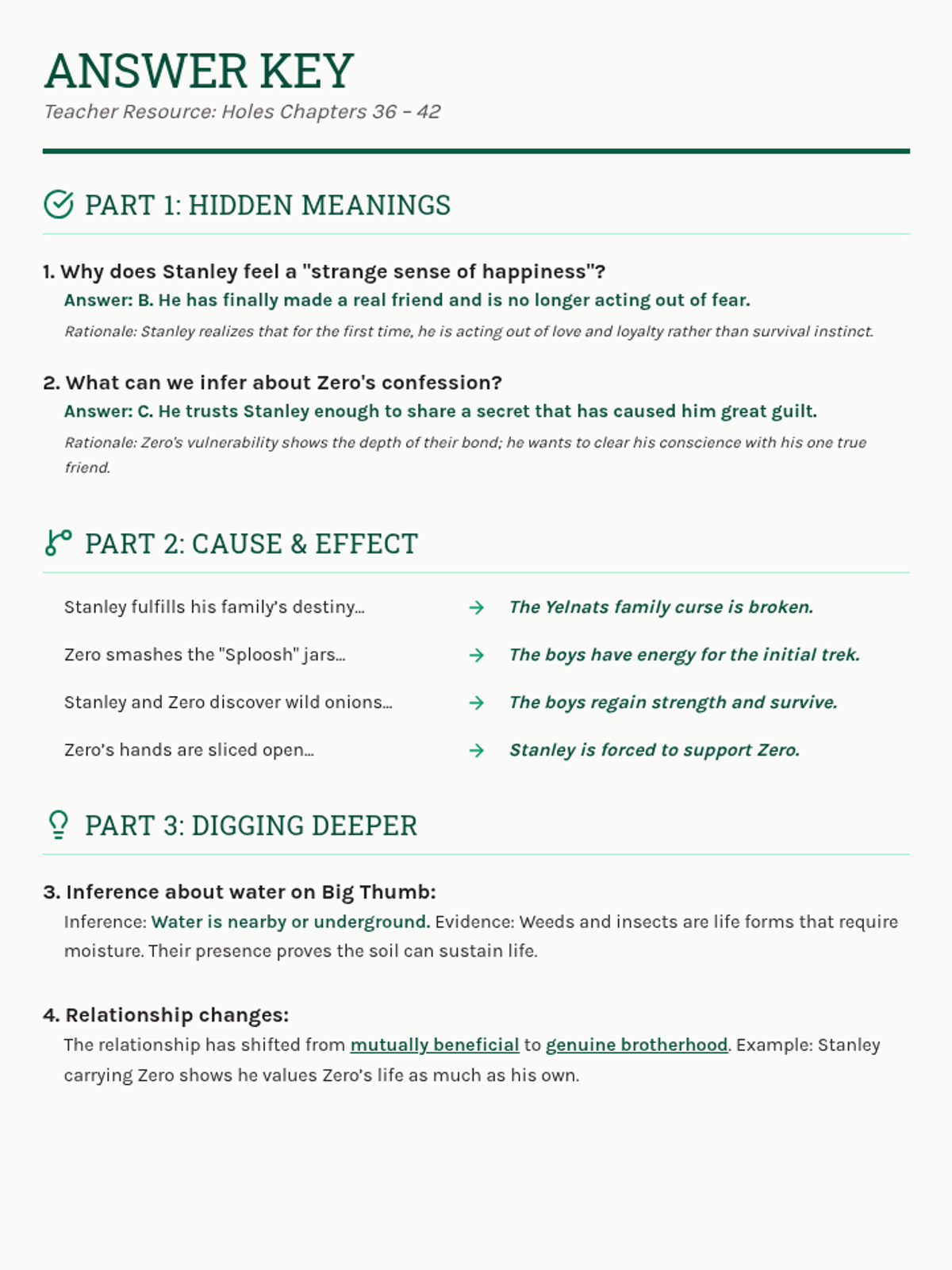
A lesson focused on analyzing character motivations and causal relationships in chapters 36-42 of Louis Sachar's Holes, specifically during the ascent of Big Thumb.
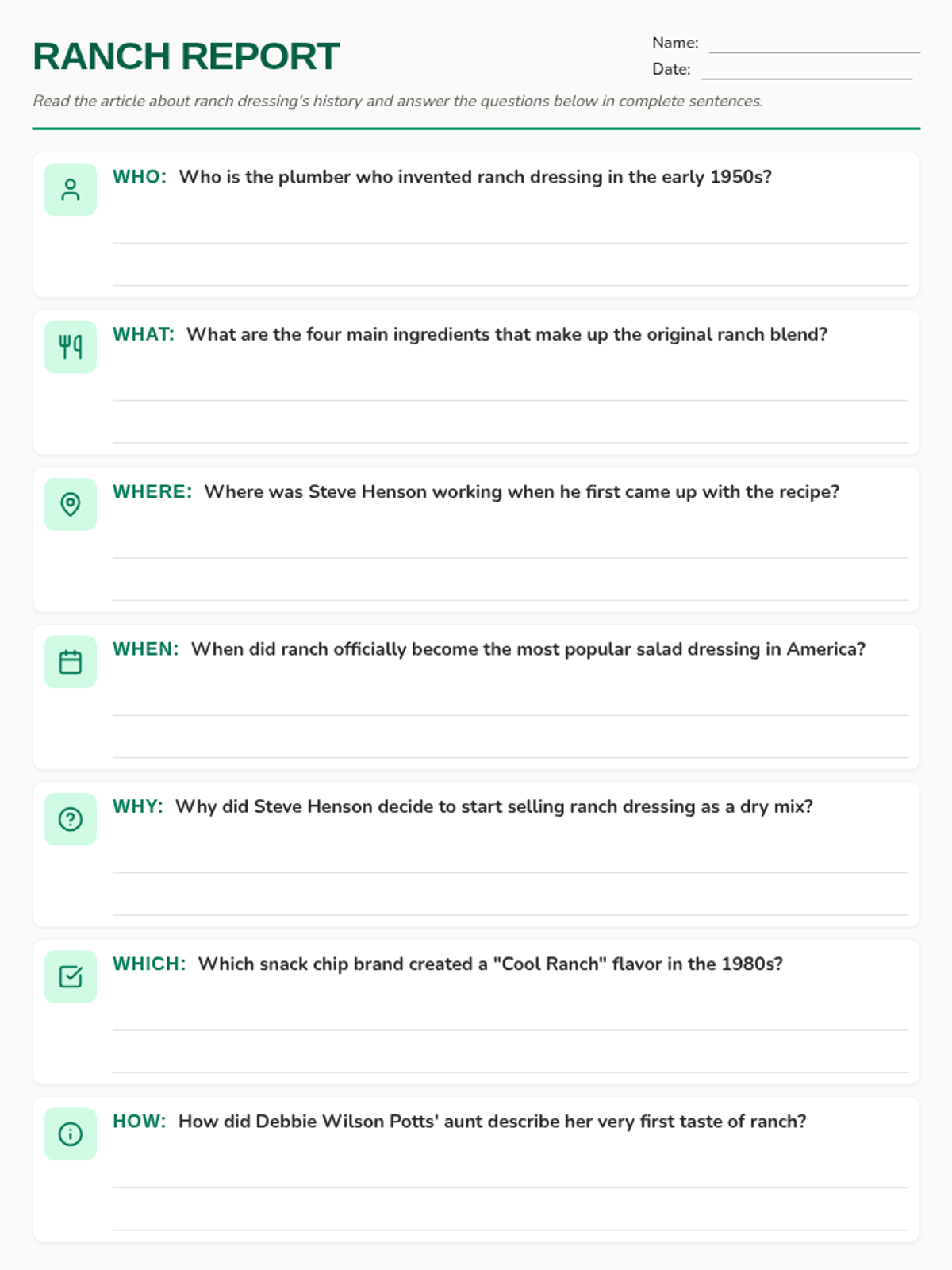
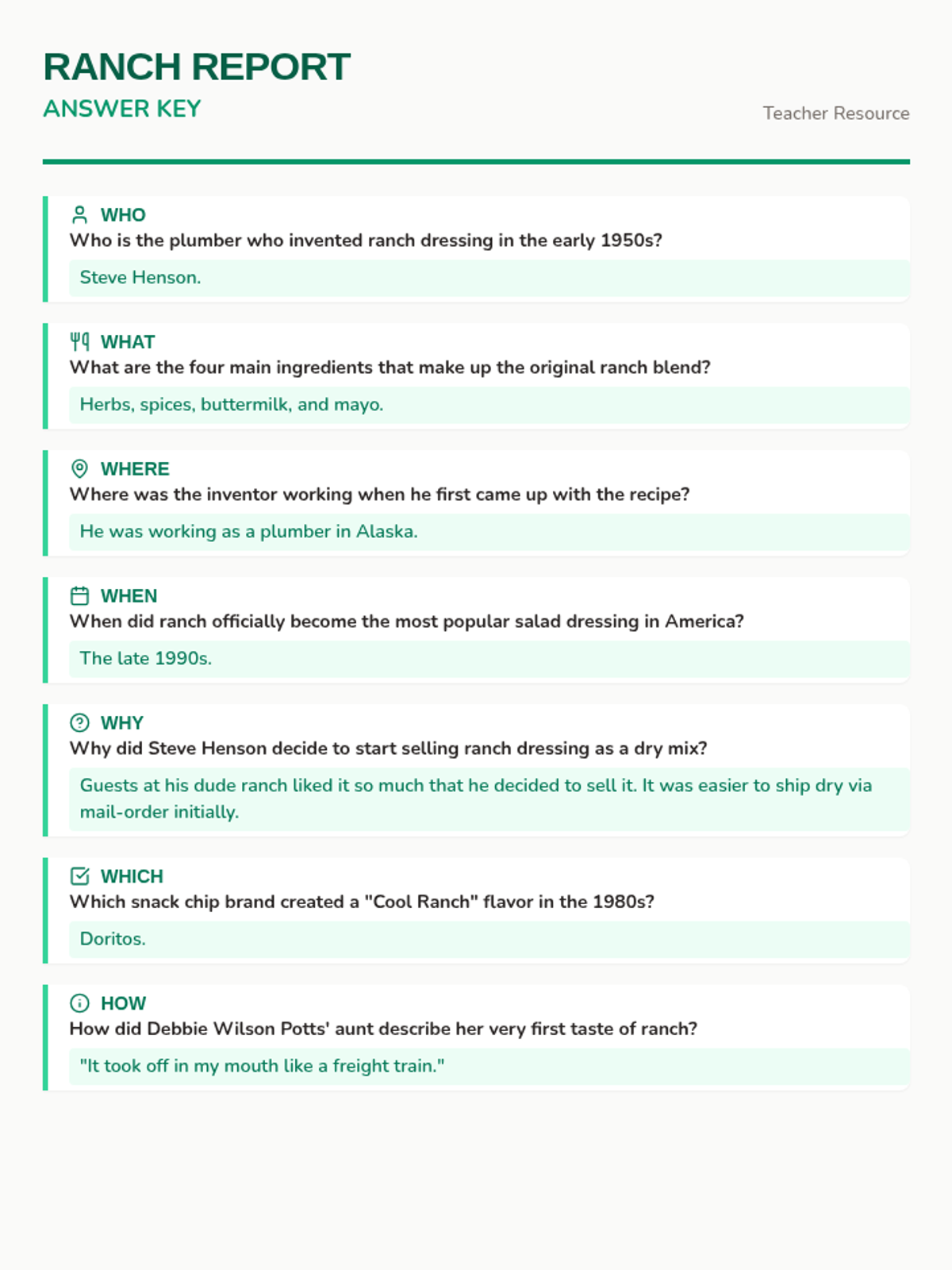
A lesson exploring the history and cultural impact of ranch dressing based on a Newsela article, featuring a reading comprehension worksheet and answer key.
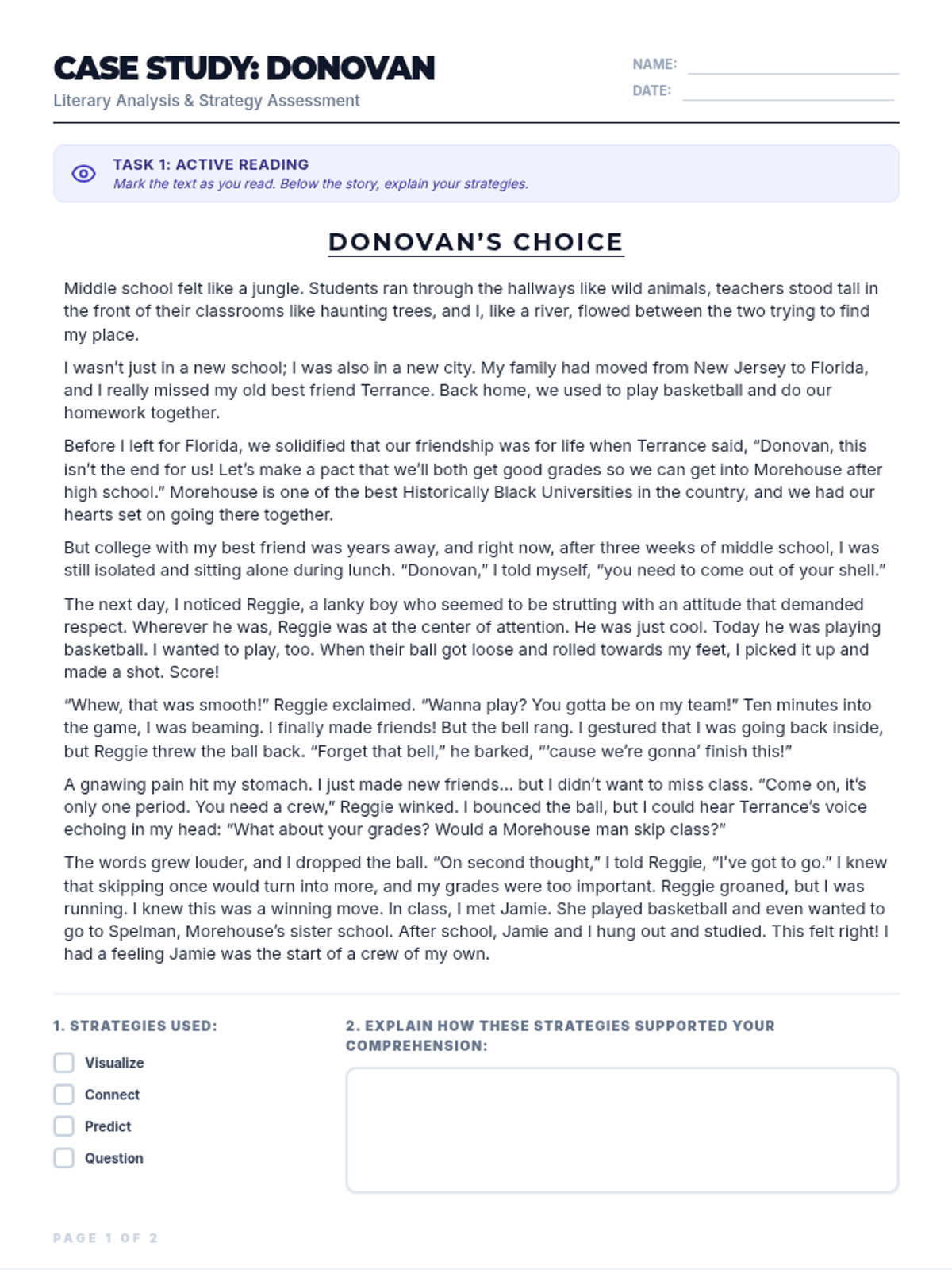
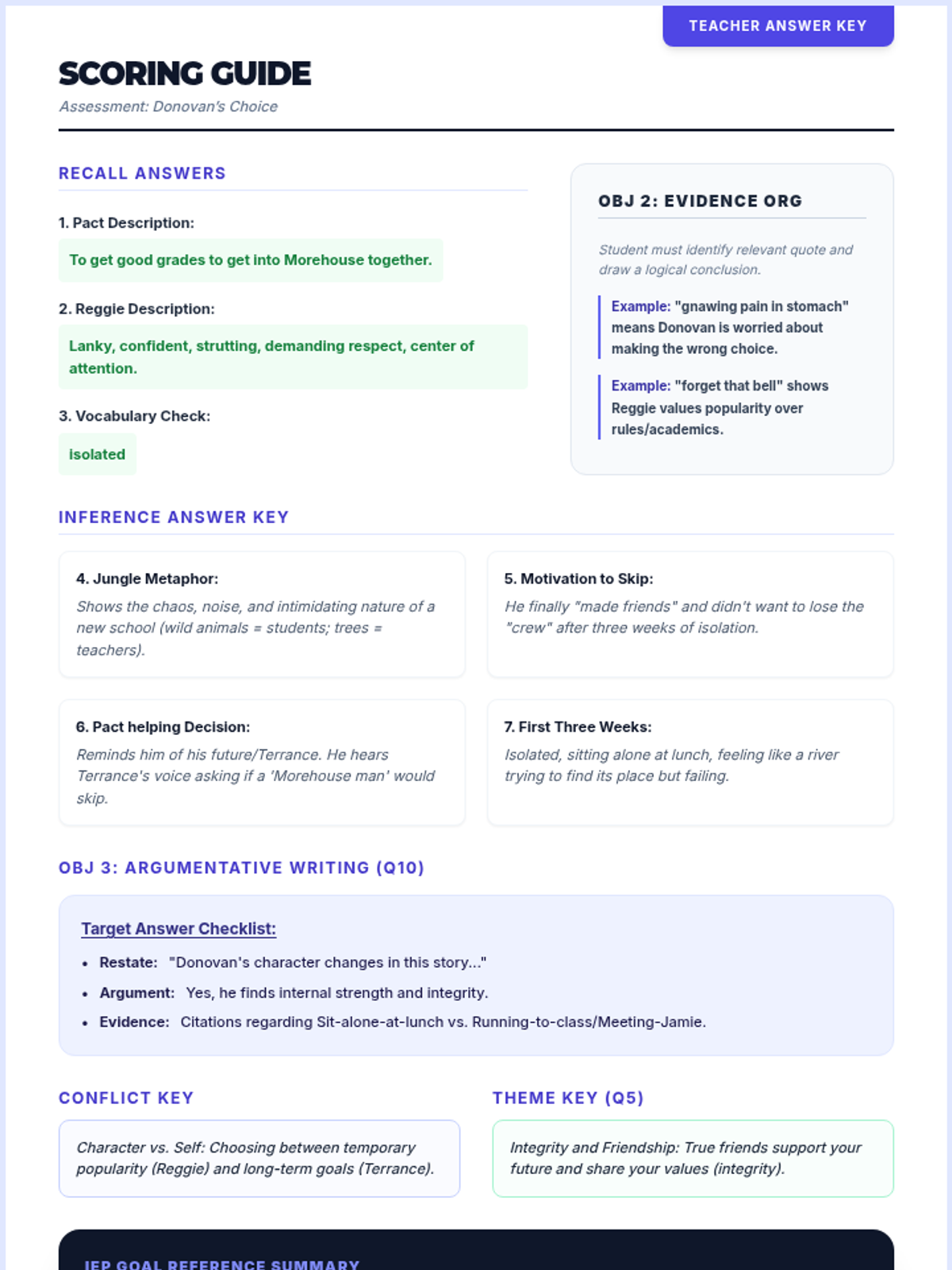
A literature-based assessment focused on evidence-based reading, active strategy reflection, and identifying conflict and theme through the story of Donovan's social choices.
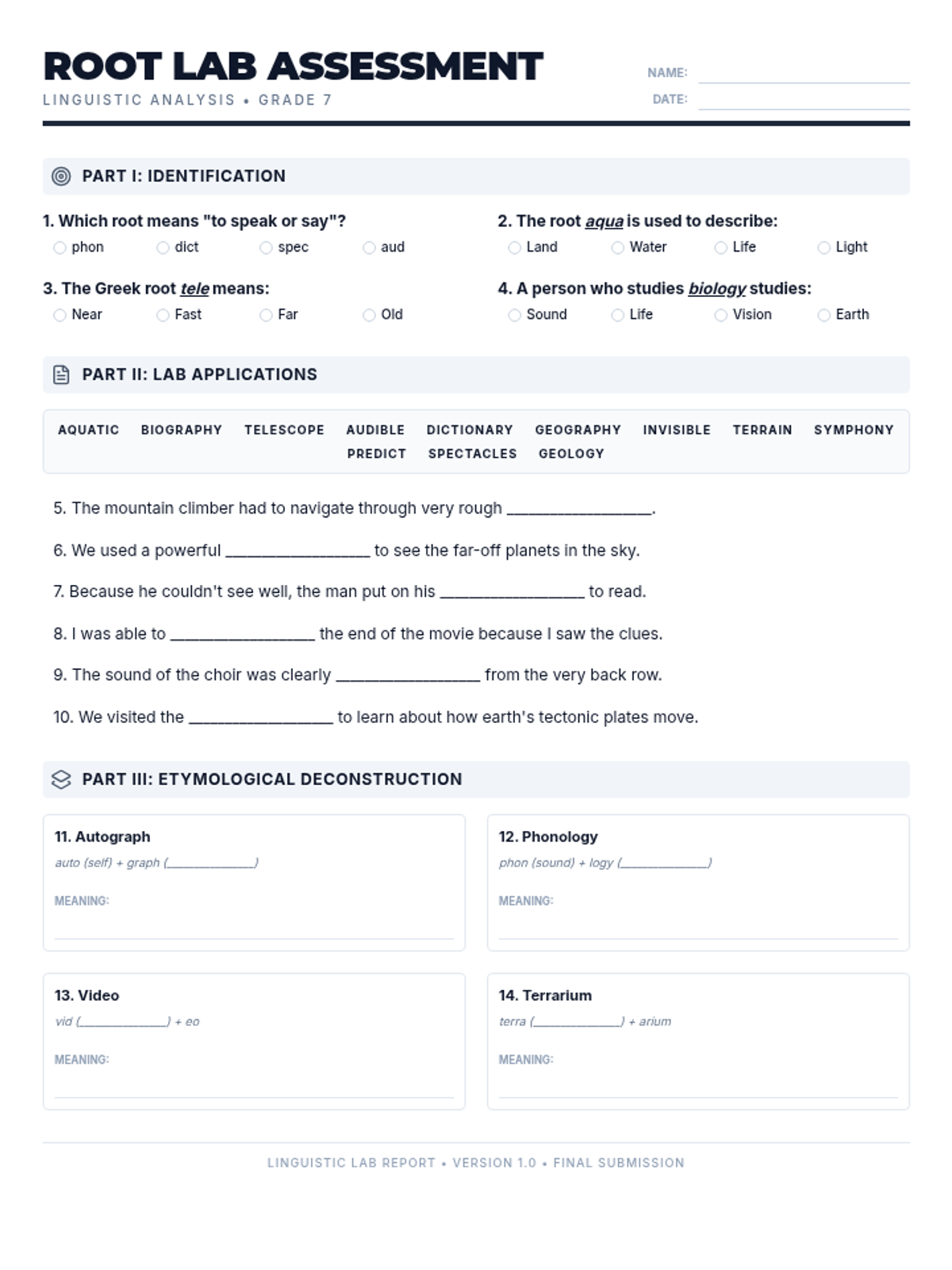
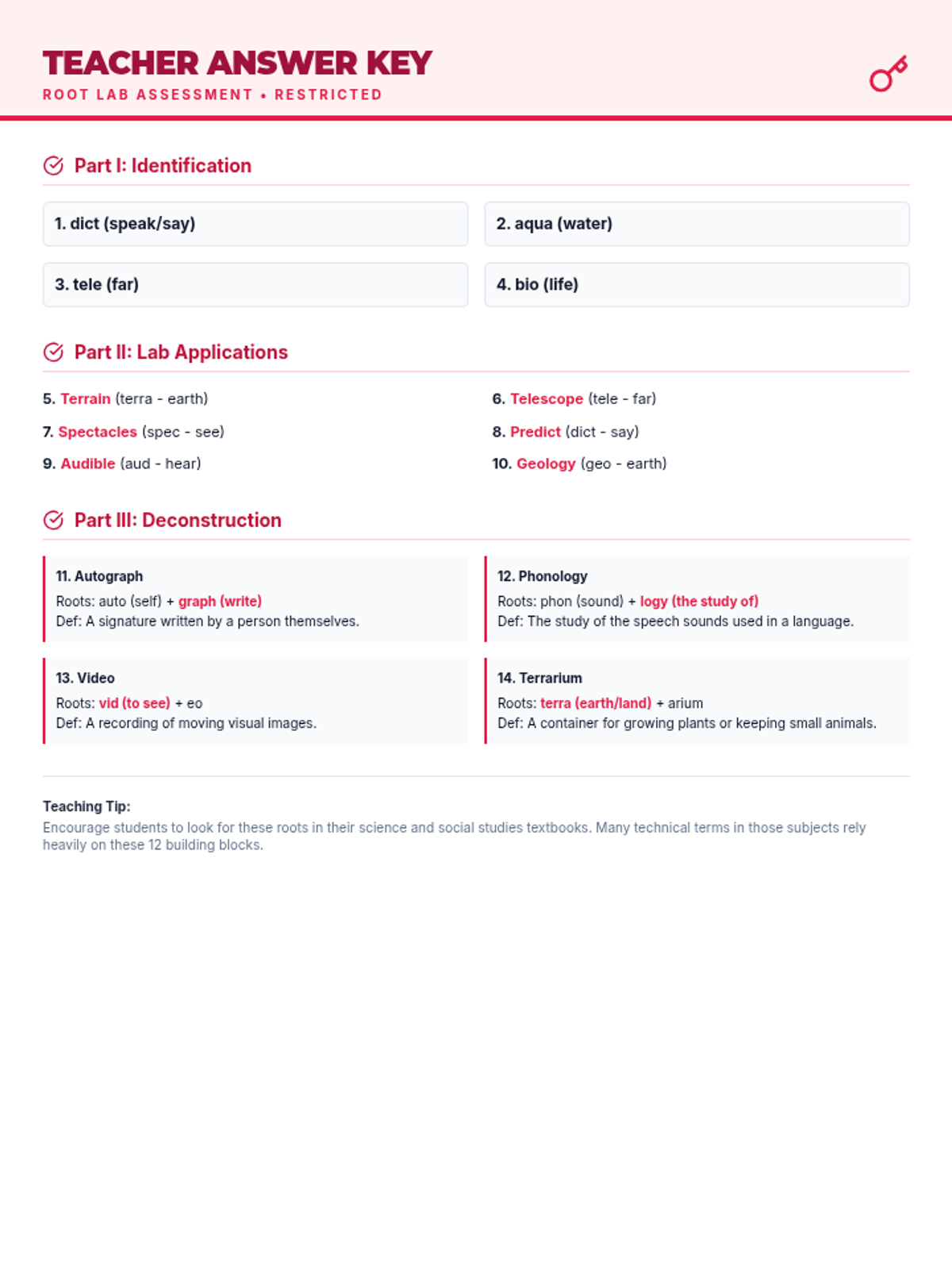
Students explore 10 common Greek and Latin roots, identifying their meanings and applying them to determine the definitions of complex academic vocabulary.
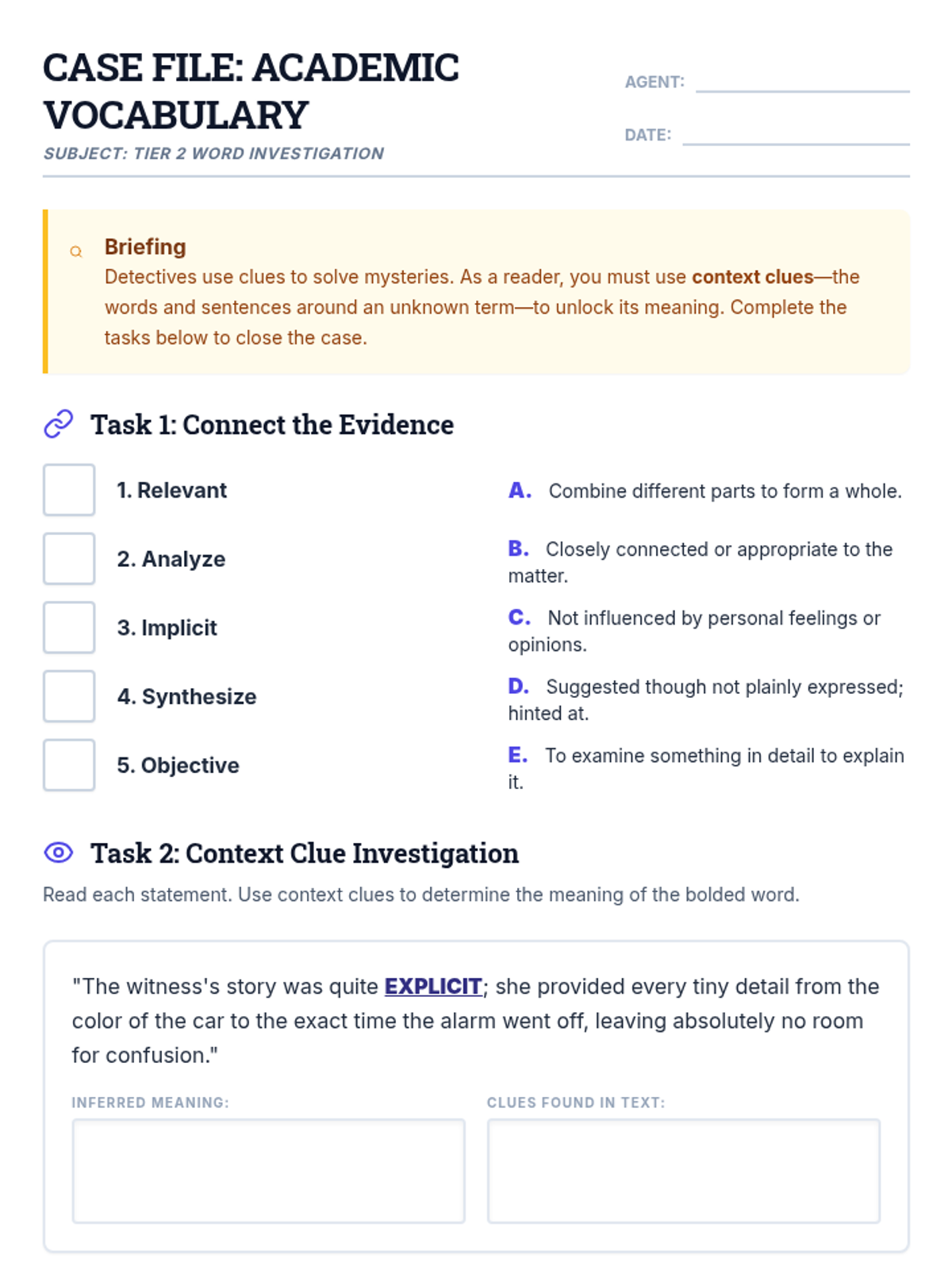
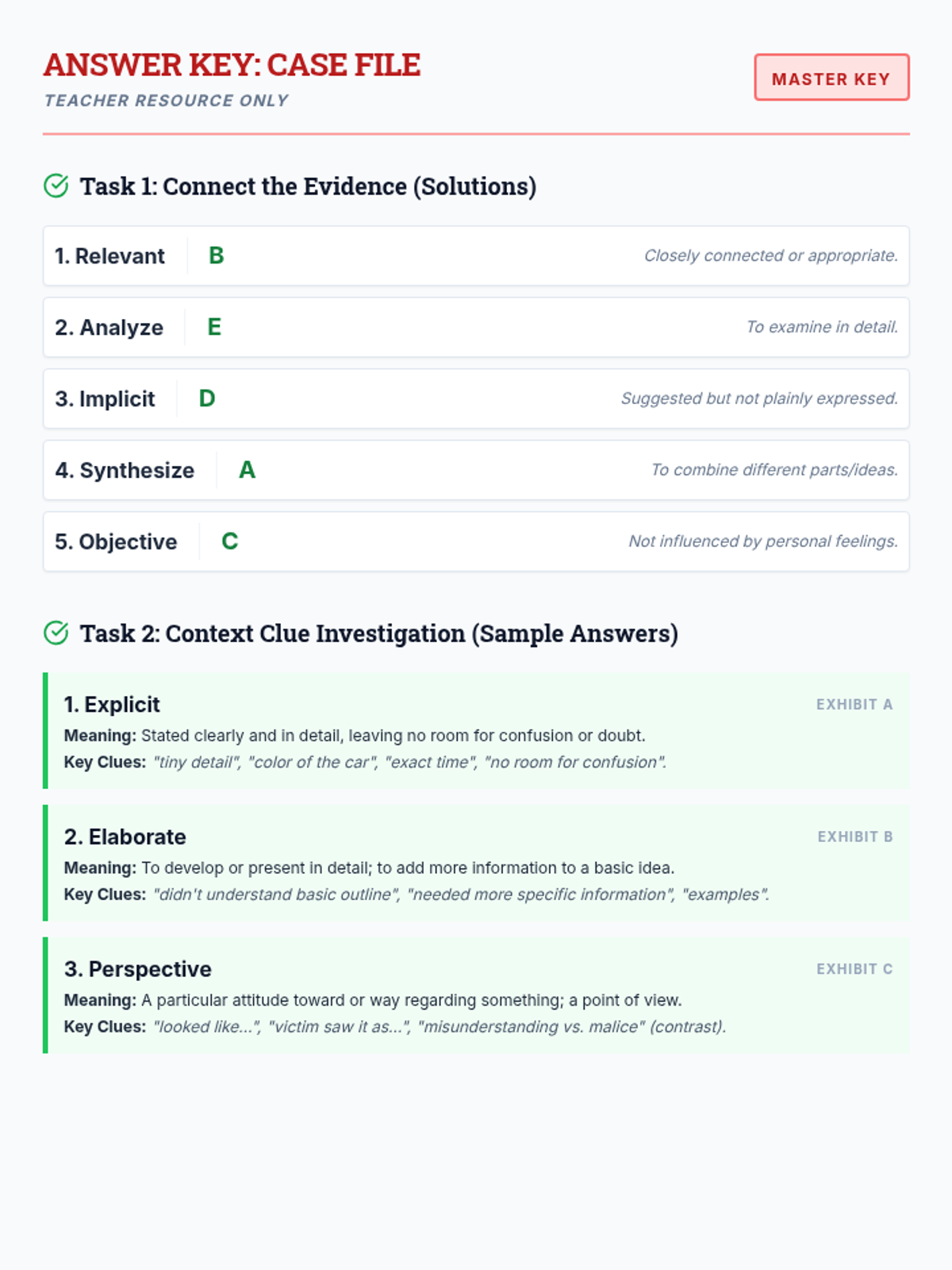
A middle school language arts lesson focused on mastering high-utility Tier 2 academic vocabulary and using context clues to determine meaning. Students act as 'Word Detectives' to investigate and decode complex texts.
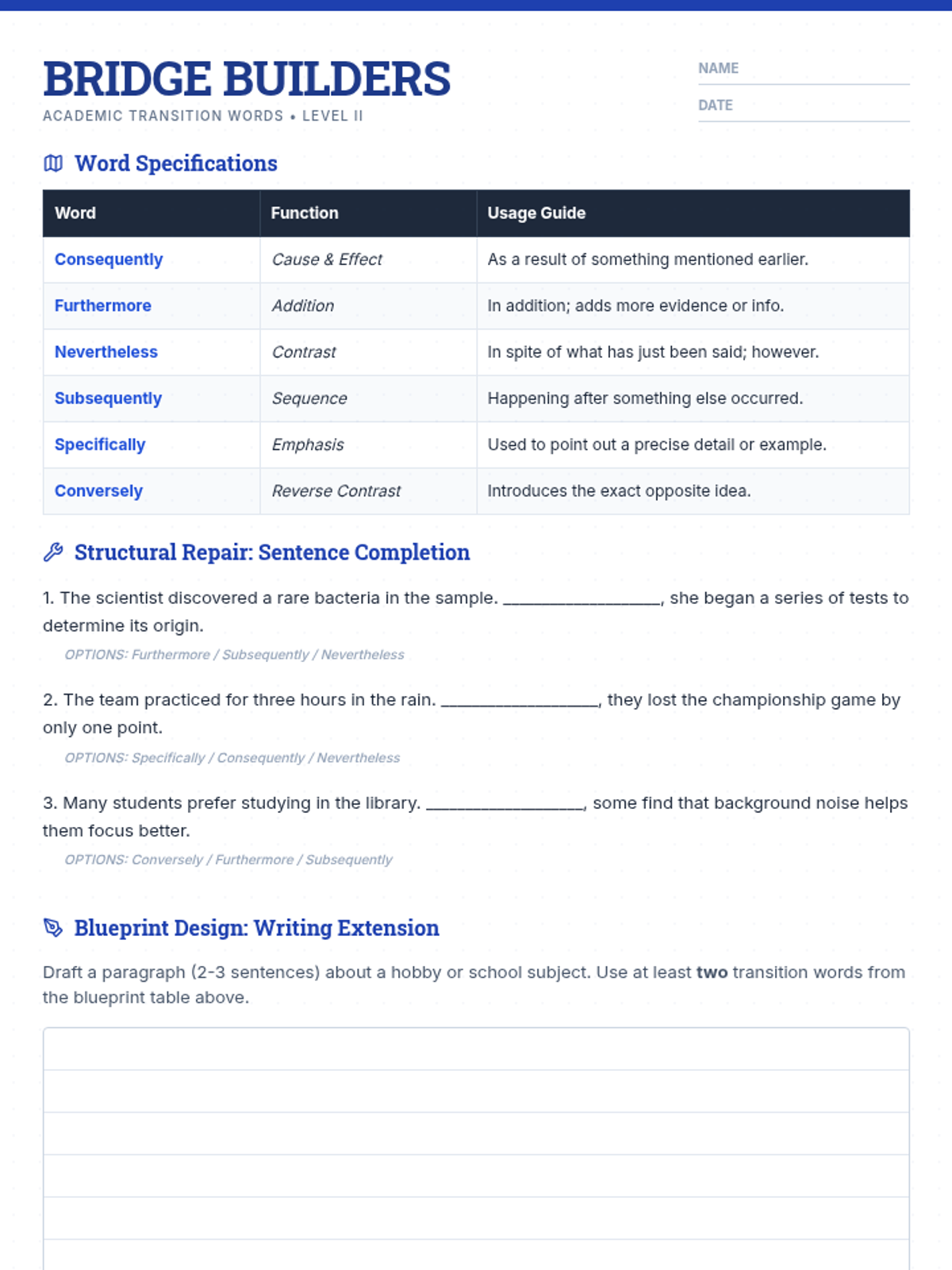
A middle school vocabulary lesson focused on academic transition words, using a 'Bridge Builders' theme to illustrate how these words connect ideas in writing.
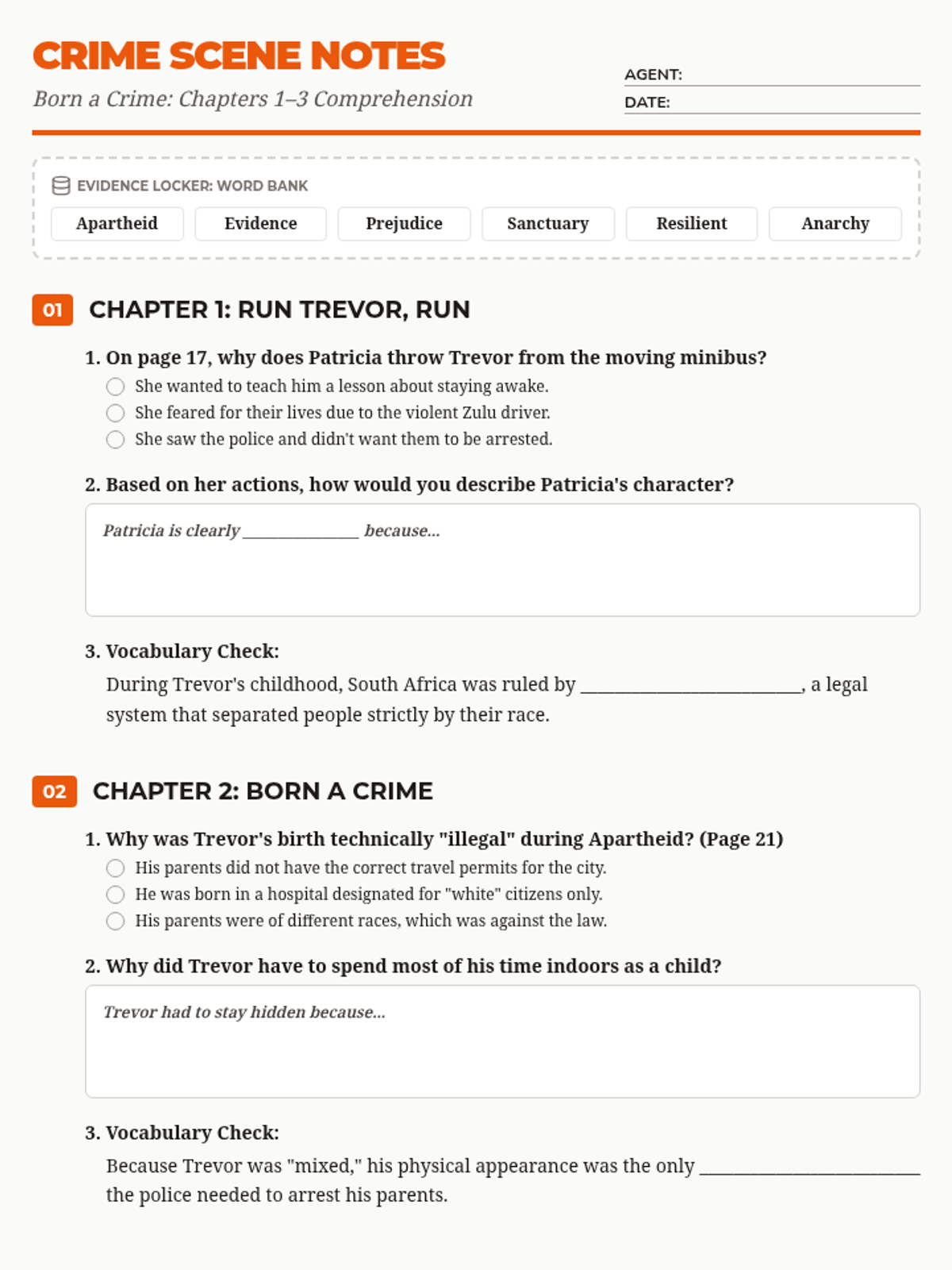
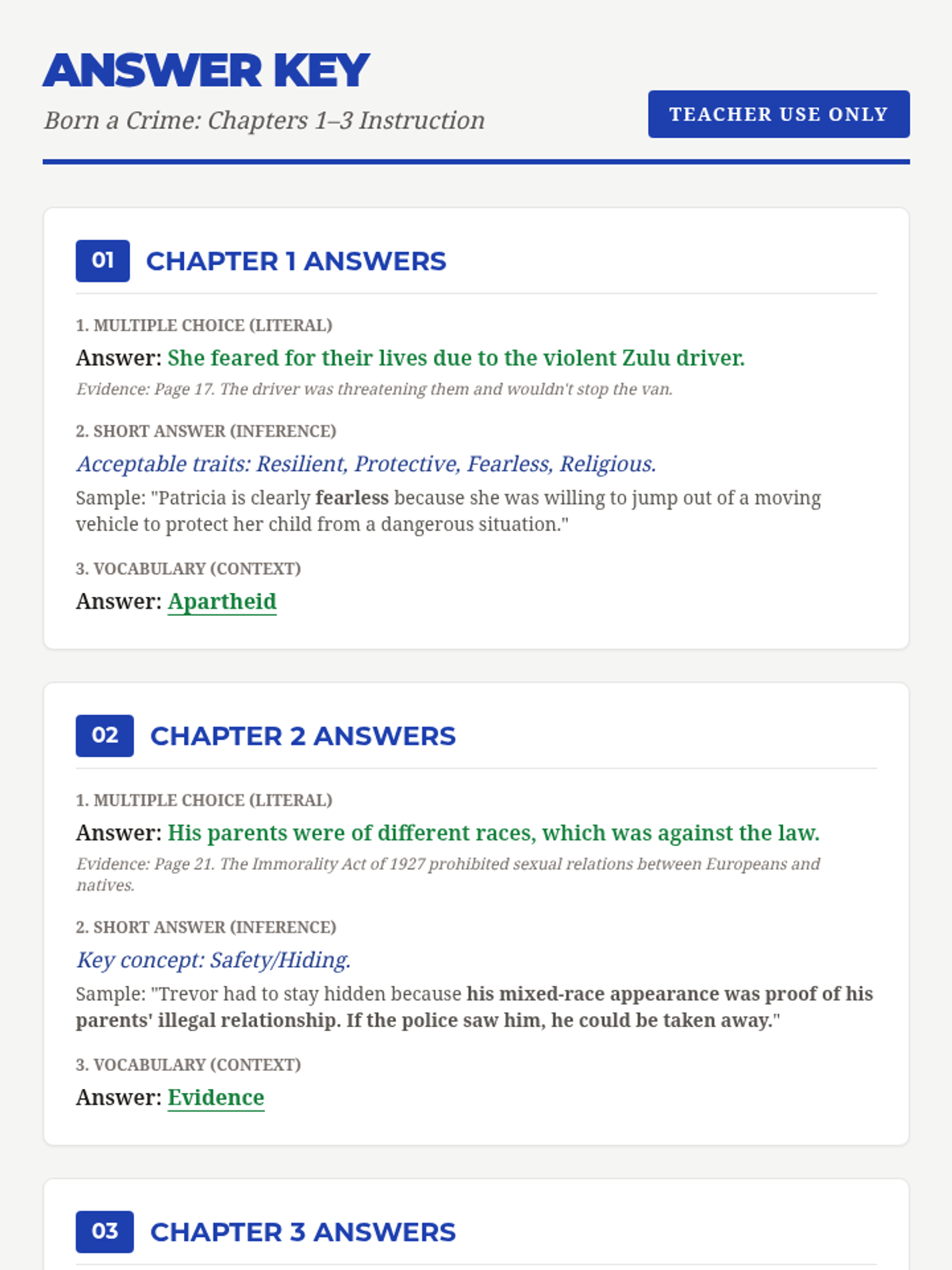
This lesson explores the first three chapters of Trevor Noah's 'Born a Crime', focusing on the historical context of Apartheid, character development of Trevor and Patricia, and the power of language and identity.
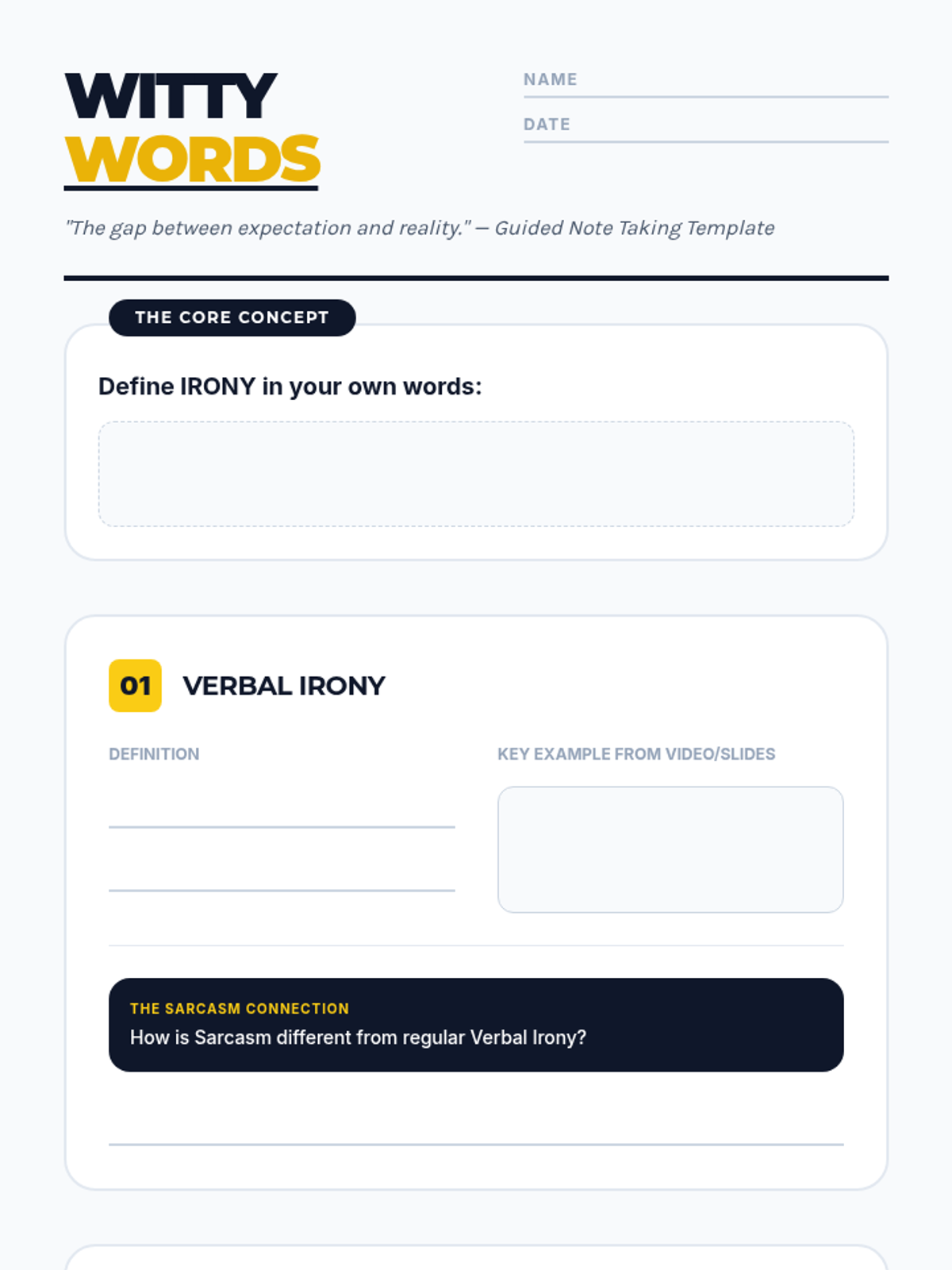
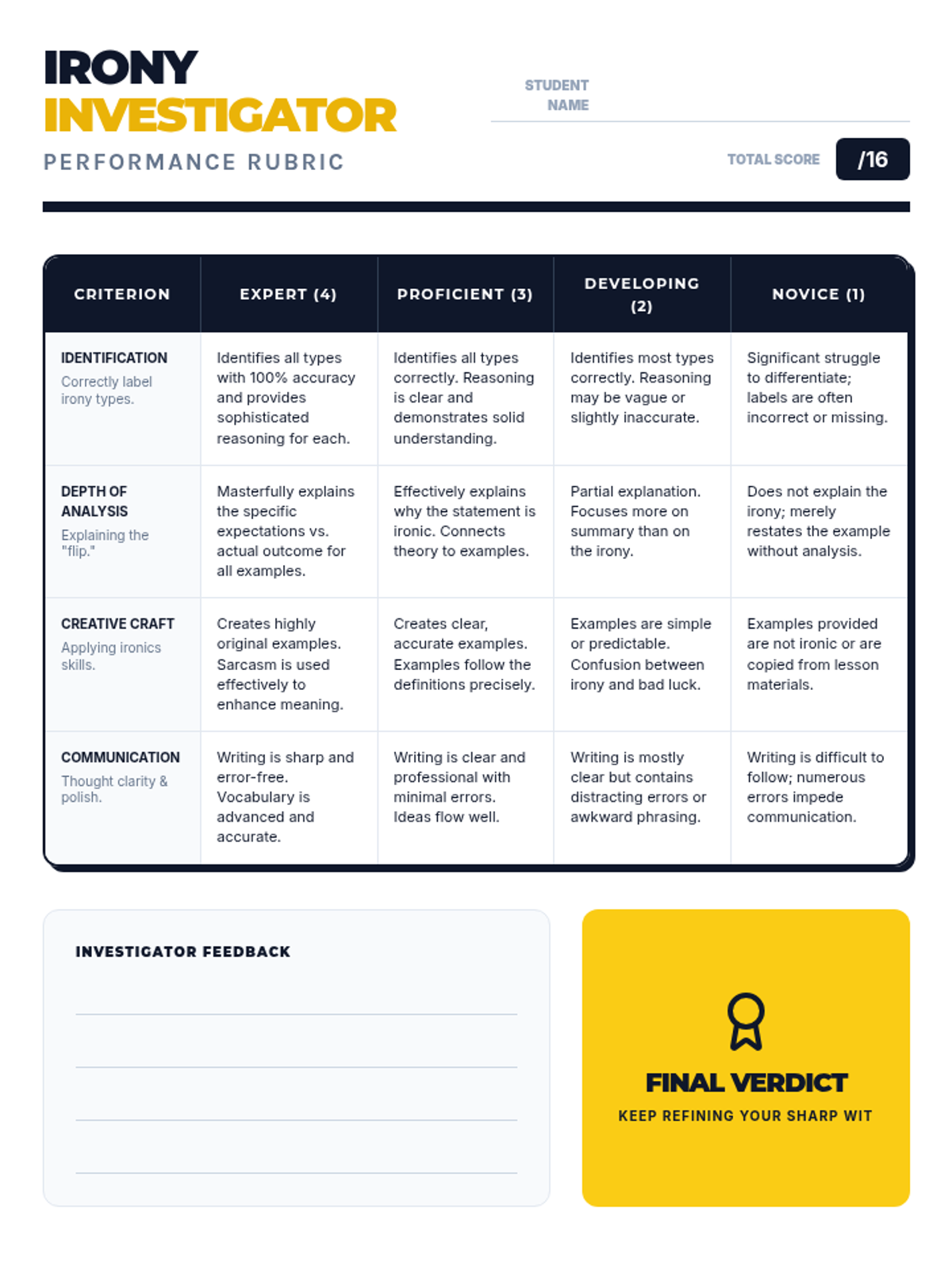
A sharp exploration of irony and sarcasm, teaching students to identify and create verbal, situational, and dramatic irony through engaging examples and analysis.
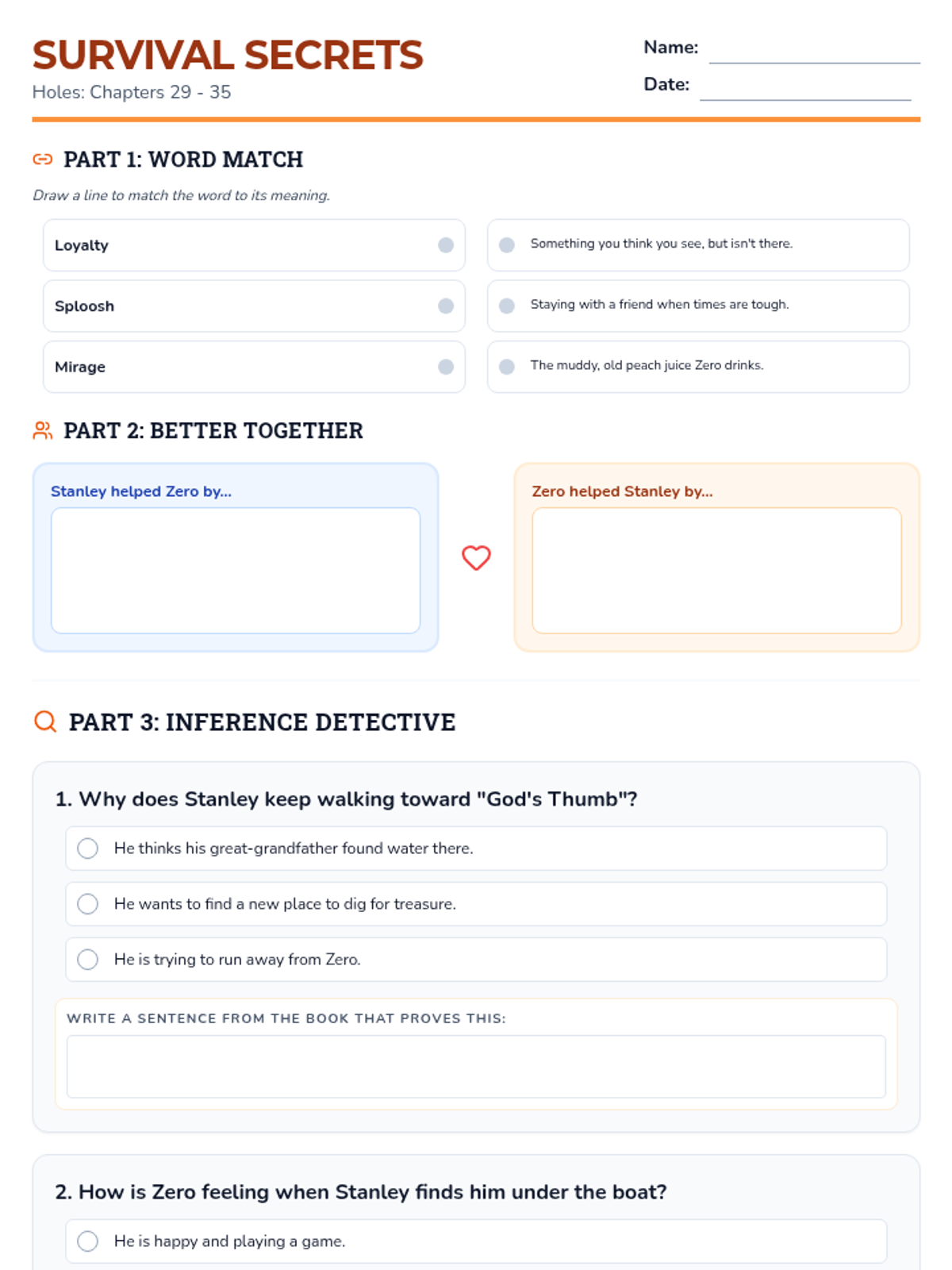
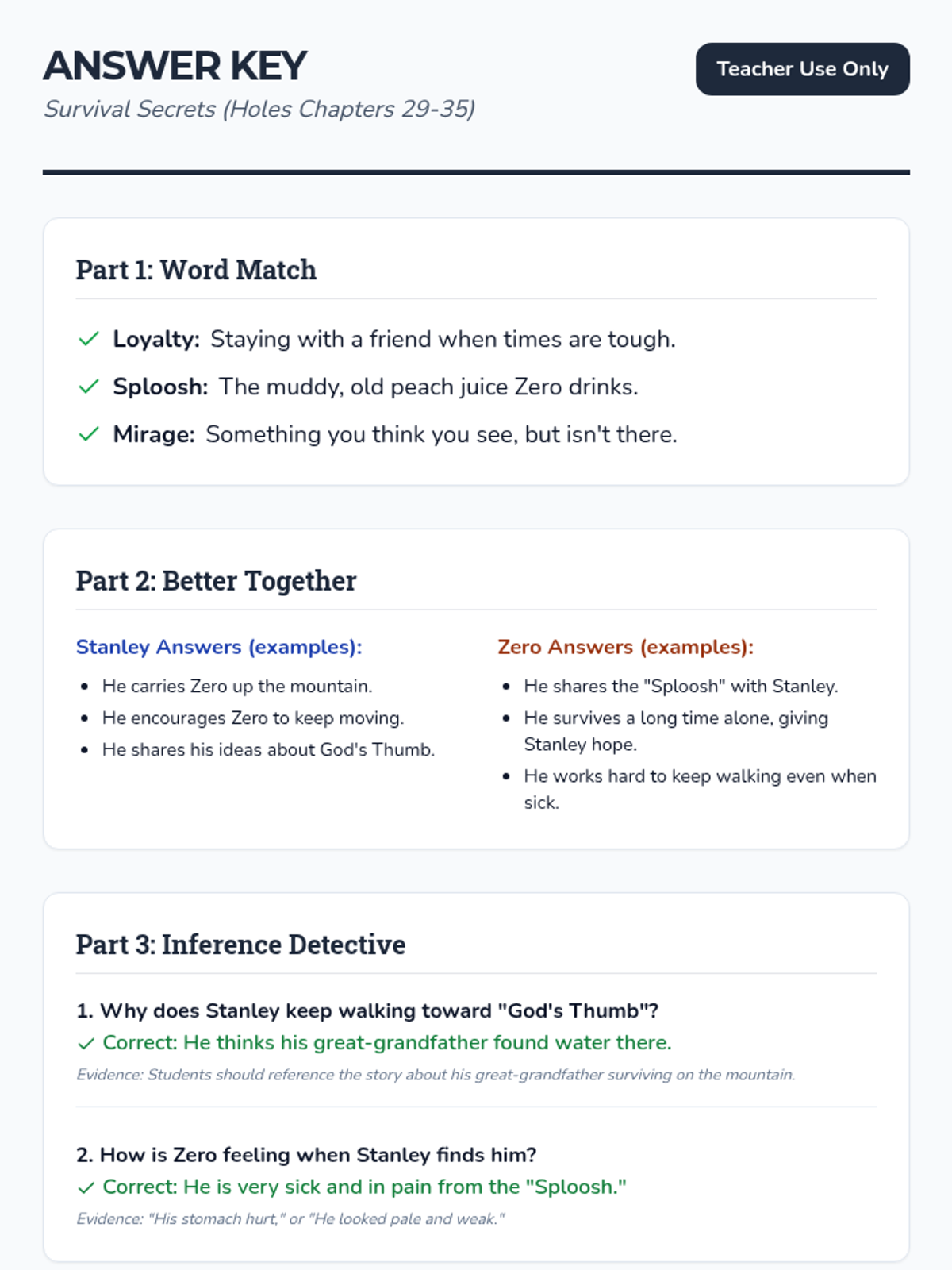
A lesson focused on chapters 29-35 of Louis Sachar's Holes, exploring the deepening friendship between Stanley and Zero as they face the challenges of the desert. Students will analyze character relationships, make inferences about their survival, and identify the central theme of loyalty.
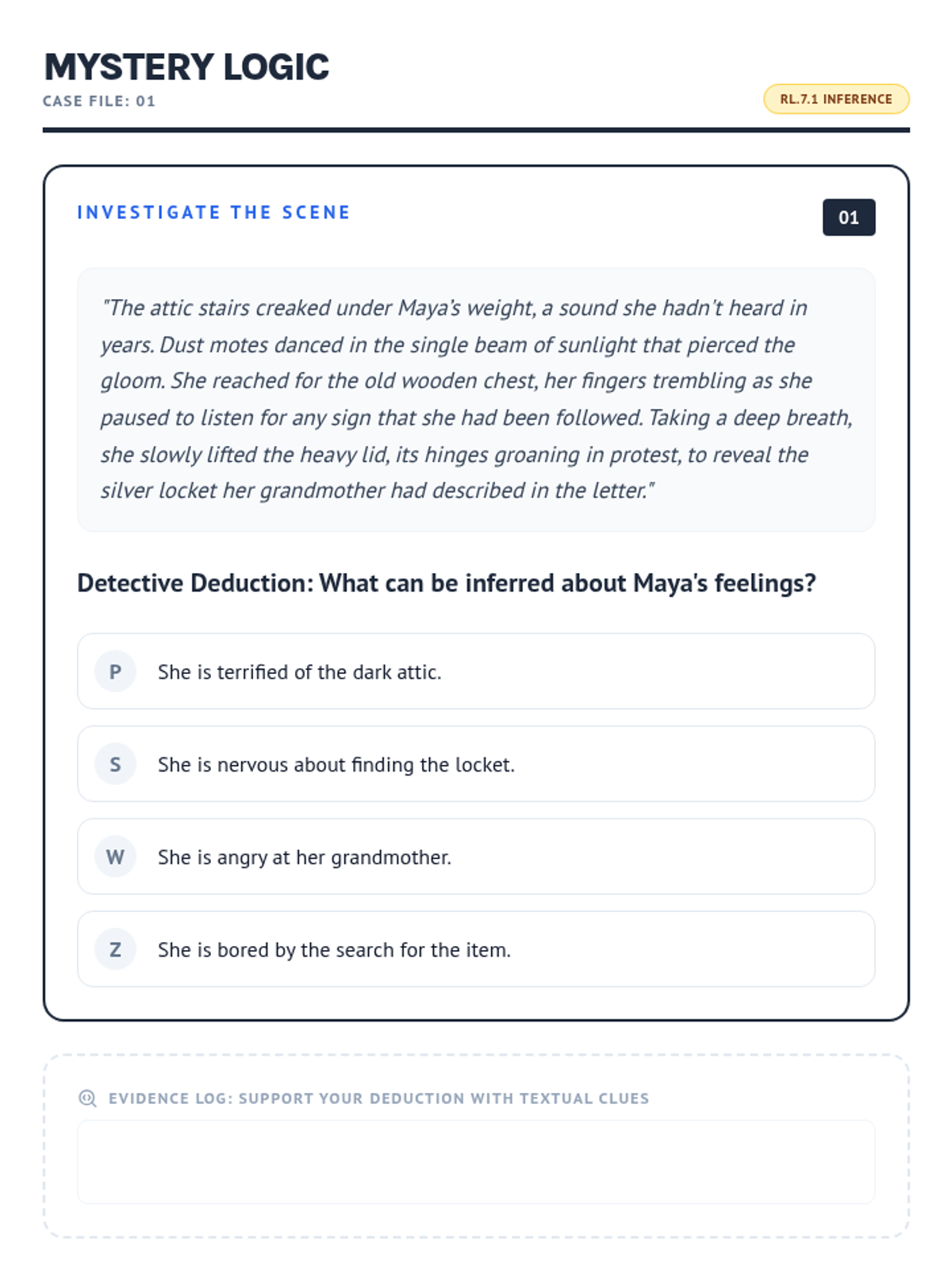
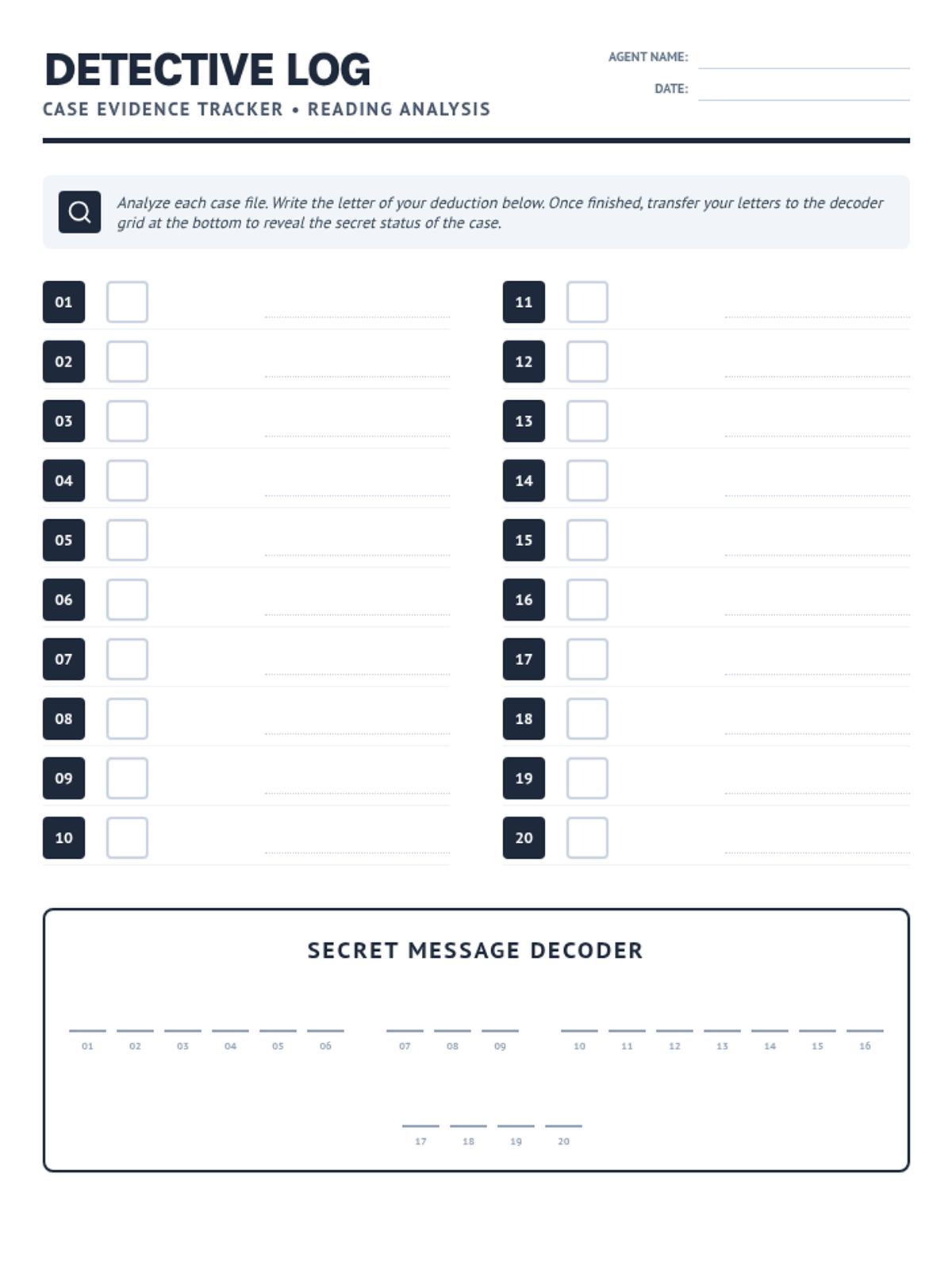
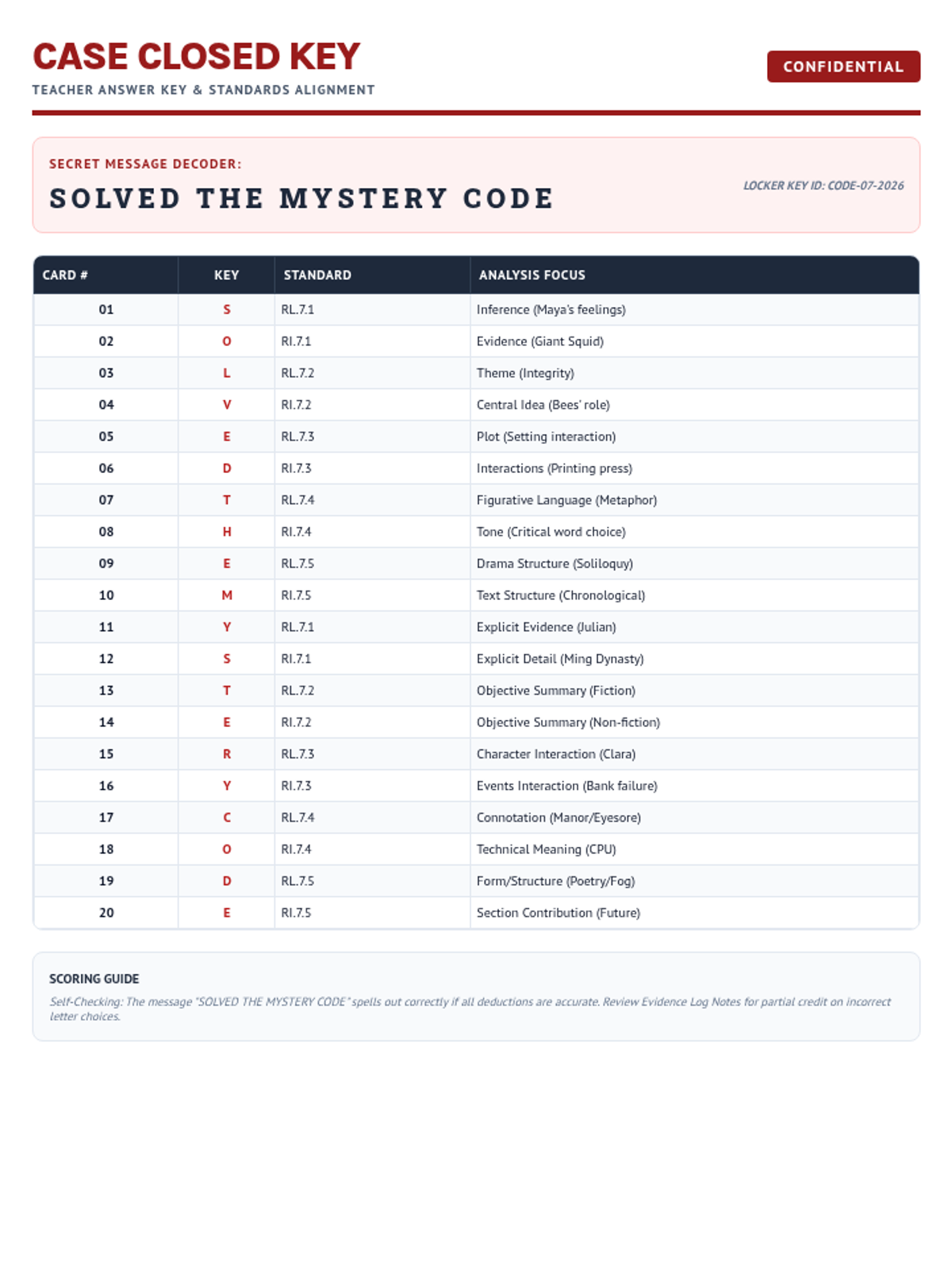
A comprehensive set of 20 task cards and supporting materials designed to review Grade 7 RL and RI standards (7.1-7.5) through short texts and multiple-choice questions. Students act as detectives to solve reading comprehension 'cases' using evidence and analysis.
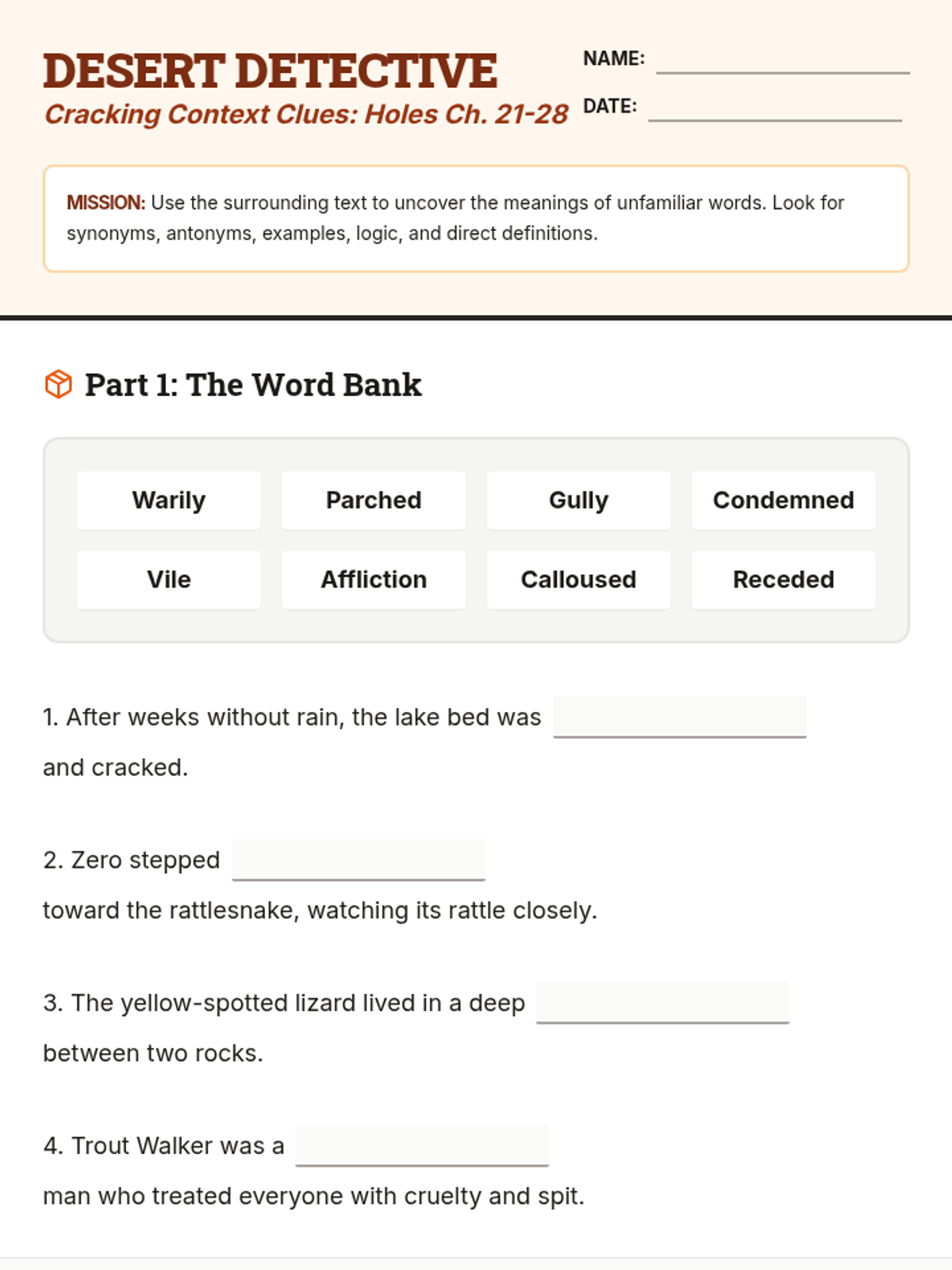
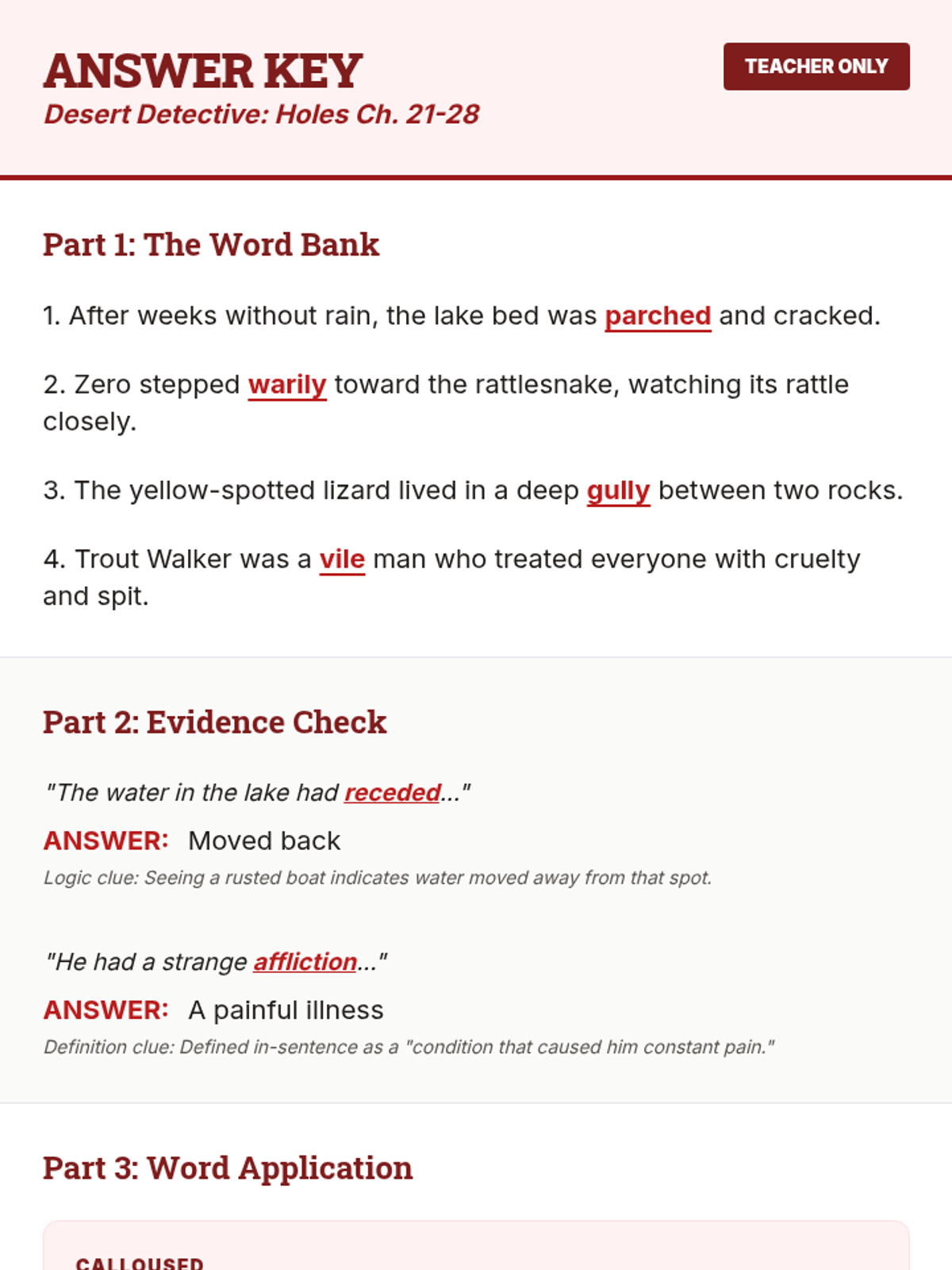
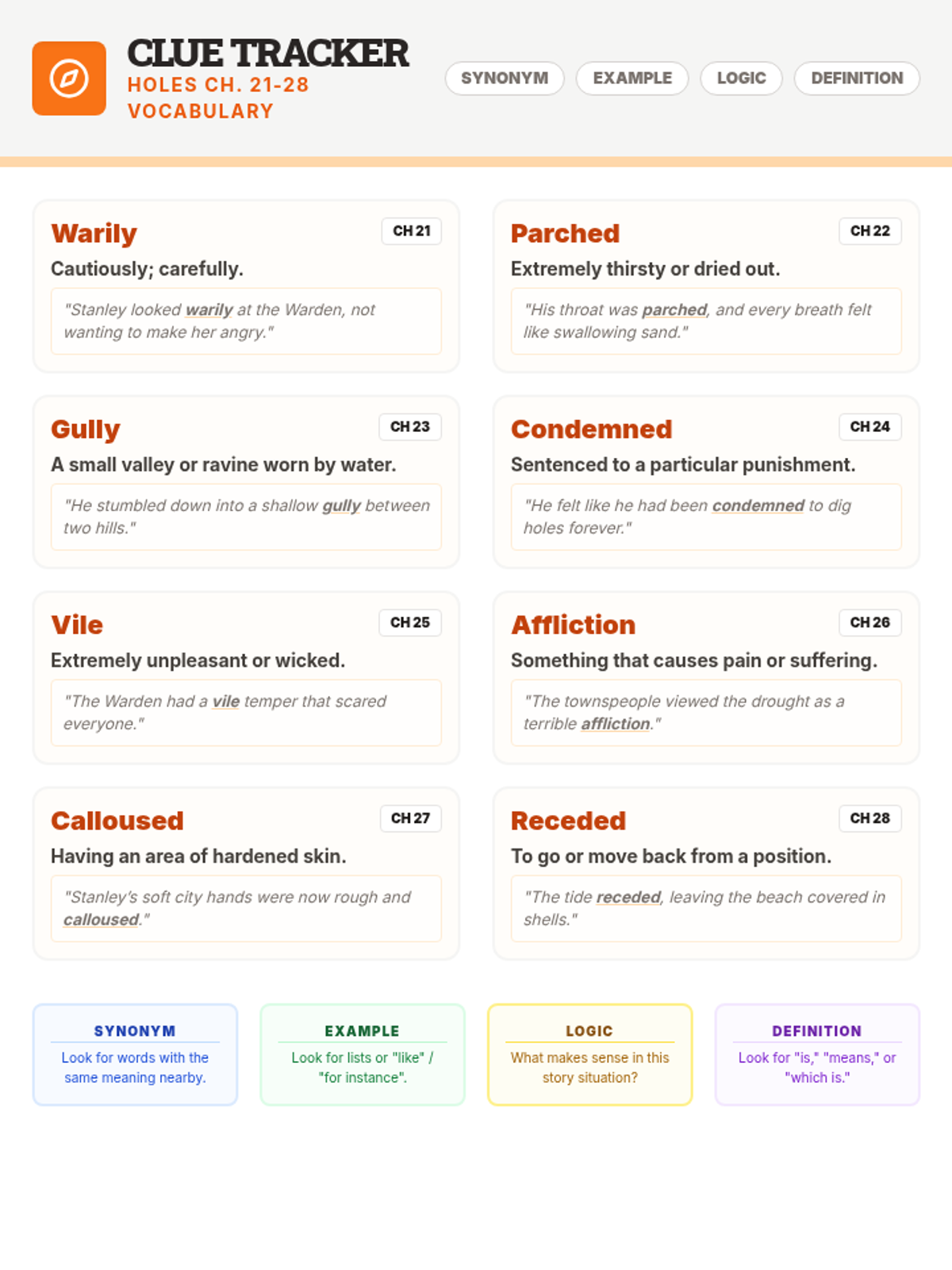
A deep dive into context clue strategies using key vocabulary from chapters 21-28 of Holes, featuring multi-level support for diverse learners.
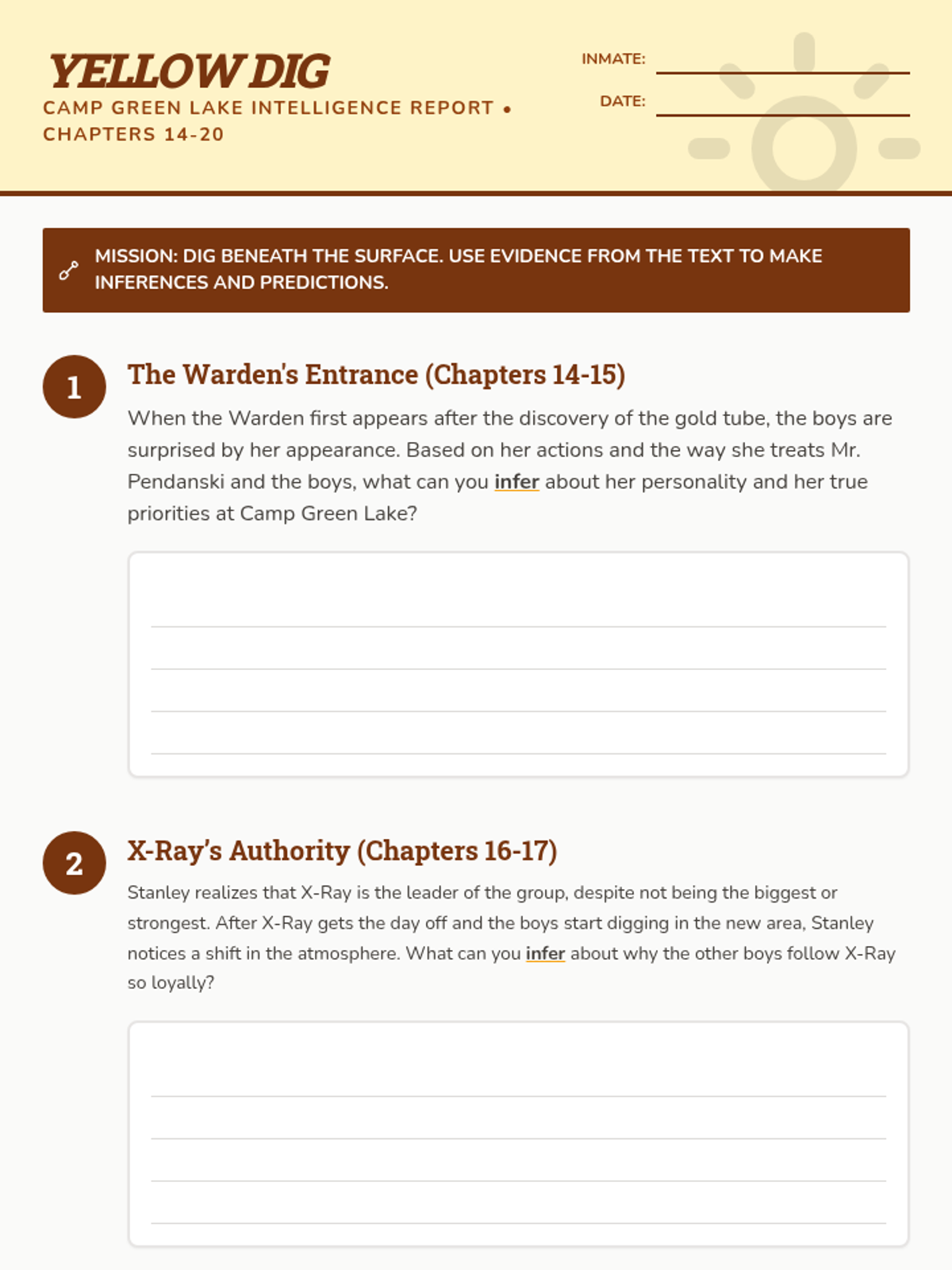
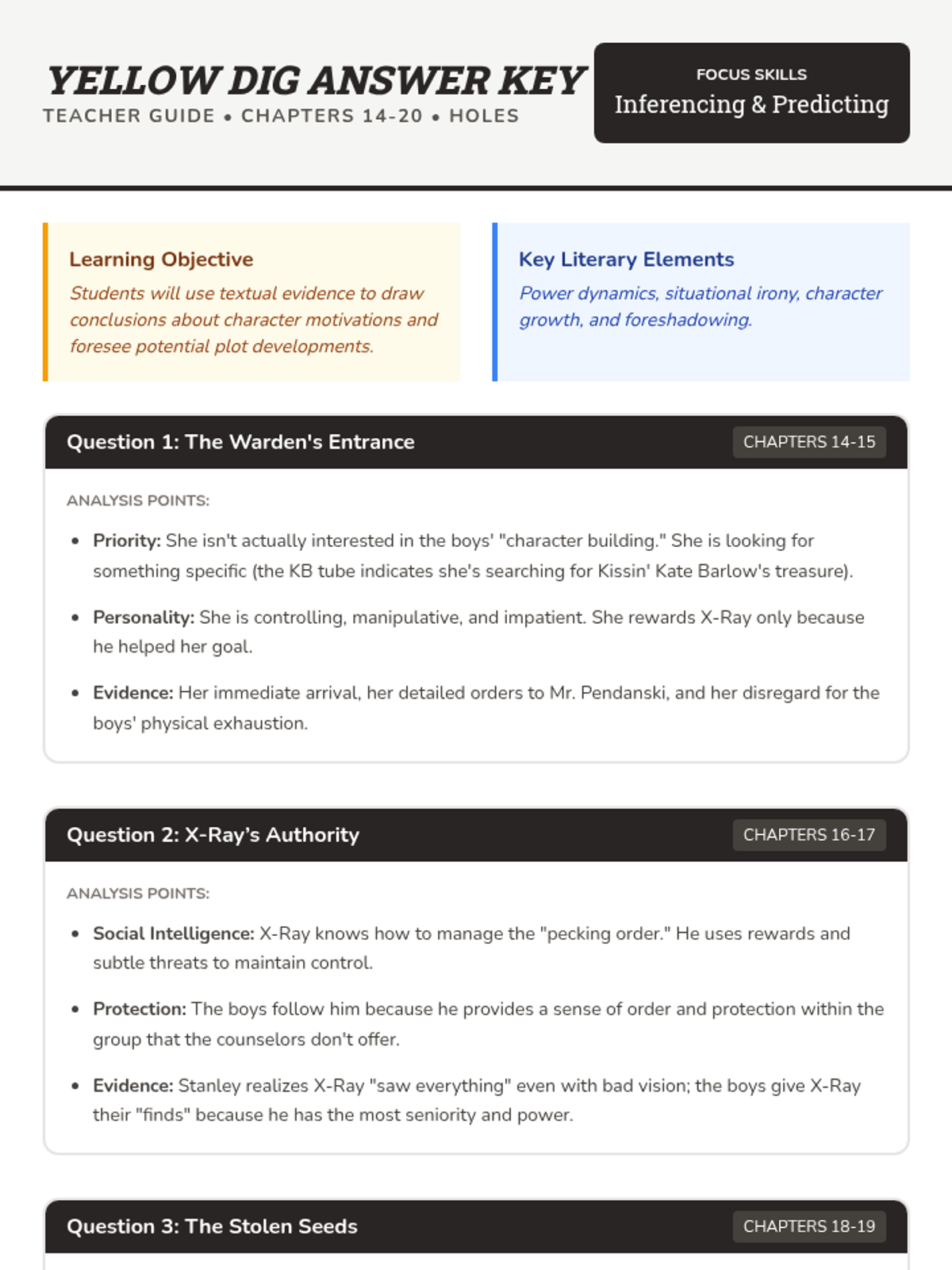
This lesson focuses on chapters 14-20 of Louis Sachar's 'Holes', emphasizing the development of inferencing and predicting skills as students analyze character motivations and plot developments.
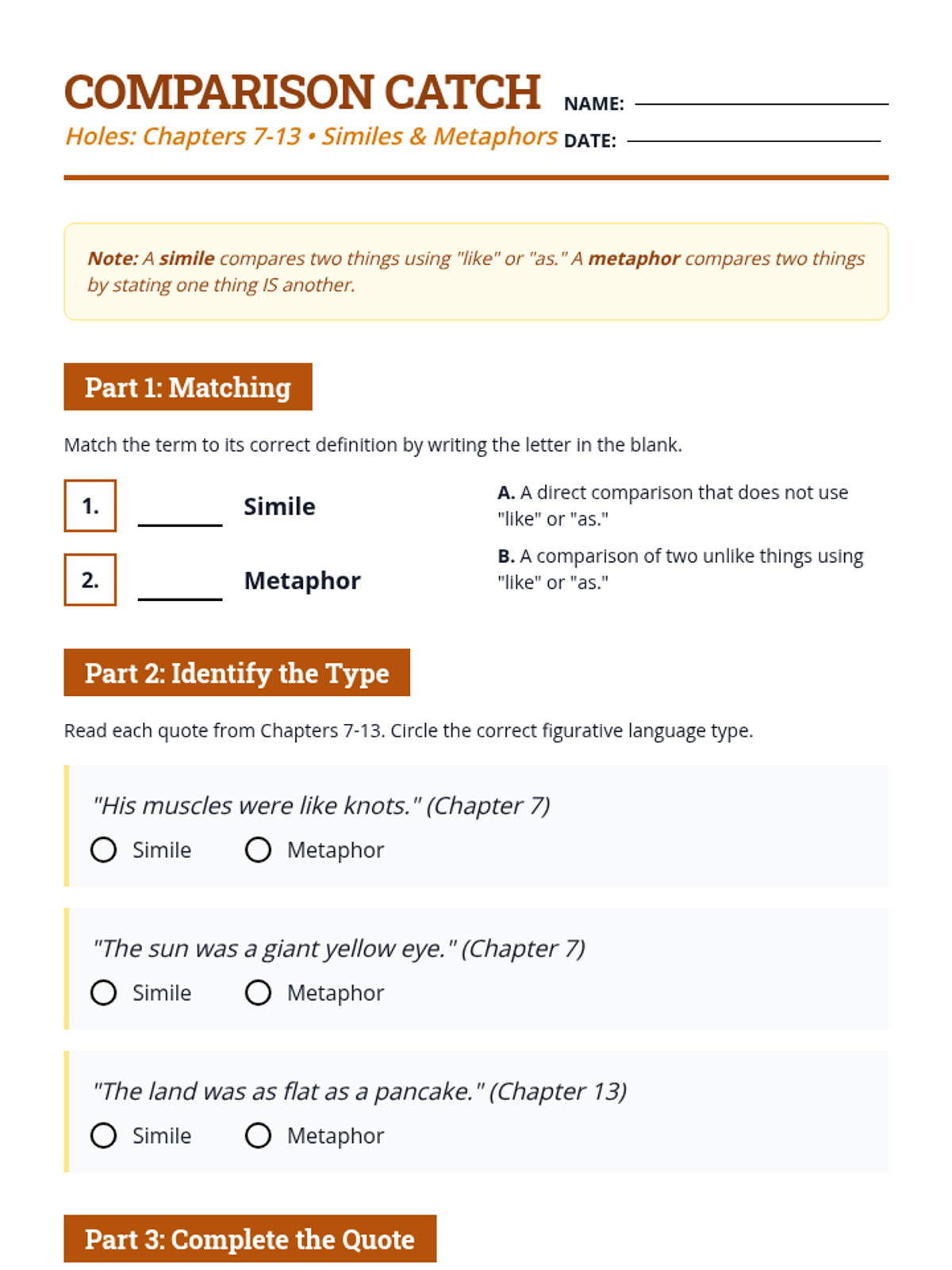
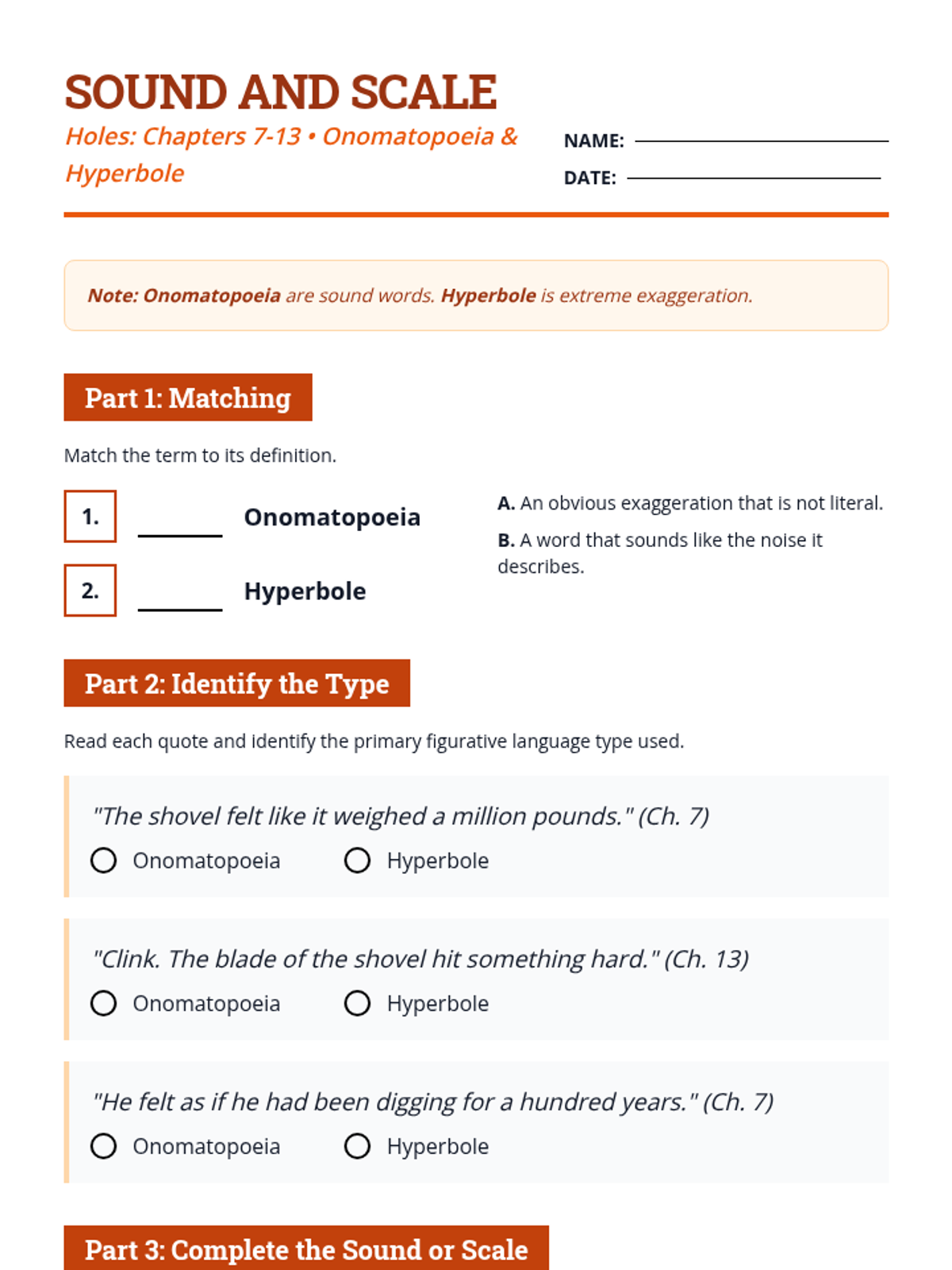
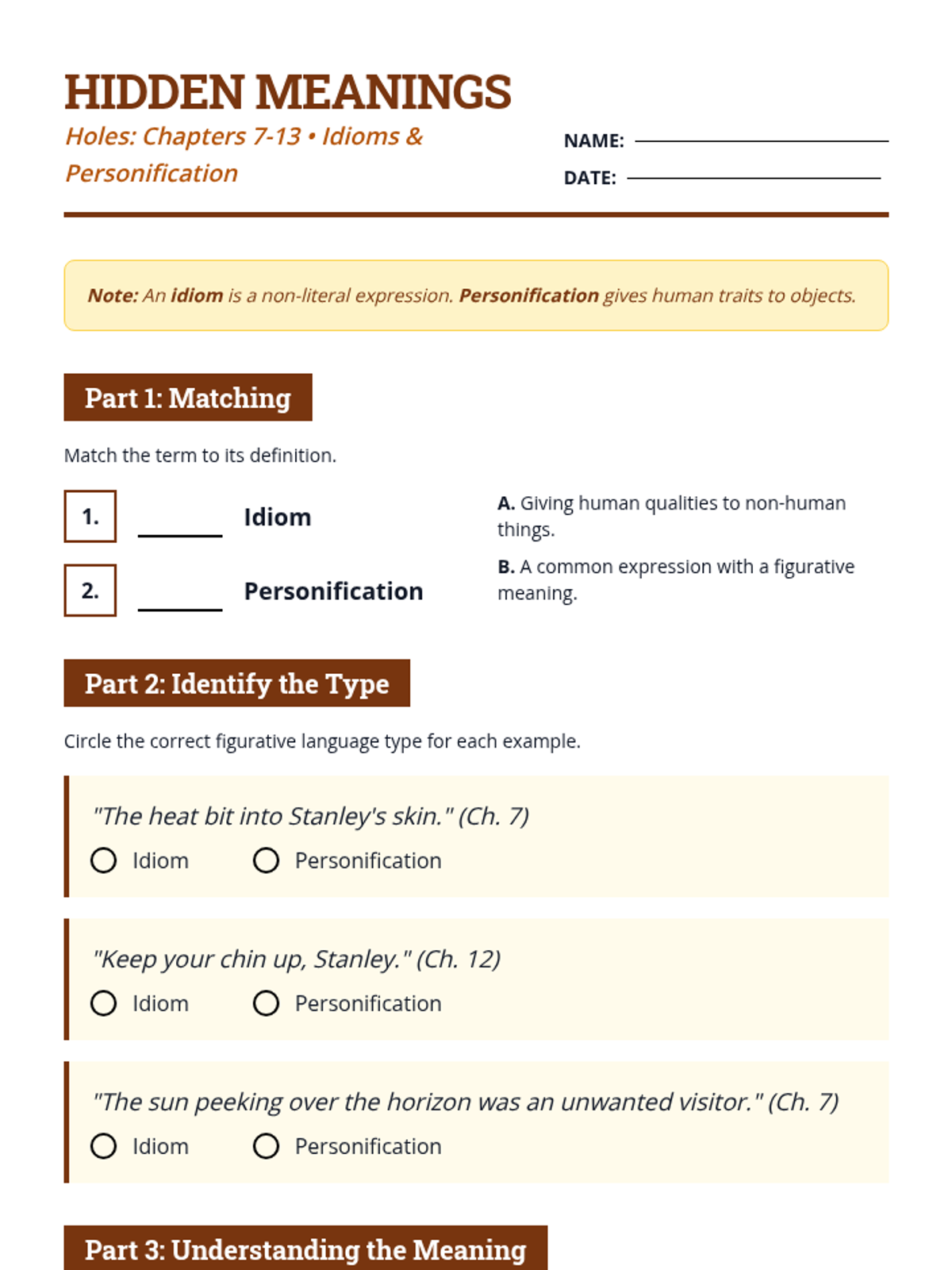
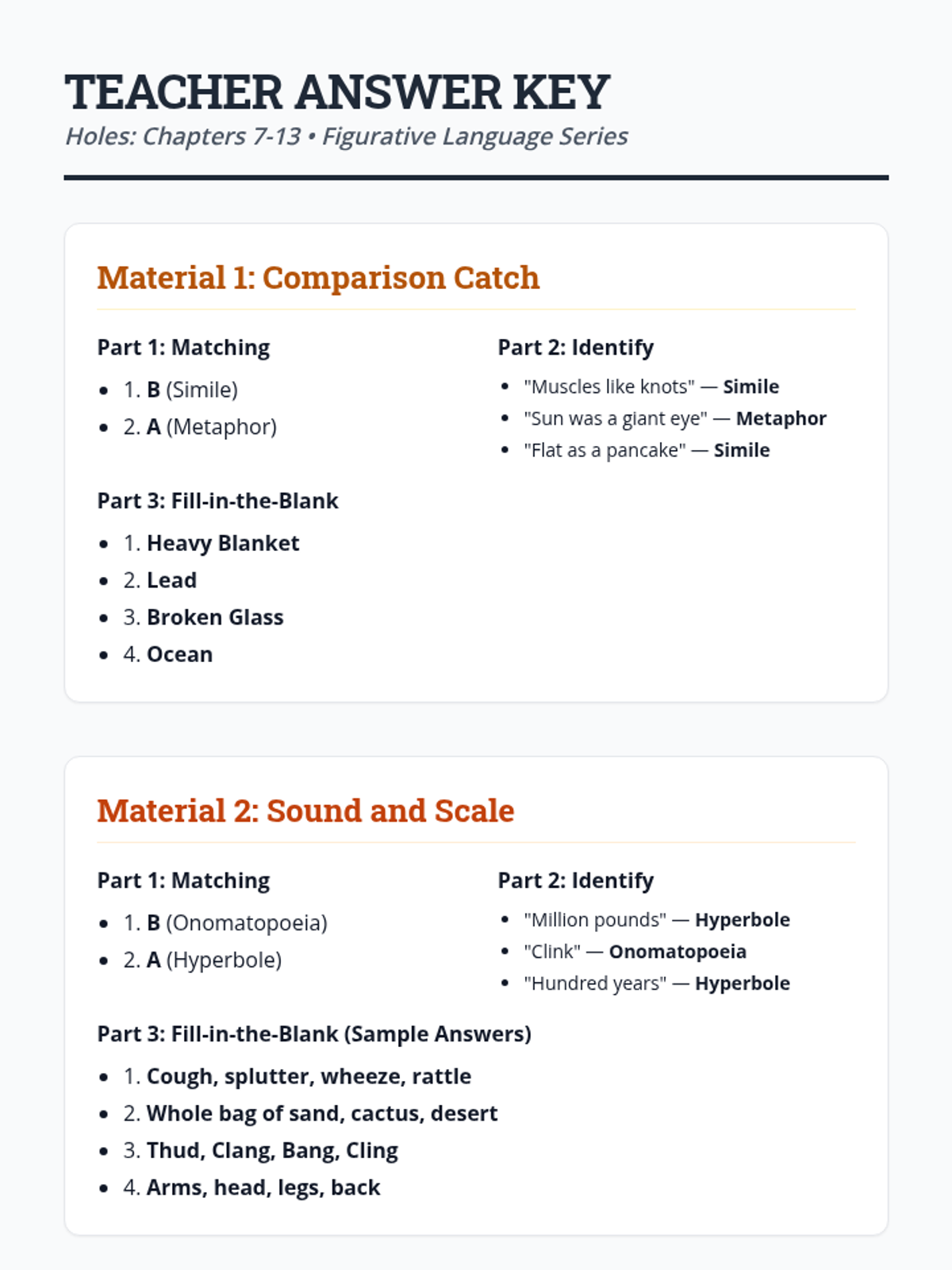
A lesson exploring figurative language in Chapters 7-13 of Louis Sachar's Holes, focusing on identifying and analyzing similes, metaphors, onomatopoeia, hyperbole, idioms, and personification through the lens of life at Camp Green Lake.
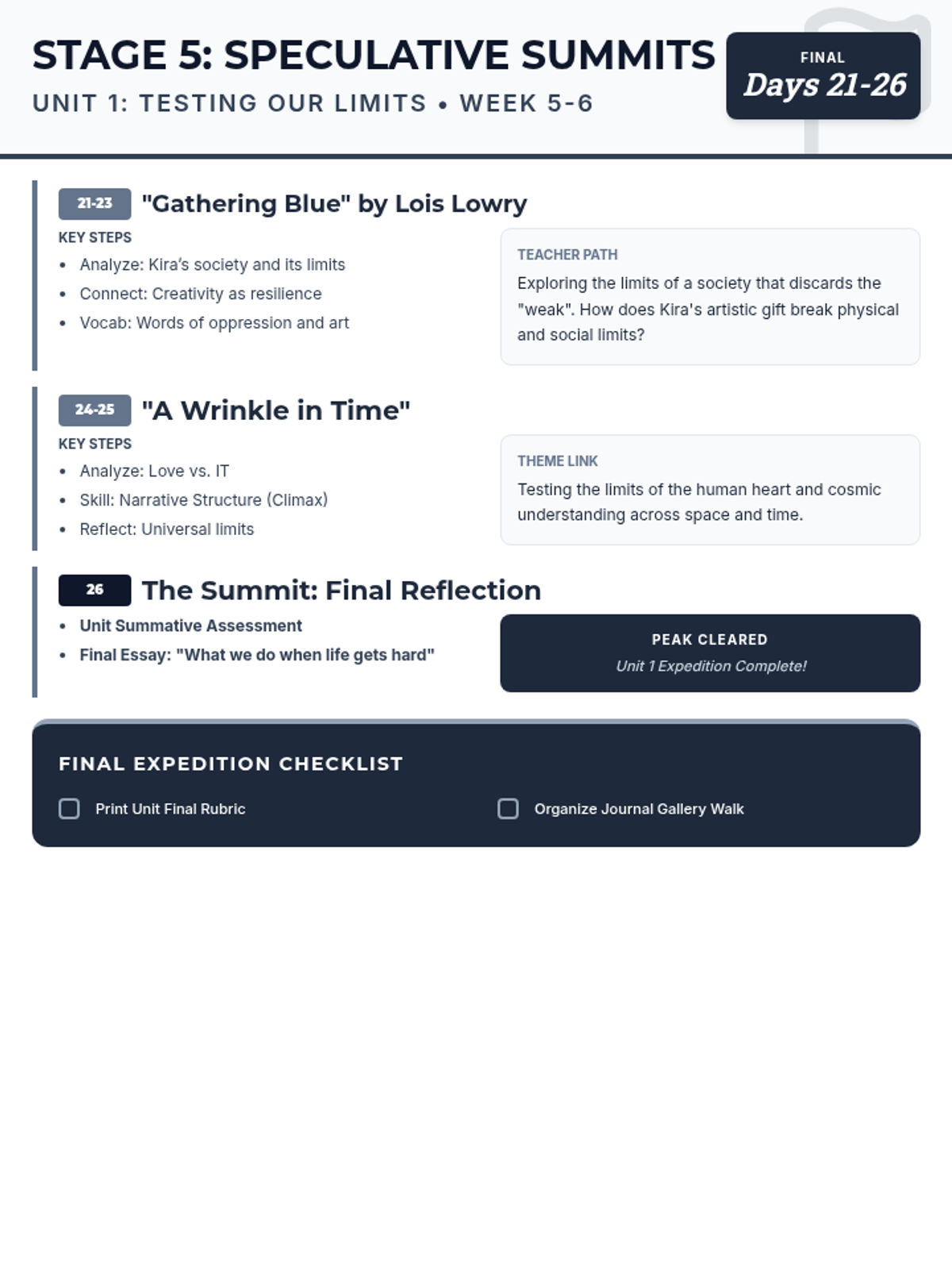
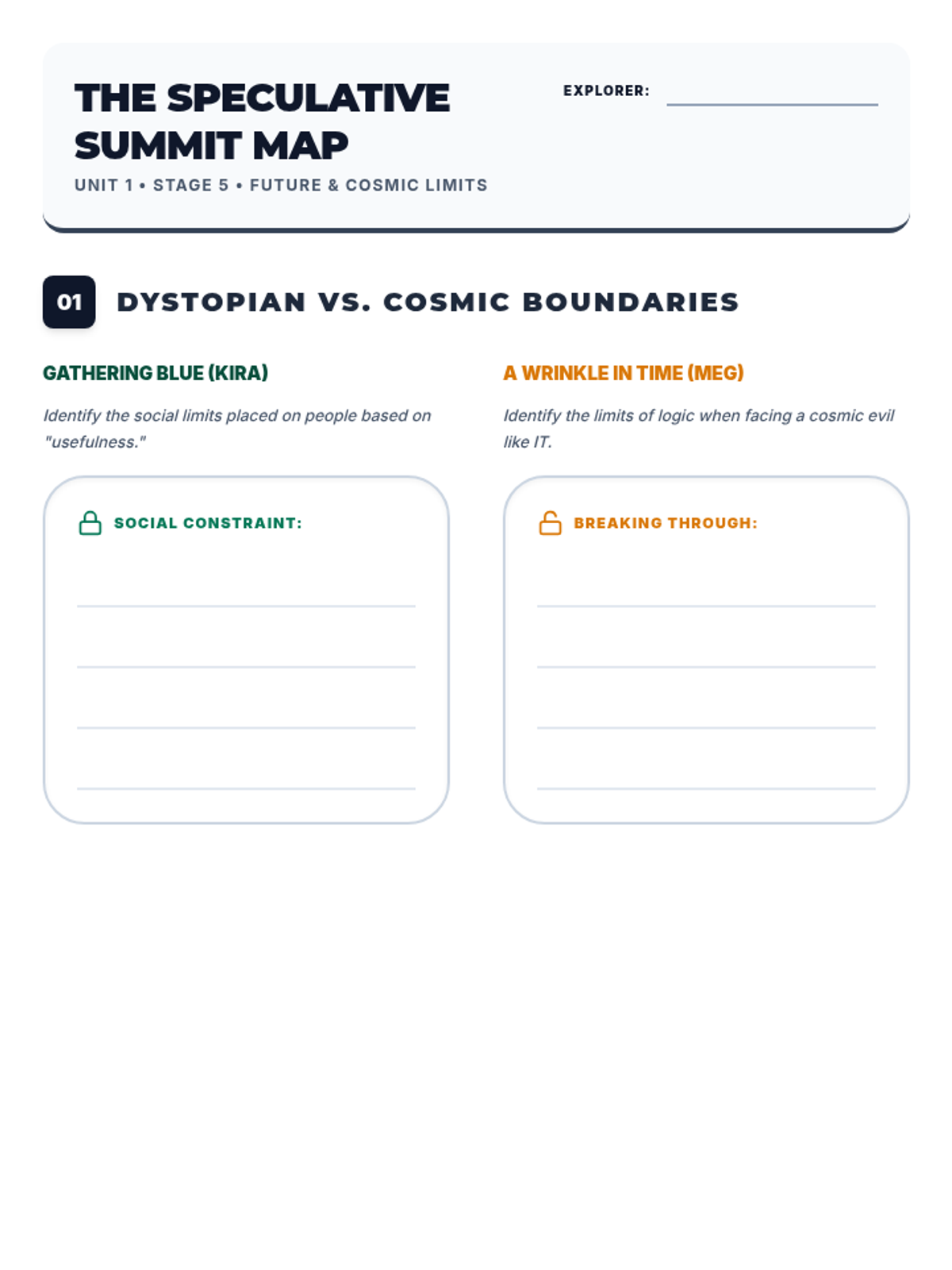
Deep dive into speculative worlds through 'Gathering Blue' and 'A Wrinkle in Time', followed by the unit assessment.
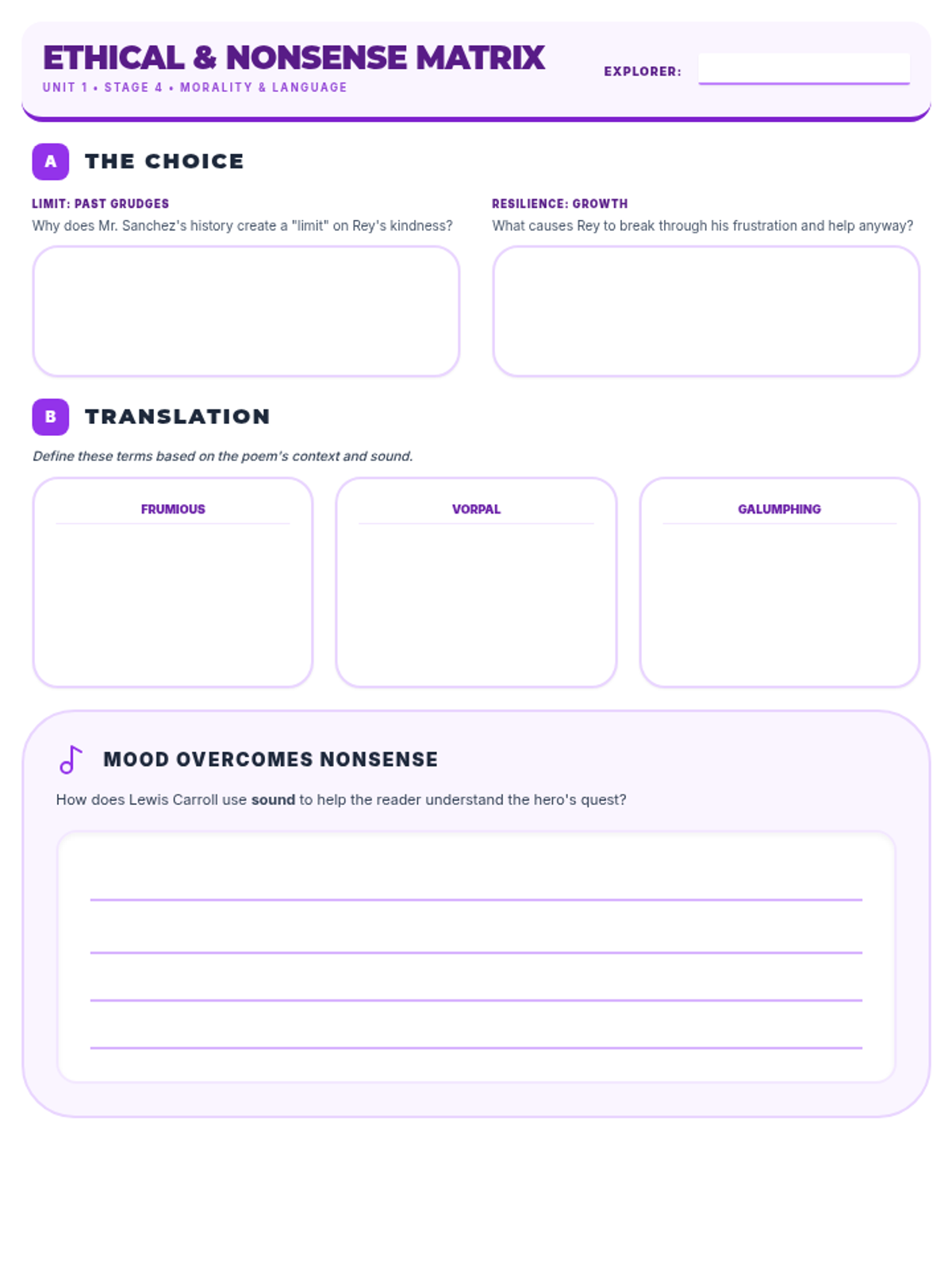
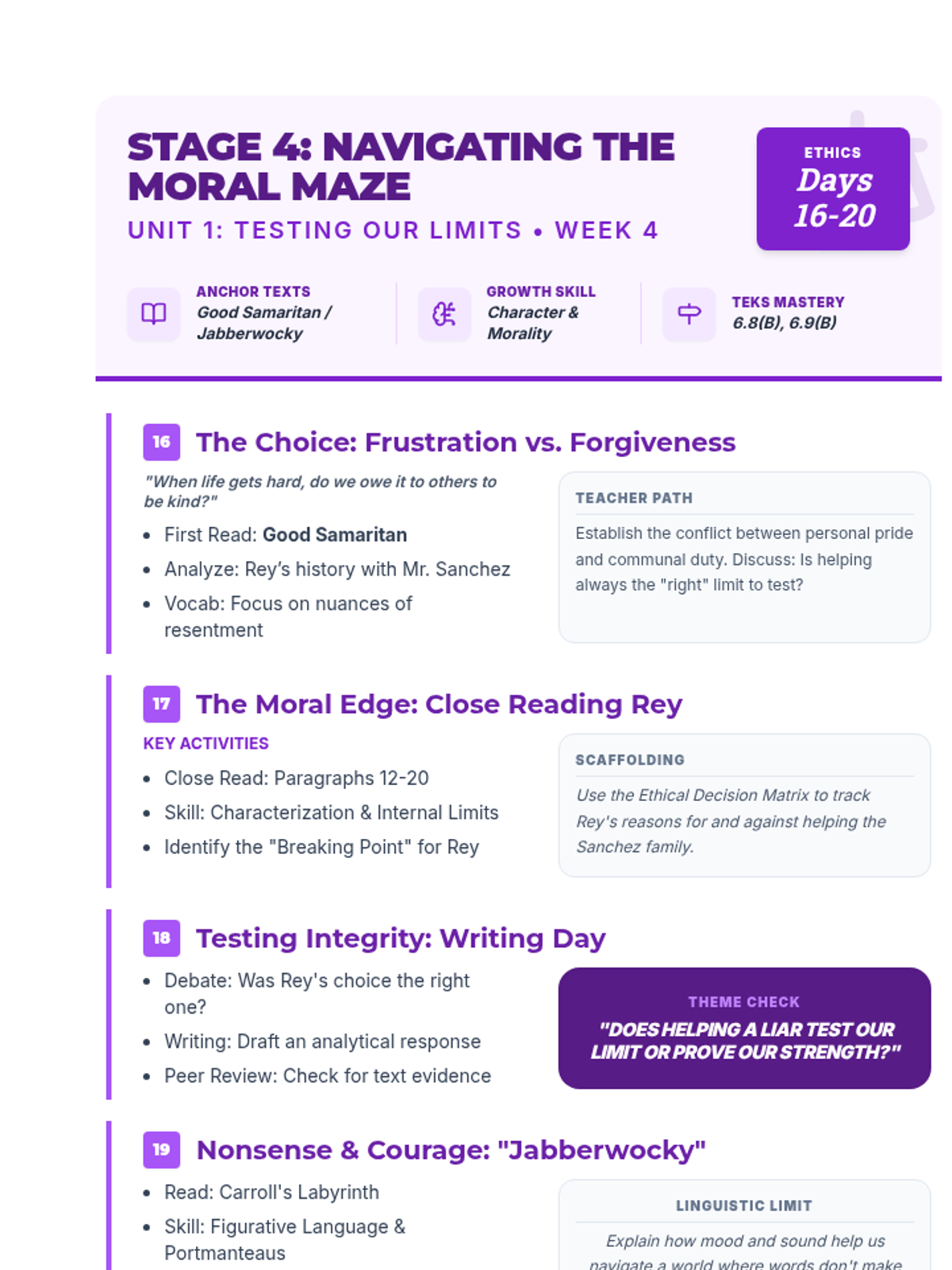
Investigating morality and language through 'Good Samaritan' and 'Jabberwocky'.
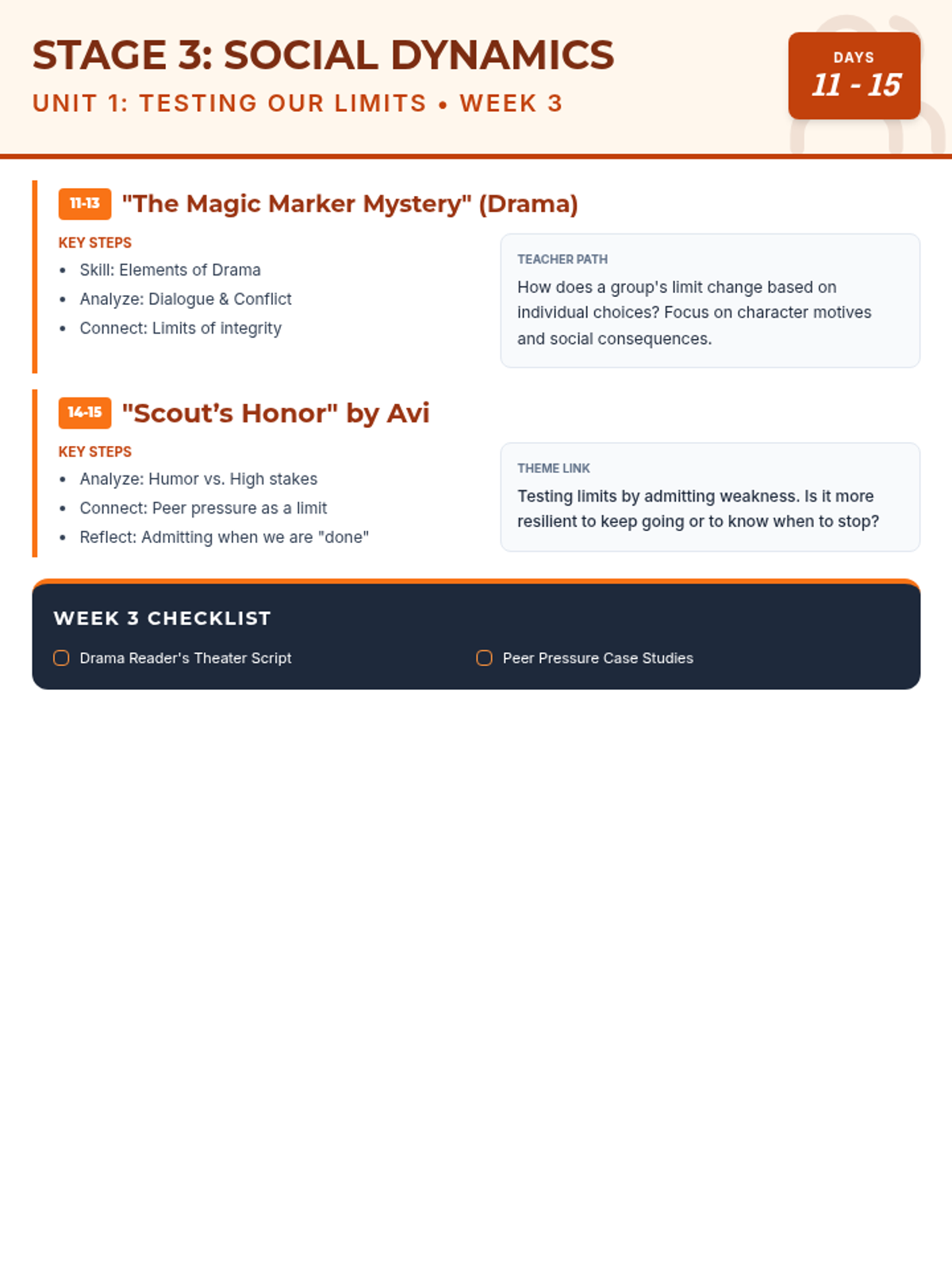
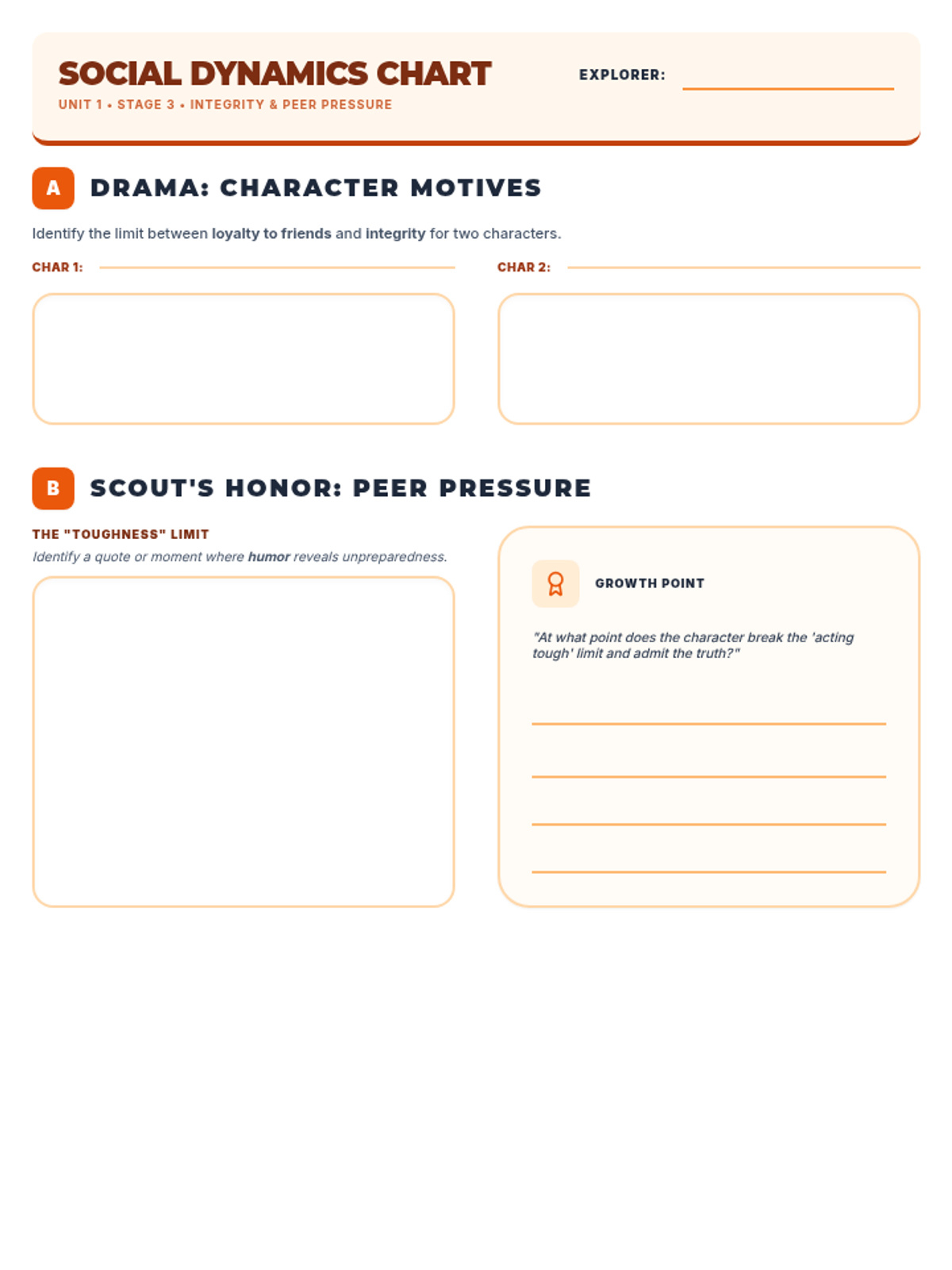
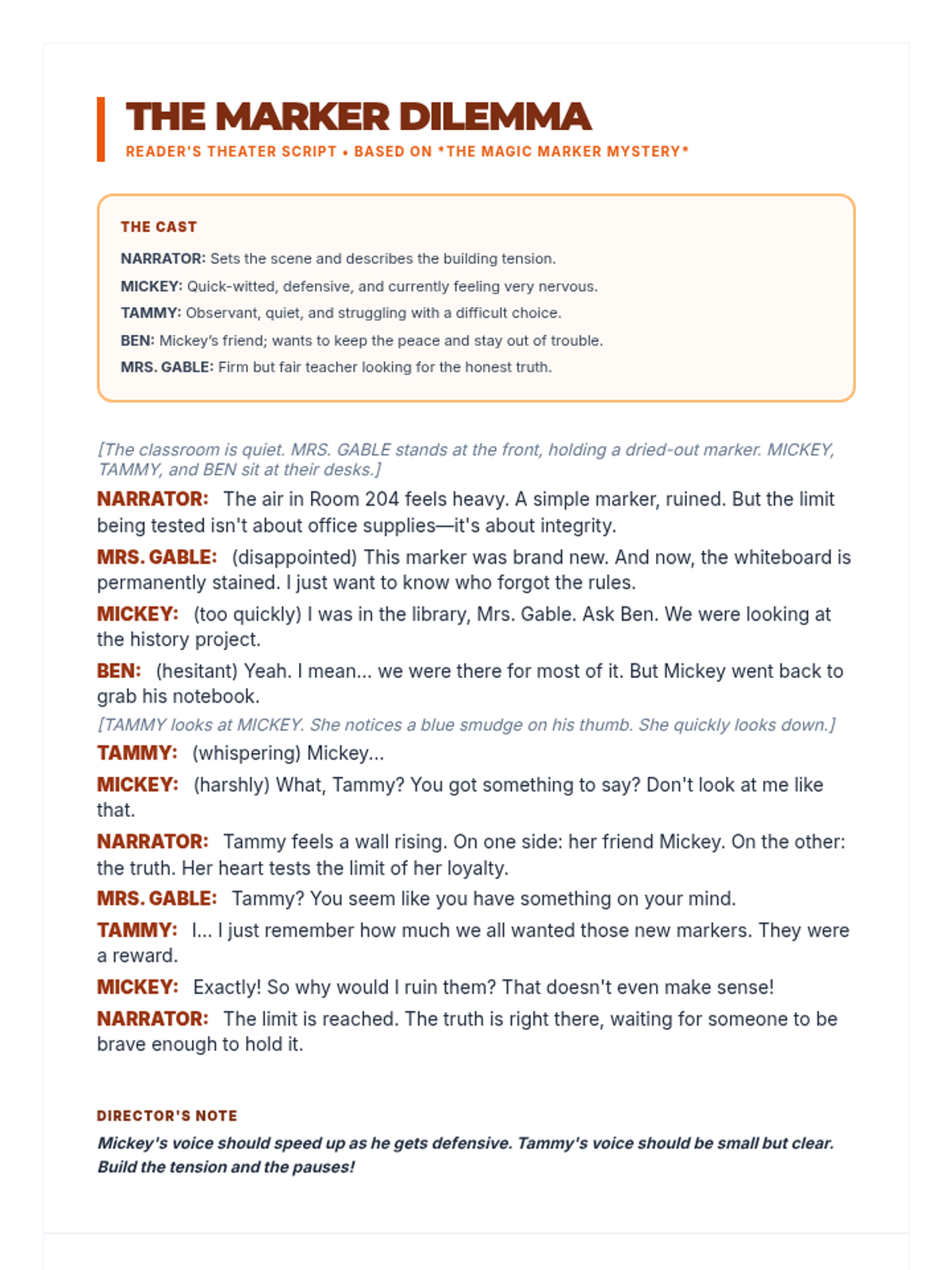
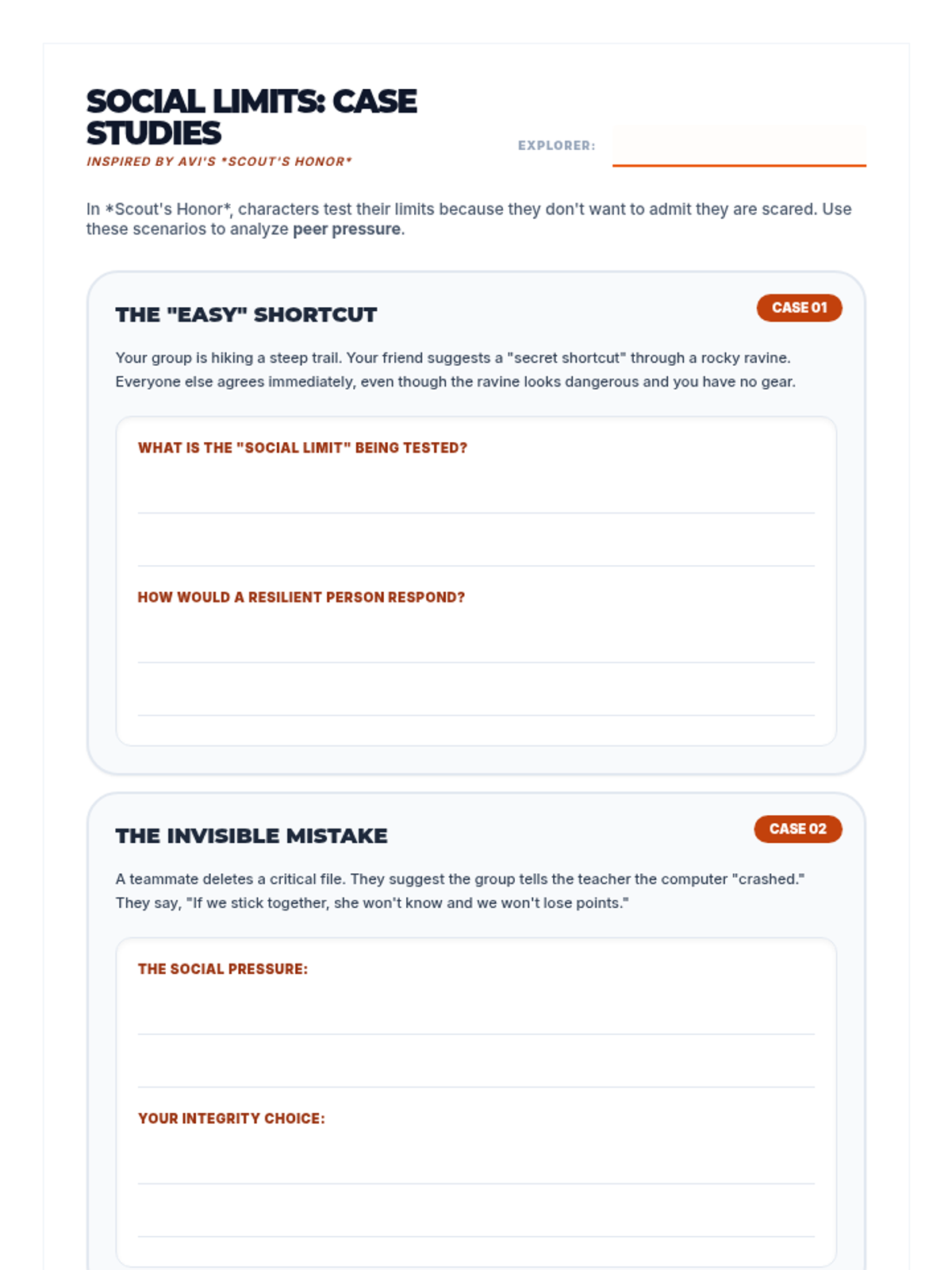
Analyzing integrity and peer pressure through 'The Magic Marker Mystery' and 'Scout’s Honor'.
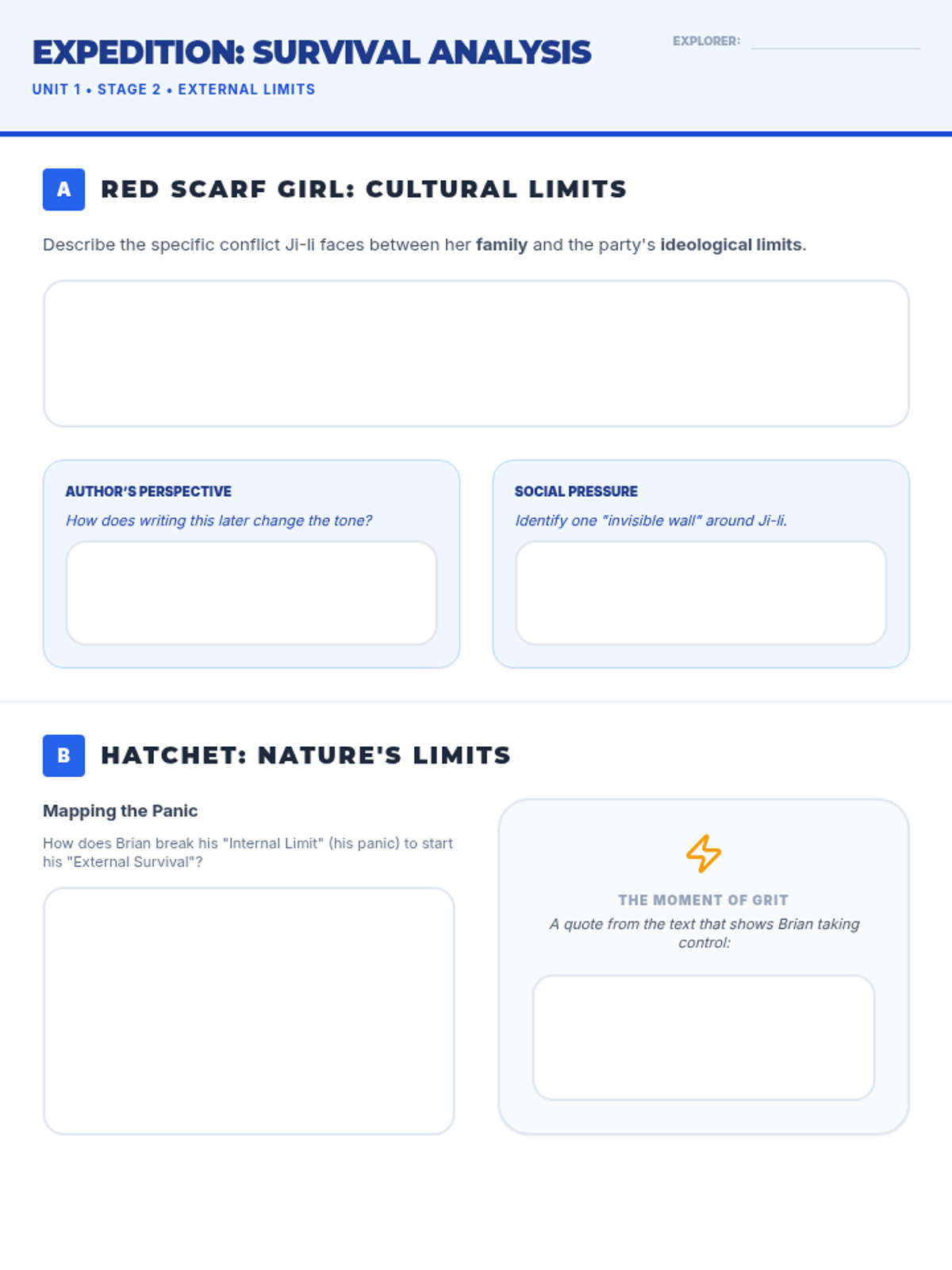
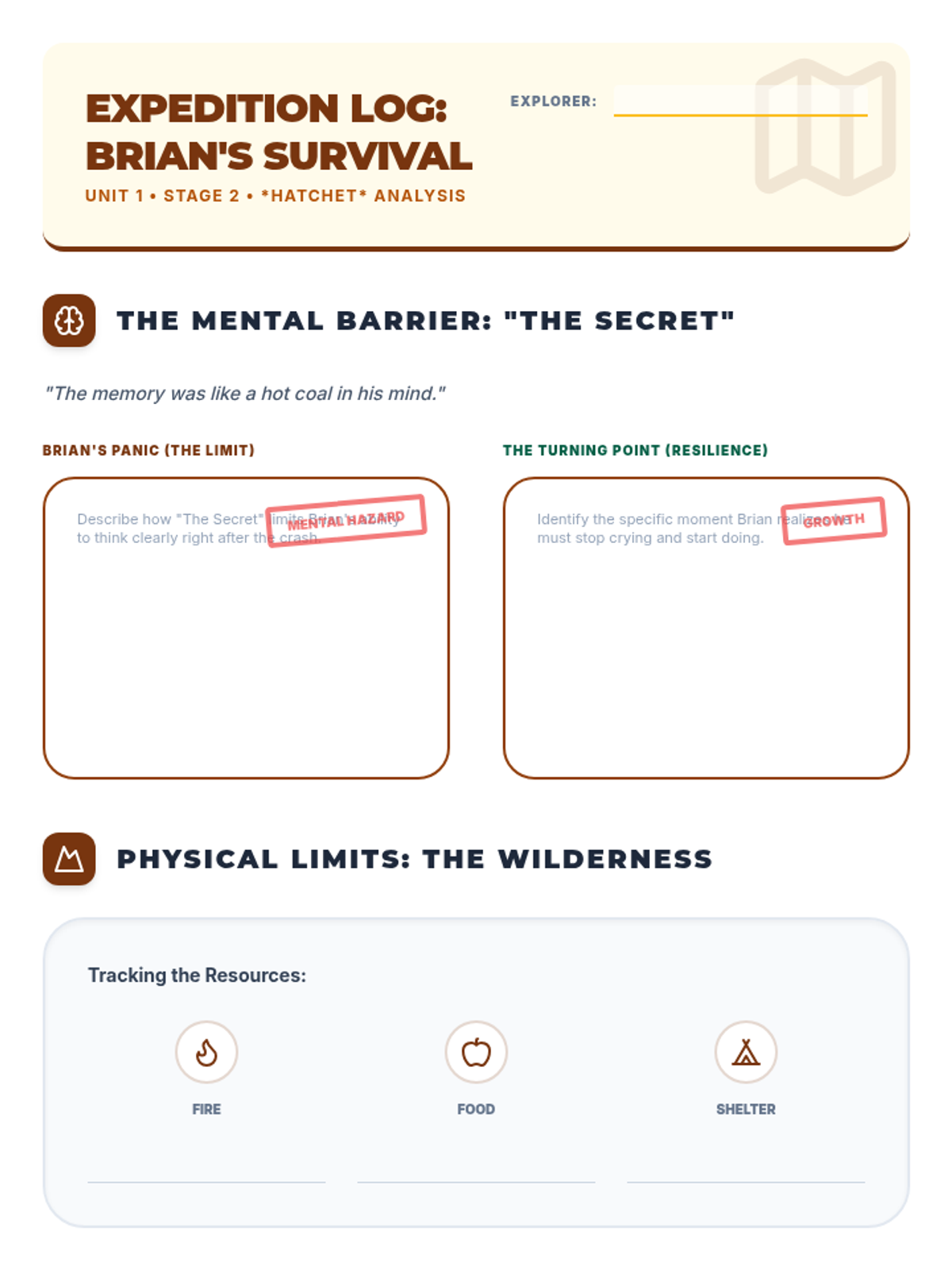
Exploring cultural pressure and physical survival through 'Red Scarf Girl' and 'Hatchet'.
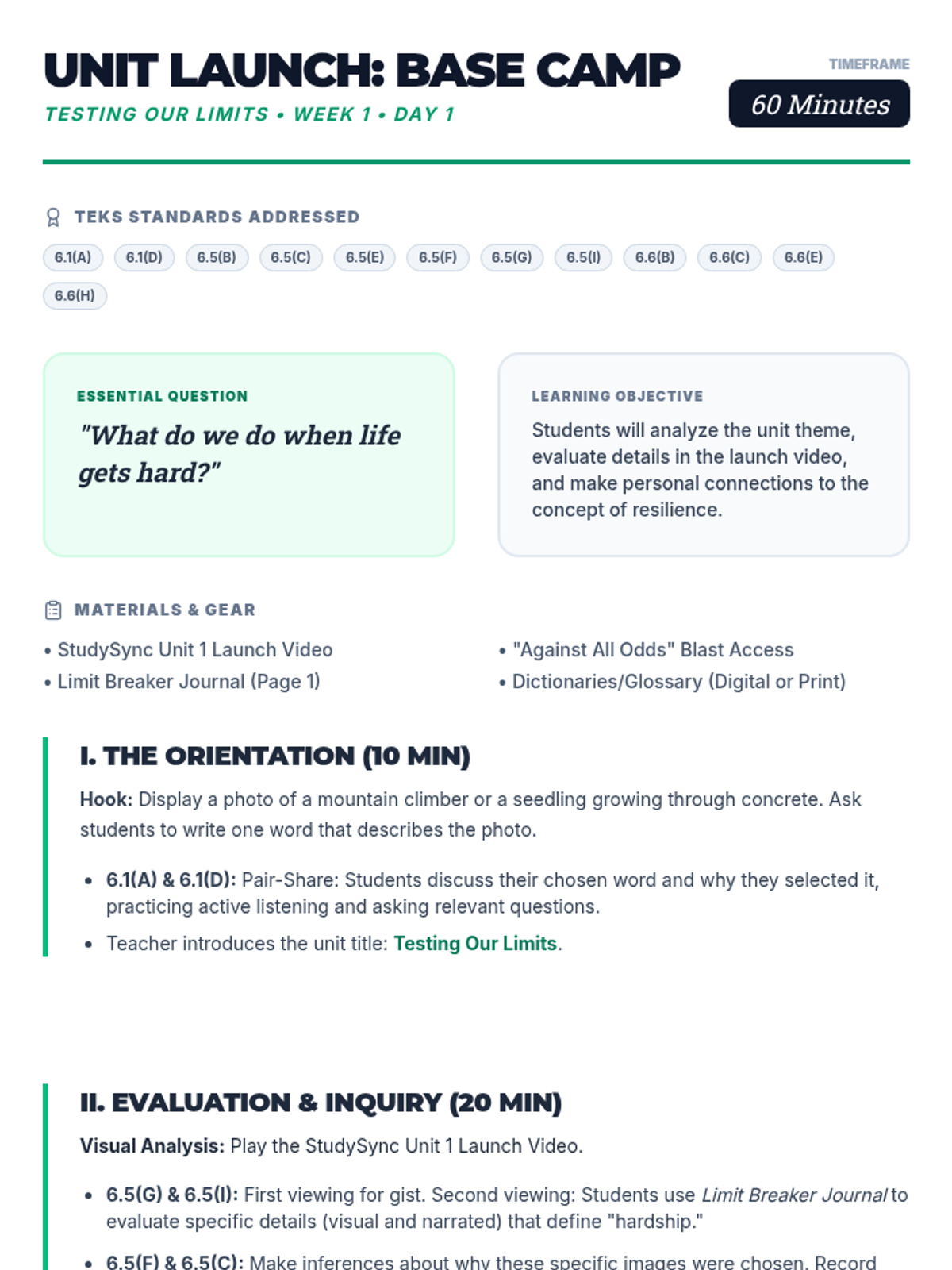
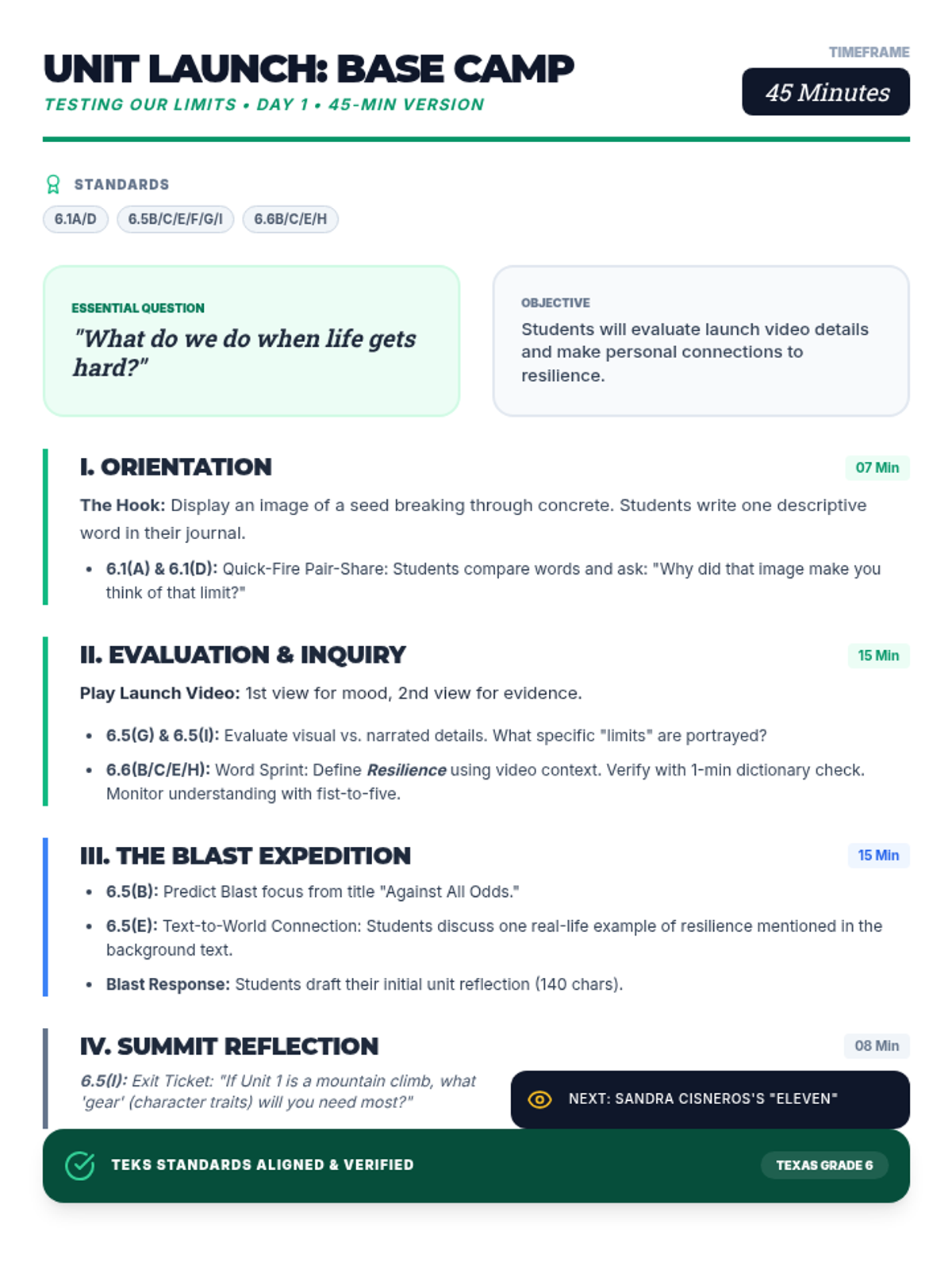
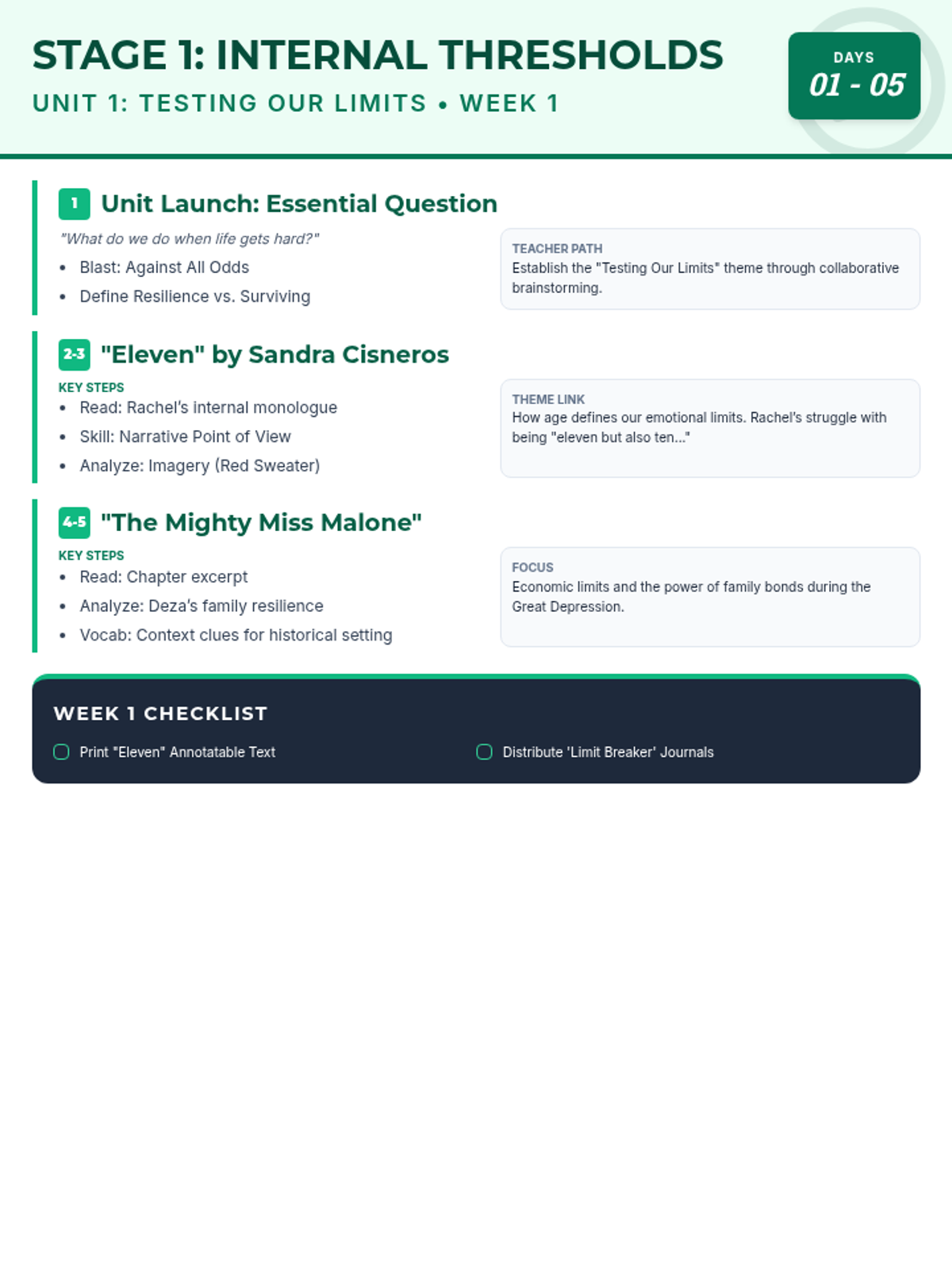
Introductory week focusing on emotional and familial limits through 'Eleven' and 'The Mighty Miss Malone'.
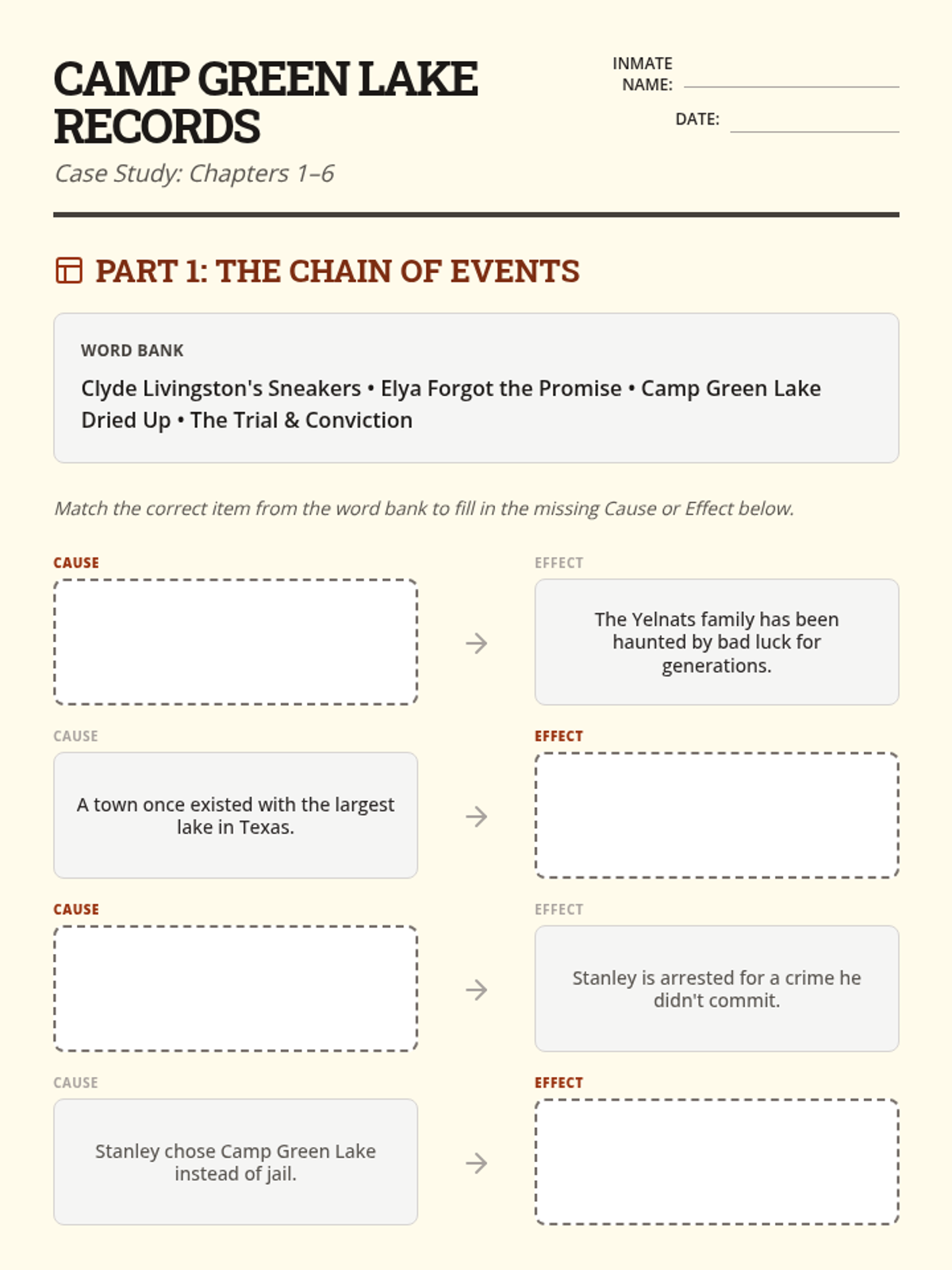
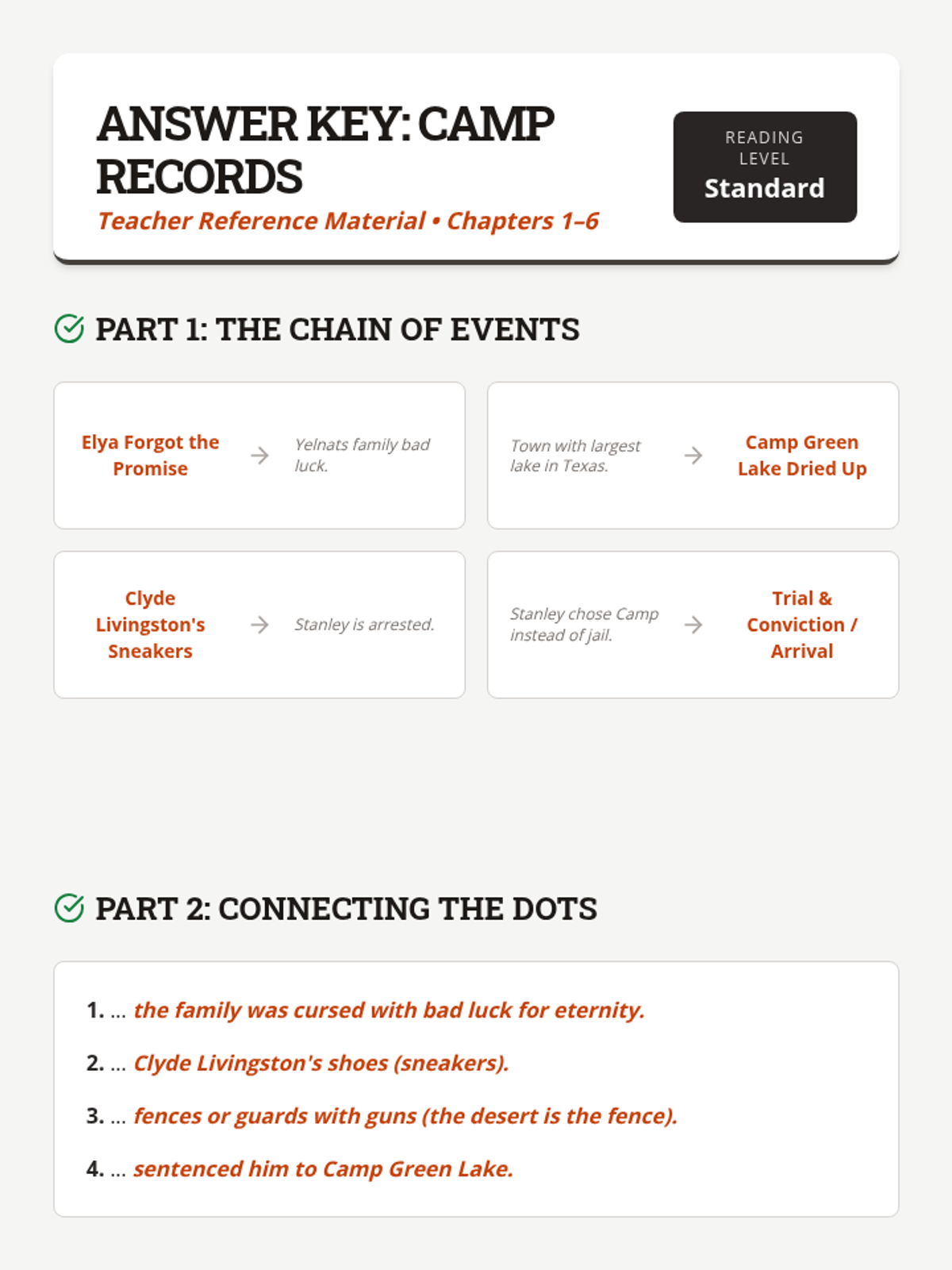
A focused exploration of cause and effect relationships in the opening chapters of Louis Sachar's 'Holes', covering Stanley's arrival at Camp Green Lake and the history of the Yelnats family curse.
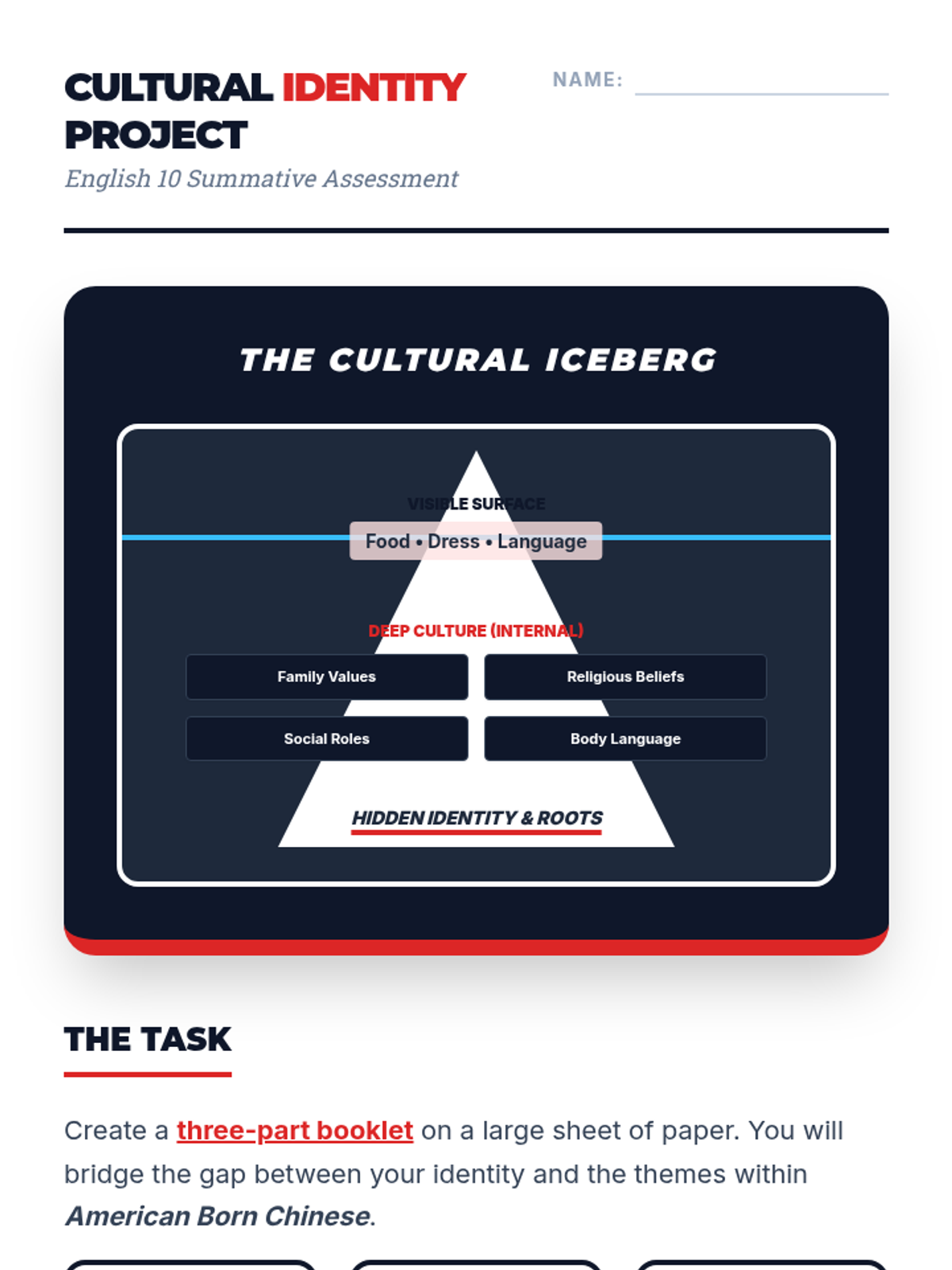
Dedicated workshop time for students to develop their Cultural Identity Project booklets.
Concluding the novel and launching the final Cultural Identity Project.
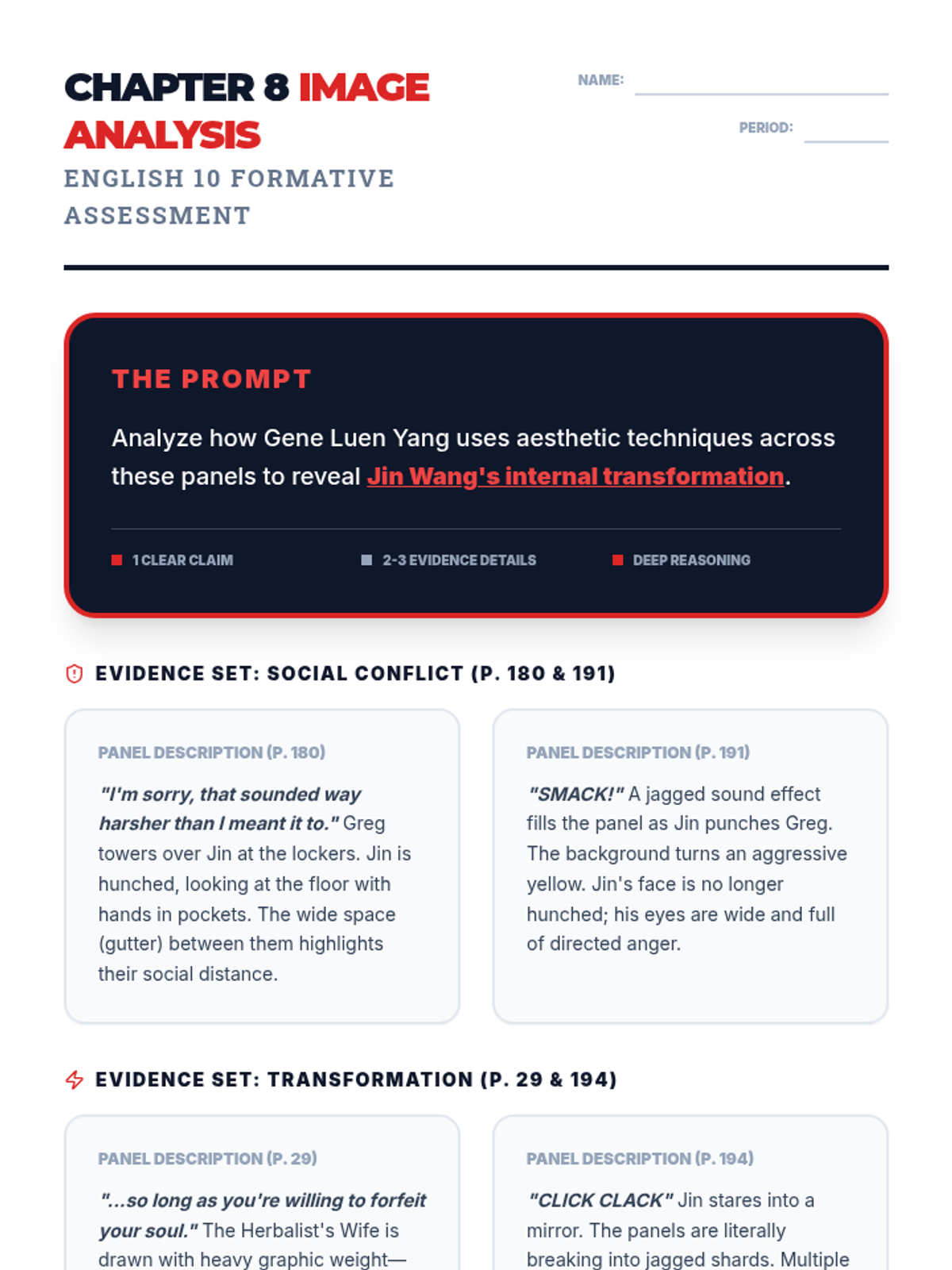
Formal assessment of chapter 8 using the Image Analysis CER format.
Analyzing chapter 7 with a focus on identity mirrors and the convergence of the three narrative threads.
Integrating image analysis with the CER framework to decode visual meaning in key panels from chapters 4-6.
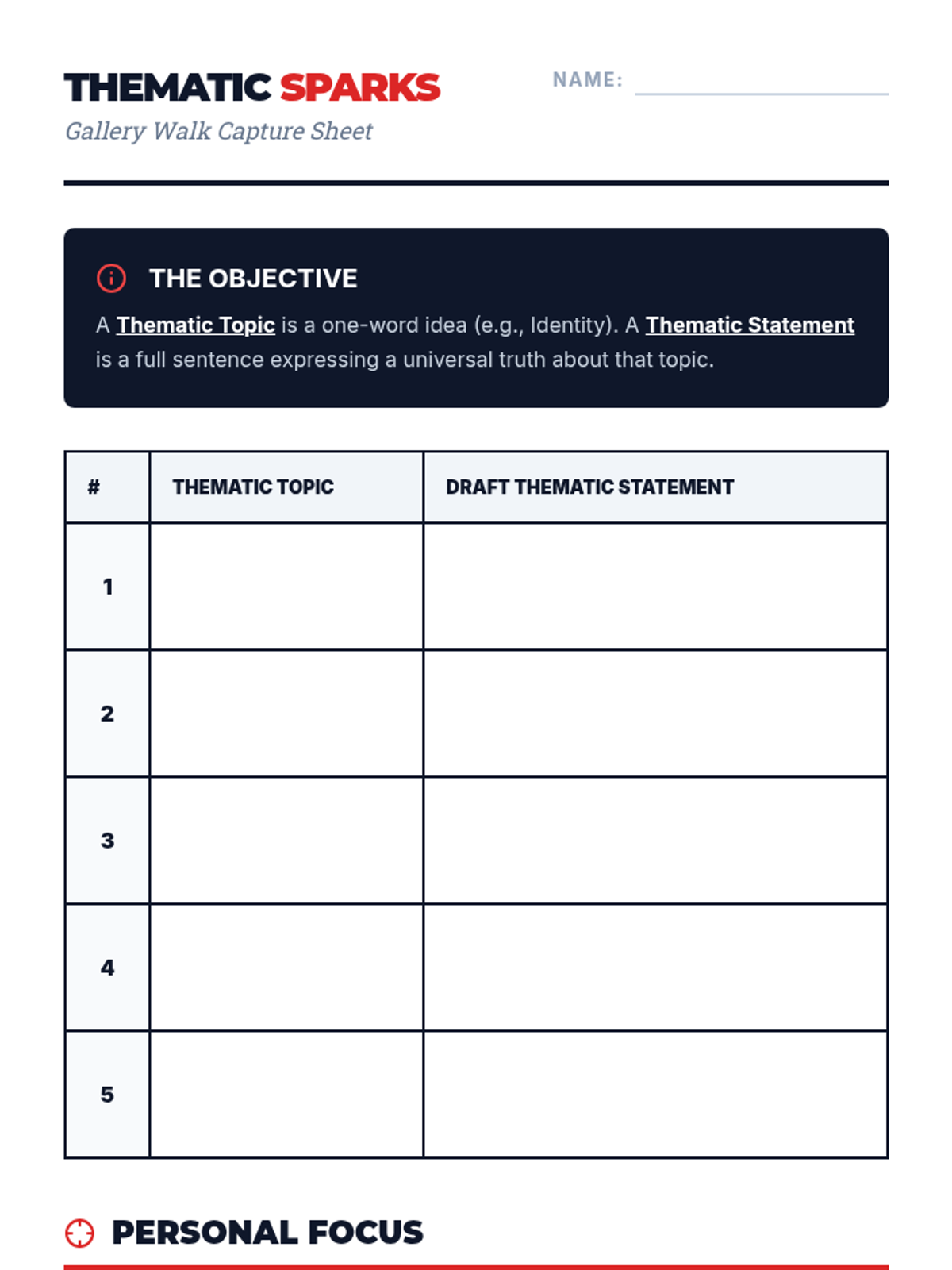
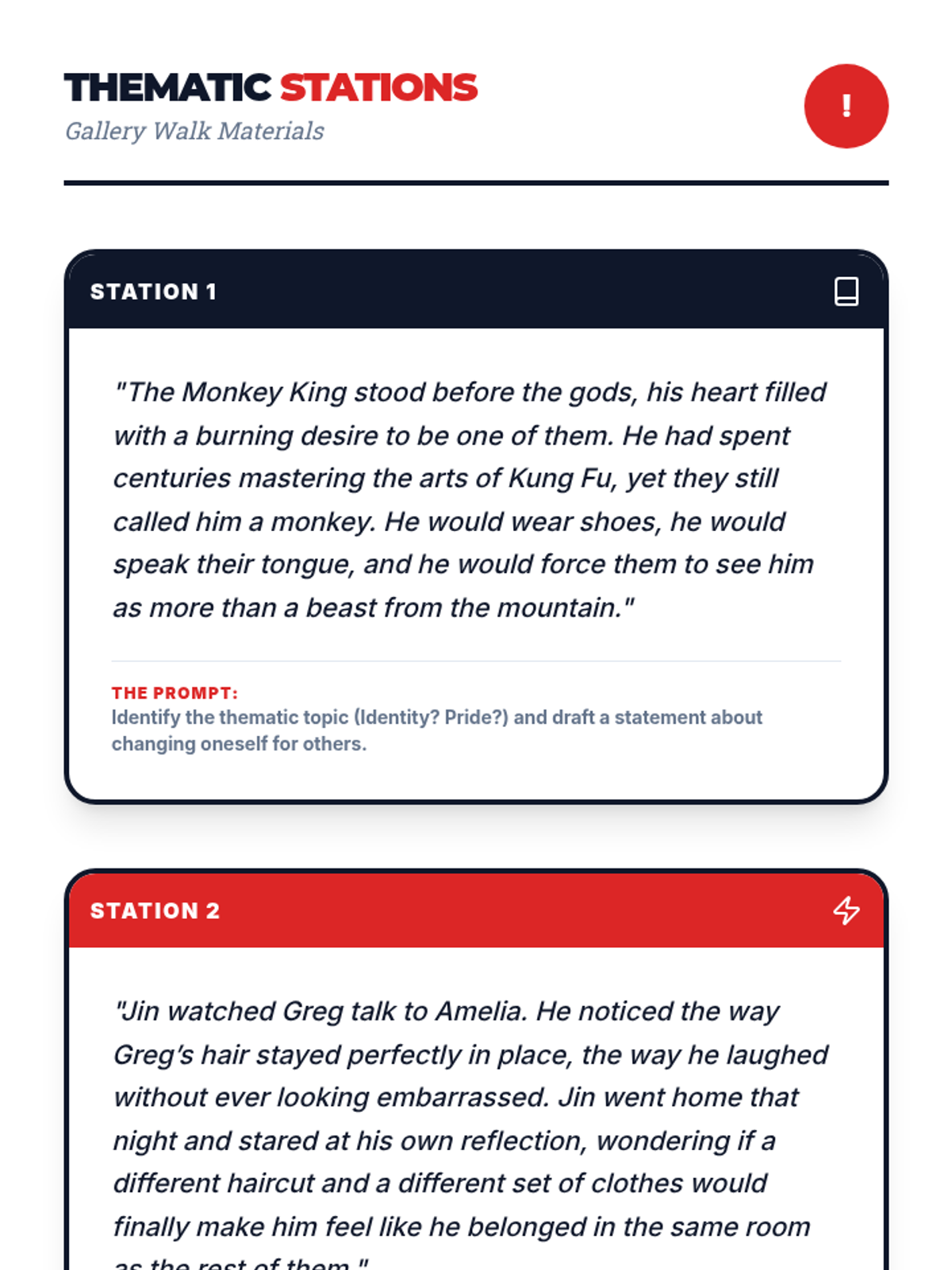
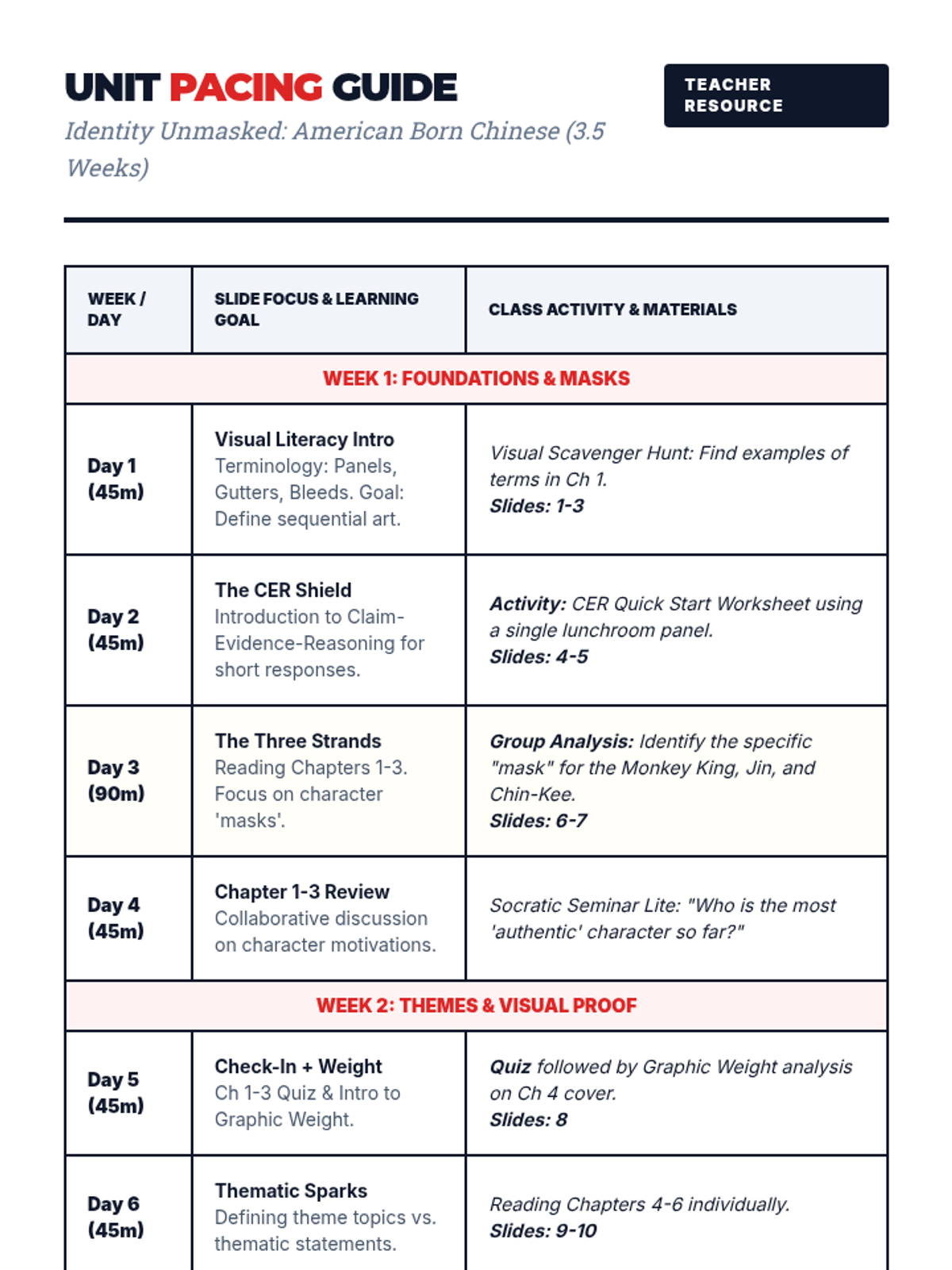
Exploring chapters 4-6 through a theme-focused gallery walk to transition from thematic topics to thematic statements.
Assessment of initial chapters followed by an introduction to visual literacy and image analysis techniques specific to graphic novels.
Deep dive into chapters 1-3 with a focus on character development and initial CER application in short responses.
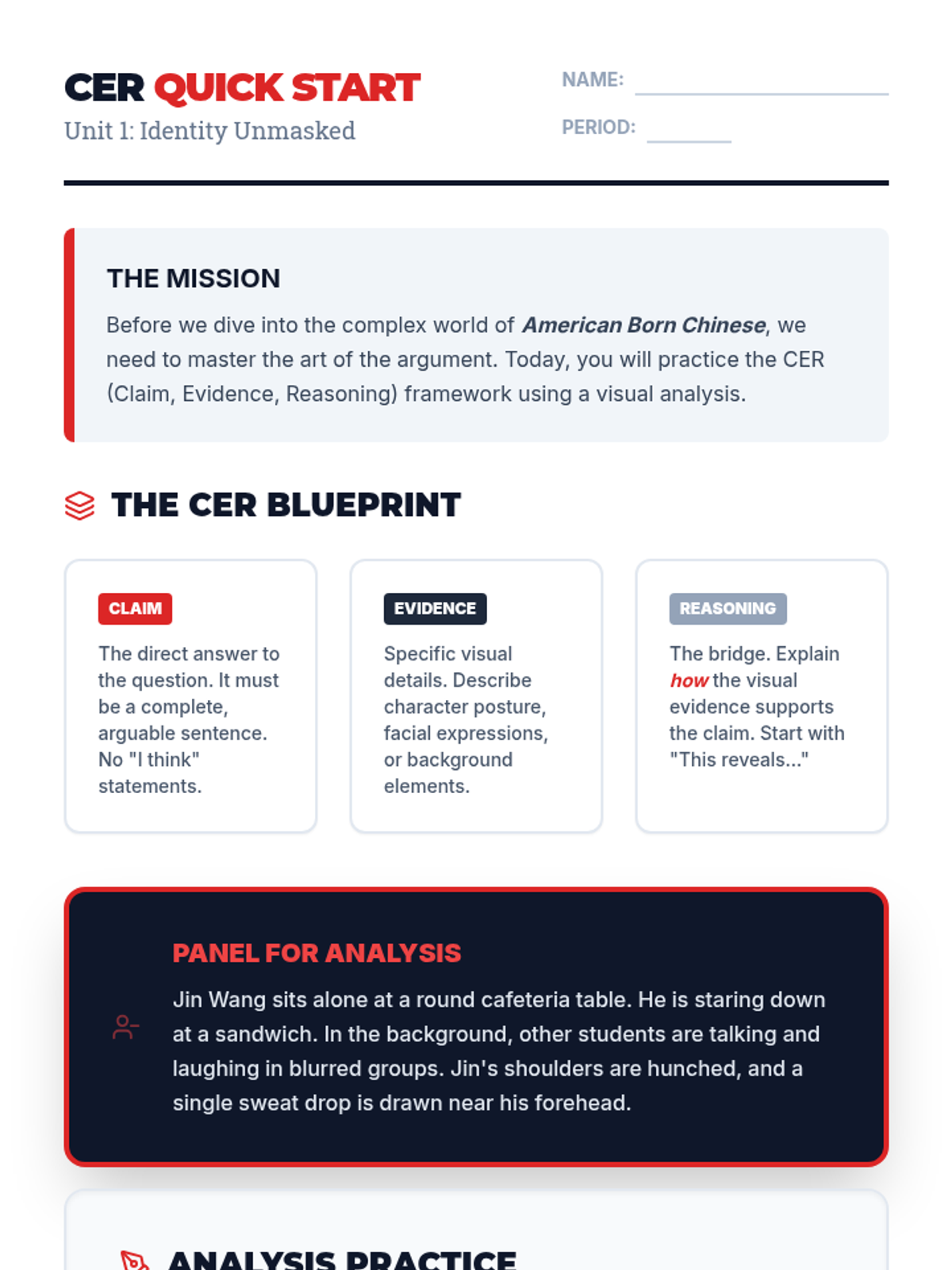
Introduction to graphic novel terminology and the CER (Claim, Evidence, Reasoning) framework for literary analysis.
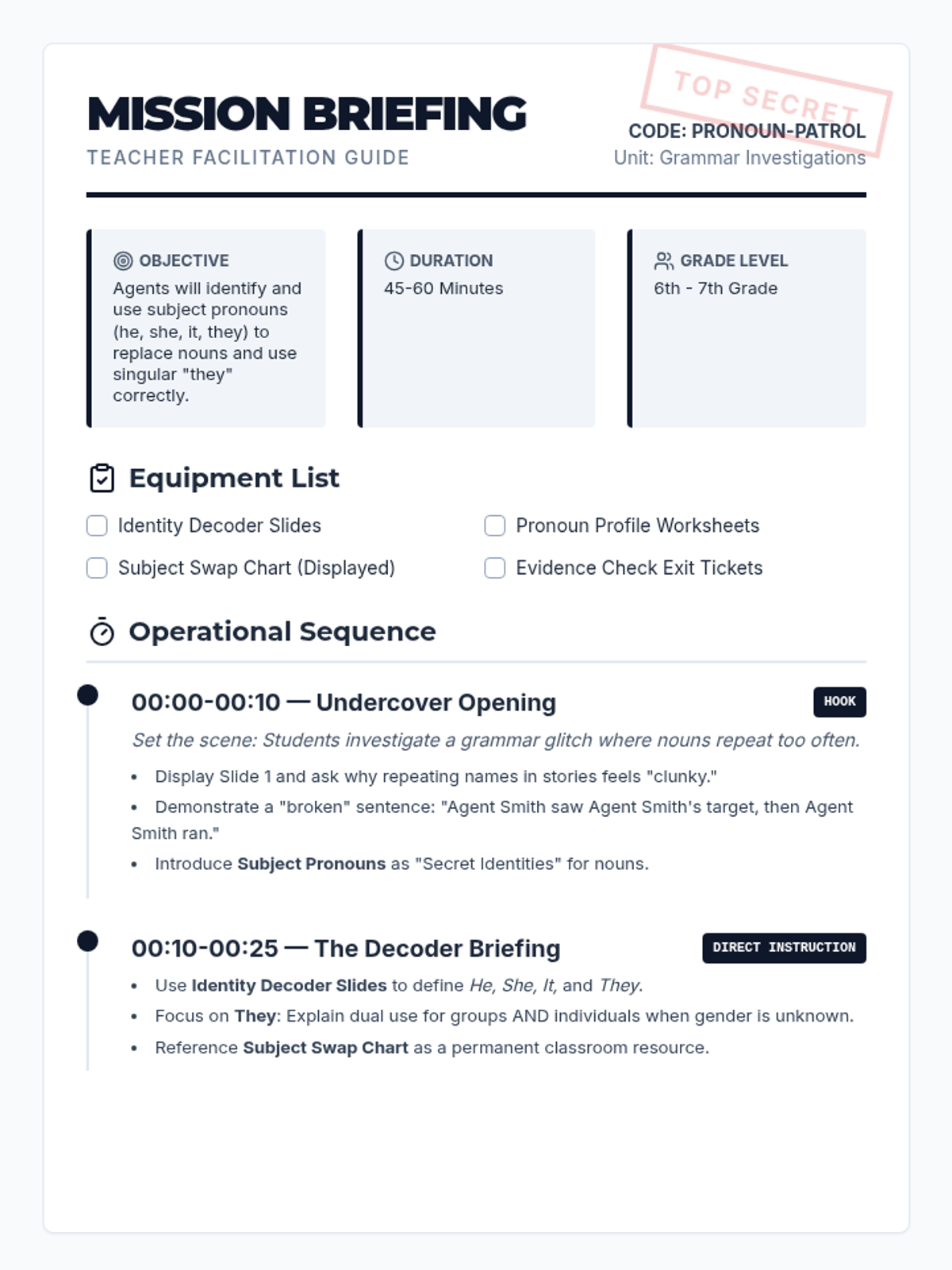
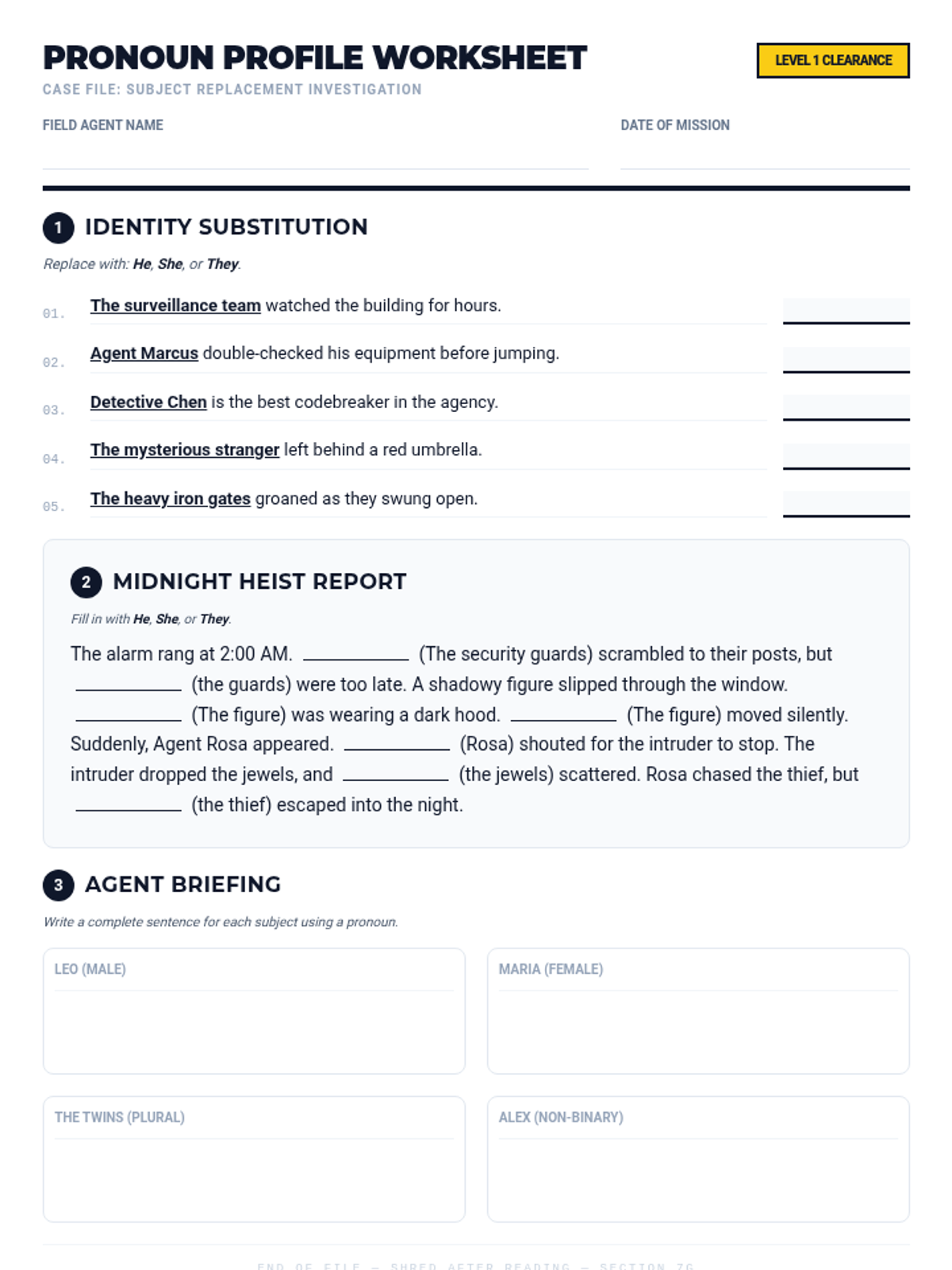
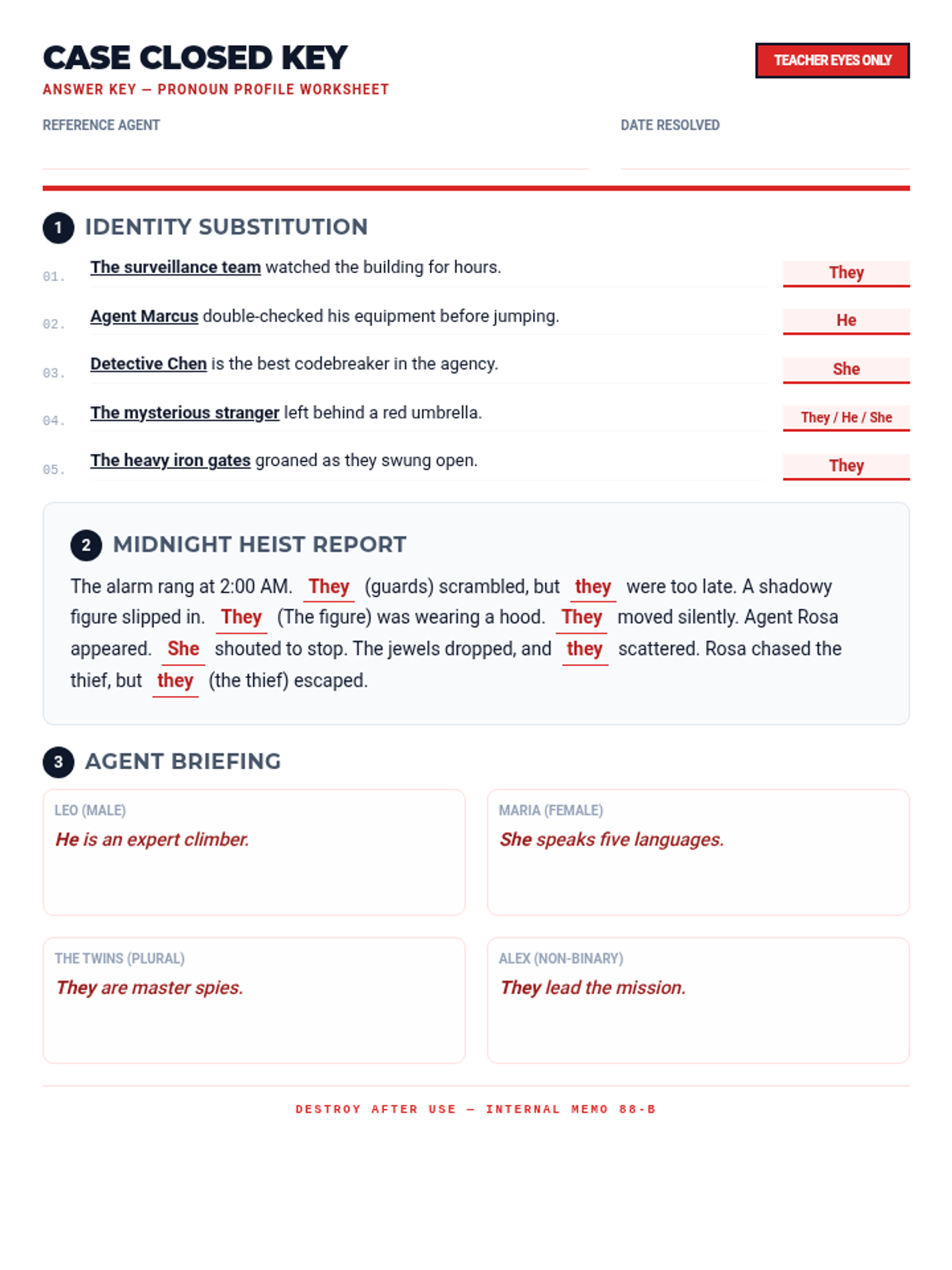
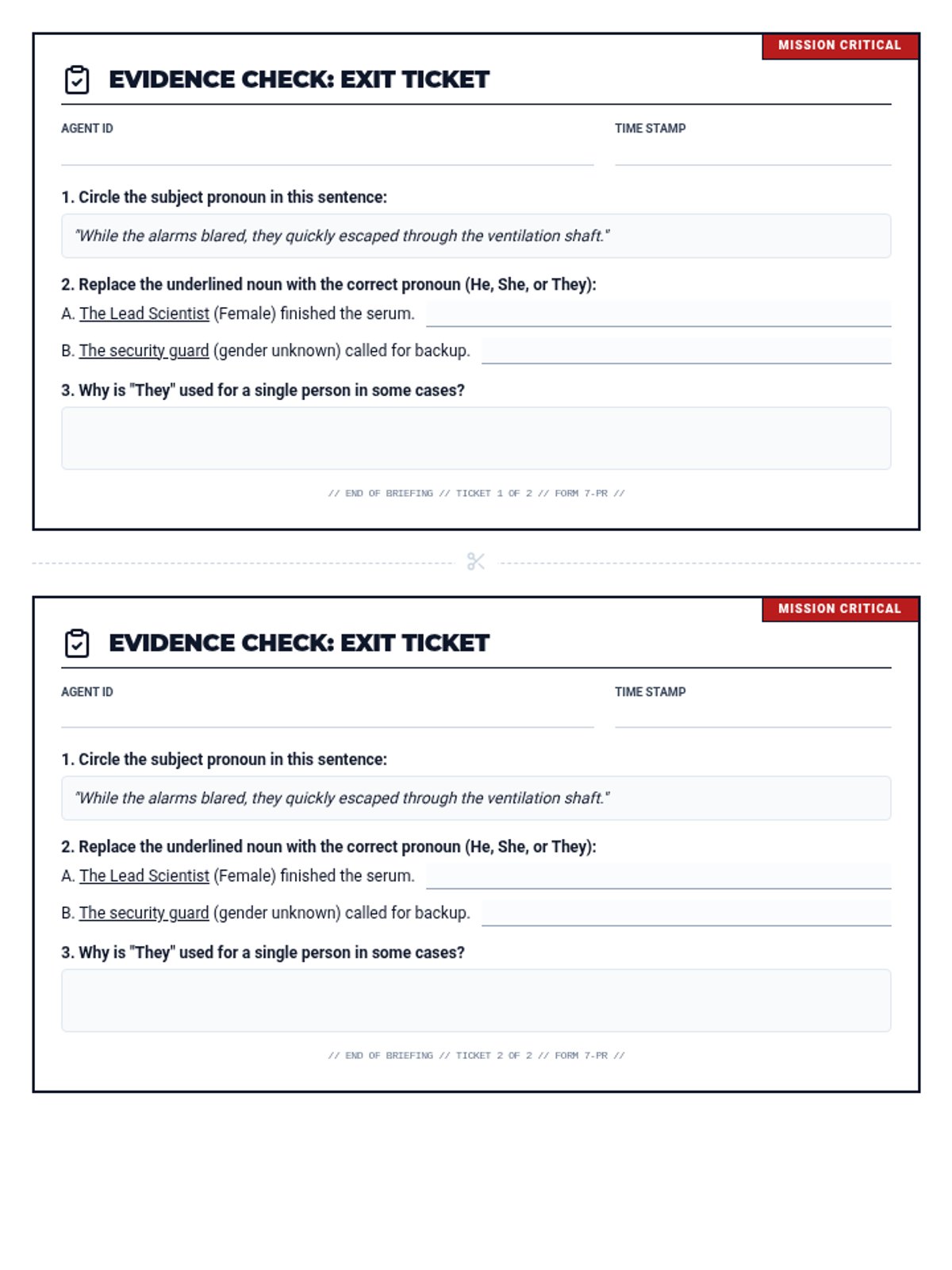
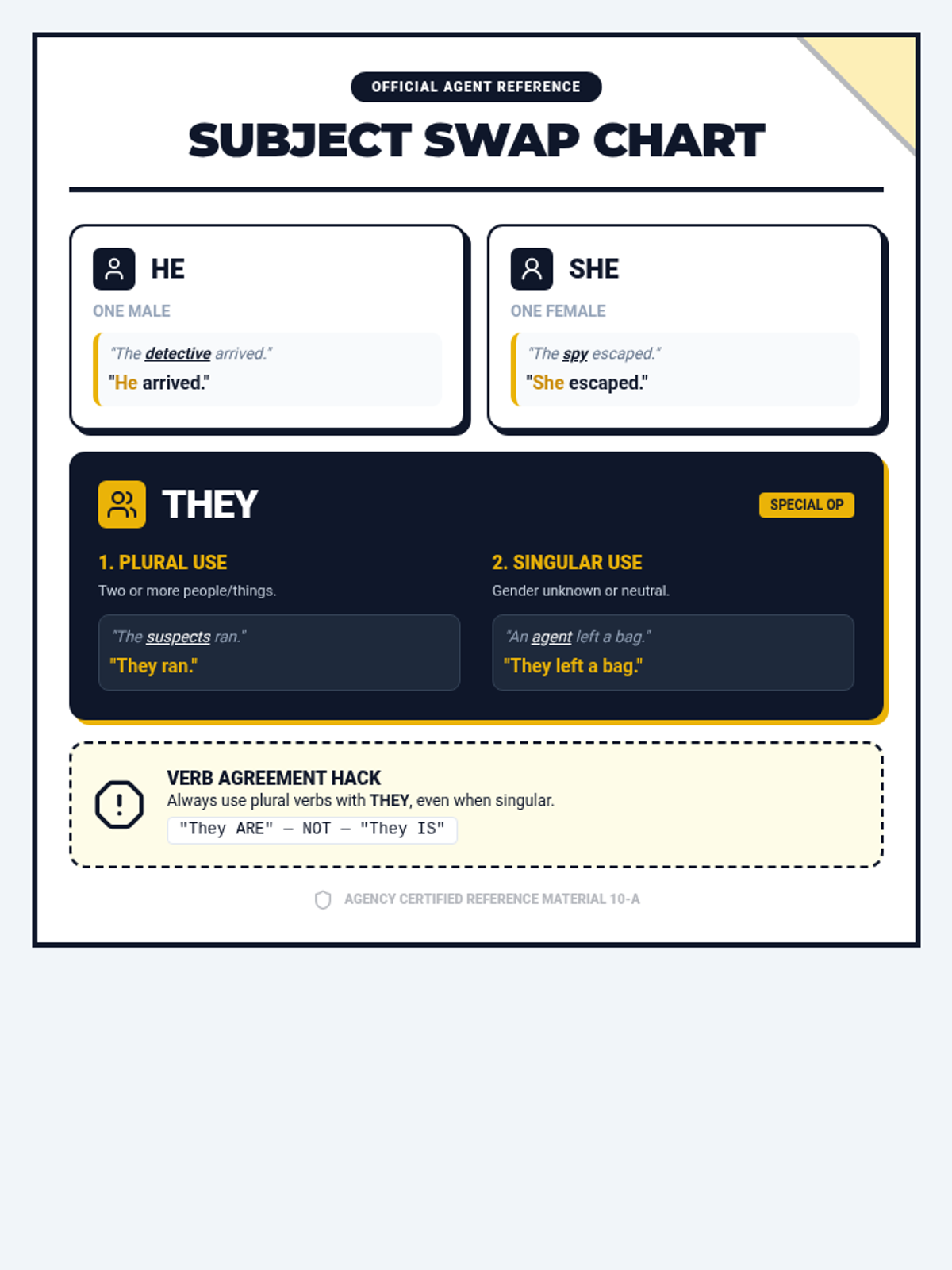
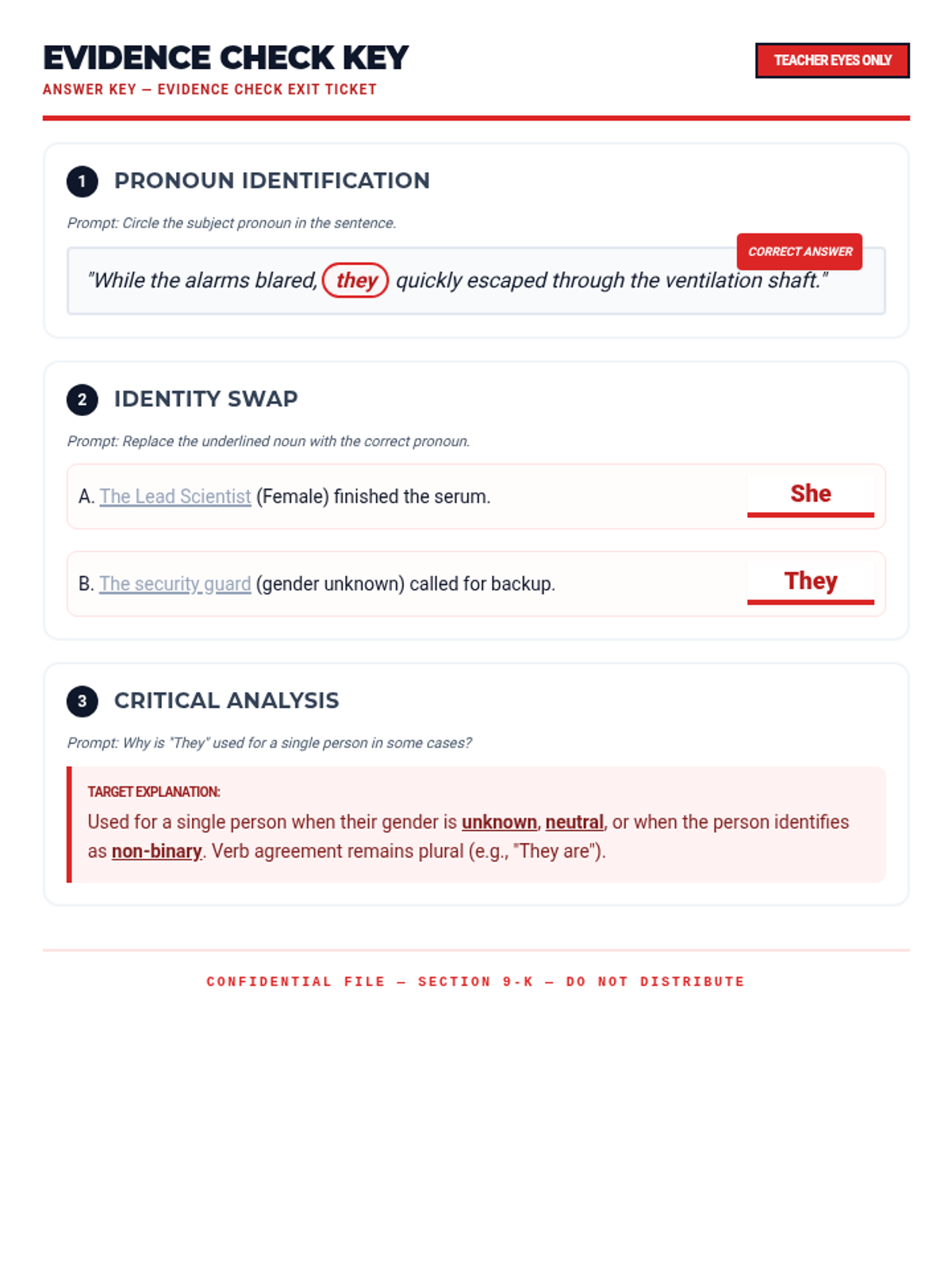
A comprehensive lesson on mastering subject pronouns (he, she, they) through the lens of a 'Secret Agent' investigation, focusing on replacing nouns and understanding singular/plural usage.
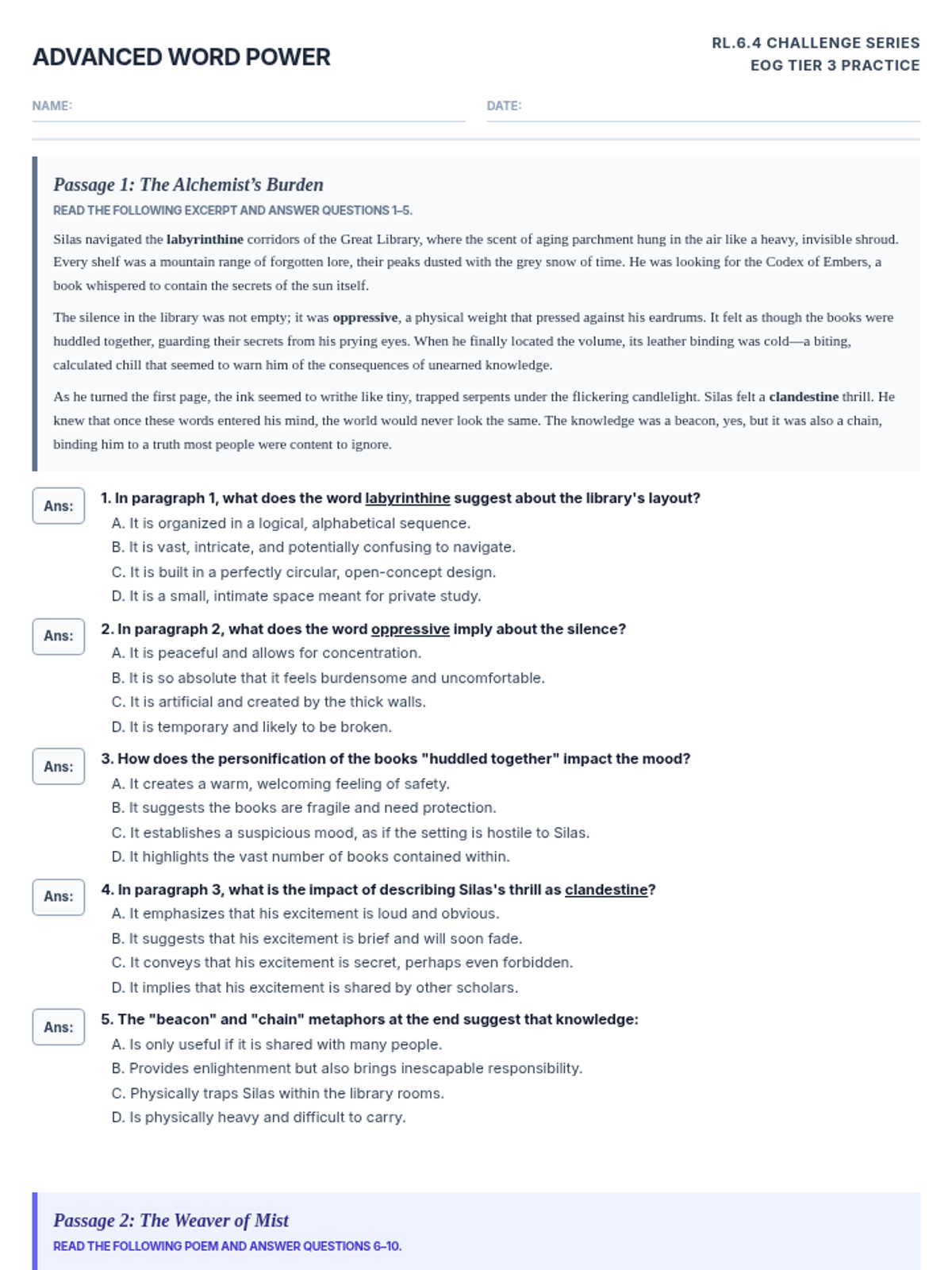
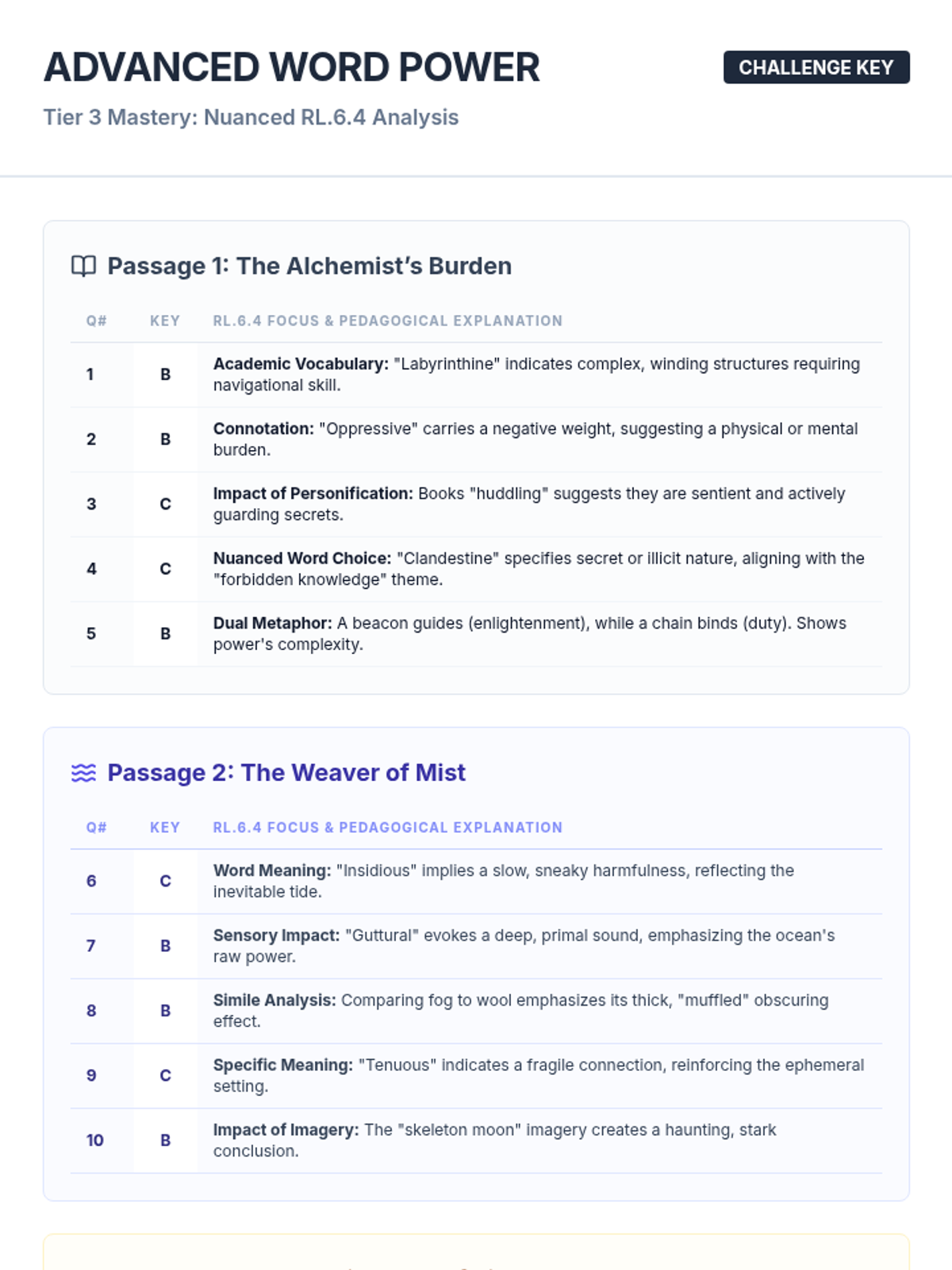
A targeted practice session focusing on RL.6.4 standards, including figurative language, connotative meanings, and the impact of word choice across three distinct text types.
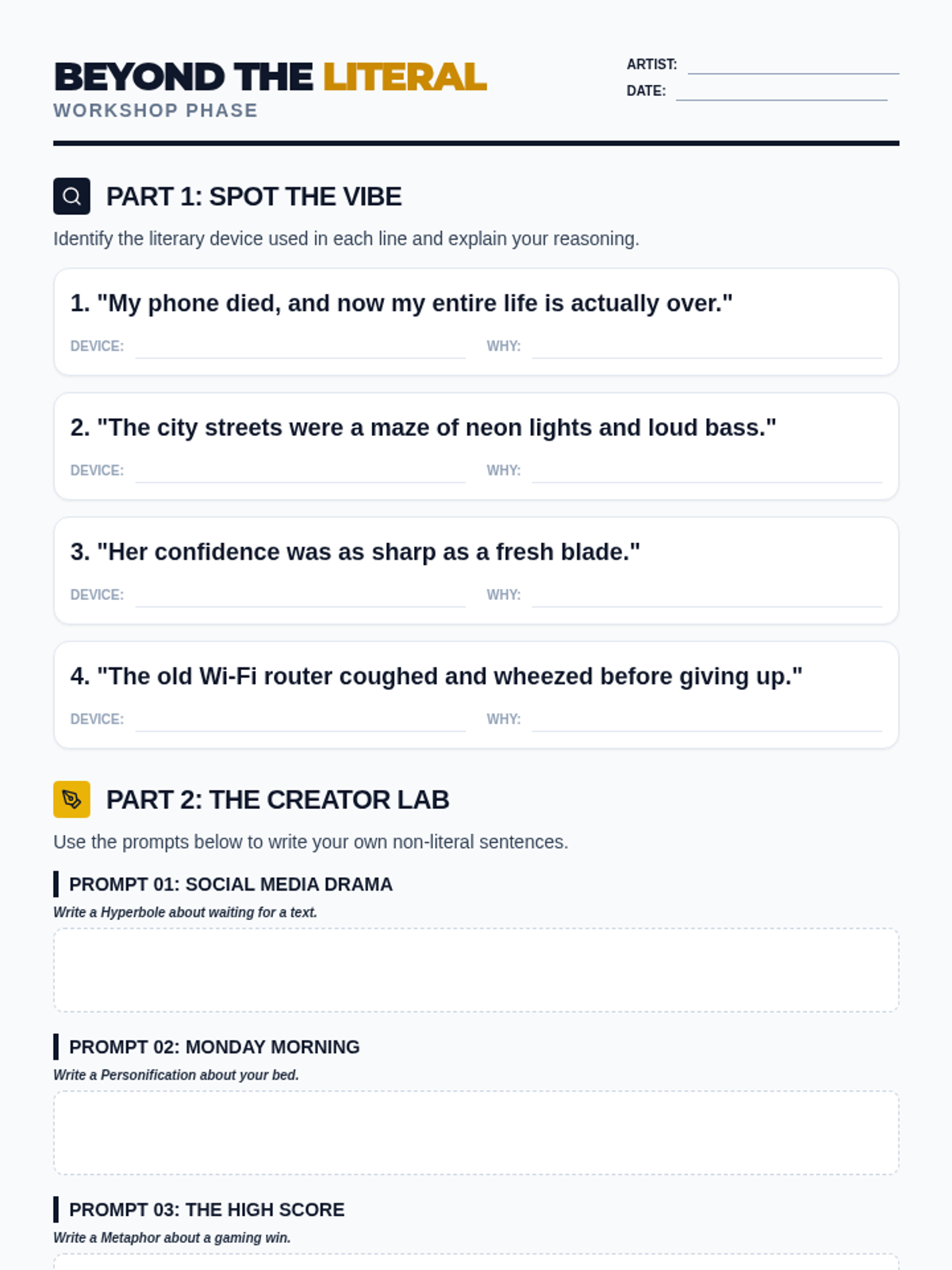
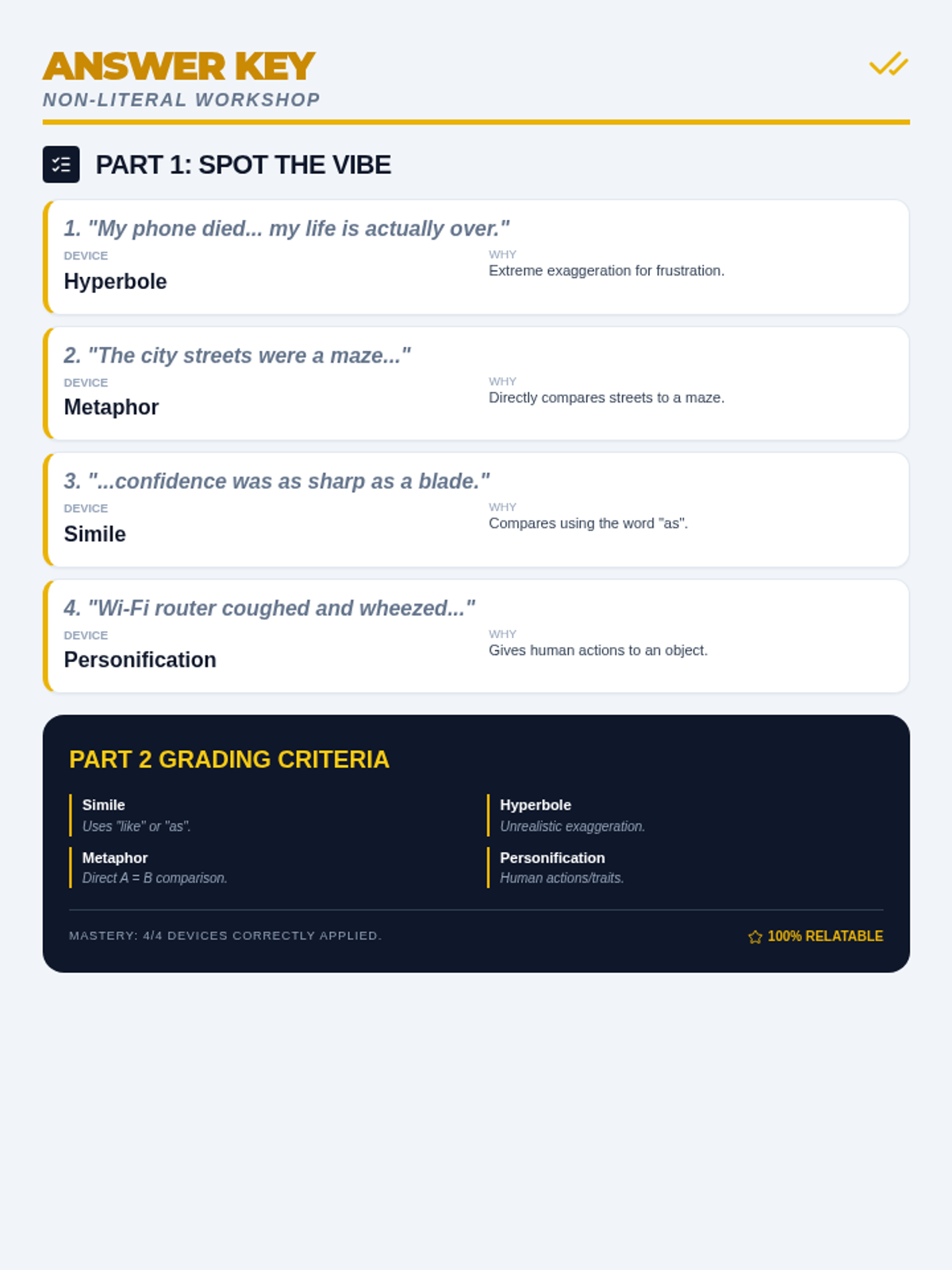
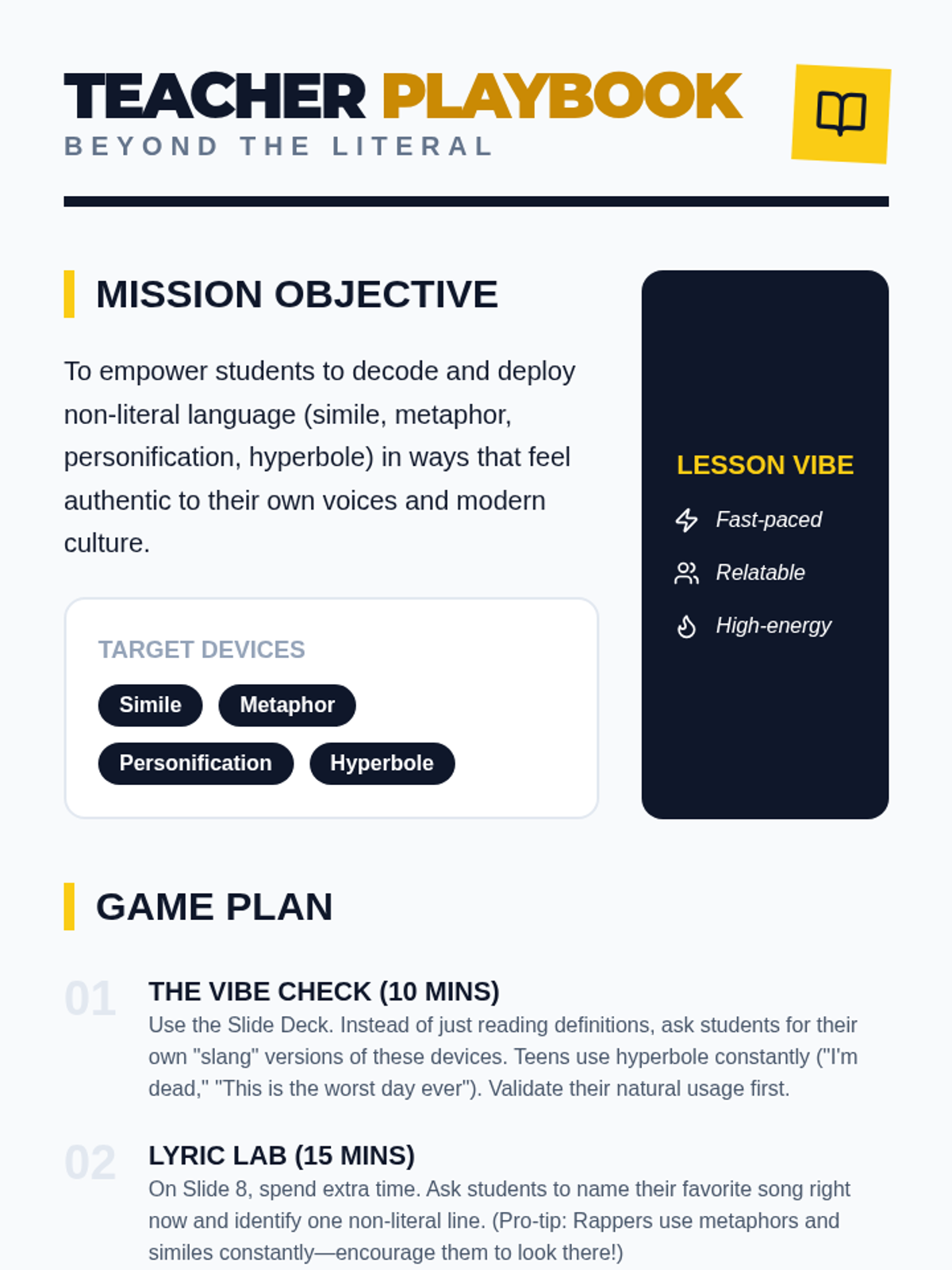
A dynamic exploration of non-literal language tailored for a teen audience, focusing on similes, metaphors, personification, and hyperbole through modern, relatable examples.
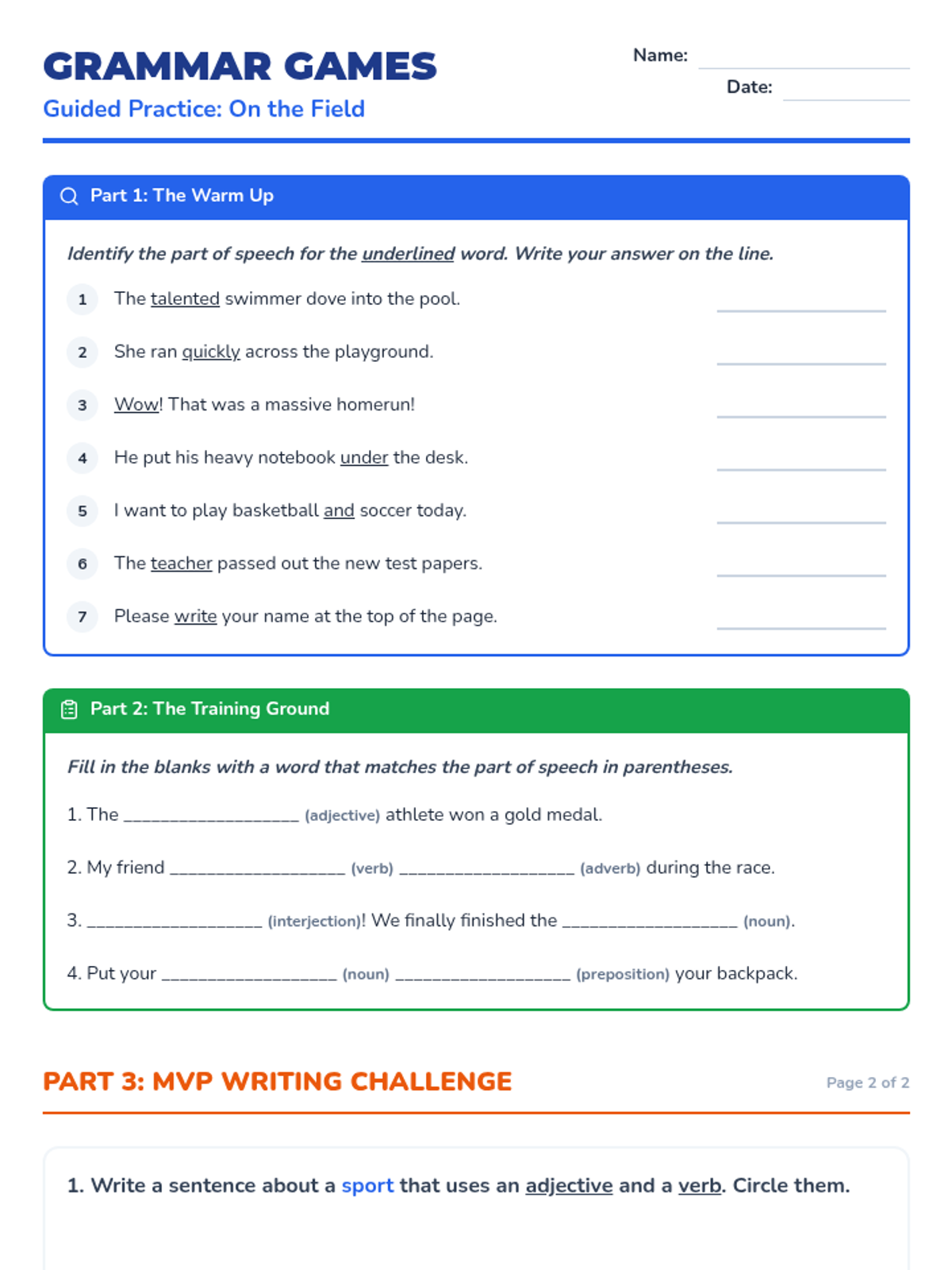
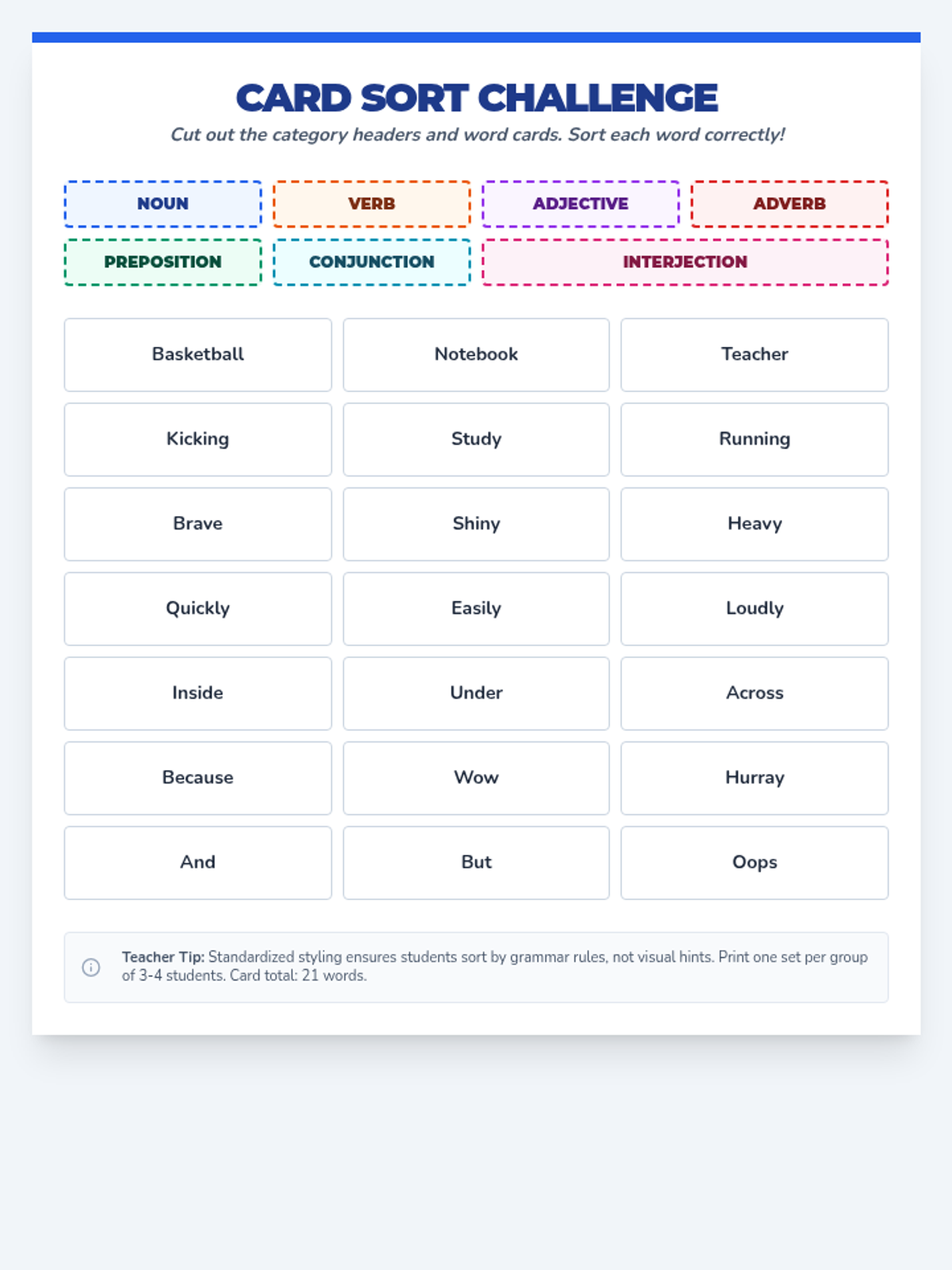
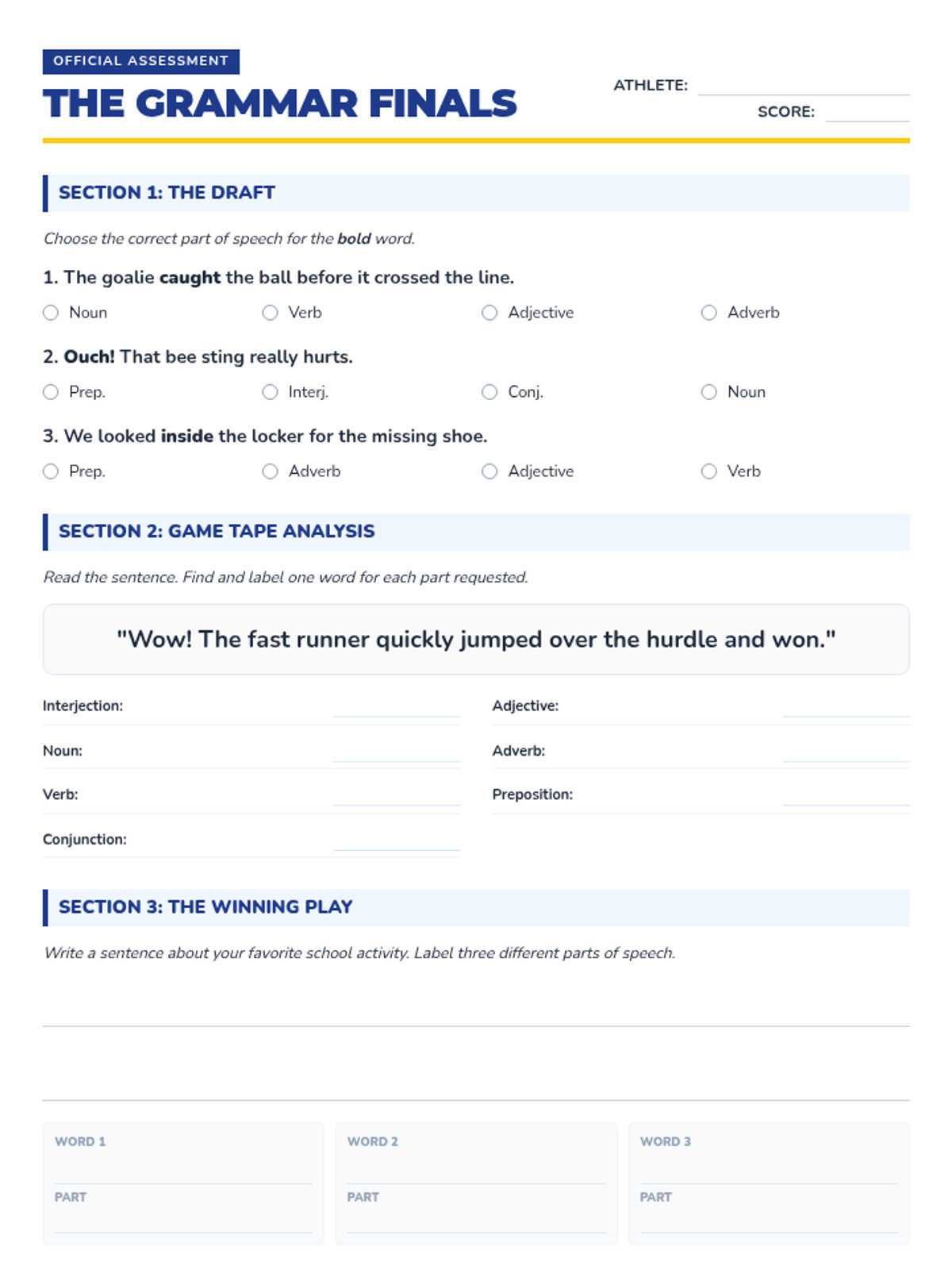
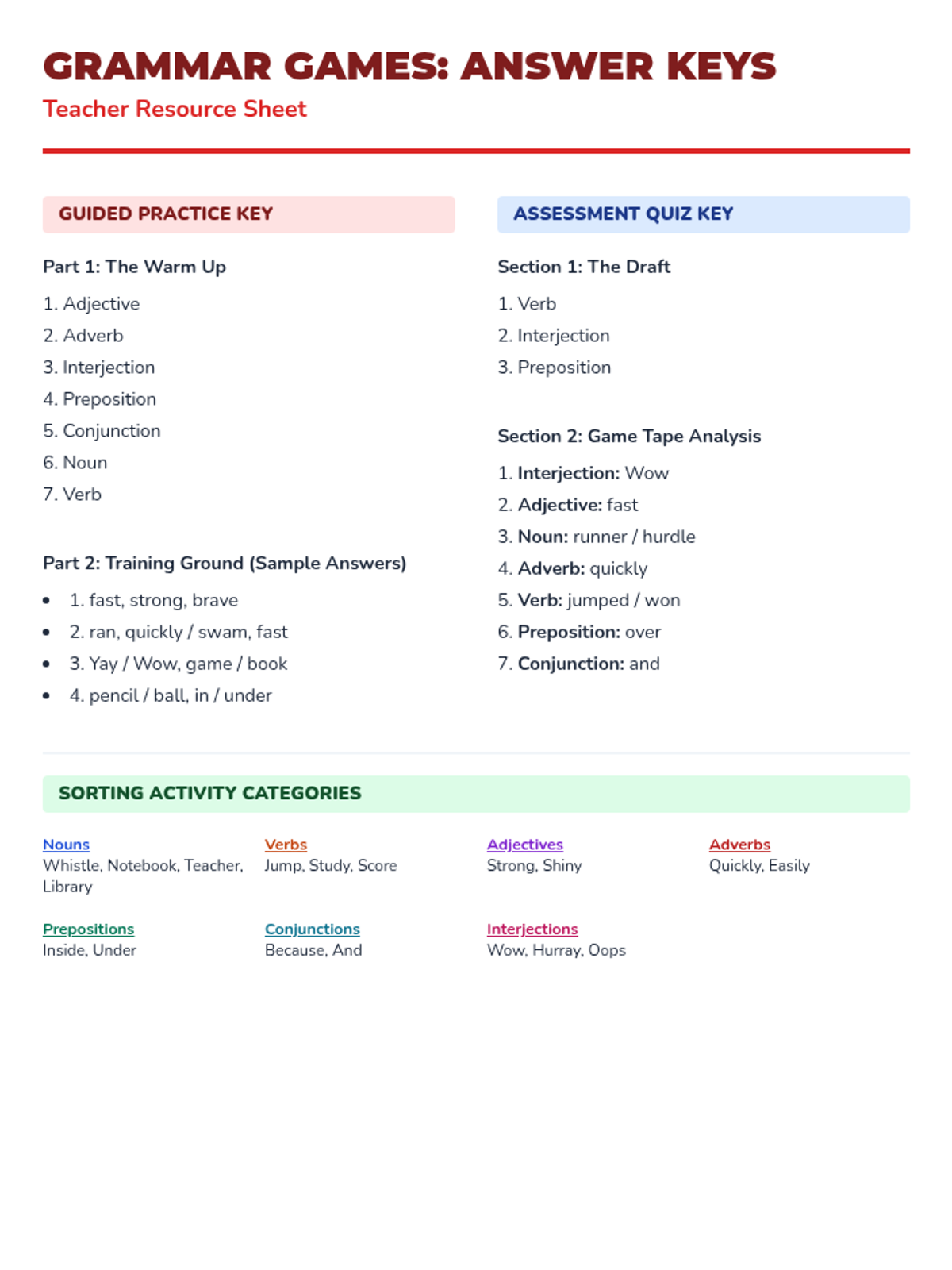
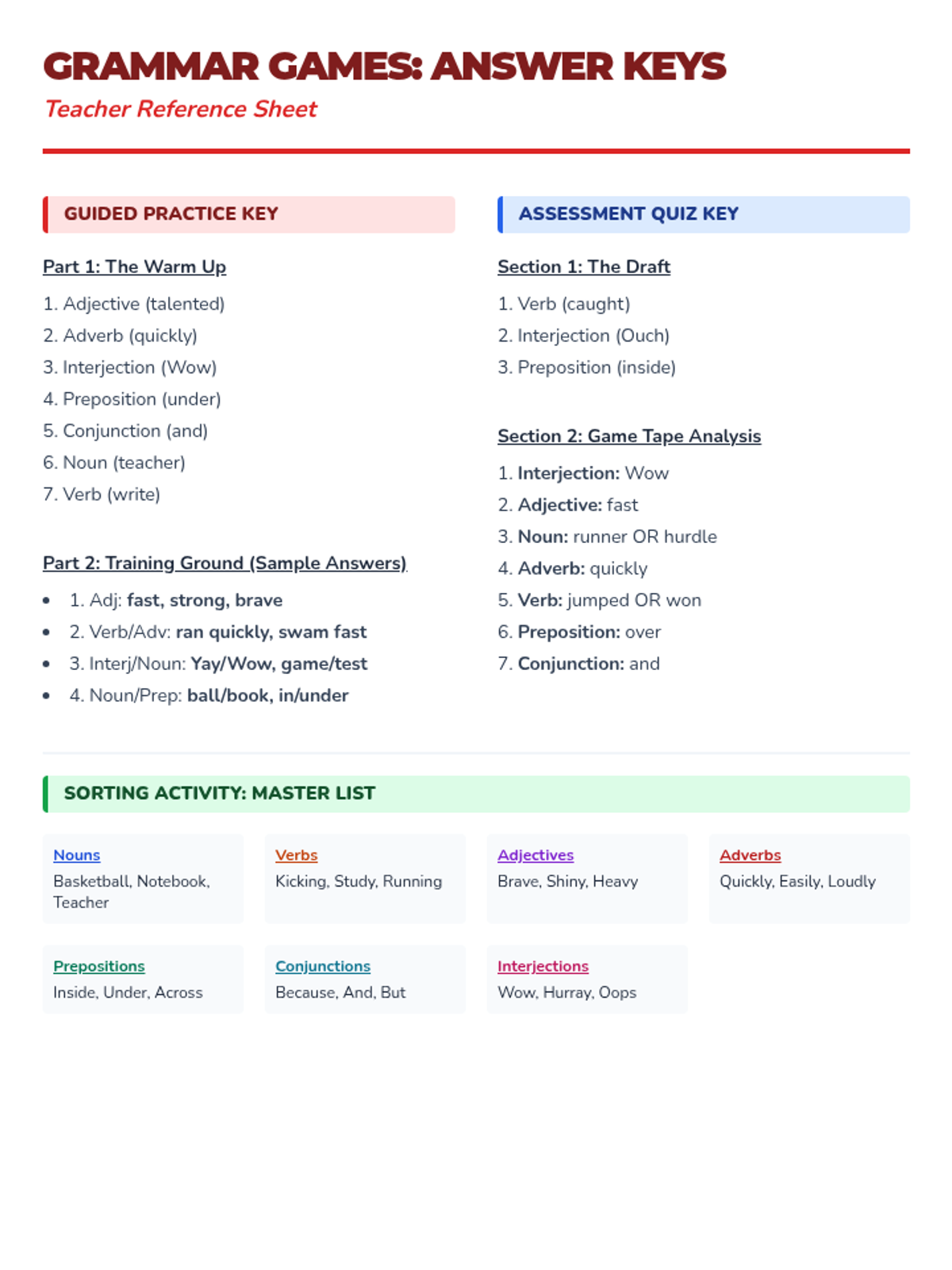
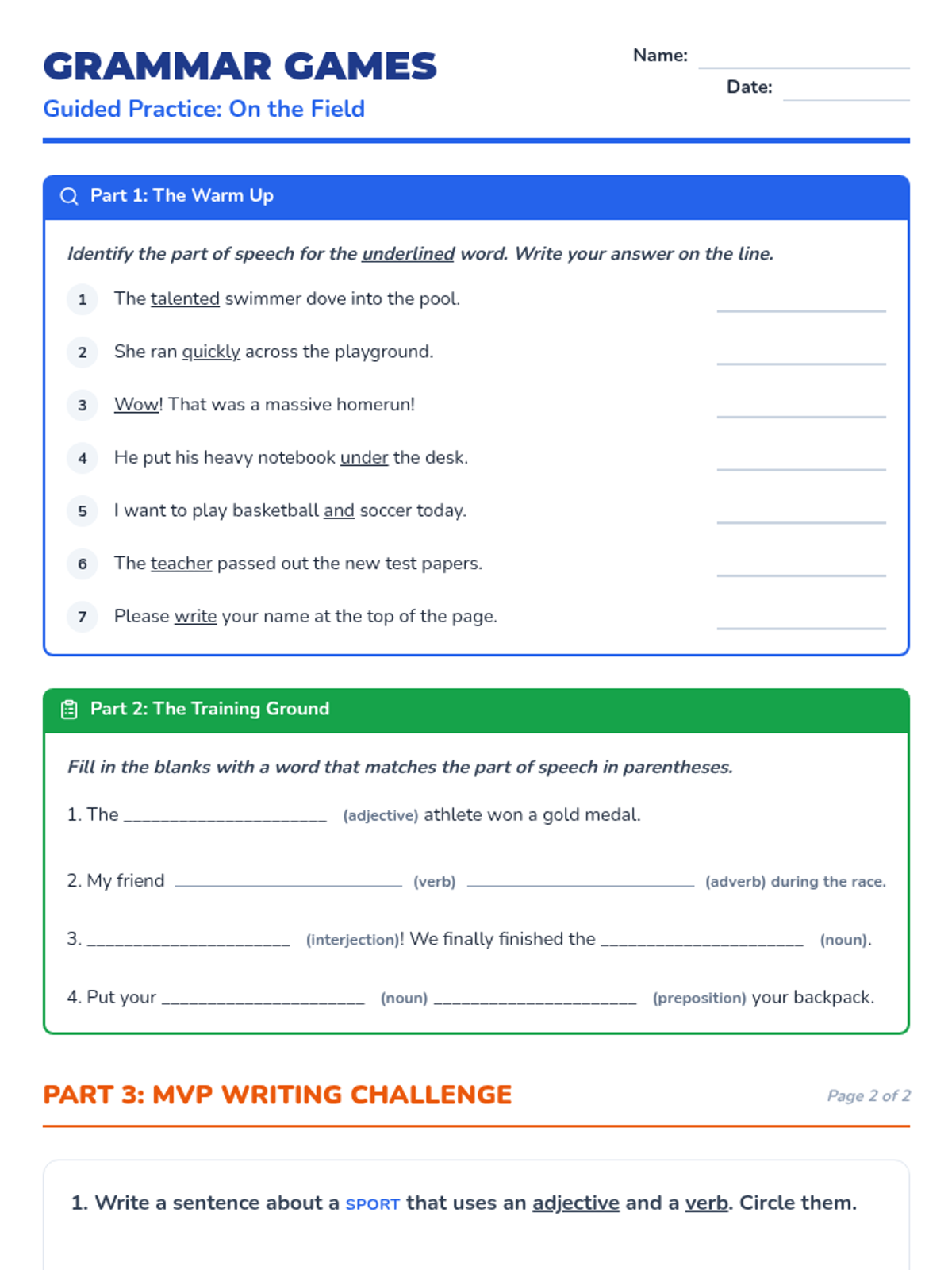
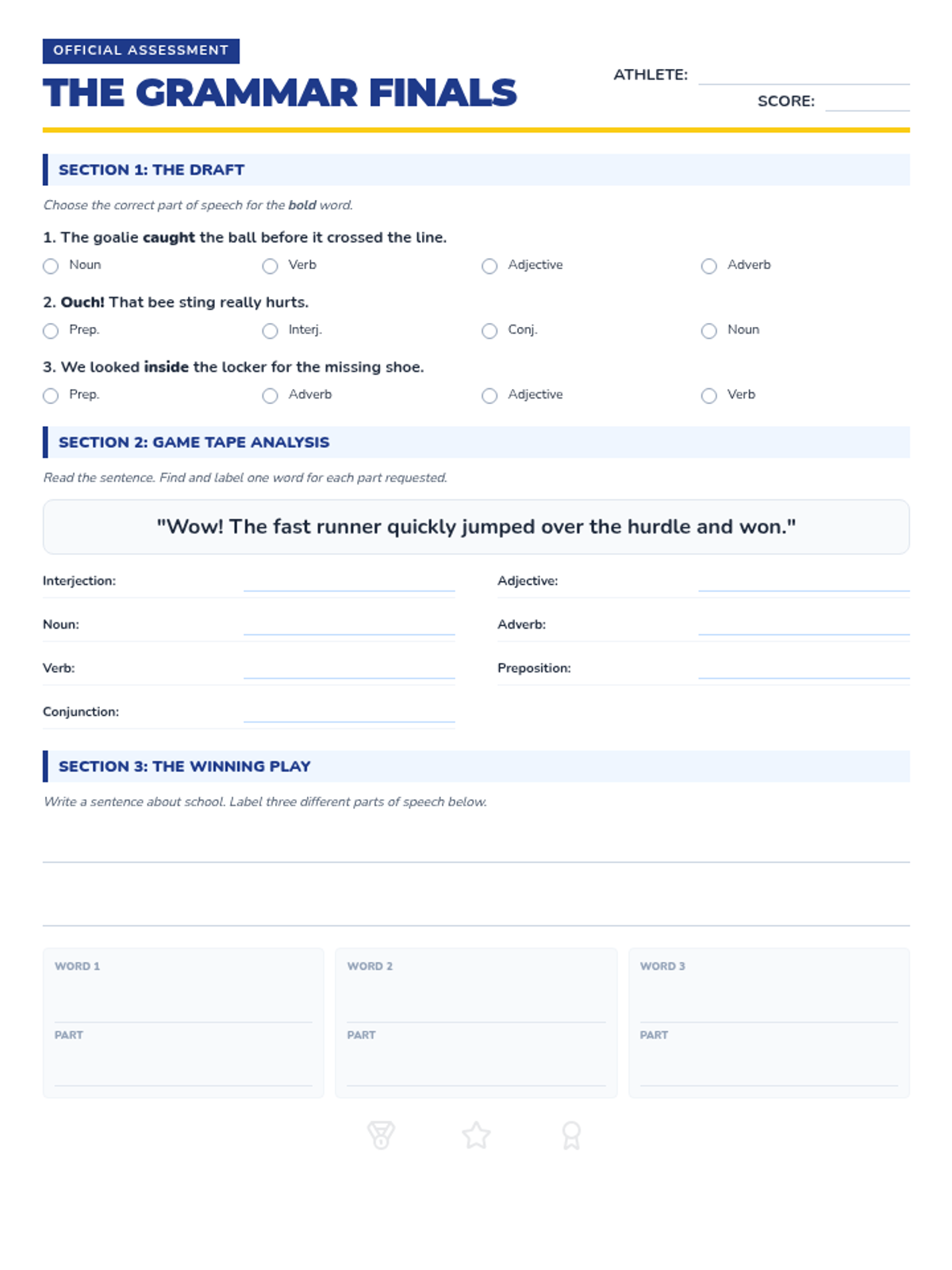
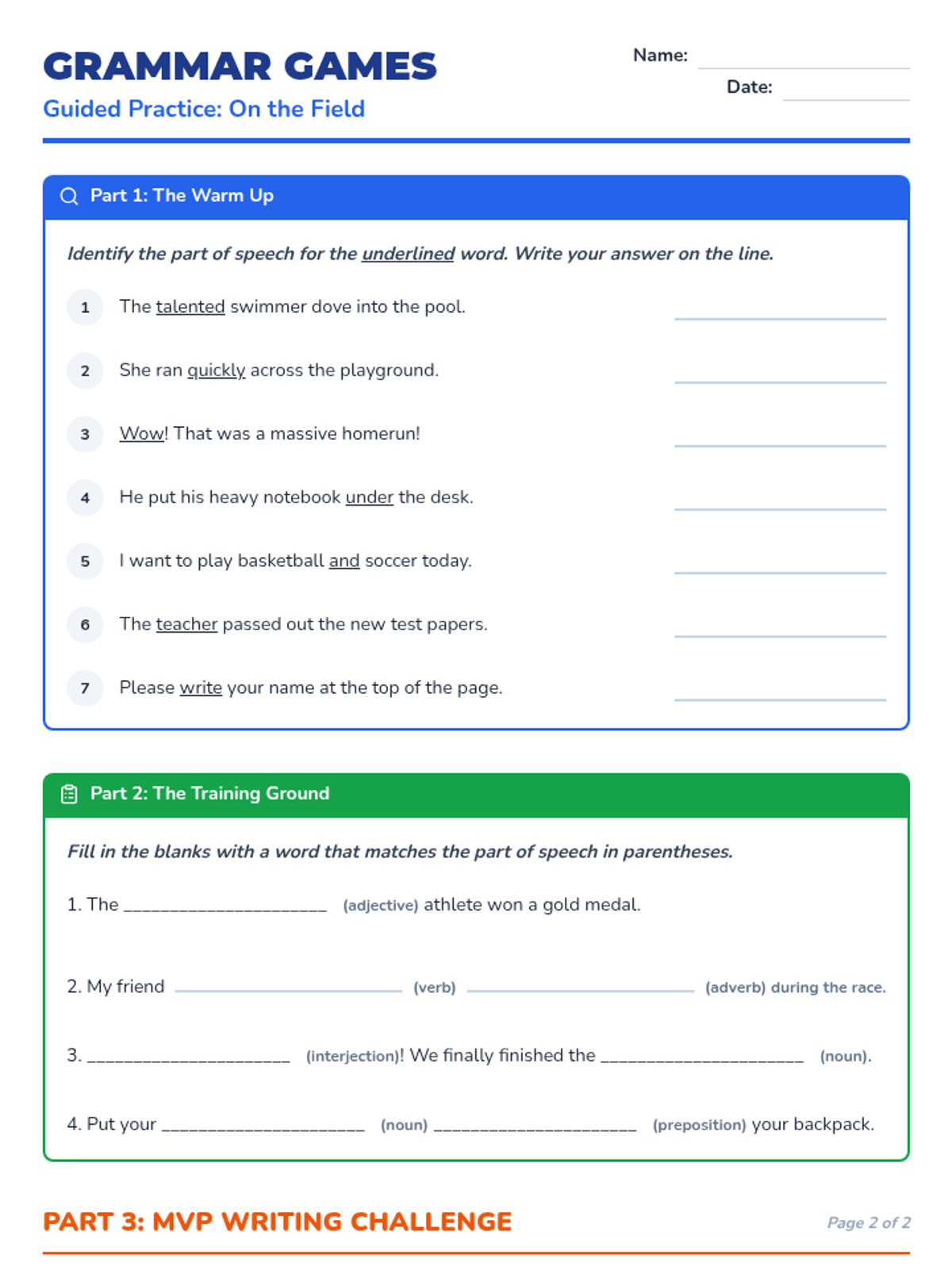
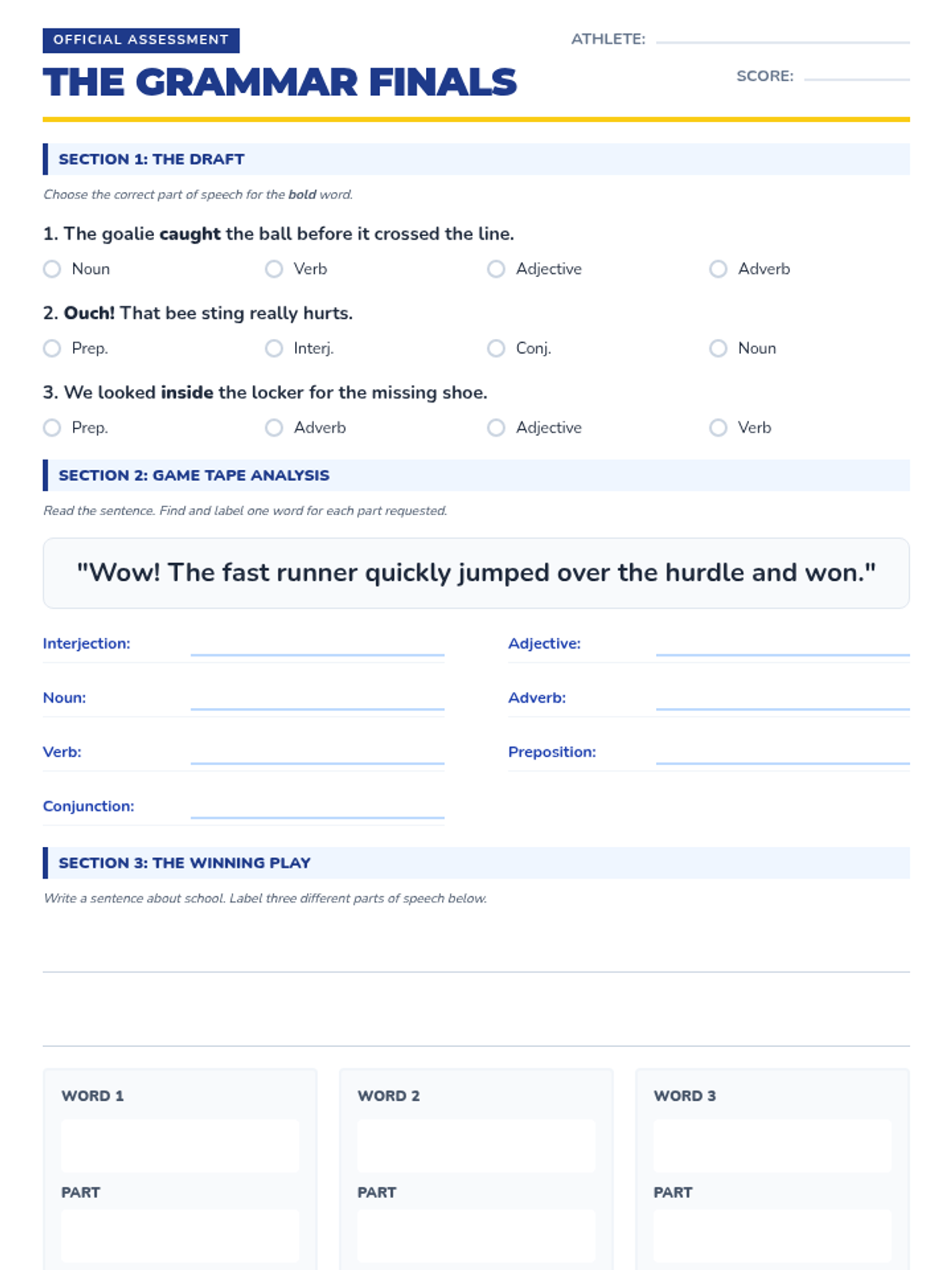
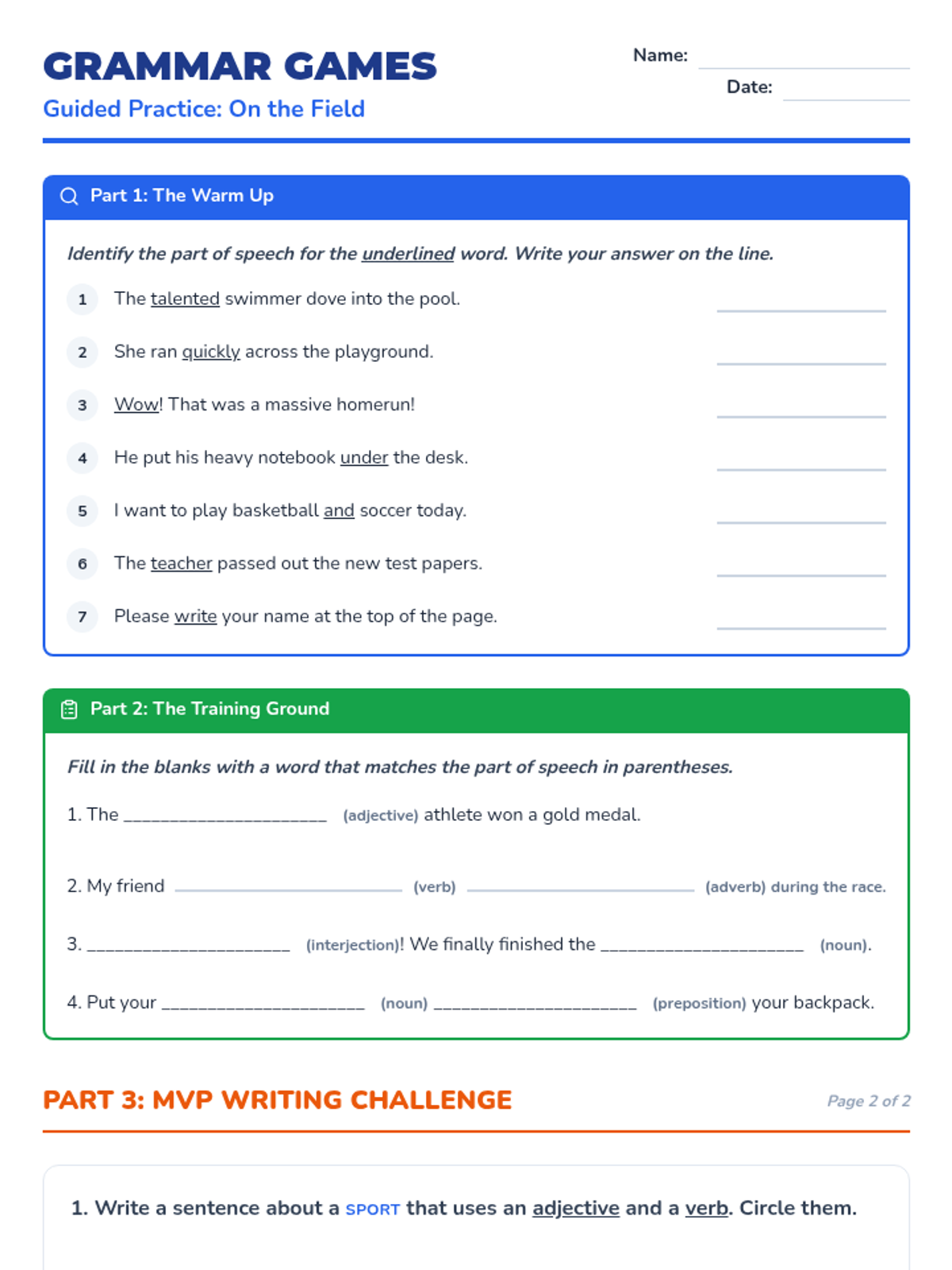
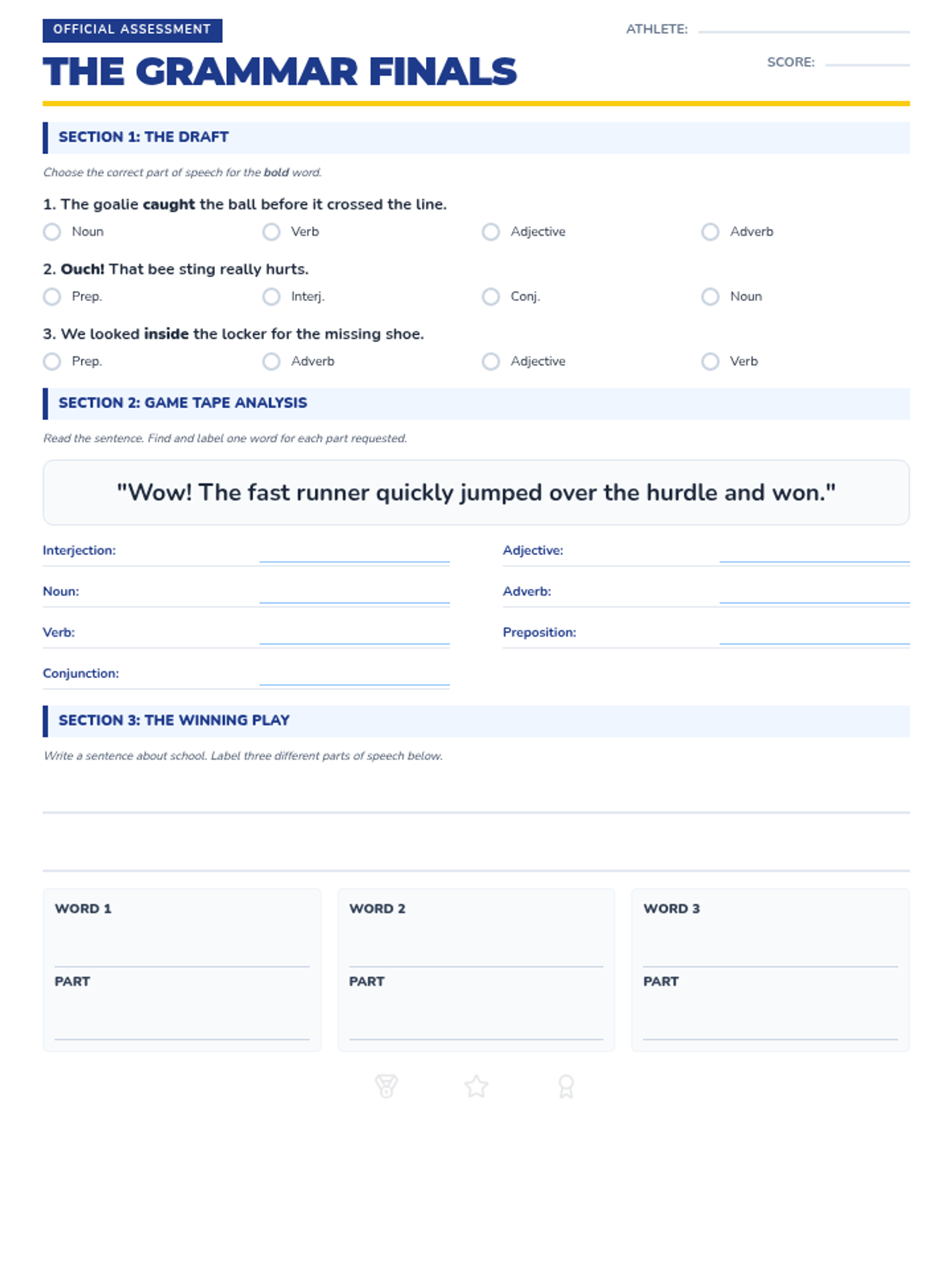
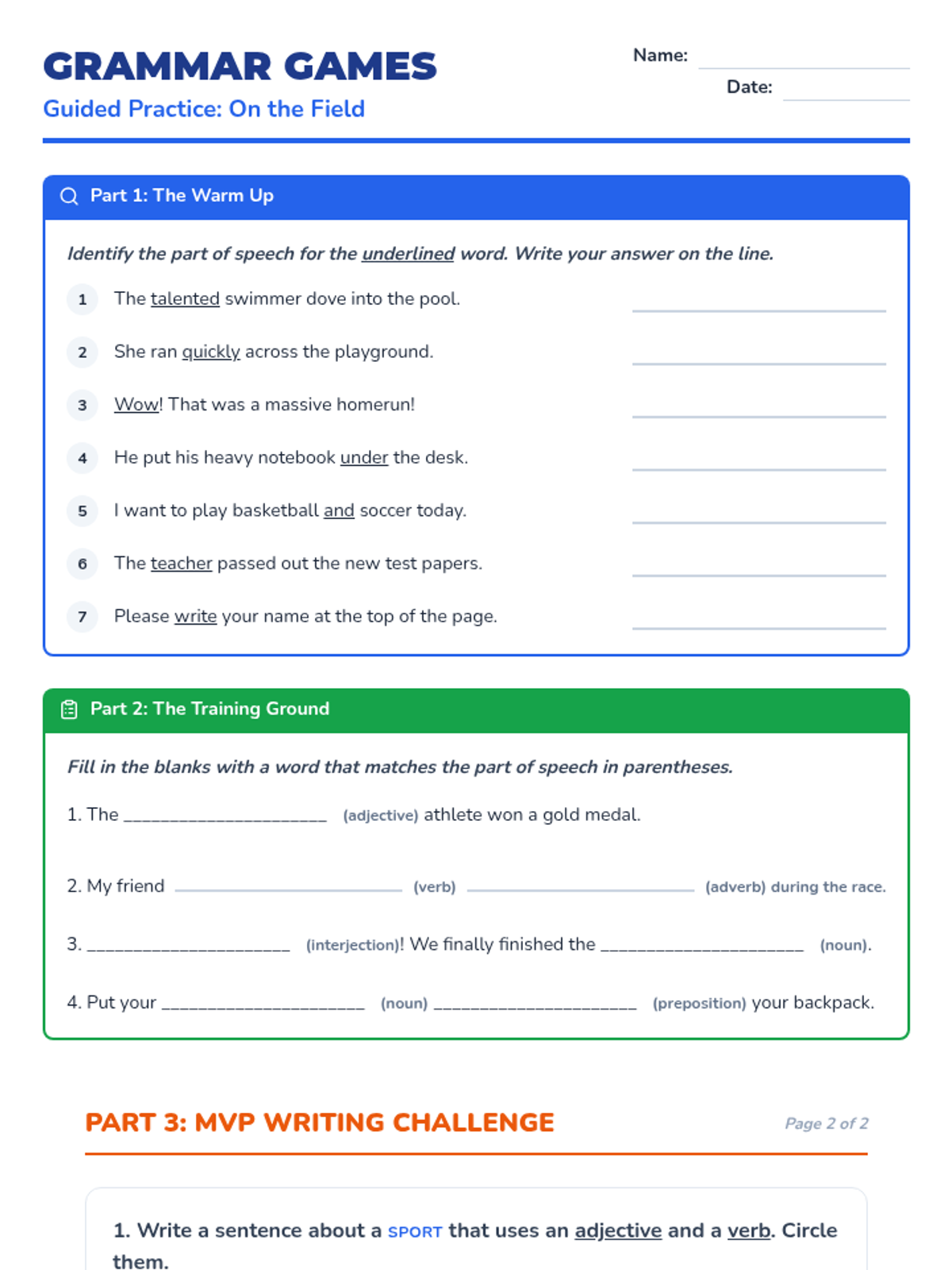
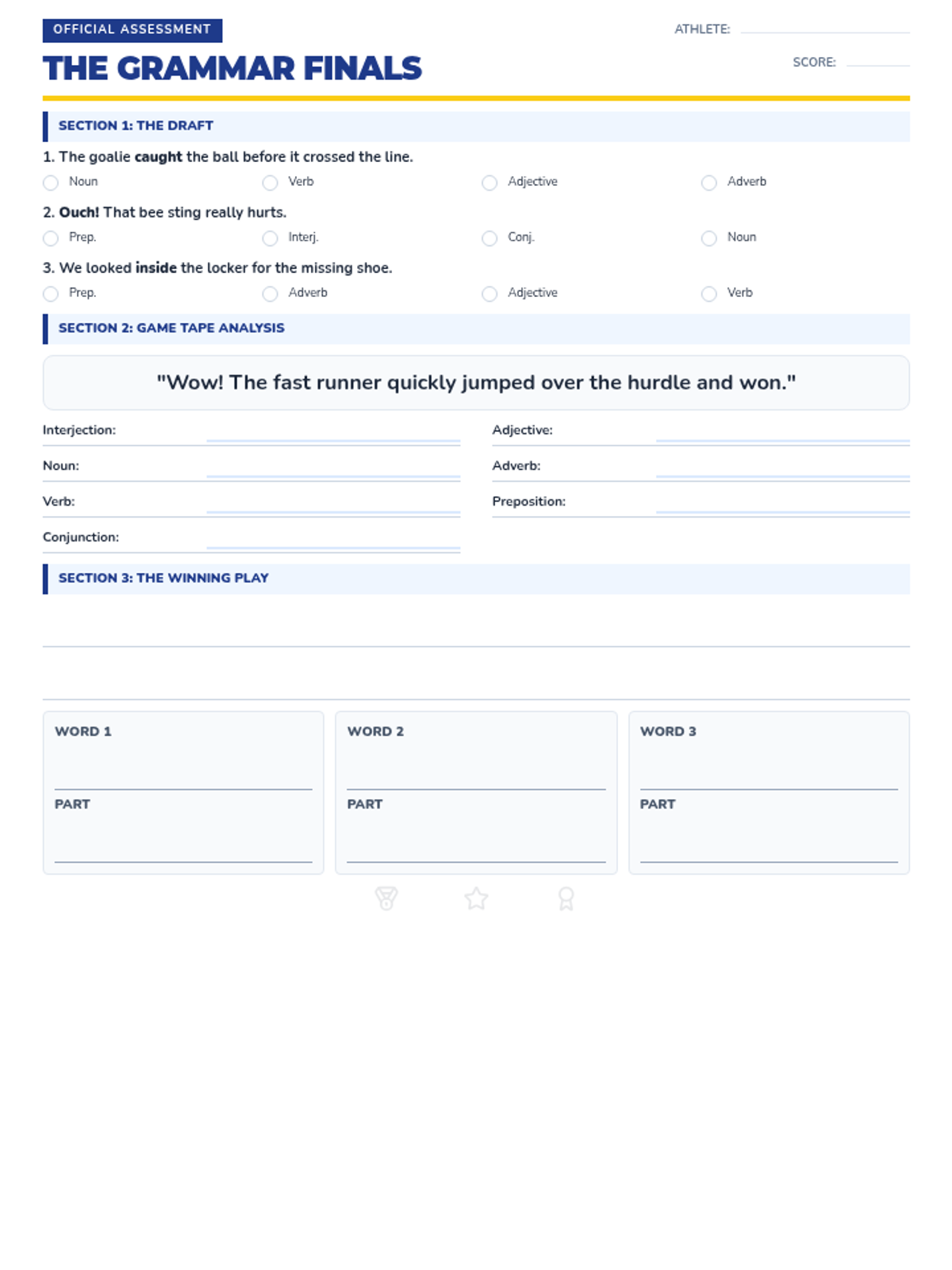
A lesson focusing on identifying nouns, verbs, adjectives, adverbs, prepositions, conjunctions, and interjections using athletic and academic contexts.