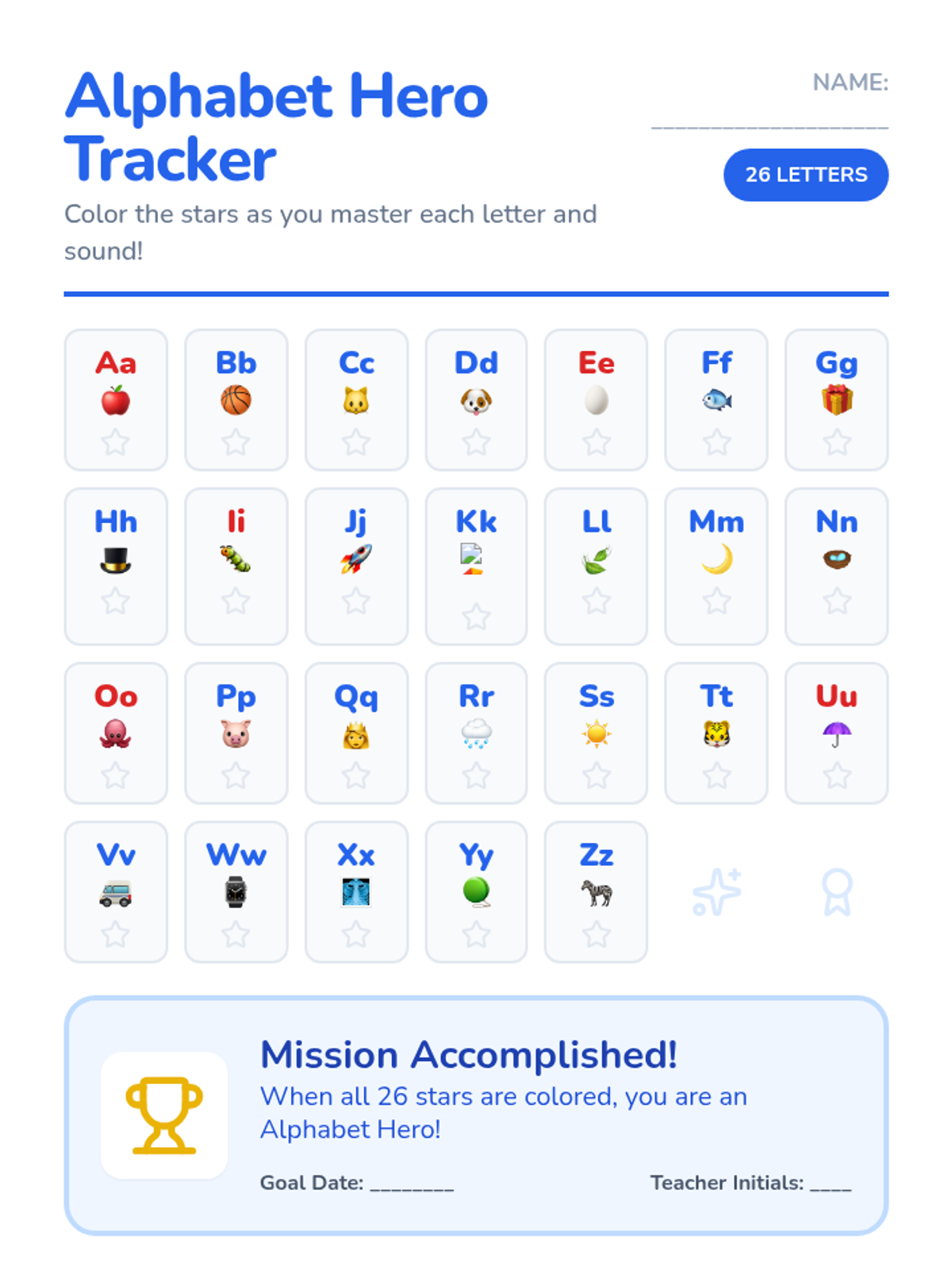
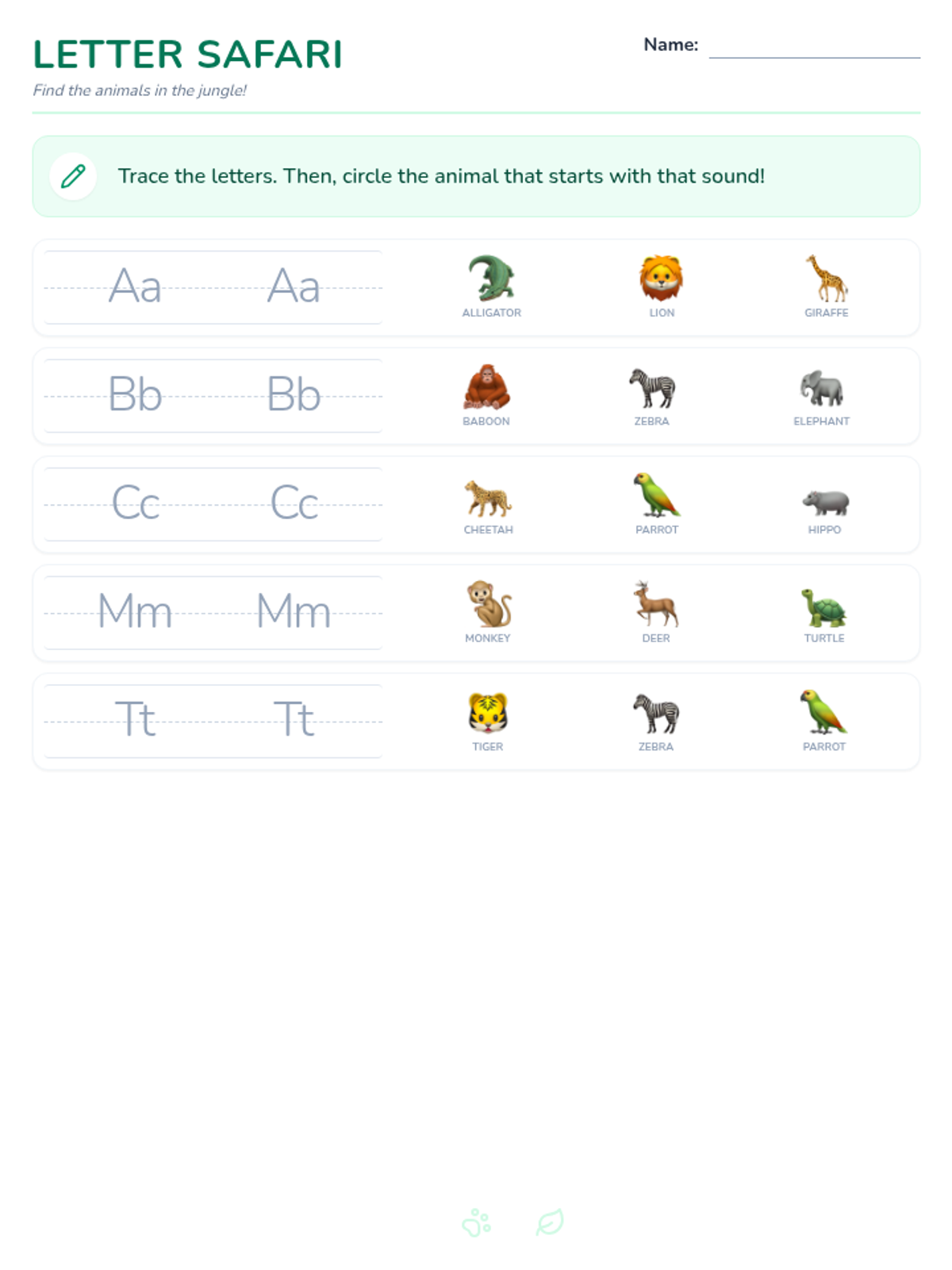
A hands-on workshop lesson where students use cut-and-paste activities to distinguish between uppercase and lowercase letters and identify letters within the whole alphabet.
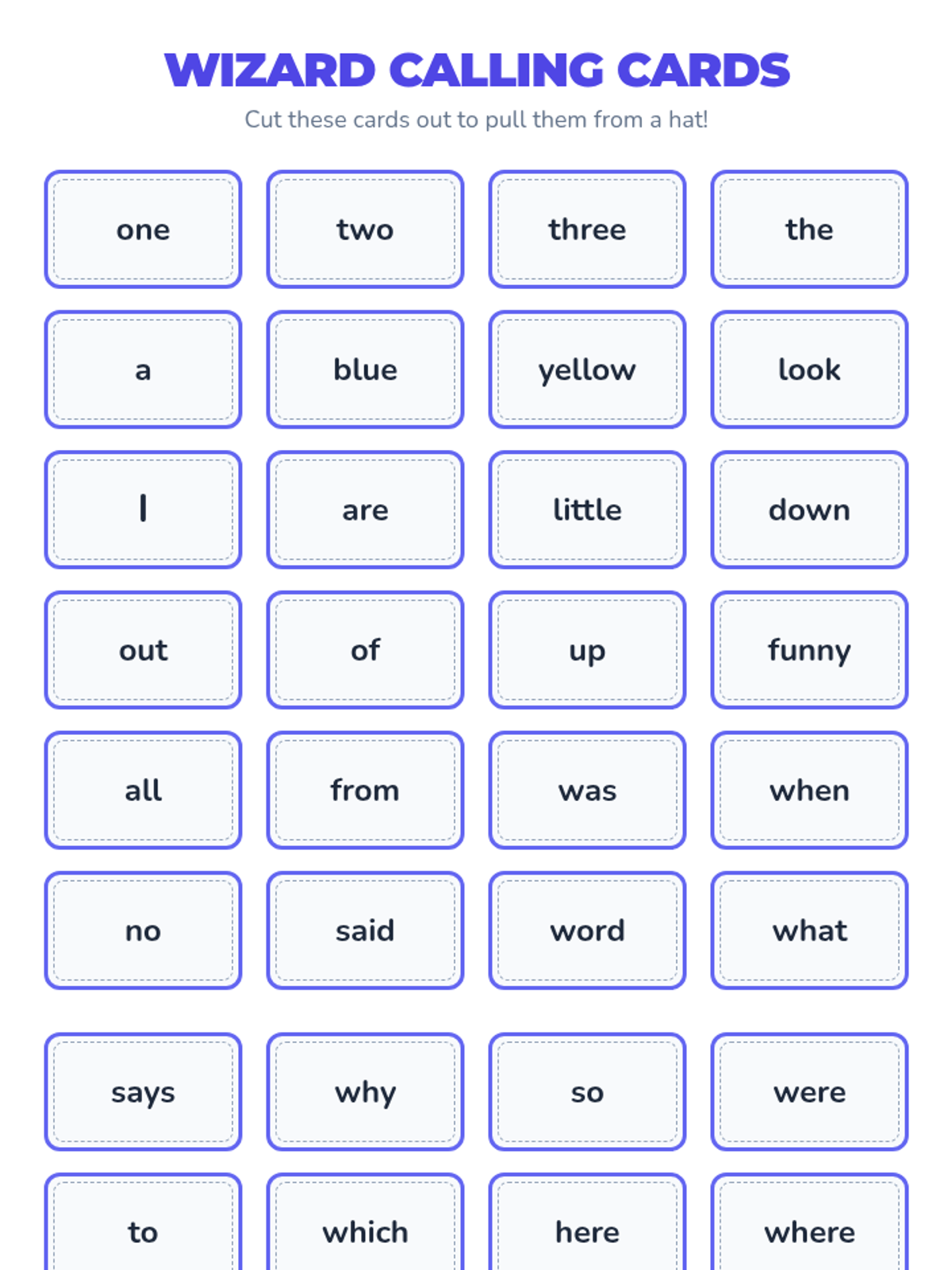
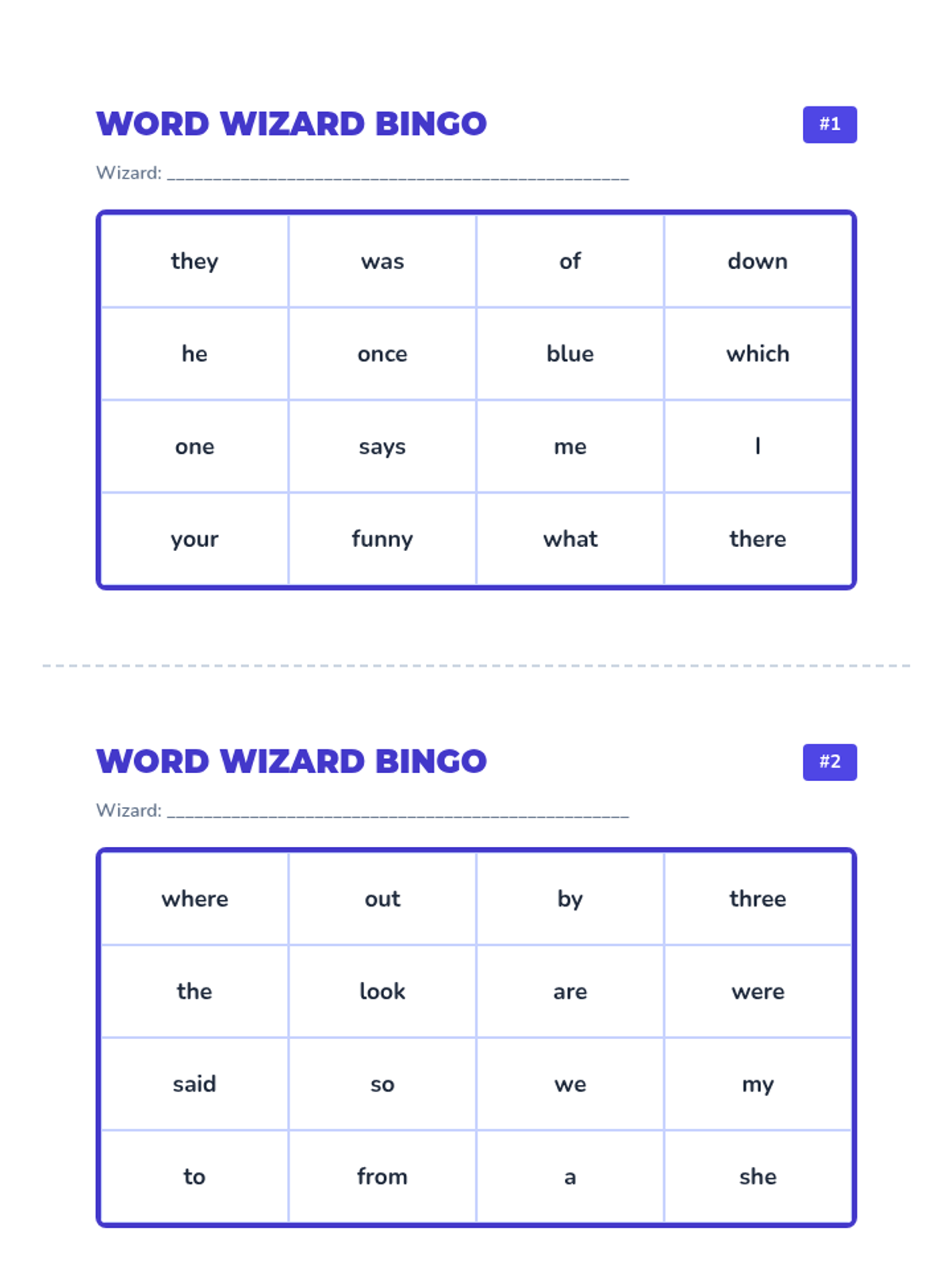
A fun, interactive bingo game designed to help 26 students master 45 high-frequency sight words through play and repetition.
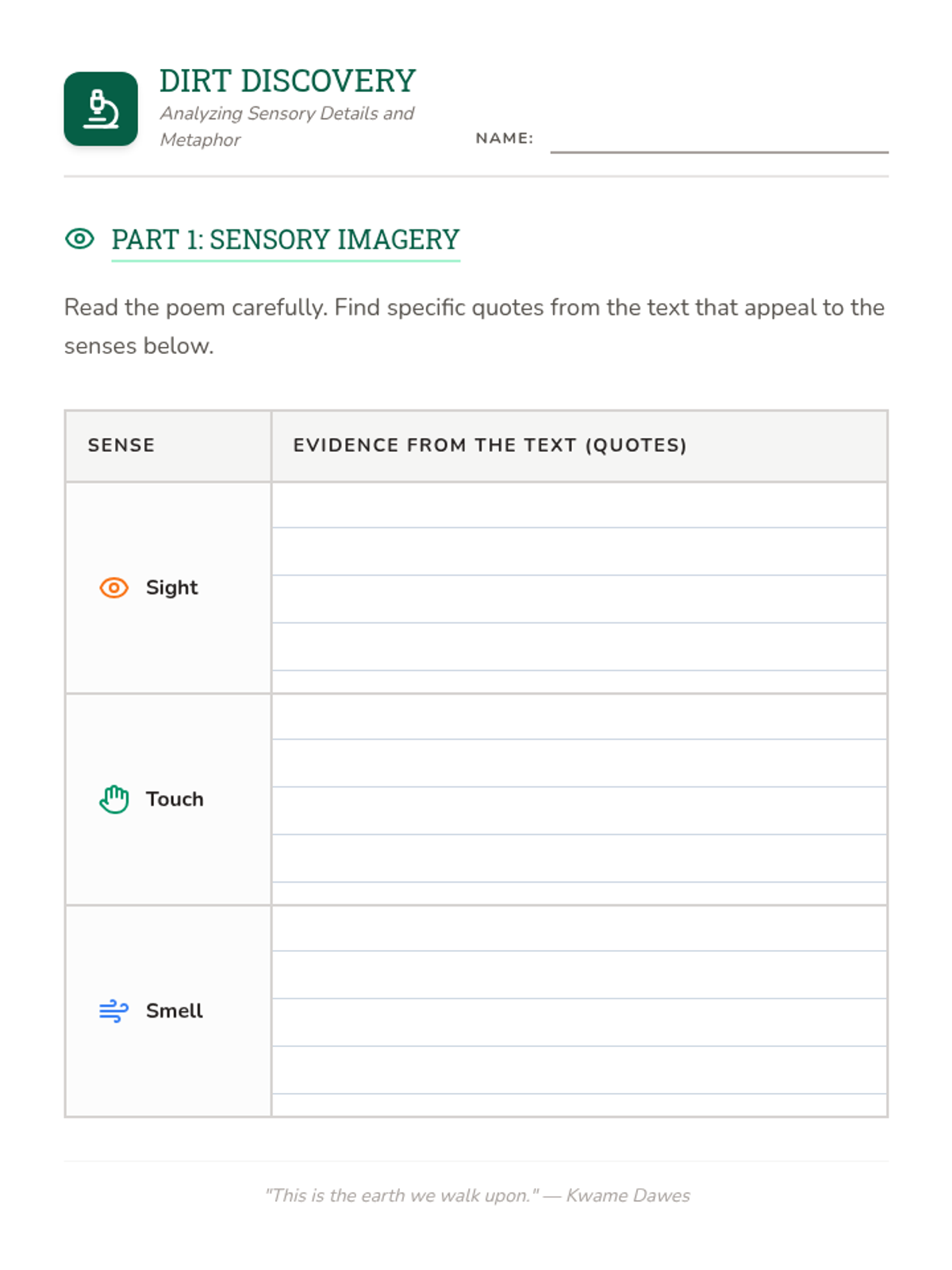
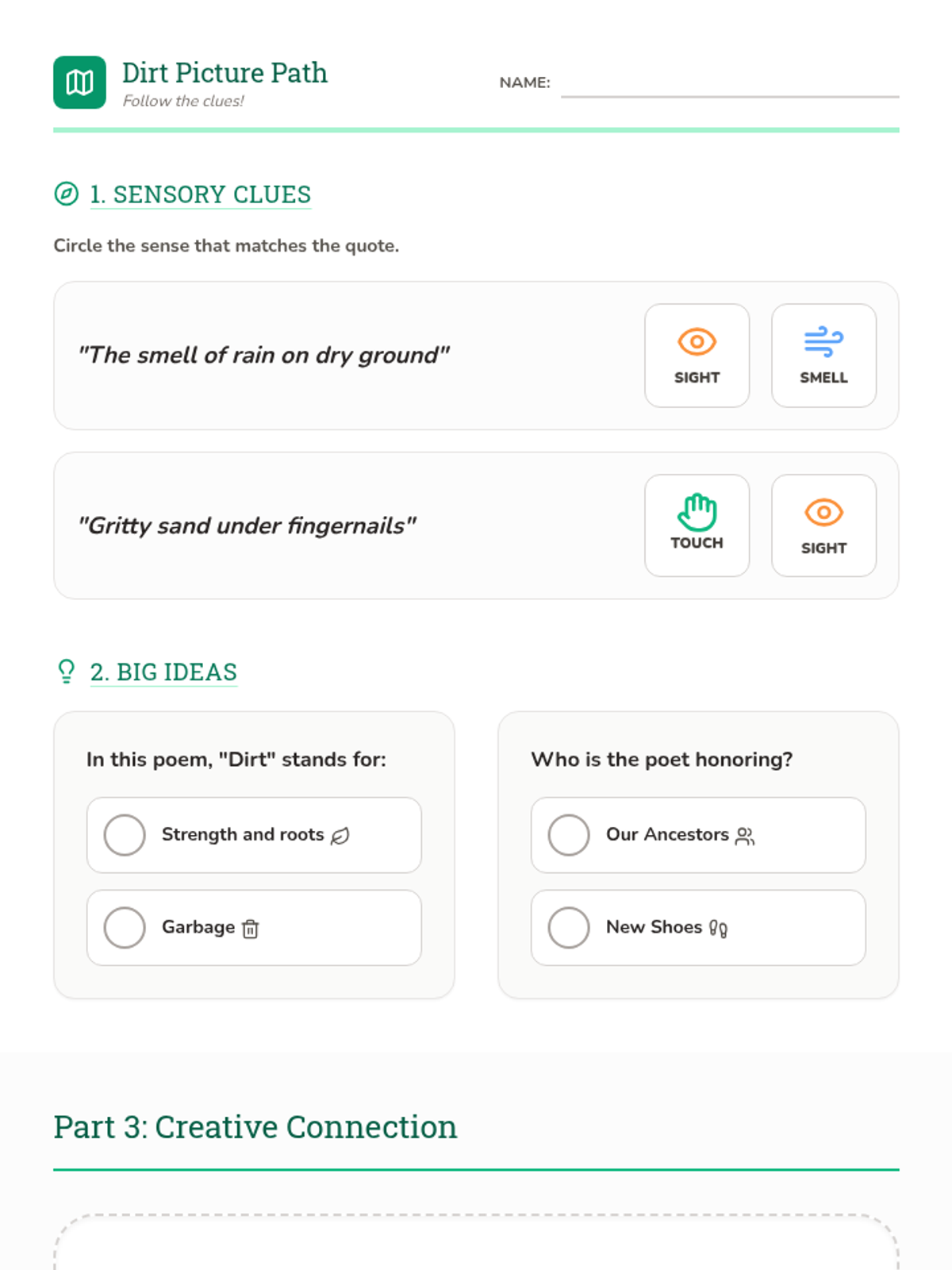
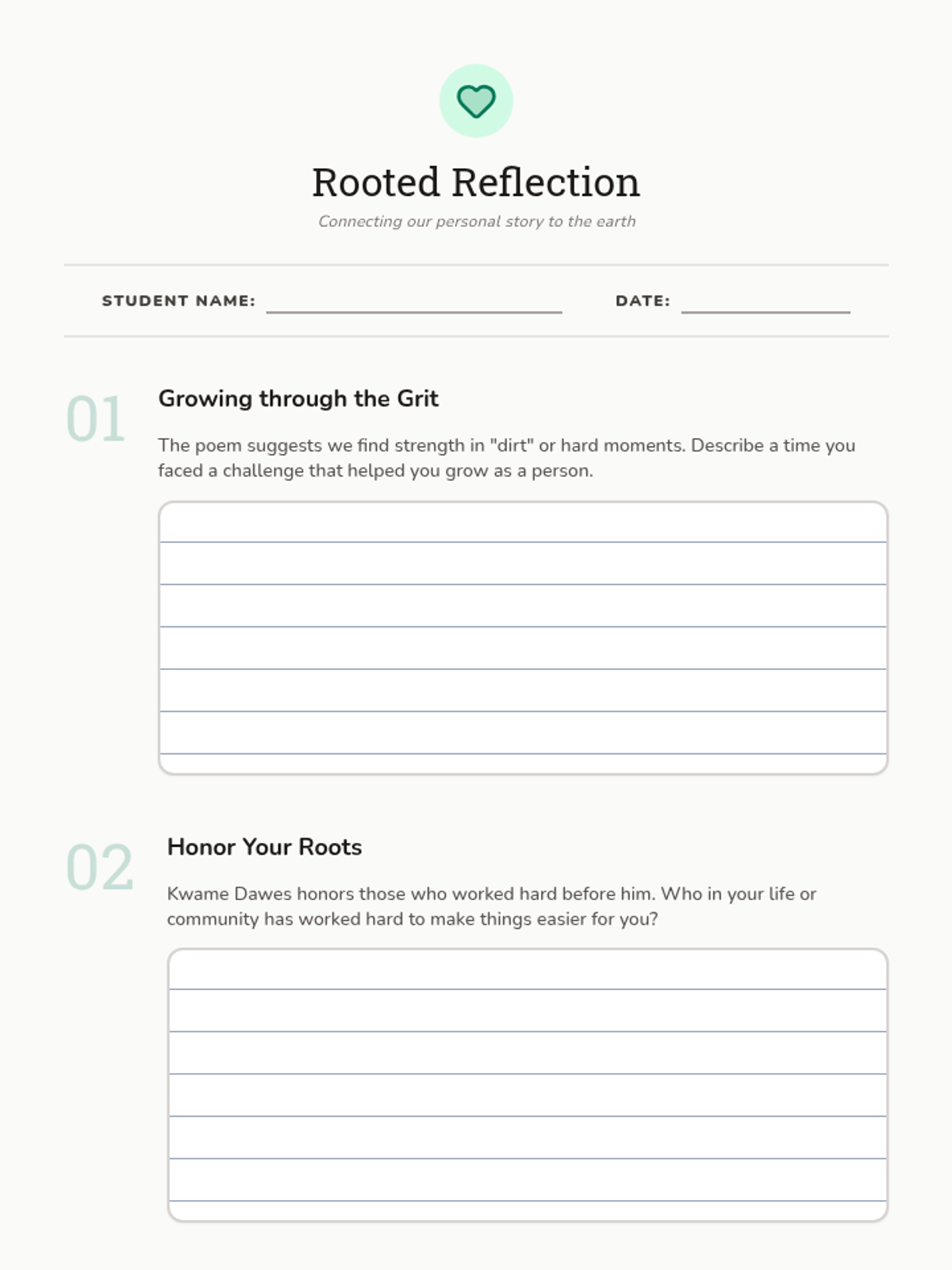
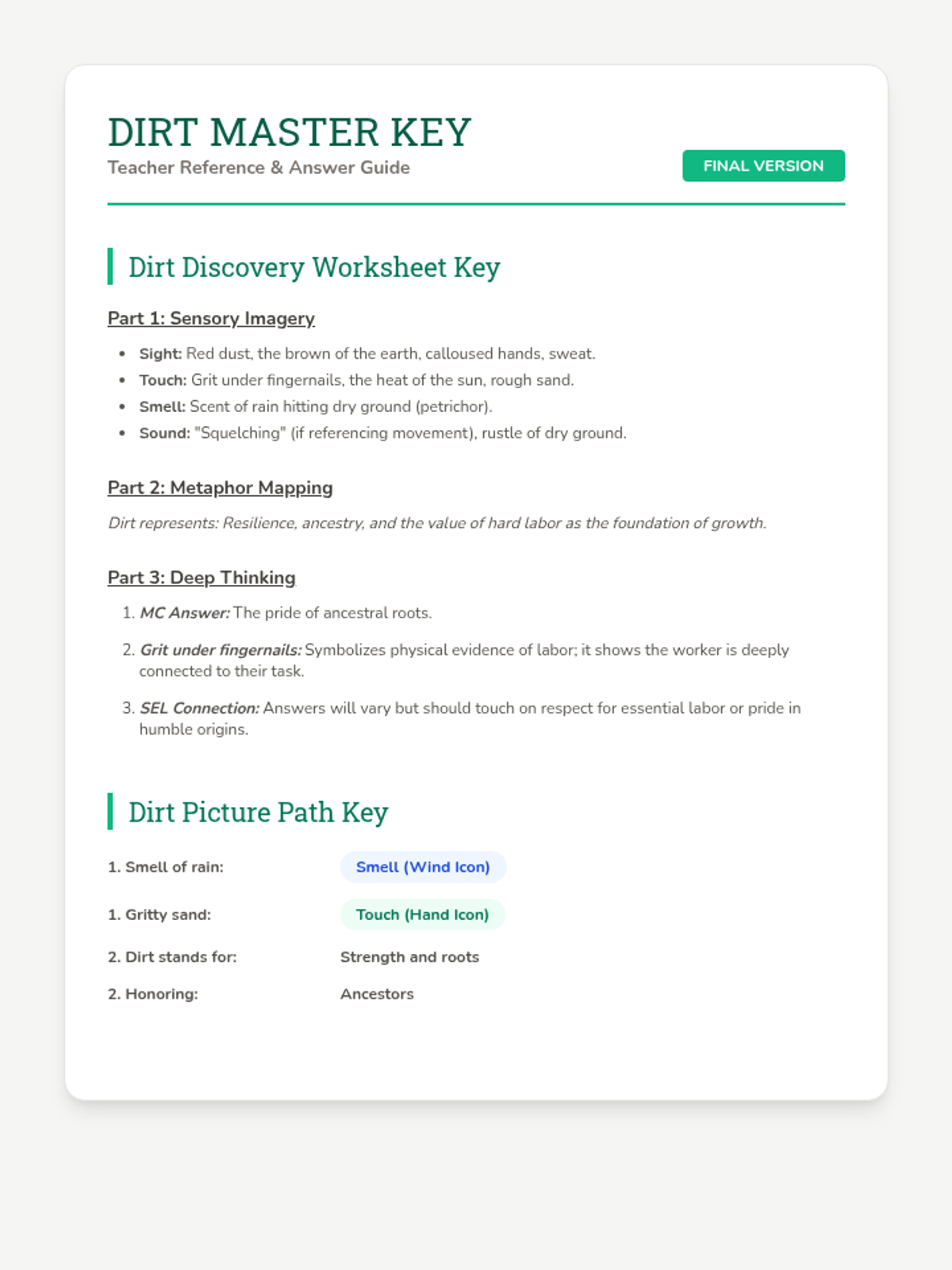
A comprehensive analysis of Kwame Dawes' poem 'Dirt,' focusing on sensory imagery, metaphors, and the social-emotional connections to ancestry and resilience. This lesson includes differentiated materials for varying reading levels.
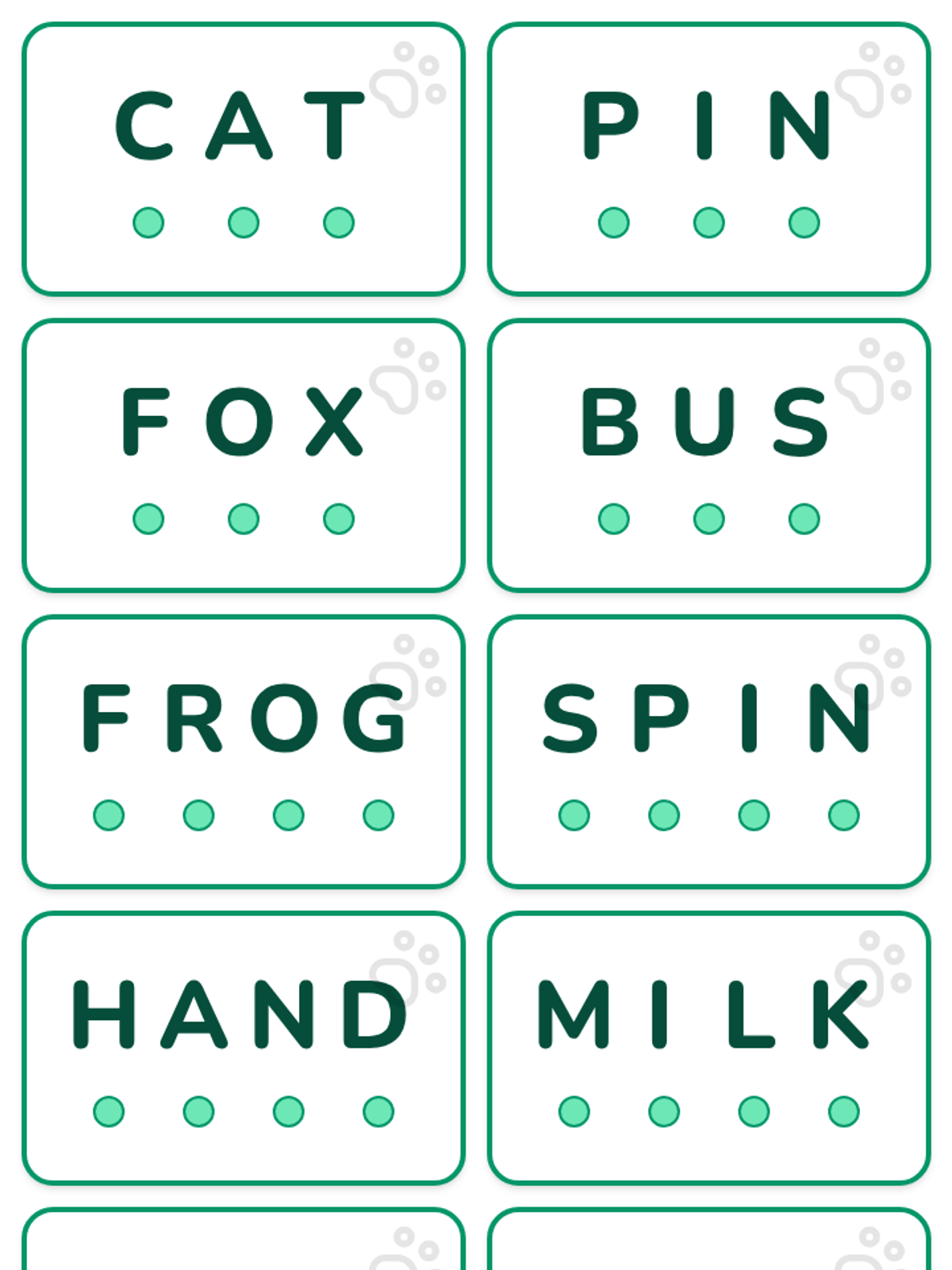
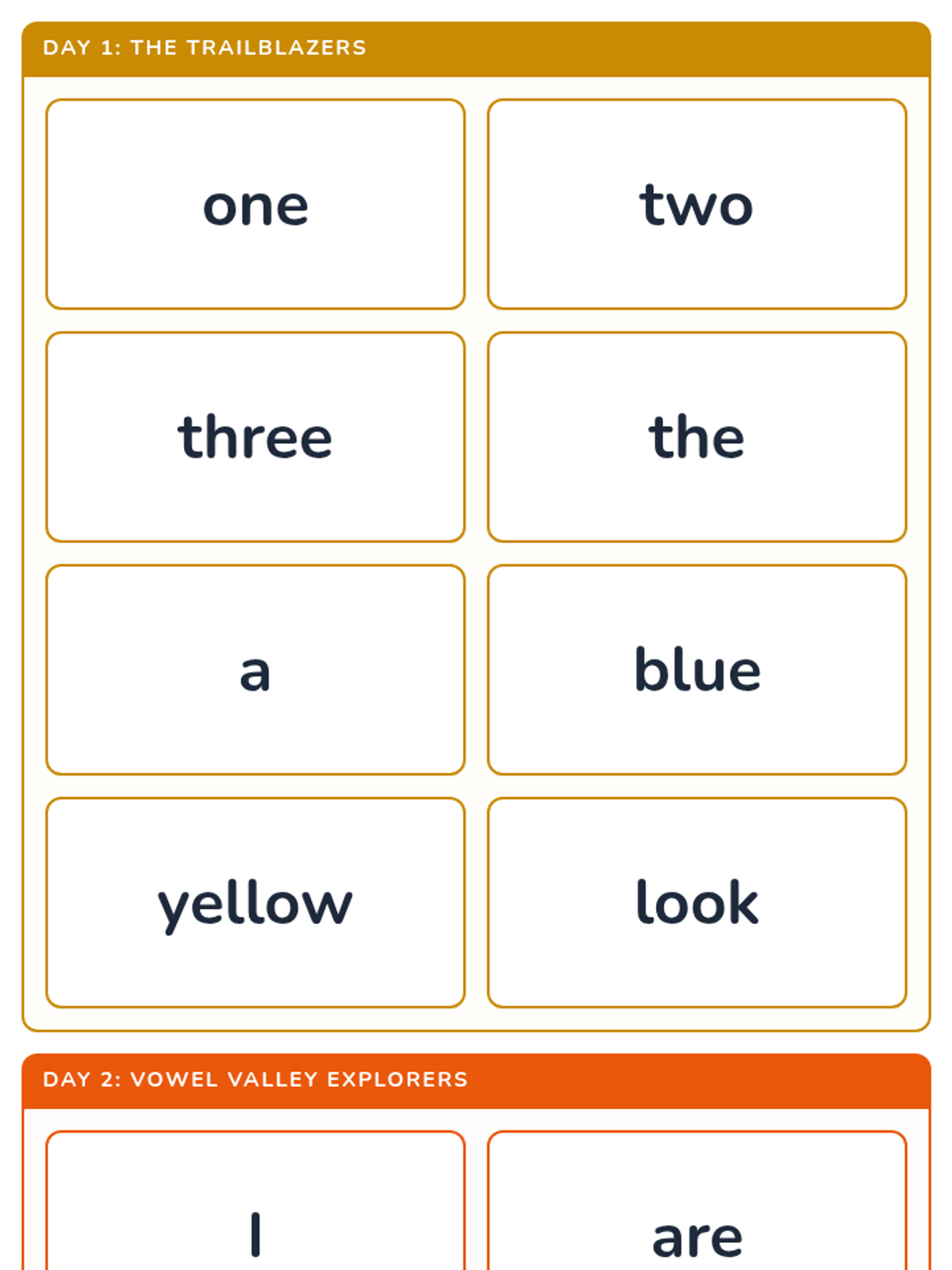
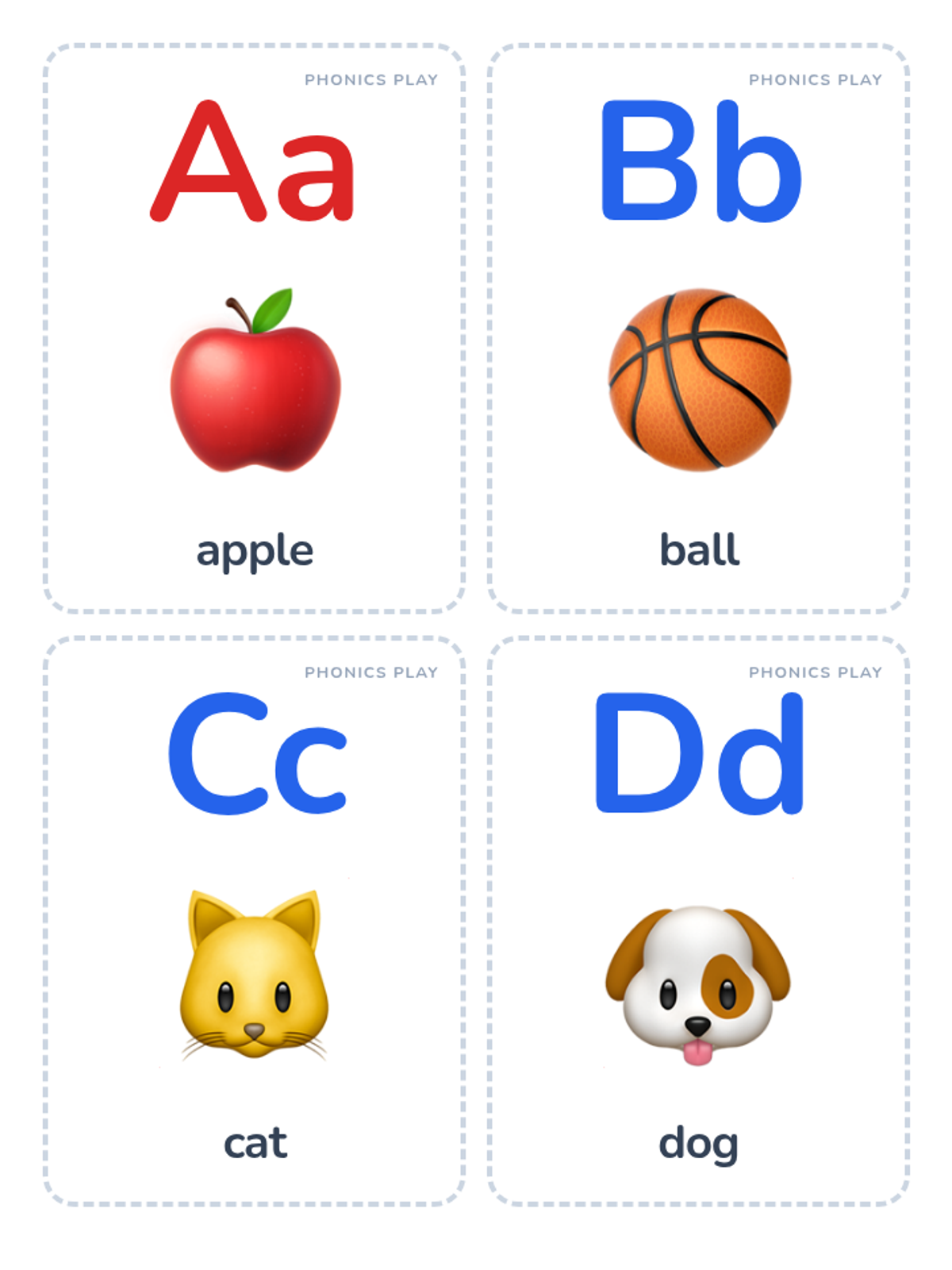
Visual aids for students to practice decoding short vowel words and recognizing high-frequency sight words.
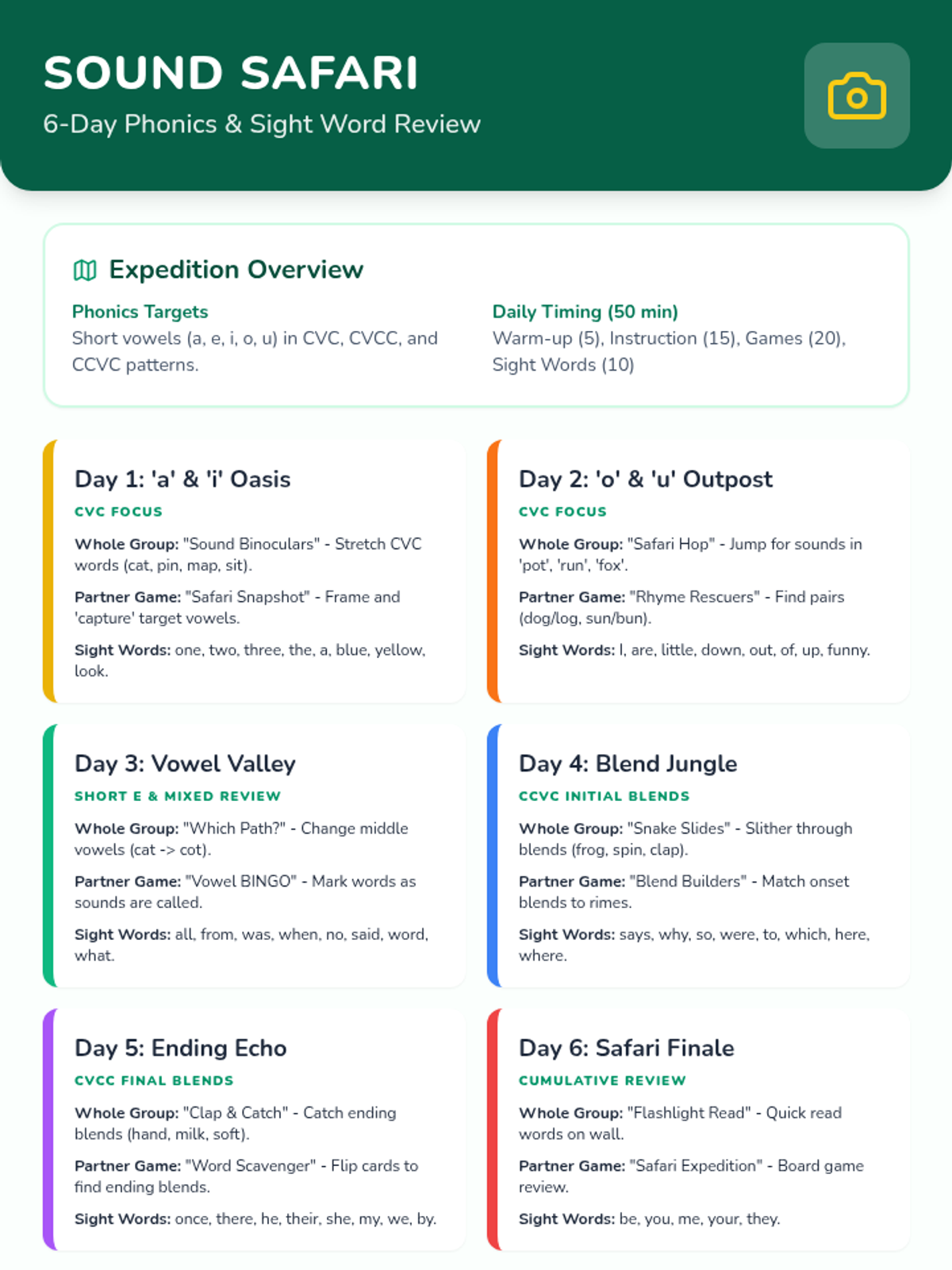
A 6-day comprehensive guide for teachers to lead a 50-minute daily phonics and sight word review block.
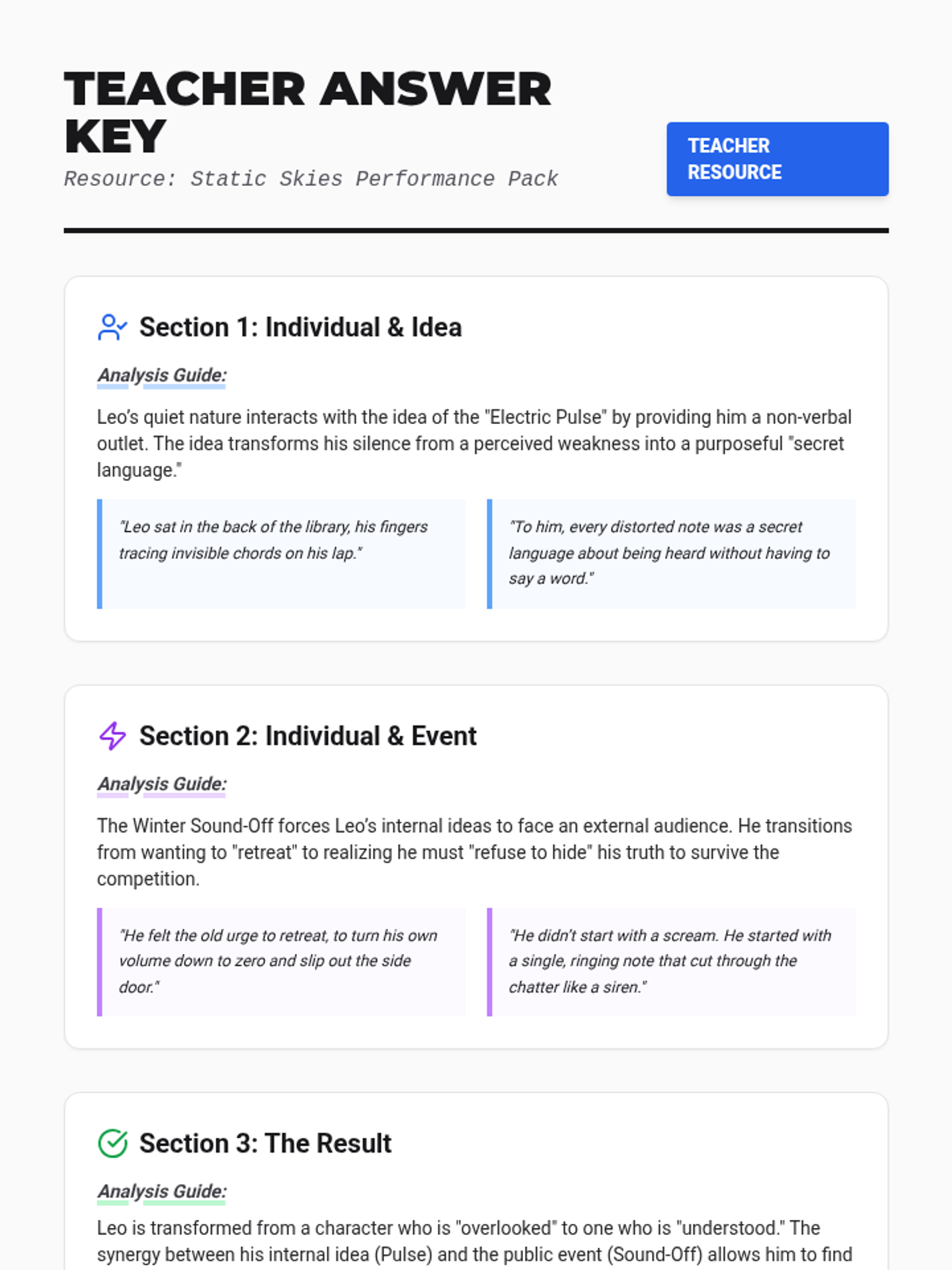
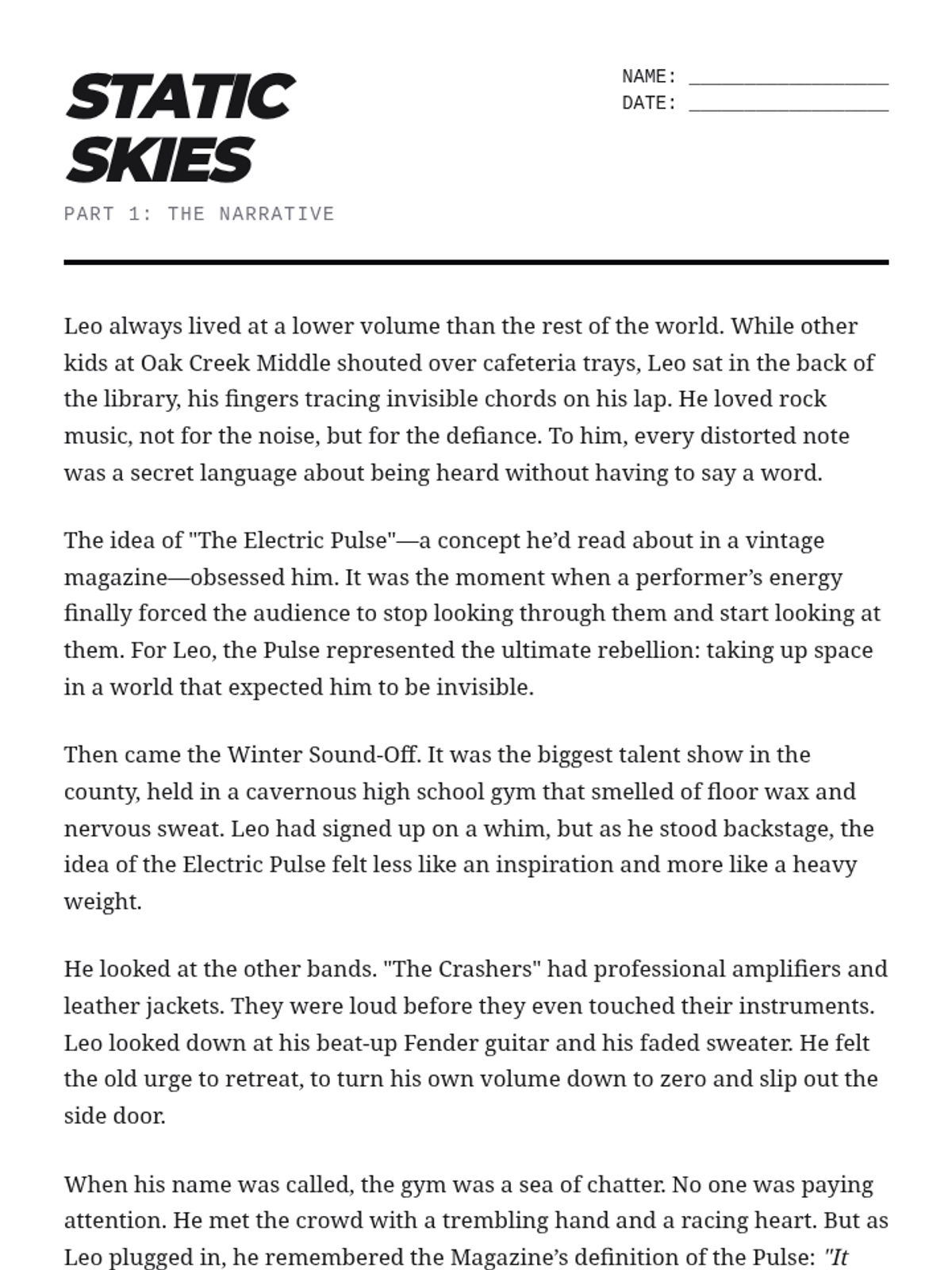
A focused activity set designed to help students analyze how individuals, ideas, and events interact within a rock-themed narrative. This lesson uses the high-energy world of rock music to teach literary analysis skills.
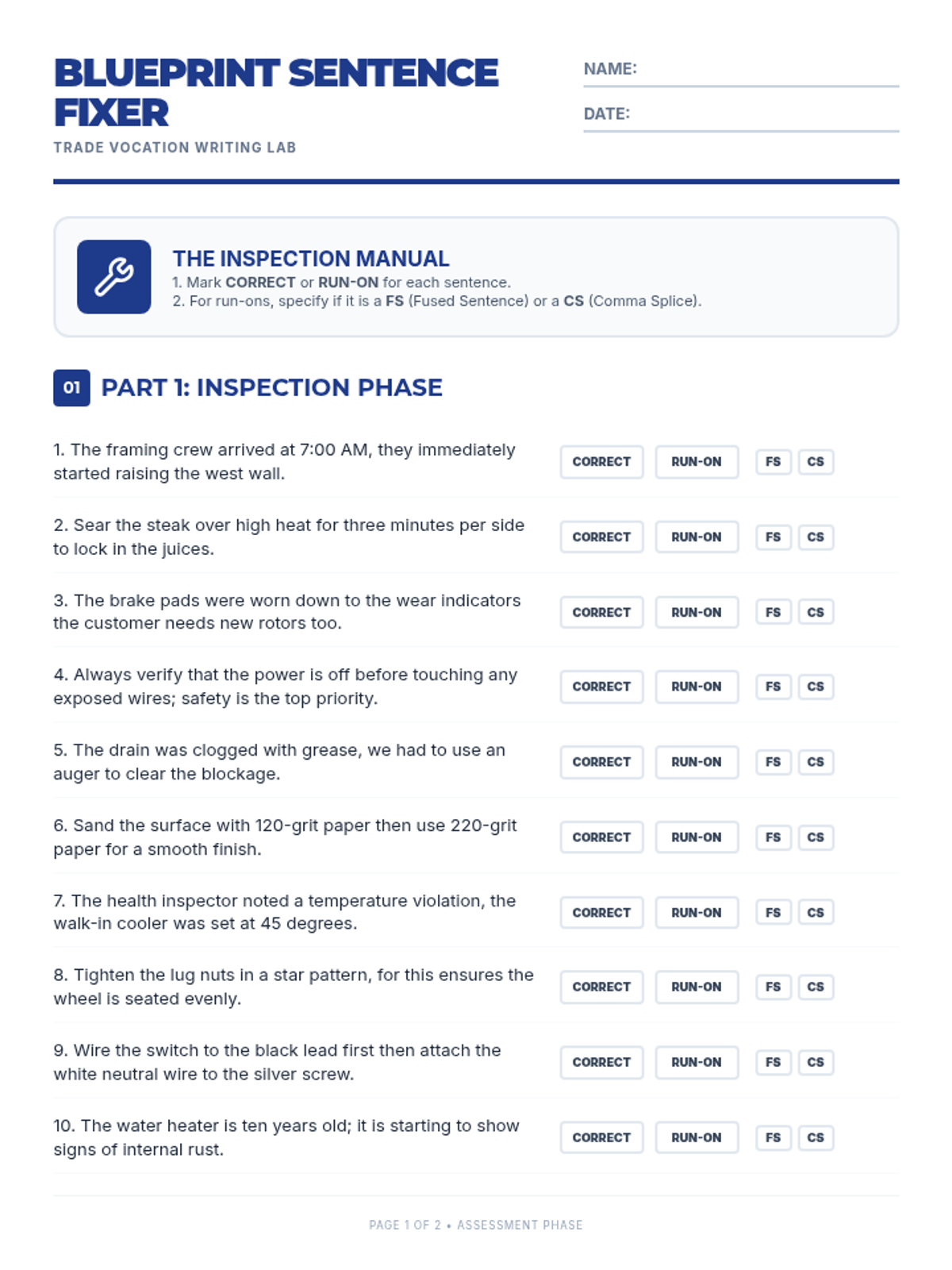
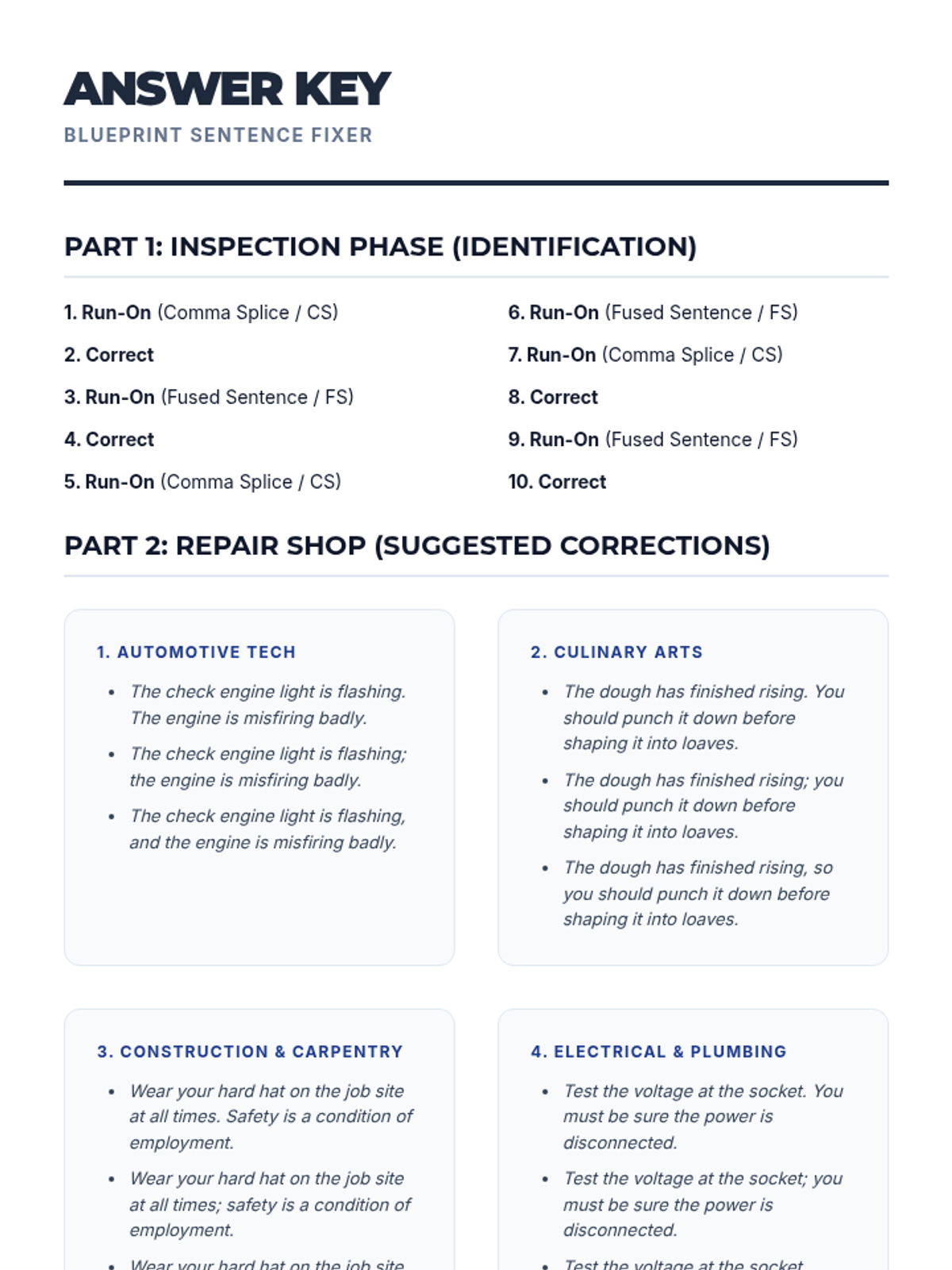
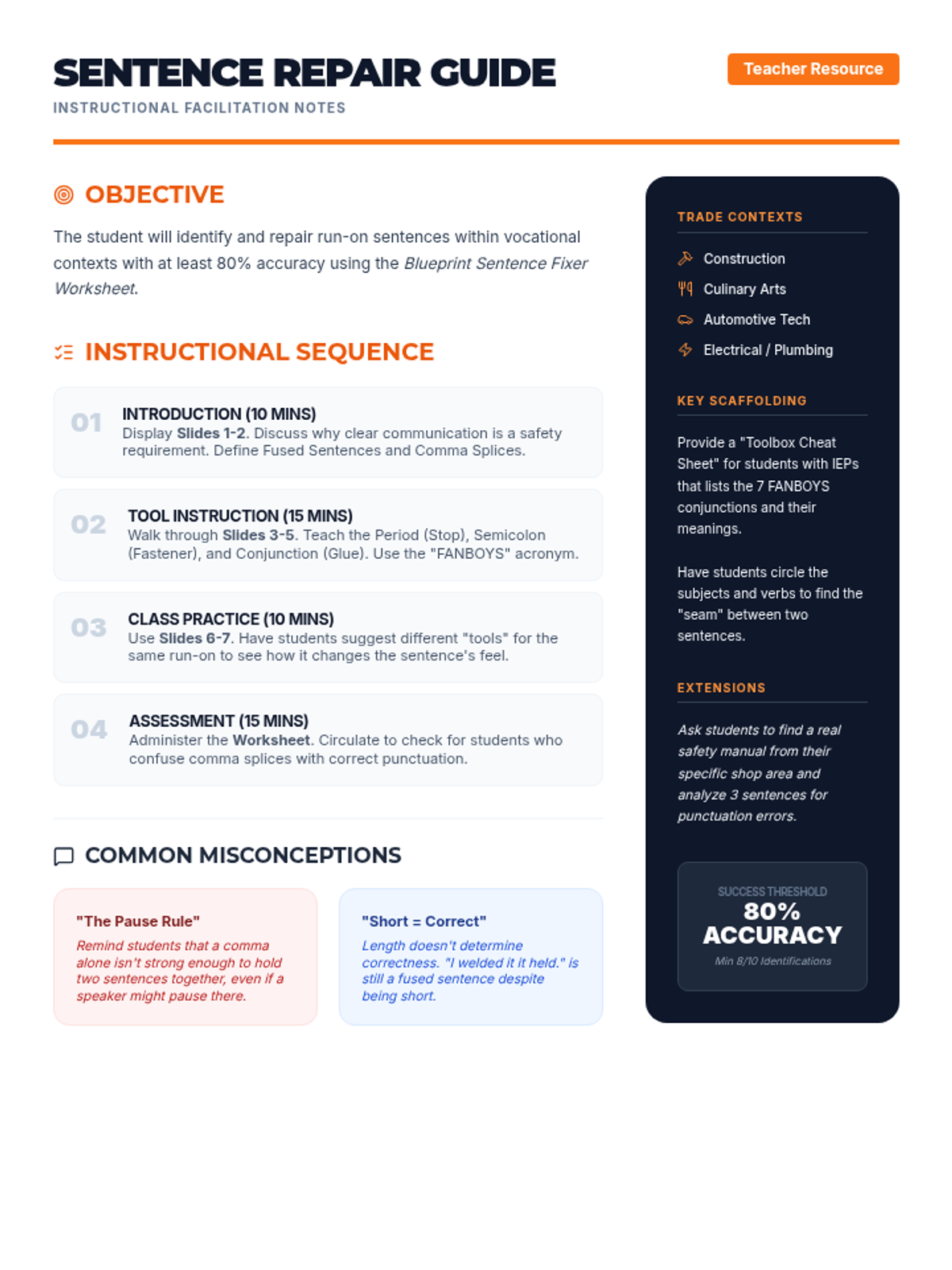
A comprehensive lesson focused on identifying and repairing run-on sentences within the context of vocational trades, including construction, culinary arts, automotive technology, and electrical/plumbing. Students will learn to use periods, semicolons, and conjunctions as 'tools' for sentence repair.
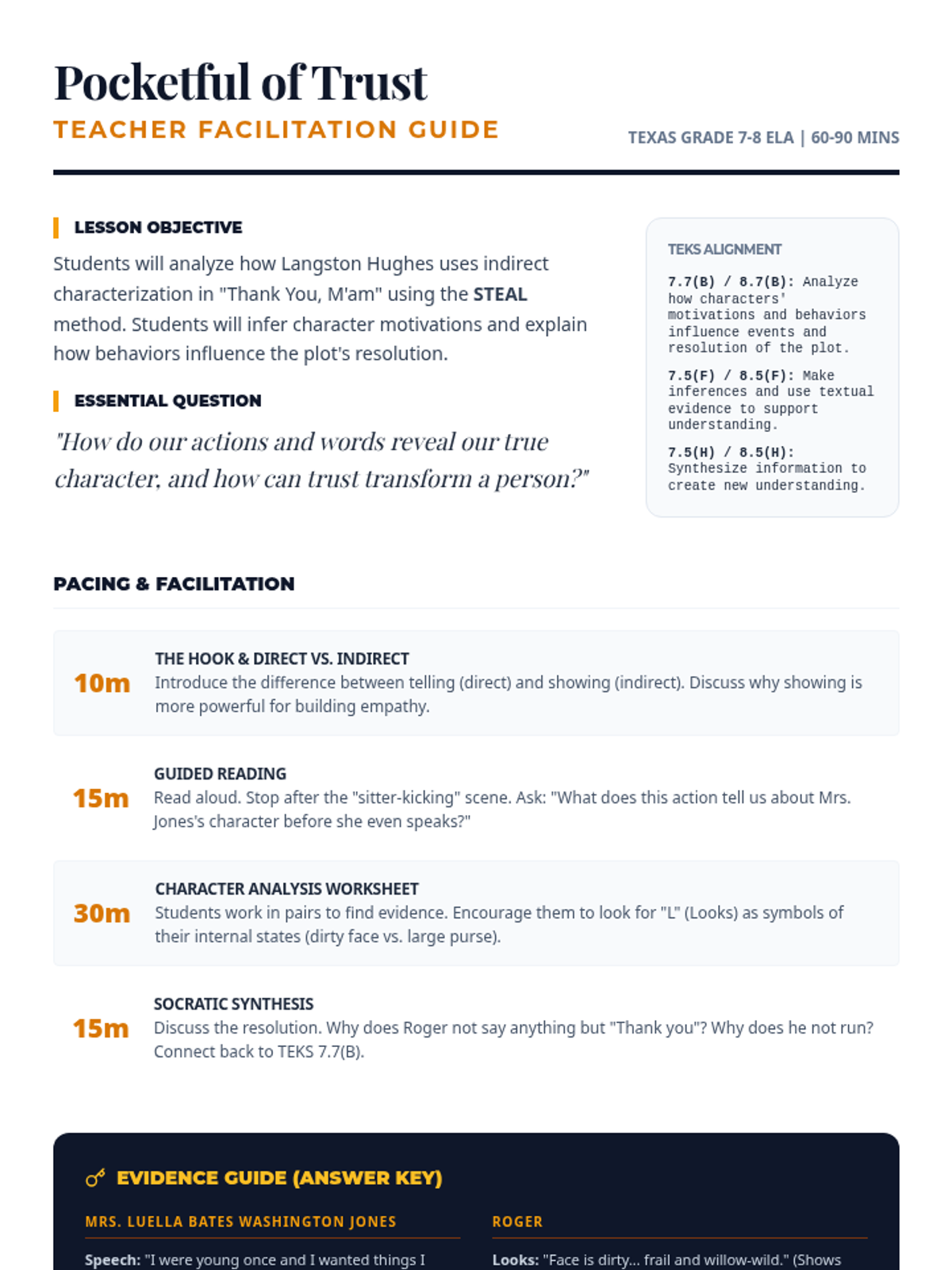
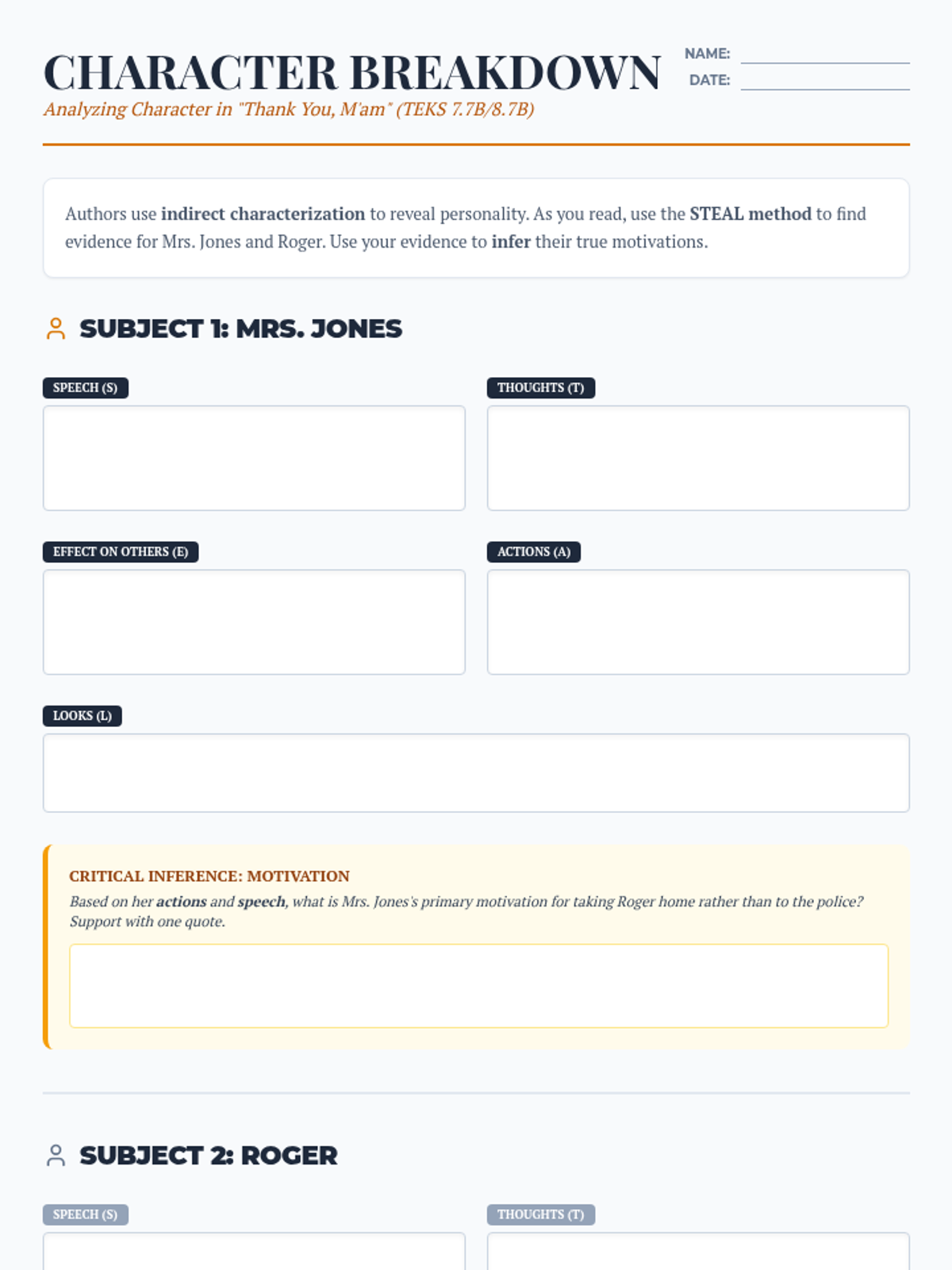
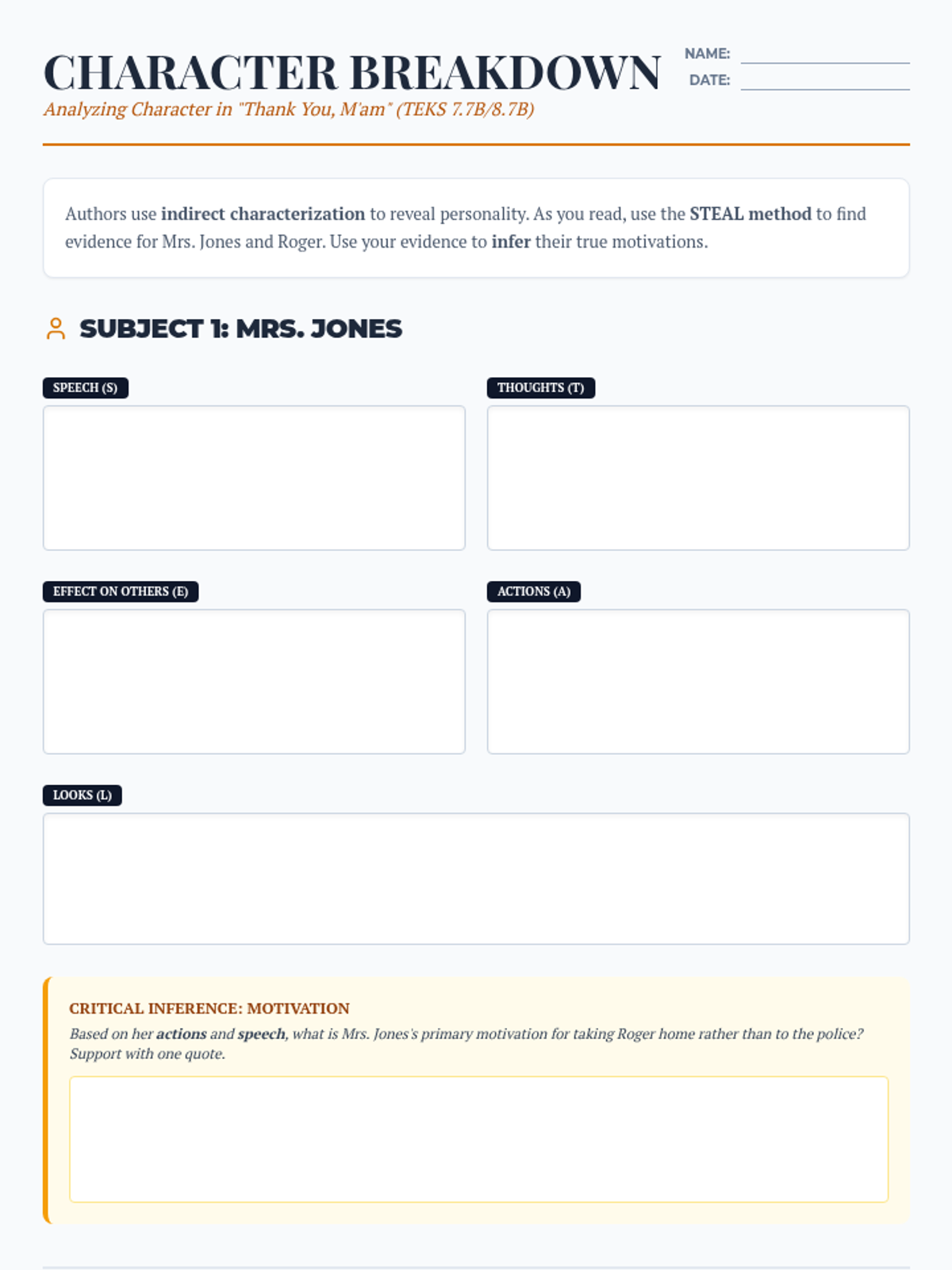
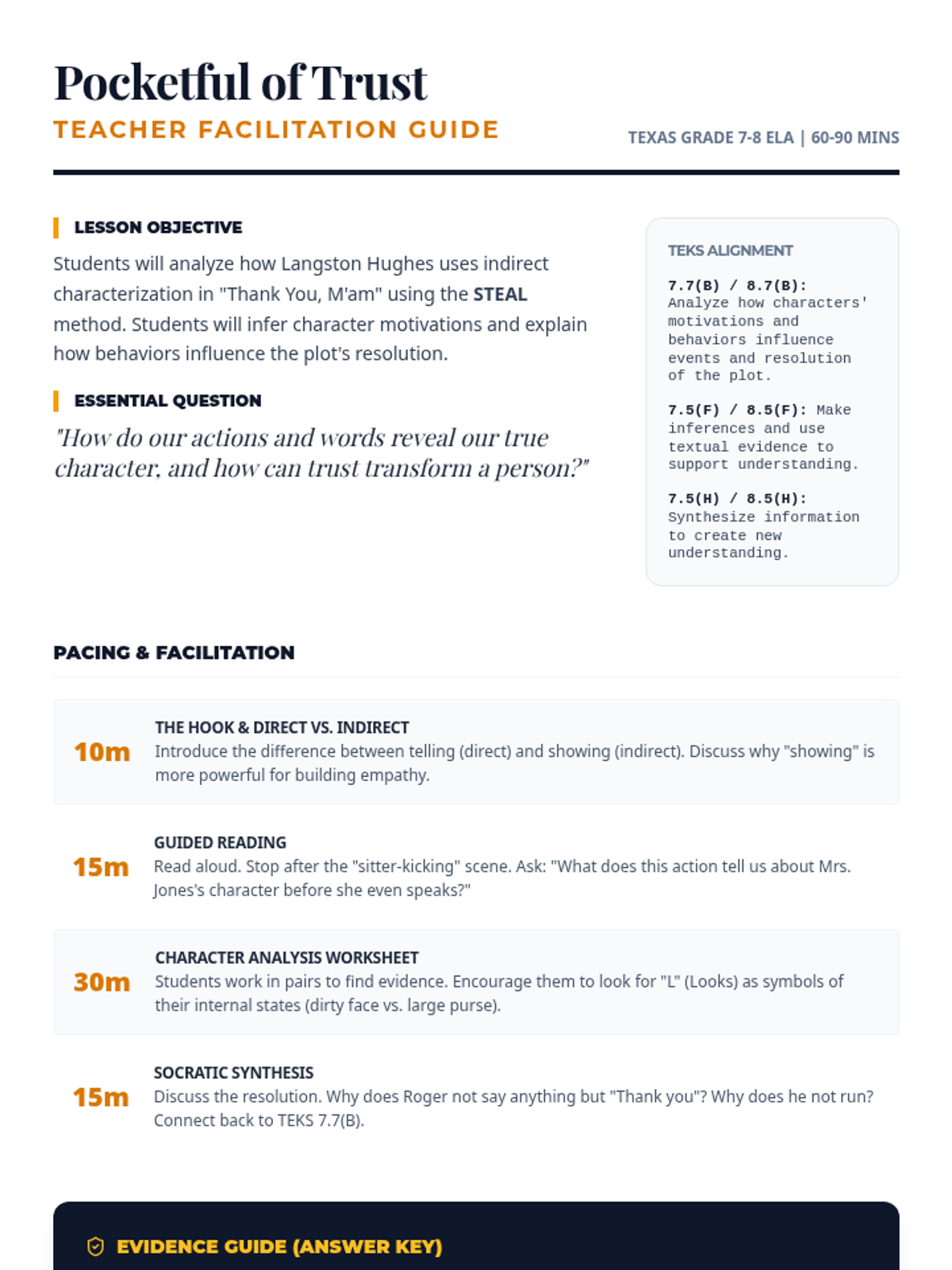
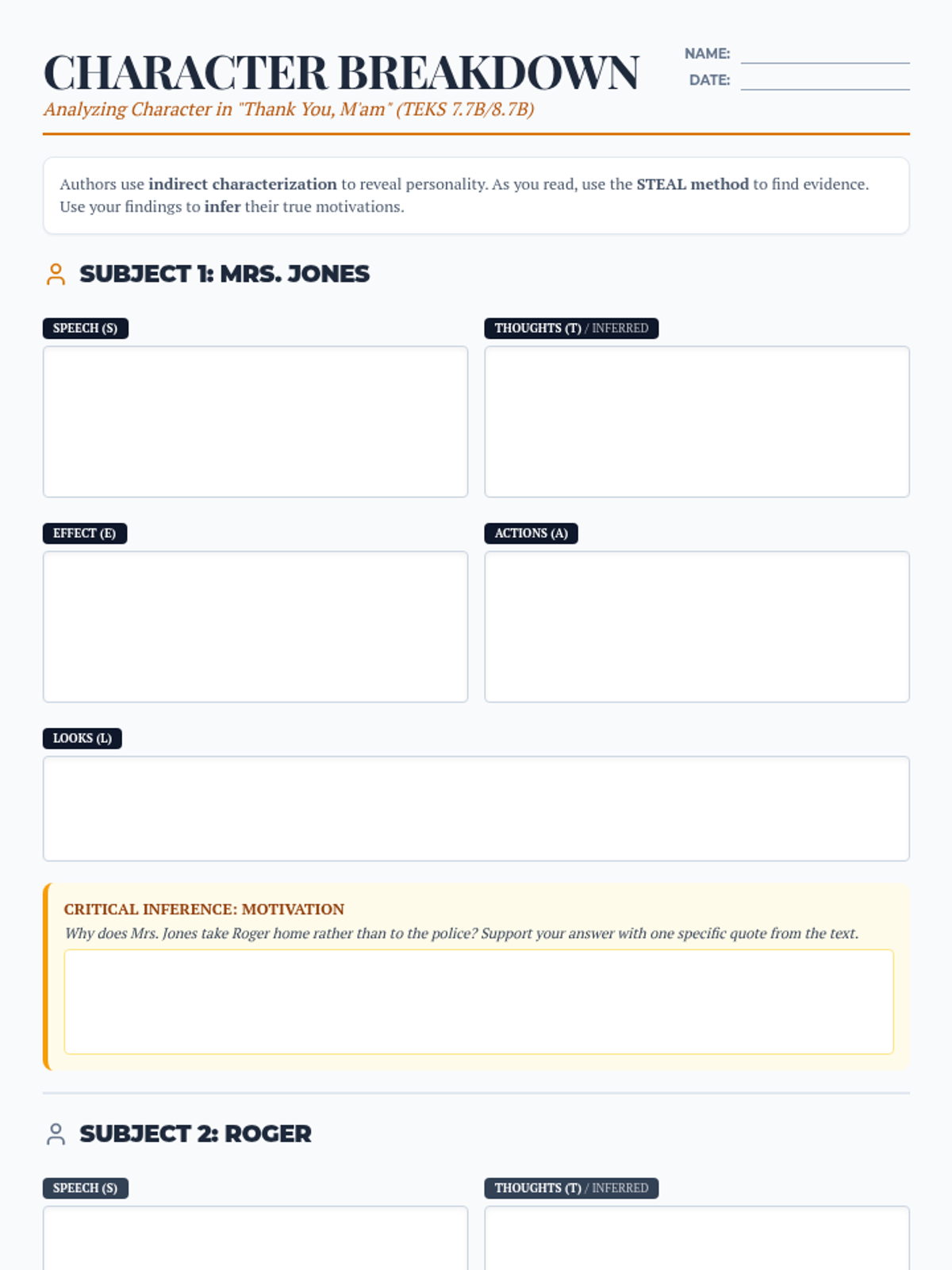
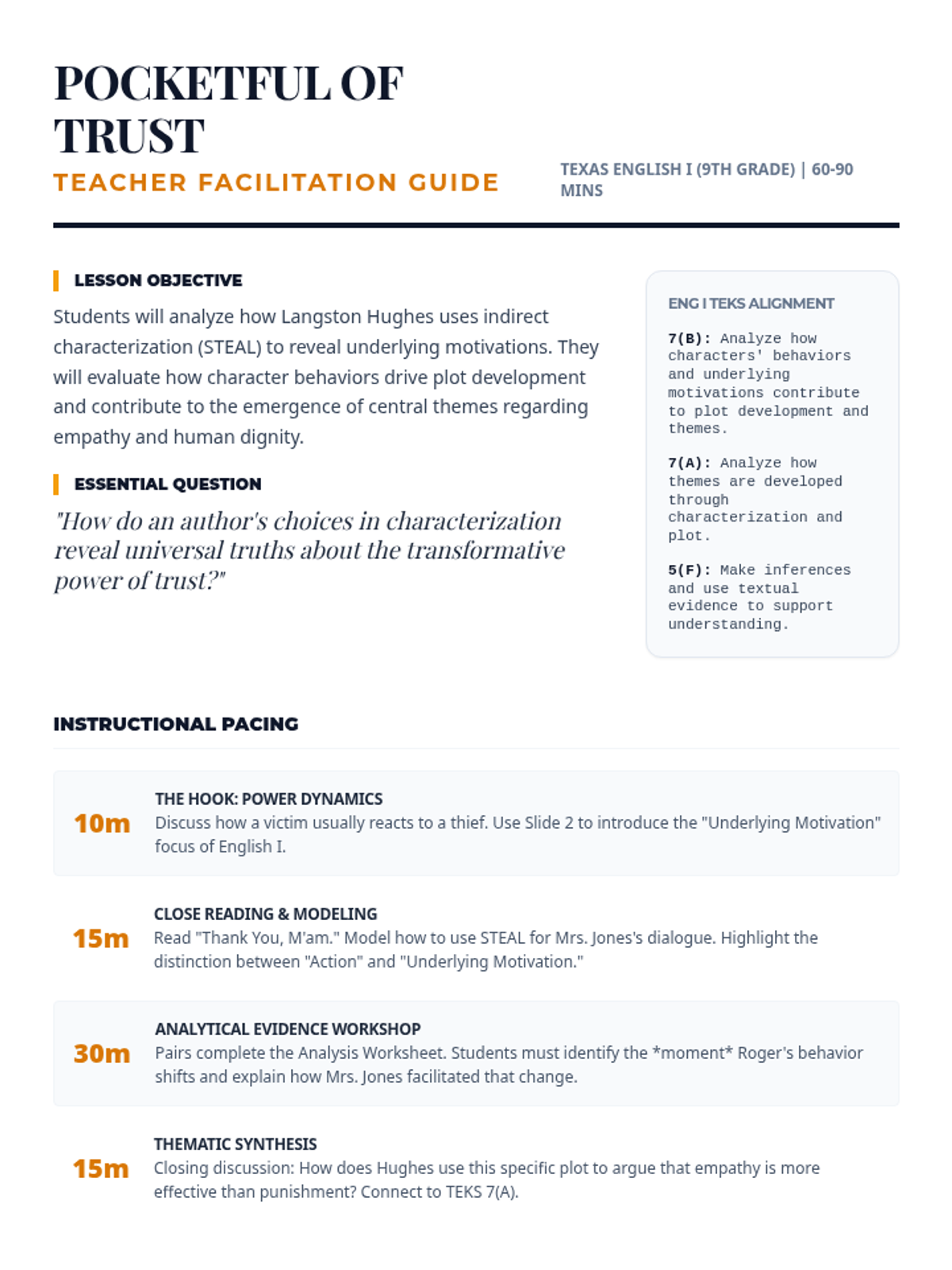
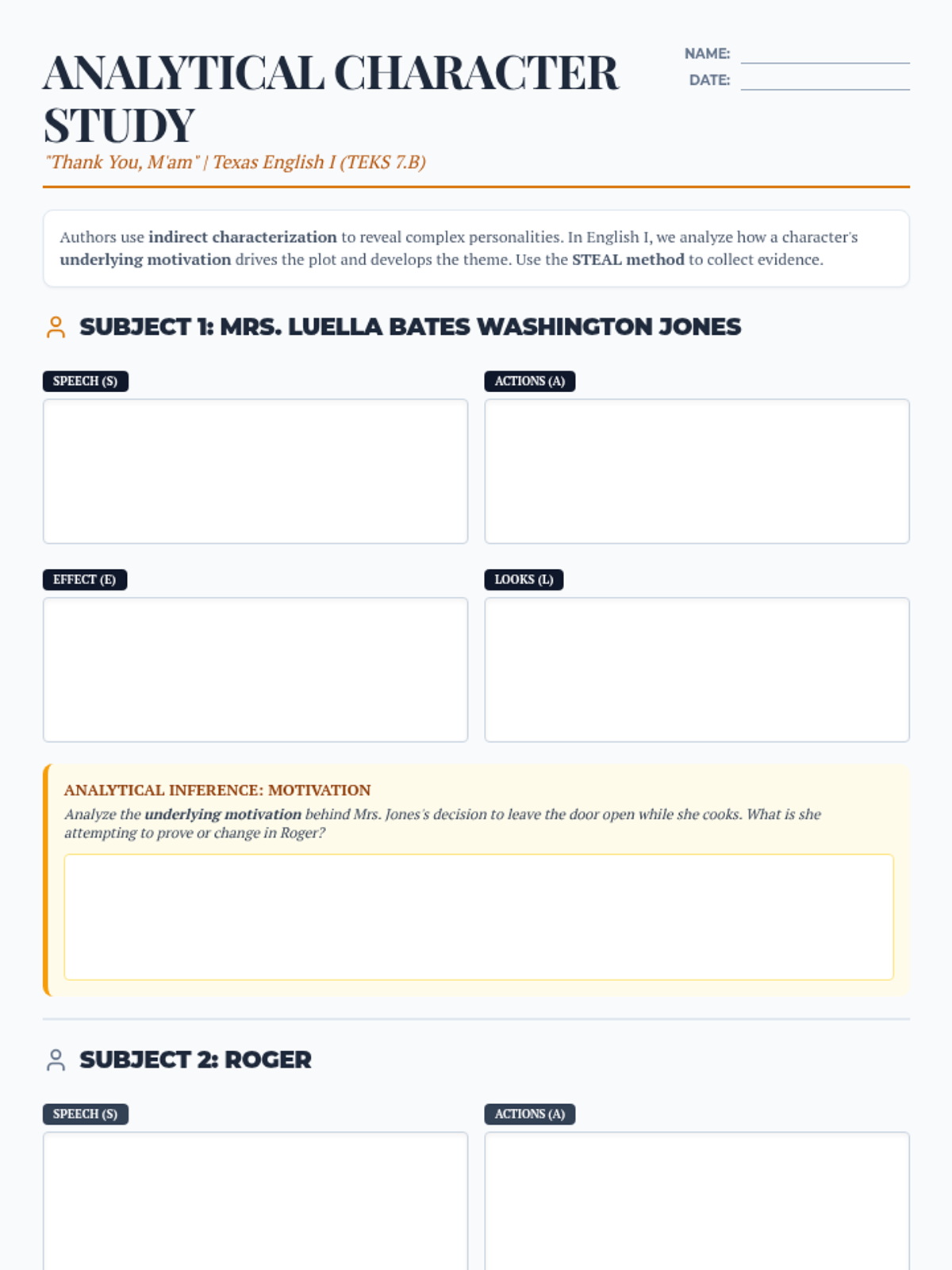
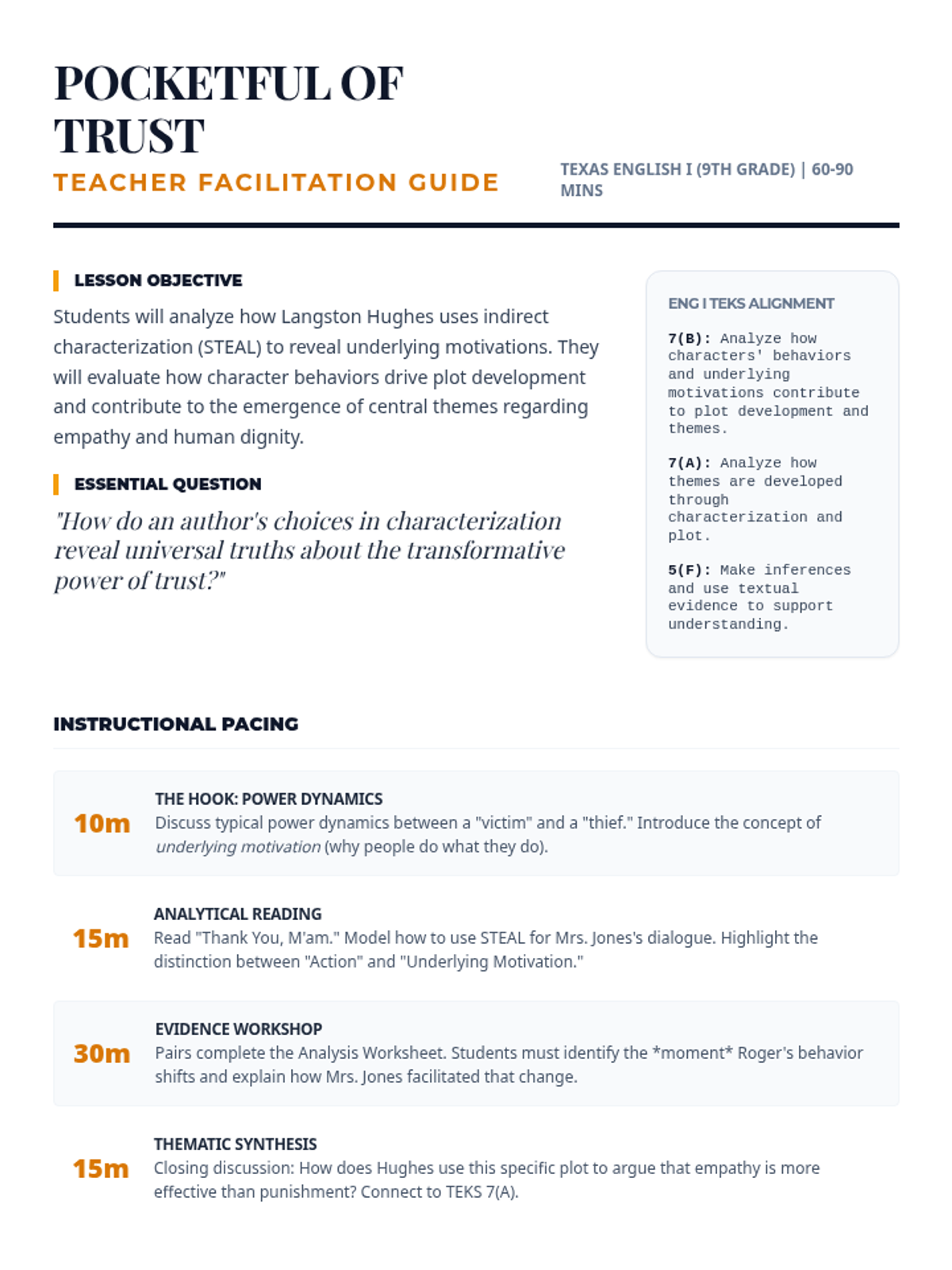
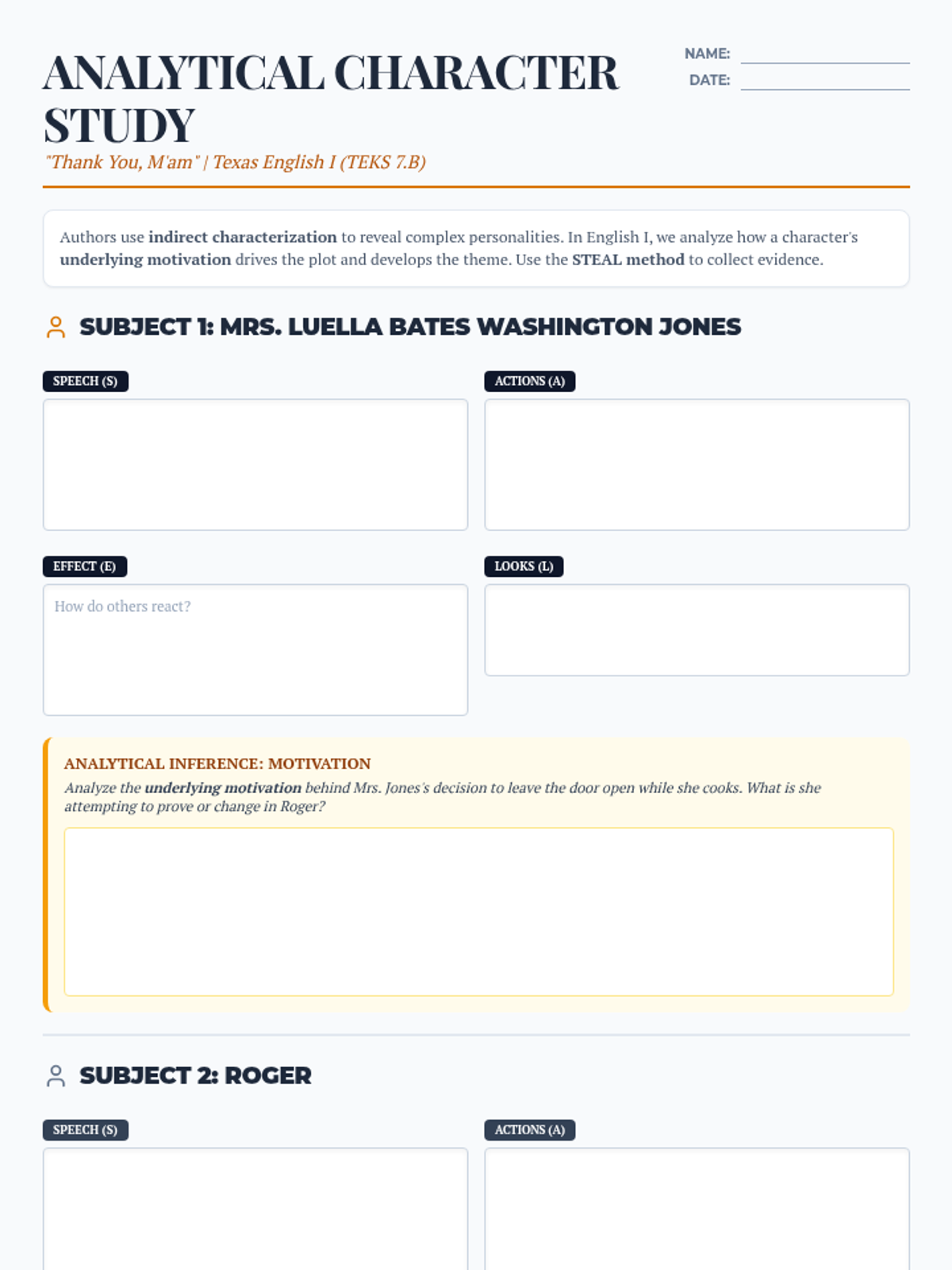
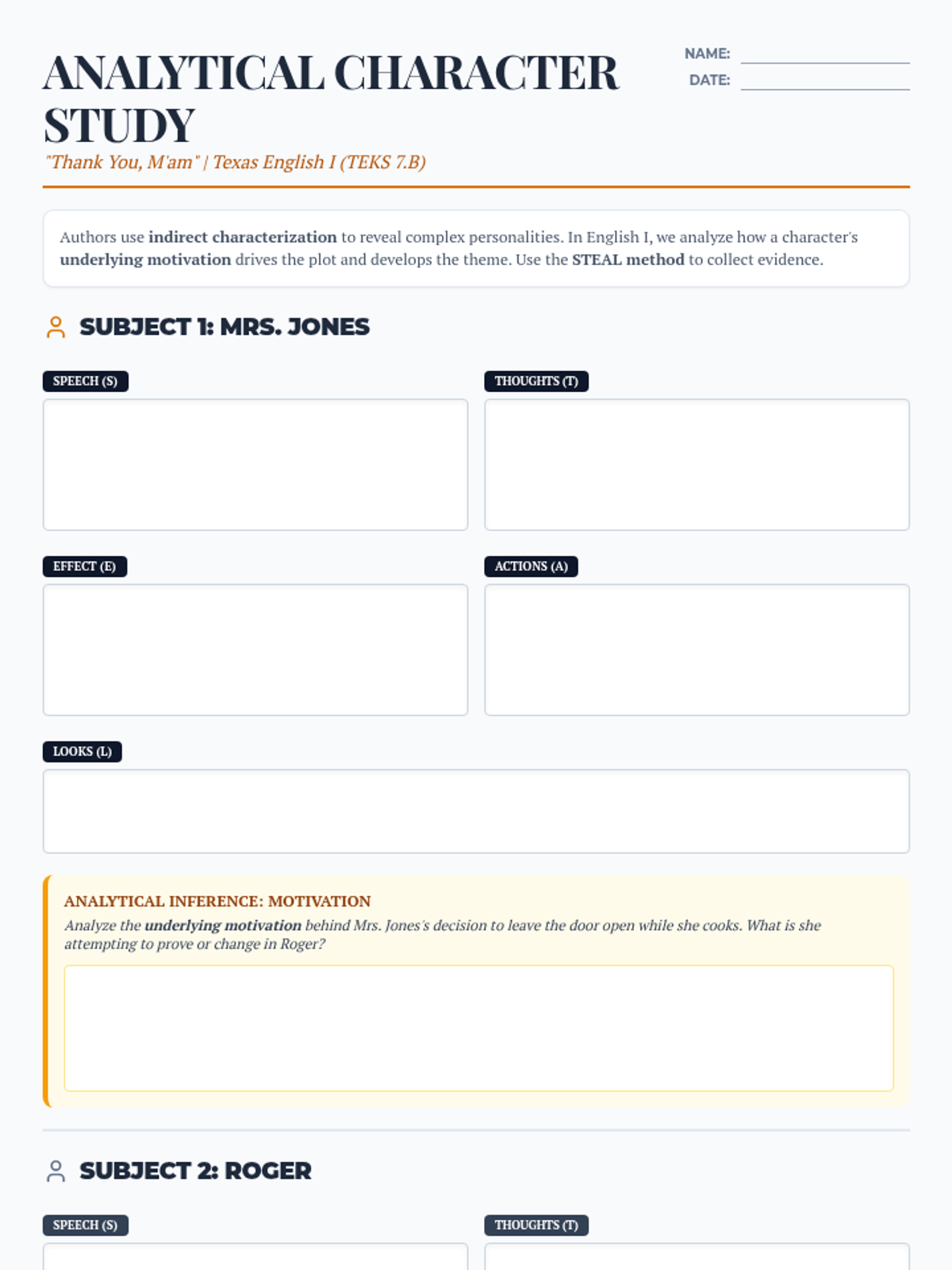
A TEKS-aligned lesson (Grade 7-8) exploring characterization in Langston Hughes's 'Thank You, M'am'. Students use the STEAL method to analyze how characters' motivations and behaviors influence events and the resolution of the plot (TEKS 7.7B).
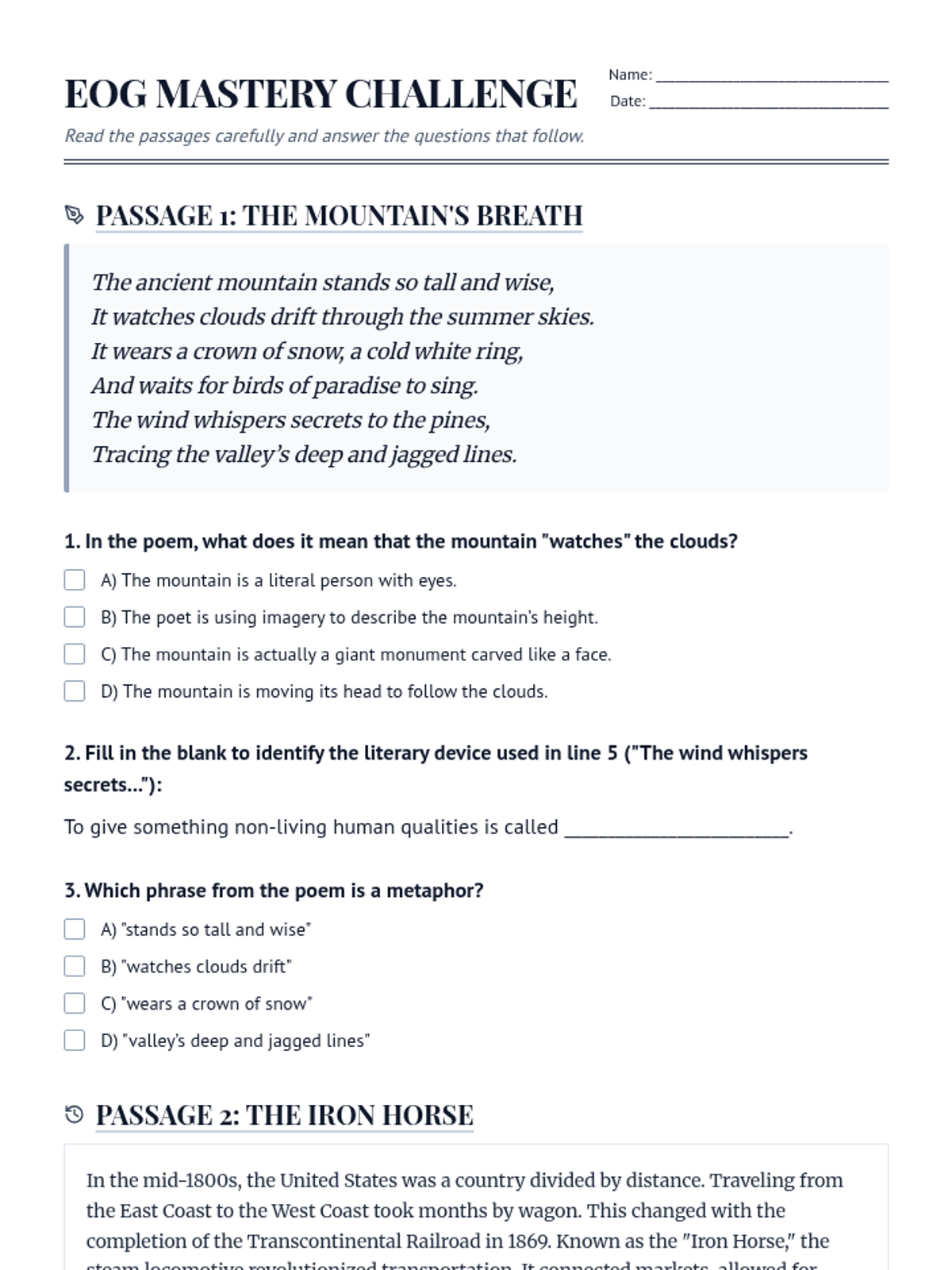
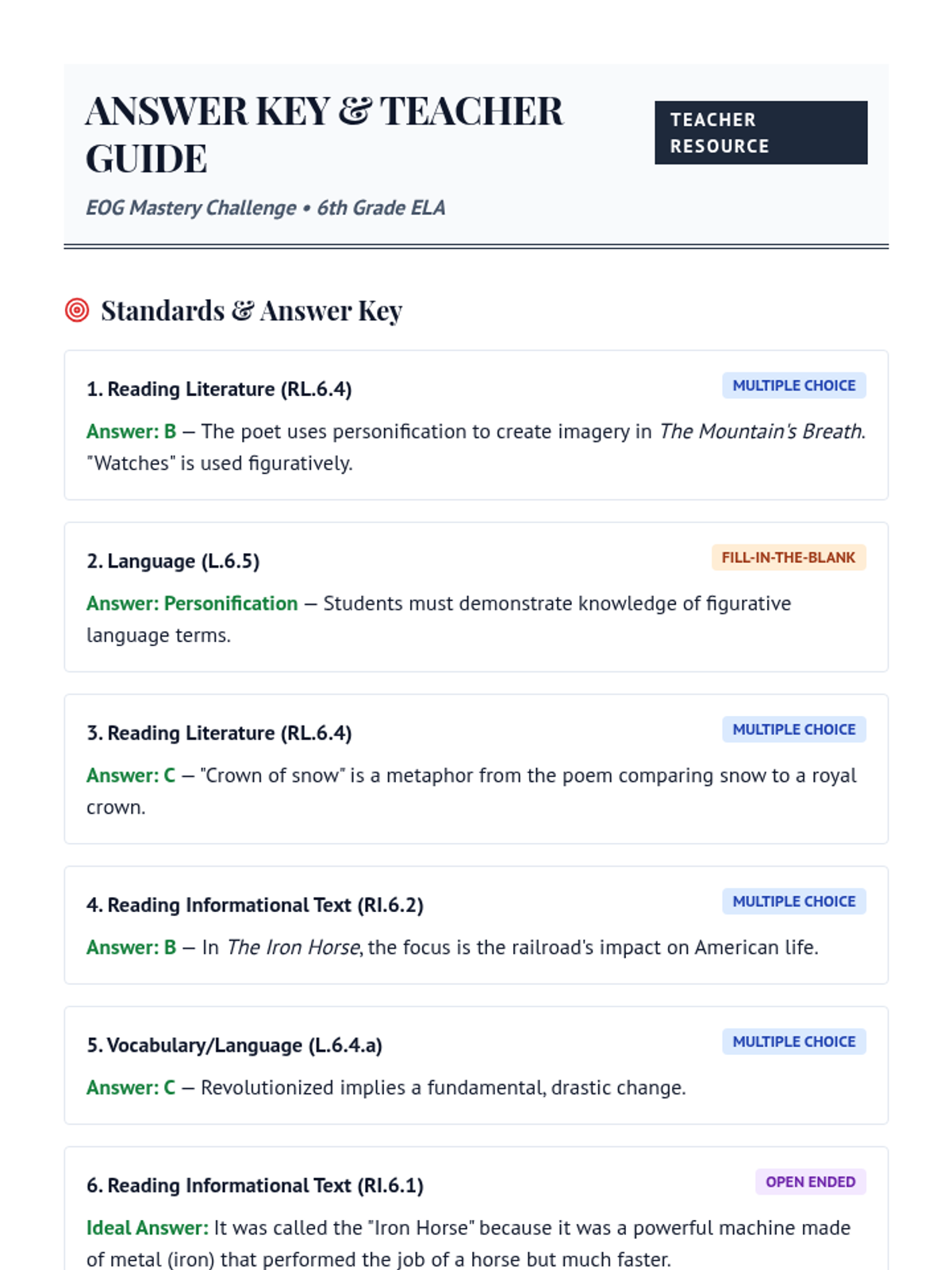
A comprehensive practice set for 6th grade ELA EOG preparation, featuring diverse passages in fiction, poetry, and historical nonfiction with a mix of question formats.
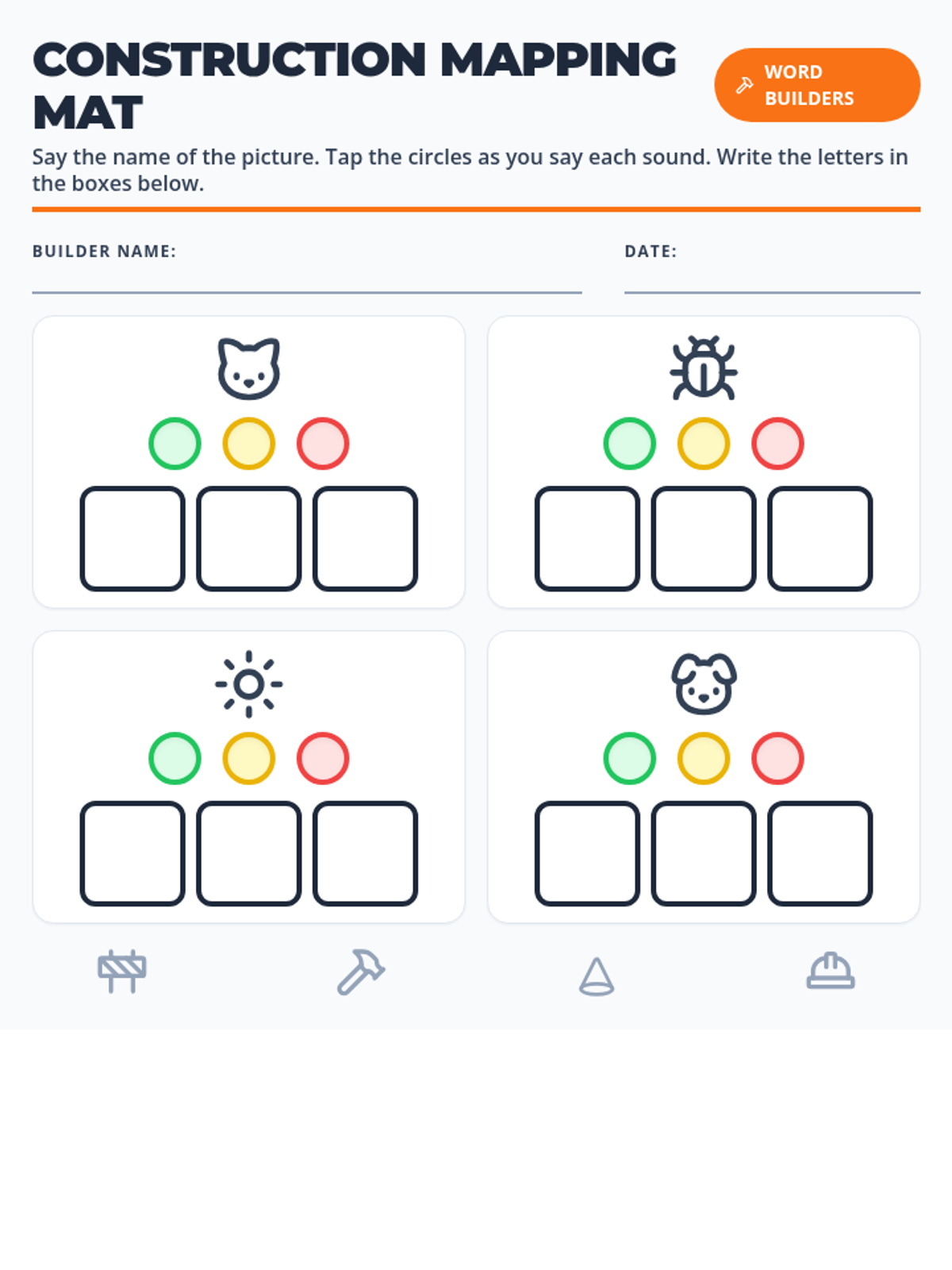
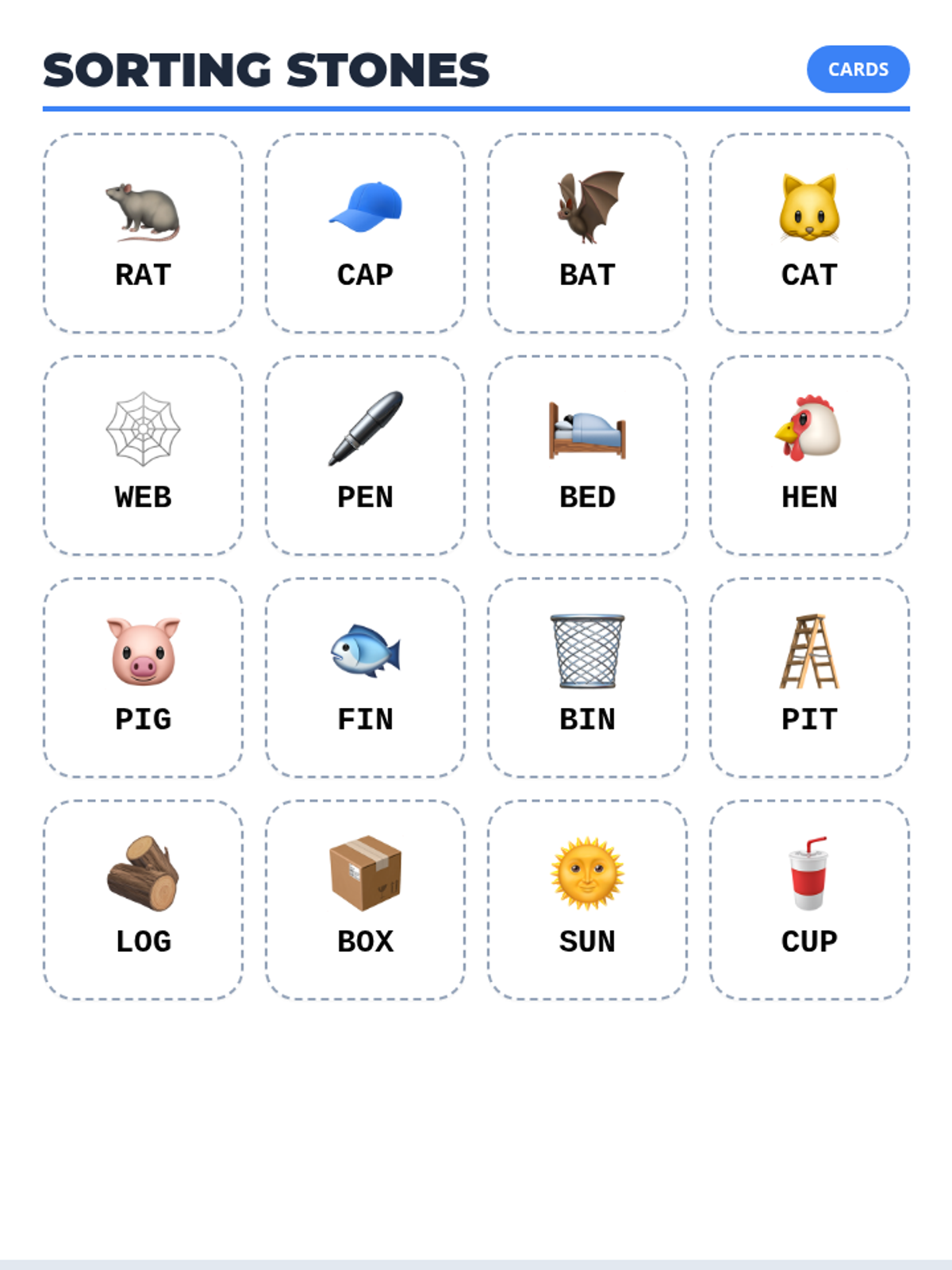
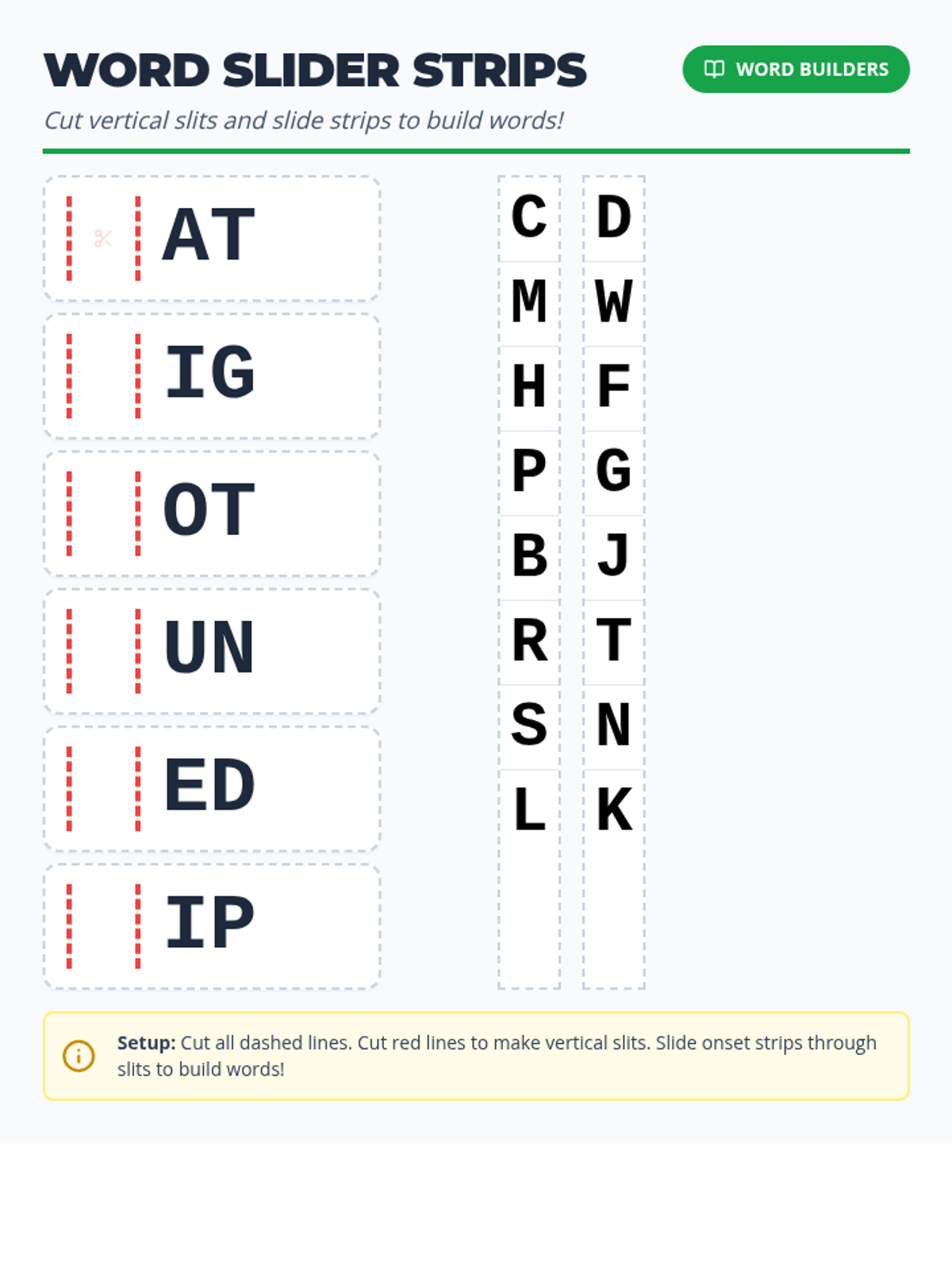
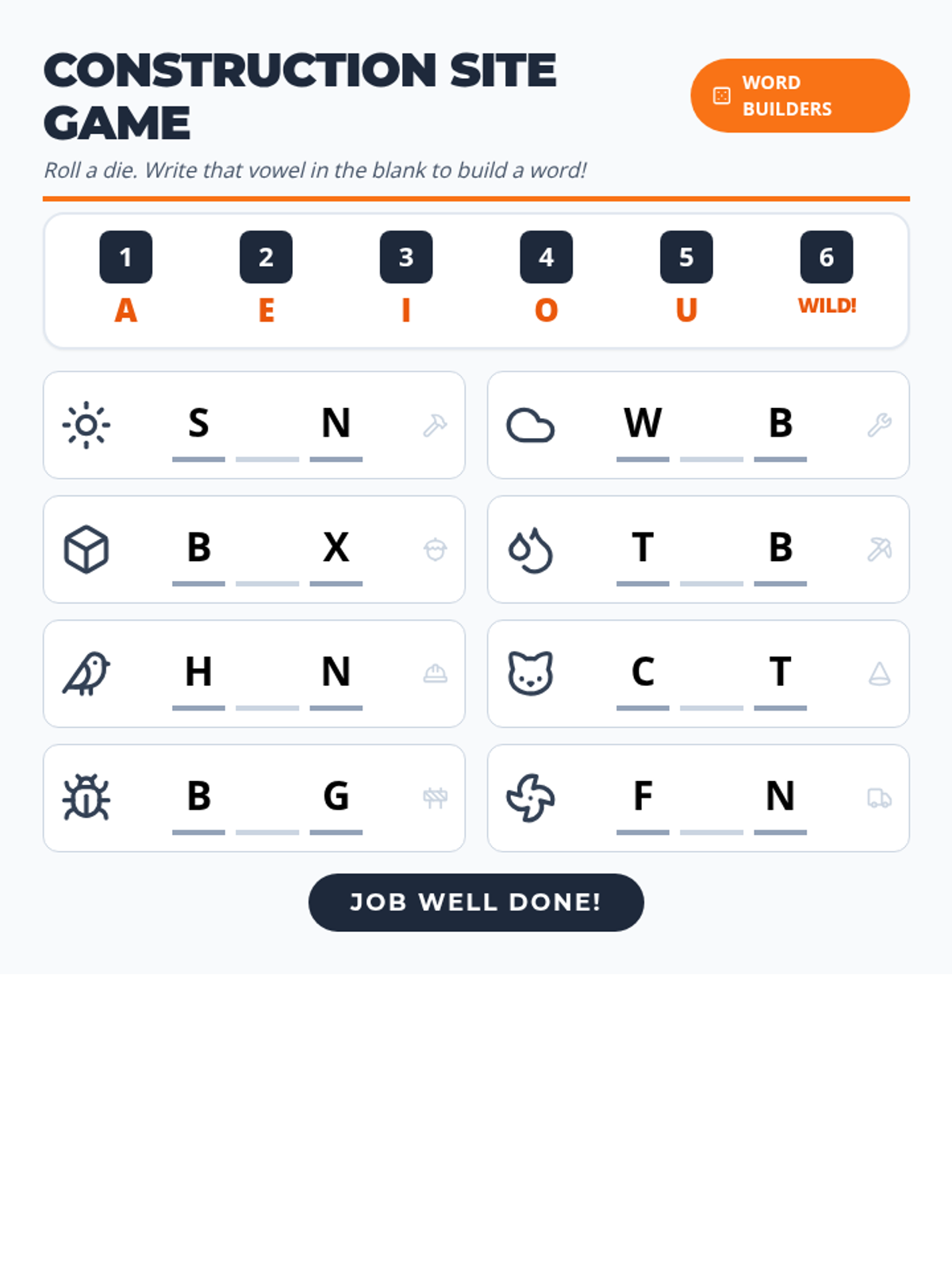
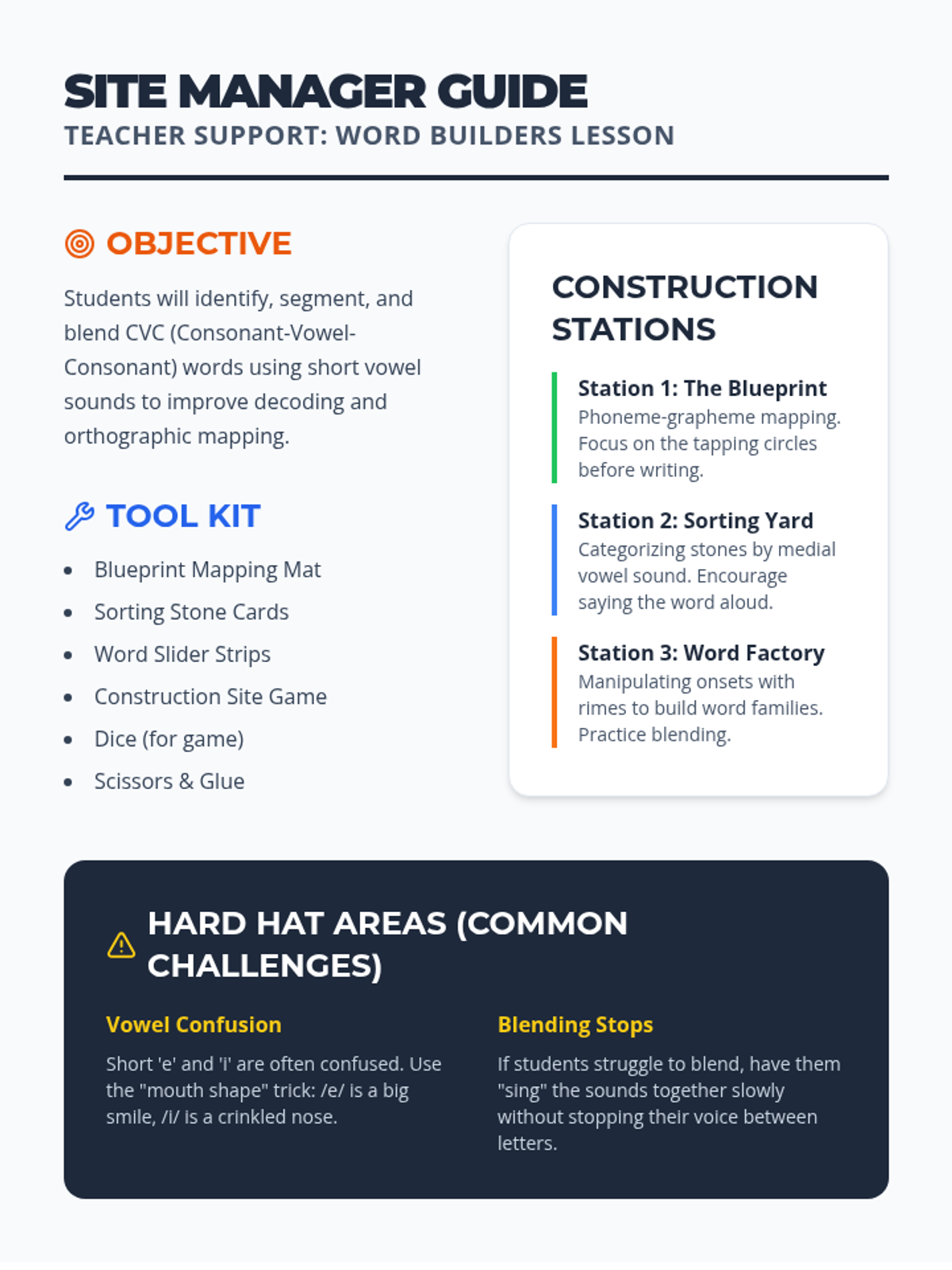
A collection of hands-on activities for first graders to master decoding and building CVC words using a construction site theme. Students will map sounds, slide phonemes, and sort words to build a strong reading foundation.
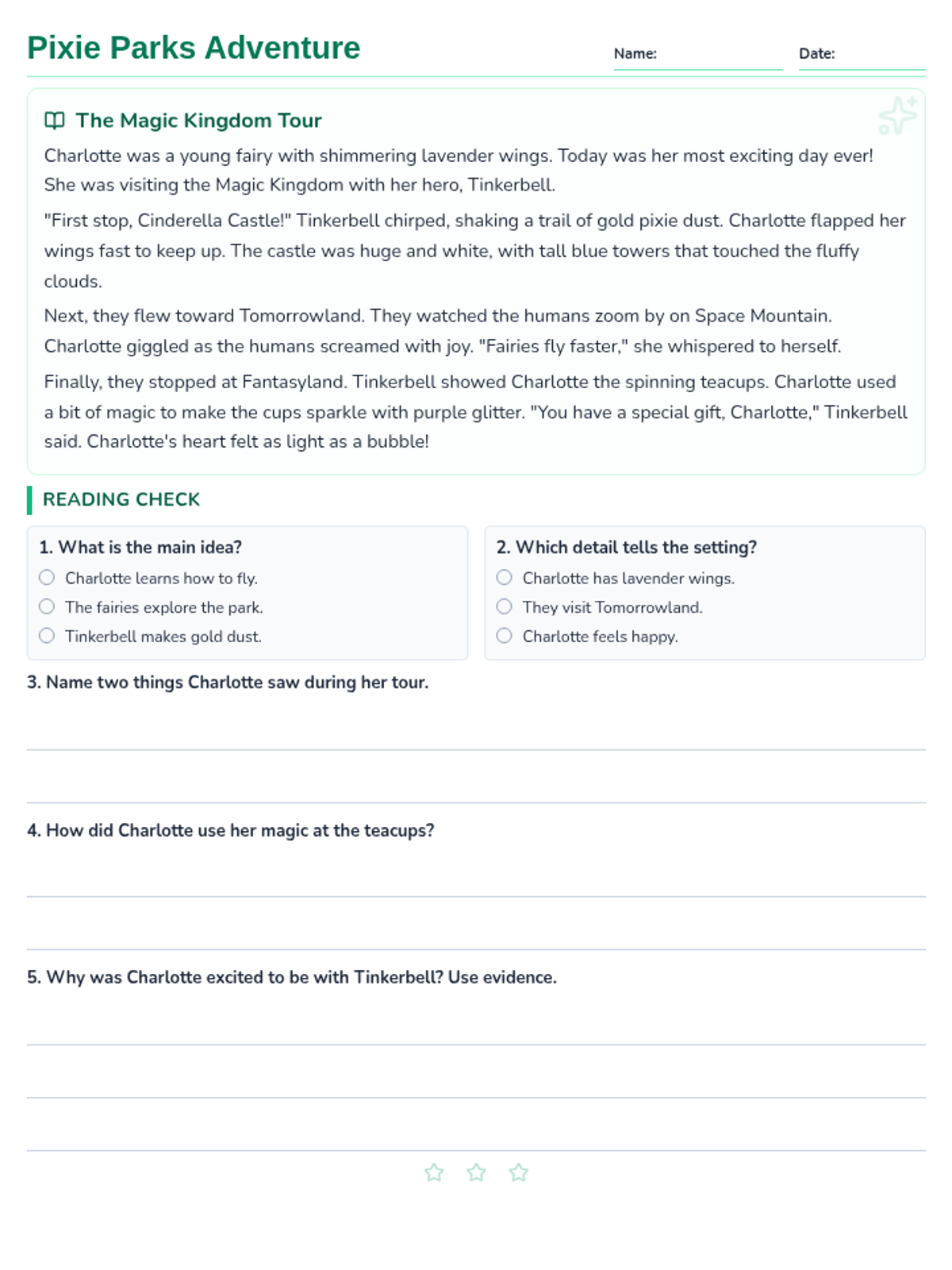
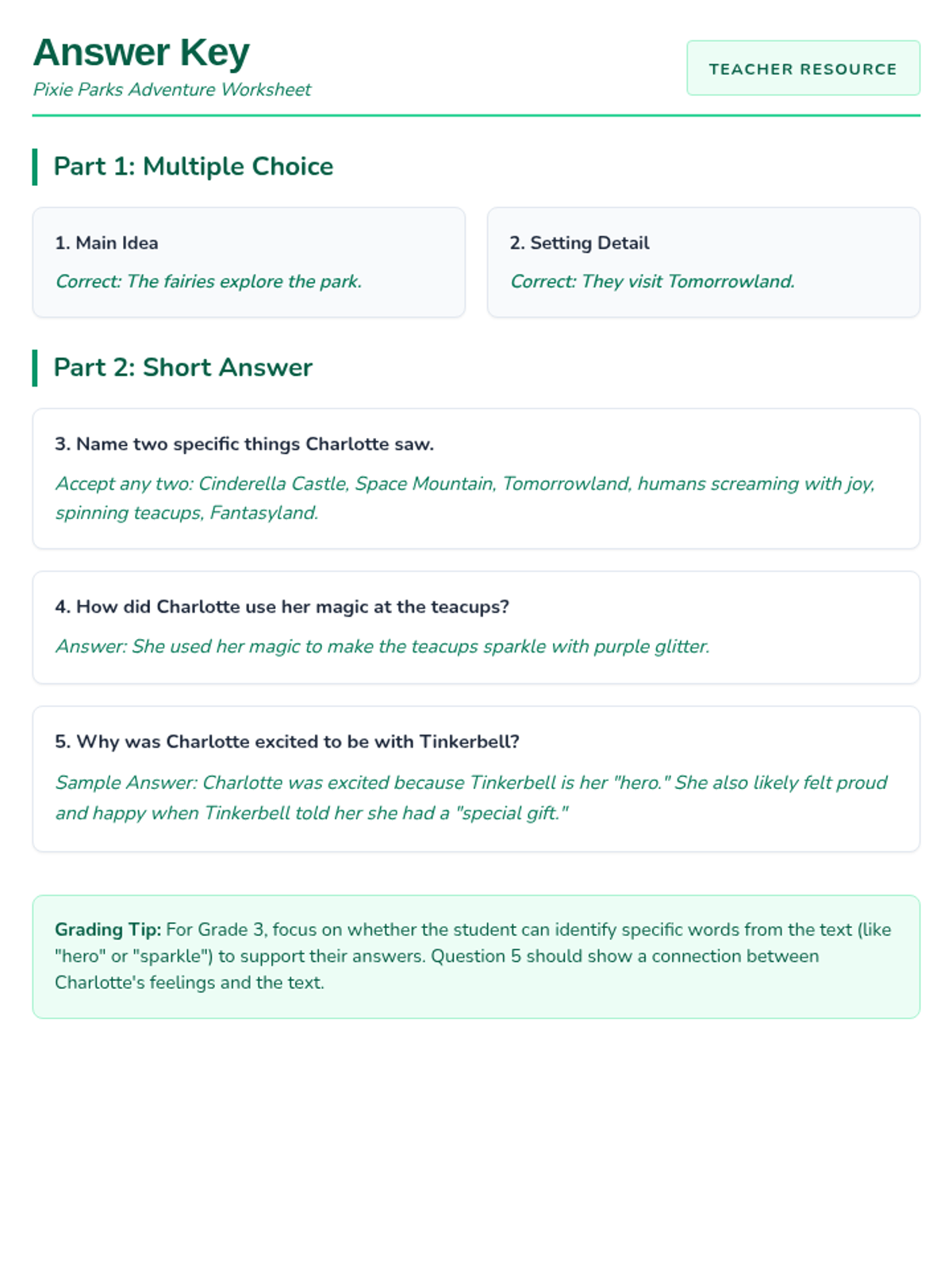
A lesson focused on reading comprehension through a magical story about fairies exploring a theme park. Students practice identifying main ideas and key details.
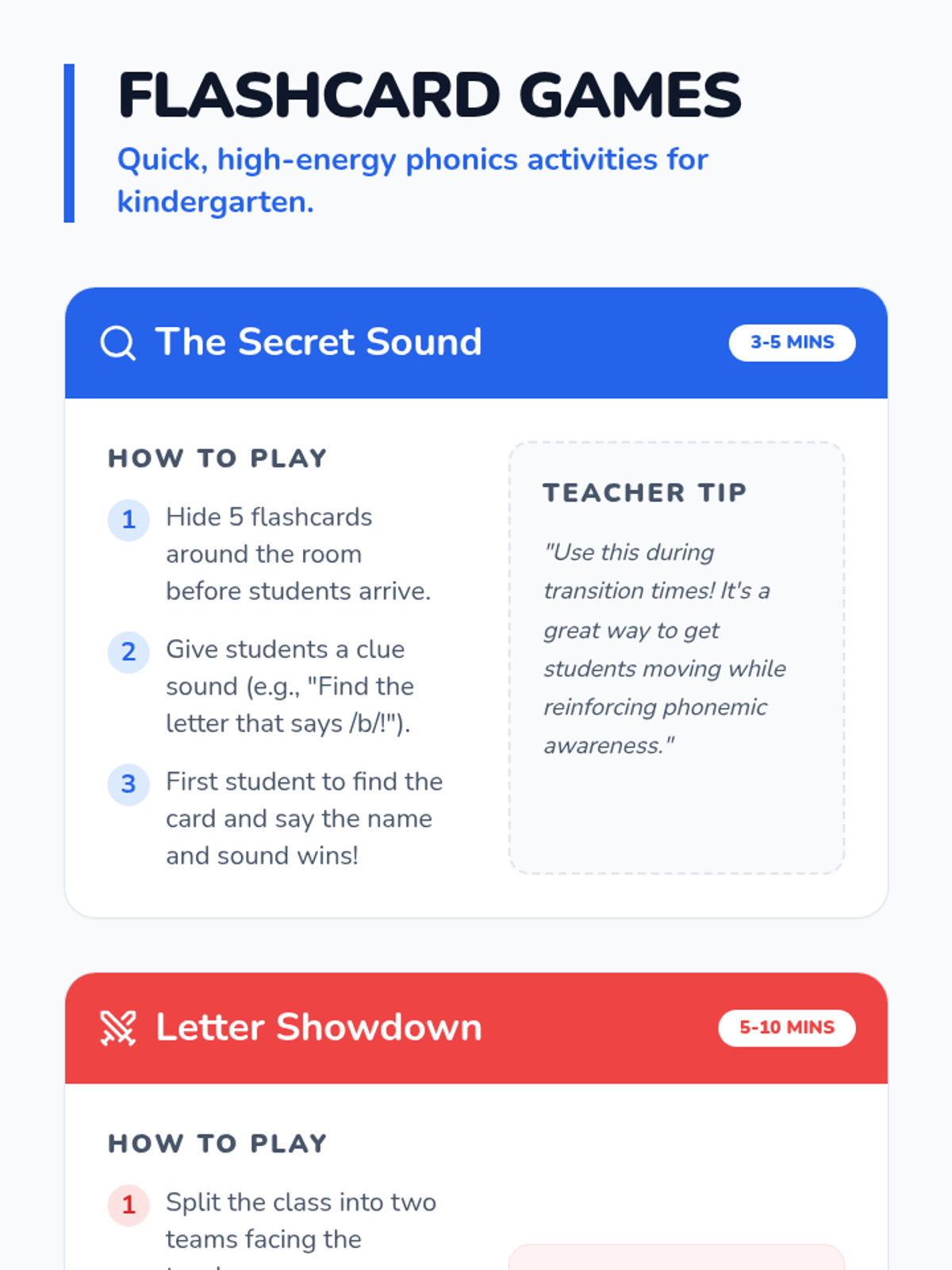
A foundational phonics lesson focusing on letter-sound recognition and name identification for kindergarten students using visual aids and interactive games.
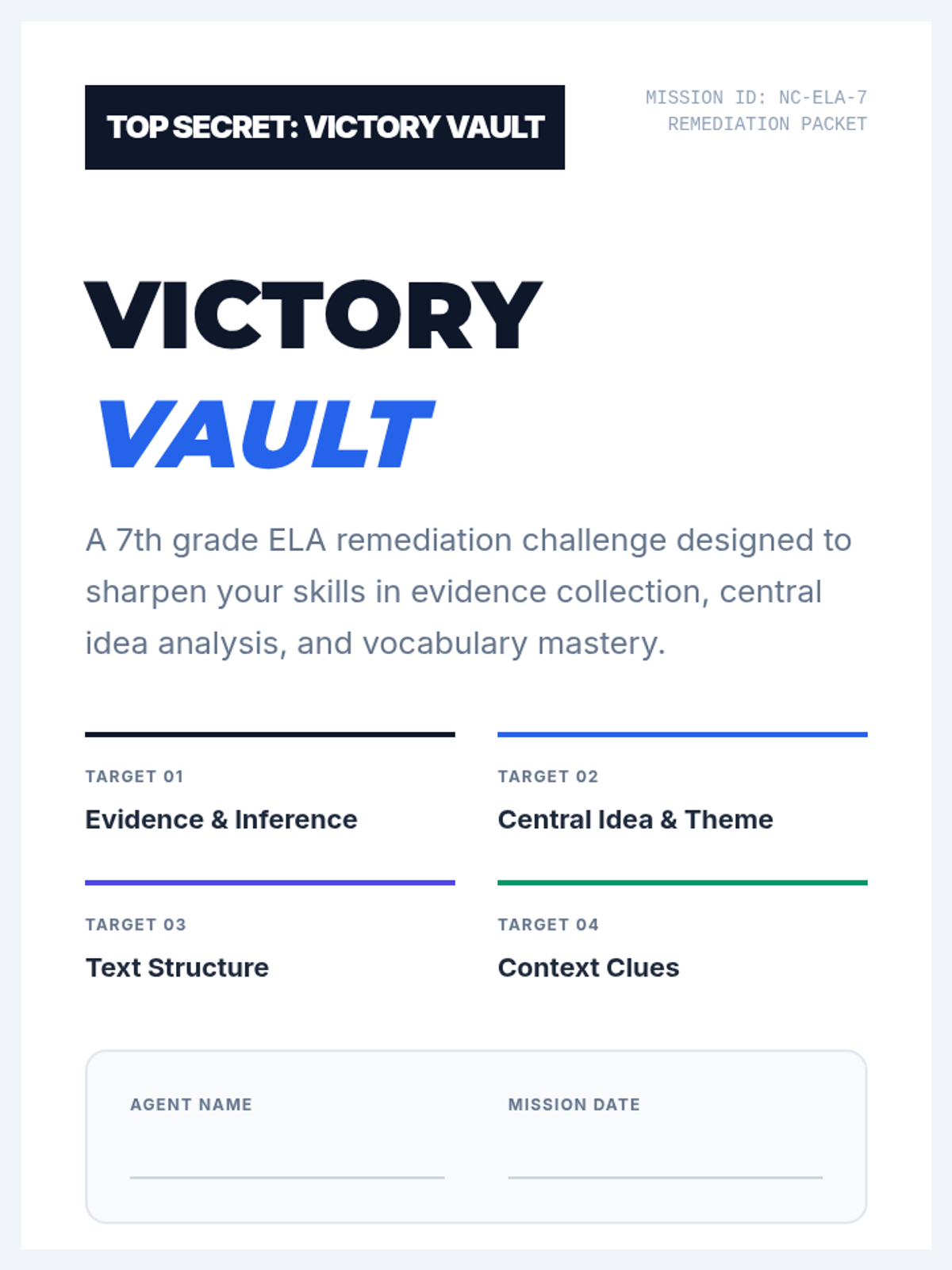
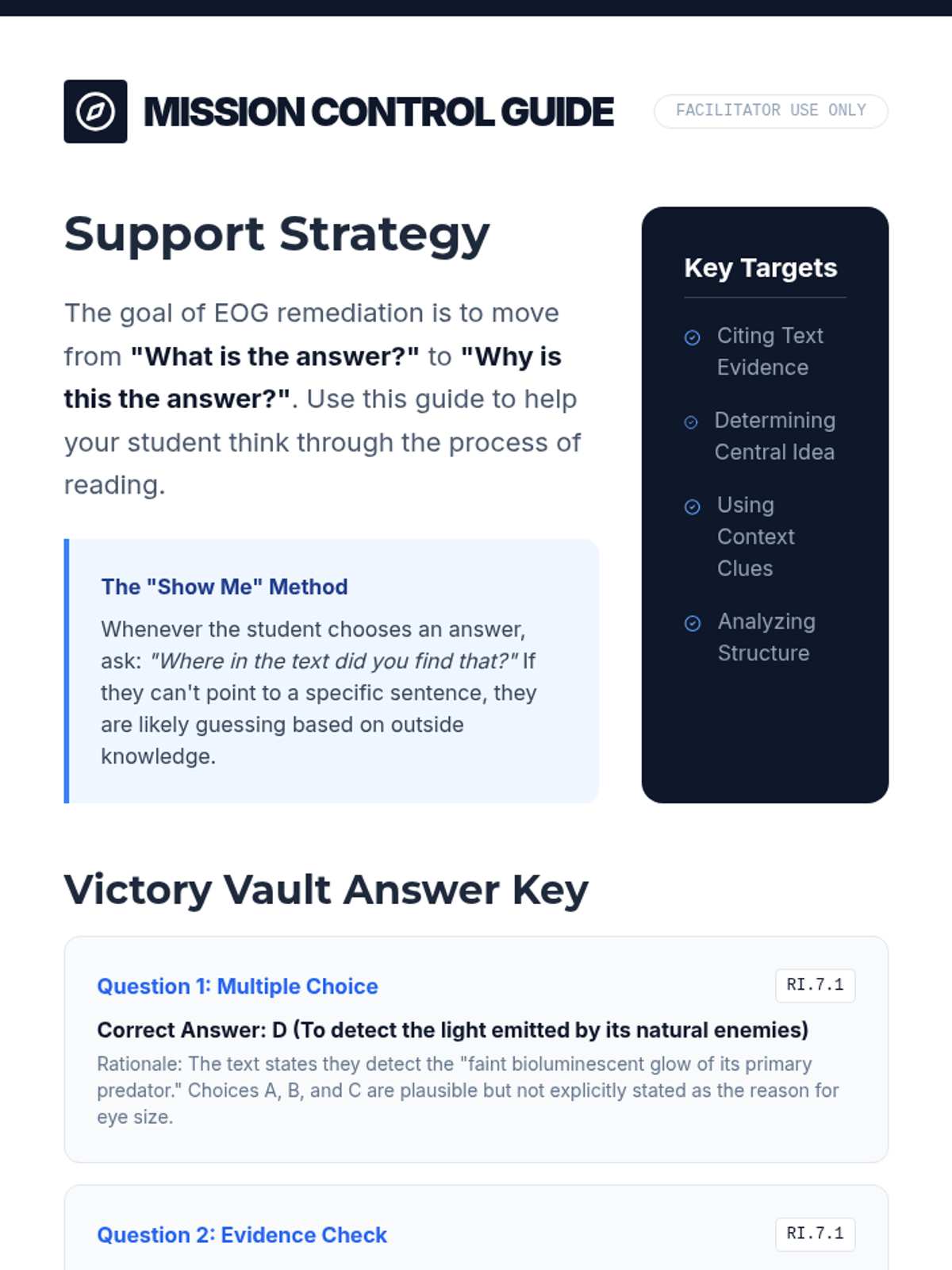
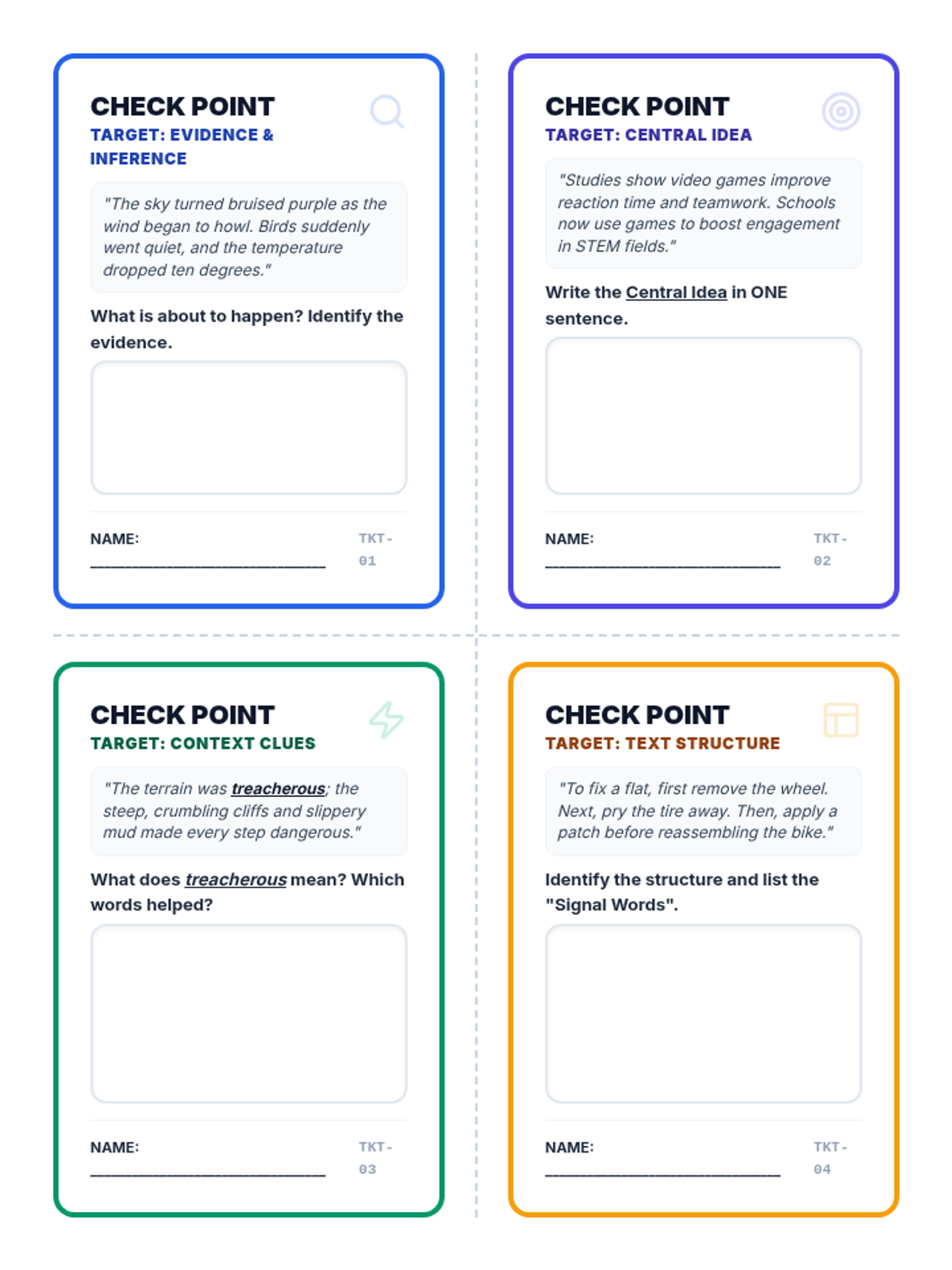
A comprehensive remediation program designed for 7th grade students to master key NC ELA standards, focusing on evidence-based reading, central idea, and context clues.
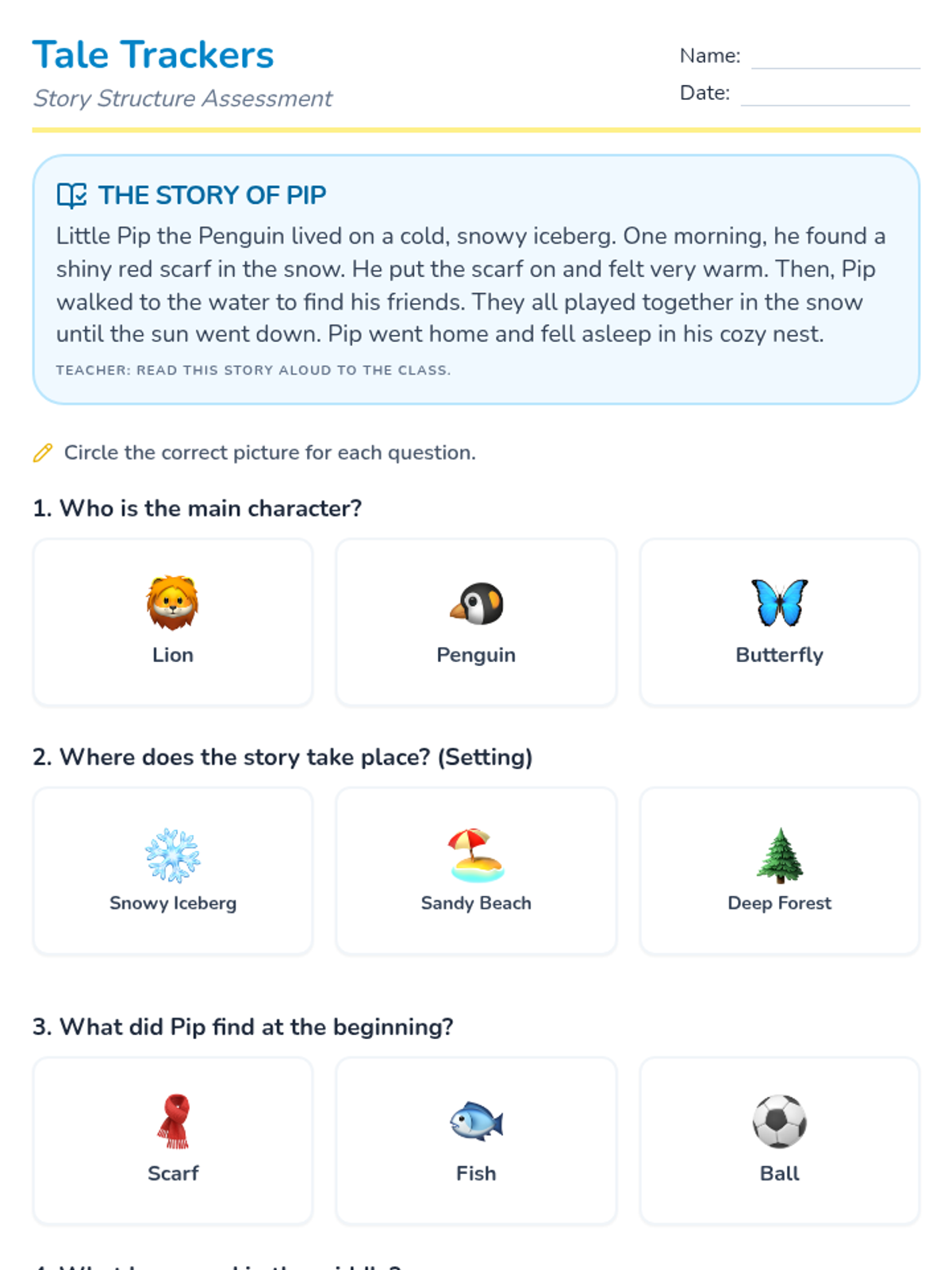
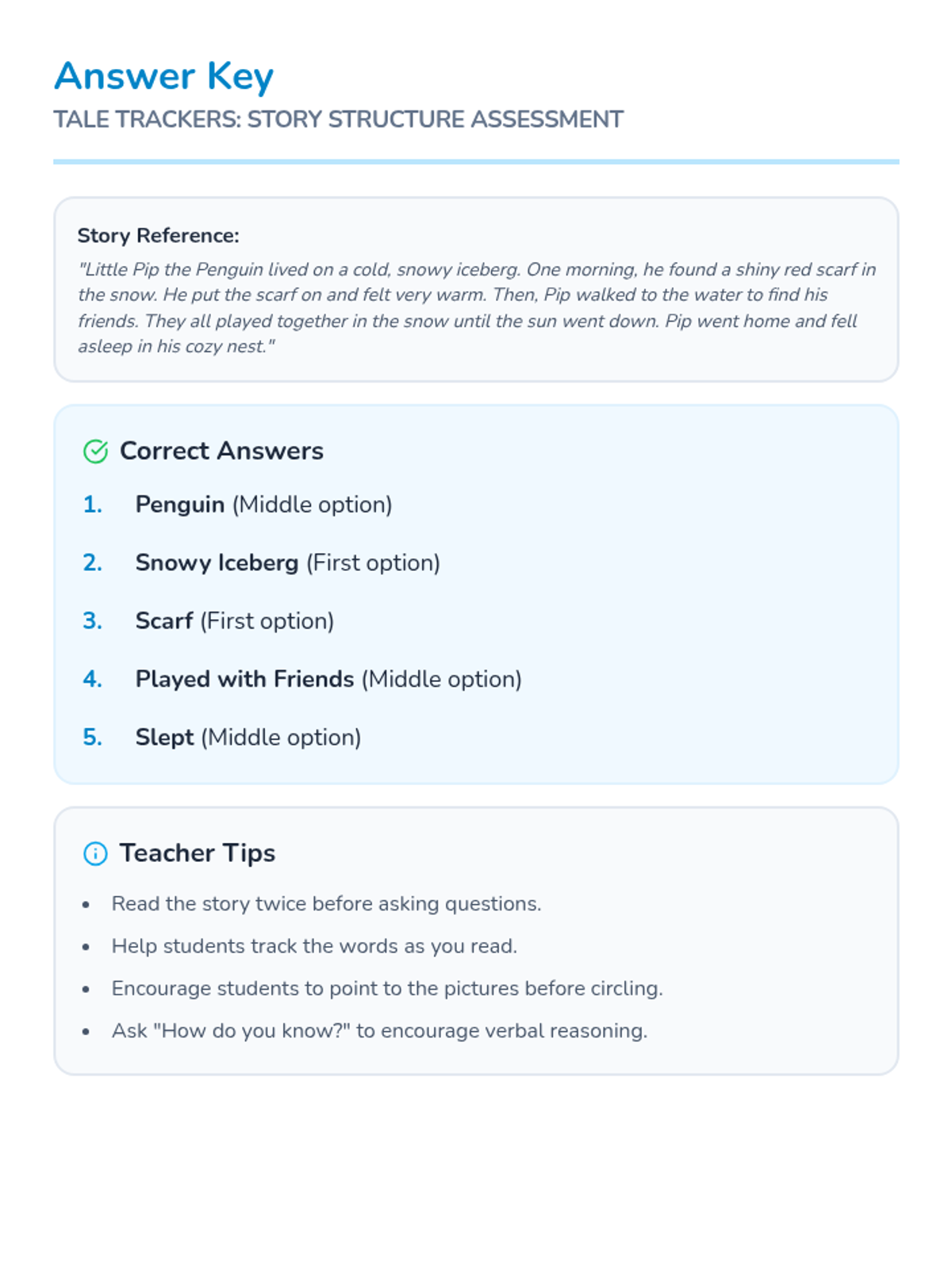
A simple assessment for kindergarteners to demonstrate their understanding of story structure, including characters, setting, and the beginning, middle, and end of a tale.
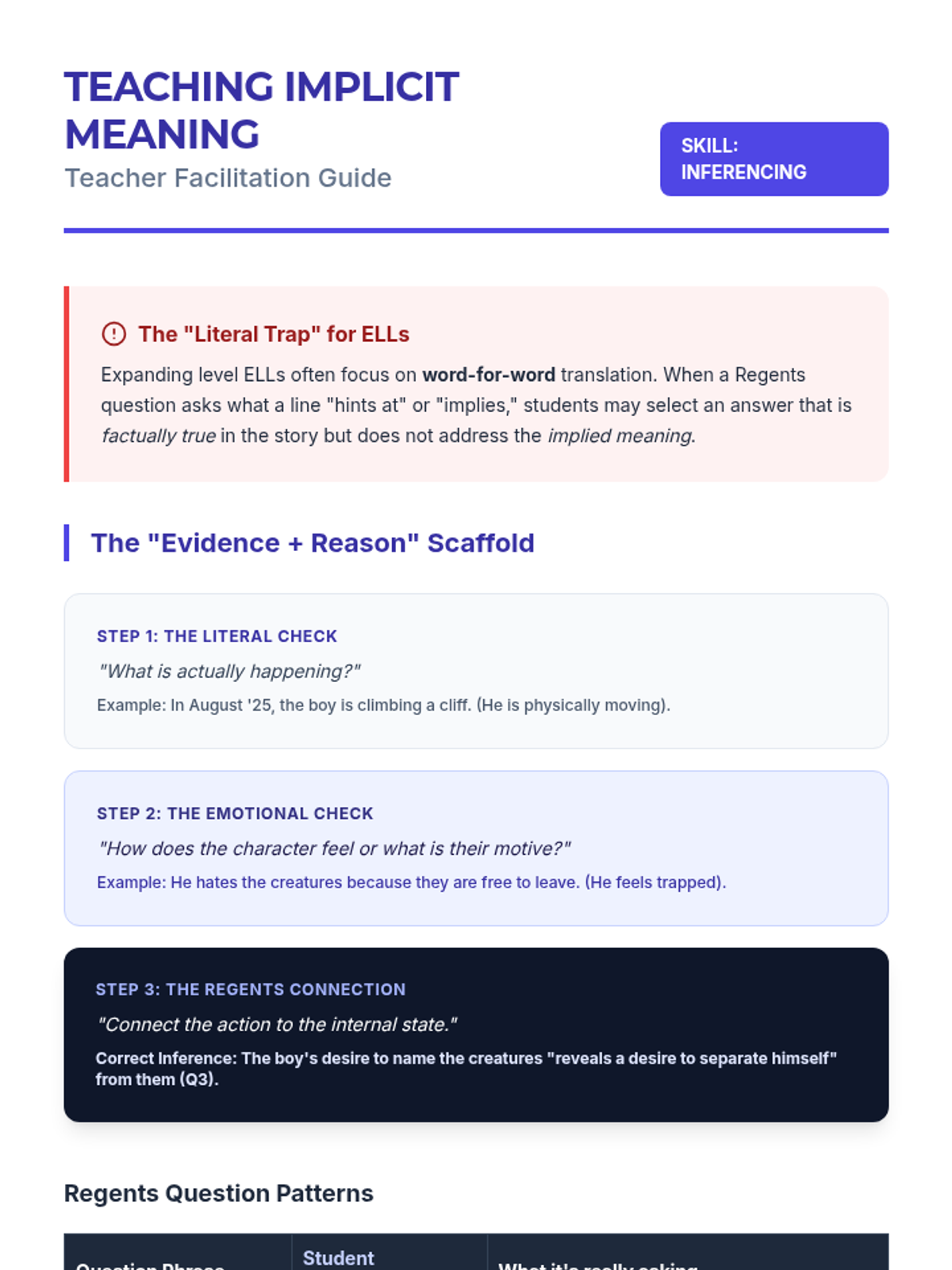
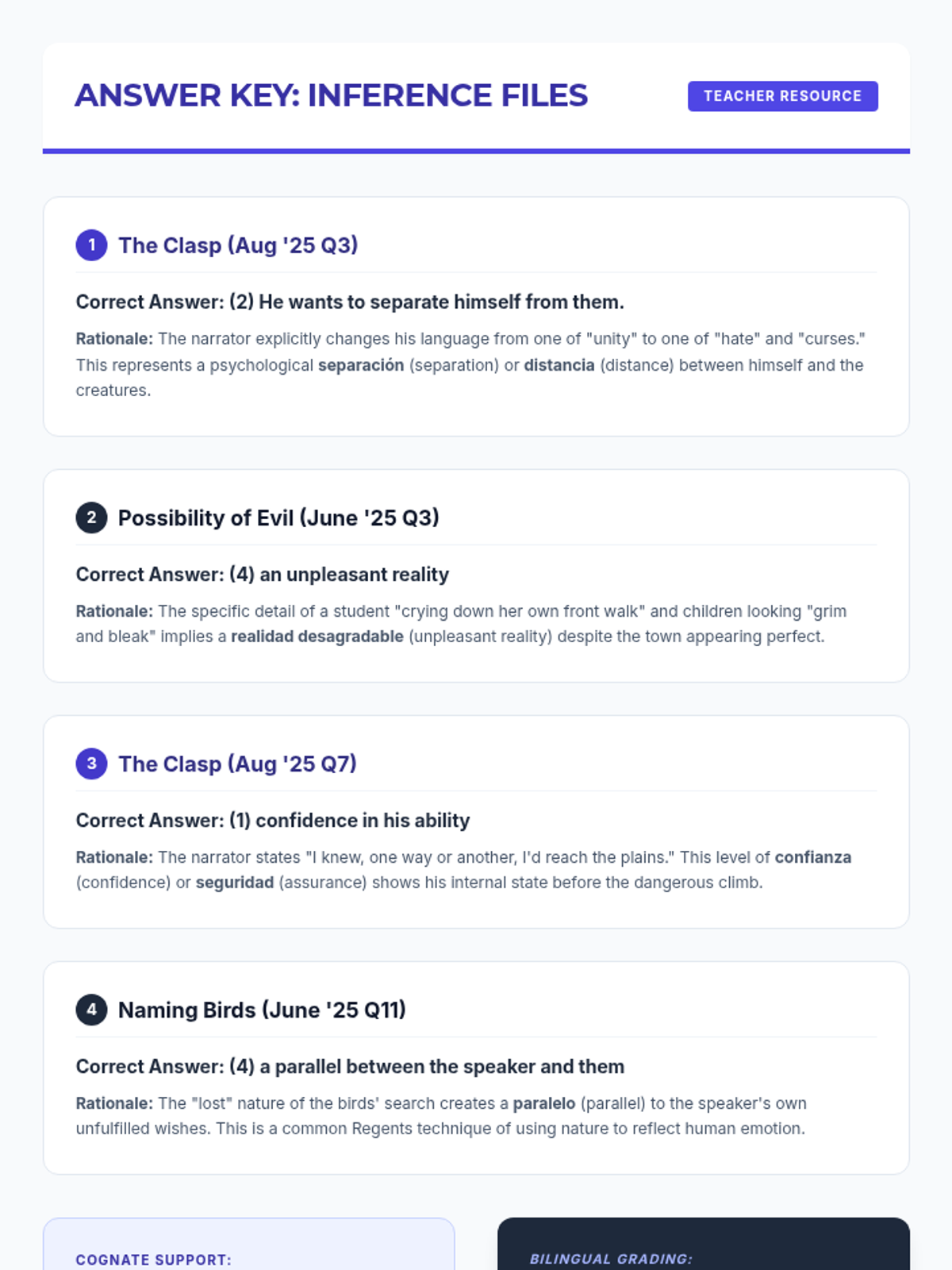
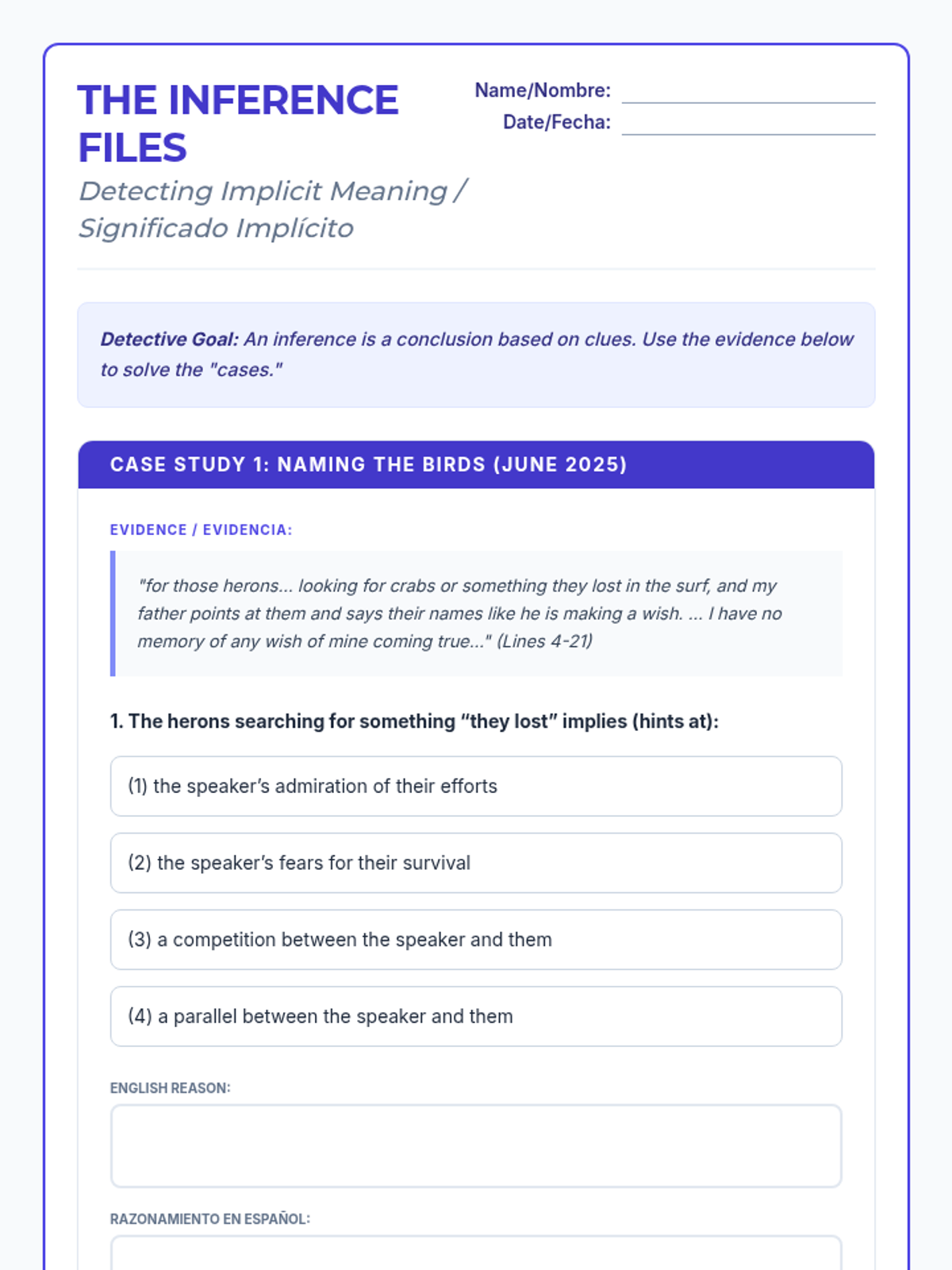
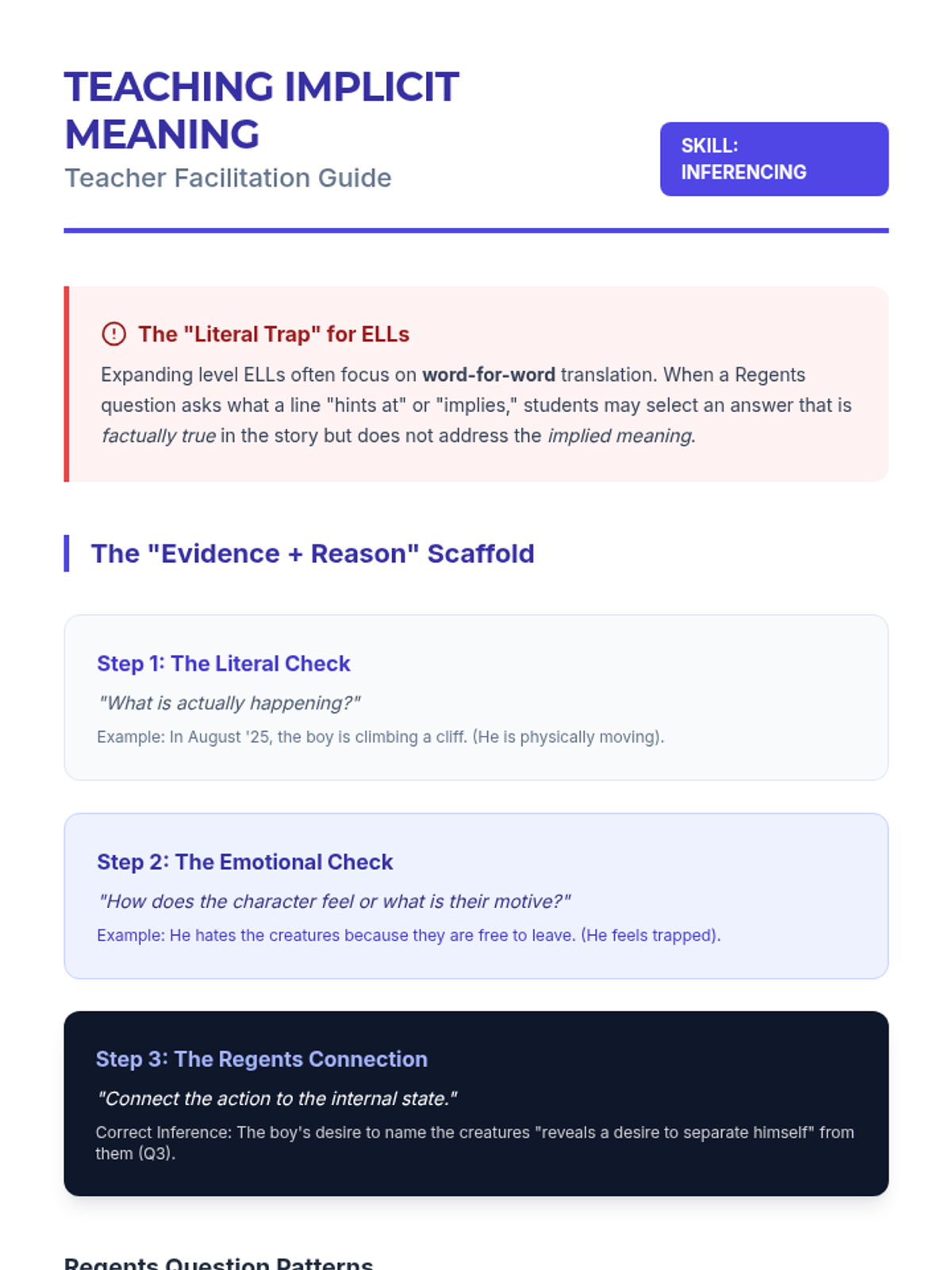
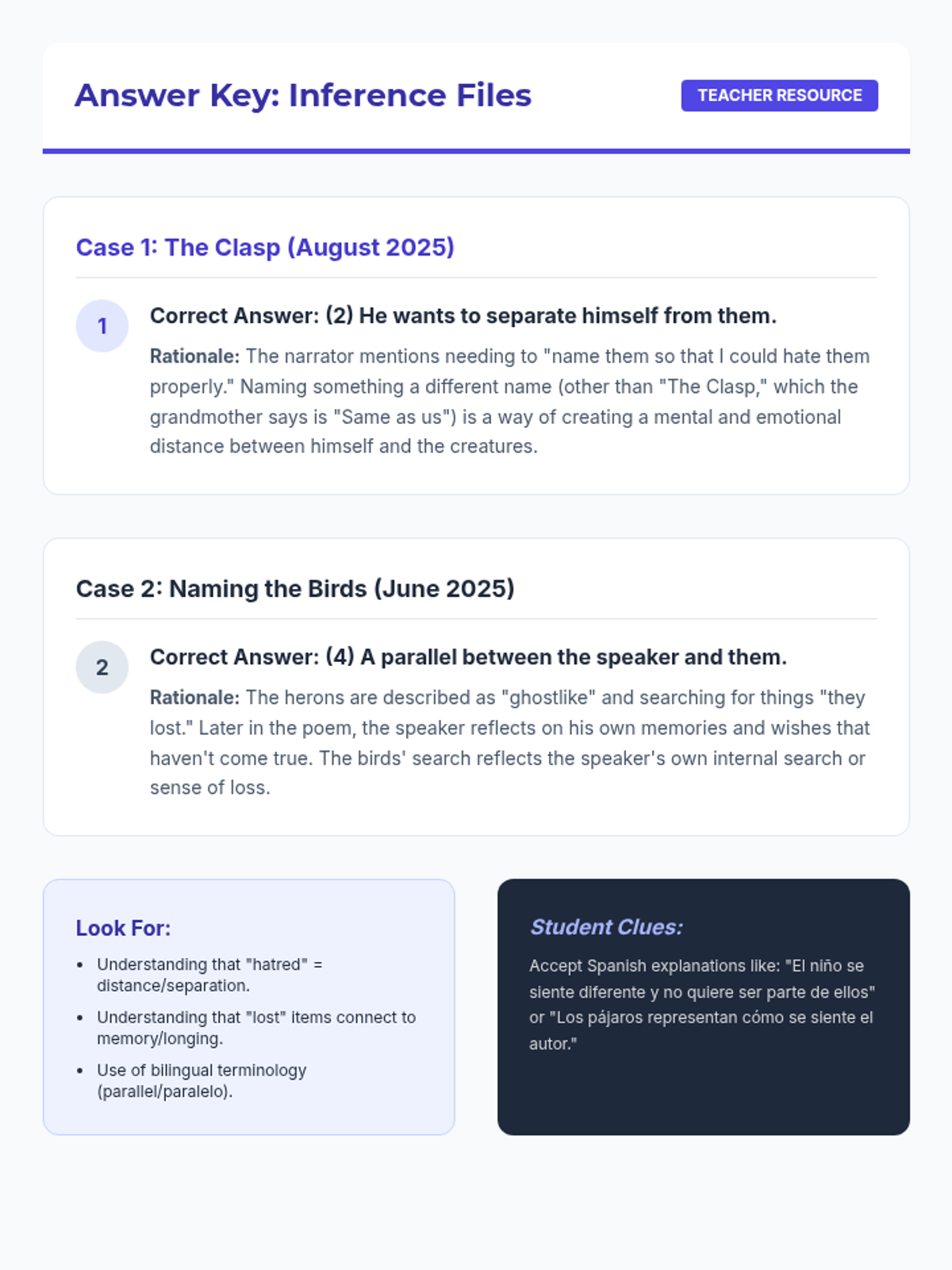
This lesson focuses on teaching ELL students how to draw conclusions from implicit meaning in texts, specifically targeting multiple-choice questions from Part 1 of the ELA Regents exam.
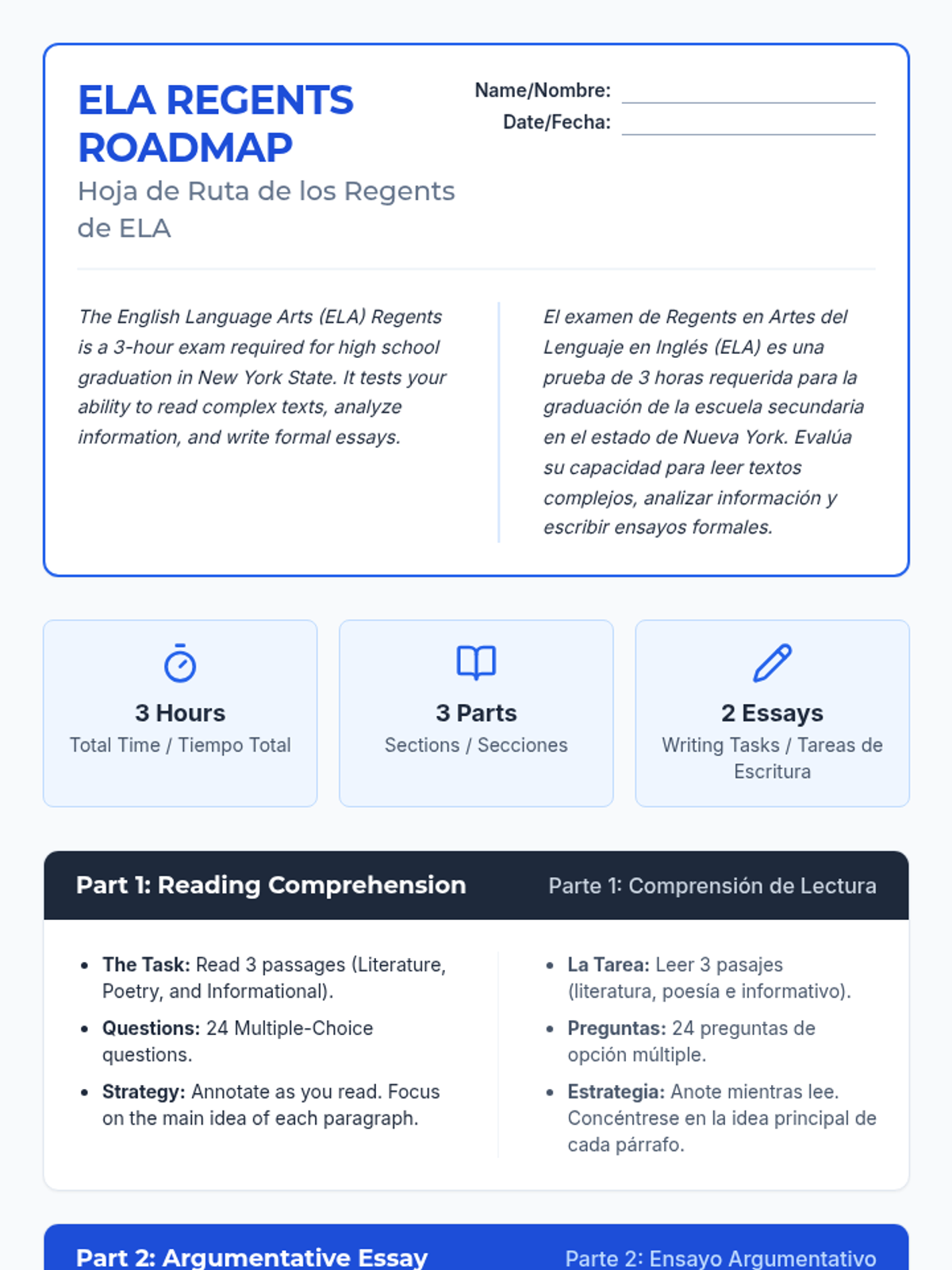
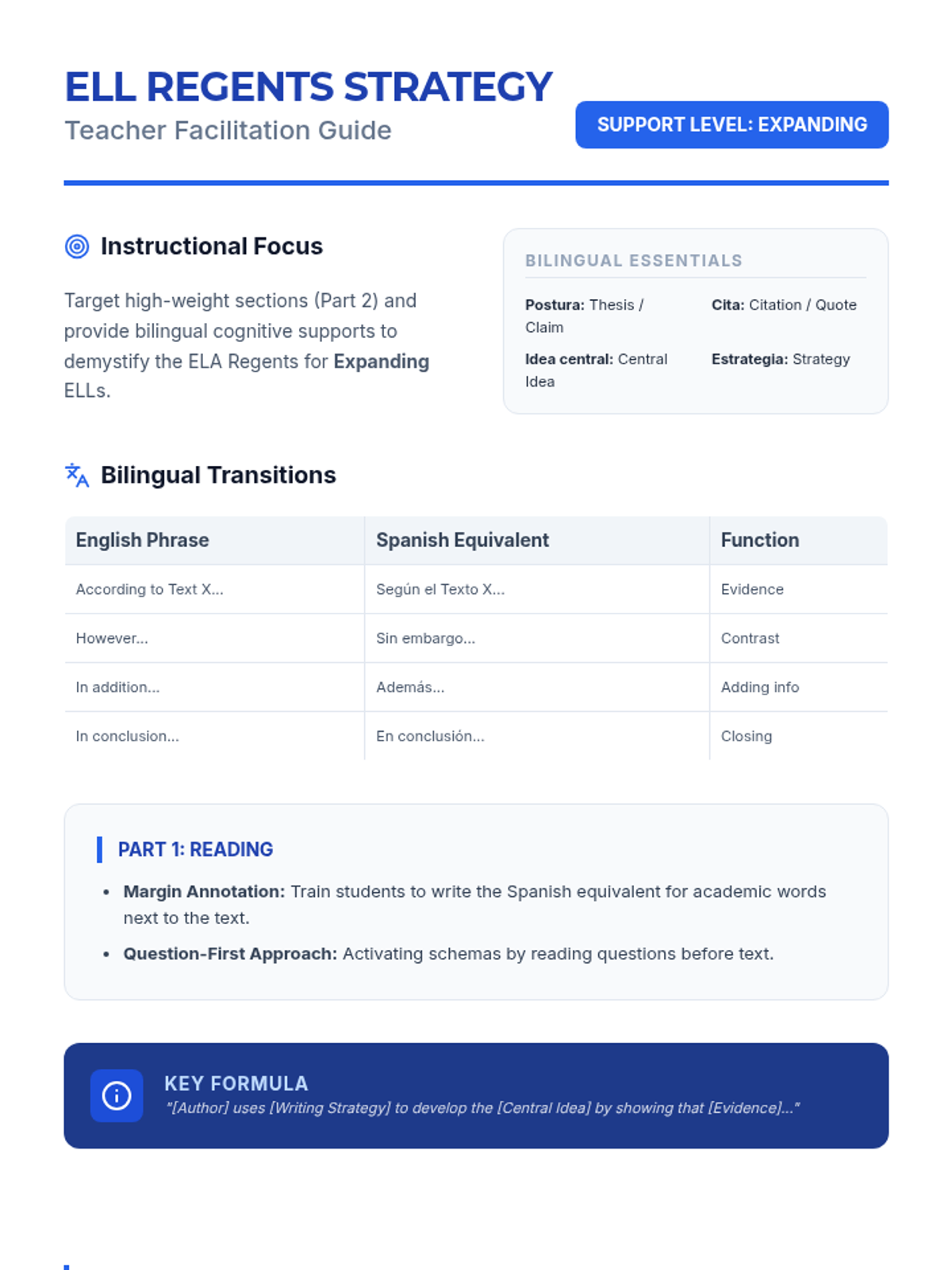
This lesson introduces ELL students to the structure, expectations, and requirements of the NYS English Language Arts Regents exam through bilingual support and targeted strategy guides.
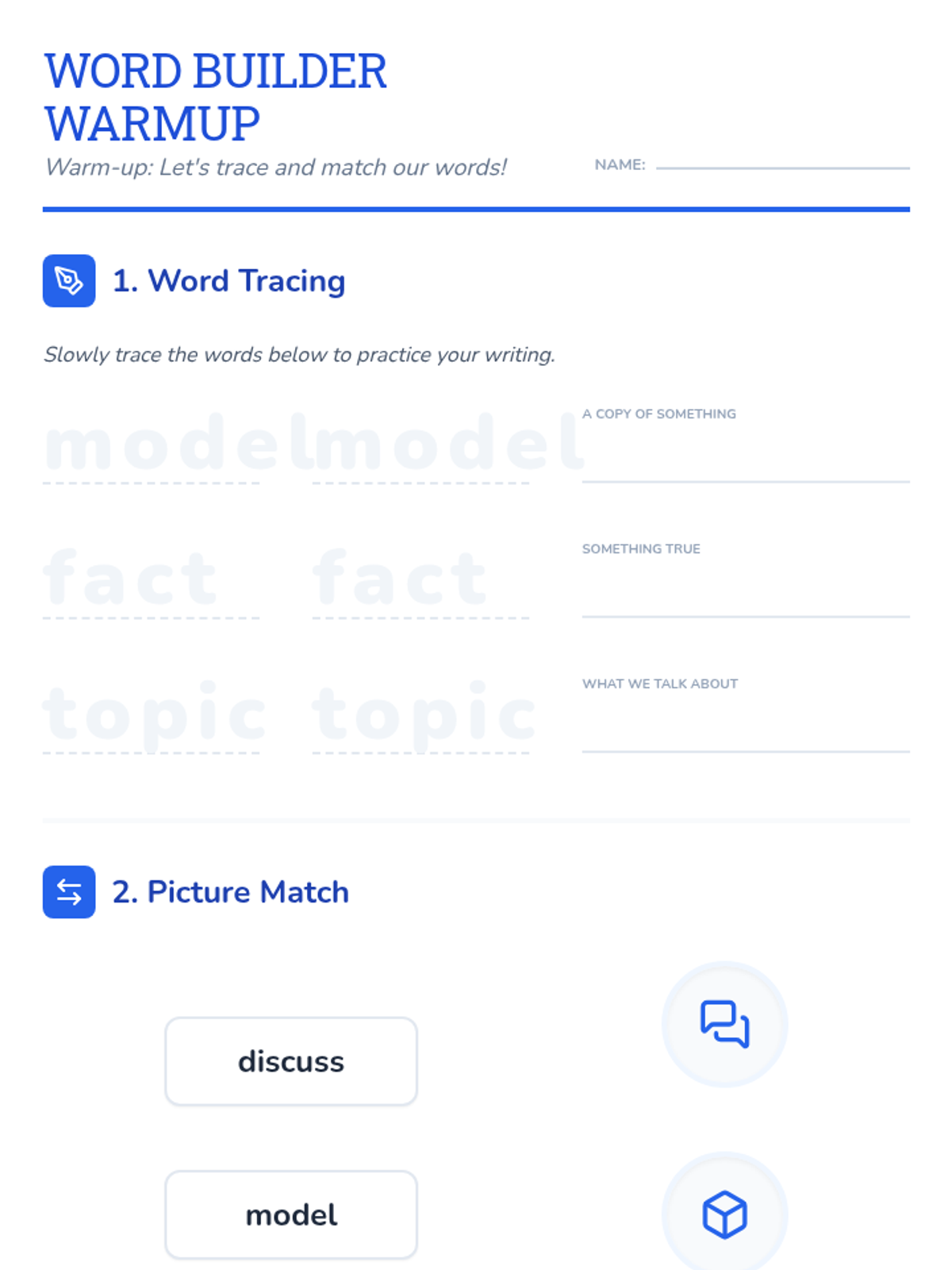
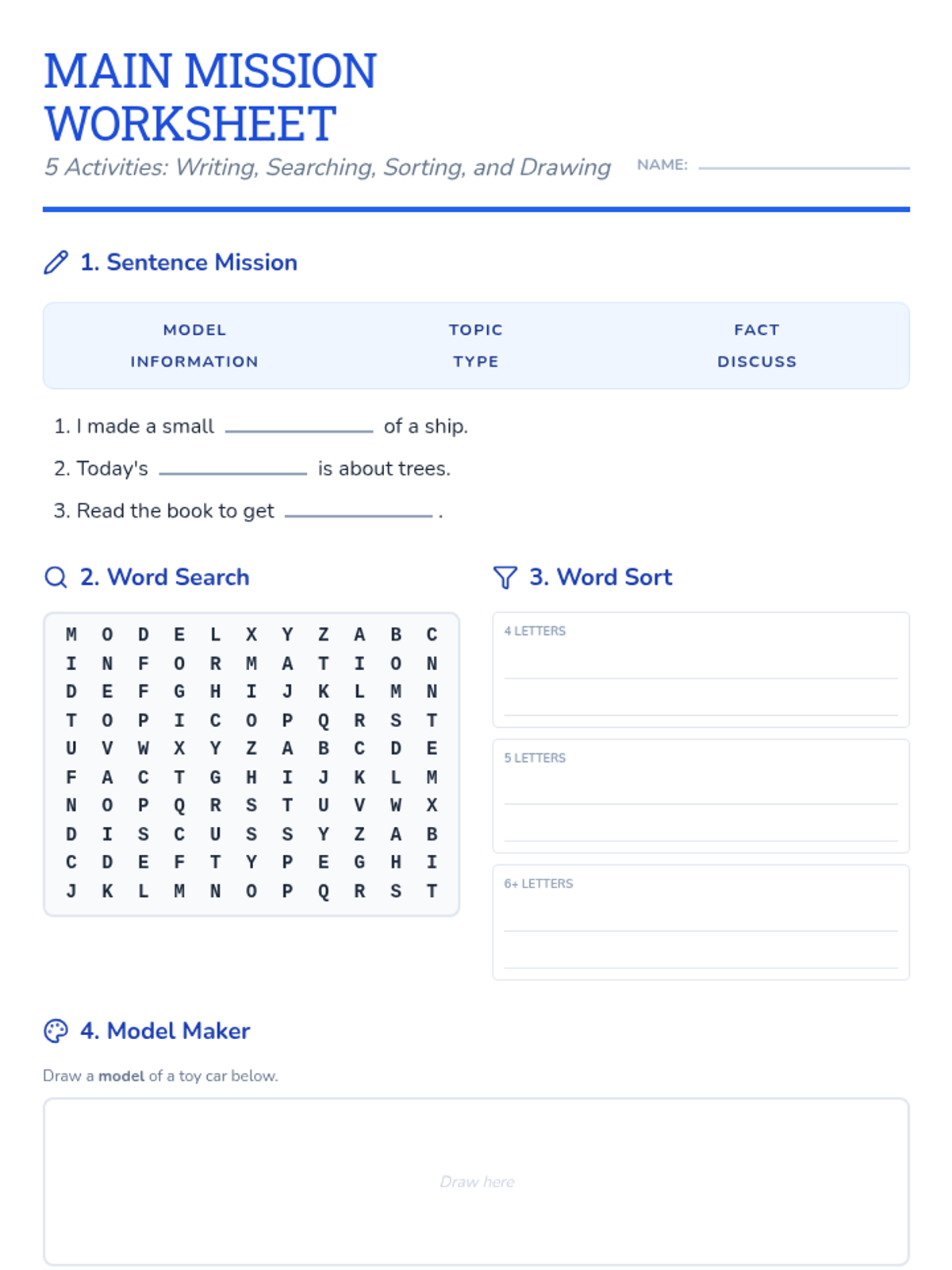
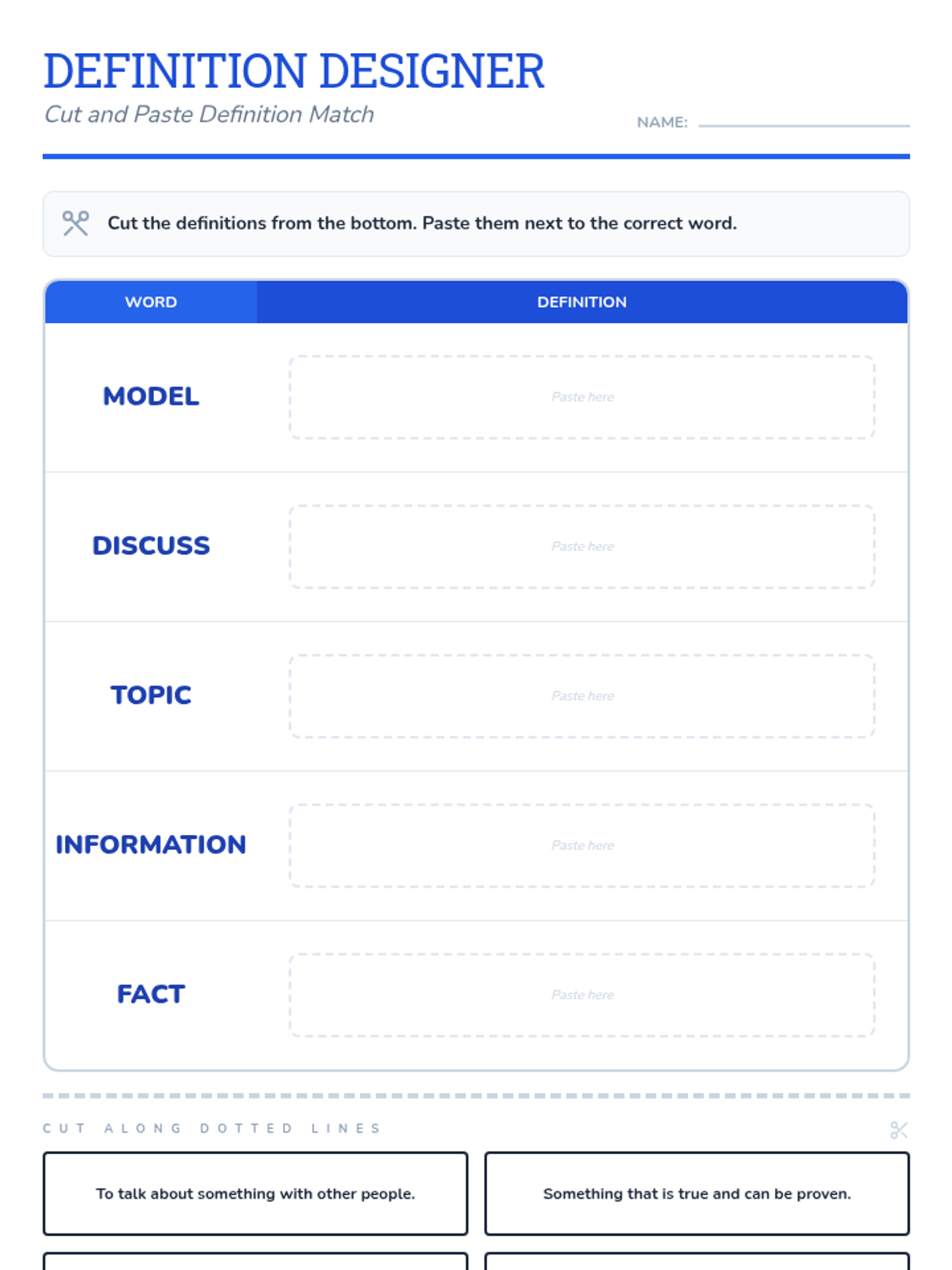
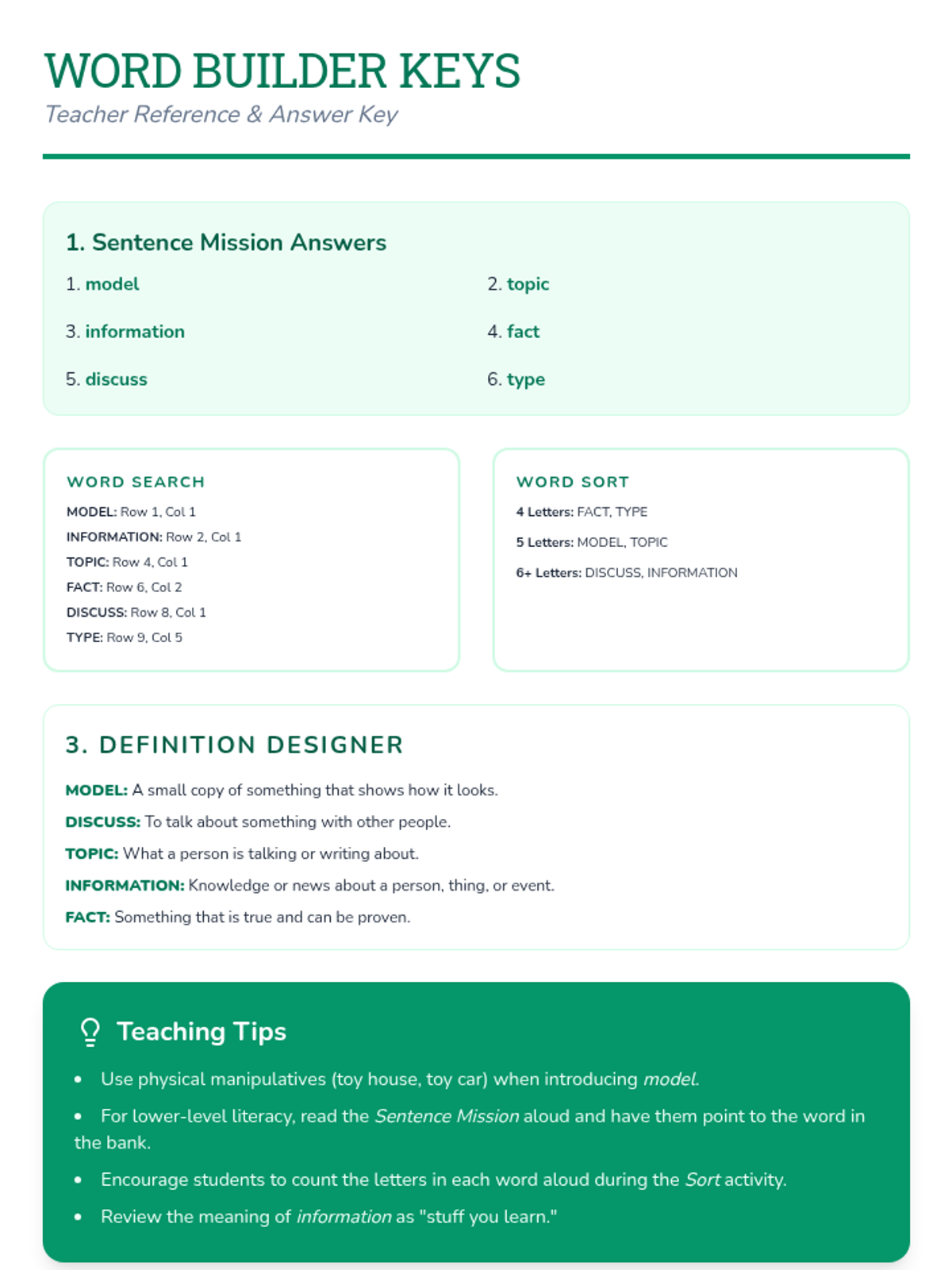
A set of literacy practice materials focusing on the word 'model' and reviewing key vocabulary like information, fact, and topic. Perfect for lower-level learners through tracing, matching, and visual sorting activities.
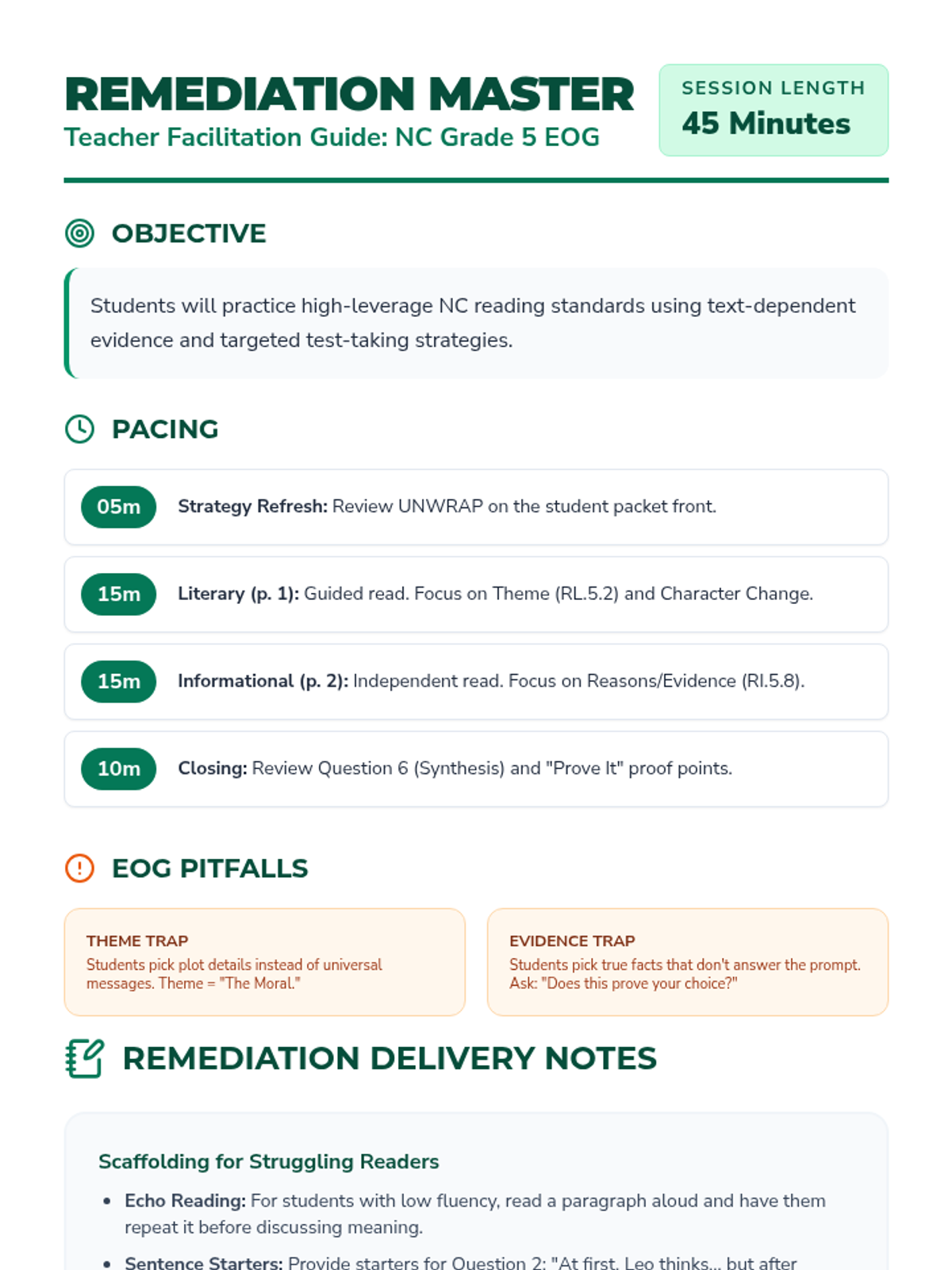
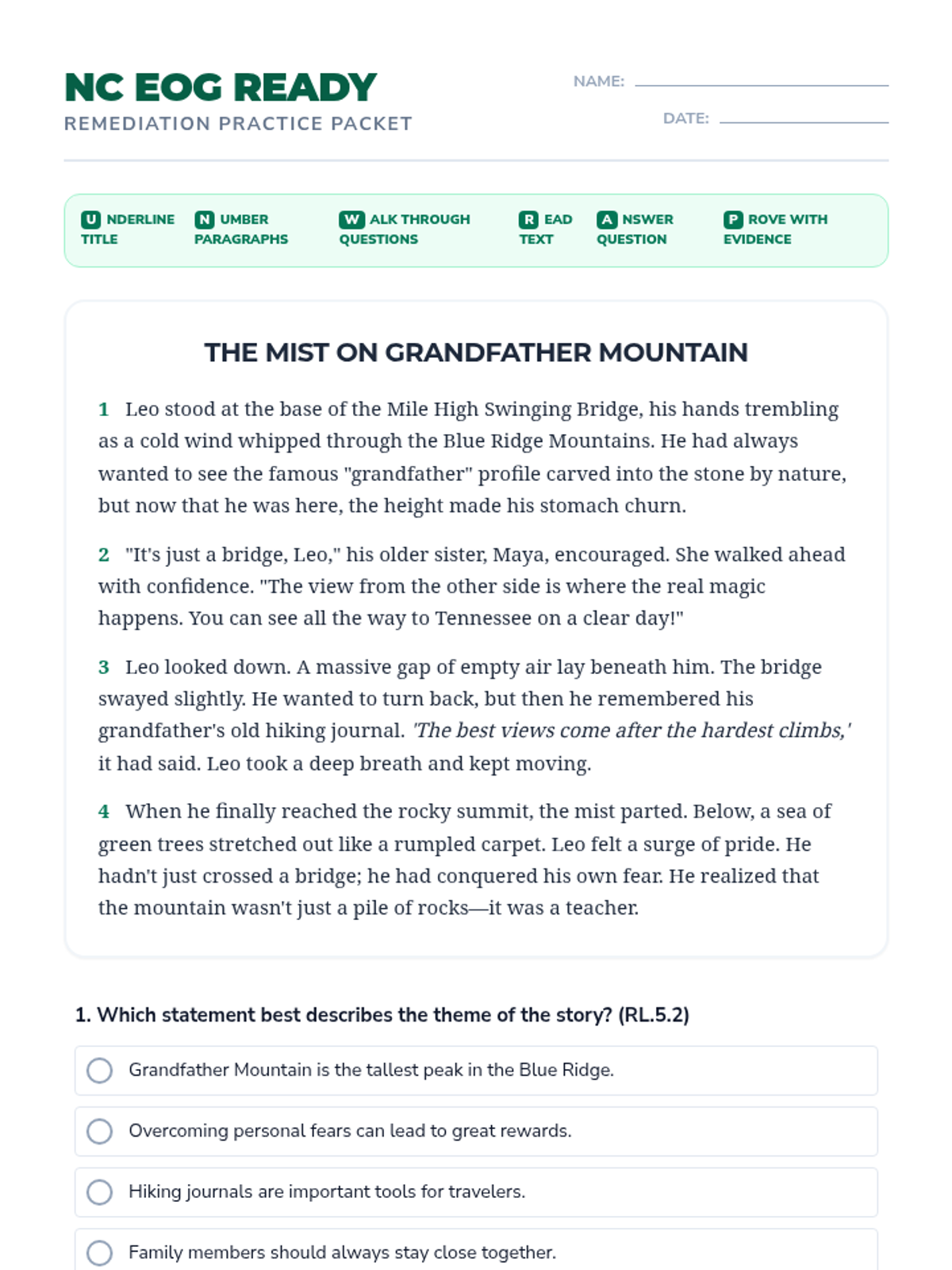
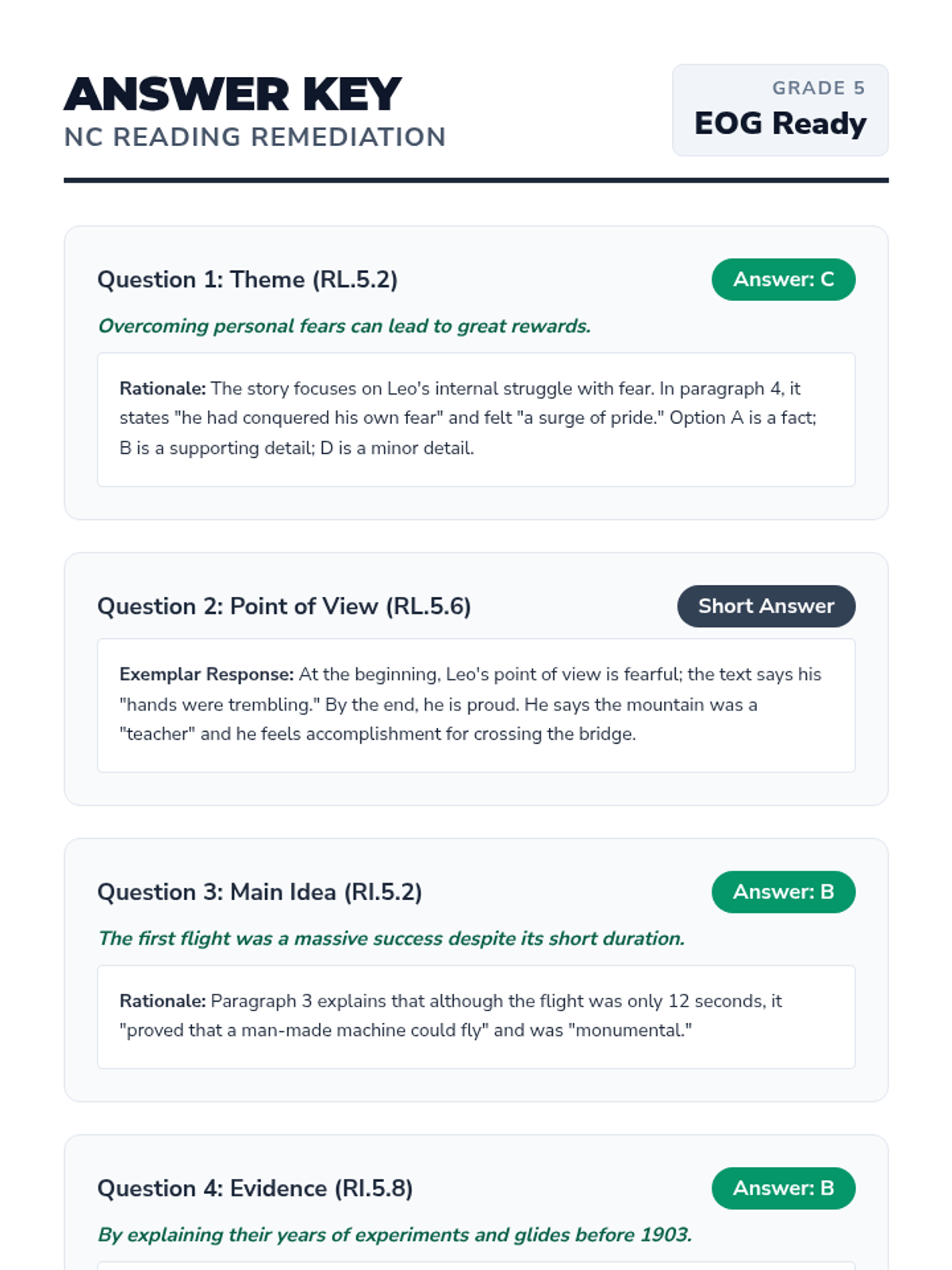
A 45-minute intensive remediation session designed for 5th-grade students preparing for the North Carolina Reading EOG. The session covers key standards across both literature and informational text using NC-themed passages.
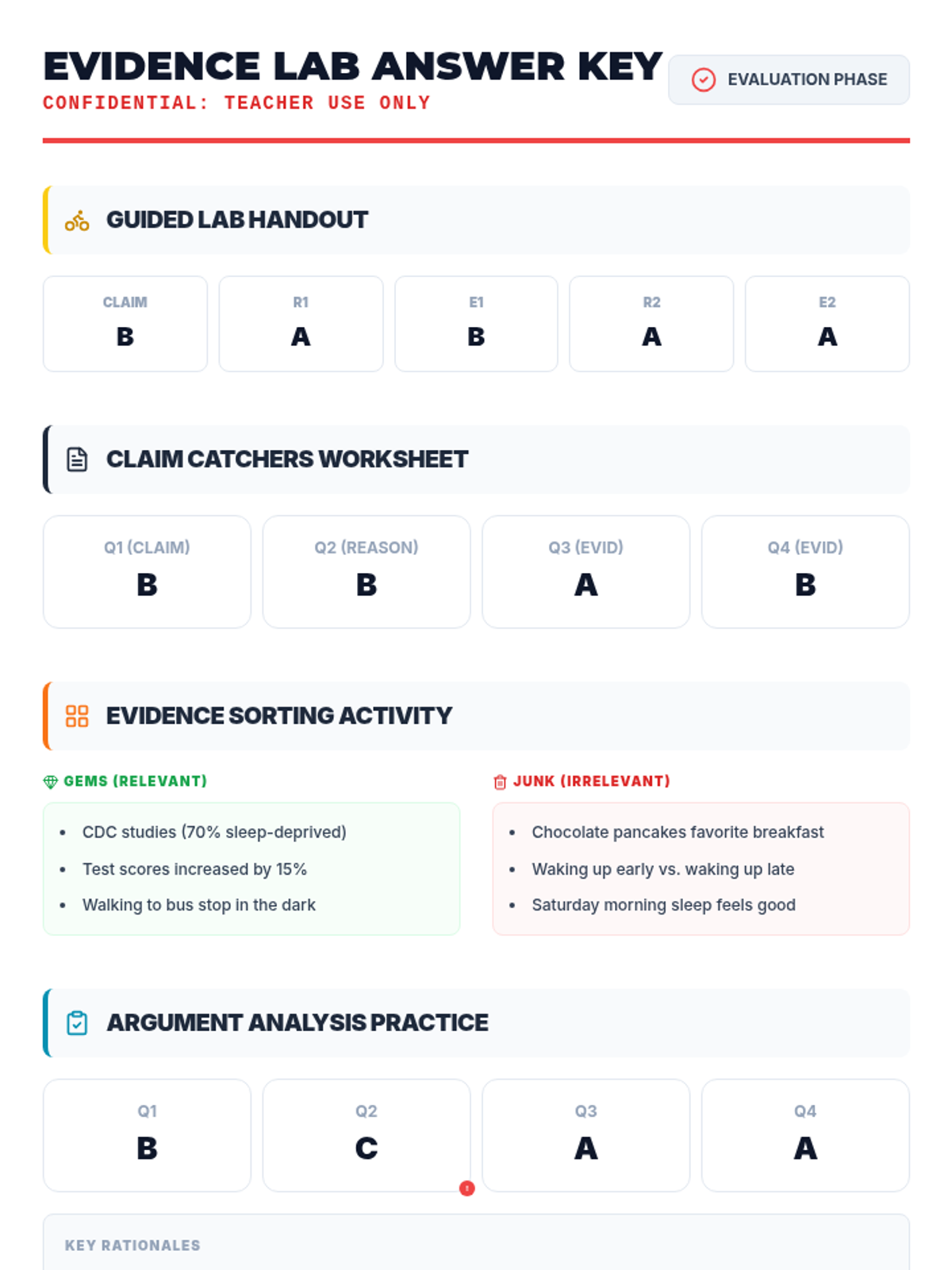
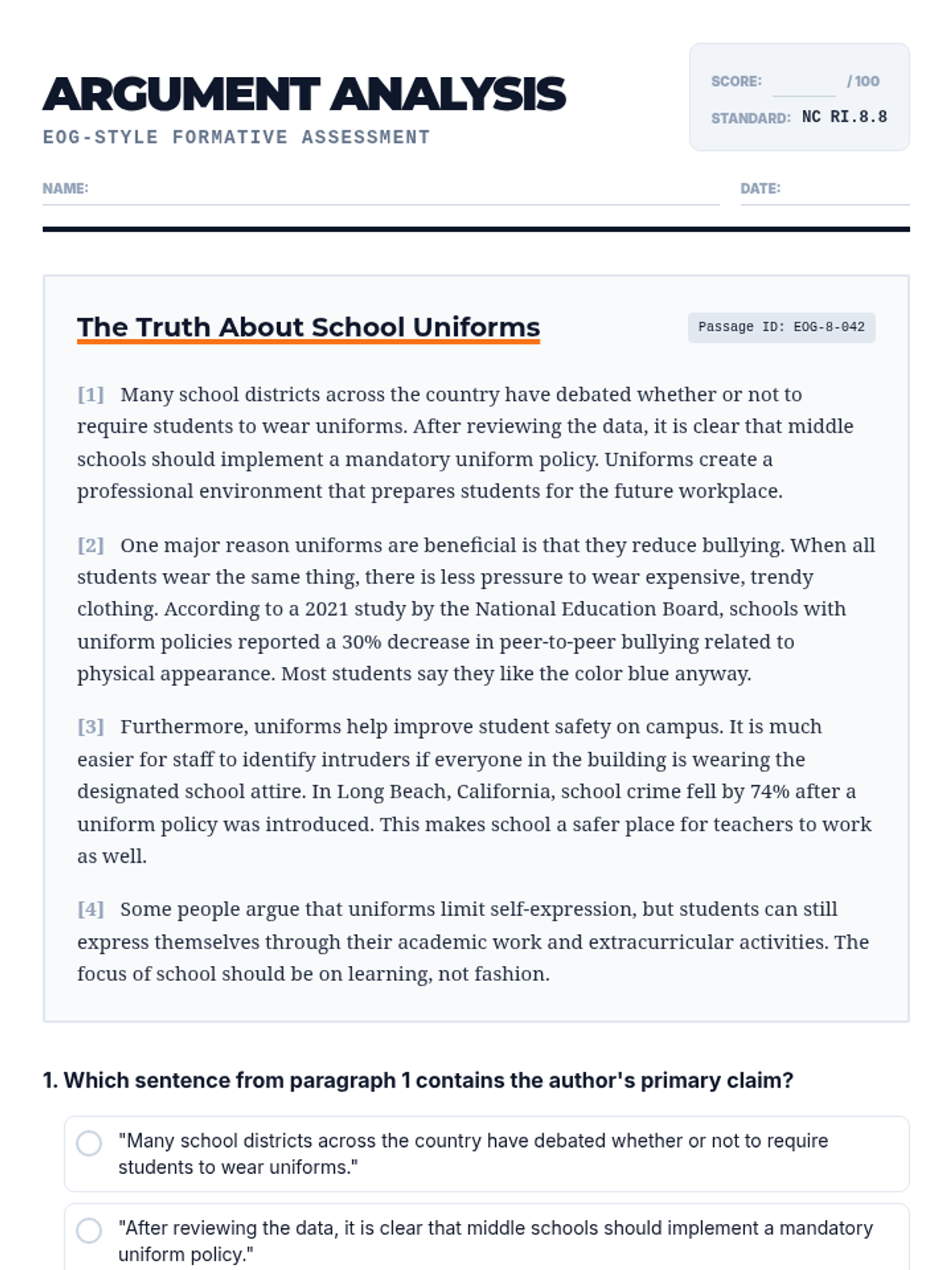
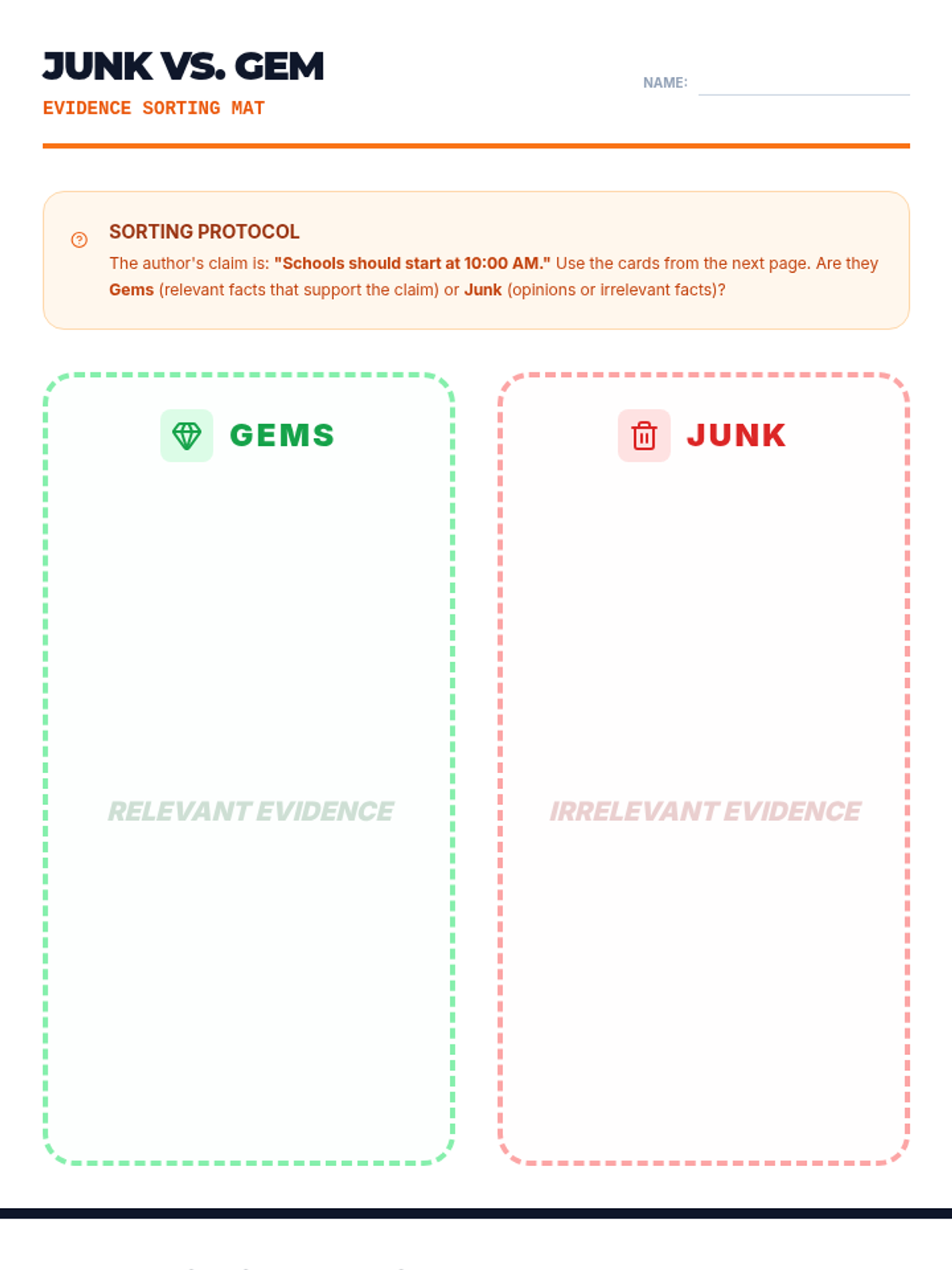
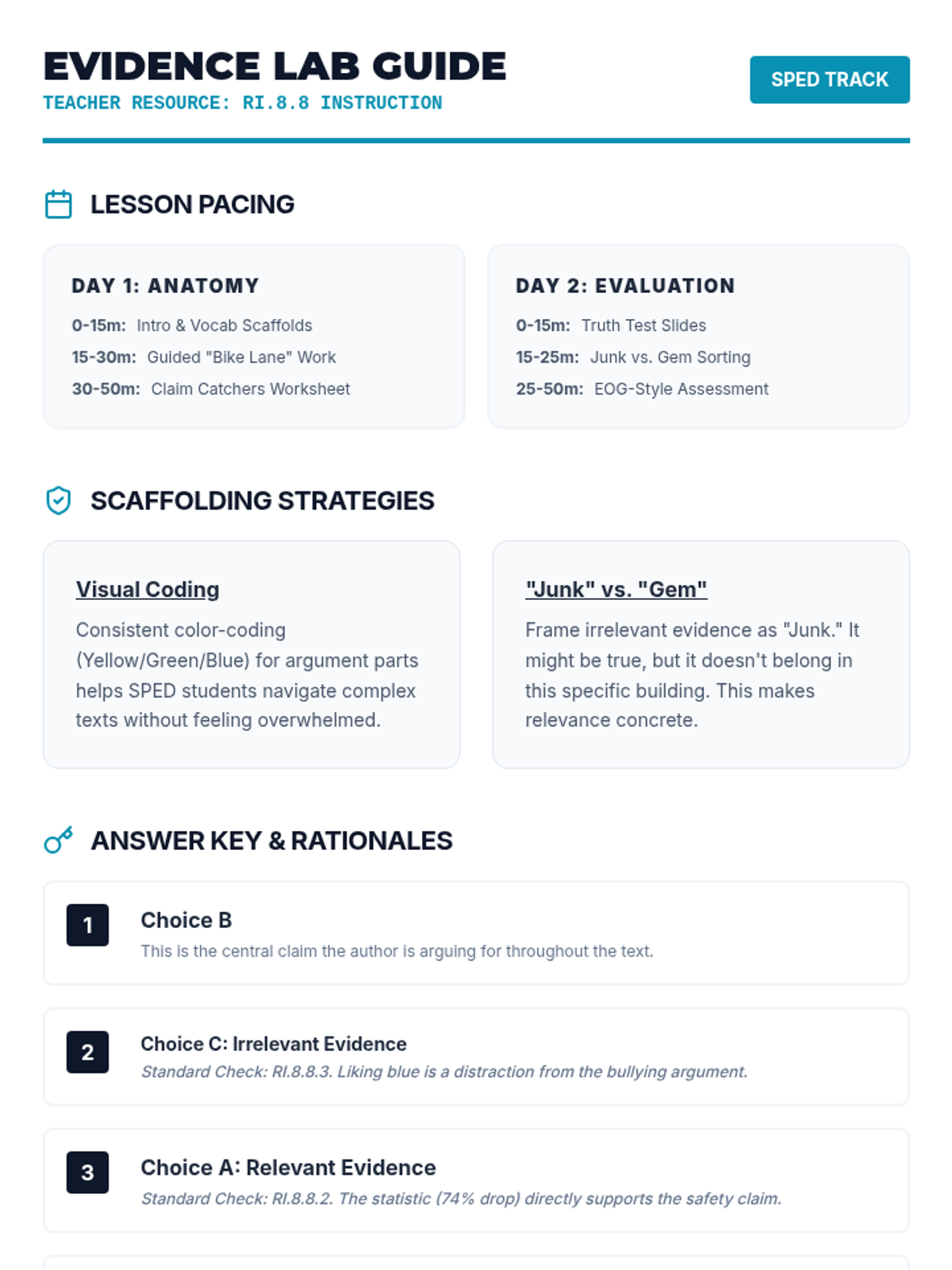
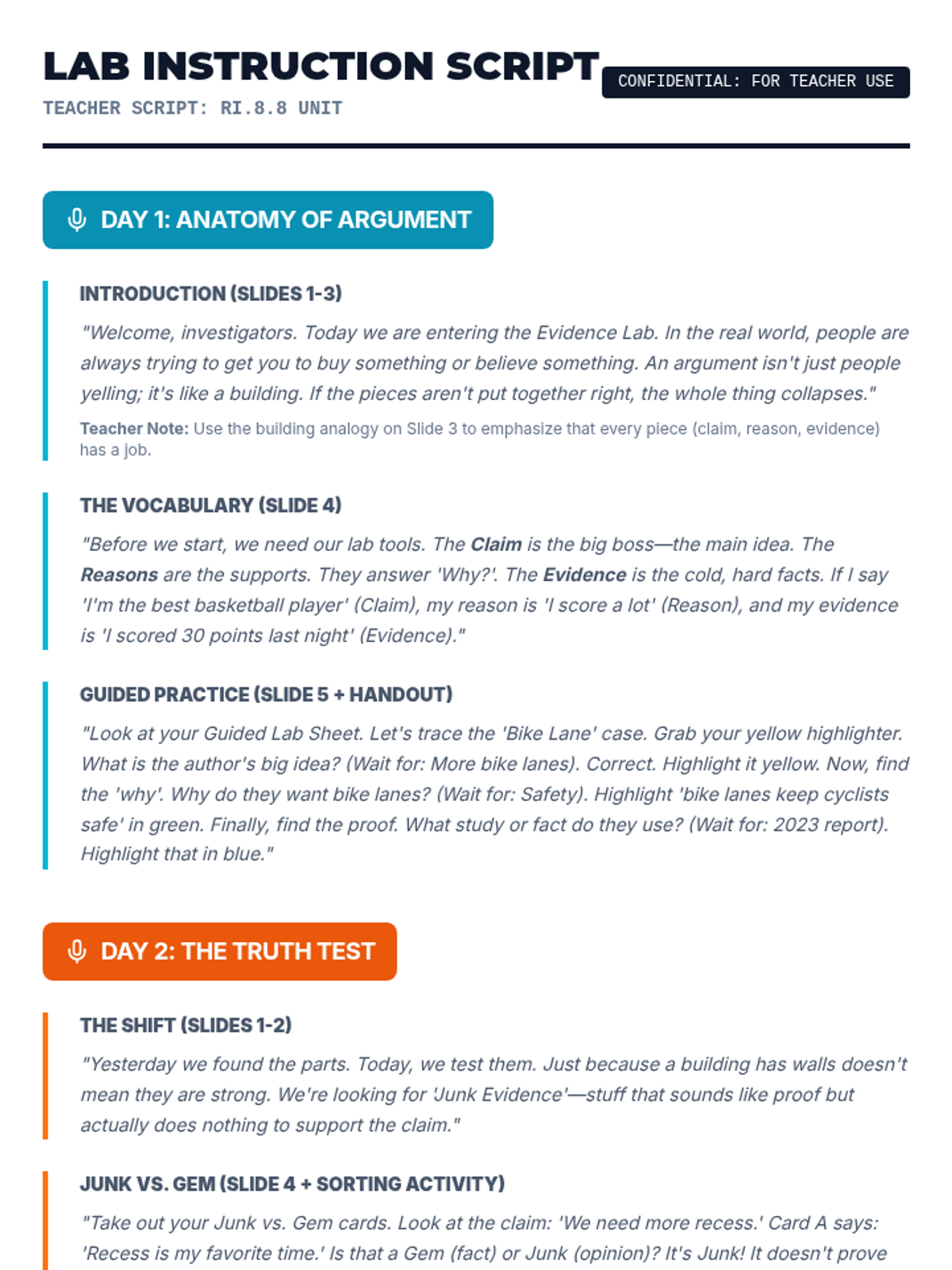
Students evaluate the quality of an argument by testing evidence for relevance and sufficiency, specifically looking for "junk evidence" or irrelevant claims.
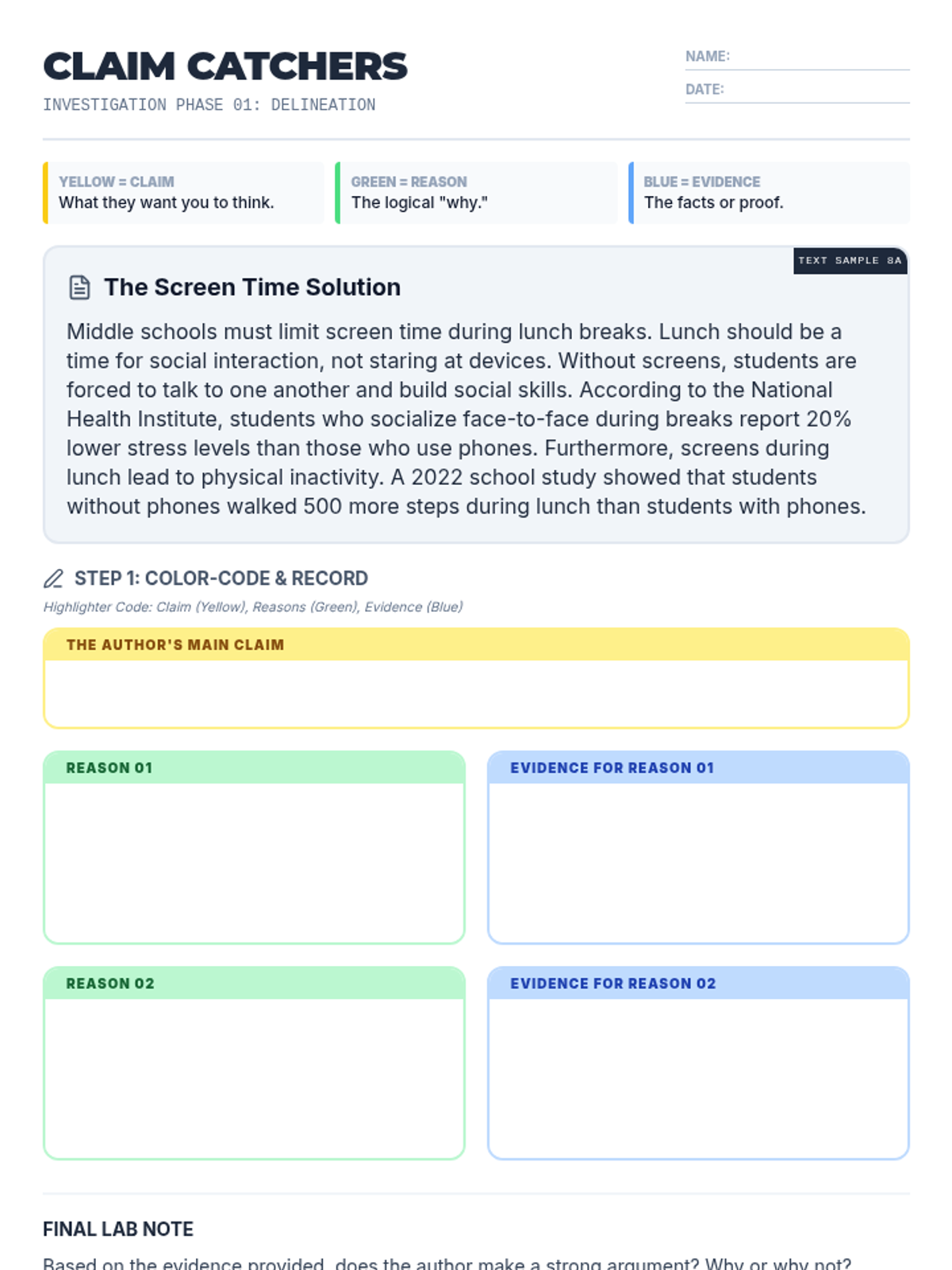
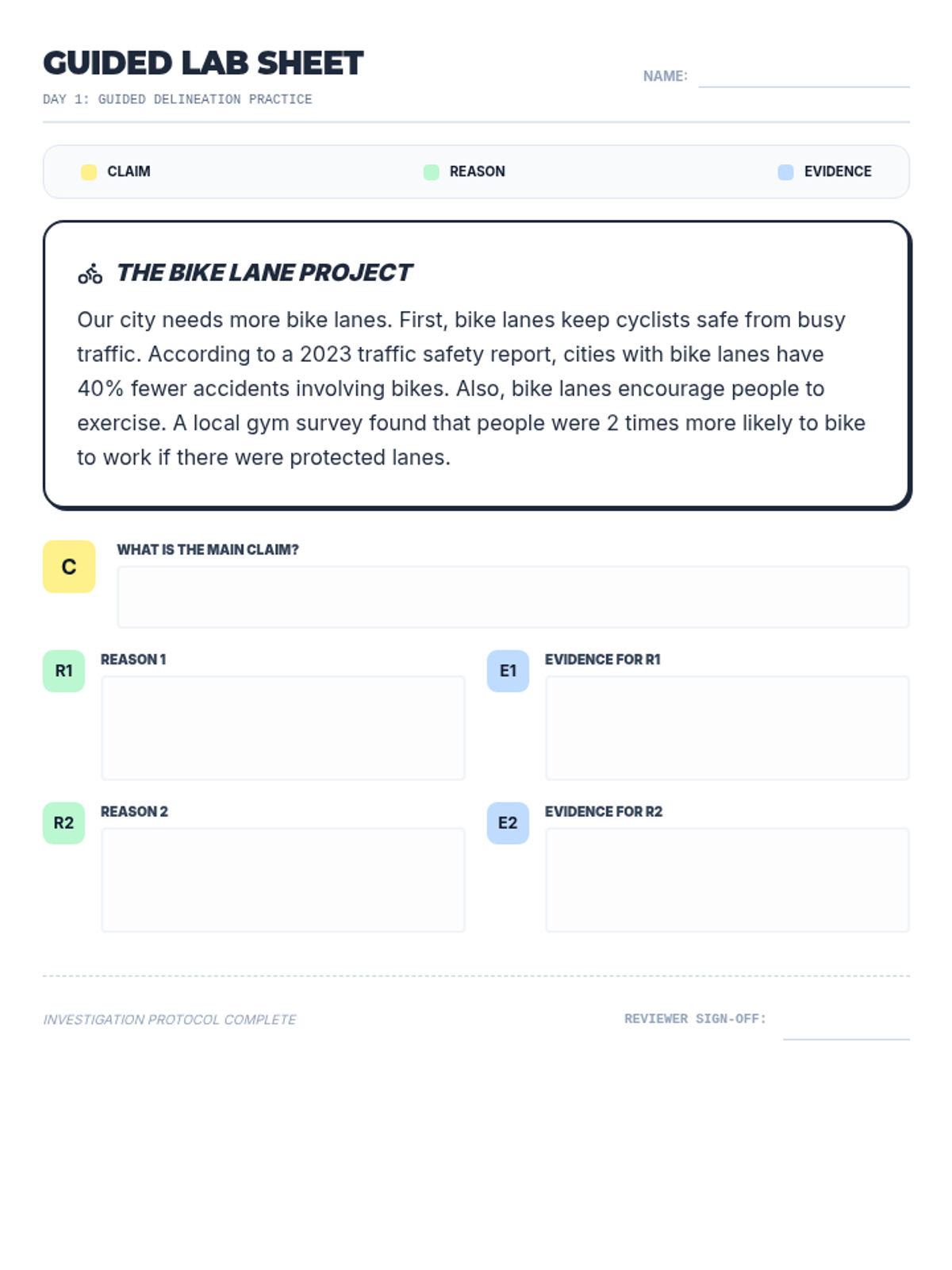
Students learn to break down an argument into its core components: claims, reasons, and evidence using color-coding and graphic organizers.
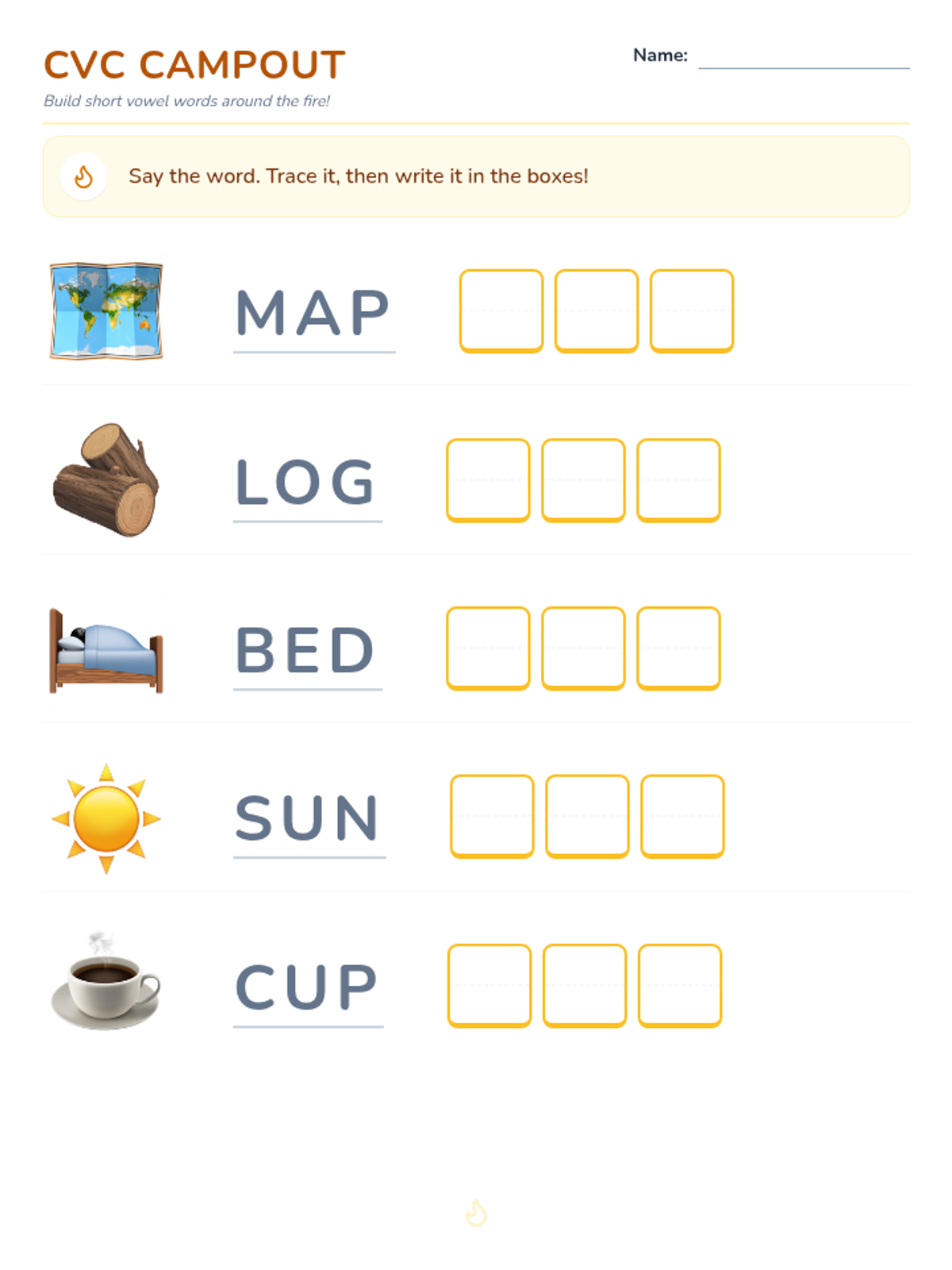
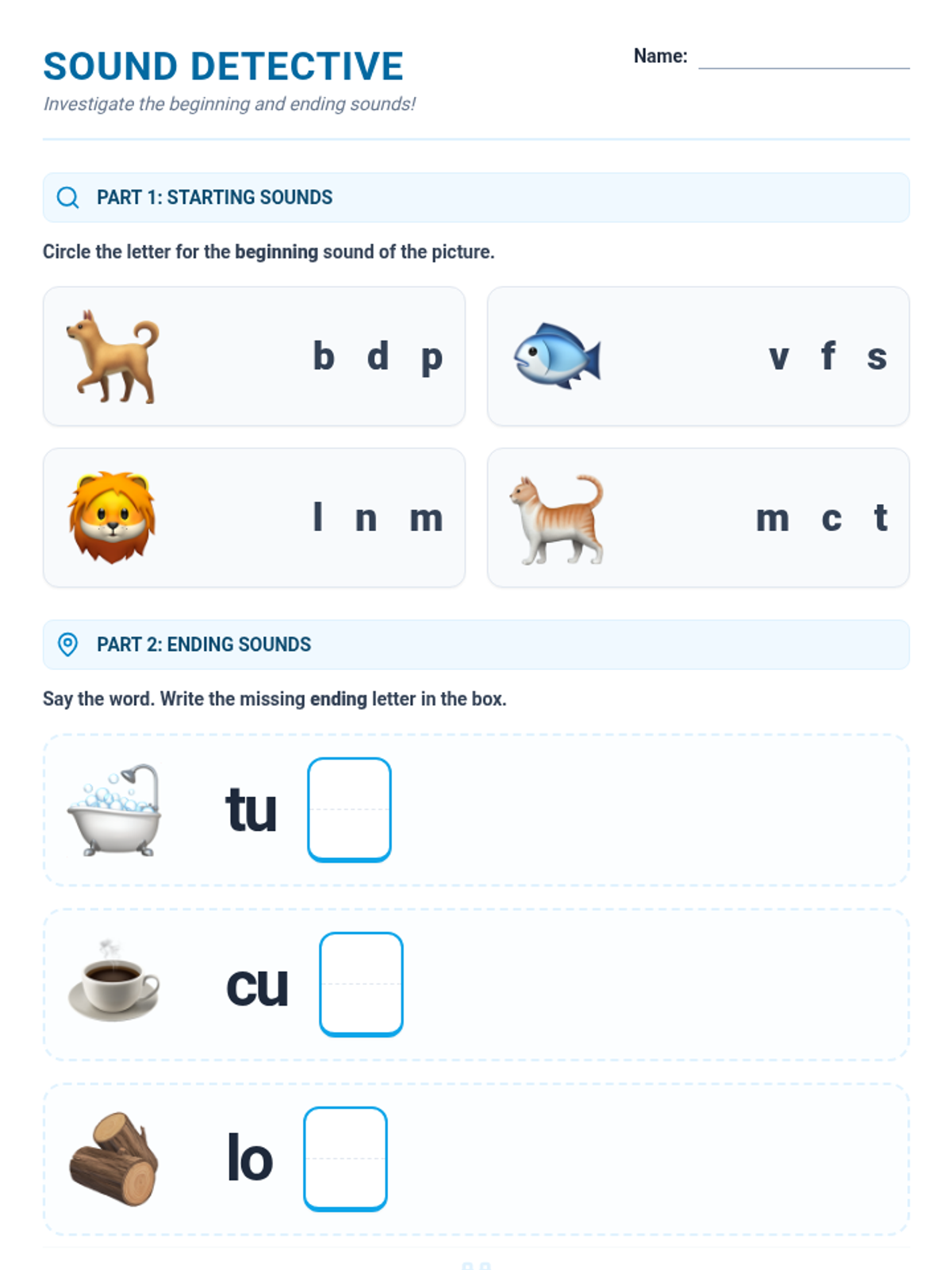
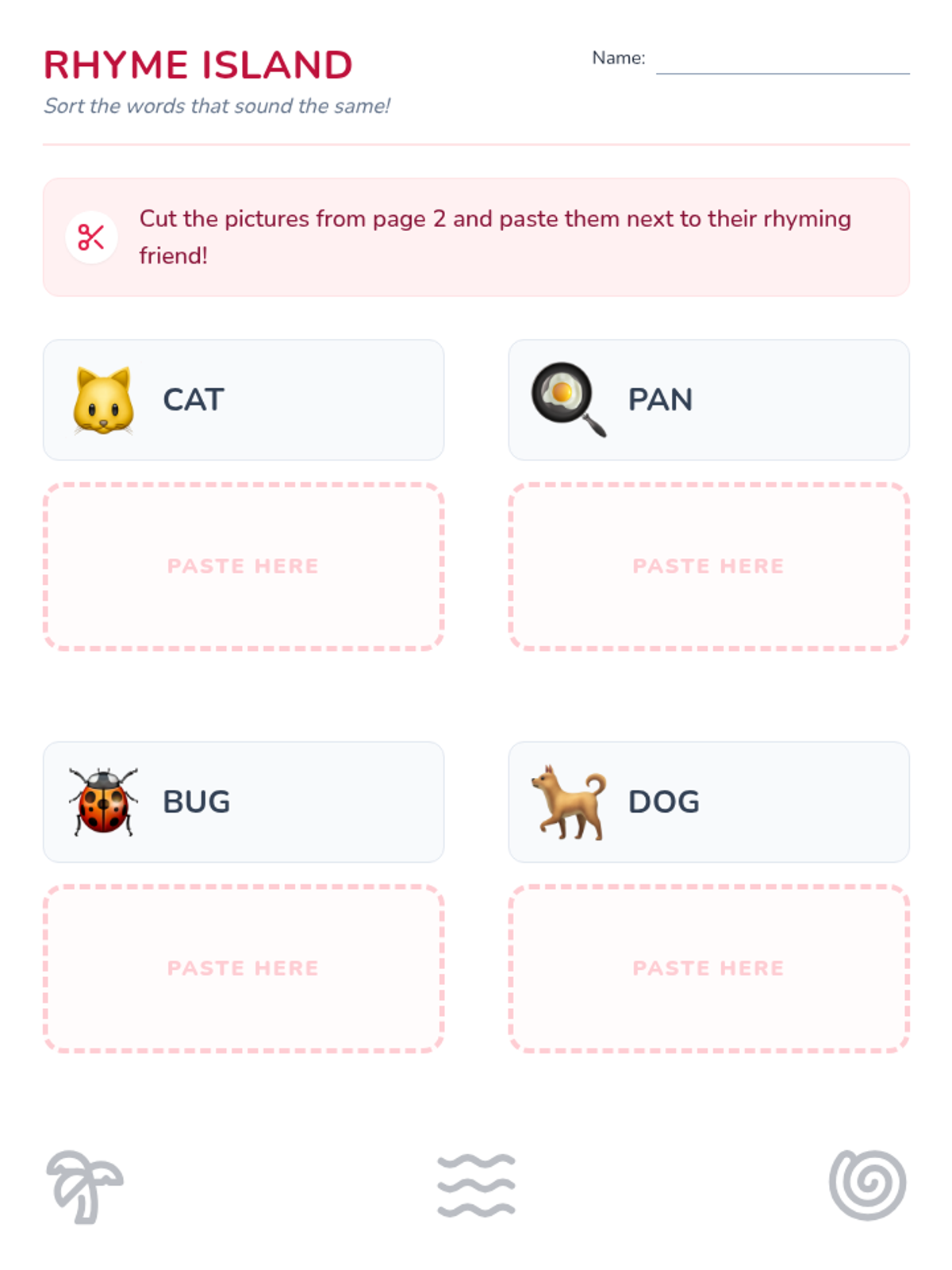
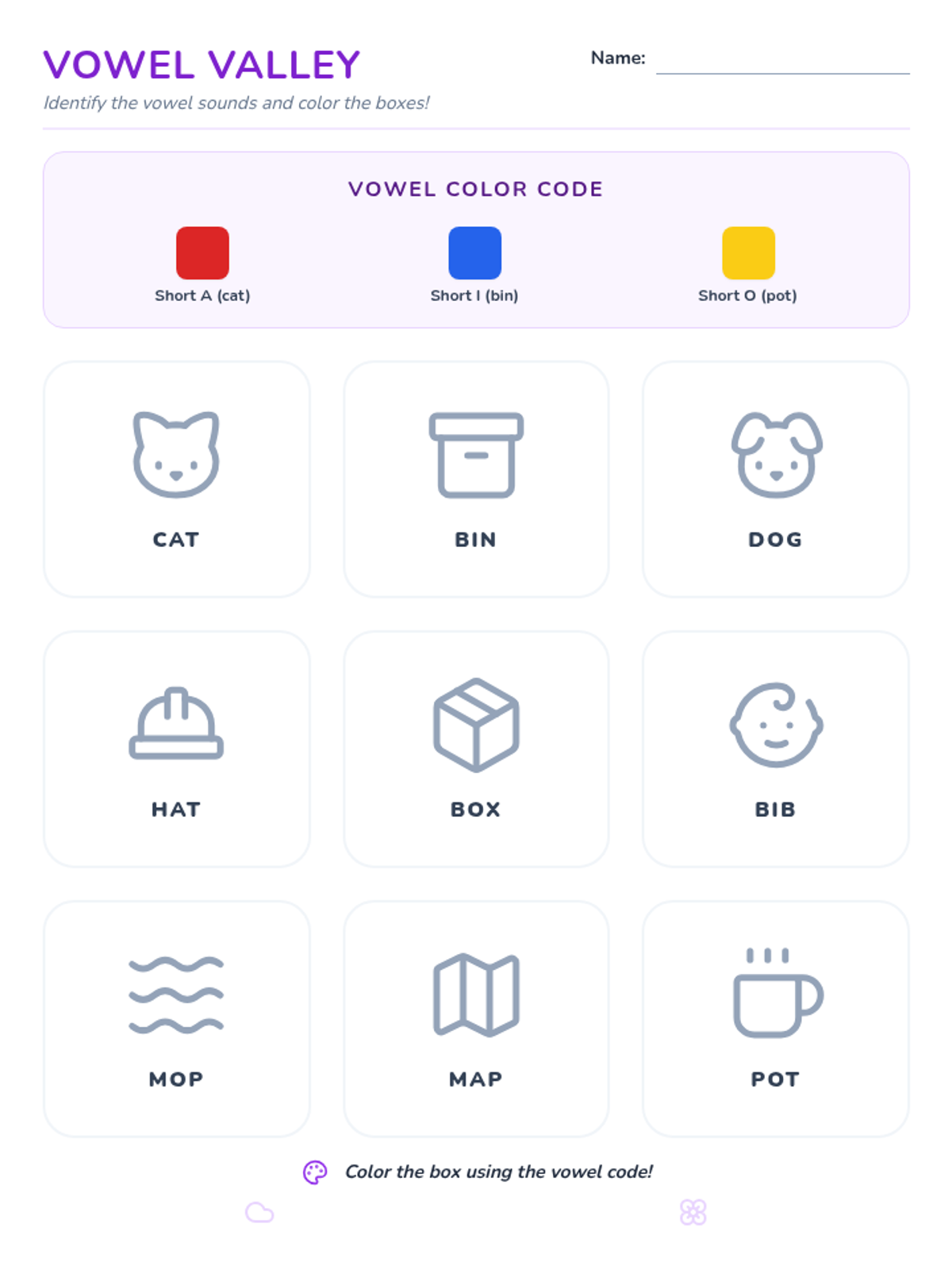
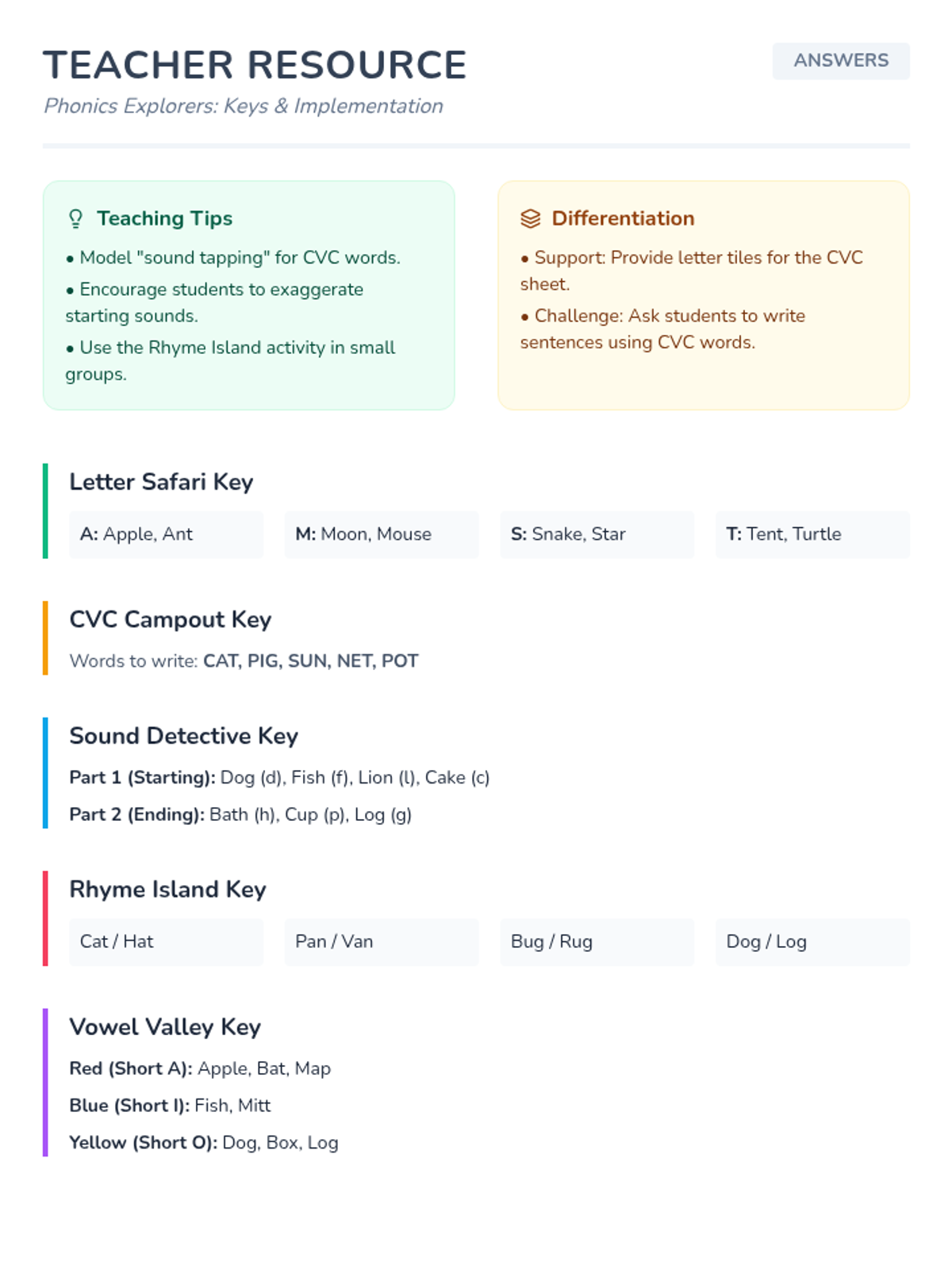
A foundational phonics unit for Kindergarten students focusing on letter-sound correspondence, CVC words, beginning/ending sounds, and rhyming. Students use hands-on activities like sorting and coloring to master early literacy skills.
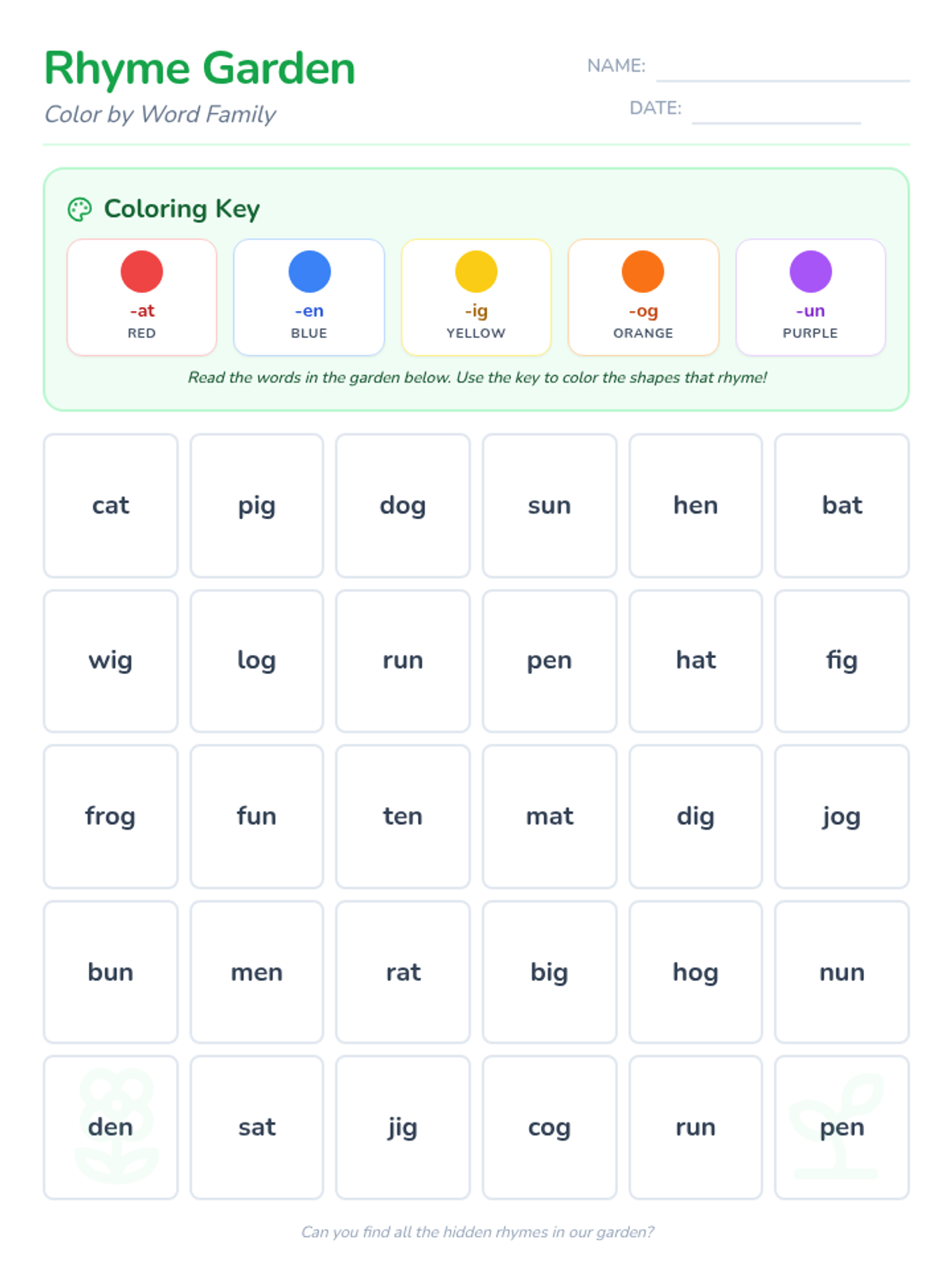
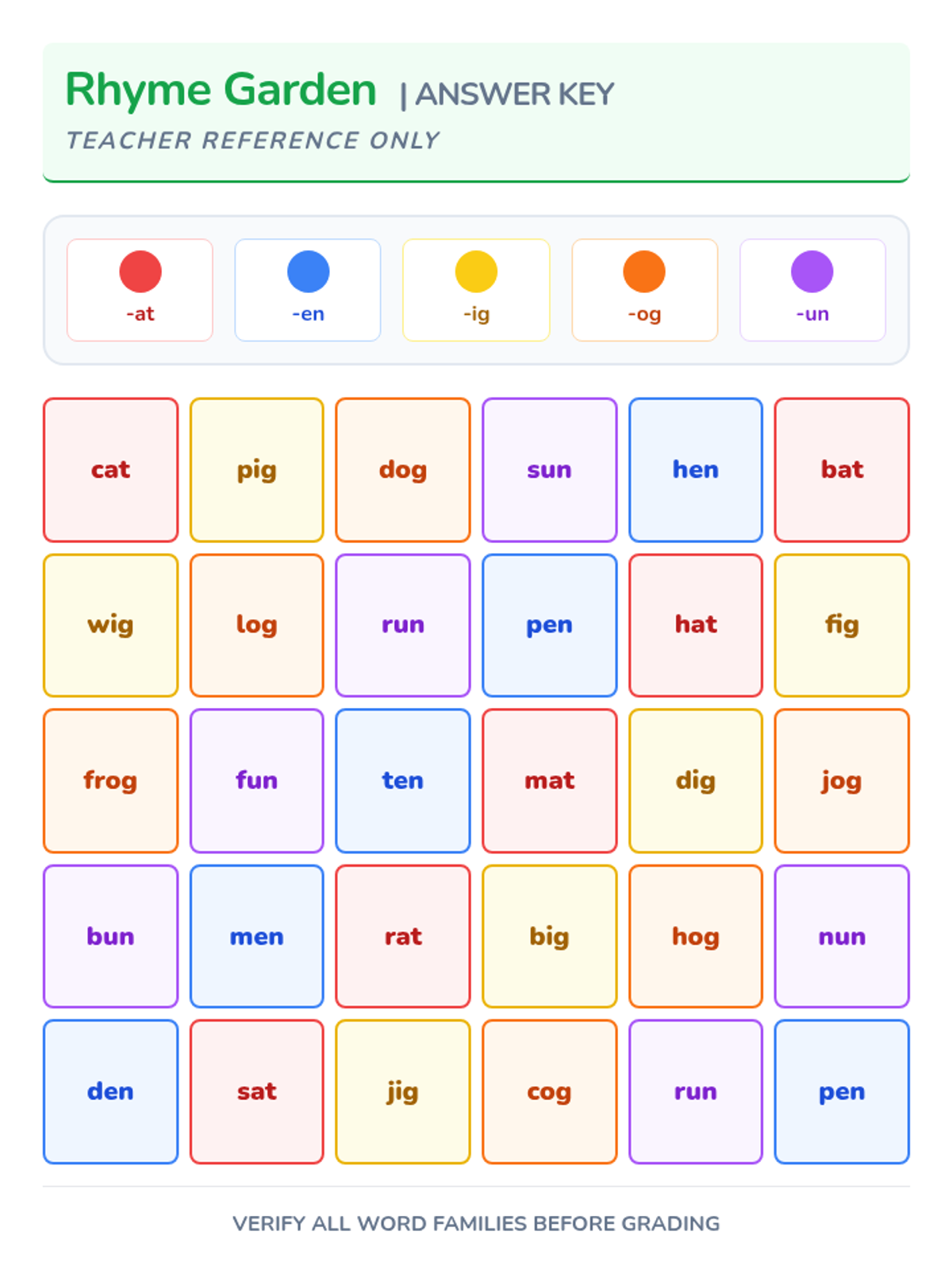
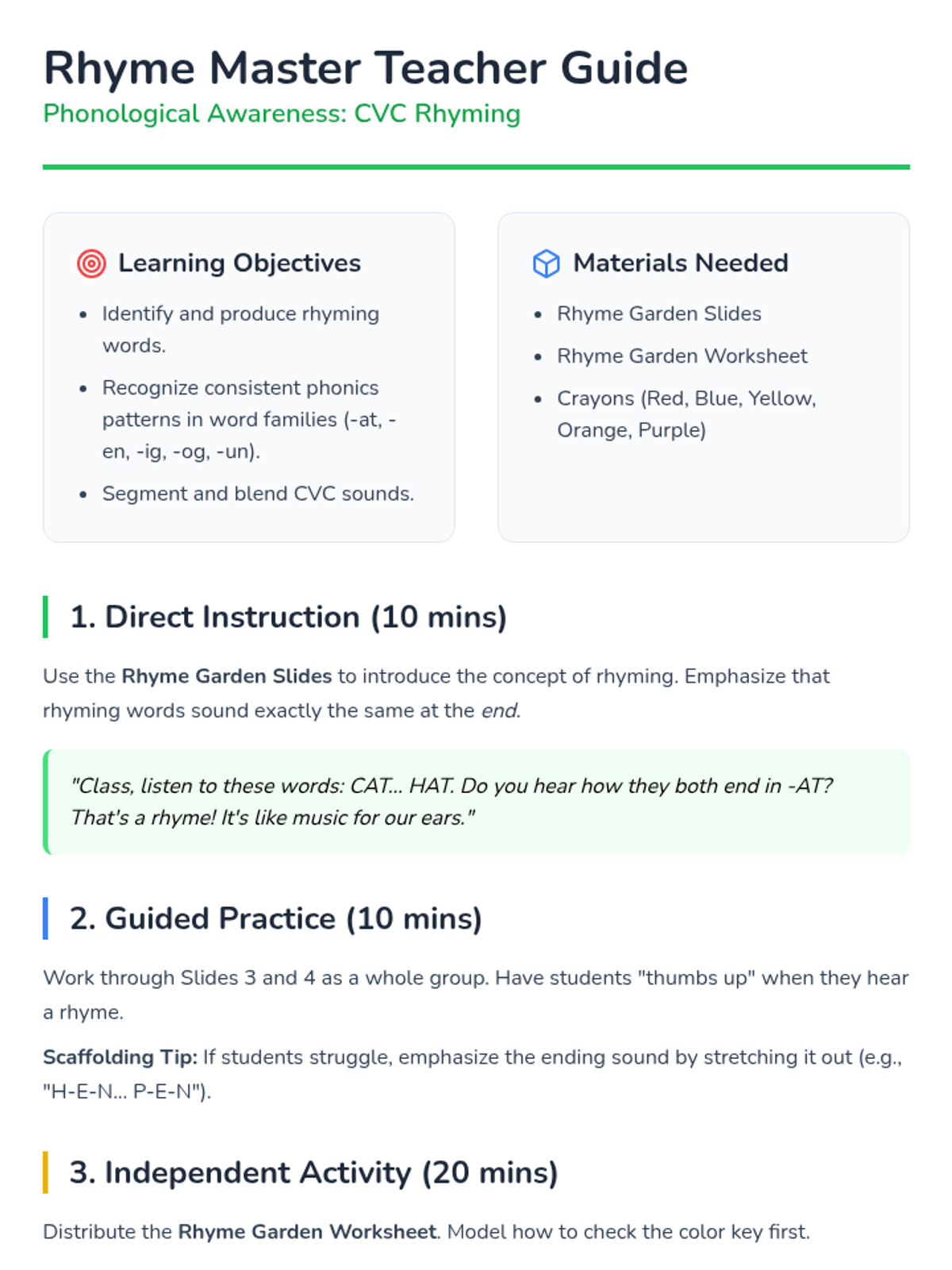
Students explore word families and rhyming patterns through a playful garden-themed color-by-code activity. This lesson builds phonological awareness and early literacy skills for kindergarteners.
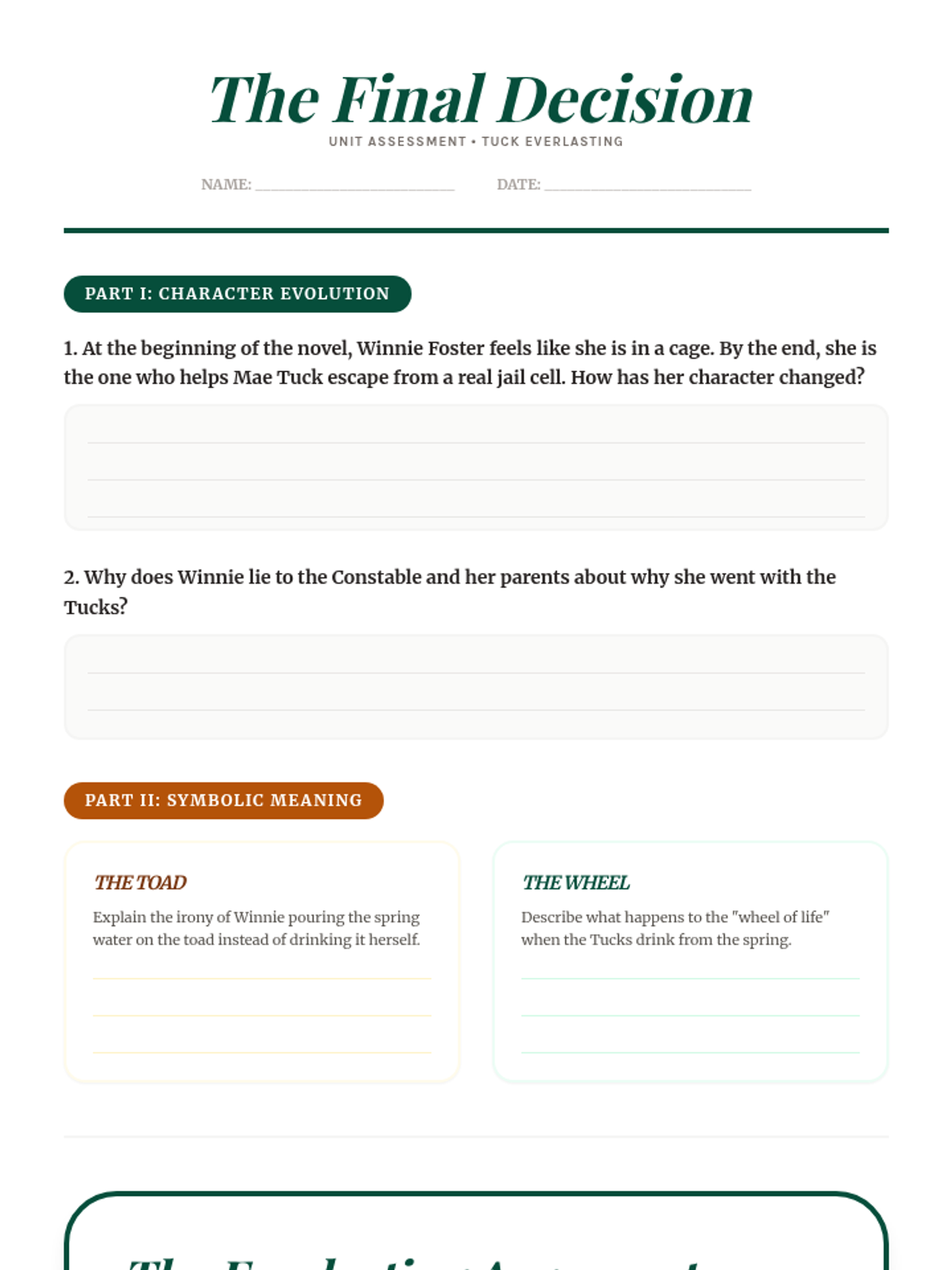
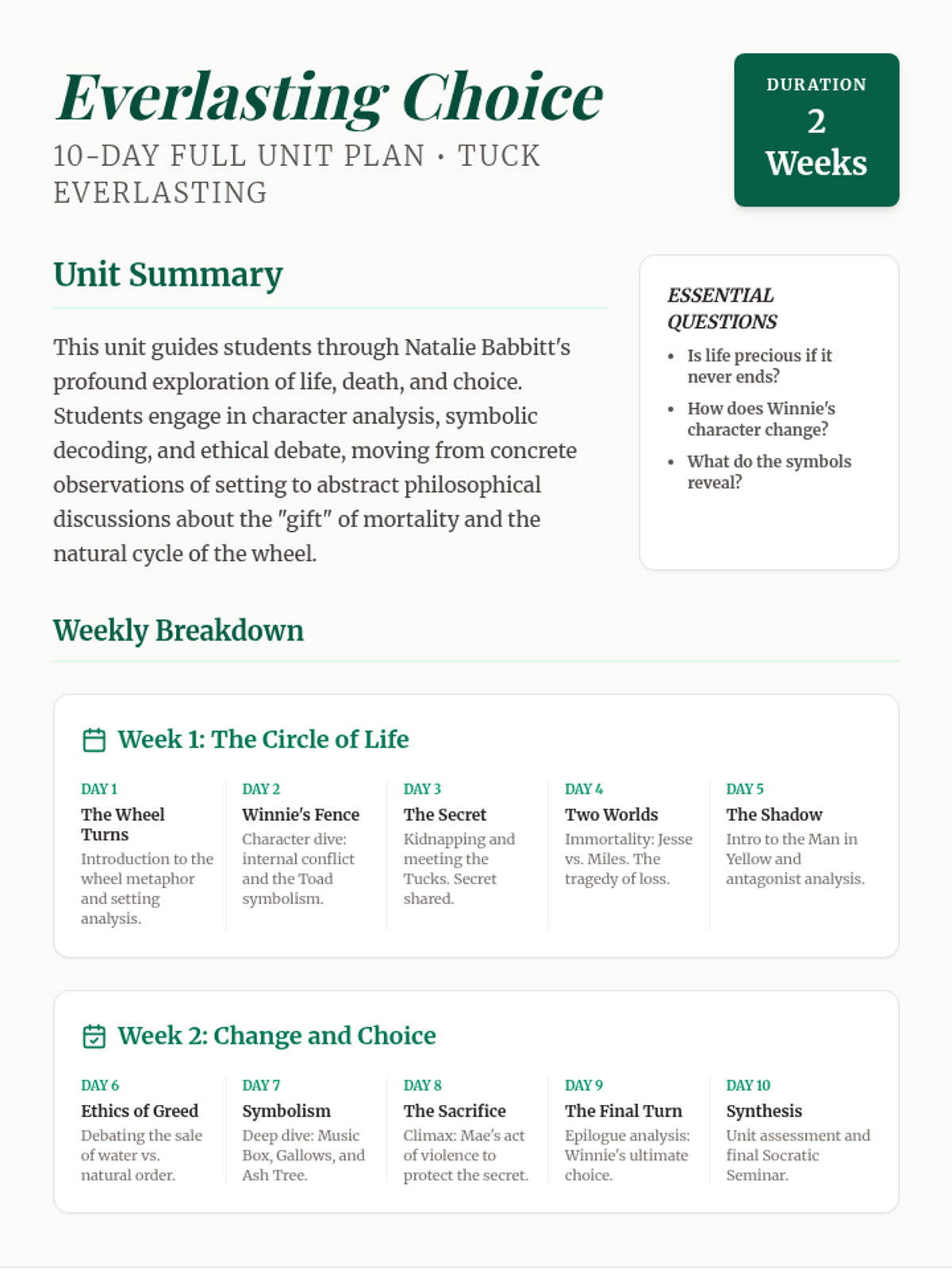
Culminates in the analysis of the novel's resolution and Winnie's ultimate choice regarding the spring water.
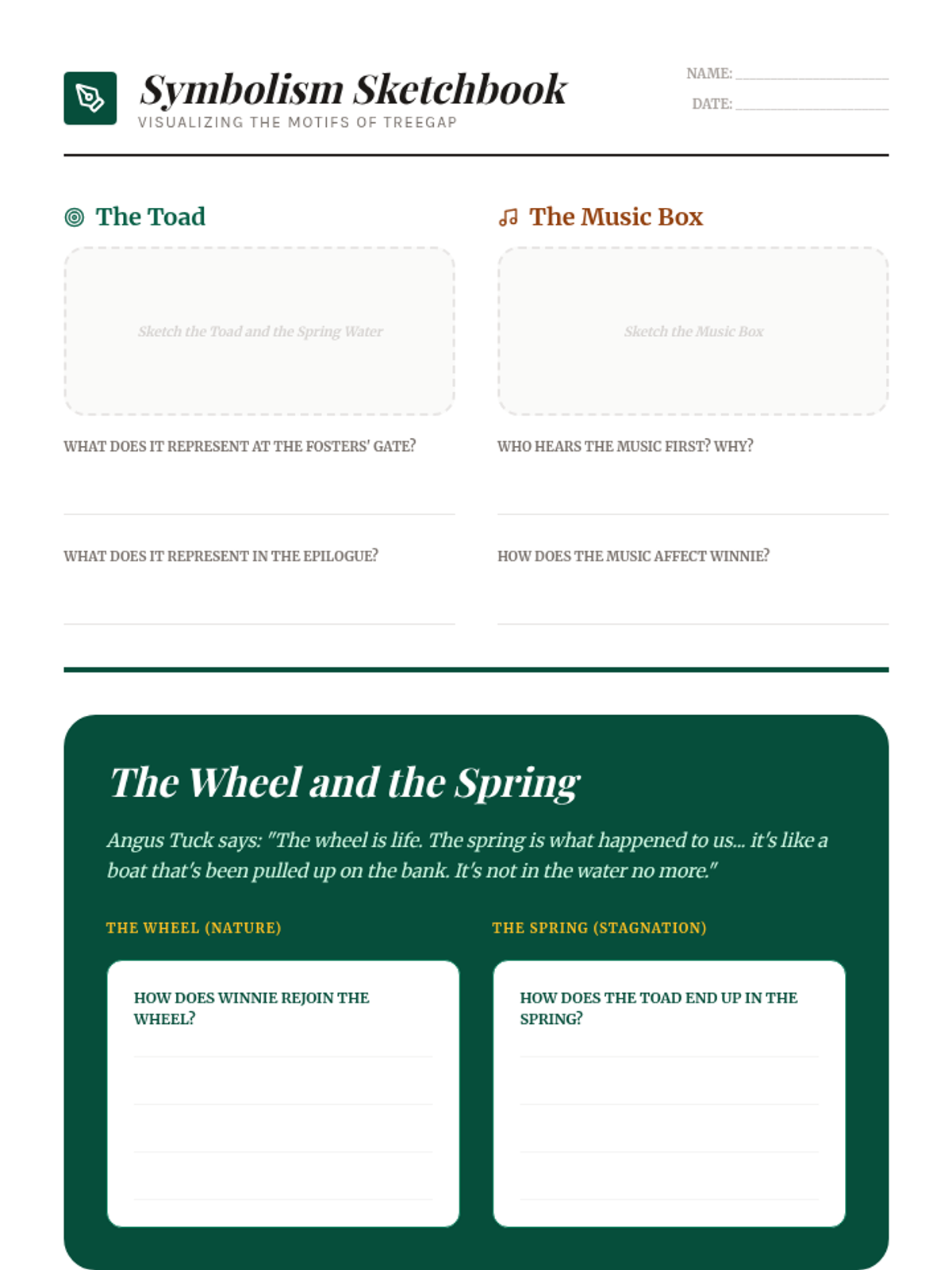
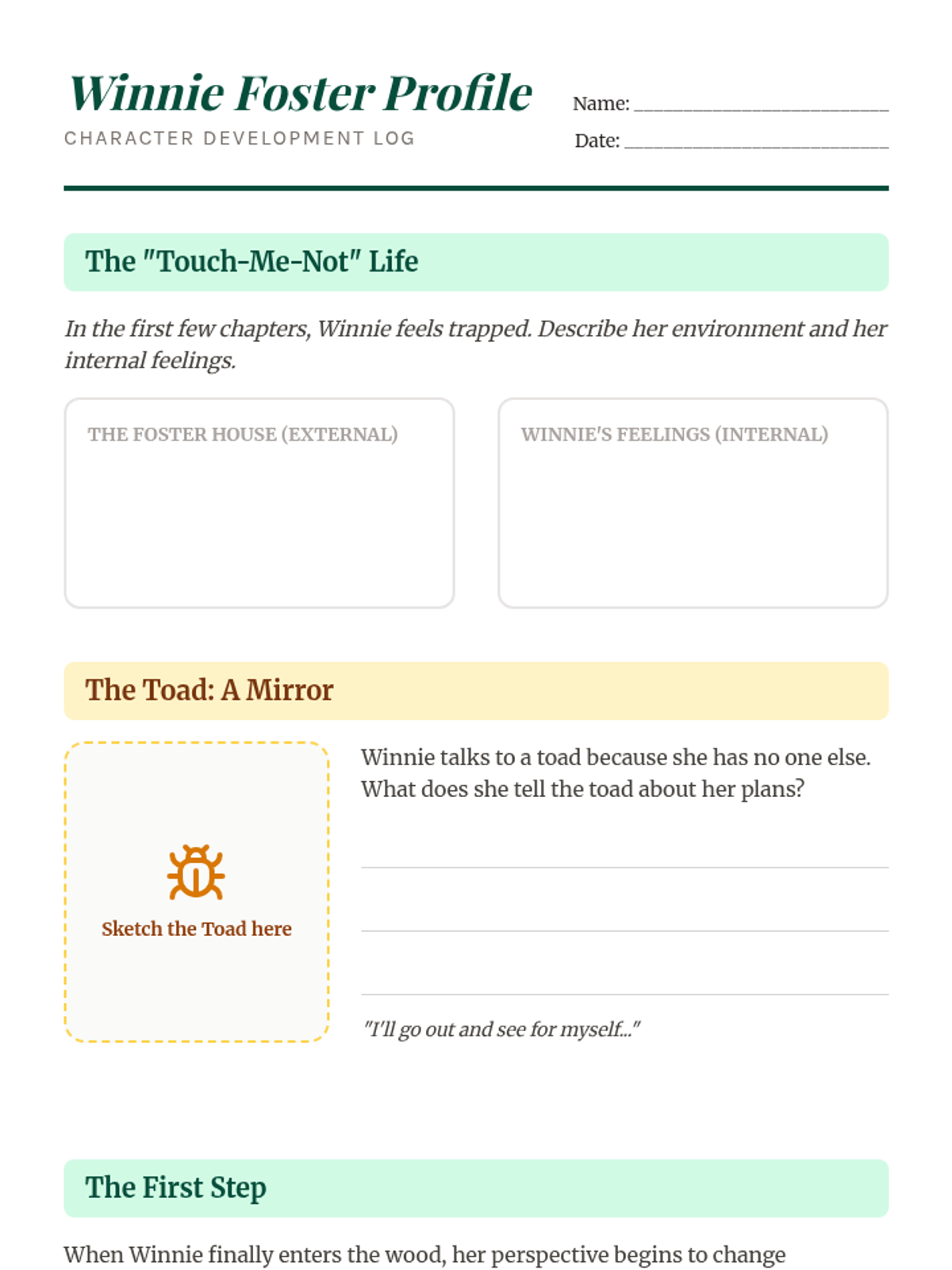
Decodes the major symbols of the novel, including the toad, the spring, and the music box, and their connection to the characters.
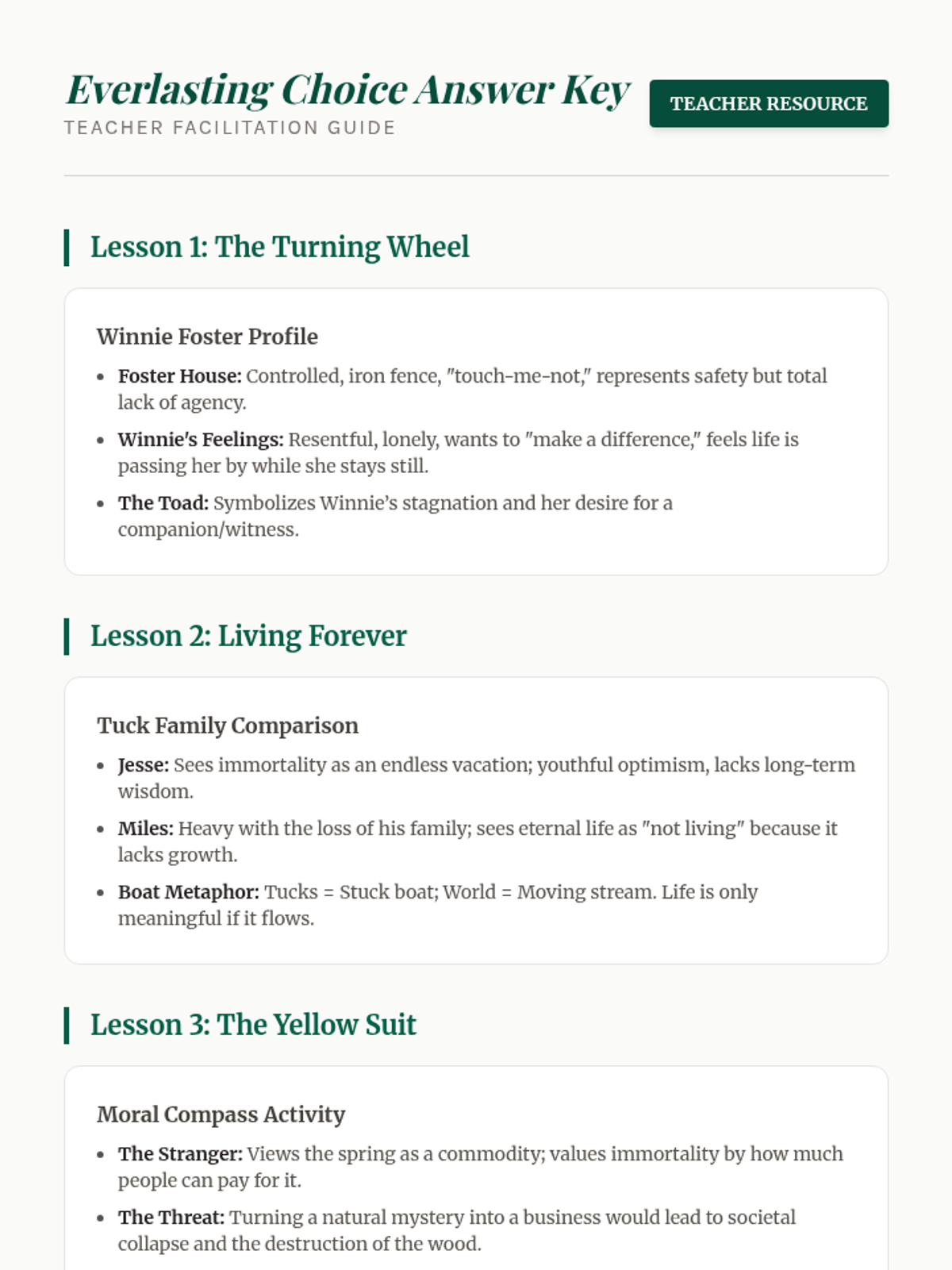
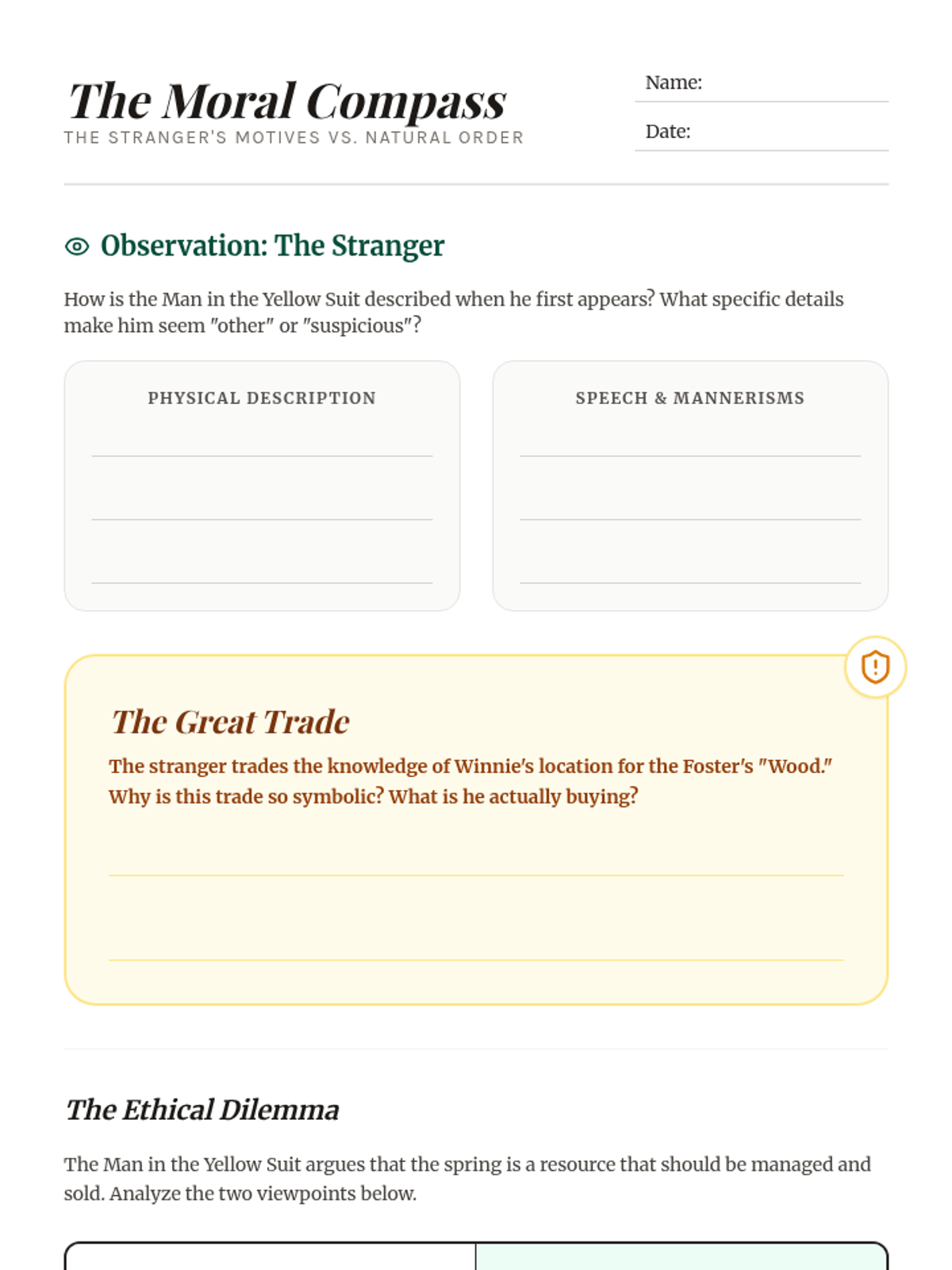
Analyzes the Man in the Yellow Suit as a foil to the Tucks, focusing on themes of greed versus the natural order.
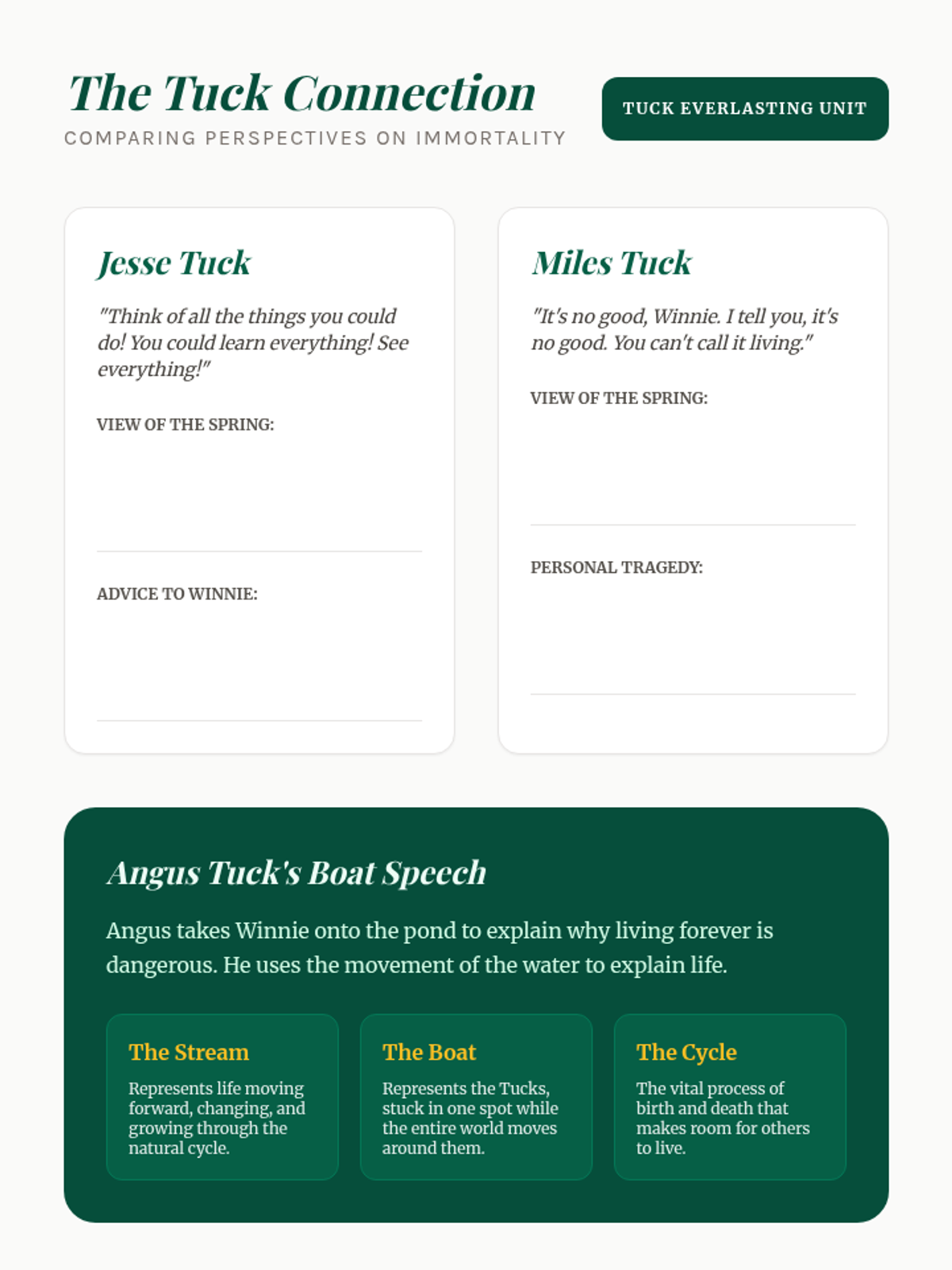
Explores the Tucks' unique perspective on immortality and how Winnie's world expands when she learns their secret.
Introduces the central metaphor of the wheel, the setting of Treegap, and the character of Winnie Foster as she contemplates her first flight from home.
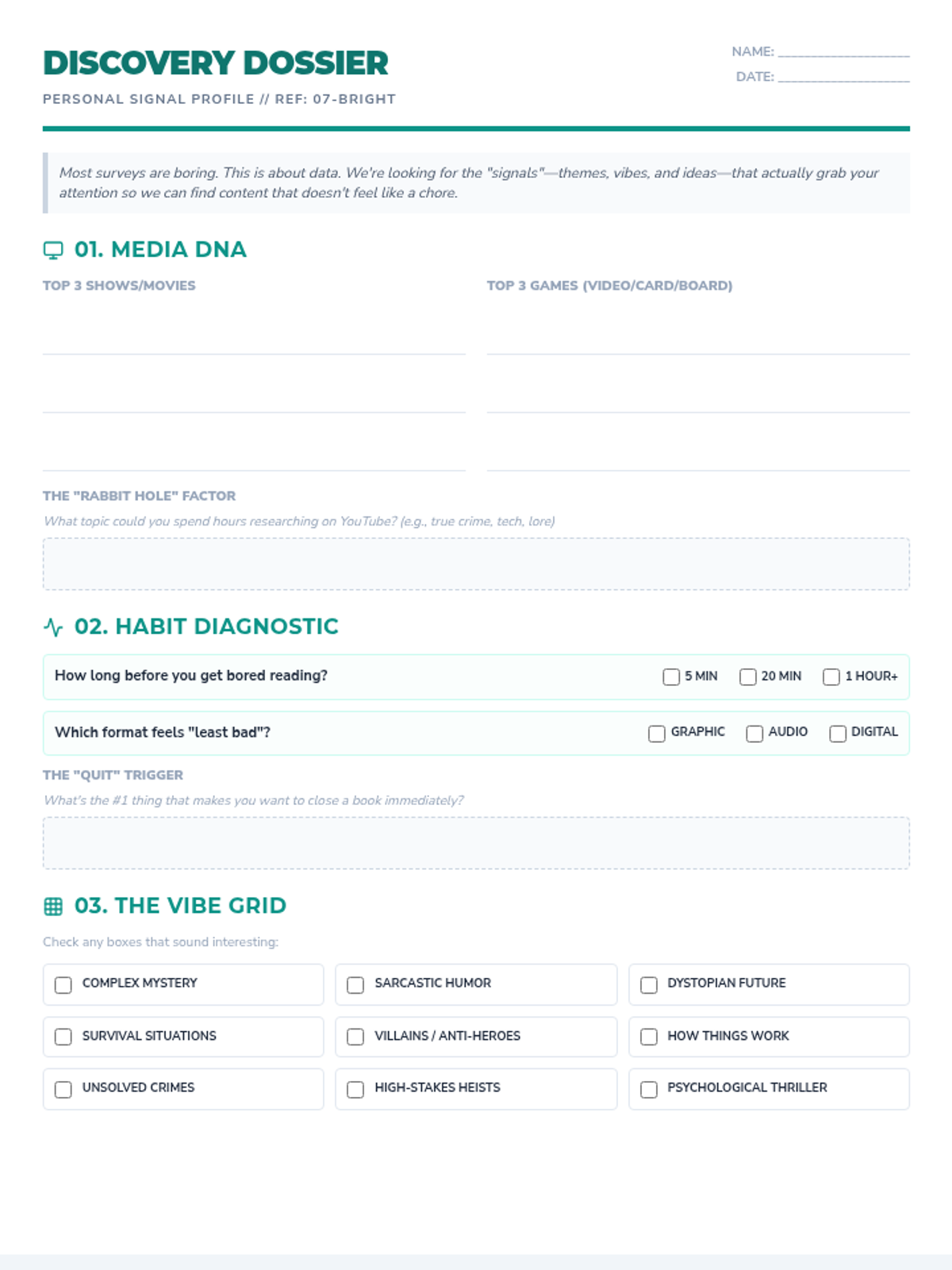
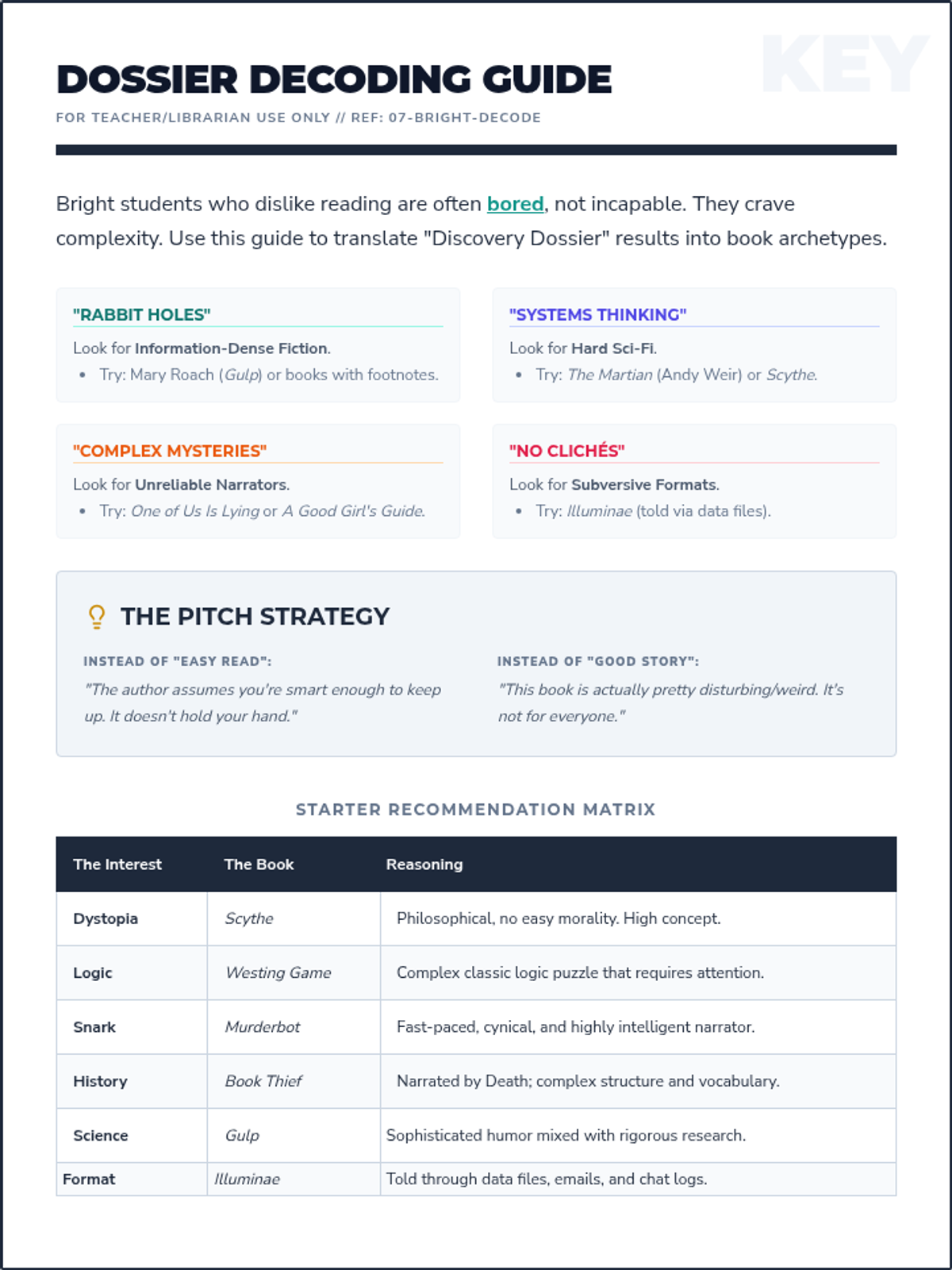
A comprehensive diagnostic toolset designed for a bright, disengaged 7th-grade reader to uncover hidden interests and media preferences that can be translated into book recommendations.
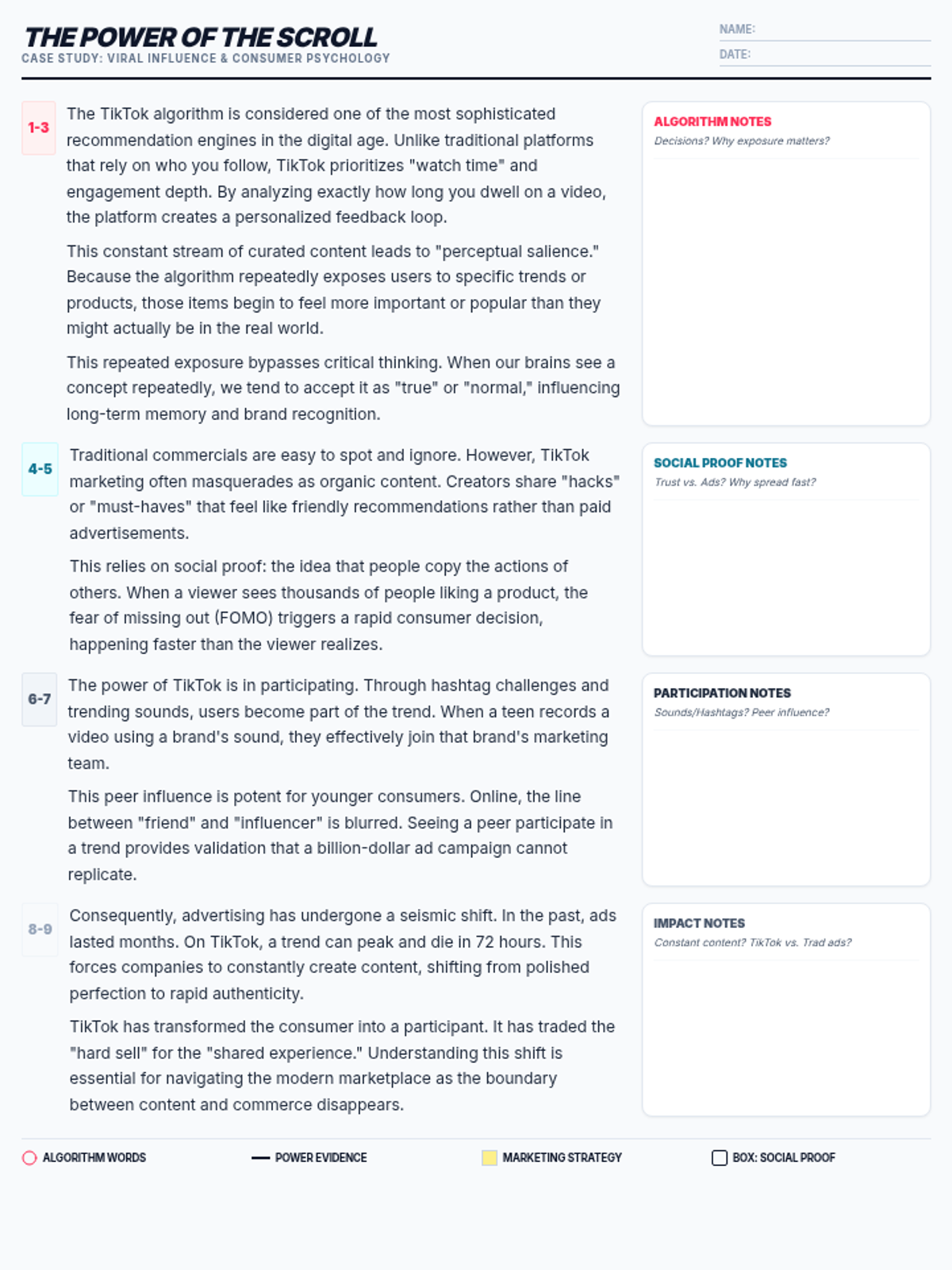
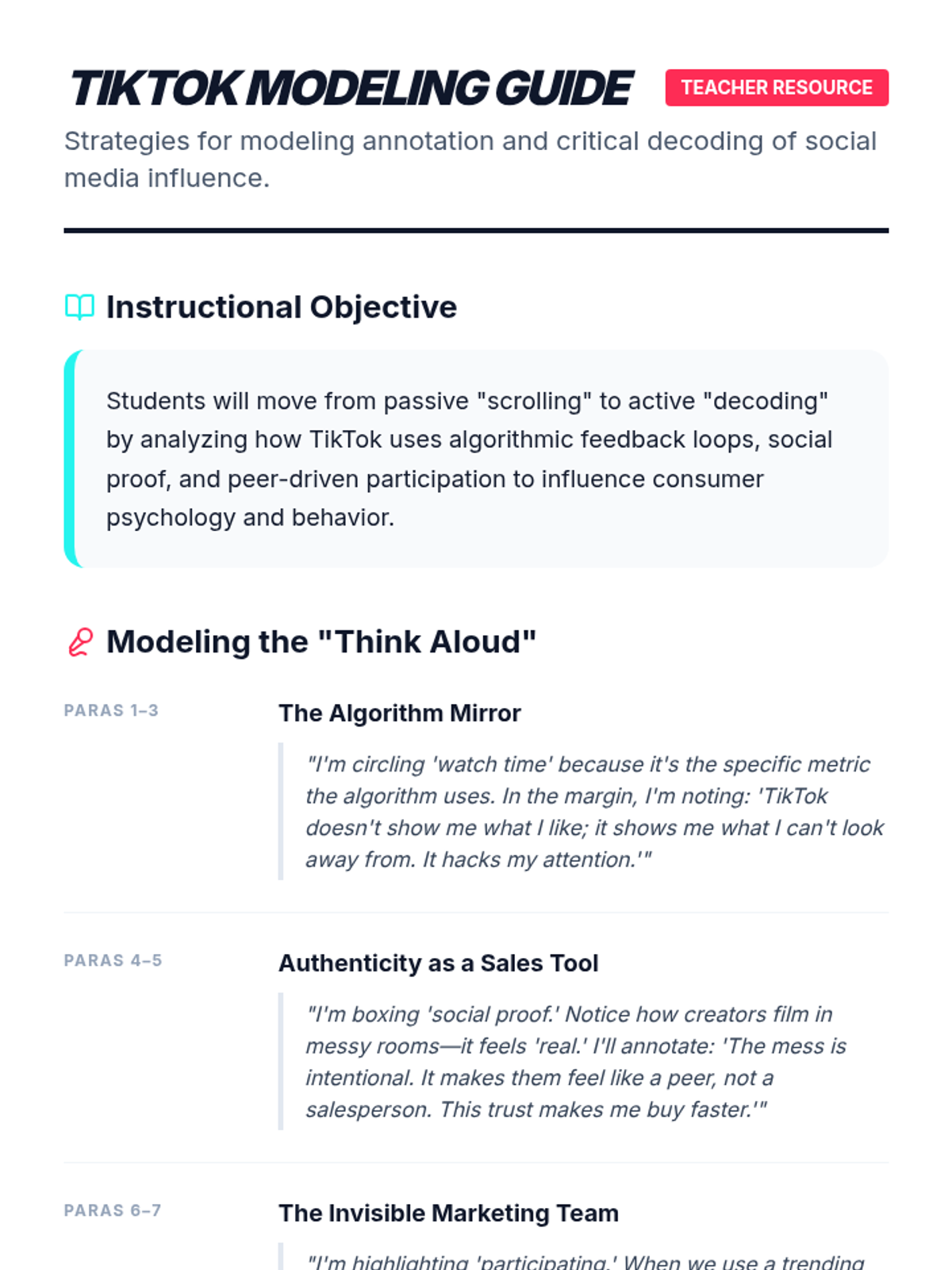
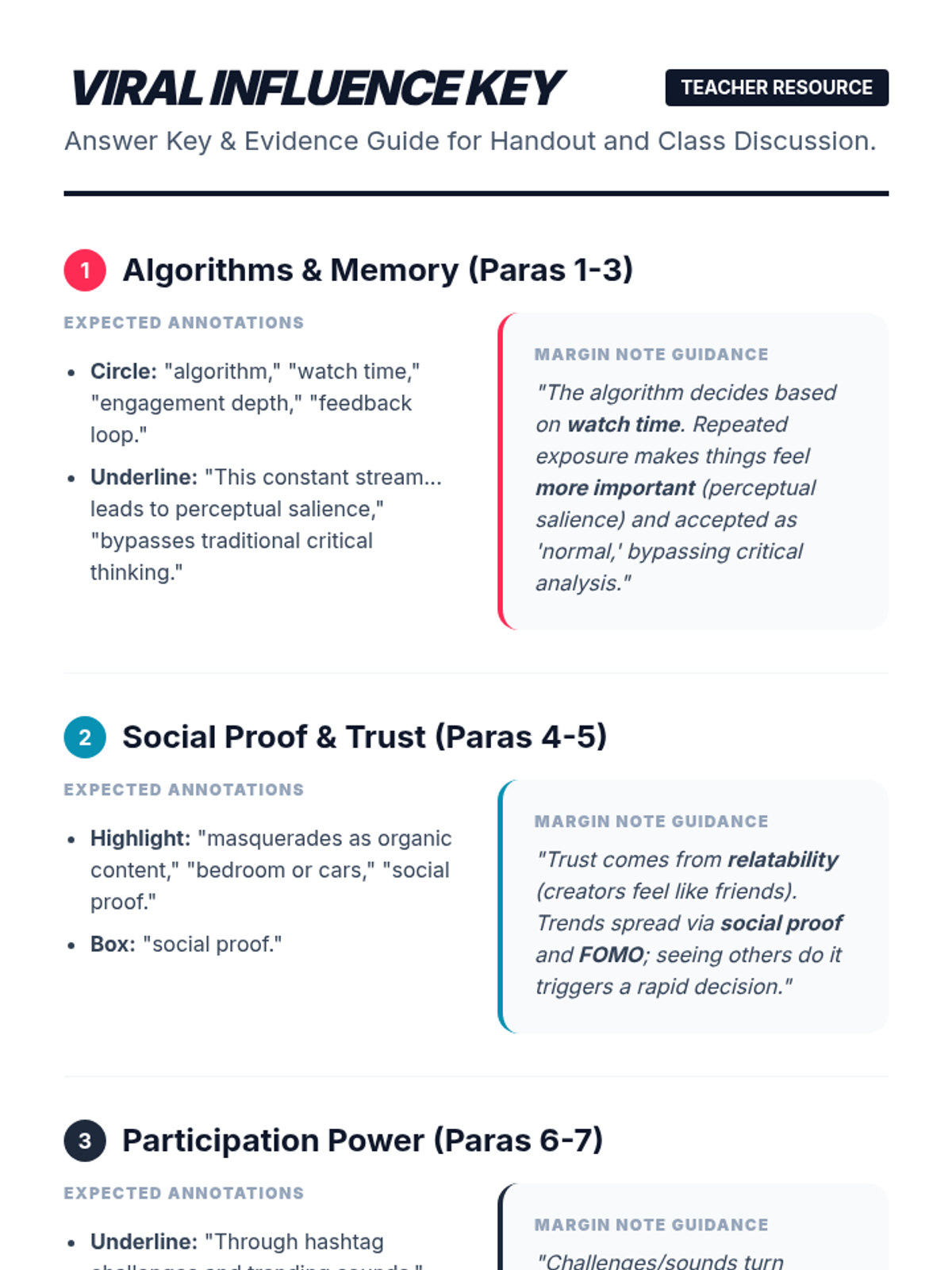
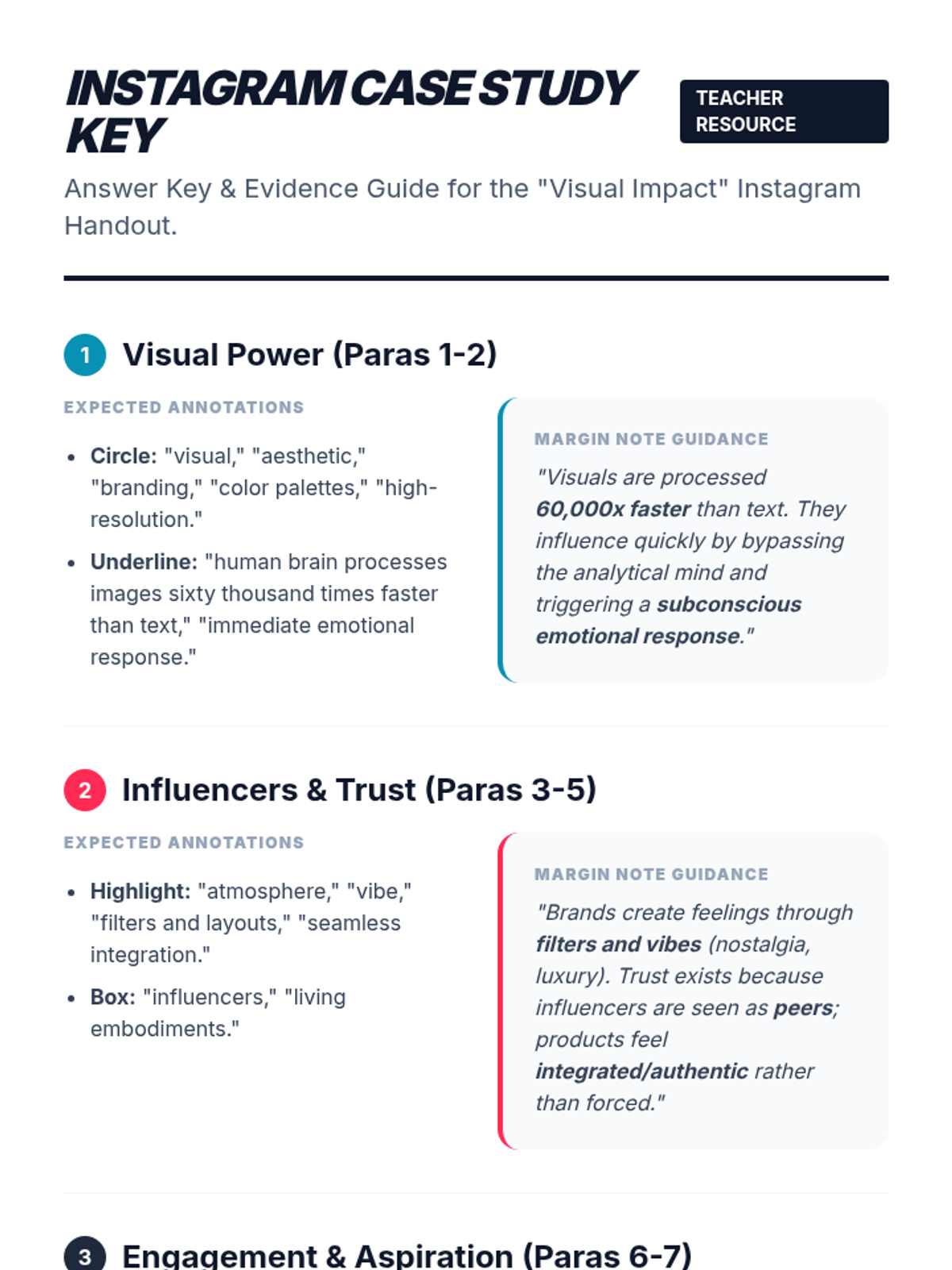
An exploration of TikTok's psychological and marketing influence, focusing on algorithmic power, social proof, and peer-driven trends through modeled annotation practices.
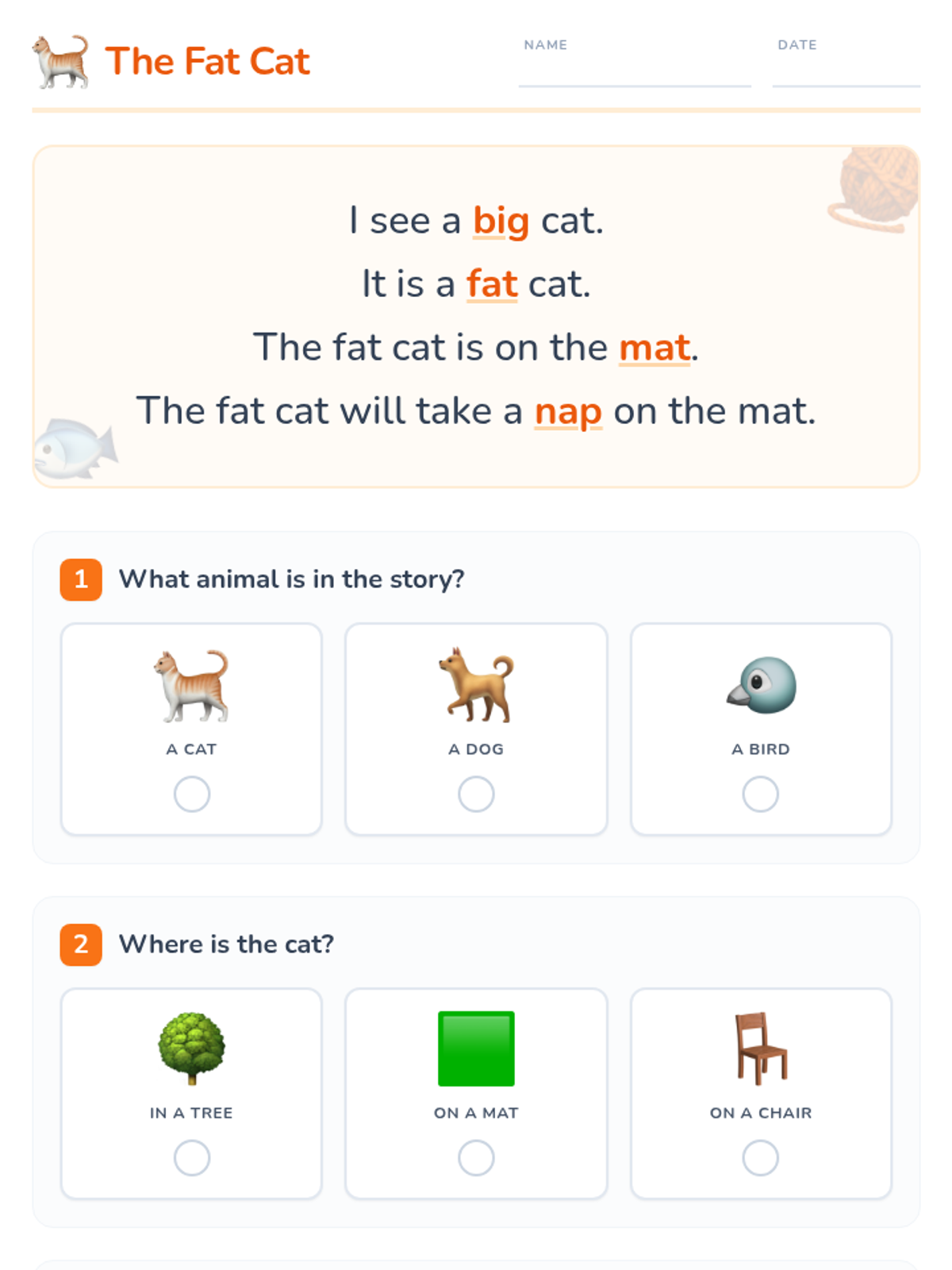
A simple reading comprehension lesson focused on CVC words and basic sentence structure for early readers. Students will read a short story and answer questions with visual support.
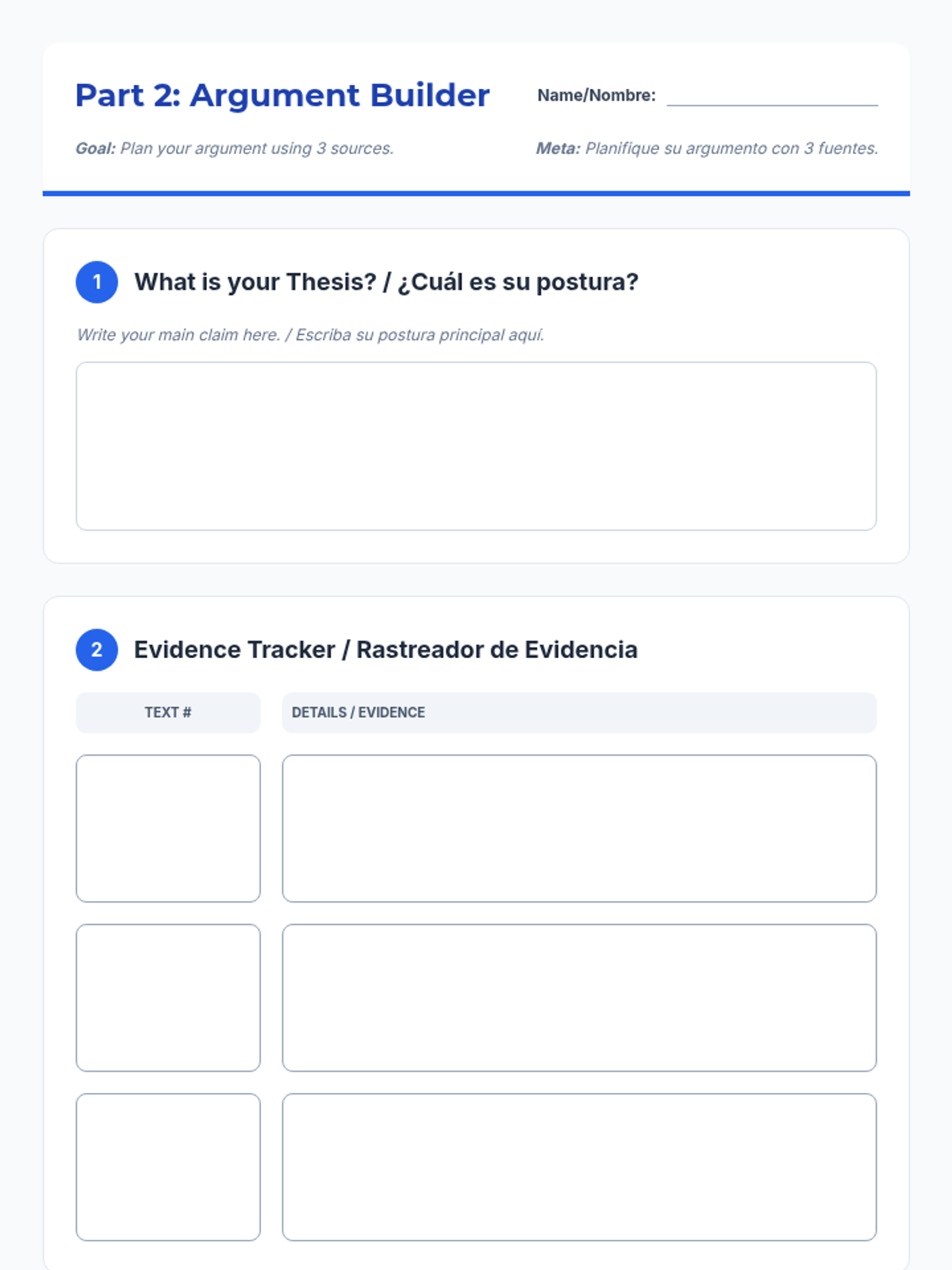
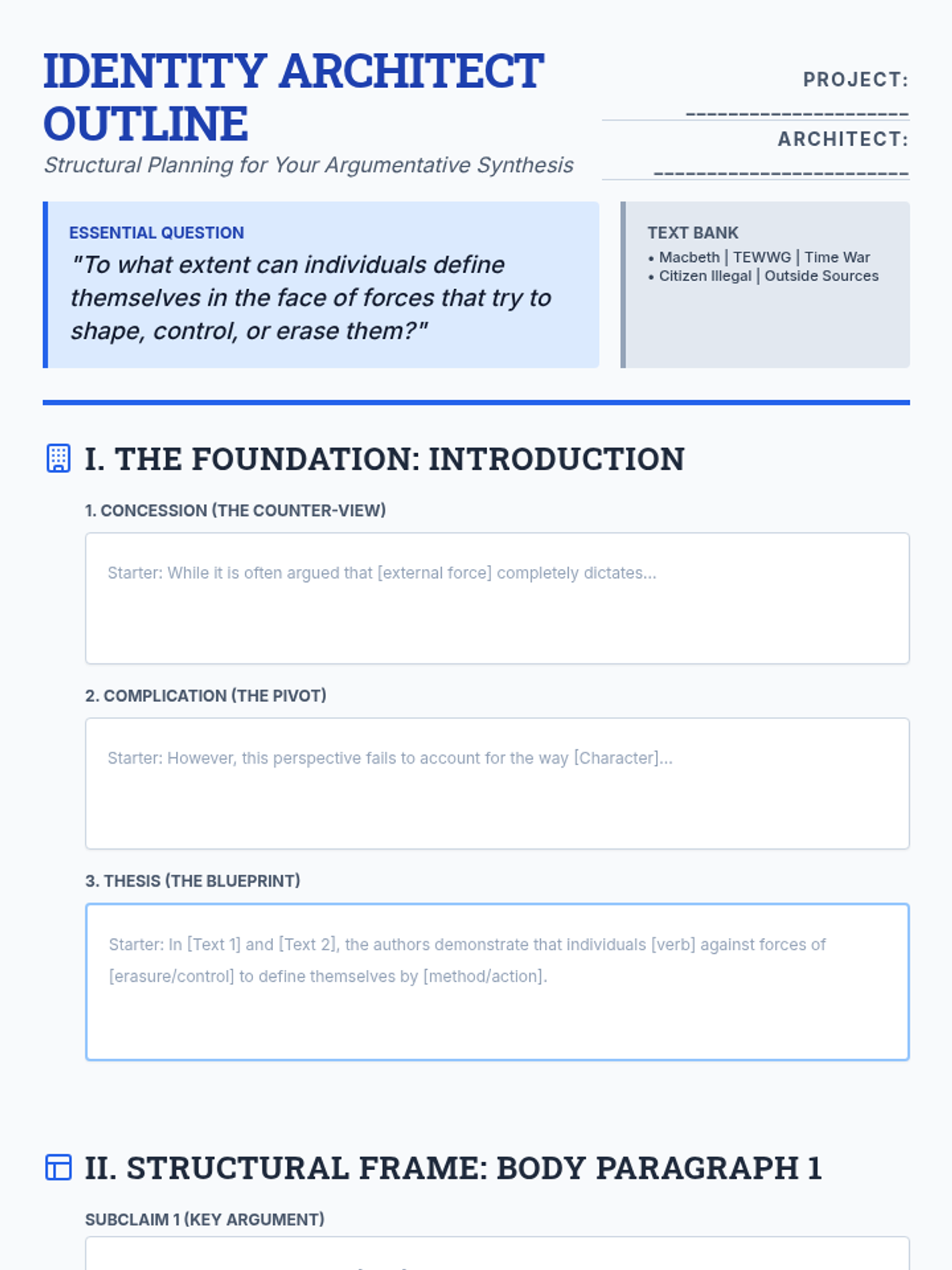
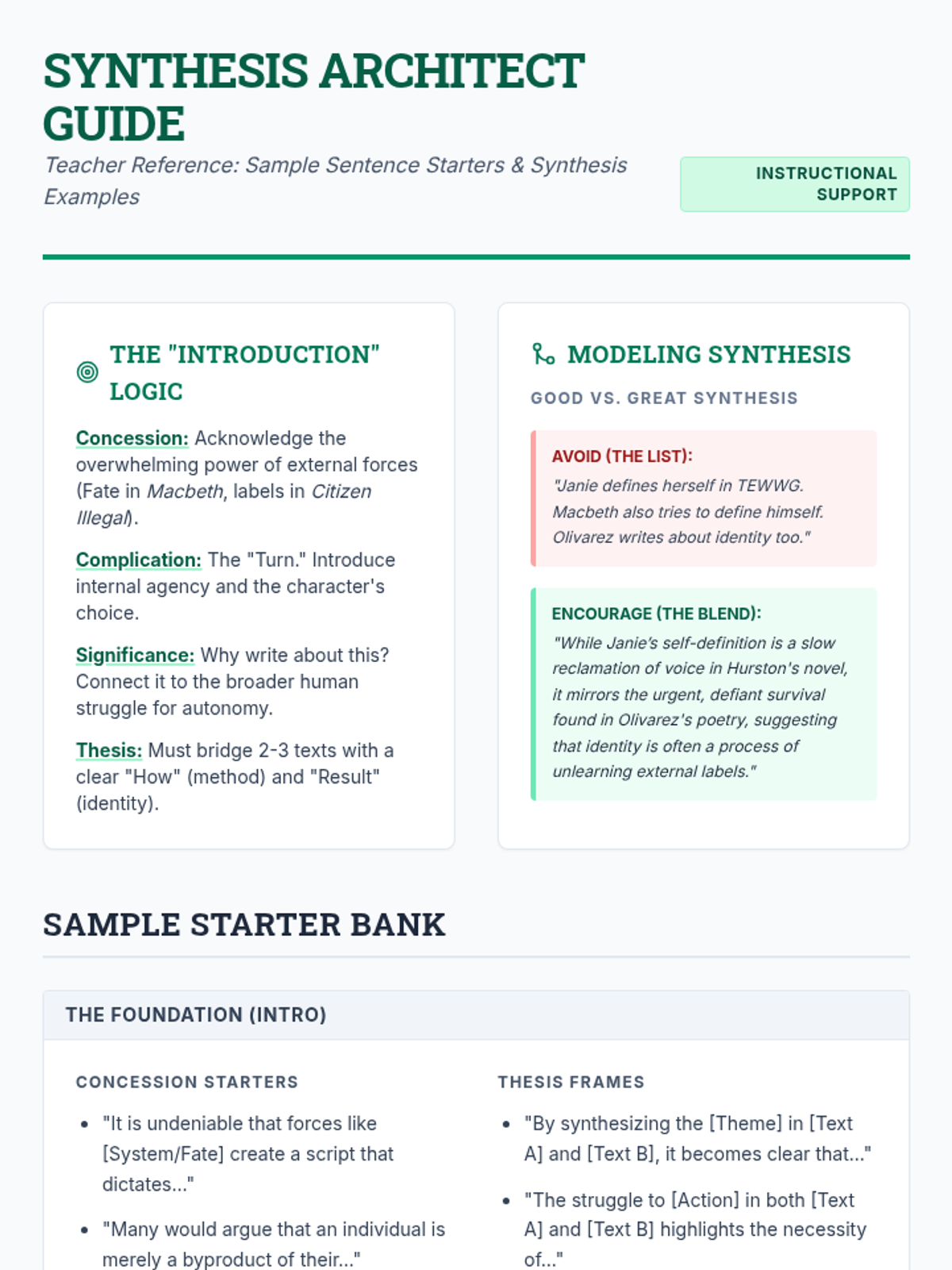
A structured essay planning lesson focused on synthesizing multiple texts (Macbeth, Their Eyes Were Watching God, Citizen Illegal, and Time War) to answer an essential question about identity and external forces. Students use an 'Architectural Blueprint' theme to build their argumentative outlines with specific sentence starters.
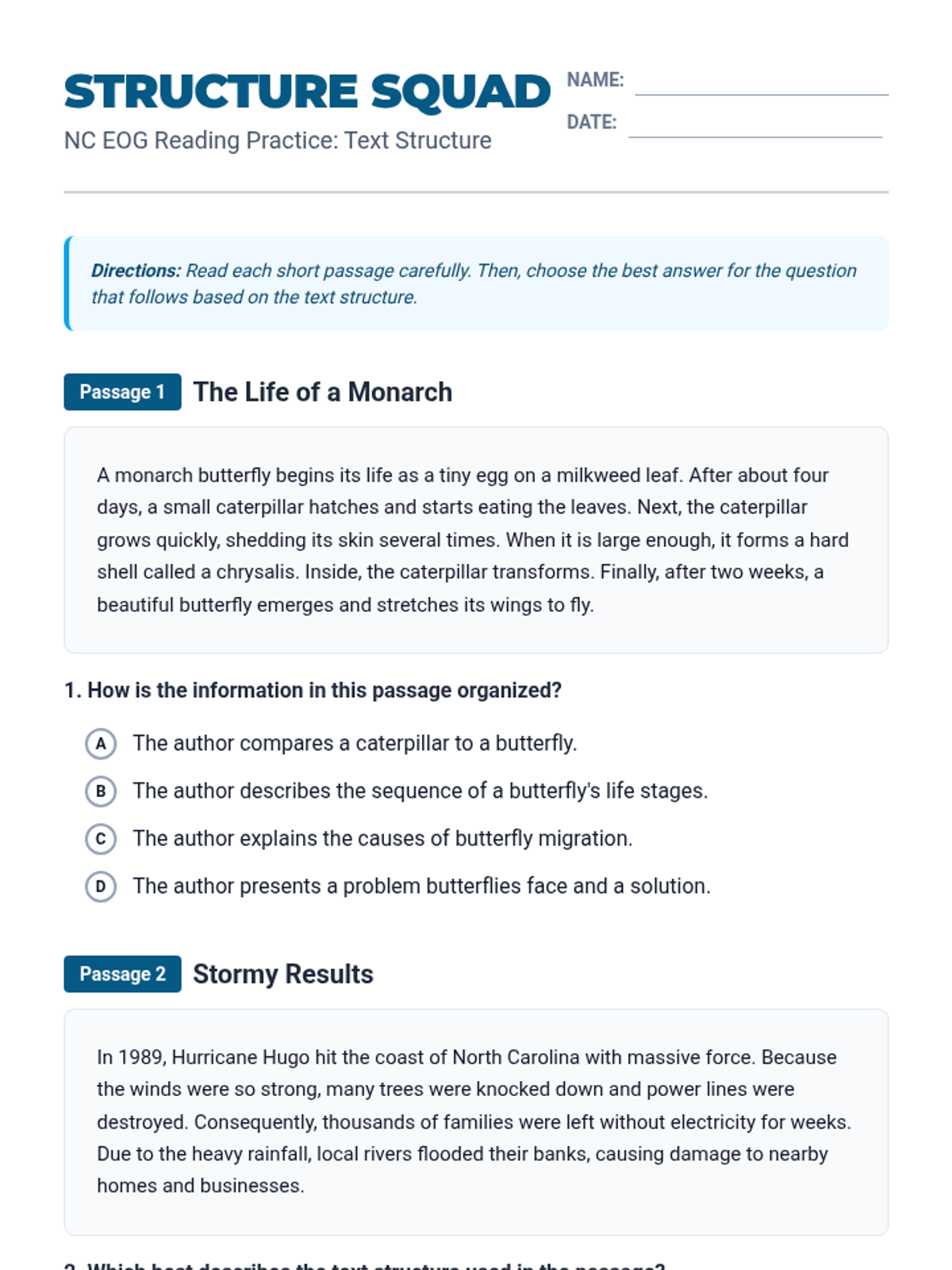
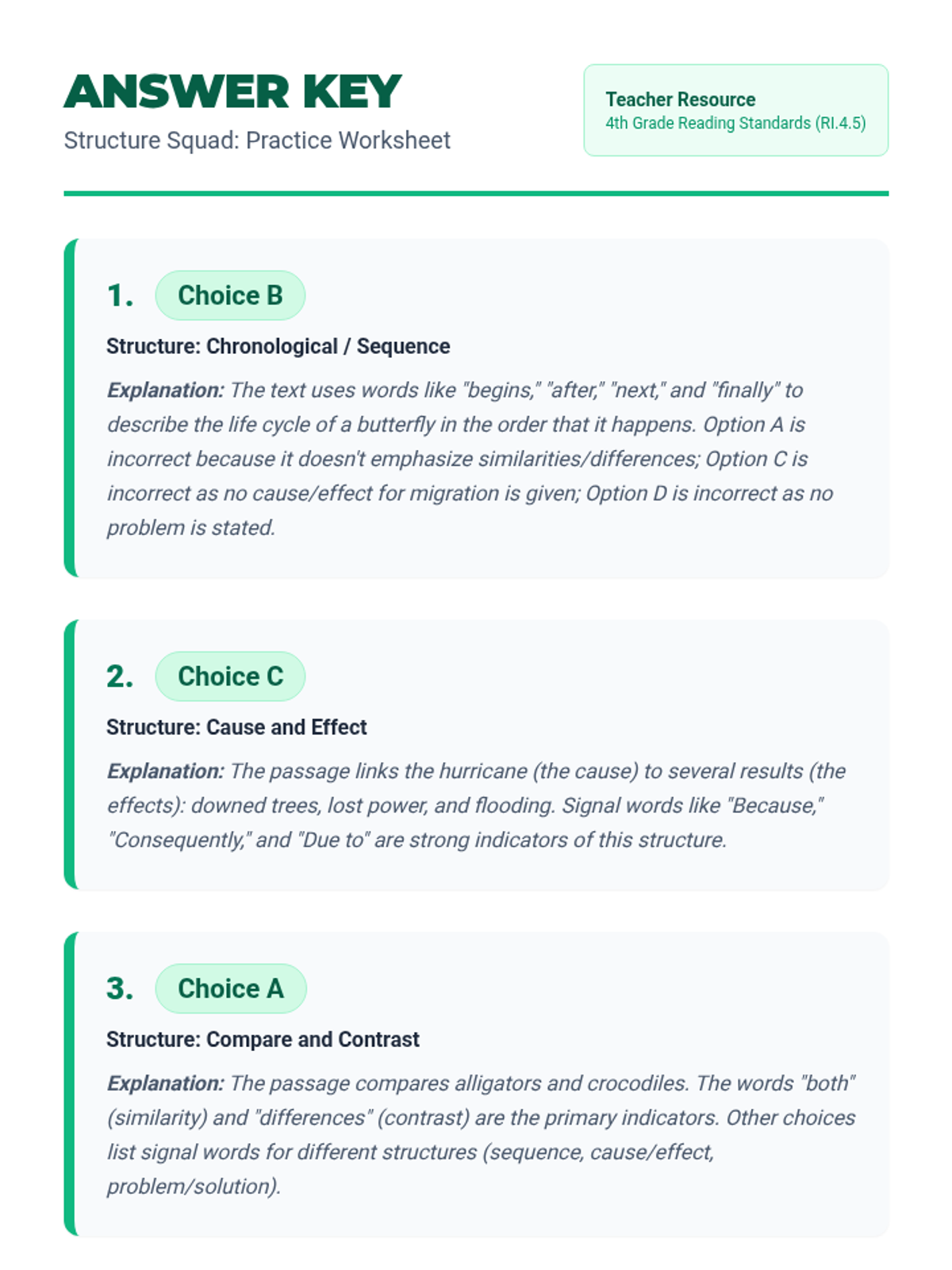
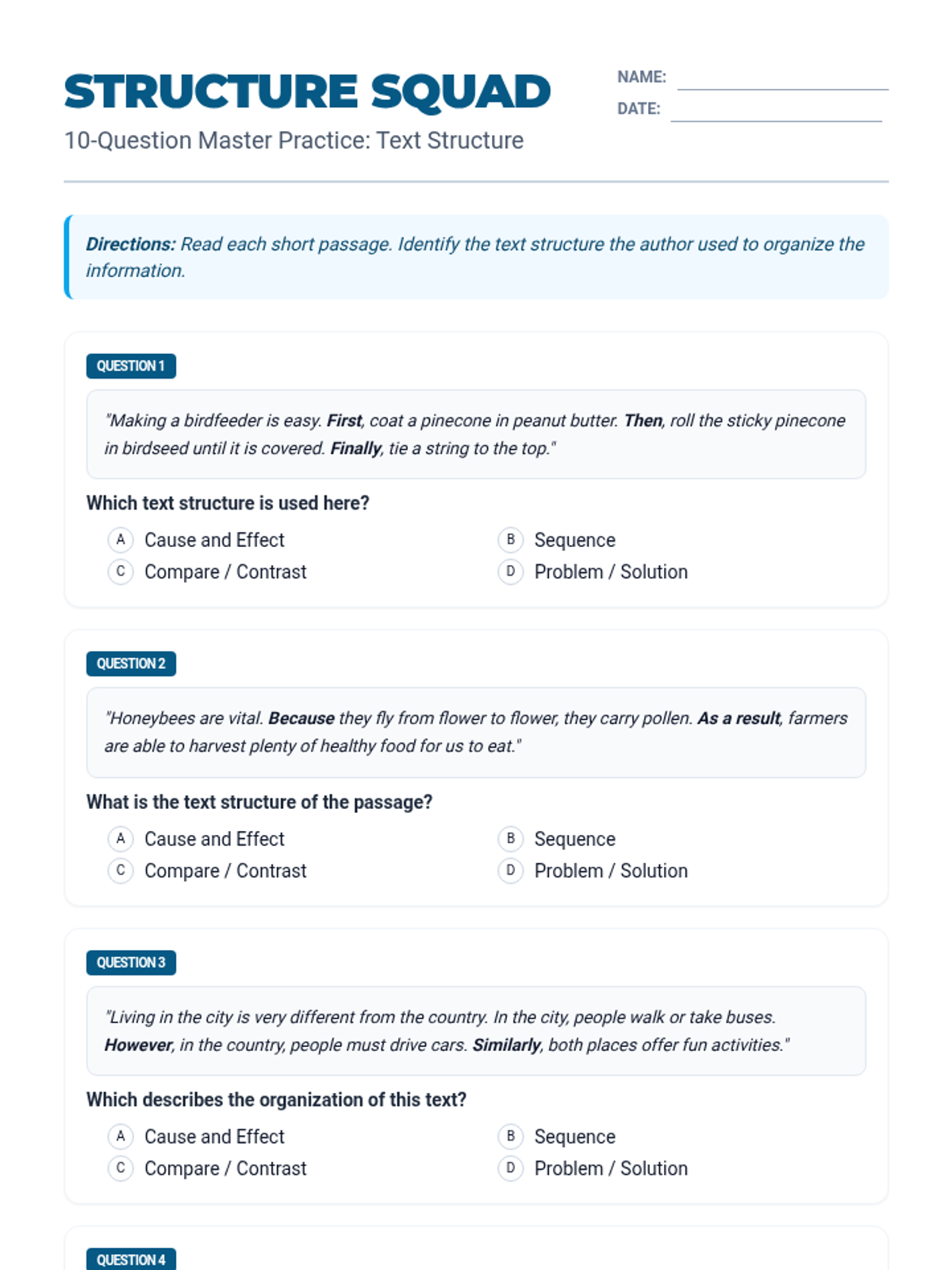
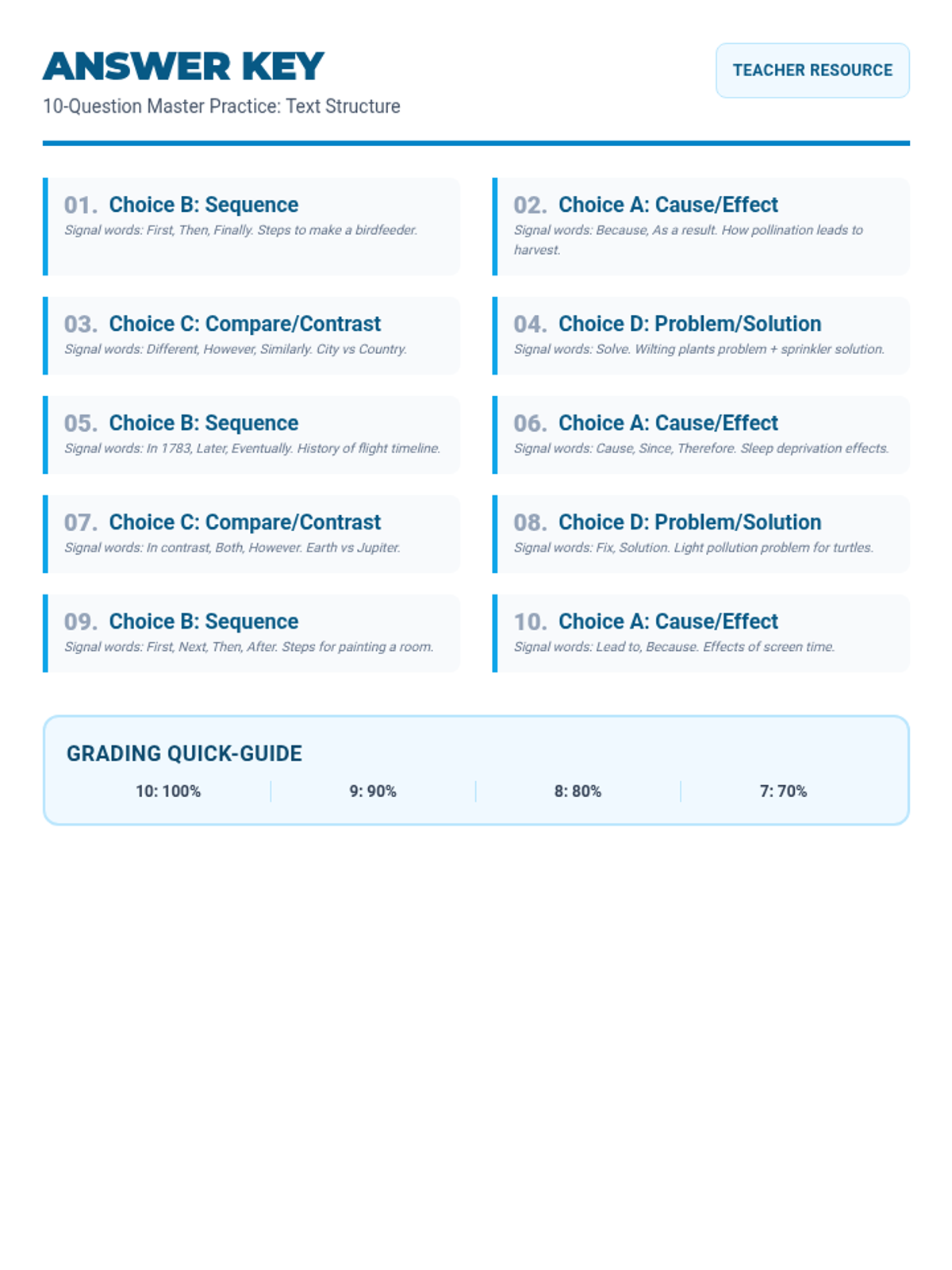
A lesson focused on identifying and analyzing four key text structures (Cause and Effect, Compare and Contrast, Chronological/Sequence, and Problem and Solution) using NC EOG-style short passages and questions.
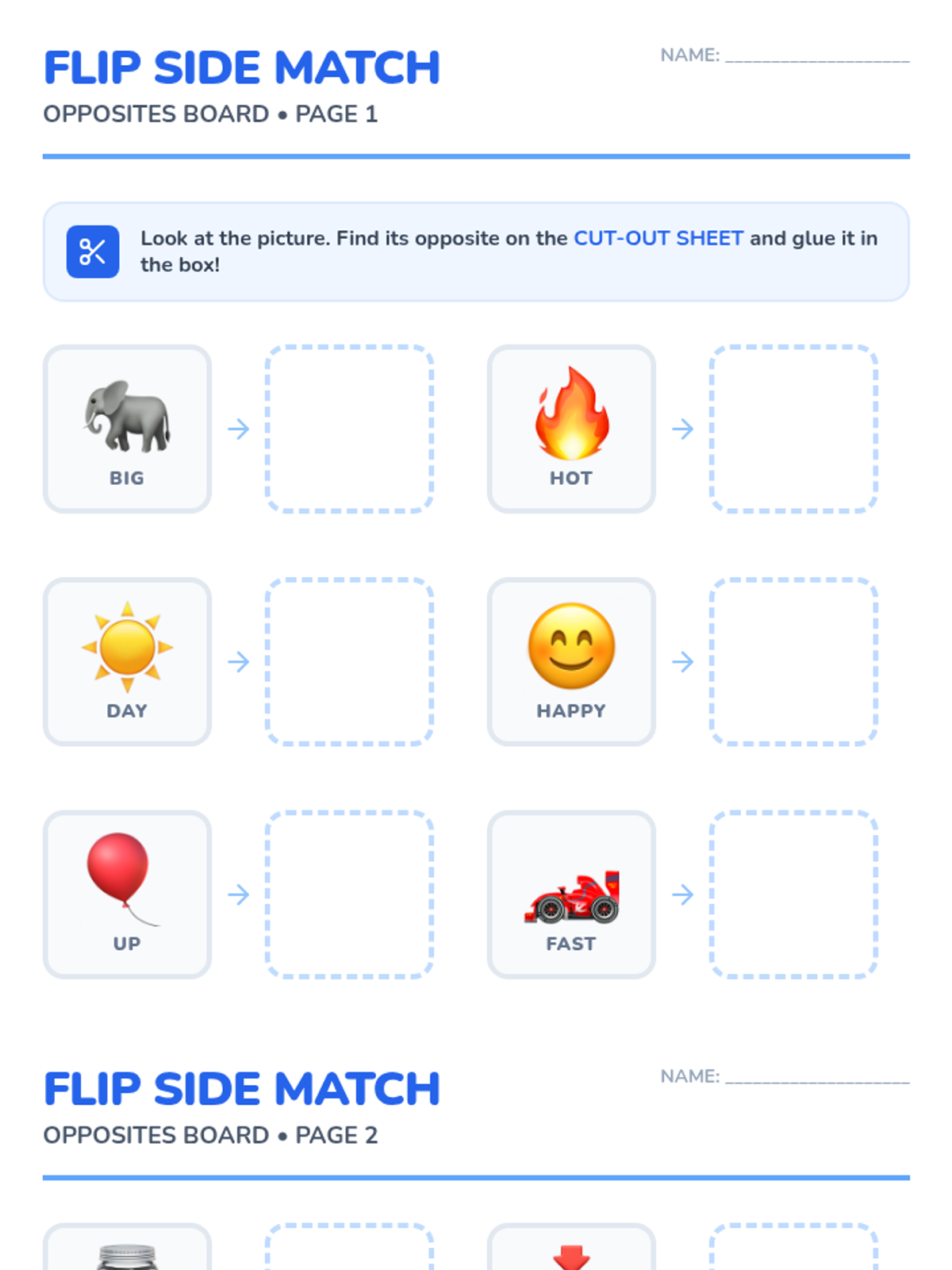
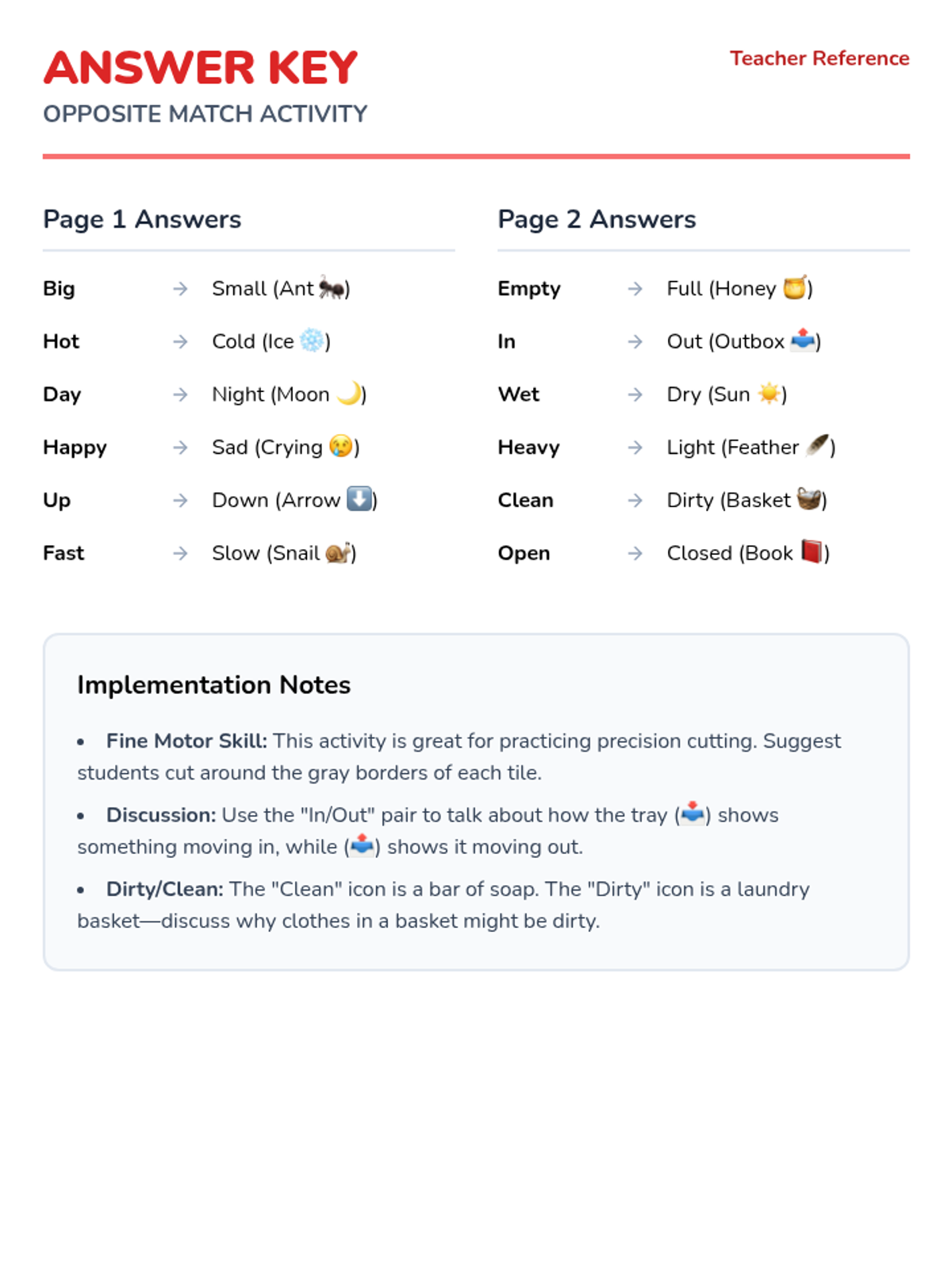
A foundational lesson on opposites using visual matching and hands-on cut-and-paste activities for kindergarten students.
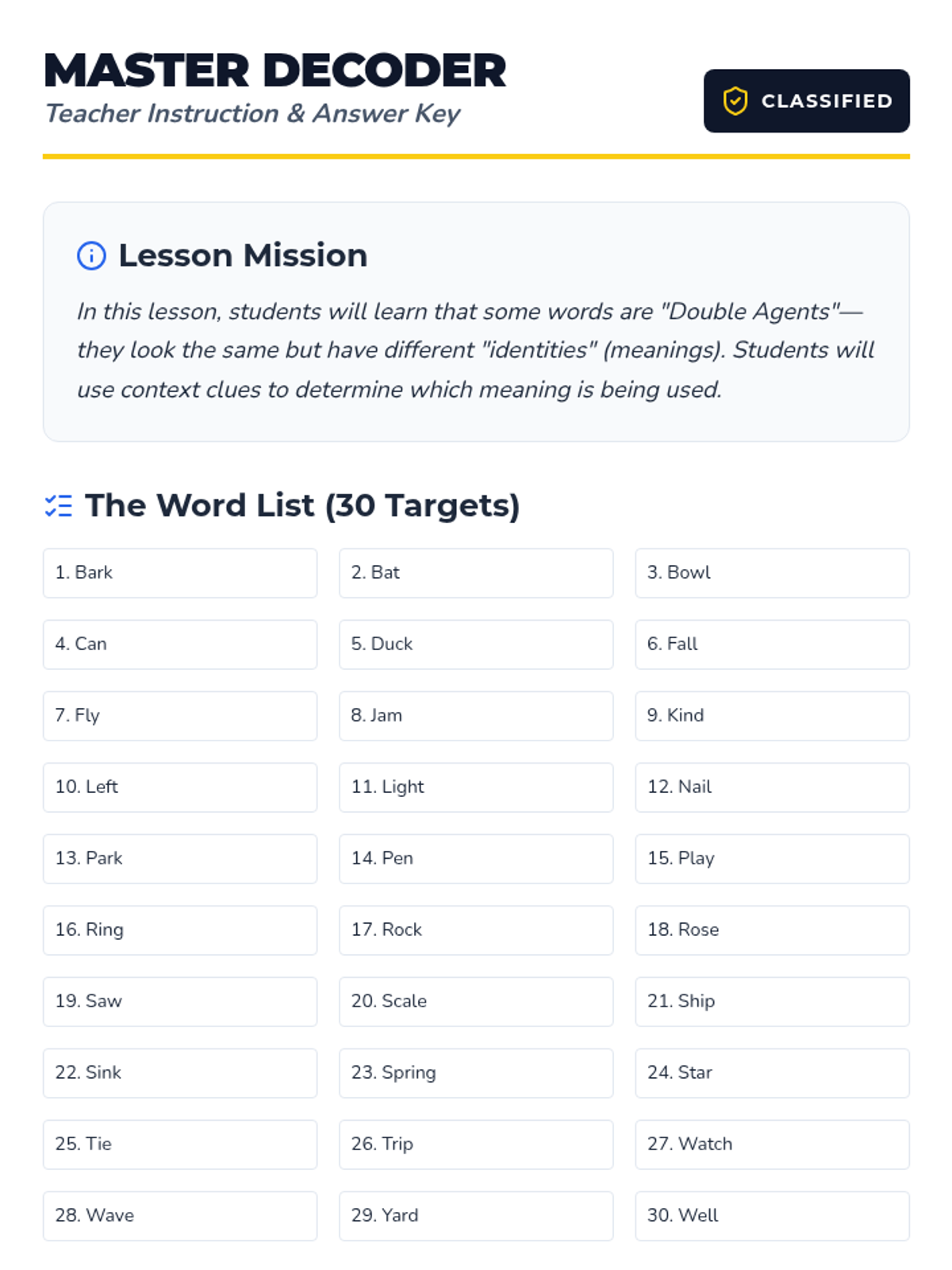
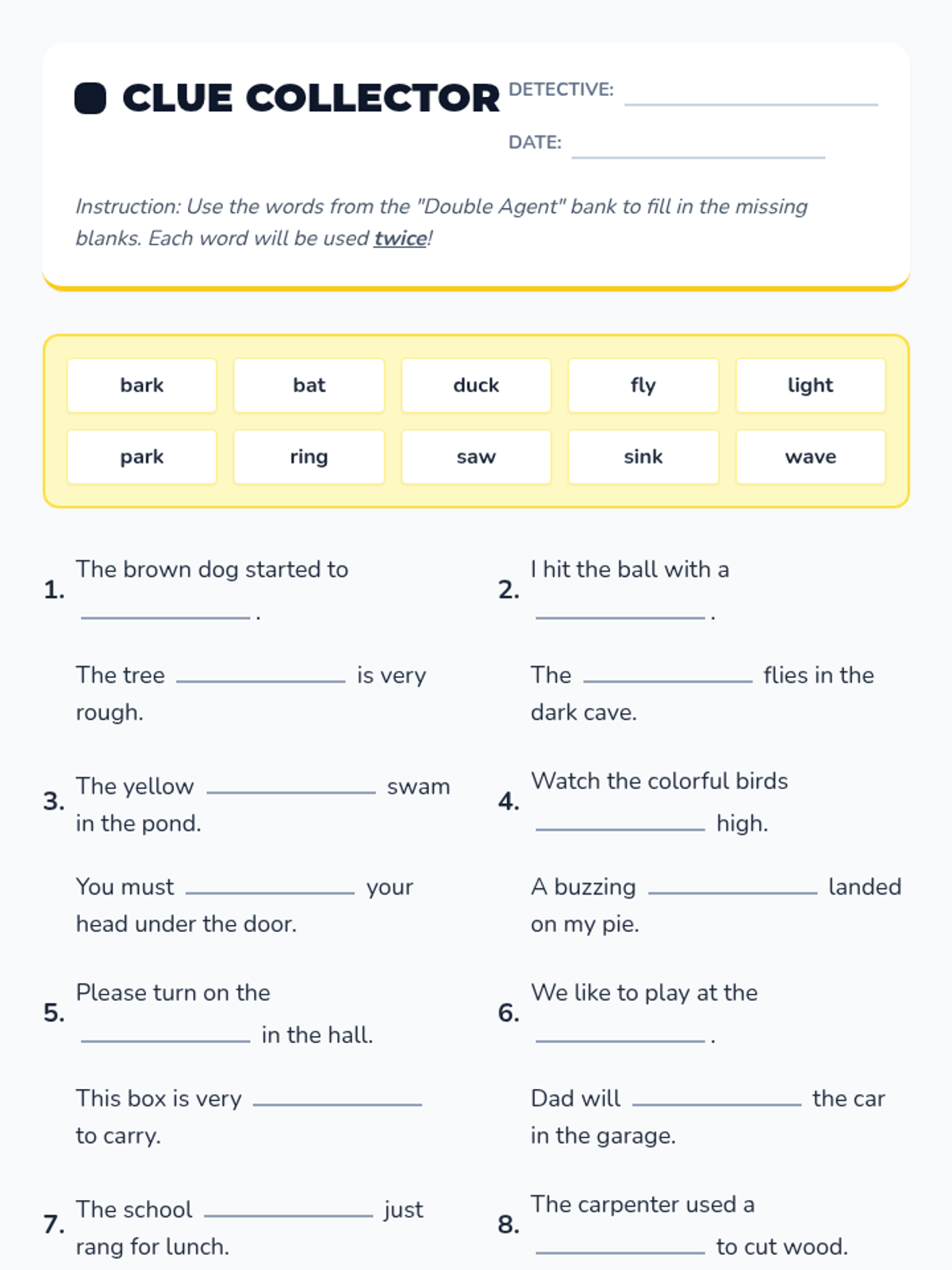
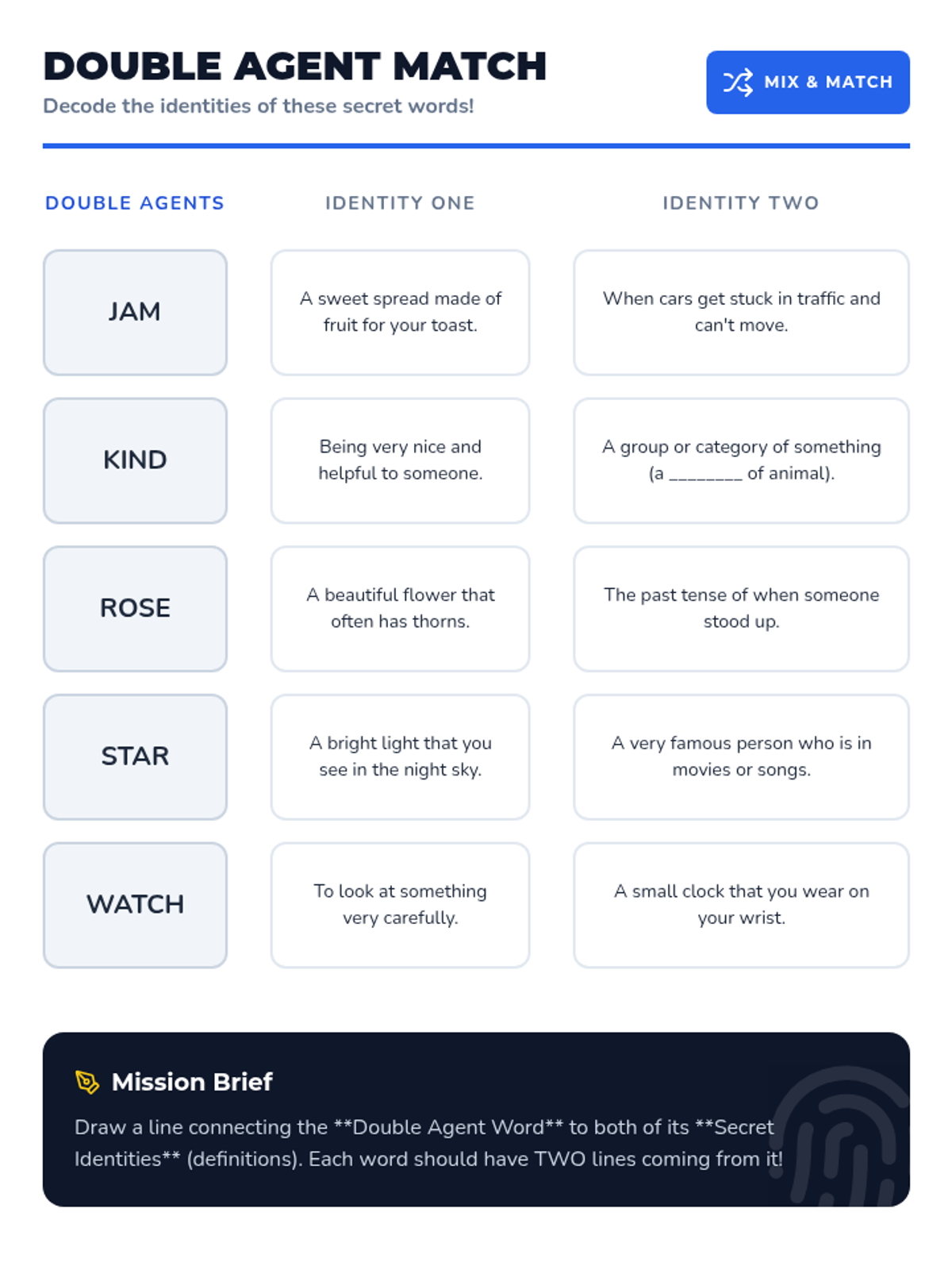
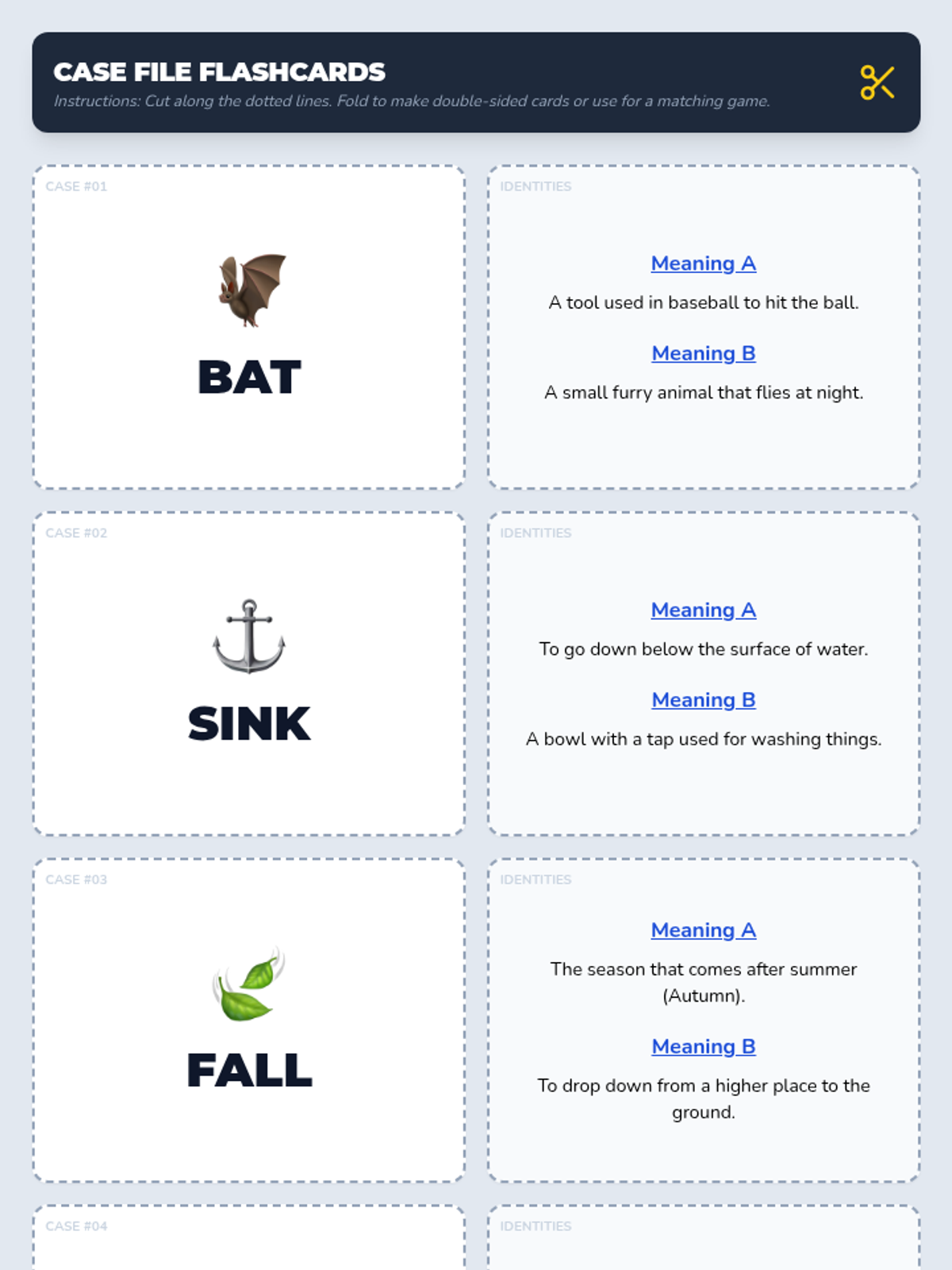
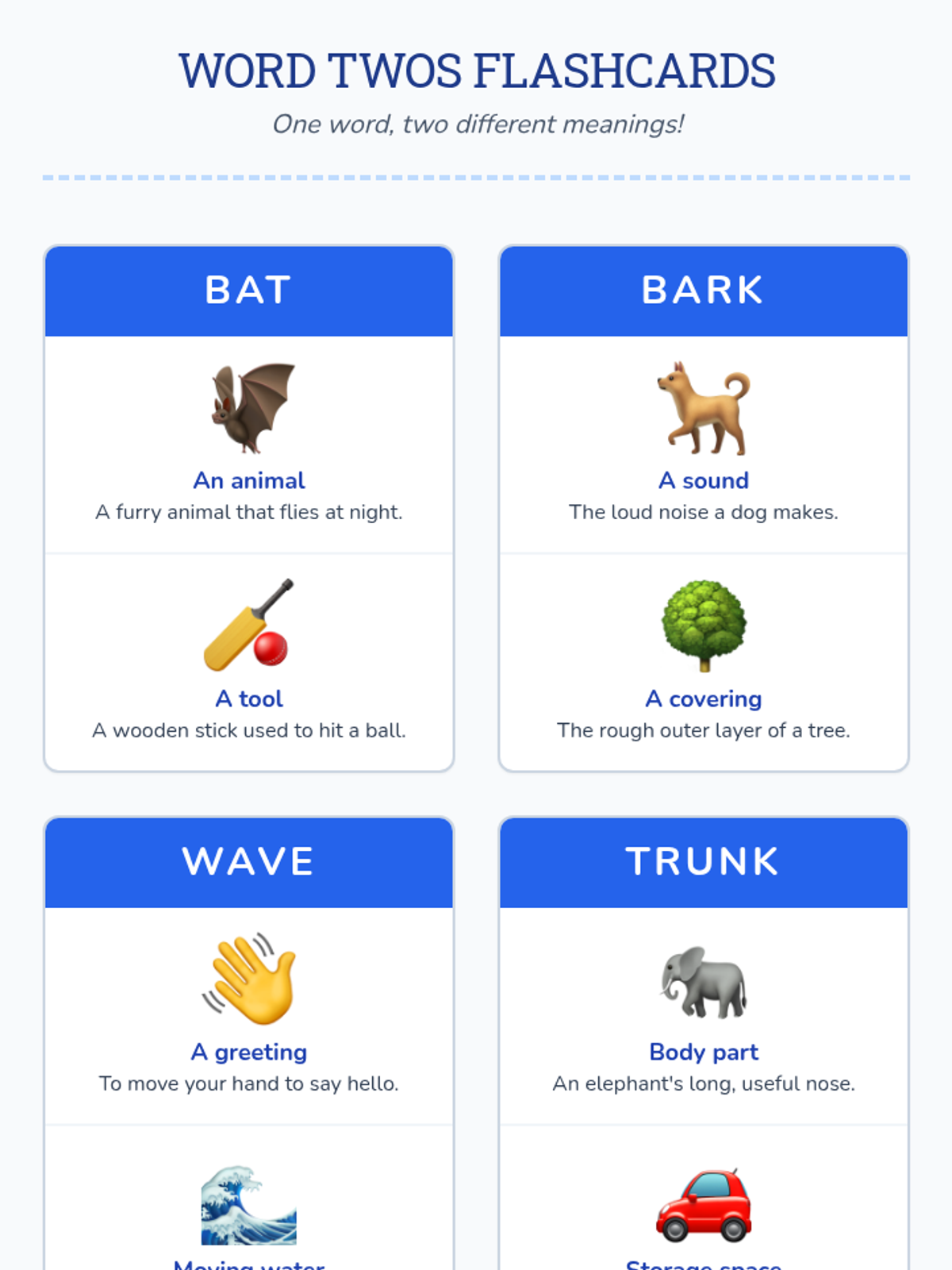
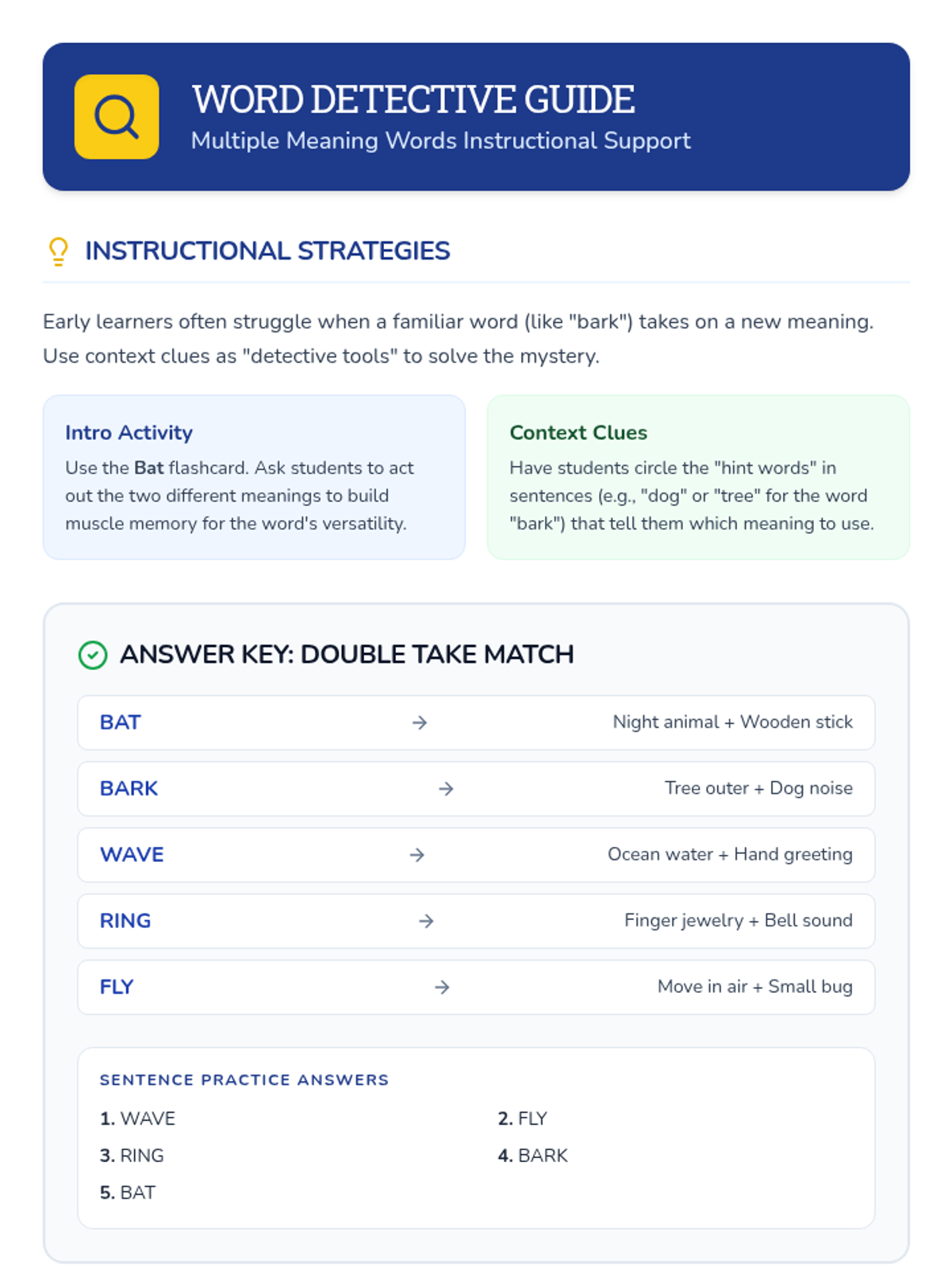
An introductory lesson on identifying and using multiple-meaning words in context. Students explore 30 common homonyms through visual aids, practice exercises, and collaborative activities.
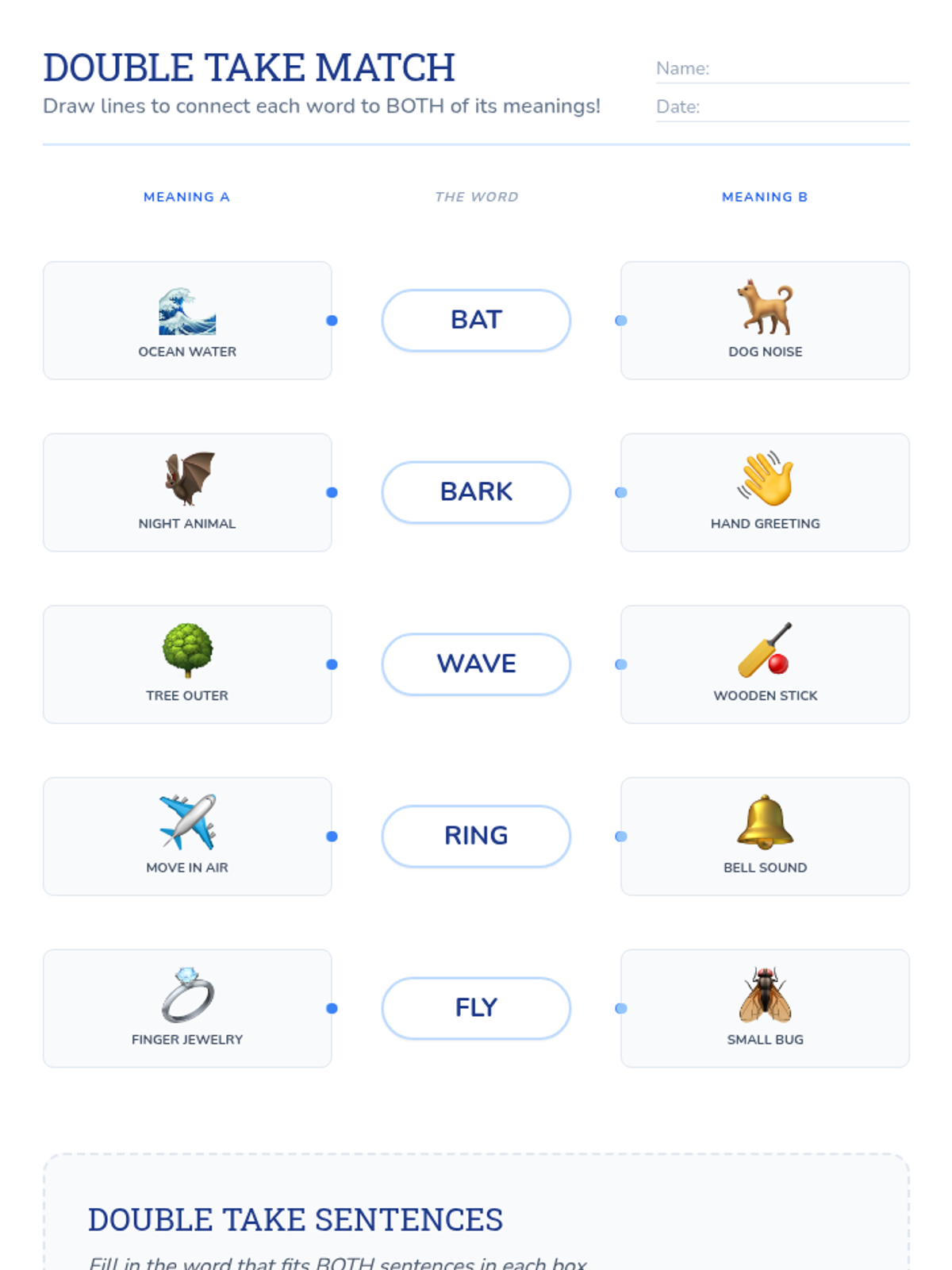
A lesson focused on identifying and understanding common multiple-meaning words for early elementary students through visual aids and matching activities.
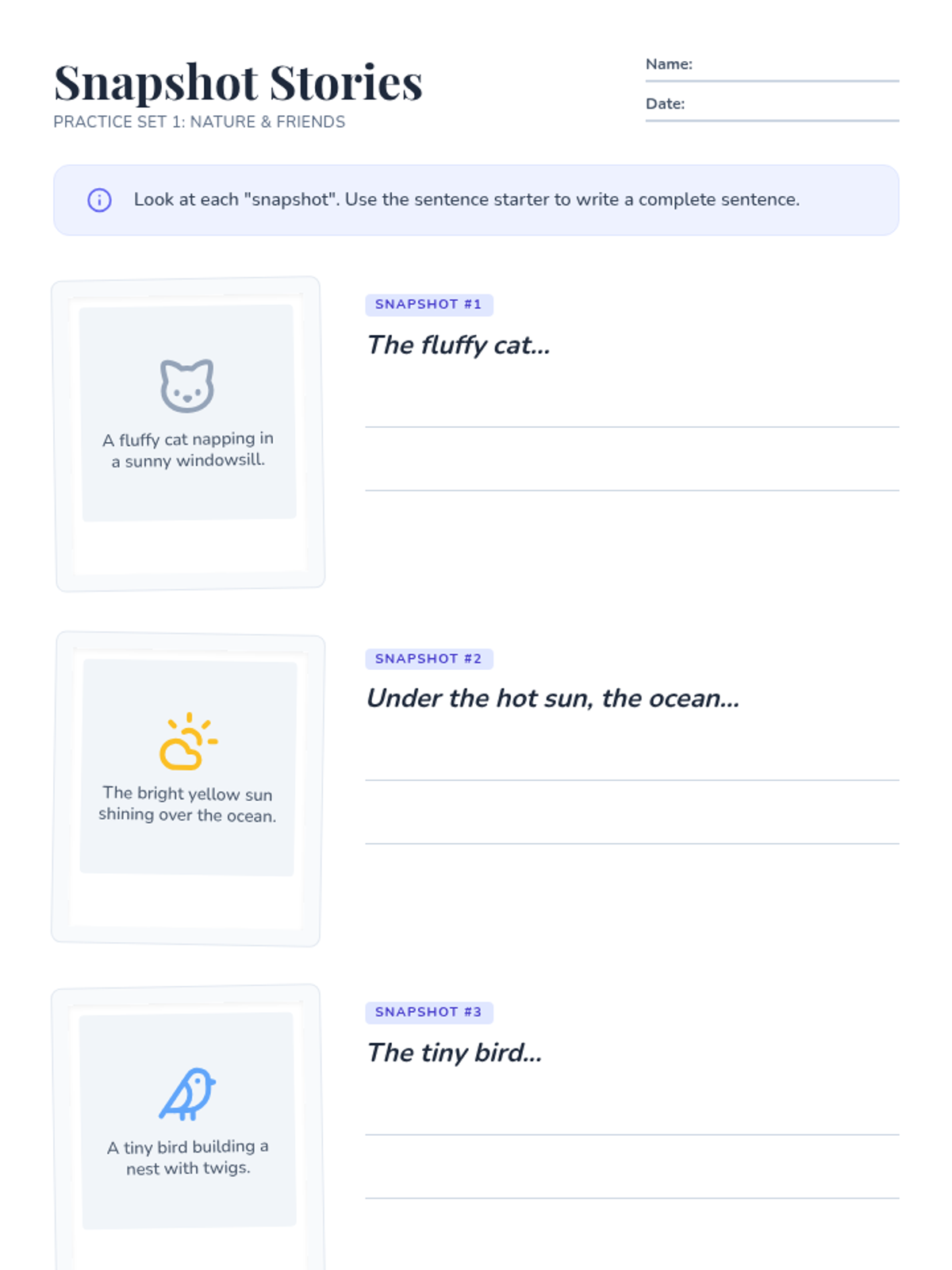
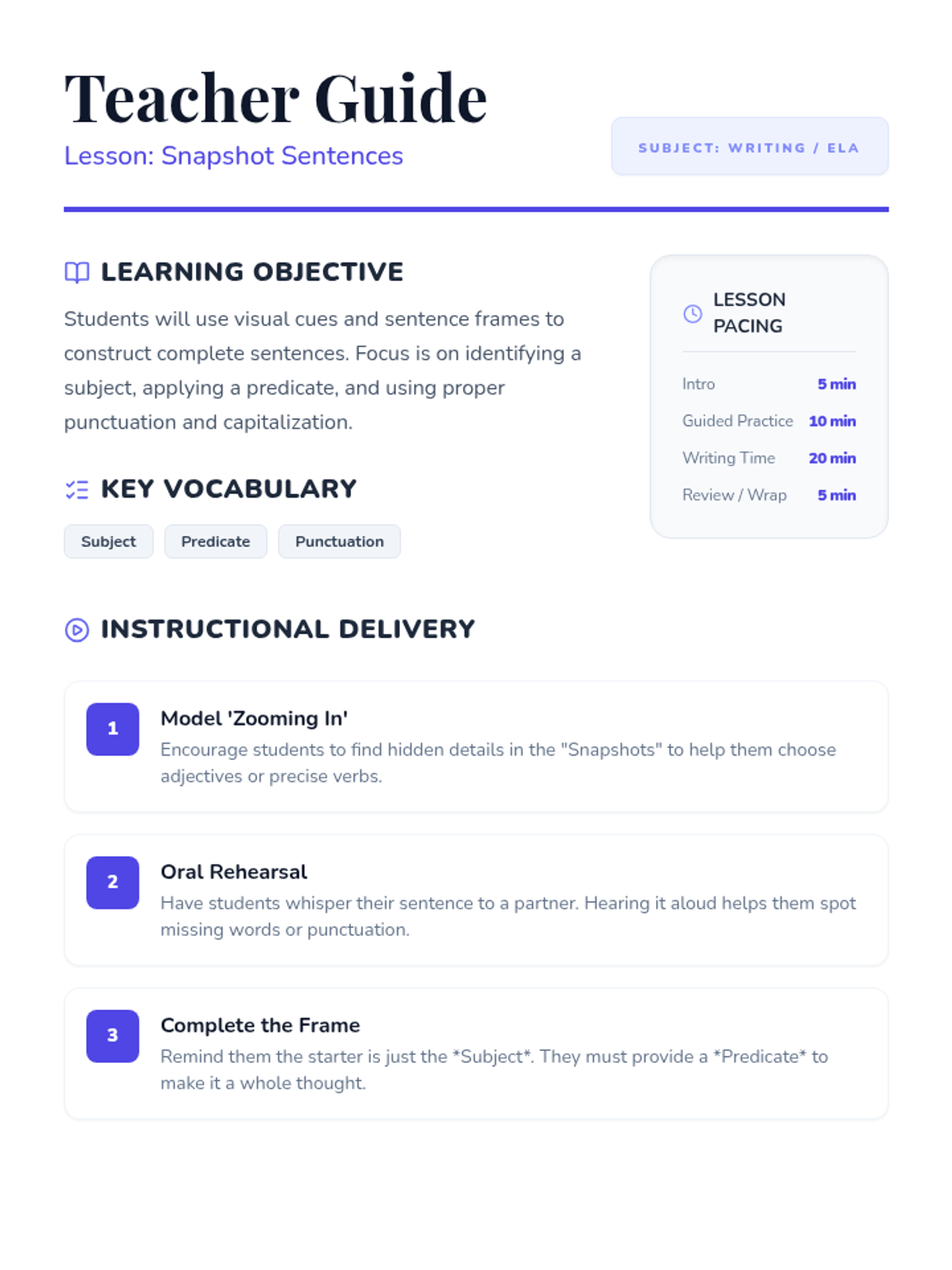
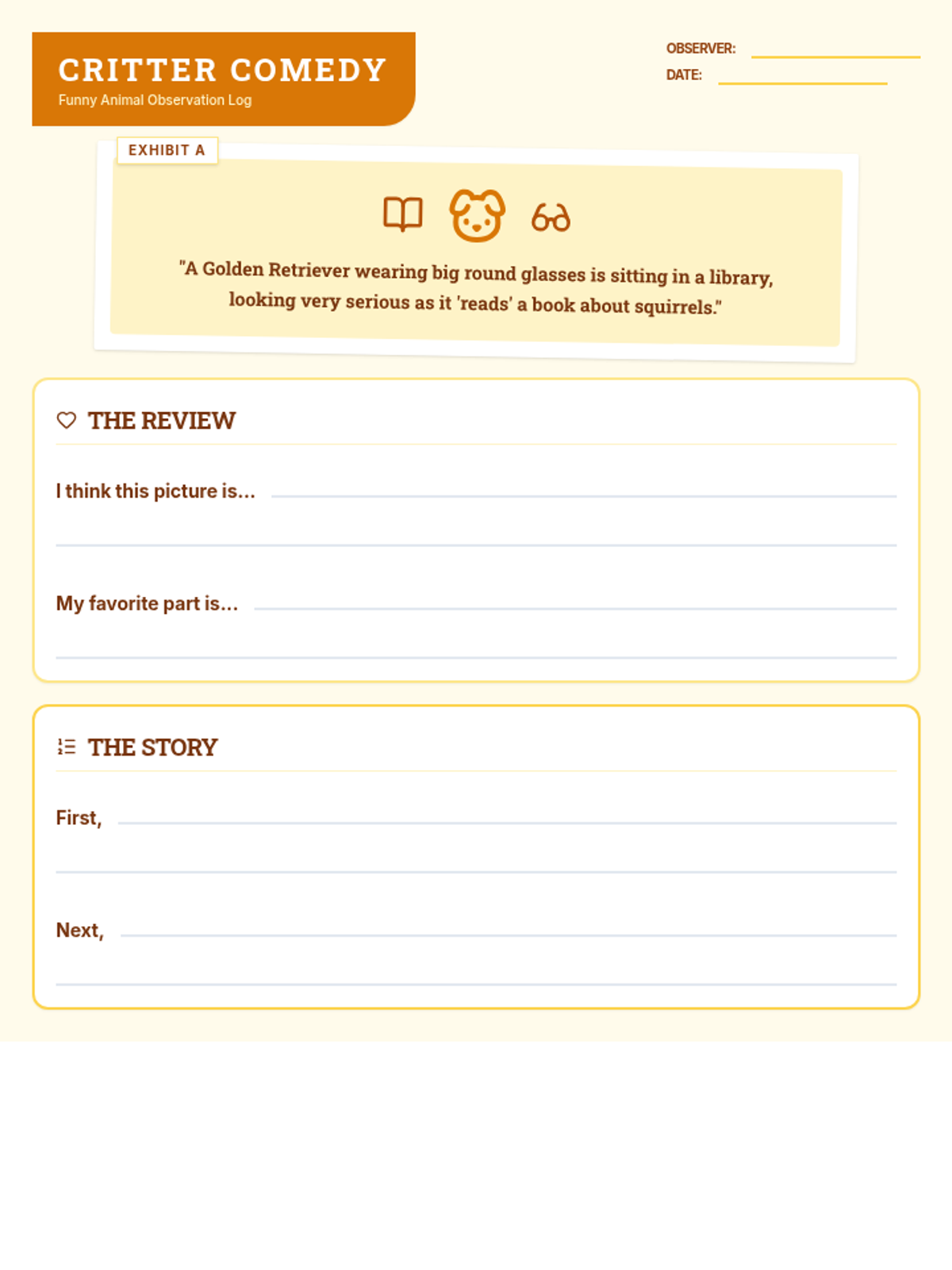
A foundational writing lesson that uses engaging visual prompts and sentence starters to help students construct complete, descriptive sentences. Students observe details in 'snapshots' and use provided frames to ensure their sentences have a clear subject and action.
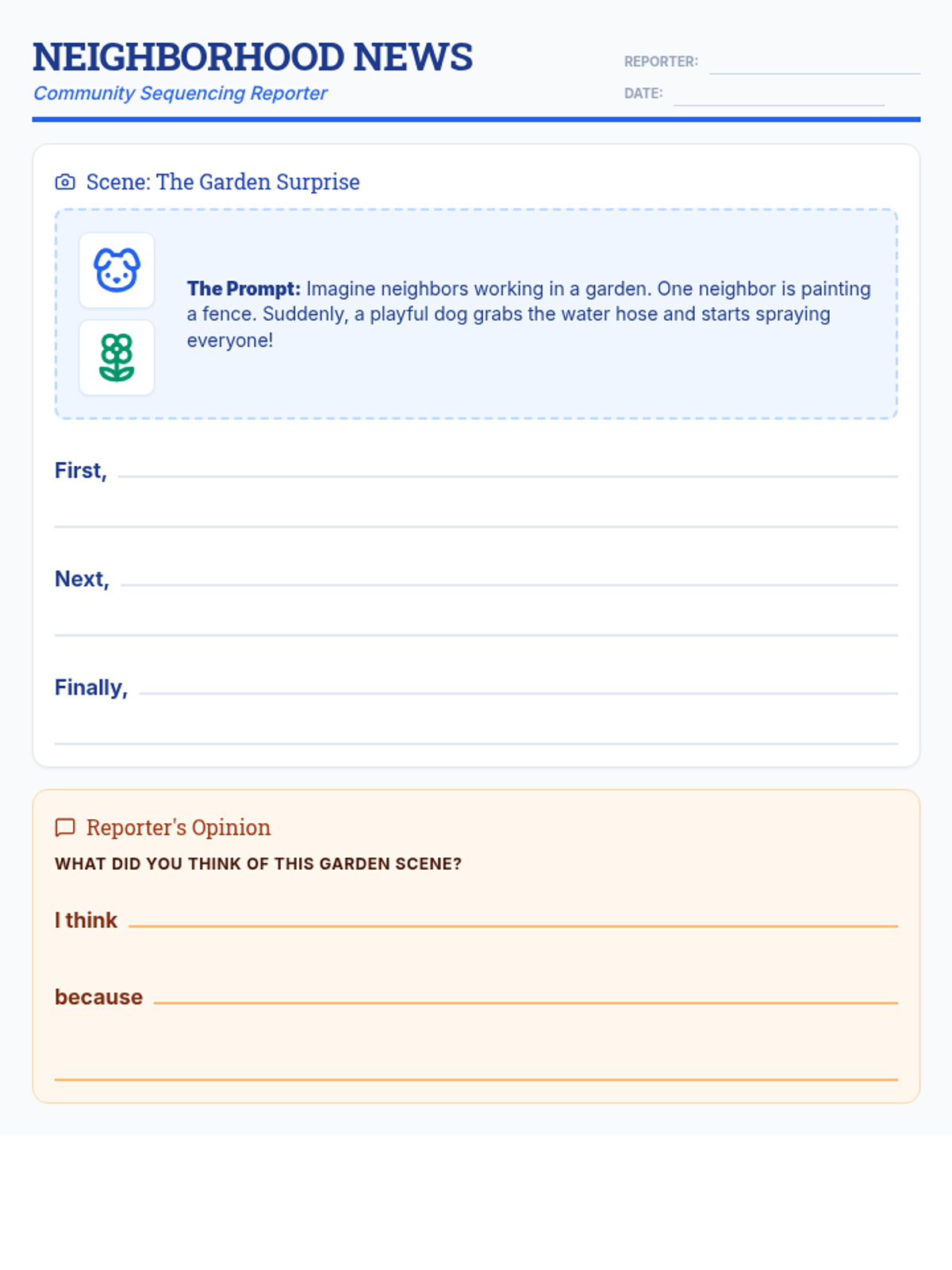
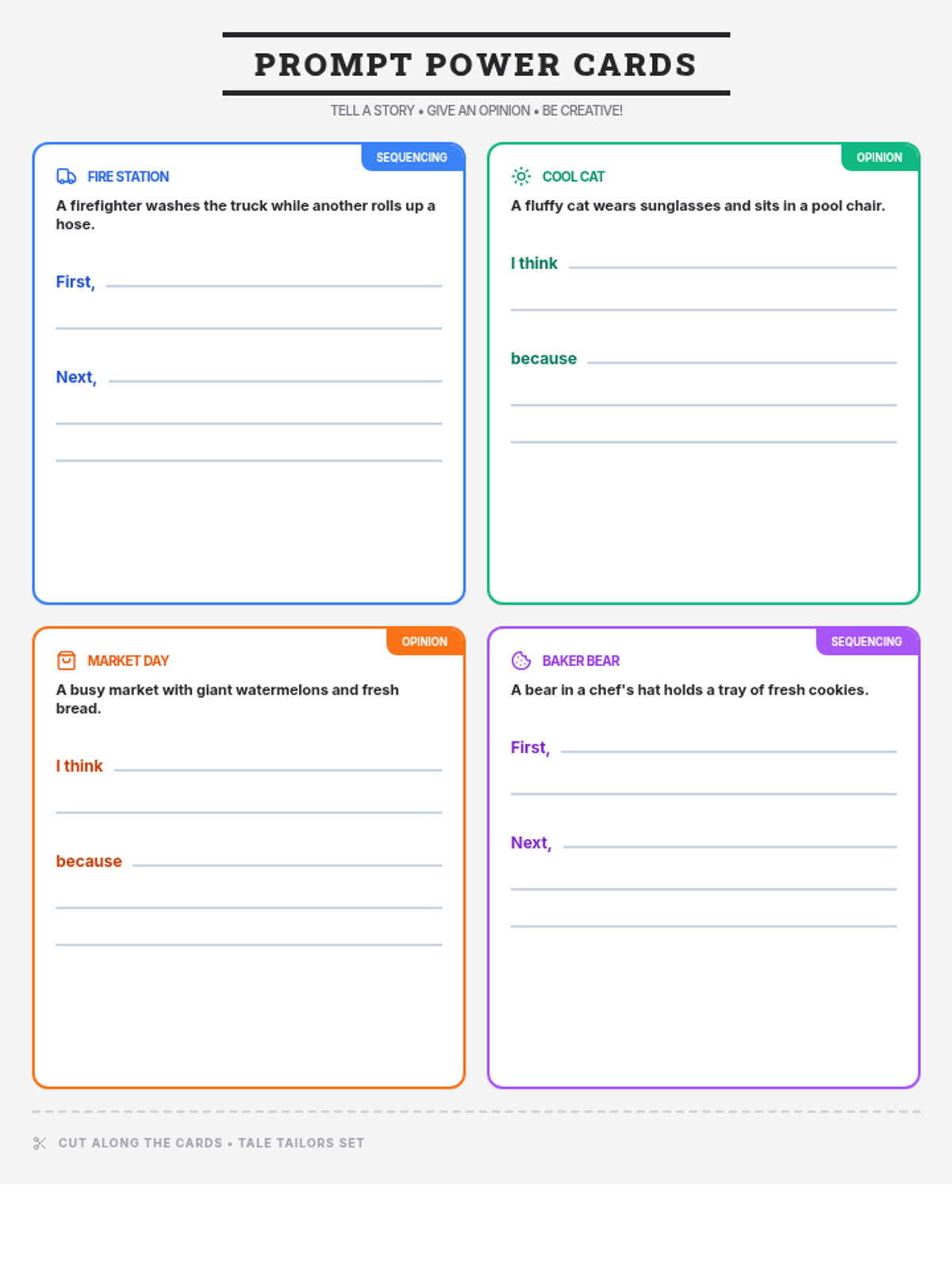
A collection of writing prompts designed to develop narrative sequencing and opinion-based writing skills using community and animal themes.
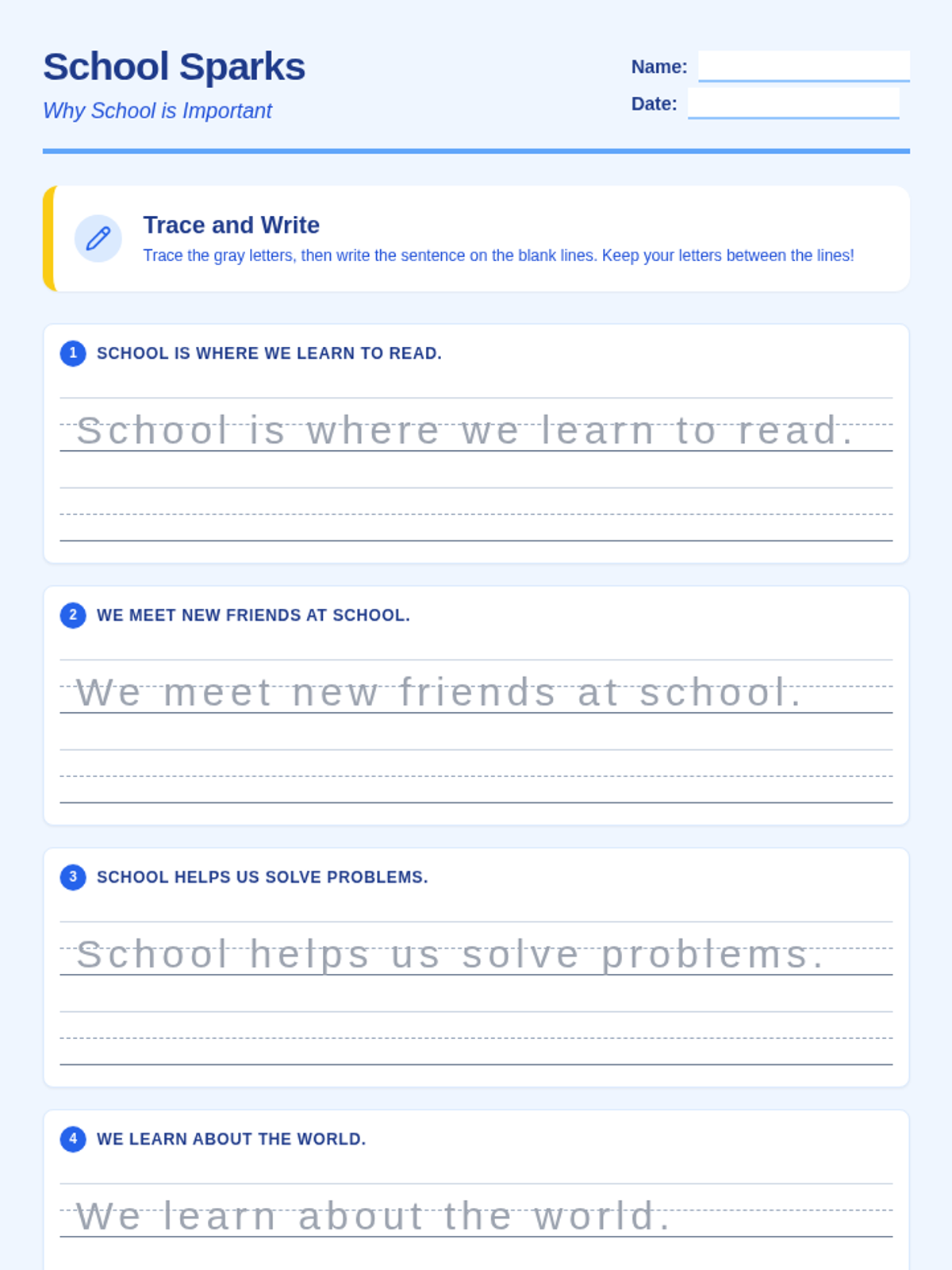
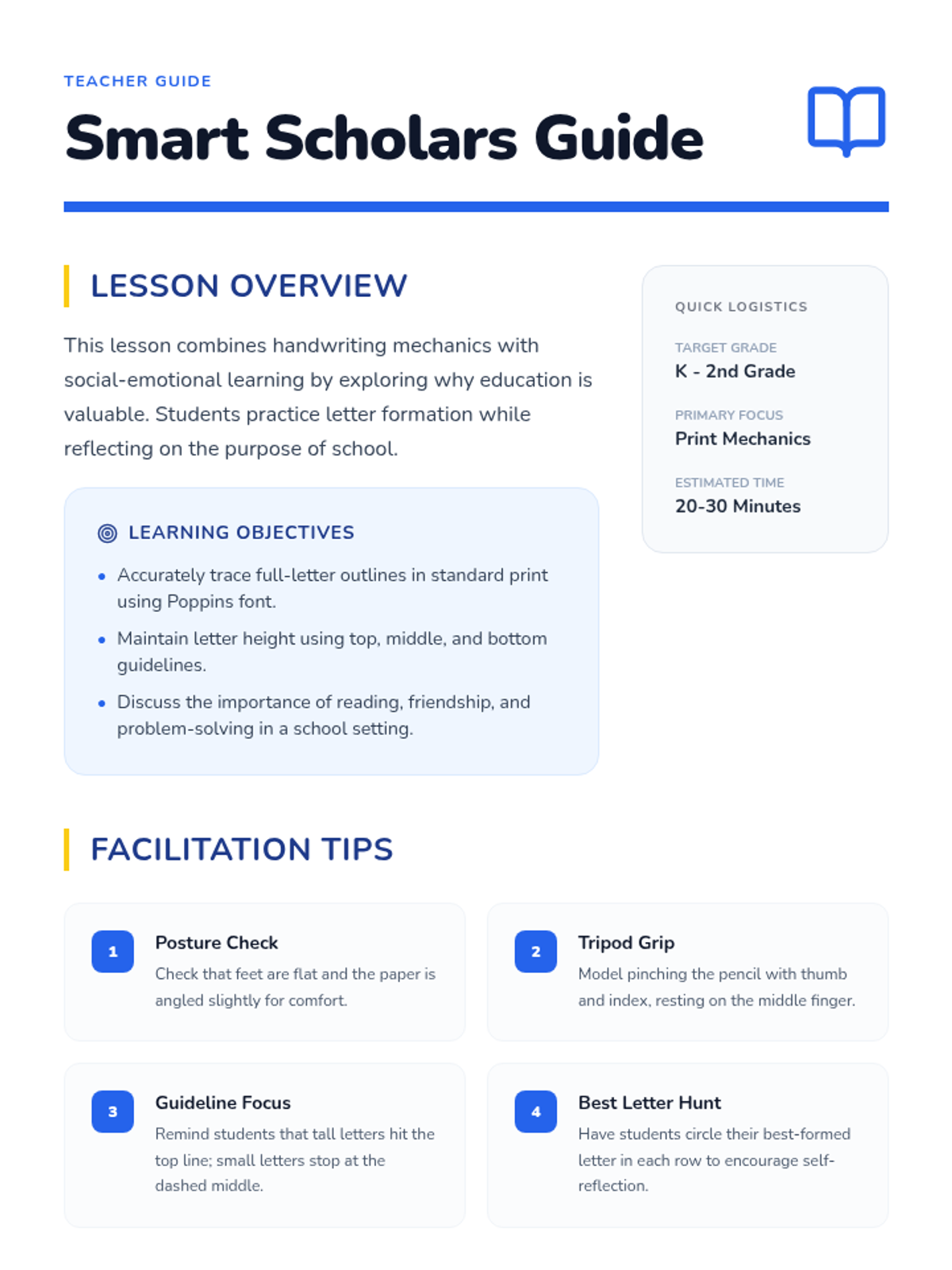
A foundational handwriting lesson focusing on the importance of education, featuring tracing exercises and discussion prompts.