A set of literacy practice materials focusing on the word 'model' and reviewing key vocabulary like information, fact, and topic. Perfect for lower-level learners through tracing, matching, and visual sorting activities.
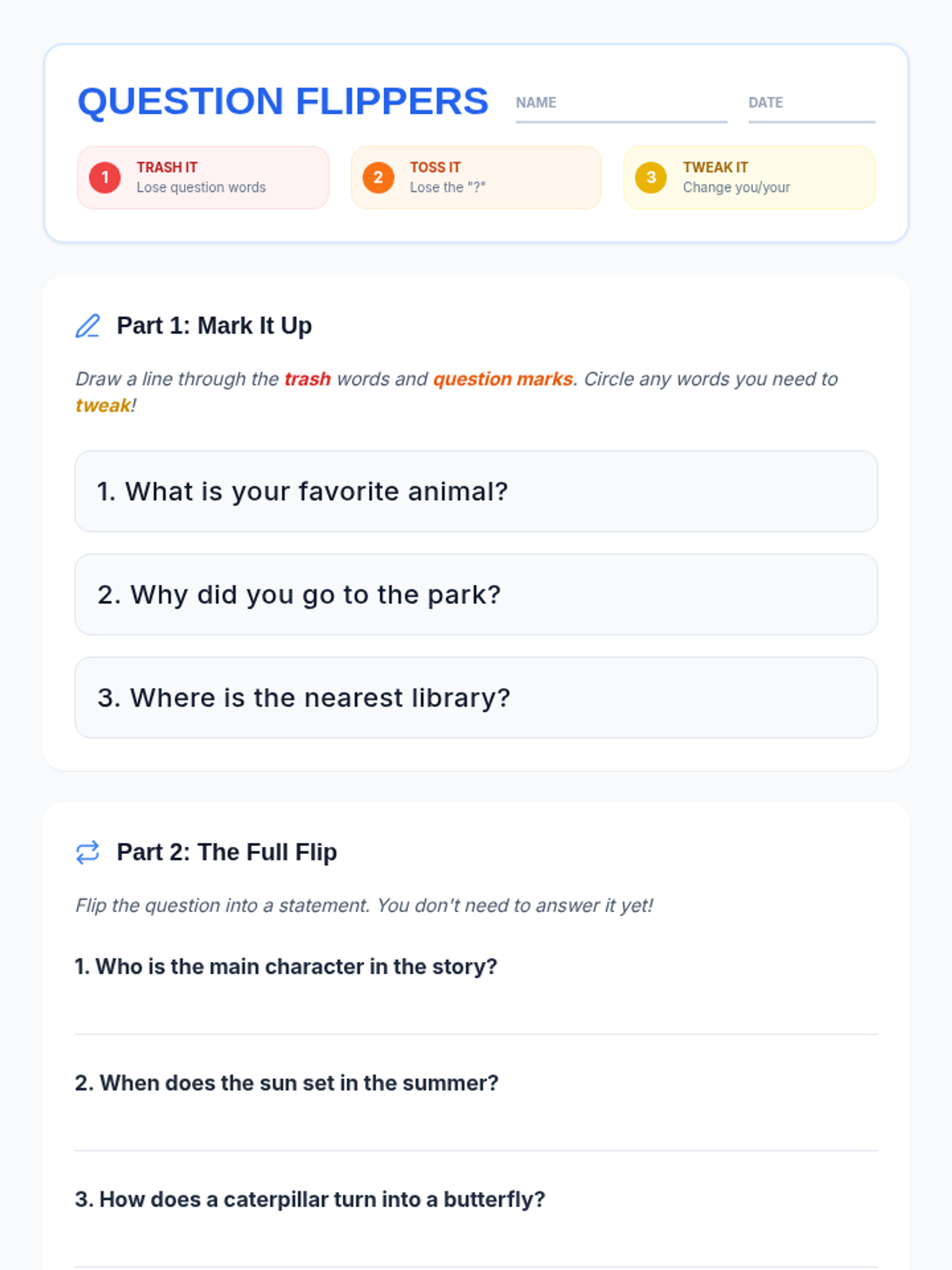
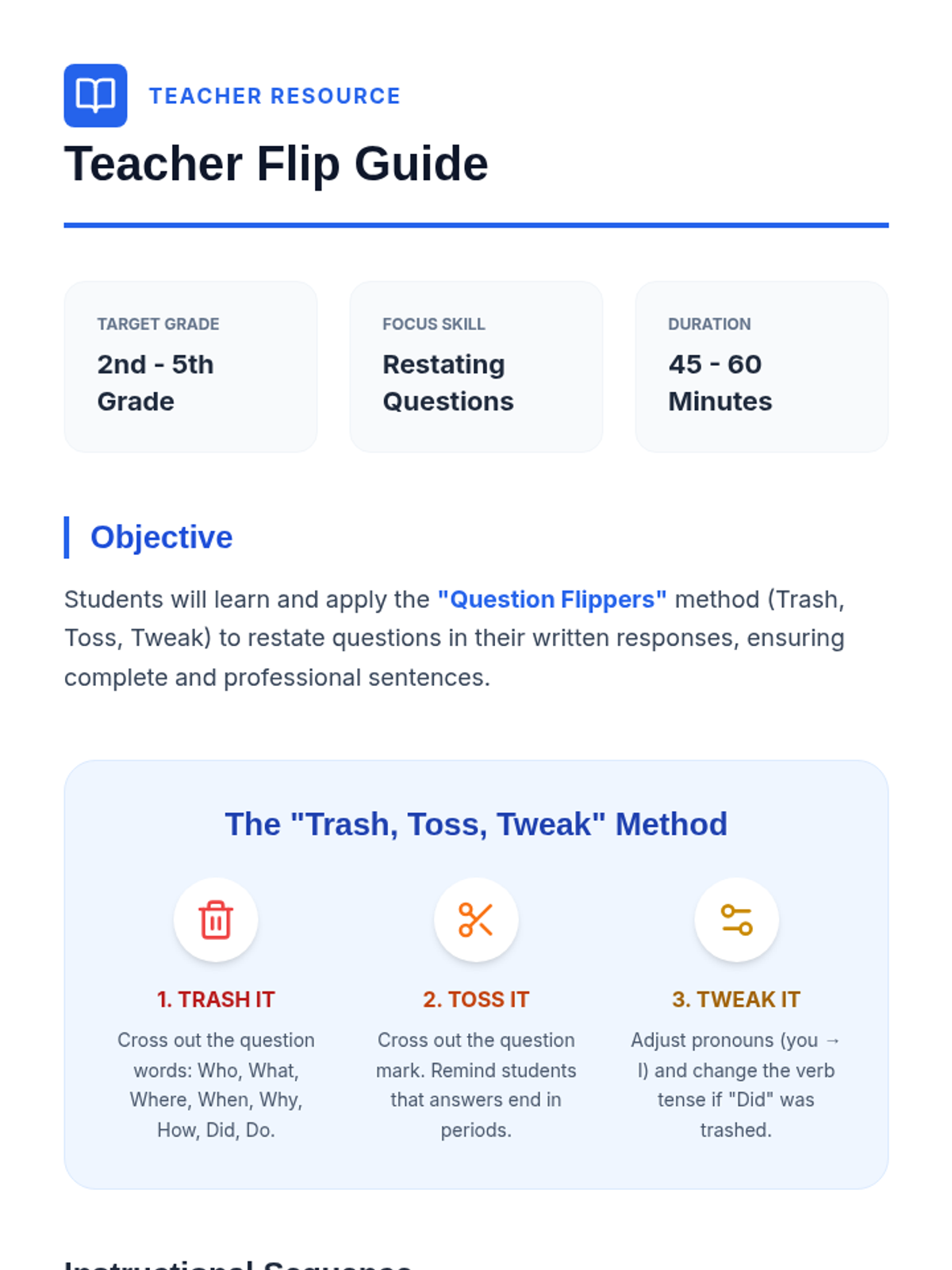
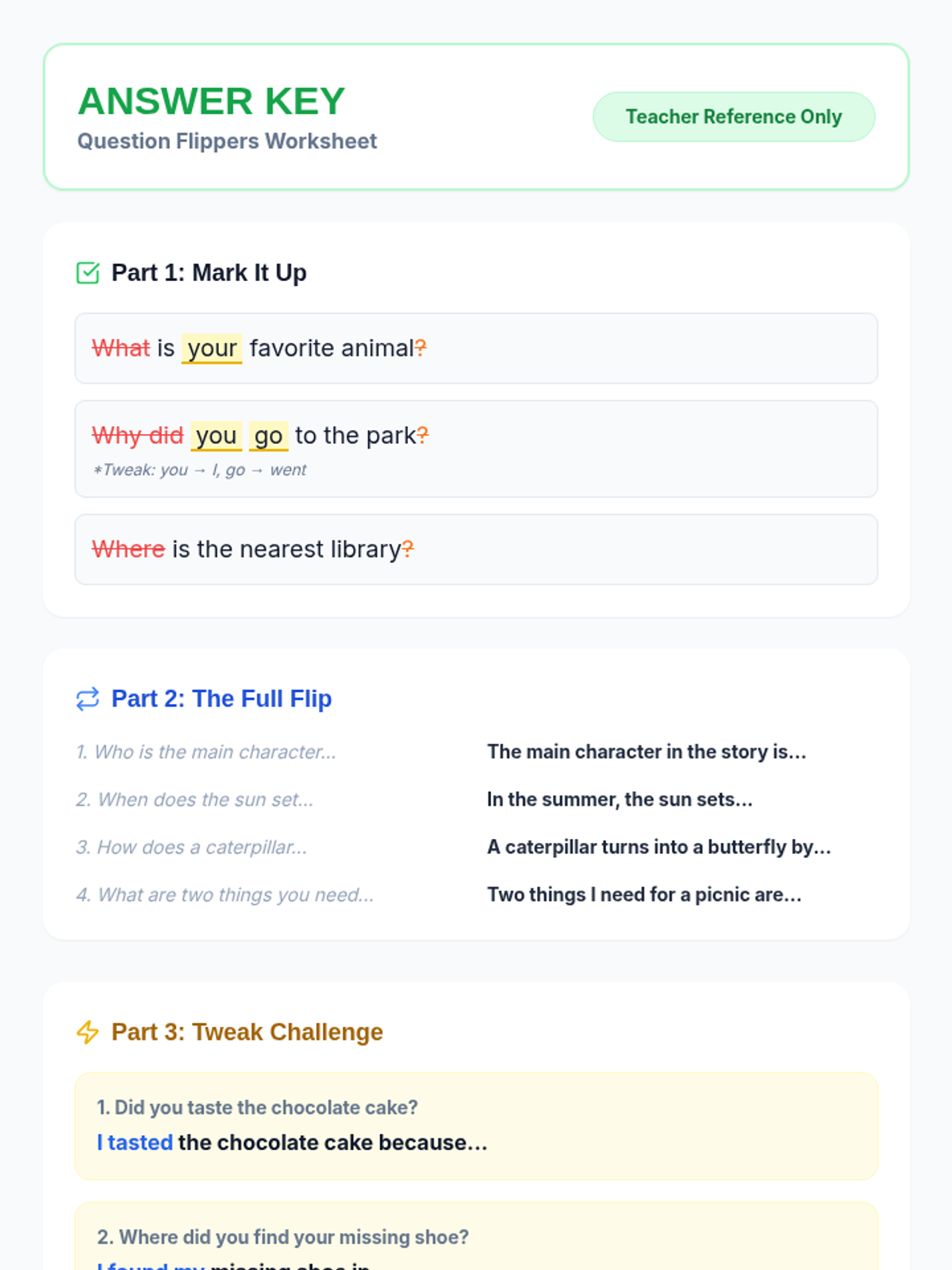
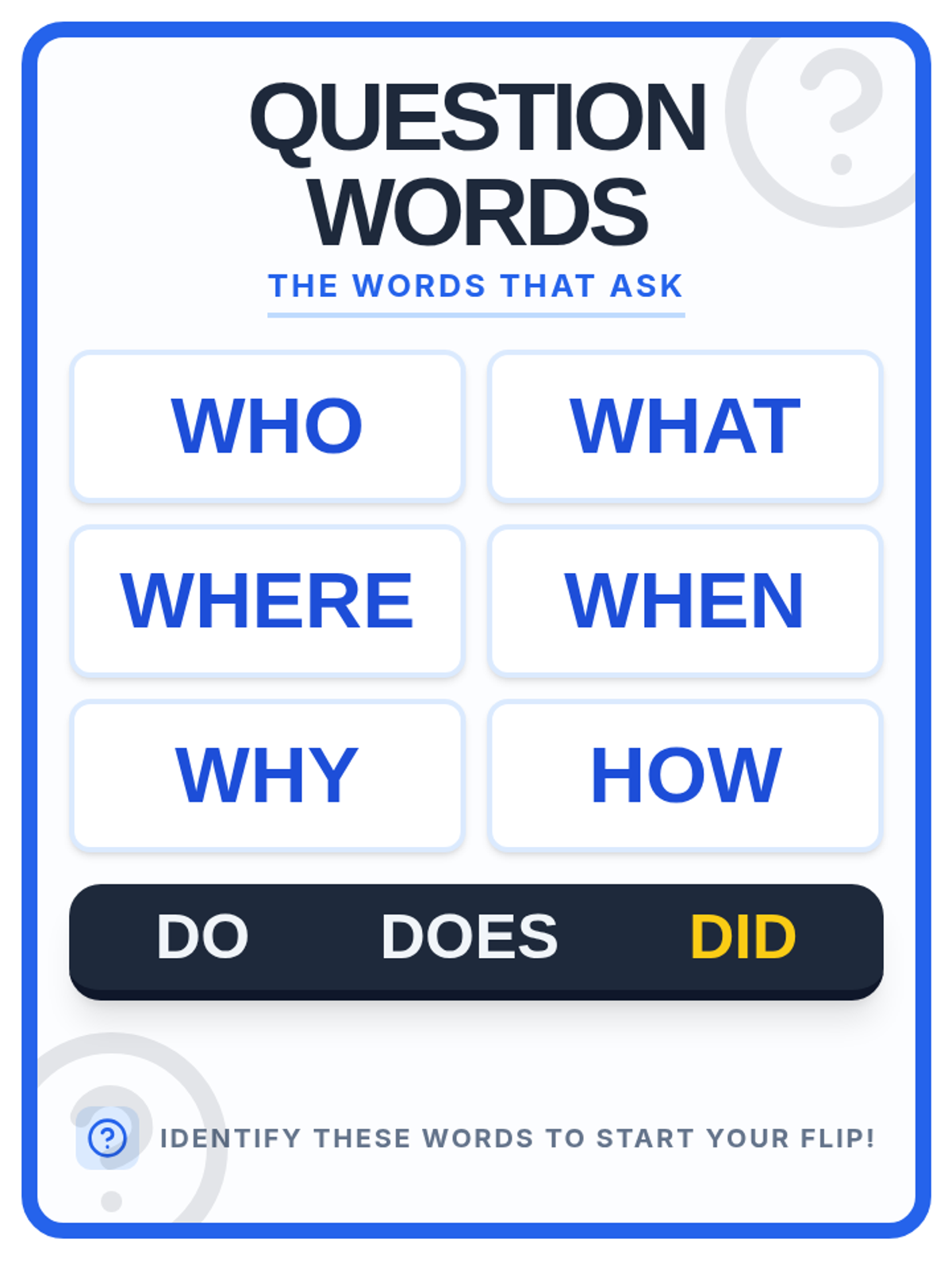
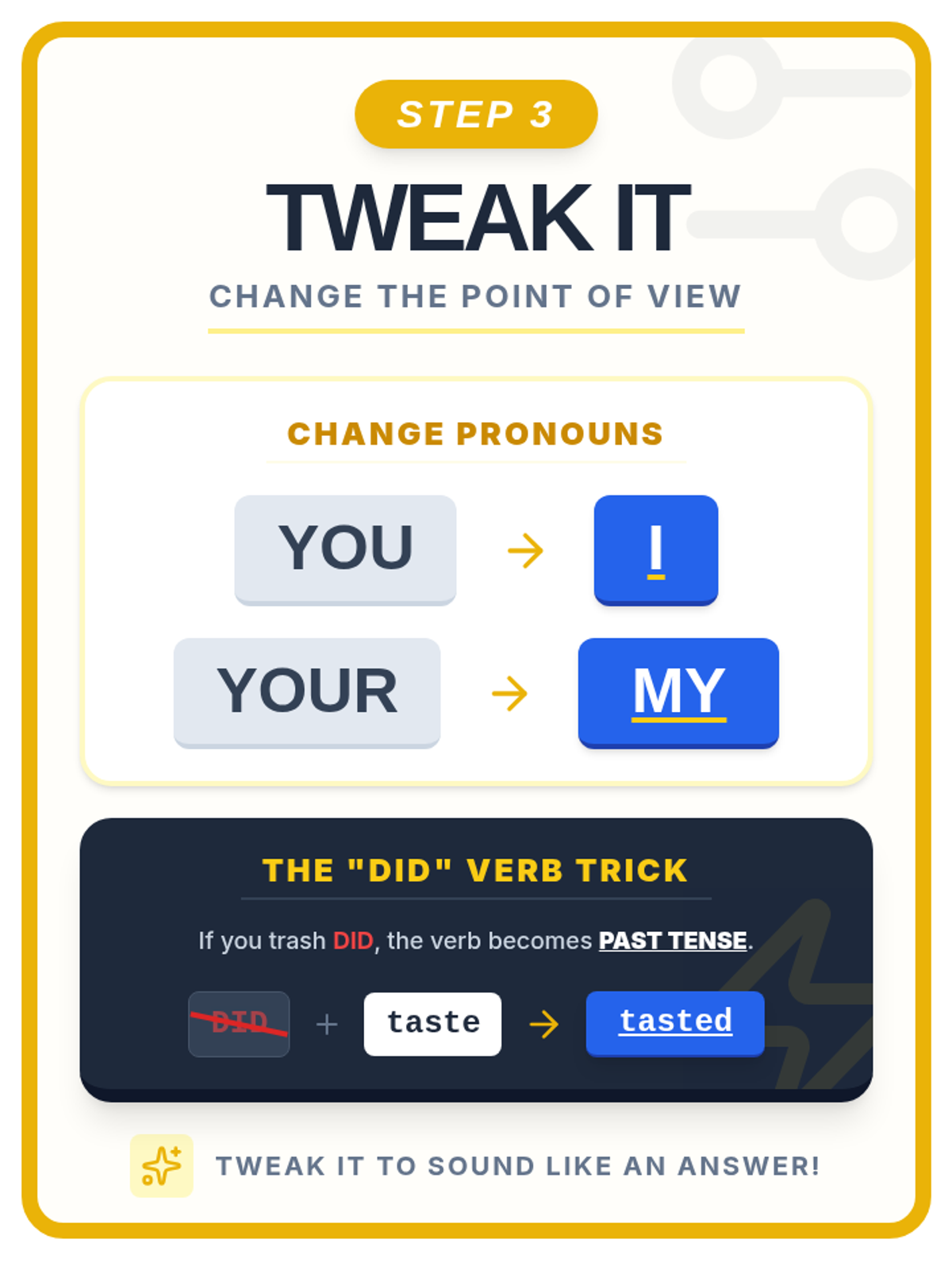
A step-by-step lesson teaching students how to restate a question in their written answers using the "Question Flippers" method: Trash, Toss, and Tweak.
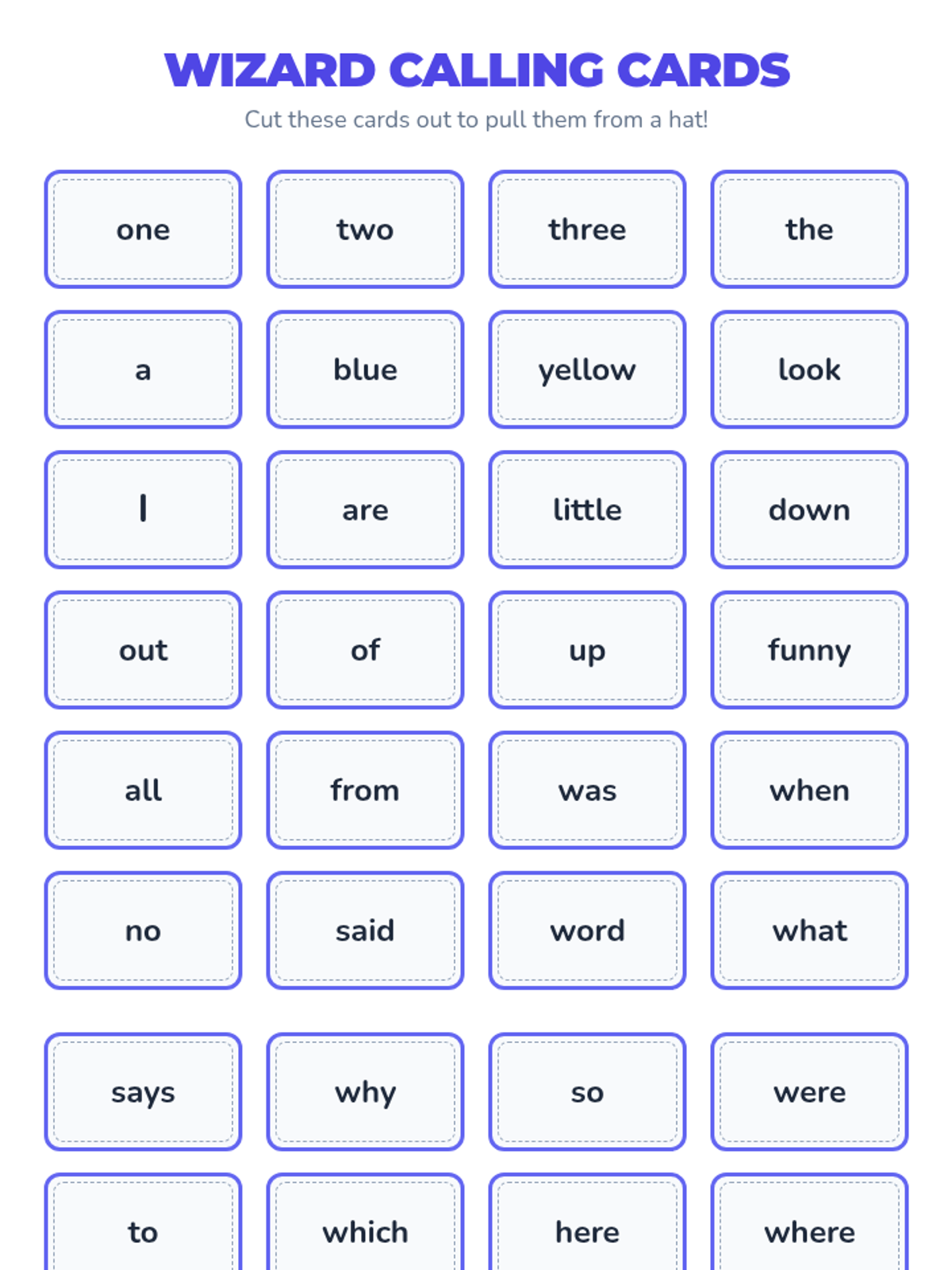
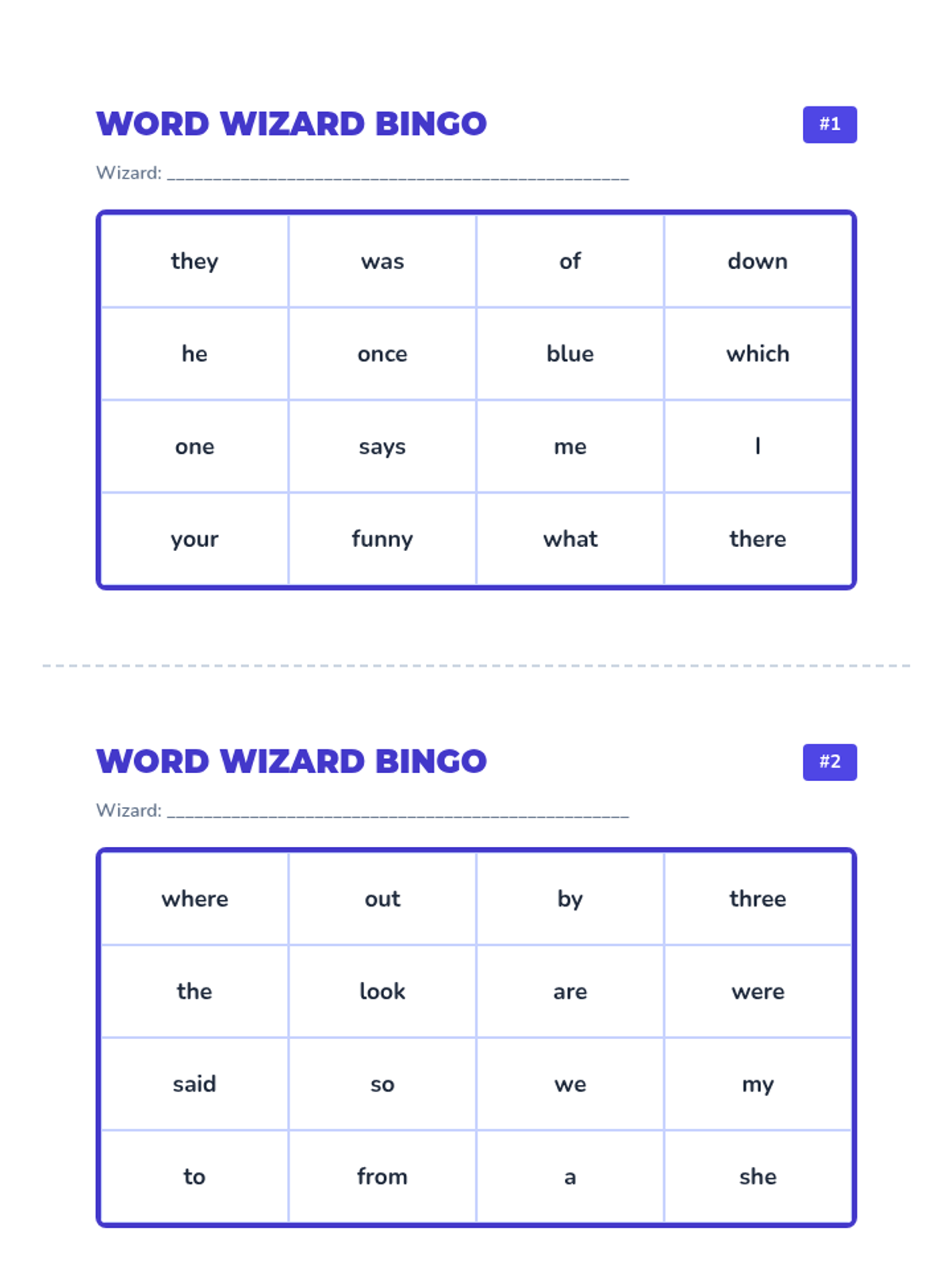
A fun, interactive bingo game designed to help 26 students master 45 high-frequency sight words through play and repetition.
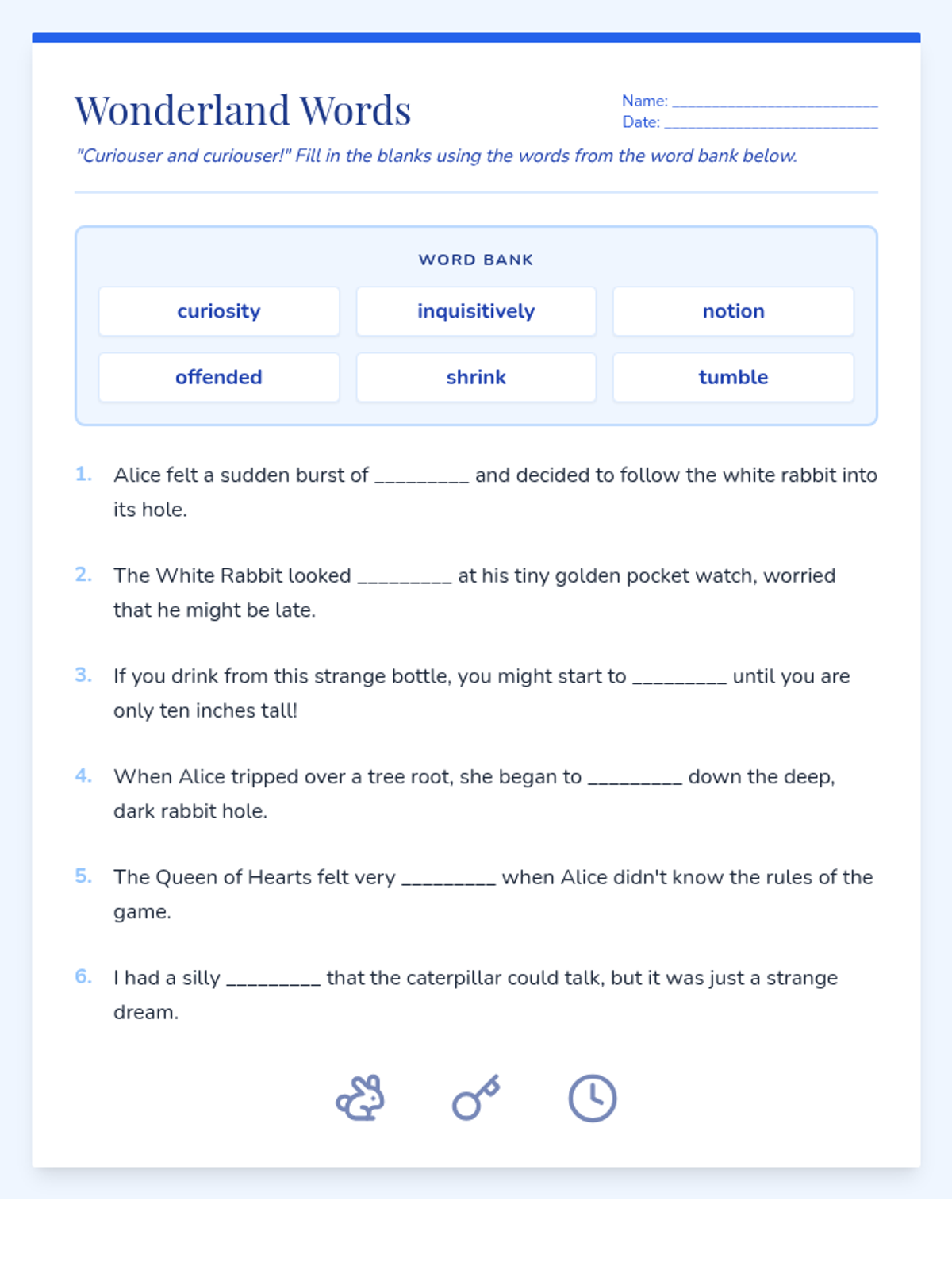
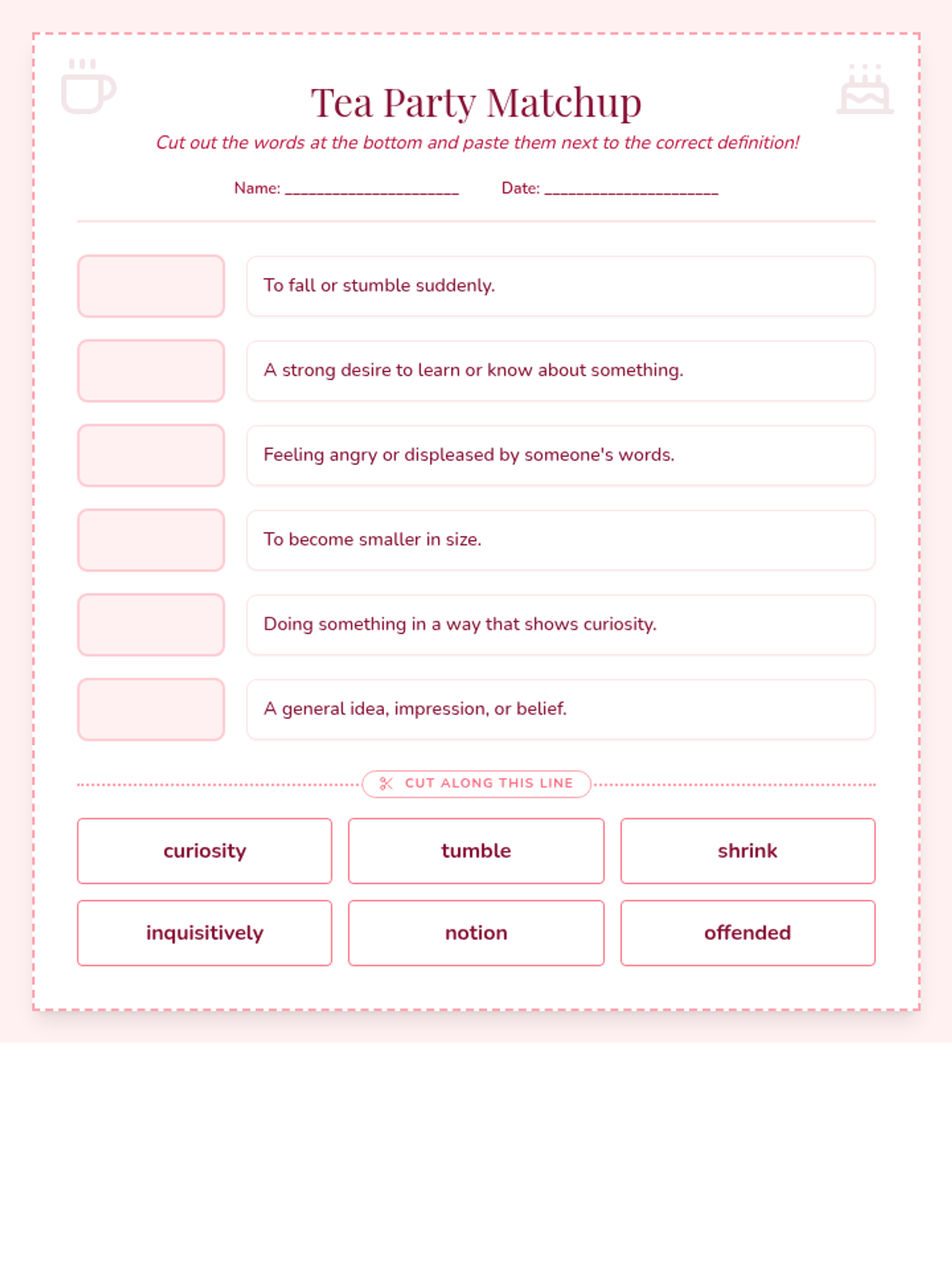
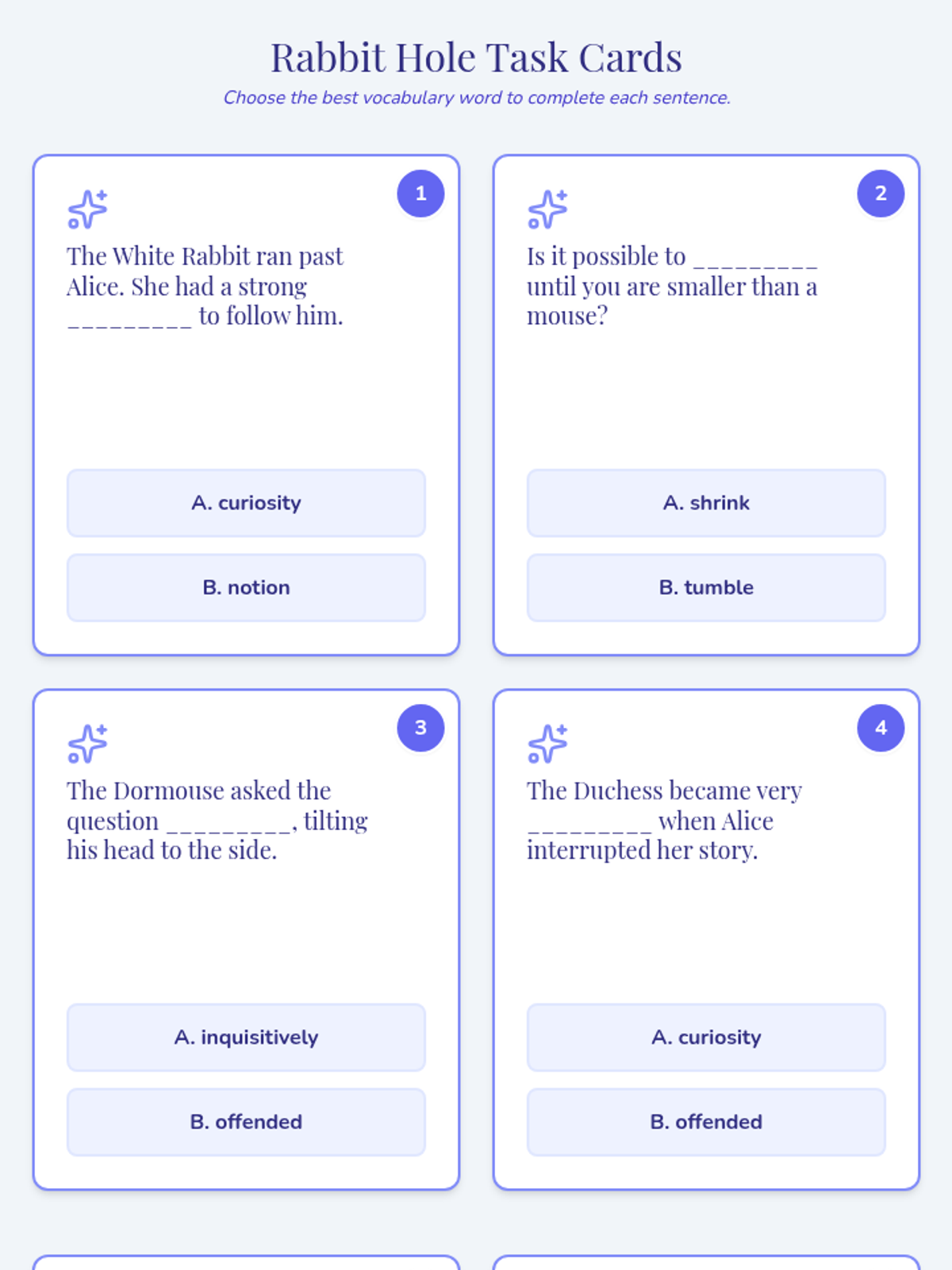
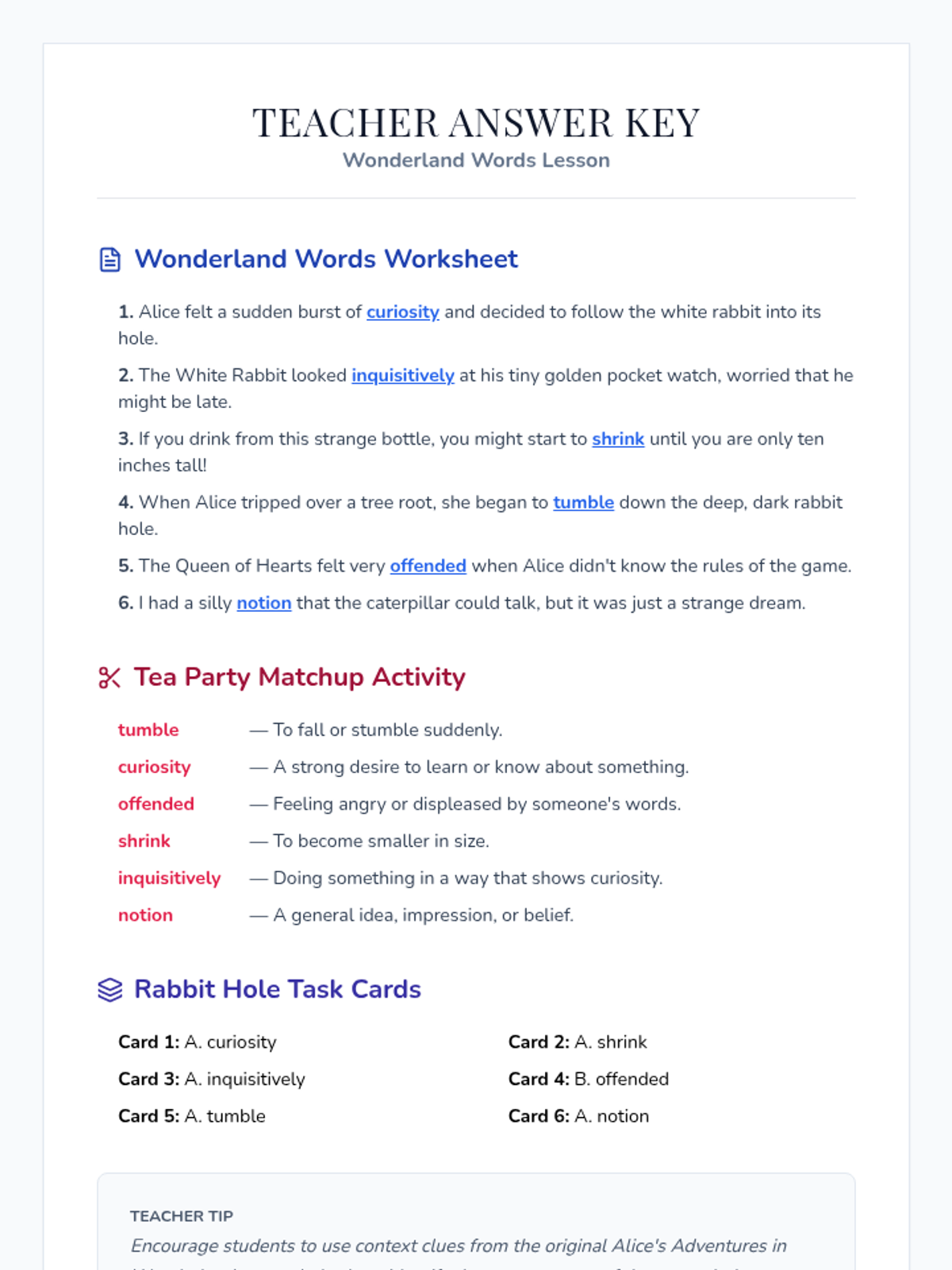
A vocabulary lesson based on words from Alice's Adventures in Wonderland, featuring interactive practice and assessment materials.
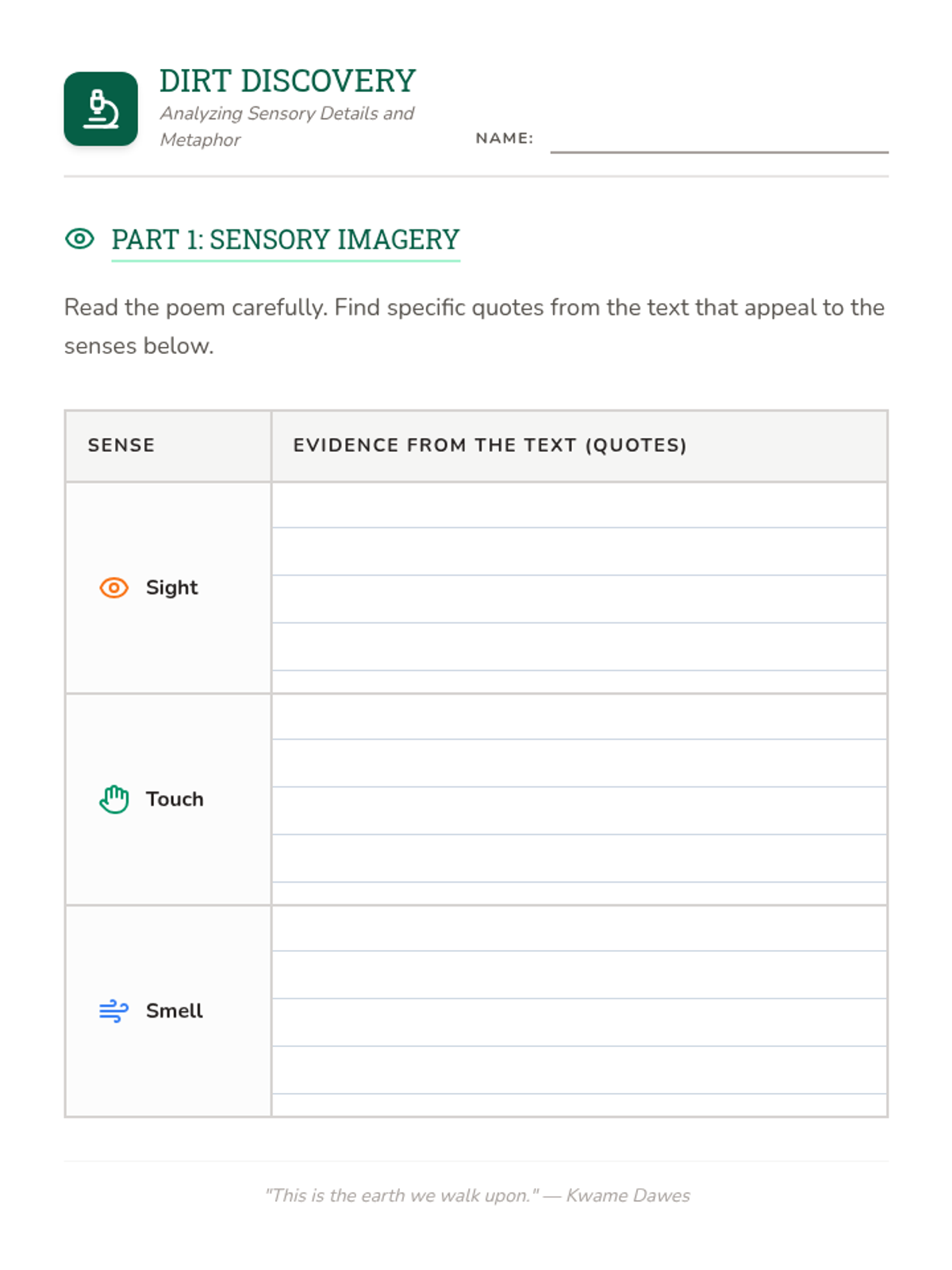
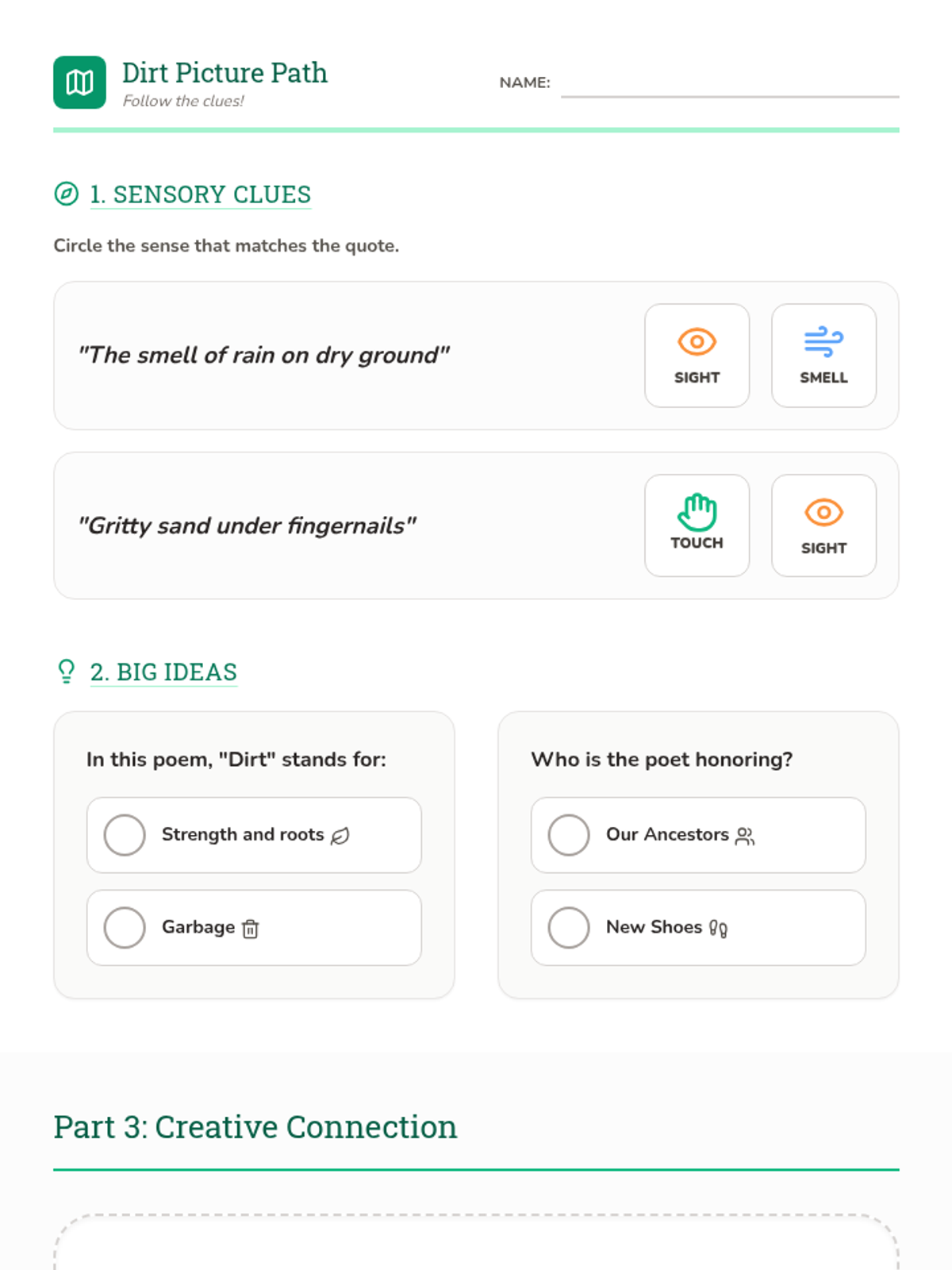
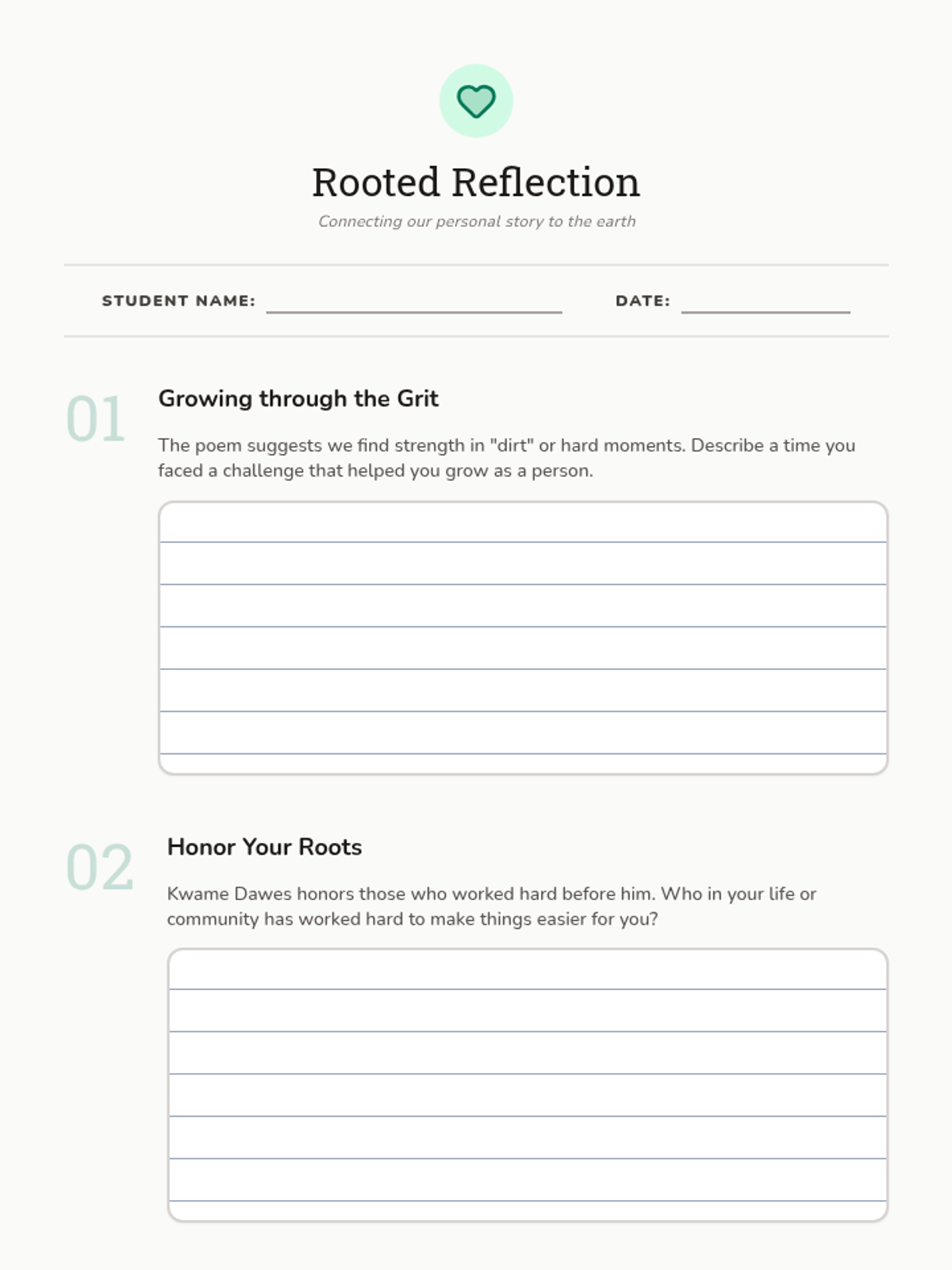
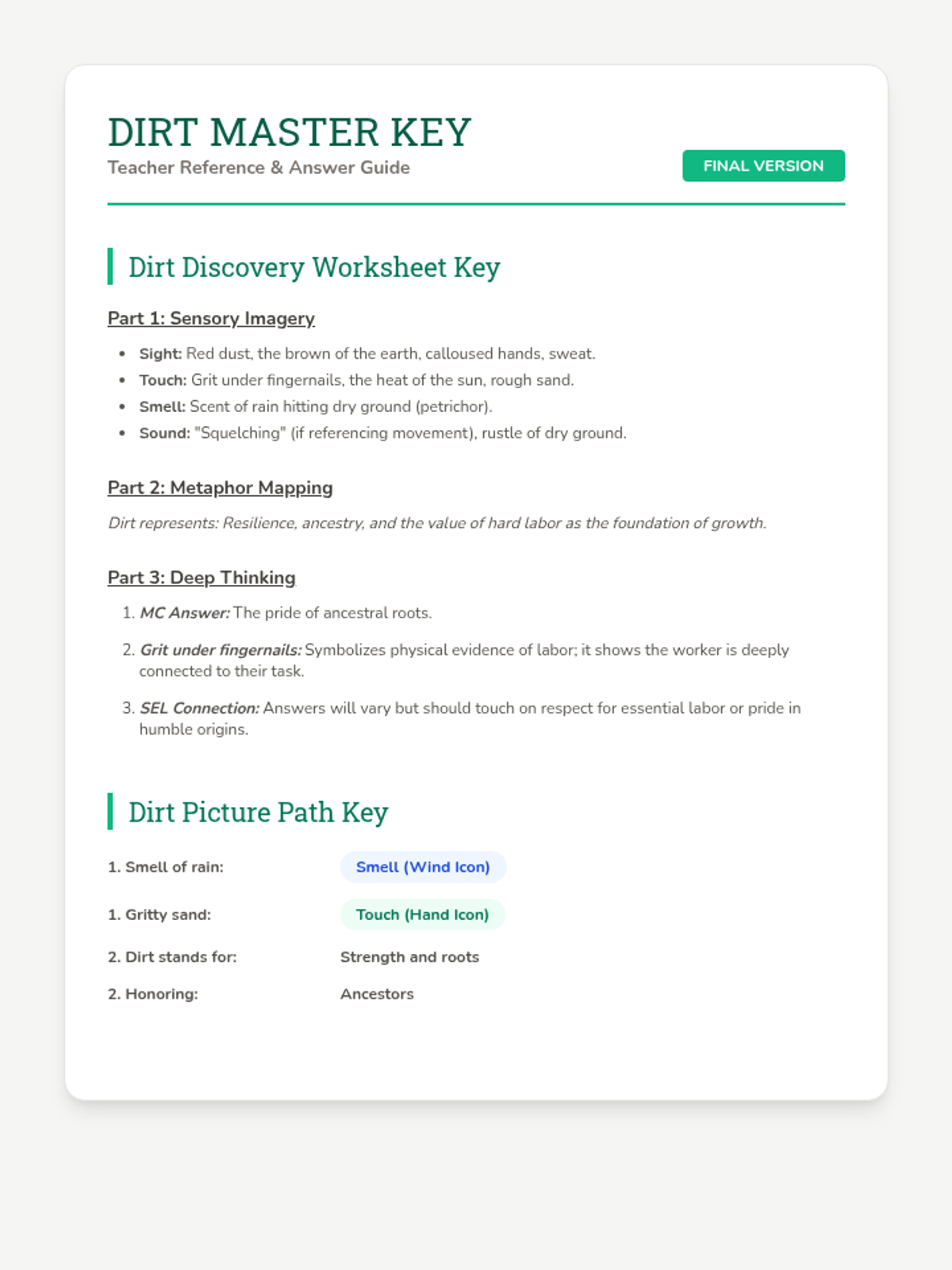
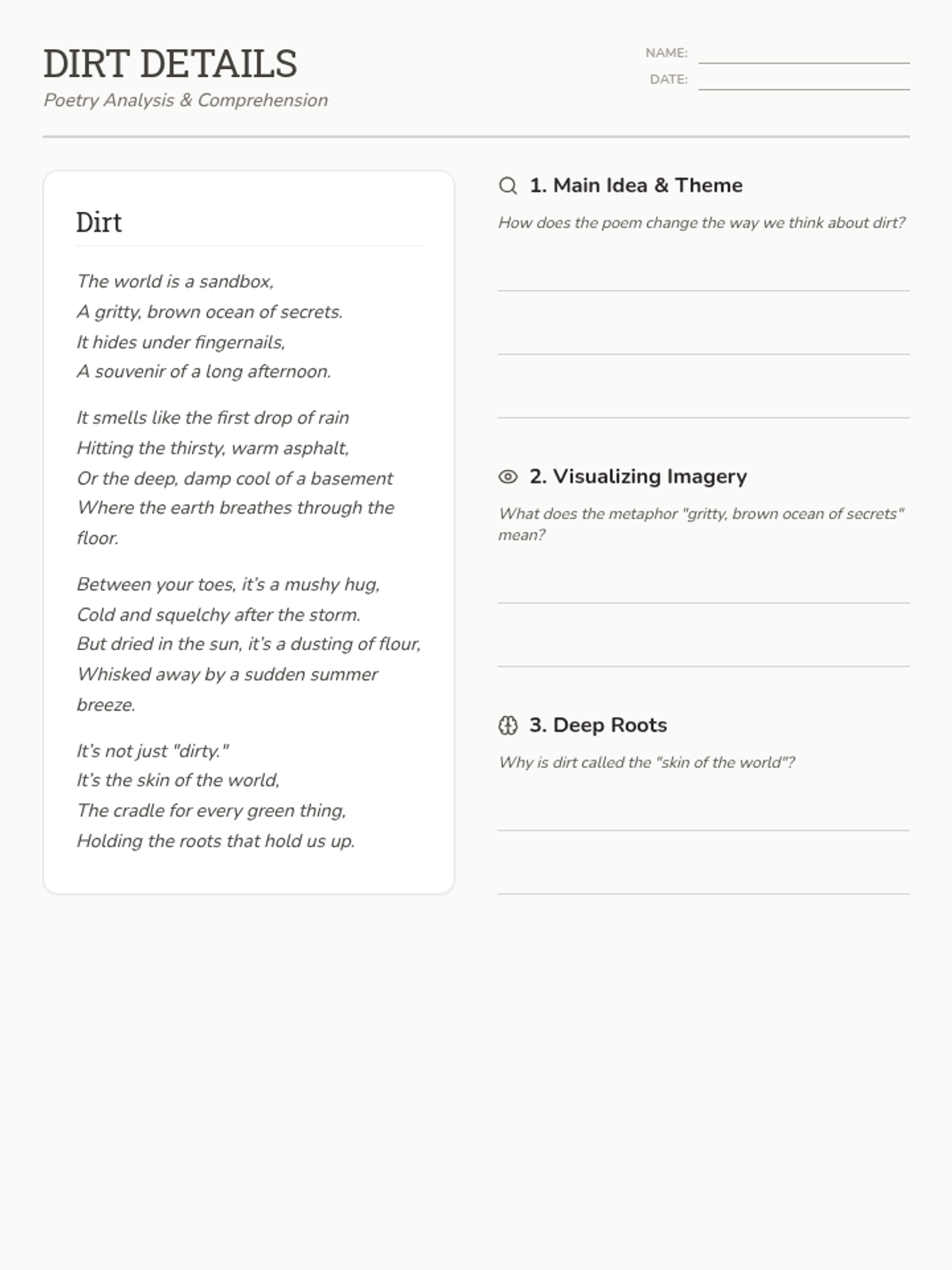
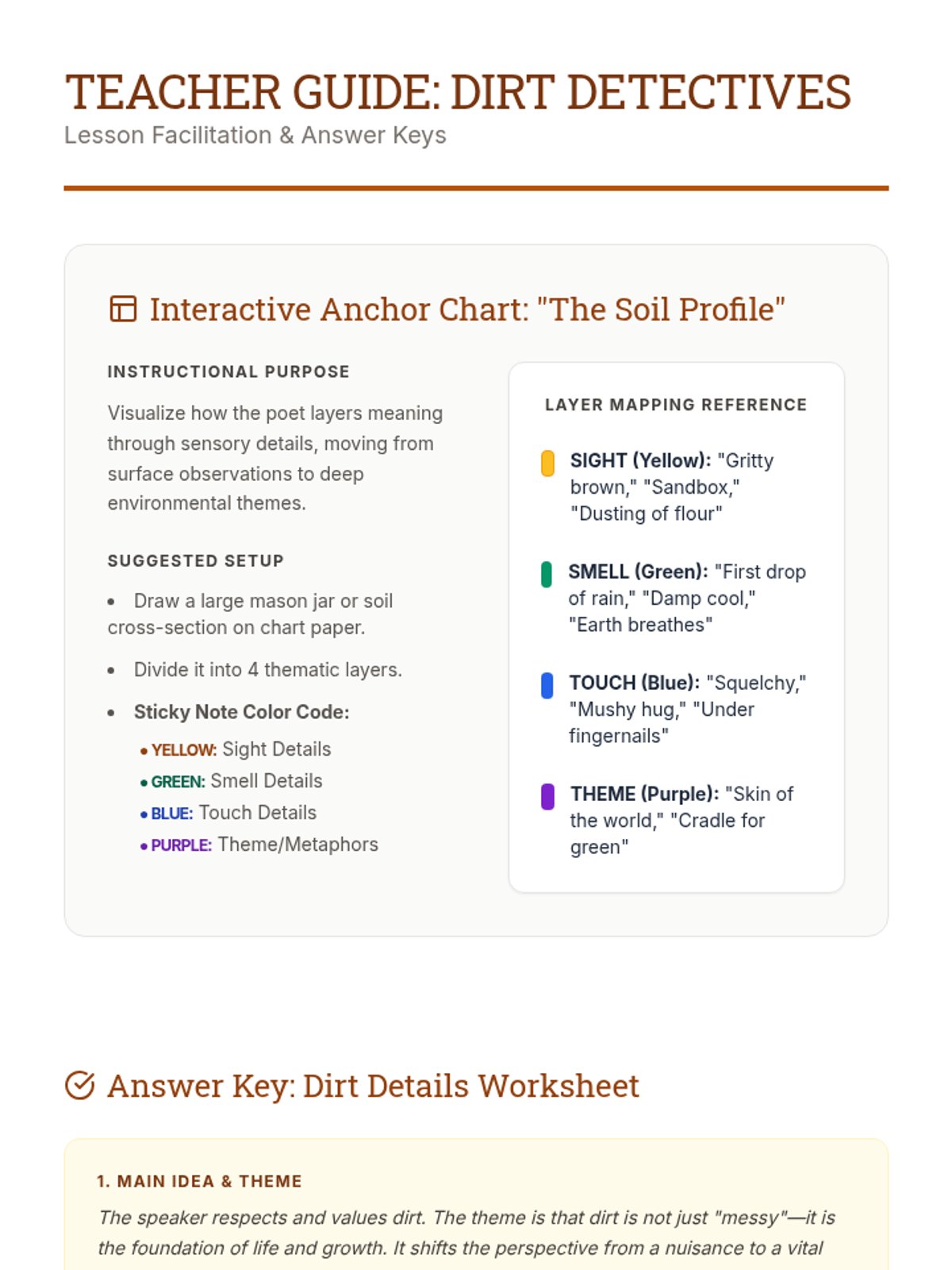
A comprehensive analysis of Kwame Dawes' poem 'Dirt,' focusing on sensory imagery, metaphors, and the social-emotional connections to ancestry and resilience. This lesson includes differentiated materials for varying reading levels.
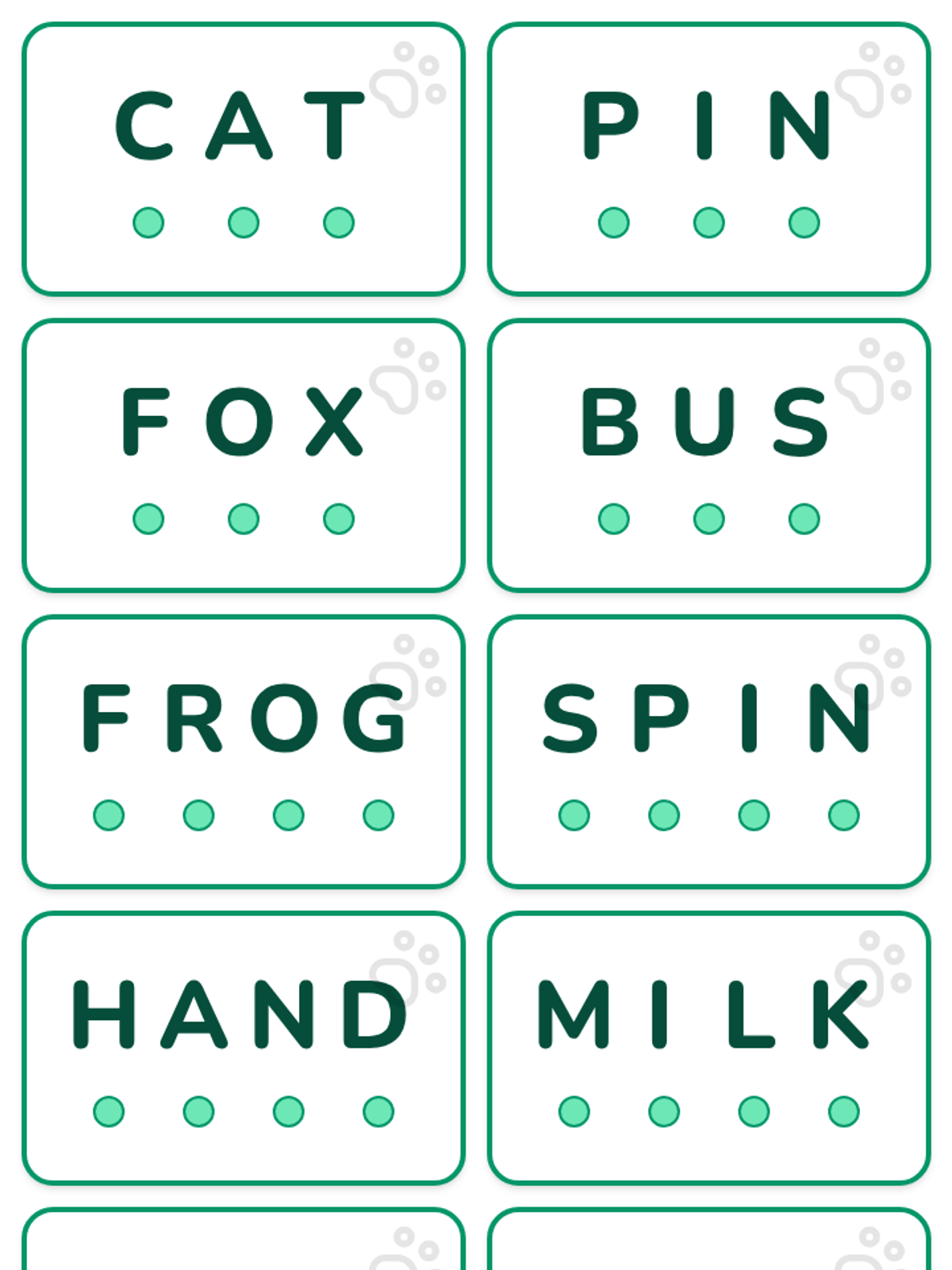
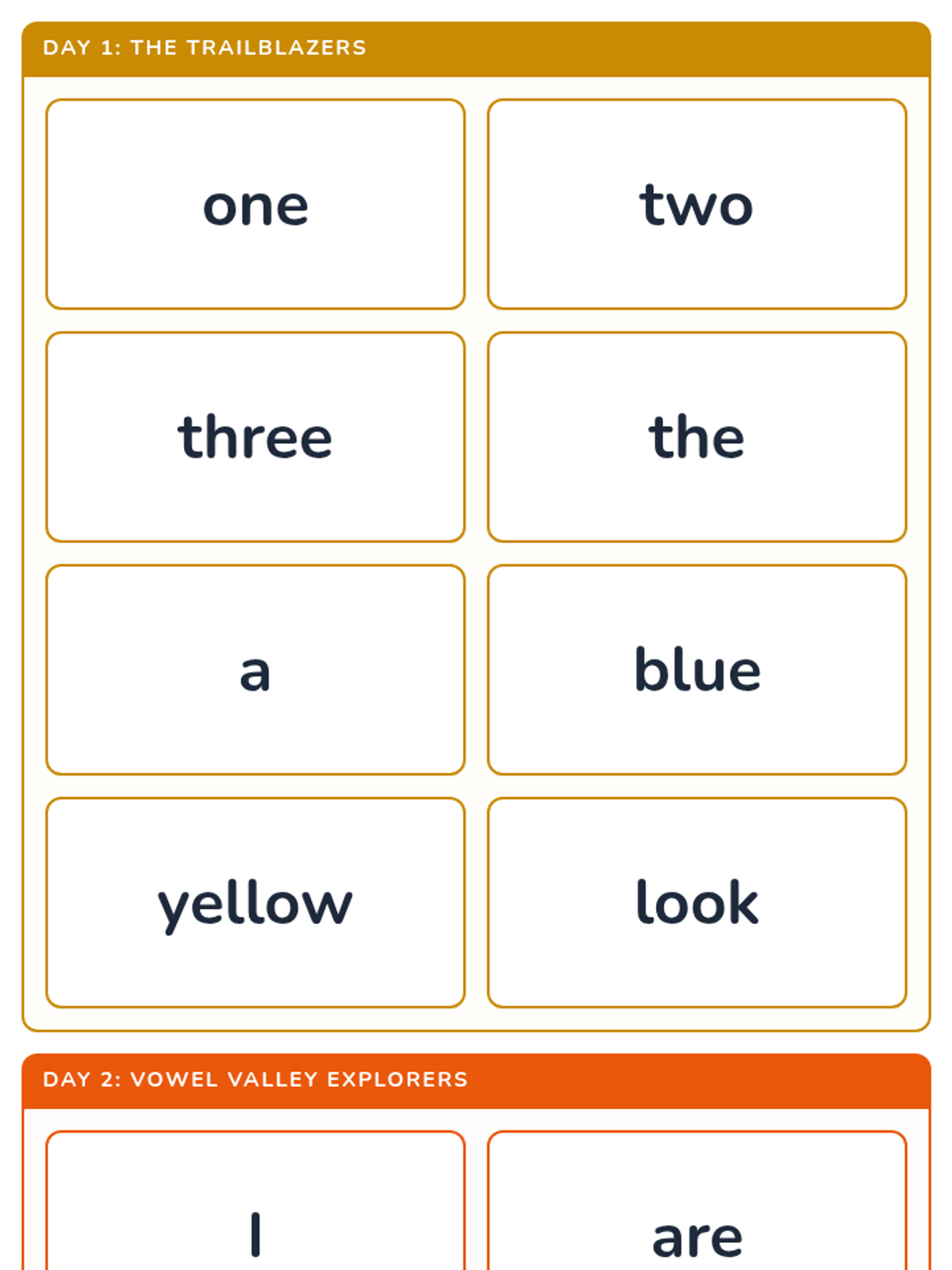
Visual aids for students to practice decoding short vowel words and recognizing high-frequency sight words.
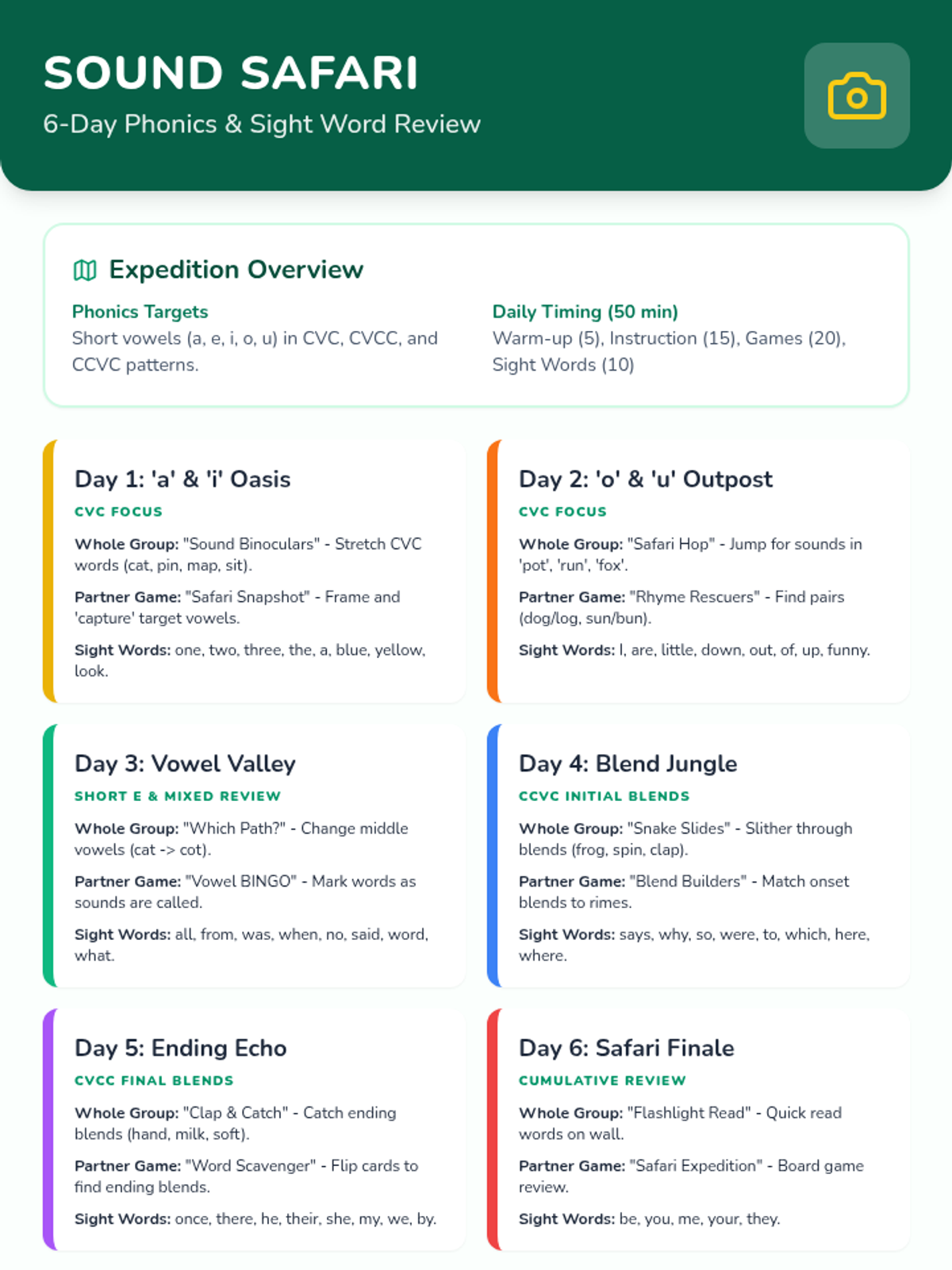
A 6-day comprehensive guide for teachers to lead a 50-minute daily phonics and sight word review block.
A sensory-focused exploration of the poem 'Dirt', focusing on identifying themes and mapping sensory imagery through interactive activities.
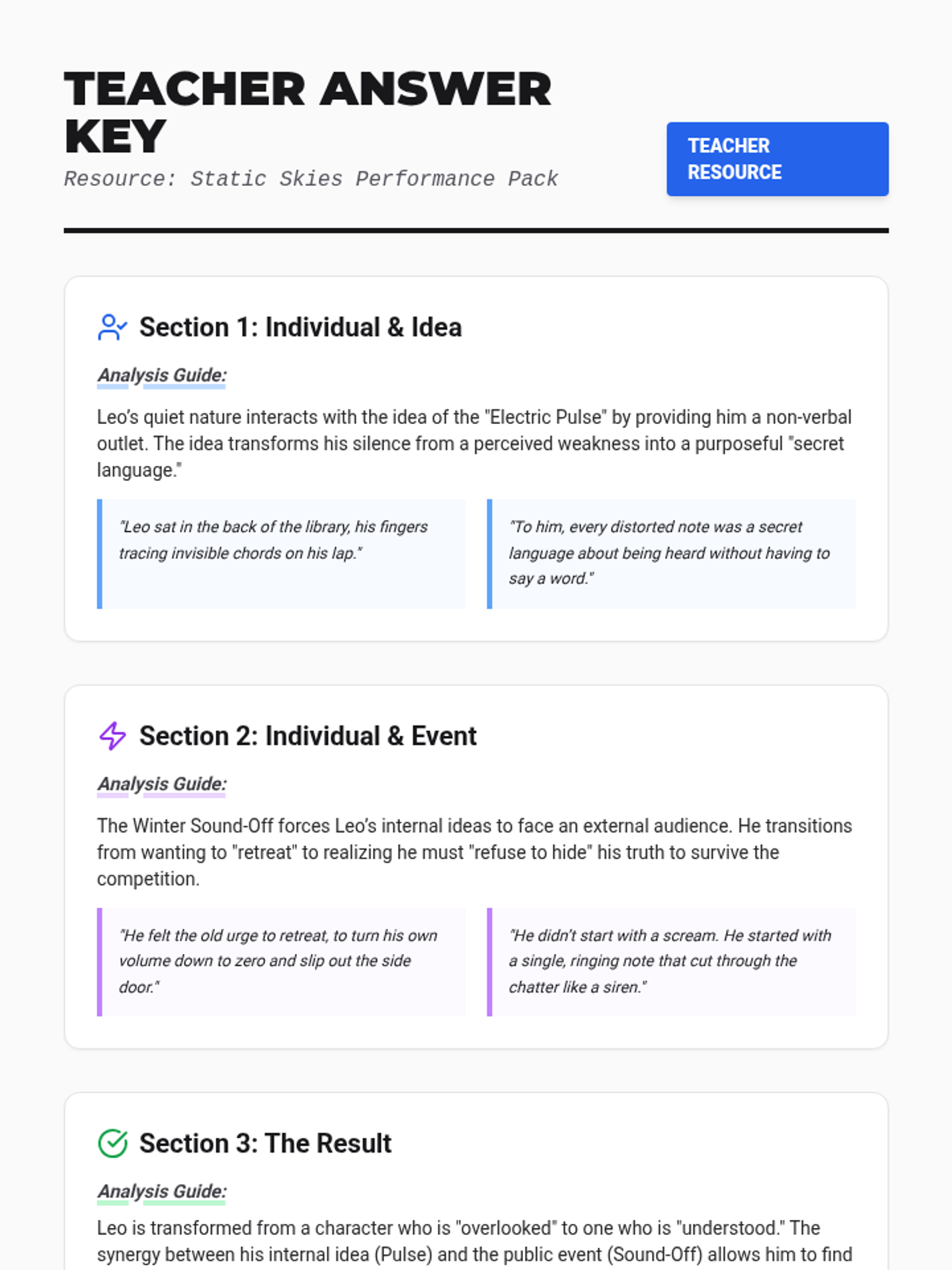
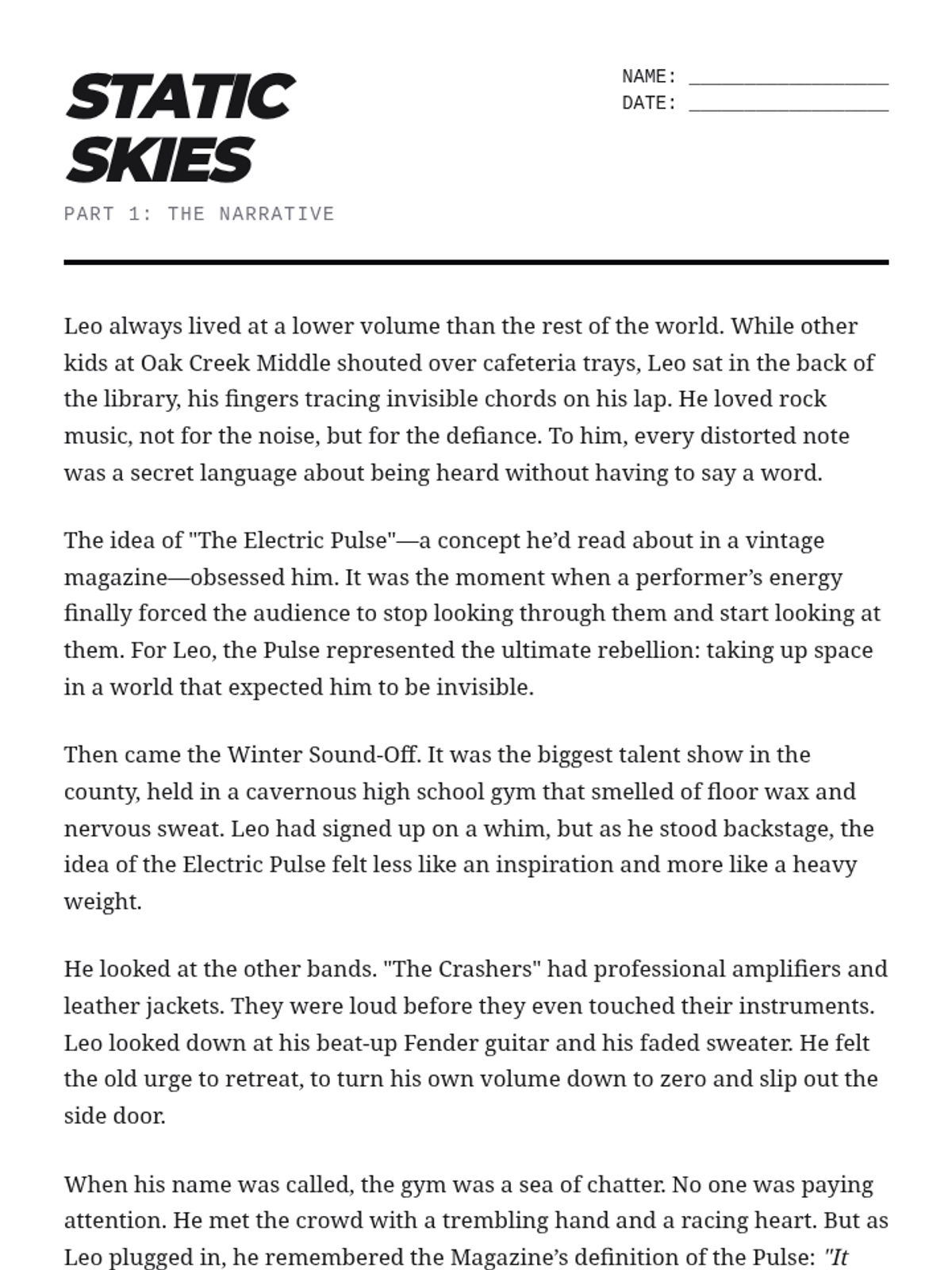
A focused activity set designed to help students analyze how individuals, ideas, and events interact within a rock-themed narrative. This lesson uses the high-energy world of rock music to teach literary analysis skills.
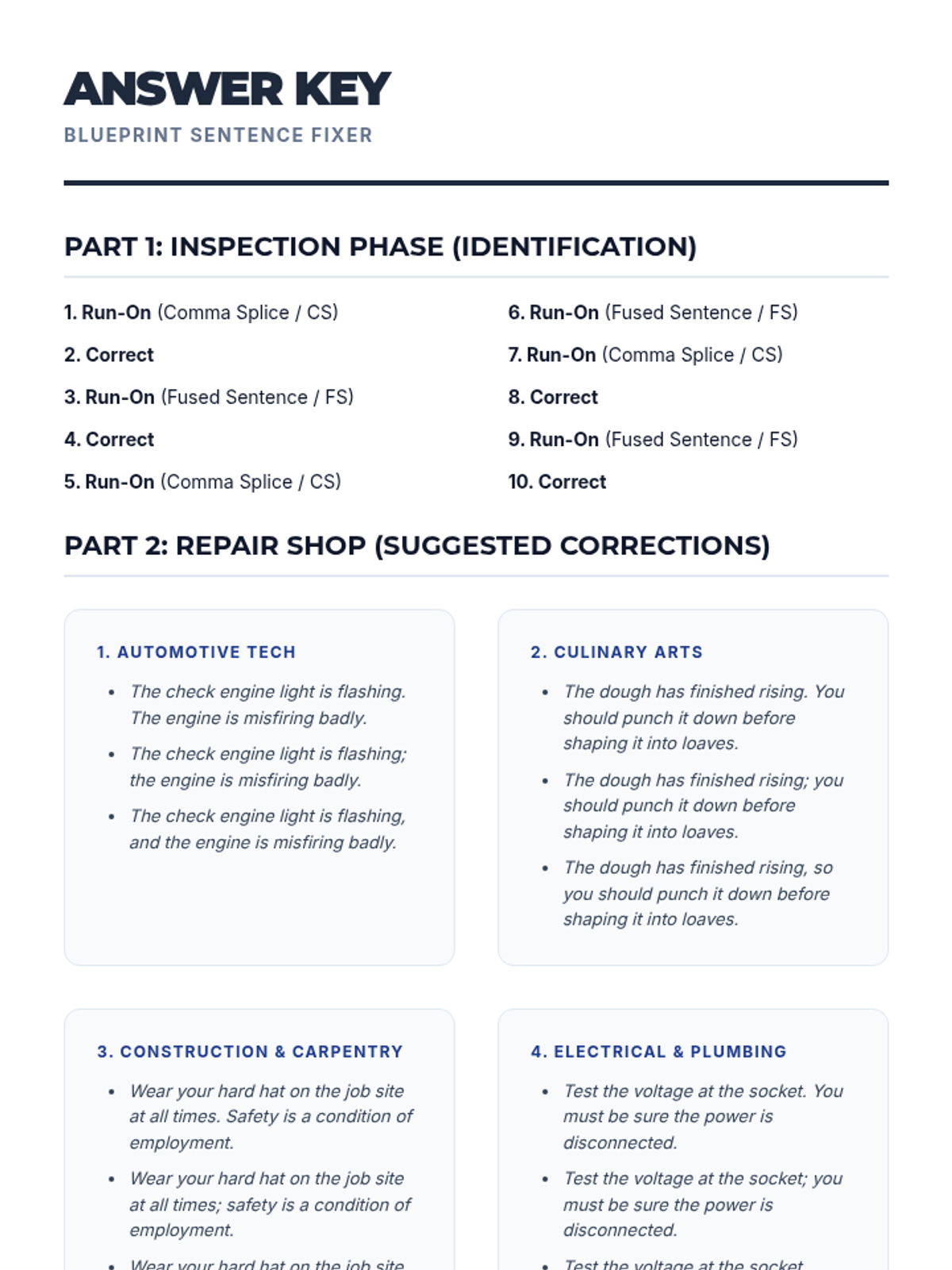
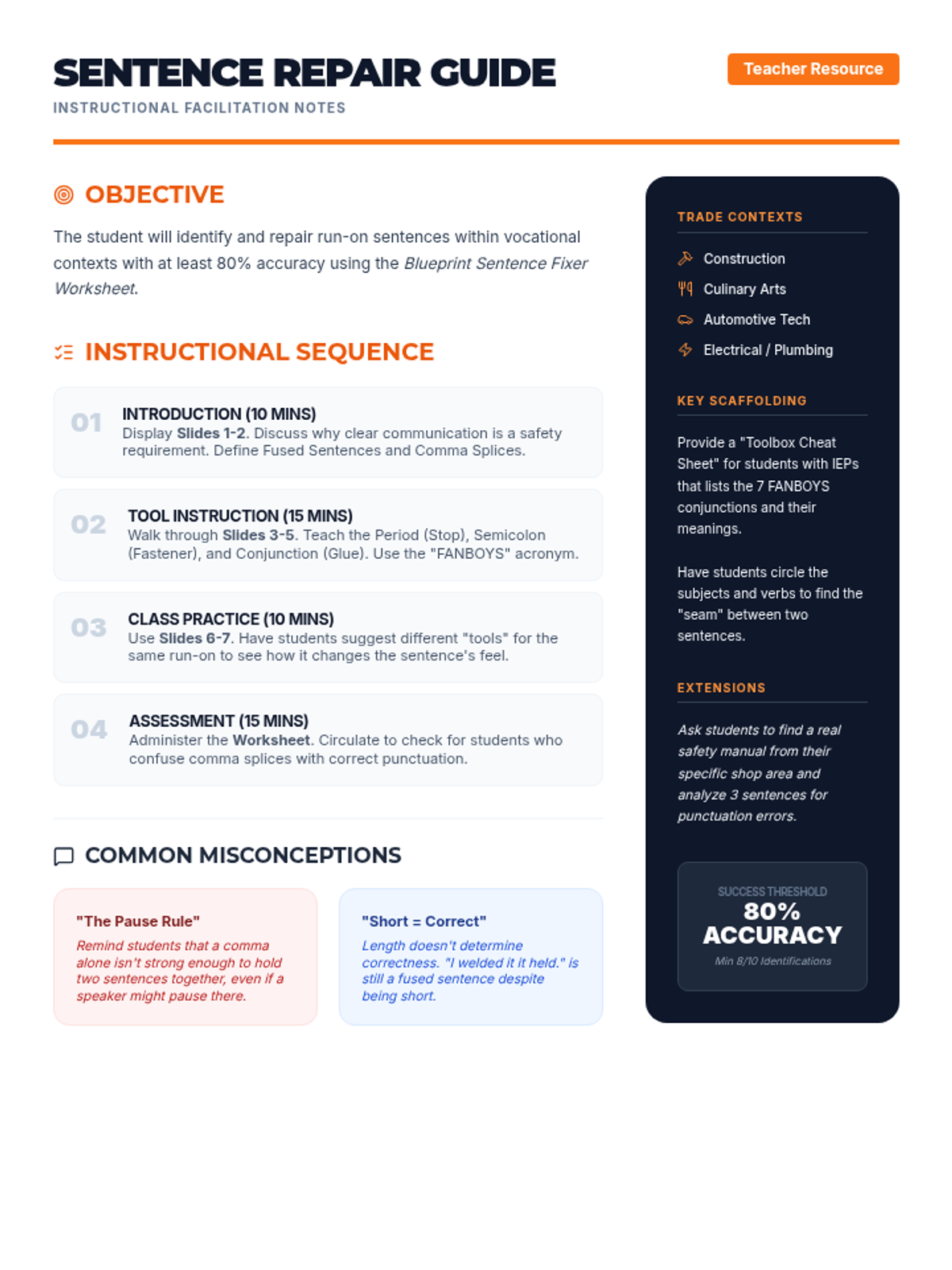
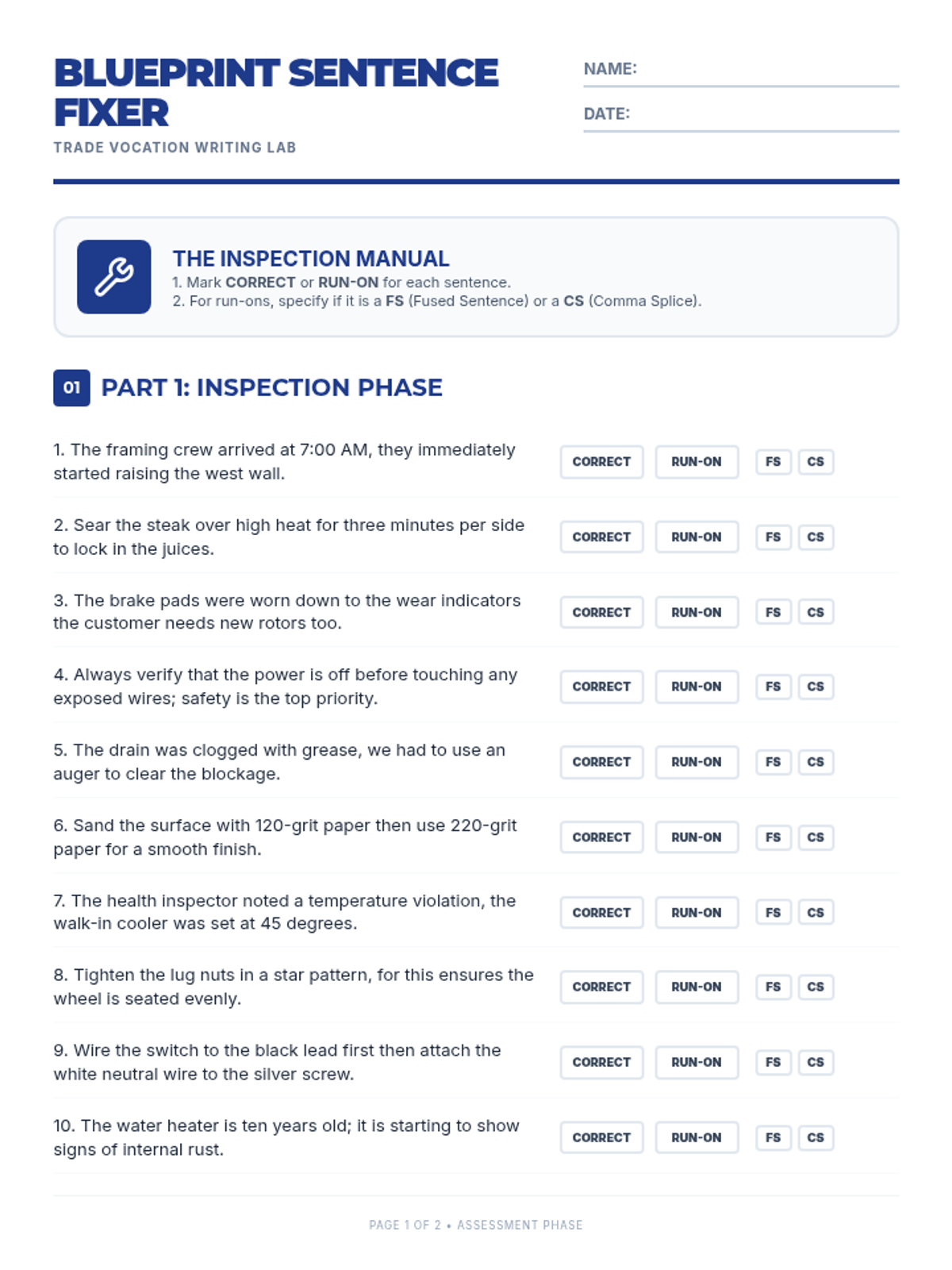
A comprehensive lesson focused on identifying and repairing run-on sentences within the context of vocational trades, including construction, culinary arts, automotive technology, and electrical/plumbing. Students will learn to use periods, semicolons, and conjunctions as 'tools' for sentence repair.
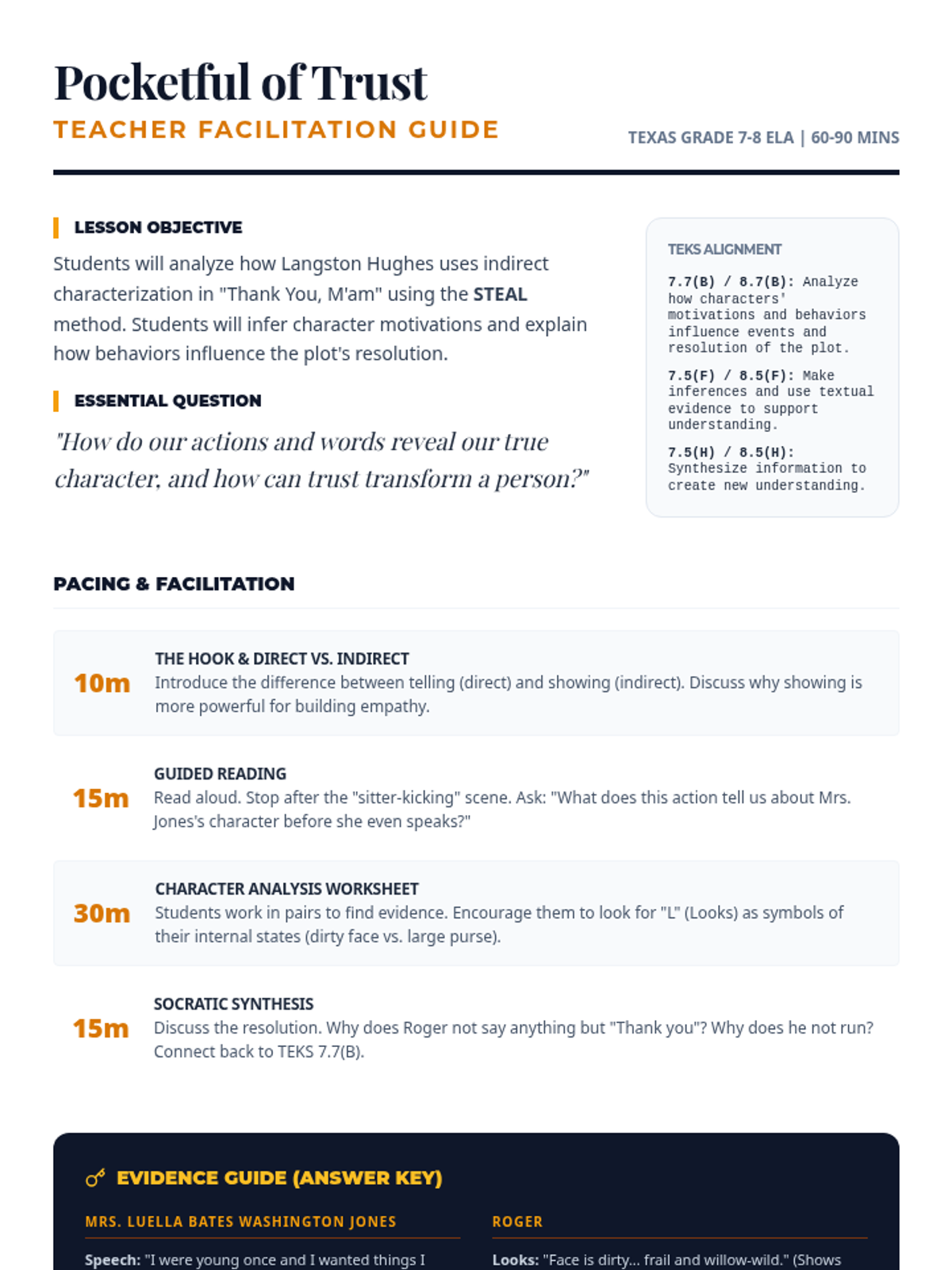
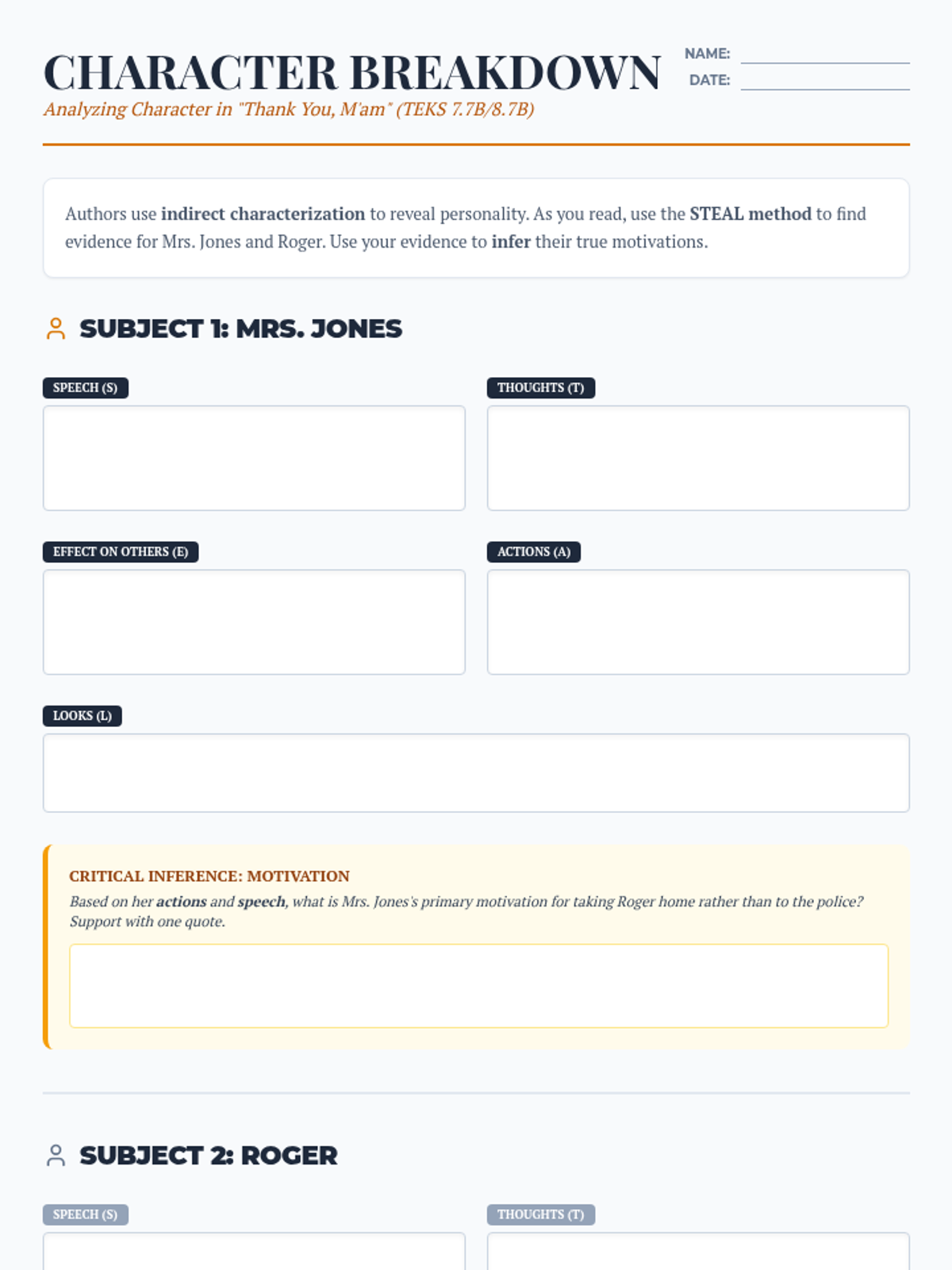
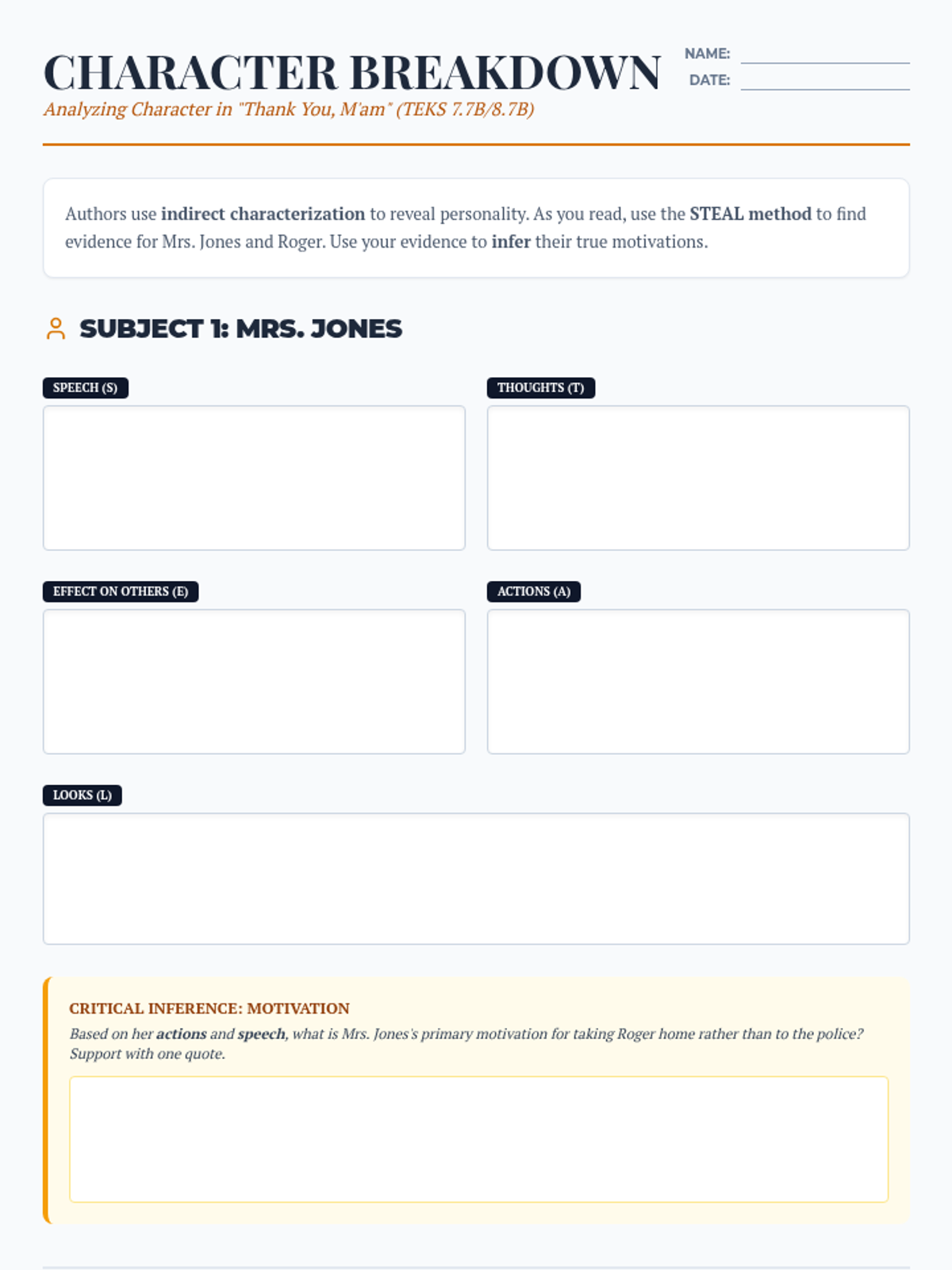
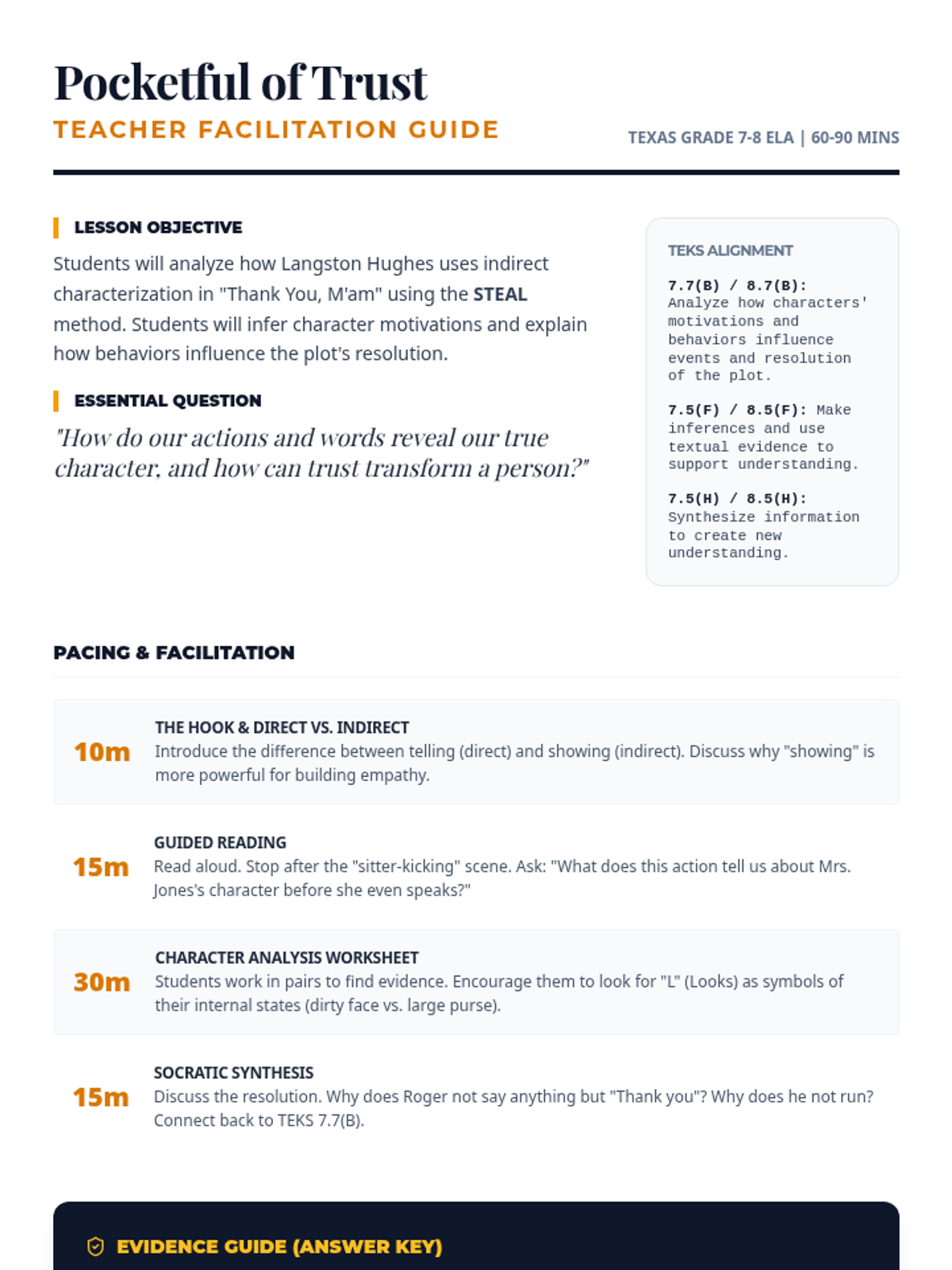
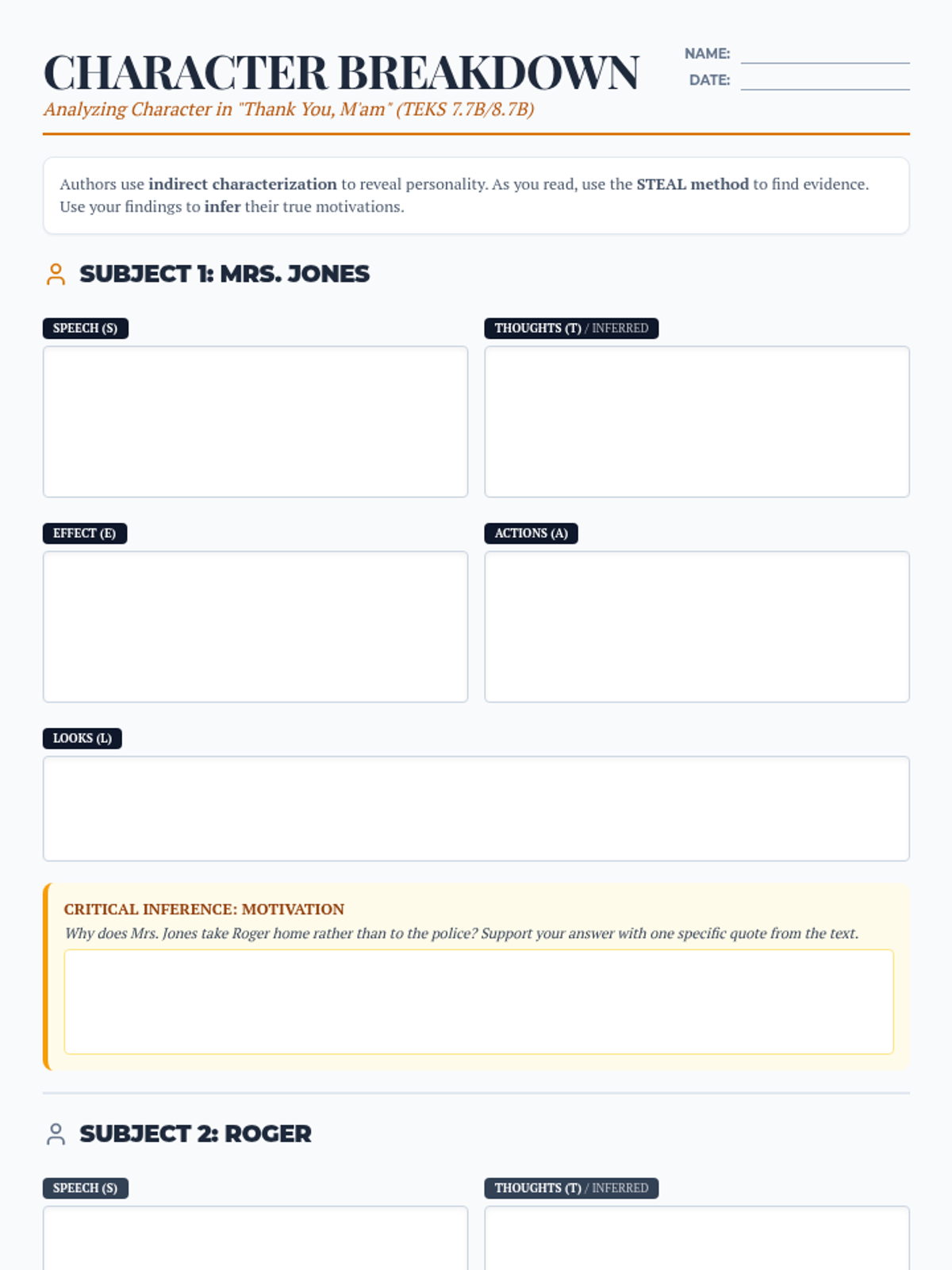
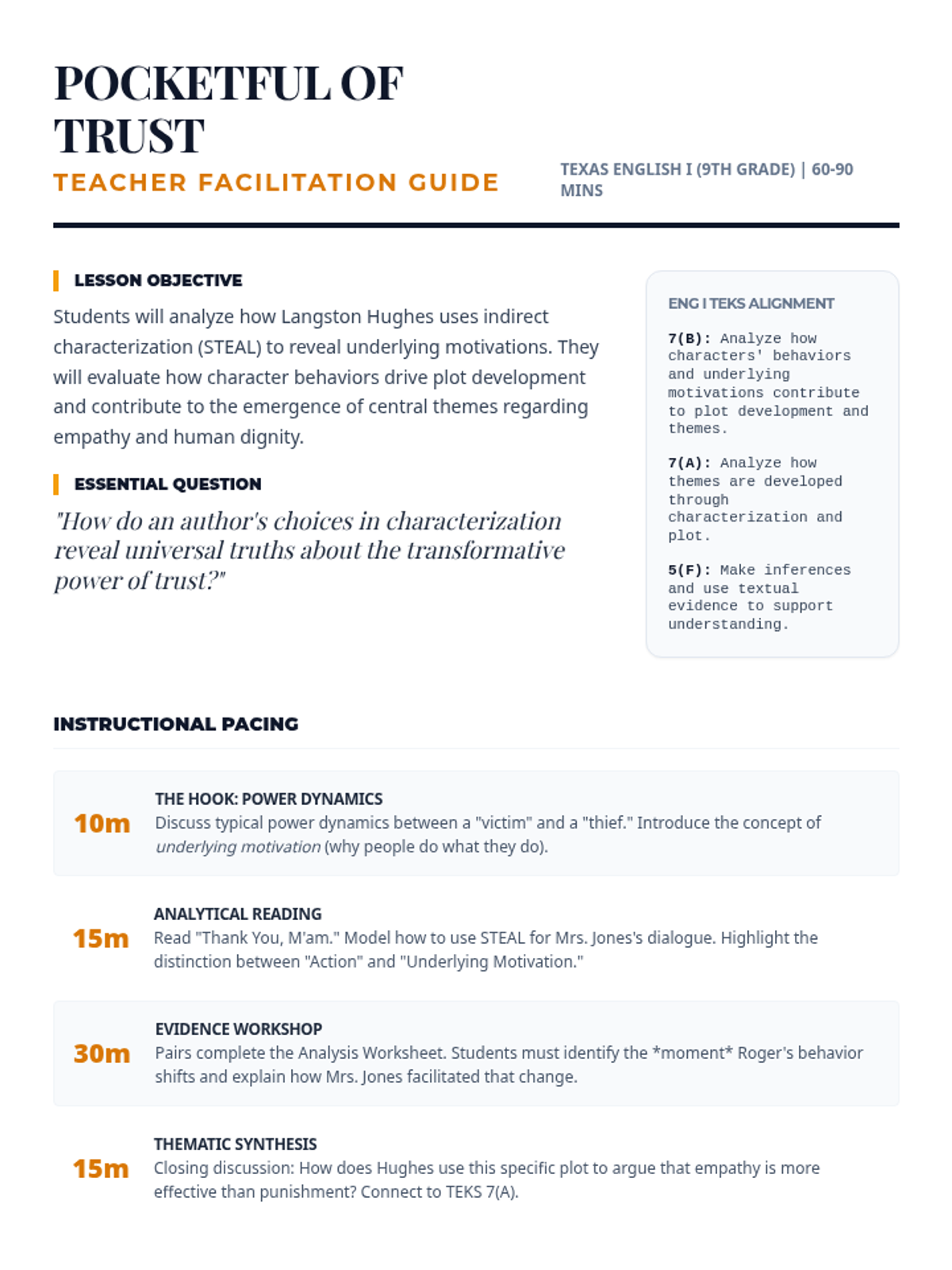
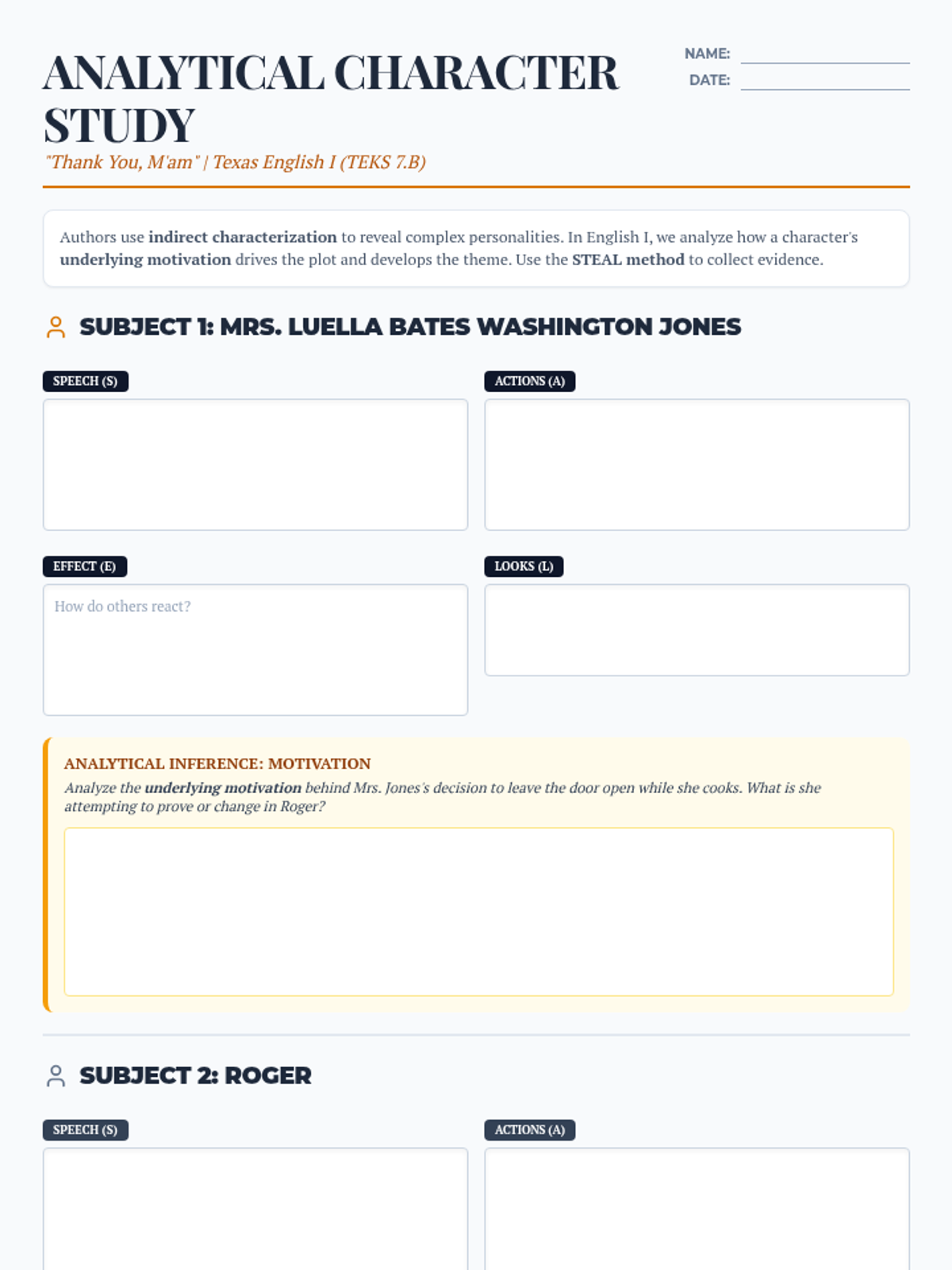
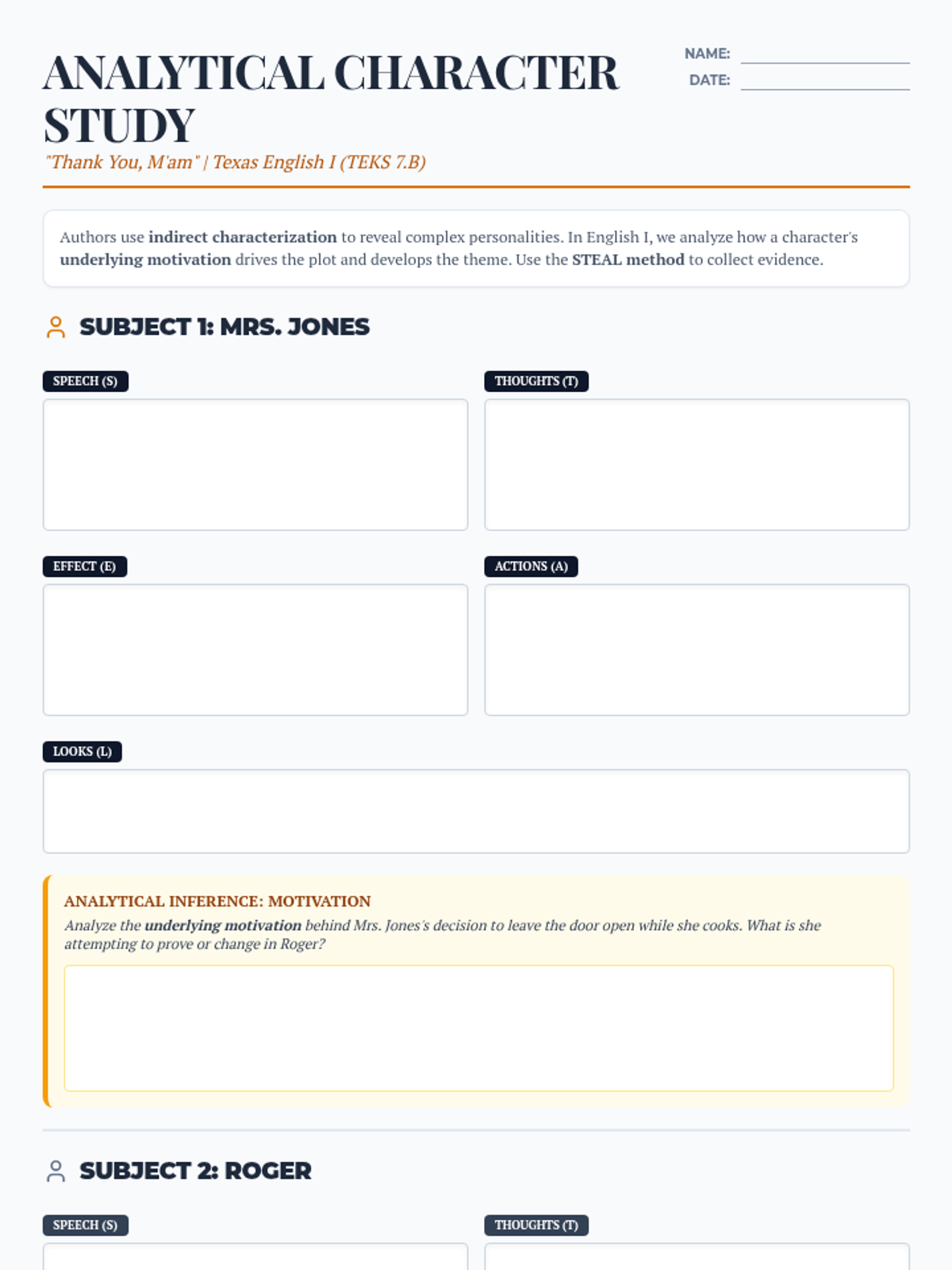
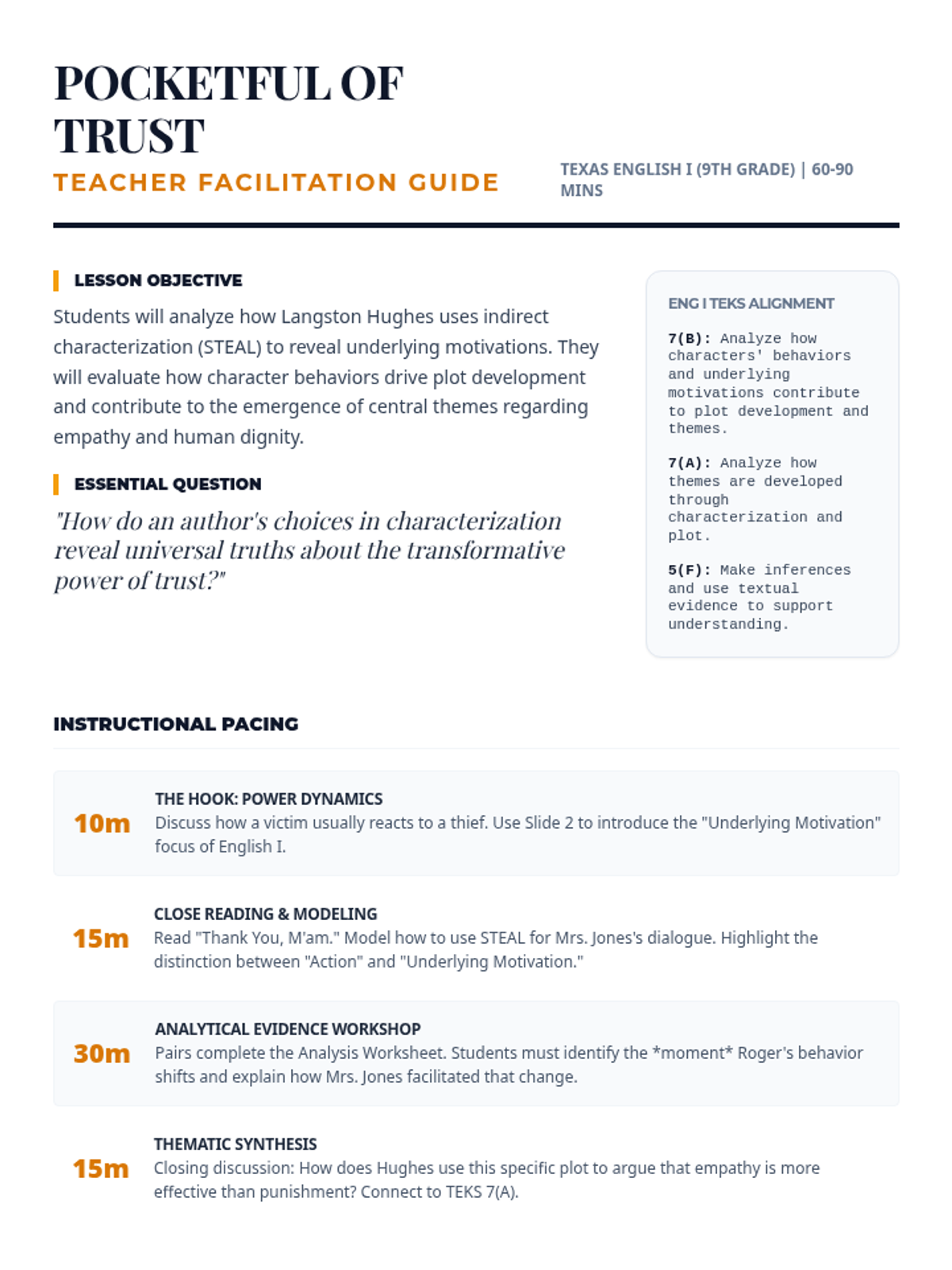
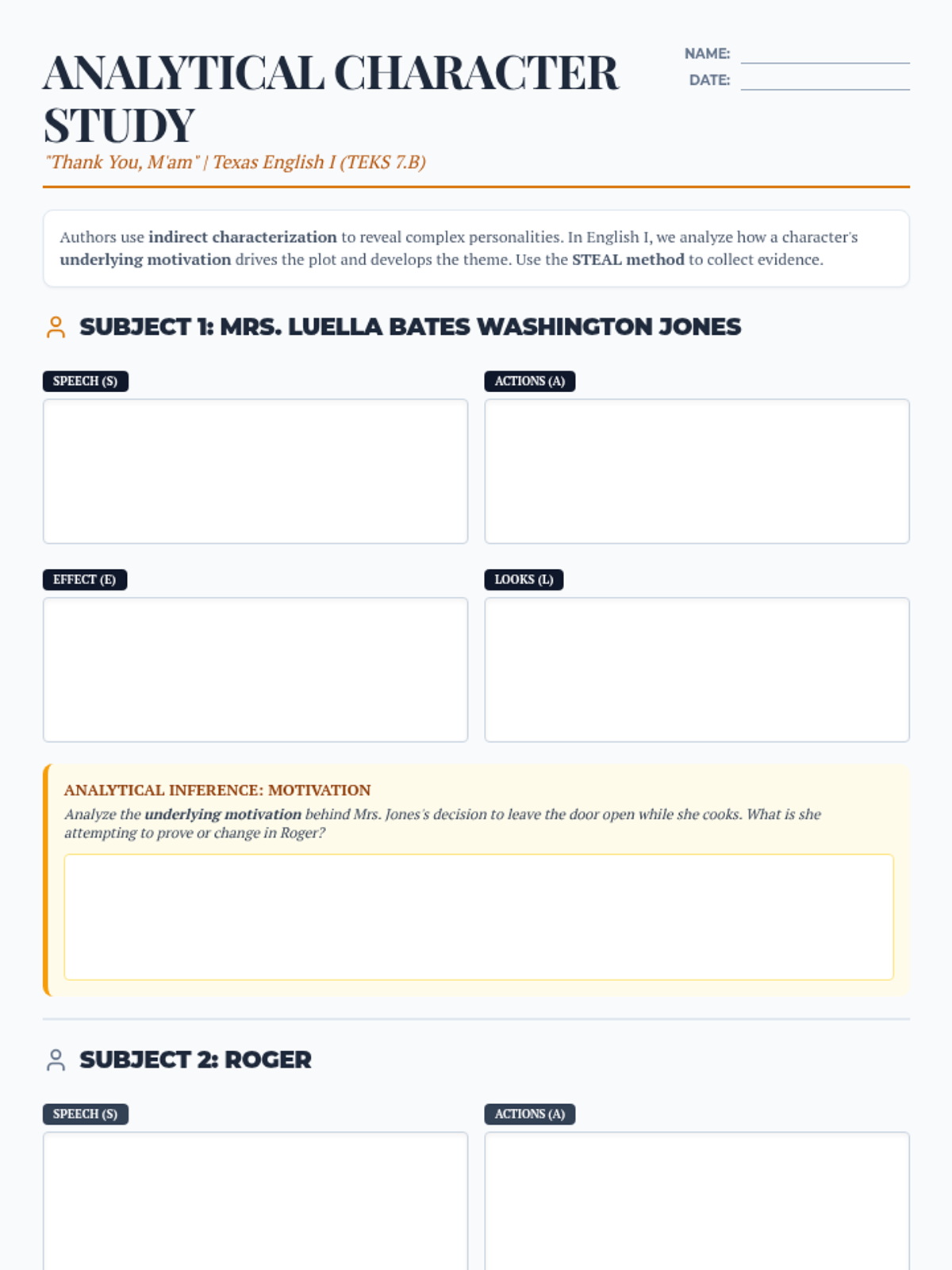
A TEKS-aligned lesson (Grade 7-8) exploring characterization in Langston Hughes's 'Thank You, M'am'. Students use the STEAL method to analyze how characters' motivations and behaviors influence events and the resolution of the plot (TEKS 7.7B).
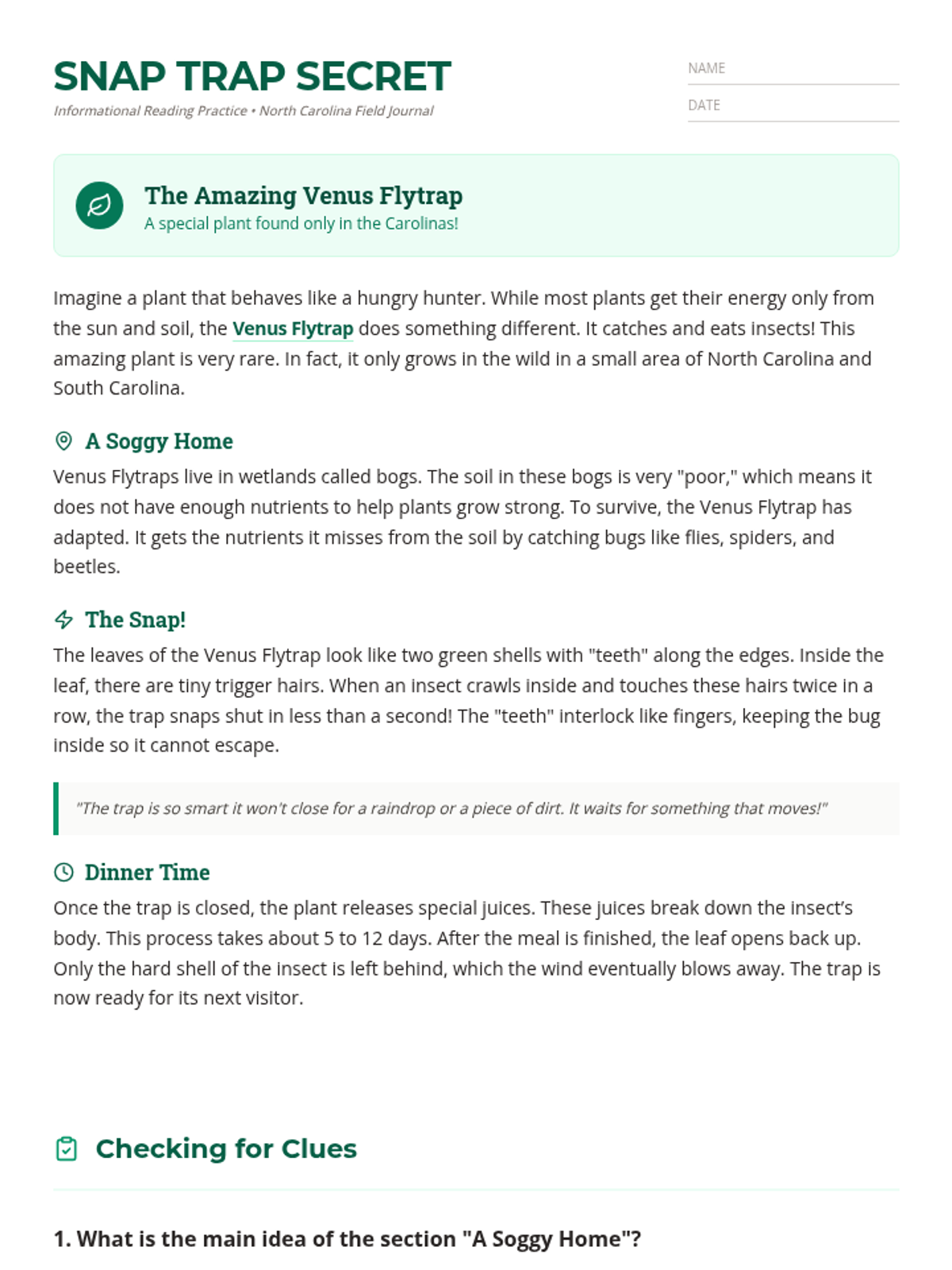
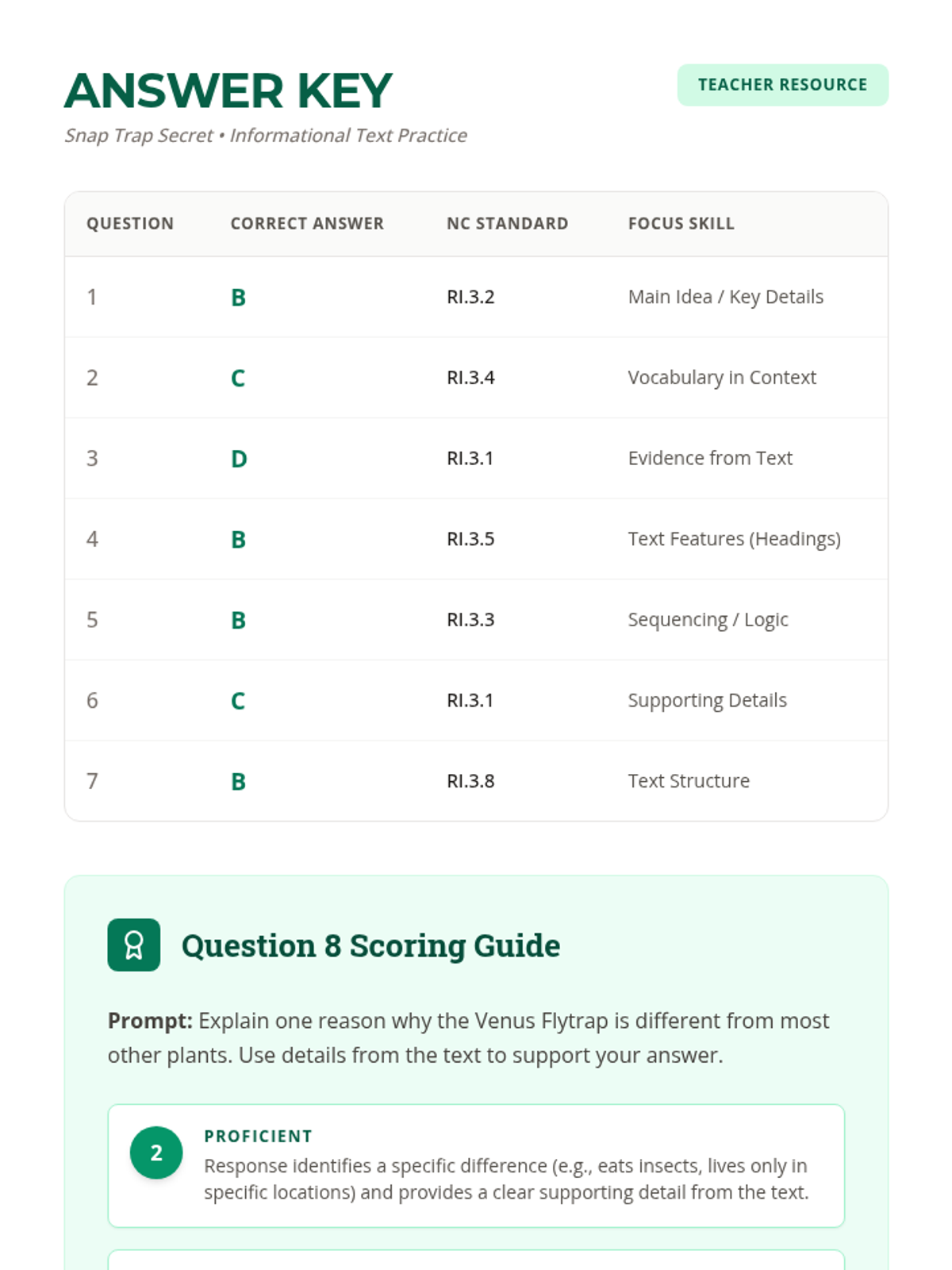
A practice lesson focused on Reading Informational Text standards for the NC EOG, featuring a local North Carolina wonder: the Venus Flytrap. Students will practice identifying main ideas, using text features, and determining word meanings.
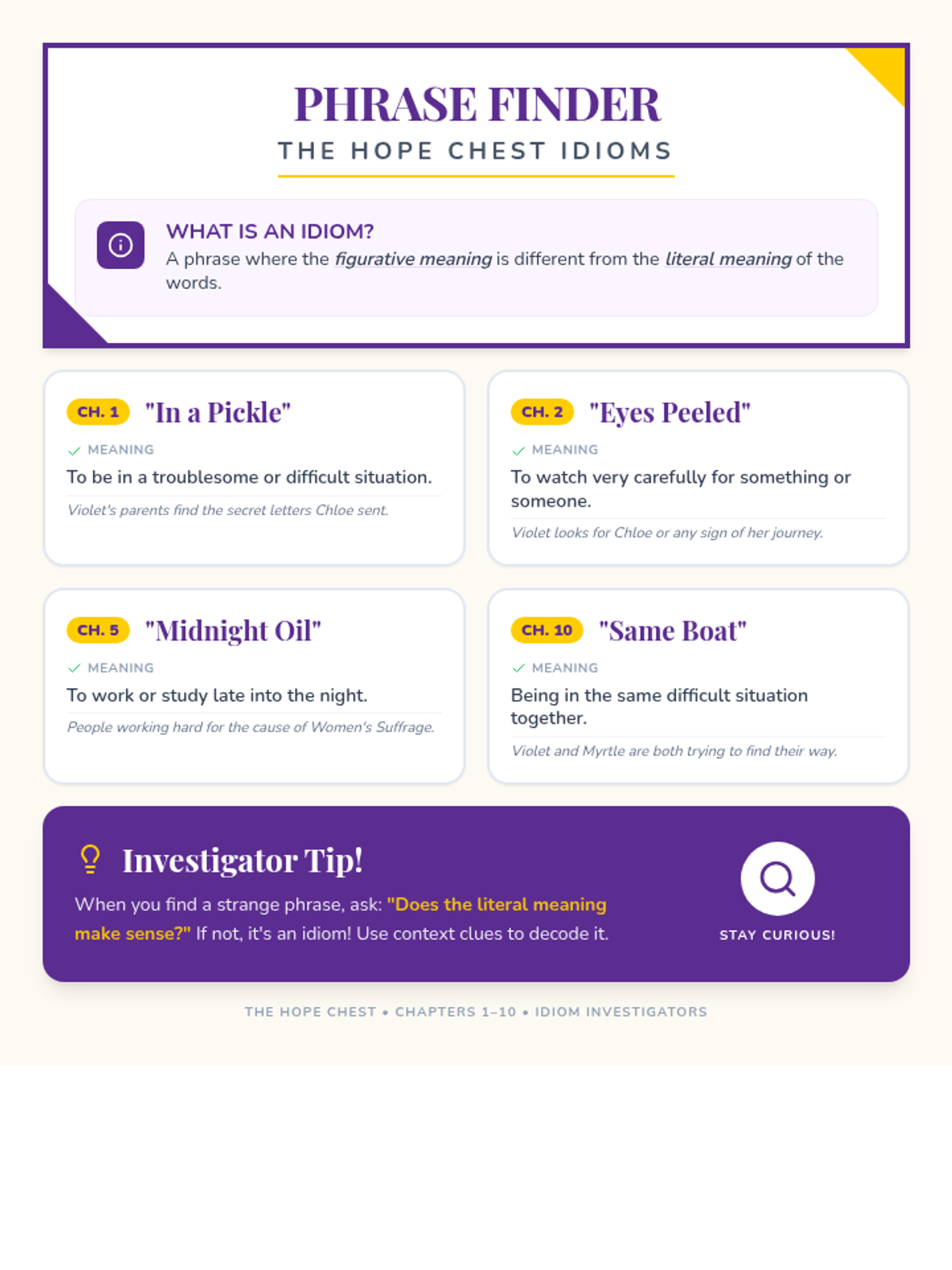
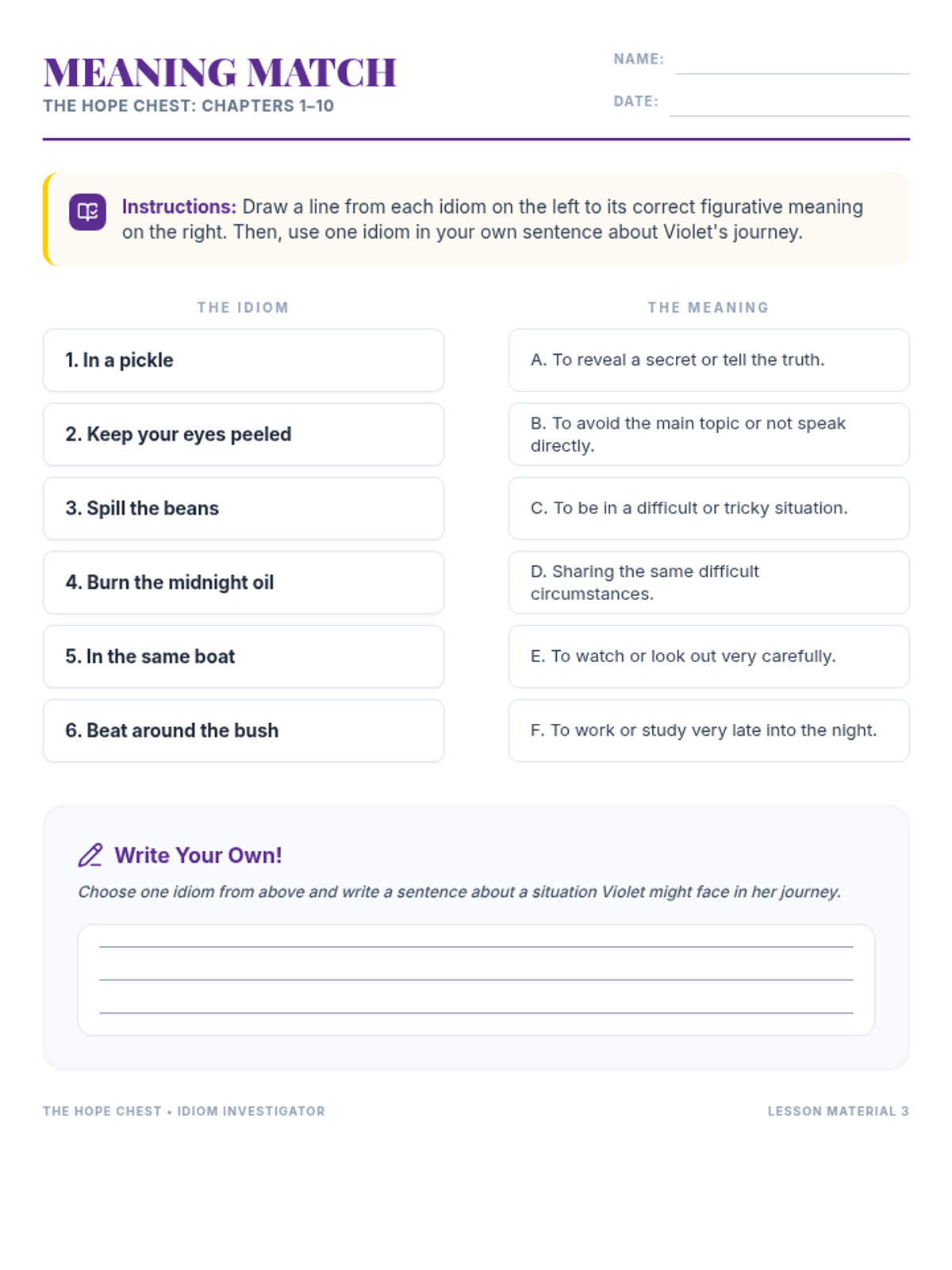
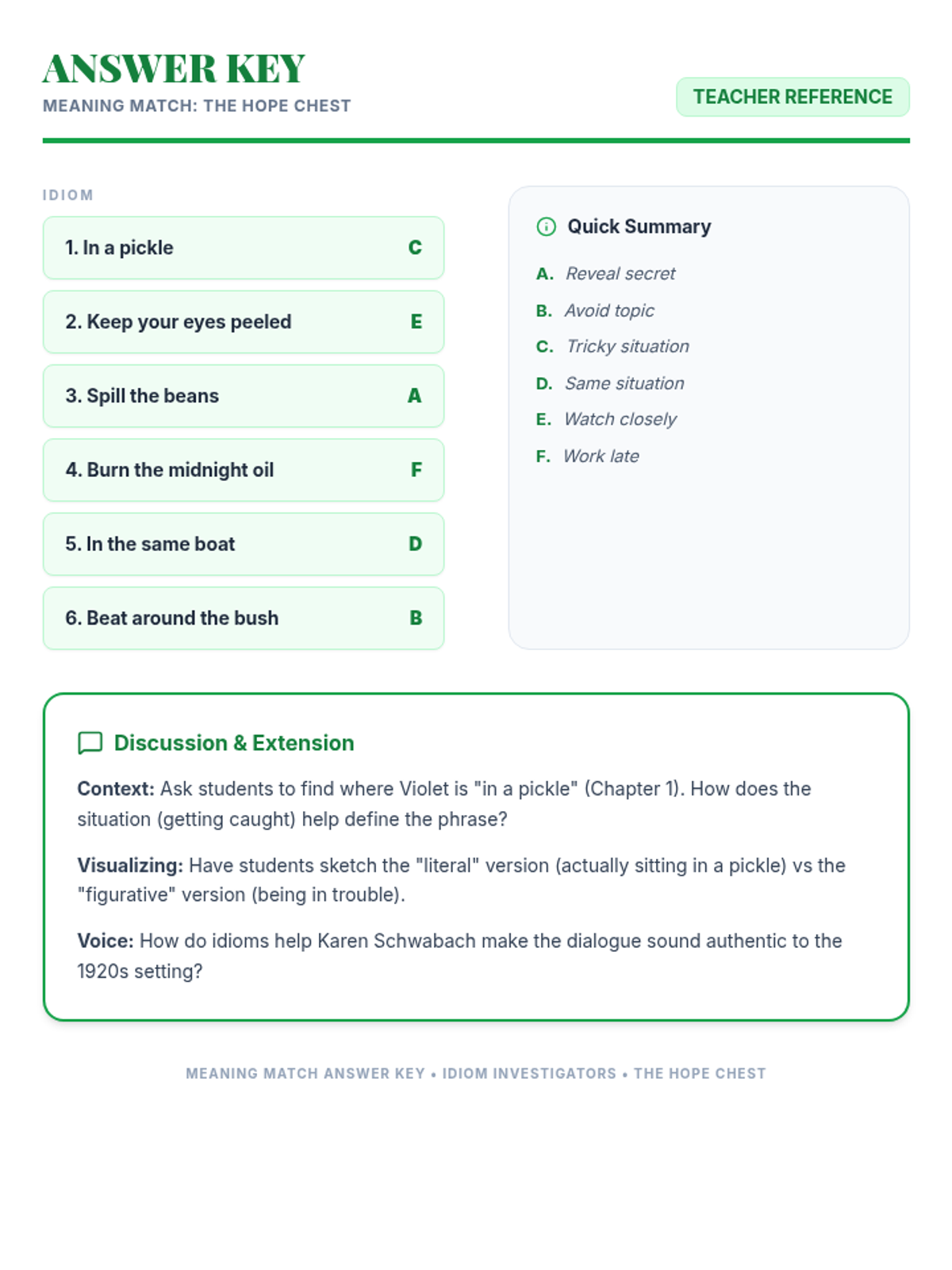
A mini-lesson exploring common idioms found in chapters 1-10 of *The Hope Chest*, helping students understand figurative language through the lens of Violet's journey.
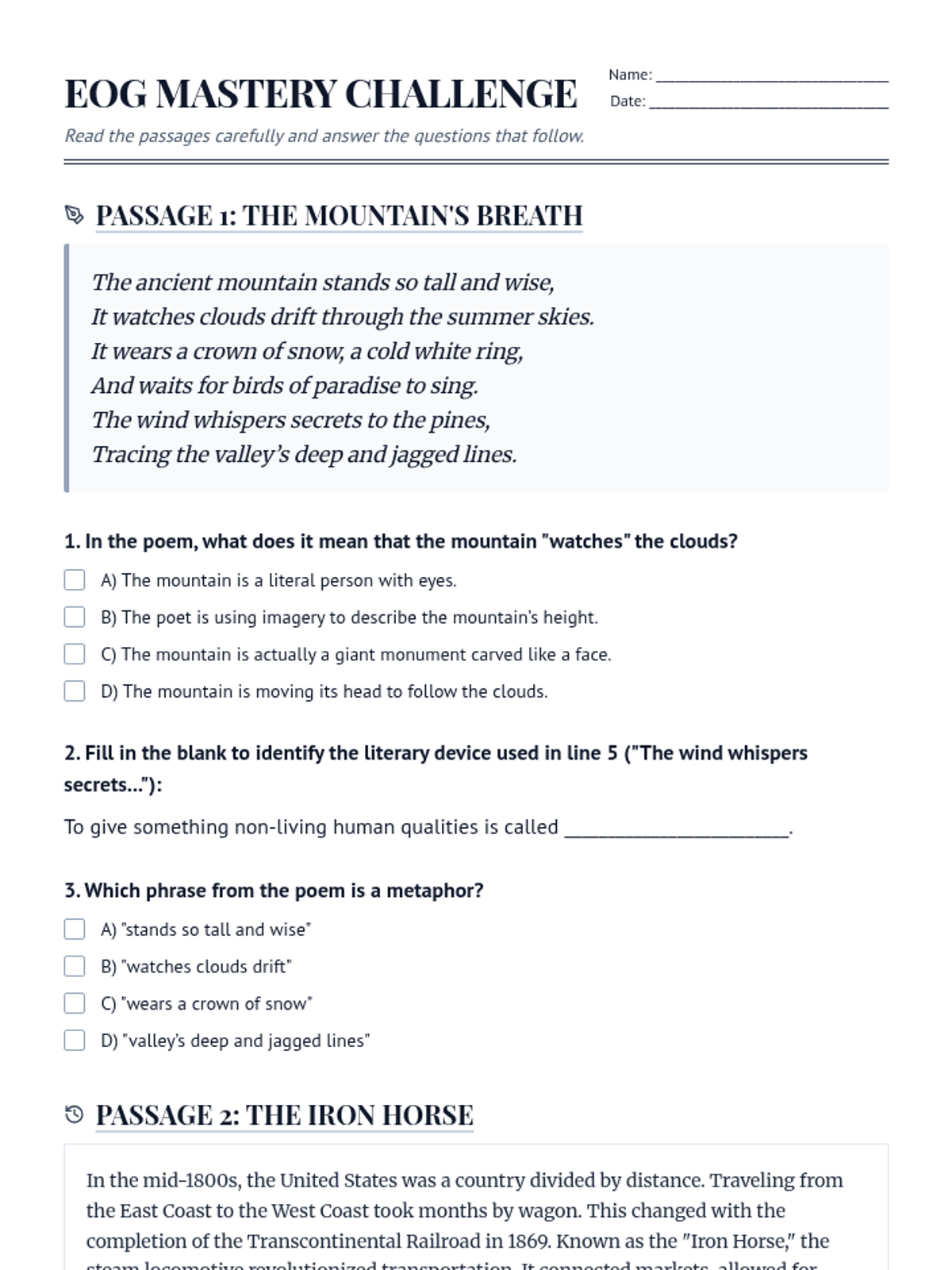
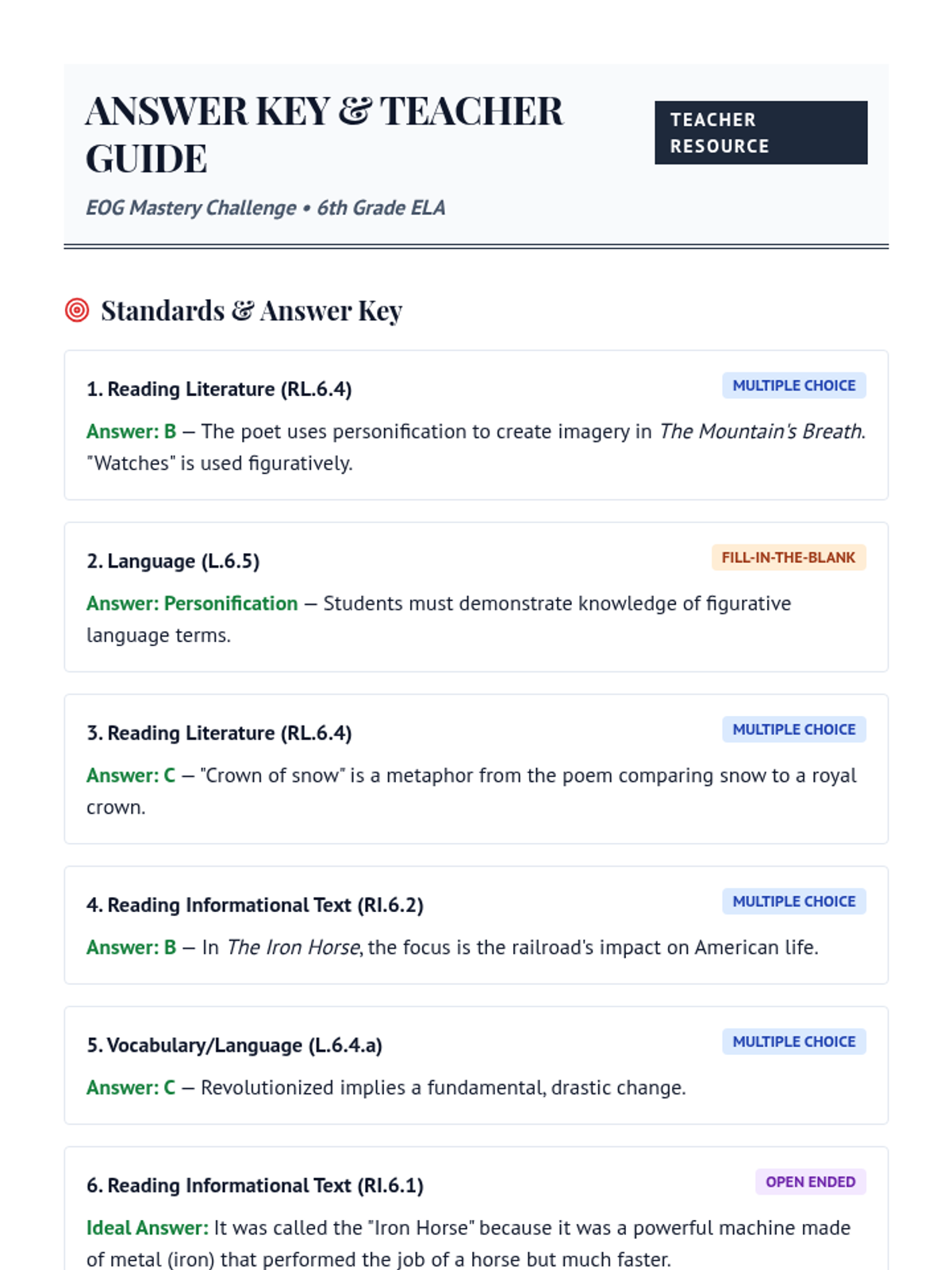
A comprehensive practice set for 6th grade ELA EOG preparation, featuring diverse passages in fiction, poetry, and historical nonfiction with a mix of question formats.
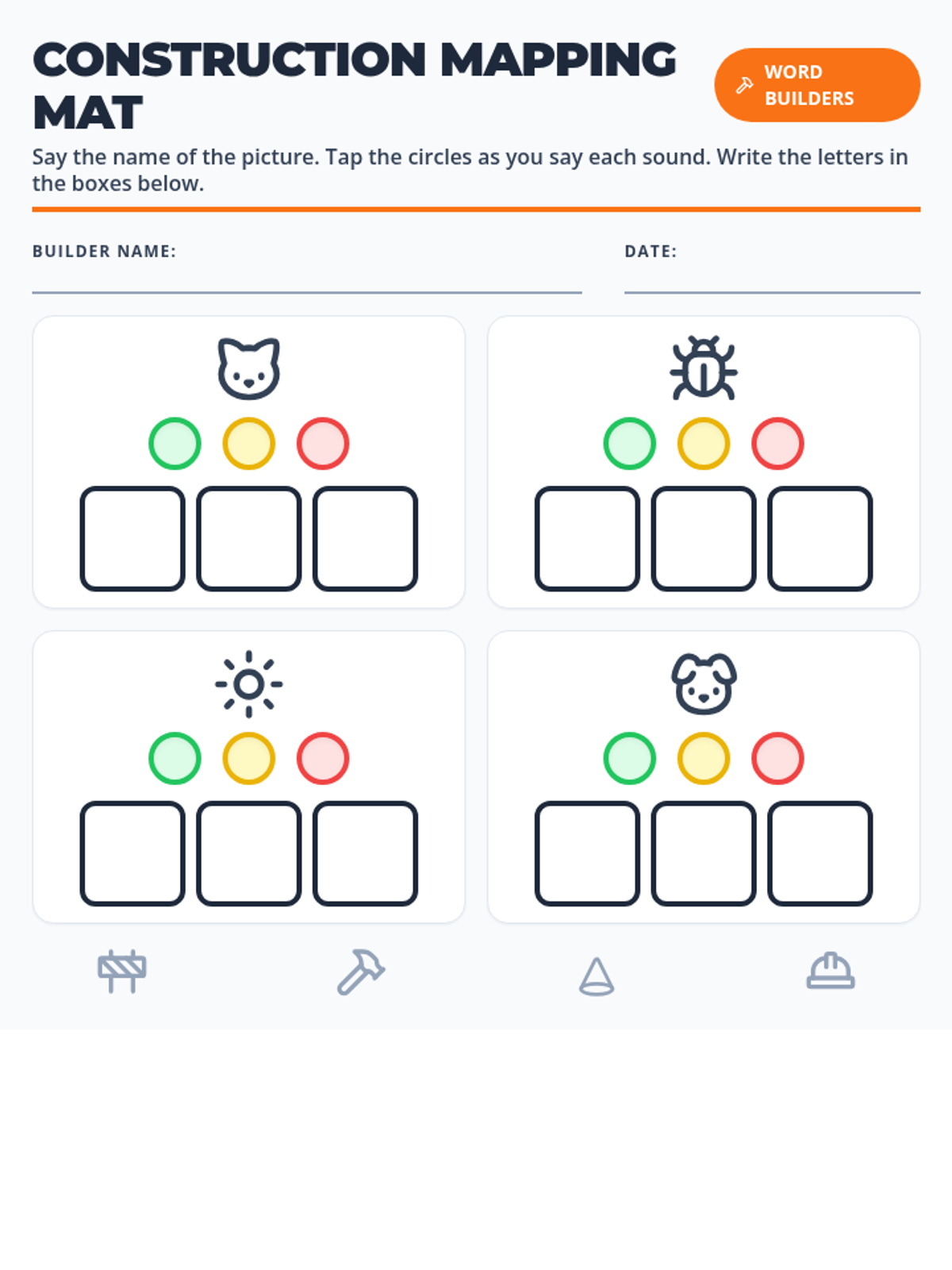
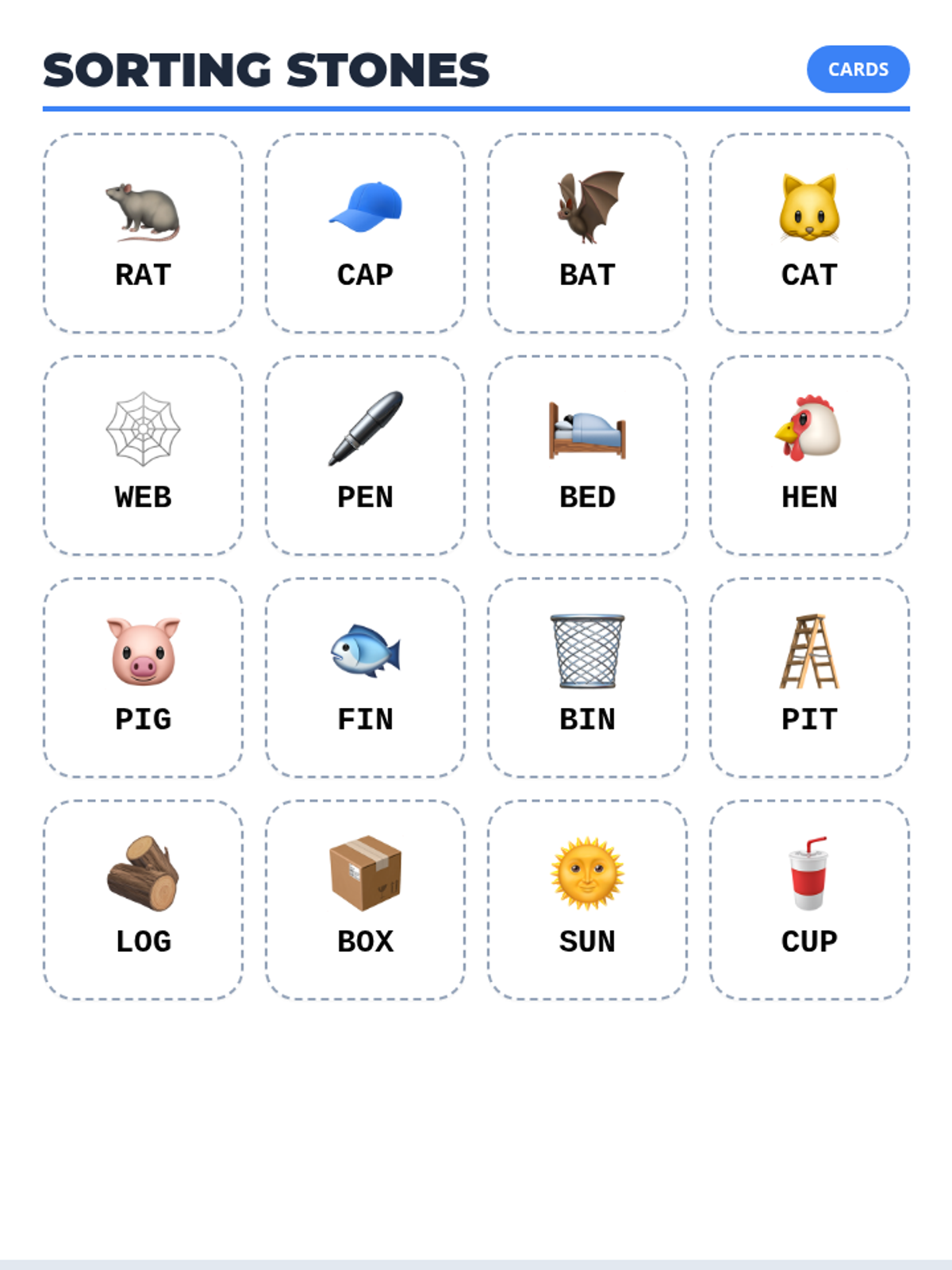
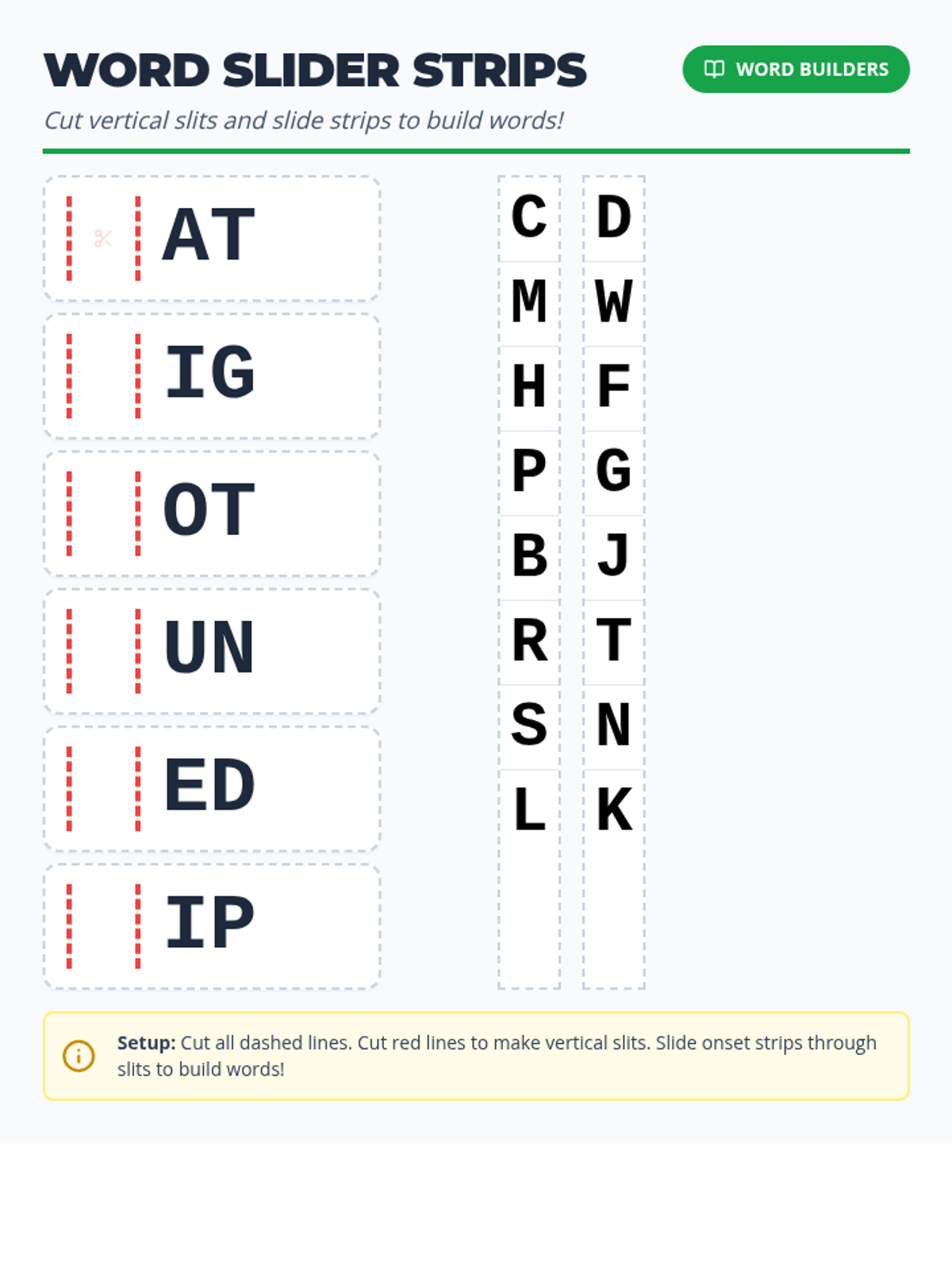
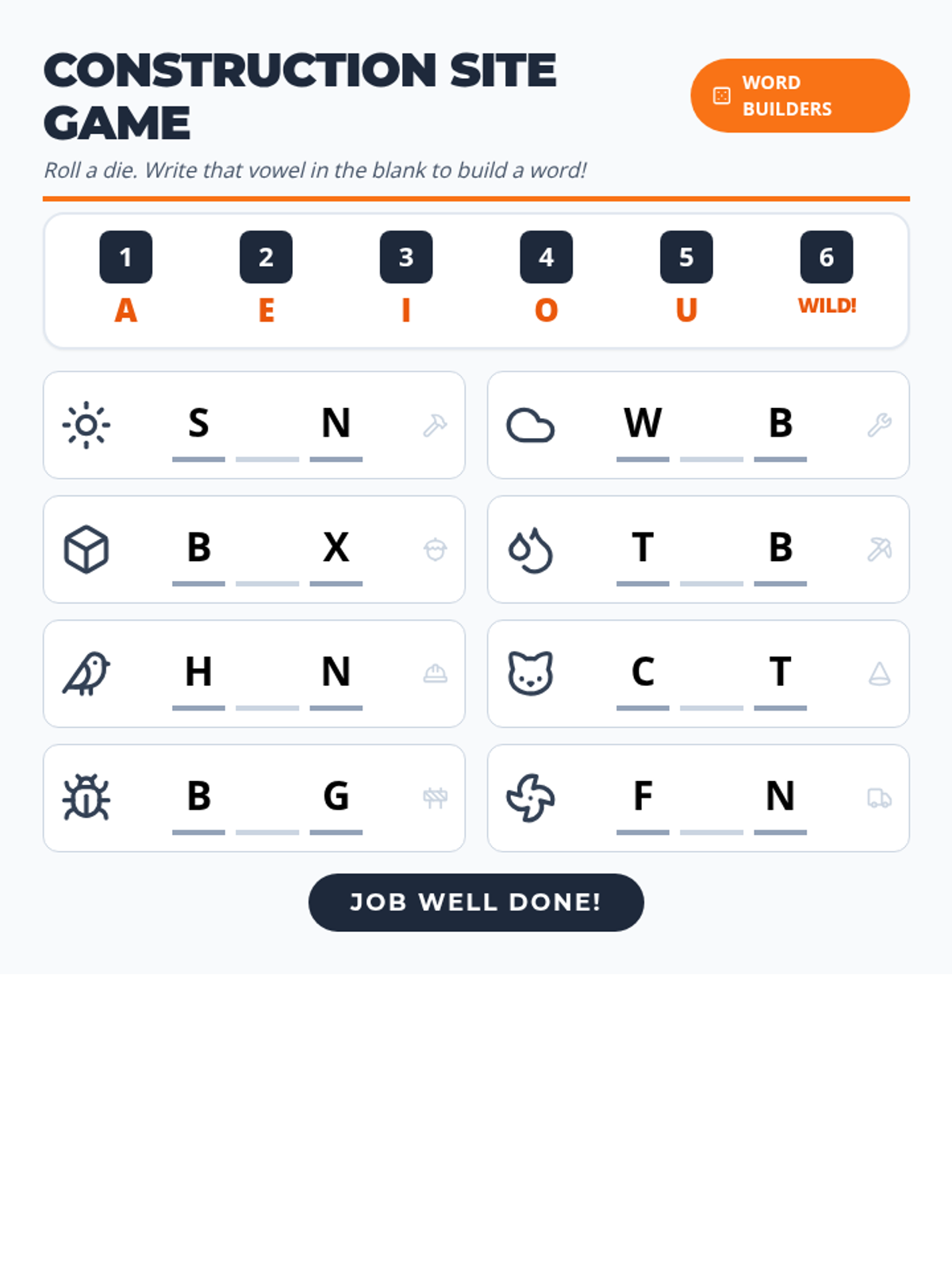
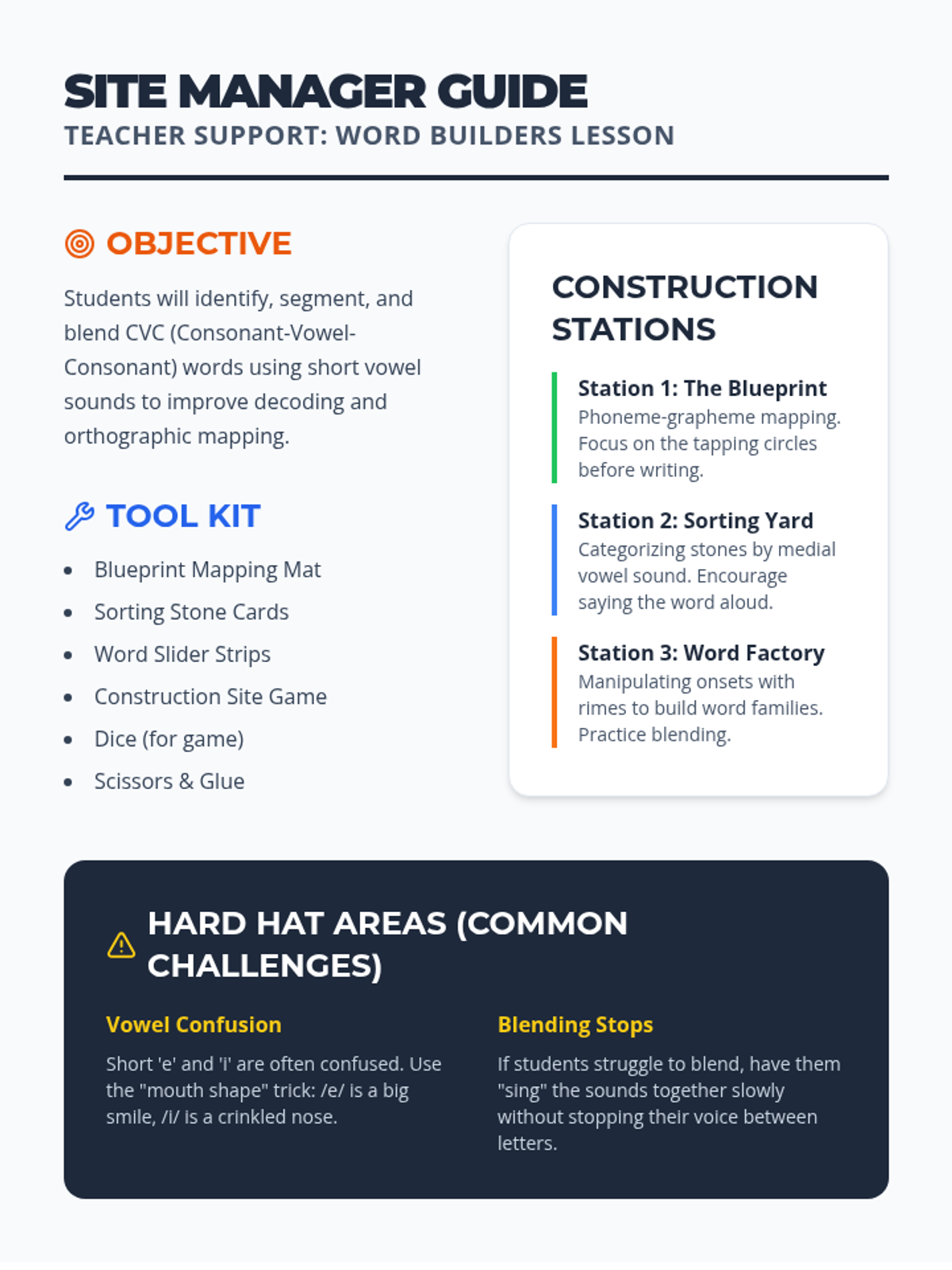
A collection of hands-on activities for first graders to master decoding and building CVC words using a construction site theme. Students will map sounds, slide phonemes, and sort words to build a strong reading foundation.
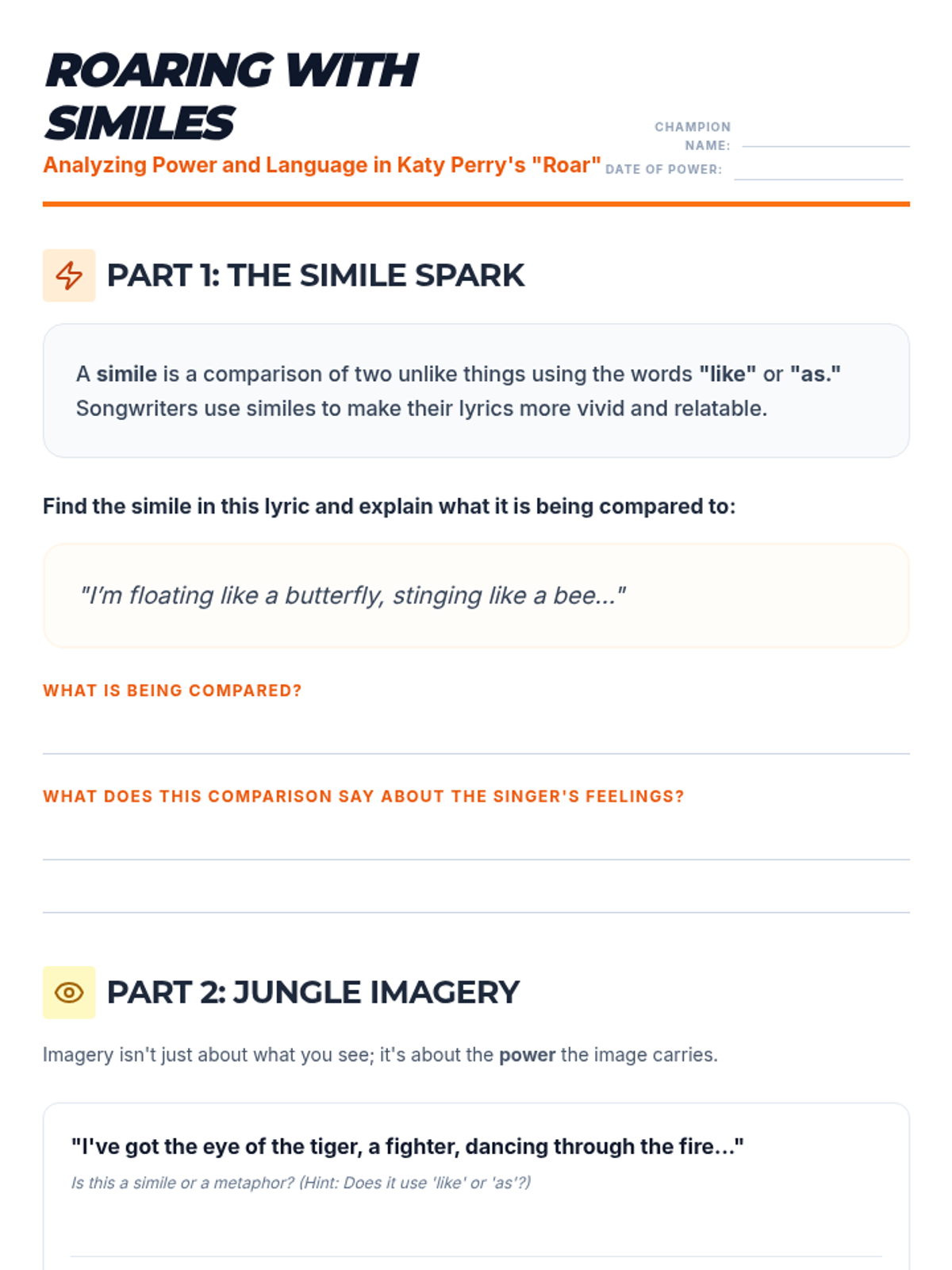
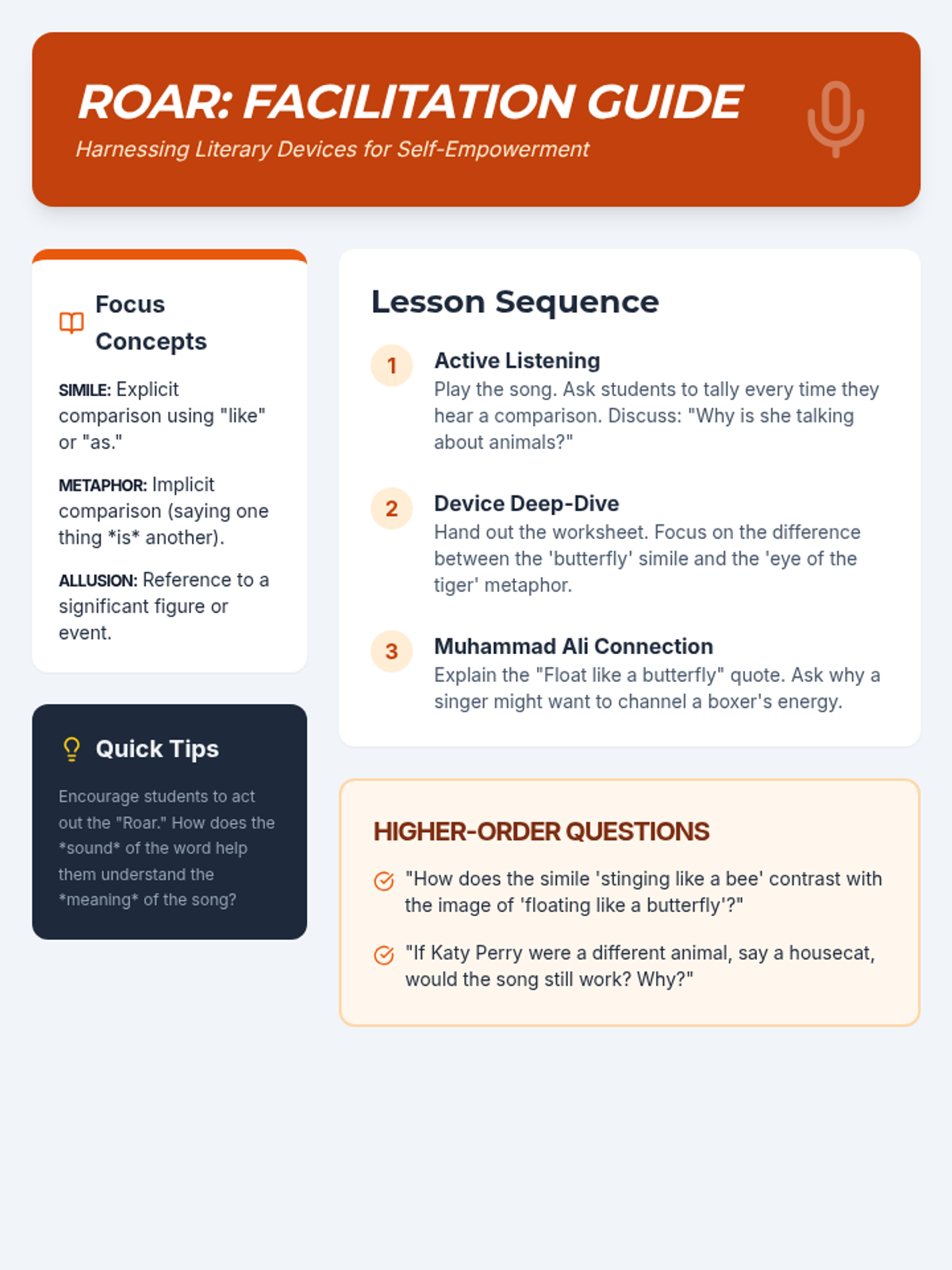
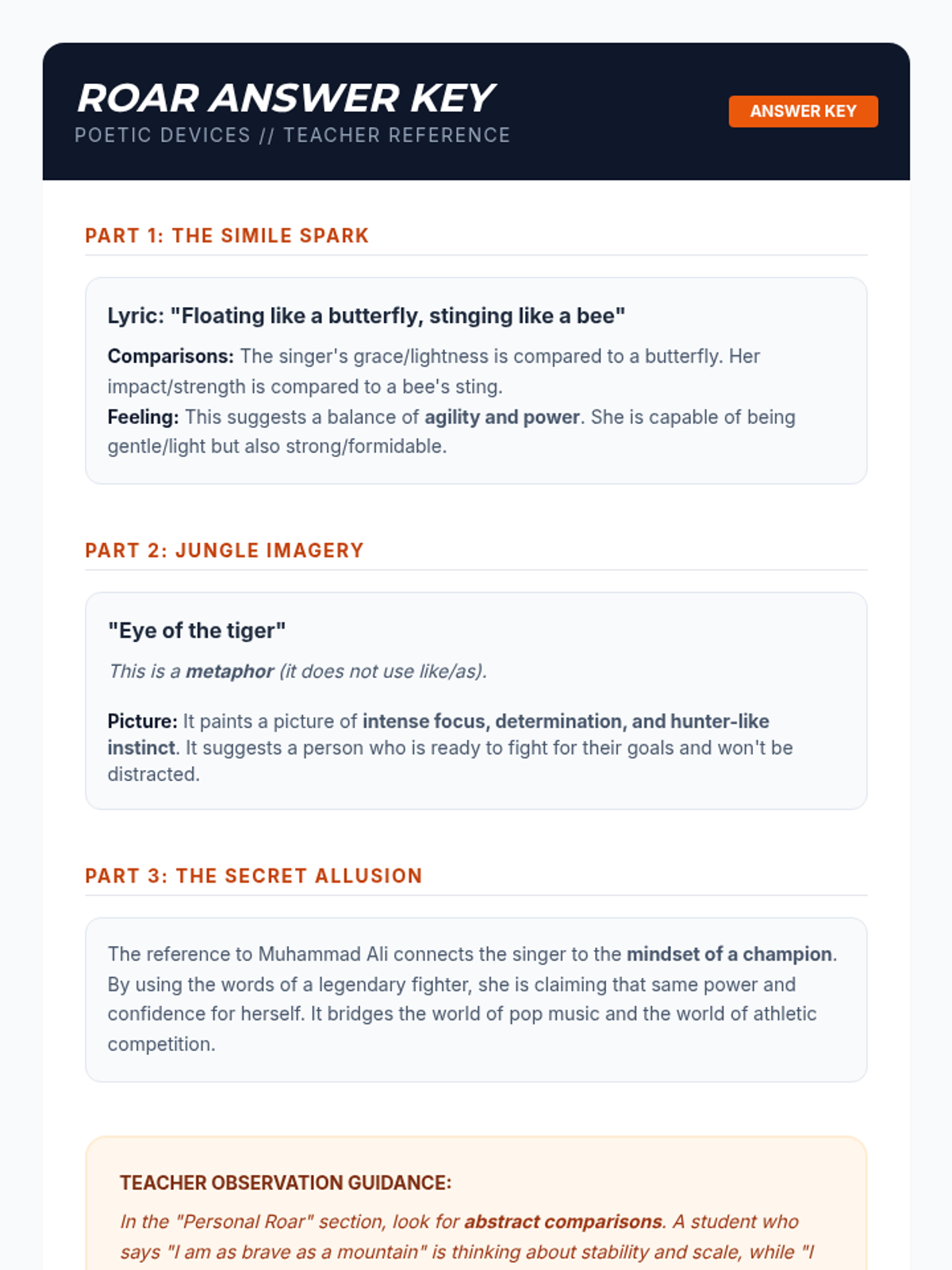
Students explore the use of similes and metaphors in Katy Perry's 'Roar' to express self-empowerment and strength. They analyze how these literary devices create vivid imagery and a powerful message.
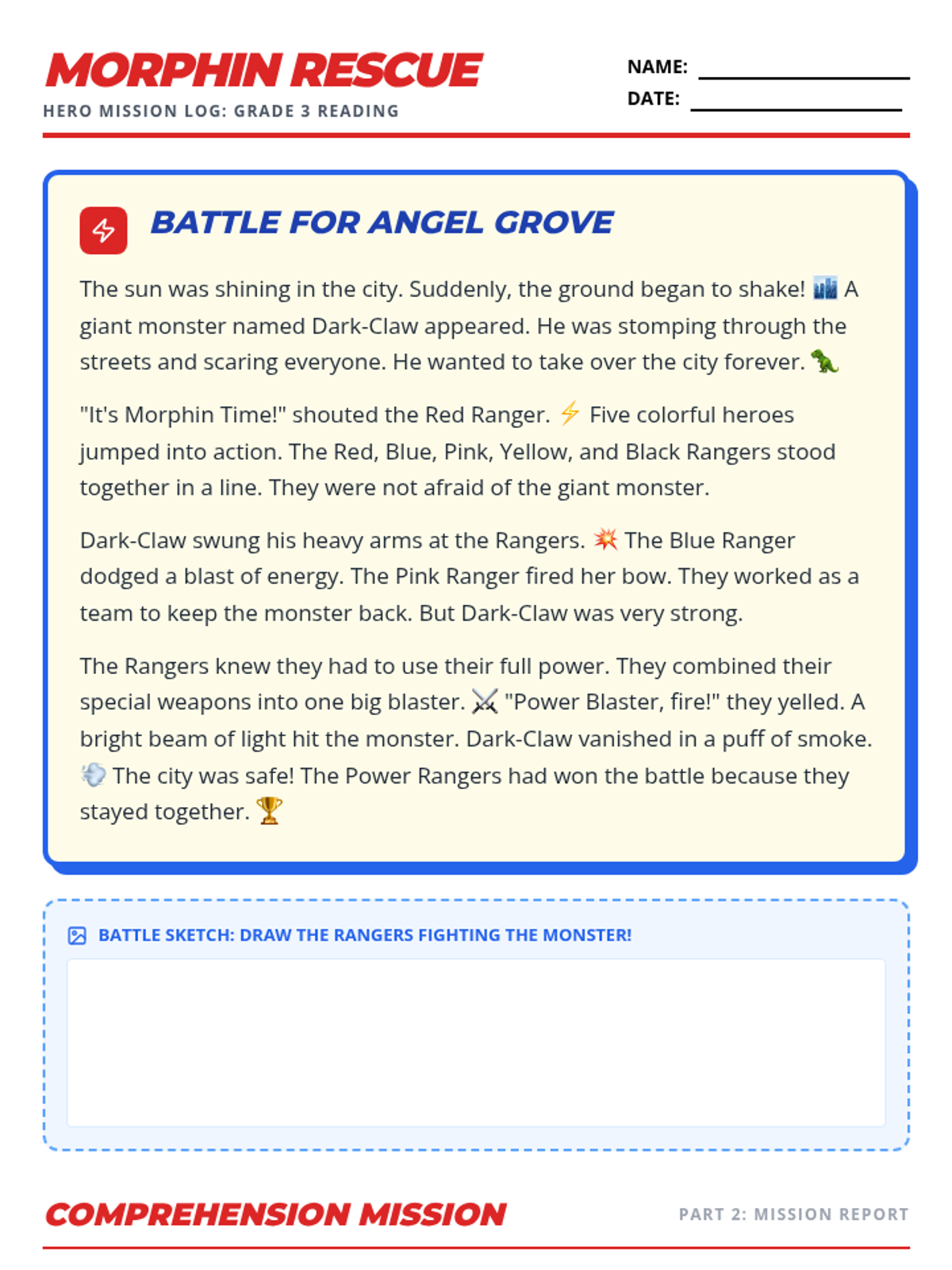
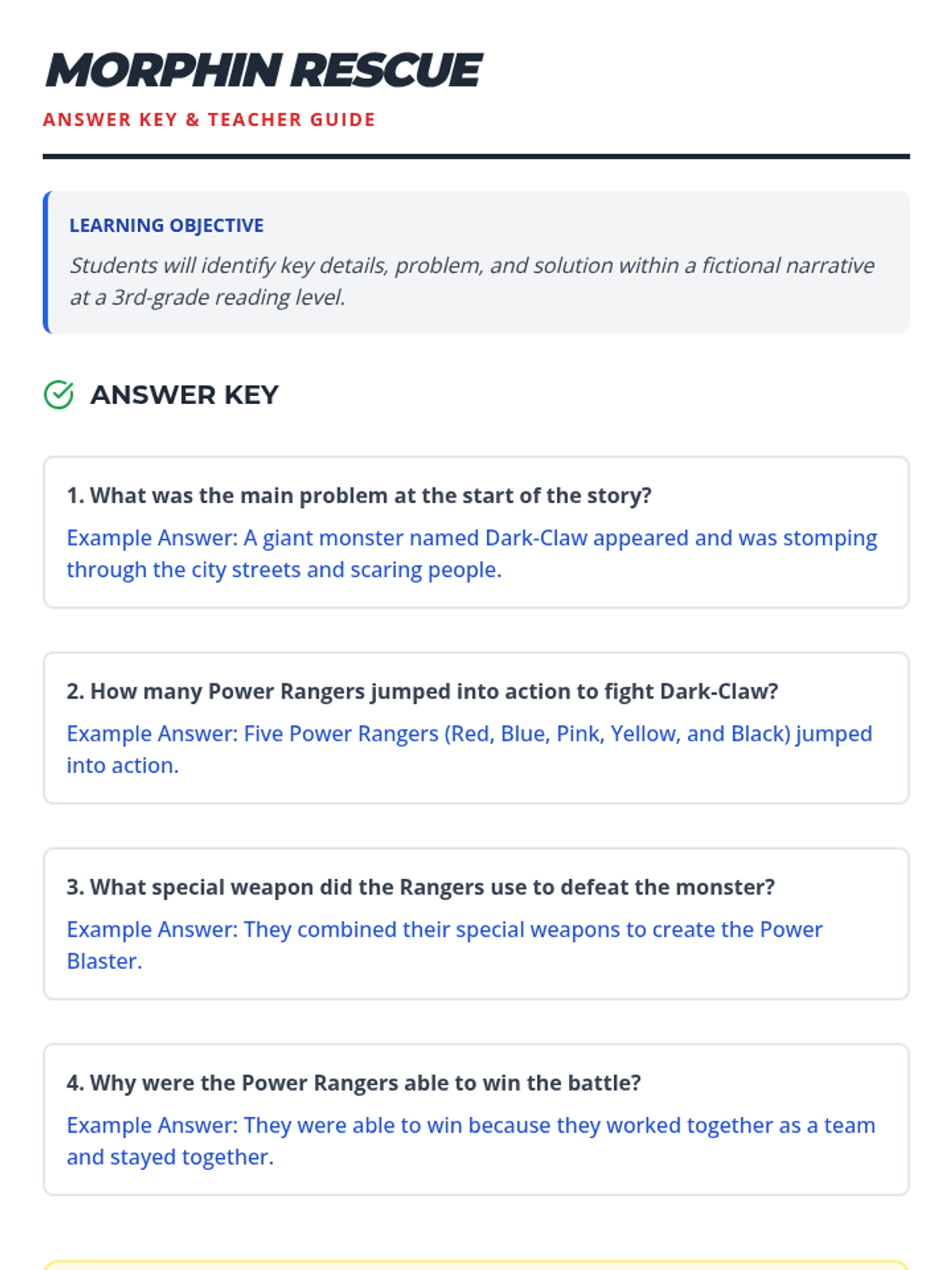
A high-action reading comprehension lesson focused on identifying plot elements and character actions in a superhero story.
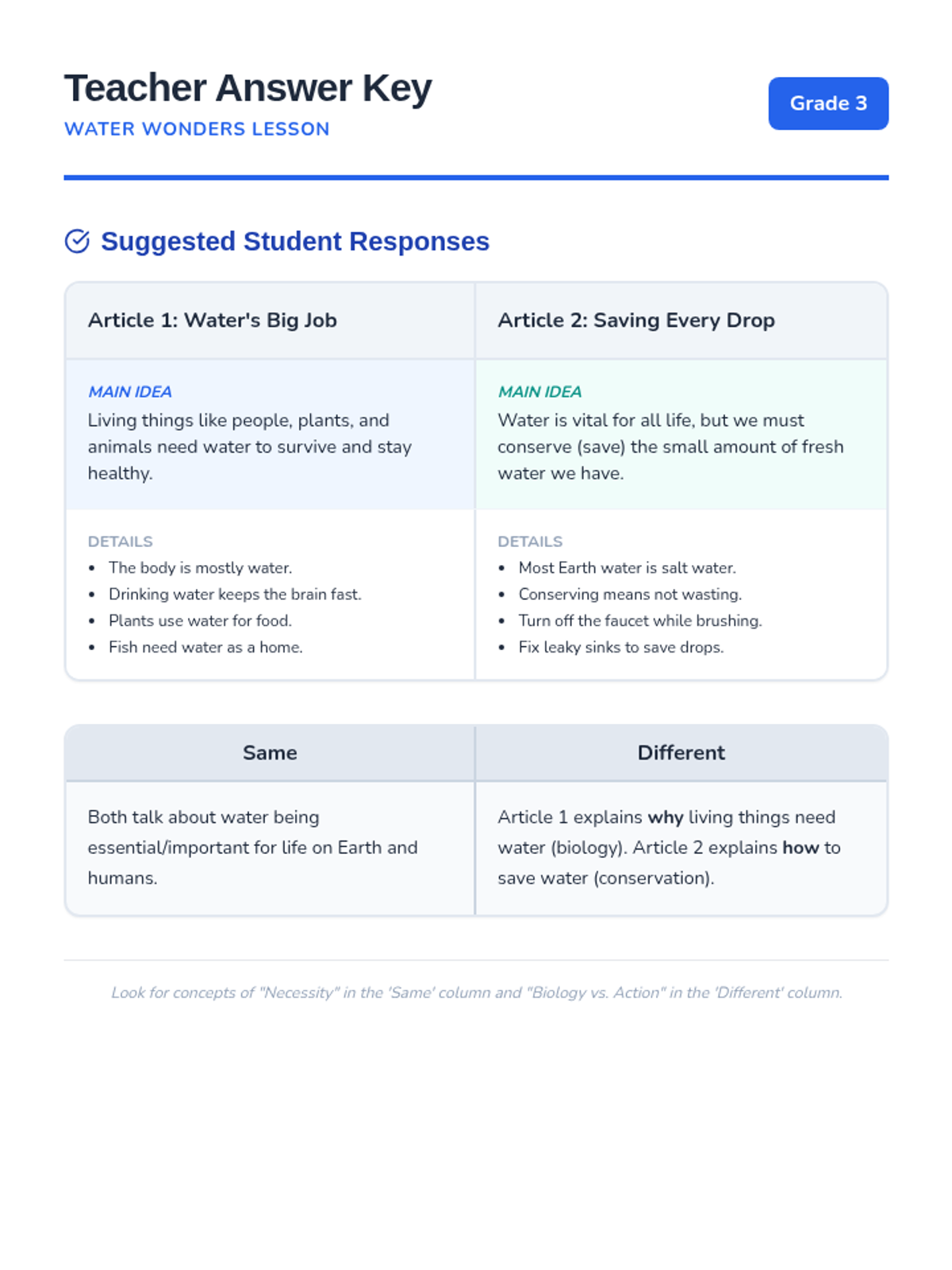
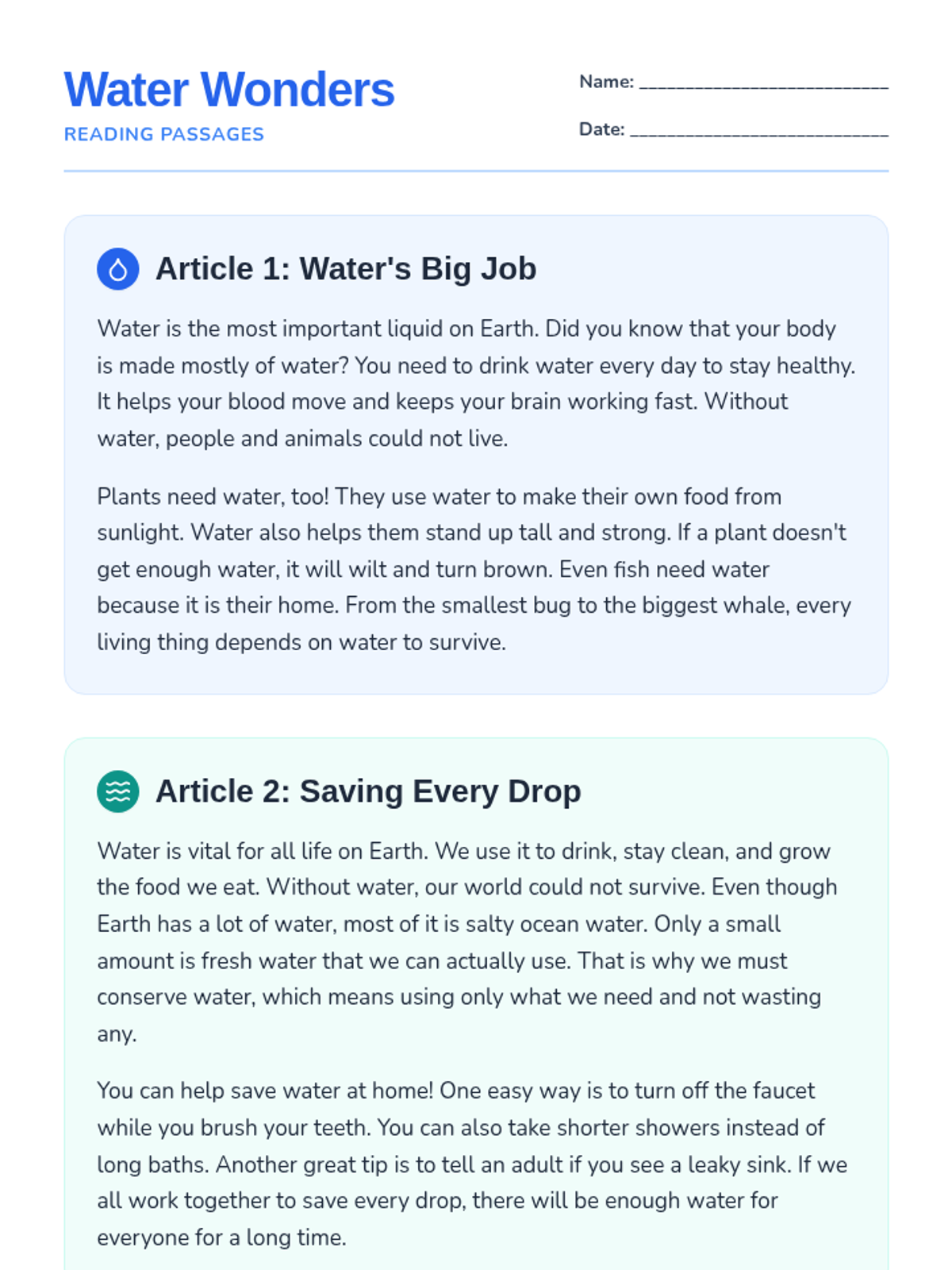
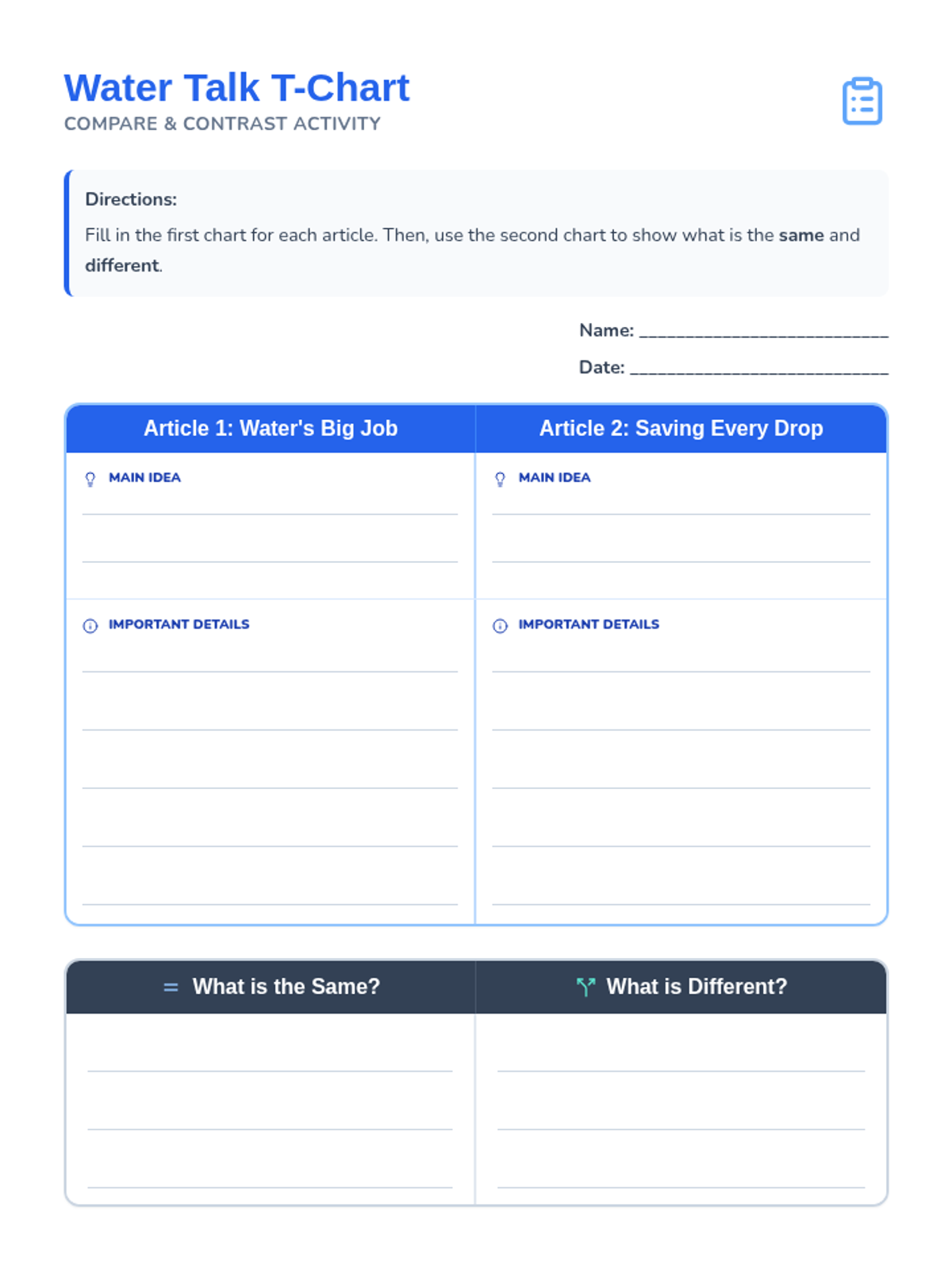
A grade 3 lesson focused on comparing and contrasting main ideas and details across two related texts about water. Students will learn about the biological importance of water and the environmental necessity of conservation.
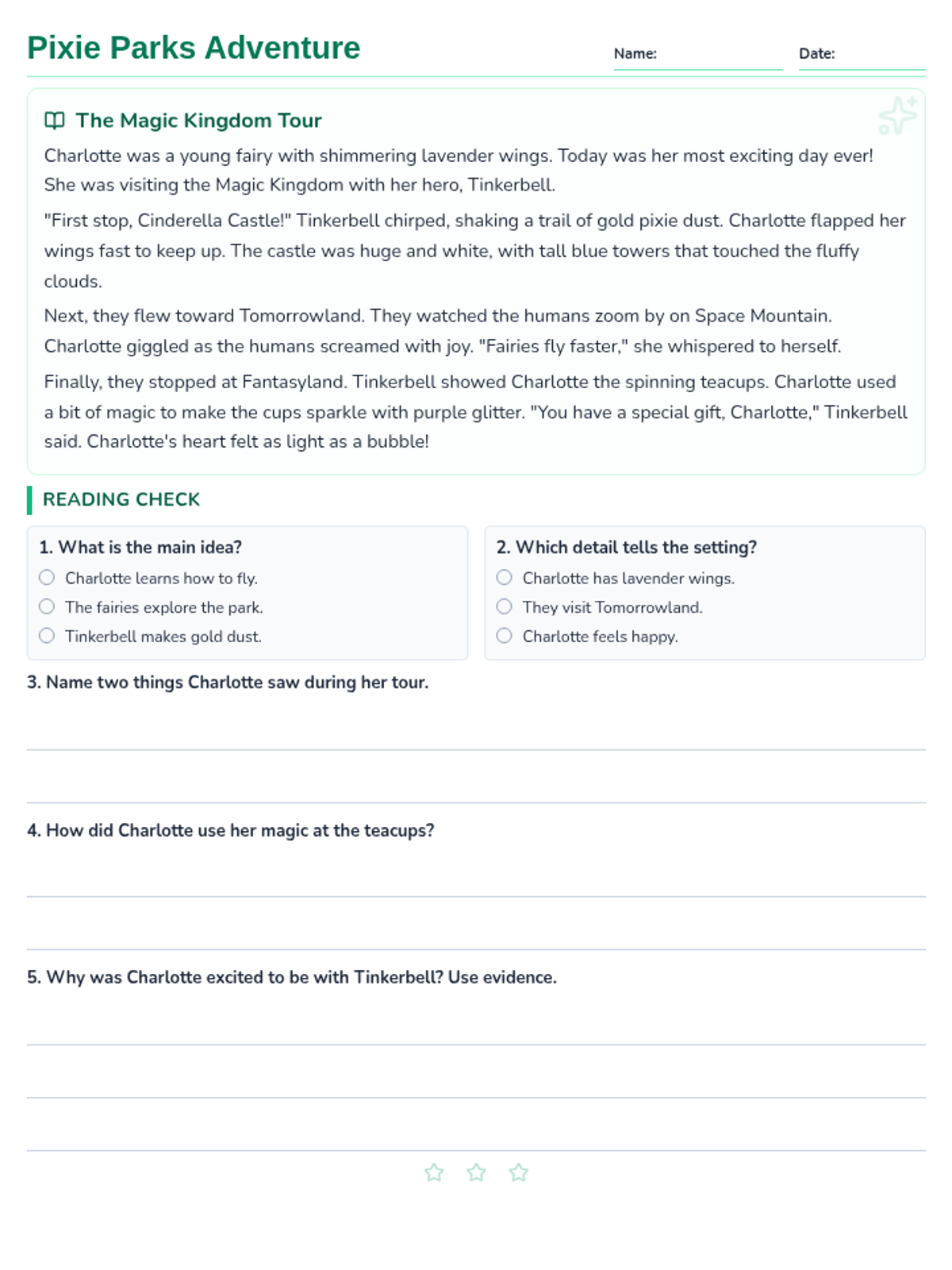
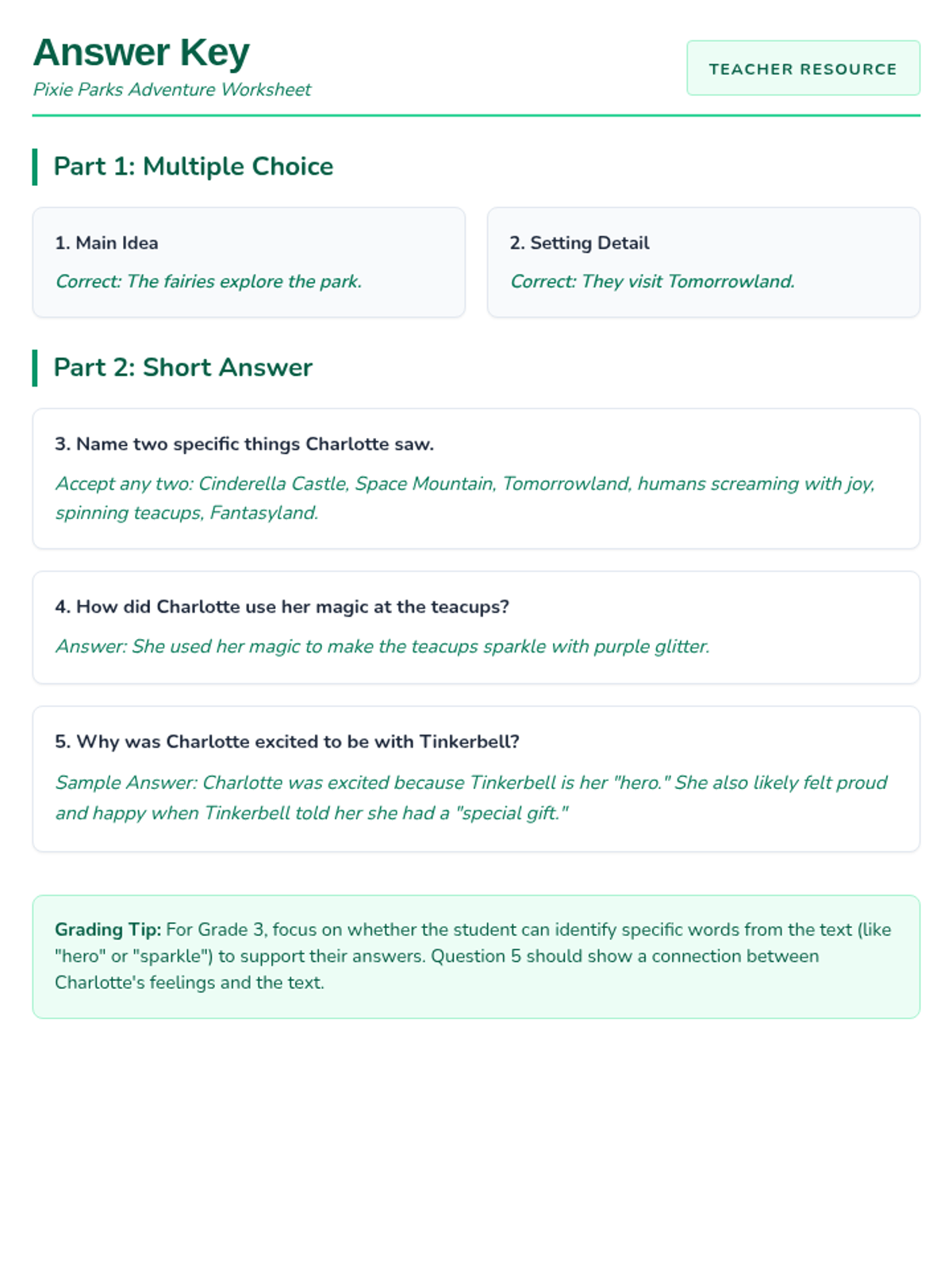
A lesson focused on reading comprehension through a magical story about fairies exploring a theme park. Students practice identifying main ideas and key details.
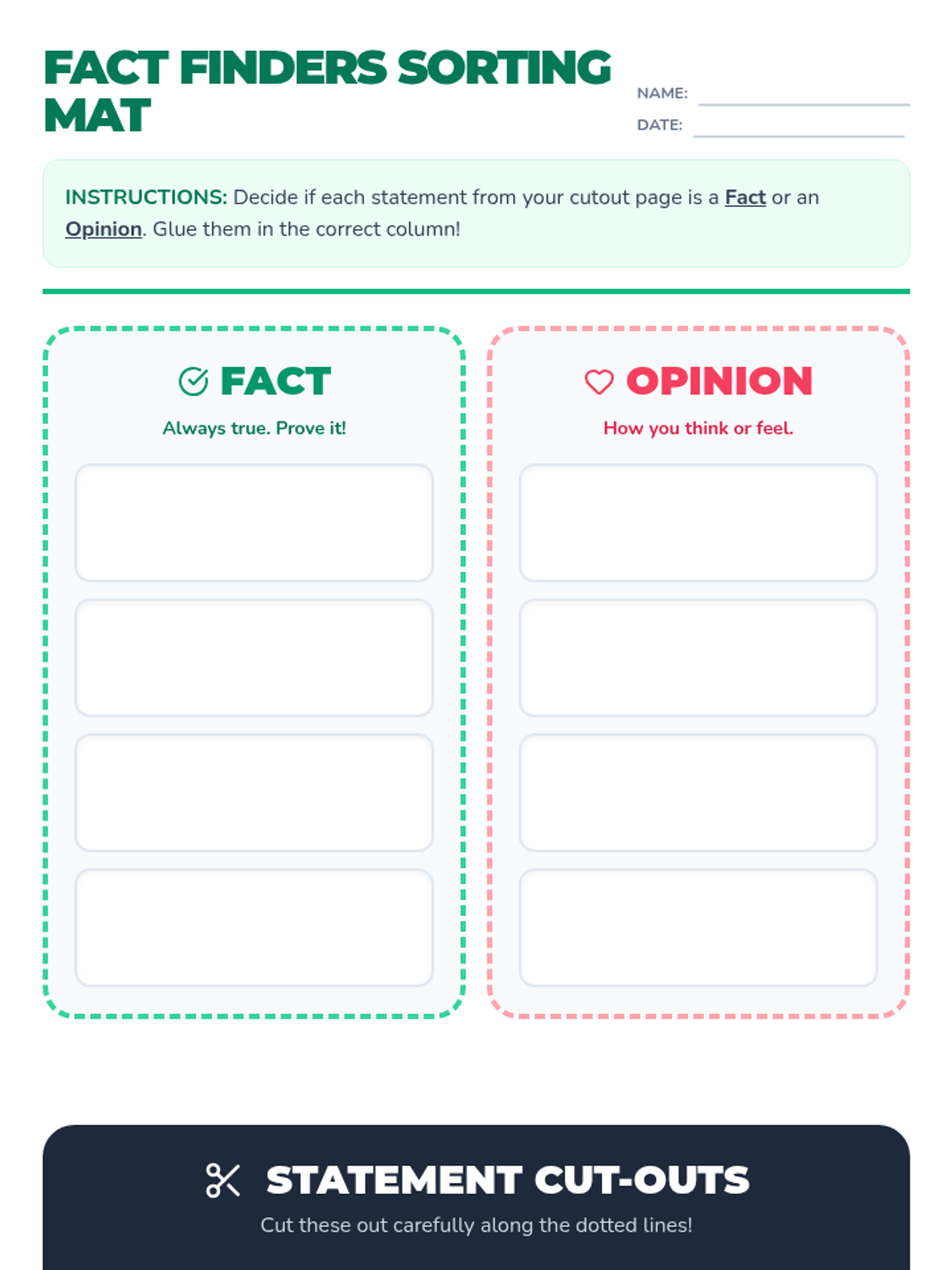
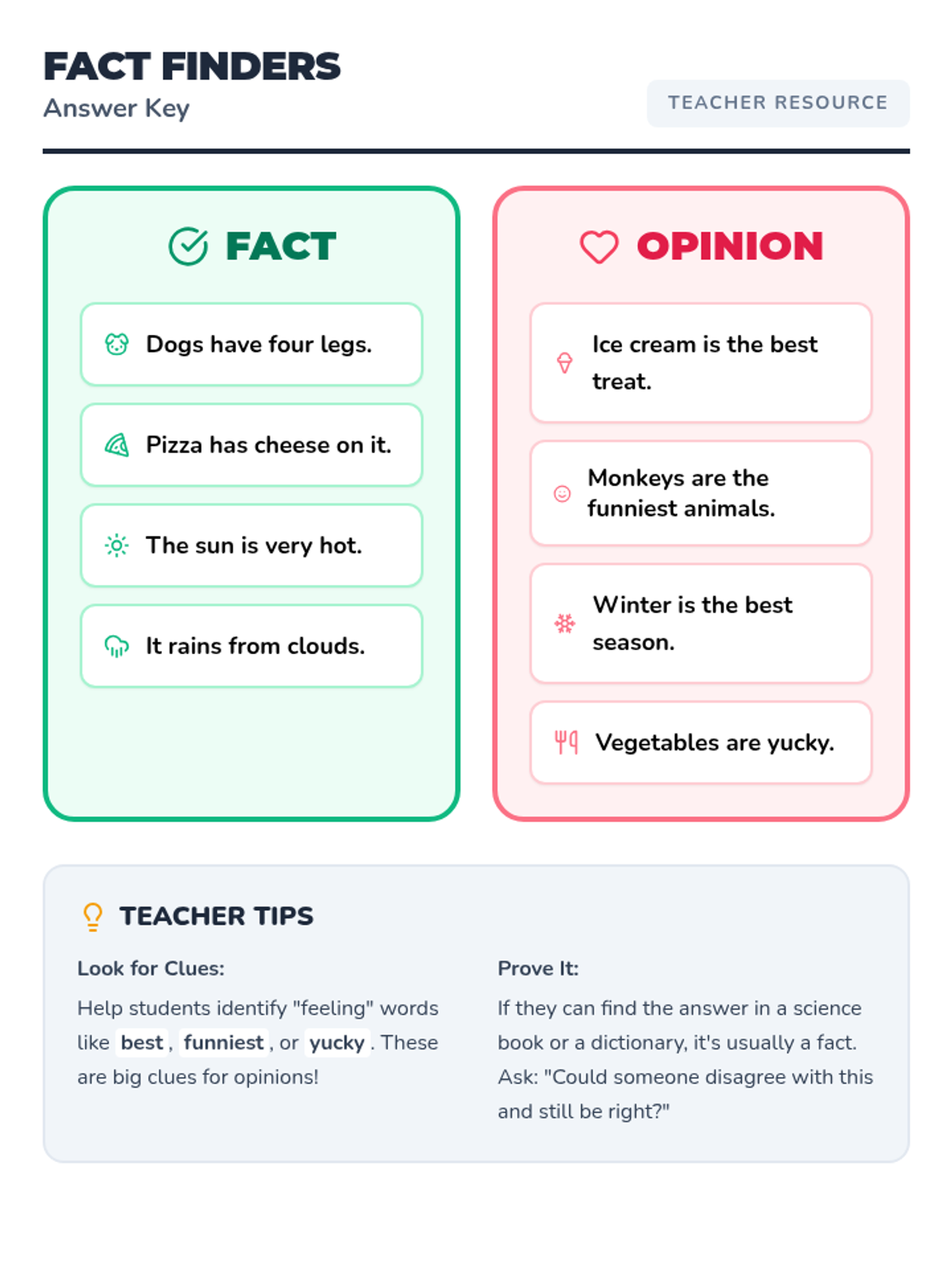
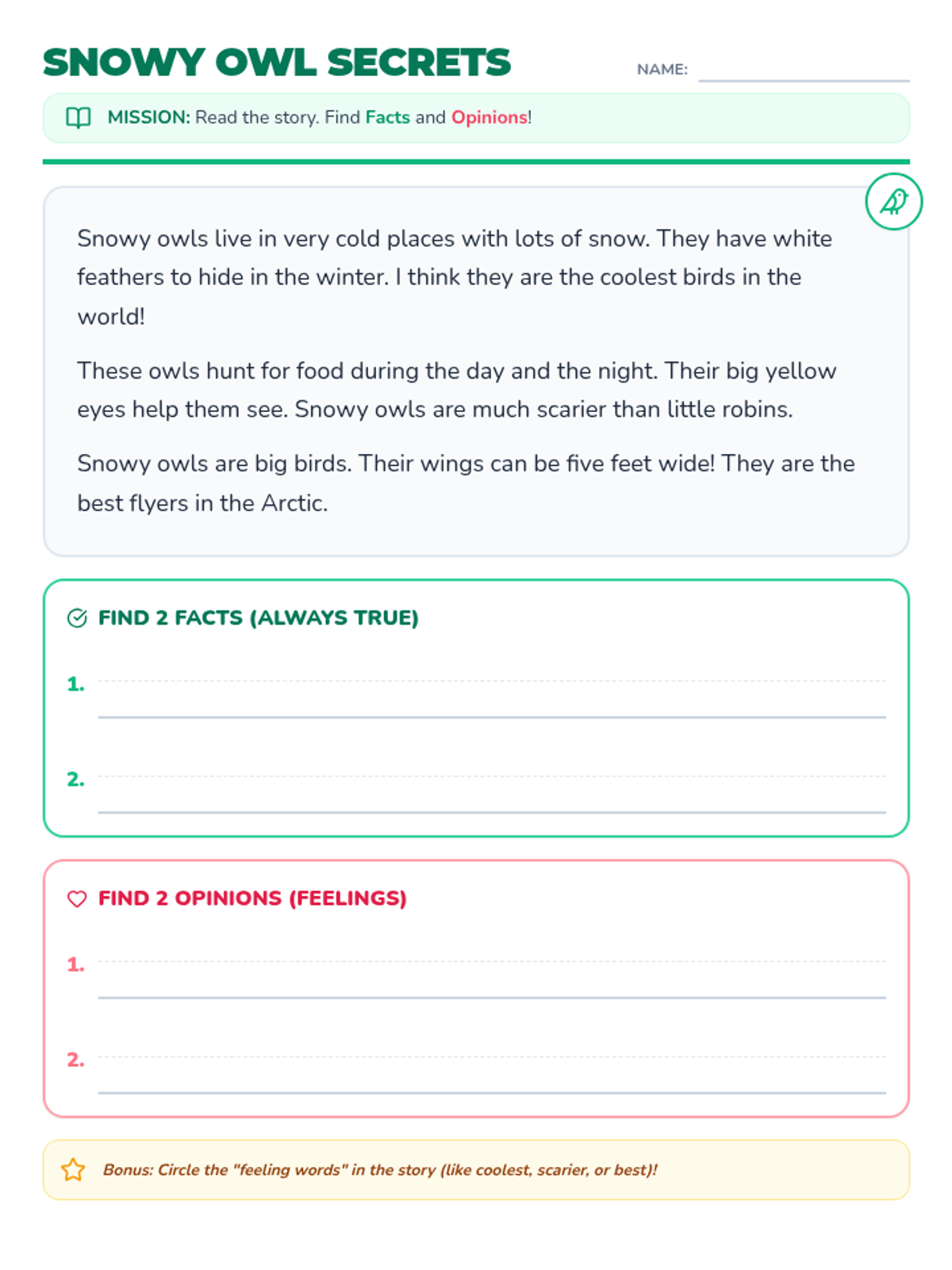
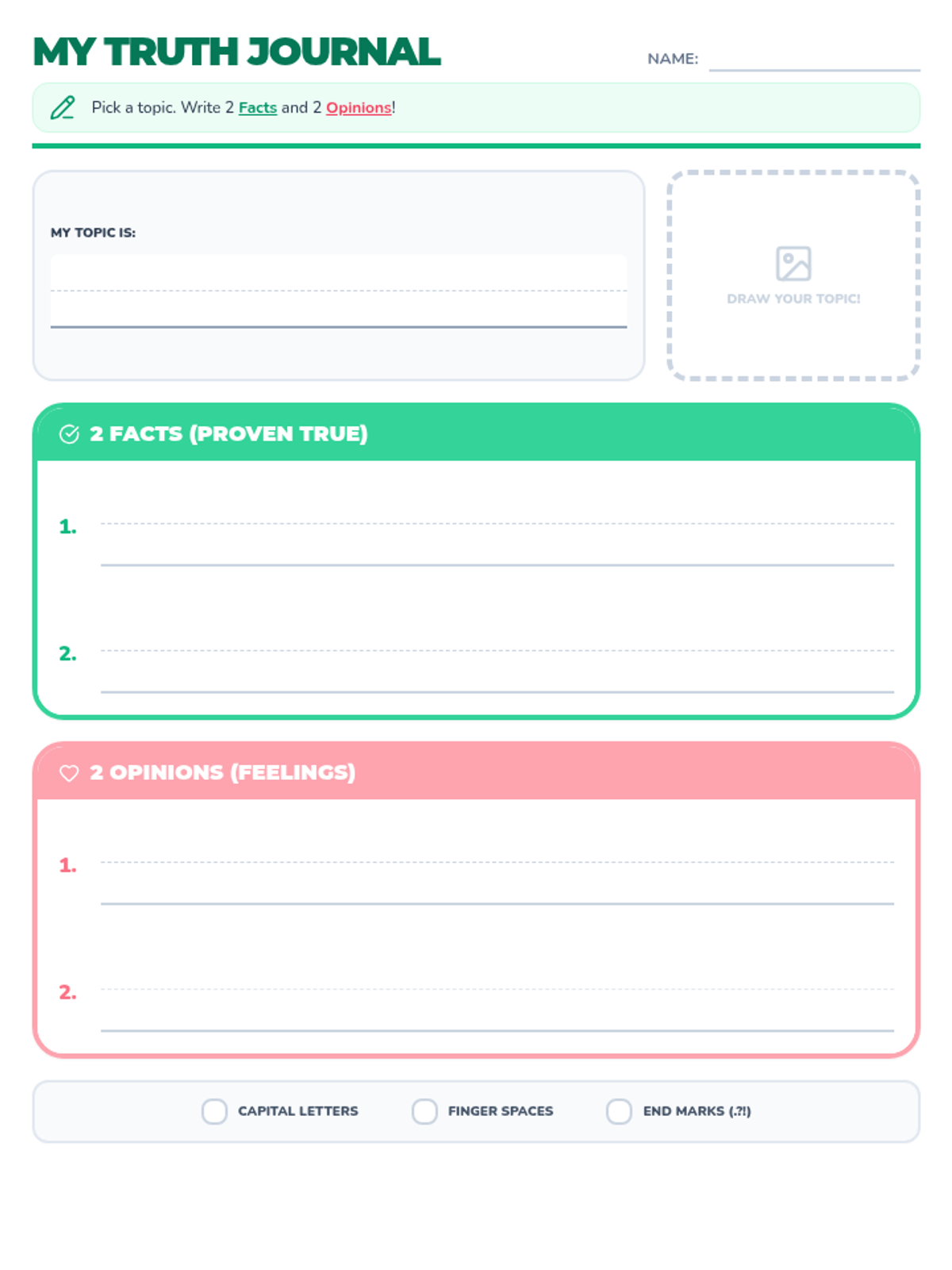
A foundational lesson for 1st graders to distinguish between facts (proven truths) and opinions (personal feelings) using familiar themes like animals, food, and weather.
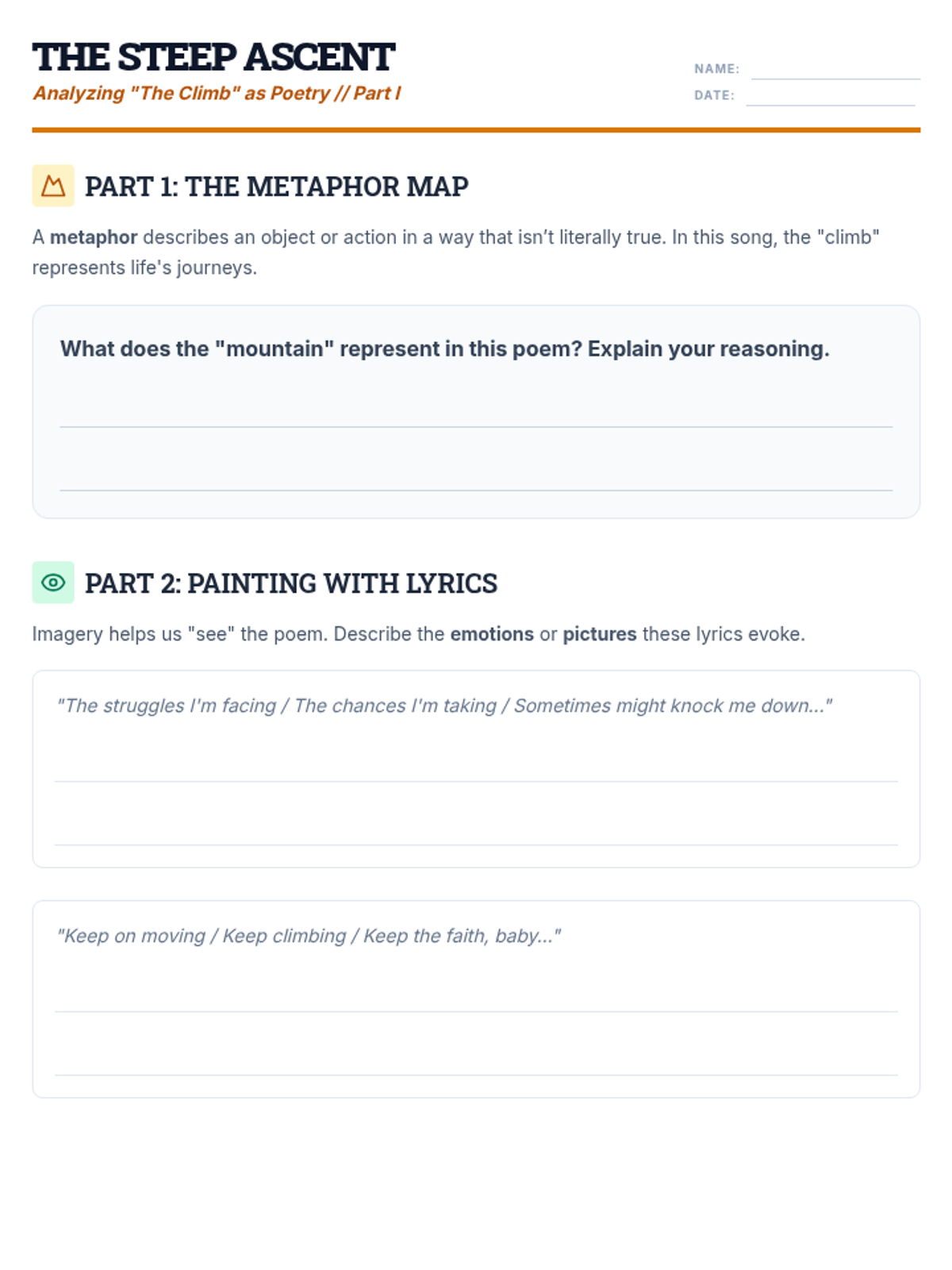
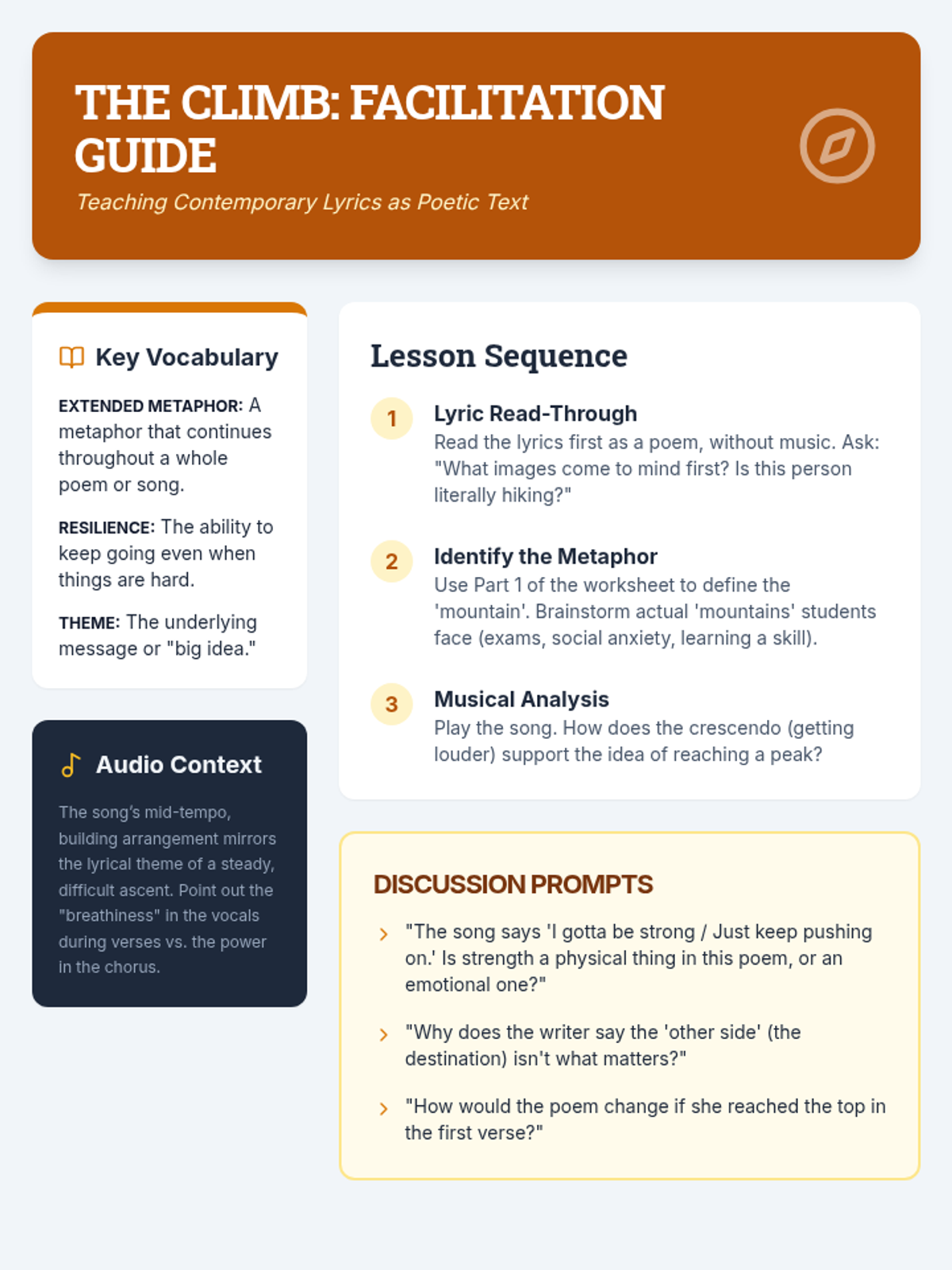
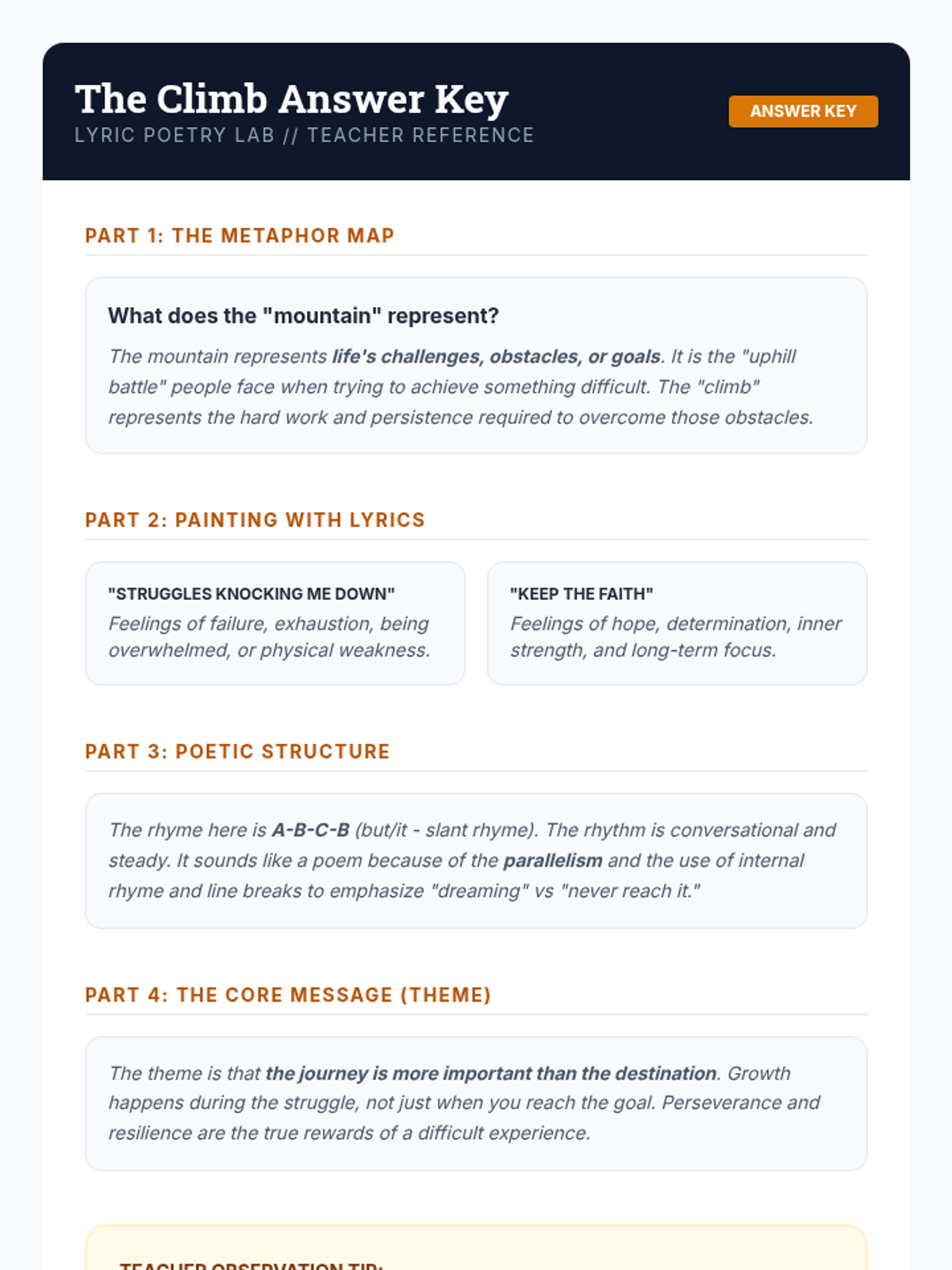
Students analyze the song 'The Climb' by Miley Cyrus as a poetic work, focusing on the central metaphor of a mountain climb to represent life's challenges and perseverance.
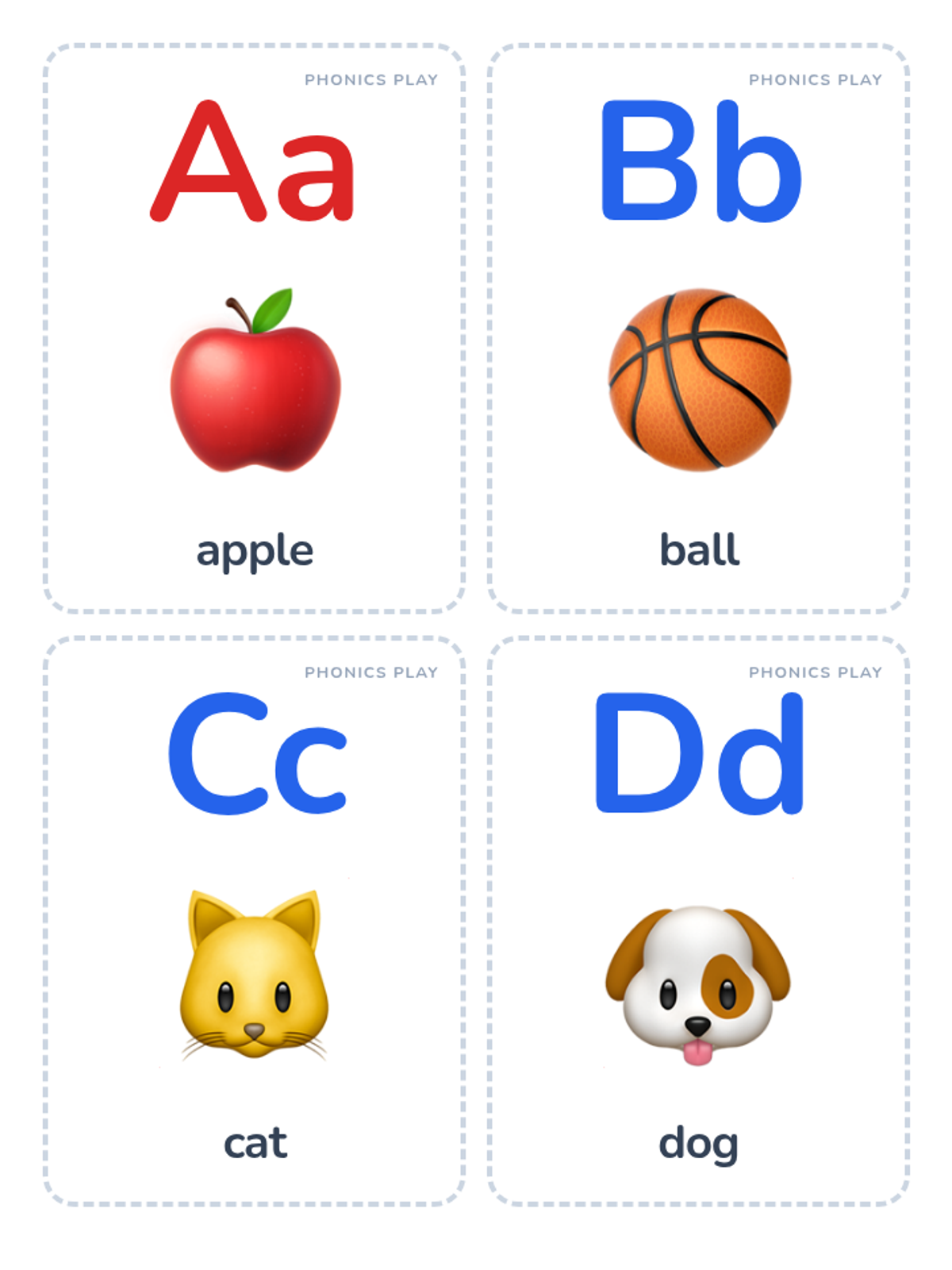
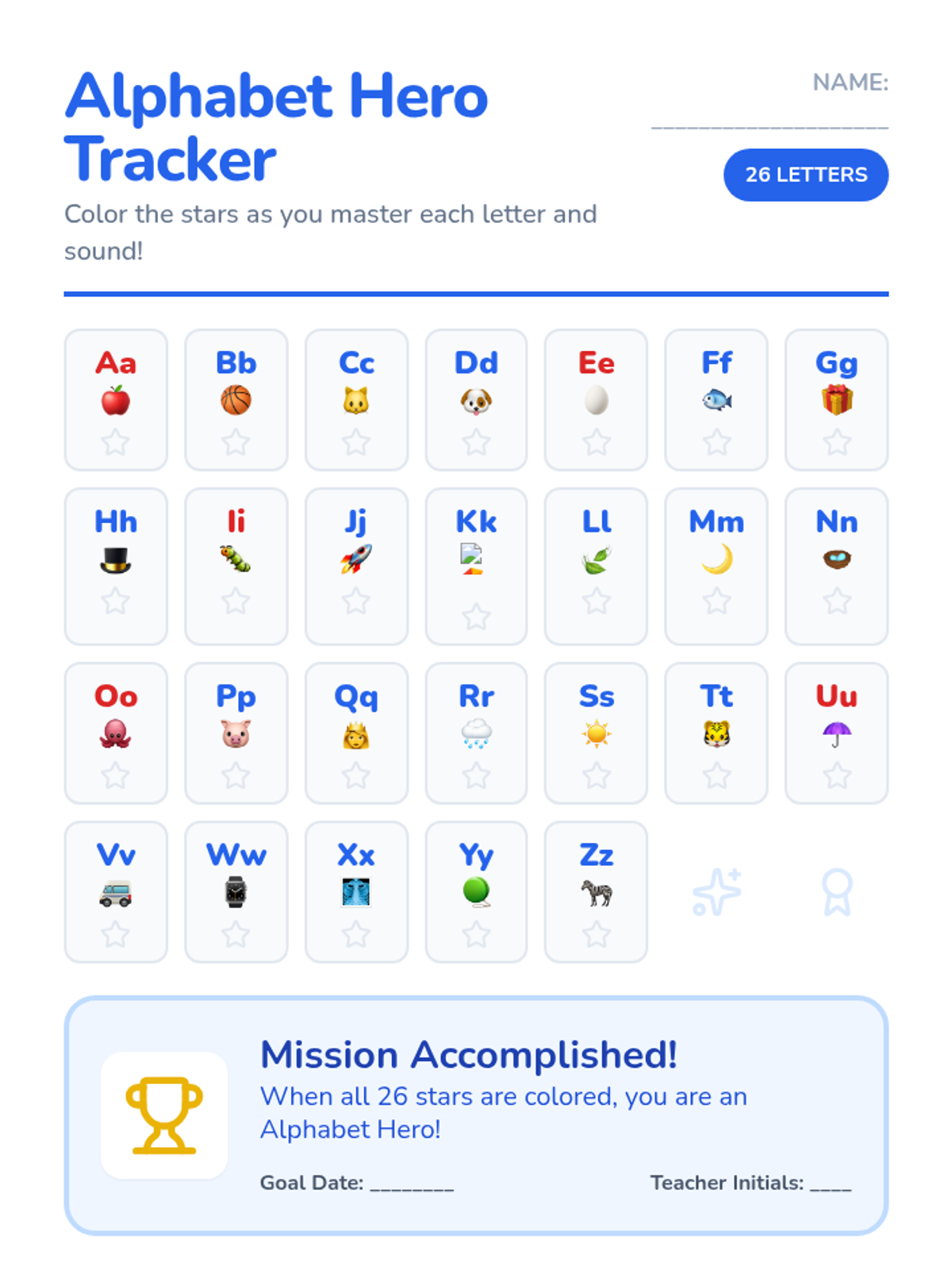
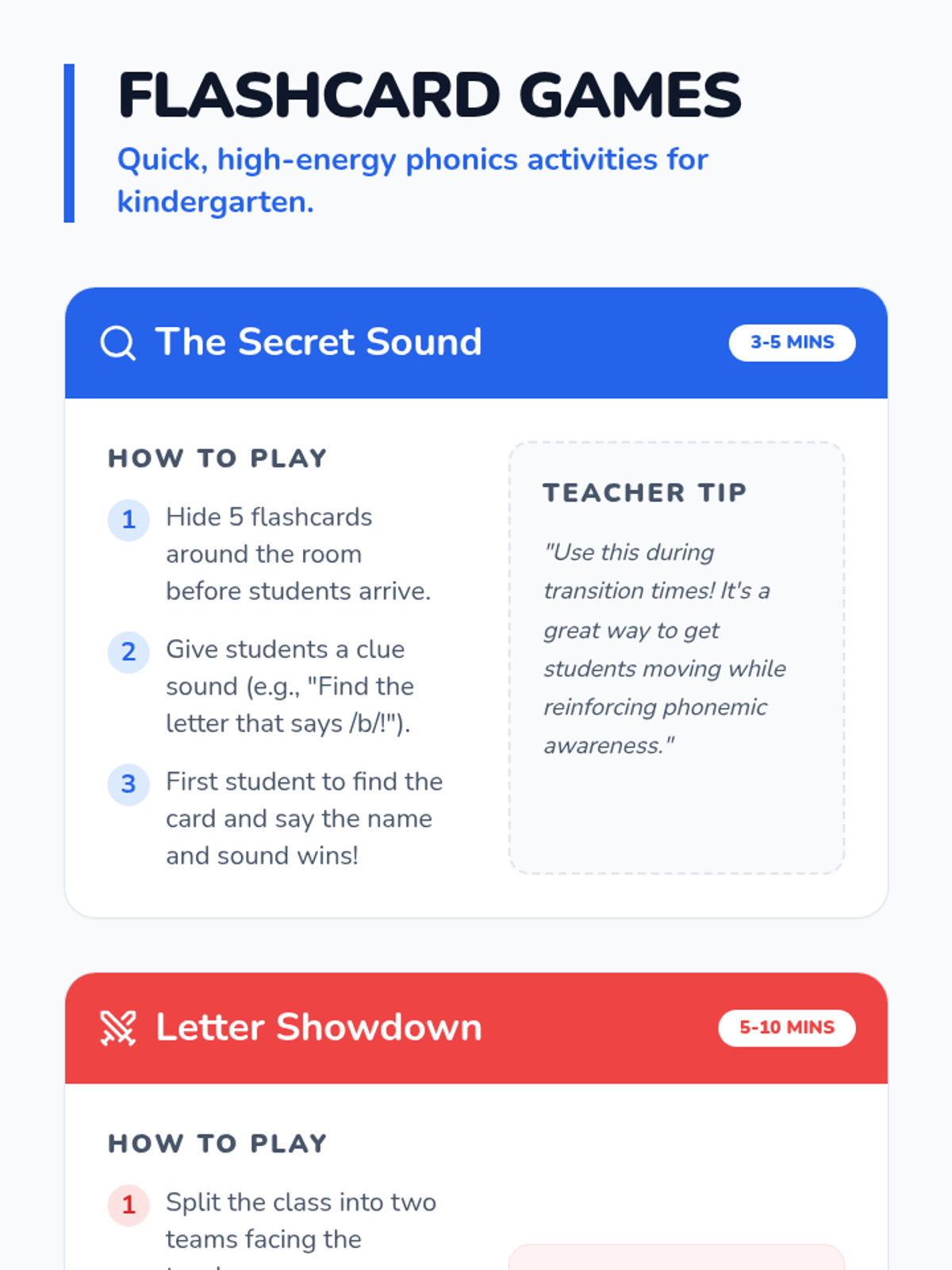
A foundational phonics lesson focusing on letter-sound recognition and name identification for kindergarten students using visual aids and interactive games.
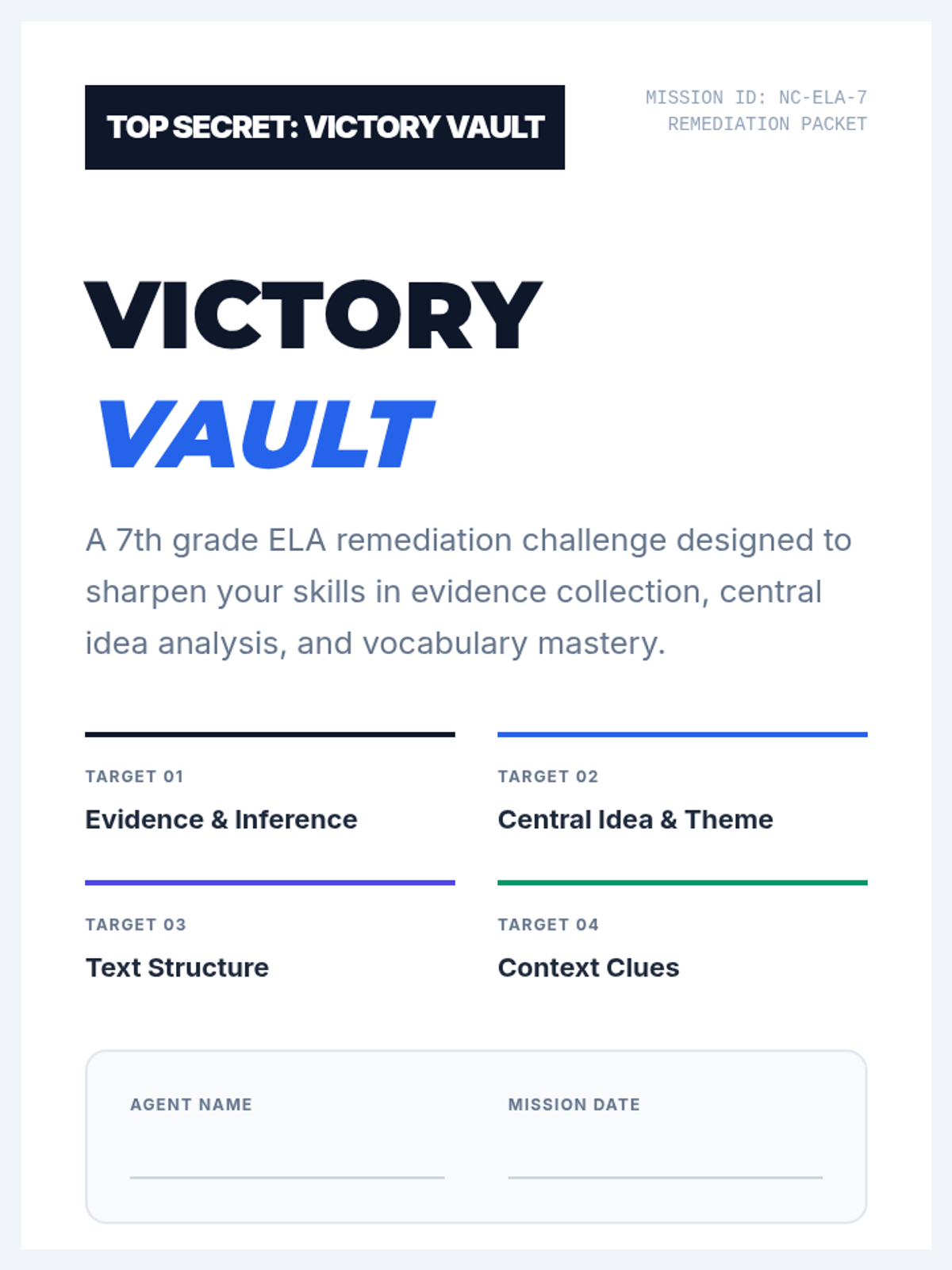
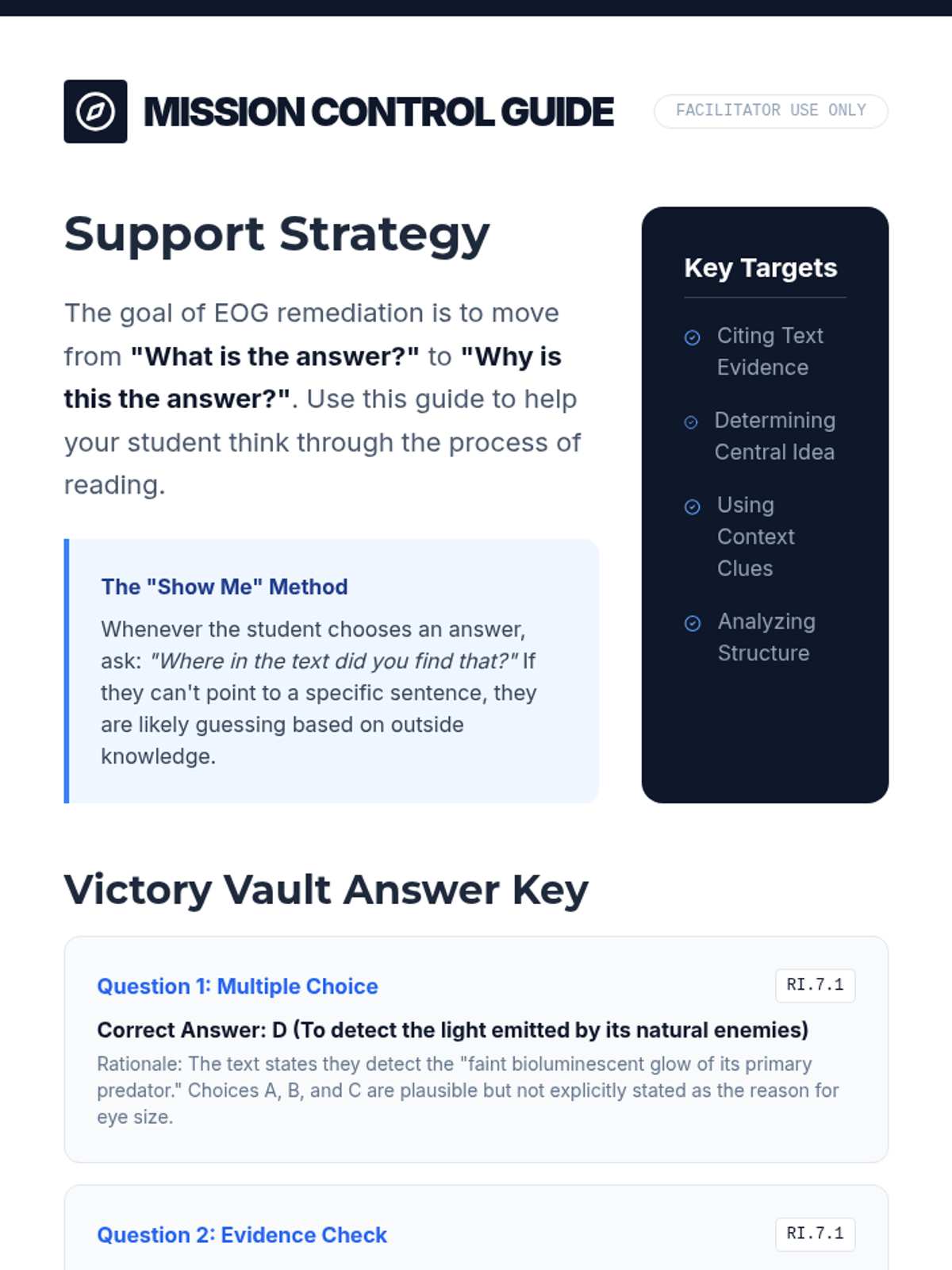
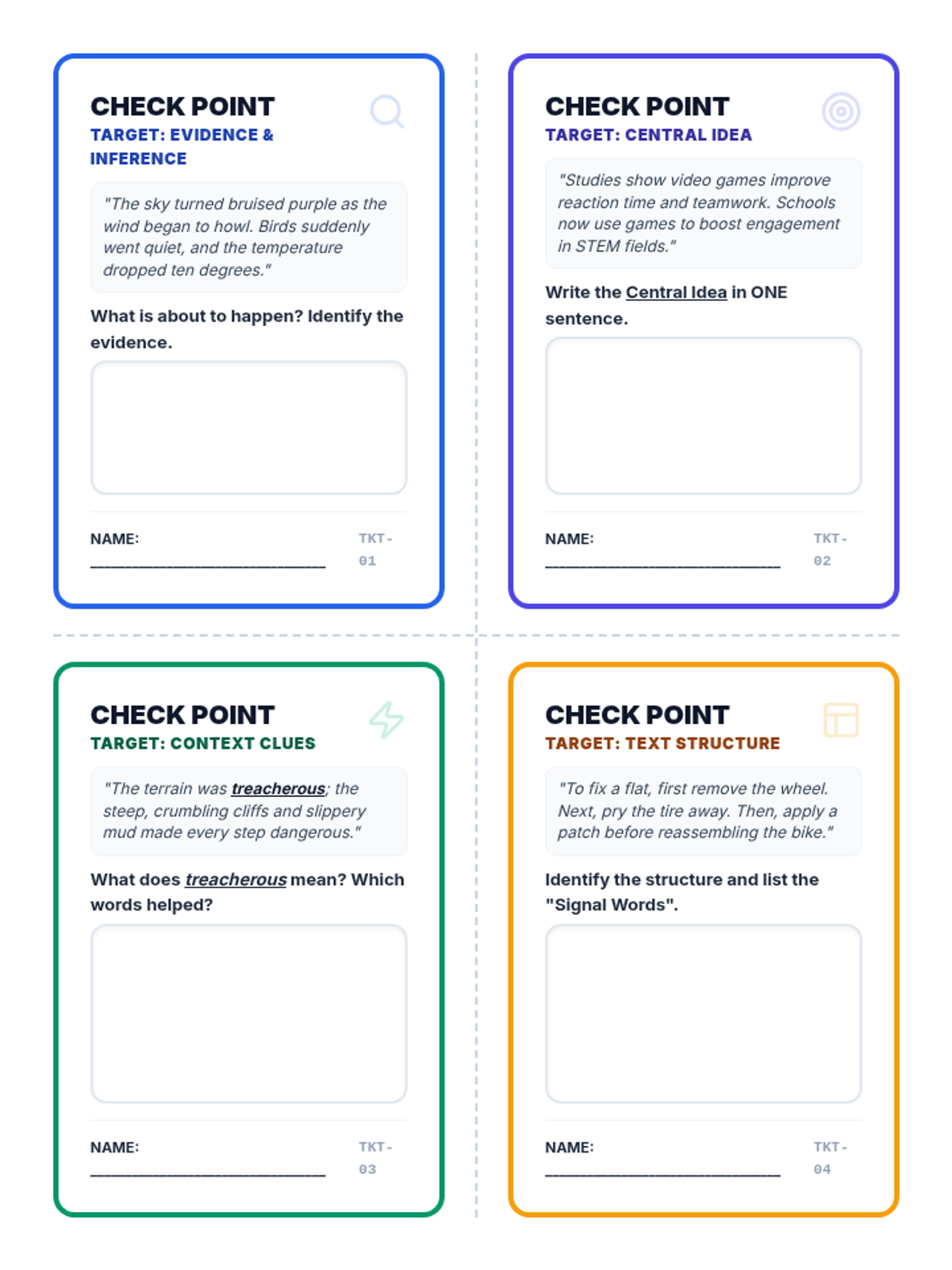
A comprehensive remediation program designed for 7th grade students to master key NC ELA standards, focusing on evidence-based reading, central idea, and context clues.
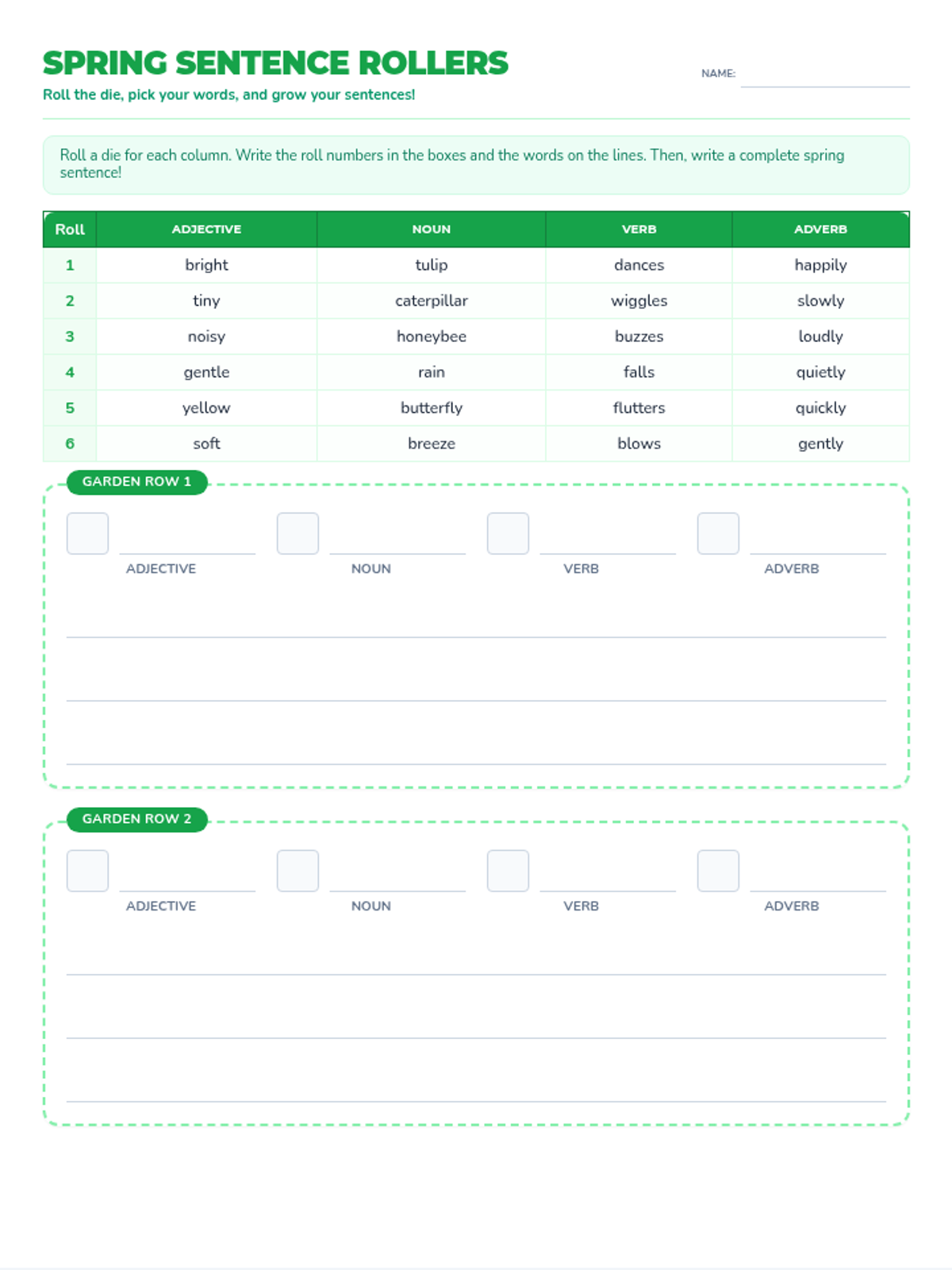
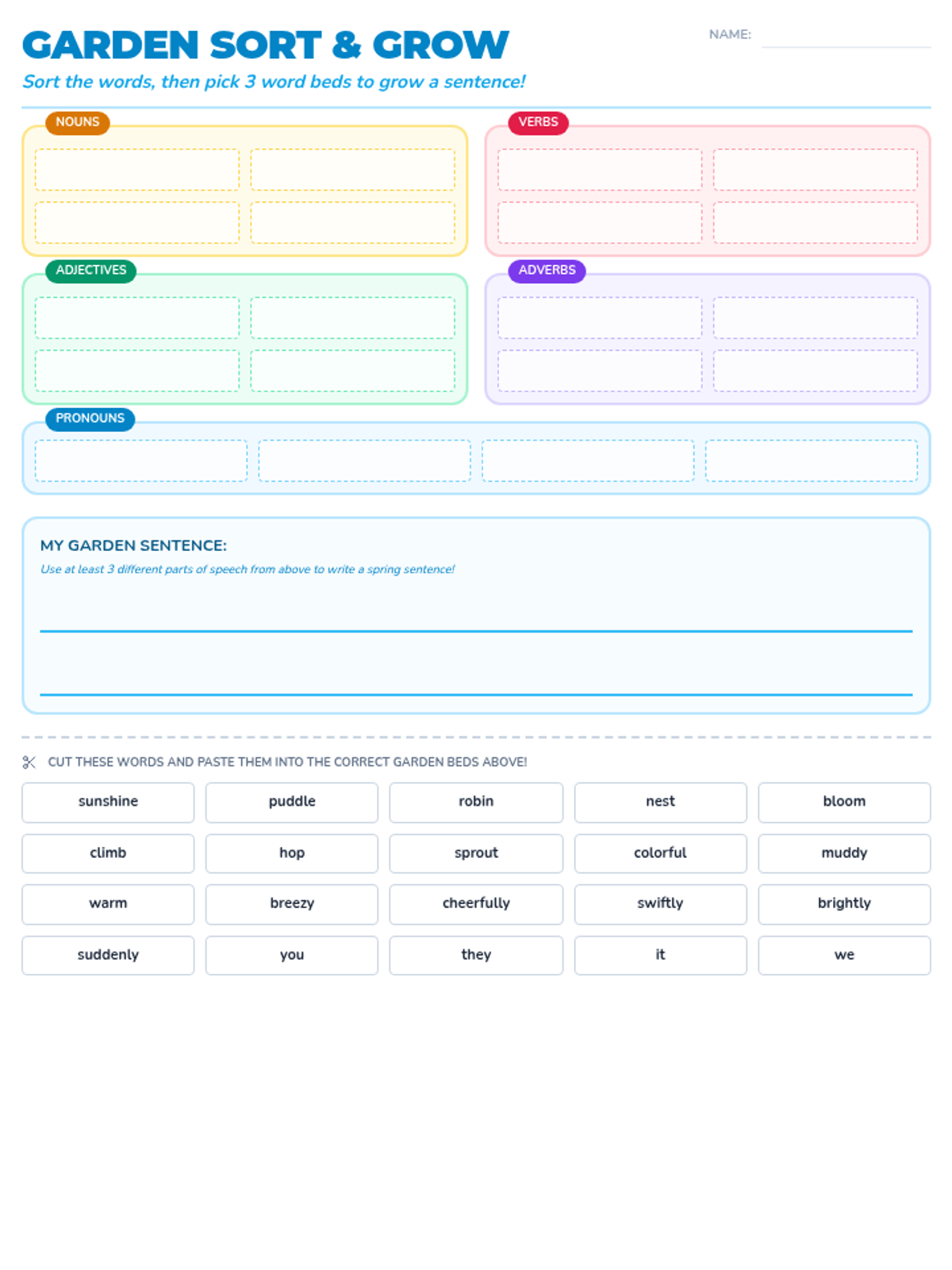
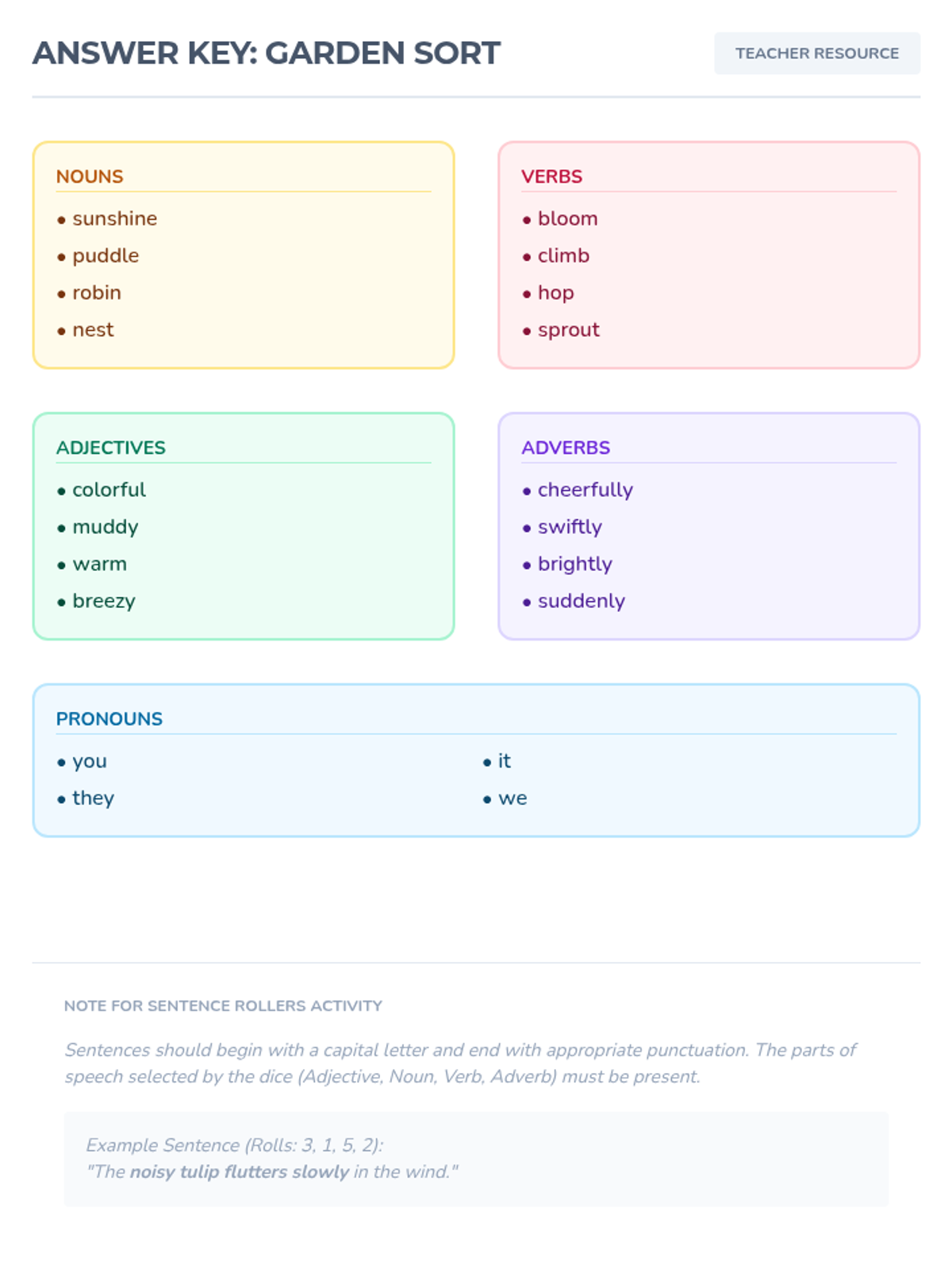
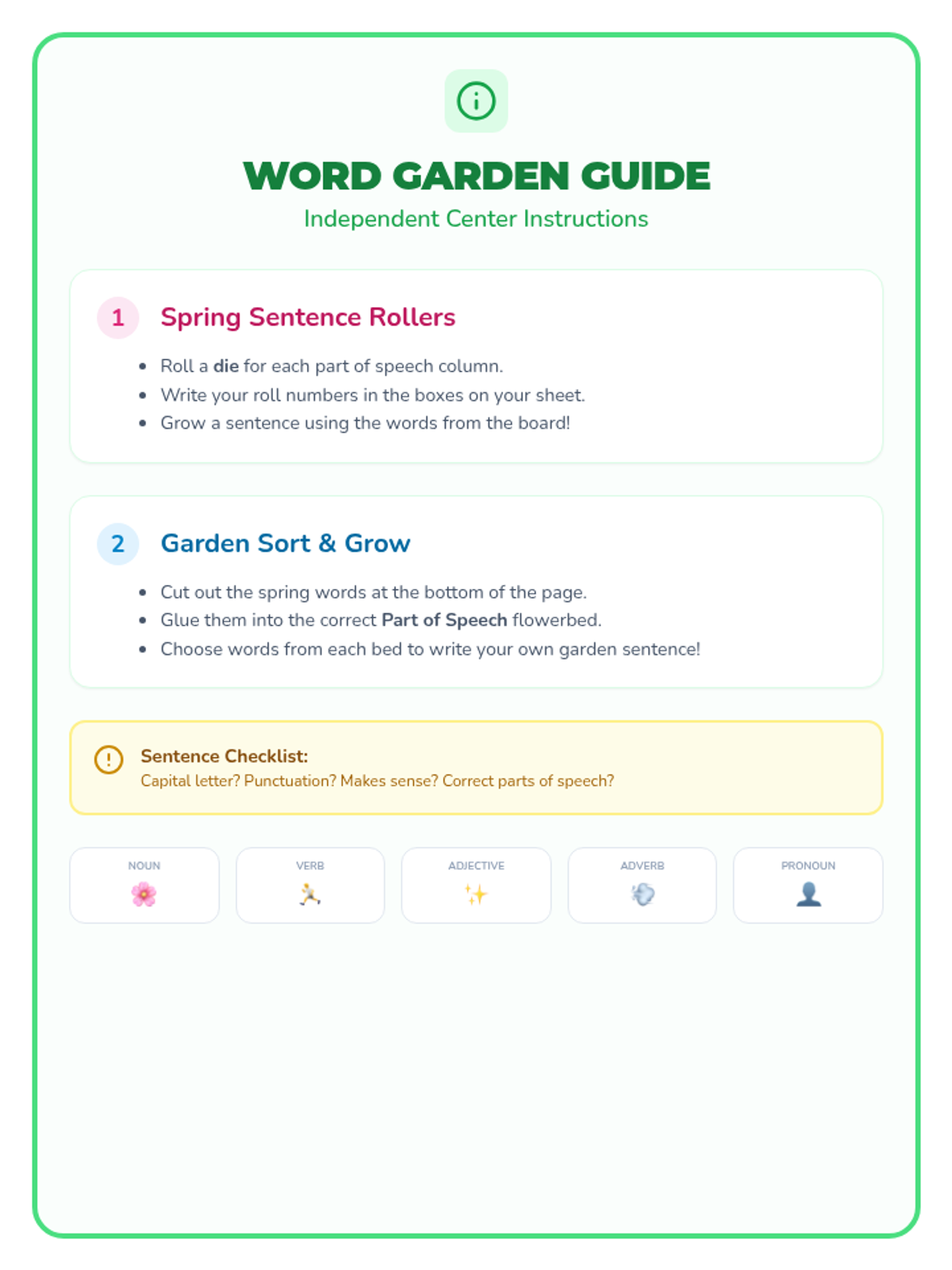
A spring-themed independent center focused on identifying and using nouns, verbs, adjectives, adverbs, and pronouns through interactive games and sorting.
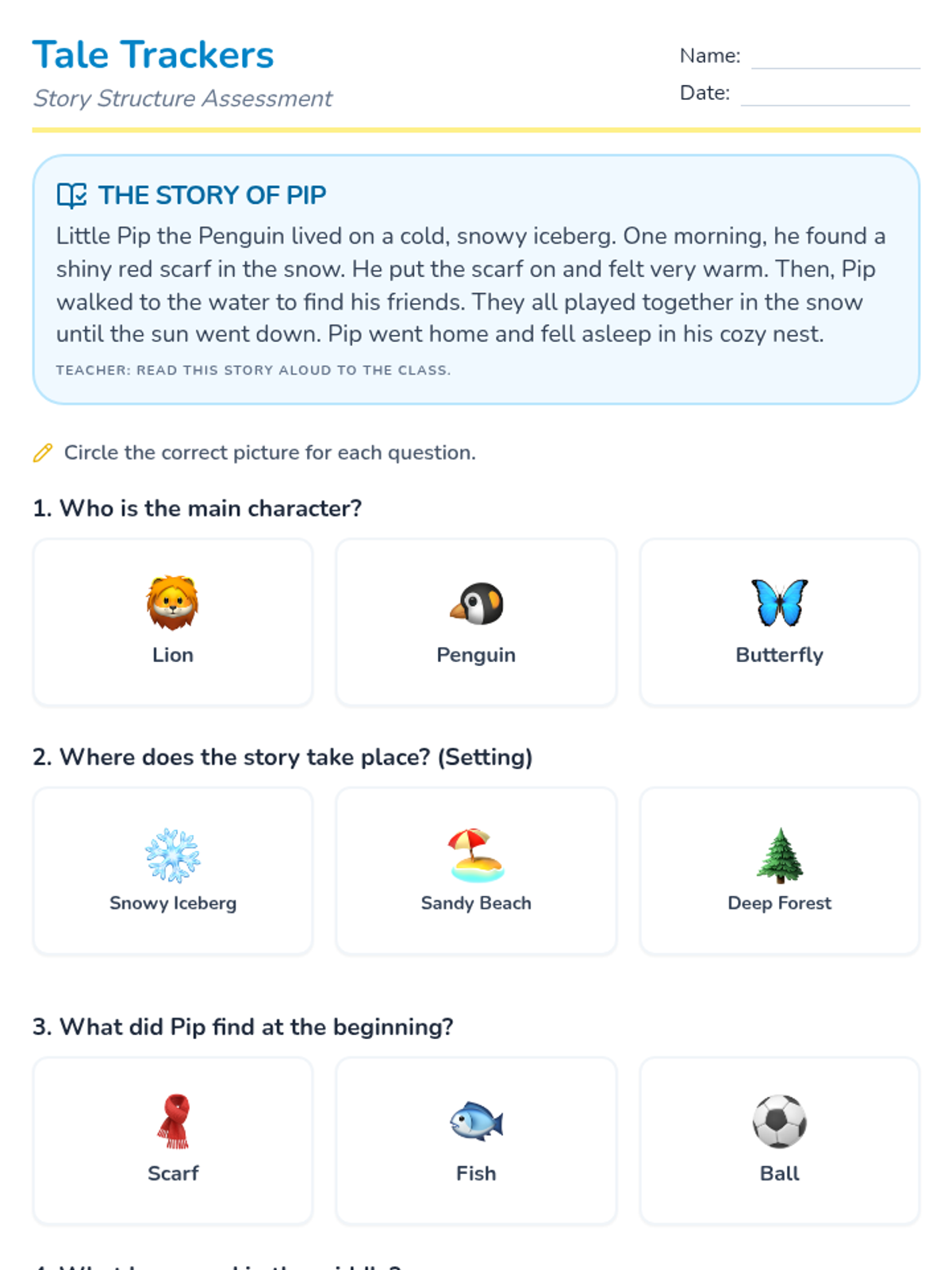
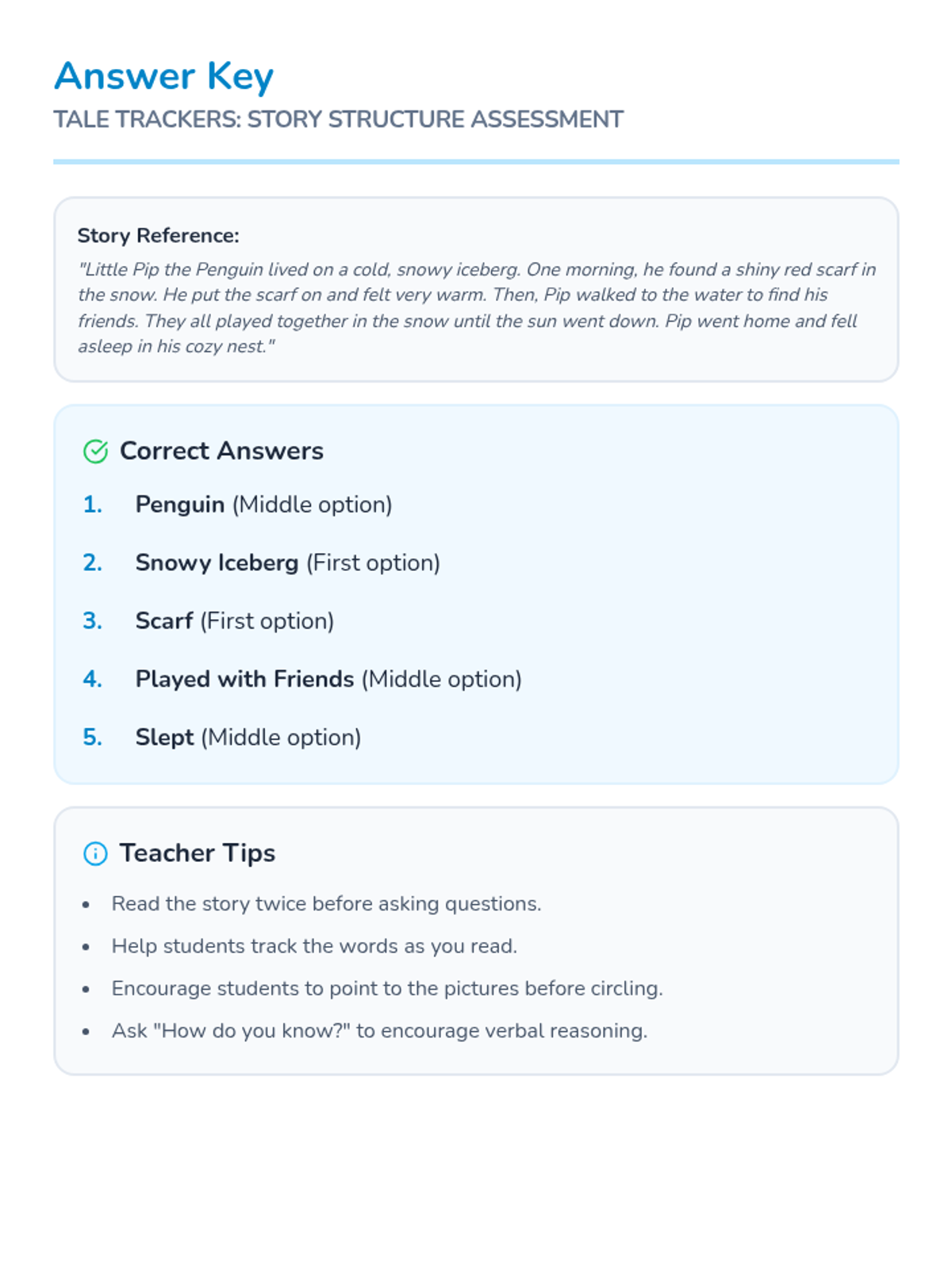
A simple assessment for kindergarteners to demonstrate their understanding of story structure, including characters, setting, and the beginning, middle, and end of a tale.
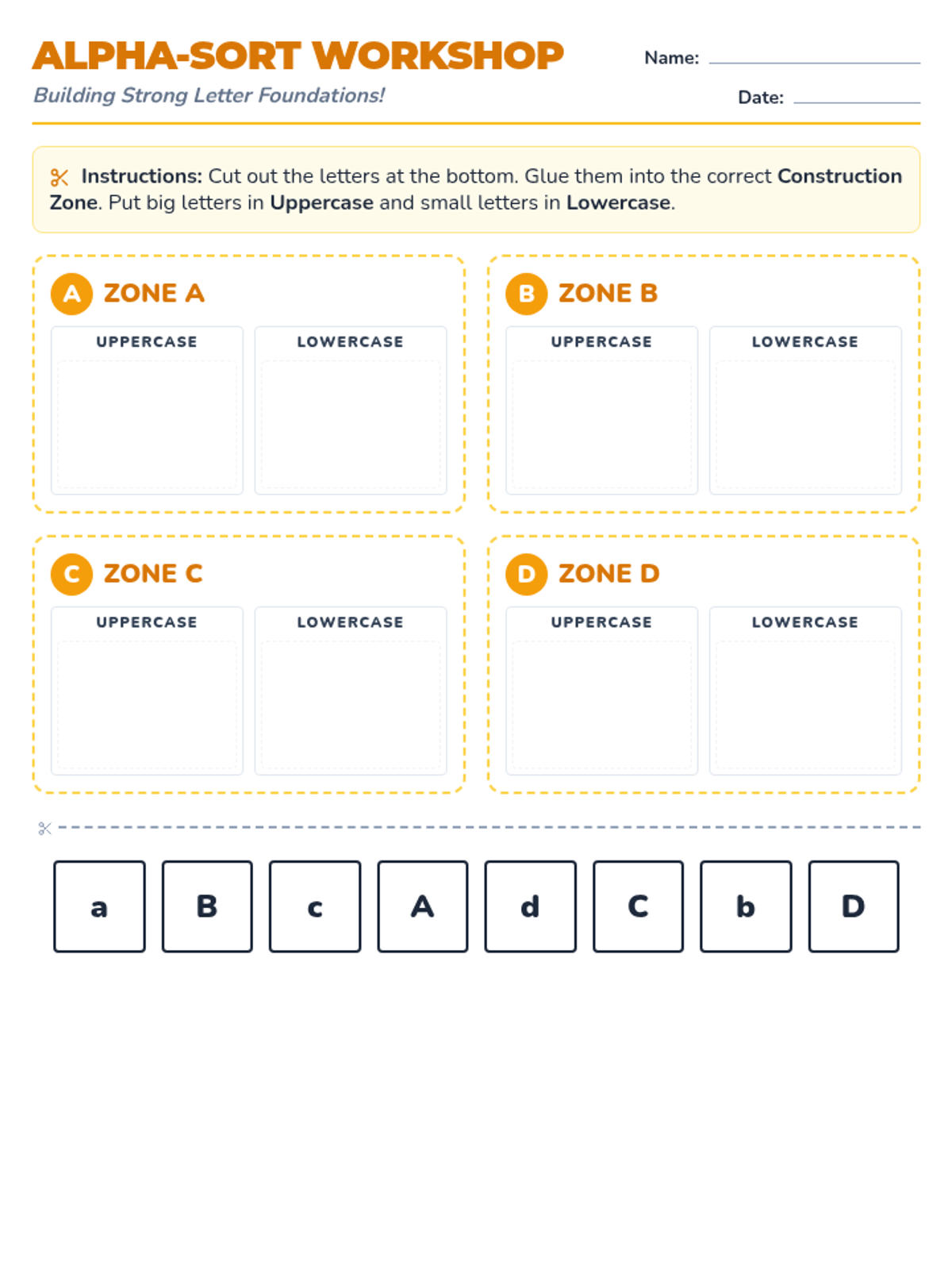
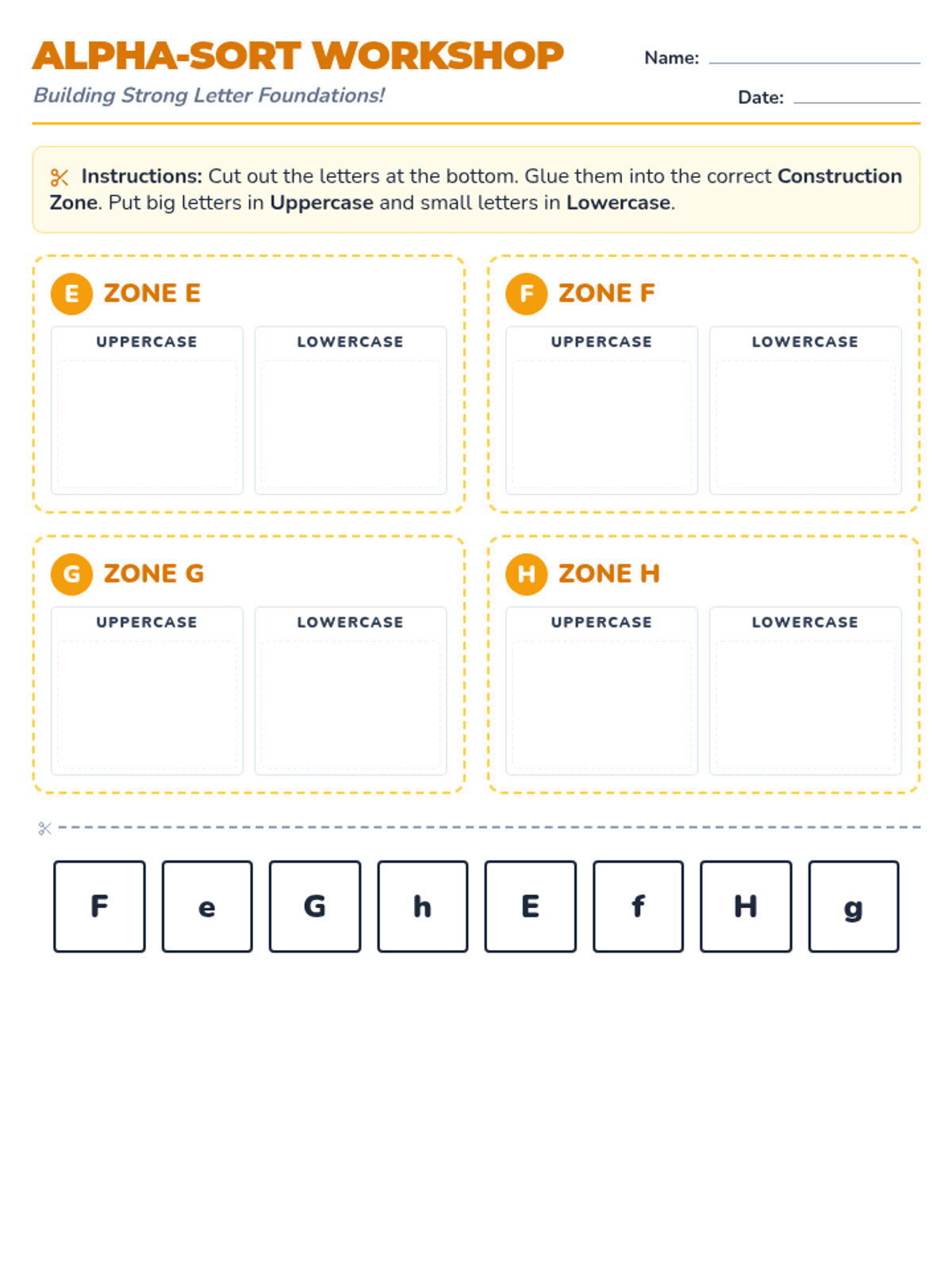
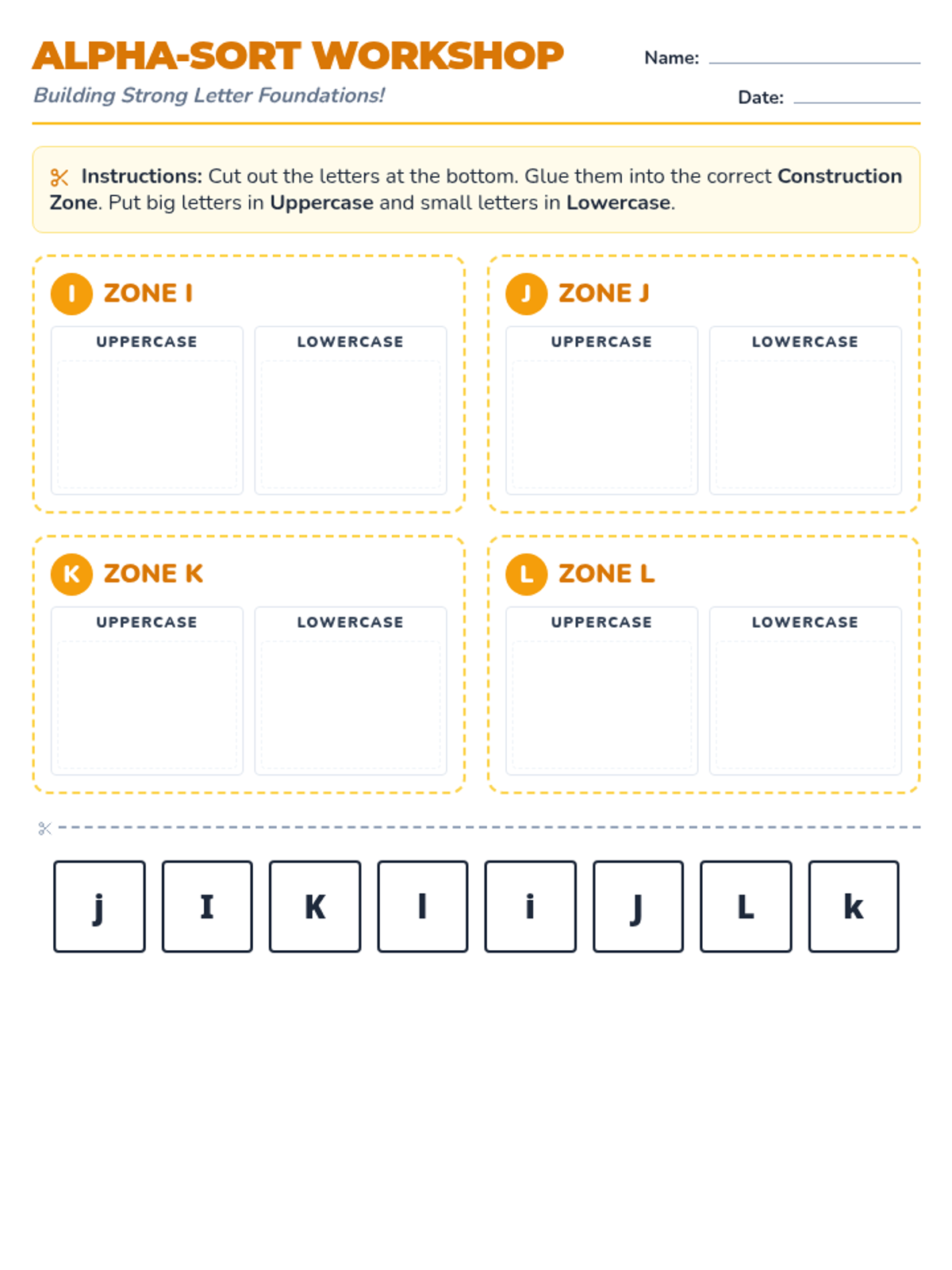
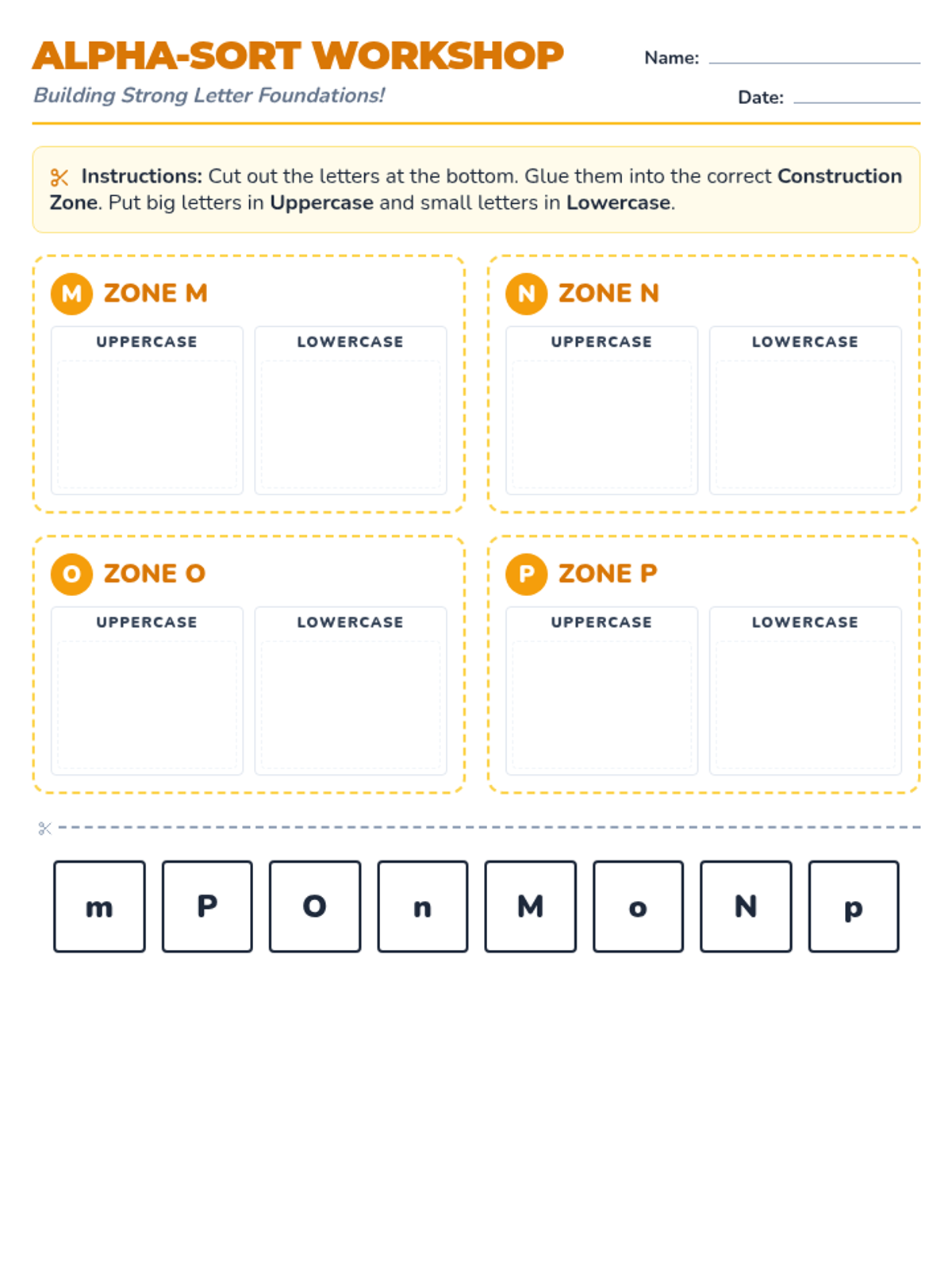
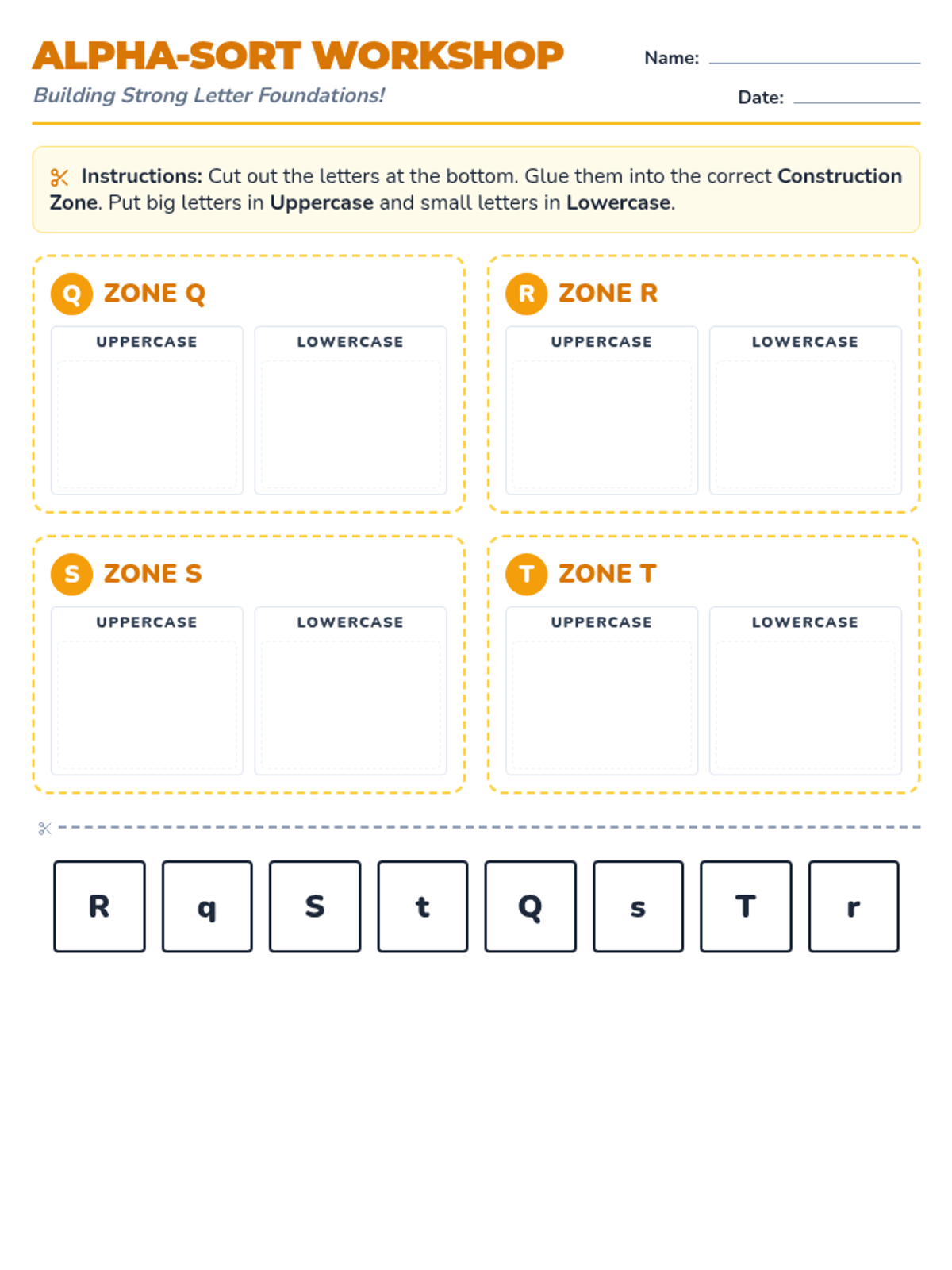
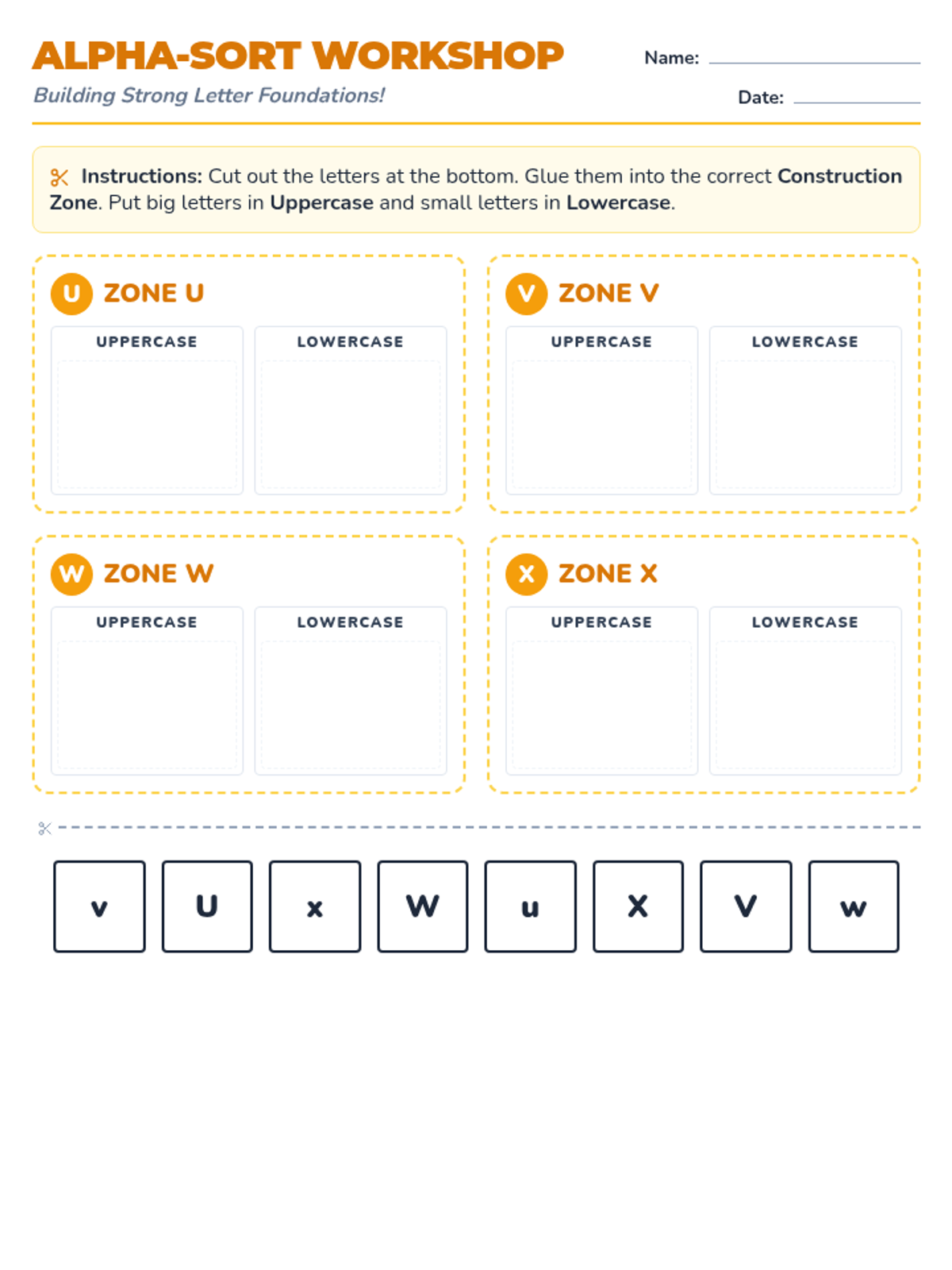
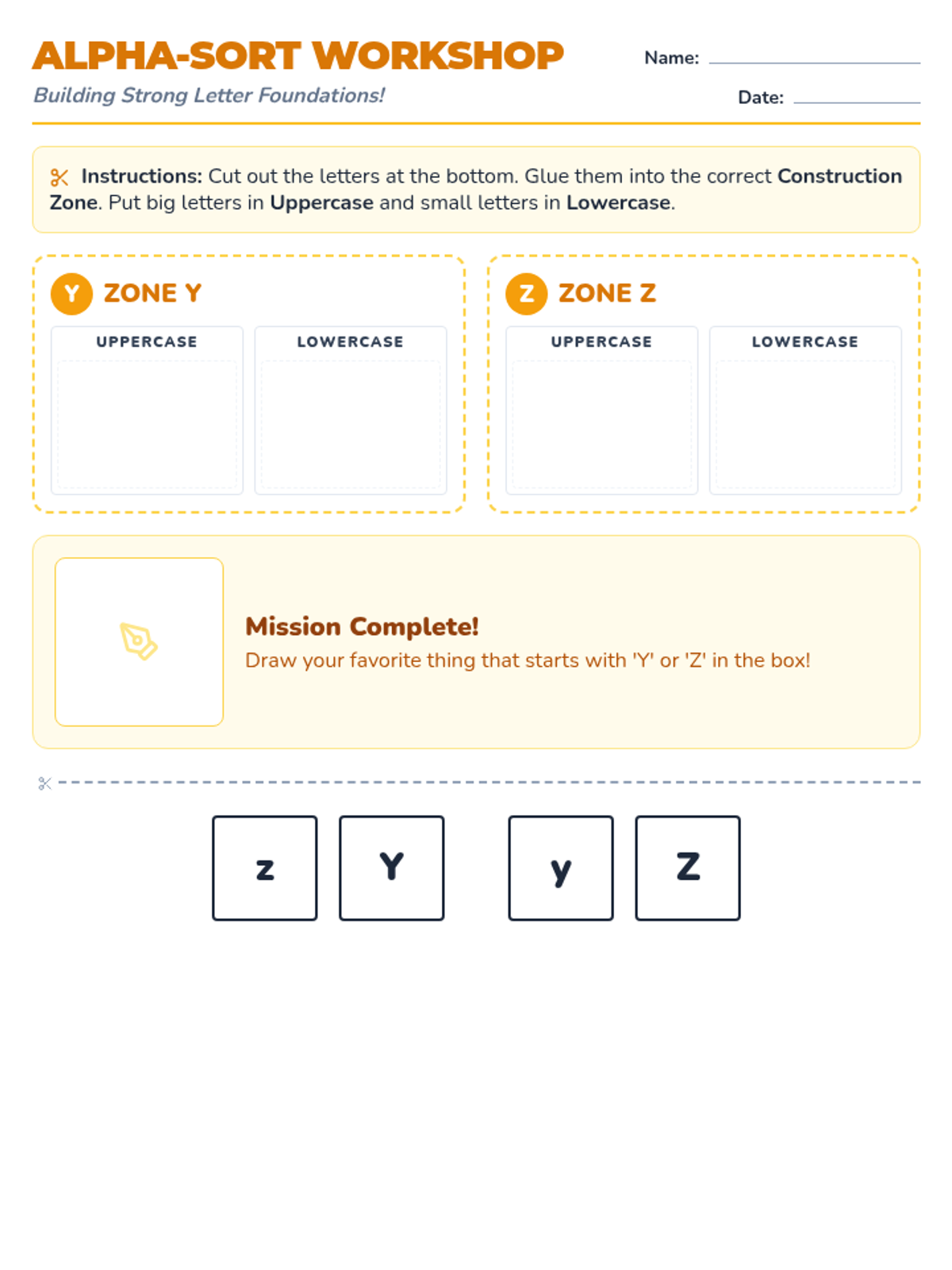
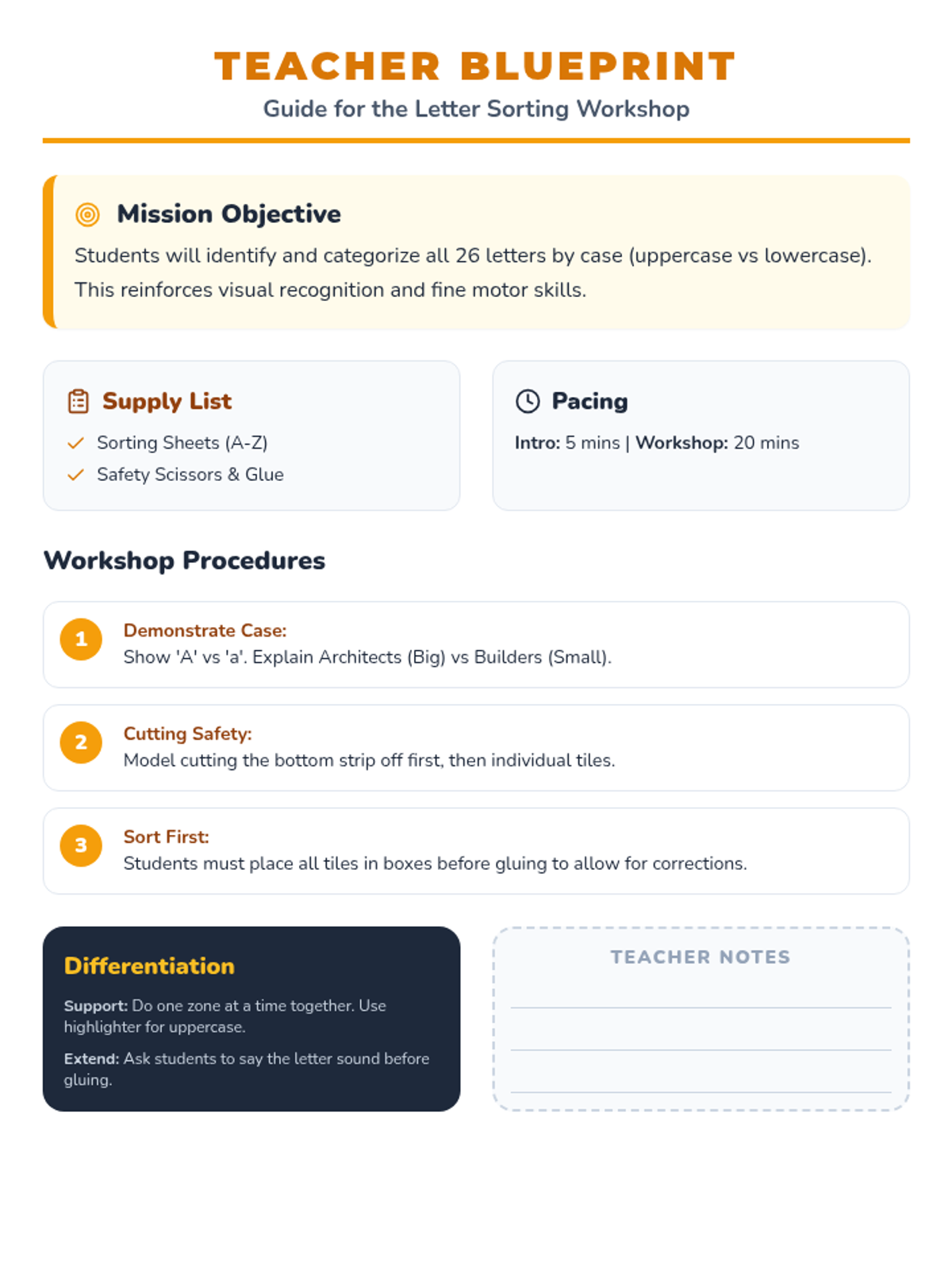
A hands-on workshop lesson where students use cut-and-paste activities to distinguish between uppercase and lowercase letters and identify letters within the whole alphabet.
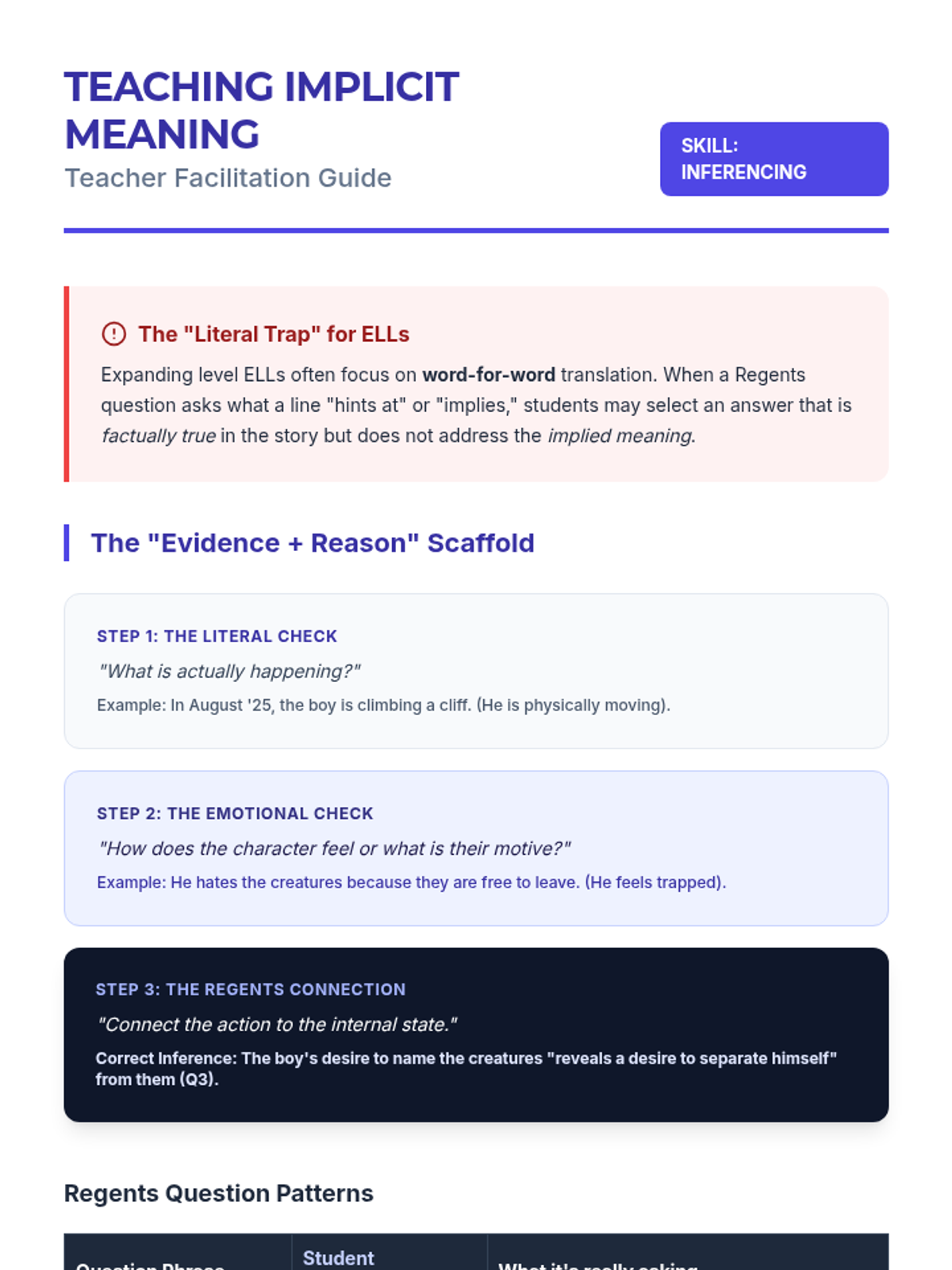
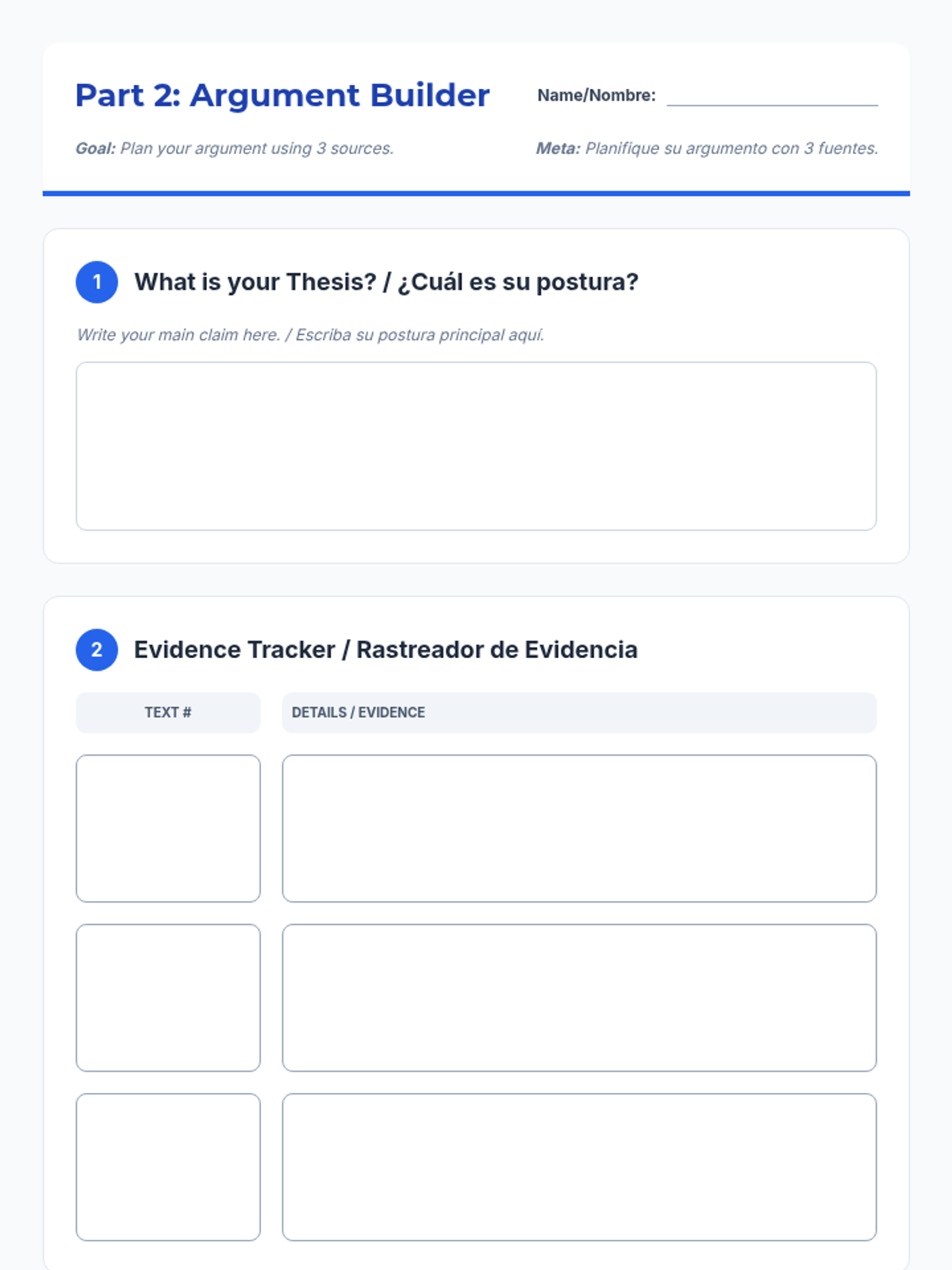
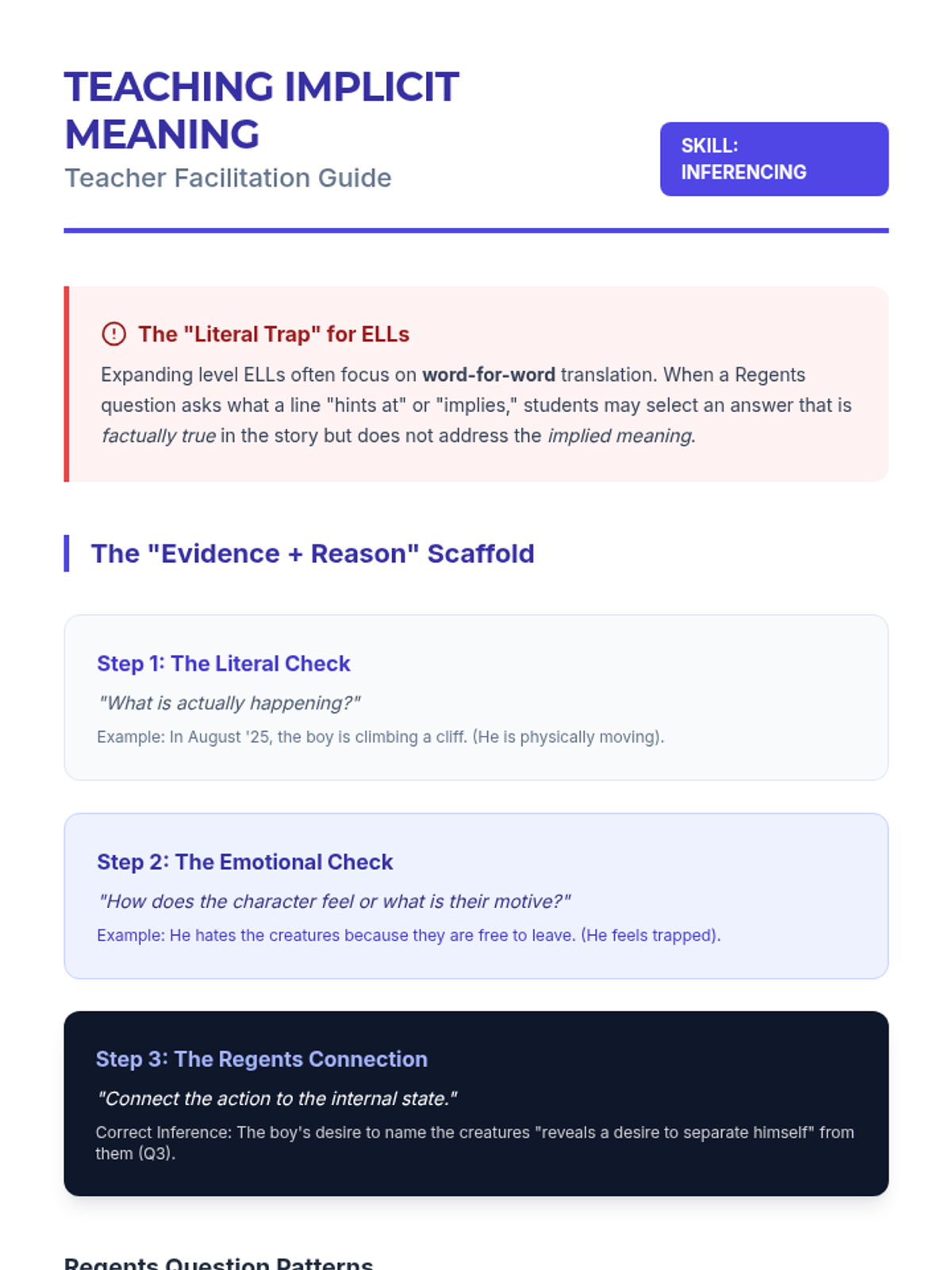
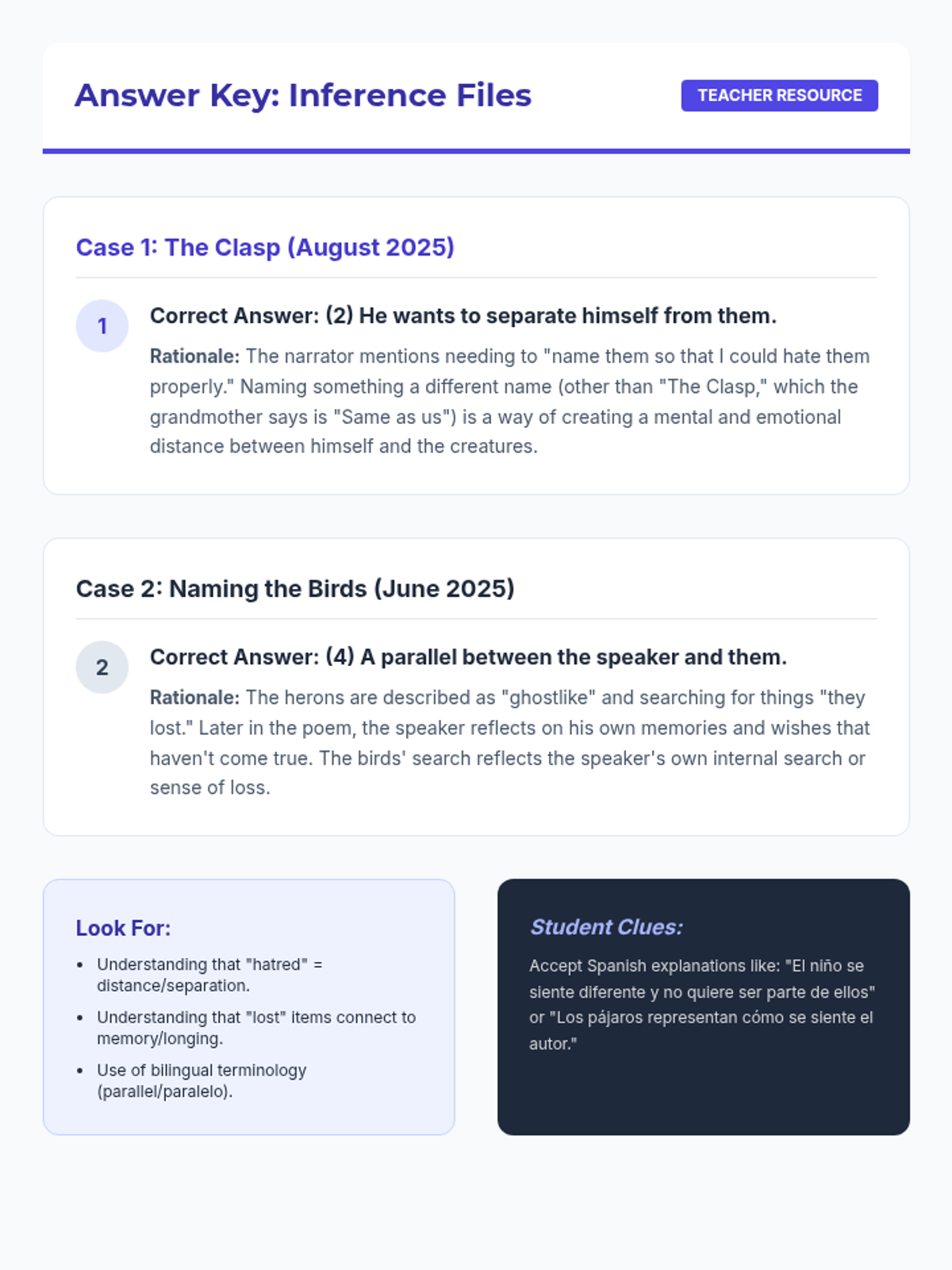
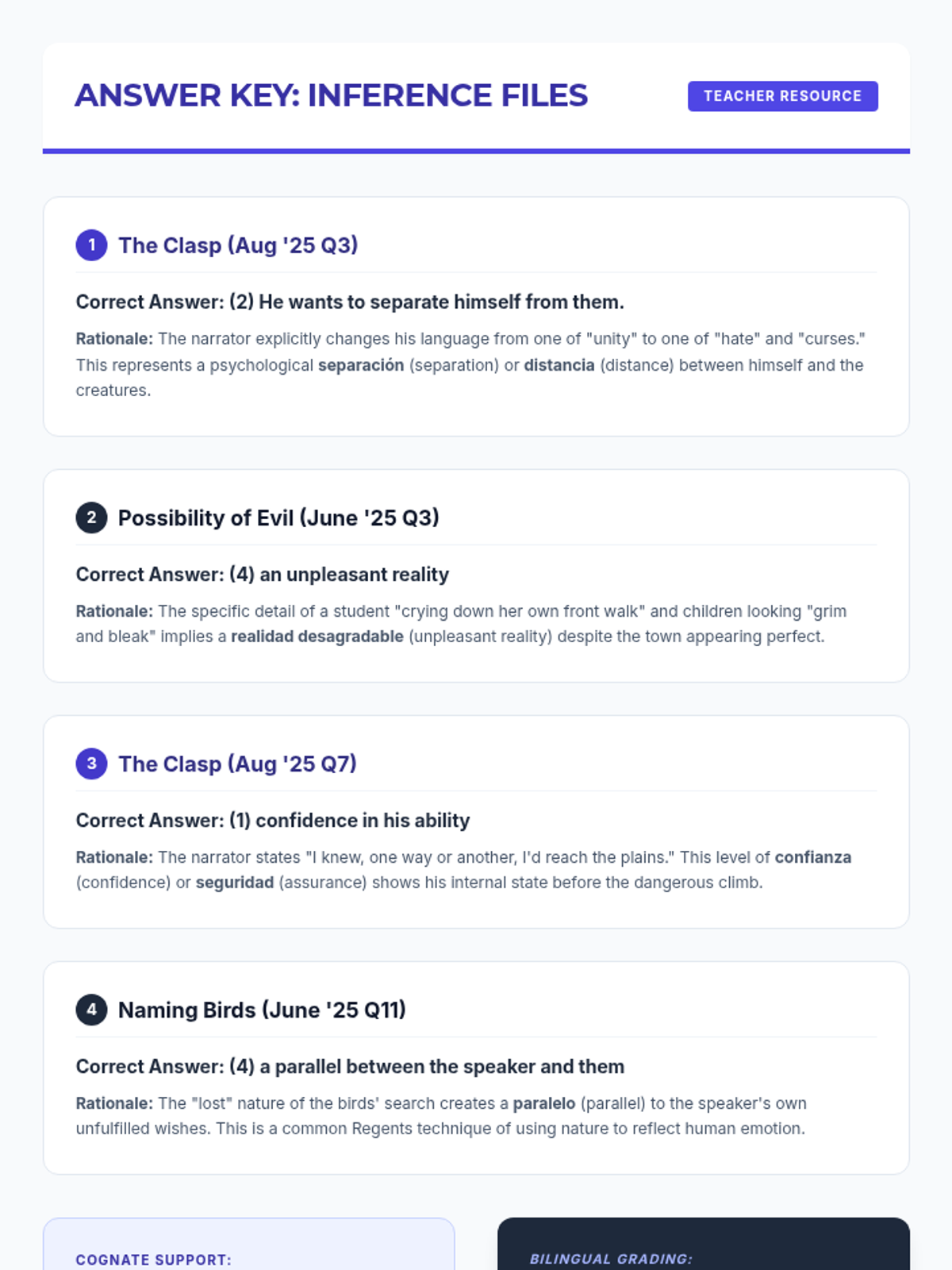
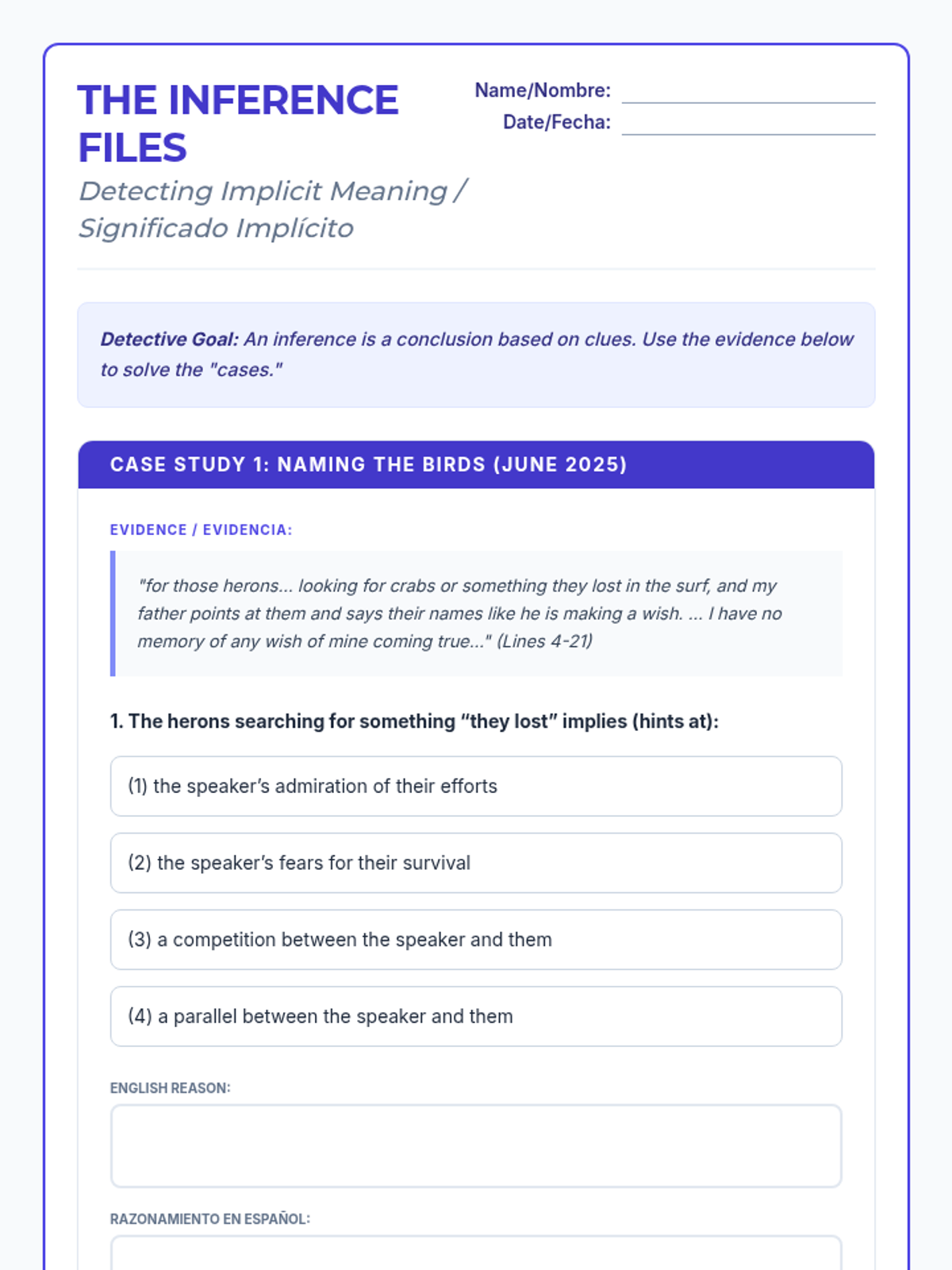
This lesson focuses on teaching ELL students how to draw conclusions from implicit meaning in texts, specifically targeting multiple-choice questions from Part 1 of the ELA Regents exam.
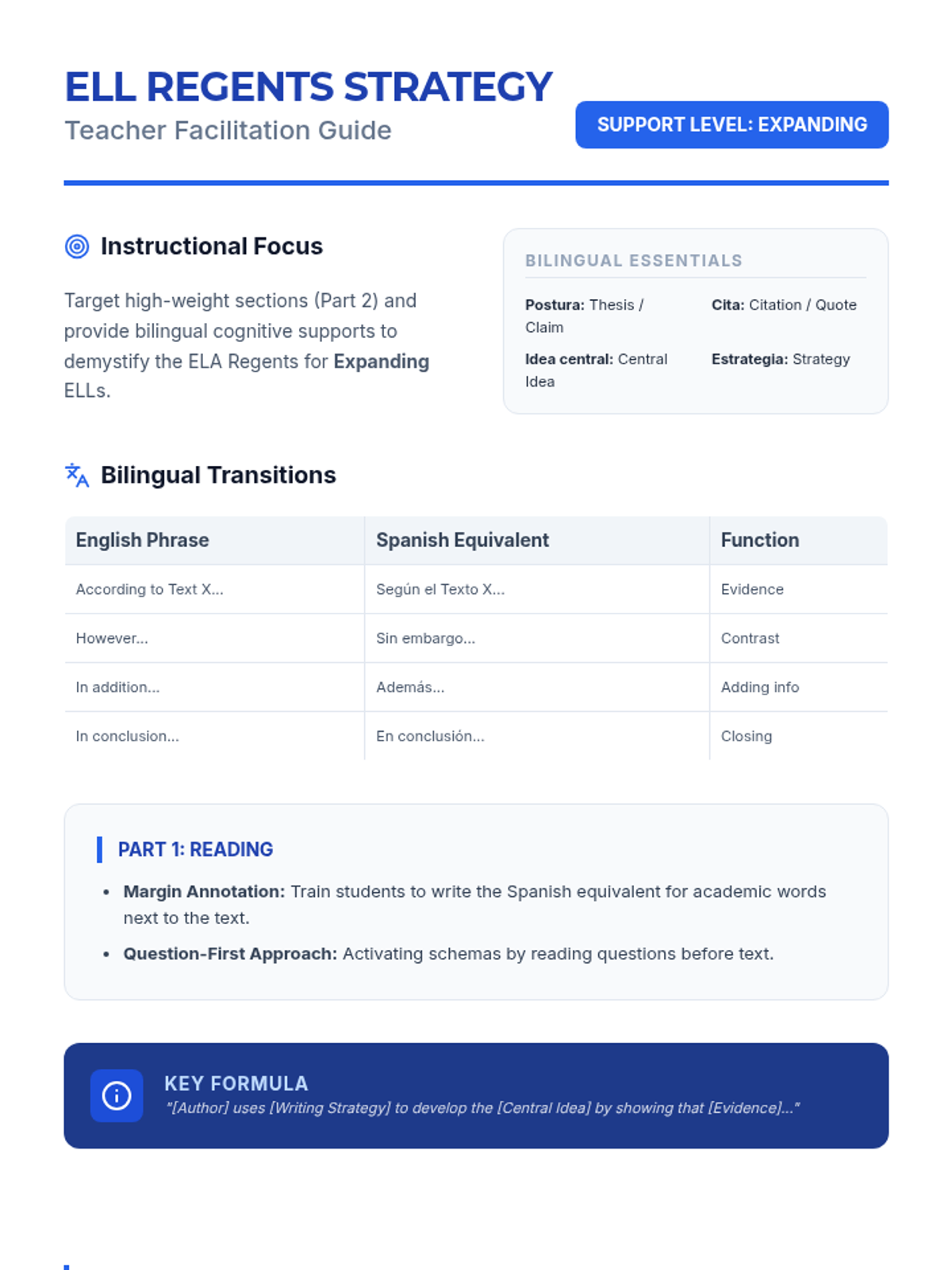
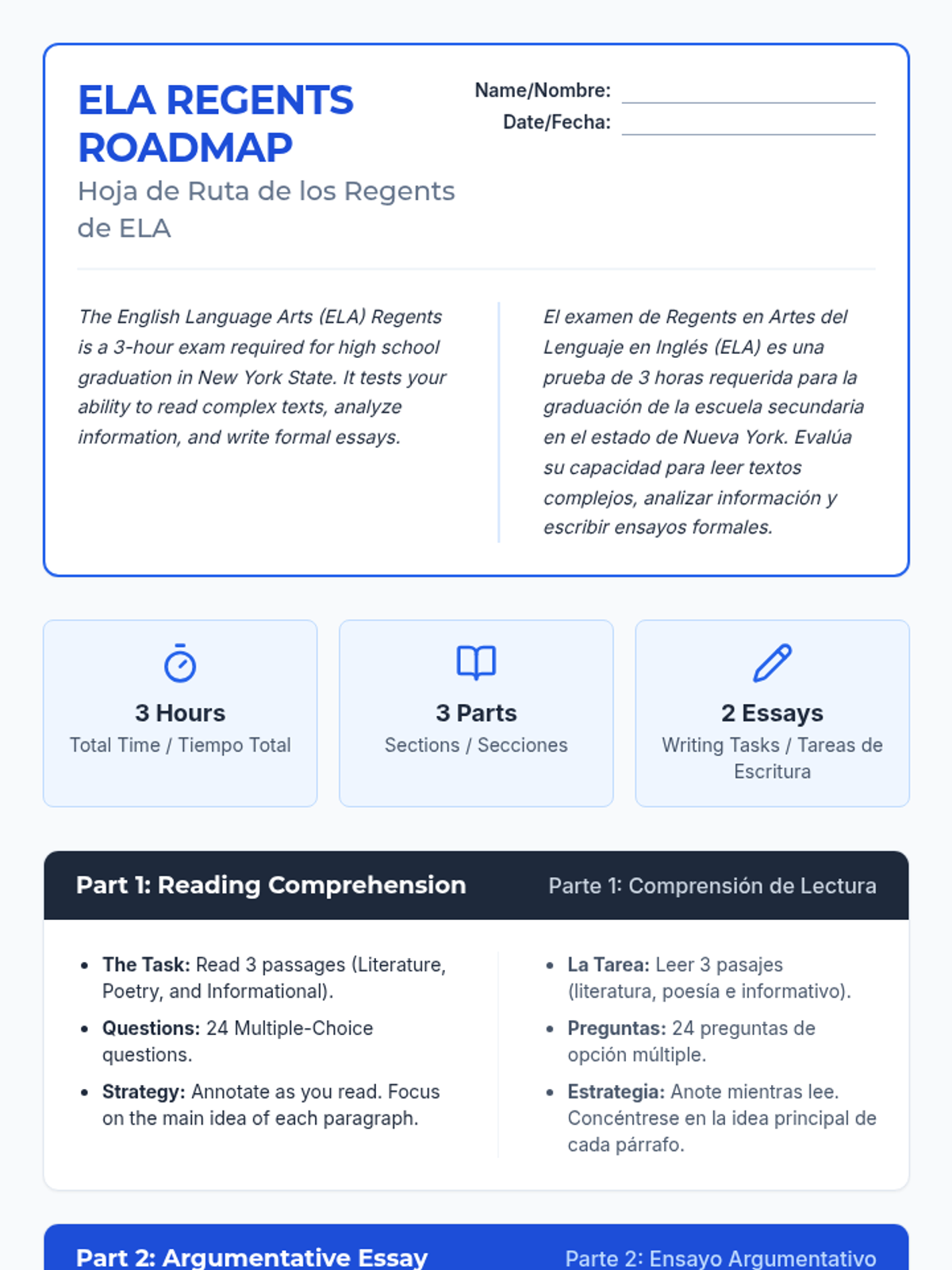
This lesson introduces ELL students to the structure, expectations, and requirements of the NYS English Language Arts Regents exam through bilingual support and targeted strategy guides.
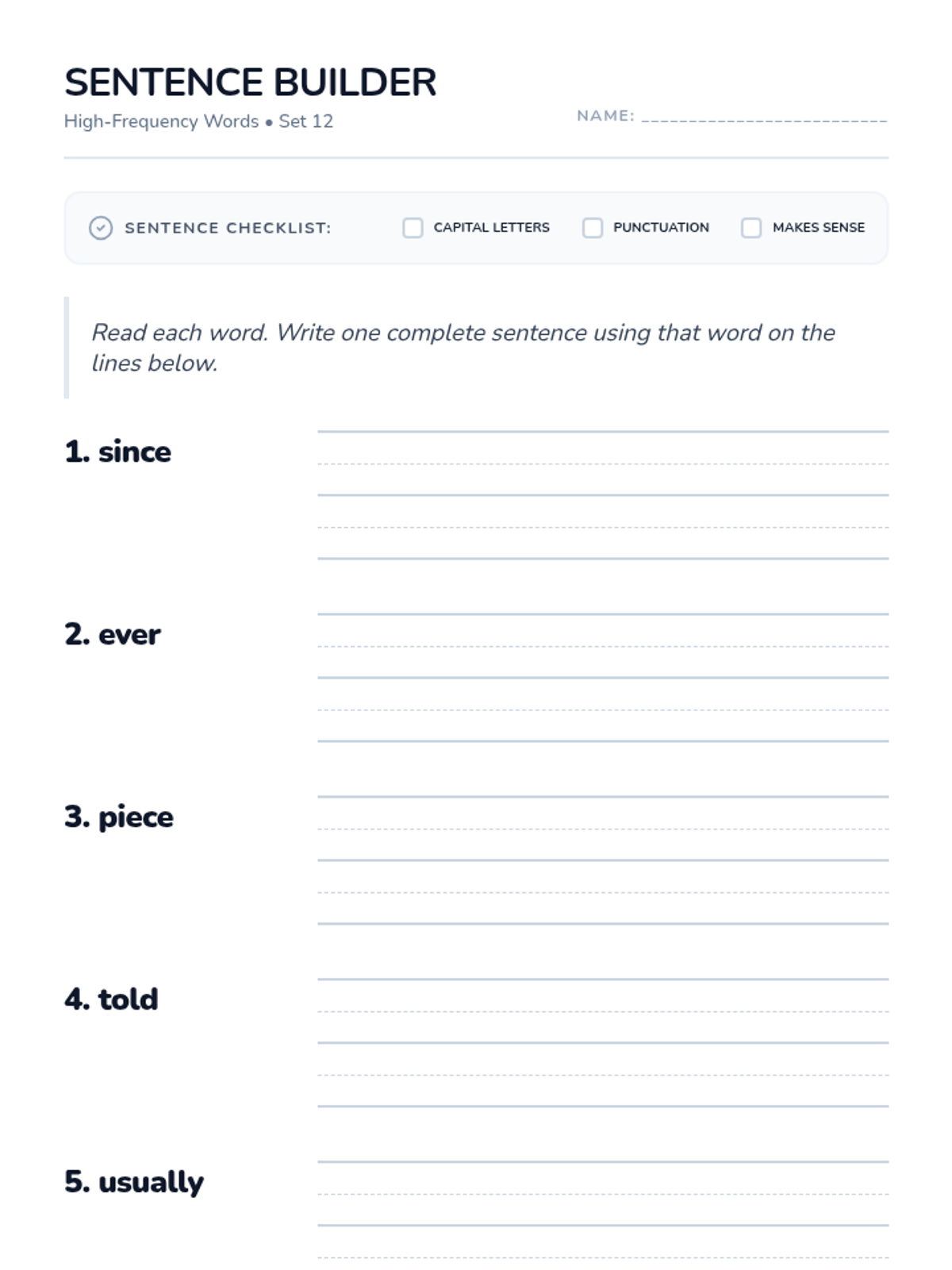
Focus on constructing sentences with the twelfth set of 20 high-frequency words.
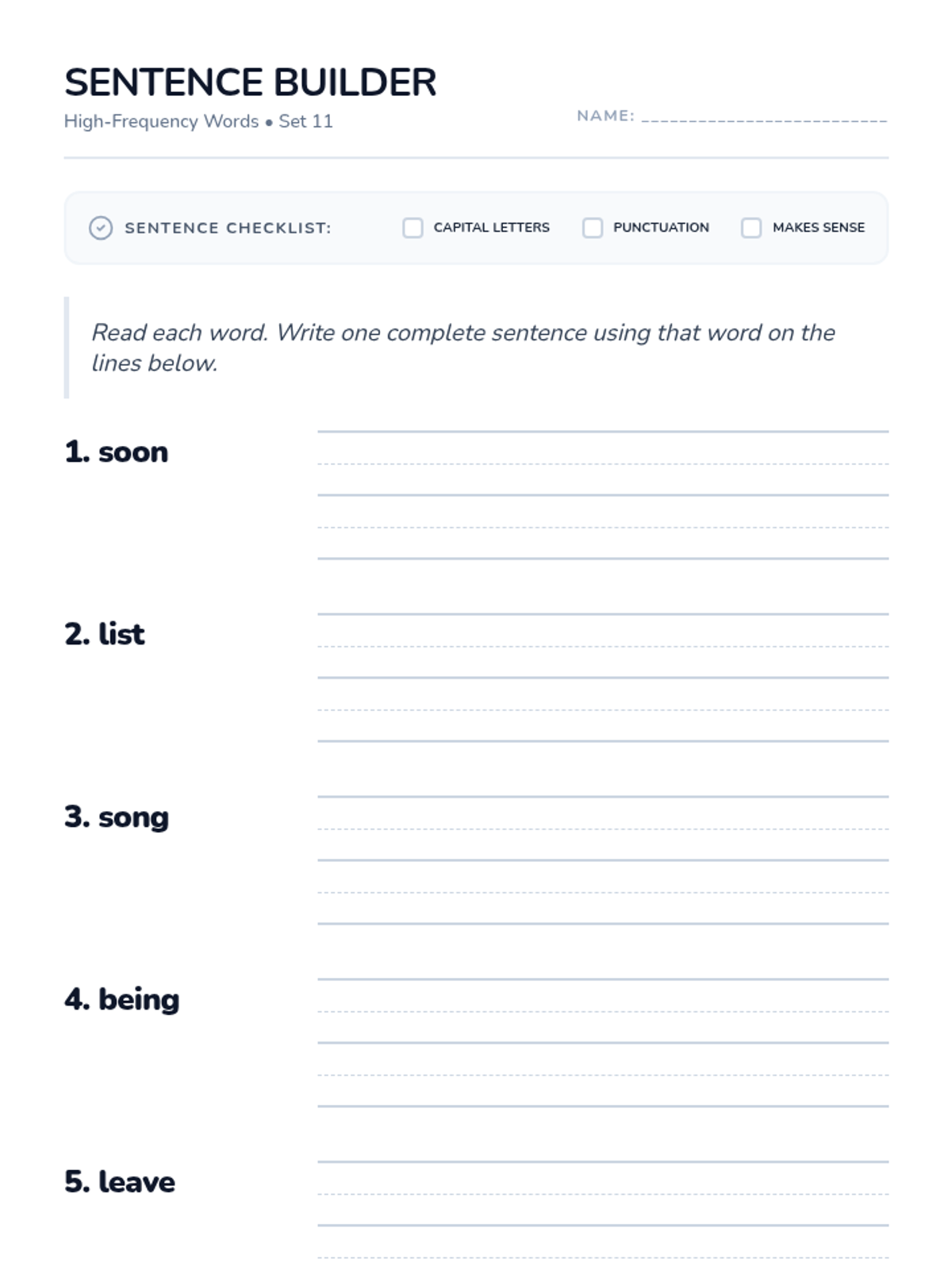
Focus on constructing sentences with the eleventh set of 20 high-frequency words.
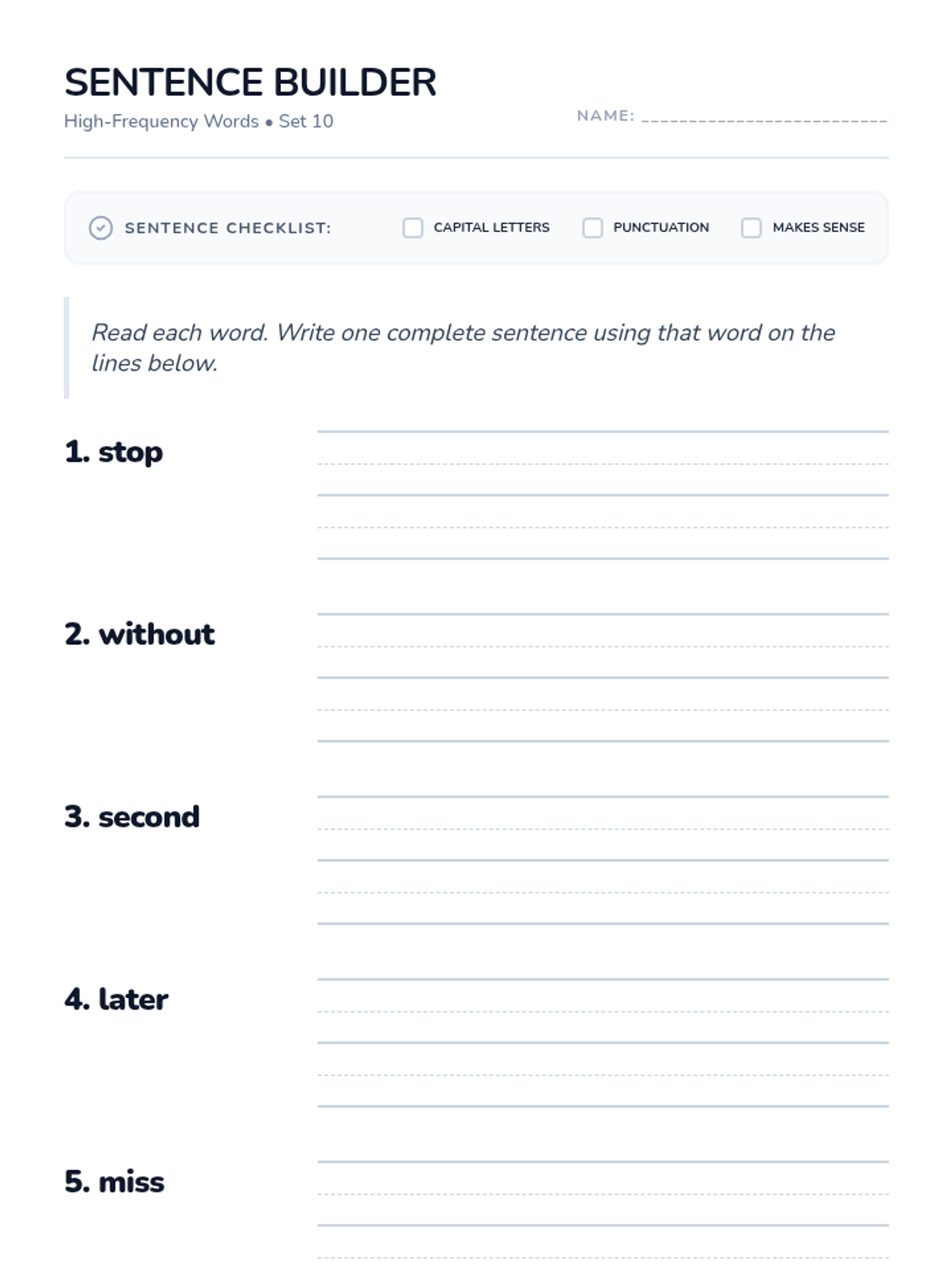
Focus on constructing sentences with the tenth set of 20 high-frequency words.