Students define Magnitude, Probability, and Timeframe and apply these metrics to everyday annoyances to understand how to prioritize competing impacts.
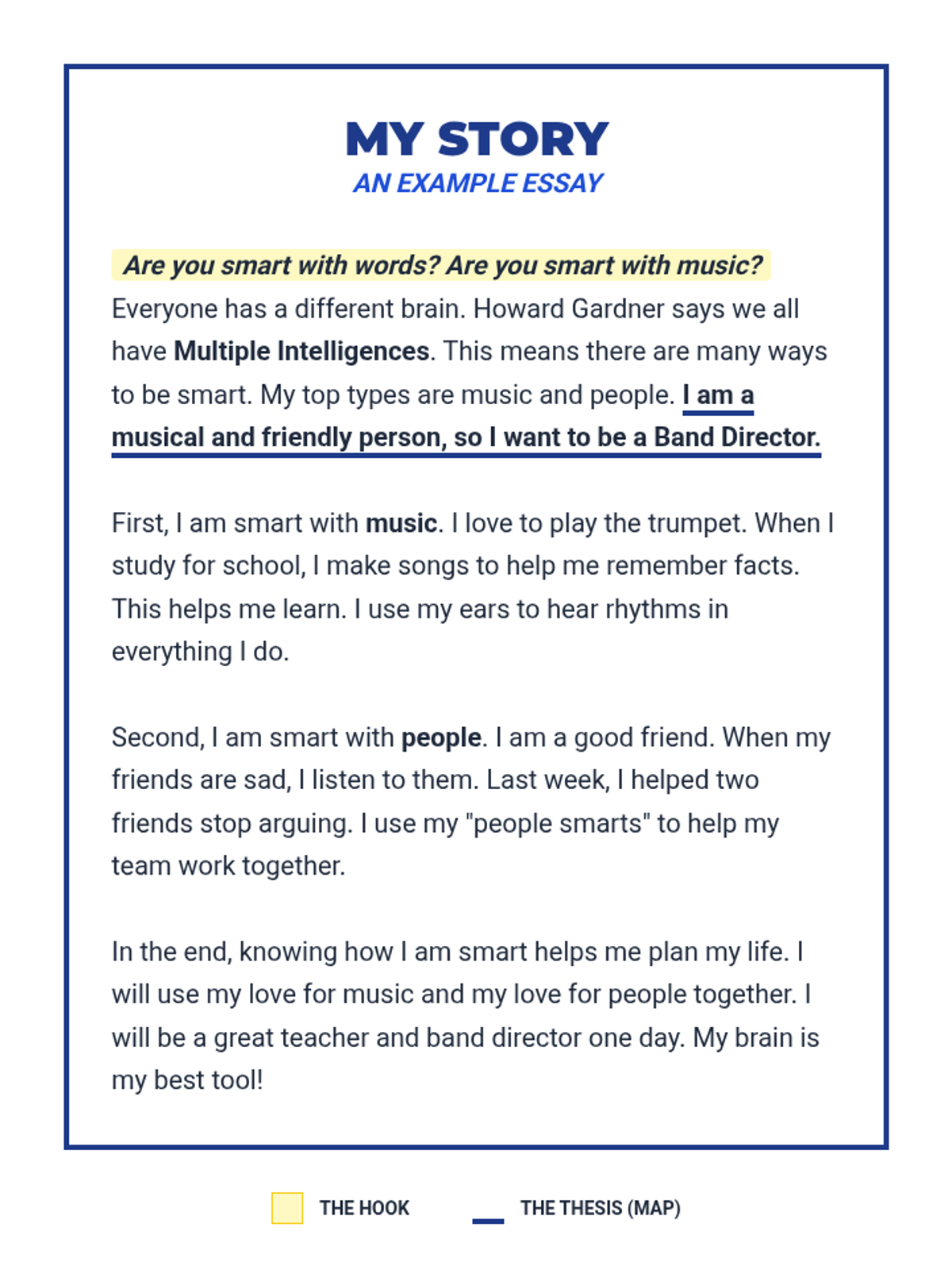
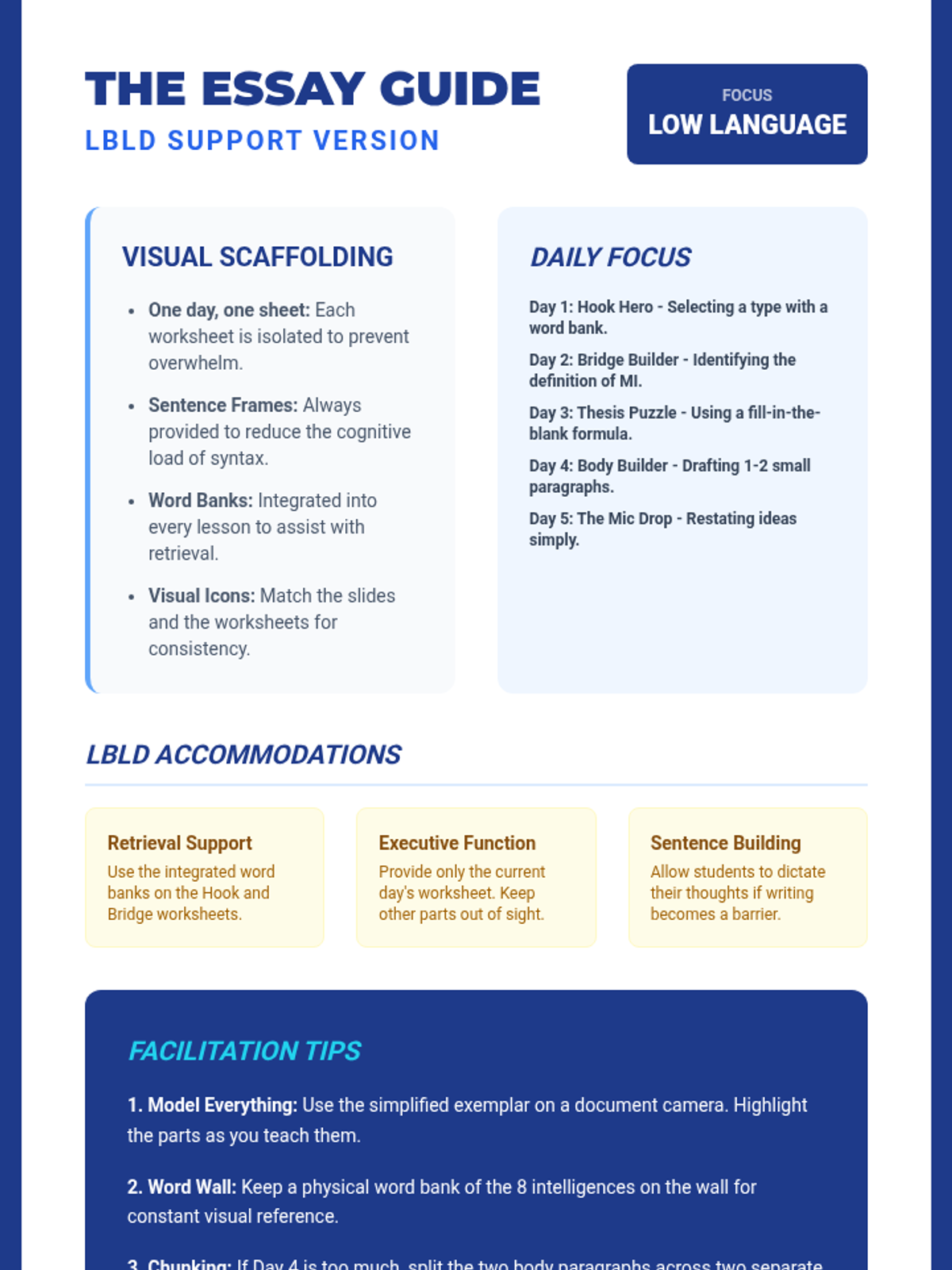
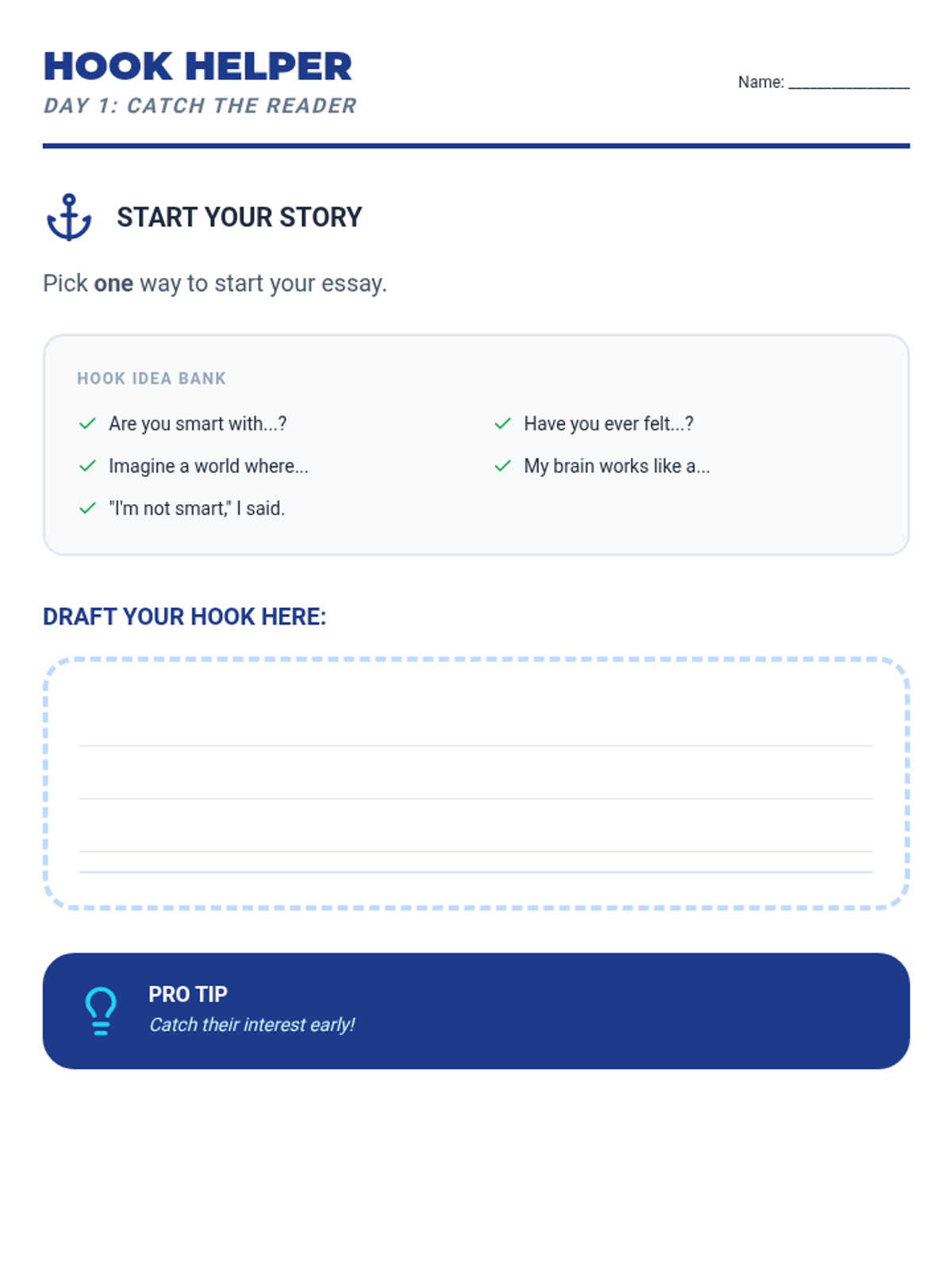
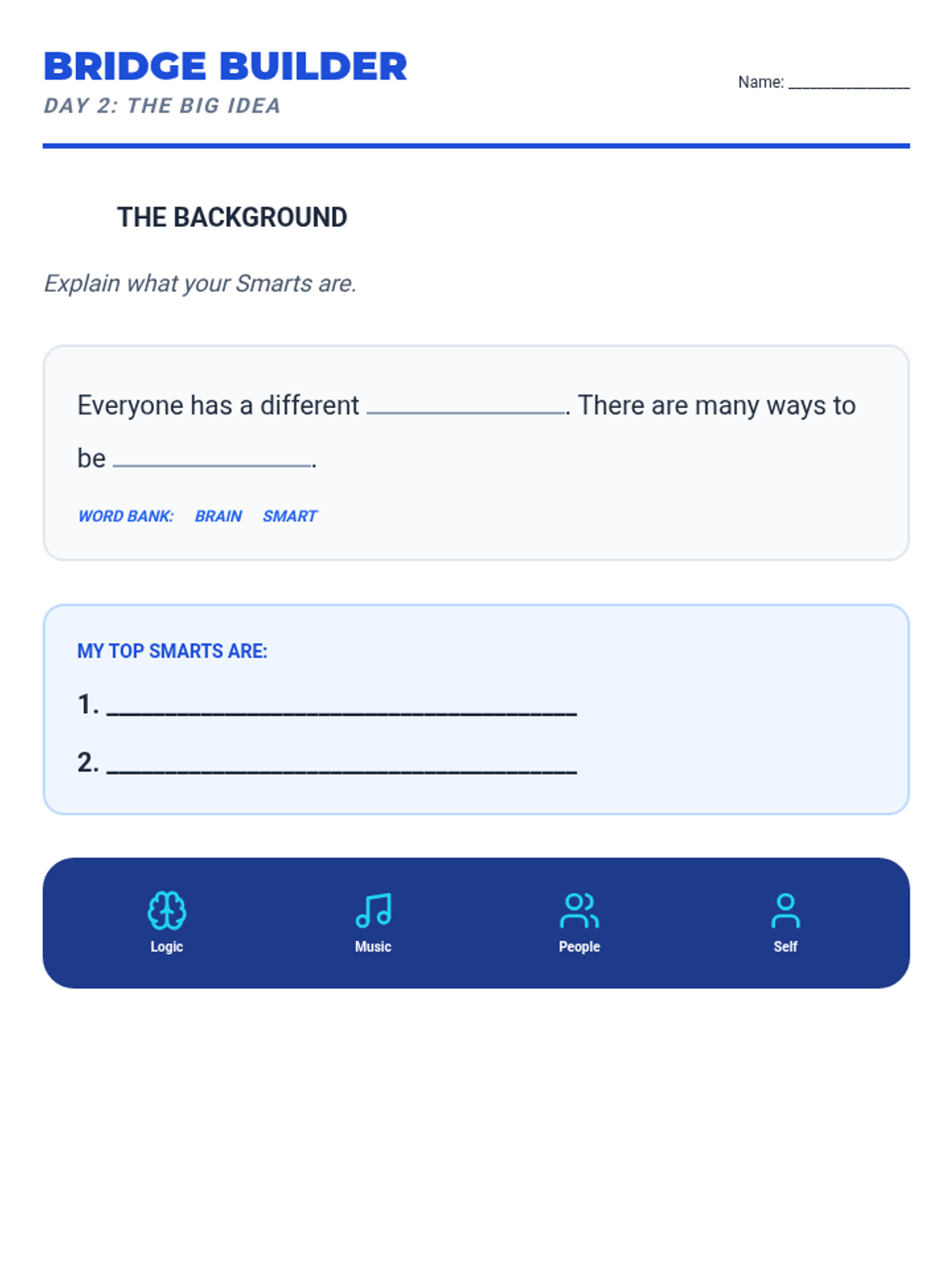
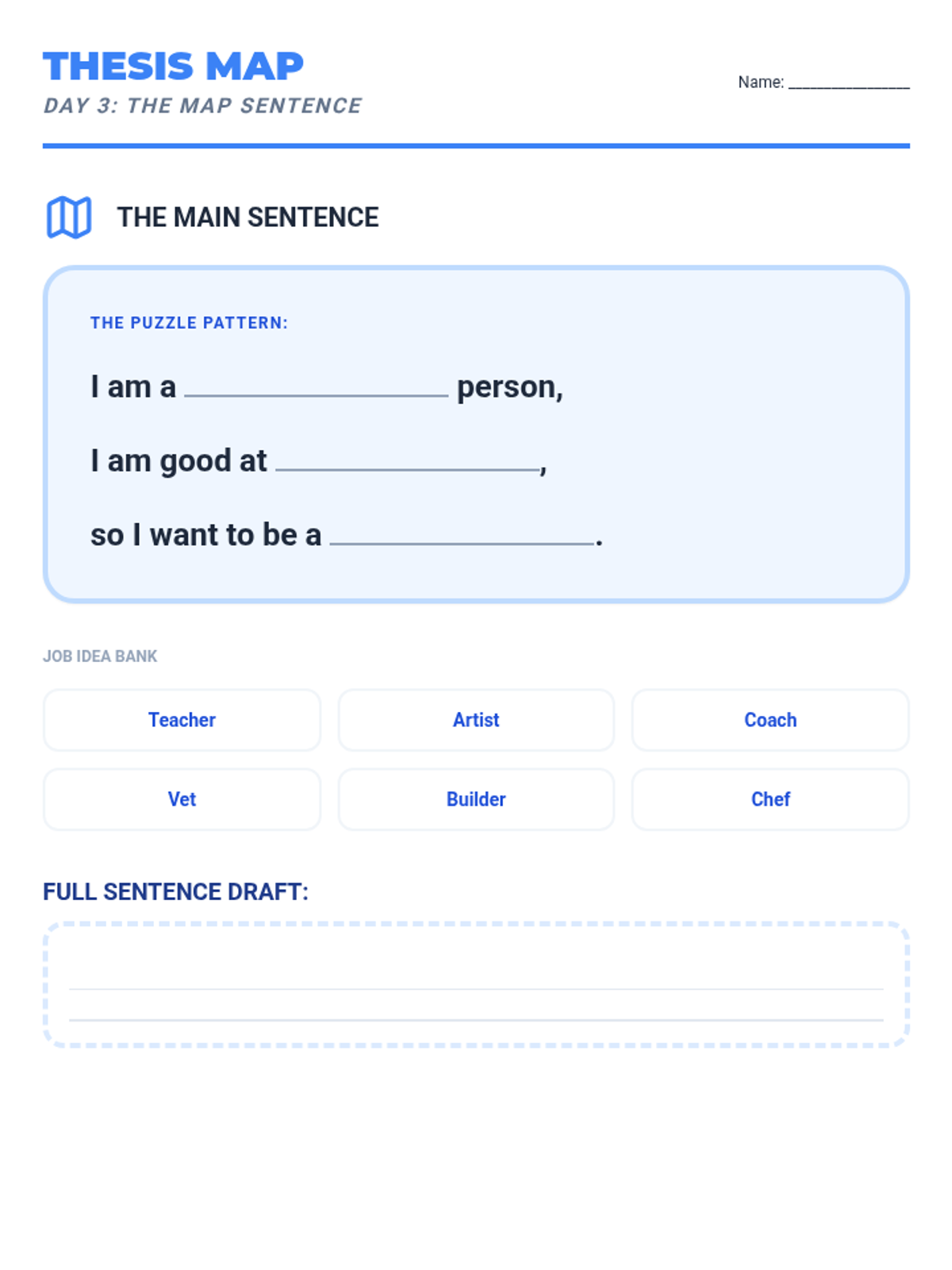
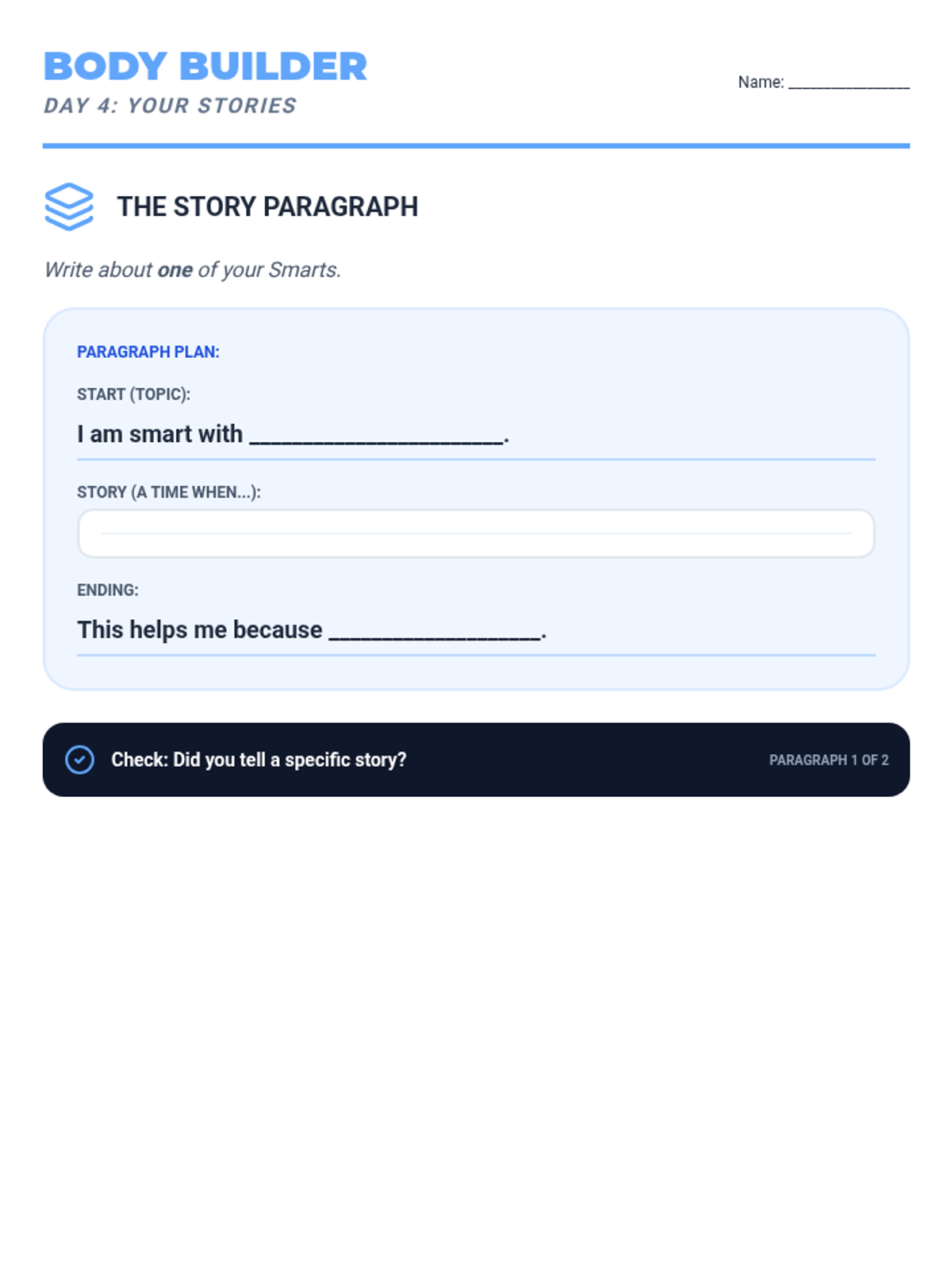
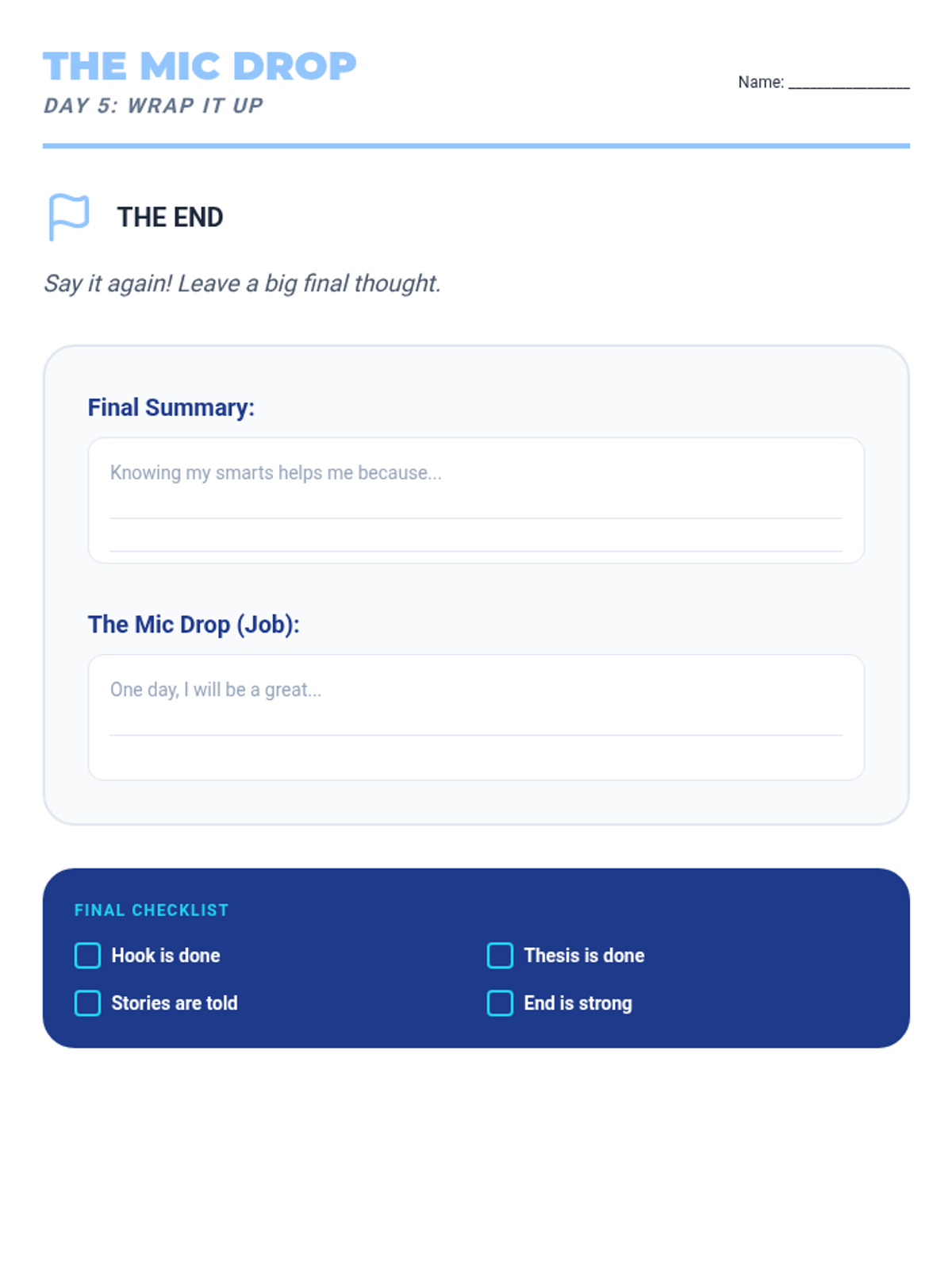
A comprehensive 5-day lesson guiding students through the process of writing a personal essay about their multiple intelligences, skills, and future career paths.
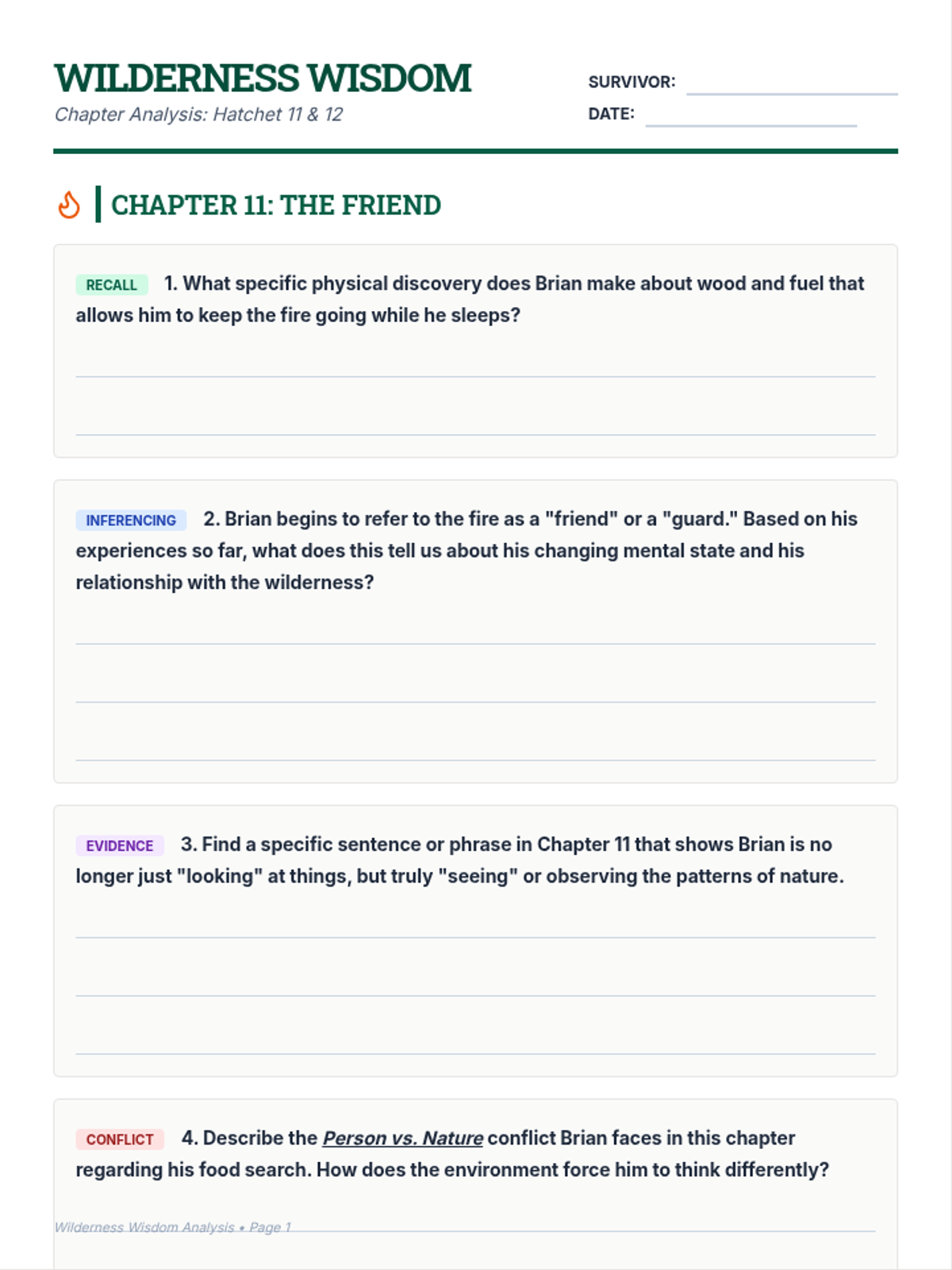
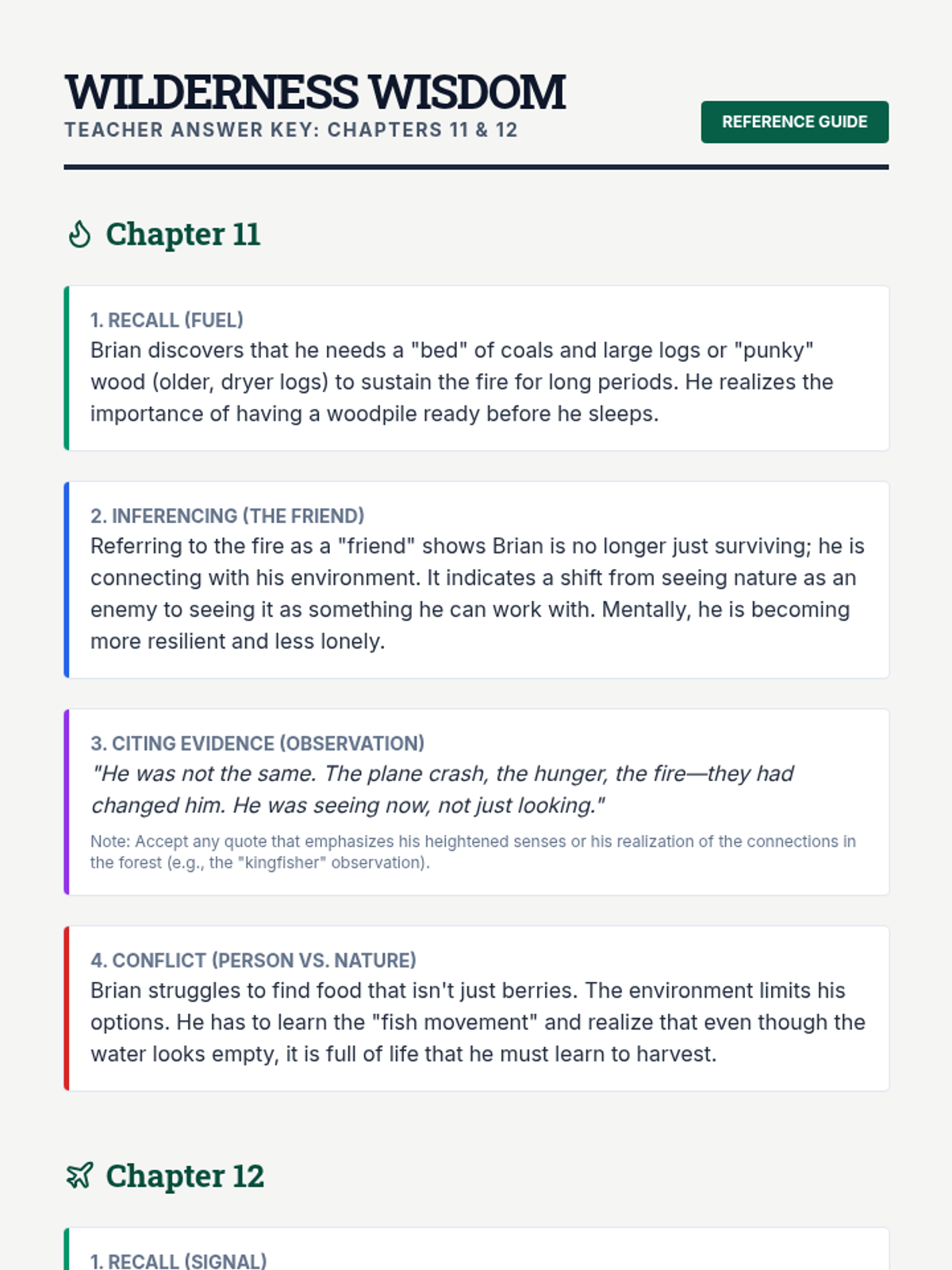
A focused study of Chapters 11 and 12 of Hatchet, examining Brian's deepening relationship with fire and his internal struggle following the missed rescue opportunity. Students will analyze text evidence and identify various forms of conflict.
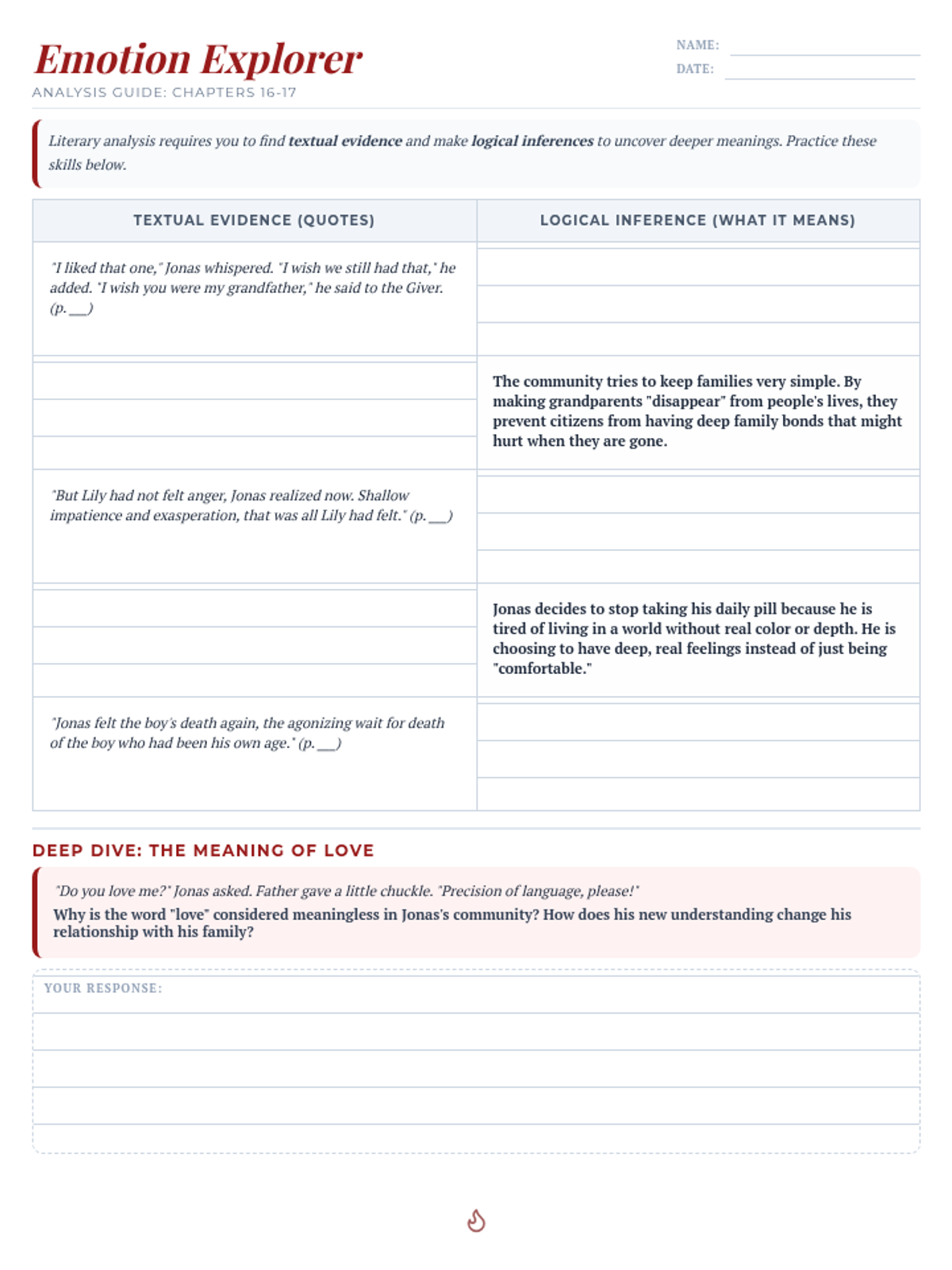
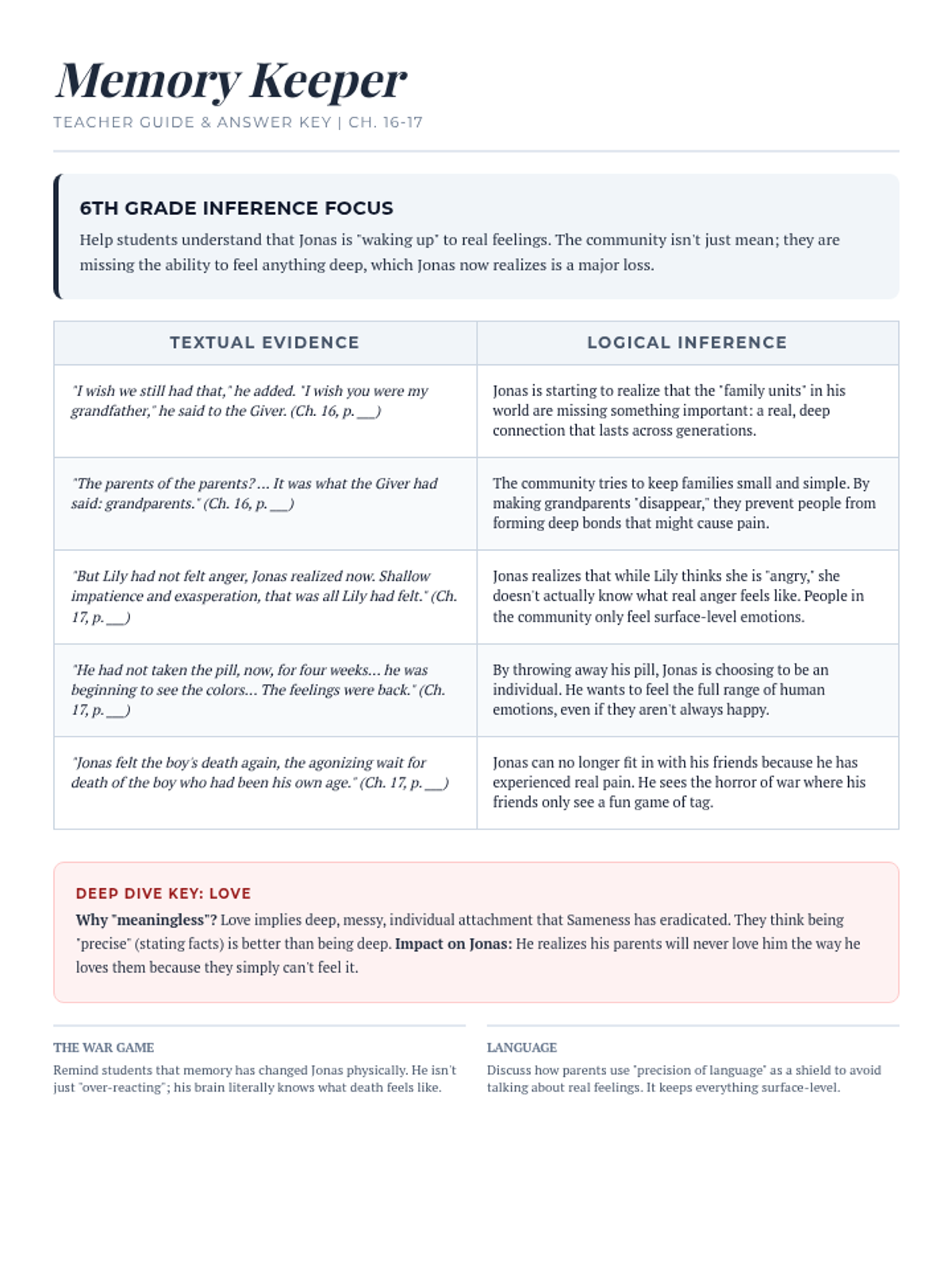
A literary analysis lesson for Chapters 16-17 of *The Giver*, focusing on the depth of human emotion, the concept of 'Love', and the skill of making evidence-based claims.
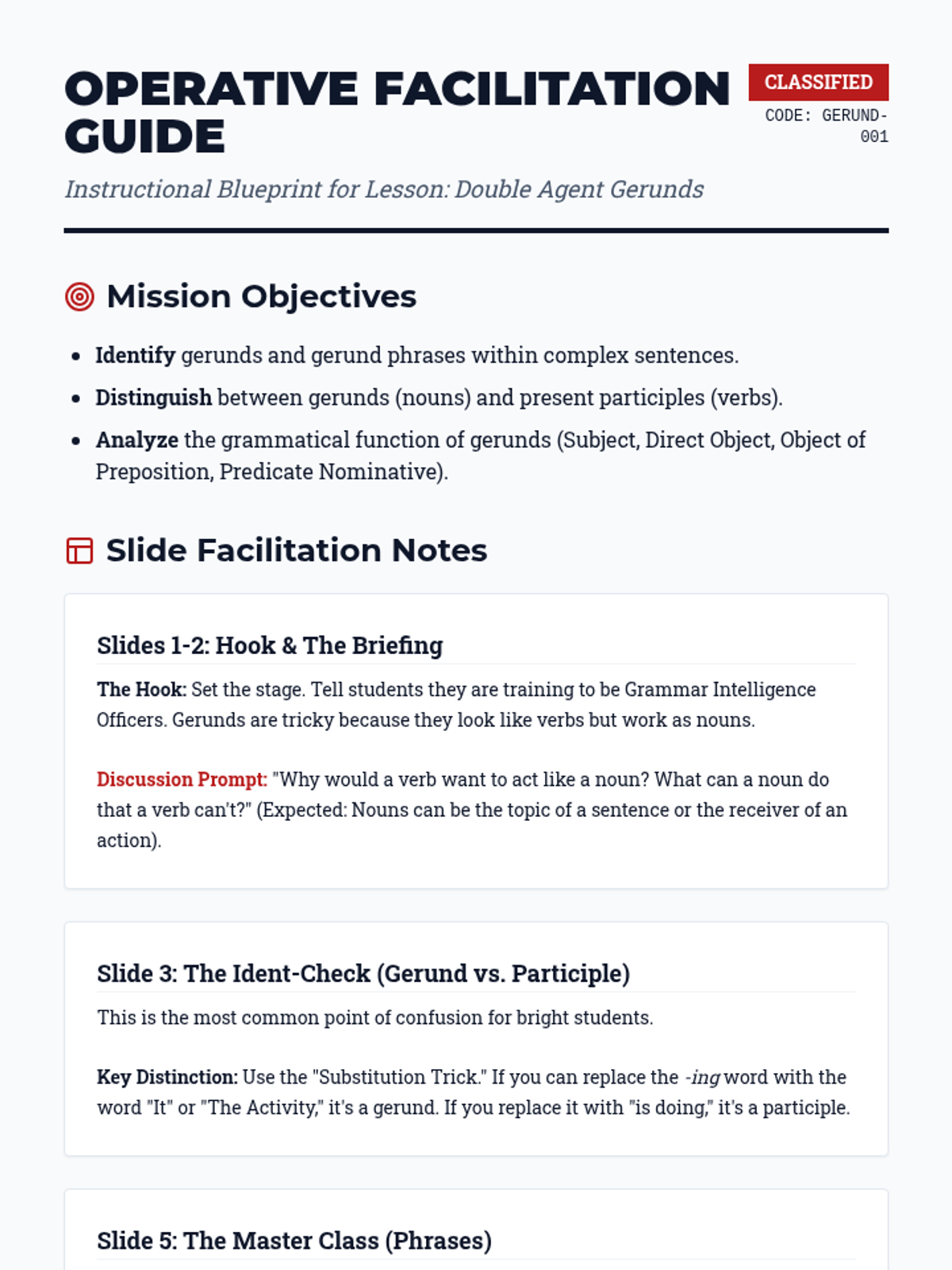
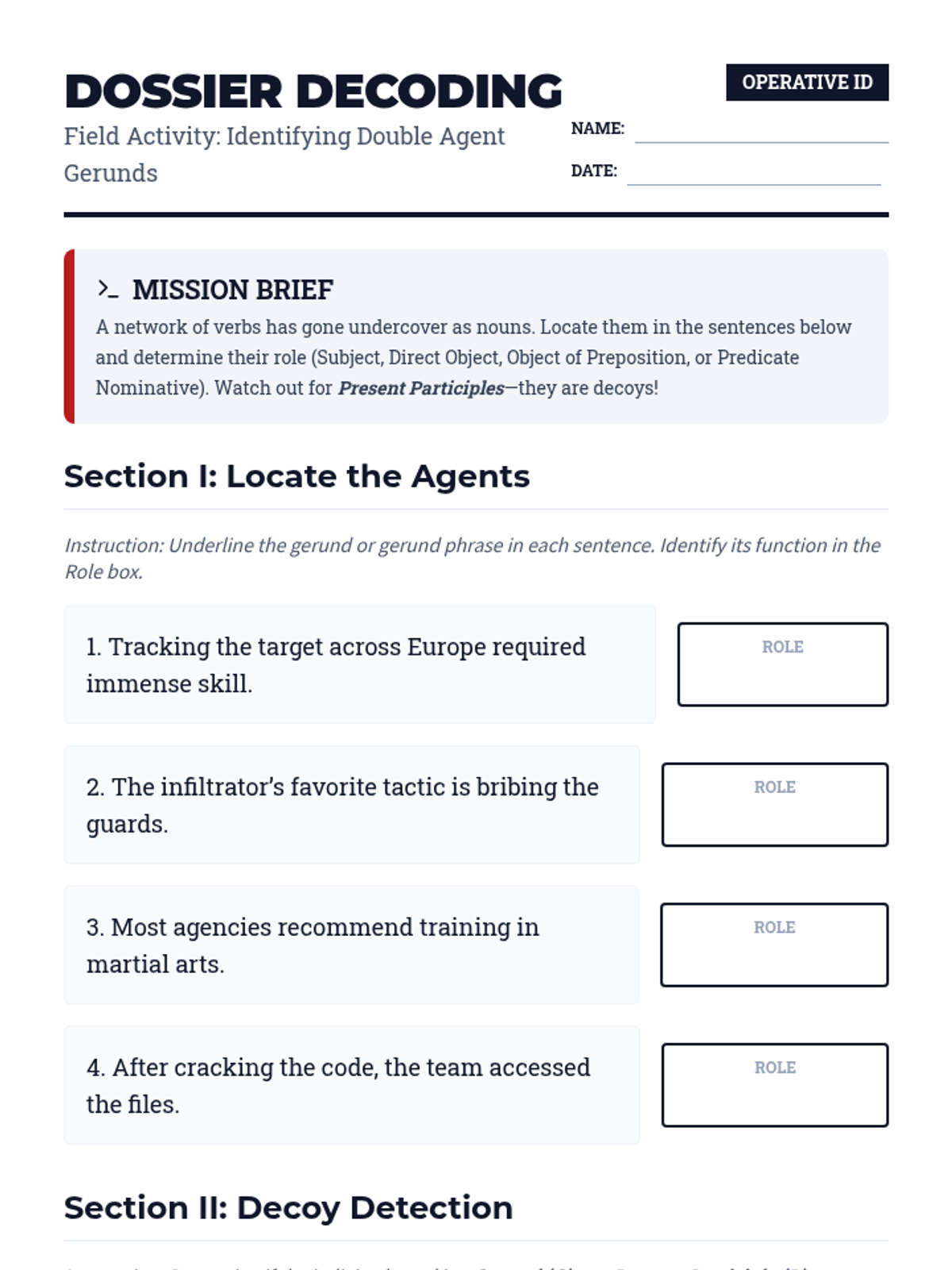
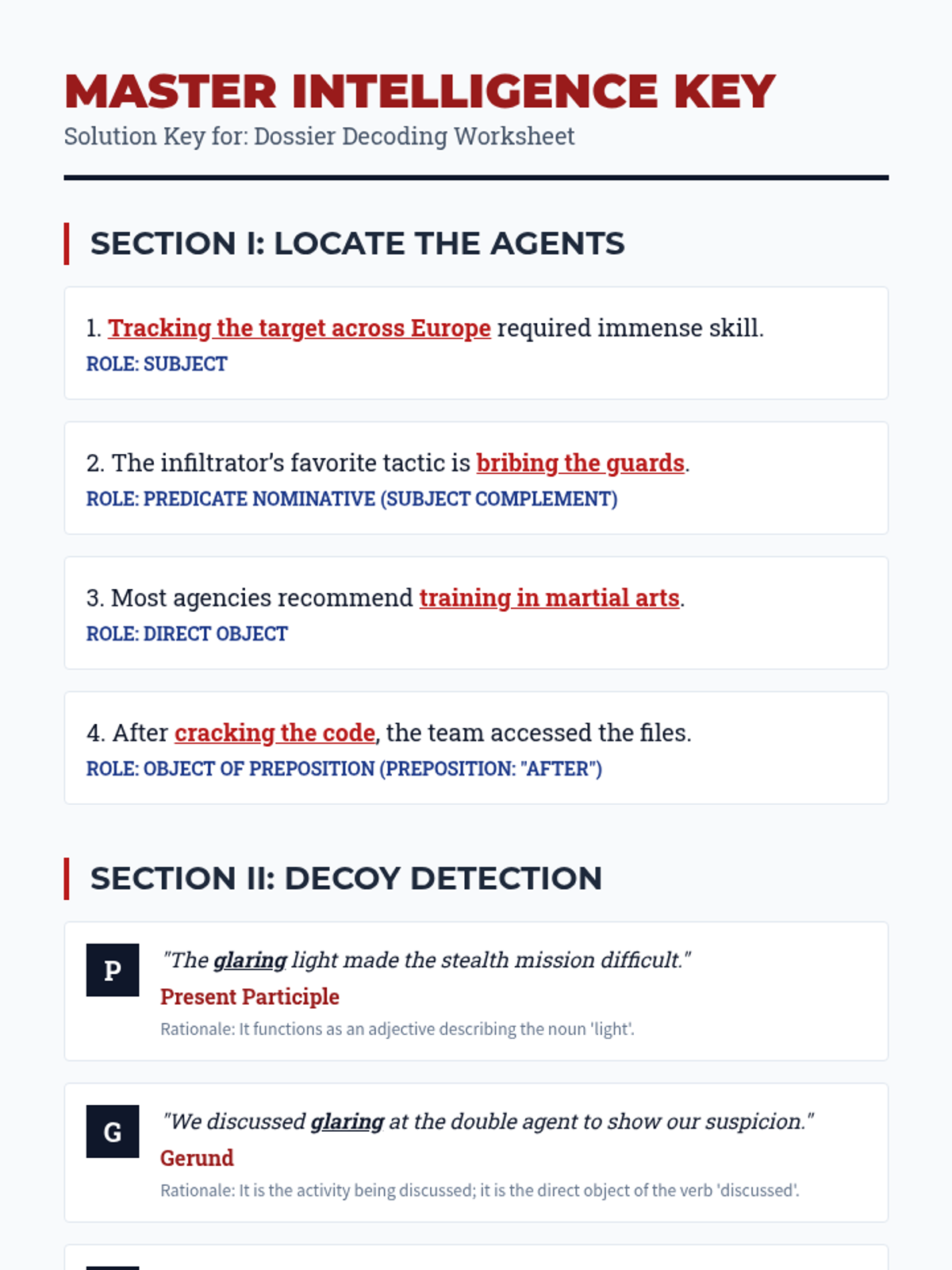
A high-energy, detective-themed lesson exploring how gerunds function as nouns while maintaining their verb-like properties. Designed for advanced students to master identification and usage in various sentence roles.
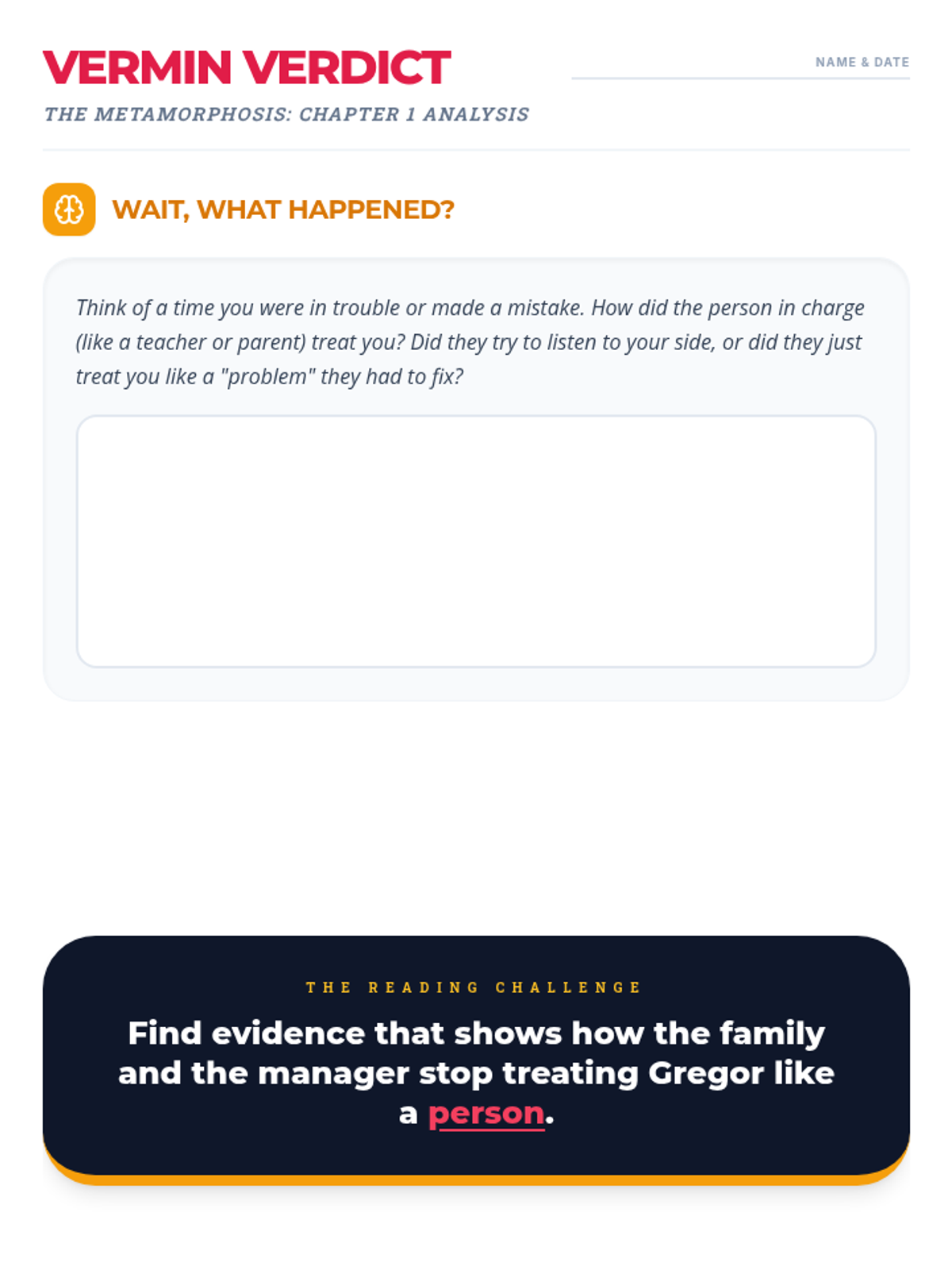
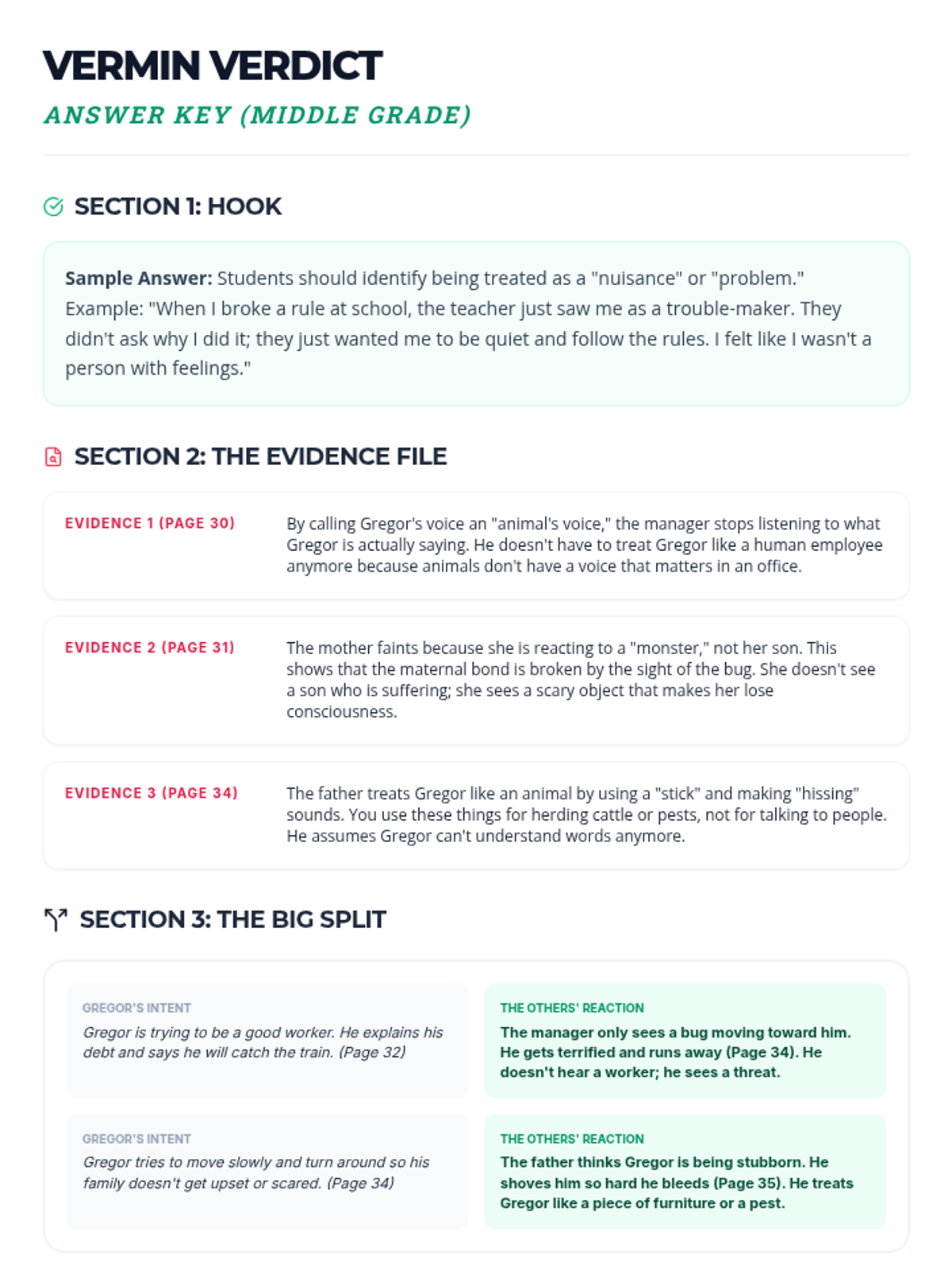
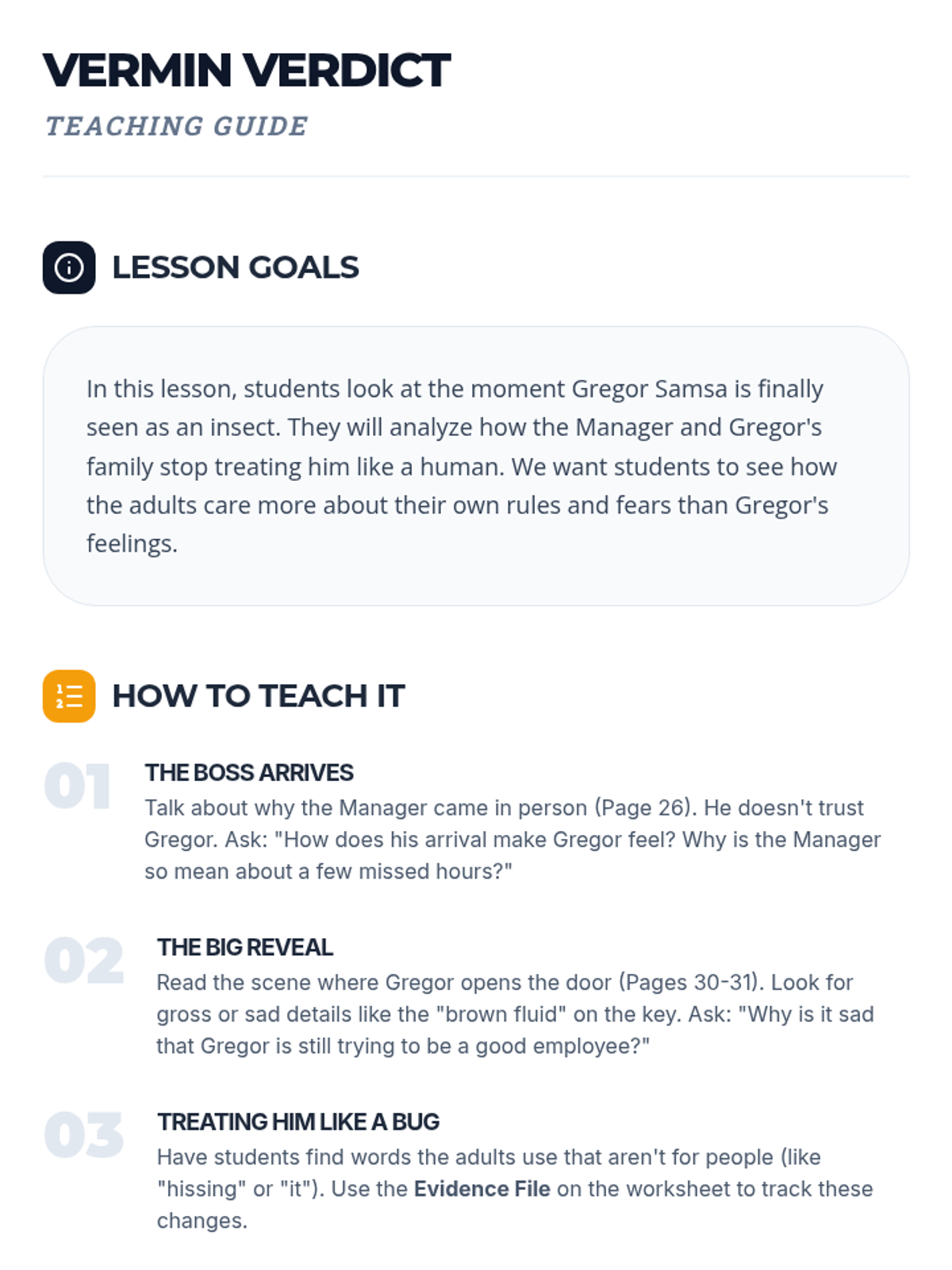
A lesson exploring the arrival of the Manager in Chapter 1 of 'The Metamorphosis'. Students analyze the immediate dehumanization of Gregor by his family and superiors, focusing on word choice and the conflict between individual humanity and bureaucratic authority.
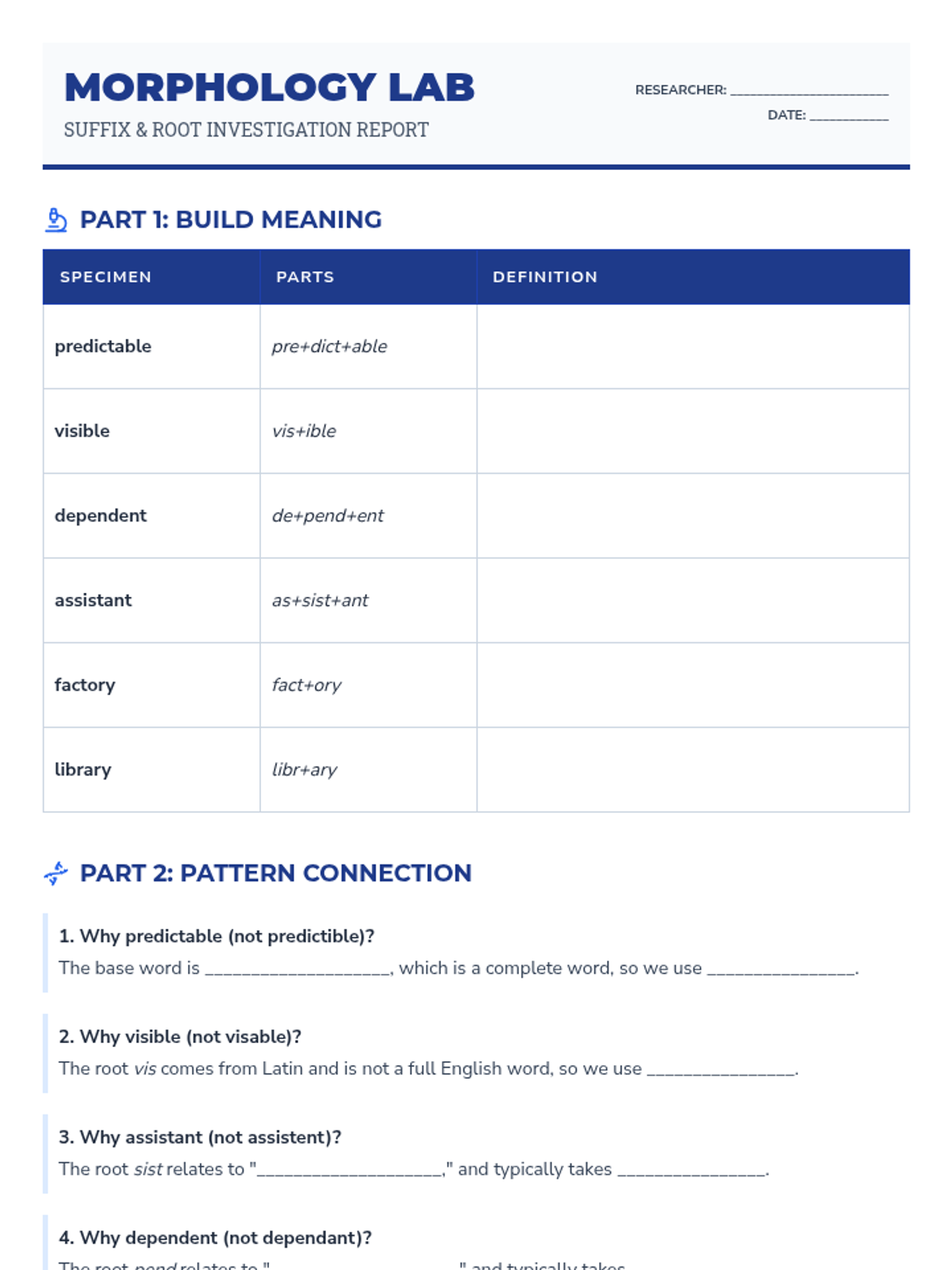
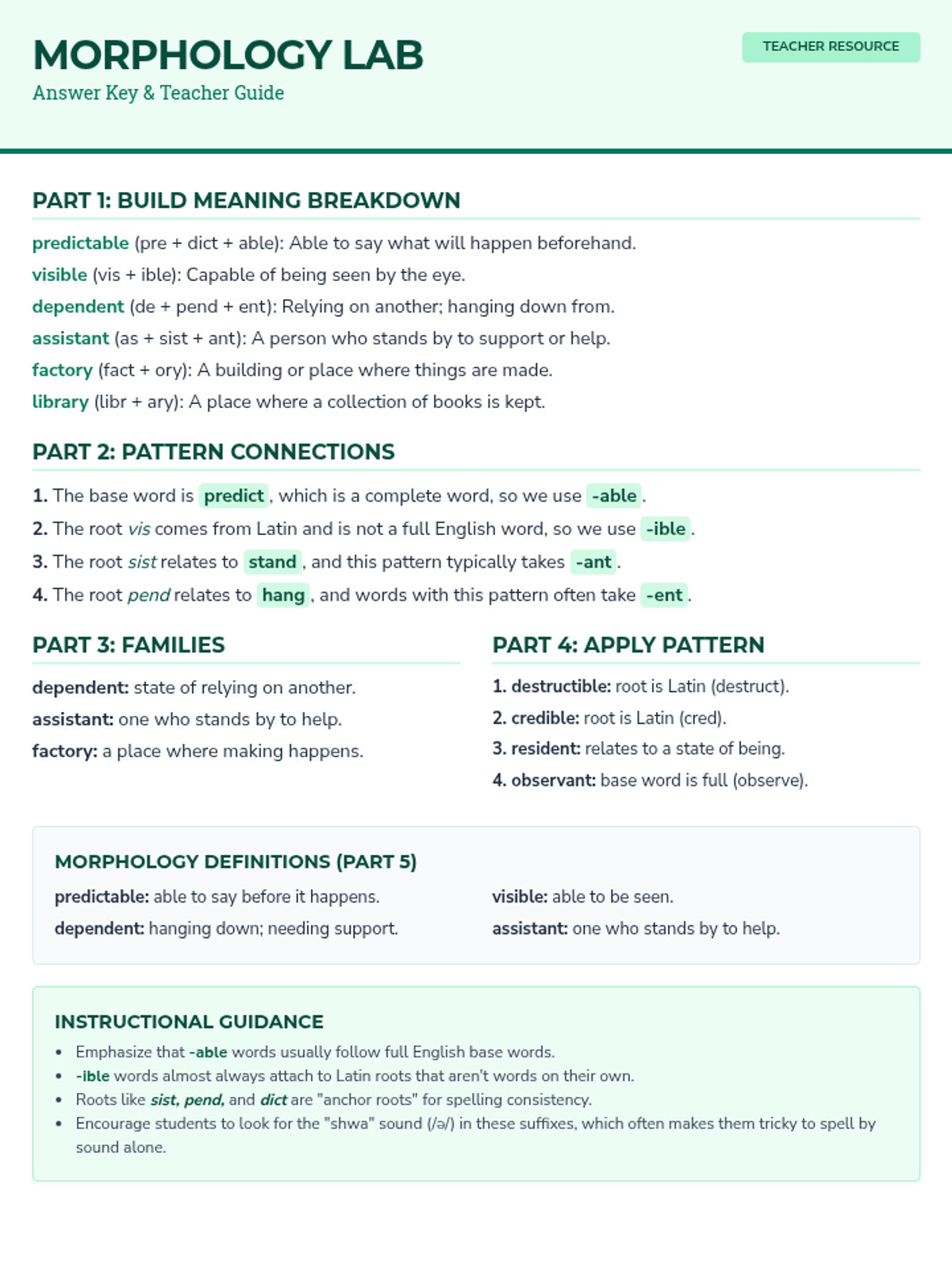
A deep dive into morphology and common word endings (-able, -ible, -ary, -ery, -ory, -ant, -ent), focusing on how Latin roots and base words determine spelling patterns.
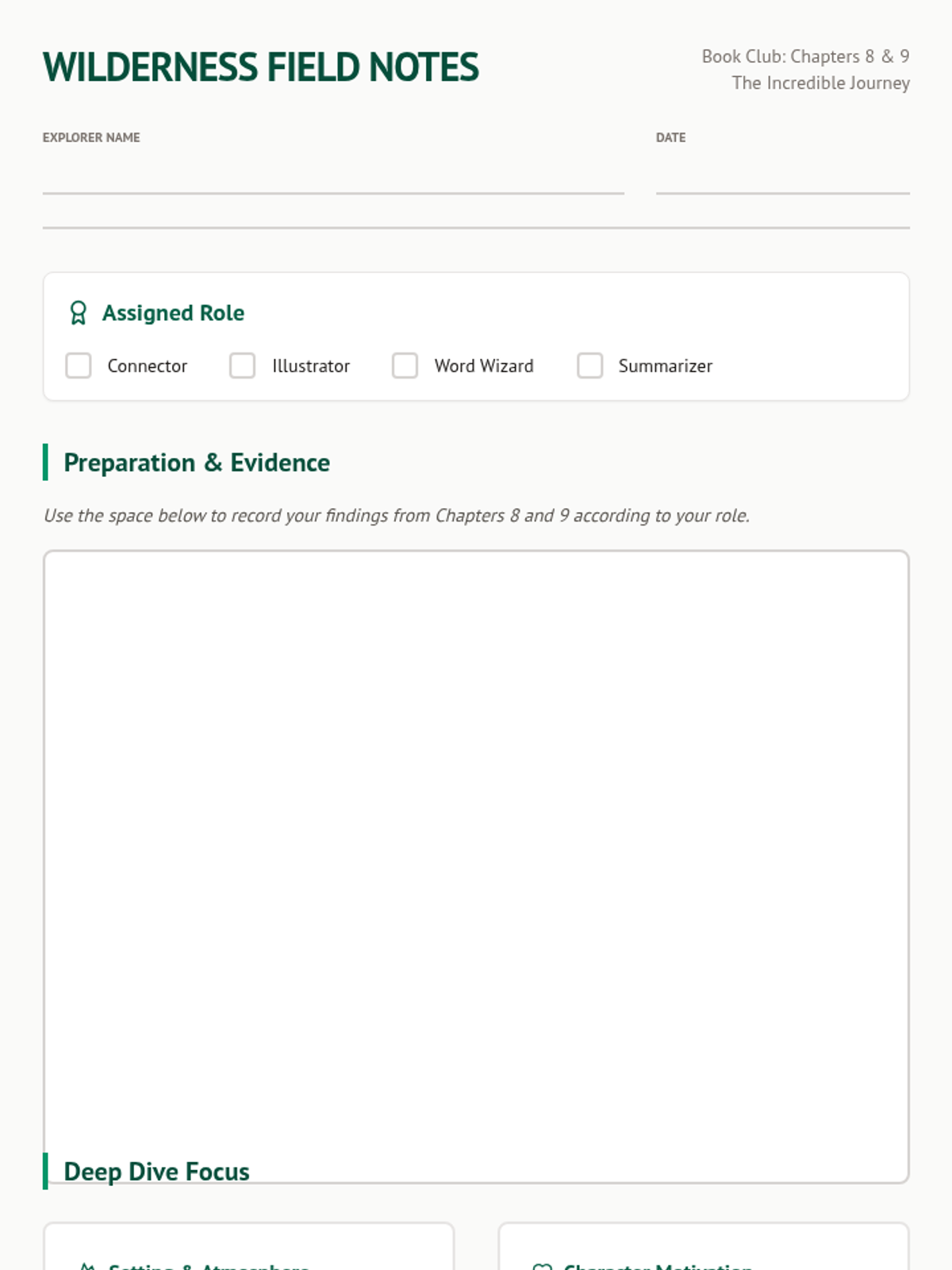
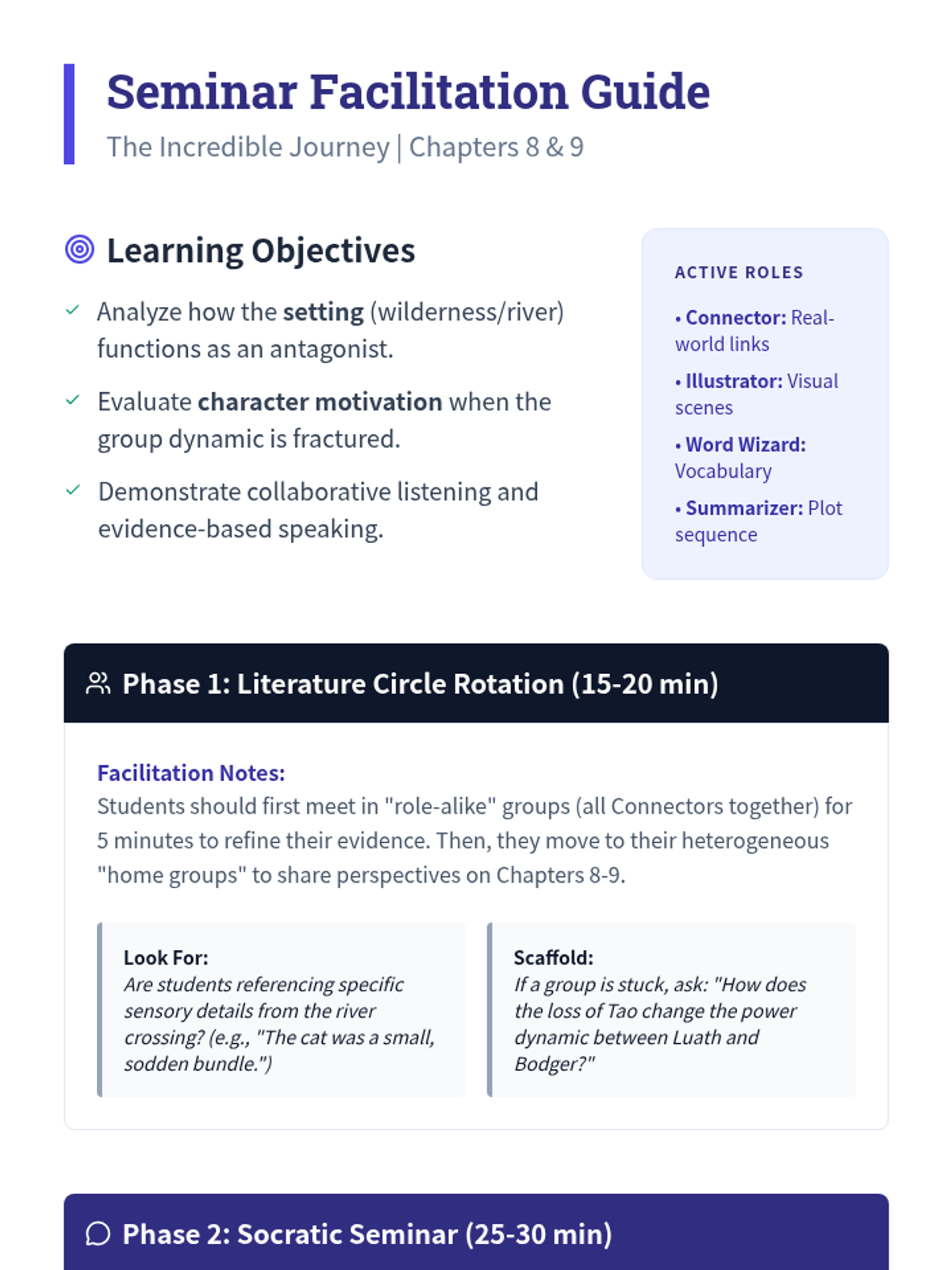
A deep dive into Sheila Burnford's classic adventure, focusing on the trio's survival through the Canadian wilderness. Students explore character motivations, analyze the atmospheric setting, and practice collaborative discussion techniques.
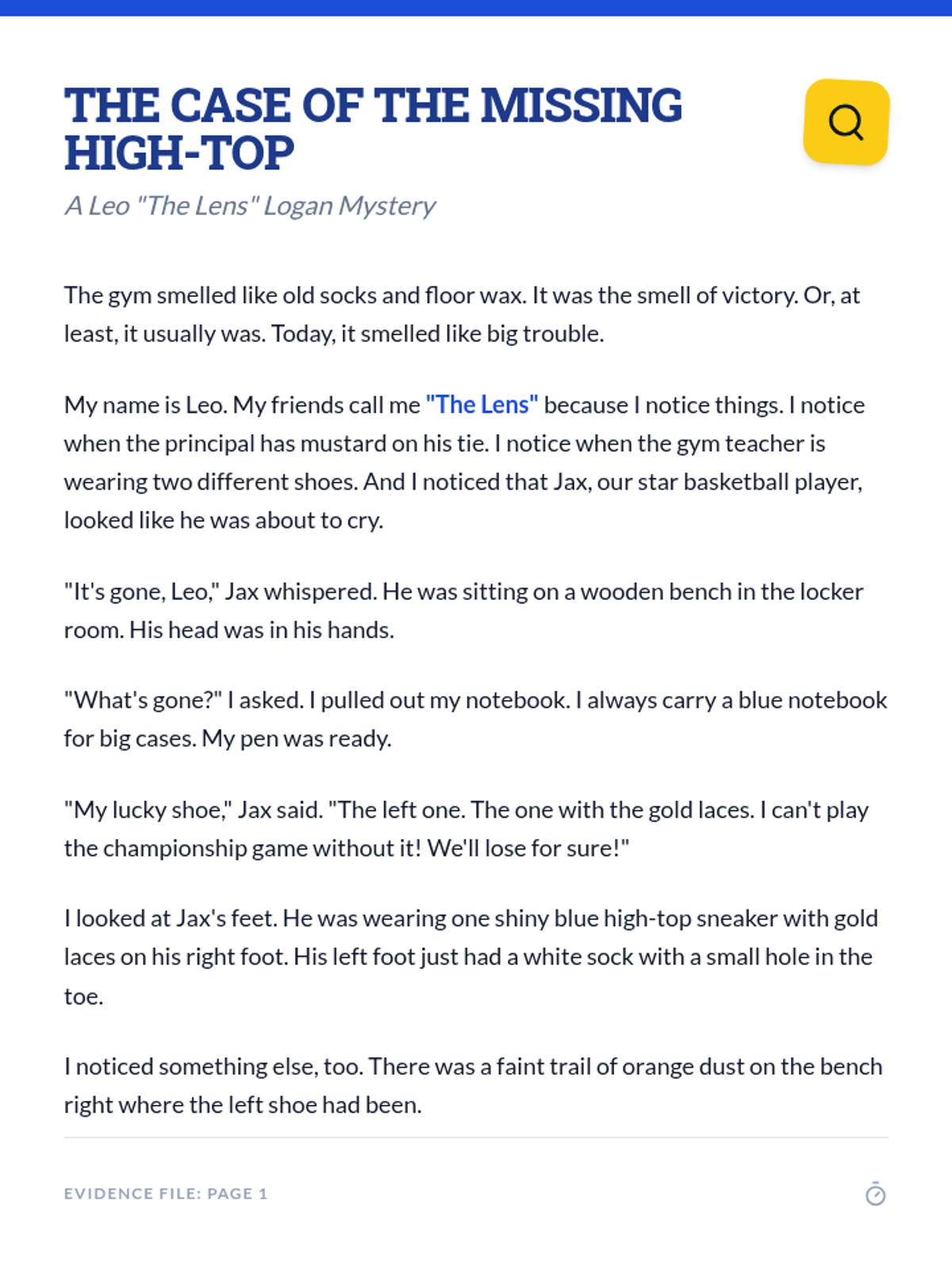
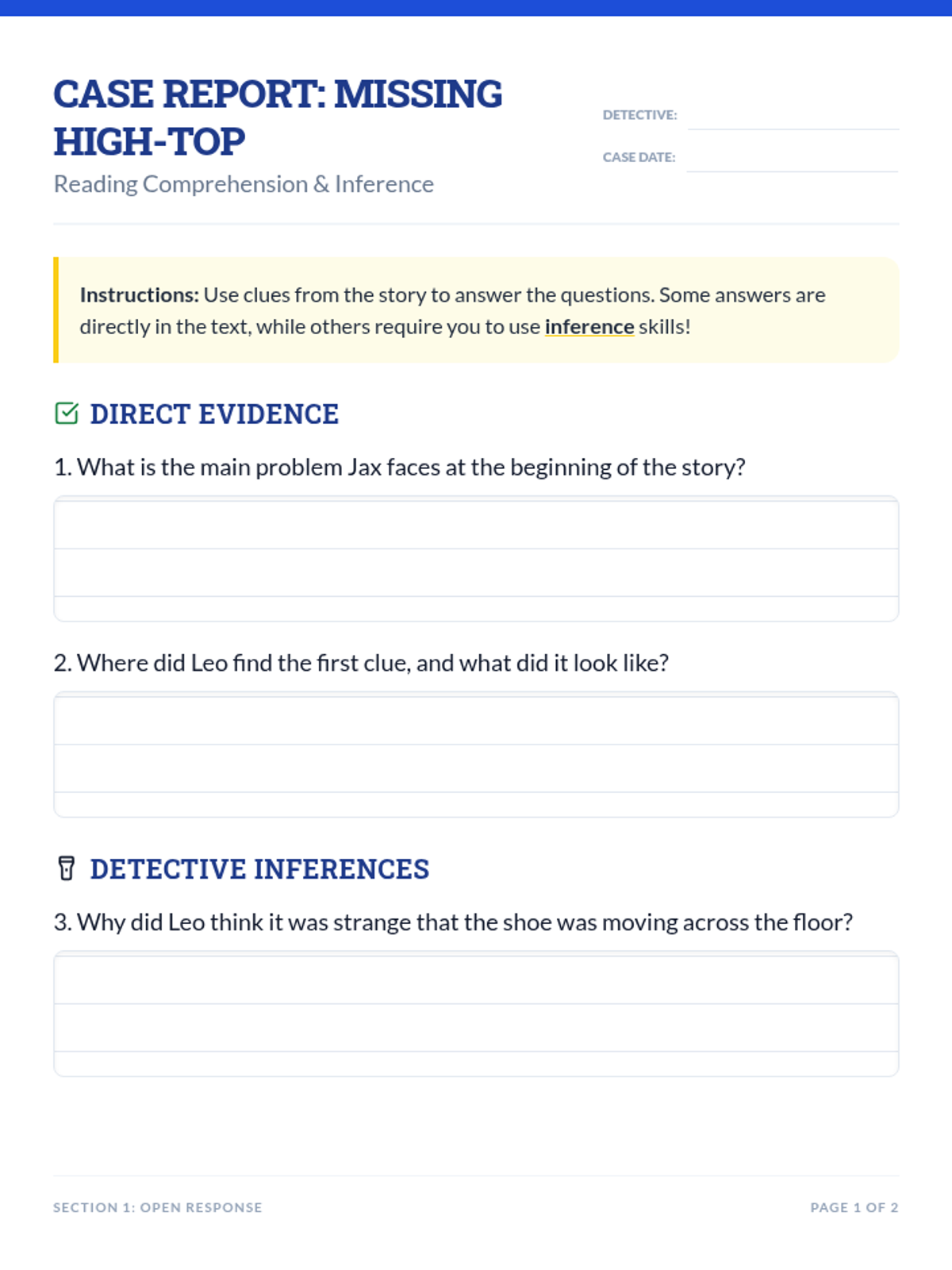
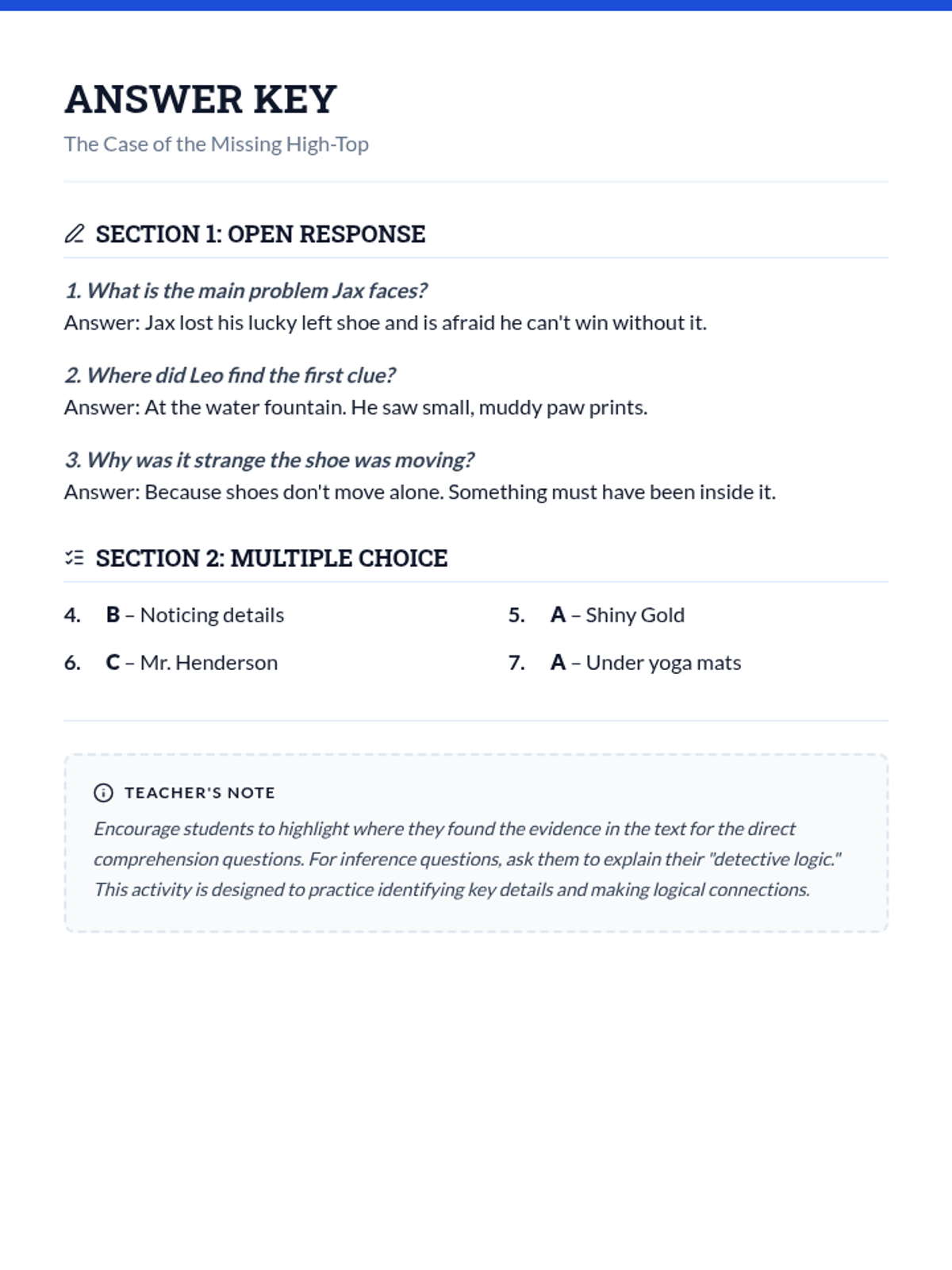
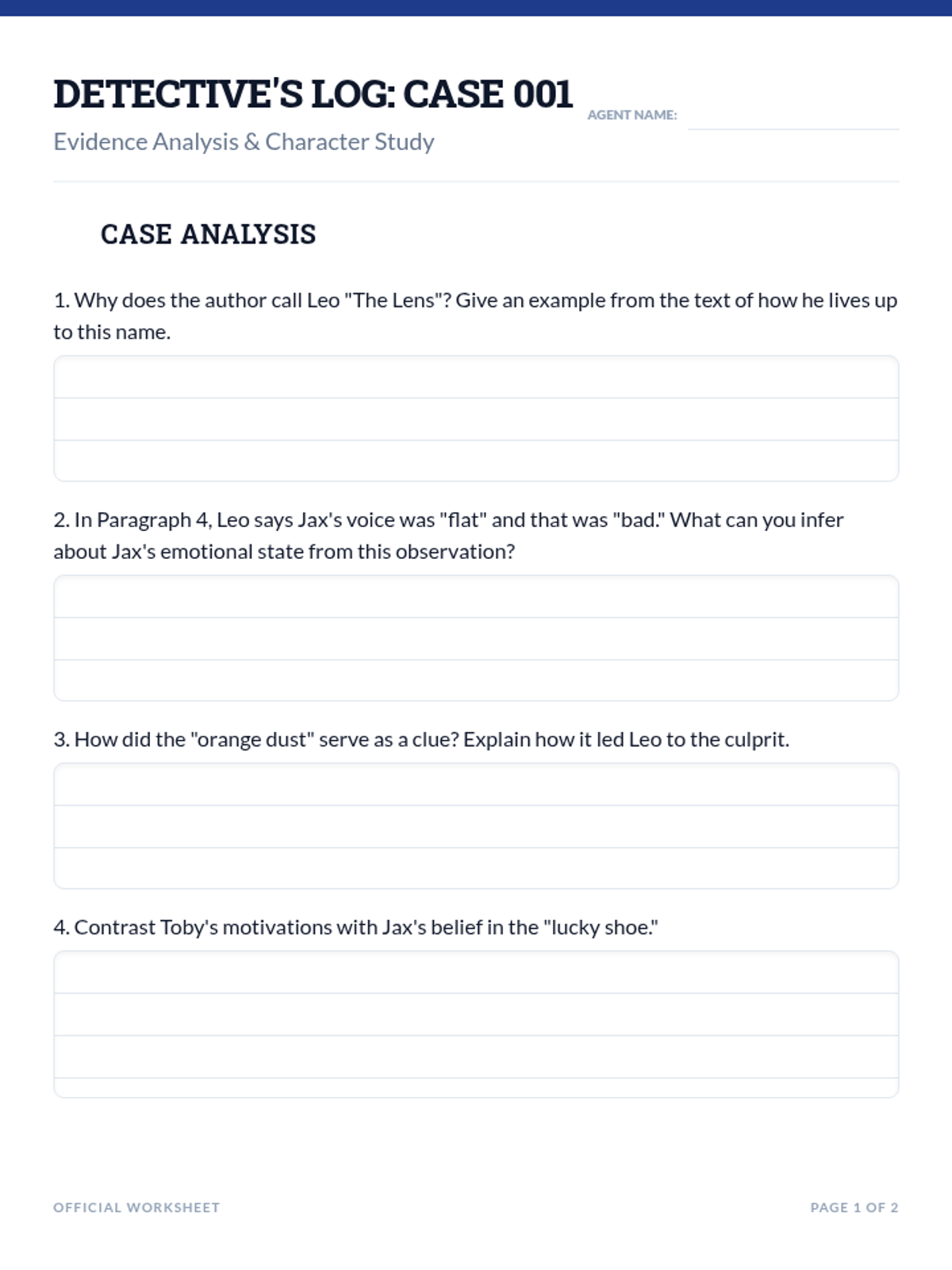
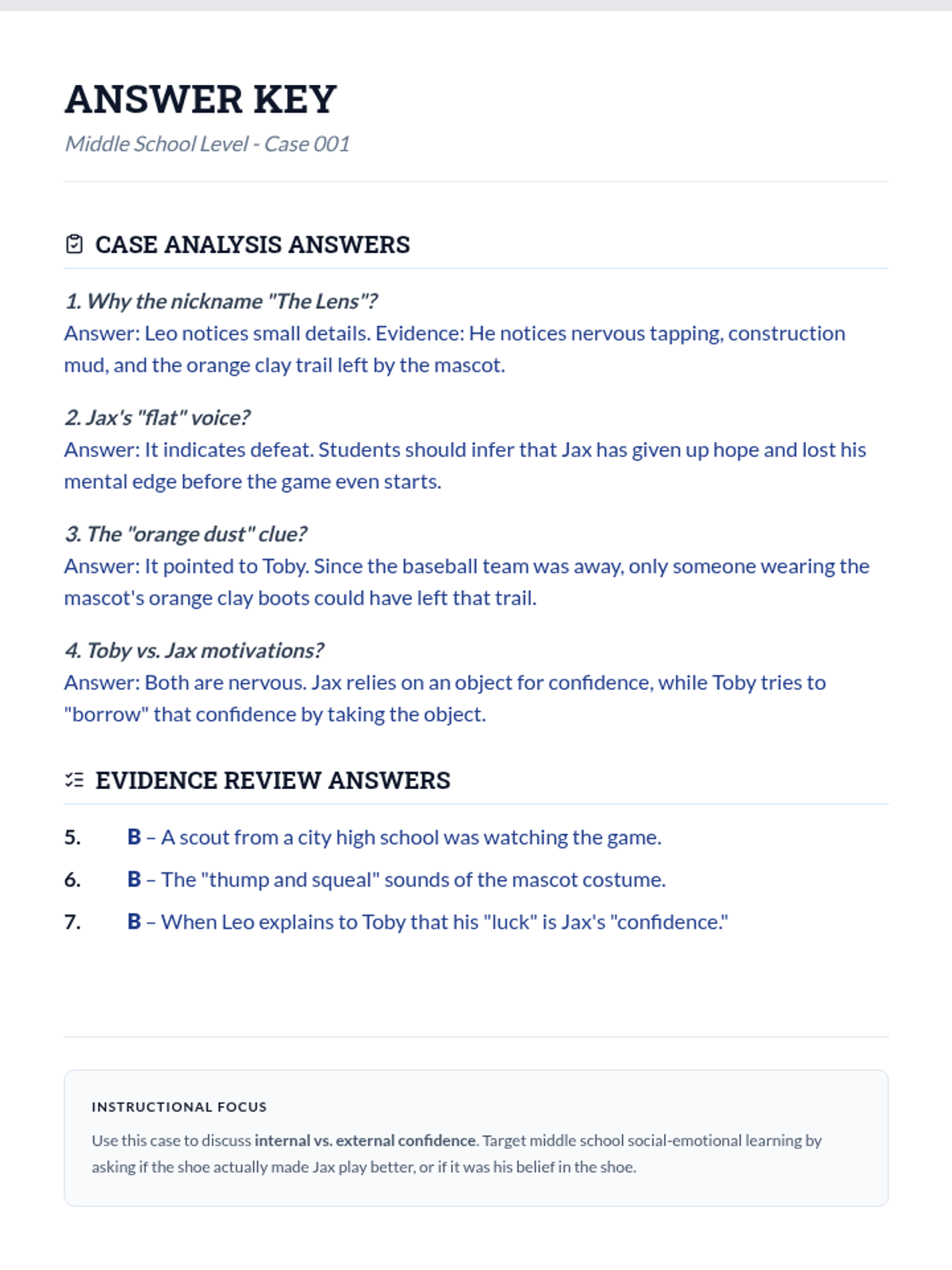
A sports-themed mystery story and comprehension activity designed for 3rd-4th grade reading levels, focusing on making inferences and identifying key details.
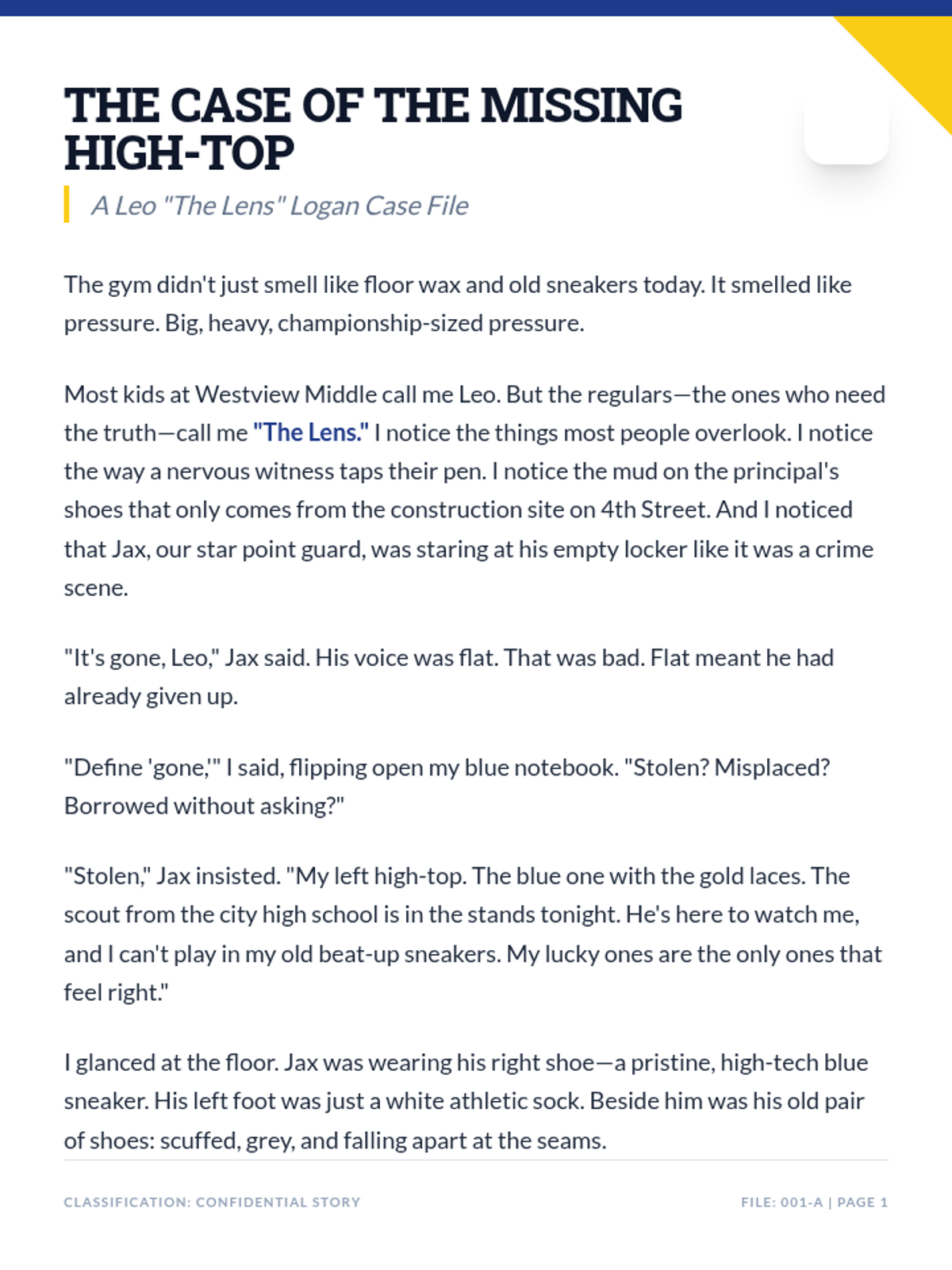
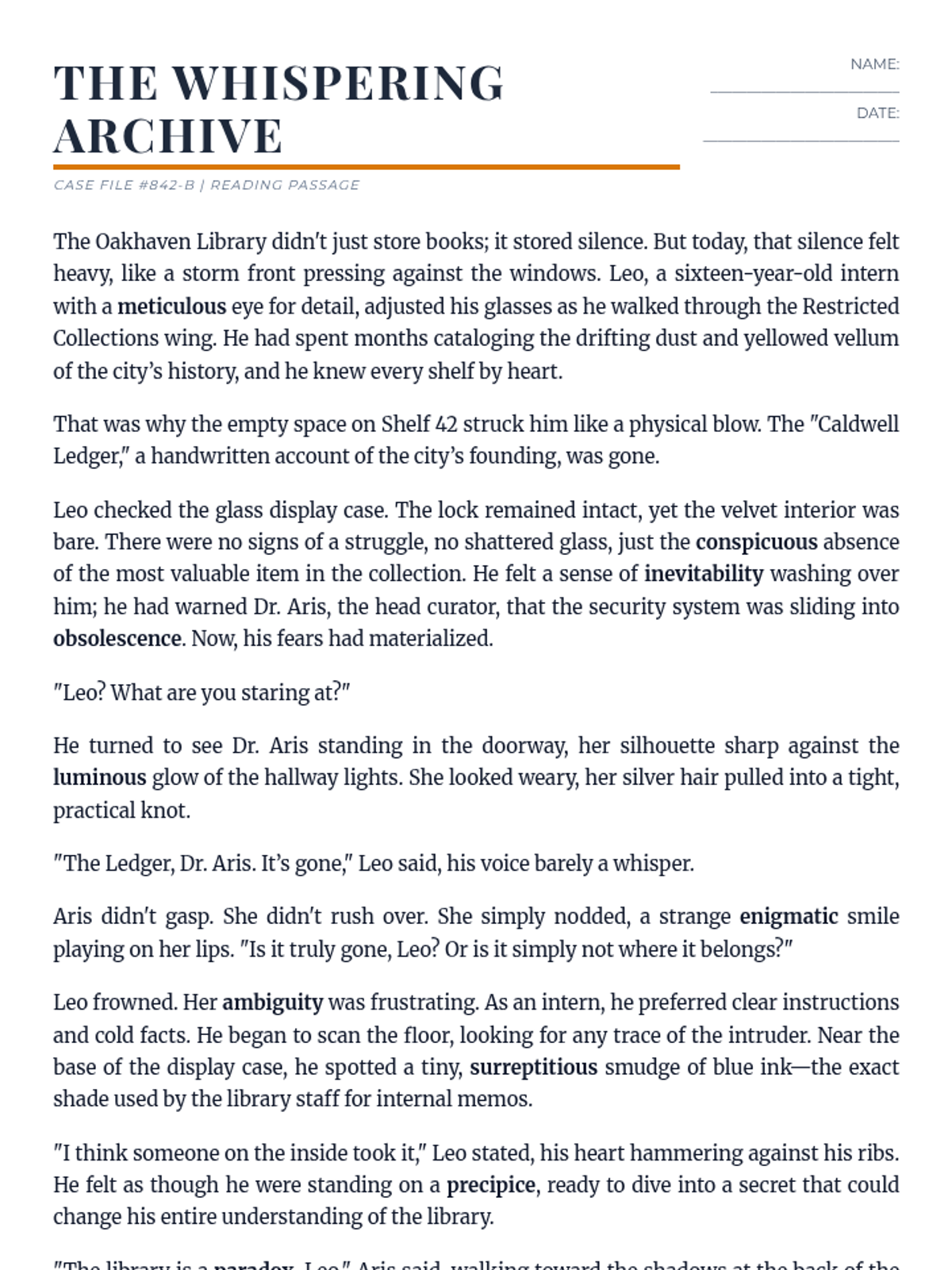
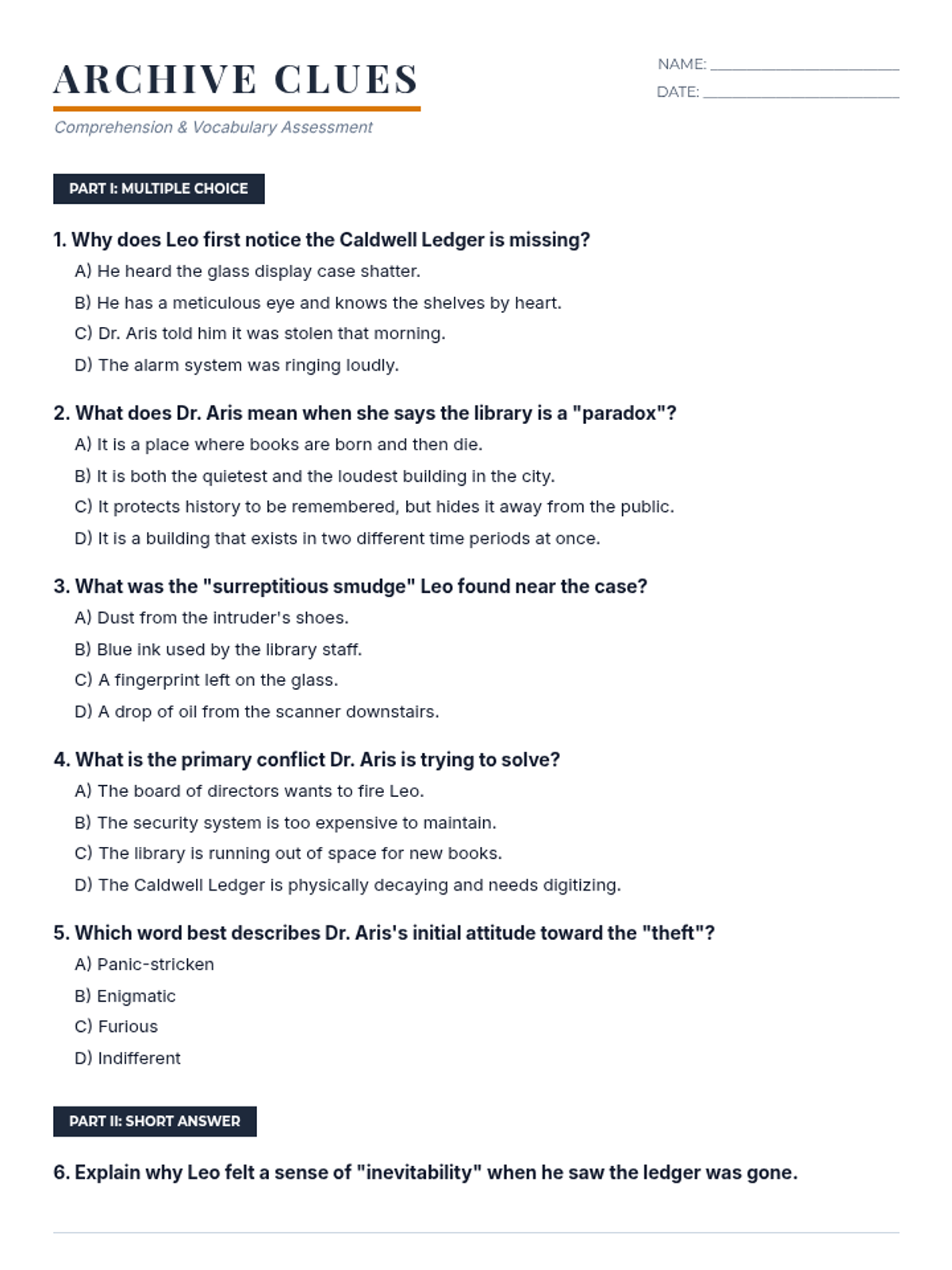
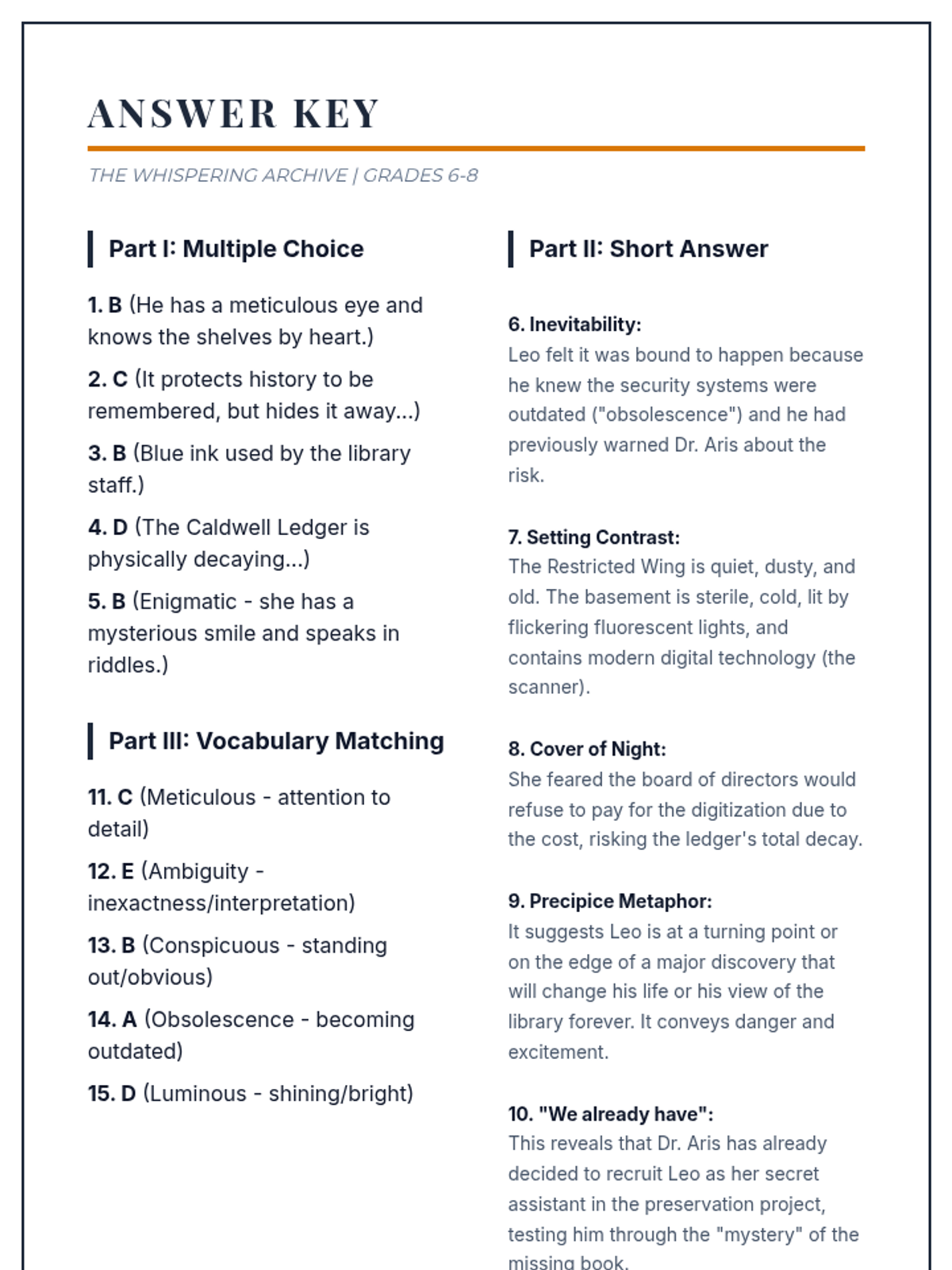
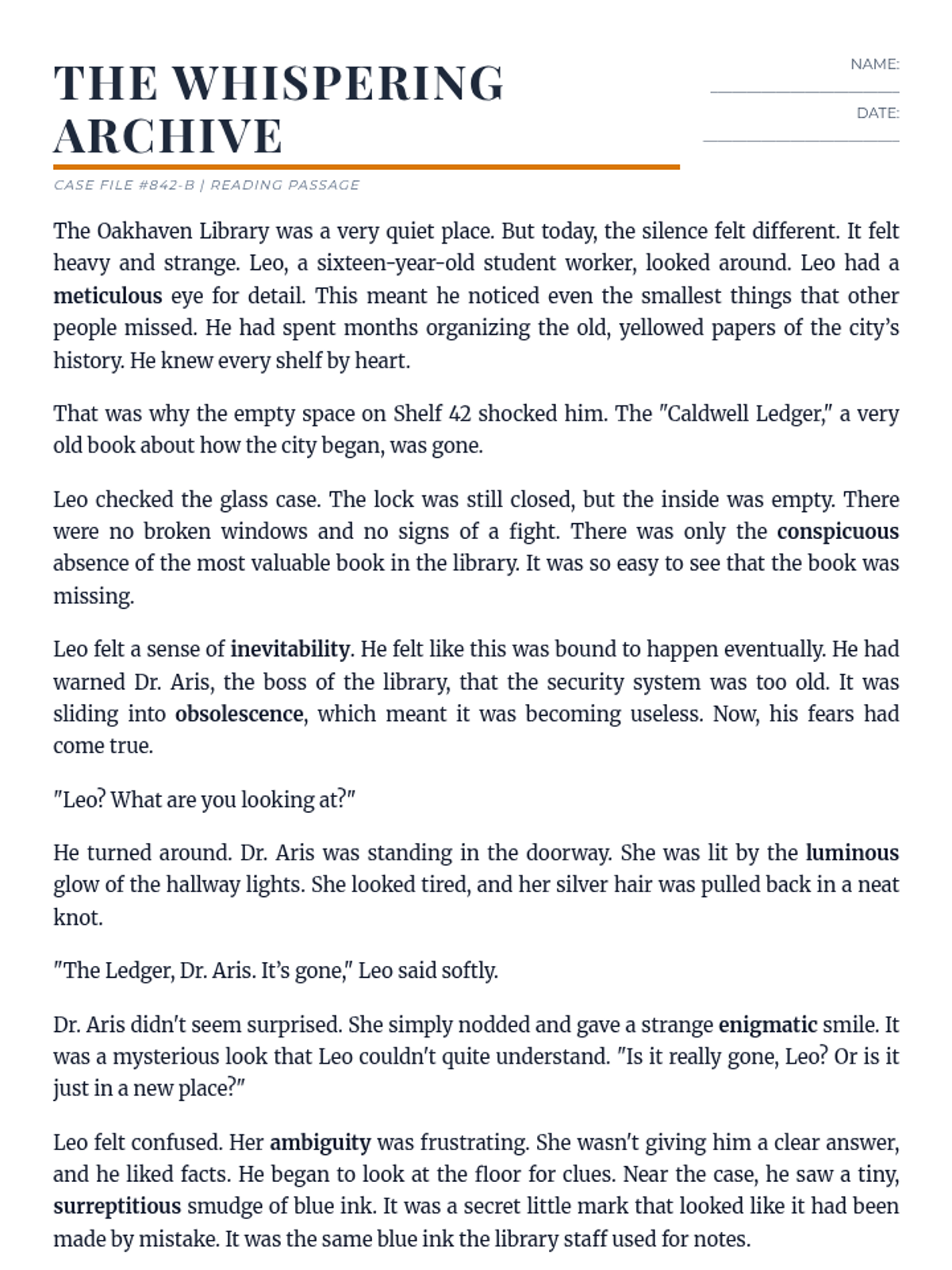
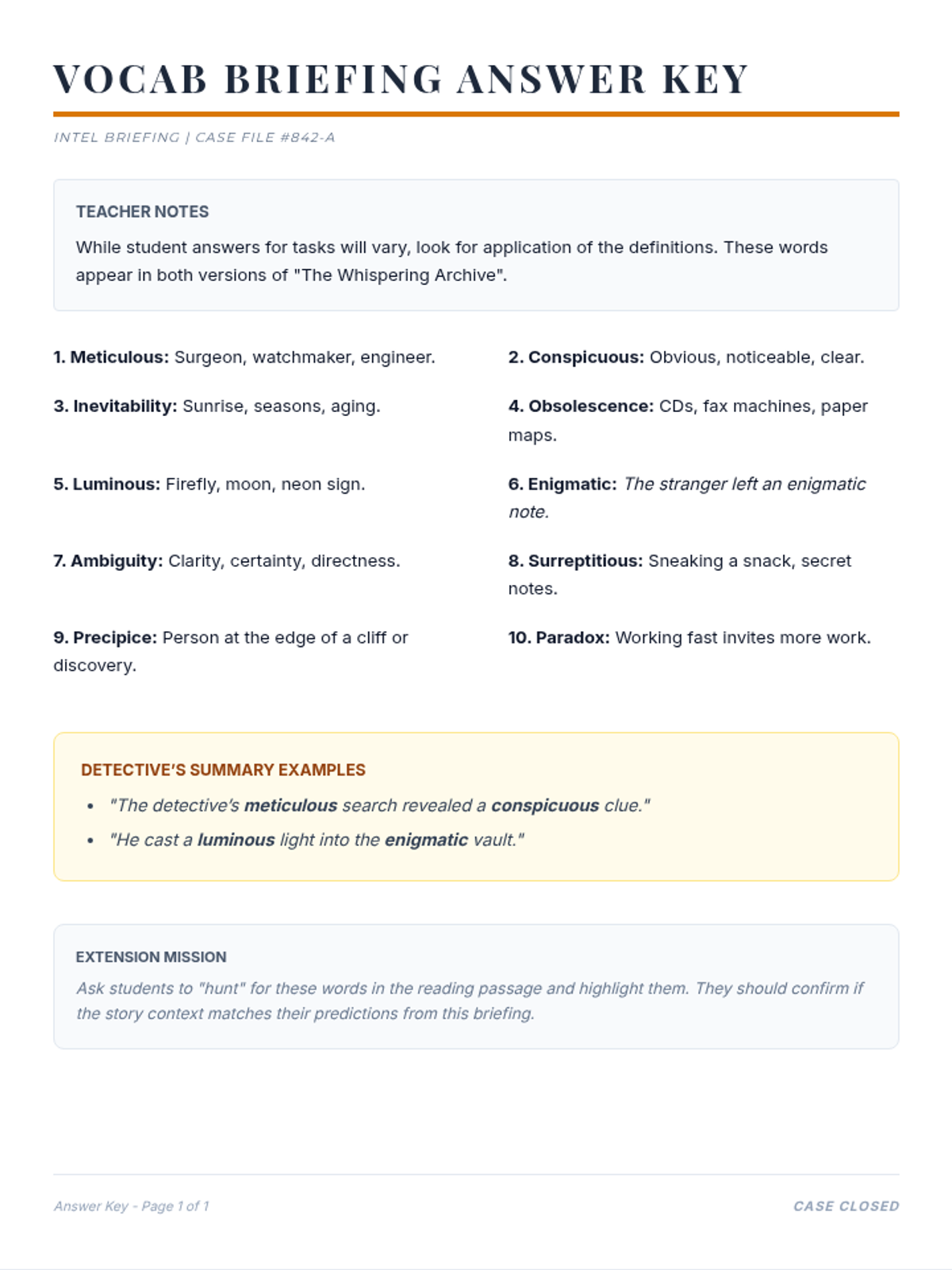
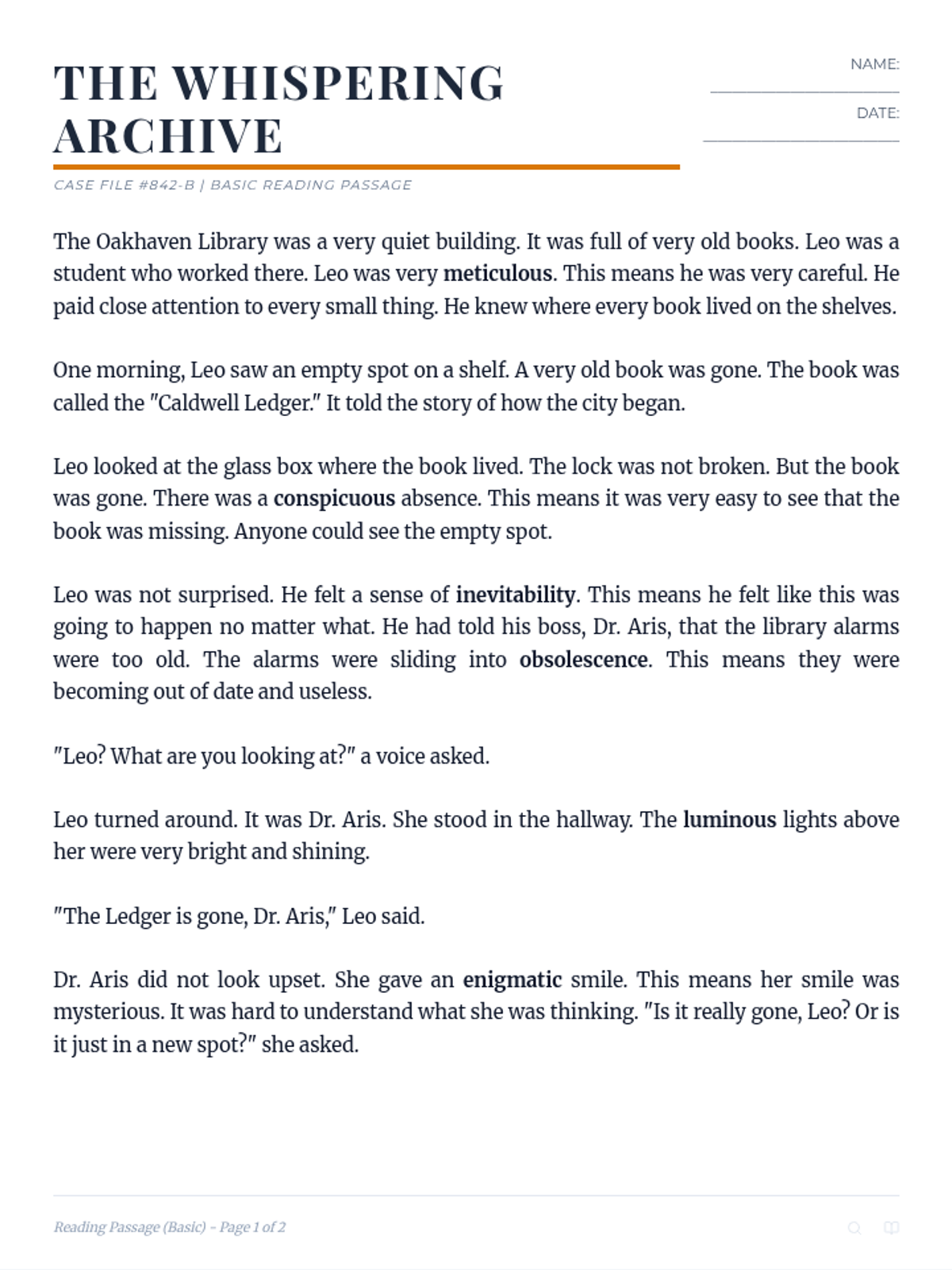
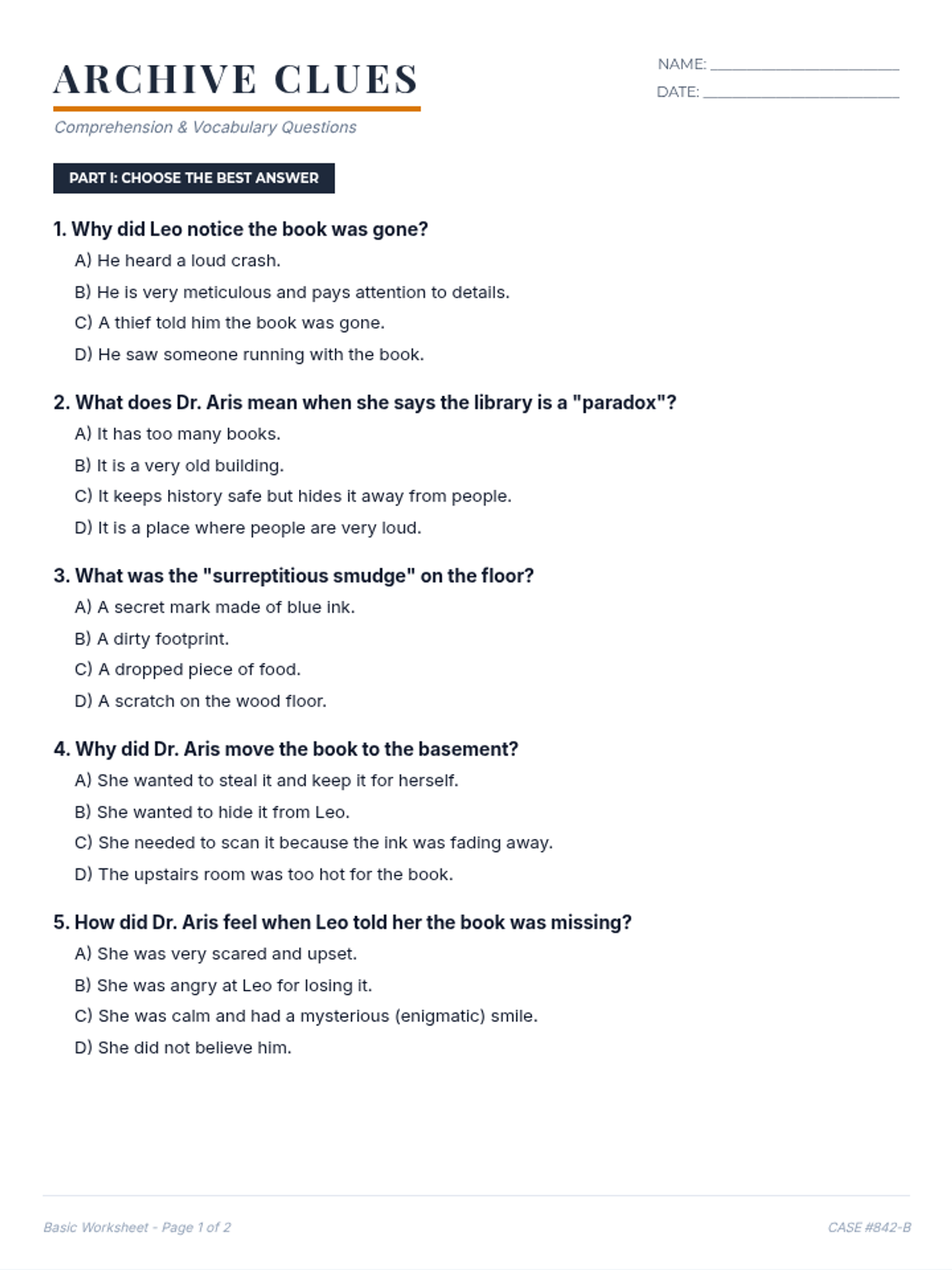
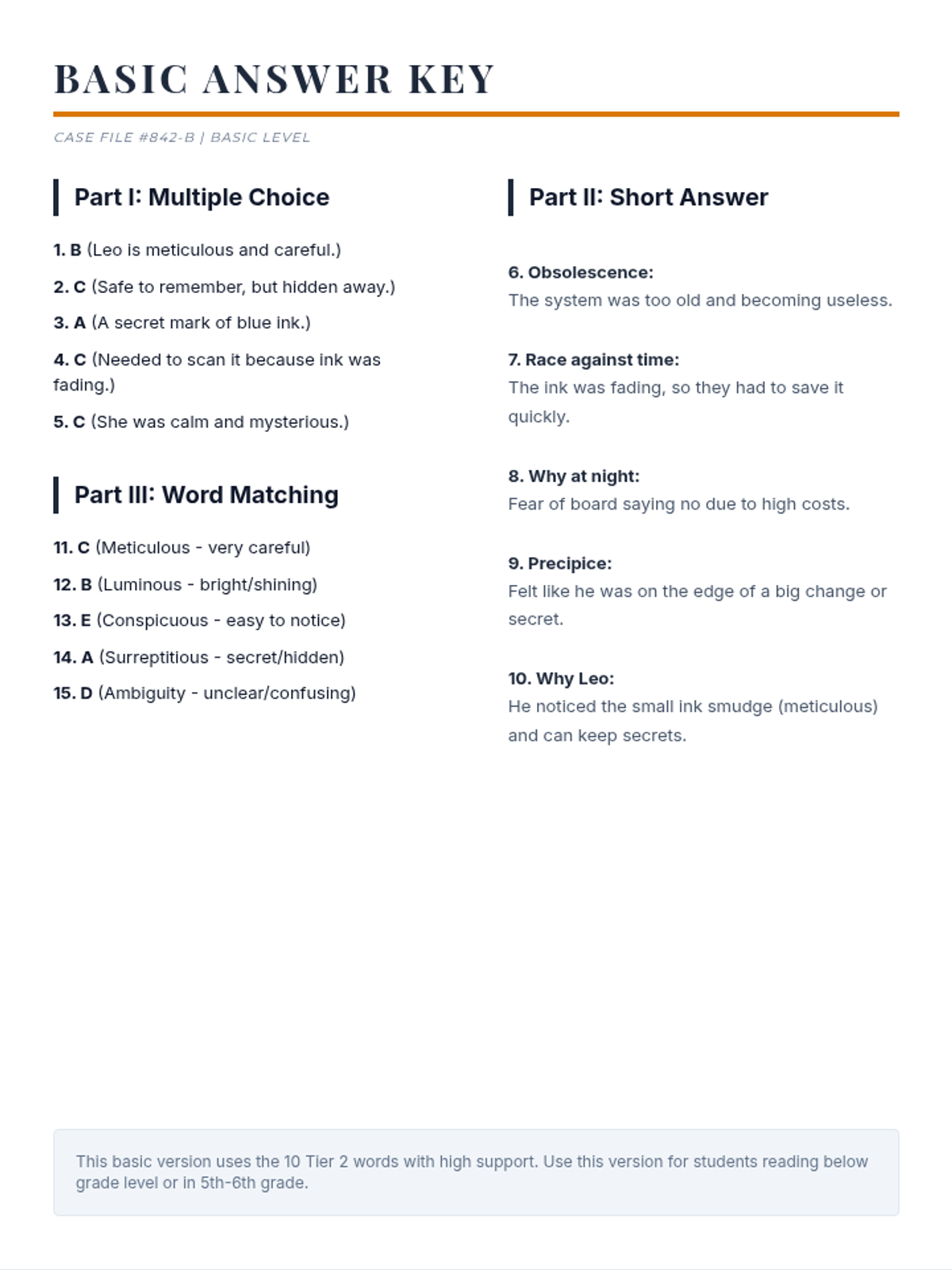
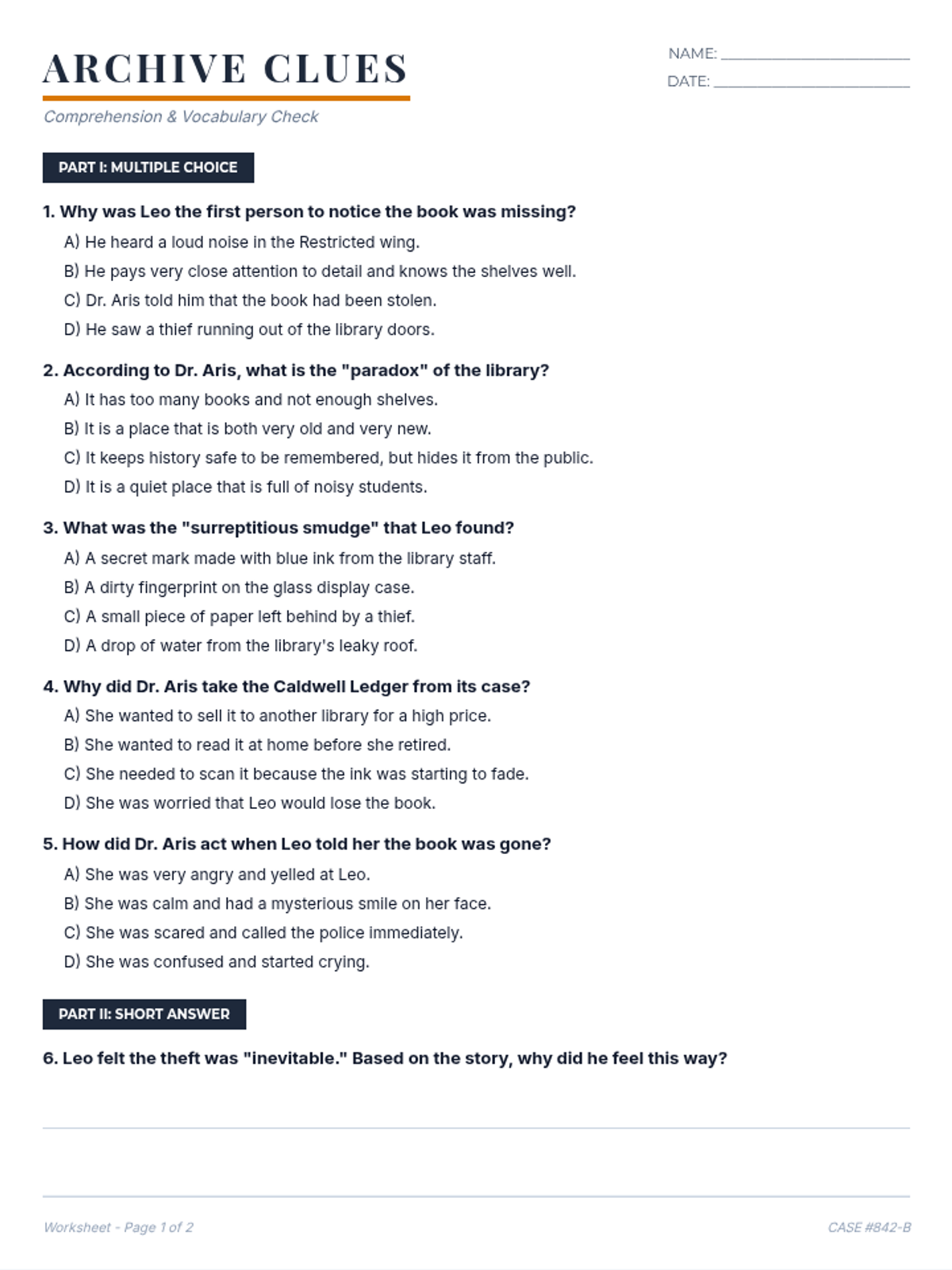
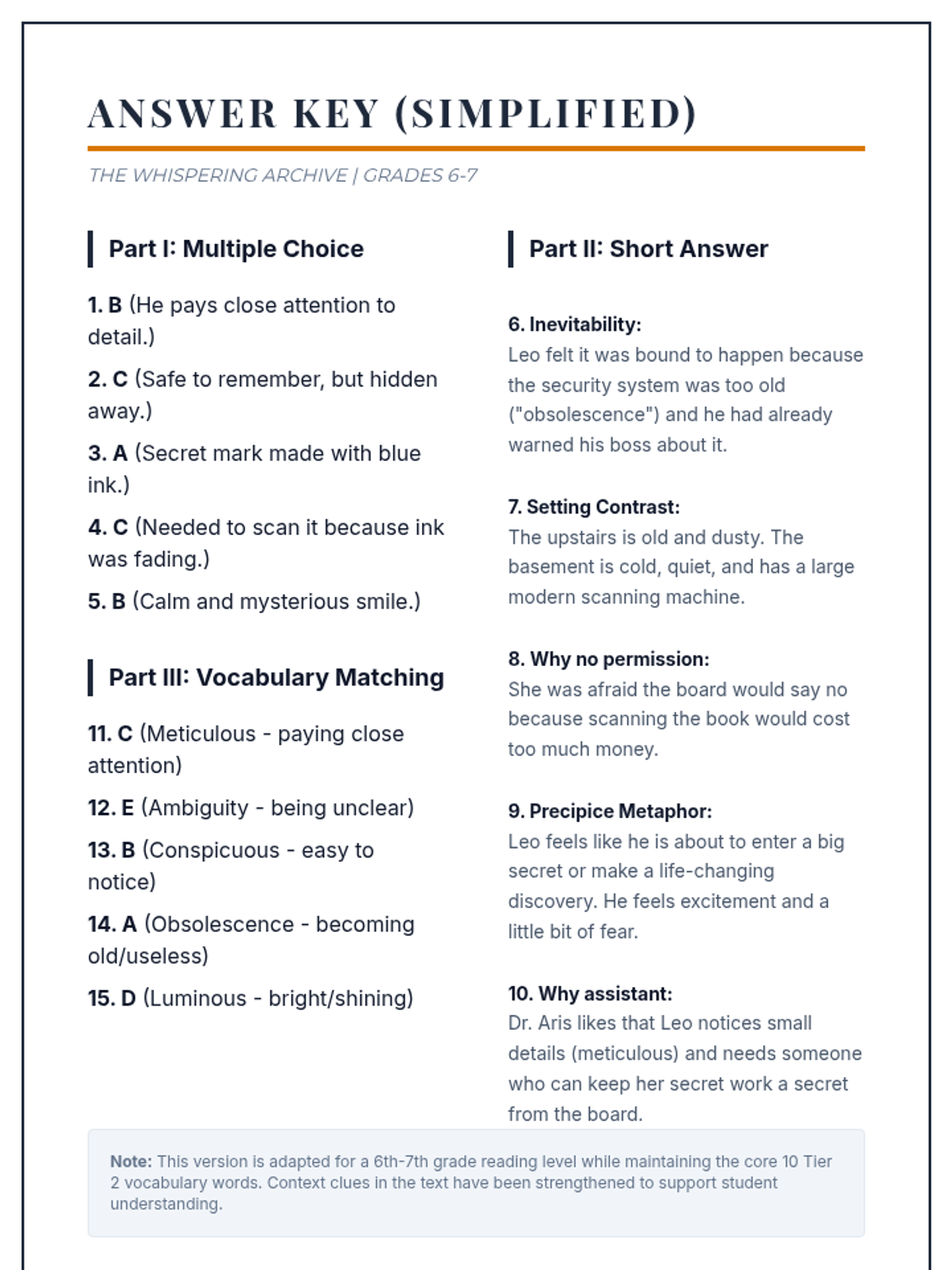
A mystery-themed reading comprehension lesson featuring a 2-page original fiction story and a comprehensive assessment focused on Tier 2 vocabulary and analytical skills.
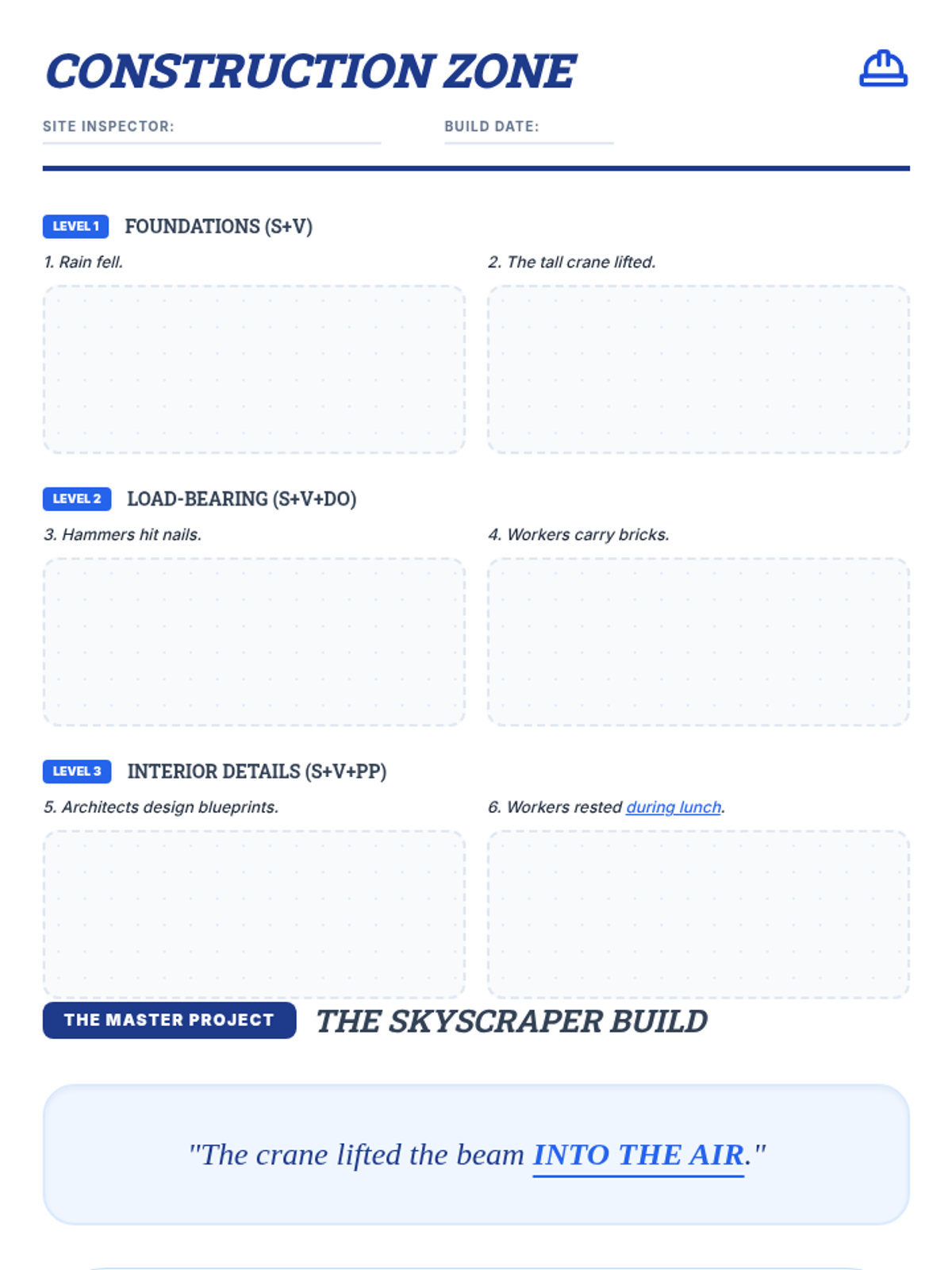
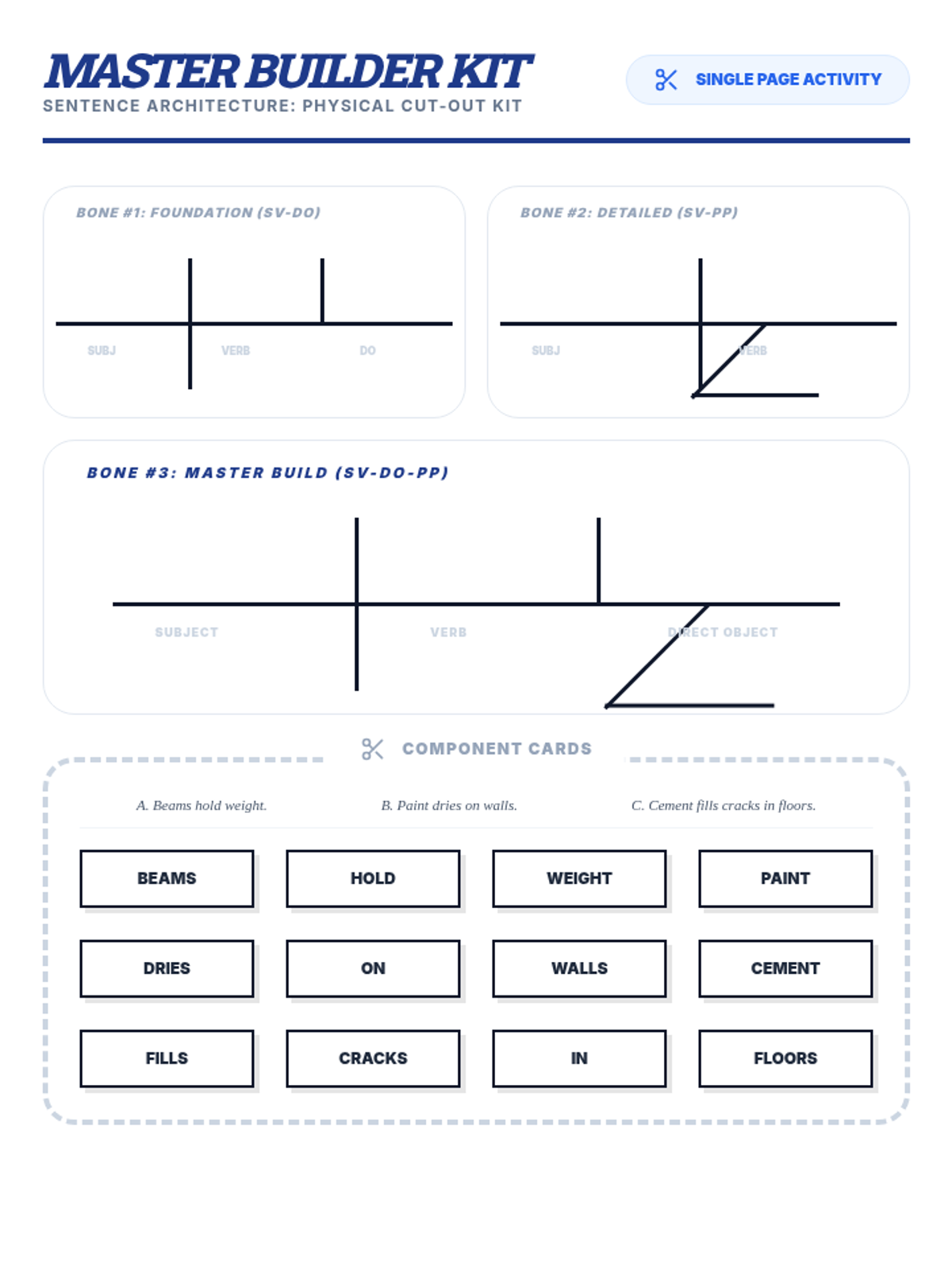
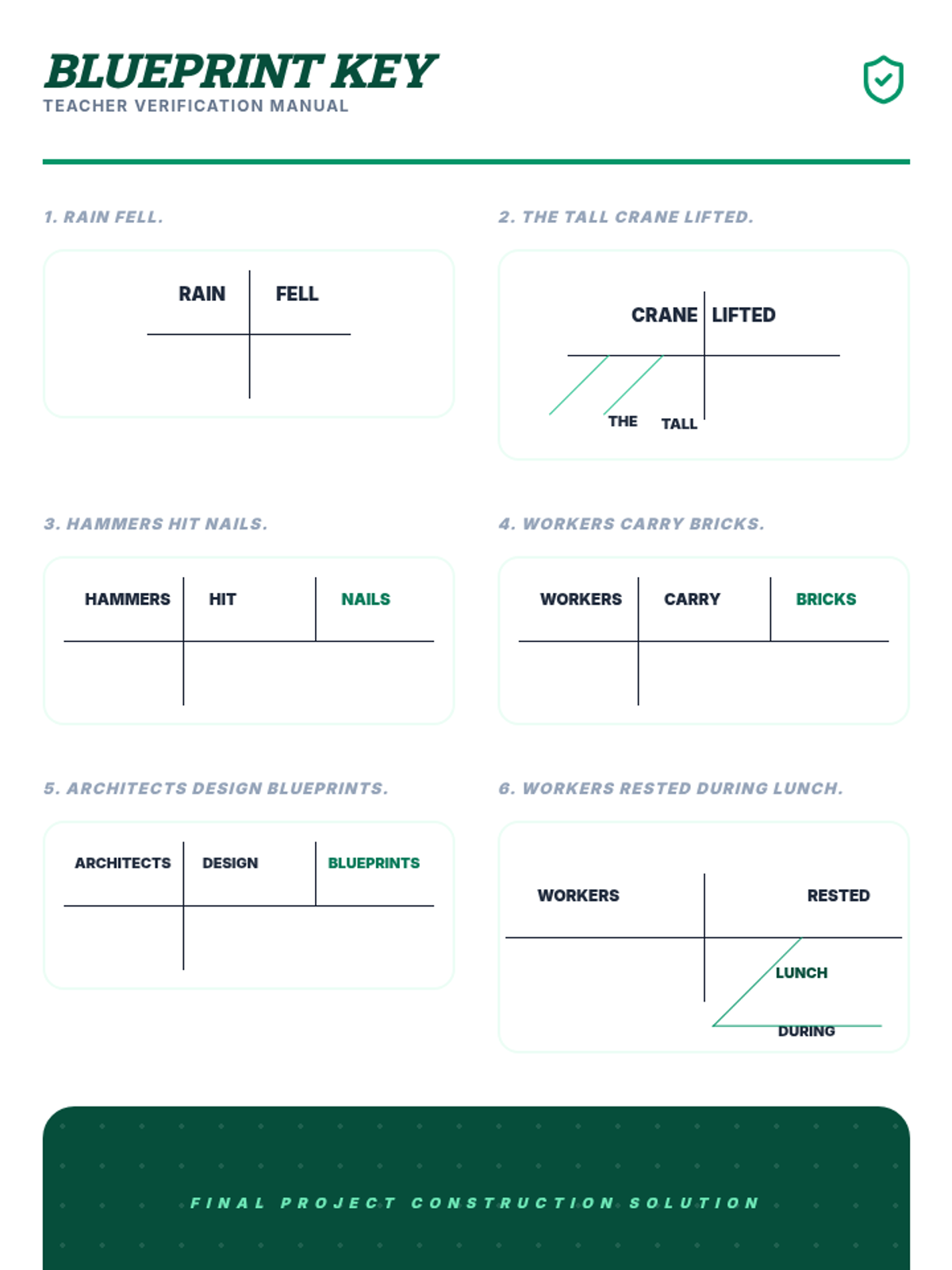
A comprehensive introduction to Reed-Kellogg sentence diagramming, covering subjects, verbs, direct objects, and prepositional phrases through a structural engineering lens.
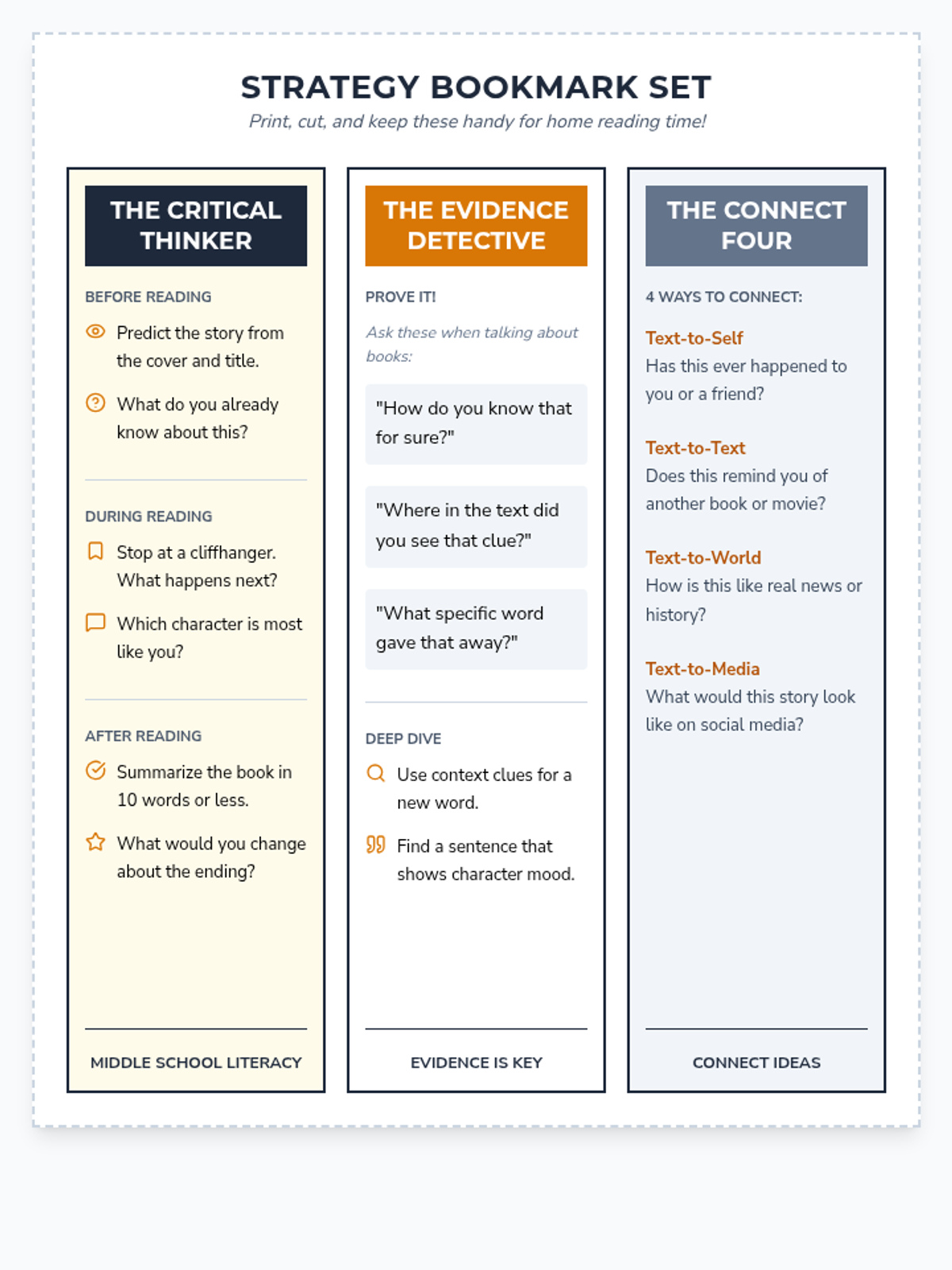
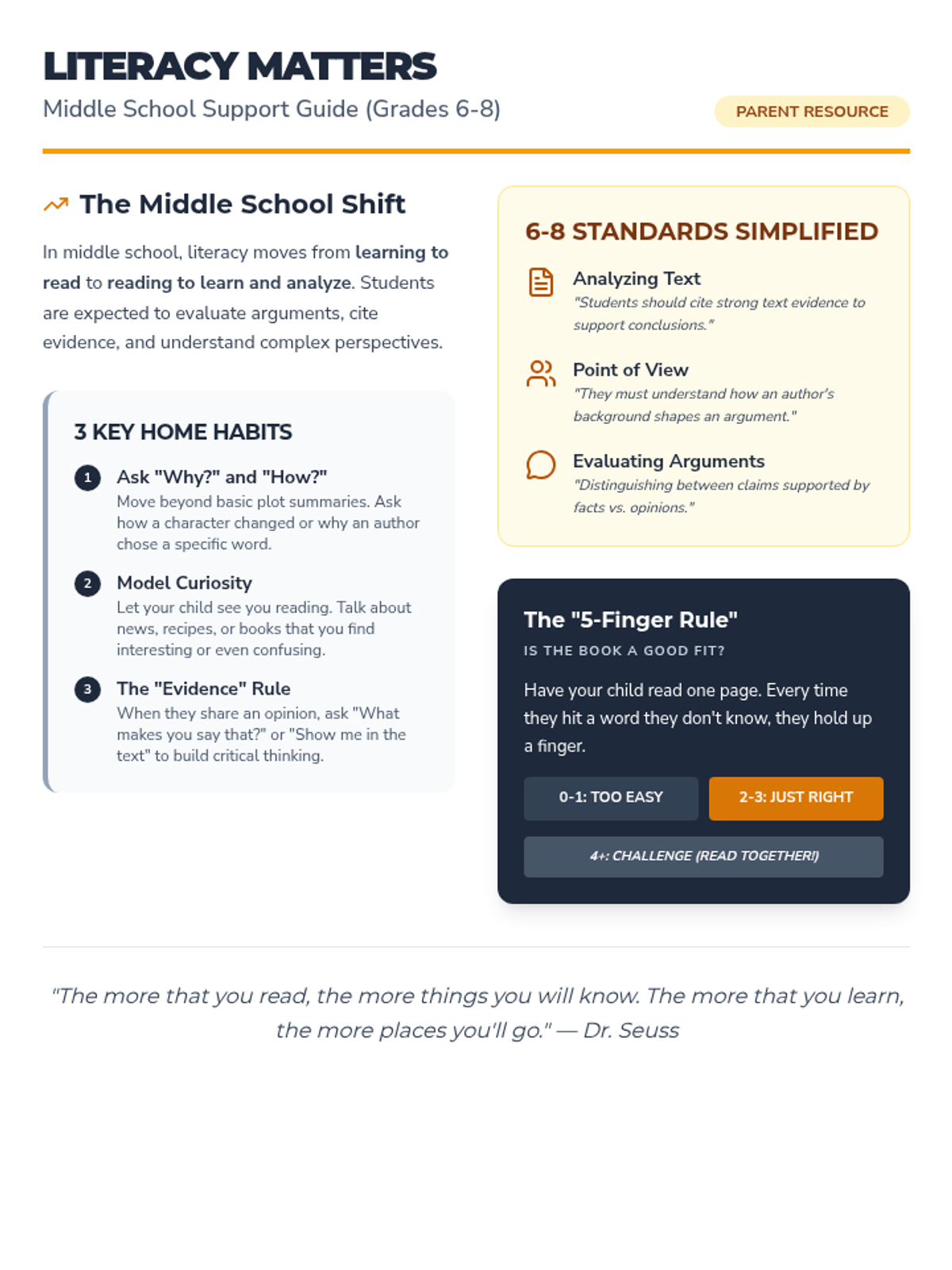
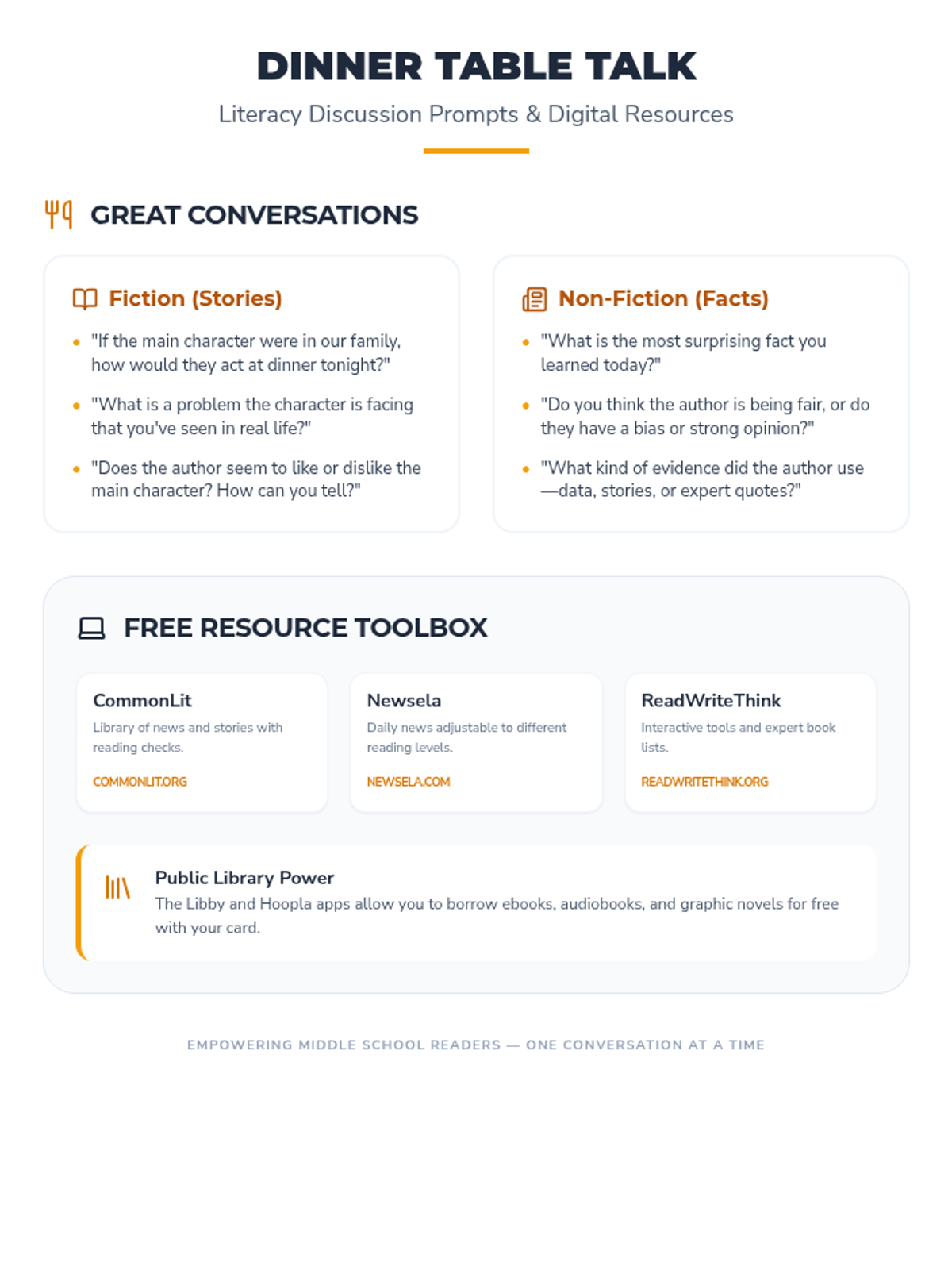
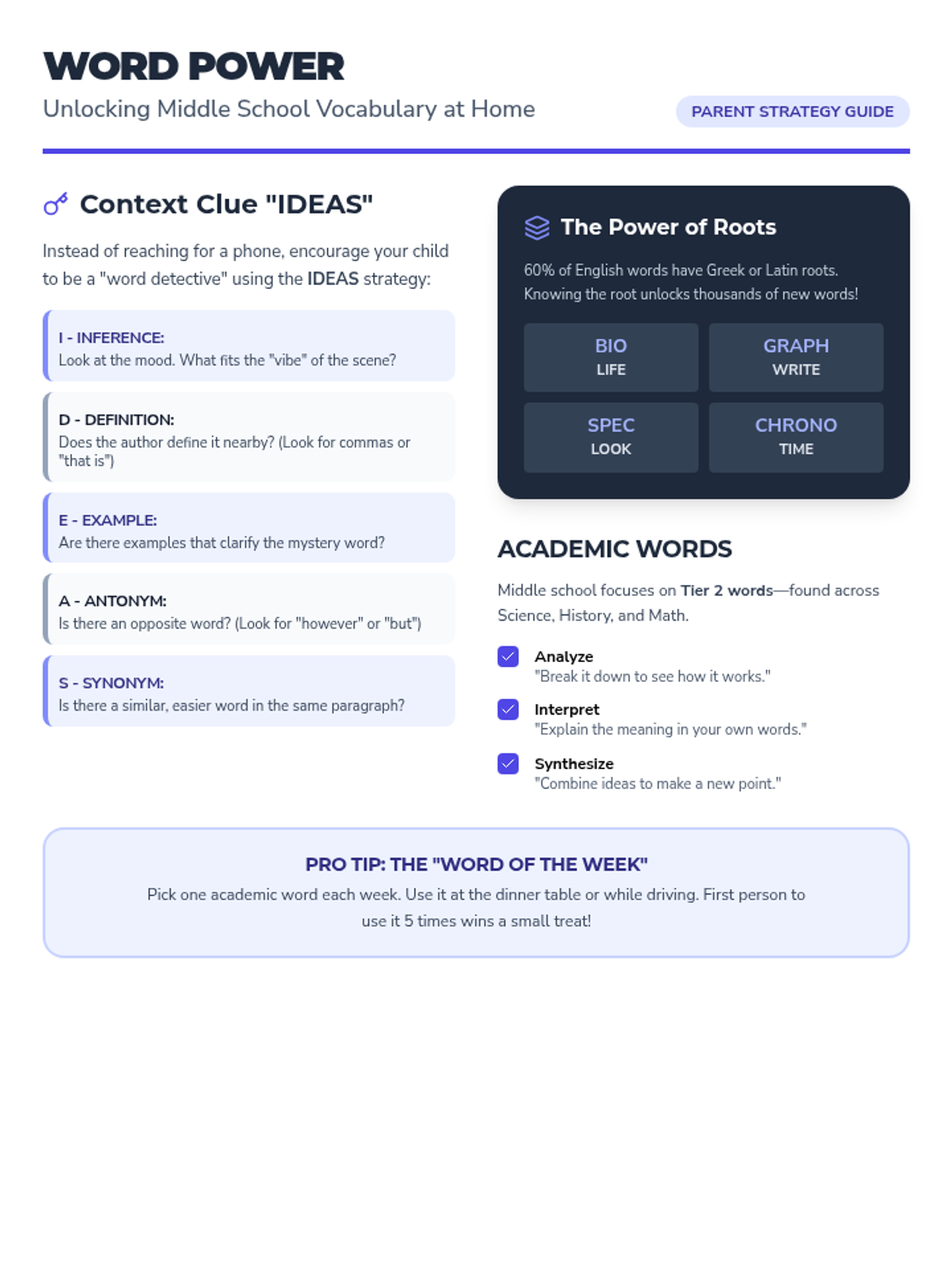
A comprehensive set of resources for middle school parents to support literacy development at home, covering reading comprehension, critical thinking, and discussion strategies aligned with 6-8 standards.
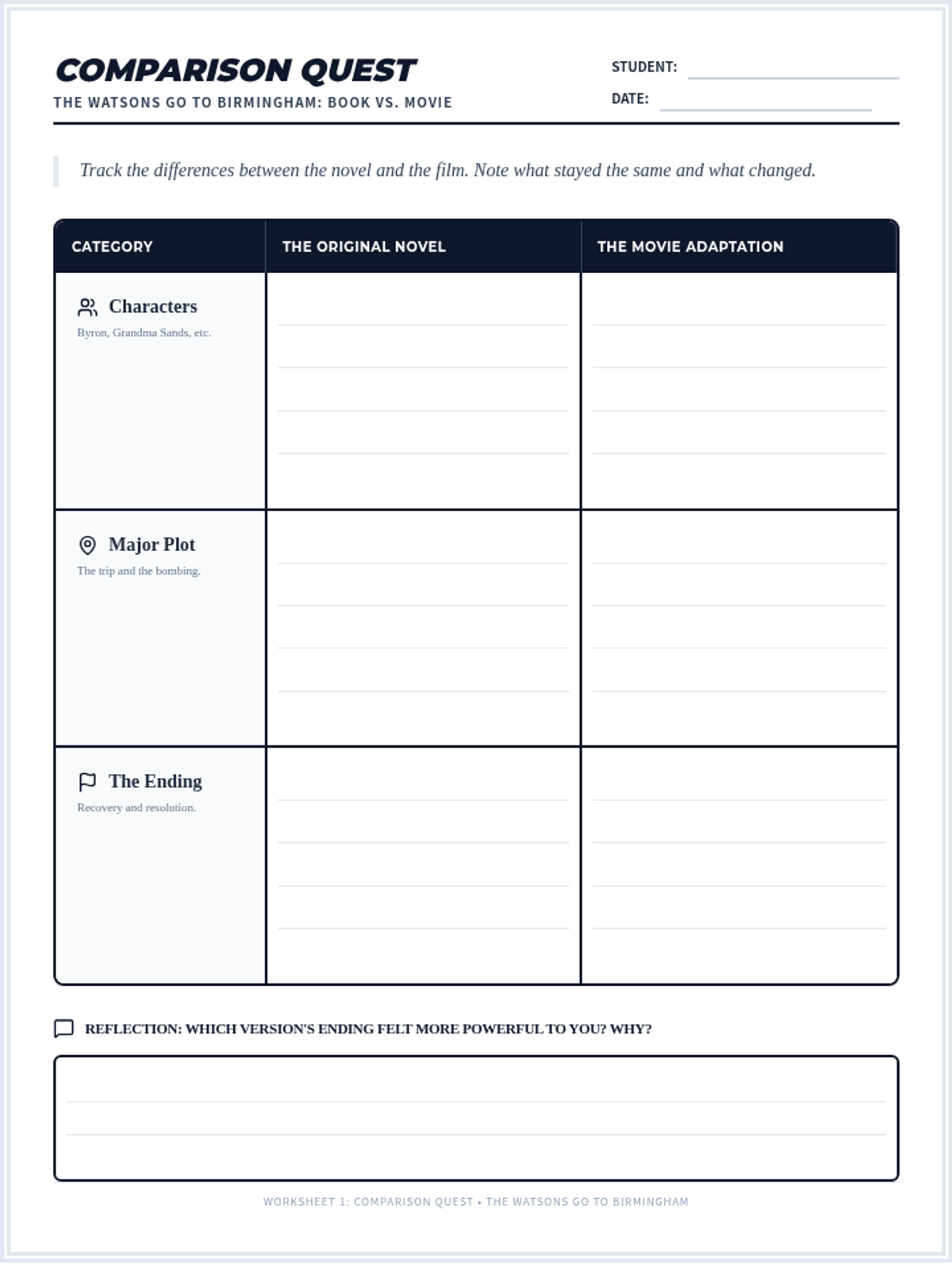
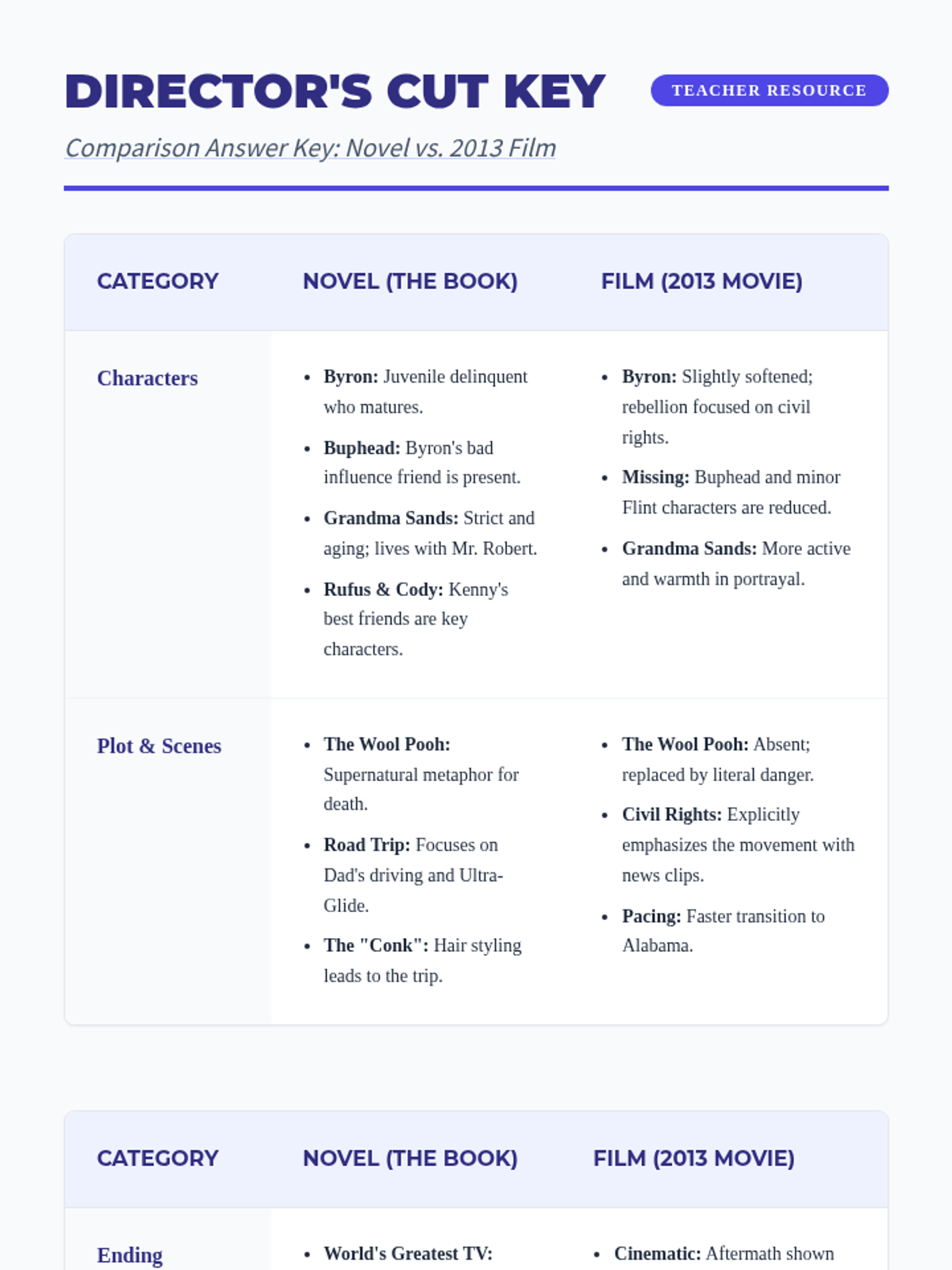
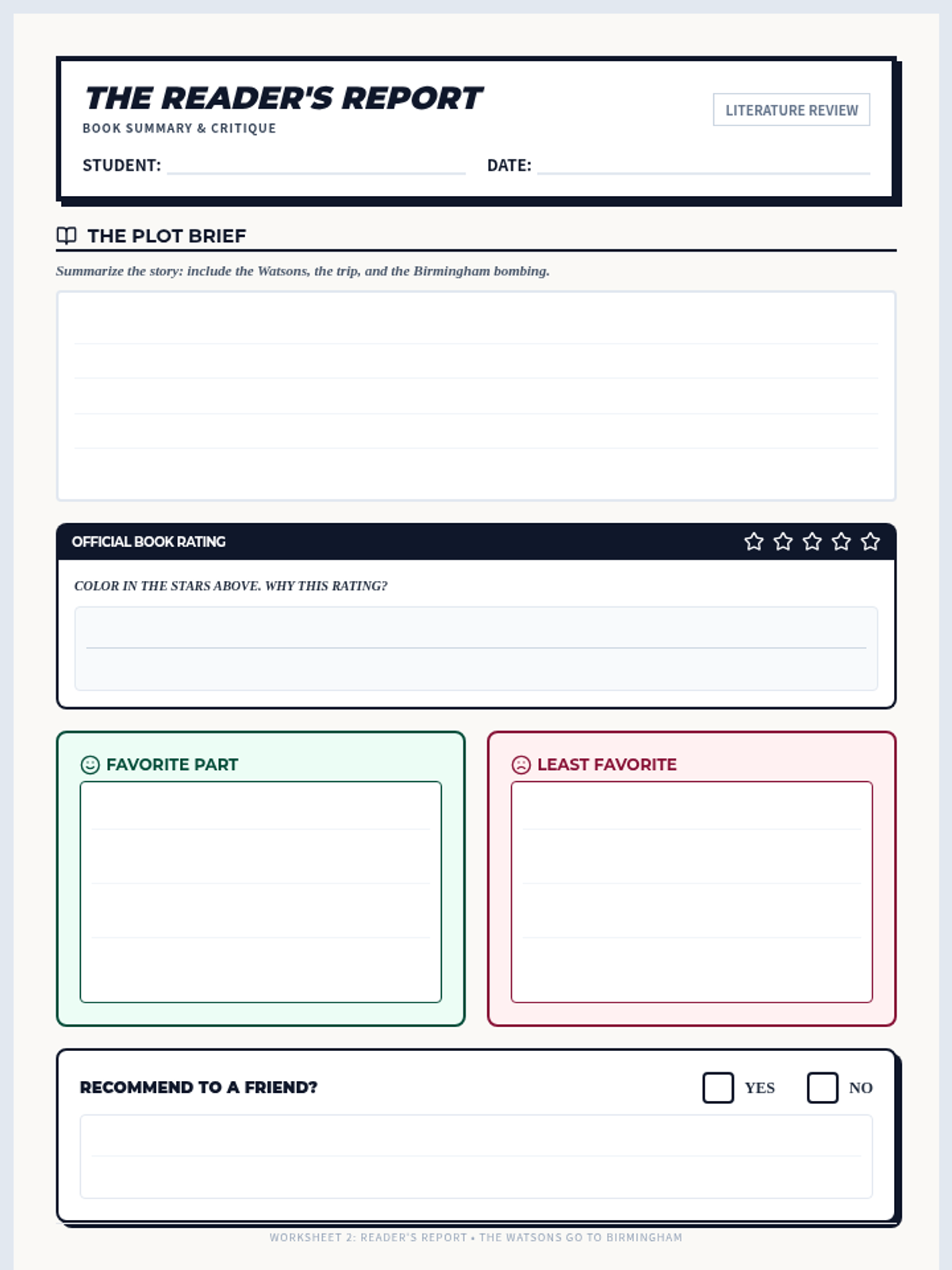
A comprehensive look at the classic novel 'The Watsons Go to Birmingham – 1963', including a complete plot summary and a comparative analysis between the book and its film adaptation.
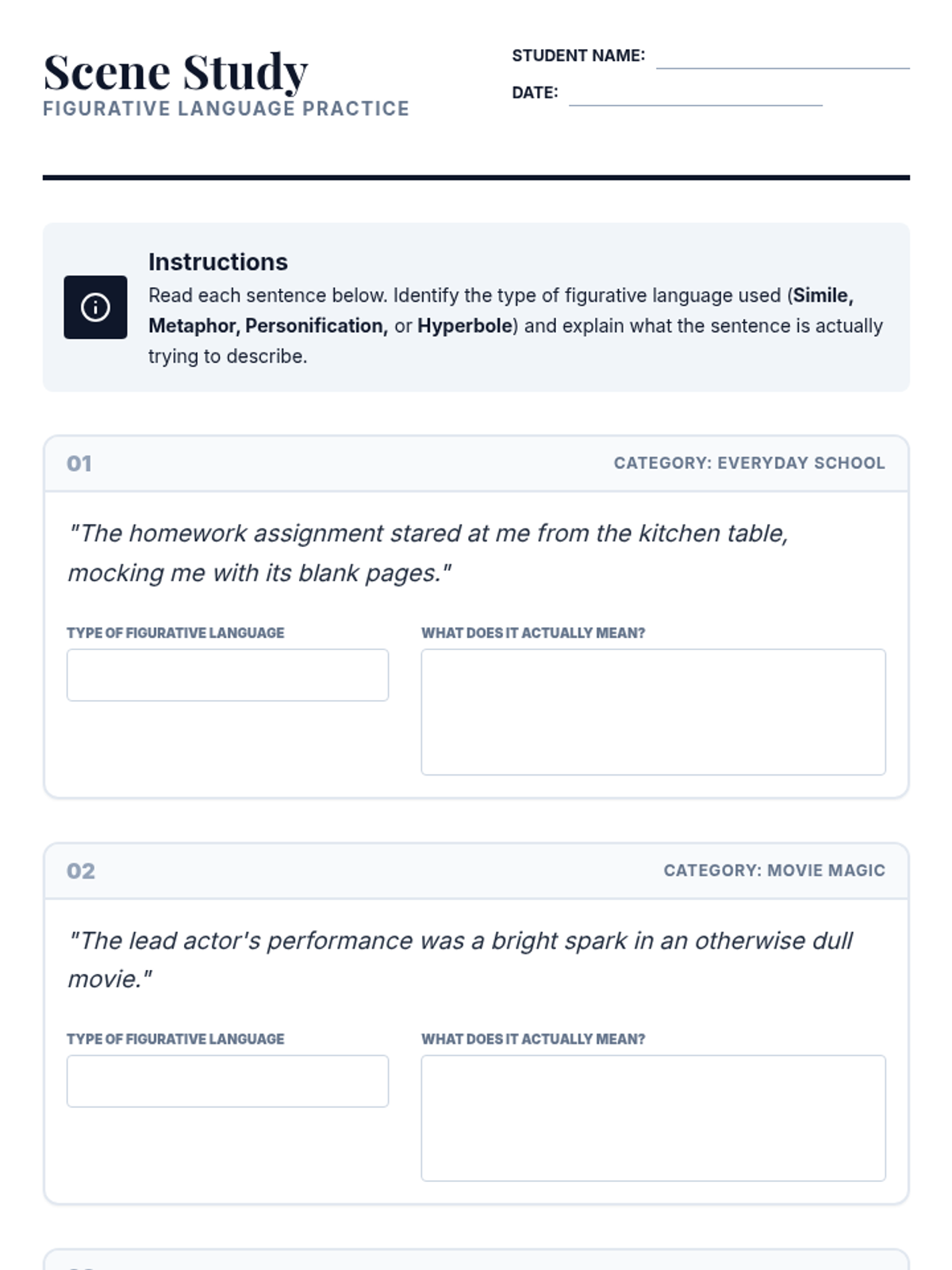
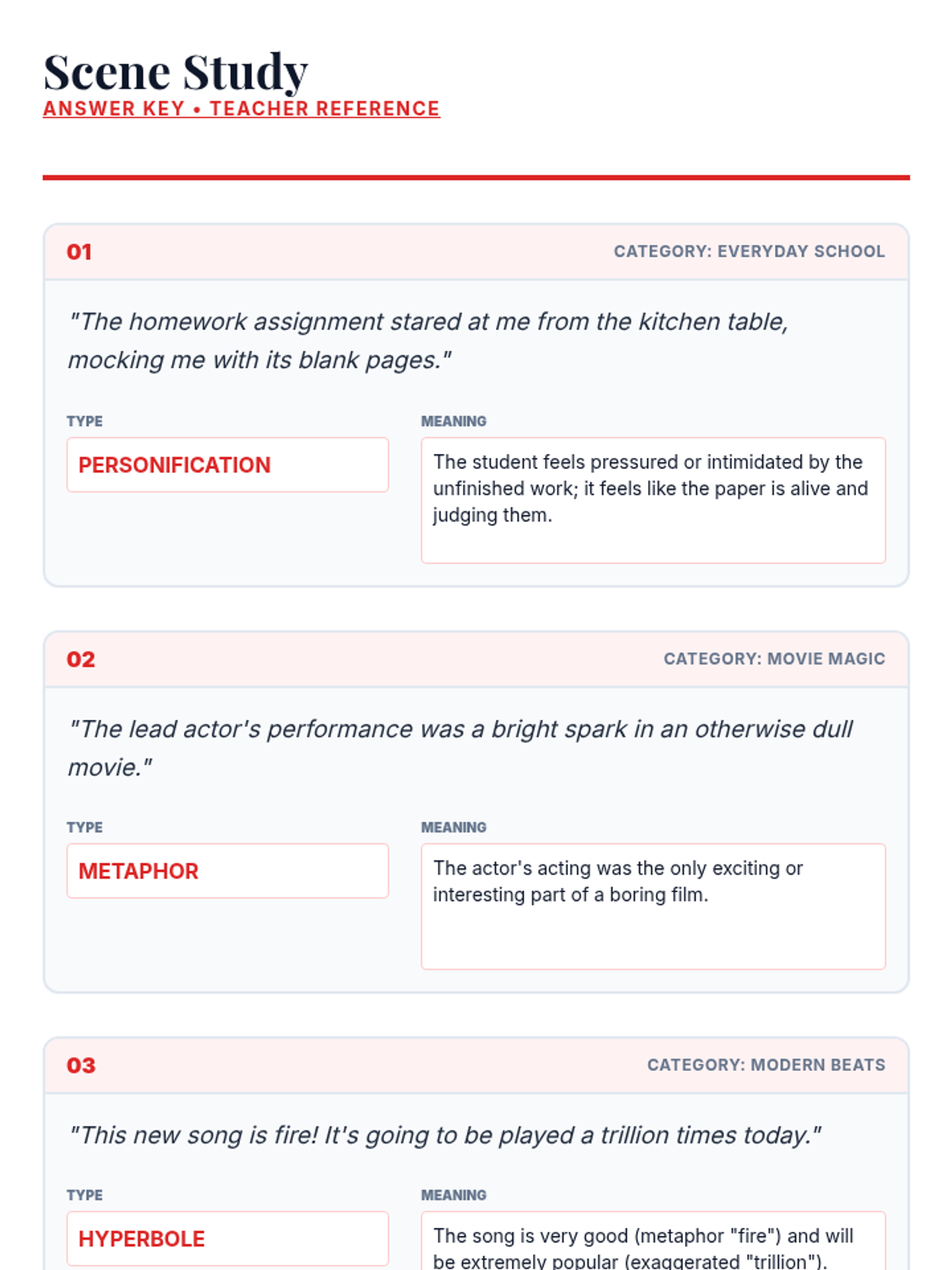
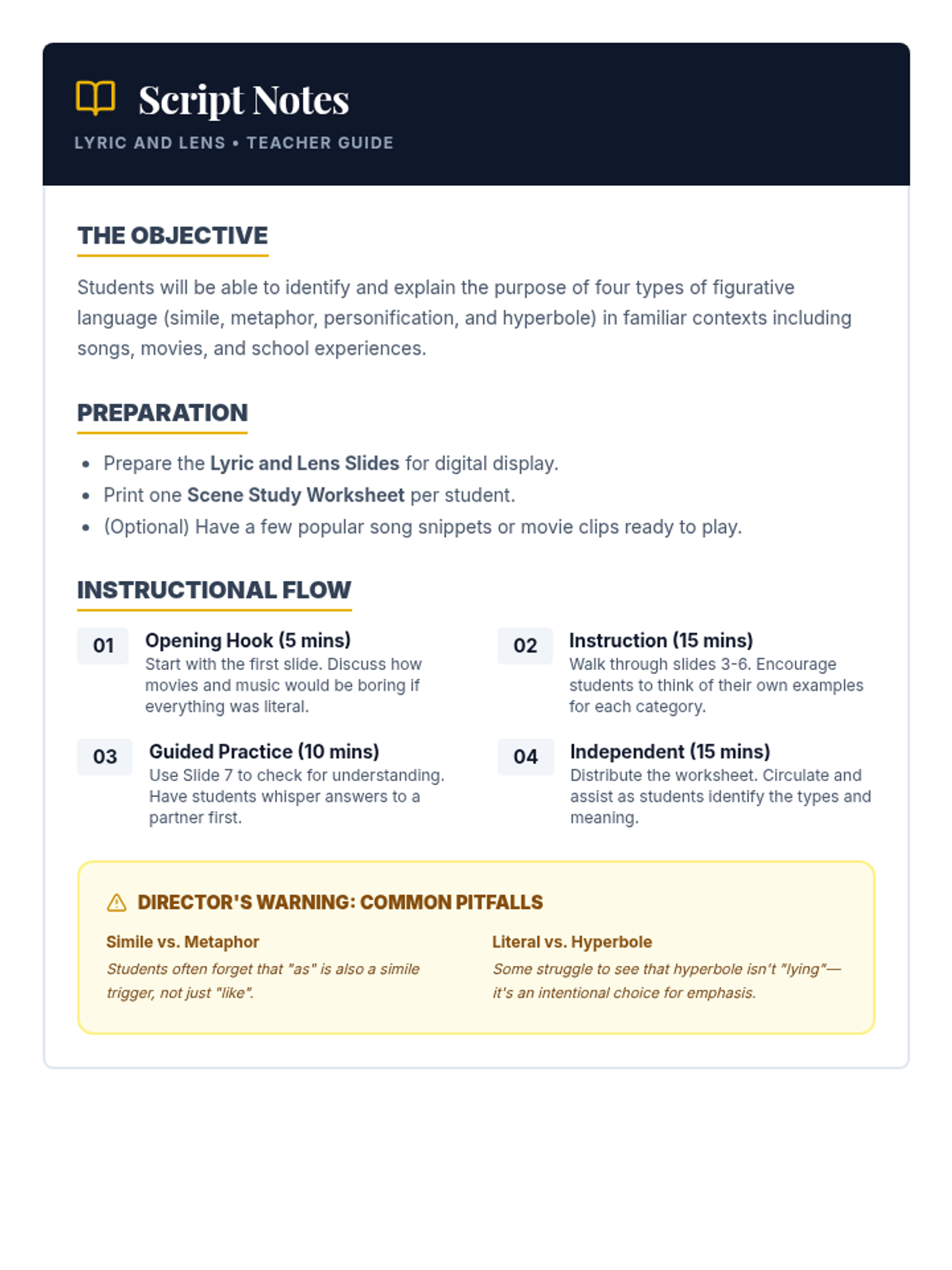
A lesson exploring simile, metaphor, personification, and hyperbole through the lens of popular media and everyday school experiences. Students identify and analyze figurative language in familiar contexts.
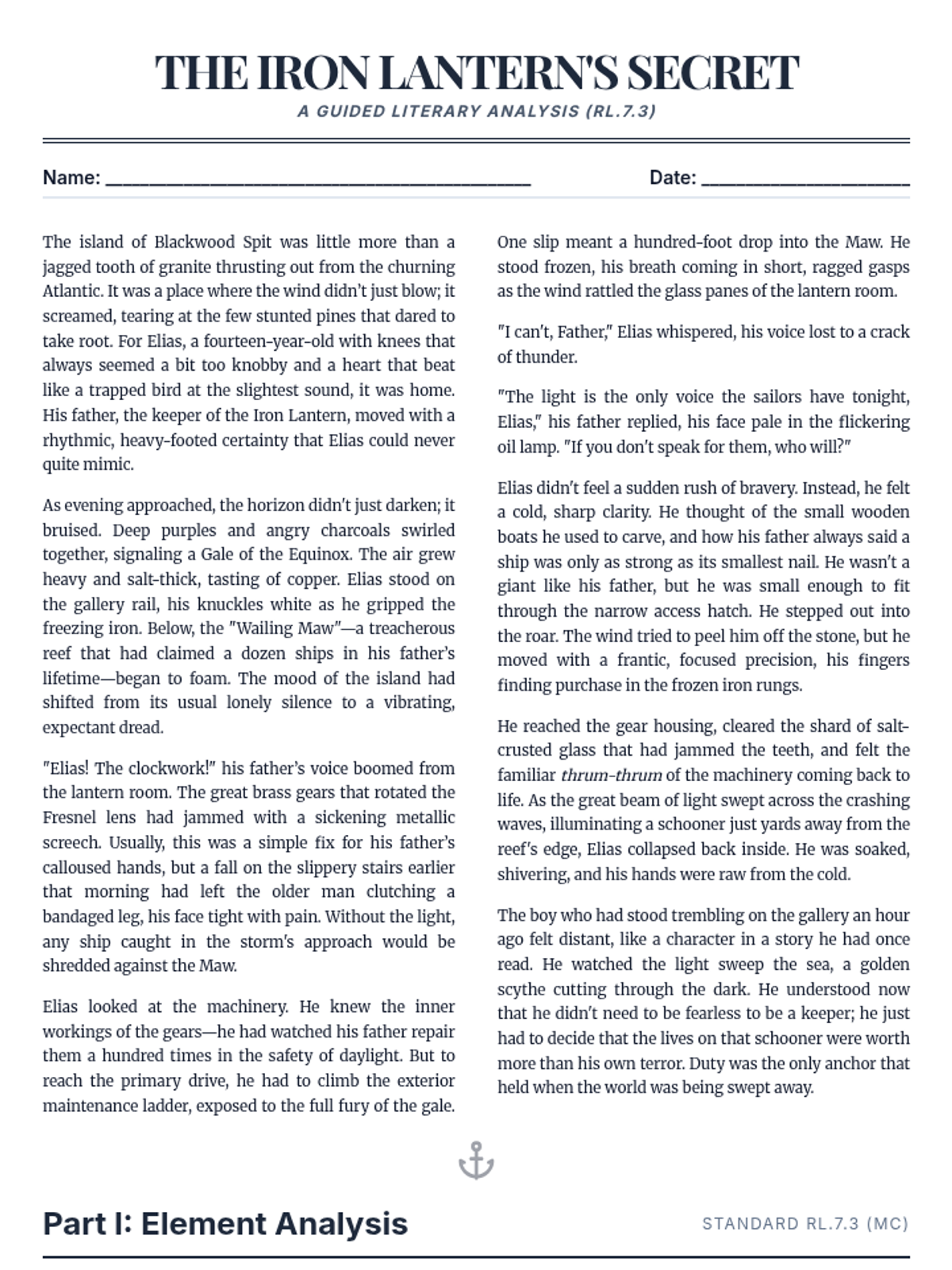
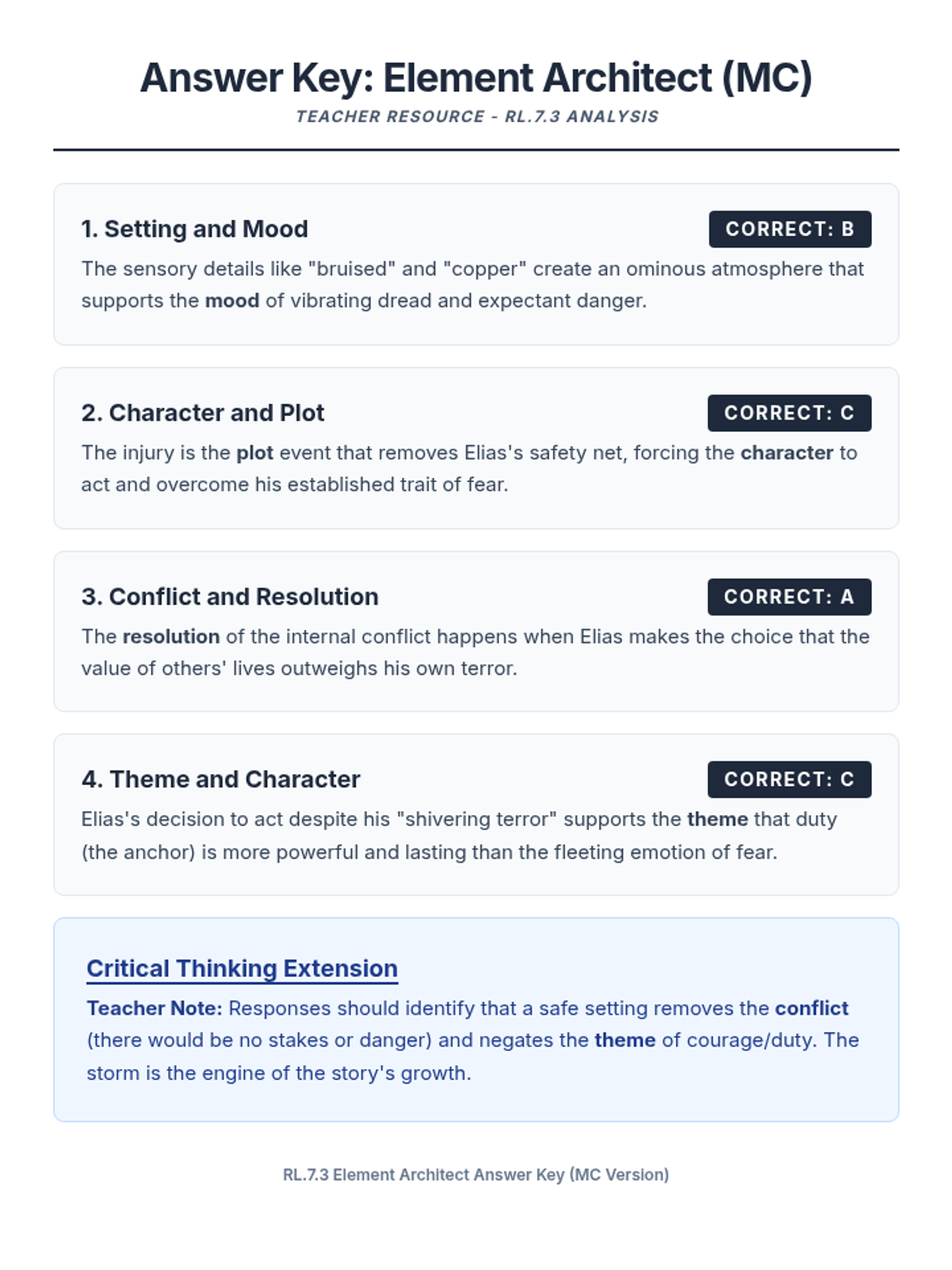
A lesson focused on RL.7.3, analyzing how literary elements like setting, character, and plot interact to shape a narrative. Students will read a complex passage and identify these interactions.
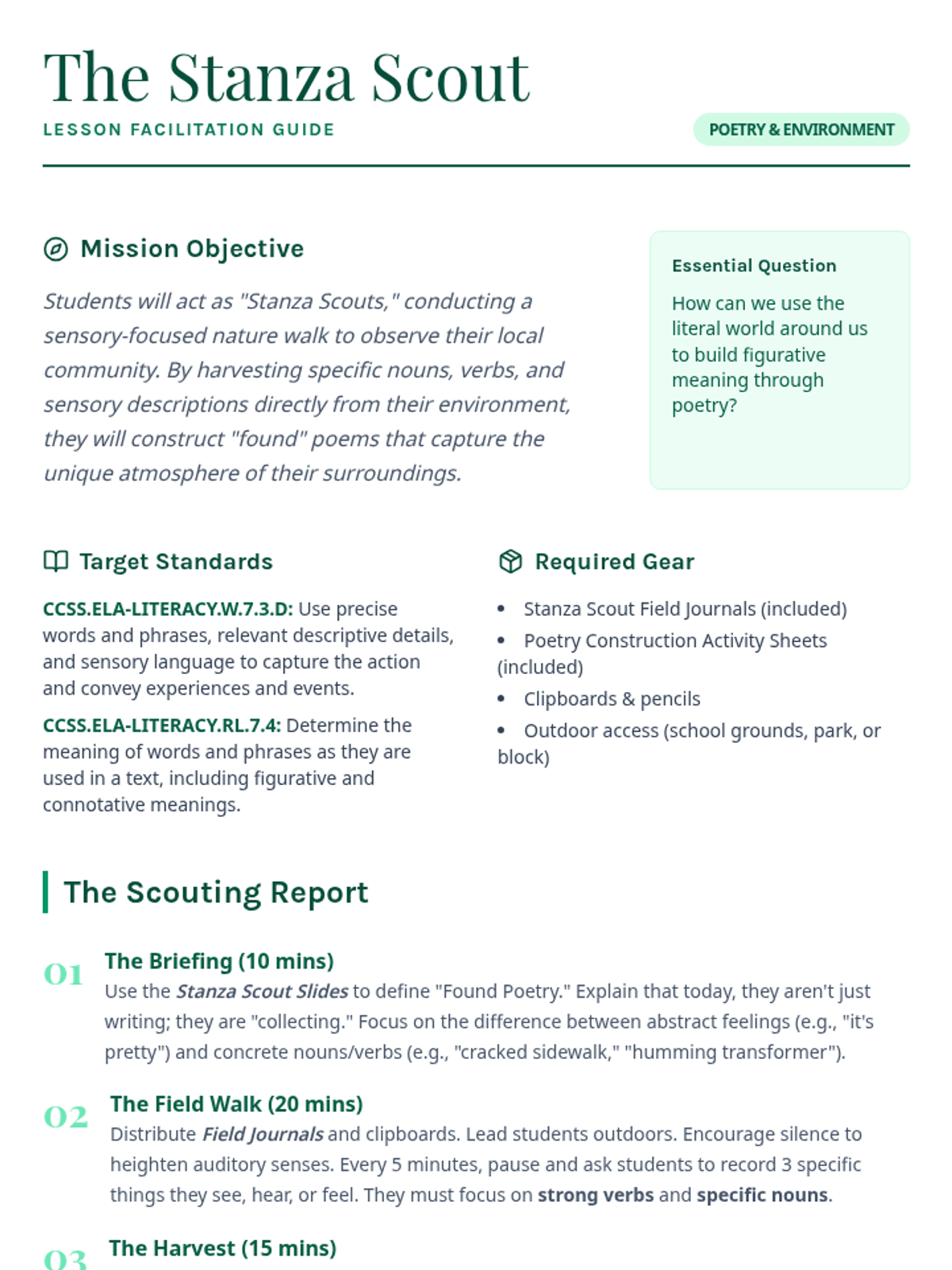
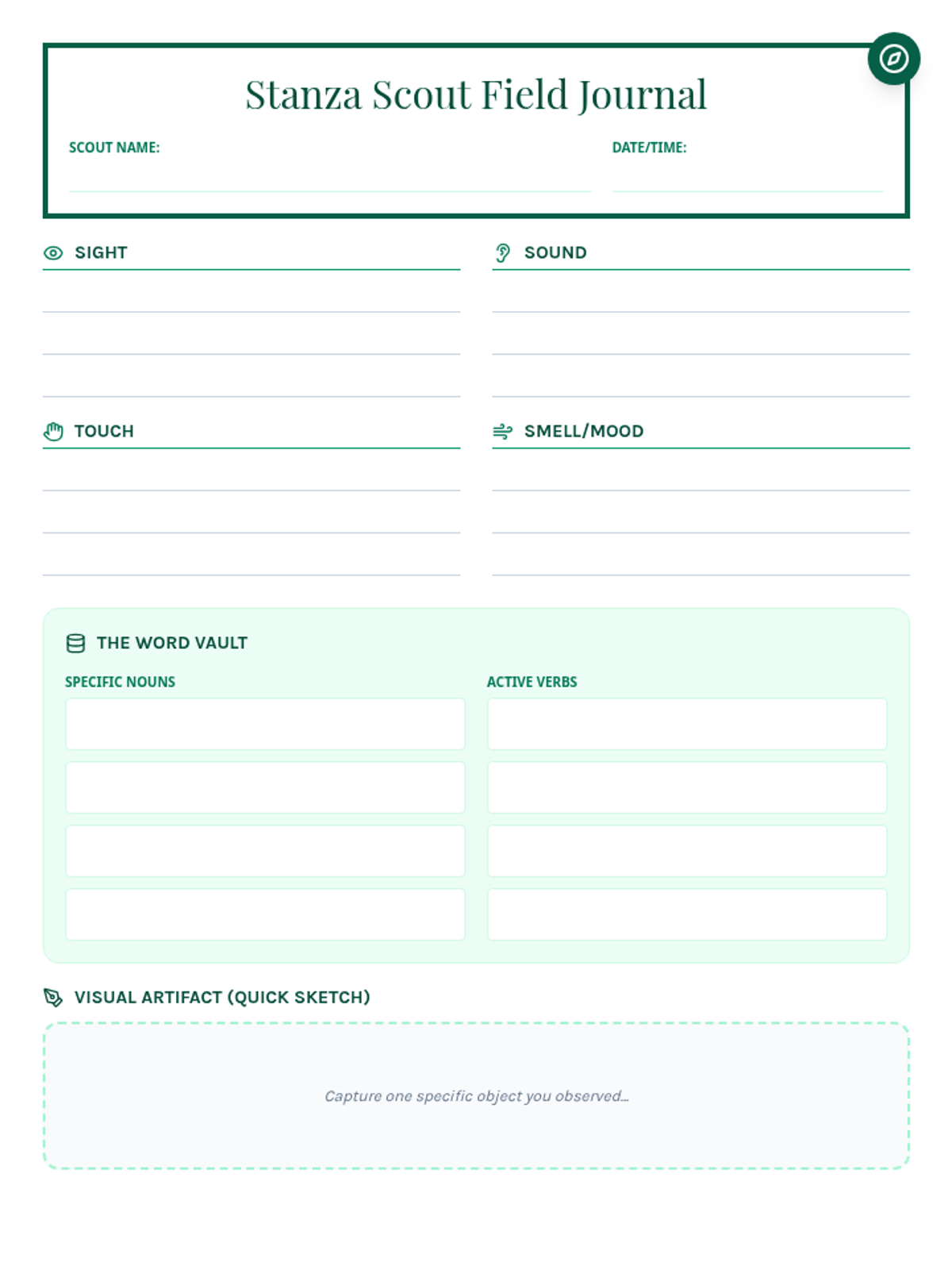
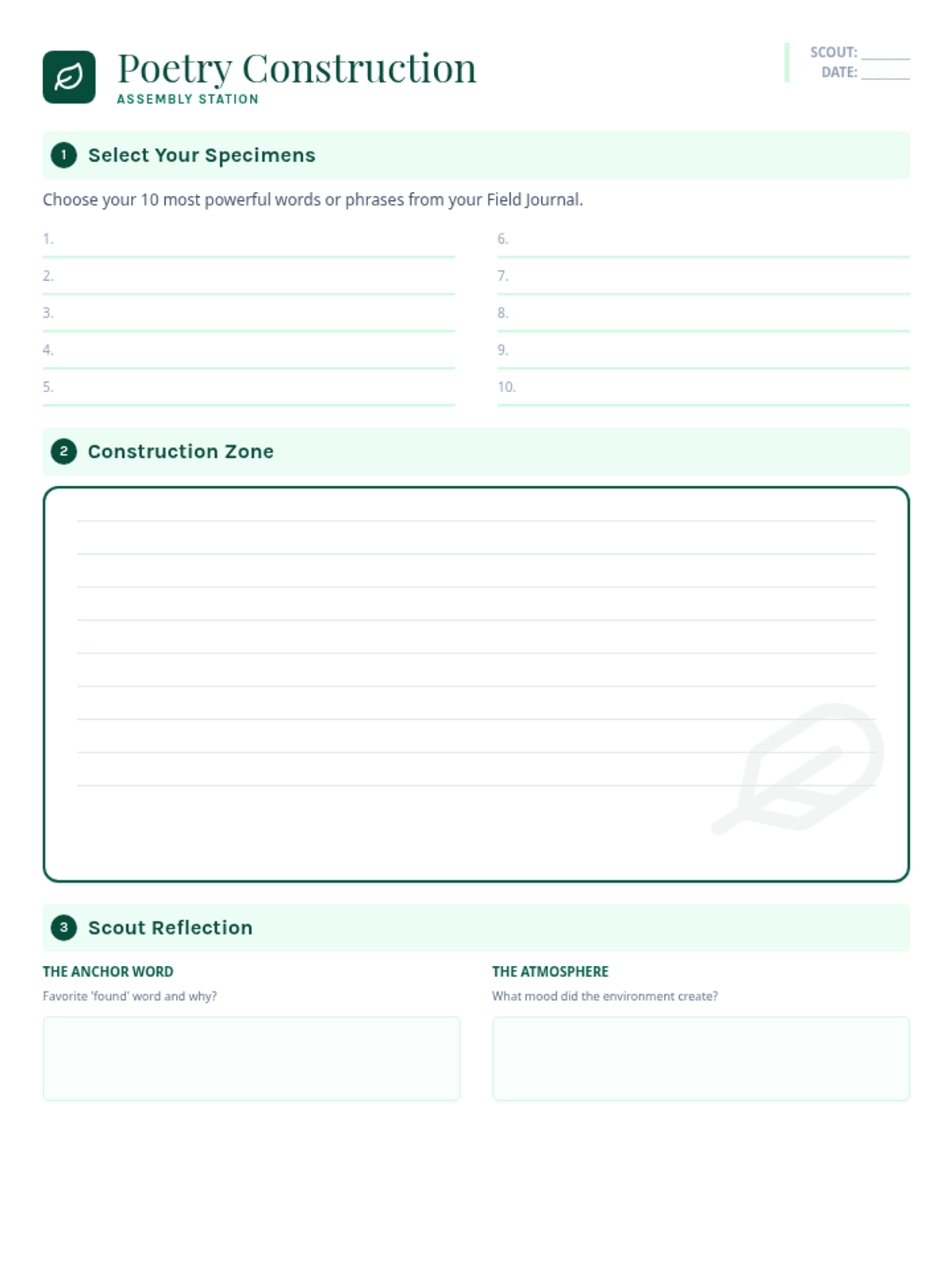
A middle school English Language Arts lesson where students conduct a sensory nature walk to collect 'found' words and transform them into original environmental poetry.
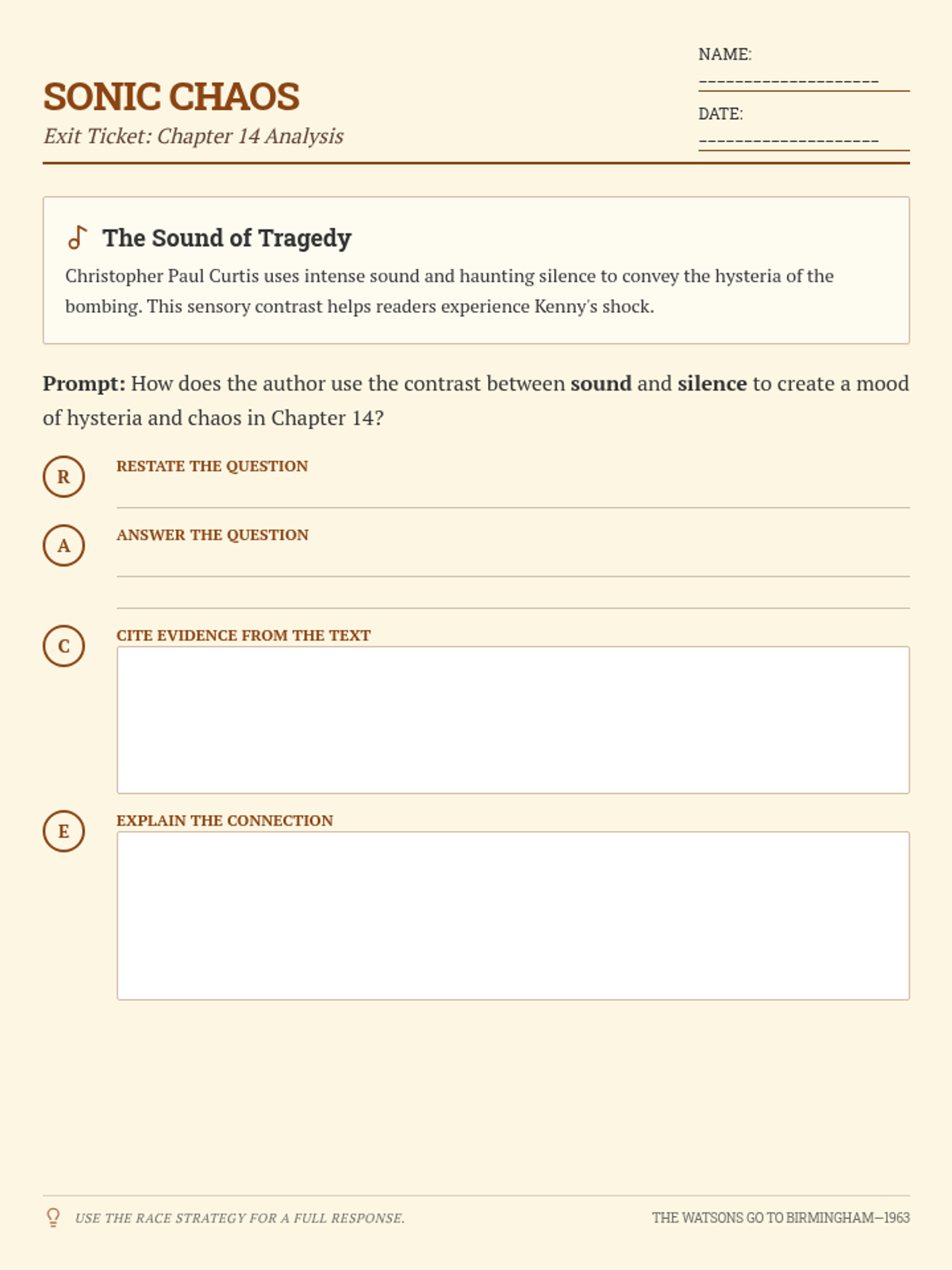
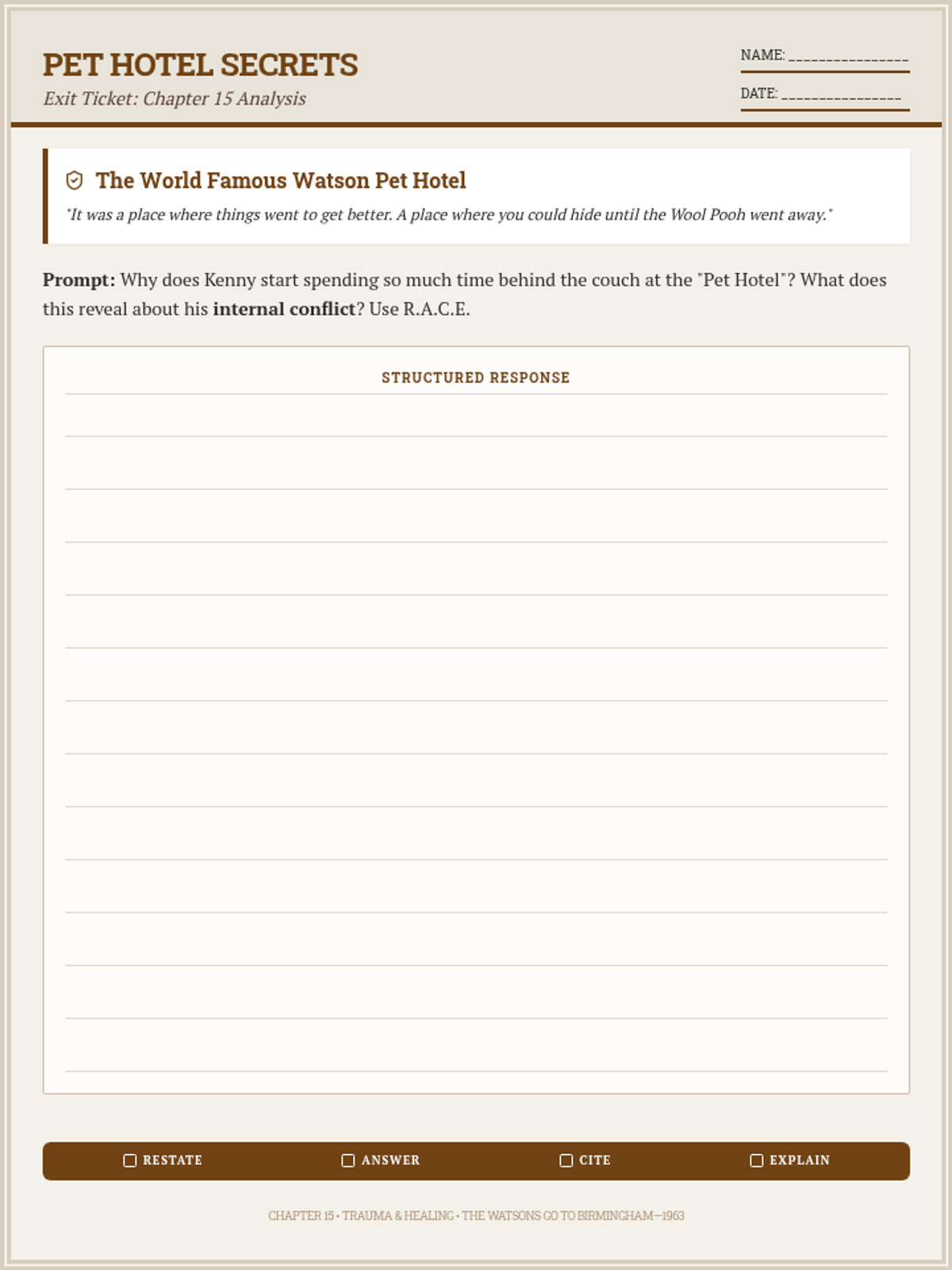
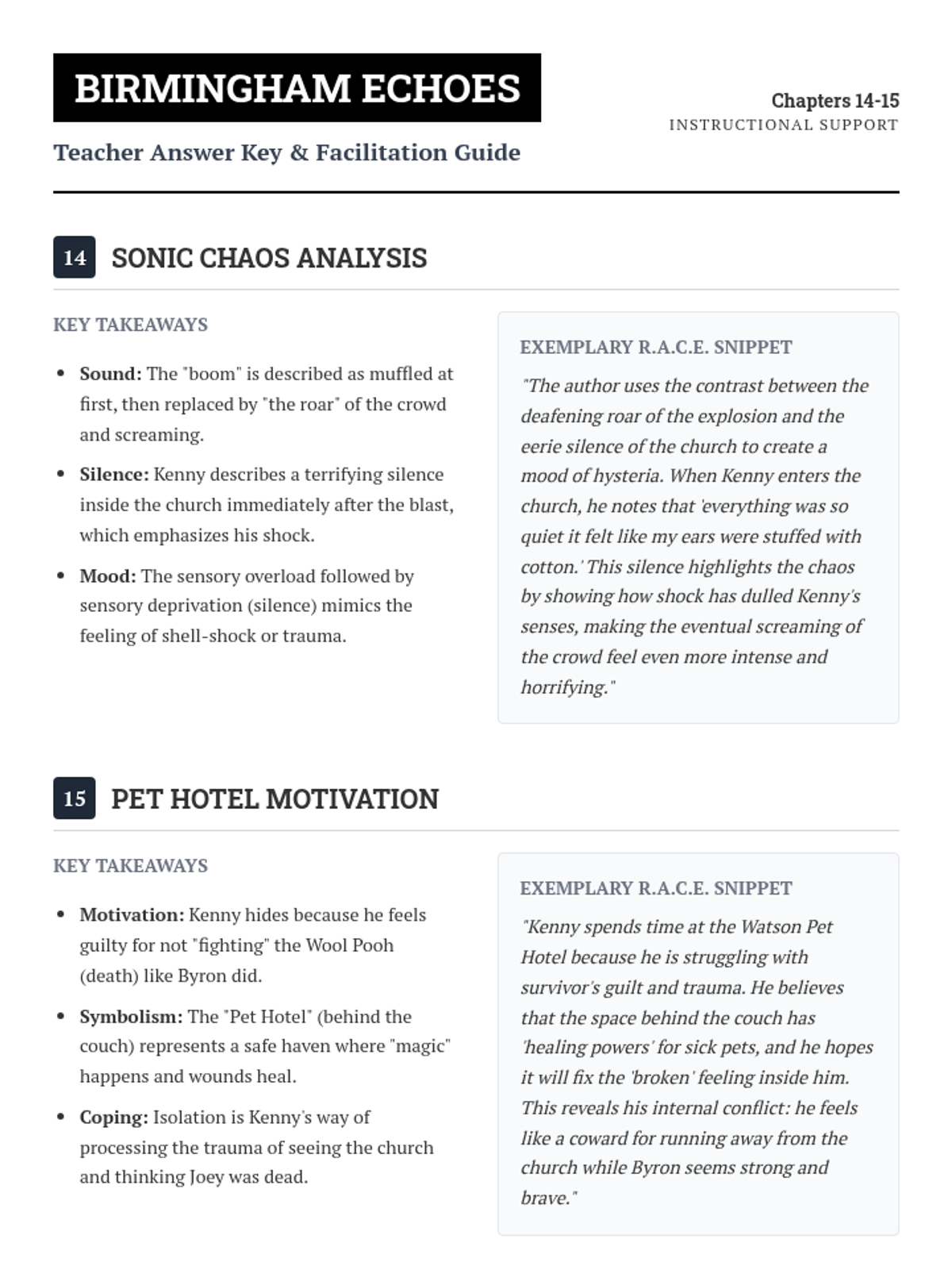
A deep dive into Chapters 14 and 15 of *The Watsons Go to Birmingham—1963*, focusing on the emotional aftermath of the church bombing and Kenny's internal struggle through mood analysis and character motivation.
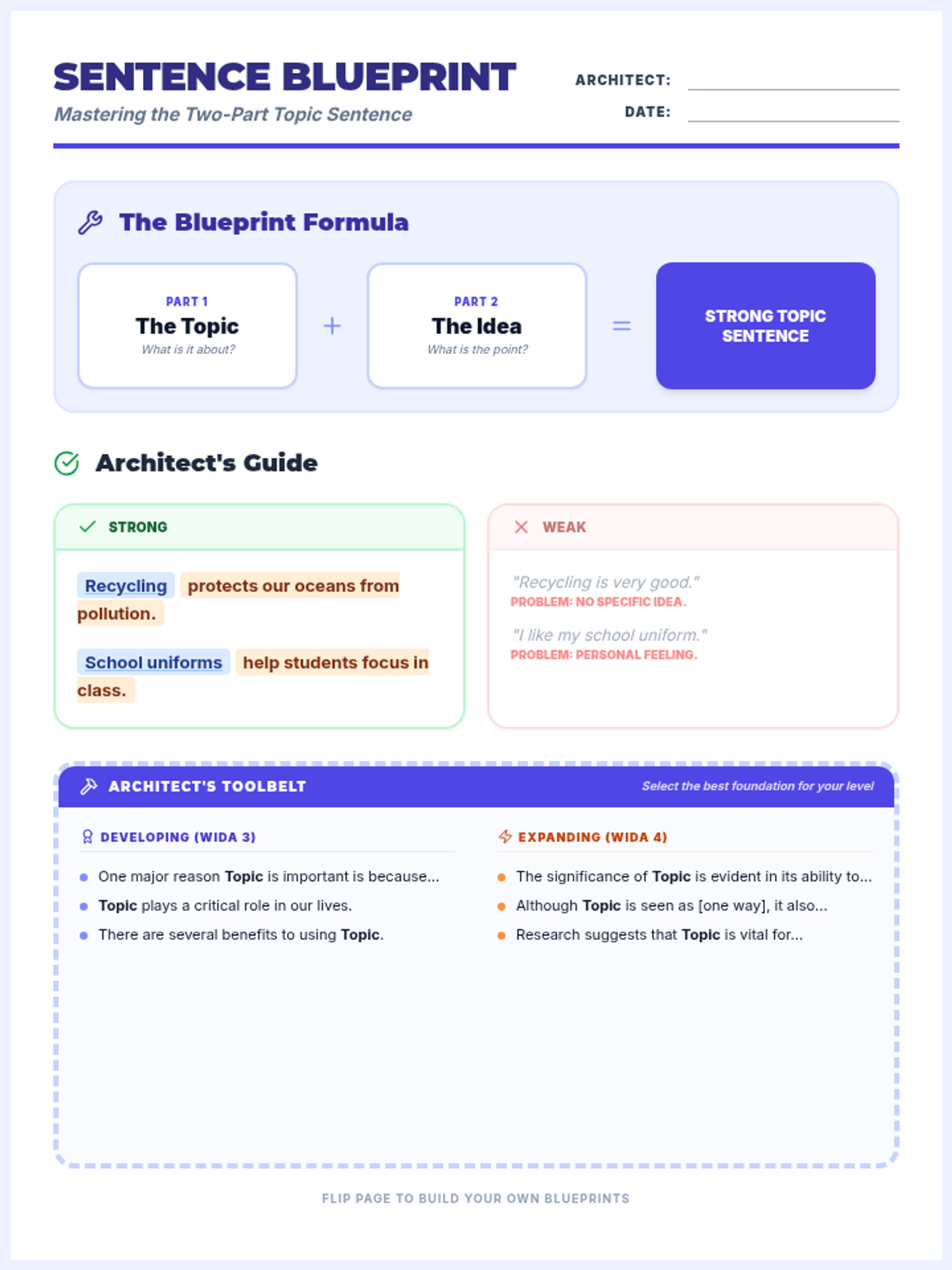
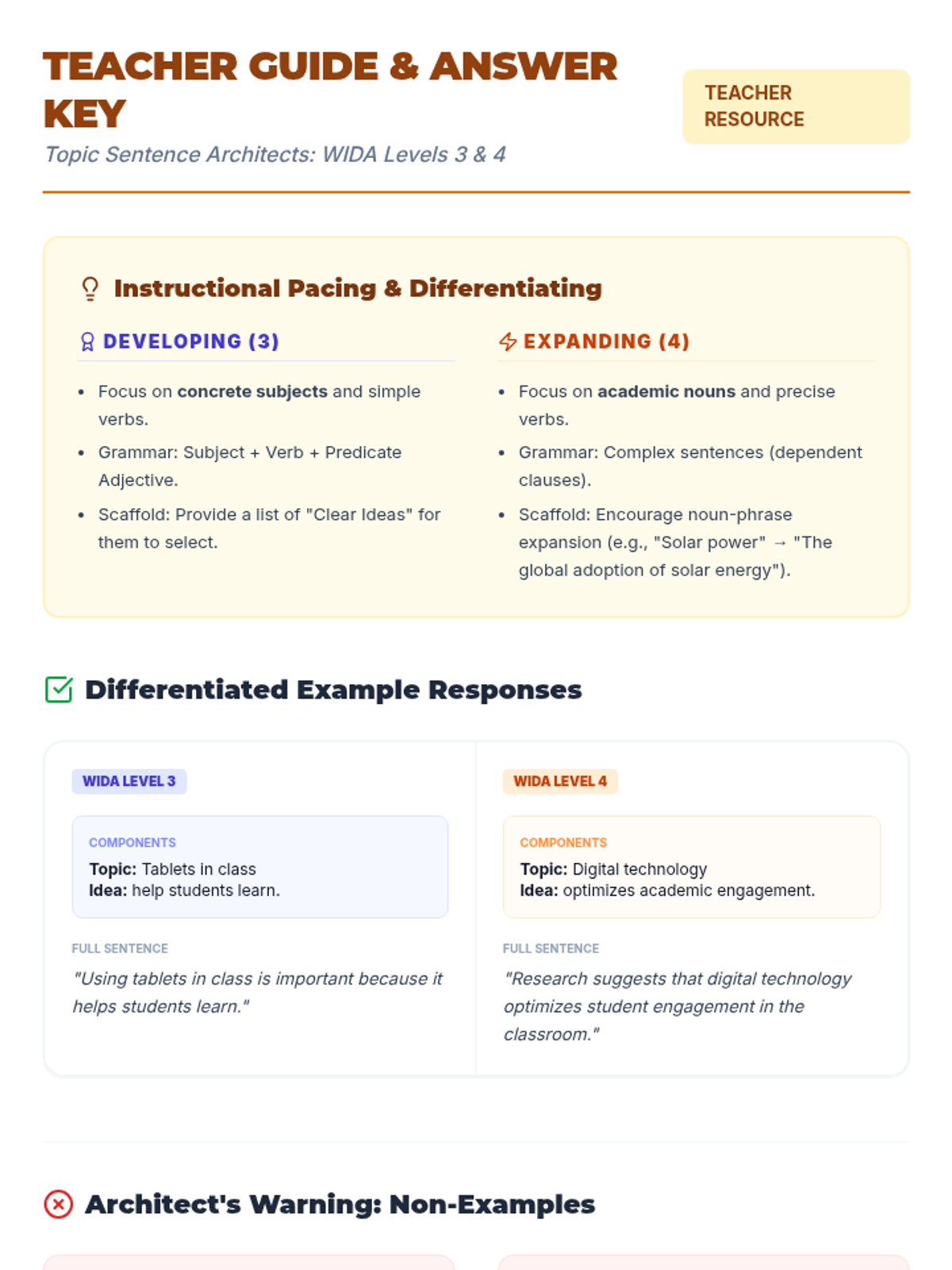
A lesson focused on teaching WIDA level 3 students how to construct strong topic sentences using a two-part formula: the topic and the clear idea. Students will use graphic organizers and sentence starters to build academic paragraph foundations.
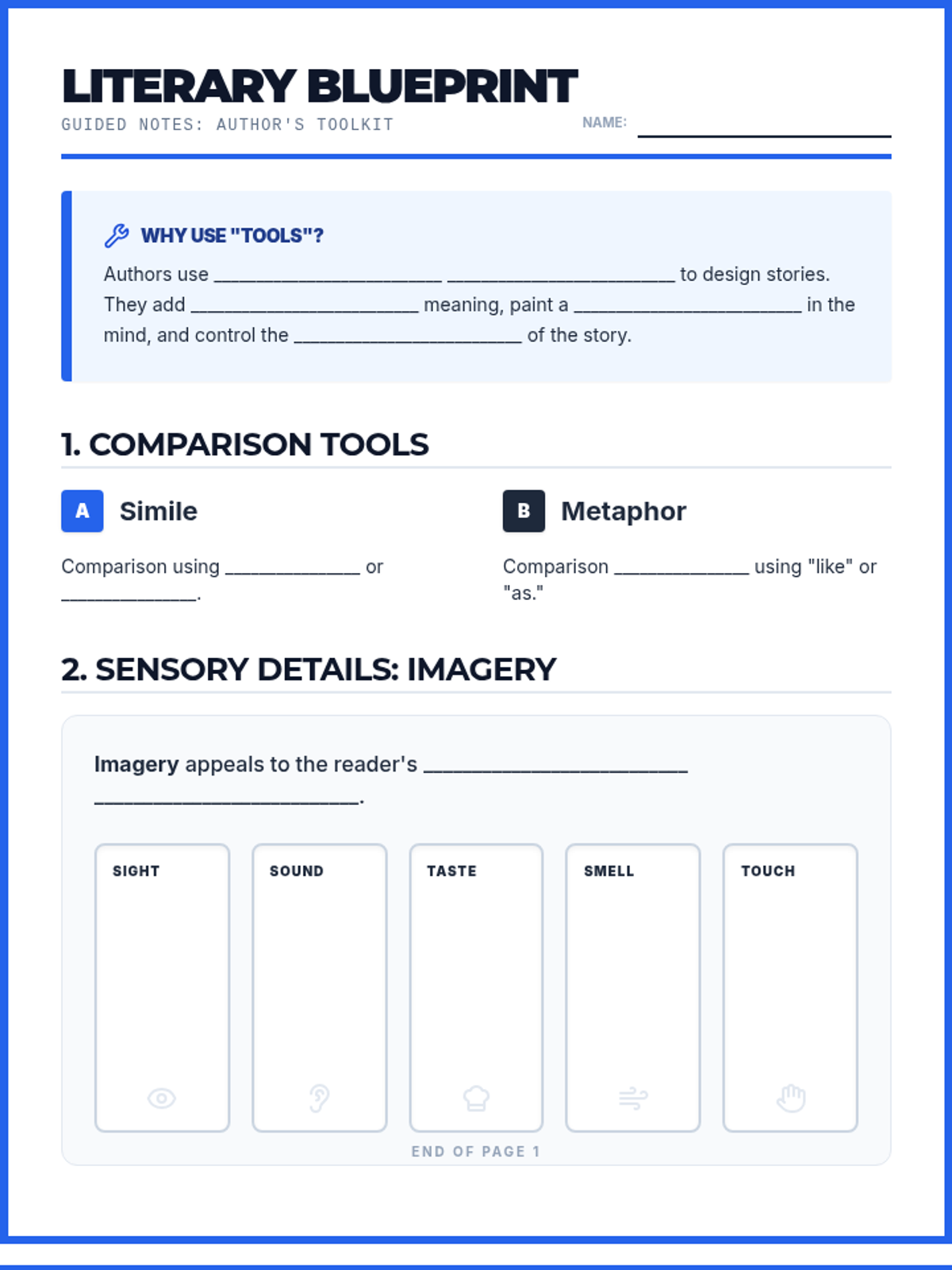
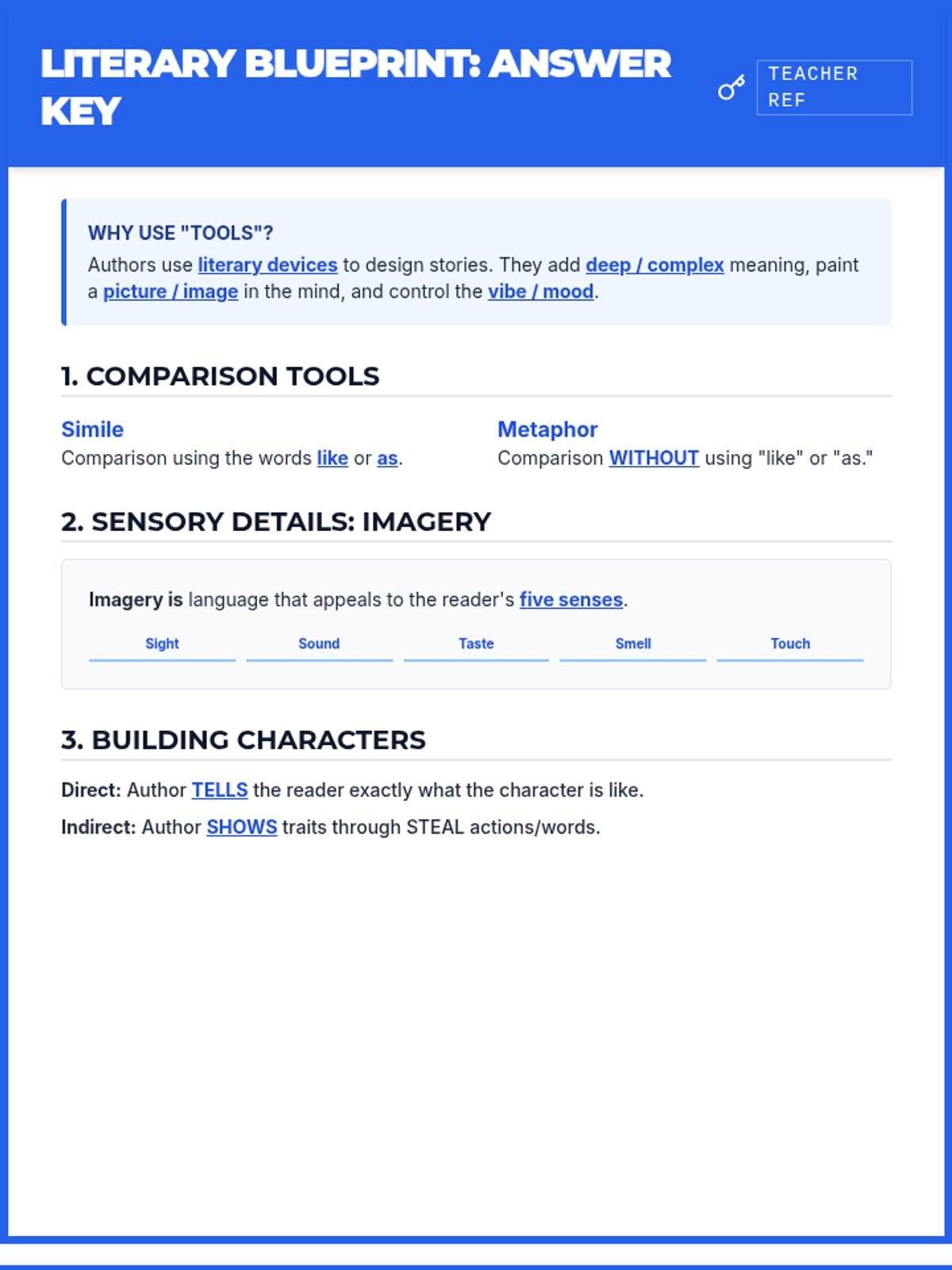
A comprehensive introduction to key literary devices for 7th grade students, using a blueprint theme to represent how authors build stories. Students will learn about similes, metaphors, irony, foreshadowing, symbolism, characterization, point of view, imagery, and conflict.
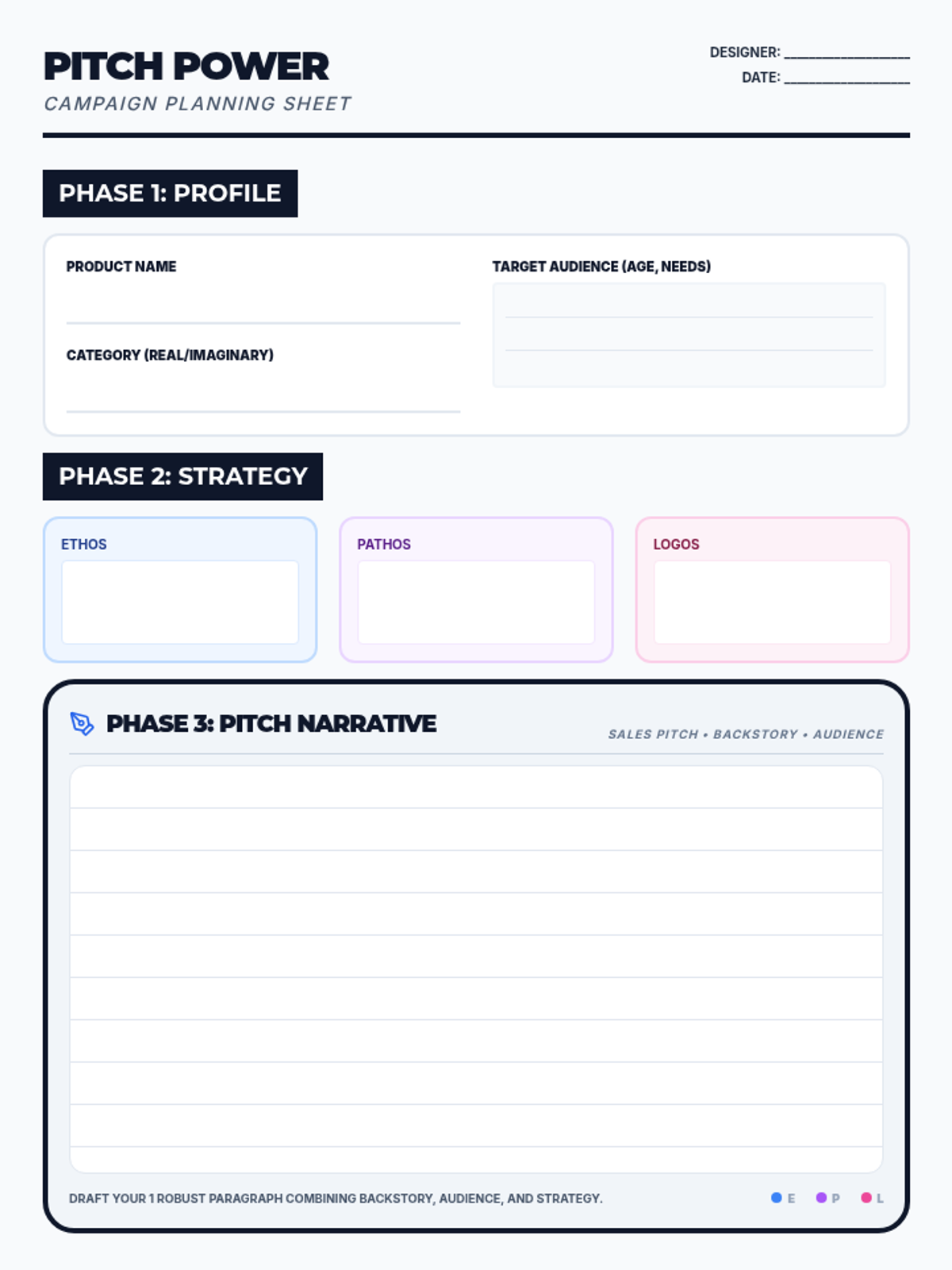
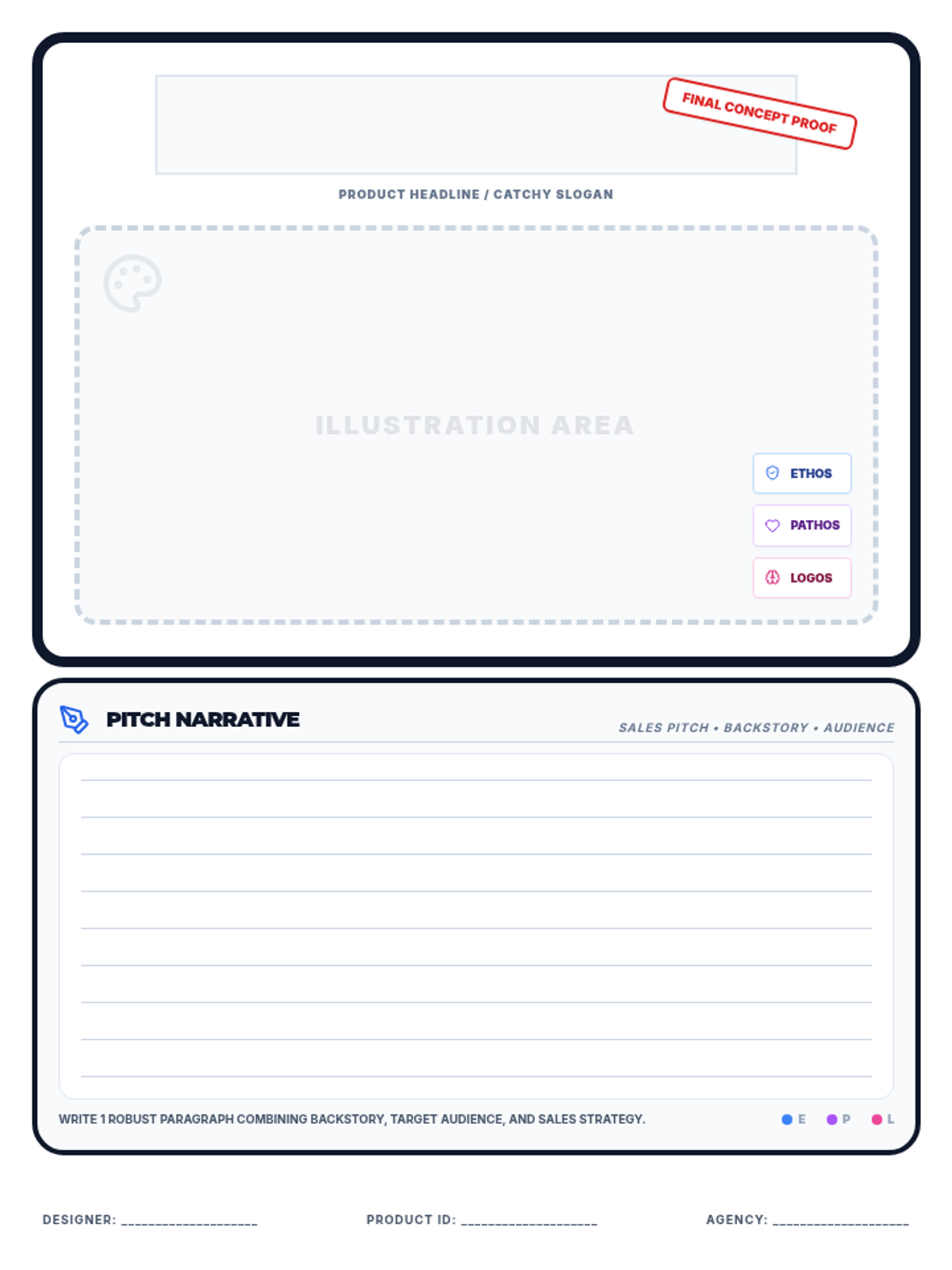
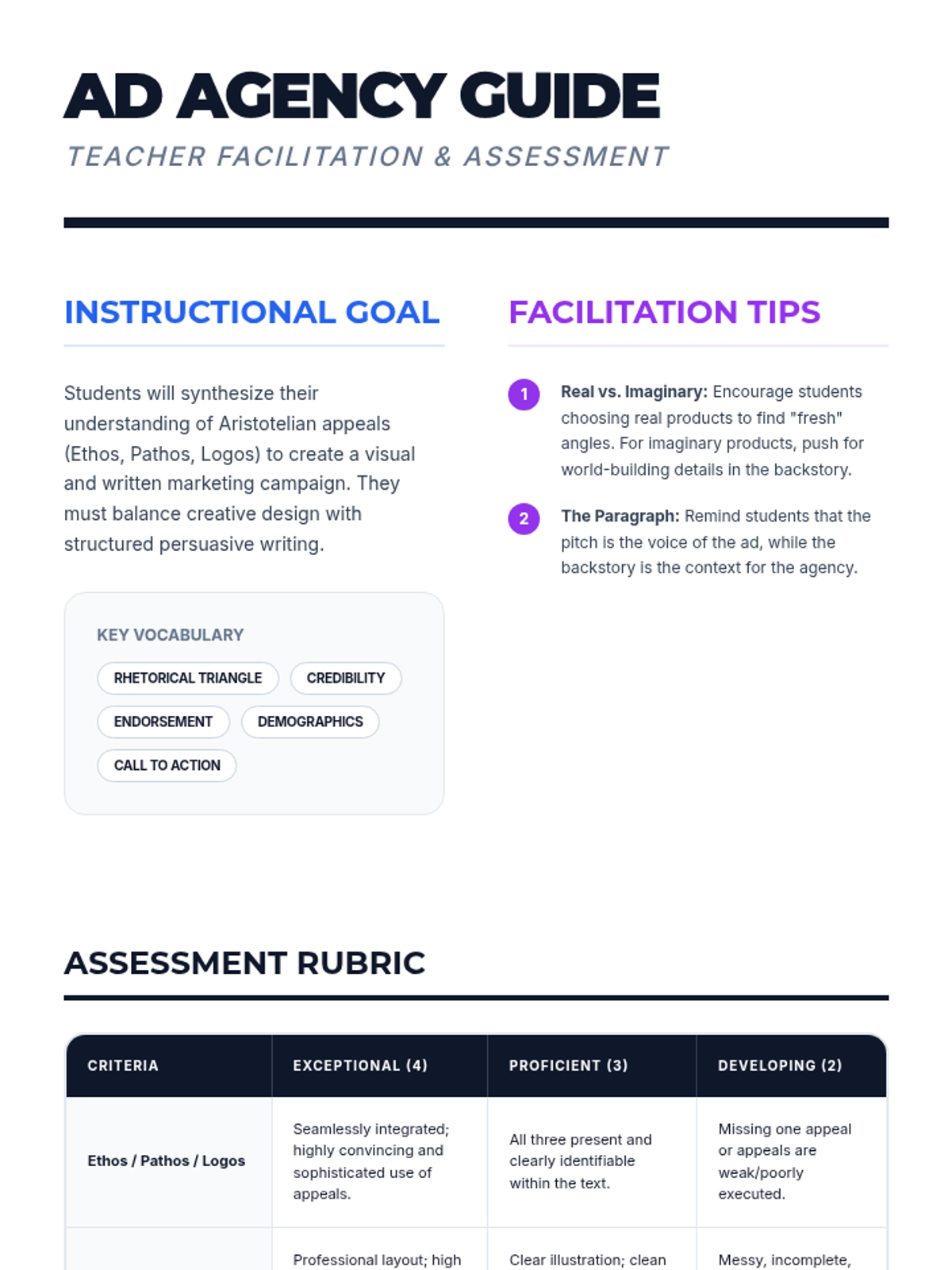
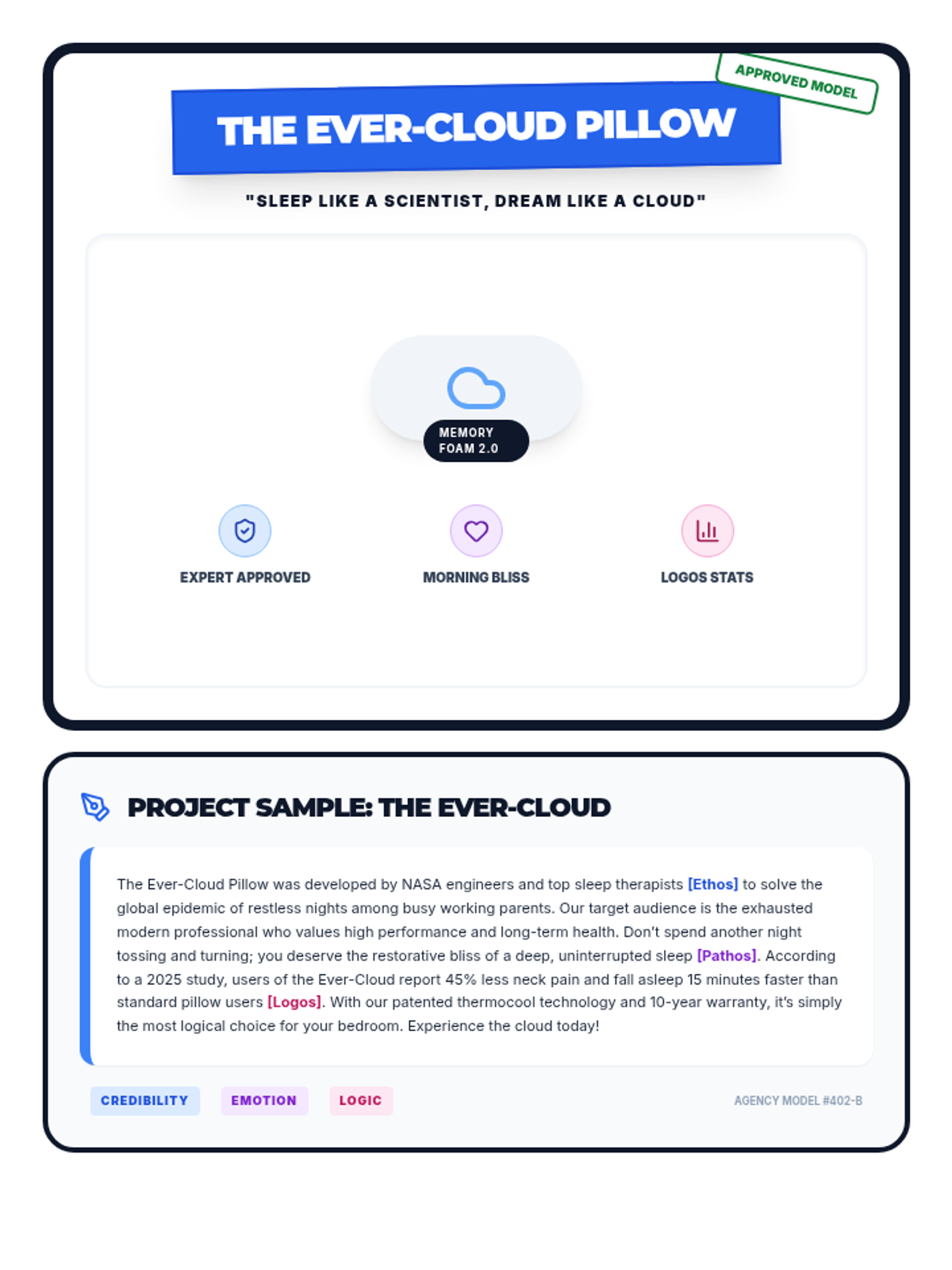
Students dive into the world of marketing to master the rhetorical triangle: ethos, pathos, and logos. They will design a professional product poster and write a compelling pitch that combines product backstory with targeted sales tactics.
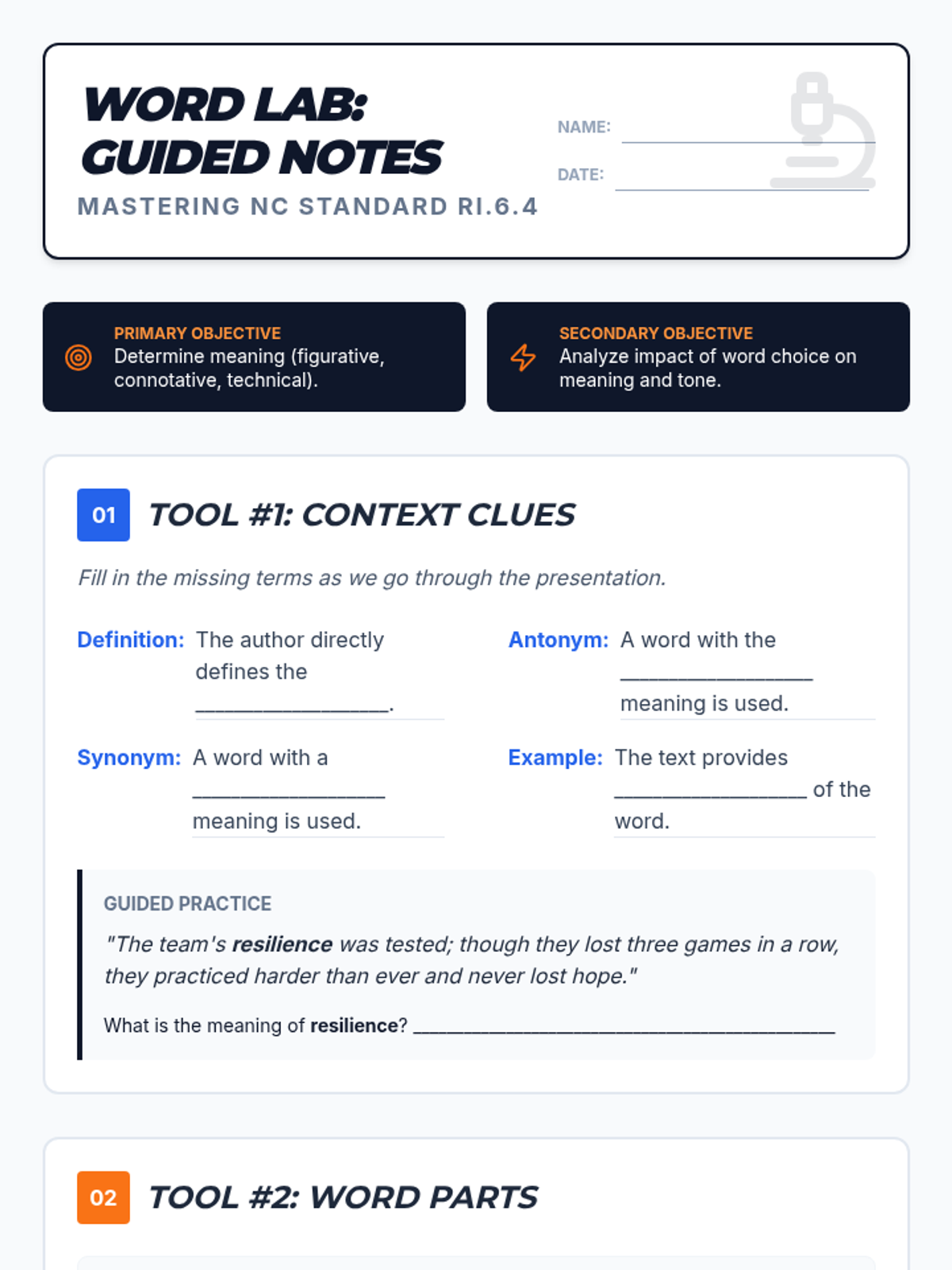
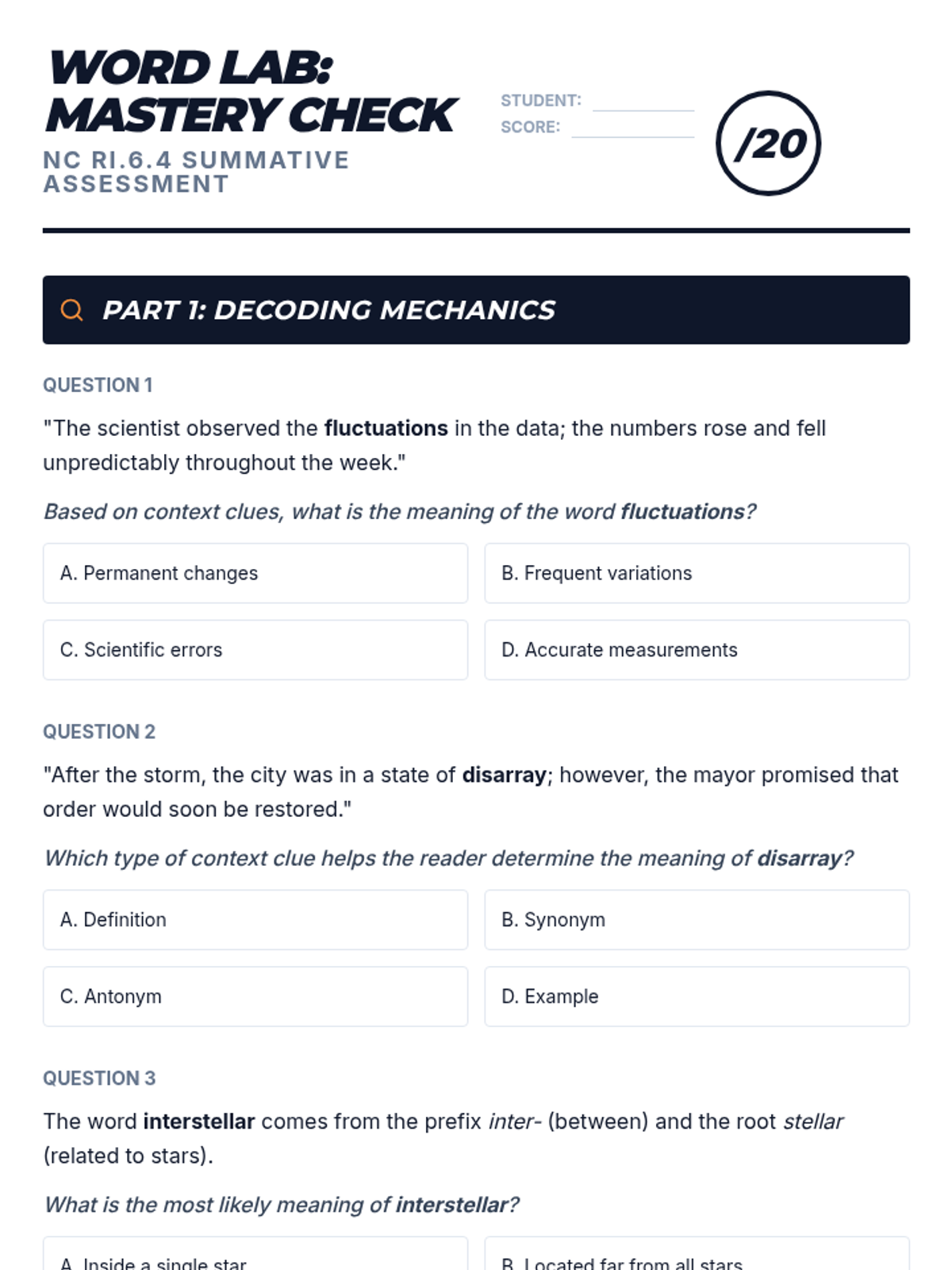
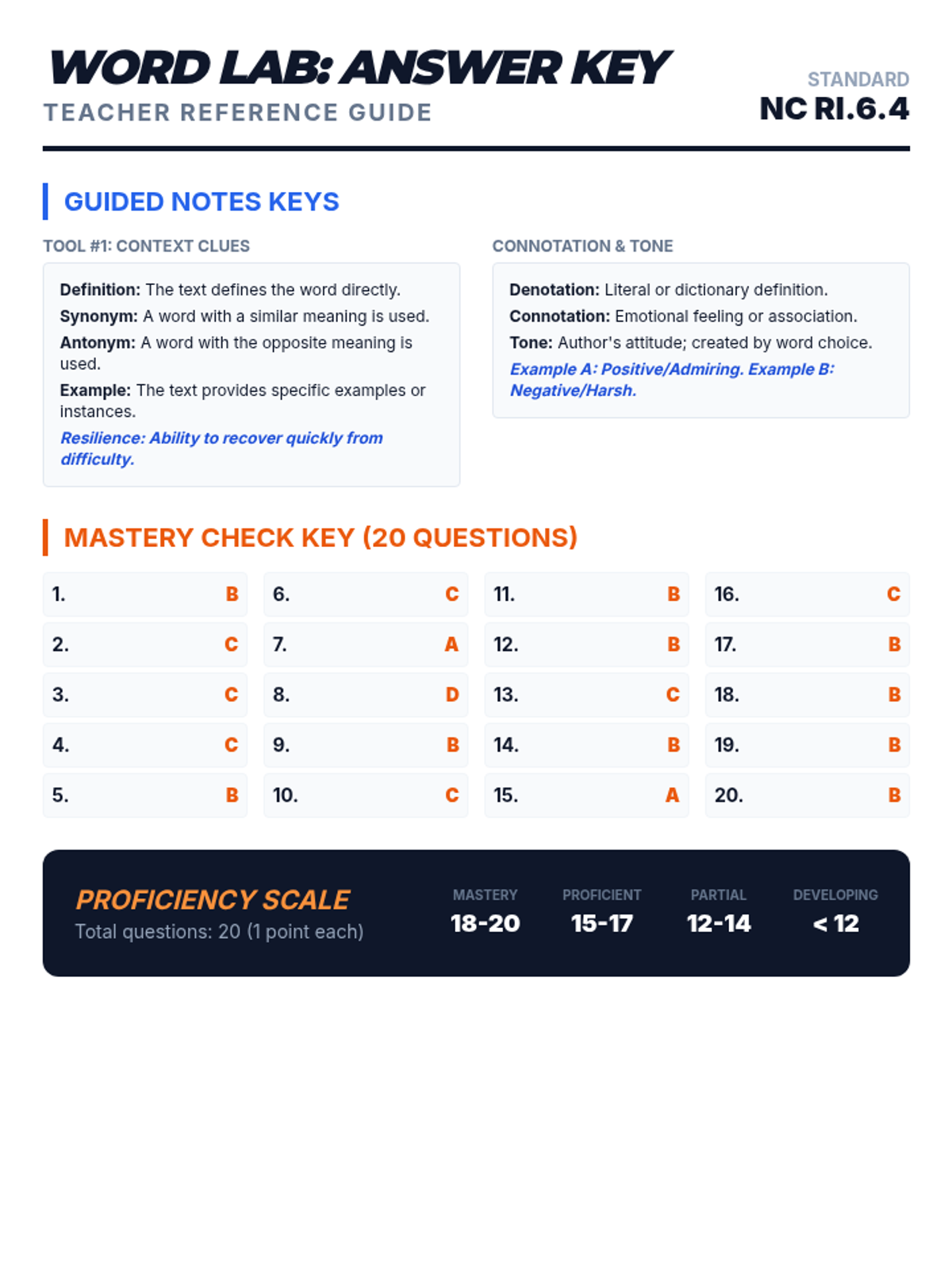
A comprehensive reteach of NC standard RI 6.4 focusing on context clues, word parts, figurative and connotative meanings, technical terms, and tone. Students will use the 'Word Lab' theme to decode complex texts through guided notes, interactive slides, and a rigorous mastery check.
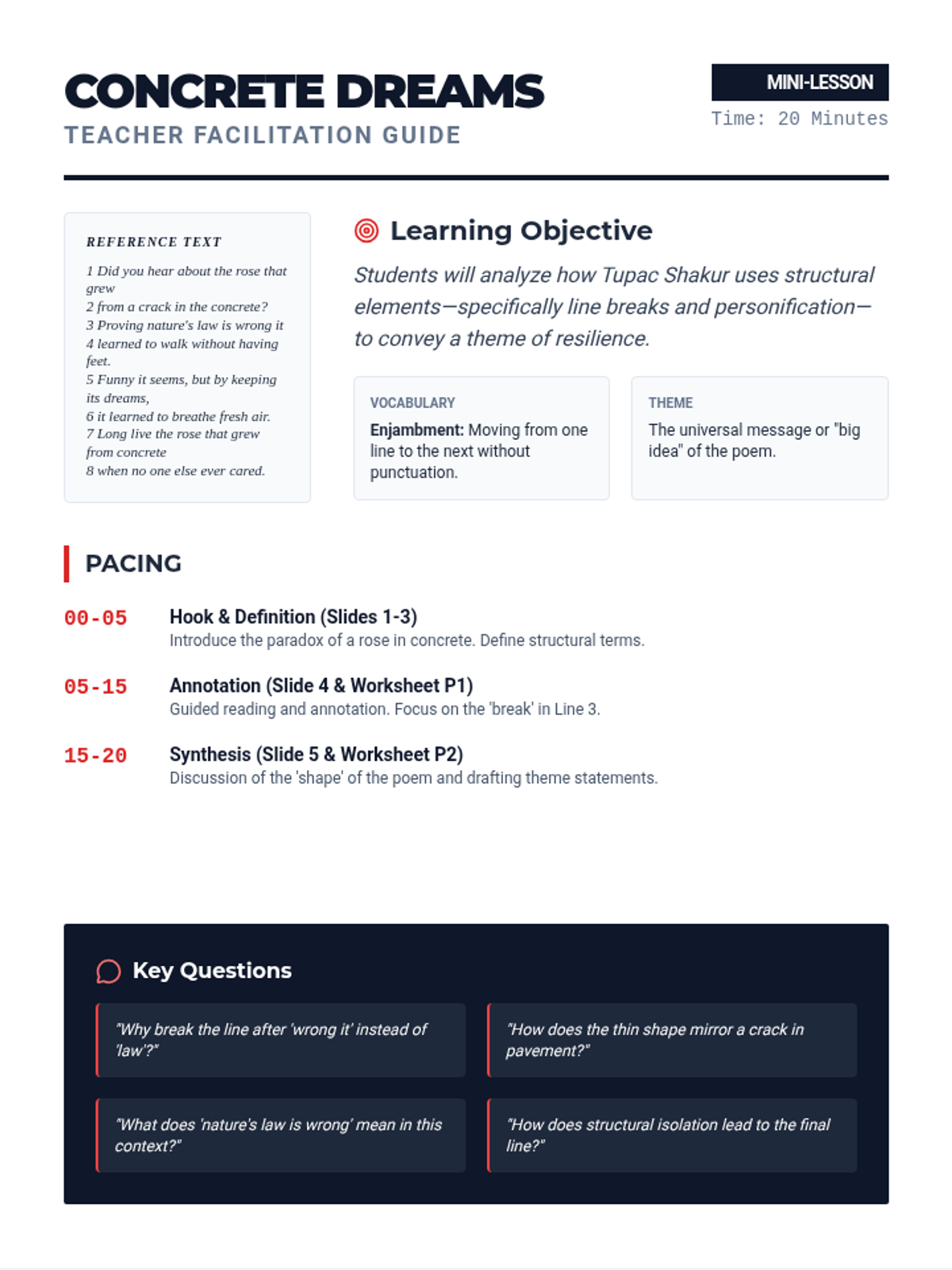
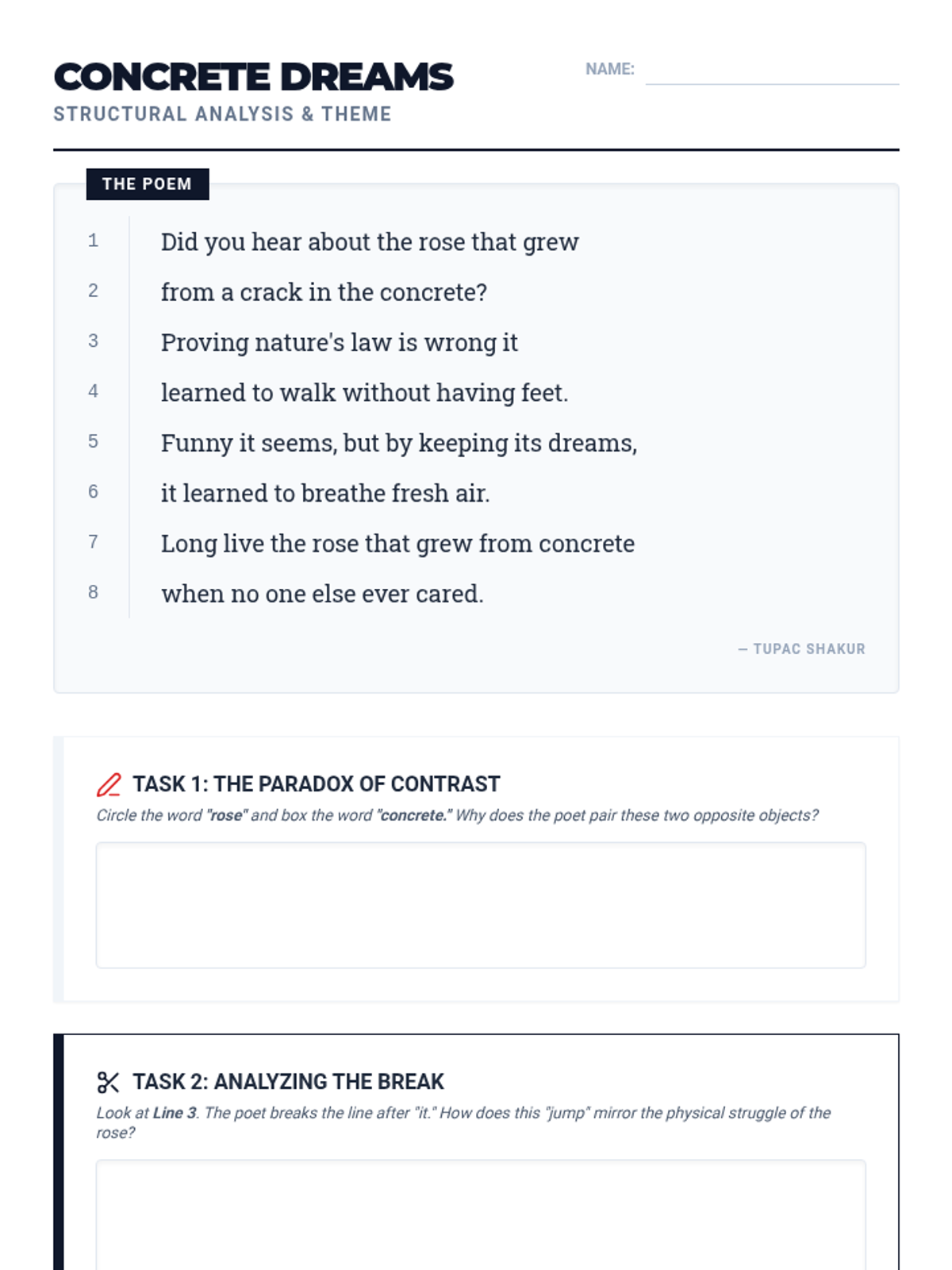
A 20-minute mini-lesson focusing on how the structural choices in Tupac Shakur's poem 'The Rose That Grew from Concrete' reveal its core theme of resilience.
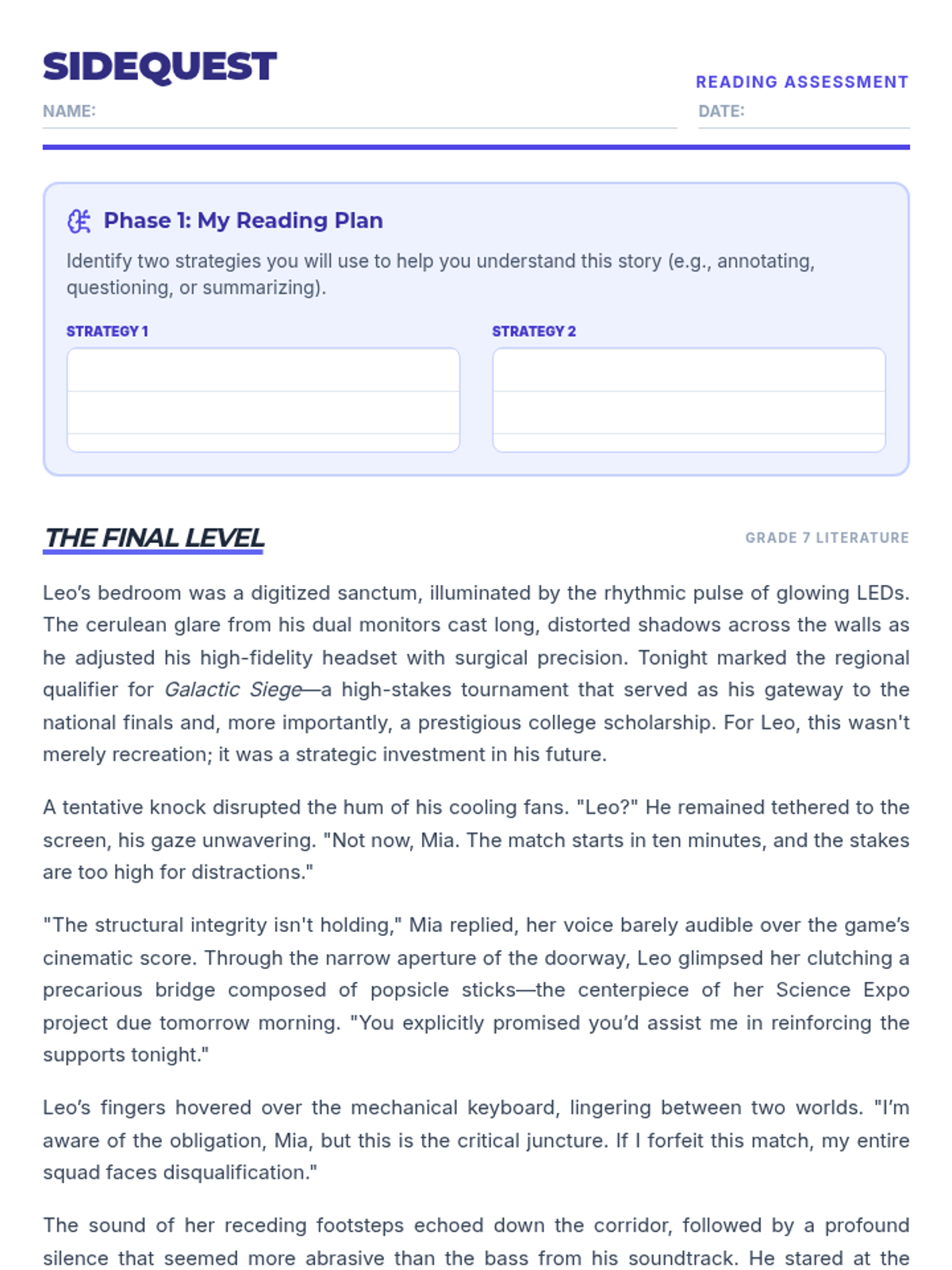
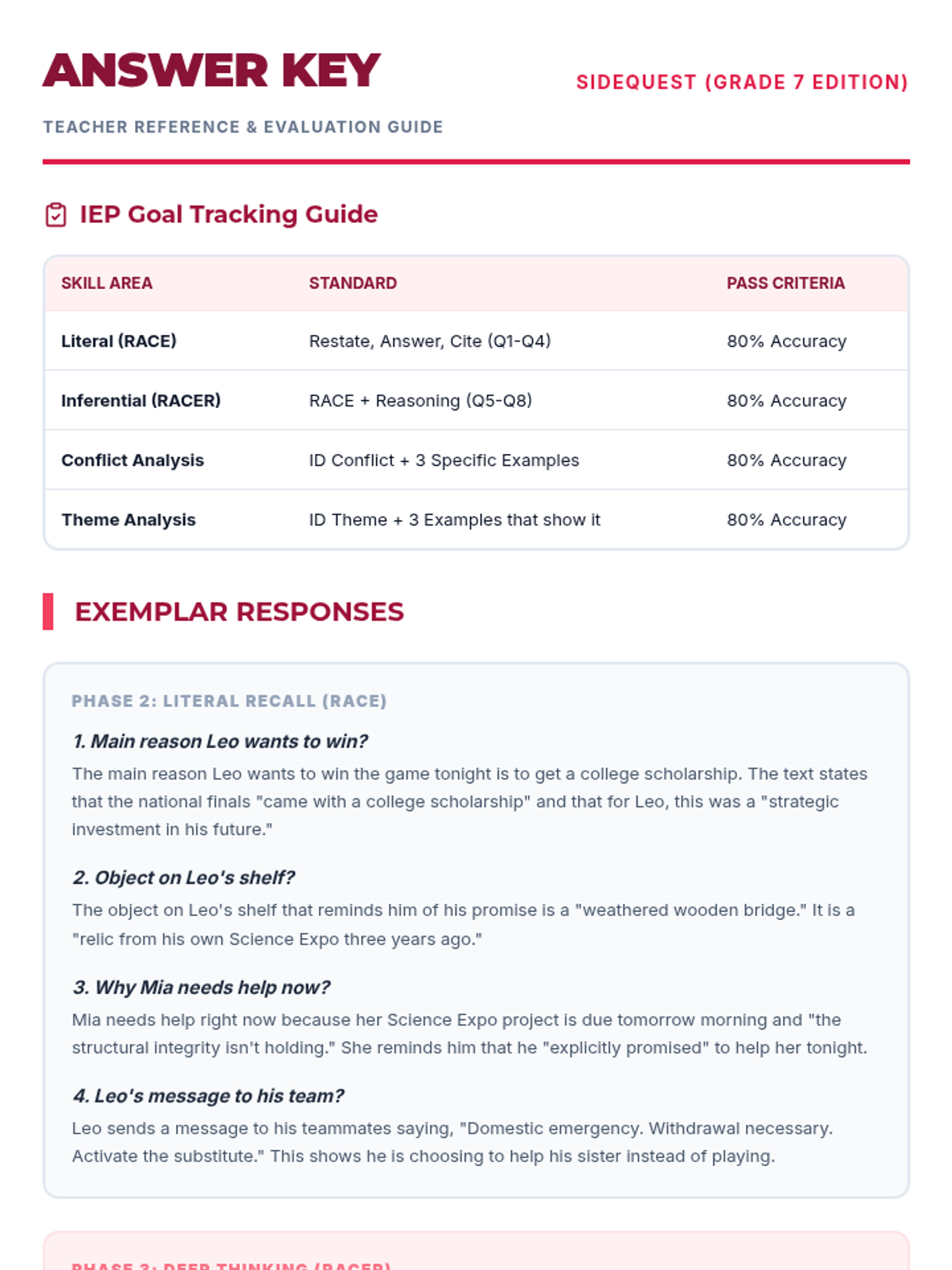
A comprehensive reading assessment based on a high-interest realistic fiction story, designed to measure literal, inferential, and evaluative comprehension through evidence-based responses.
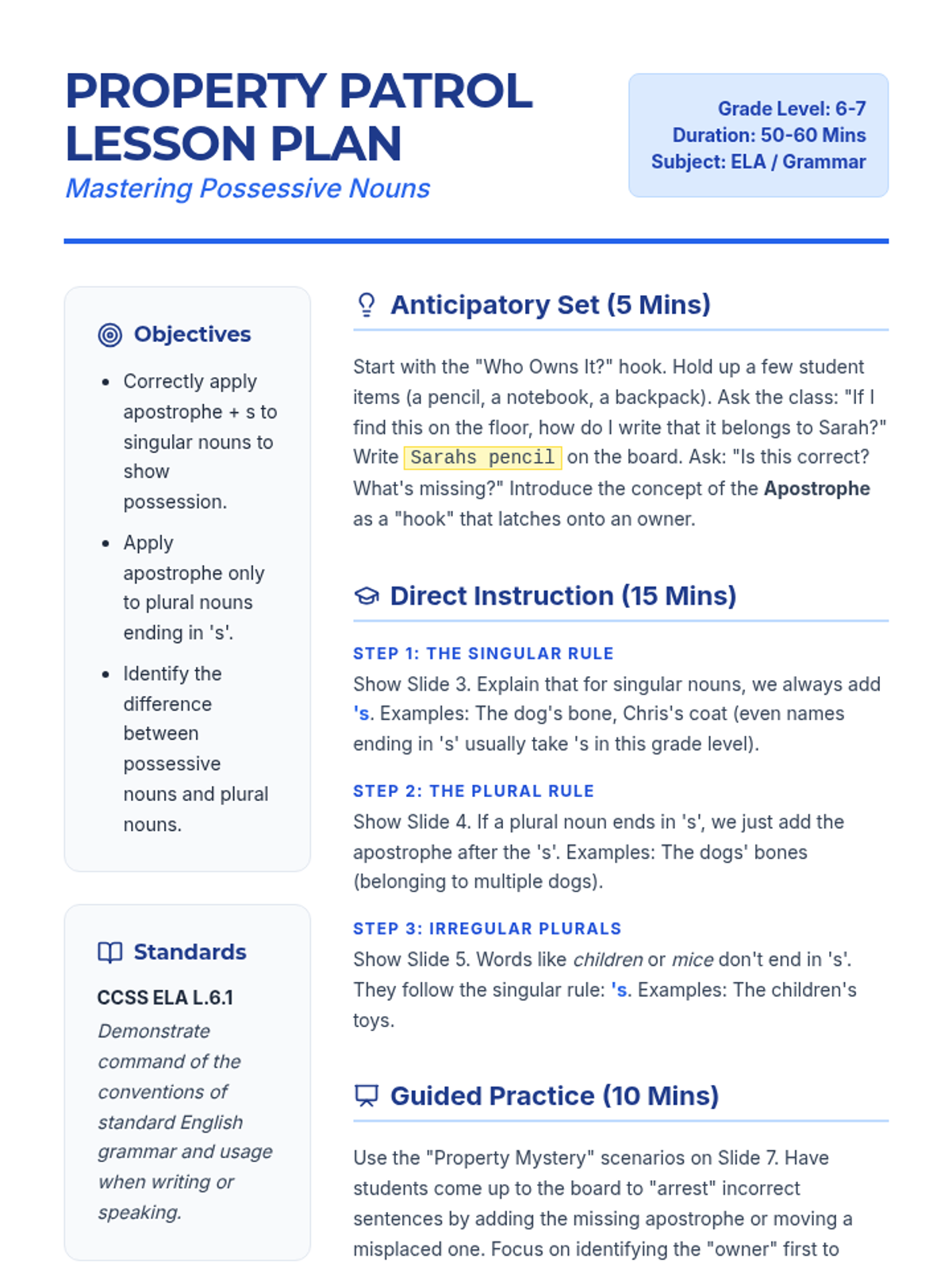
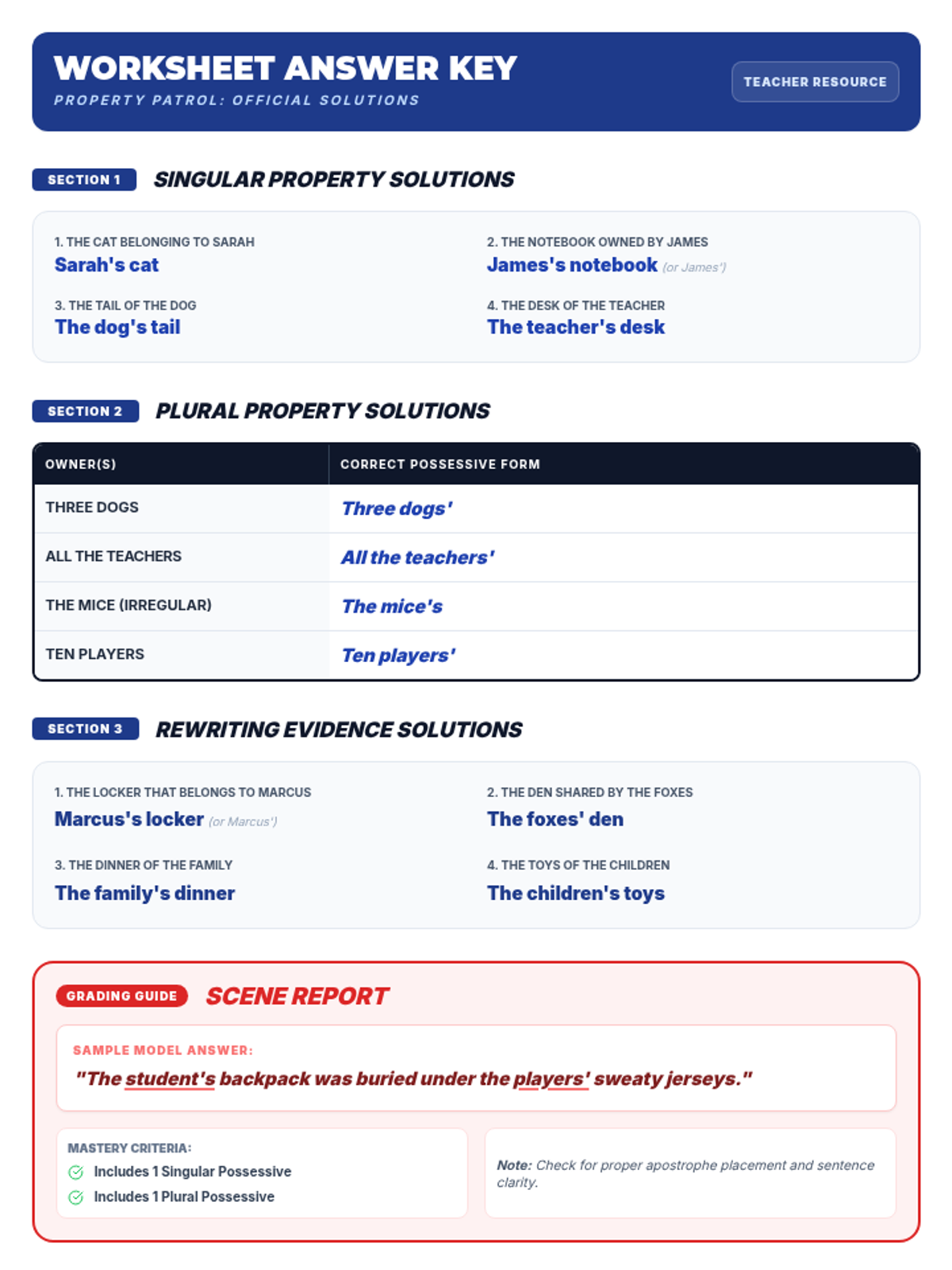
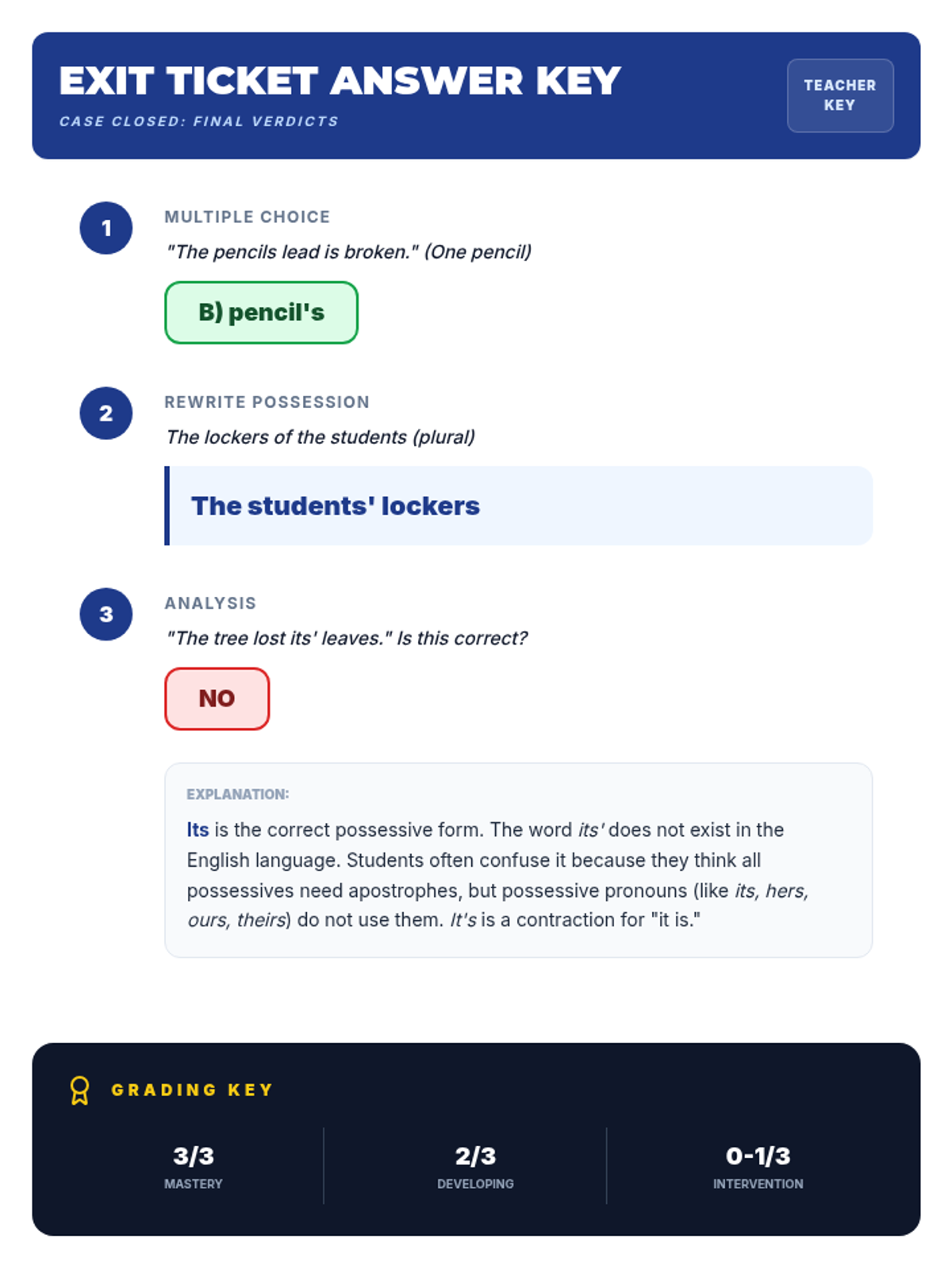
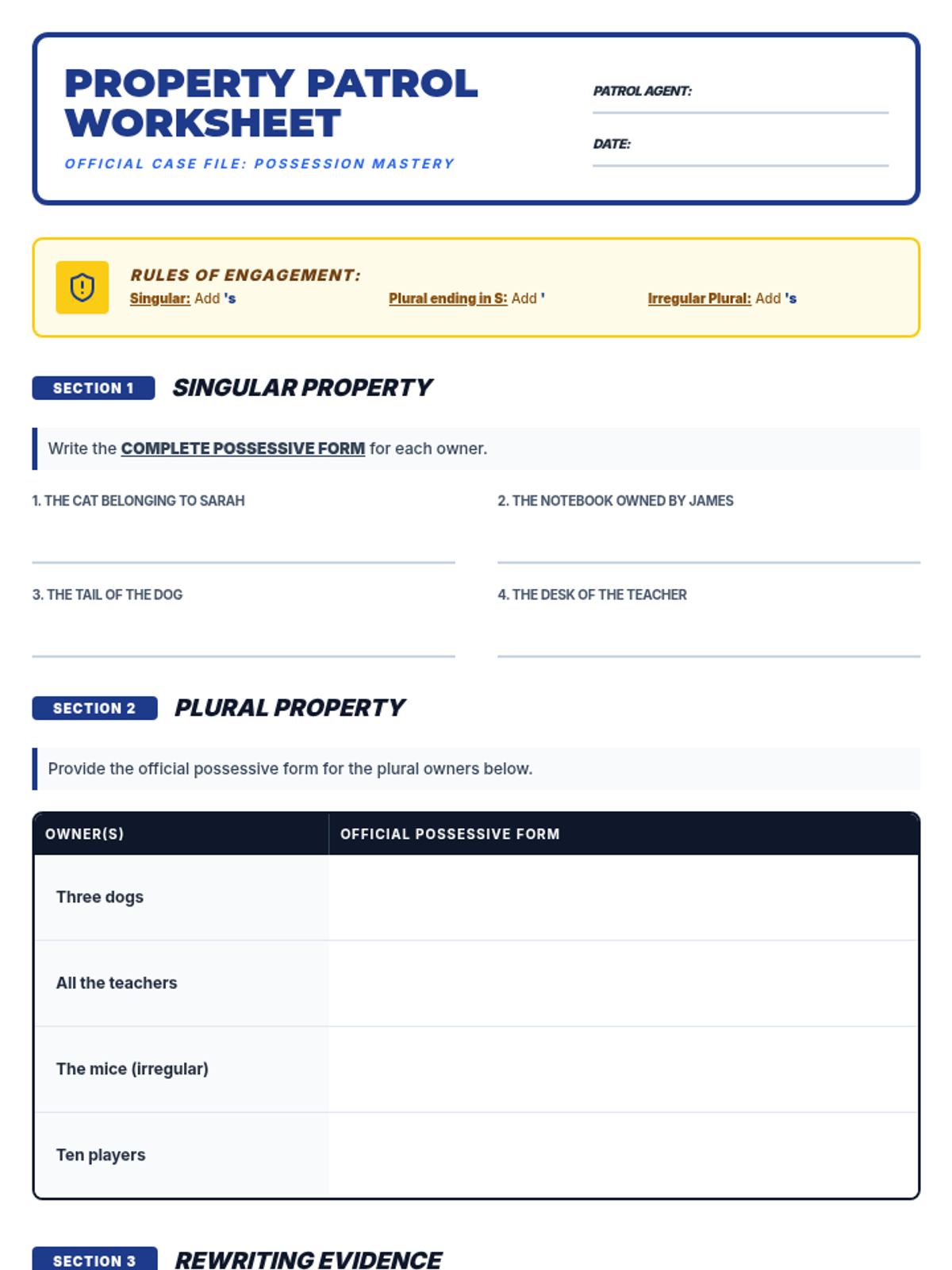
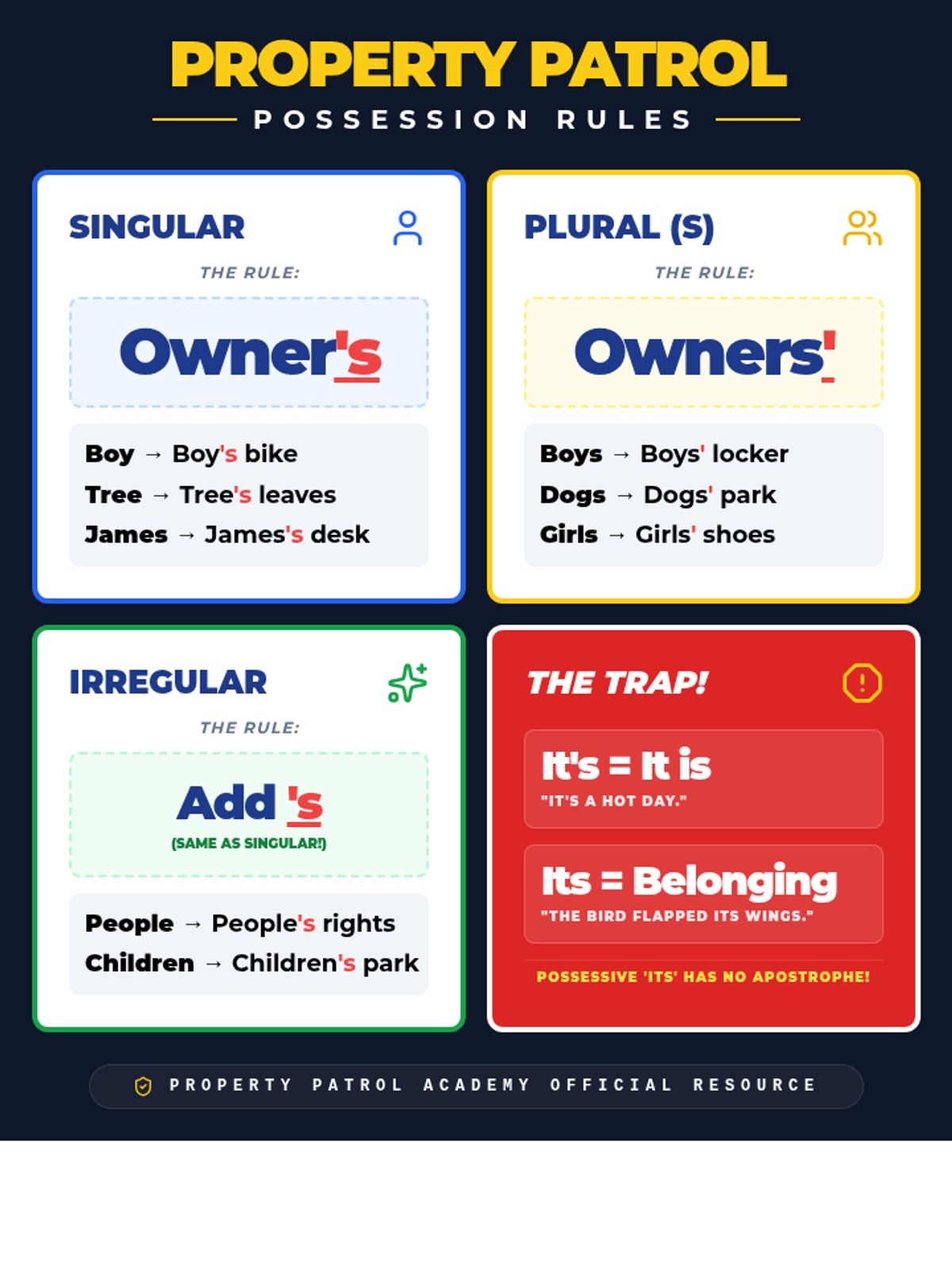
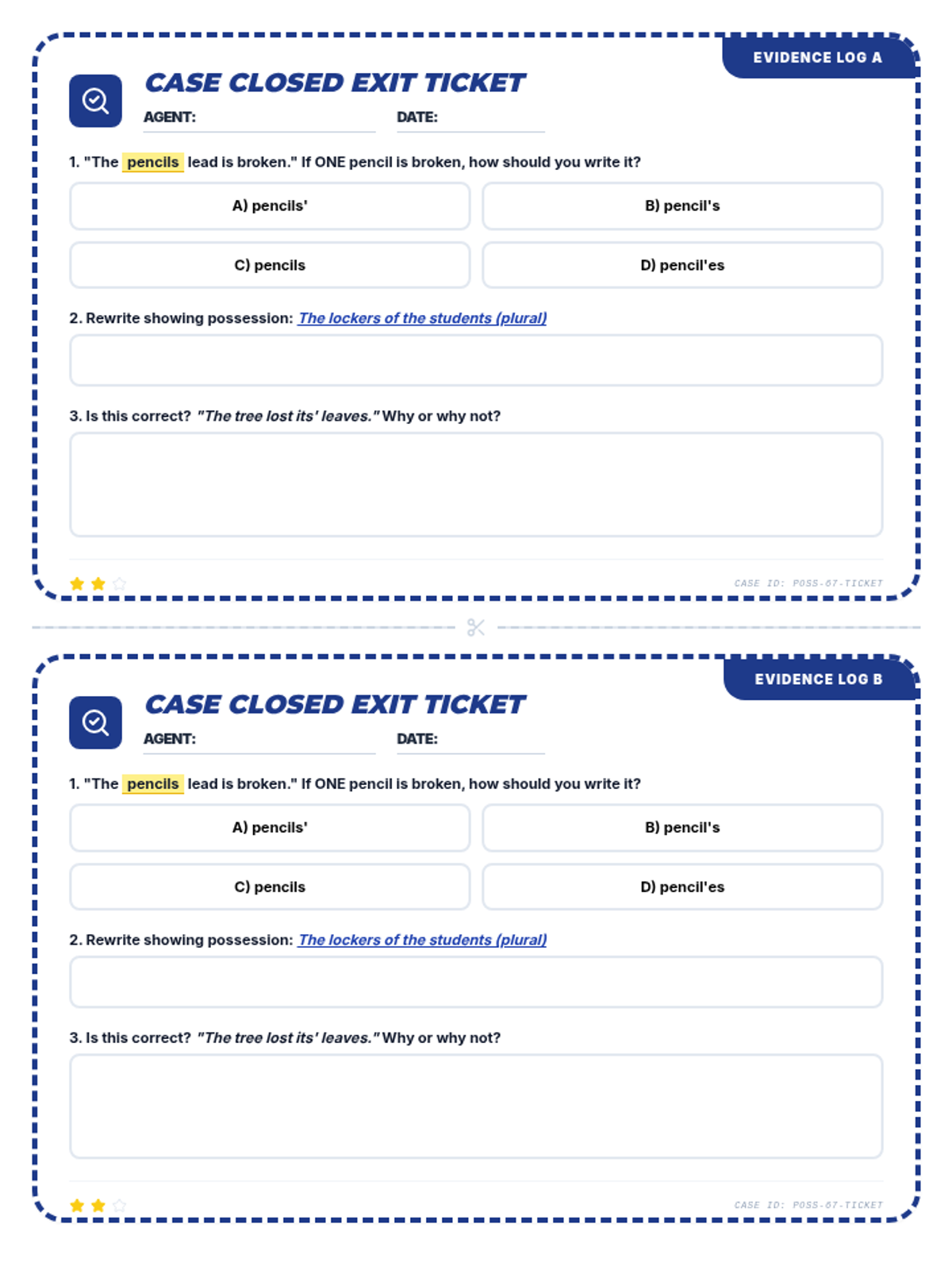
A comprehensive lesson on mastering possessive nouns using apostrophes, focusing on singular and plural rules for 6th and 7th-grade students. This lesson uses a 'Property Patrol' detective theme to make grammar engaging and memorable.
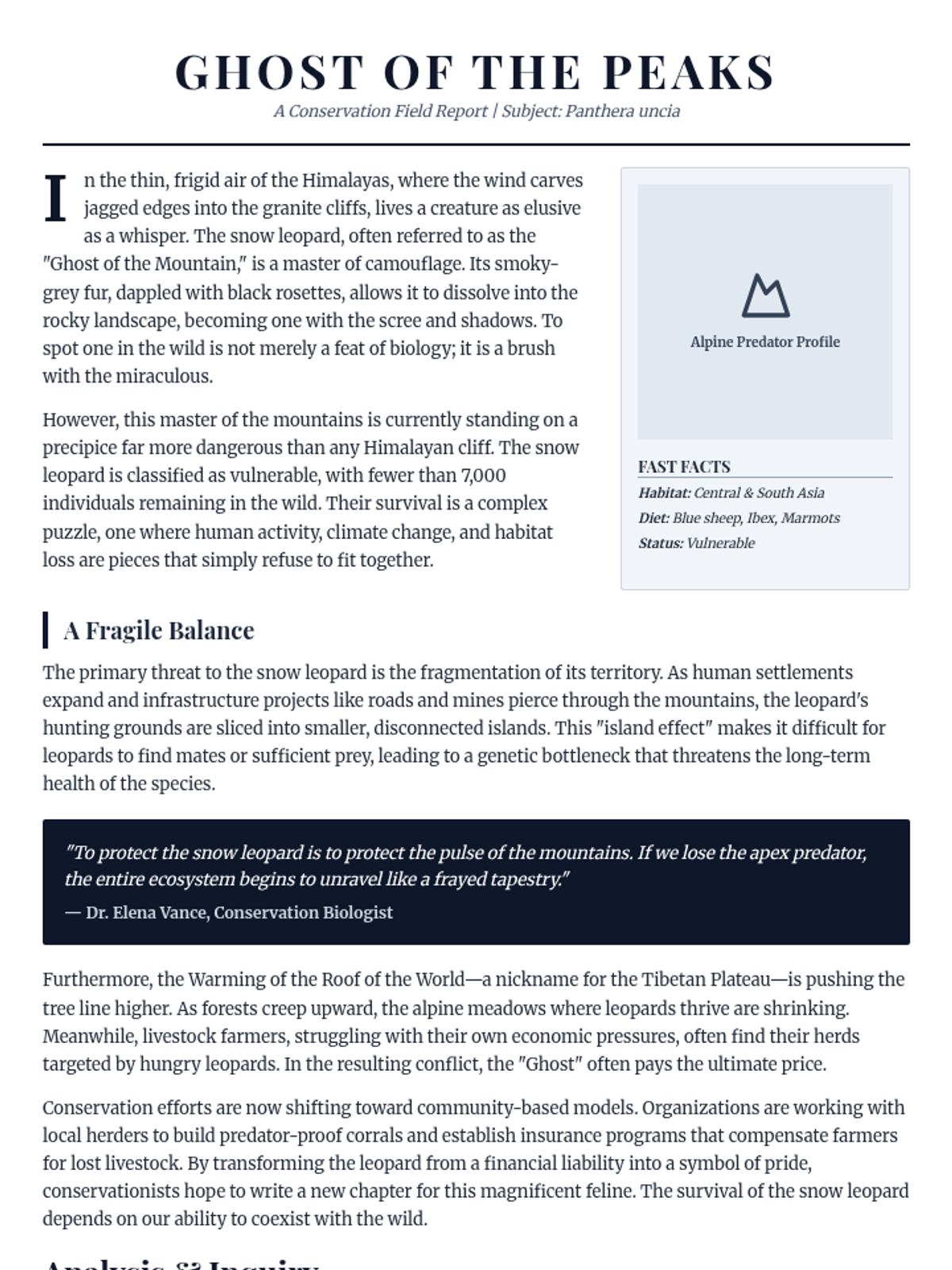
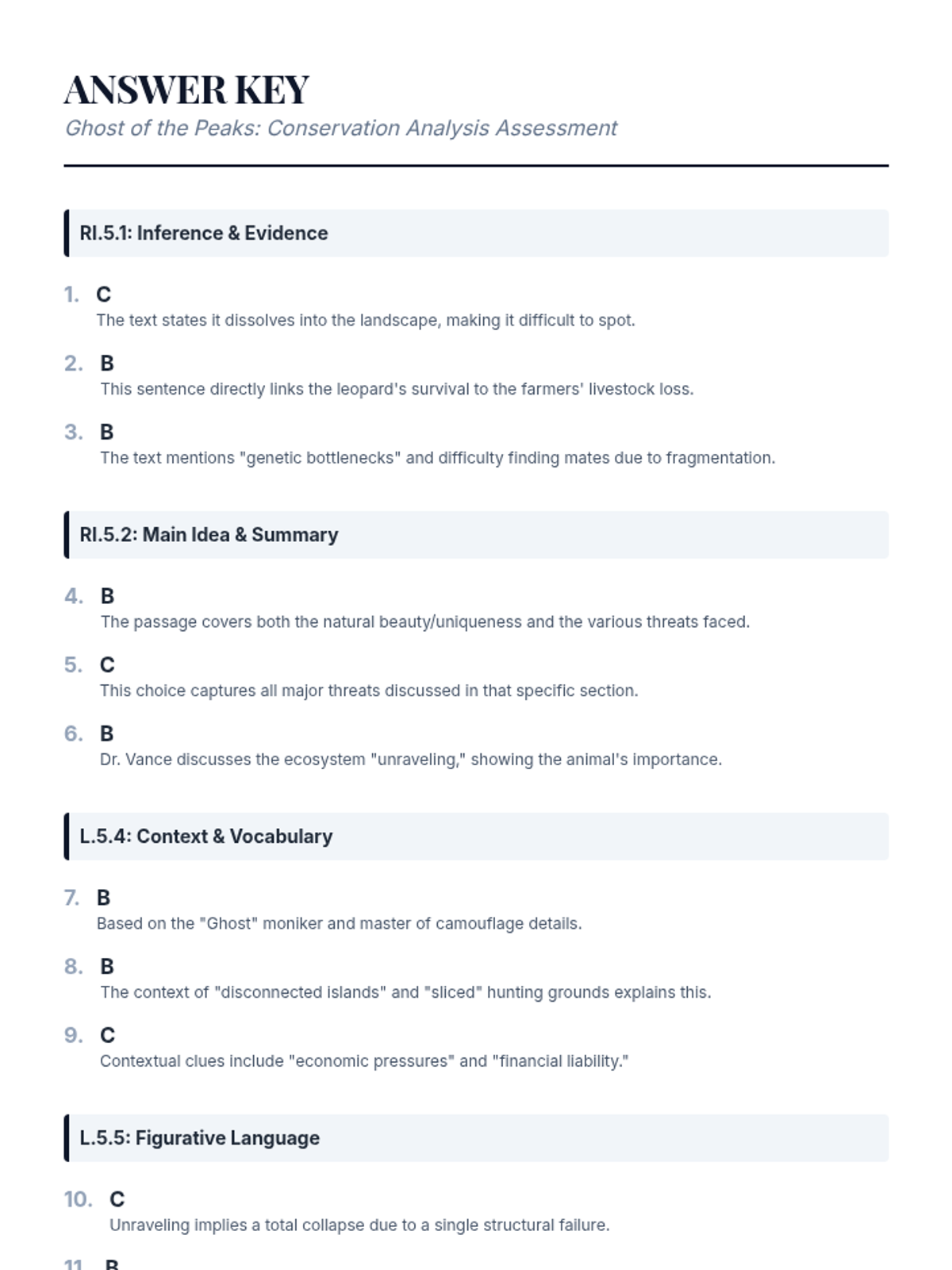
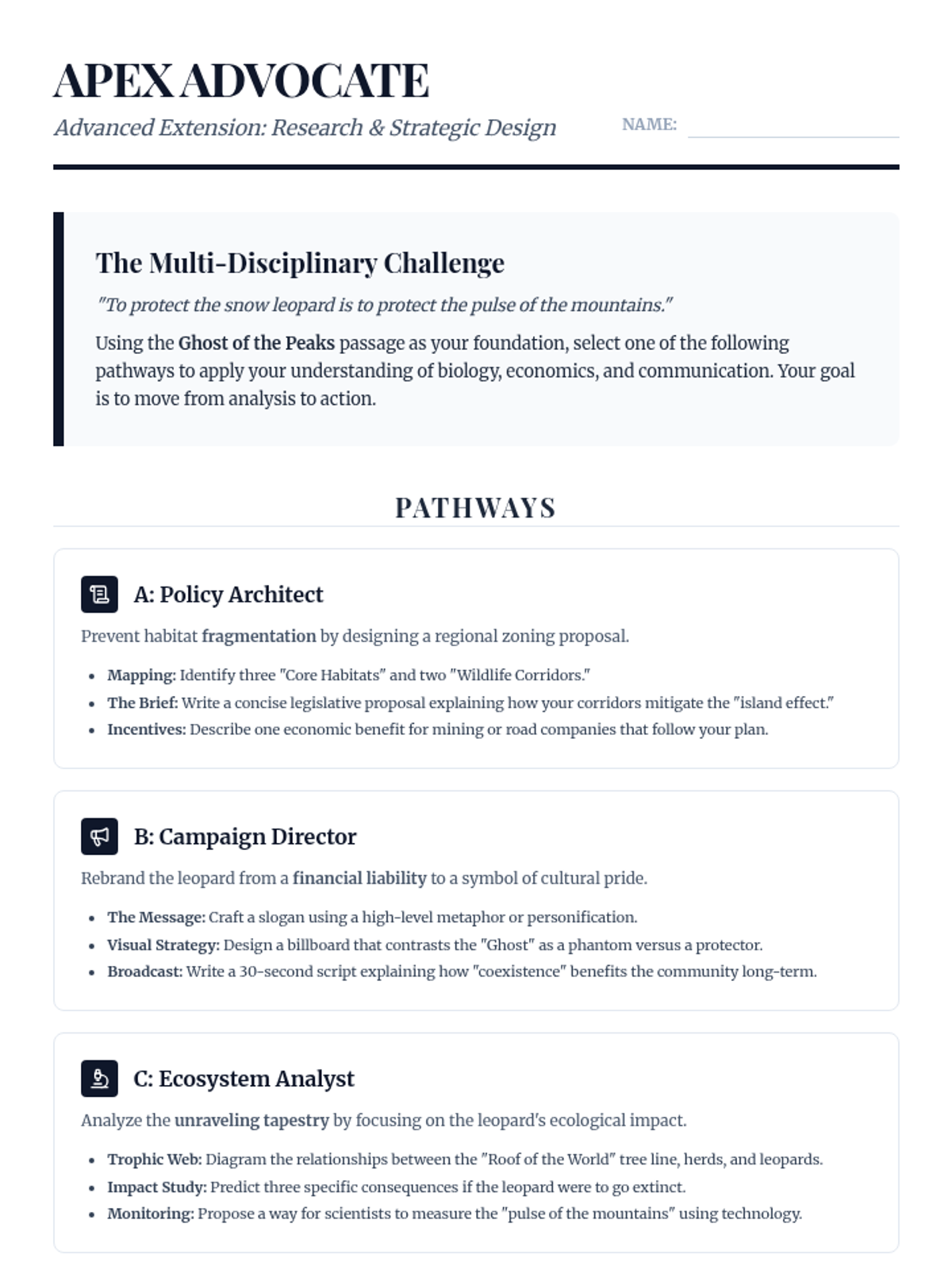
A high-level reading comprehension lesson focused on endangered species, specifically the snow leopard. Students will analyze complex text for main ideas, nuanced vocabulary, and figurative language.
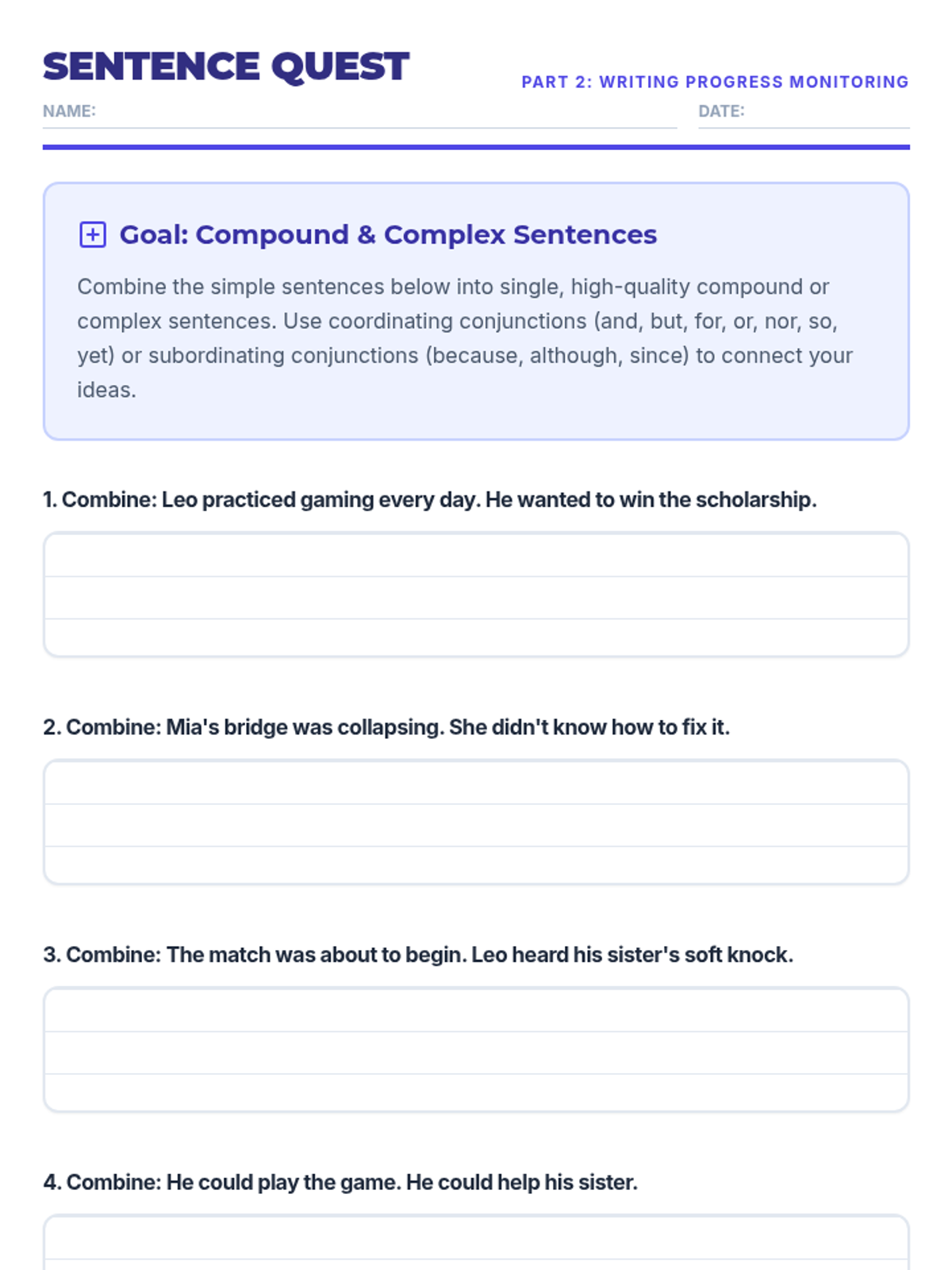
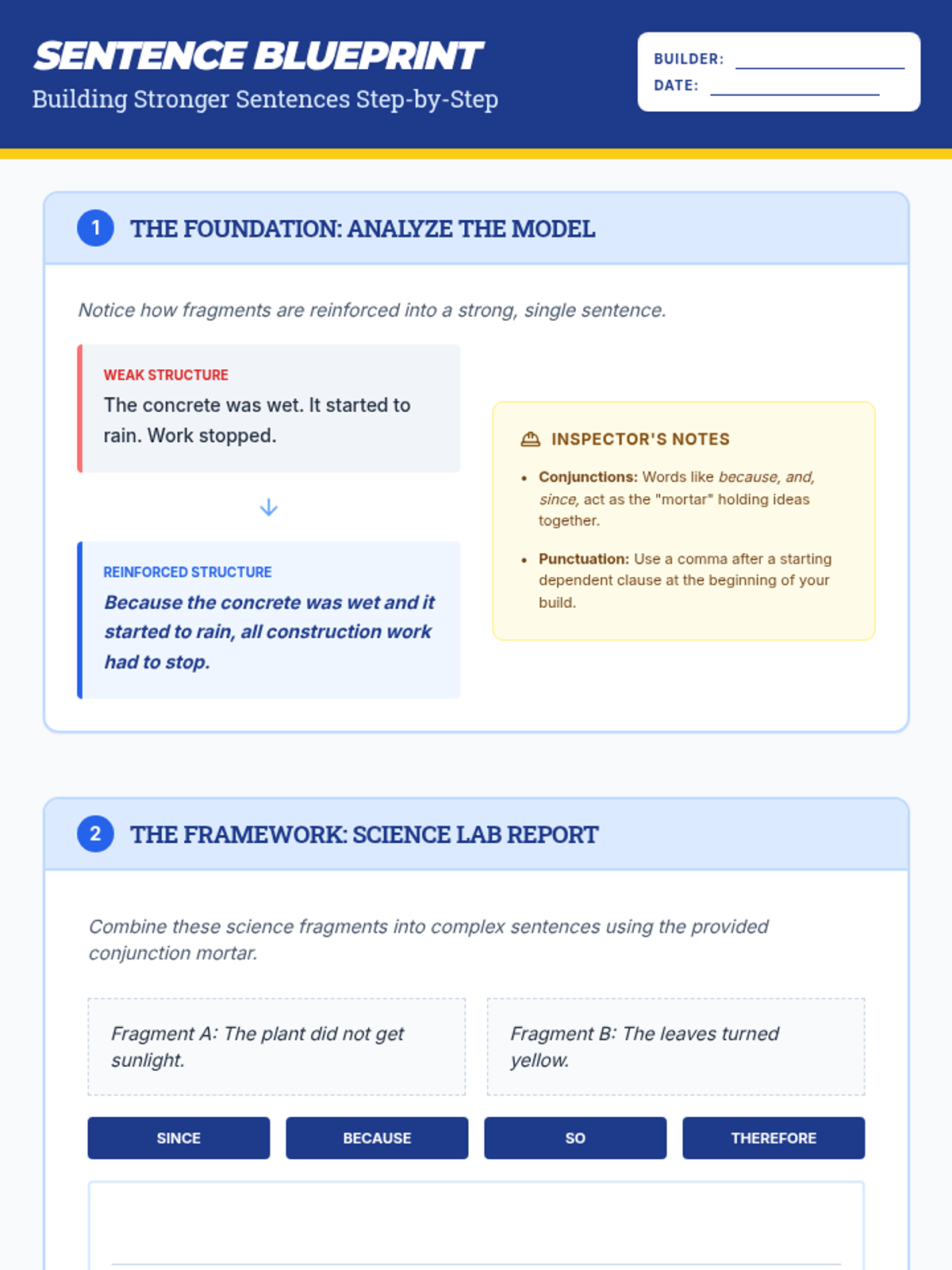
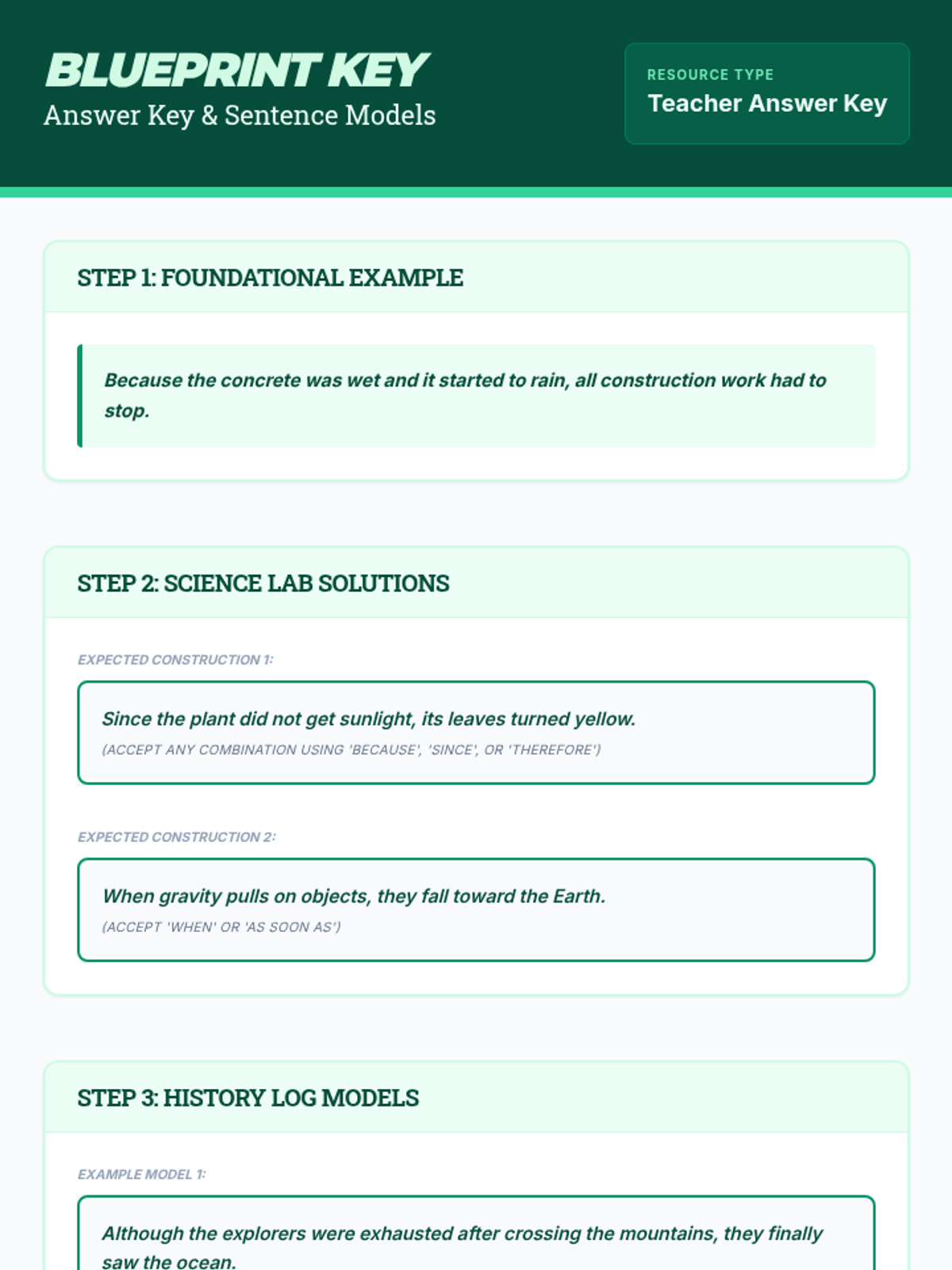
A lesson focused on sentence construction, teaching students to transform fragments and simple sentences into sophisticated compound and complex sentences using a construction-themed framework.
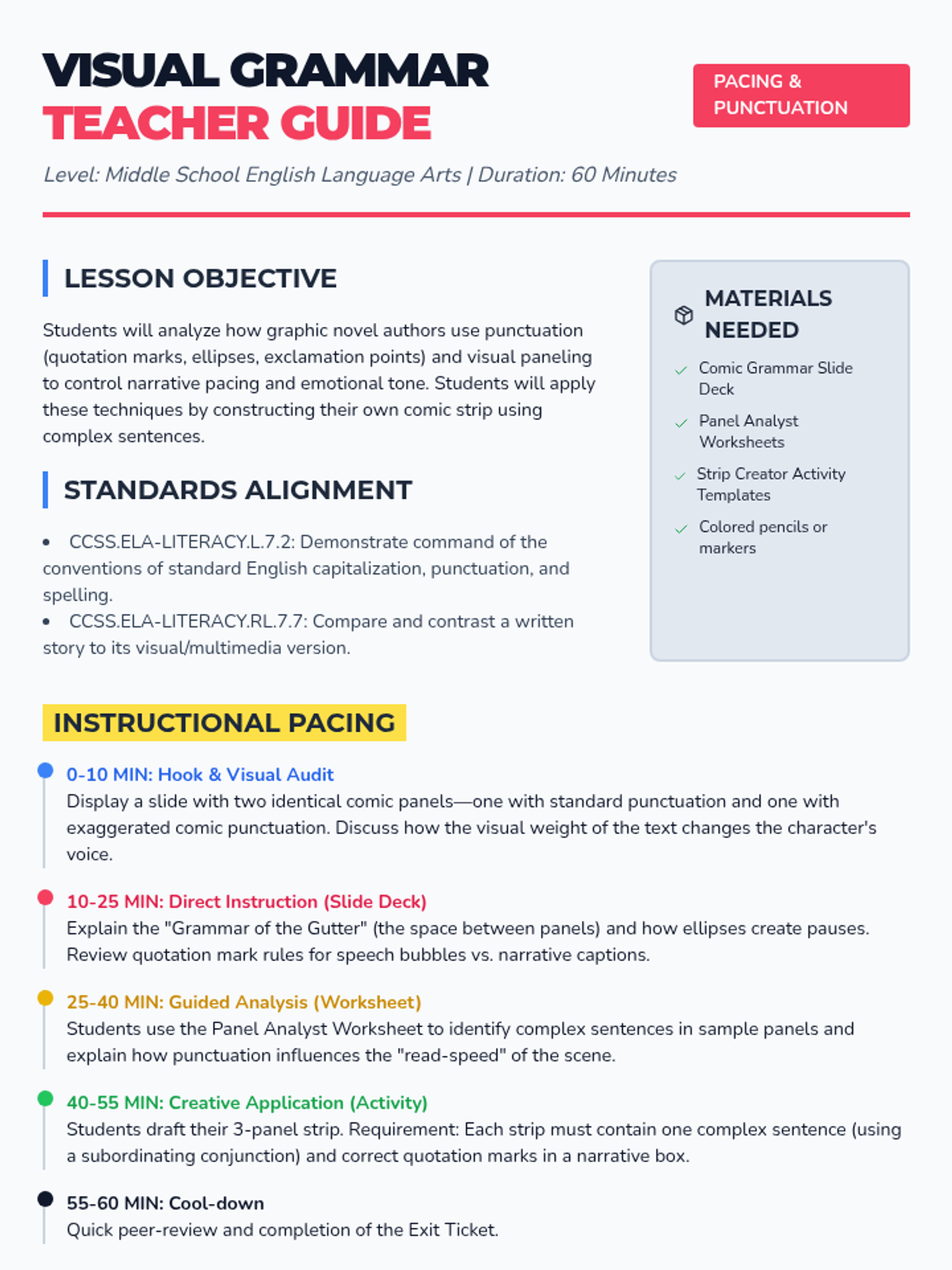
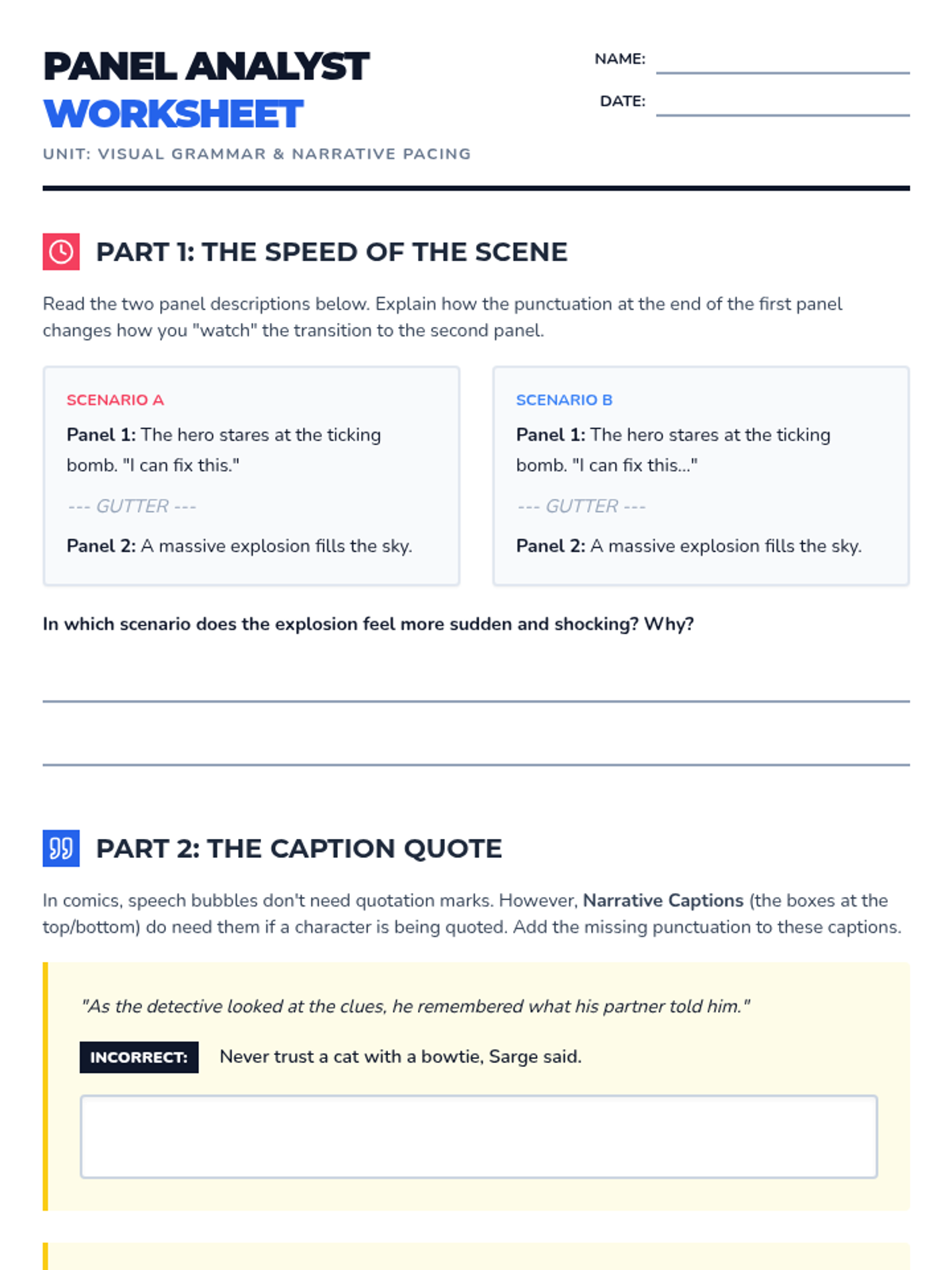
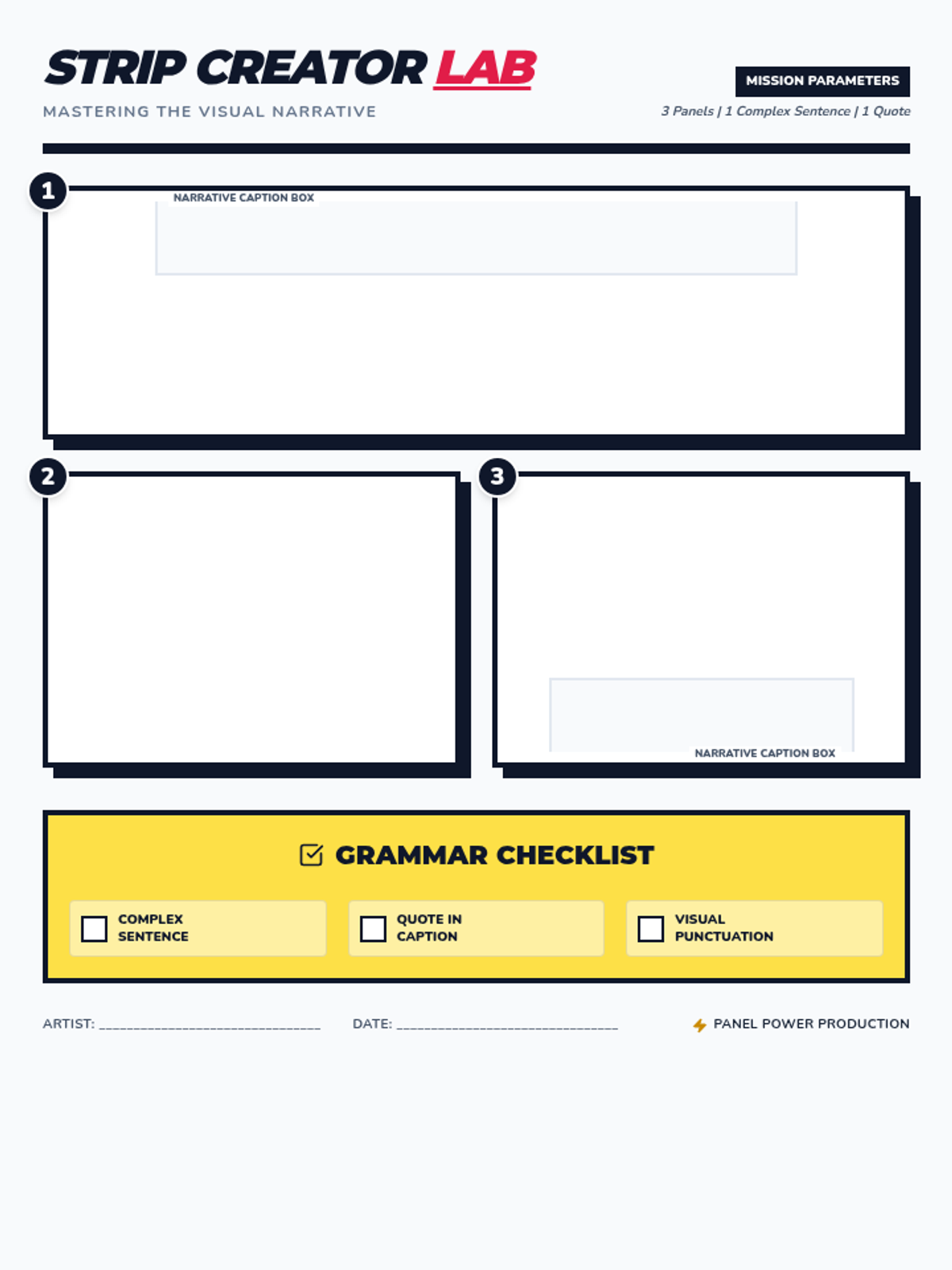
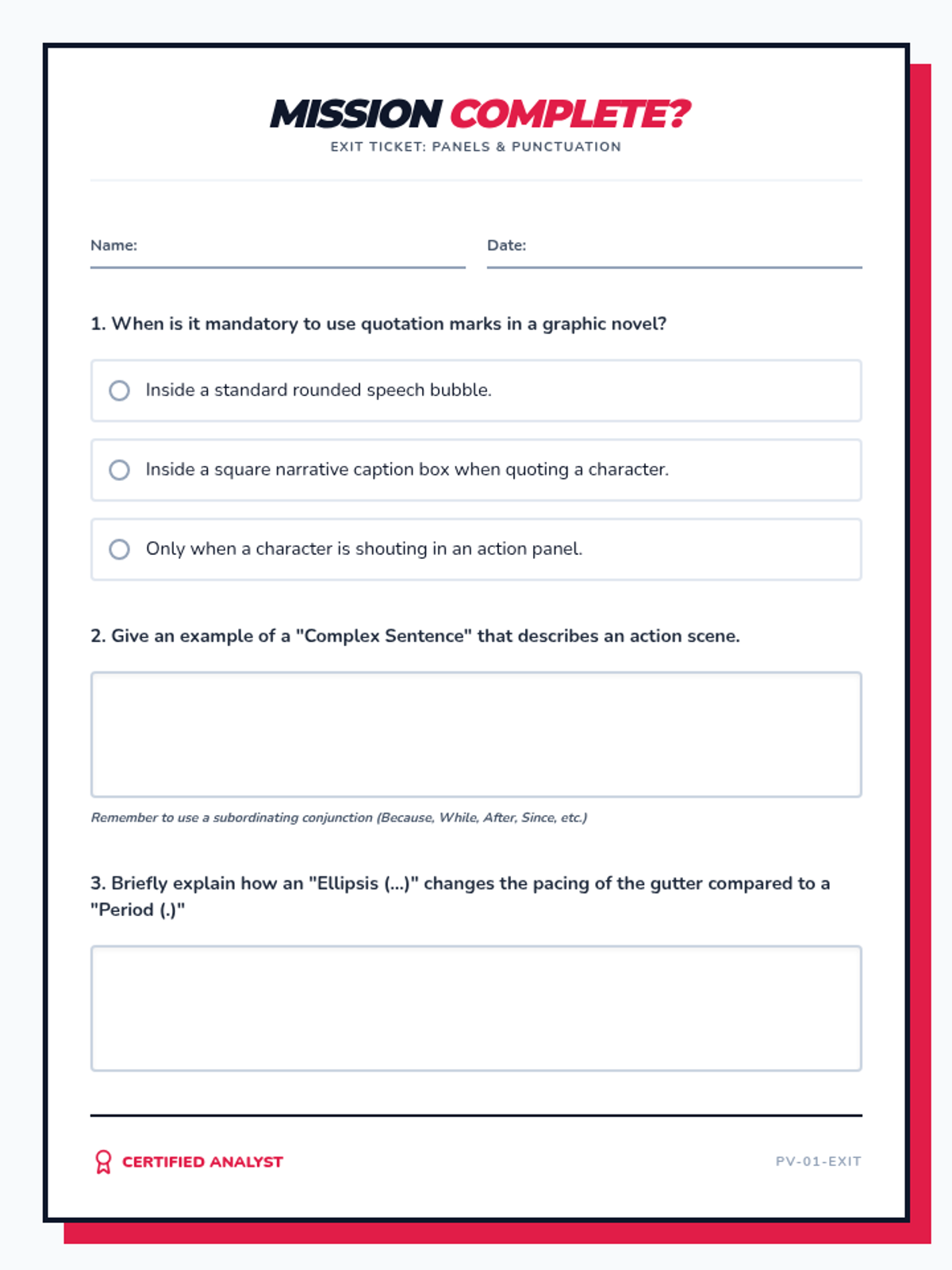
In this lesson, students explore the intersection of visual art and grammar by analyzing graphic novels. They learn how punctuation and panel layout influence tone and pacing, eventually creating their own comic strips that demonstrate mastery of quotation marks and complex sentences.
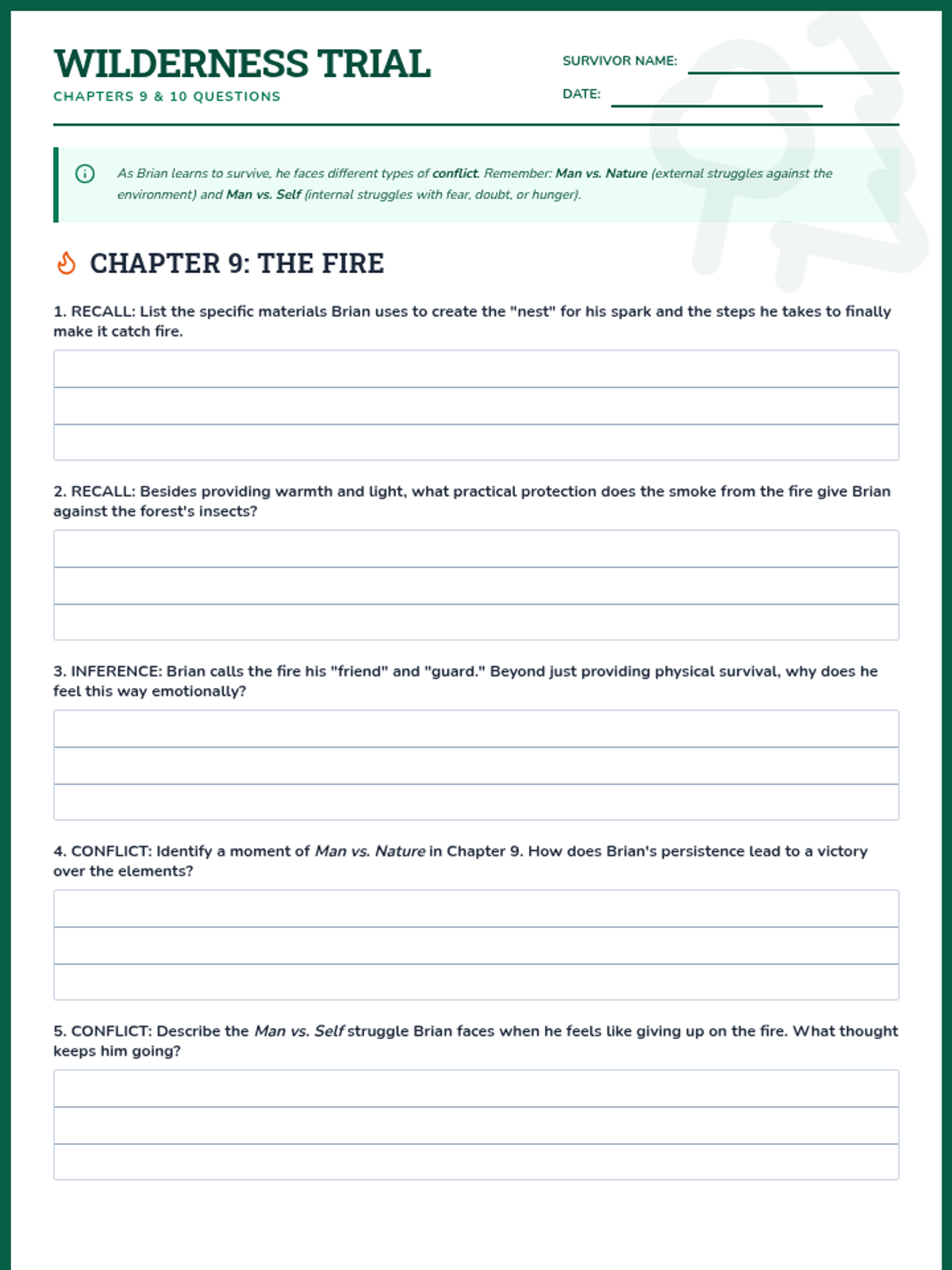
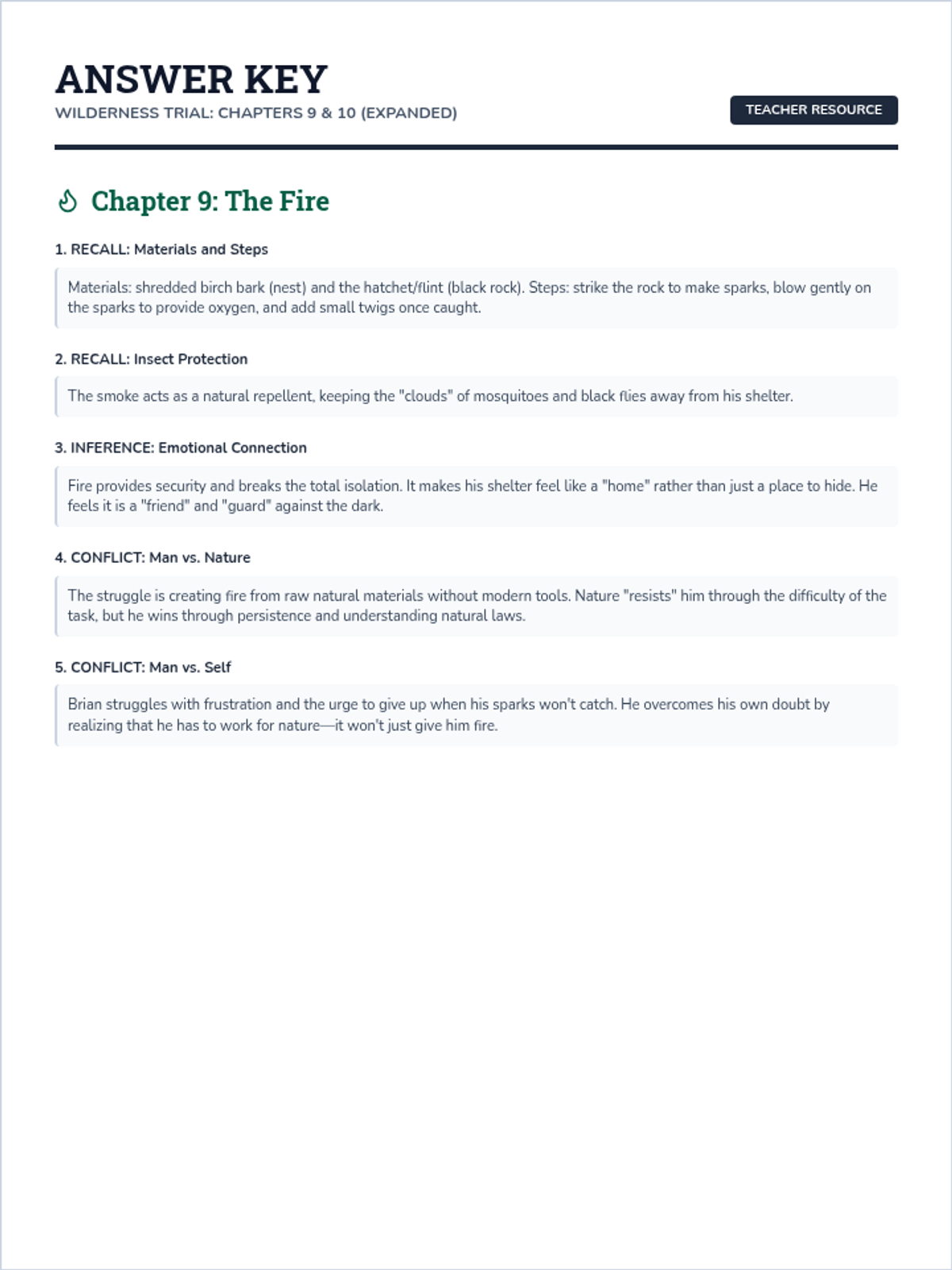
A focused study on Chapters 9 and 10 of Gary Paulsen's 'Hatchet,' focusing on Brian's discovery of fire and turtle eggs, emphasizing recall, inference, and types of literary conflict.
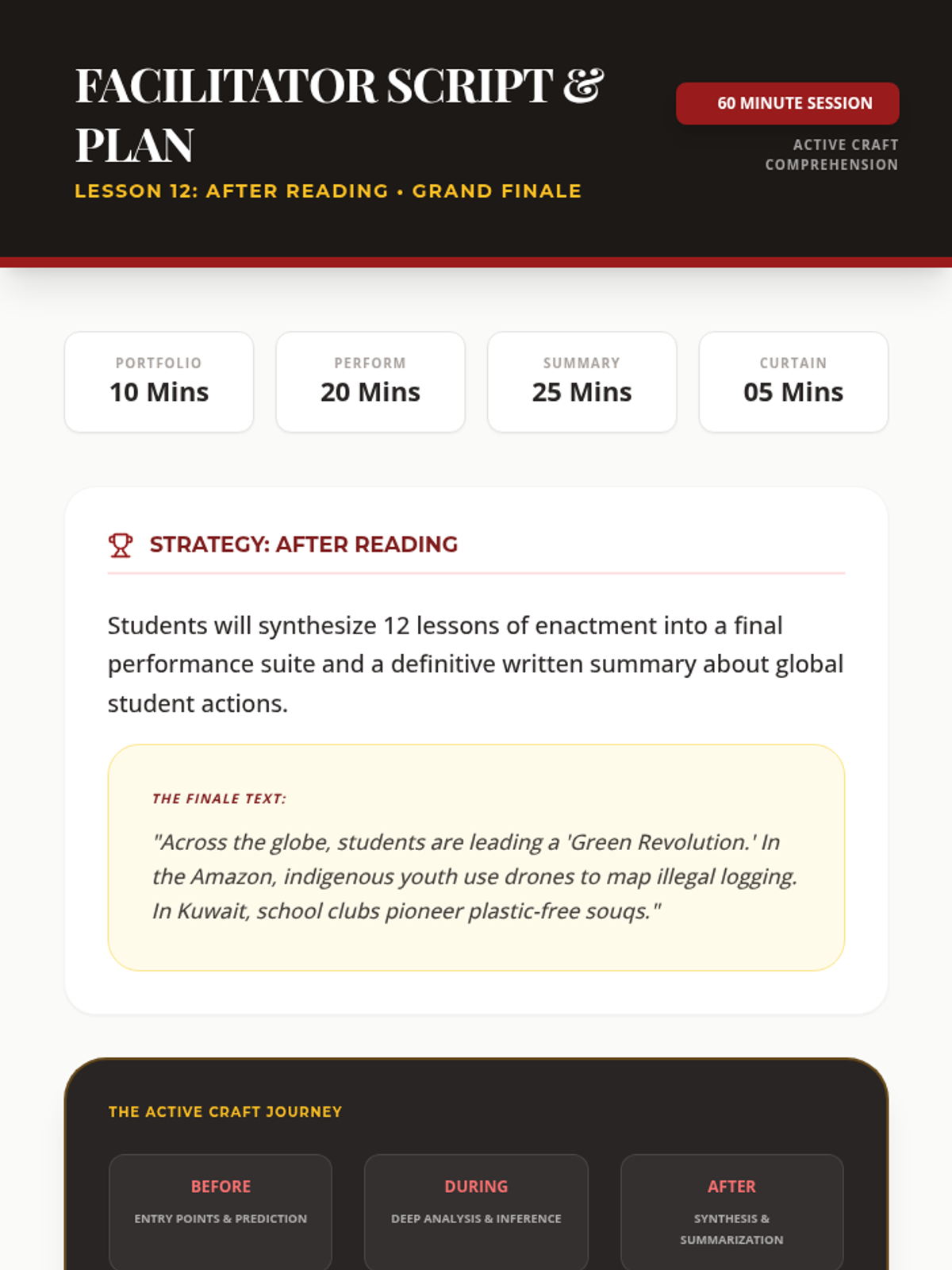
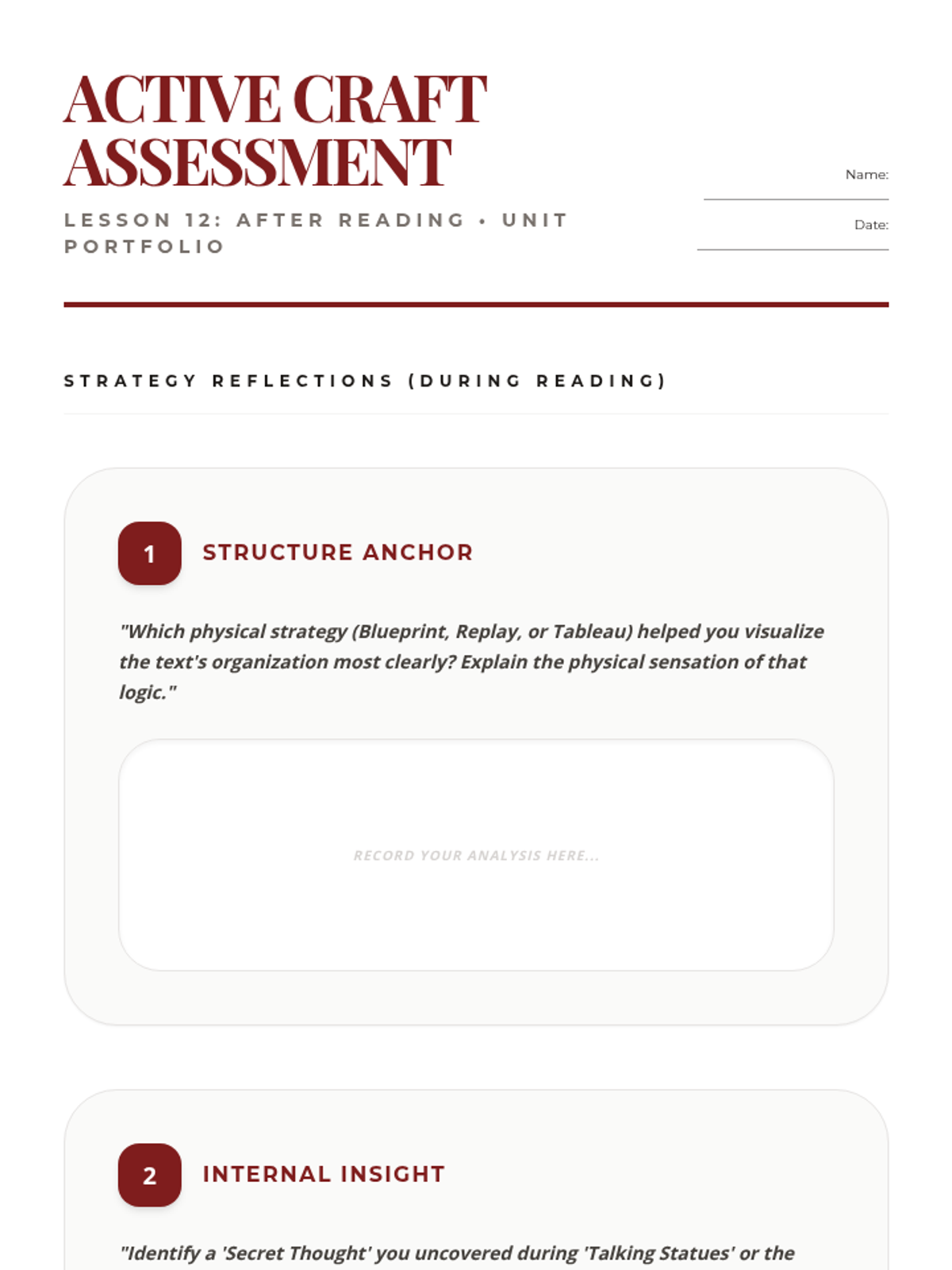
After Reading Strategy: Consolidating skills into a final performance and assessment about students’ actions around the world.
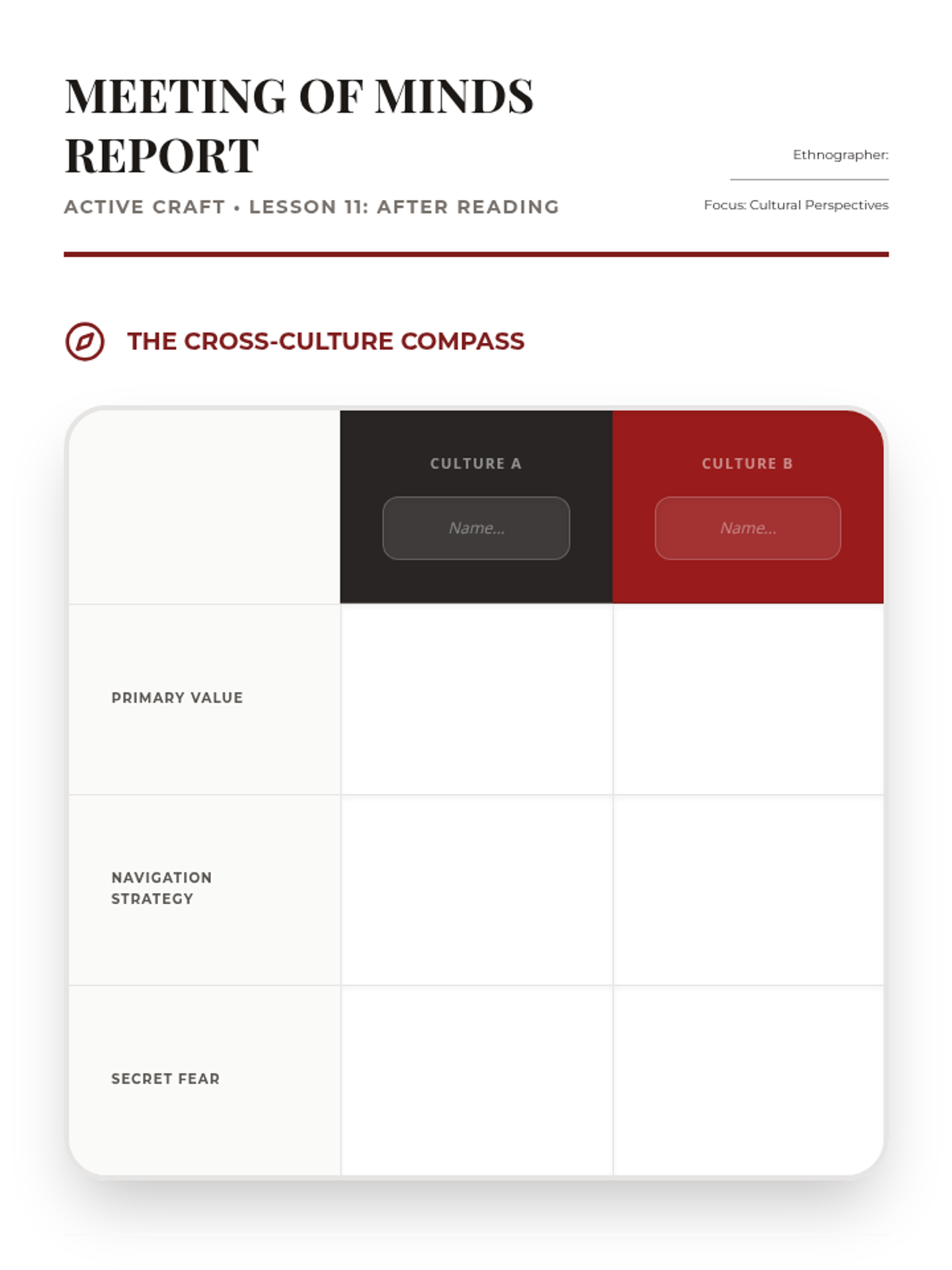
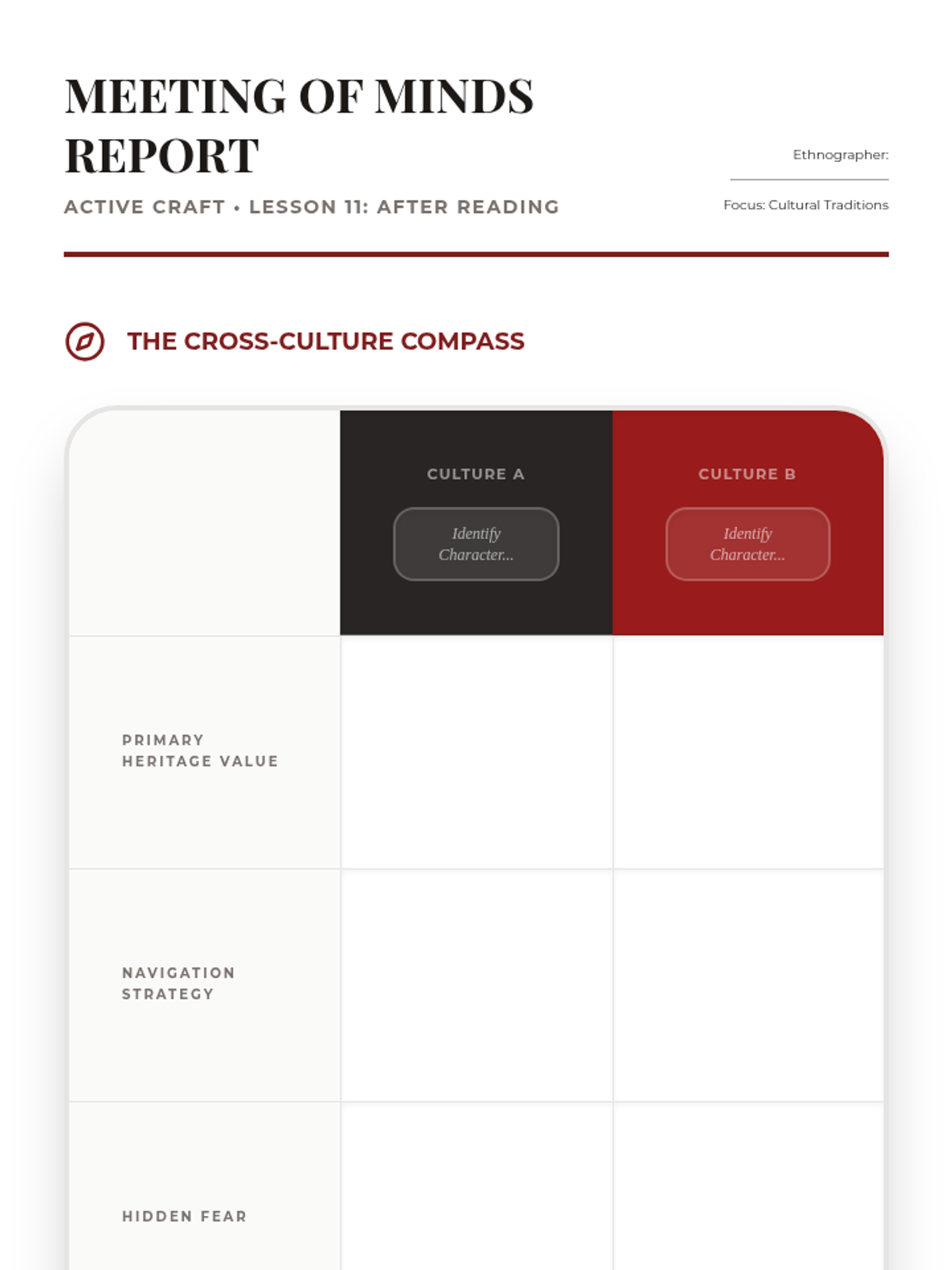
After Reading Strategy: Comparing cultures, traditions, and navigation (directions) using role-play to evaluate perspectives across texts.
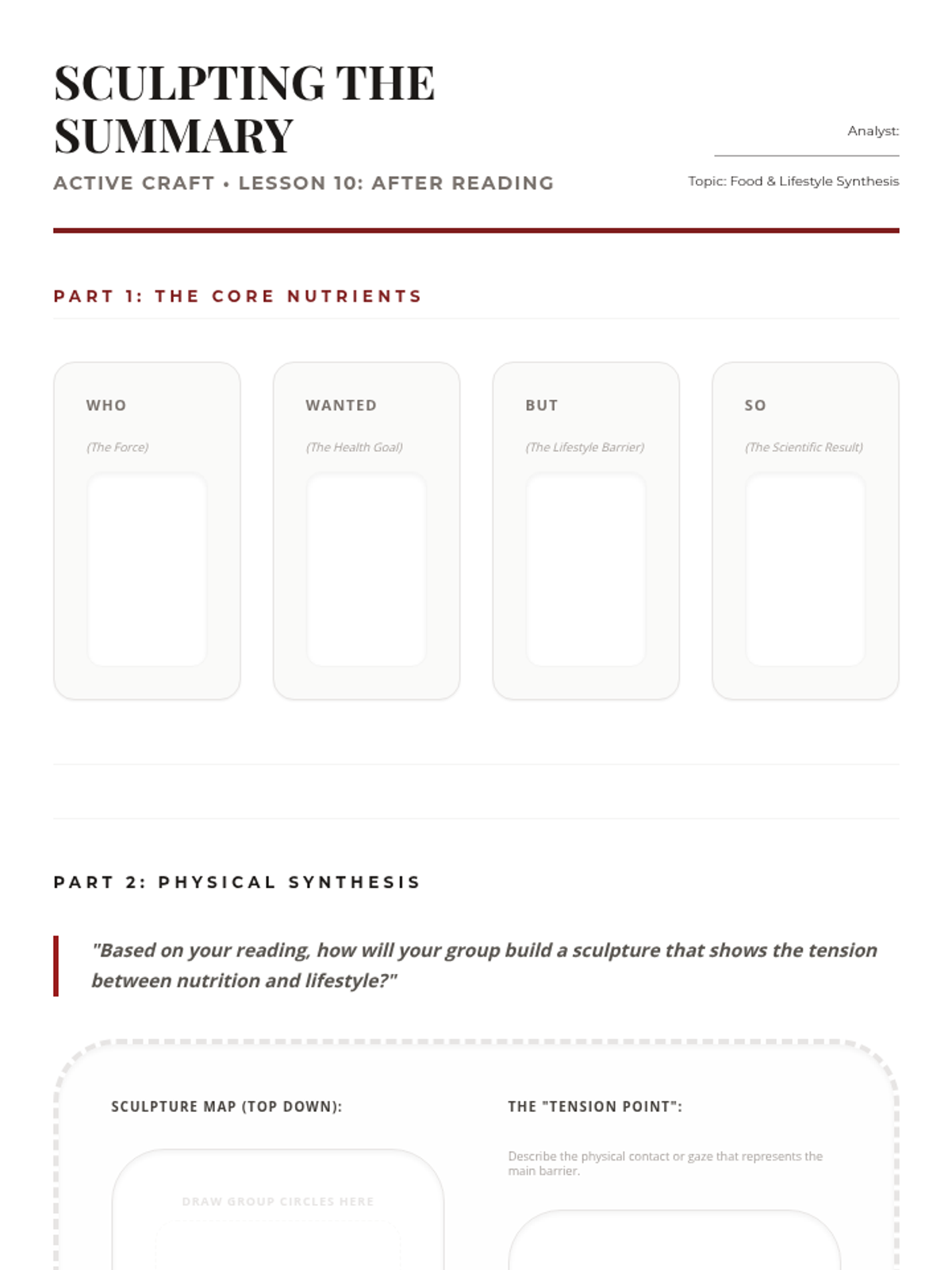
After Reading Strategy: Synthesizing information into 'Summary Sculptures' focused on food items and healthy lifestyles.
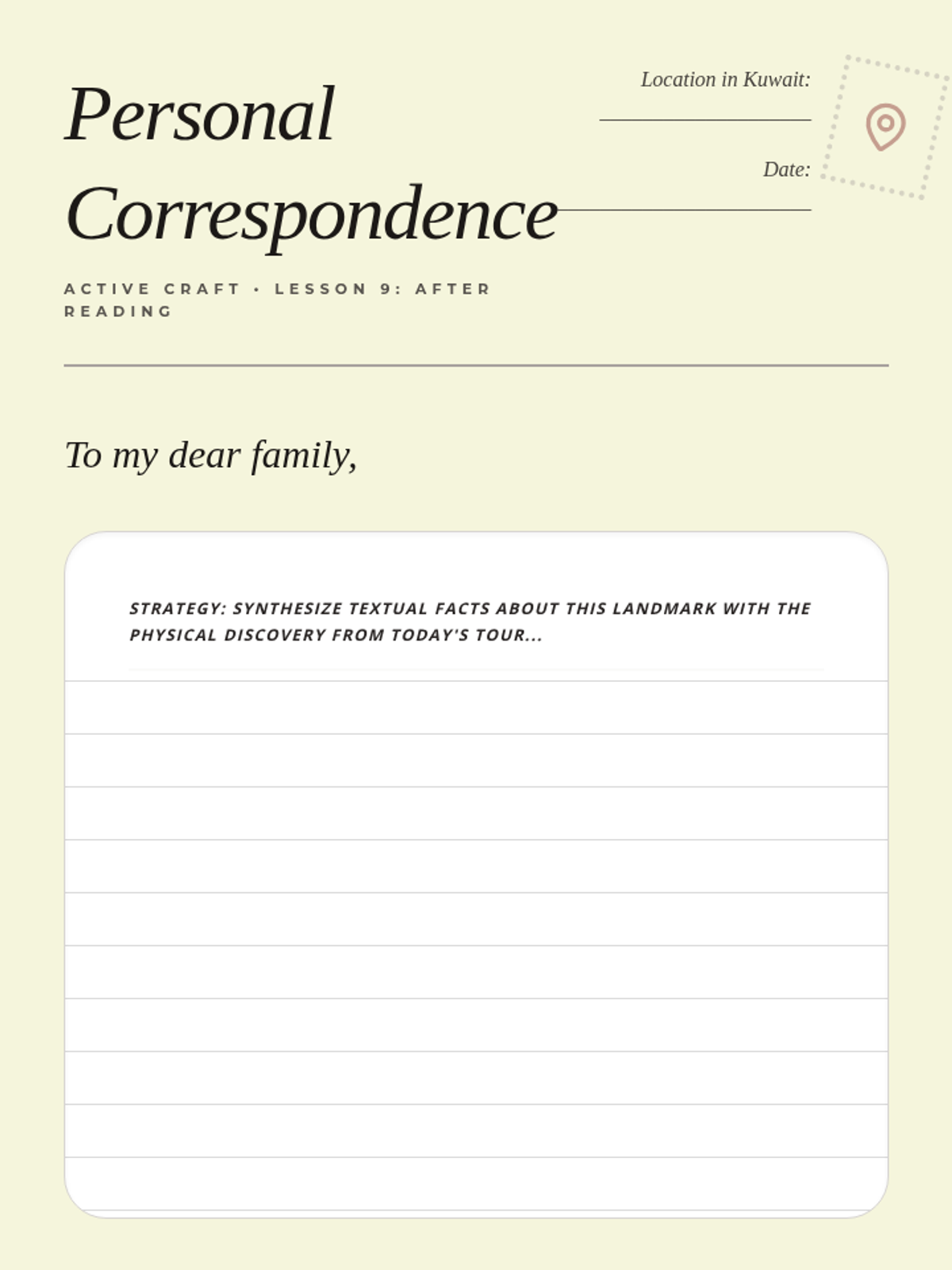
After Reading Strategy: Writing from the perspective of characters visiting cultural and educational places in Kuwait to synthesize meaning.
Before Reading Strategy: Practicing fluency and previewing text through weather forecast 'Radio Dramas' and climate reports.
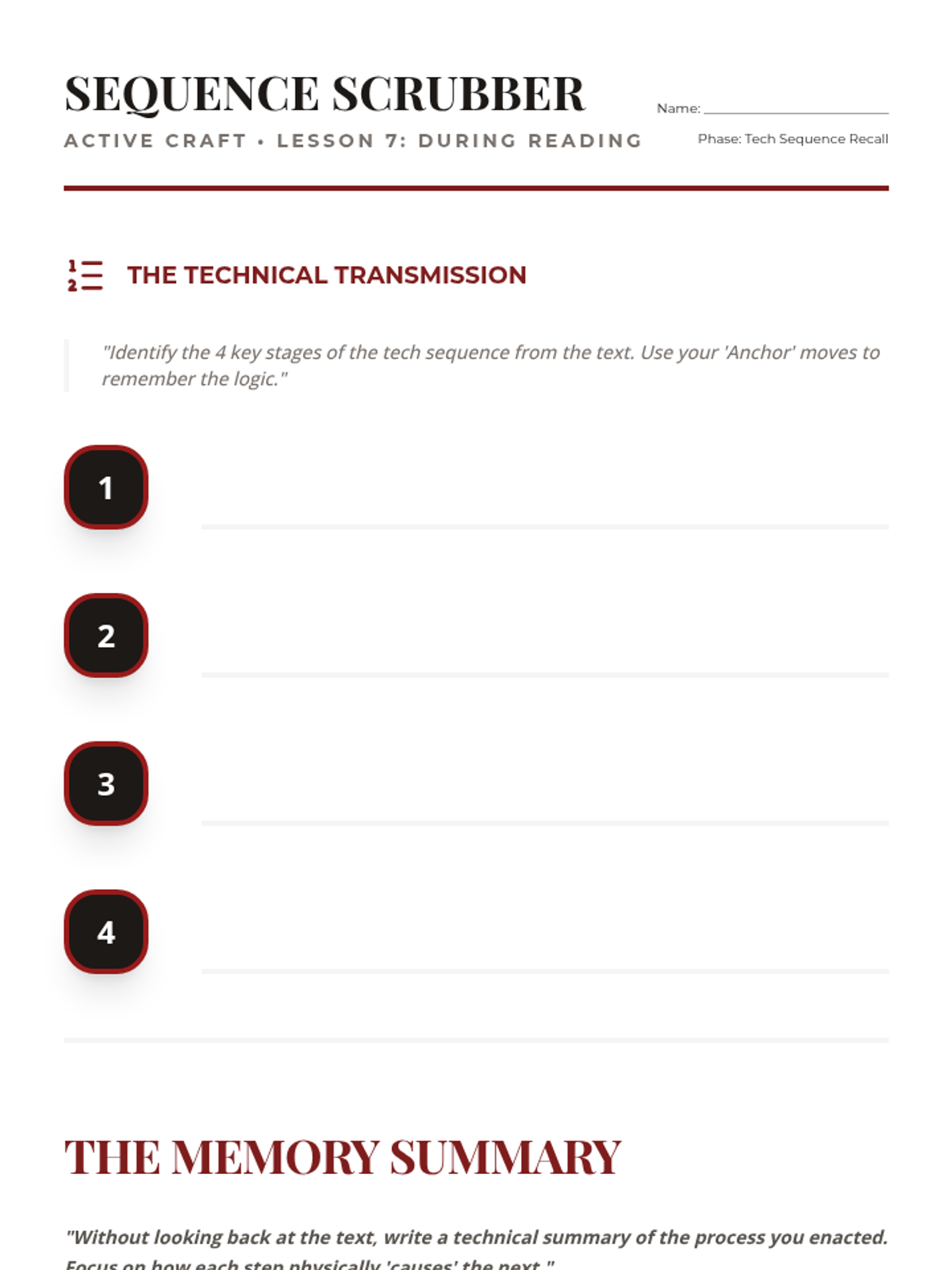
During Reading Strategy: Using reenactment to boost recall of the history of technology and modern hobbies.
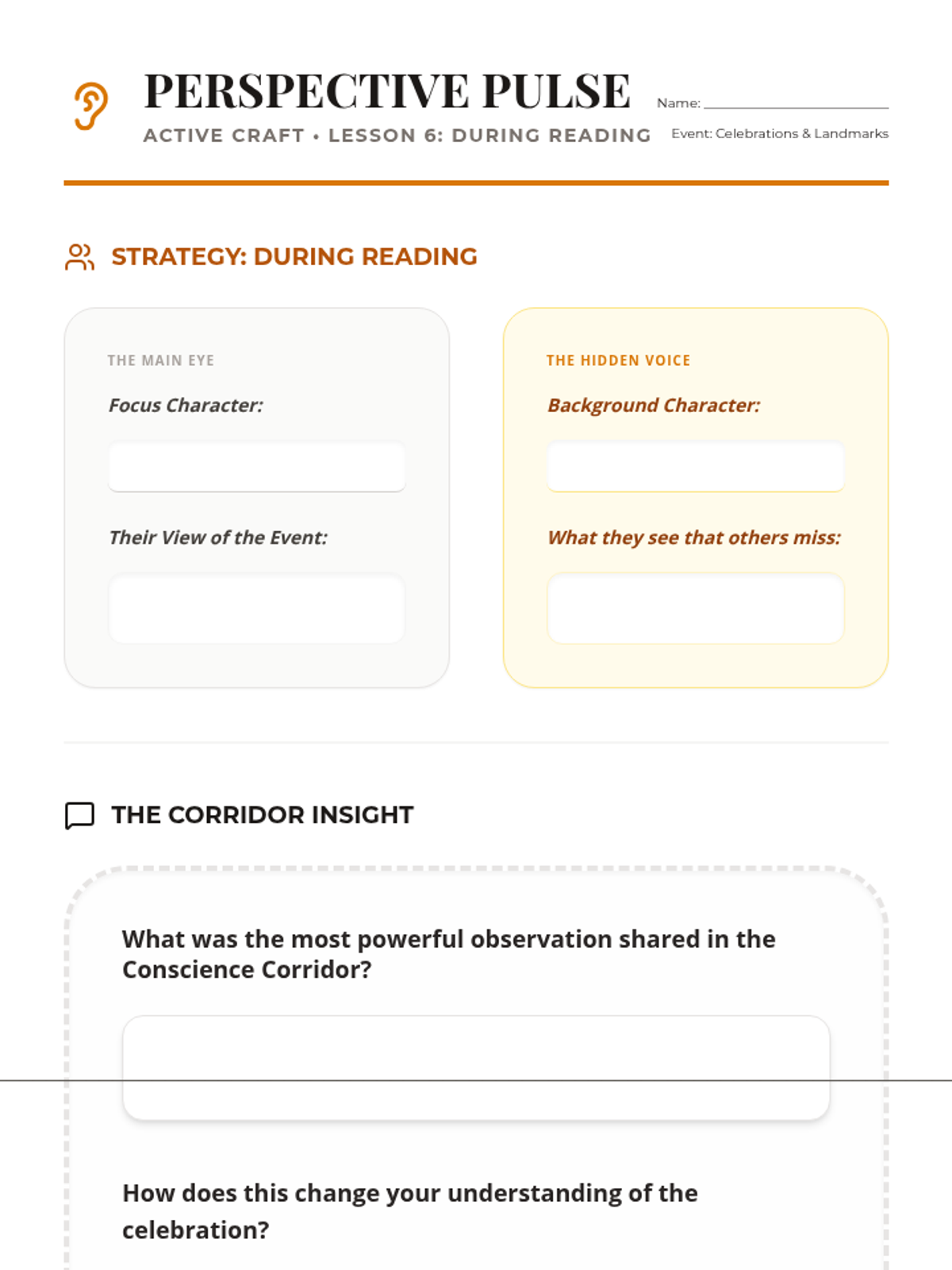
During Reading Strategy: Exploring multiple viewpoints within global celebrations and cultural events.