Students add arm movements (Port de Bras) to their footwork, learning to create curved, soft shapes. They combine pli\u00e9s, relev\u00e9s, and arm movements into a slow, continuous adagio sequence.
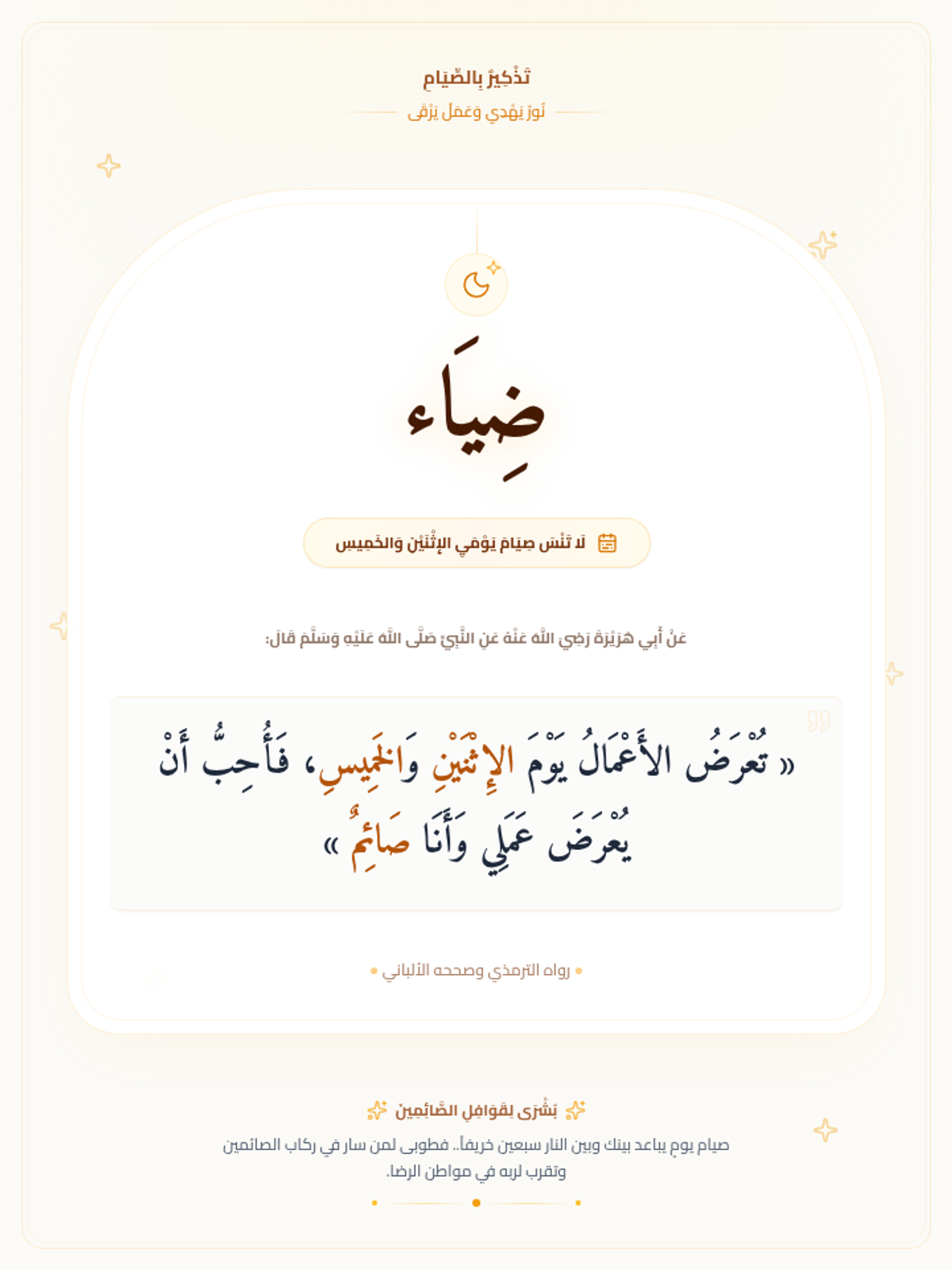
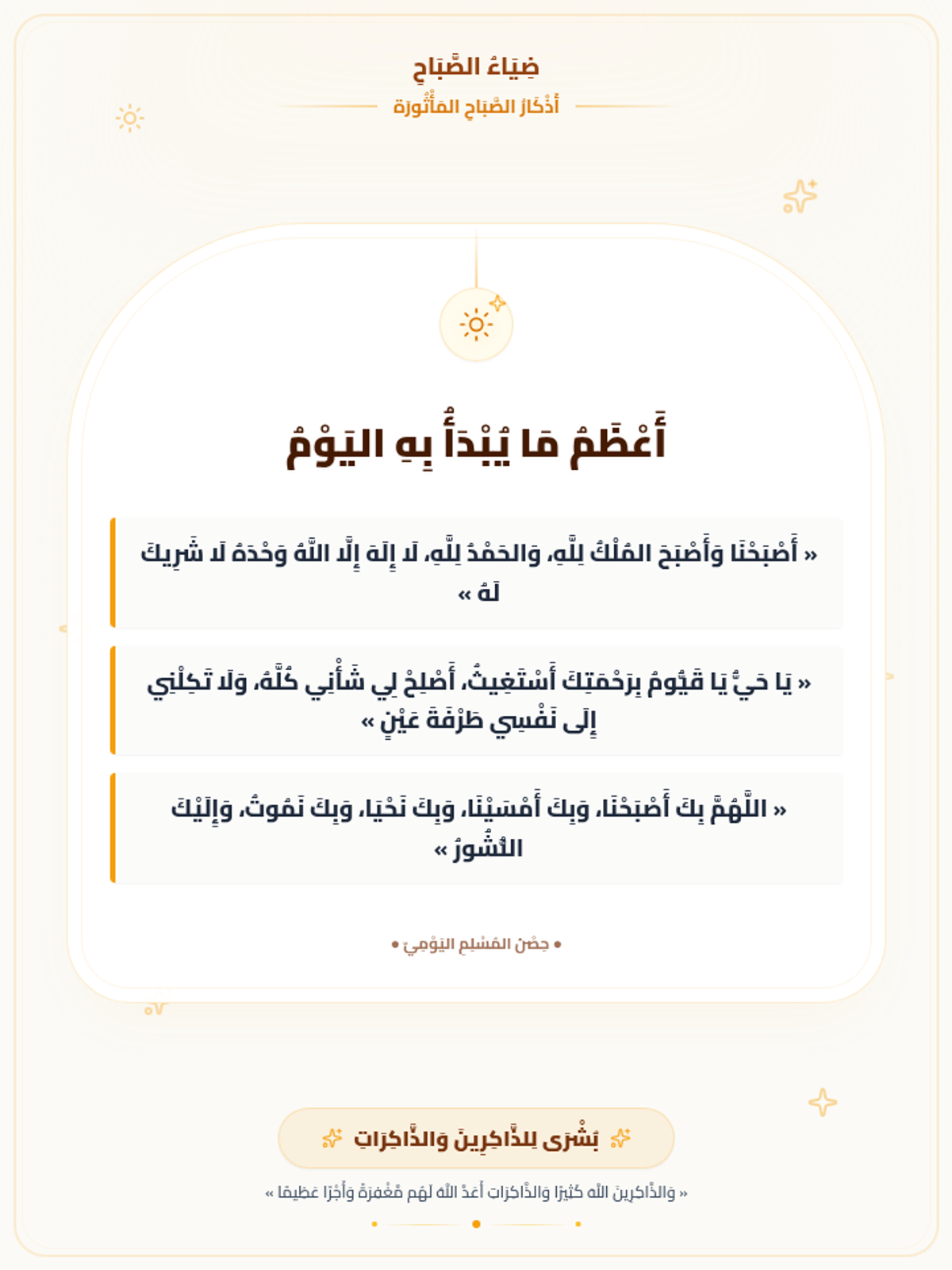
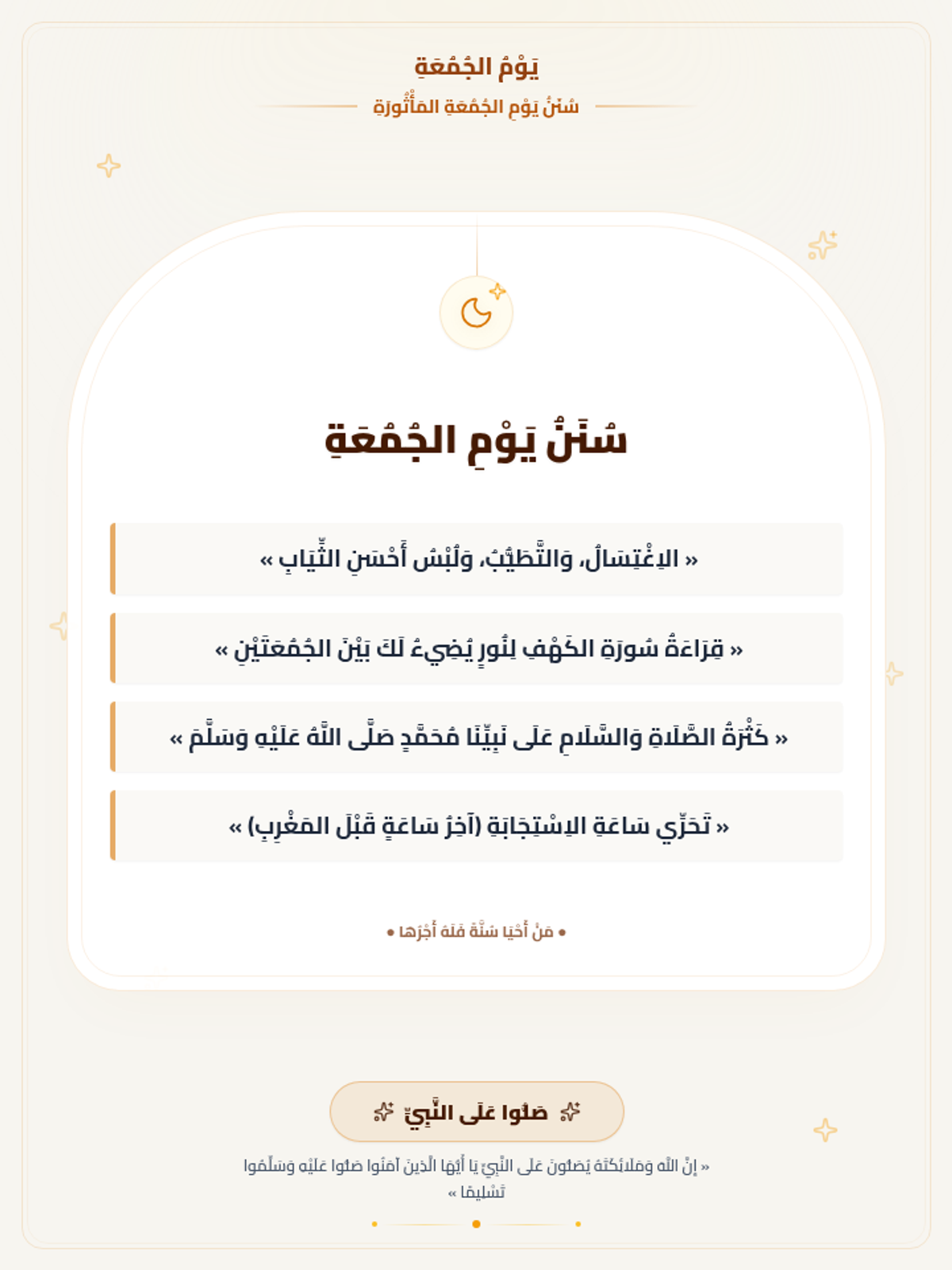
A premium, cohesive collection of beautifully designed spiritual and religious reminders for daily, weekly, and seasonal practices, featuring high-contrast connected Arabic typography, elegant arches, and glowing celestial themes.
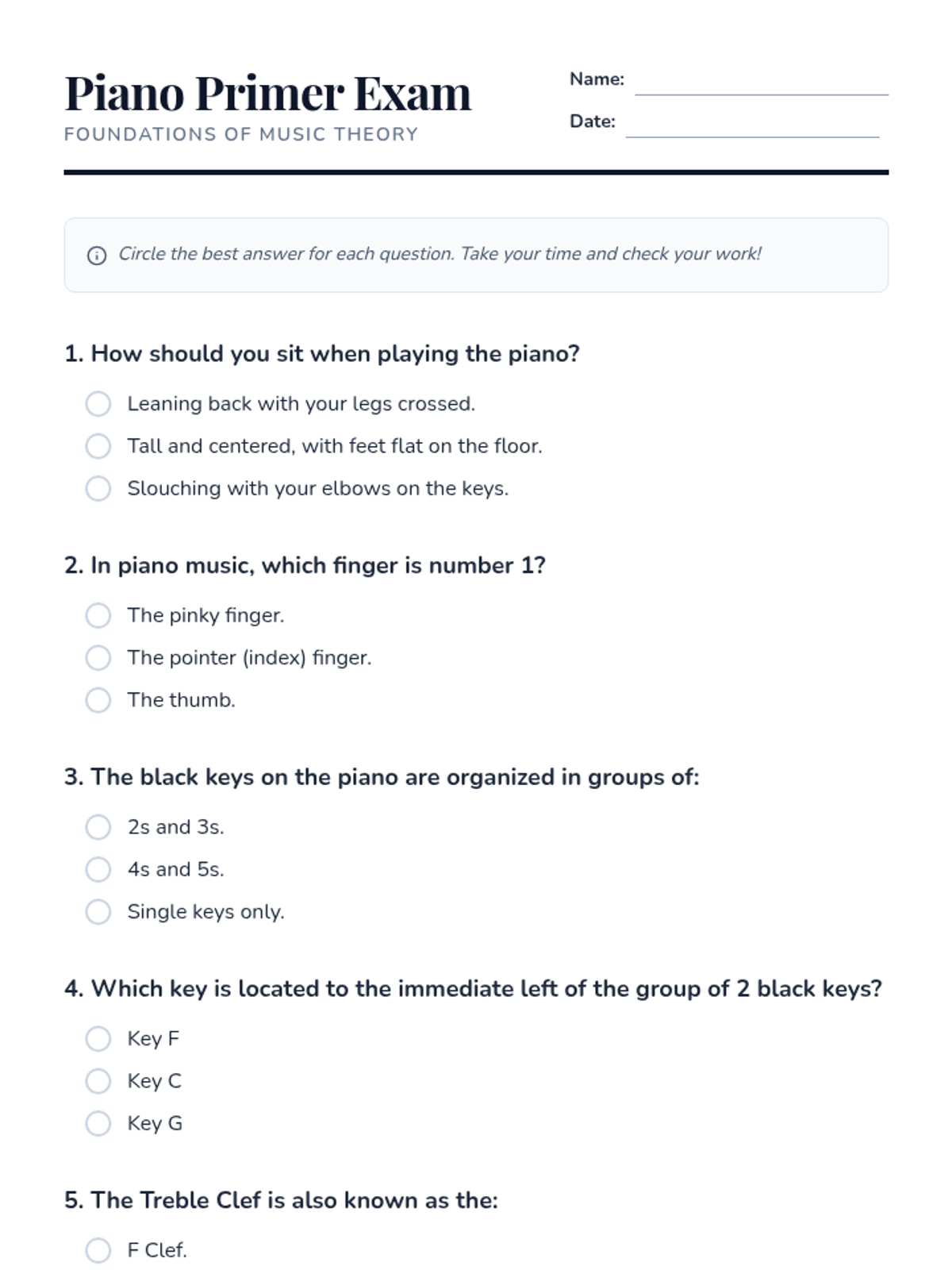
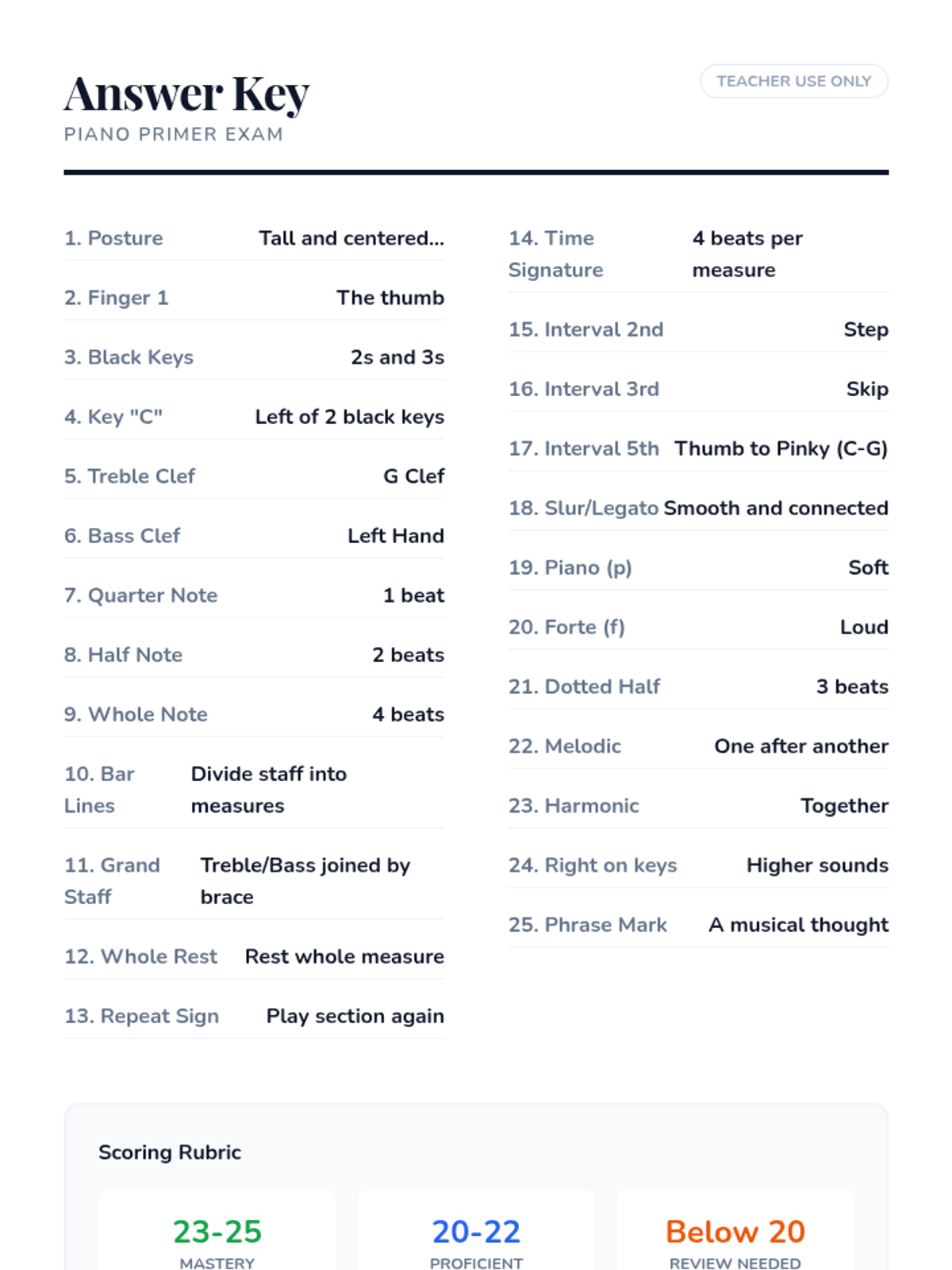
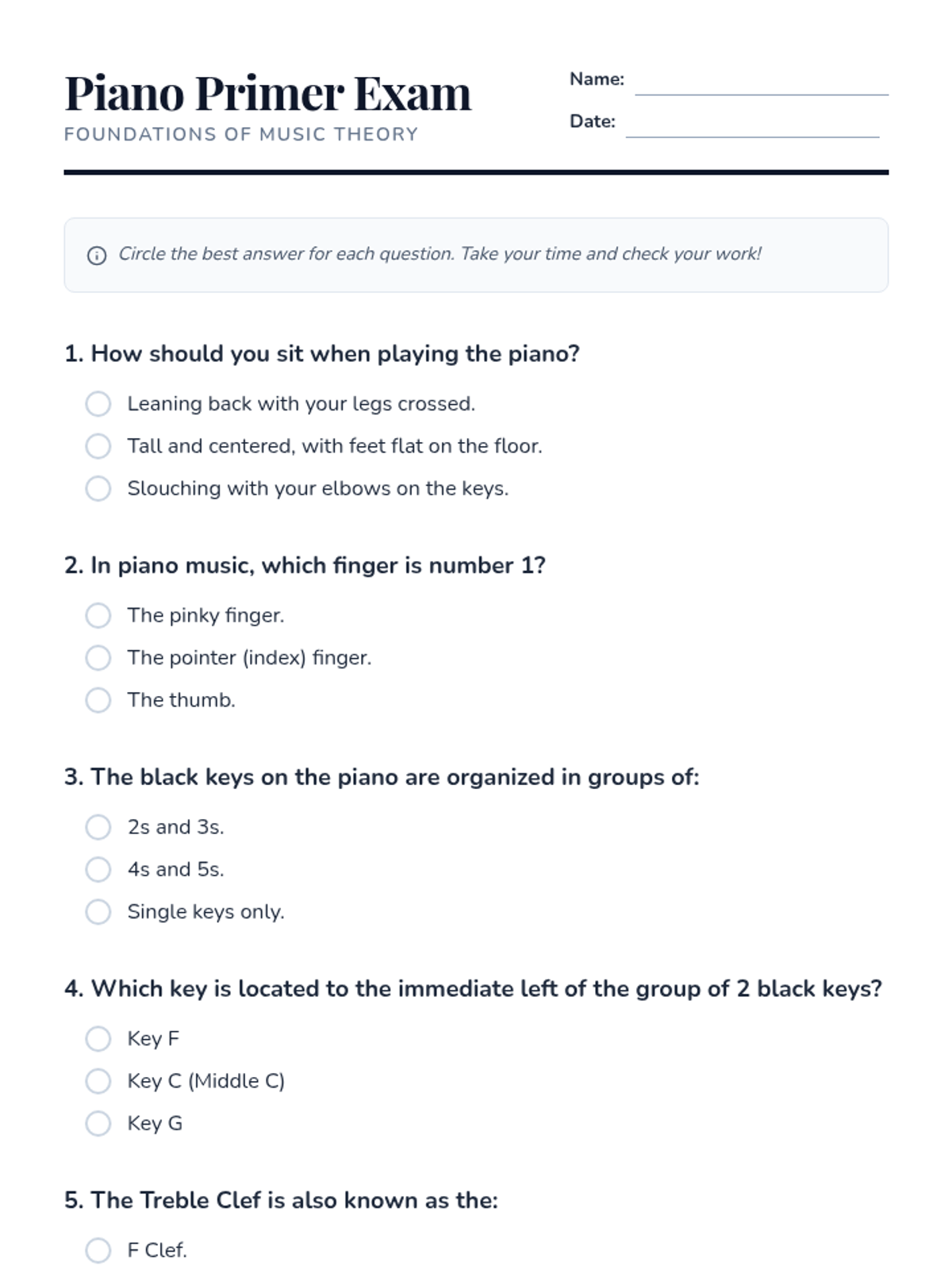
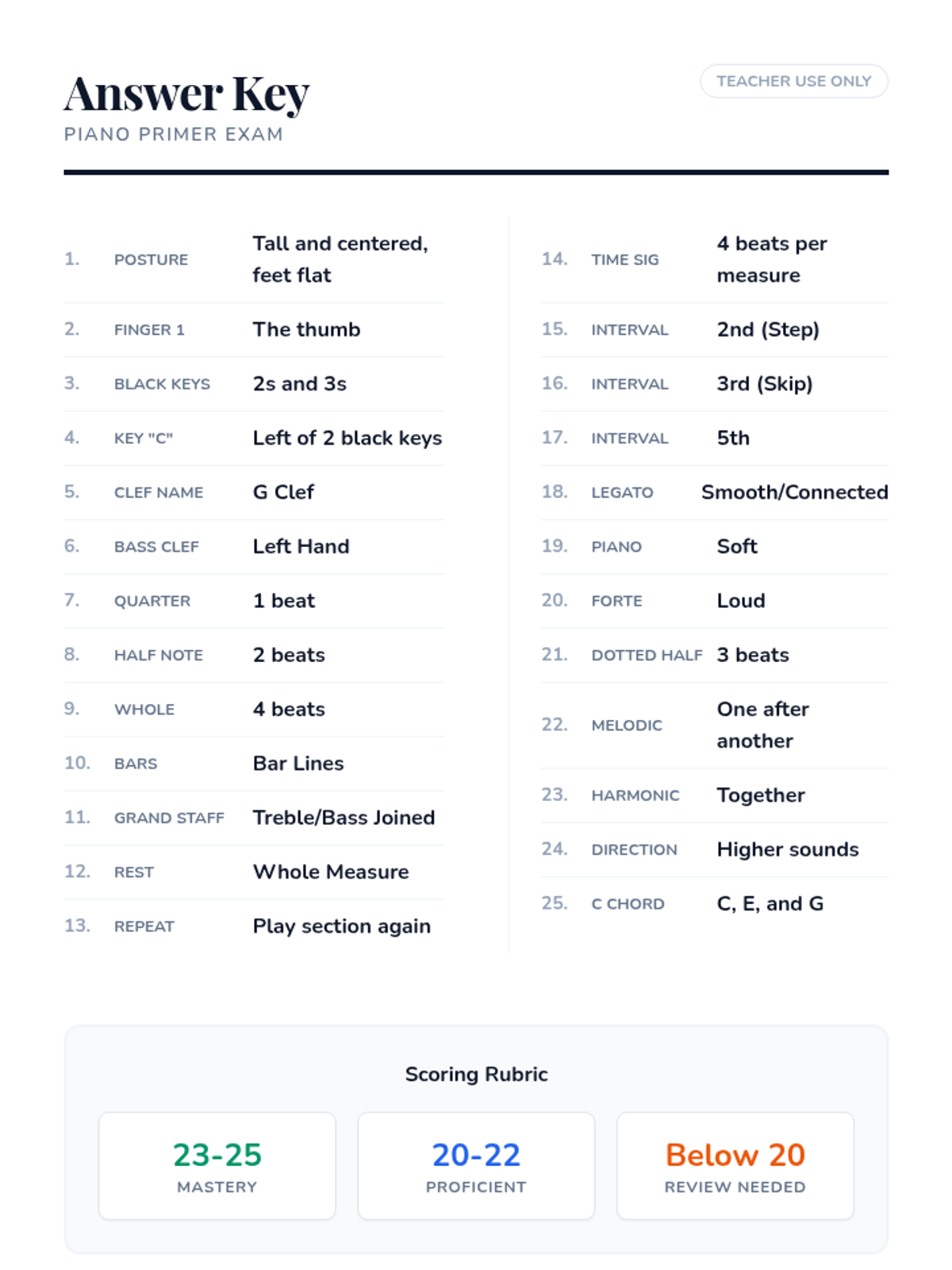
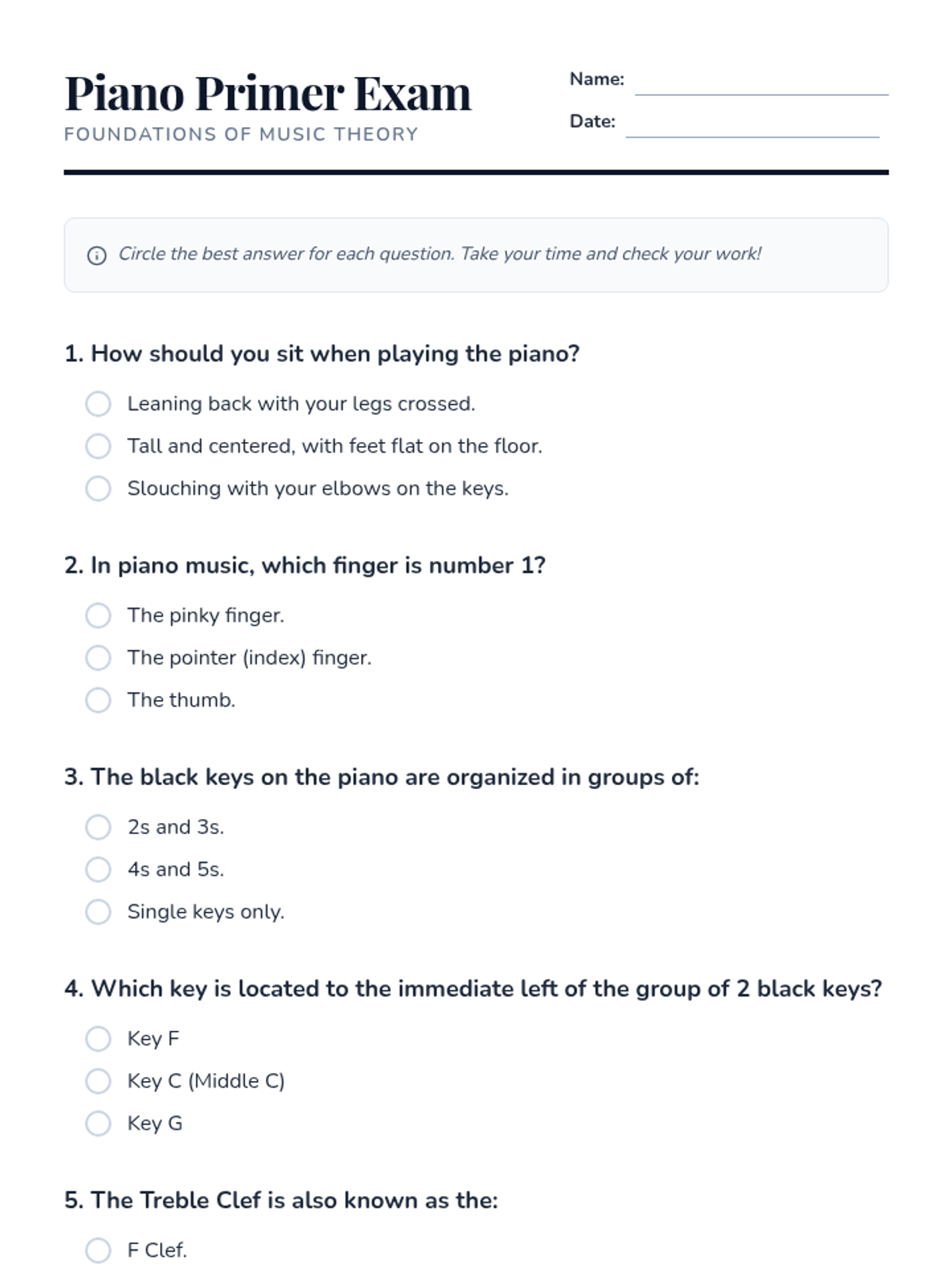
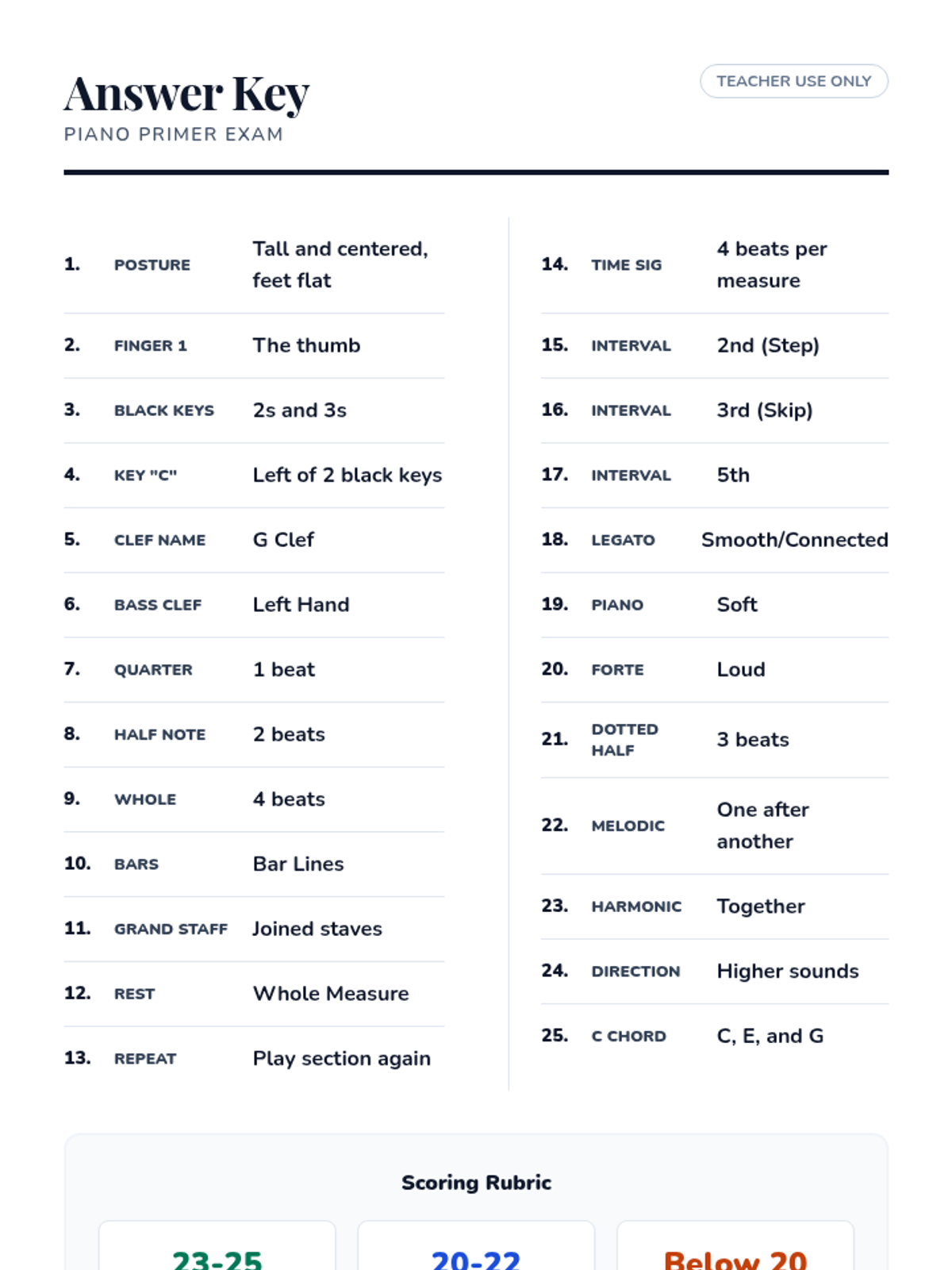
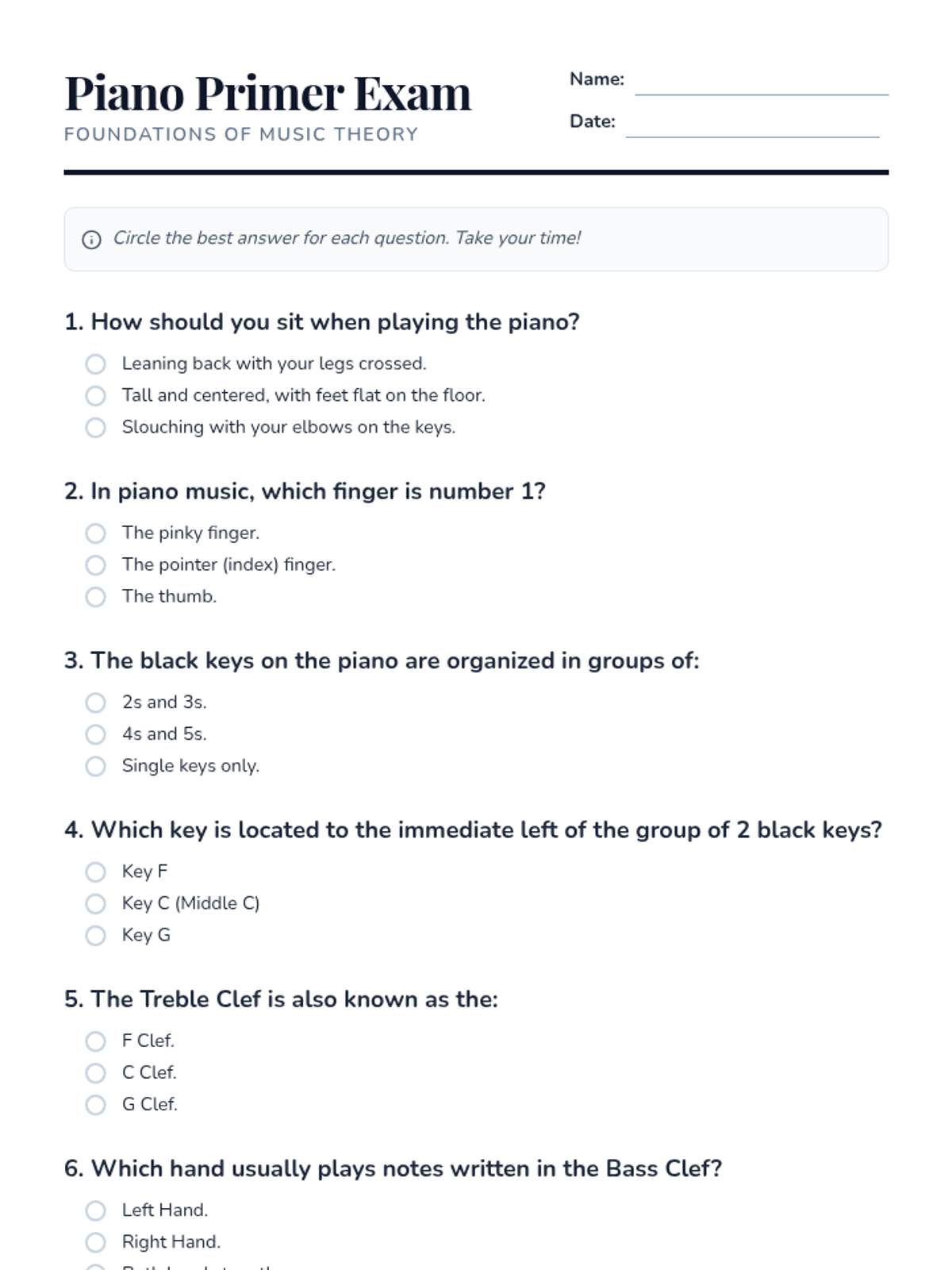
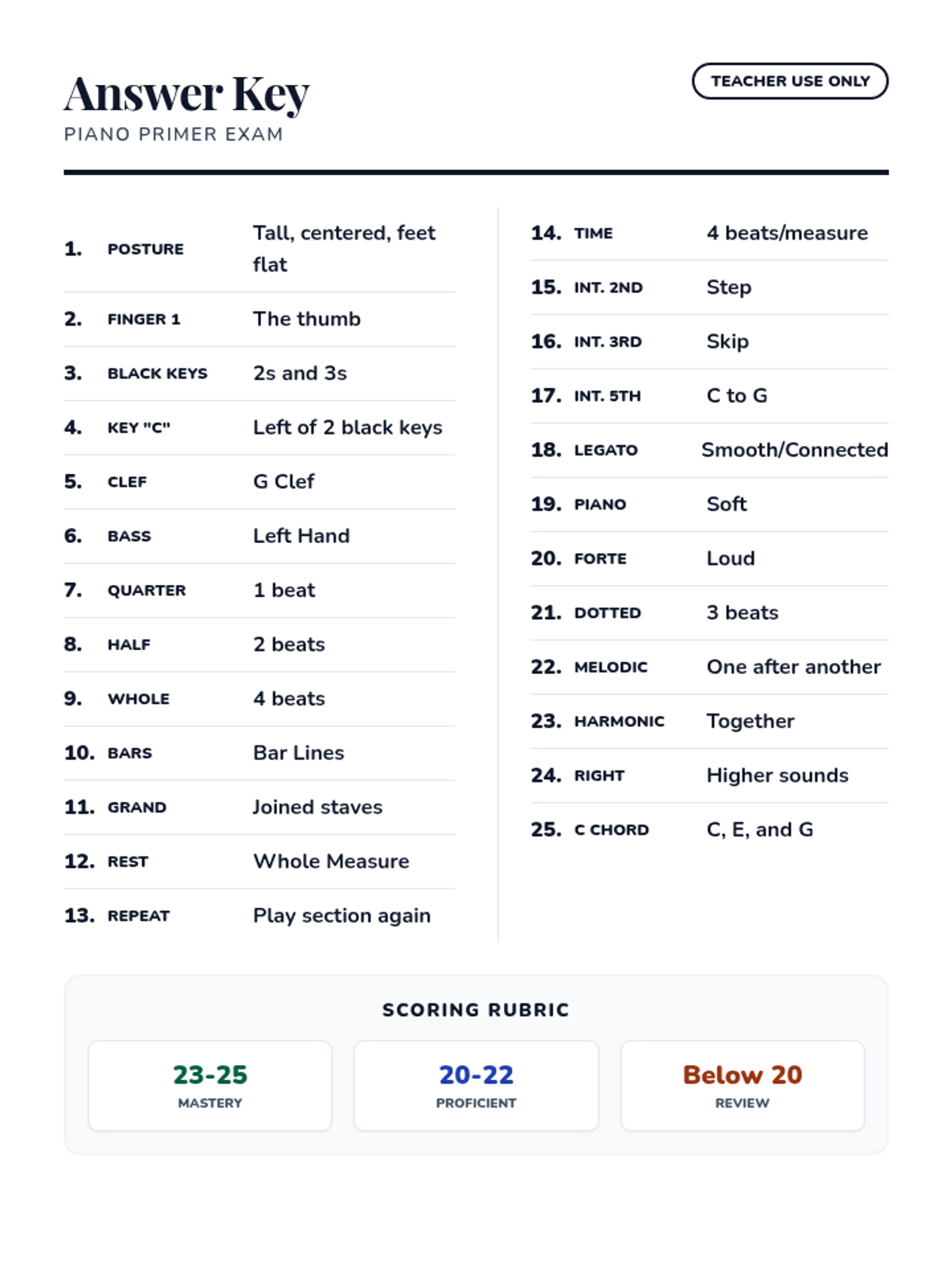
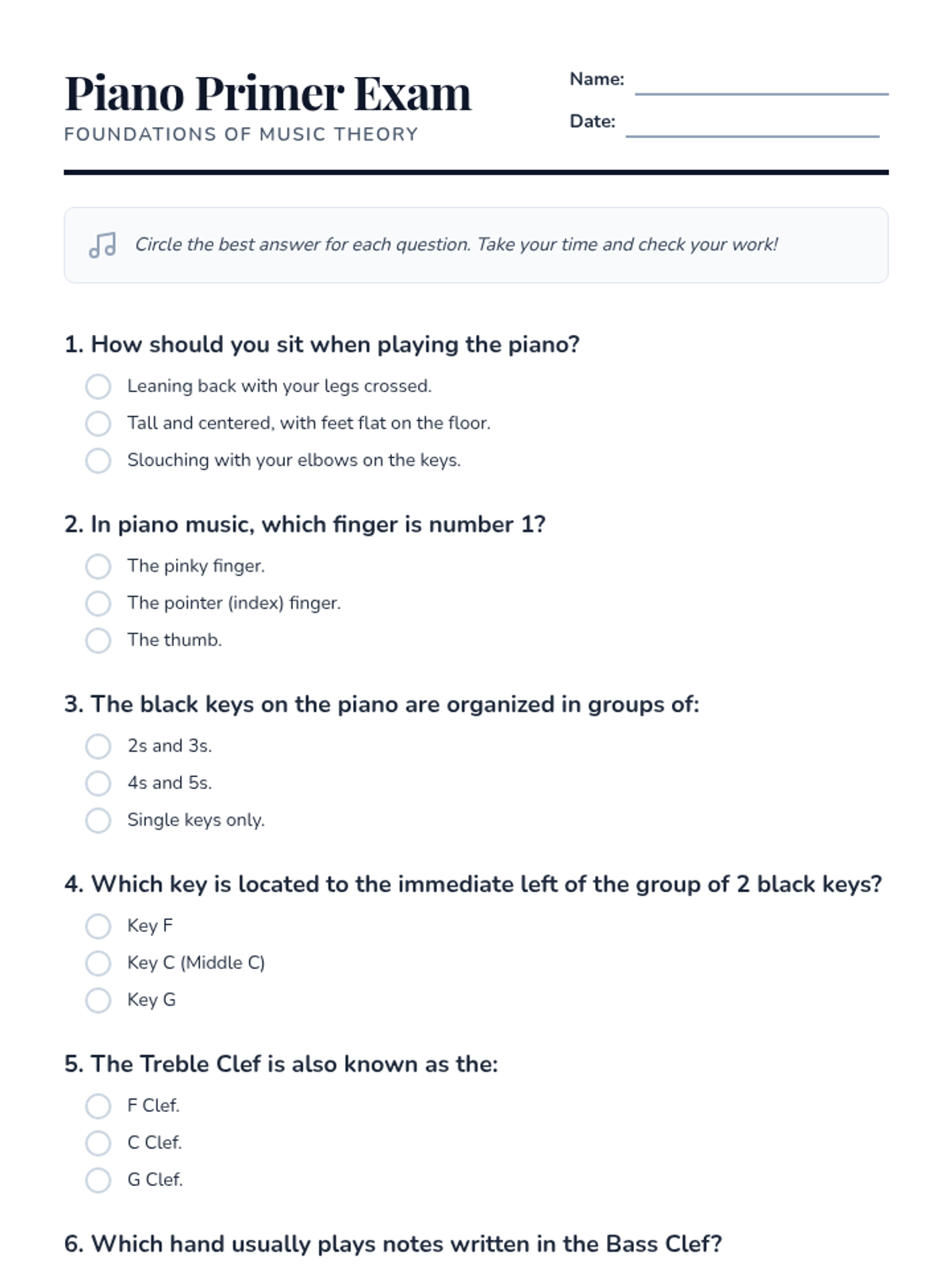
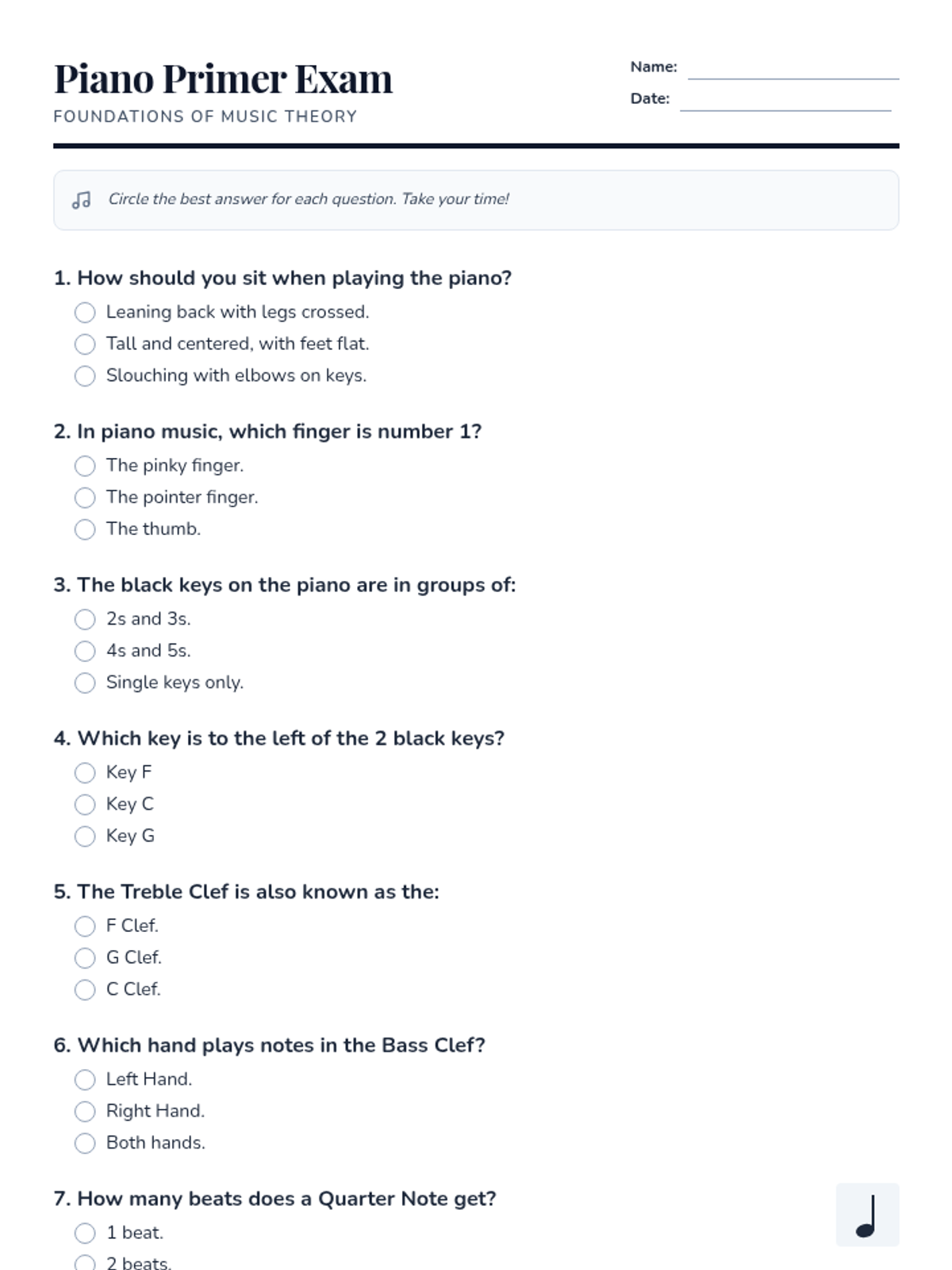
A comprehensive assessment covering foundational piano concepts for beginner students, including posture, notation, rhythms, and basic theory.
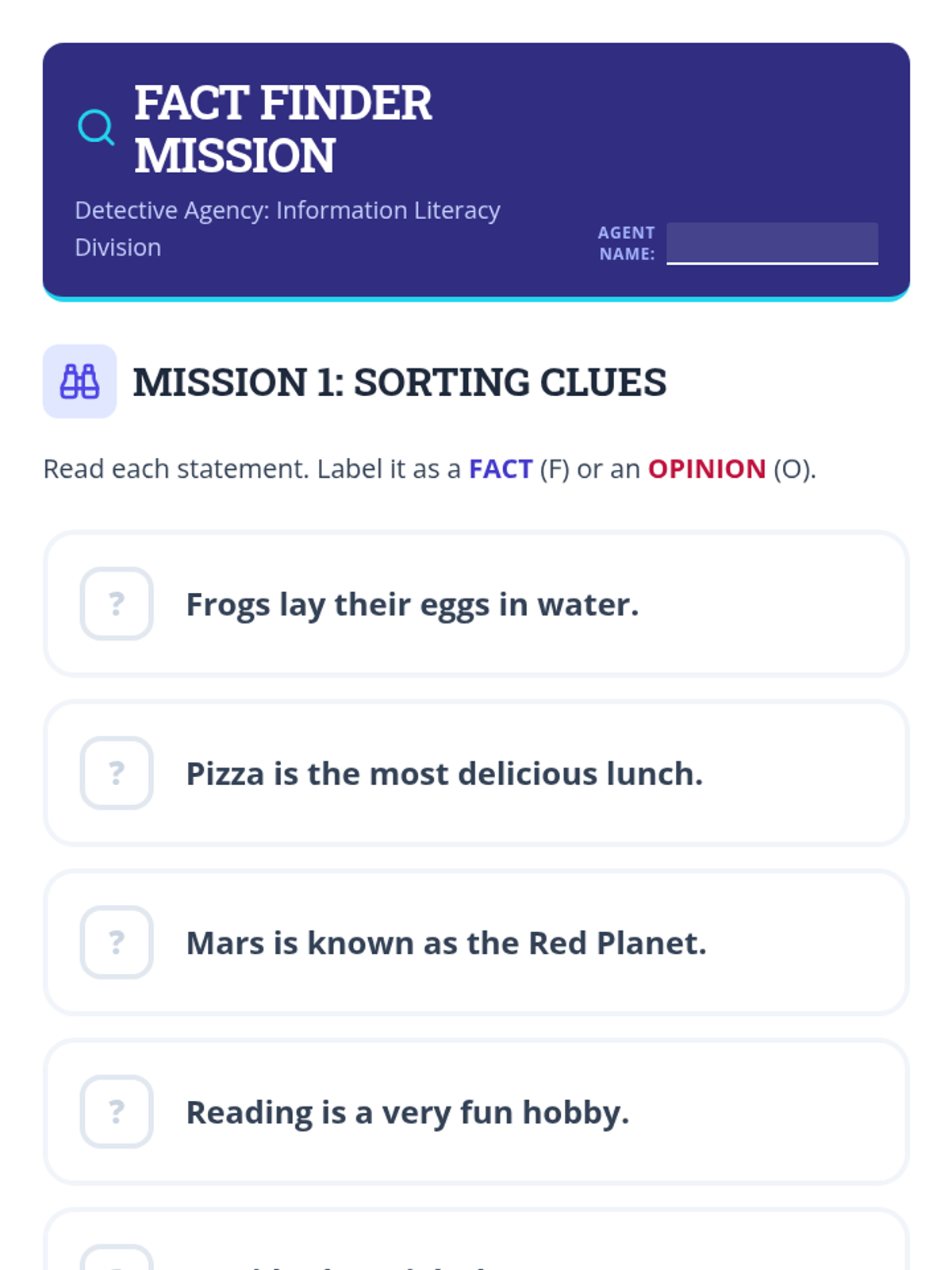
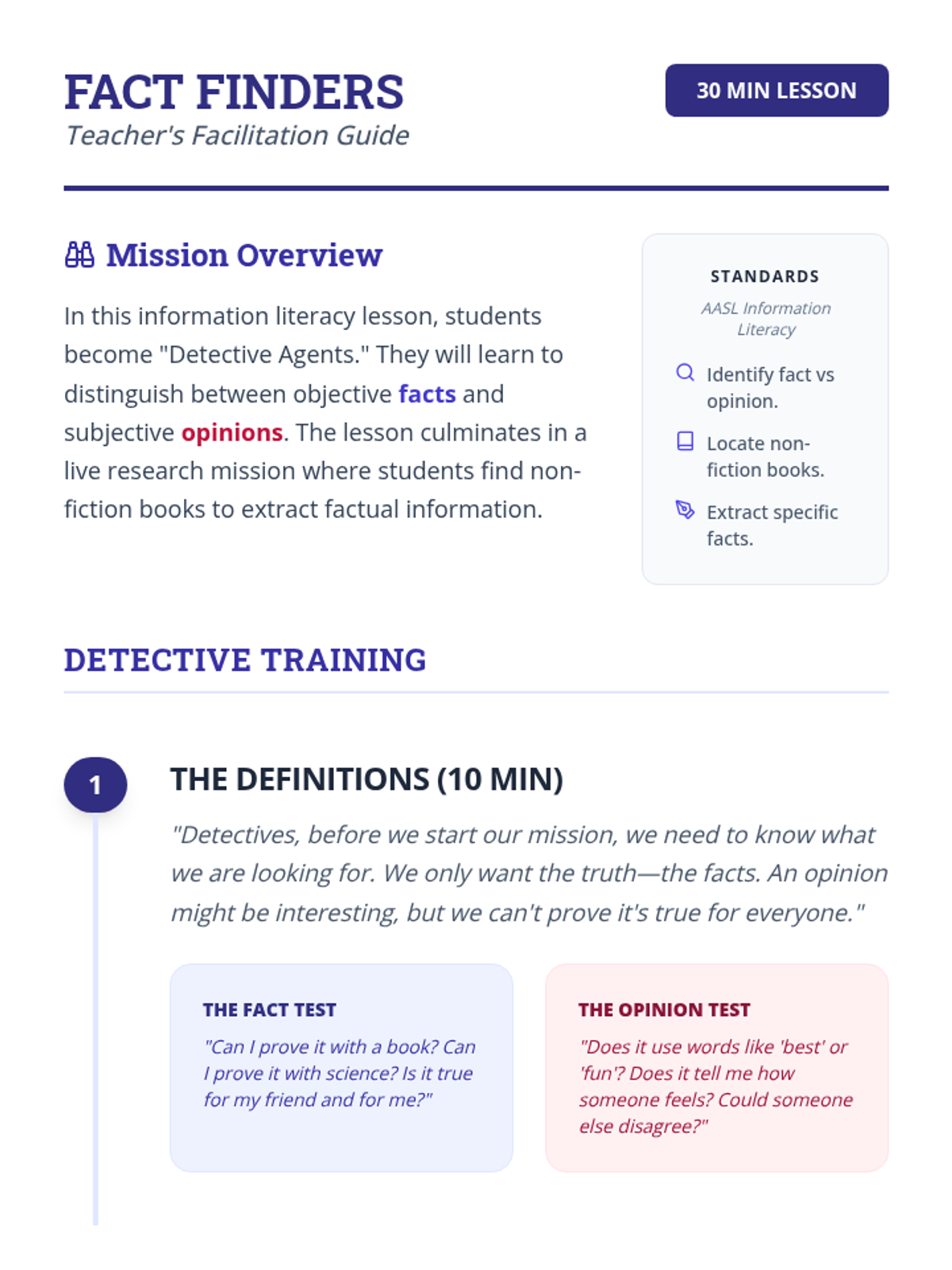
An advanced lesson on information literacy, focusing on distinguishing between facts and opinions and performing basic research 'missions' within the library.
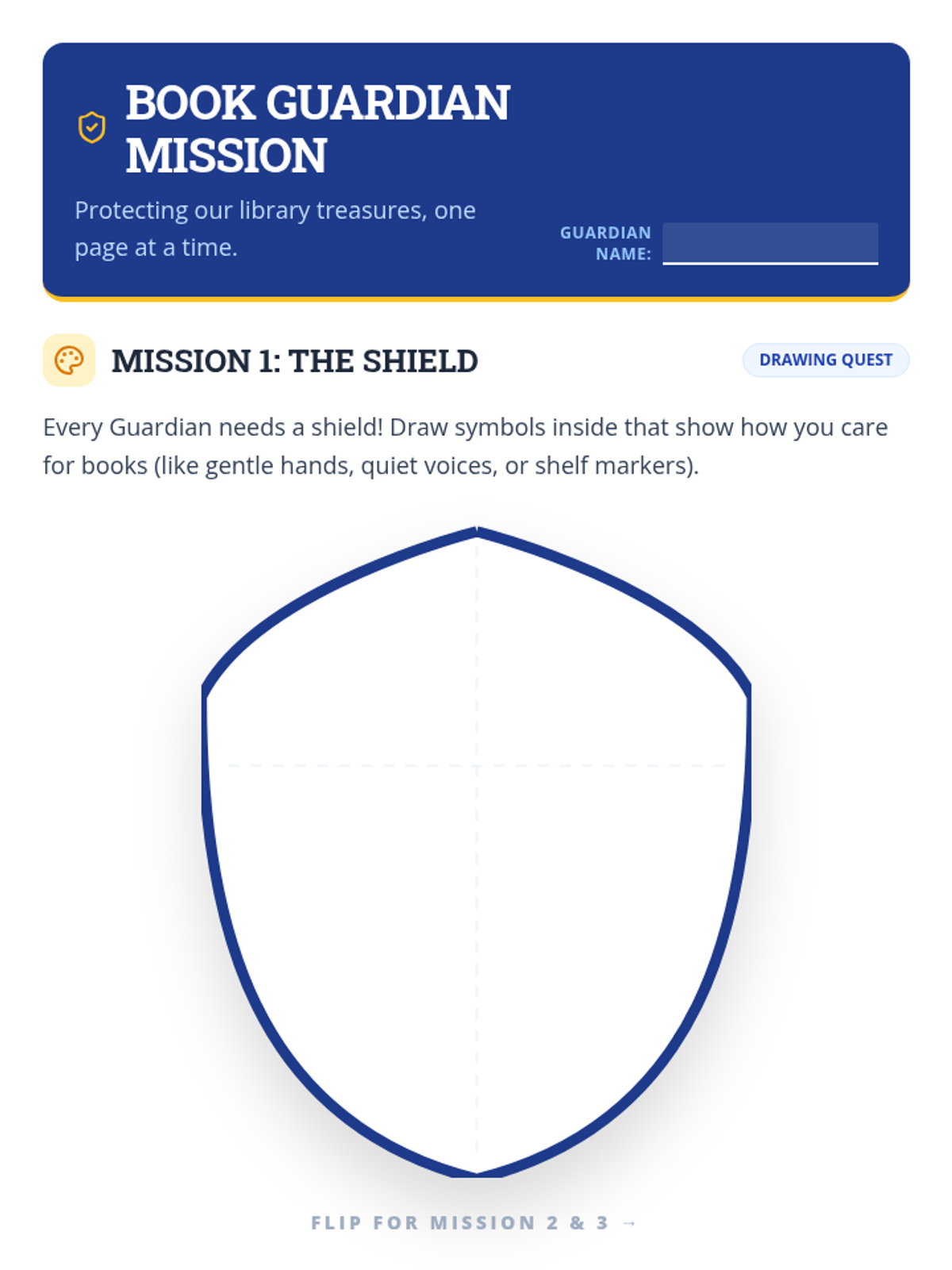
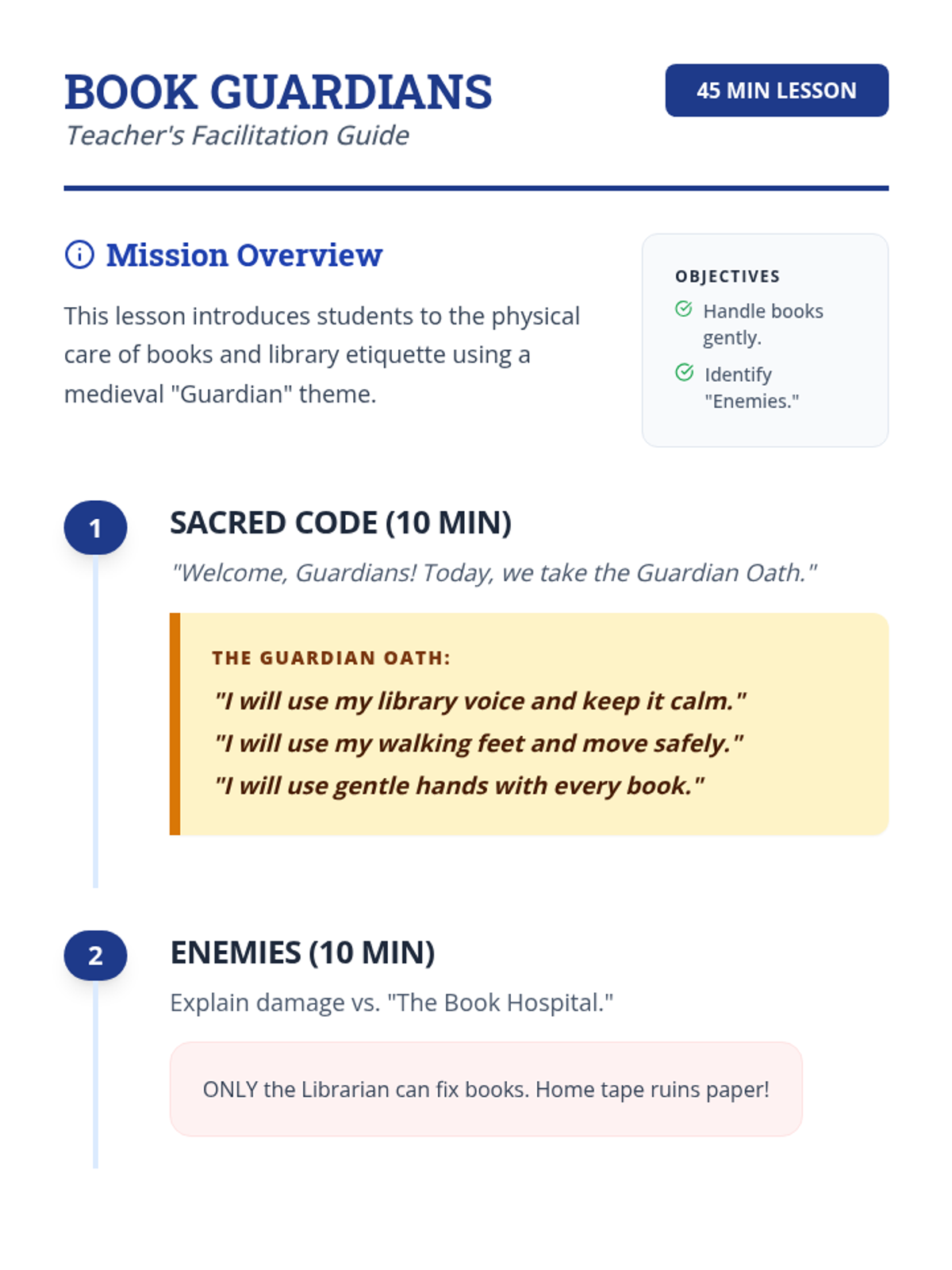
A dedicated lesson on the physical care of books and library etiquette. Students take the 'Guardian Oath' and learn to protect library treasures from 'The Enemies of the Book' while mastering the use of shelf markers.
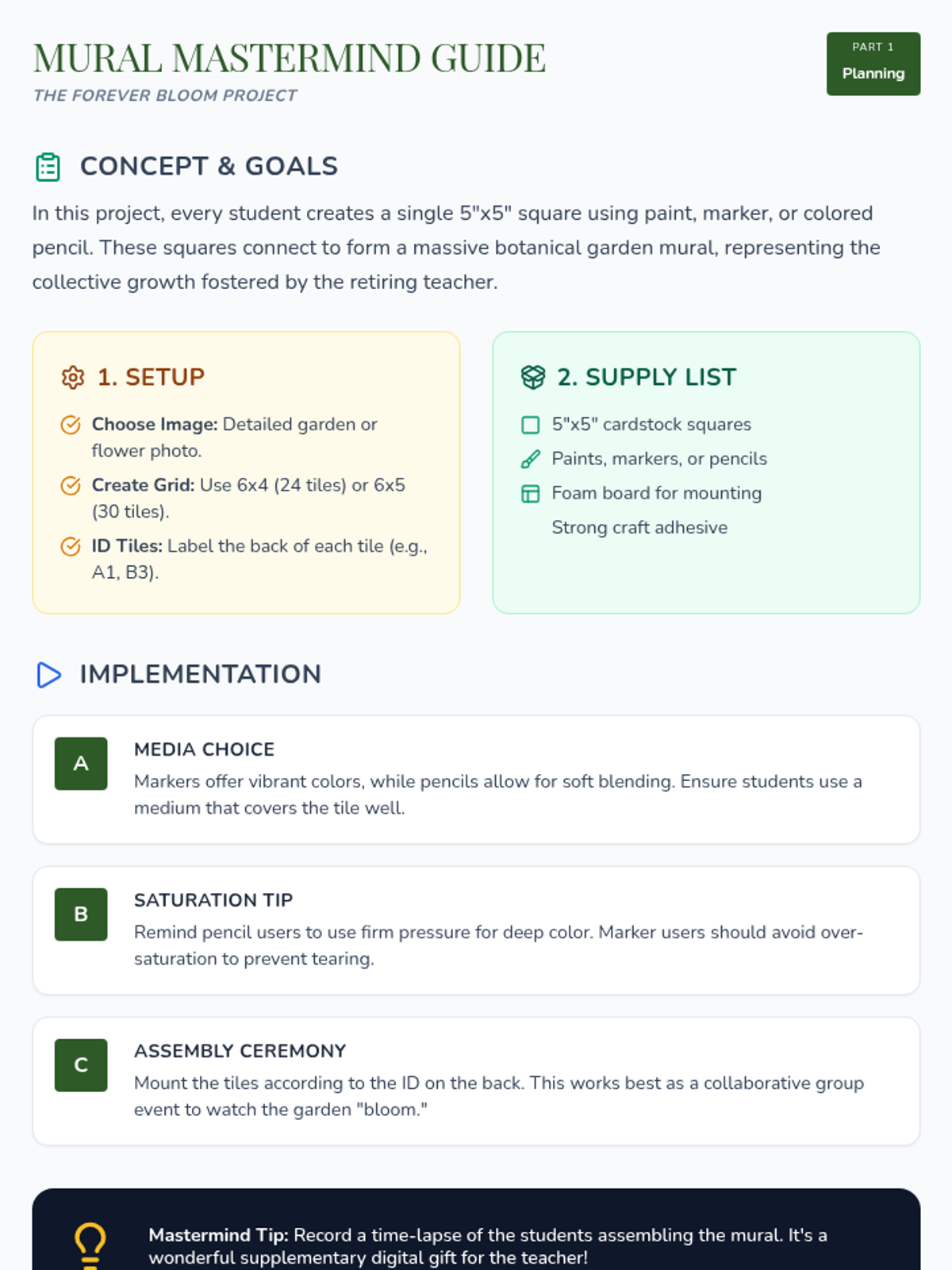
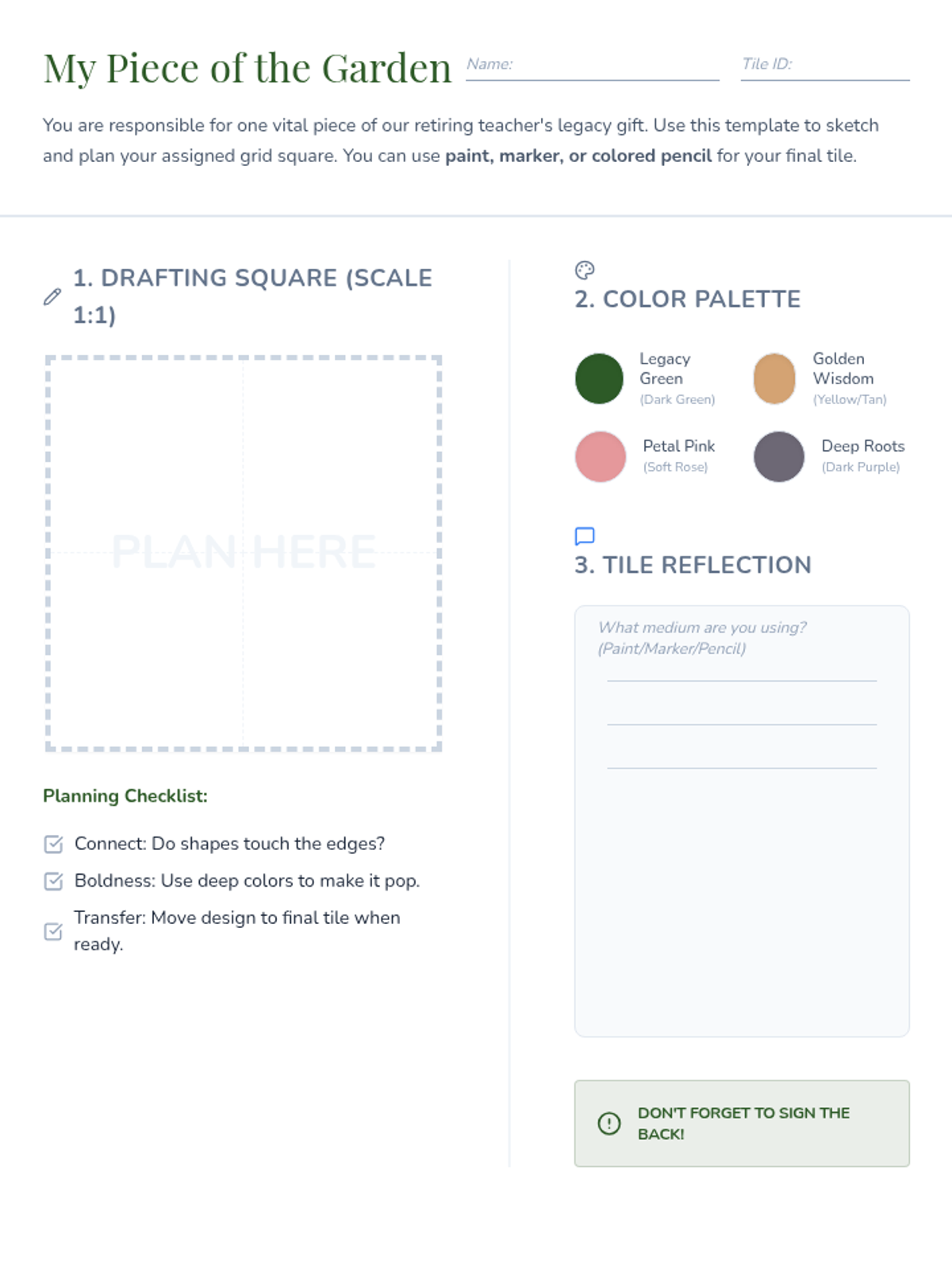
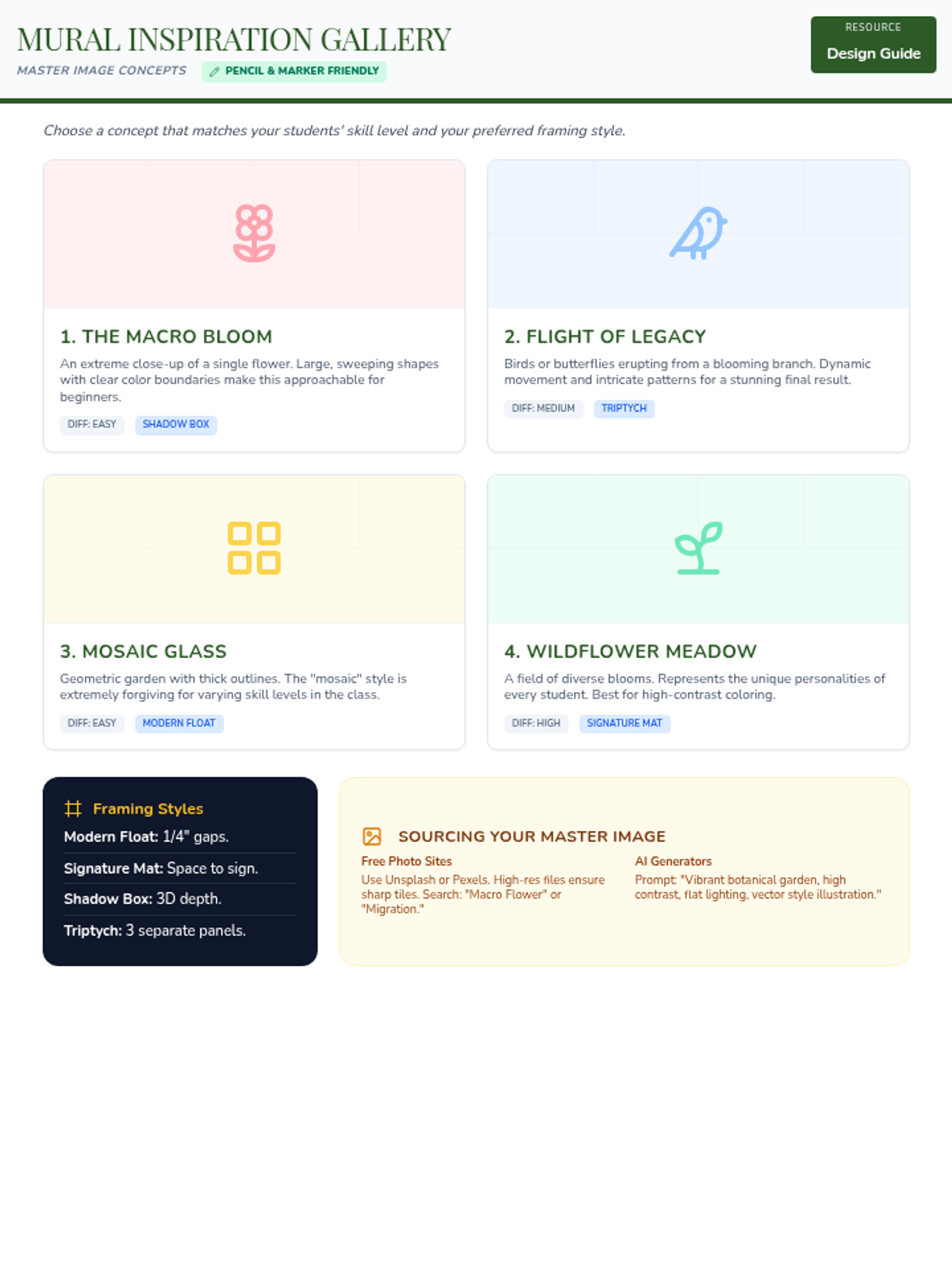
Students explore the theme of 'Blooming' through a collaborative grid mural project, where each individual piece contributes to a larger-than-life garden masterpiece for a retiring teacher.
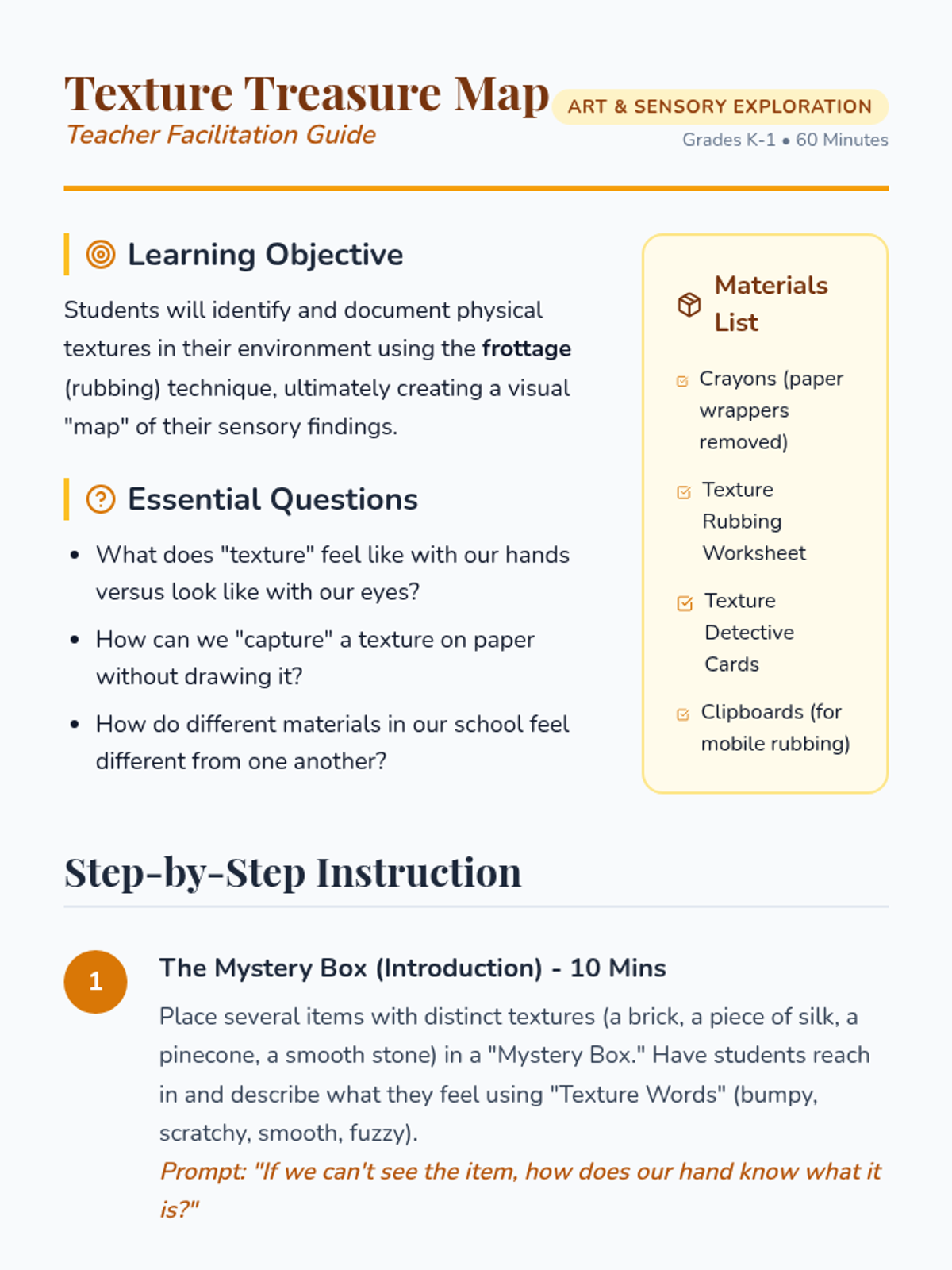
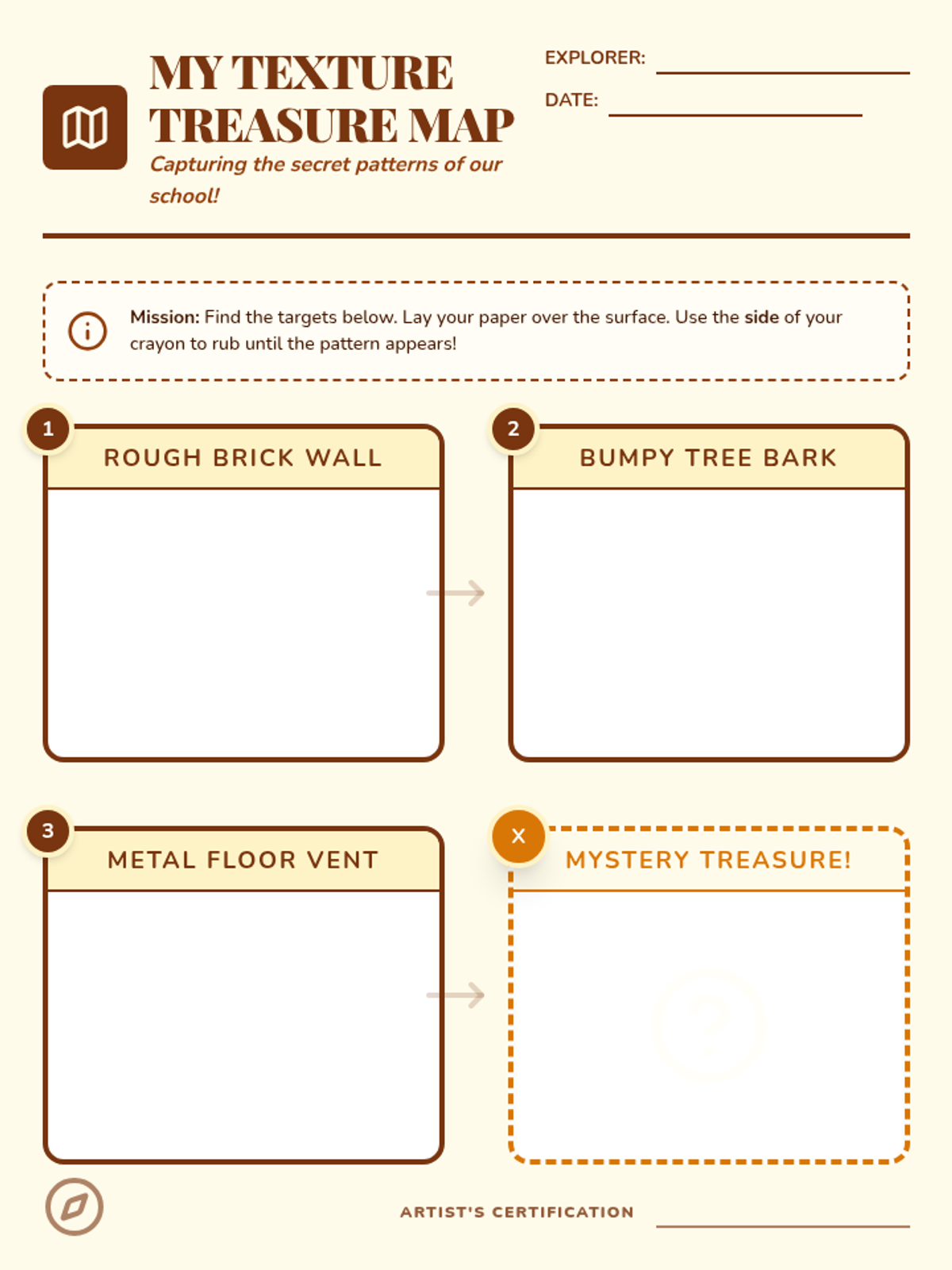
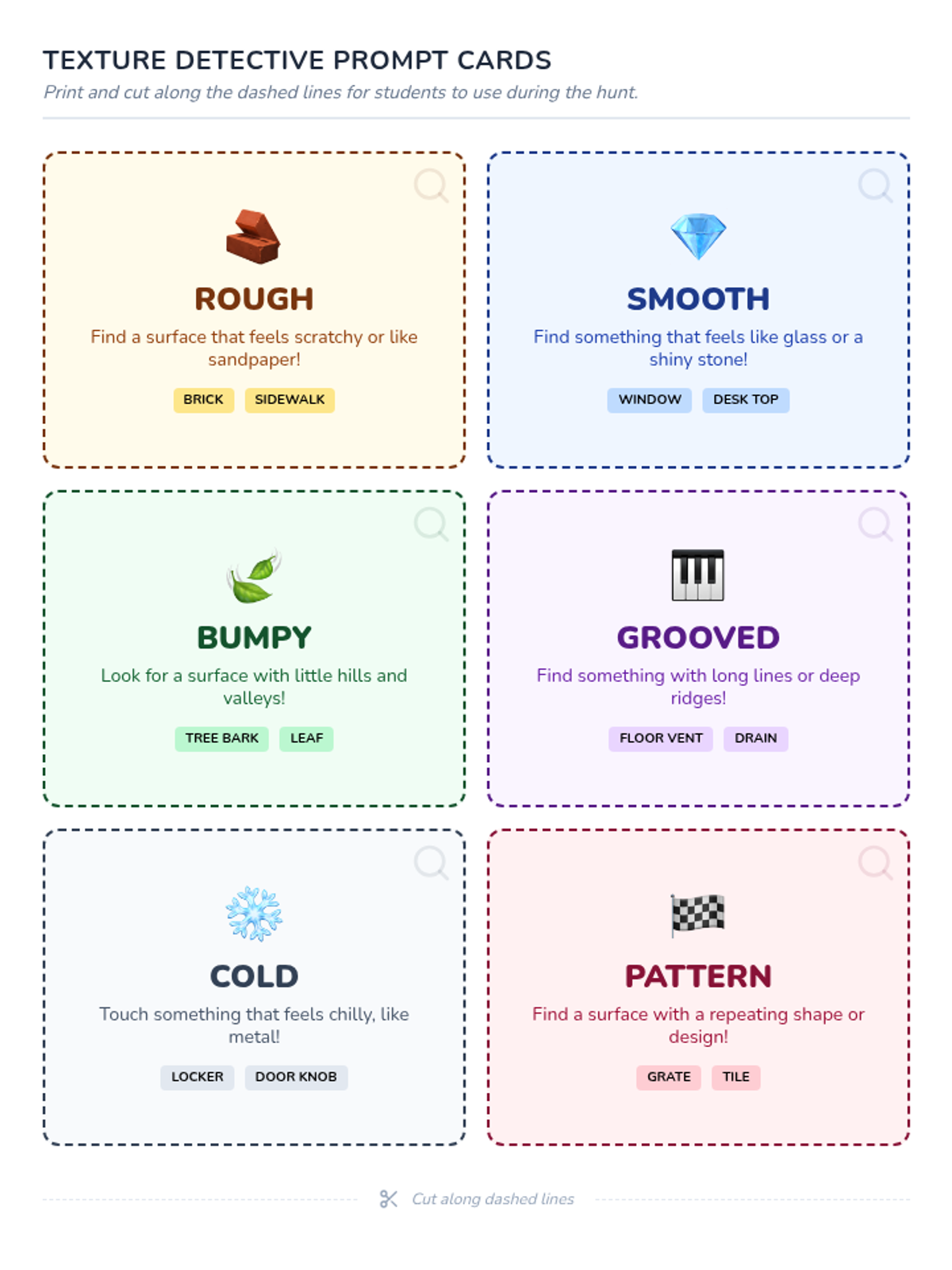
A sensory art lesson where young students use the frottage technique to create a texture map of their school, connecting tactile exploration with artistic documentation.
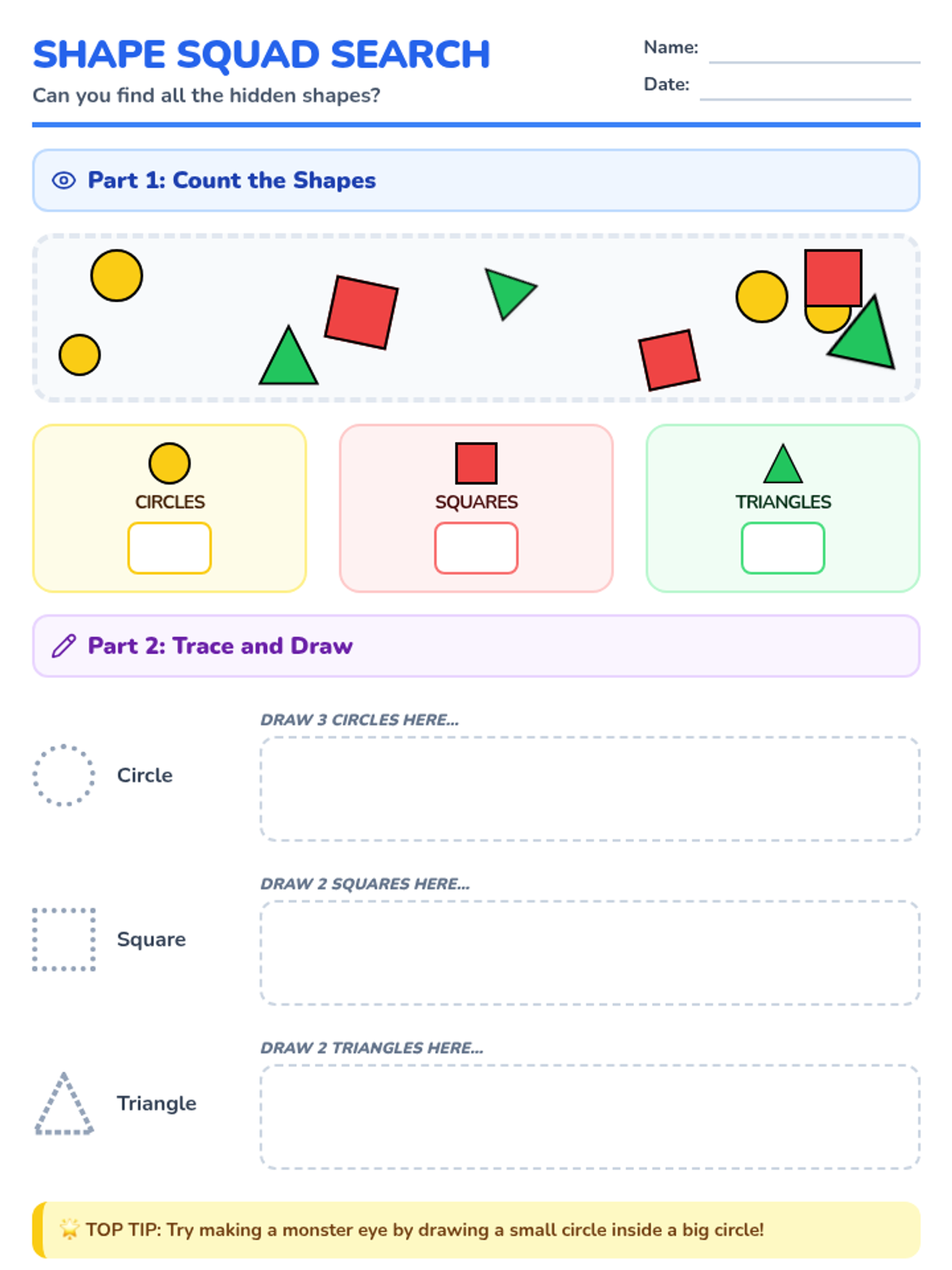
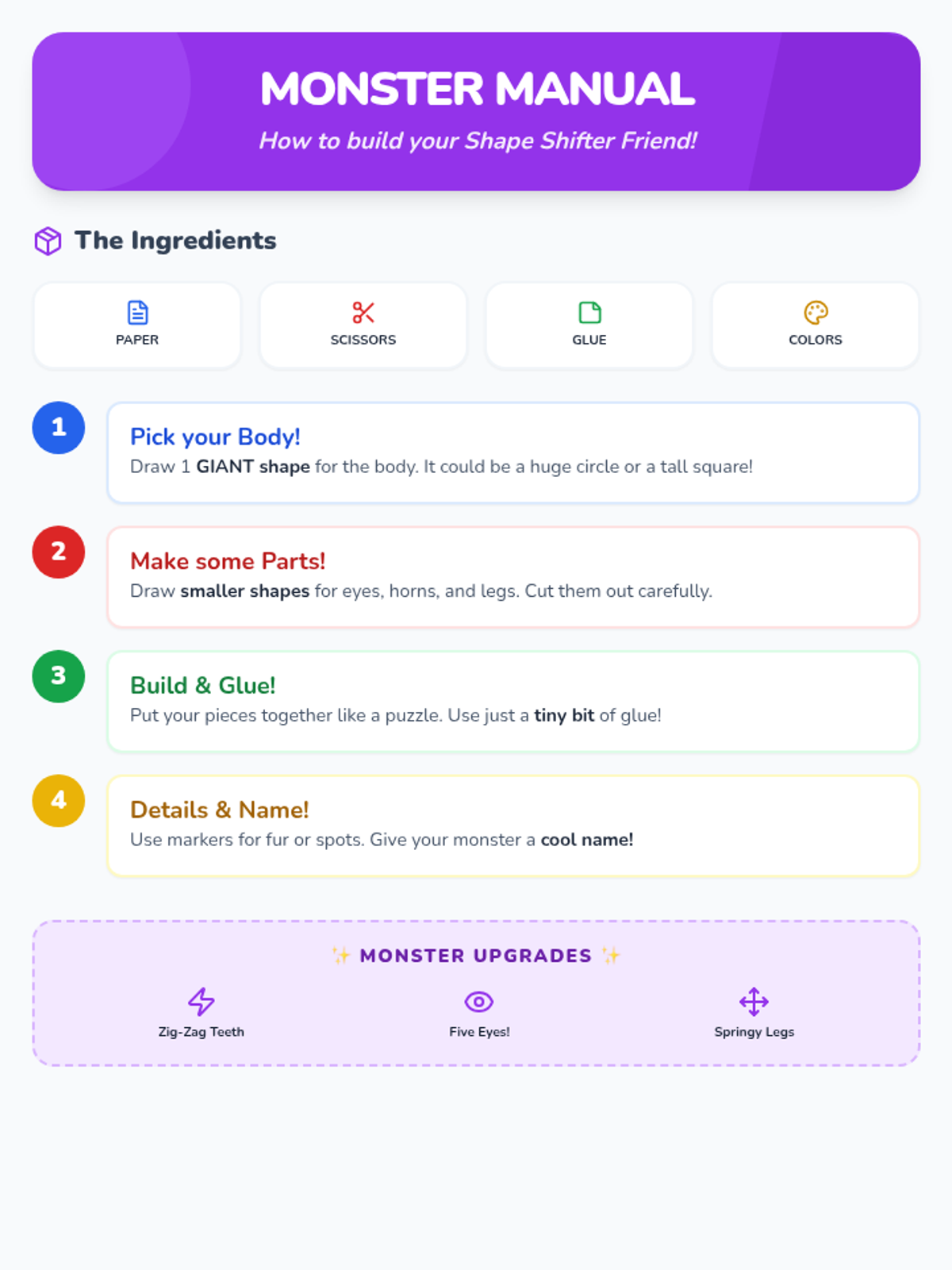
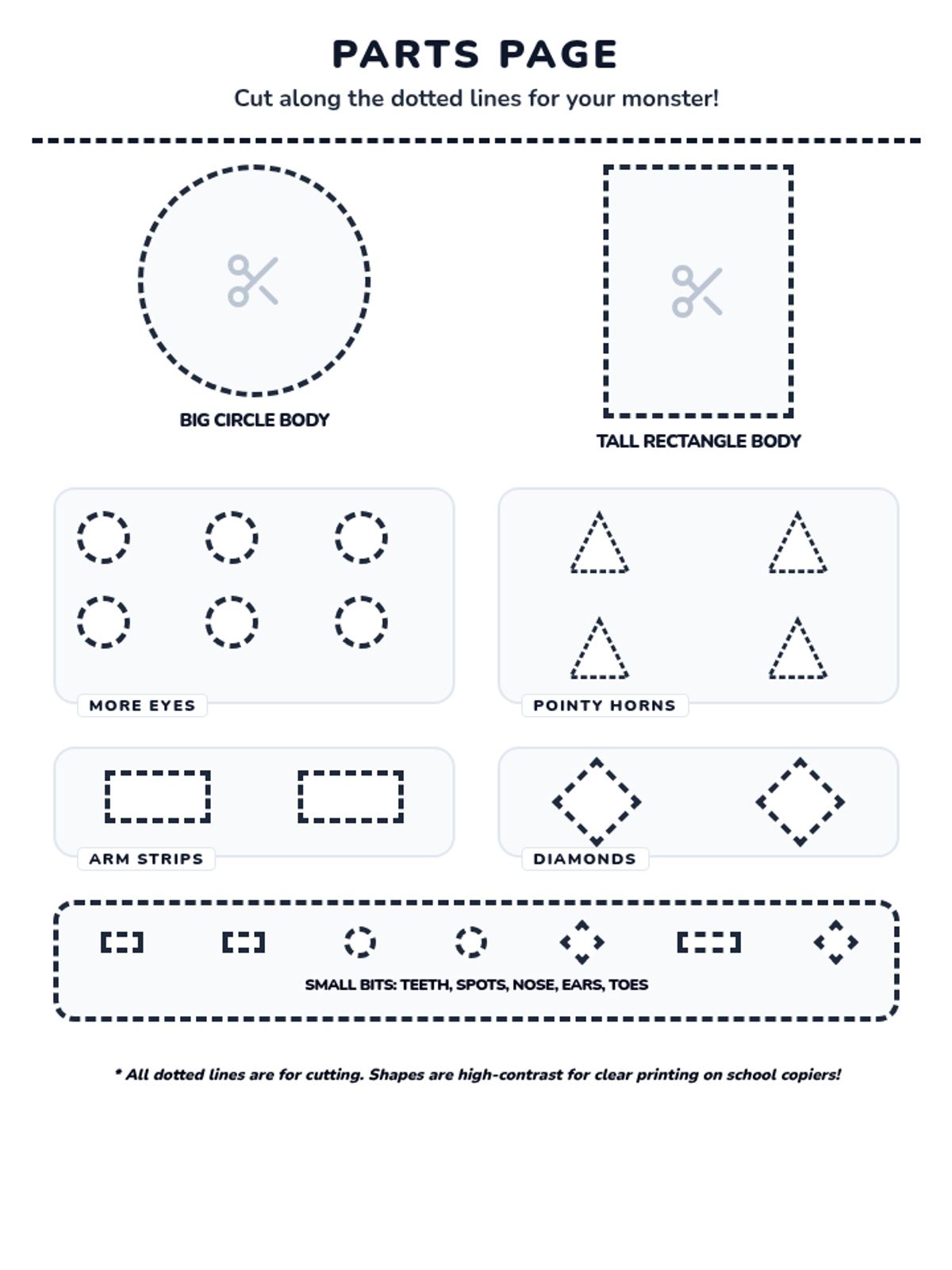
A creative and educational craft lesson where students use geometric shapes to design and build their own 'Shape Shifter' monsters, practicing fine motor skills and shape recognition.
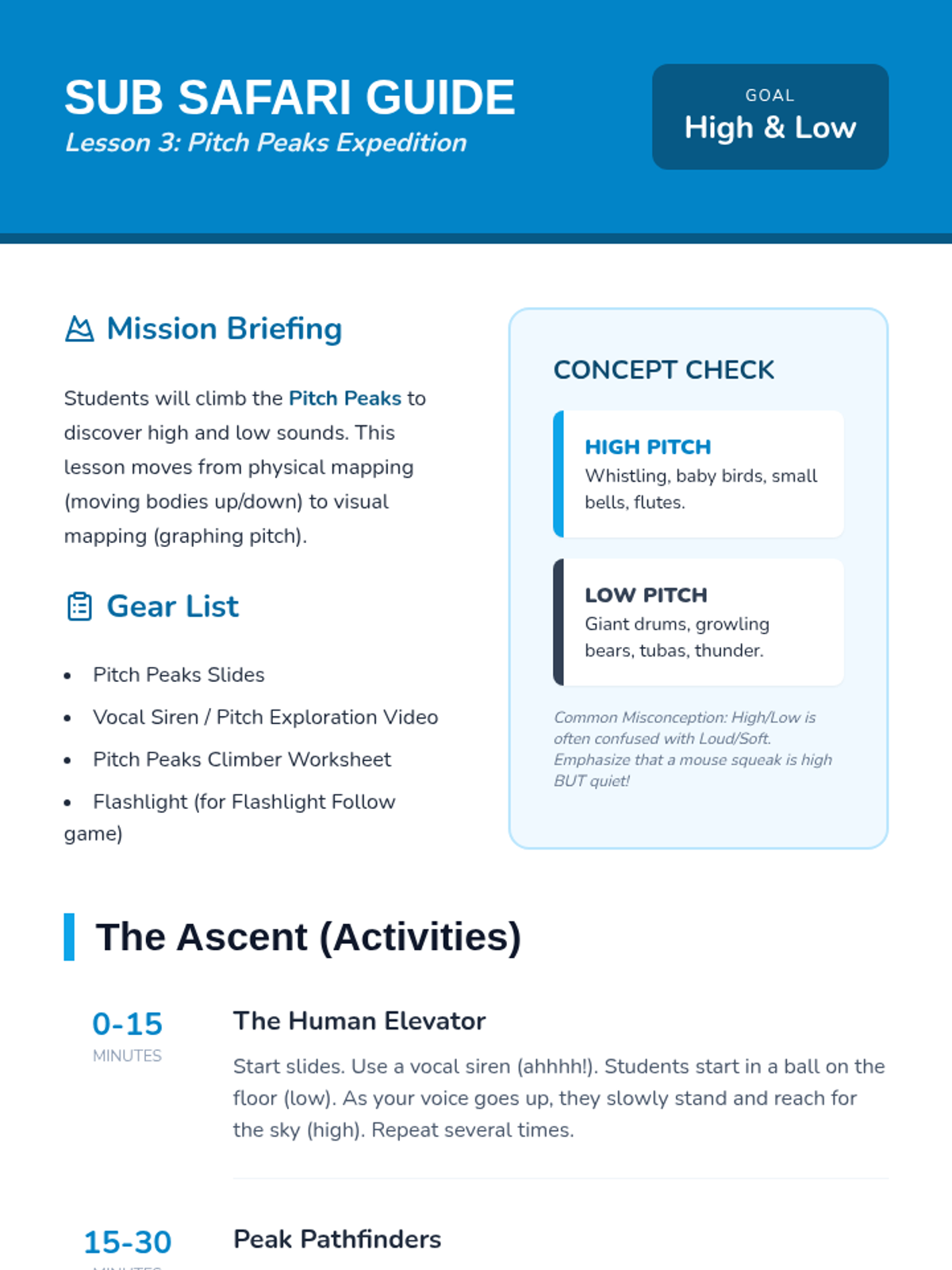
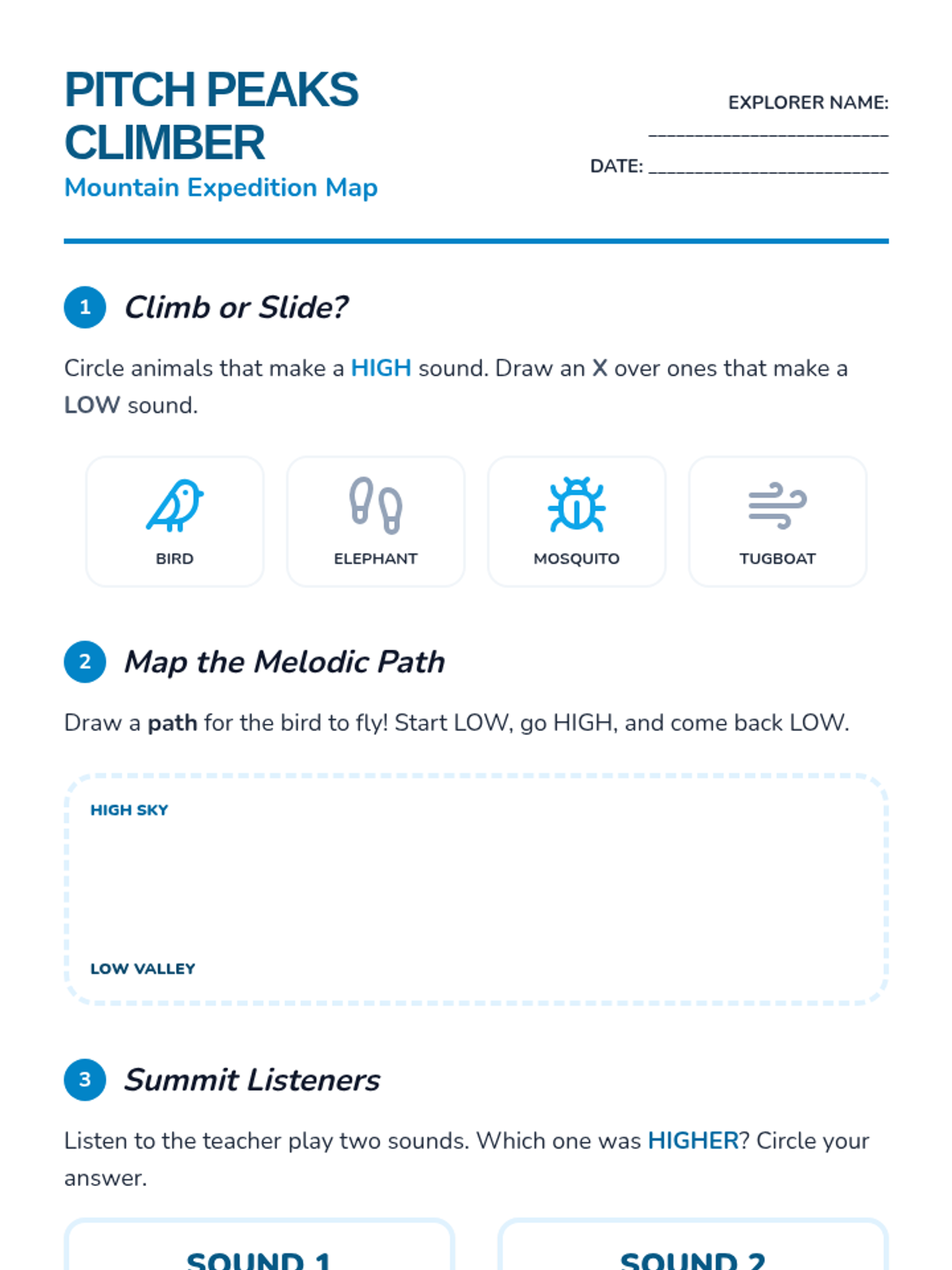
Students climb the musical mountains to distinguish between high and low sounds through active listening and visual mapping.
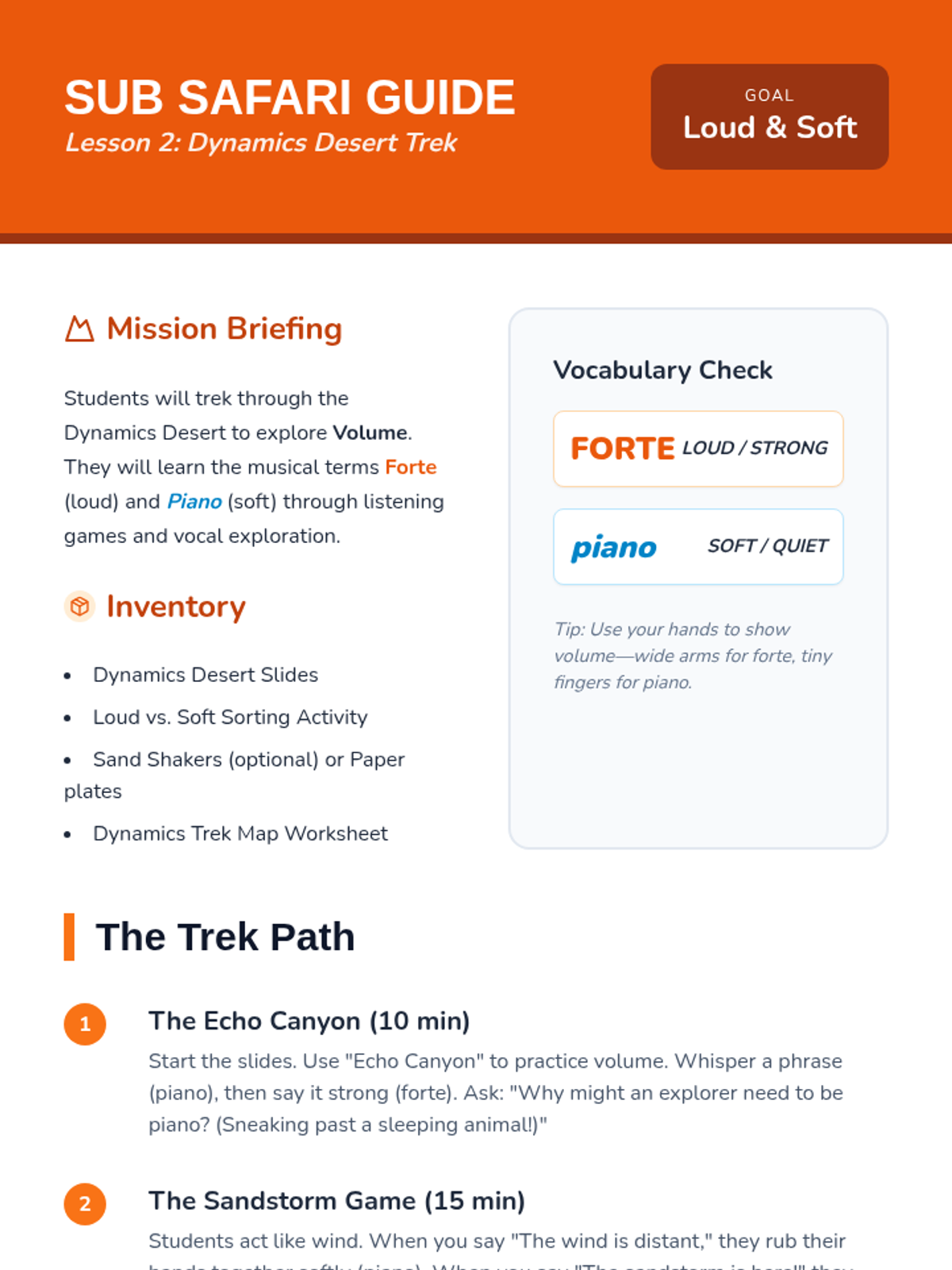
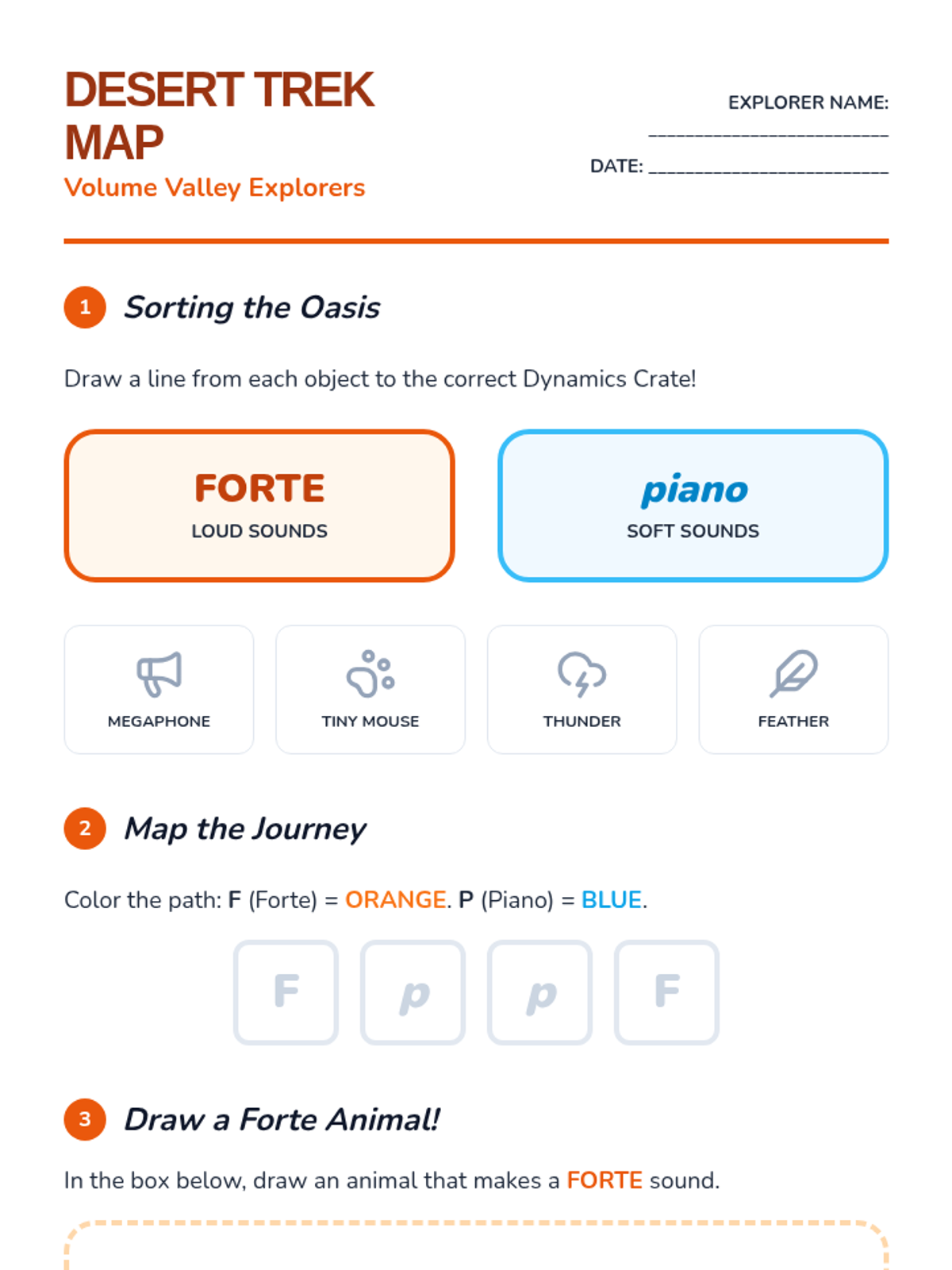
An adventure through the desert to discover piano and forte, using environmental sounds and vocal exploration to understand volume.
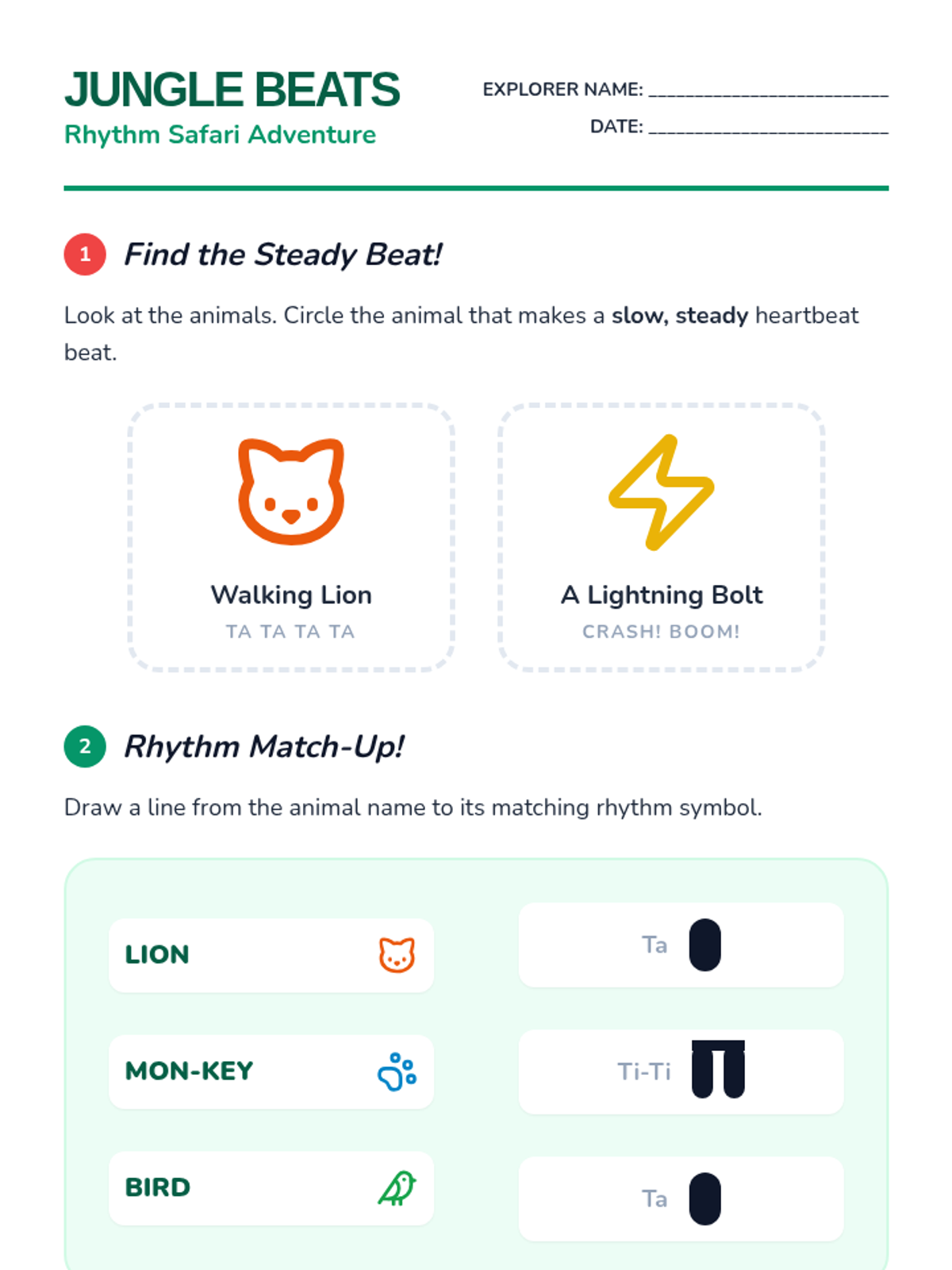
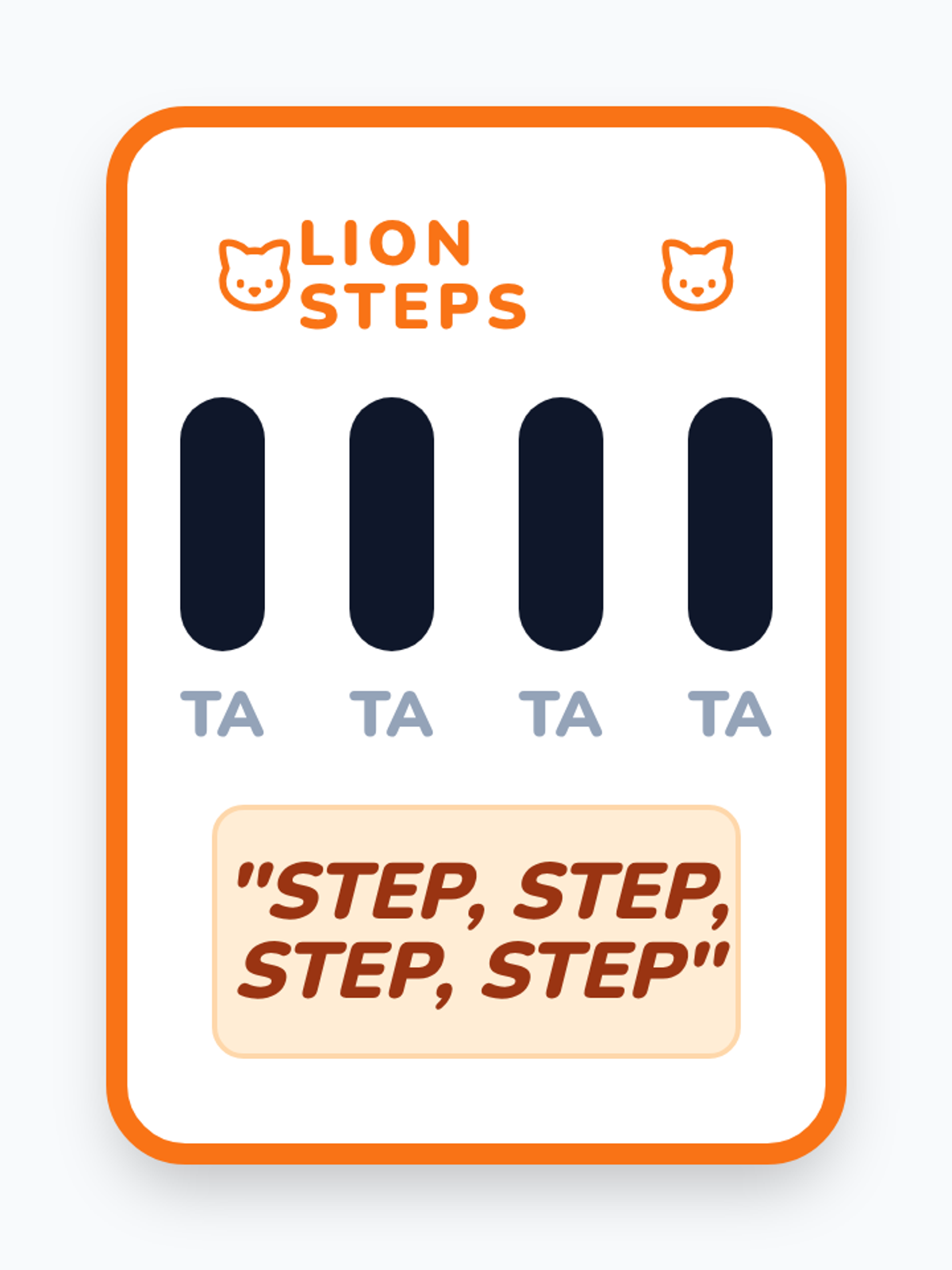
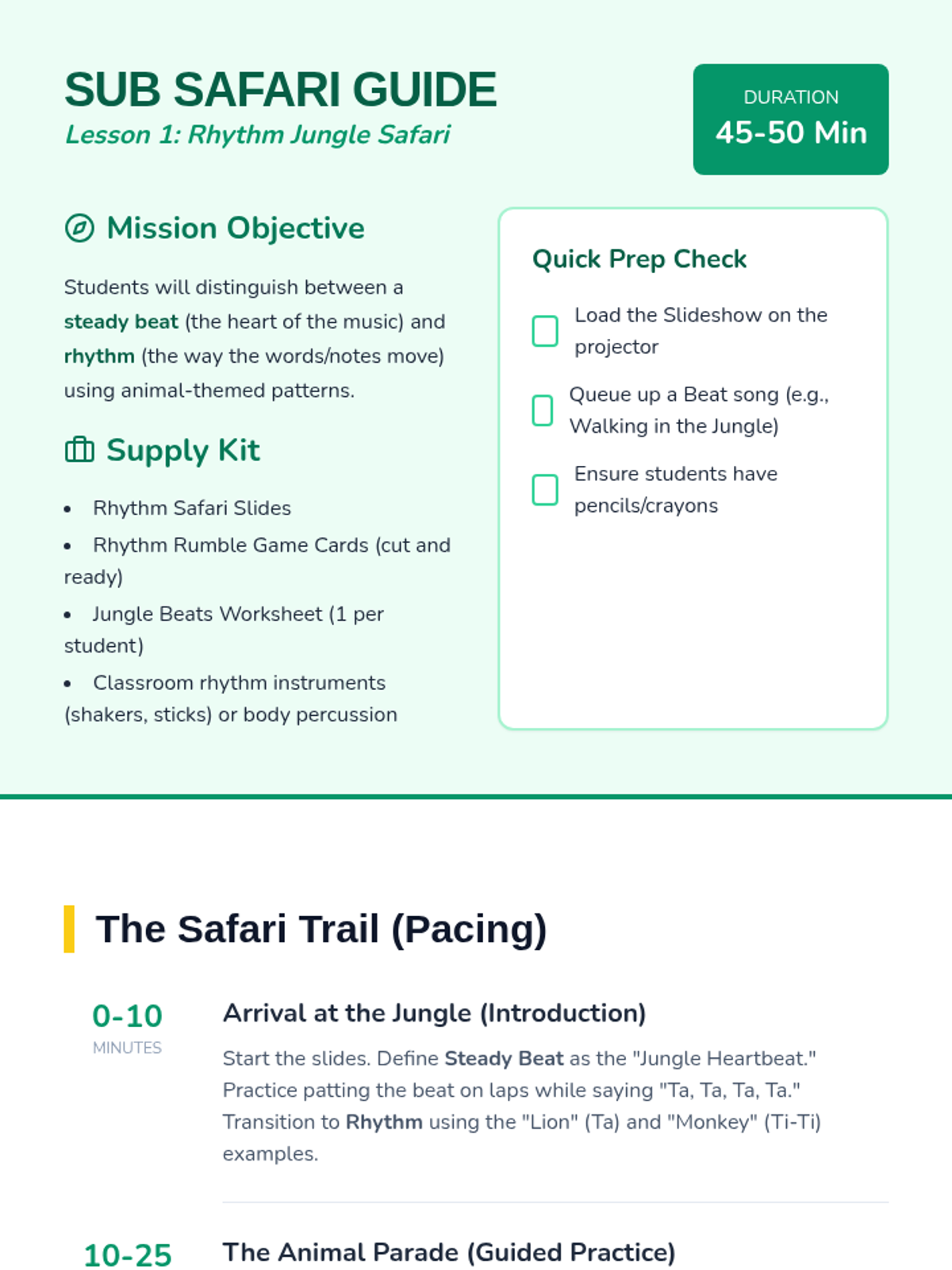
Students explore the difference between steady beat and rhythm using animal movements and simple rhythmic patterns (quarter and eighth notes).
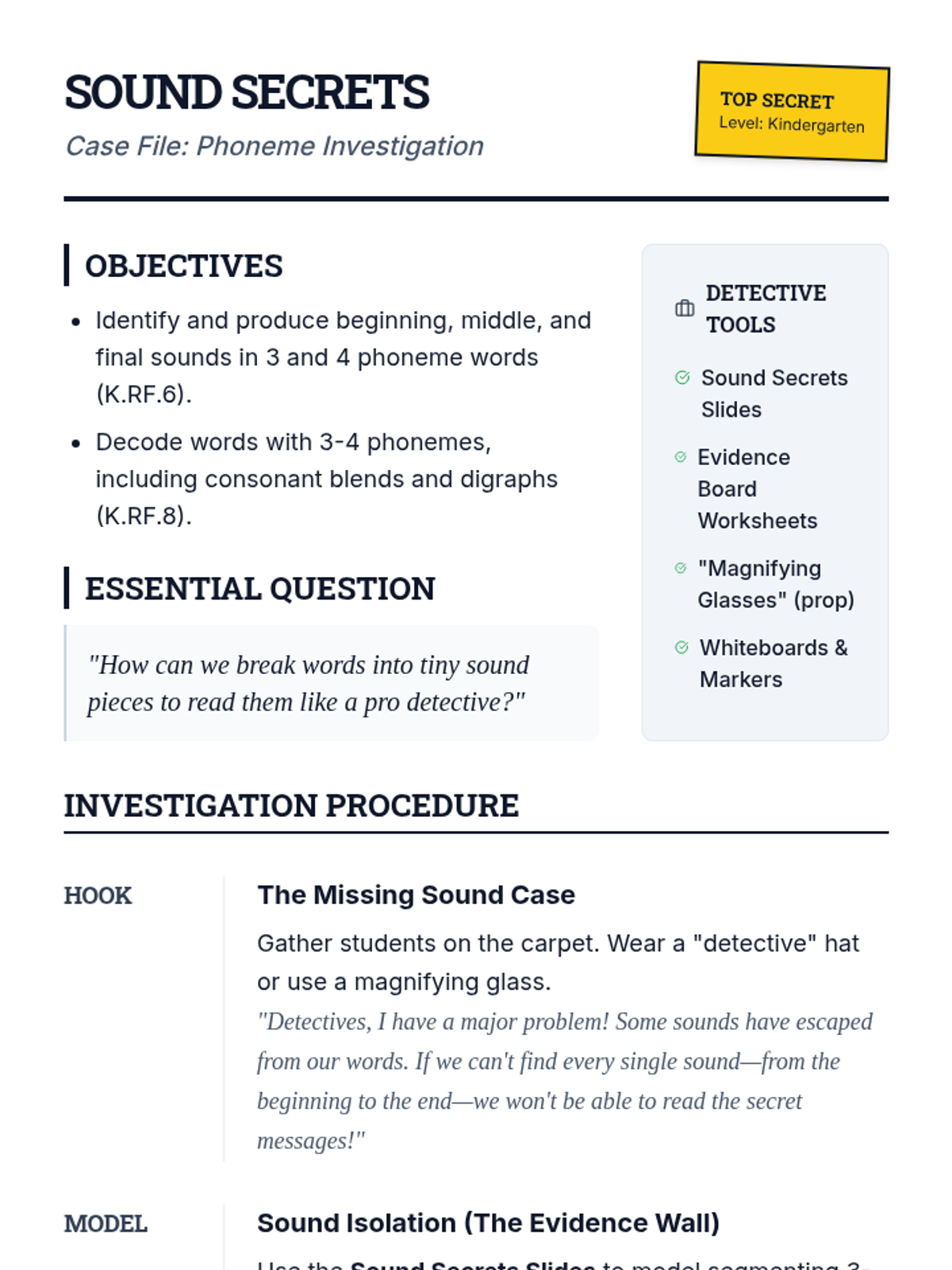
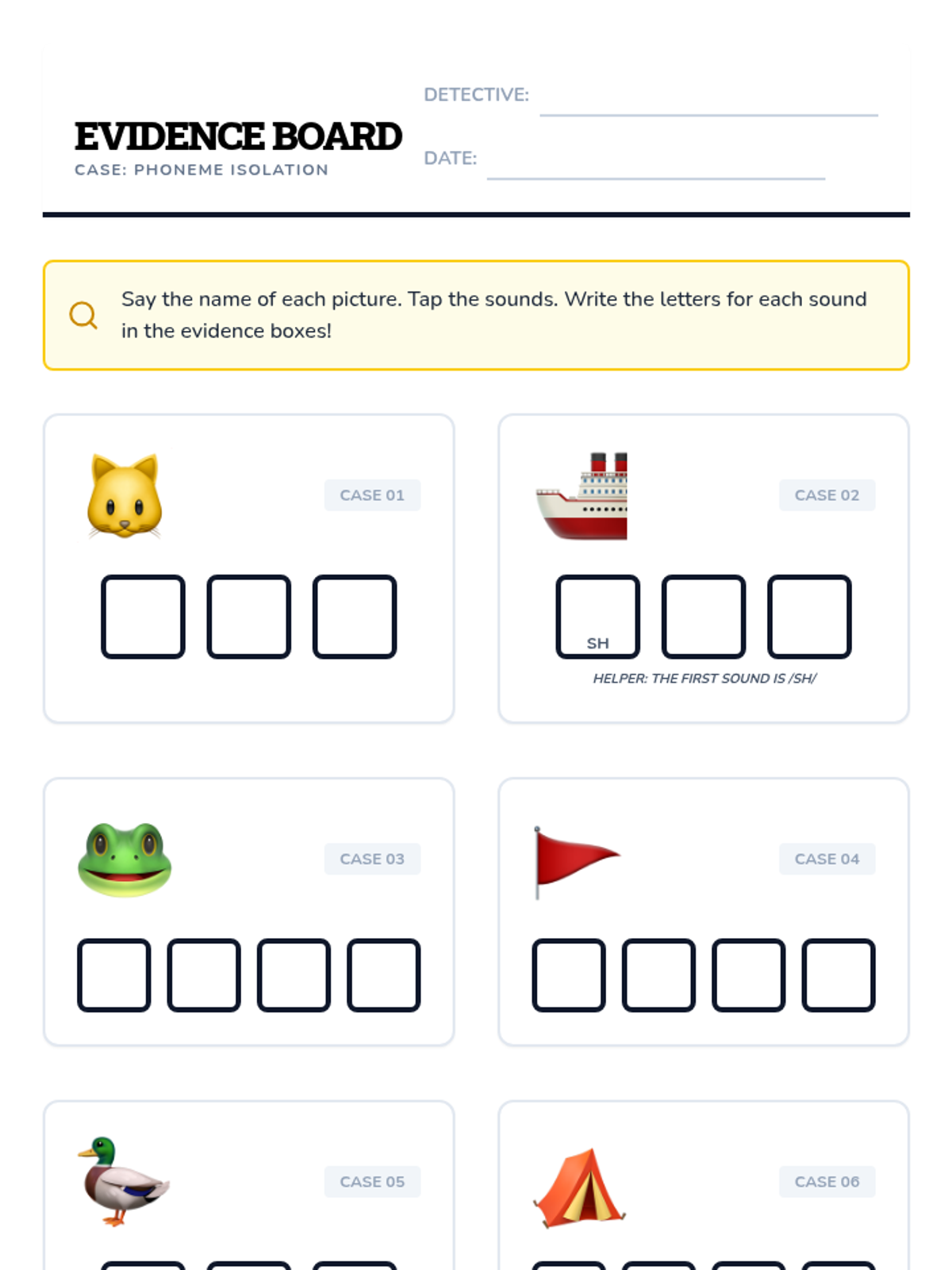
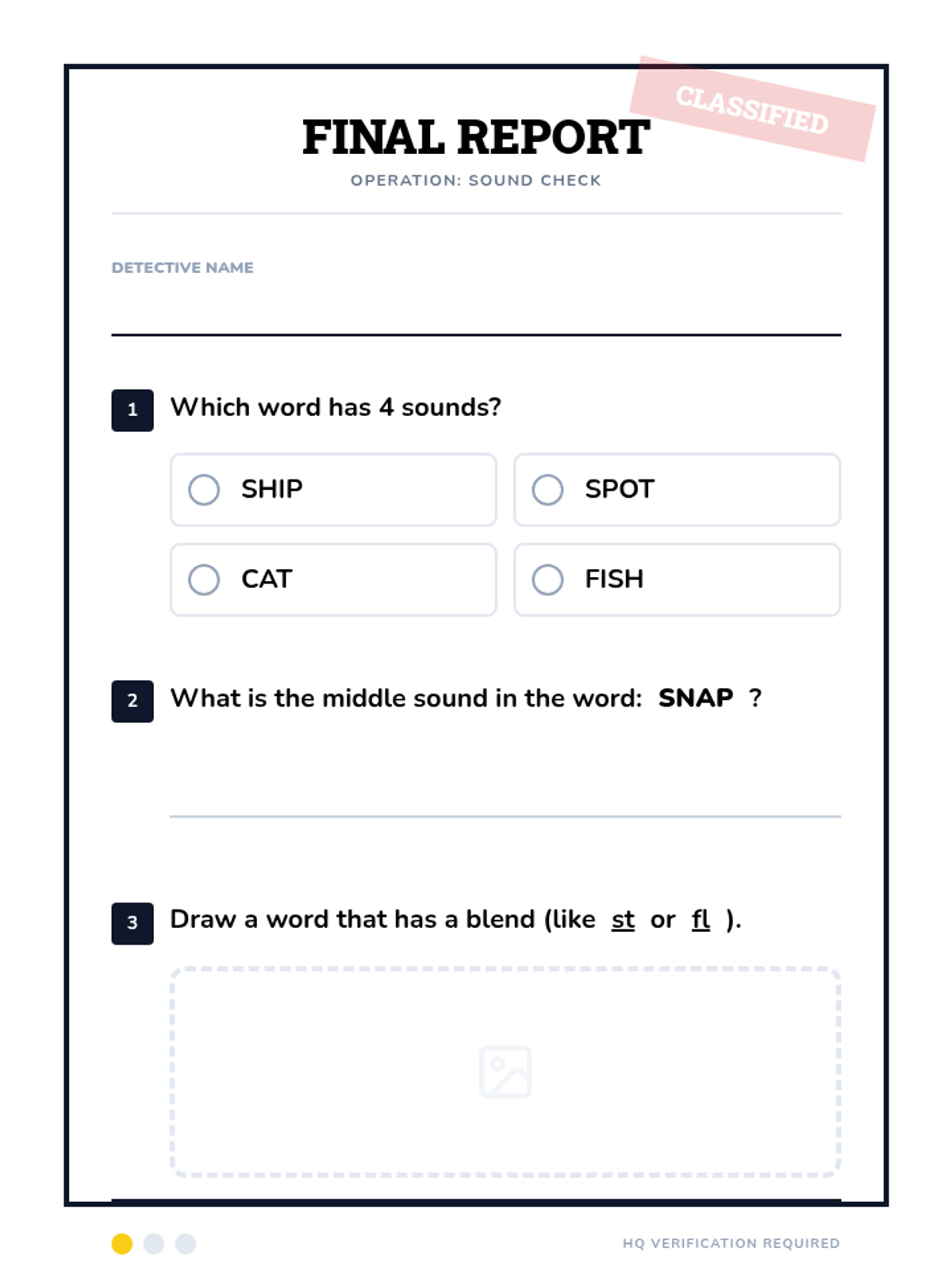
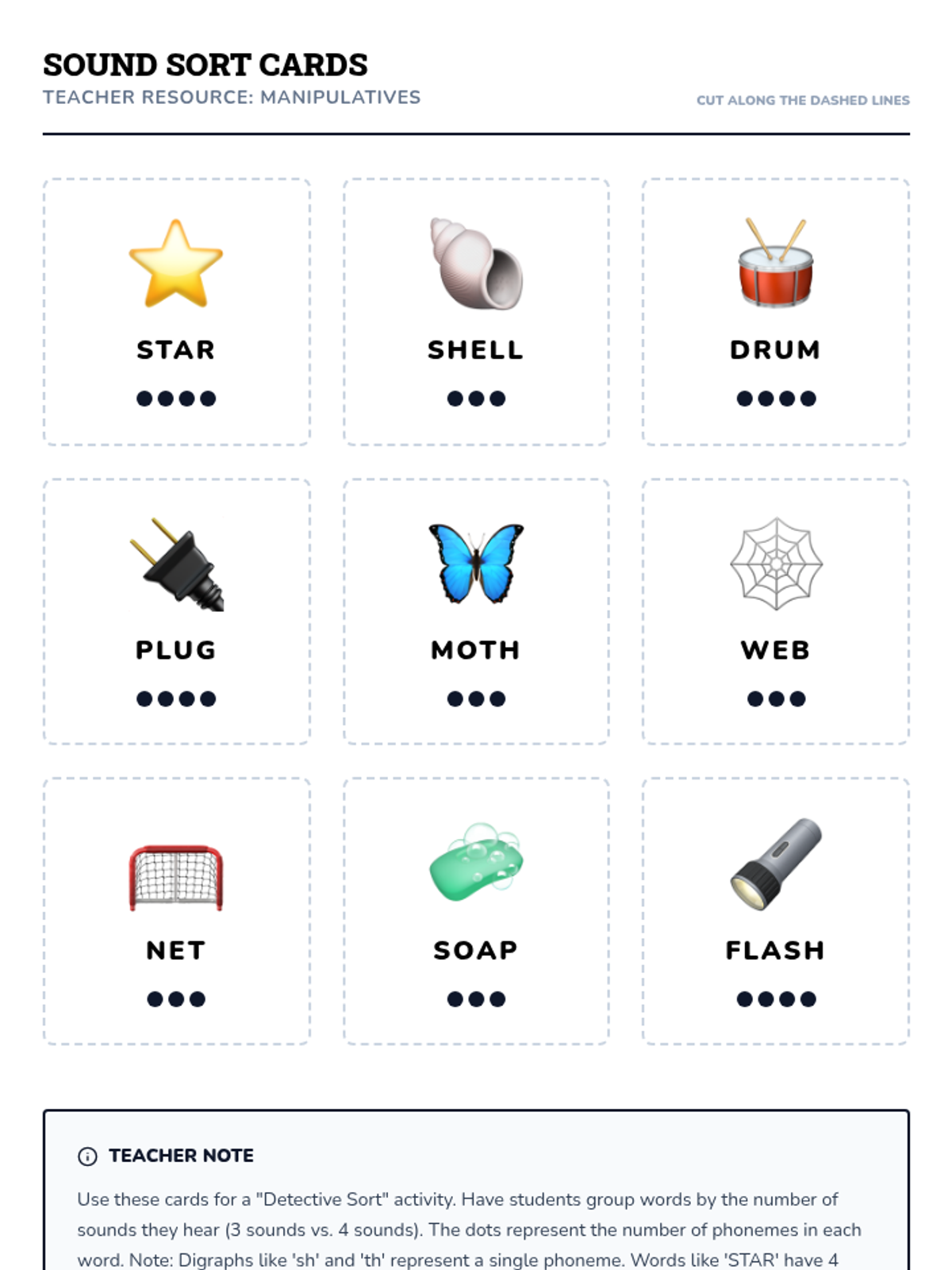
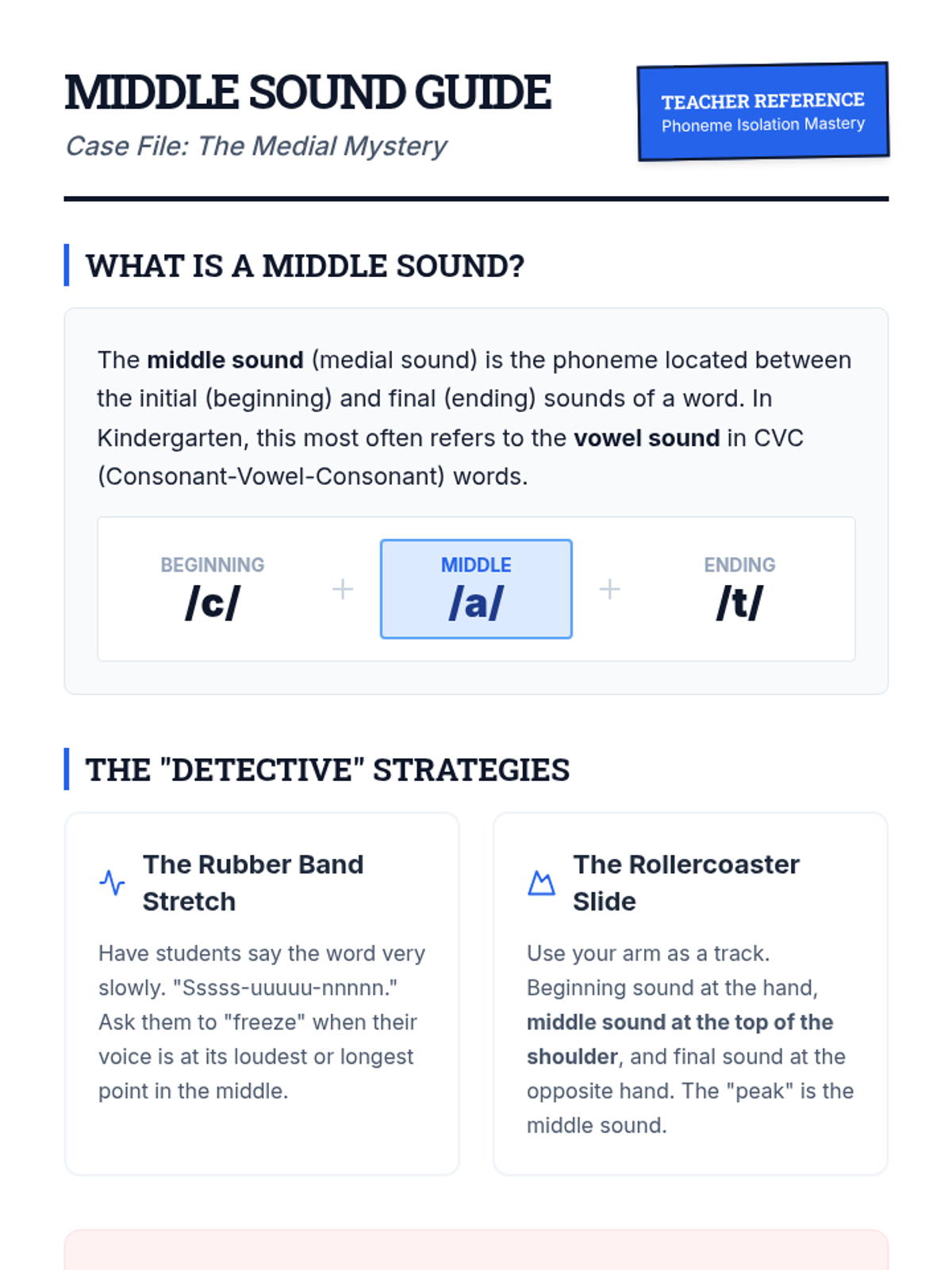
A comprehensive literacy lesson where students act as Sound Detectives to master phoneme isolation and decoding. Students will practice identifying beginning, middle, and ending sounds in 3-4 phoneme words, including those with blends and digraphs.
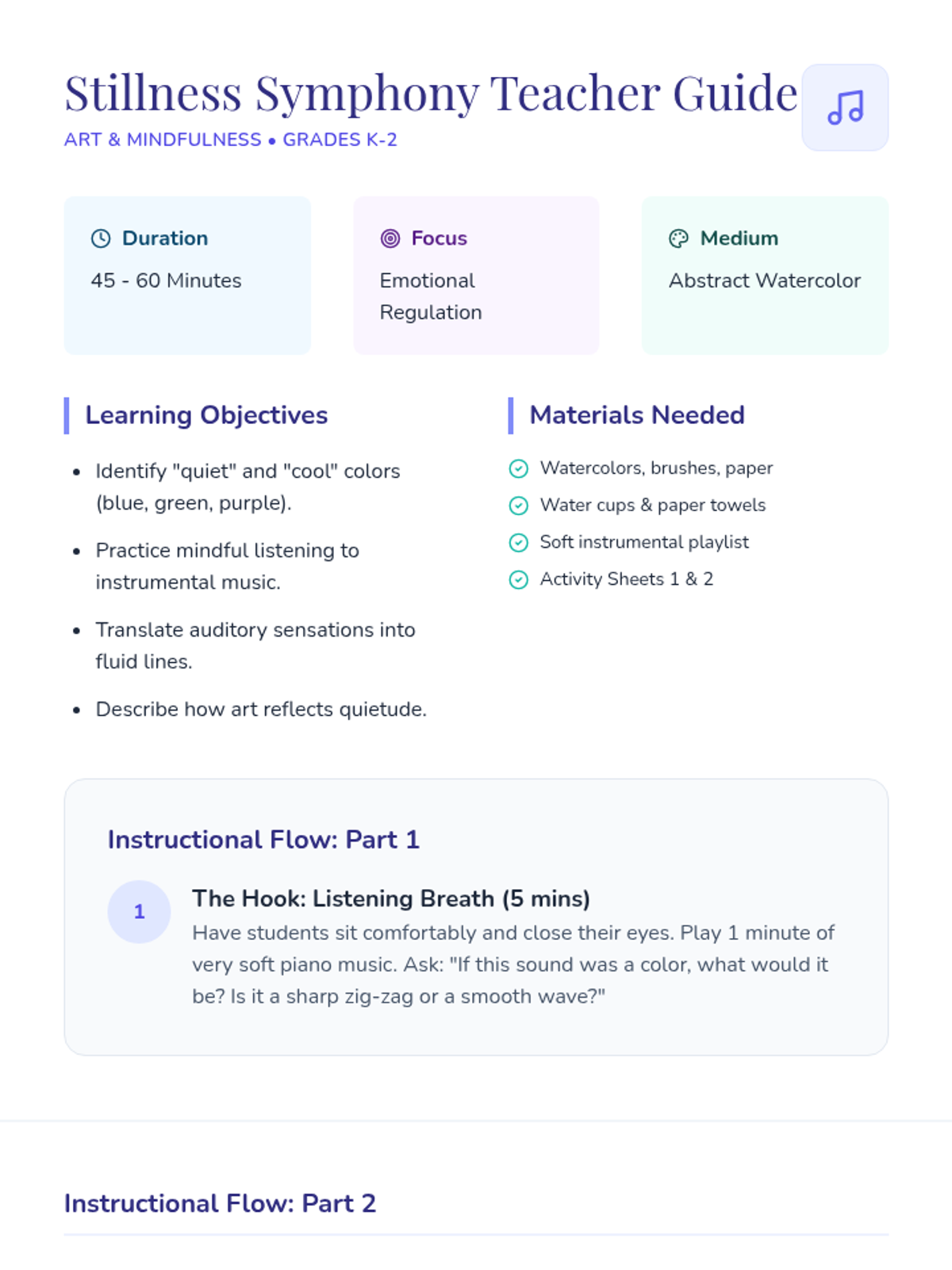
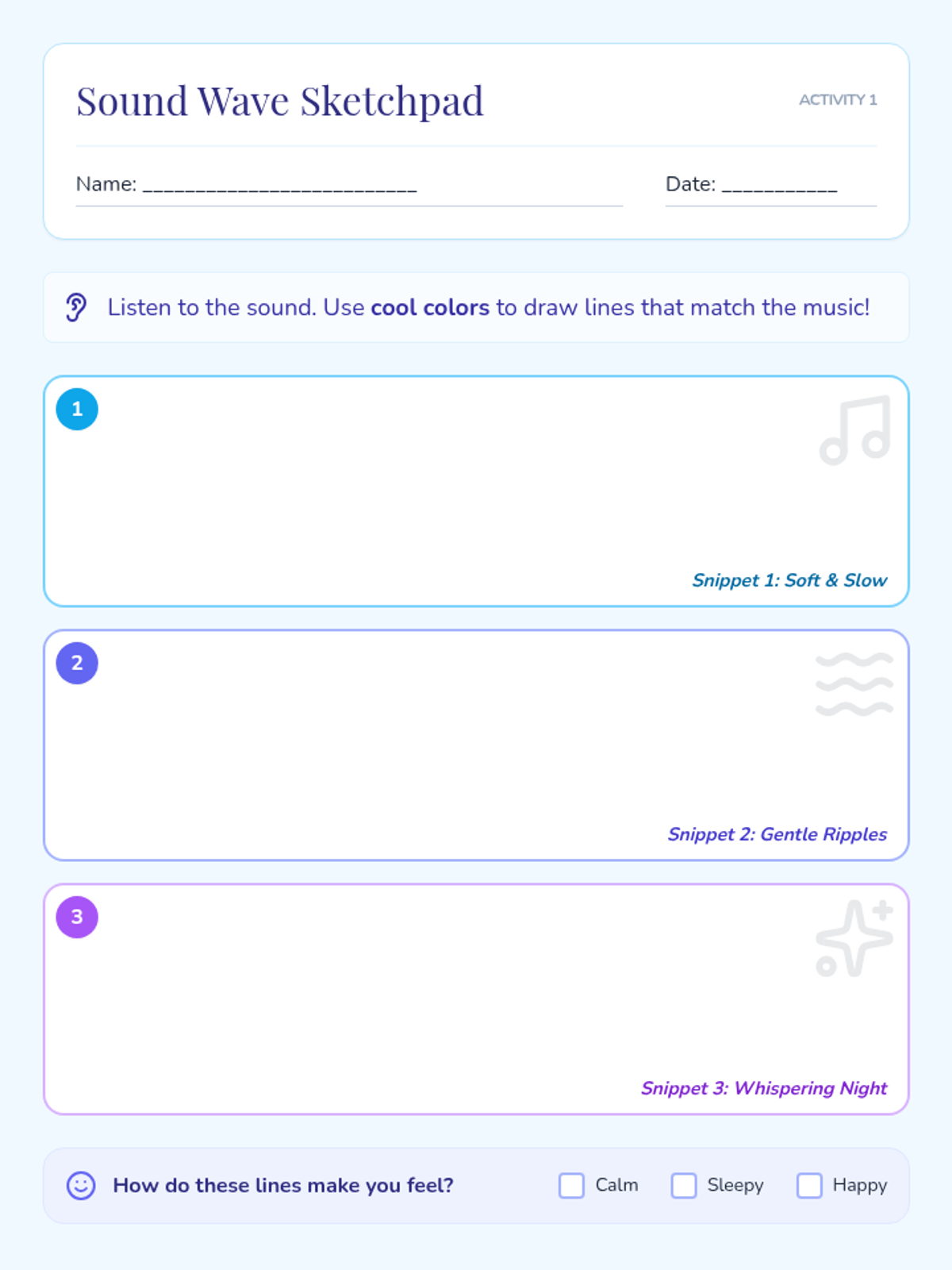
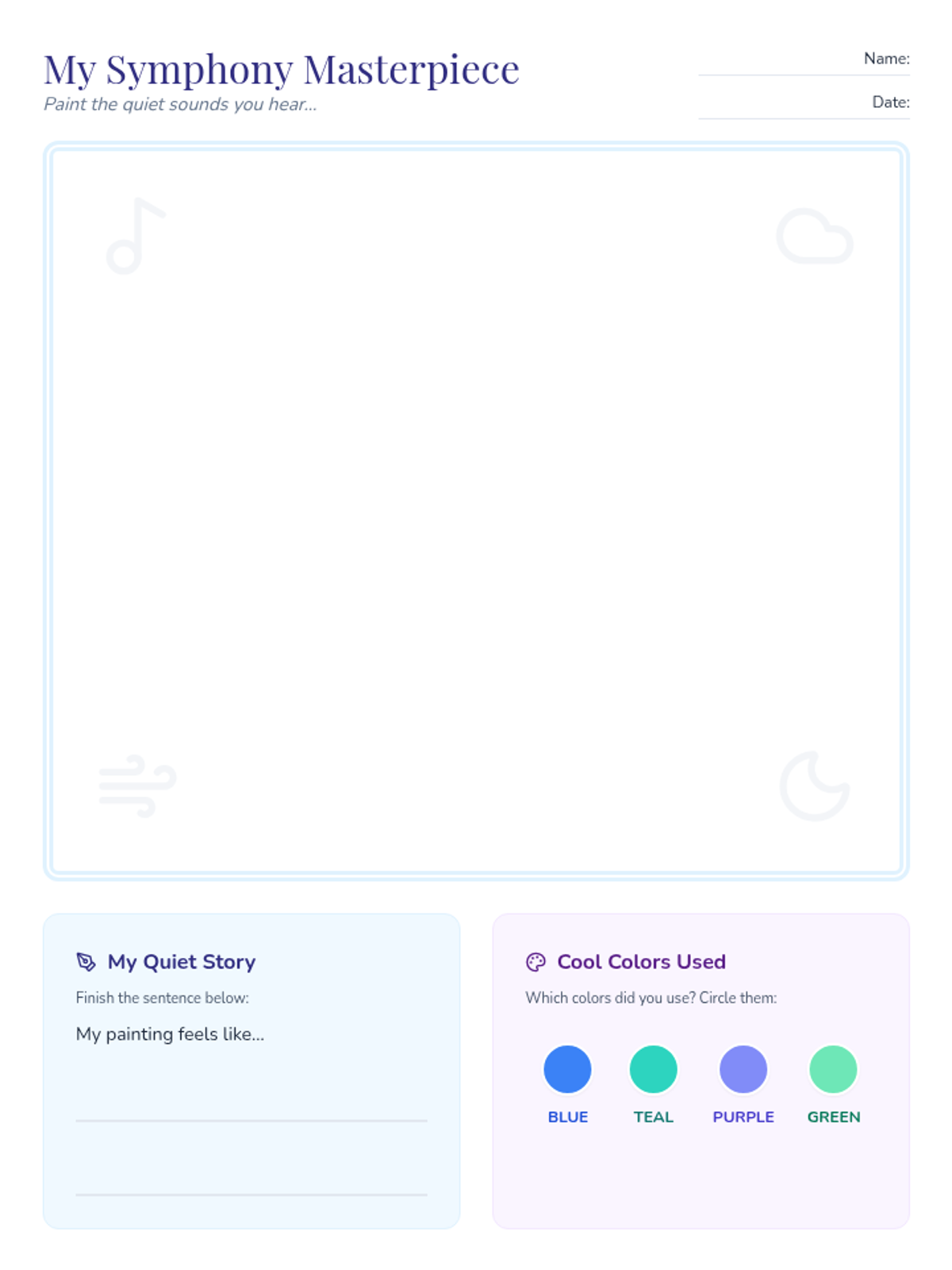
A mindfulness-based art lesson where K-2 students translate the soft sounds of instrumental music into abstract watercolor paintings, focusing on cool colors and fluid lines to practice emotional regulation.
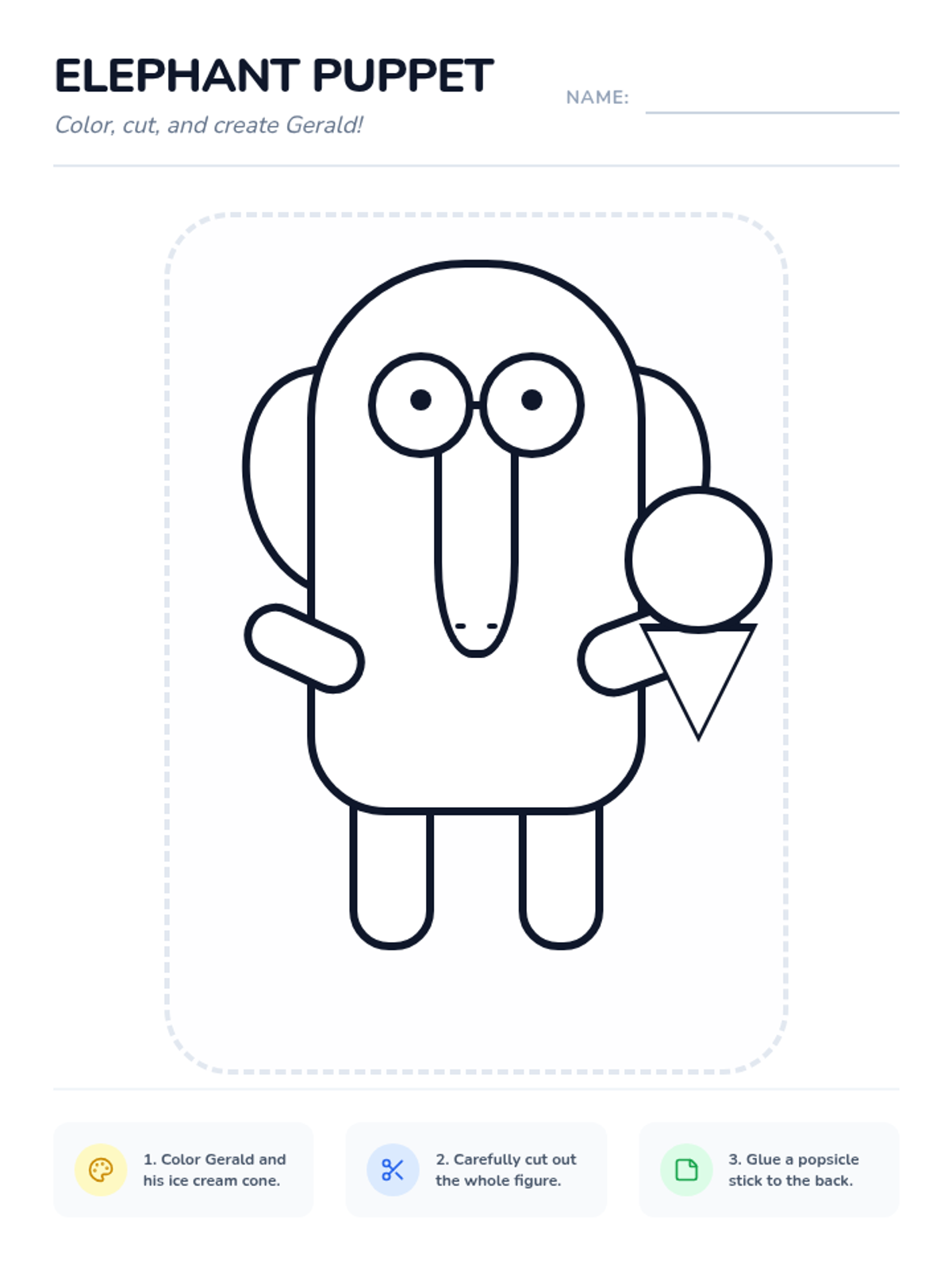
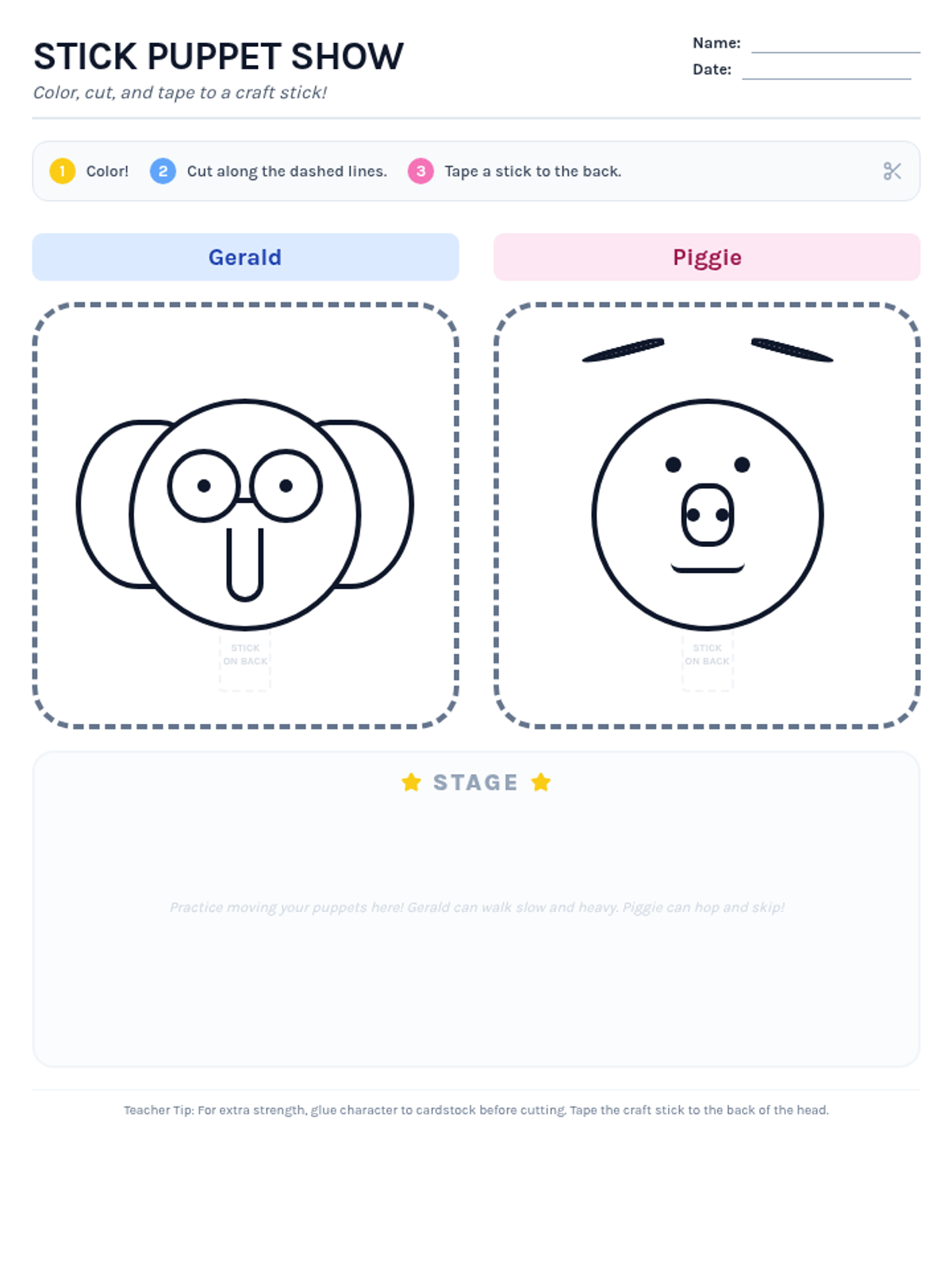
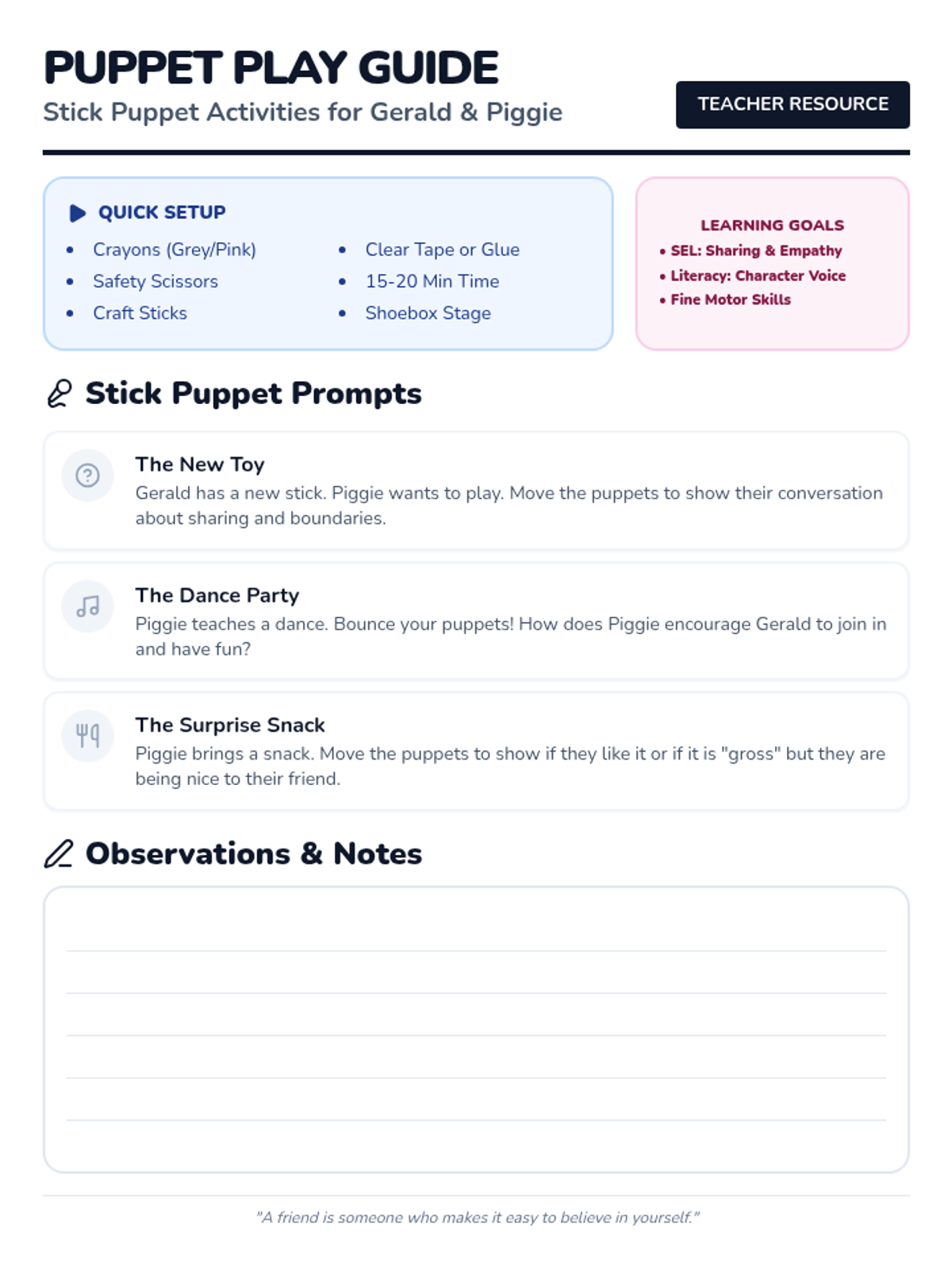
A creative hands-on activity where students create their own Elephant and Piggie puppets to act out stories. This lesson focuses on fine motor skills through coloring and cutting, followed by imaginative play.
A creative activity lesson focusing on the iconic characters Gerald and Piggie, encouraging dramatic play and storytelling through simple finger puppets.
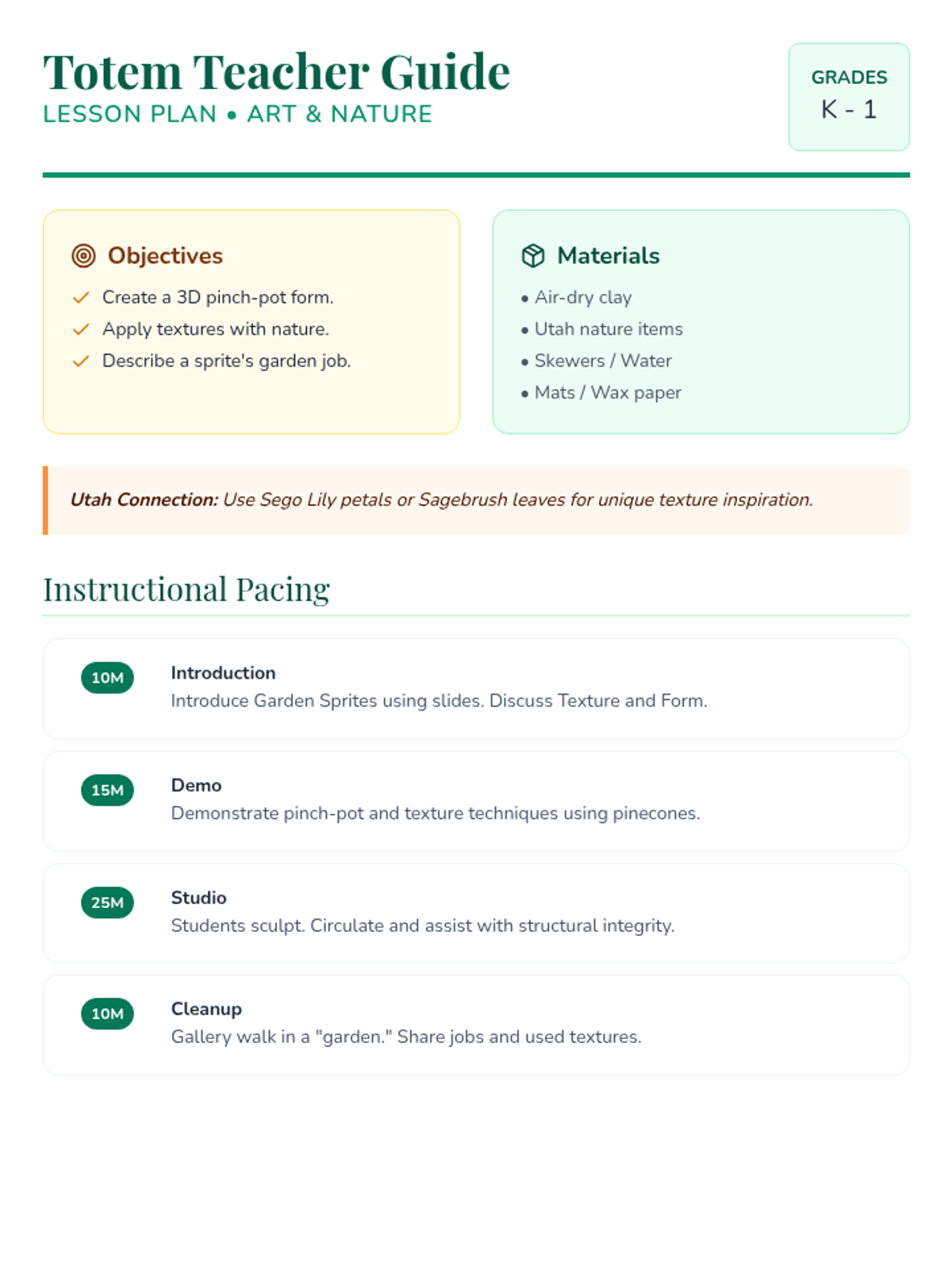
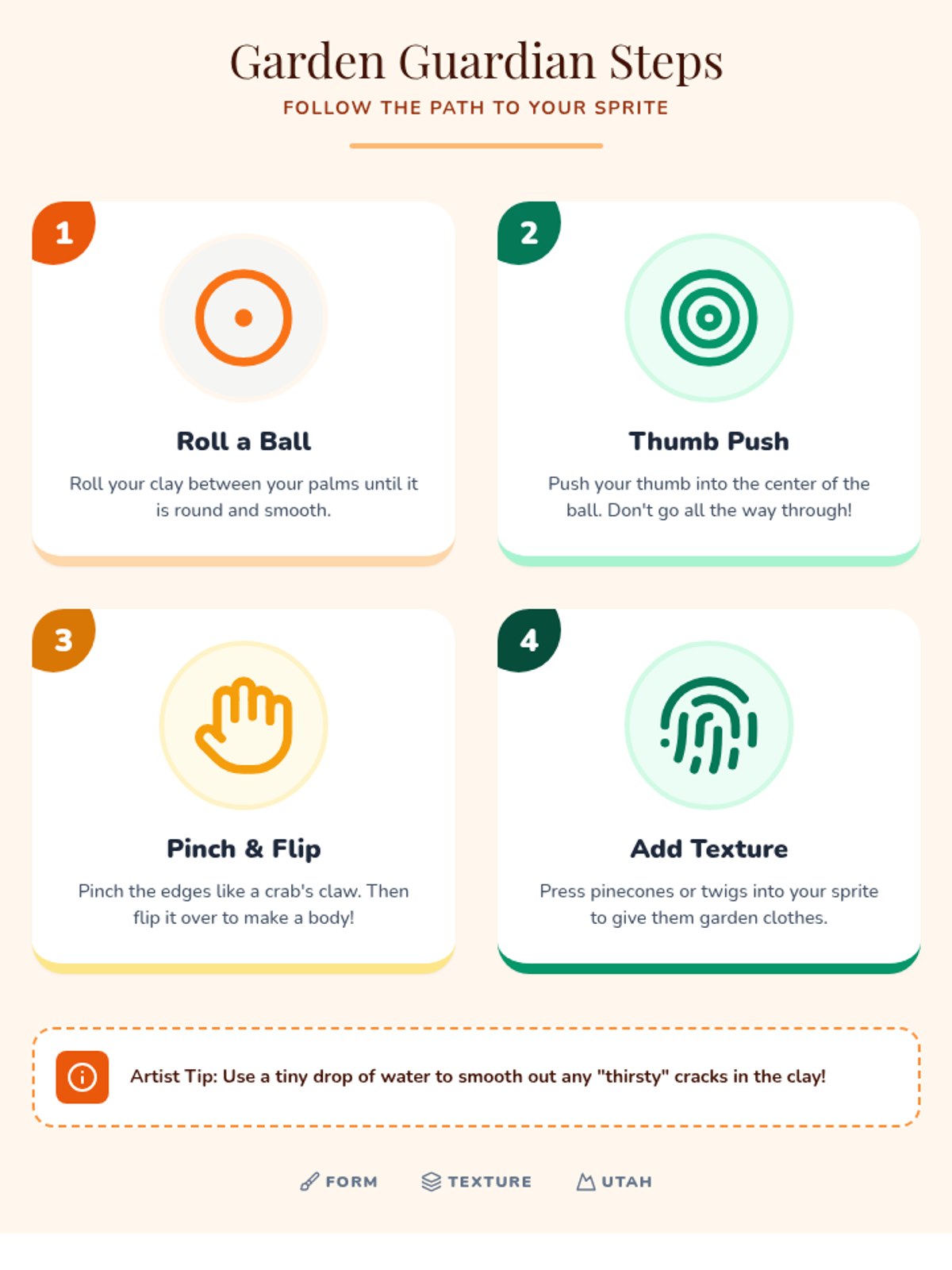
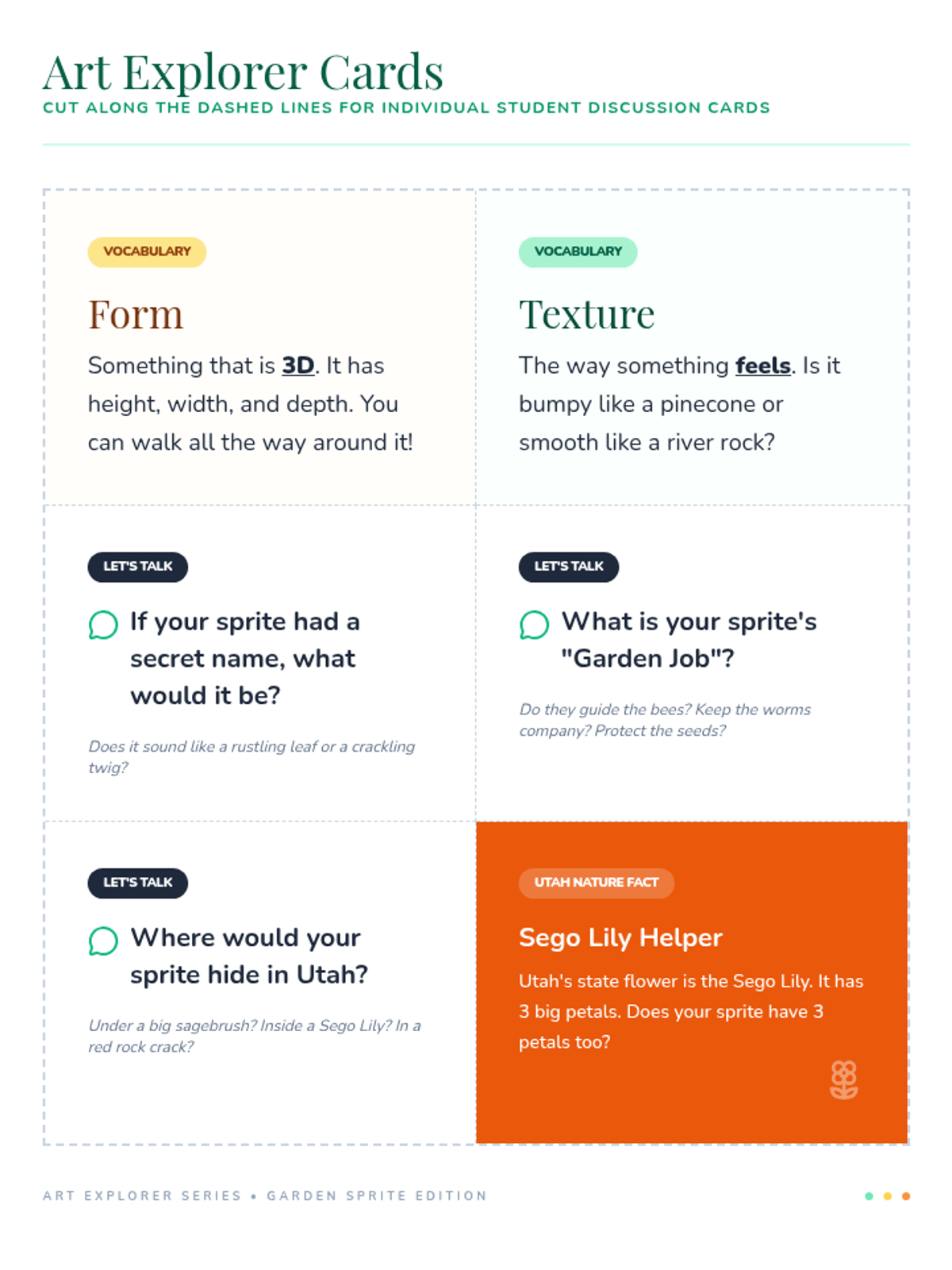
Young artists in Kindergarten and First Grade develop fine motor skills by sculpting whimsical clay spirits inspired by Utah flora. This lesson combines sensory exploration with foundational ceramic techniques like pinch pots and surface texturing.
A complete bulletin board kit featuring vibrant, rainbow-themed musical elements and diverse student illustrations to celebrate music as a universal language.
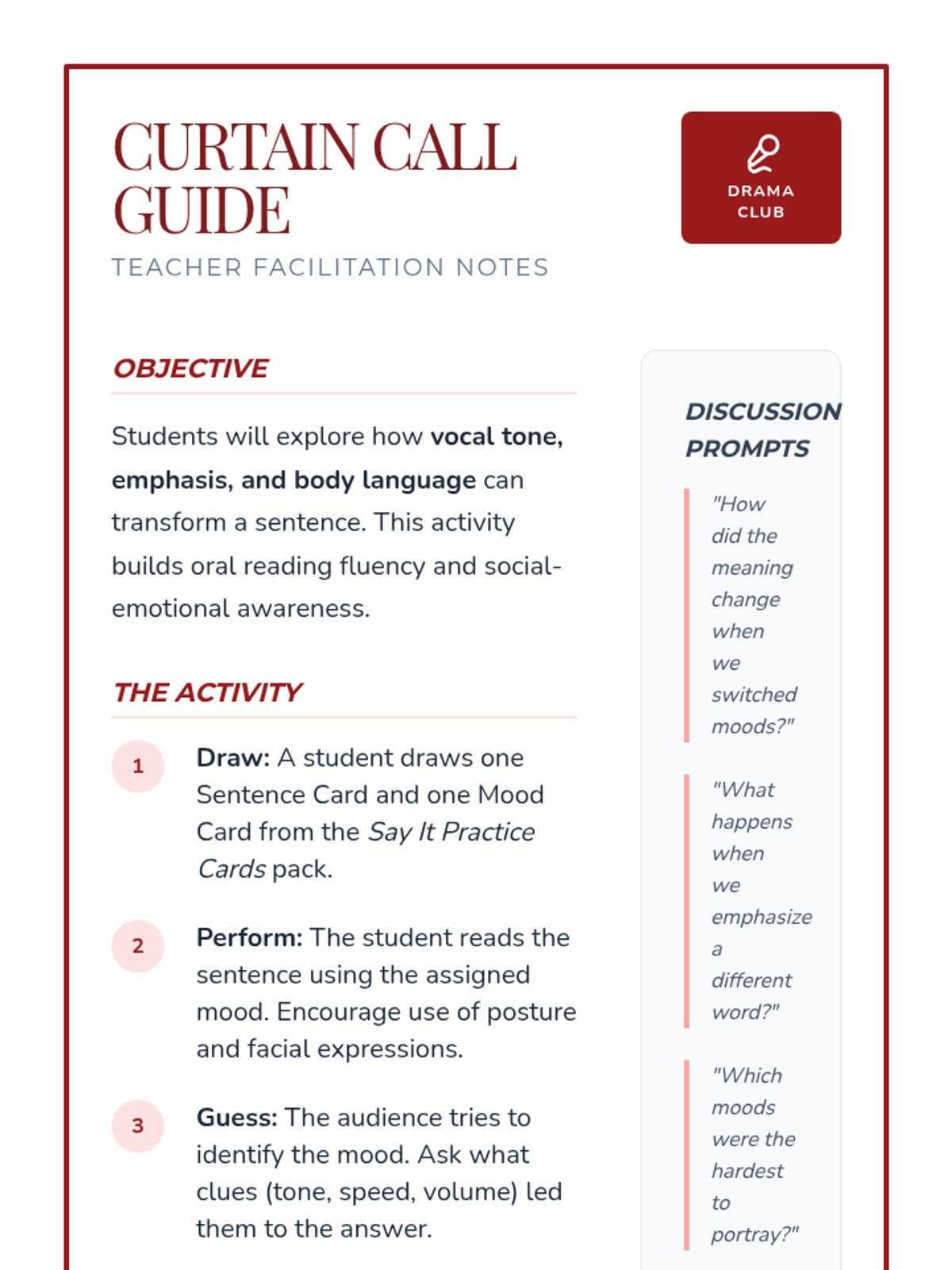
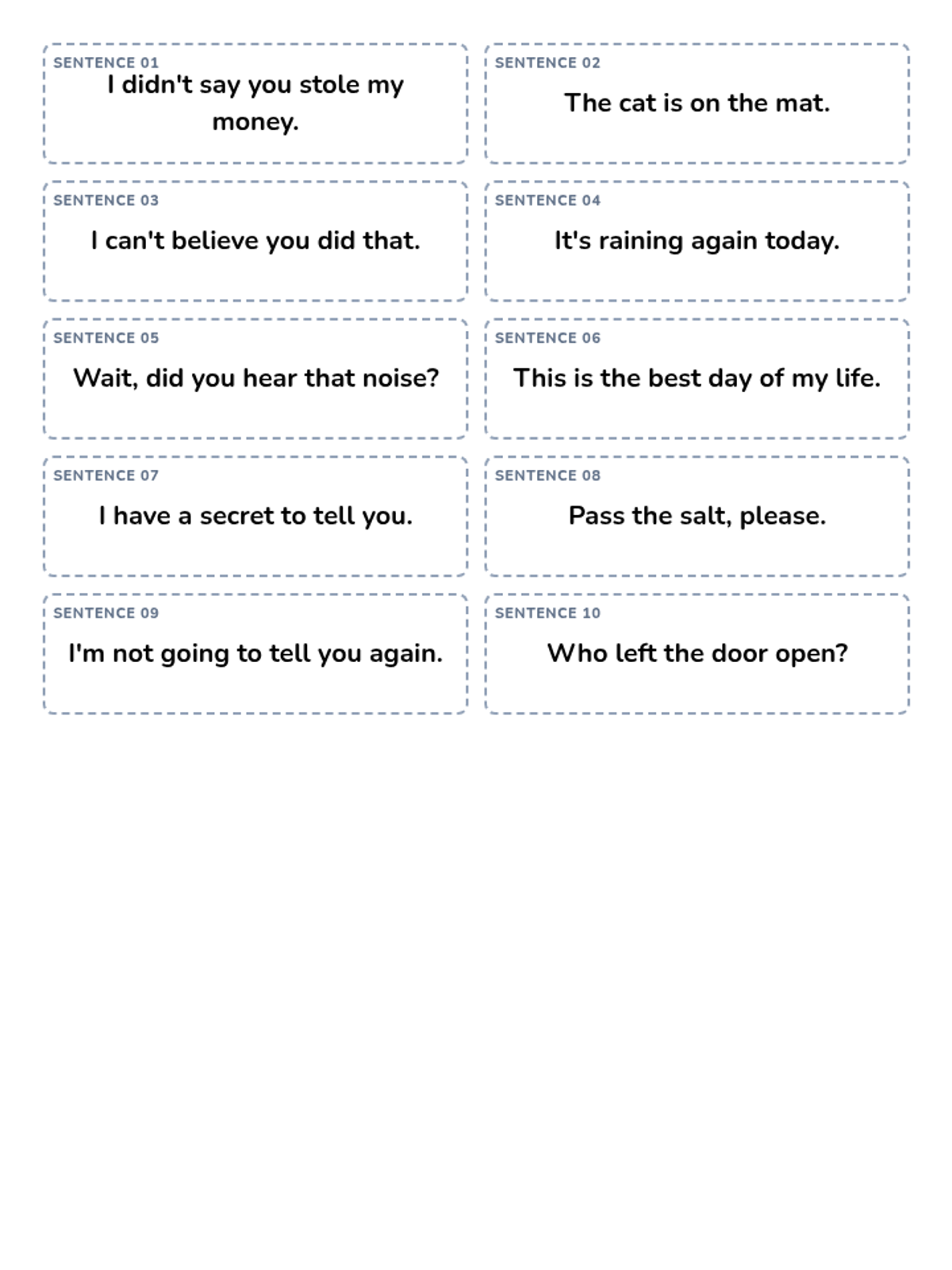
A high-energy drama and literacy lesson focused on prosody, tone, and vocal expression. Students practice reading the same sentence in various moods to discover how delivery changes meaning.
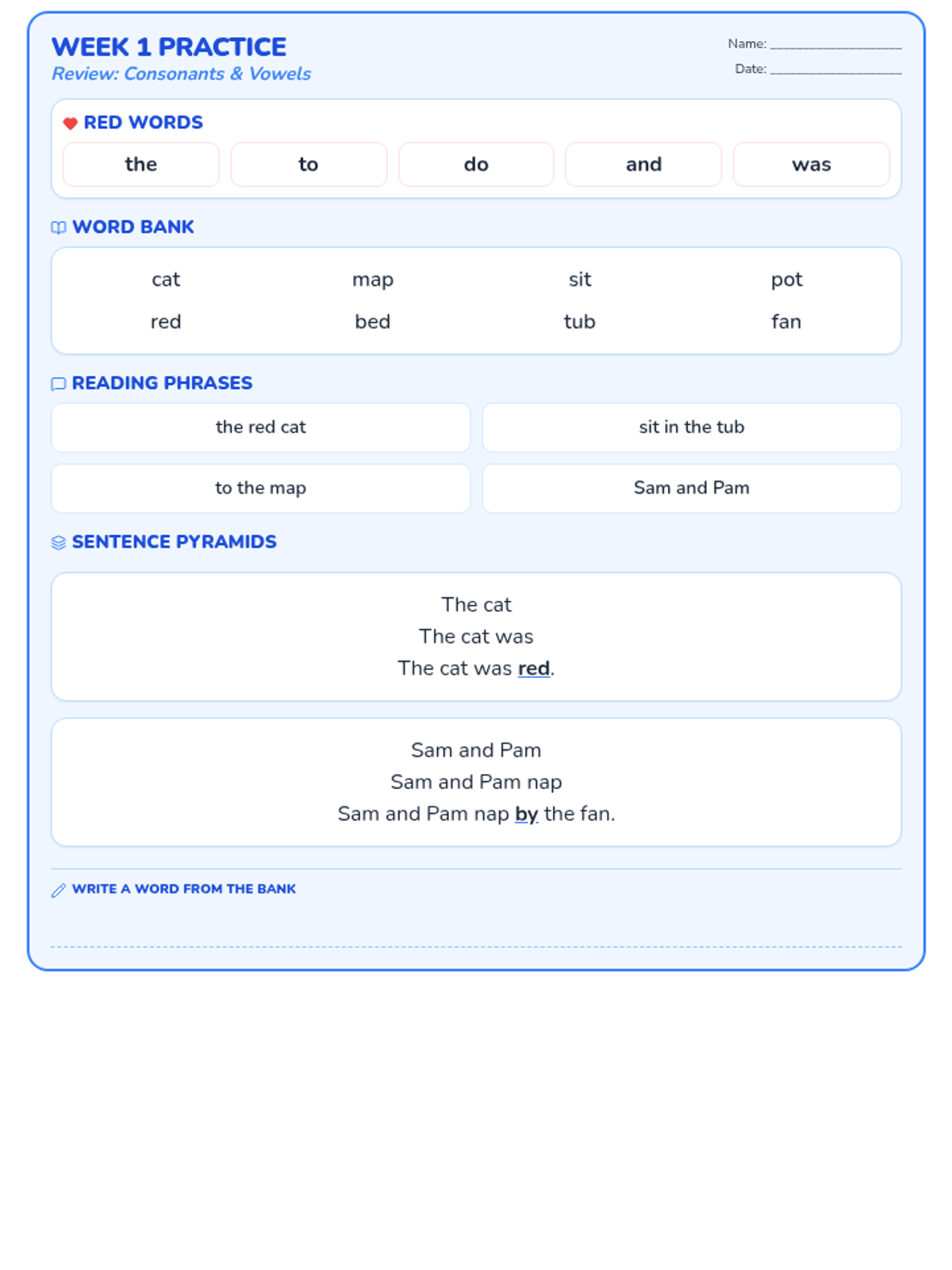
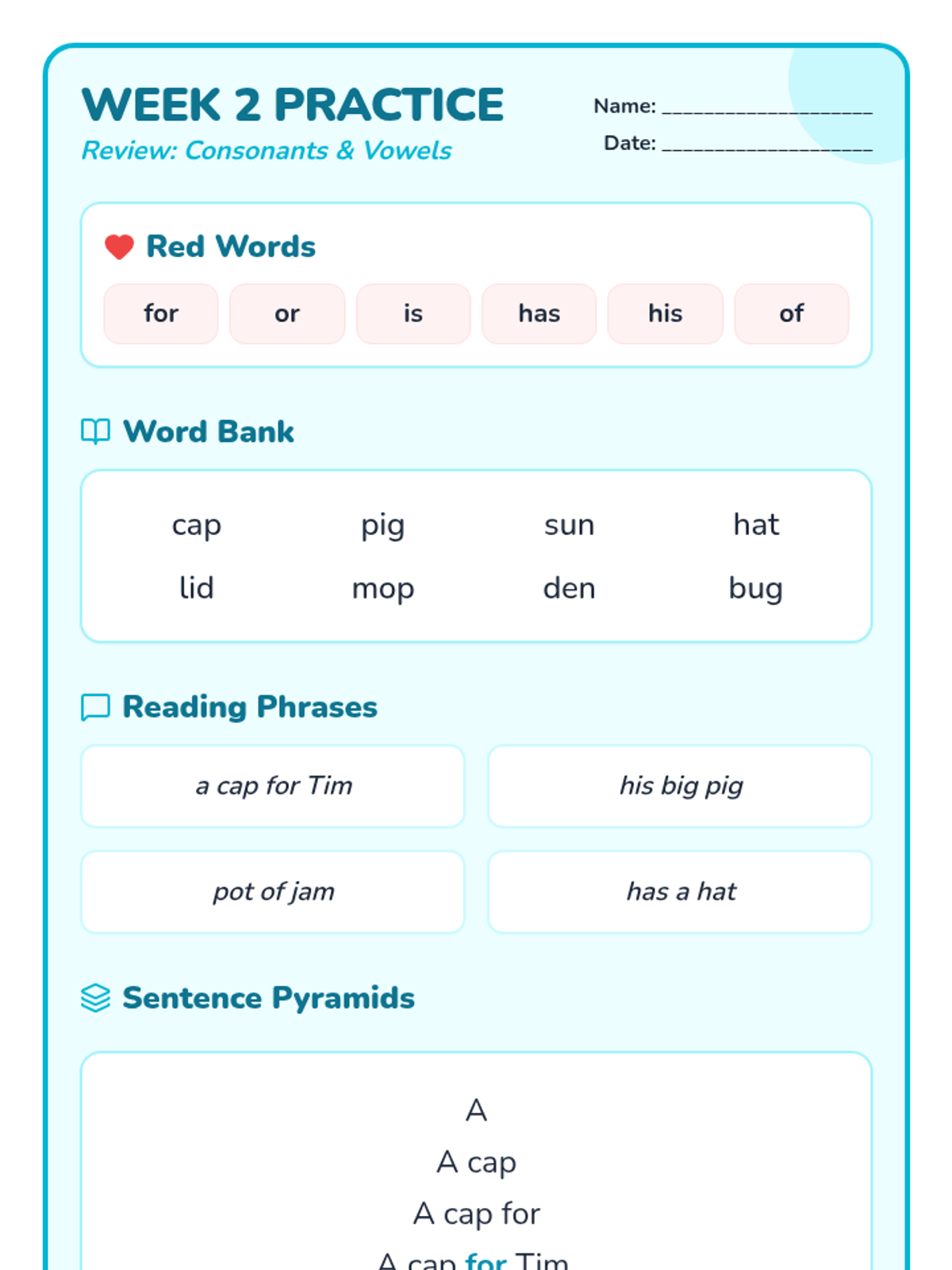
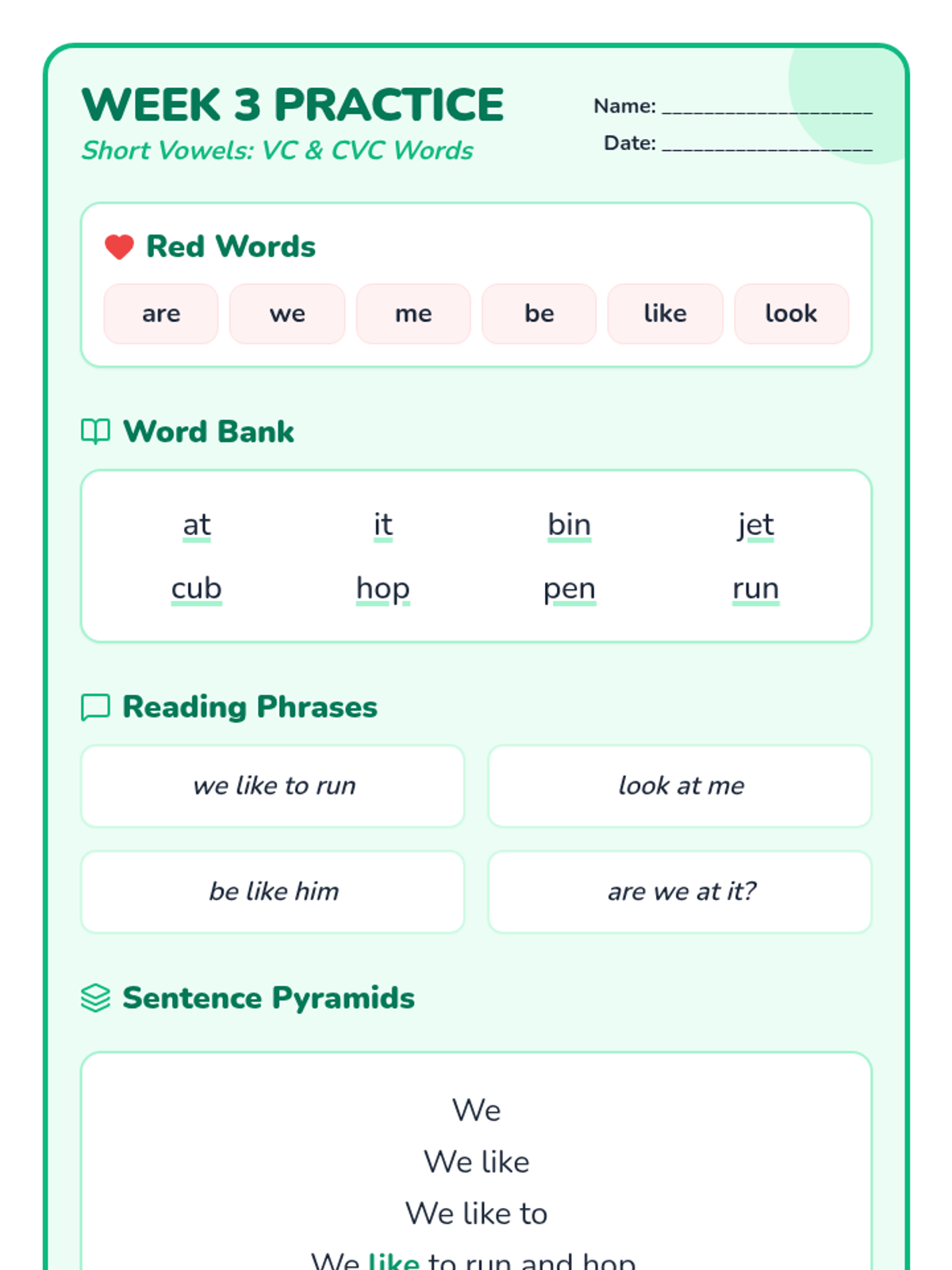
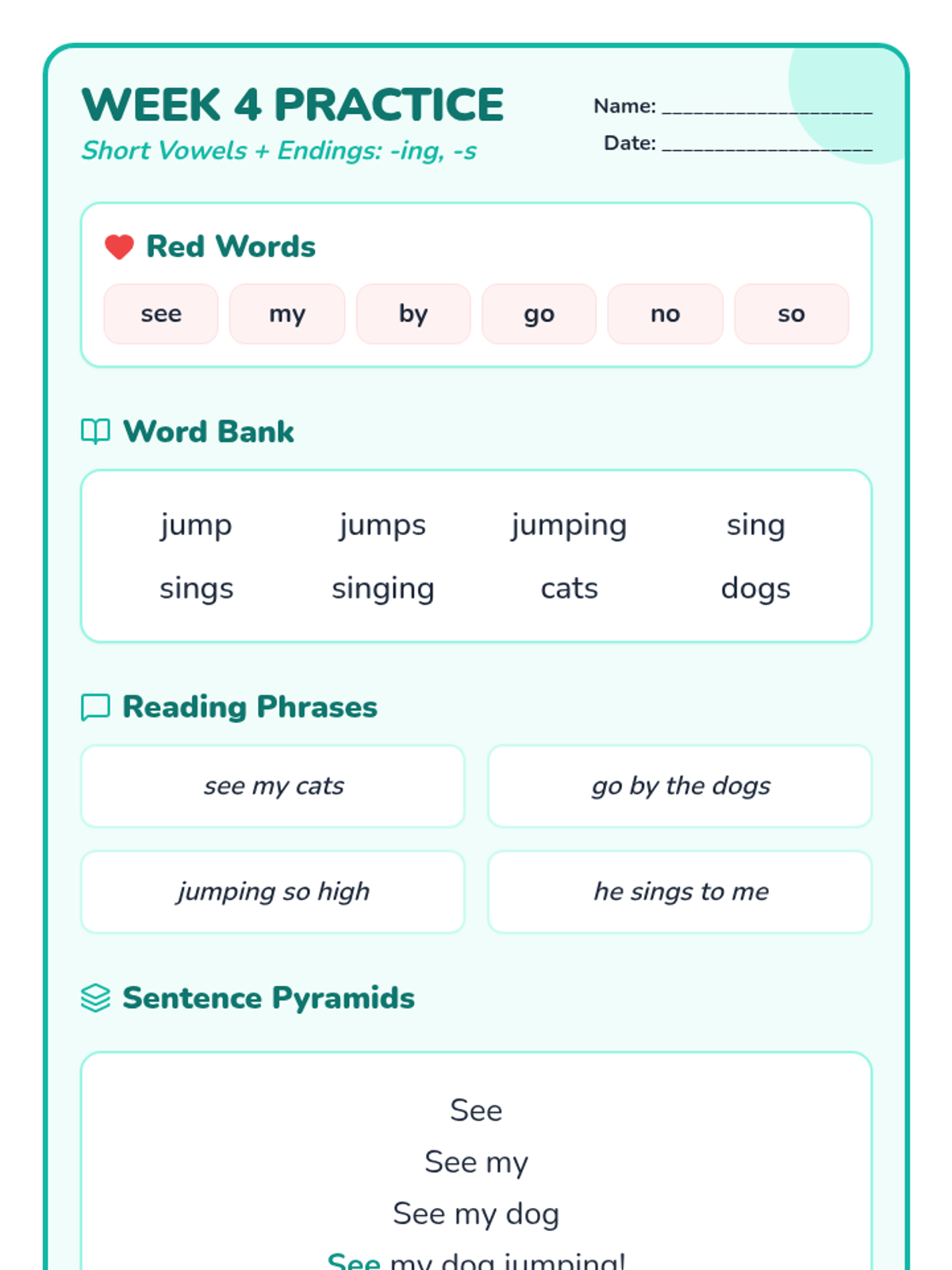
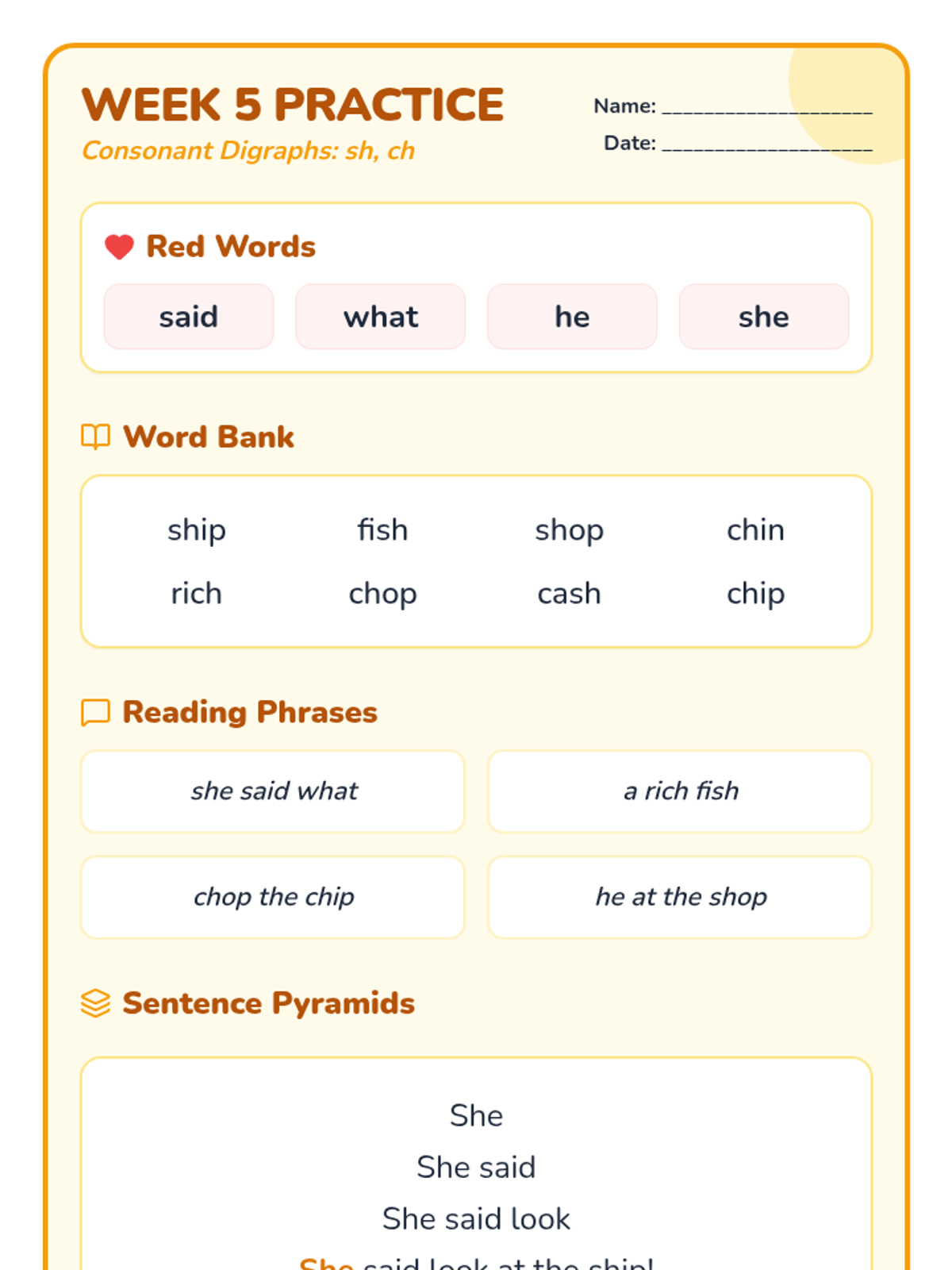
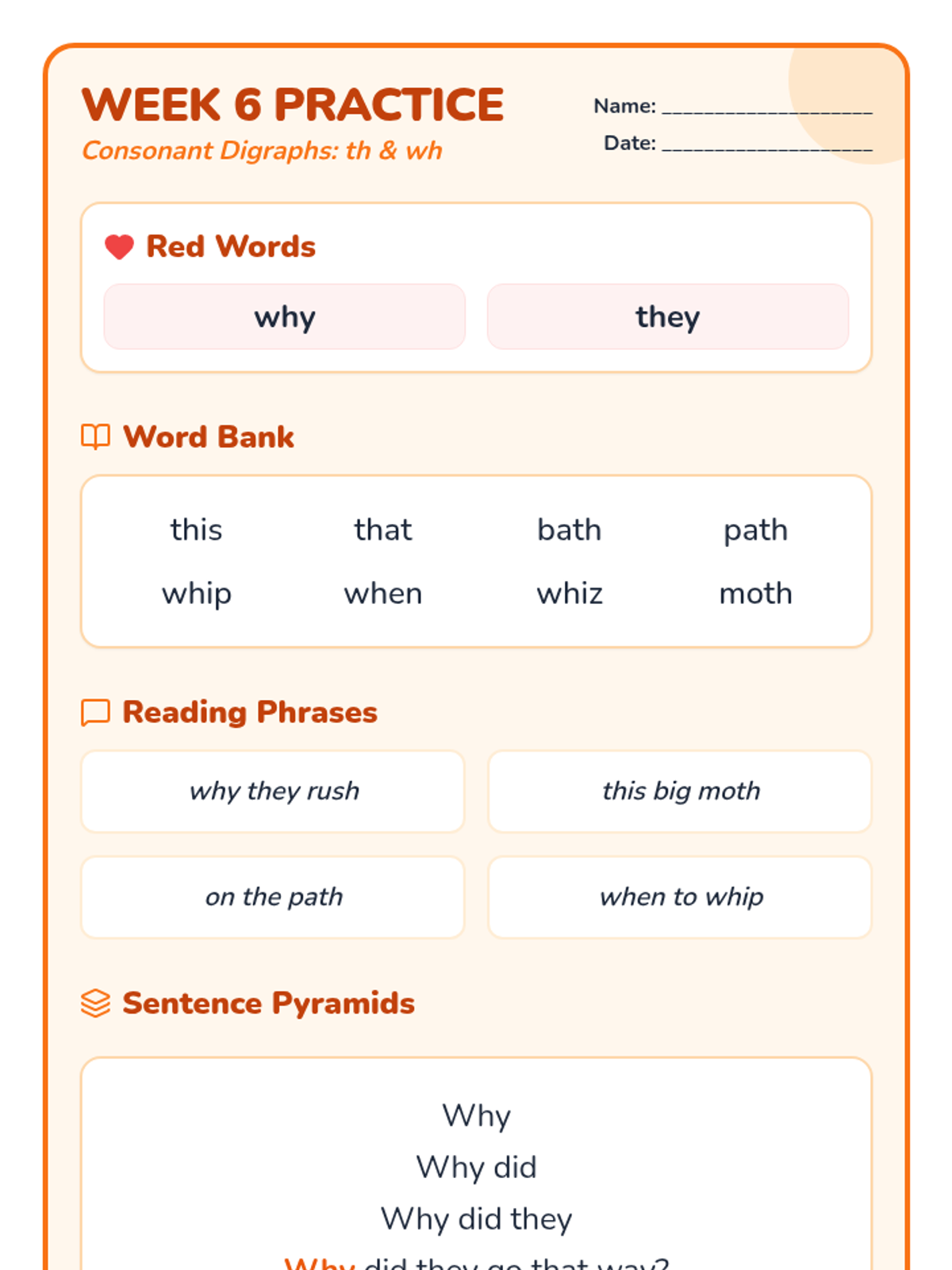
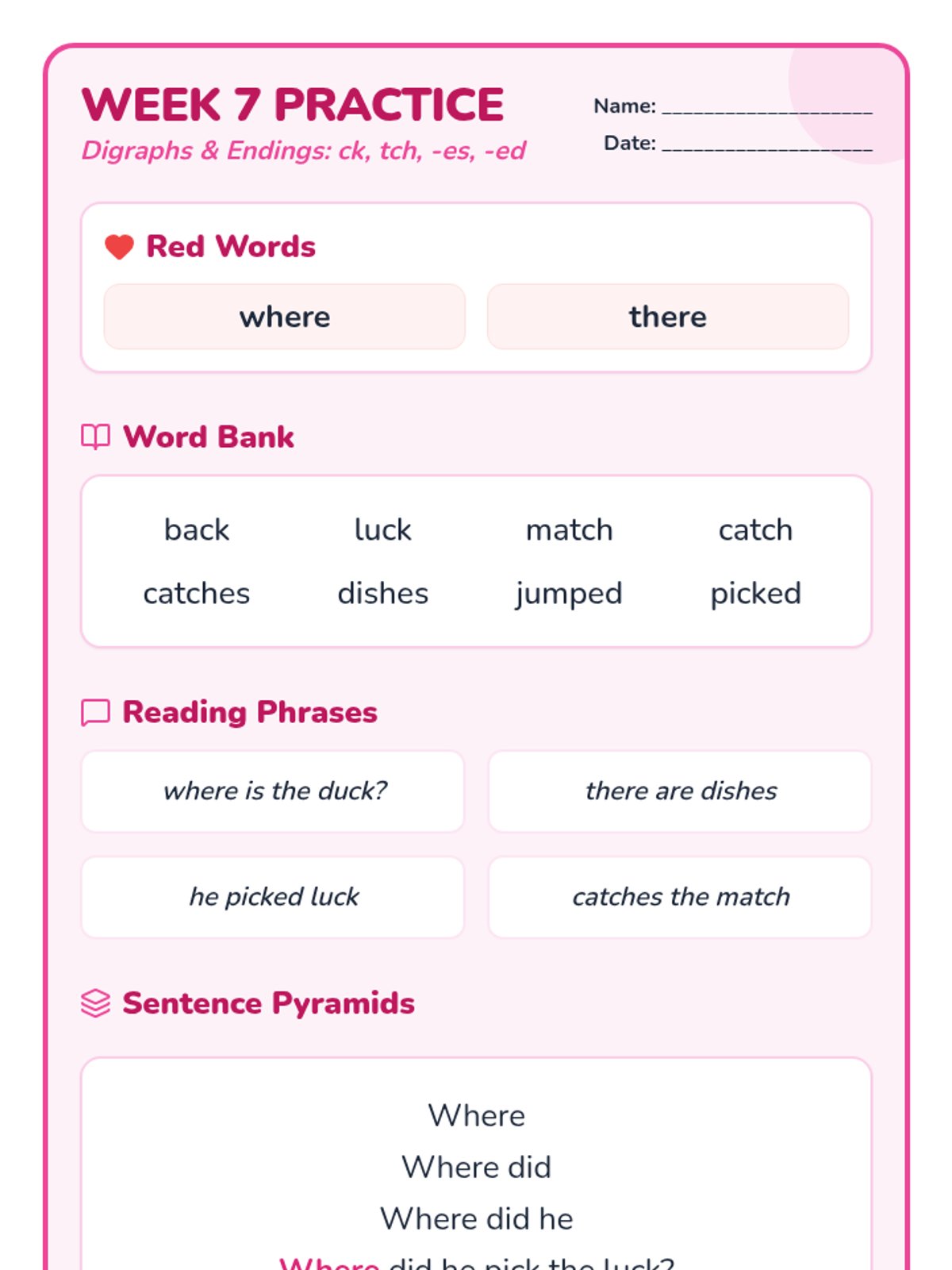
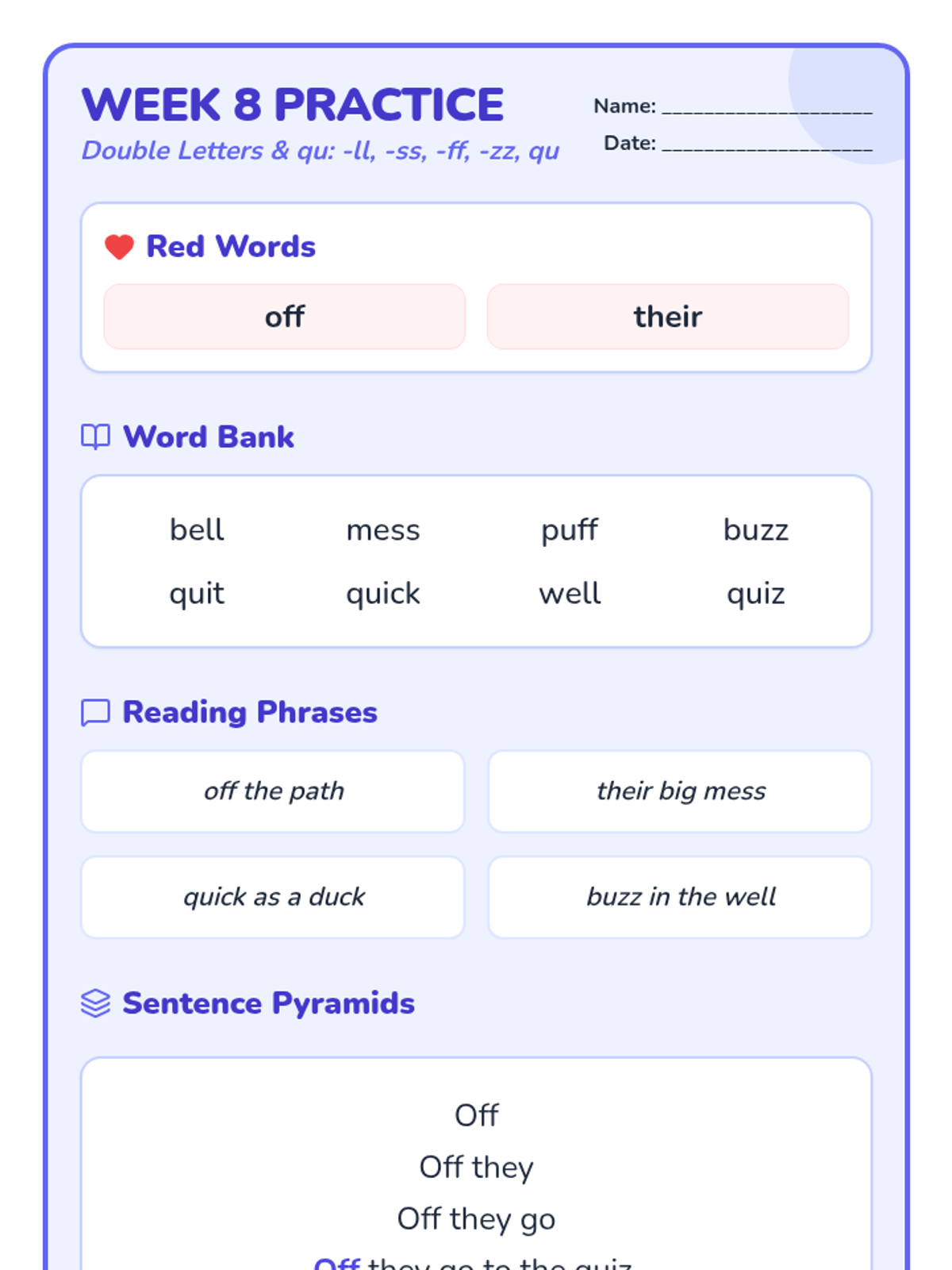
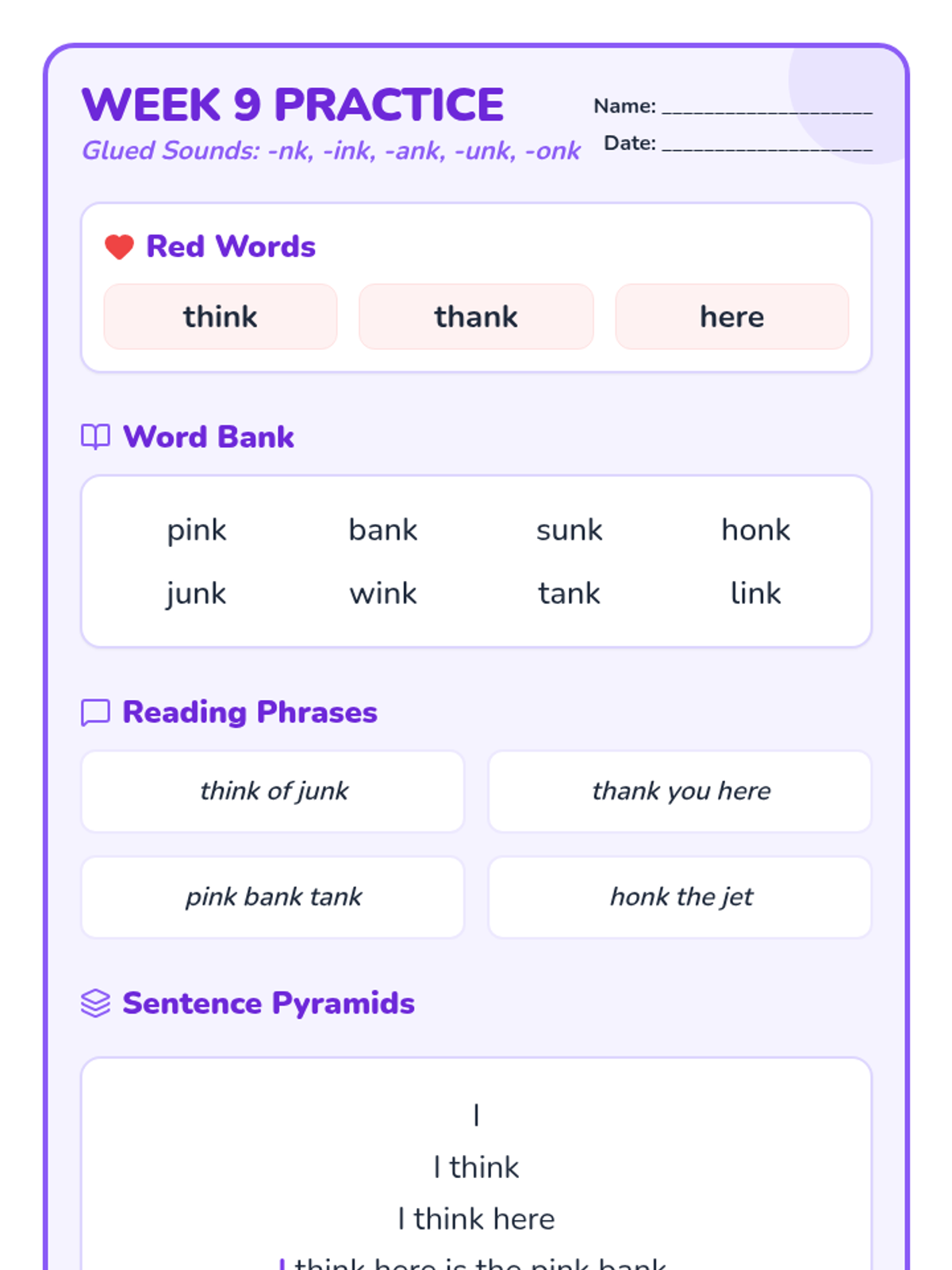
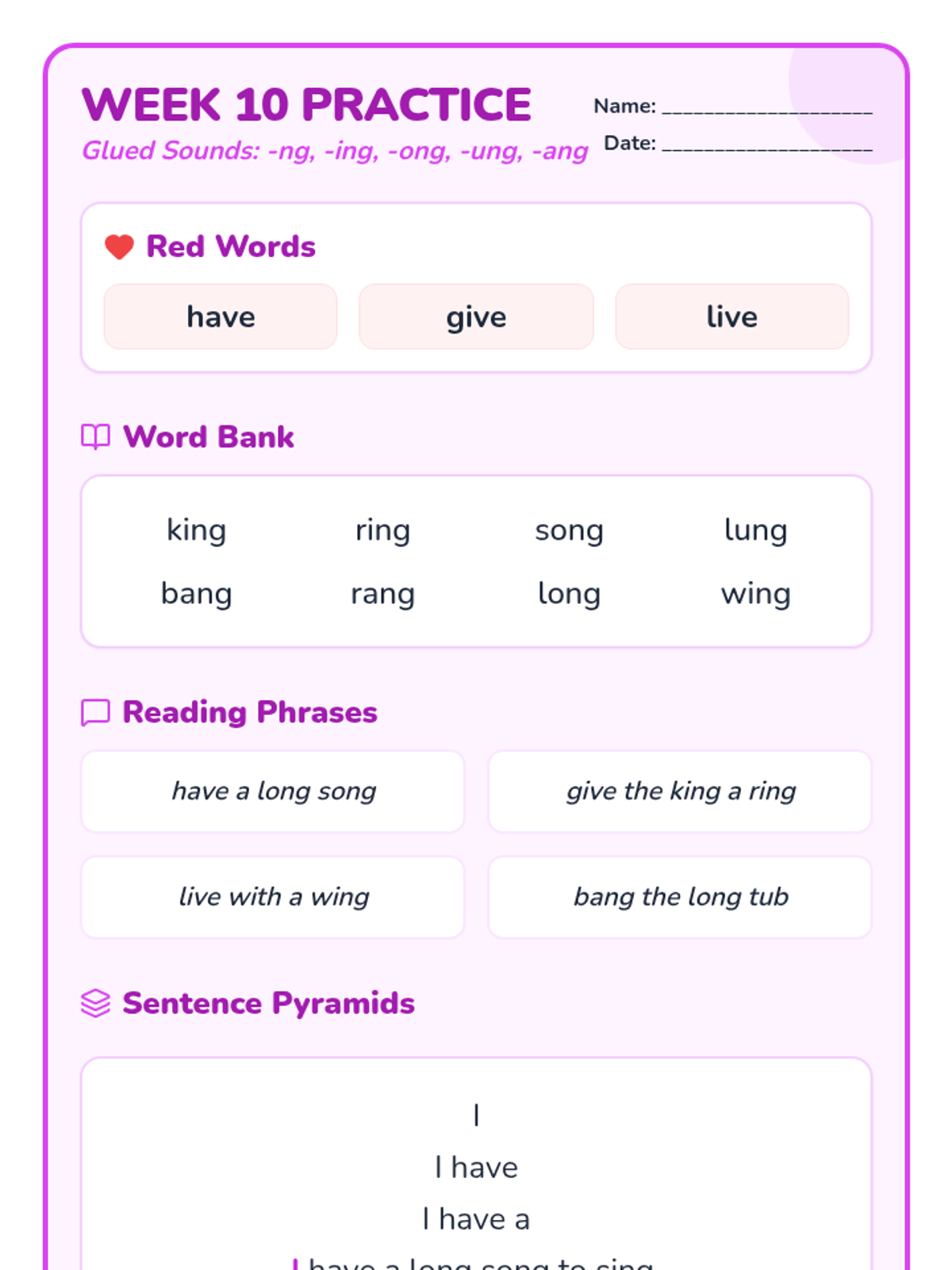
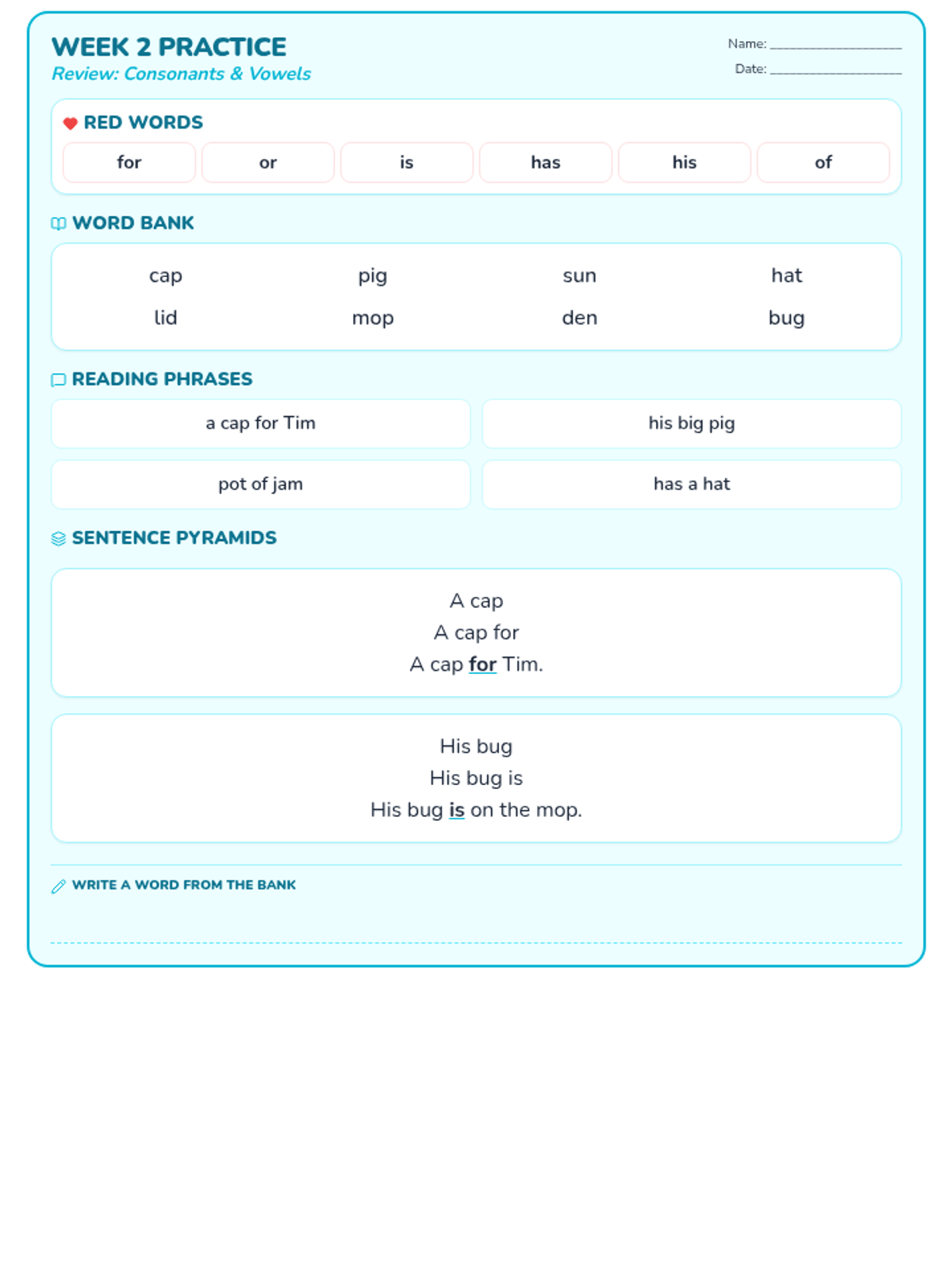
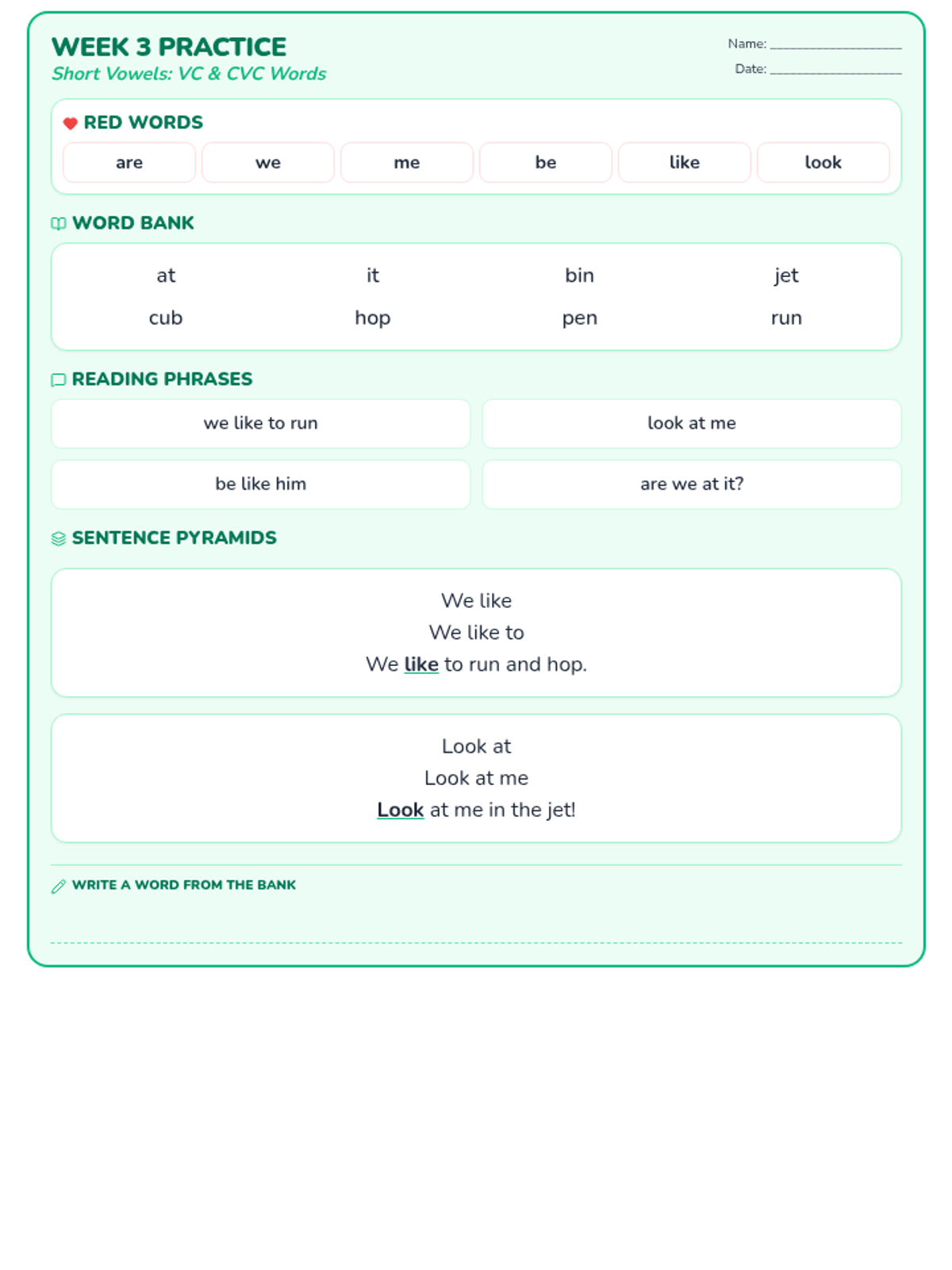
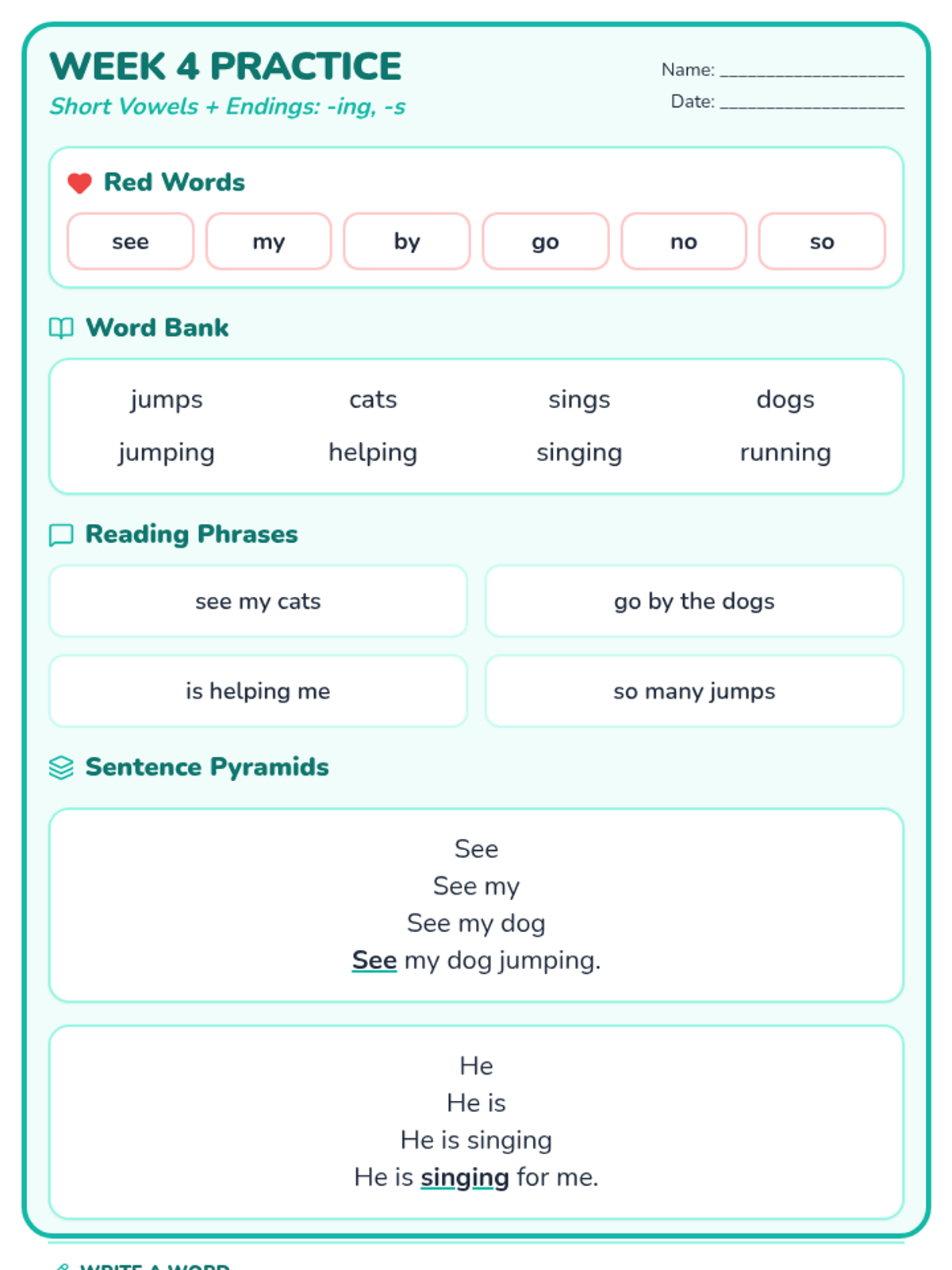
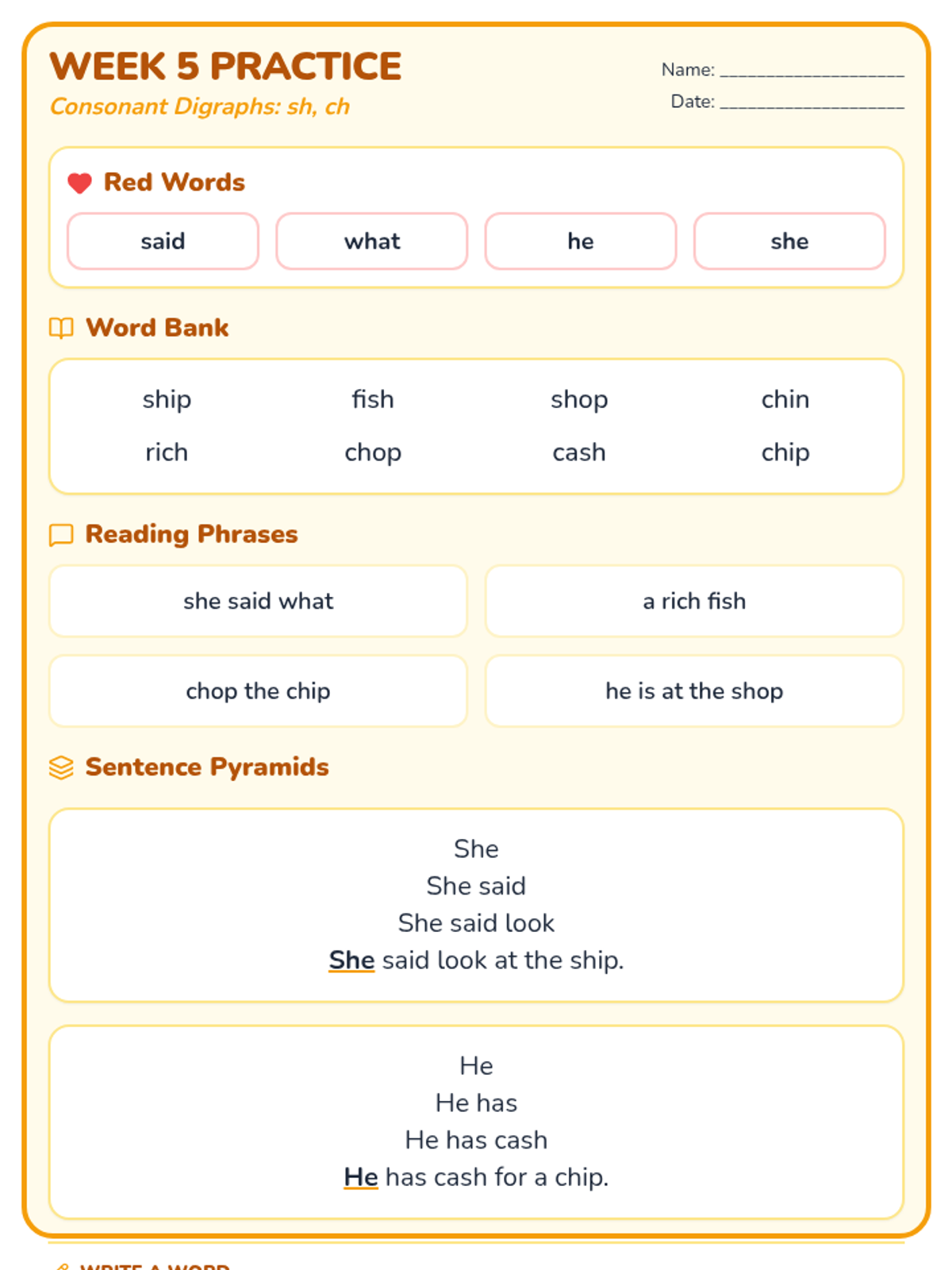
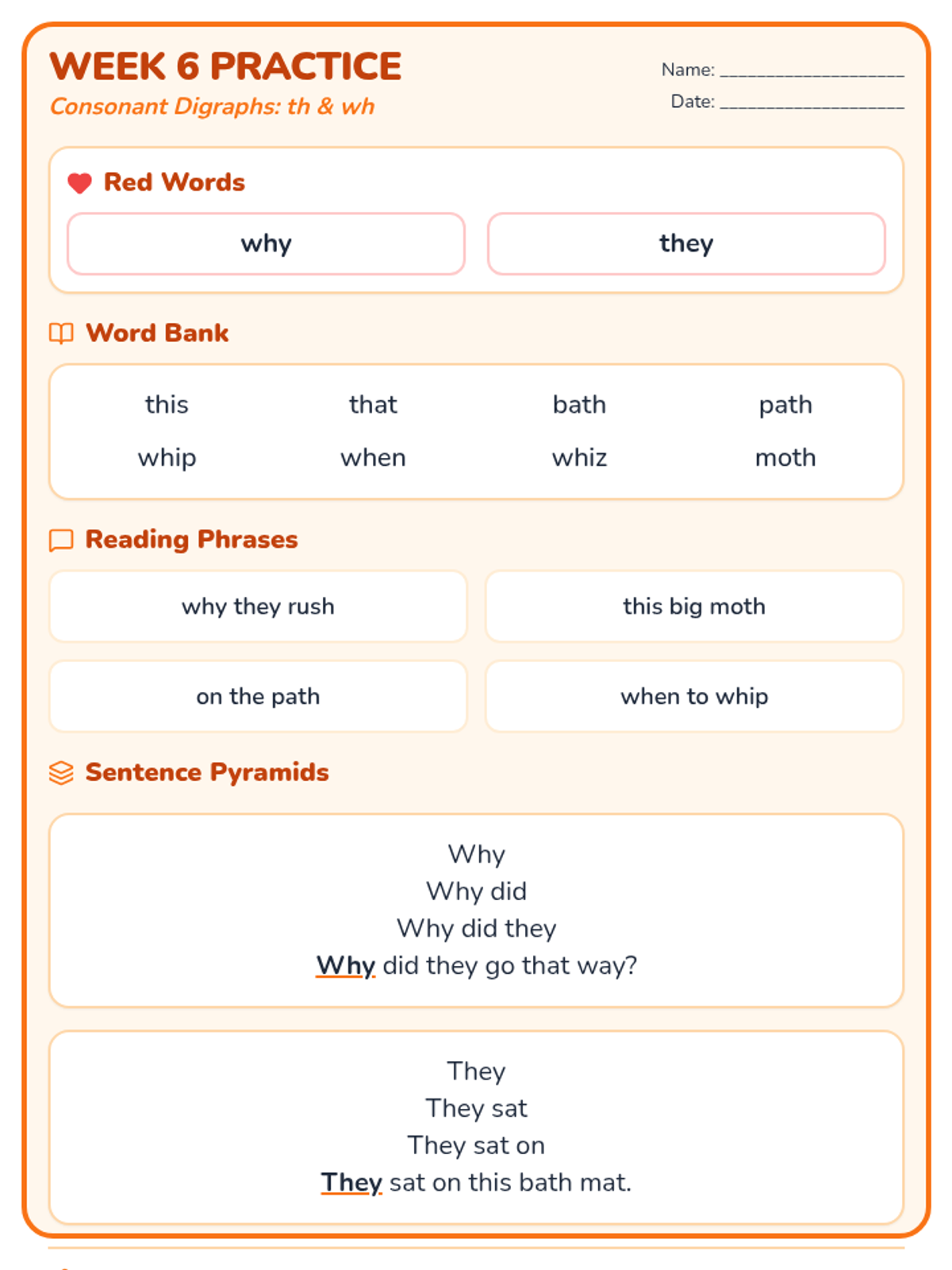
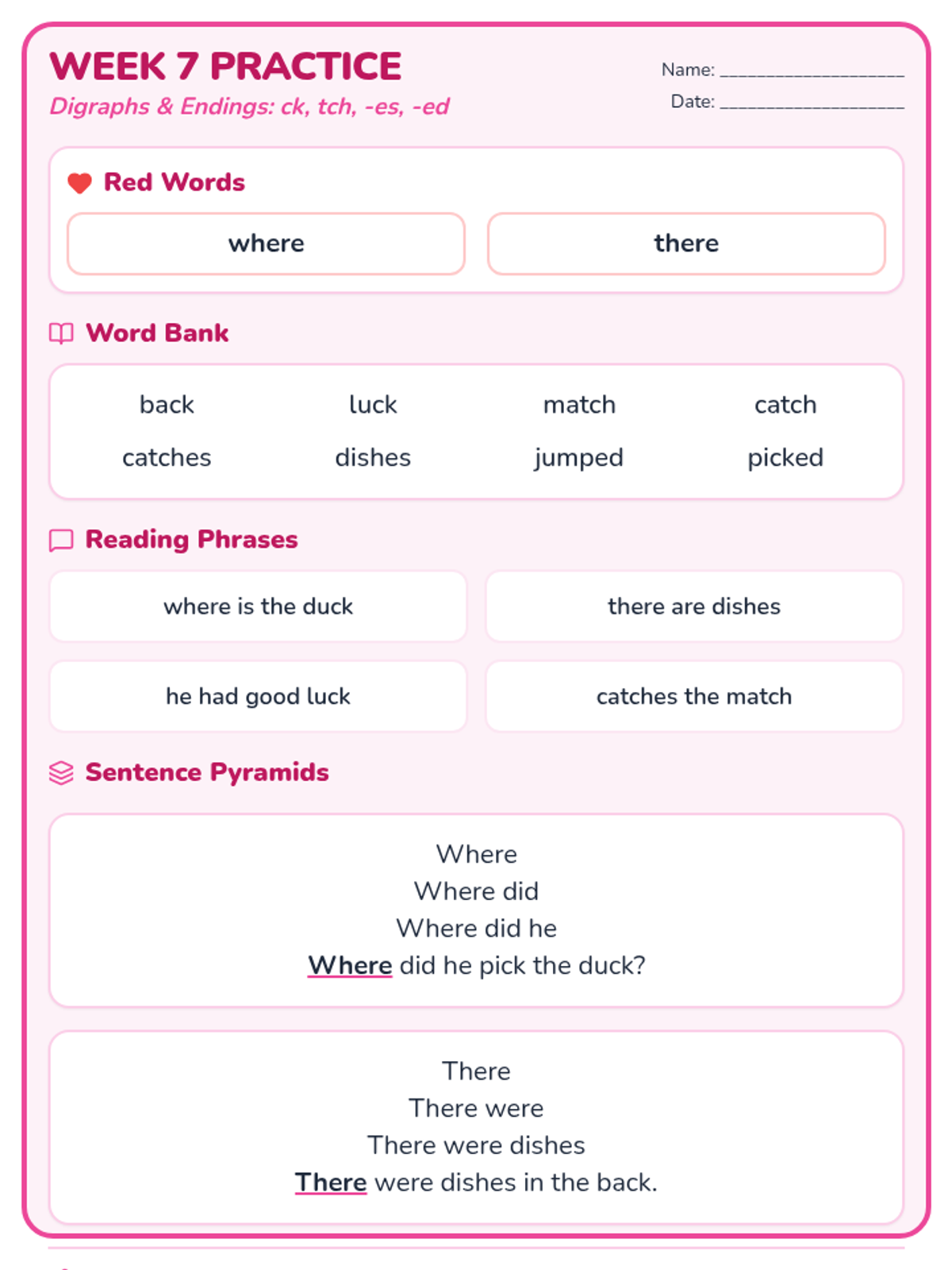
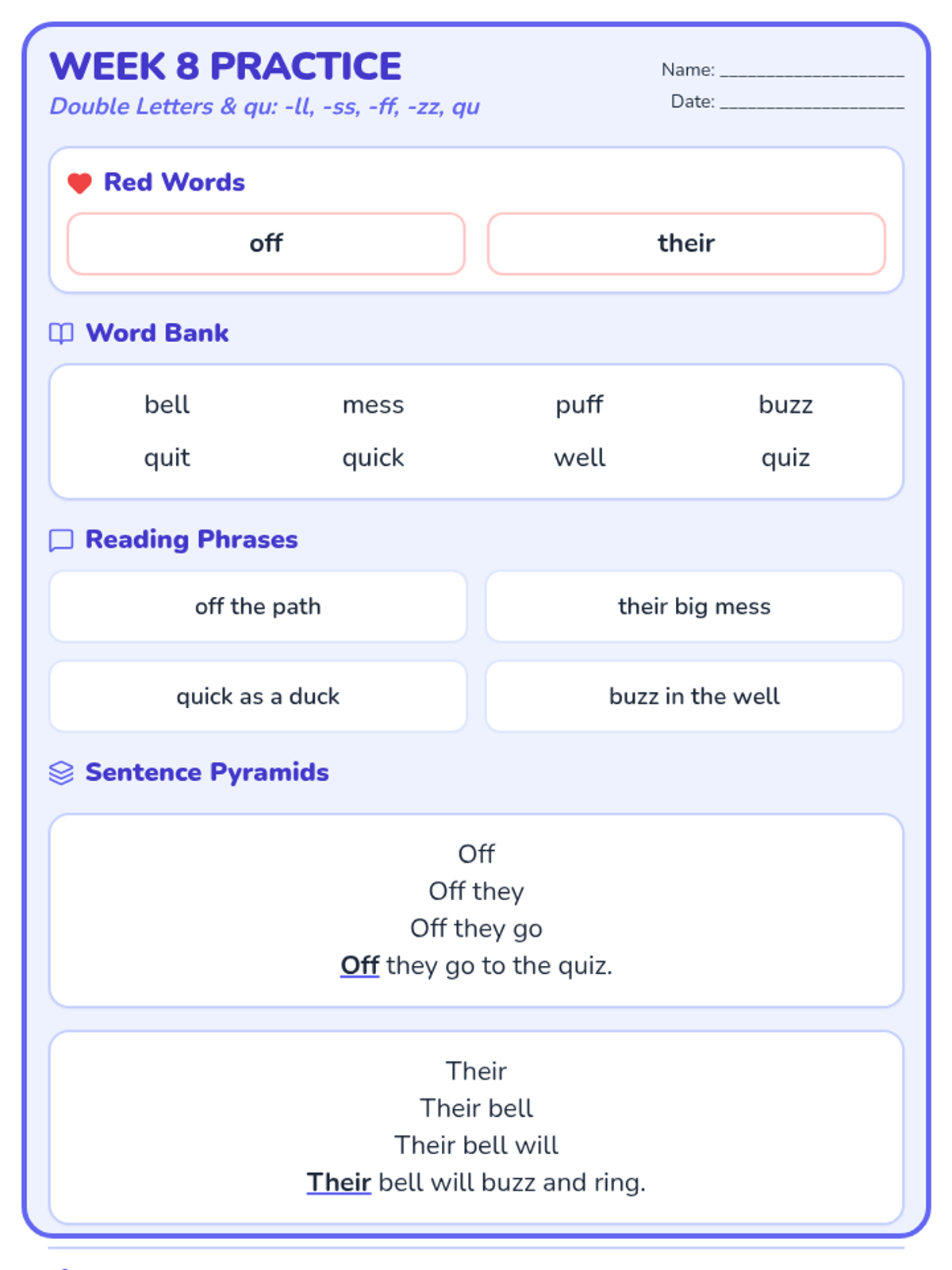
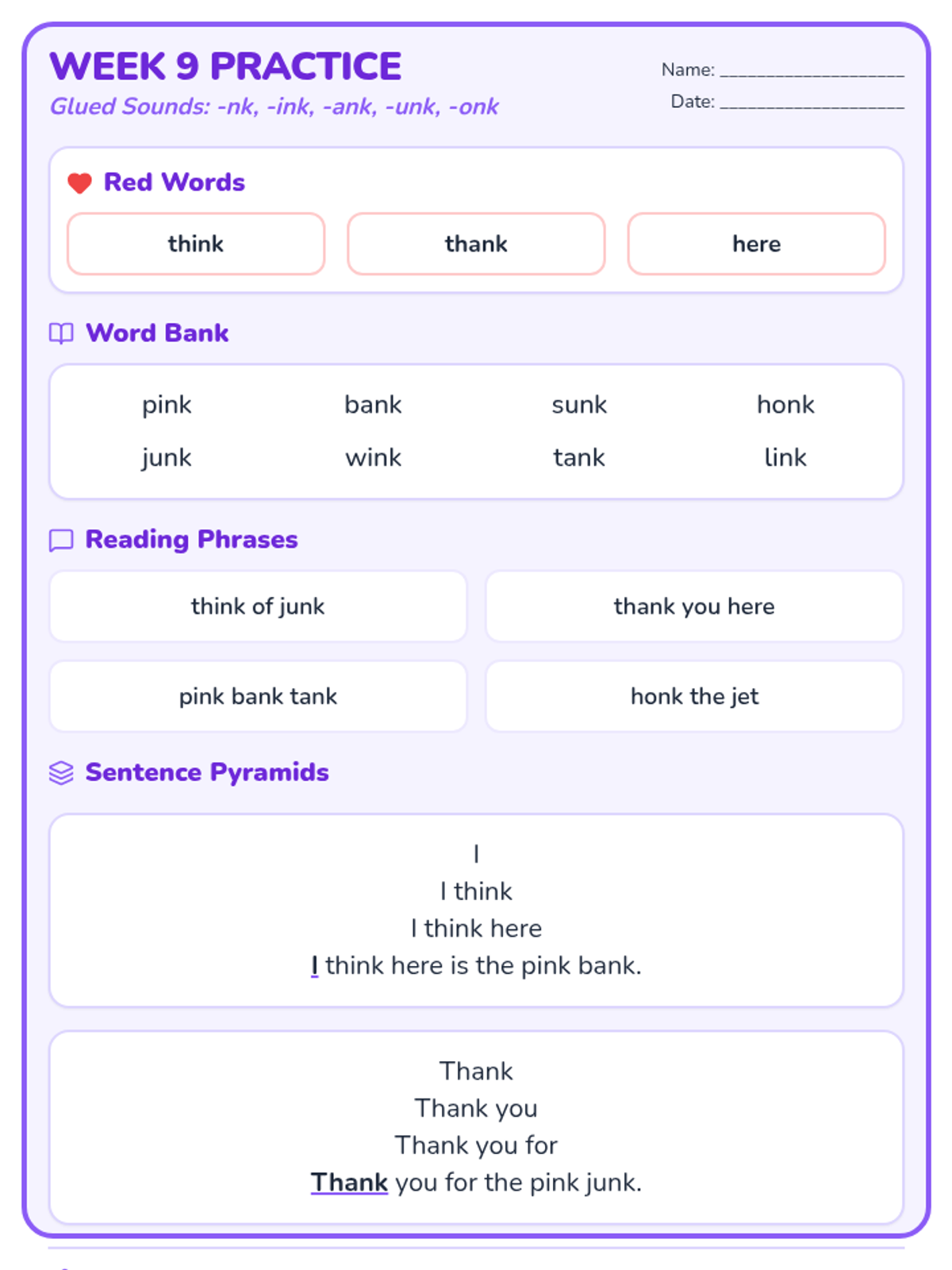
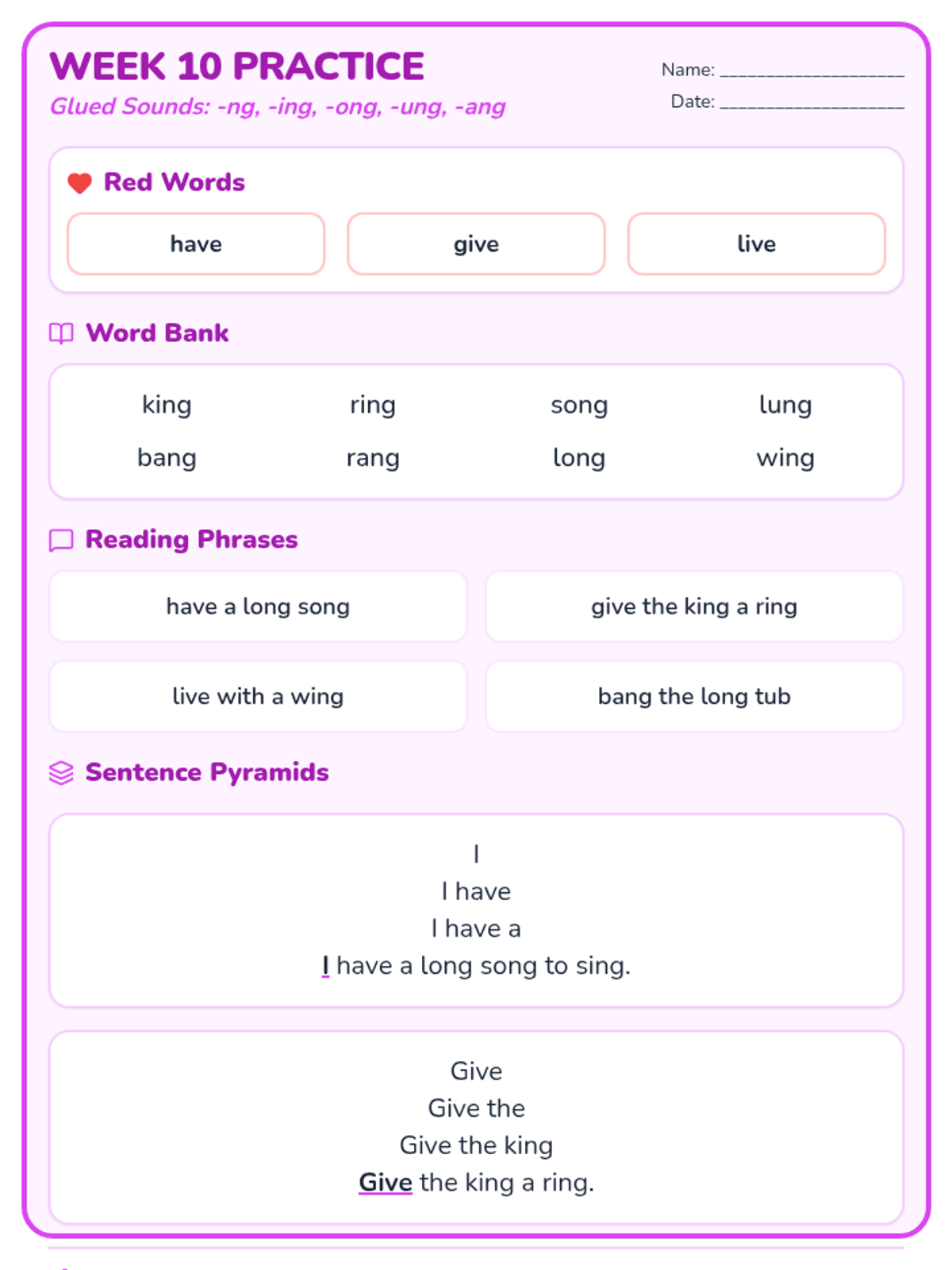
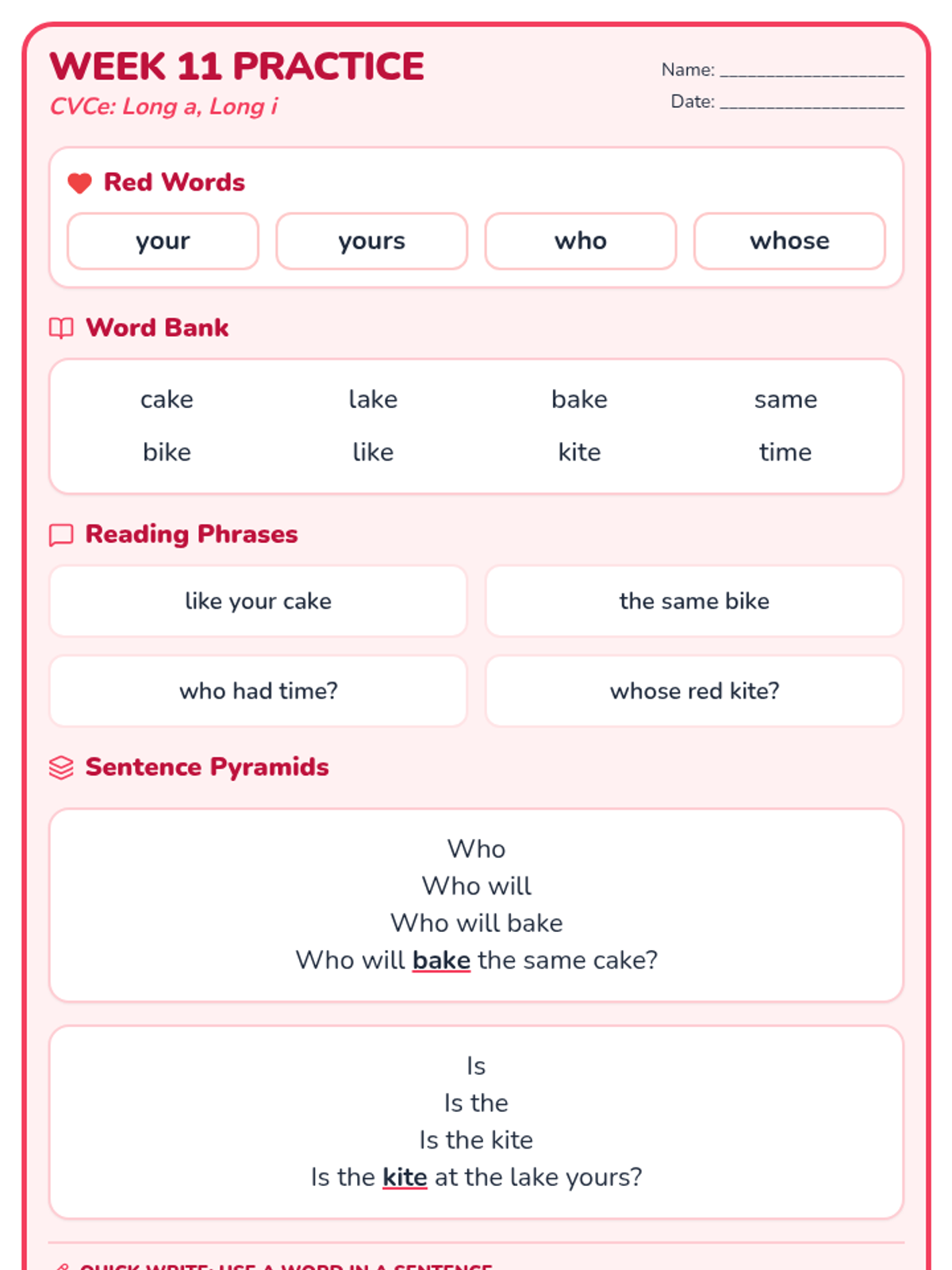
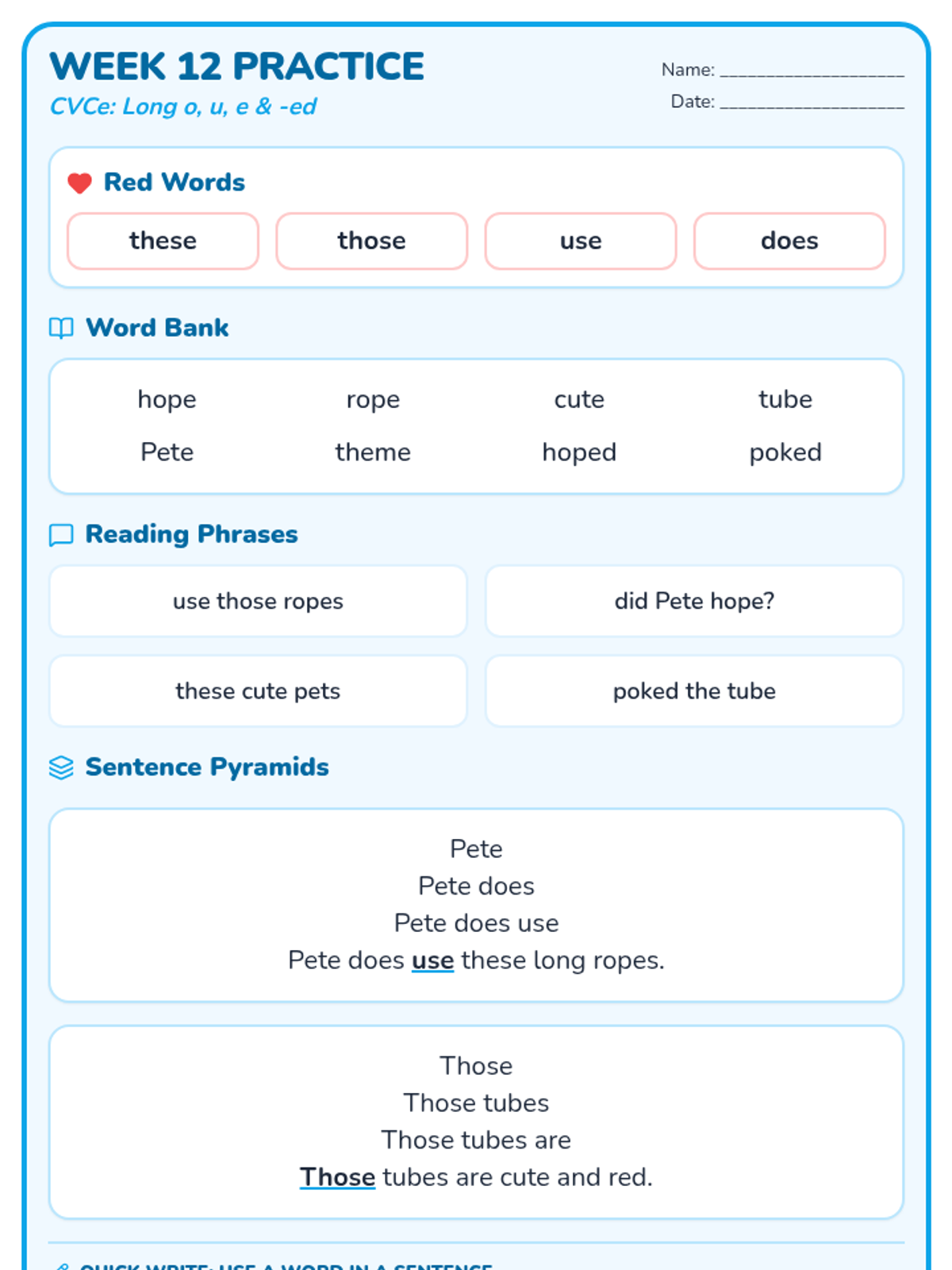
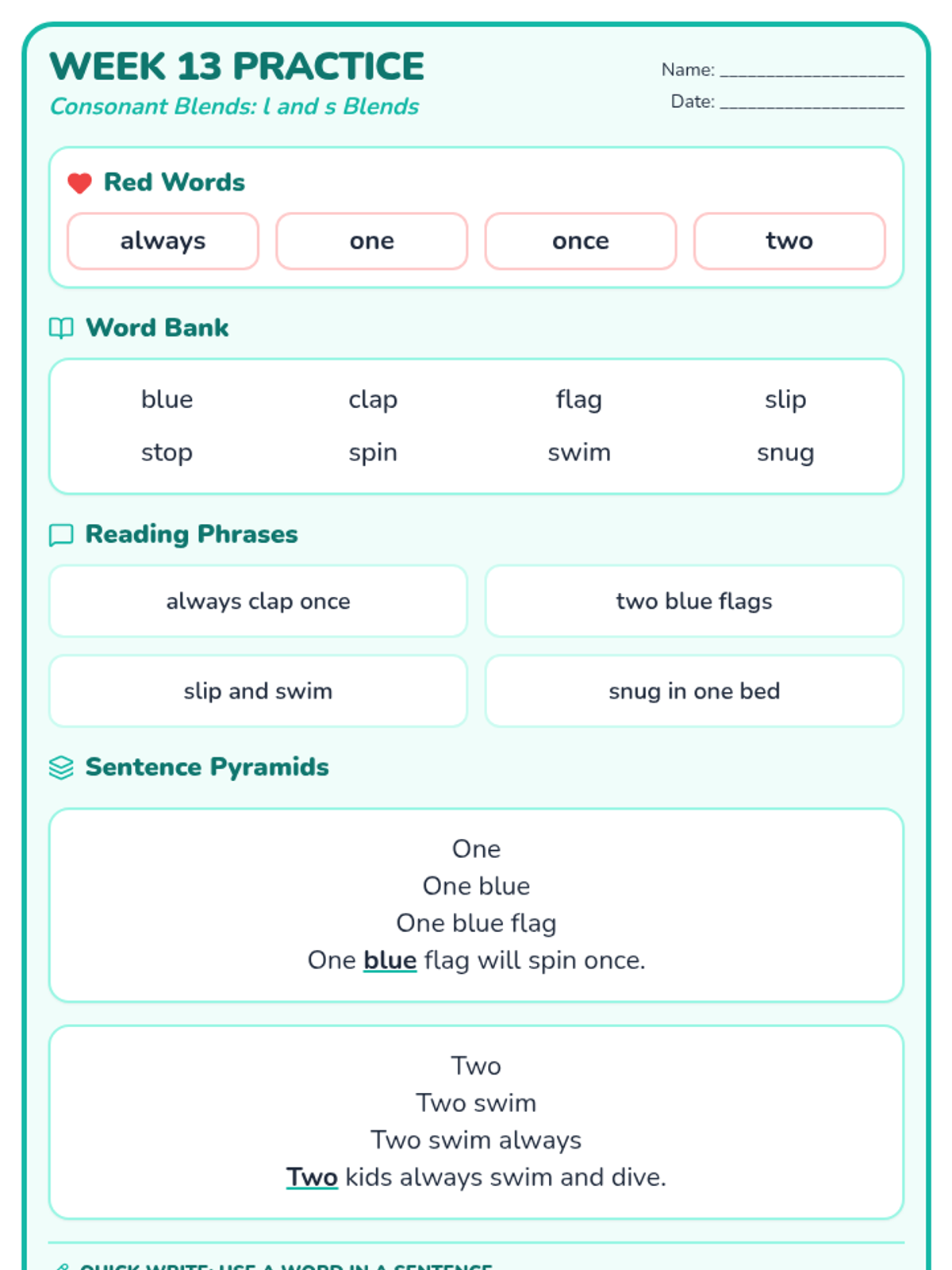
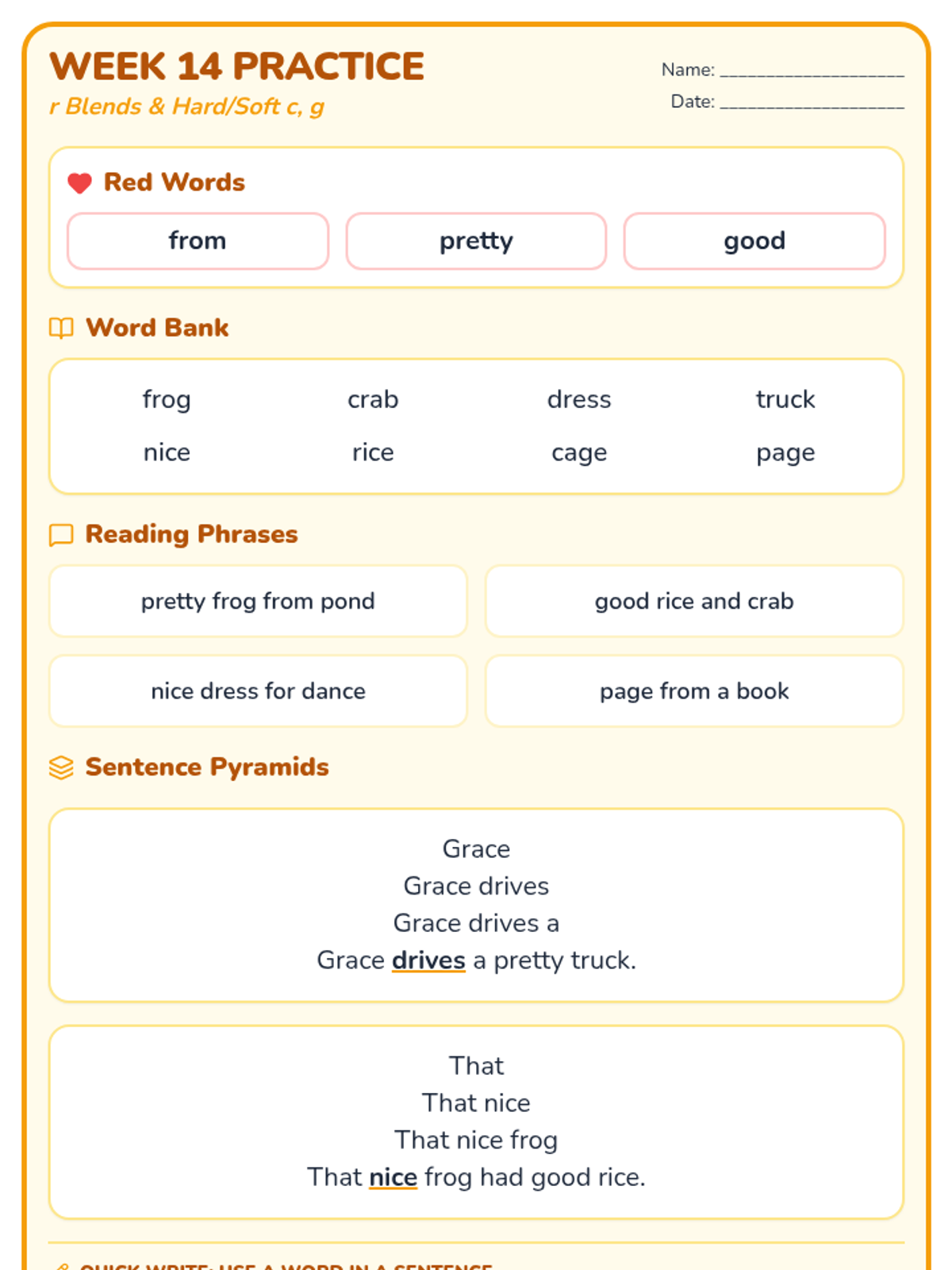
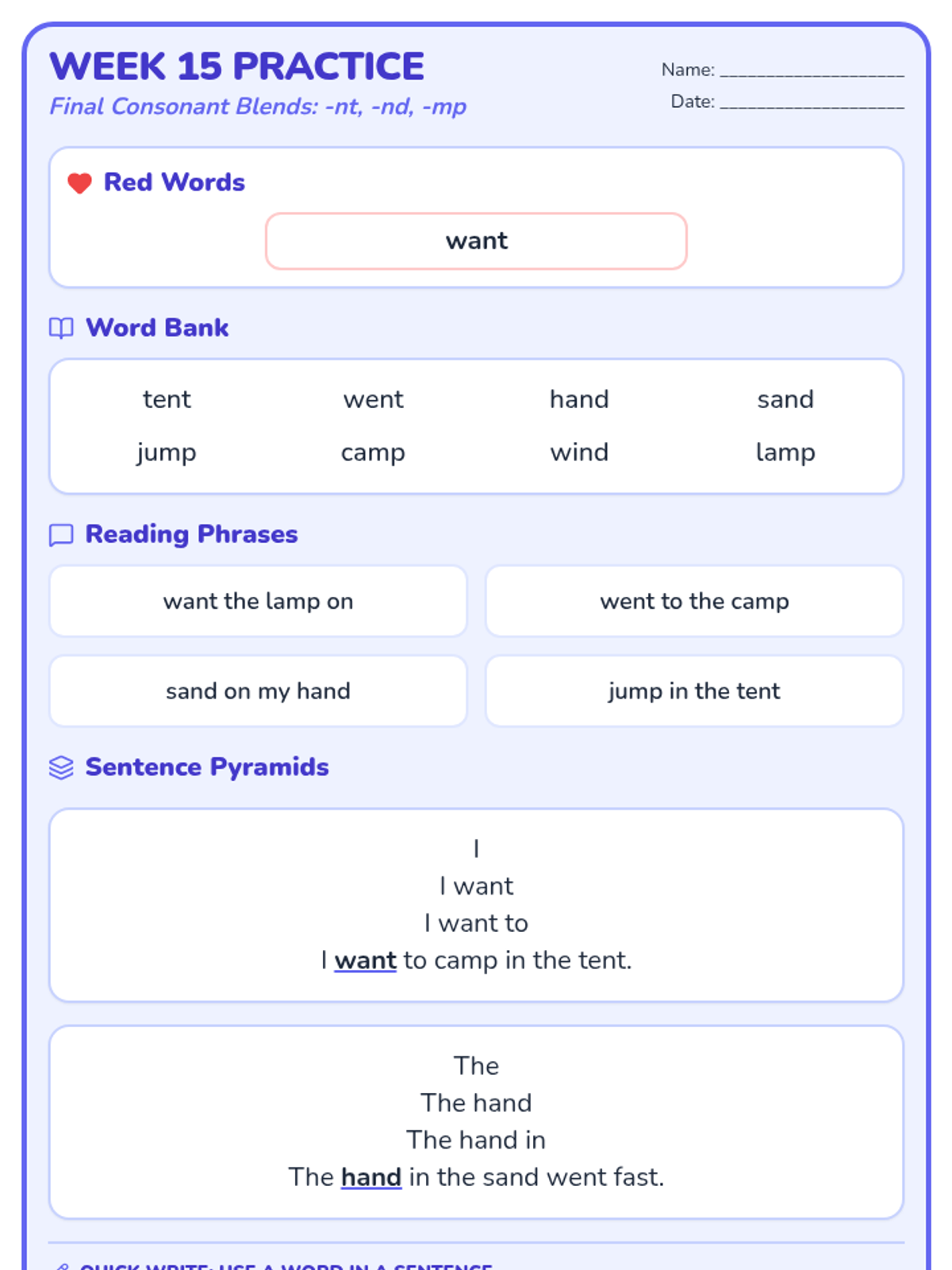
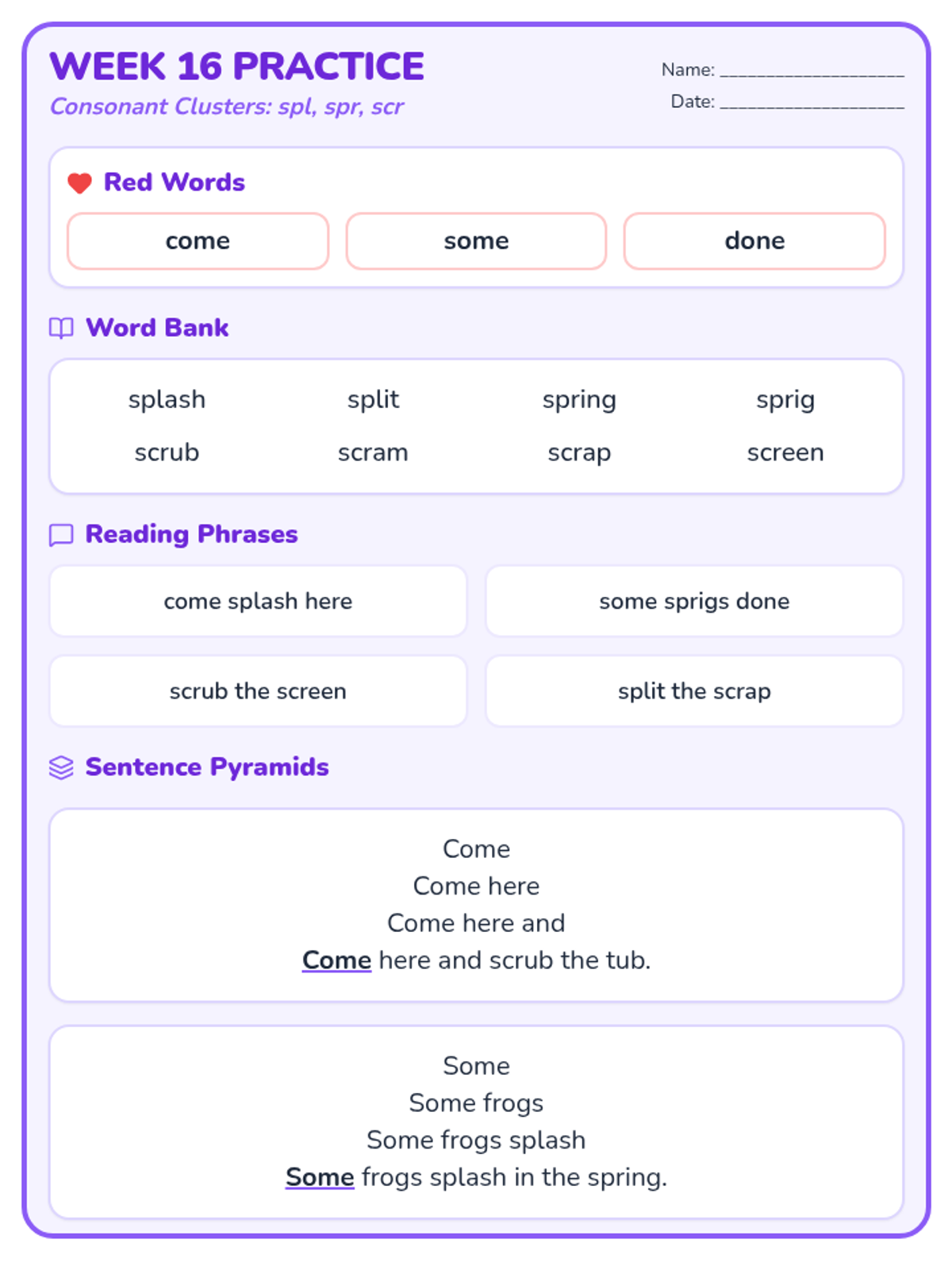
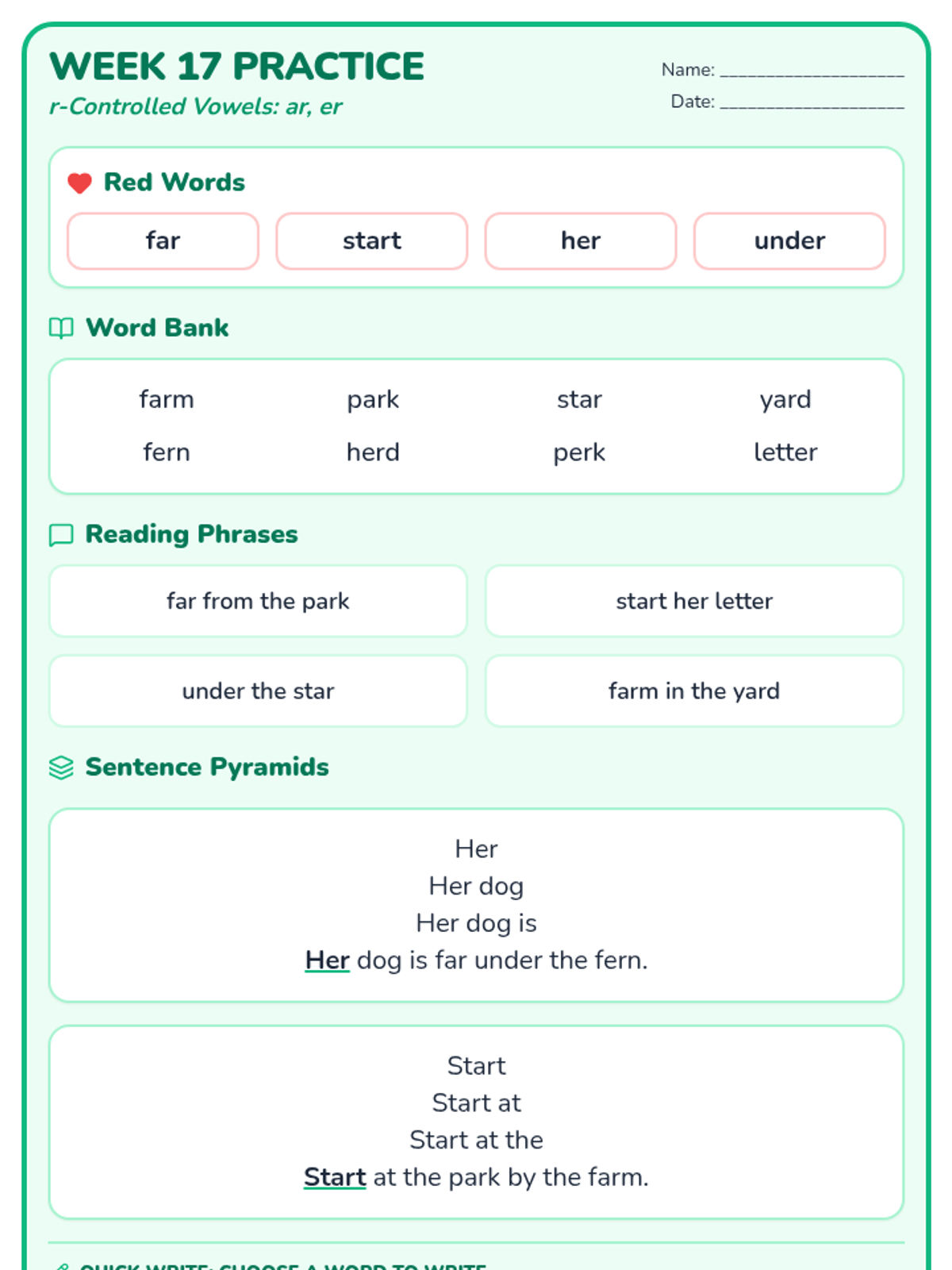
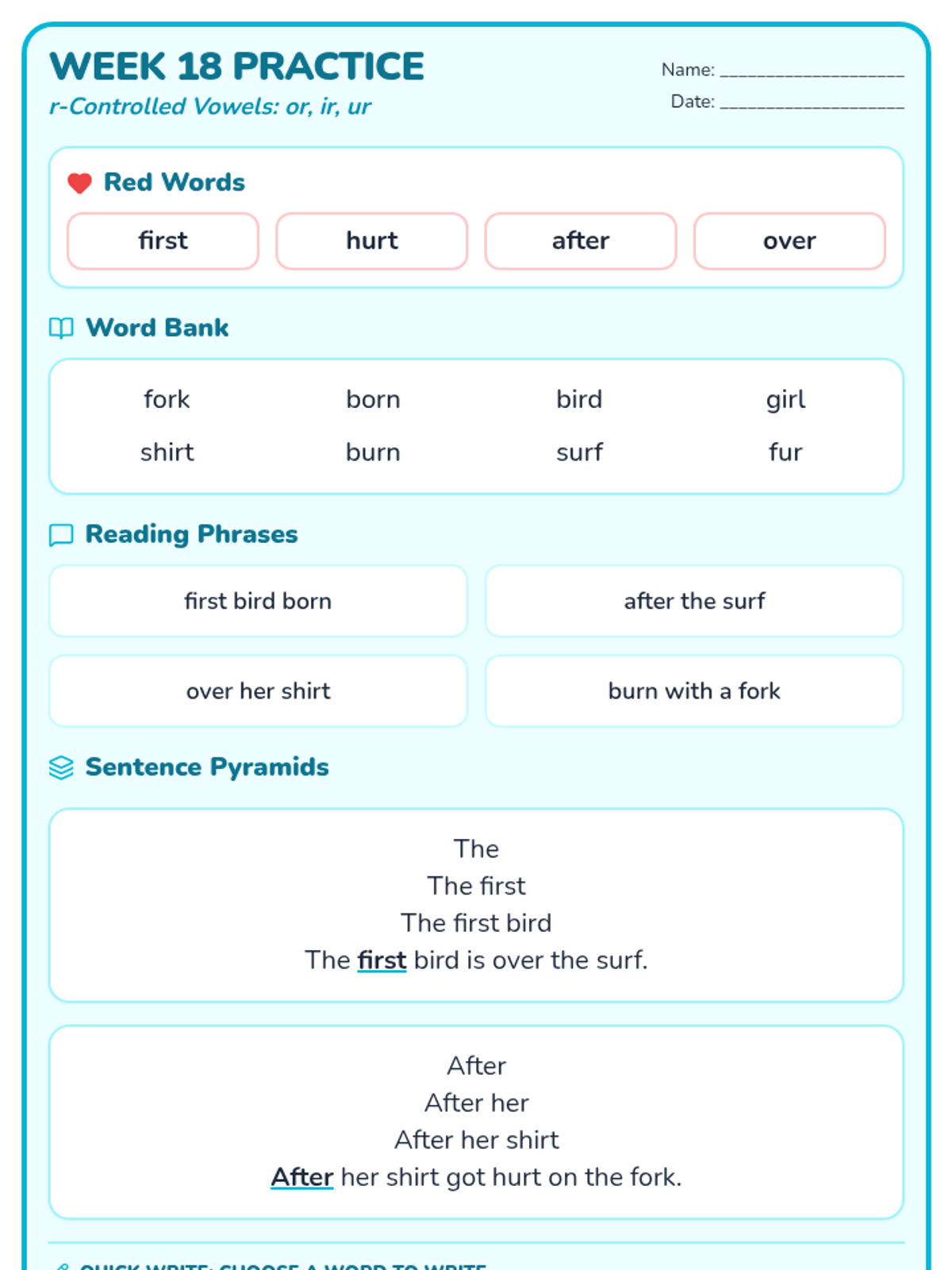
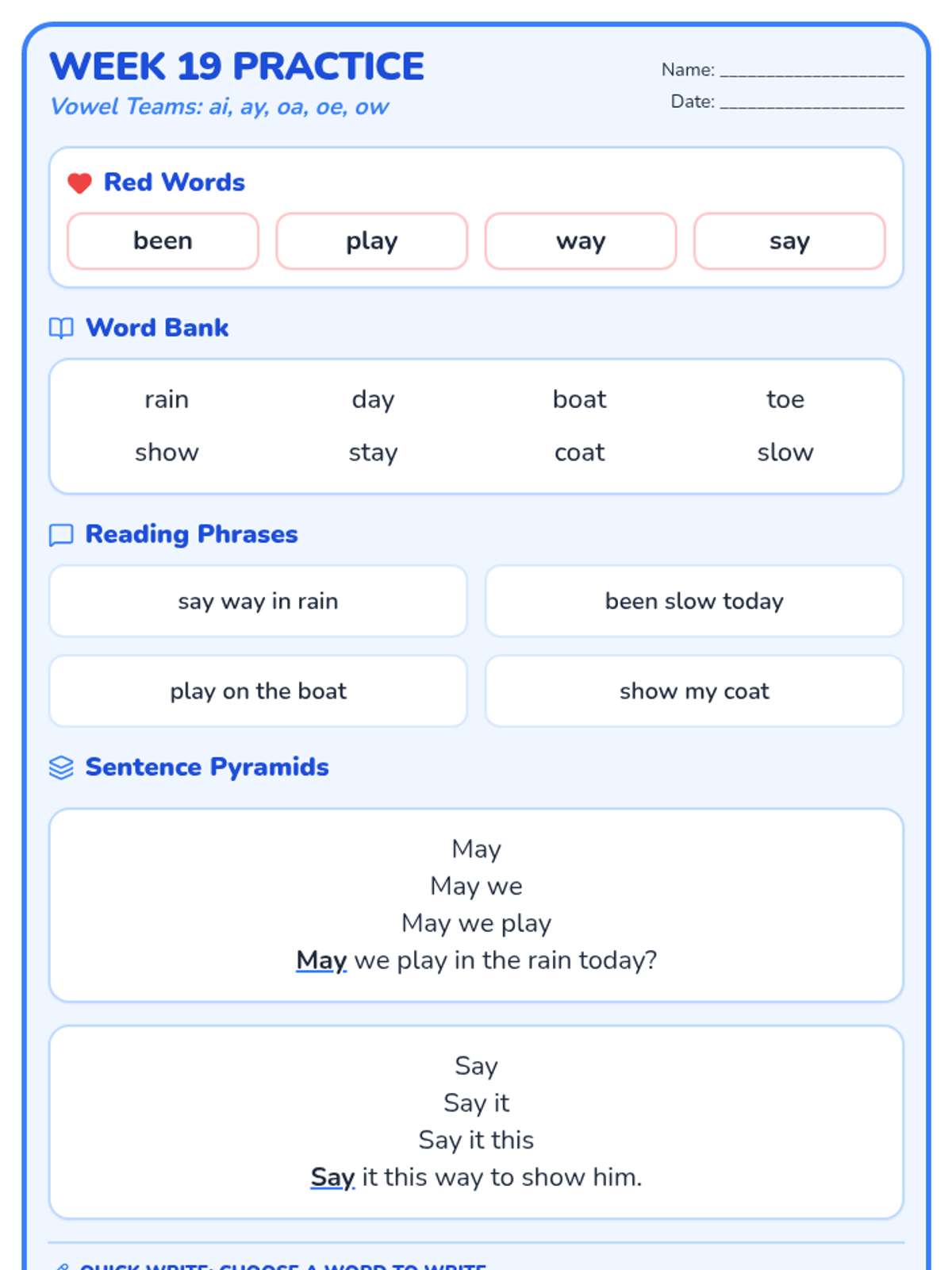
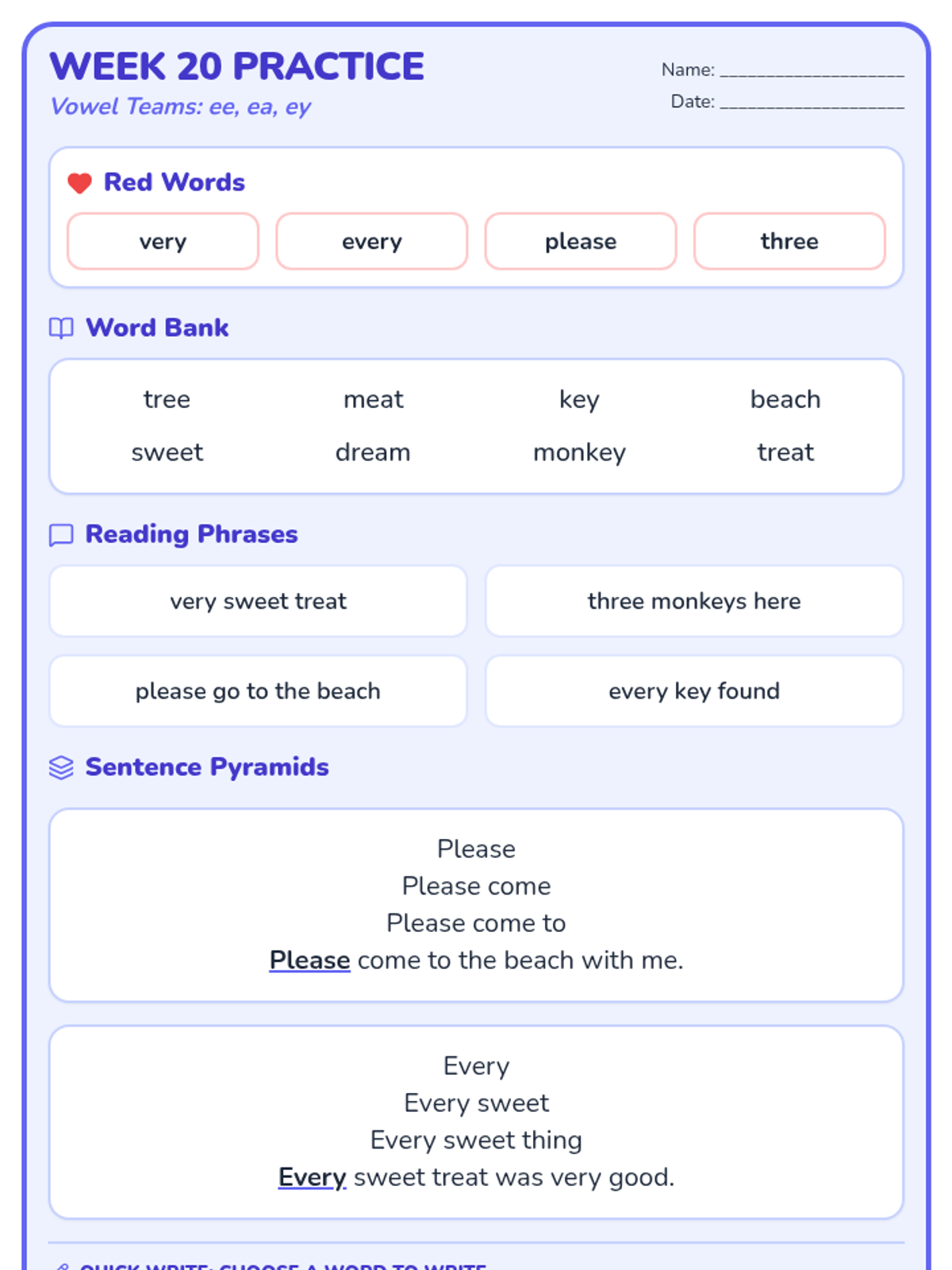
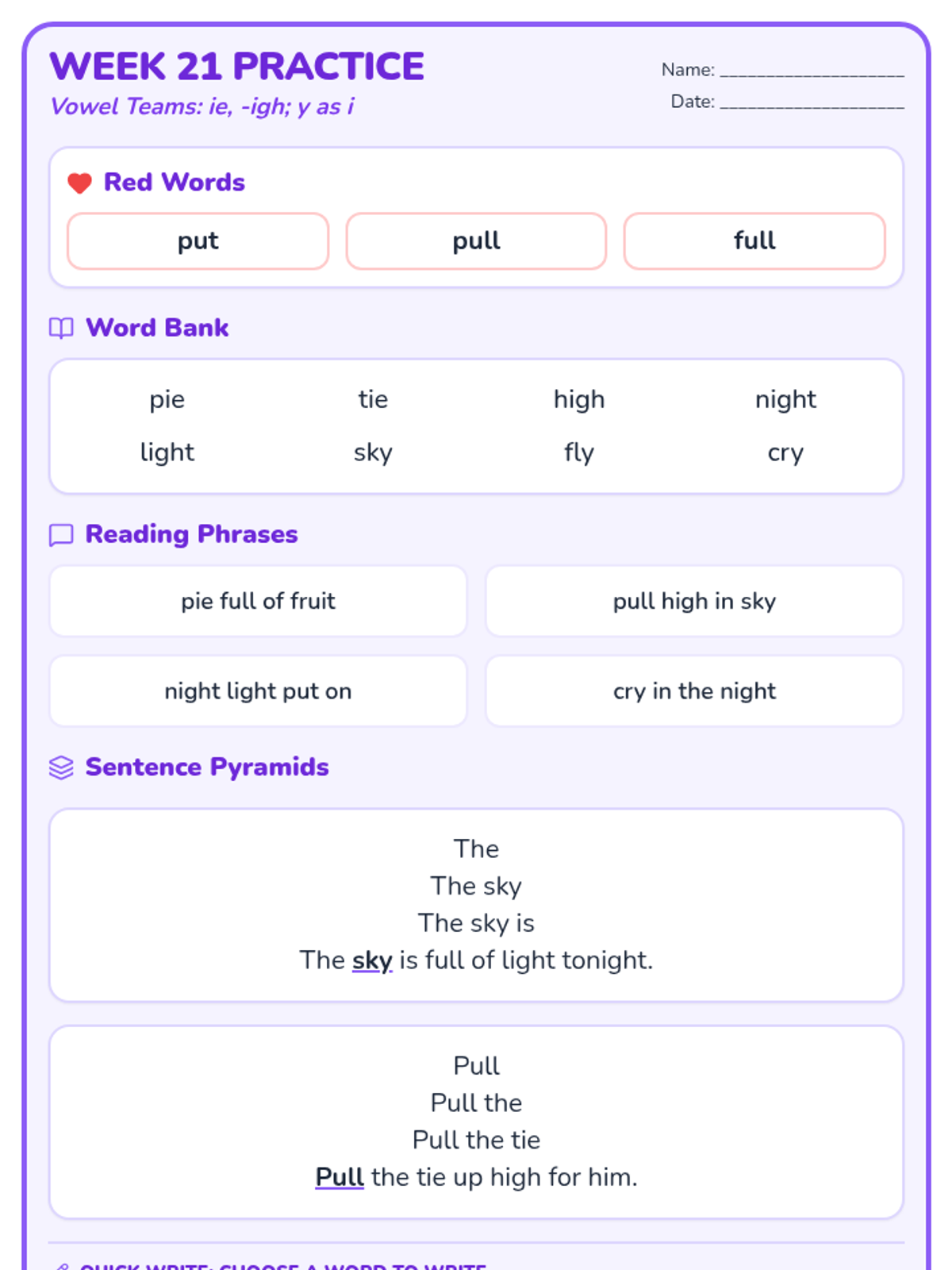
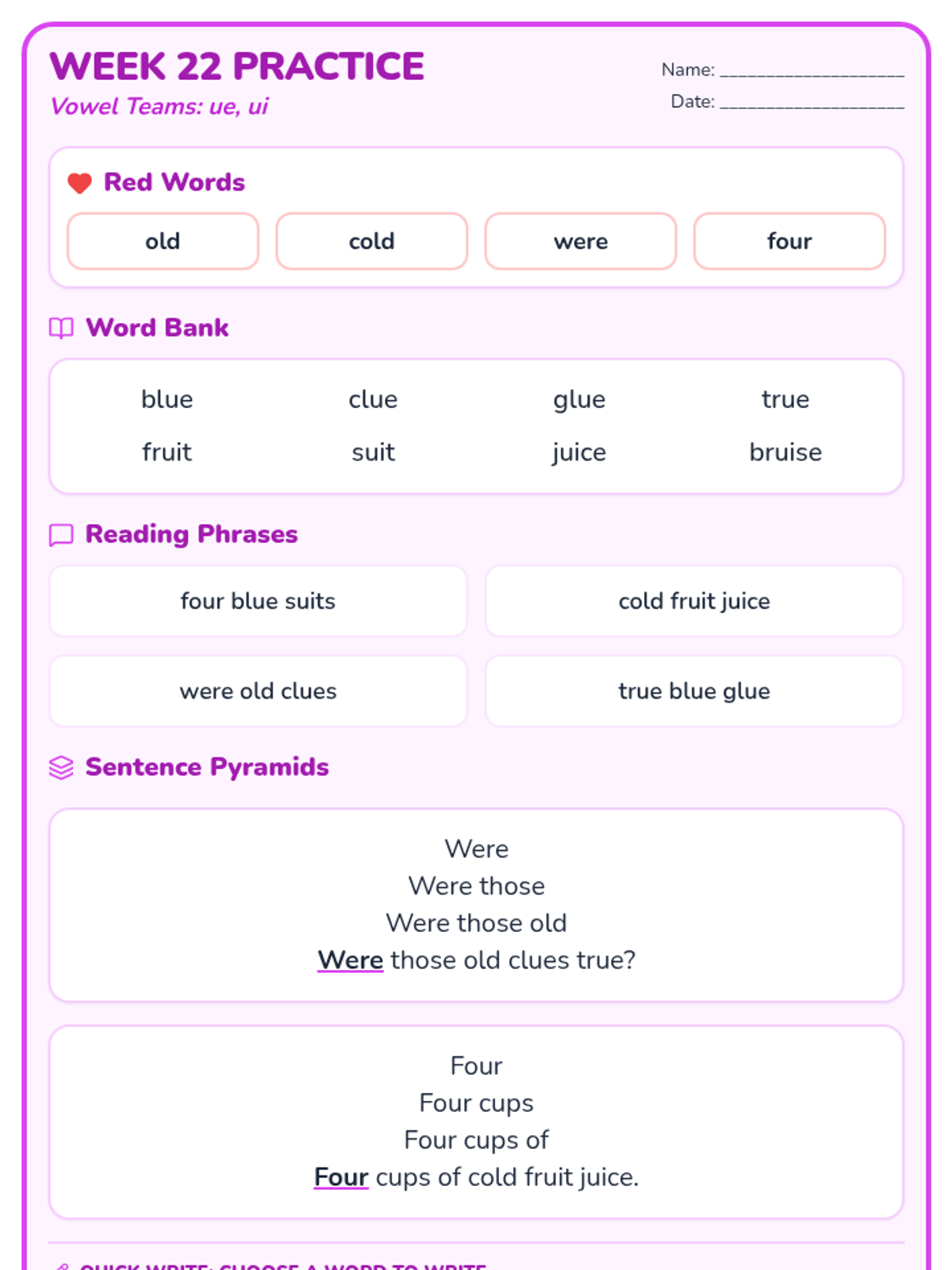
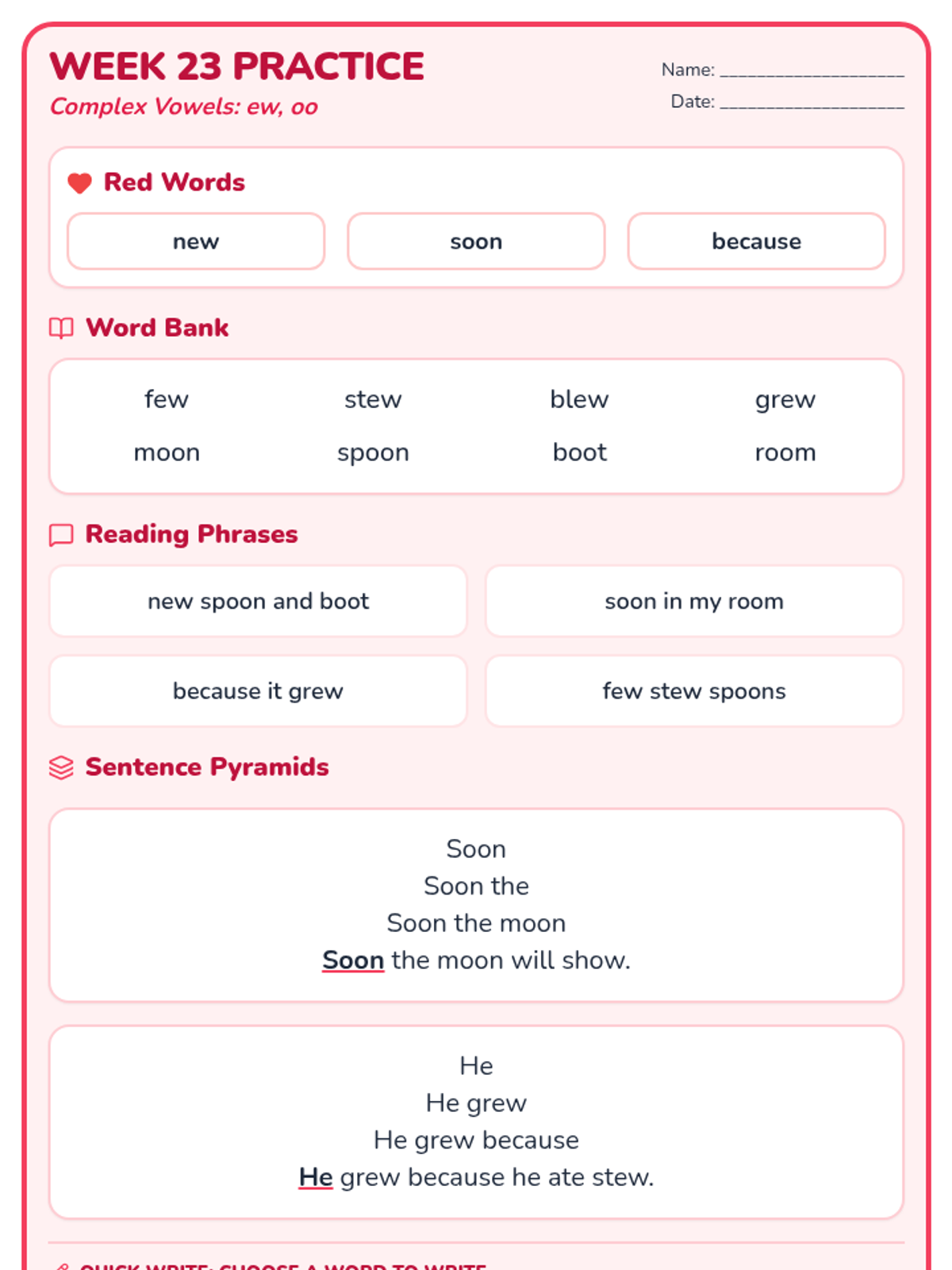
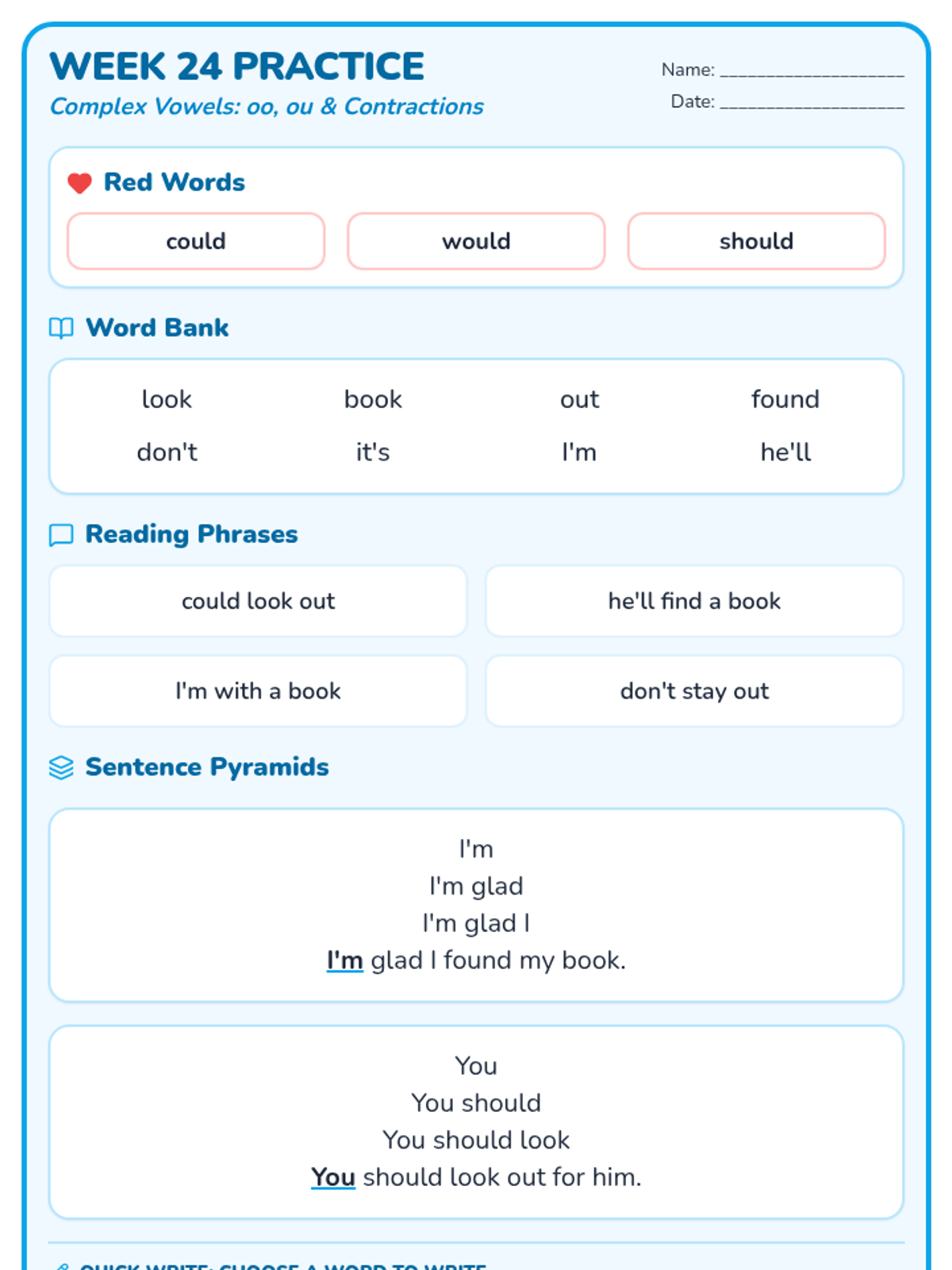
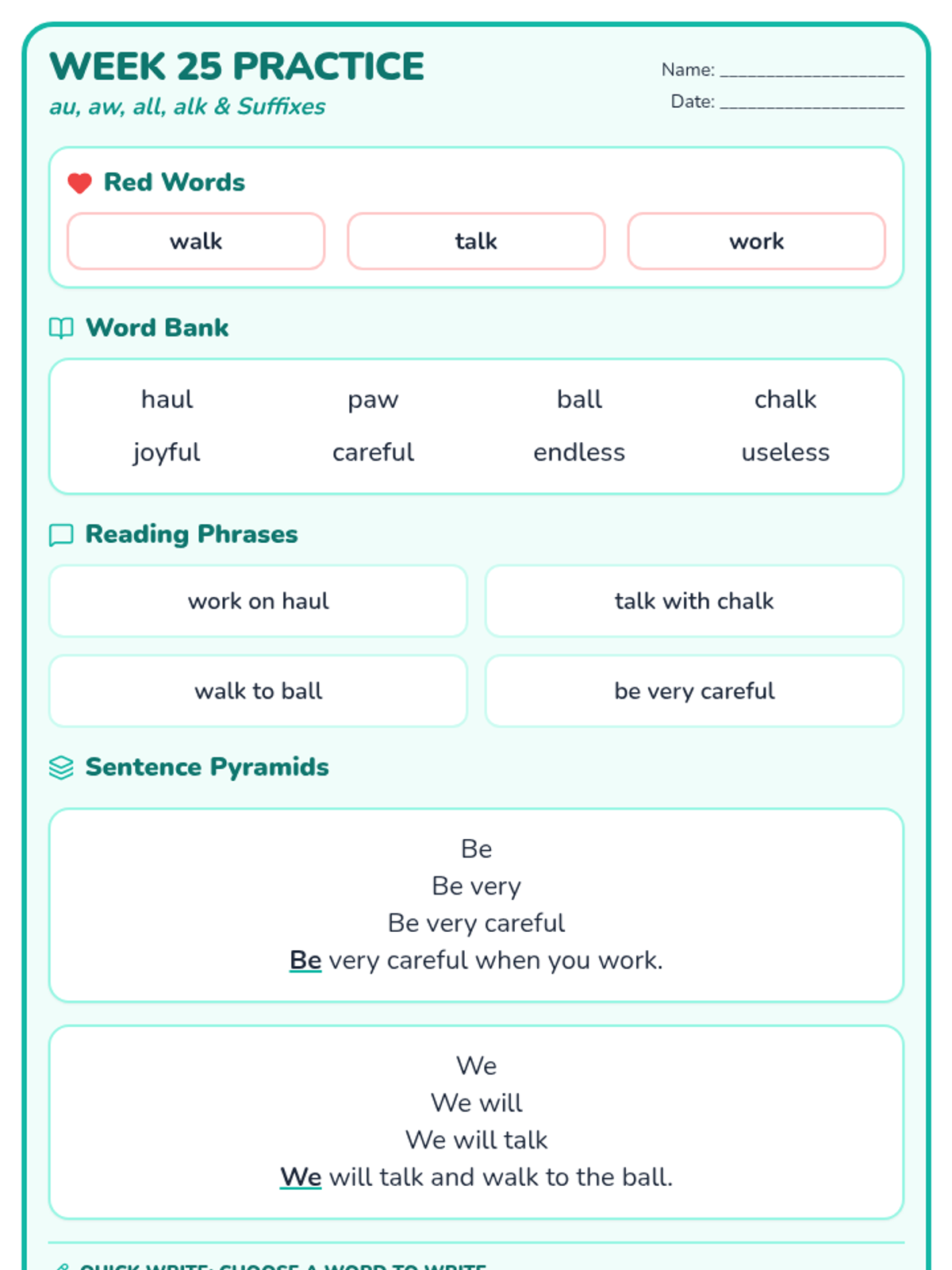
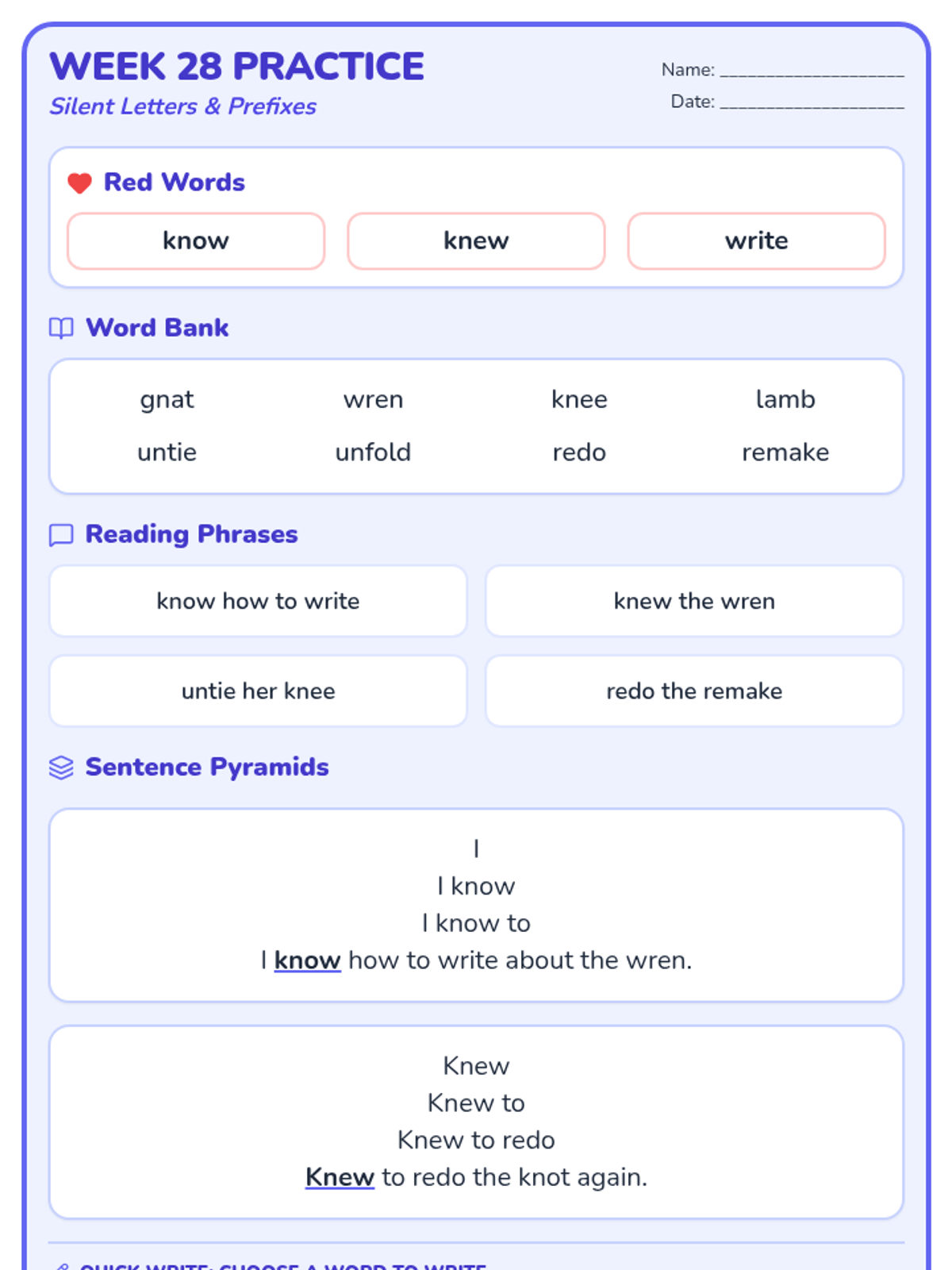
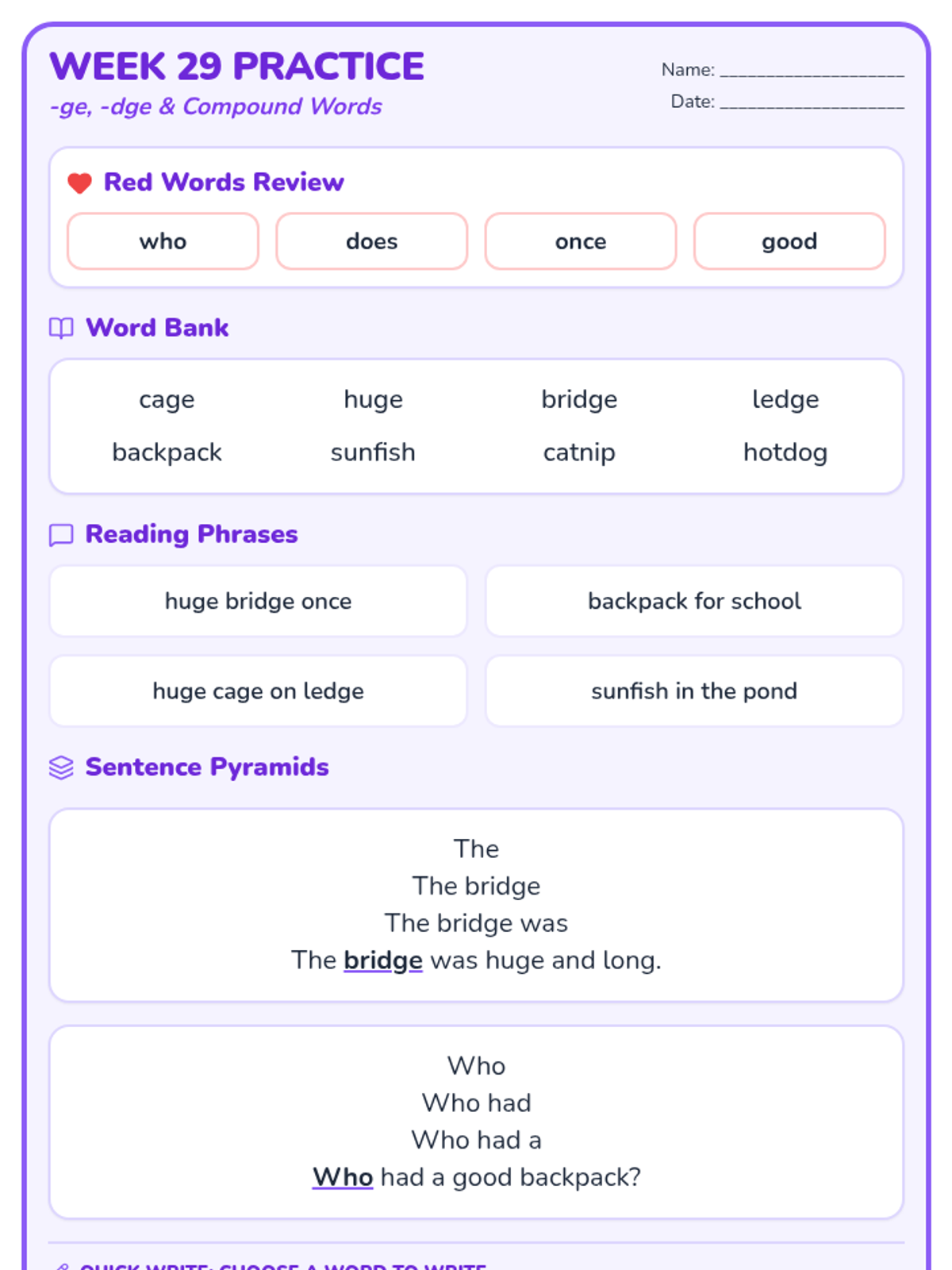
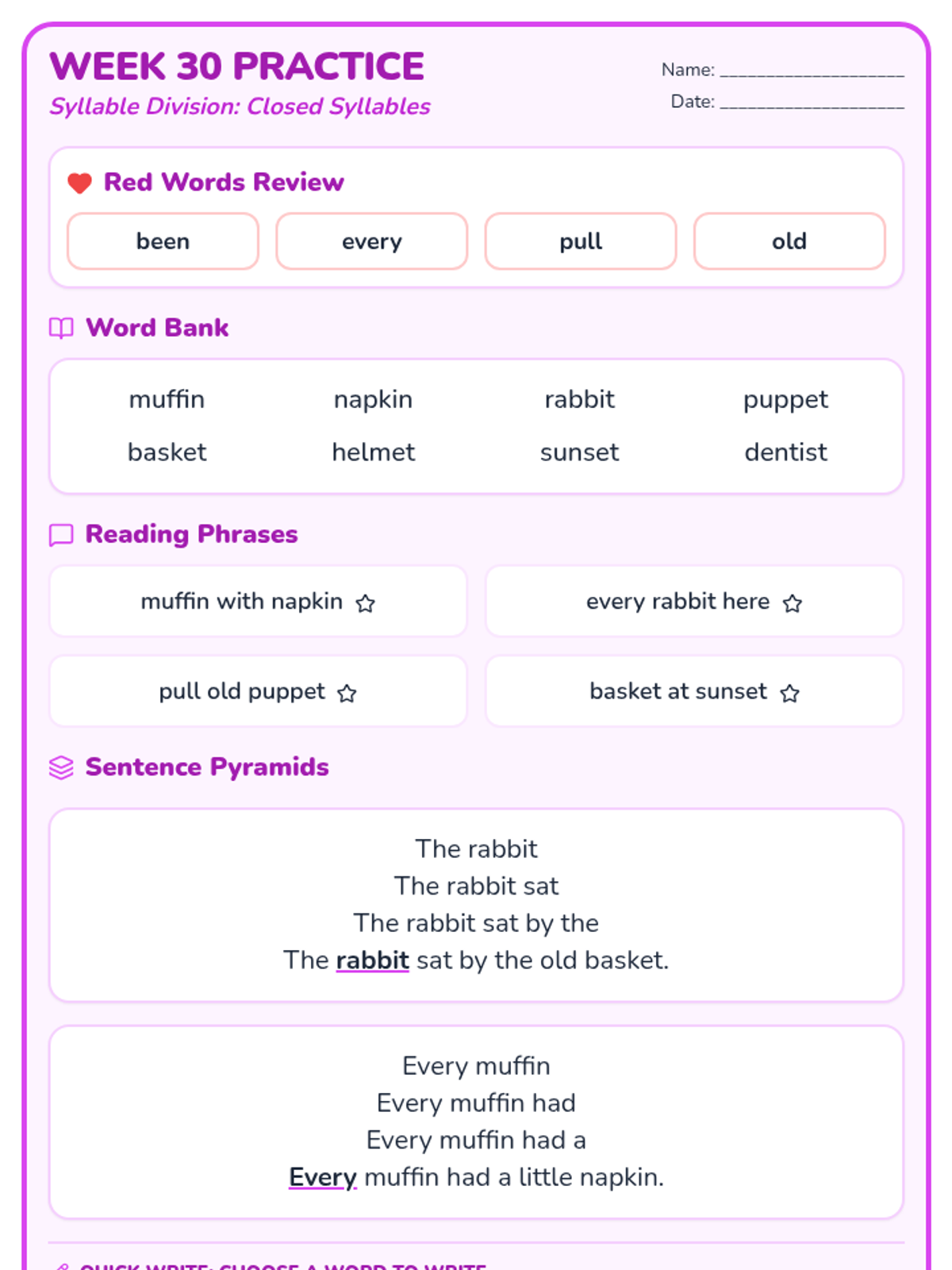
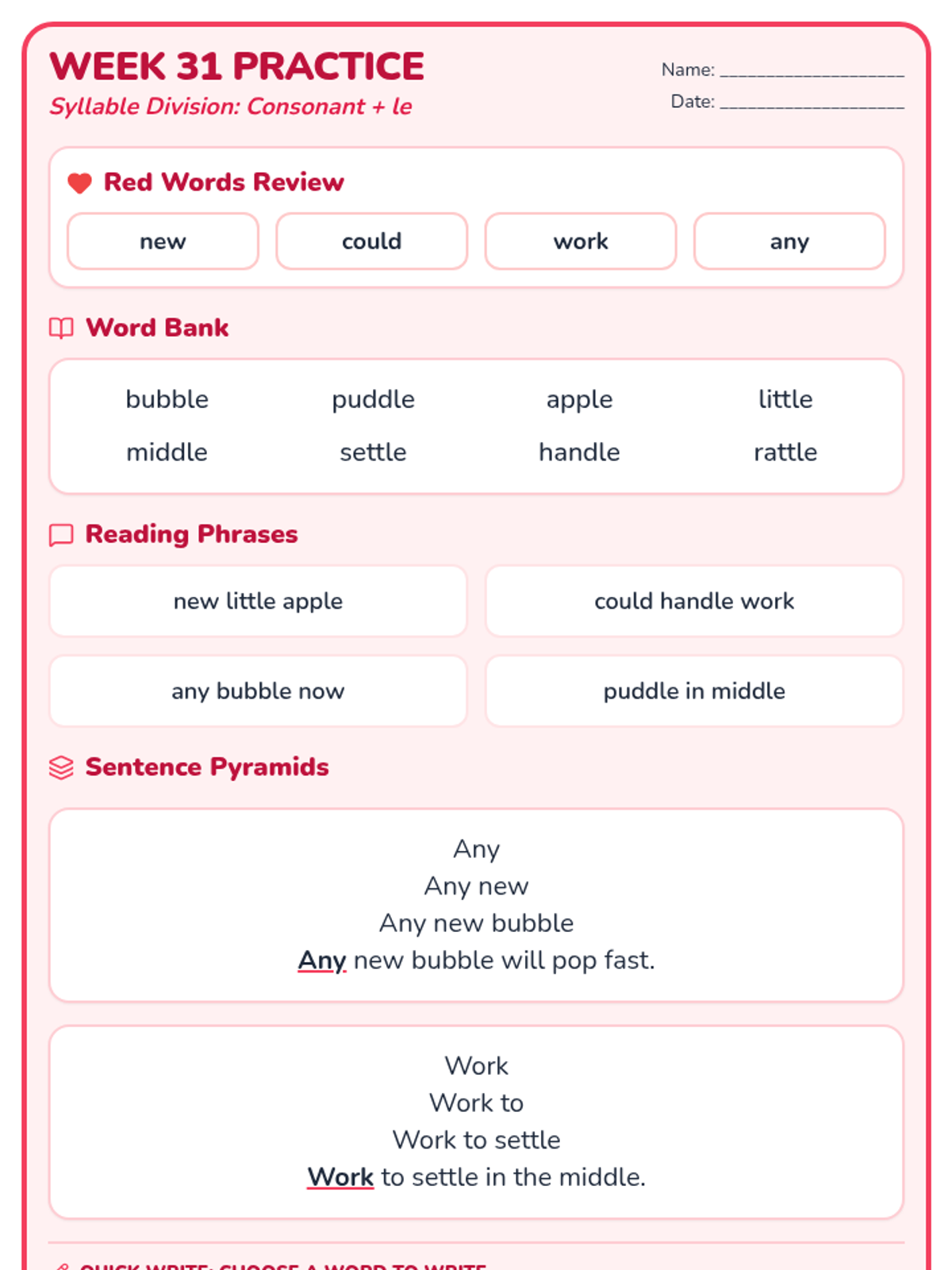
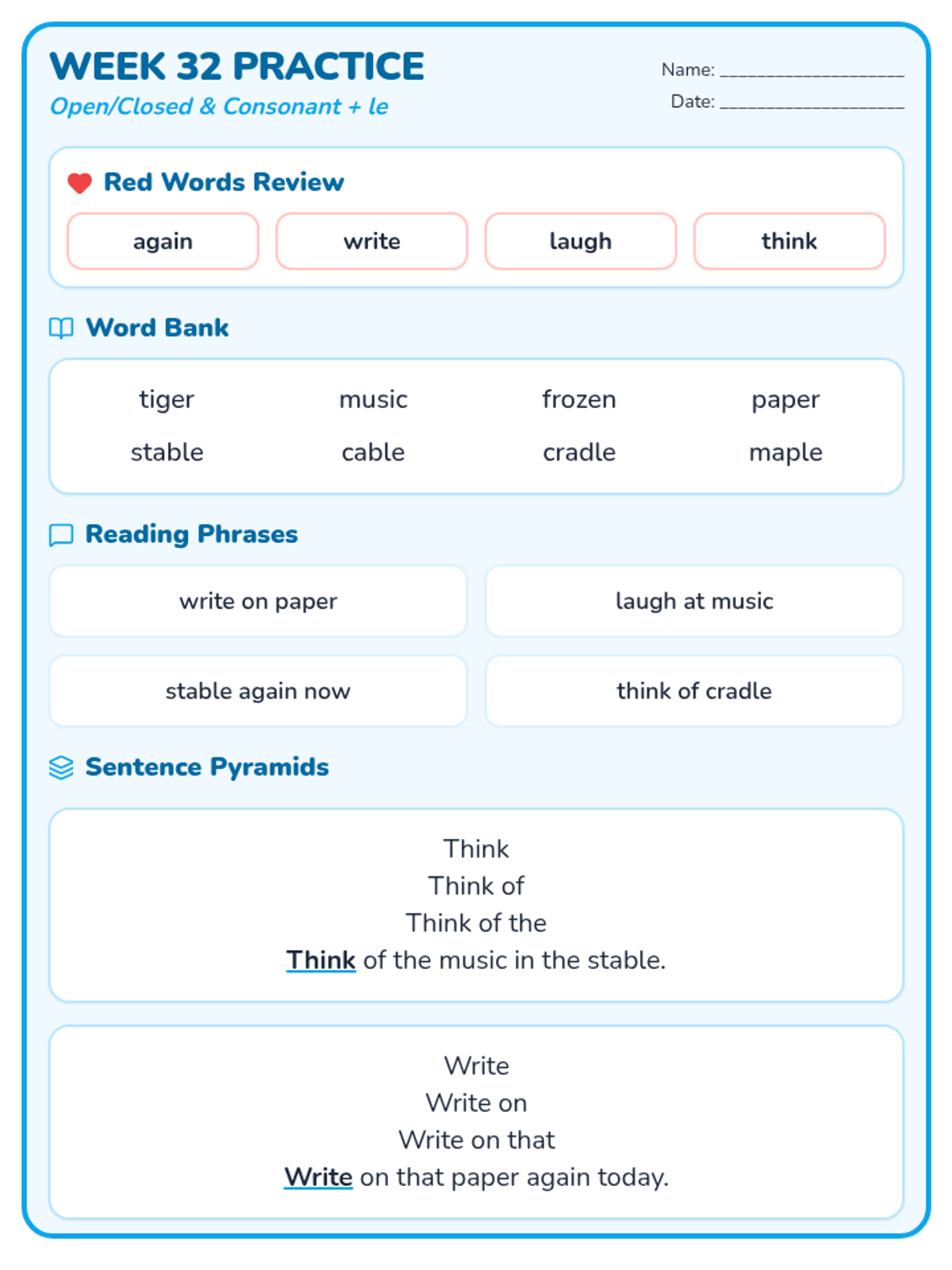
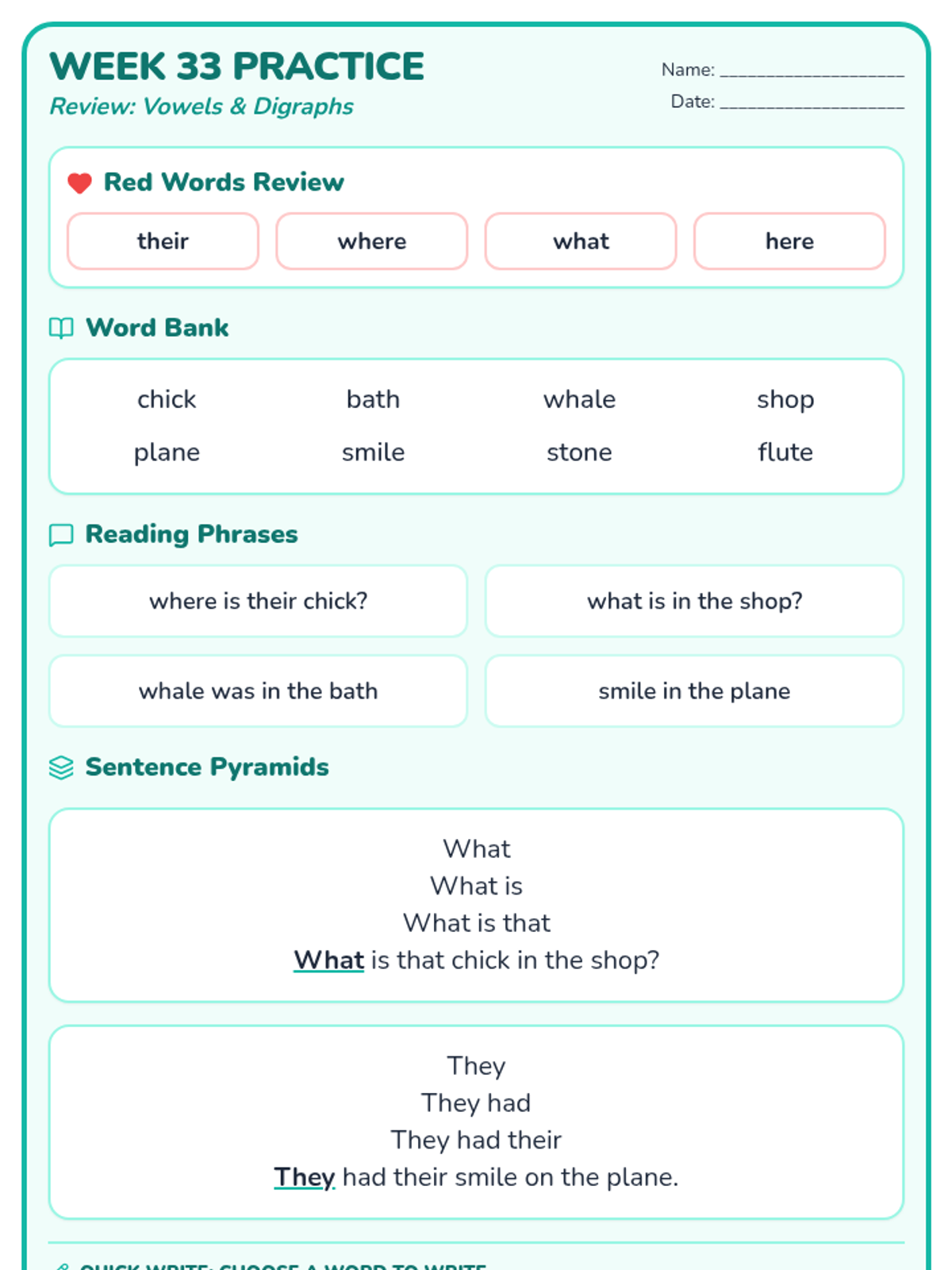
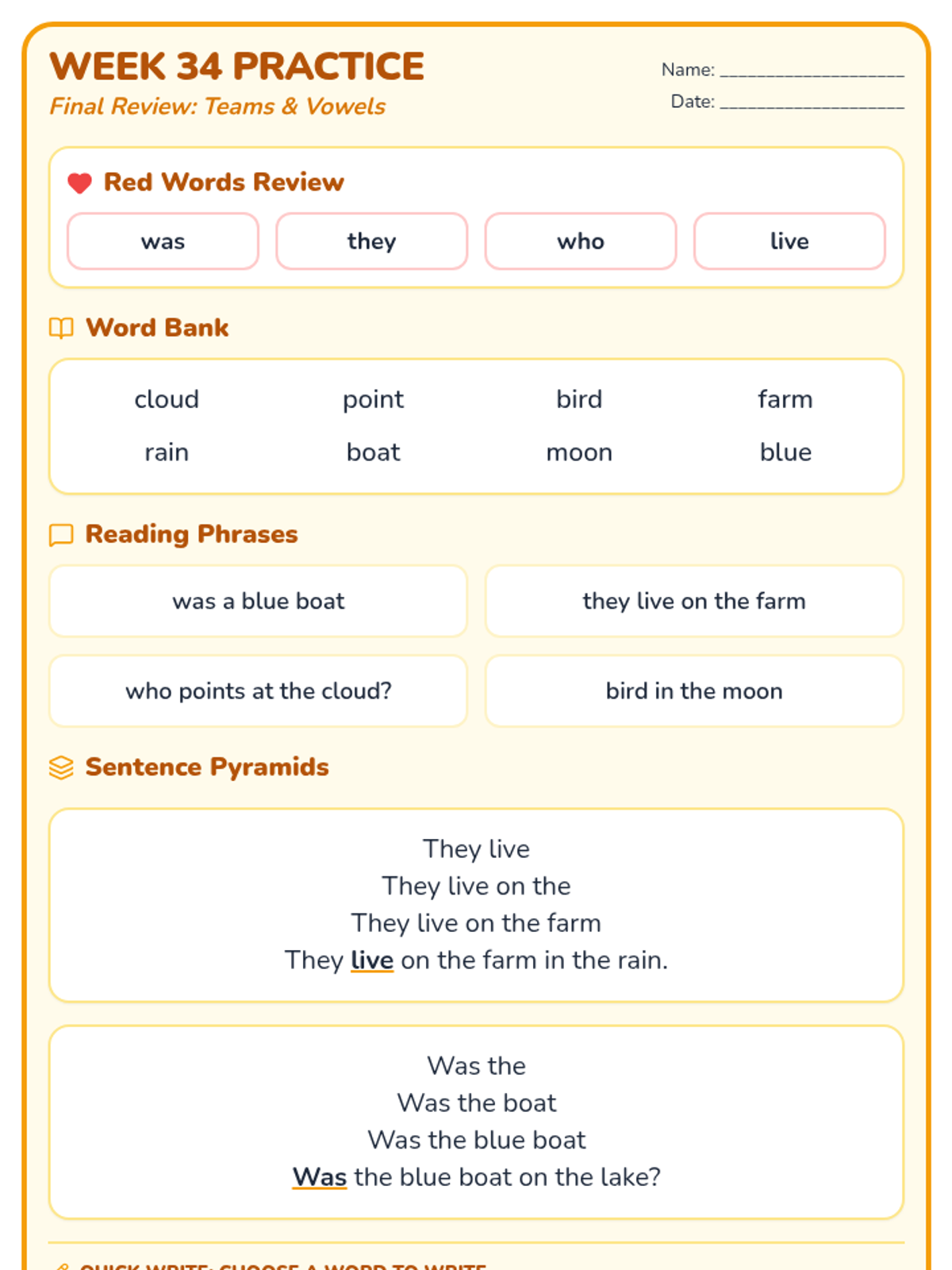
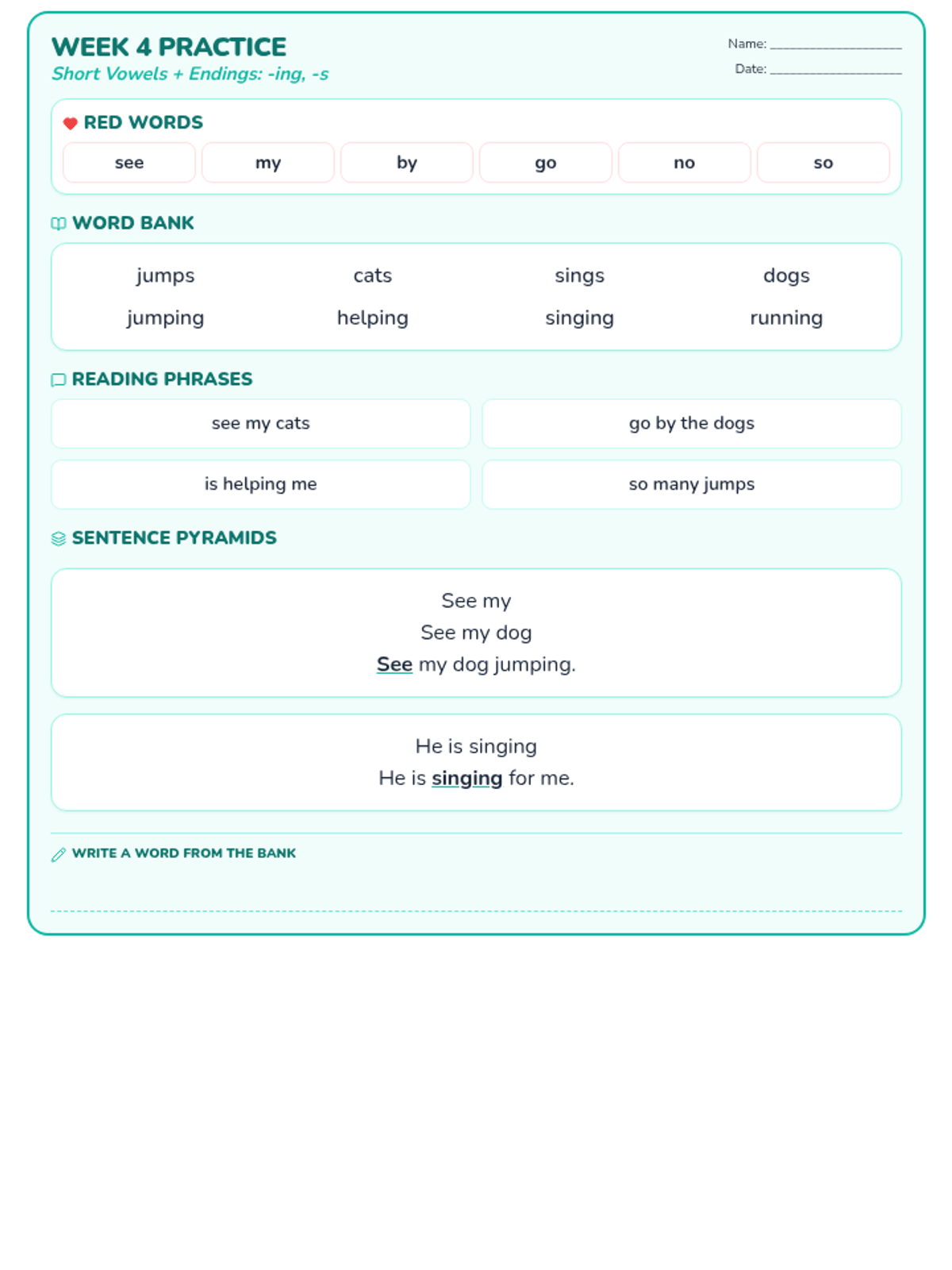
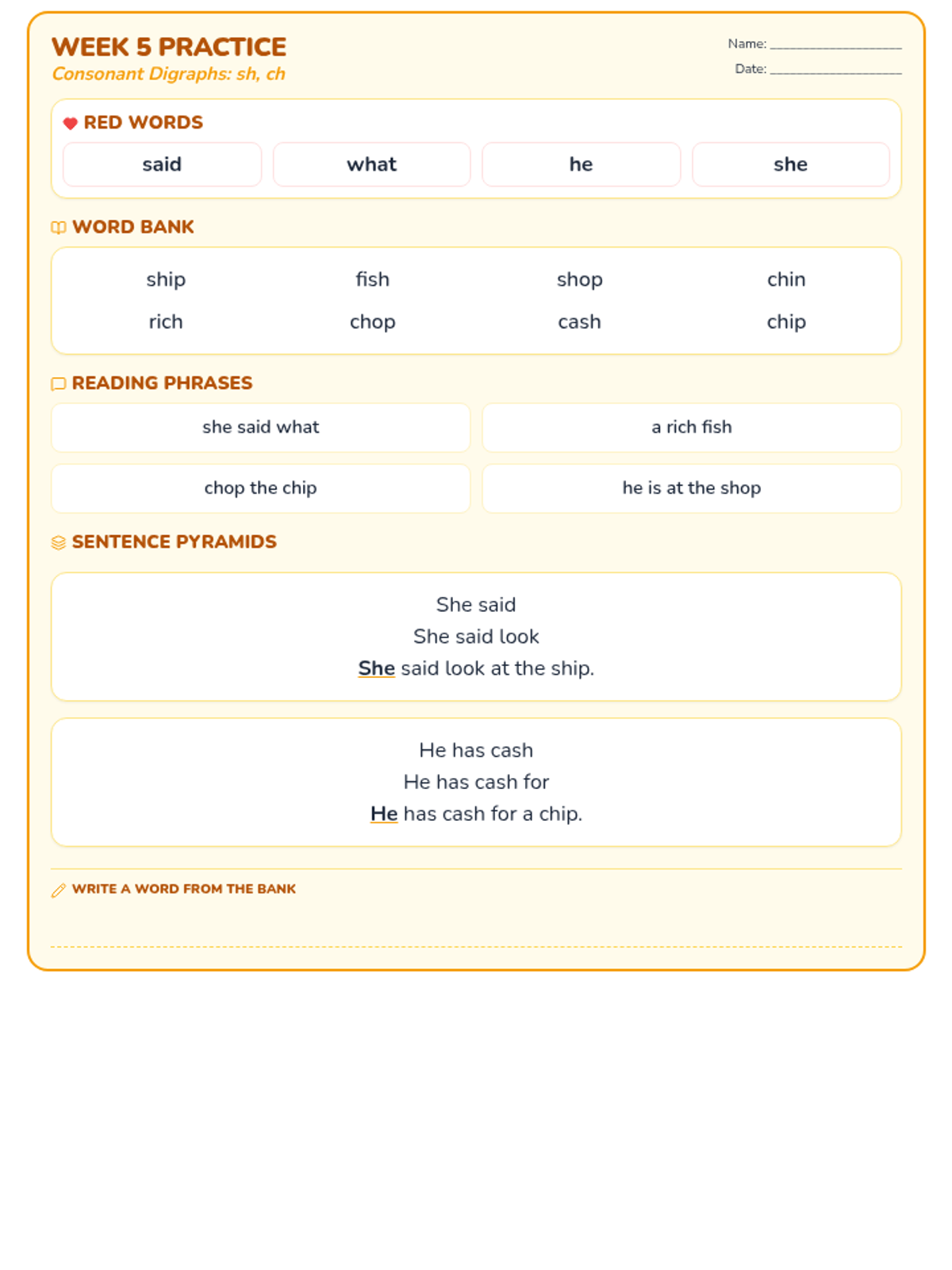
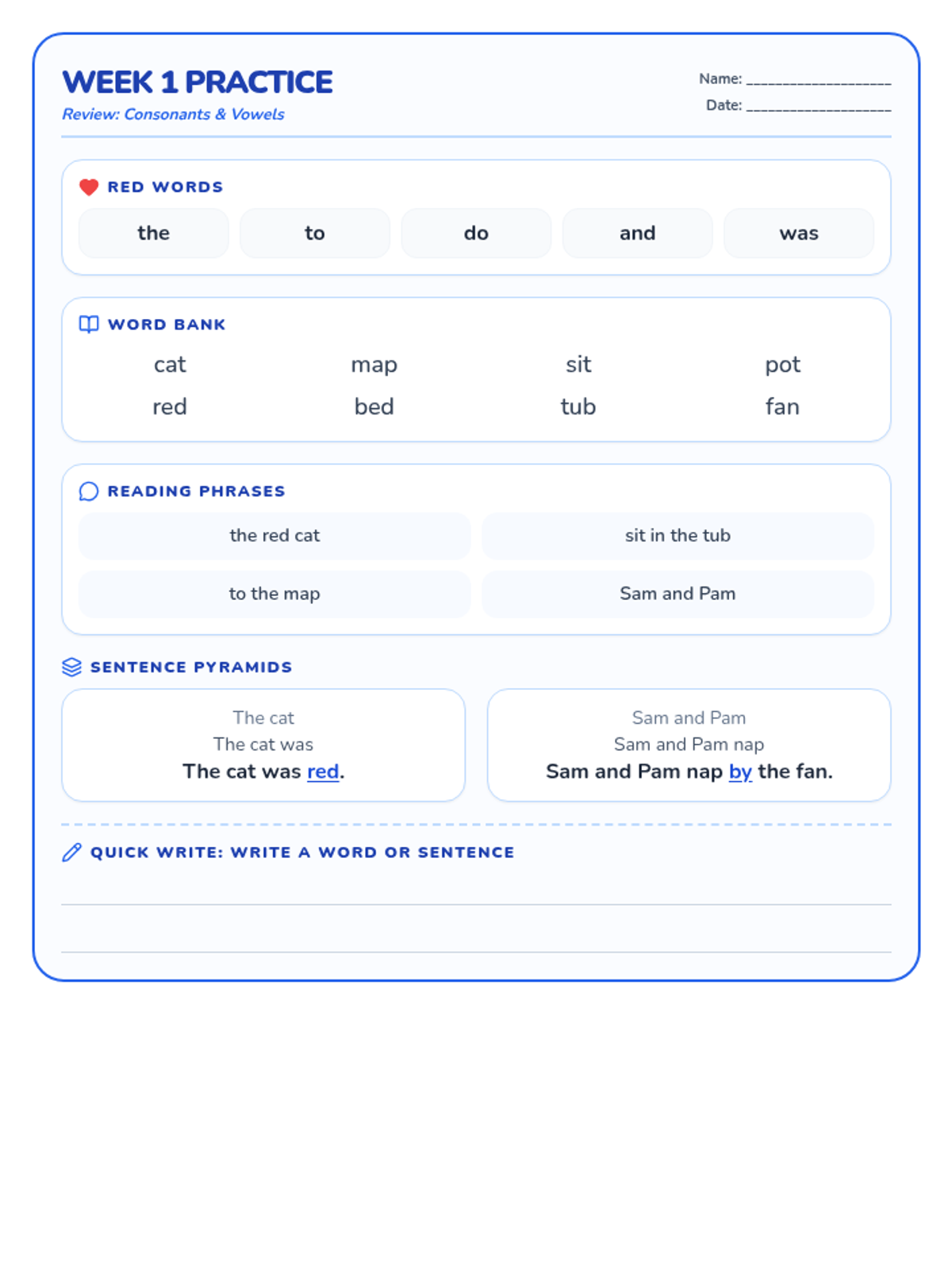
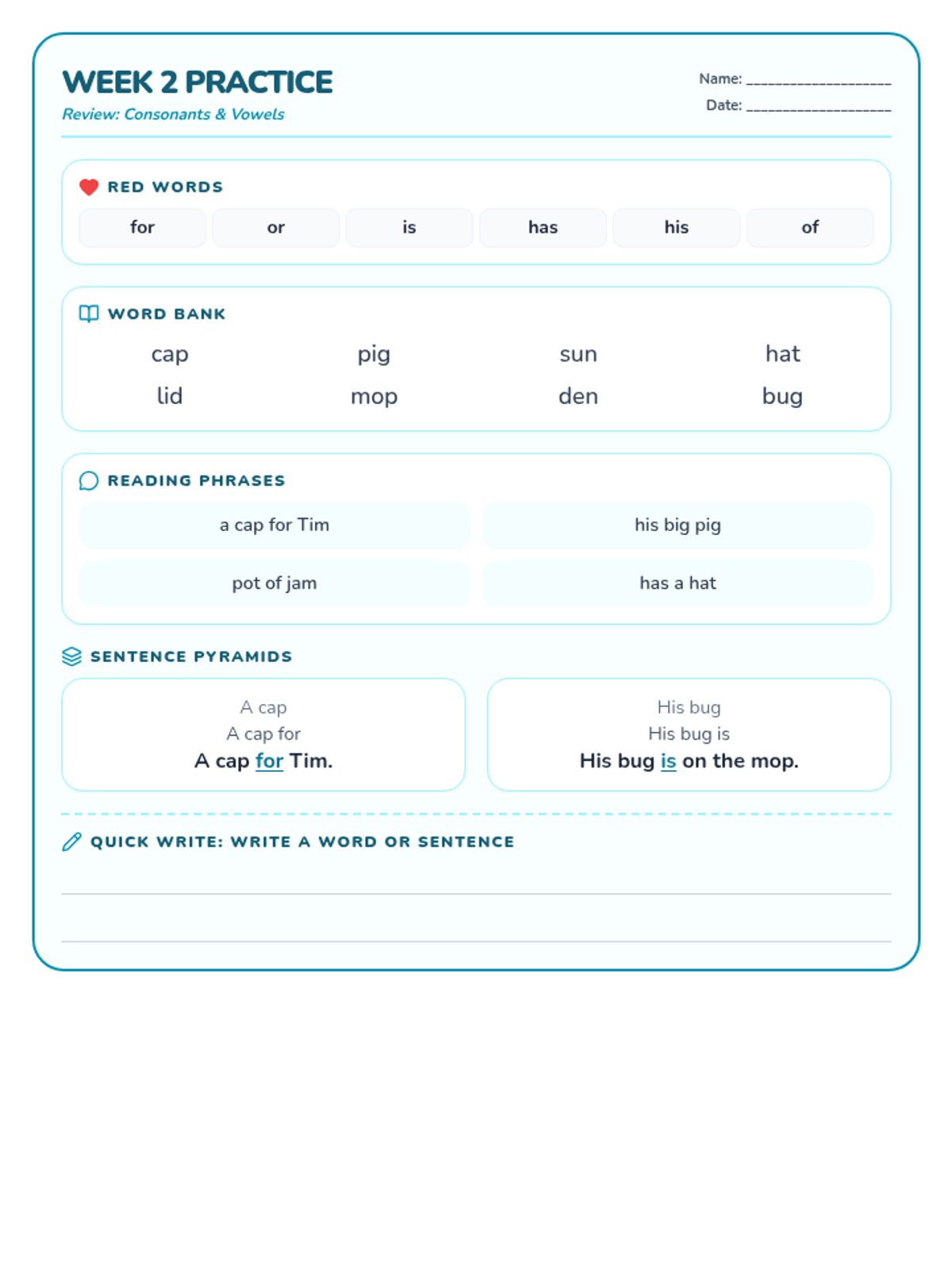
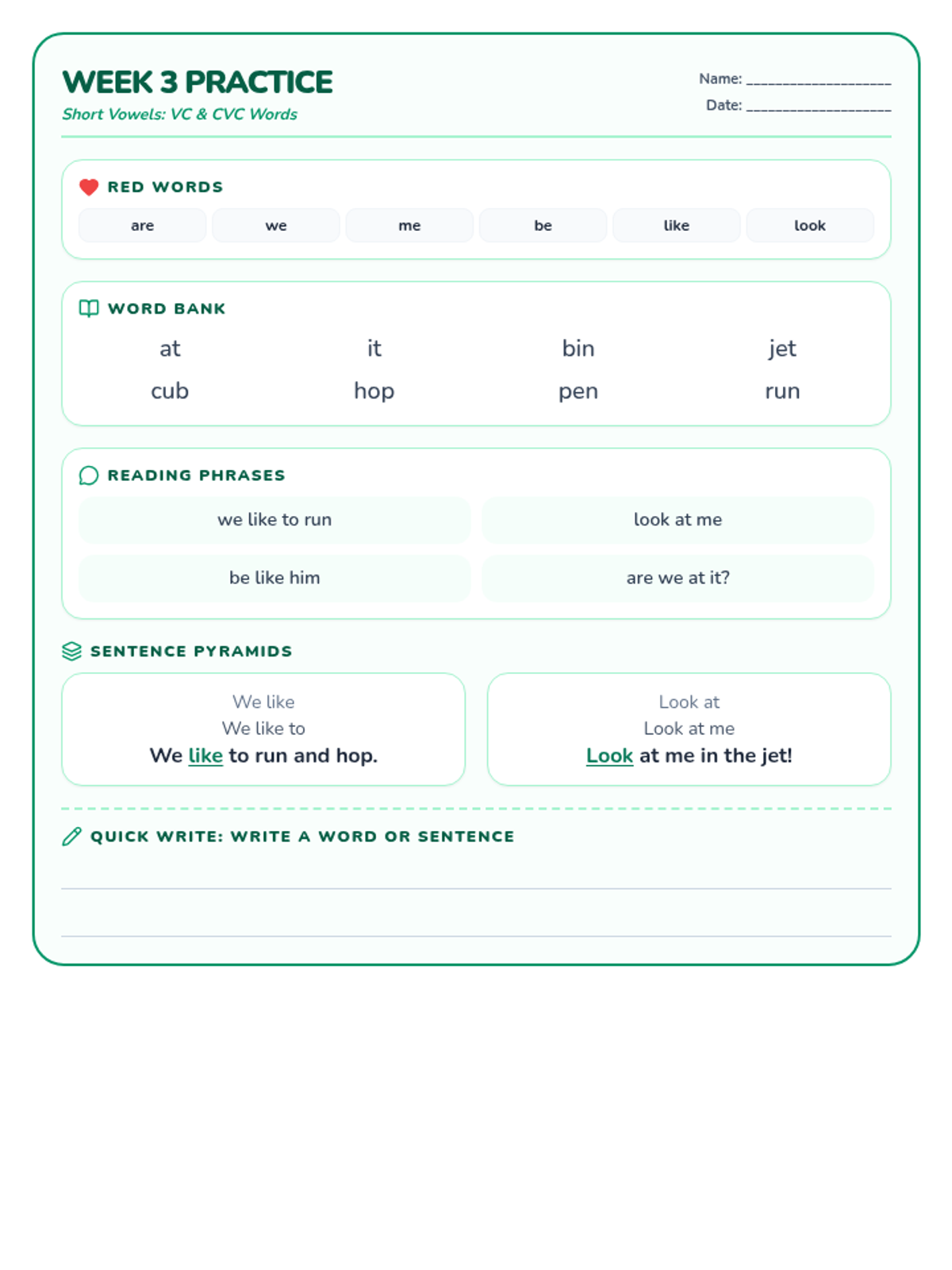
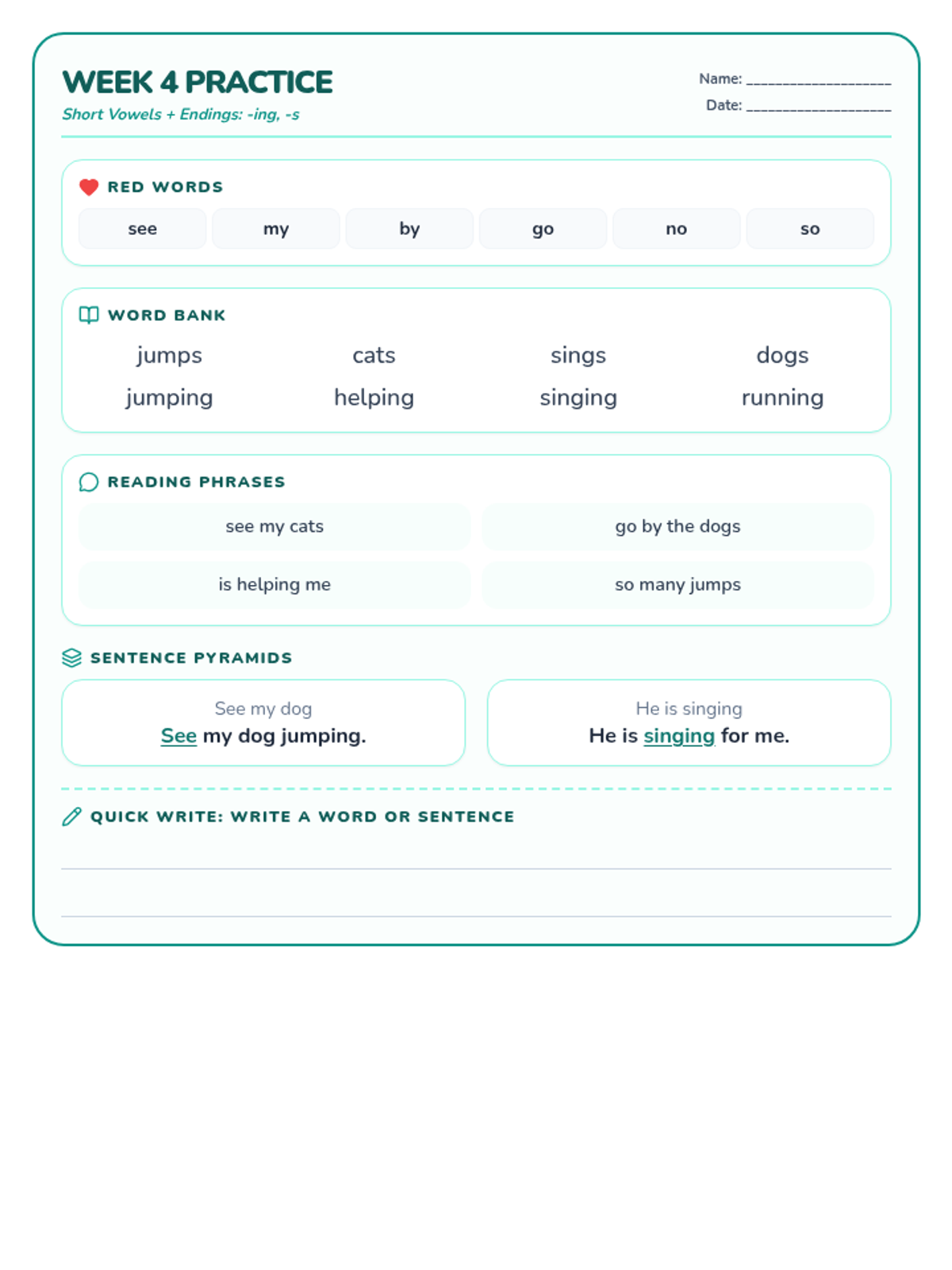
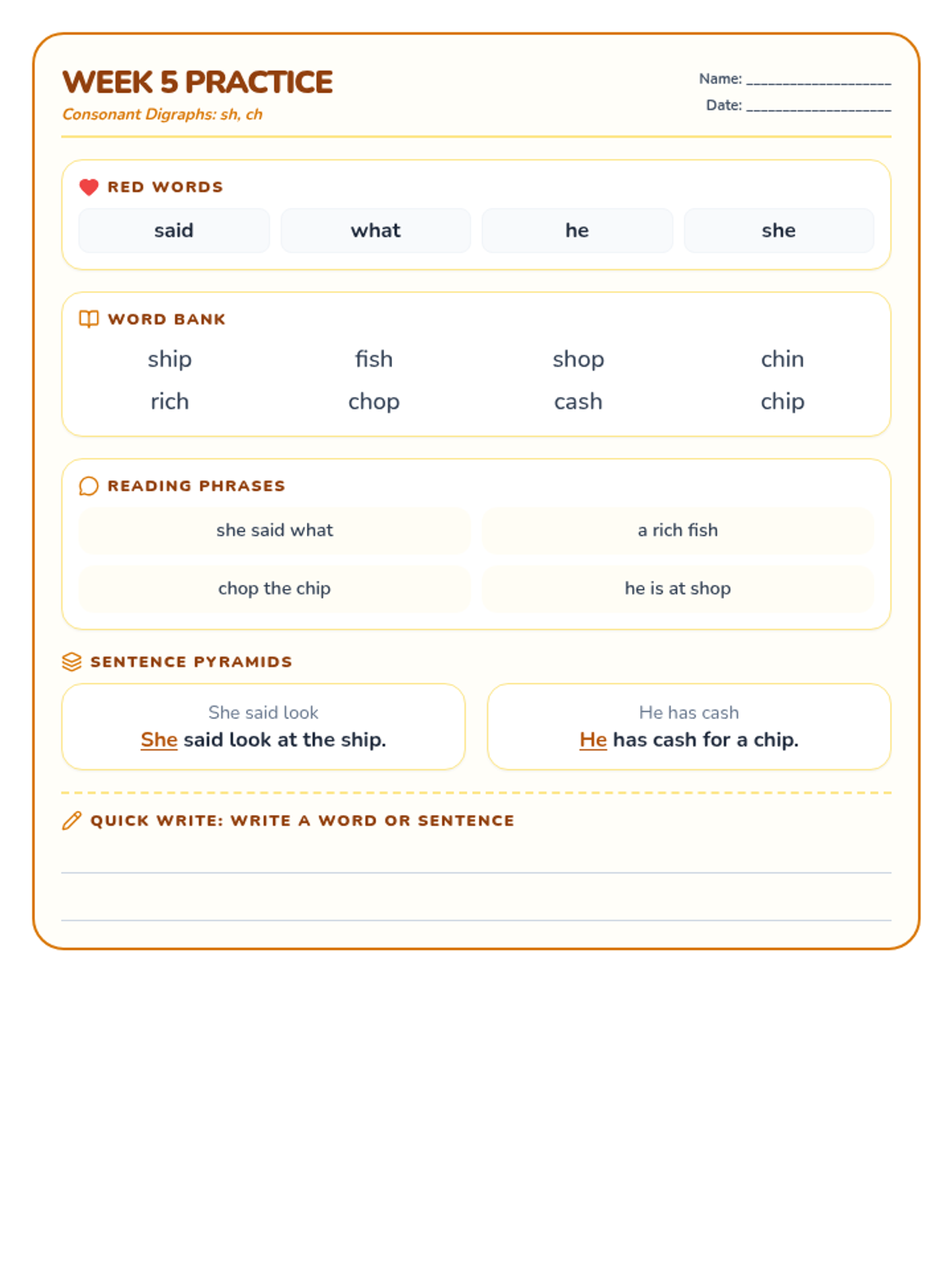
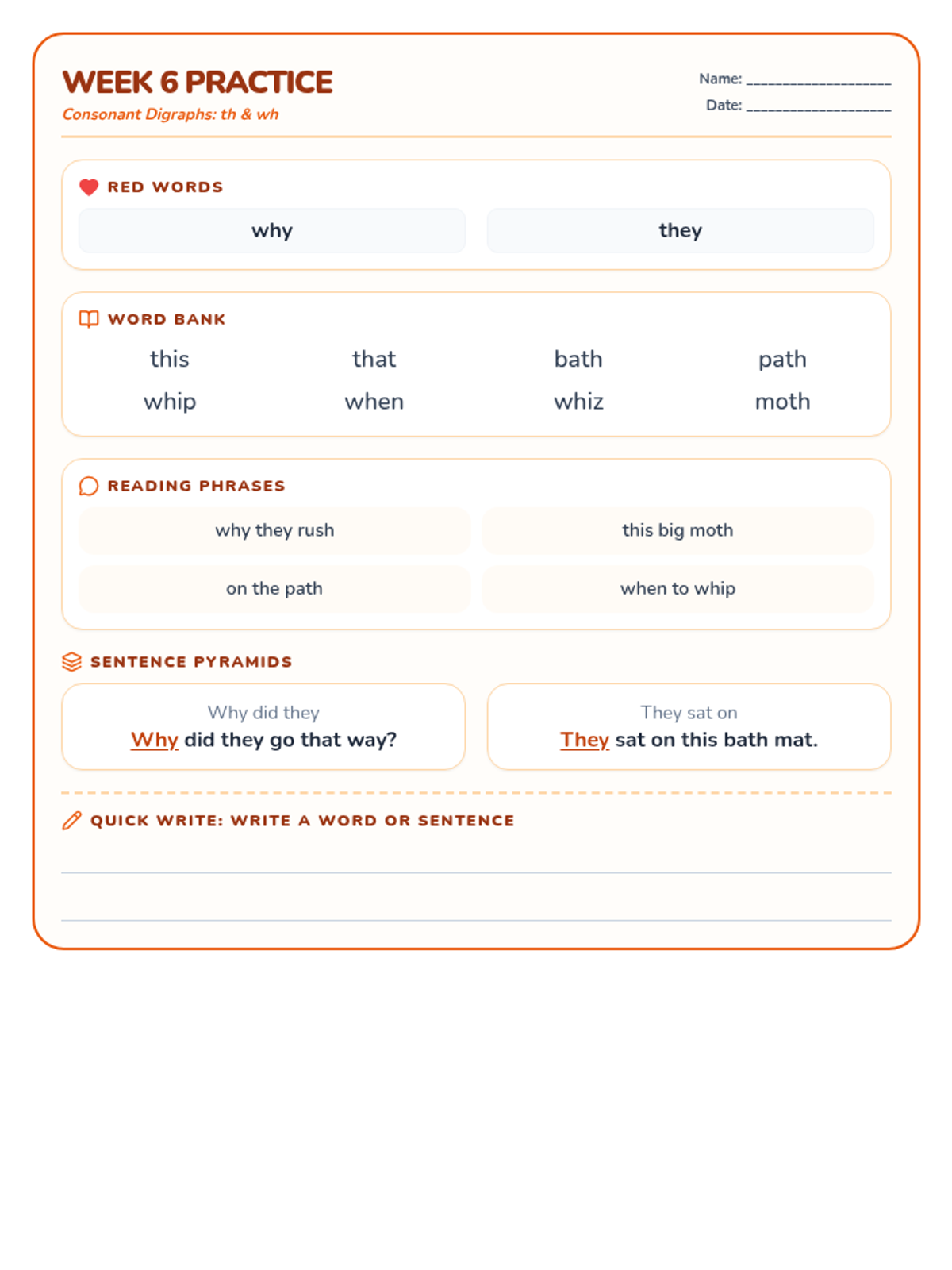
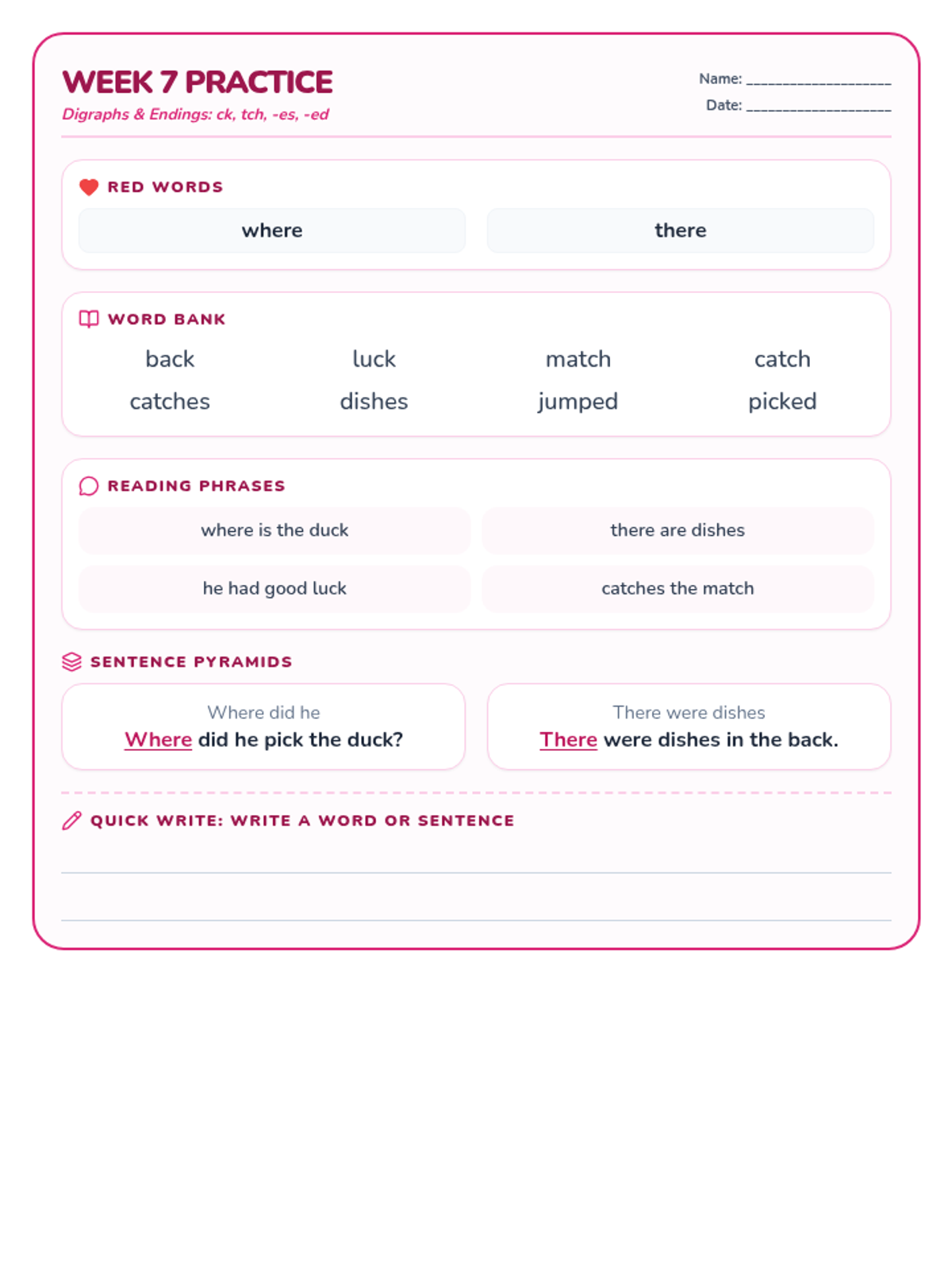
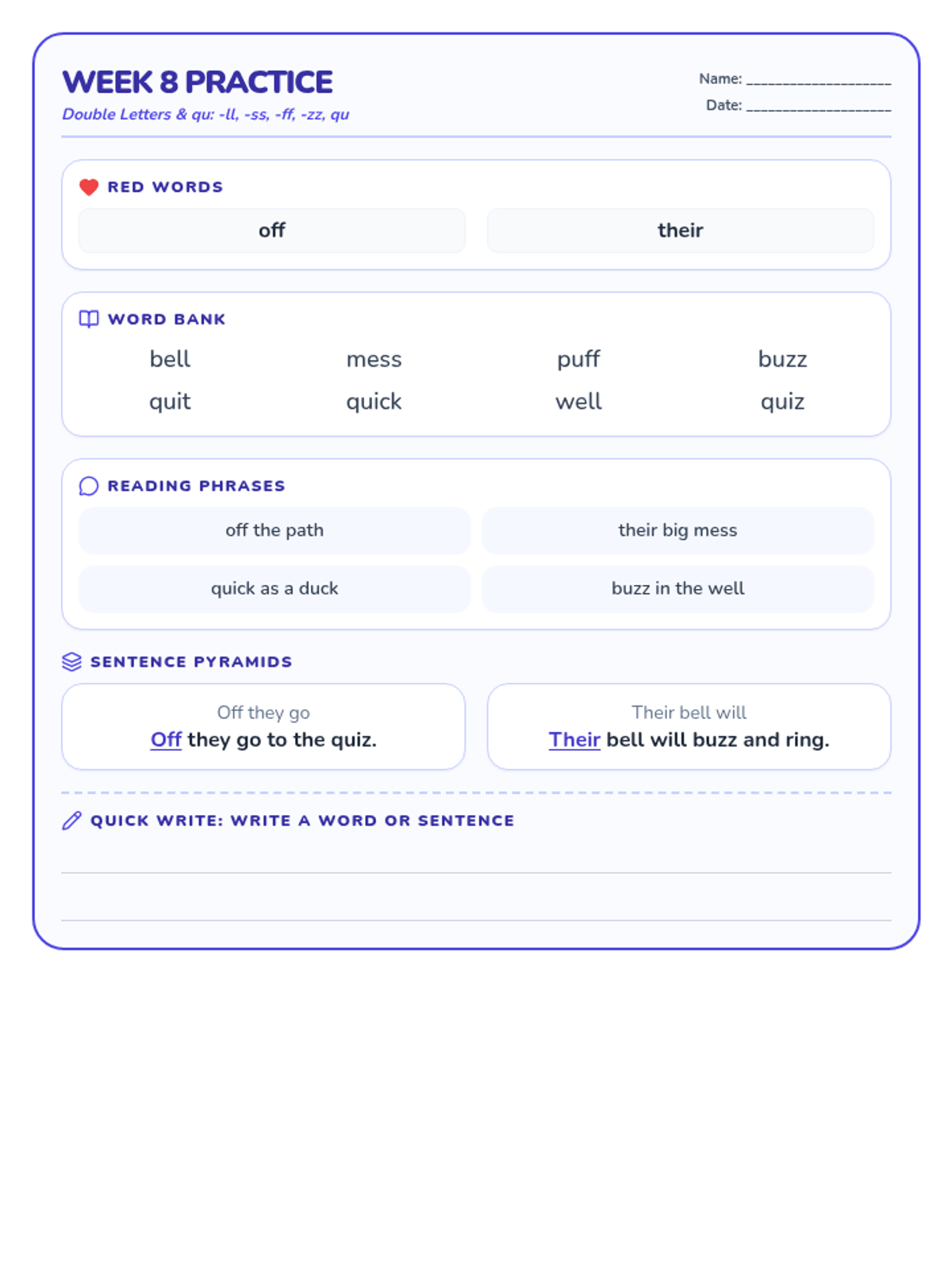
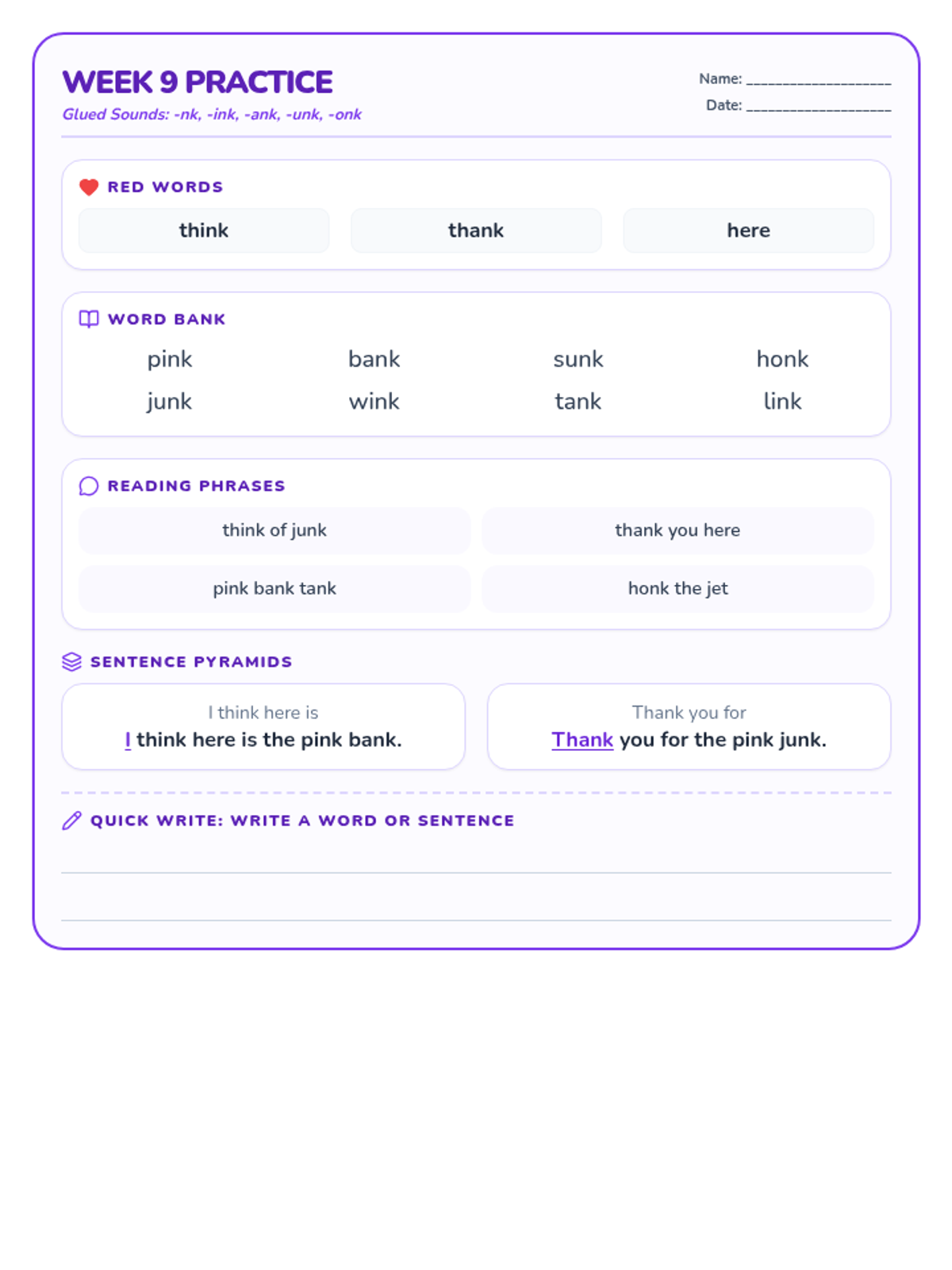
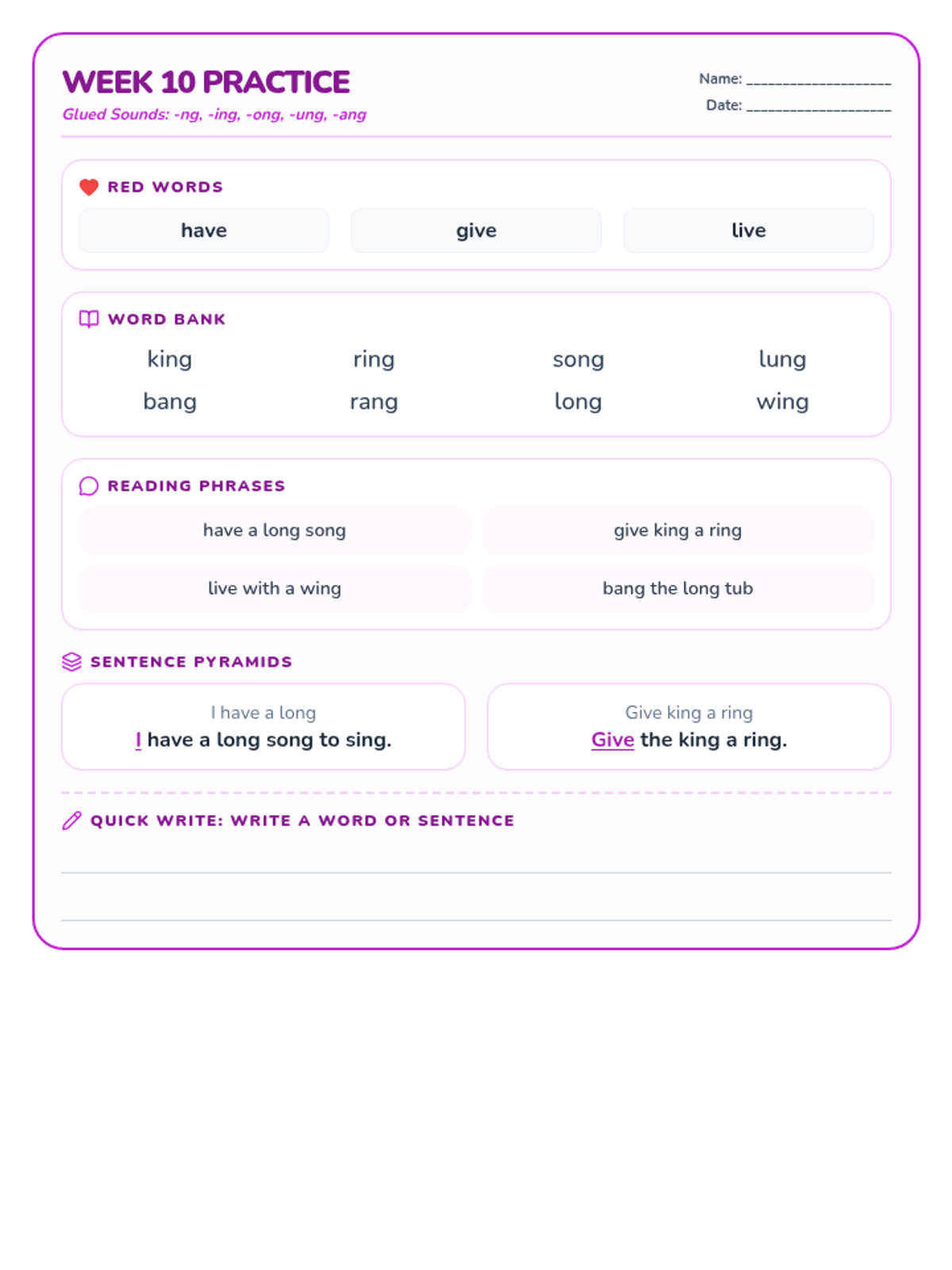
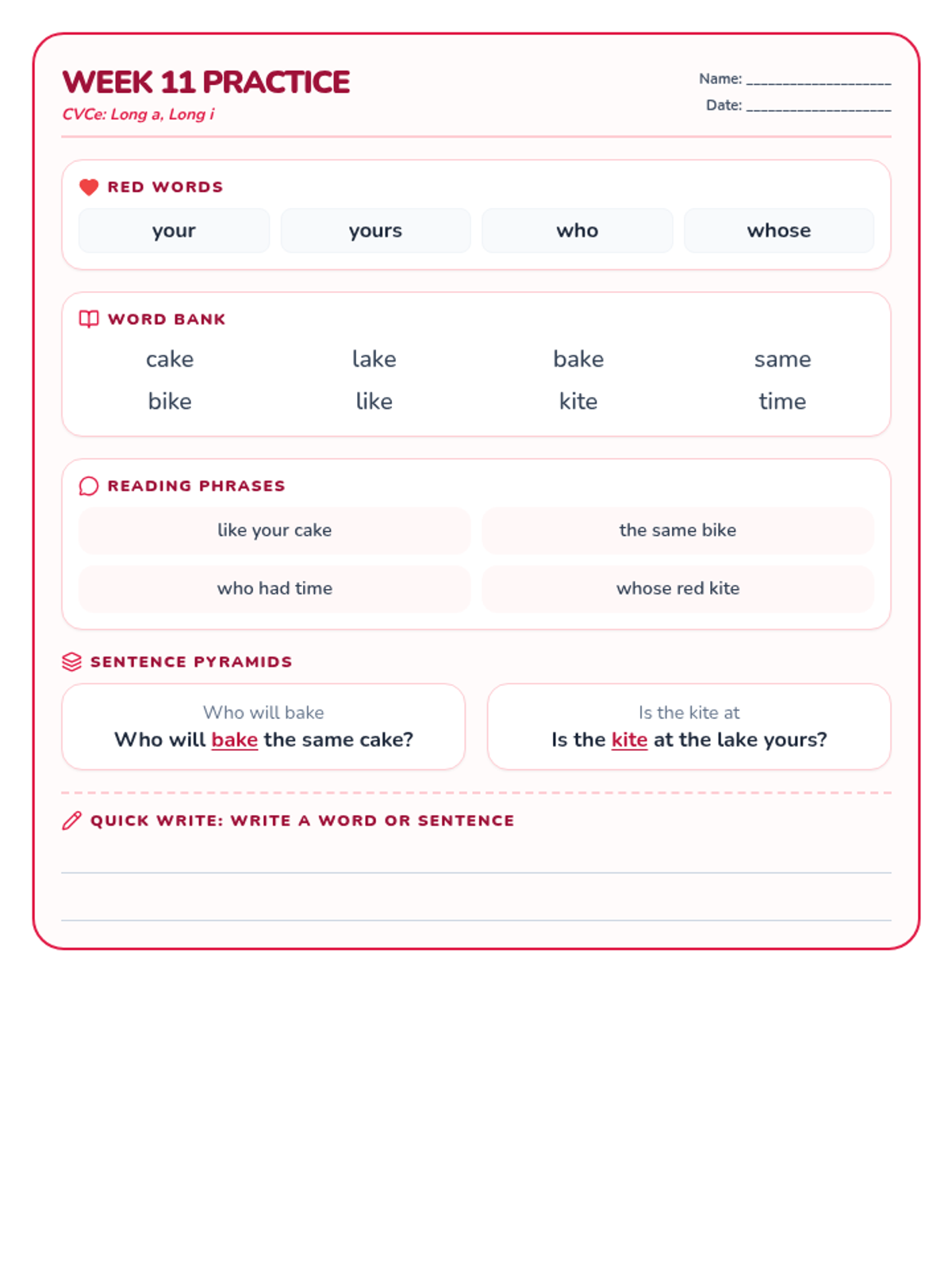
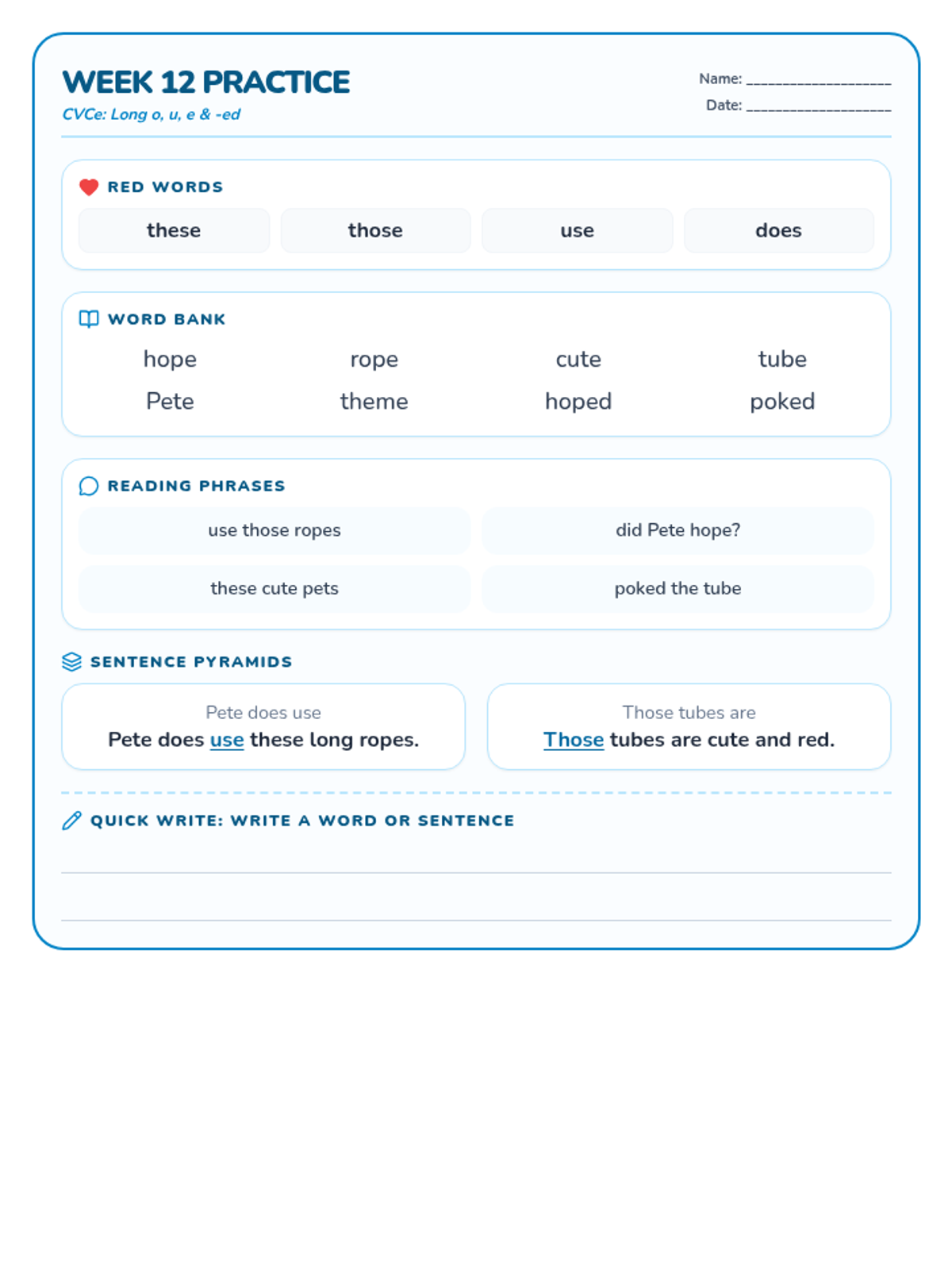
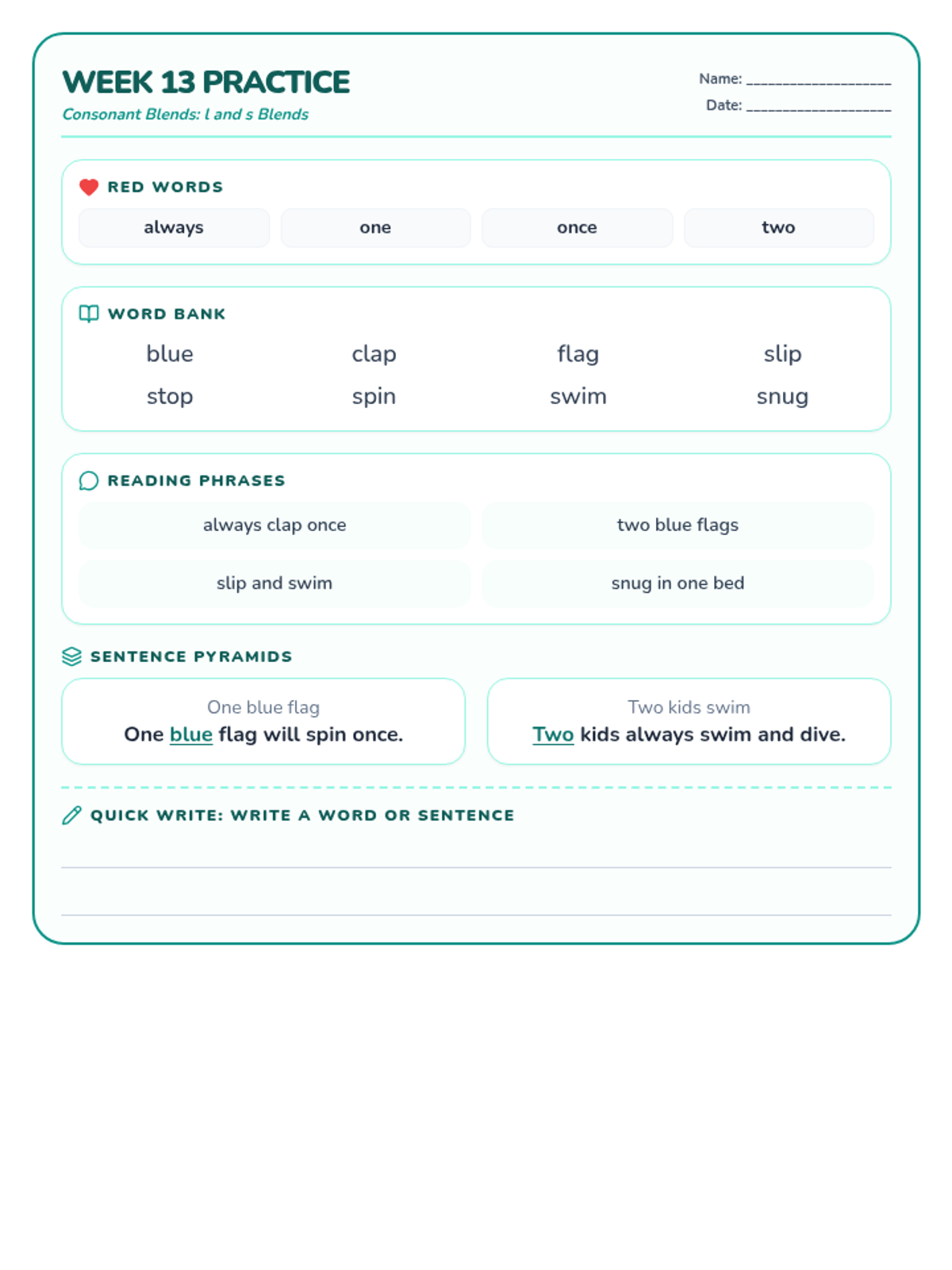
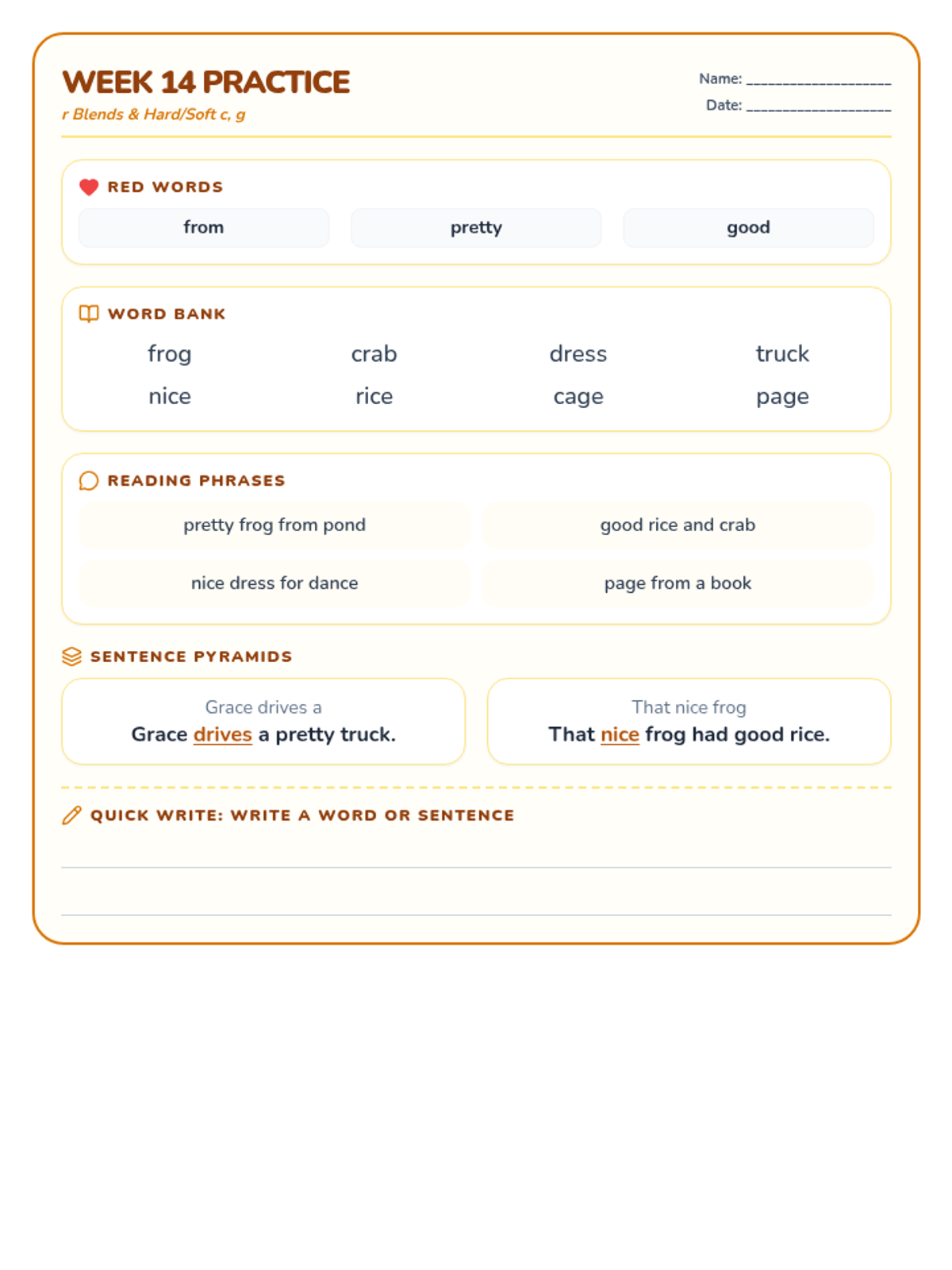
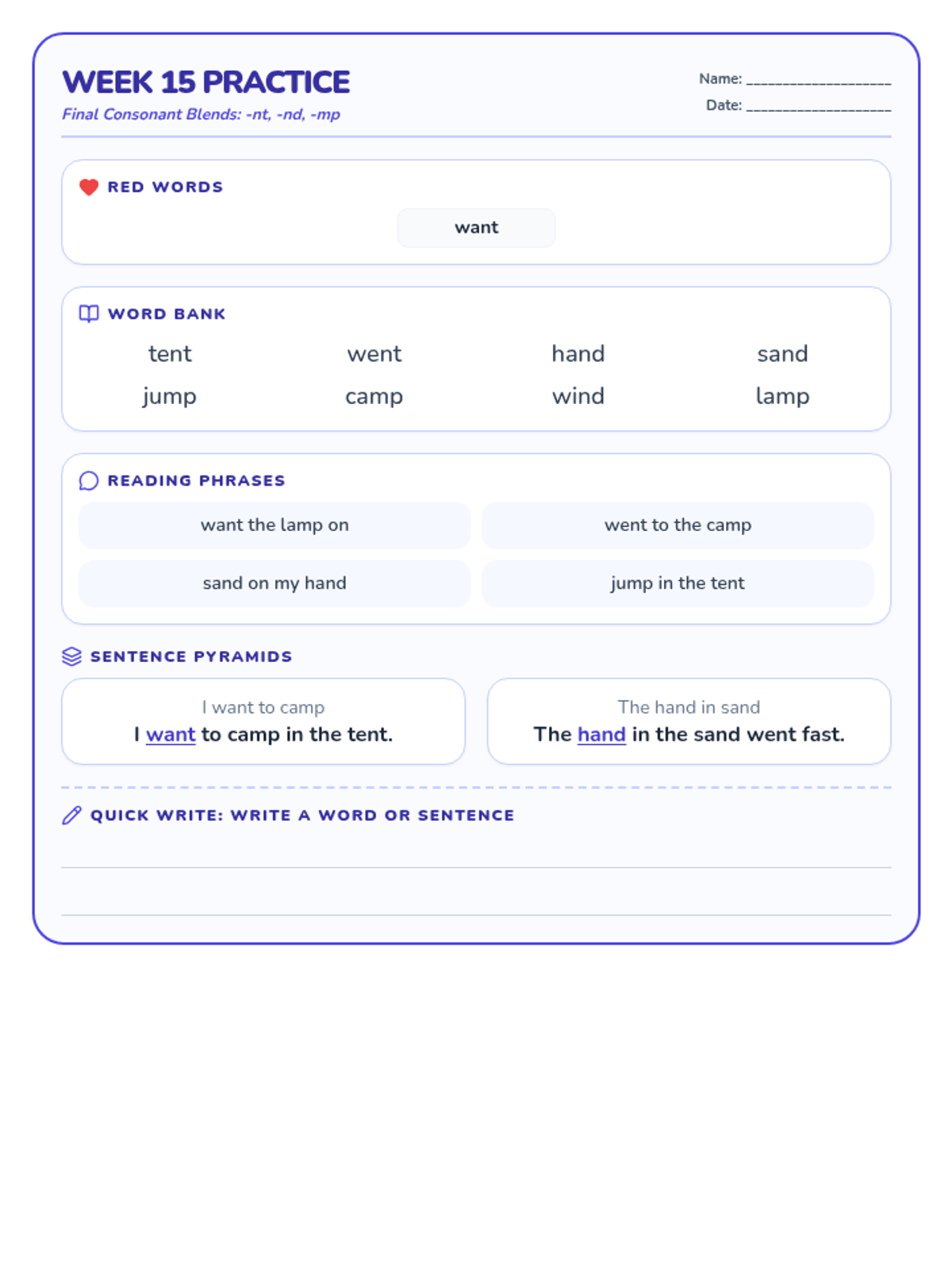
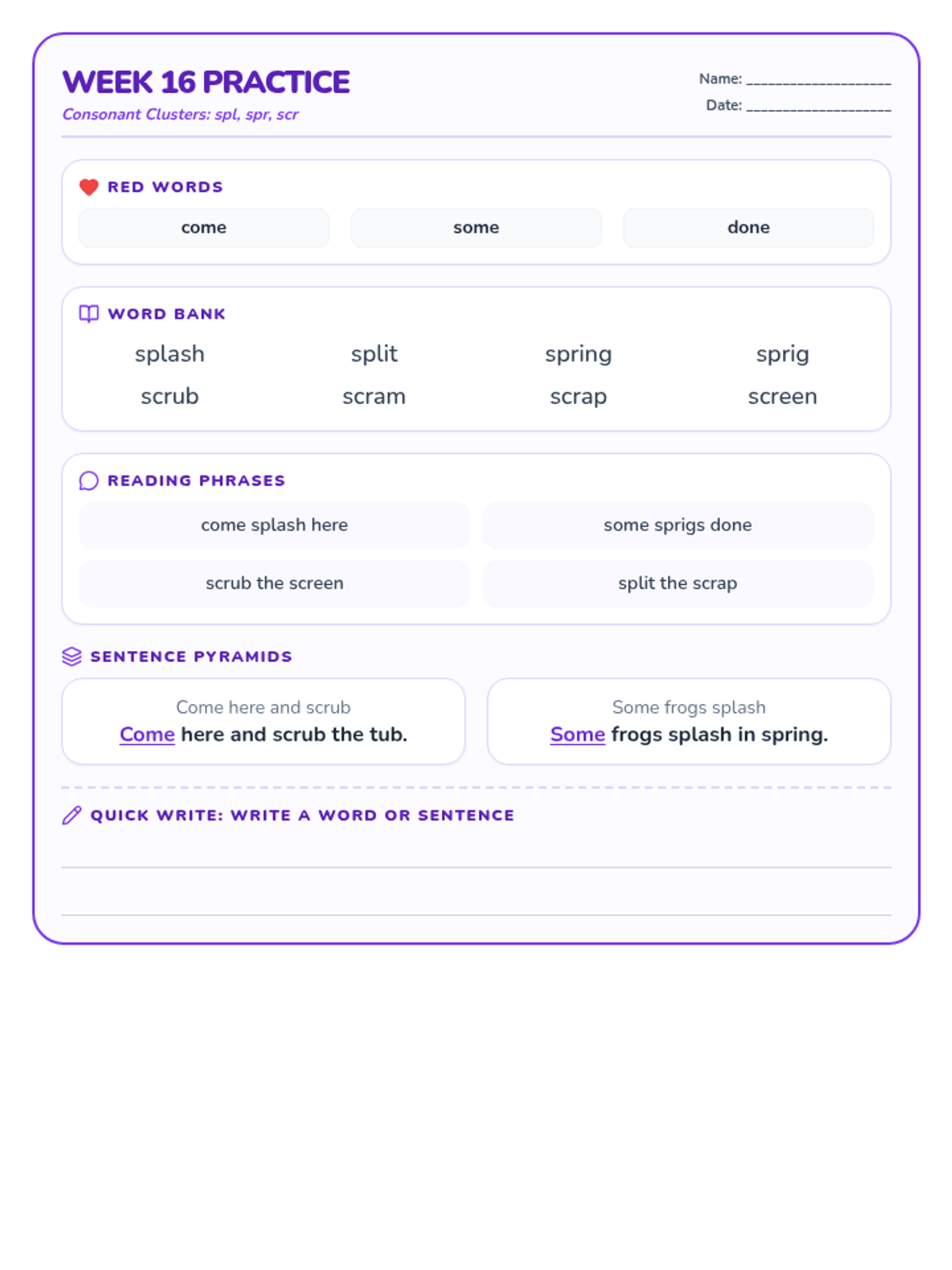
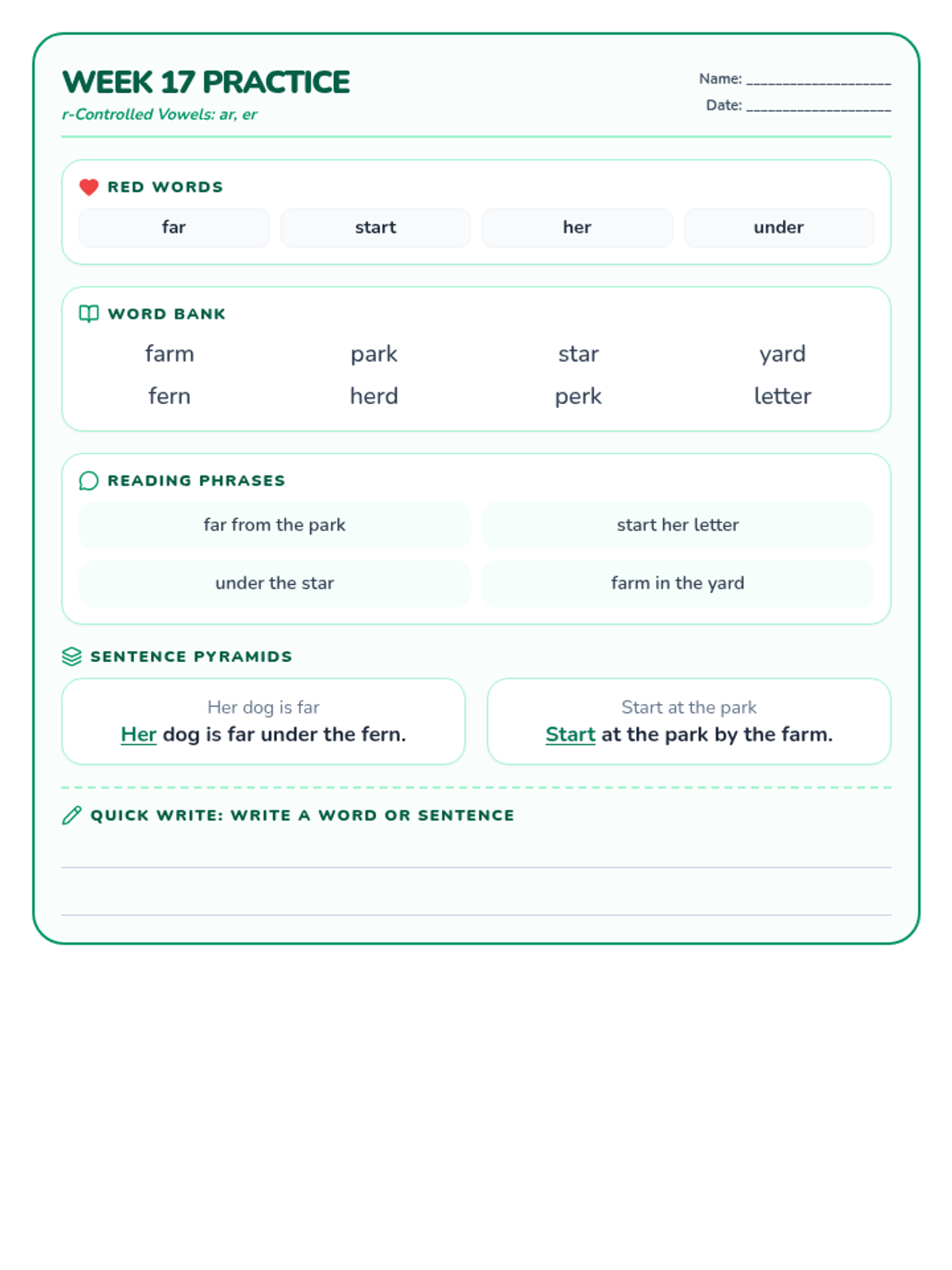
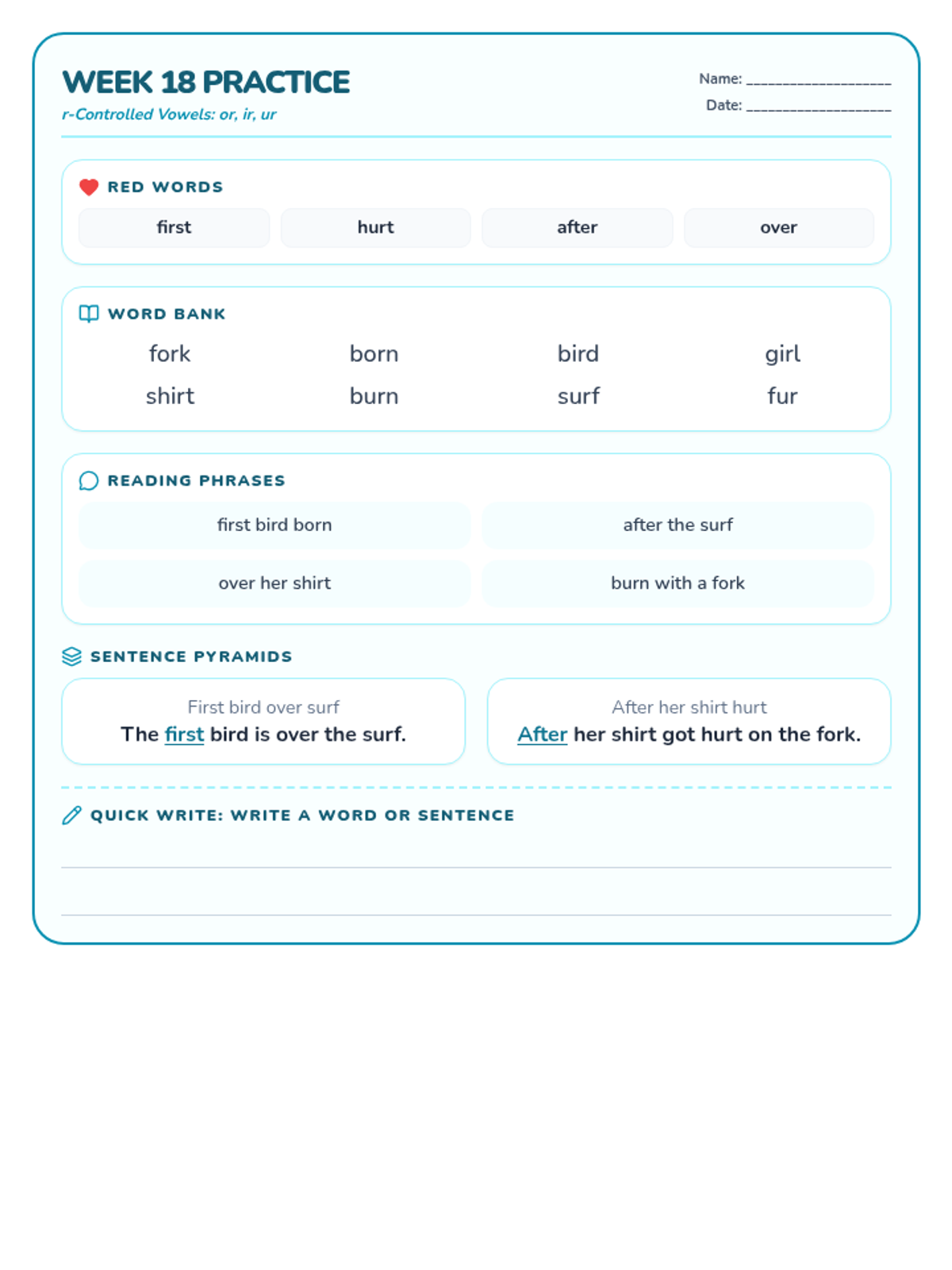
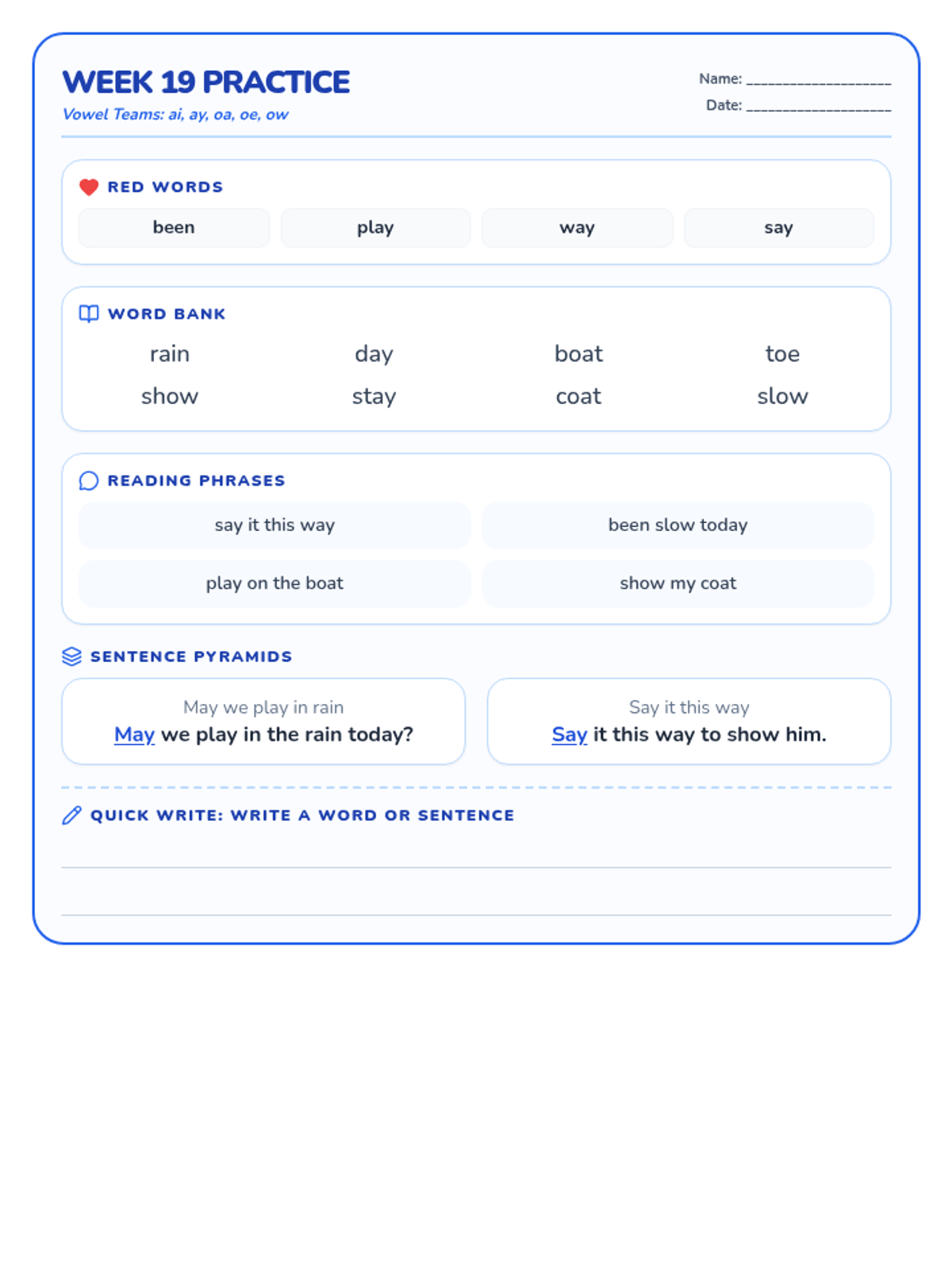
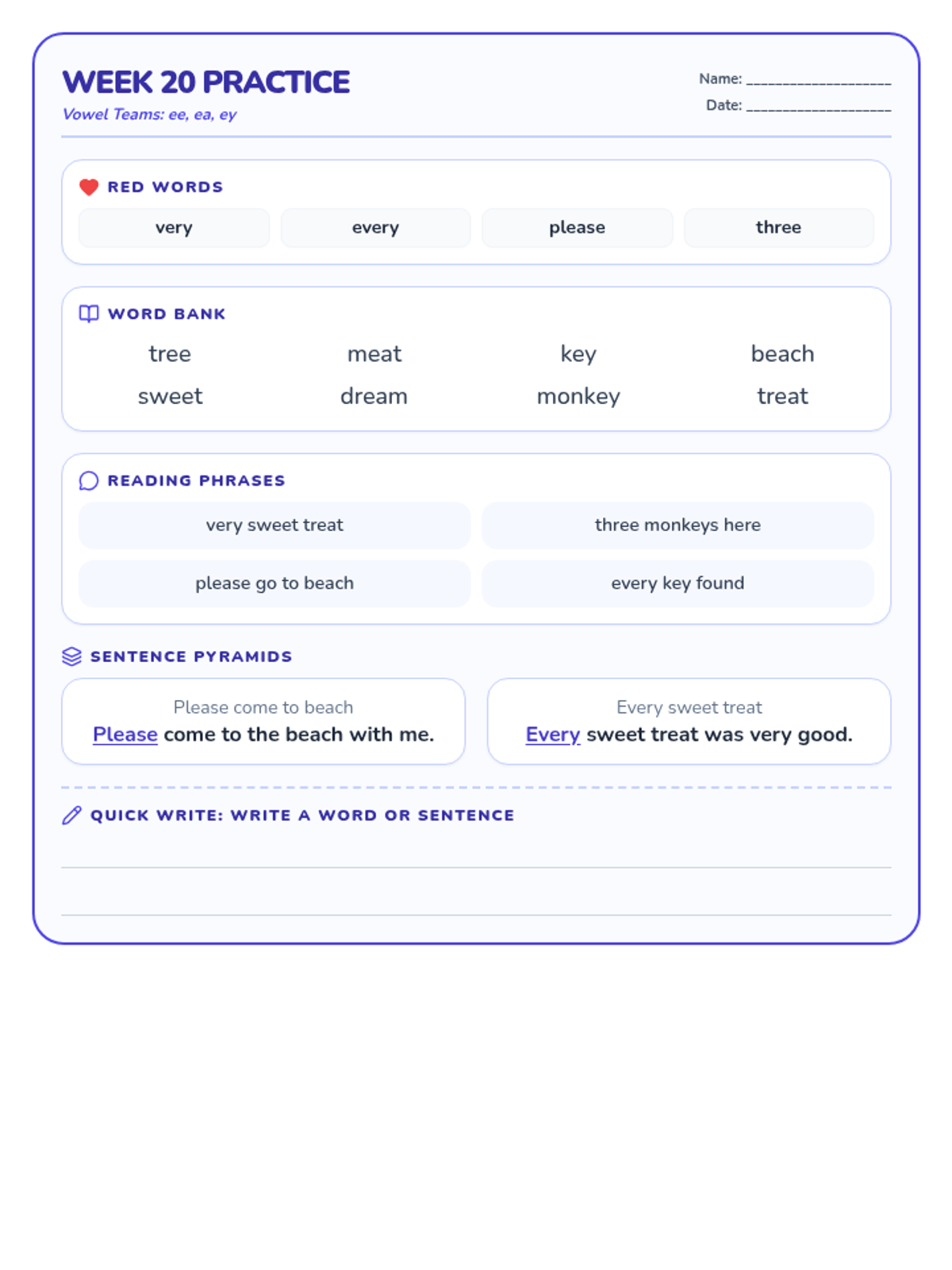
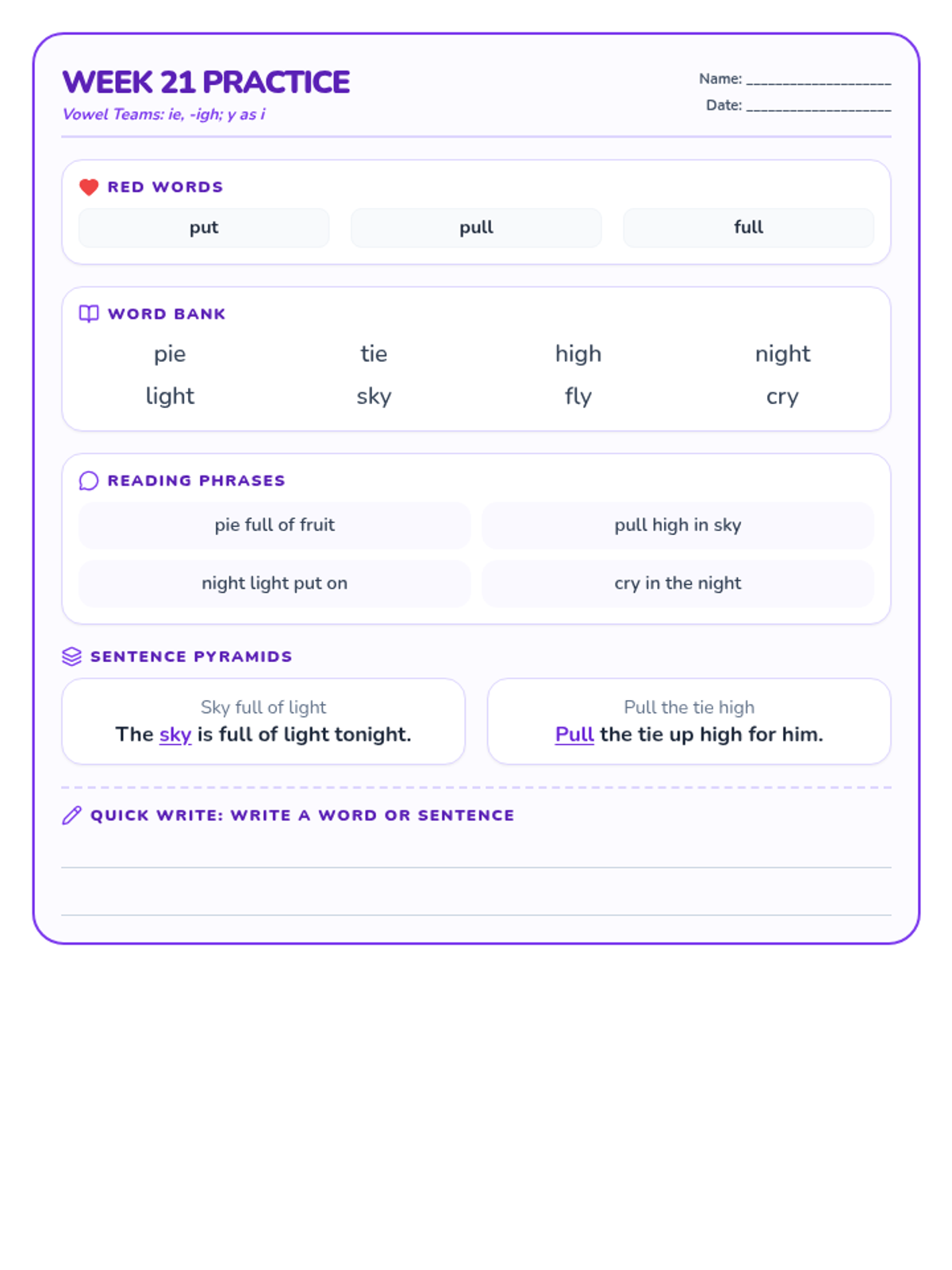
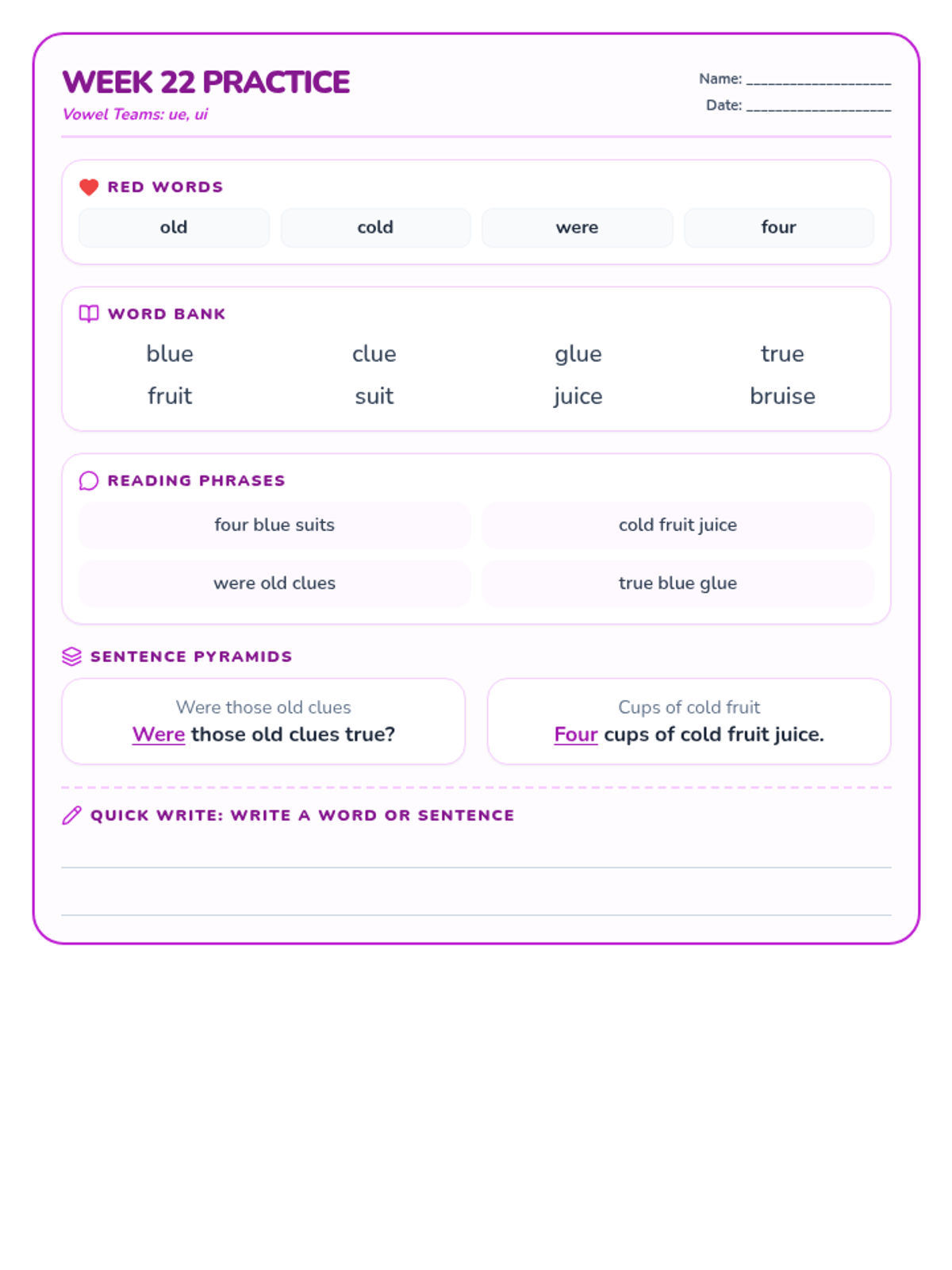
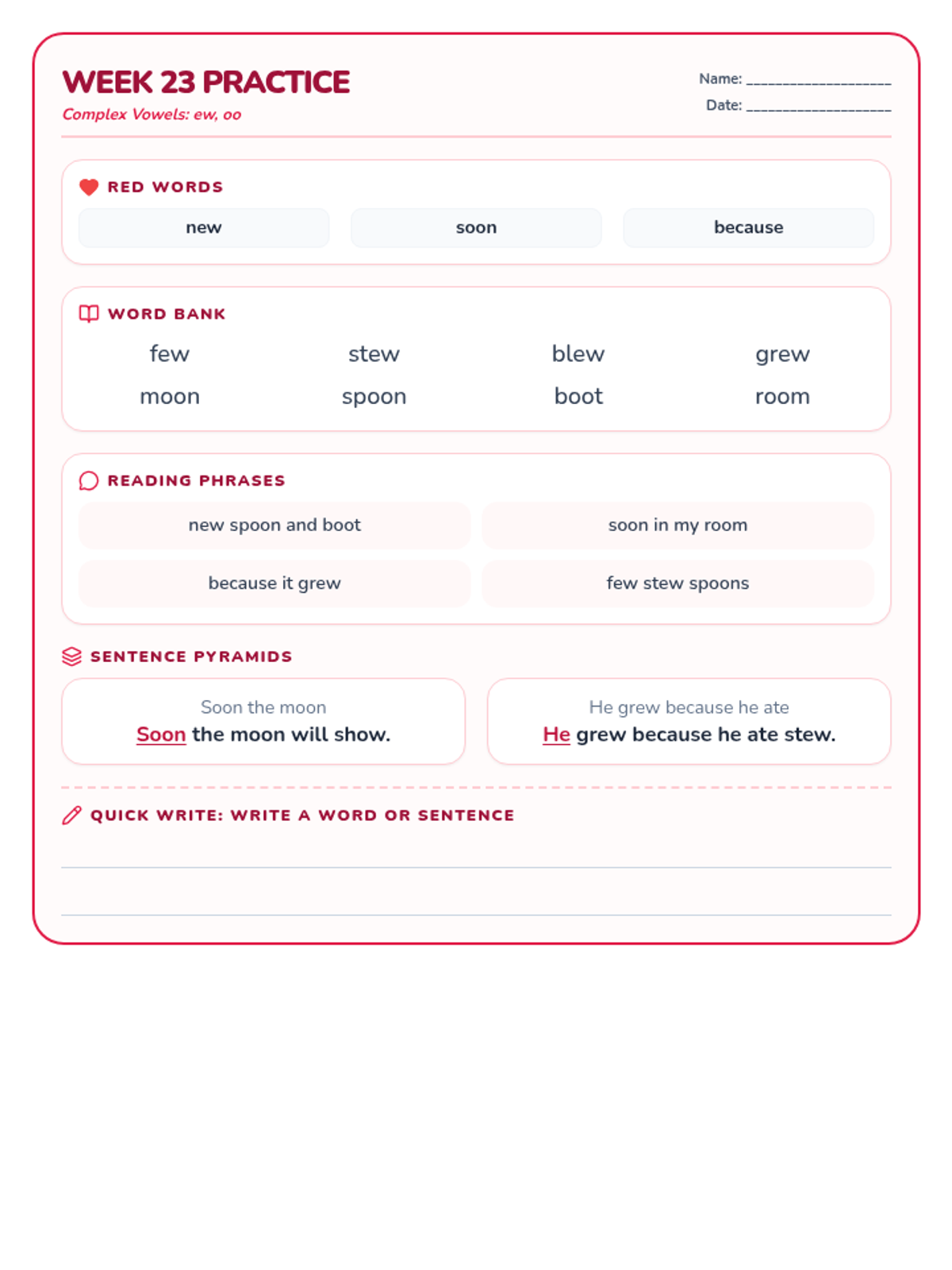
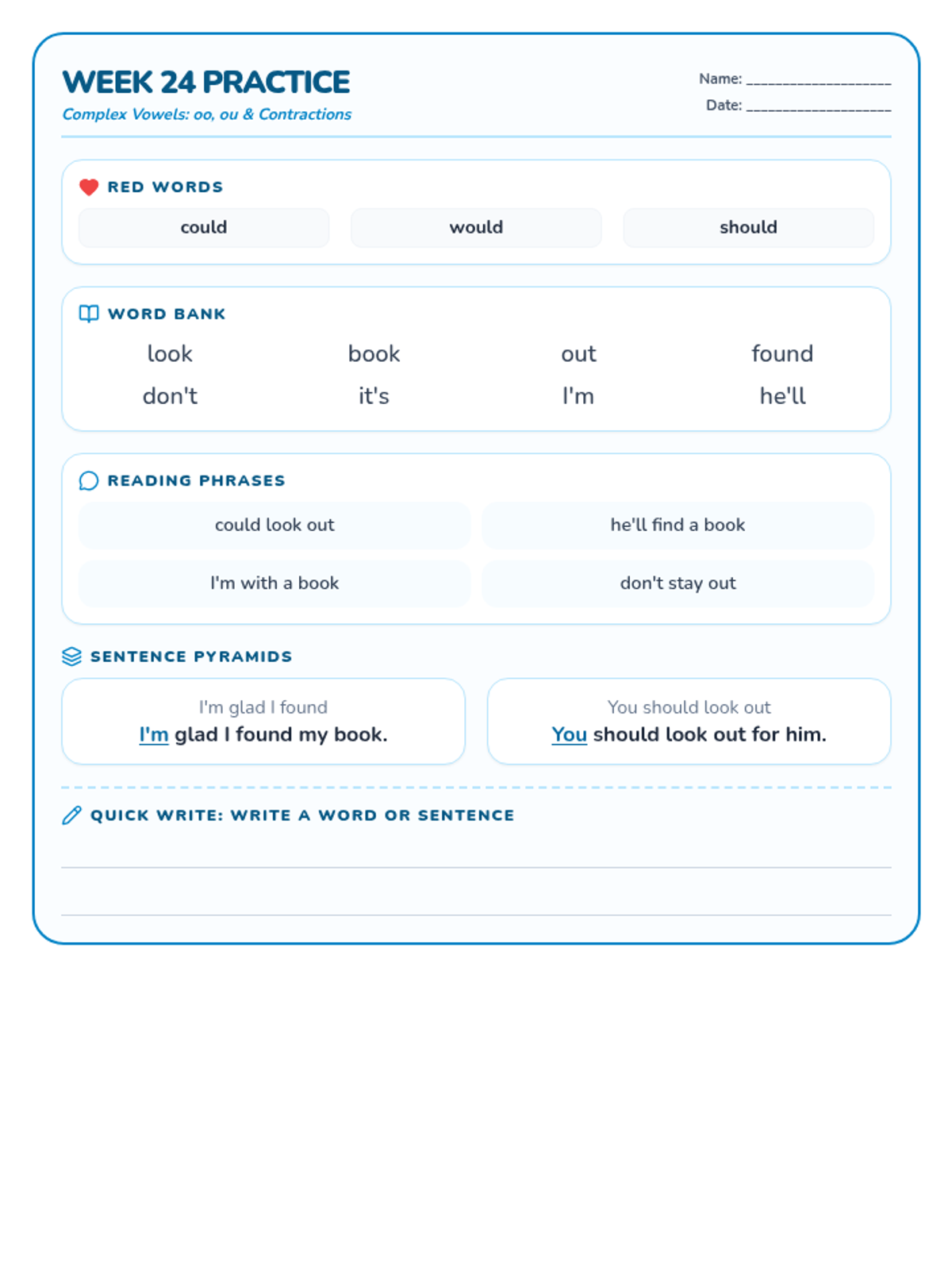
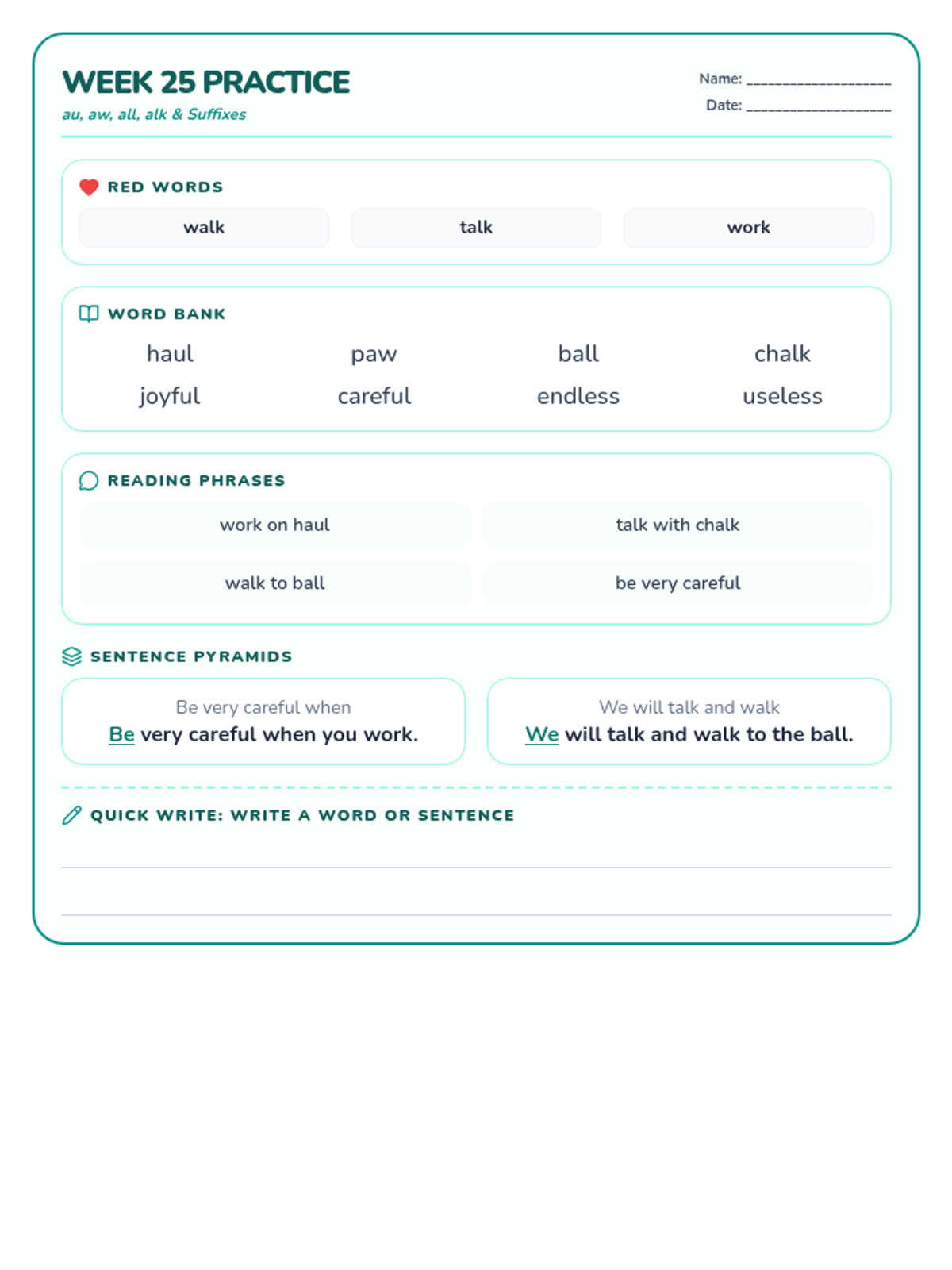
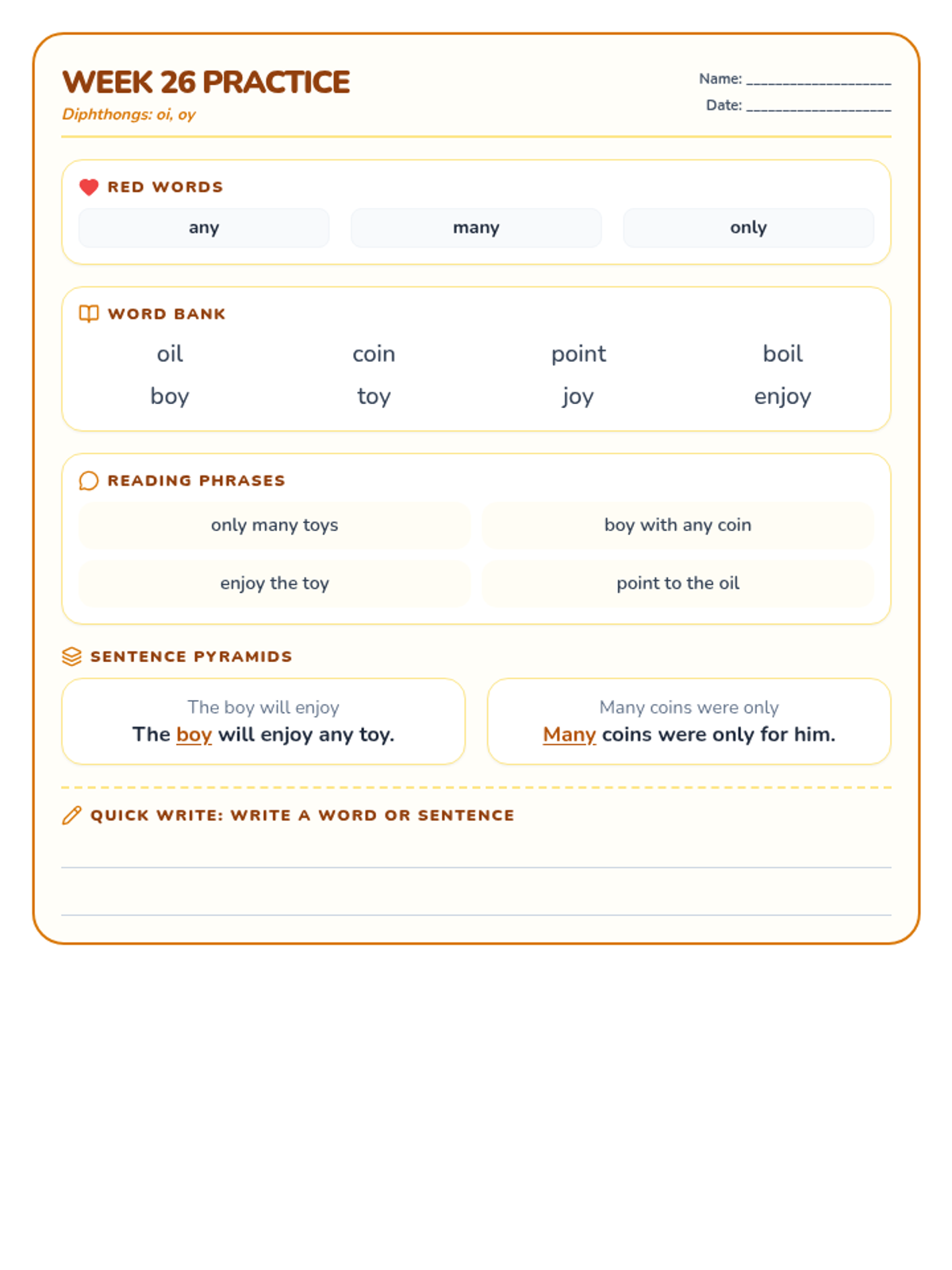
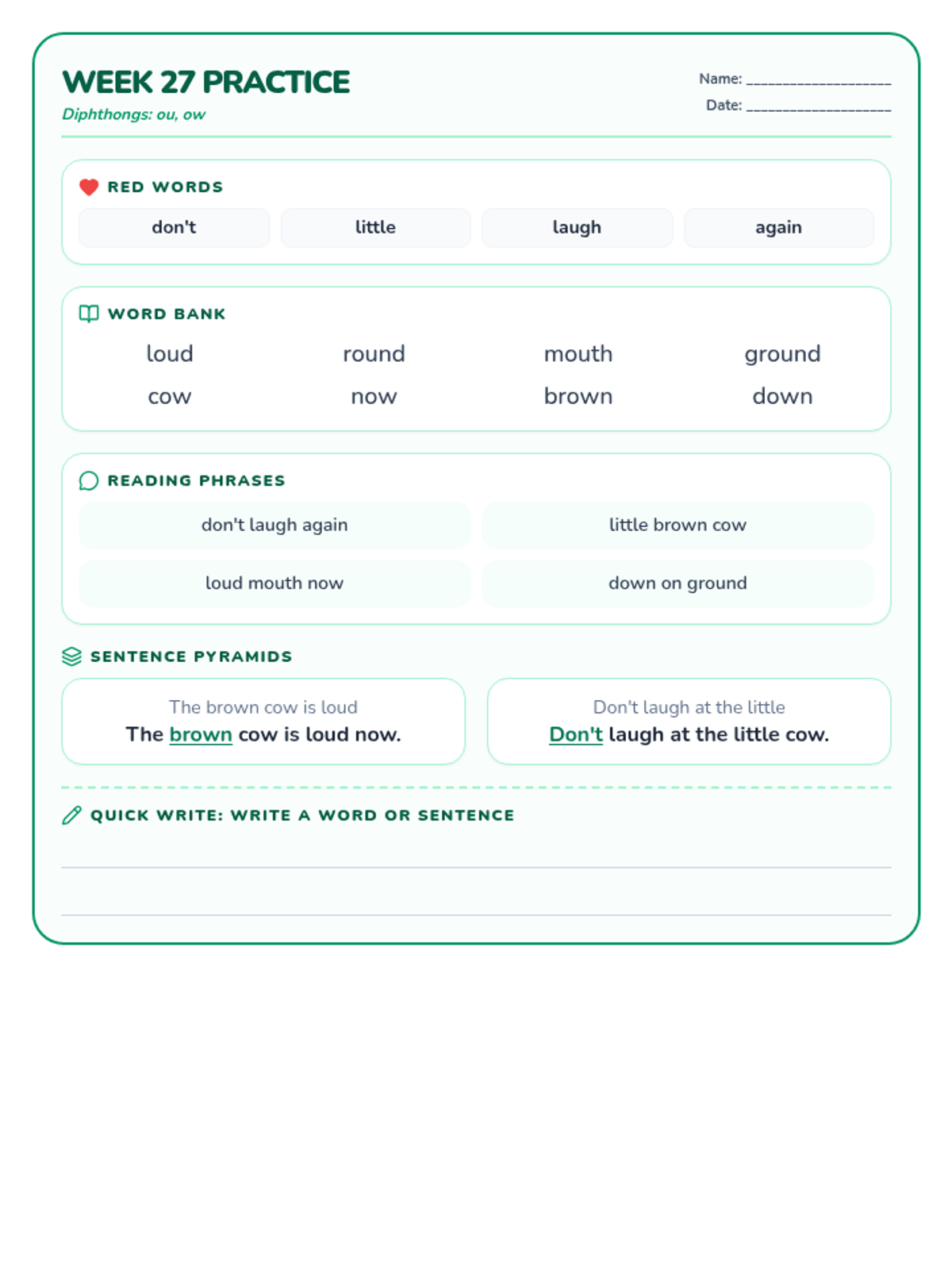
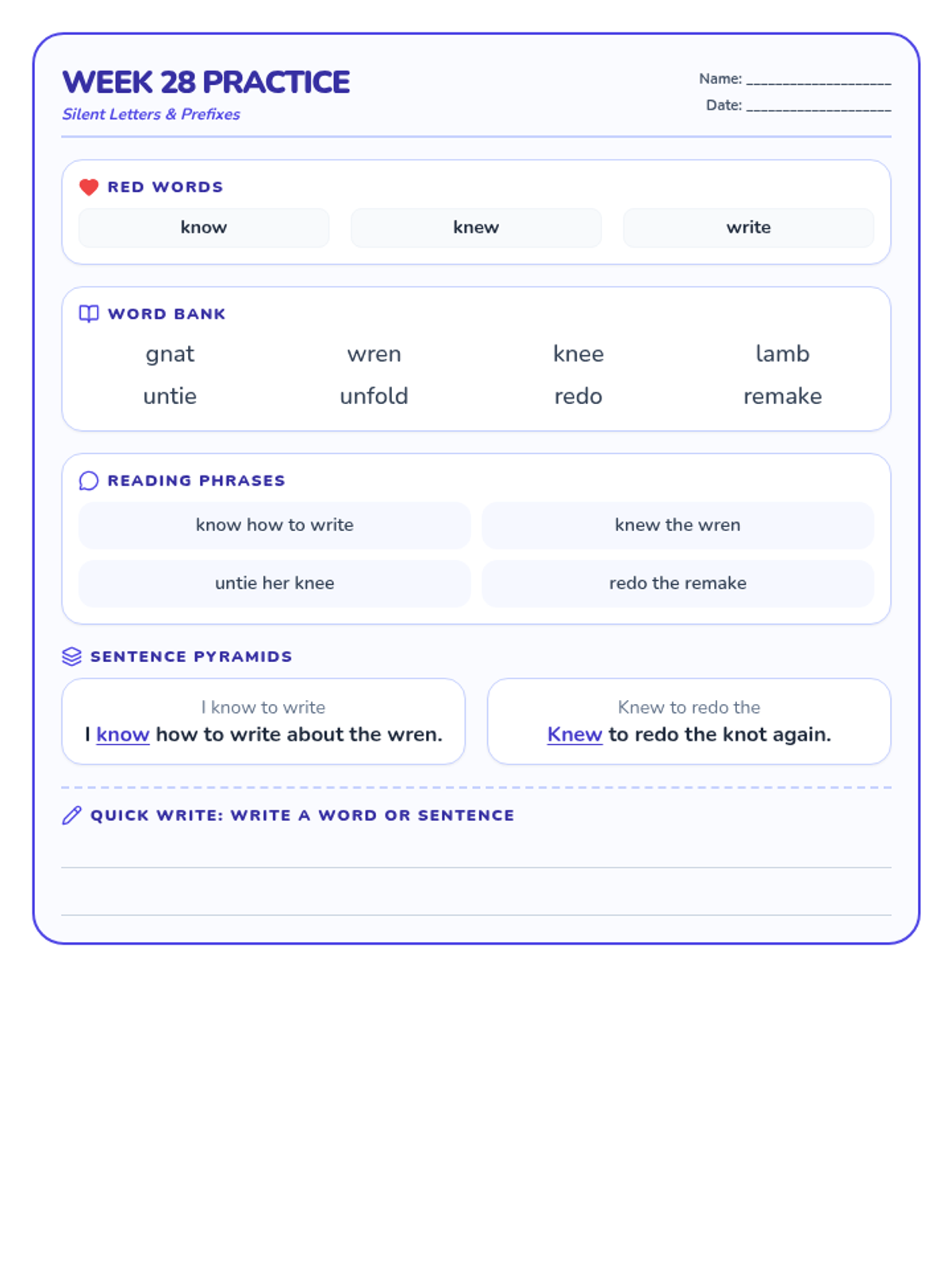
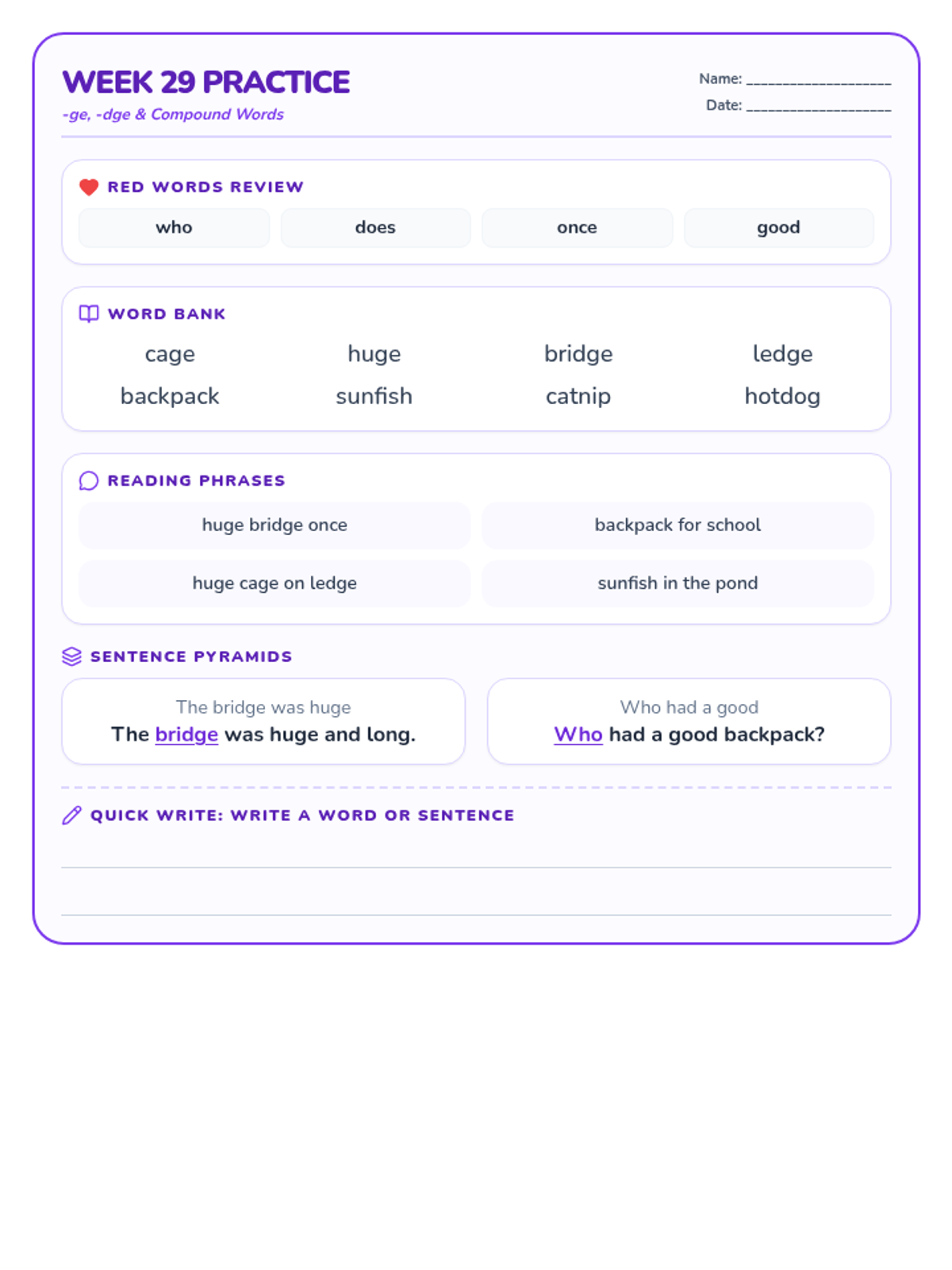
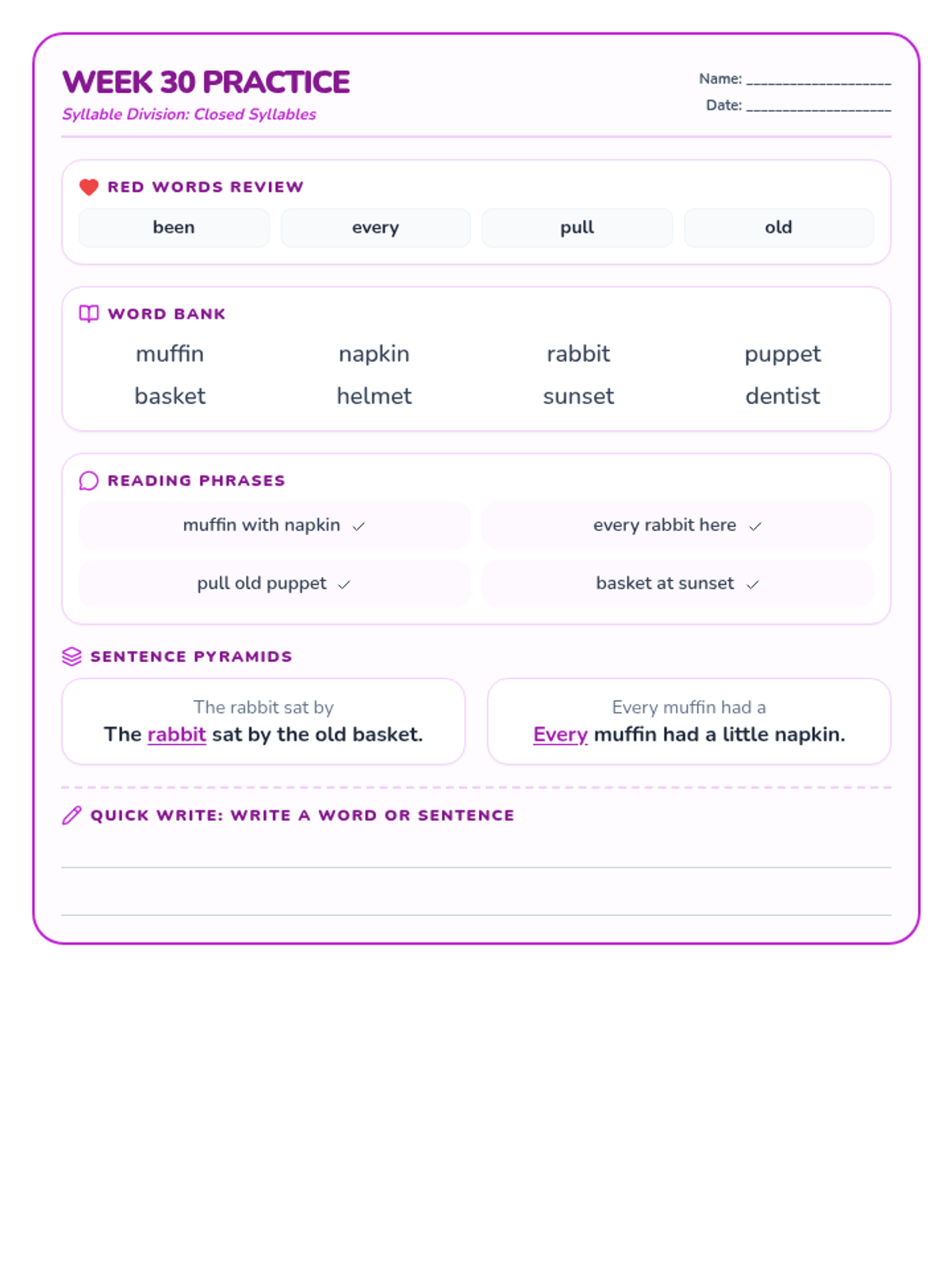
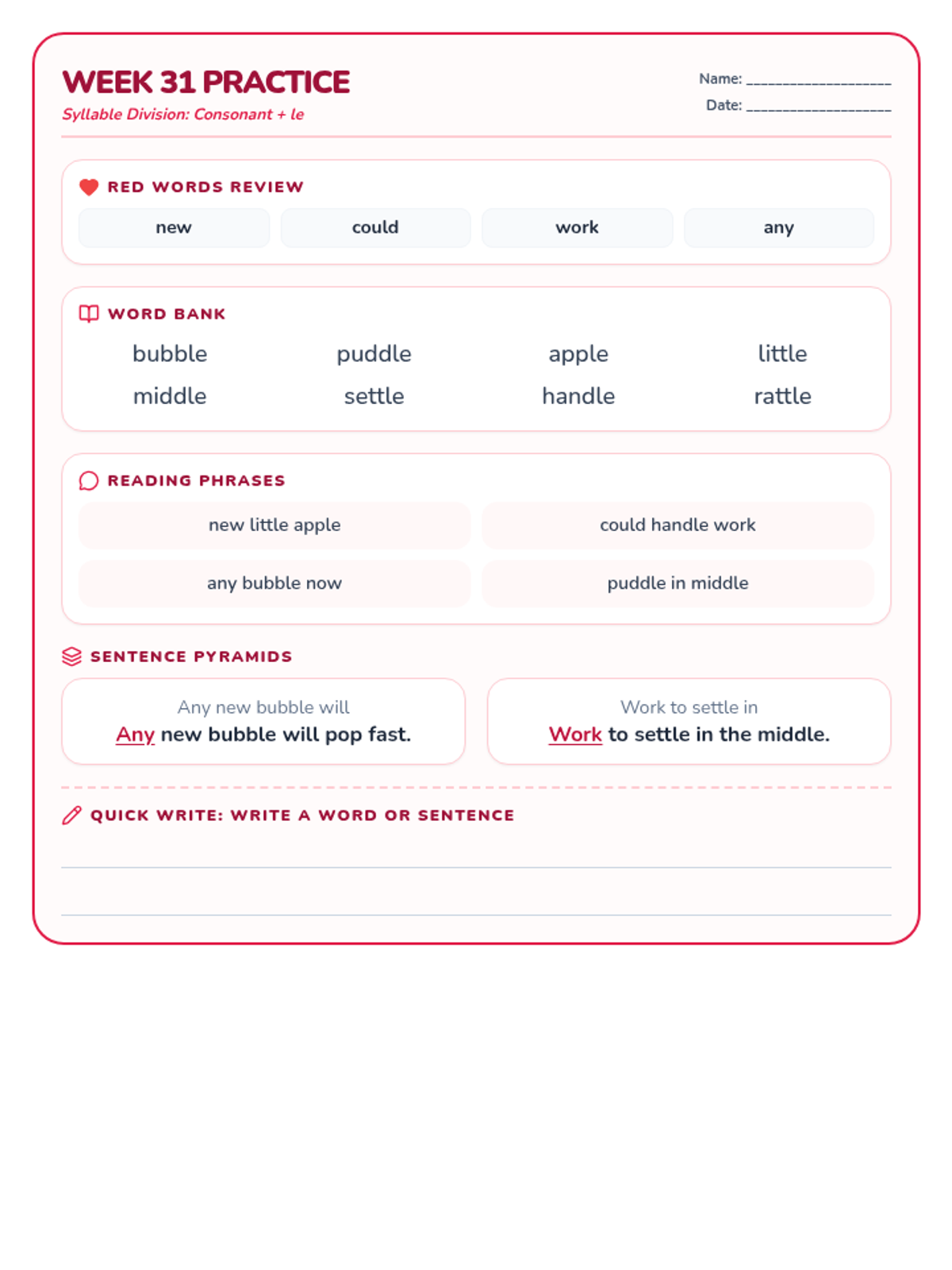
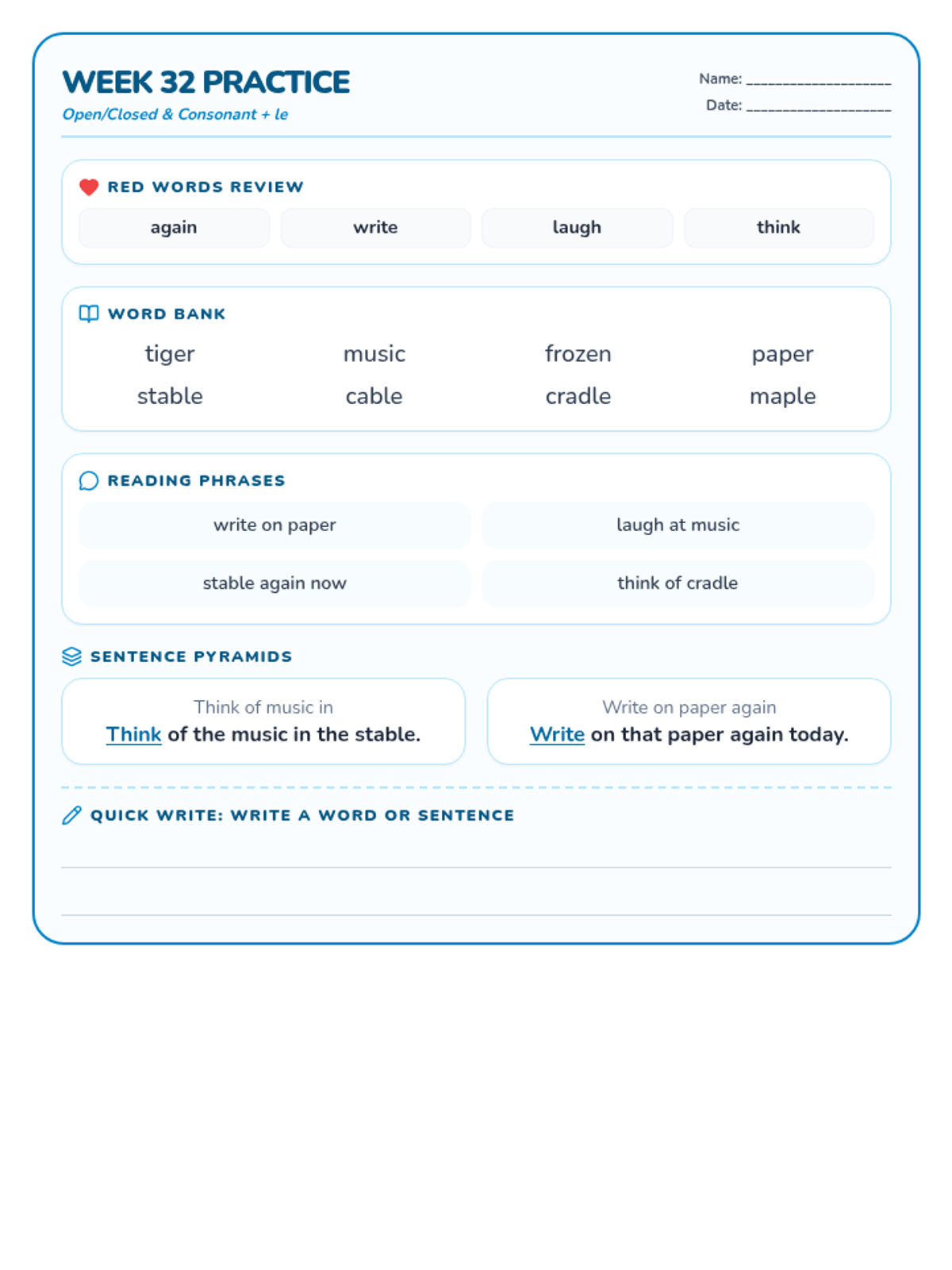
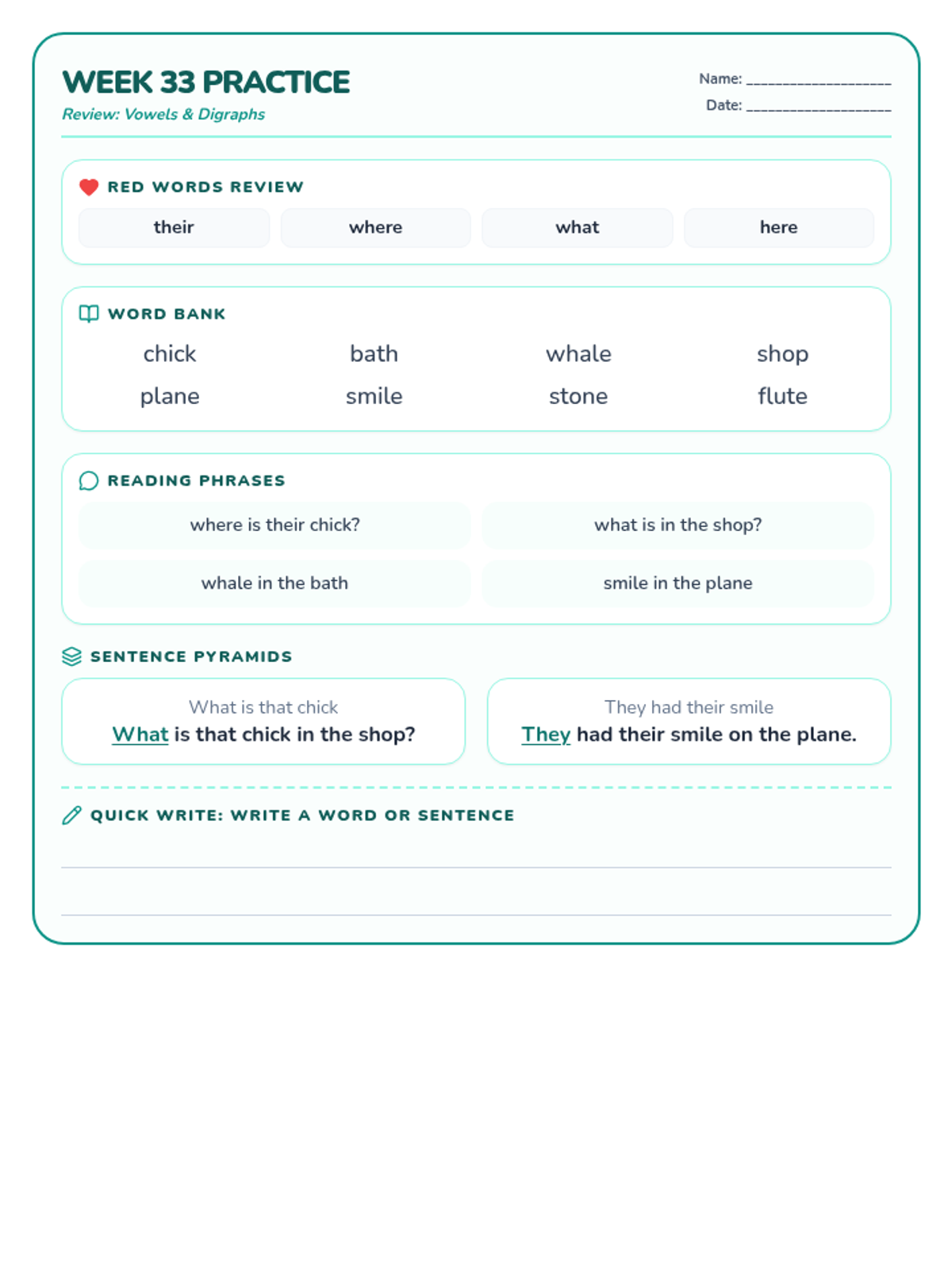
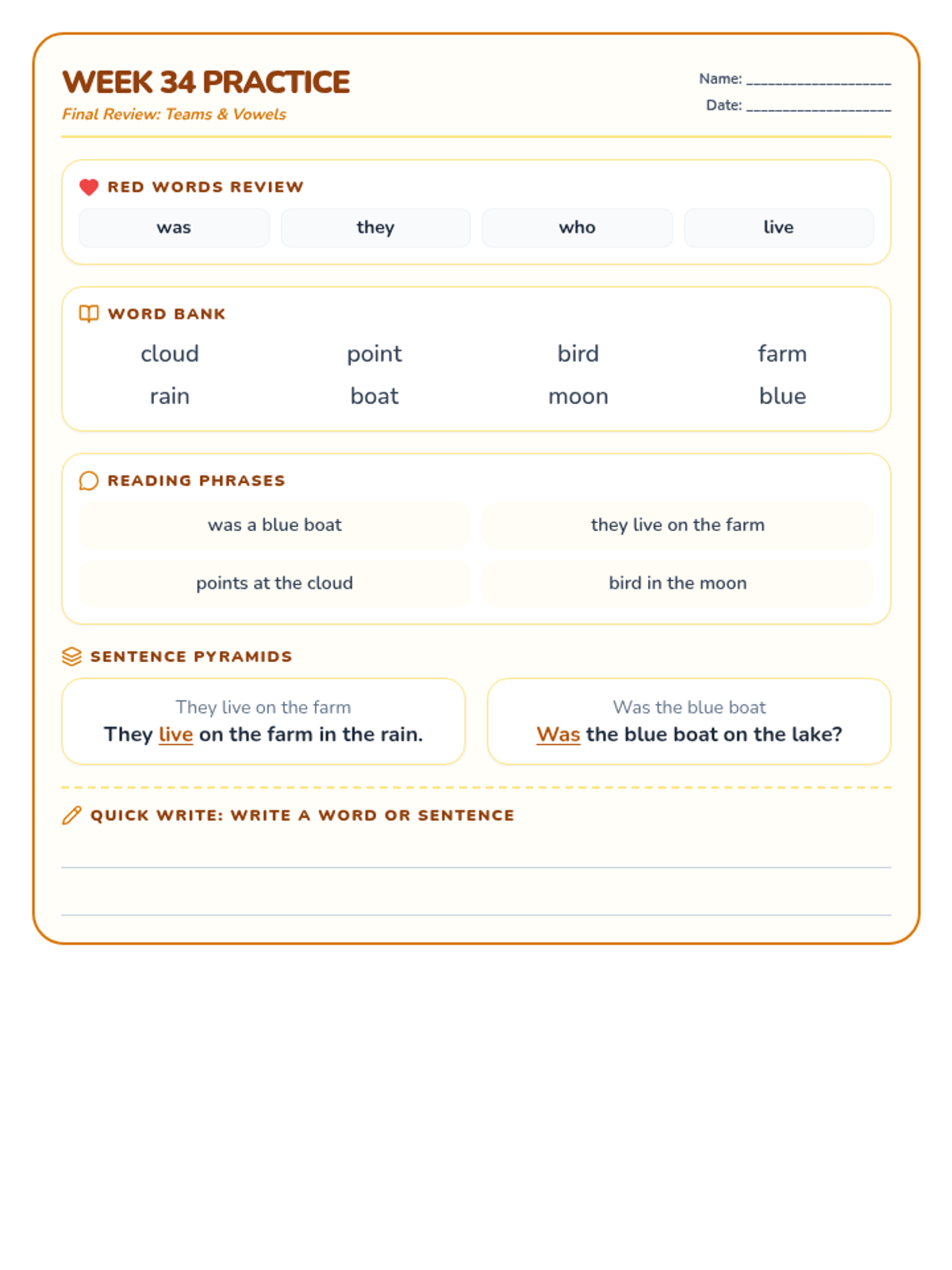
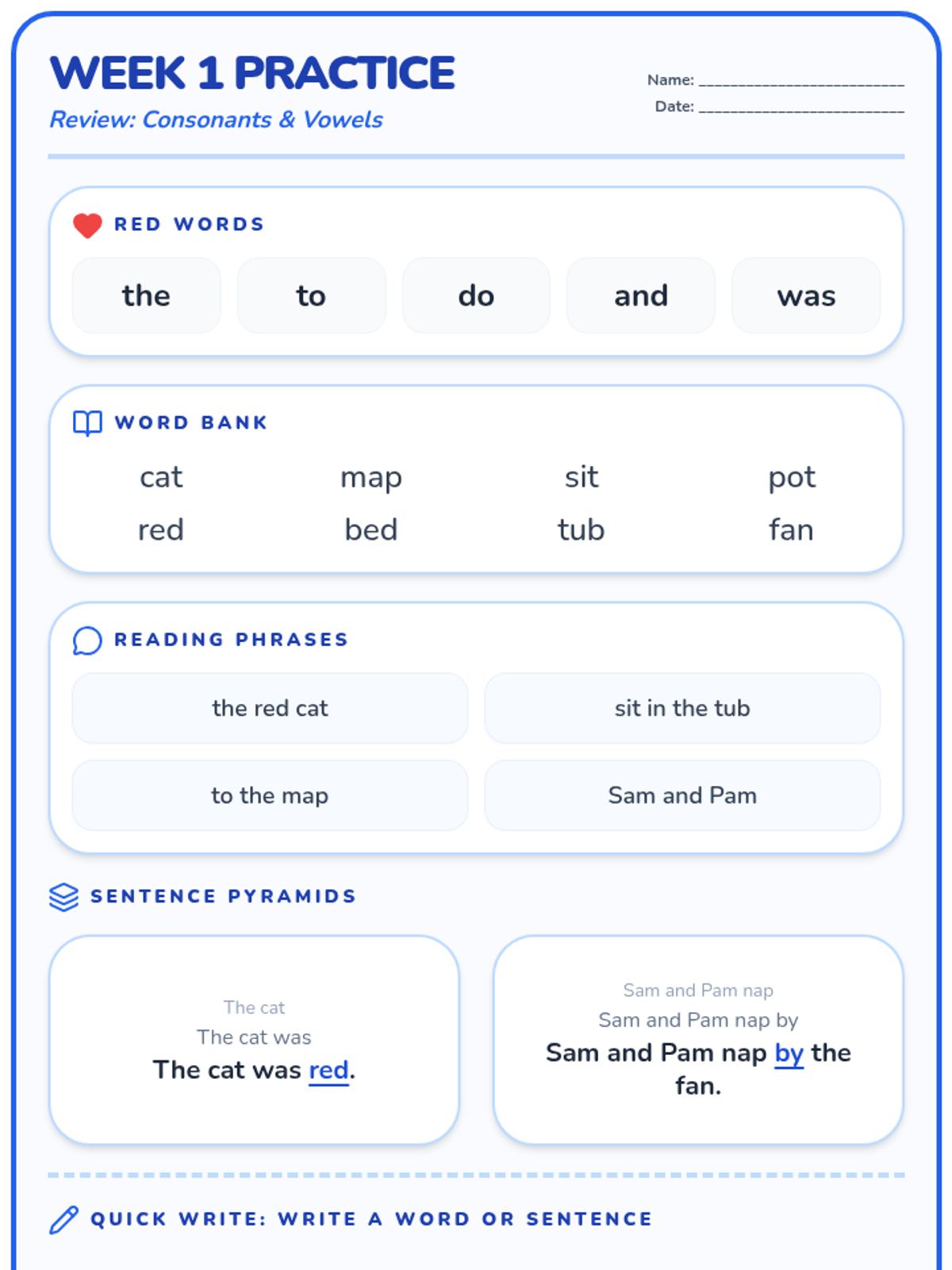
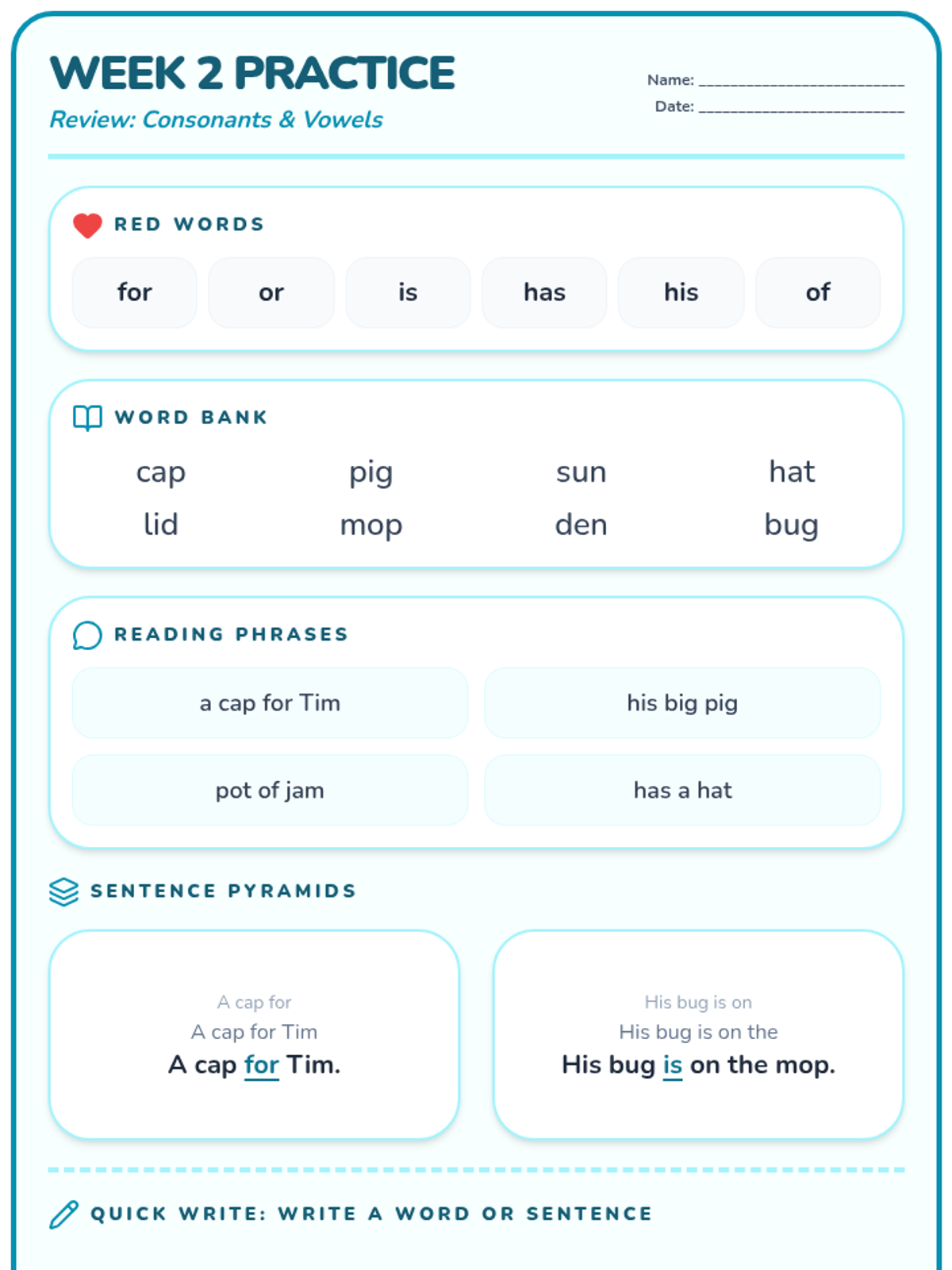
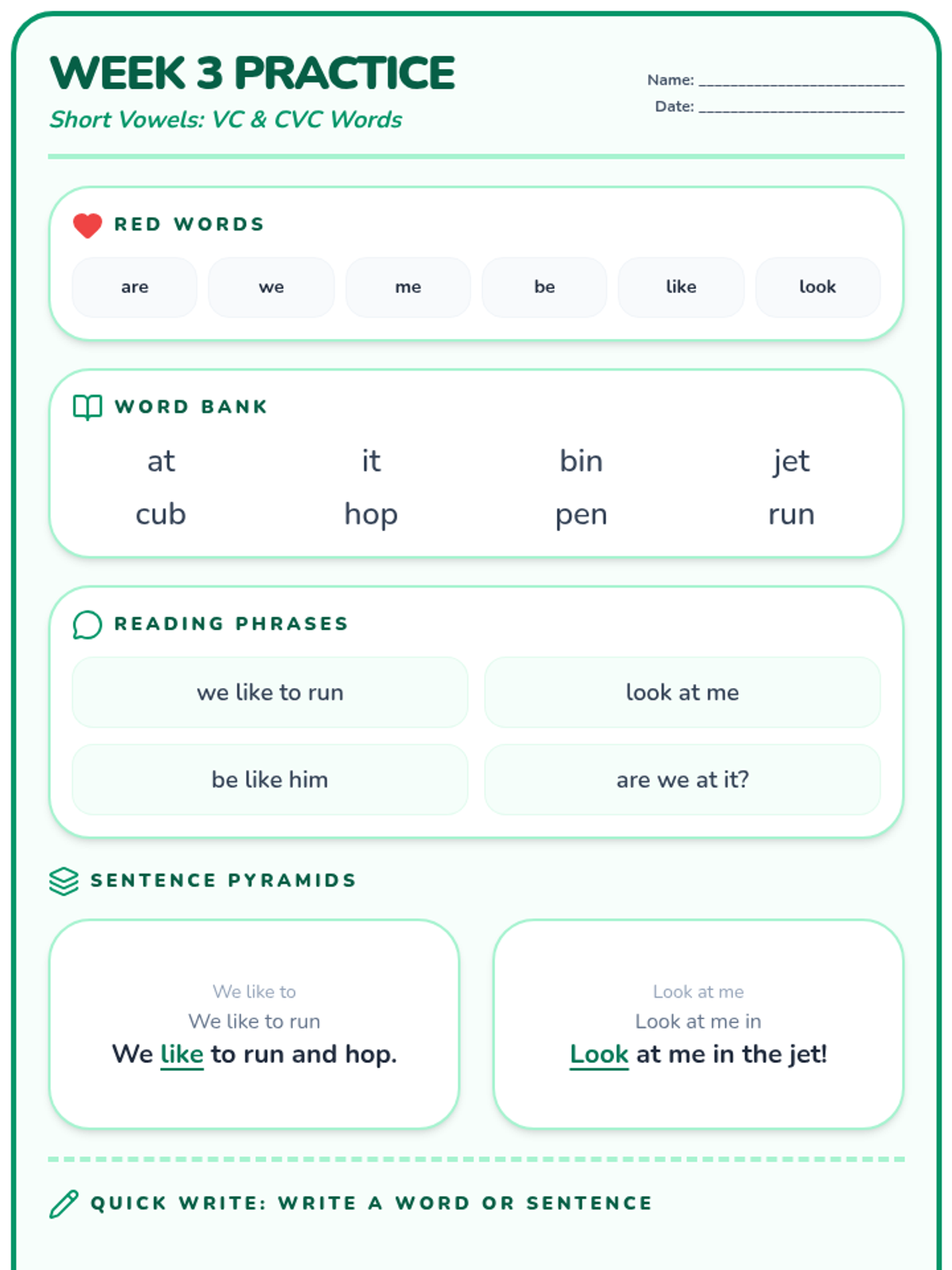
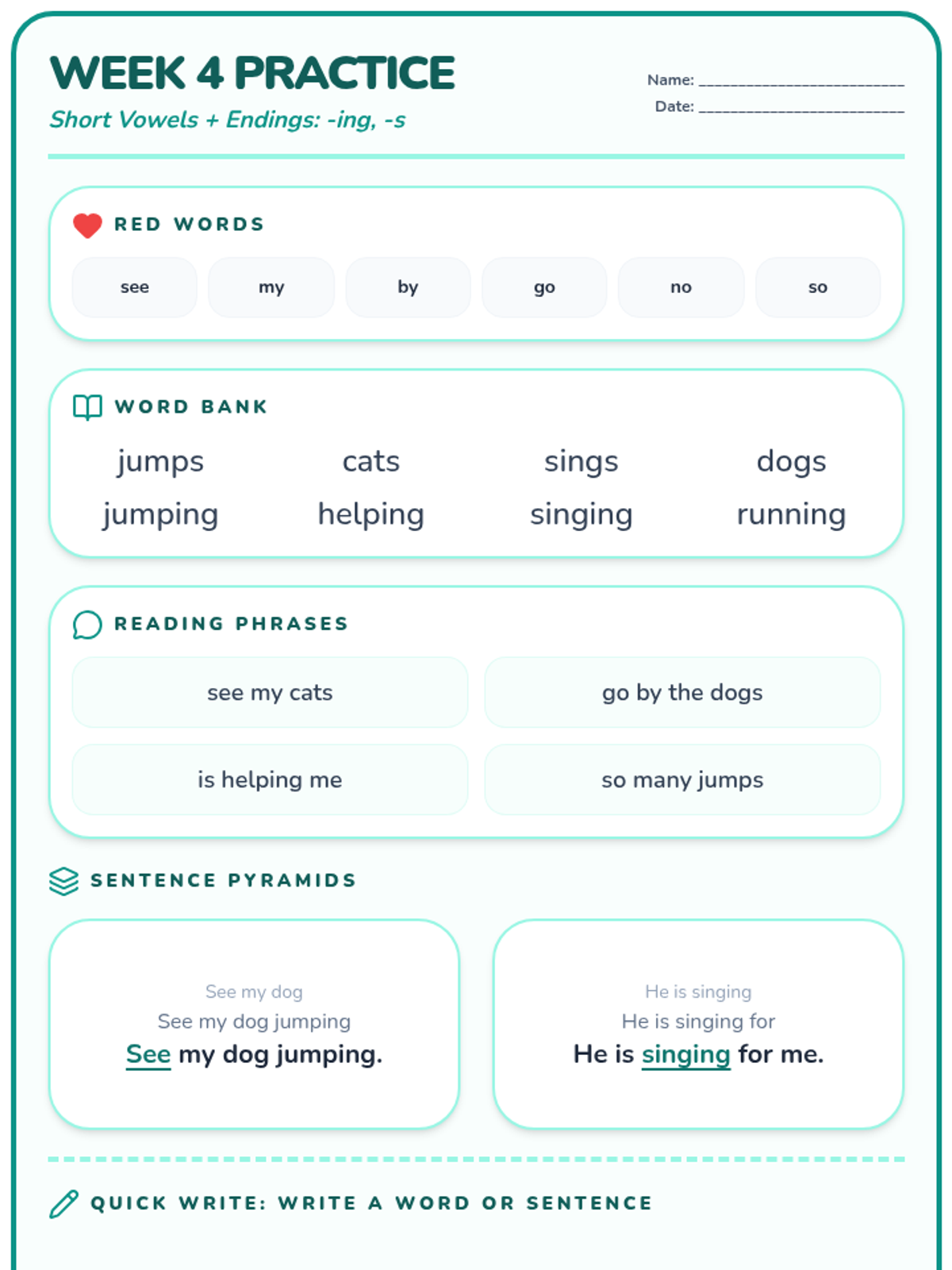
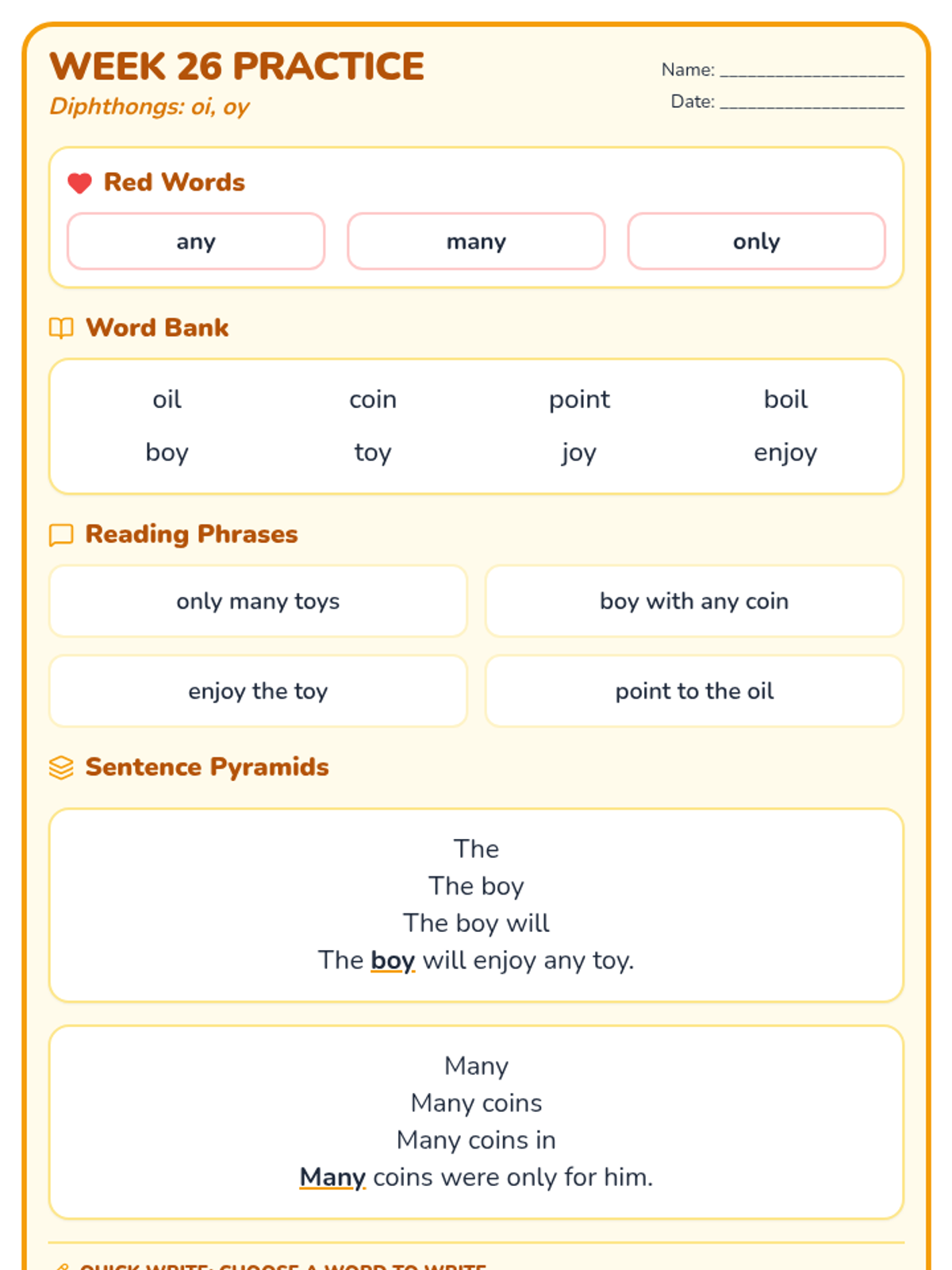
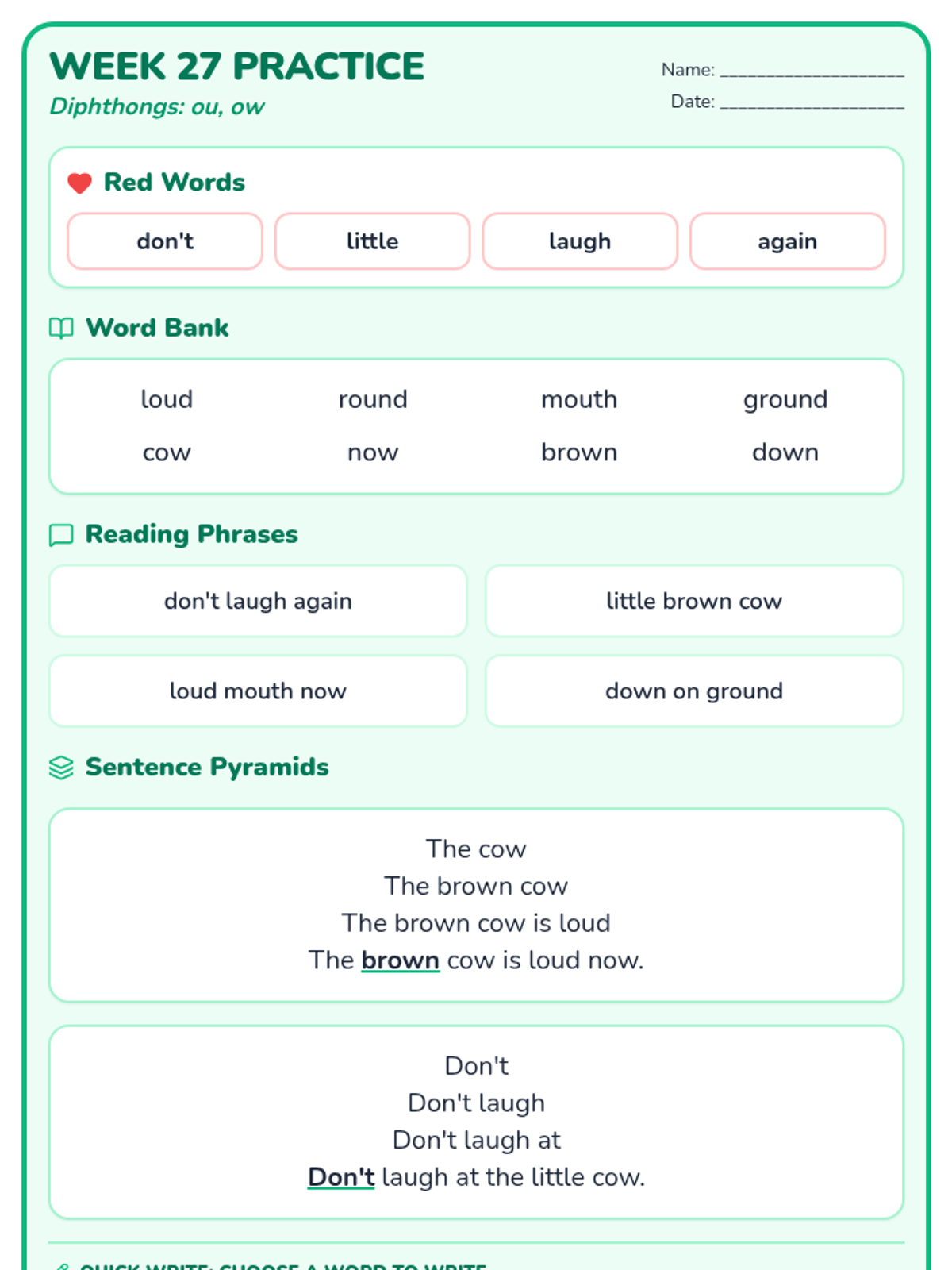
A comprehensive series of phonics practice sheets for 1st grade students covering Units 1 through 6 of the Bridge to Reading curriculum (Weeks 1-34). Each sheet focuses on specific phonics concepts, red words, decodable words, and reading fluency through sentence pyramids, designed for one-page printing.
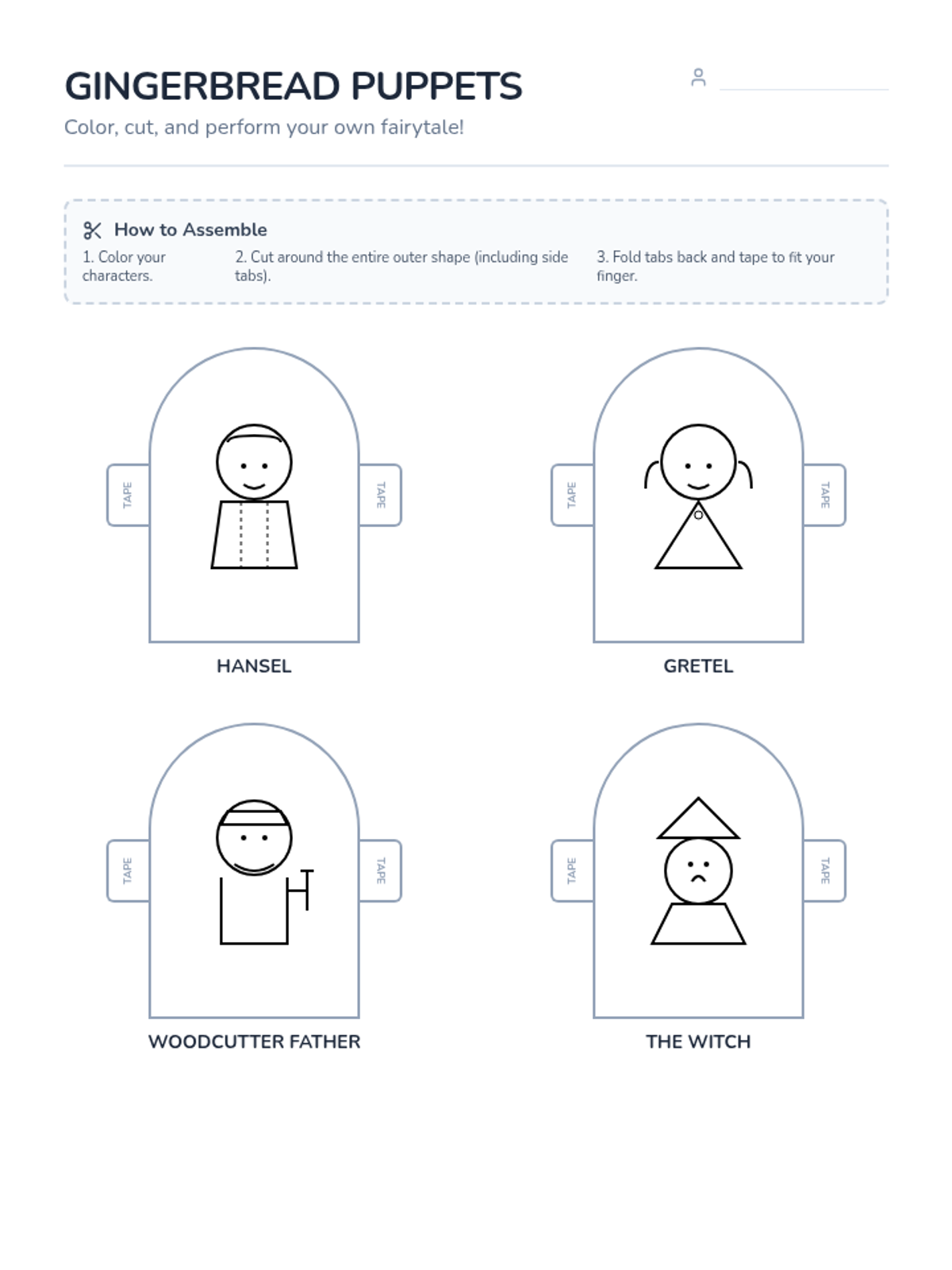
A creative lesson focused on oral storytelling and character analysis through the classic tale of Hansel and Gretel using DIY finger puppets.
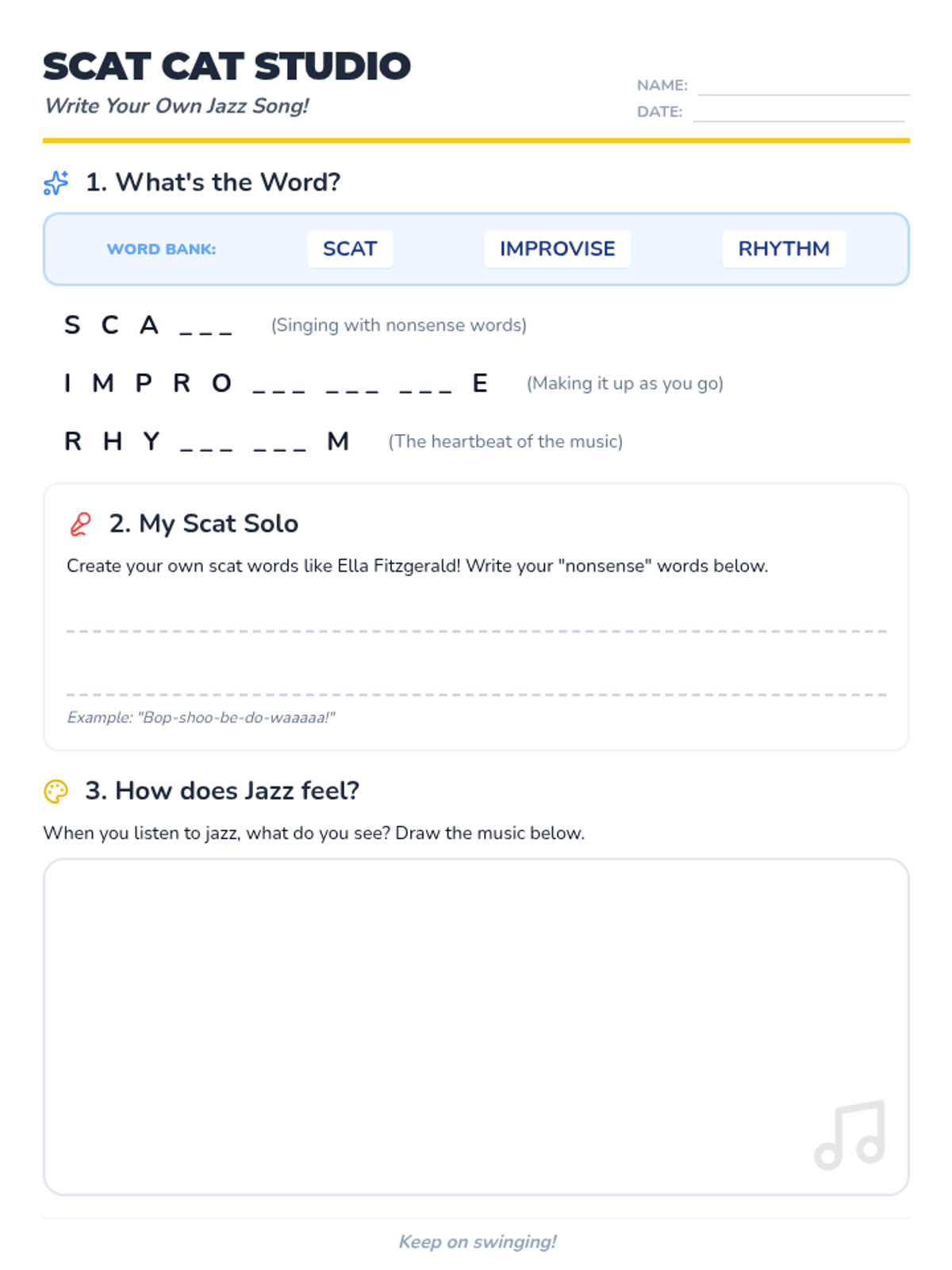
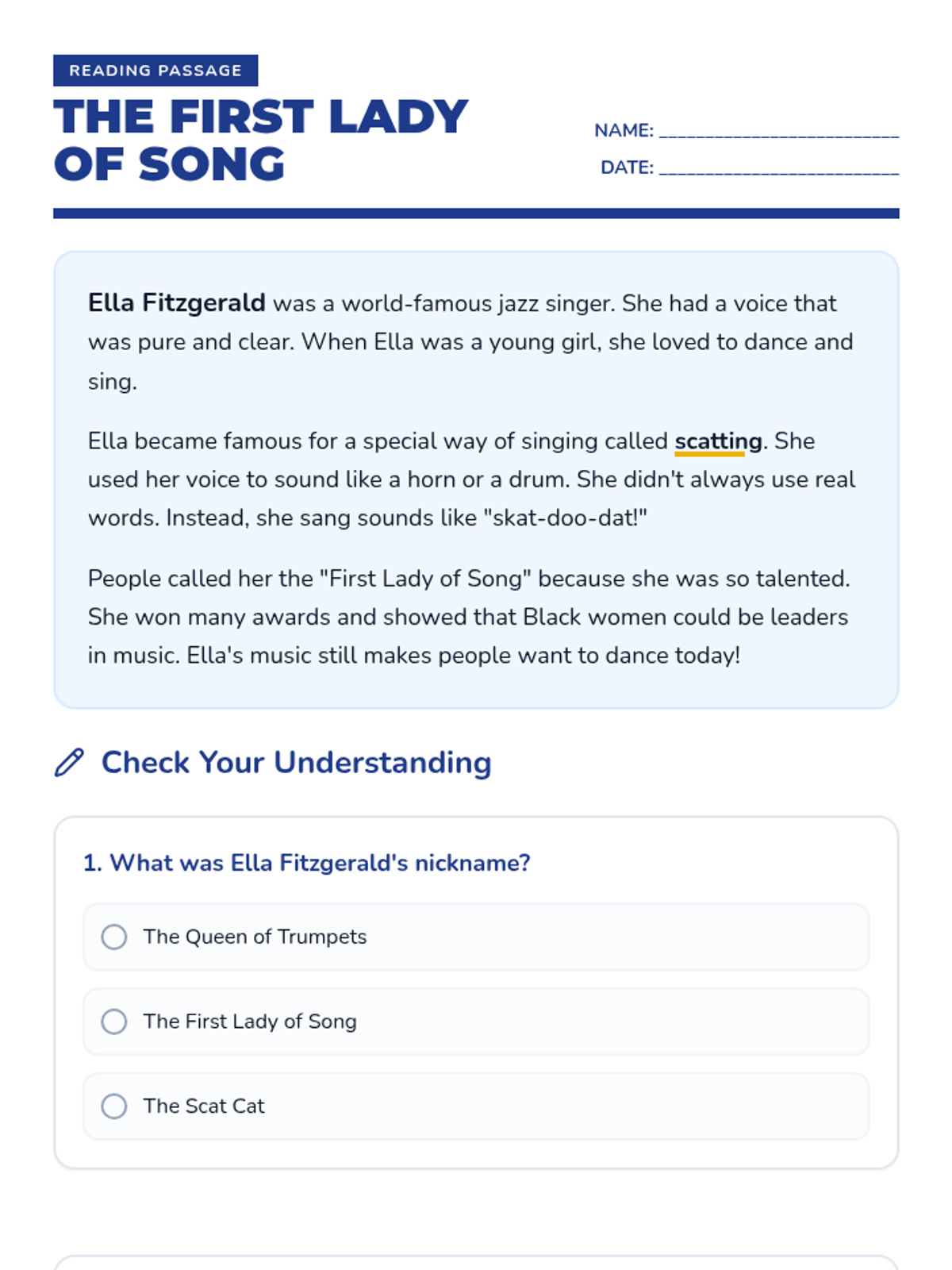
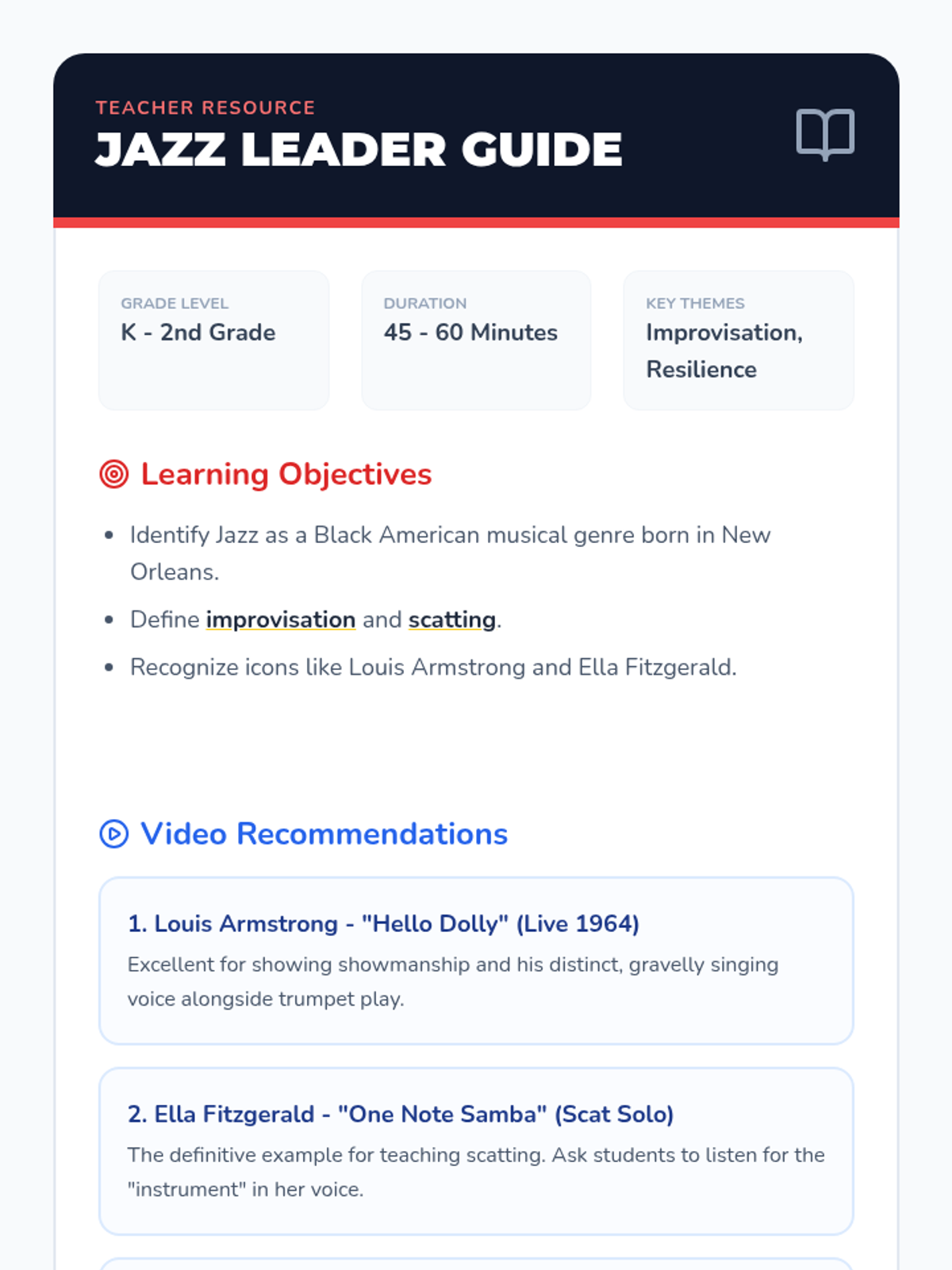
This lesson introduces students to the sounds of jazz, the concept of improvisation, and the historical origins of the genre in New Orleans.
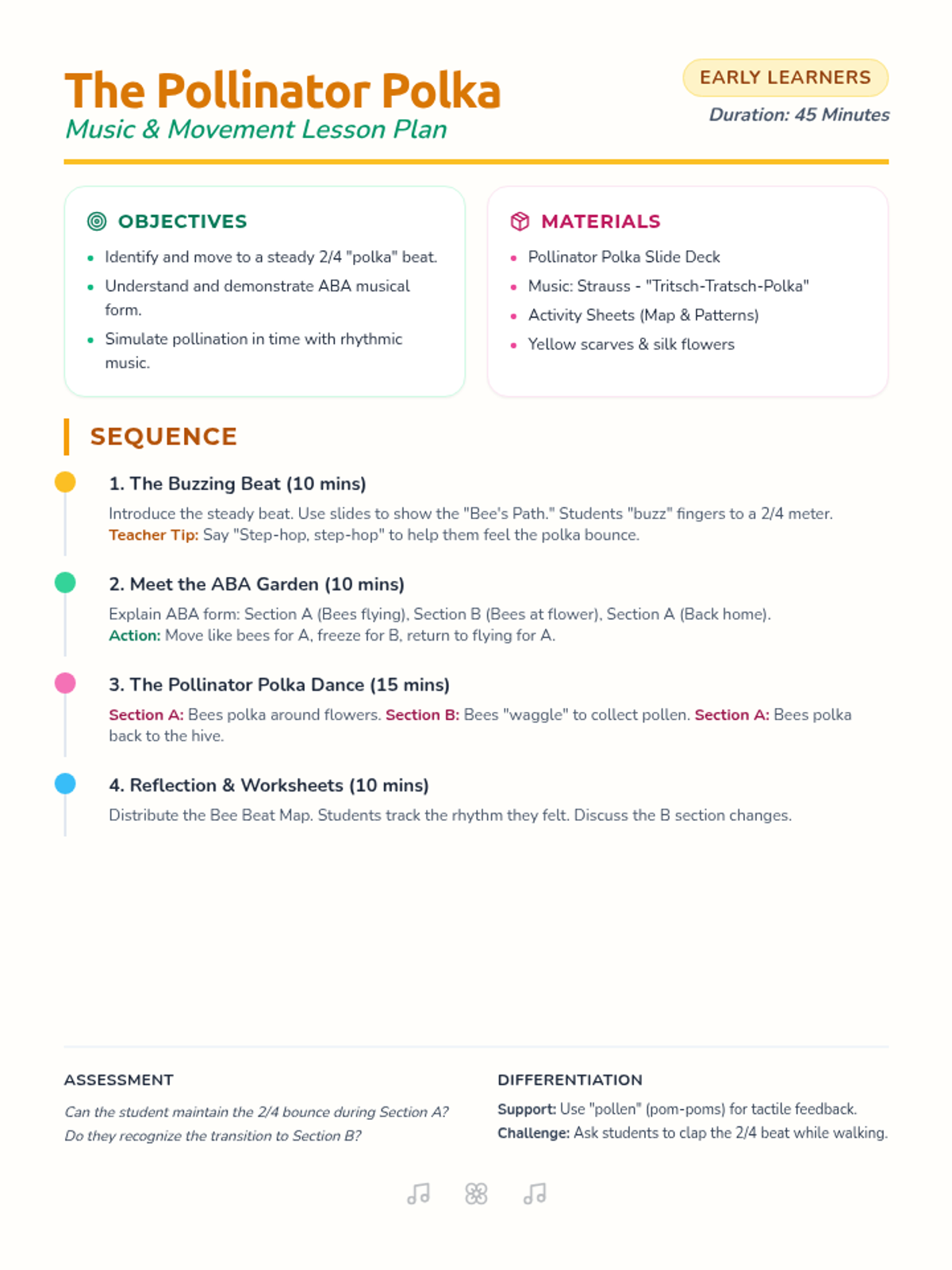
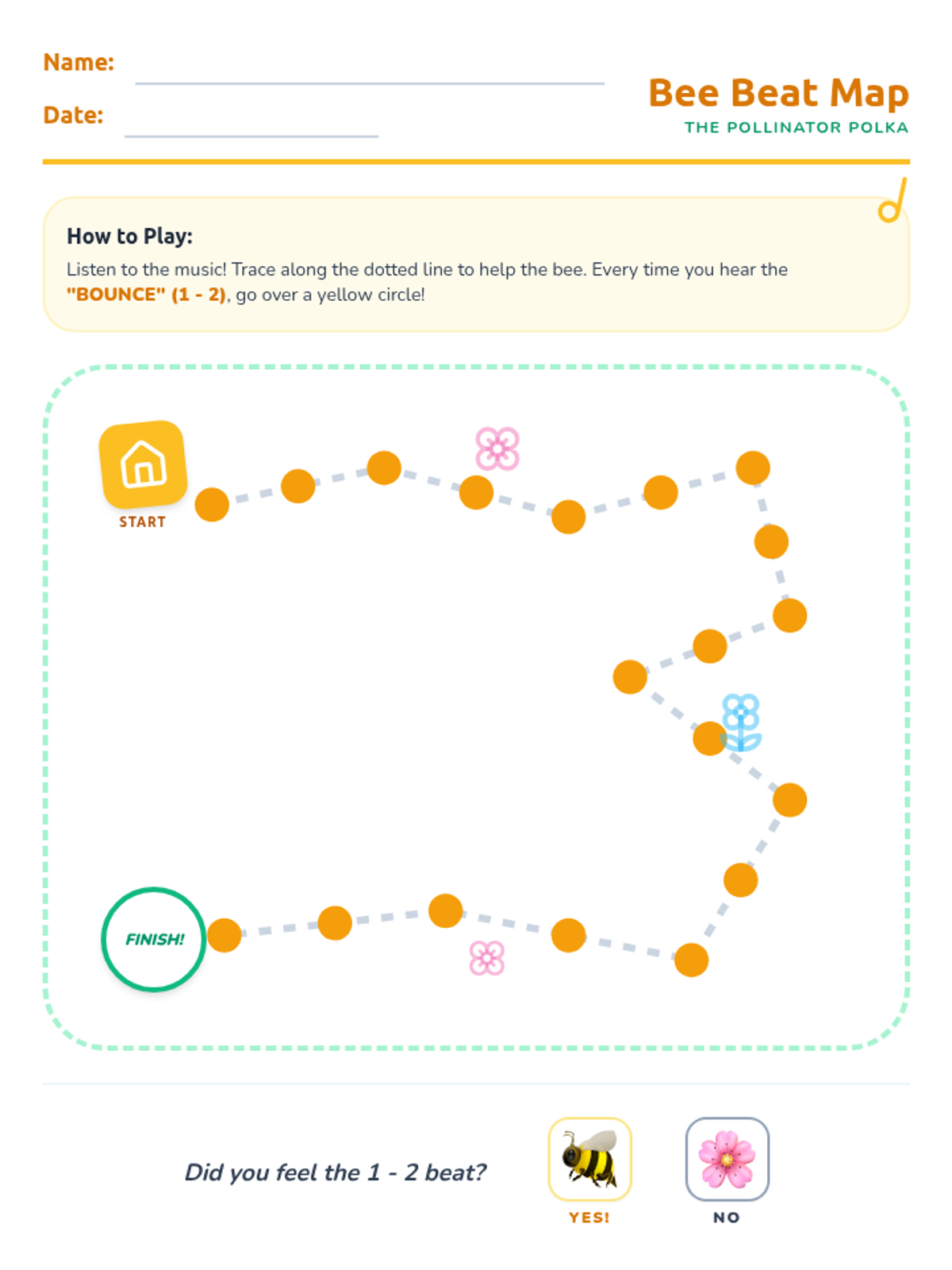
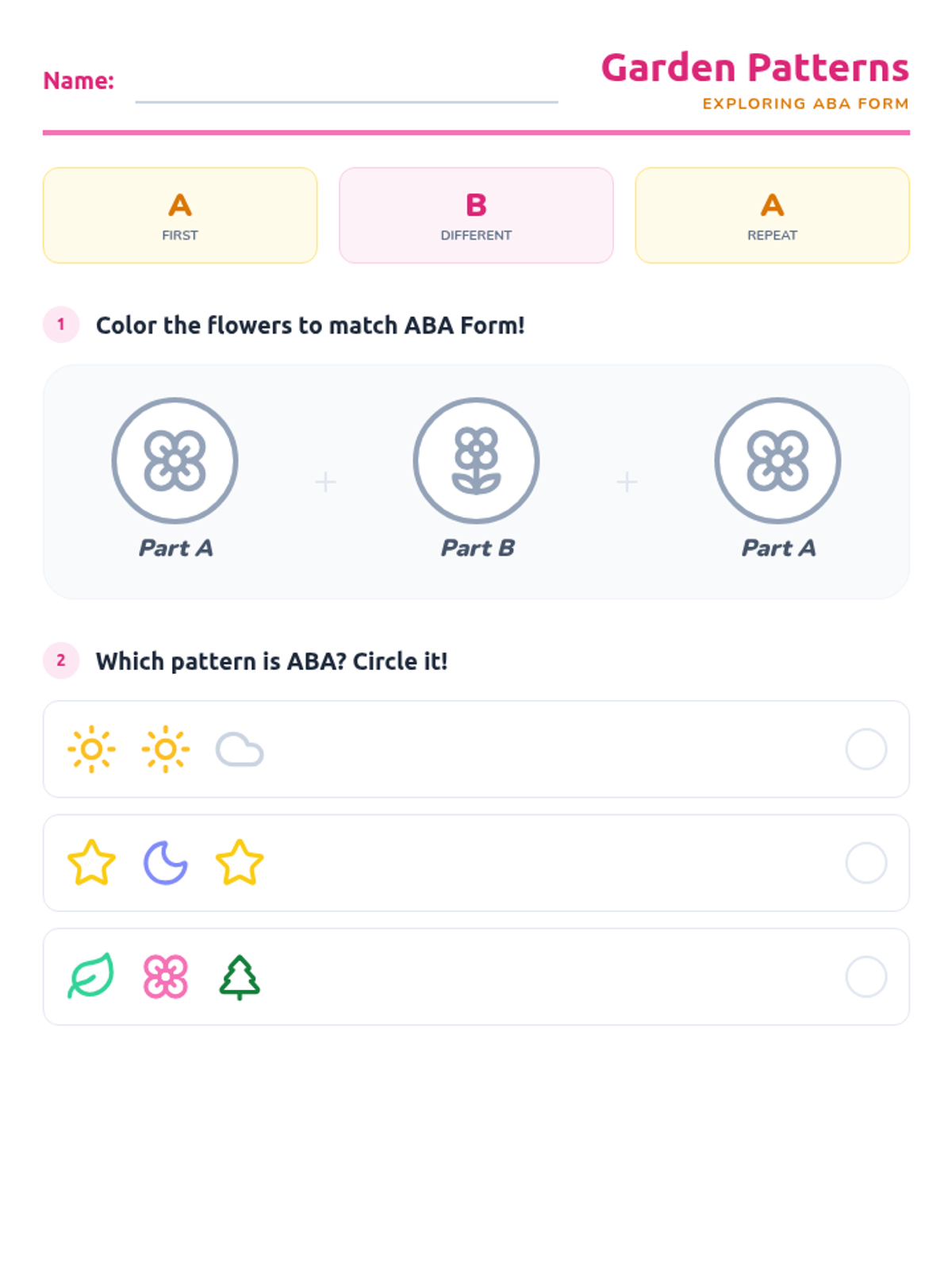
An early childhood music and science integration lesson exploring 2/4 meter and ABA form through the whimsical lens of bees and flowers. Students move, listen, and create while learning about the rhythmic "polka" beat and the structure of music.
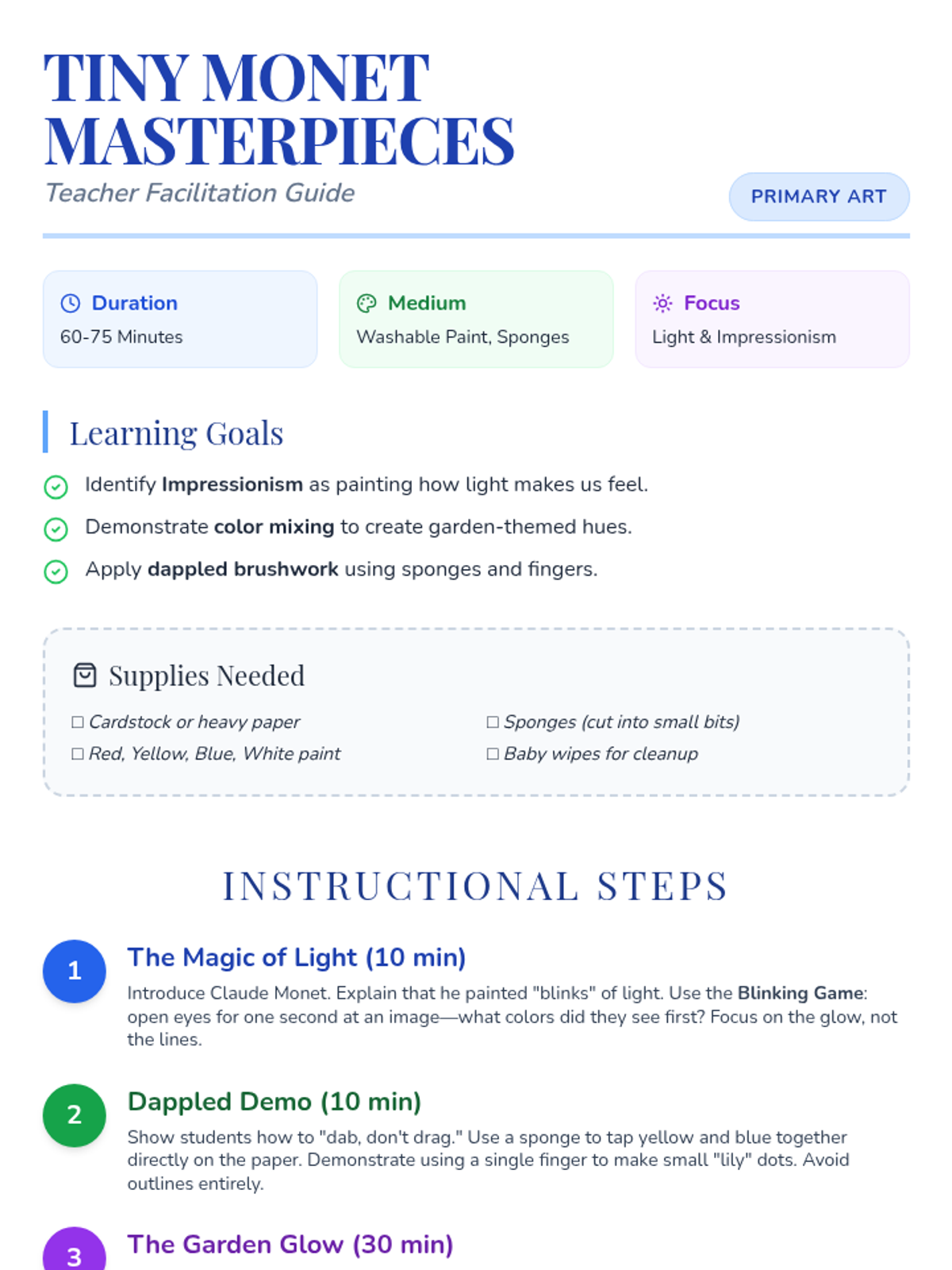
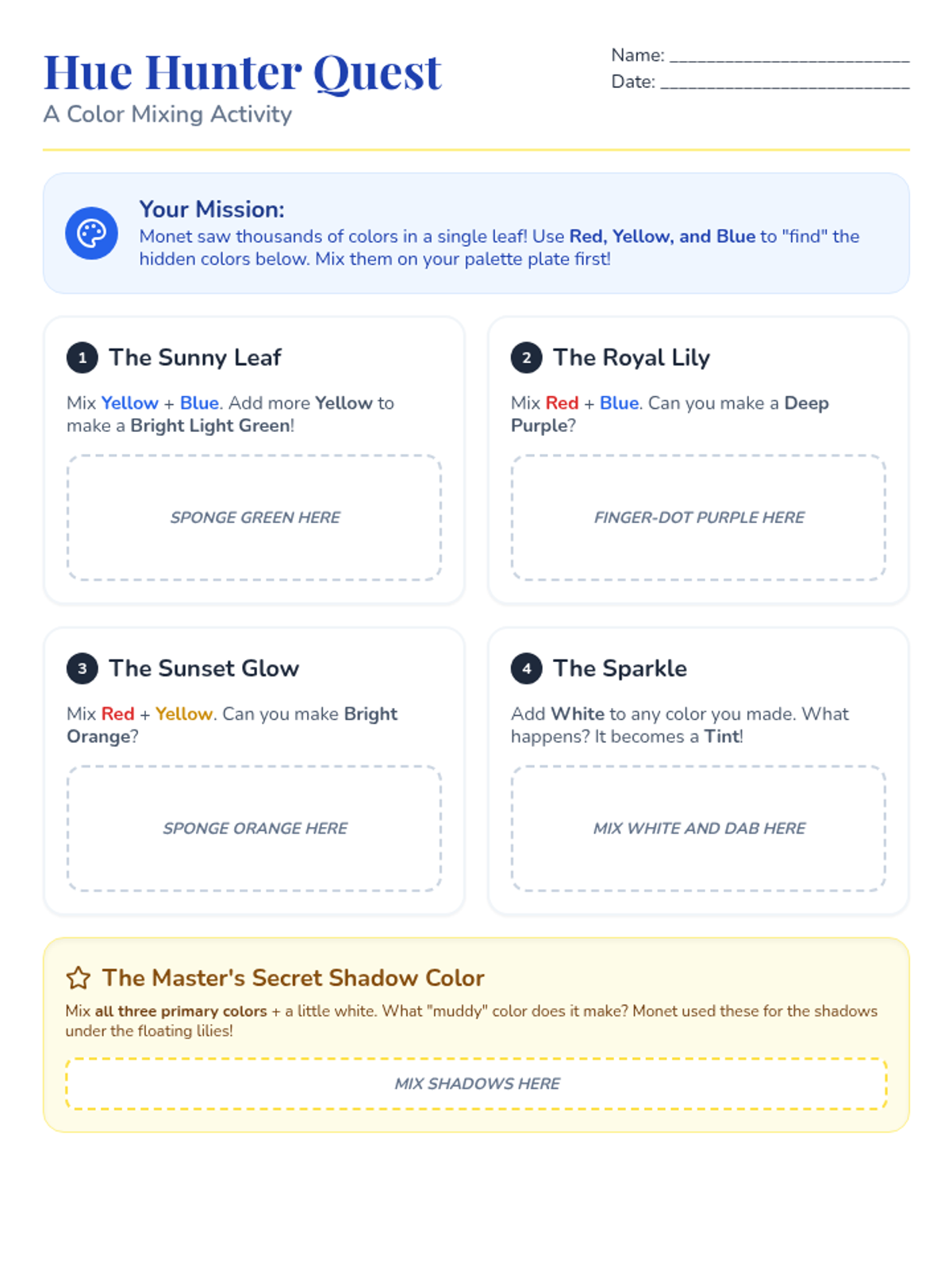
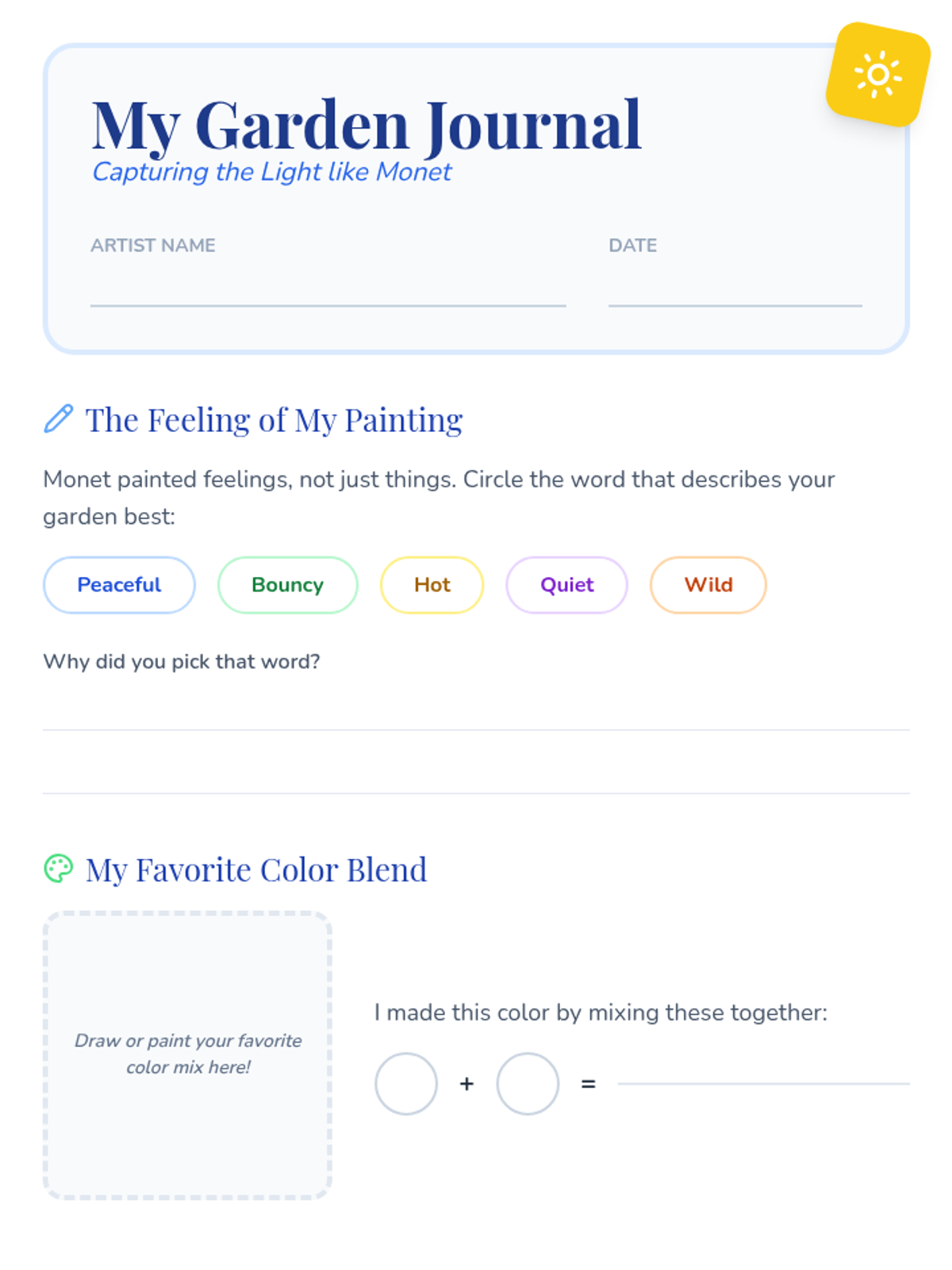
A primary art lesson introducing Impressionism through the works of Claude Monet. Students explore light, color mixing, and dappled textures using finger painting and sponge techniques to create their own garden masterpieces.
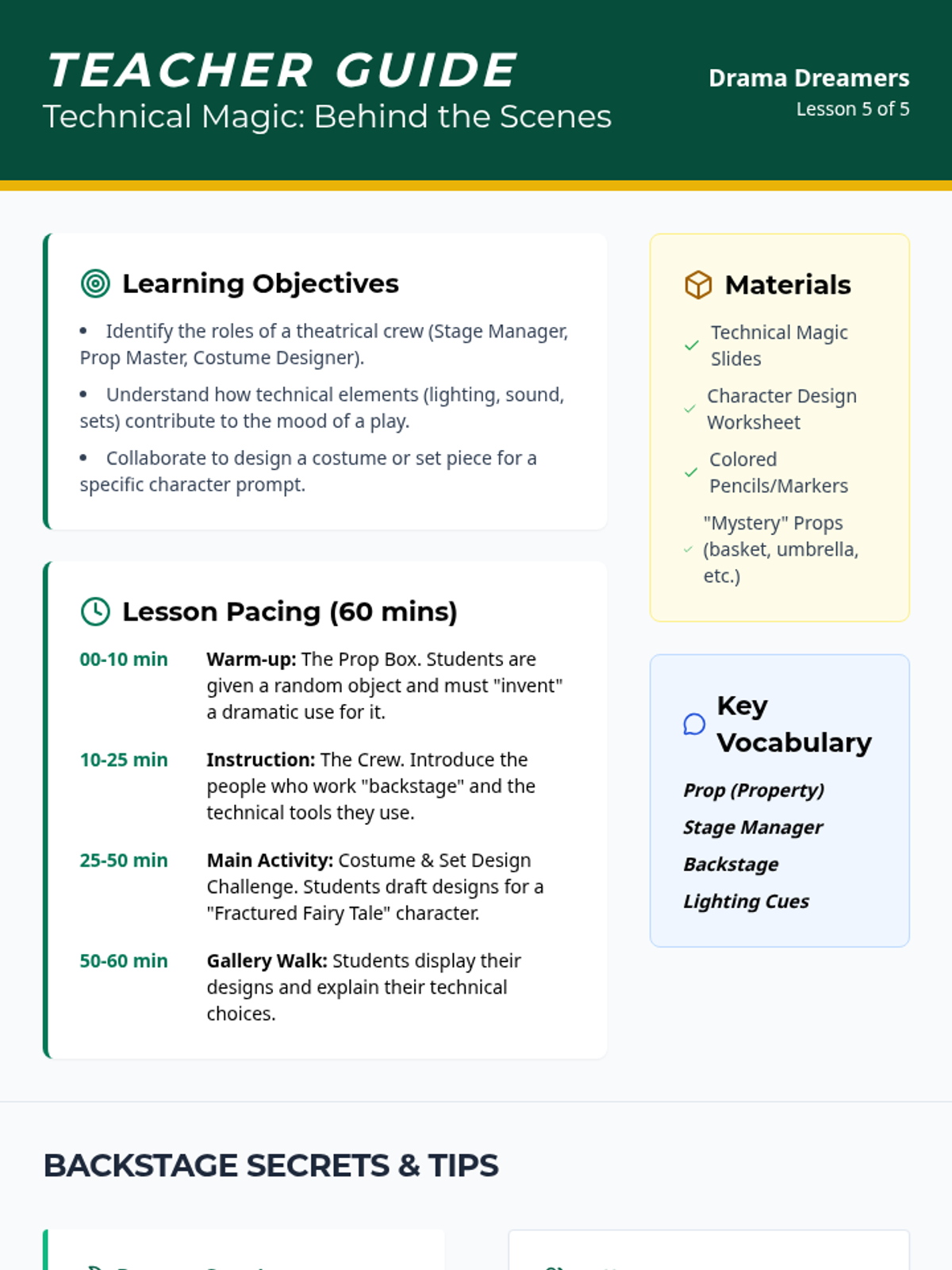
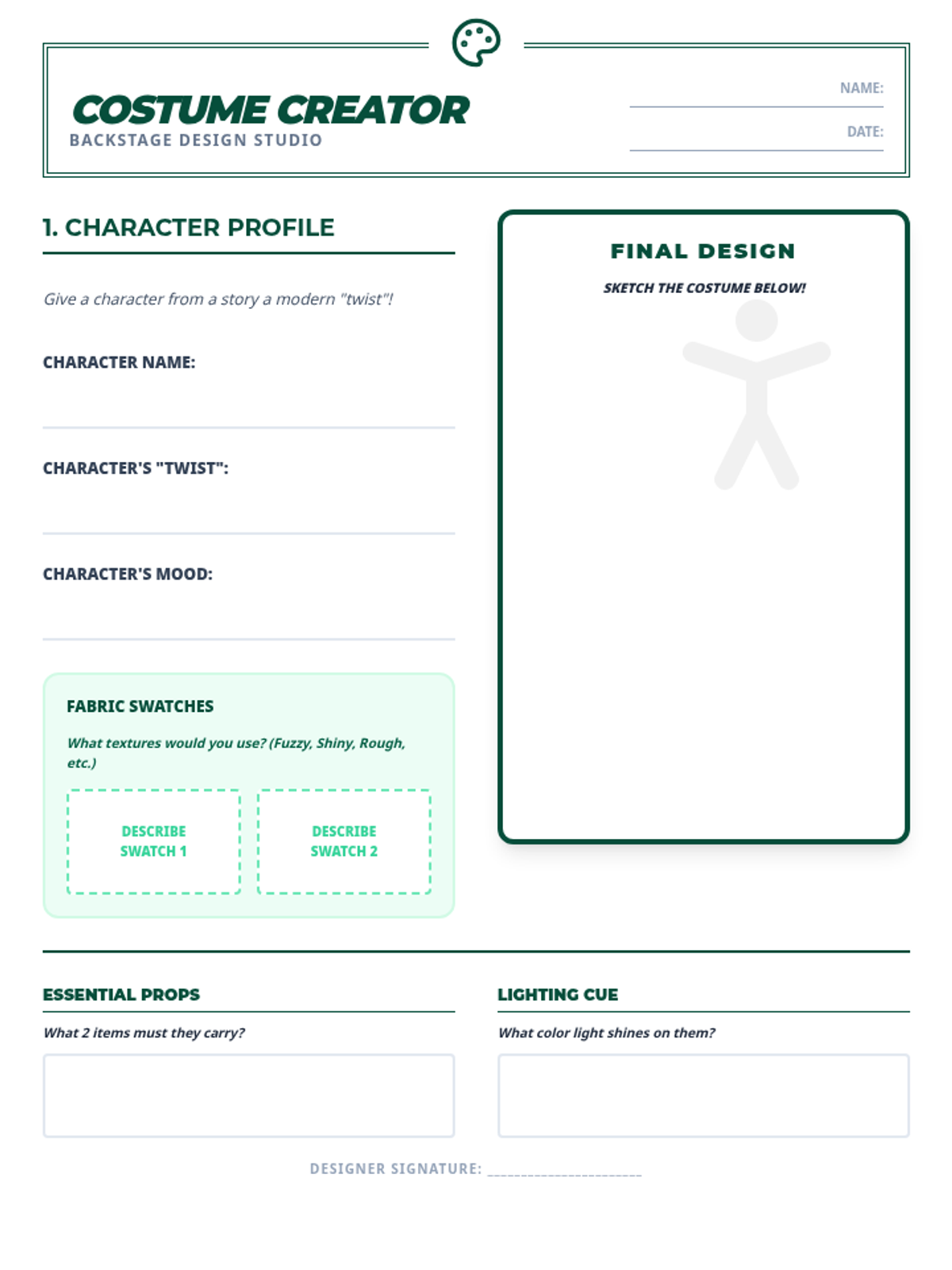
An exploration of the "Behind the Scenes" heroes, from costume designers to stage managers, and the technical magic that brings a play to life.
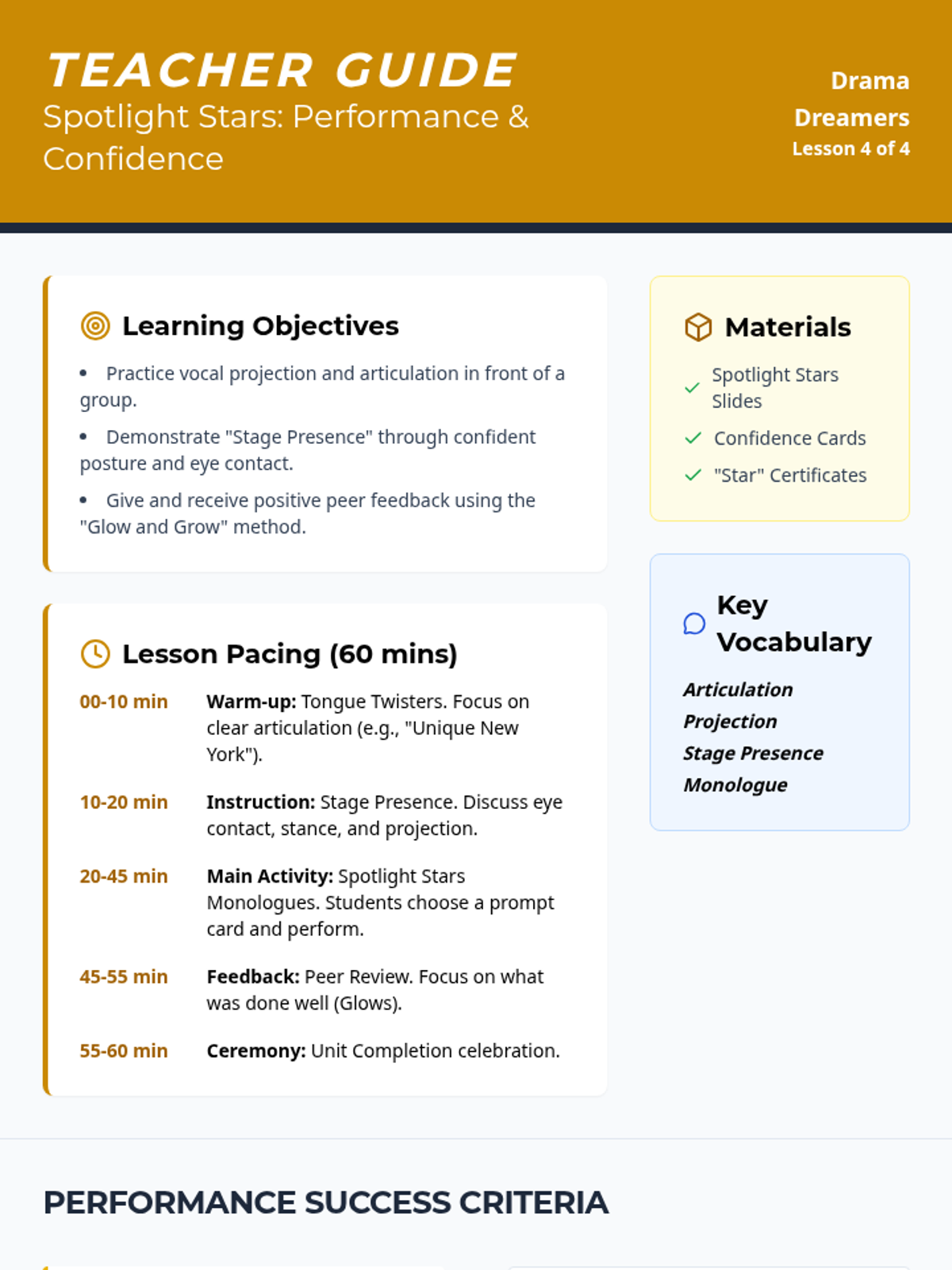
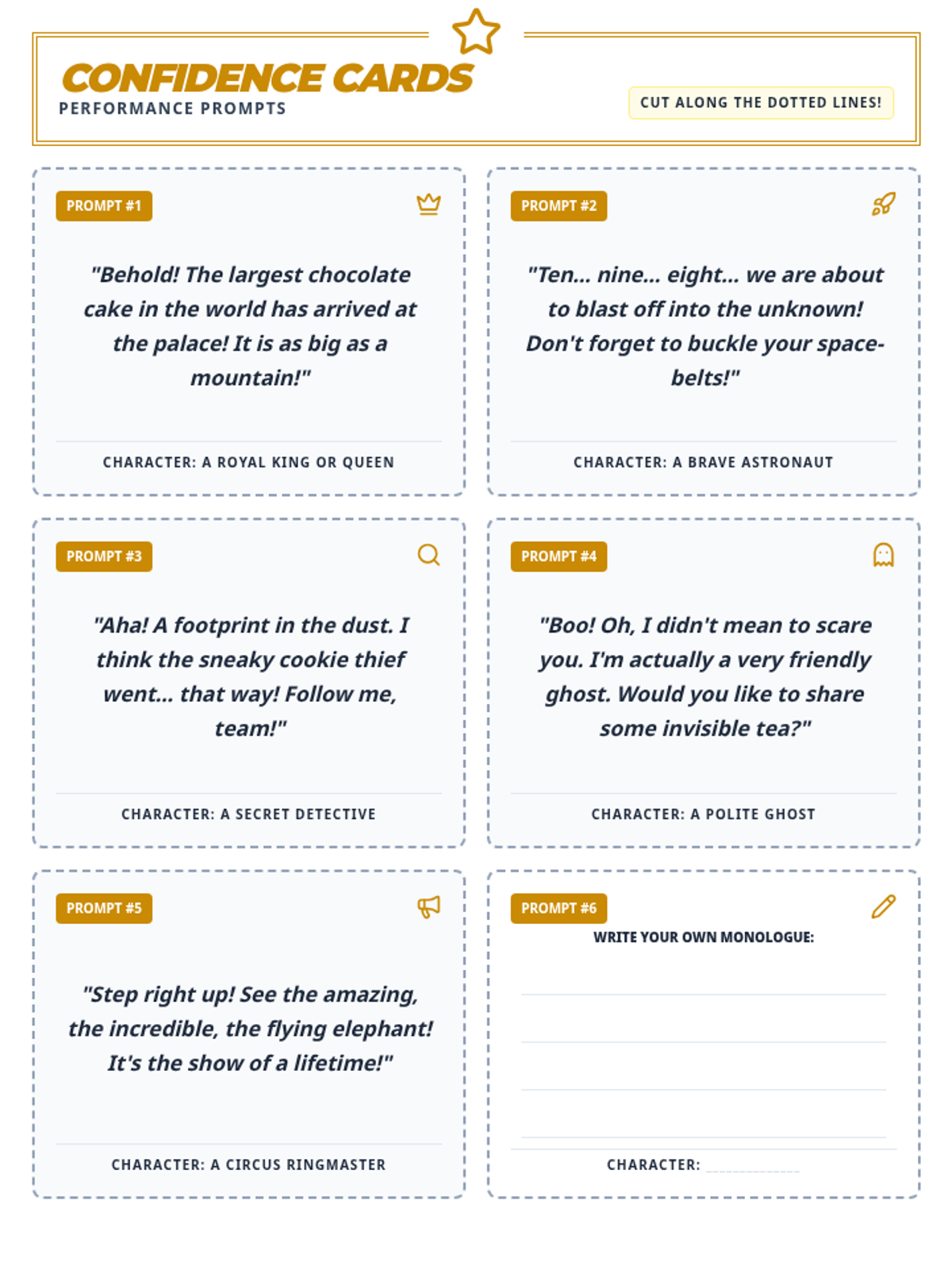
Focusing on presence and projection, students practice short speeches and monologues to build performance confidence.
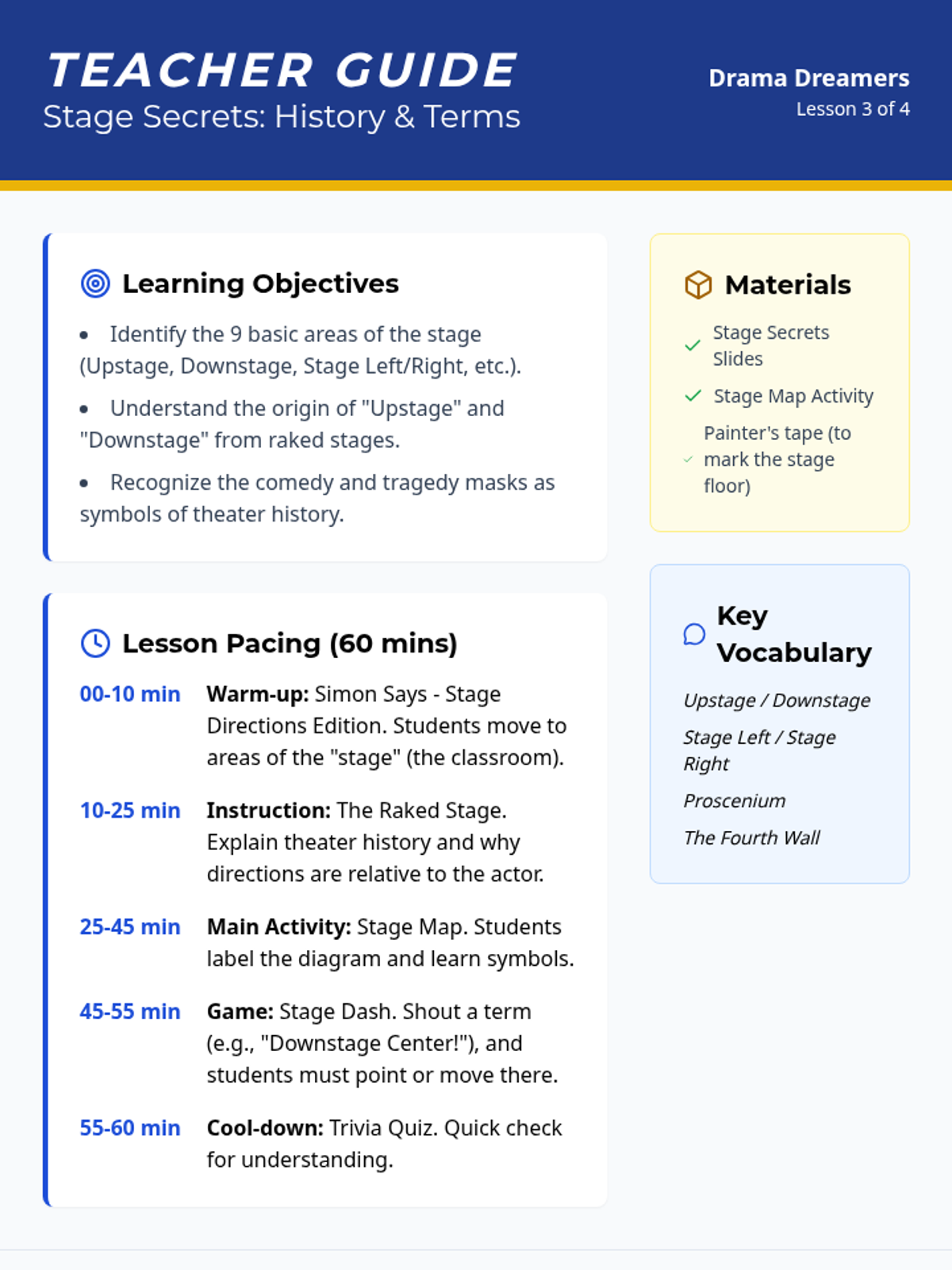
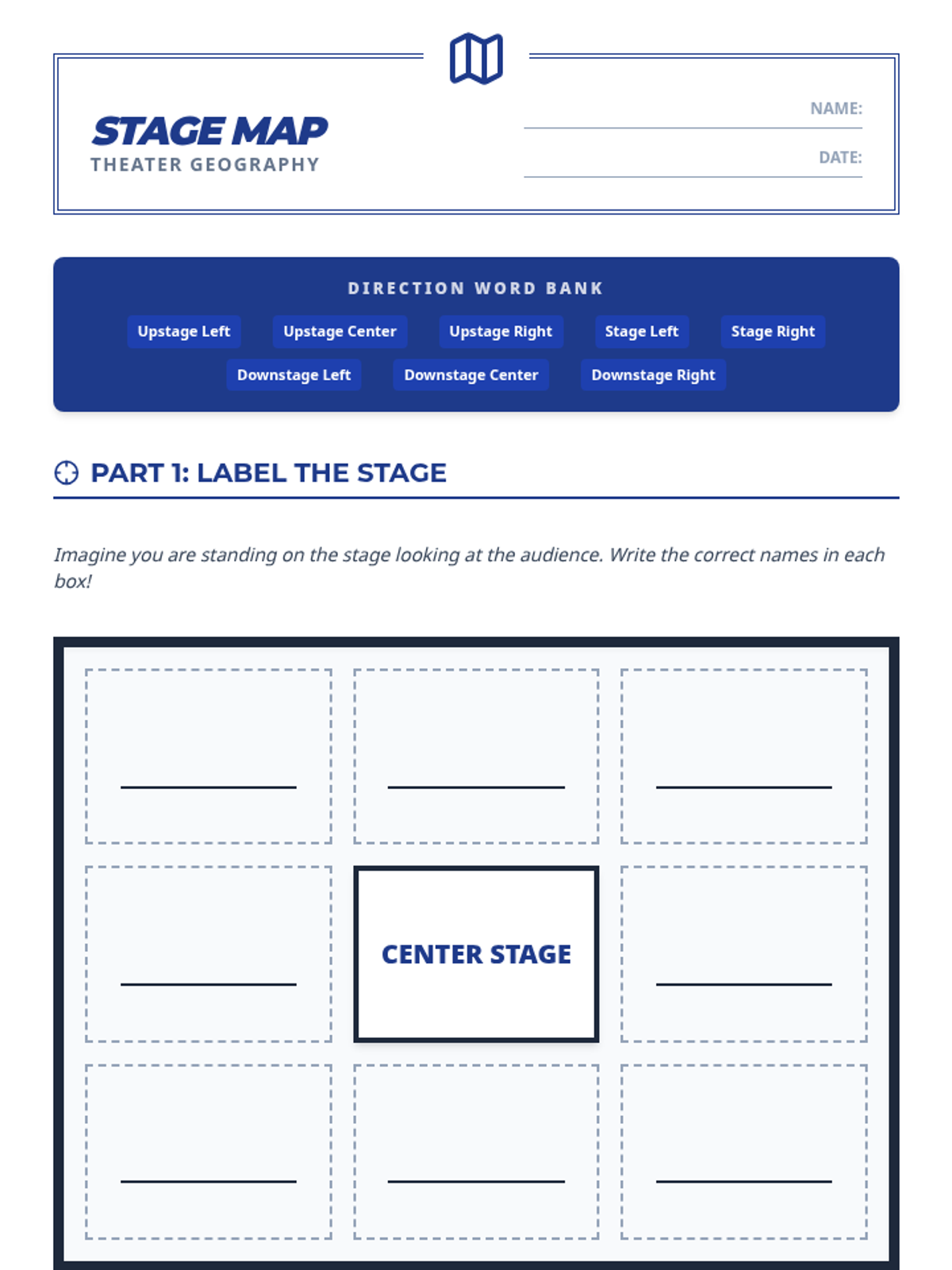
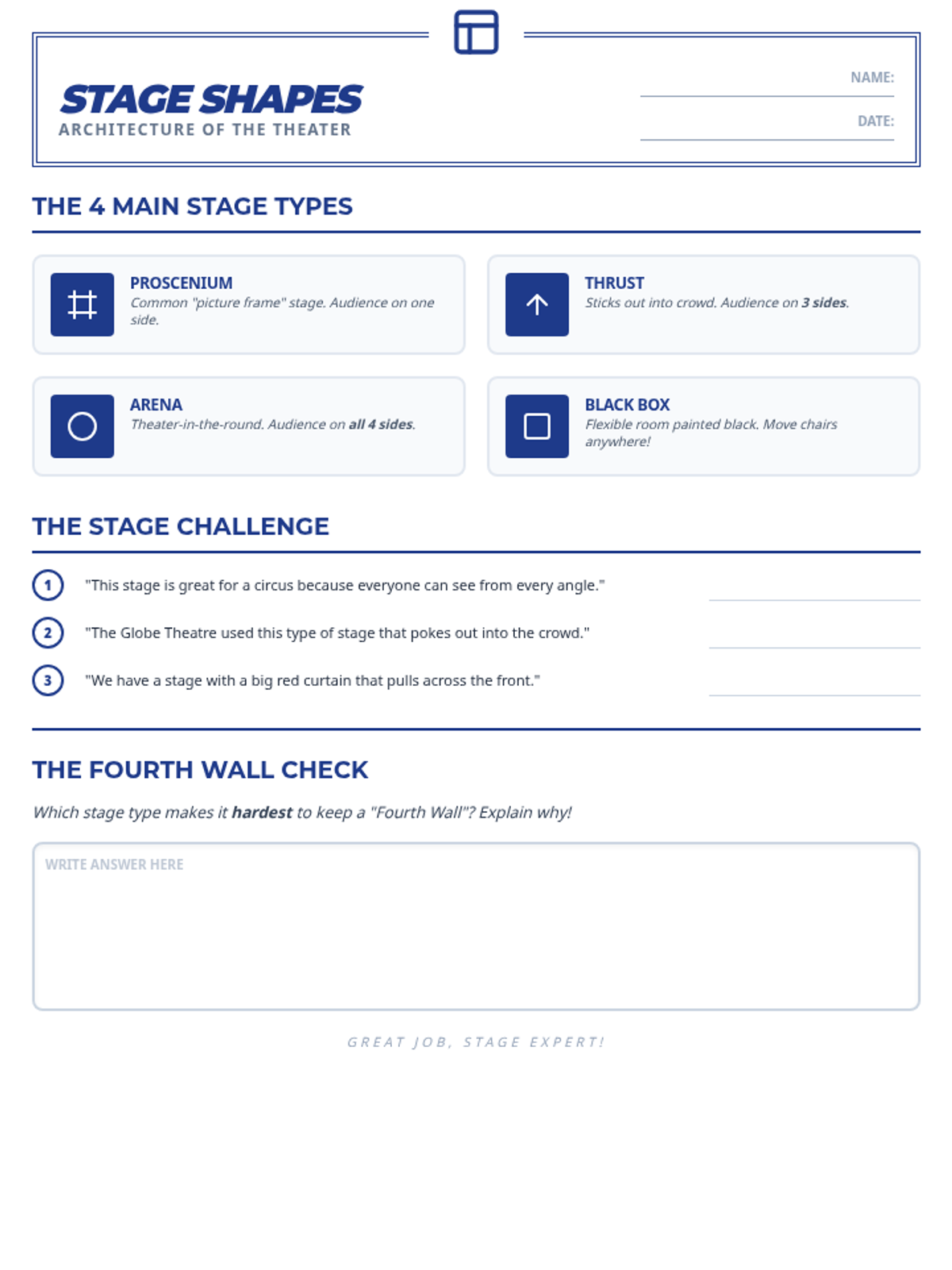
A journey through theater history and the technical language of the stage, from Ancient Greece to modern stage directions.
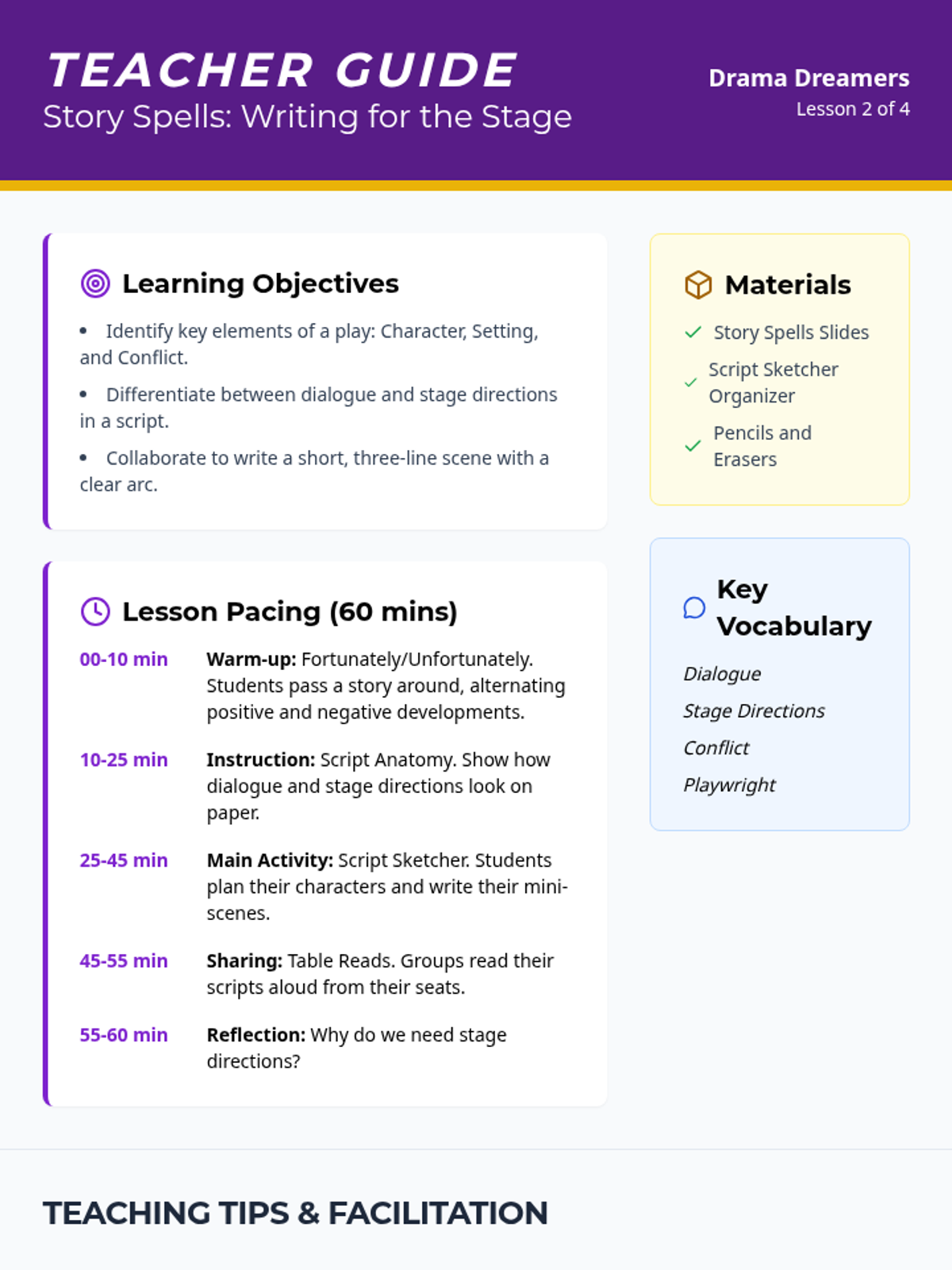
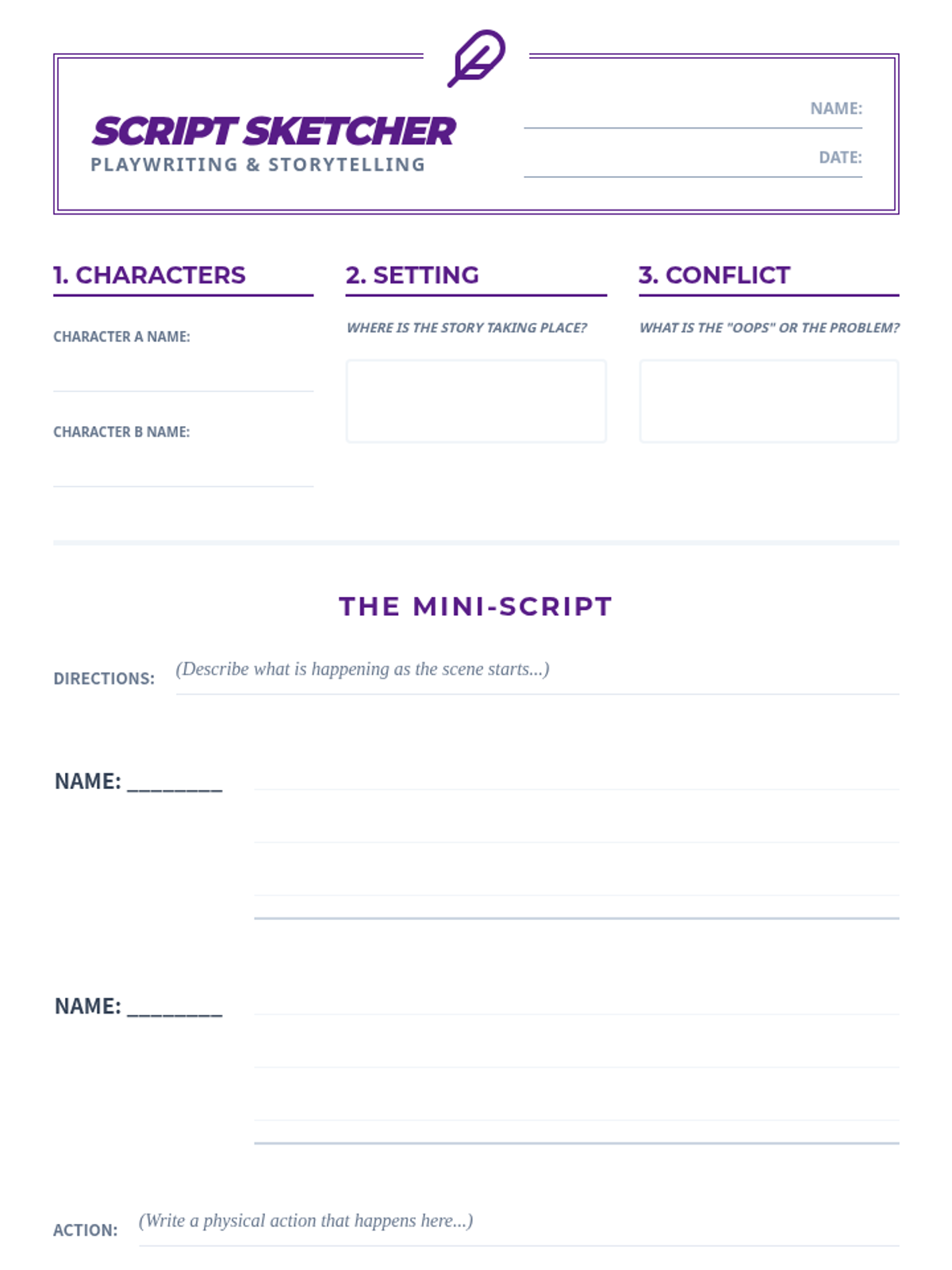
An introduction to the structure of plays, including characters, settings, and dialogue, where students draft their own short scenes.
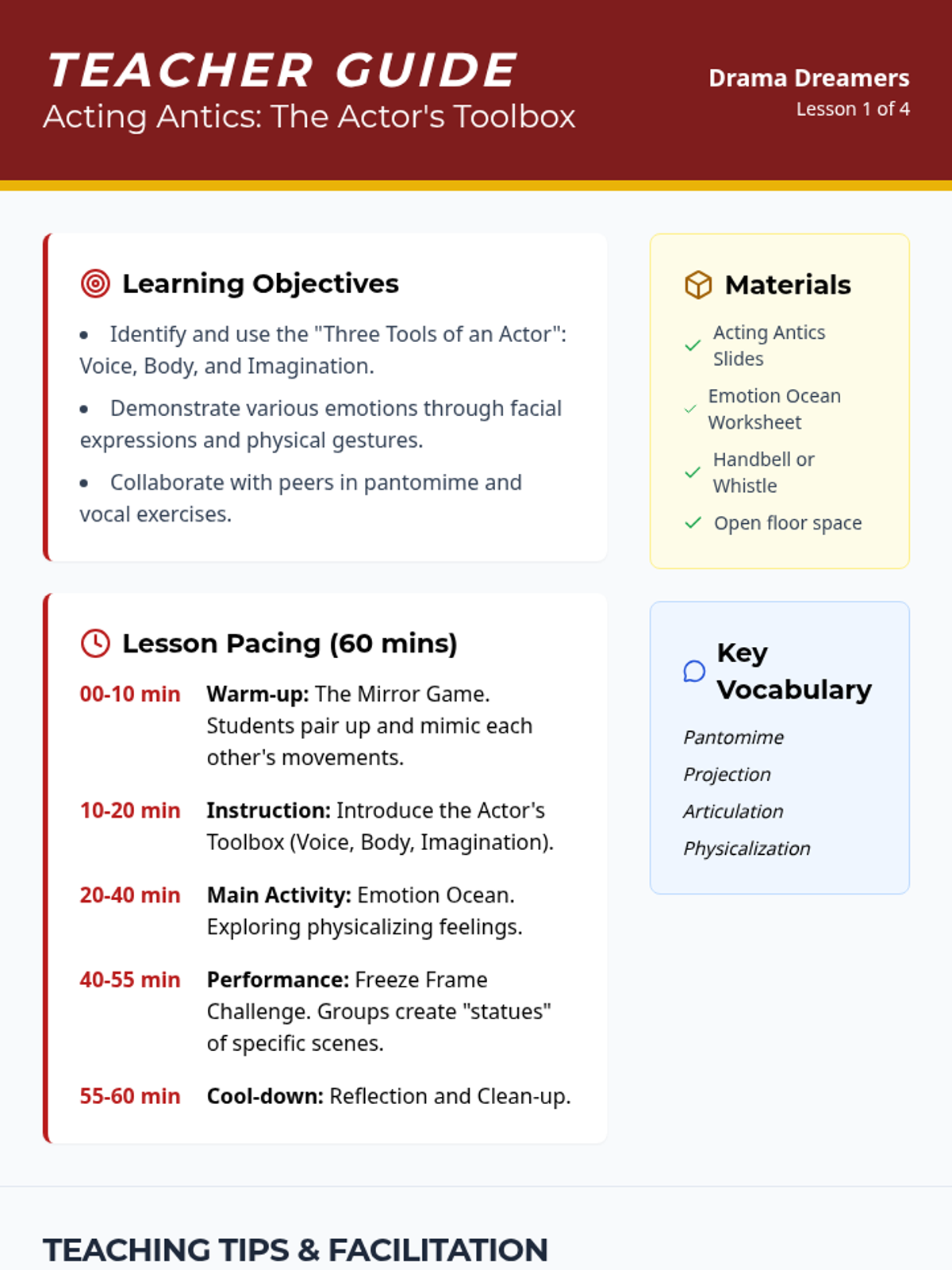
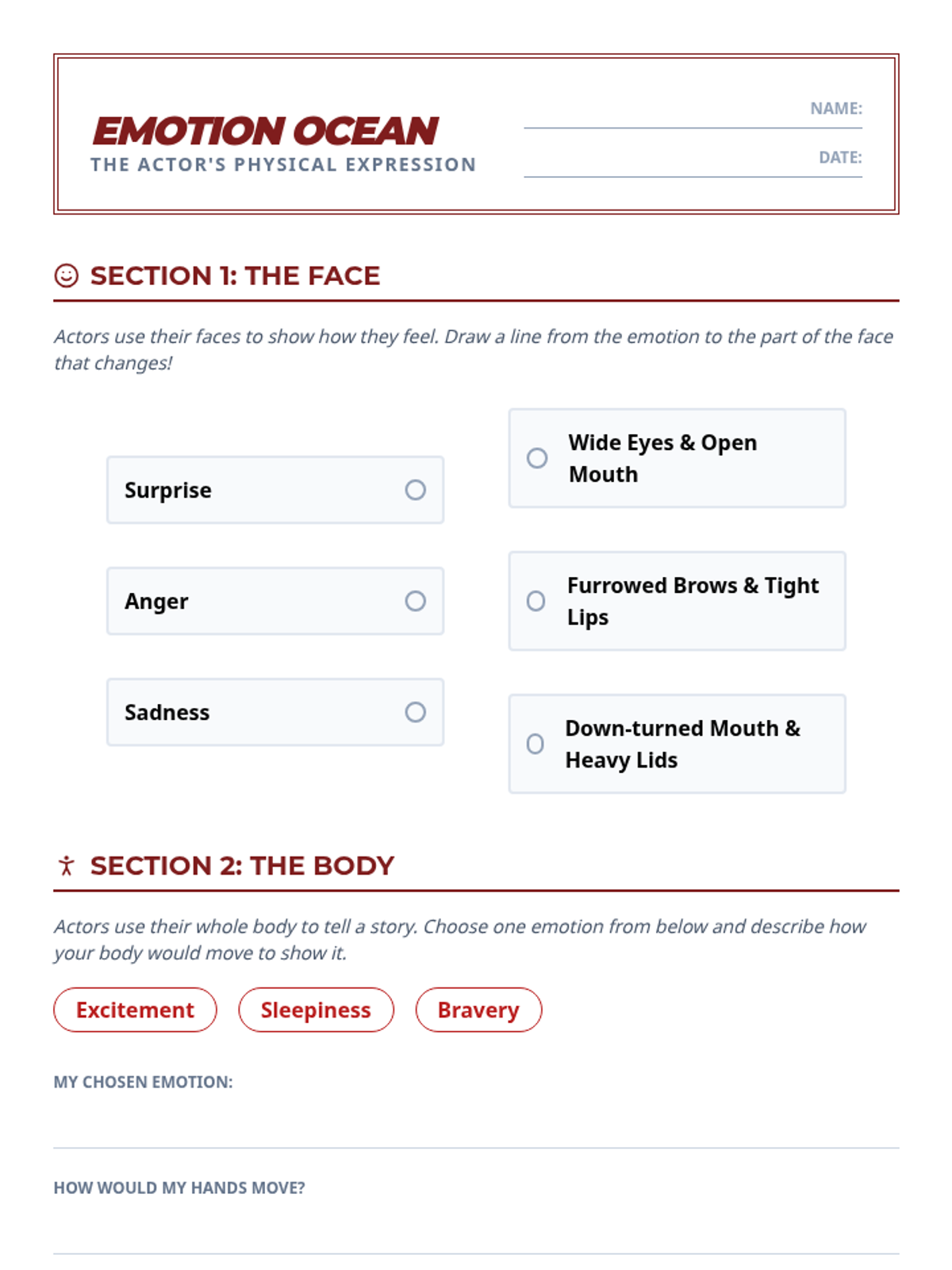
Students explore the core tools of an actor: voice, body, and imagination through games and expressive exercises.
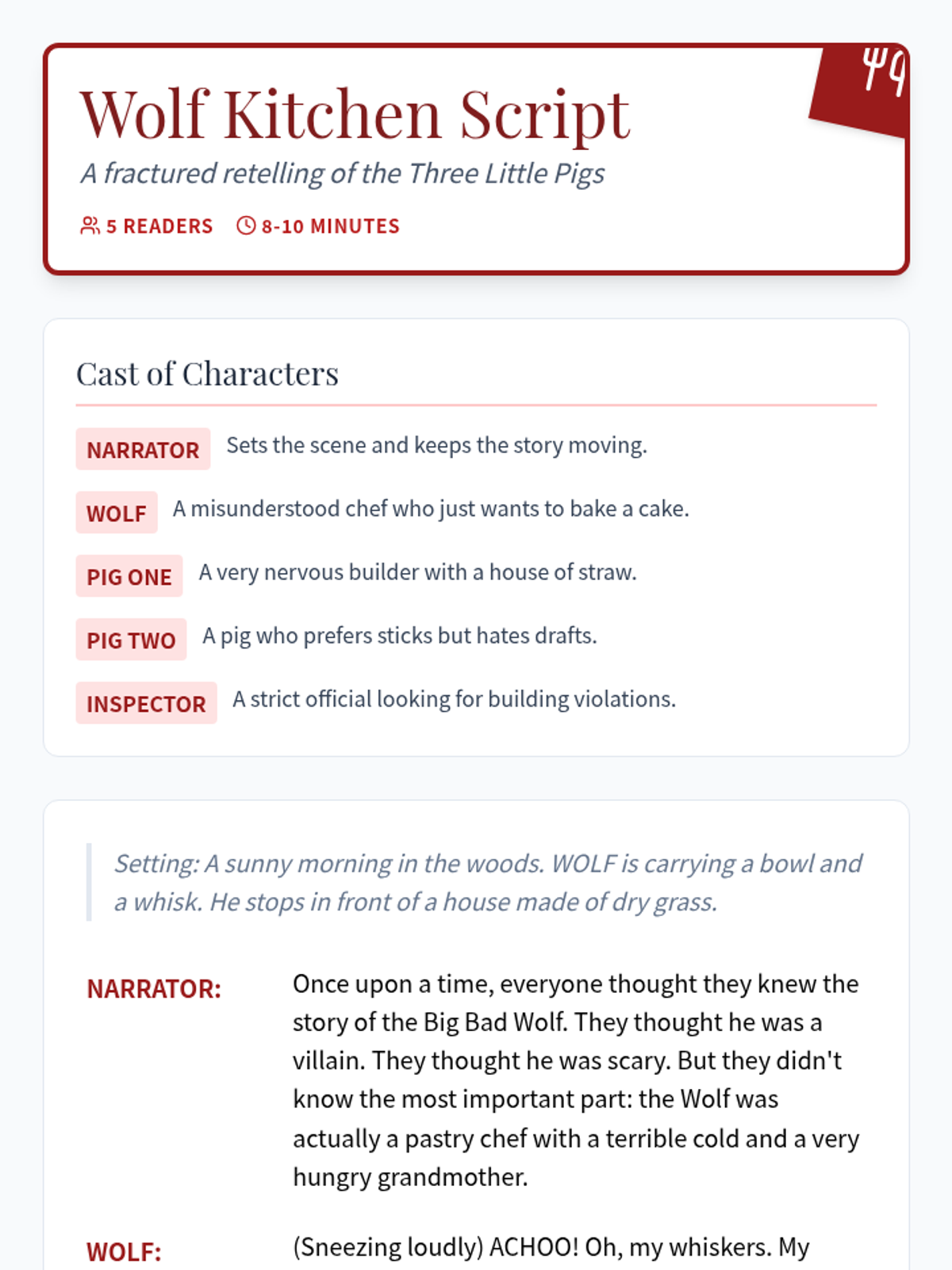
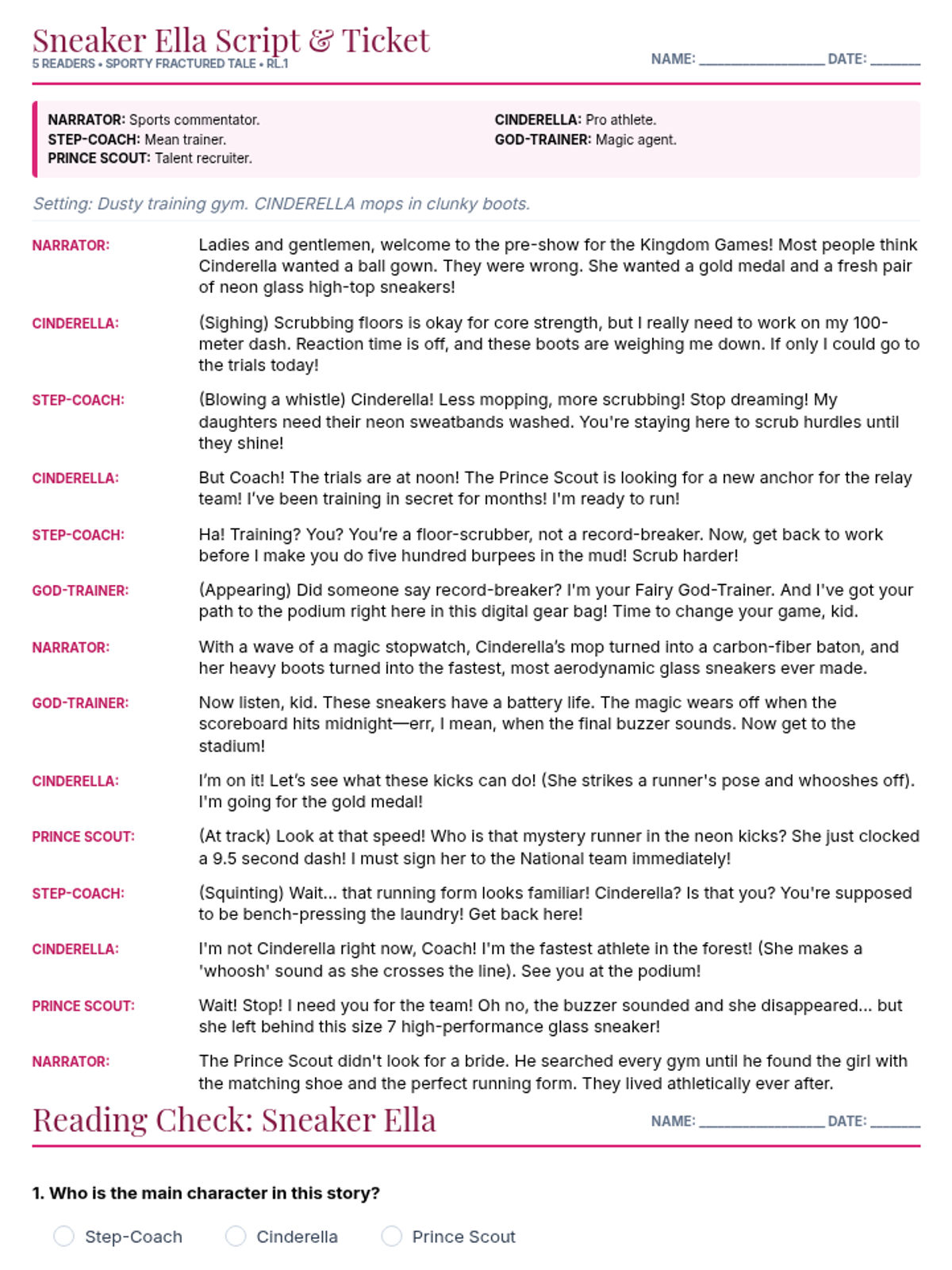
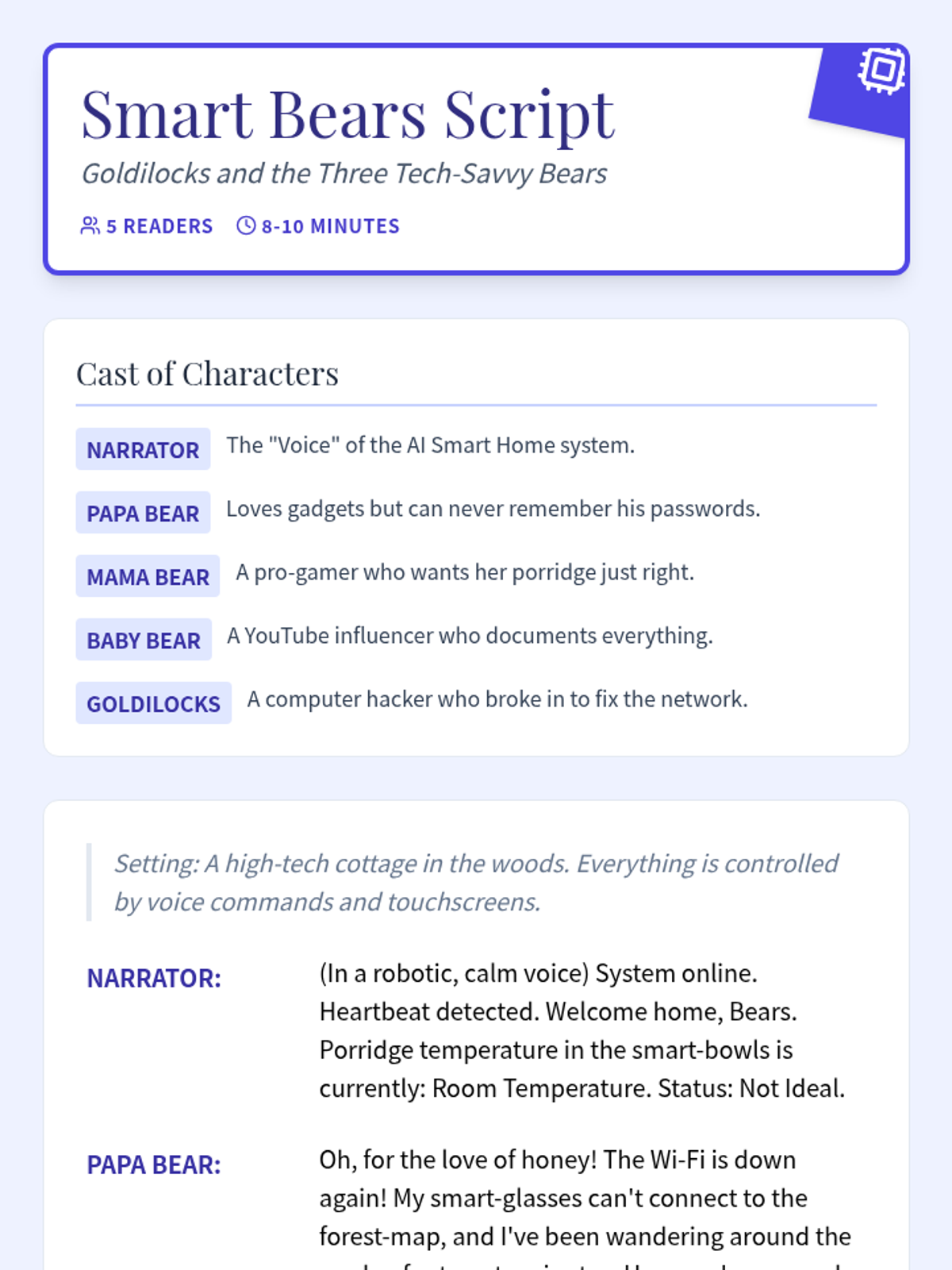
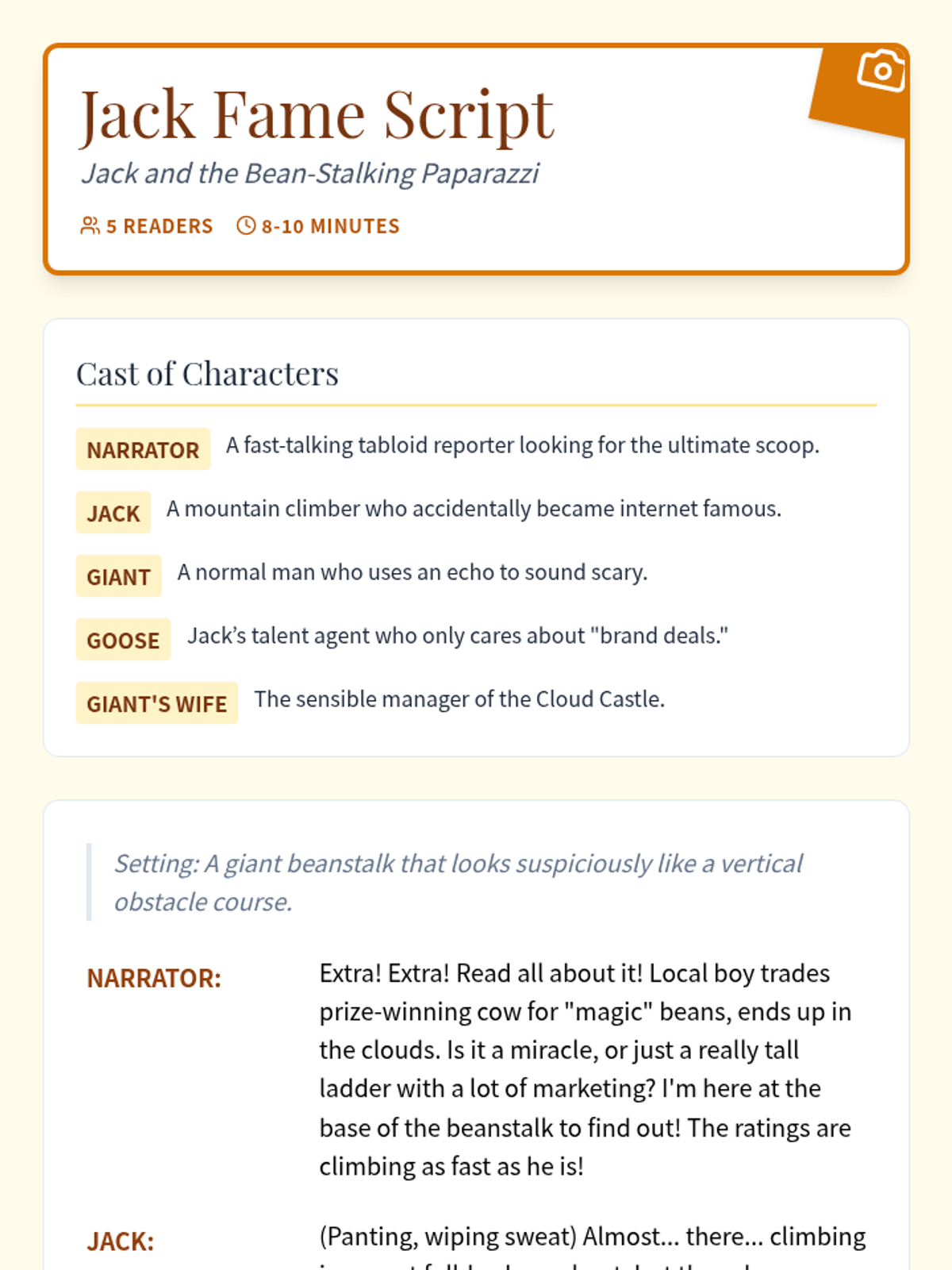
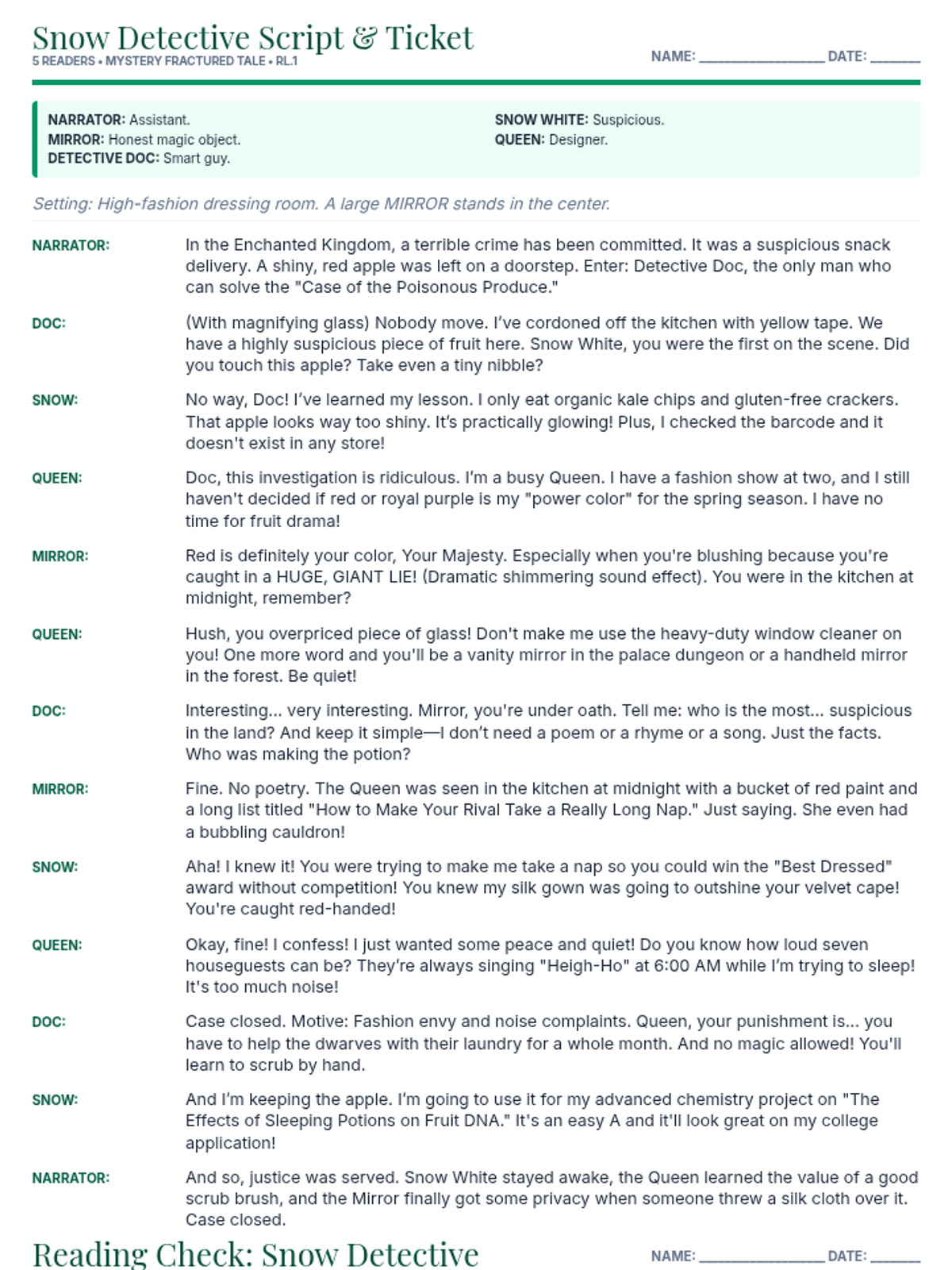
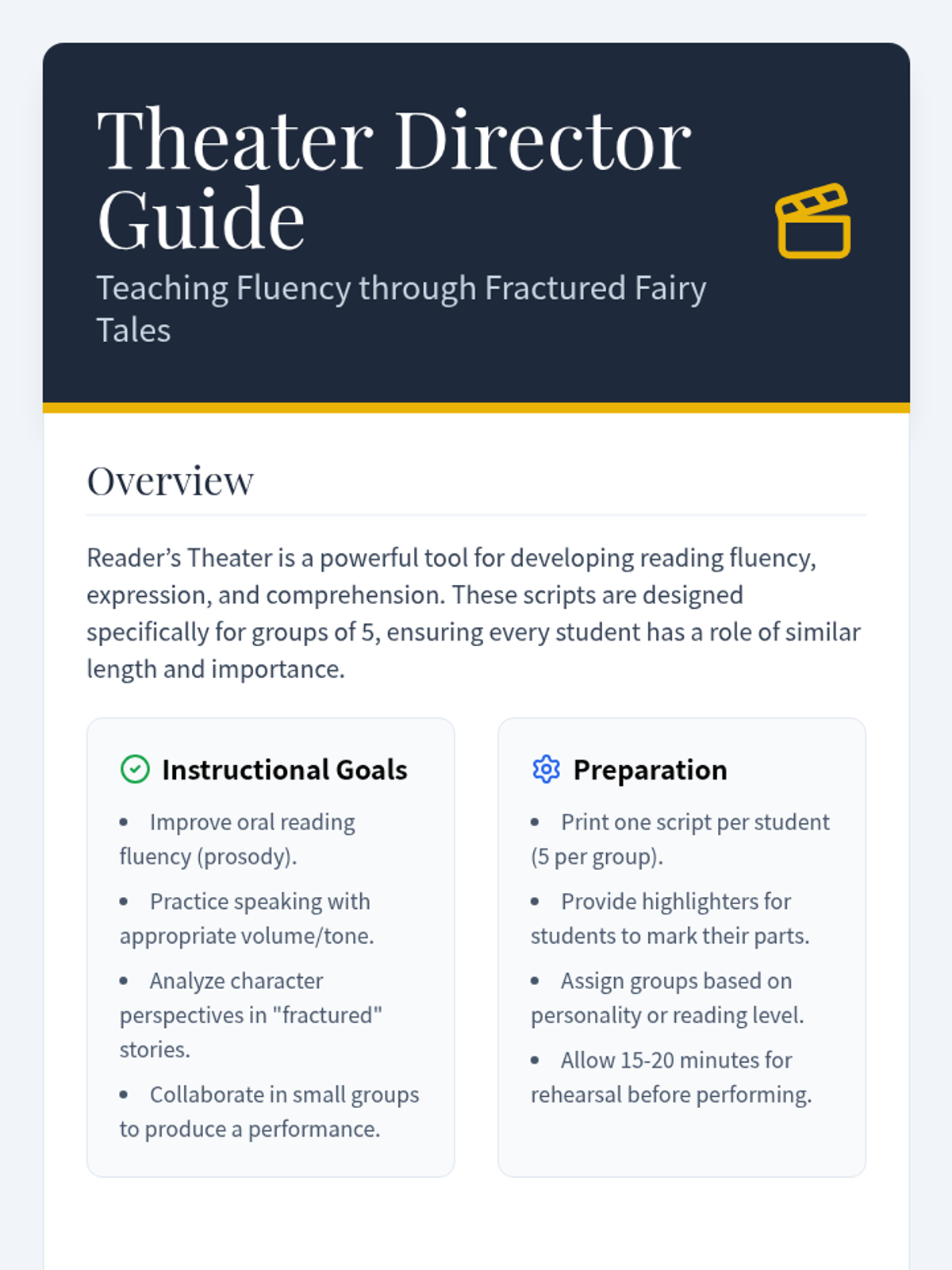
Students practice and perform five unique fractured fairy tale scripts, each featuring exactly five characters to support collaborative group work.
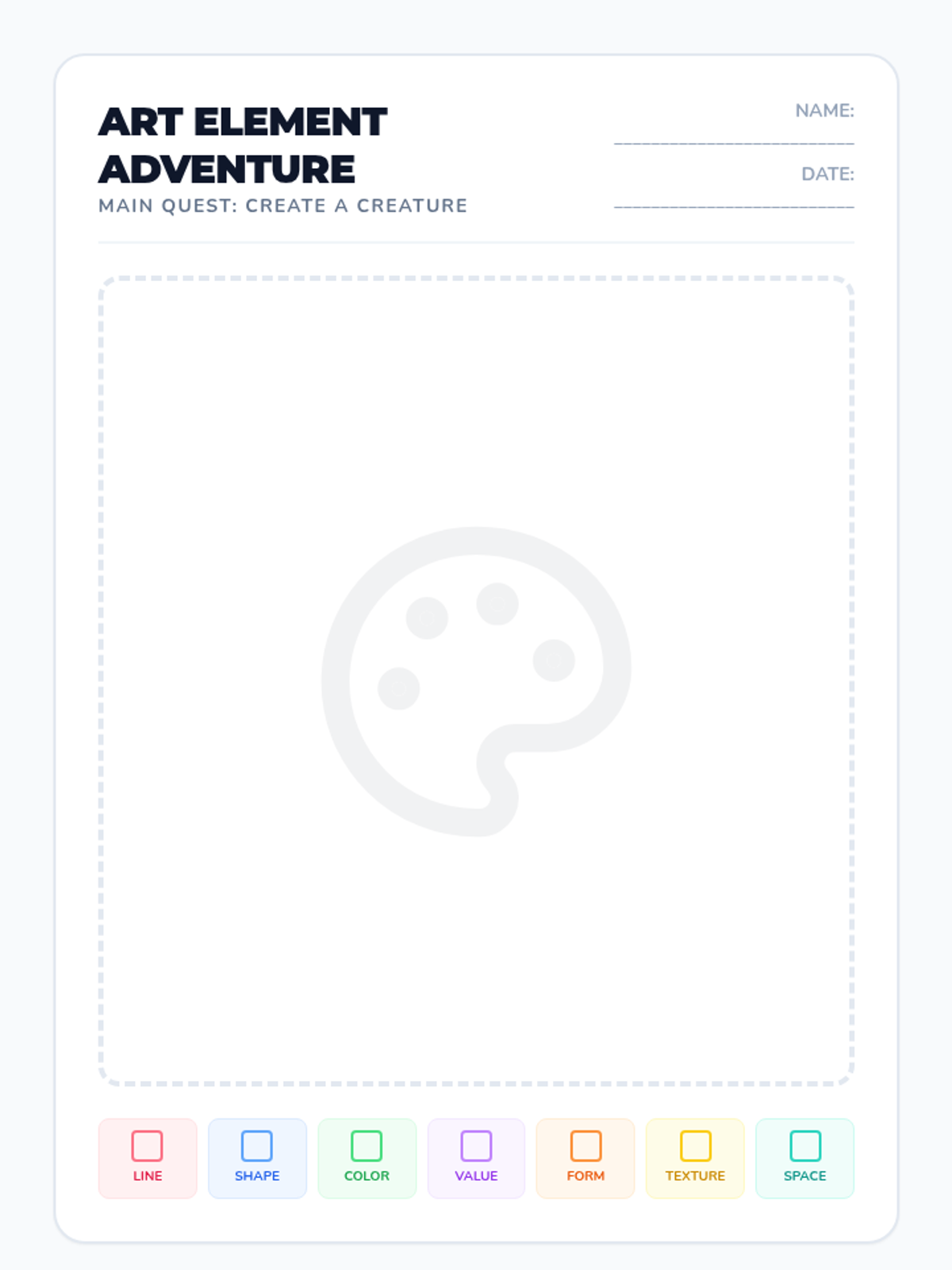
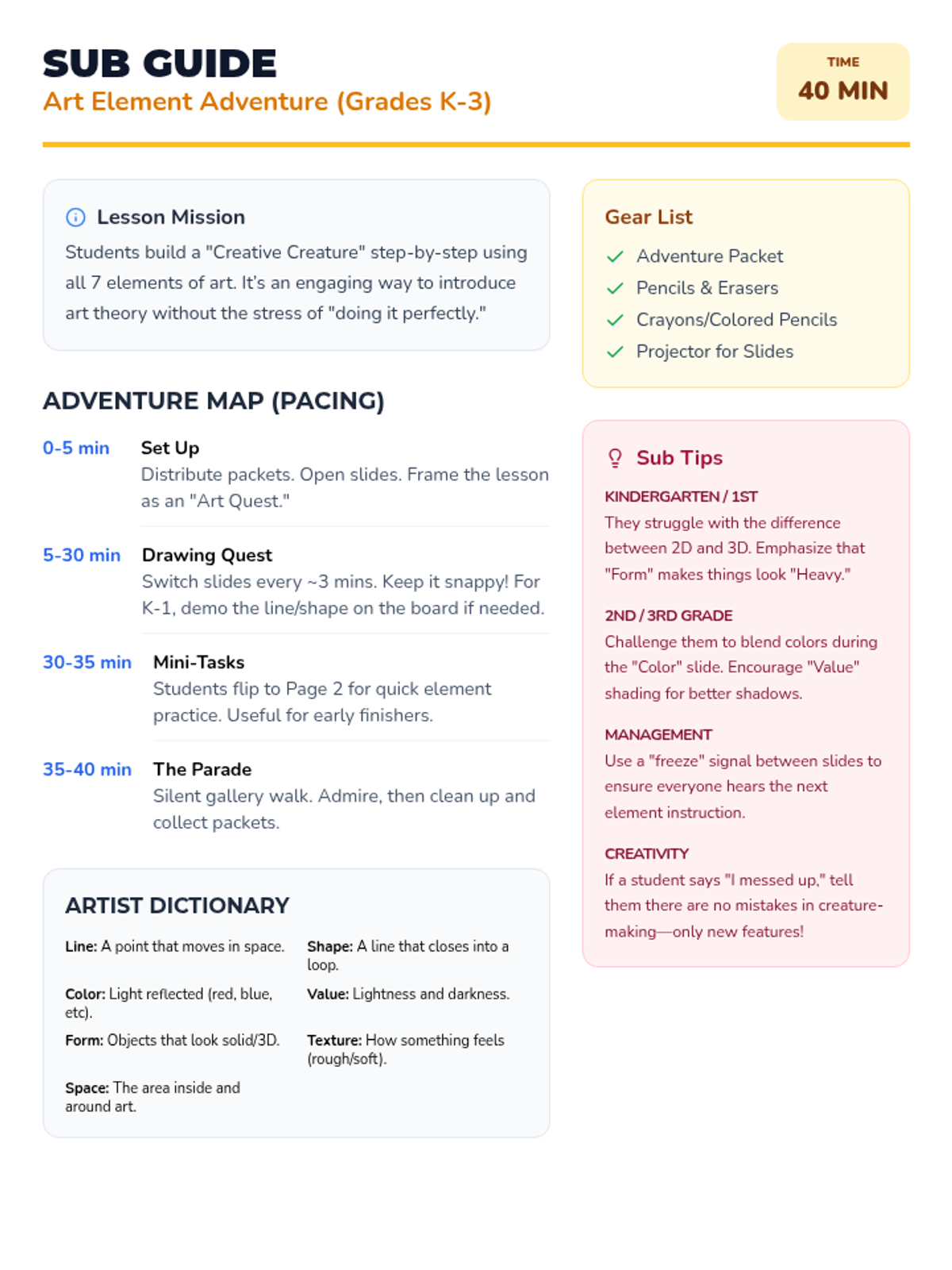
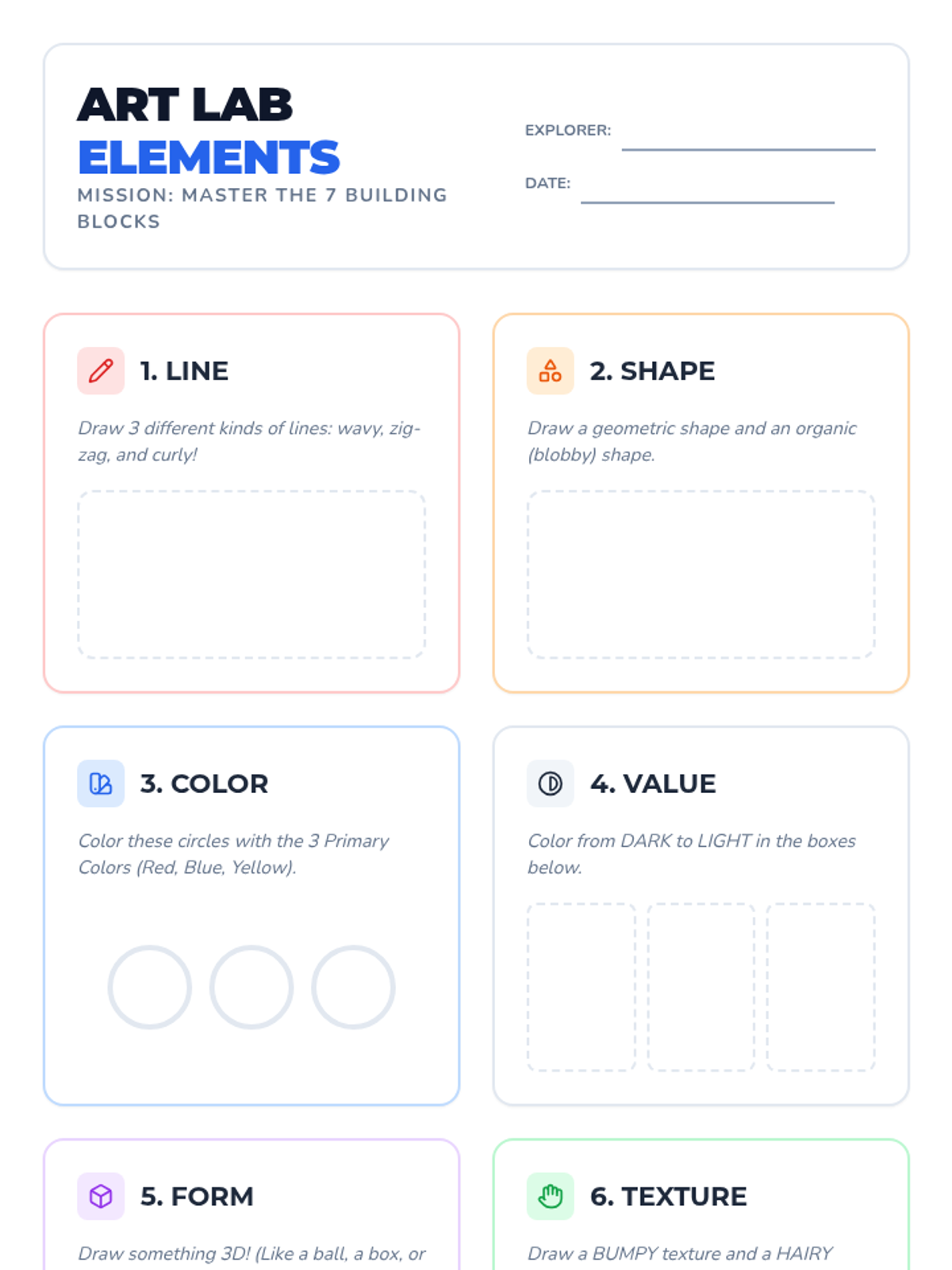
A 40-minute guided art lesson for grades K-3 that introduces the 7 elements of art through a single integrated drawing activity and supporting mini-tasks. Ideal for substitutes, this lesson builds a 'Creative Creature' step-by-step.
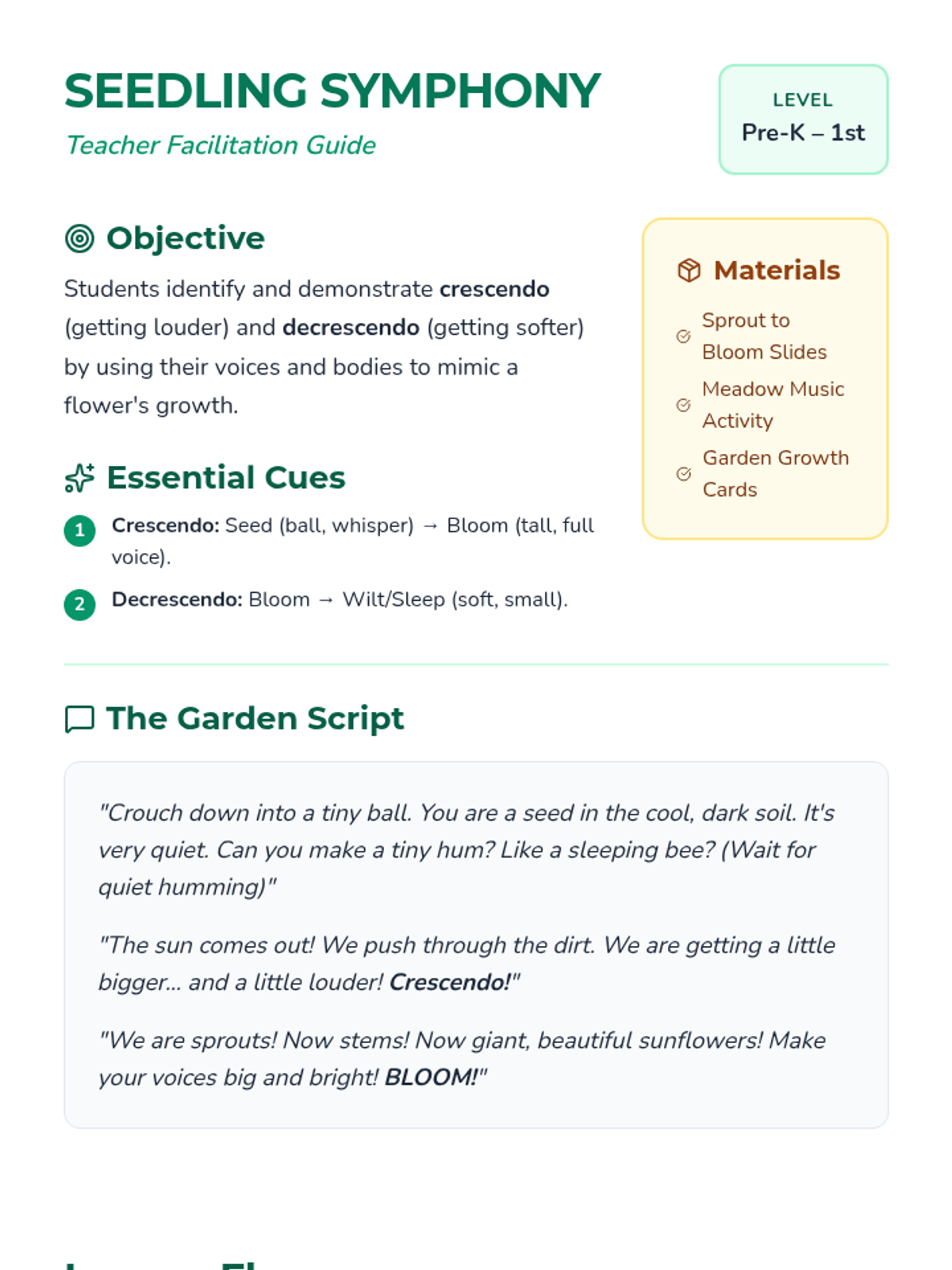
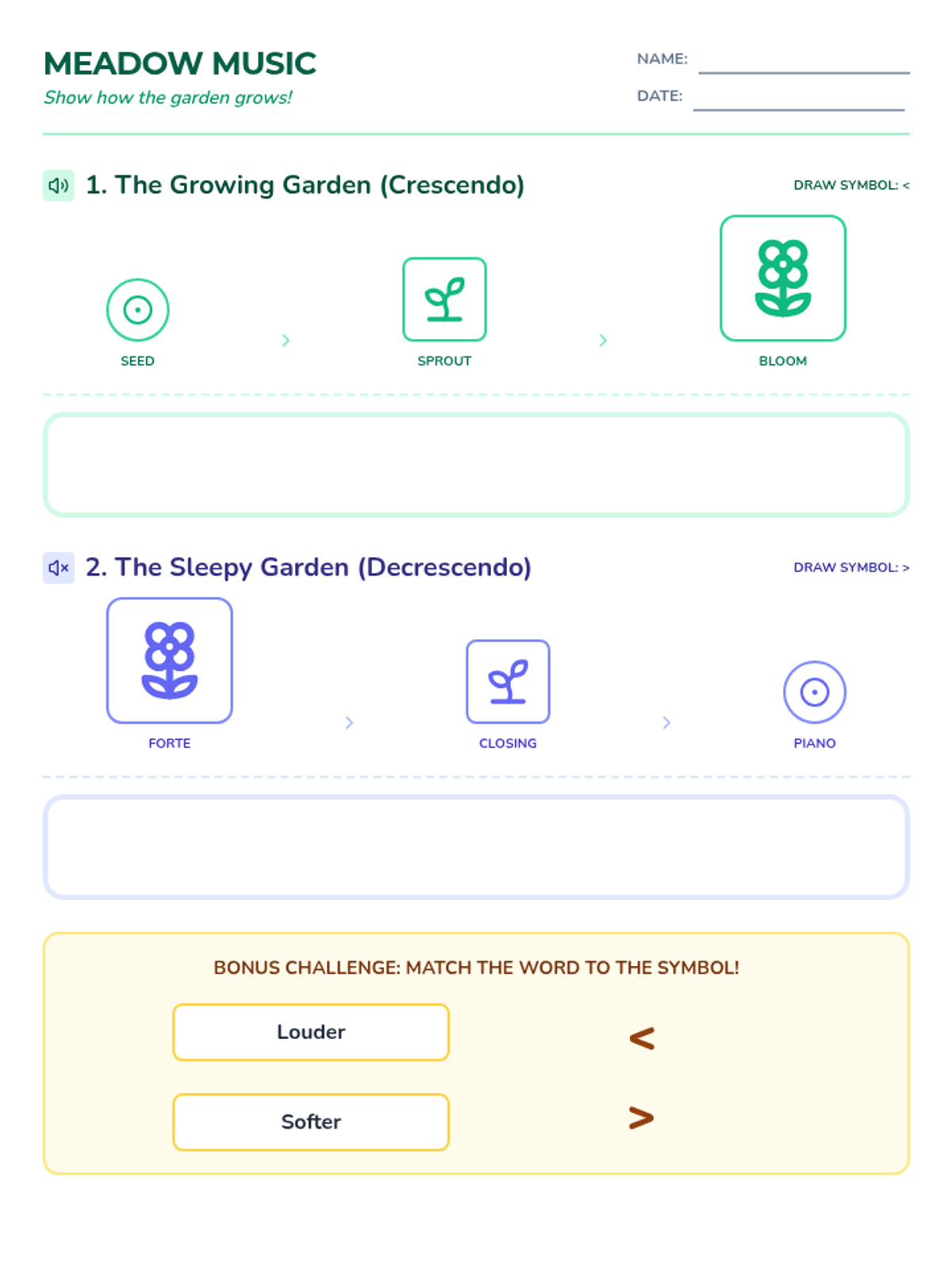
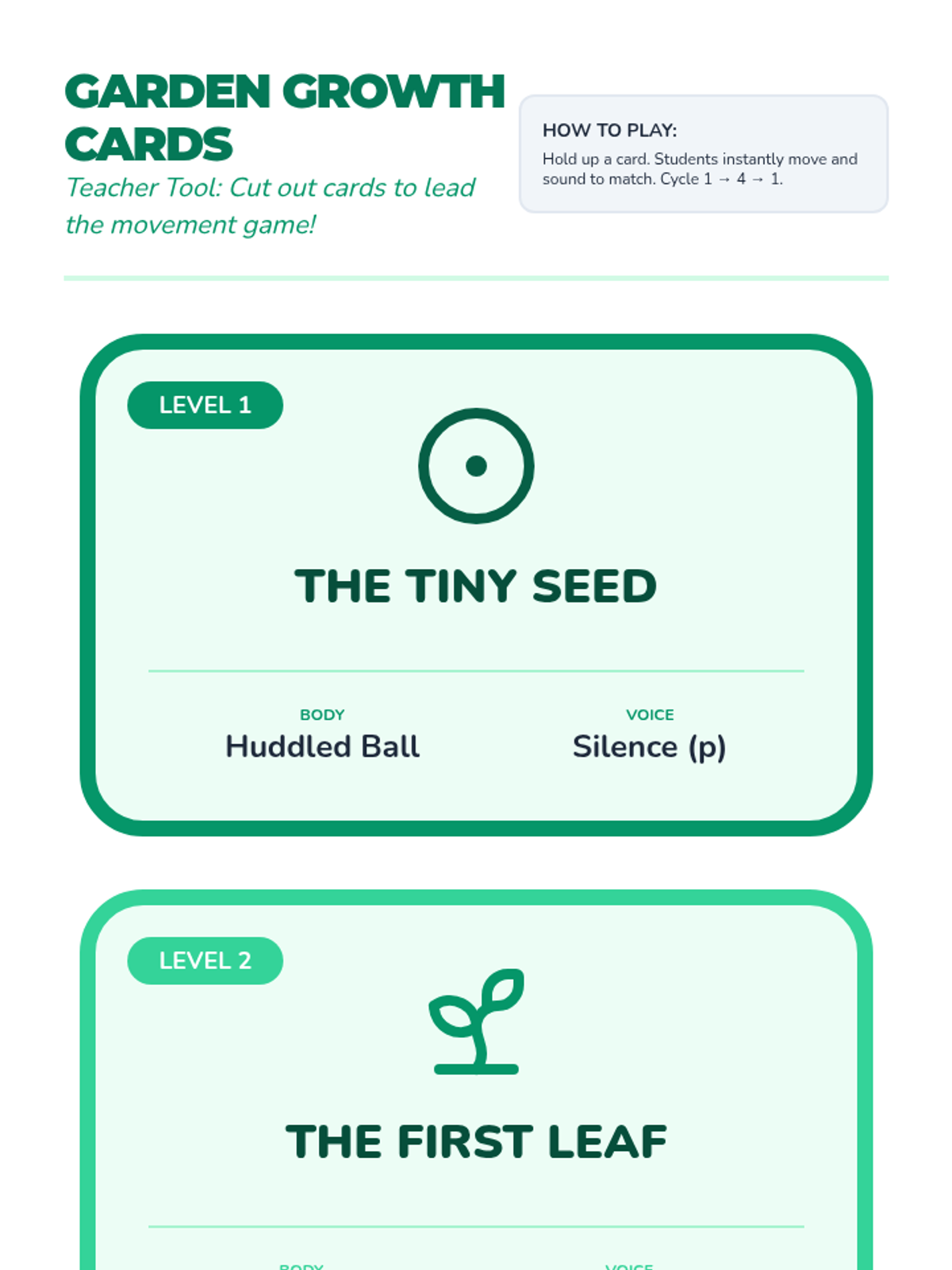
A musical exploration where students use the growth of a plant to understand crescendo and decrescendo through movement and voice.
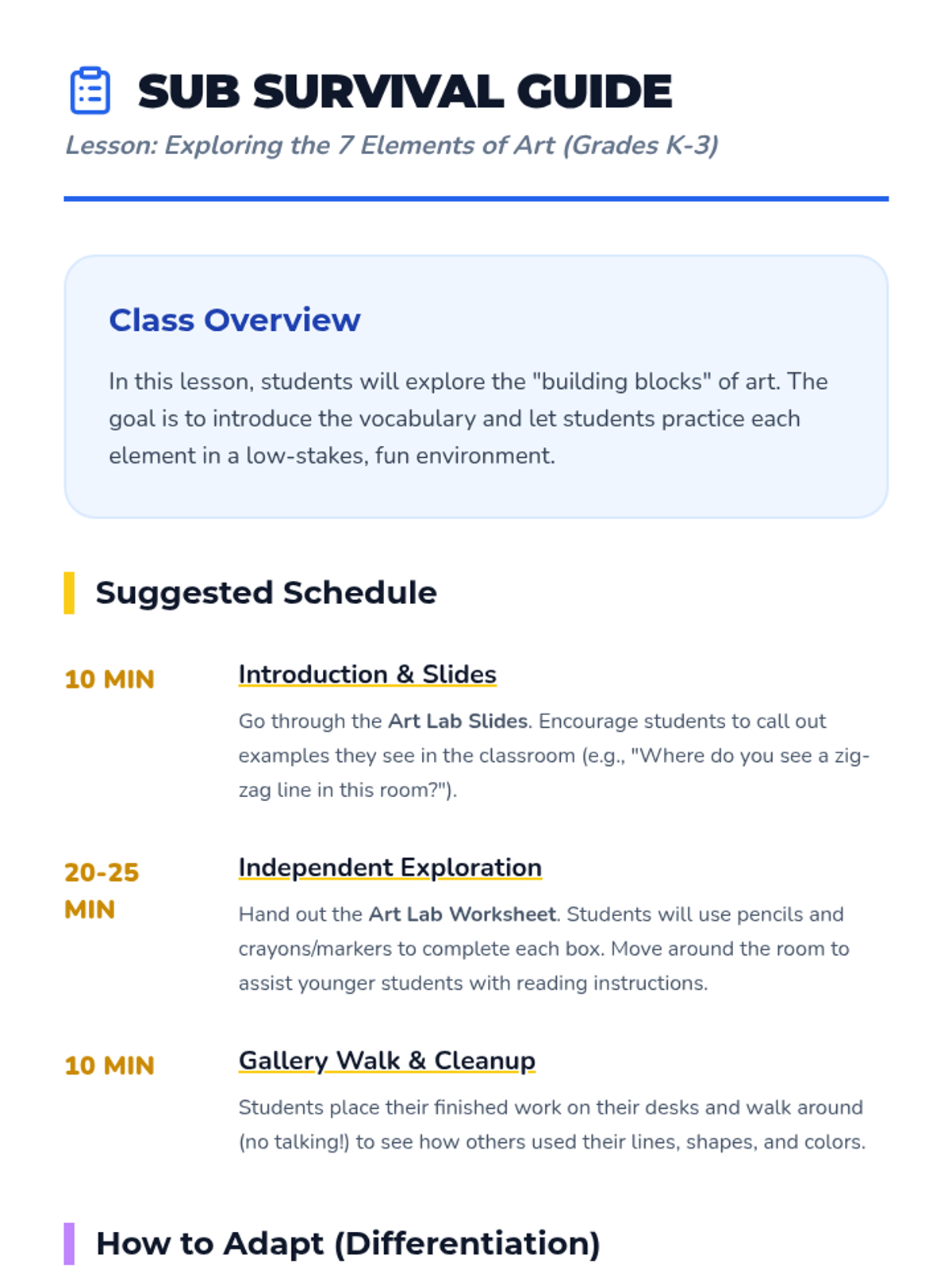
A comprehensive substitute-friendly lesson introducing the 7 Elements of Art to students in grades K-3 through visual exploration and hands-on practice.
A fun and engaging animal-themed coloring book that encourages students to identify, draw, and color 51 different animals. This lesson focuses on animal diversity and recognition through a creative field-guide approach.
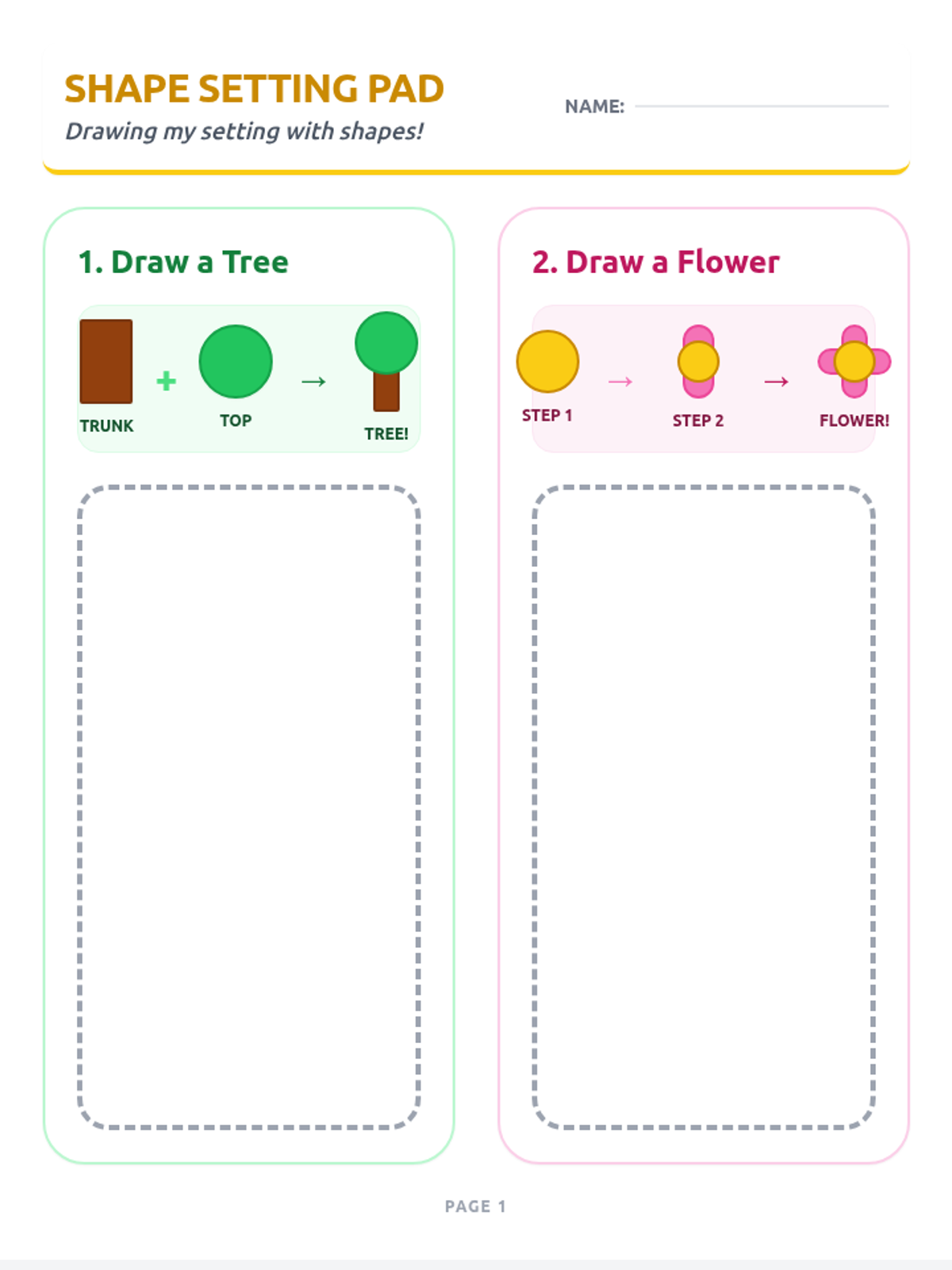
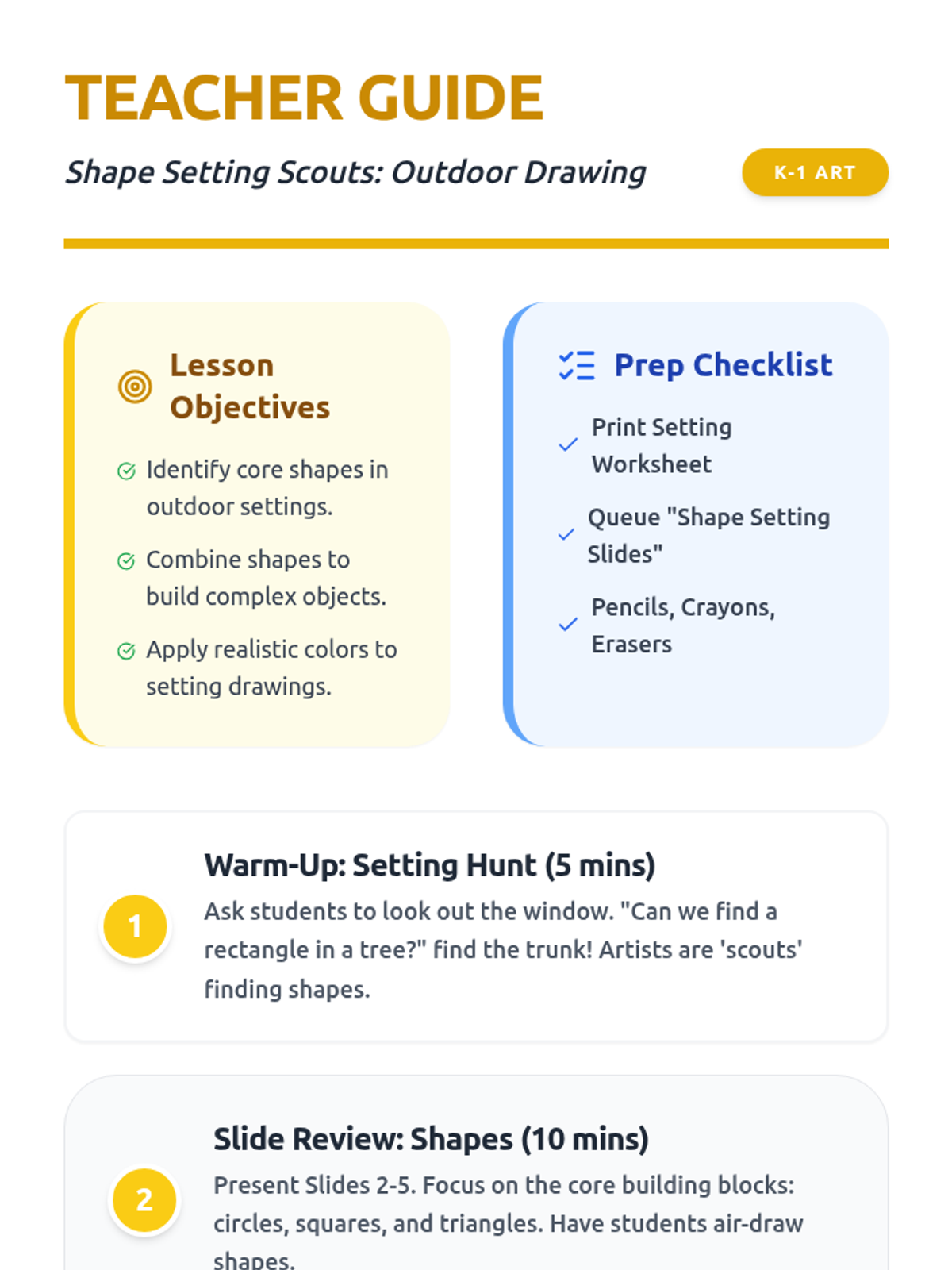
A lesson for kindergarteners on how to use basic shapes to draw common outdoor settings and objects, following a step-by-step approach to build artistic confidence.
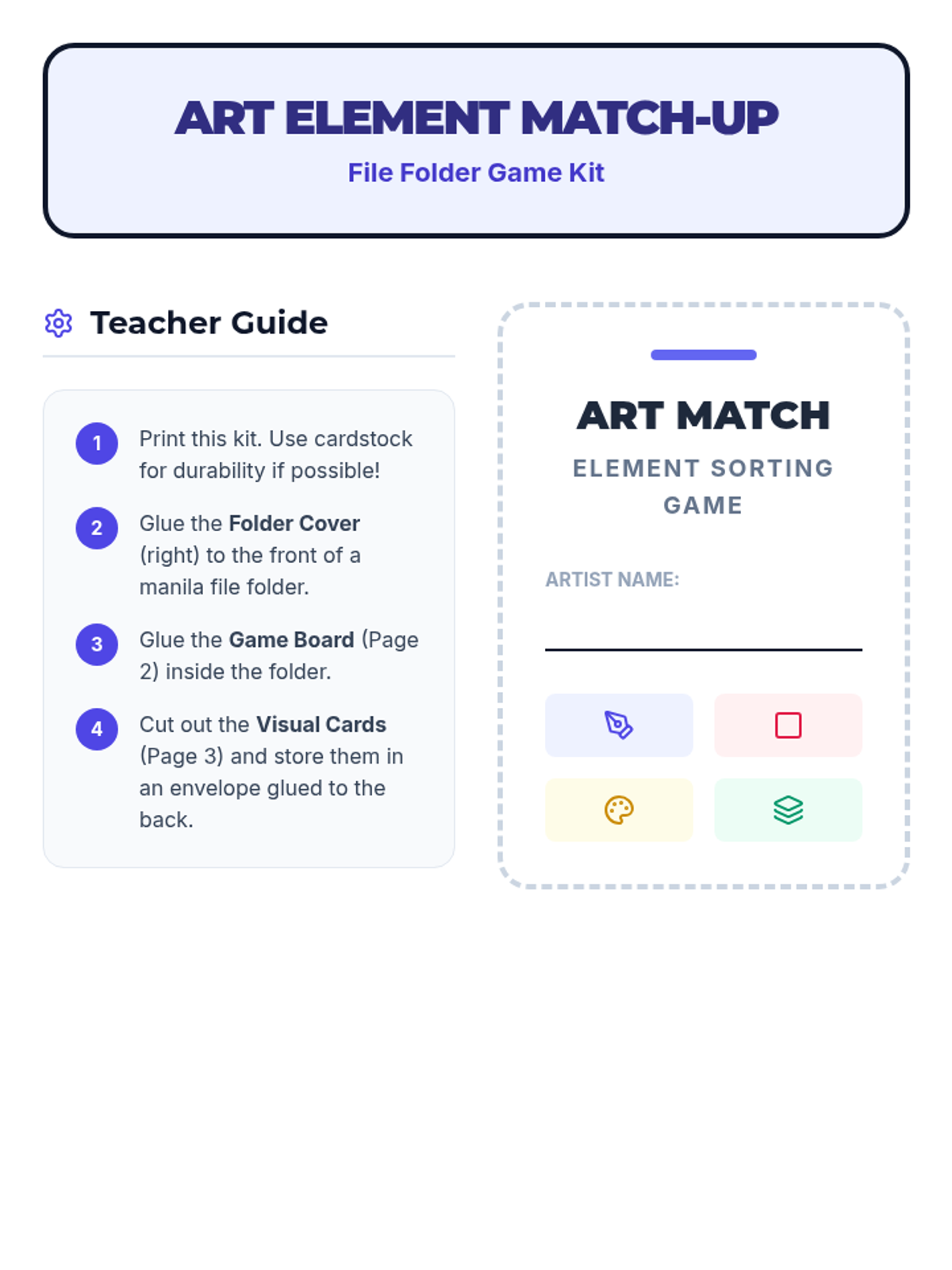
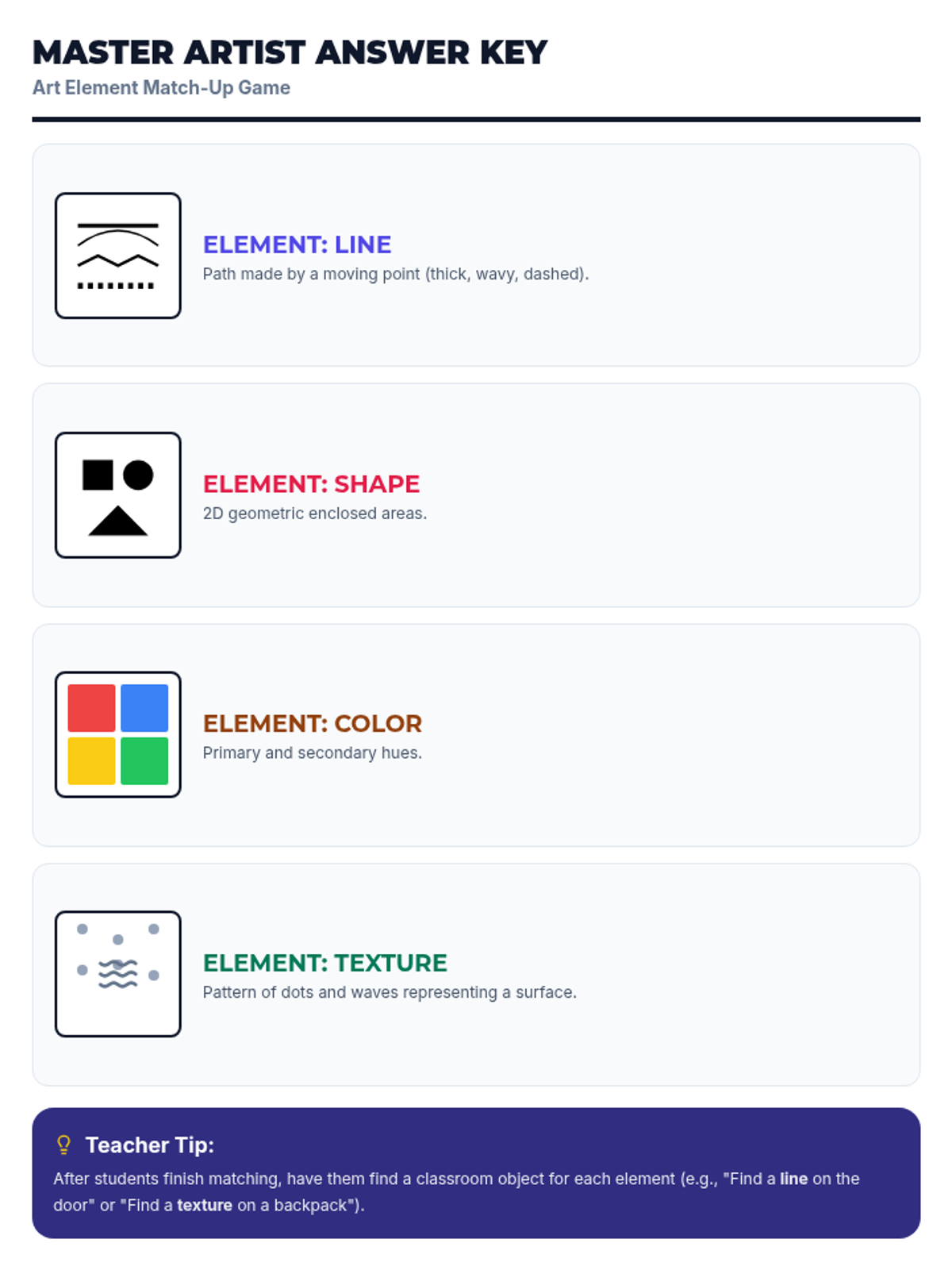
A hands-on file folder game and introductory lesson focusing on four core elements of art: line, shape, color, and texture. Students learn to identify these elements through visual examples and interactive matching.
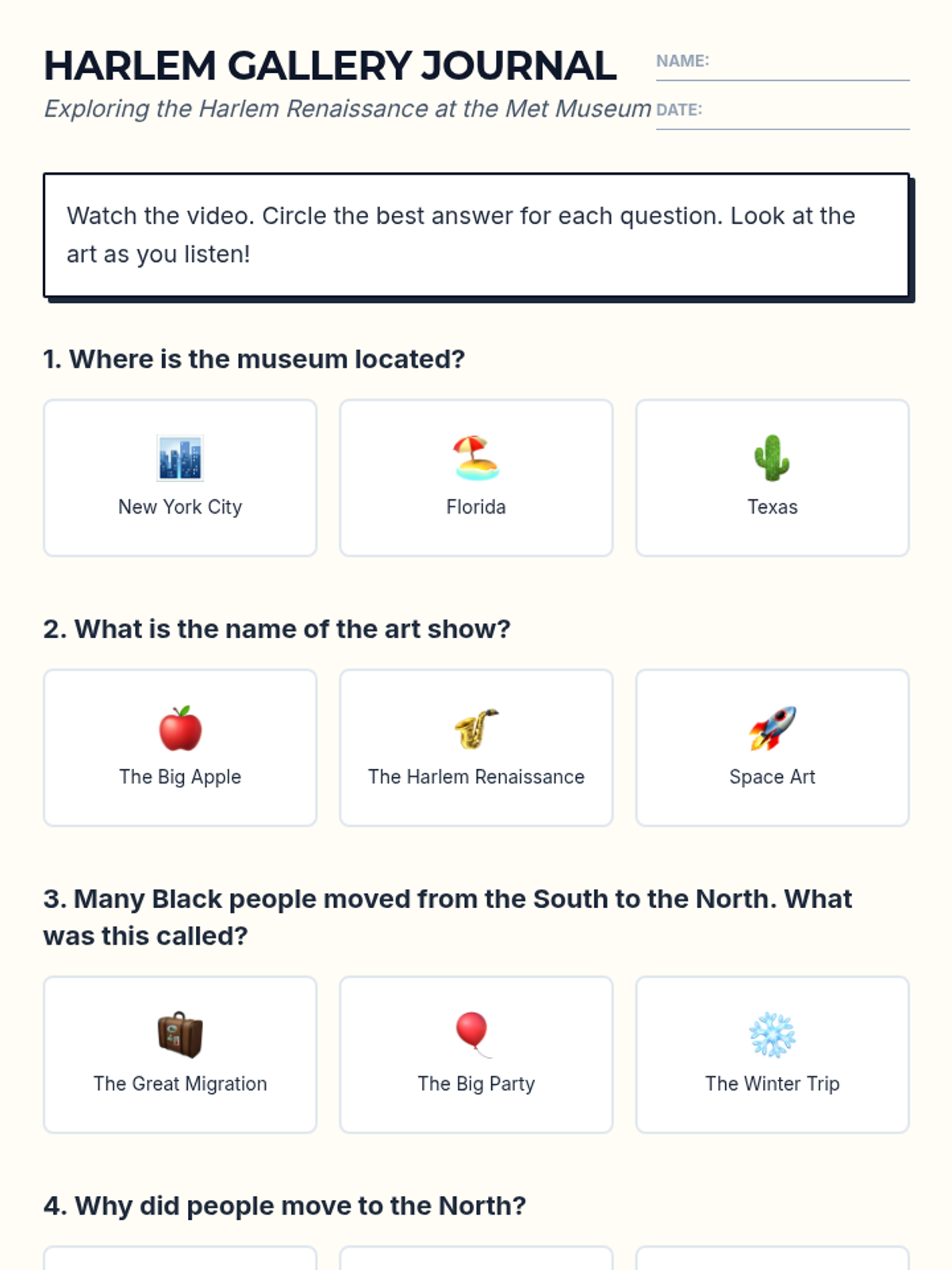
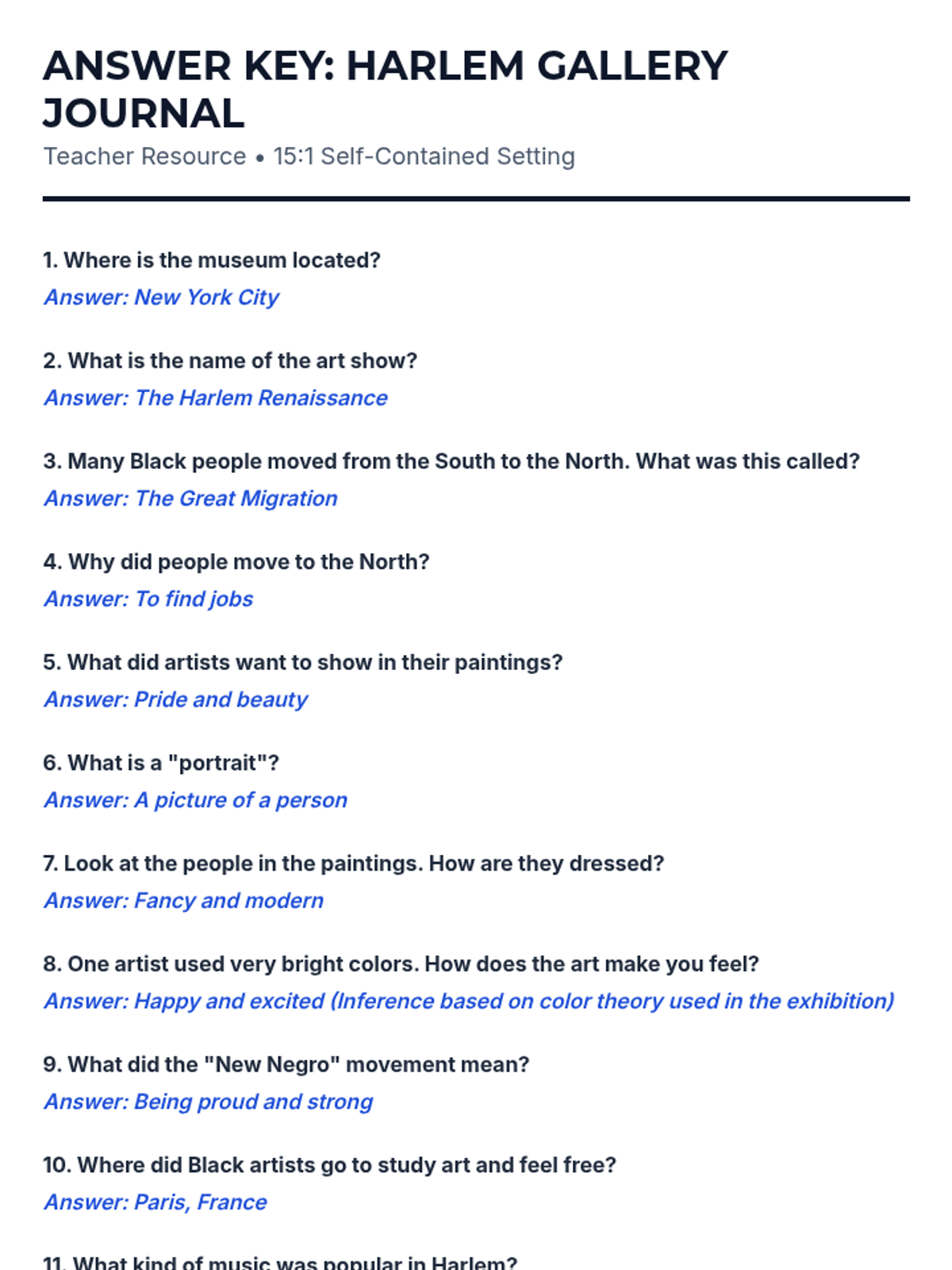
A guided exploration of the Harlem Renaissance exhibition at the Met Museum, designed for students with emerging reading skills to engage with art history through literal and inferential questions.
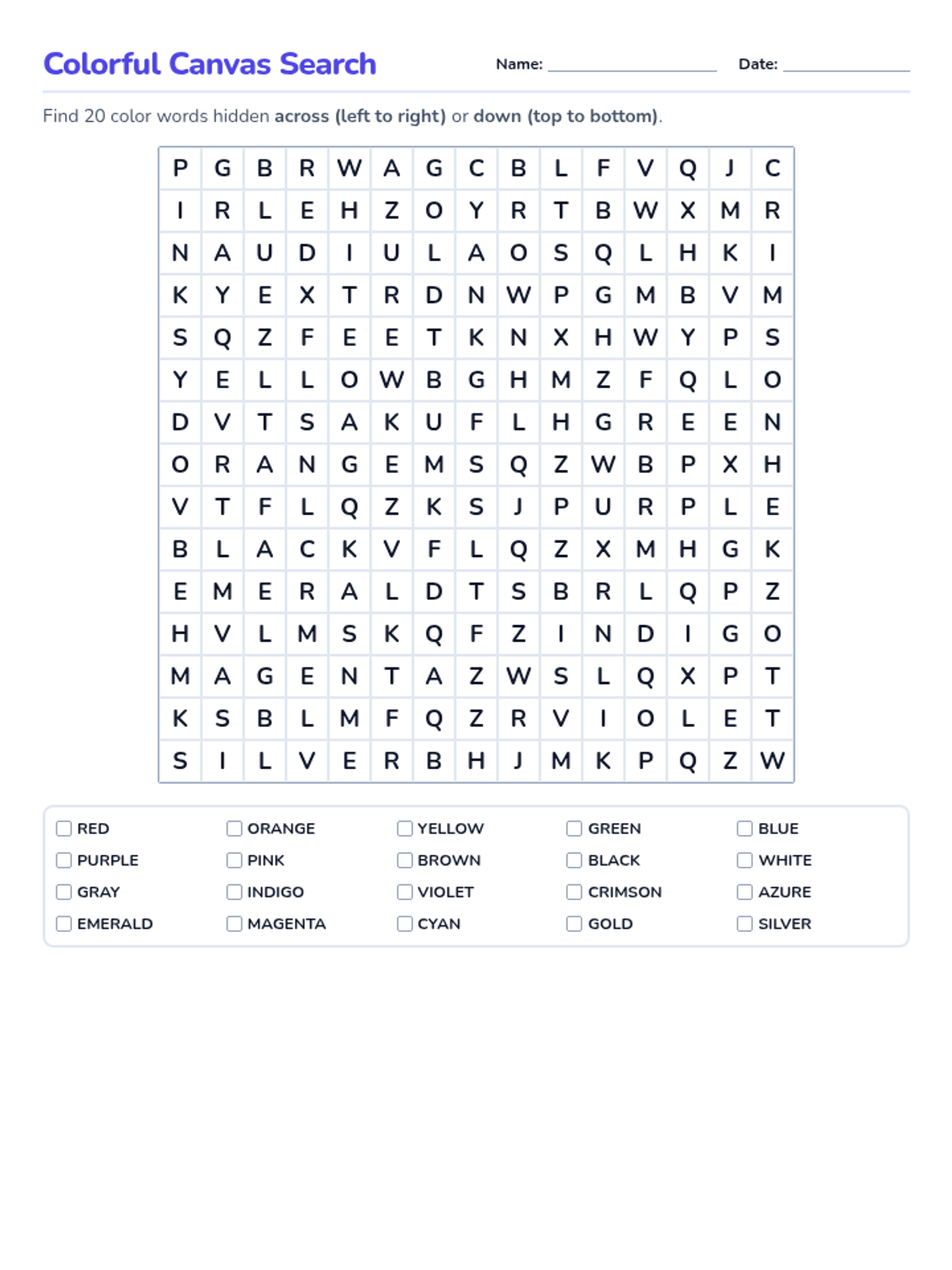
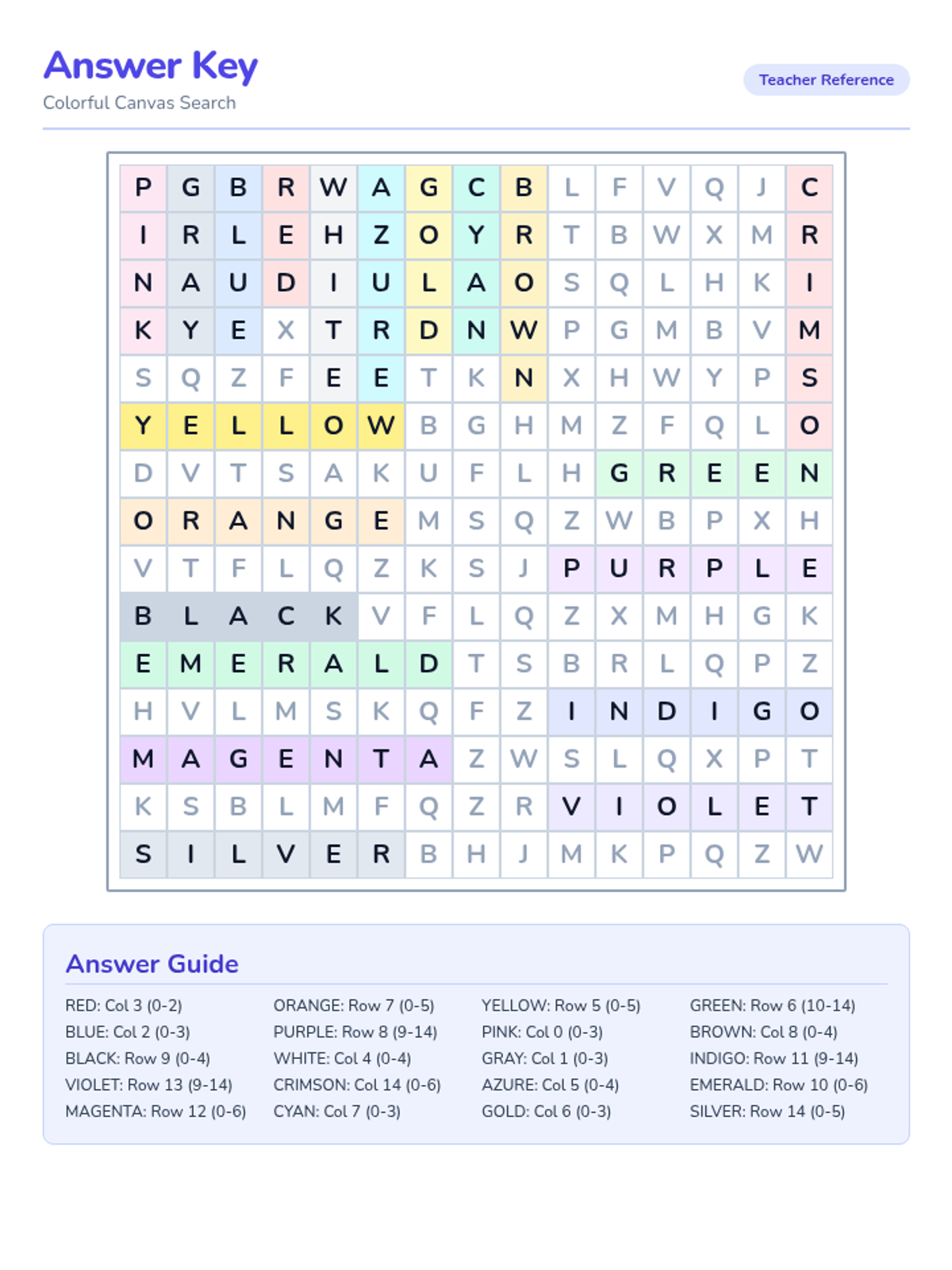
A creative exploration of colors through a word search activity, designed for young artists or those needing large print accessibility.
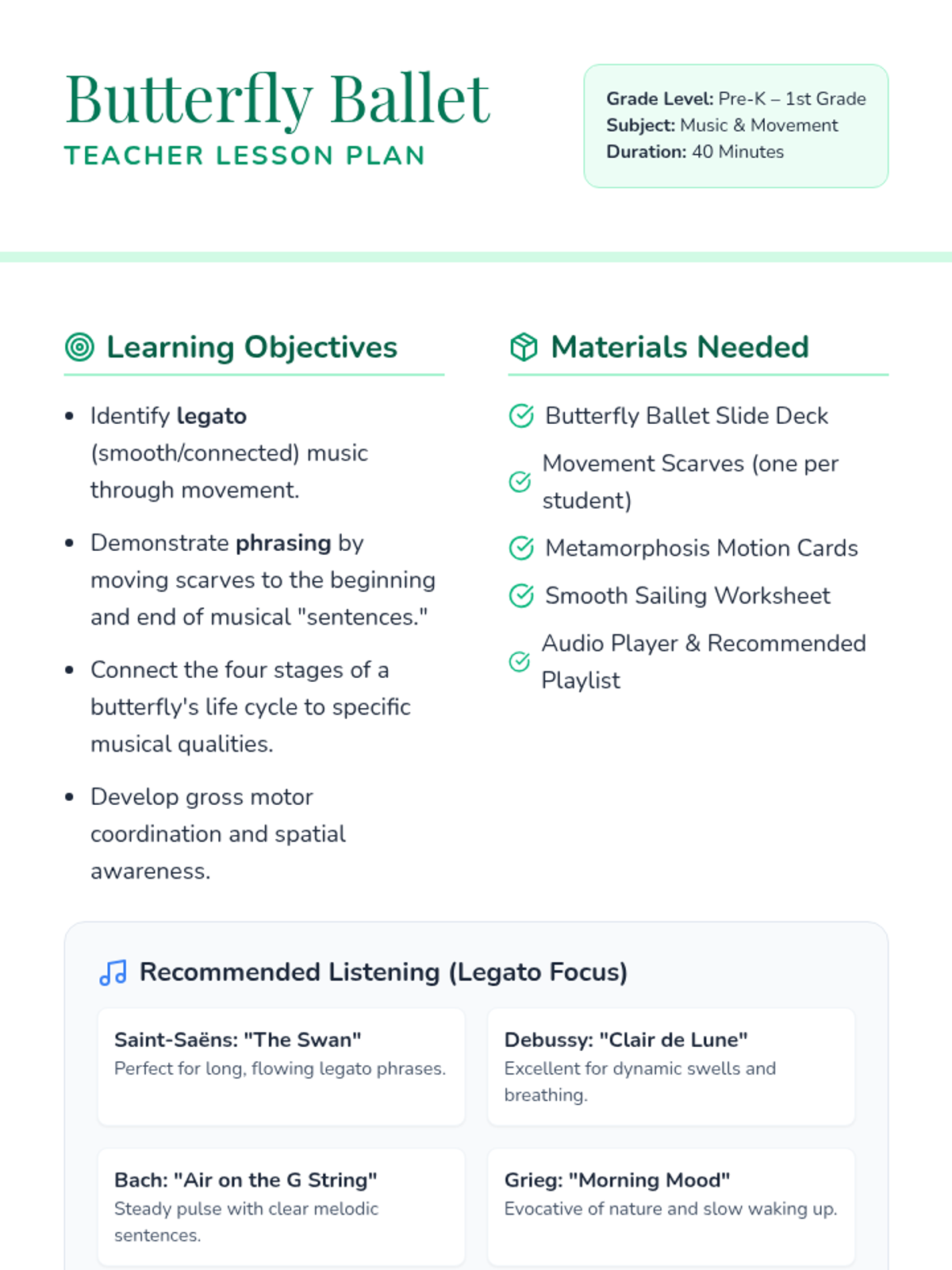
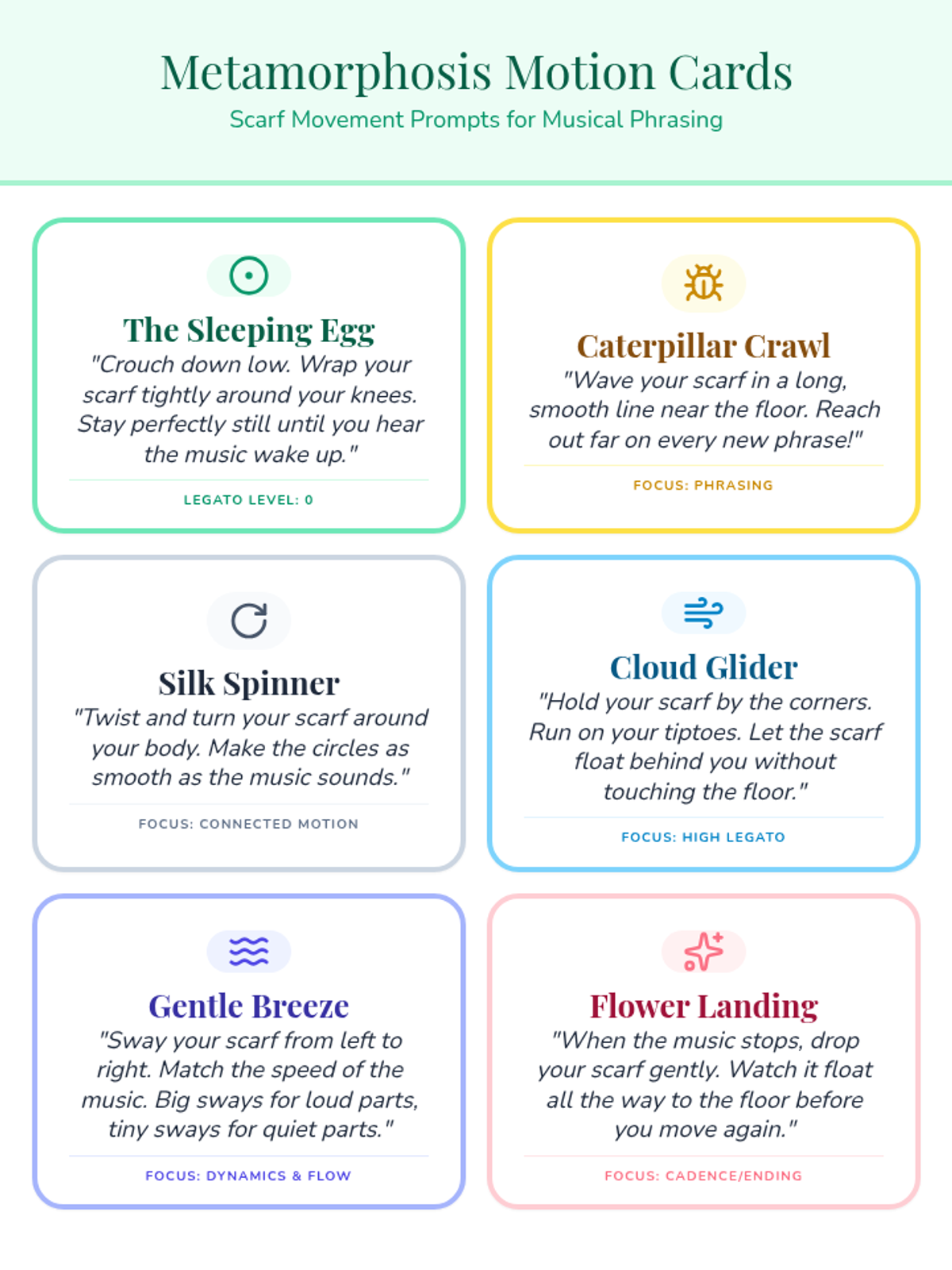
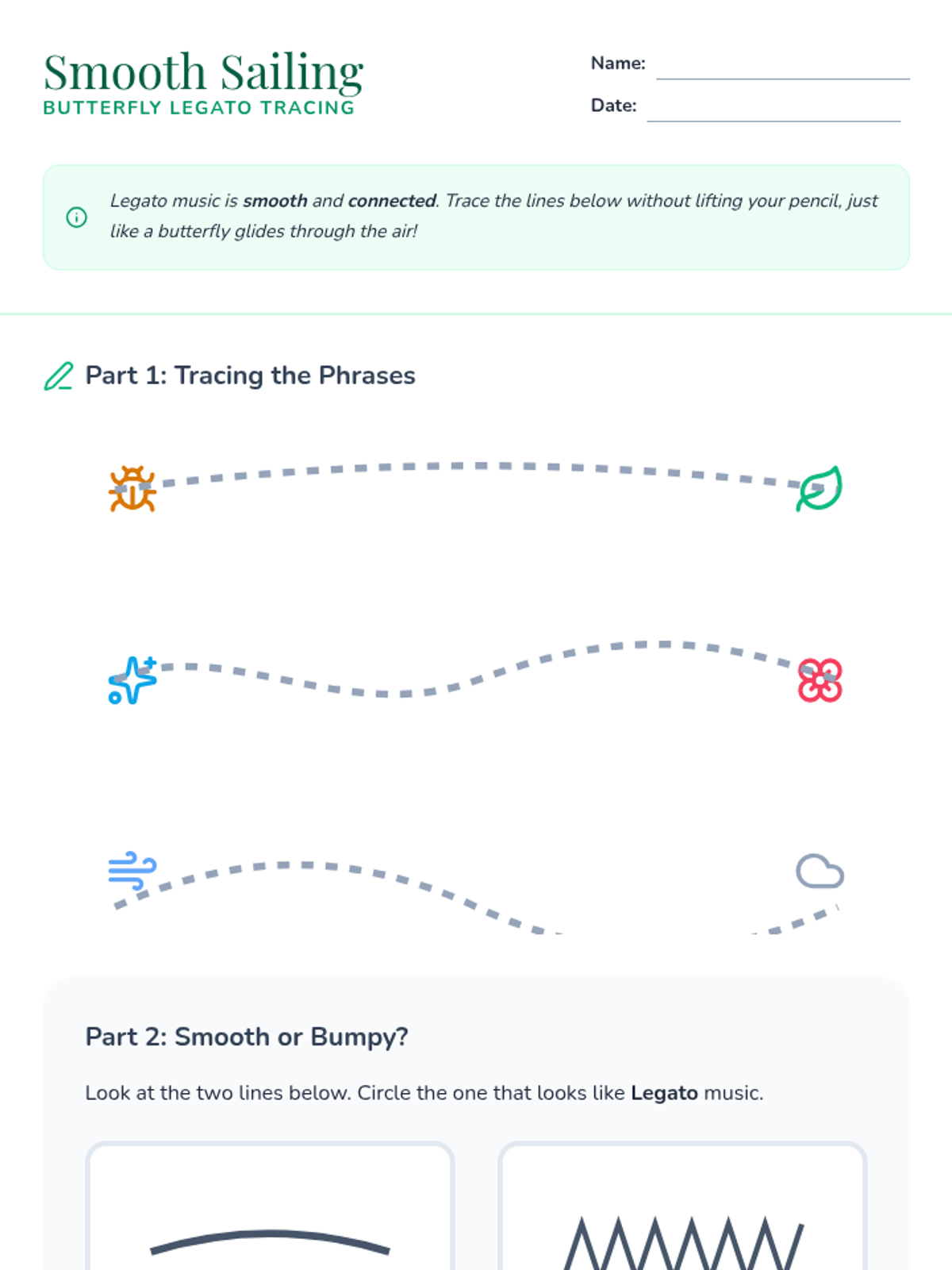
A music and movement lesson for early childhood students exploring phrasing and legato through the life cycle of a butterfly. Students use scarves to interpret smooth musical lines while learning about metamorphosis.
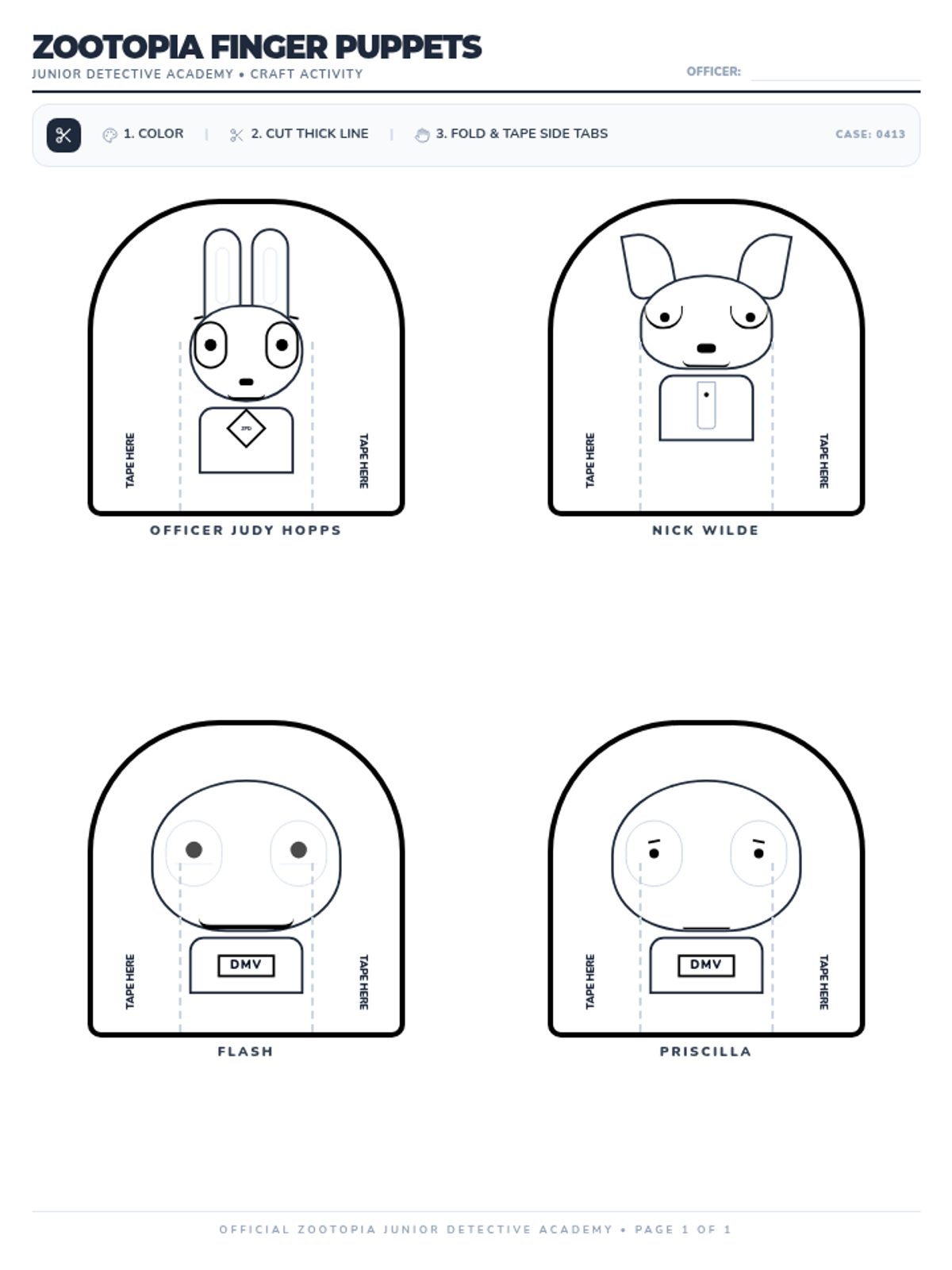
A creative craft lesson where students color and create their own finger puppets of favorite Zootopia characters to practice storytelling and role-playing.
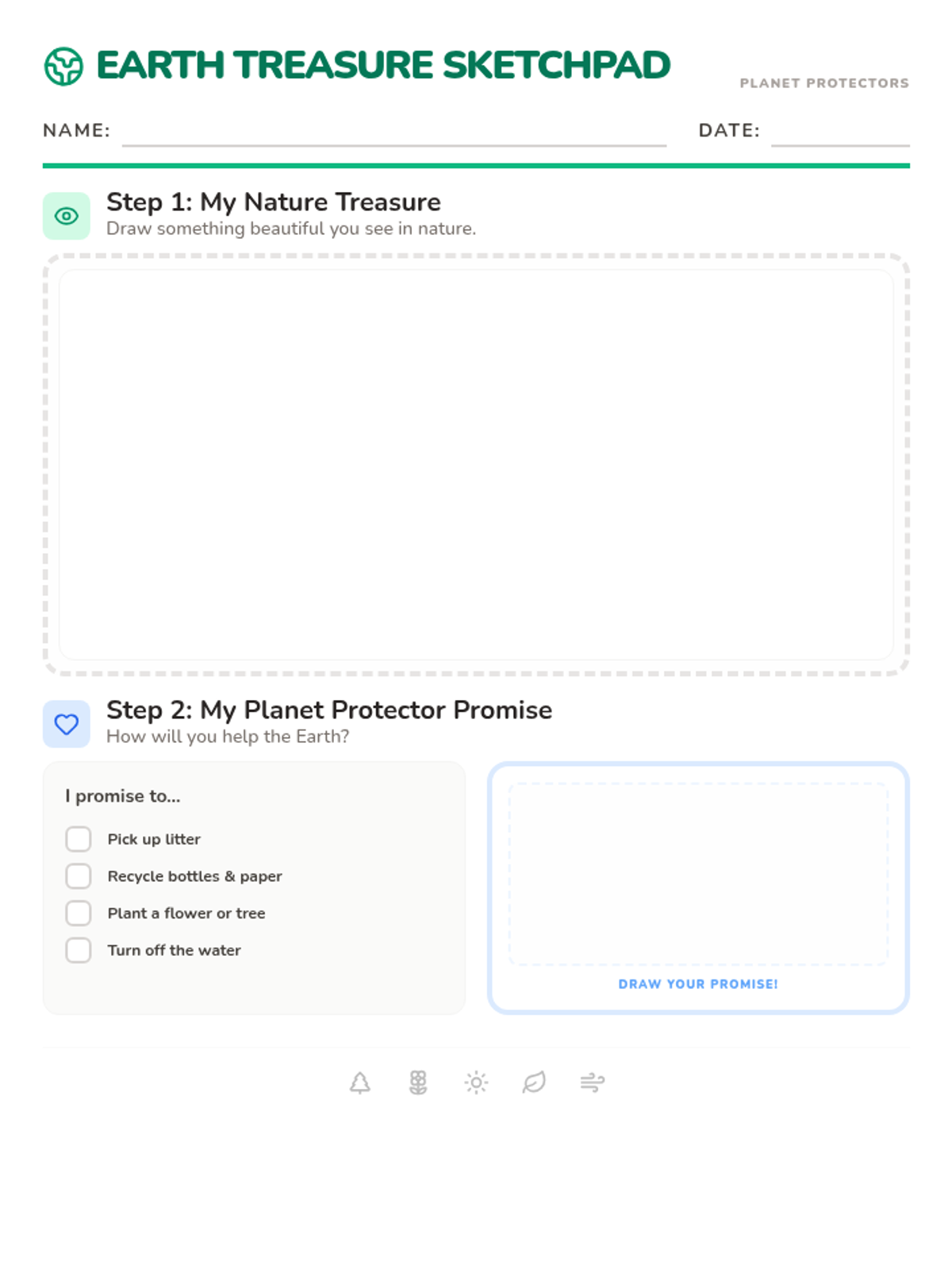
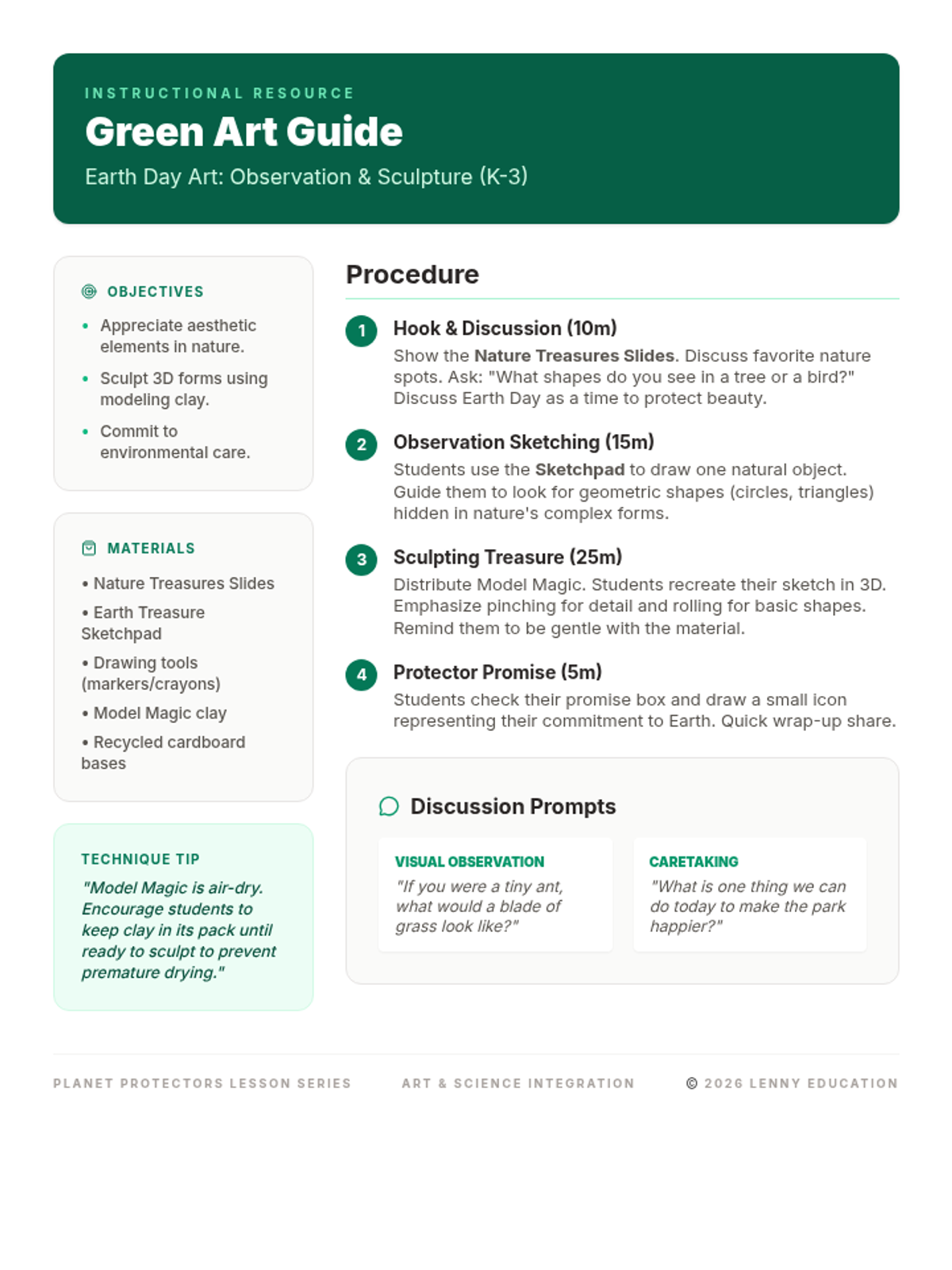
A primary art lesson exploring the beauty of nature and our role in keeping the Earth clean. Students observe natural wonders and create their own "Earth Treasures" using drawing and sculpting materials.
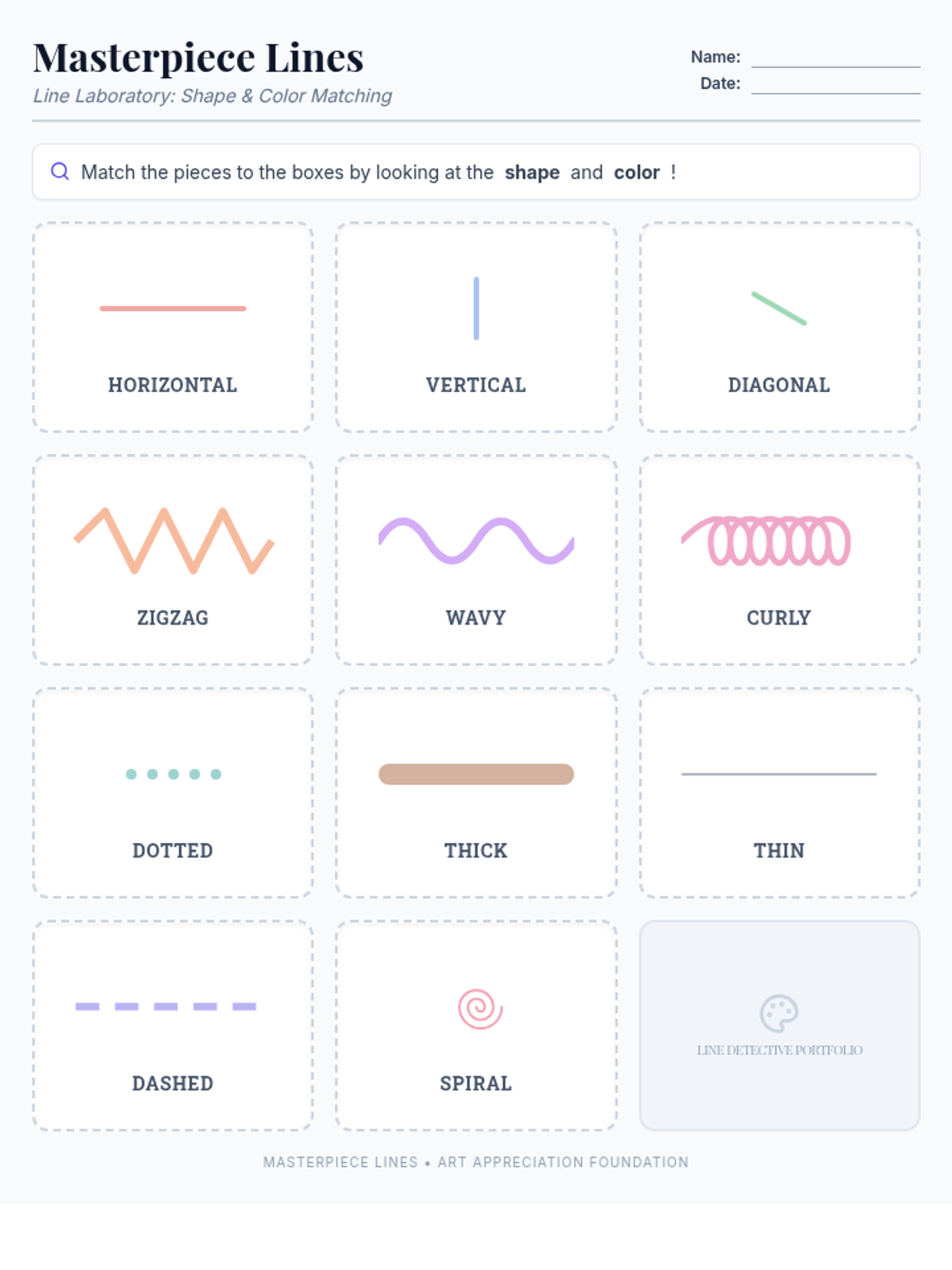
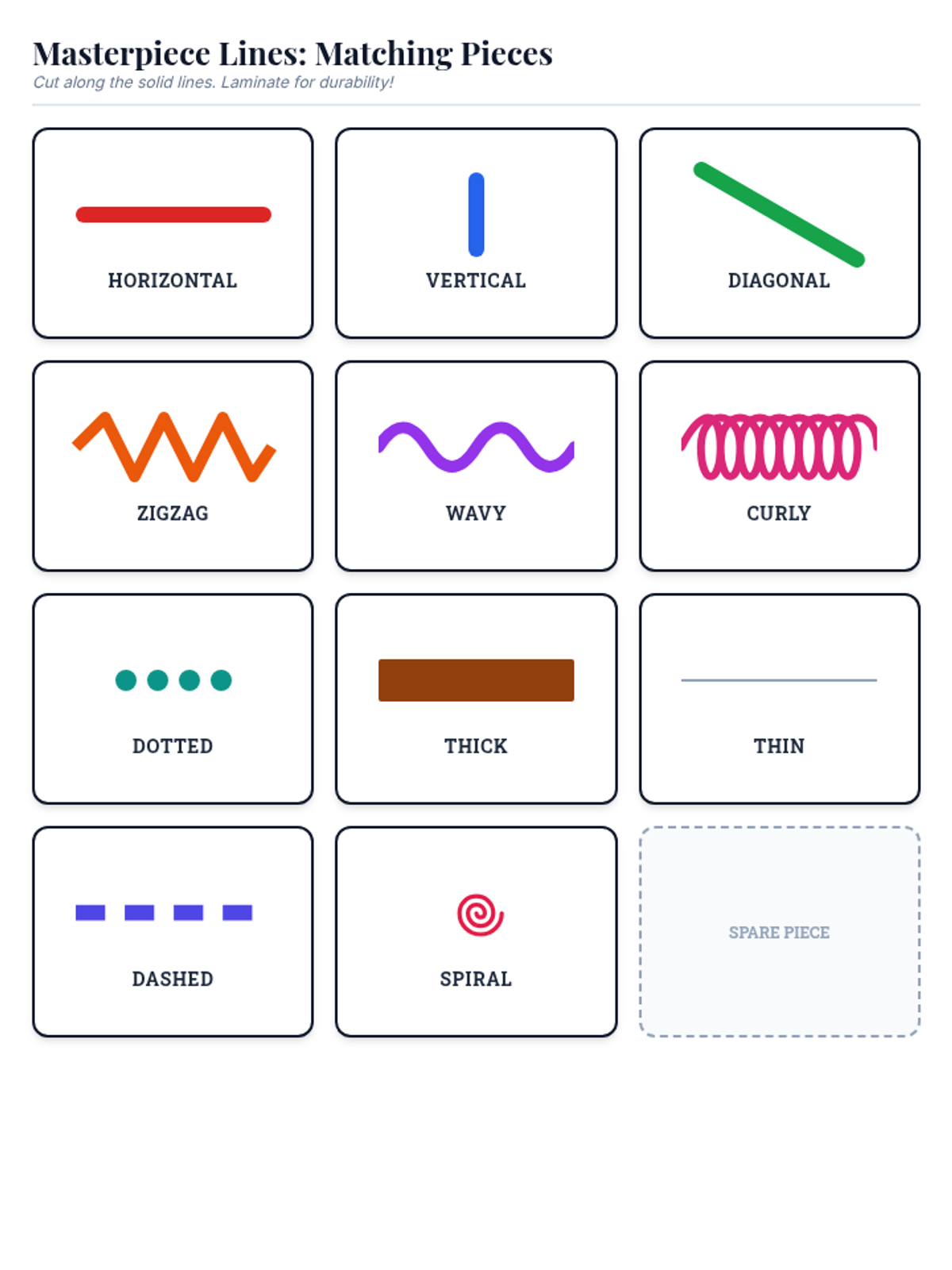
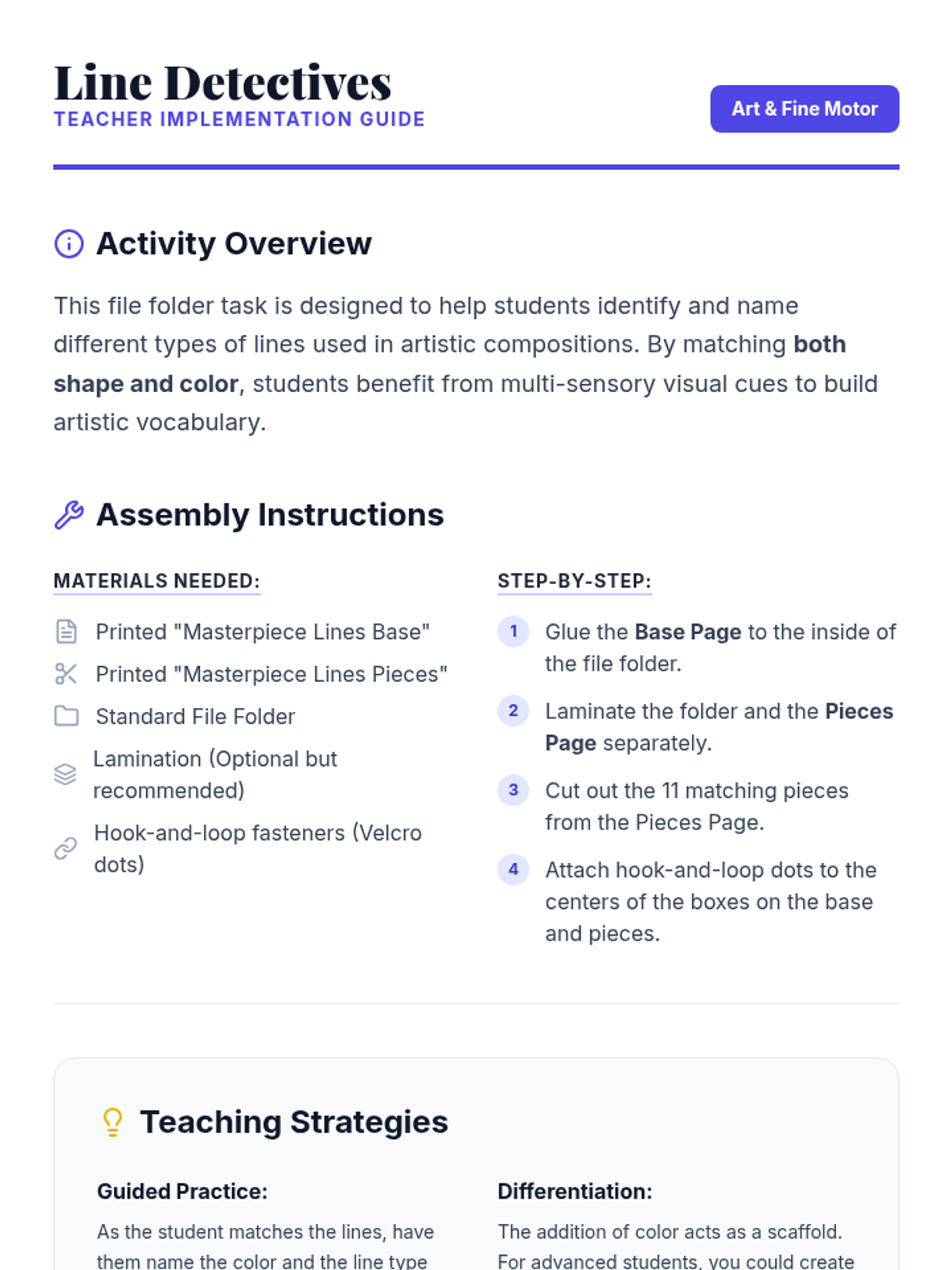
A hands-on activity for students to identify and match various line types used in art, from basic directional lines to complex decorative patterns.
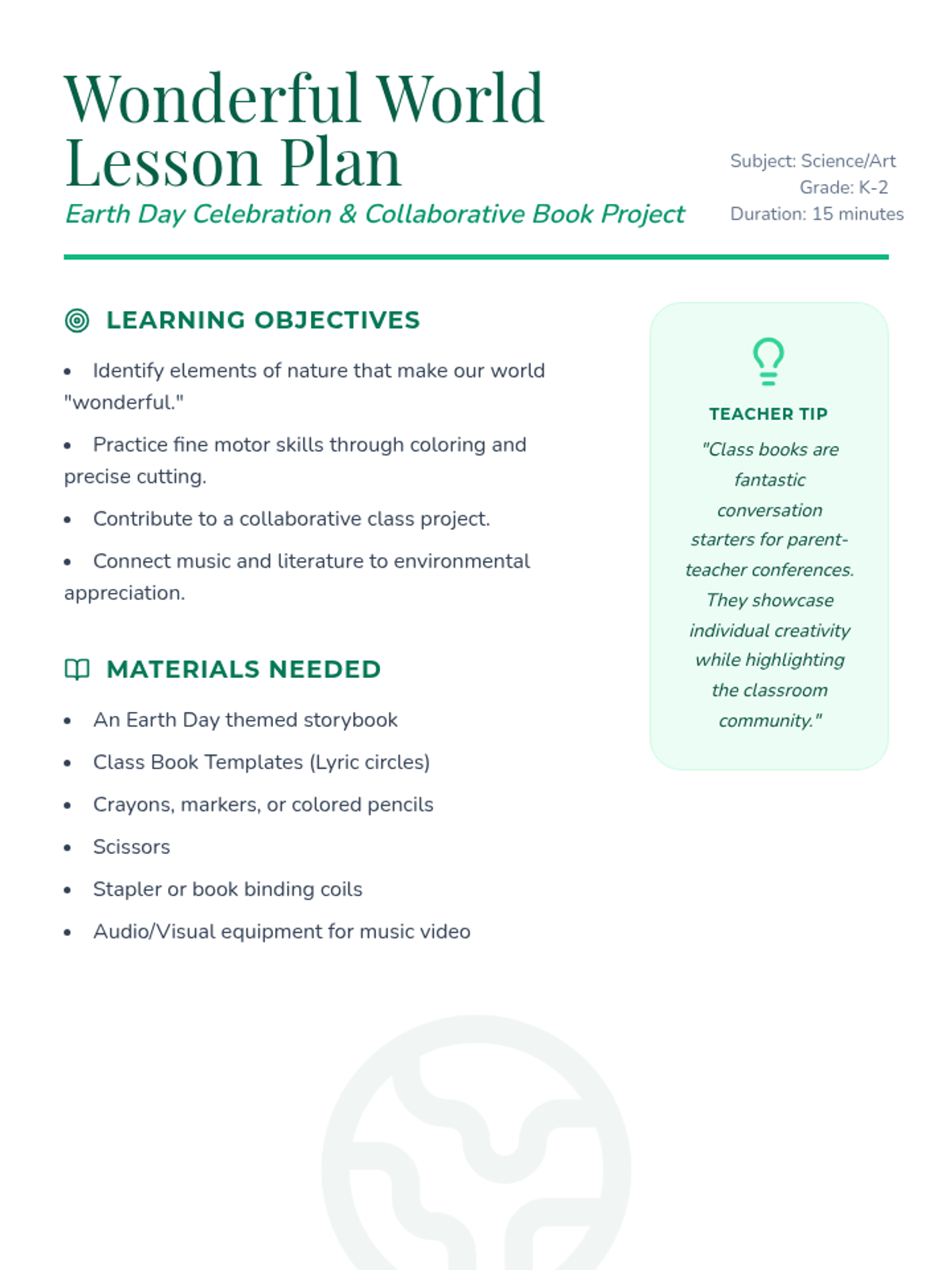
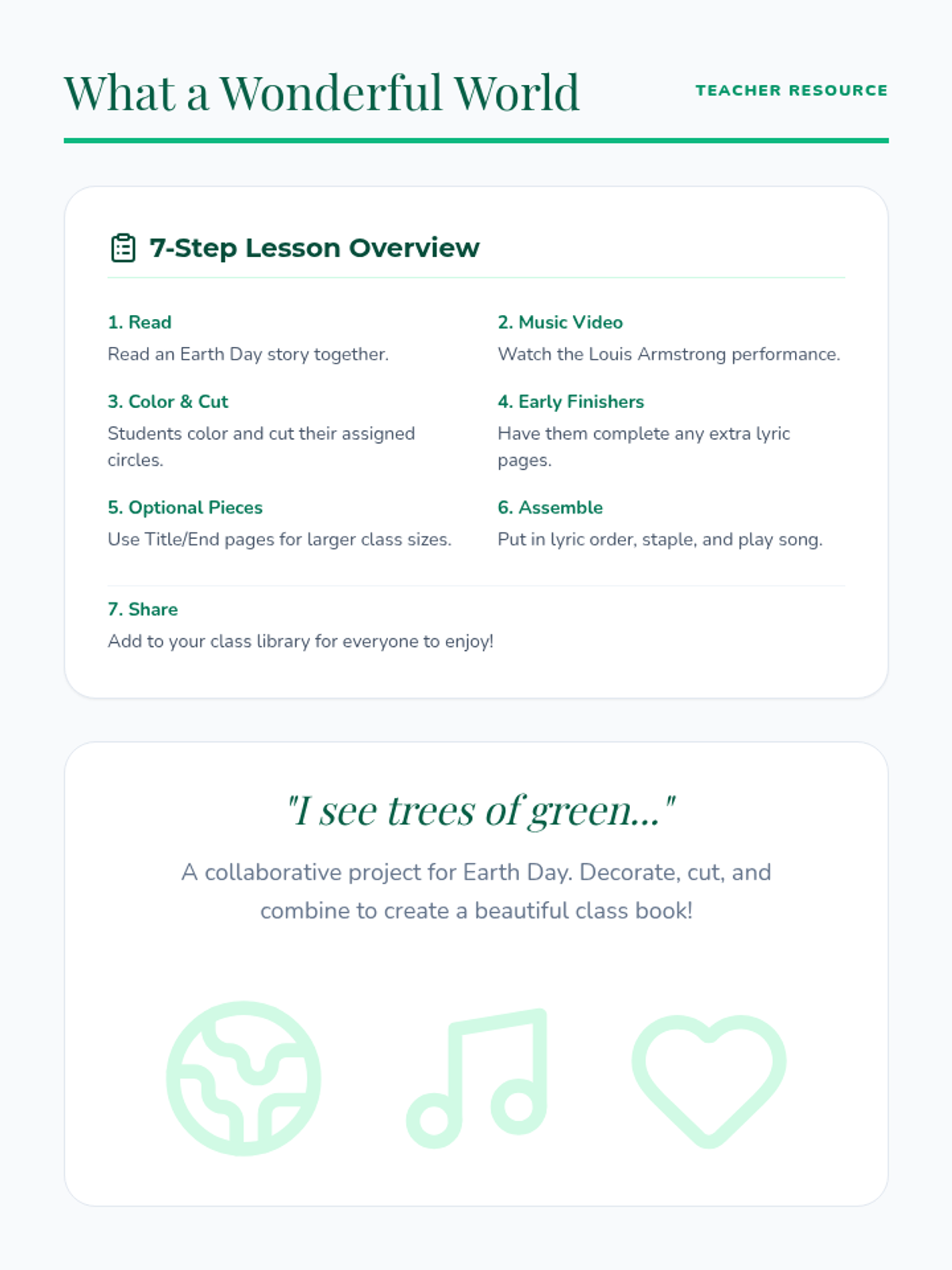
A collaborative Earth Day lesson where students create a class book inspired by Louis Armstrong's 'What a Wonderful World'. Includes a detailed teacher guide and presentation slides with a video embed.
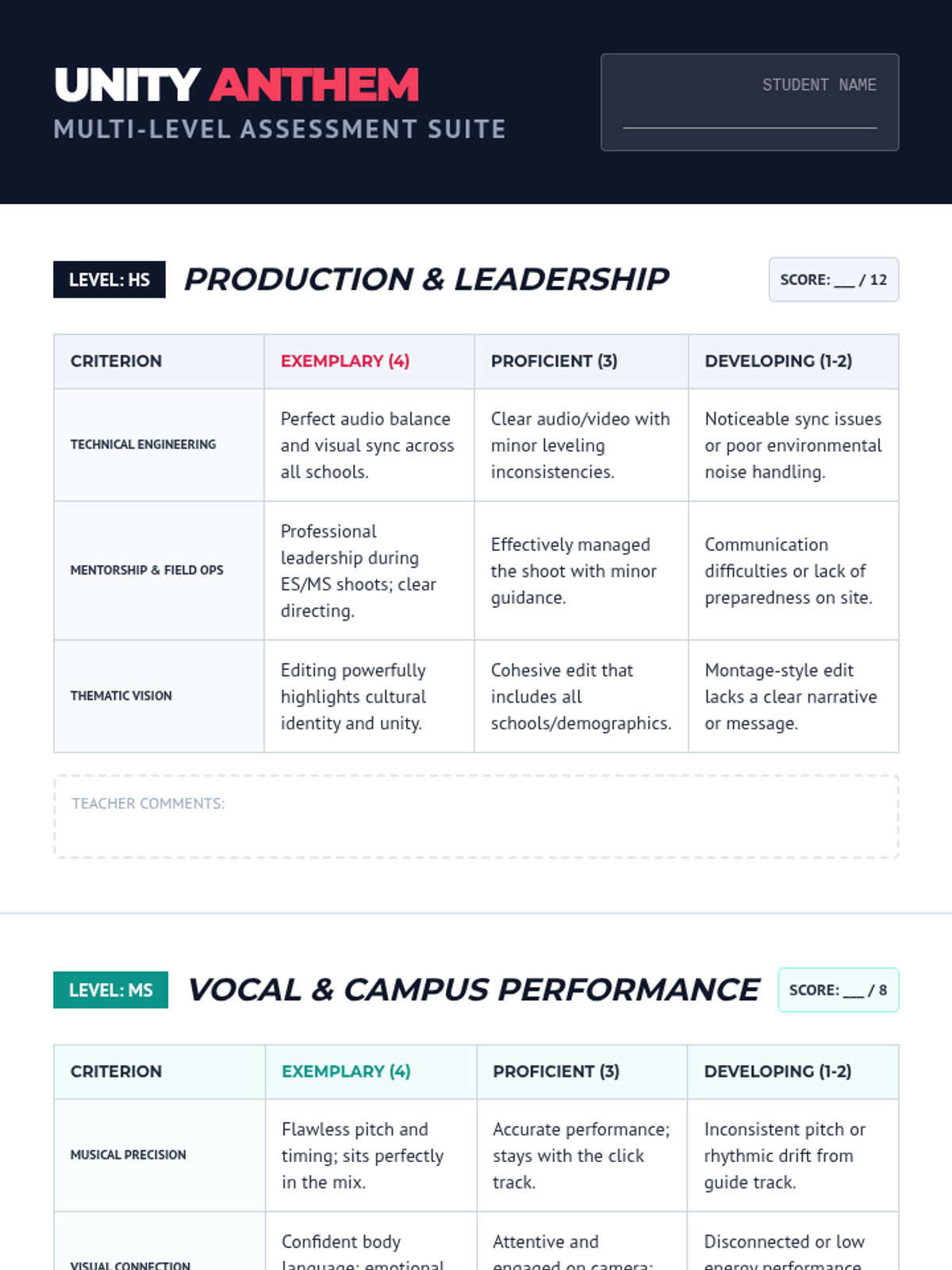
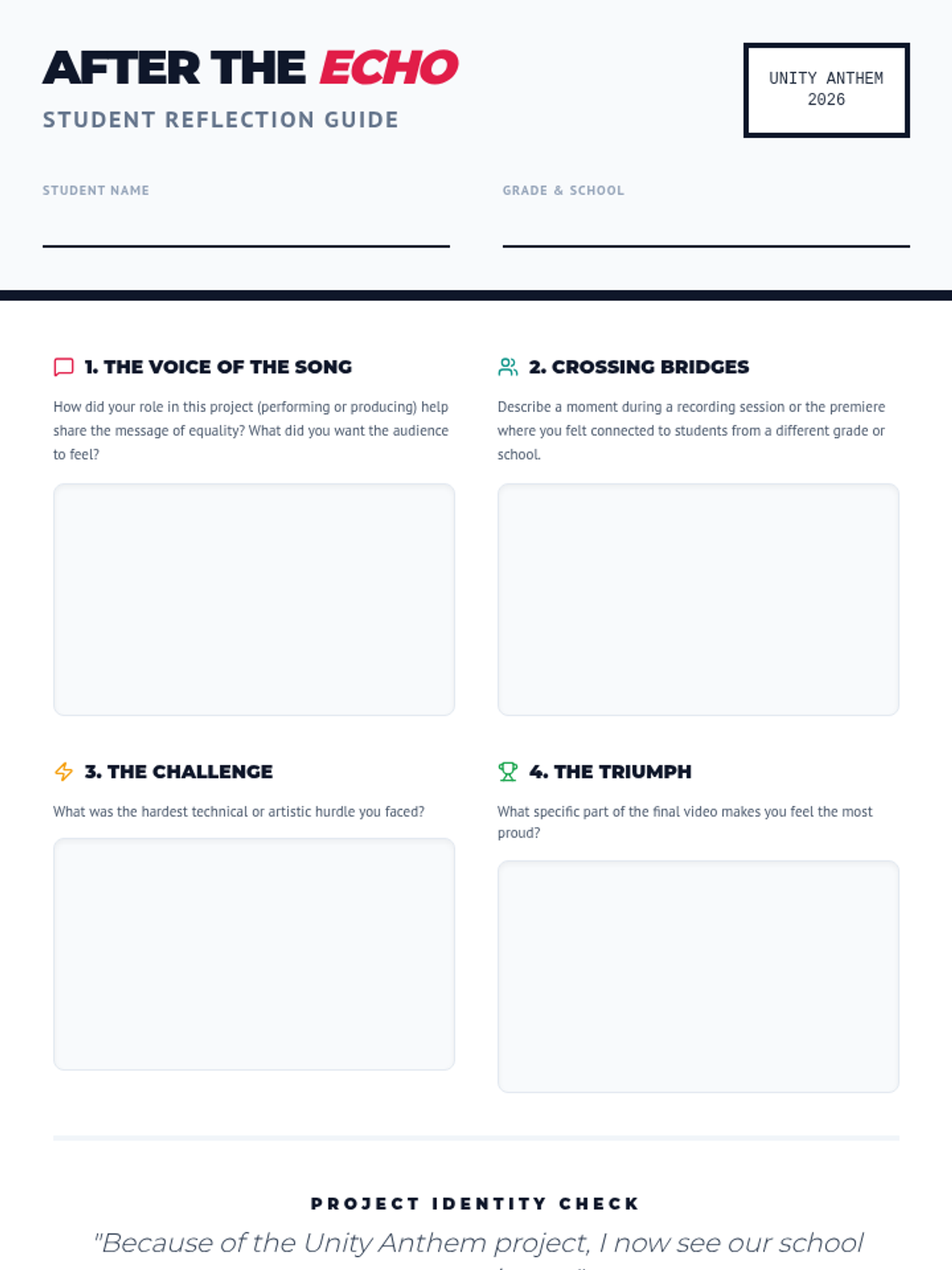
The final premiere of the music video at the All-town Music Tech Showcase, followed by a live performance and student reflection on the collaborative process.
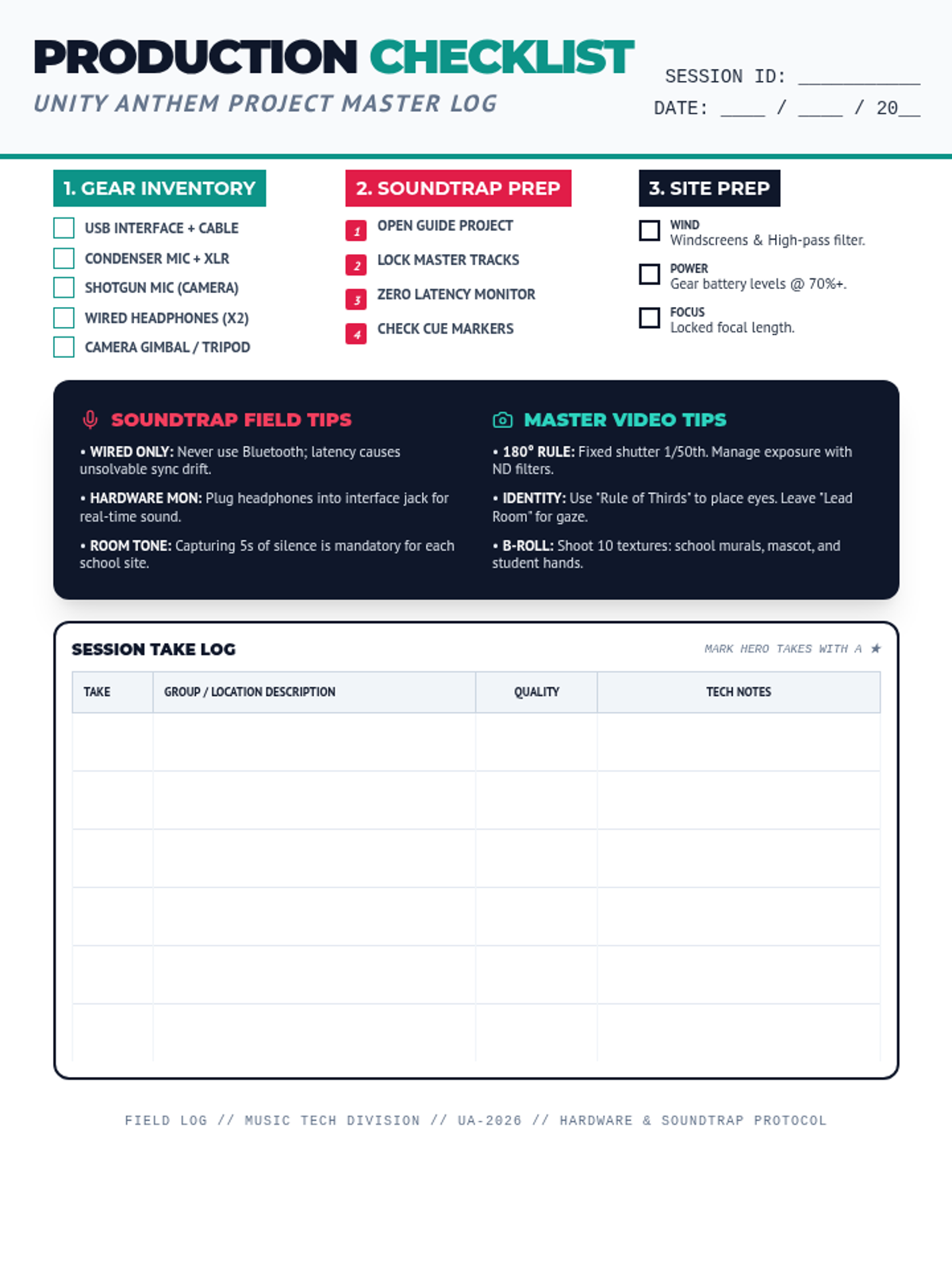
The technical phase involving on-location recordings at elementary and middle schools, followed by high school student-led mixing and video production.
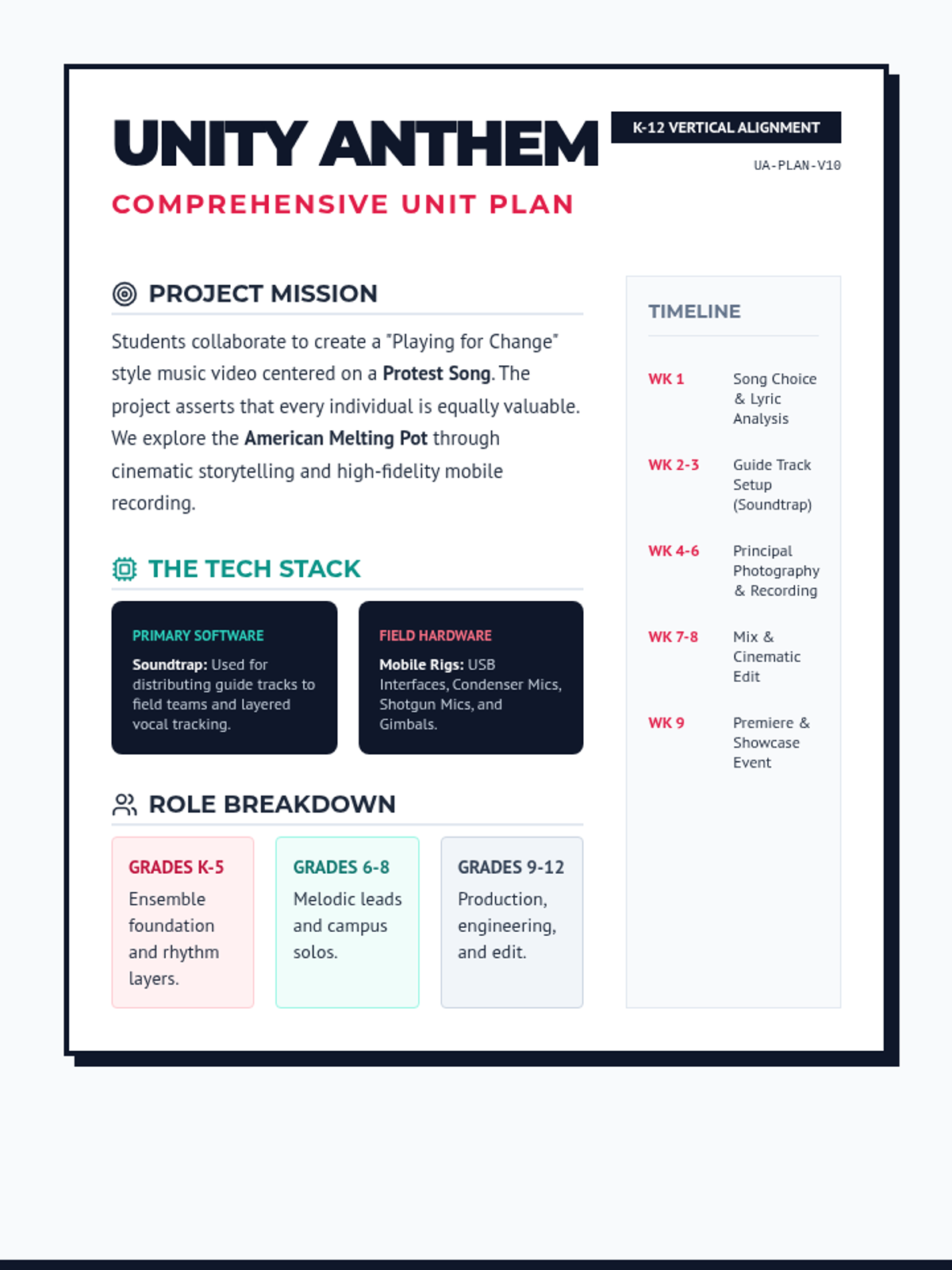
Introduction to the 'Playing for Change' concept, exploring the themes of the chosen protest song, and laying the groundwork for the K-12 collaboration.
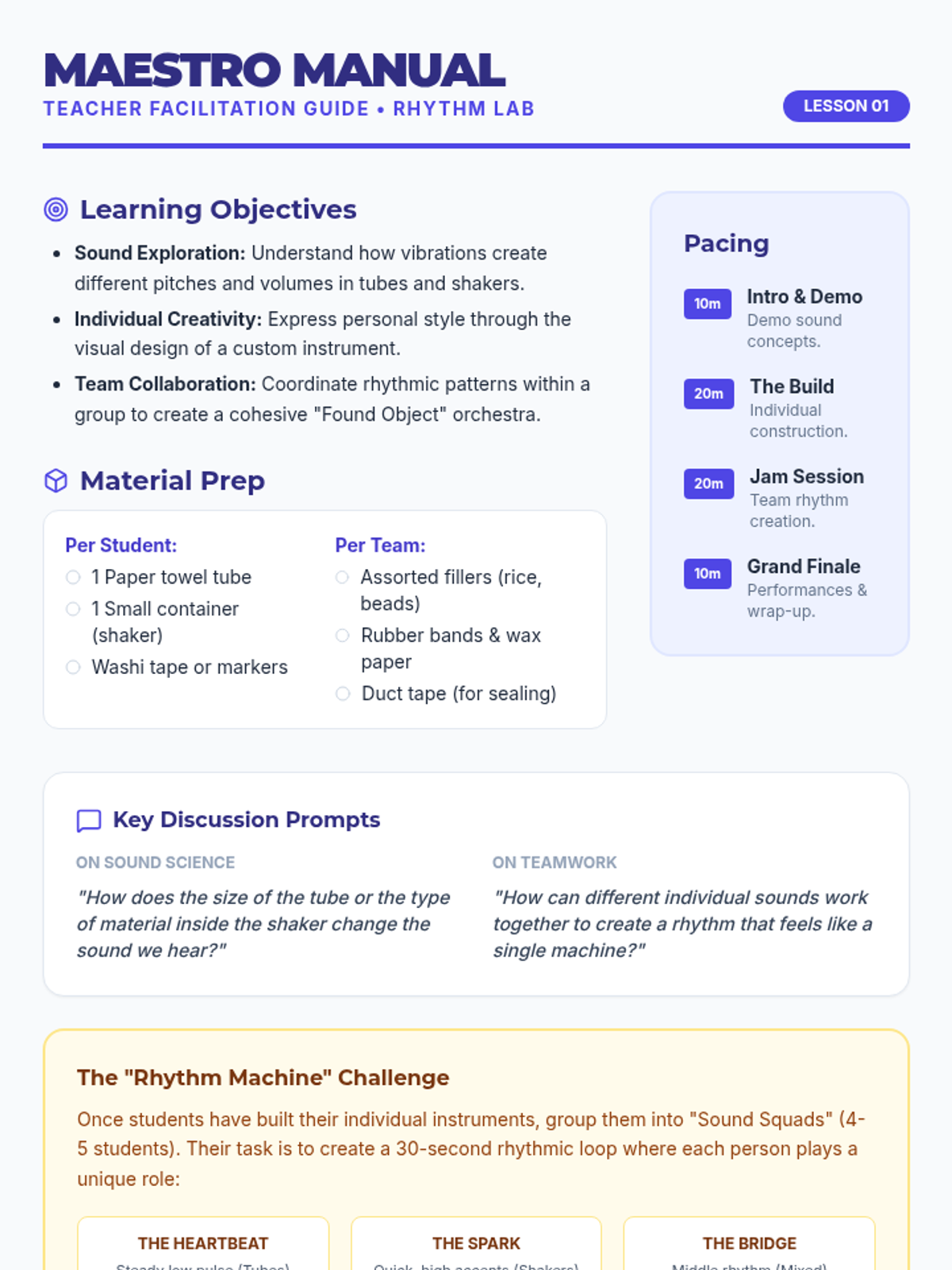
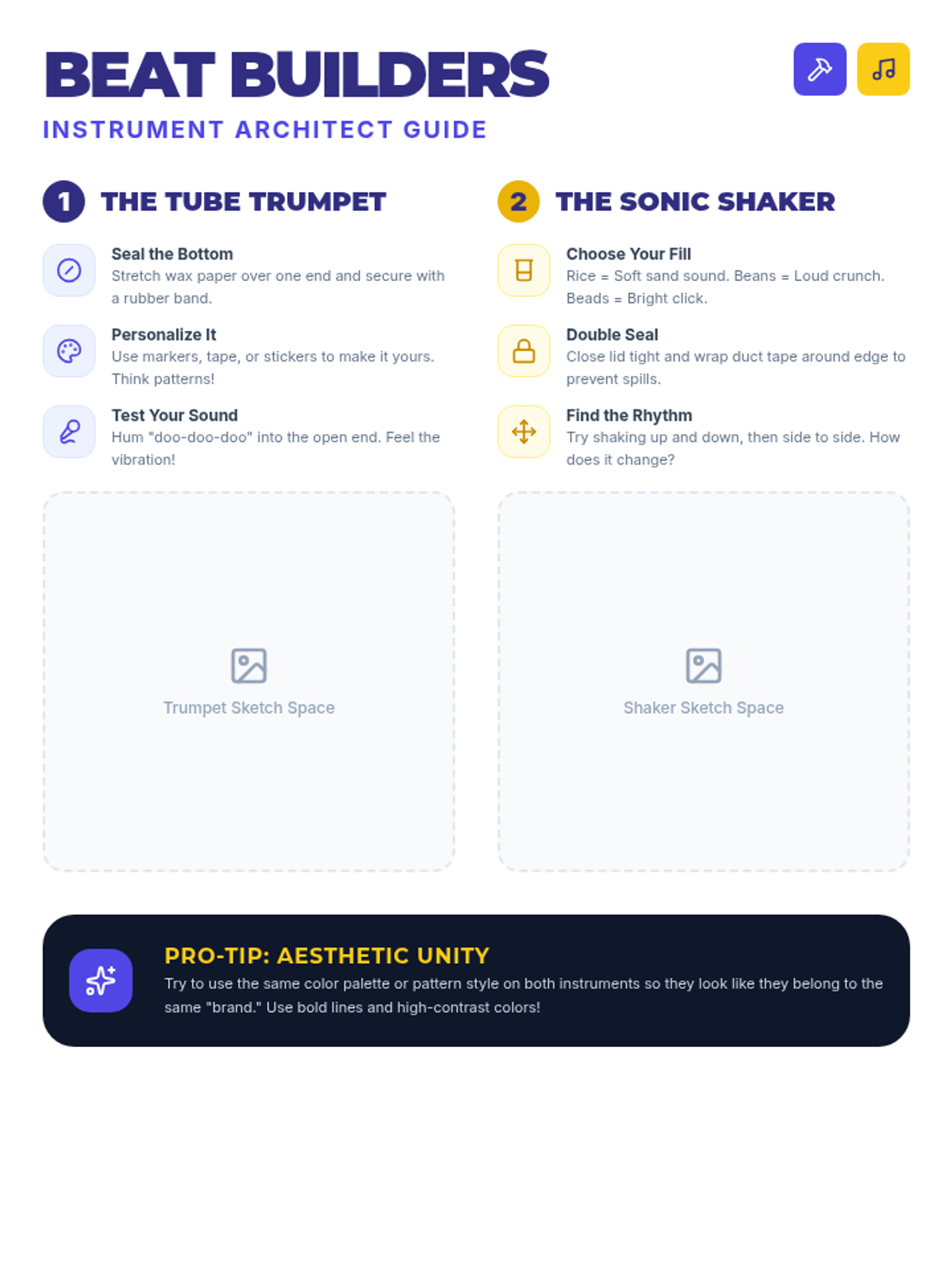
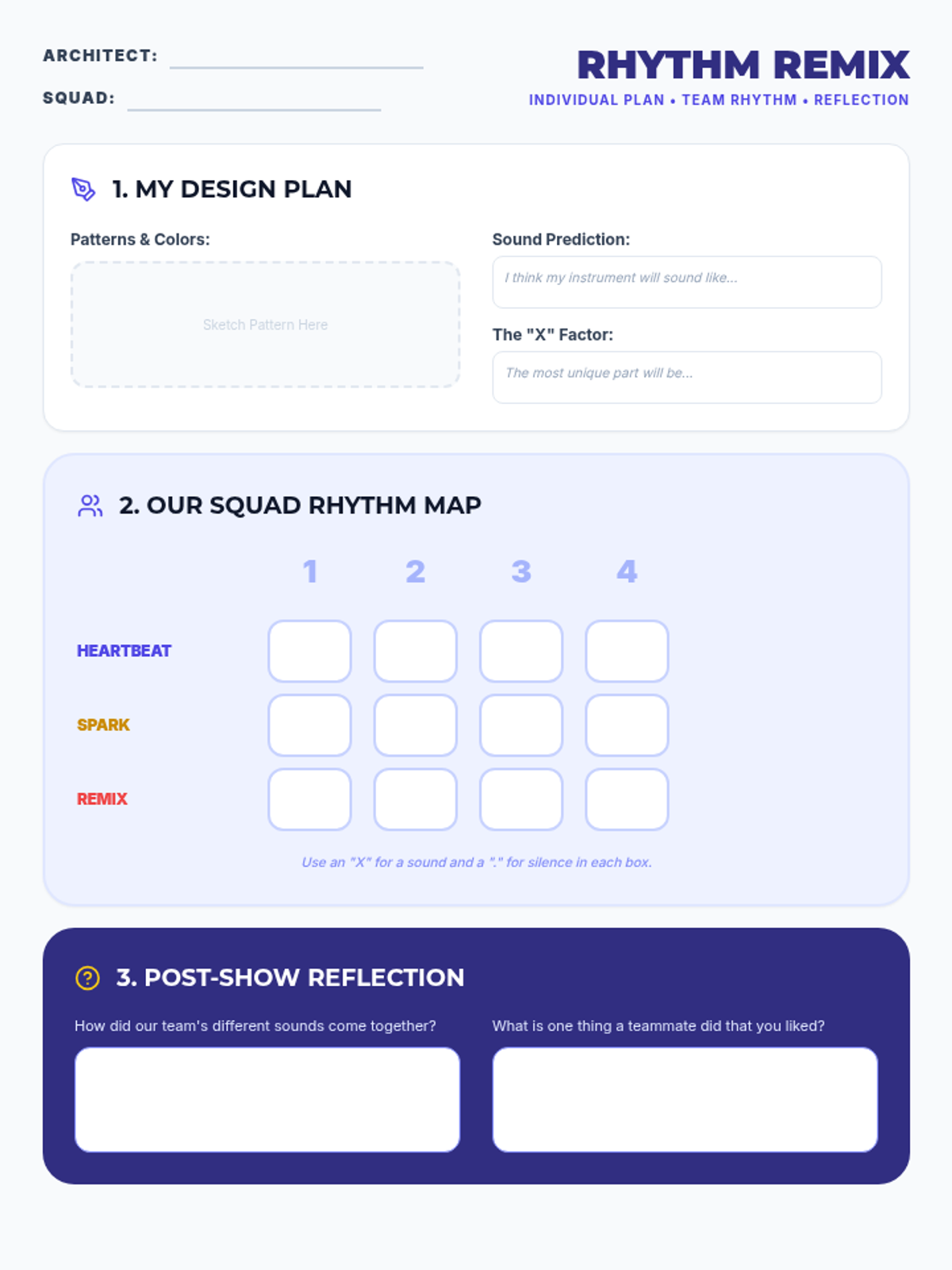
Students explore the science and art of sound by constructing DIY instruments from recycled materials. The lesson emphasizes individual creative design followed by a collaborative team performance.

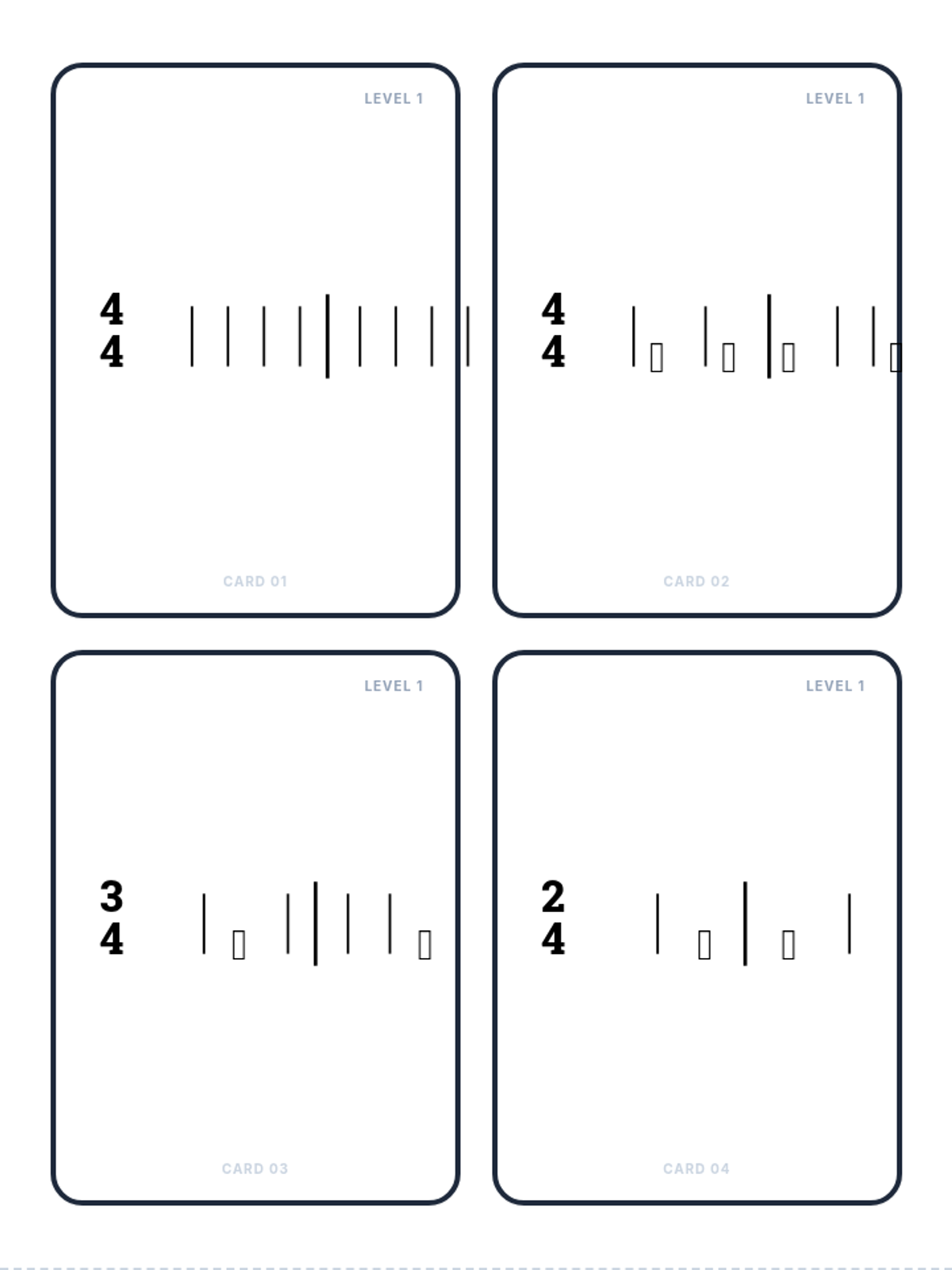
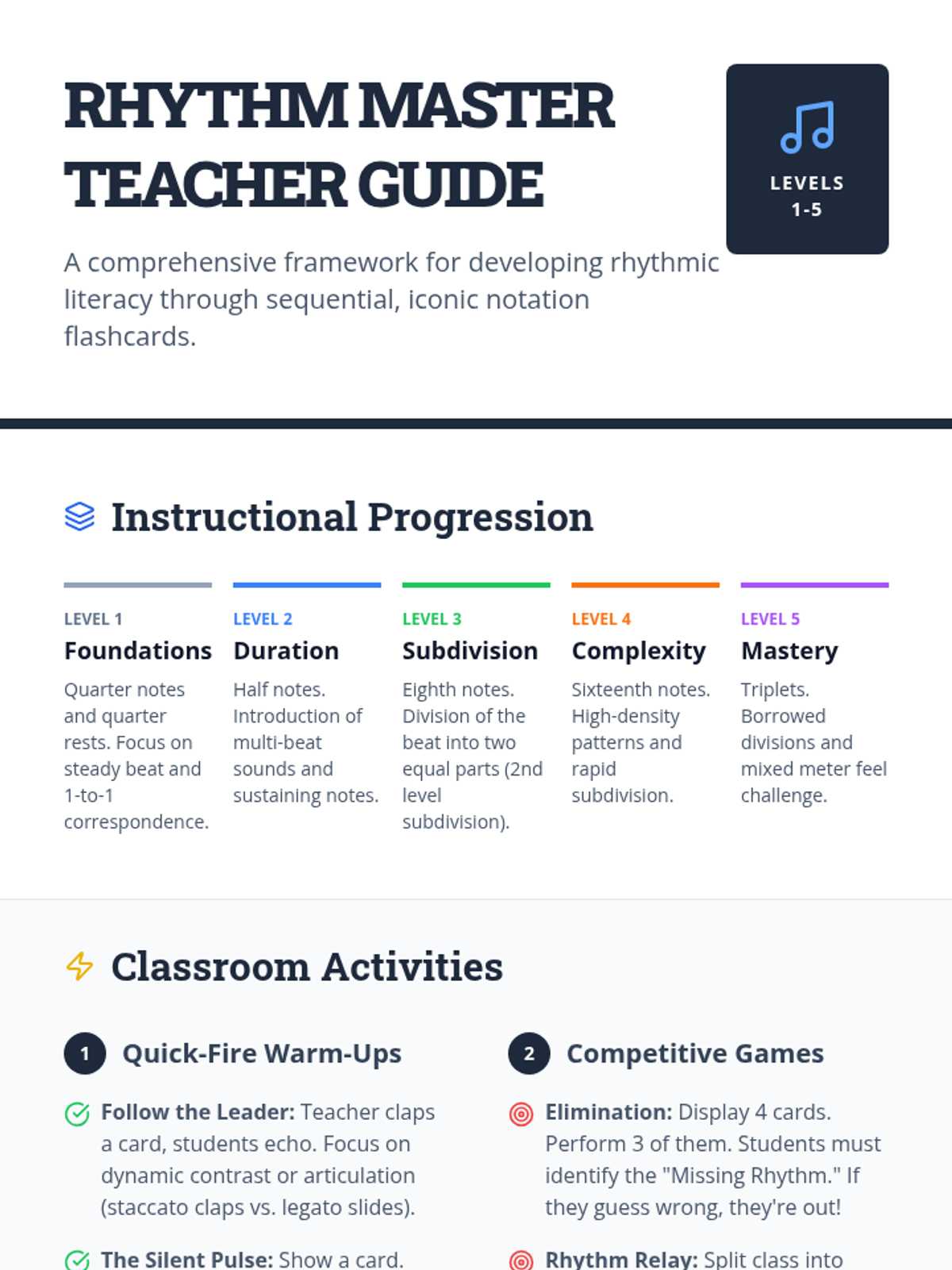
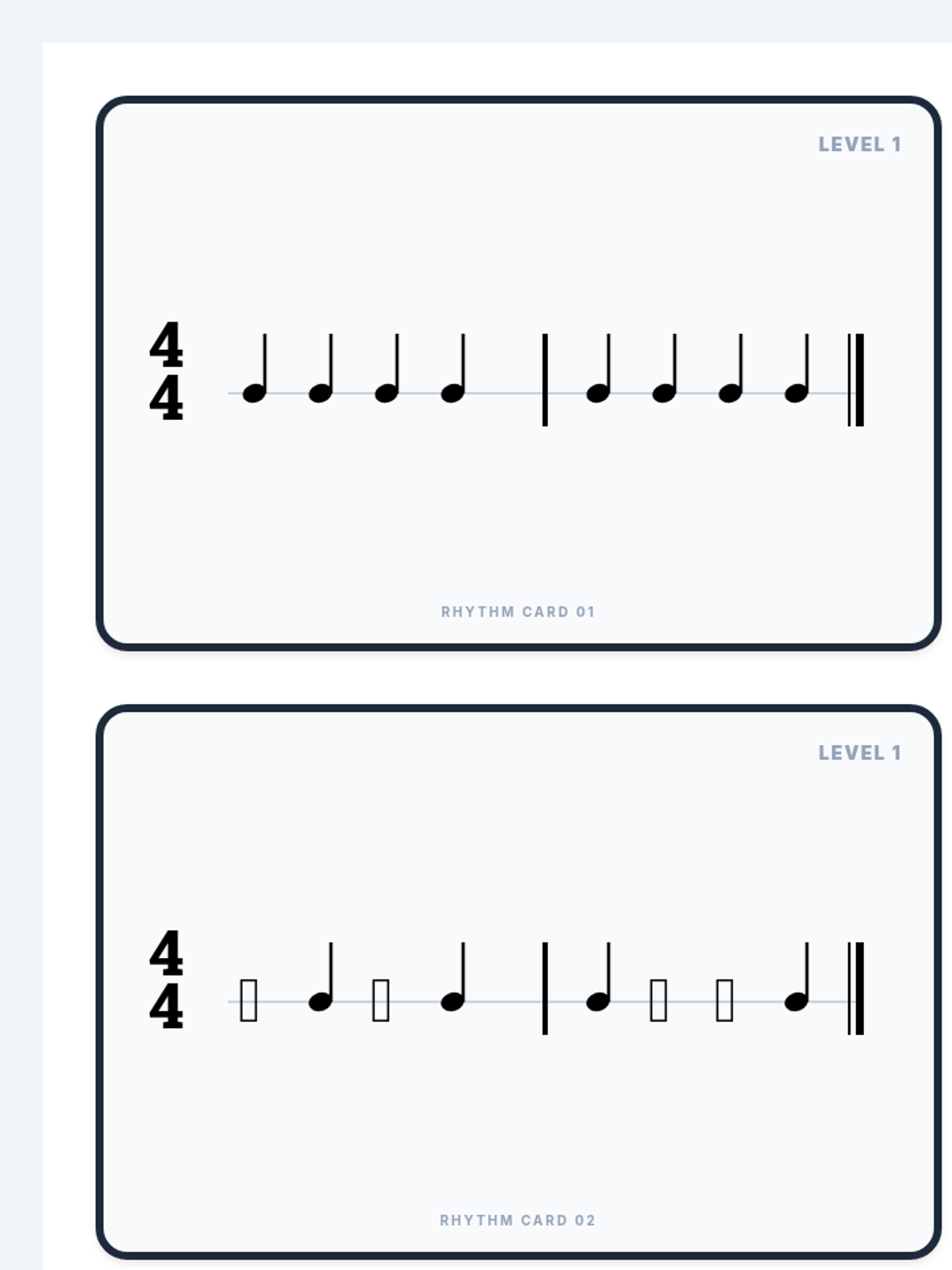
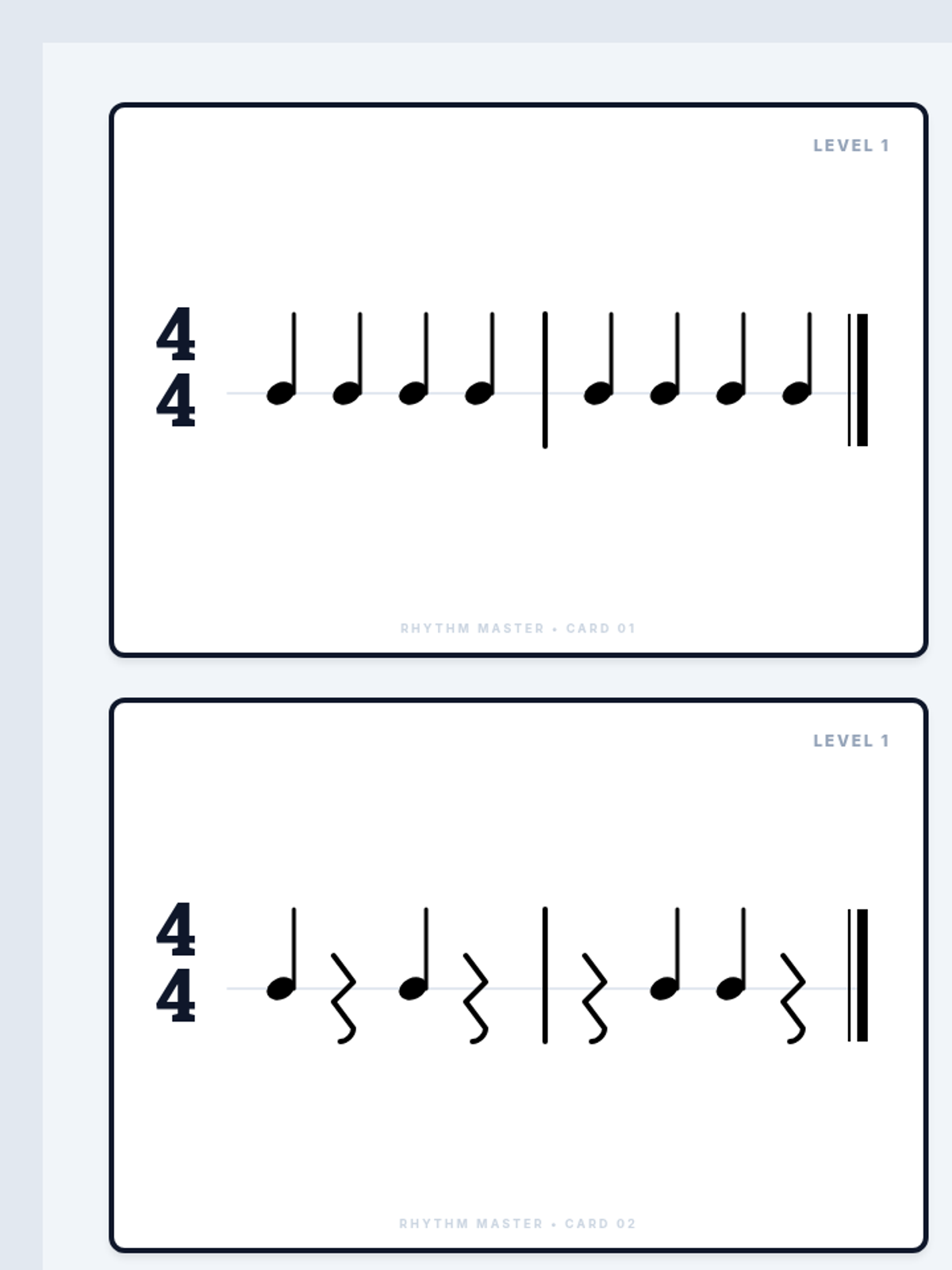
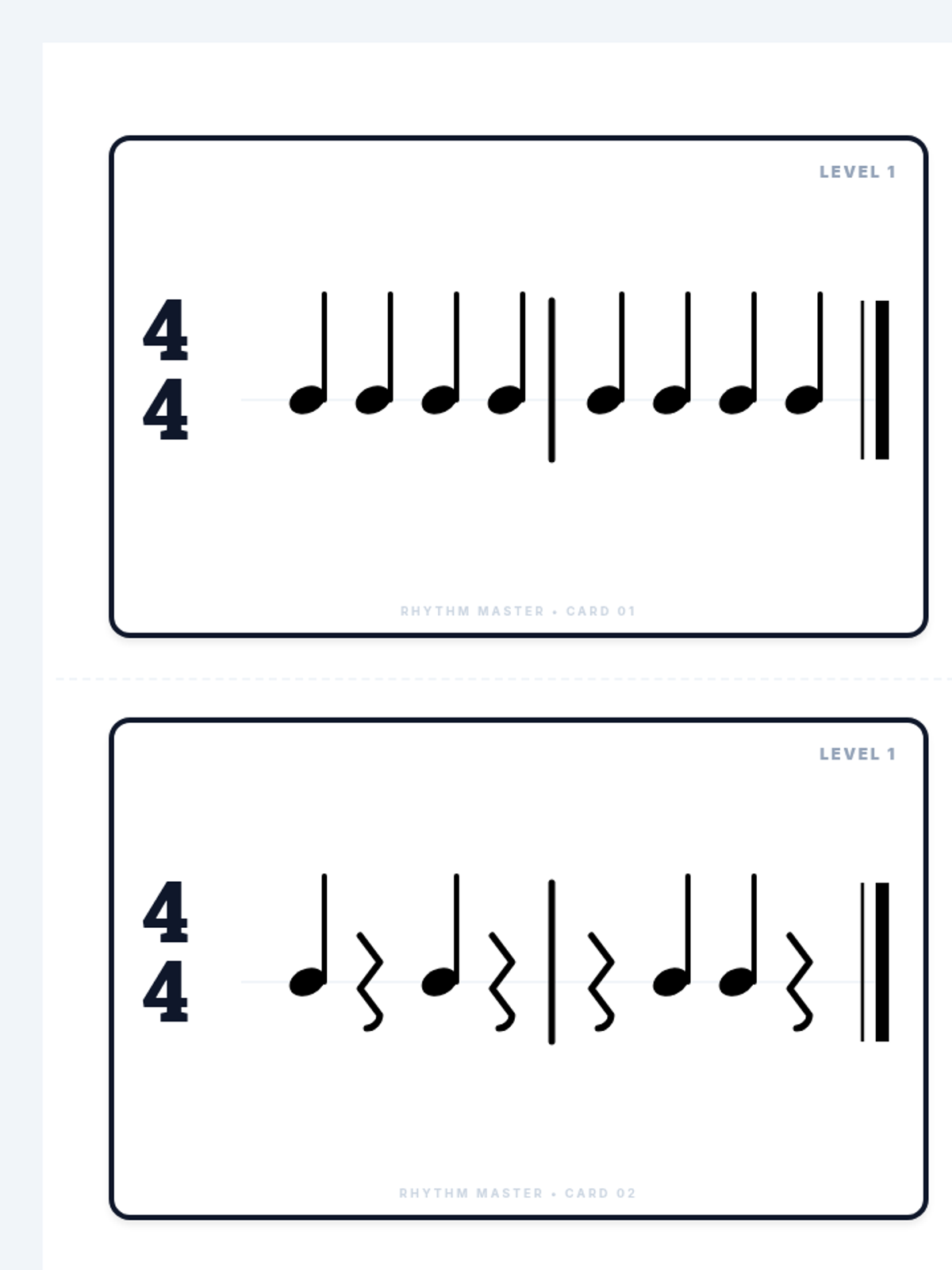
A series of rhythm reading flashcards and a teacher's guide covering basic to advanced rhythmic patterns. Activities progress from quarter notes and rests to complex sixteenth notes and triplets across multiple time signatures.
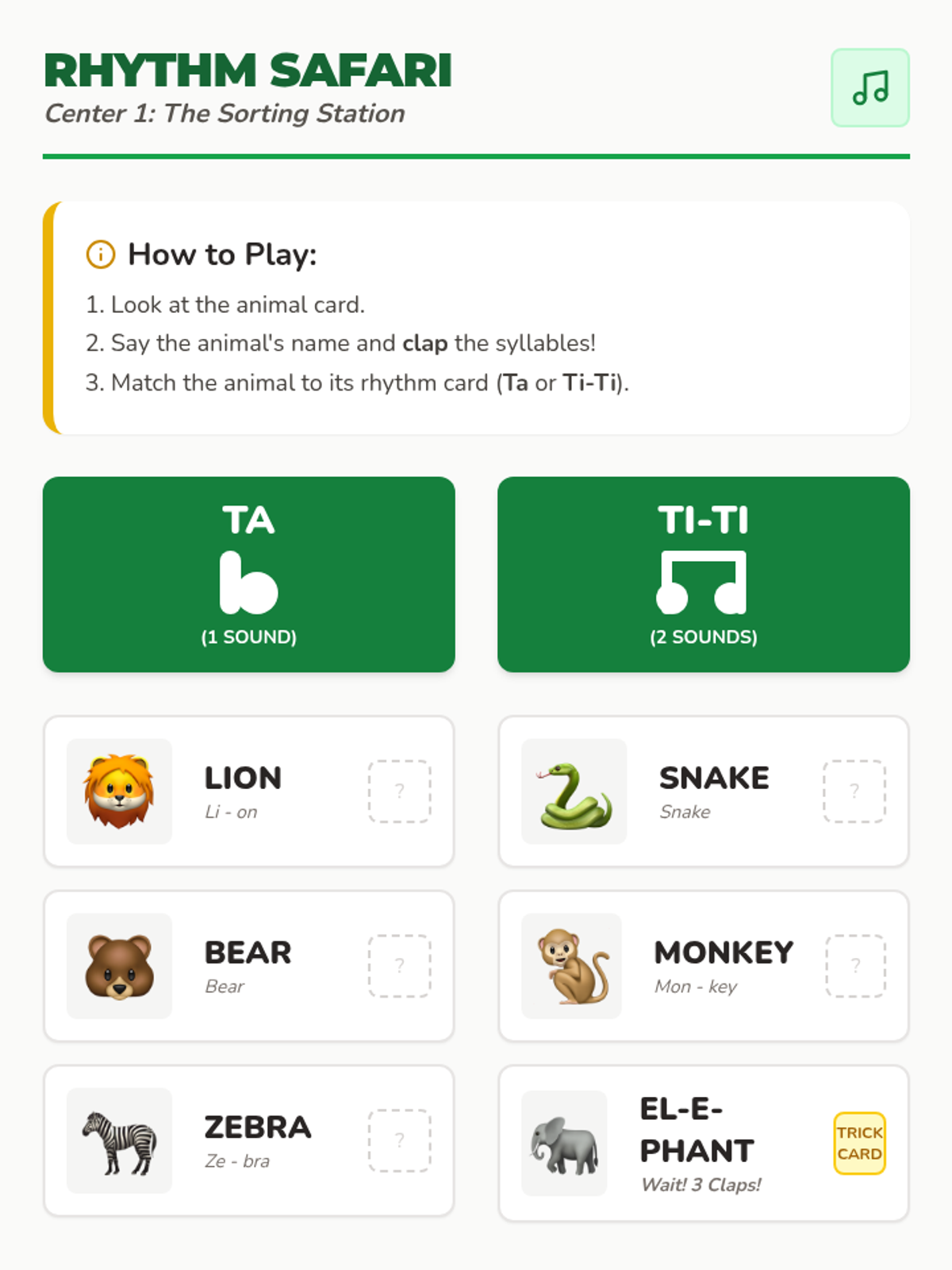
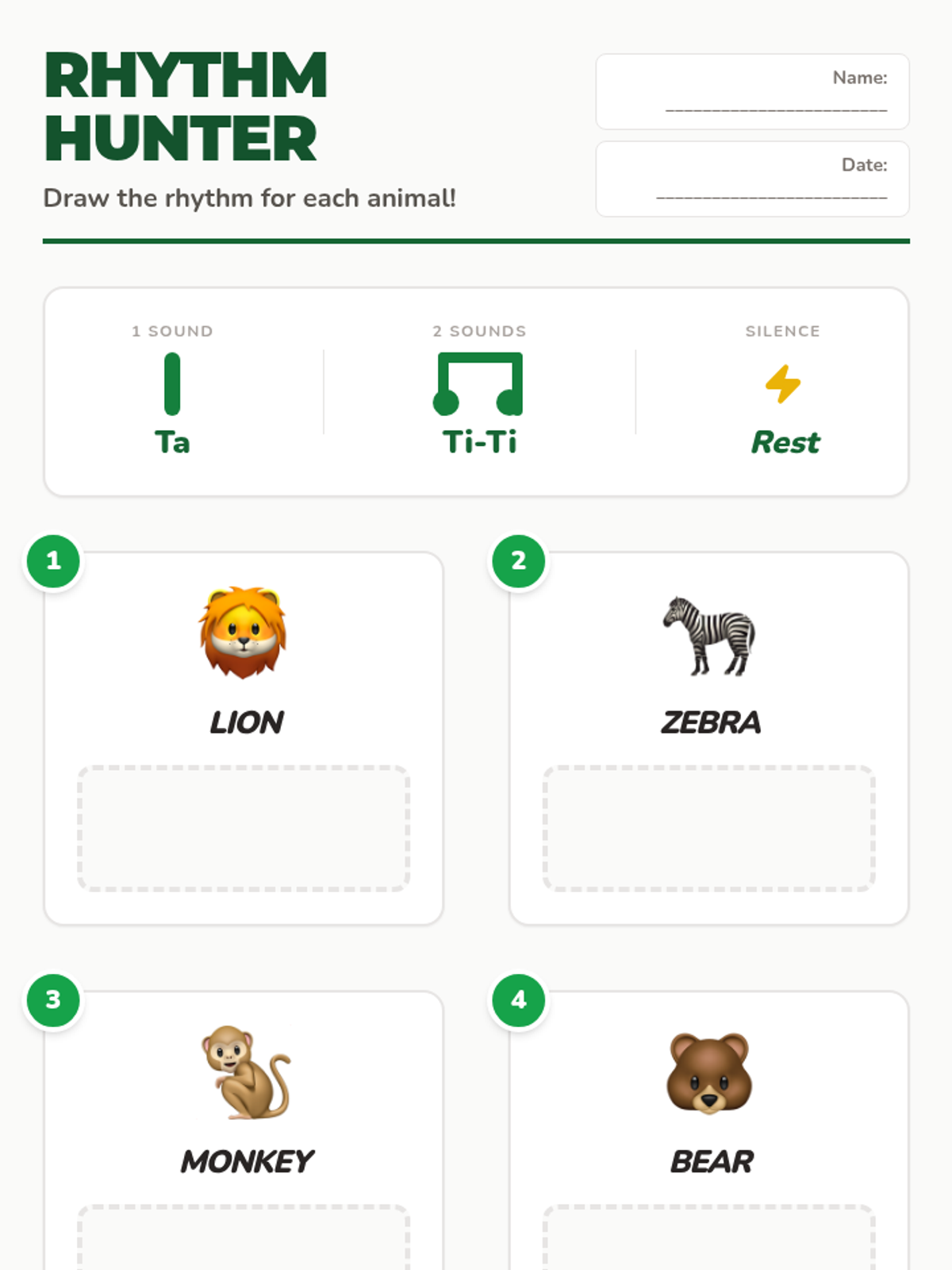
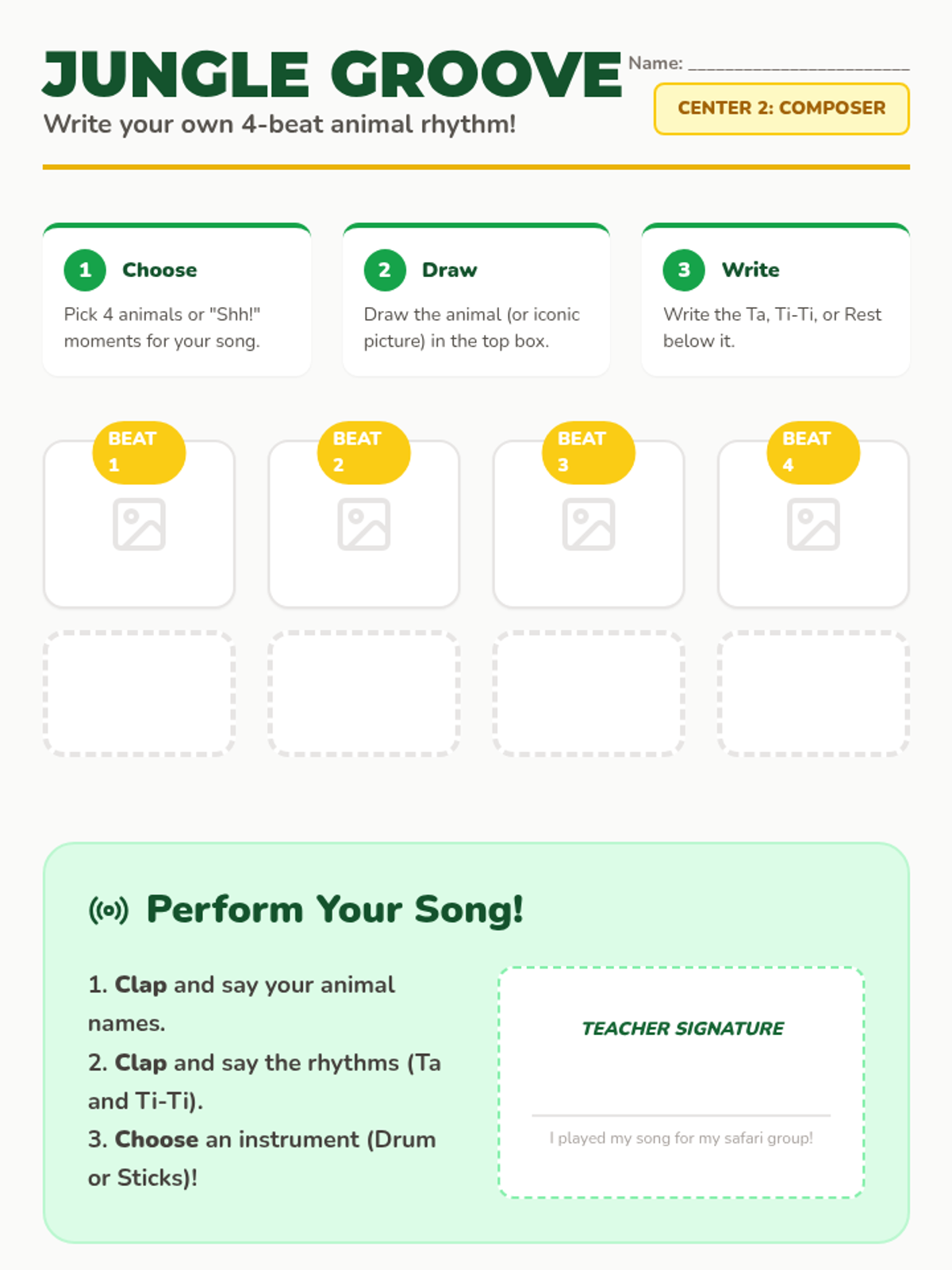
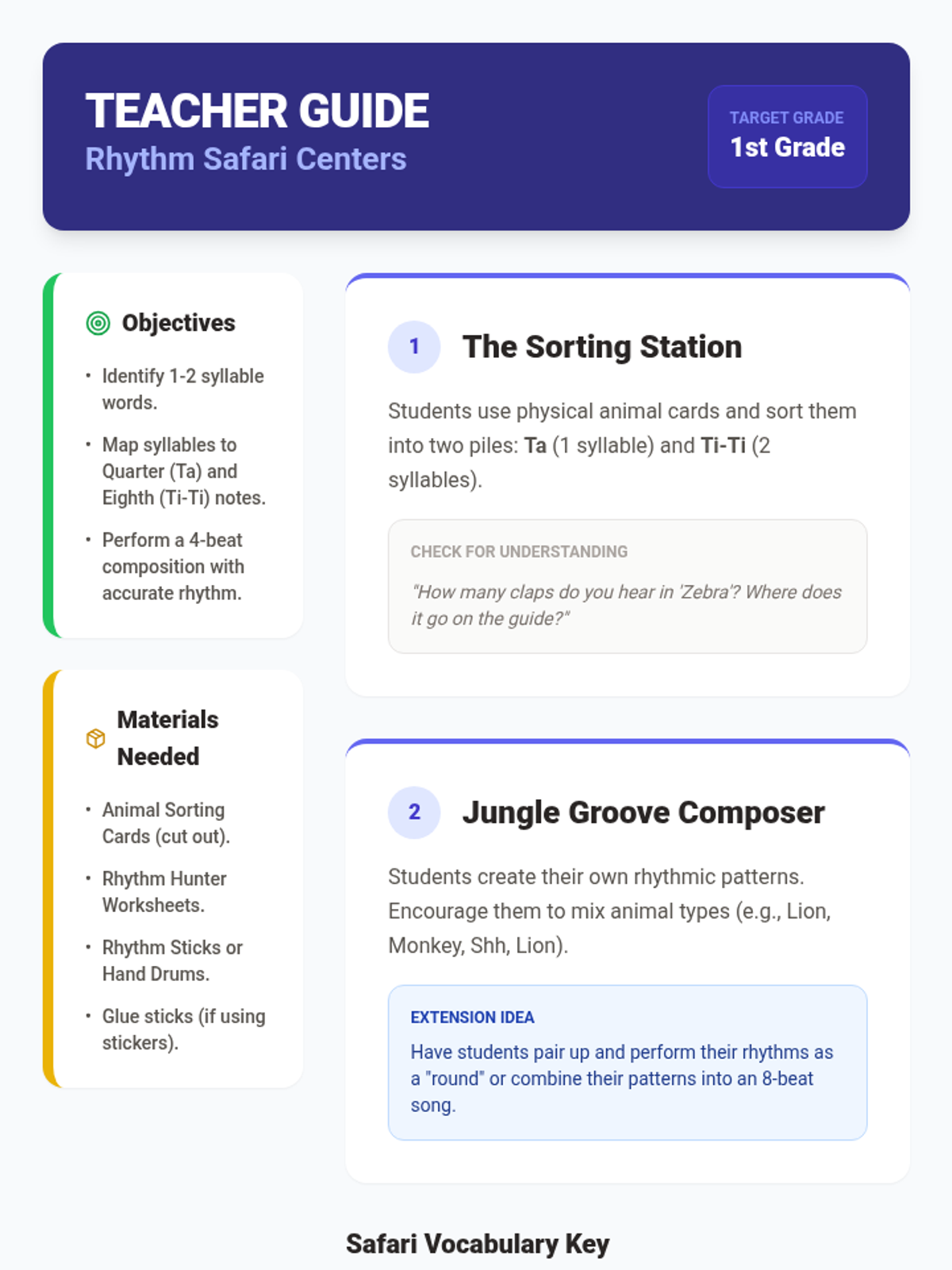
A series of music center activities for first graders to connect word syllables to rhythmic notation (Ta and Ti-Ti) through a zoo animal theme. Students will sort animal names by rhythm and create their own rhythmic patterns.
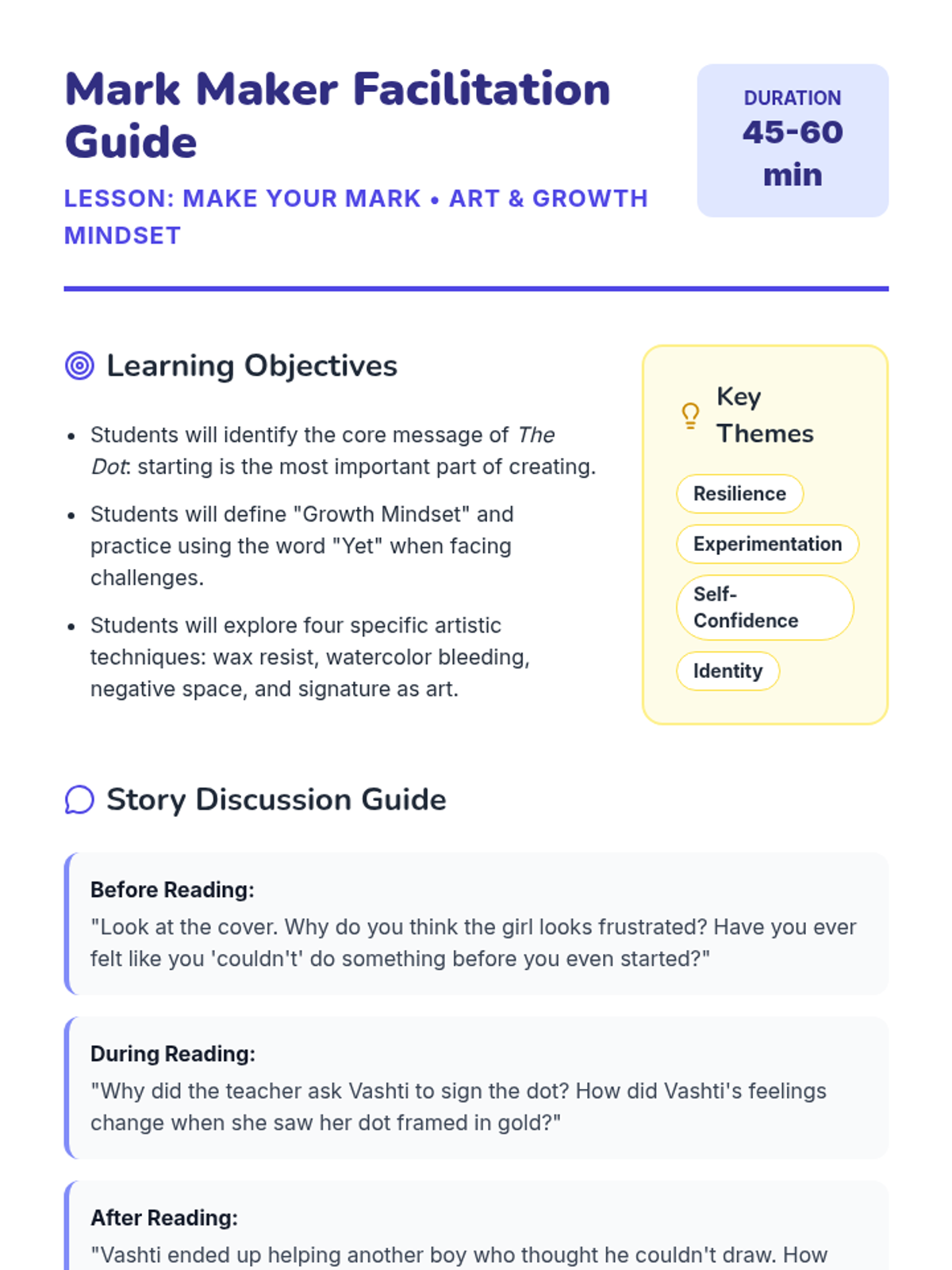
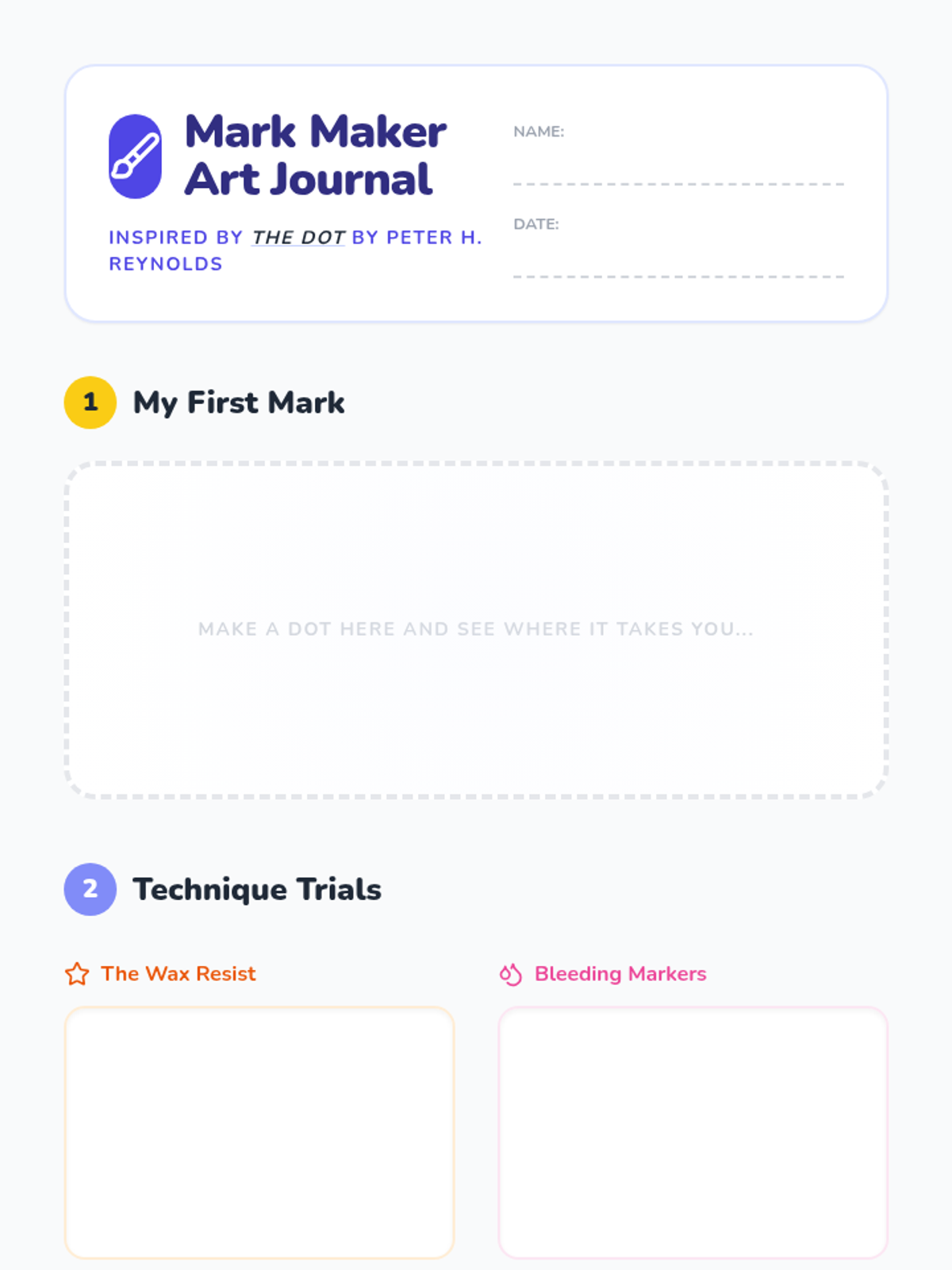
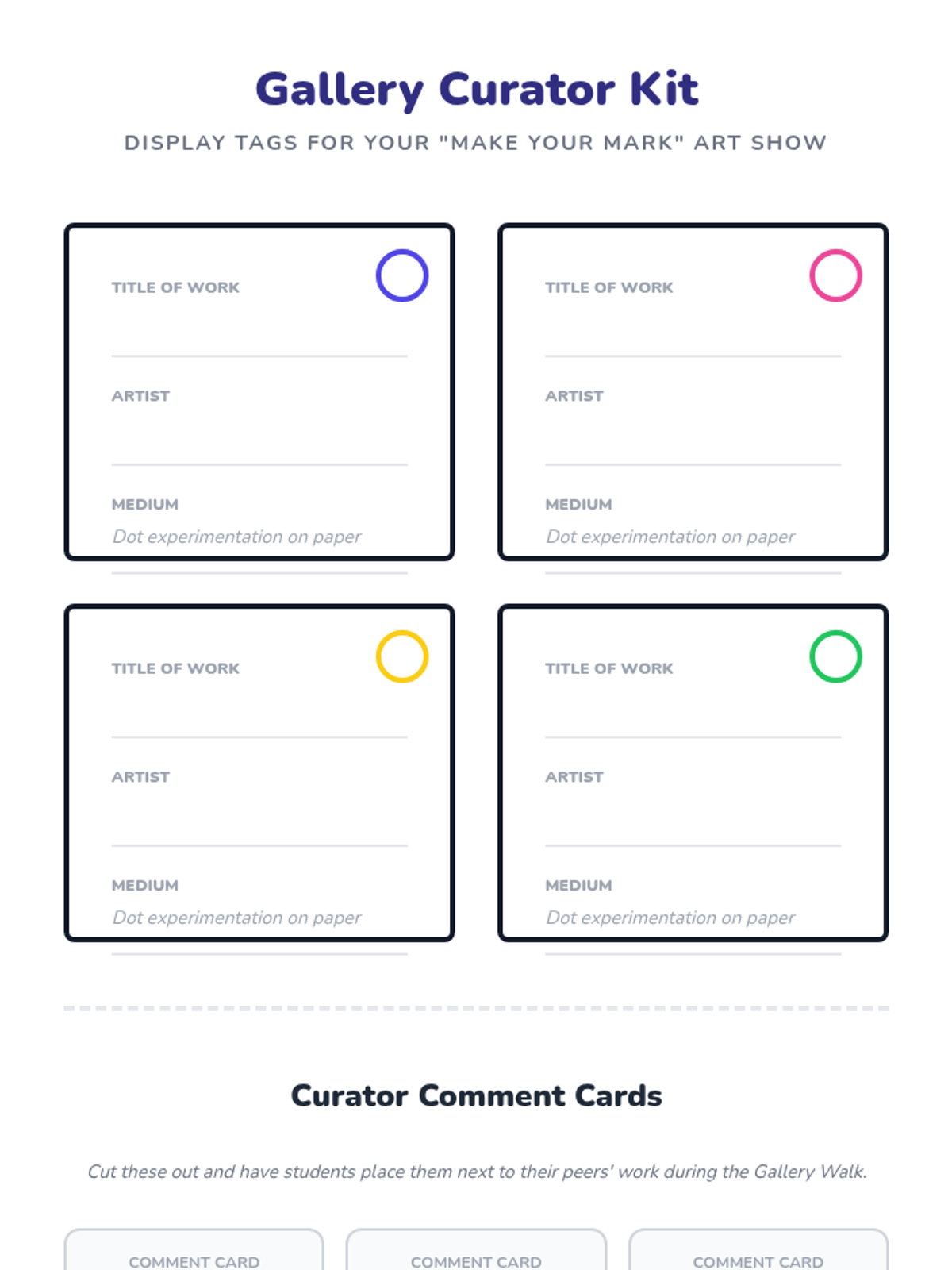
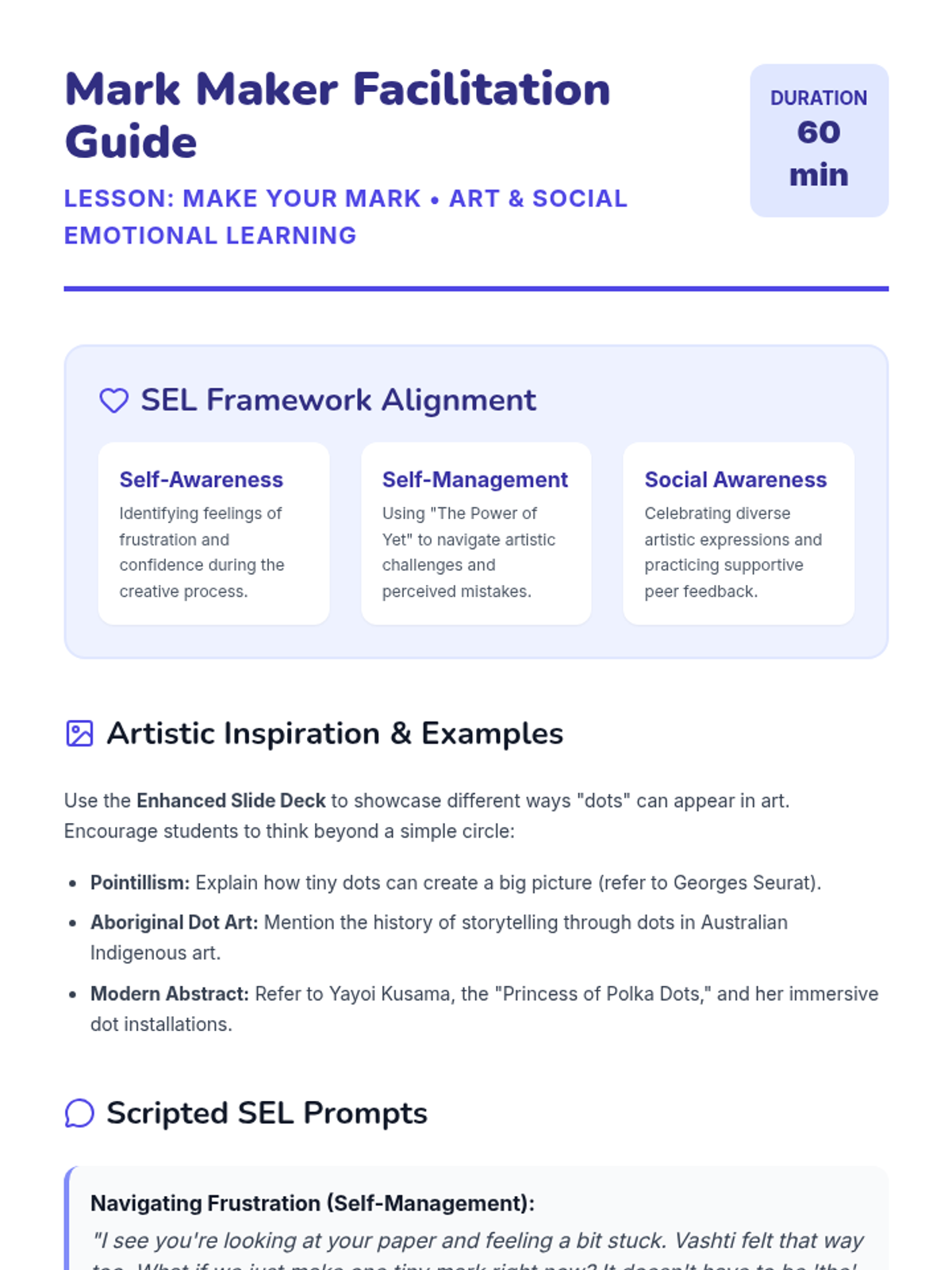
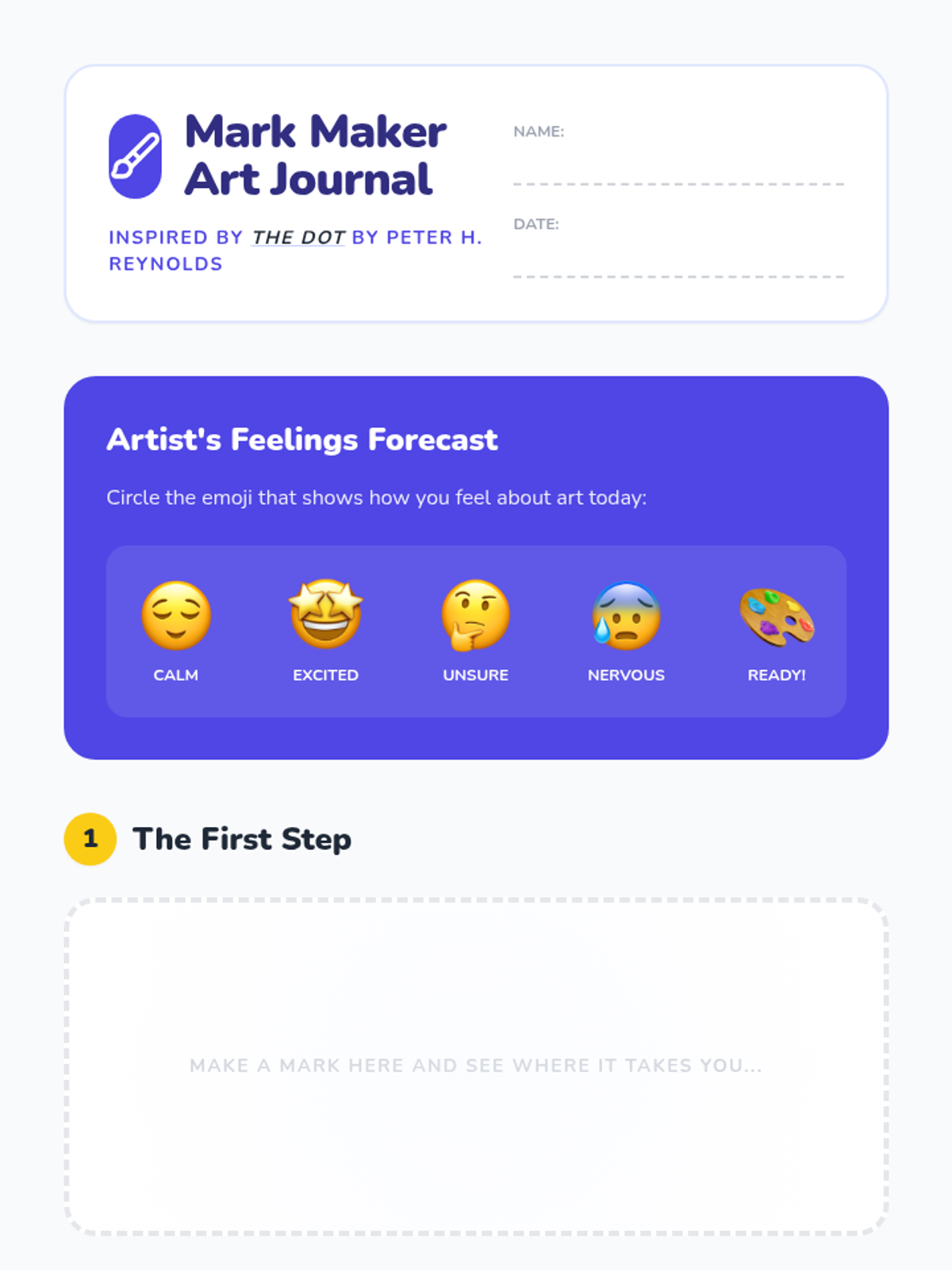
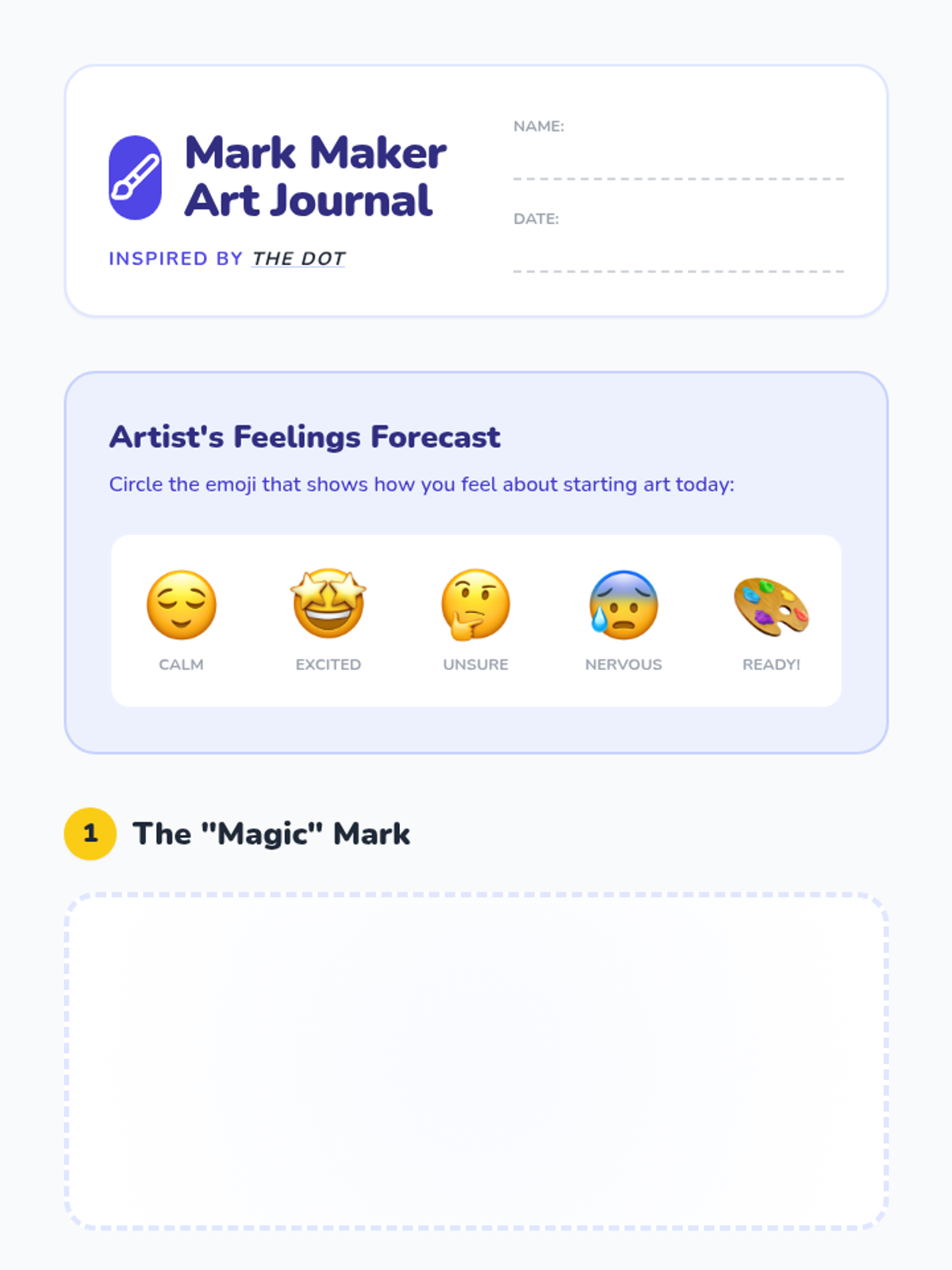
A creative art lesson inspired by 'The Dot' by Peter H. Reynolds, focusing on growth mindset and artistic experimentation. Students will learn that 'making your mark' starts with just one small step.
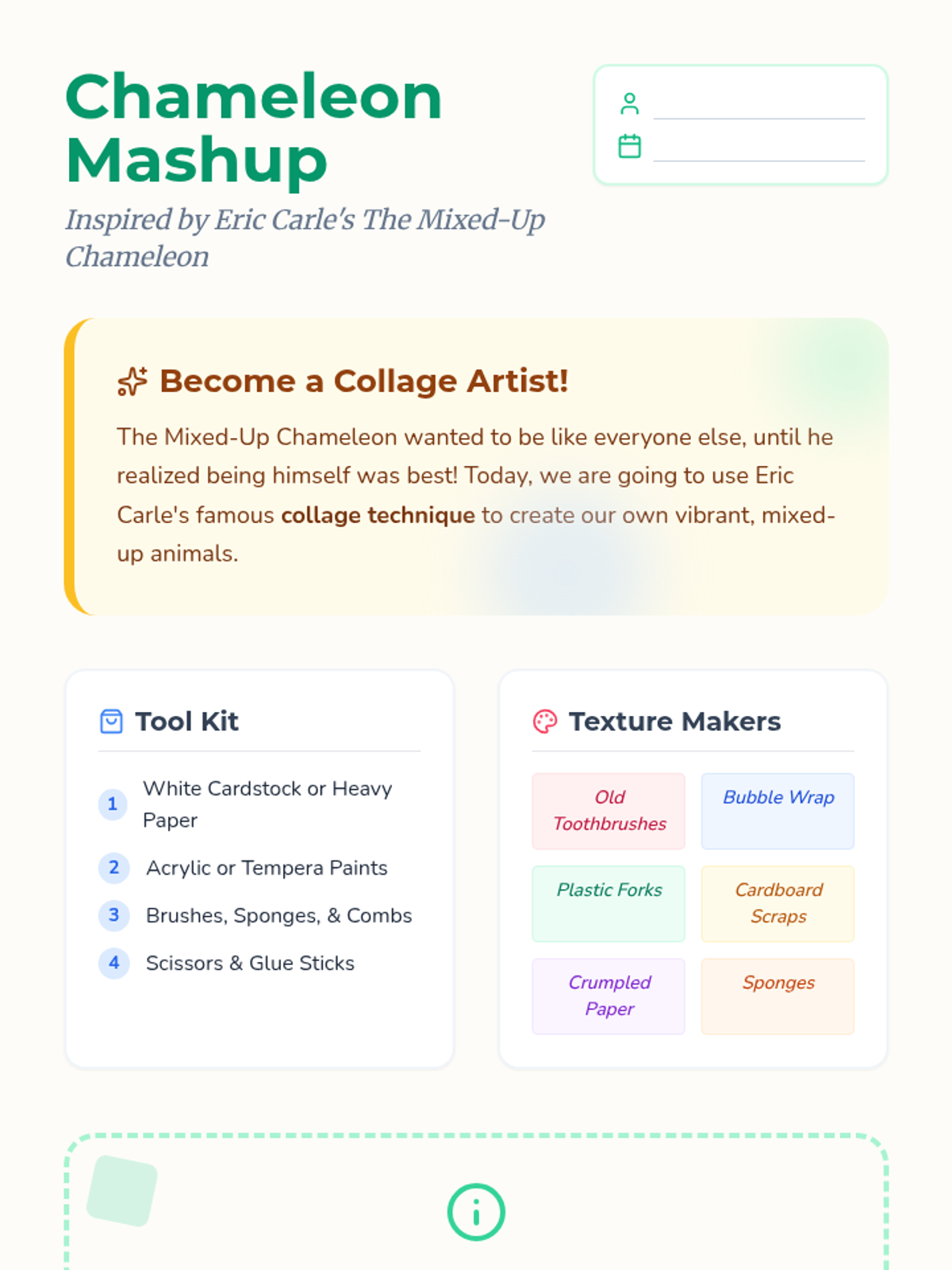
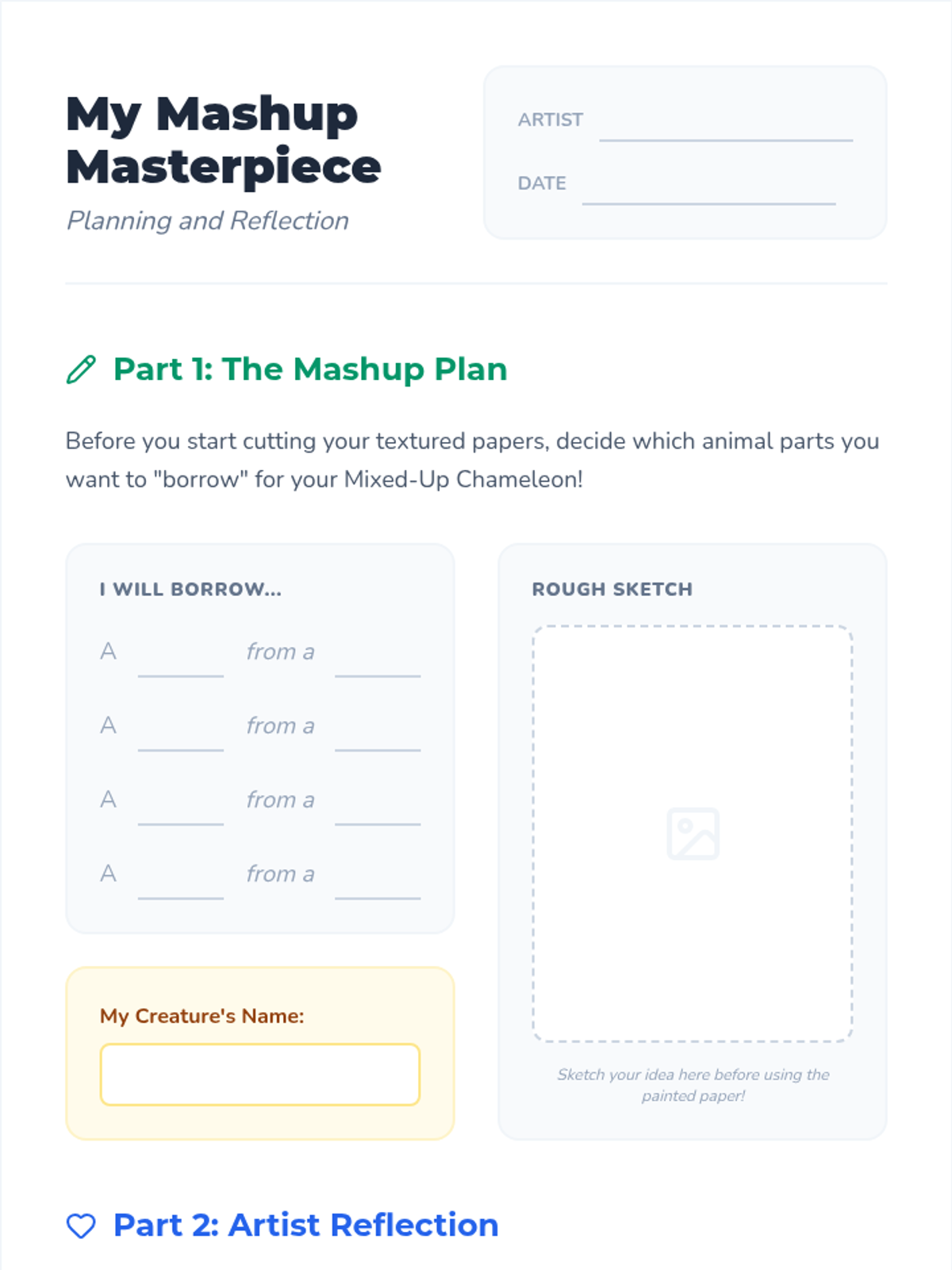
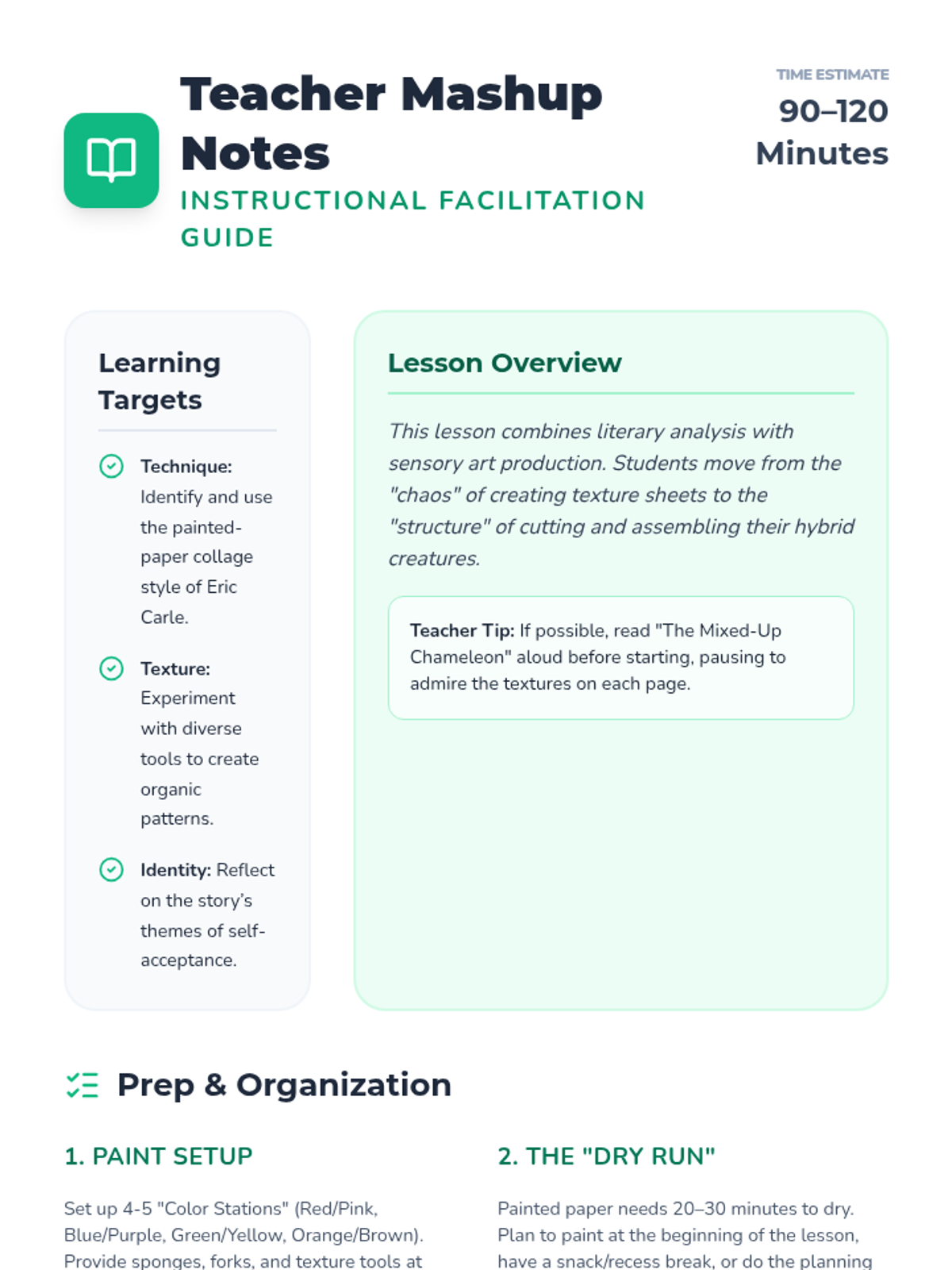
A creative art lesson where students explore identity and diversity by creating their own mixed-up animals inspired by Eric Carle's colorful collage style. Students will learn the 'painted paper' technique to create vibrant textures.
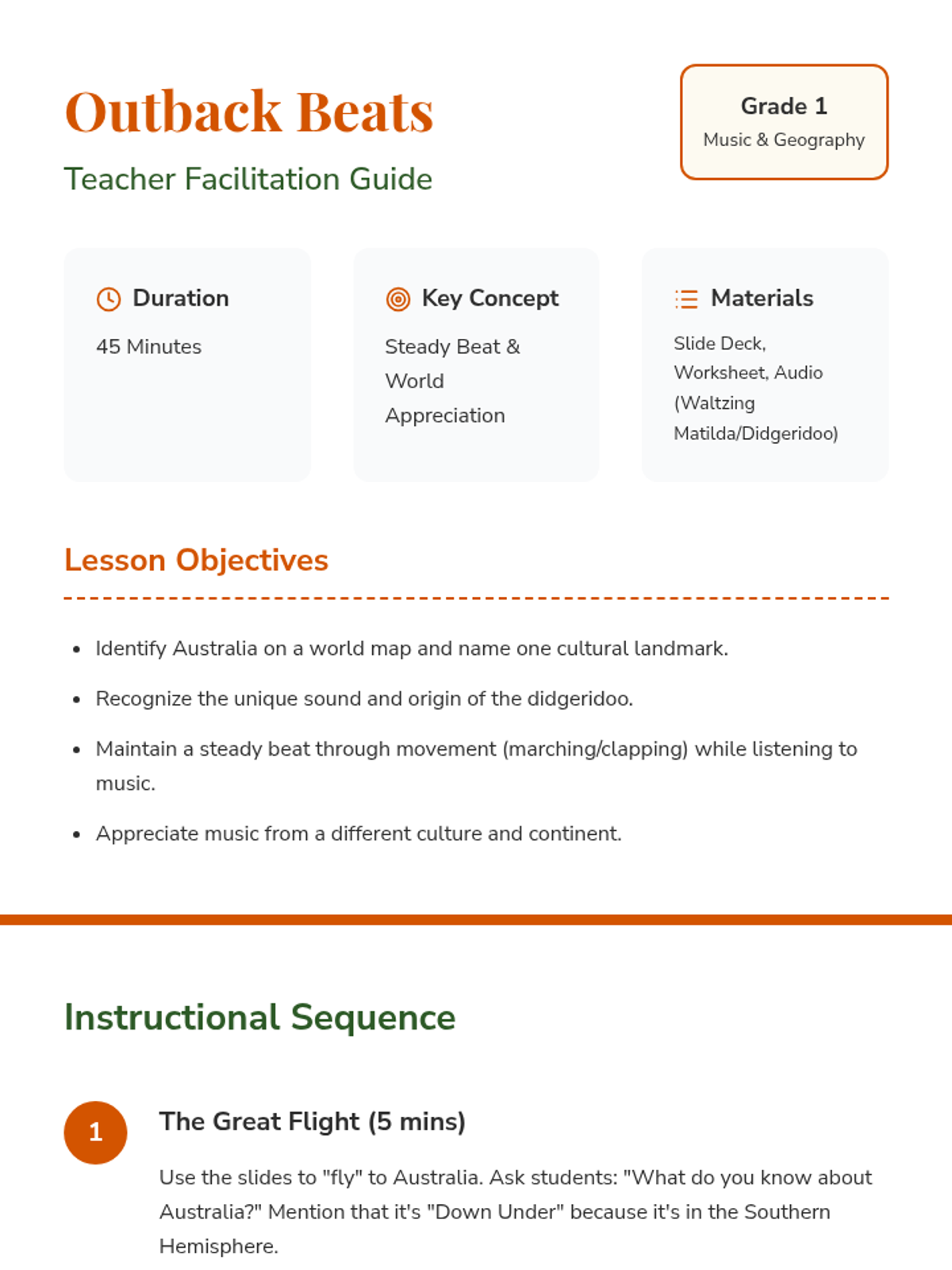
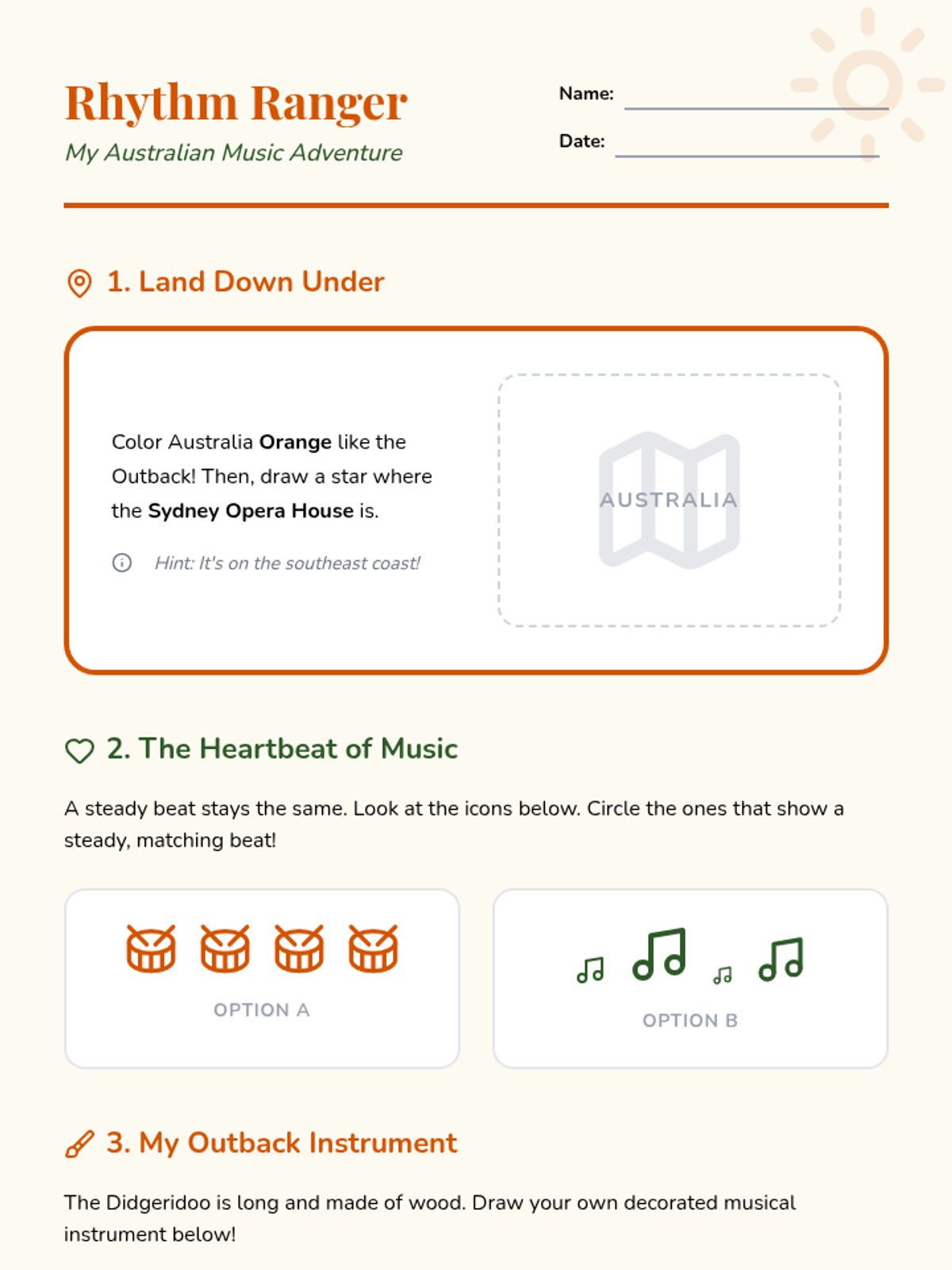
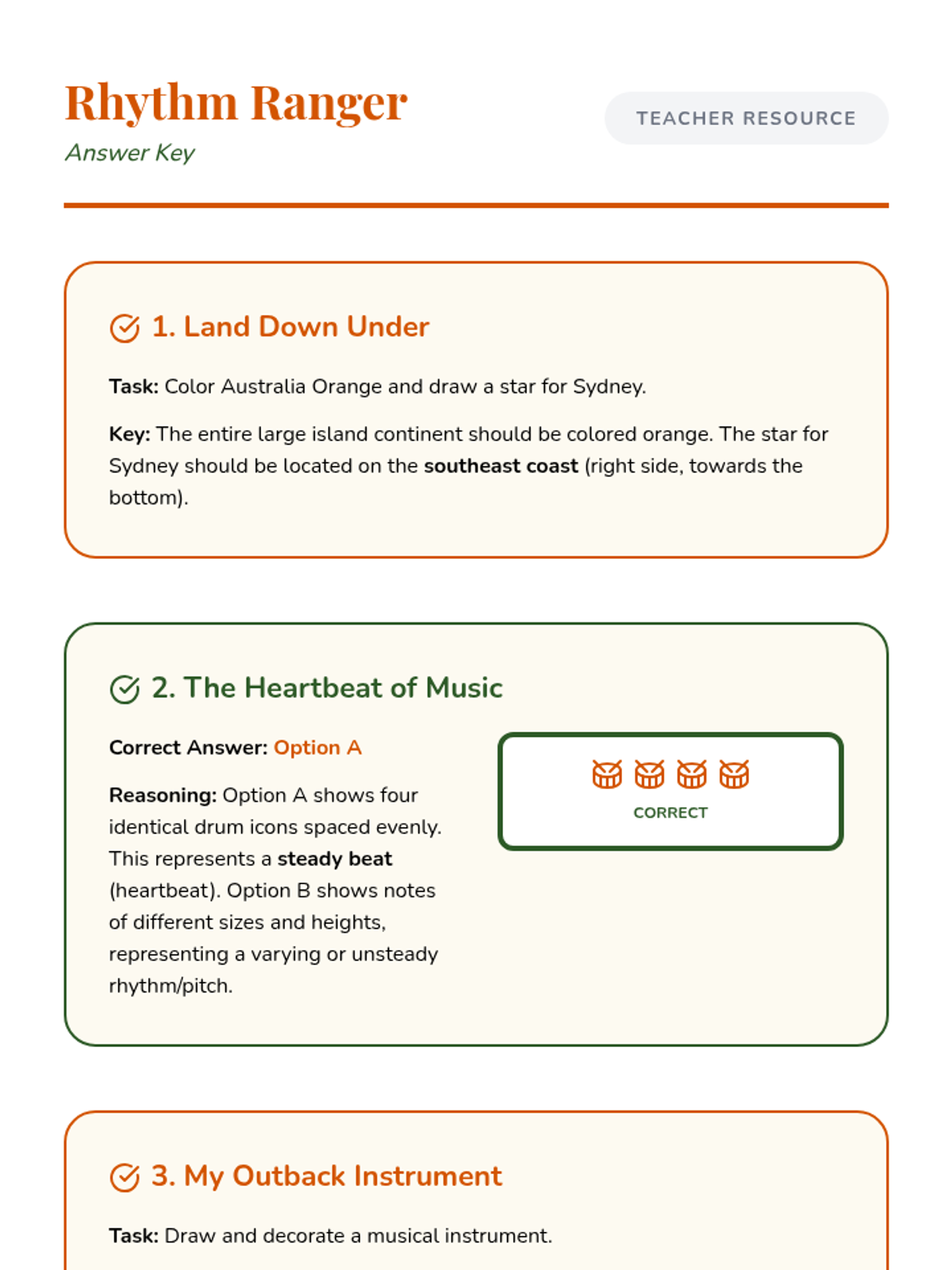
A first-grade introduction to Australian music and culture, focusing on the didgeridoo, the folk classic 'Waltzing Matilda', and maintaining a steady beat through movement and listening.