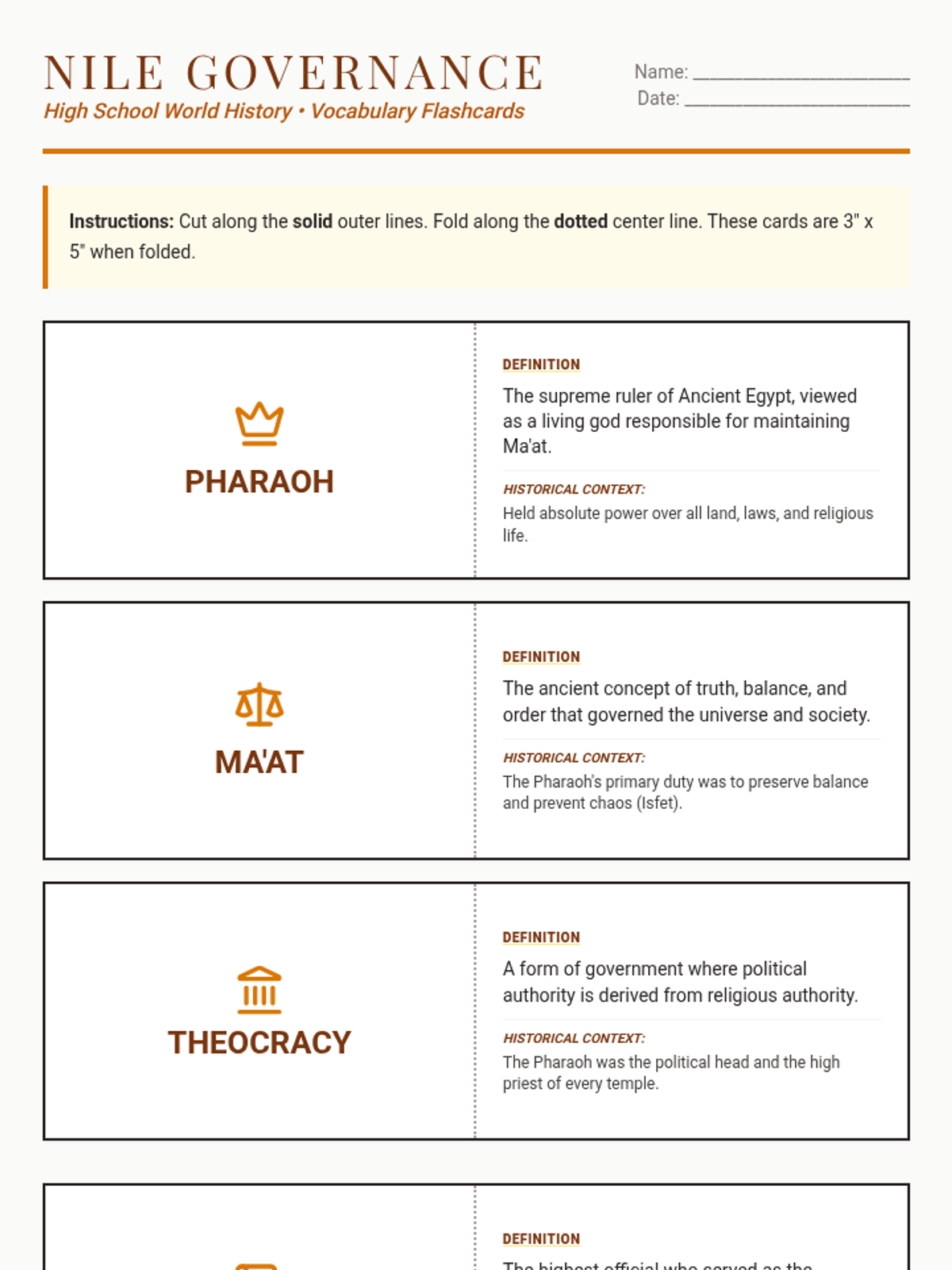
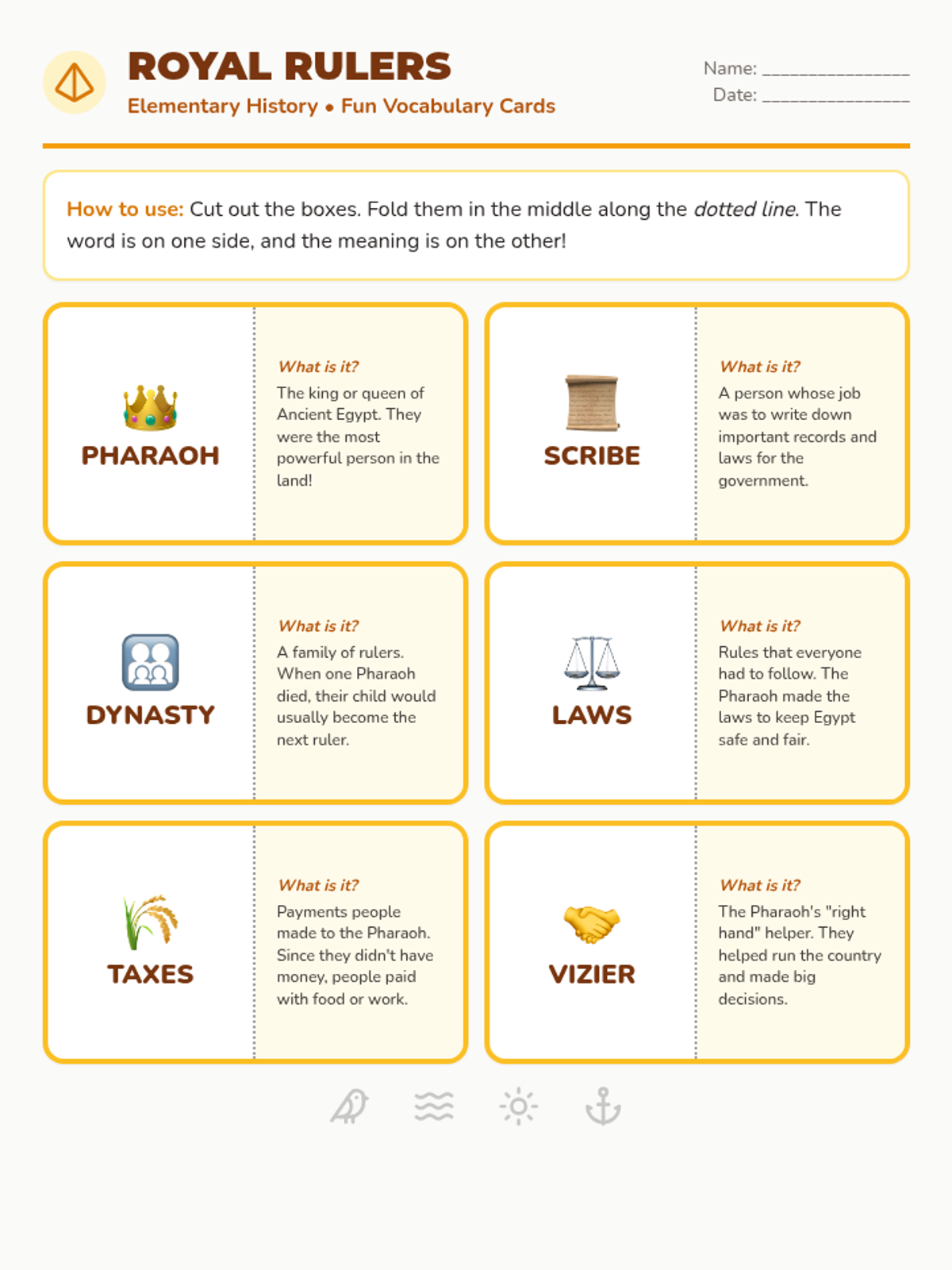
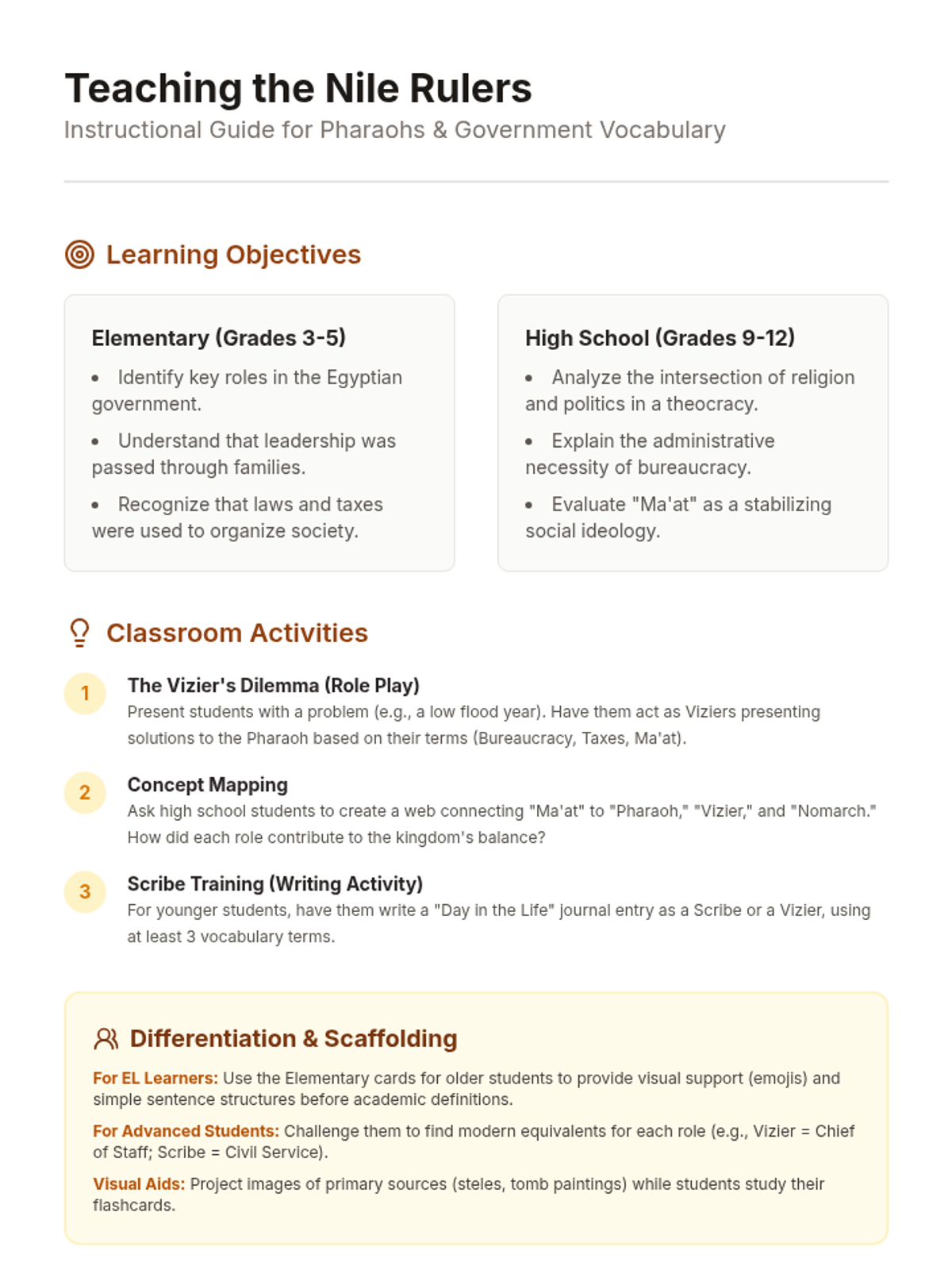
A intensive 7-day study of global political systems, comparing the U.S. model to monarchies, theocracies, tribal governments, and more, concluding with an analysis of presidential vs. parliamentary systems.
A comprehensive lesson exploring how the U.S. Constitution changes informally through legislation, executive action, court decisions, and custom. Students will analyze the 'living document' concept and how original principles adapt to modern needs.
A short practice session focused on analyzing the Industrial Revolution through STAAR-style summarization questions, covering urbanization, technology, and social changes.
Students will explore the frameworks of environmental policy in the United States, focusing on the Clean Air Act, Clean Water Act, and the enforcement role of the EPA. The lesson includes a presentation, student dossier, and assessment tools.
A comprehensive framework mapping cross-curricular skills across Grade 11 core subjects: English 3, US History, Chemistry, and Algebra 2. This resource provides a matrix of TEKS alignments and high-impact activity suggestions to foster interdisciplinary learning.
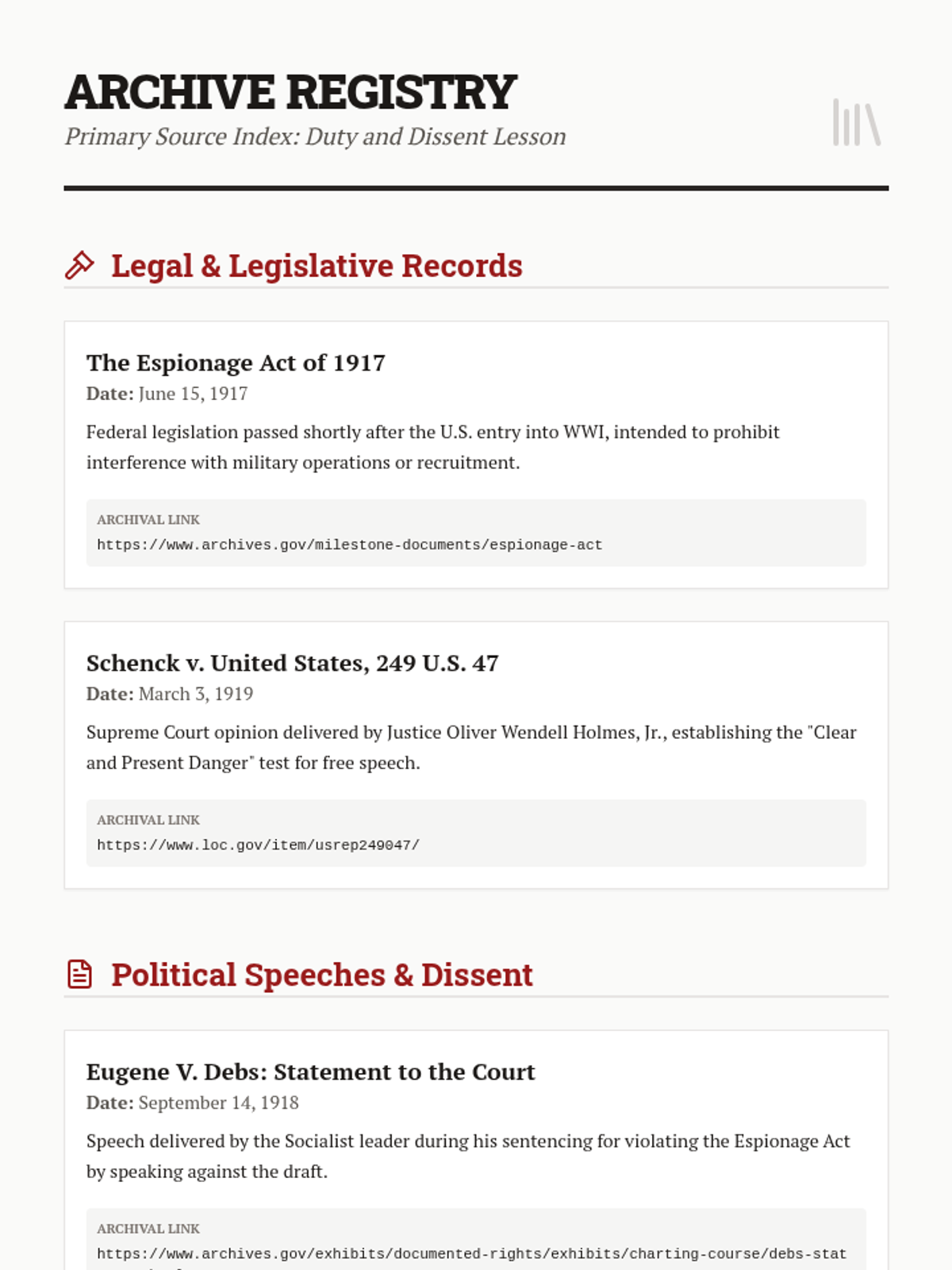
A lesson focused on the debates and compromises of the Constitutional Convention, highlighting the differing perspectives of Federalists and Anti-Federalists through primary source analysis and summarizing.
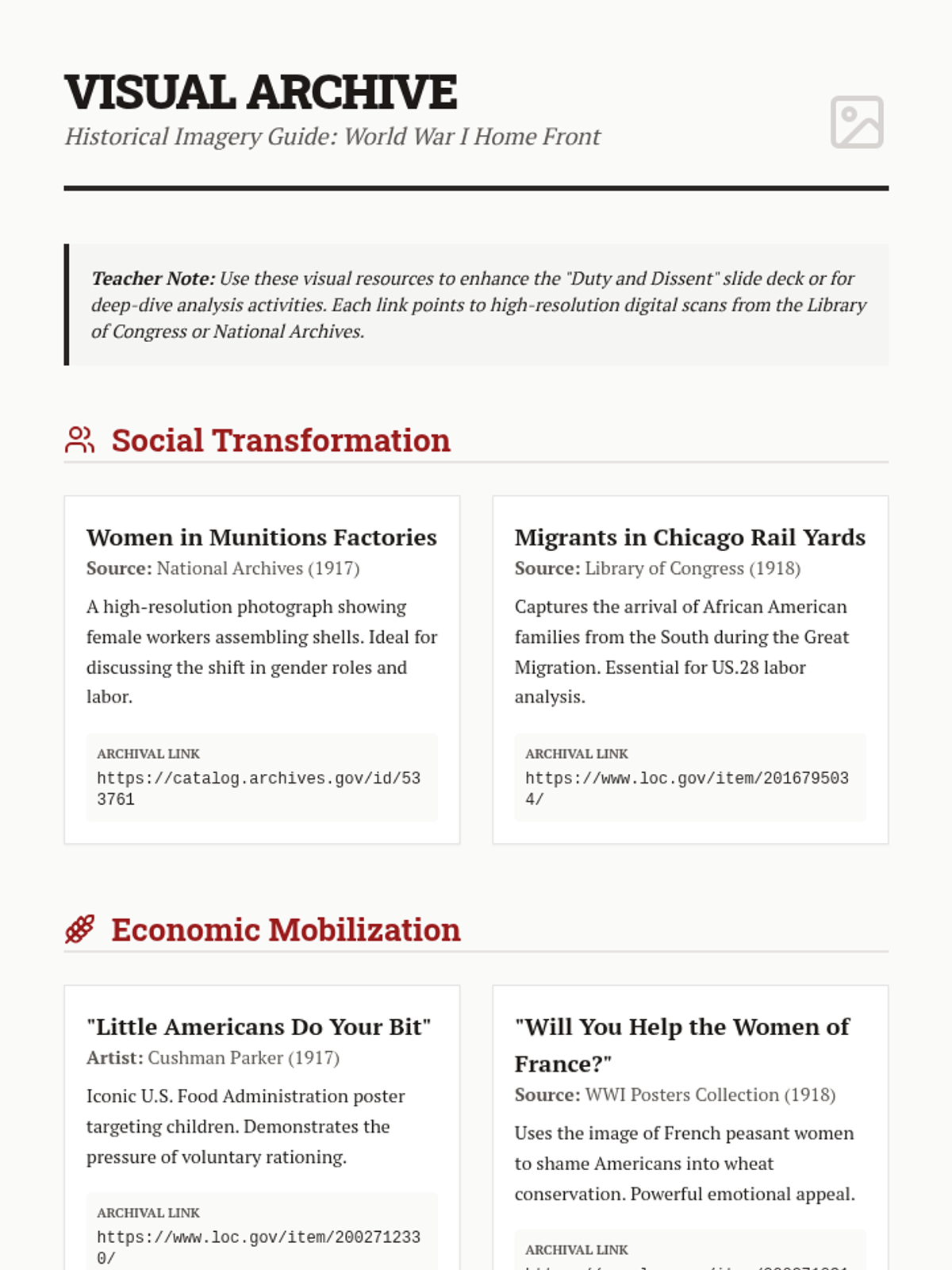
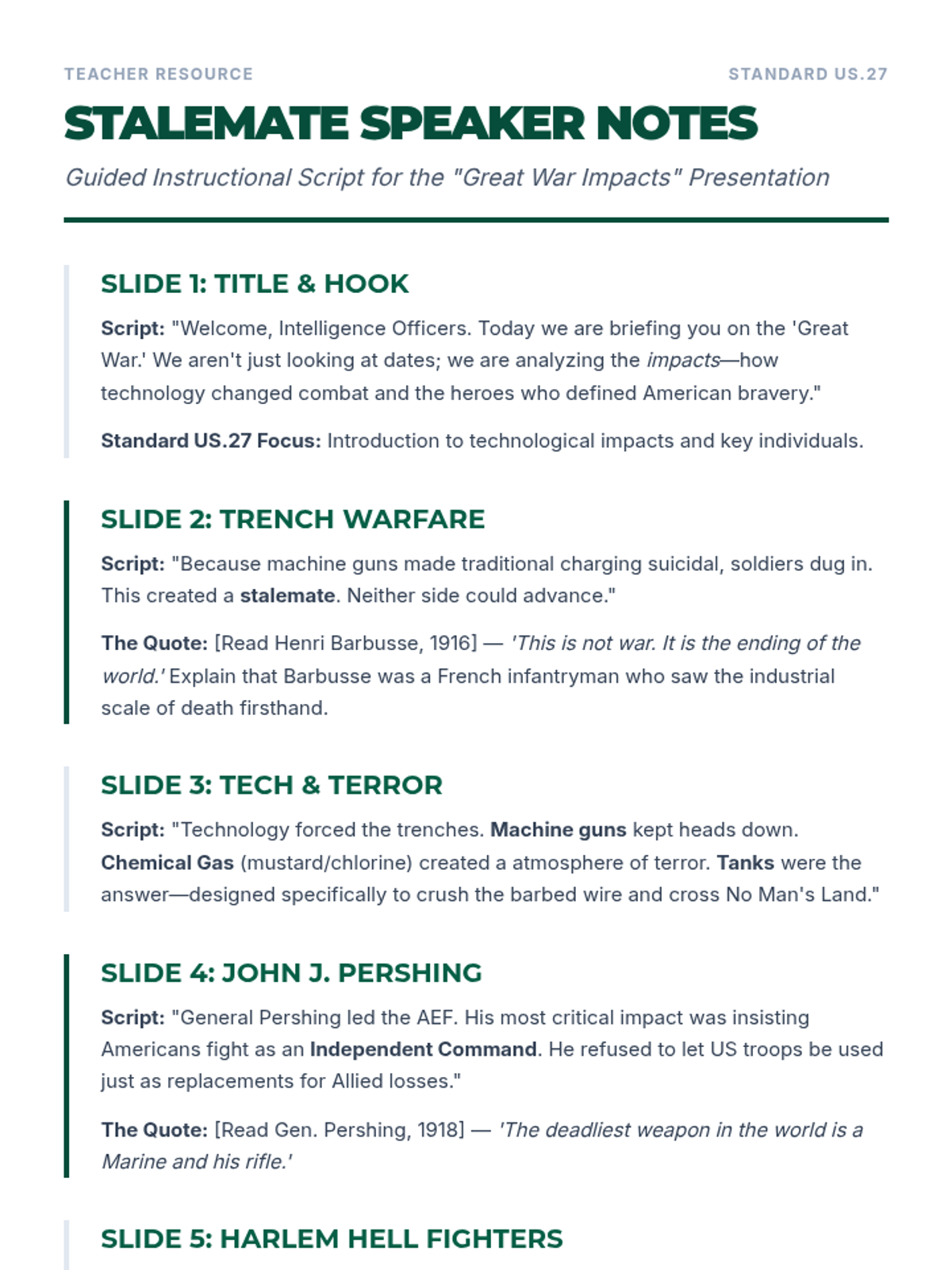
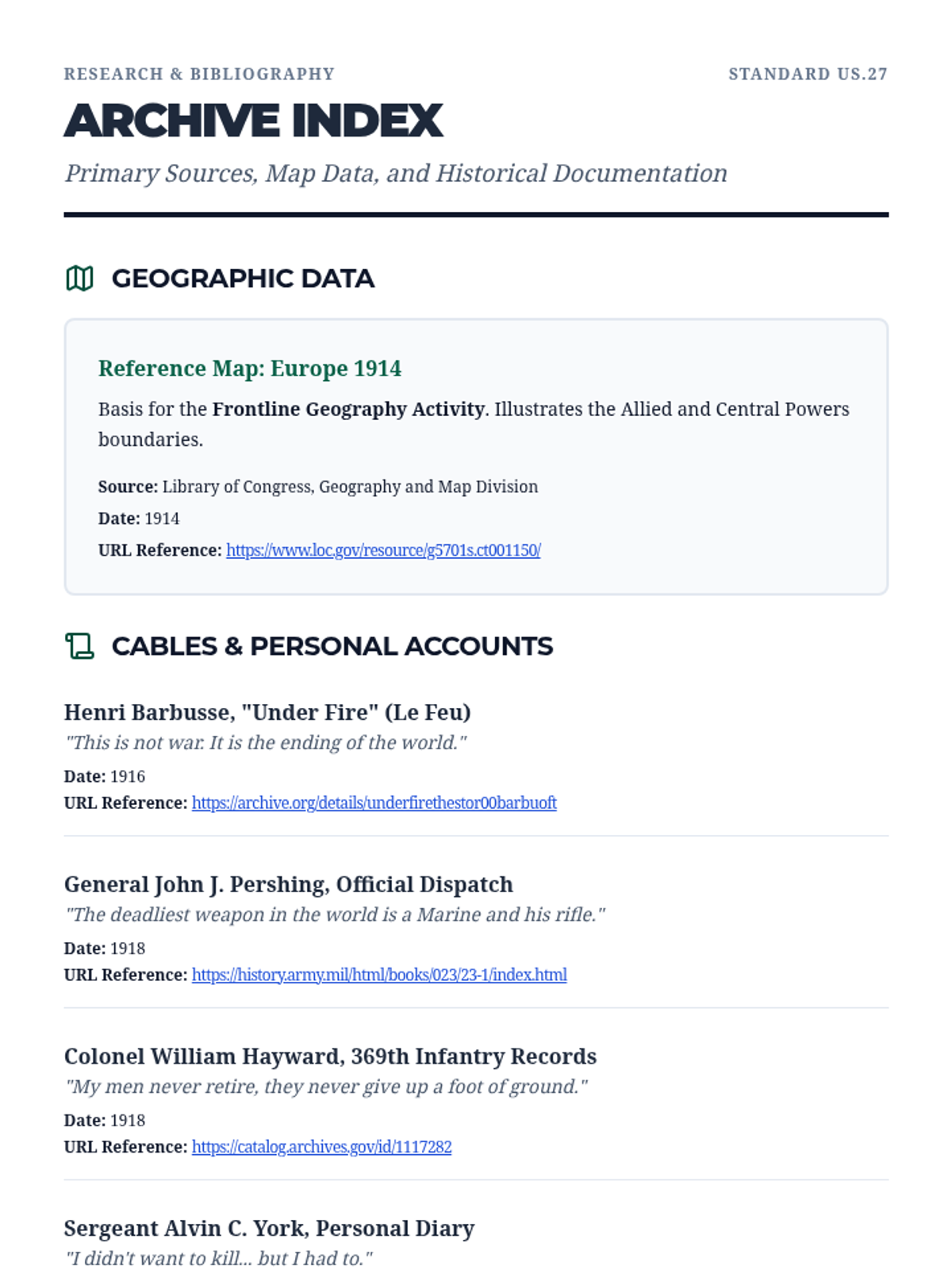
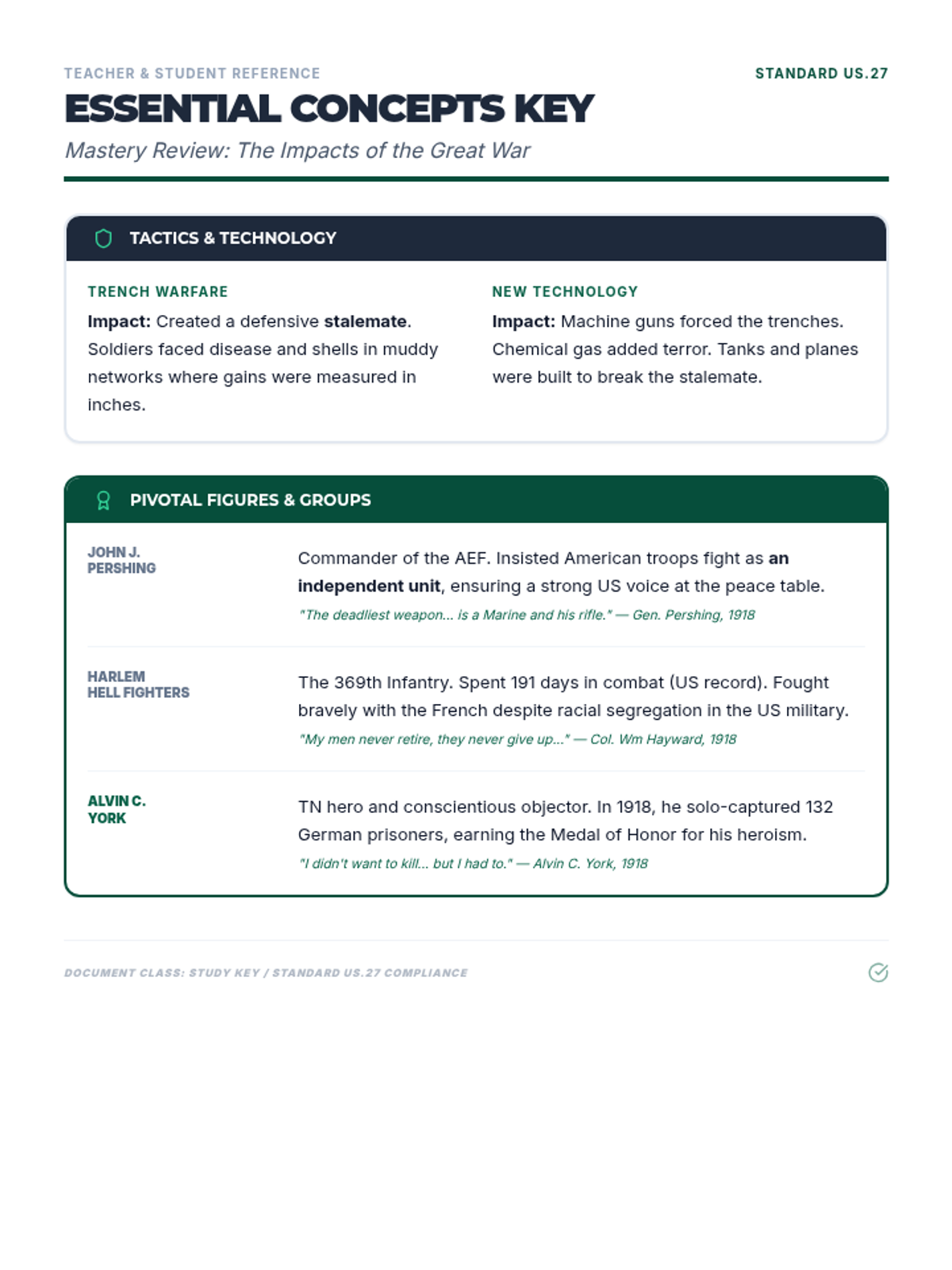
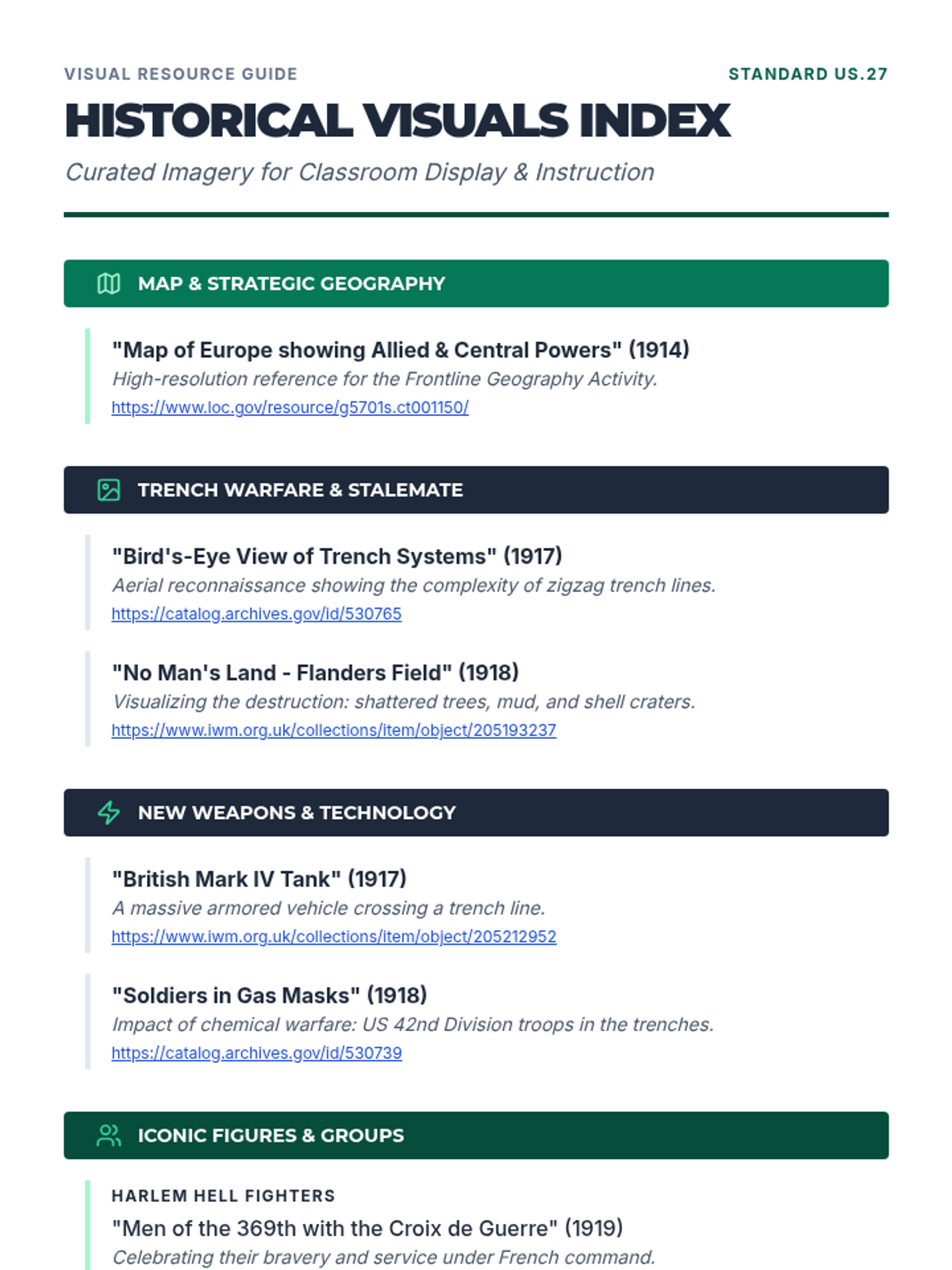
A deep dive into the Battle of Verdun, focusing on the war of attrition, military strategy, and the psychological impact on soldiers during World War I.
An in-depth exploration of the atomic bombings of Hiroshima and Nagasaki, covering the Manhattan Project, the tactical decisions, the human impact, and the global legacy of the nuclear age.