Students will explore the frameworks of environmental policy in the United States, focusing on the Clean Air Act, Clean Water Act, and the enforcement role of the EPA. The lesson includes a presentation, student dossier, and assessment tools.
An exploration of thermal pollution, its industrial and environmental causes, and its devastating effects on aquatic biodiversity and oxygen levels. Students analyze case studies to understand the real-world impact of temperature shifts in water systems.
A 45-minute lesson exploring how we measure light pollution and its profound impact on marine ecosystems, habitat connectivity, and predator-prey relationships. Students analyze case studies of sea turtles and nocturnal hunters to understand the ecological cost of a world that never gets dark.
A comprehensive lesson exploring noise pollution, its measurement in decibels, and its diverse impacts on ecosystems, urban policy, and schools.
A comprehensive lesson exploring how the U.S. Constitution changes informally through legislation, executive action, court decisions, and custom. Students will analyze the 'living document' concept and how original principles adapt to modern needs.
A short practice session focused on analyzing the Industrial Revolution through STAAR-style summarization questions, covering urbanization, technology, and social changes.
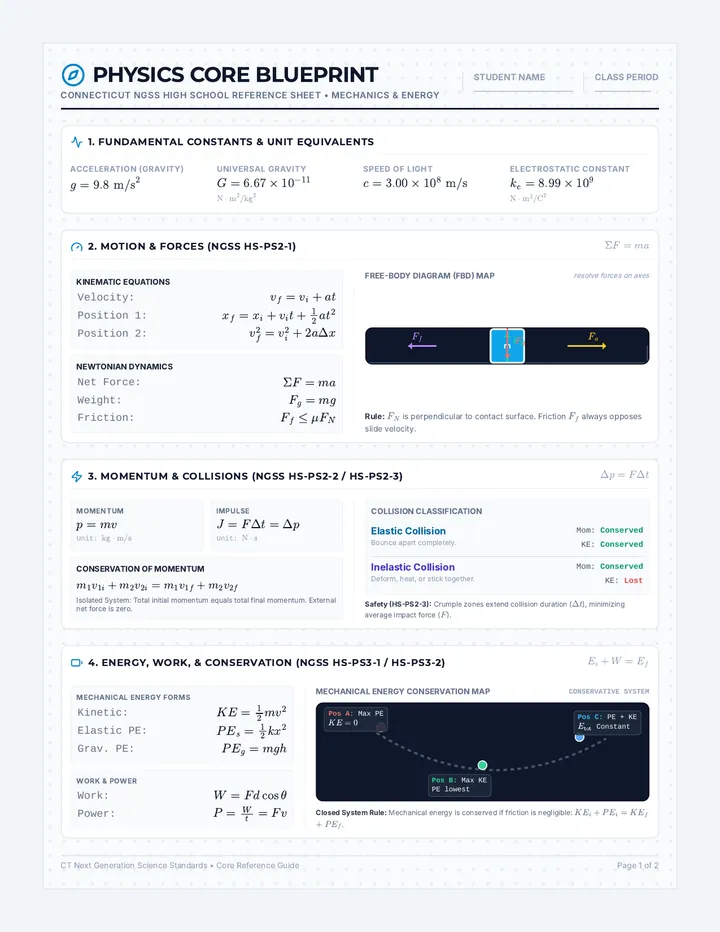
A foundational exploration of speed, motion, and the various forms of energy, focusing on the relationship between kinetic and potential energy.
A lesson focused on the debates and compromises of the Constitutional Convention, highlighting the differing perspectives of Federalists and Anti-Federalists through primary source analysis and summarizing.
A comprehensive sub plan focusing on hardware basics, cybersecurity, and the impact of computing through a hands-on 'Human Computer' unplugged simulation.
A deep dive into the Battle of Verdun, focusing on the war of attrition, military strategy, and the psychological impact on soldiers during World War I.
An in-depth exploration of the atomic bombings of Hiroshima and Nagasaki, covering the Manhattan Project, the tactical decisions, the human impact, and the global legacy of the nuclear age.
A focused look at the events surrounding the atomic bombings of Hiroshima and Nagasaki, concluding with a student timeline project.
A comprehensive project where students create a slideshow presentation chronicling the events, impact, and ethical debates surrounding the atomic bombings of Hiroshima and Nagasaki.
A comprehensive lesson on the U.S. Constitution's amendment process and the Bill of Rights, featuring a chunked reader, instructional slides, and formative assessments. Students will analyze how the Constitution adapts to changing times while protecting fundamental liberties.
A hands-on investigation using cyanotype paper to explore UV radiation and the effectiveness of various blockers, including sunscreens and physical objects. Students will practice the scientific method by designing their own variable tests and analyzing the resulting prints.
A comprehensive lesson exploring the foundational principles of the U.S. Constitution, including popular sovereignty, limited government, federalism, separation of powers, and checks and balances. Students will engage with a chunked reader featuring scaffolded annotations and discussion prompts to analyze how these principles prevent tyranny.
A comprehensive review of how plant and animal systems interact to maintain homeostasis and respond to the environment, including a comparison of viral and cellular structures based on unit exam standards.
A simulation-based lesson where students step into the roles of Constitutional Convention delegates to debate and resolve the crisis of state representation.
A four-station rotation activity covering African geography, culture, and innovation. Students rotate through literary analysis, conflict case studies, technological impact mapping, and a geography-themed speaking game.
An engaging, project-based lesson exploring the Bill of Rights through a mock constitutional debate. Students analyze the first ten amendments and apply them to contemporary legal challenges.
Strategic frameworks and data analysis tools for monitoring whole-group progress on STAAR vocabulary retention and mastery.
Una sesión práctica de 60 minutos que integra los fundamentos de la programación orientada a objetos en Python con la persistencia de datos mediante el manejo de archivos (File I/O).
An introductory overview of blockchain security vulnerabilities, focusing on the mechanics and consequences of a 51% attack on decentralized networks.
En esta lección, los estudiantes aprenderán a transformar aplicaciones estáticas en interfaces interactivas mediante el uso de TouchableHighlight y la actualización del estado (setState) en React Native dentro del entorno CodeHS.
A comprehensive set of practice problems covering the six fundamental gas laws: Boyle's, Charles's, Gay-Lussac's, Ideal, Combined, and Dalton's law of partial pressures.
A set of vocabulary posters focused on key terms from the Constitutional Convention, including government structures, legislative roles, and foundational principles like compromise and federalism.
A comprehensive lesson exploring the rapid transformation of Japan during the Meiji Restoration through visual analysis and project-based learning. Students analyze primary source images to understand shifts in industry, politics, and culture.
A final cumulative assessment for the Foundations of Freedom remediation packet, measuring student mastery of TEKS 1 and 12B through multiple-choice questions and a comprehensive essay.