Founding Debates Answer Key
An answer key and teacher resource for the Founding Debates Practice worksheet, including rationales for correct answers and instructional tips for teaching the skill of summarizing.
Founding Debates Practice Challenge Single Page Updated V2
A practice worksheet containing four STAAR-style multiple choice questions based on primary source excerpts from the Federalist and Anti-Federalist papers, optimized to fit on a single page with 0.5 inch margins.
Founding Debates Practice Final V2
A practice worksheet containing three STAAR-style multiple choice questions and a key vocabulary box, based on primary source excerpts from the Federalist and Anti-Federalist papers.
Founding Debates Answer Key V2
An answer key and teacher resource for the 3-question Founding Debates Practice worksheet, including rationales for correct answers and instructional tips.
Founding Debates Practice Final V2 Updated Vocab
A practice worksheet containing three STAAR-style multiple choice questions and an expanded key vocabulary box, based on primary source excerpts from the Federalist and Anti-Federalist papers.
Founding Debates Practice Final V2 Updated Vocab V2
A practice worksheet containing three STAAR-style multiple choice questions and an expanded key vocabulary box, specifically reviewed and updated for a 9th/10th grade accessibility level.
Founding Debates Final Answer Key
A comprehensive answer key and facilitation guide for the 3-question Founding Debates practice worksheet, tailored for 9th and 10th-grade instruction.
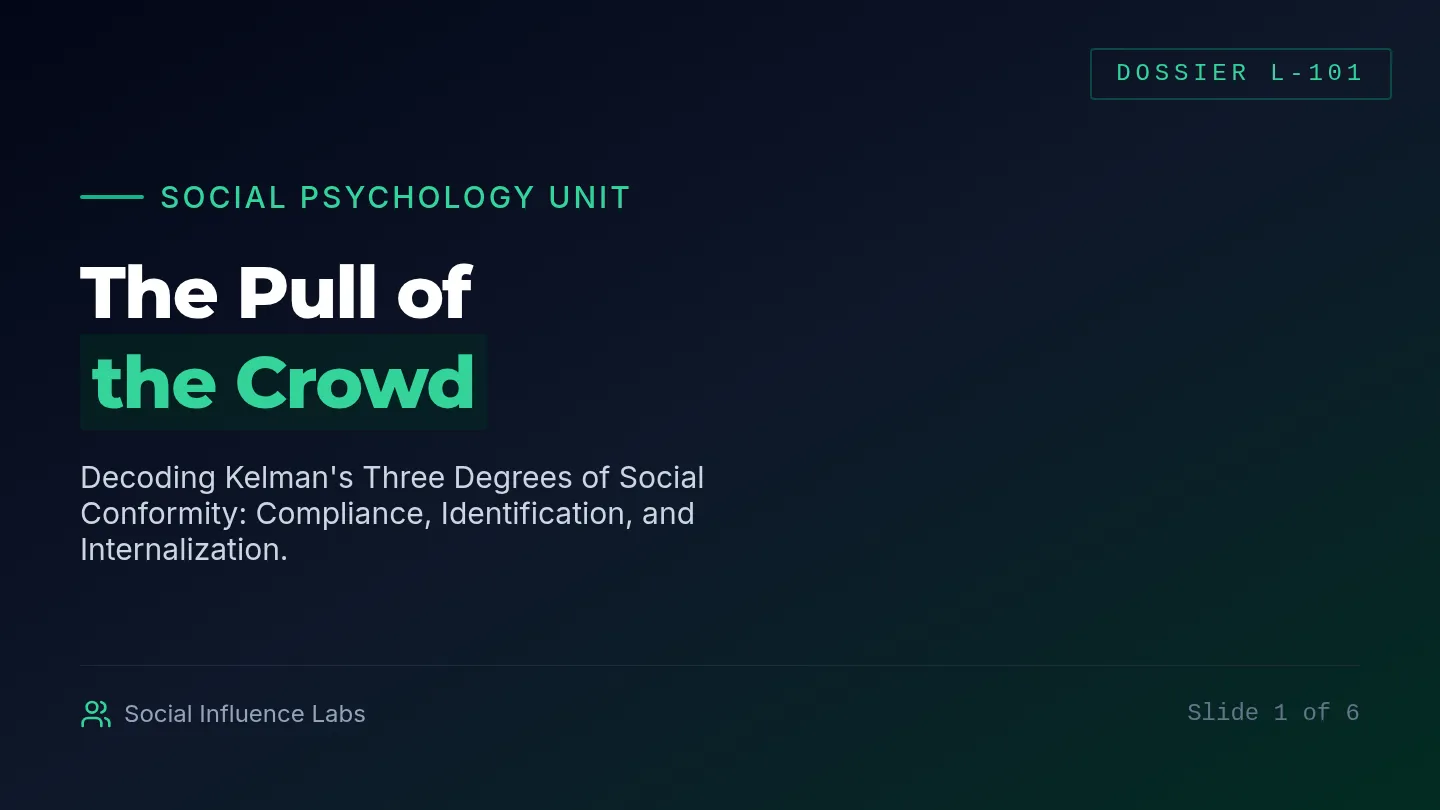
Founding Feuds Slides
A visual presentation deck introducing the debates between Federalists and Anti-Federalists and teaching the instructional skill of summarizing primary source arguments.
Founding Debates Practice Set 2
A second practice worksheet containing three new STAAR-style multiple choice questions and a key vocabulary box, based on different primary source excerpts from the Federalist and Anti-Federalist papers.
Founding Debates Key Set 2
An answer key and teacher facilitation guide for the second set of Founding Debates practice questions, tailored for 9th and 10th-grade instruction.