Students learn to move individual body parts independently, focusing on head, shoulders, and hips. The lesson emphasizes articulating the feet through pointing and flexing exercises to prepare muscles for more complex footwork.
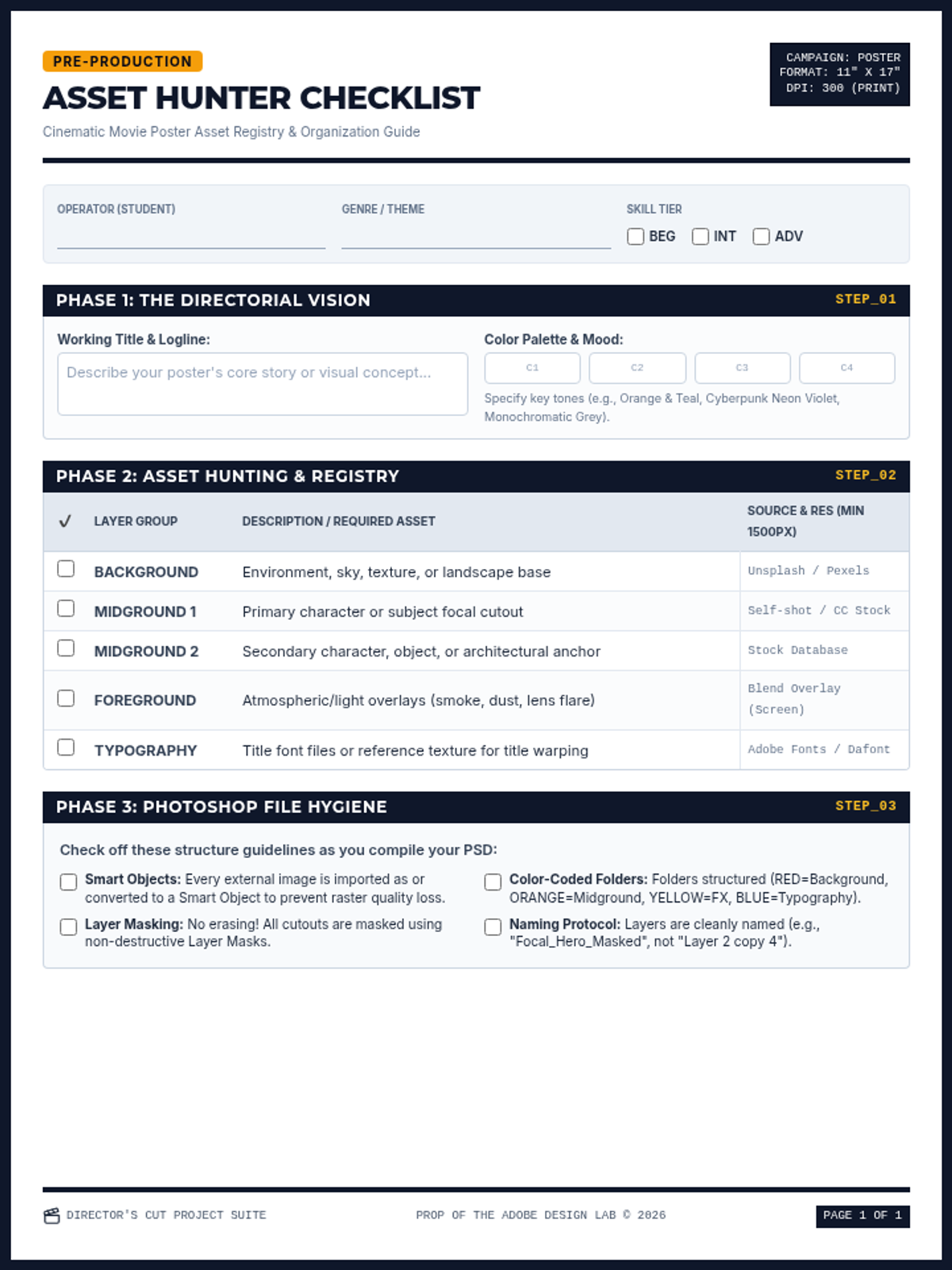
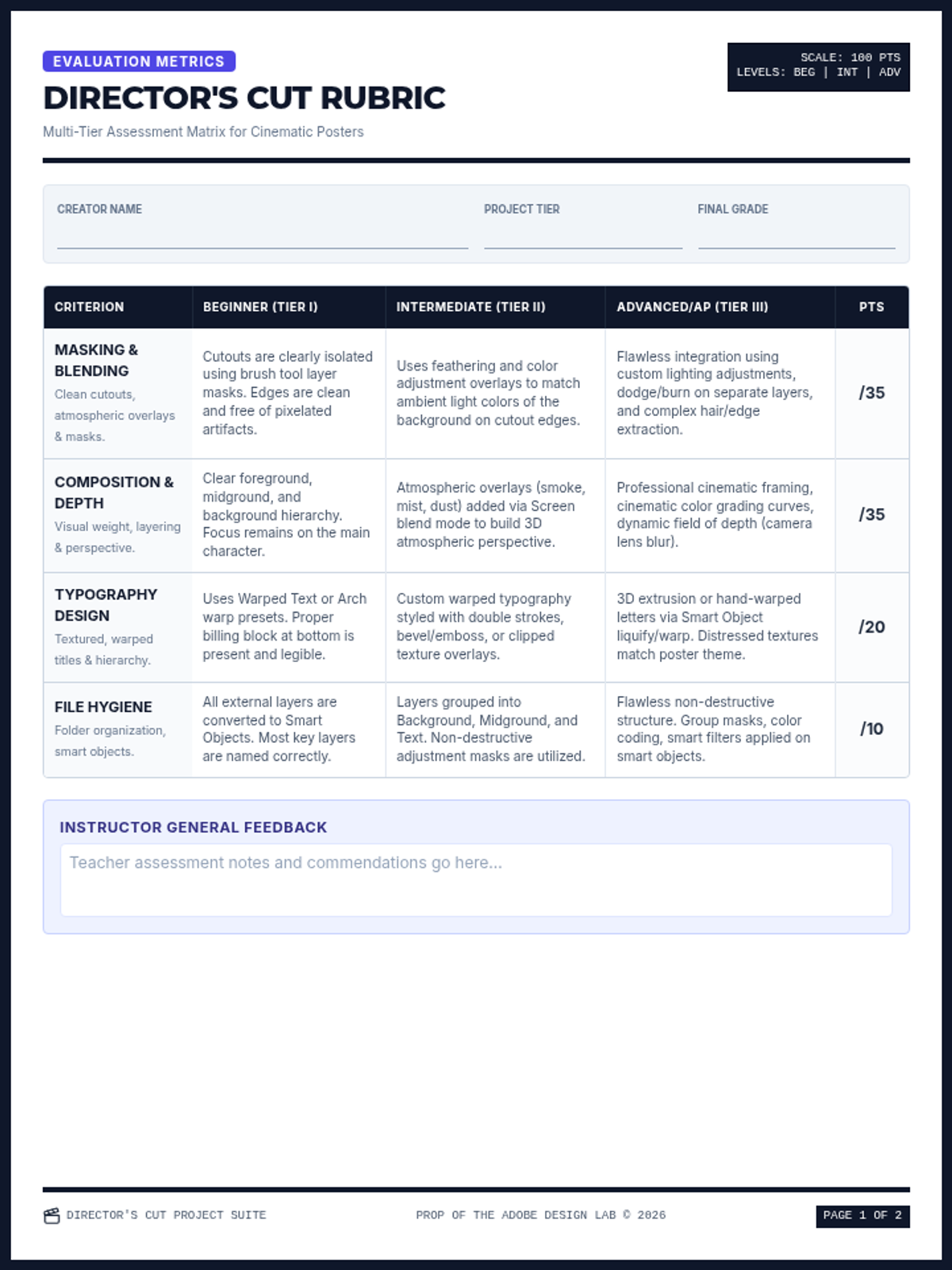
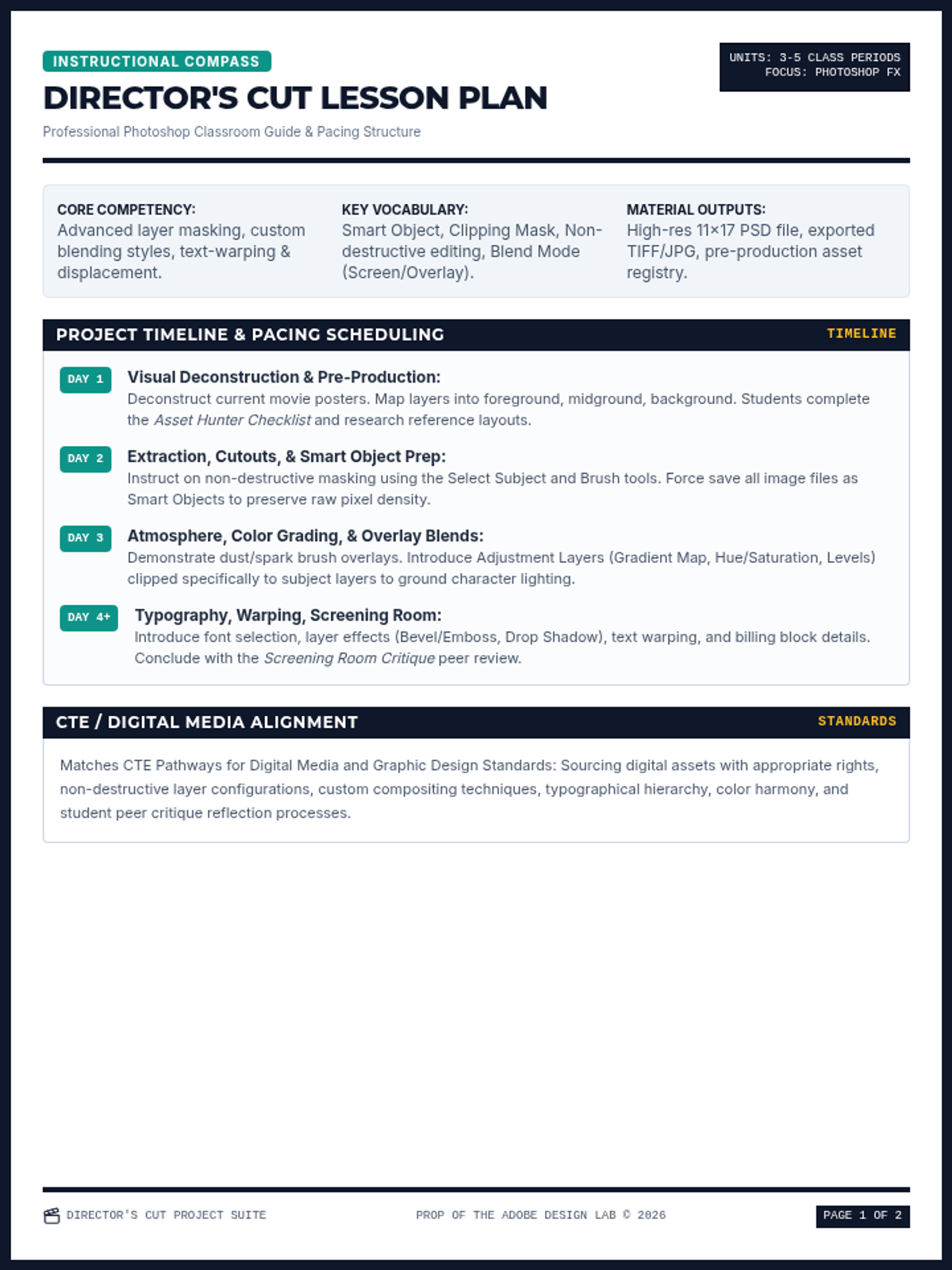
A comprehensive project-based lesson for designing cinematic movie or game posters in Adobe Photoshop. Covers image blending, atmospheric overlays, and textured typography tailored for Beginner, Intermediate, and Advanced/AP levels.
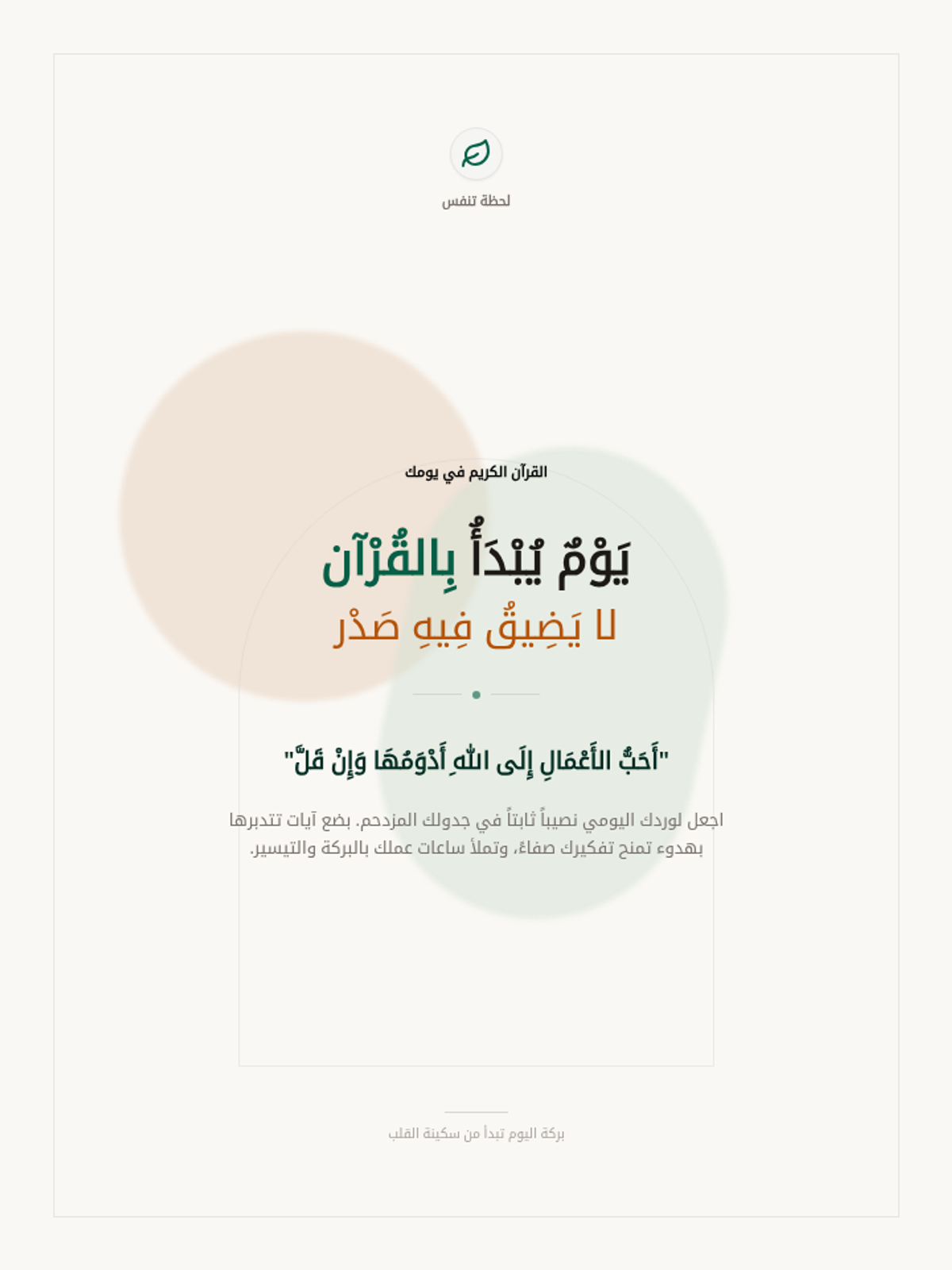
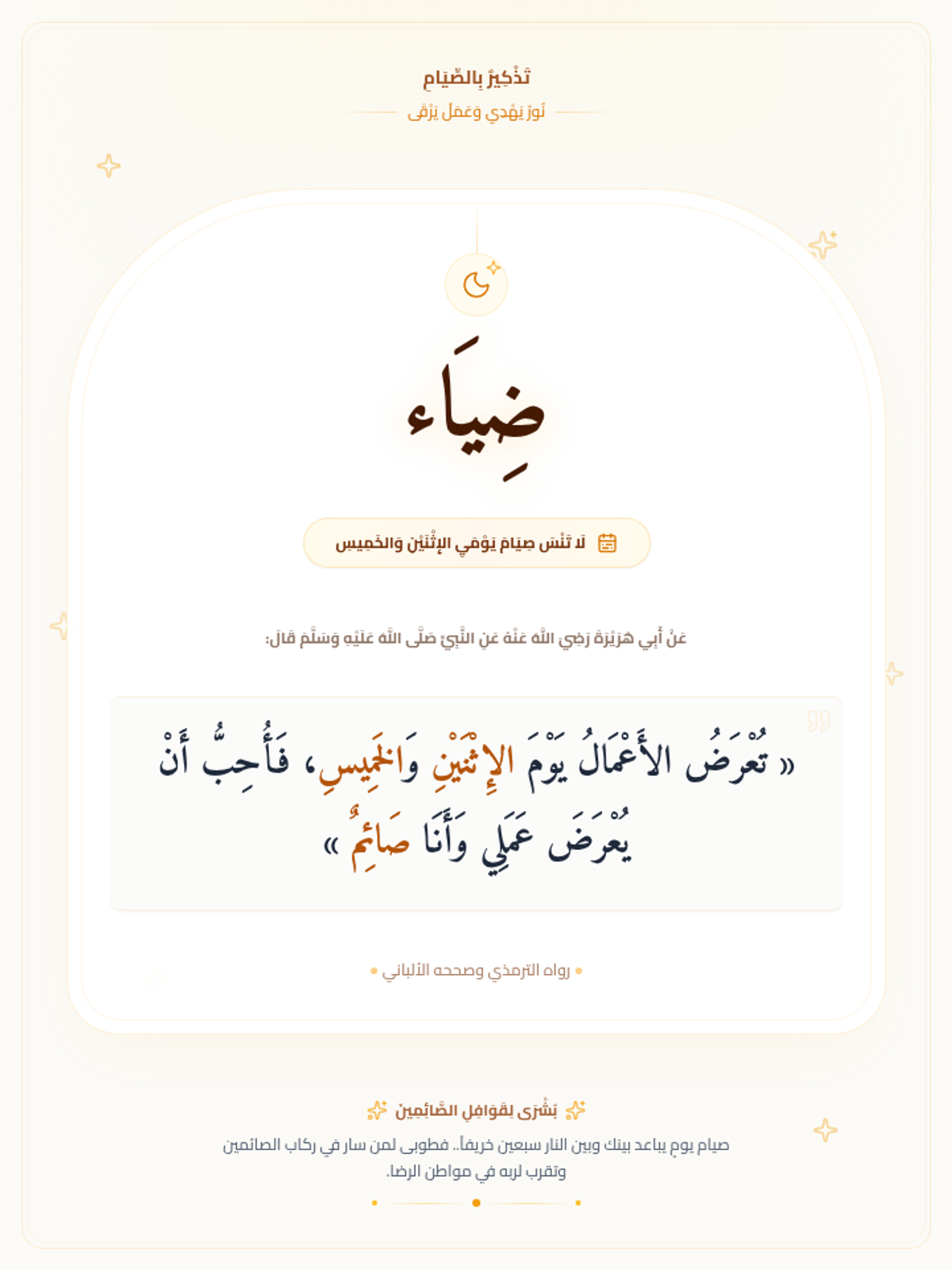
درس بسيط يركز على التذكير بالورد اليومي وقراءة القرآن الكريم، ويضم ملصقًا فنيًا وتذكيريًا مصممًا بأسلوب حديث ومريح للعين.
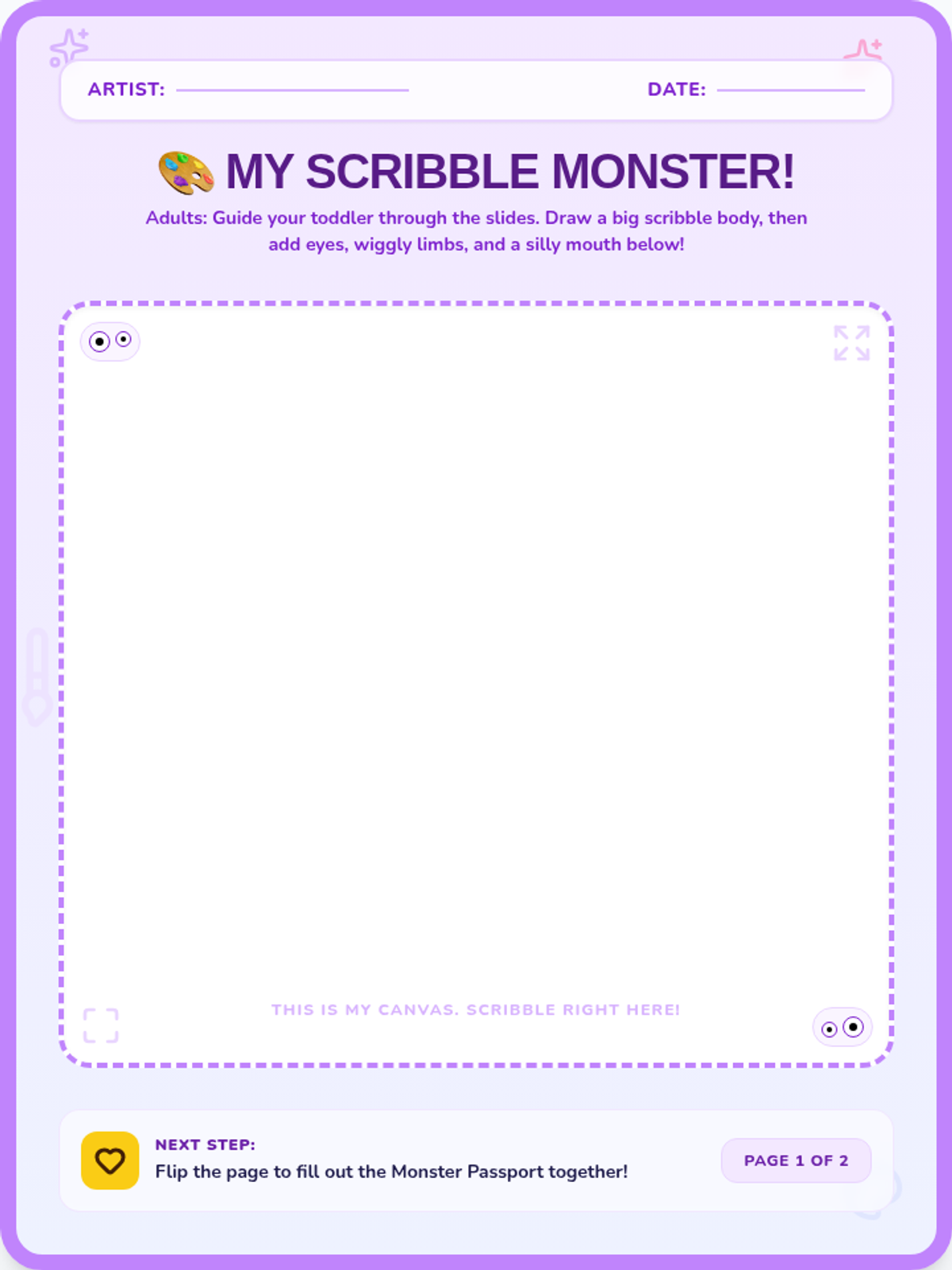
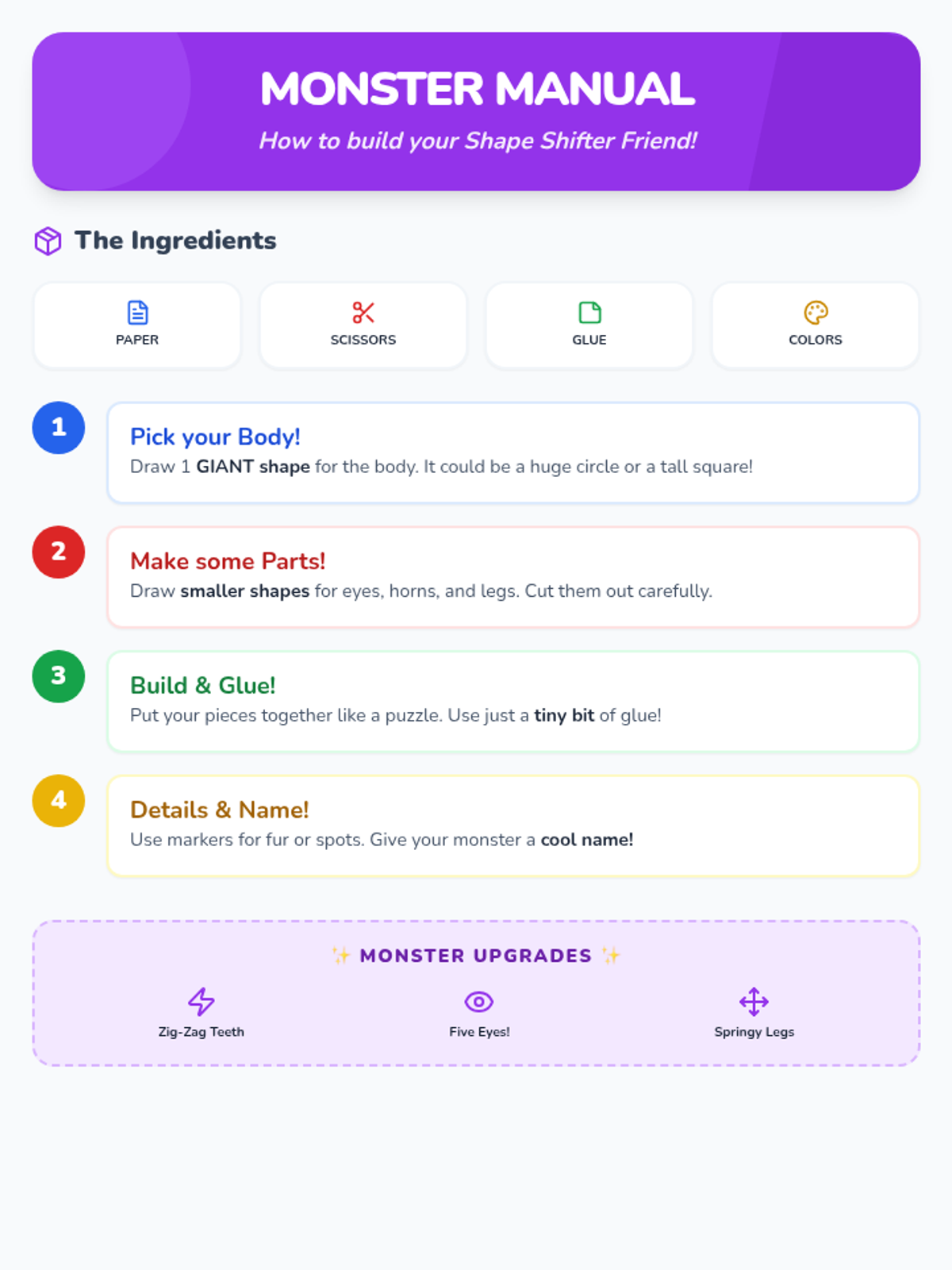
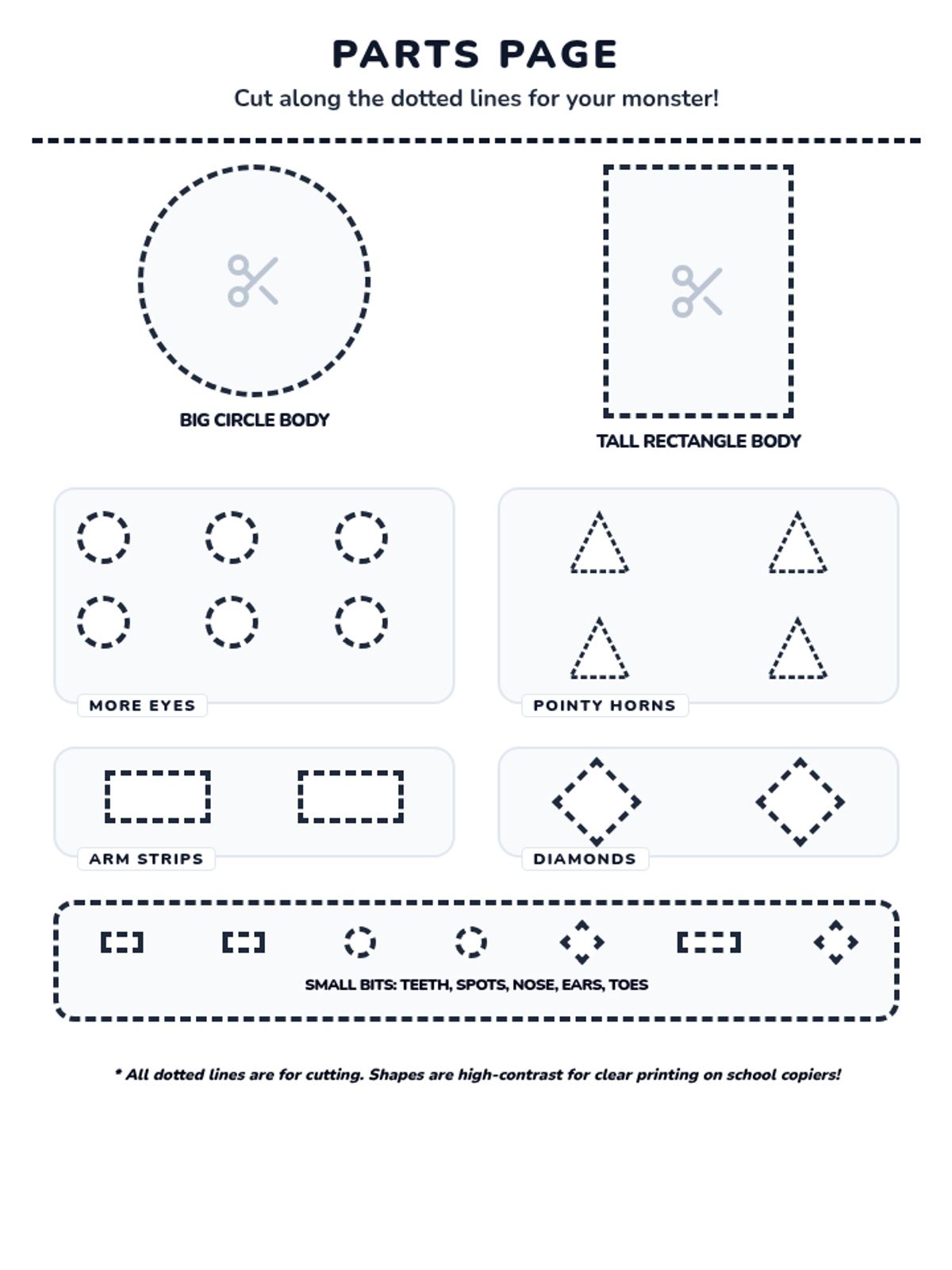
A playful, cooperative drawing game designed for toddlers to explore self-expression, fine motor skills, and collaborative creation. Guided by interactive presentation slides, children turn simple scribbles and basic shapes into hilarious, unique monster friends on a step-by-step activity canvas.
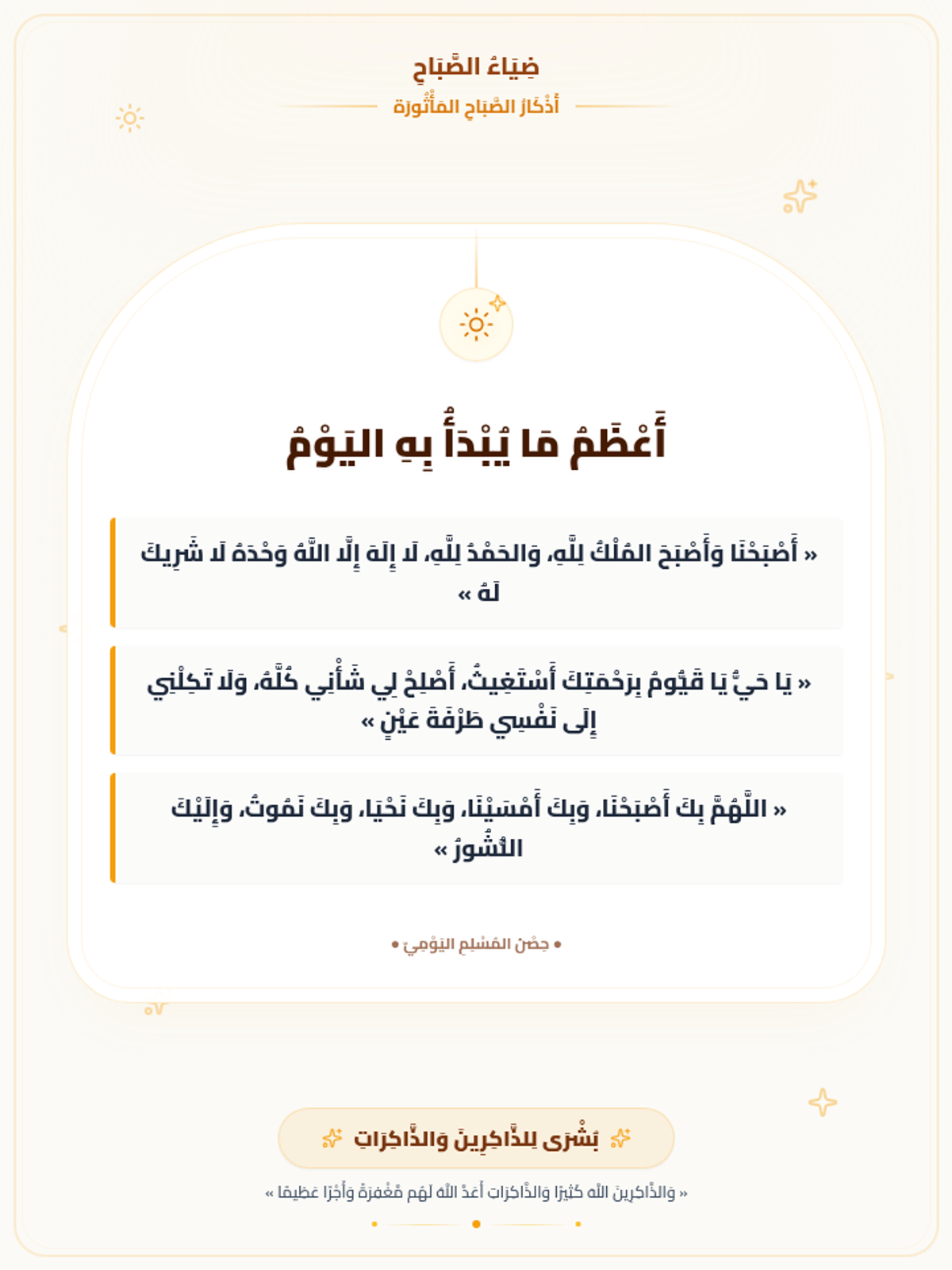
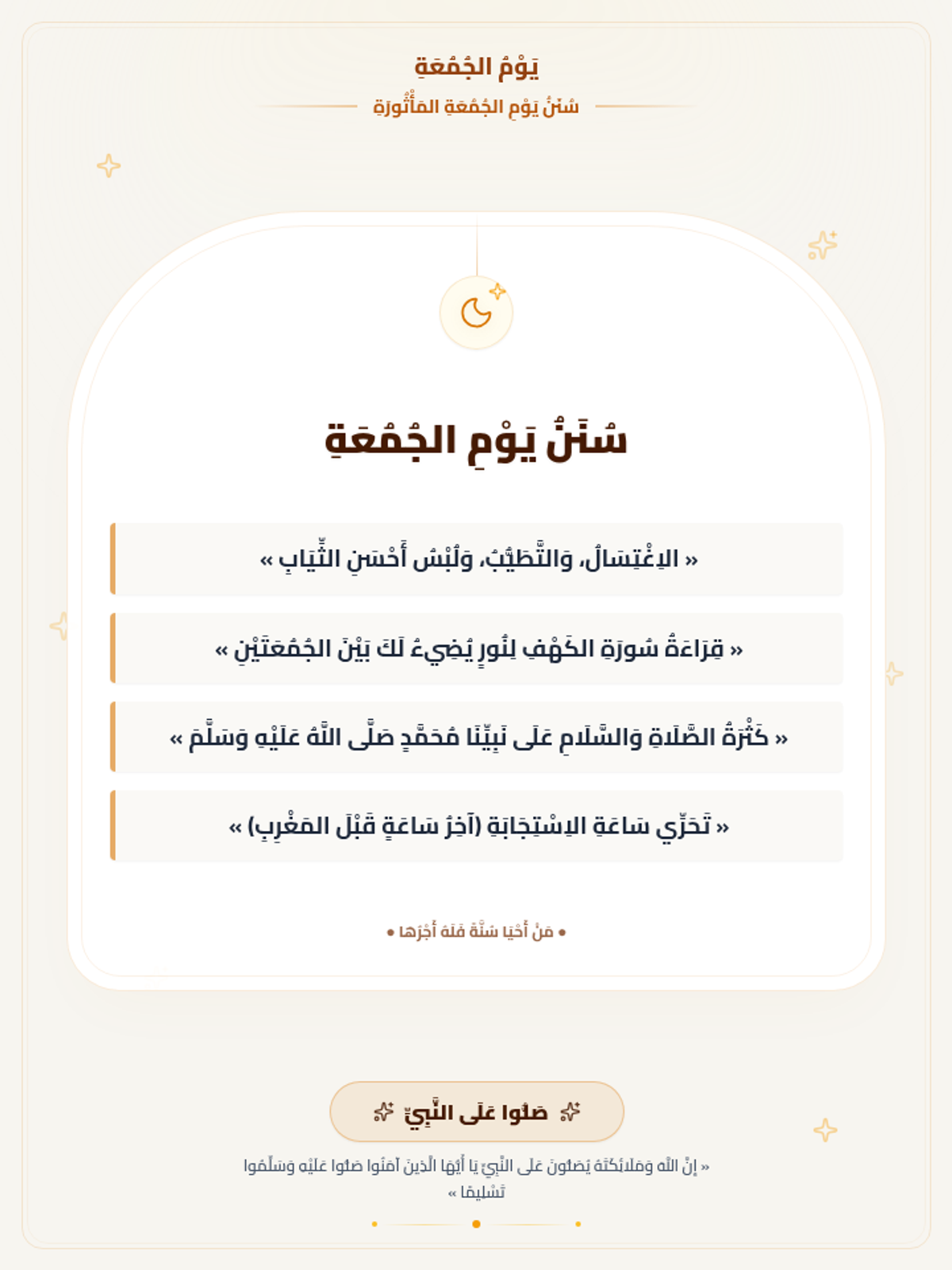
A premium, cohesive collection of beautifully designed spiritual and religious reminders for daily, weekly, and seasonal practices, featuring high-contrast connected Arabic typography, elegant arches, and glowing celestial themes.
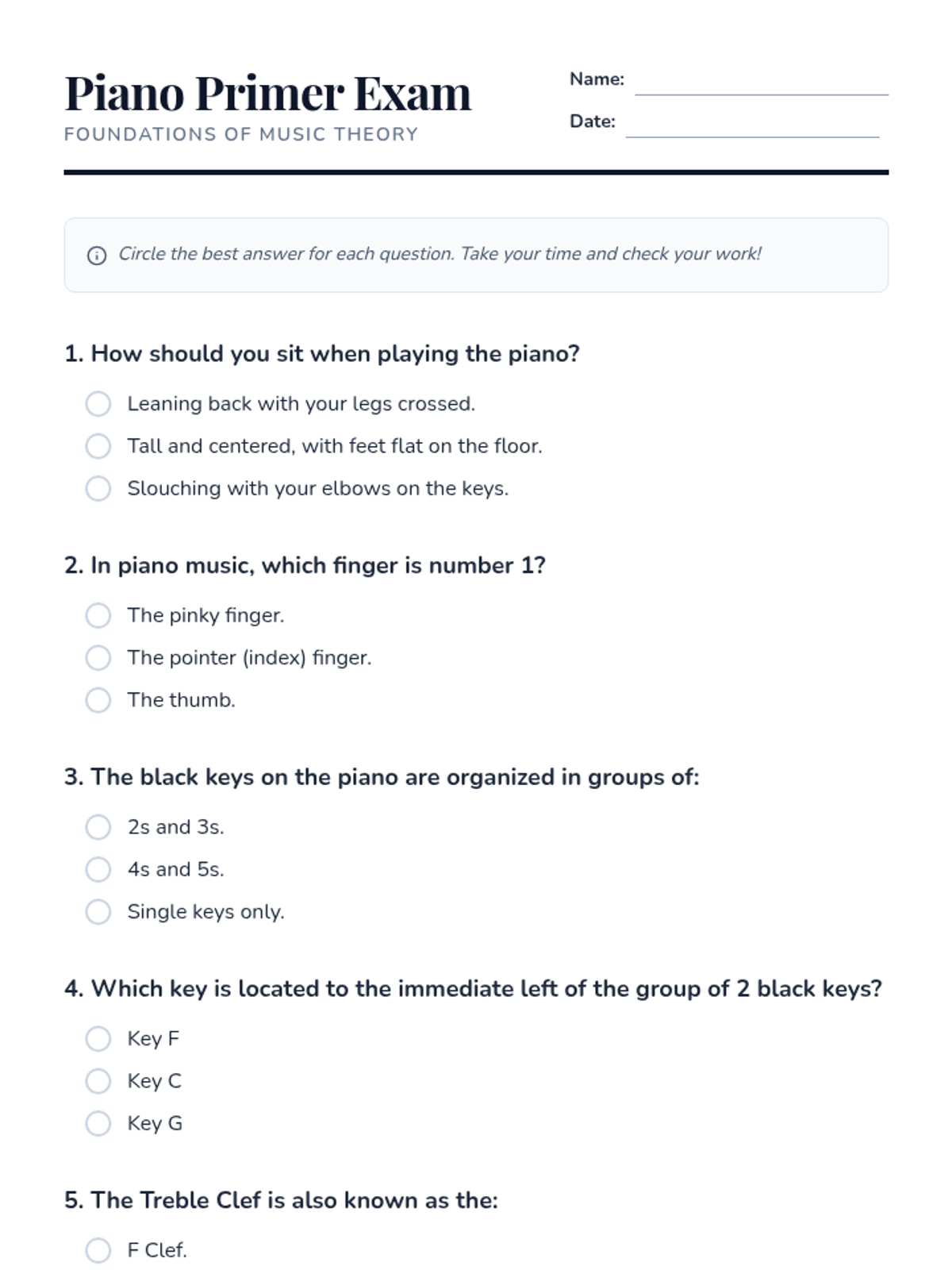
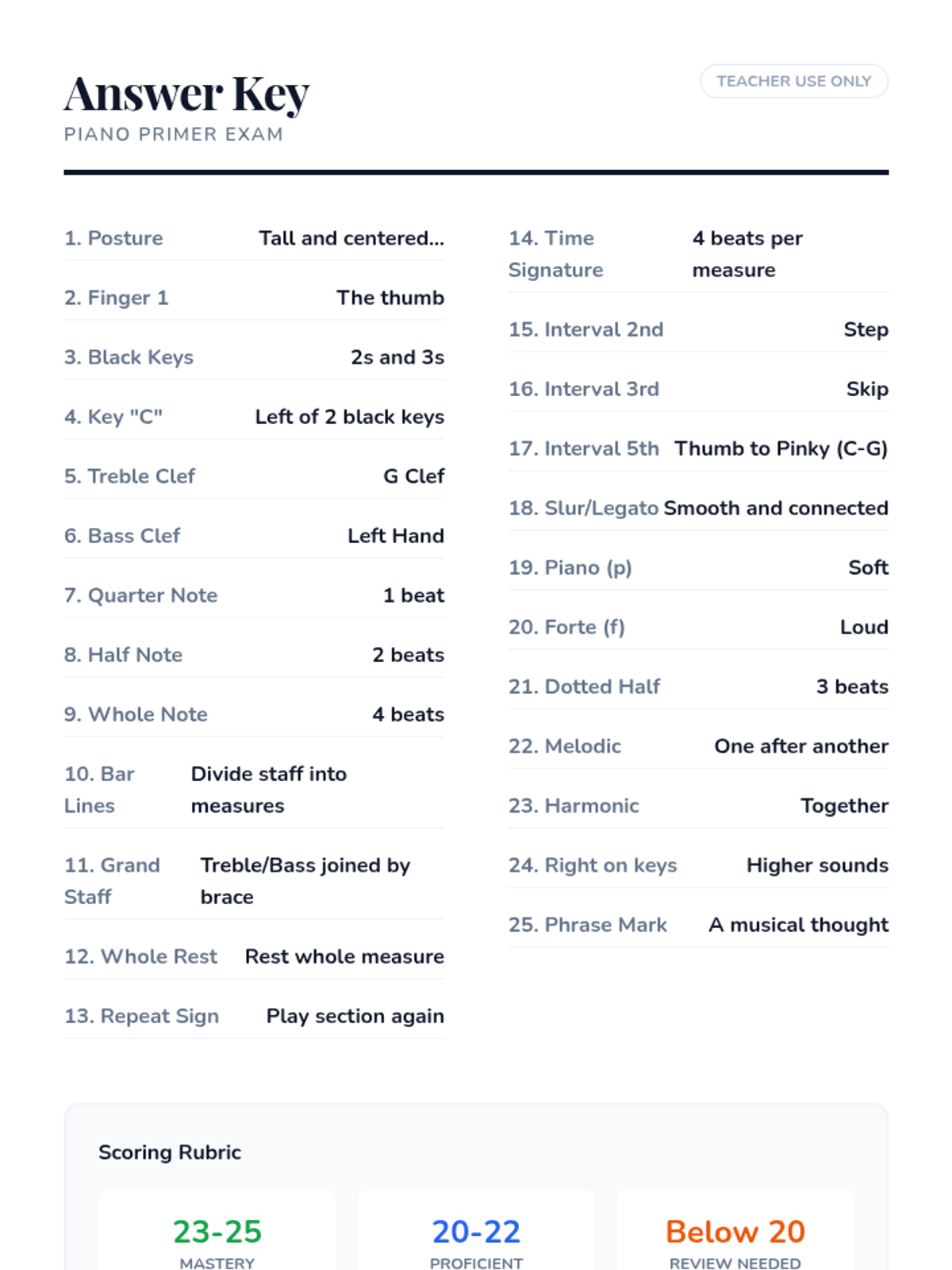
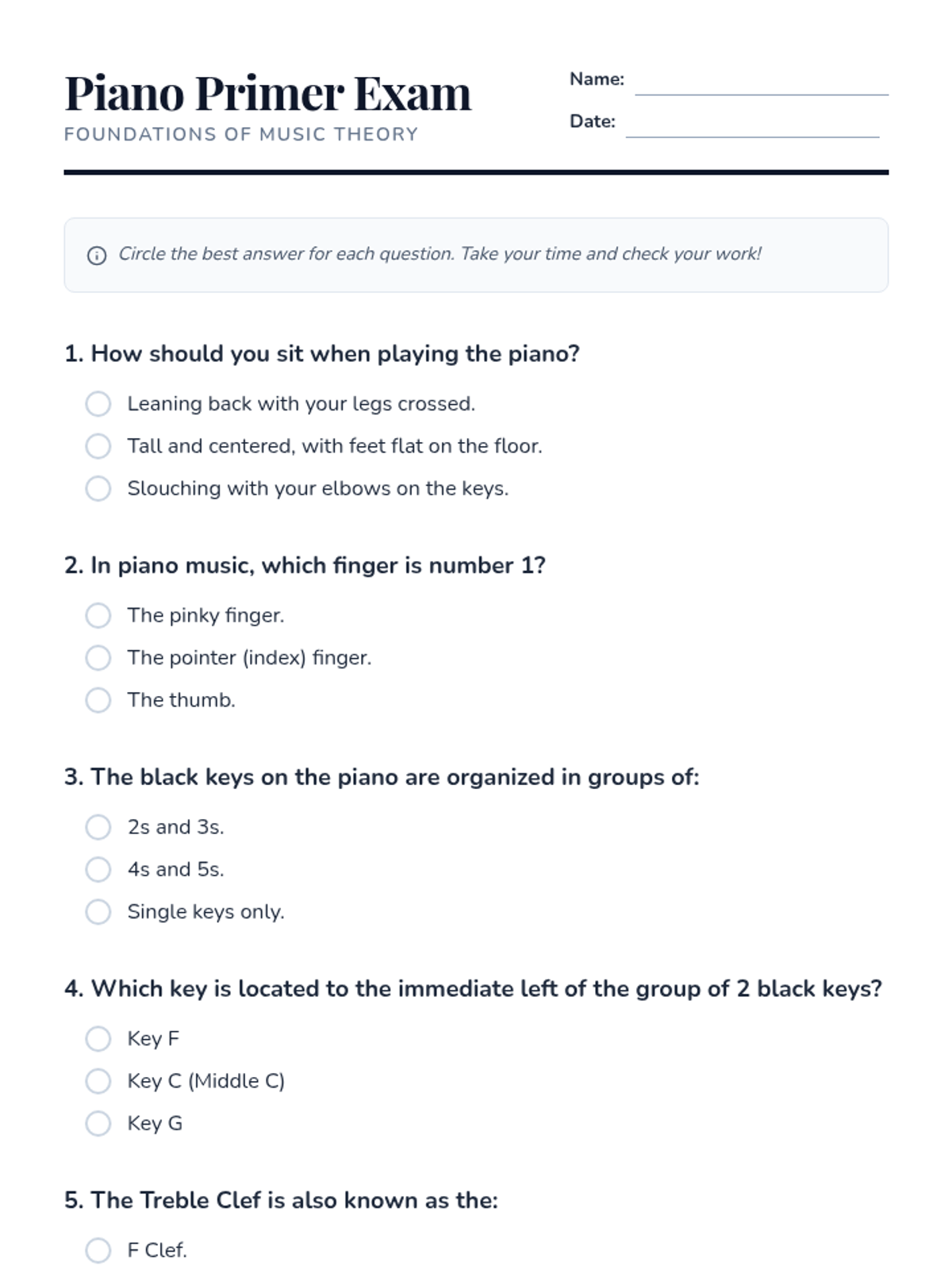
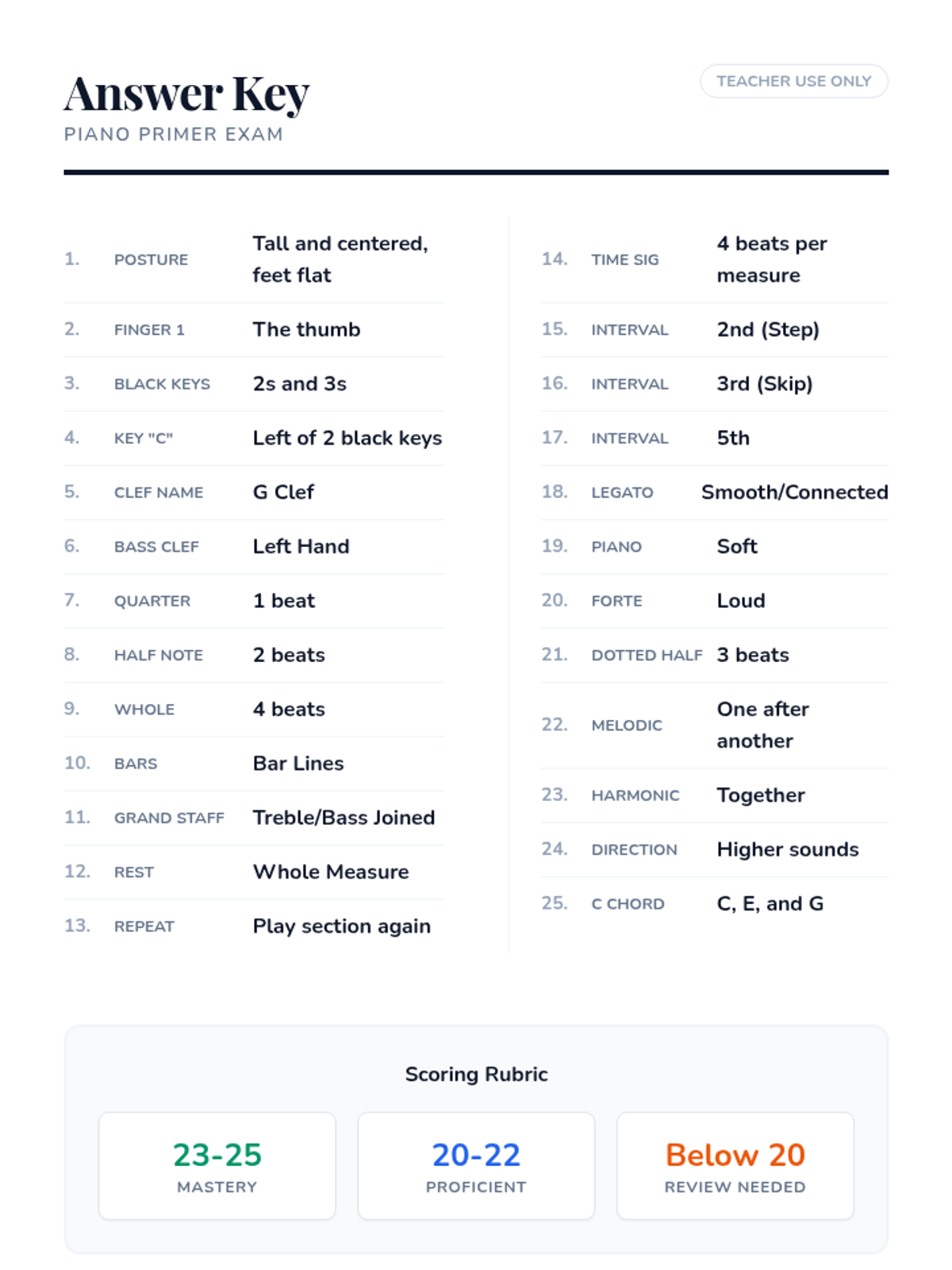
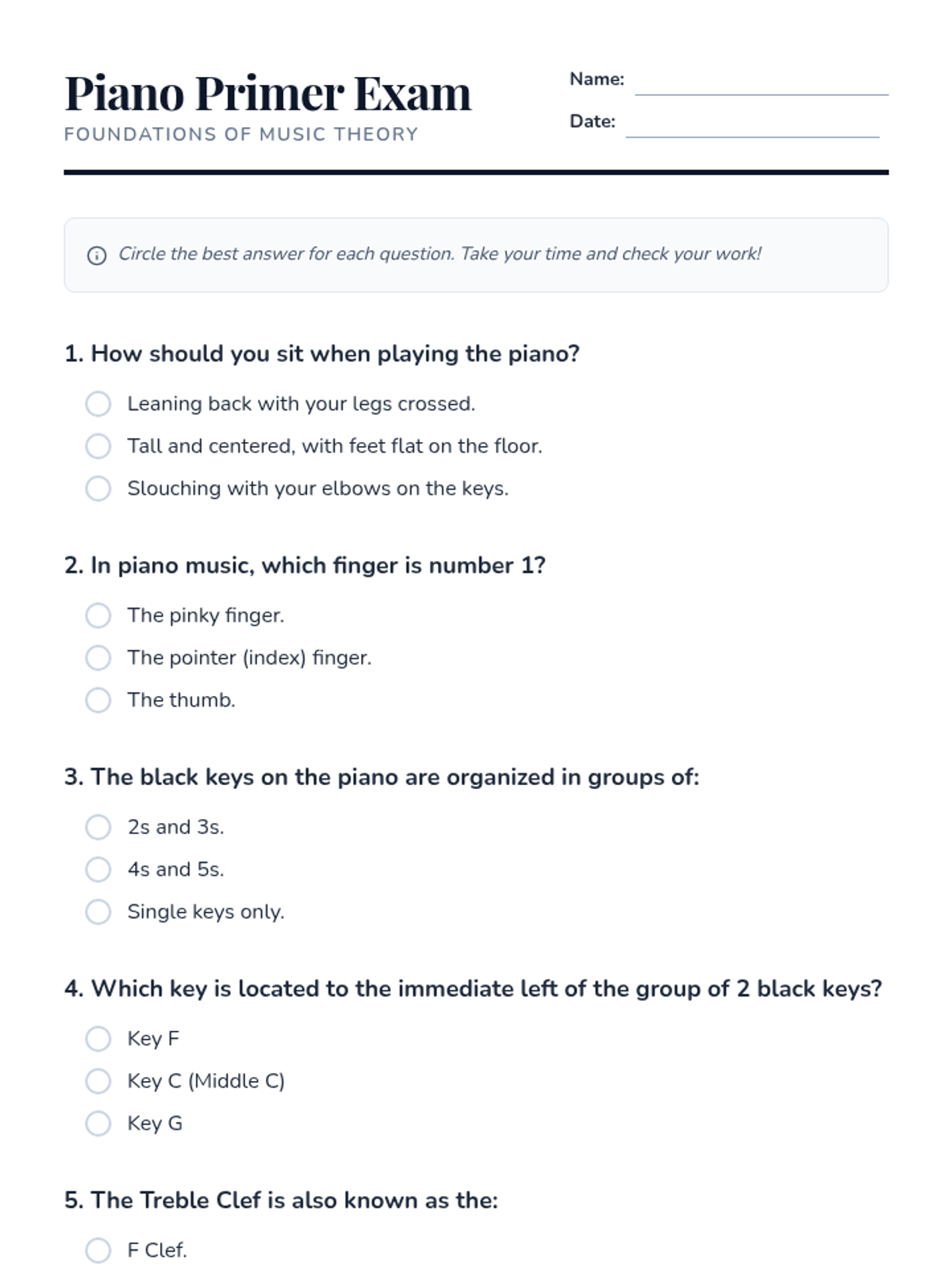
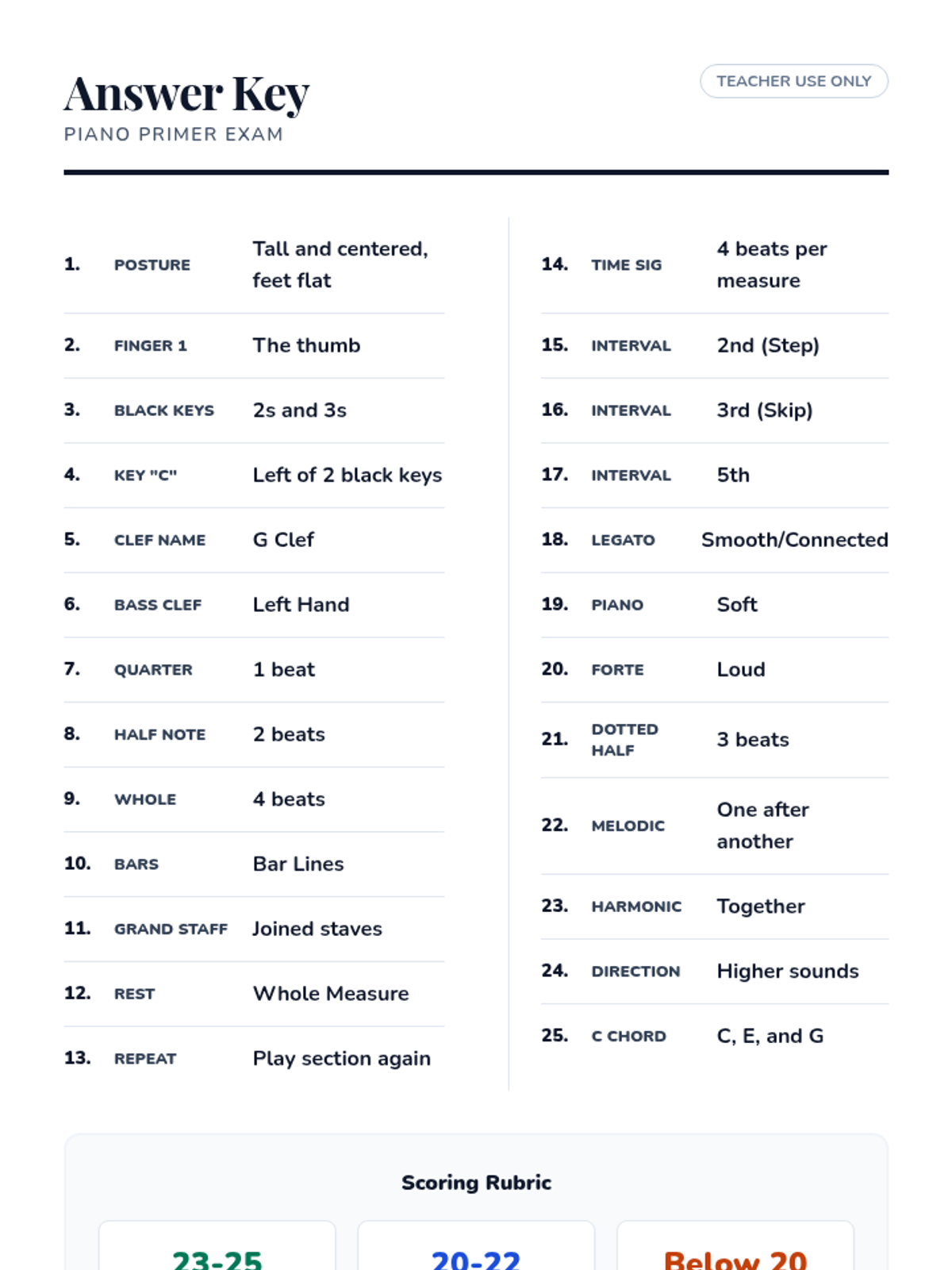
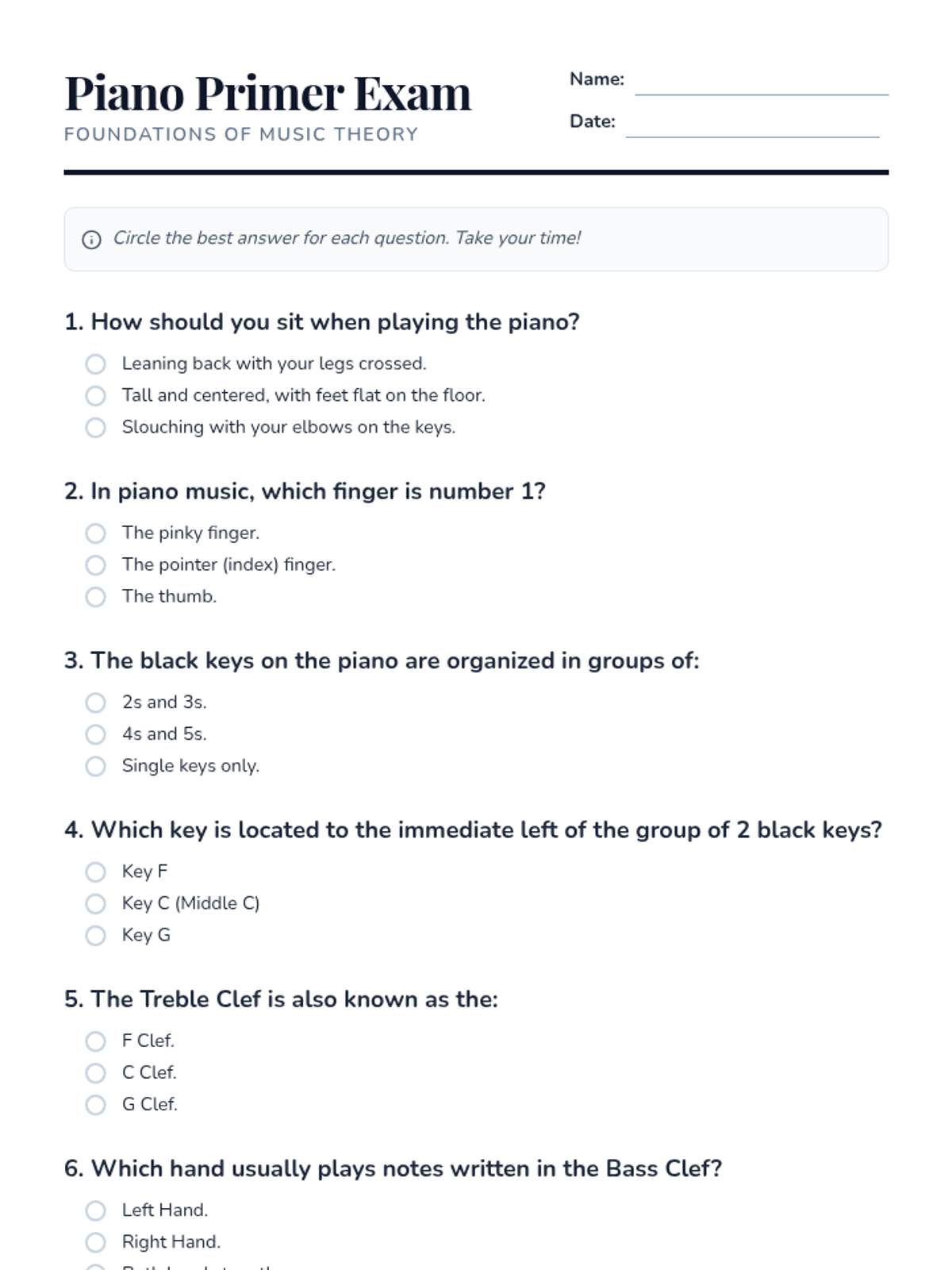
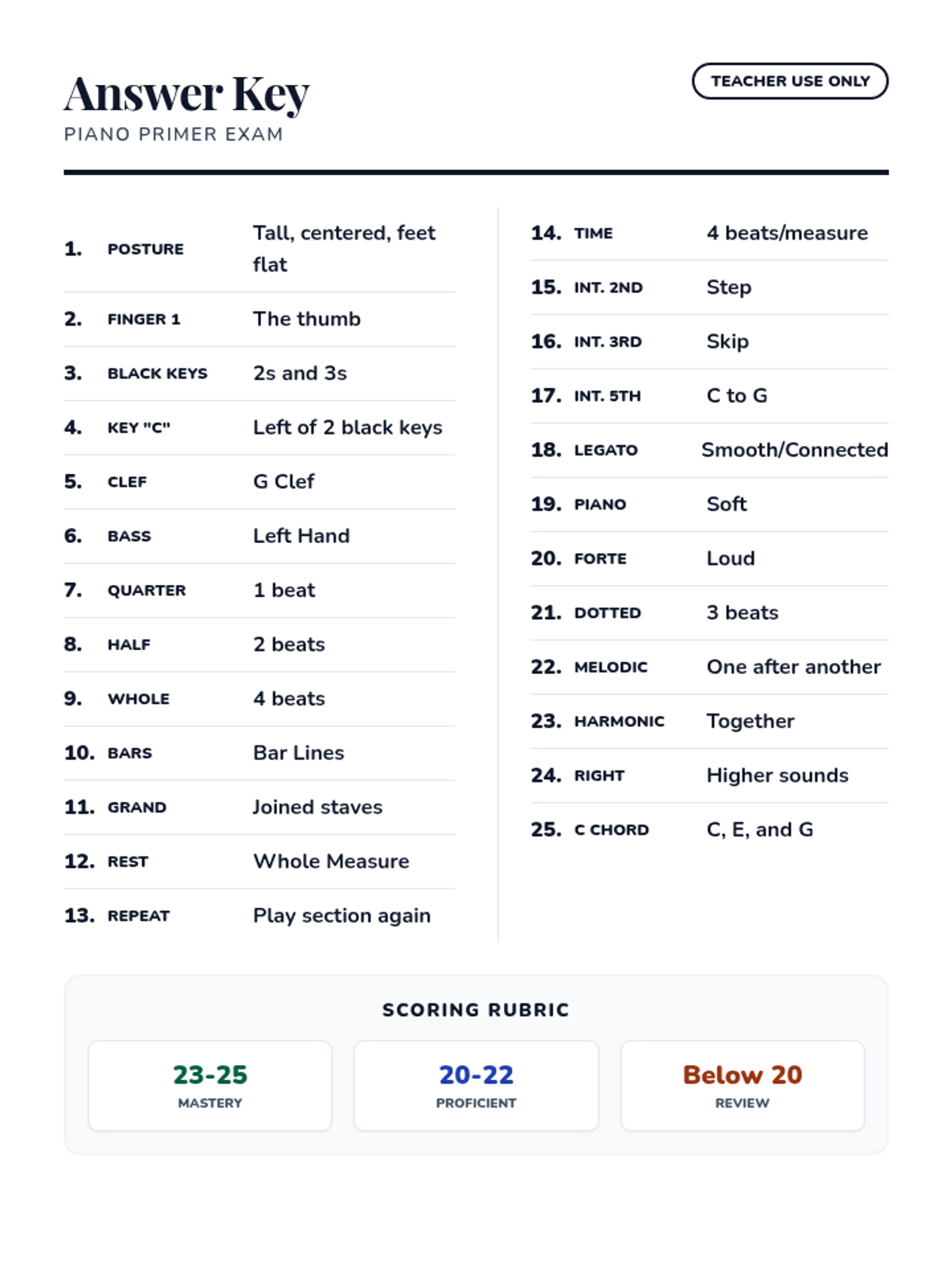
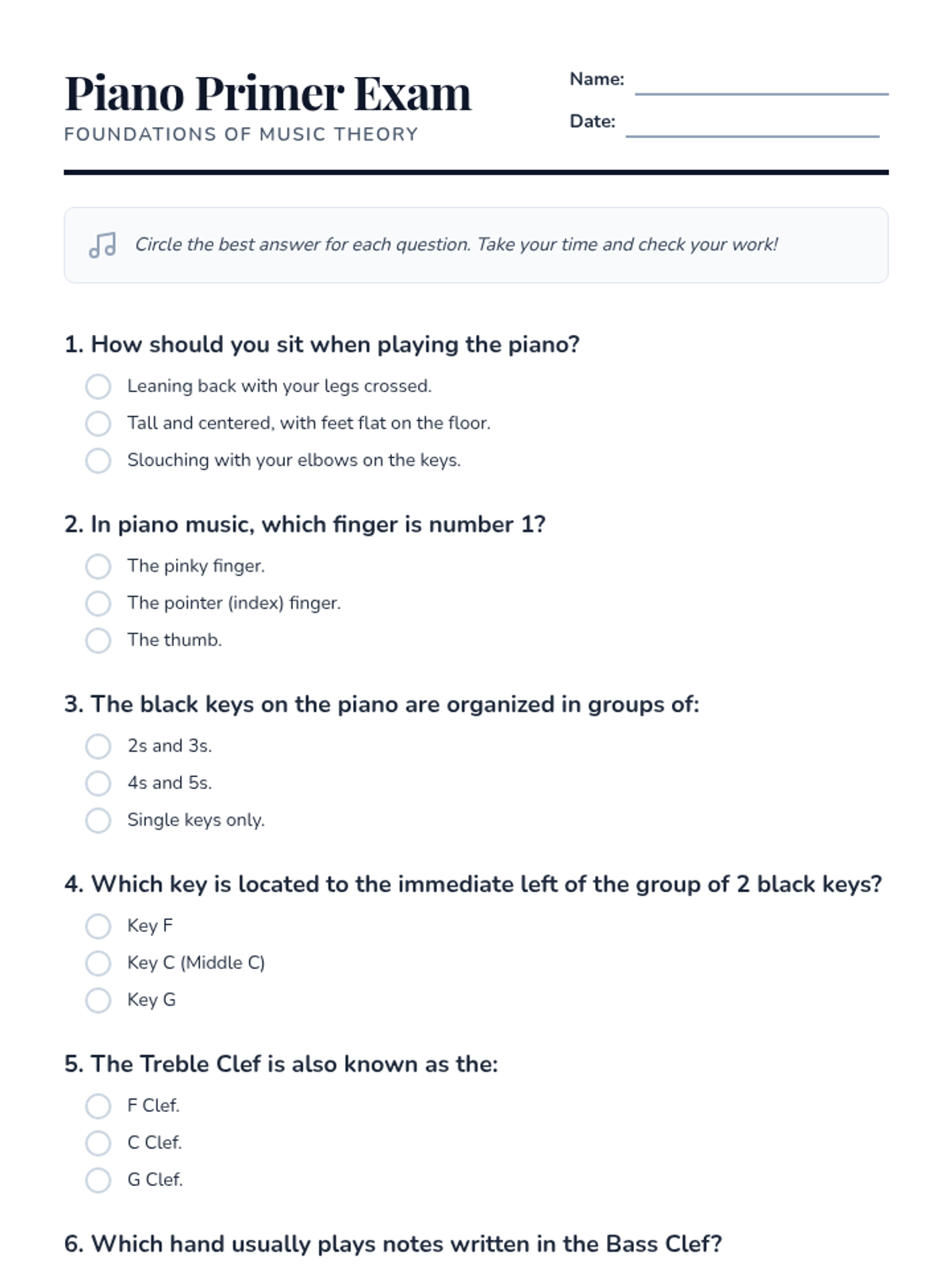
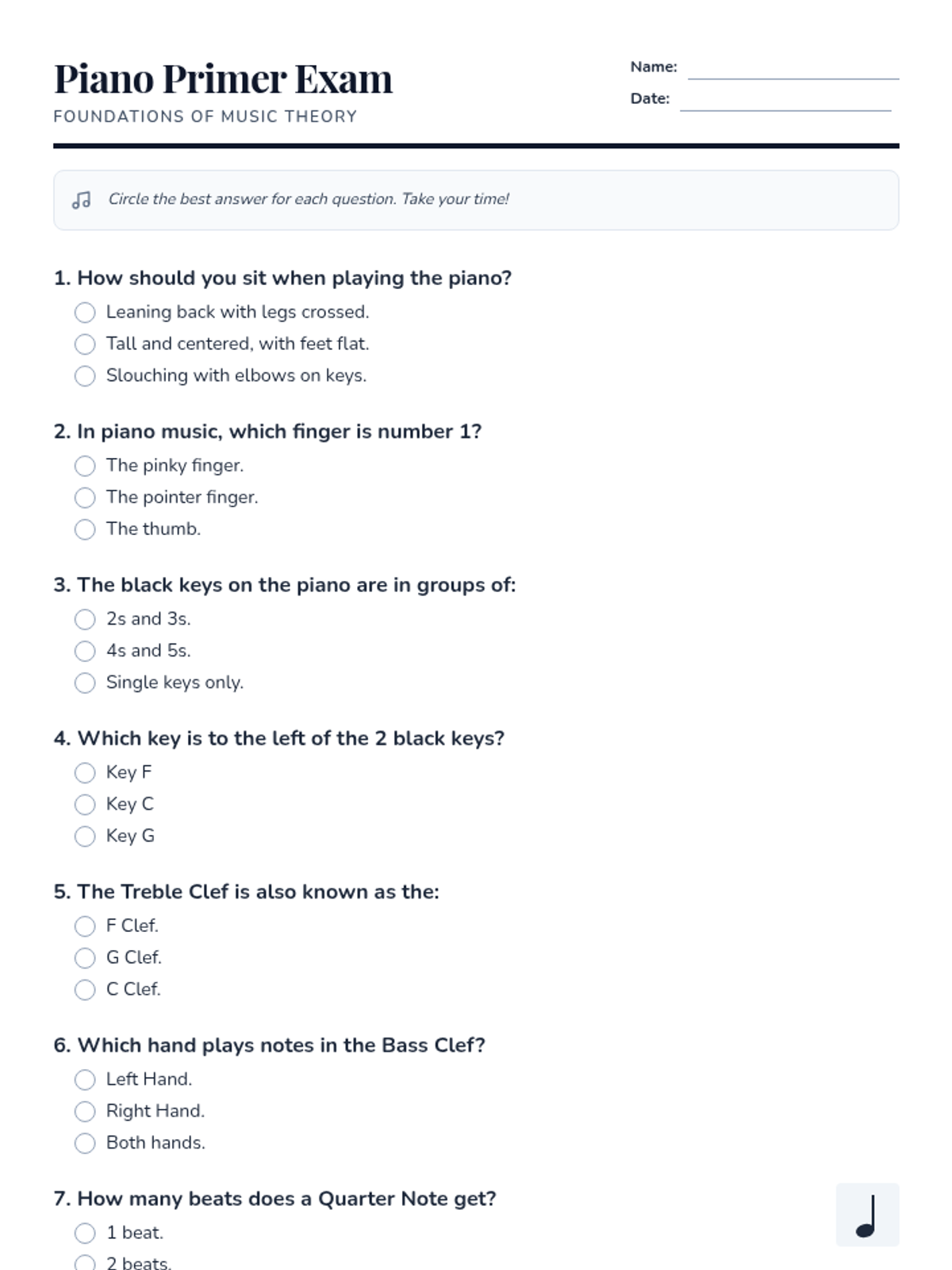
A comprehensive assessment covering foundational piano concepts for beginner students, including posture, notation, rhythms, and basic theory.
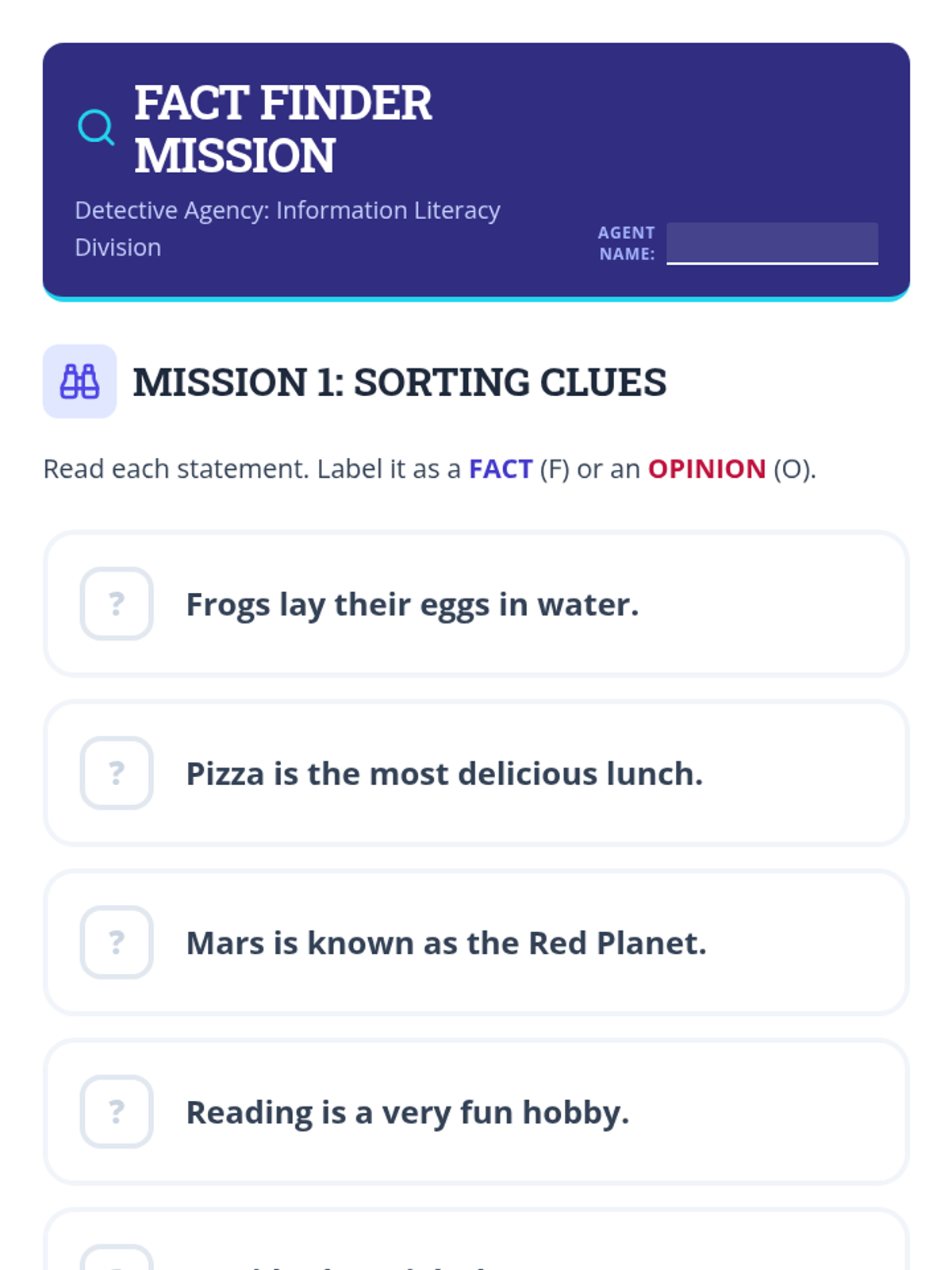
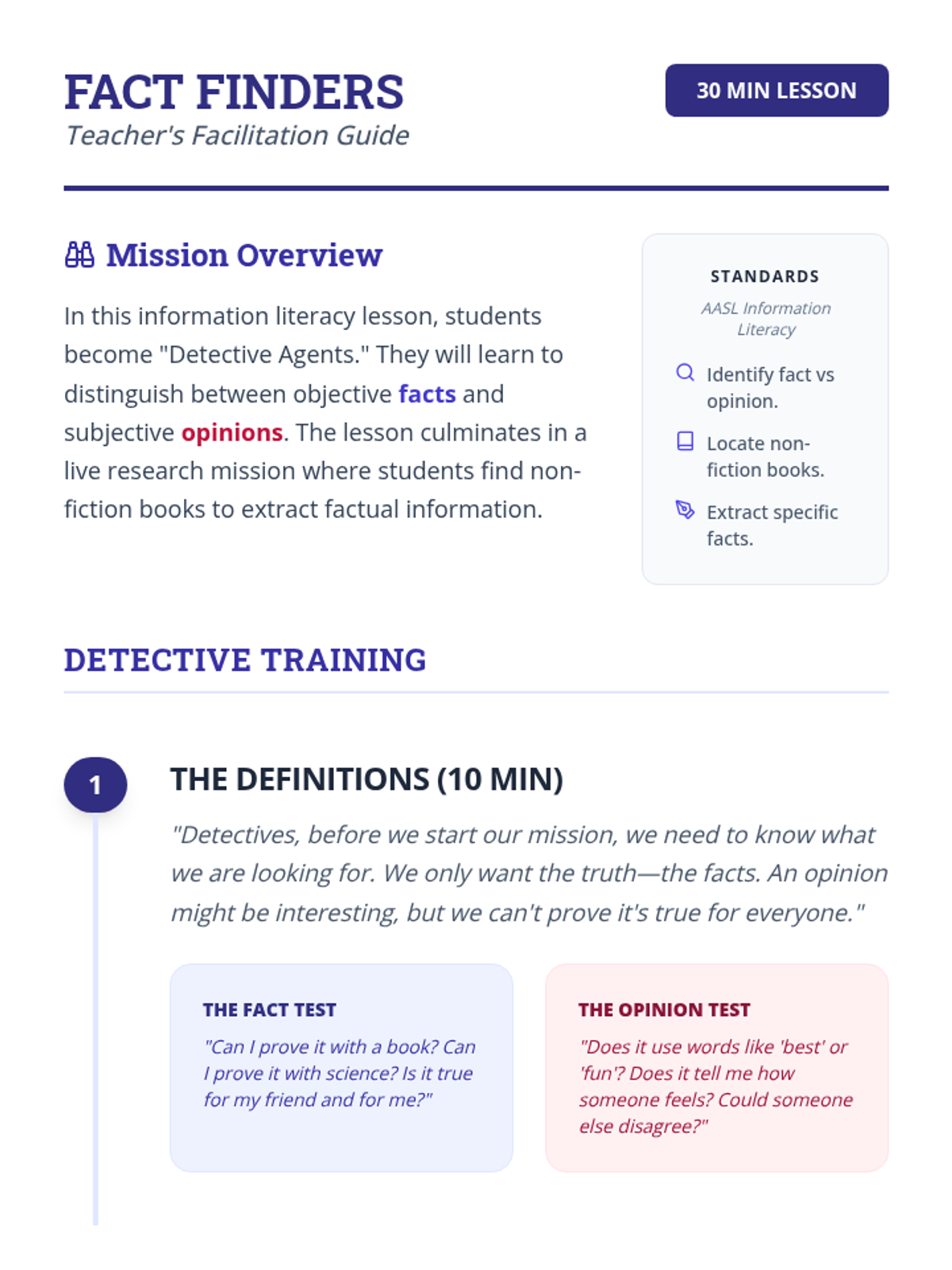
An advanced lesson on information literacy, focusing on distinguishing between facts and opinions and performing basic research 'missions' within the library.
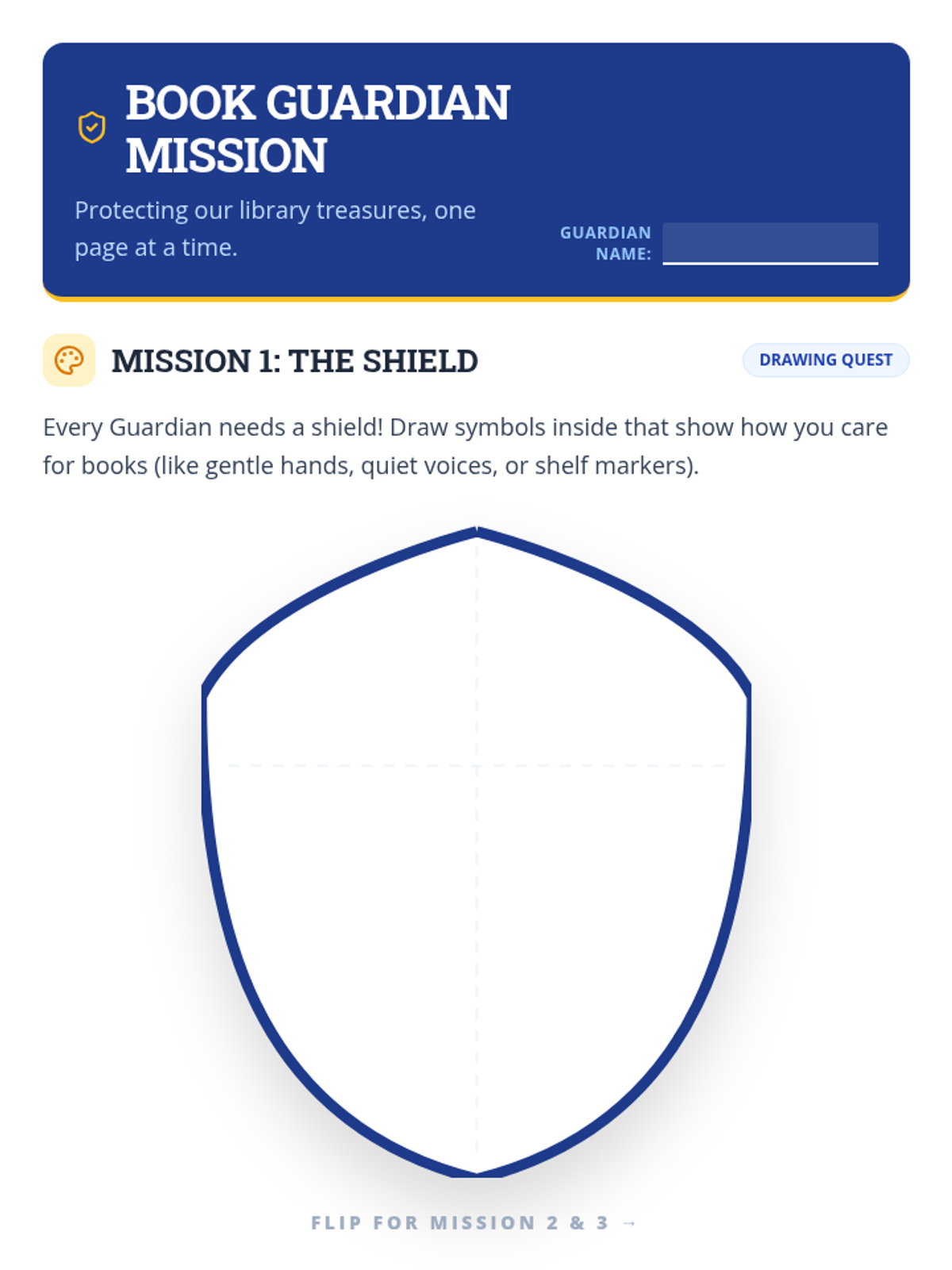
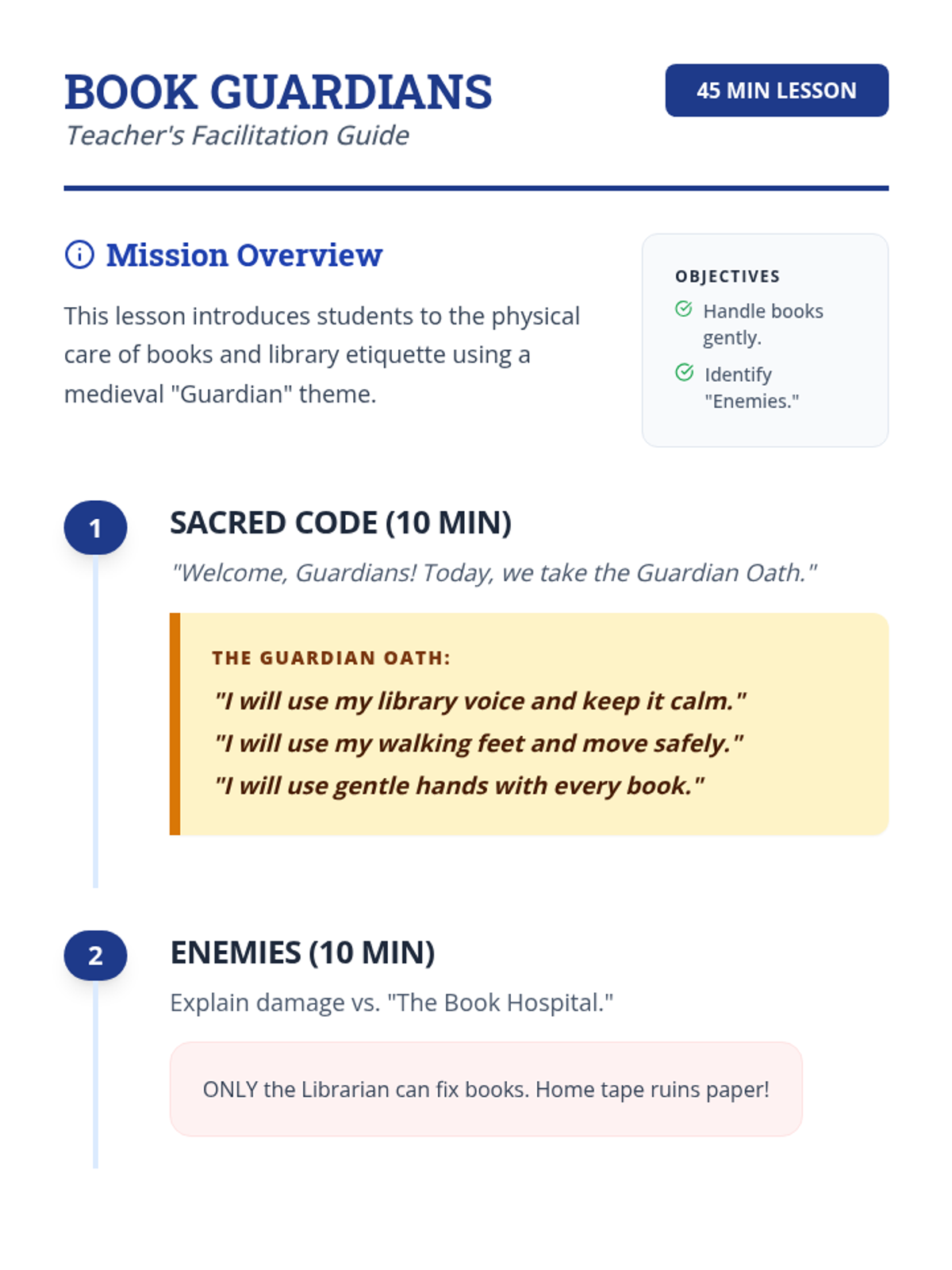
A dedicated lesson on the physical care of books and library etiquette. Students take the 'Guardian Oath' and learn to protect library treasures from 'The Enemies of the Book' while mastering the use of shelf markers.
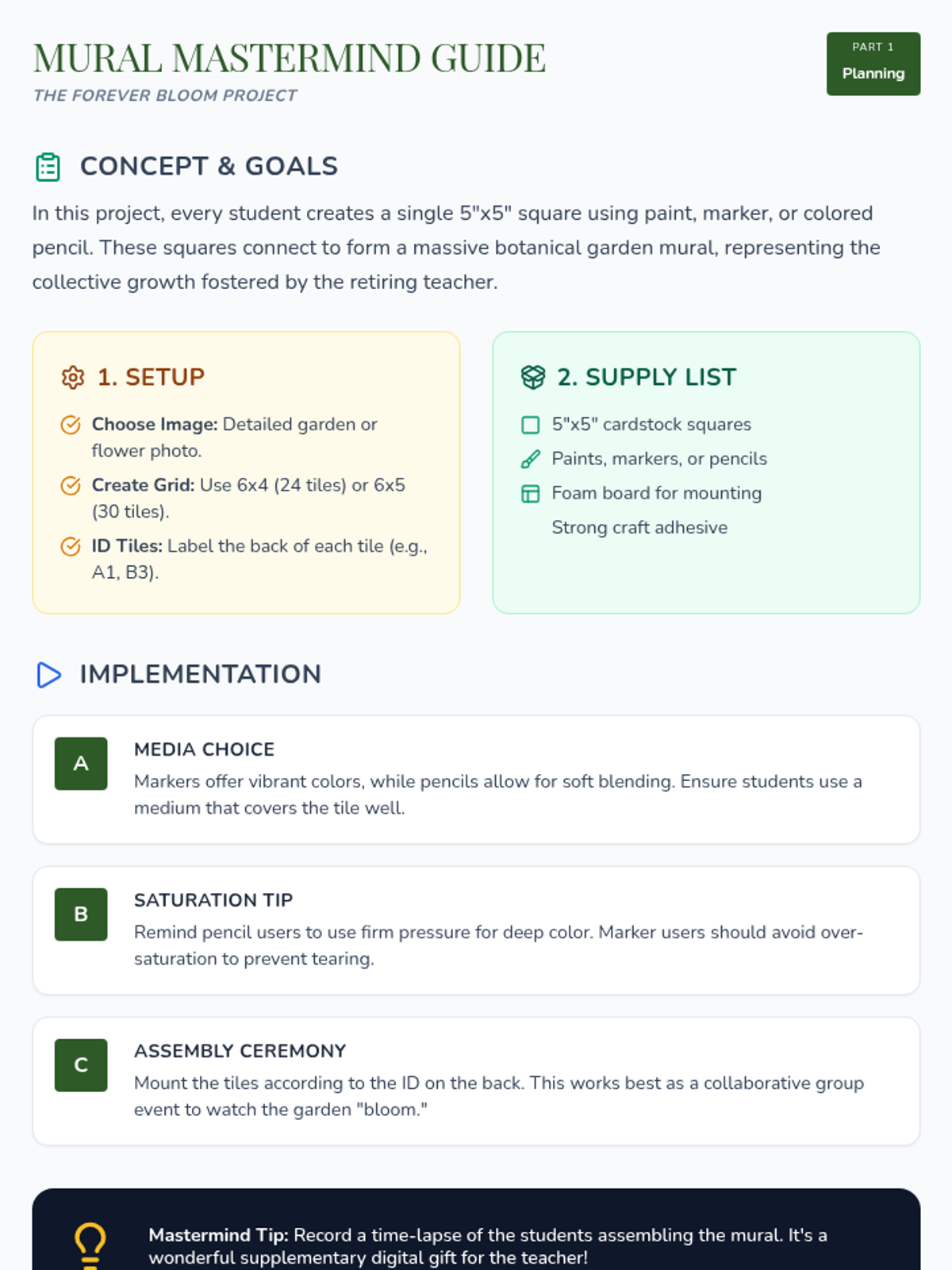
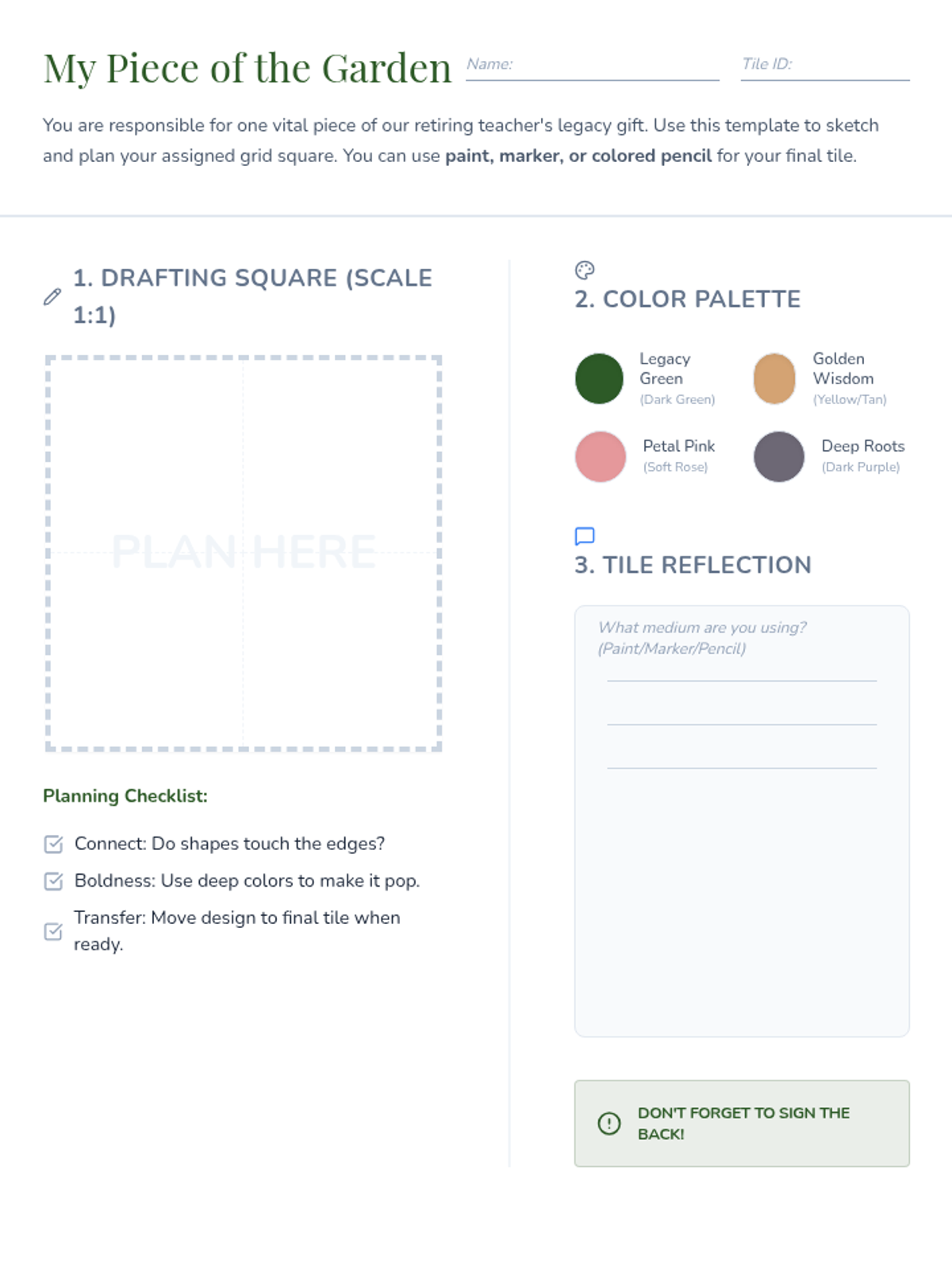
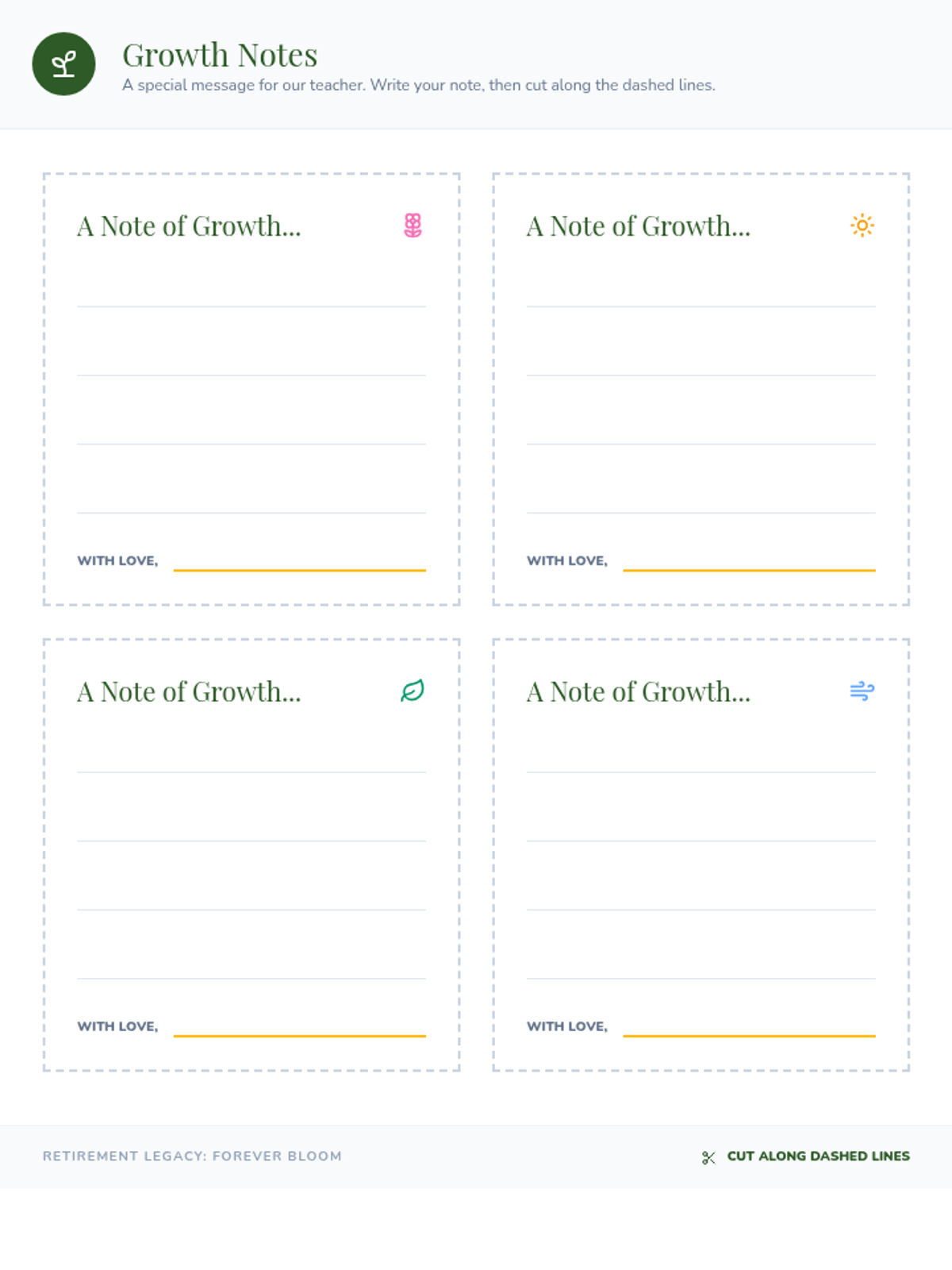
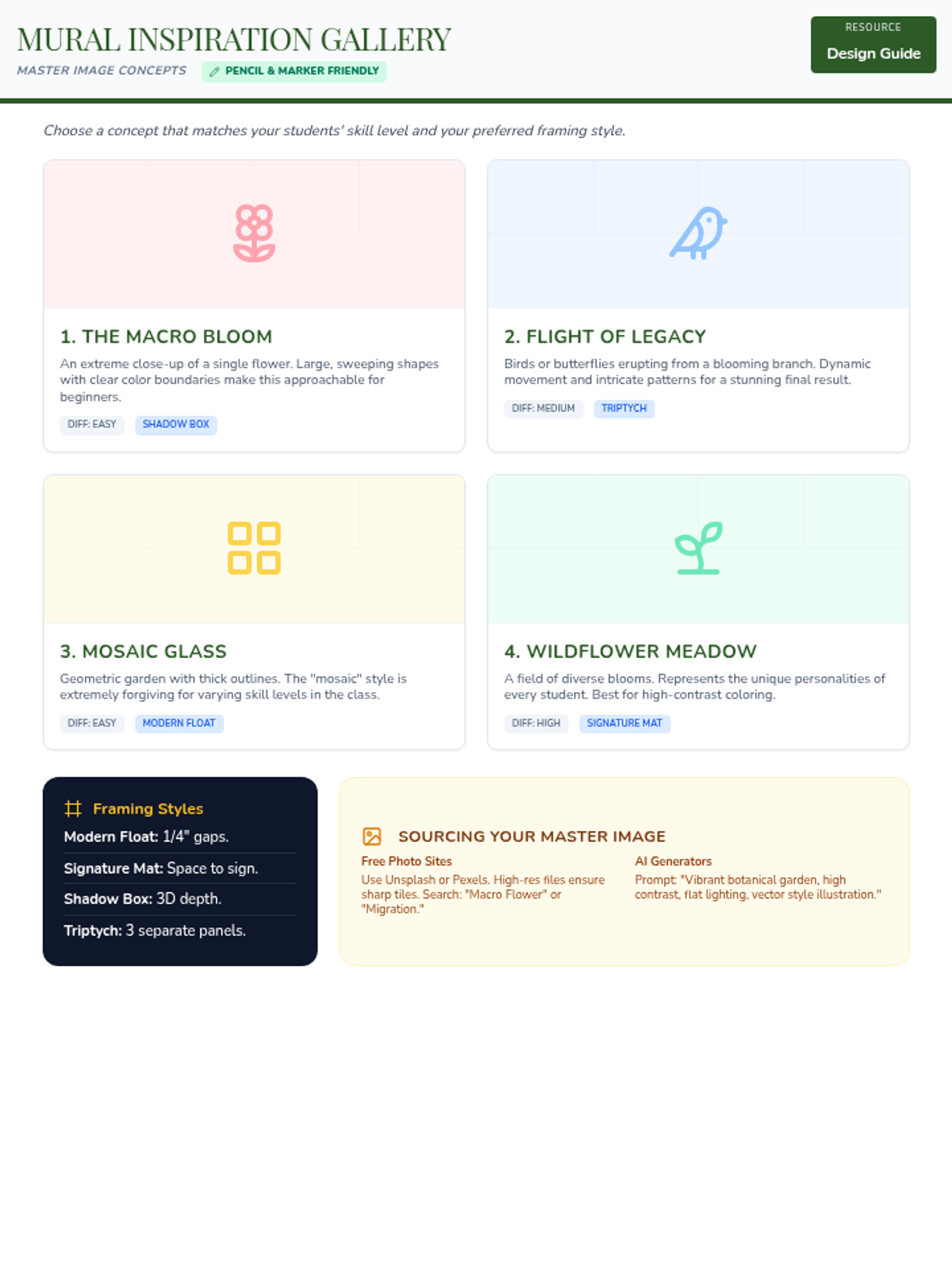
Students explore the theme of 'Blooming' through a collaborative grid mural project, where each individual piece contributes to a larger-than-life garden masterpiece for a retiring teacher.
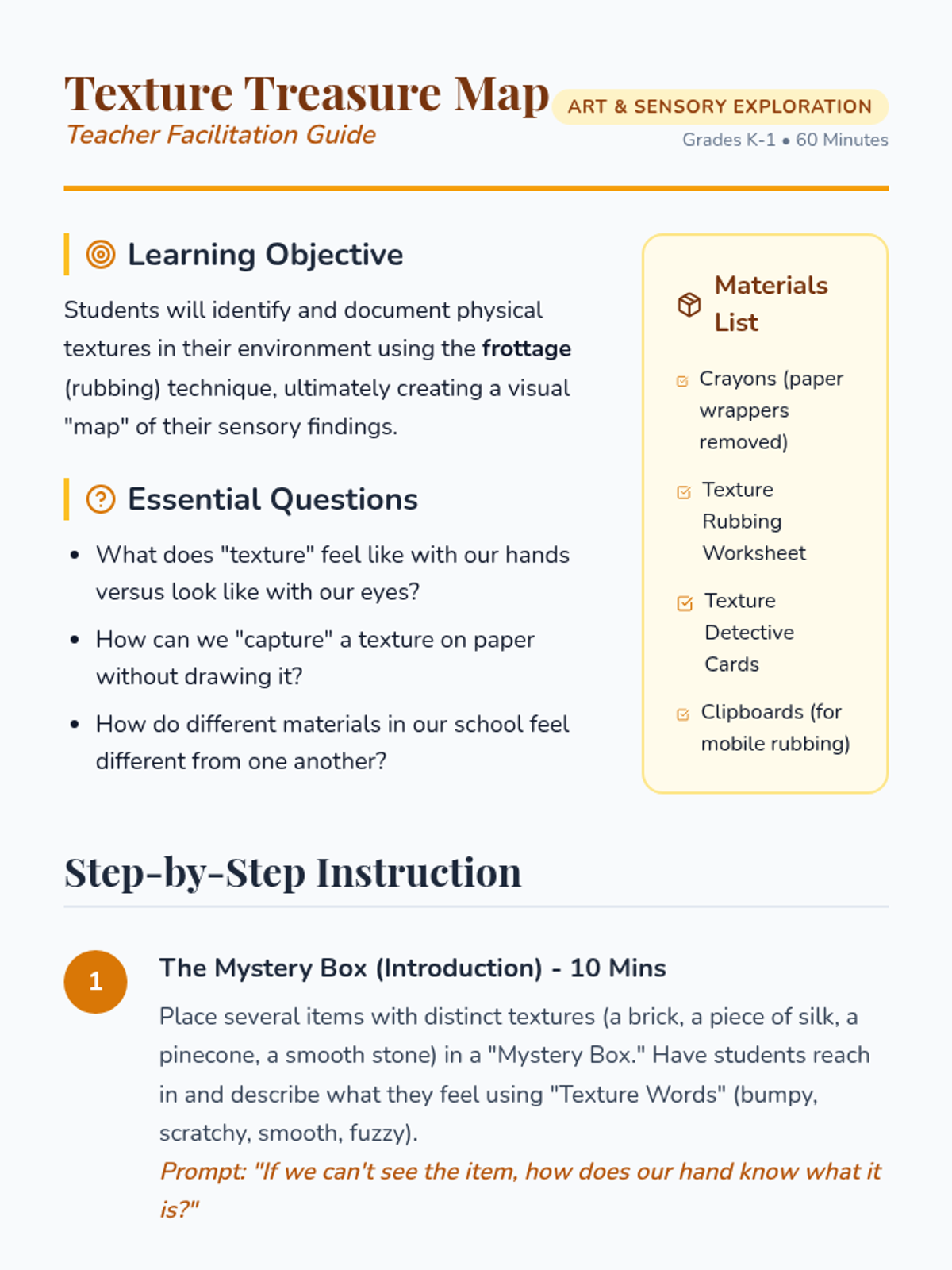
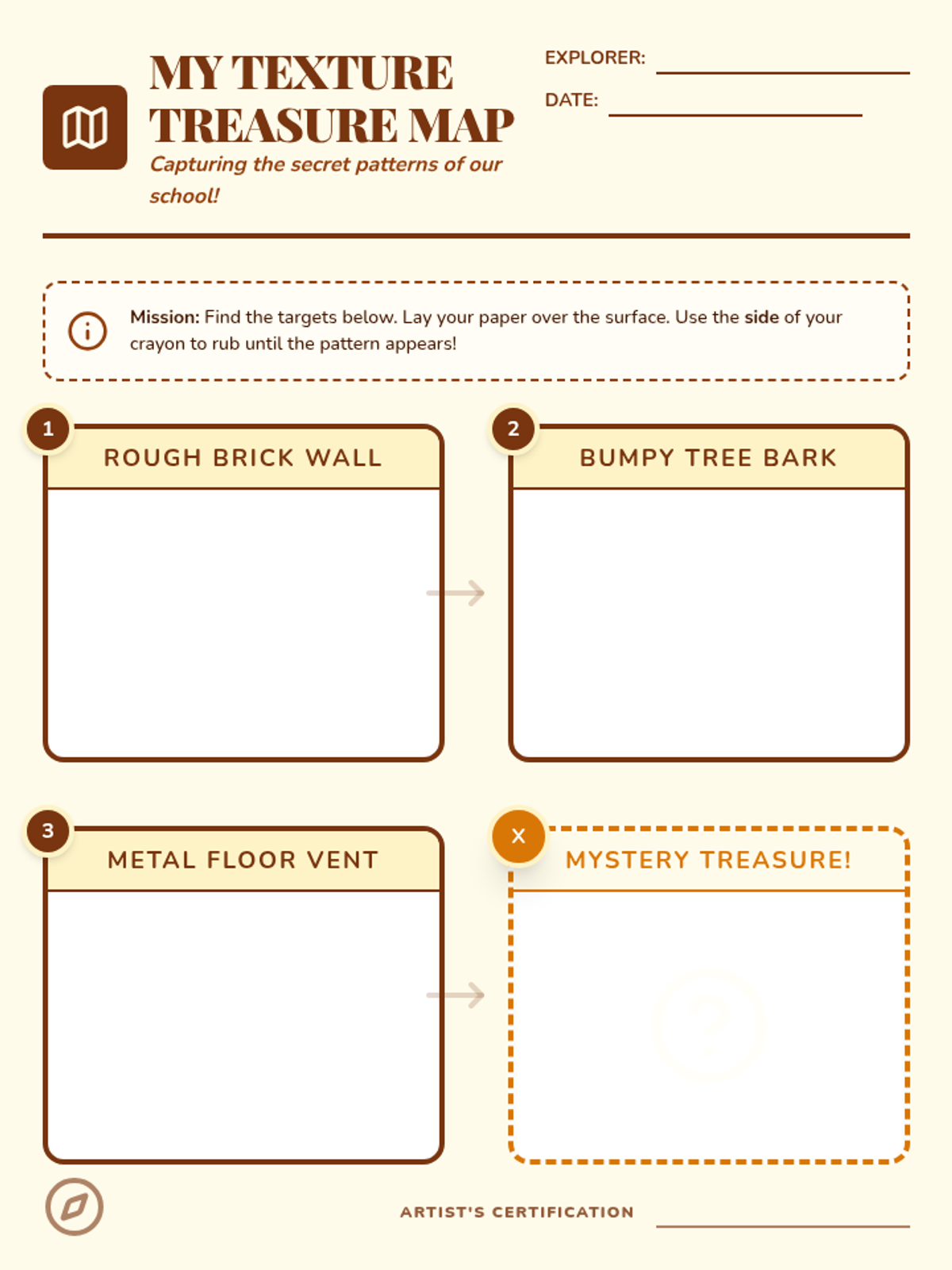
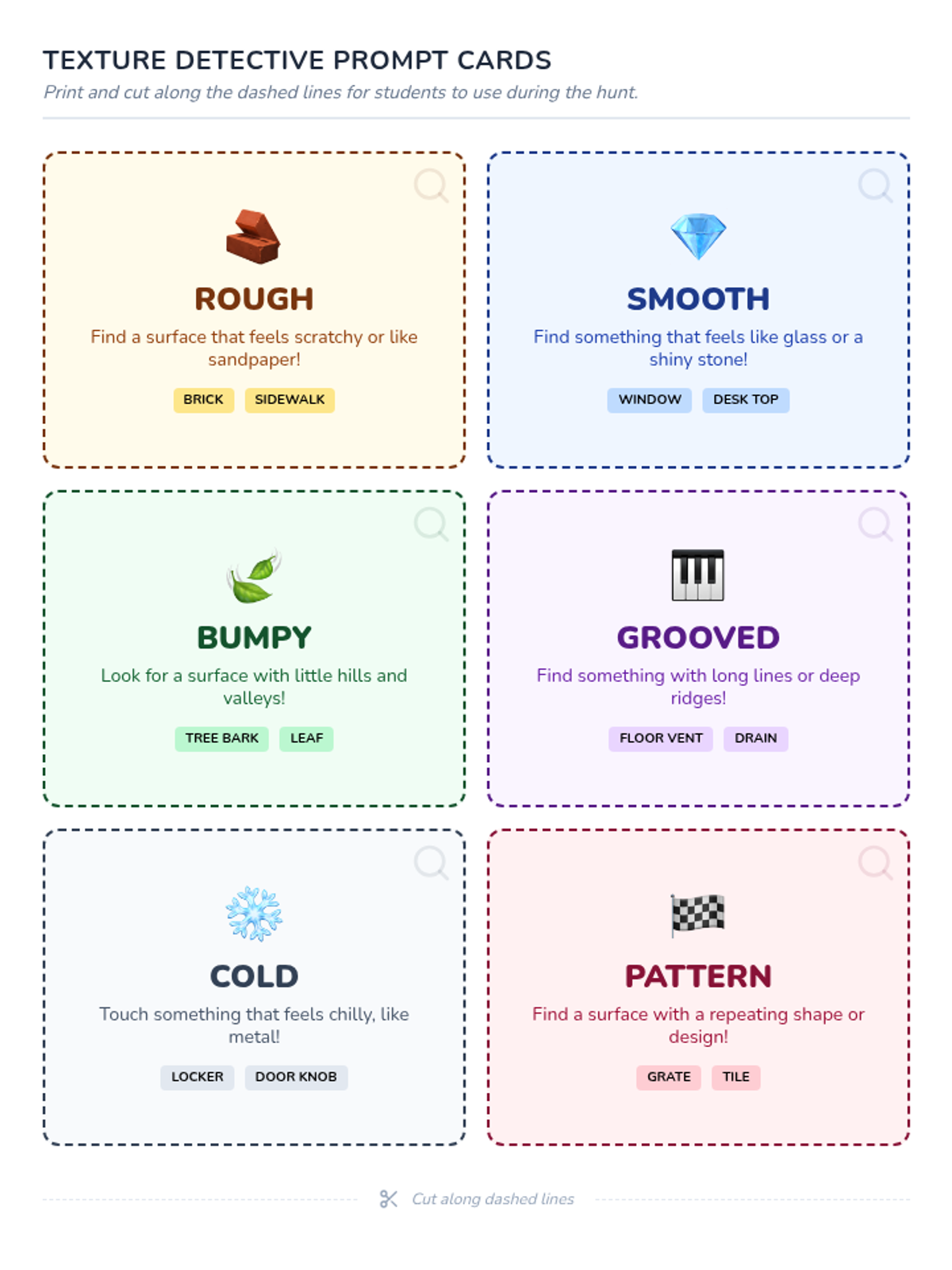
A sensory art lesson where young students use the frottage technique to create a texture map of their school, connecting tactile exploration with artistic documentation.
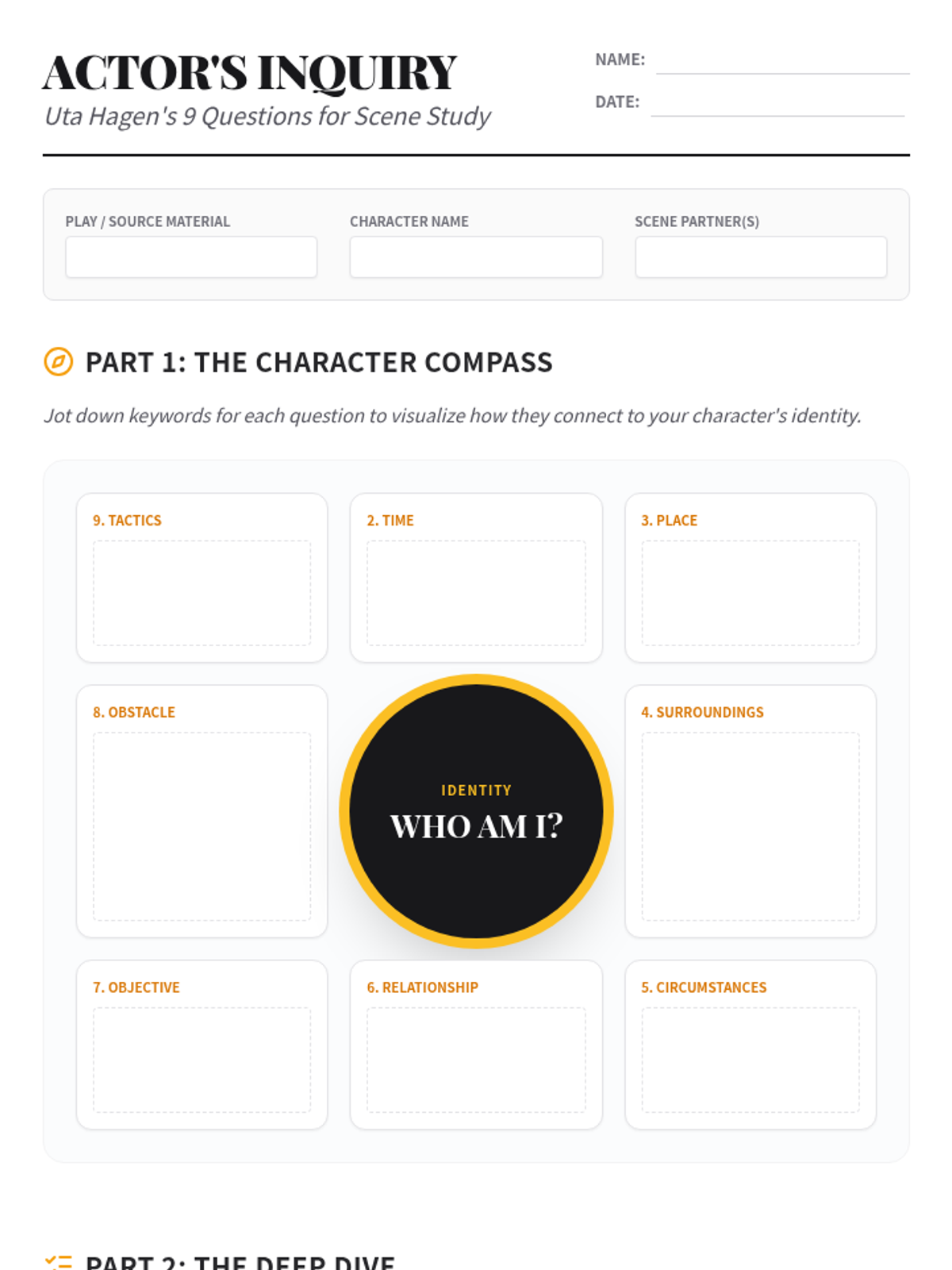
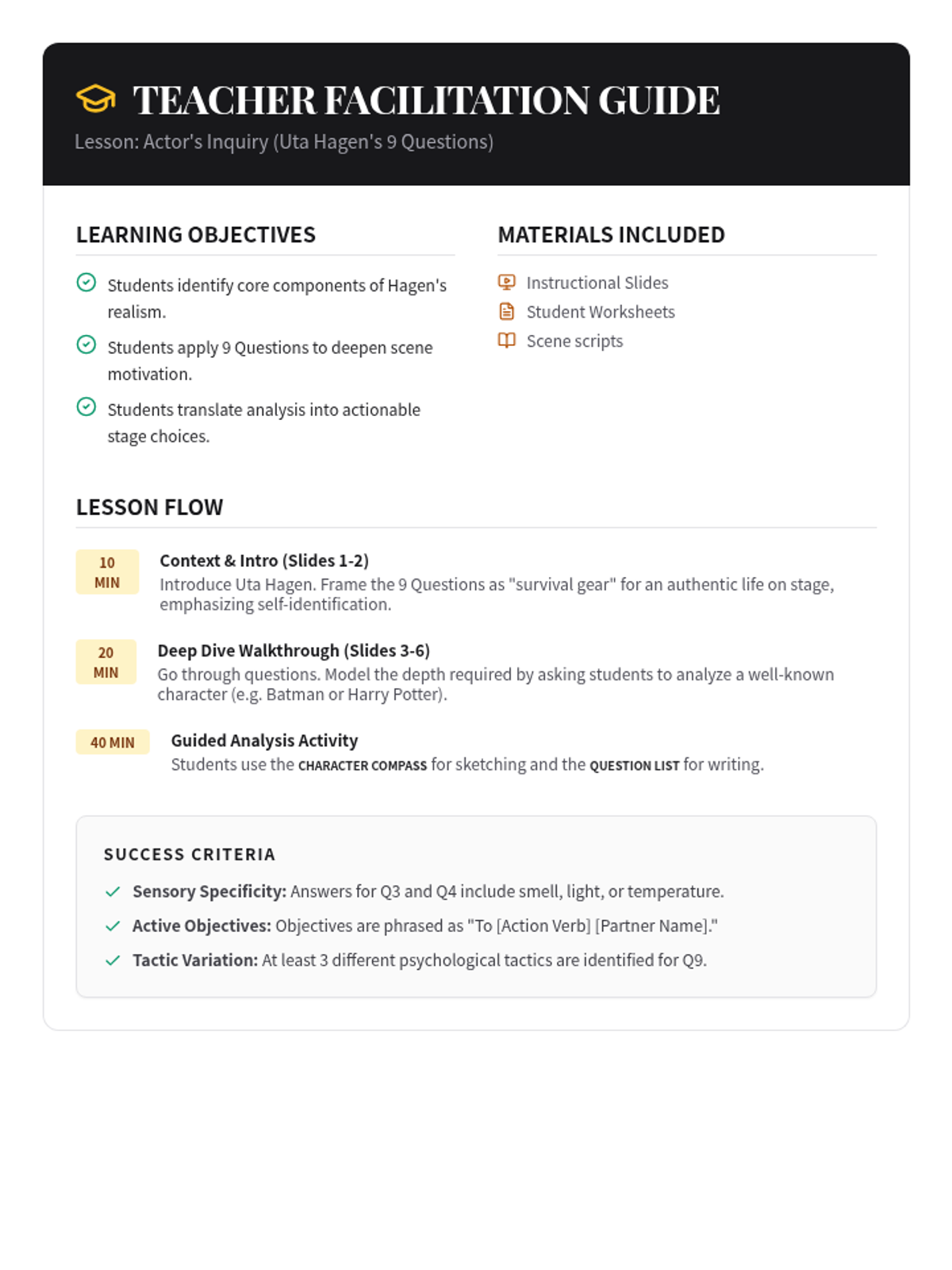
A comprehensive lesson introducing Uta Hagen's 9 Questions for character development in scene study. Includes instructional slides, a visual graphic organizer worksheet, and a teacher facilitation guide.
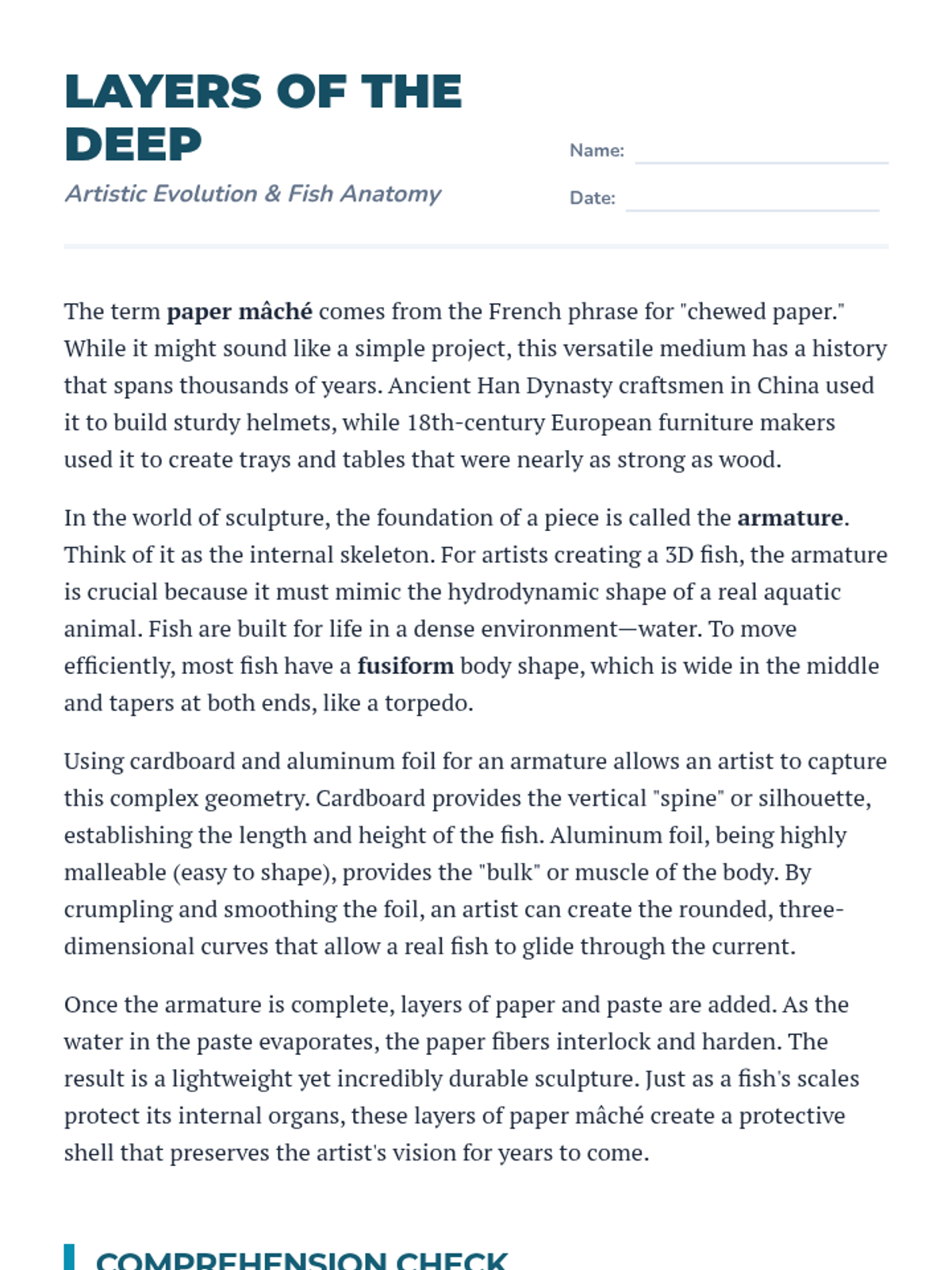
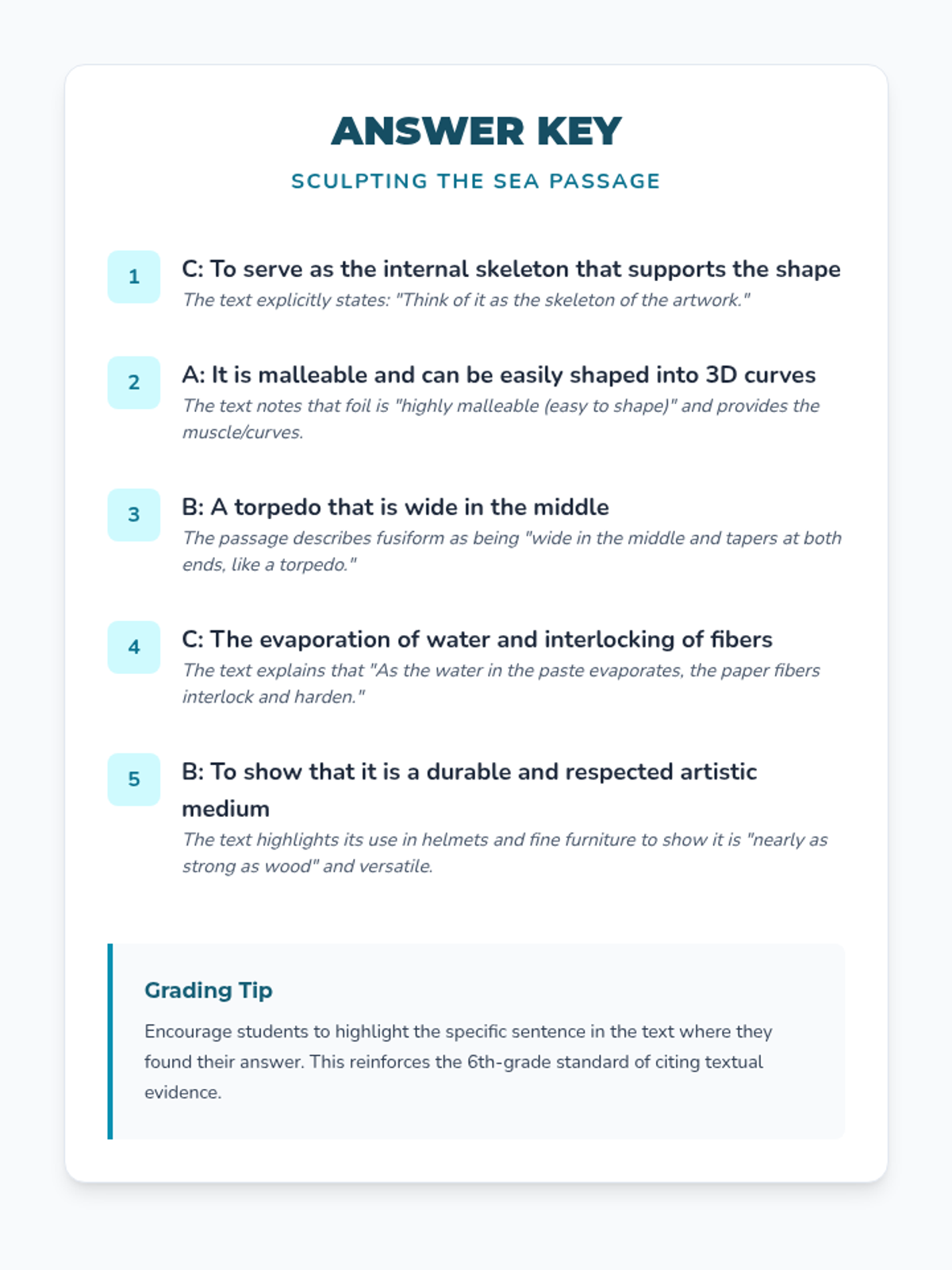
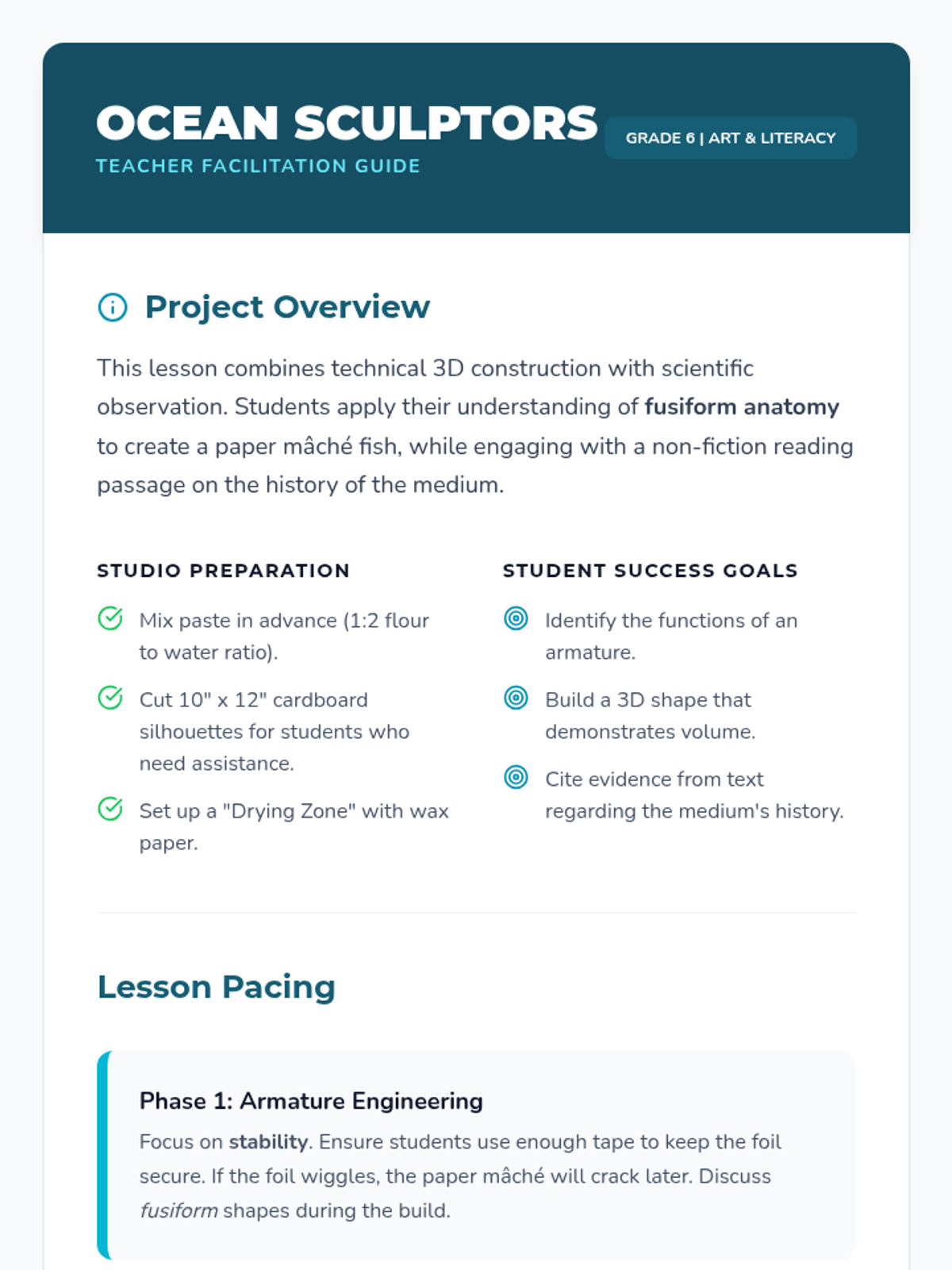
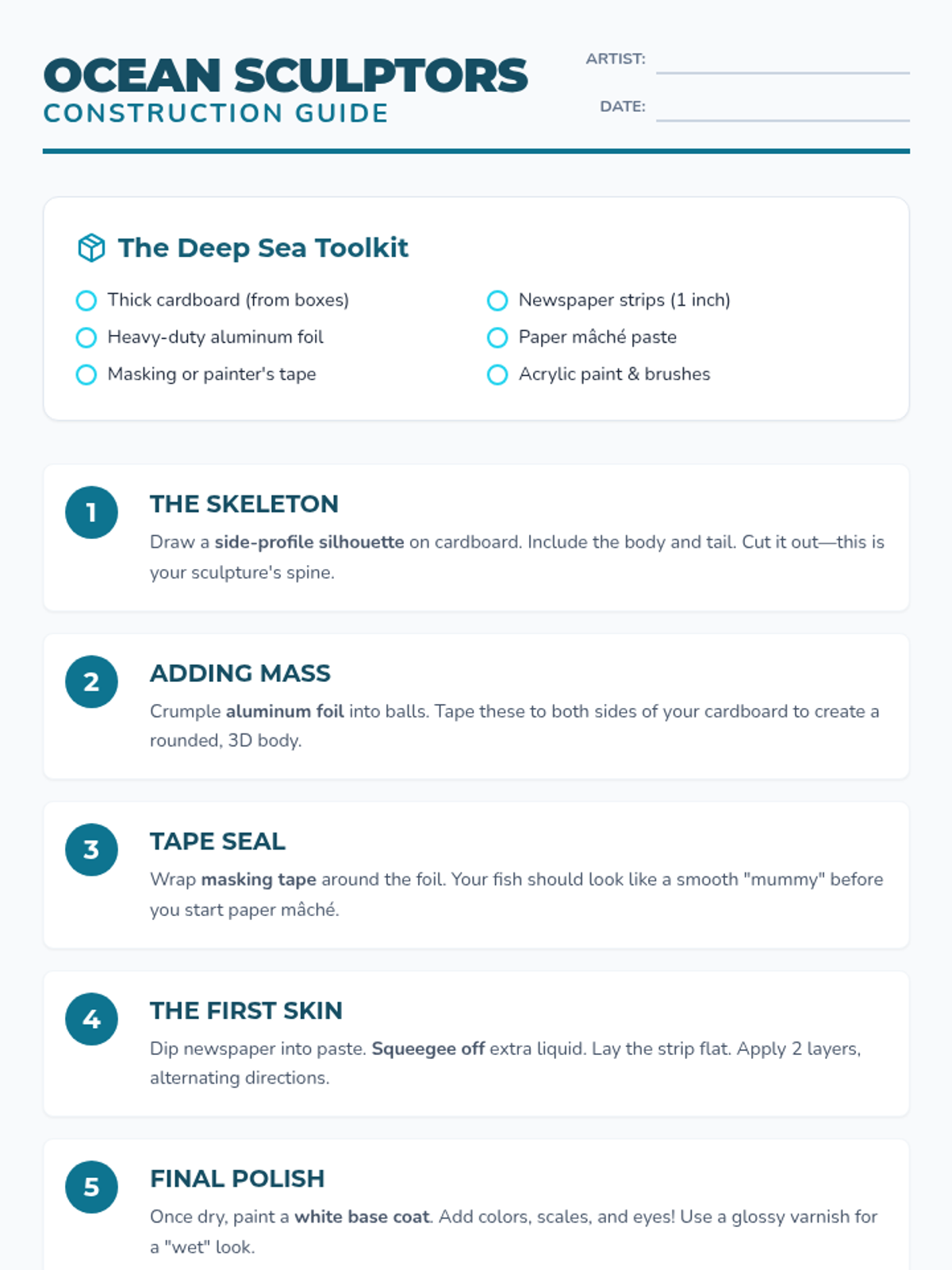
A hands-on art and literacy lesson where 6th-grade students create 3D fish sculptures using paper mâché techniques while exploring the history of the medium and fish anatomy.
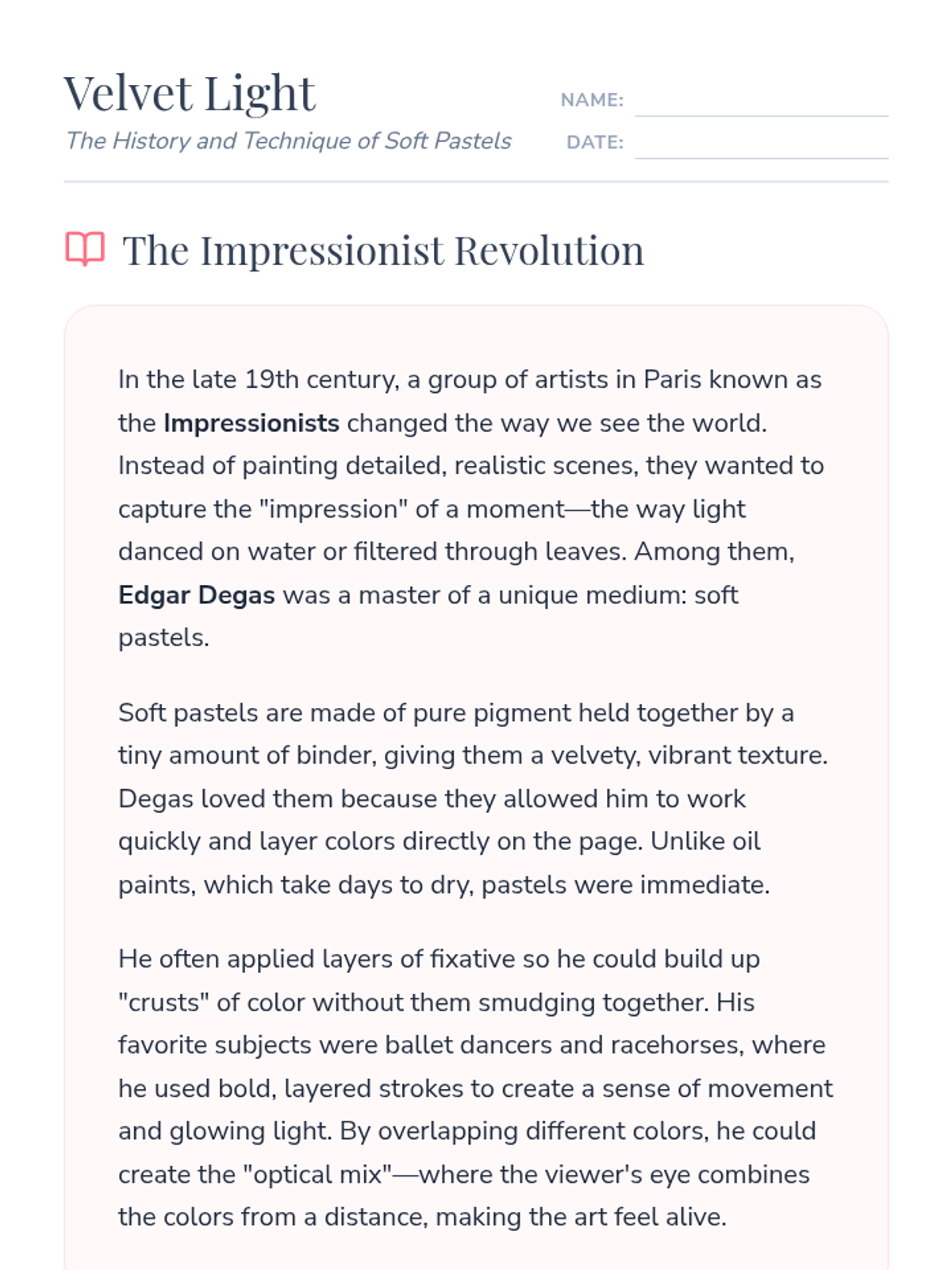
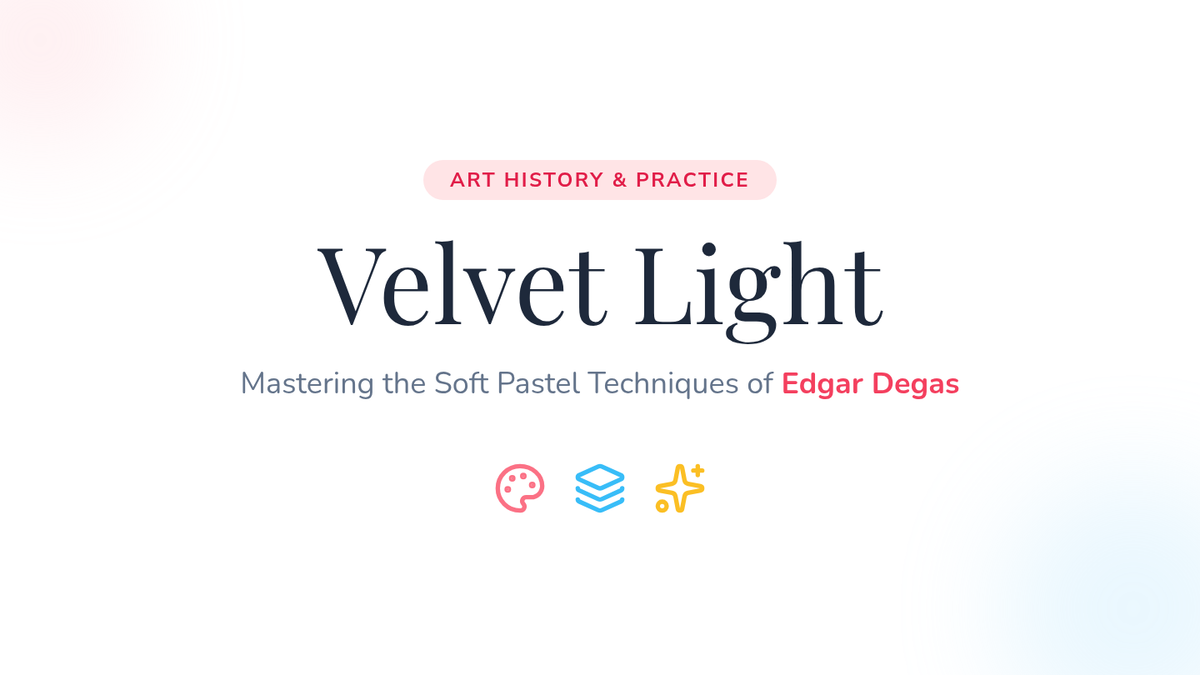
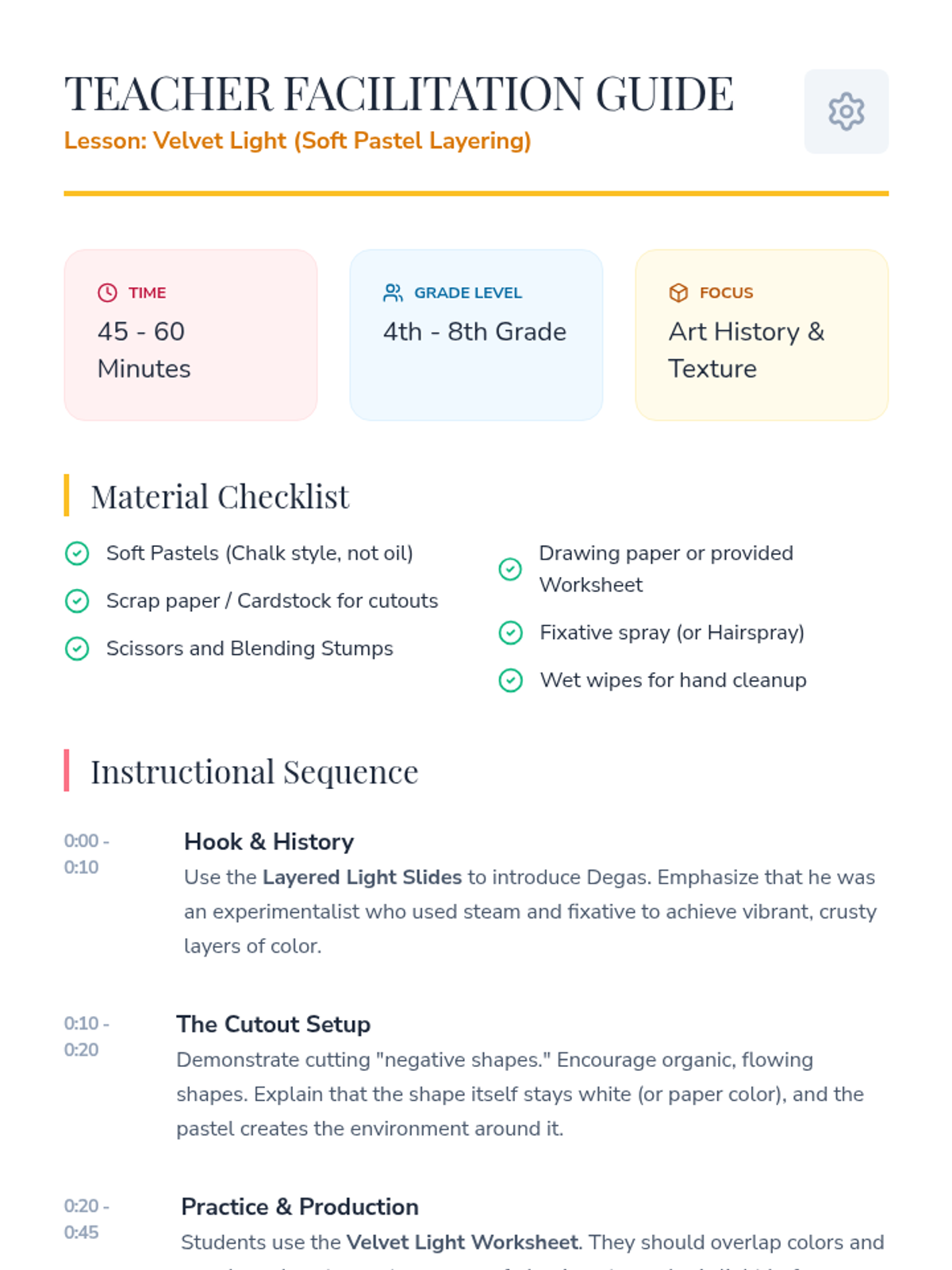
Explore the history and technique of soft pastels through the lens of Edgar Degas and the Impressionists, featuring a hands-on layering activity using paper cutouts.
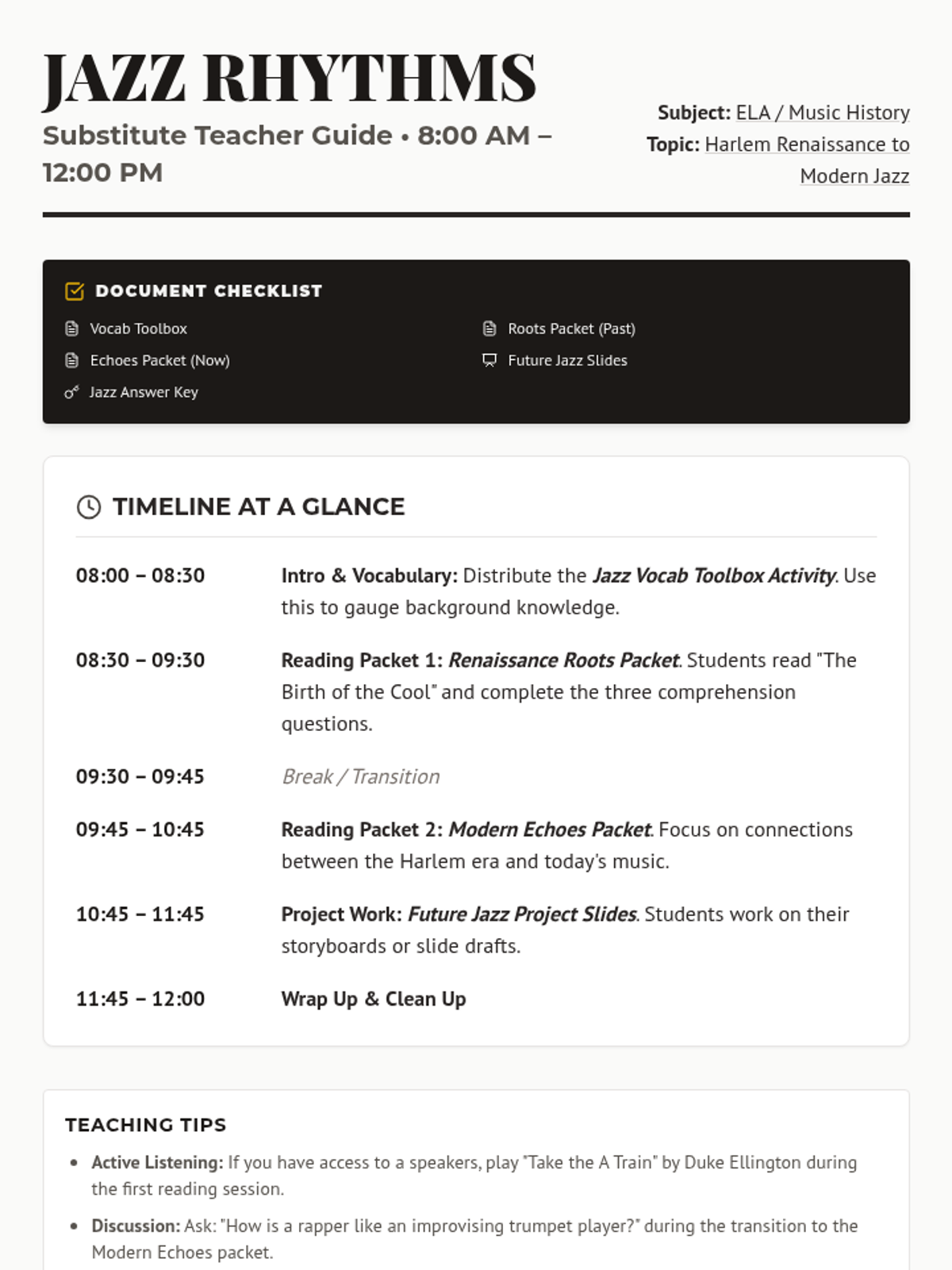
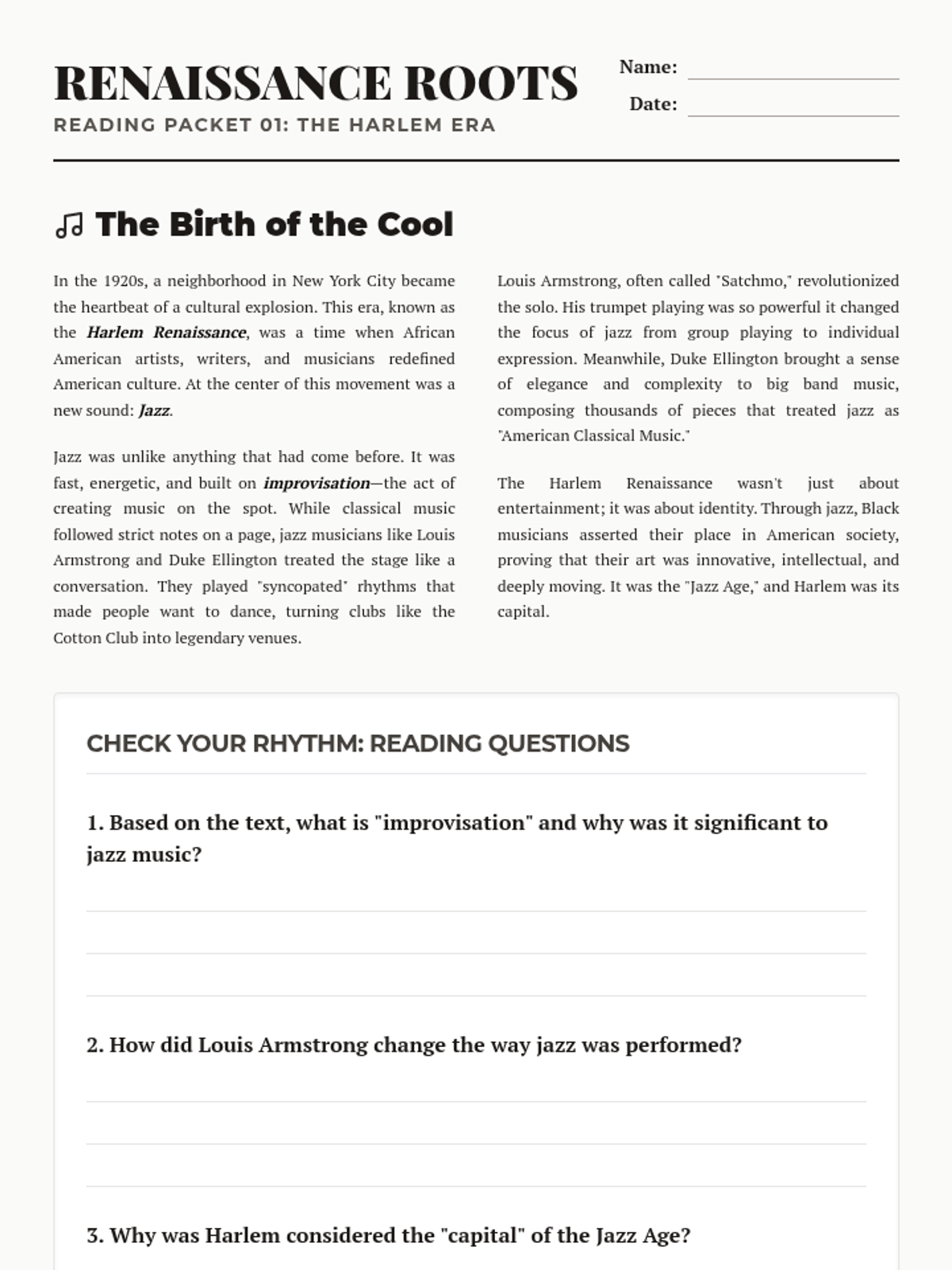
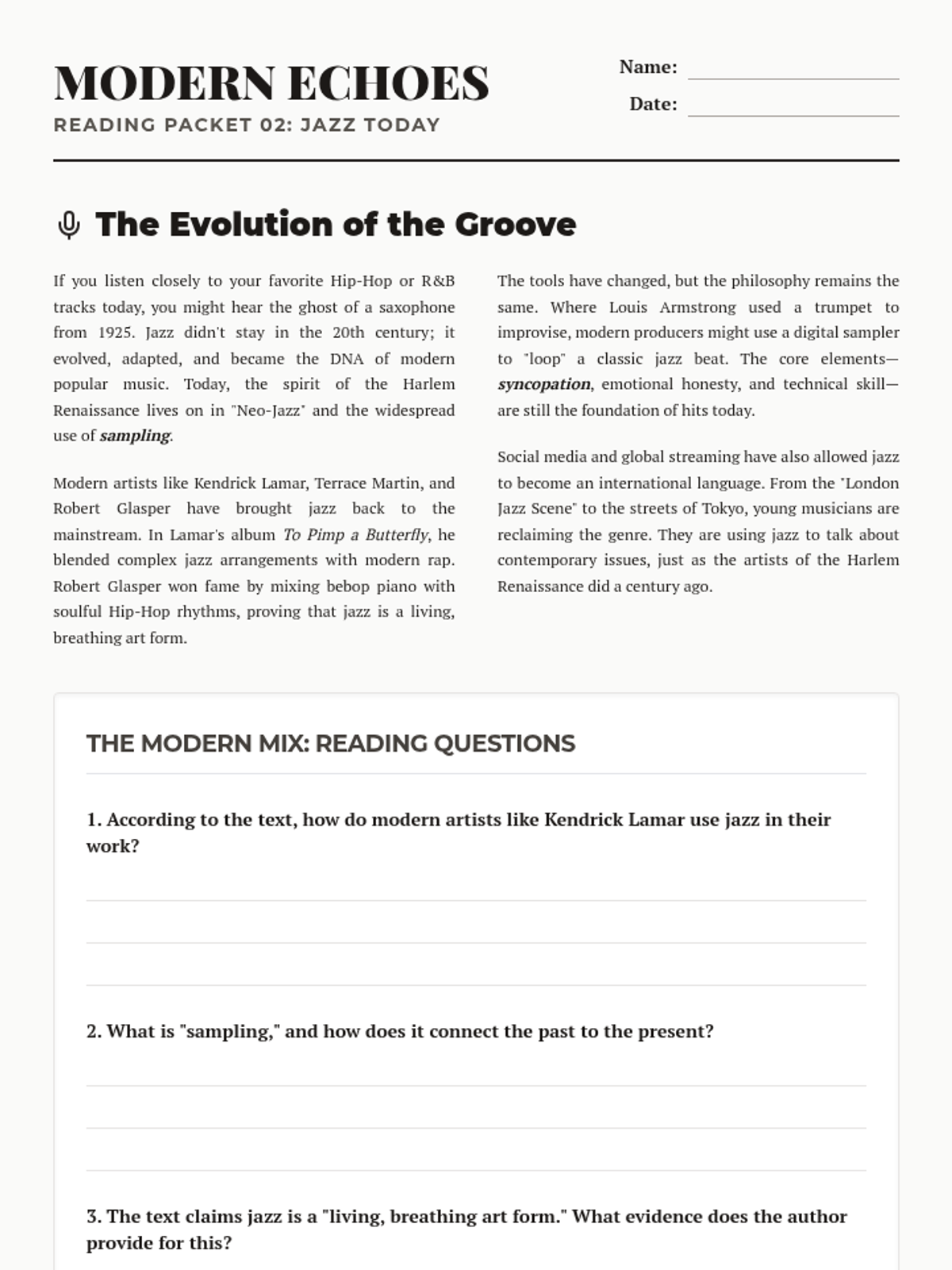
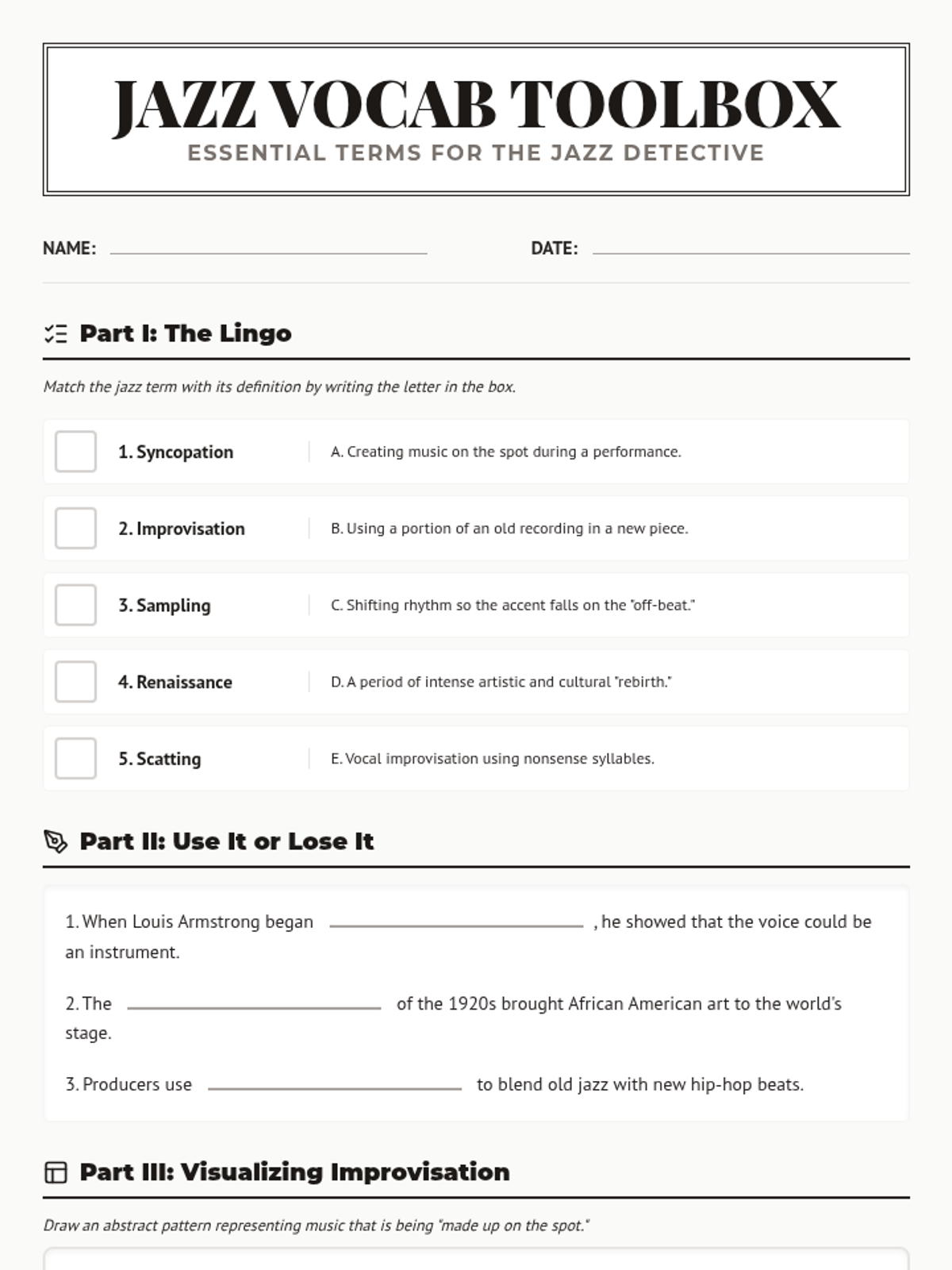
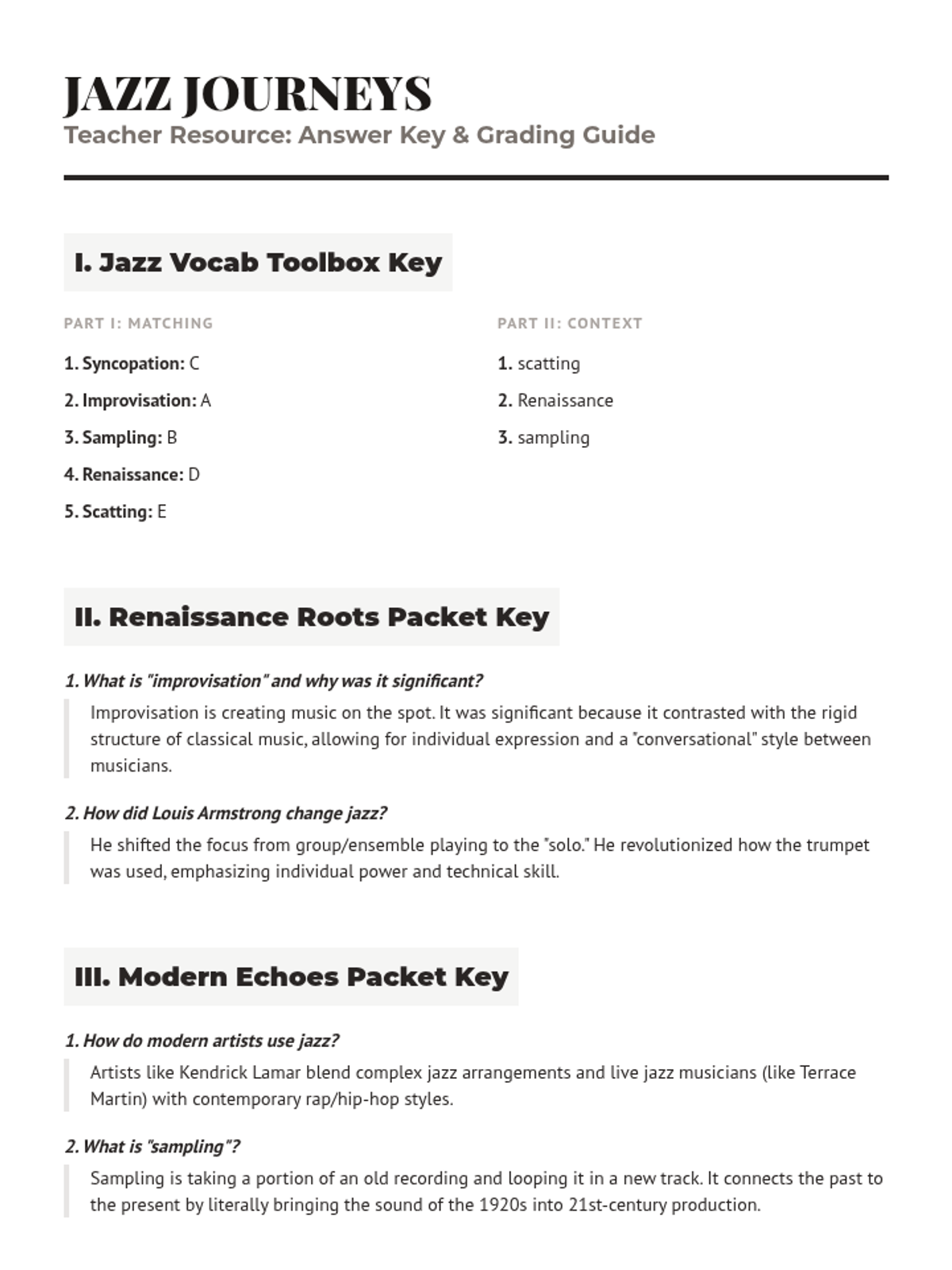
A complete 4-hour substitute teacher plan exploring the history of the Harlem Renaissance and its modern influence on jazz music and culture.
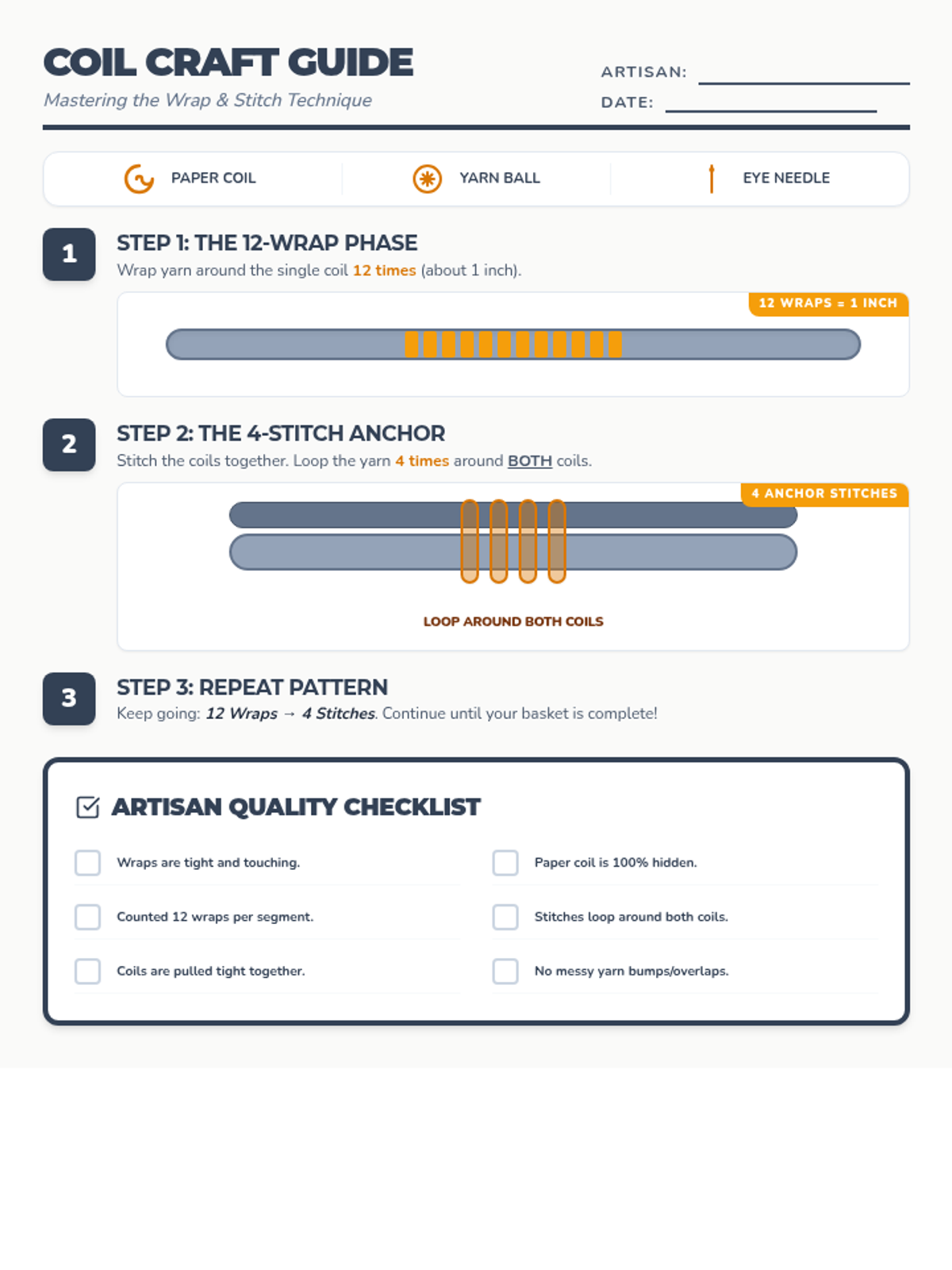
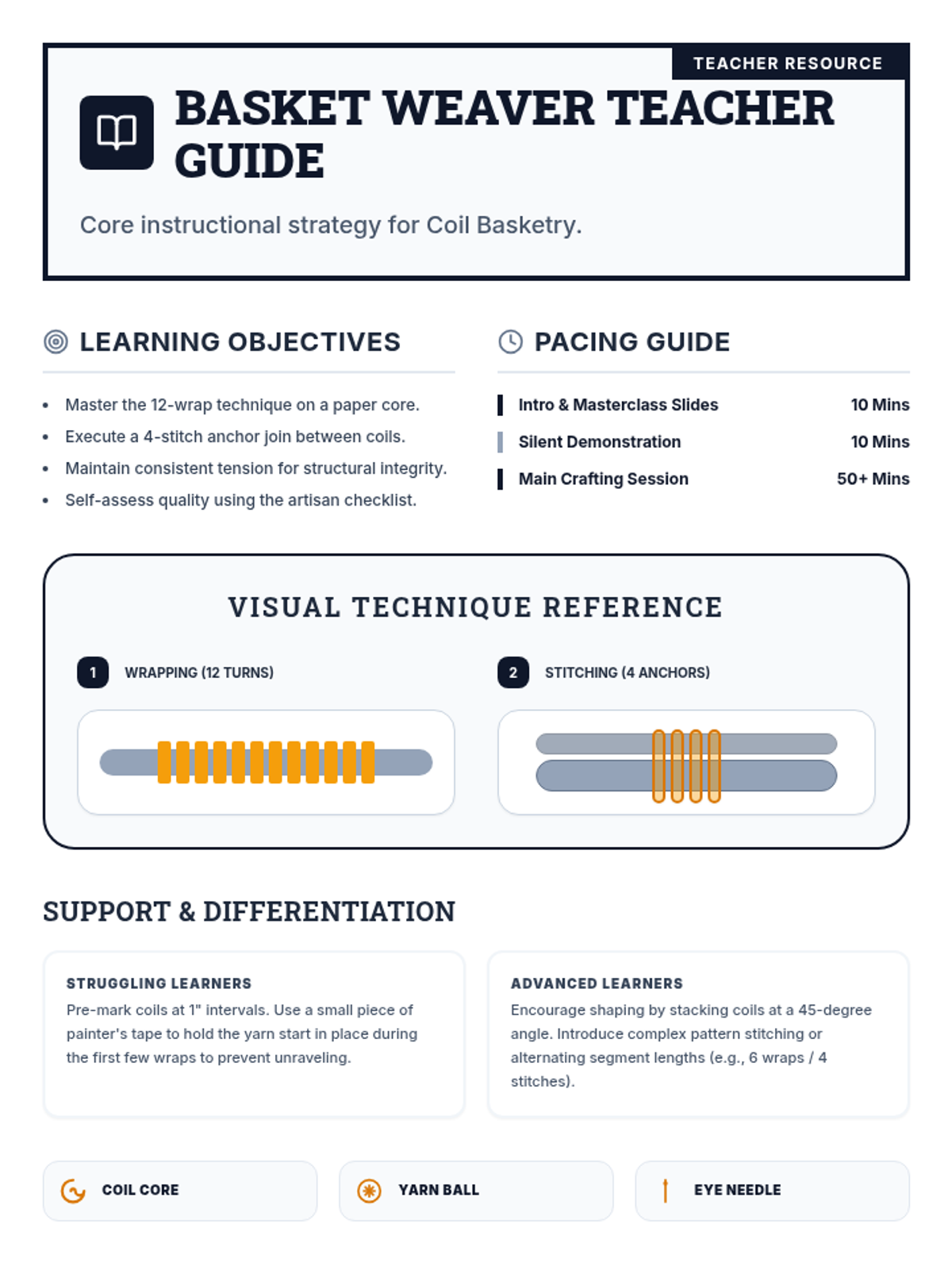
A hands-on introductory lesson to the traditional art of coil basketry using paper coils and yarn. Students master the rhythmic technique of wrapping and stitching to create a functional, decorative vessel.
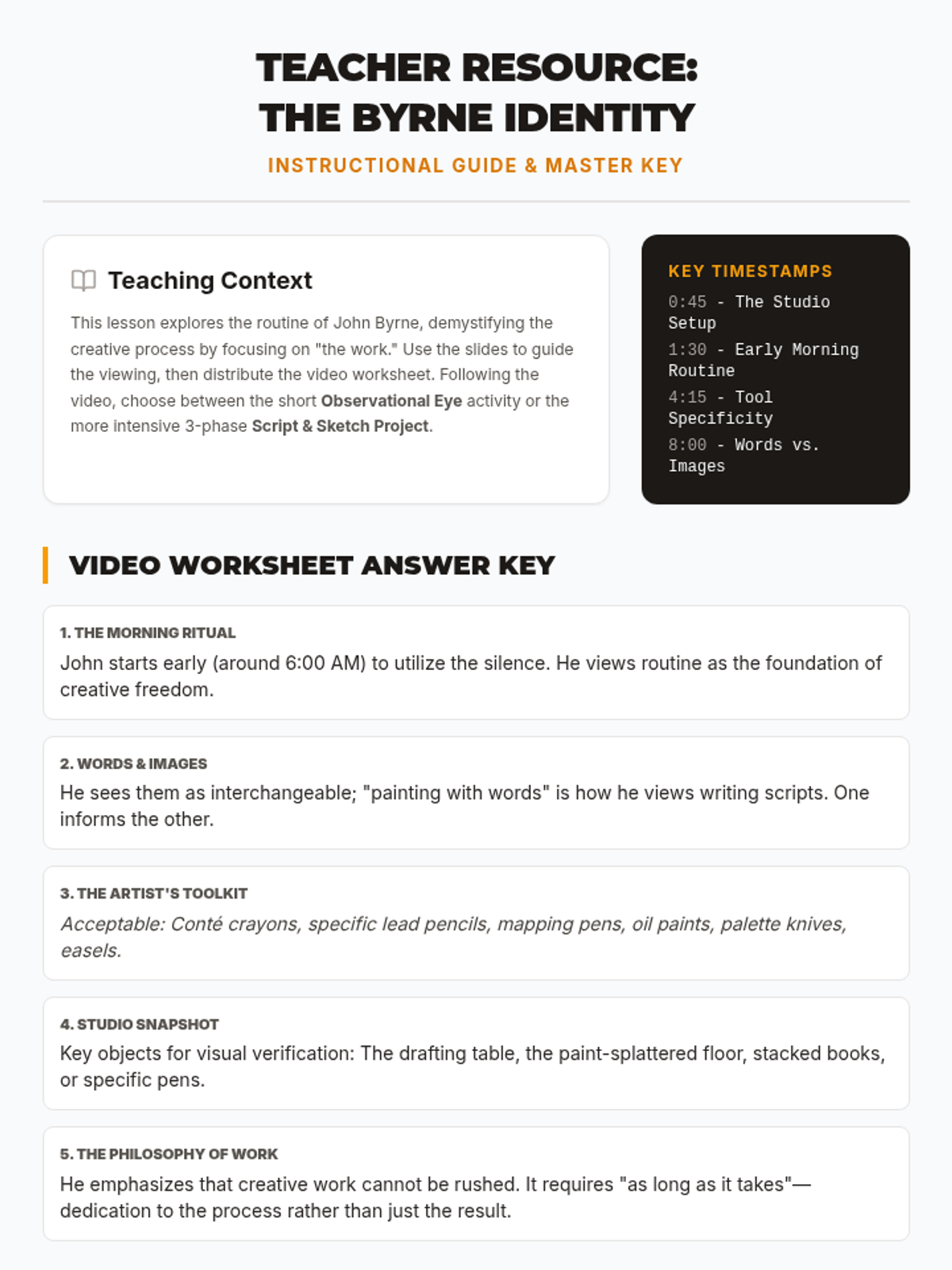
An in-depth look at John Byrne's daily life as a painter and playwright, focusing on his studio habits, materials, and the intersection of visual art and storytelling.
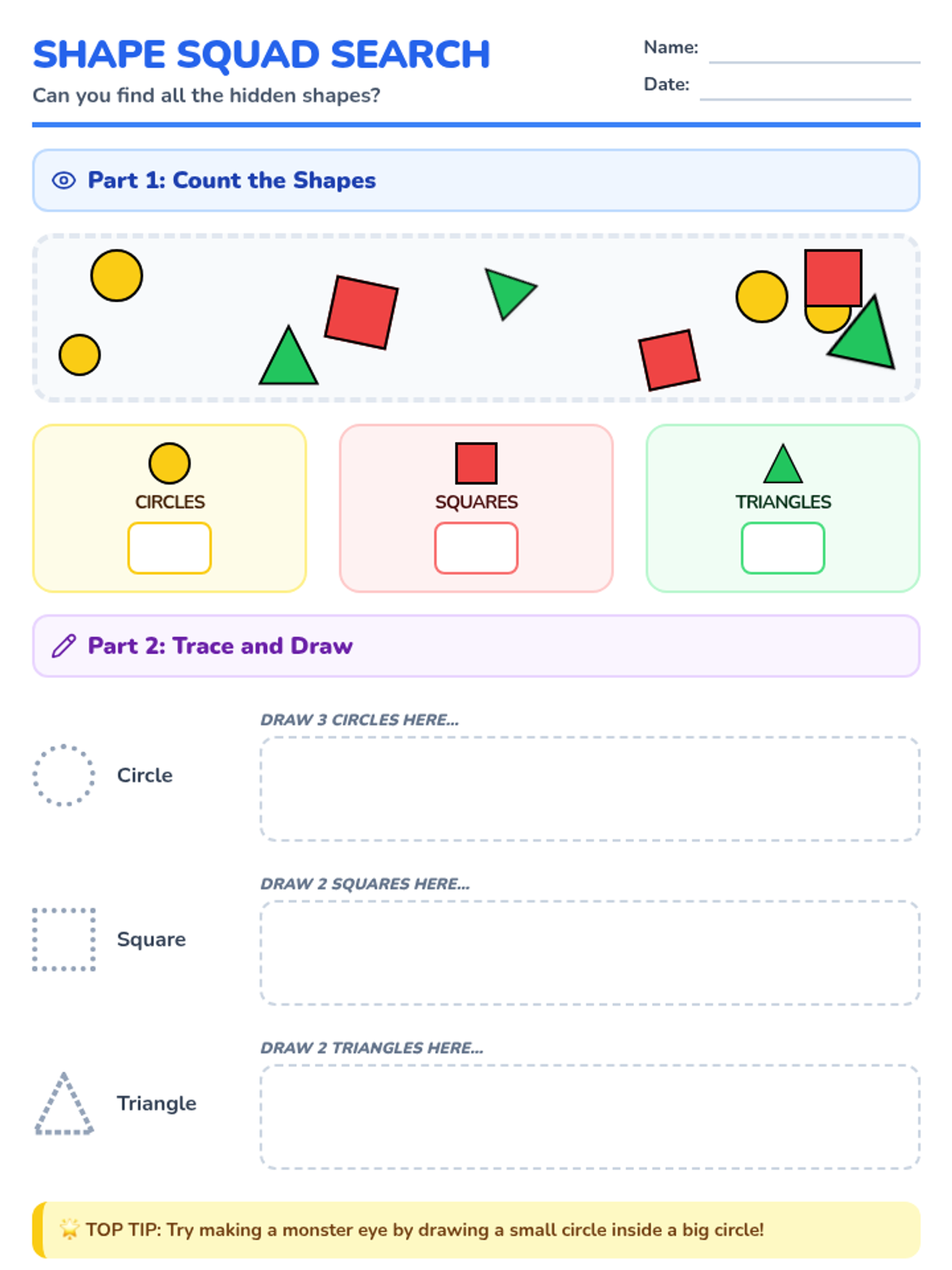
A creative and educational craft lesson where students use geometric shapes to design and build their own 'Shape Shifter' monsters, practicing fine motor skills and shape recognition.
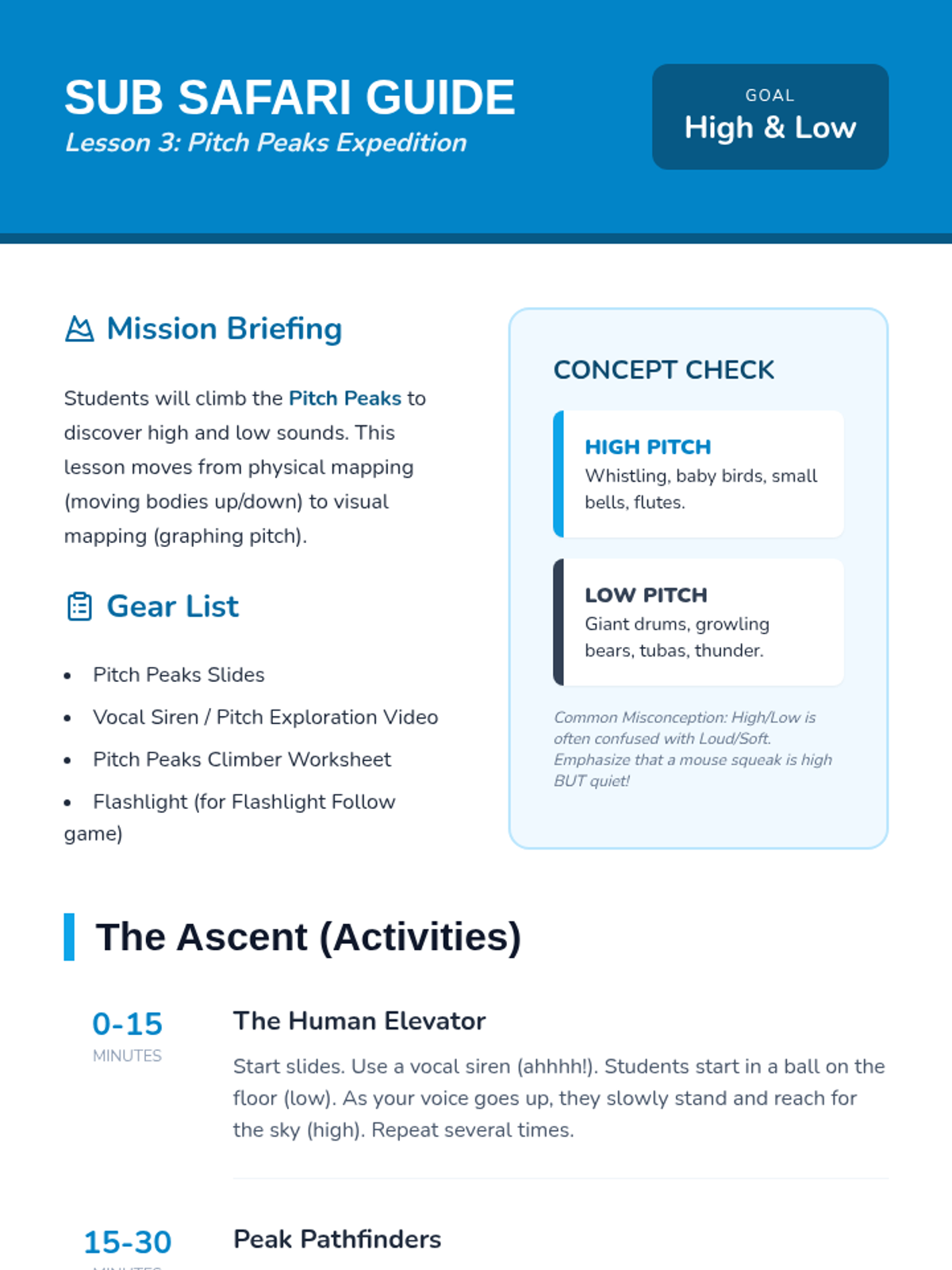
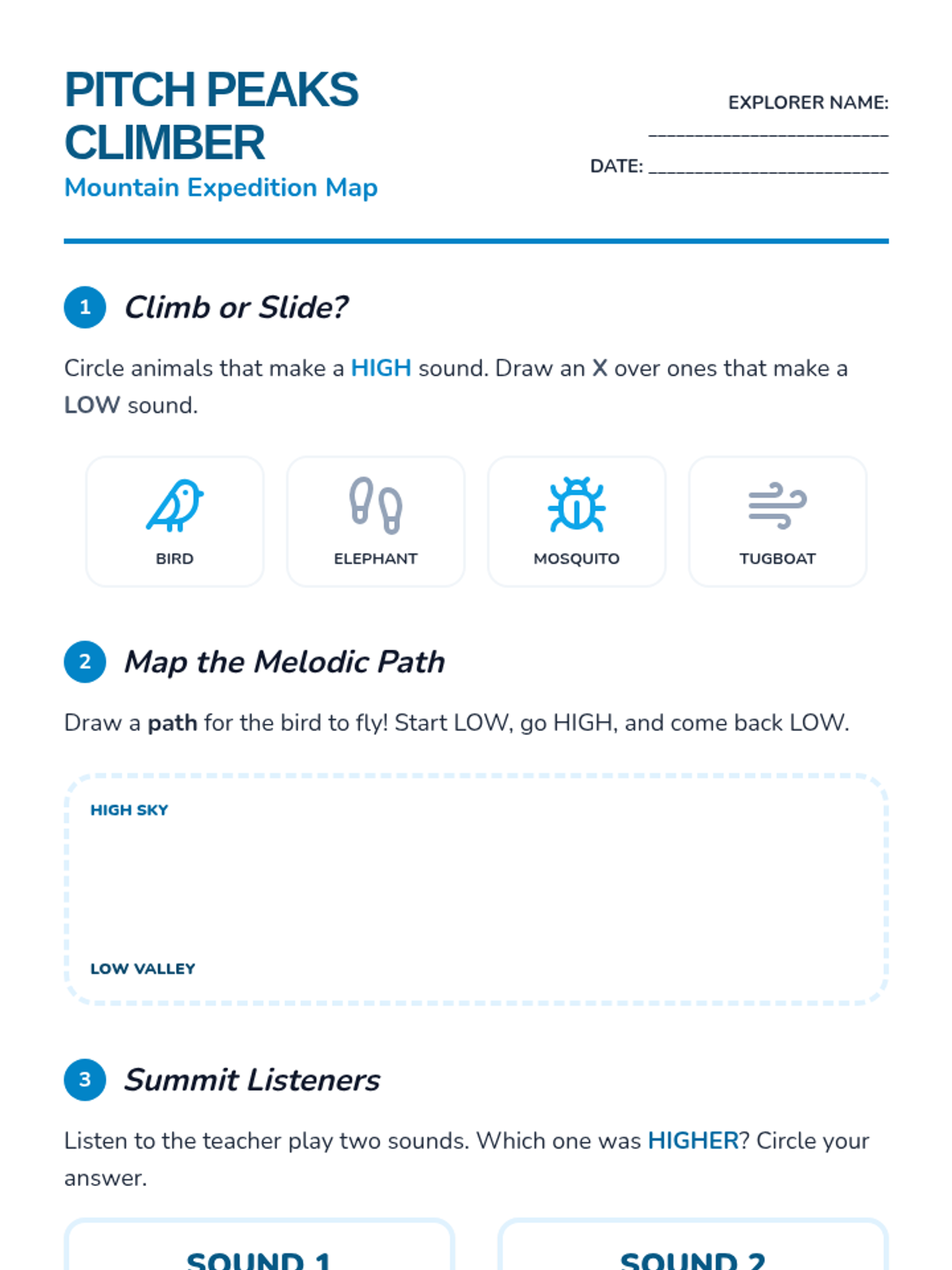
Students climb the musical mountains to distinguish between high and low sounds through active listening and visual mapping.
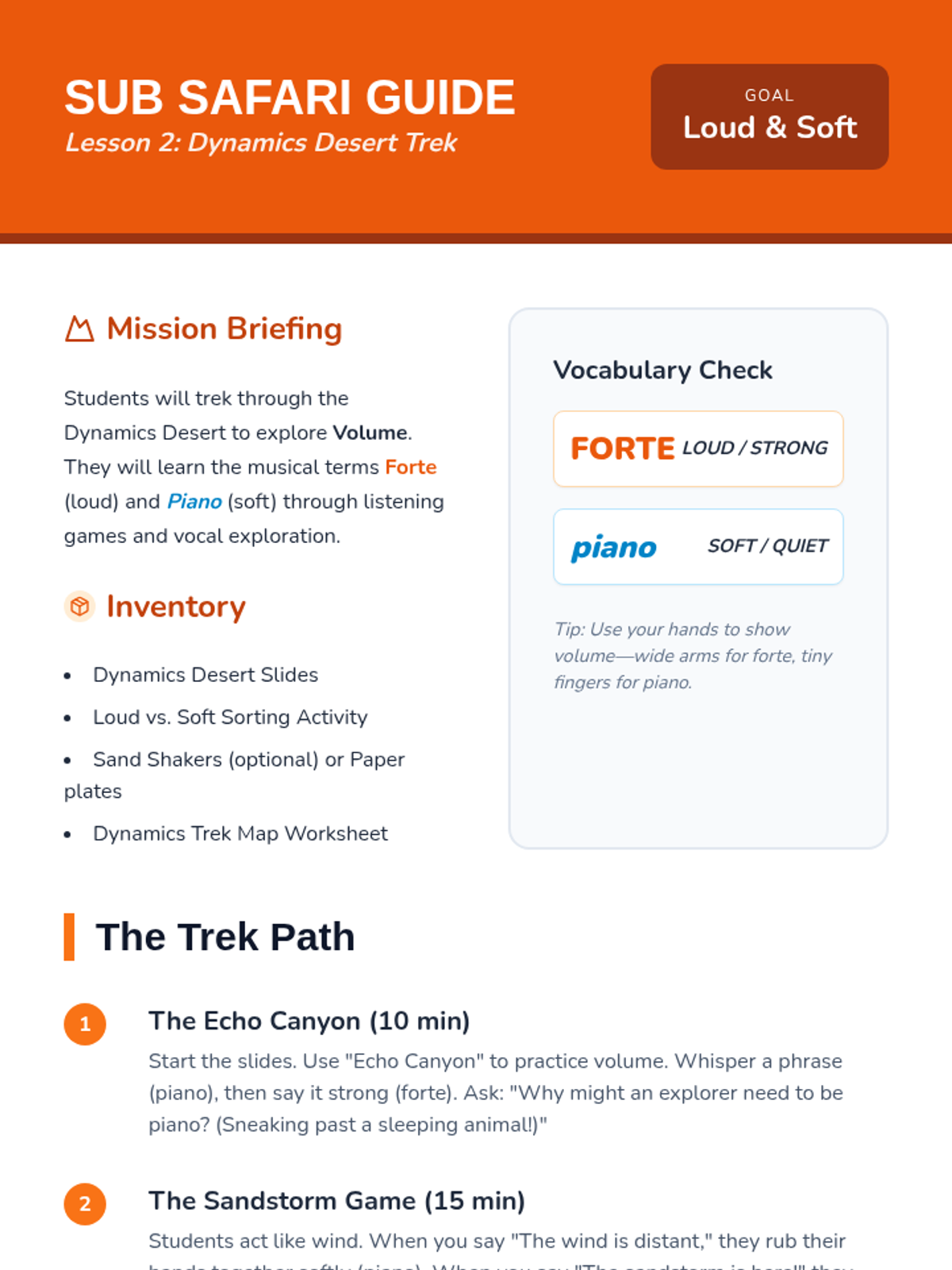
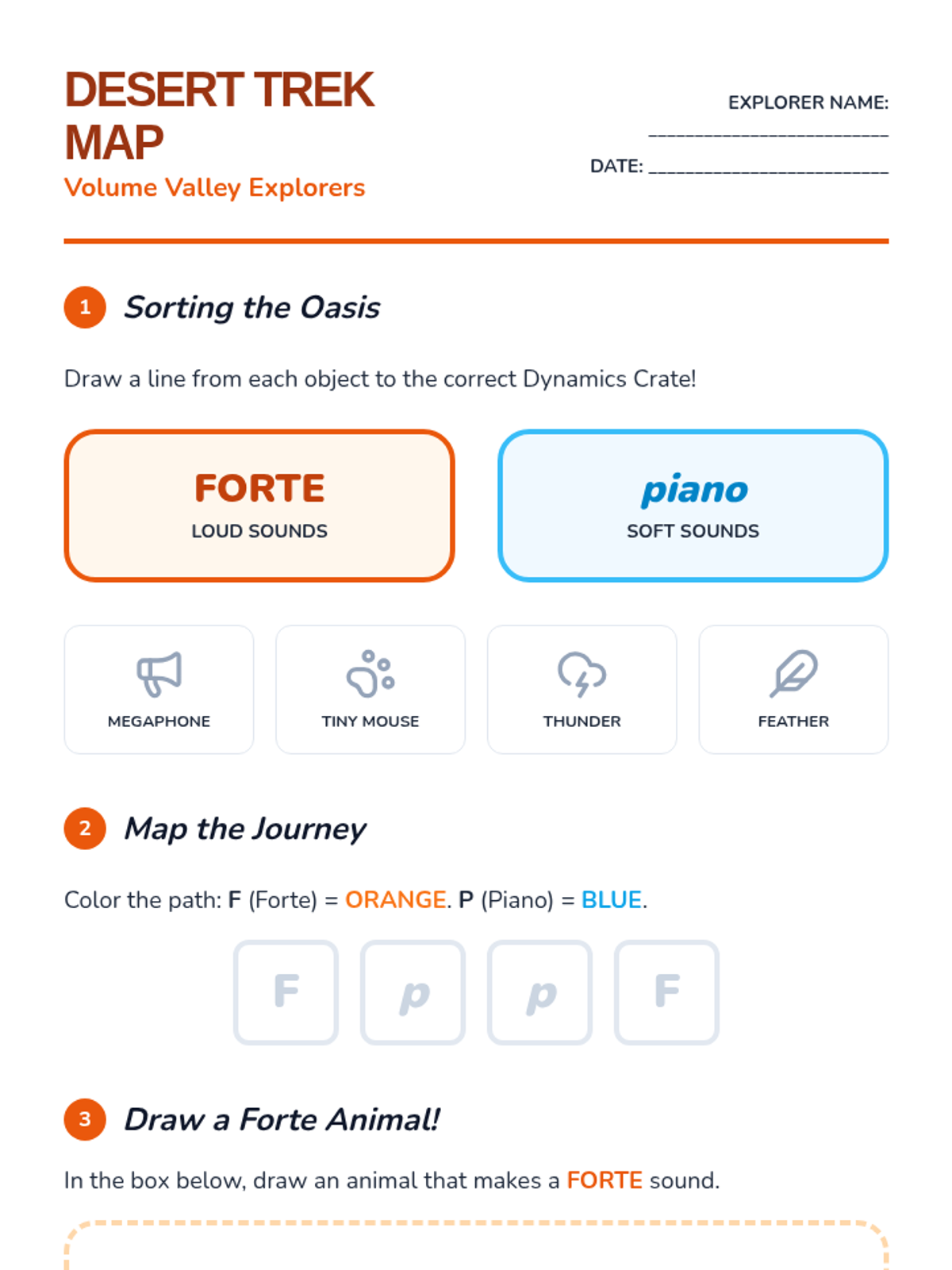
An adventure through the desert to discover piano and forte, using environmental sounds and vocal exploration to understand volume.
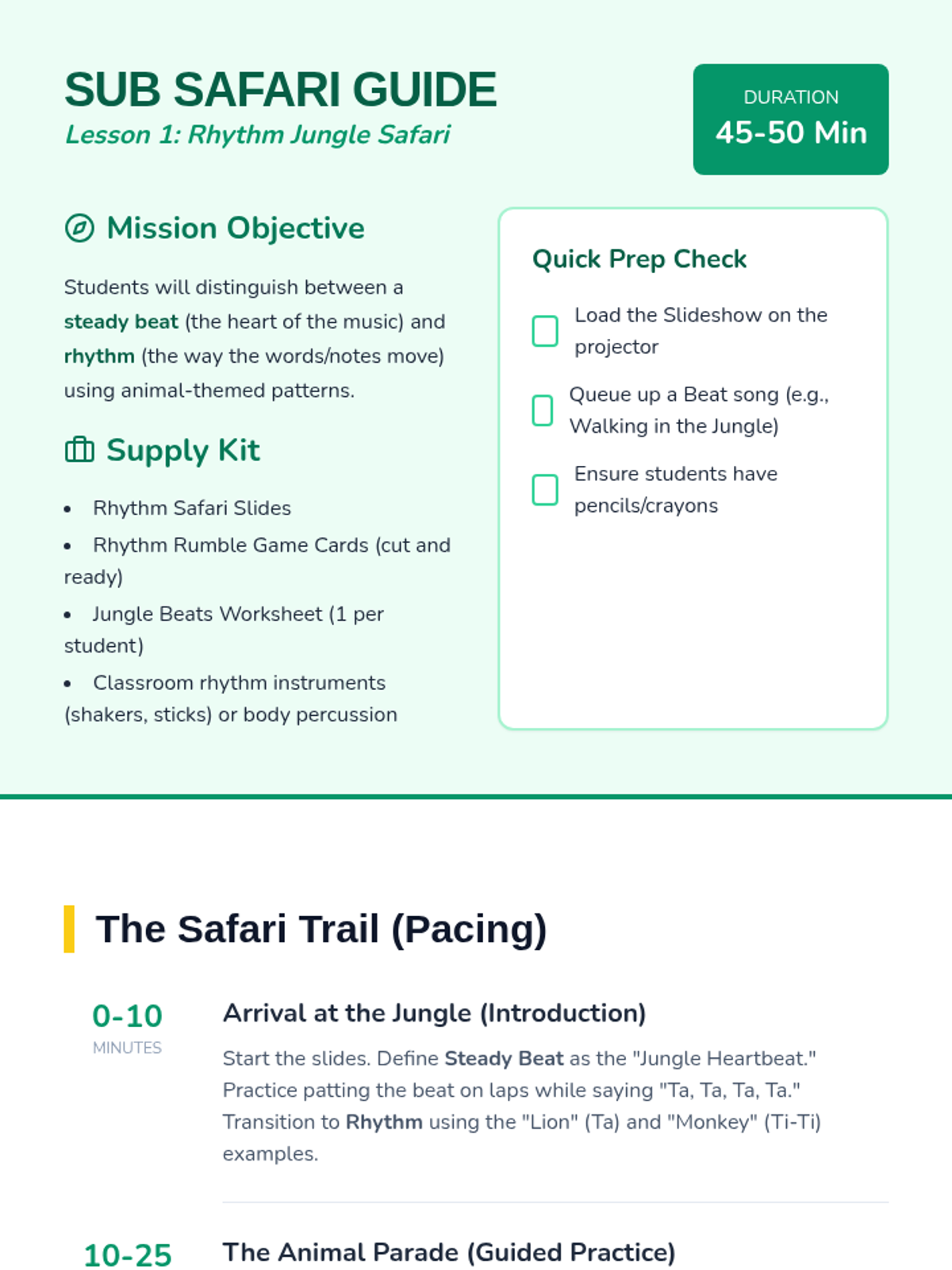
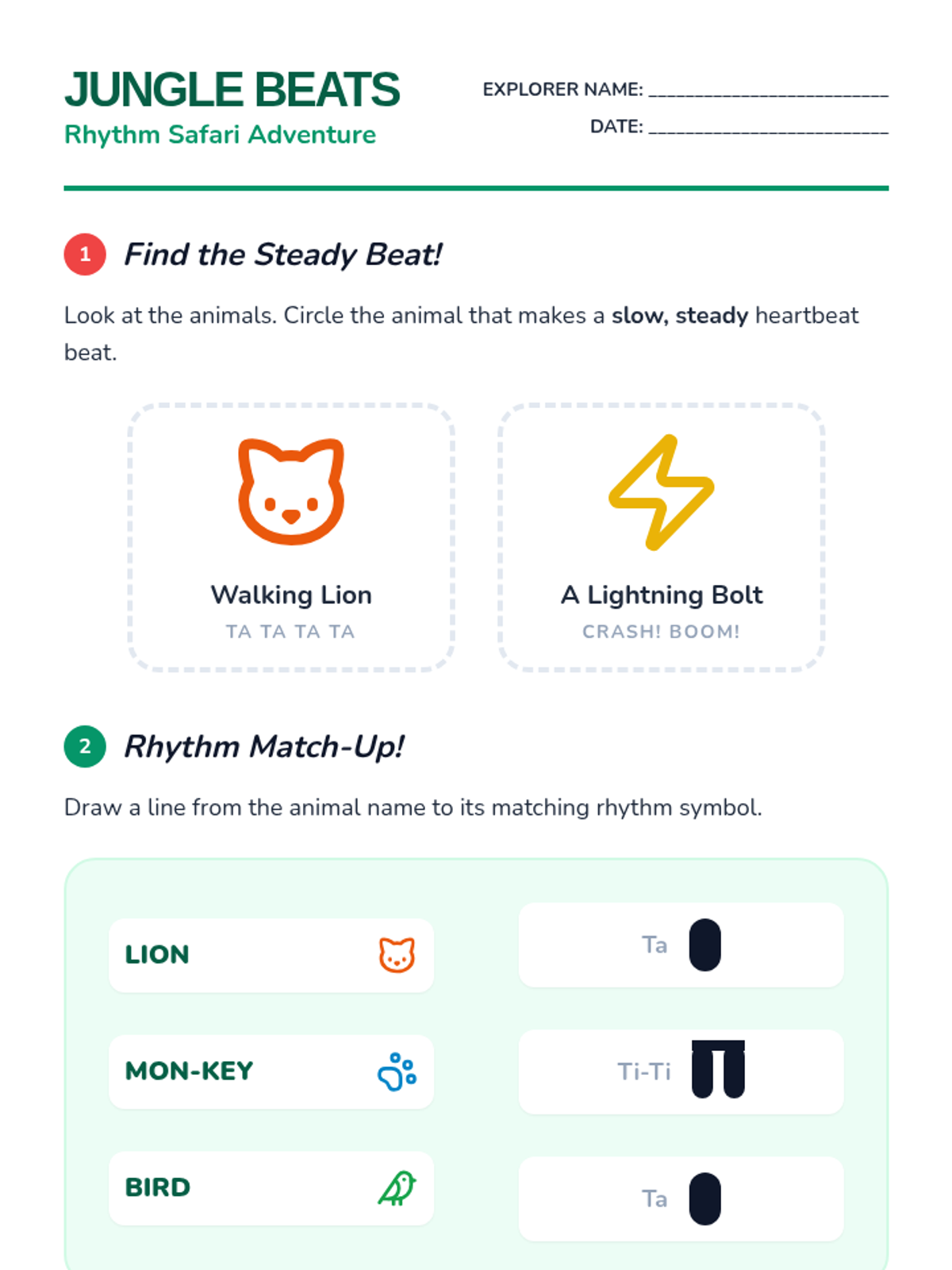
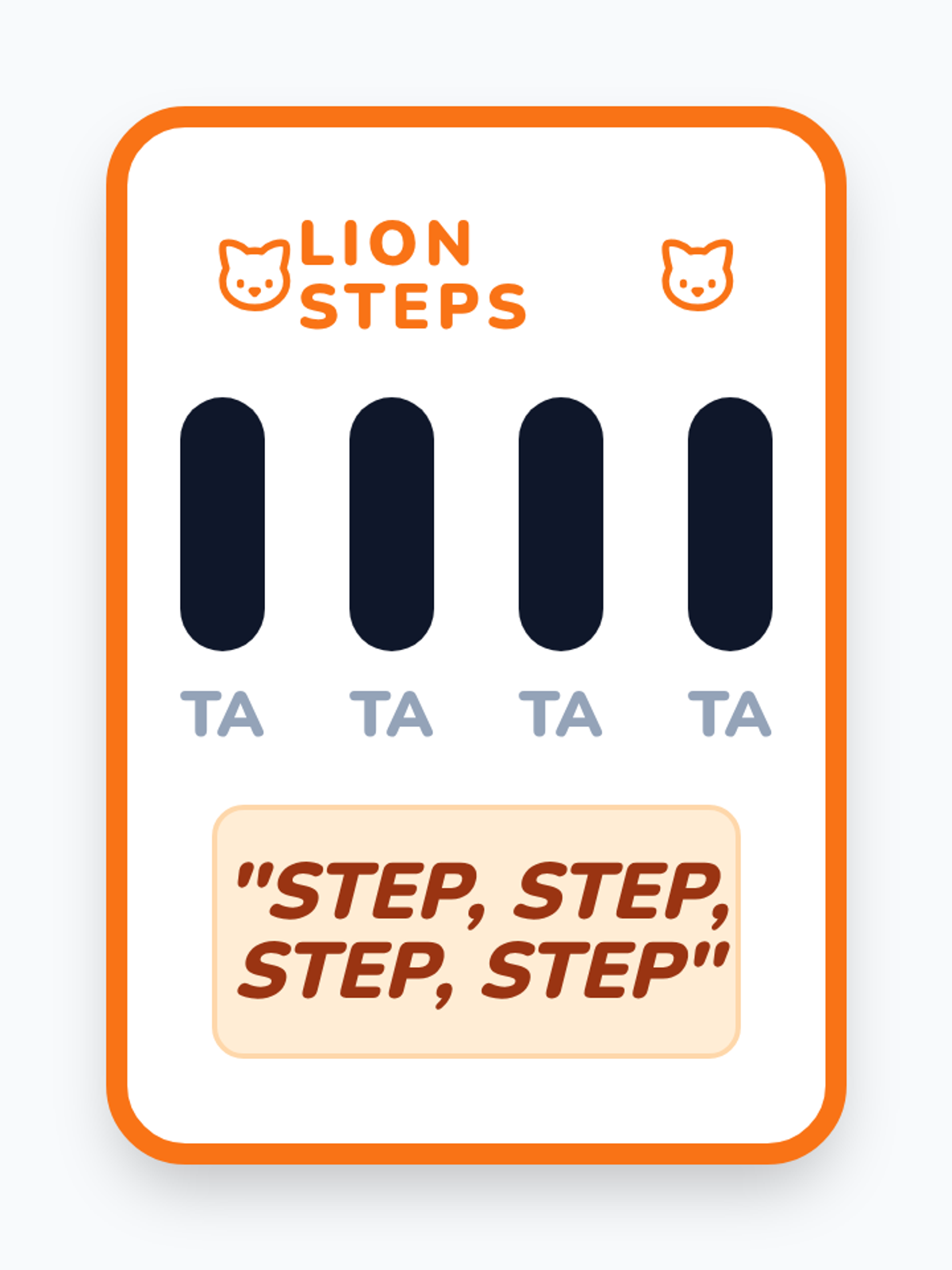
Students explore the difference between steady beat and rhythm using animal movements and simple rhythmic patterns (quarter and eighth notes).
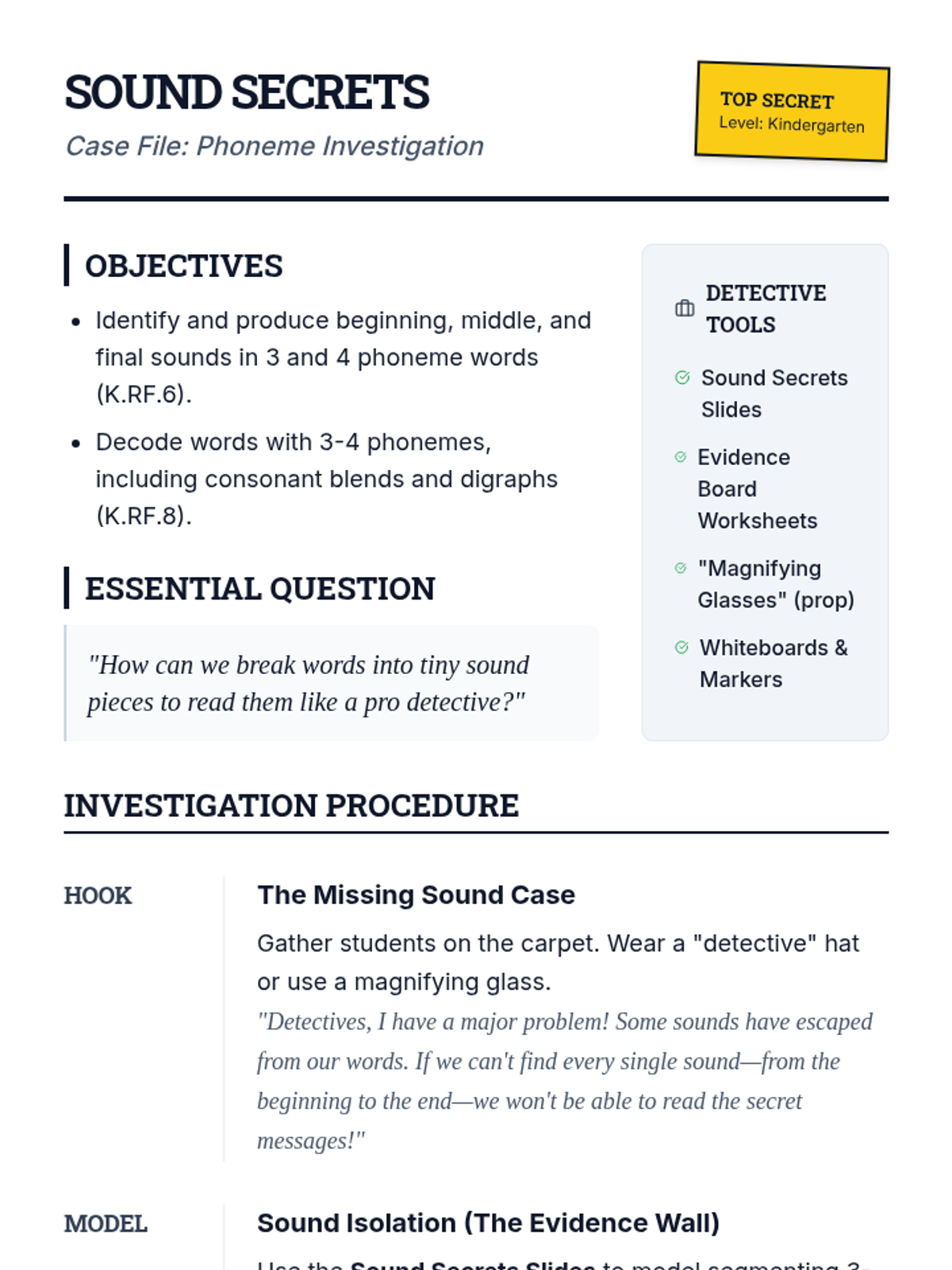
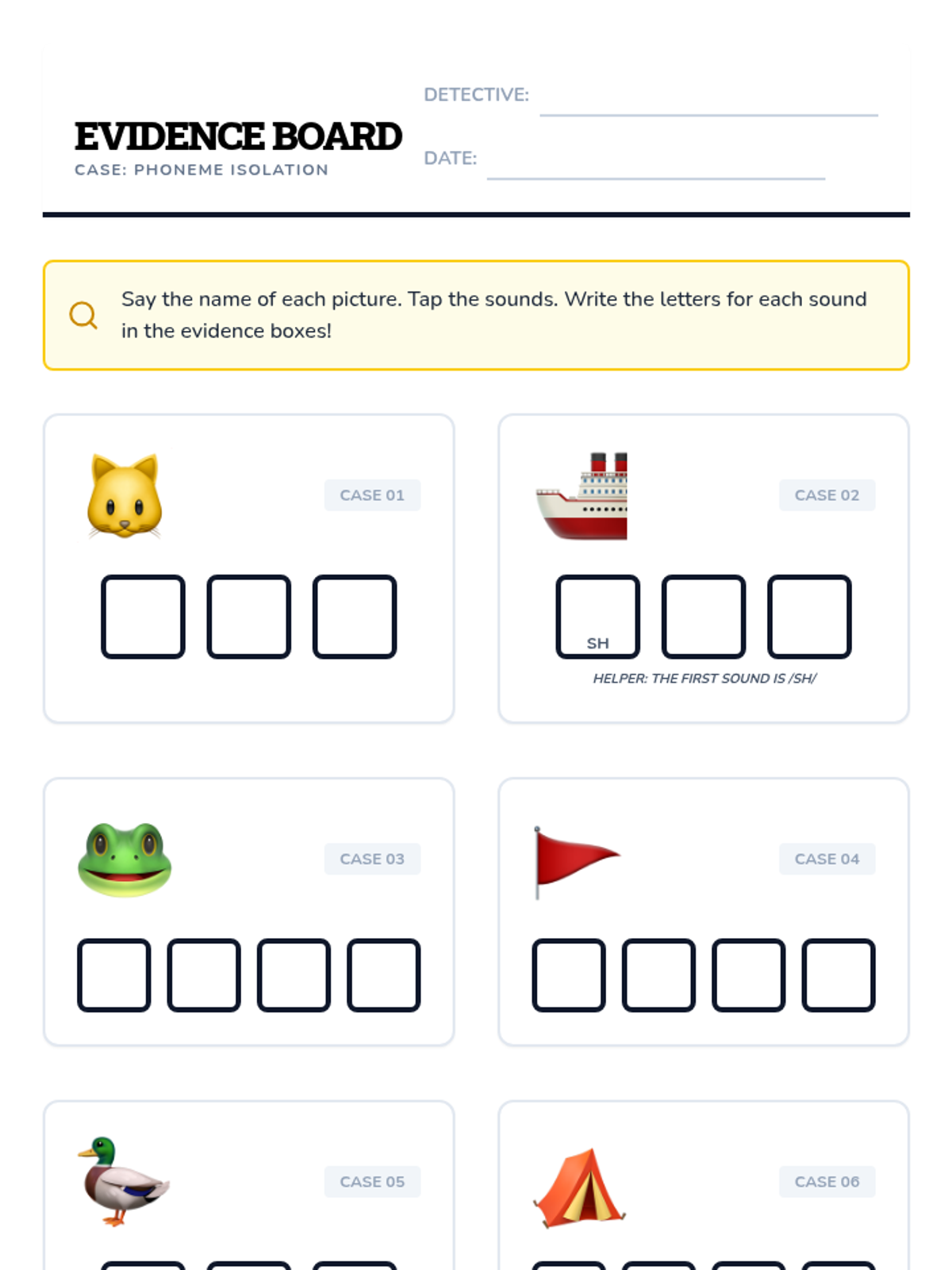
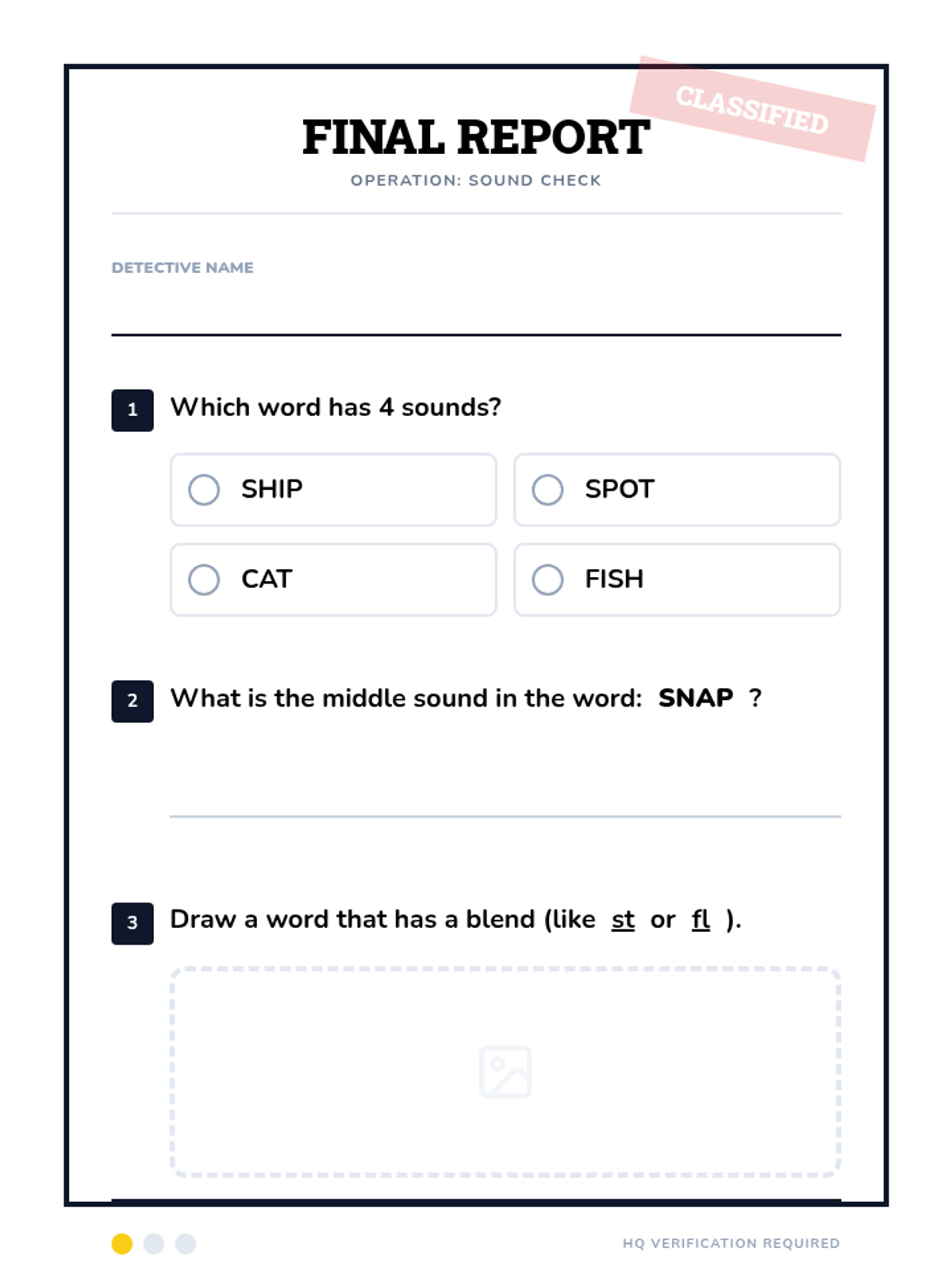
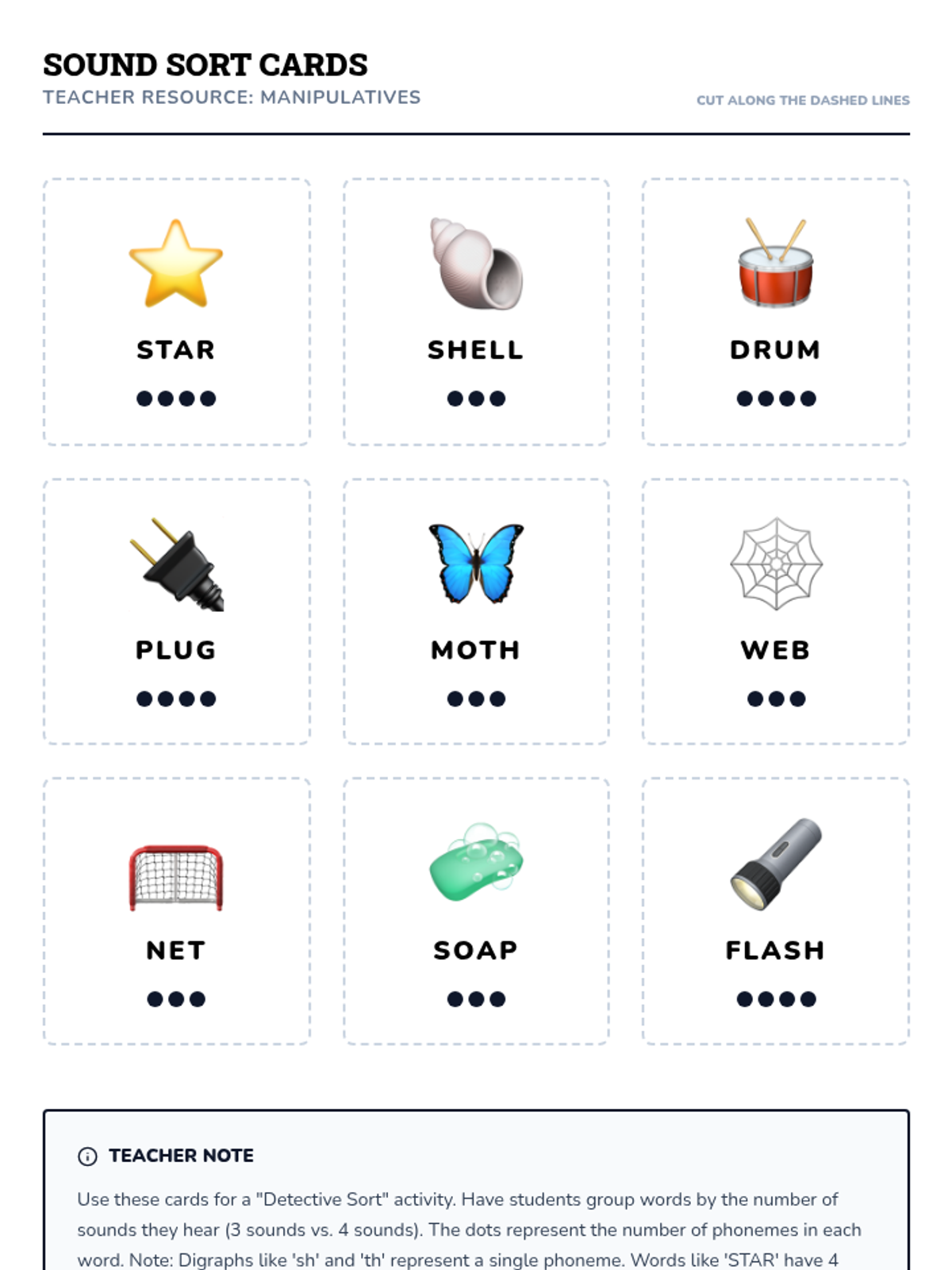
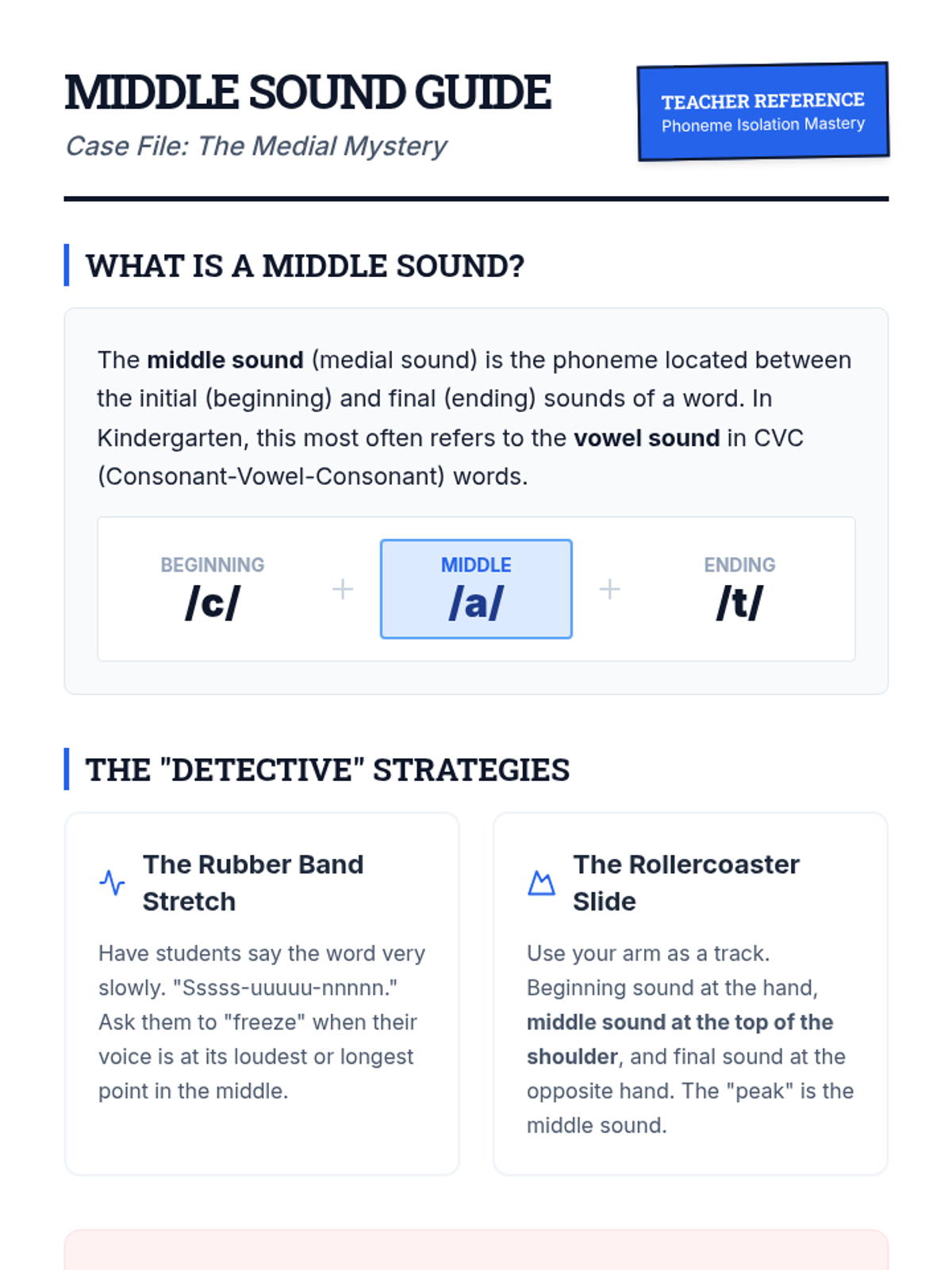
A comprehensive literacy lesson where students act as Sound Detectives to master phoneme isolation and decoding. Students will practice identifying beginning, middle, and ending sounds in 3-4 phoneme words, including those with blends and digraphs.
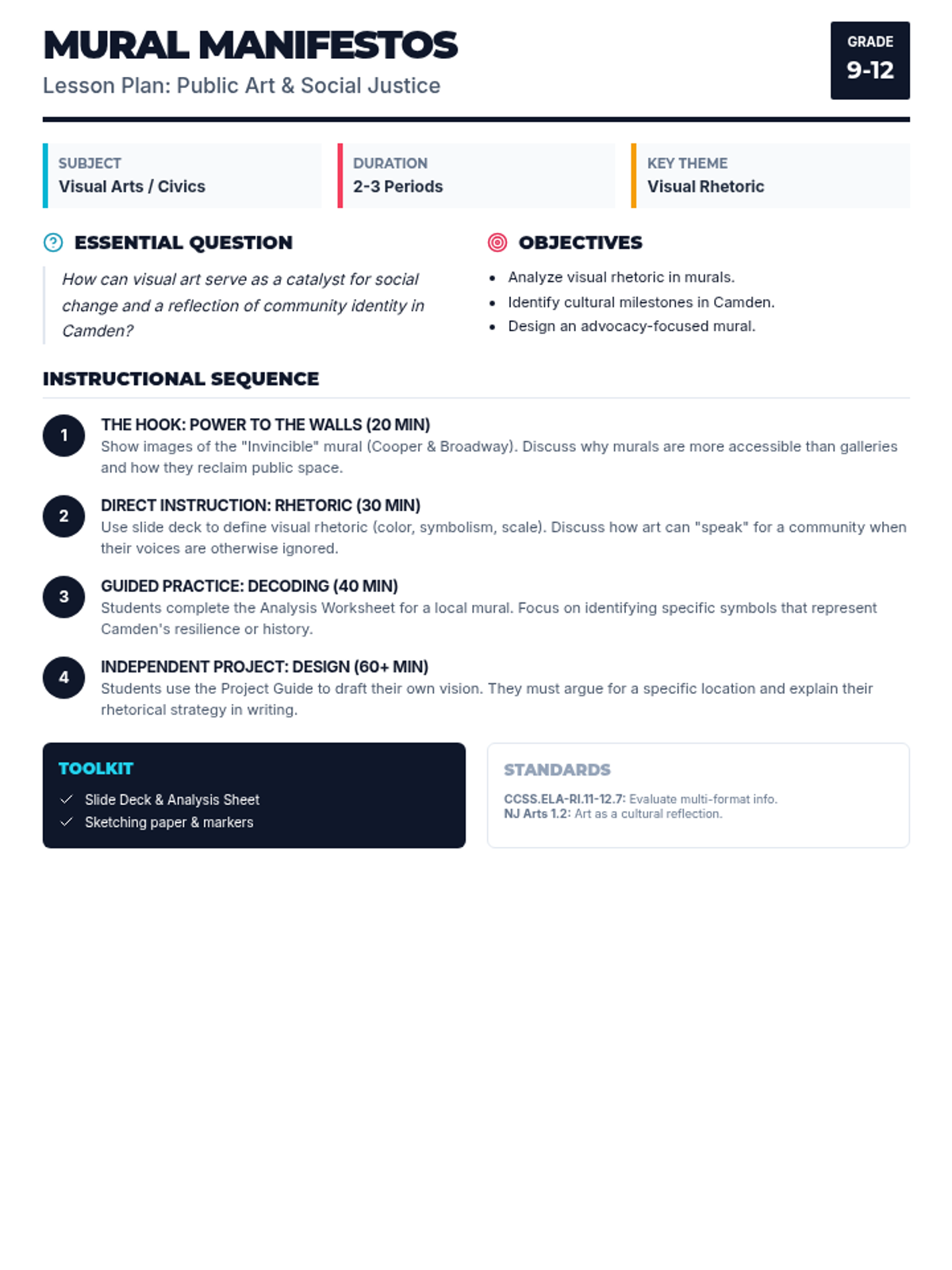
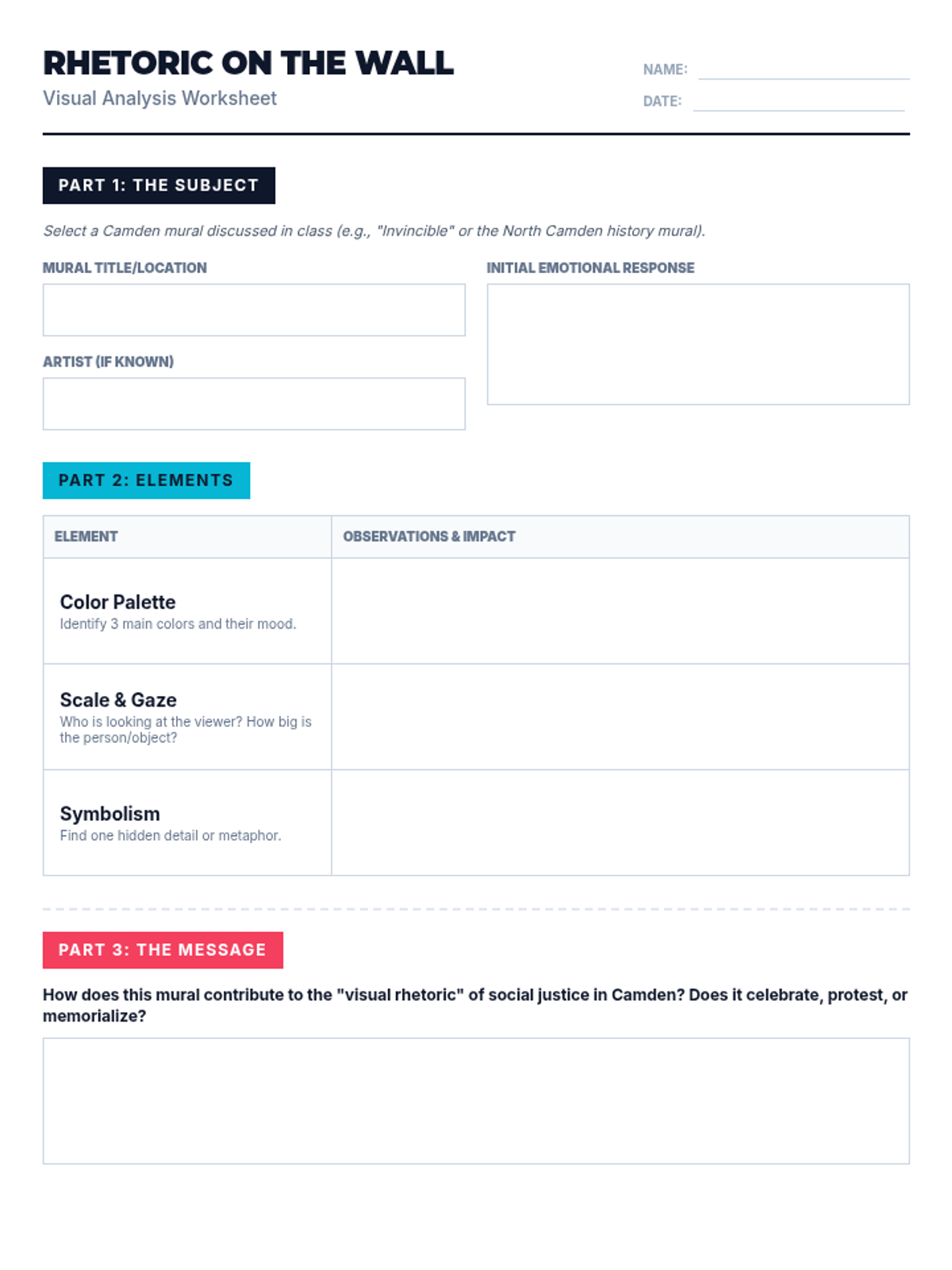
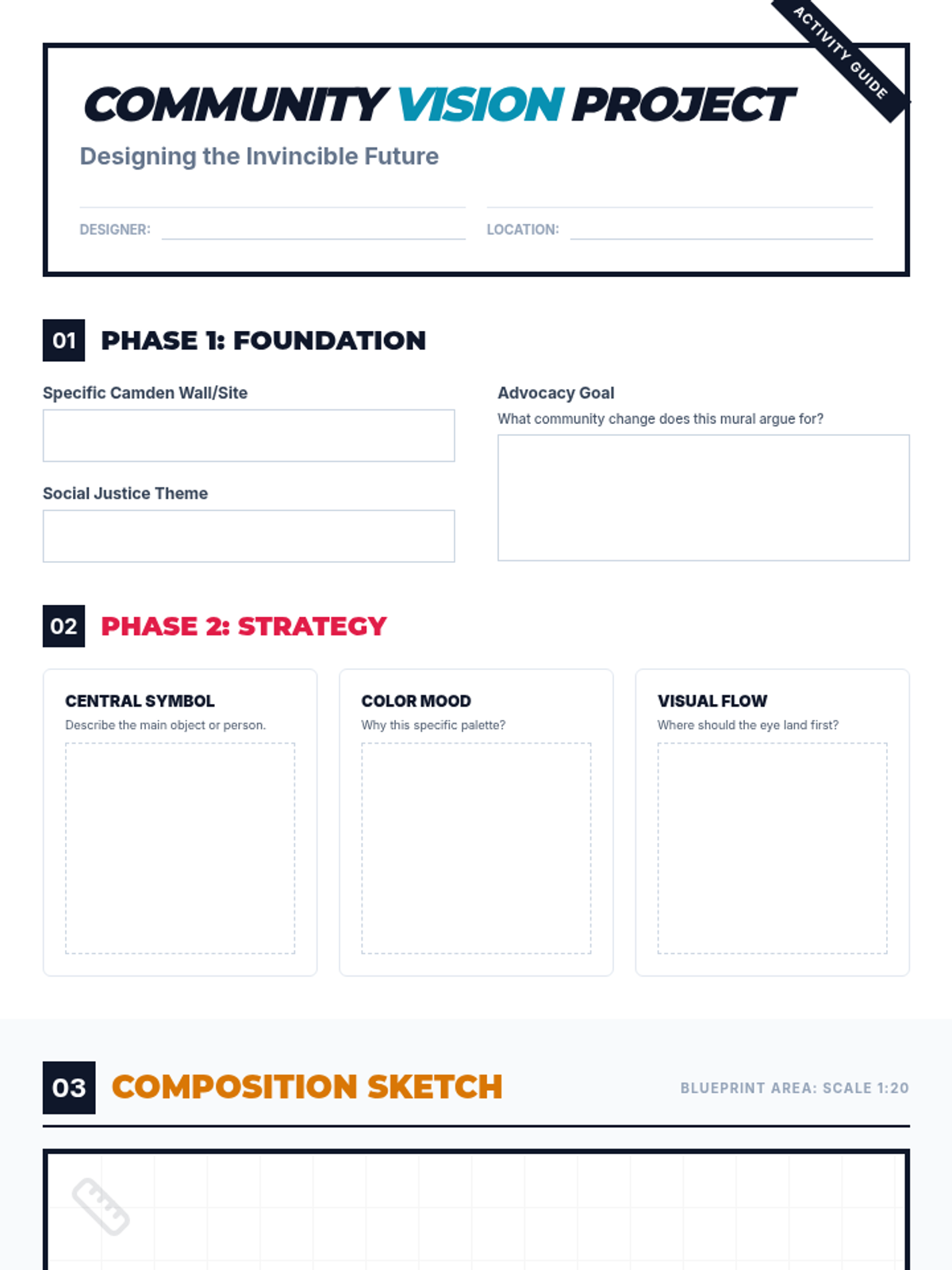
In this lesson, high school students explore the power of public art as a tool for social justice and community advocacy. They will analyze visual rhetoric in famous murals and design their own mural concept that honors the history and future of Camden, NJ.
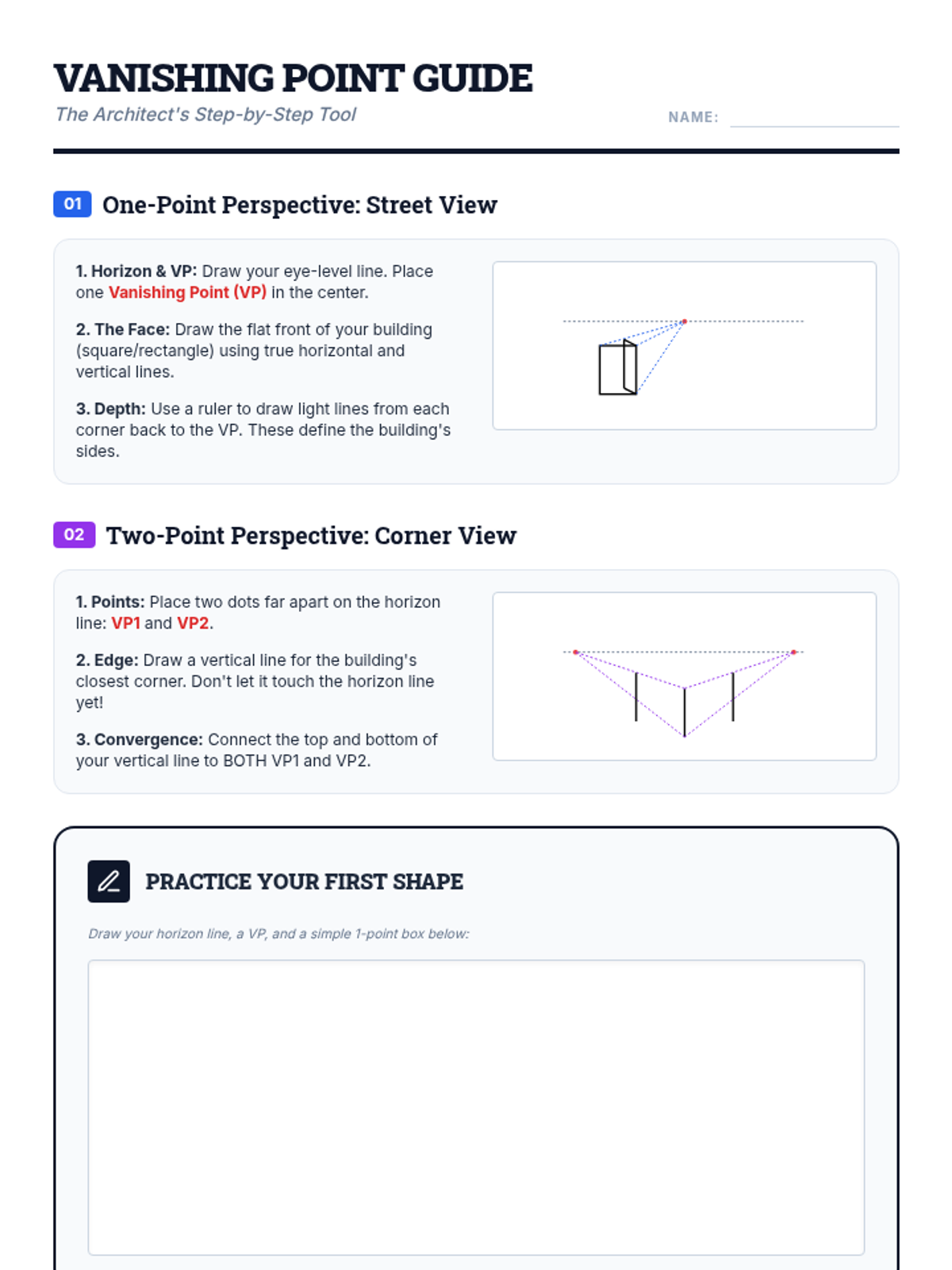
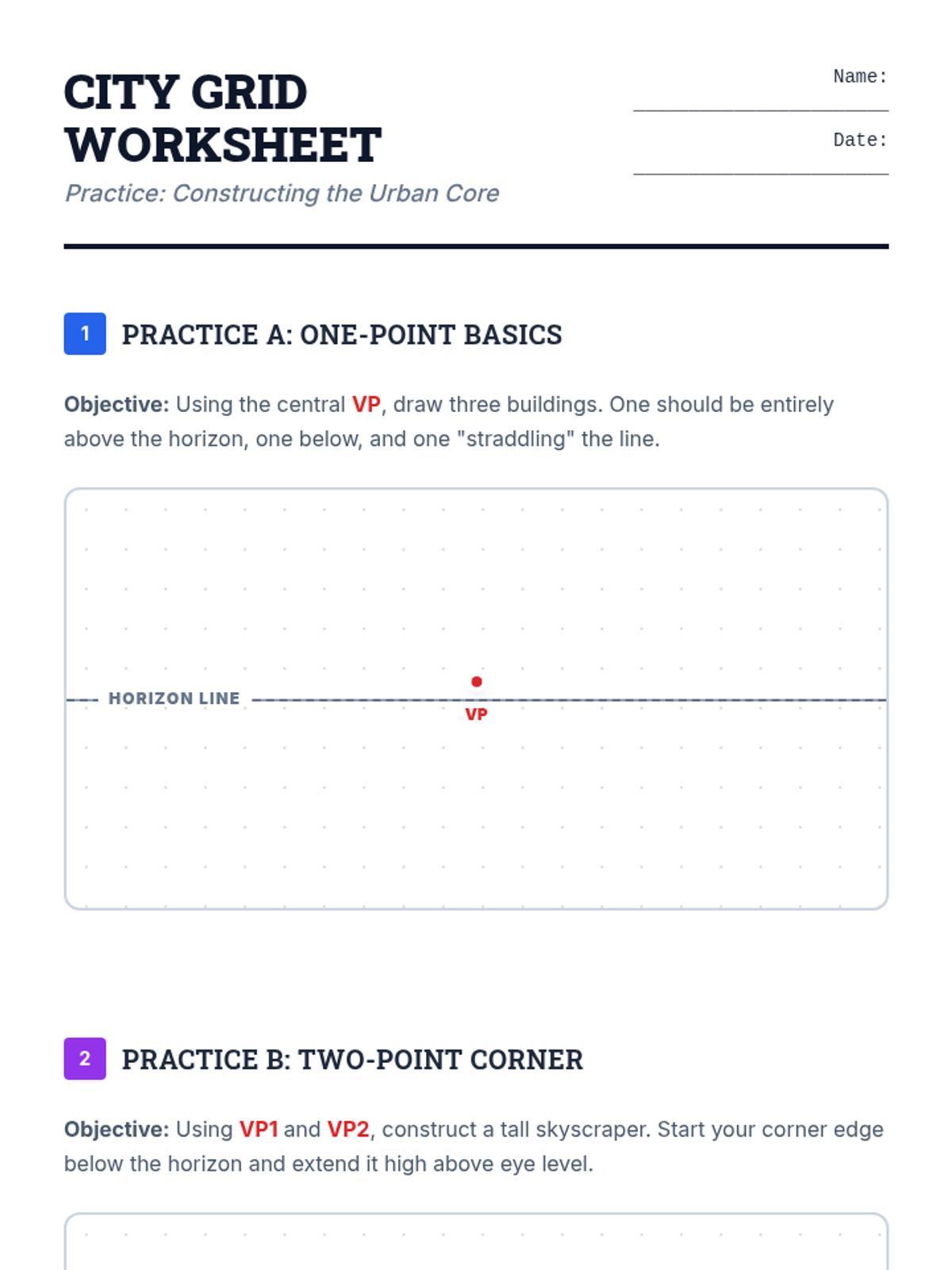
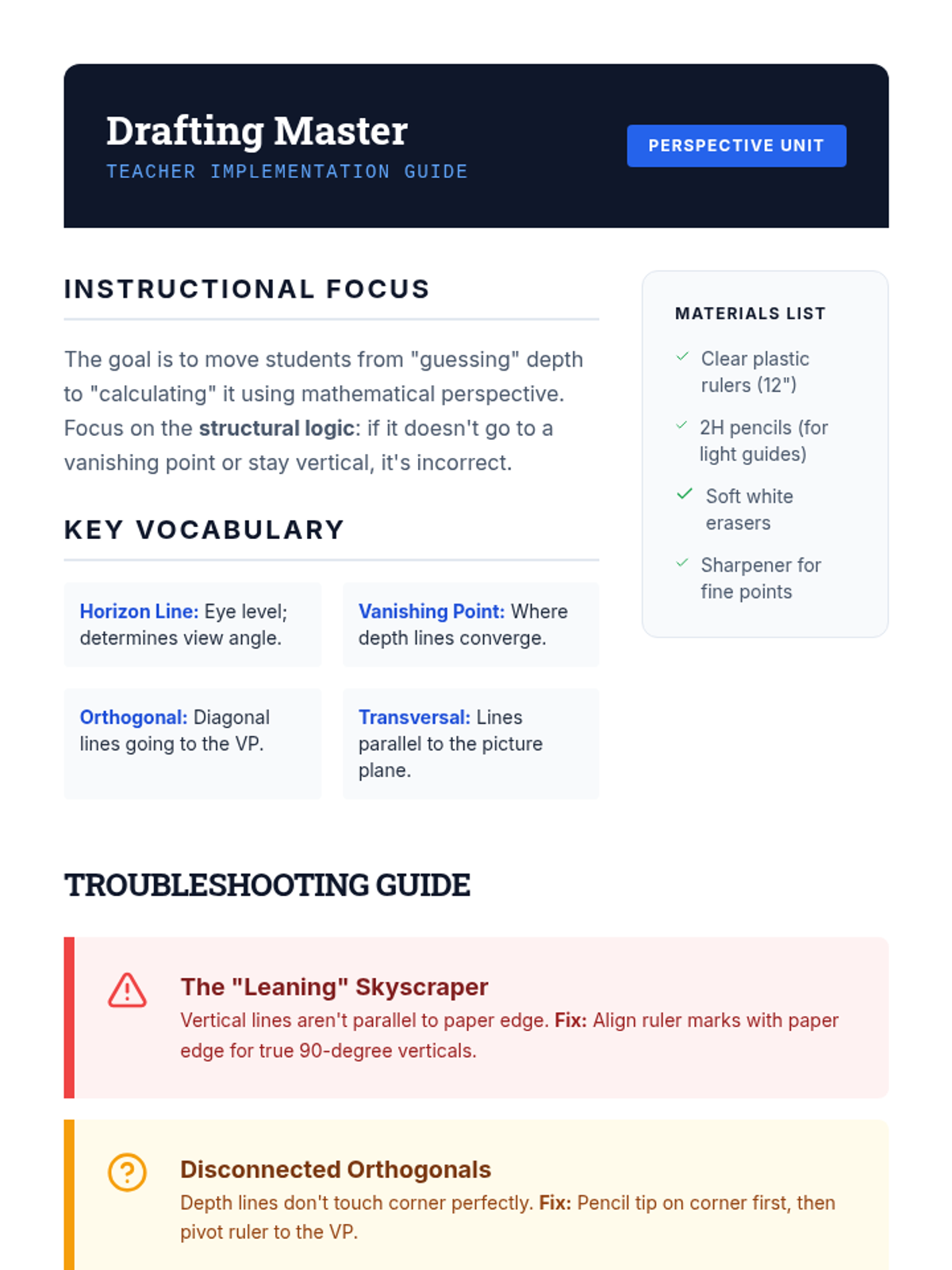
A comprehensive introduction to 1-point and 2-point perspective drawing through the lens of urban architecture. Students learn the fundamentals of vanishing points and horizon lines to create realistic 3D cityscapes.
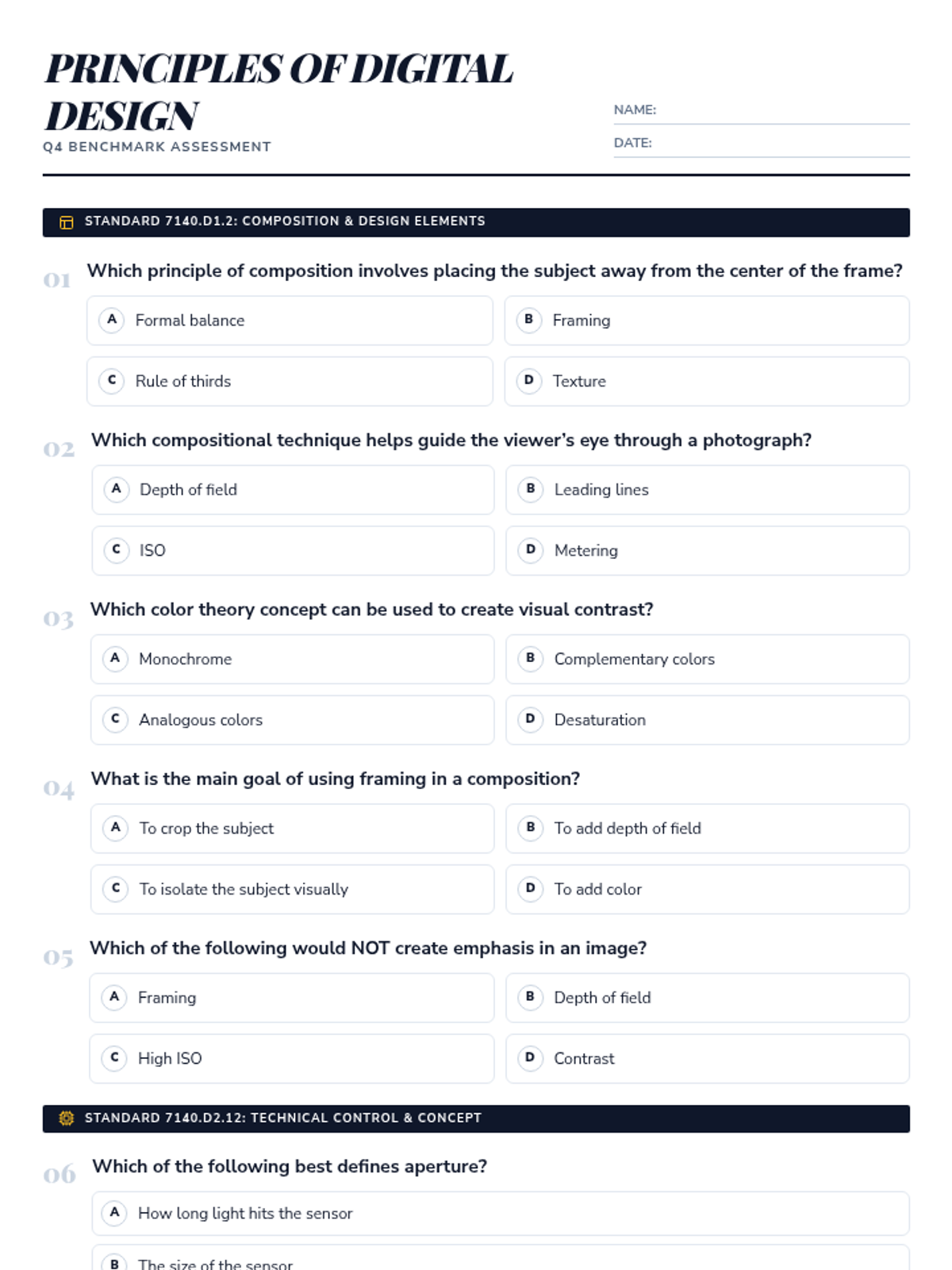
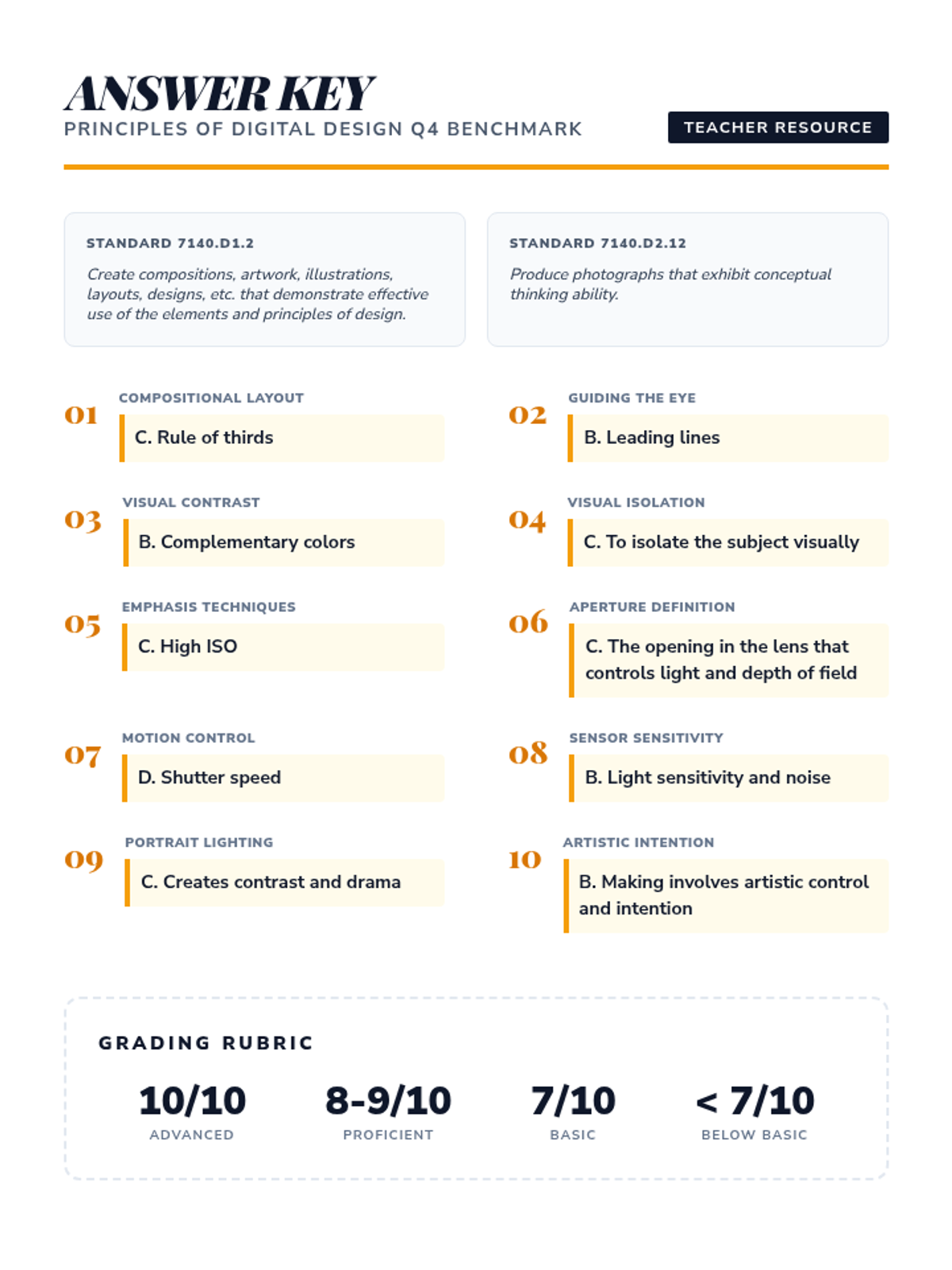
A comprehensive digital design assessment based on standard 7140.D1.2 and 7140.D2.12, covering composition, camera settings, and conceptual thinking.
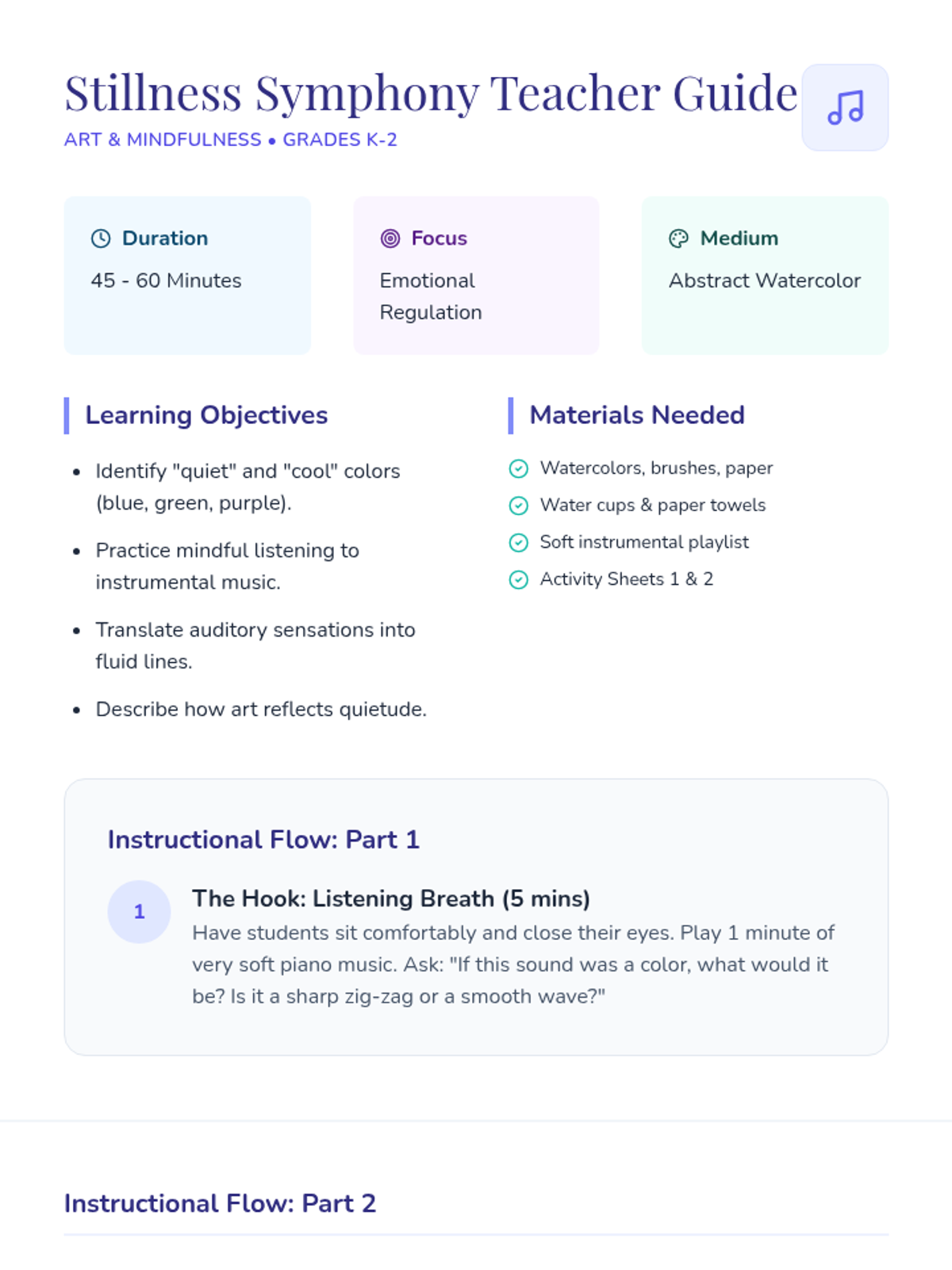
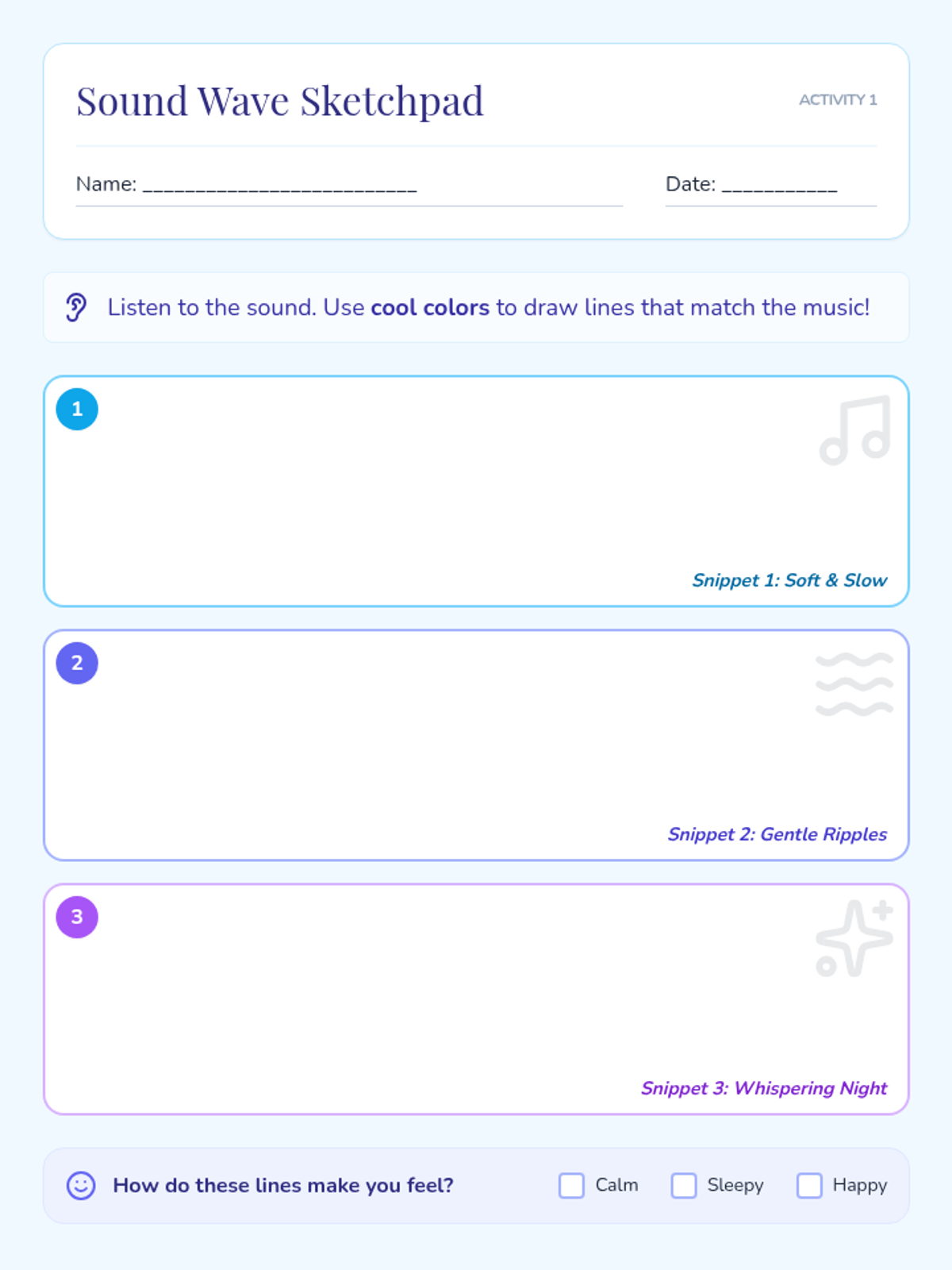
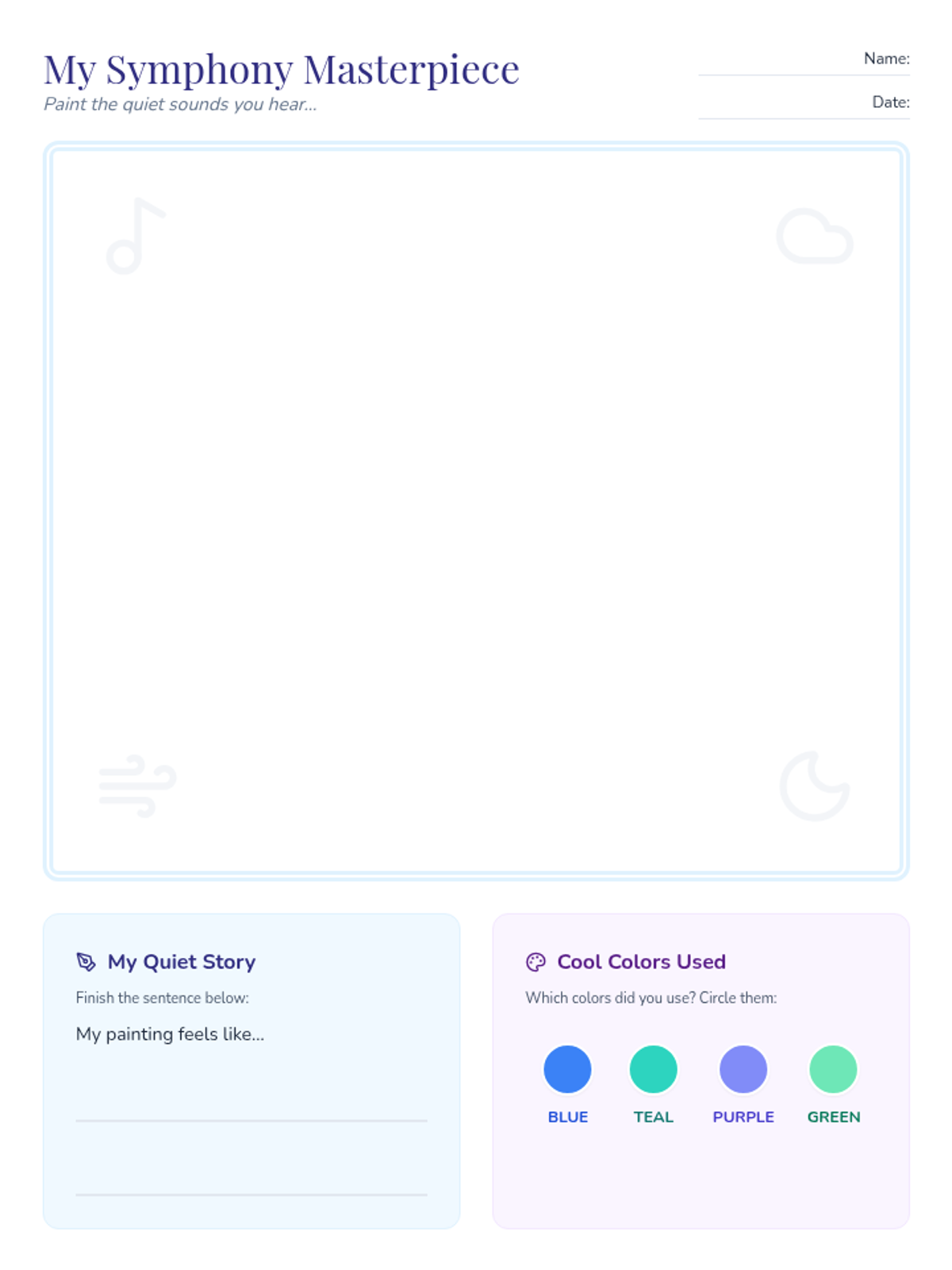
A mindfulness-based art lesson where K-2 students translate the soft sounds of instrumental music into abstract watercolor paintings, focusing on cool colors and fluid lines to practice emotional regulation.
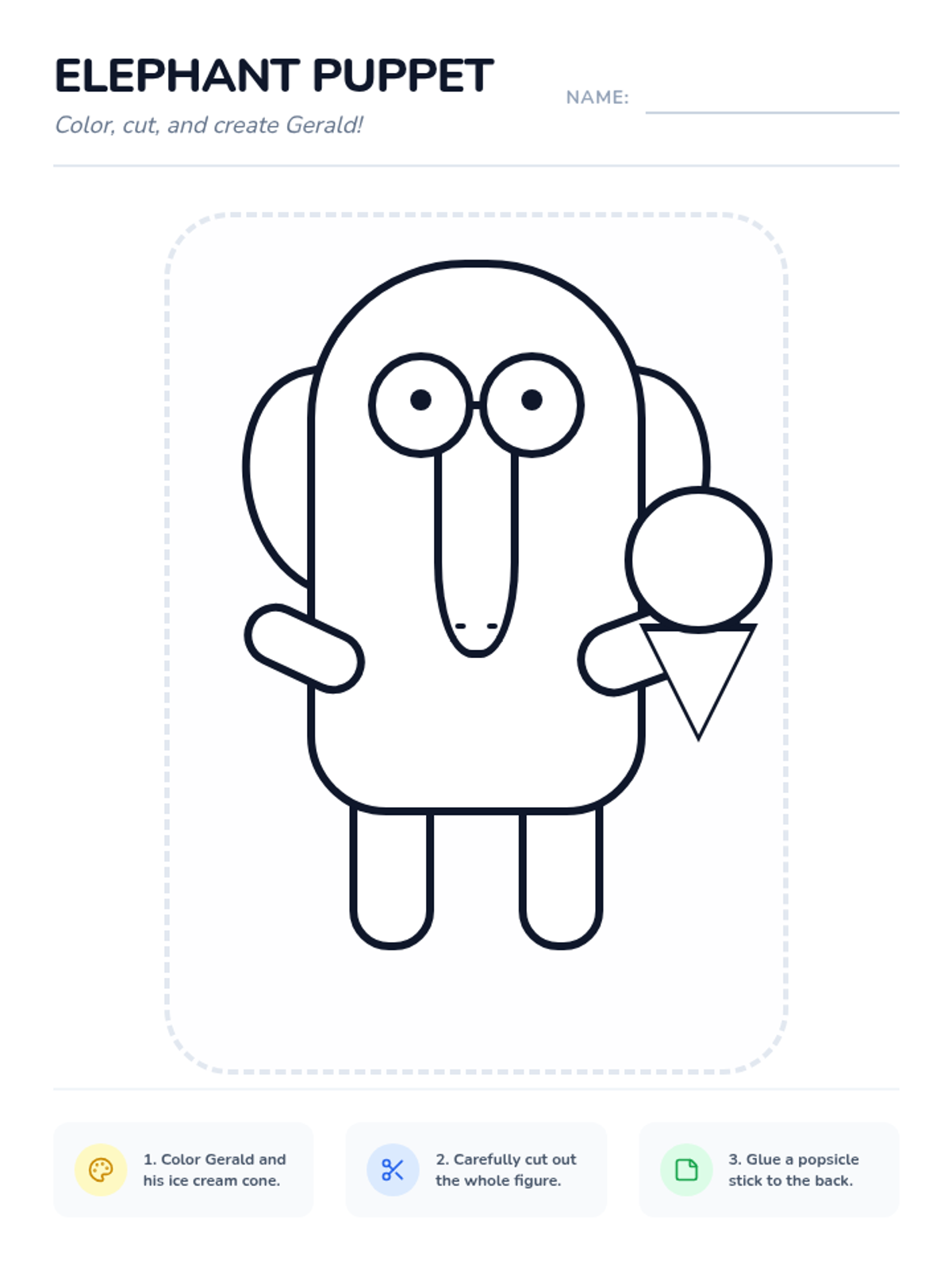
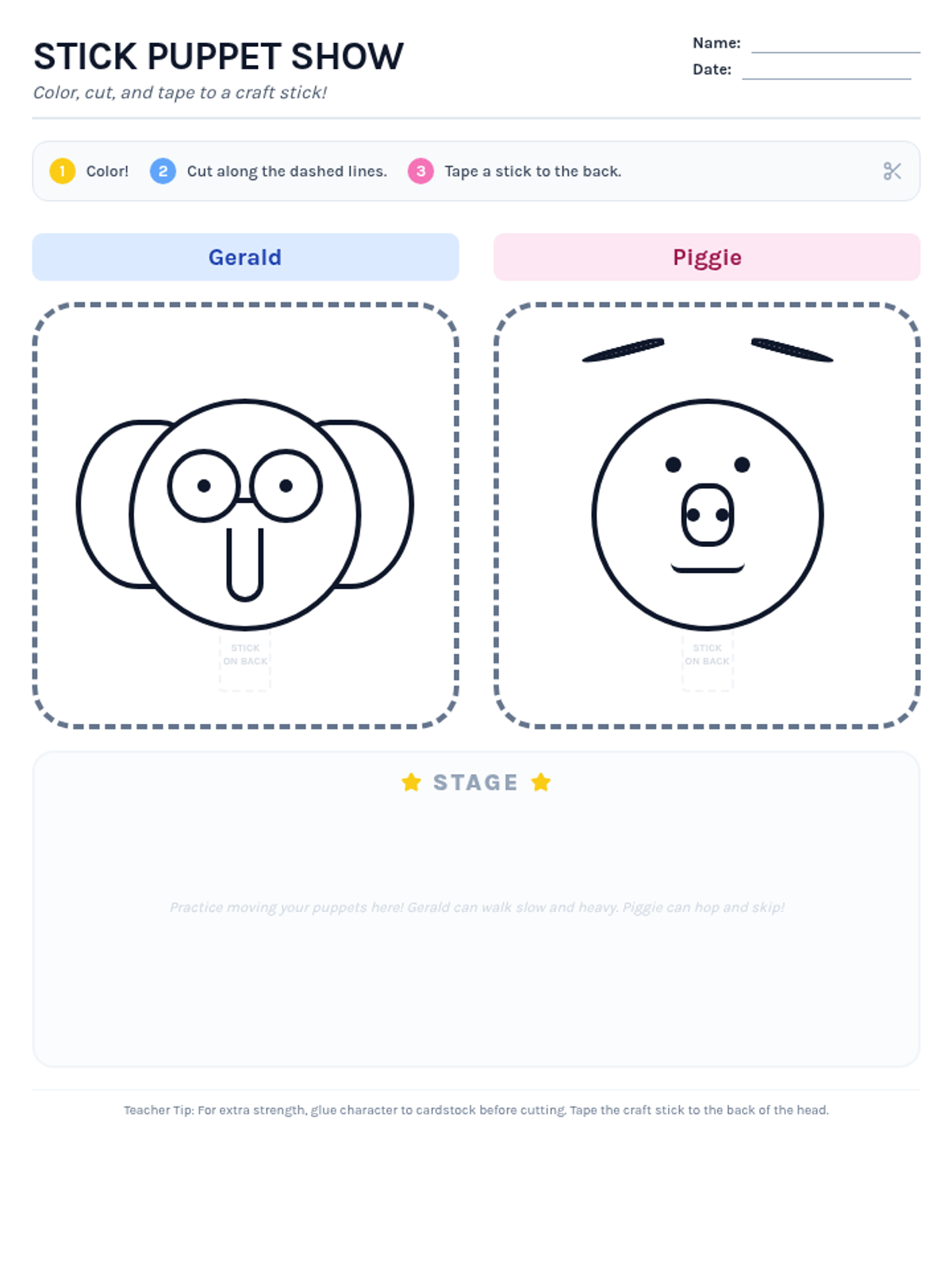
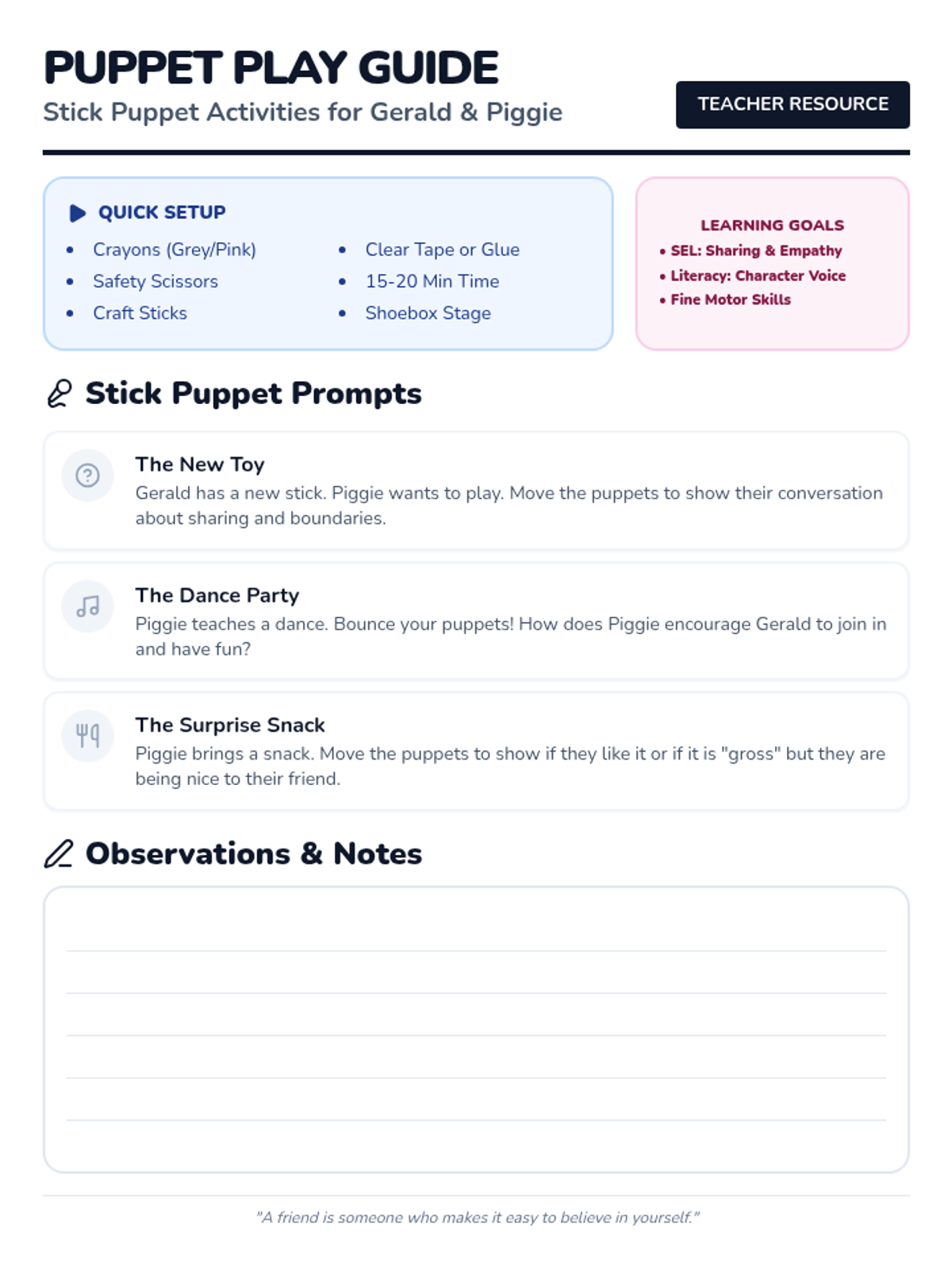
A creative hands-on activity where students create their own Elephant and Piggie puppets to act out stories. This lesson focuses on fine motor skills through coloring and cutting, followed by imaginative play.
A creative activity lesson focusing on the iconic characters Gerald and Piggie, encouraging dramatic play and storytelling through simple finger puppets.
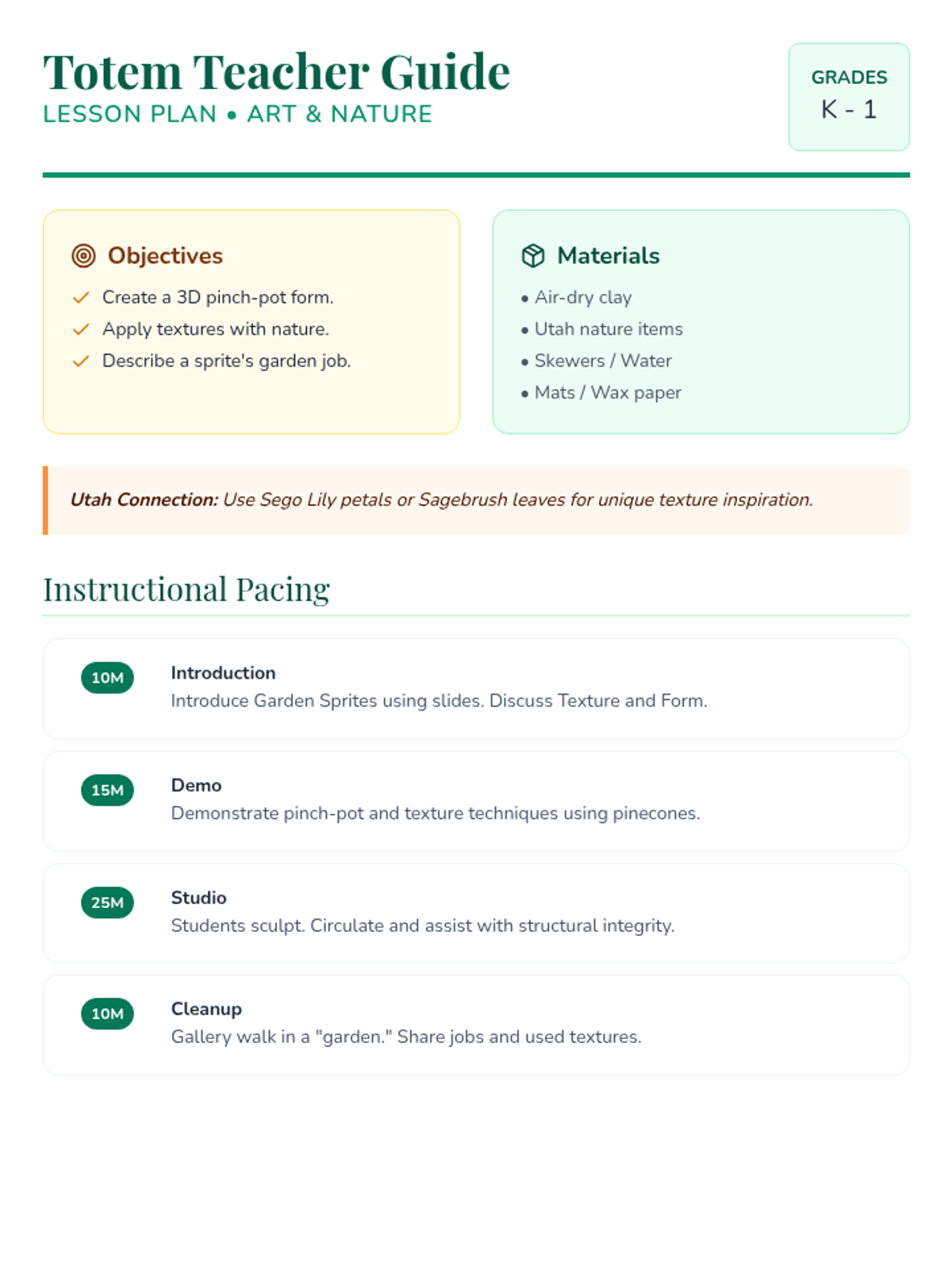
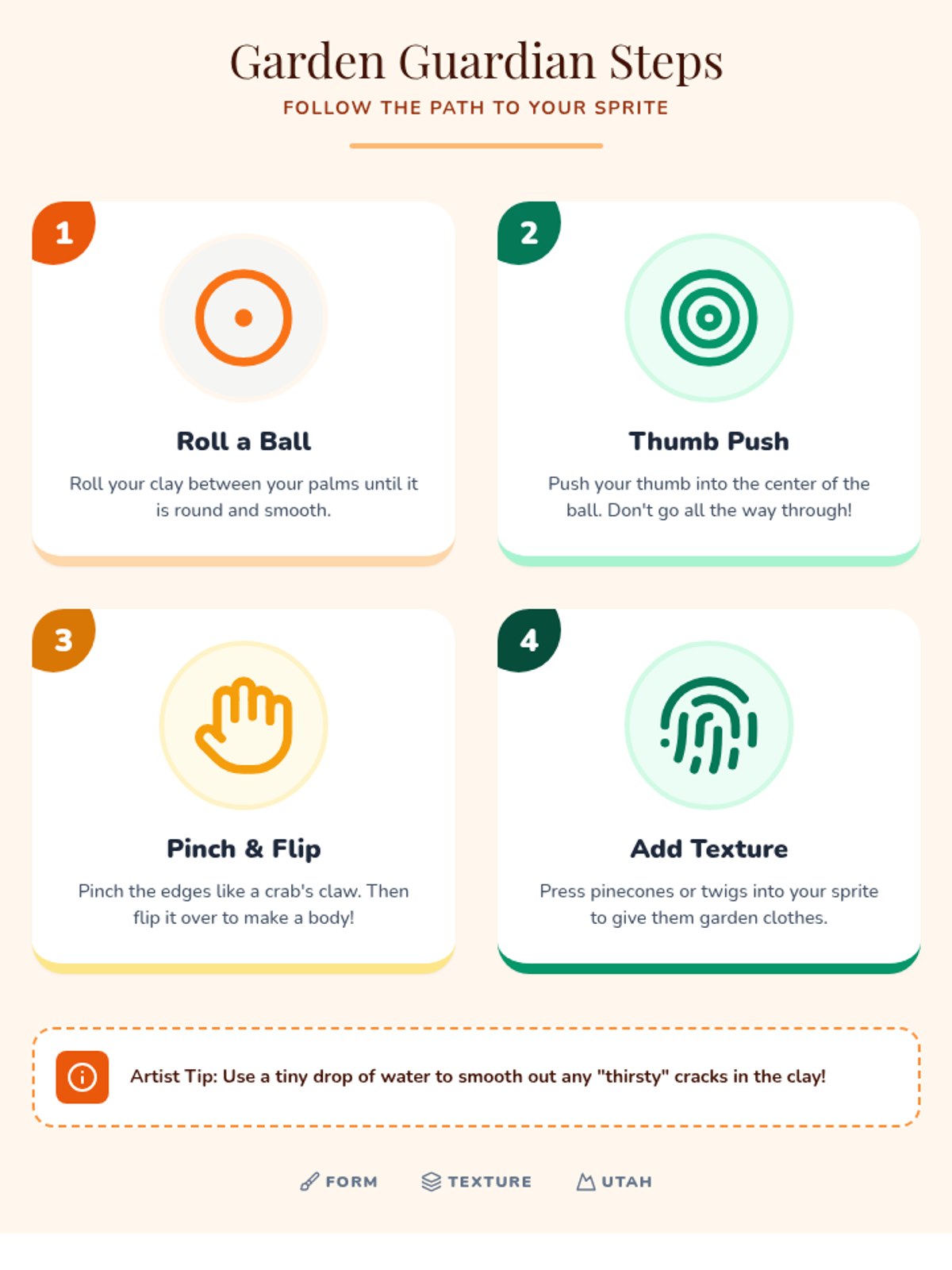
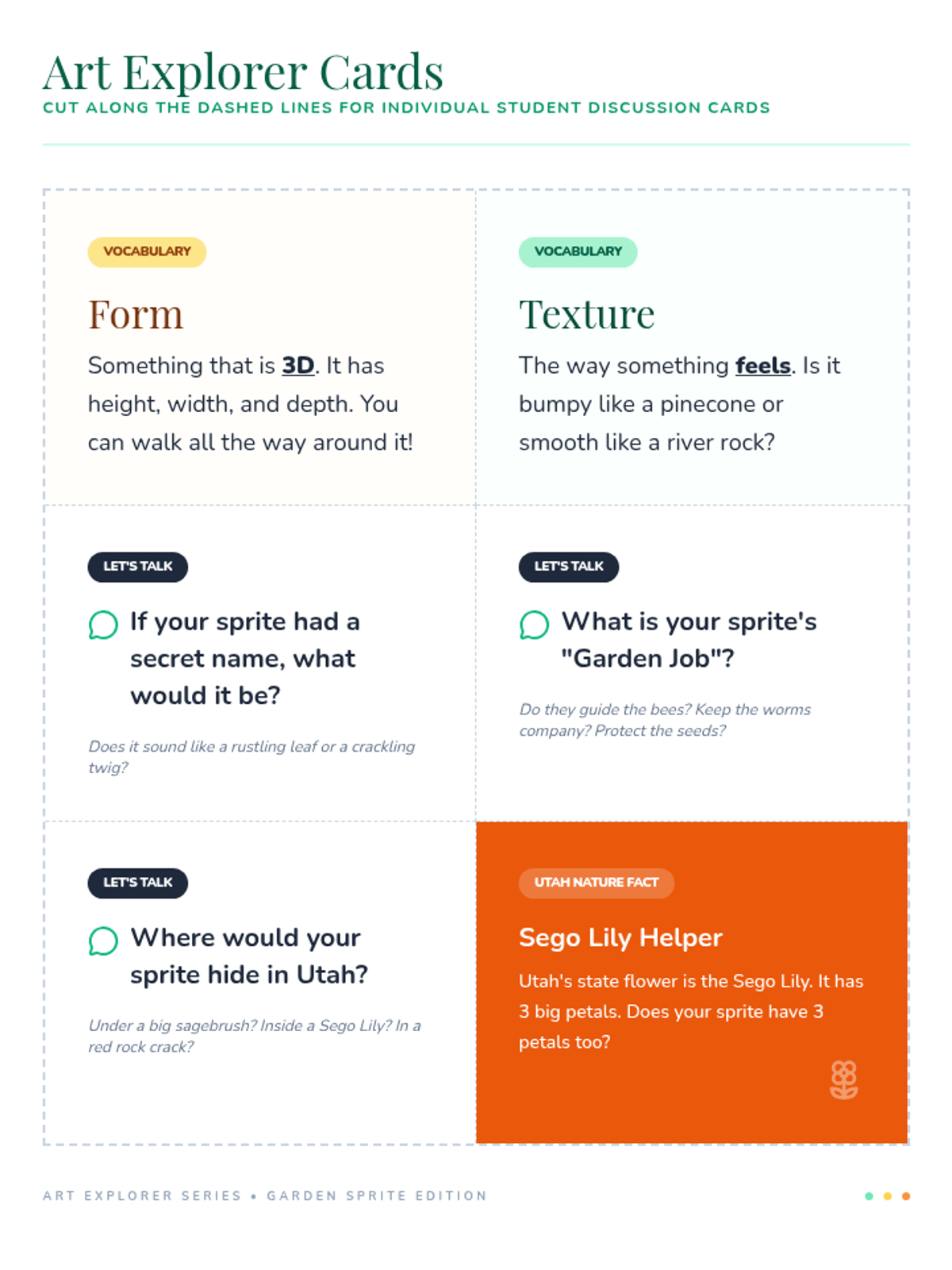
Young artists in Kindergarten and First Grade develop fine motor skills by sculpting whimsical clay spirits inspired by Utah flora. This lesson combines sensory exploration with foundational ceramic techniques like pinch pots and surface texturing.
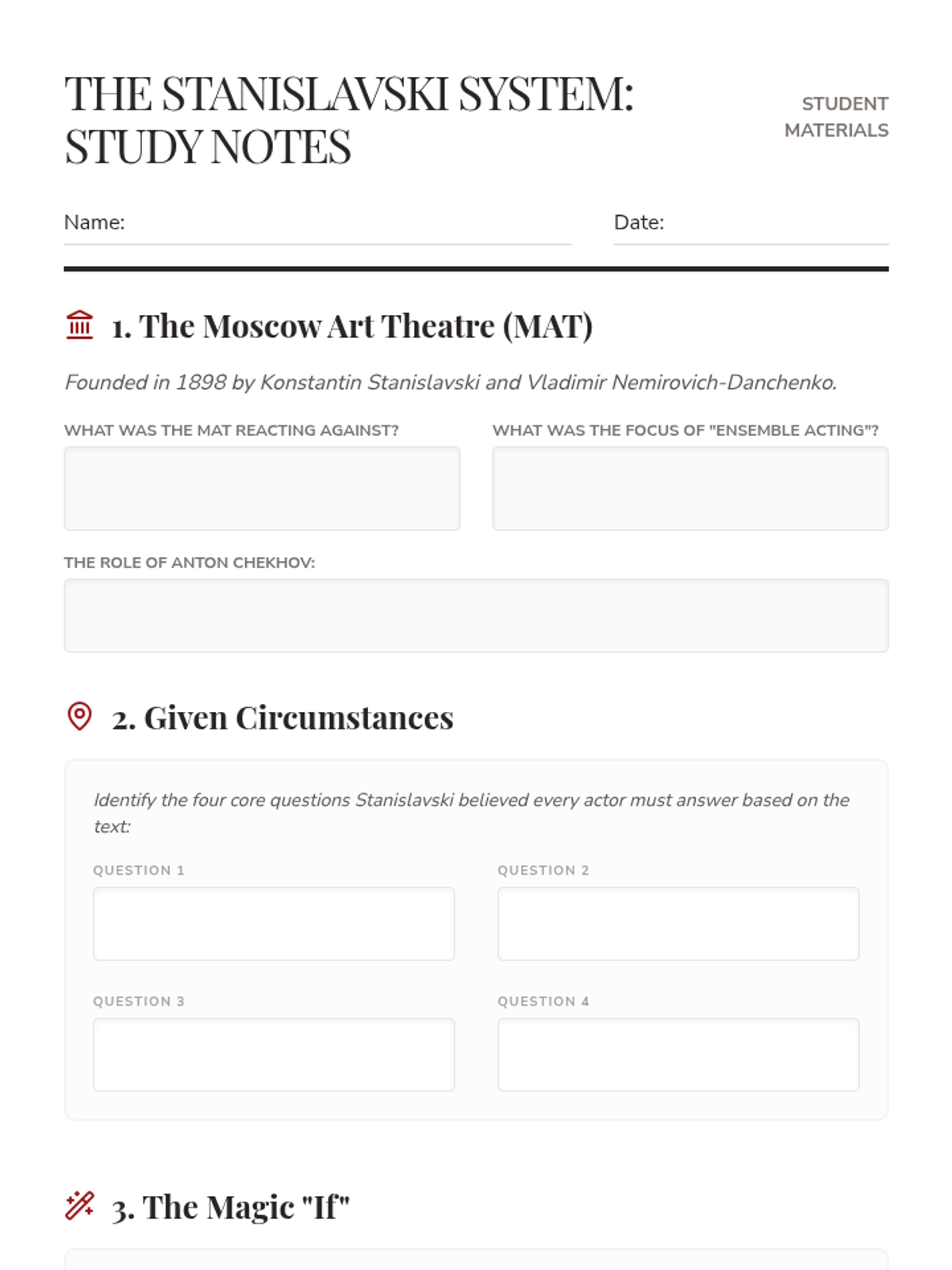
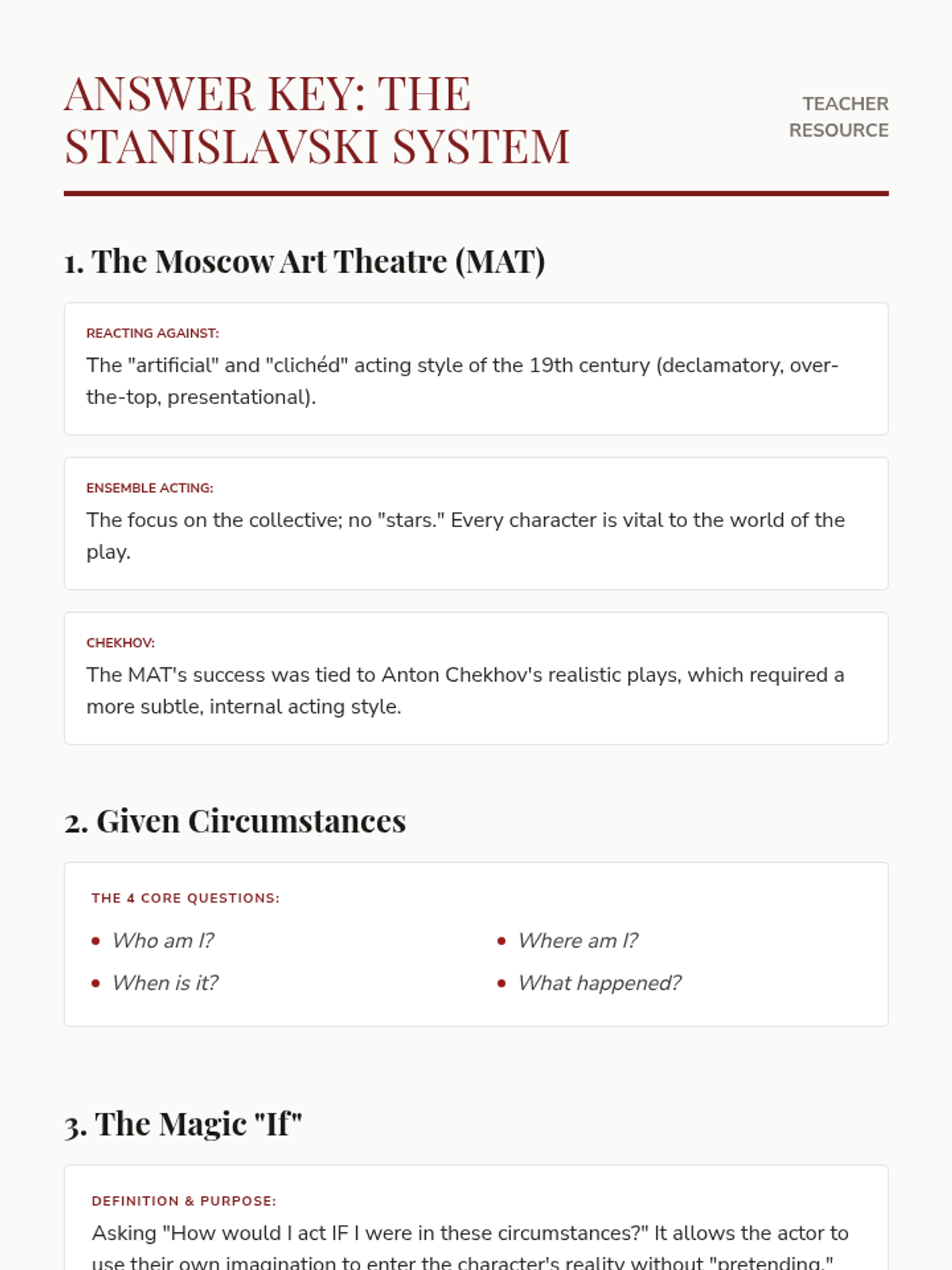
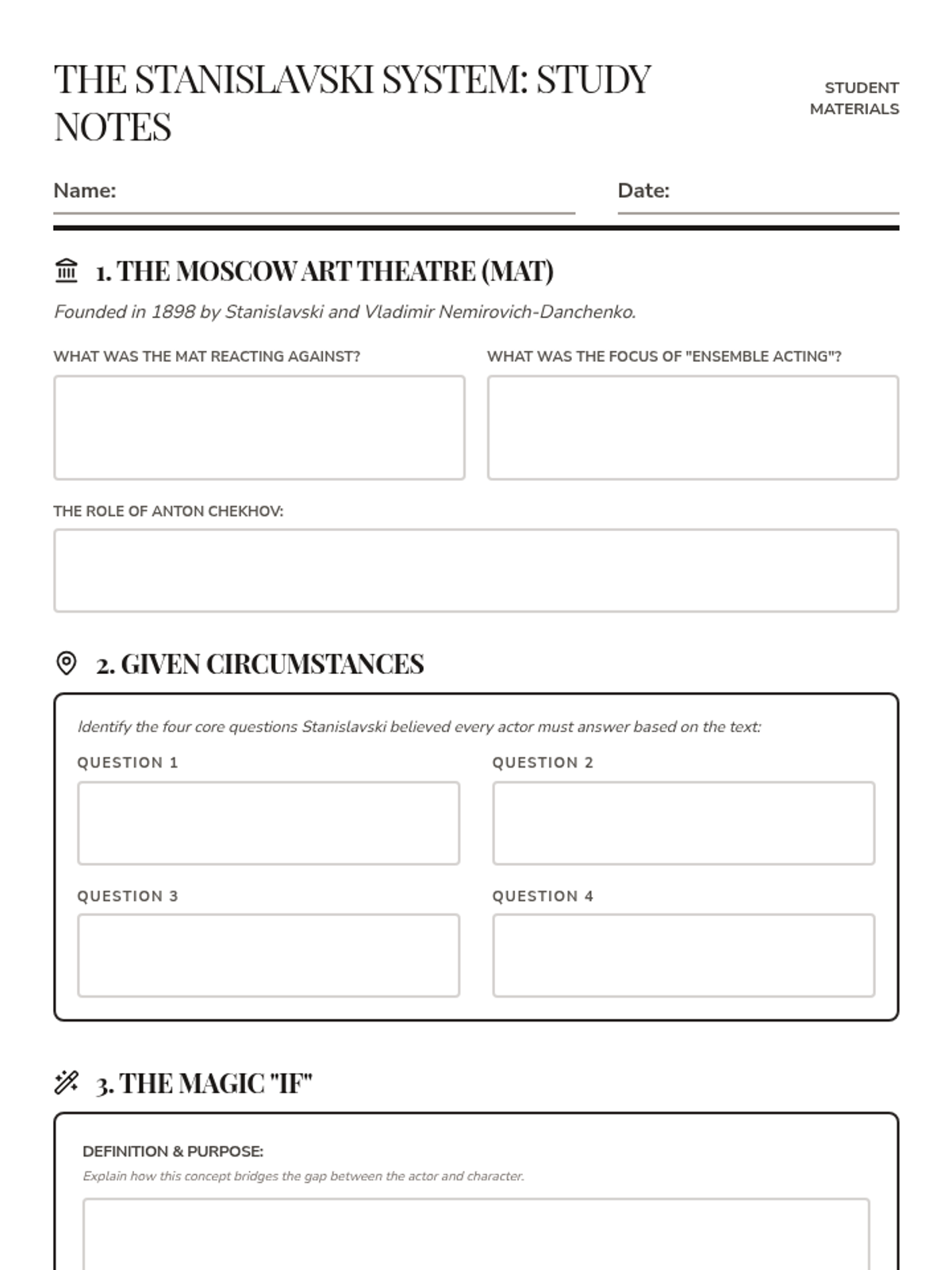
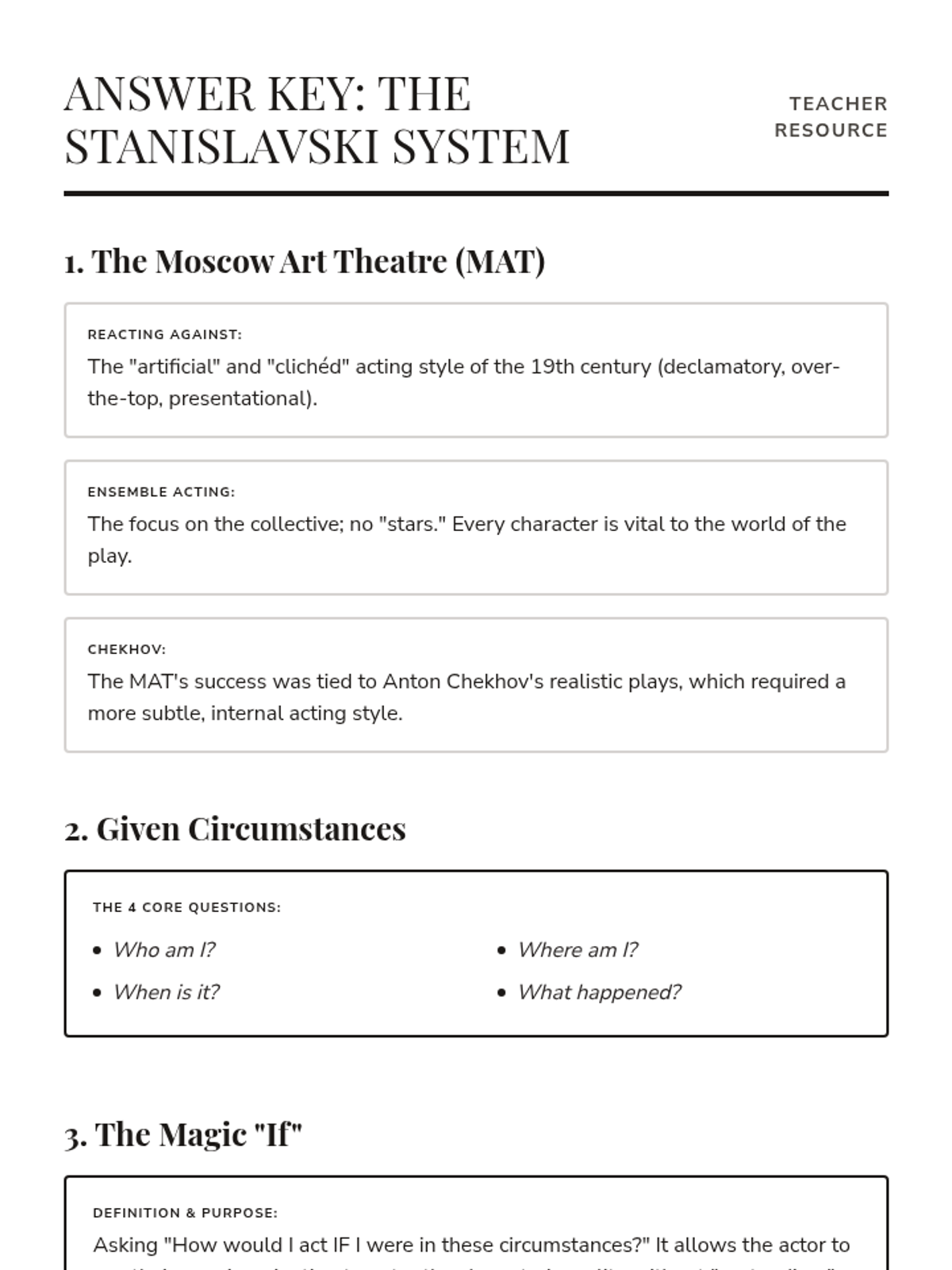
An in-depth exploration of Konstantin Stanislavski's revolutionary acting system, from the founding of the Moscow Art Theatre to the evolution of the Method of Physical Actions. Students will learn key concepts like the Magic If, Given Circumstances, and the shift from internal emotion to external action.
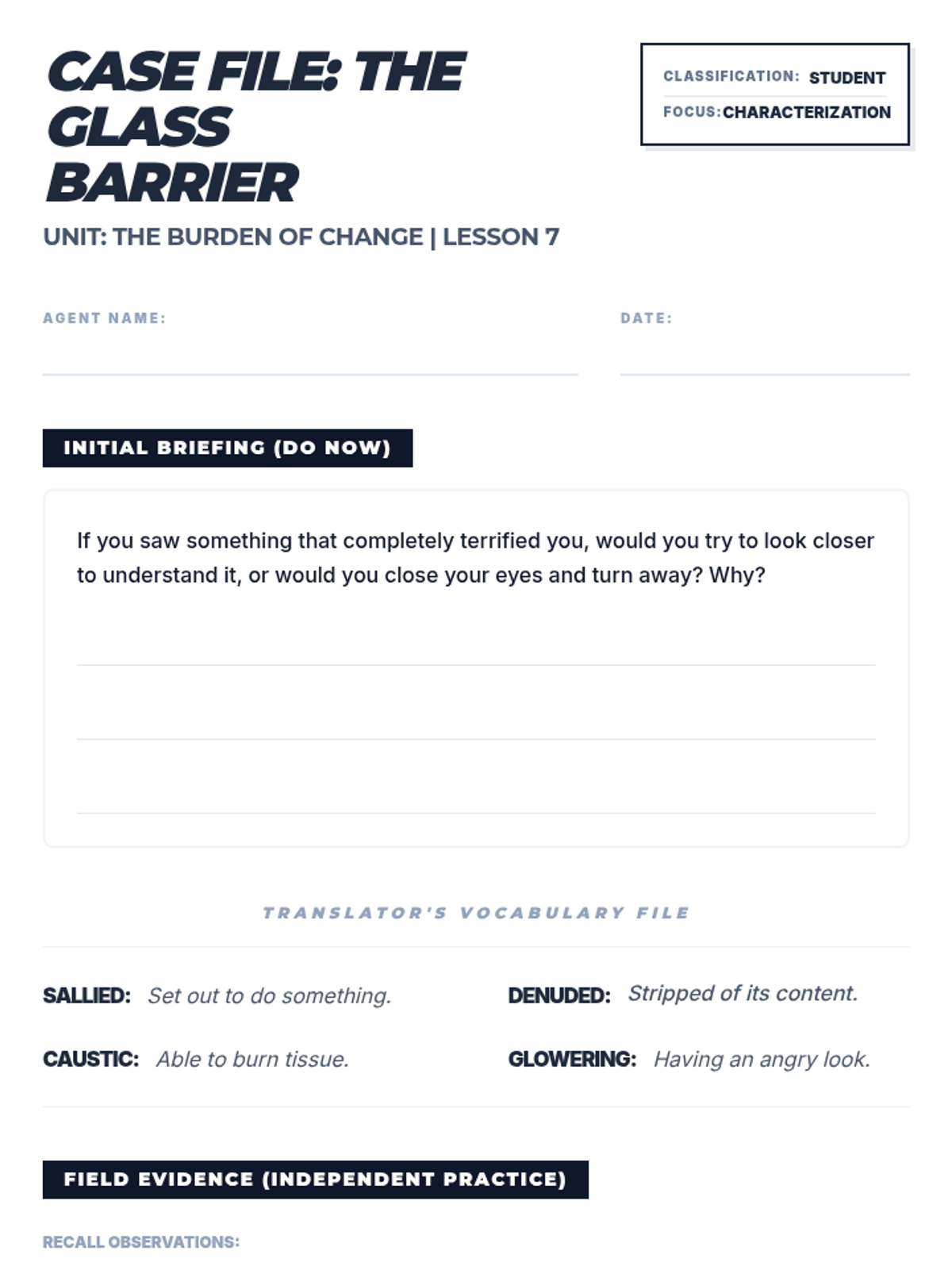
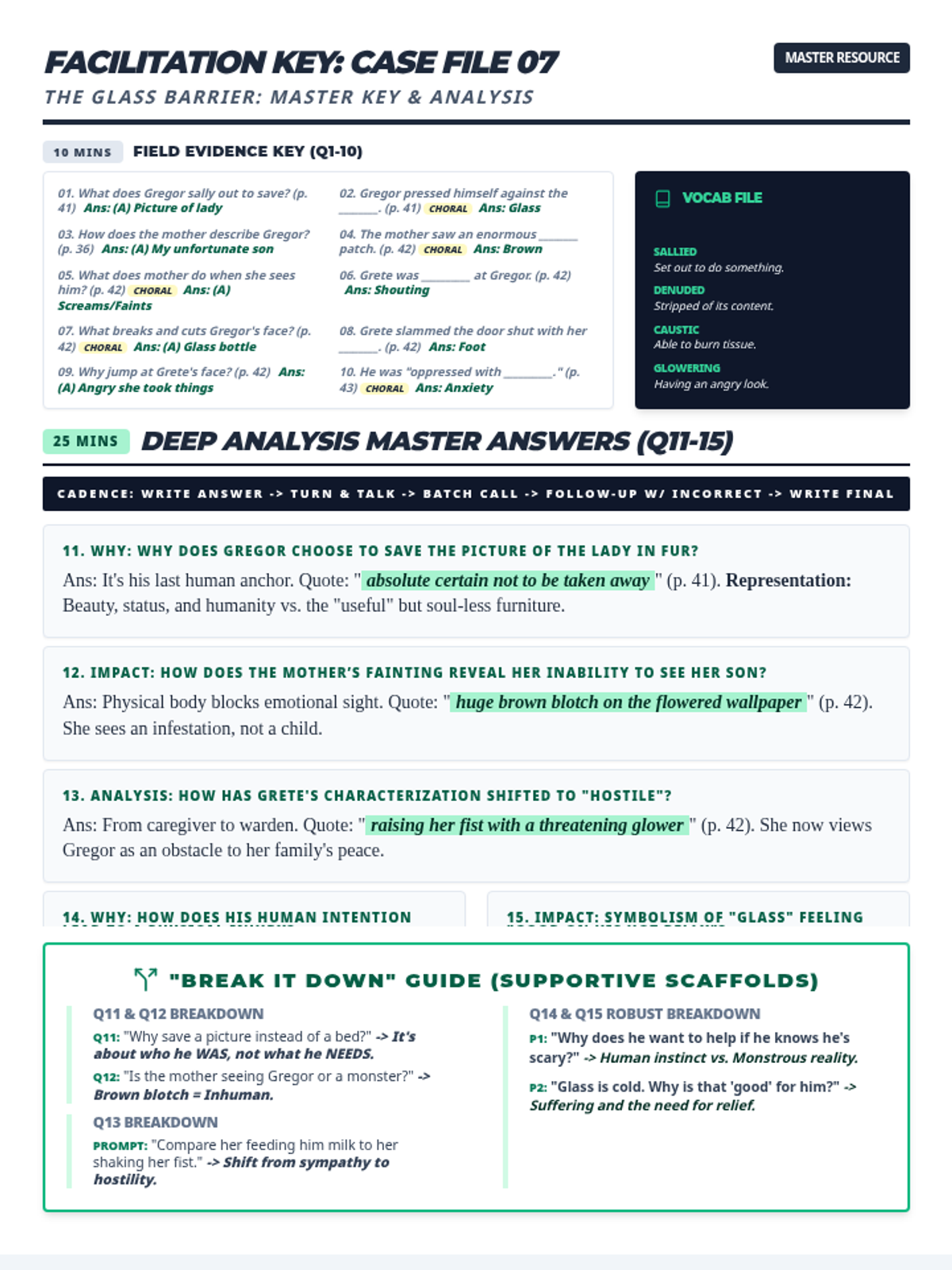
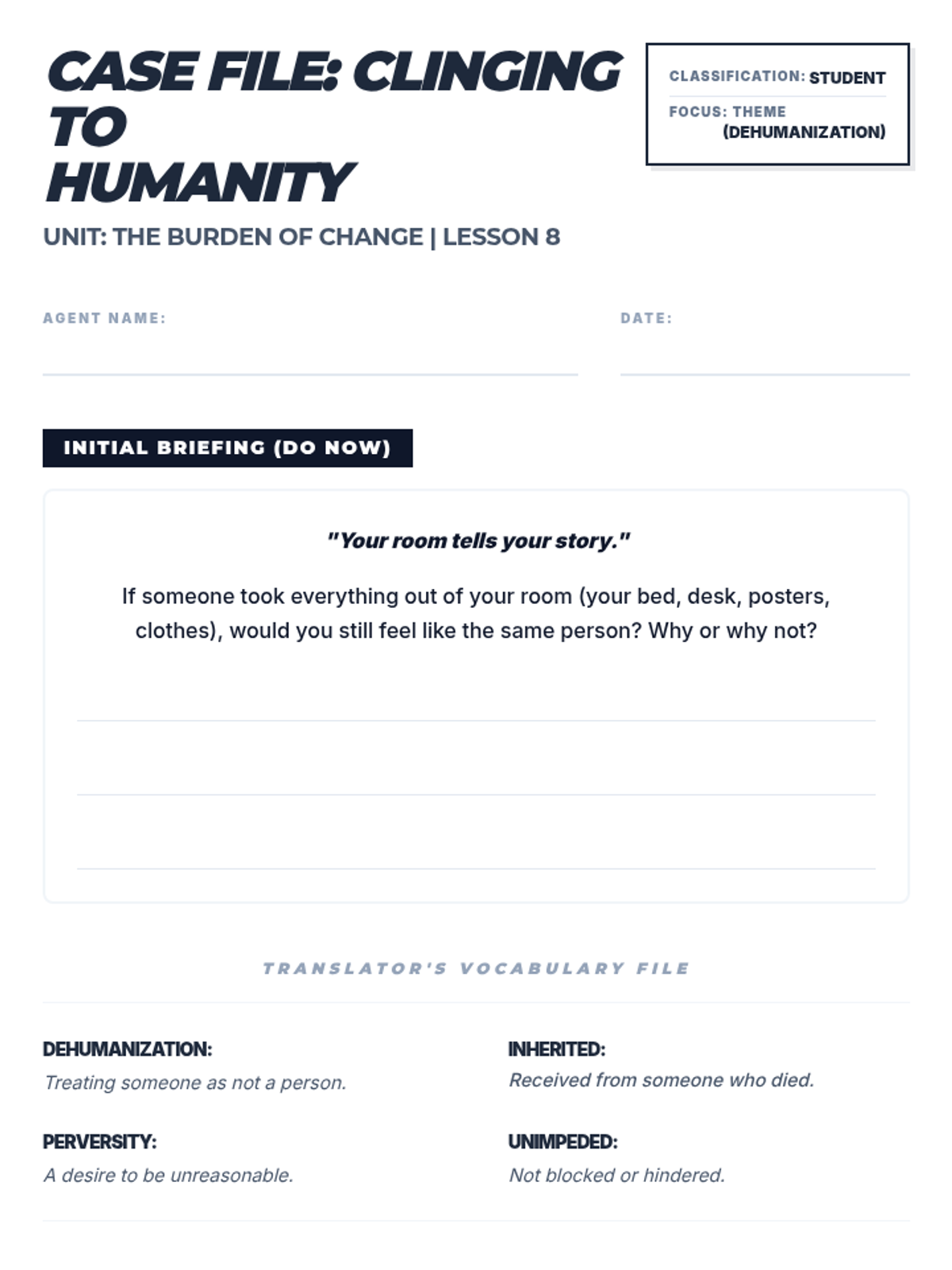
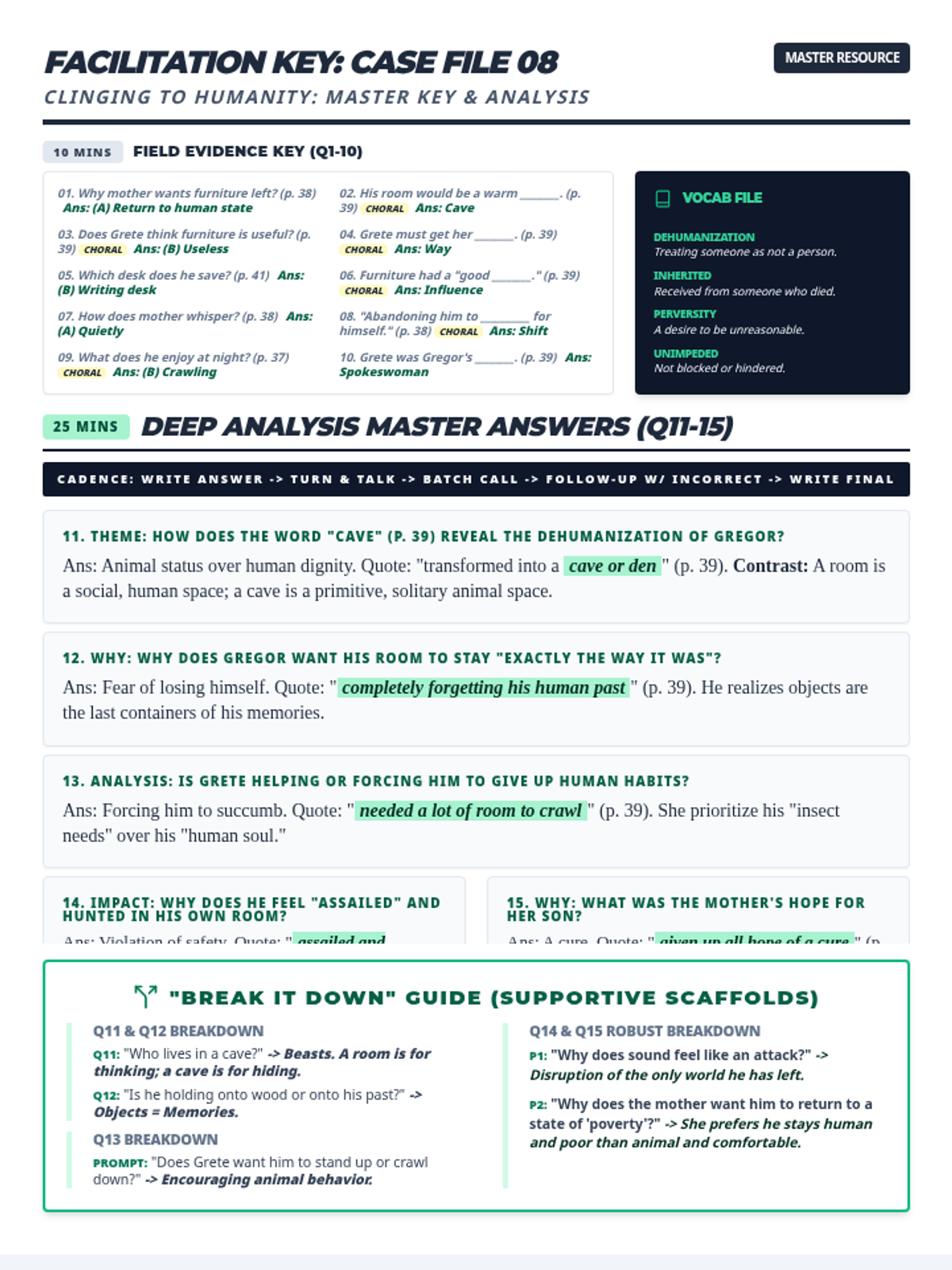
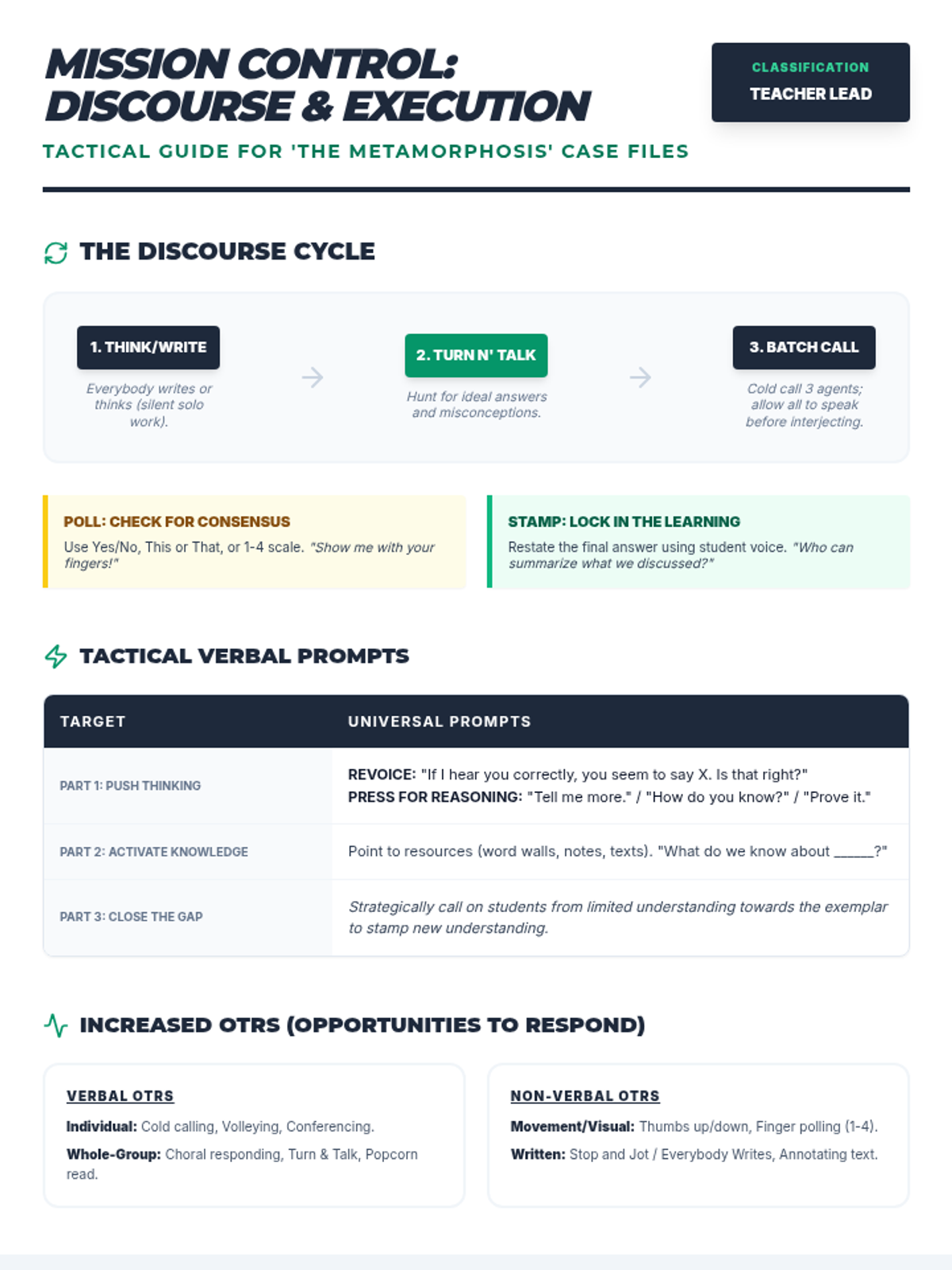
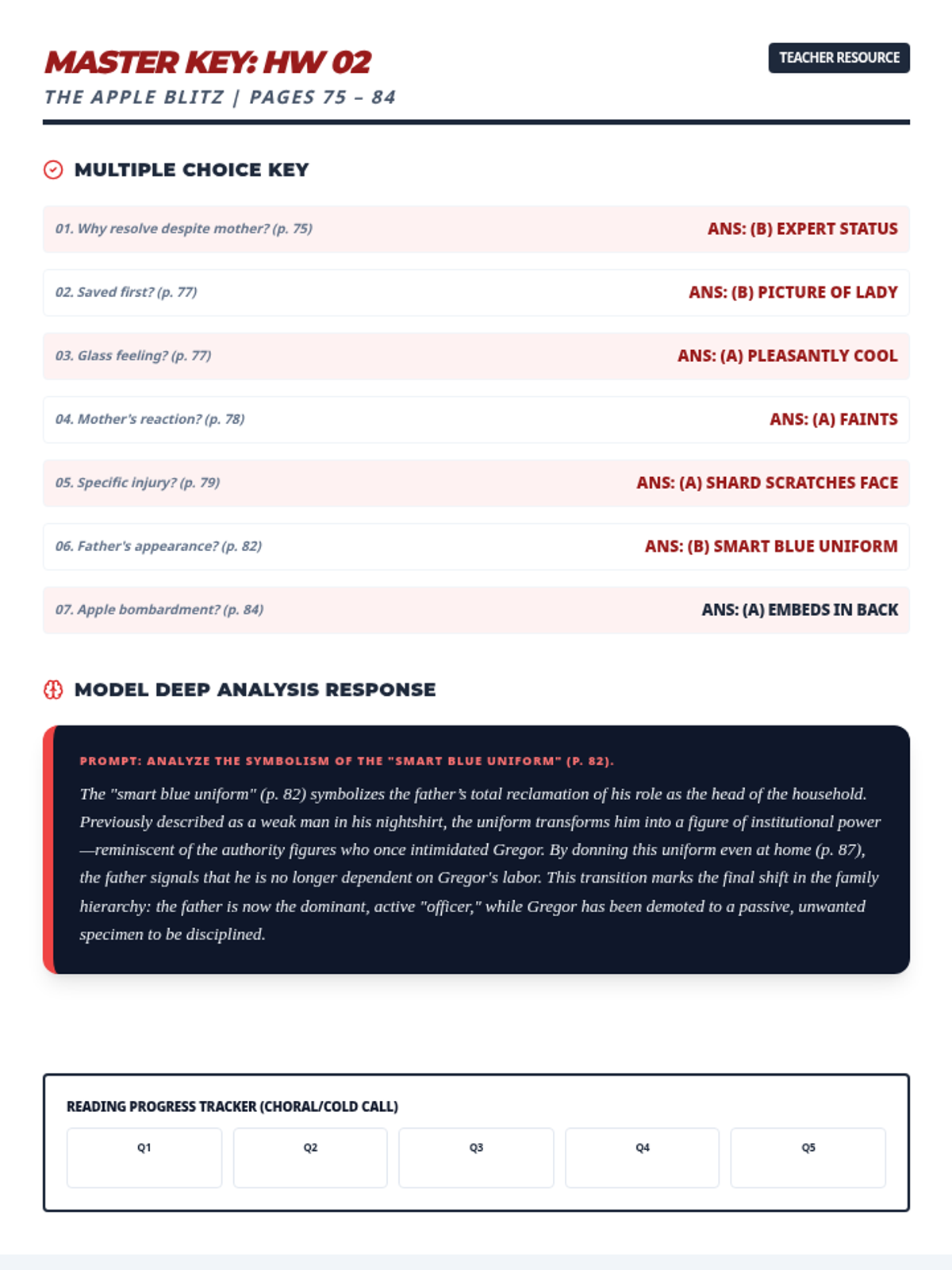
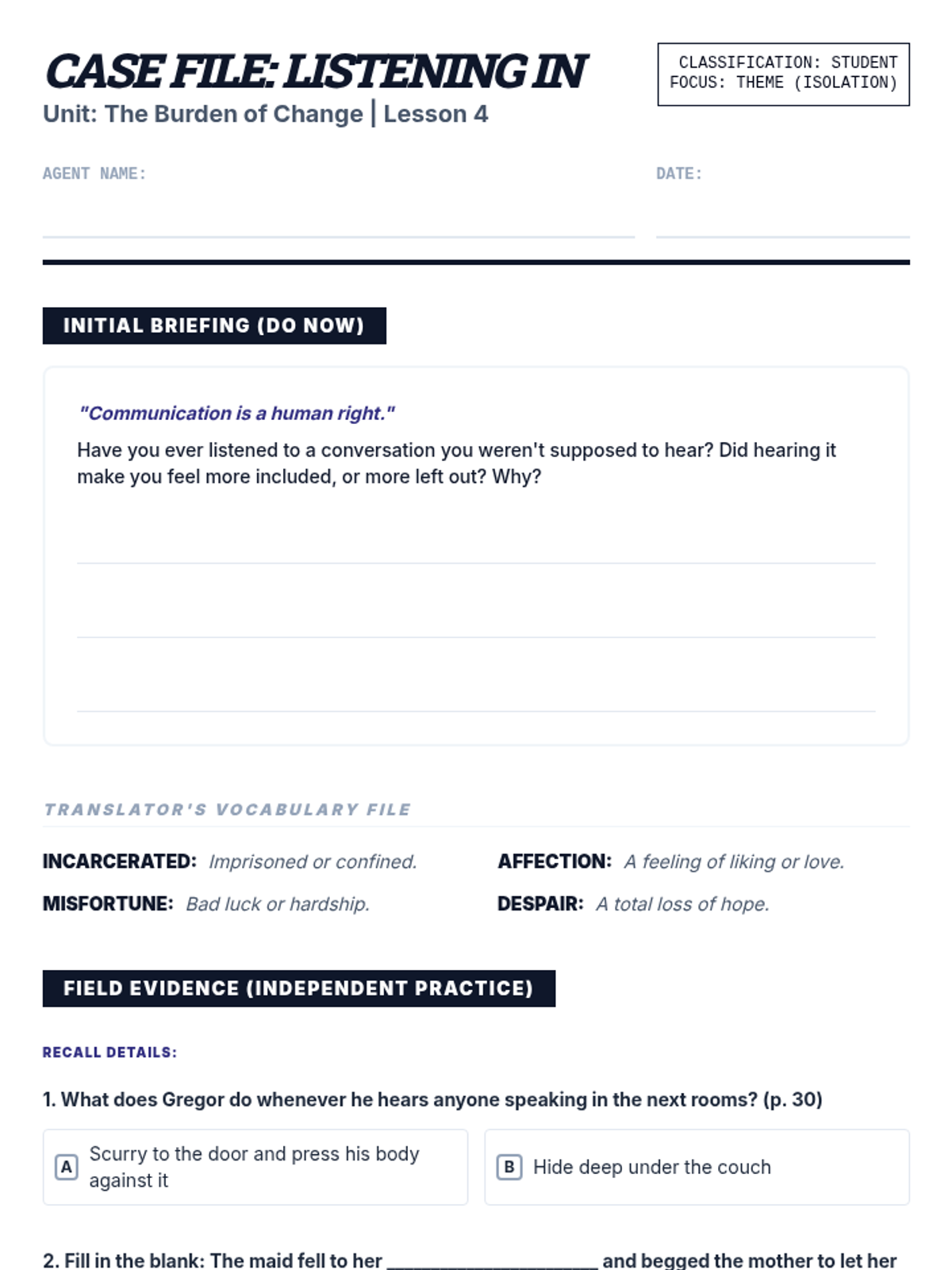
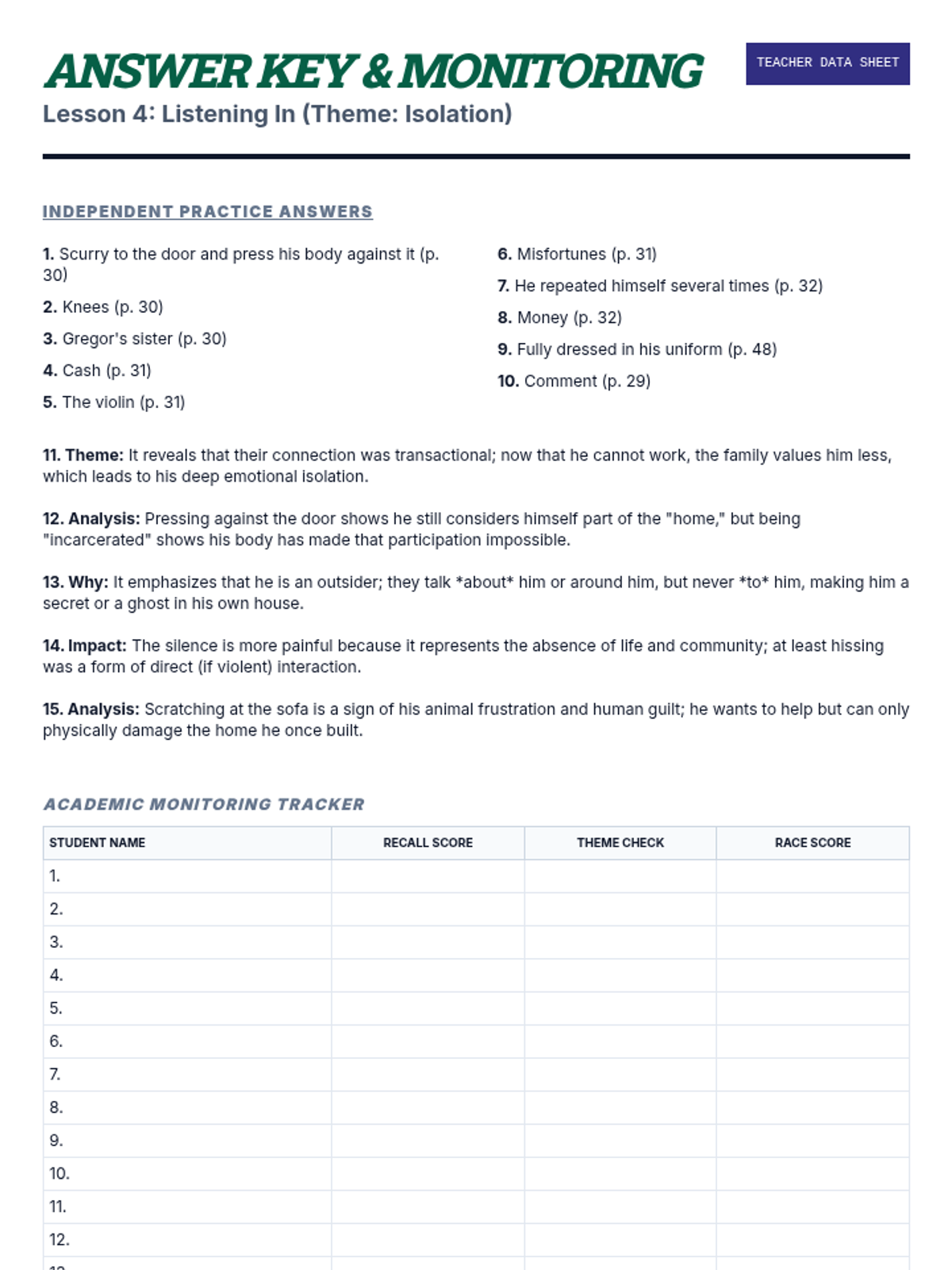
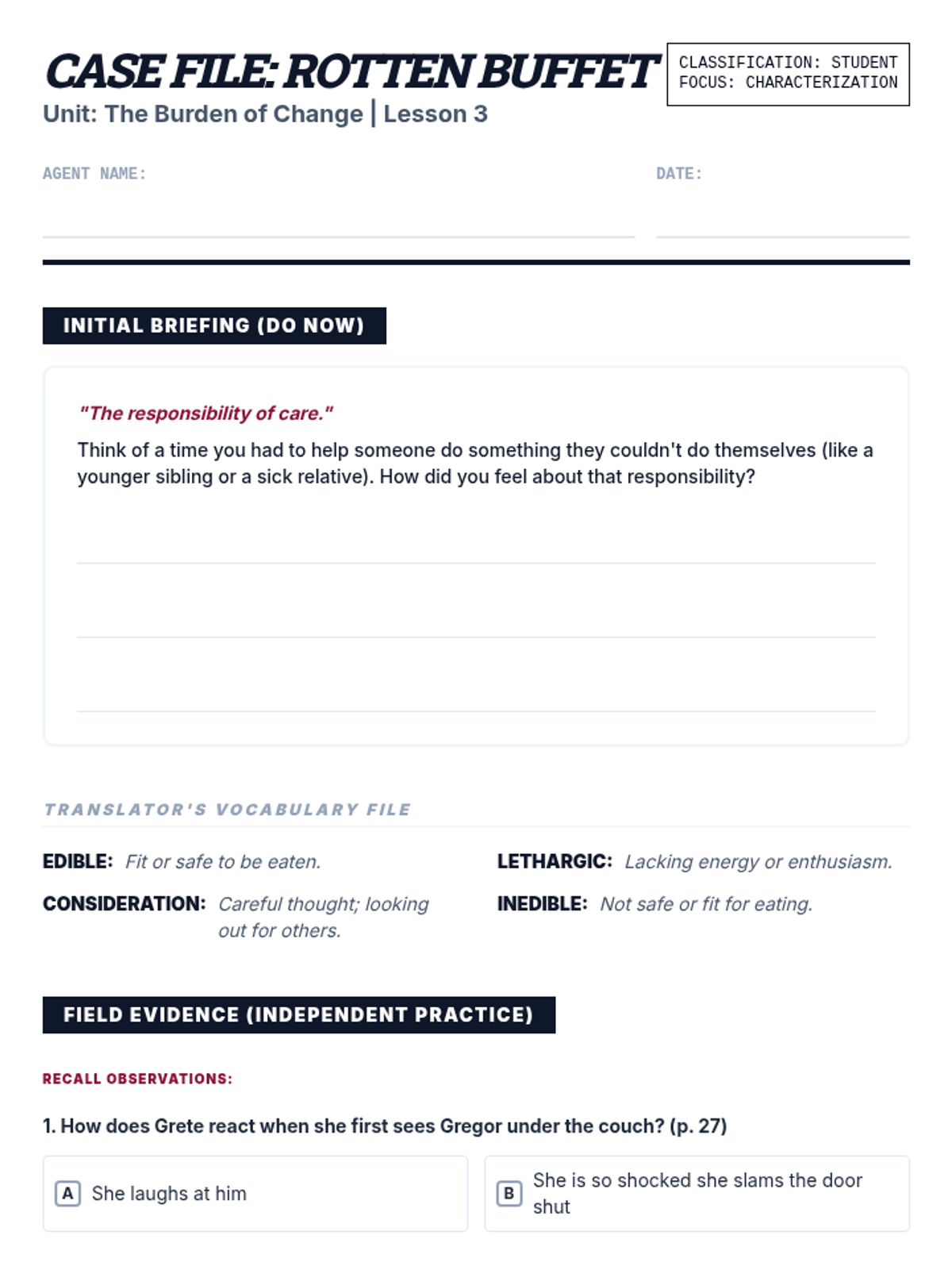
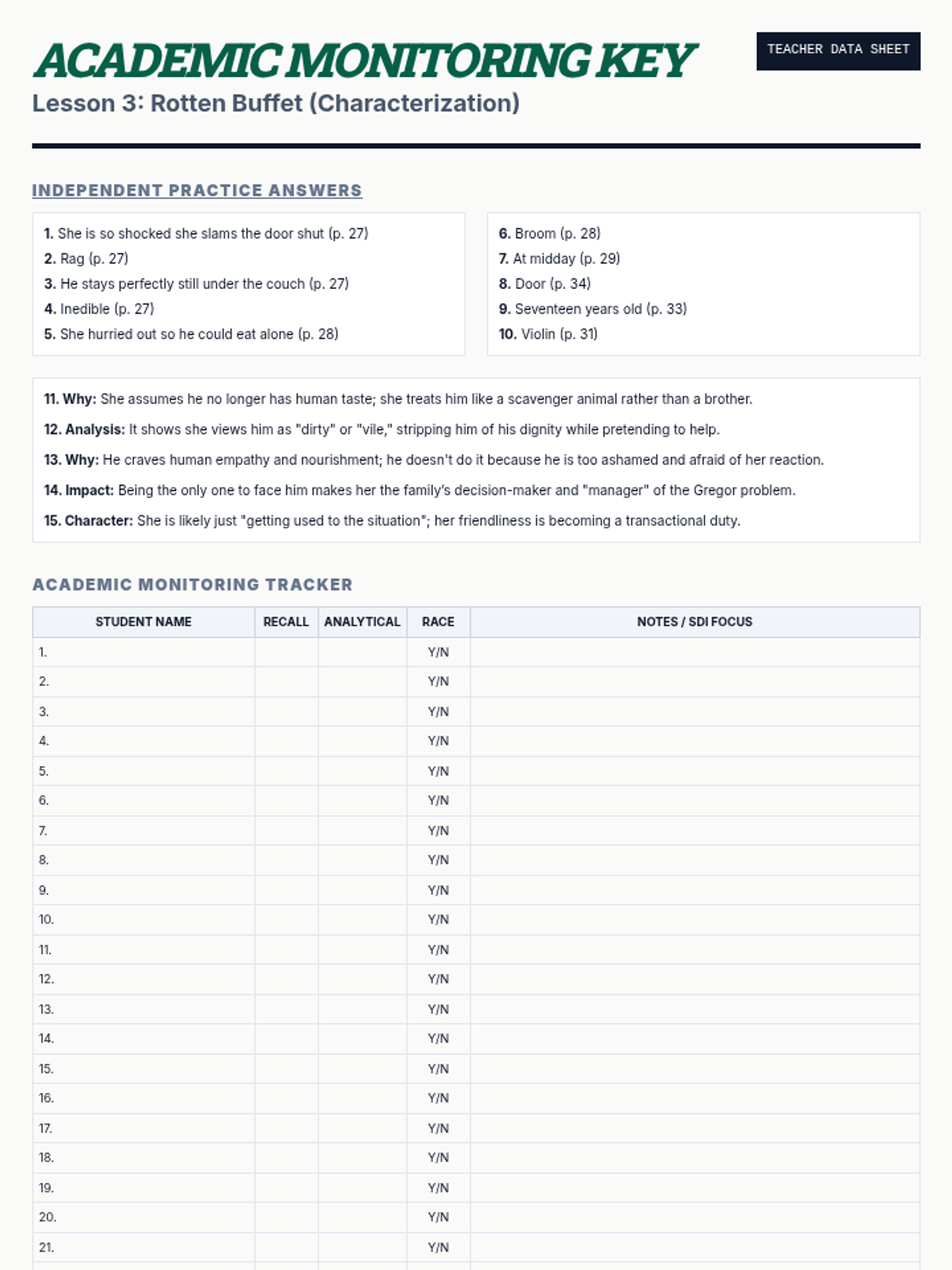
A comprehensive unit covering Gregor Samsa's physical and emotional decay through five sequential 'Case Files'. Students analyze symbols, characterization, theme, and conflict as Gregor's humanity is further eroded and the family hierarchy shifts.
A complete bulletin board kit featuring vibrant, rainbow-themed musical elements and diverse student illustrations to celebrate music as a universal language.
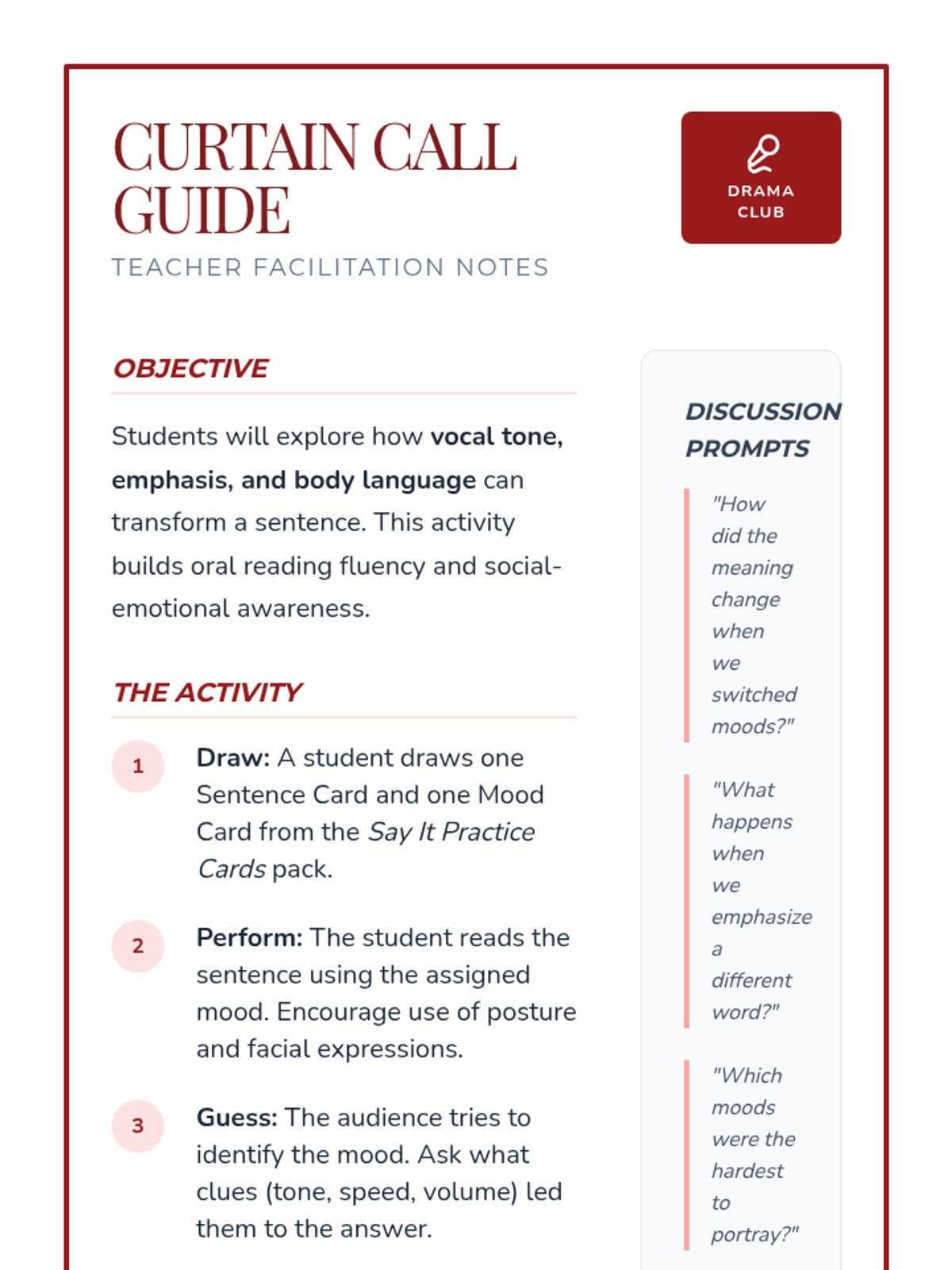
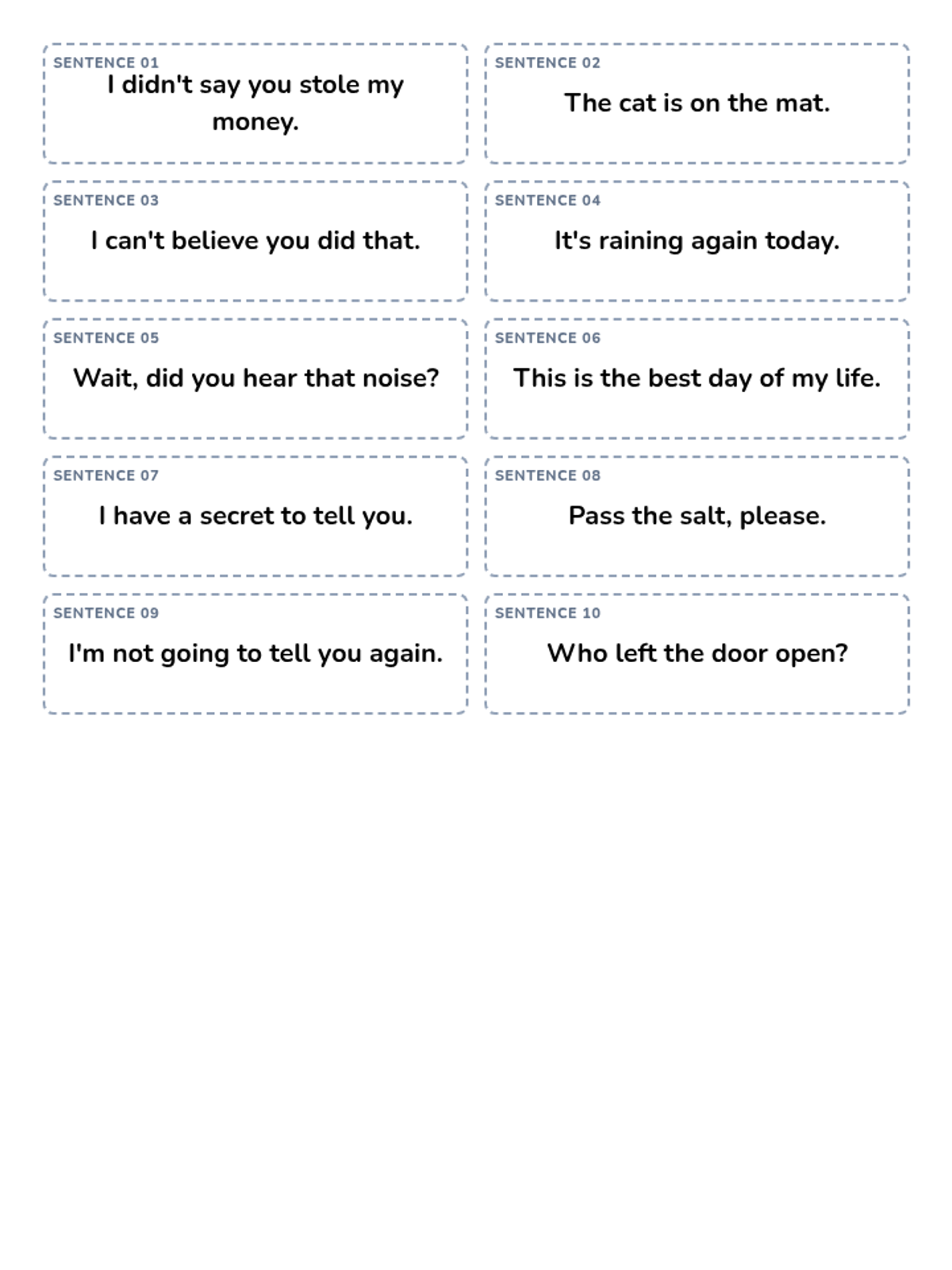
A high-energy drama and literacy lesson focused on prosody, tone, and vocal expression. Students practice reading the same sentence in various moods to discover how delivery changes meaning.
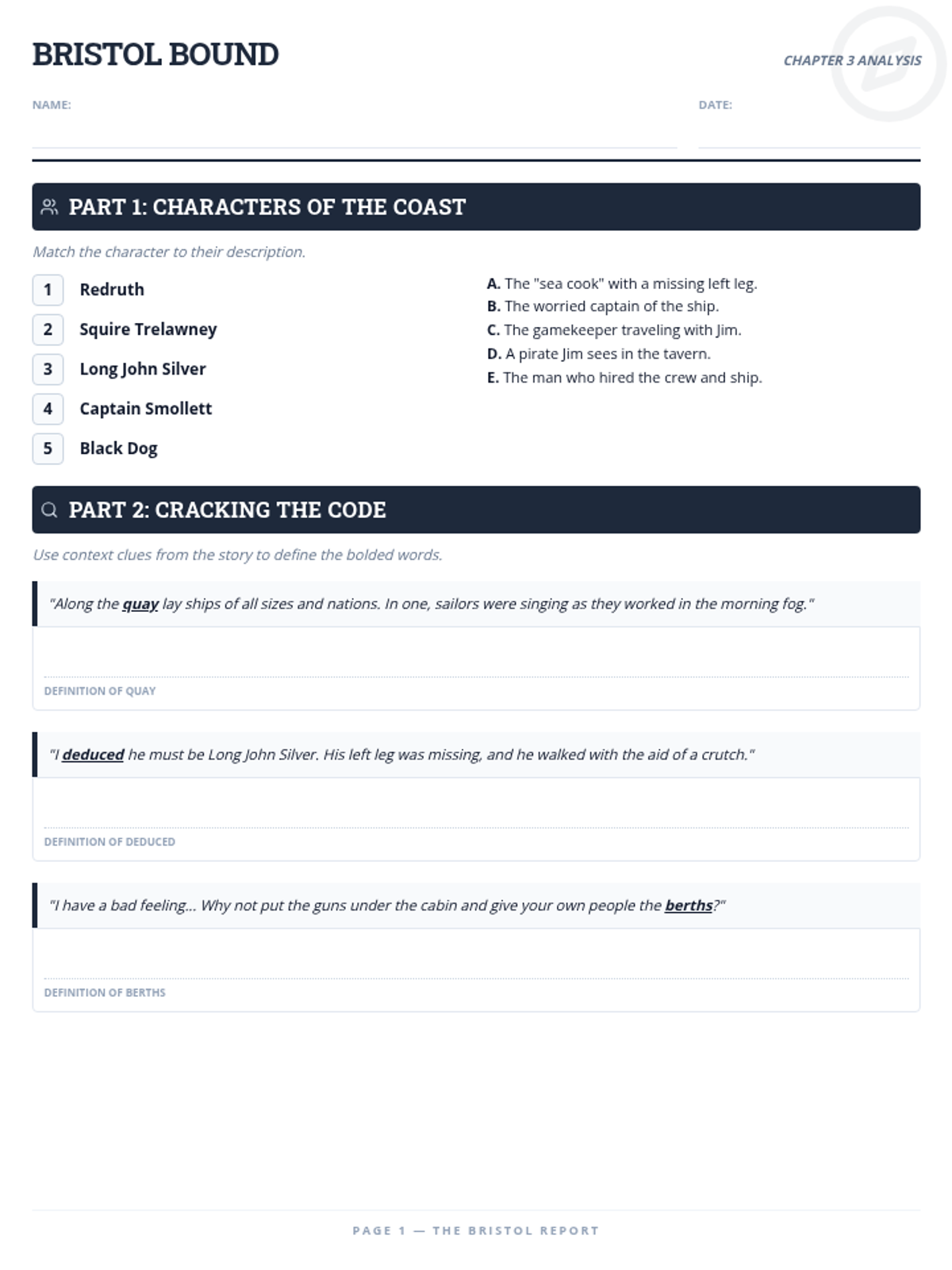
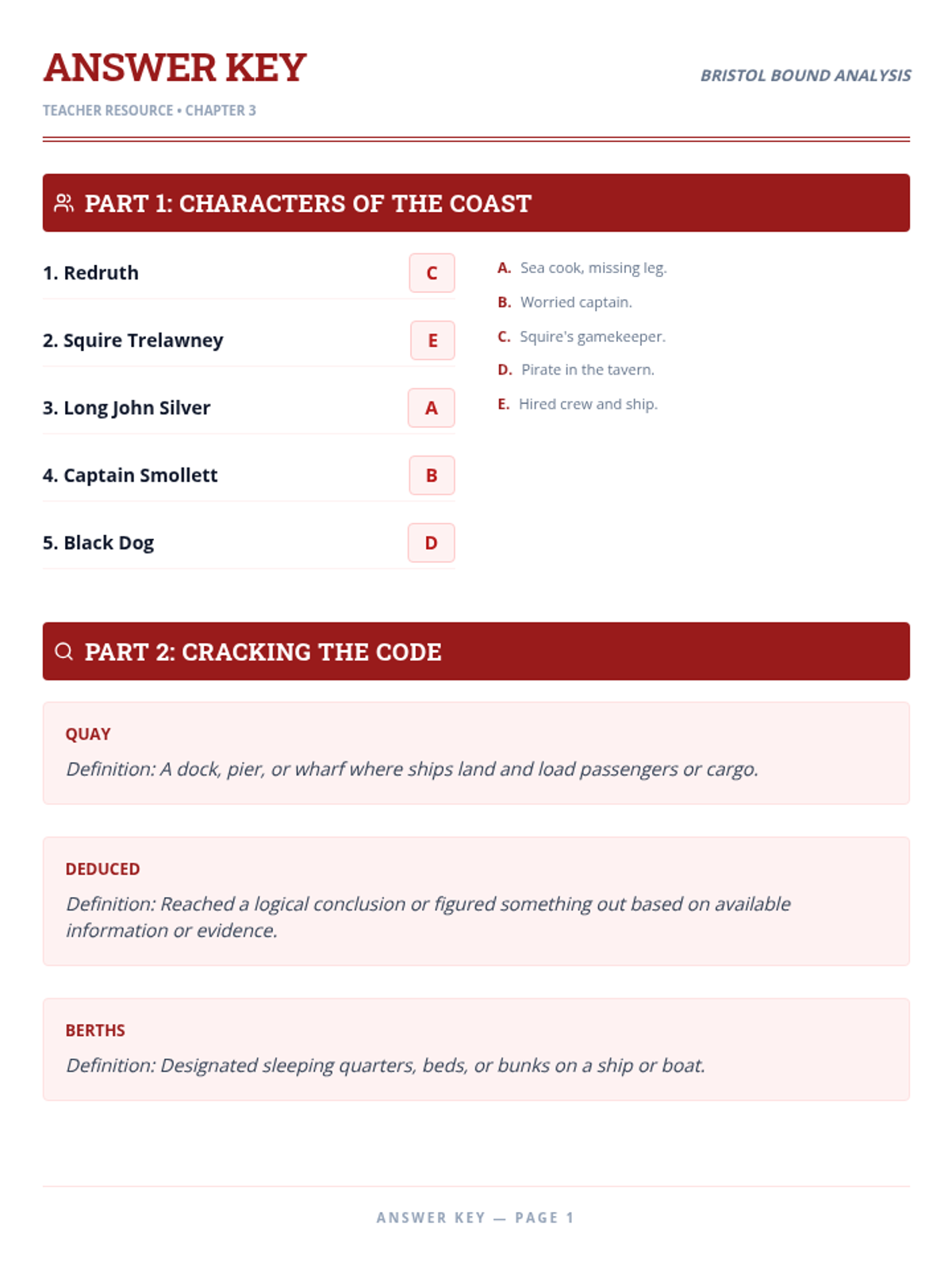
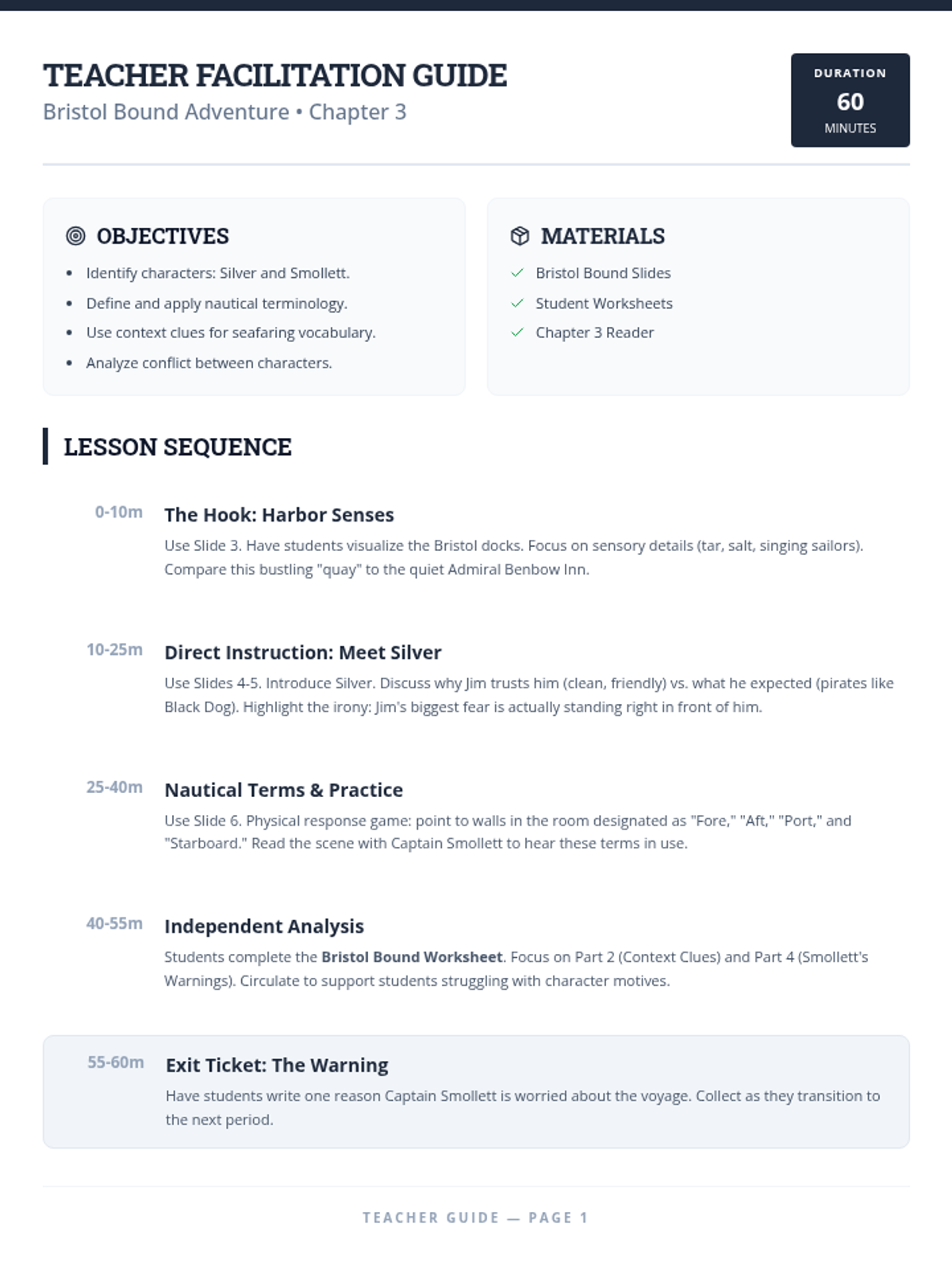
A lesson covering Chapter 3 of Treasure Island, where Jim travels to Bristol, meets Long John Silver, and prepares to set sail on the Hispaniola. Focuses on character introduction, nautical vocabulary, and analyzing the early signs of conflict.
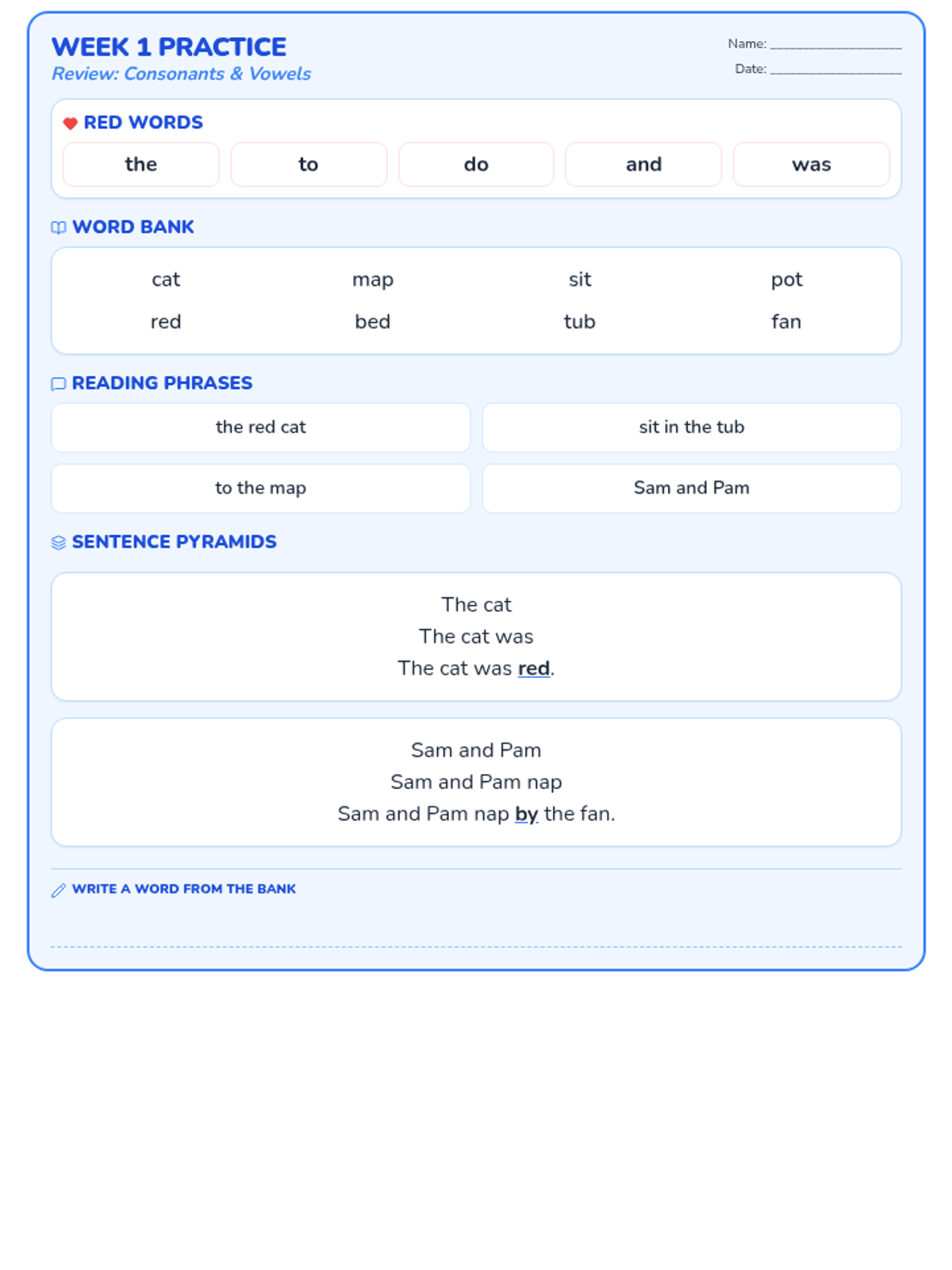
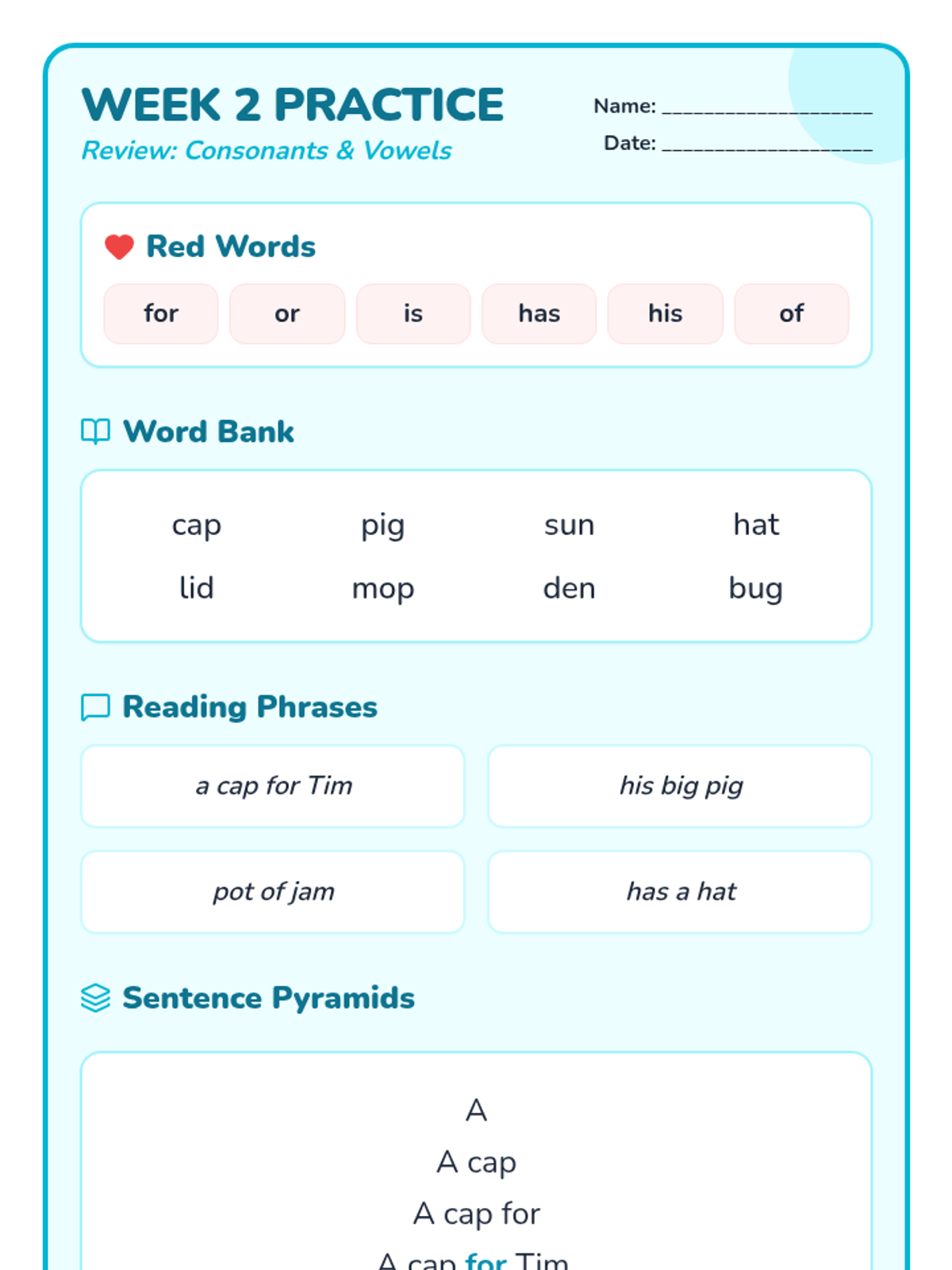
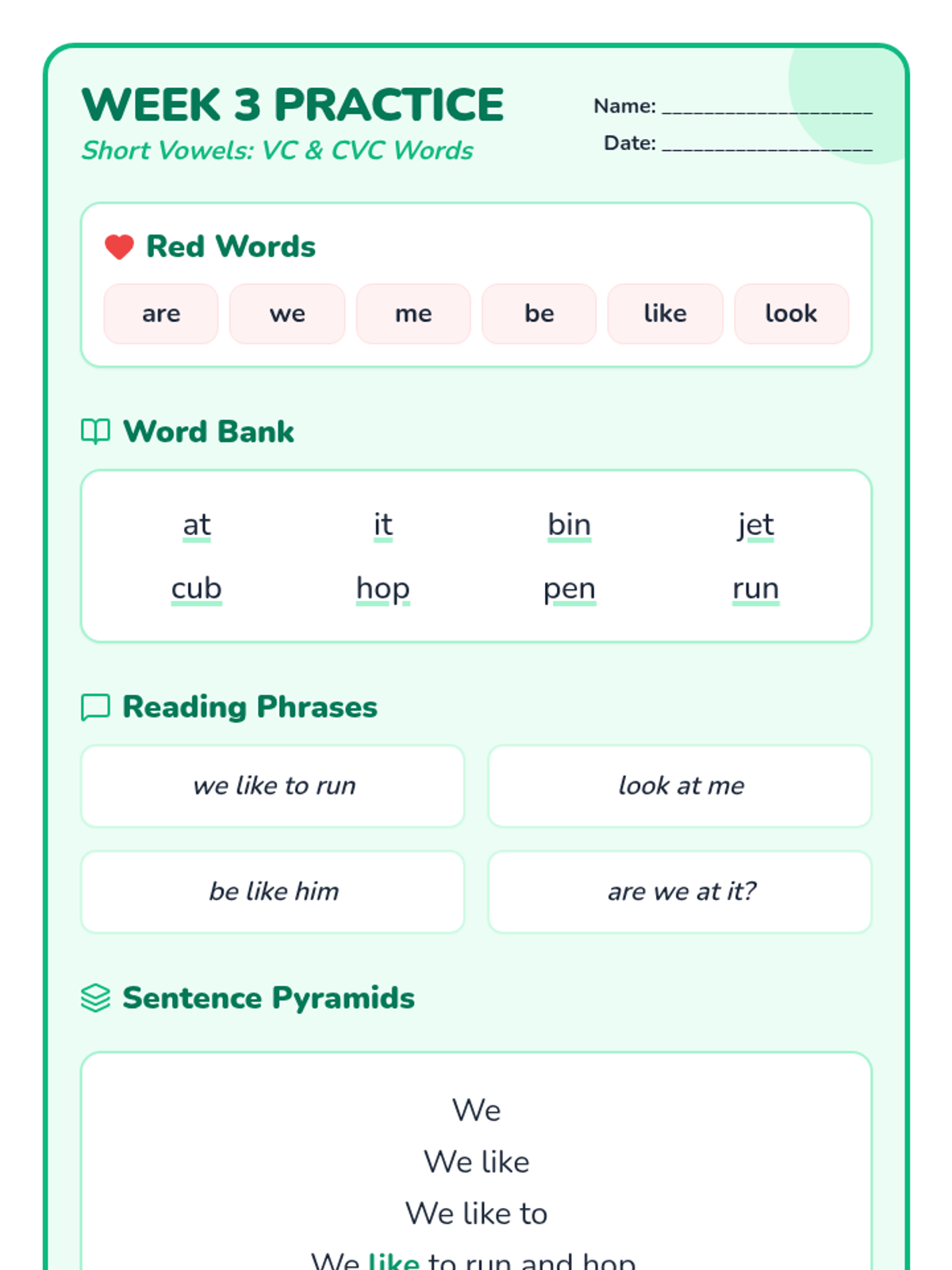
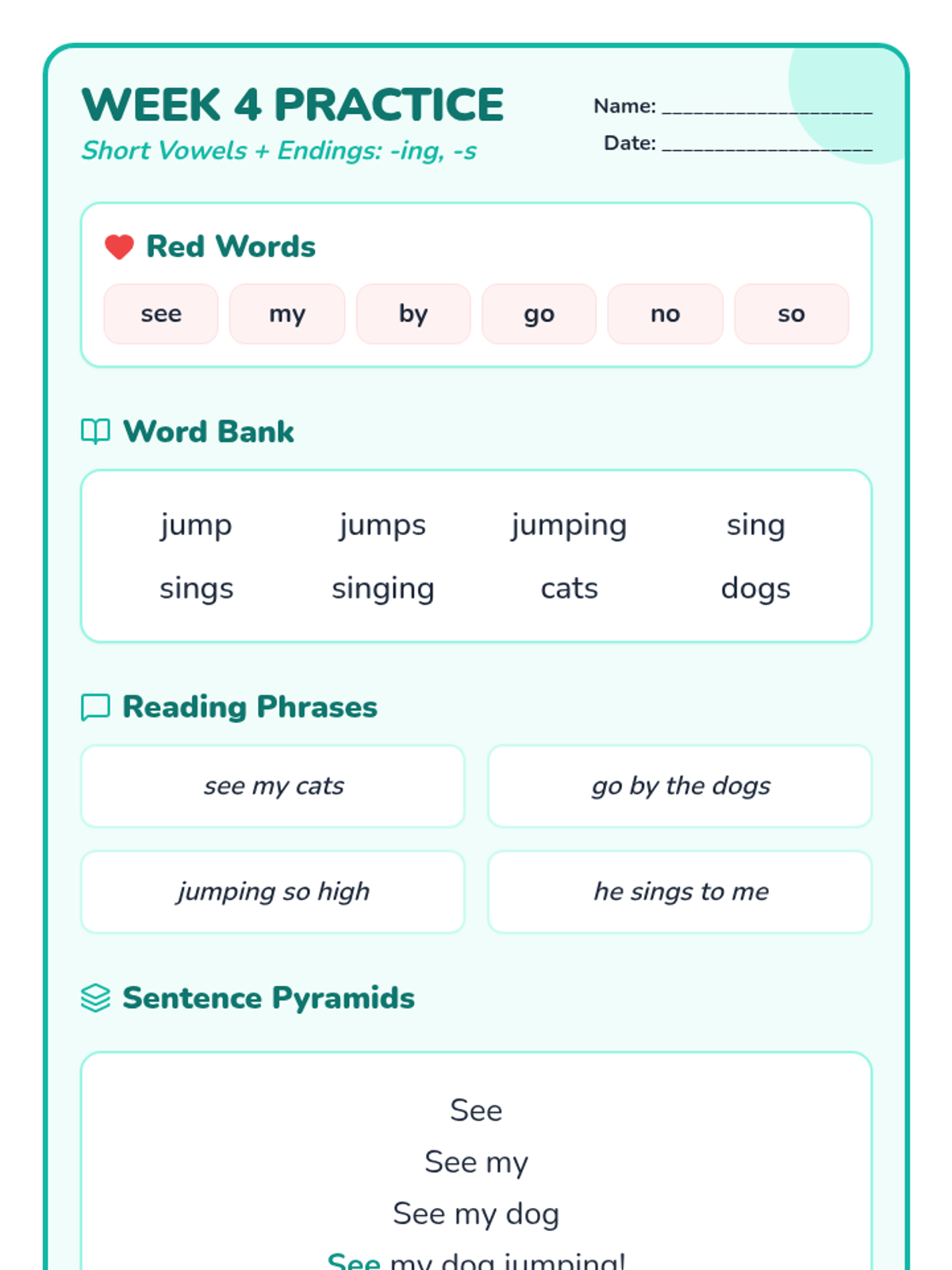
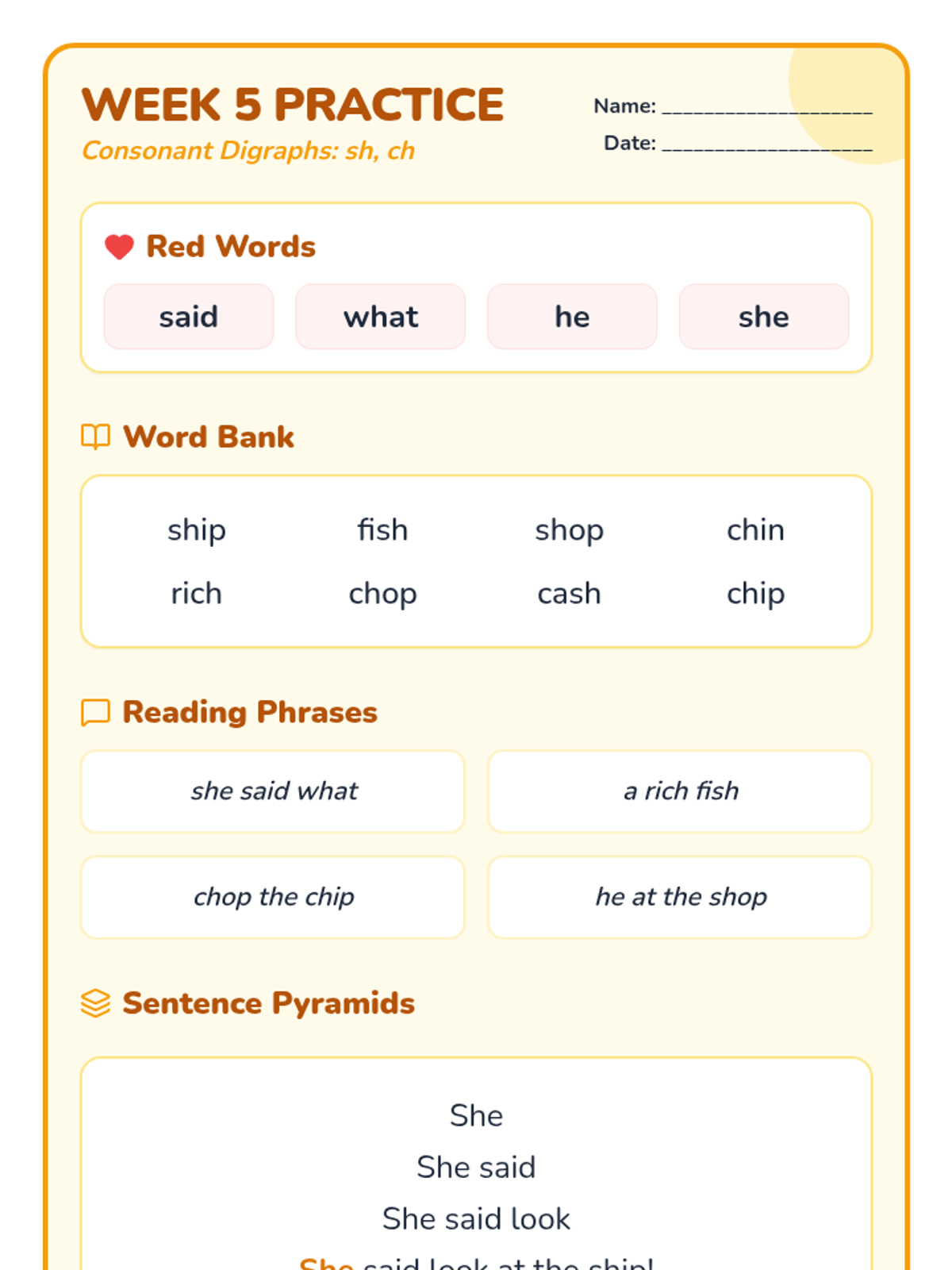
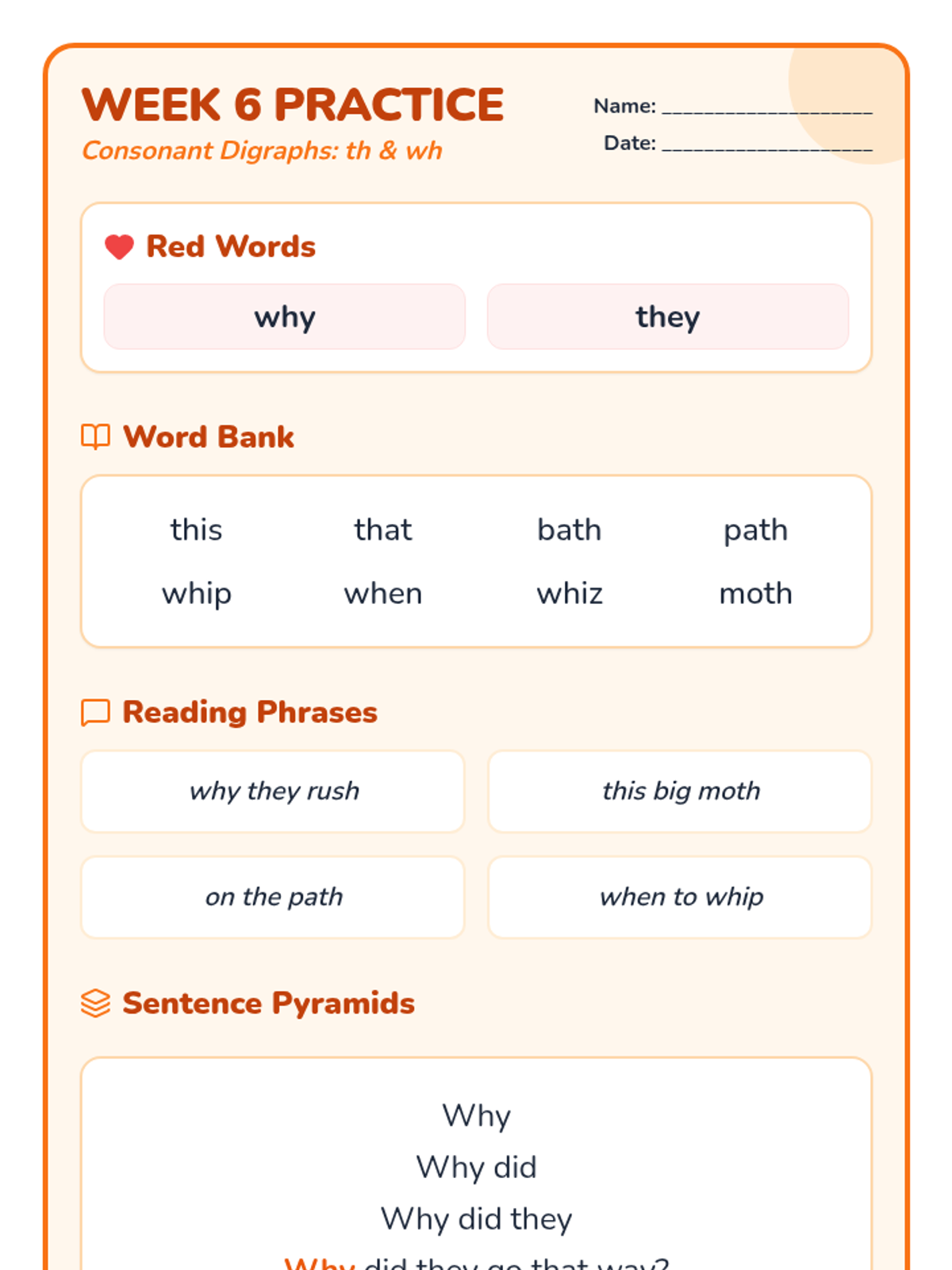
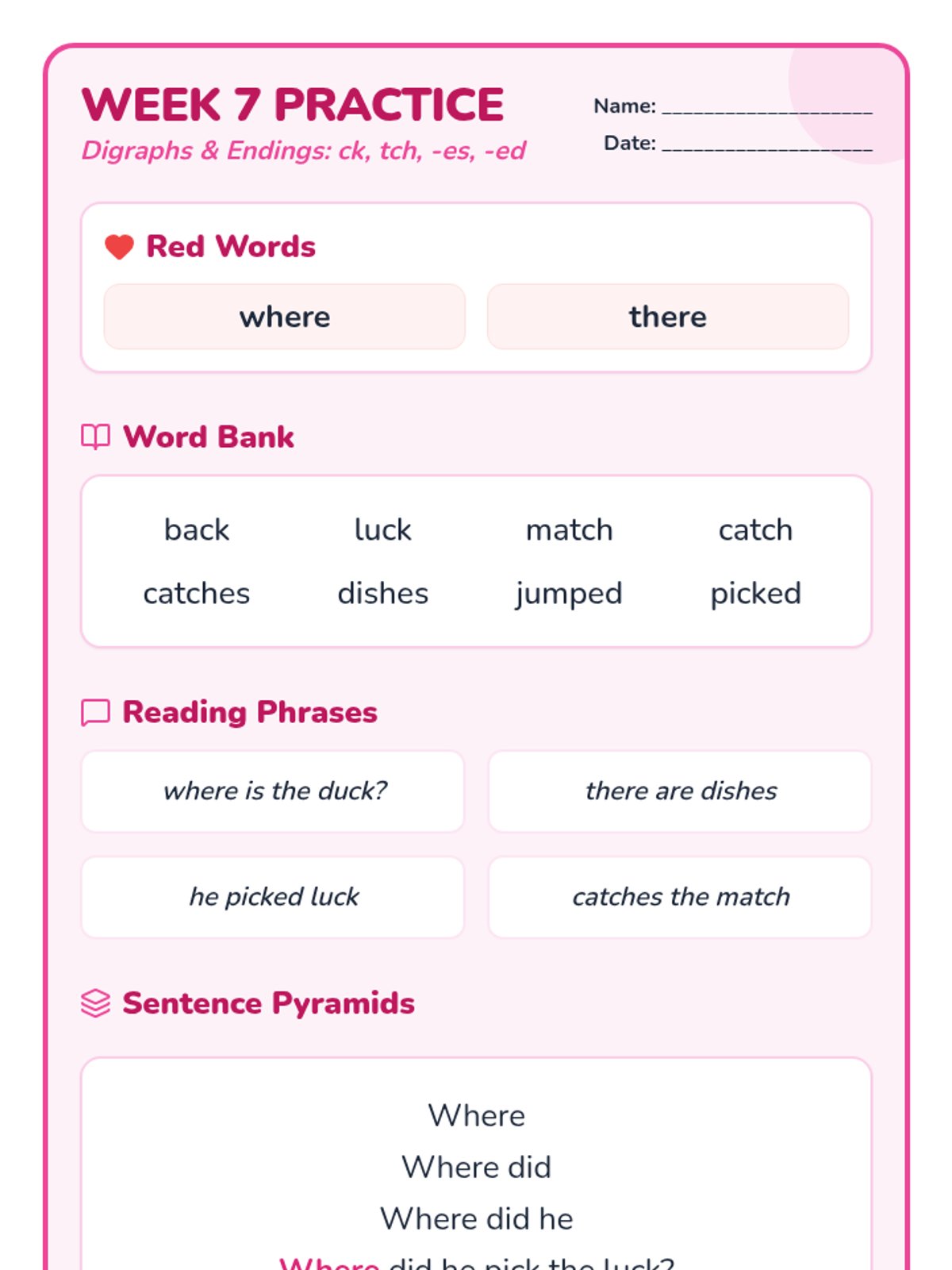
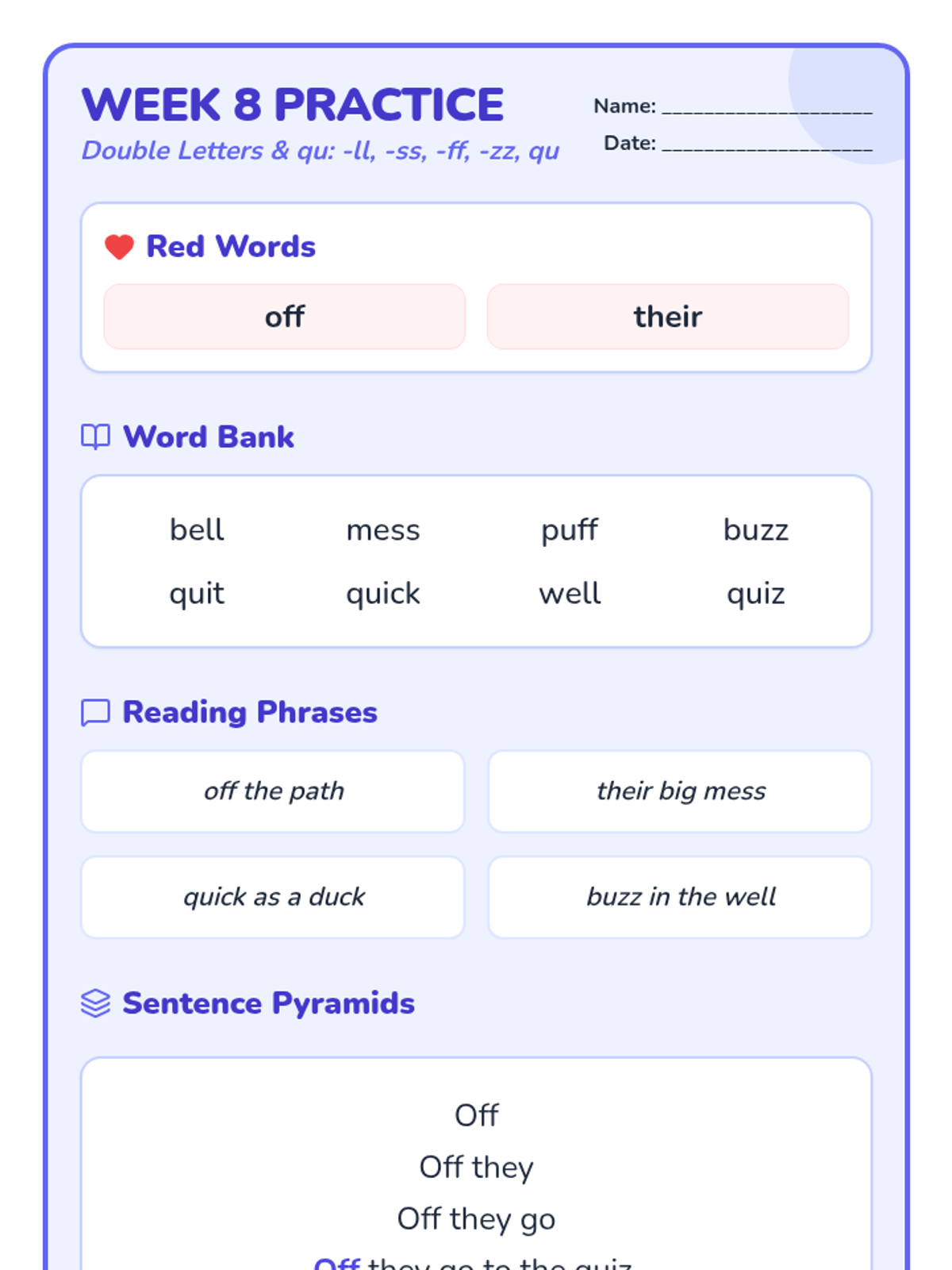
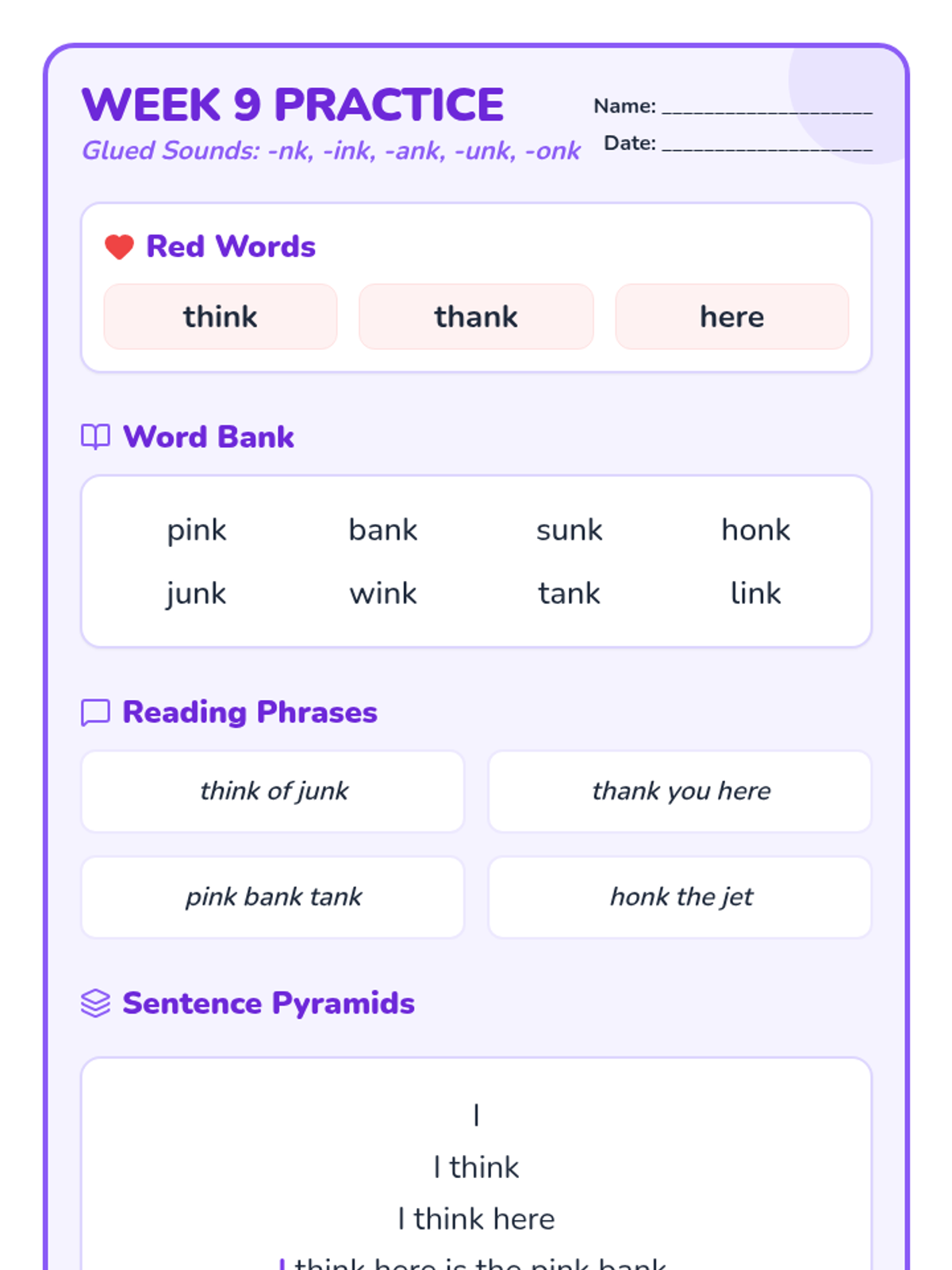
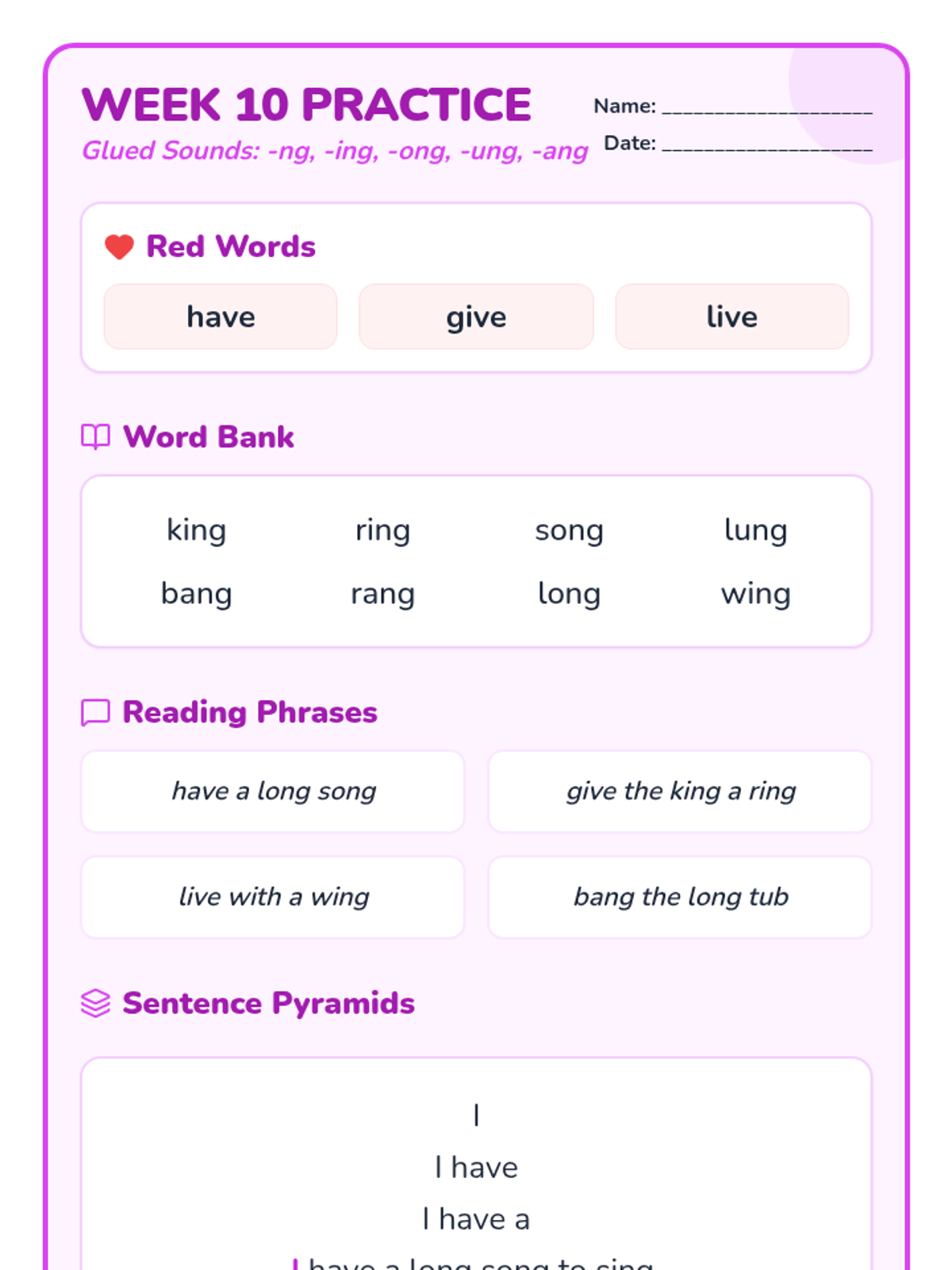
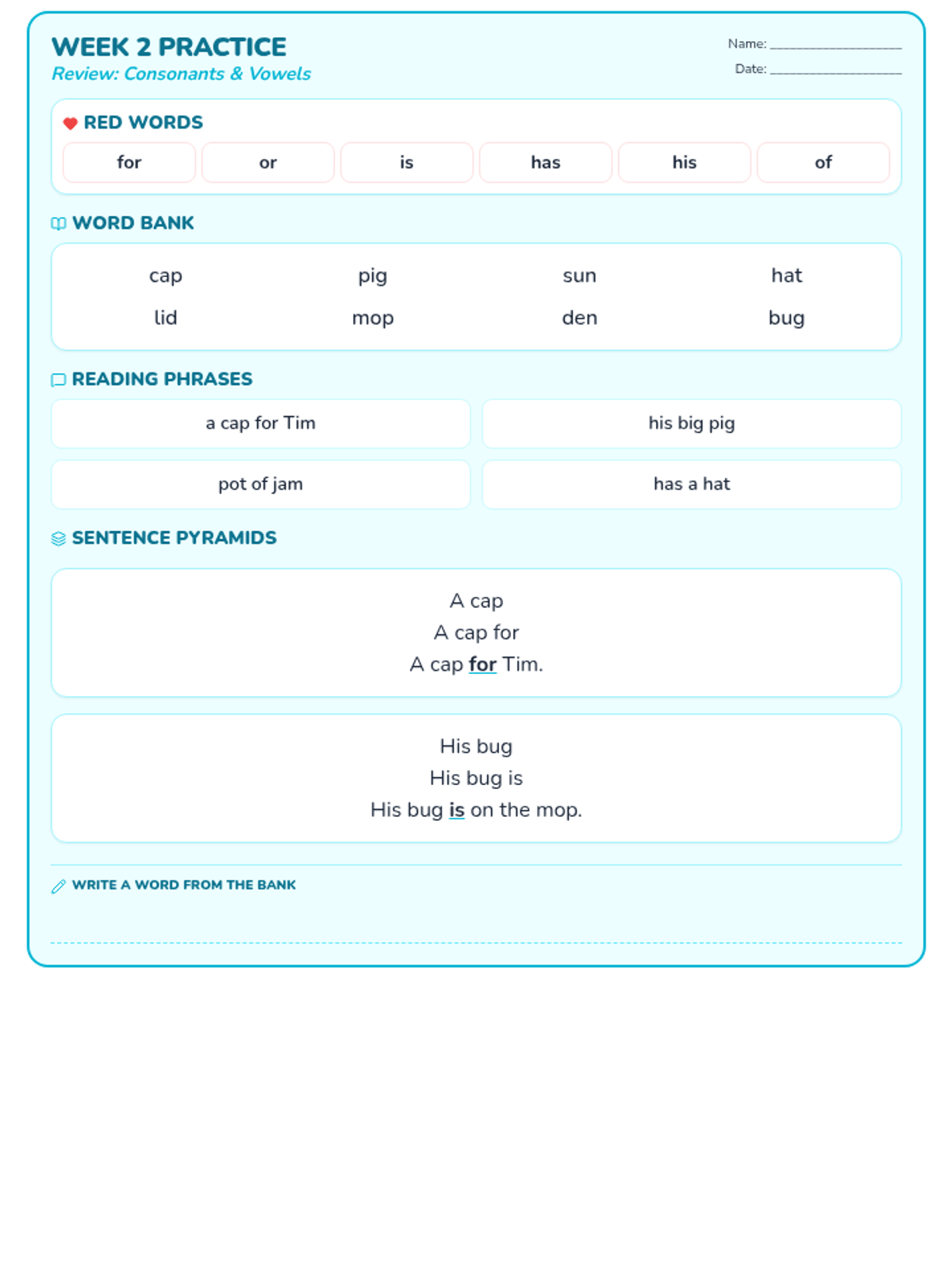
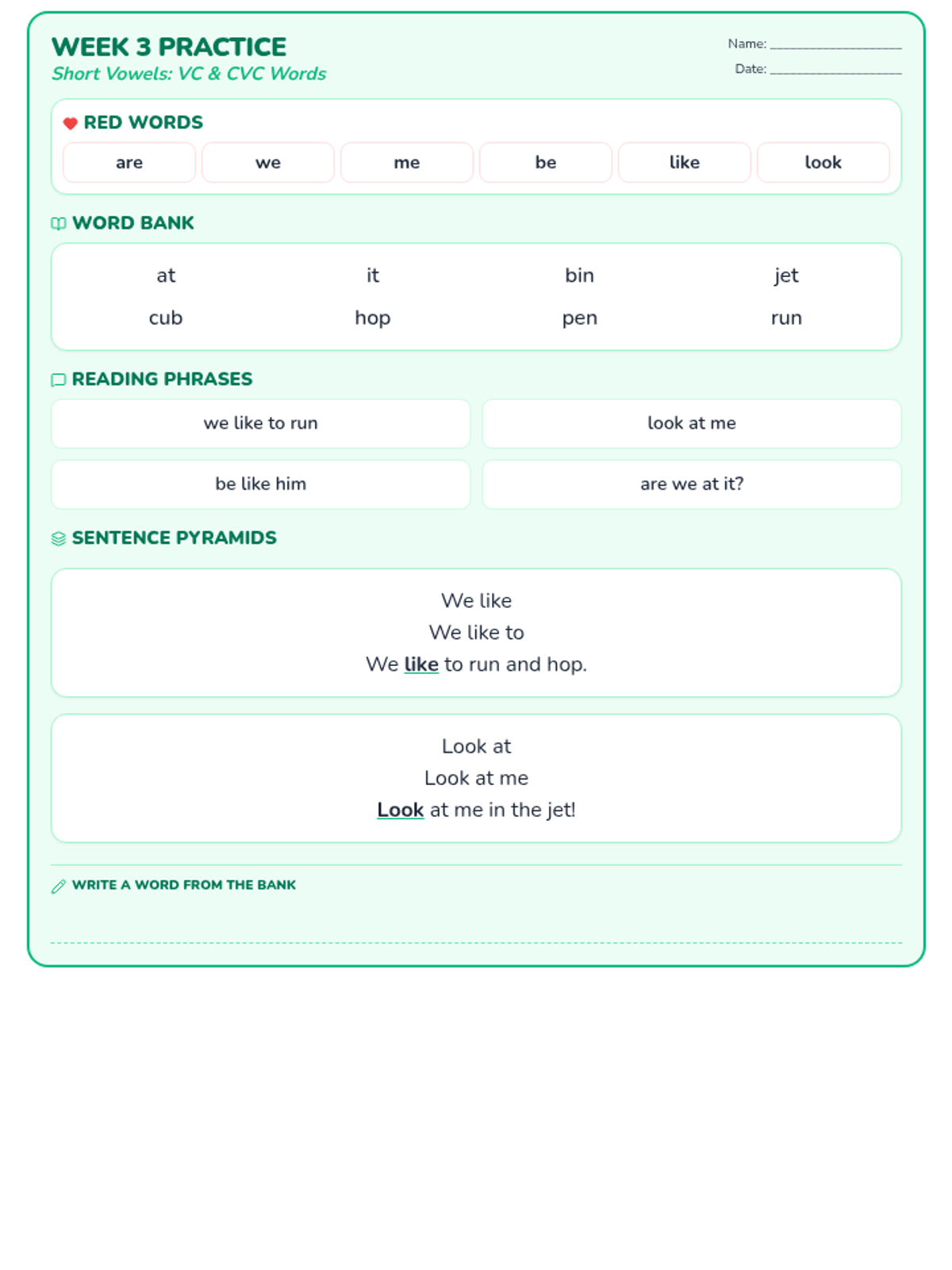
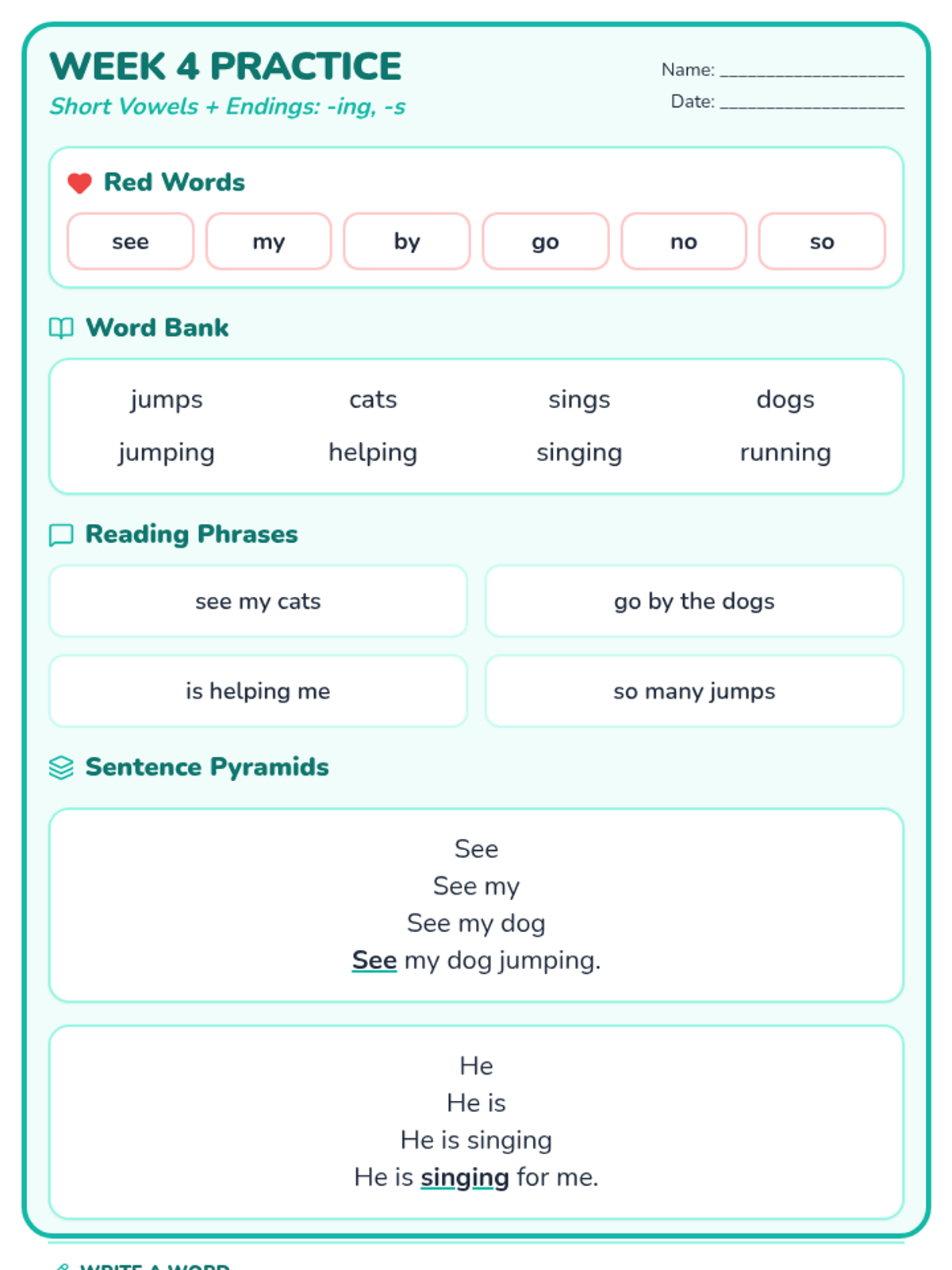
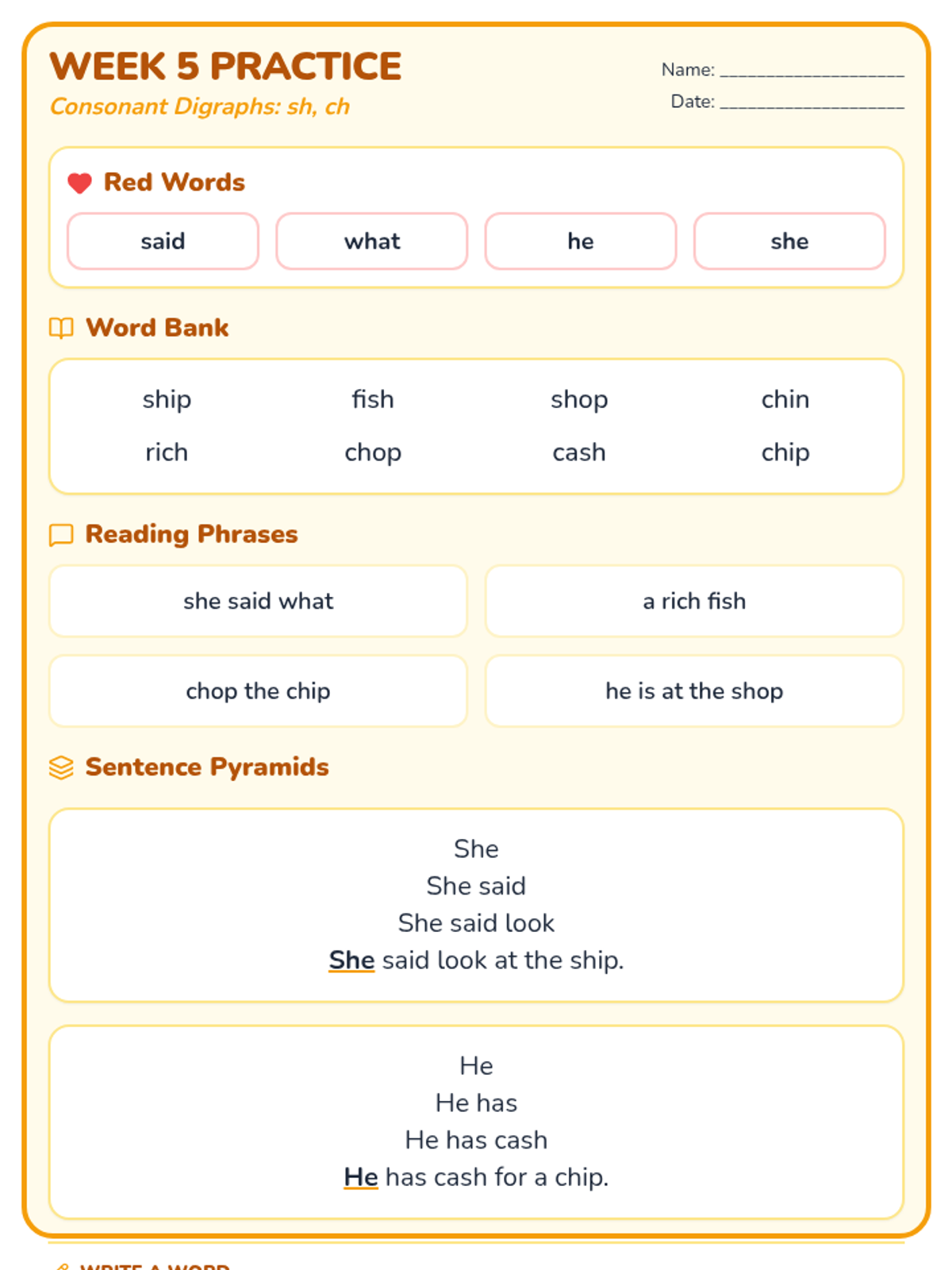
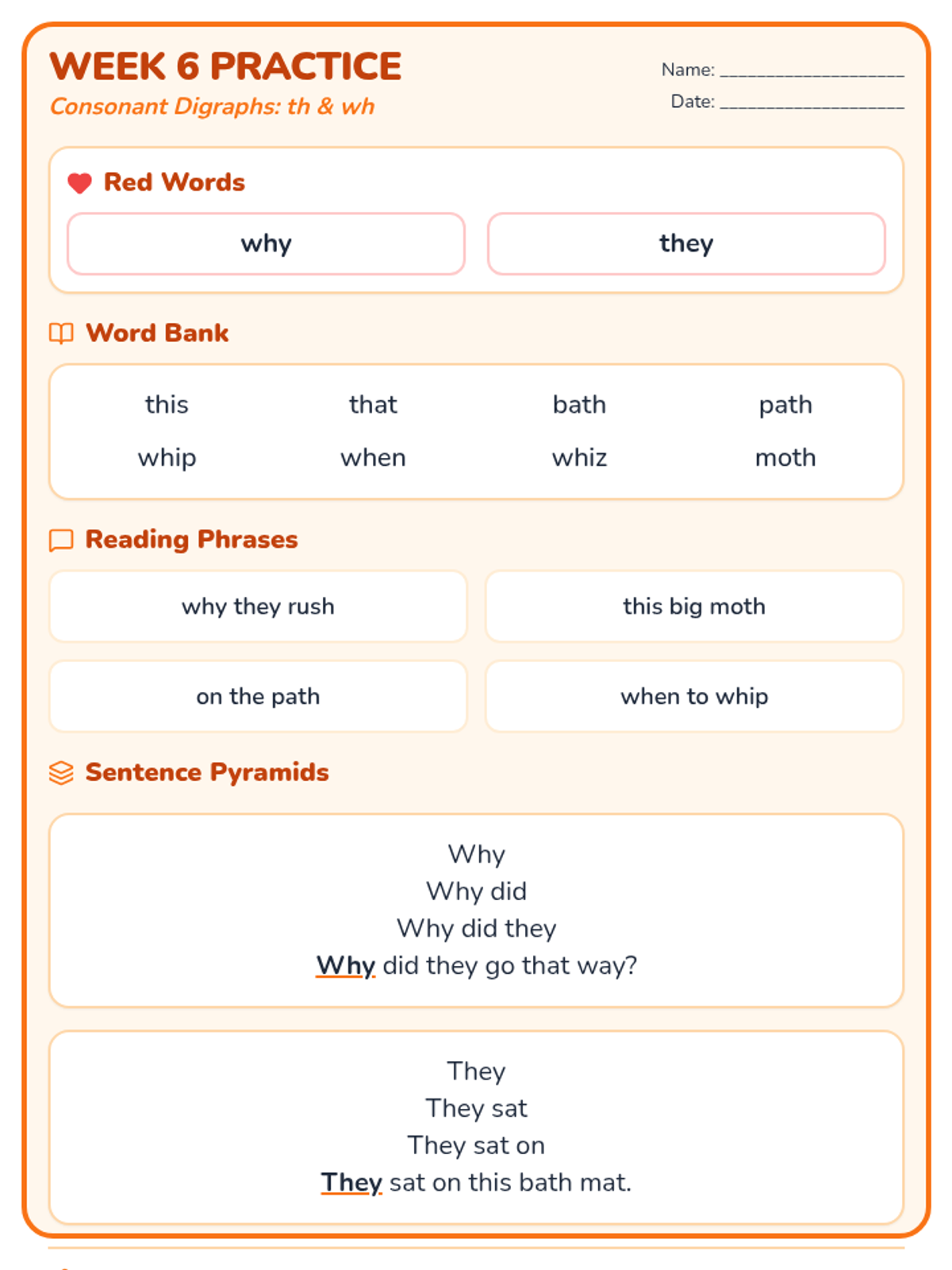
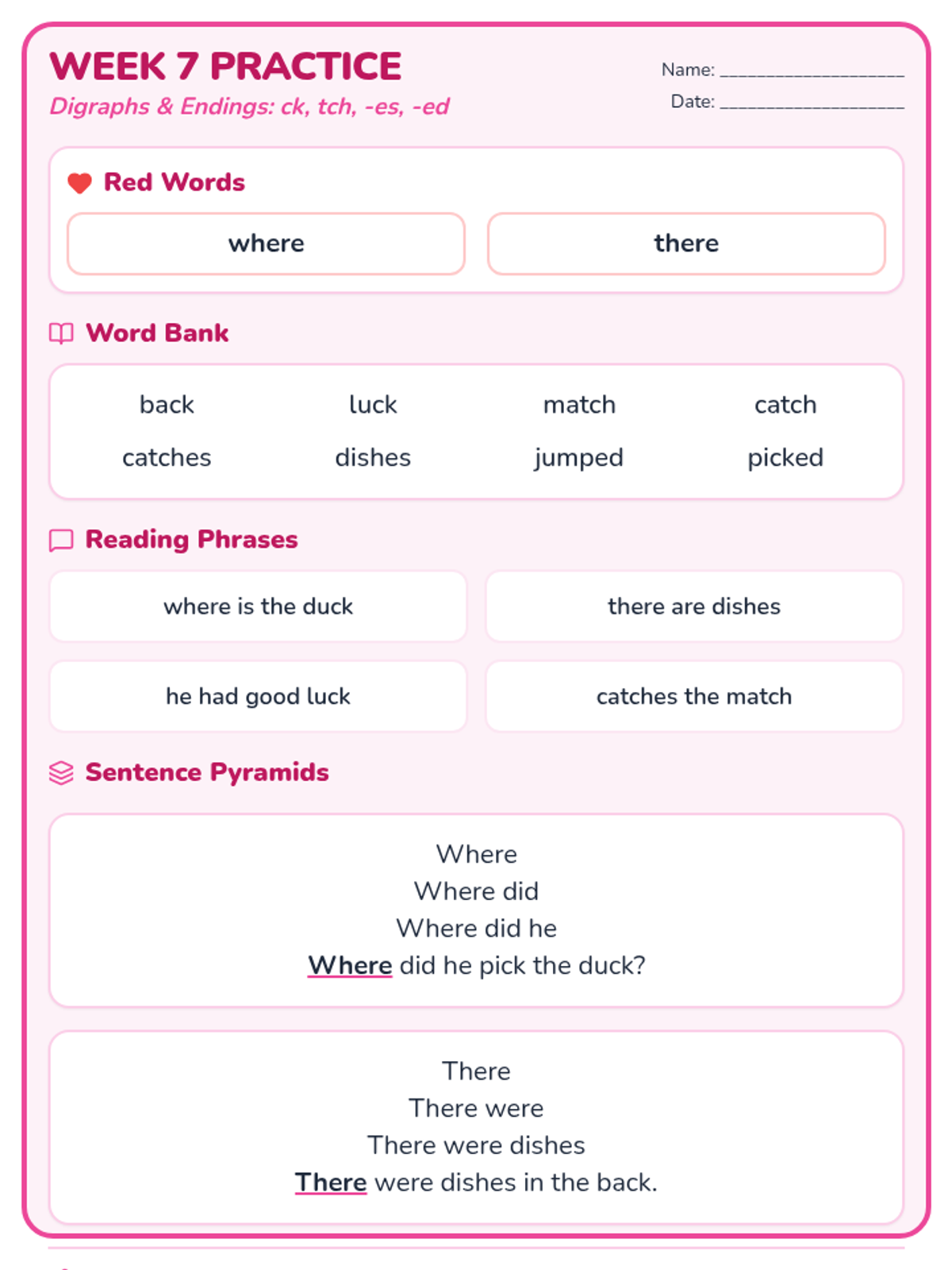
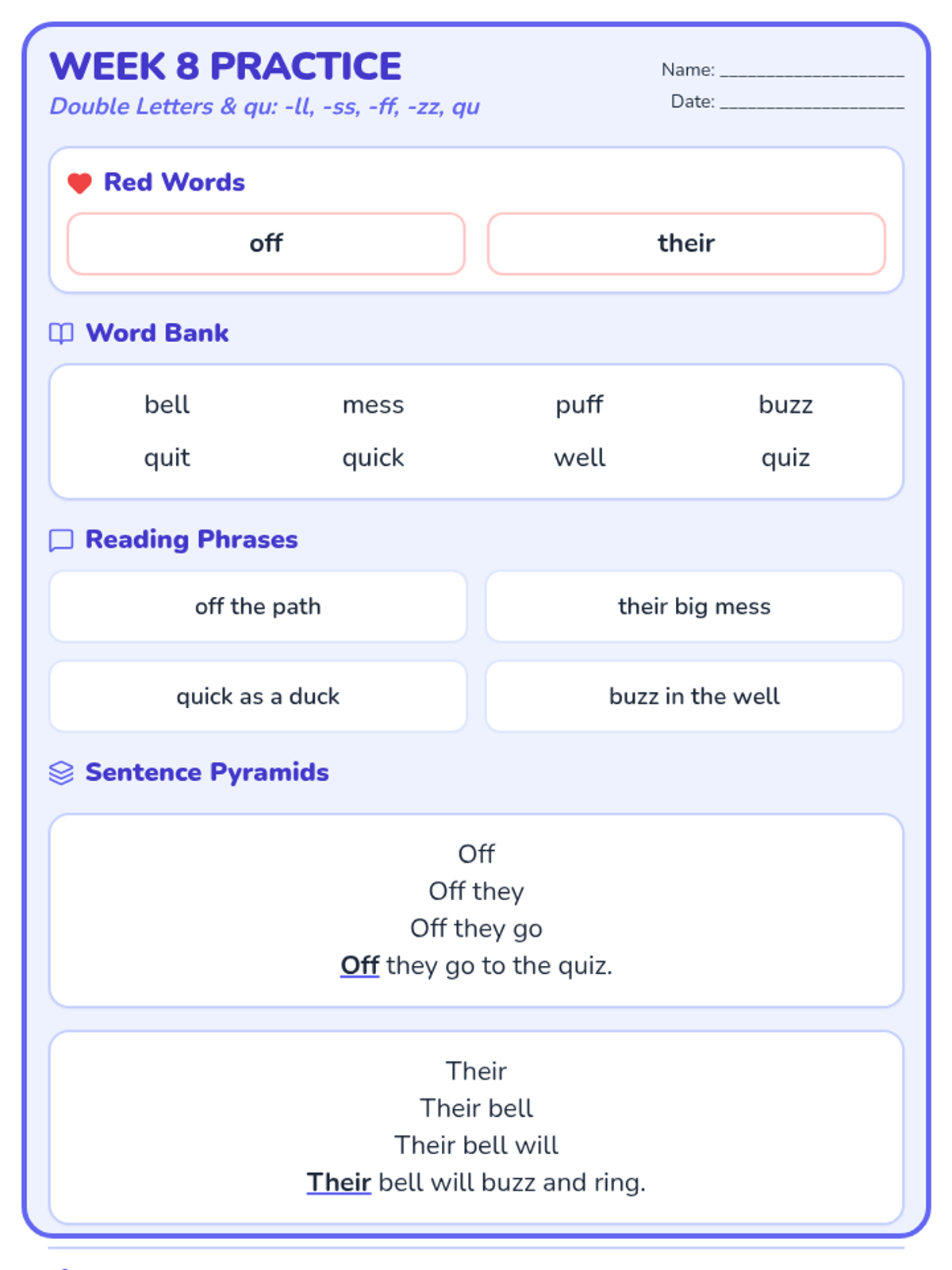
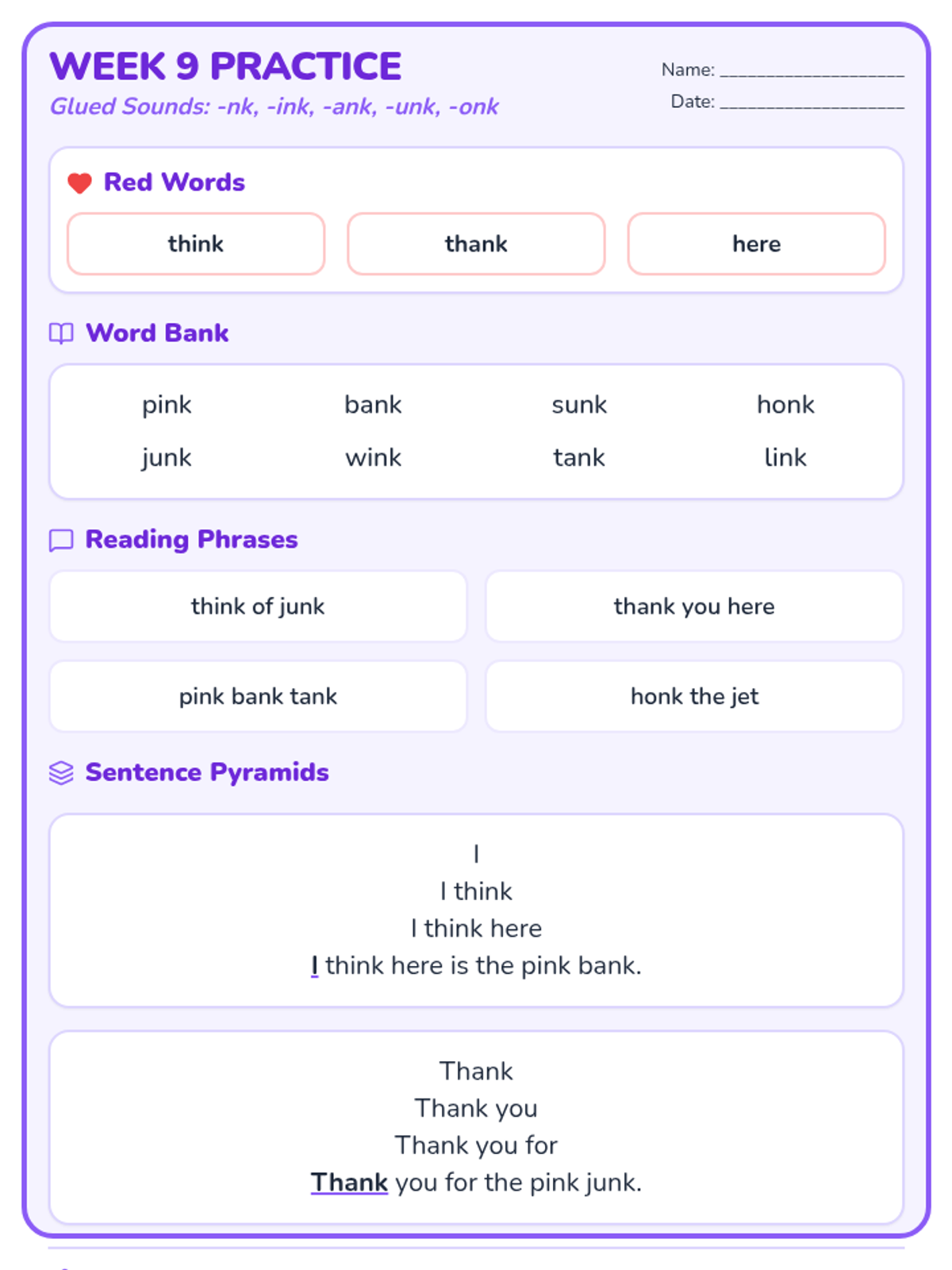
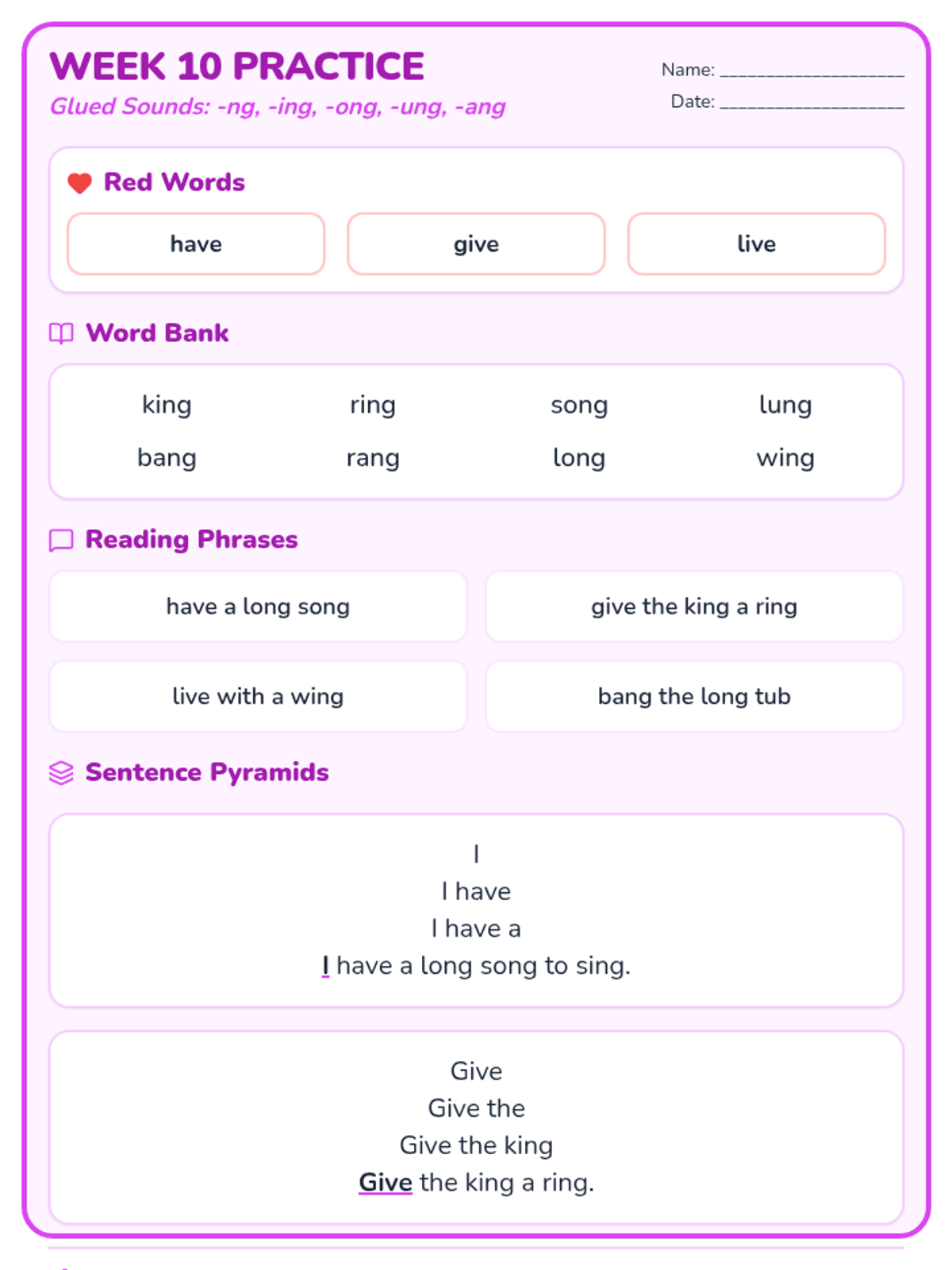
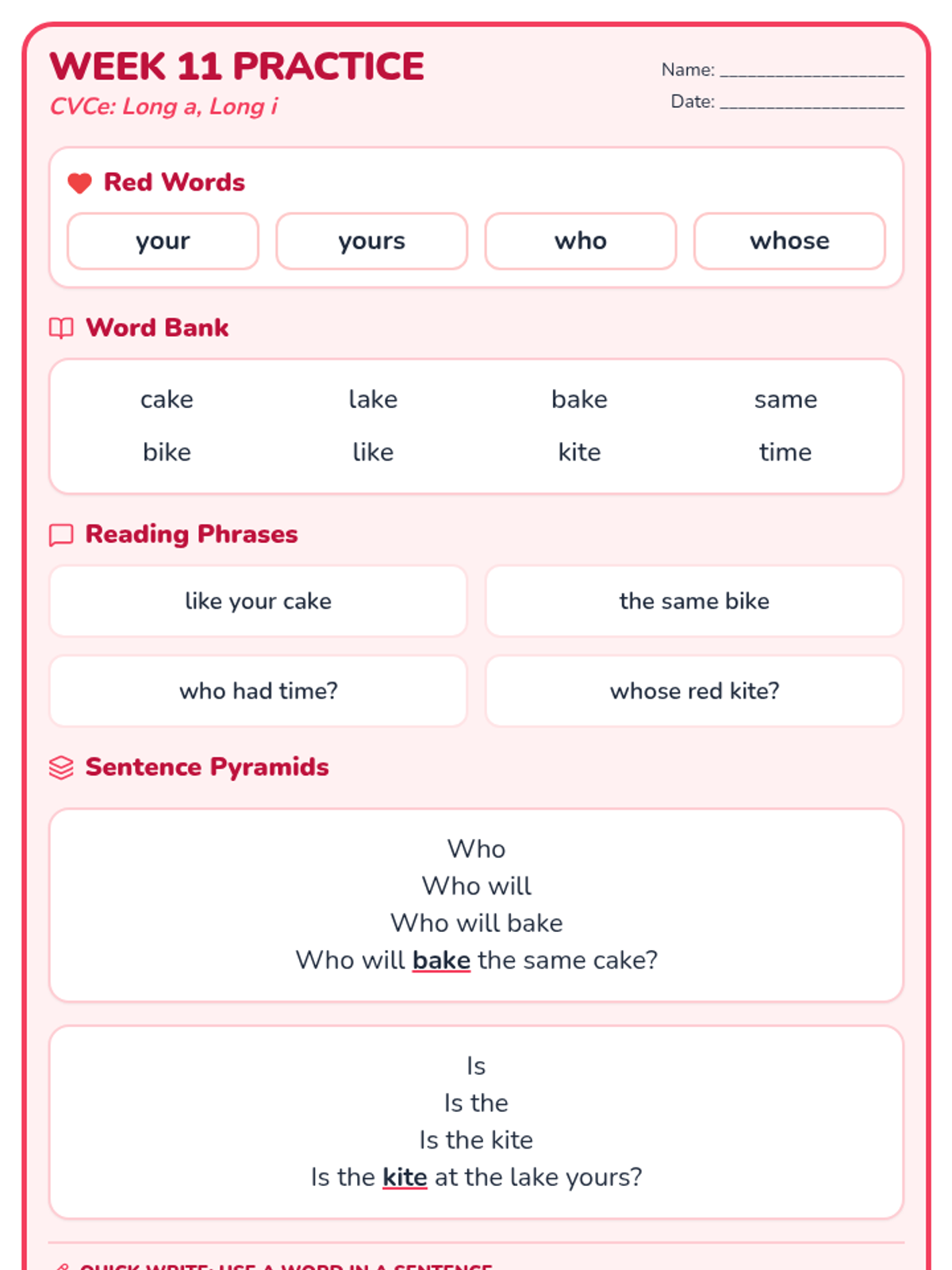
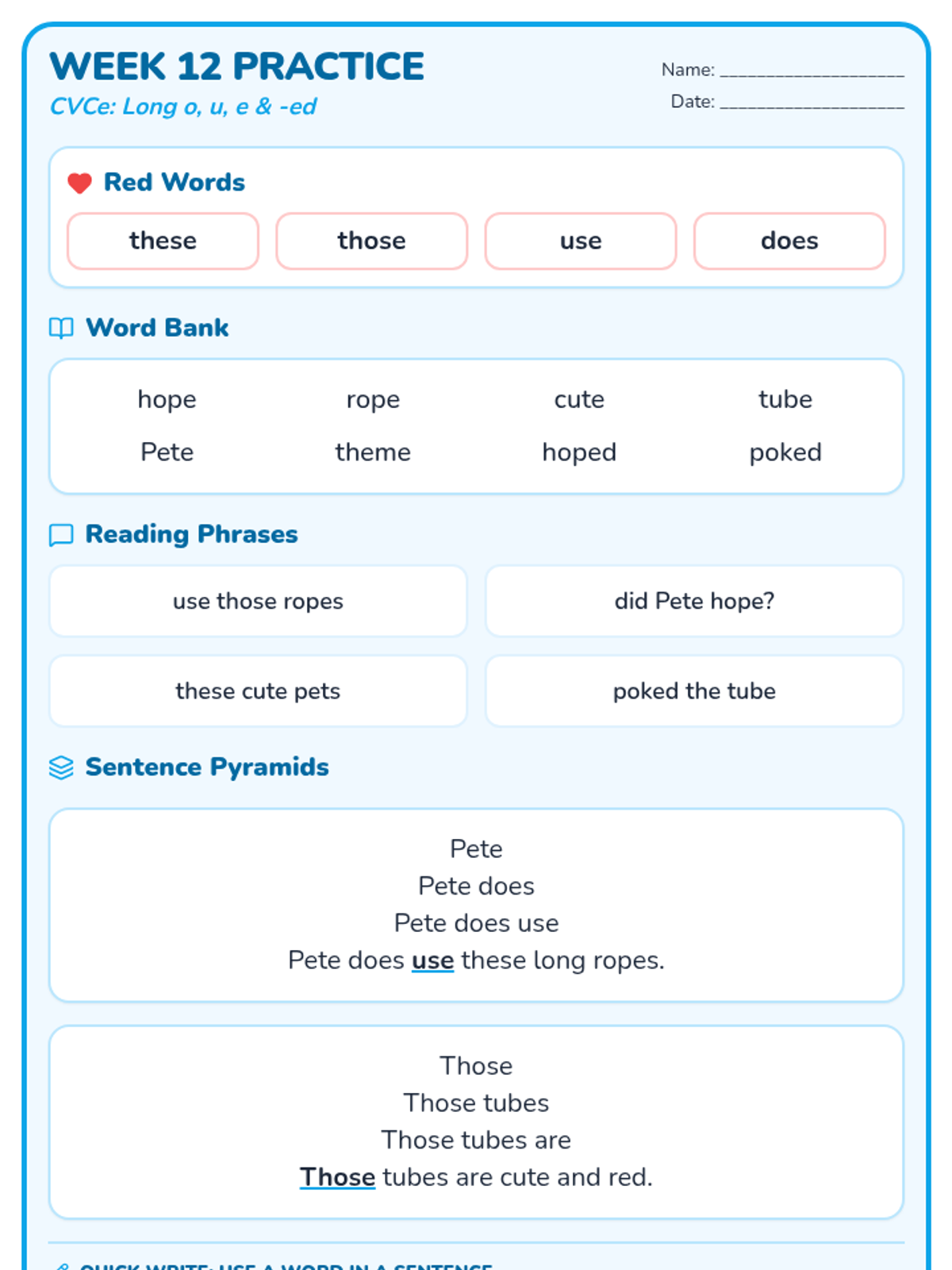
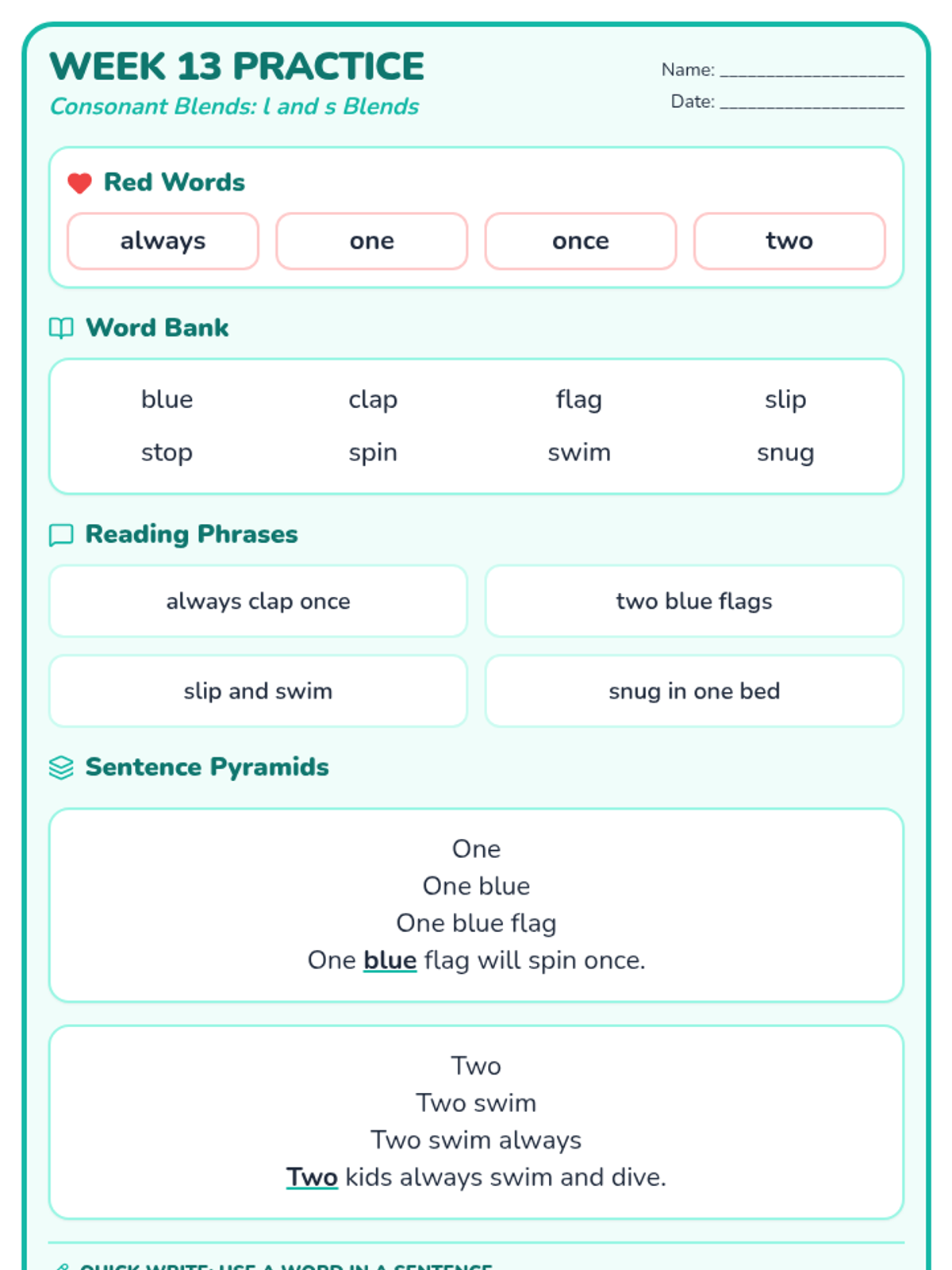
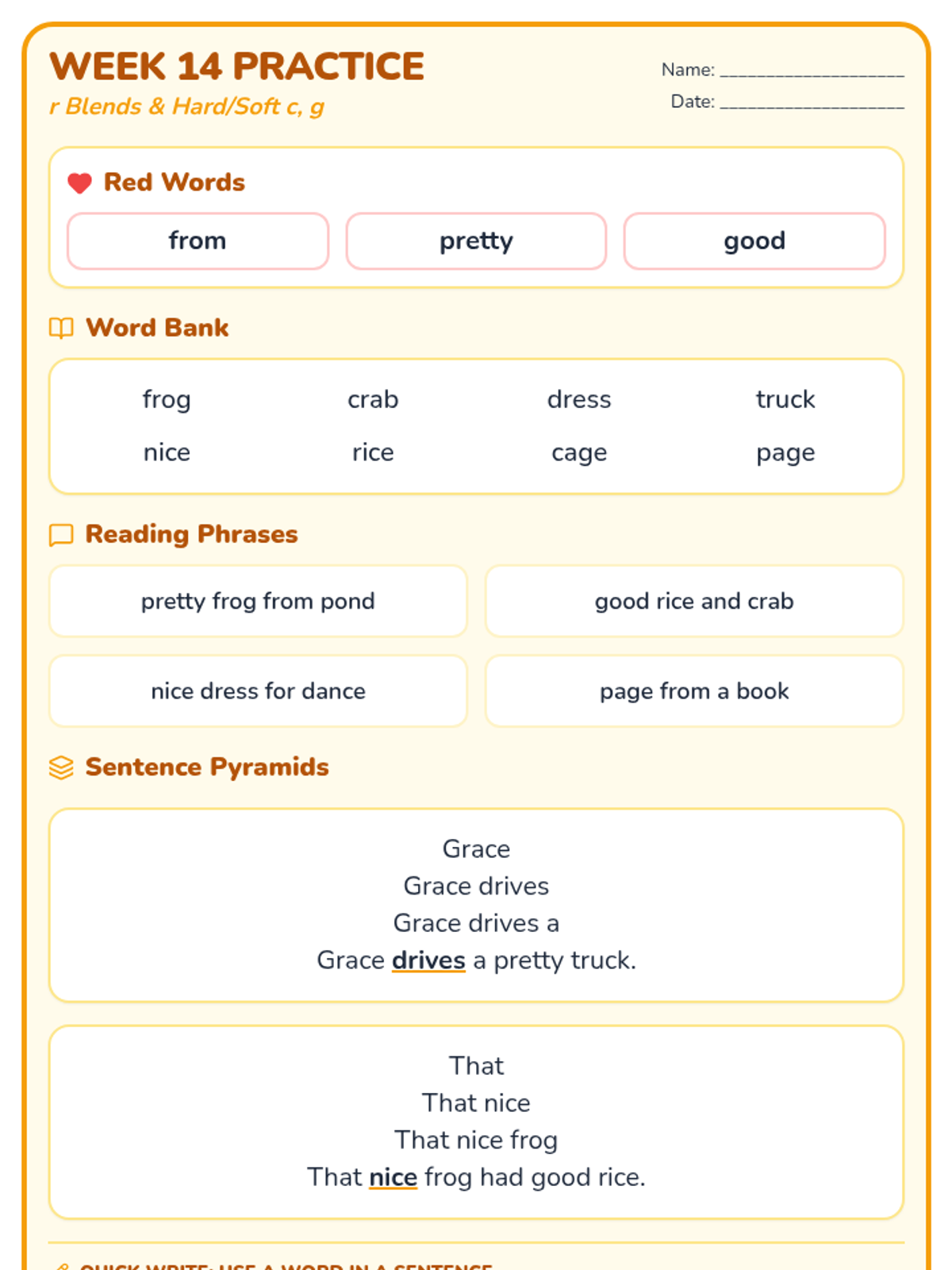
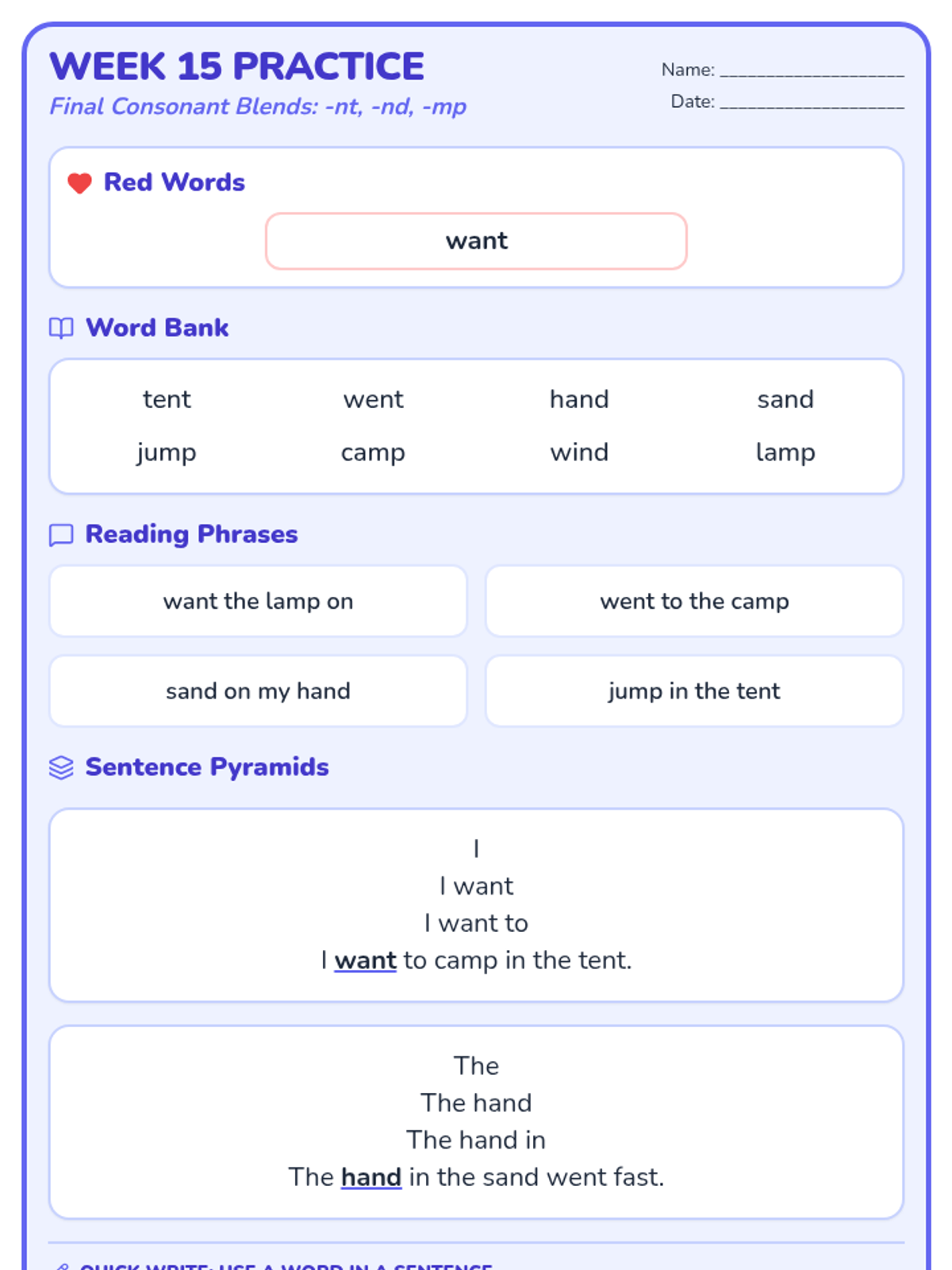
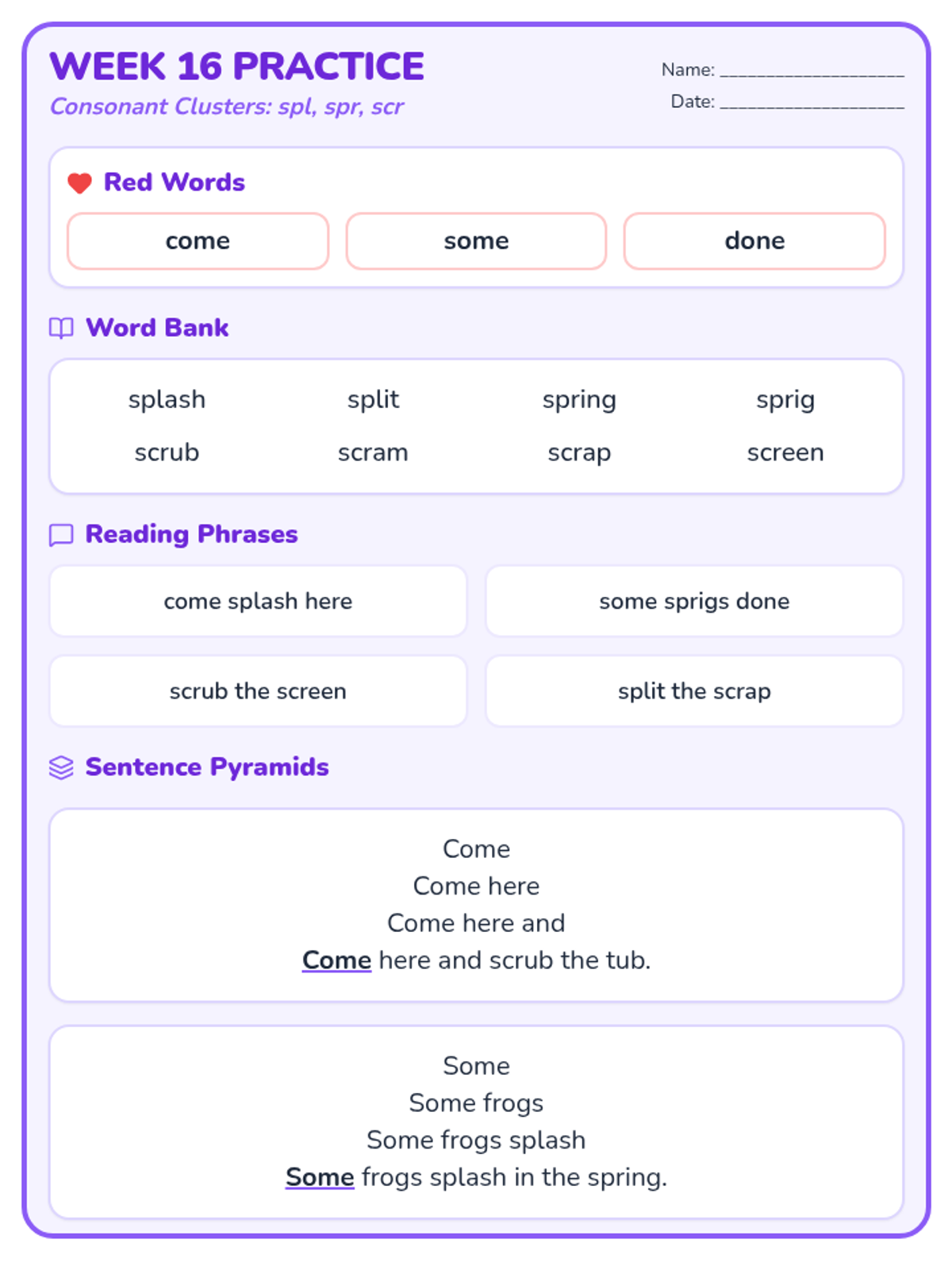
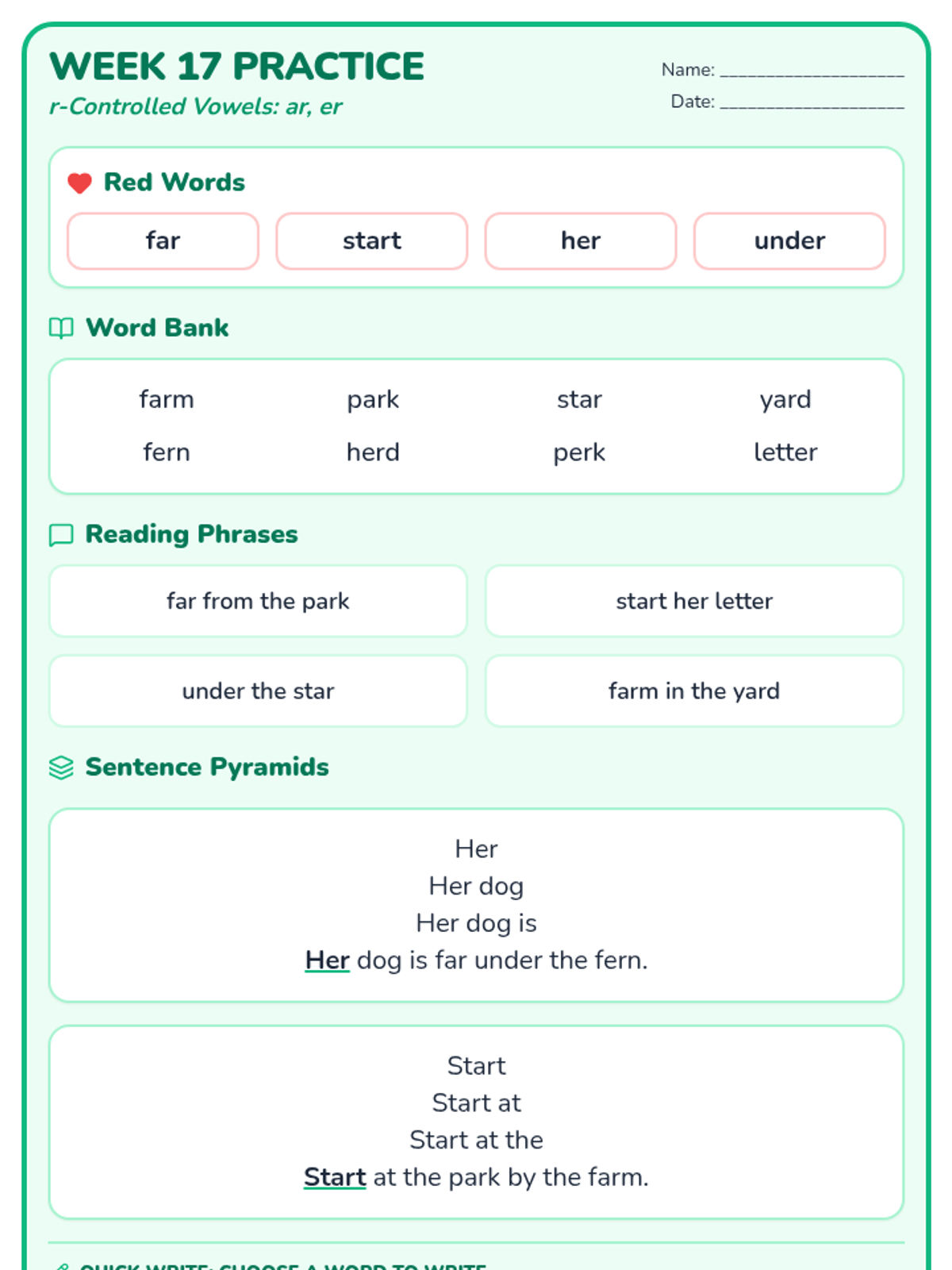
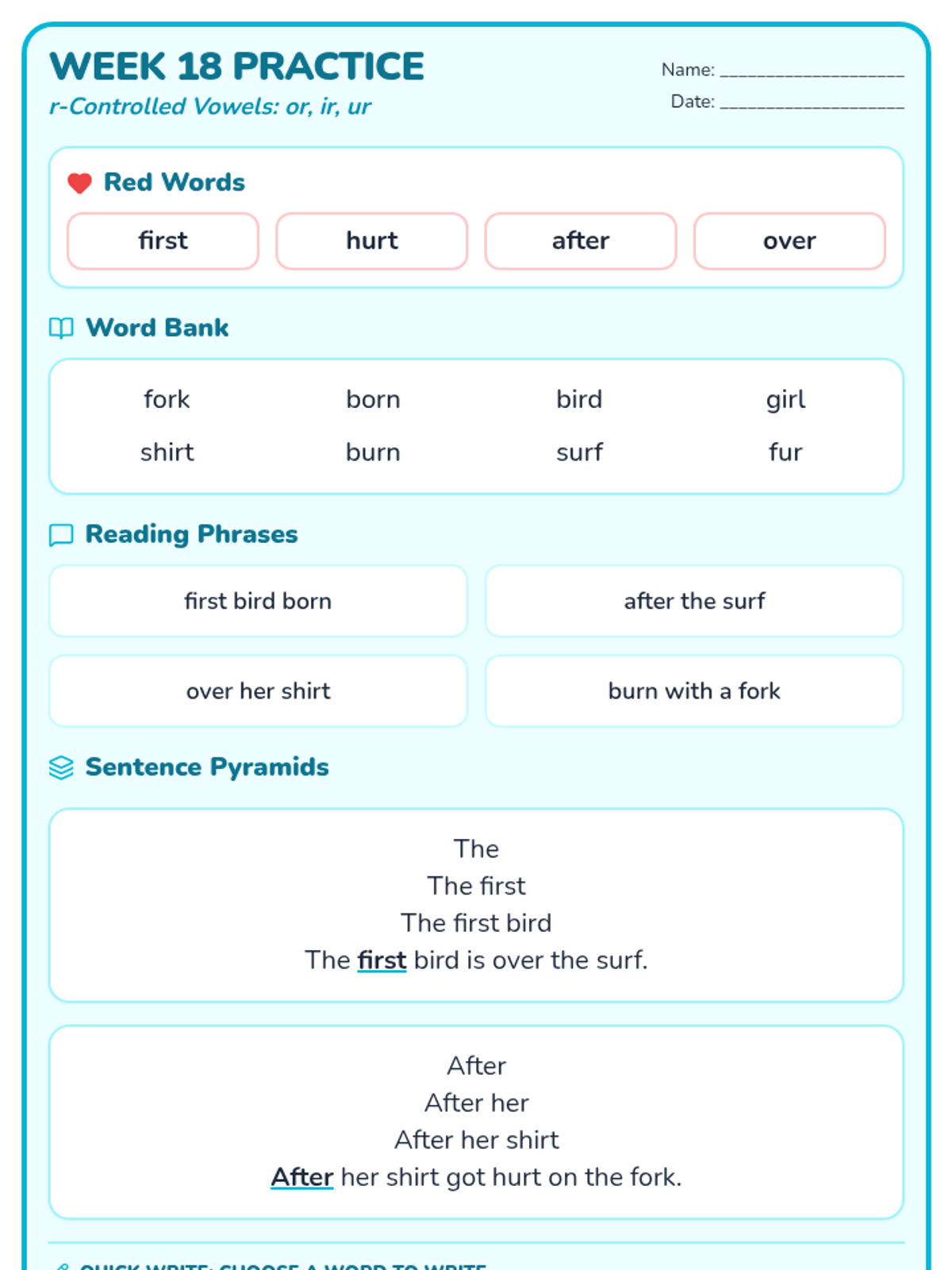
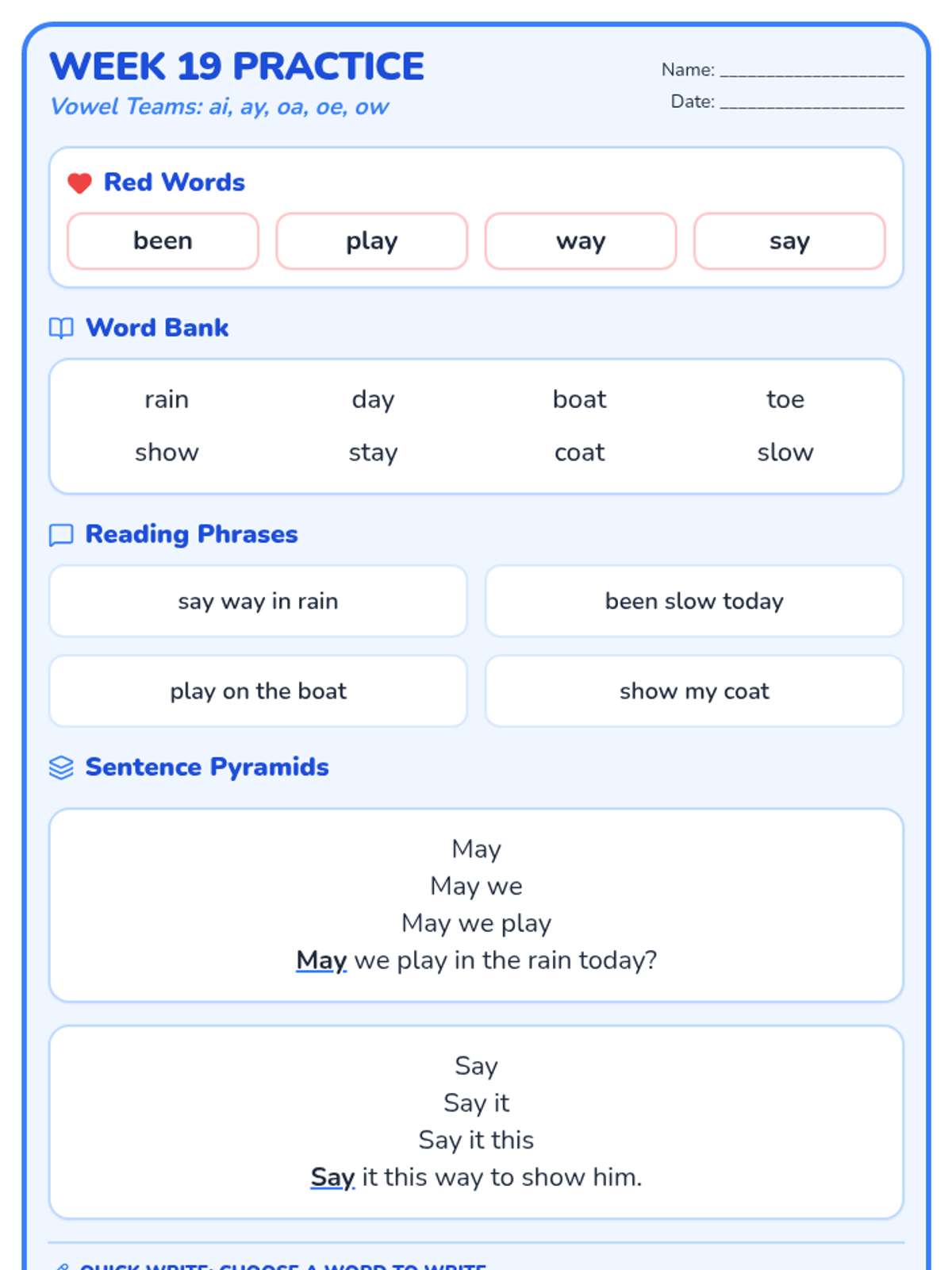
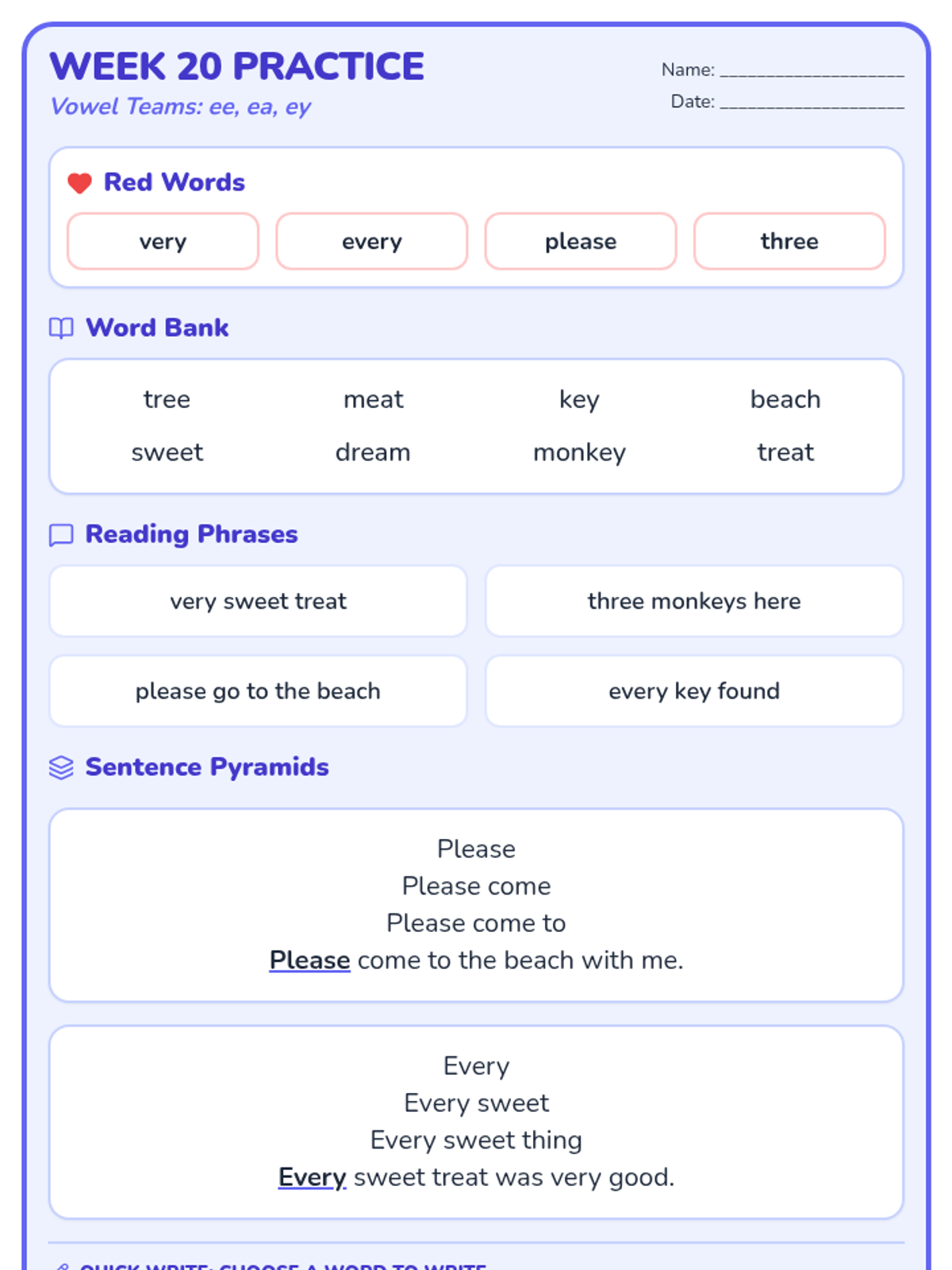
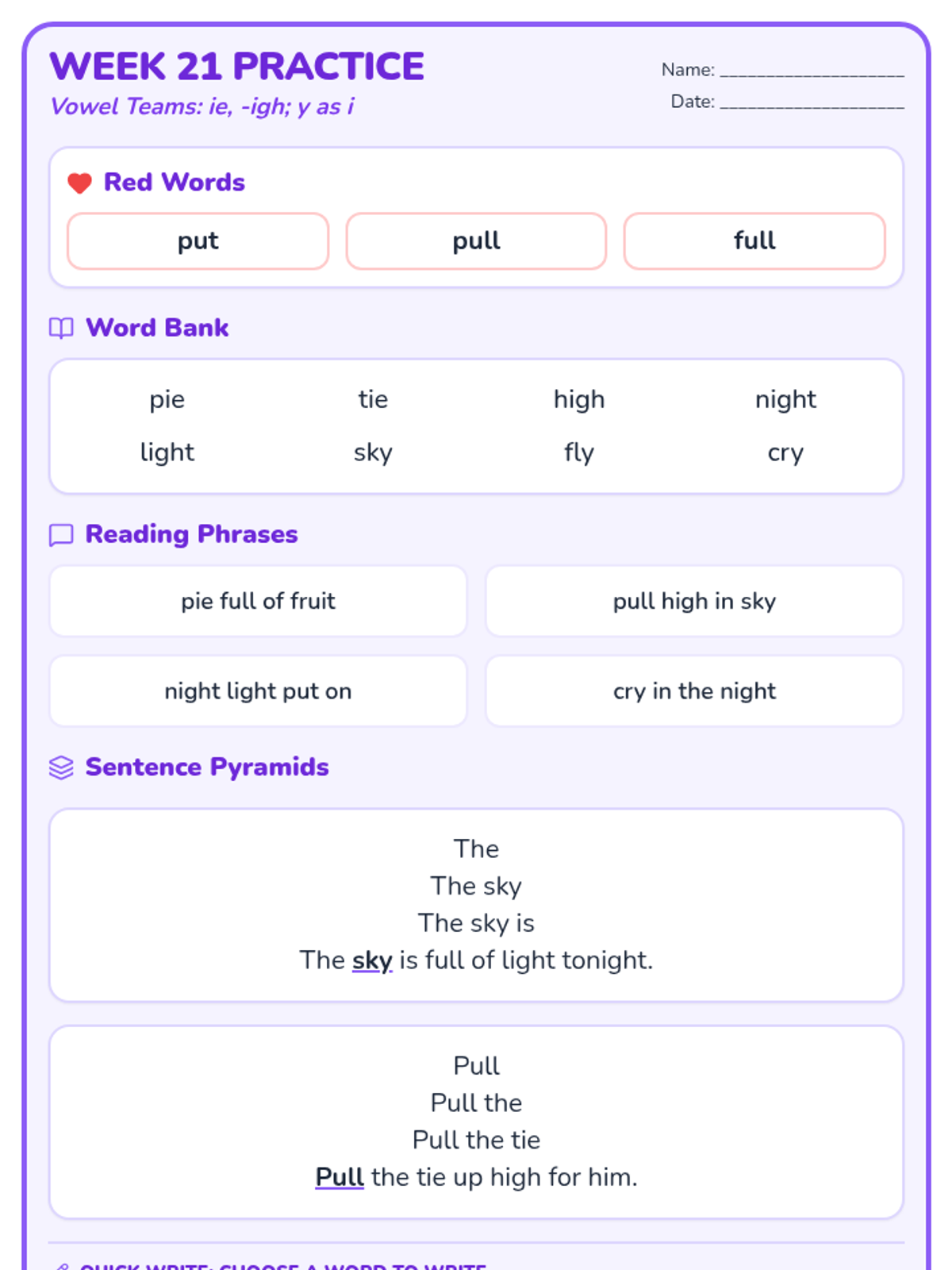
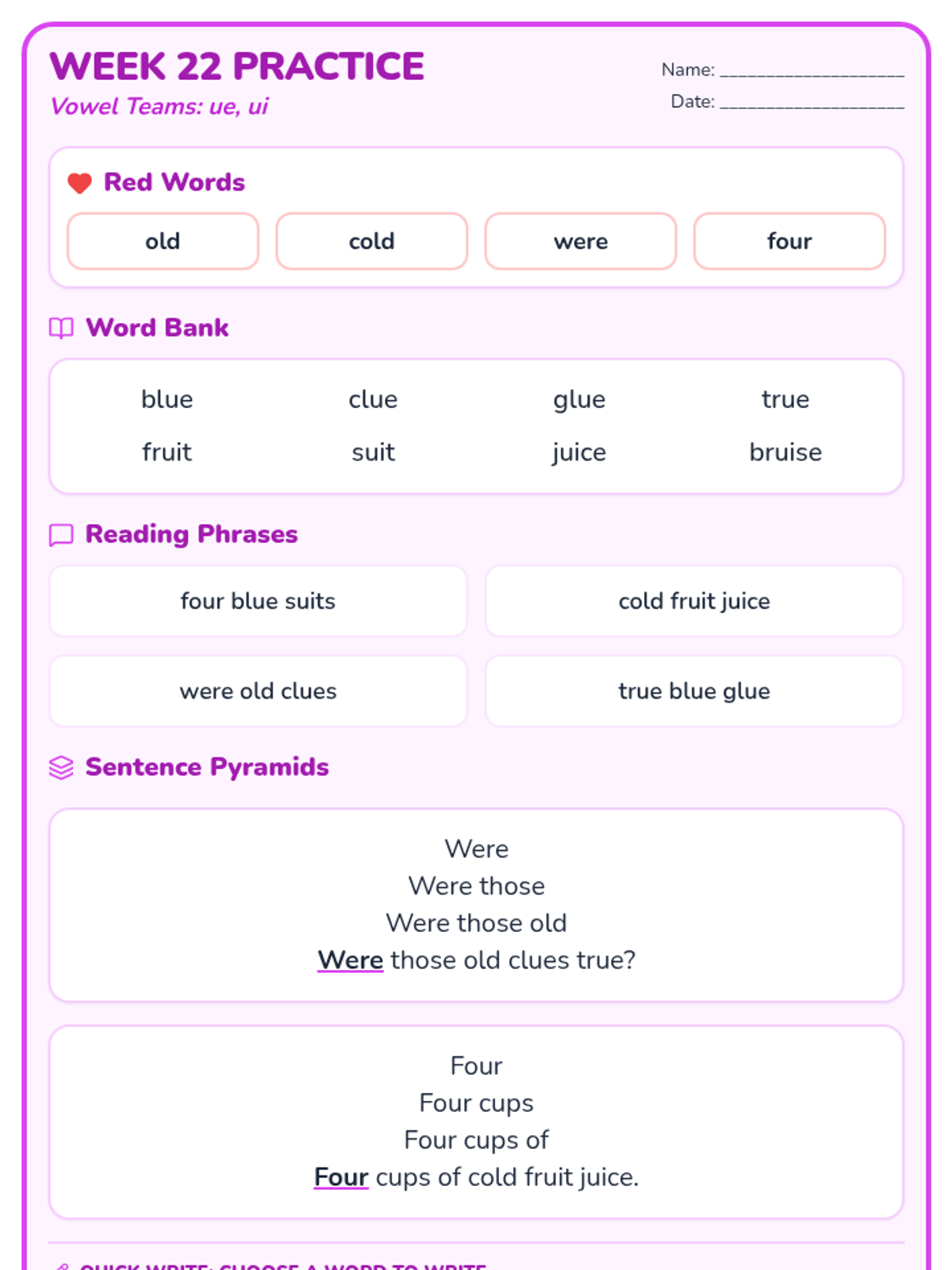
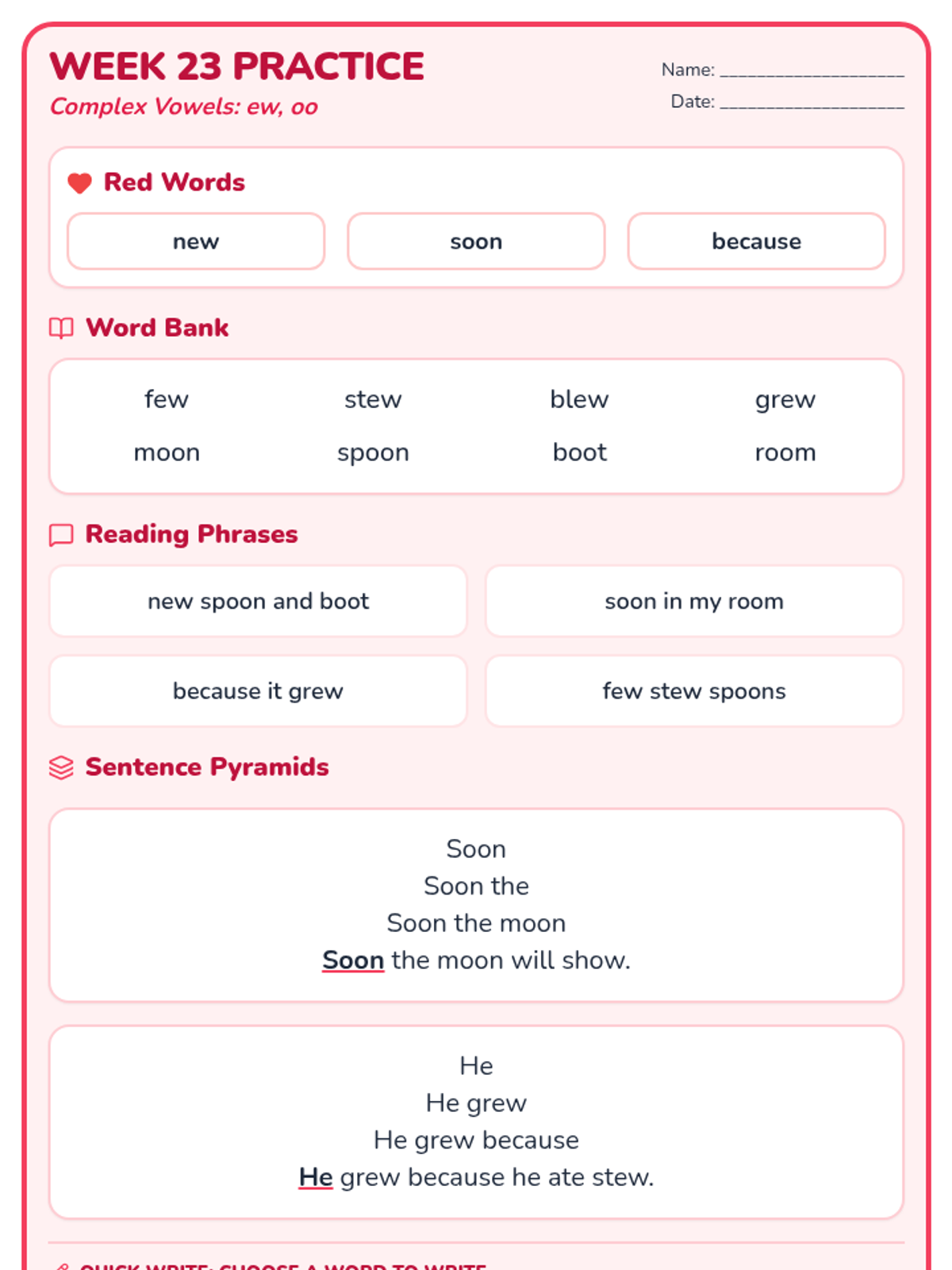
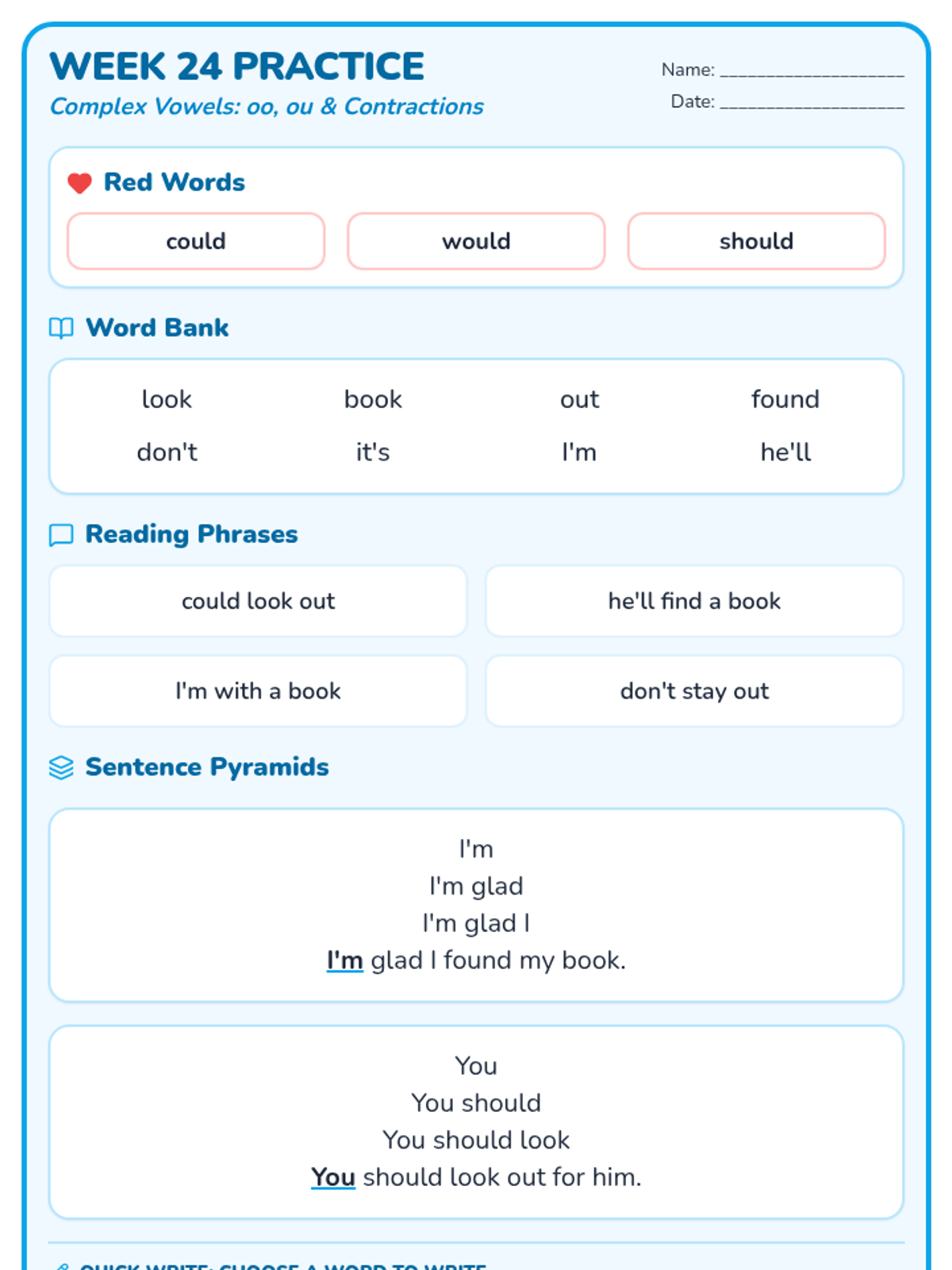
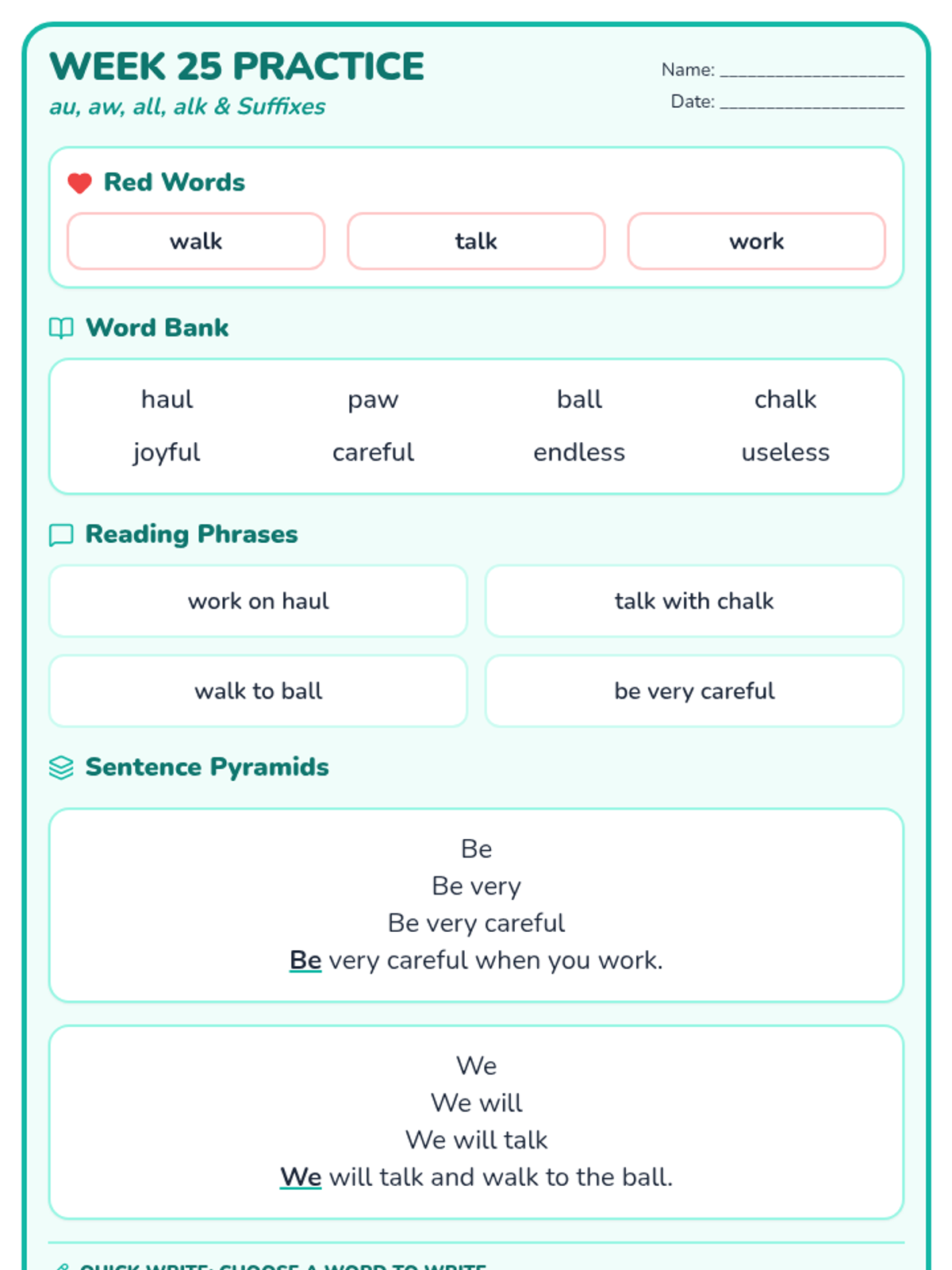
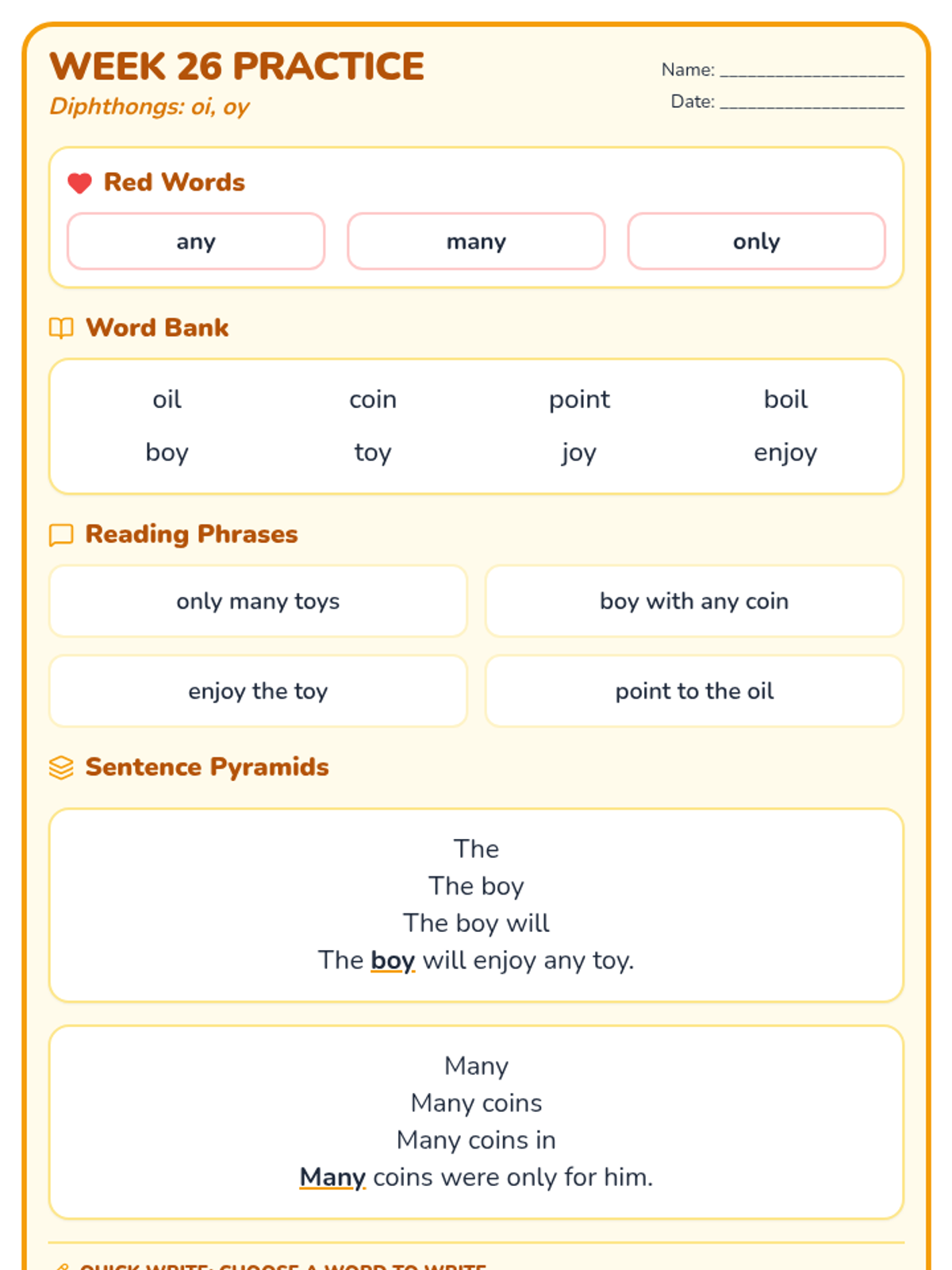
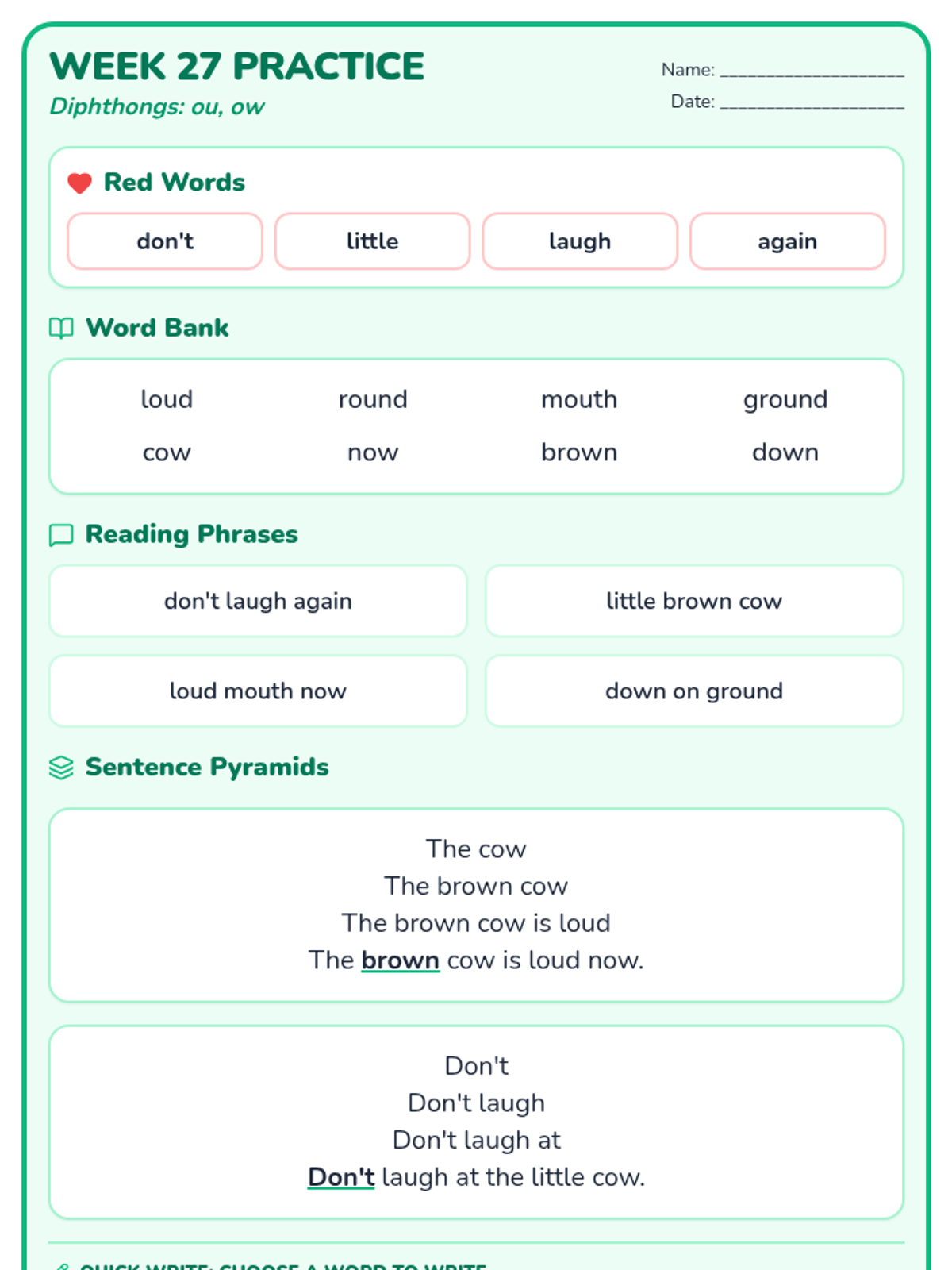
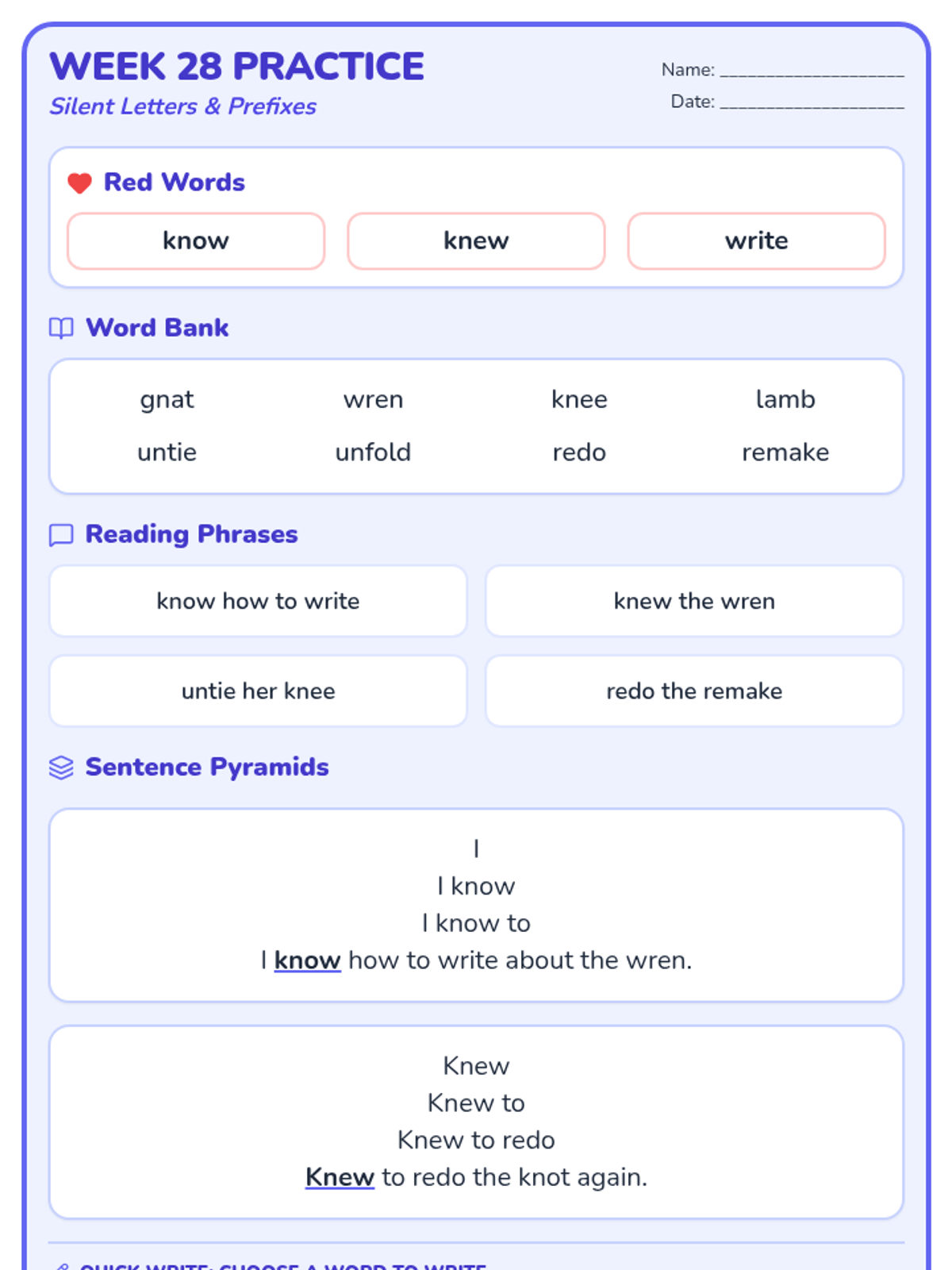
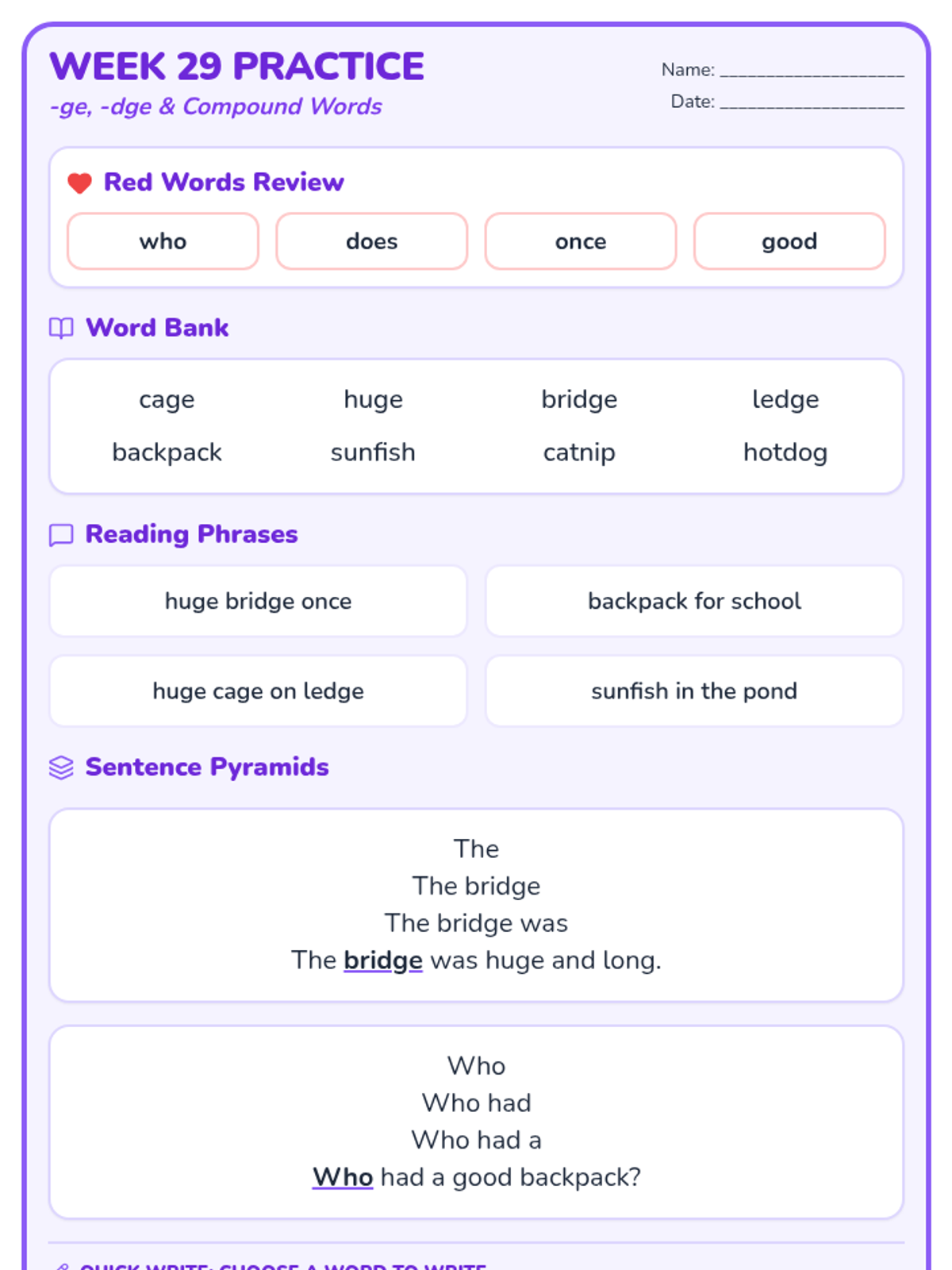
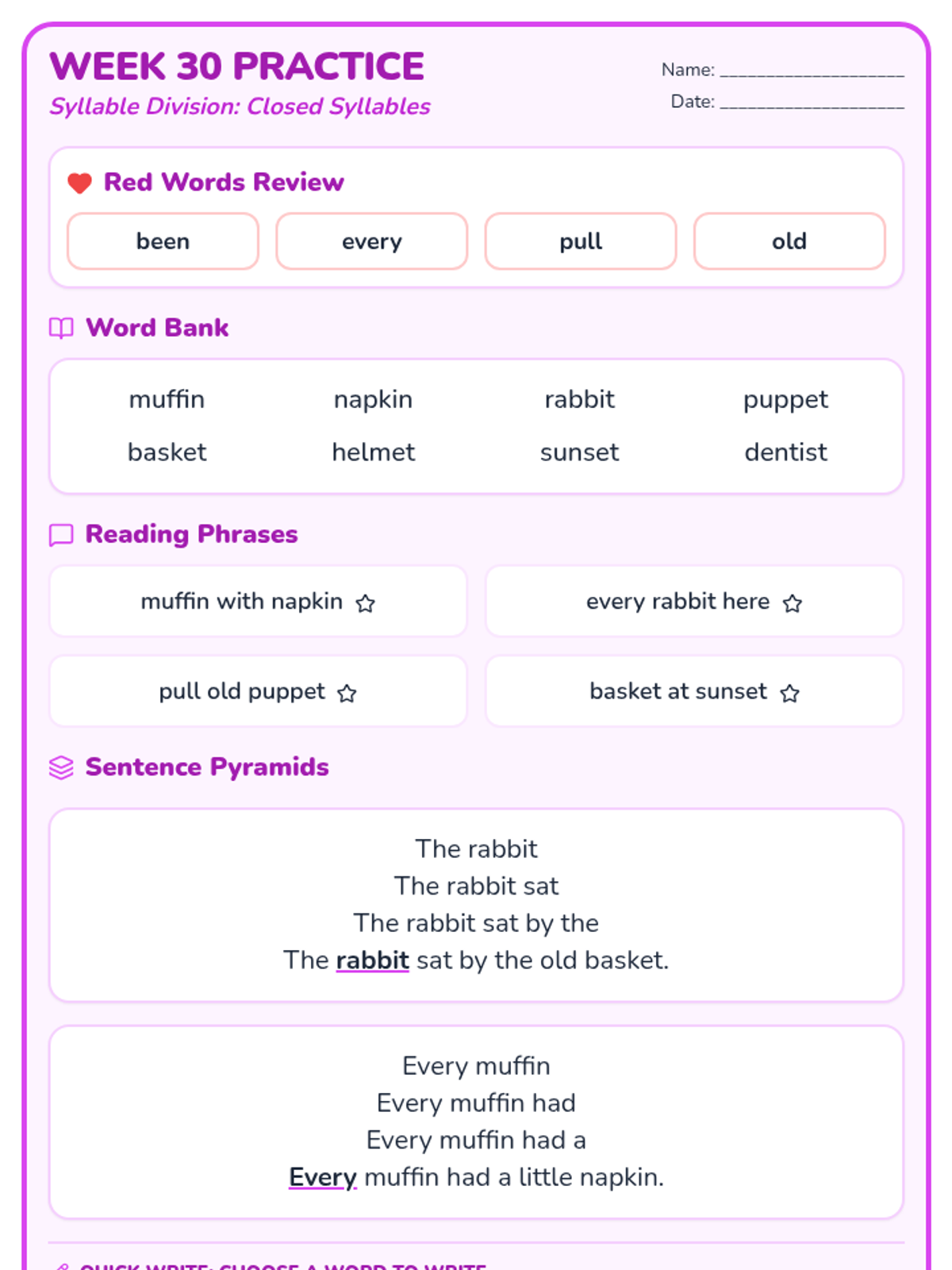
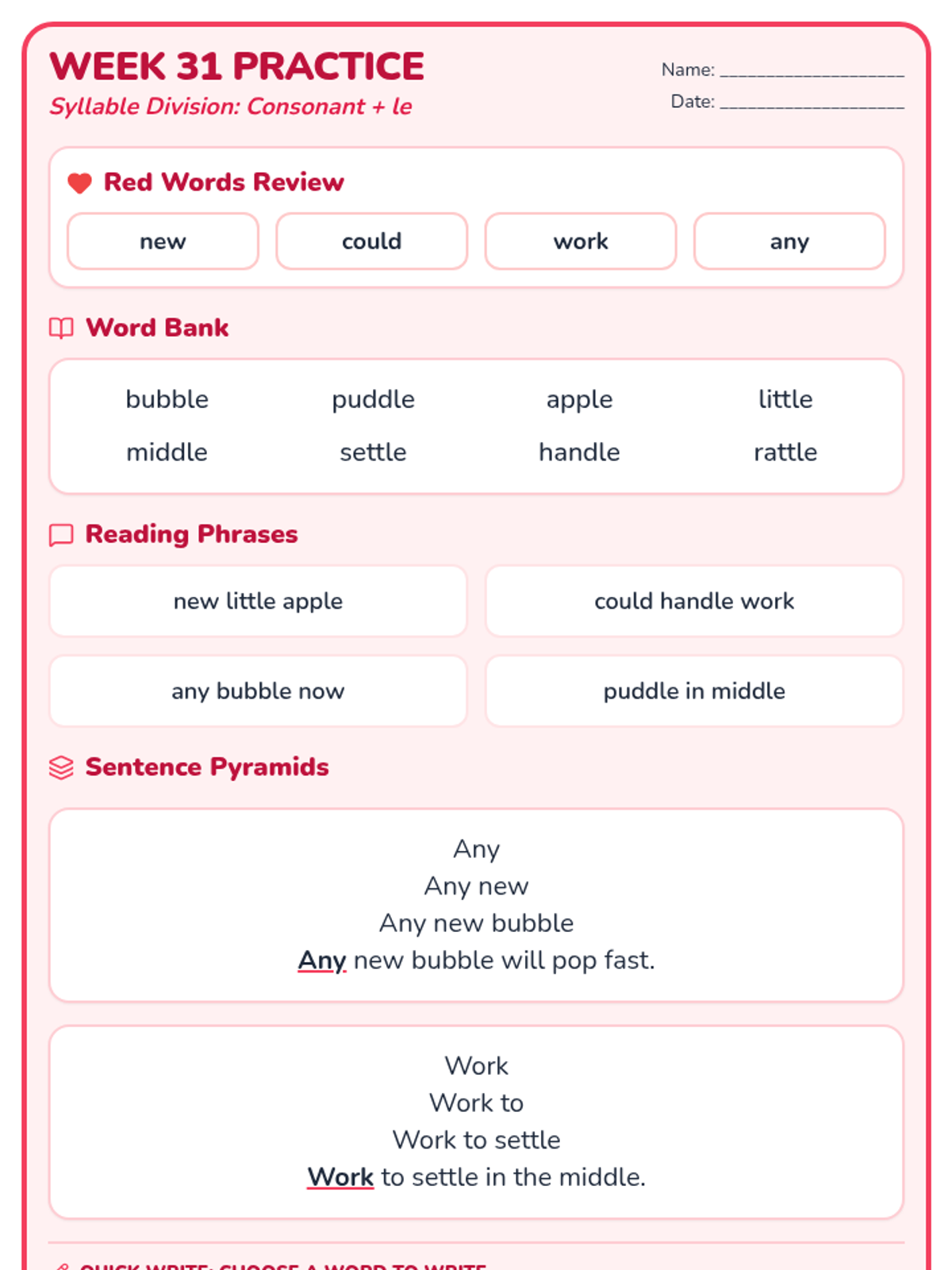
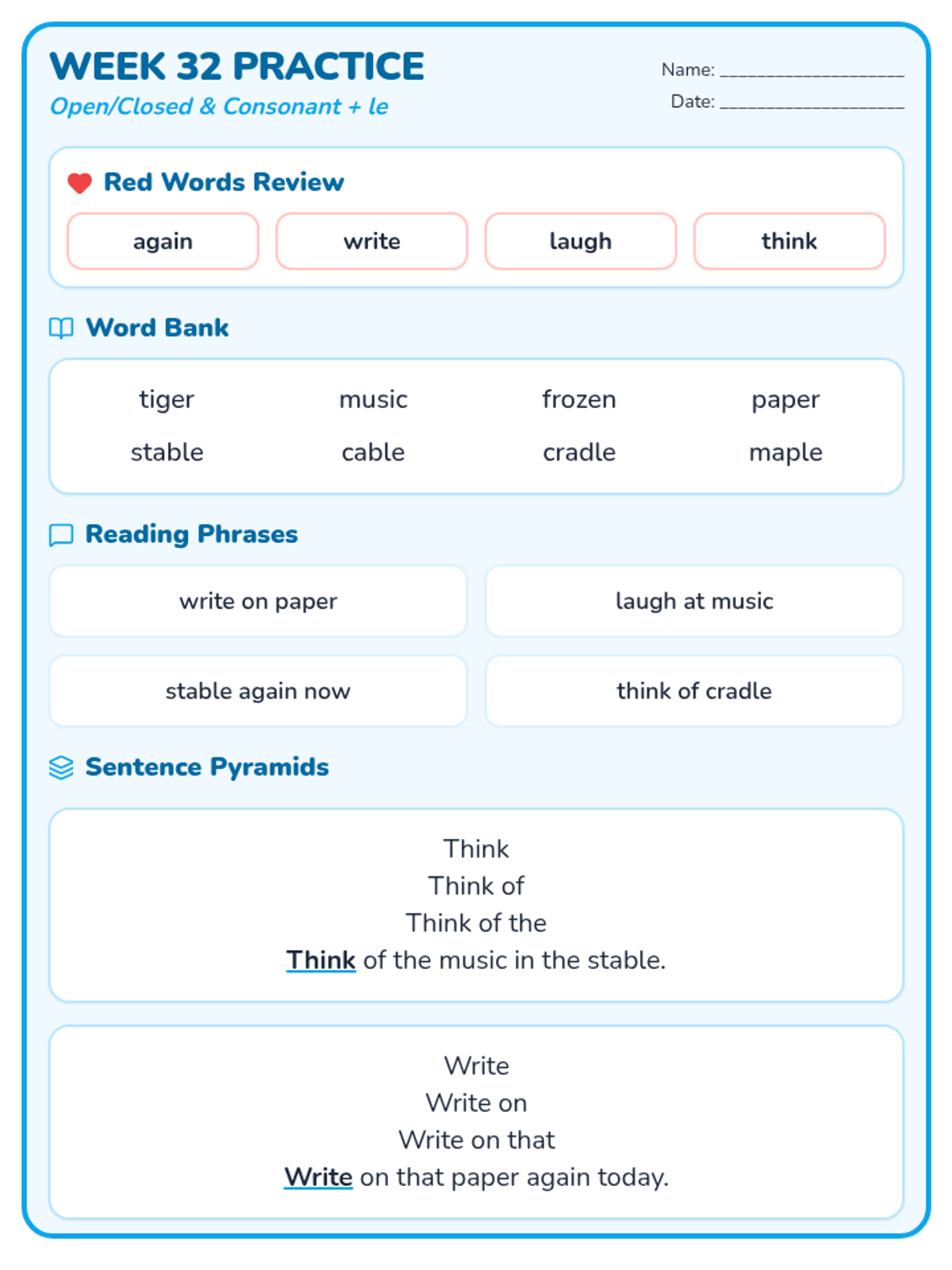
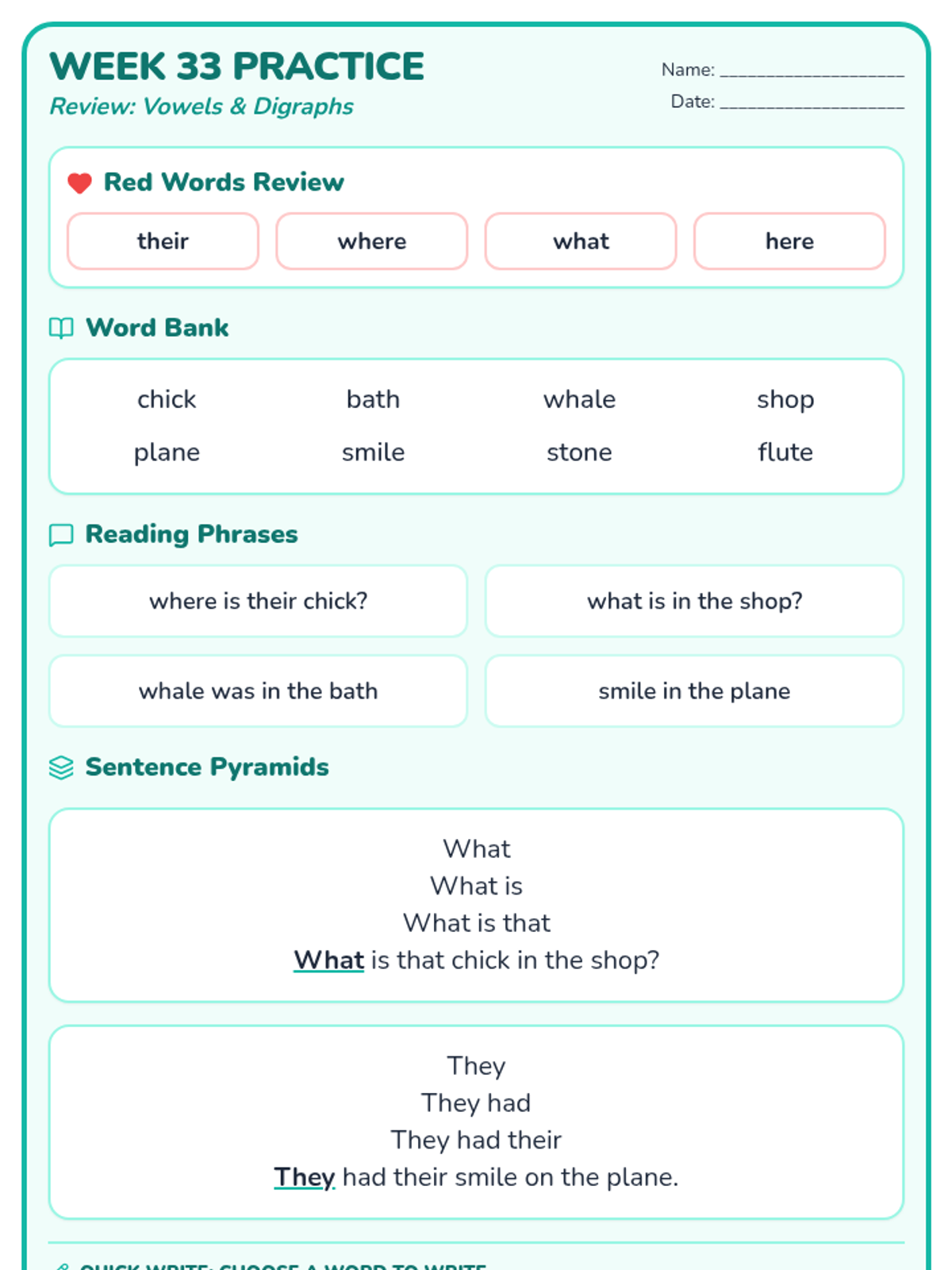
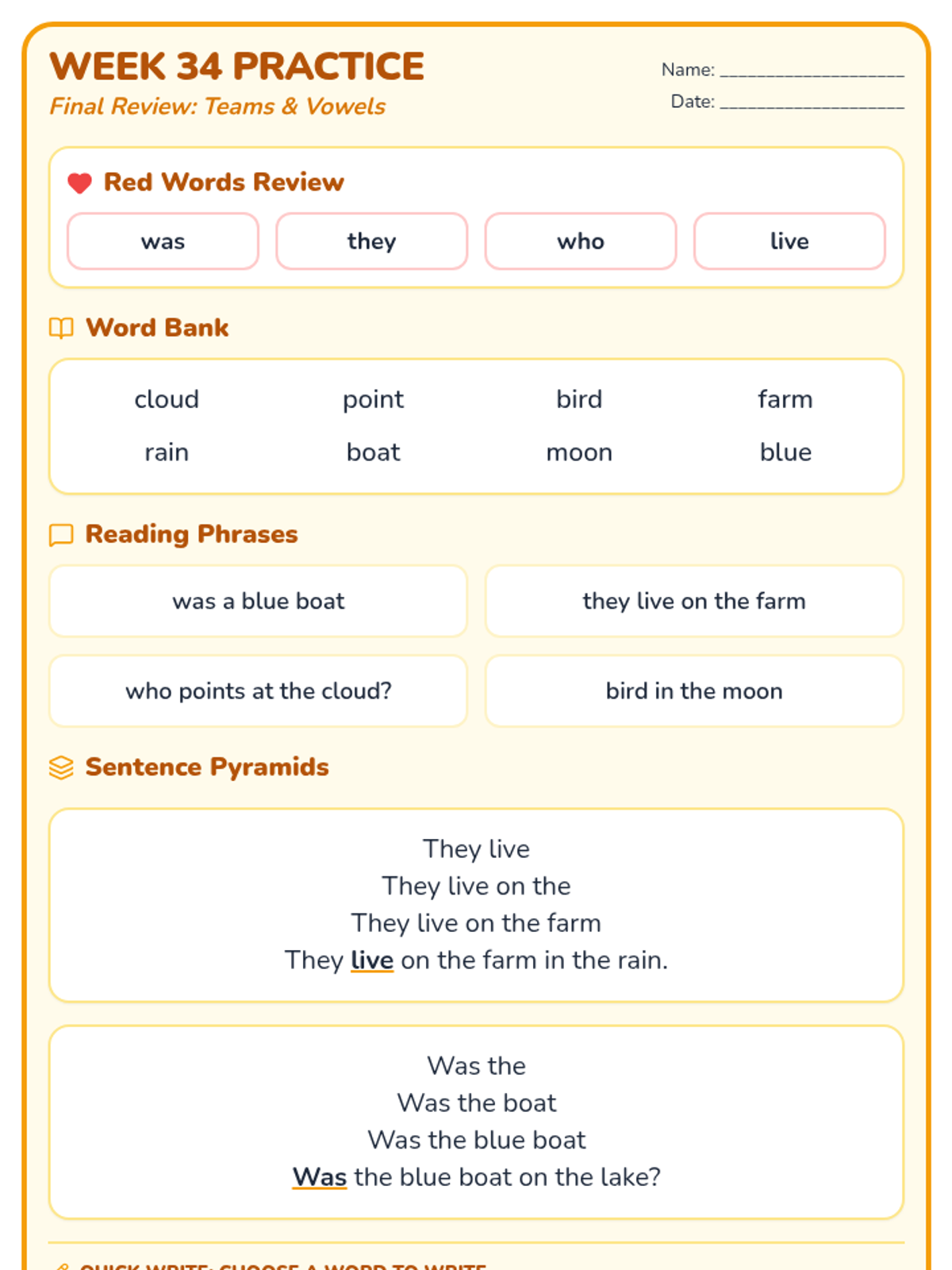
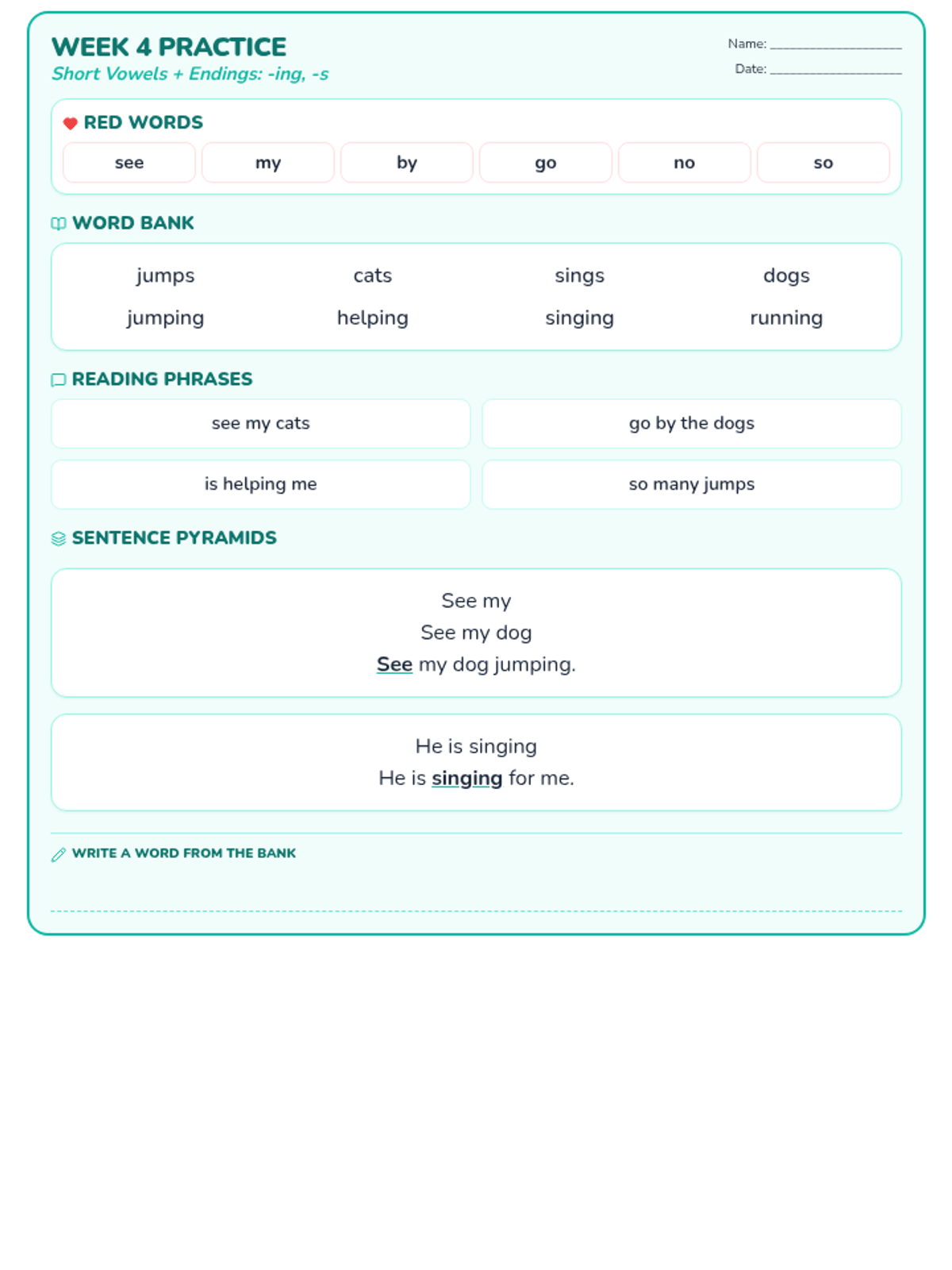
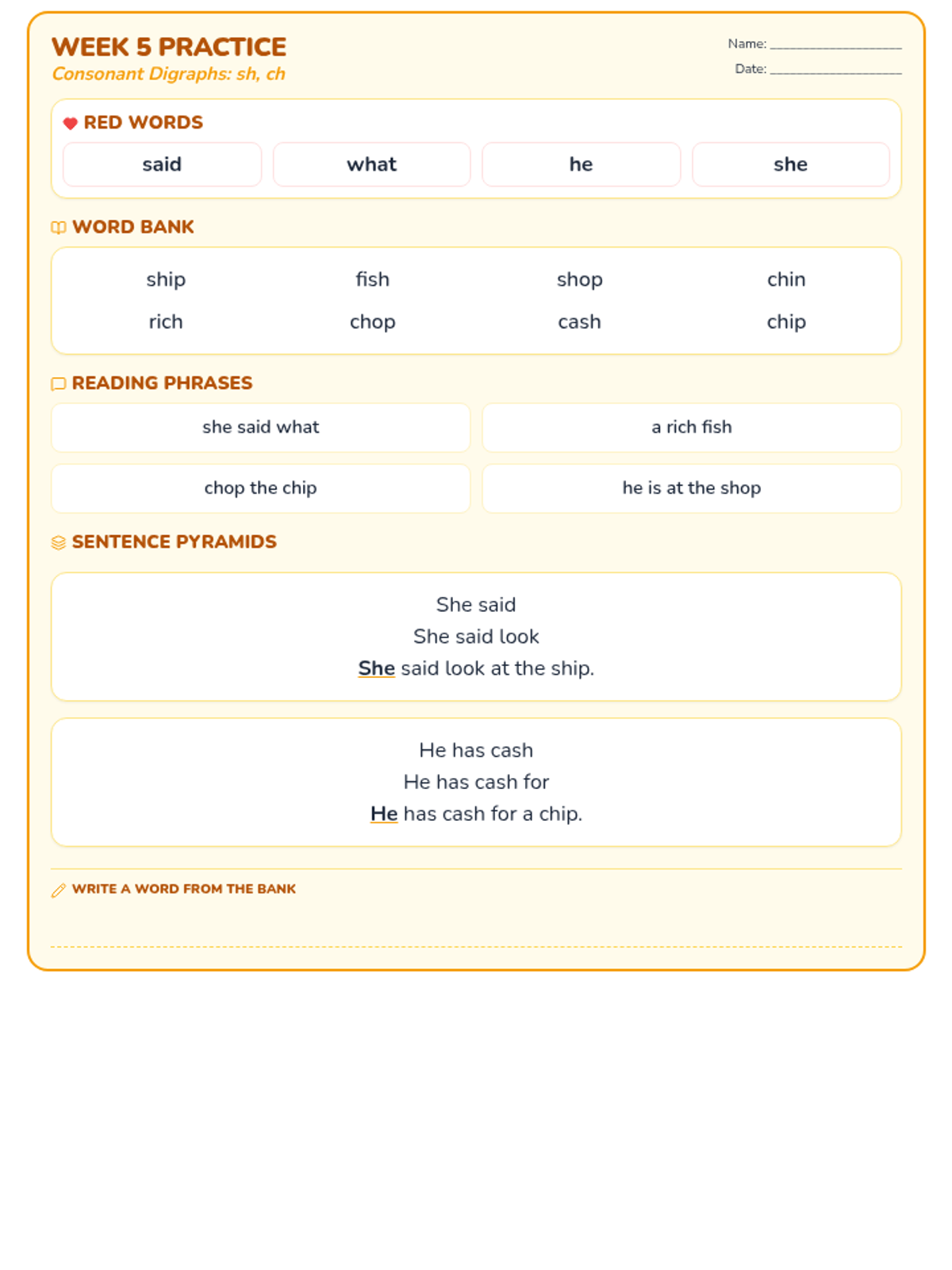
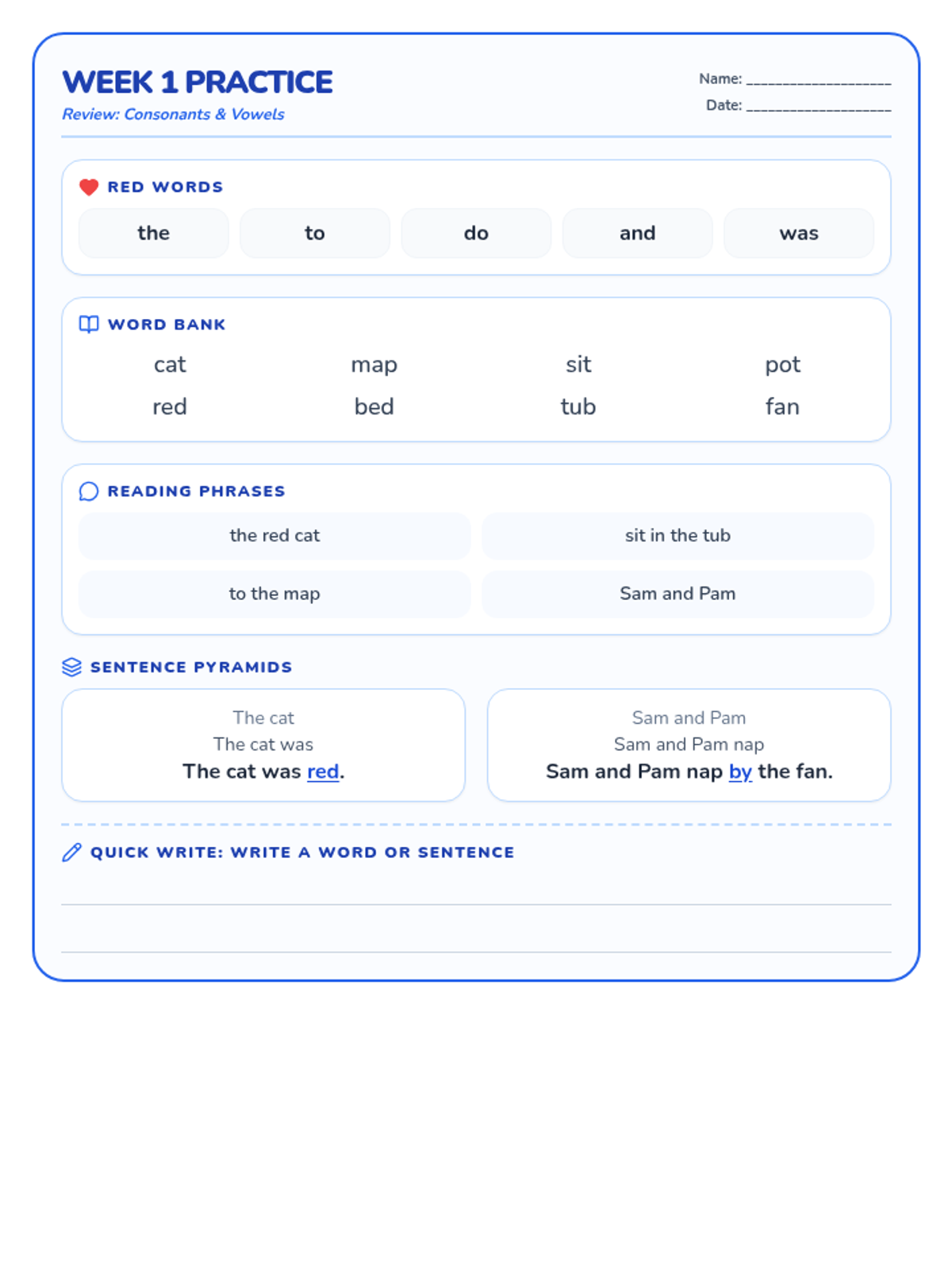
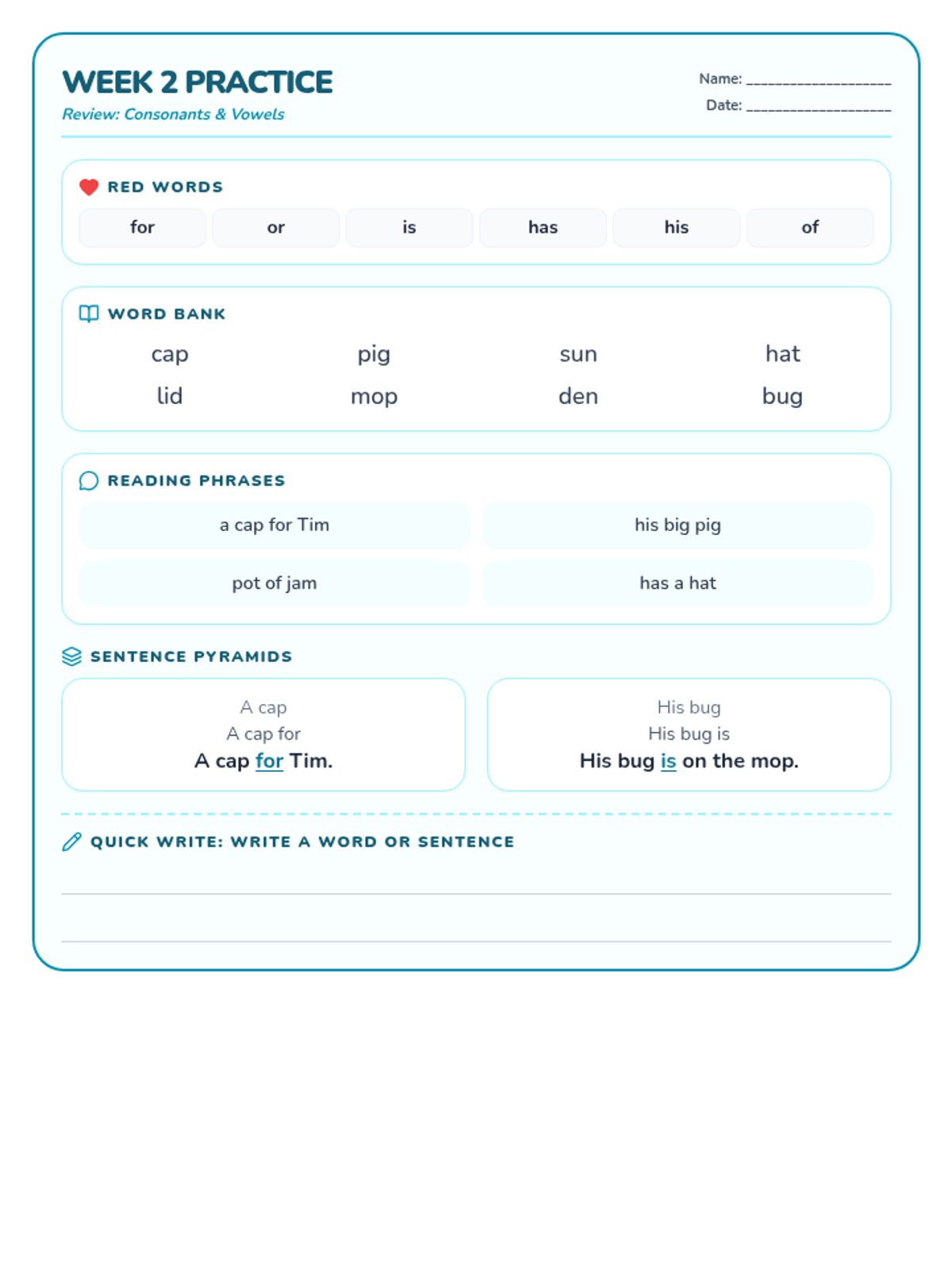
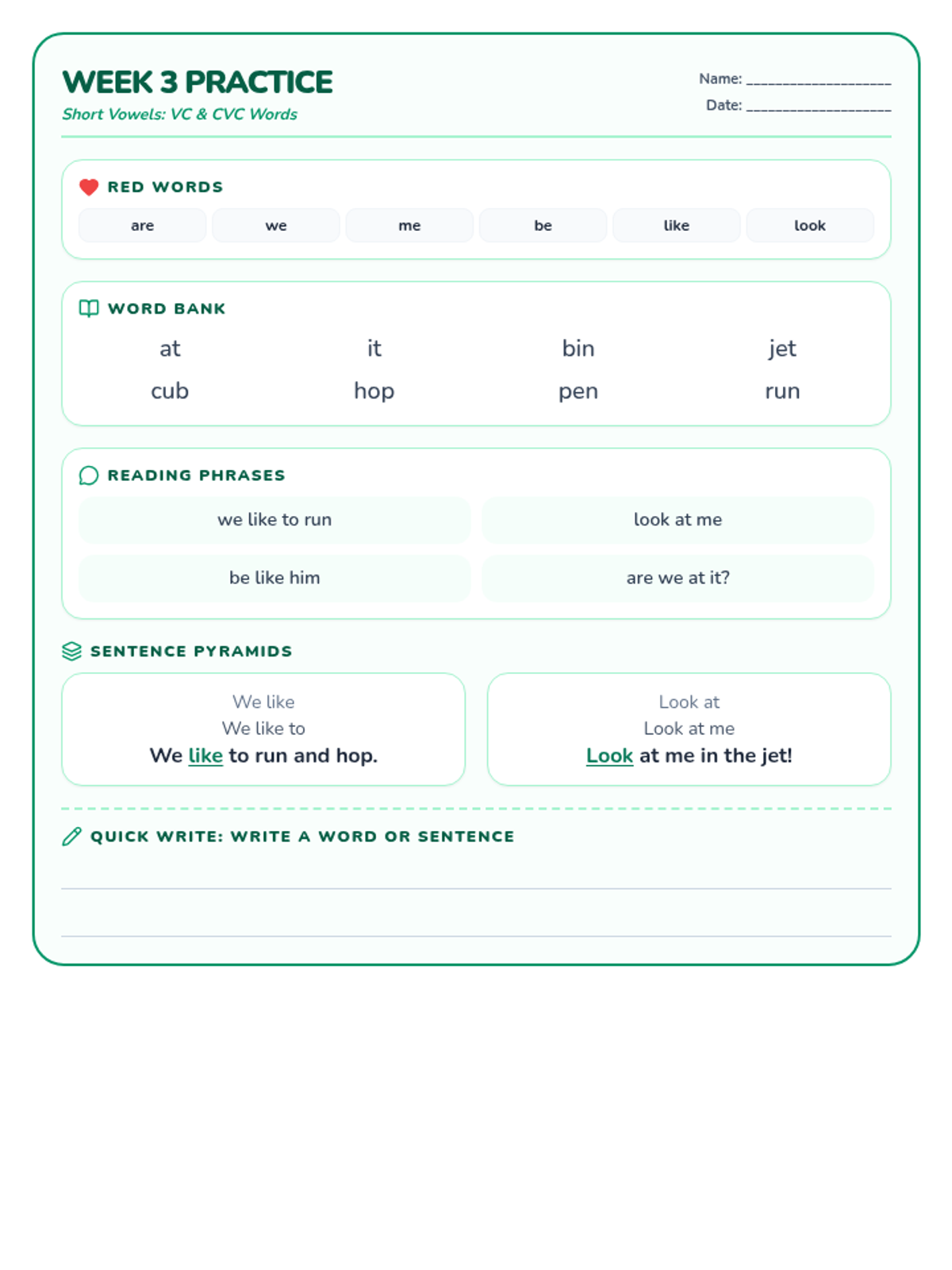
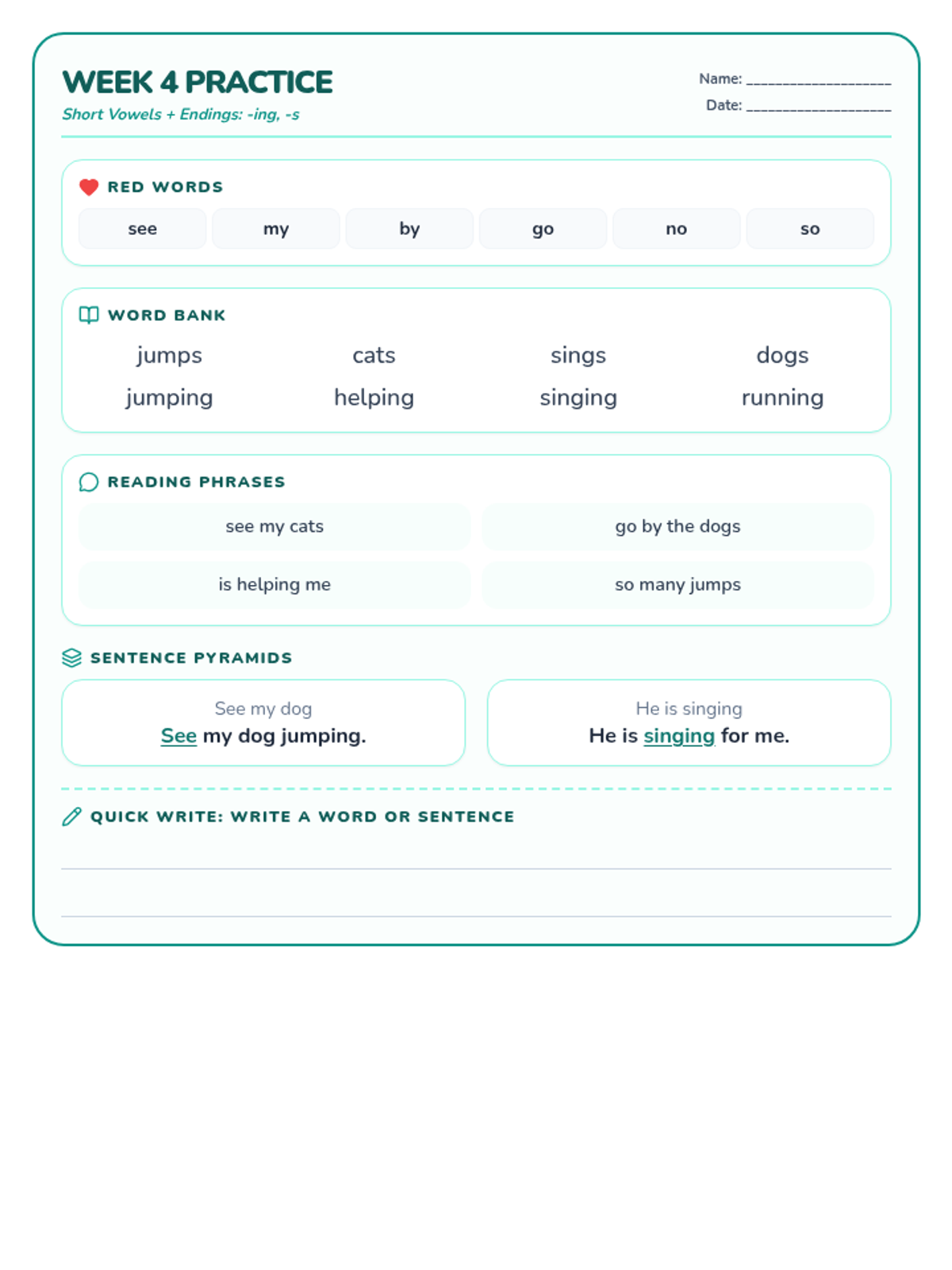
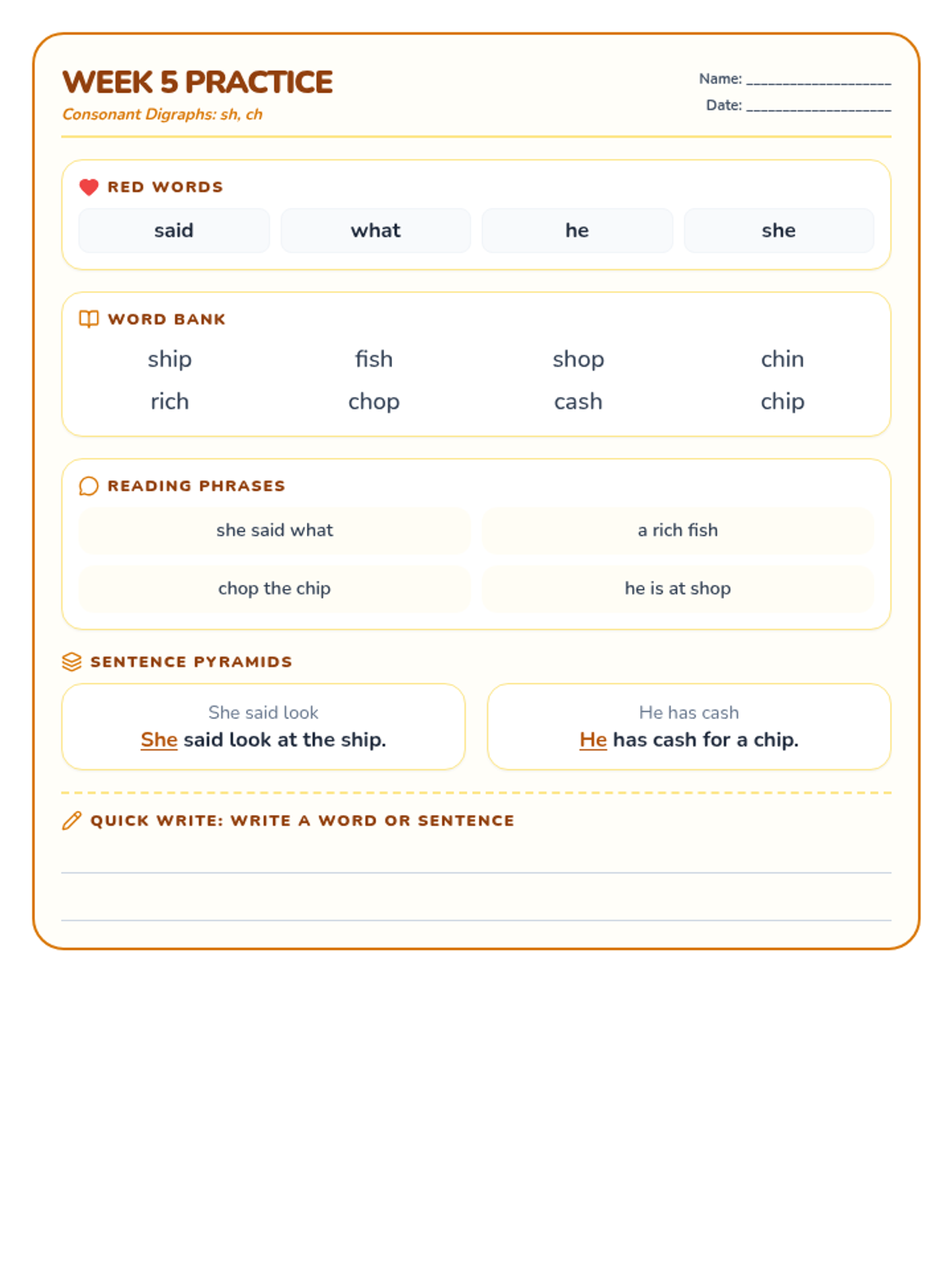
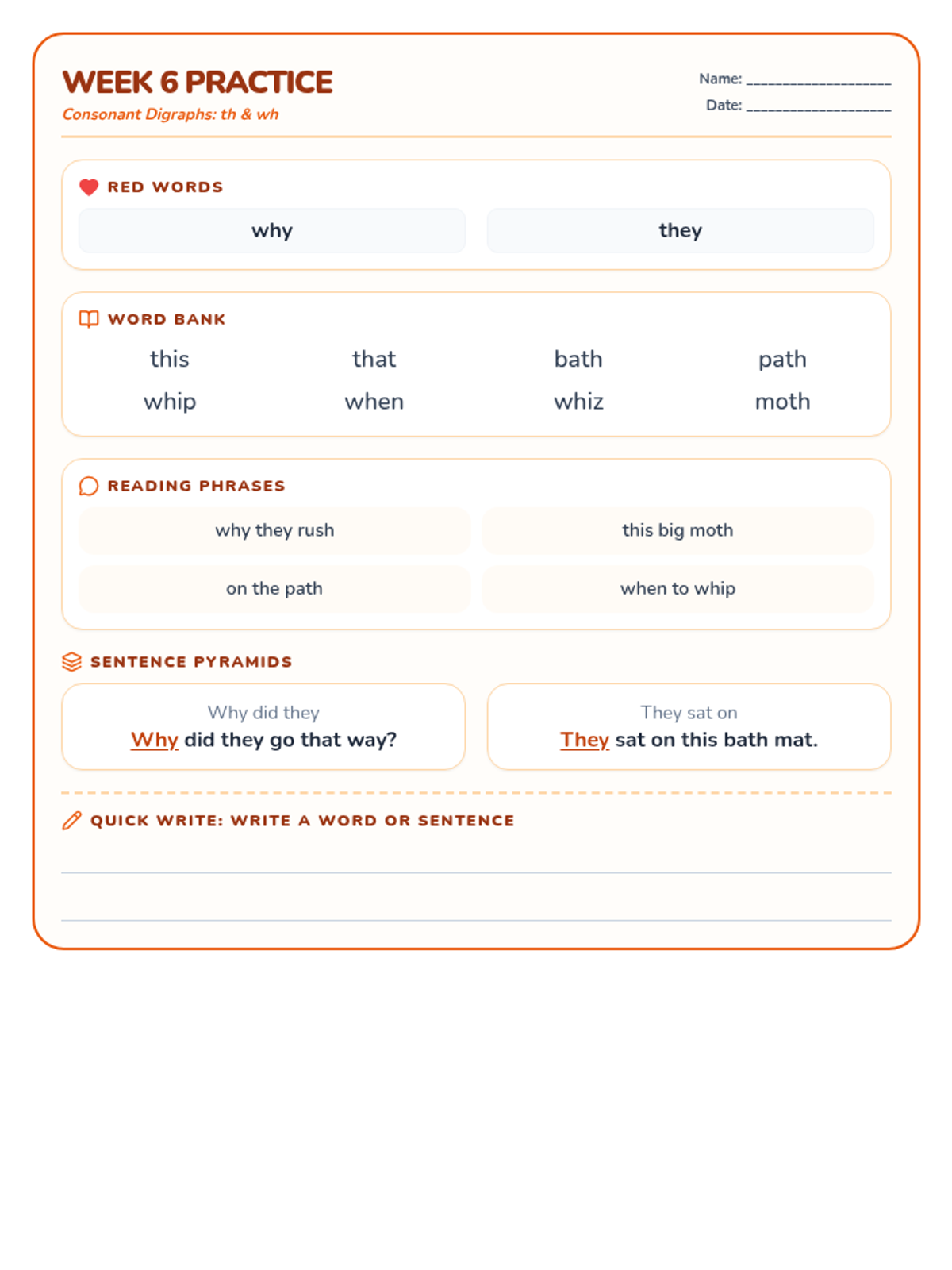
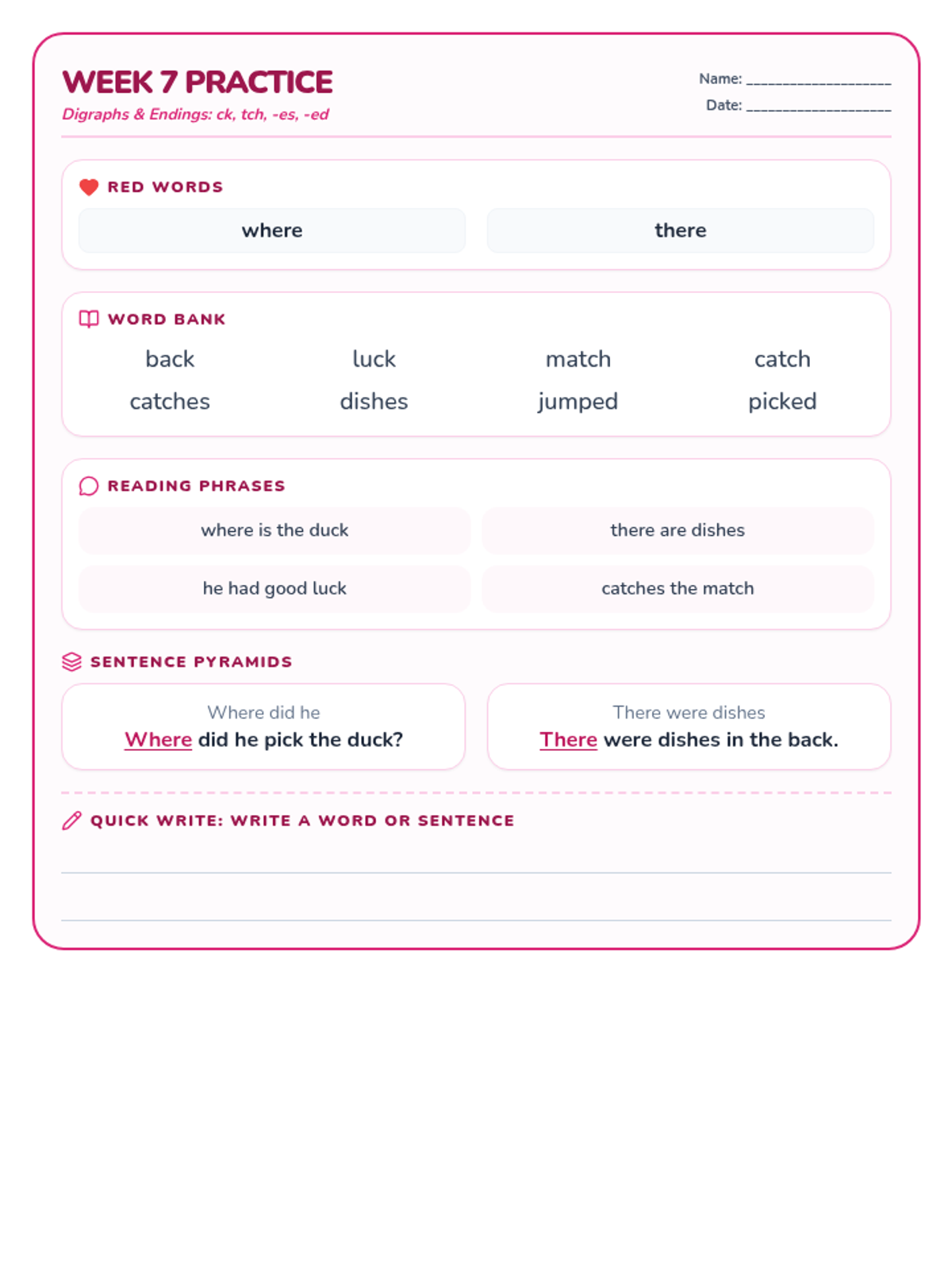
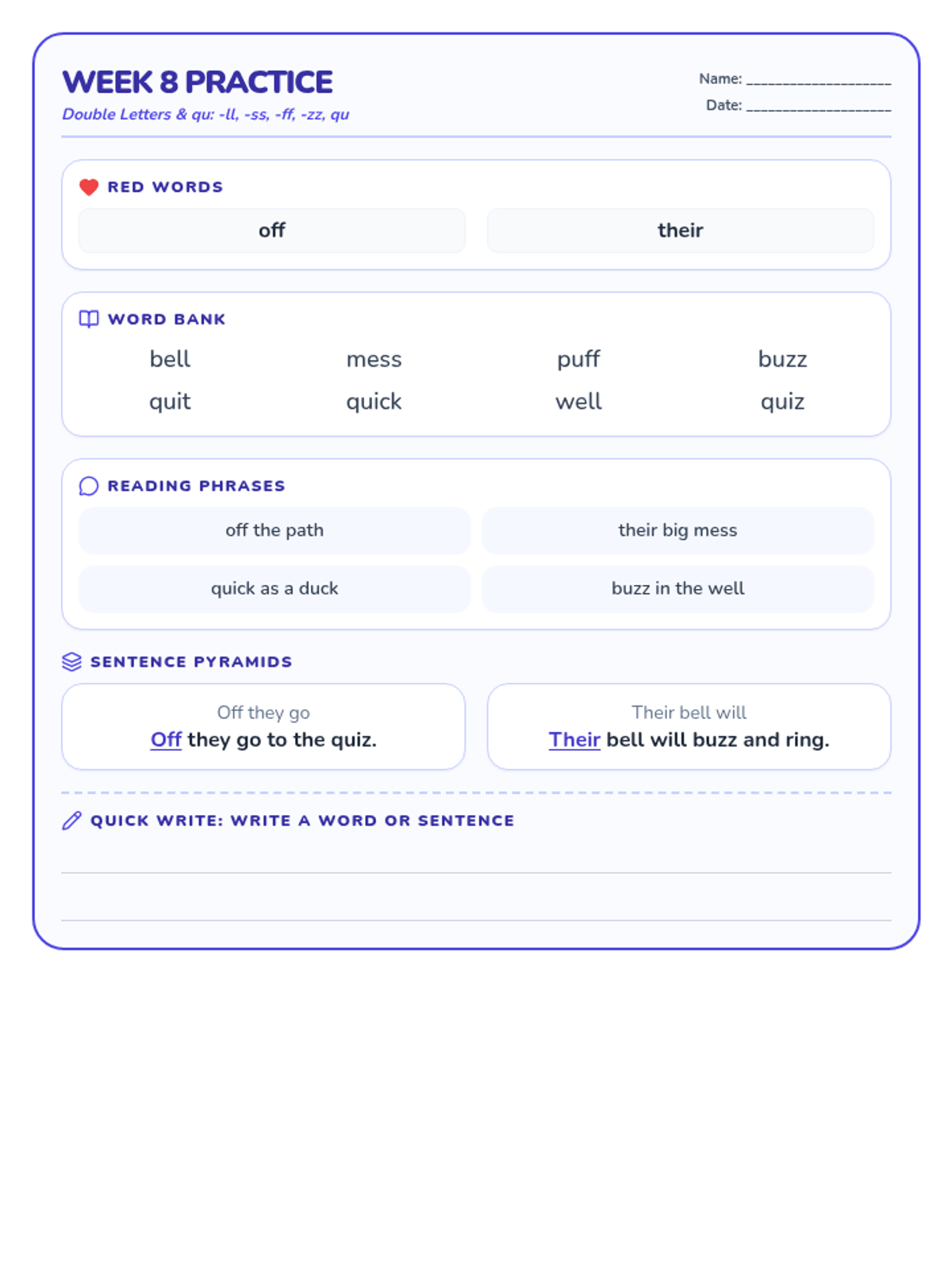
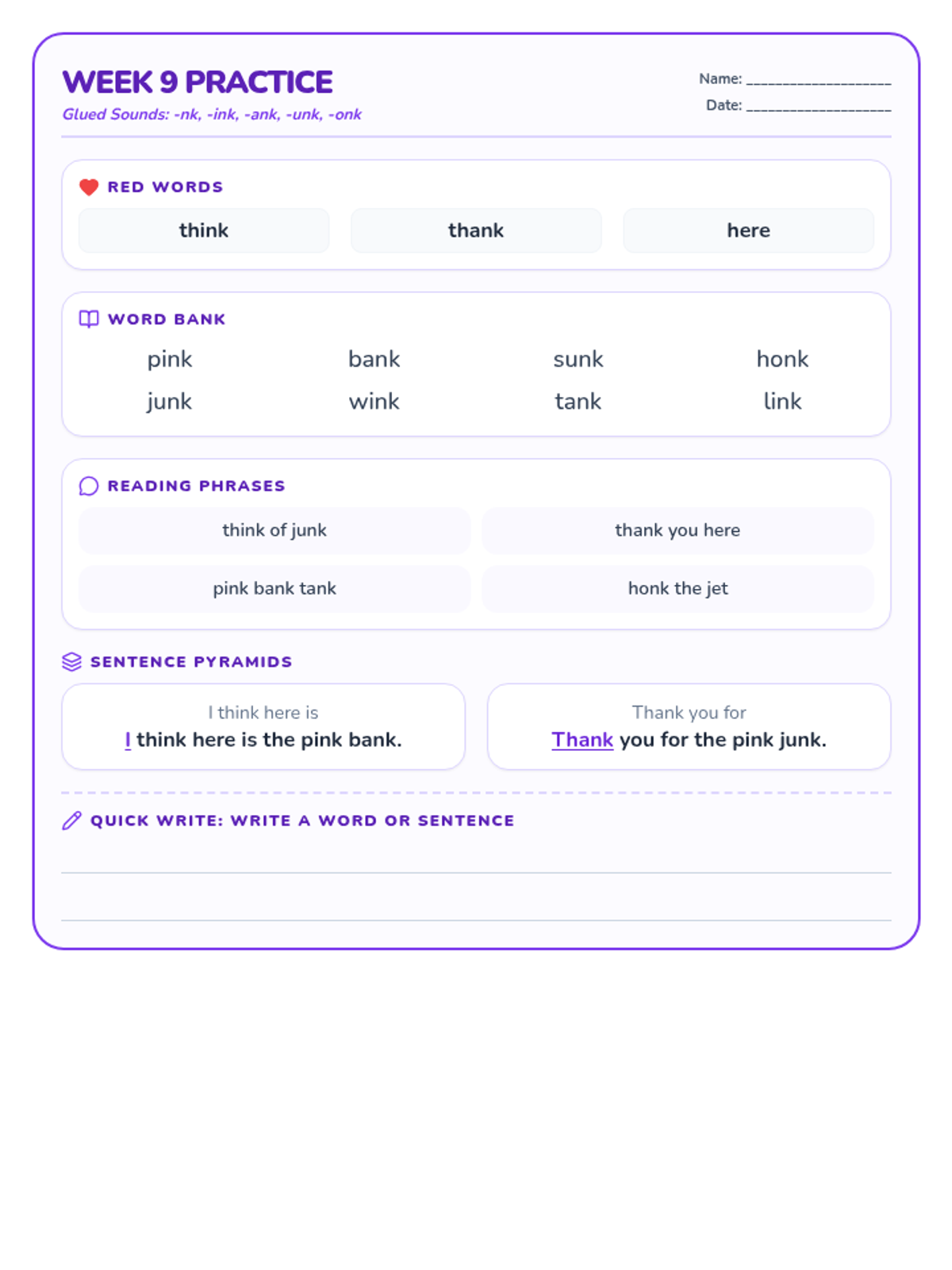
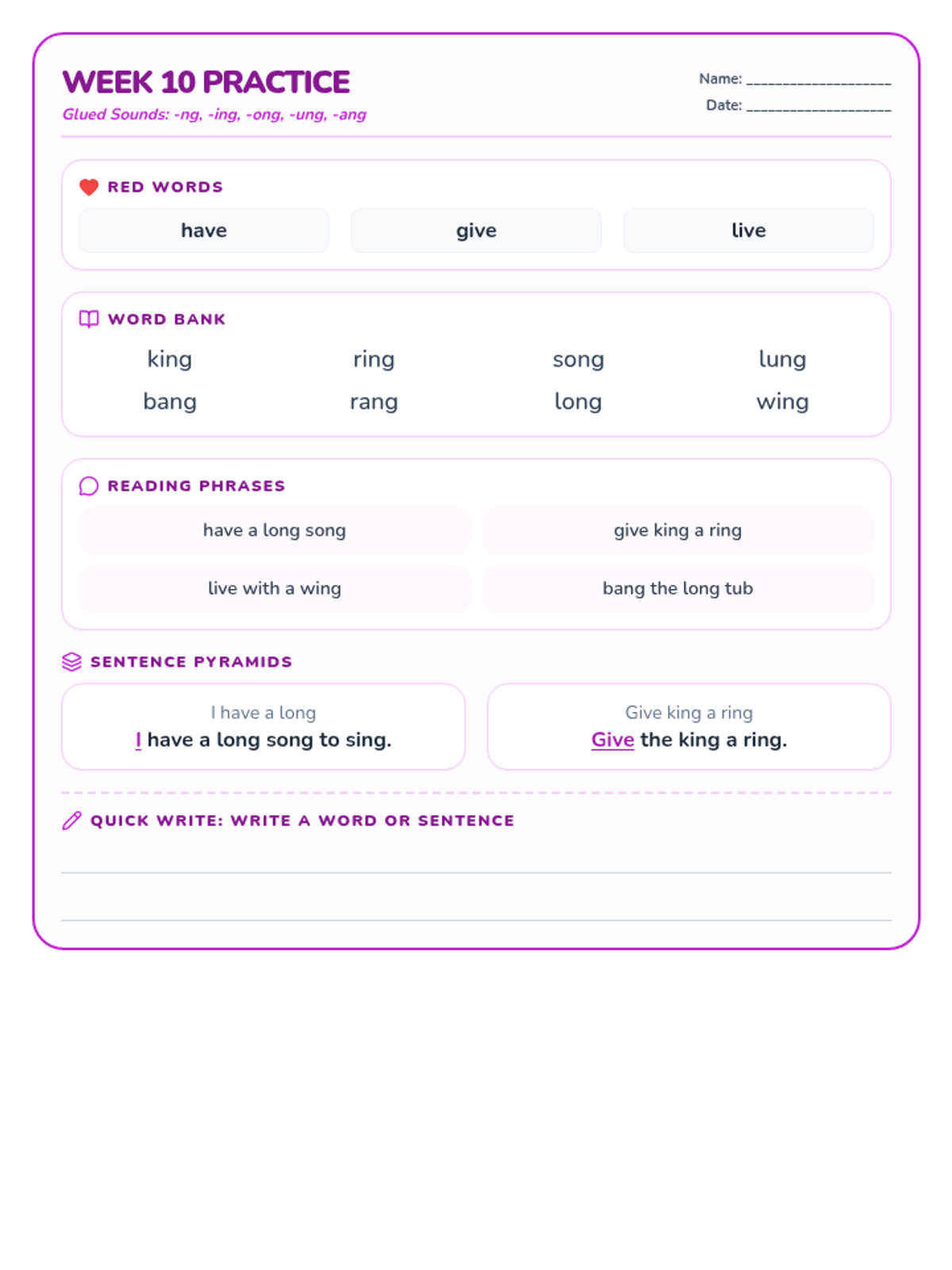
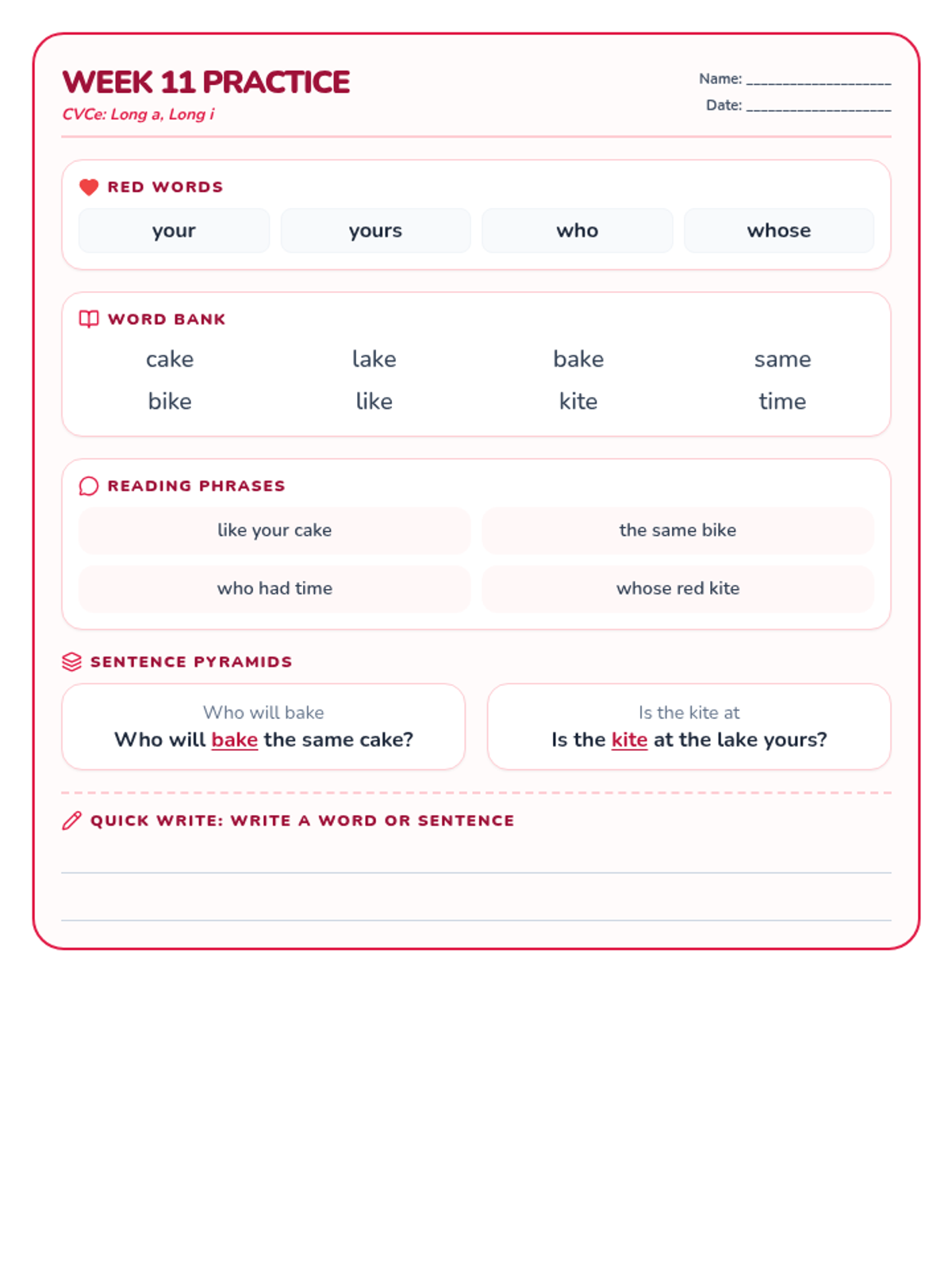
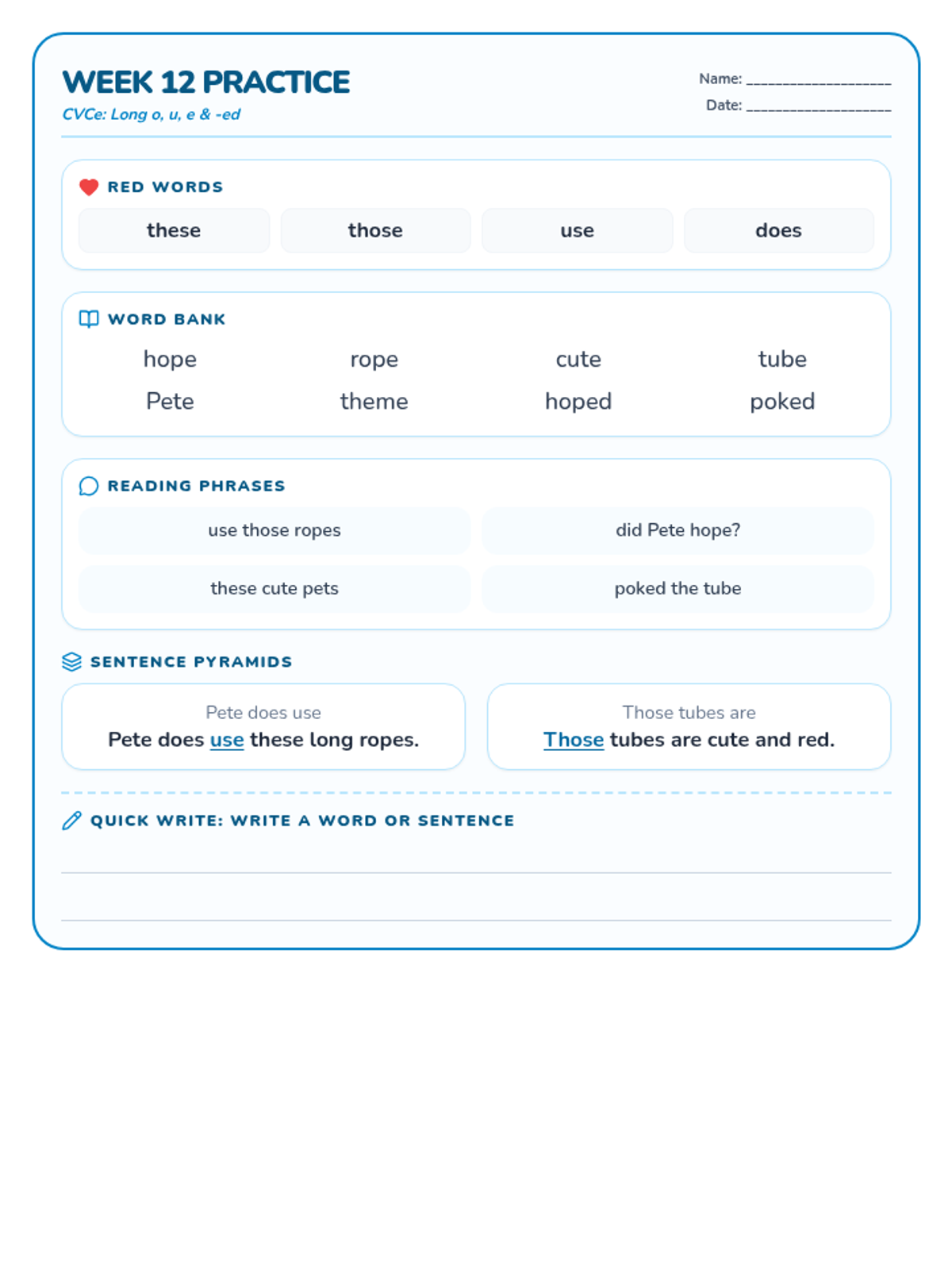
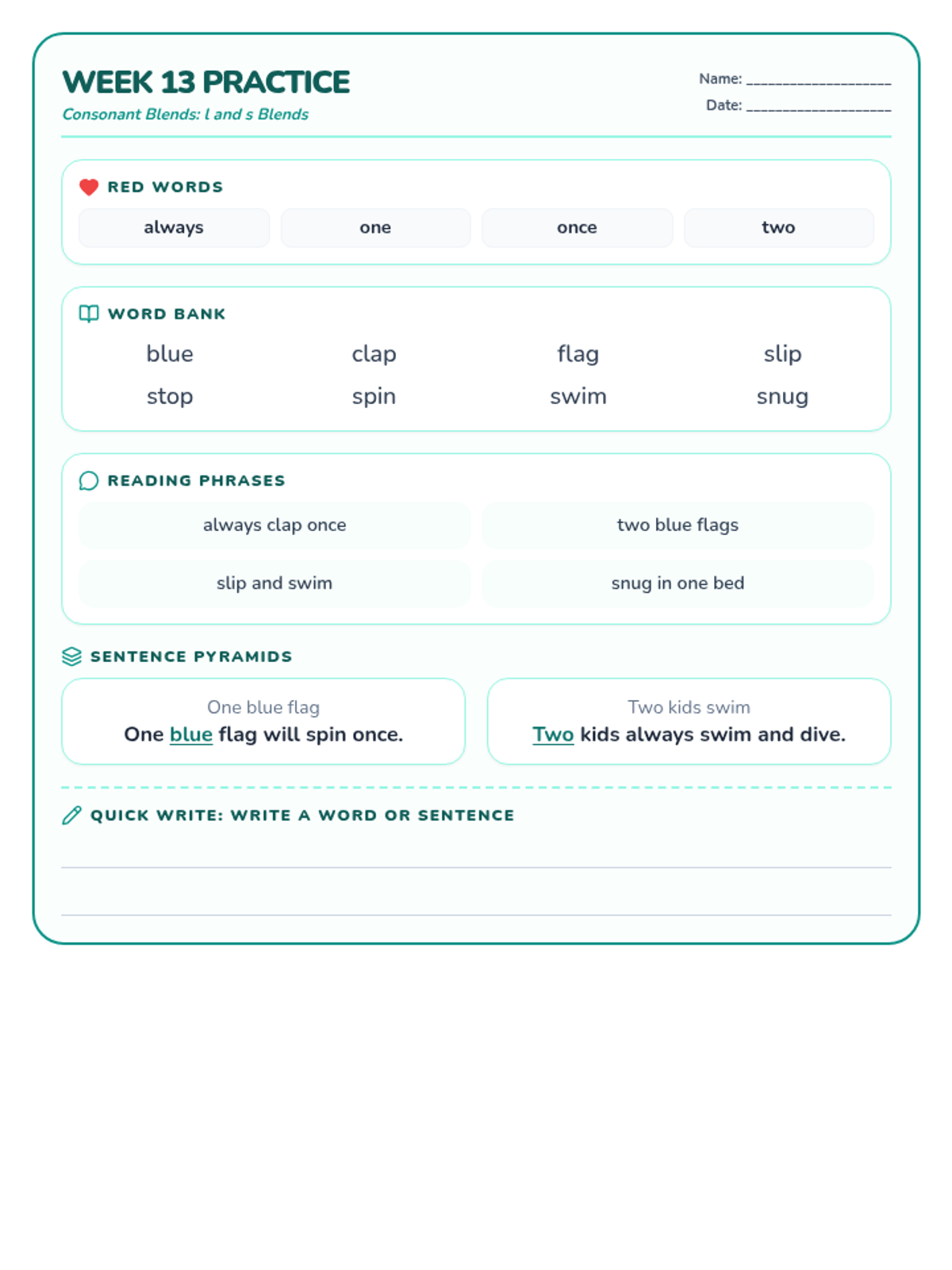
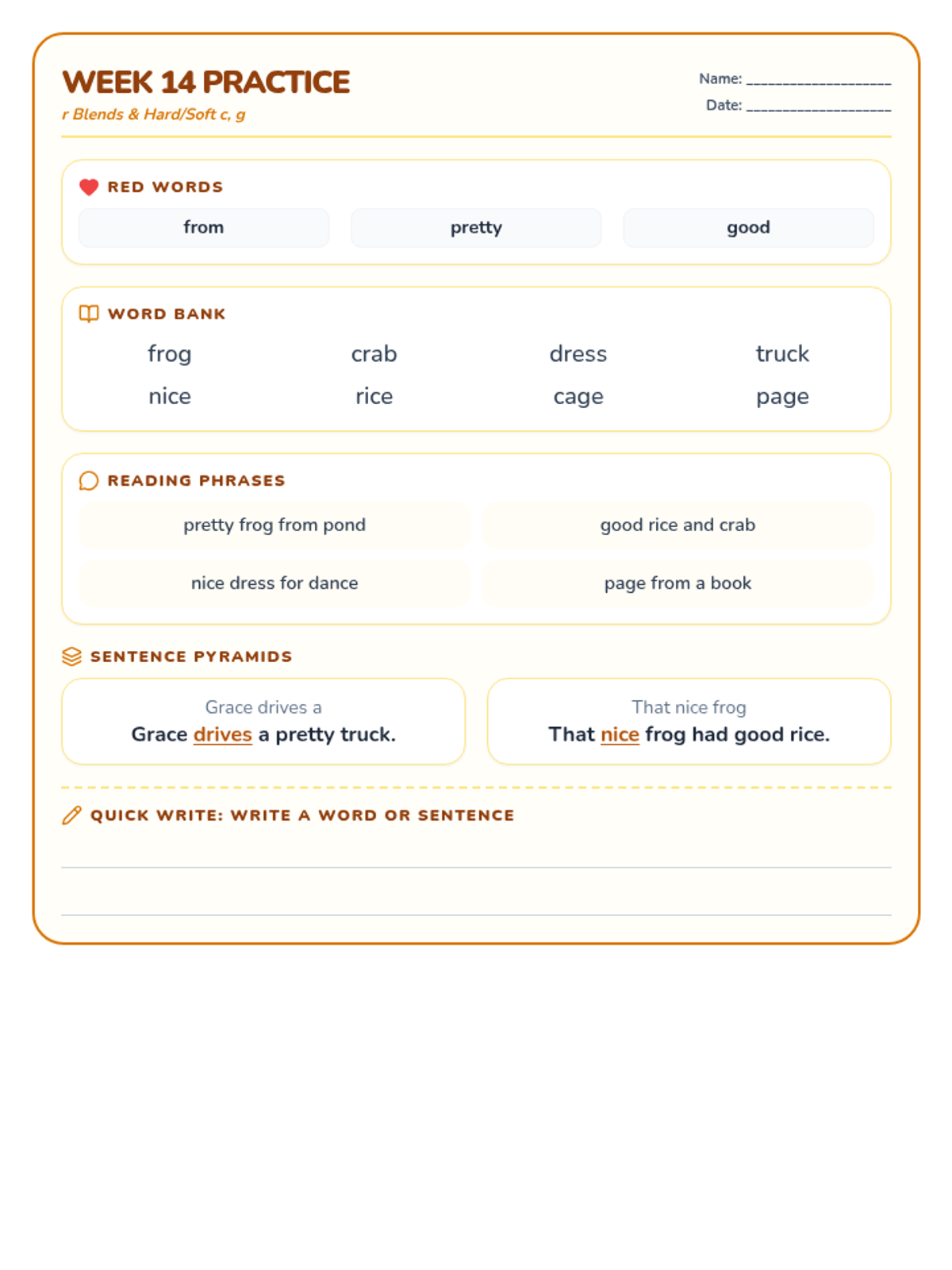
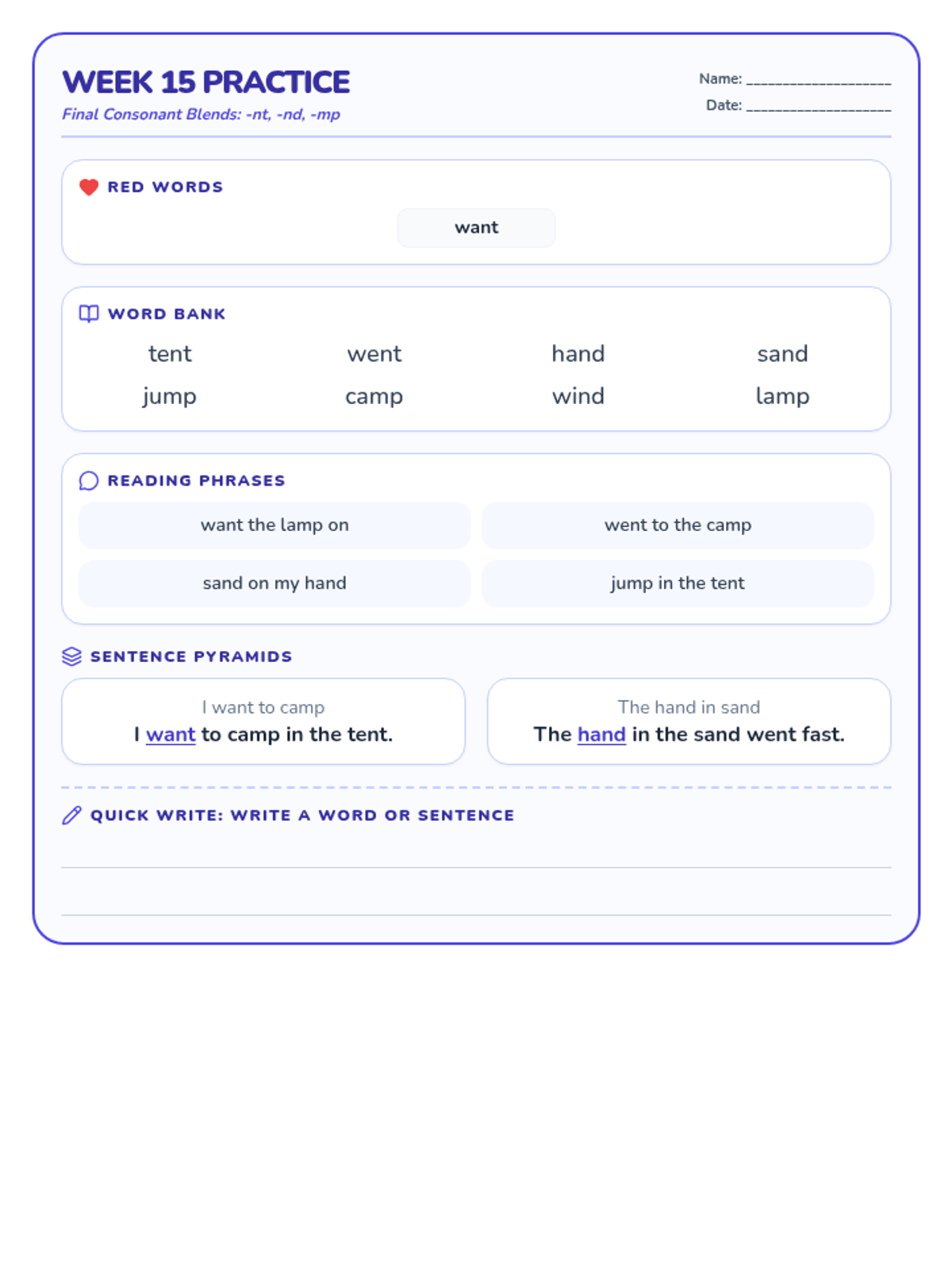
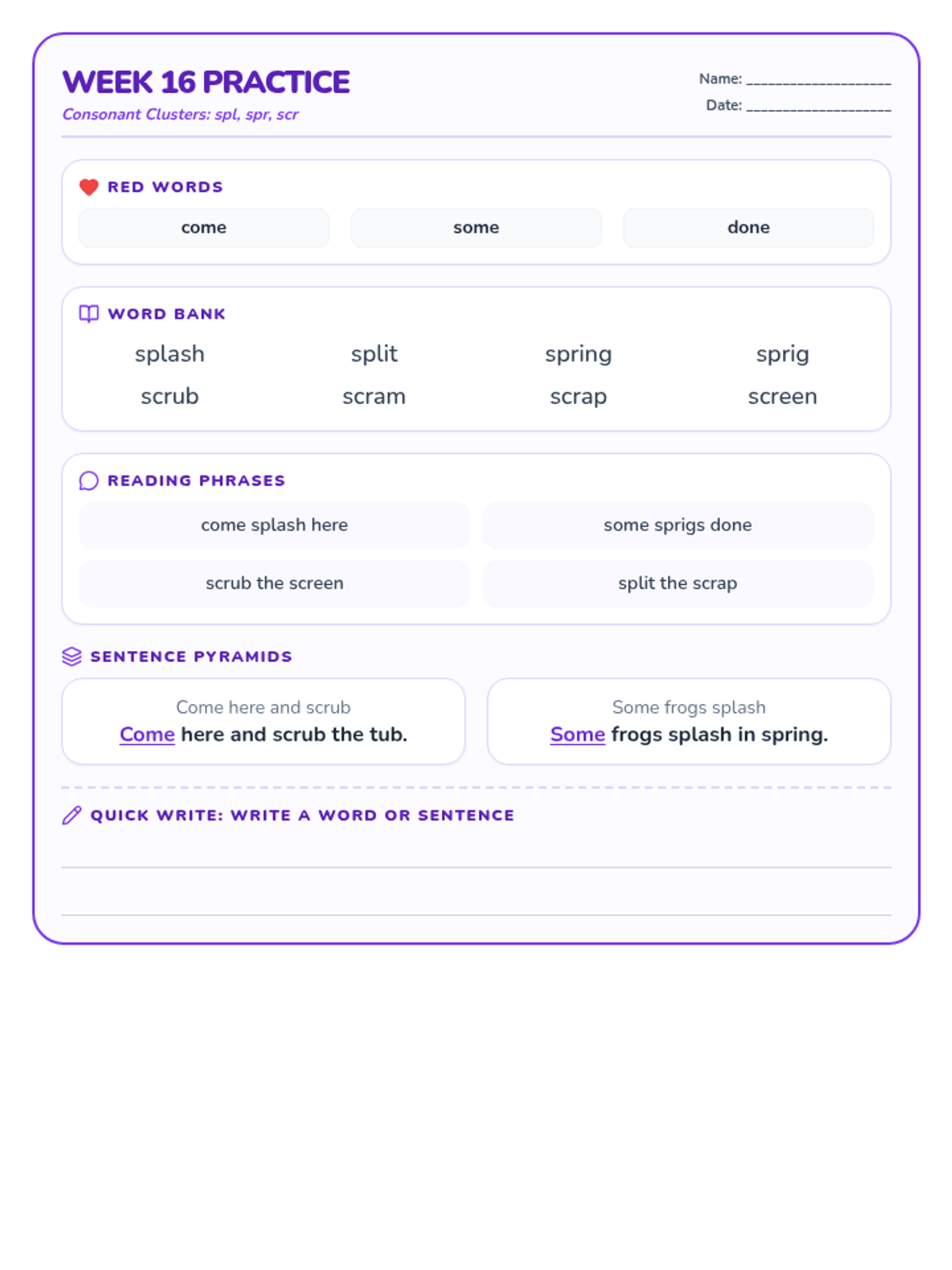
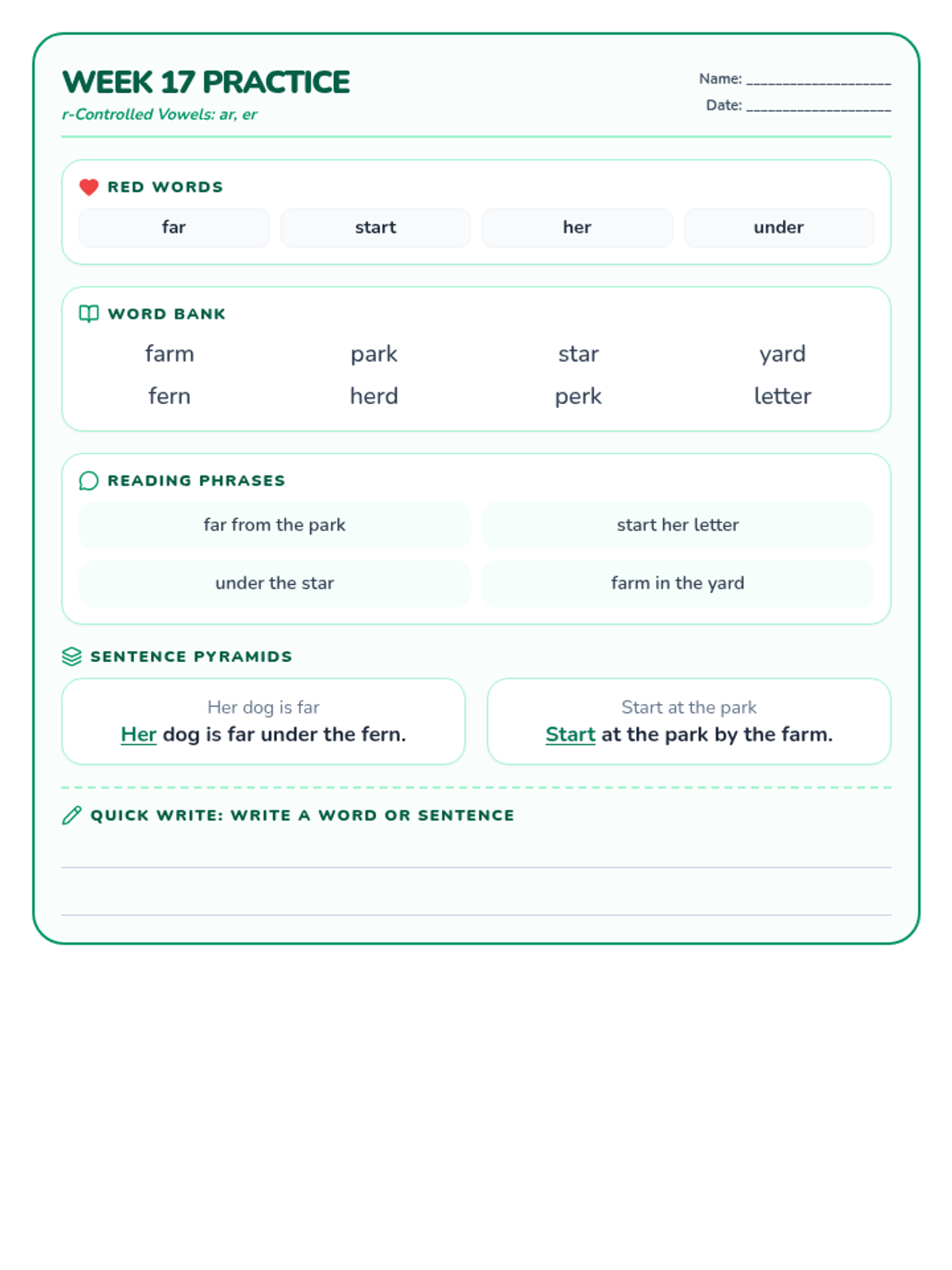
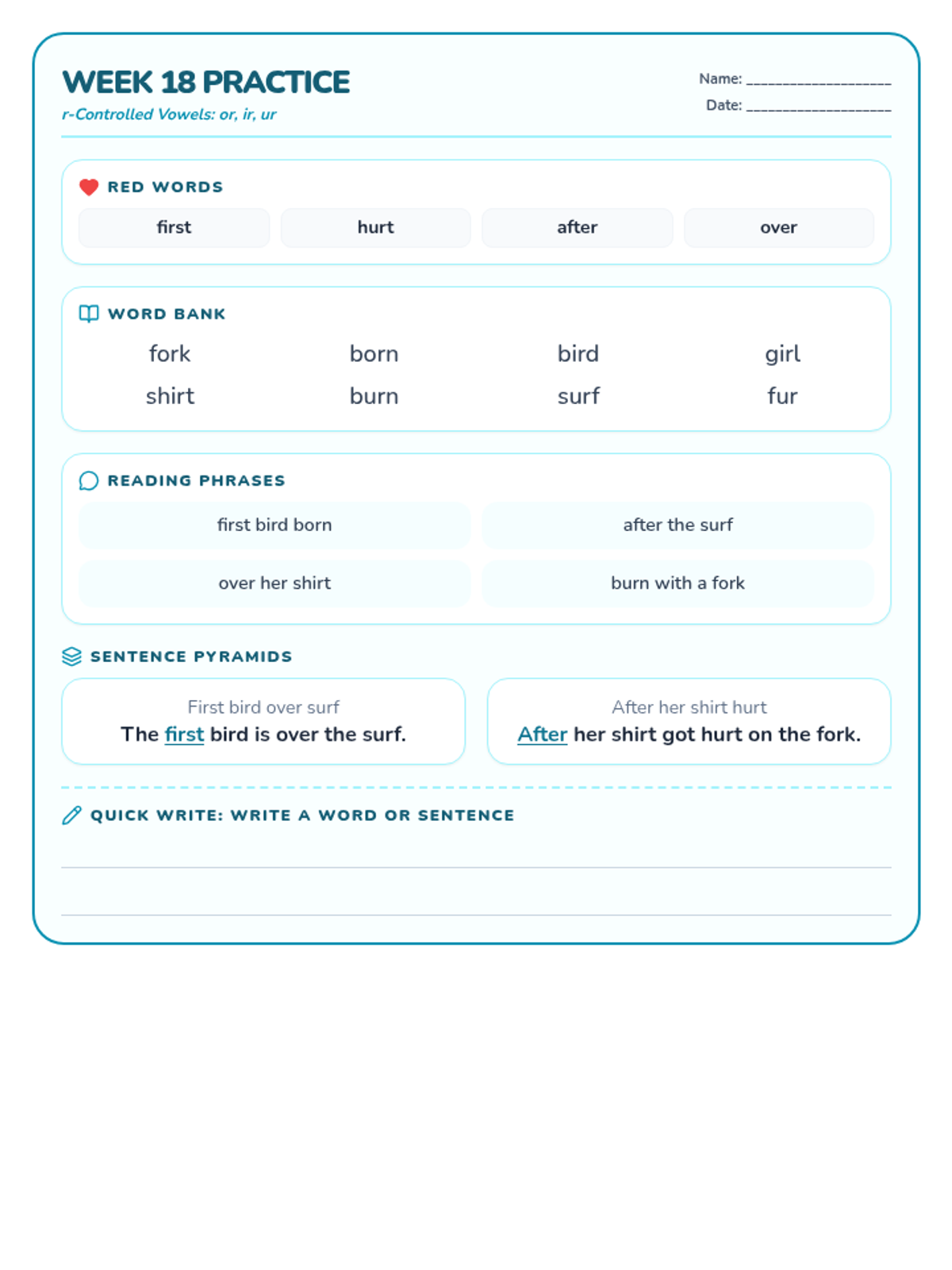
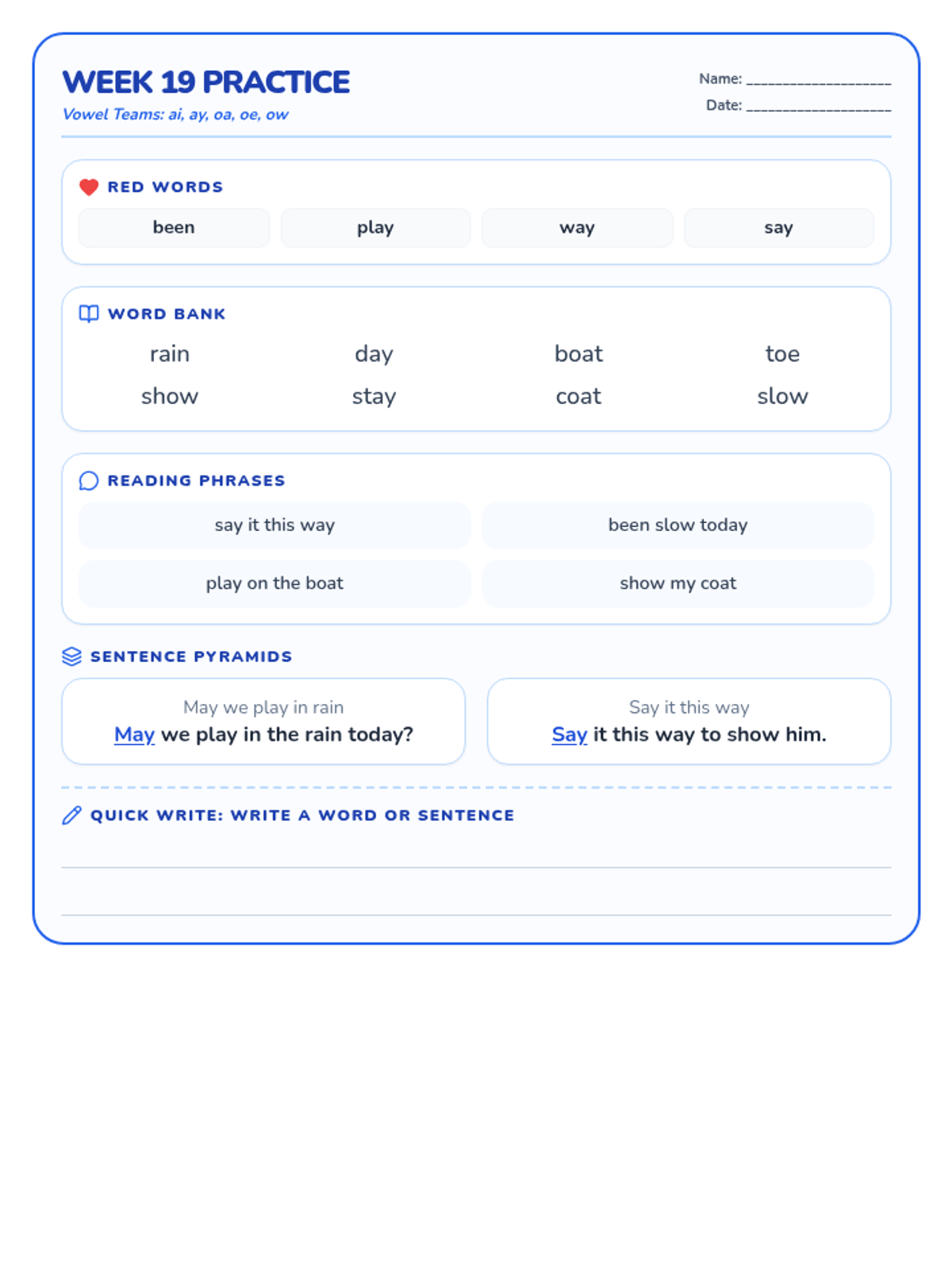
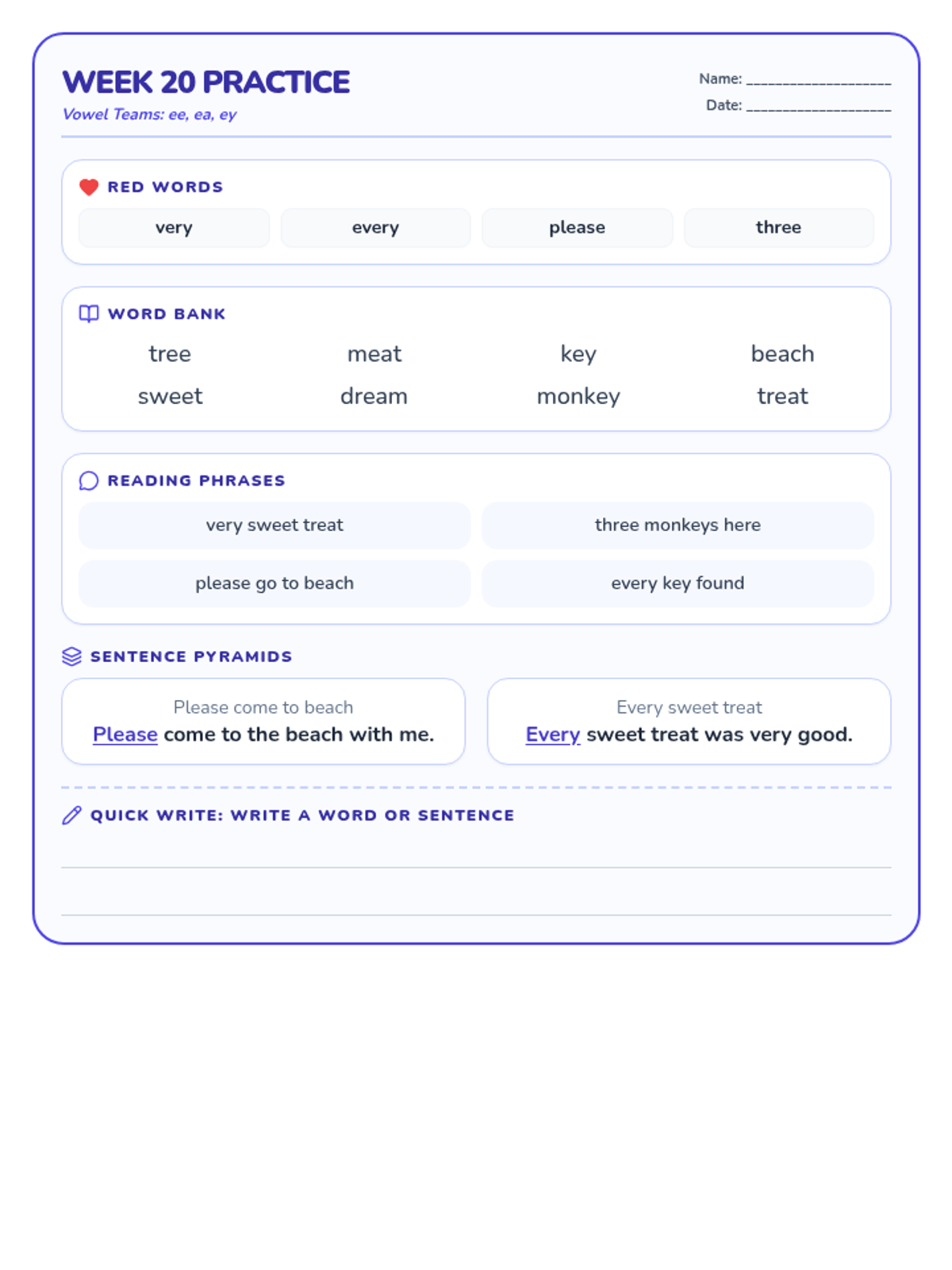
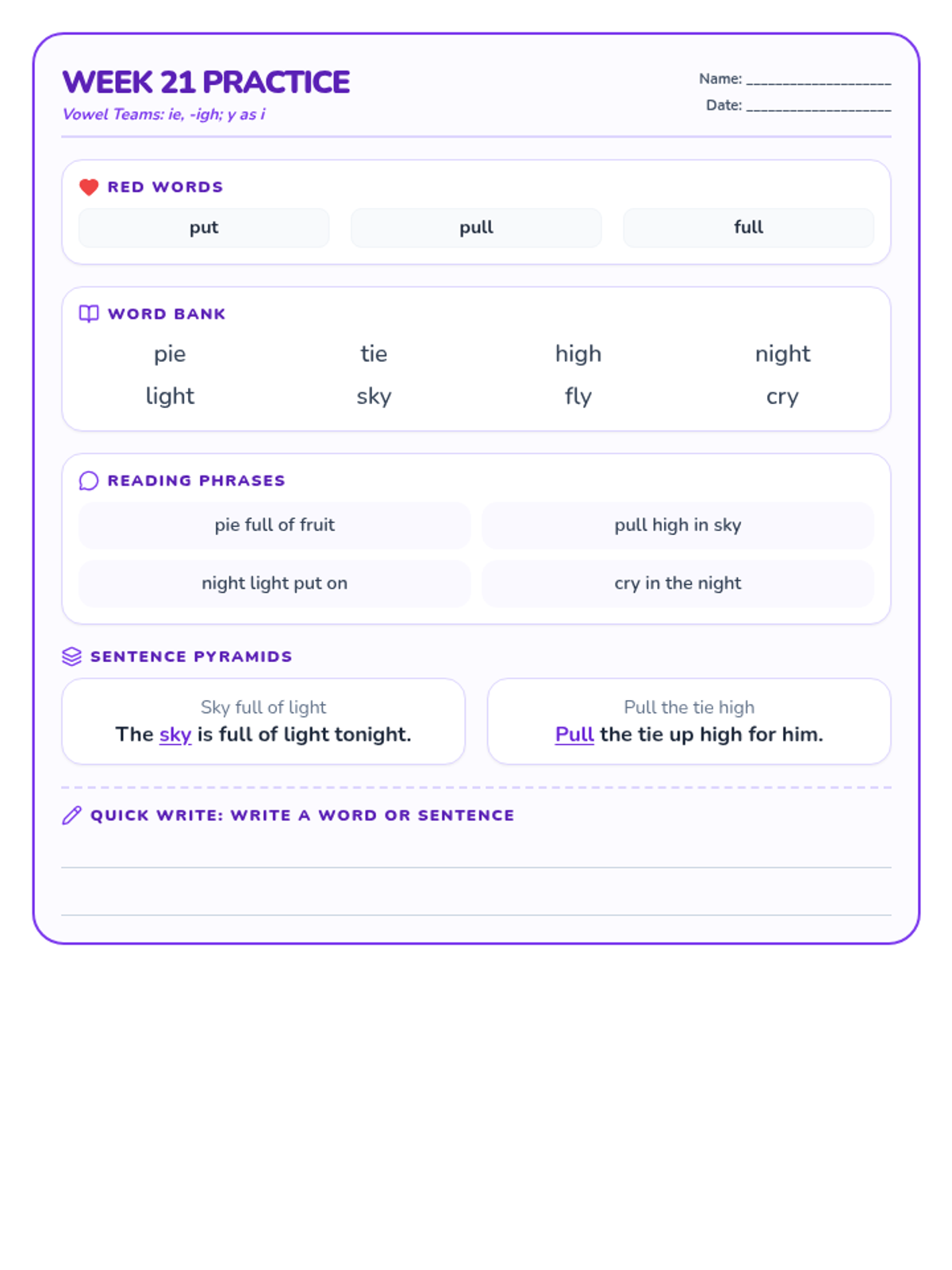
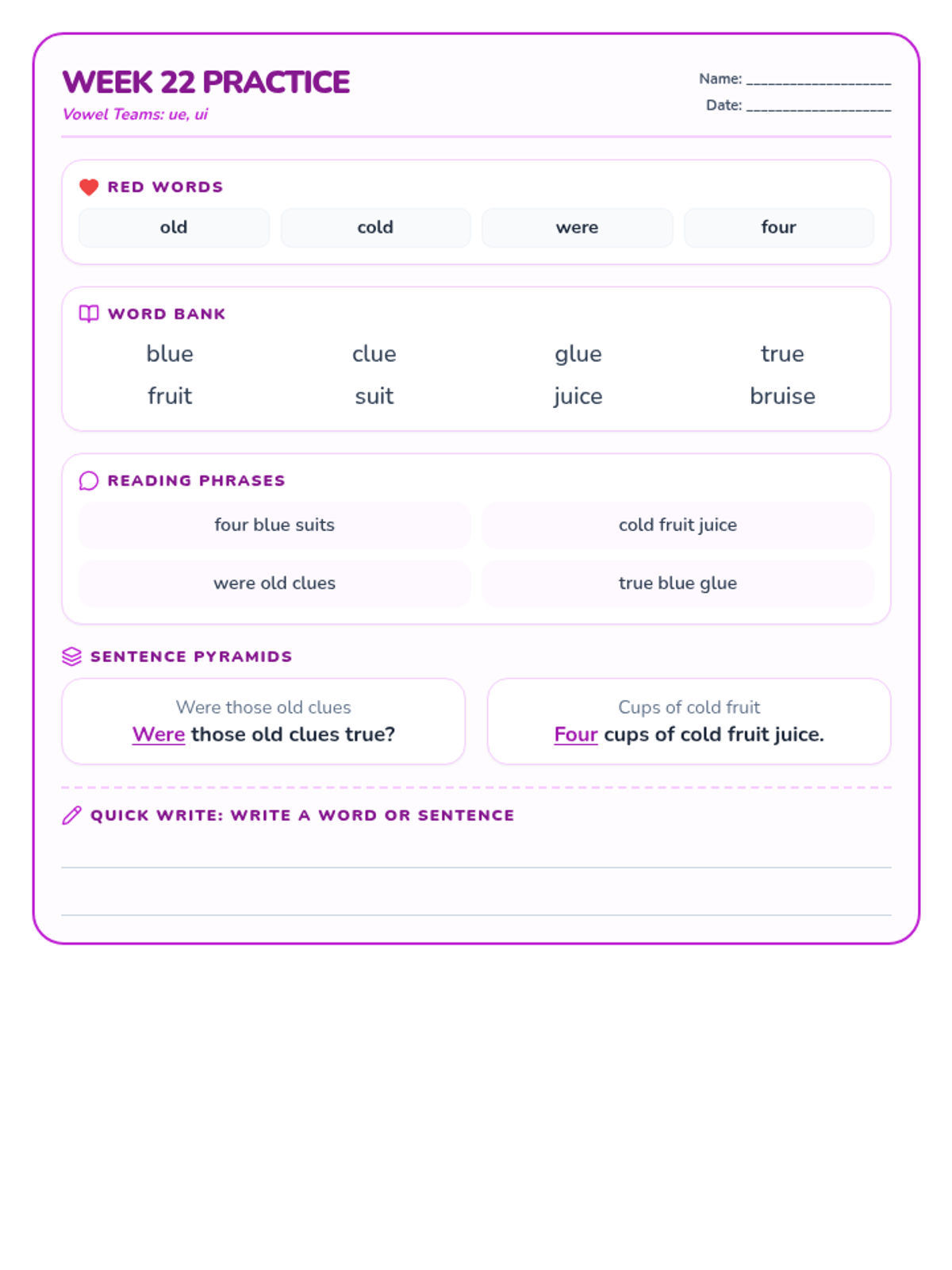
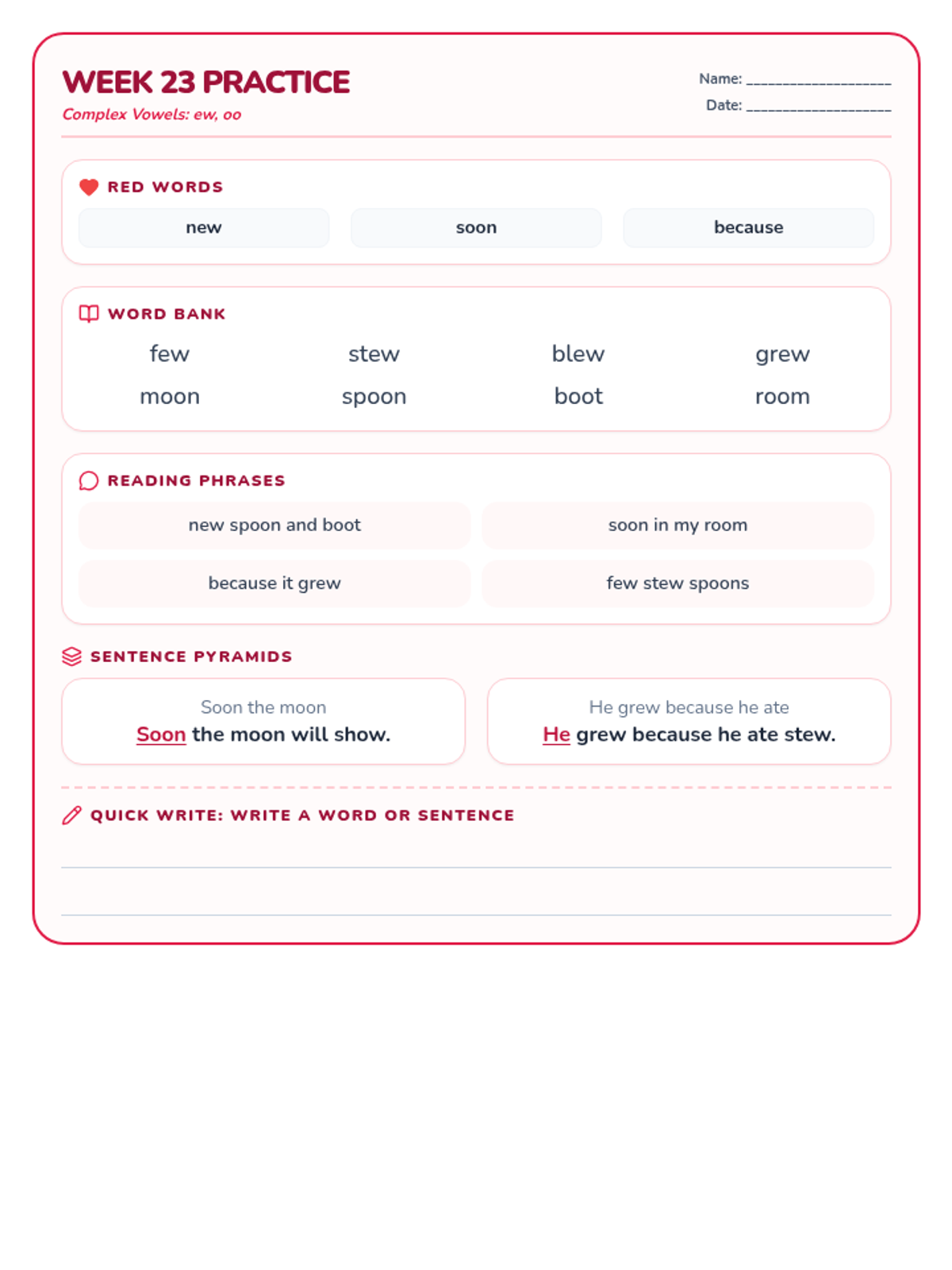
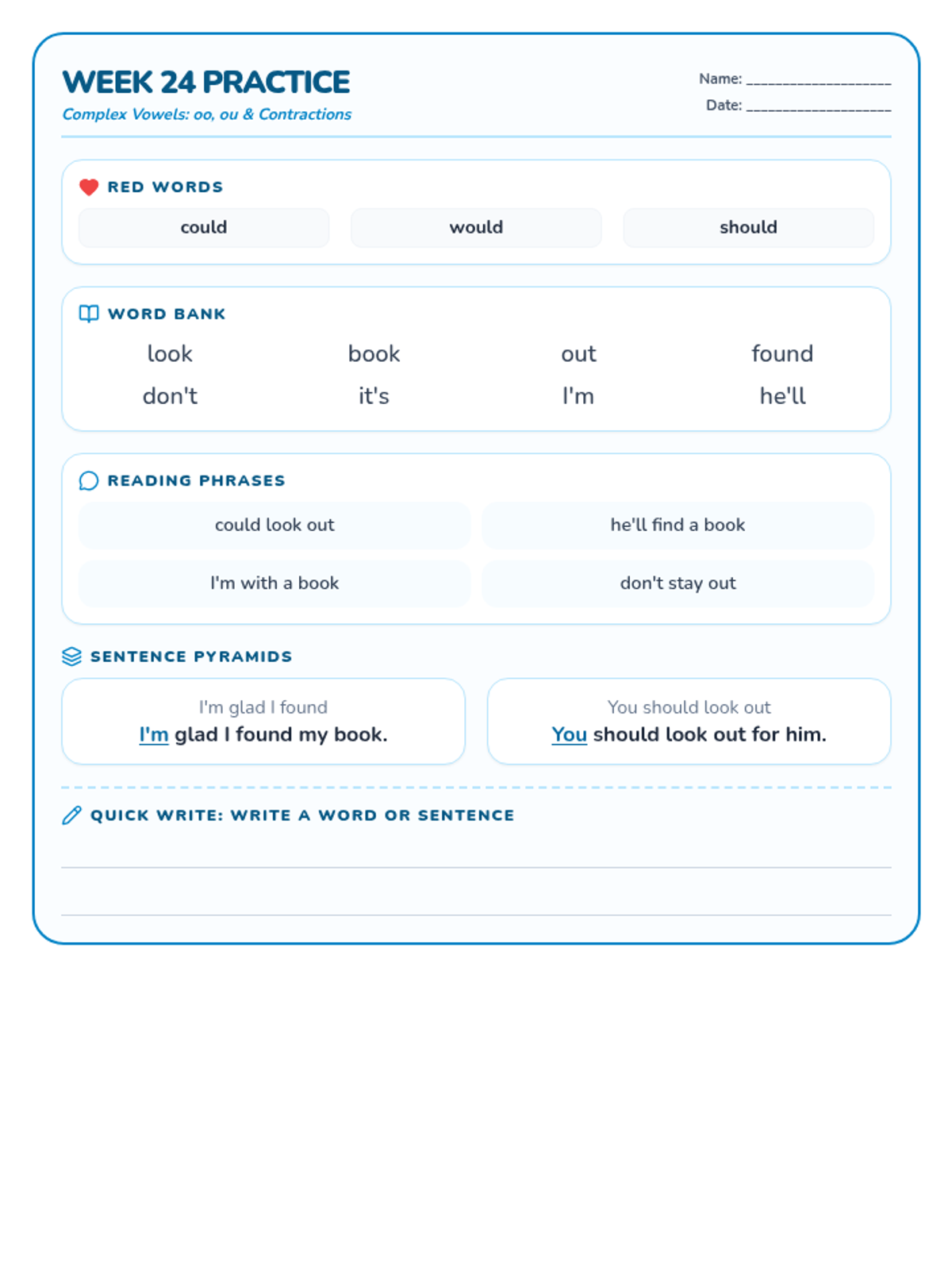
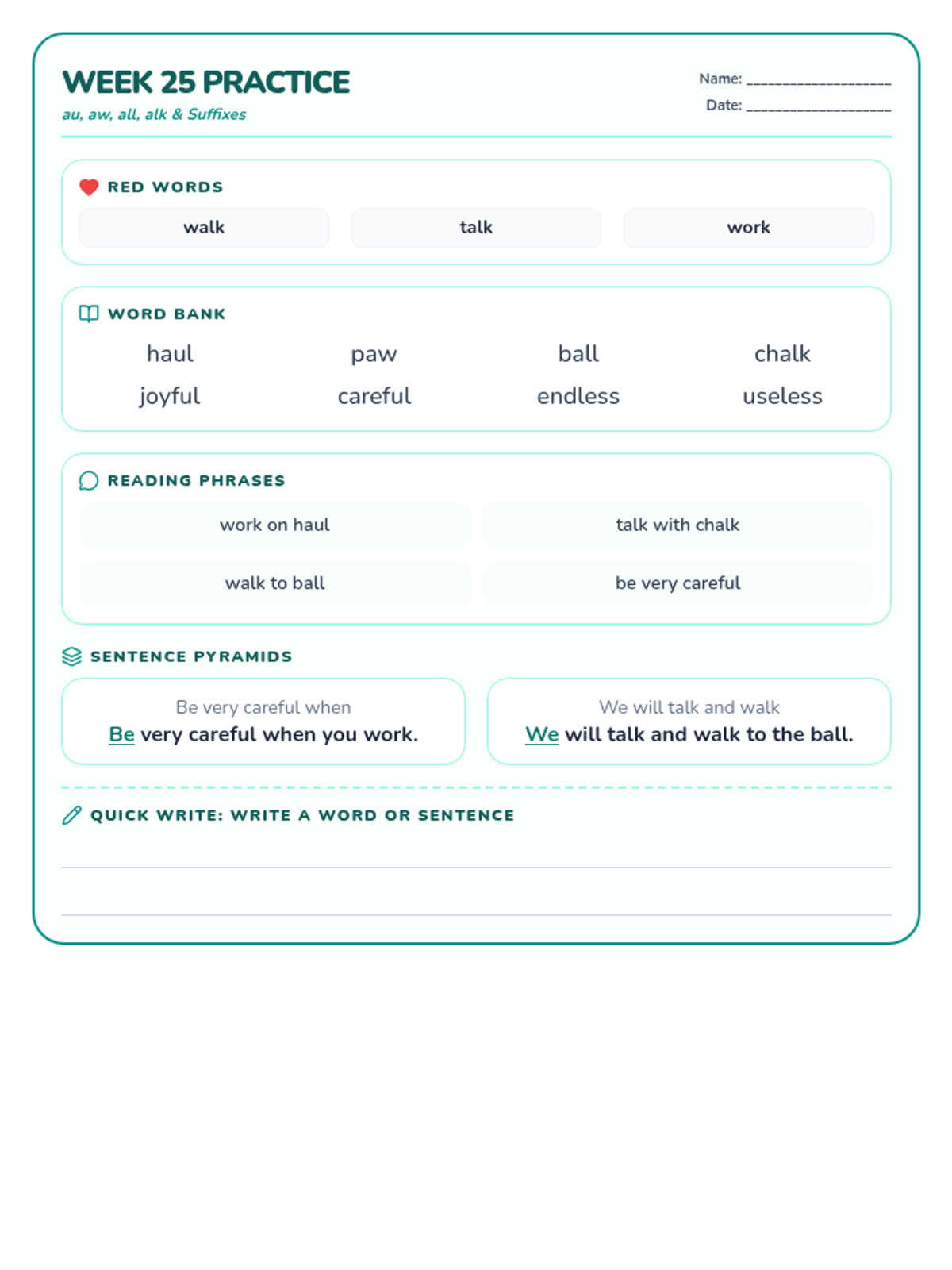
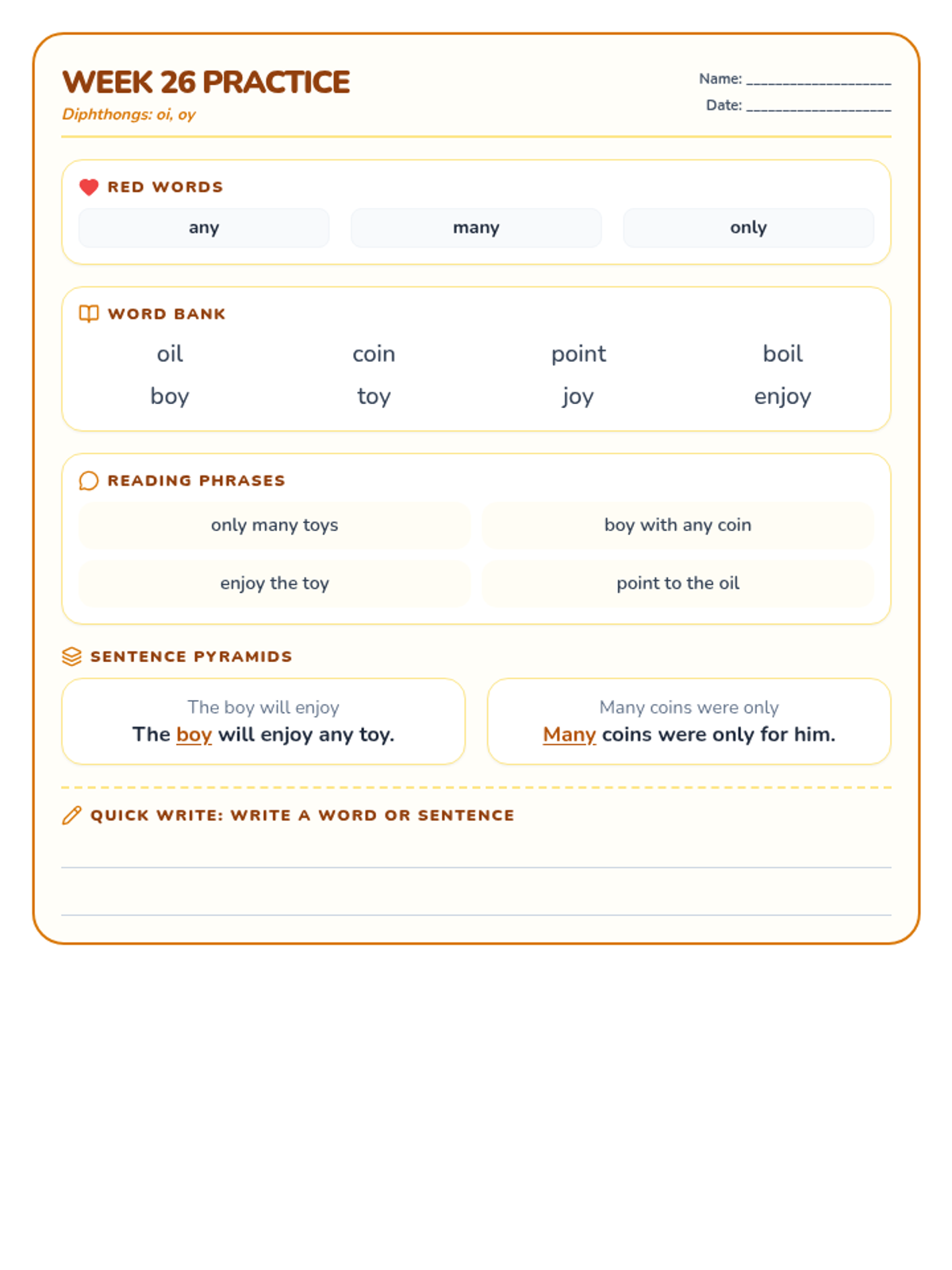
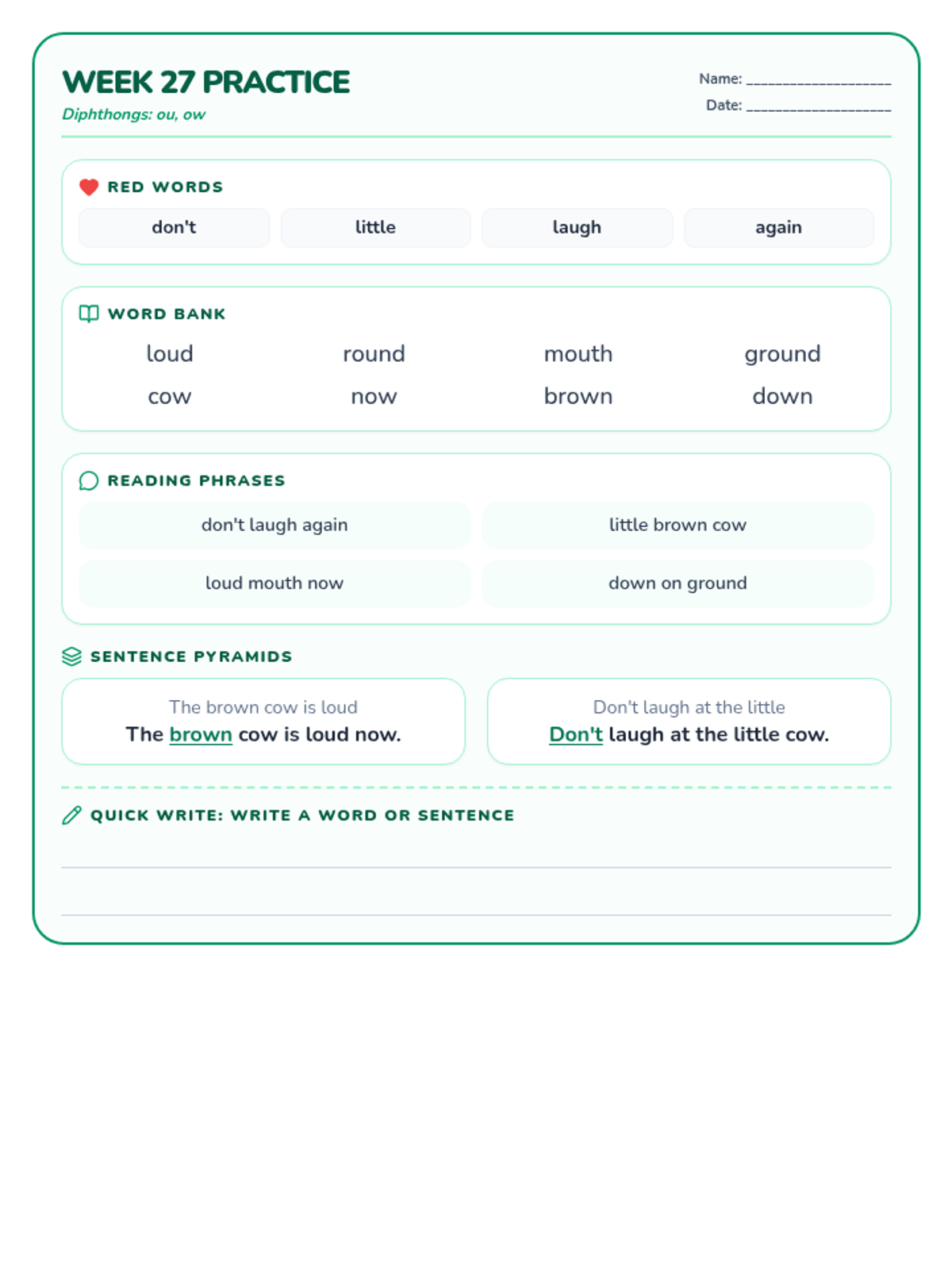
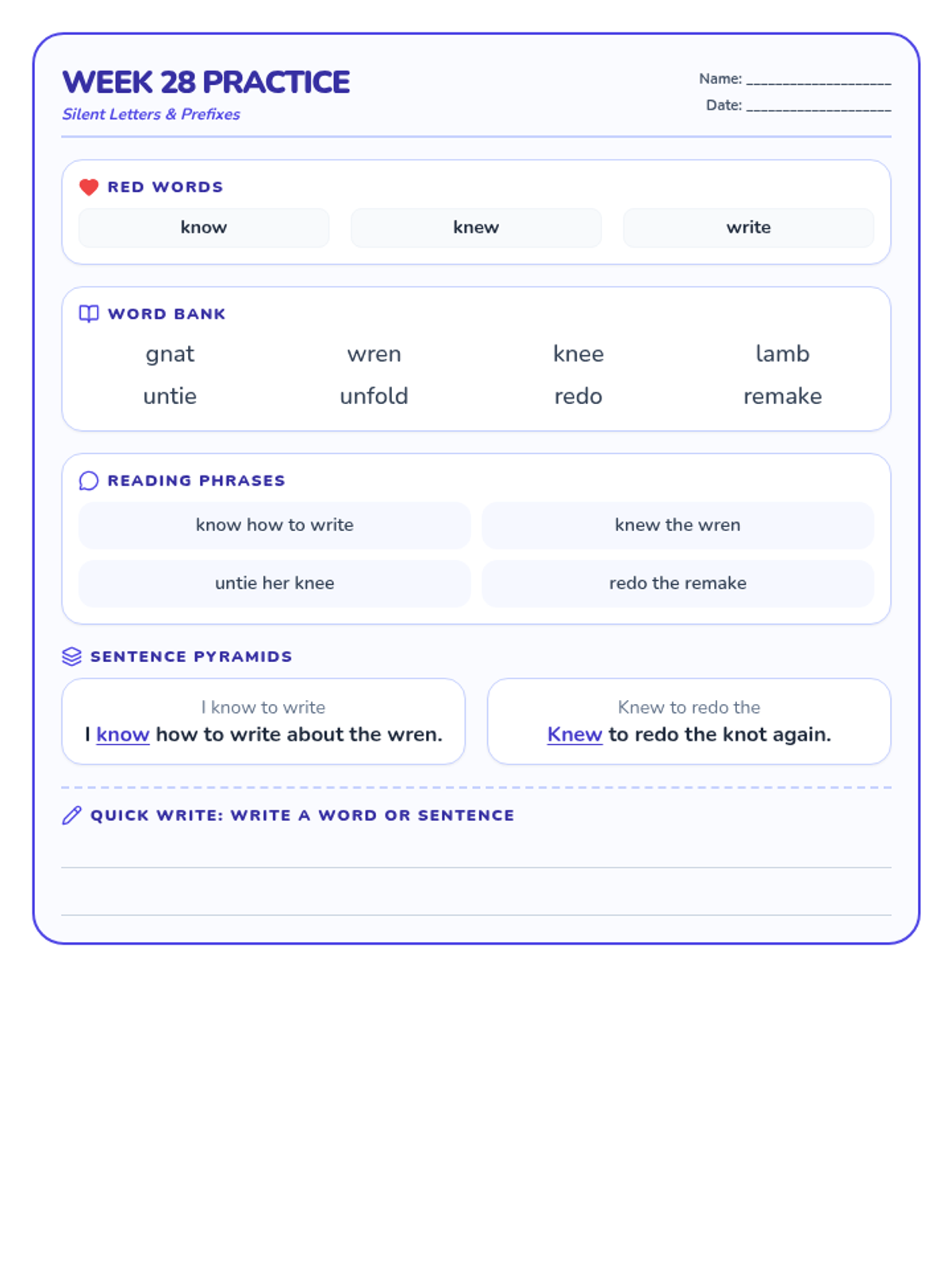
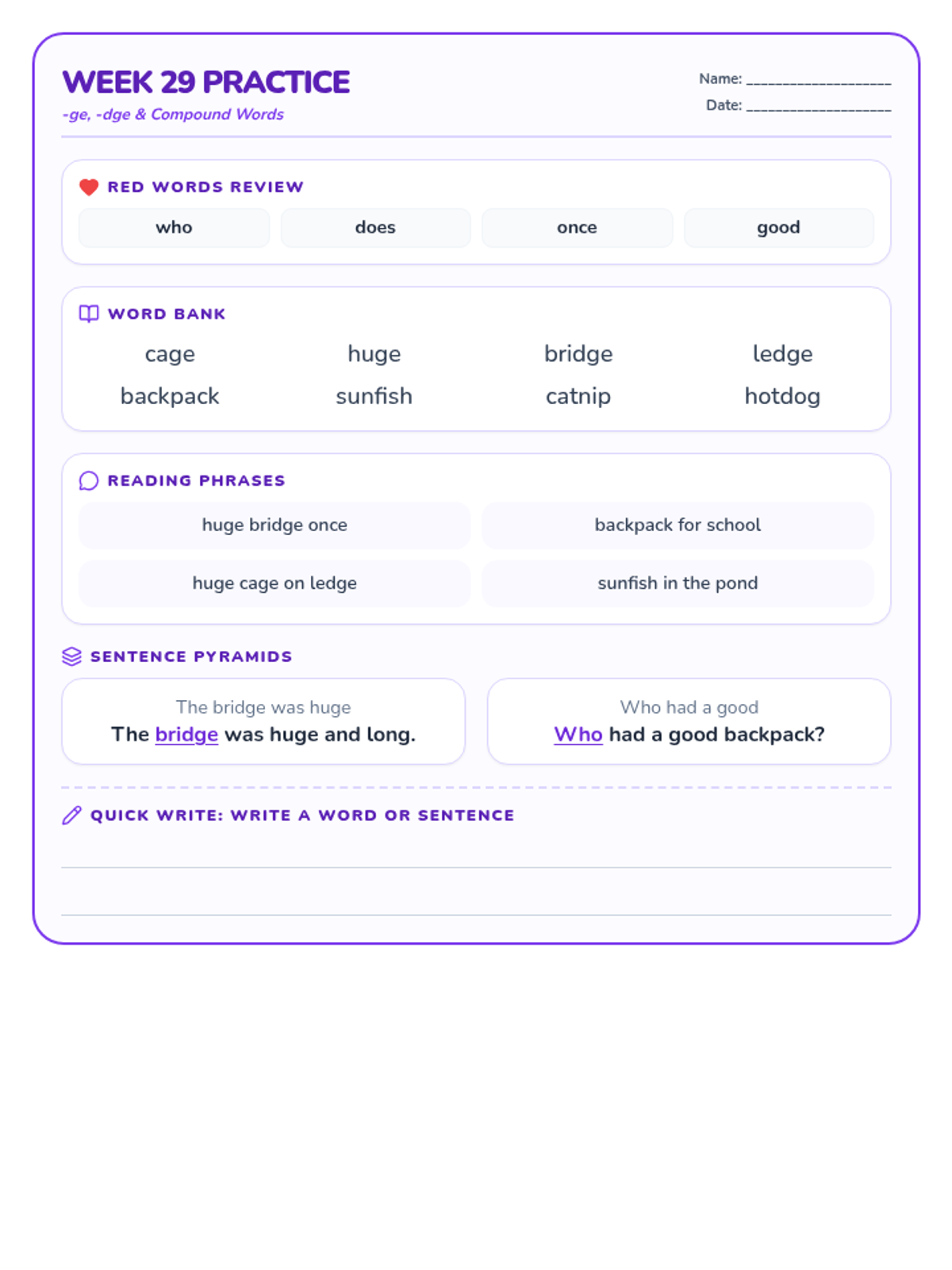
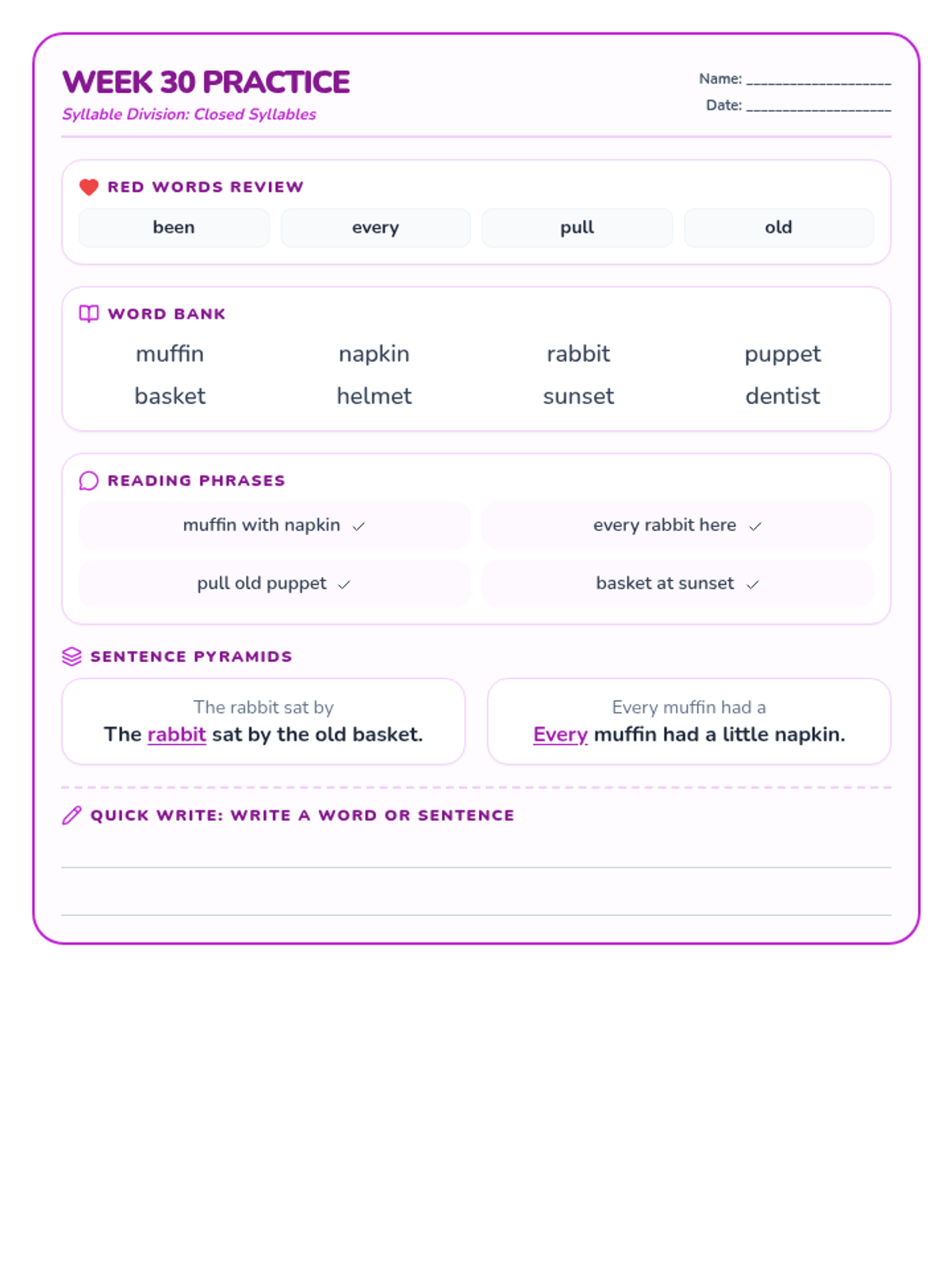
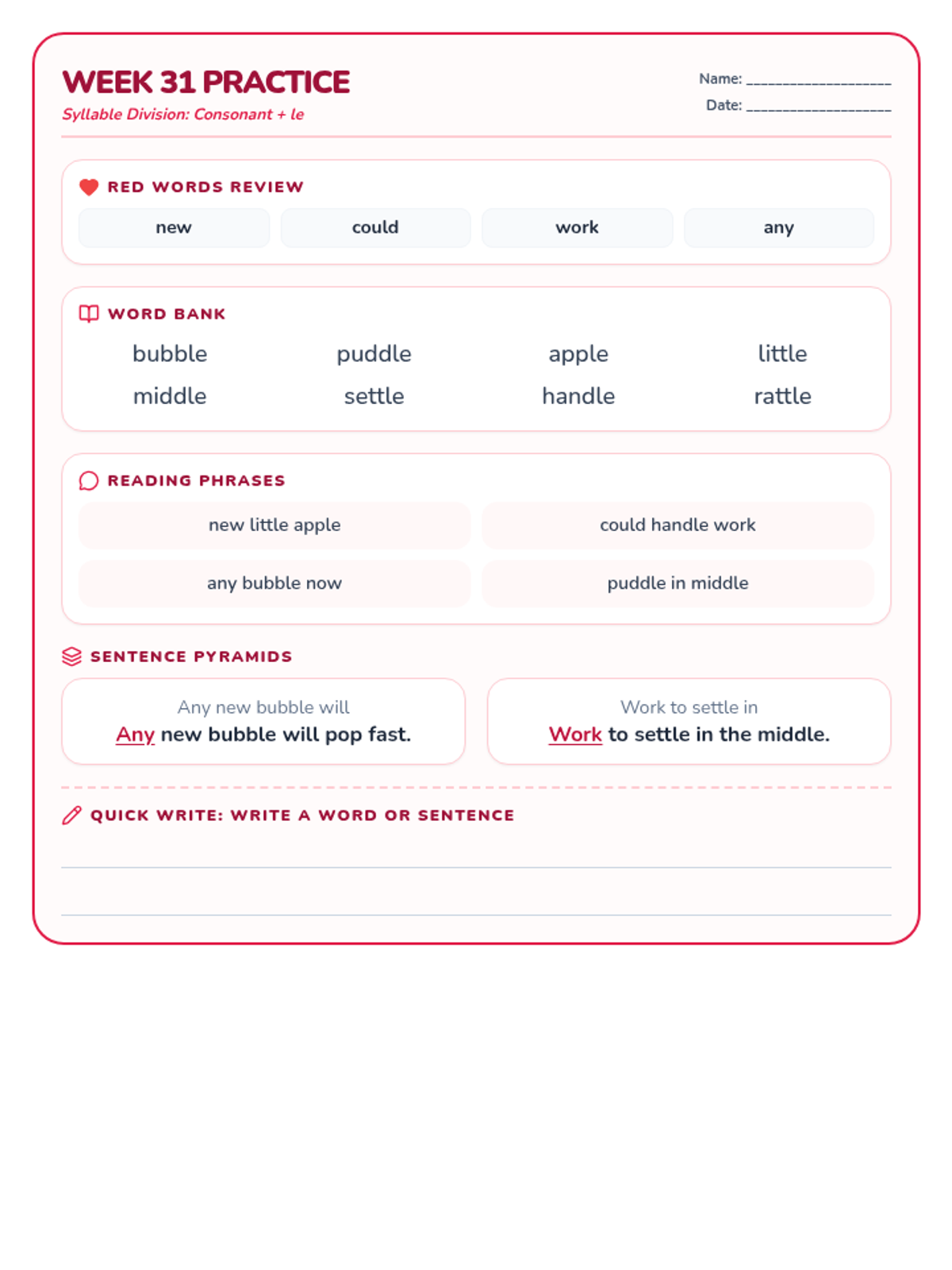
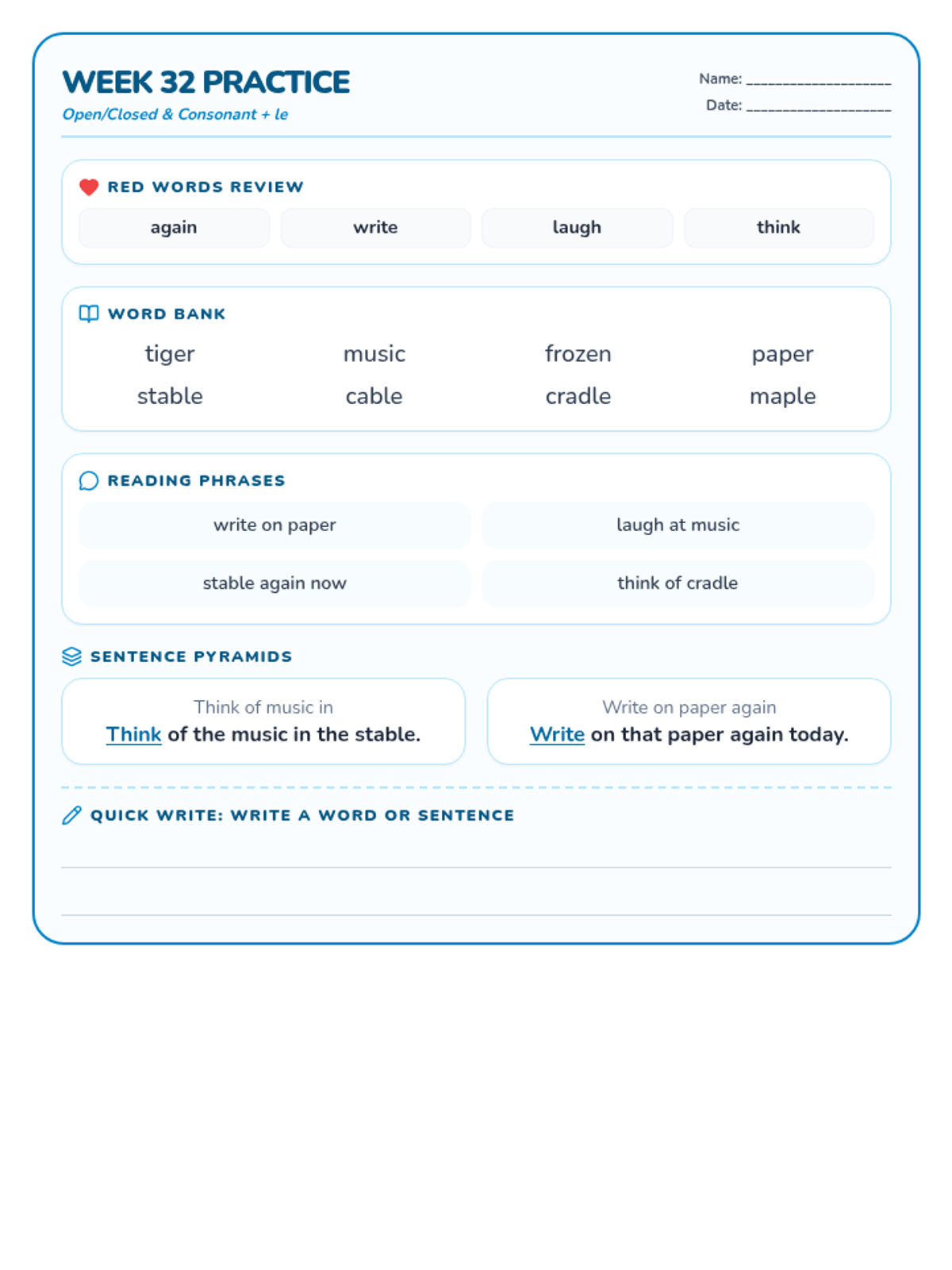
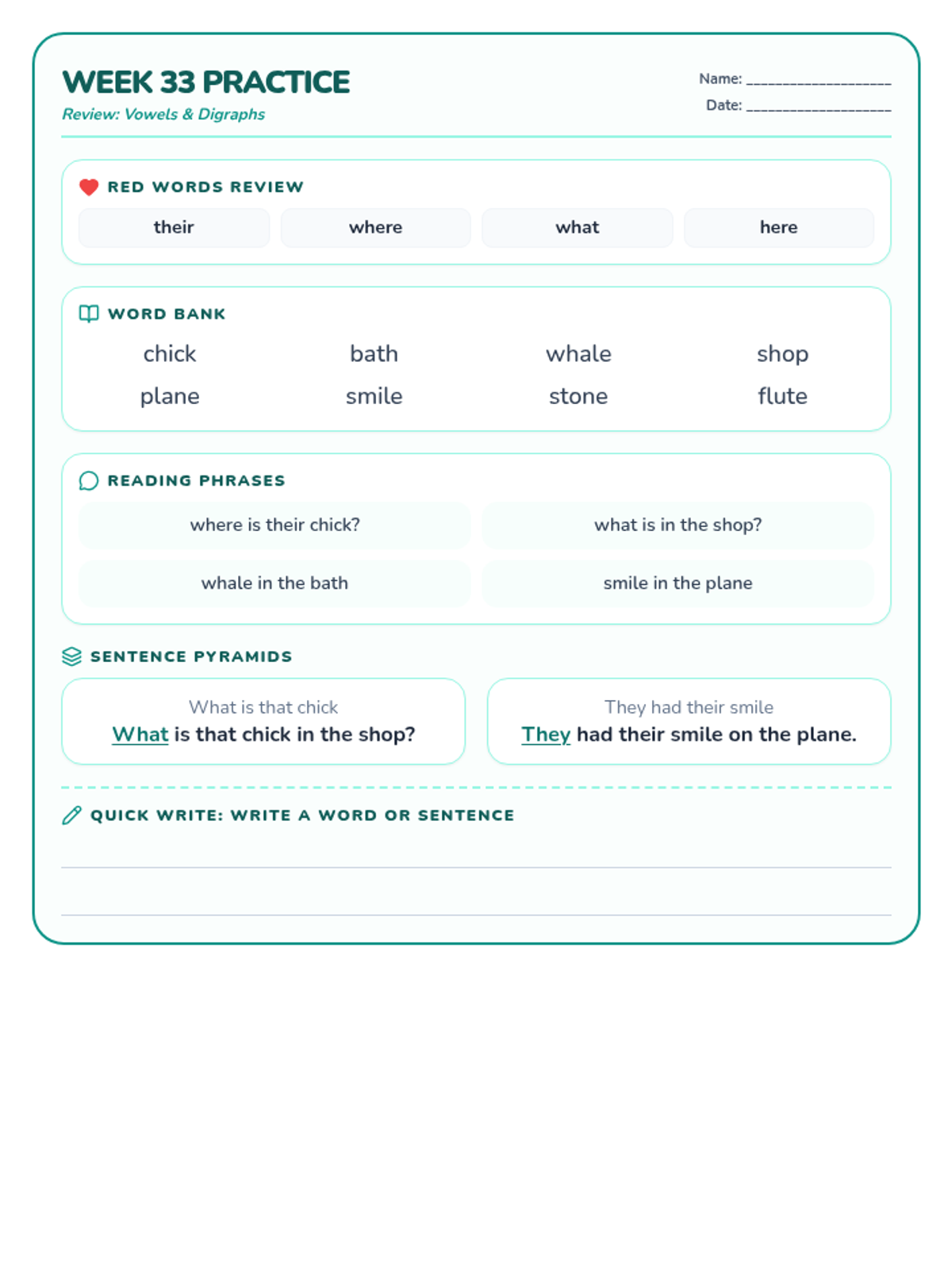
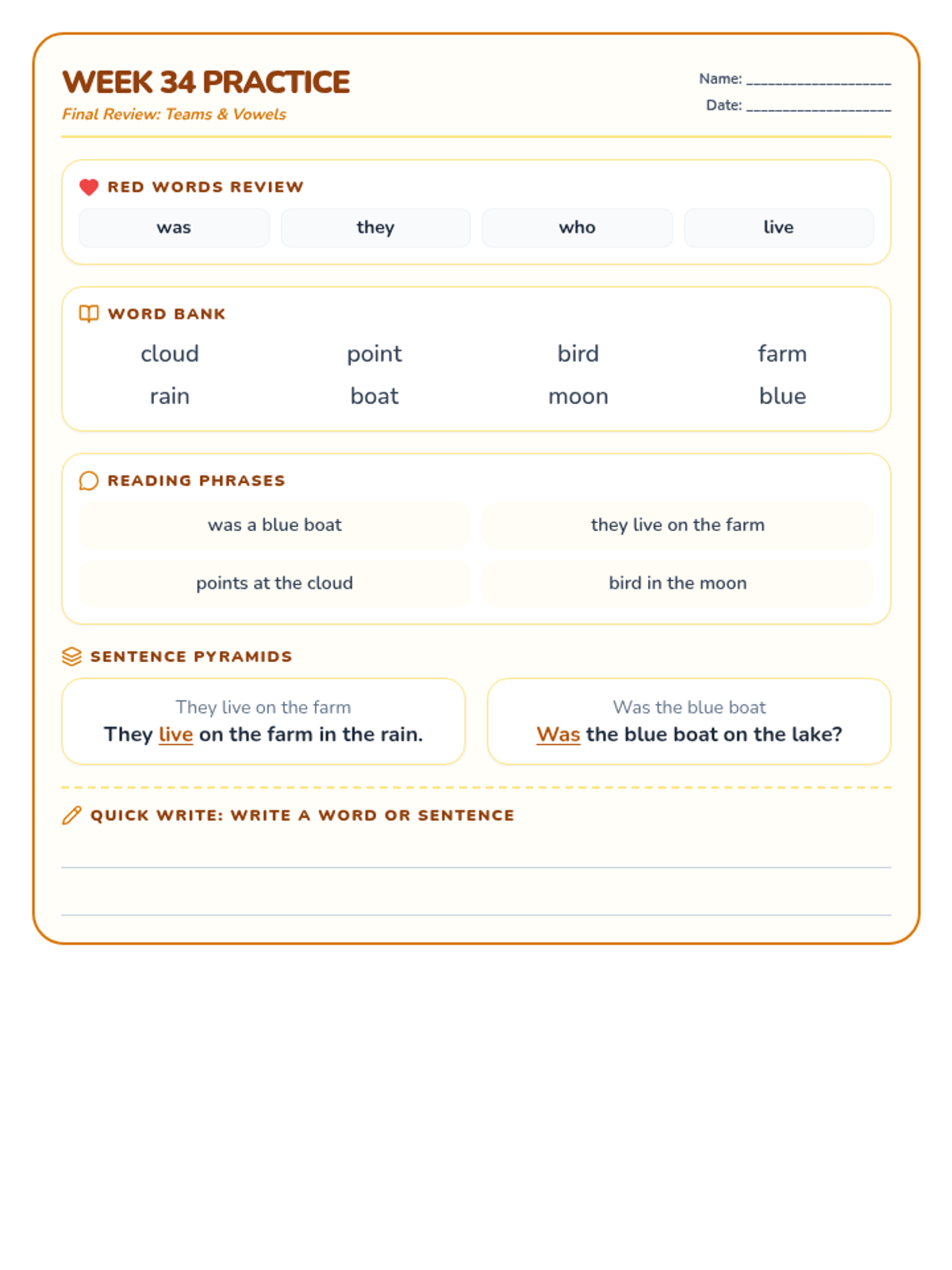
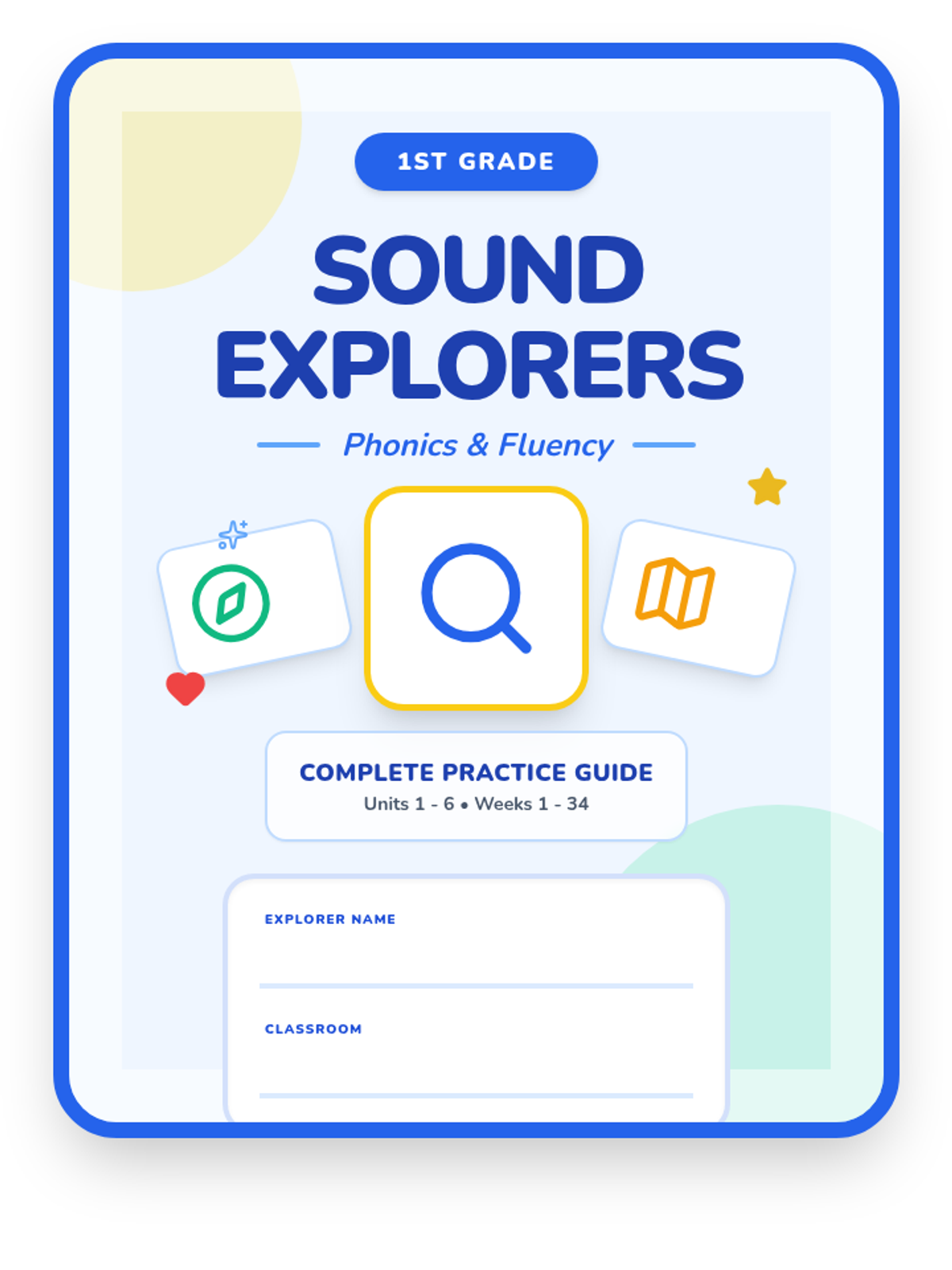
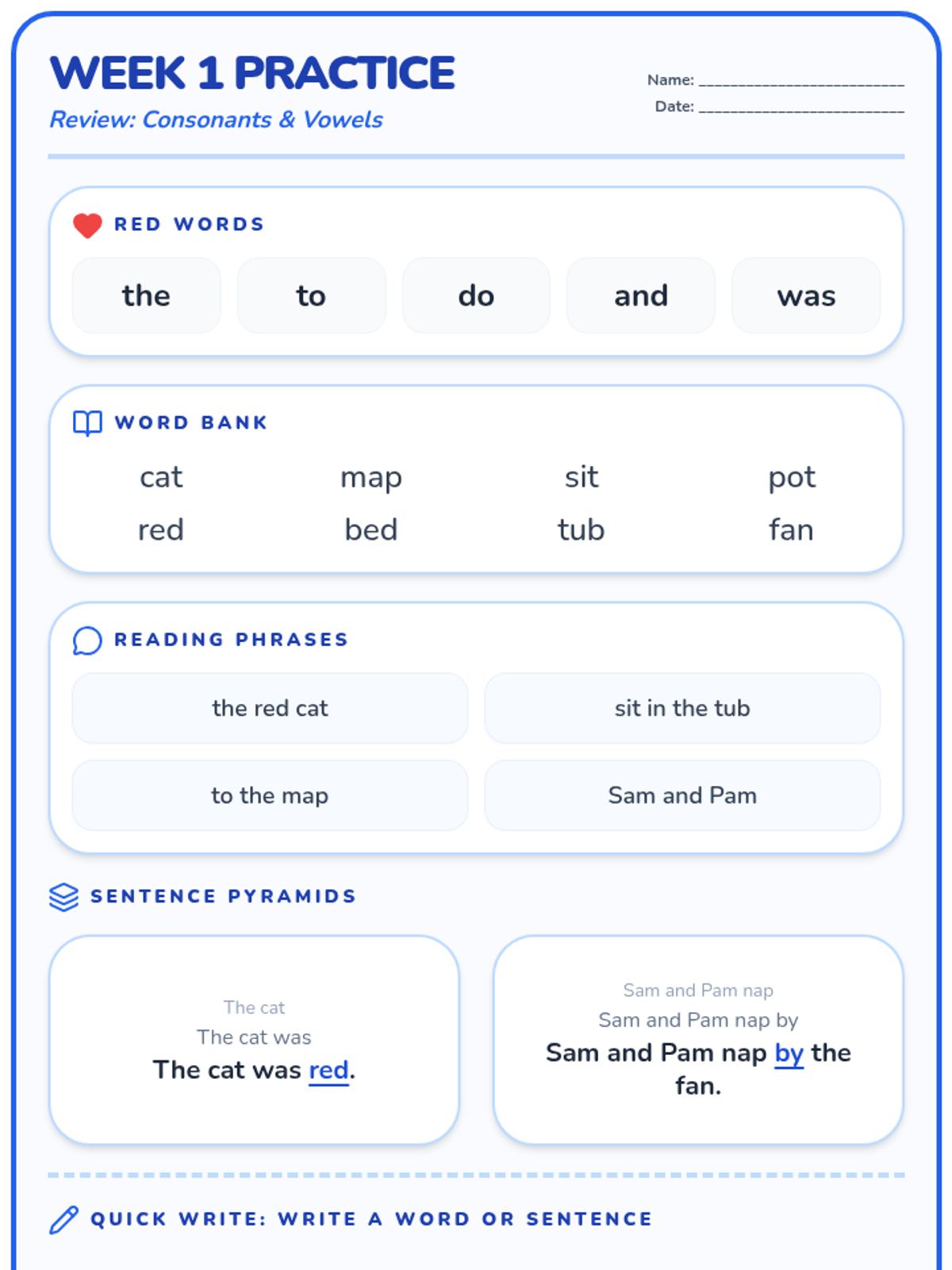
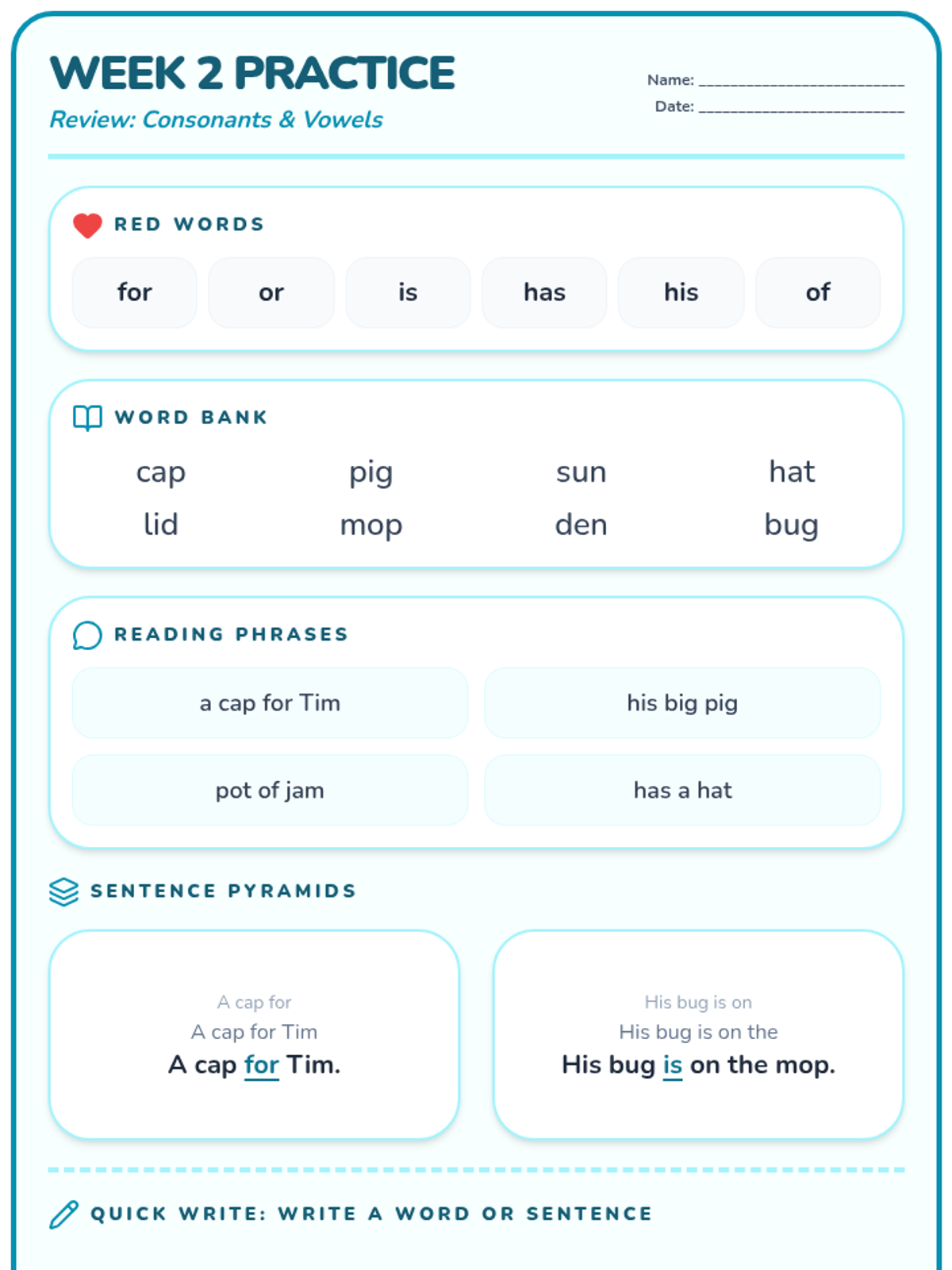
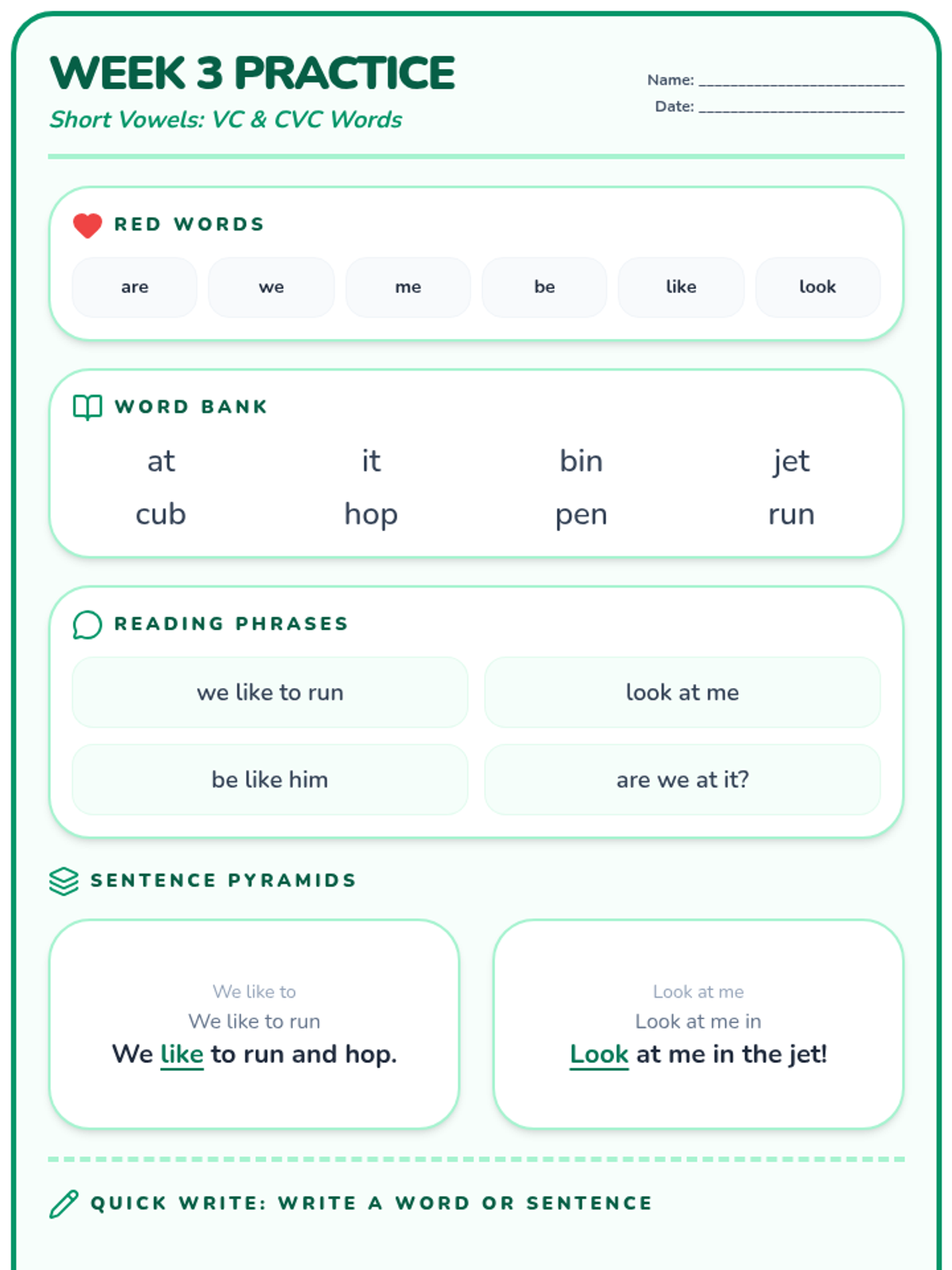
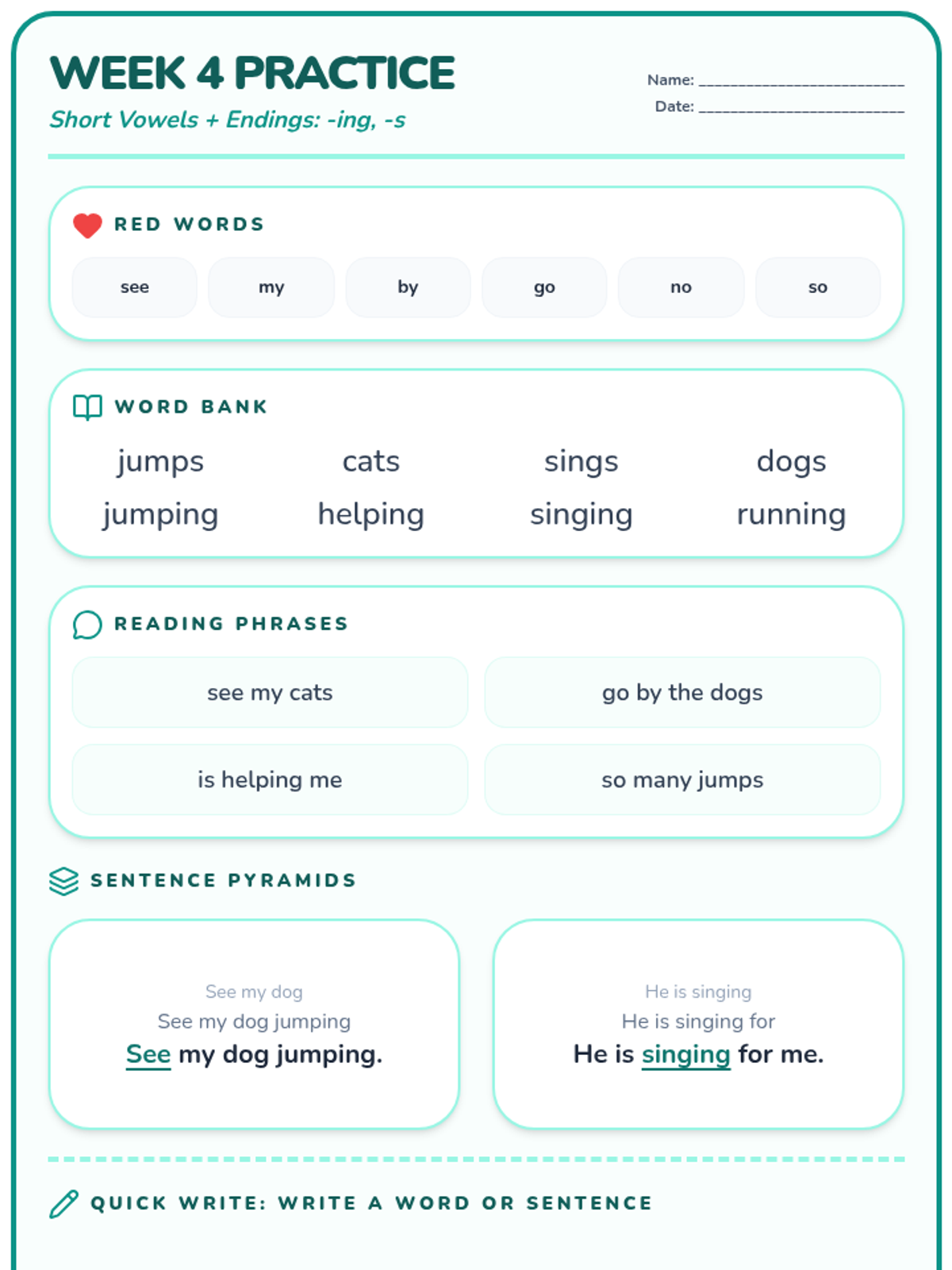
A comprehensive series of phonics practice sheets for 1st grade students covering Units 1 through 6 of the Bridge to Reading curriculum (Weeks 1-34). Each sheet focuses on specific phonics concepts, red words, decodable words, and reading fluency through sentence pyramids, designed for one-page printing.
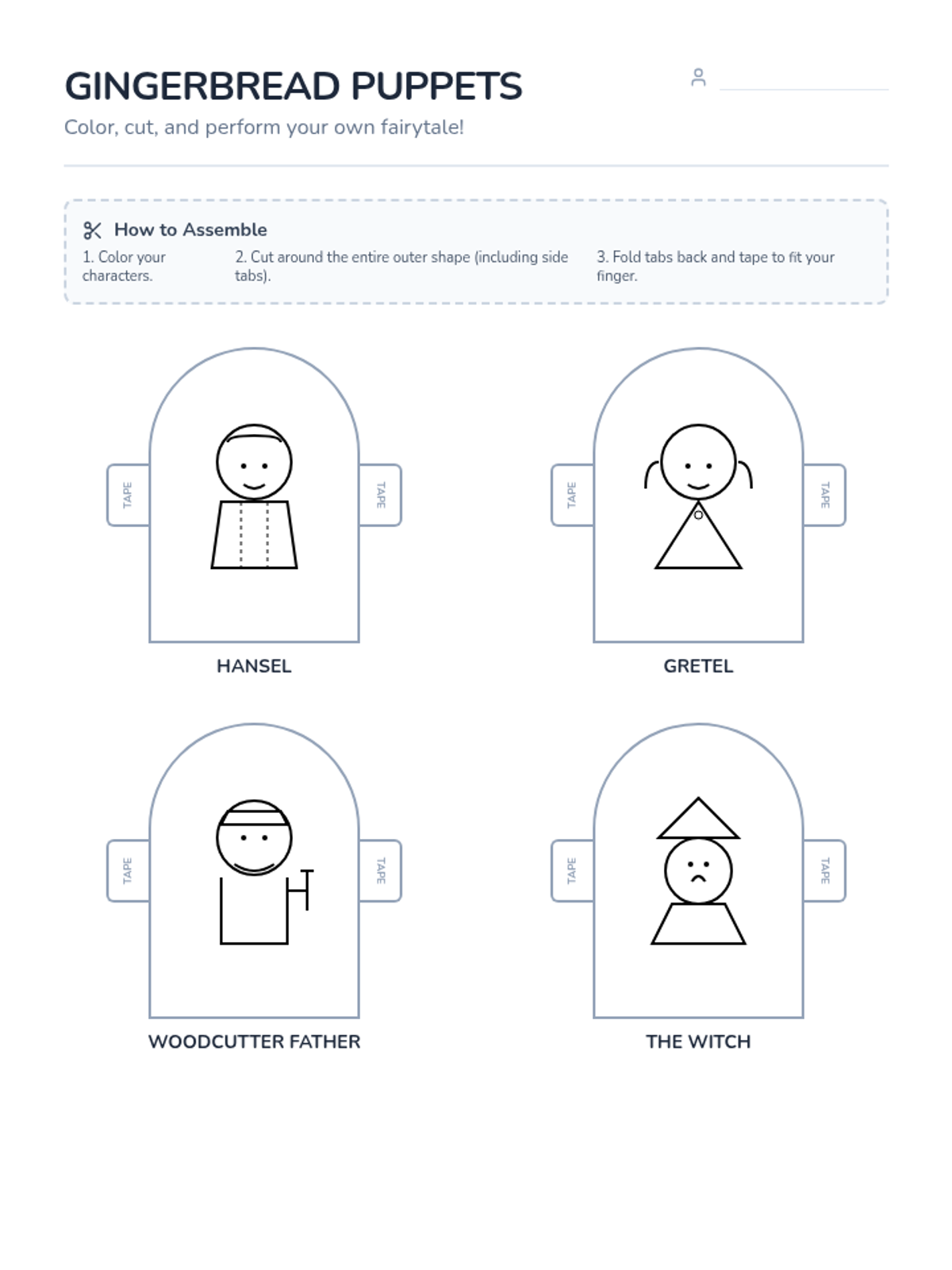
A creative lesson focused on oral storytelling and character analysis through the classic tale of Hansel and Gretel using DIY finger puppets.
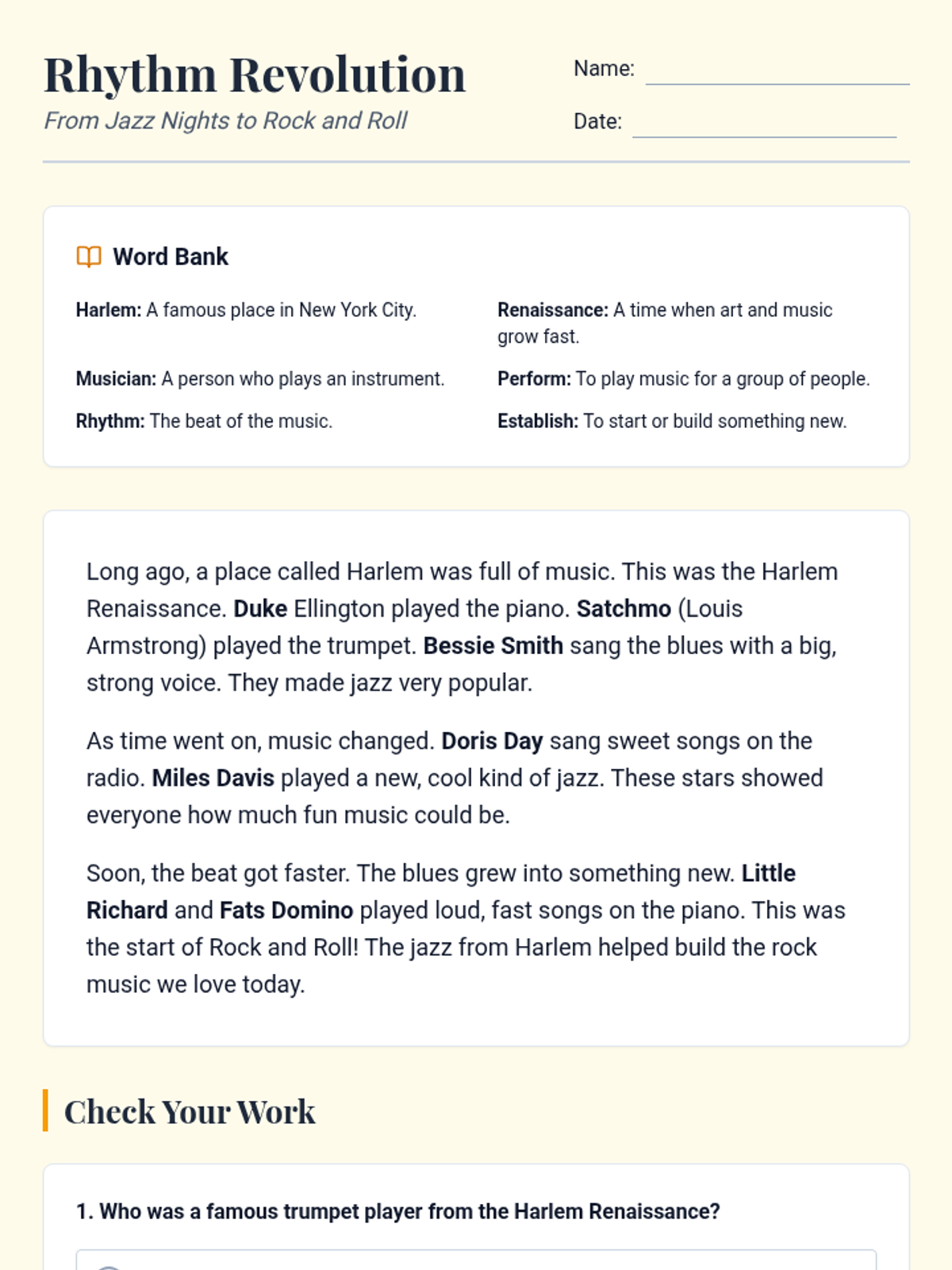
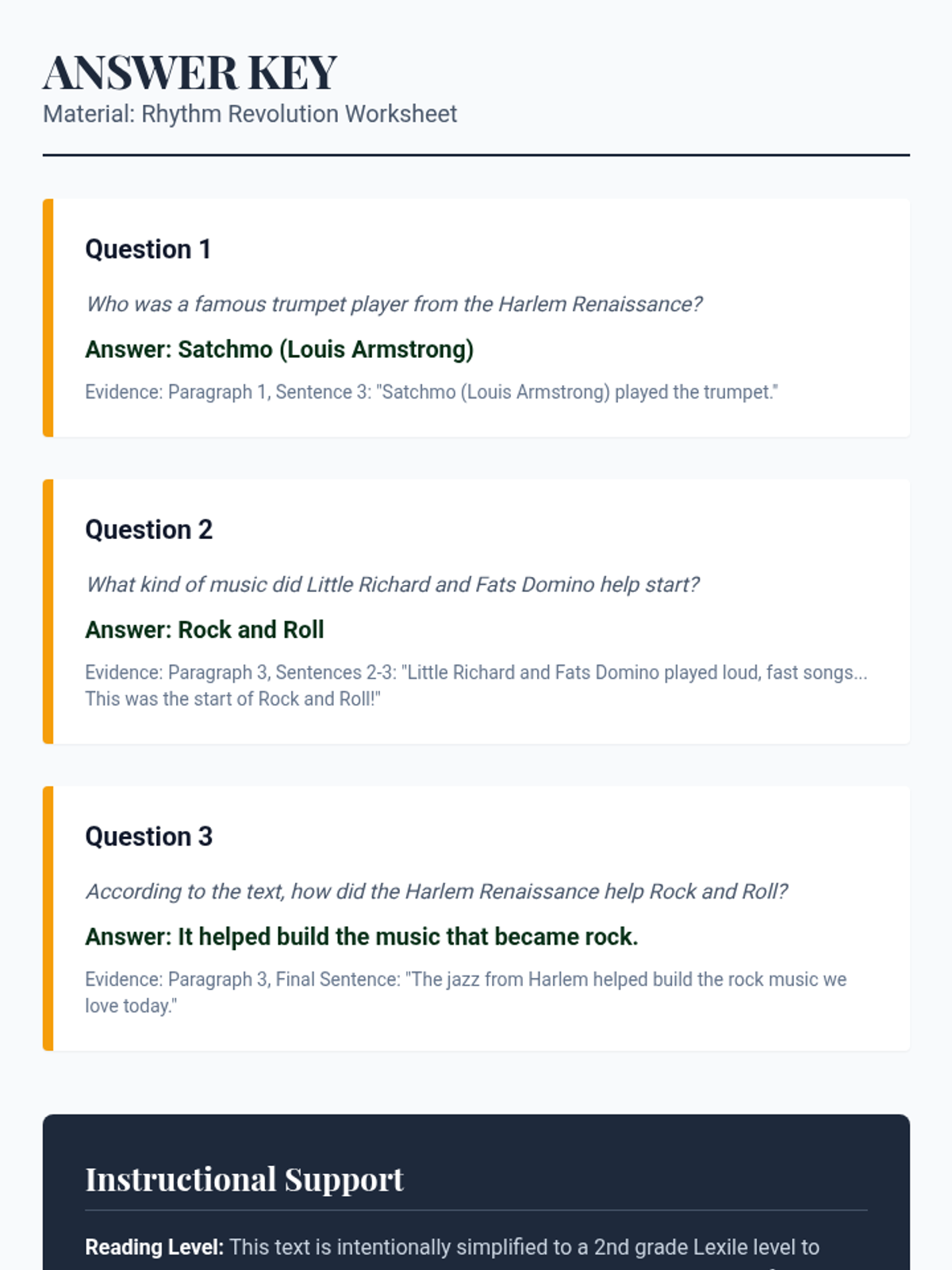
A lesson exploring the musical evolution from the Harlem Renaissance jazz scene to the birth of Rock and Roll, written at an accessible reading level.
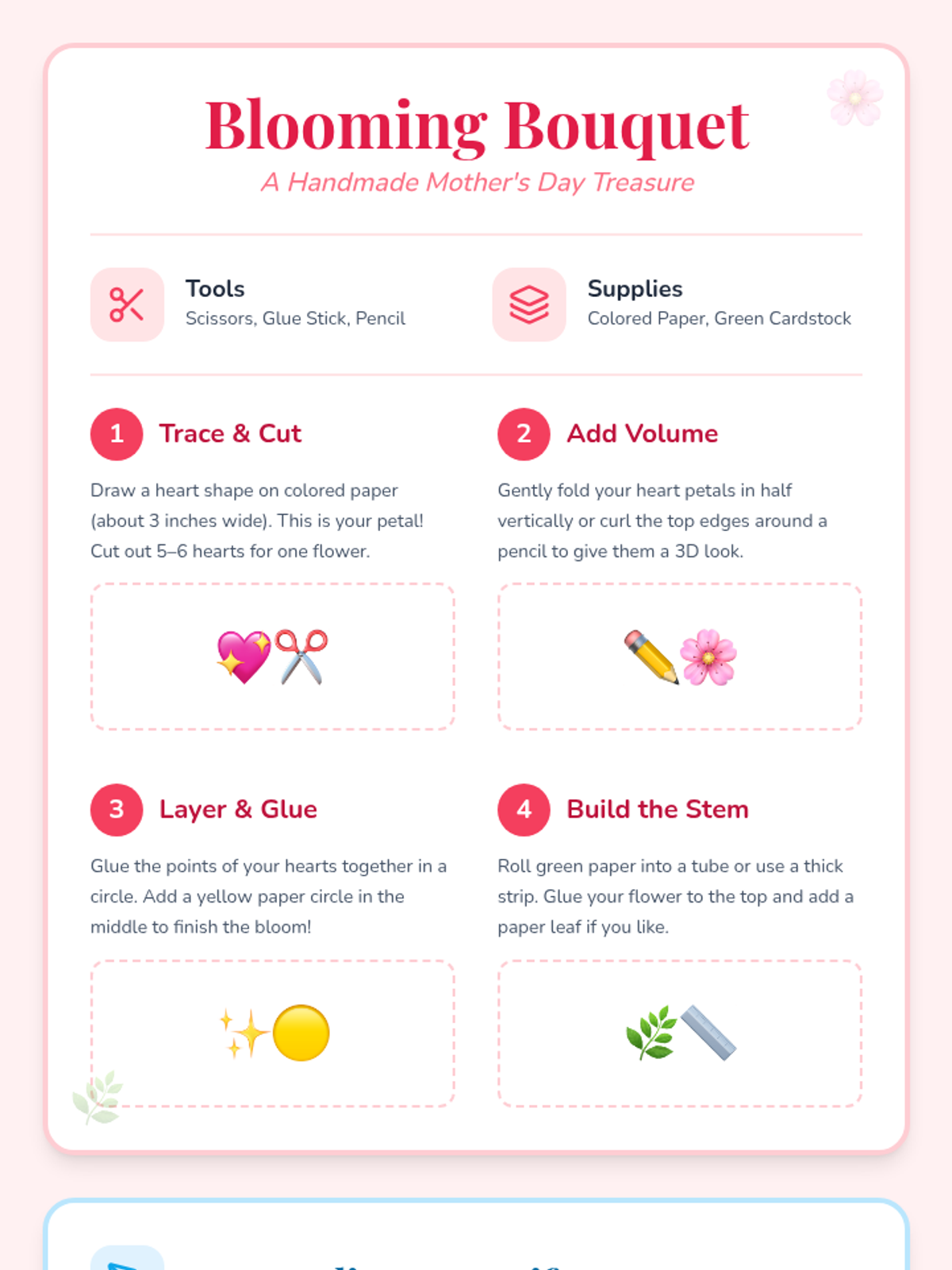
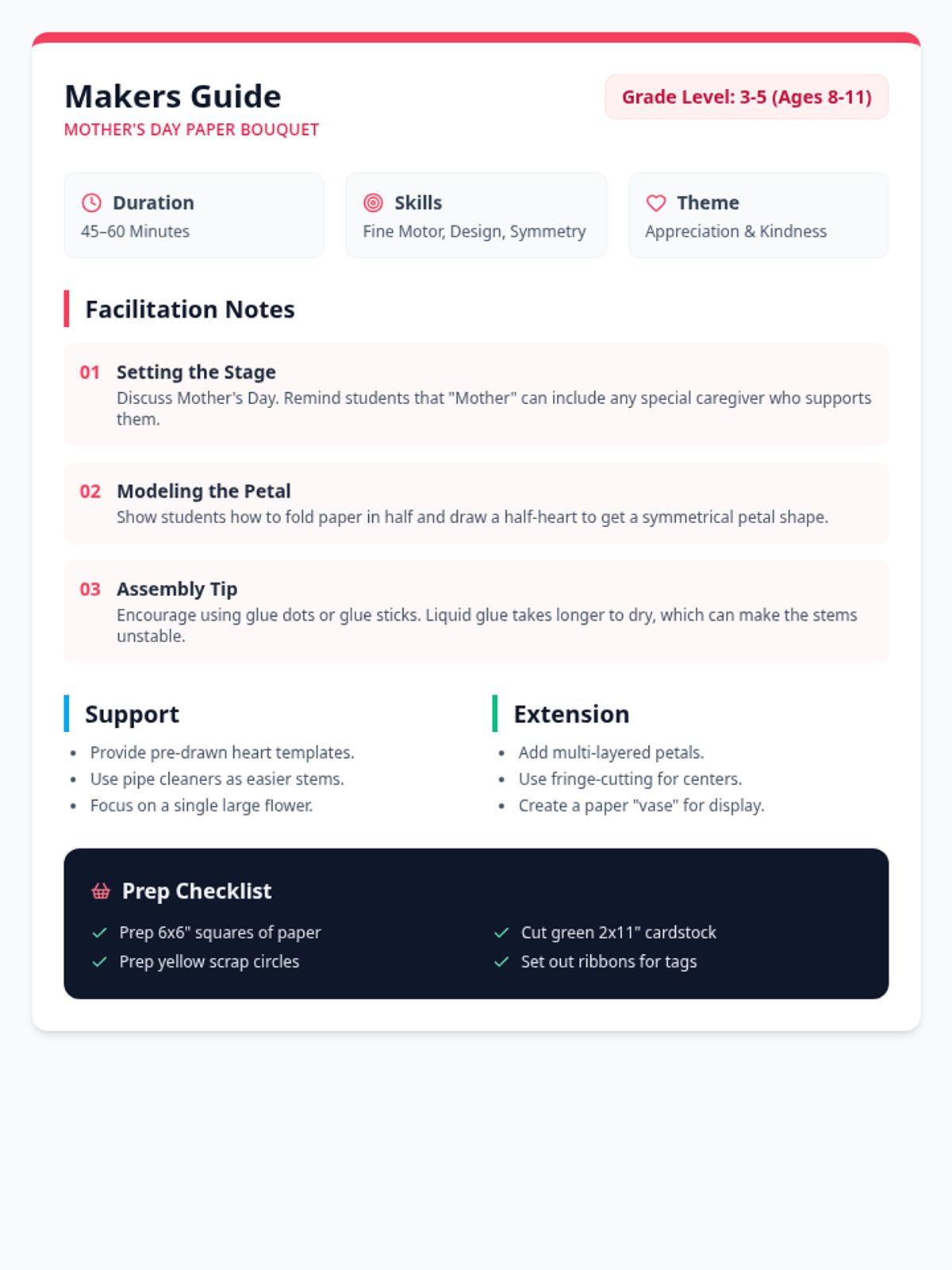
A creative crafting lesson where students design and build a personalized paper flower bouquet for Mother's Day, focusing on fine motor skills and thoughtful expression.
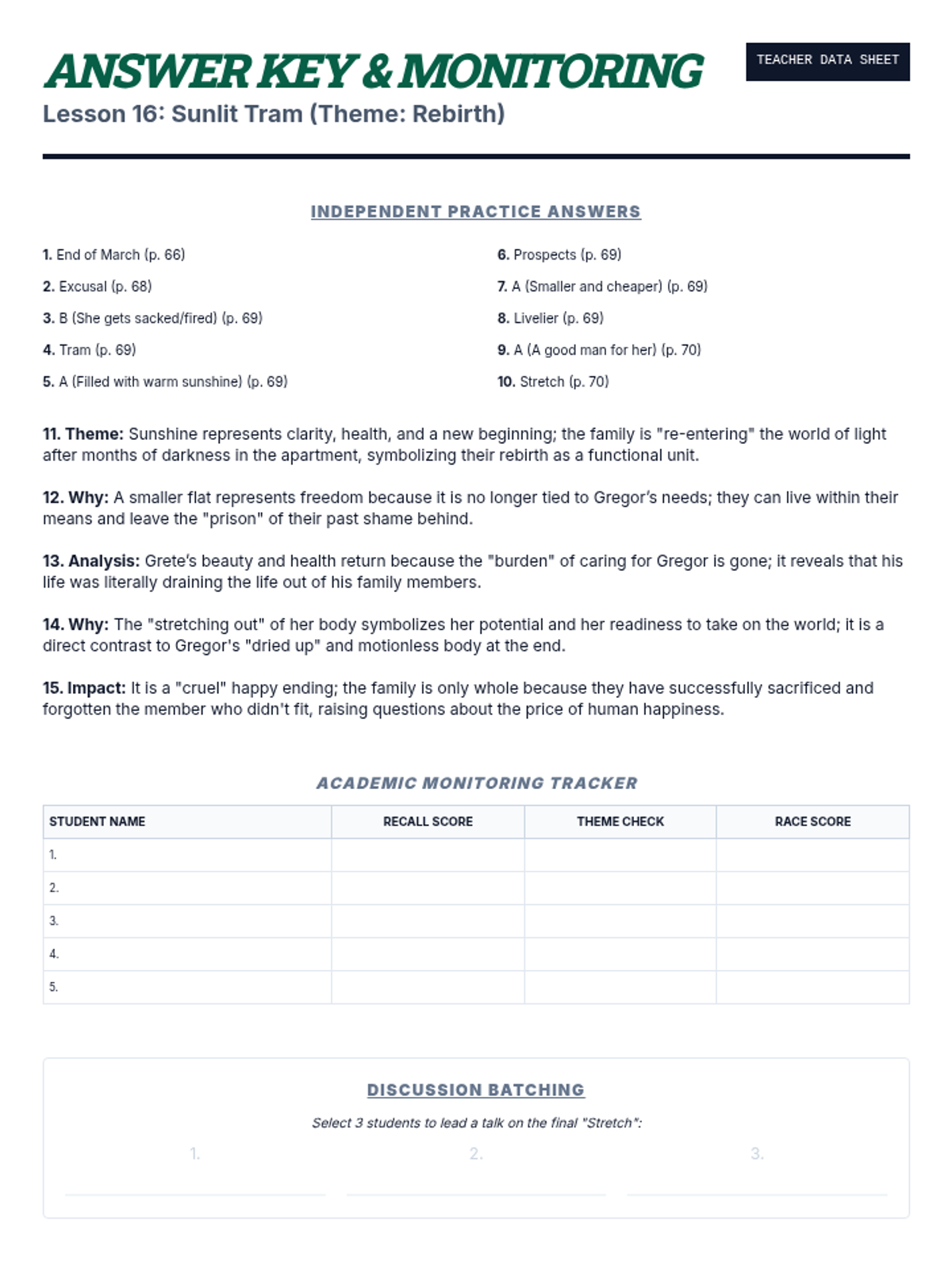
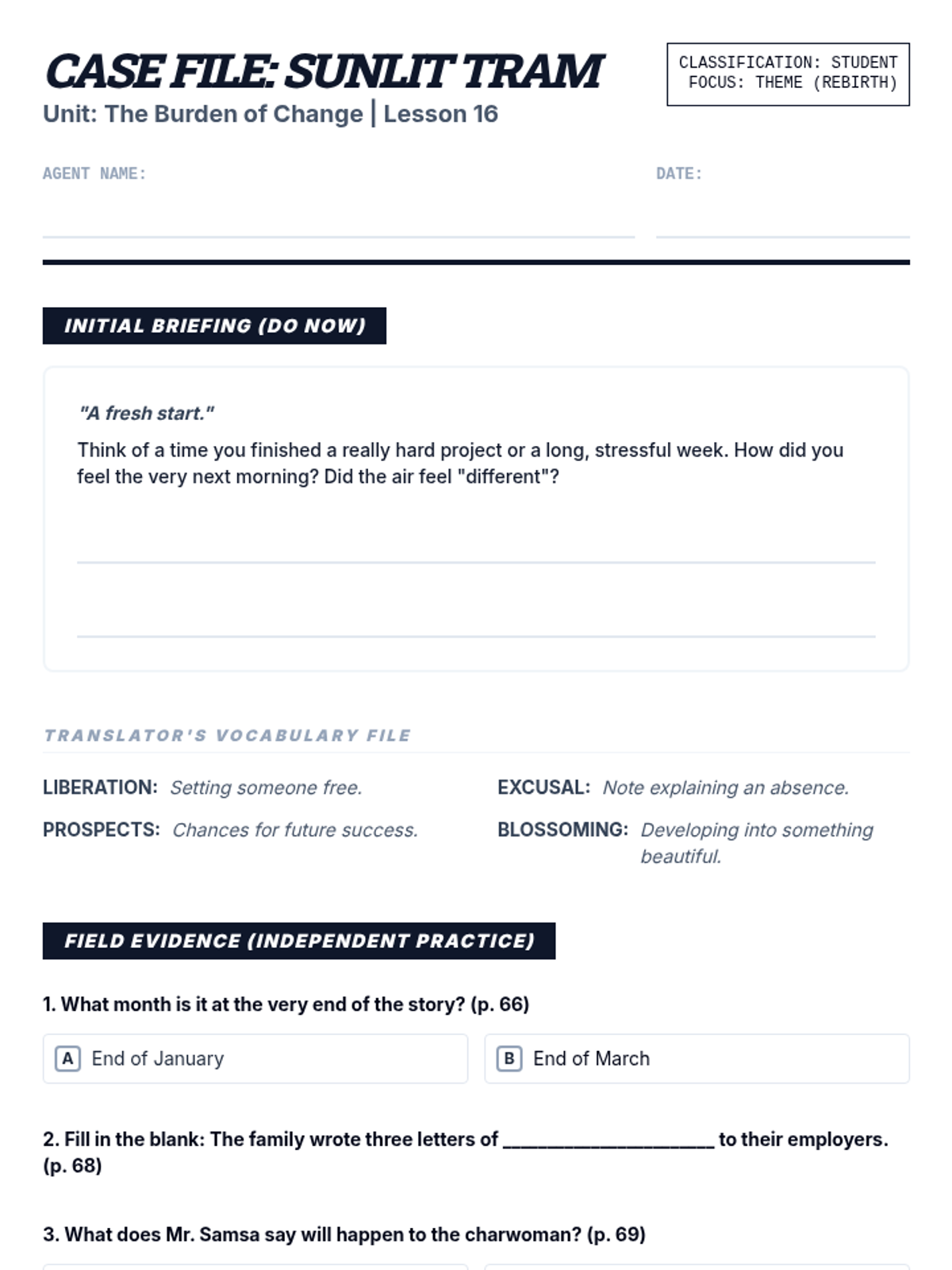
Concludes with the theme of rebirth and liberation as the family leaves the apartment and looks toward the future.
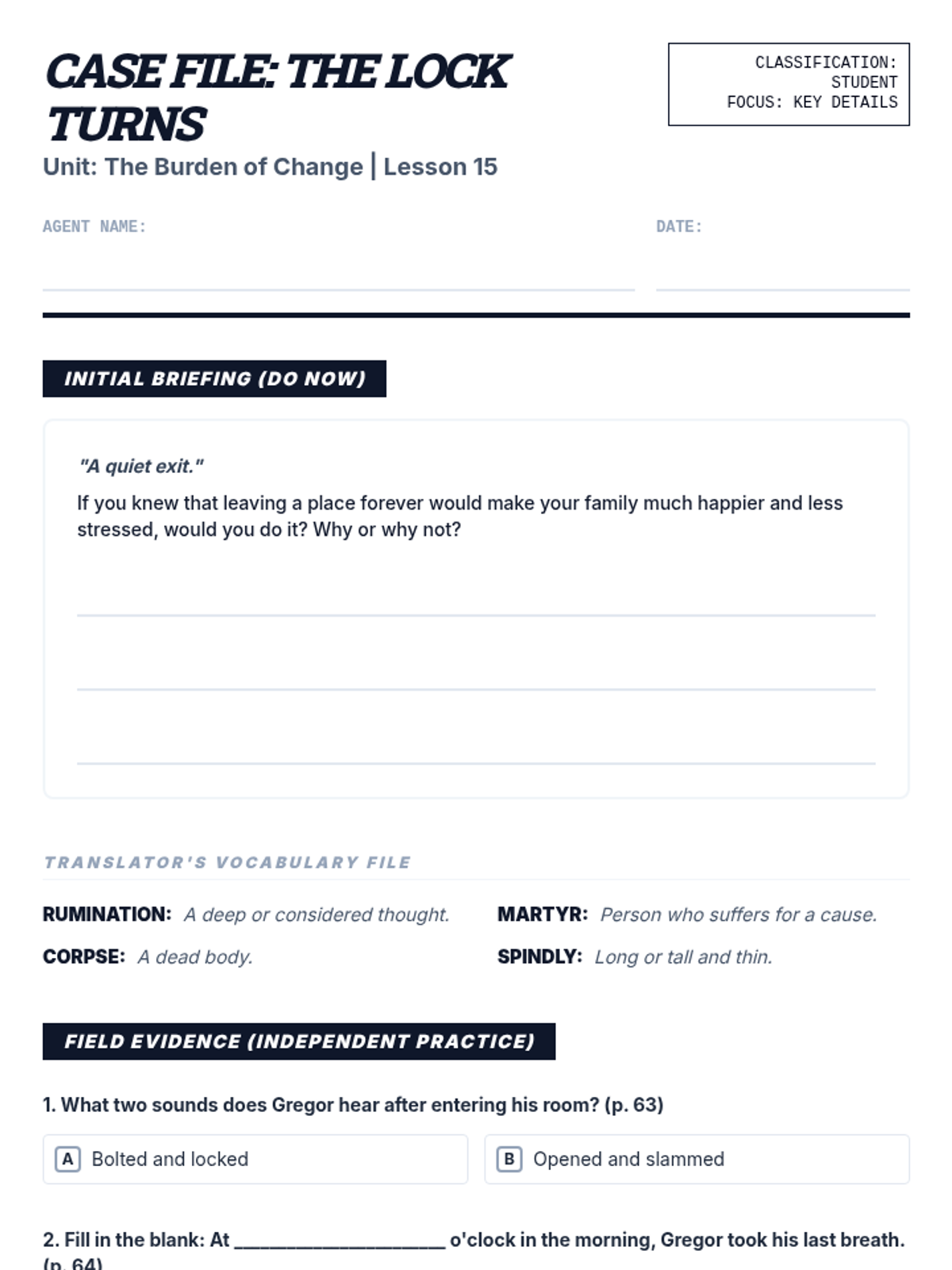
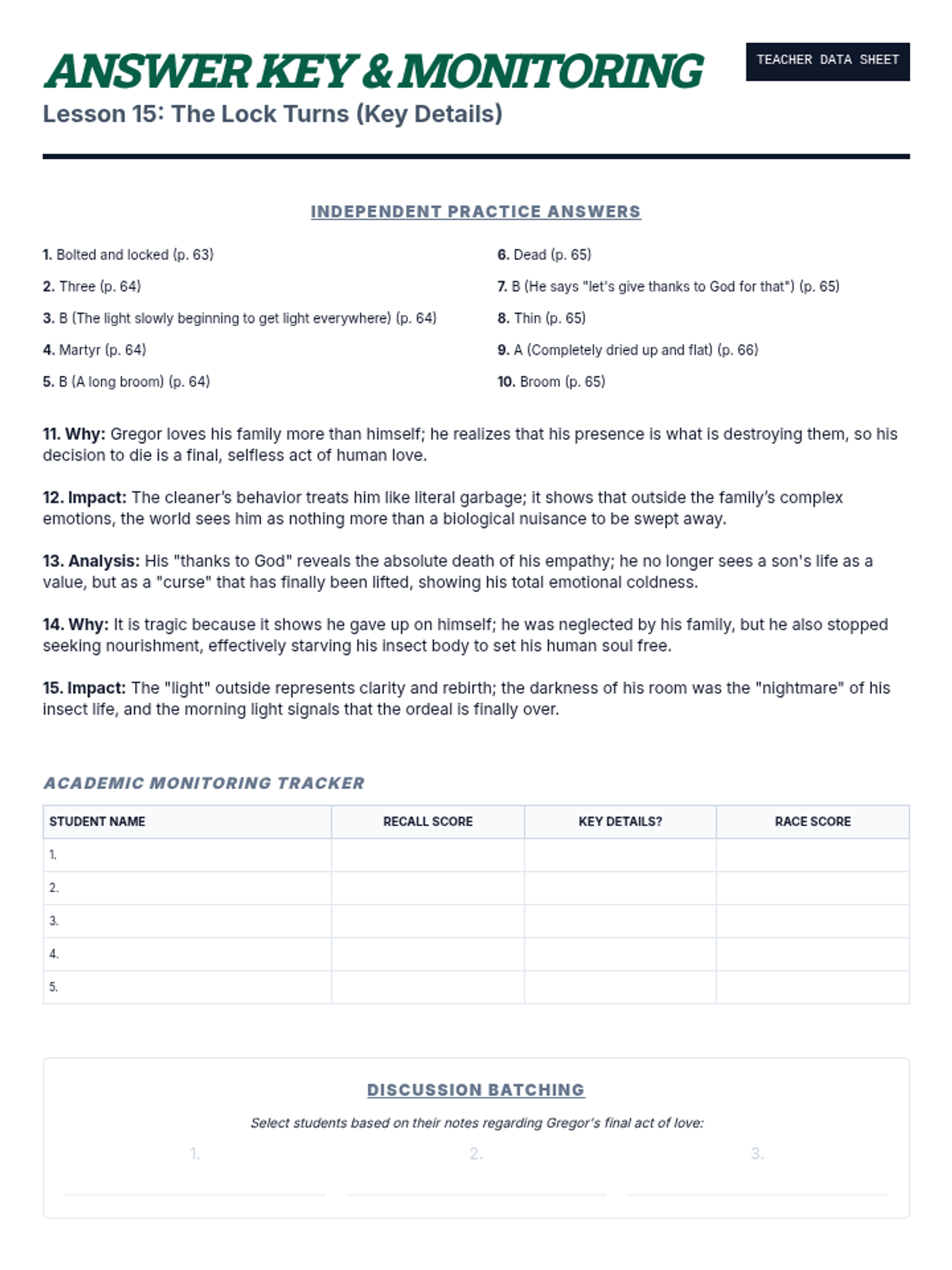
Focuses on the key details of Gregor's final moments and the discovery of his body by the charwoman.
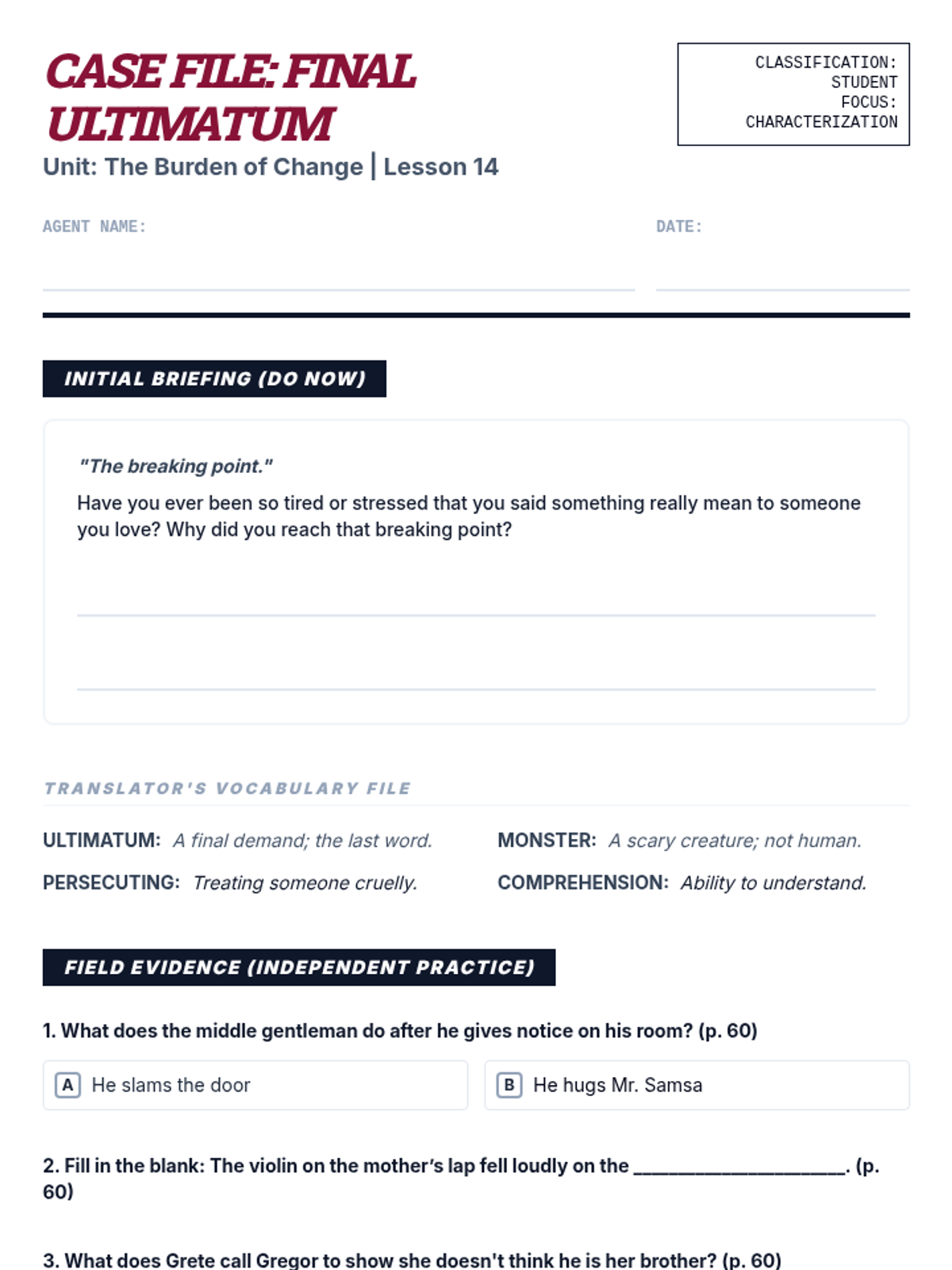
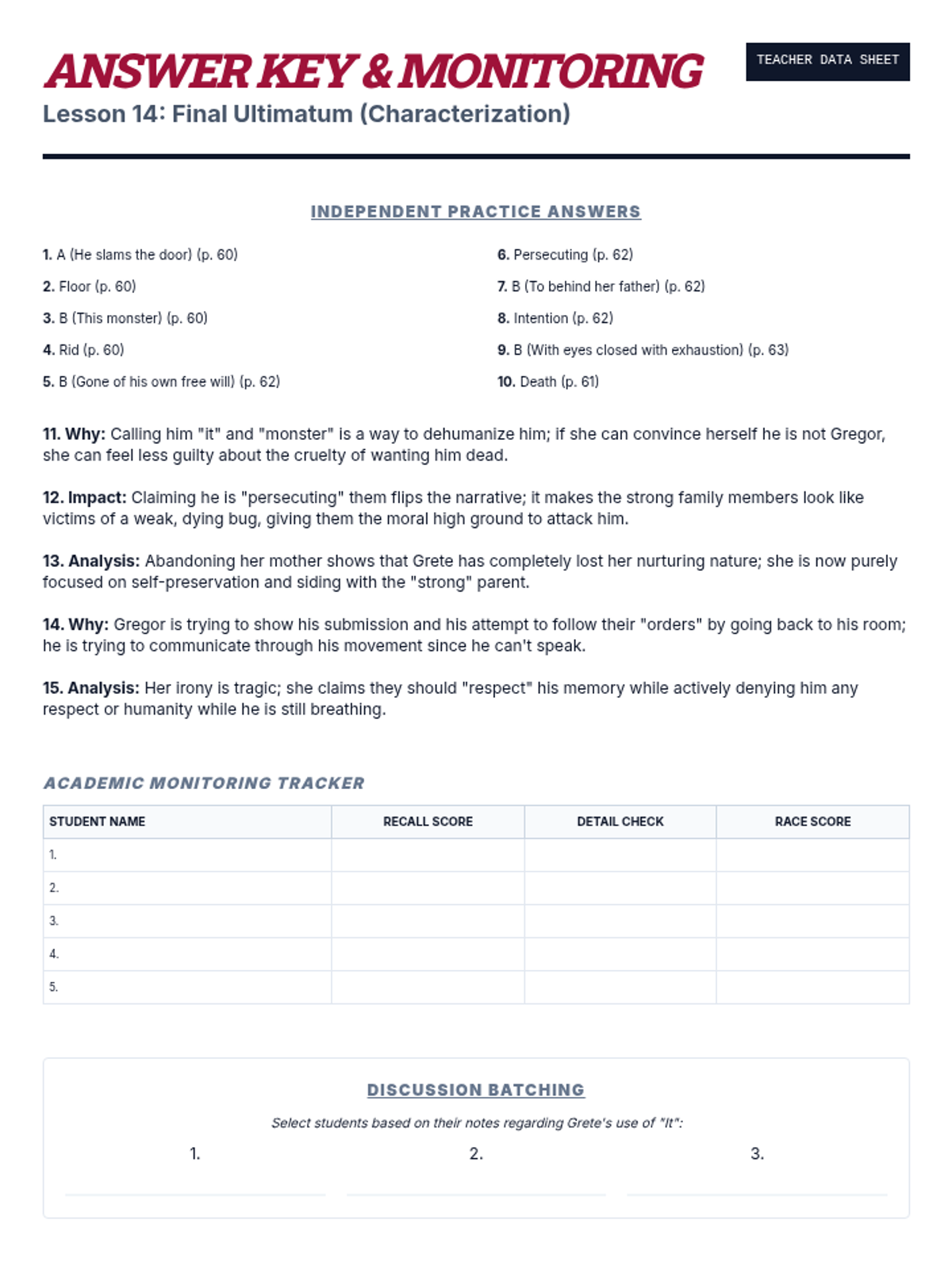
Analyzes Grete's character transformation as she delivers the final ultimatum against Gregor.
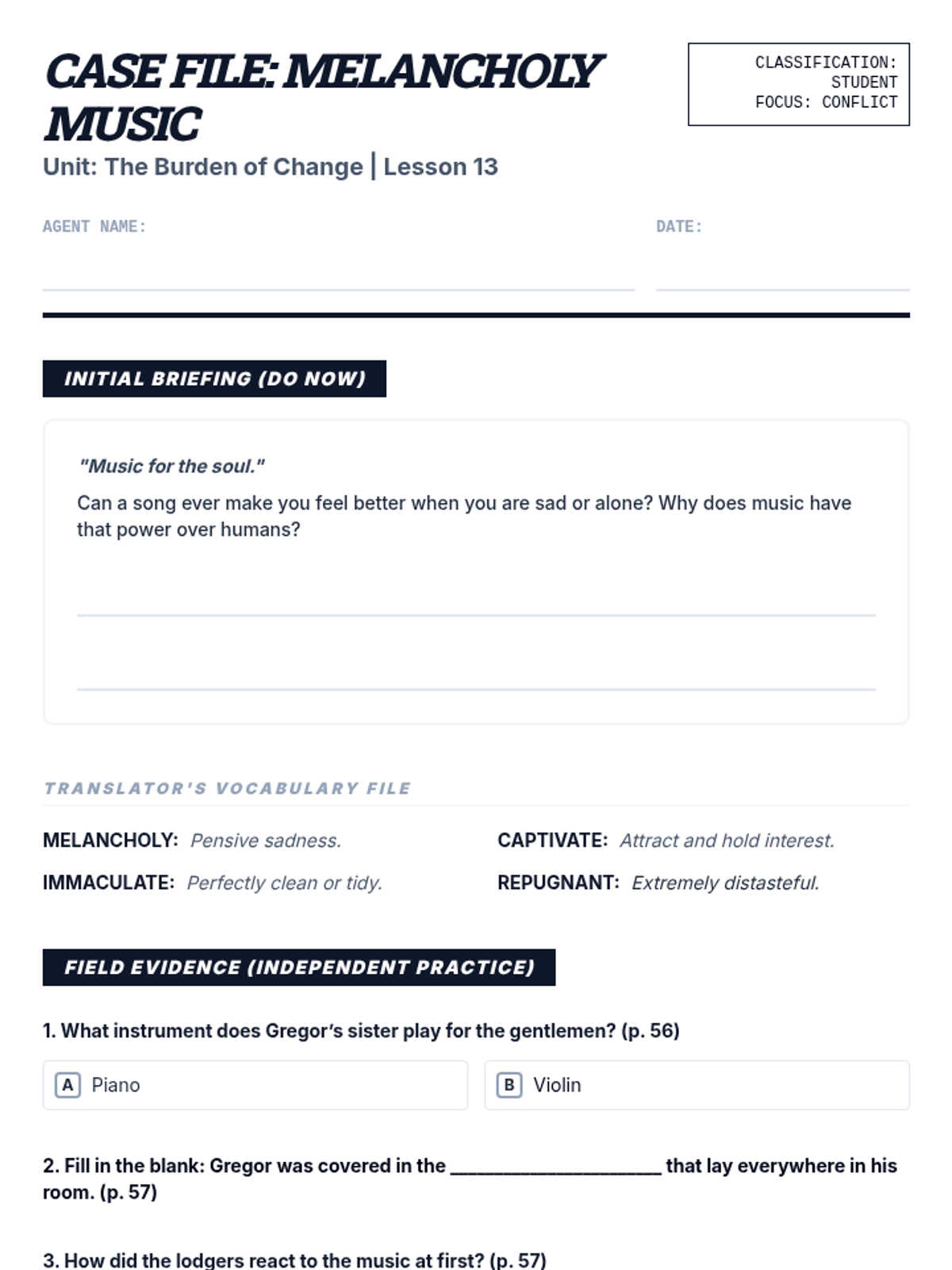
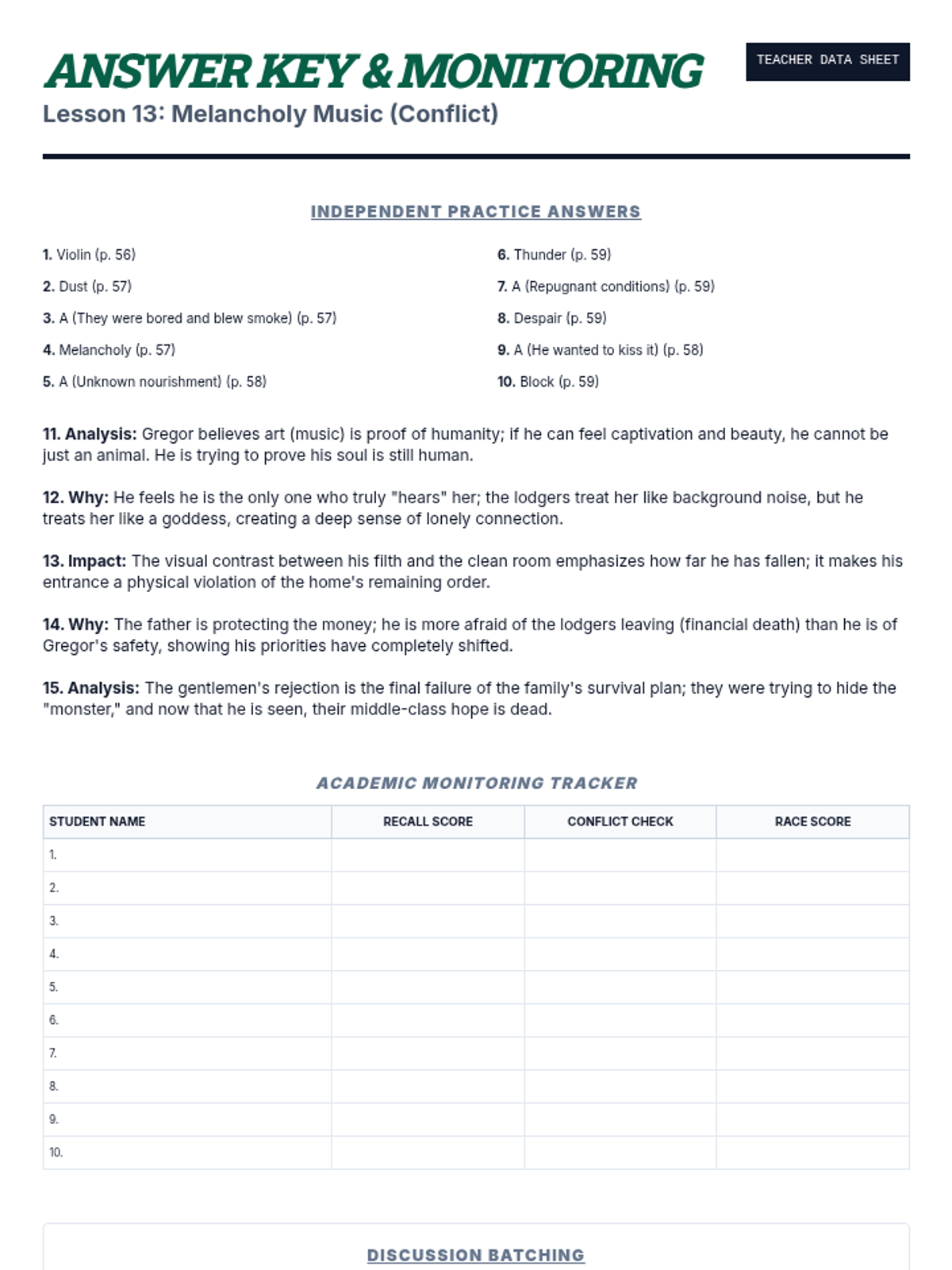
Examines the final major conflict triggered by Grete's violin playing and Gregor's attempt to reach her.
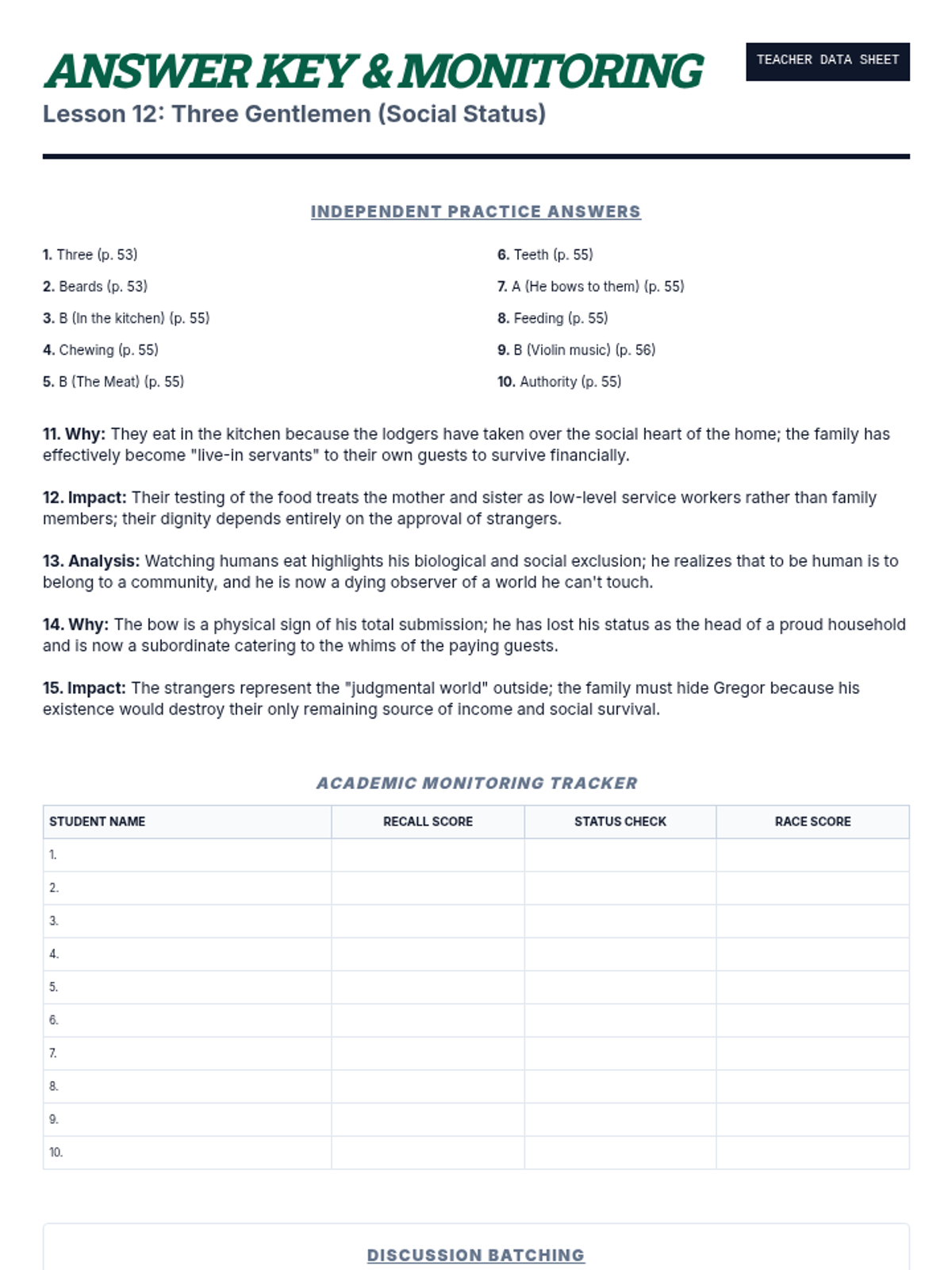
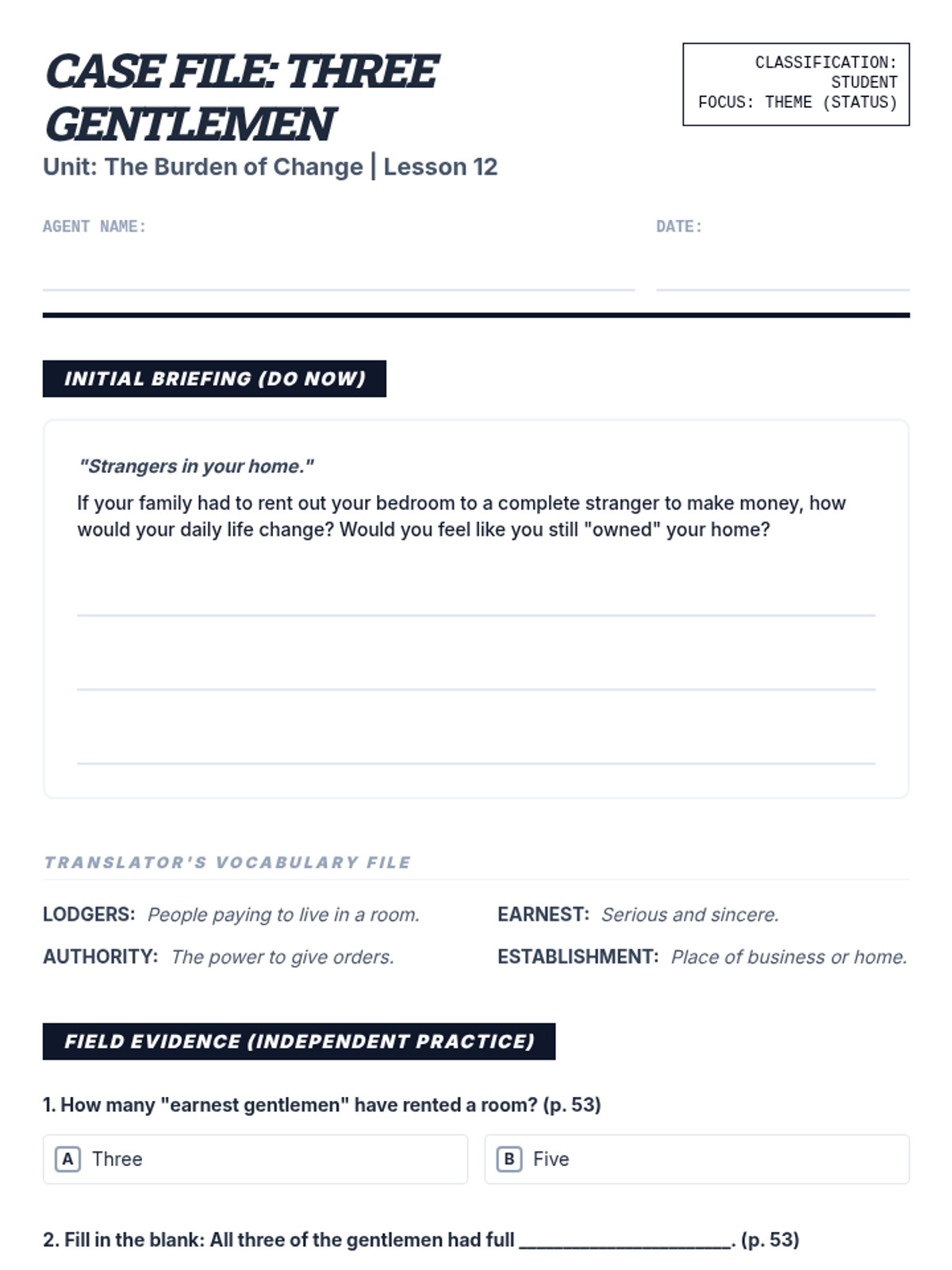
Discusses the theme of class and social decline through the introduction of the three lodgers.
Analyzes the characterization of the family members as they become exhausted by their new jobs and Gregor's presence.
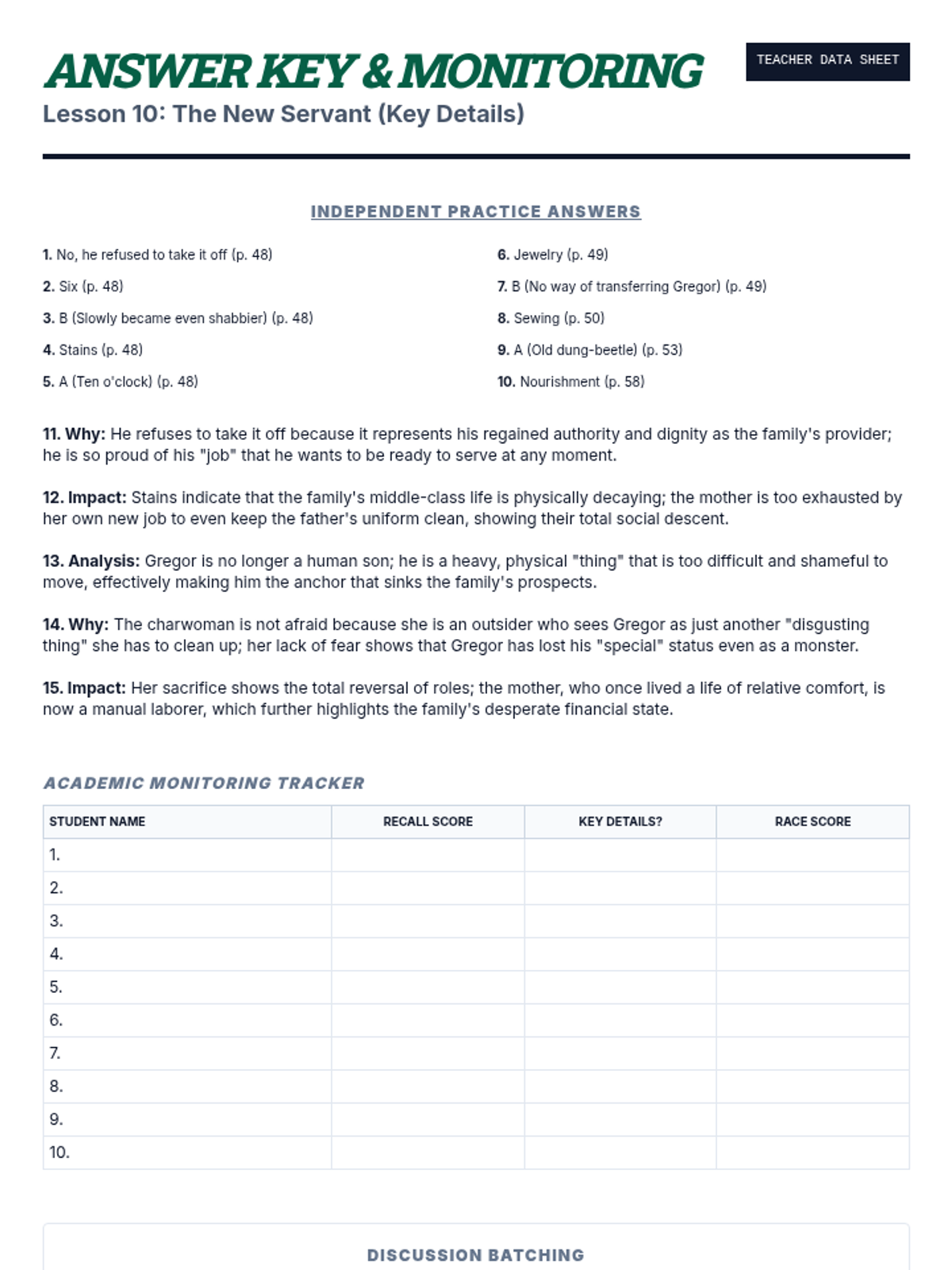
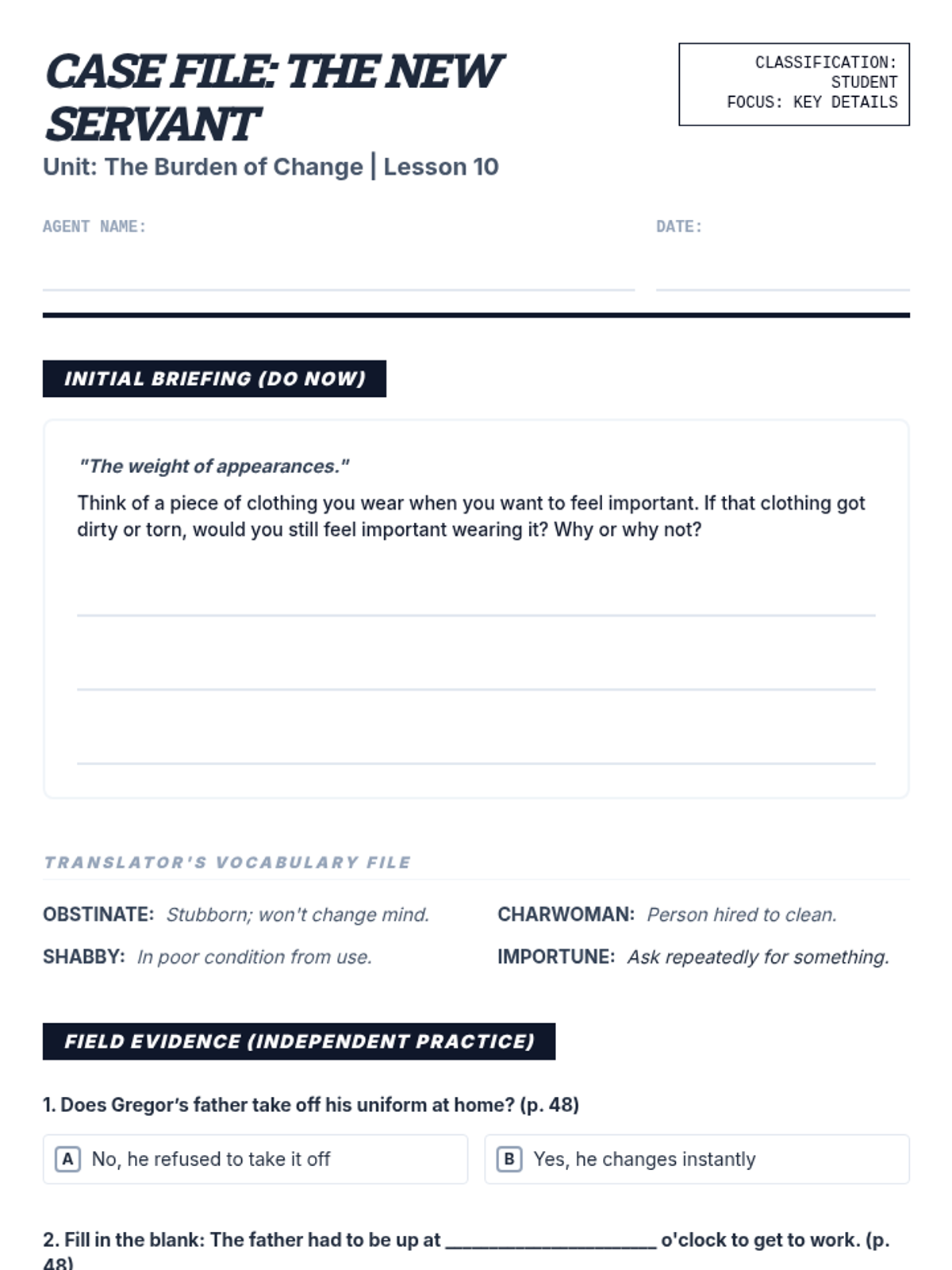
Examines the key details of the father's new uniform and the physical state of the family's apartment.
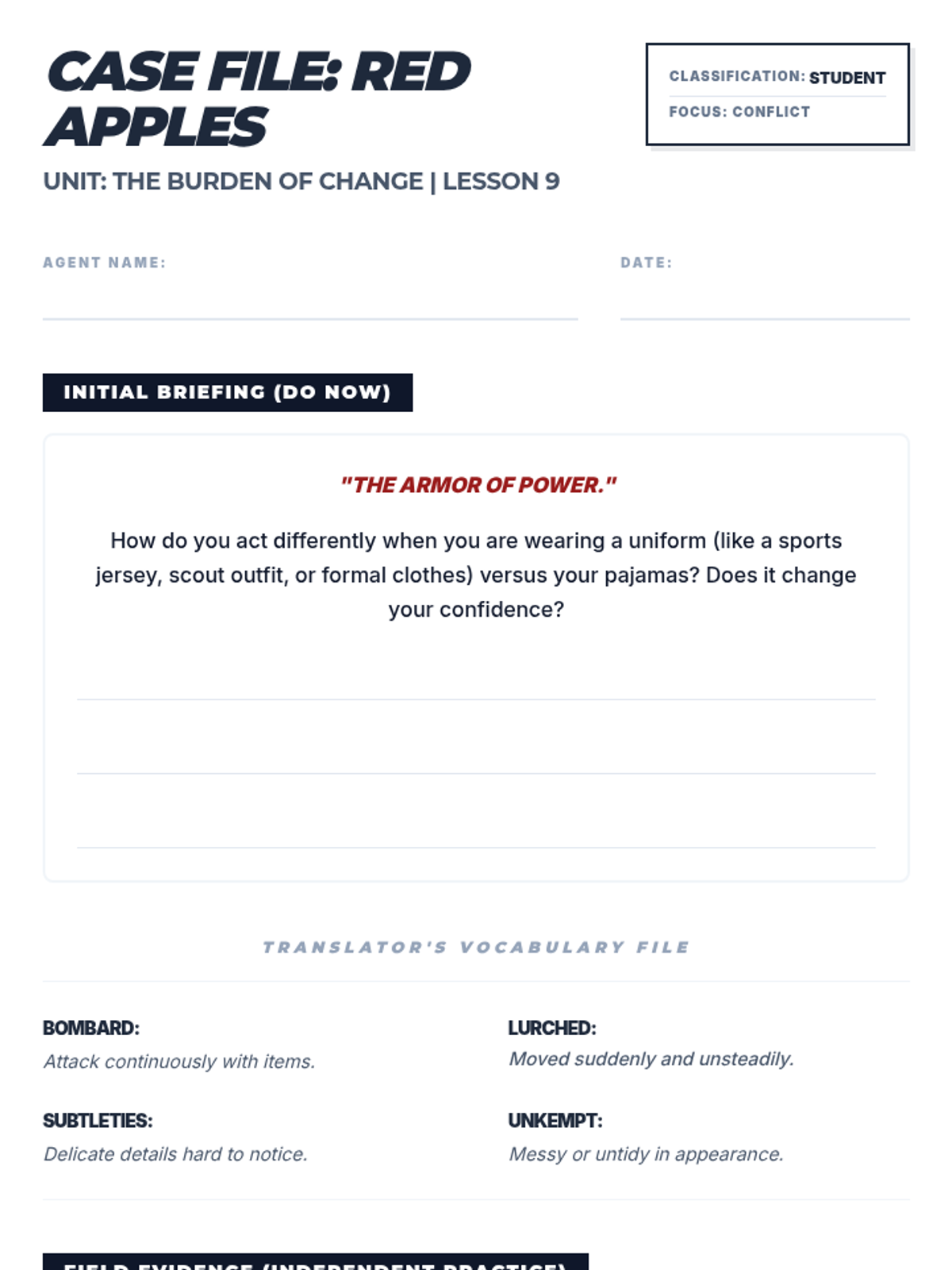
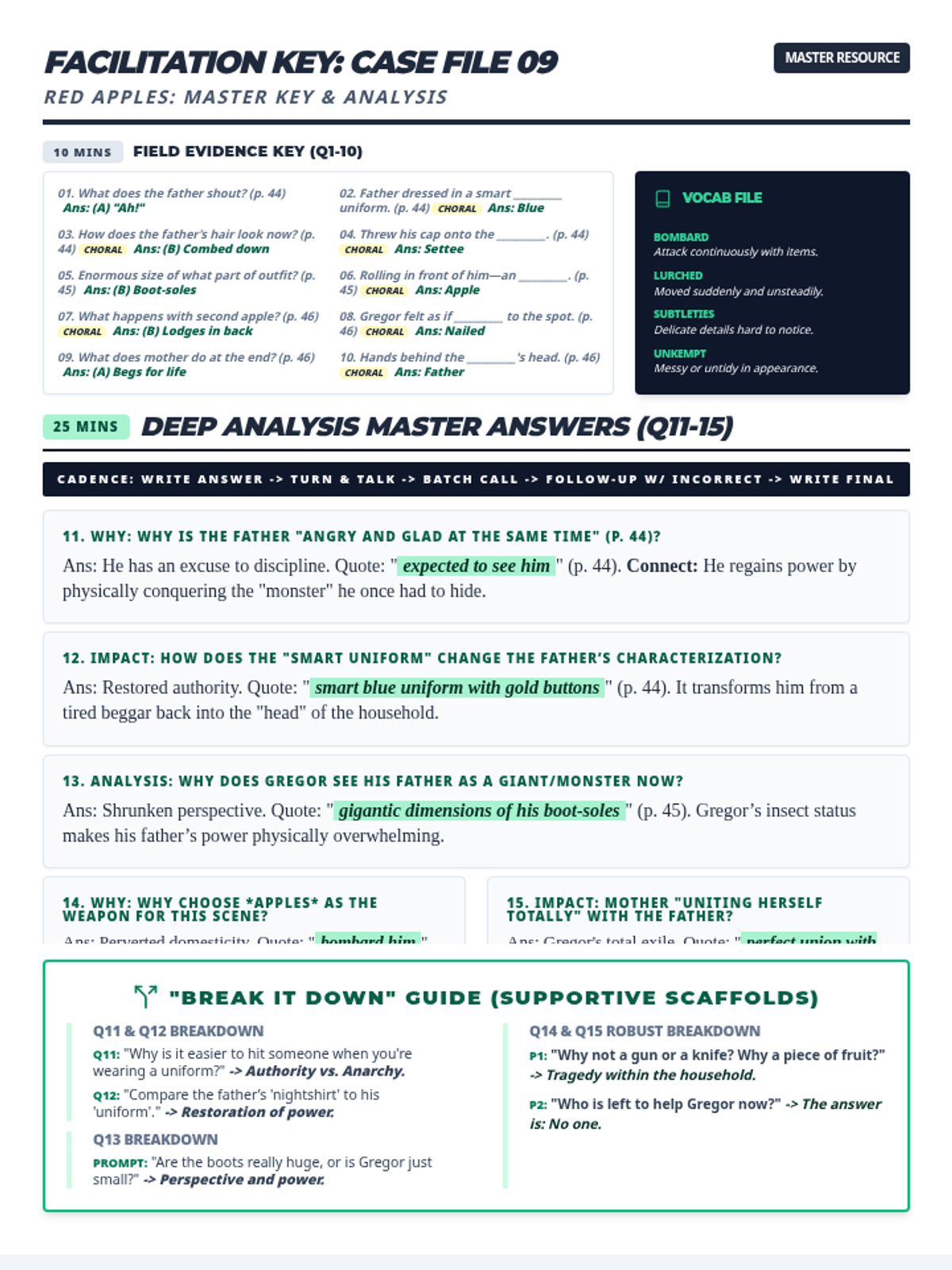
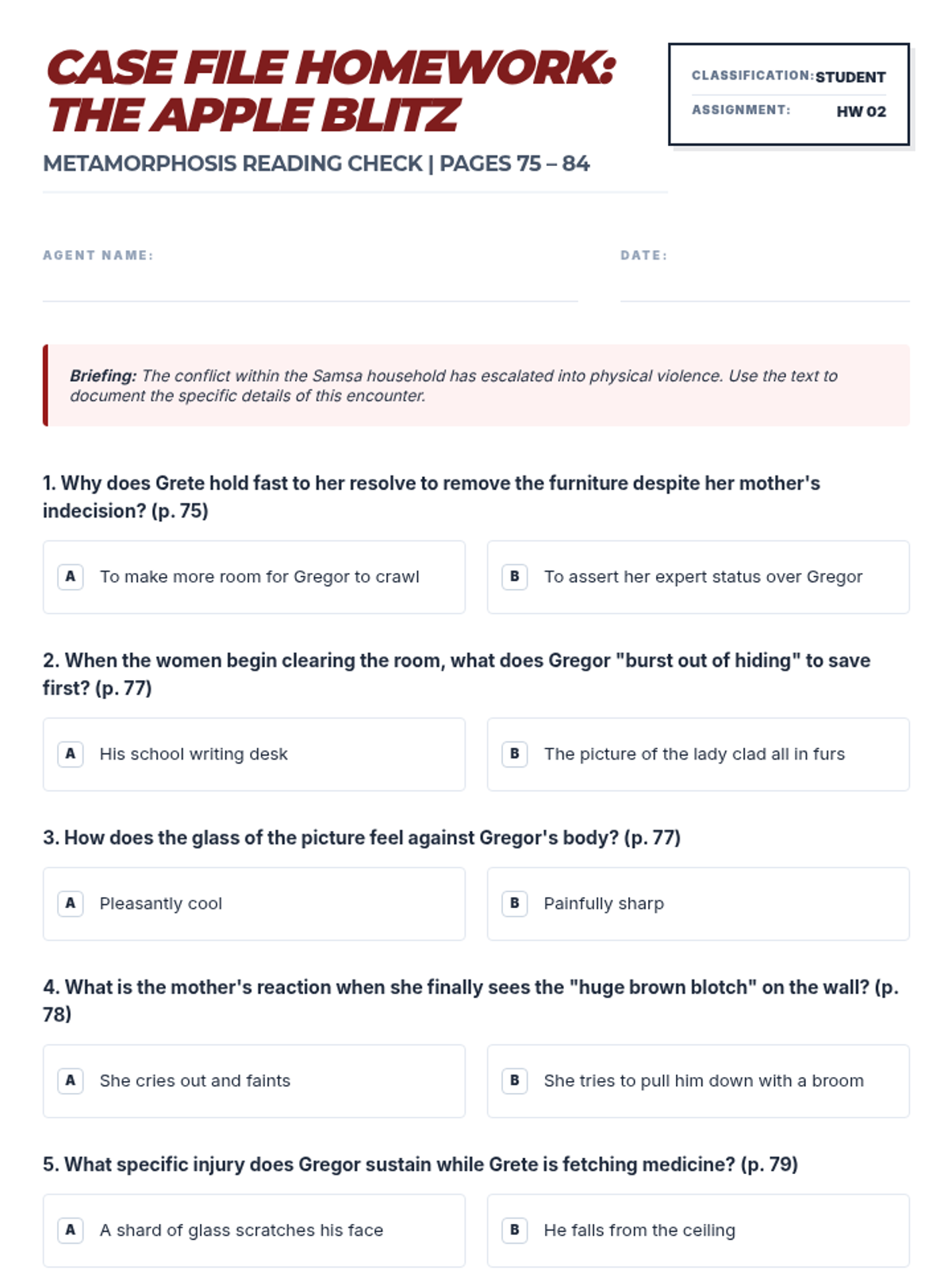
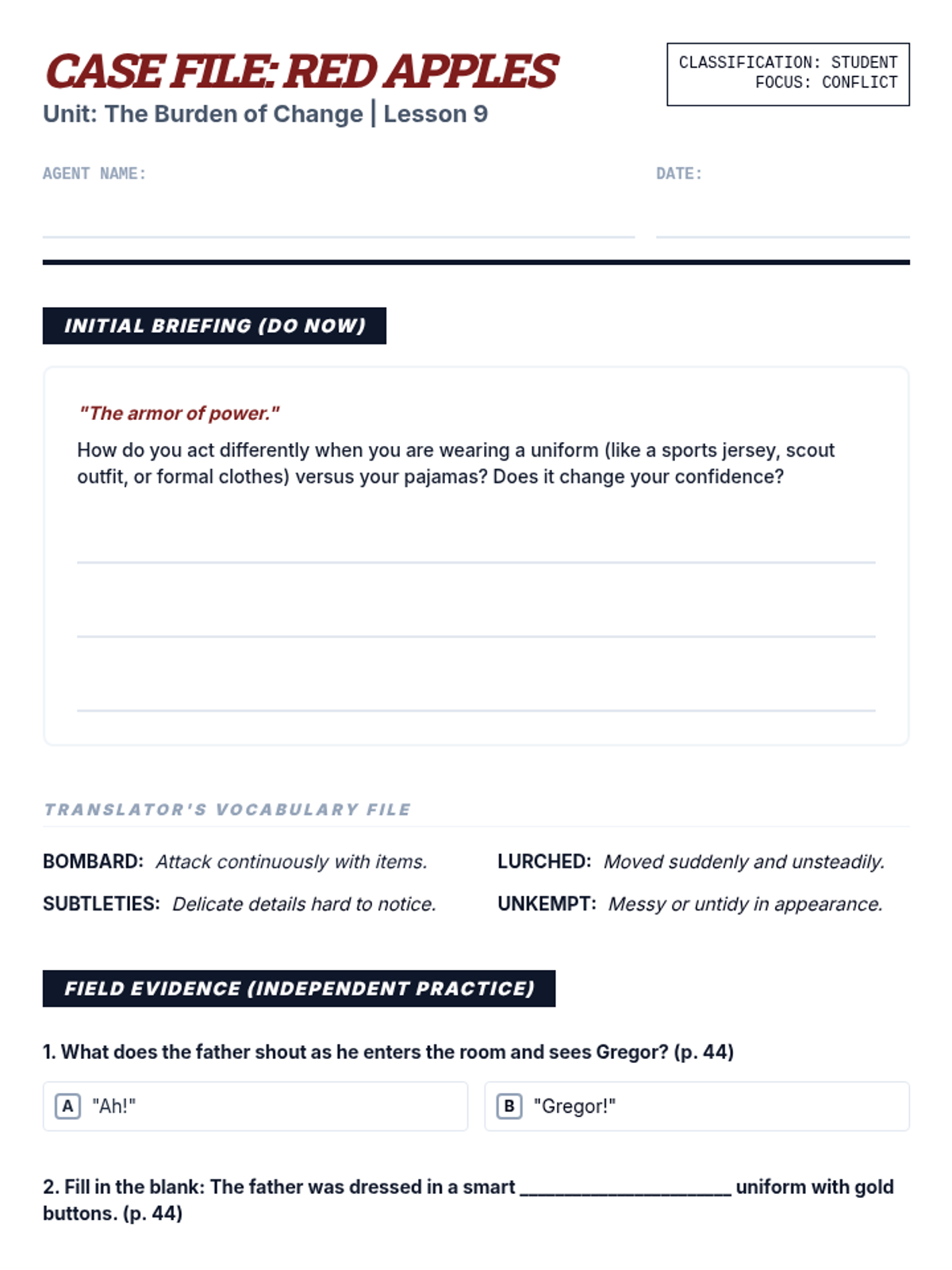
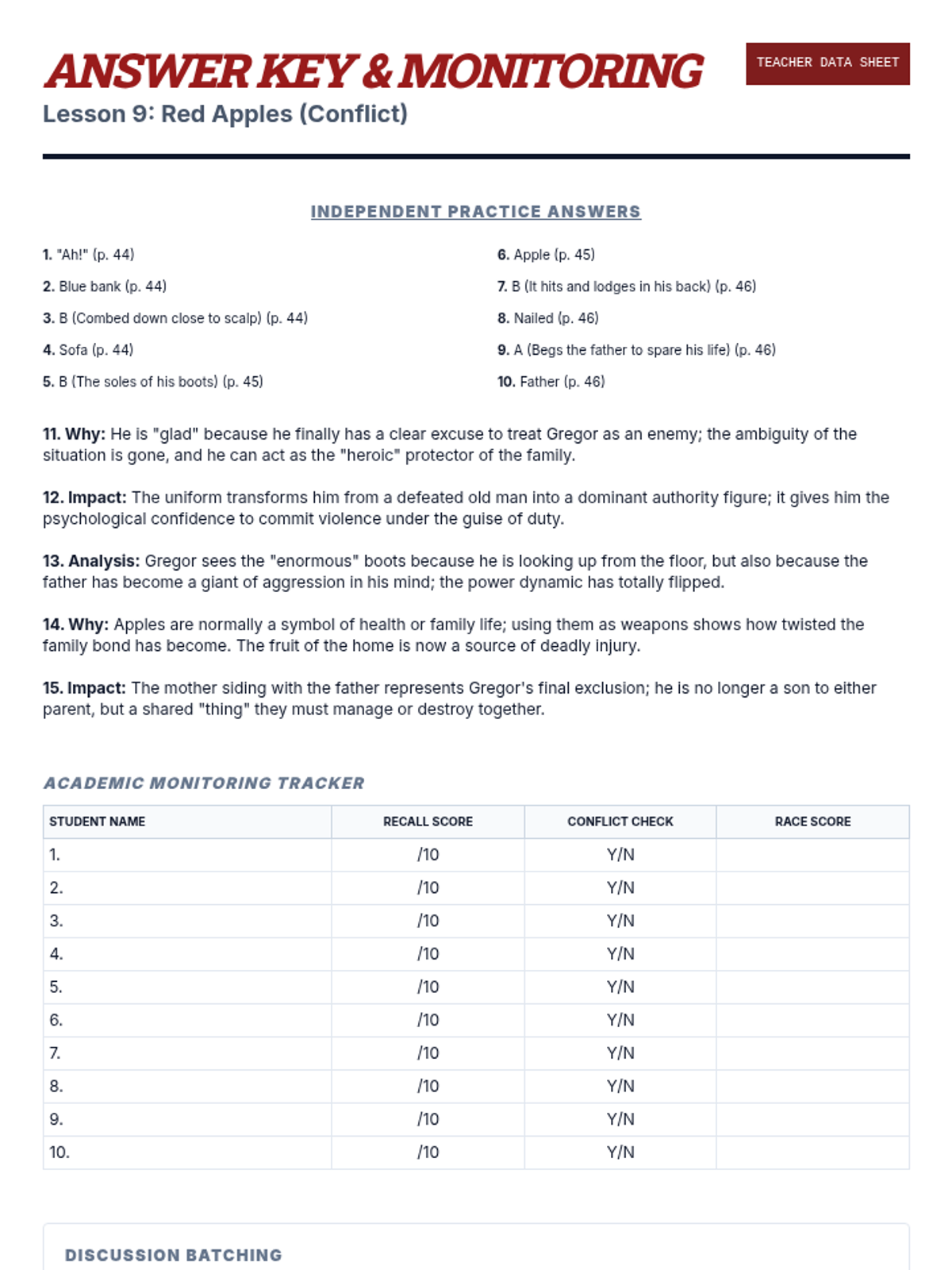
Focuses on the violent conflict of the apple bombardment and the father's shift in power.
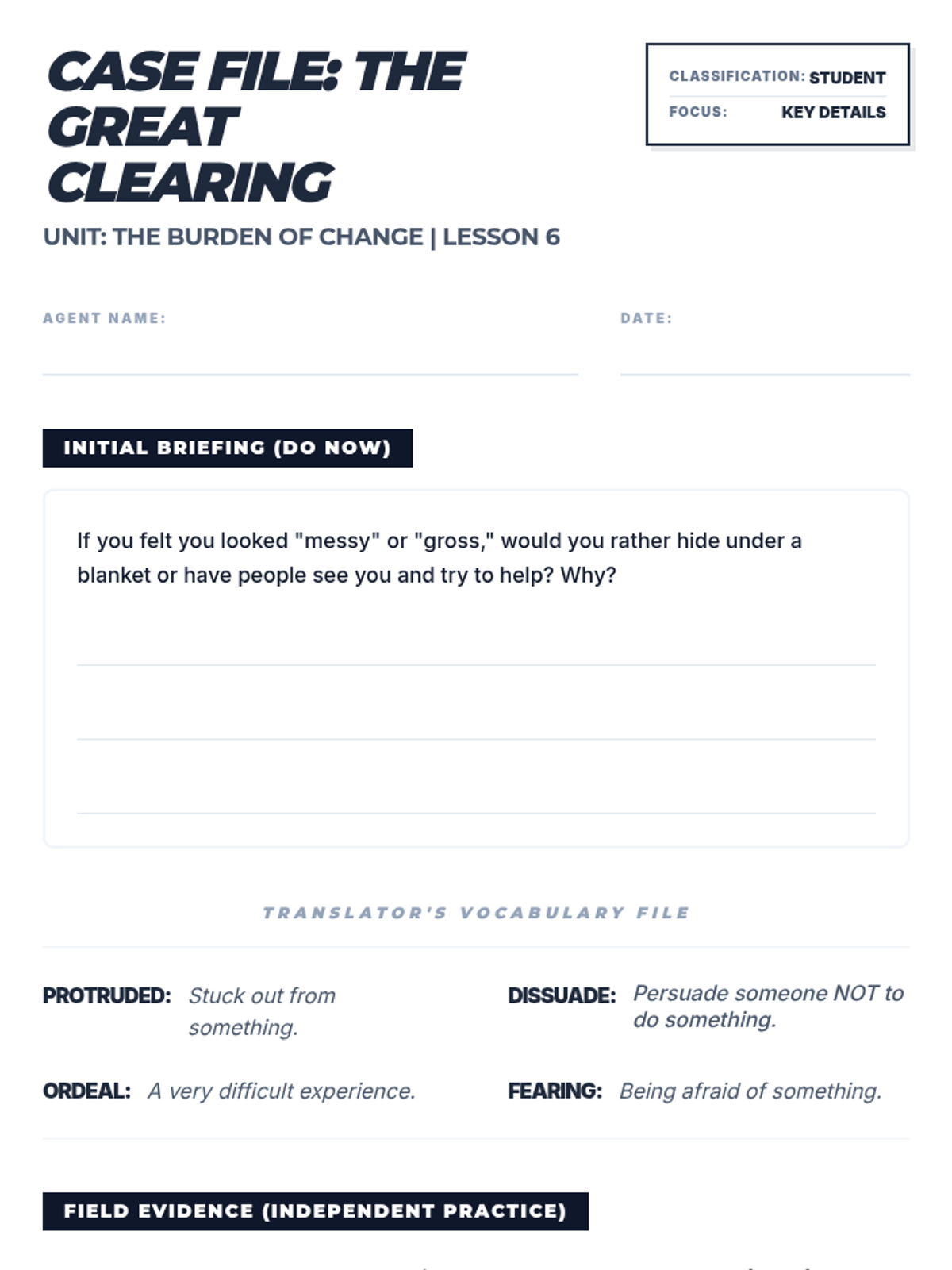
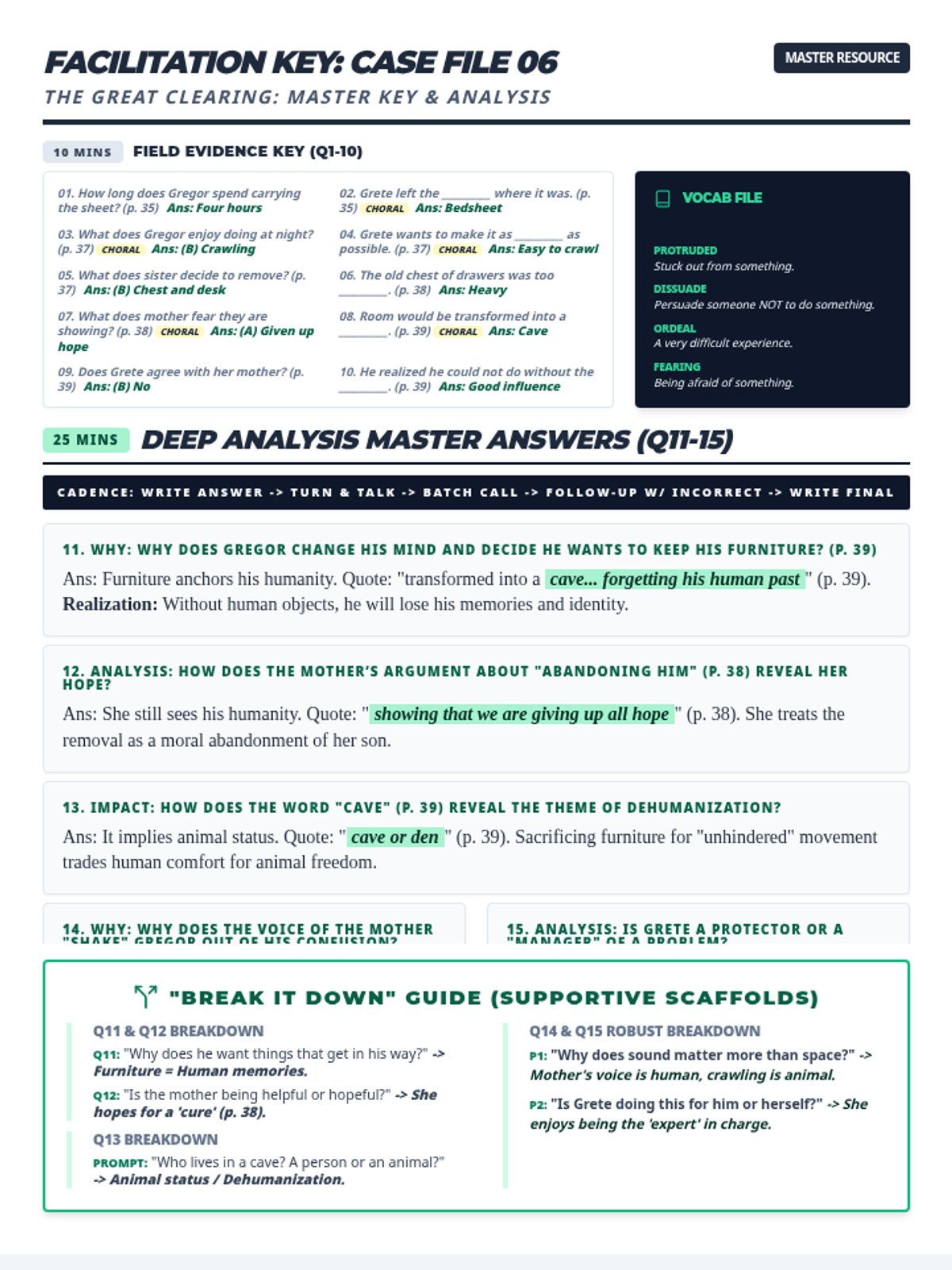
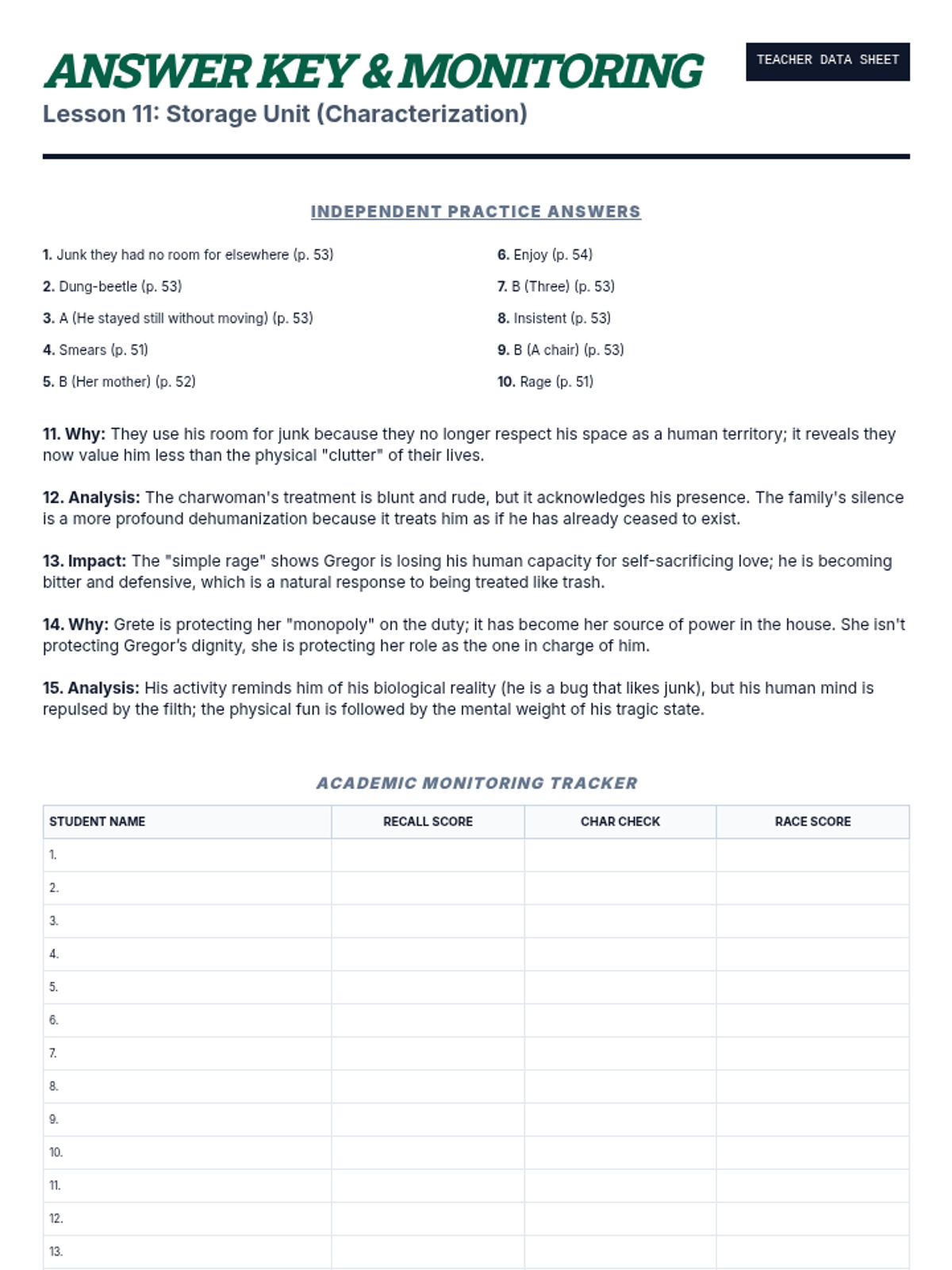
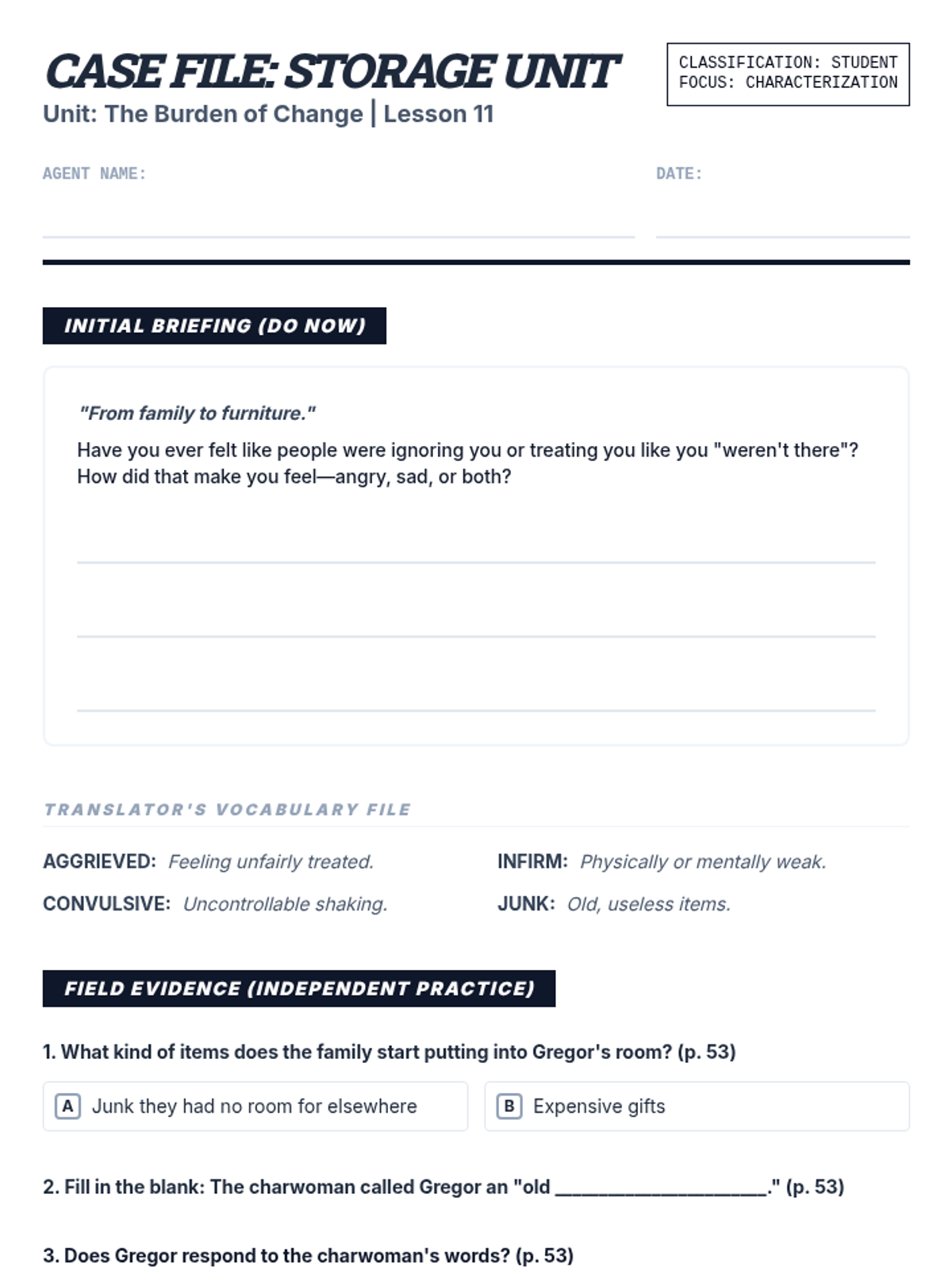
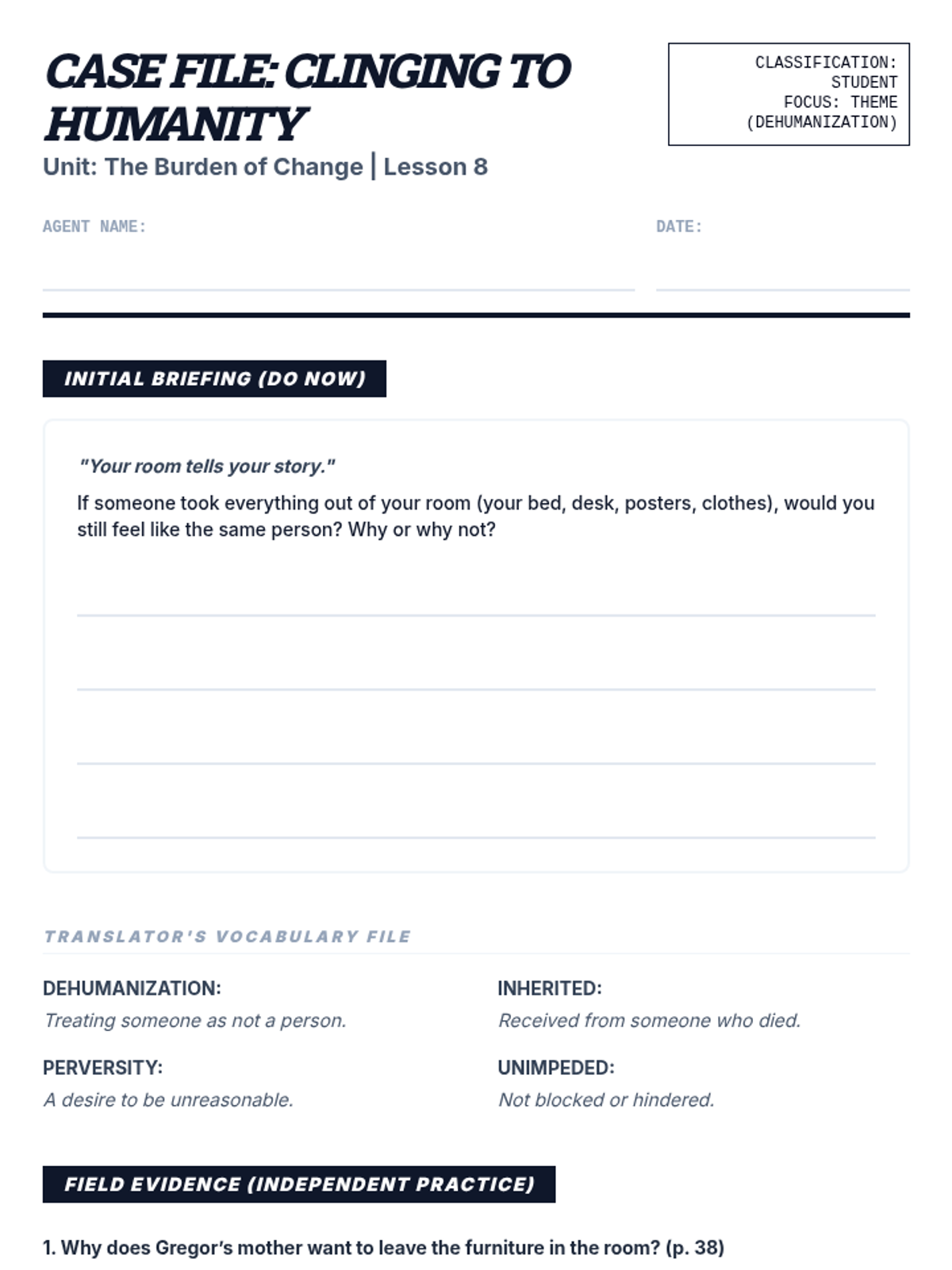
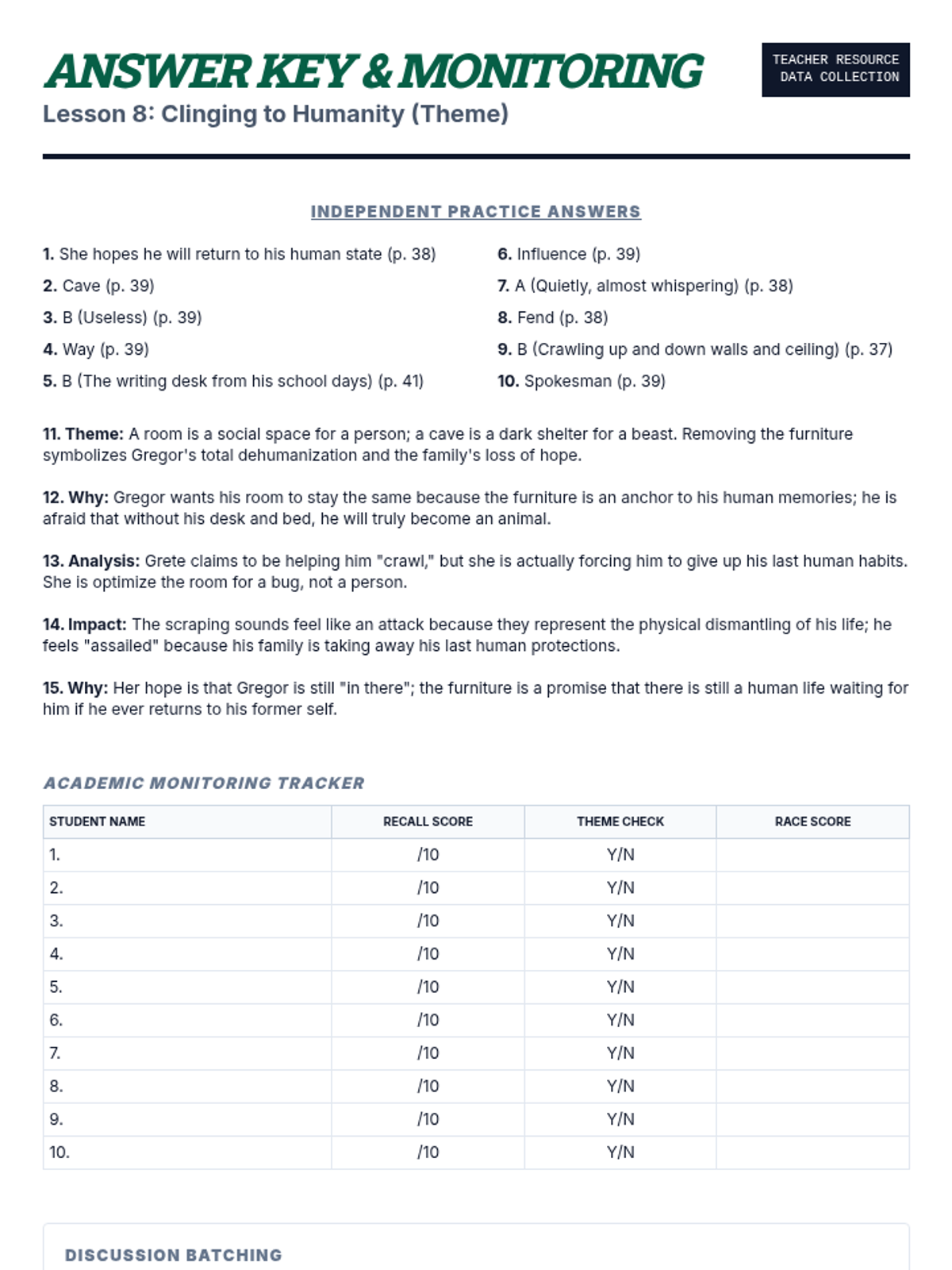
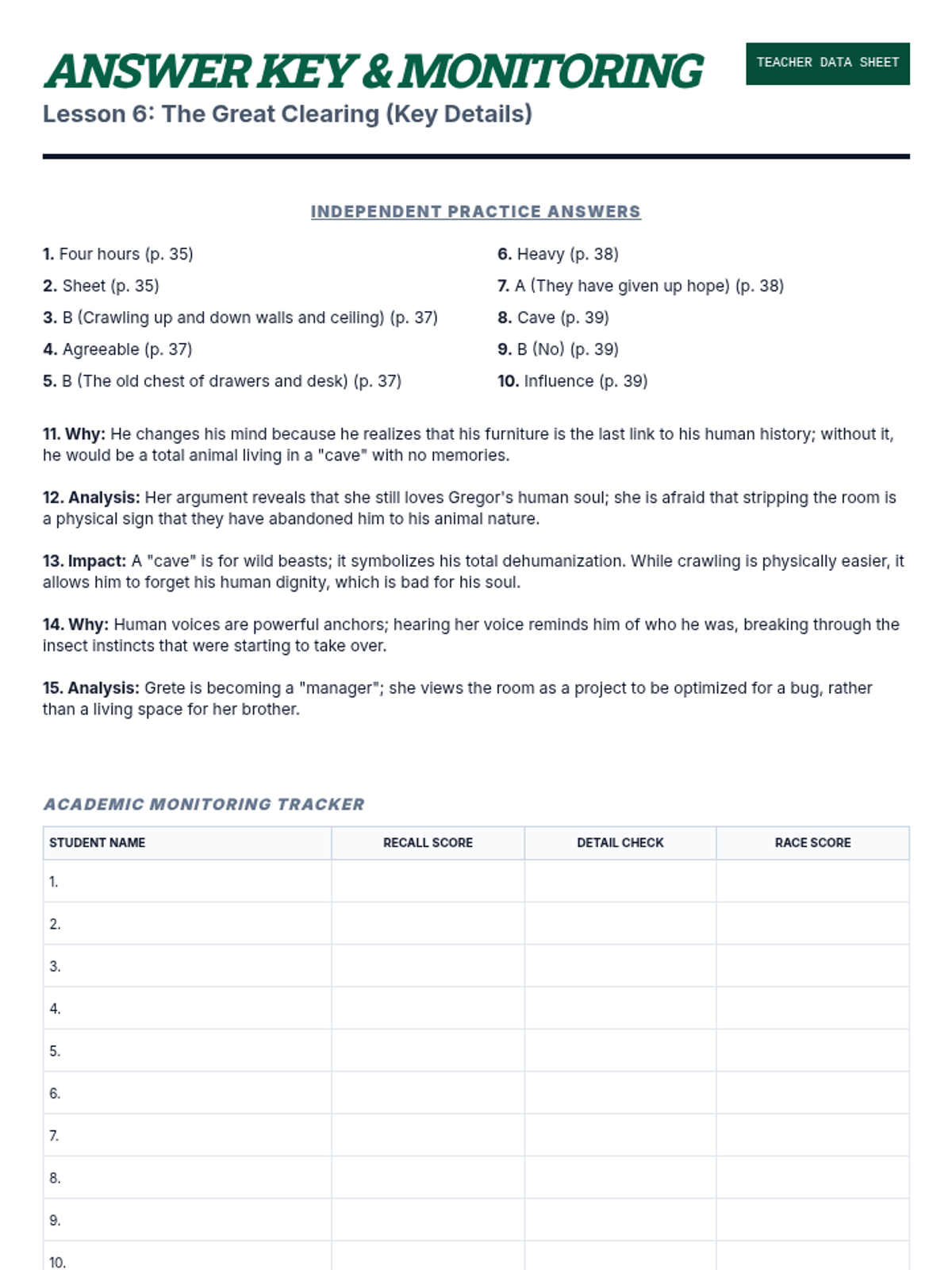
Explores the theme of dehumanization through the removal of furniture from Gregor's room.
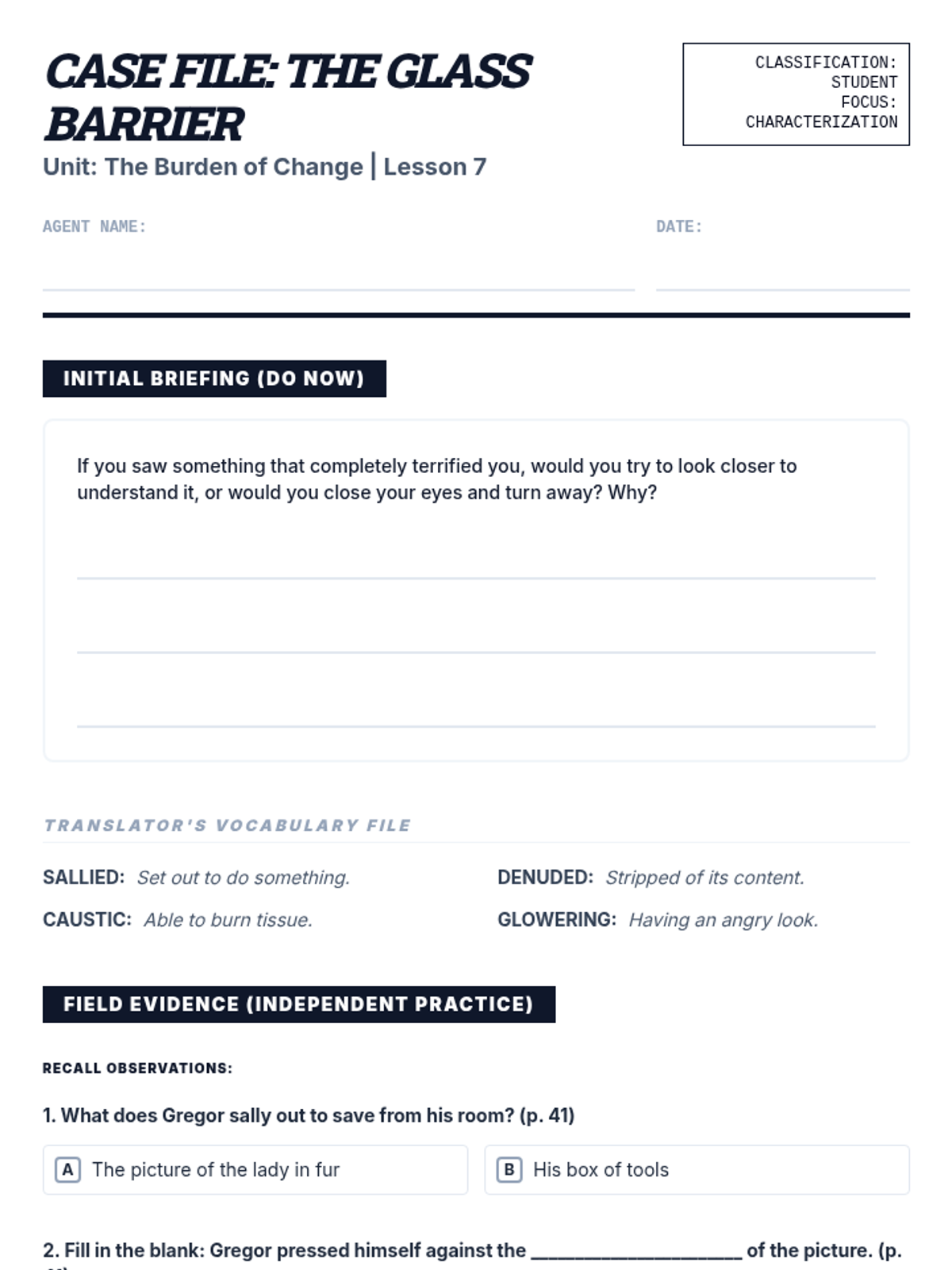
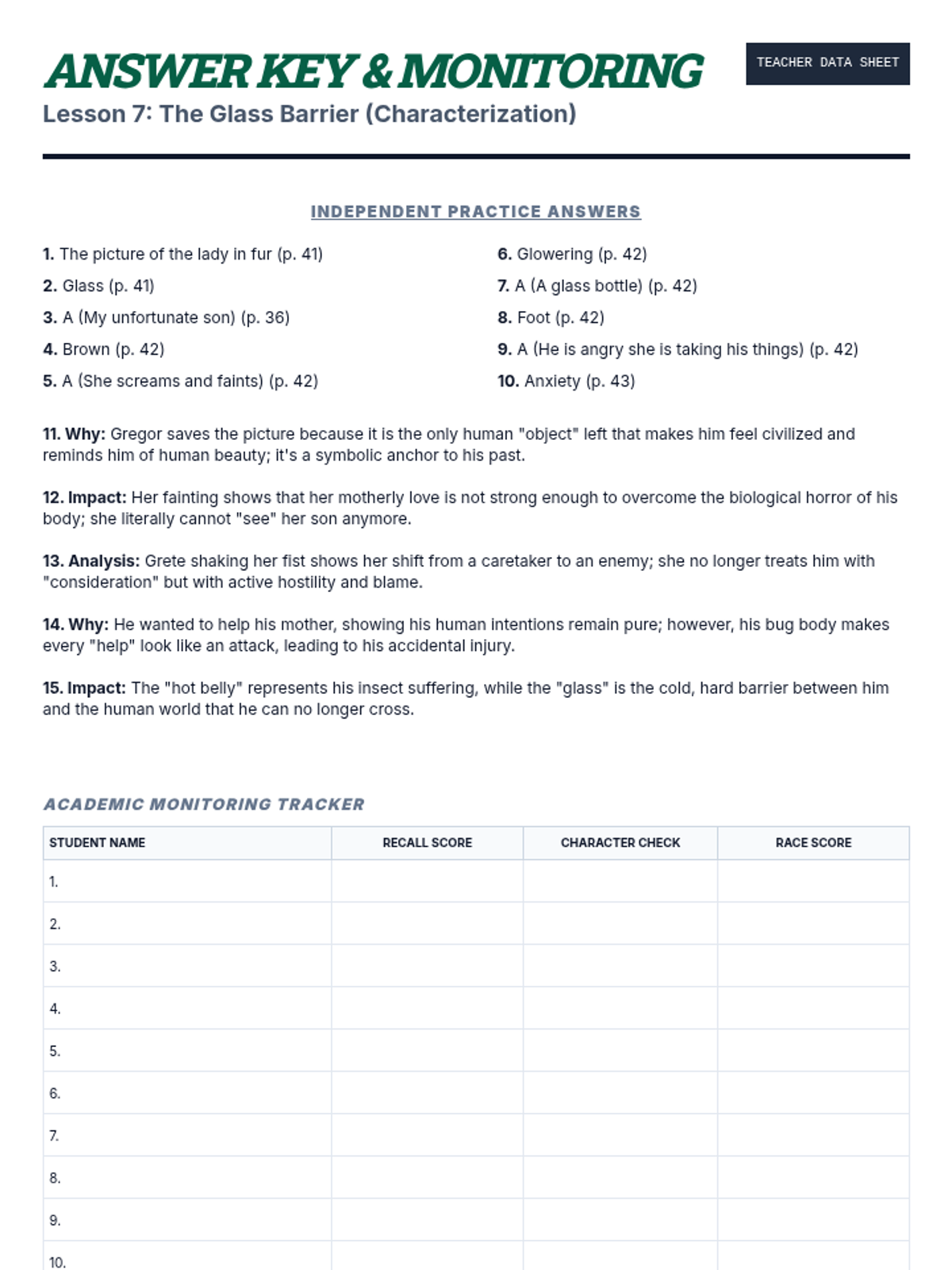
Analyzes the mother's characterization and her desperate but fearful attempt to reconnect with her son.
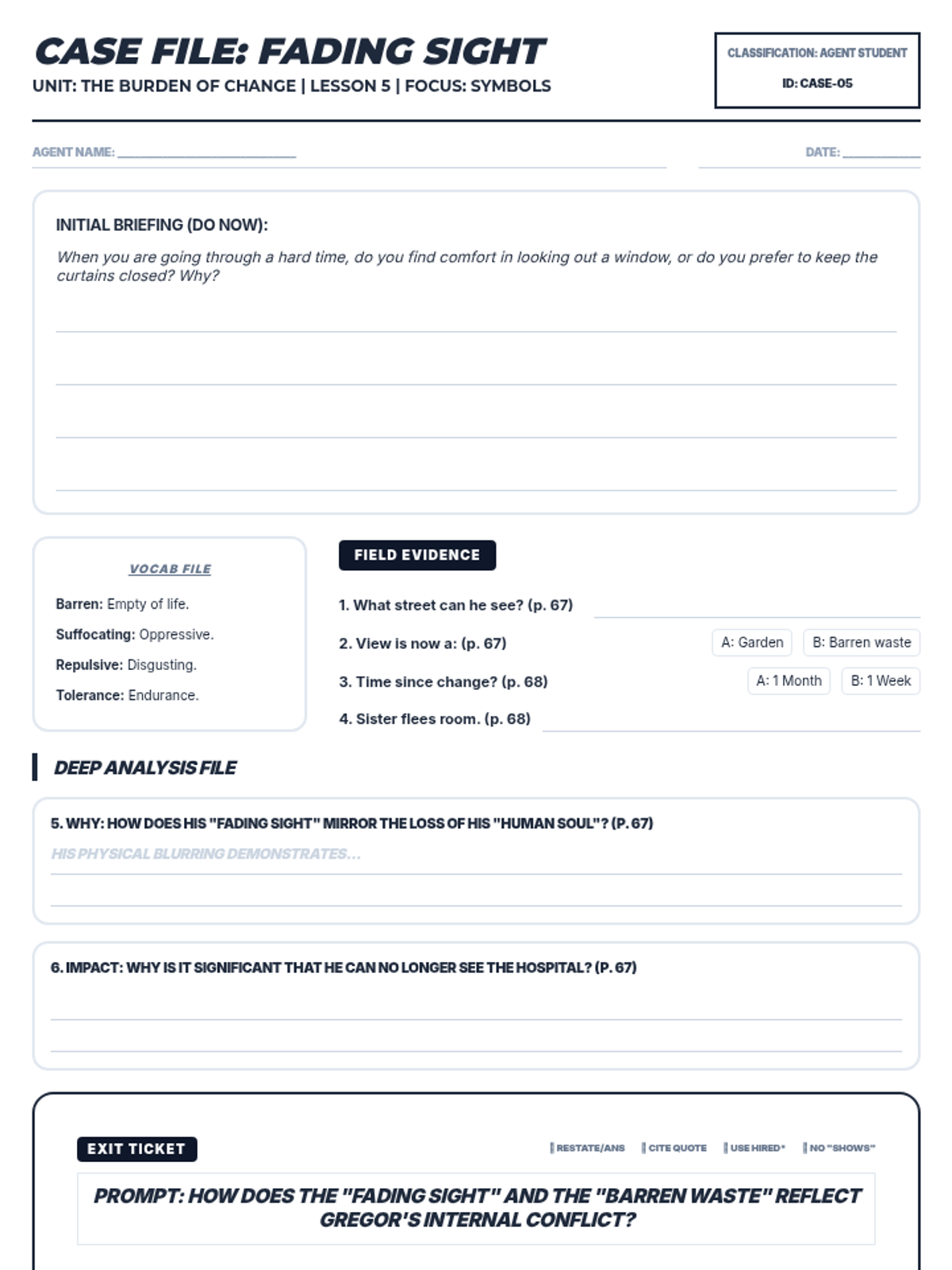
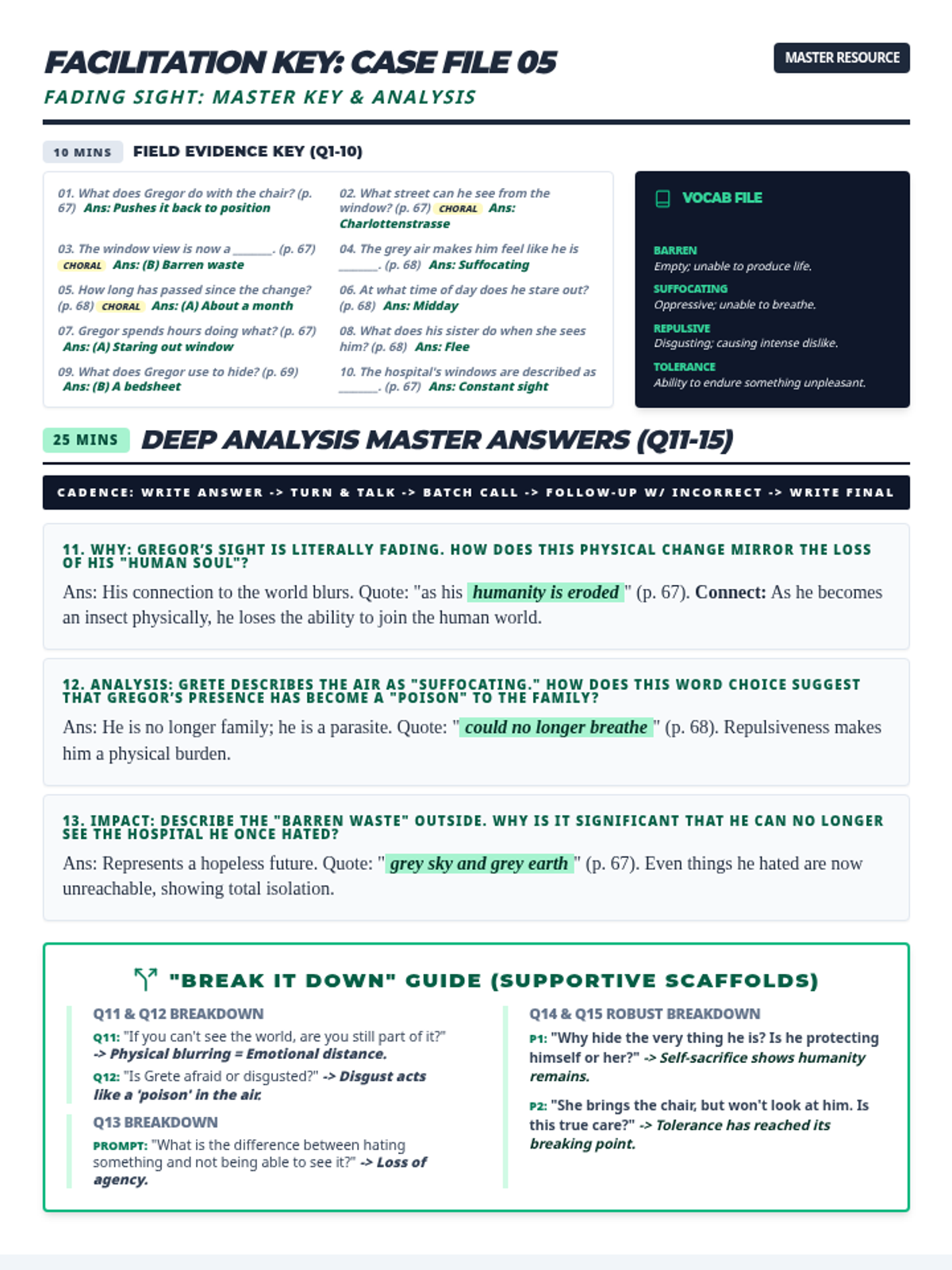
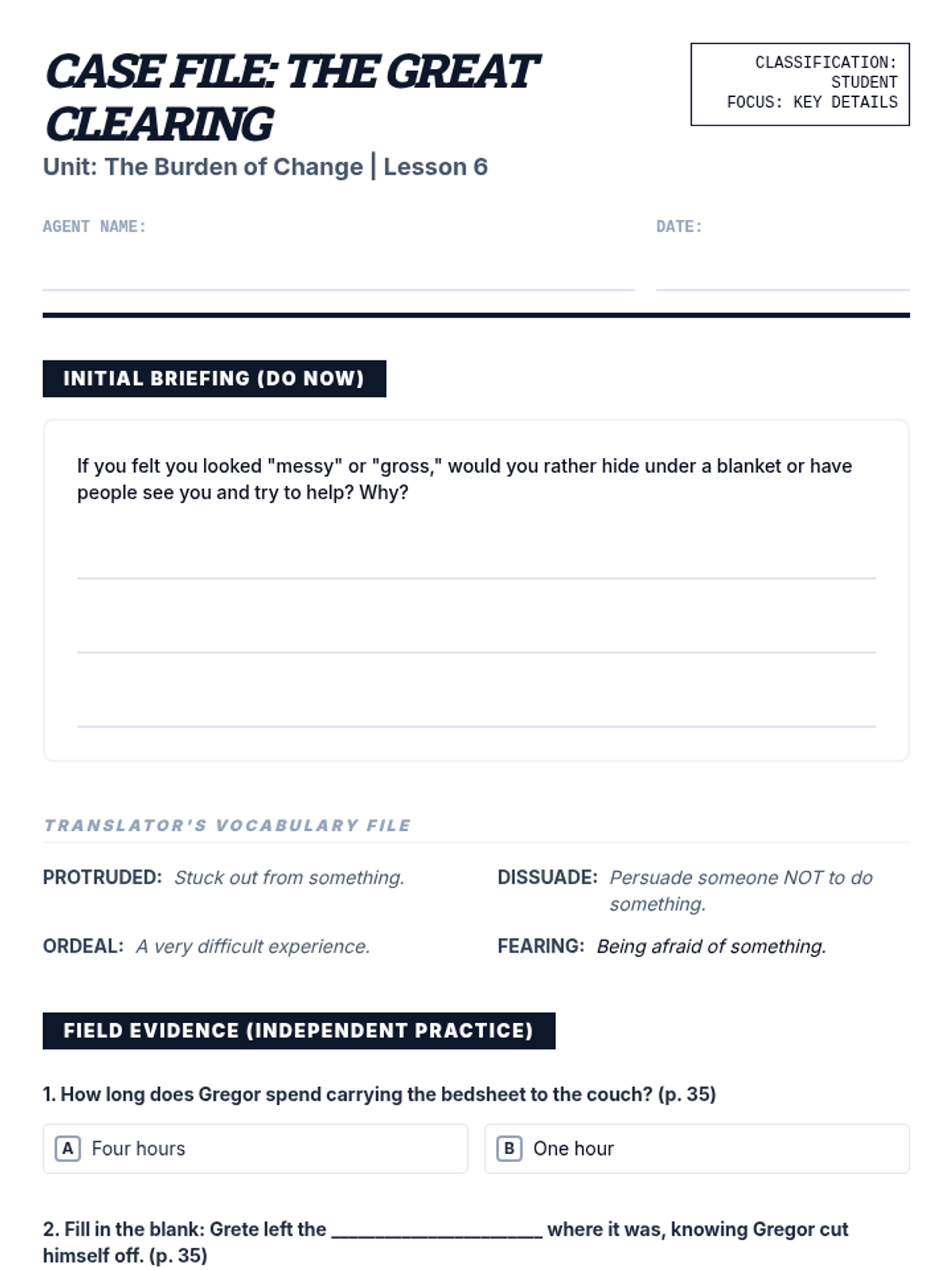
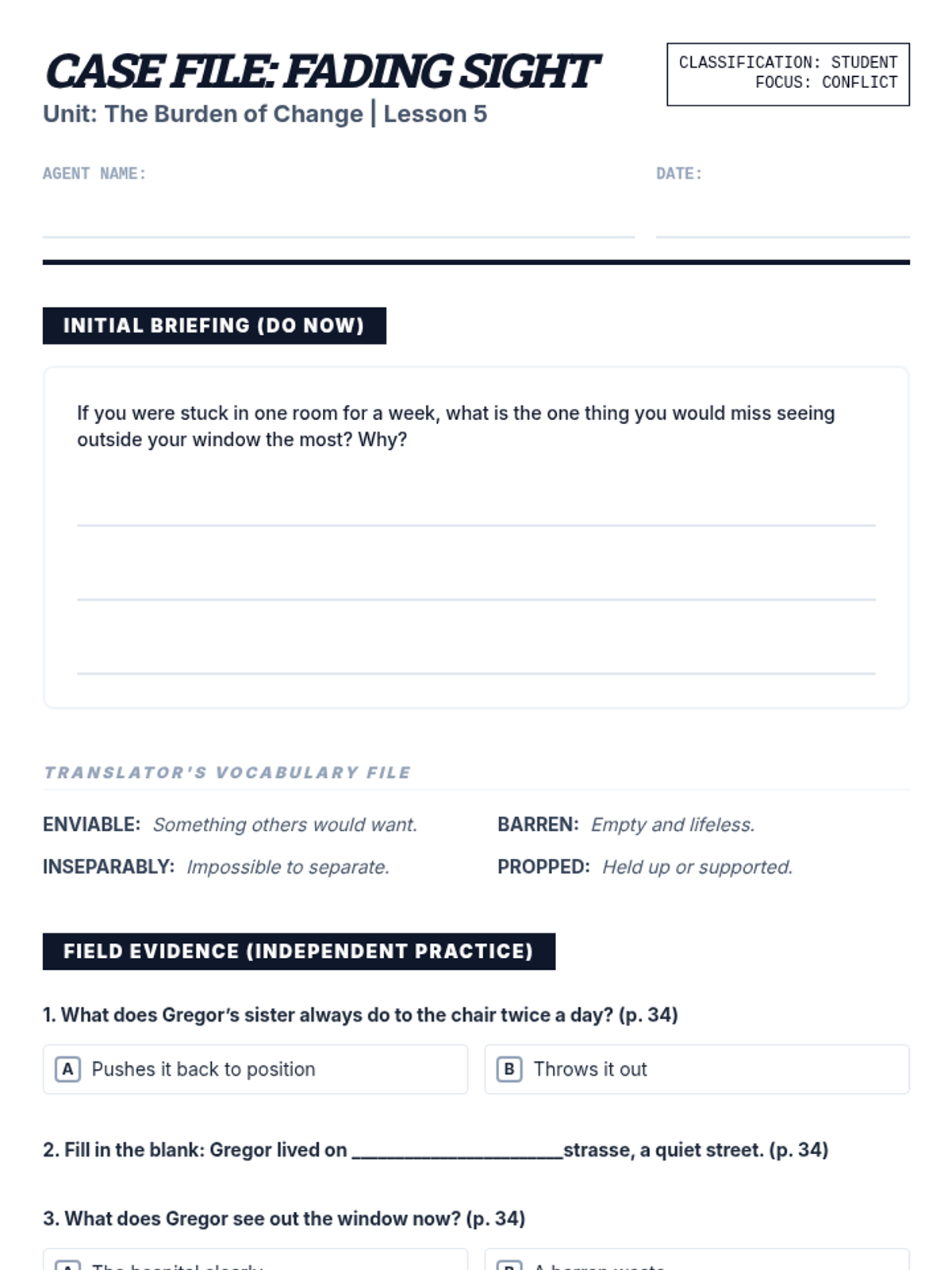
Identifies key details about Gregor's environment, specifically his relationship with the window and the use of the sheet to hide his form.
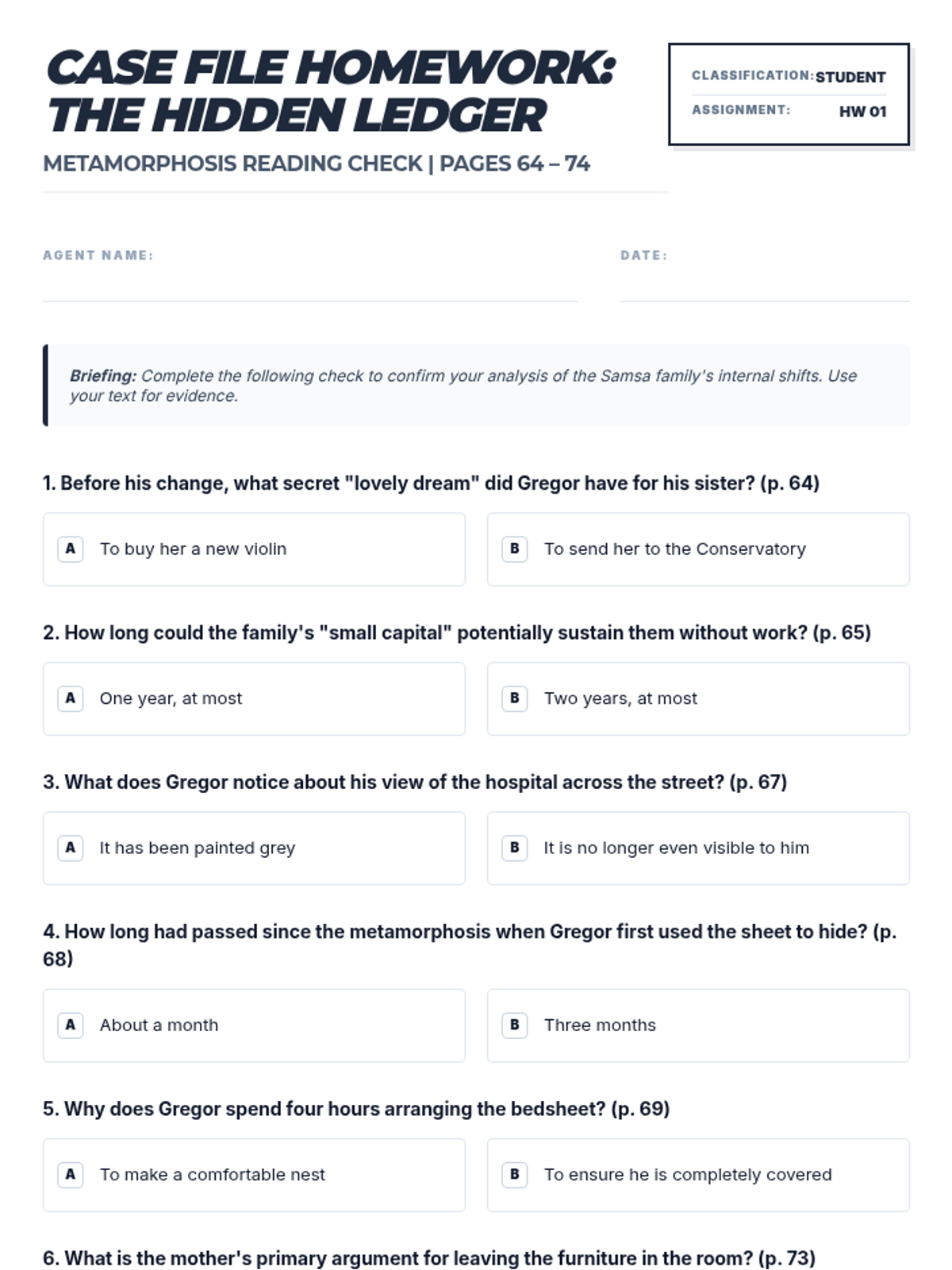
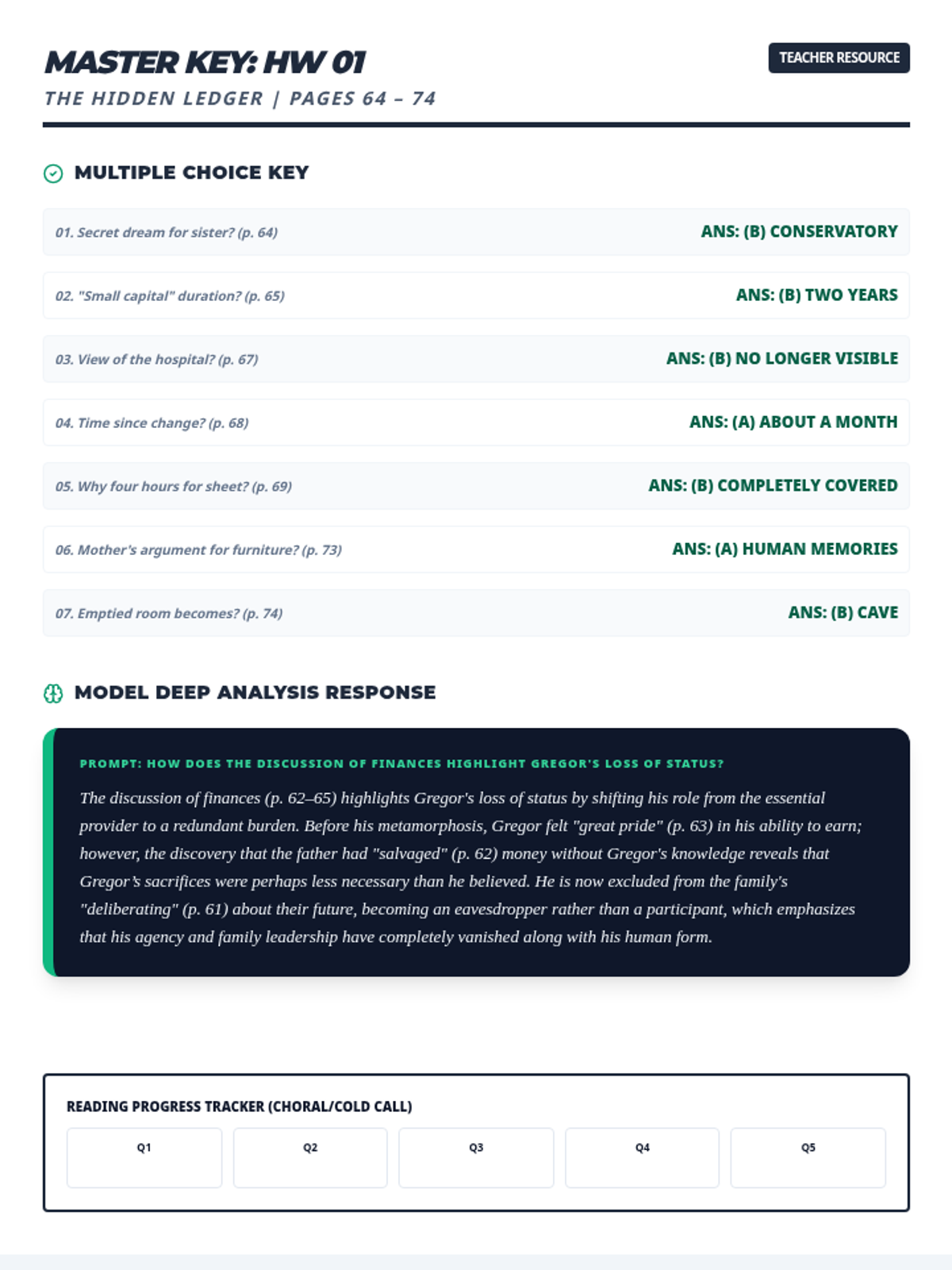
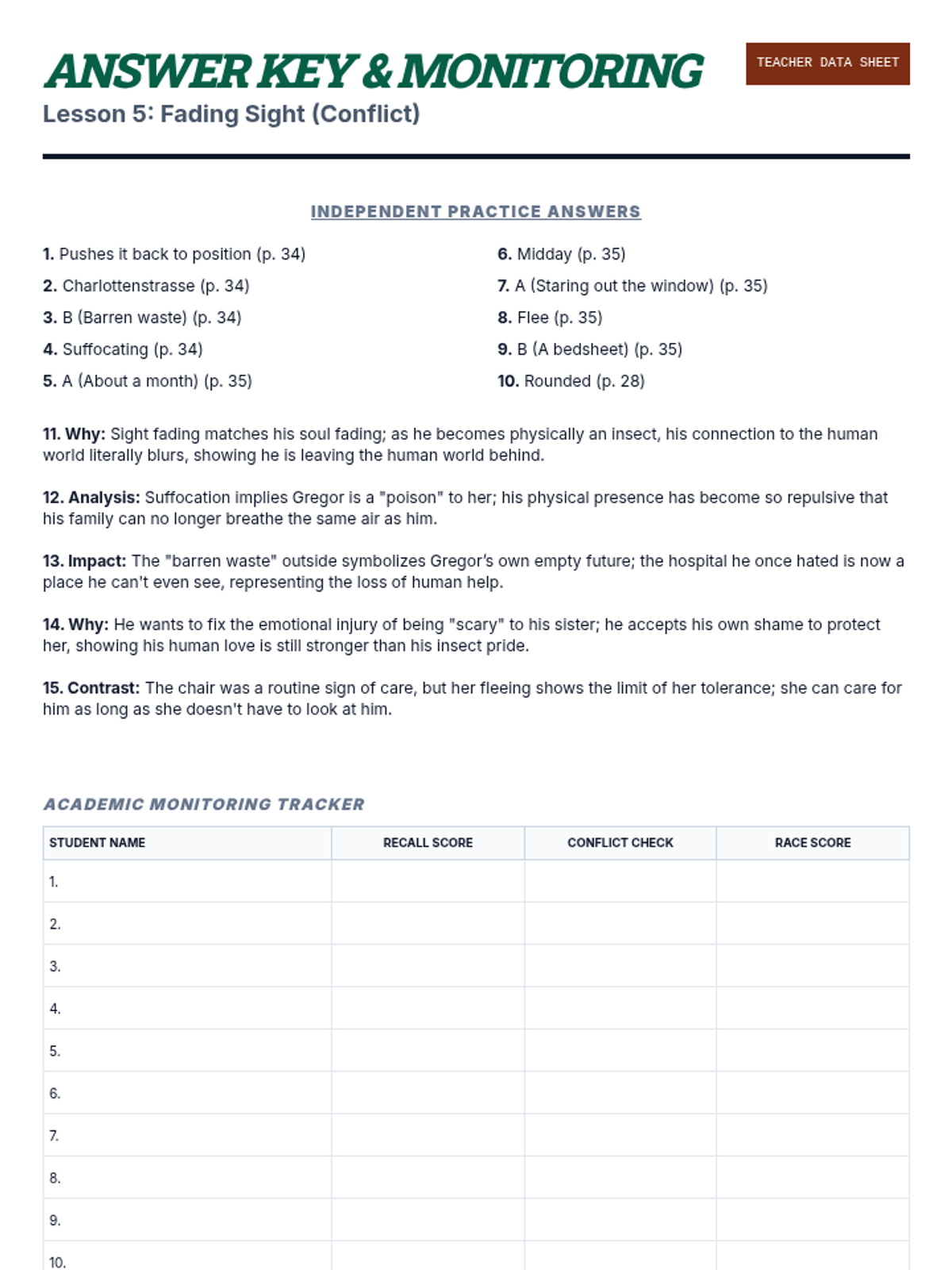
Focuses on the external conflict of the family's financial situation and Gregor's psychological conflict regarding his past role as the provider.
Discusses the theme of family duty and the growing isolation Gregor feels as he listens to his family's private conversations.
Examines Grete's evolving role as Gregor's caretaker and her internal struggle between duty and disgust.