A complete 4-hour substitute teacher plan exploring the history of the Harlem Renaissance and its modern influence on jazz music and culture.
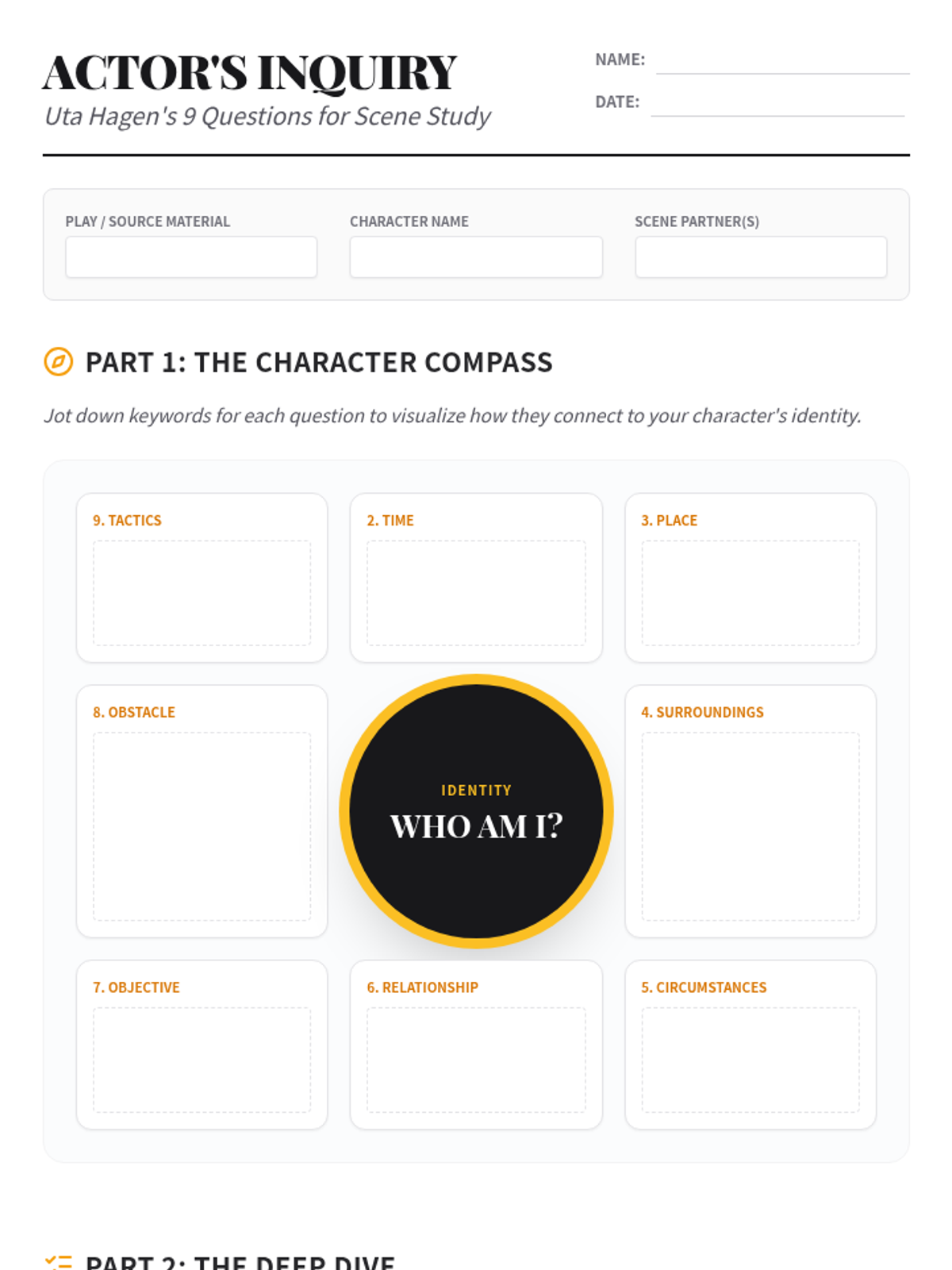
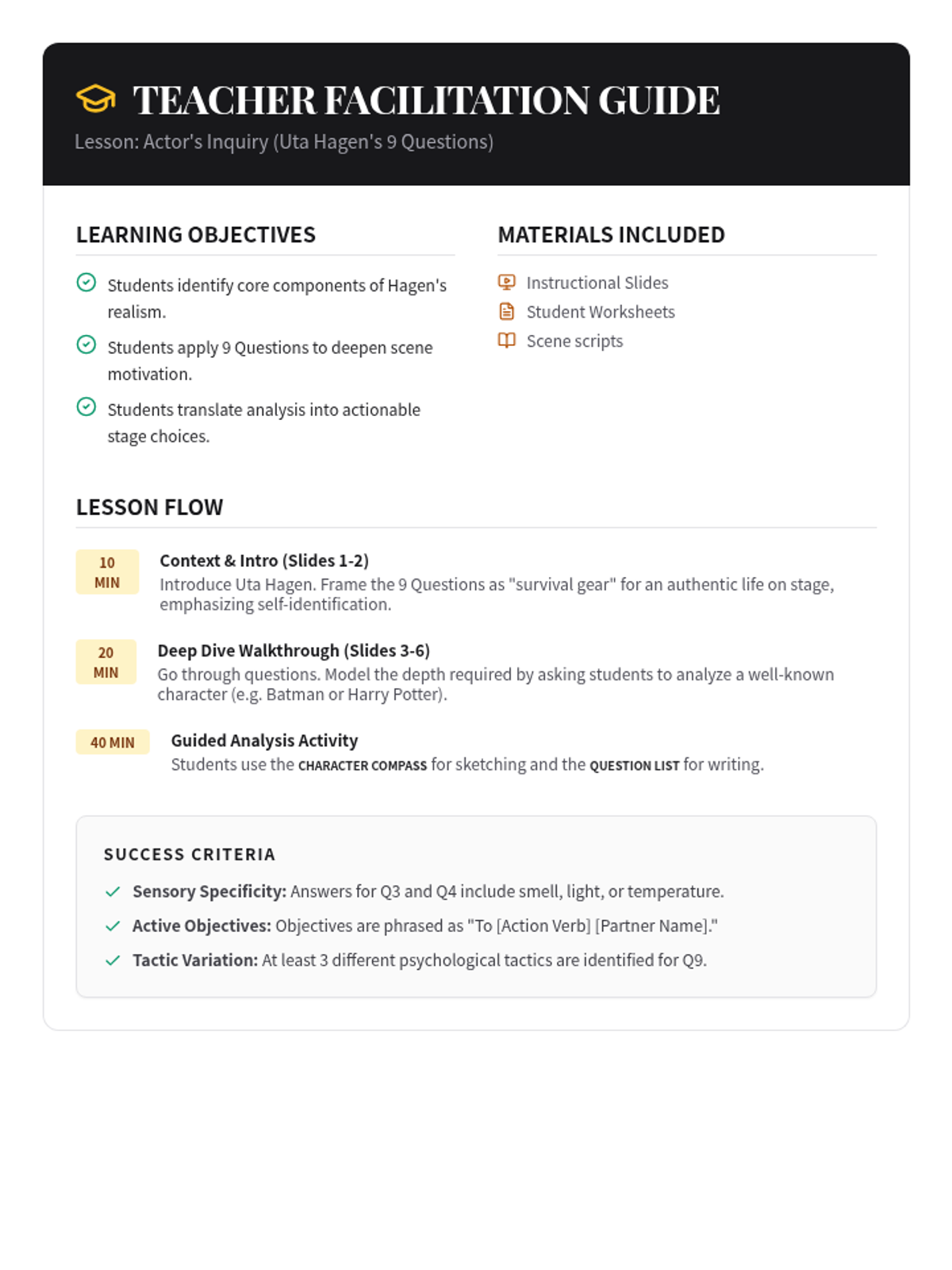
A comprehensive lesson introducing Uta Hagen's 9 Questions for character development in scene study. Includes instructional slides, a visual graphic organizer worksheet, and a teacher facilitation guide.

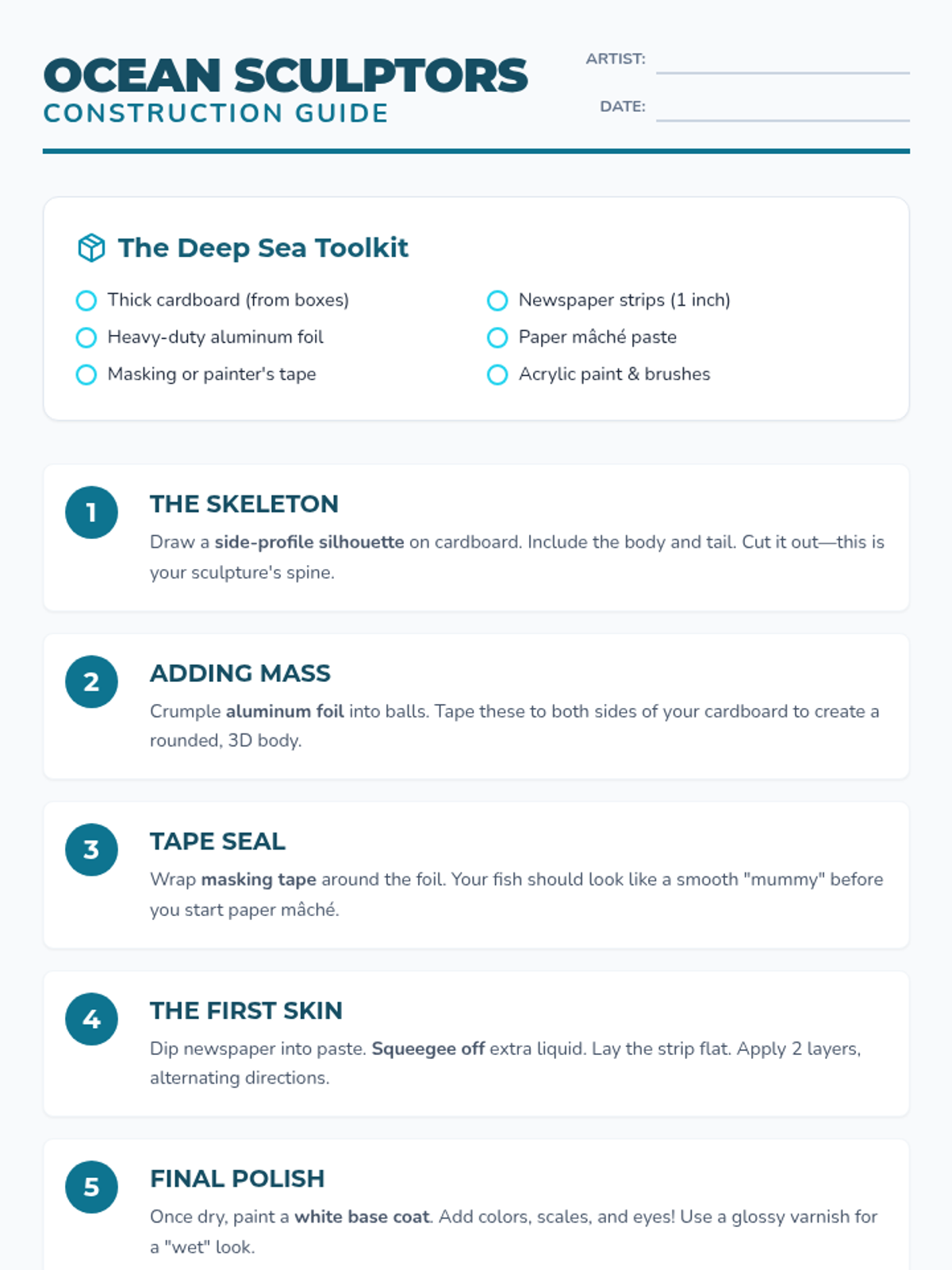
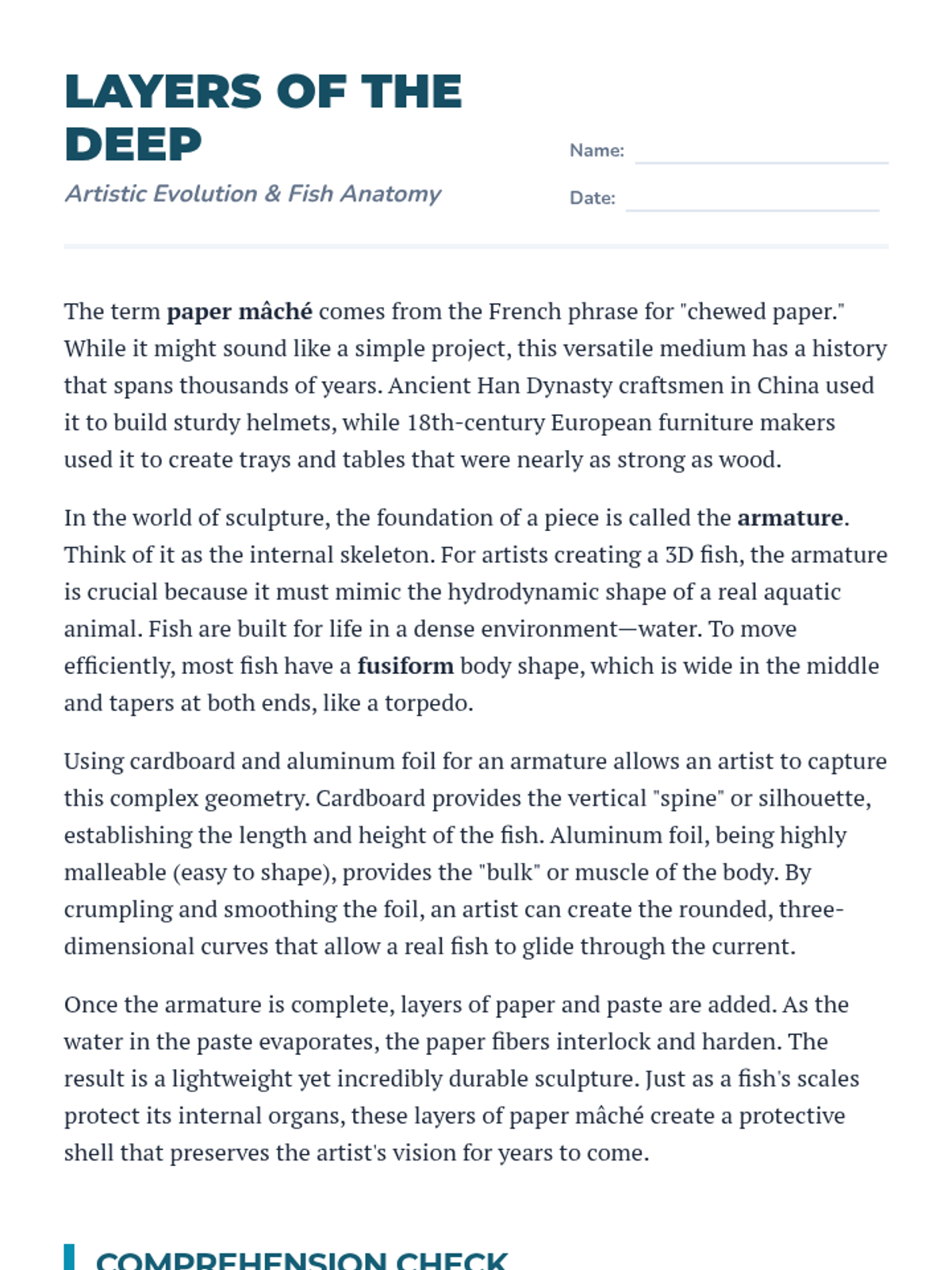
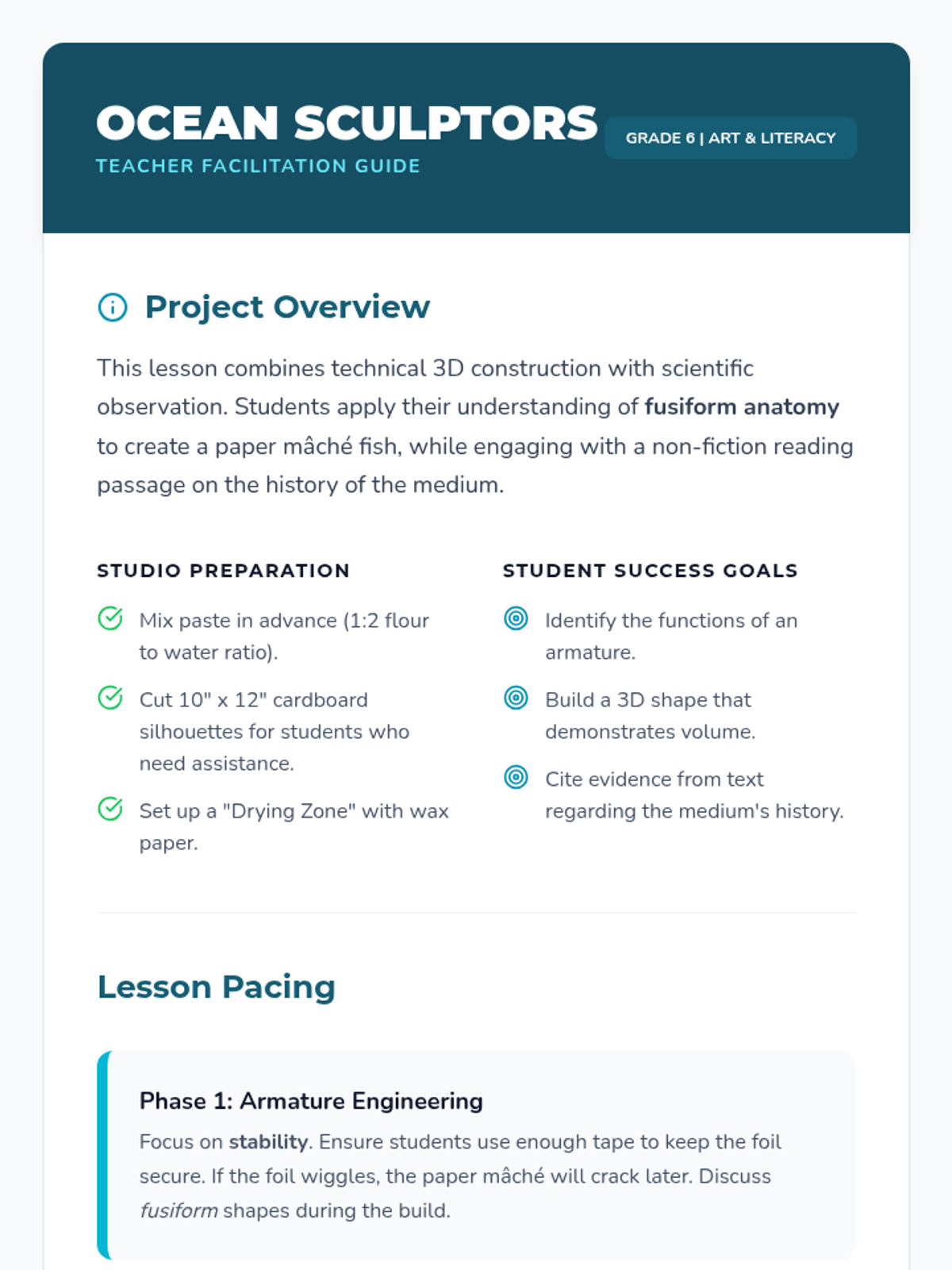
A hands-on art and literacy lesson where 6th-grade students create 3D fish sculptures using paper mâché techniques while exploring the history of the medium and fish anatomy.
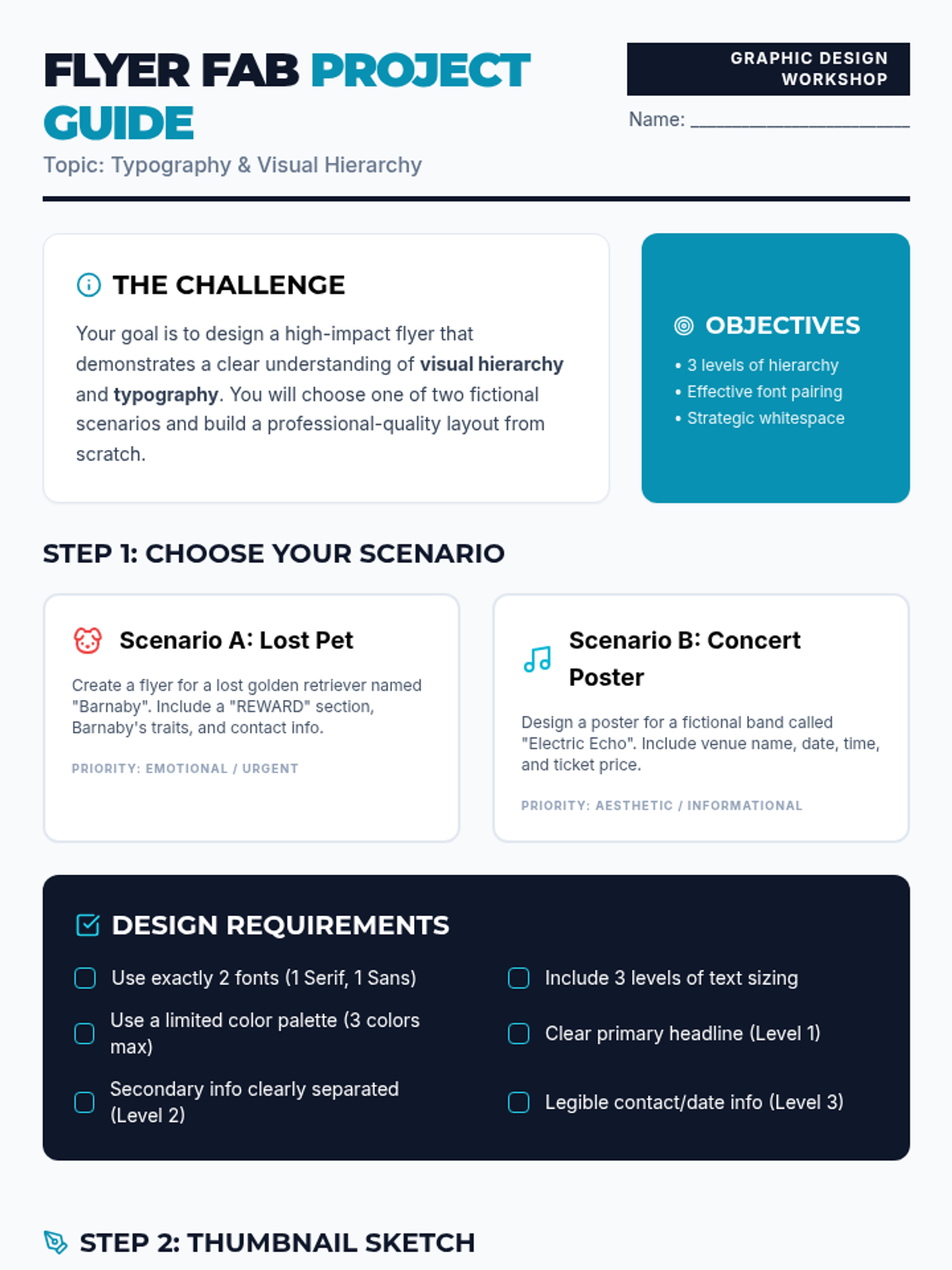
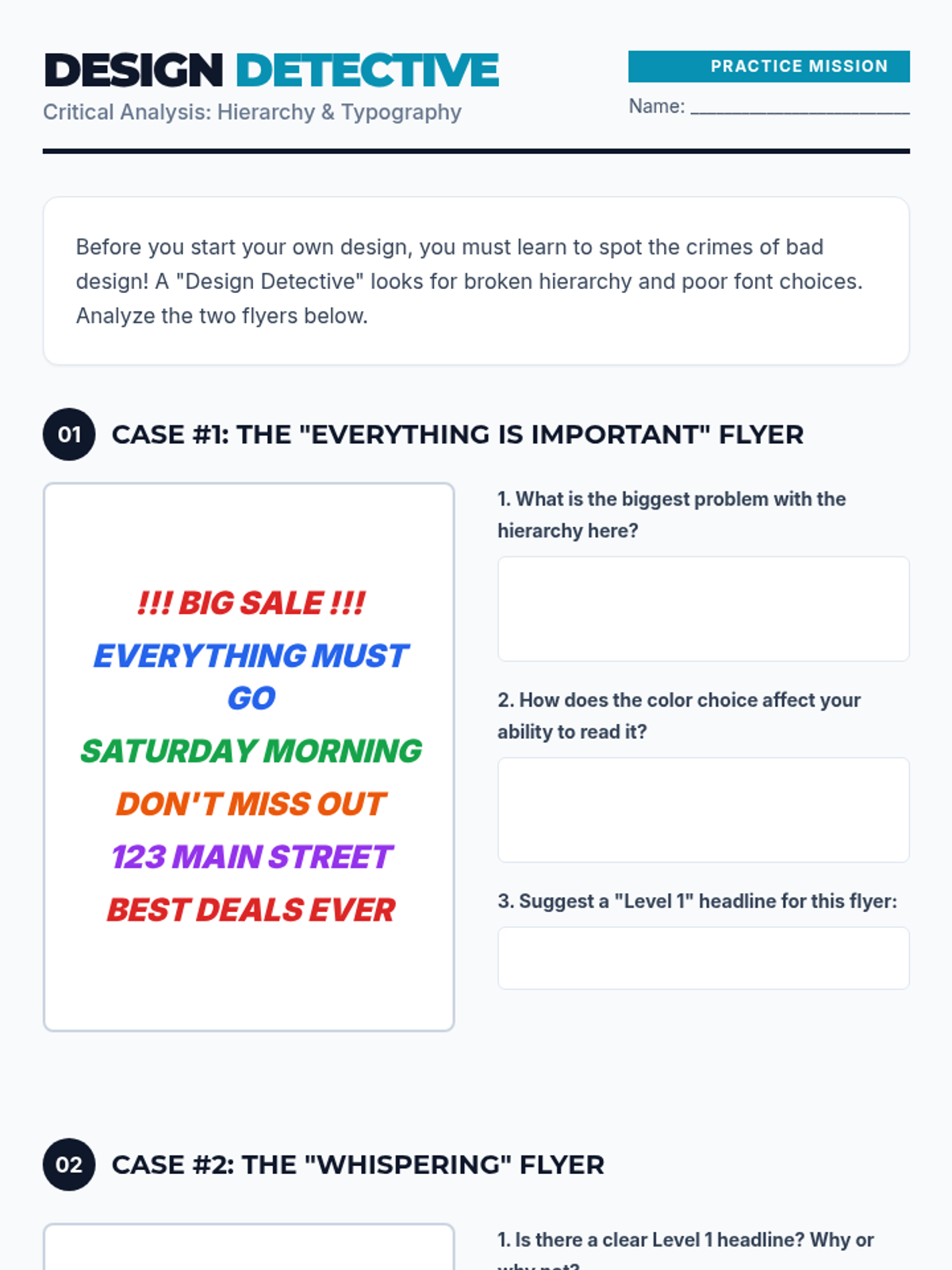
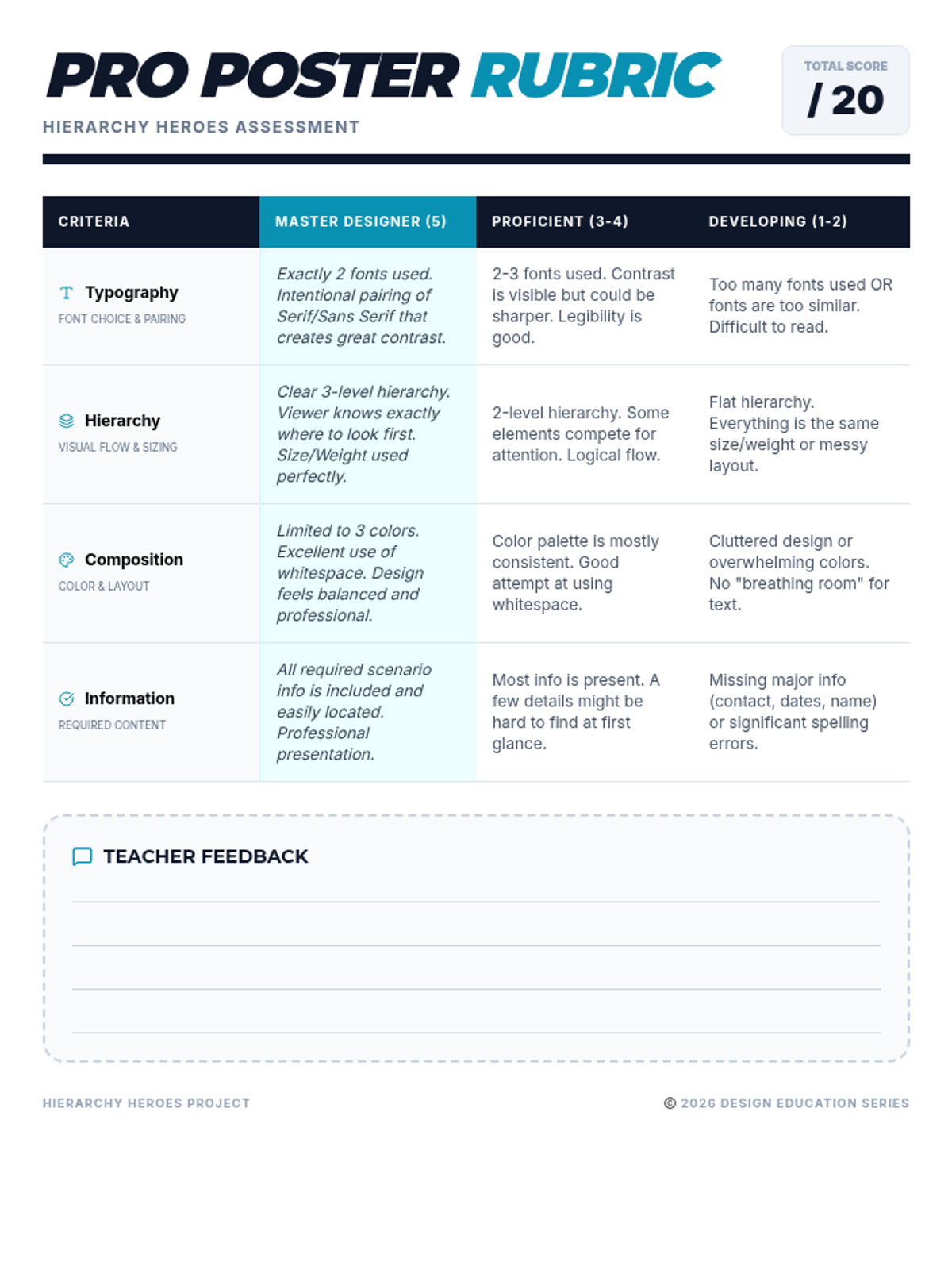
A graphic design project focused on visual hierarchy and typography. Students will choose between creating a lost pet flyer or a concert poster to demonstrate their understanding of design principles.
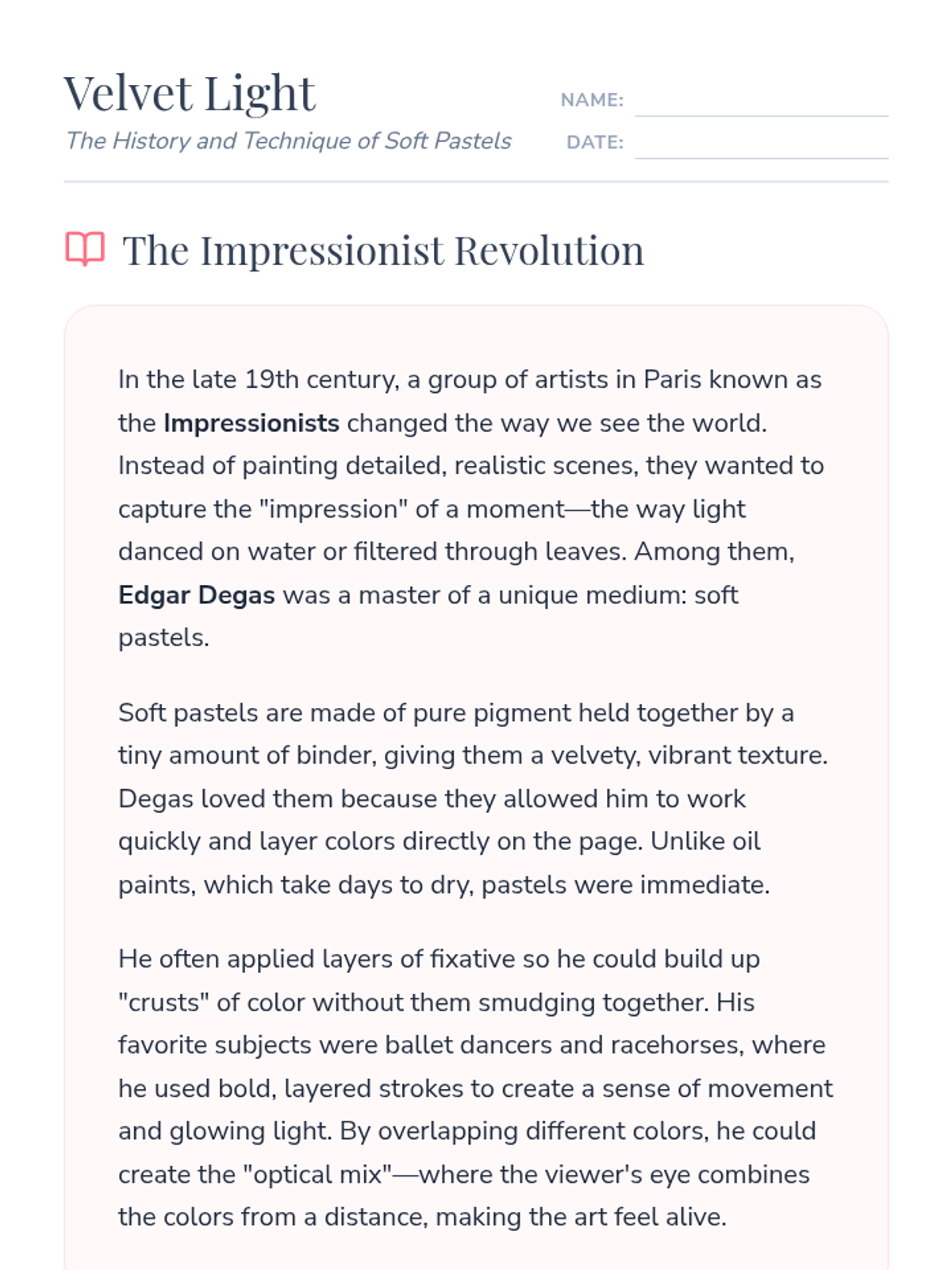
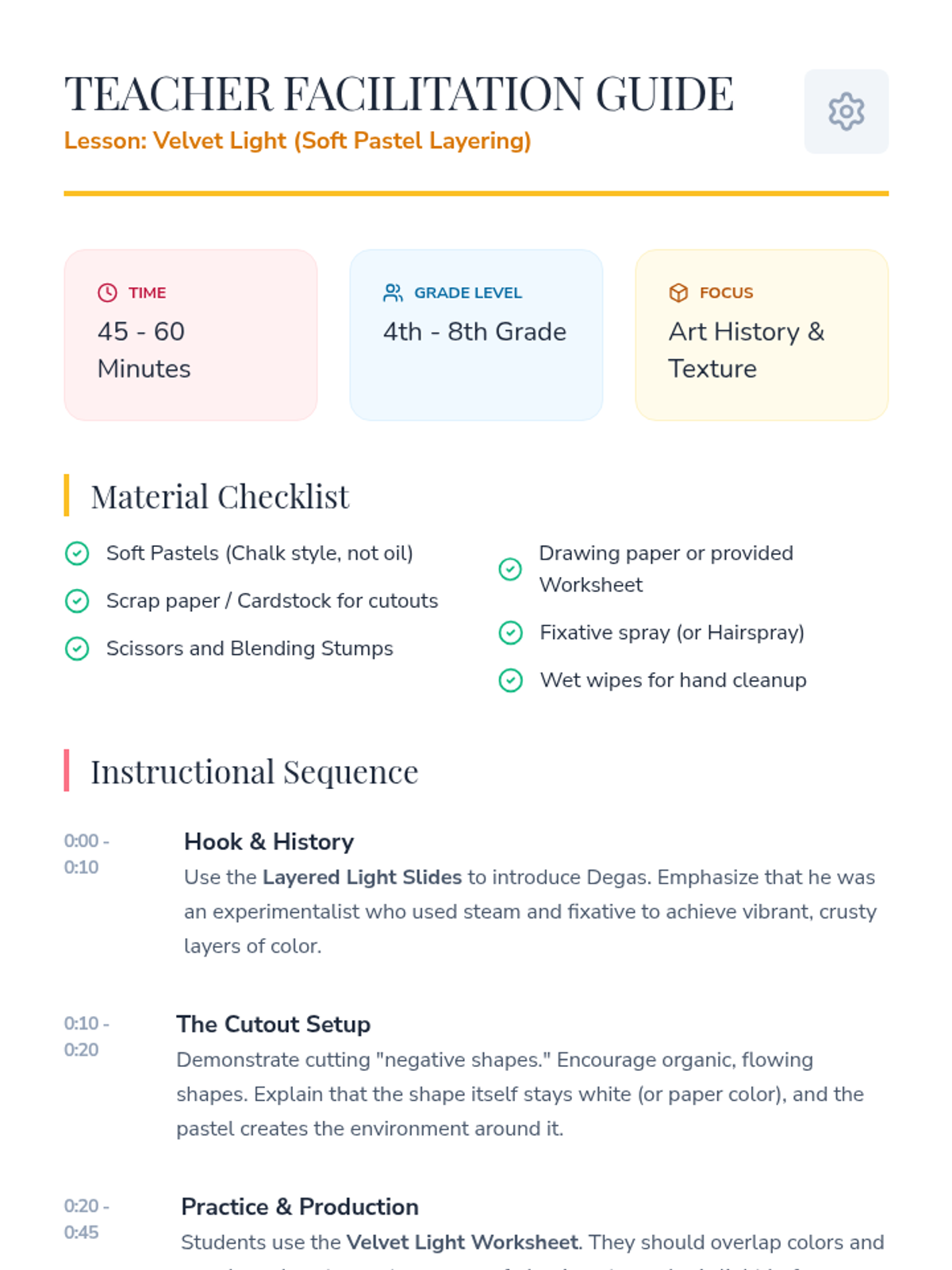
Explore the history and technique of soft pastels through the lens of Edgar Degas and the Impressionists, featuring a hands-on layering activity using paper cutouts.
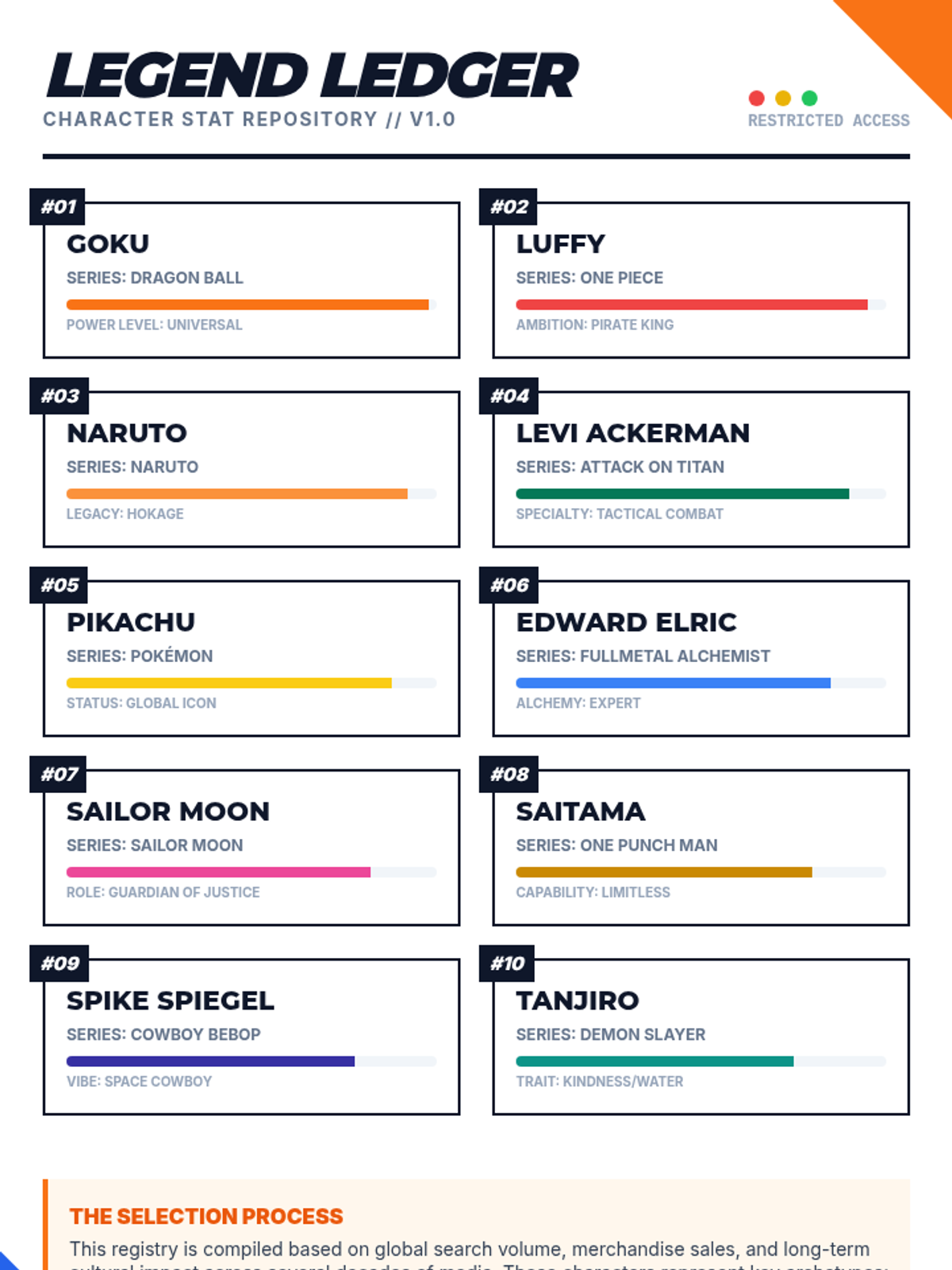
Explore the cultural impact and character archetypes of the world's most iconic anime characters. This lesson analyzes why these characters resonate globally and how their designs and stories influence modern media.
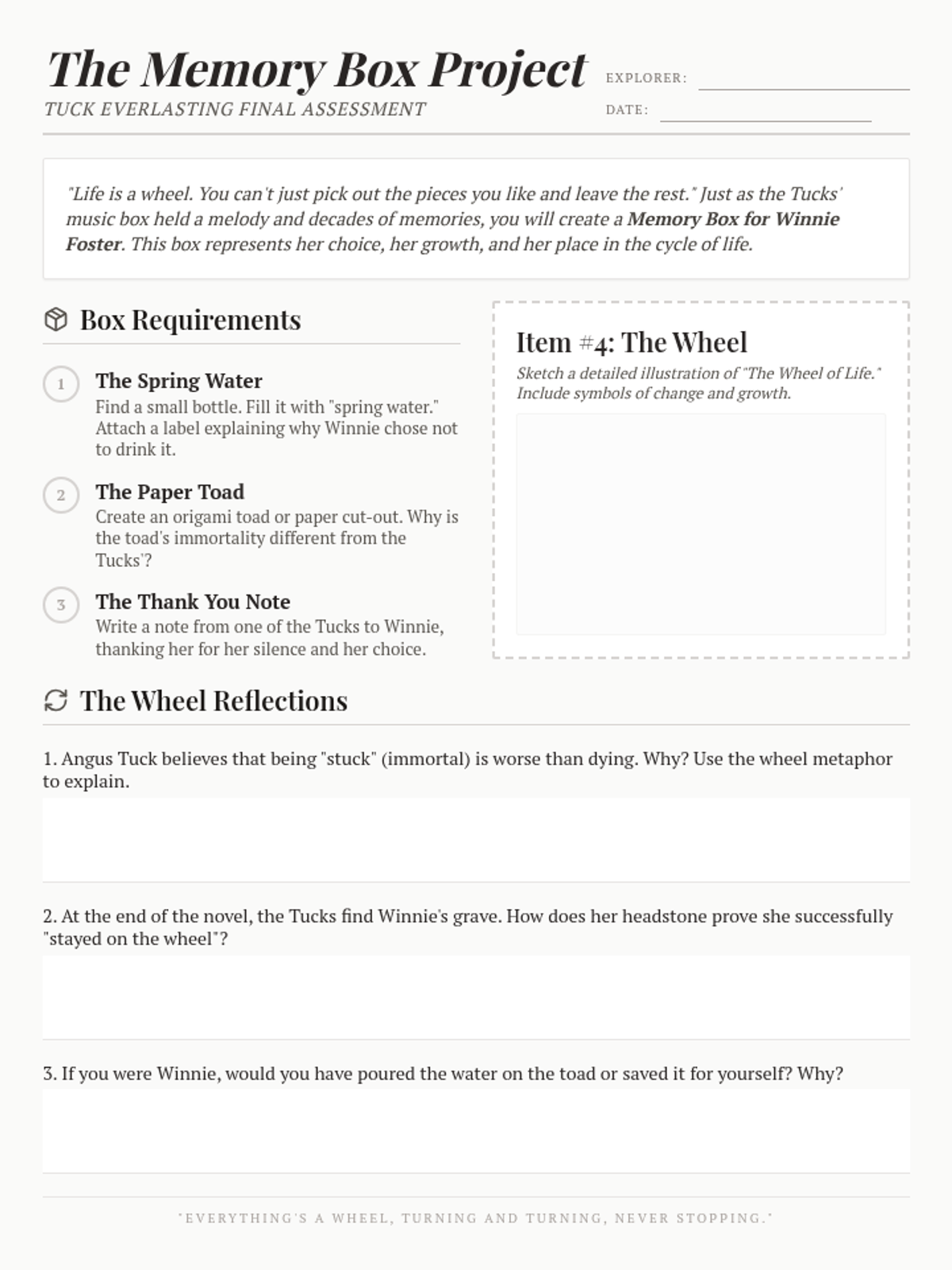
A final creative project for Tuck Everlasting where students build a physical or symbolic memory box to explore themes of immortality and the cycle of life.
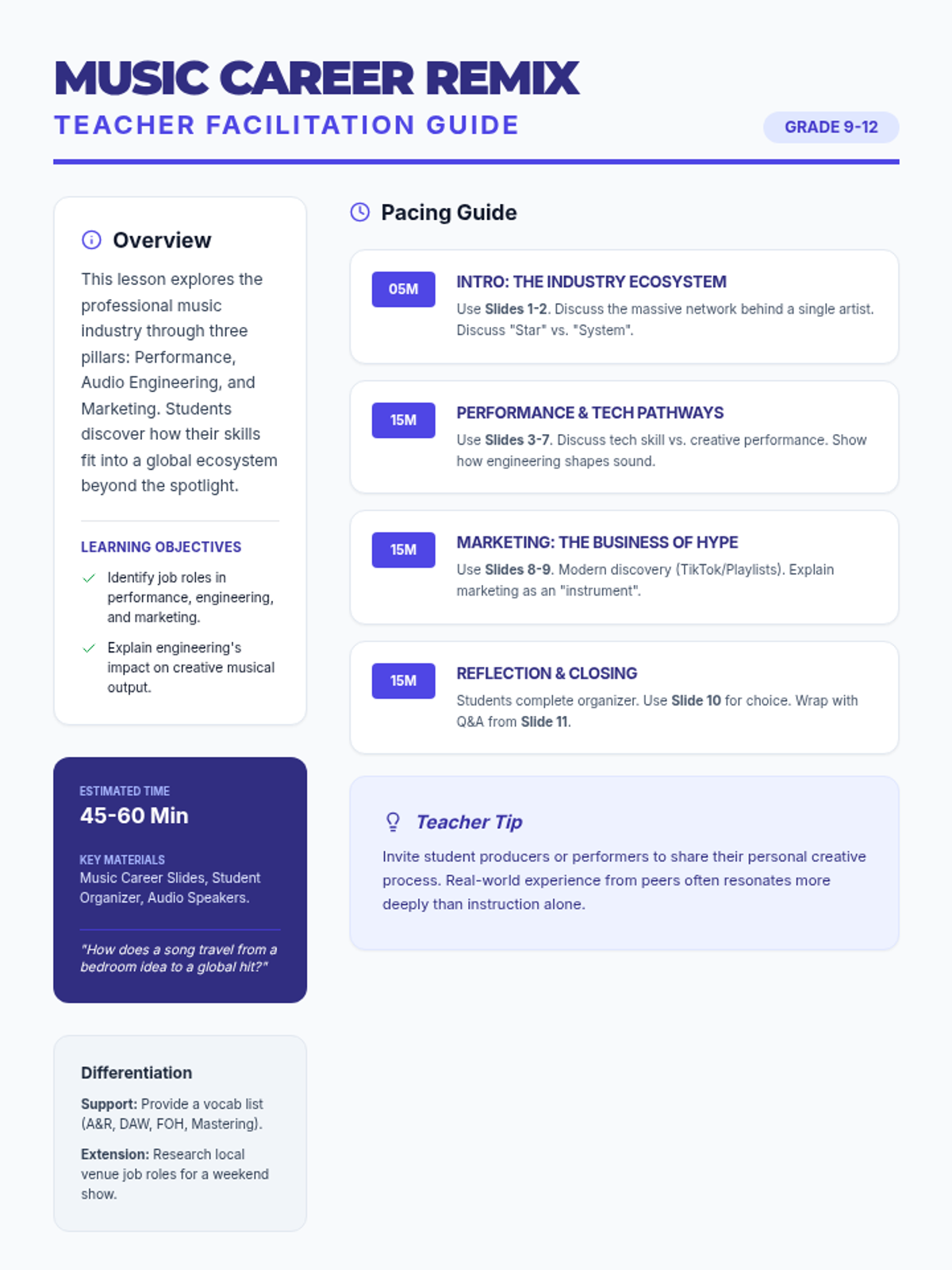
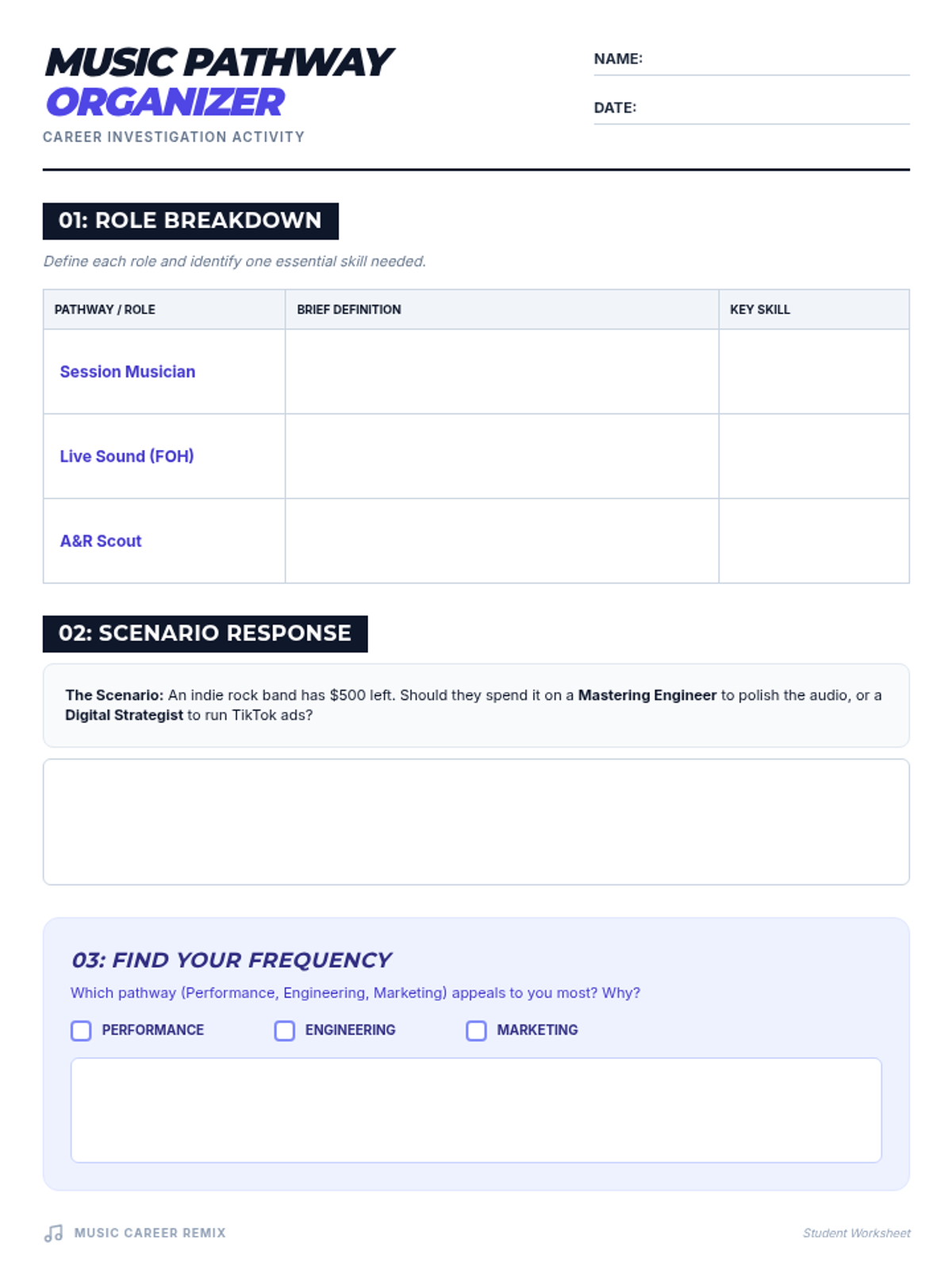
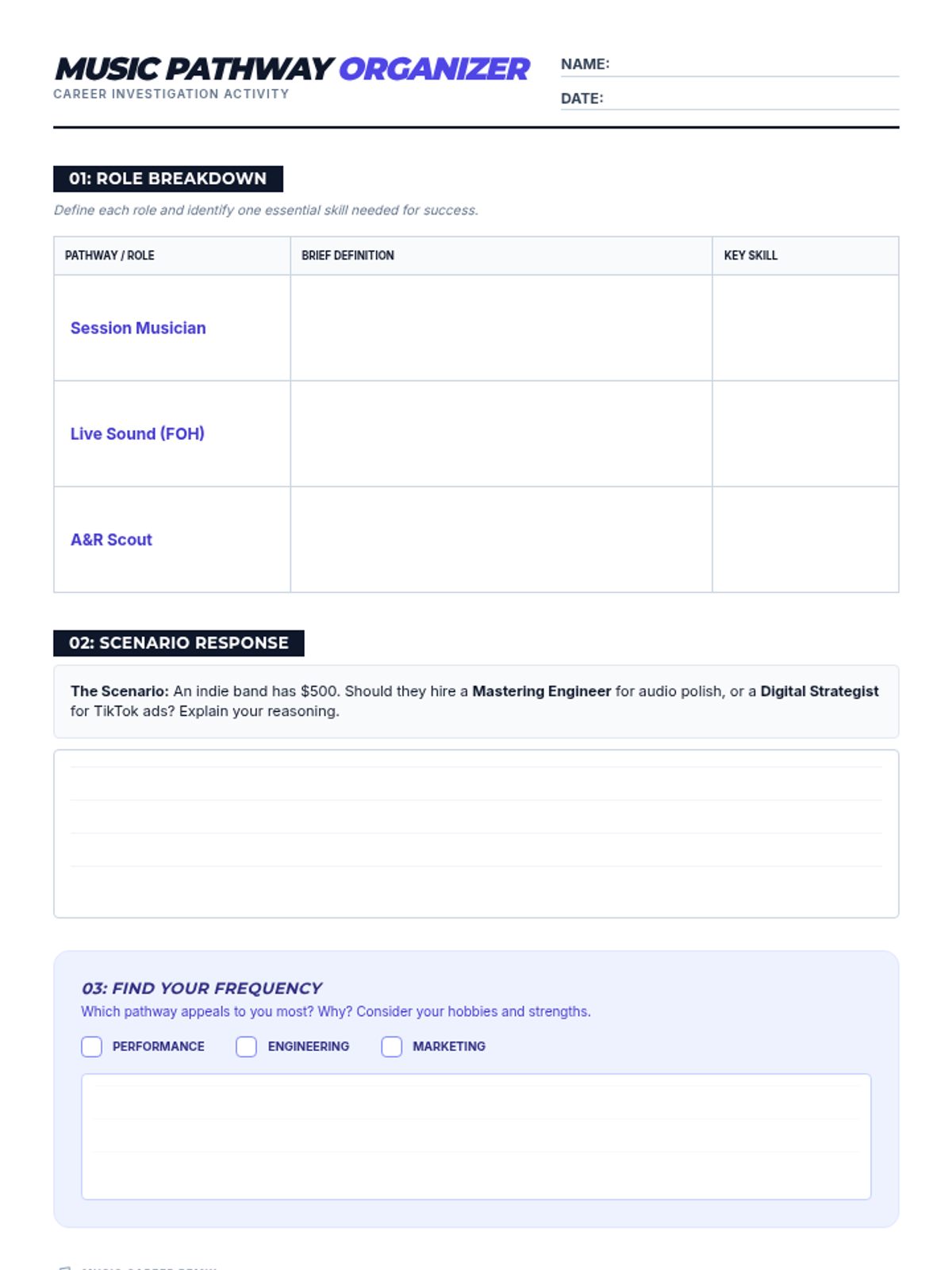
A comprehensive look at professional pathways in the music industry, focusing on performance, technical engineering, and business marketing.
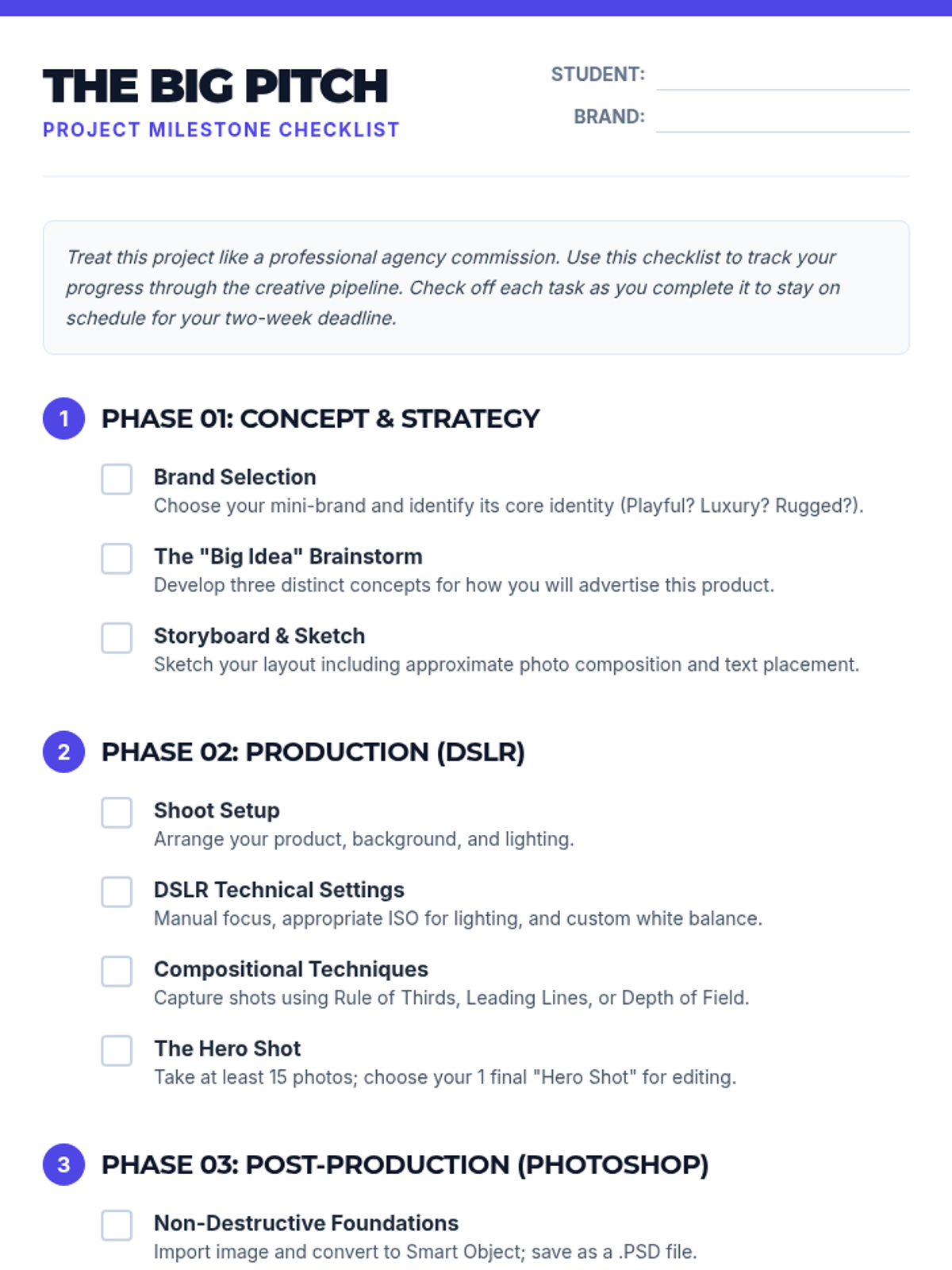
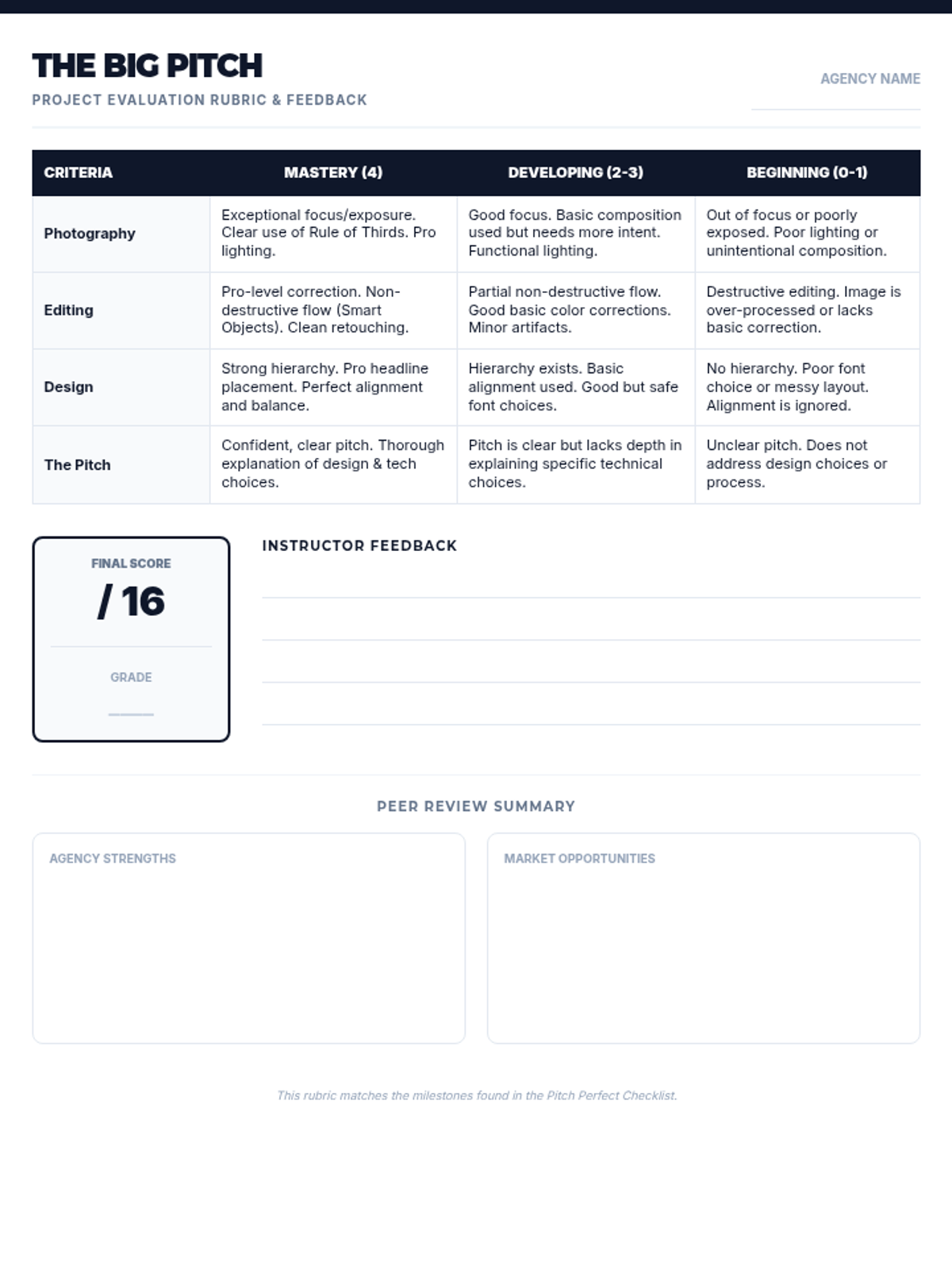
A comprehensive final project where students act as a creative agency to design a professional advertisement for a mini-brand, integrating photography, Photoshop editing, and design principles.
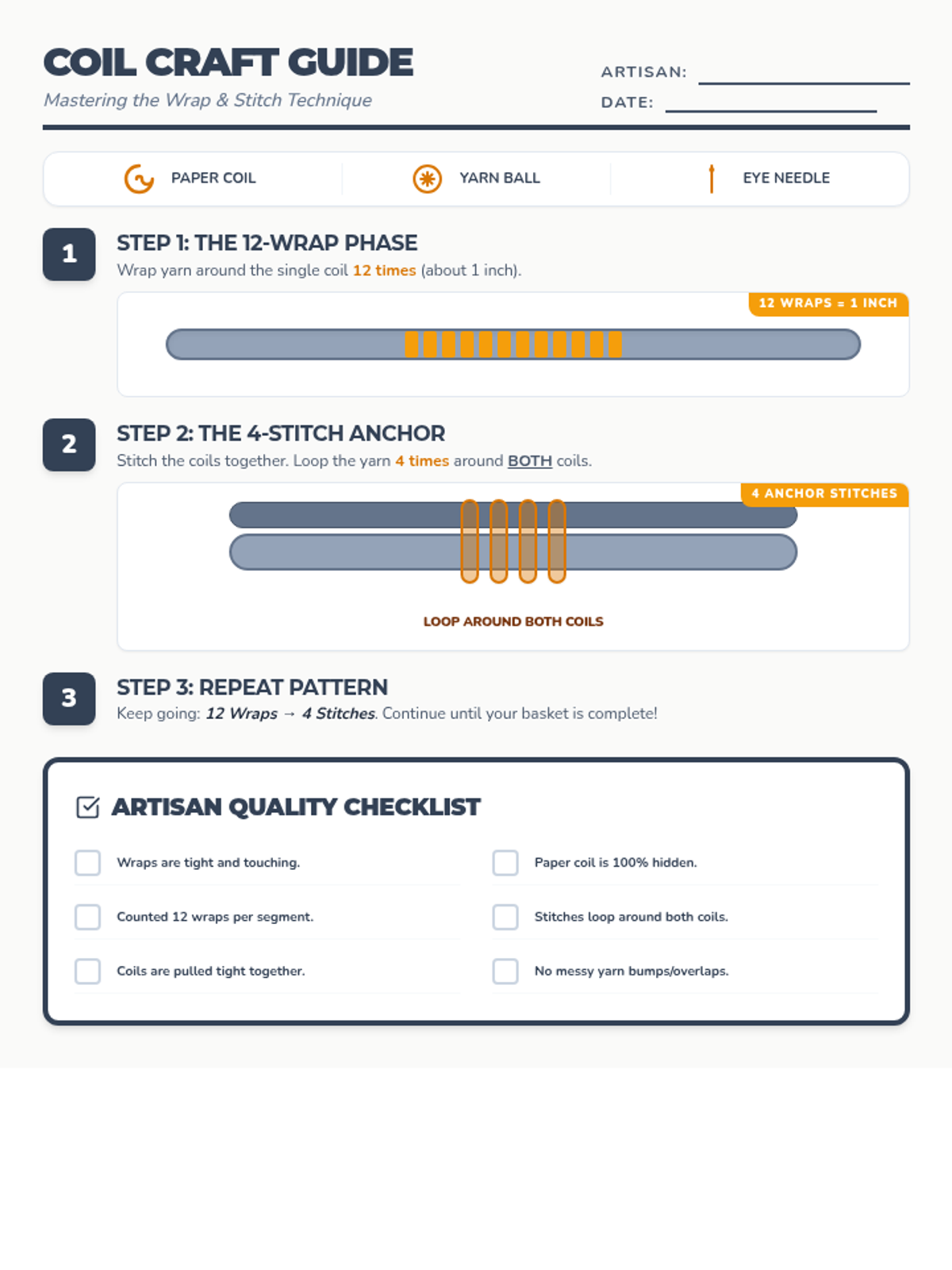
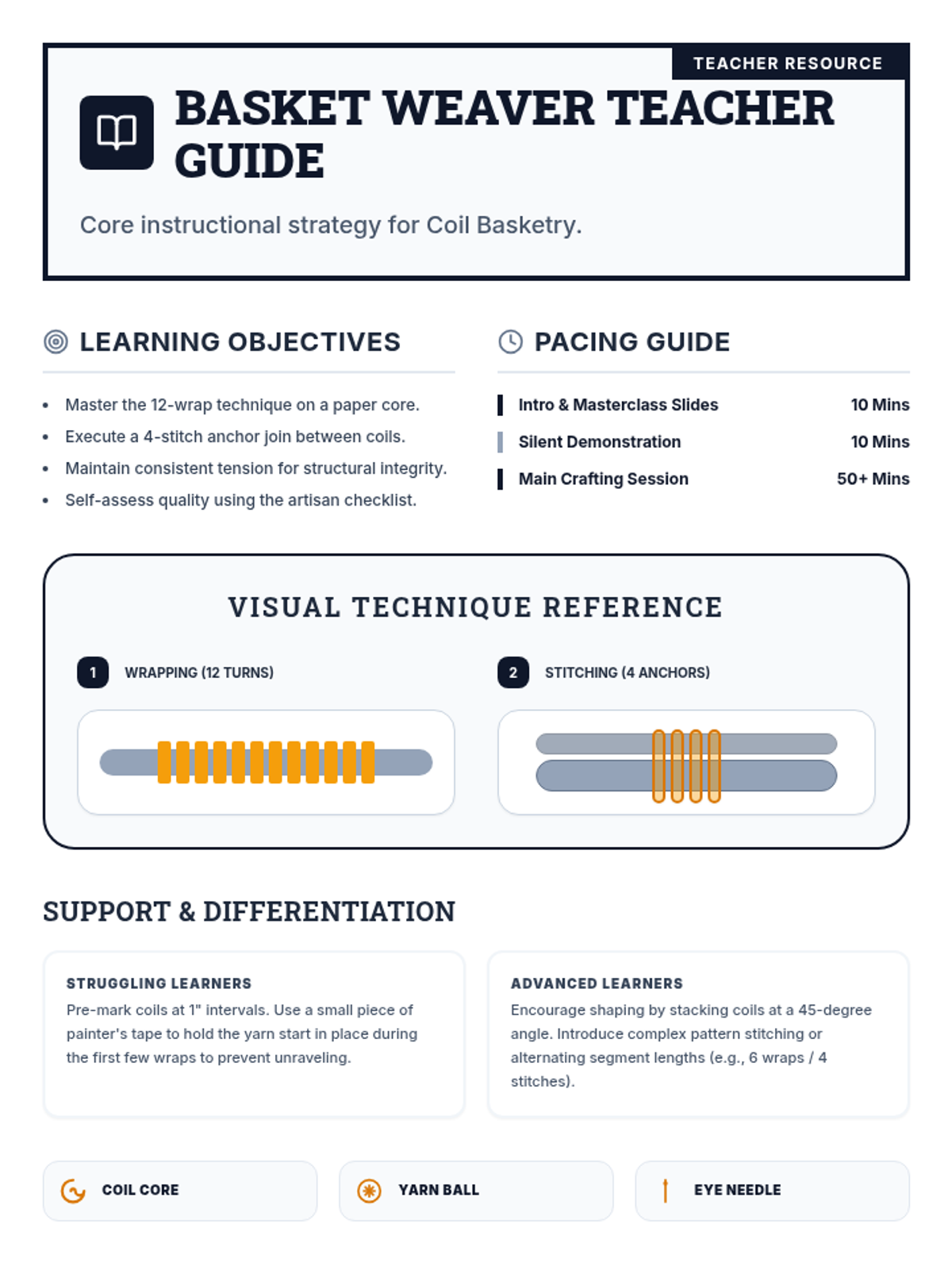
A hands-on introductory lesson to the traditional art of coil basketry using paper coils and yarn. Students master the rhythmic technique of wrapping and stitching to create a functional, decorative vessel.
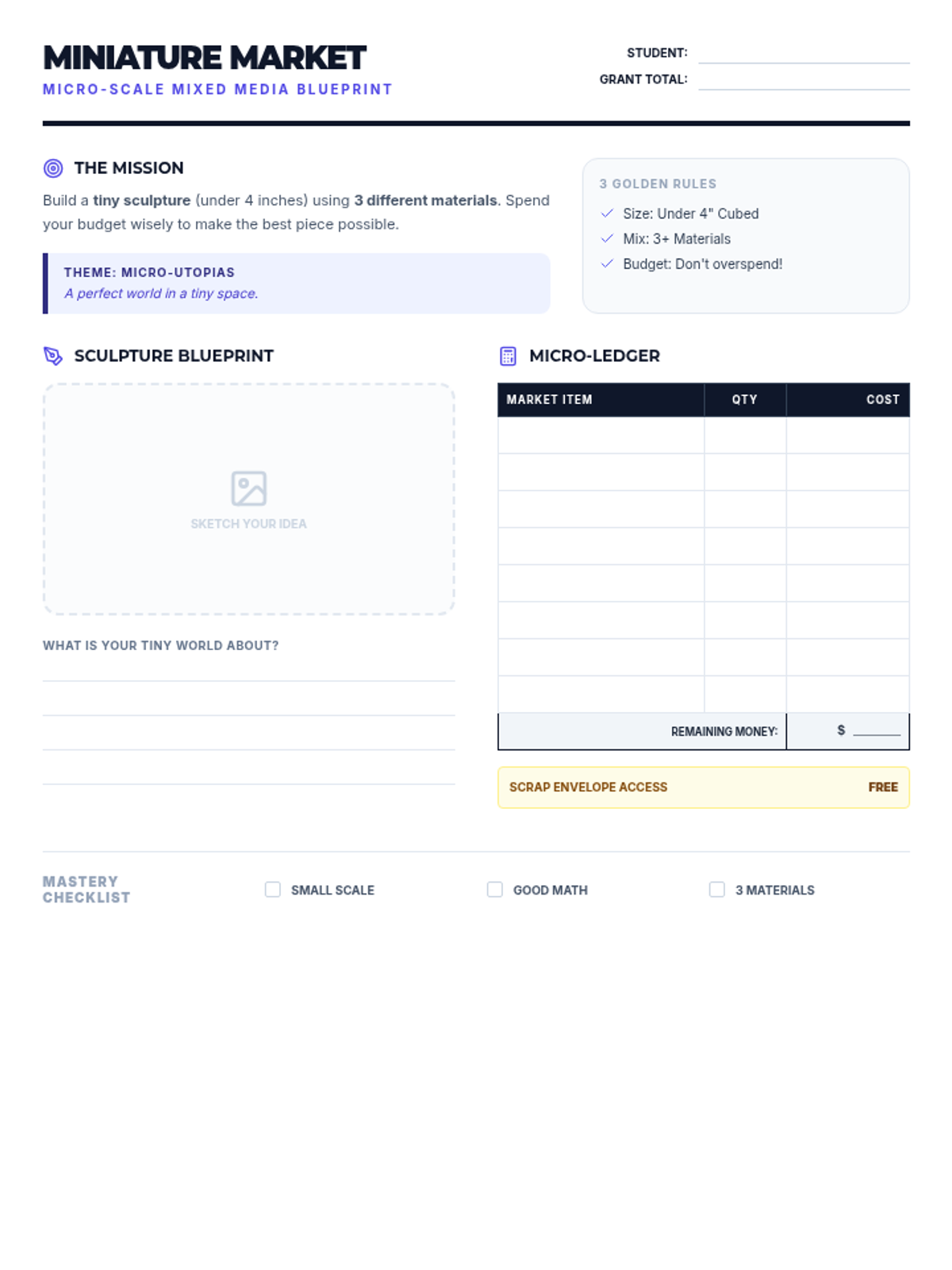
A collaborative art project where students navigate financial constraints to create high-quality mixed media sculptures, mimicking real-world commission and grant structures.
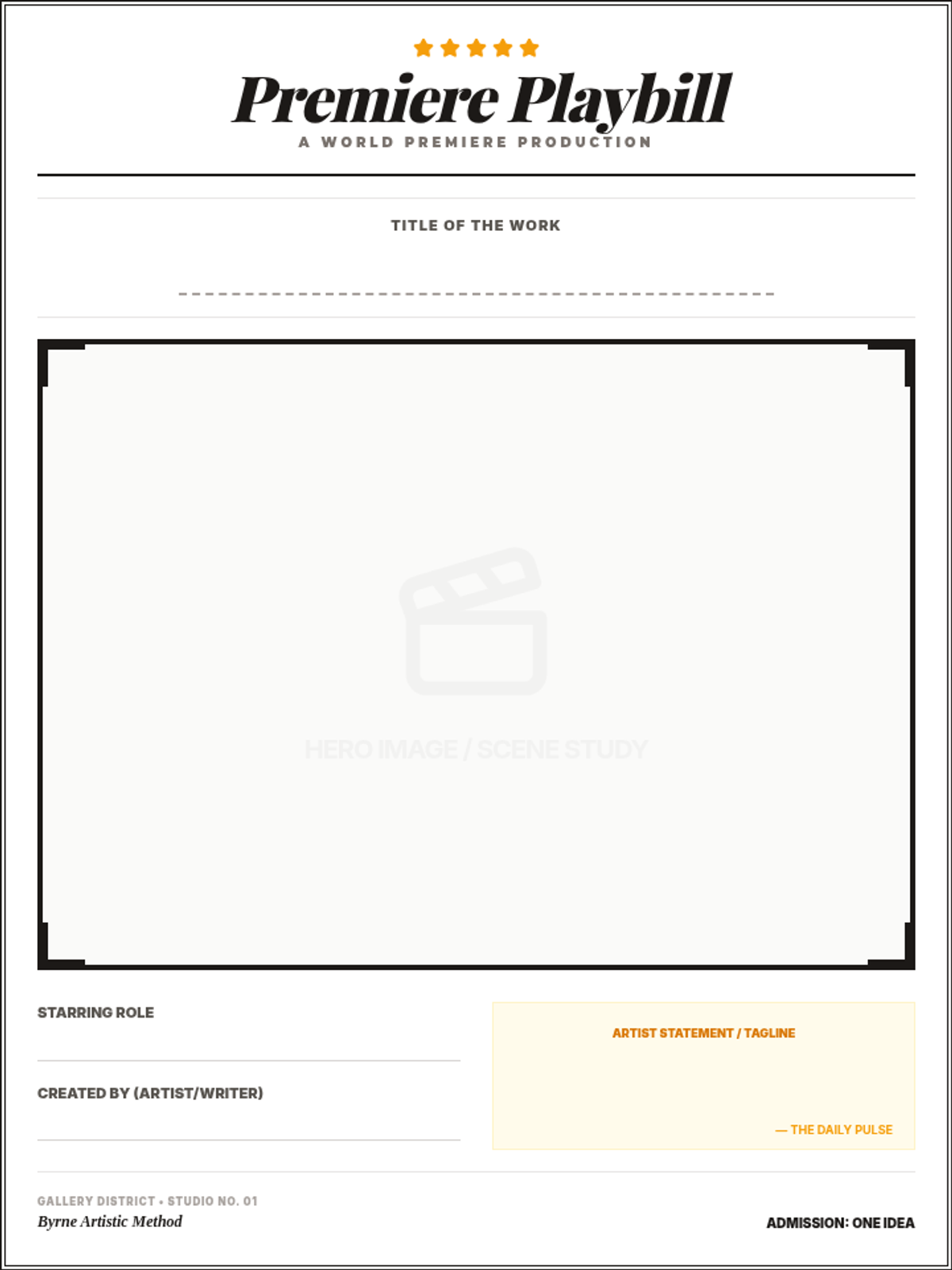
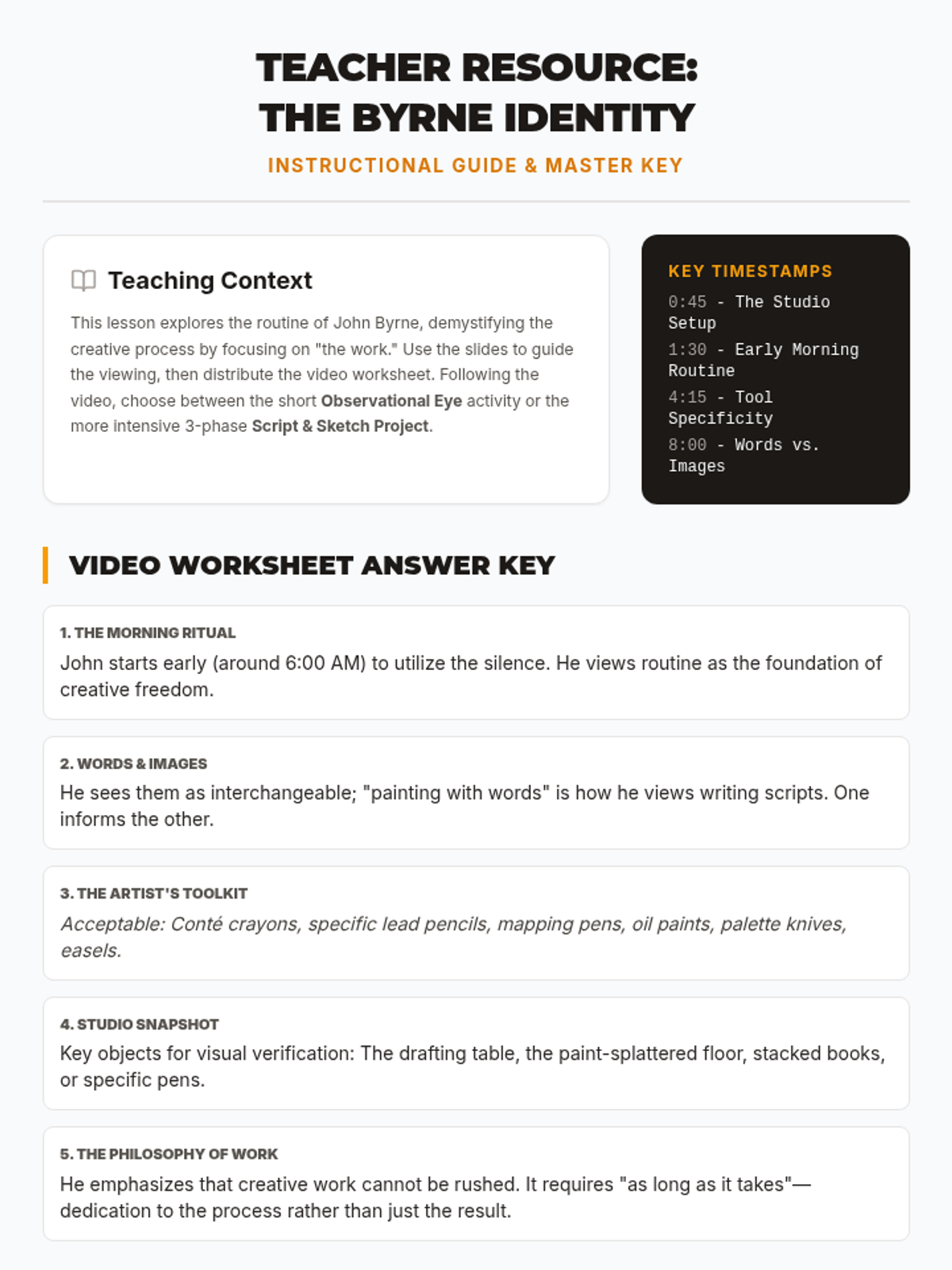
An in-depth look at John Byrne's daily life as a painter and playwright, focusing on his studio habits, materials, and the intersection of visual art and storytelling.
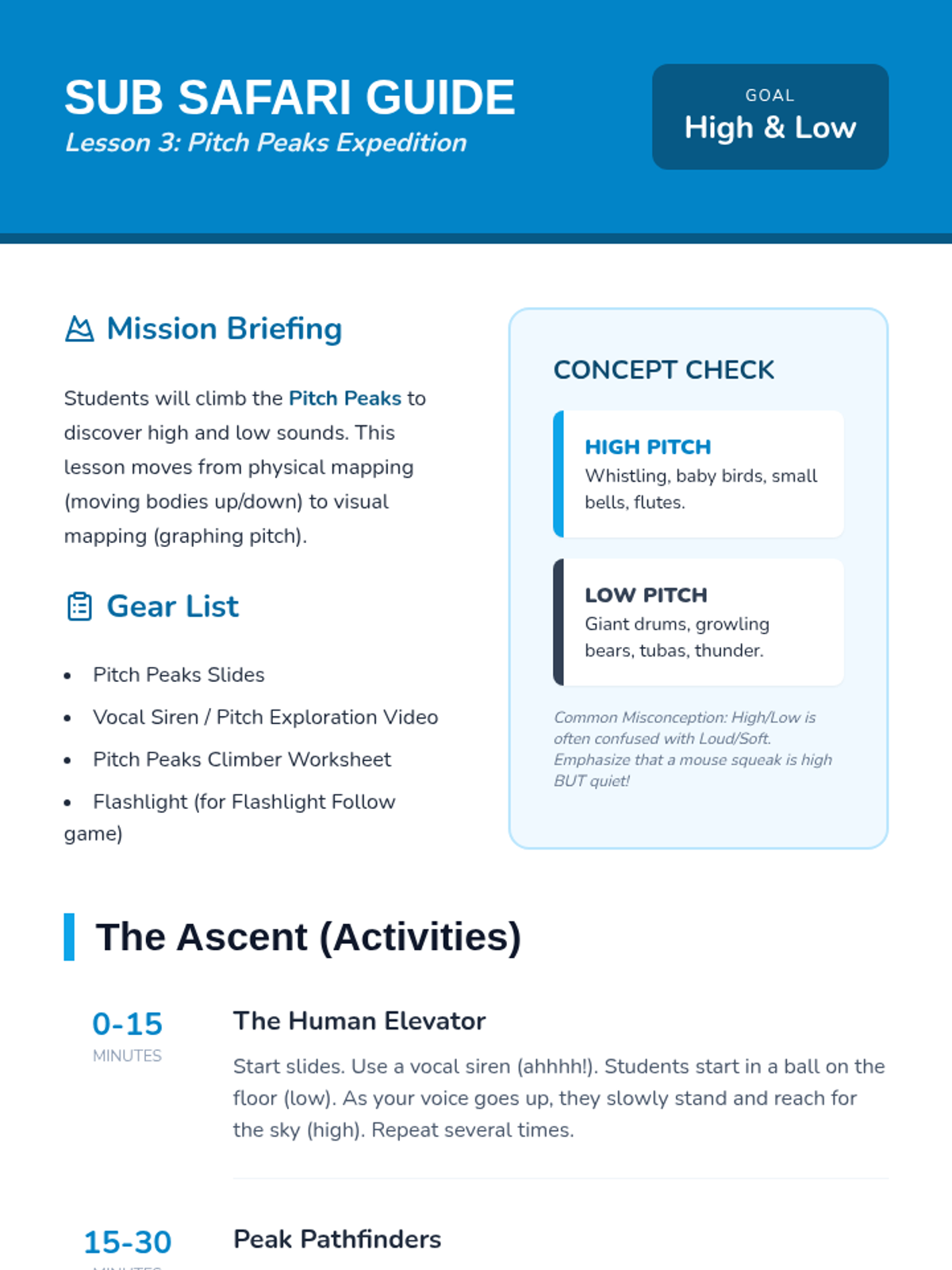
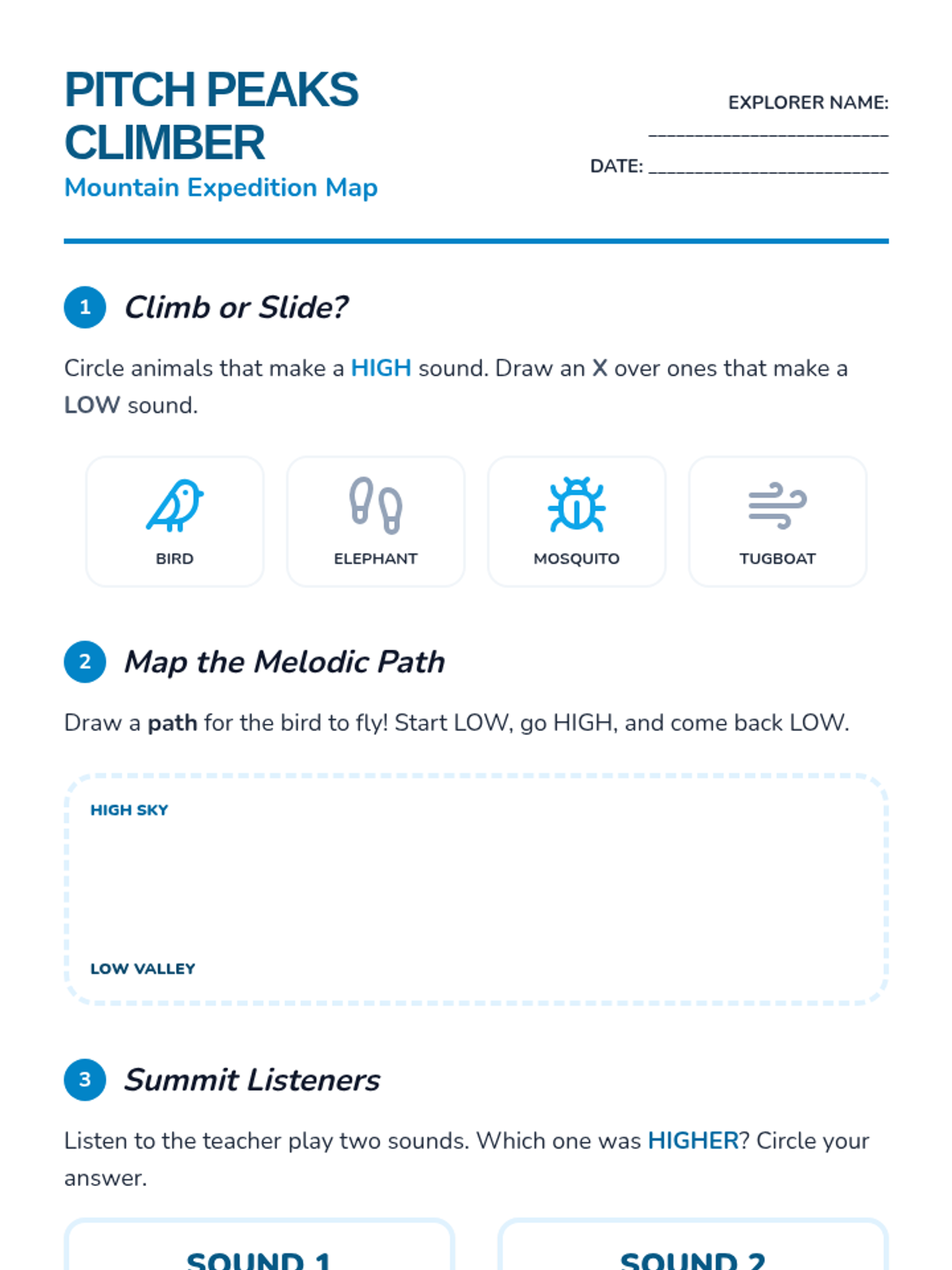
Students climb the musical mountains to distinguish between high and low sounds through active listening and visual mapping.
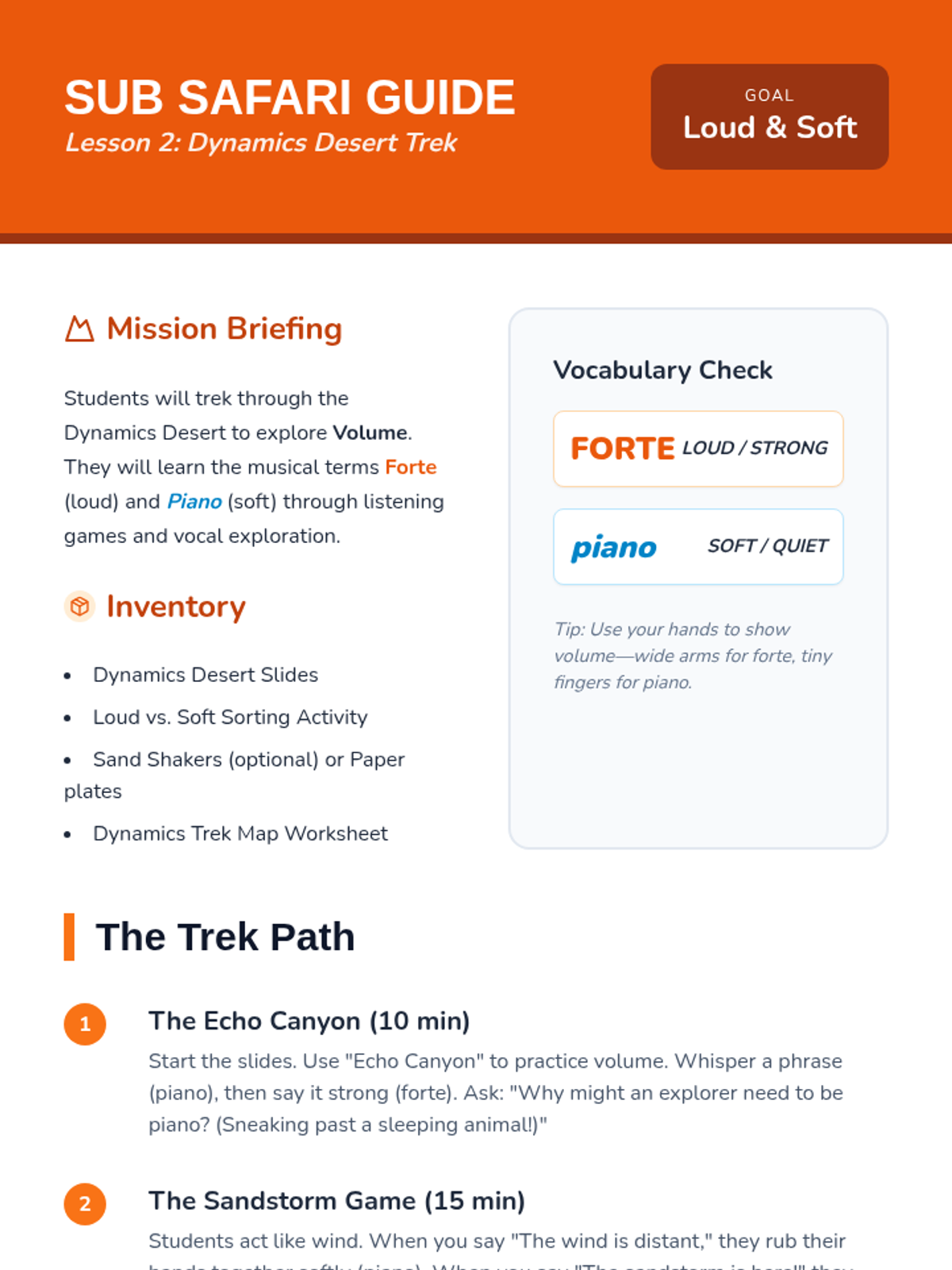
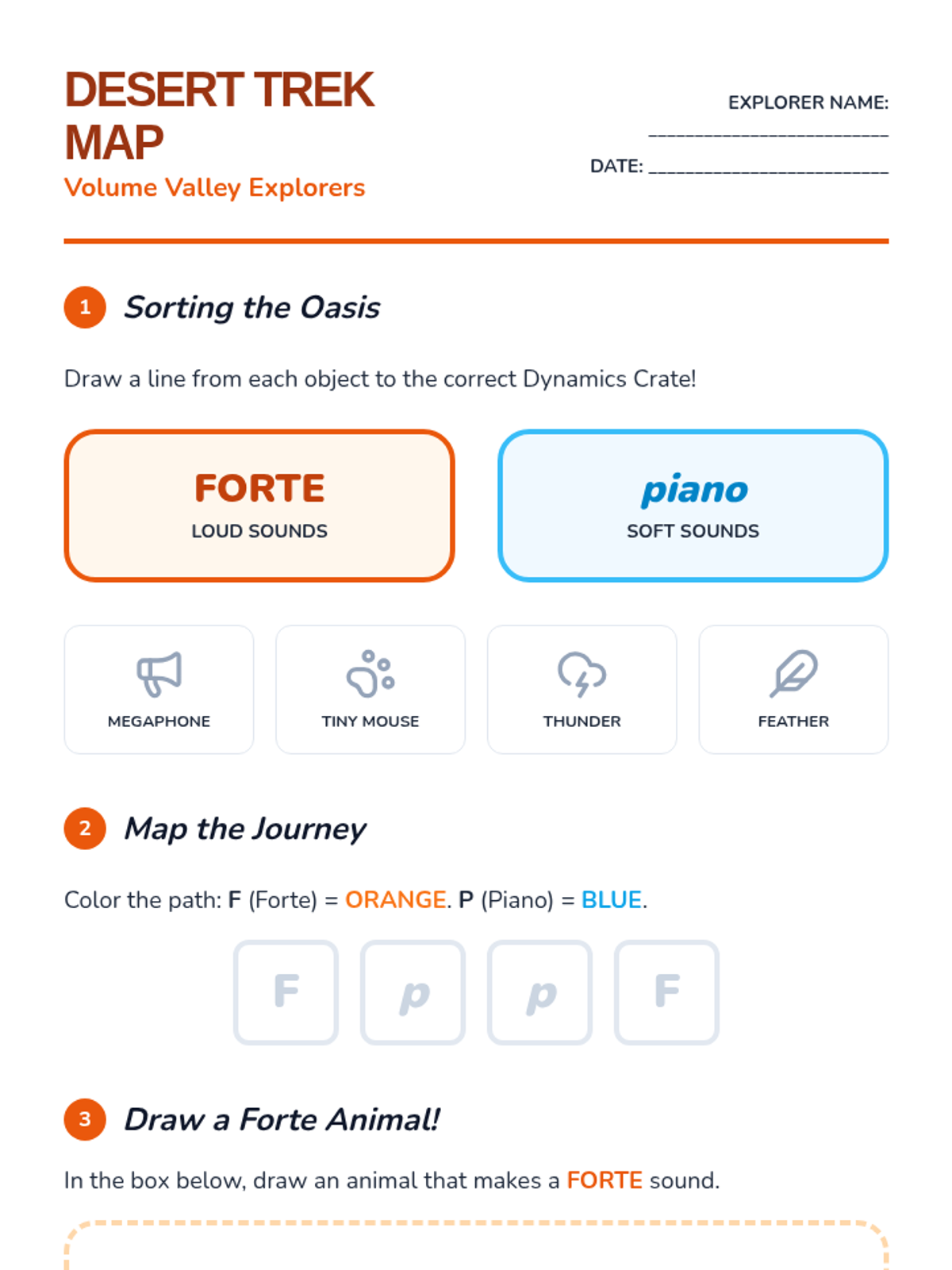
An adventure through the desert to discover piano and forte, using environmental sounds and vocal exploration to understand volume.
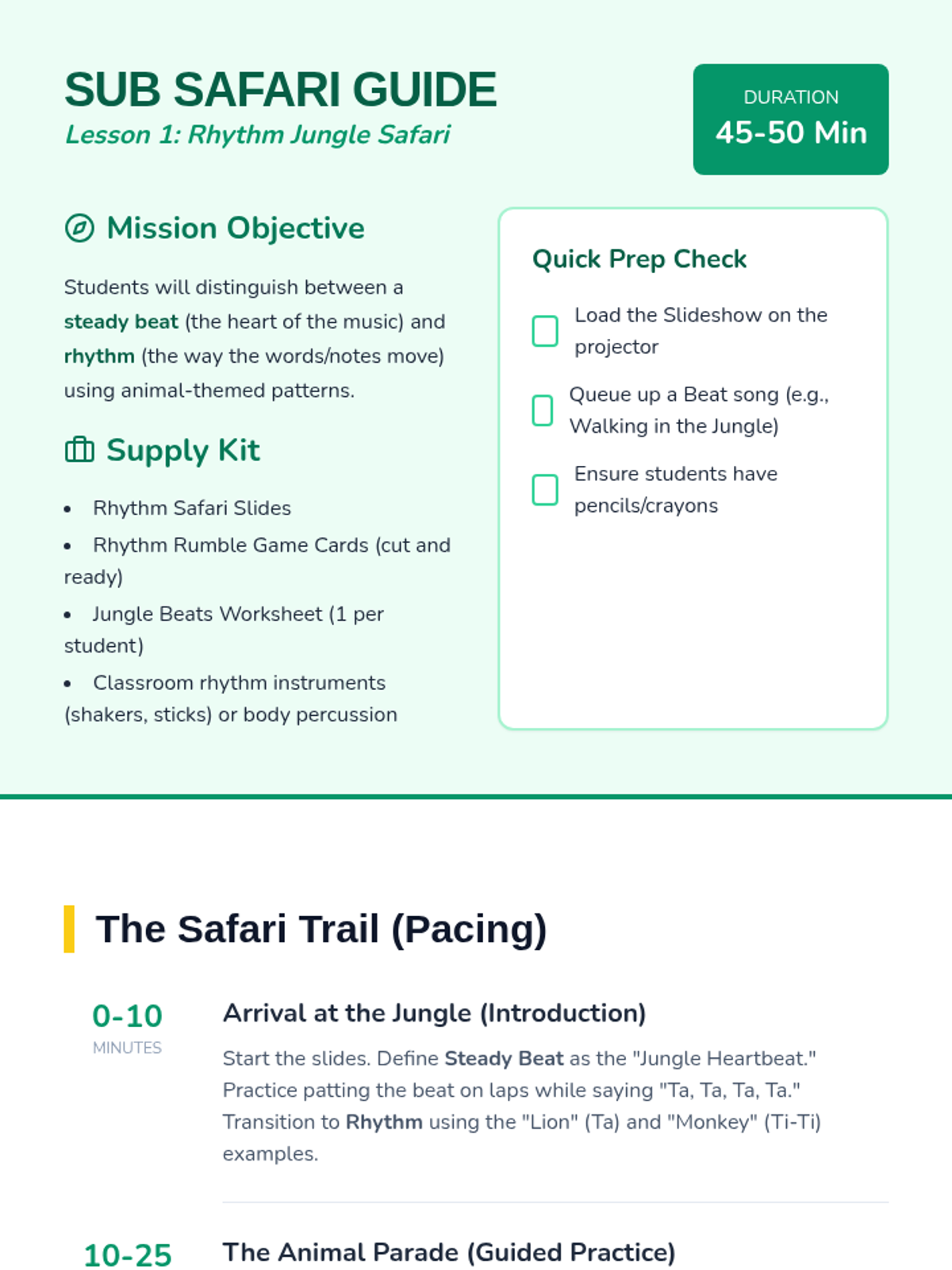
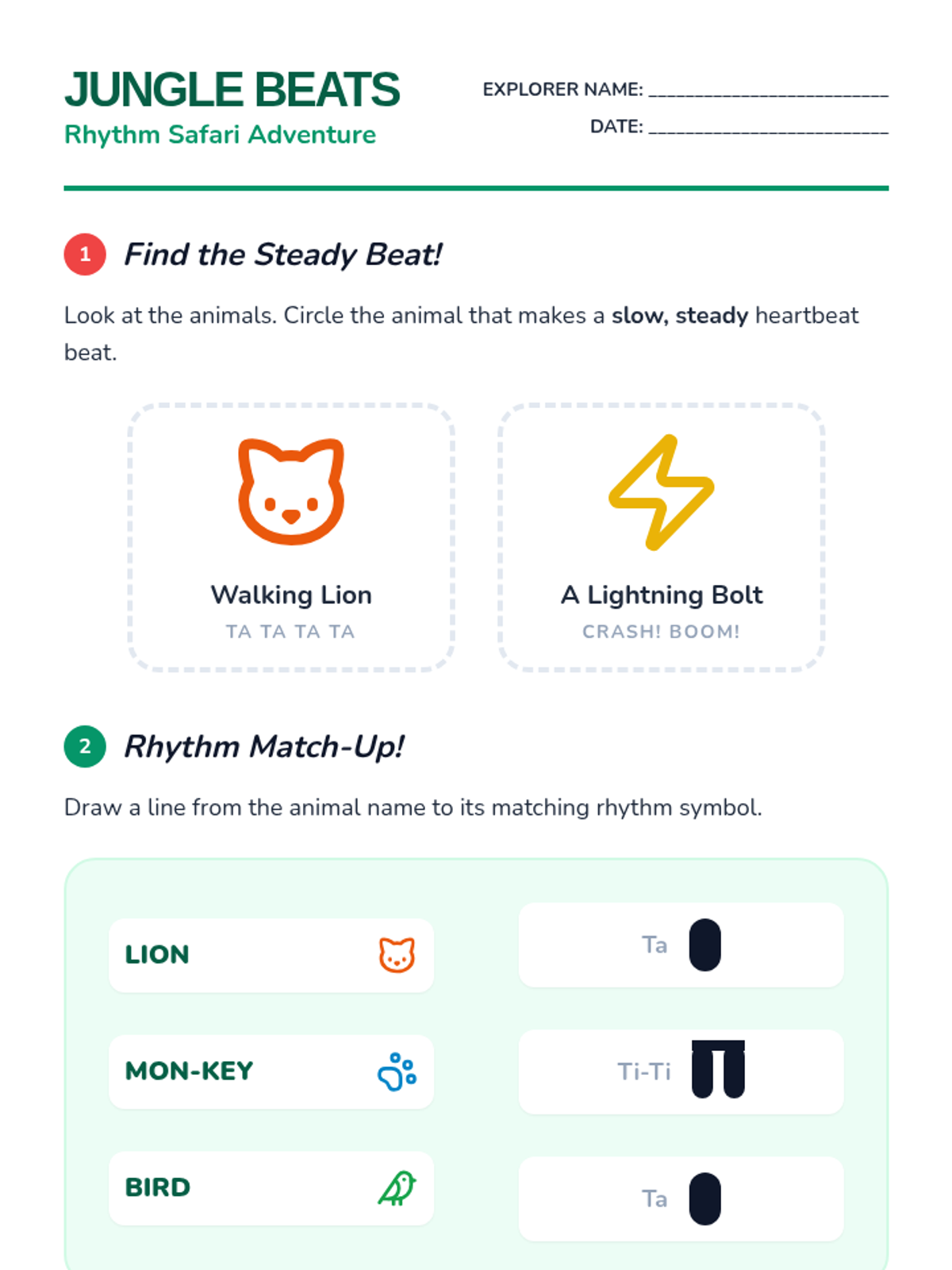
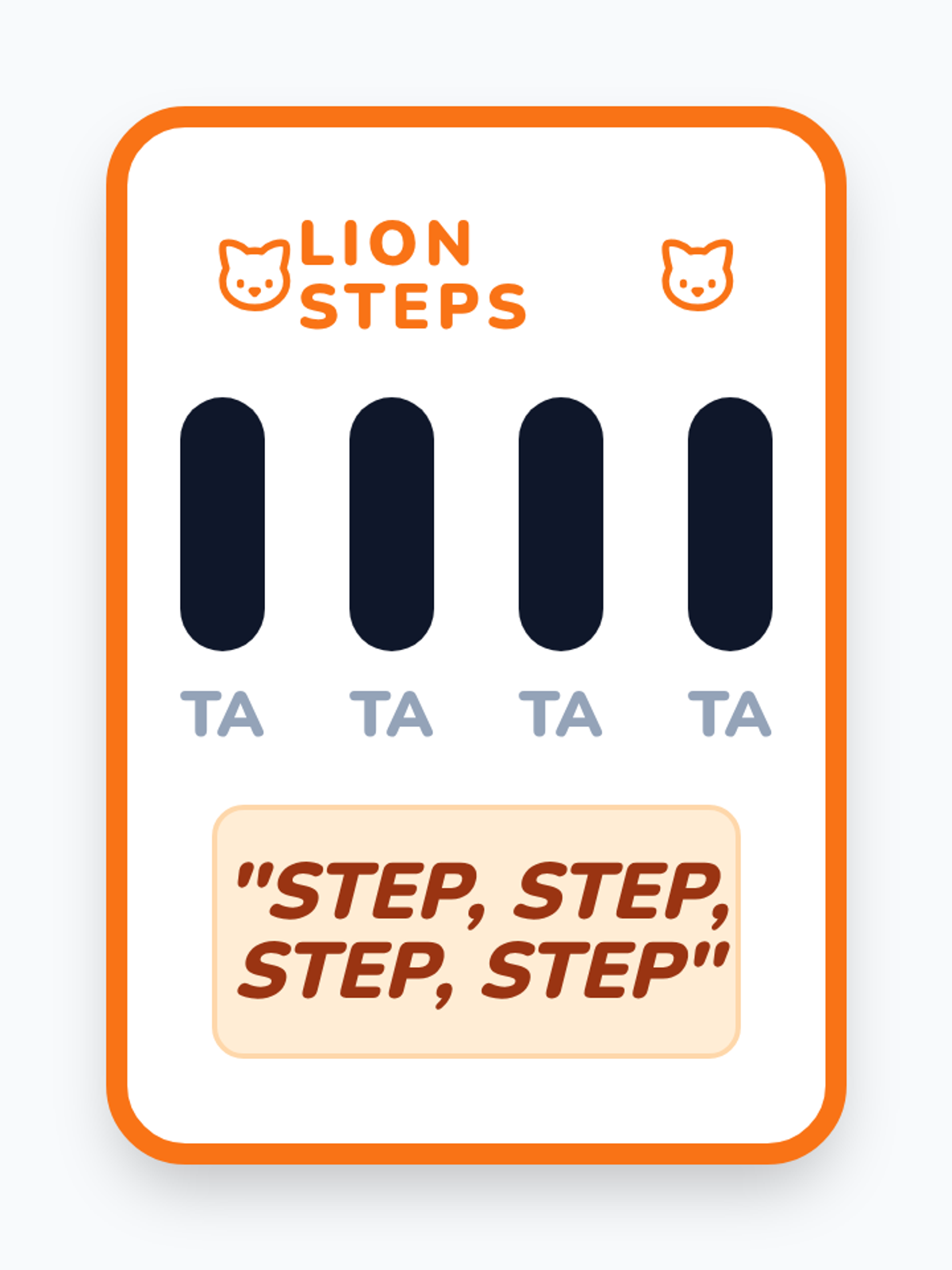
Students explore the difference between steady beat and rhythm using animal movements and simple rhythmic patterns (quarter and eighth notes).
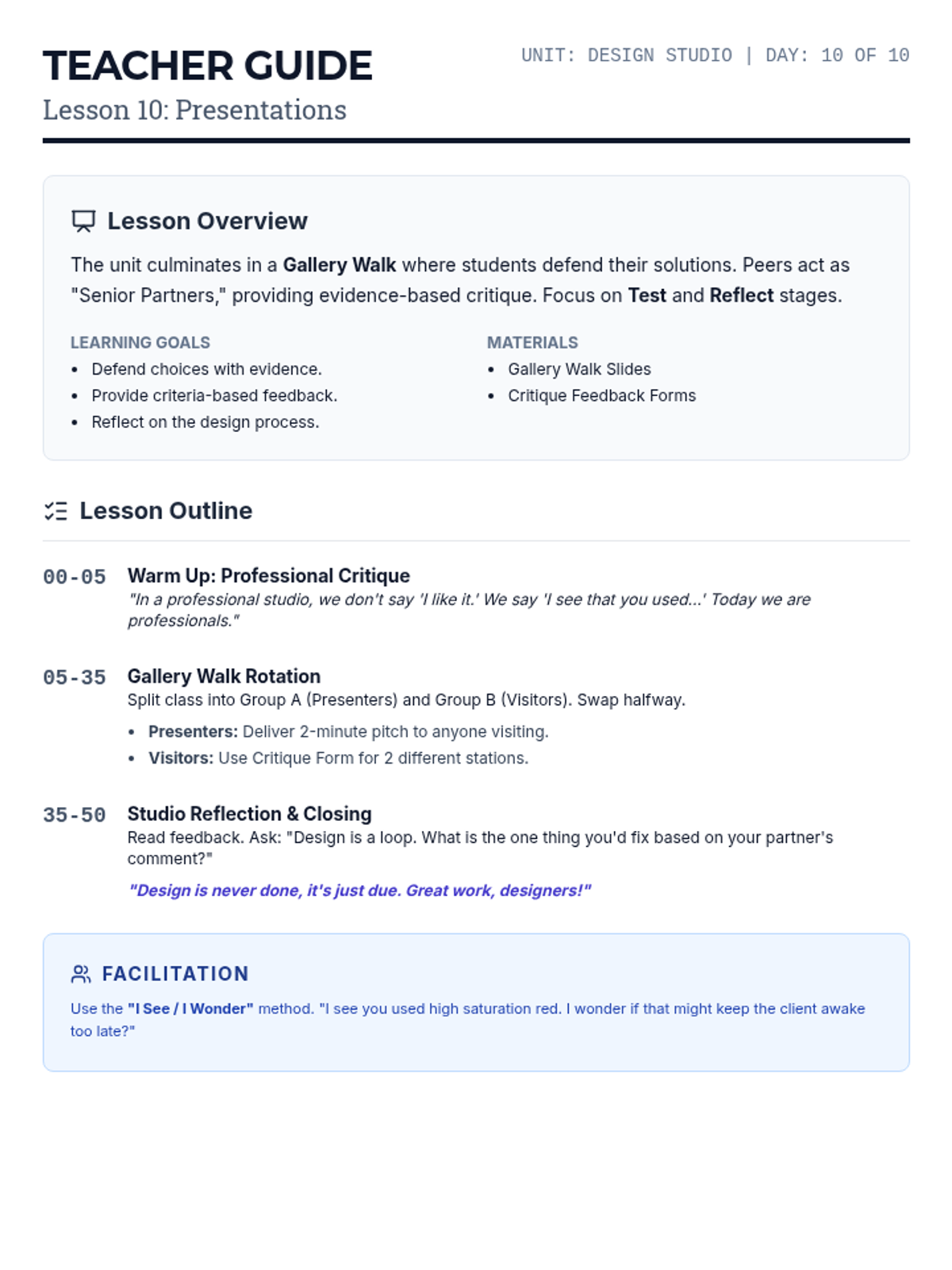
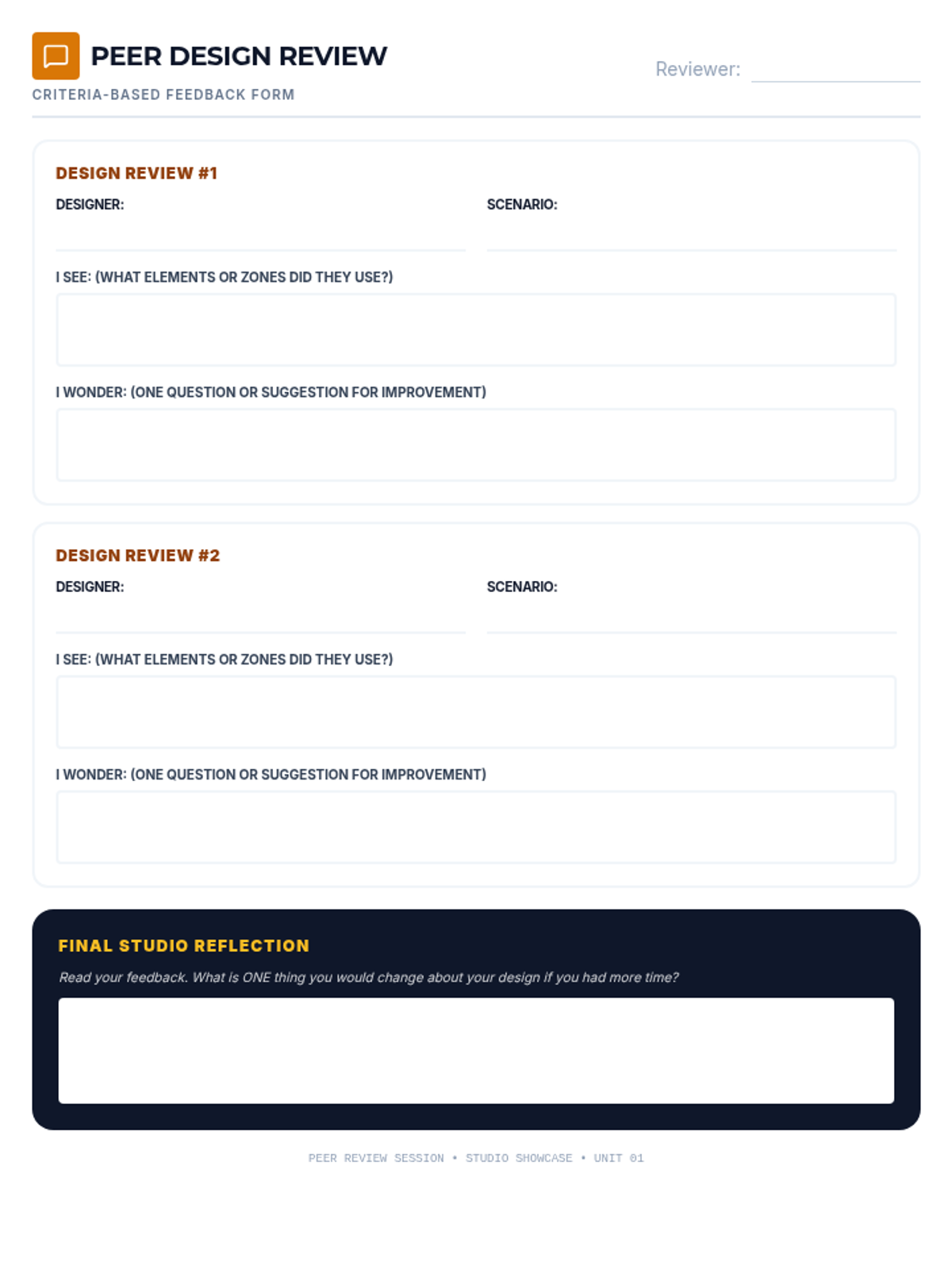
The unit culminates in a gallery walk and formal presentation where students defend their design choices using evidence from their clients' briefs. Peer critique focuses on how well the design meets the user's emotional and functional needs.