A hands-on introductory lesson to the traditional art of coil basketry using paper coils and yarn. Students master the rhythmic technique of wrapping and stitching to create a functional, decorative vessel.

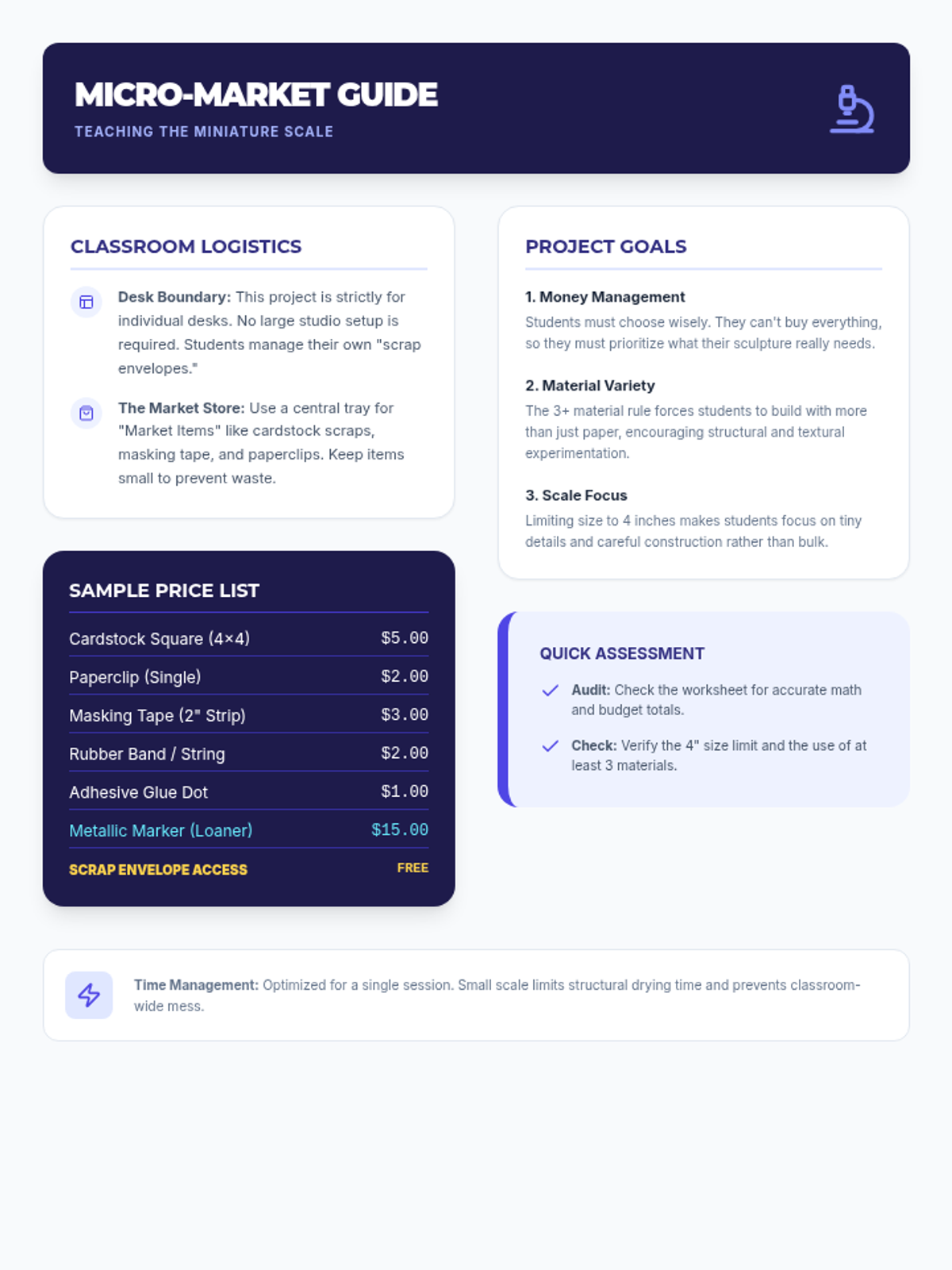
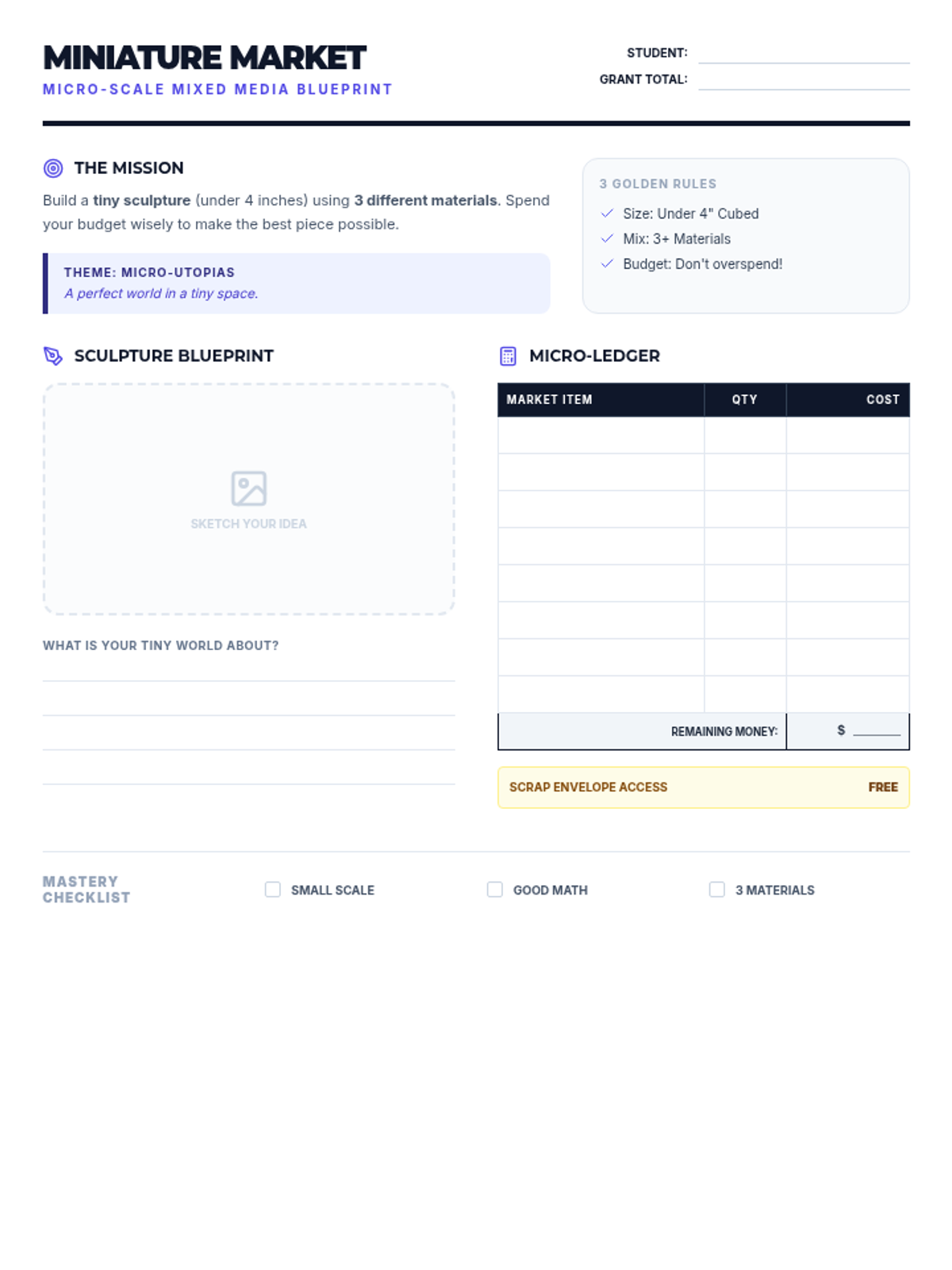
A collaborative art project where students navigate financial constraints to create high-quality mixed media sculptures, mimicking real-world commission and grant structures.
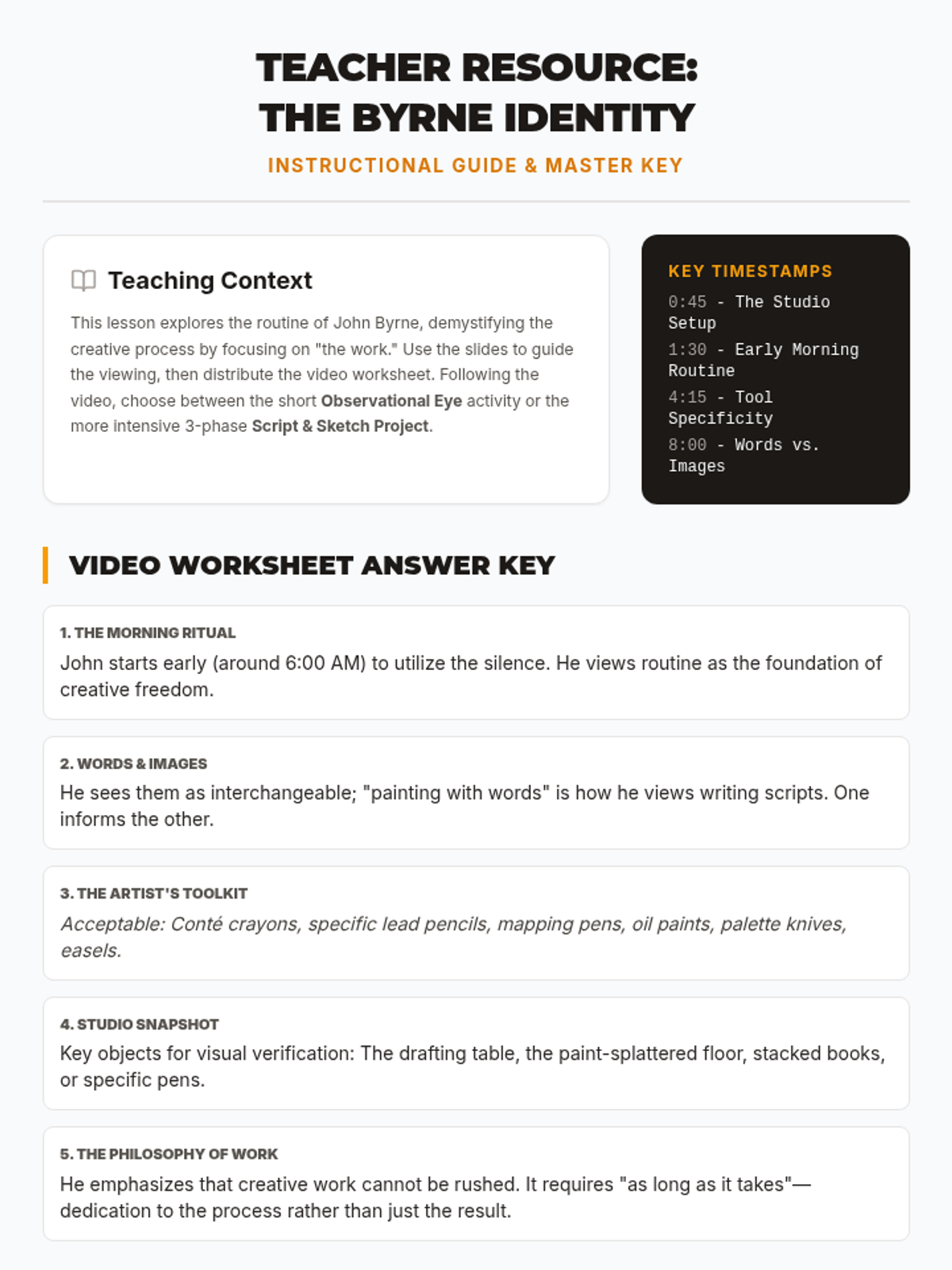
An in-depth look at John Byrne's daily life as a painter and playwright, focusing on his studio habits, materials, and the intersection of visual art and storytelling.
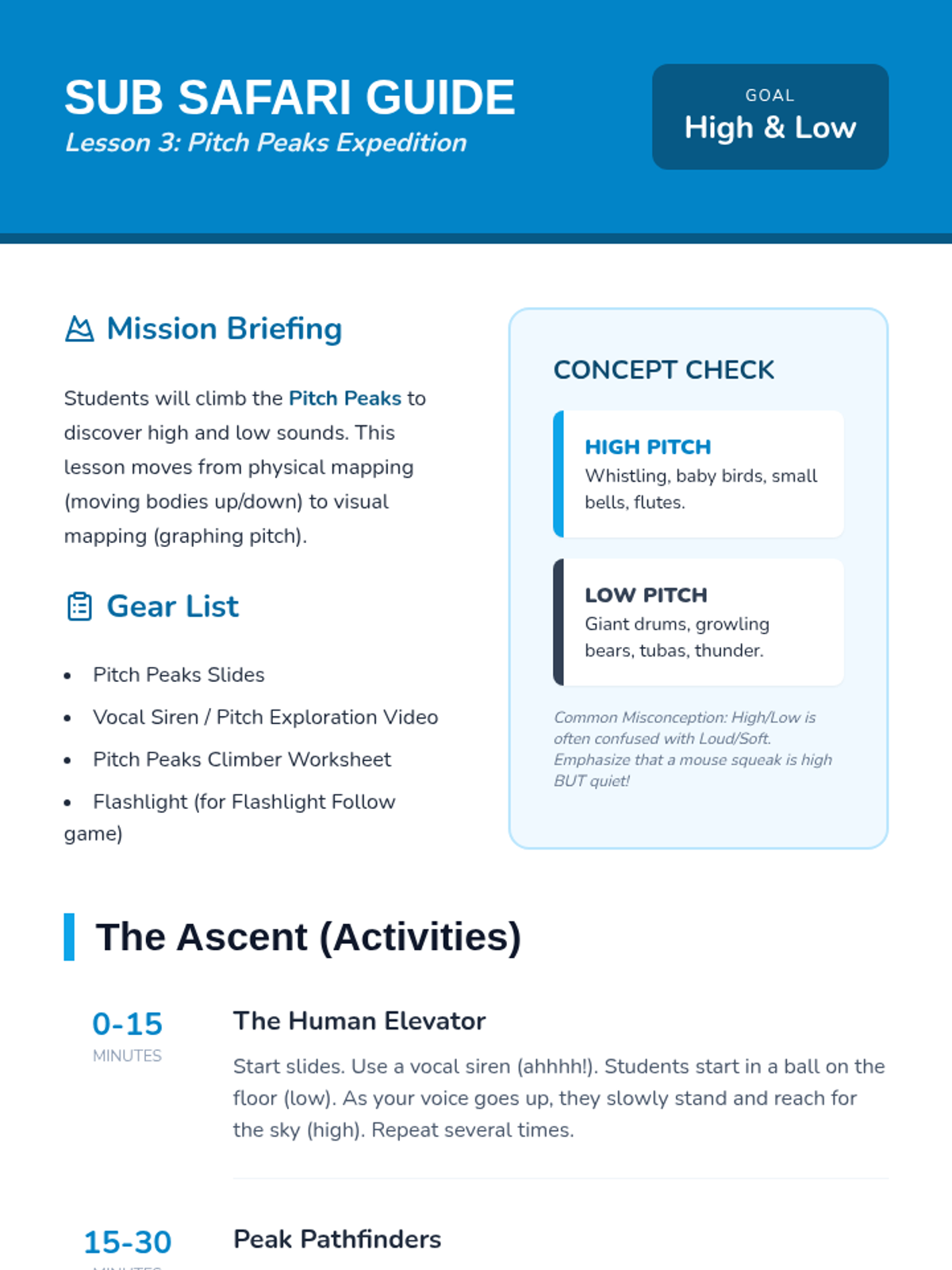
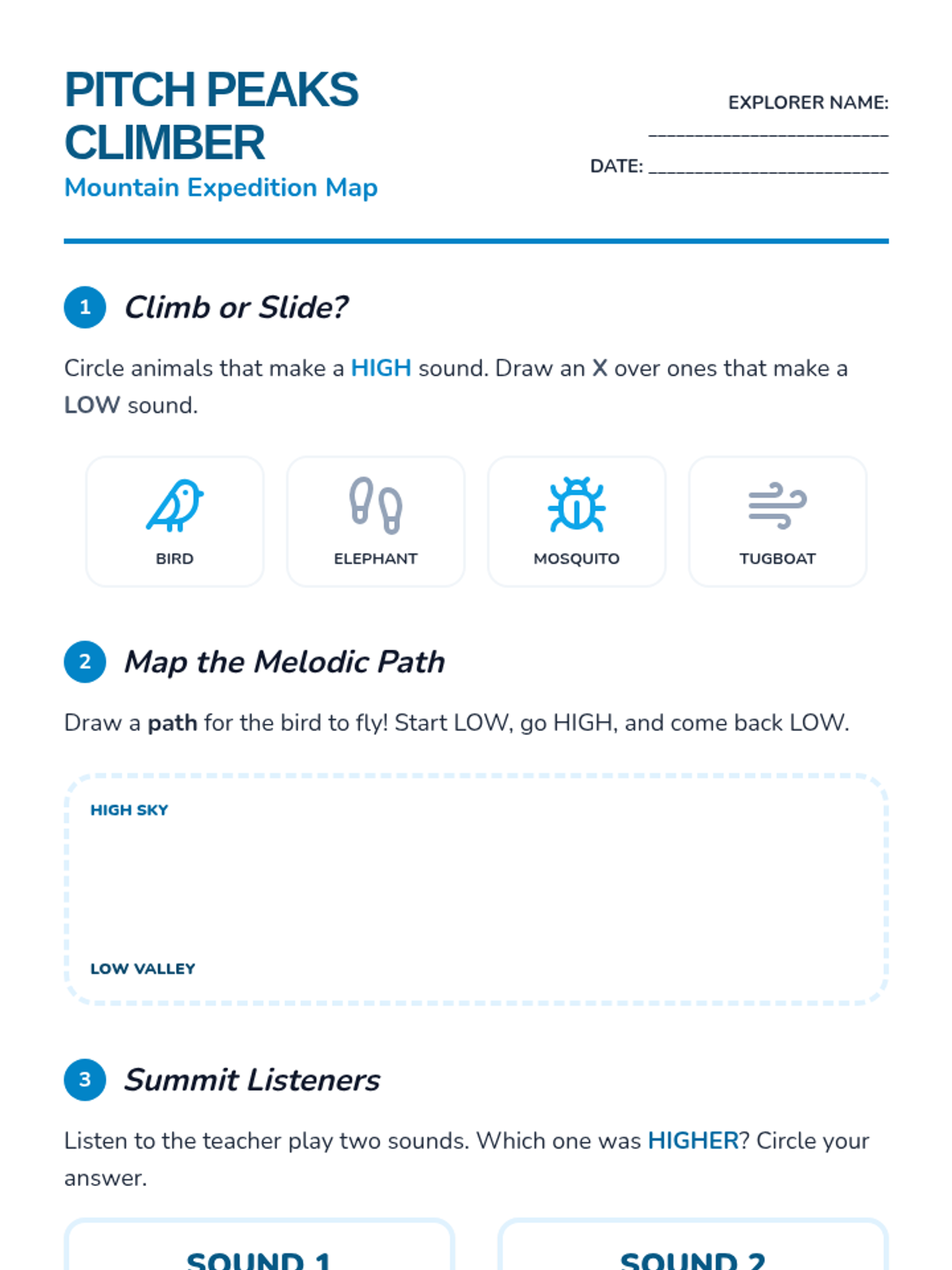
Students climb the musical mountains to distinguish between high and low sounds through active listening and visual mapping.
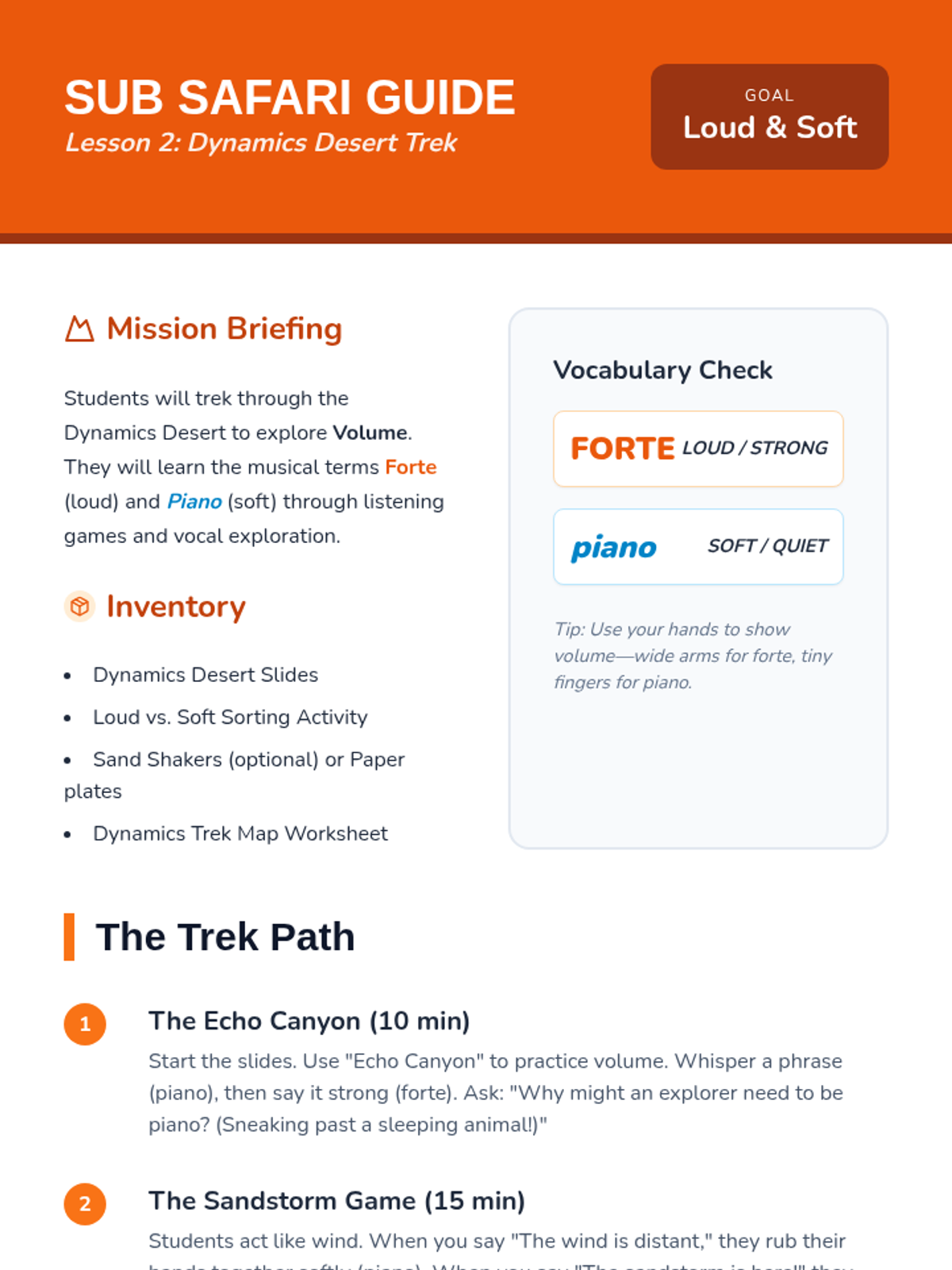
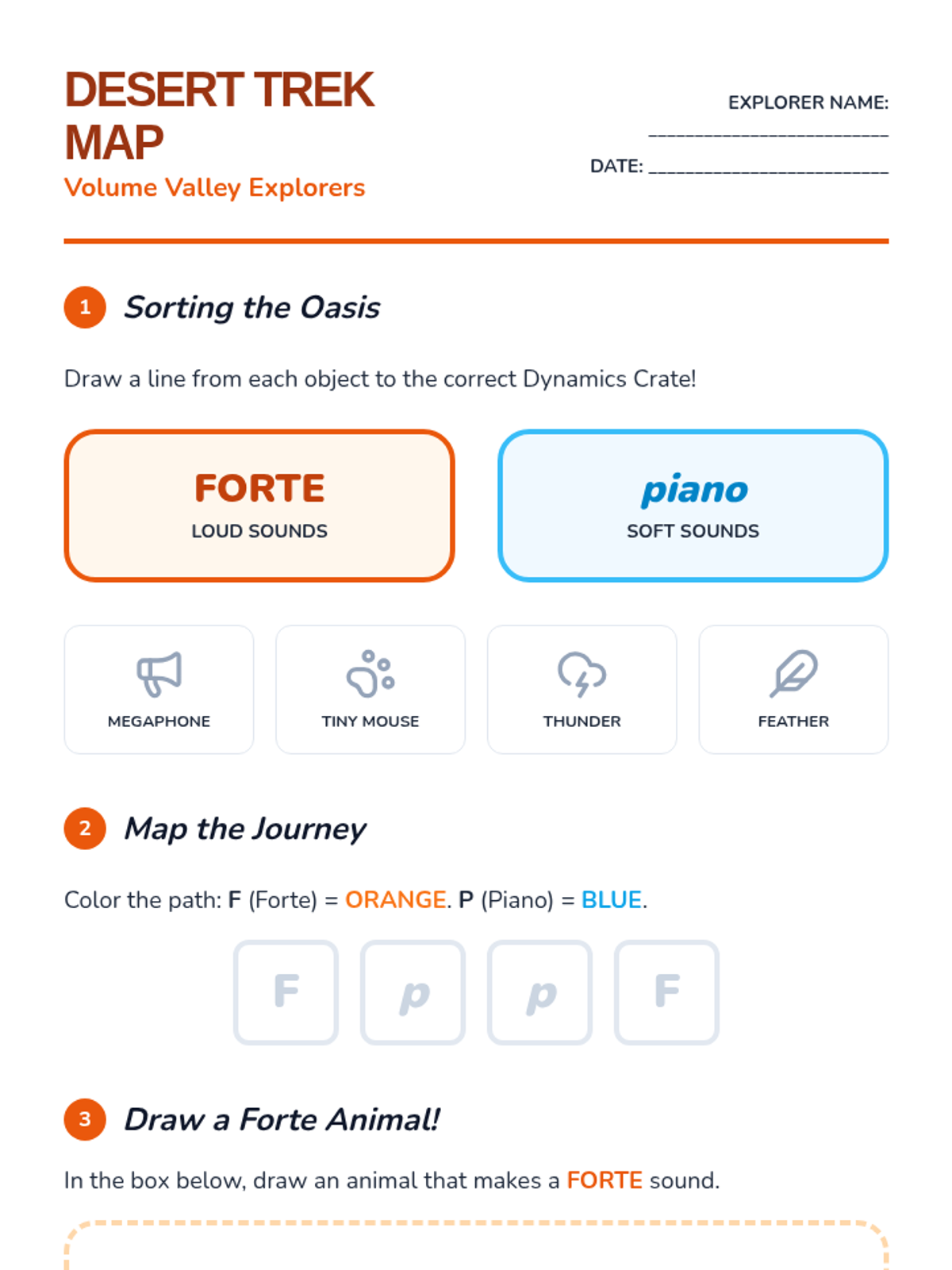
An adventure through the desert to discover piano and forte, using environmental sounds and vocal exploration to understand volume.
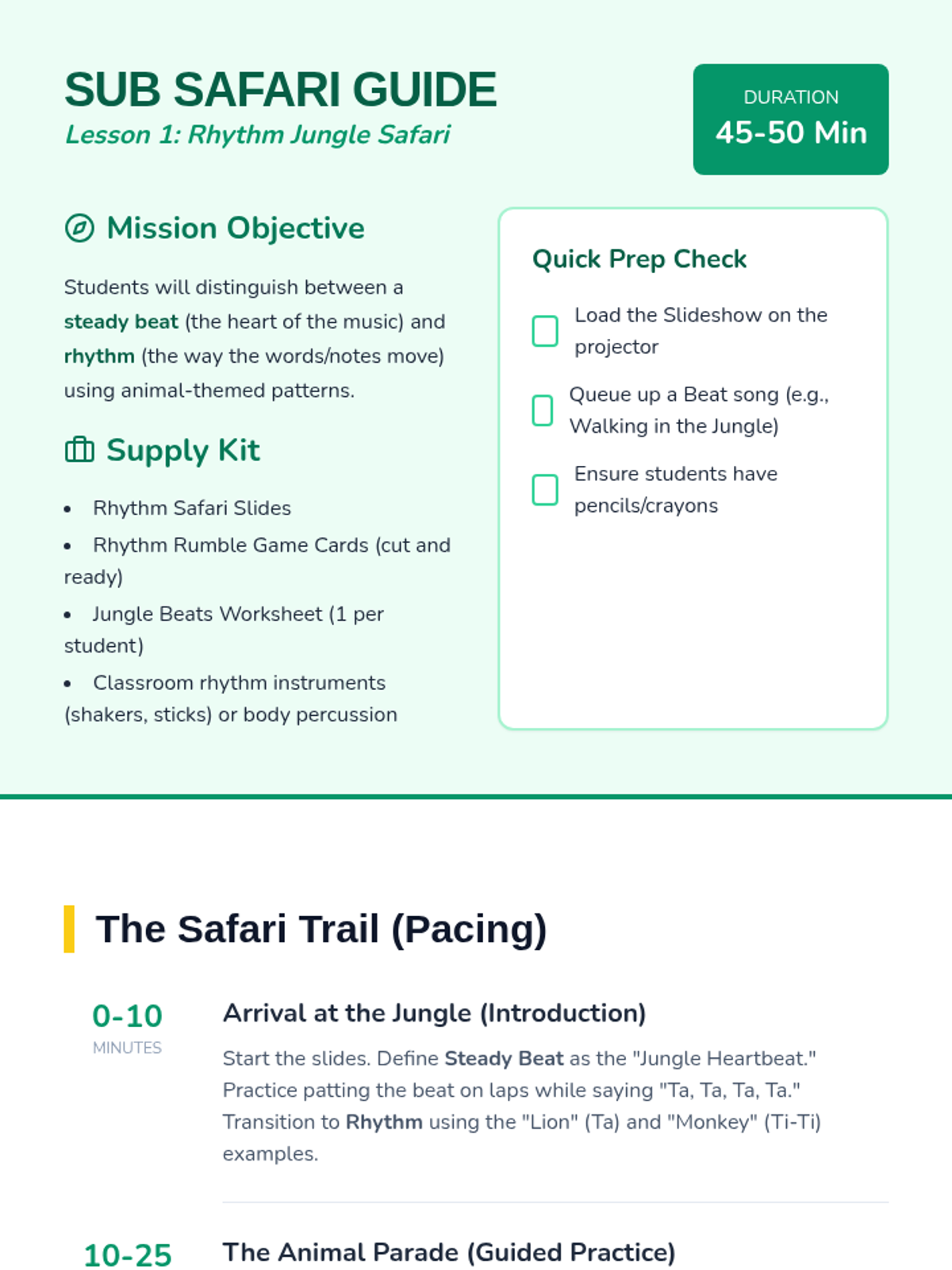
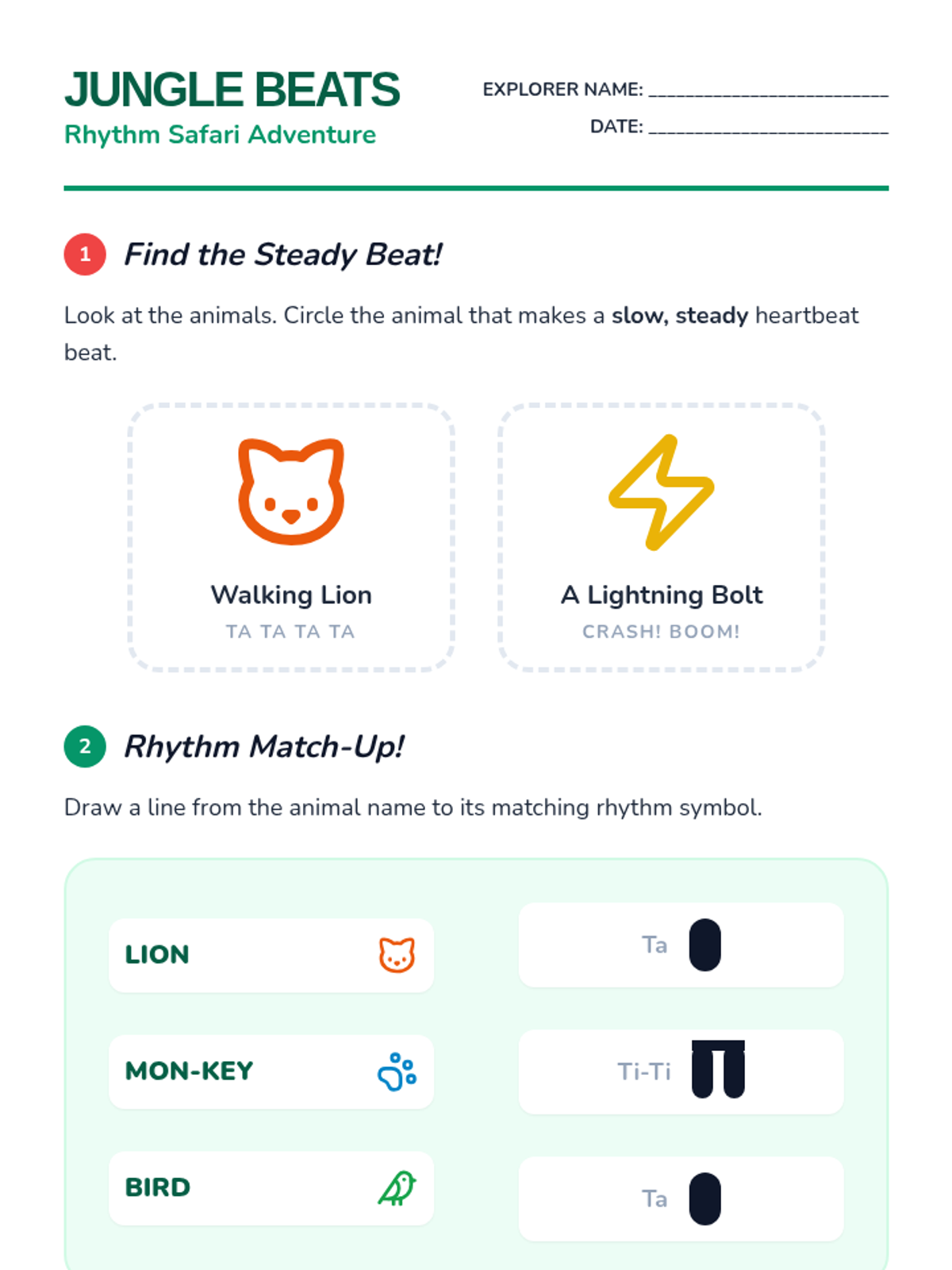
Students explore the difference between steady beat and rhythm using animal movements and simple rhythmic patterns (quarter and eighth notes).
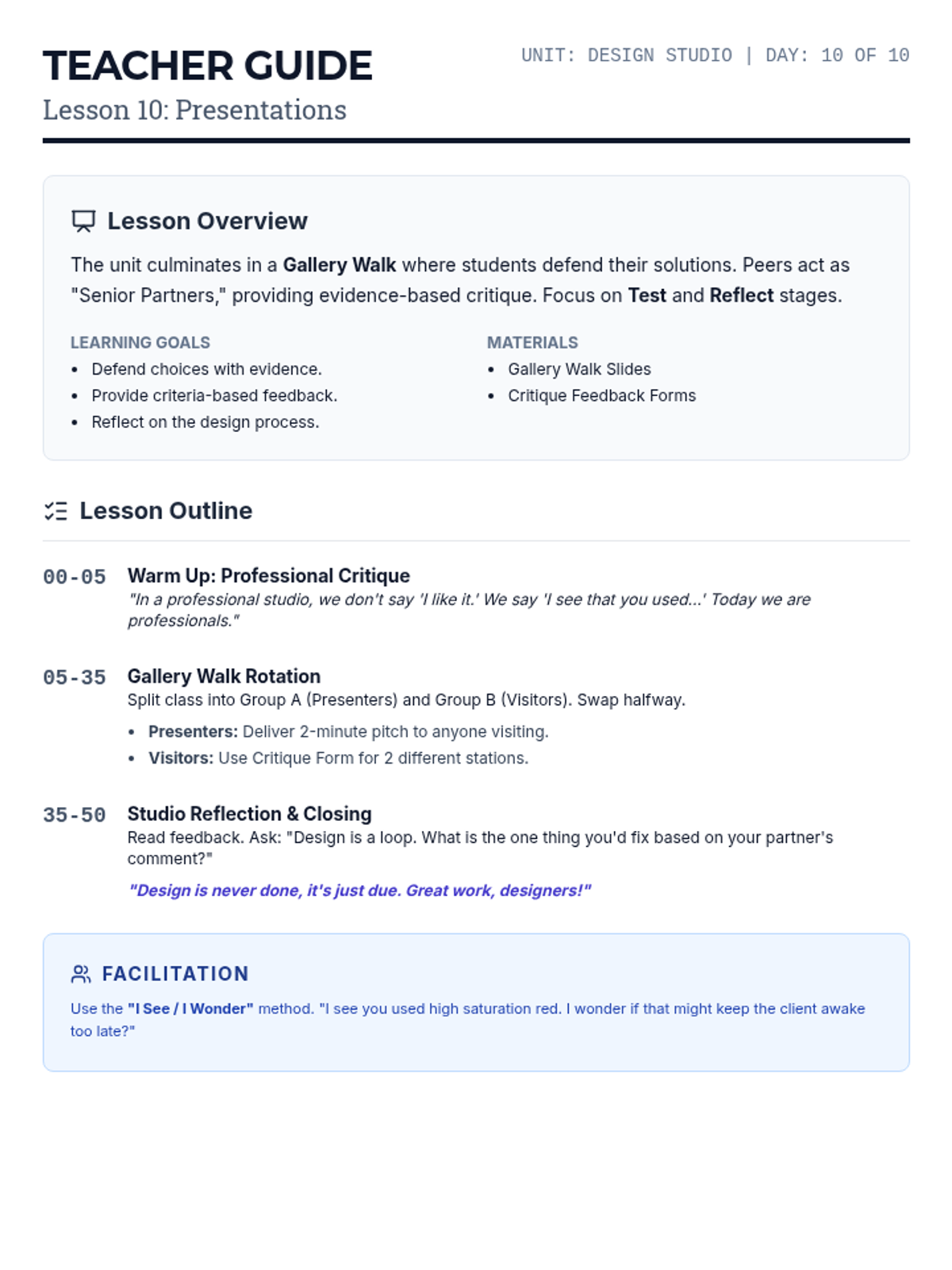
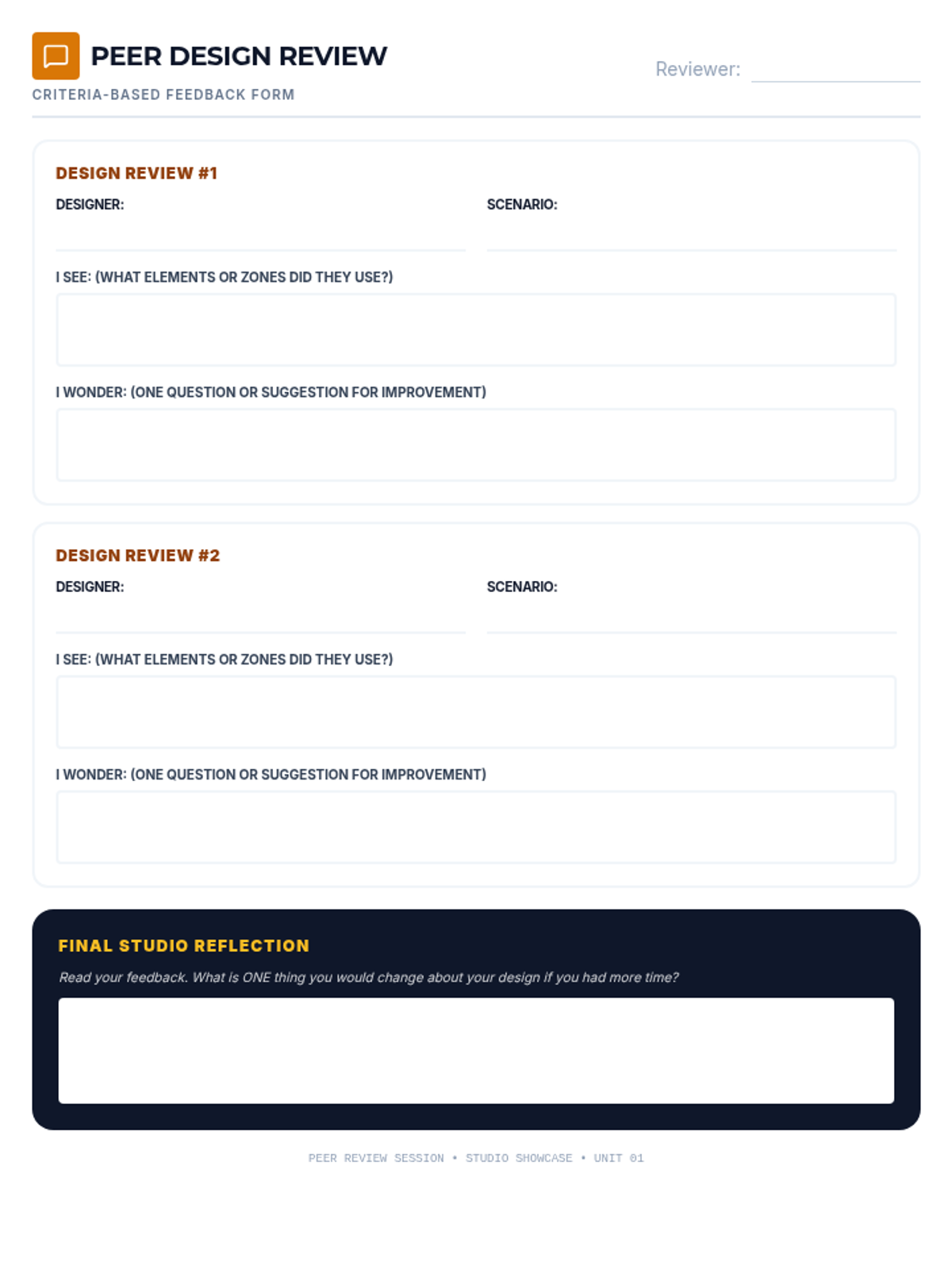
The unit culminates in a gallery walk and formal presentation where students defend their design choices using evidence from their clients' briefs. Peer critique focuses on how well the design meets the user's emotional and functional needs.
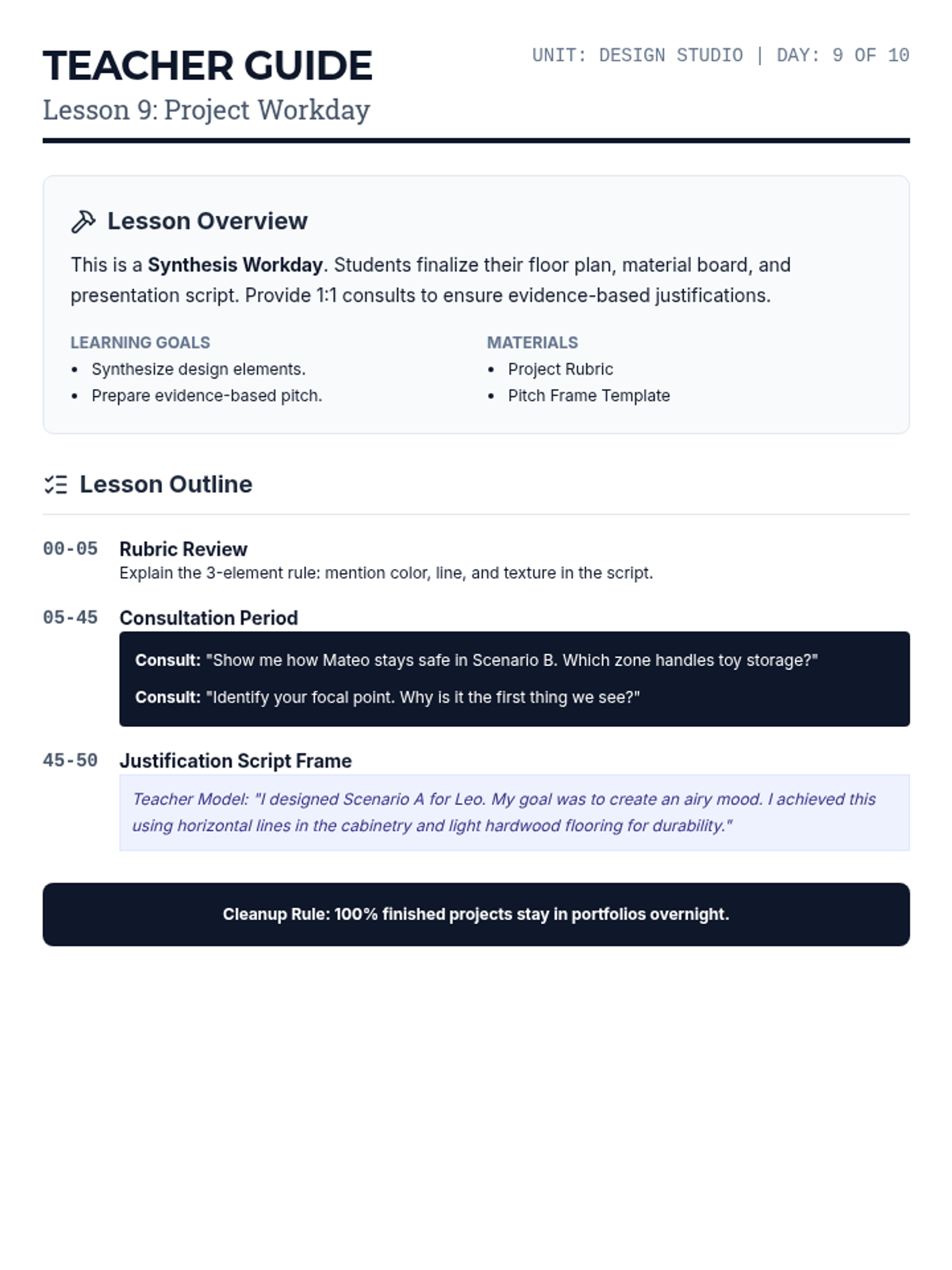
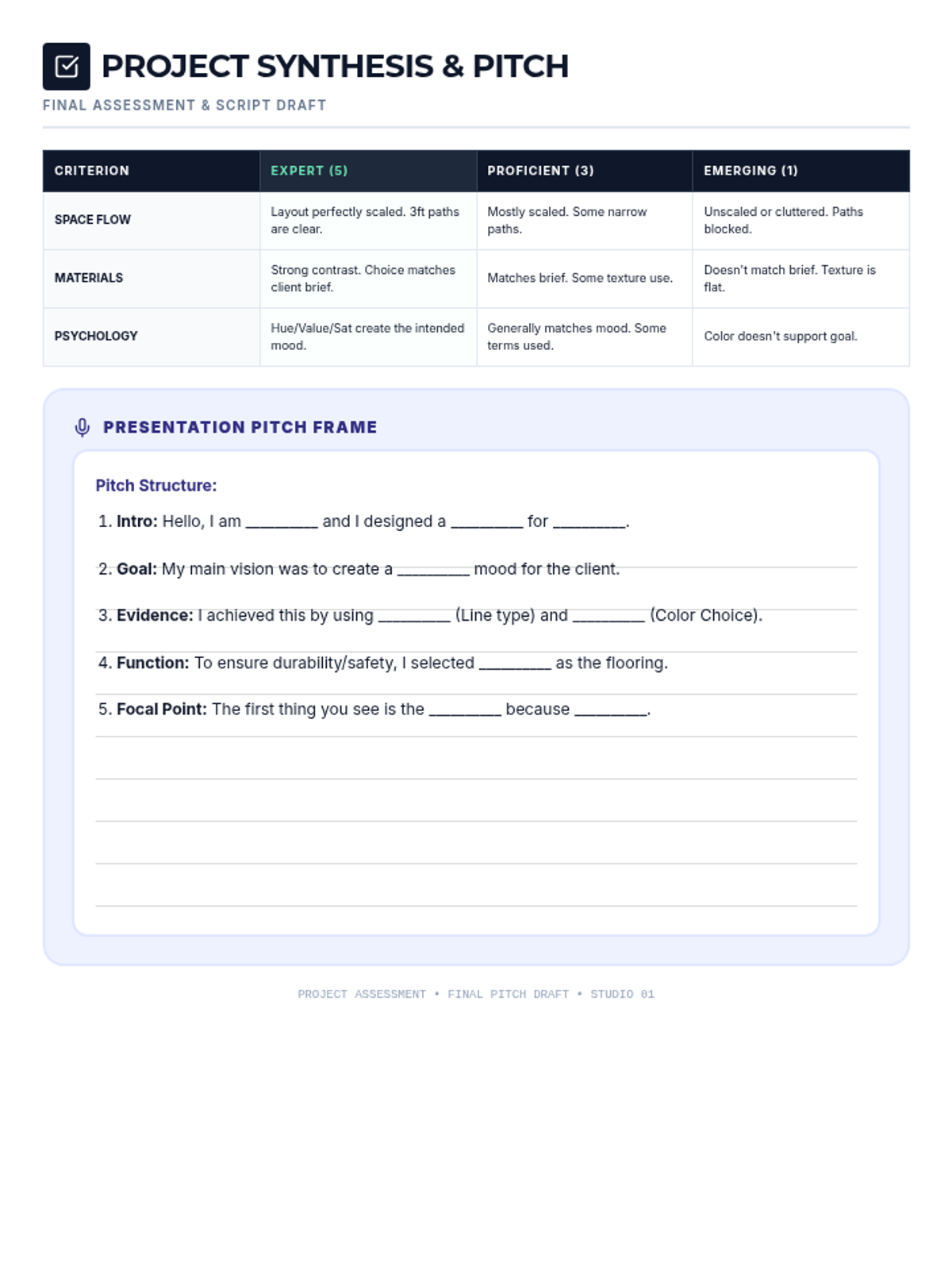
A focused studio workday where students synthesize all elements and principles of design into a final visual presentation. They complete their floor plans, material boards, and write a verbal justification for their design choices.
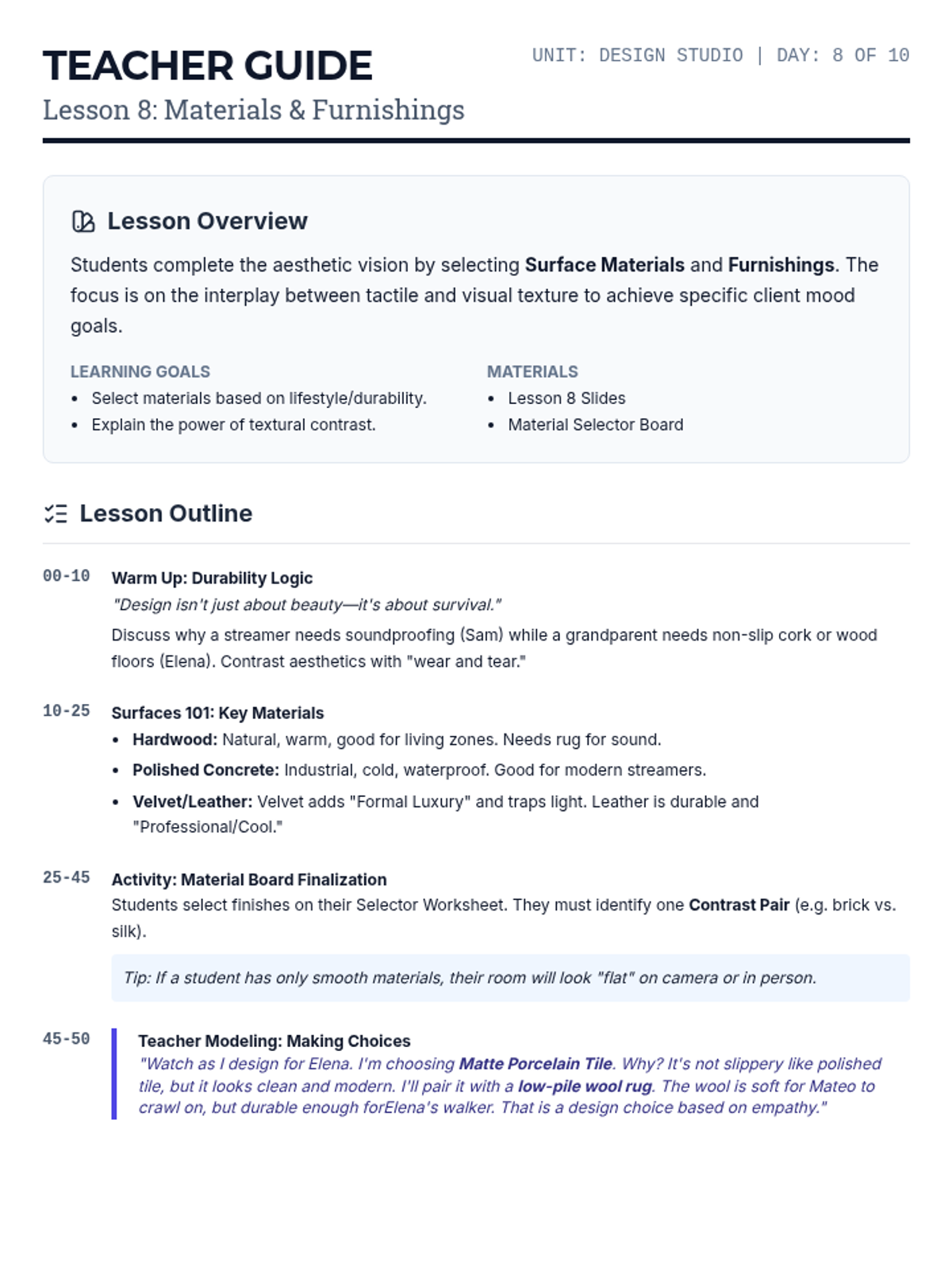
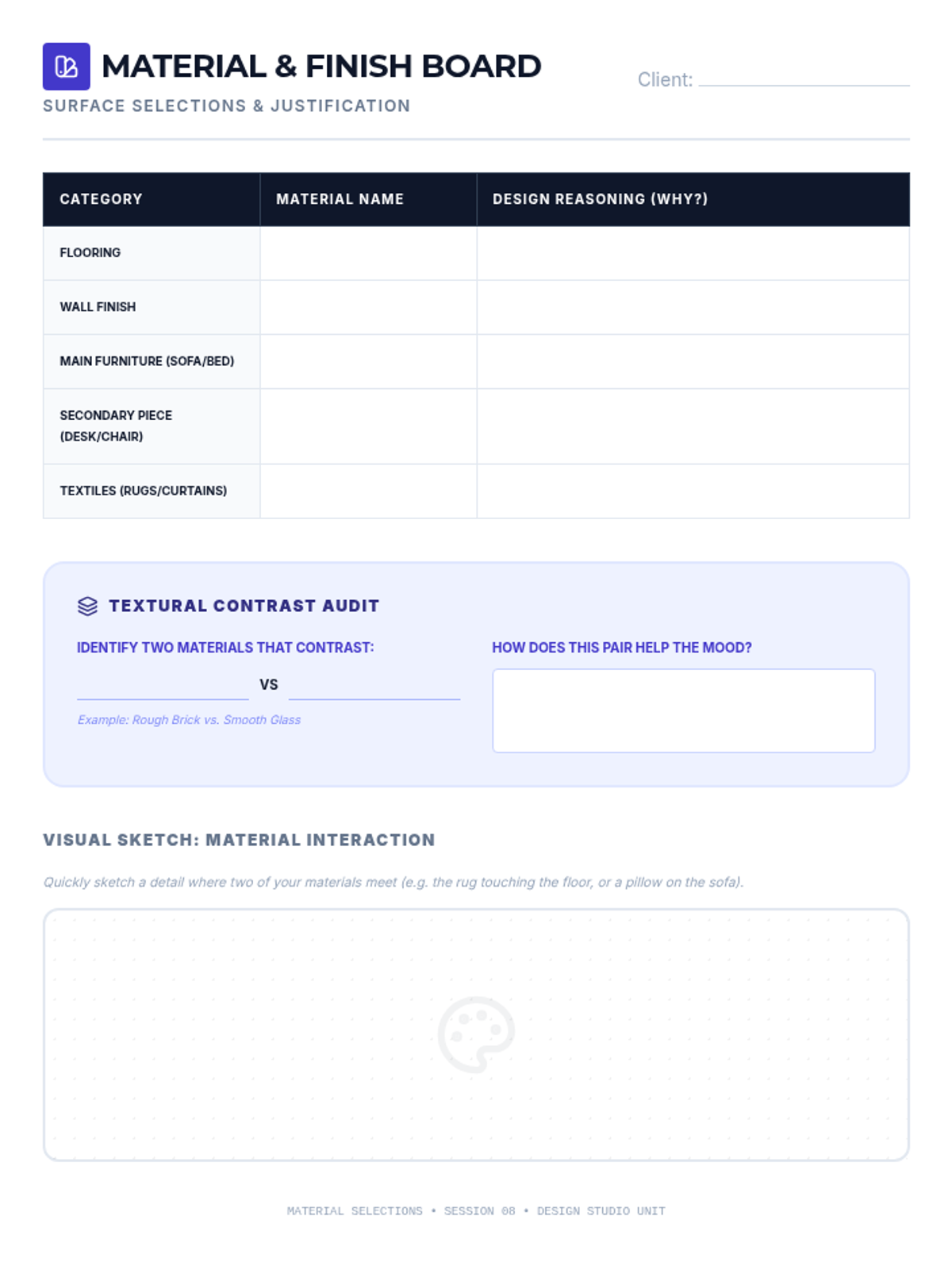
Students select textiles, finishes, and furniture styles that complement their client's needs and desired mood. They explore the durability and aesthetic of various surface materials to complete the sensory profile of their room.
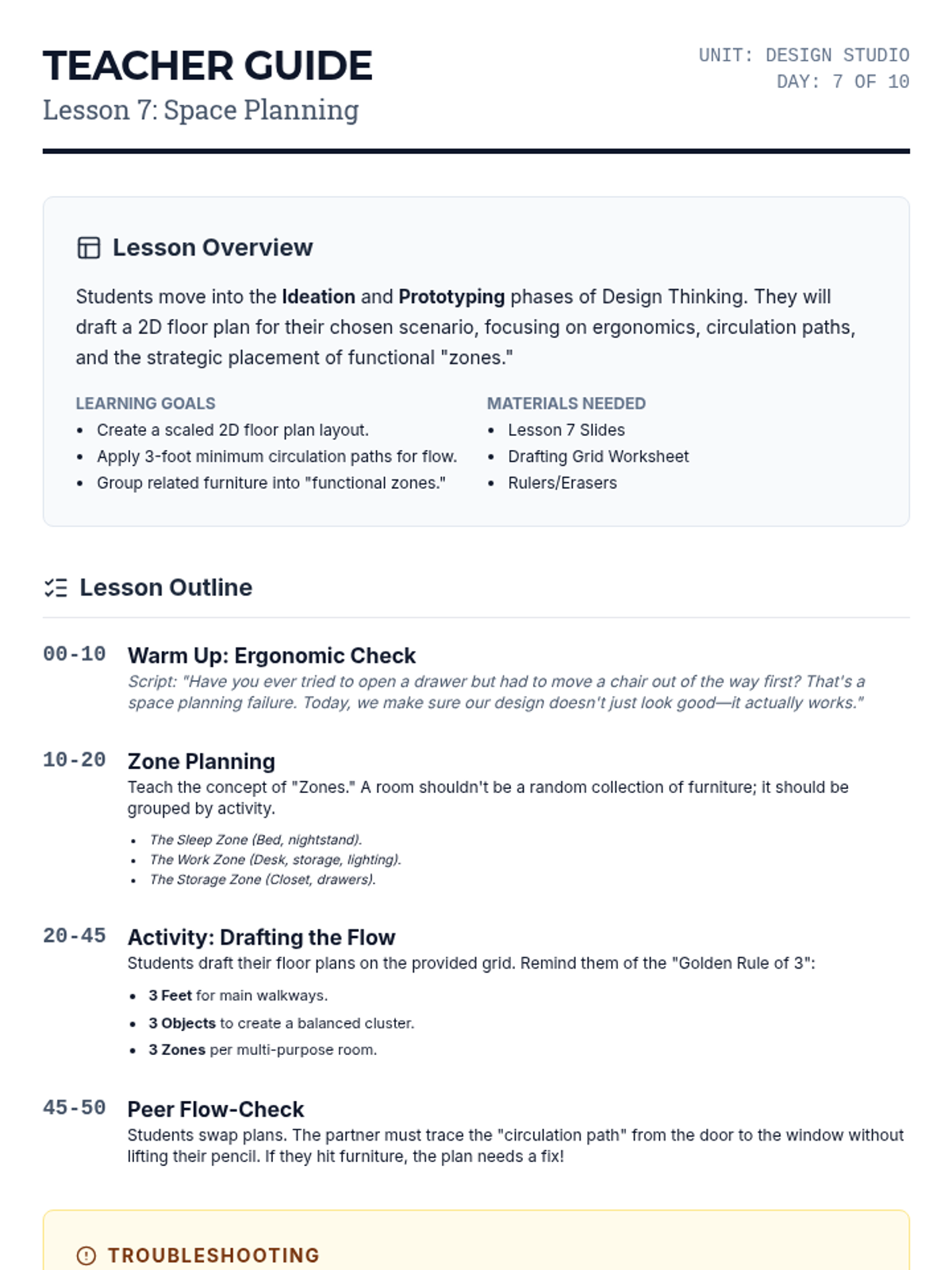
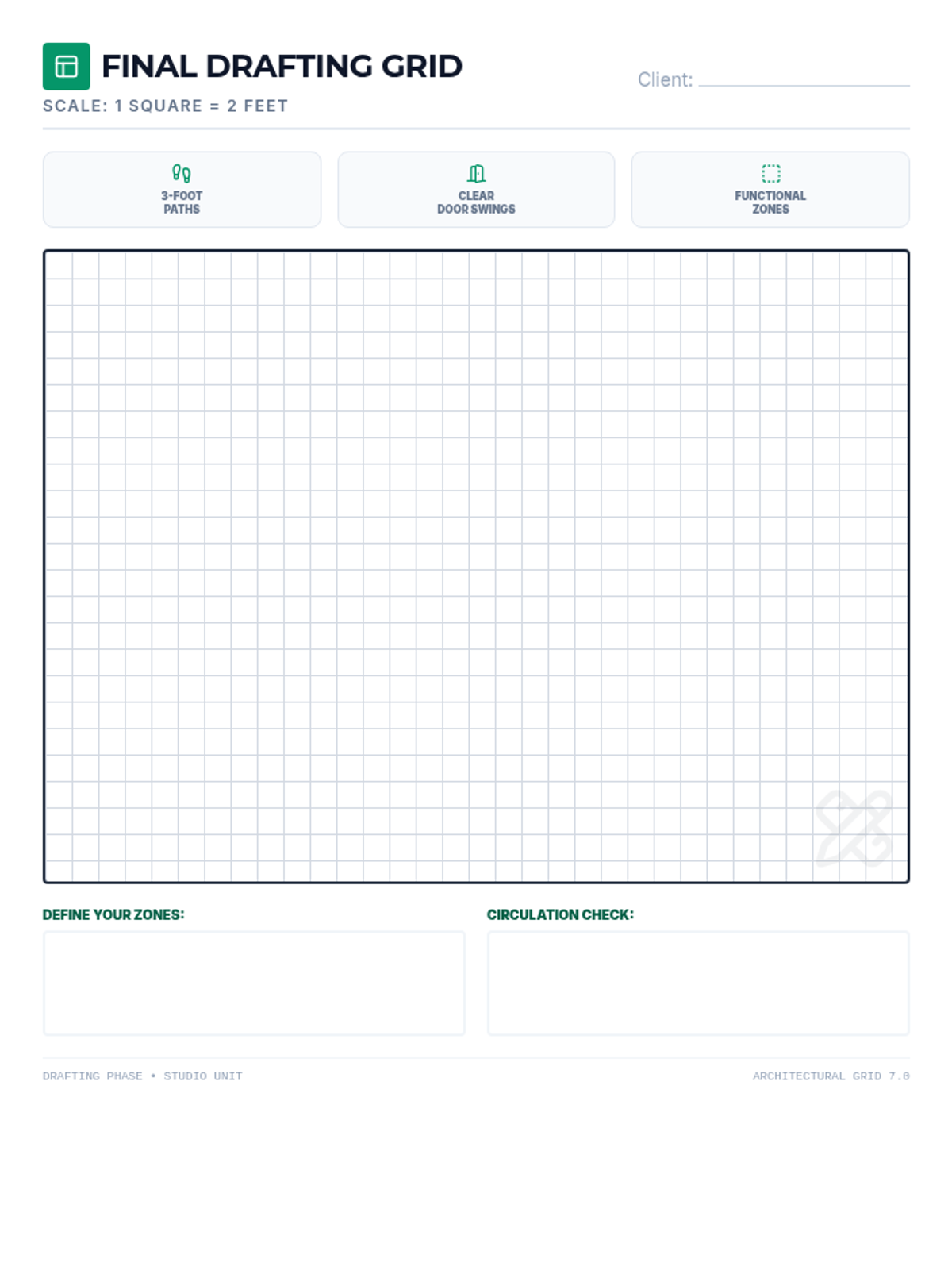
Applying ergonomics and circulation paths, students draft a functional floor plan for their assigned scenario. The focus is on maximizing flow, ensuring accessibility, and balancing positive and negative space.
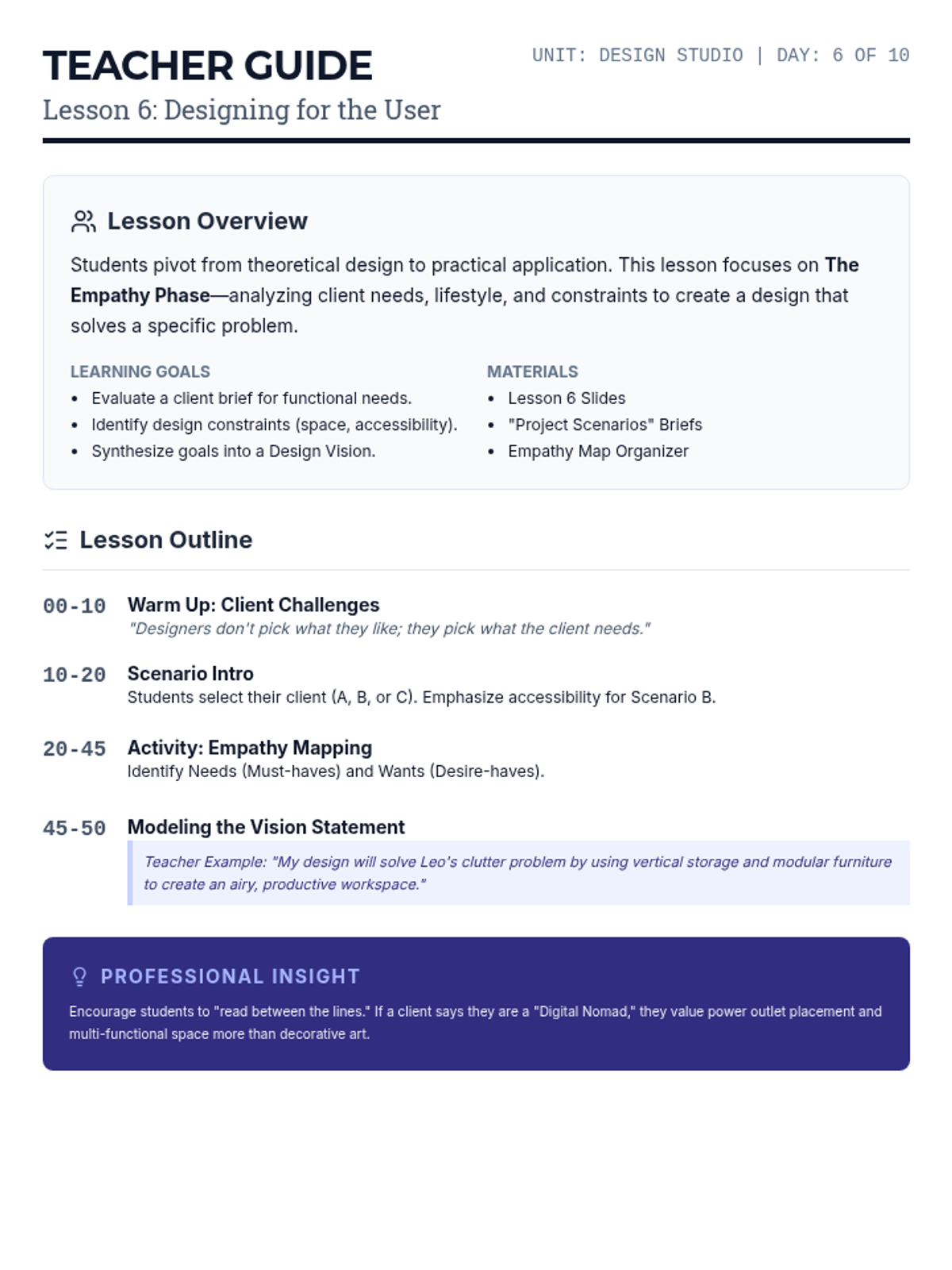
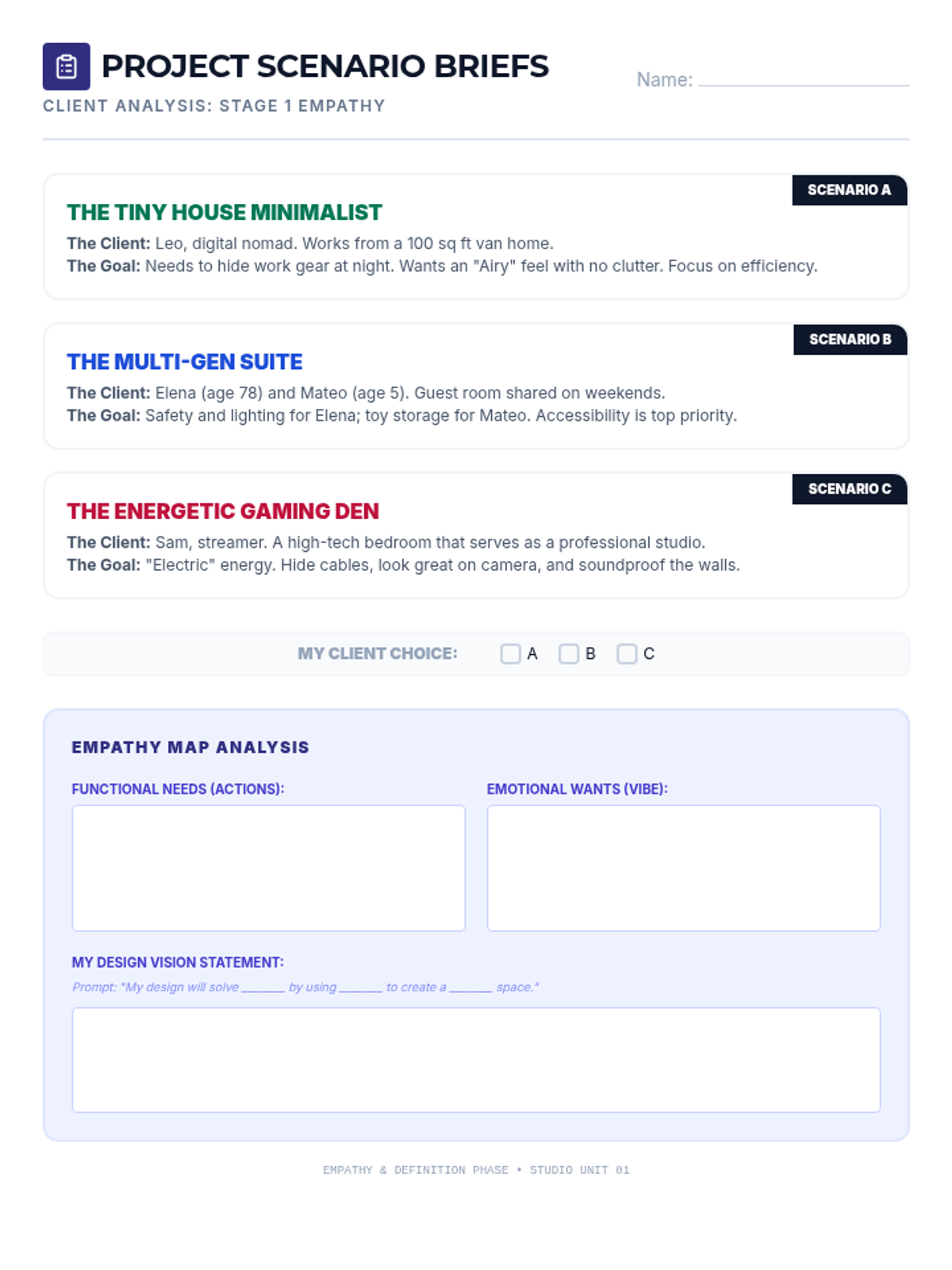
Students transition to the culminating project by receiving and analyzing their "Project Scenarios." This lesson focuses on the first stage of Design Thinking: Empathy. Students evaluate client needs, constraints, and lifestyle goals to inform their design choices.
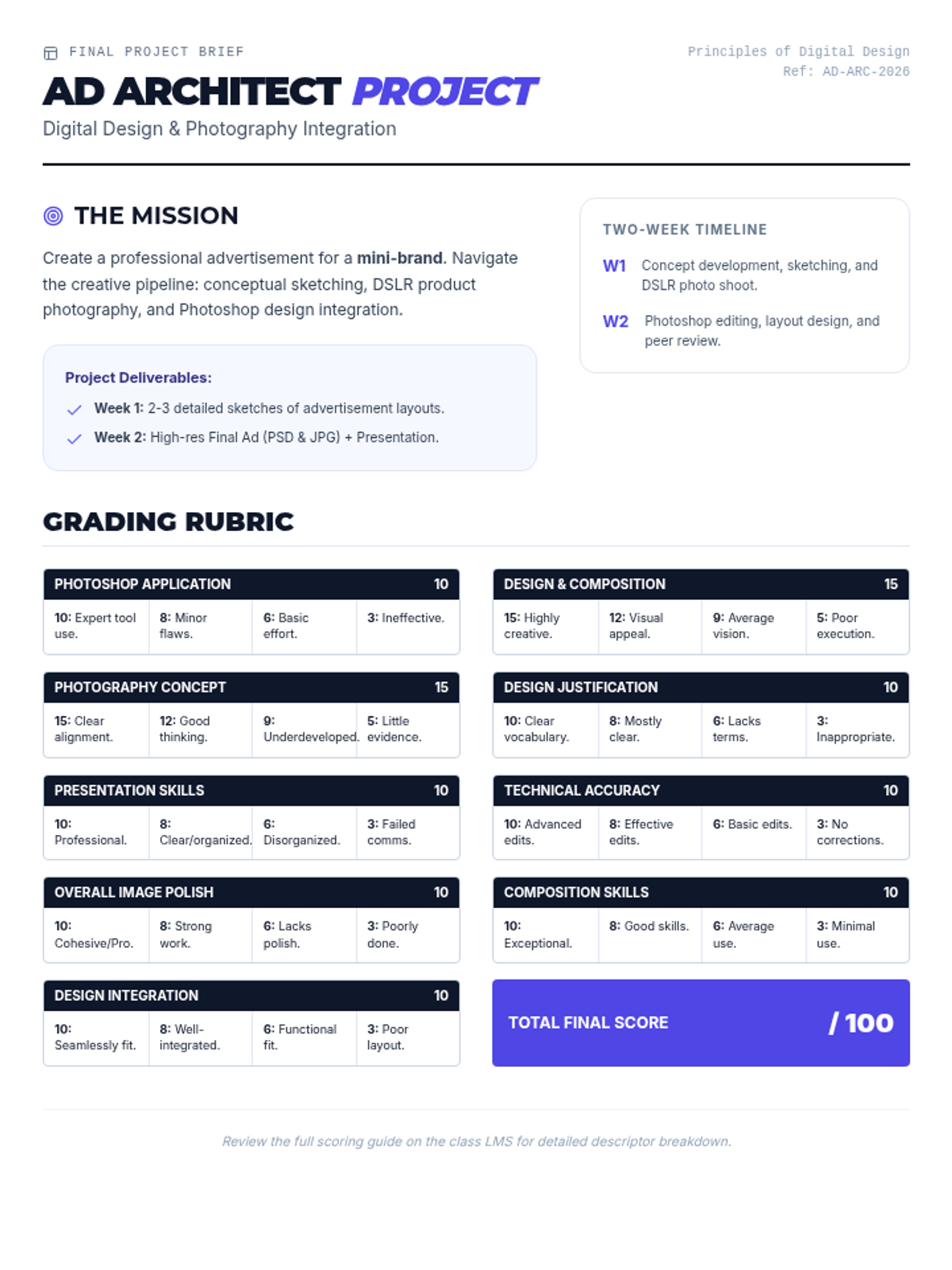
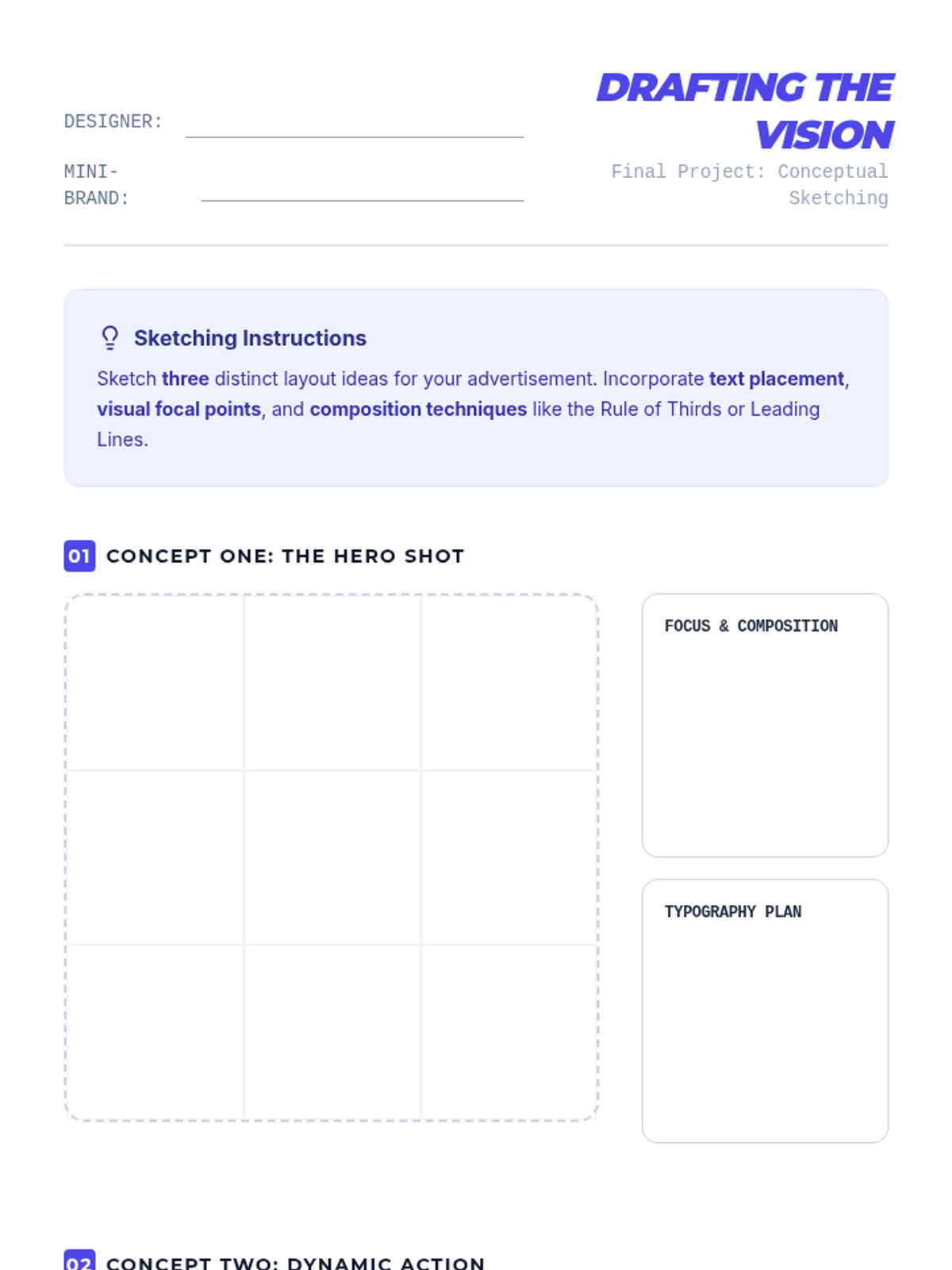
A comprehensive final project for digital design students where they create a professional advertisement for a mini-brand using photography and Photoshop.
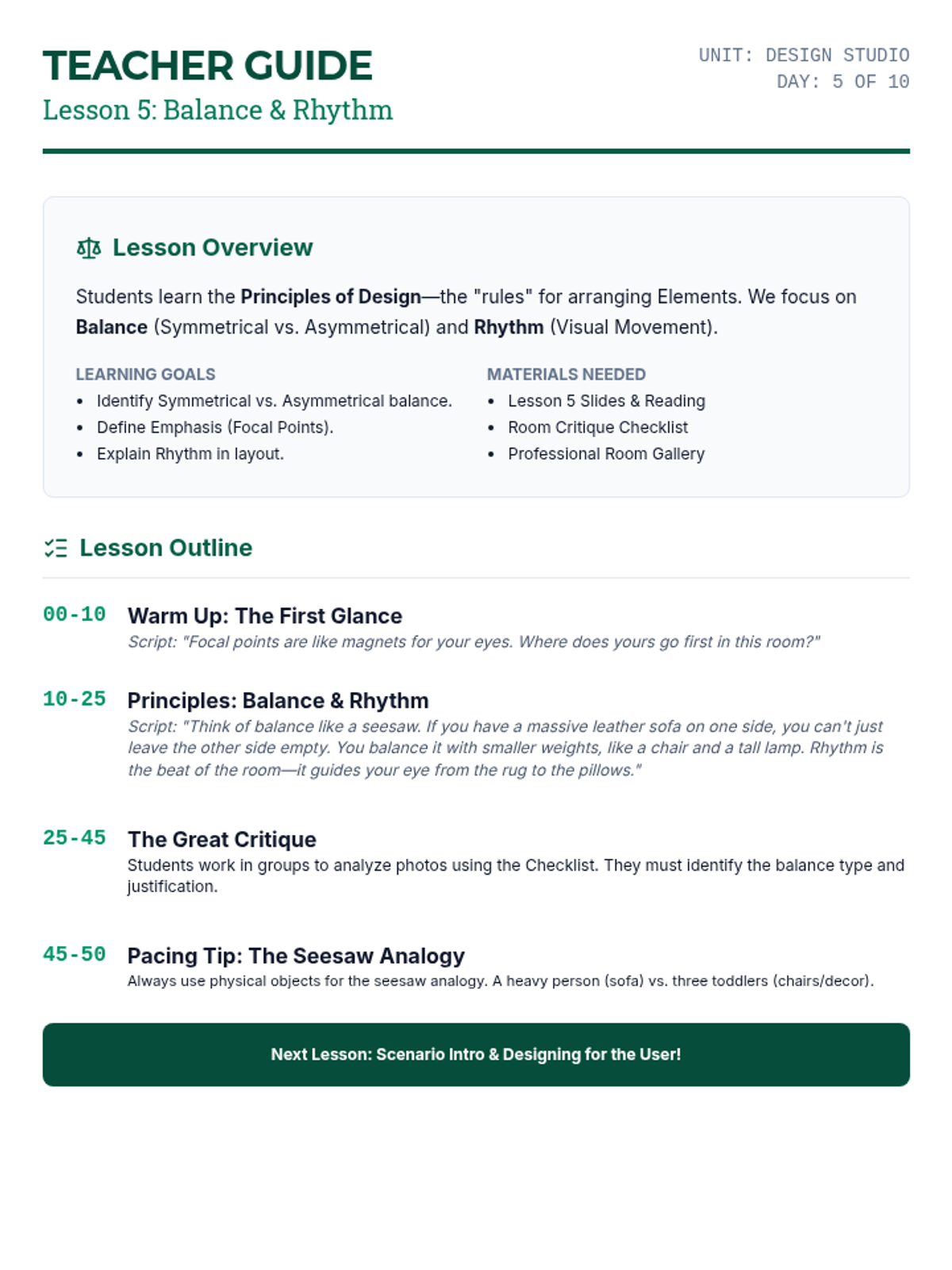
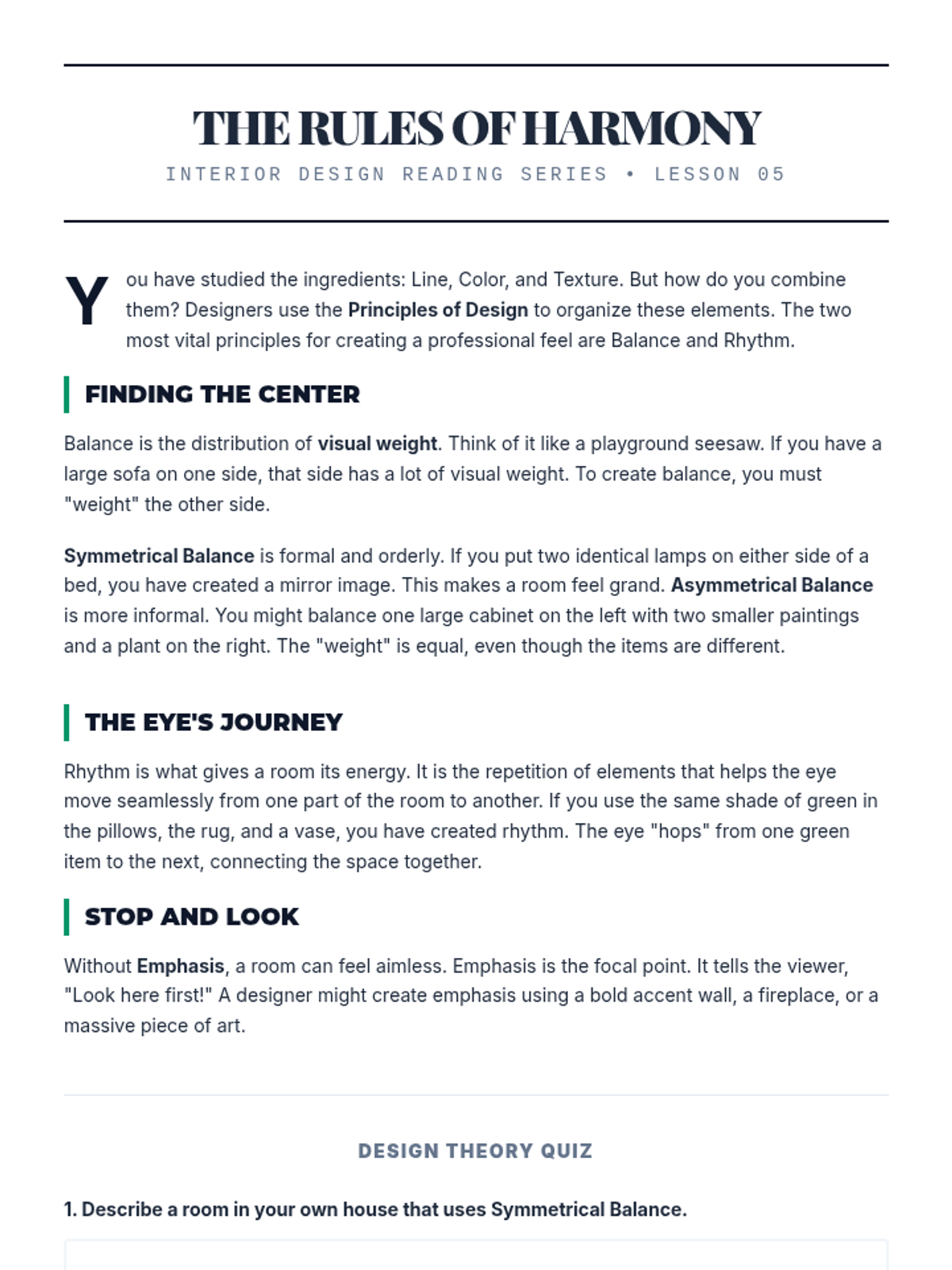
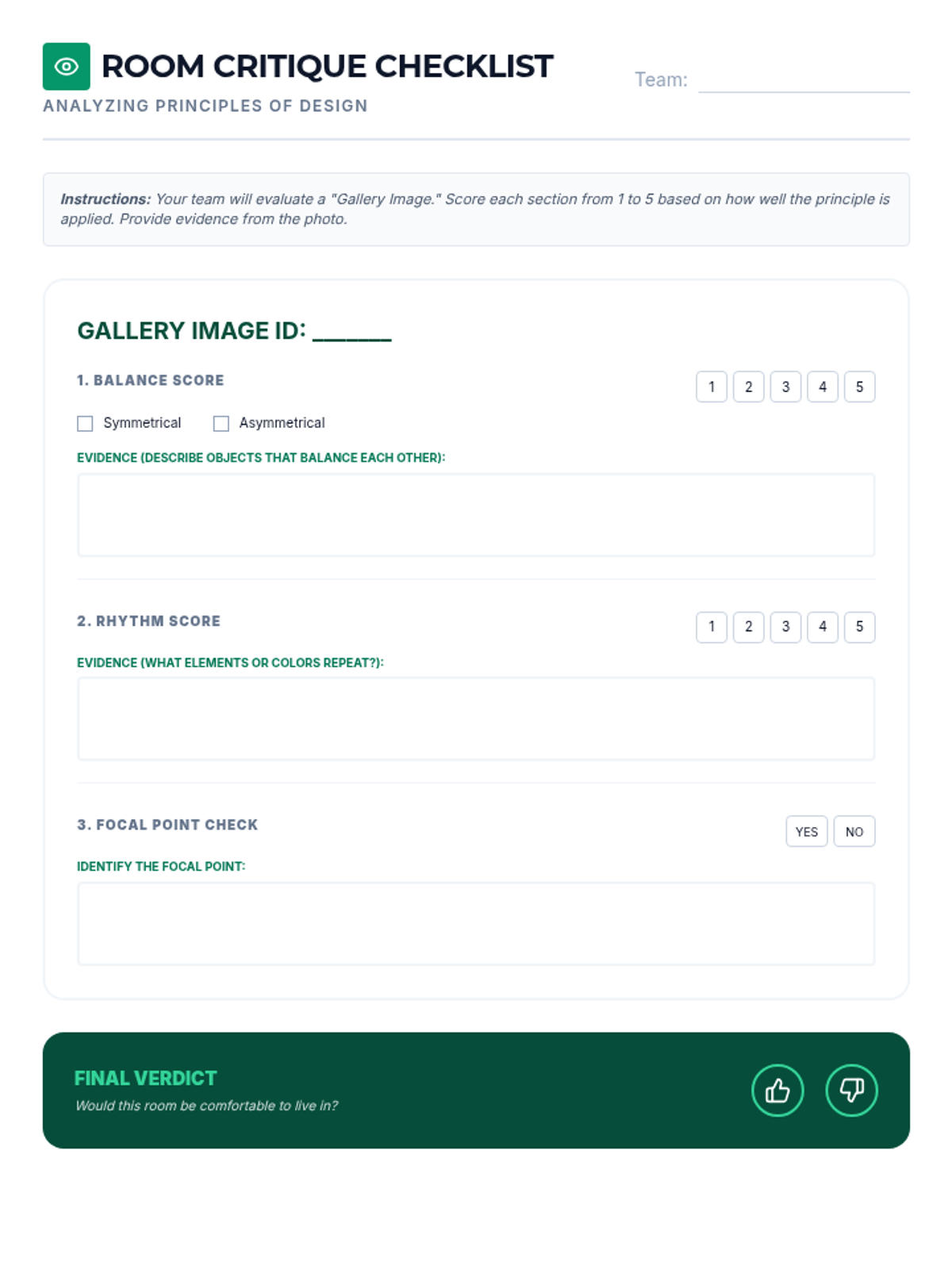
Applying the principles of balance, rhythm, and emphasis to create unified and harmonious room layouts, featuring a critical analysis of professional interior designs.
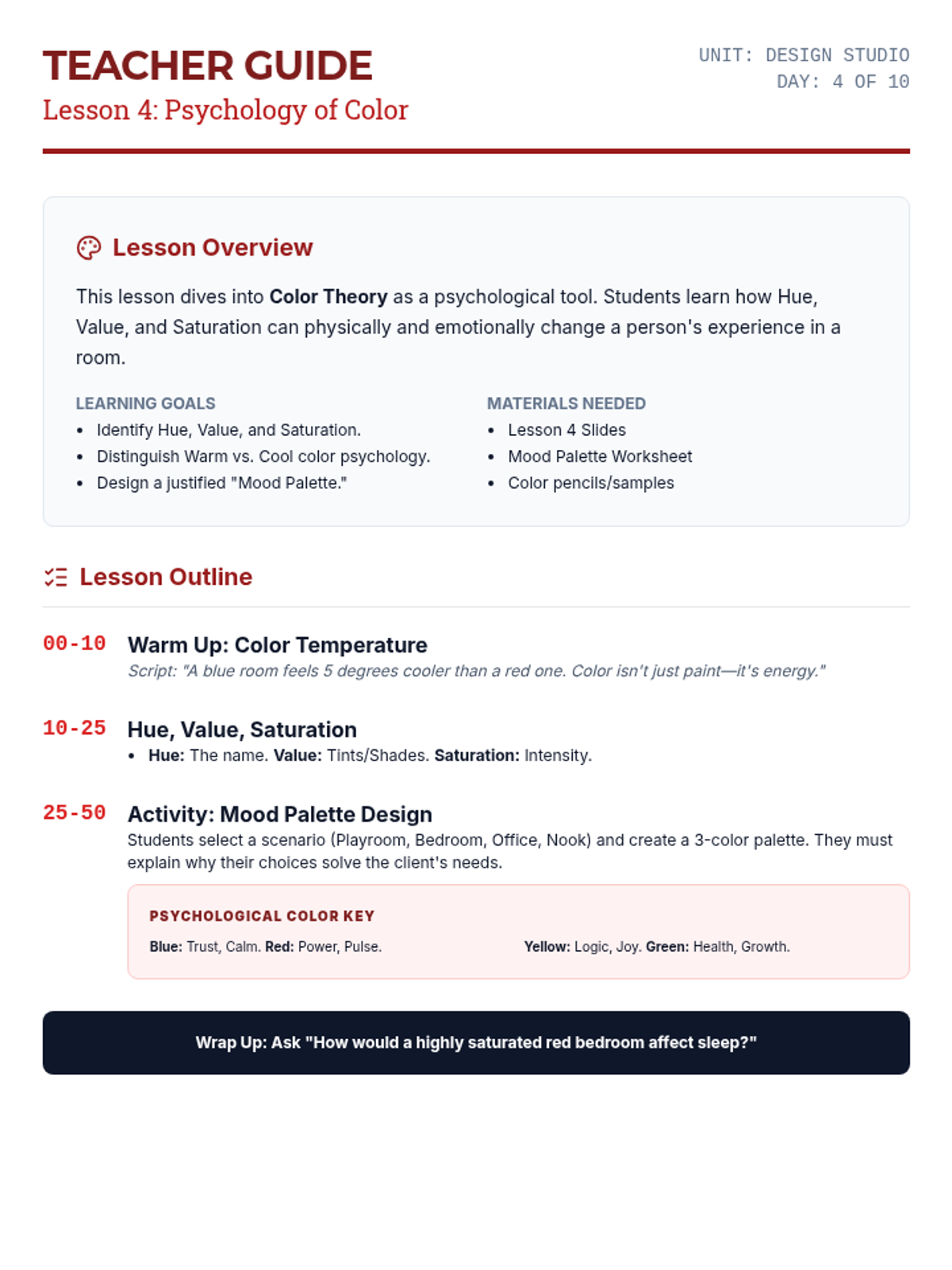
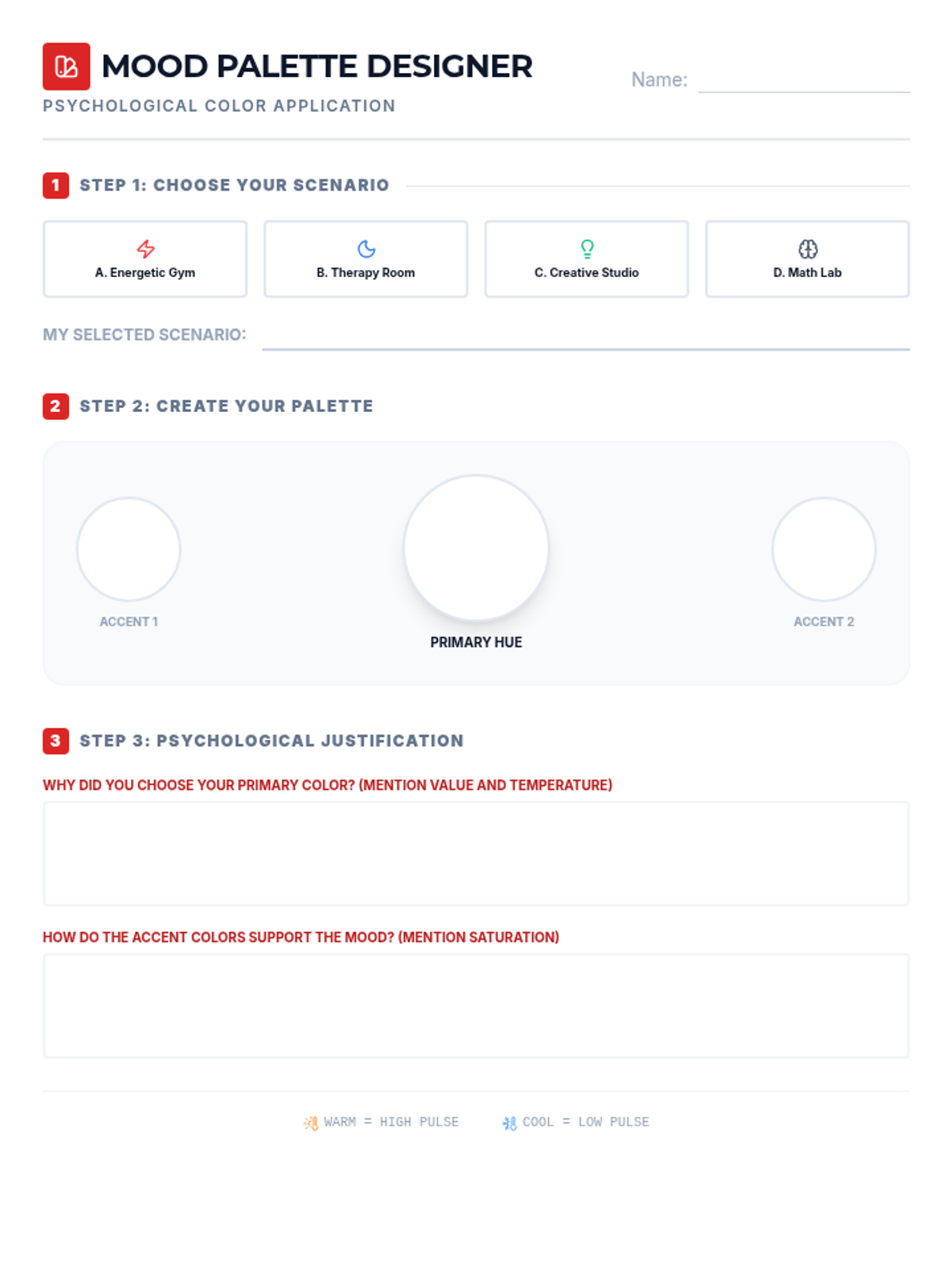
An investigation into color theory, focusing on how hue, value, and saturation are used to evoke specific psychological responses and emotions in interior spaces.
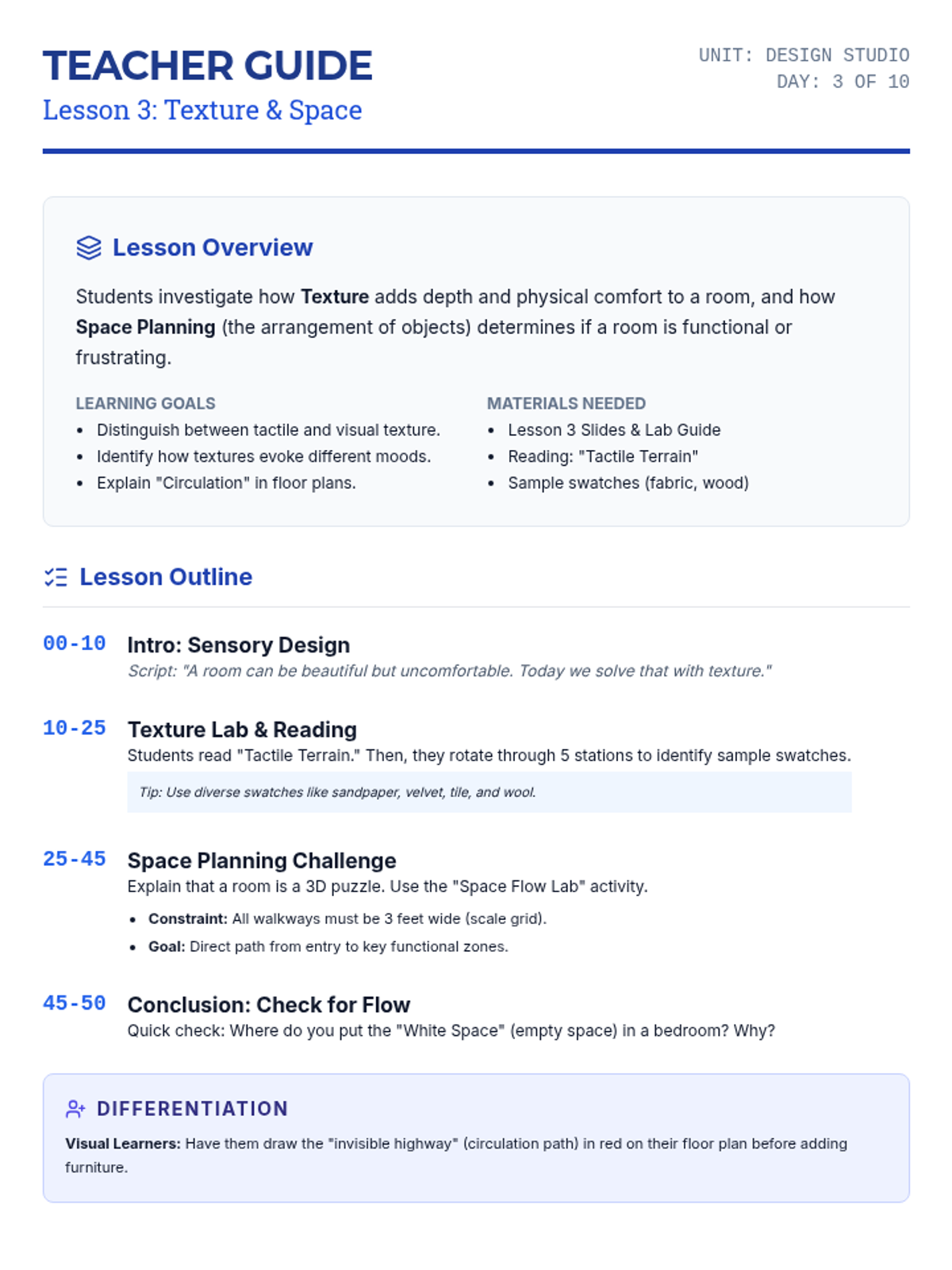
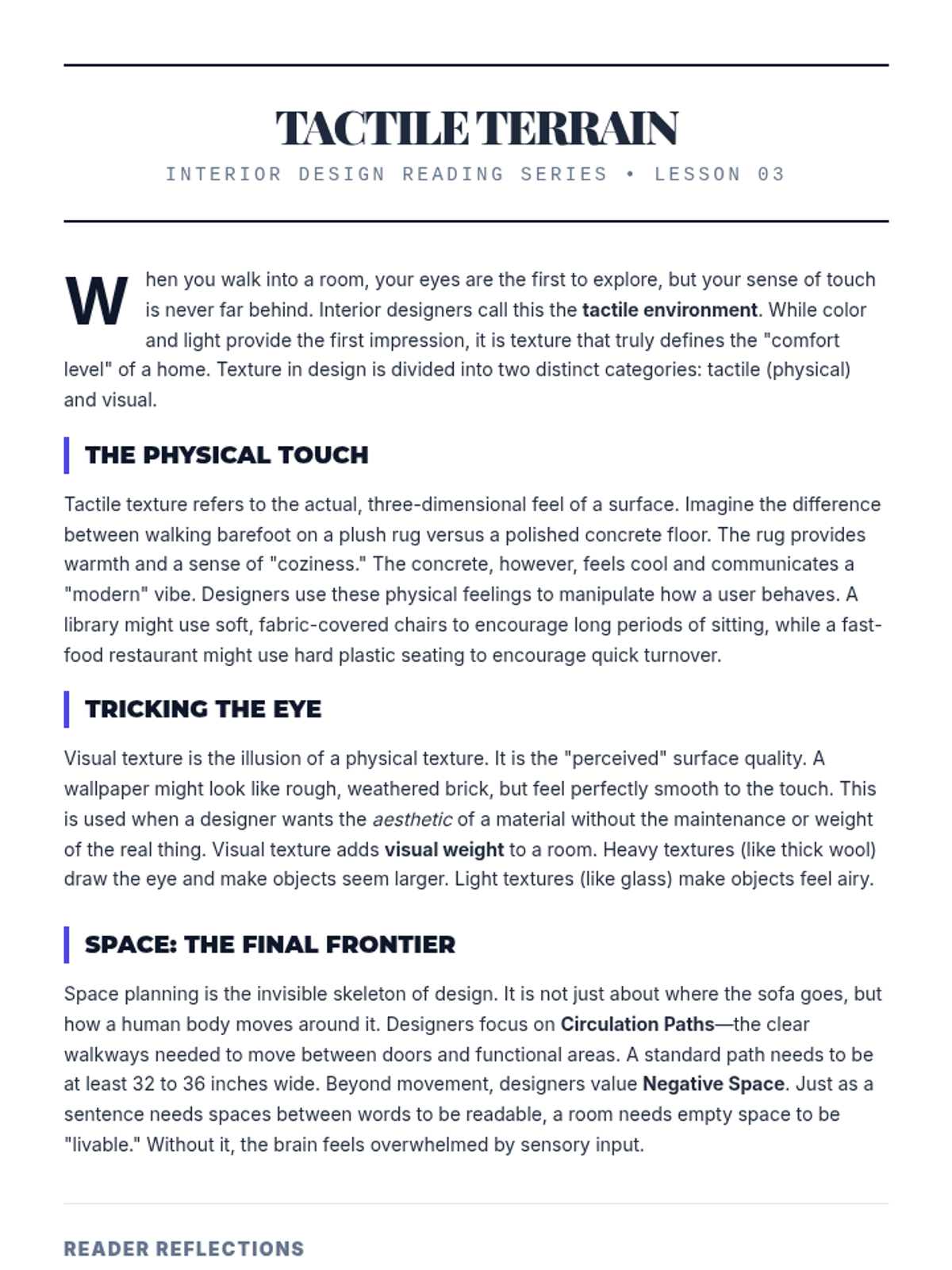
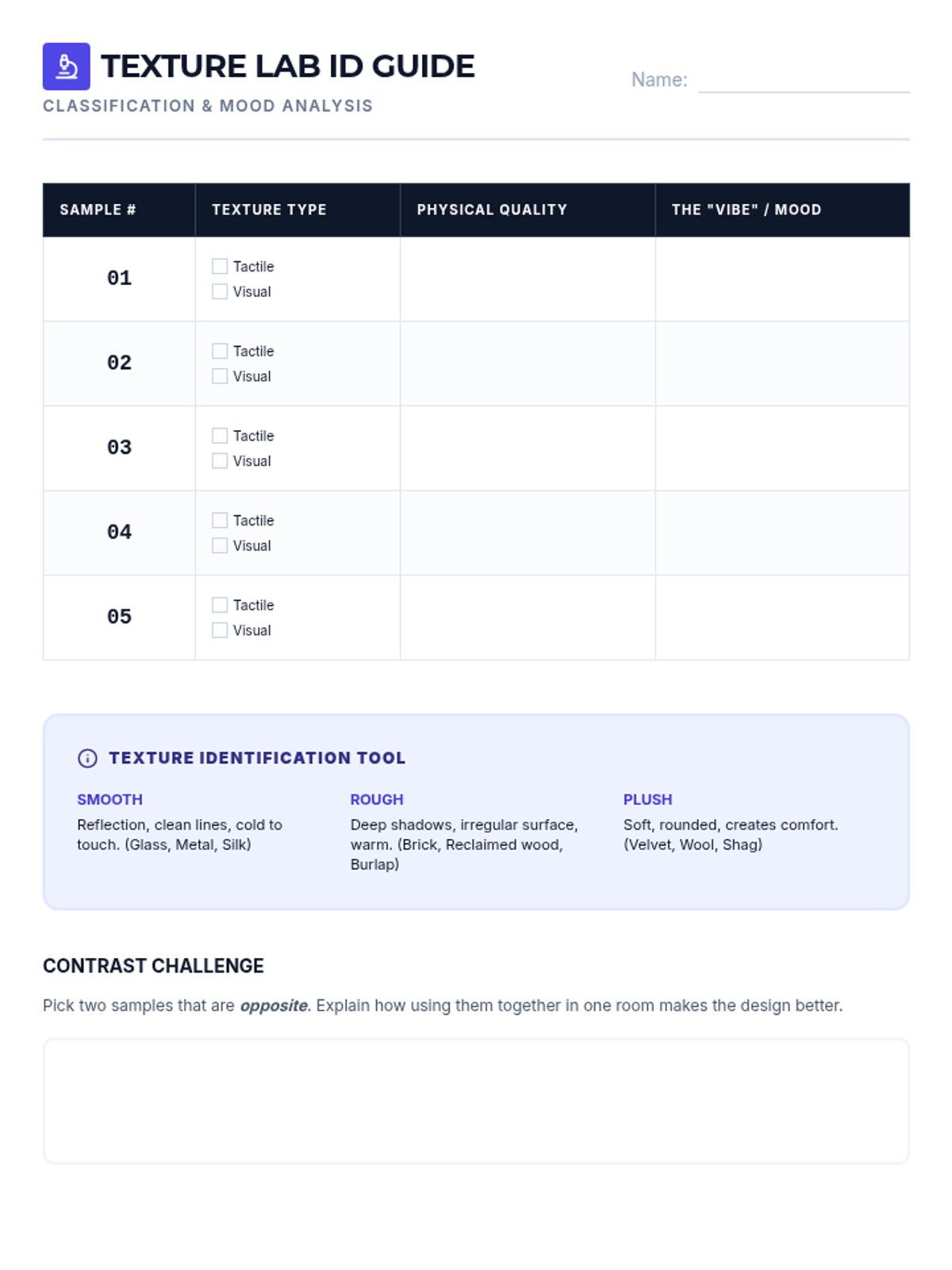
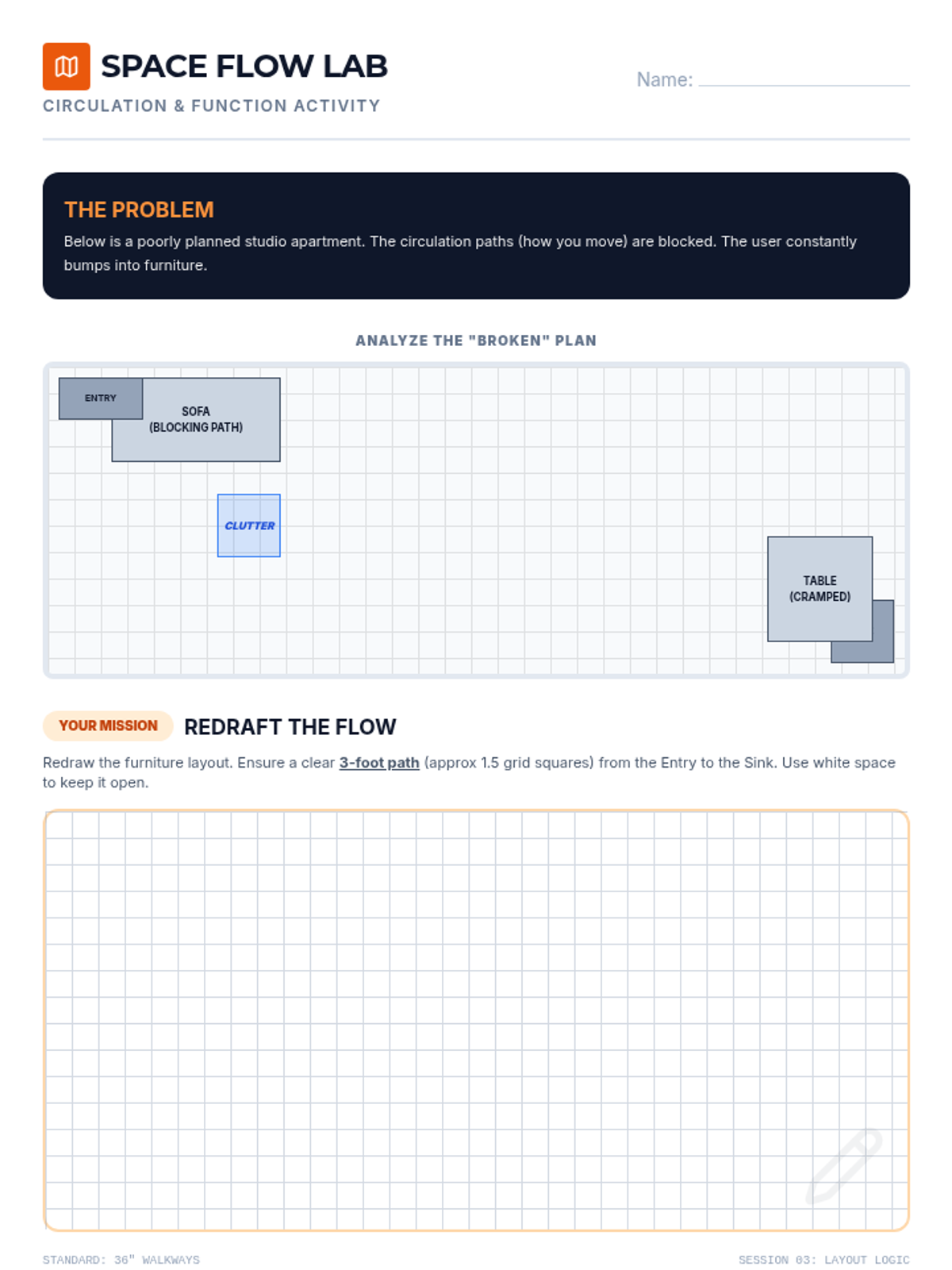
A hands-on exploration of how tactile and visual textures impact comfort, paired with an investigation into how space planning affects room functionality.
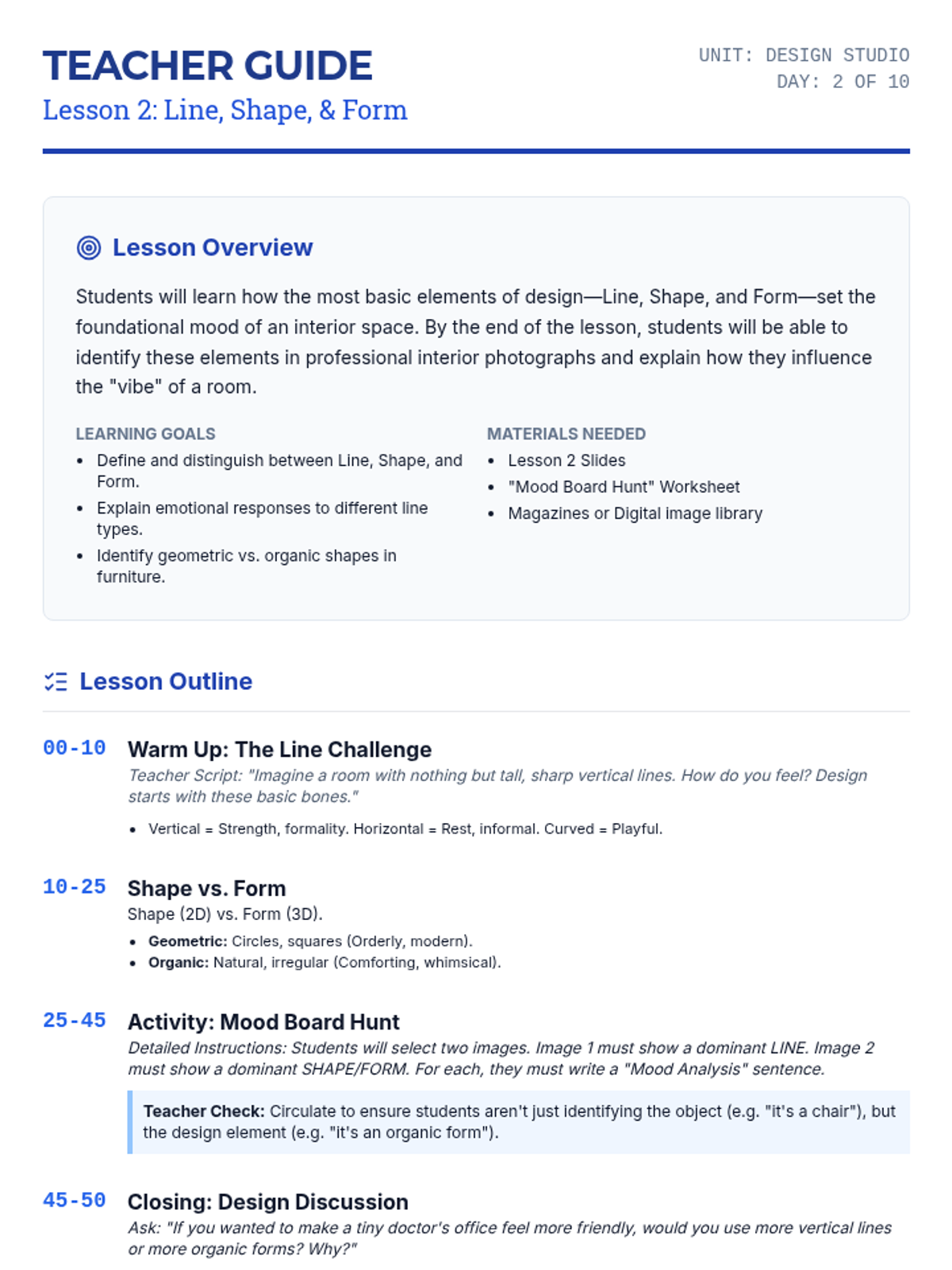
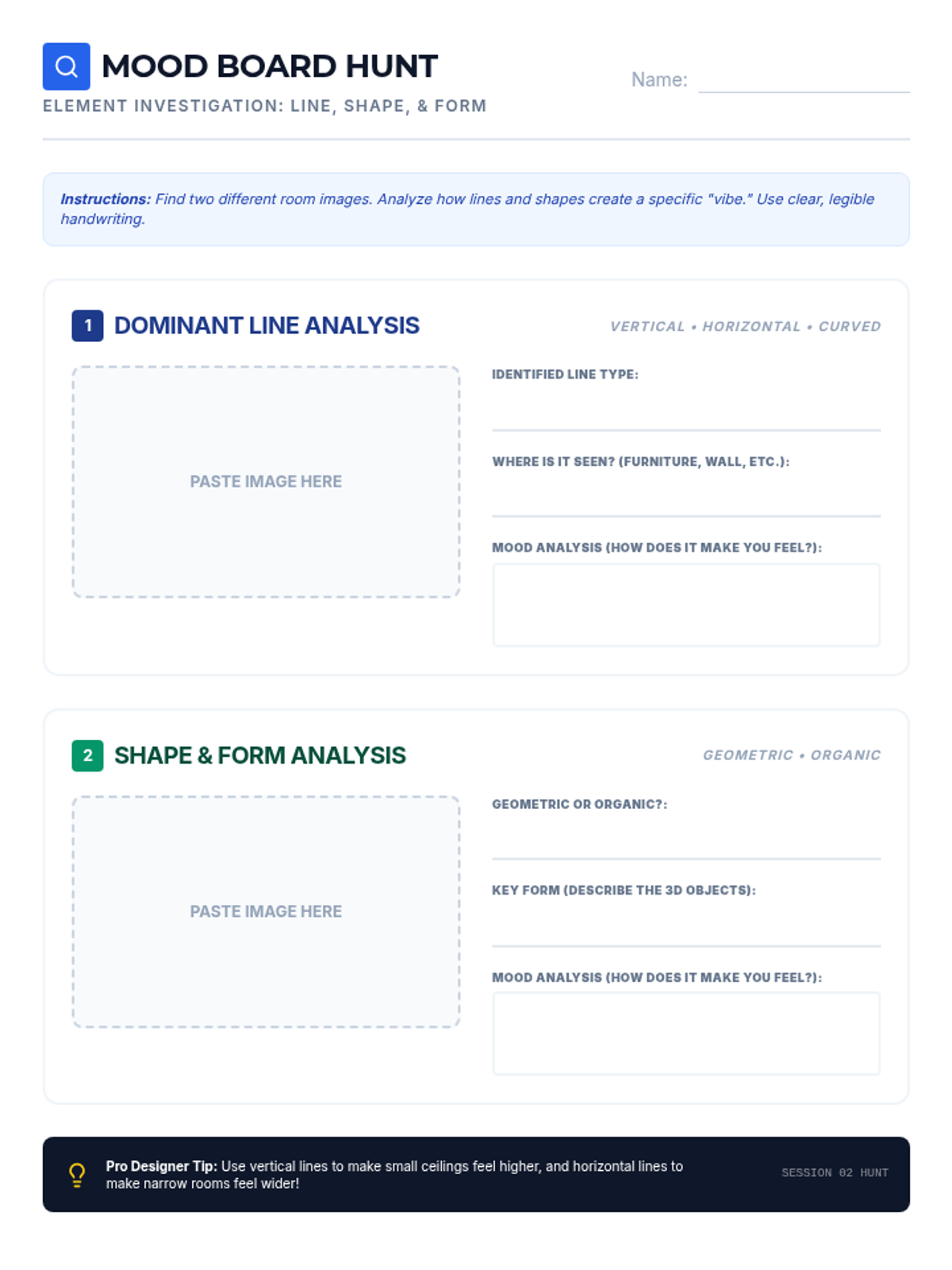
Students explore how different types of lines, shapes, and forms influence the mood and feeling of a room through a visual mood board scavenger hunt.