Students master the mechanics of link turns by analyzing causal chains and researching counter-intuitive evidence. The lesson focuses on arguing that an opponent's policy causes the very harm it aims to solve.
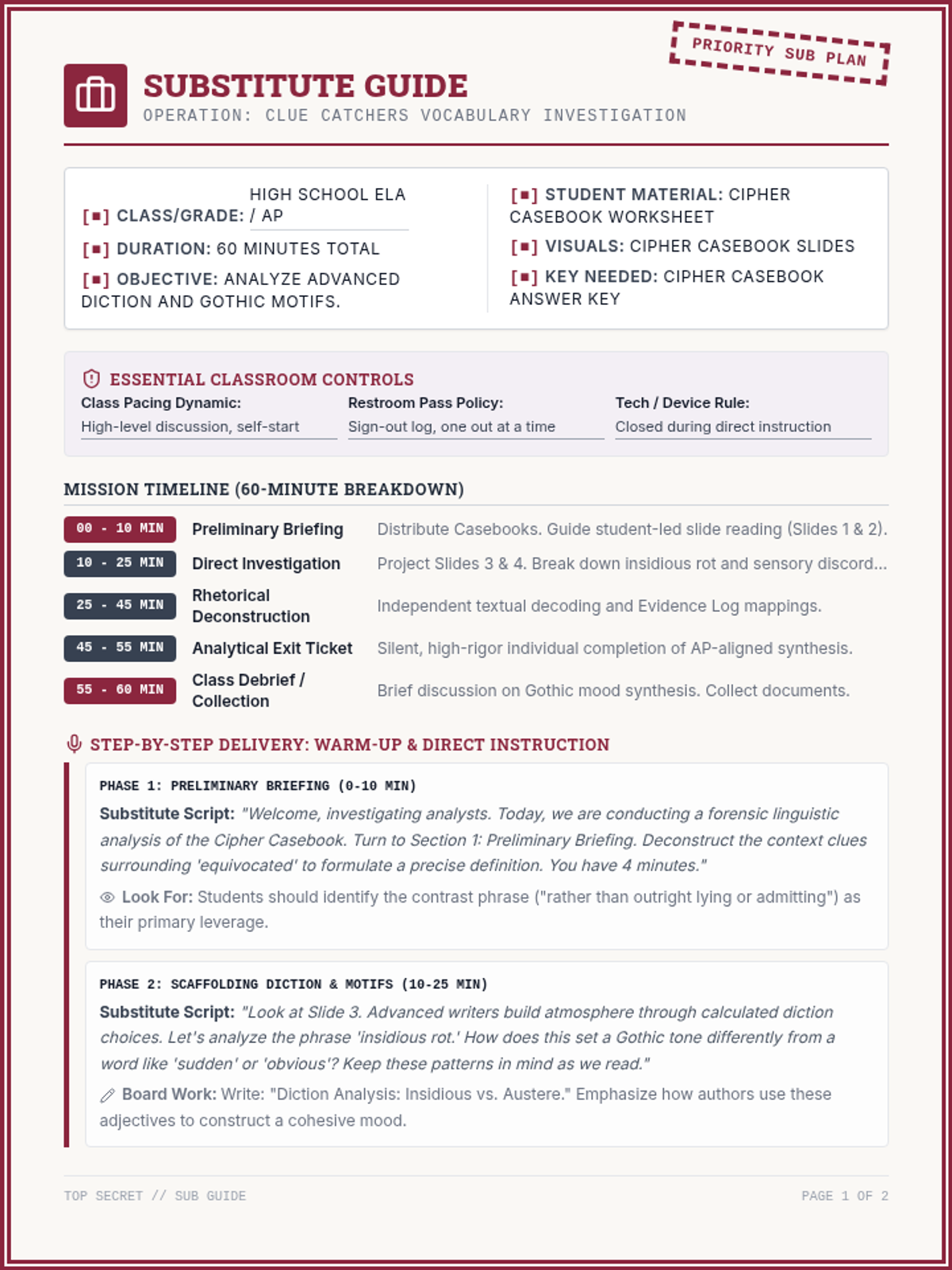
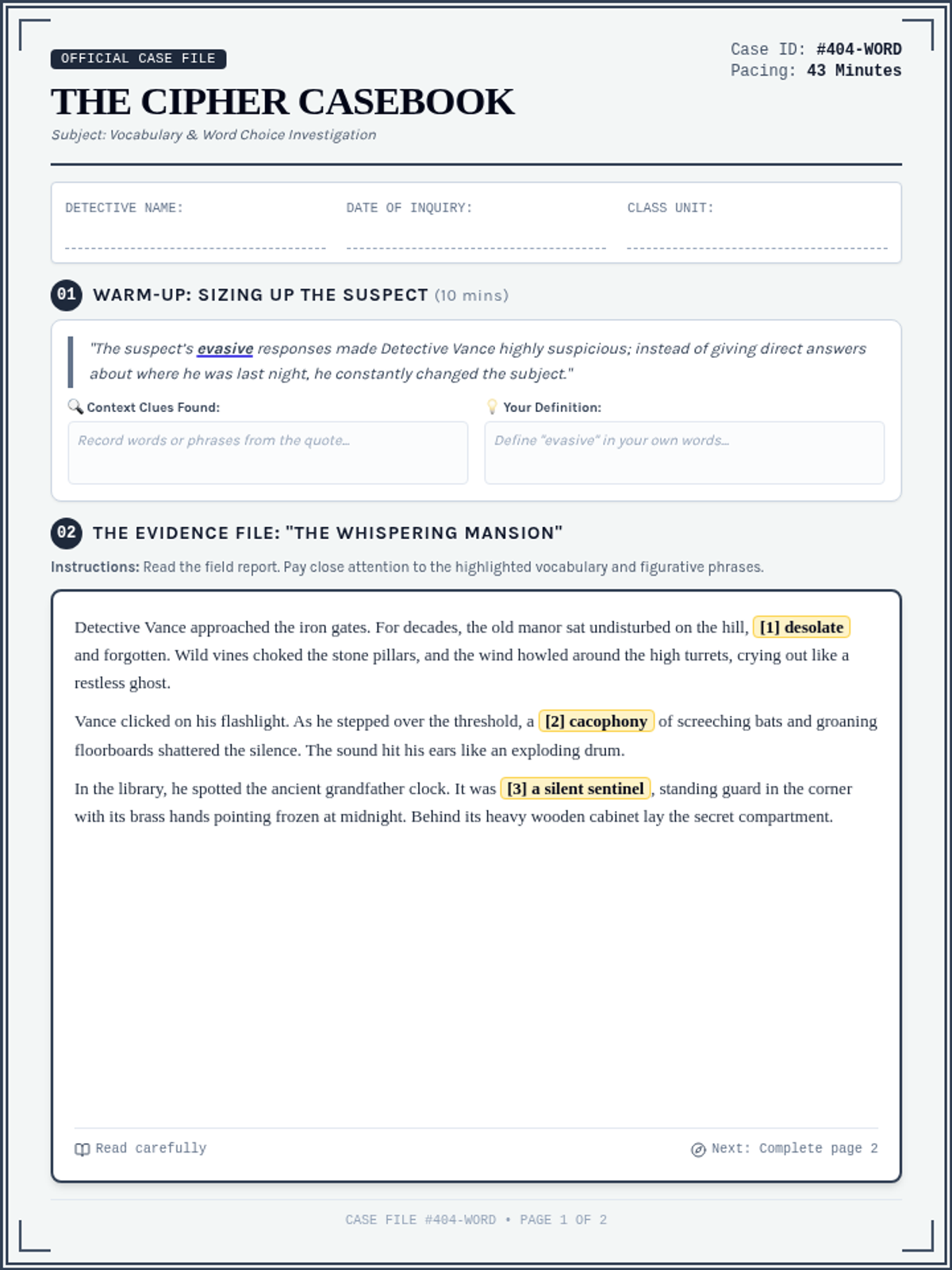
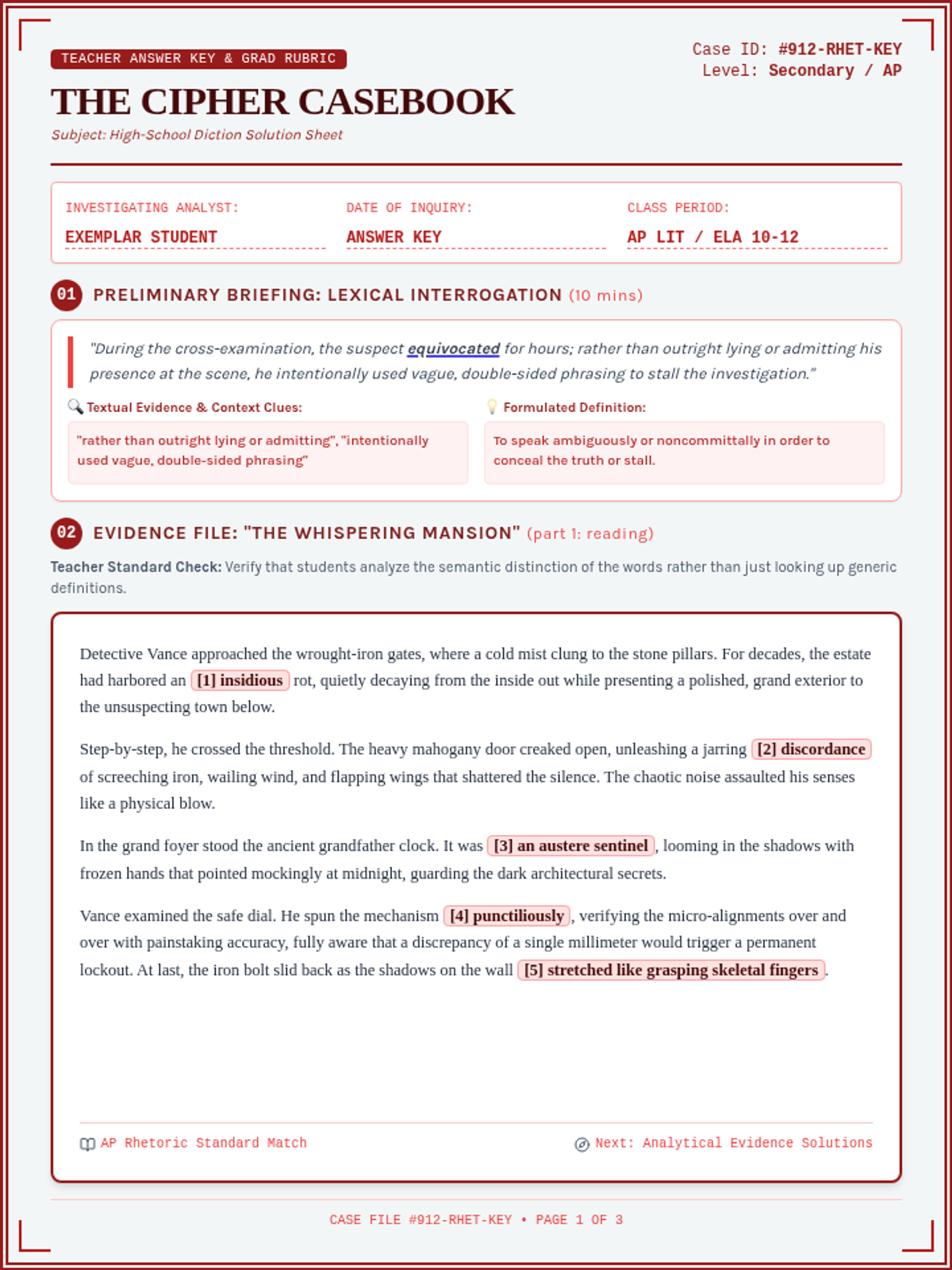
A 60-minute ELA lesson focused on decoding rich vocabulary and figurative language using context clues in a detective-themed investigation.
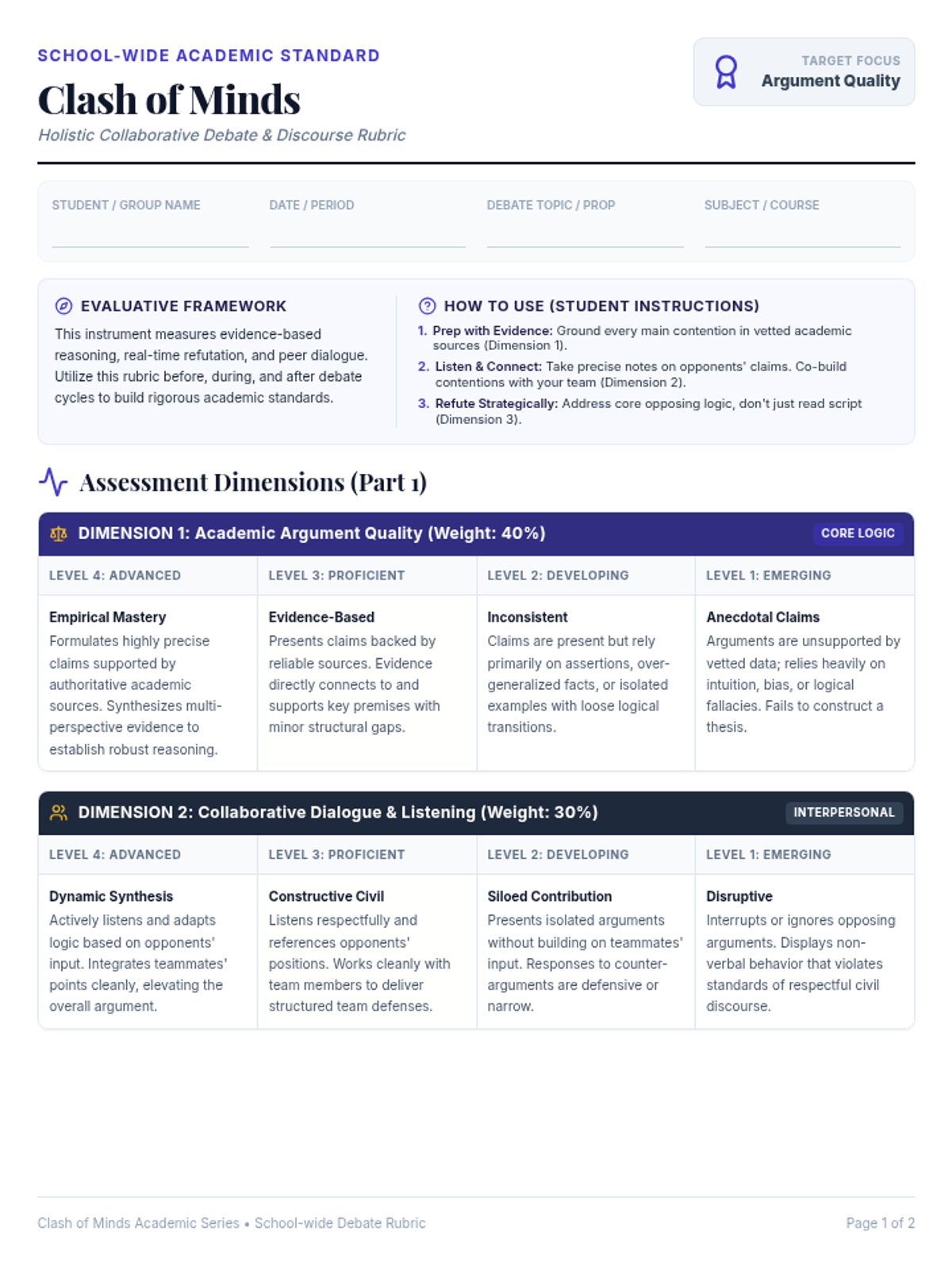
A foundational lesson containing frameworks and evaluative tools to support rigorous, evidence-based collaborative debate. It focuses on elevating academic argument quality, critical thinking, and respectful civil dialogue across different subjects and grade levels.

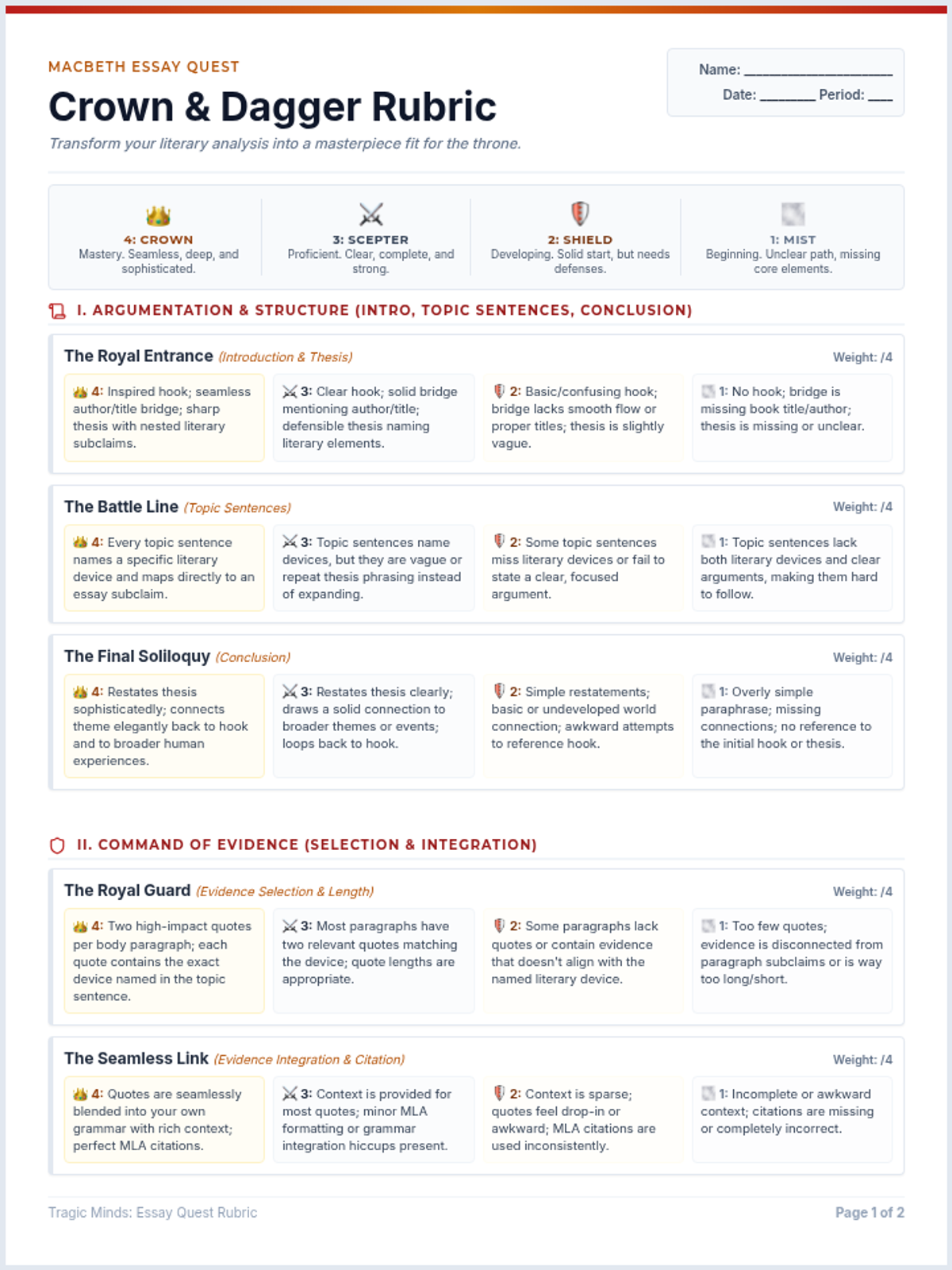
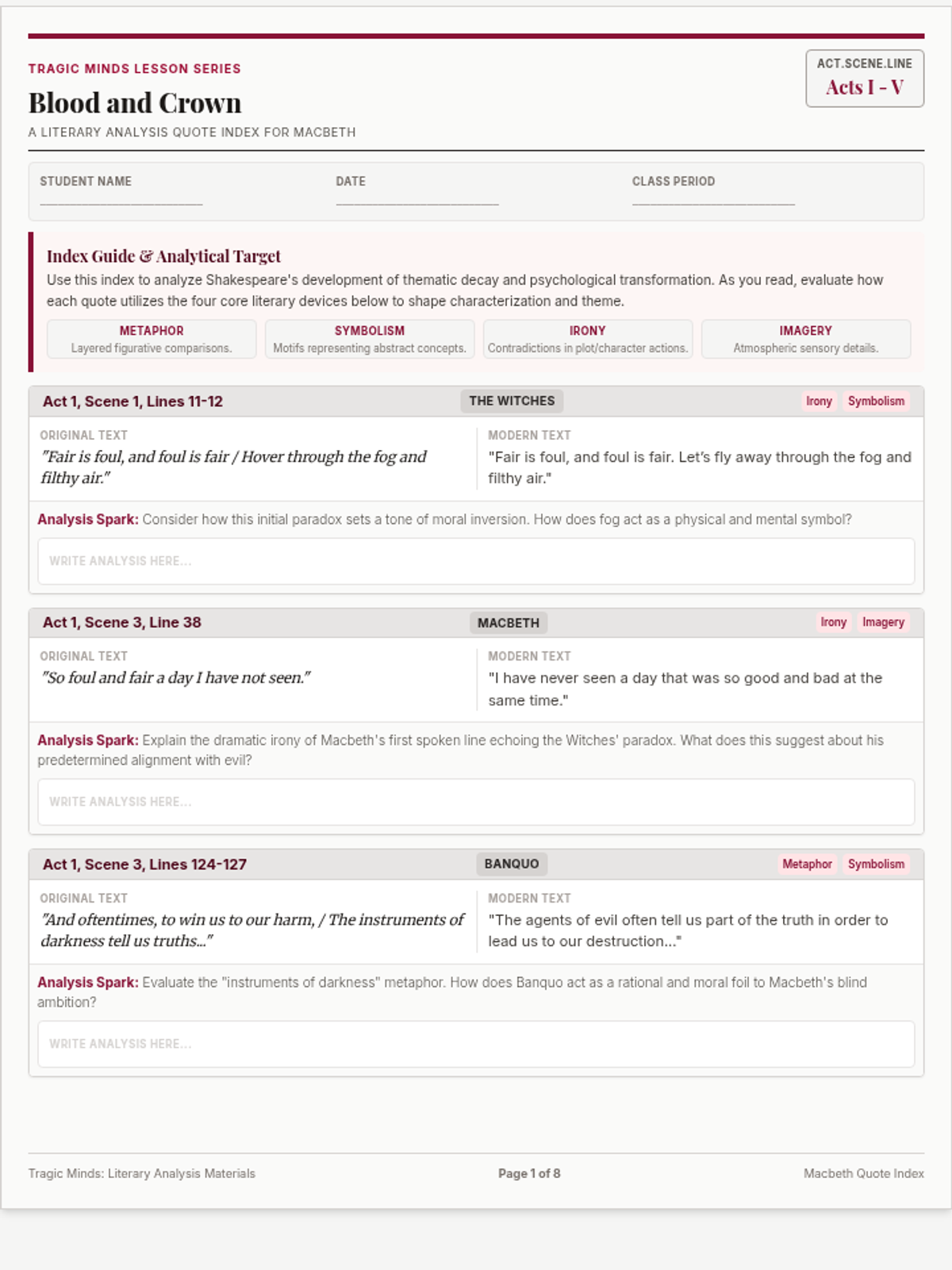
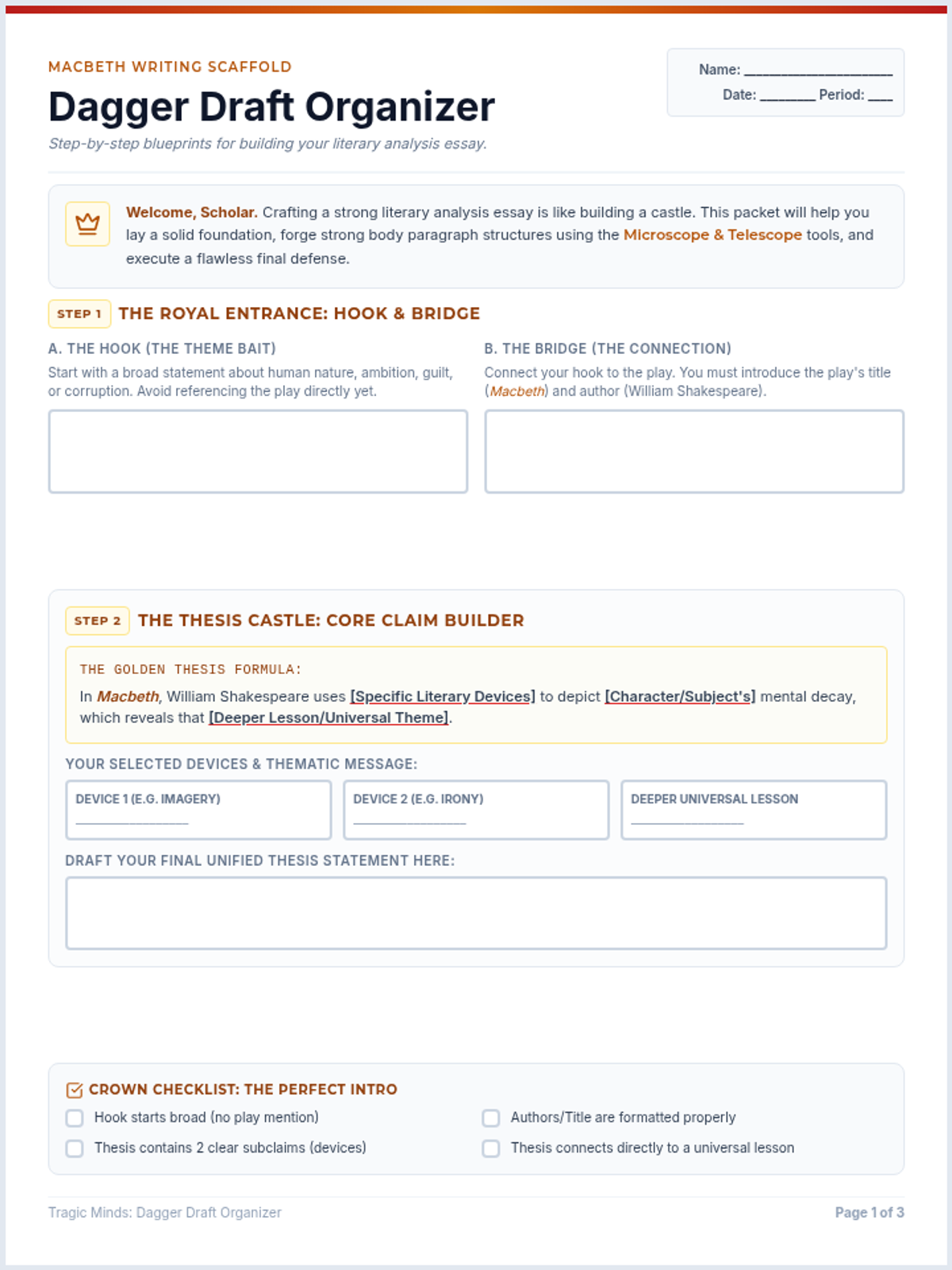
An intensive analytical lesson focusing on Shakespeare's Macbeth, exploring the psychological decay of characters and the thematic significance of motif transformations across all five acts.
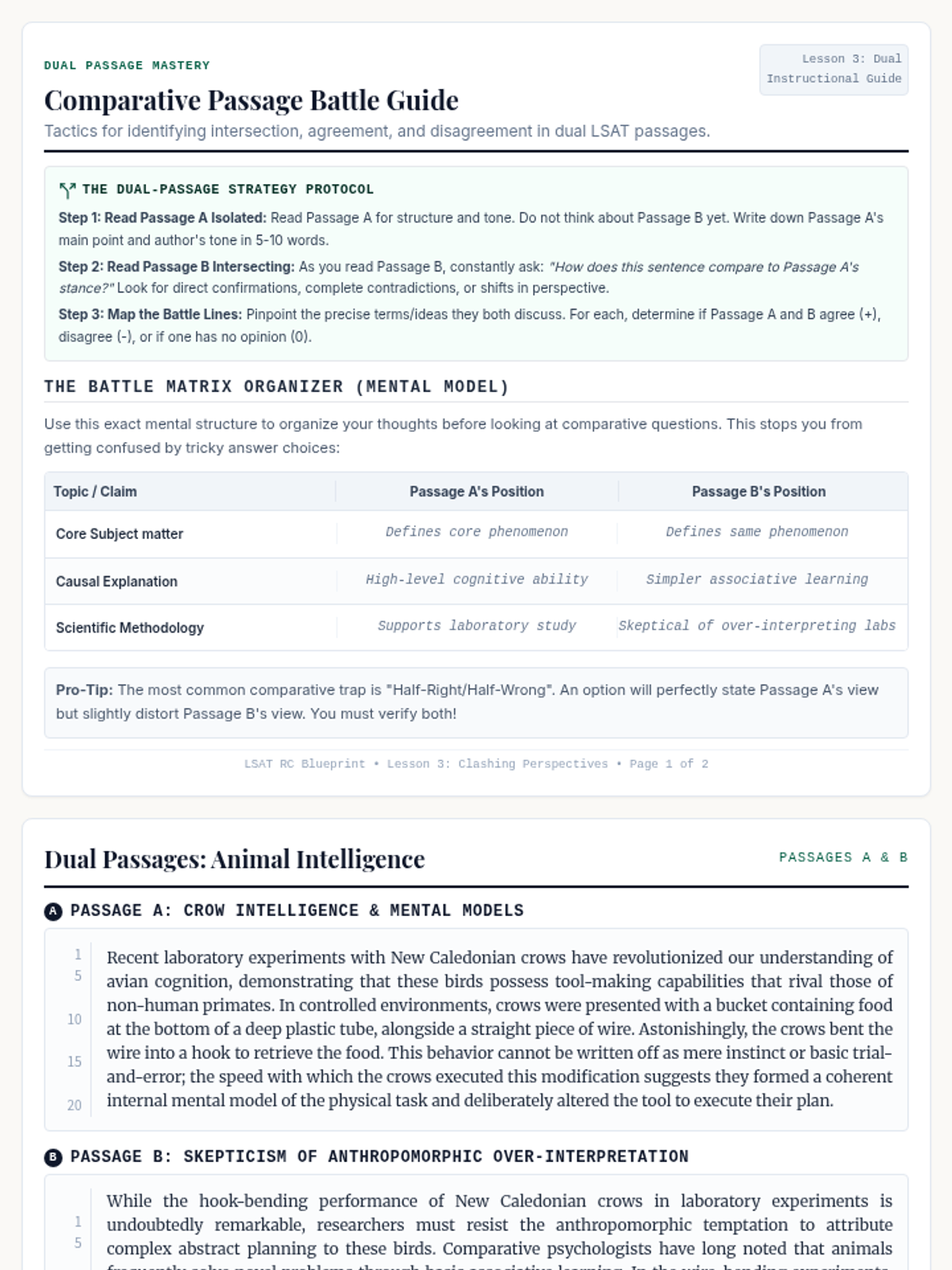
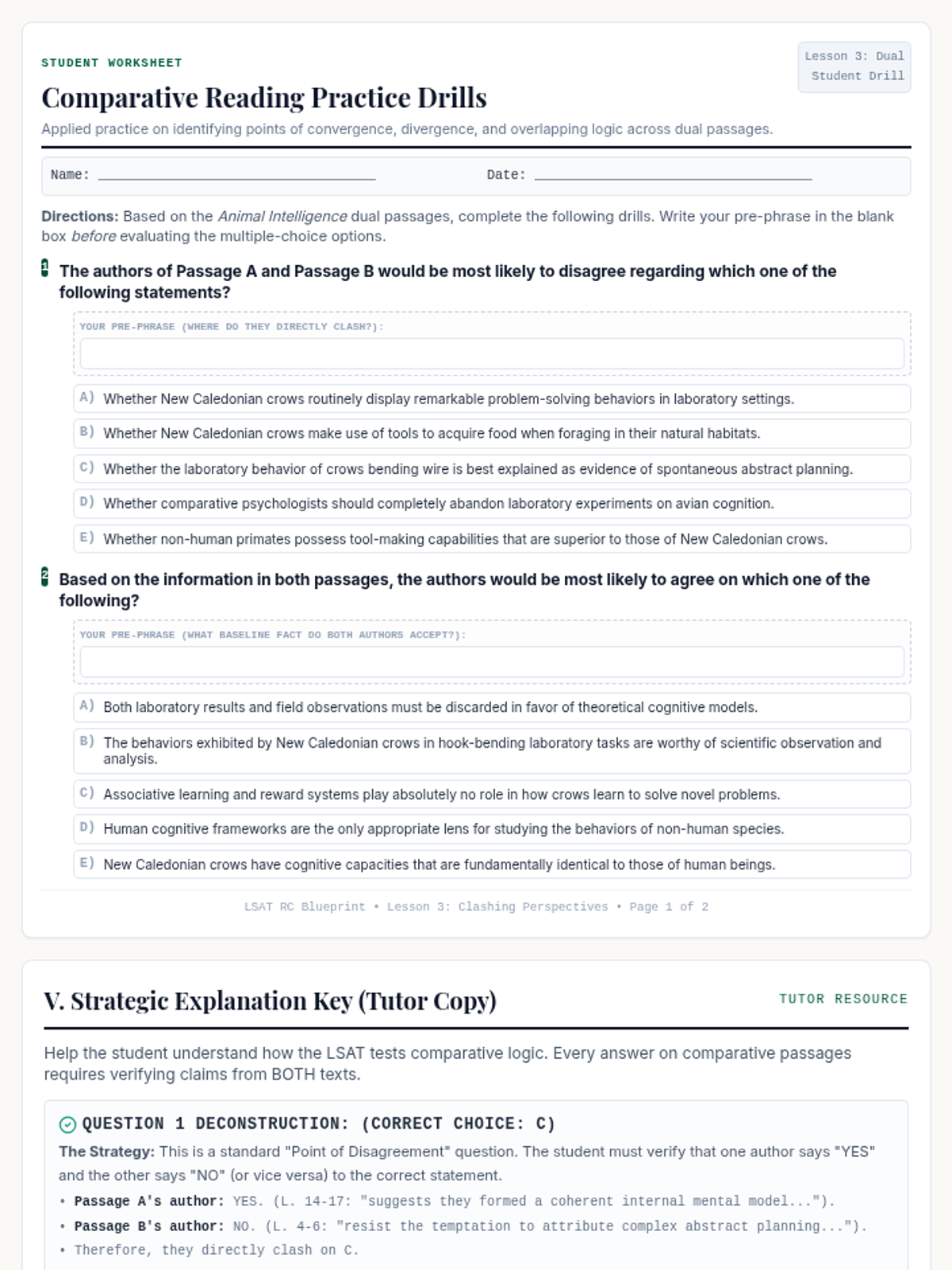
Tackles LSAT Comparative Reading (dual passages), systemizing how to identify points of intersection, agreement, disagreement, and overlapping logical frameworks.
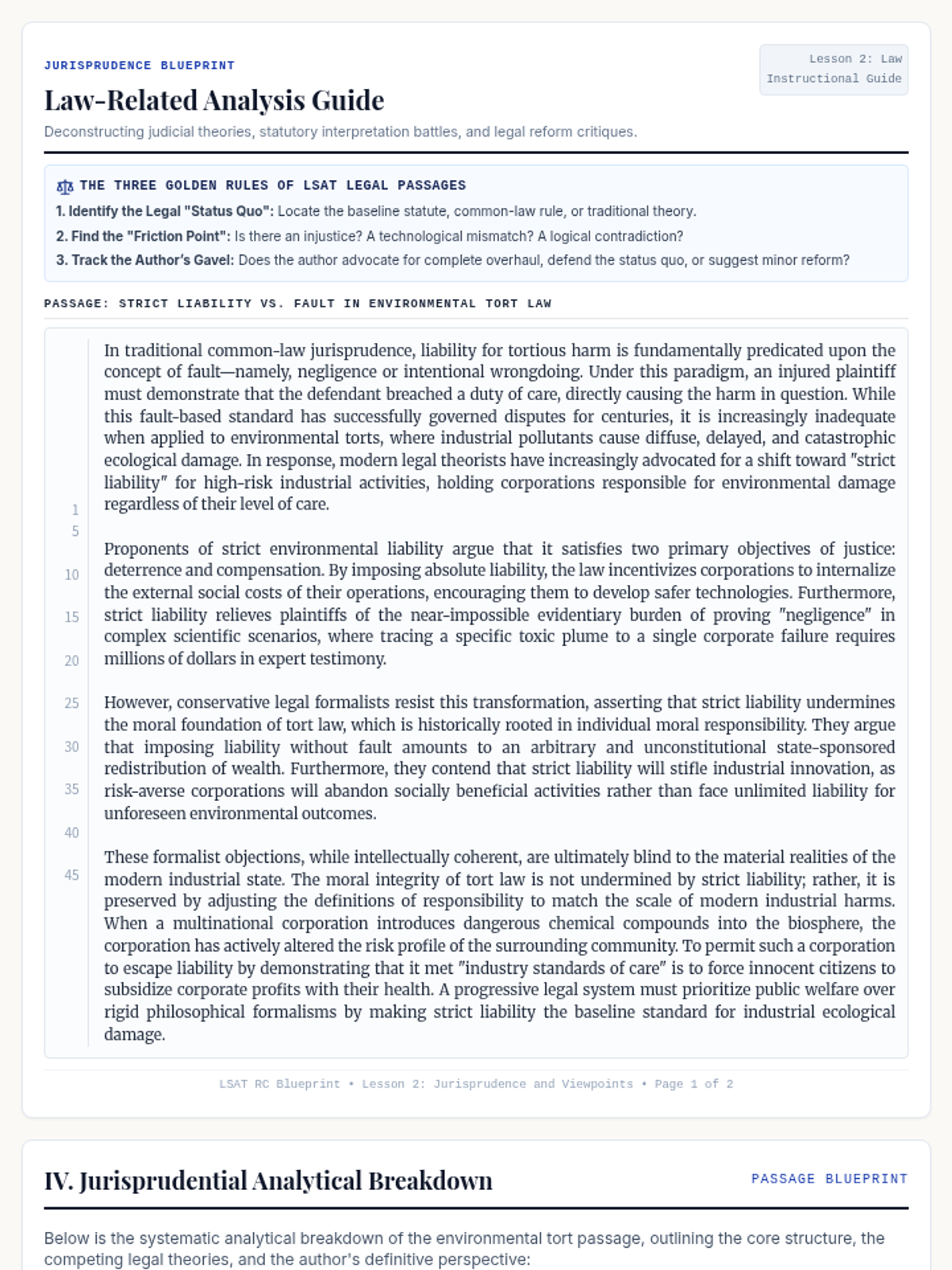
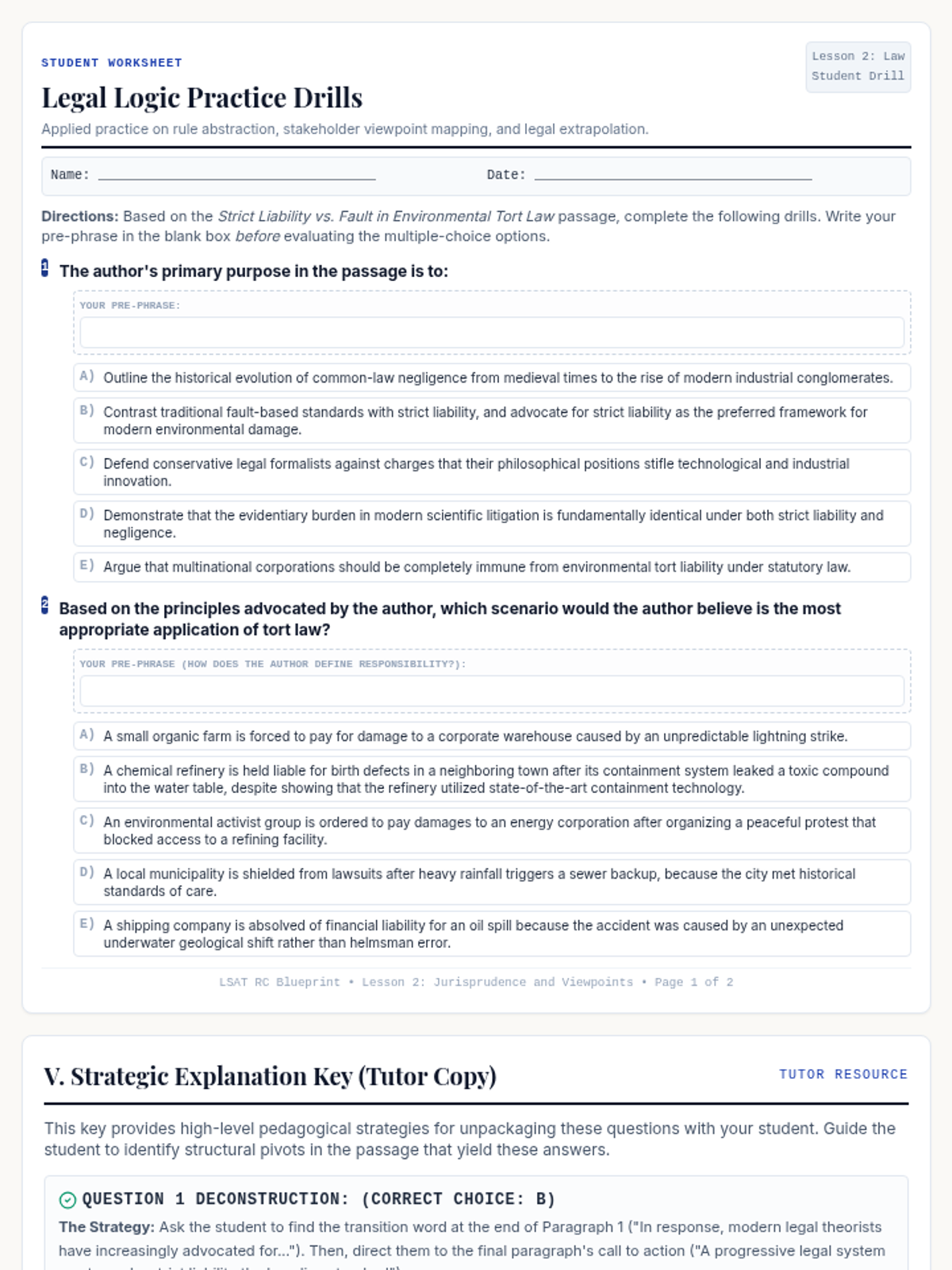
Examines law-related passages, teaching students how to track legal theory developments, multiple viewpoints, and complex judicial arguments without getting lost in legal jargon.
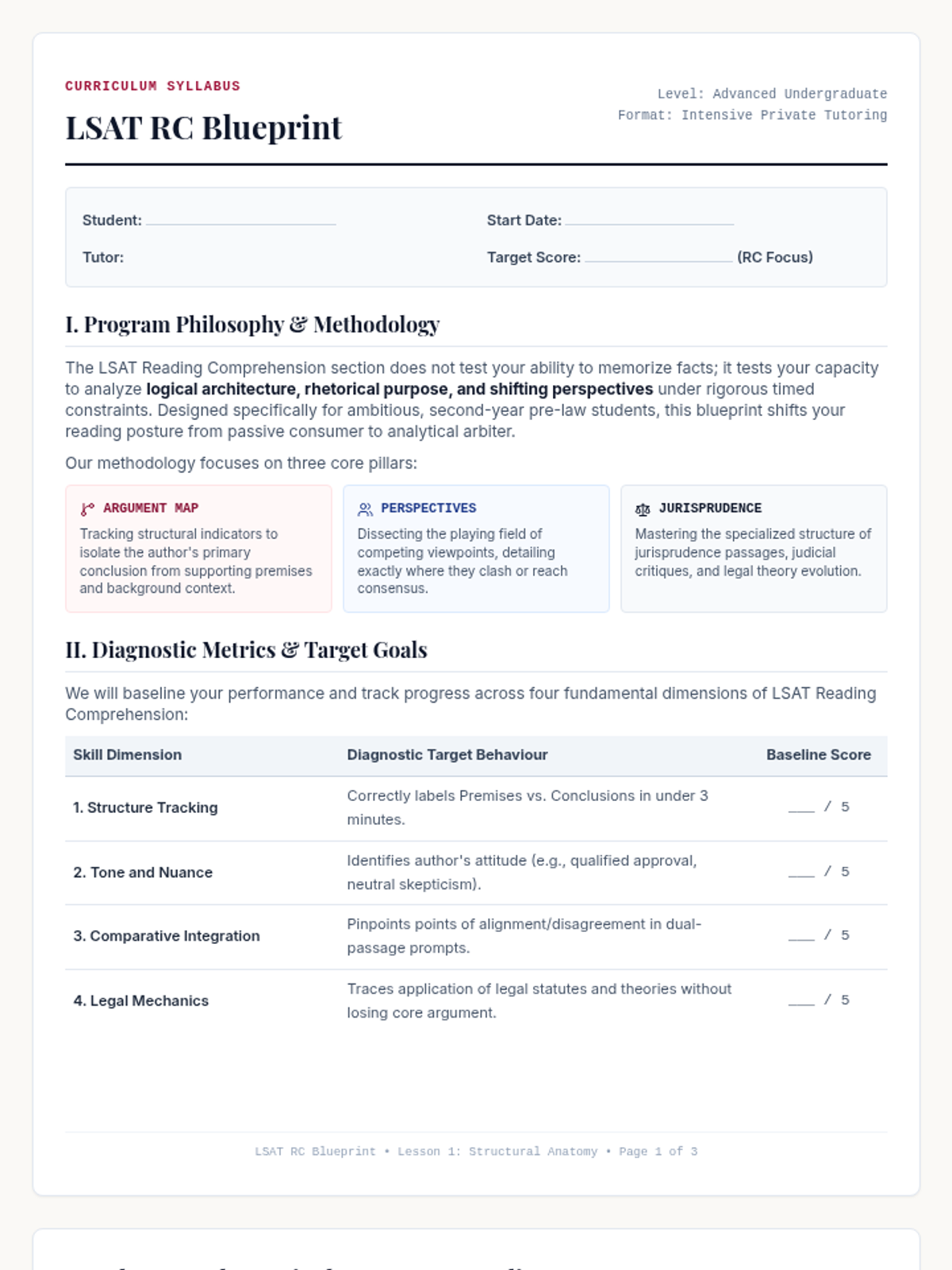
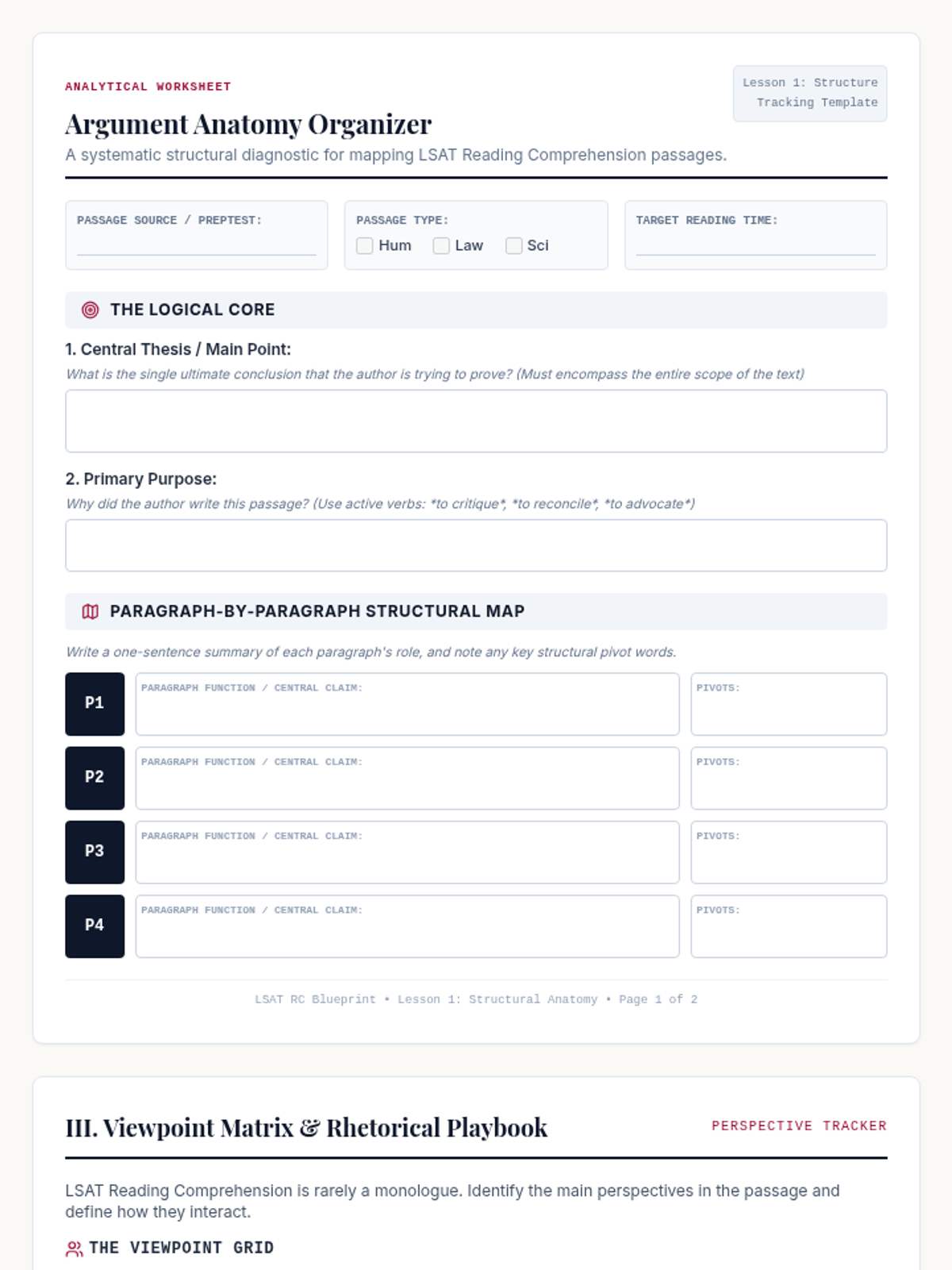
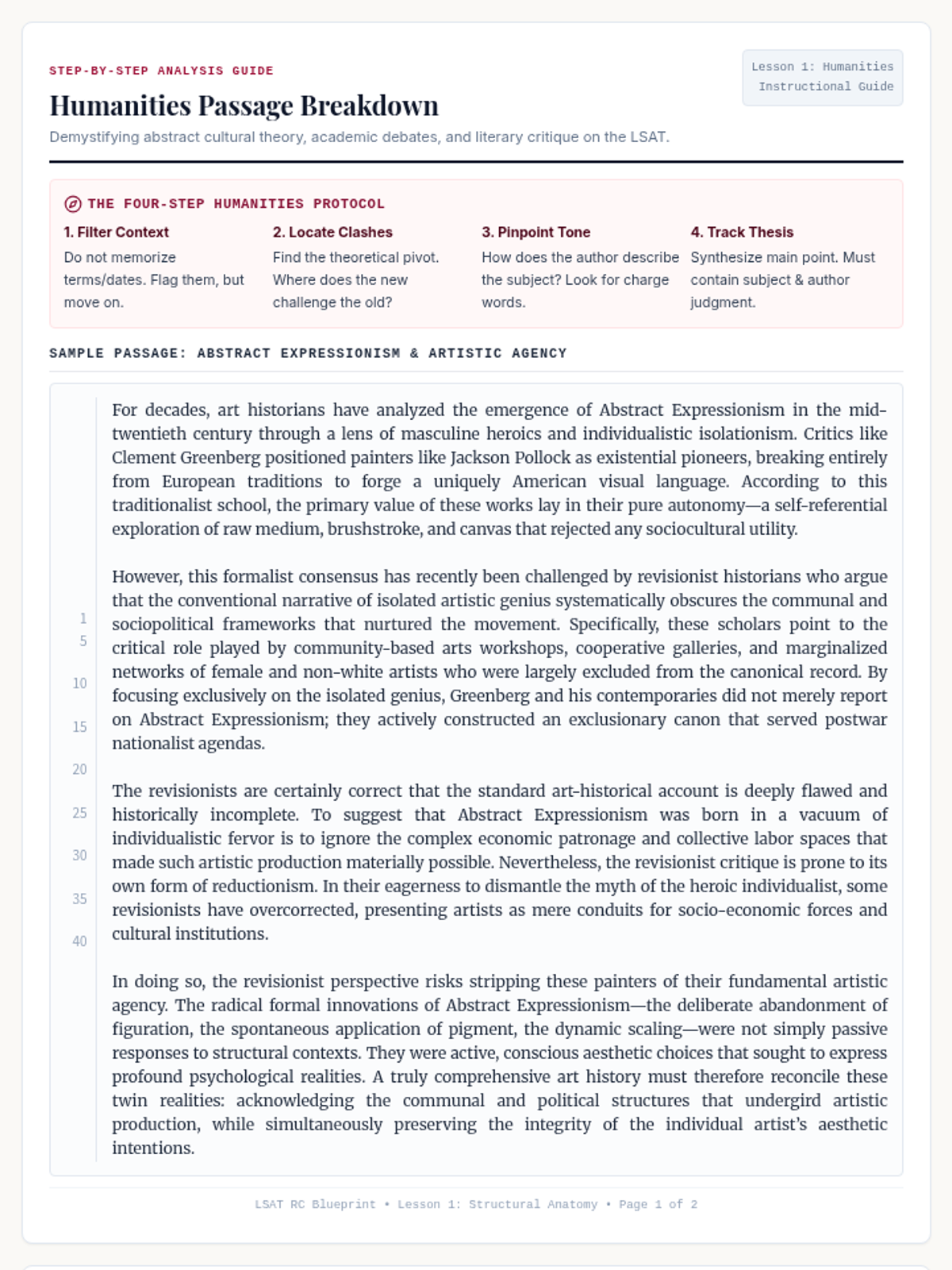
Focuses on identifying the main point, tracking author tone, and mapping argument structure in complex humanities passages. Students learn to distinguish between background, evidence, and conclusions.
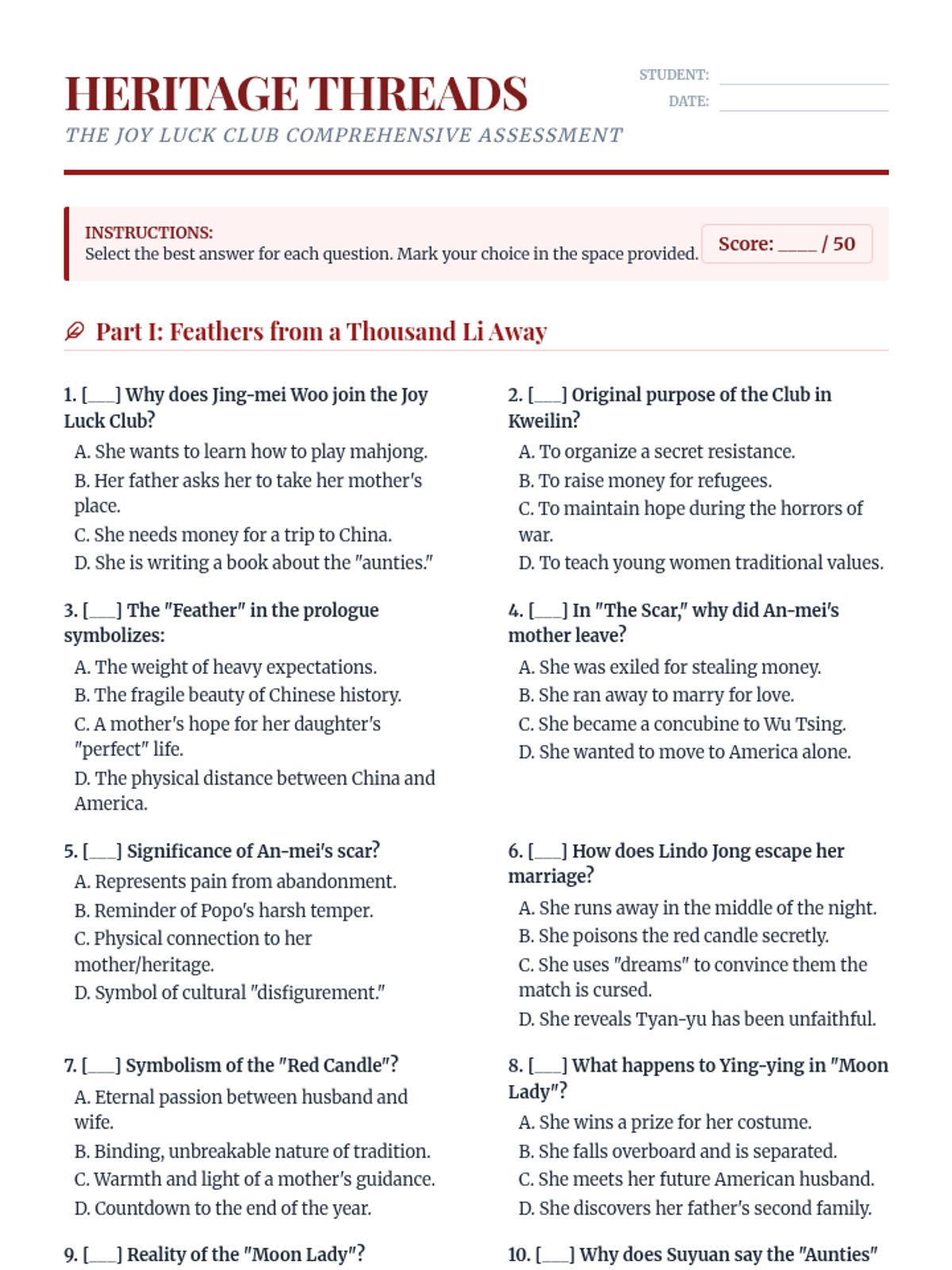
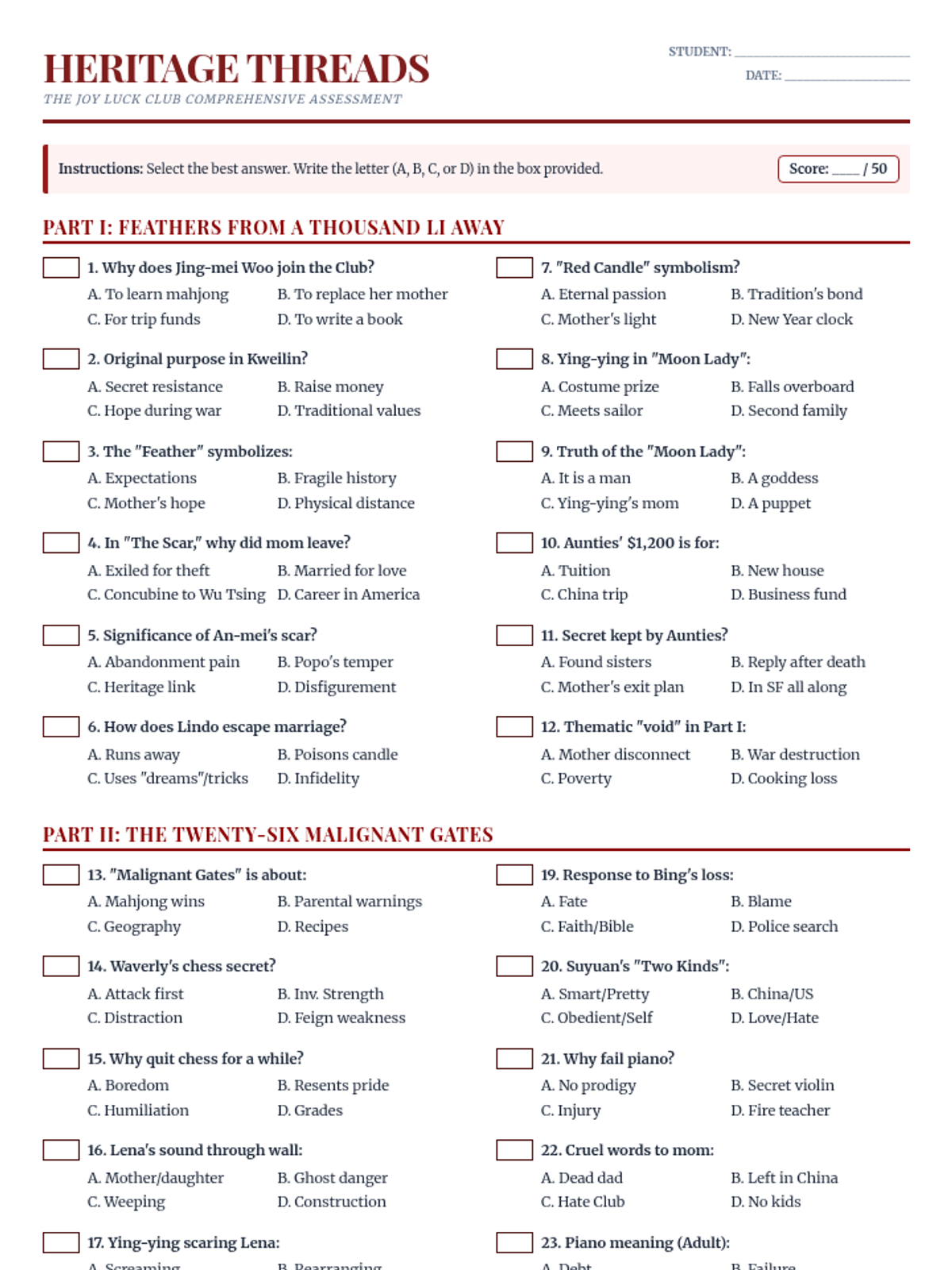
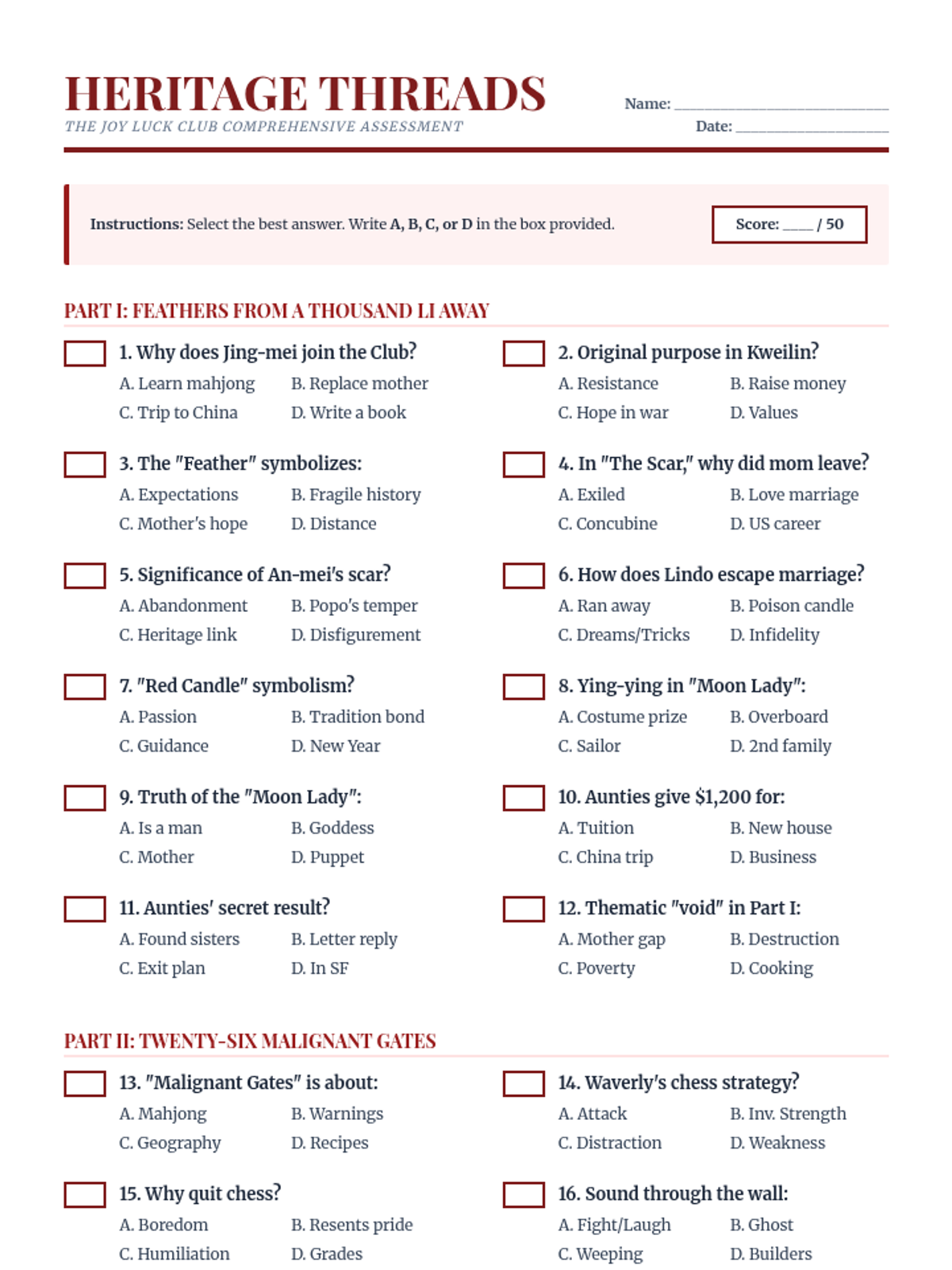
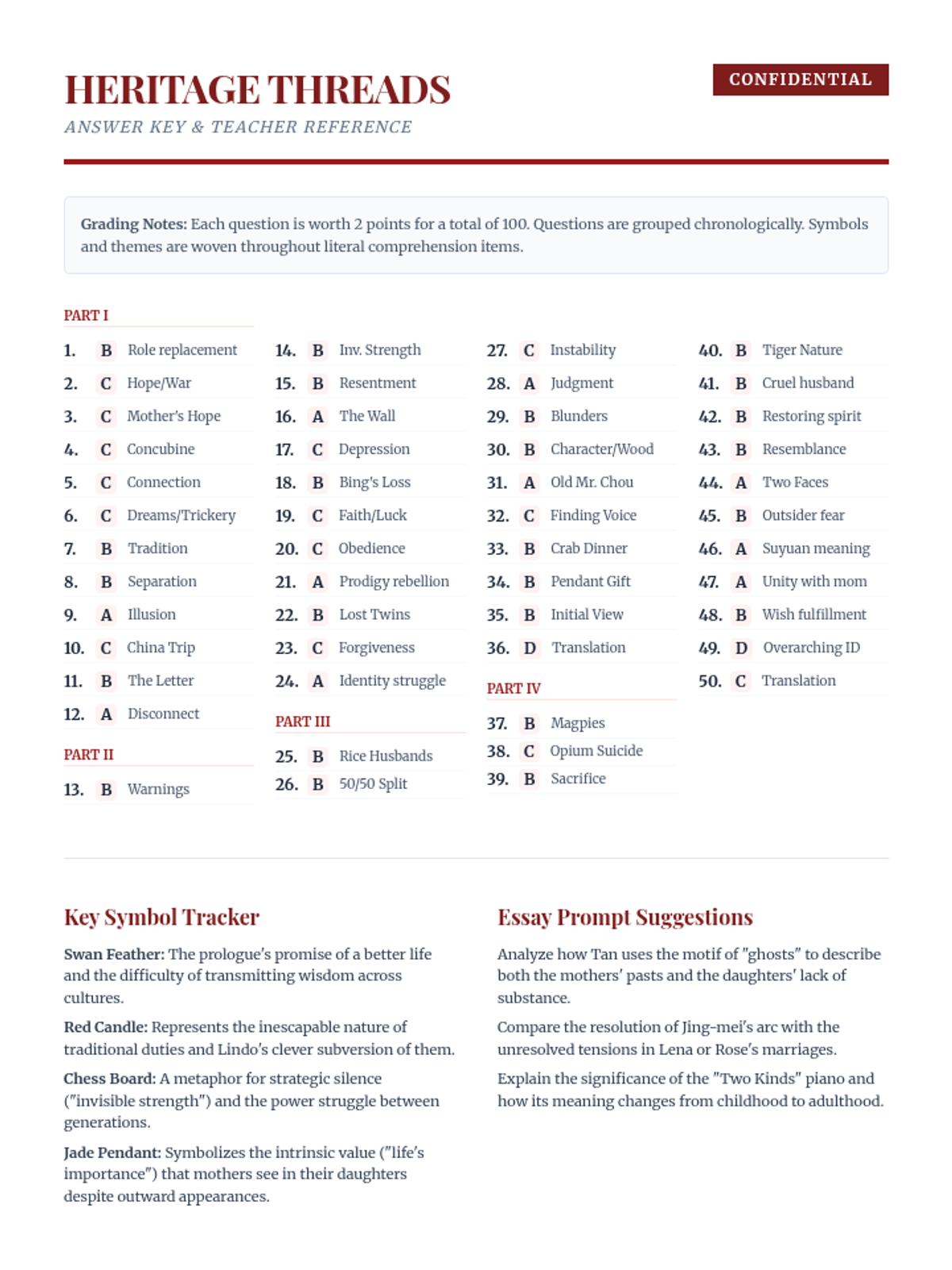
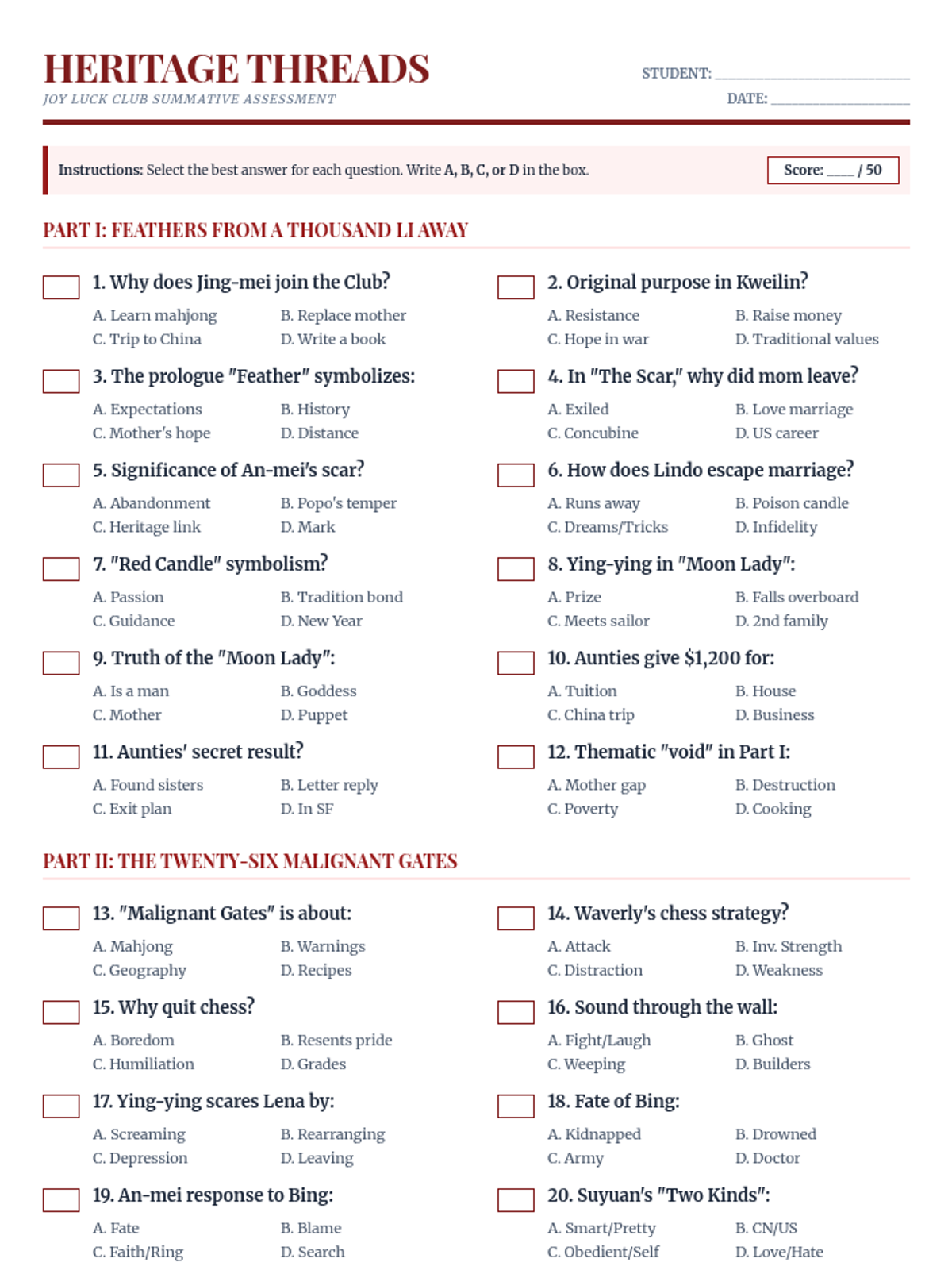
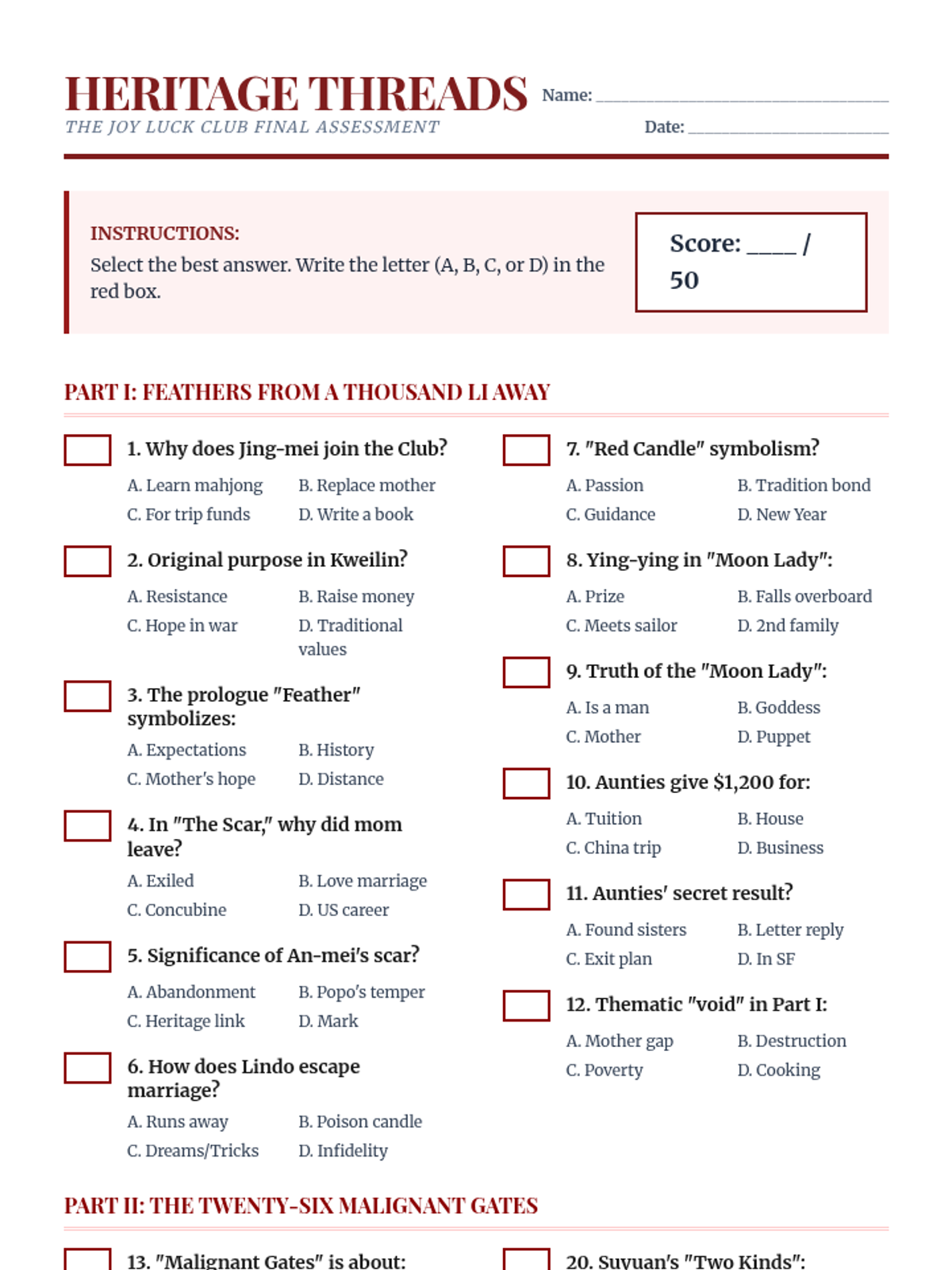
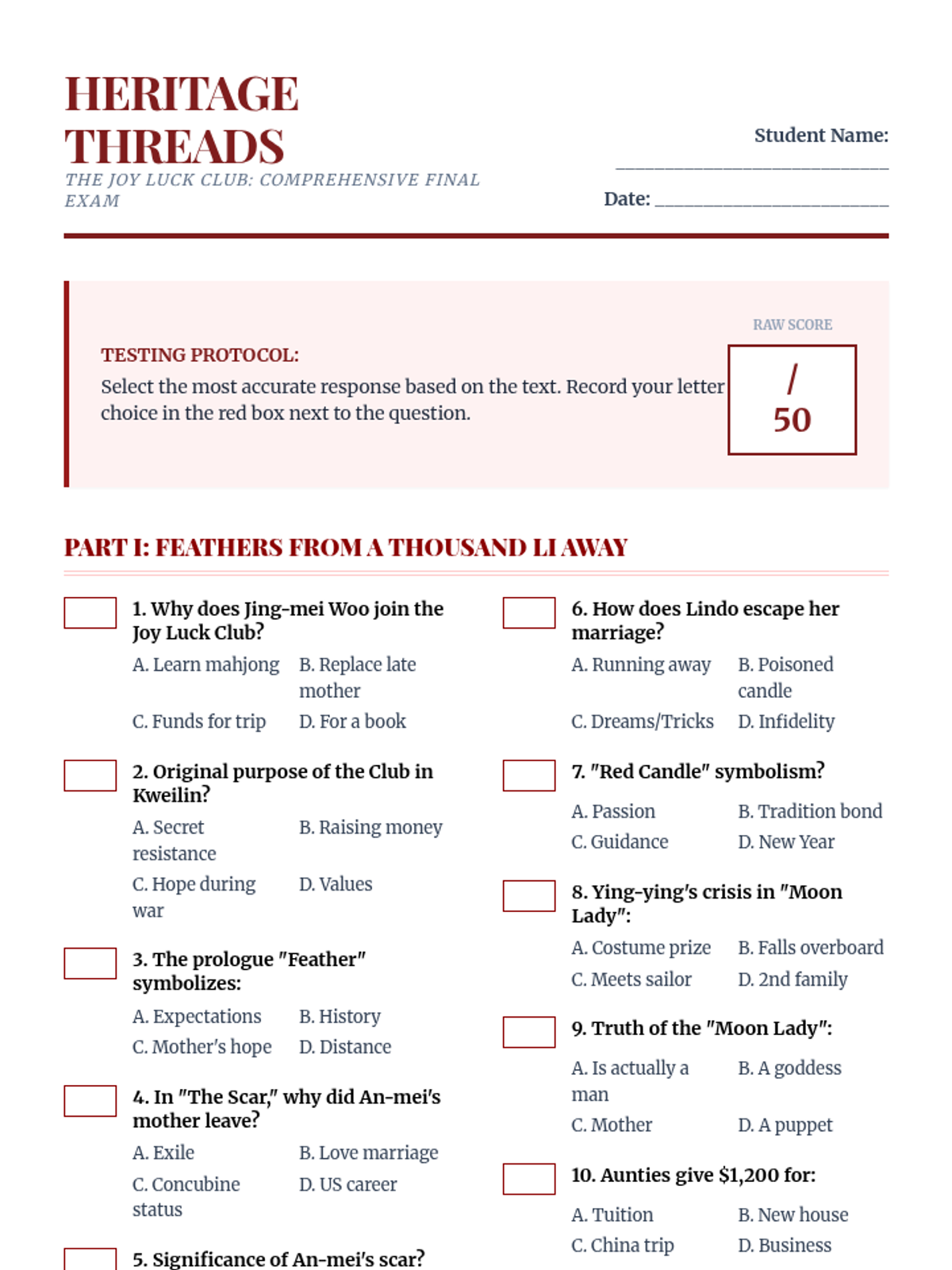
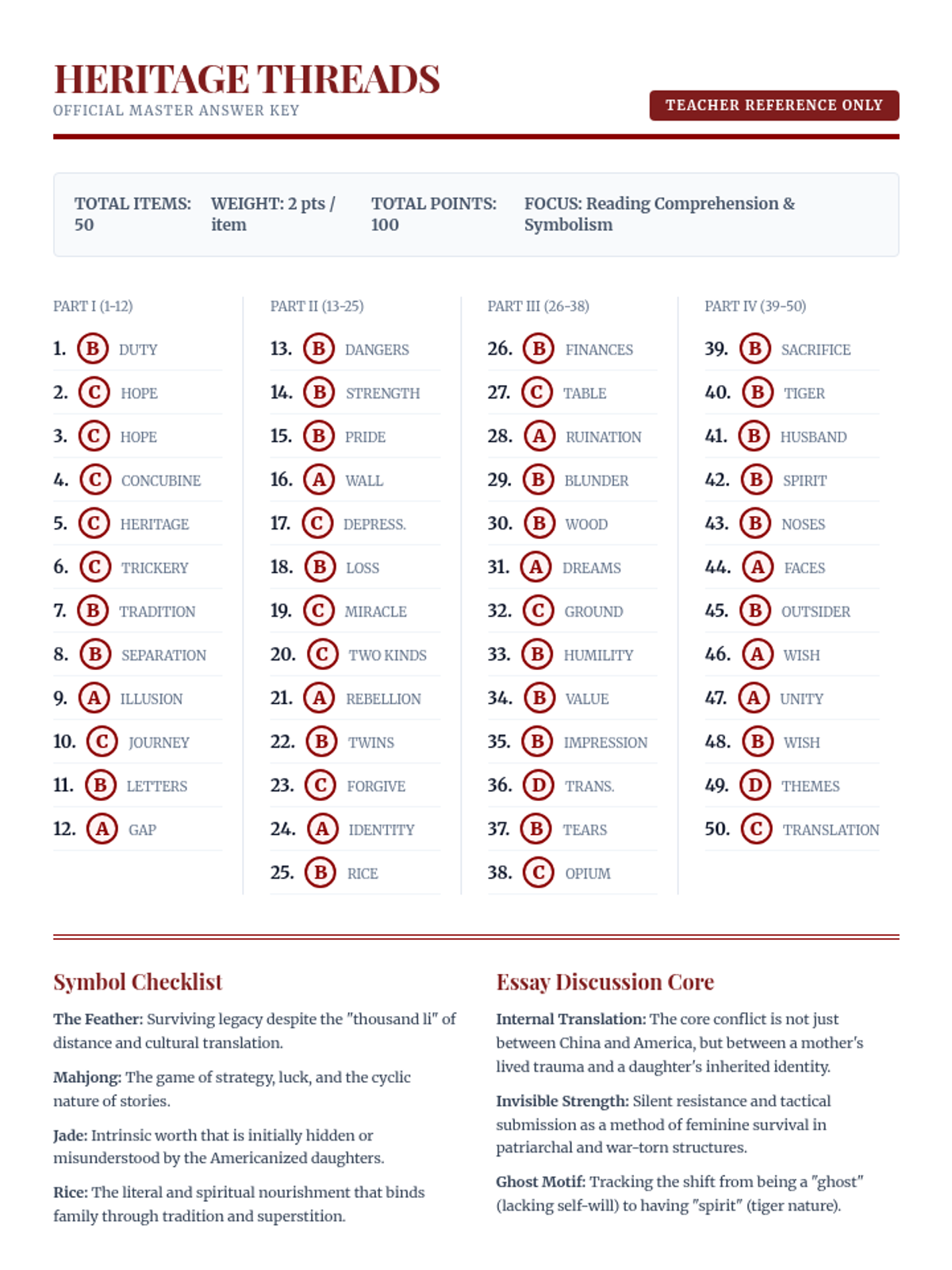
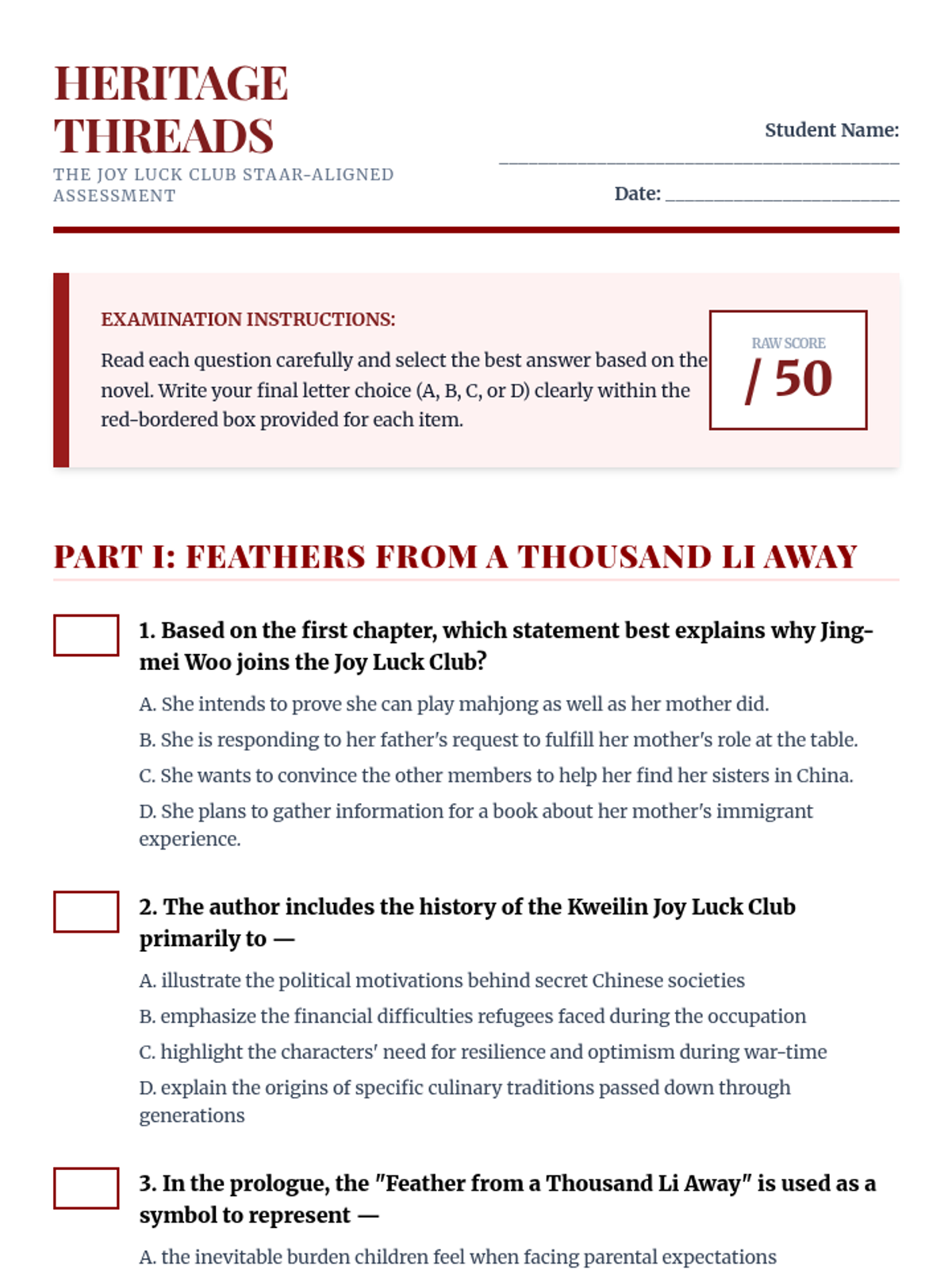
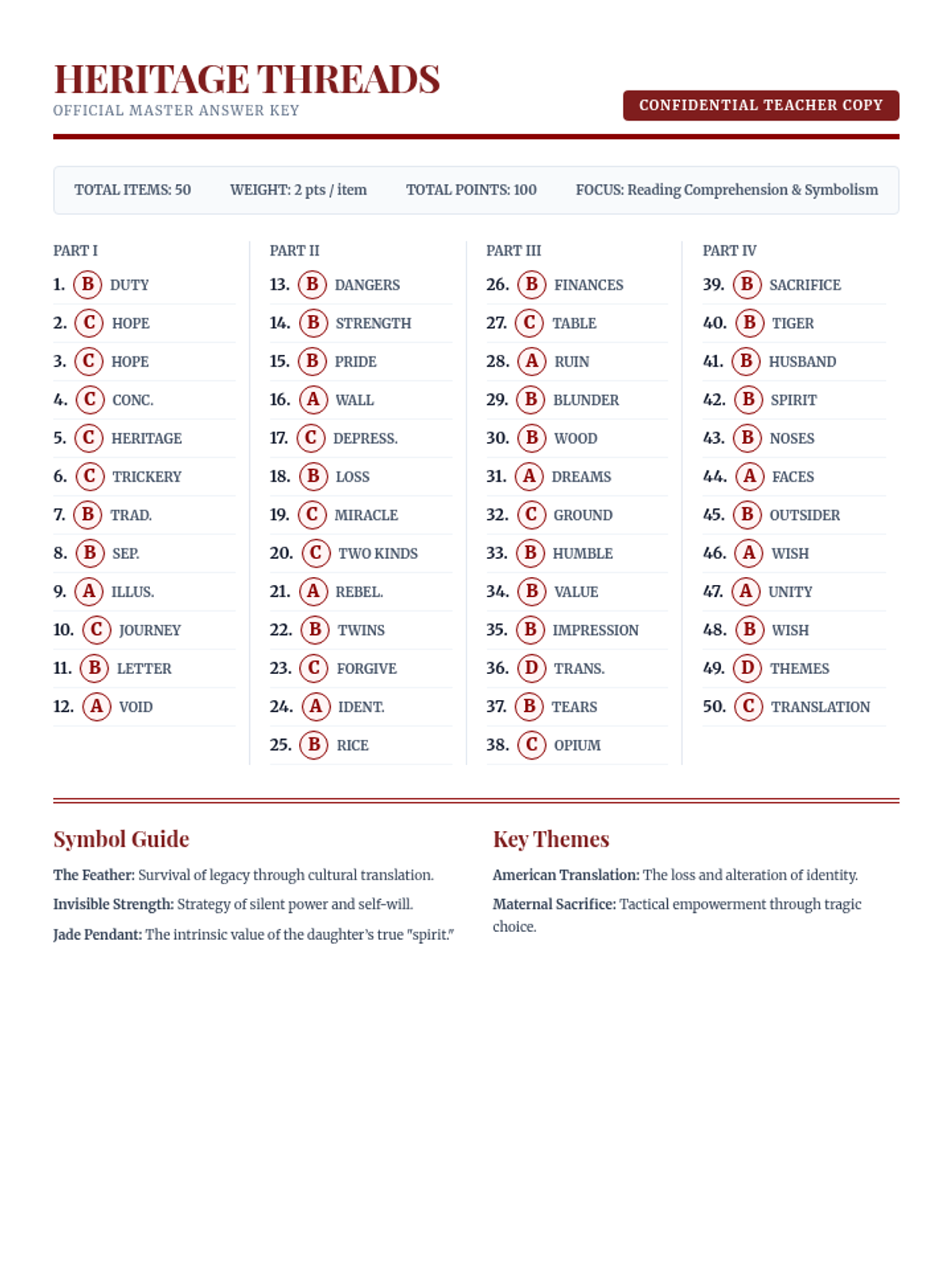
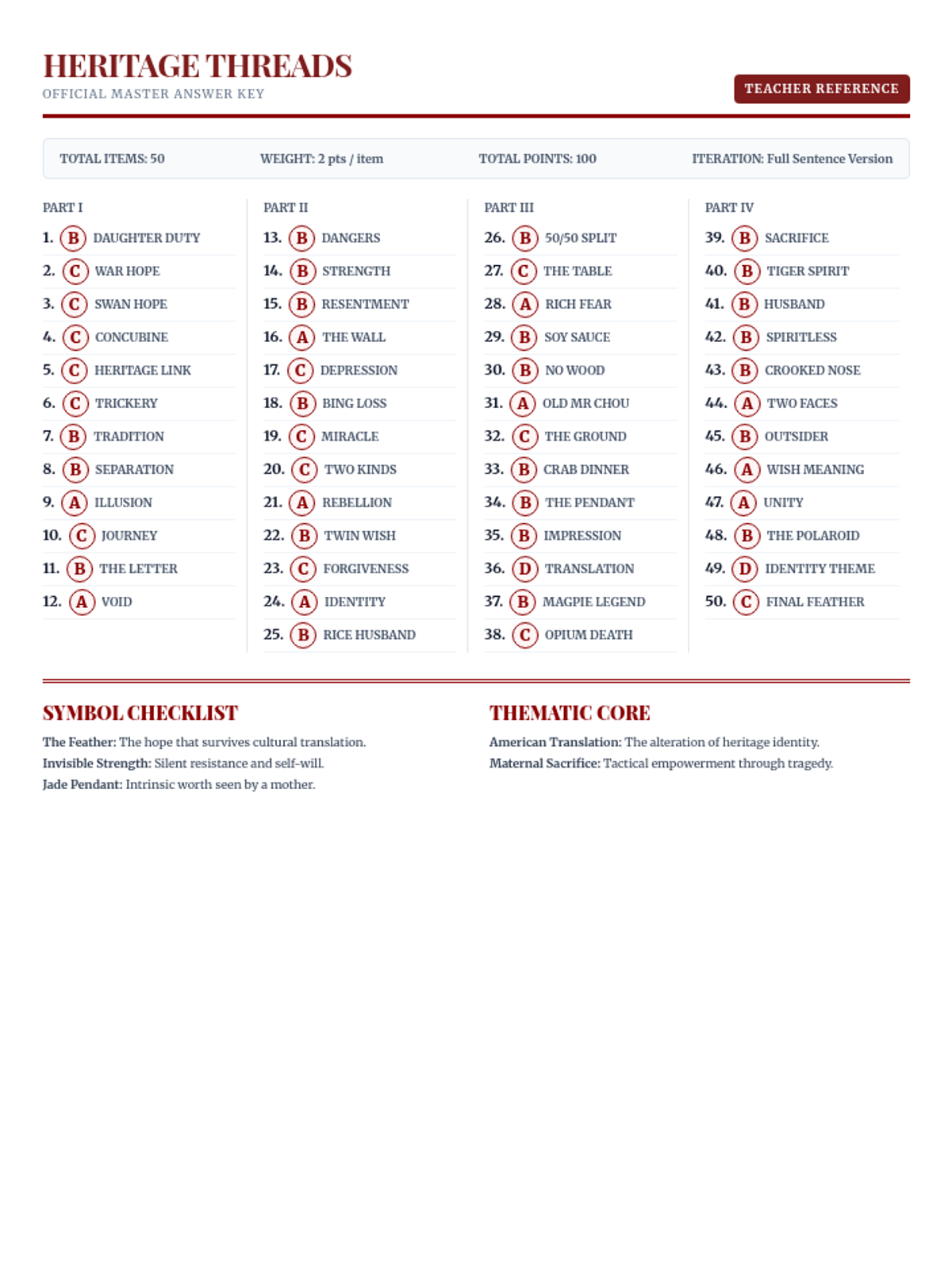
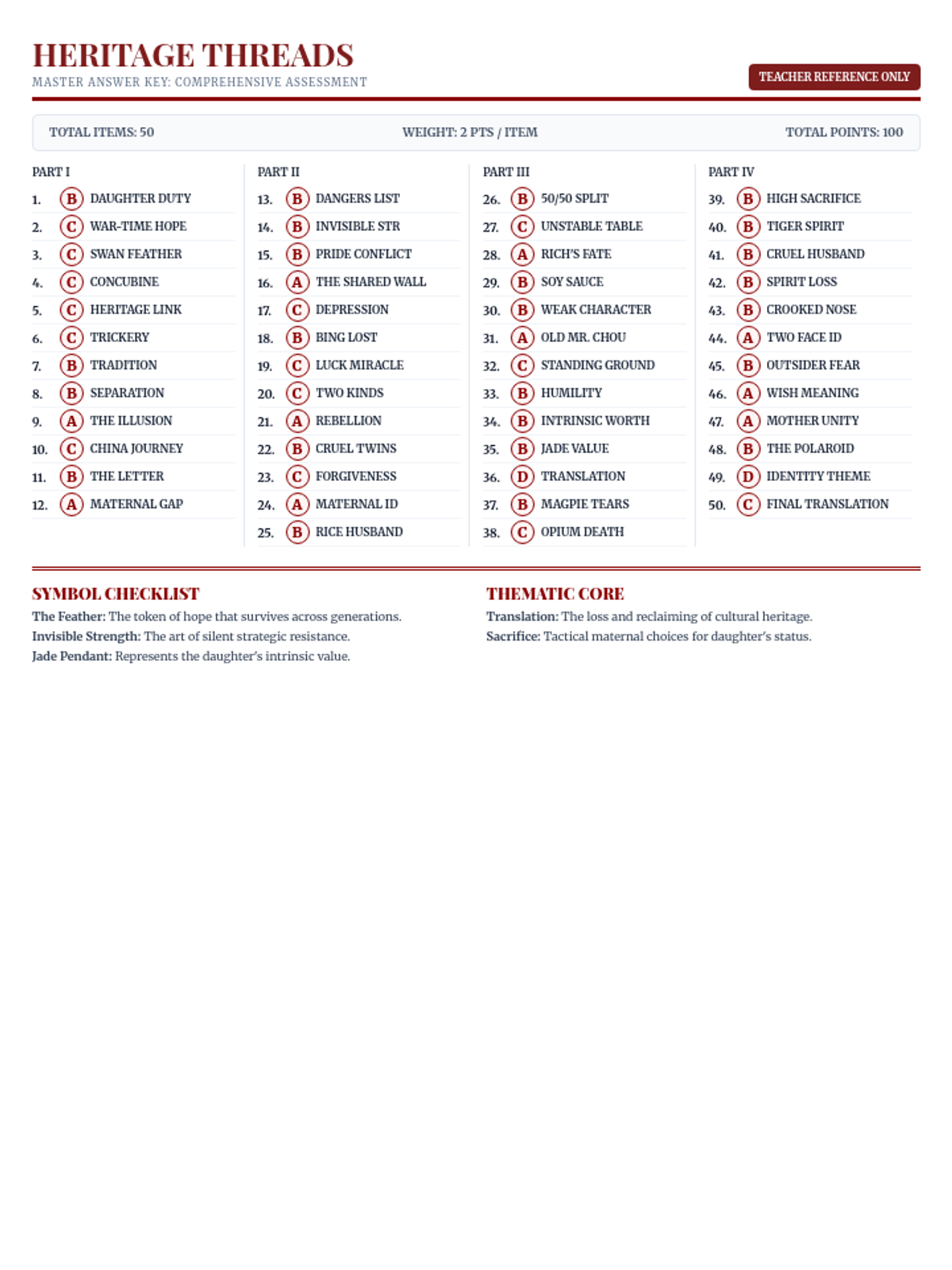
A comprehensive summative assessment and answer key for Amy Tan's The Joy Luck Club, focusing on character arcs, mother-daughter dynamics, and cultural symbolism.
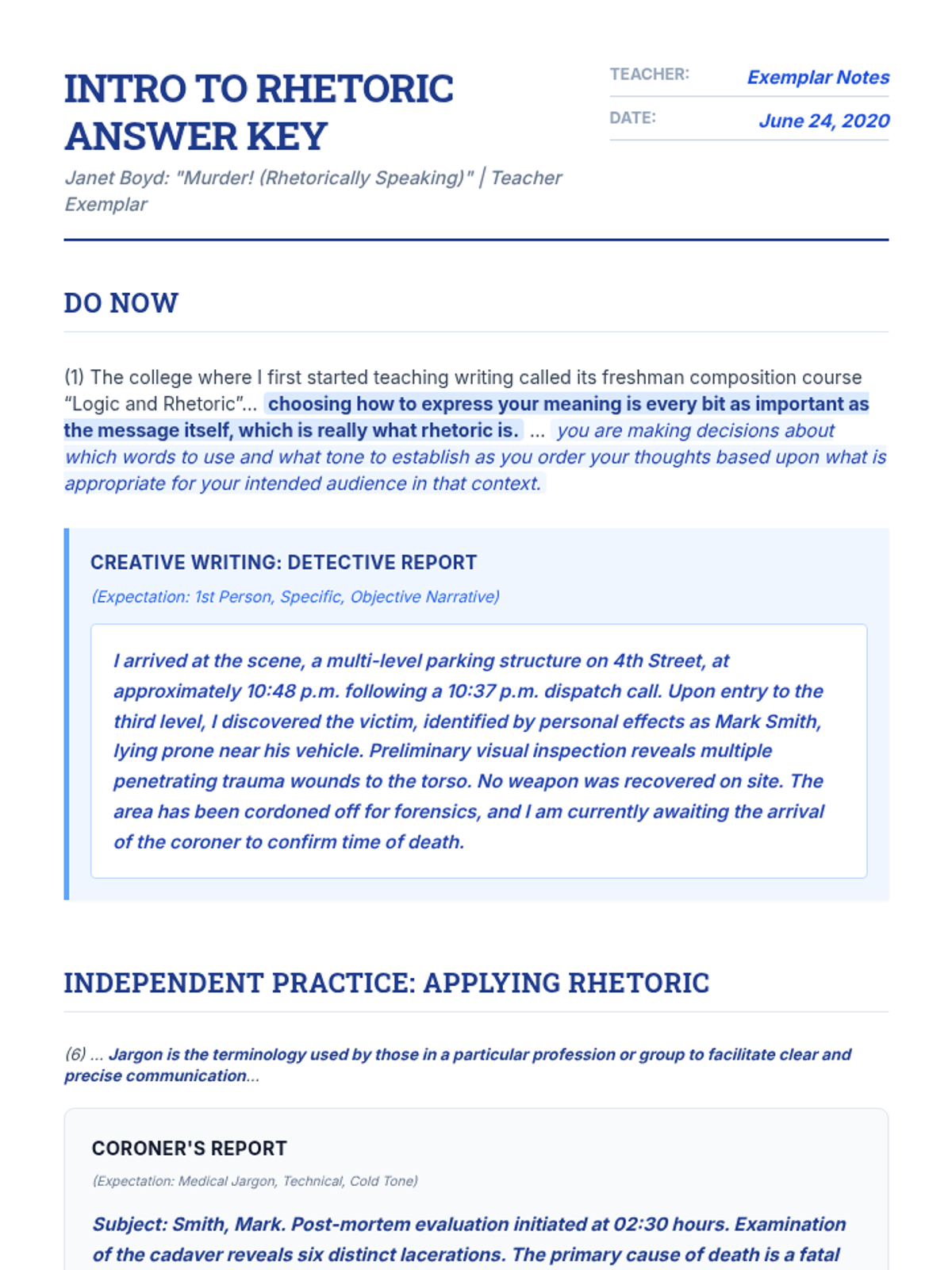
An introductory lesson on rhetoric through Janet Boyd's "Murder! (Rhetorically Speaking)", where students explore how audience, context, and genre shape rhetorical choices.
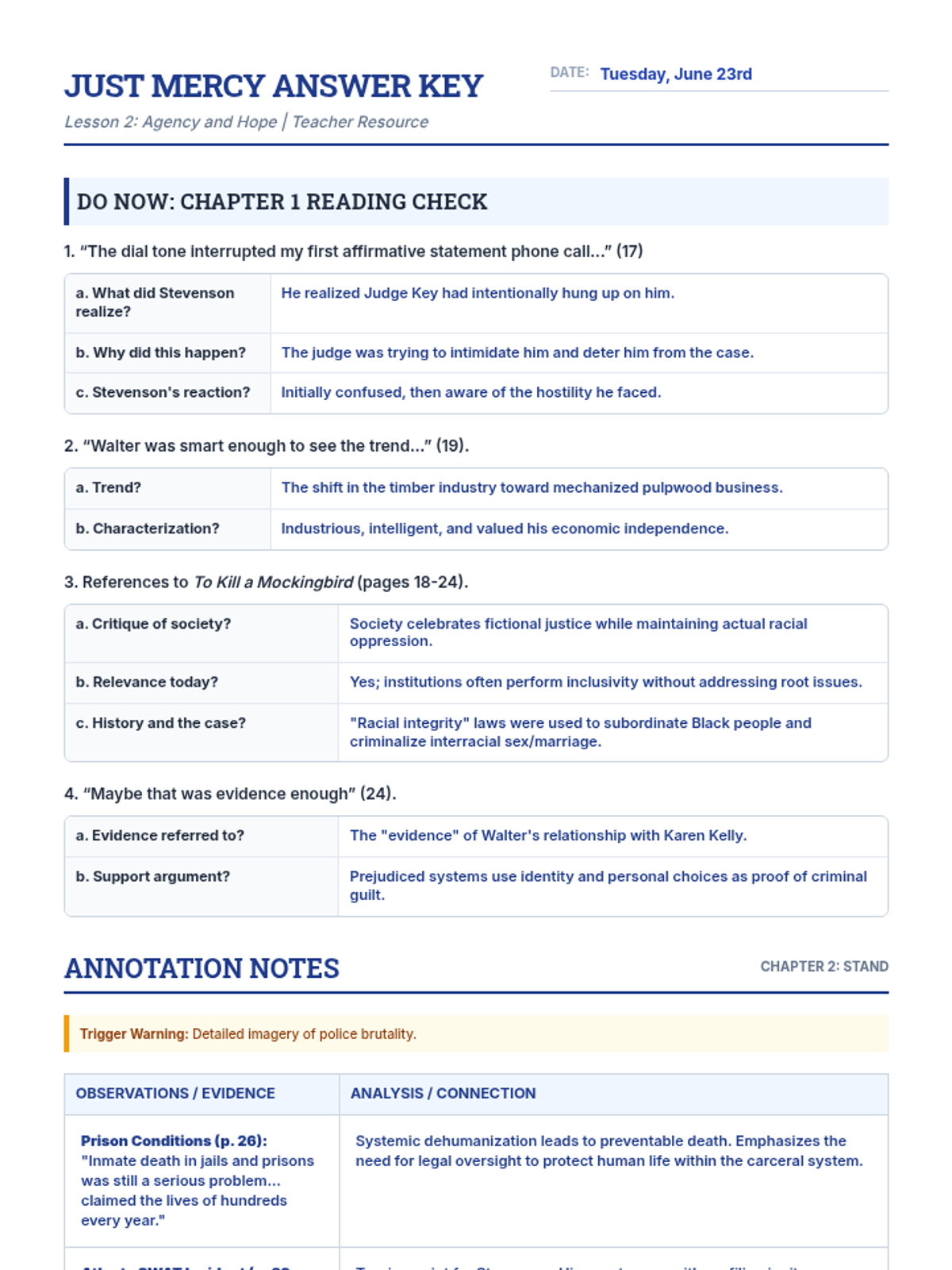
This lesson analyzes Chapter 2 of Just Mercy, focusing on how Stevenson develops his argument about individual agency and the inciting of change through knowledge and hope.
An introductory lesson on Just Mercy by Bryan Stevenson, focusing on characterization, systemic injustice, and the power of hope in the Introduction and Chapter 1.
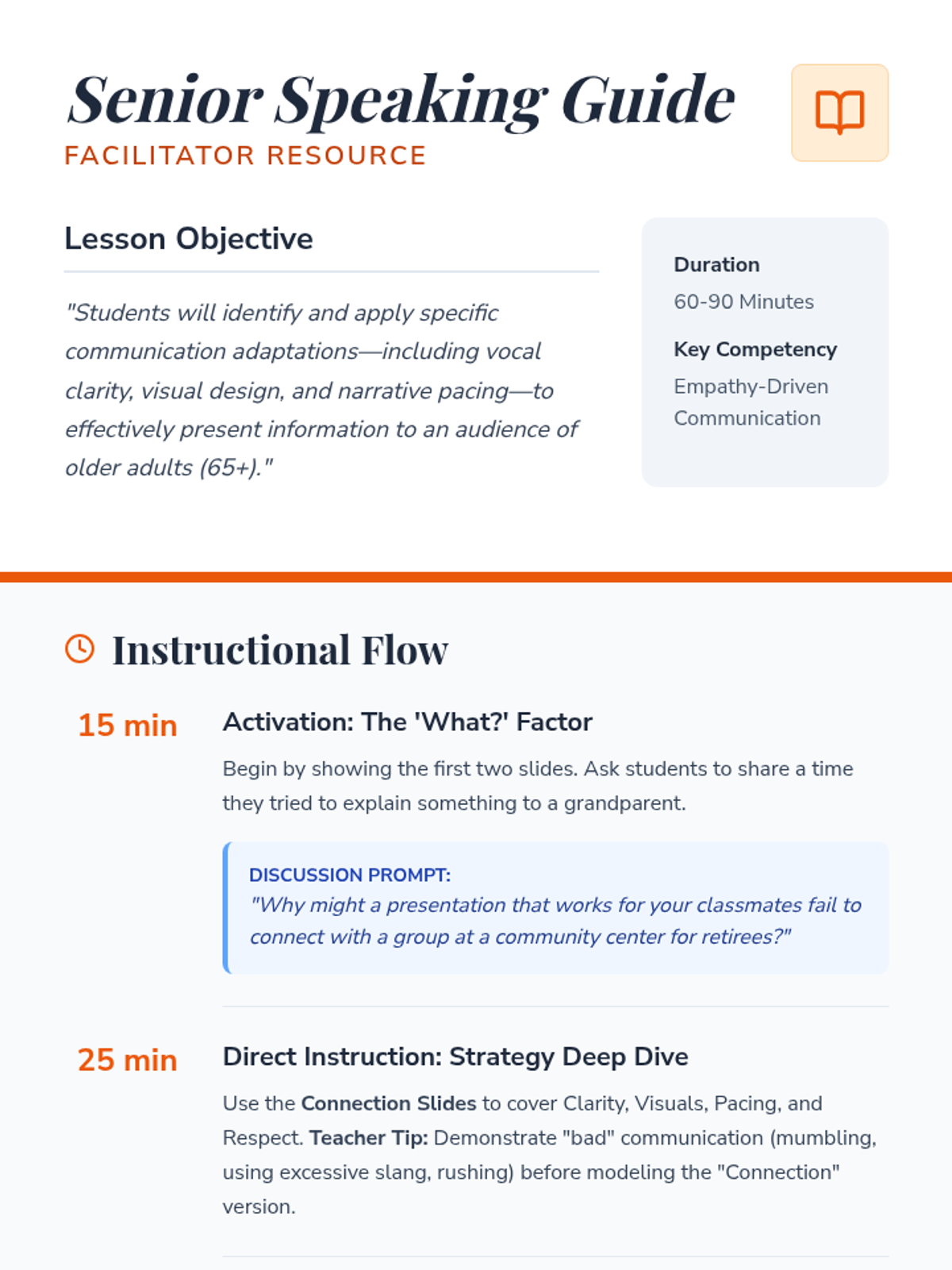
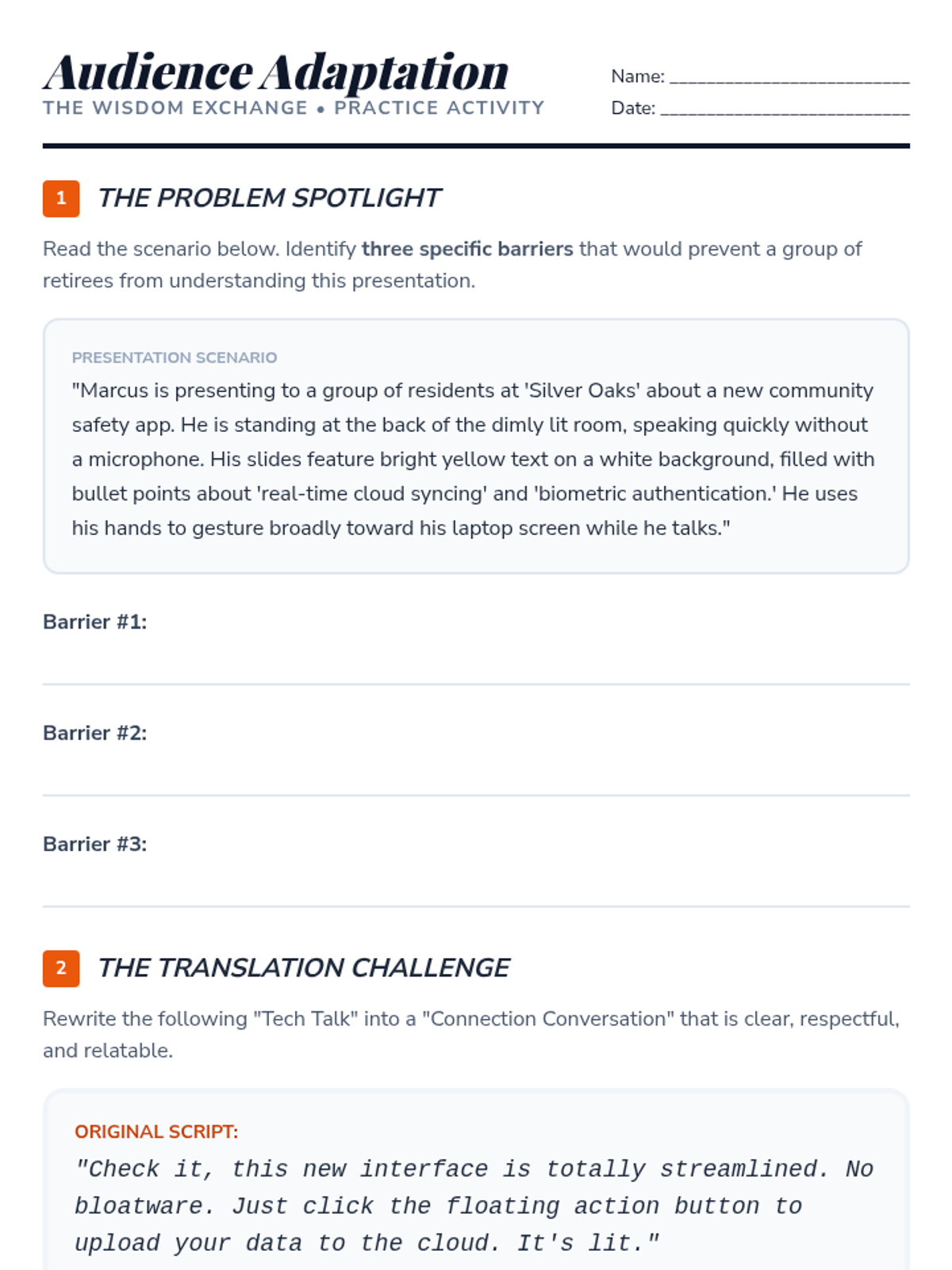
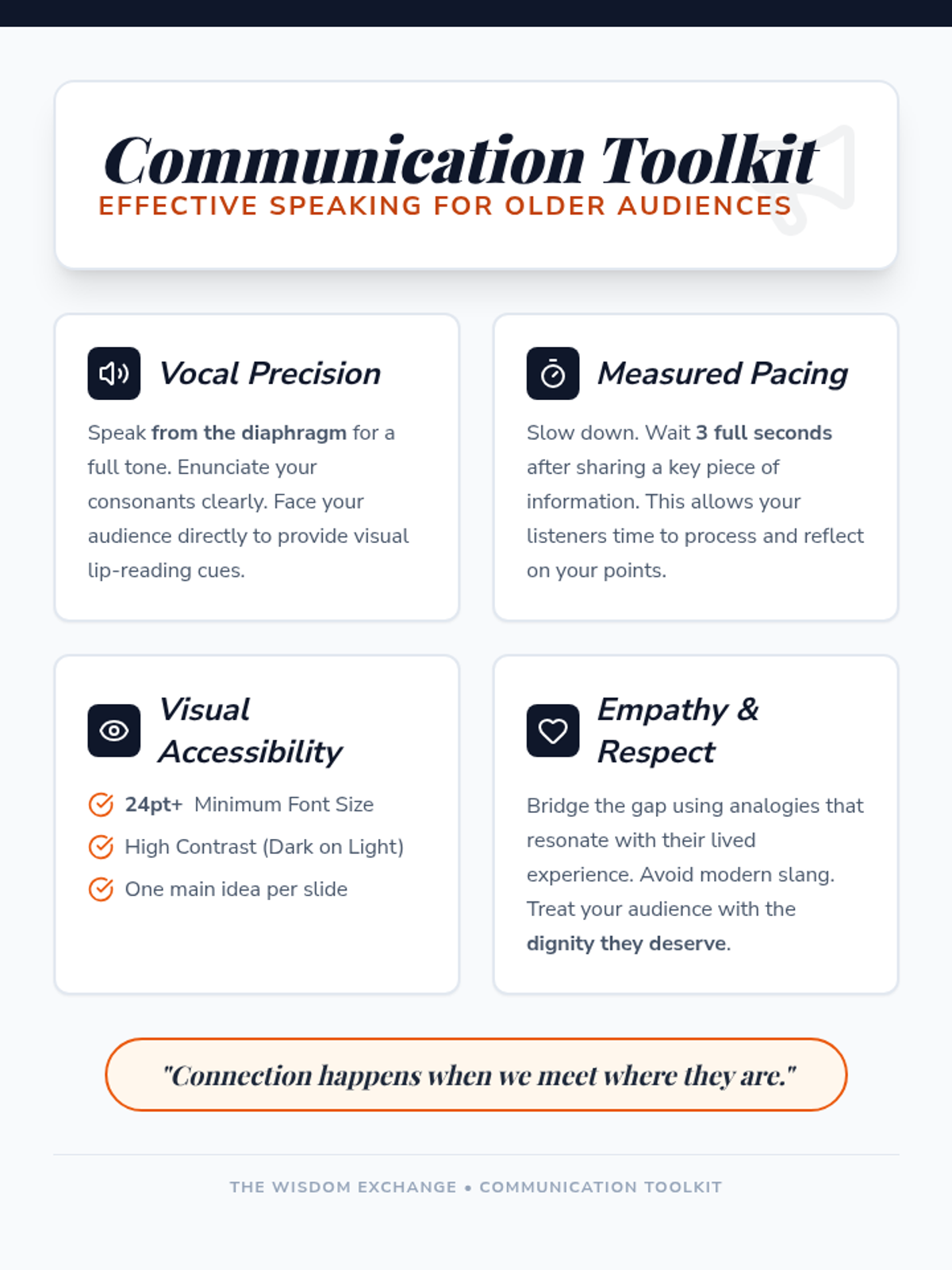
A comprehensive lesson on adapting communication styles for older audiences, focusing on clarity, pacing, and respectful engagement. Students will learn practical strategies to bridge the generational gap in public speaking and presentations.
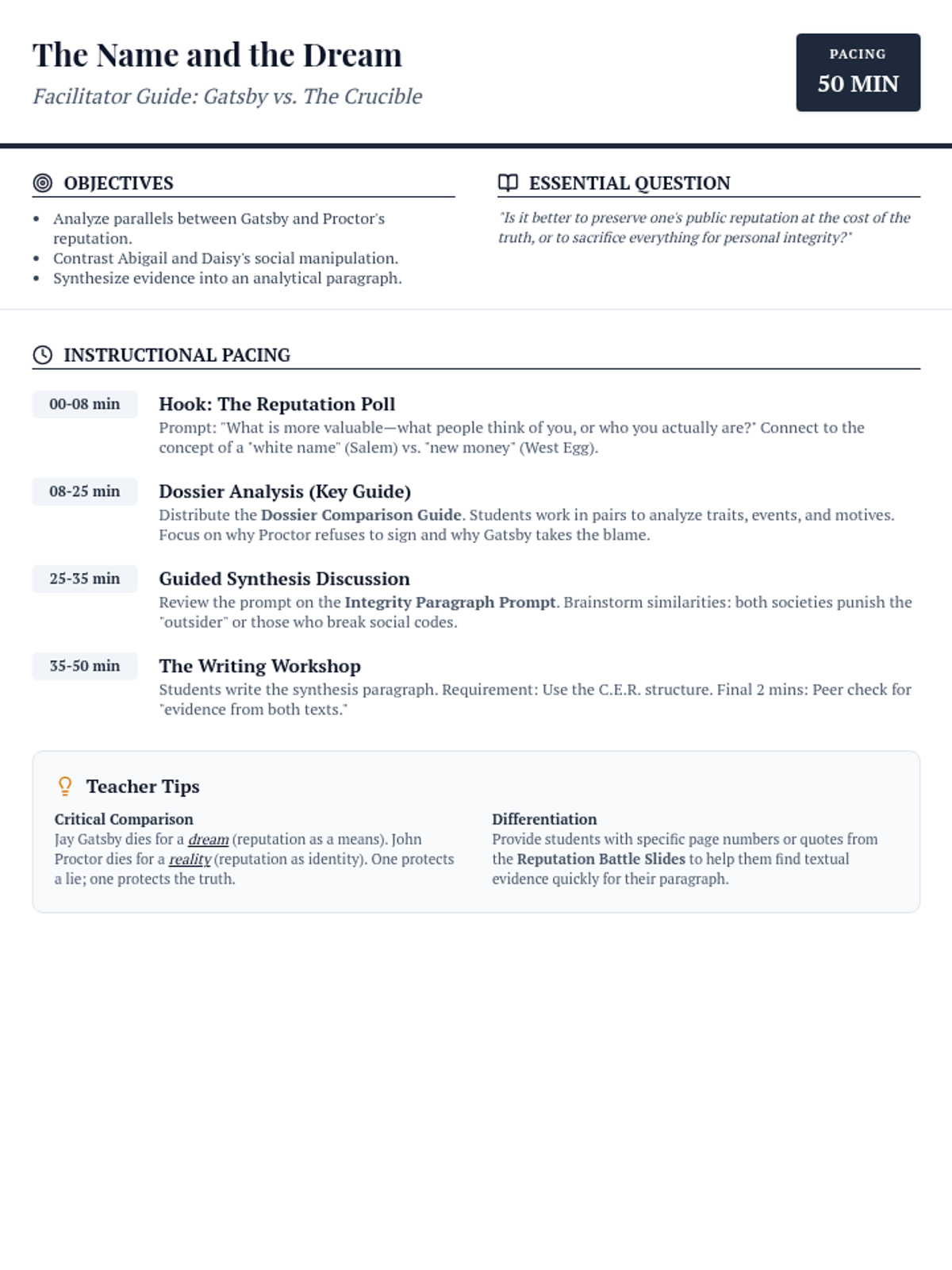
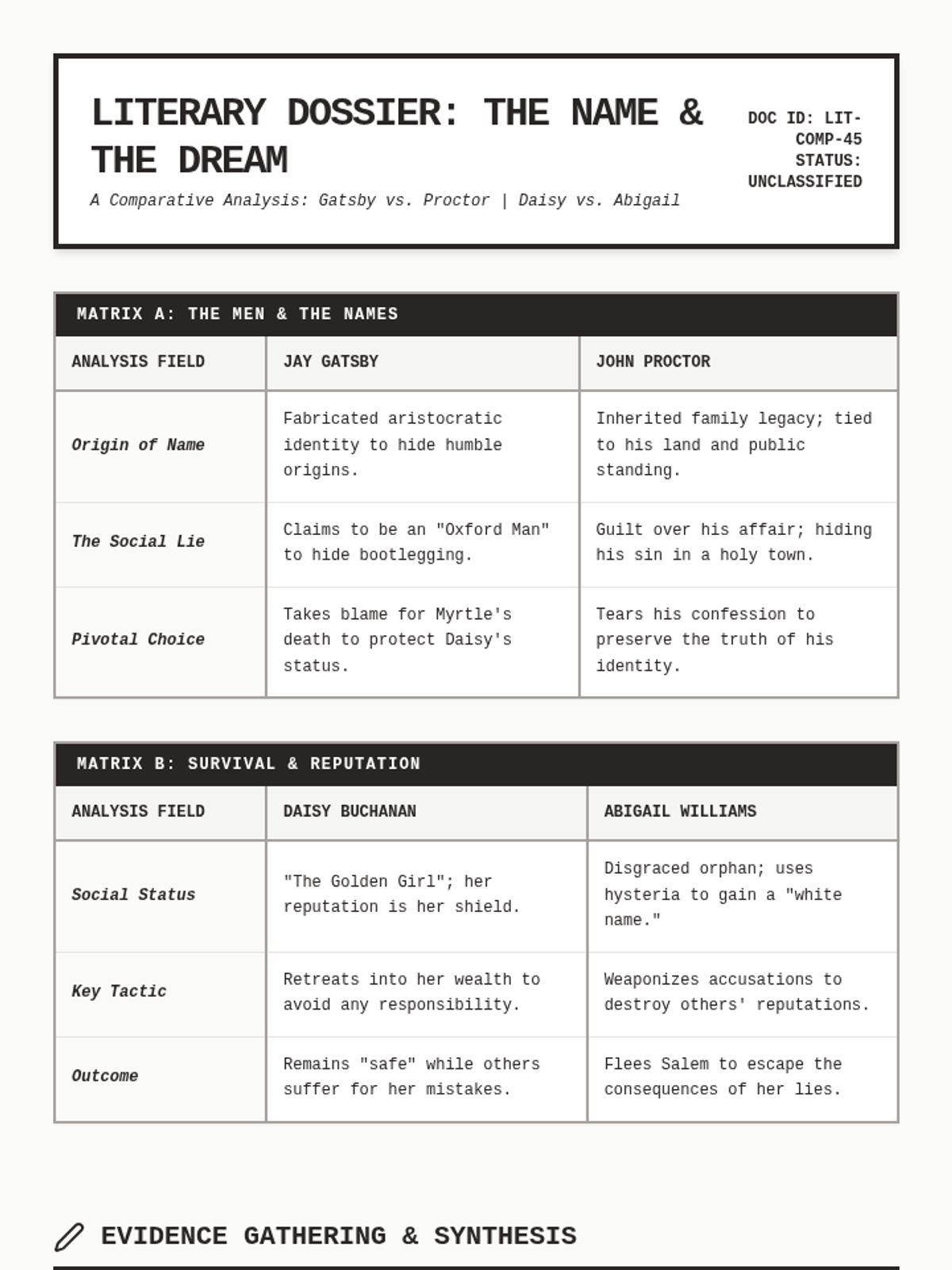
A 50-minute comparison of The Great Gatsby and The Crucible, focusing on the themes of reputation, integrity, and the individual's struggle against societal expectations. Students analyze character motivations and write a synthesis paragraph.
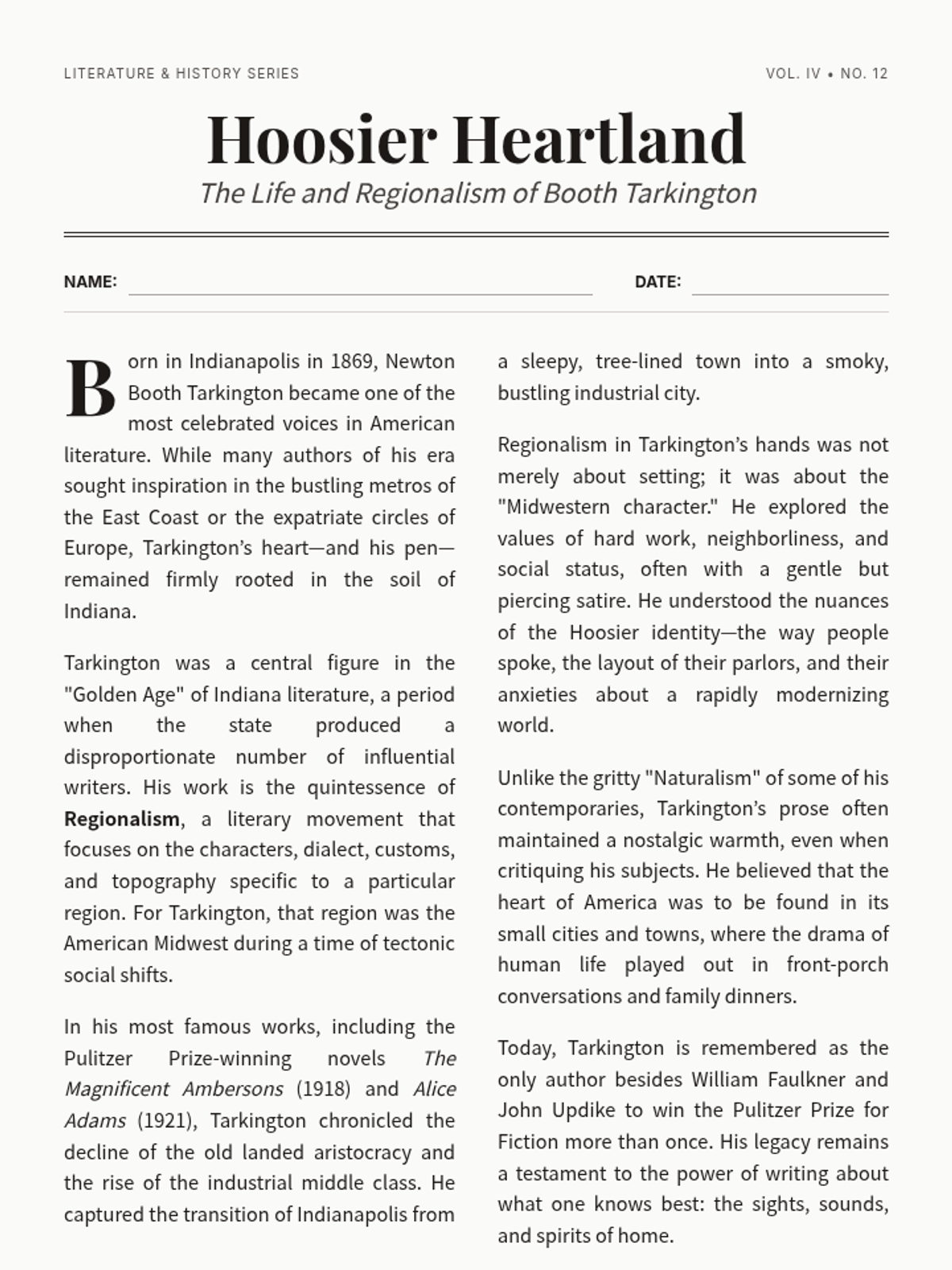
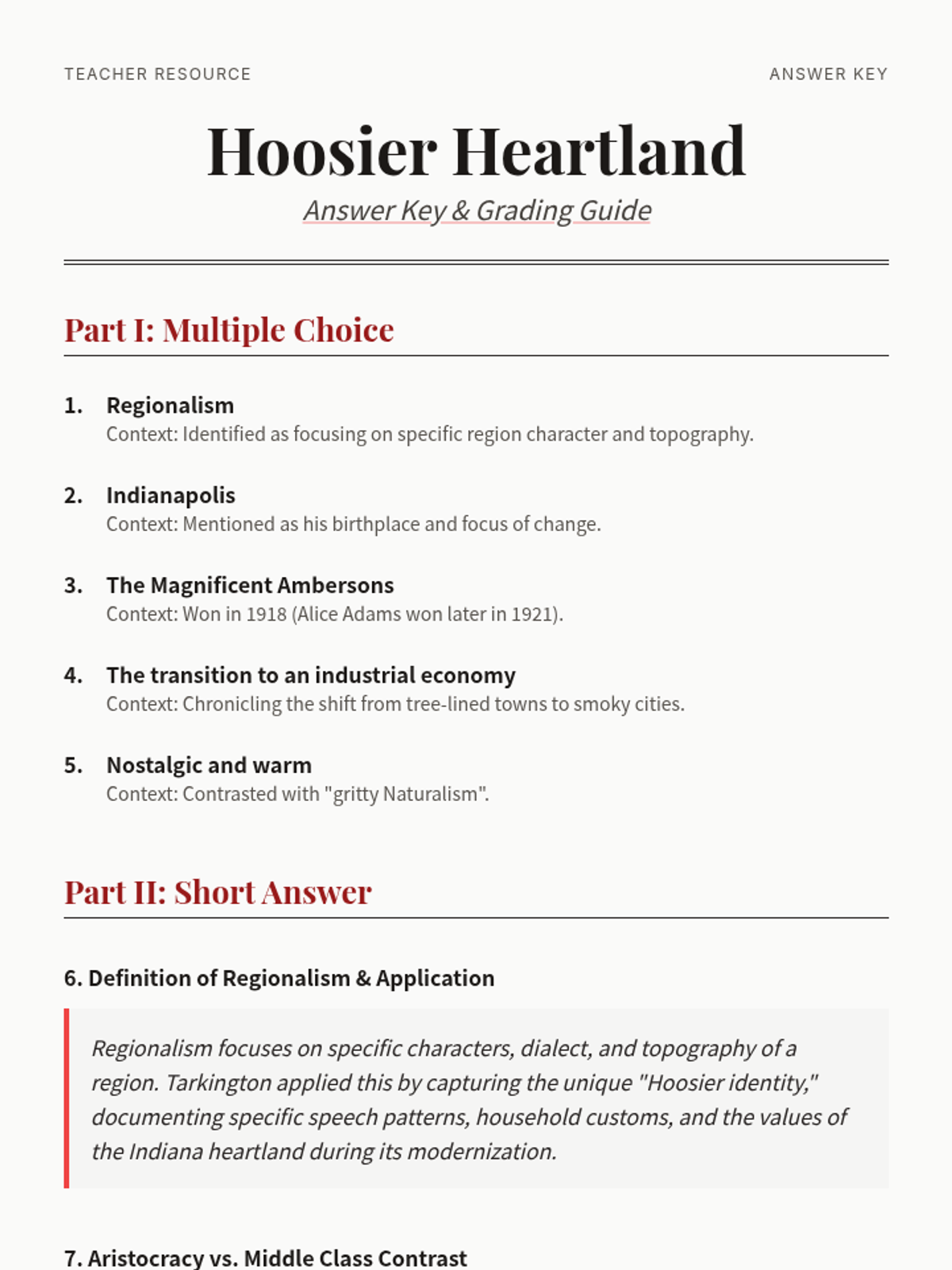
A deep dive into the life and literary contributions of Booth Tarkington, focusing on his Indiana roots and his role in American regionalism. Students will read a biographical article and answer comprehension questions.
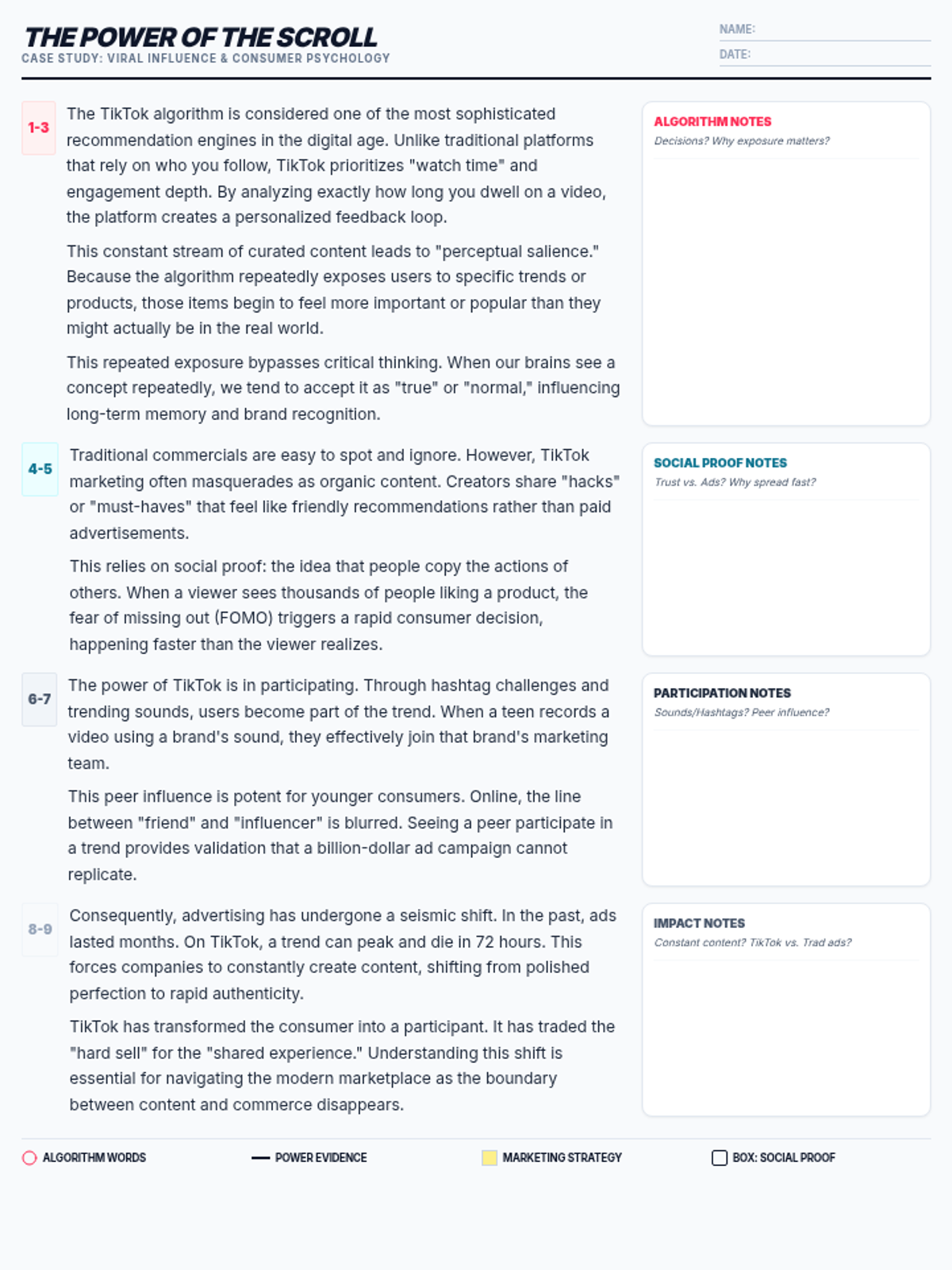
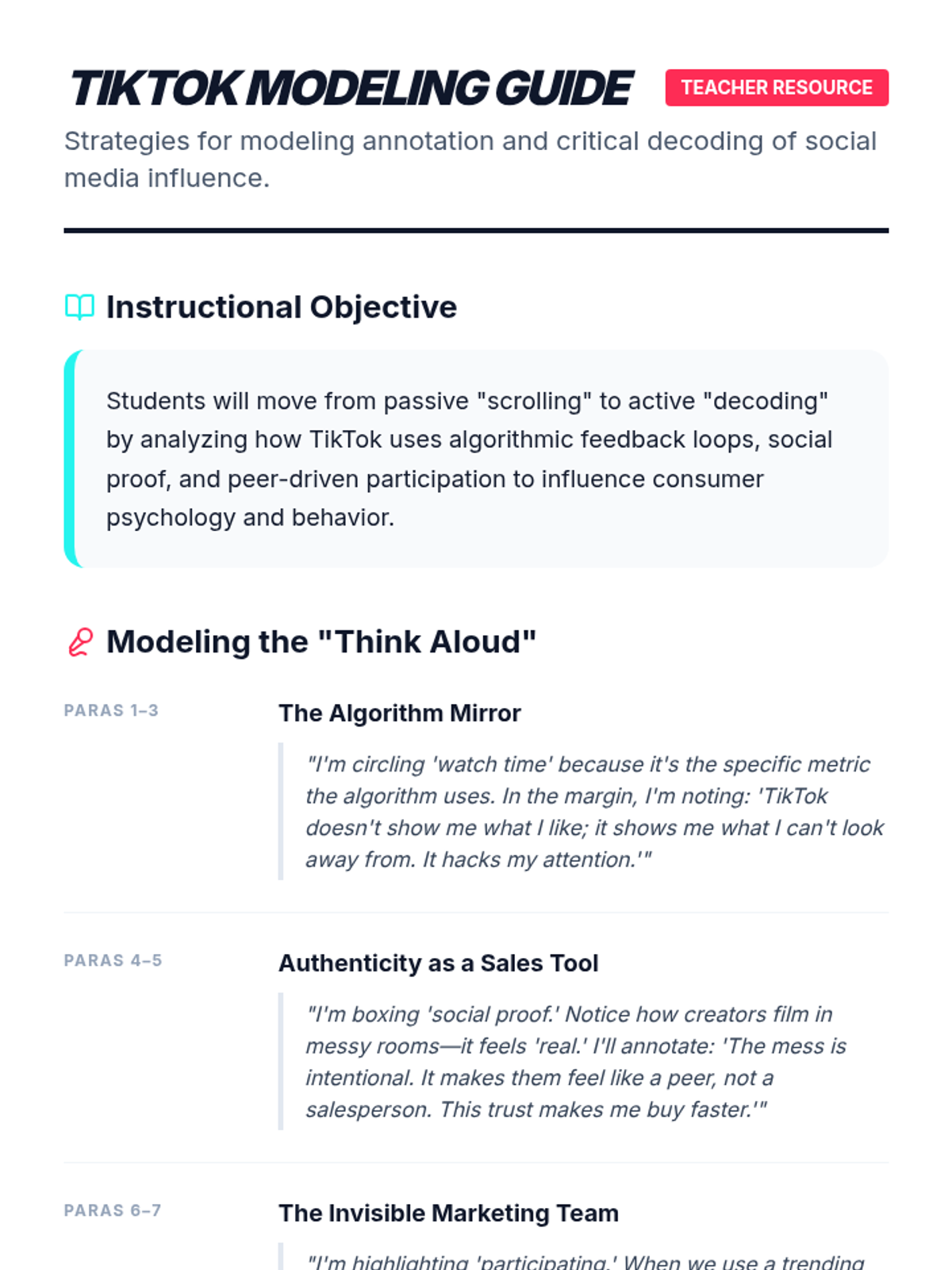
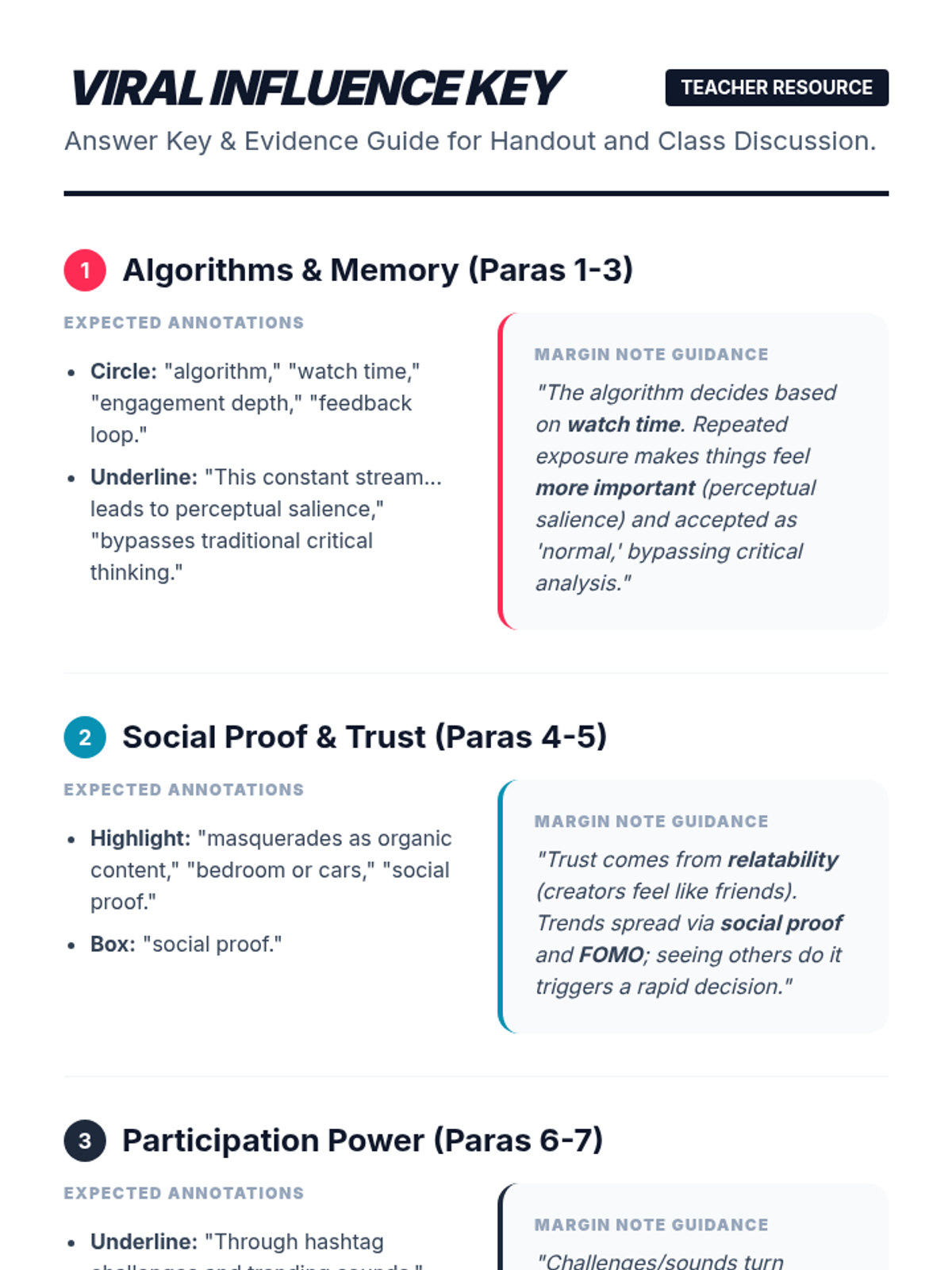
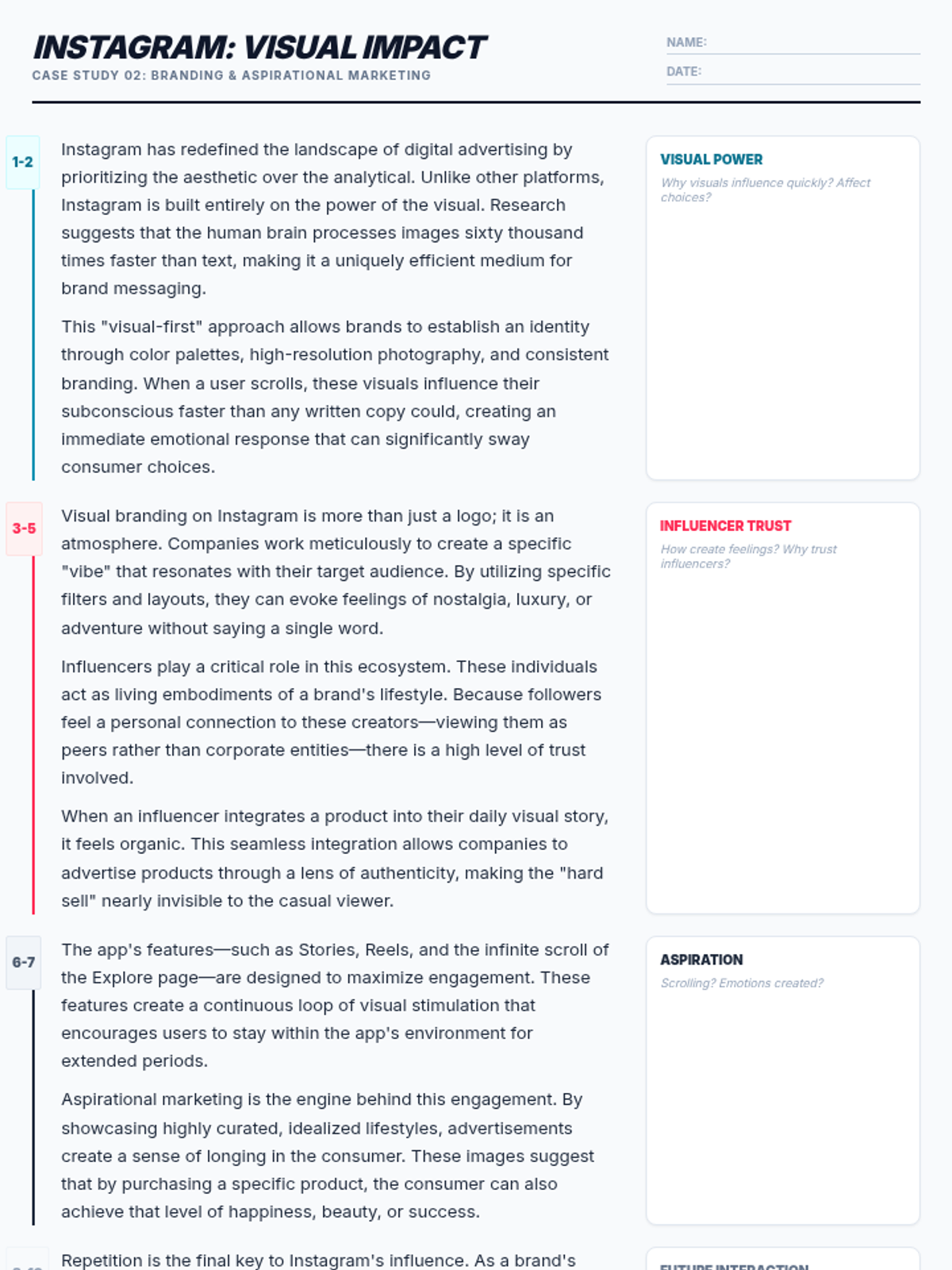
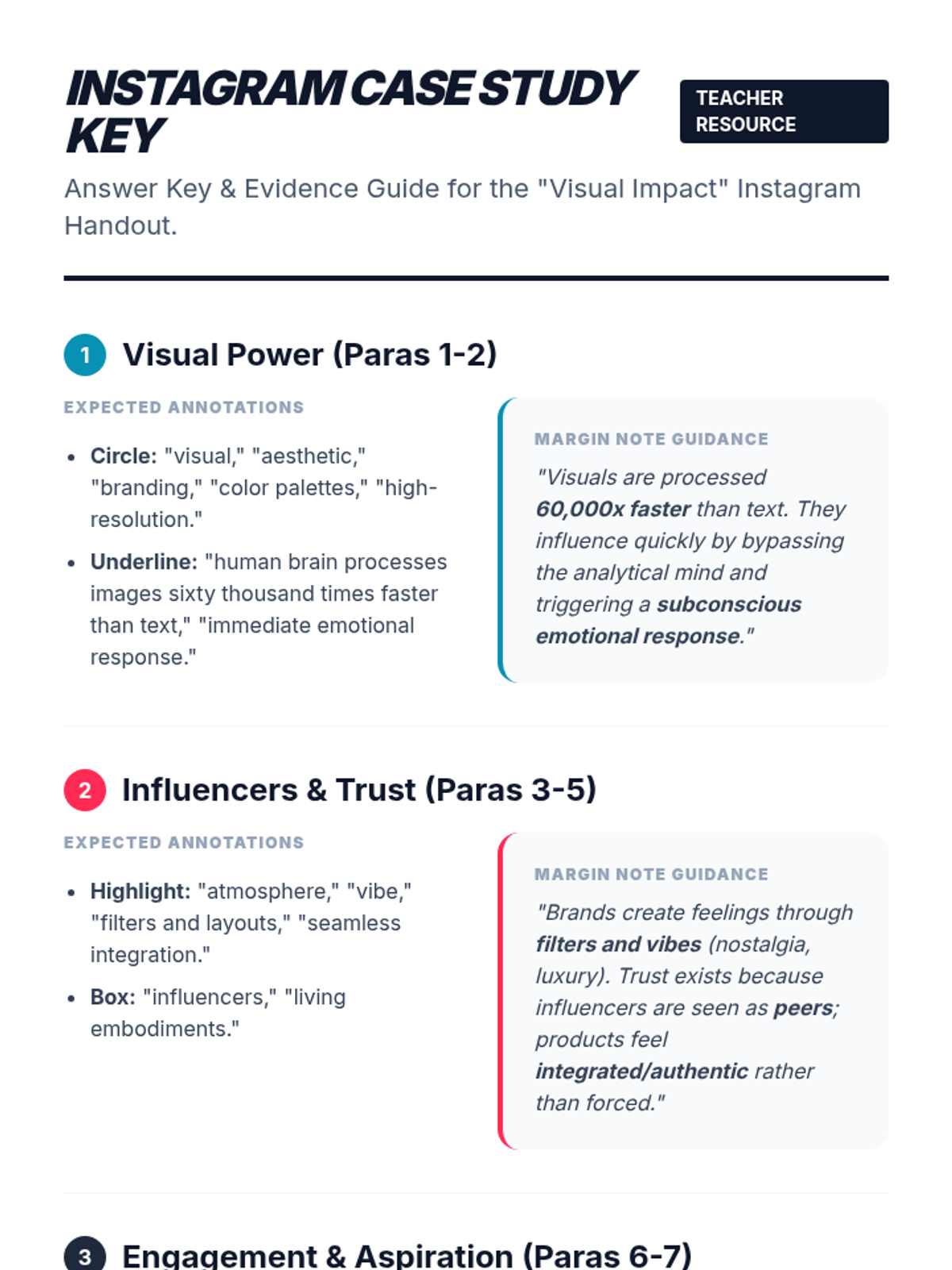
An exploration of TikTok's psychological and marketing influence, focusing on algorithmic power, social proof, and peer-driven trends through modeled annotation practices.
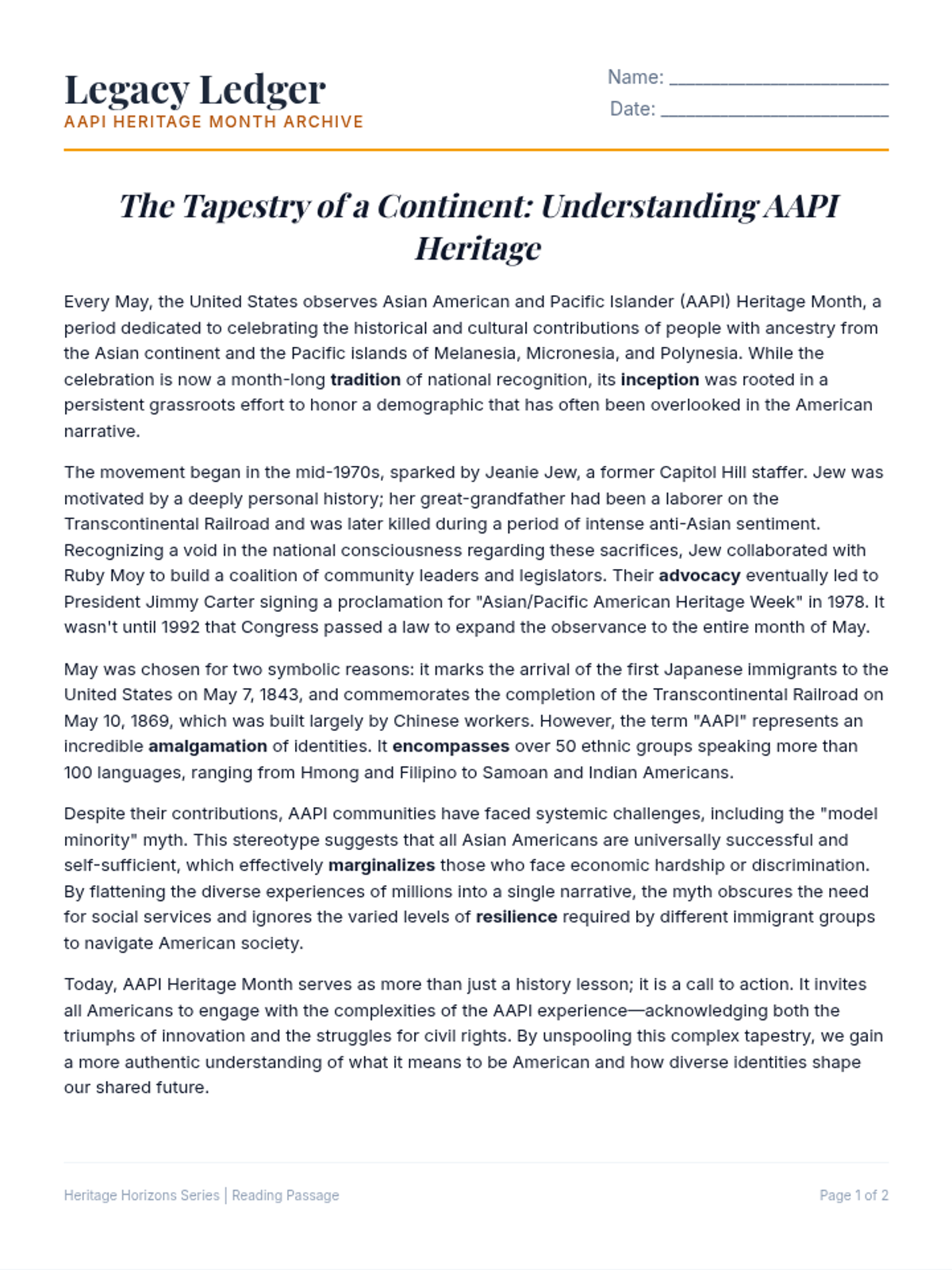
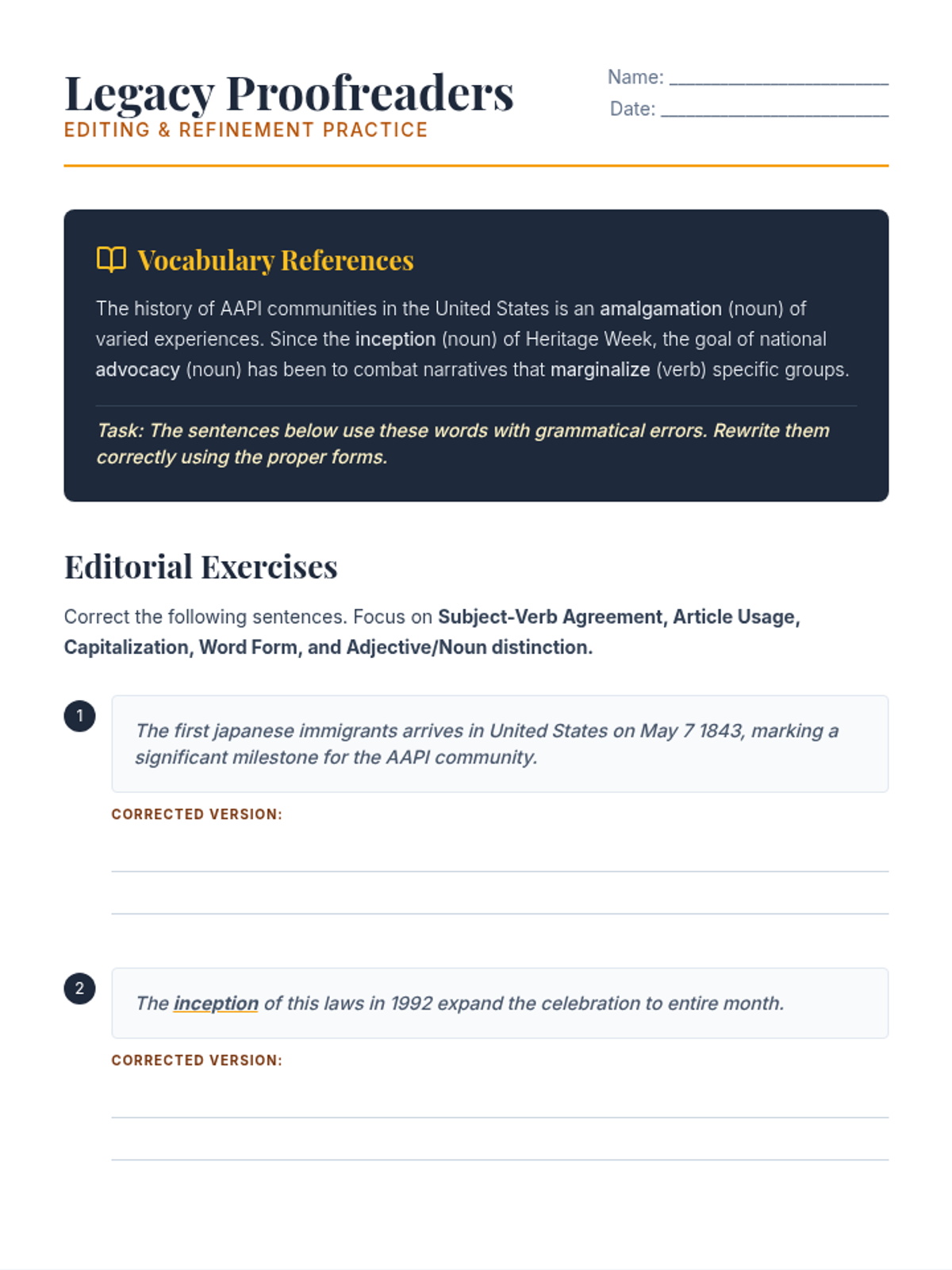
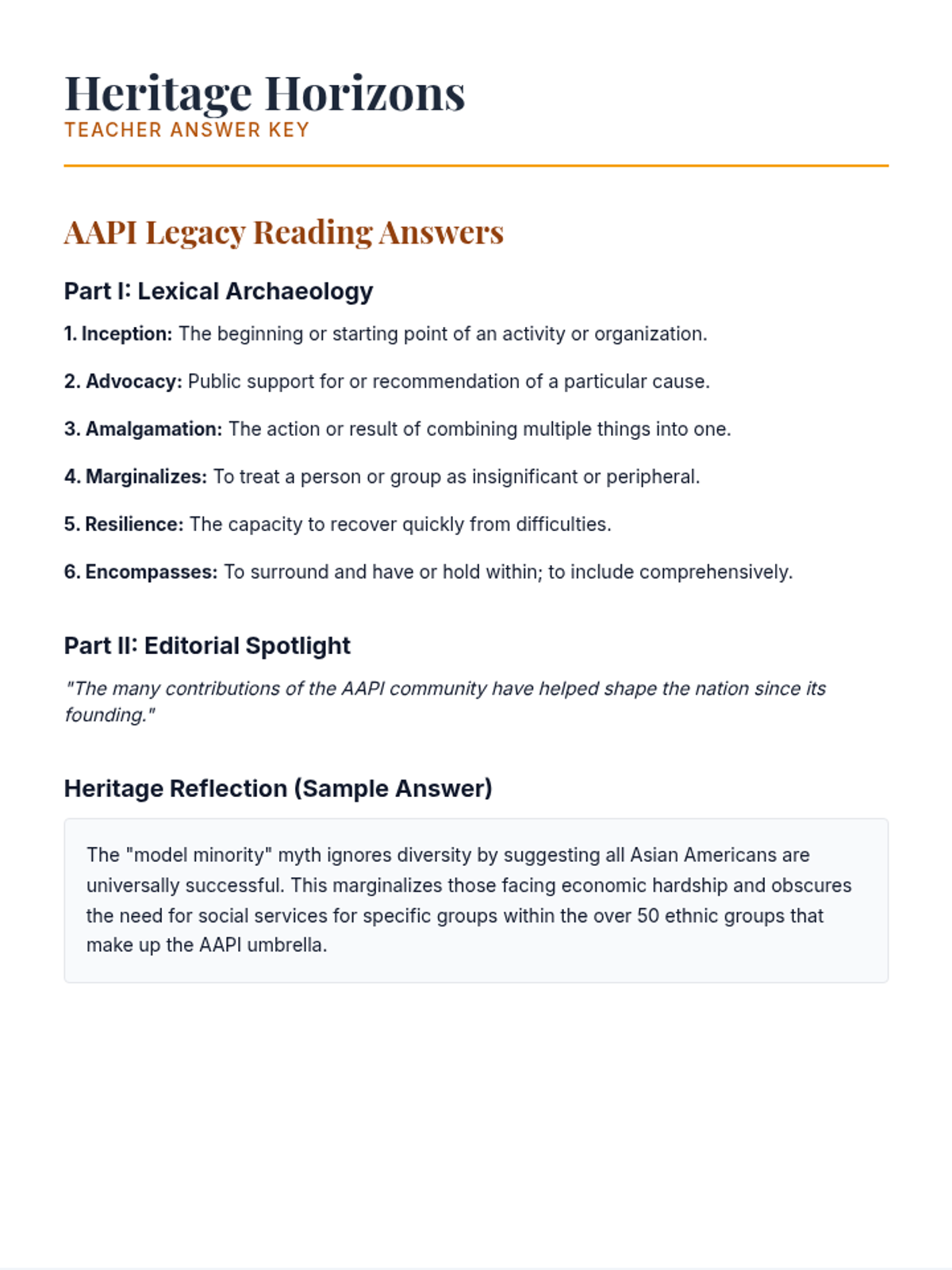
A comprehensive lesson for advanced ESL students exploring the history, significance, and diverse narratives of Asian American and Pacific Islander Heritage Month.
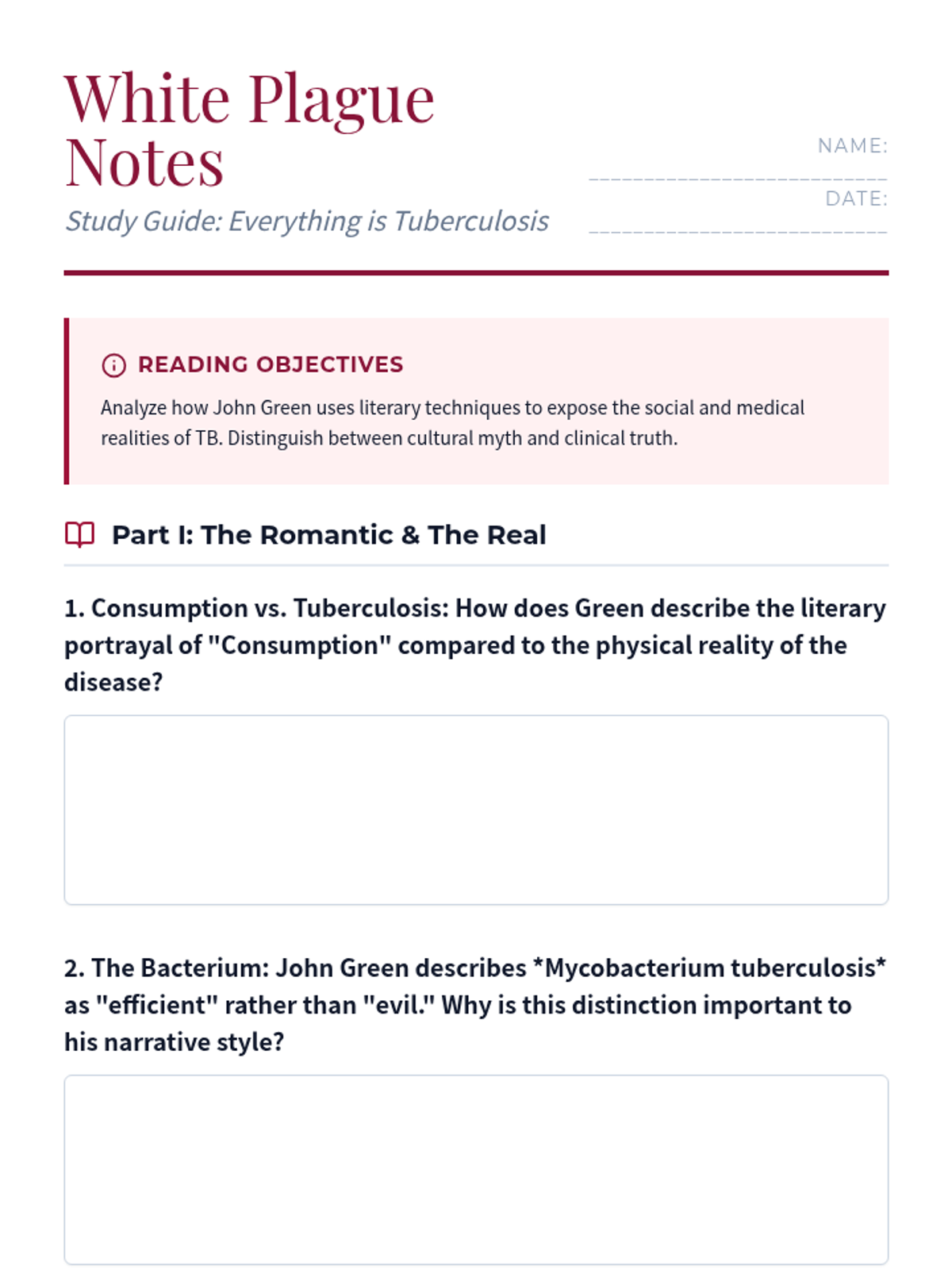
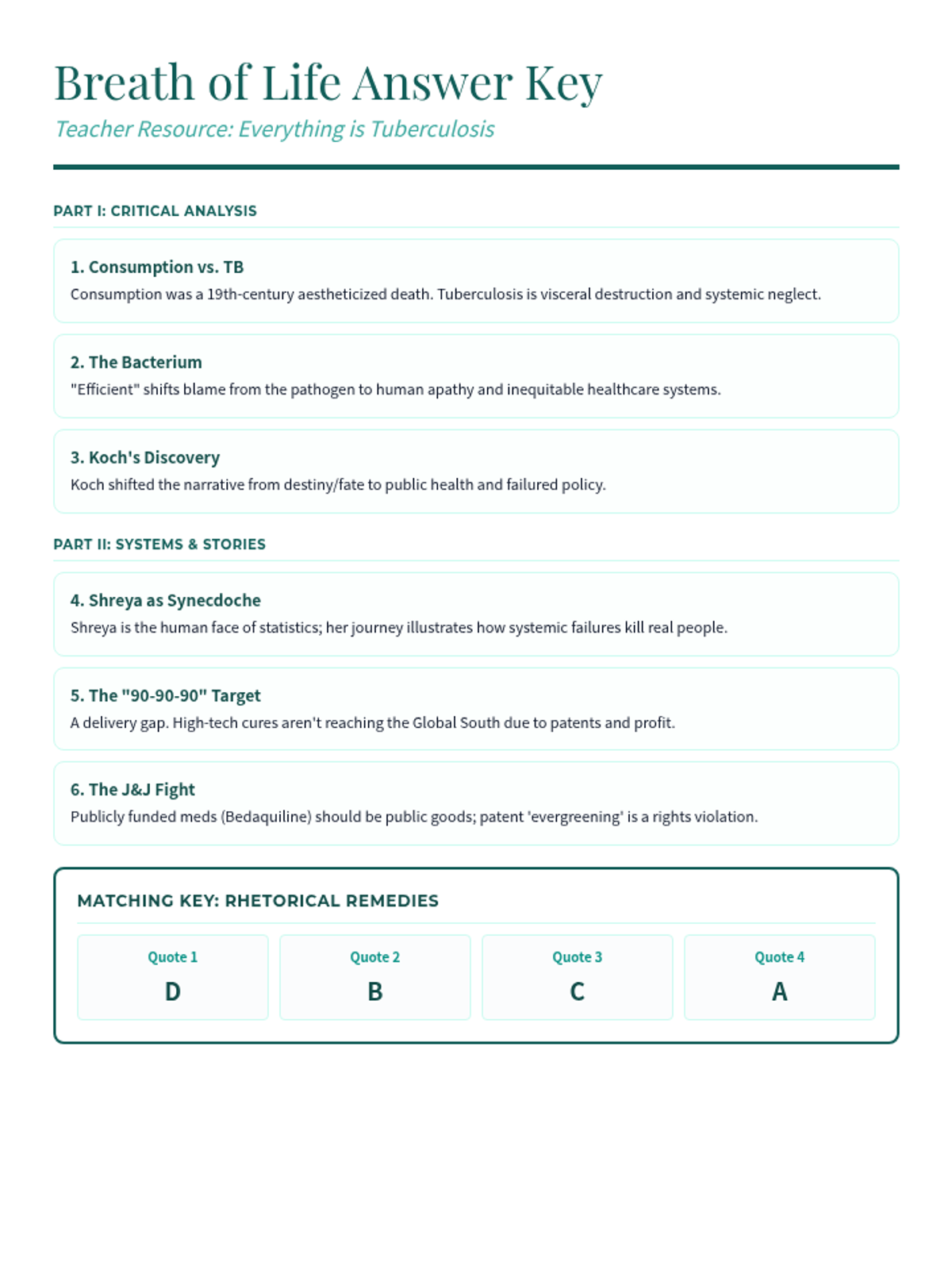
A comprehensive study of John Green's 'Everything is Tuberculosis', focusing on the history of the disease, its impact on human history, and the literary techniques used to convey its devastating reality.
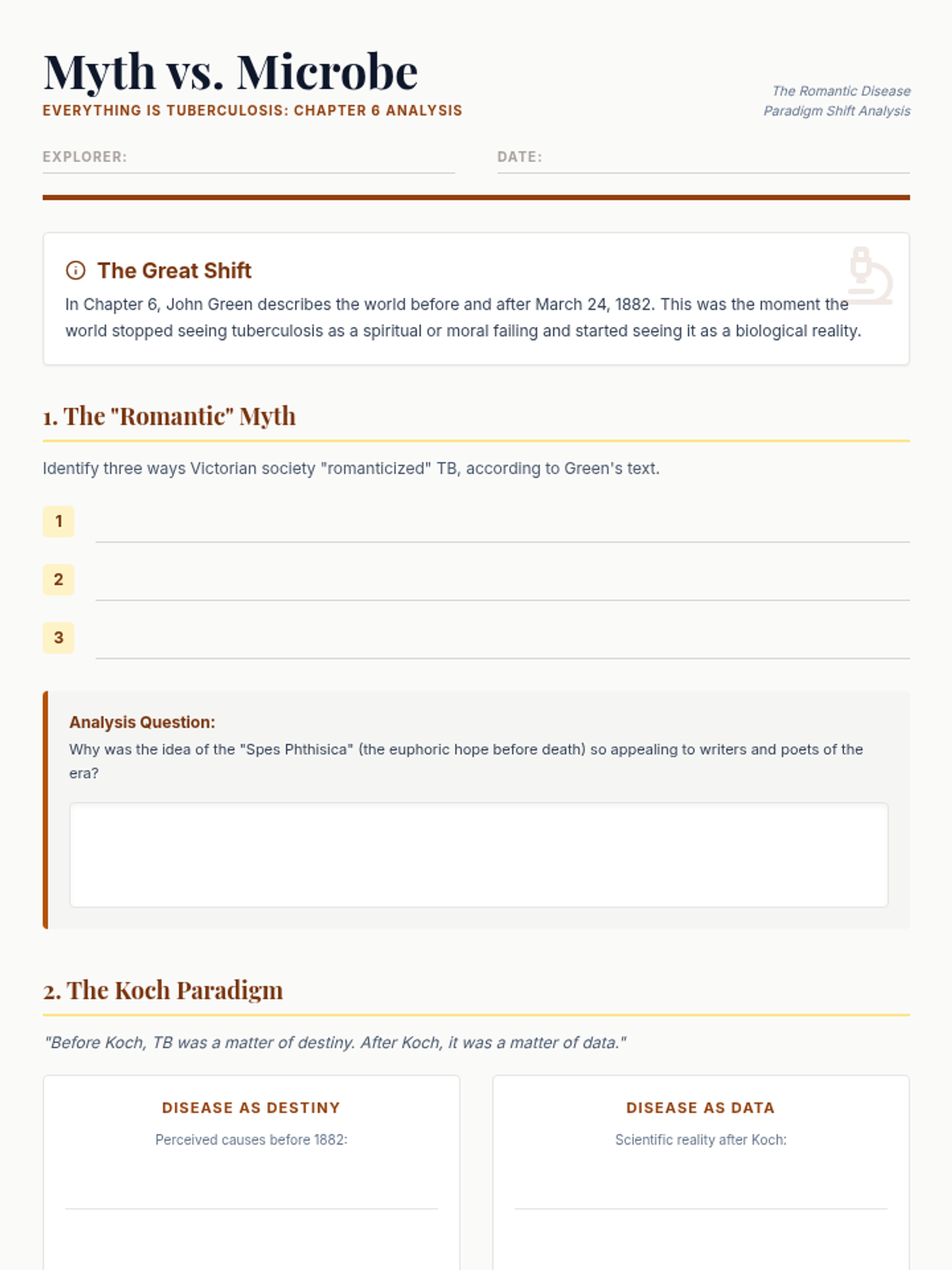
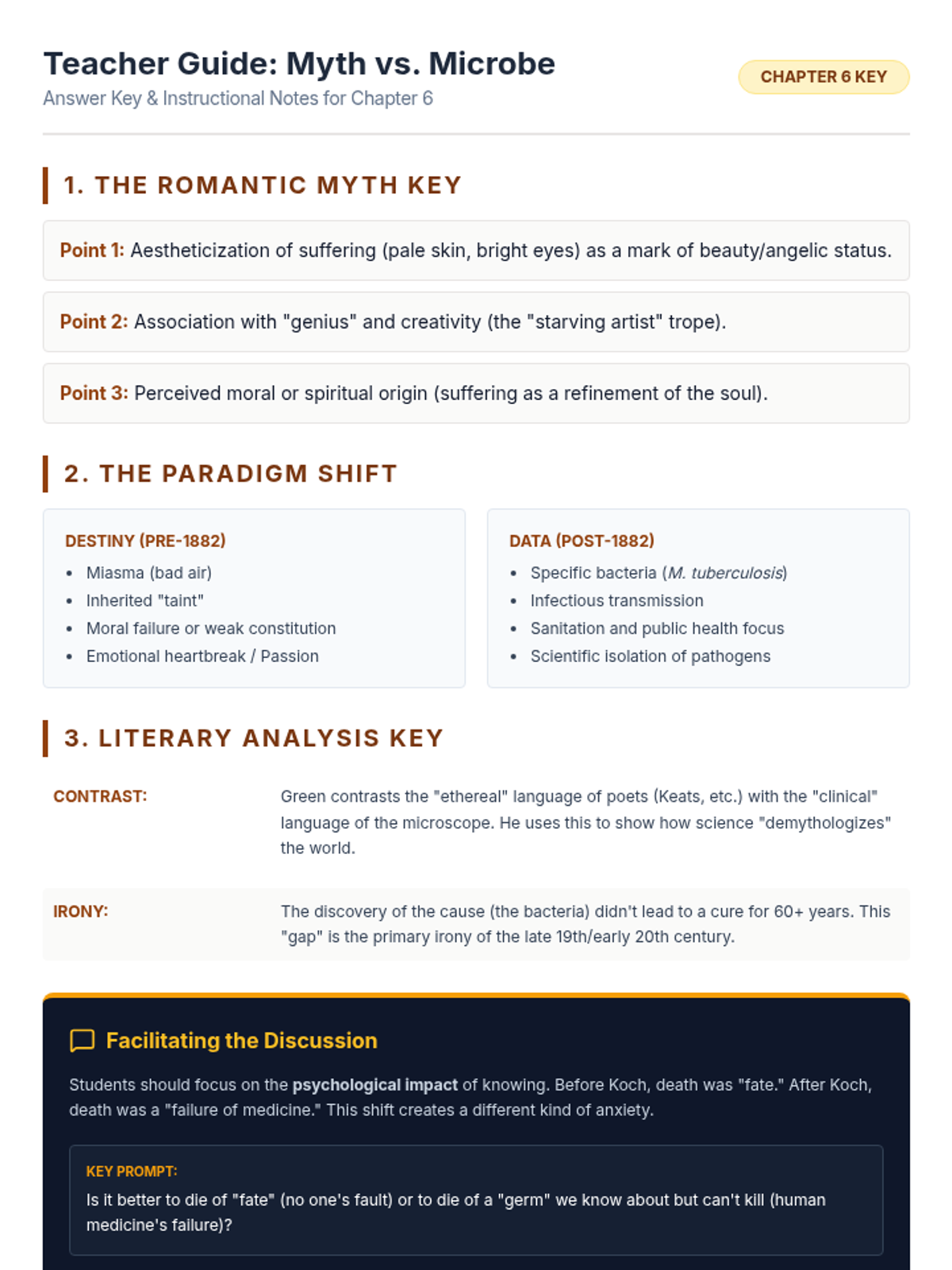
An analysis of Chapter 6, exploring the Victorian romanticization of tuberculosis as a 'beautiful death' and the paradigm-shifting scientific discovery of the bacteria by Robert Koch.
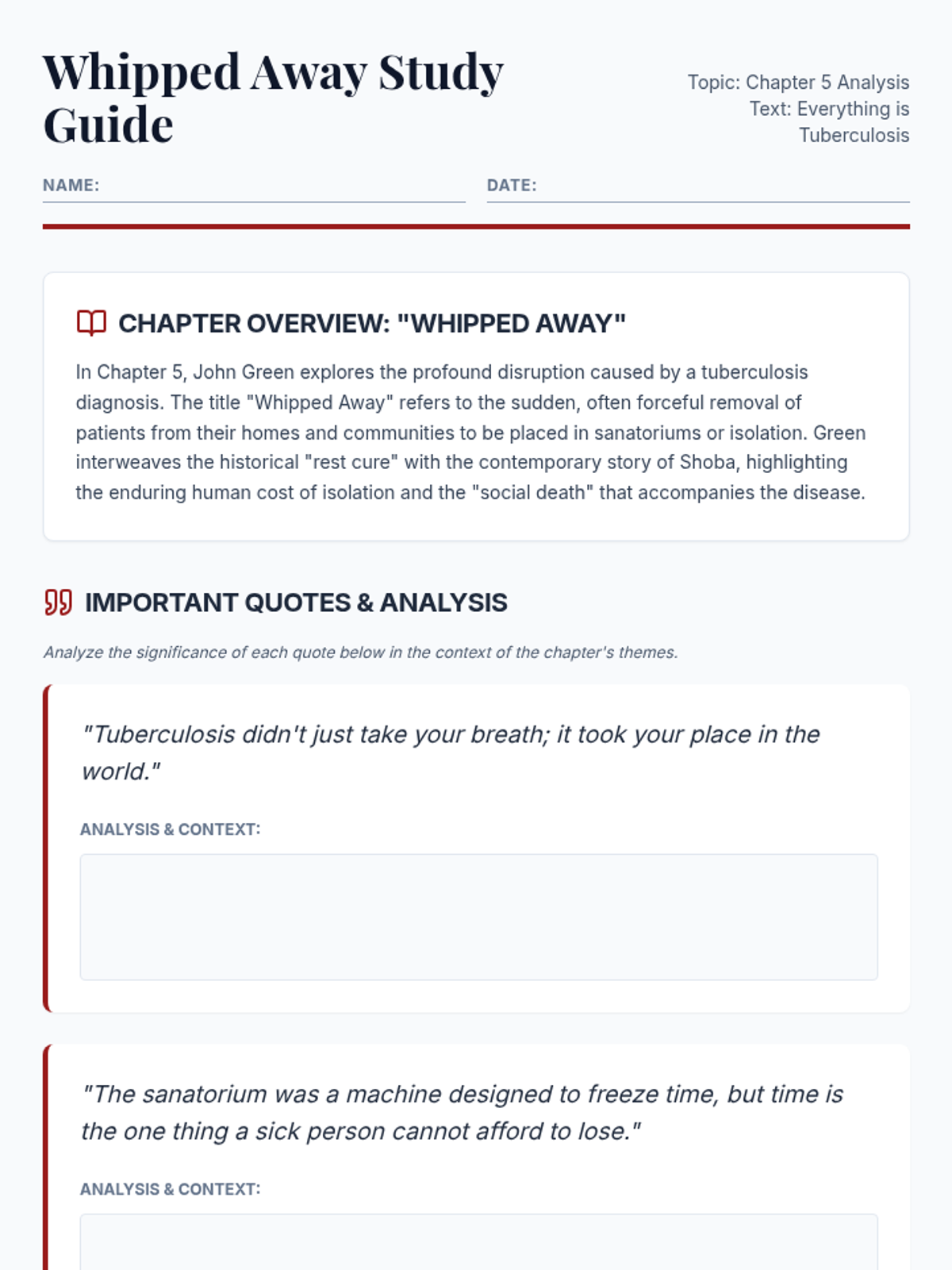
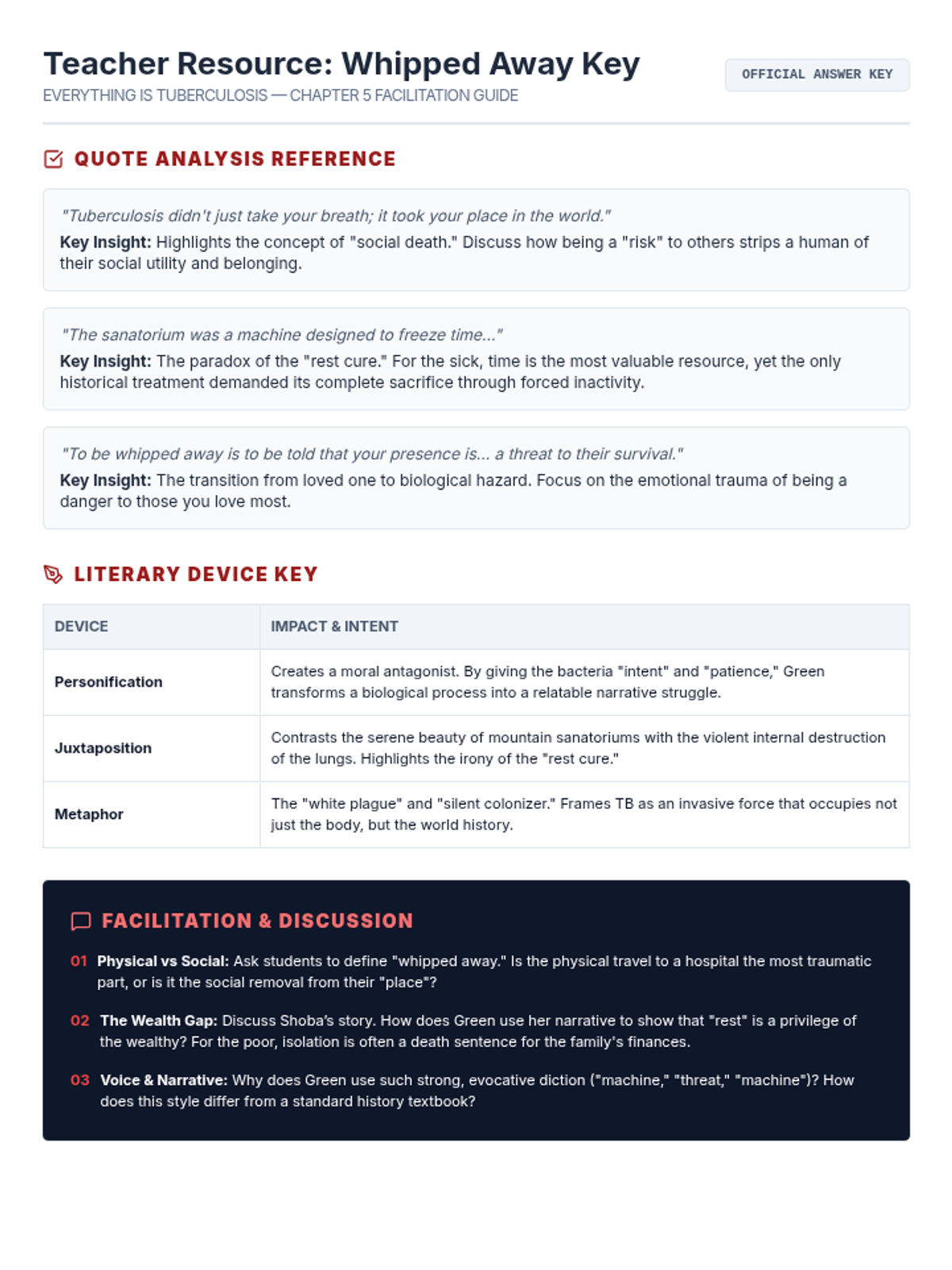
A deep dive into Chapter 5 of John Green's 'Everything is Tuberculosis', focusing on the sudden isolation of patients and the narrative techniques used to convey historical and personal trauma.
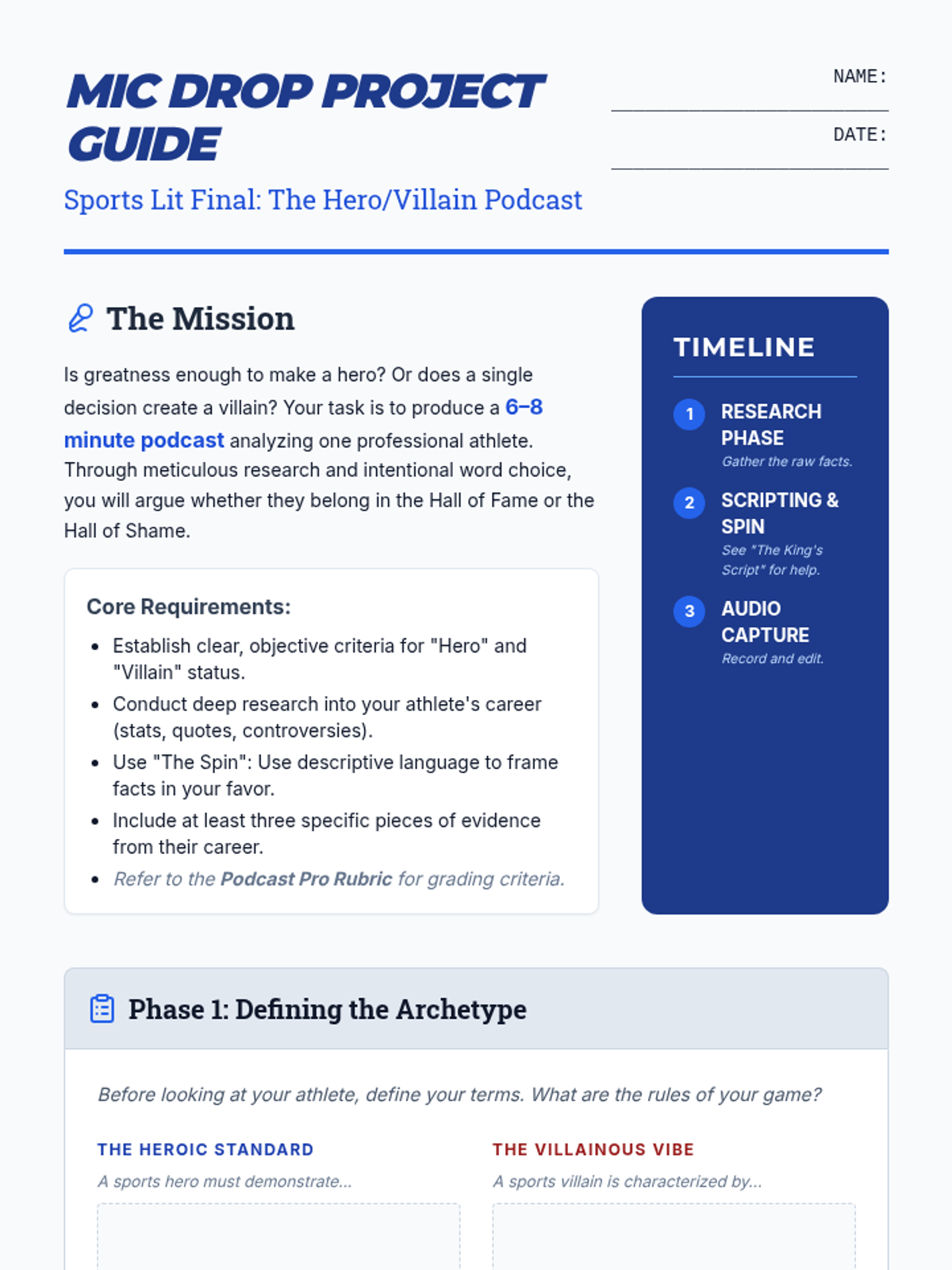
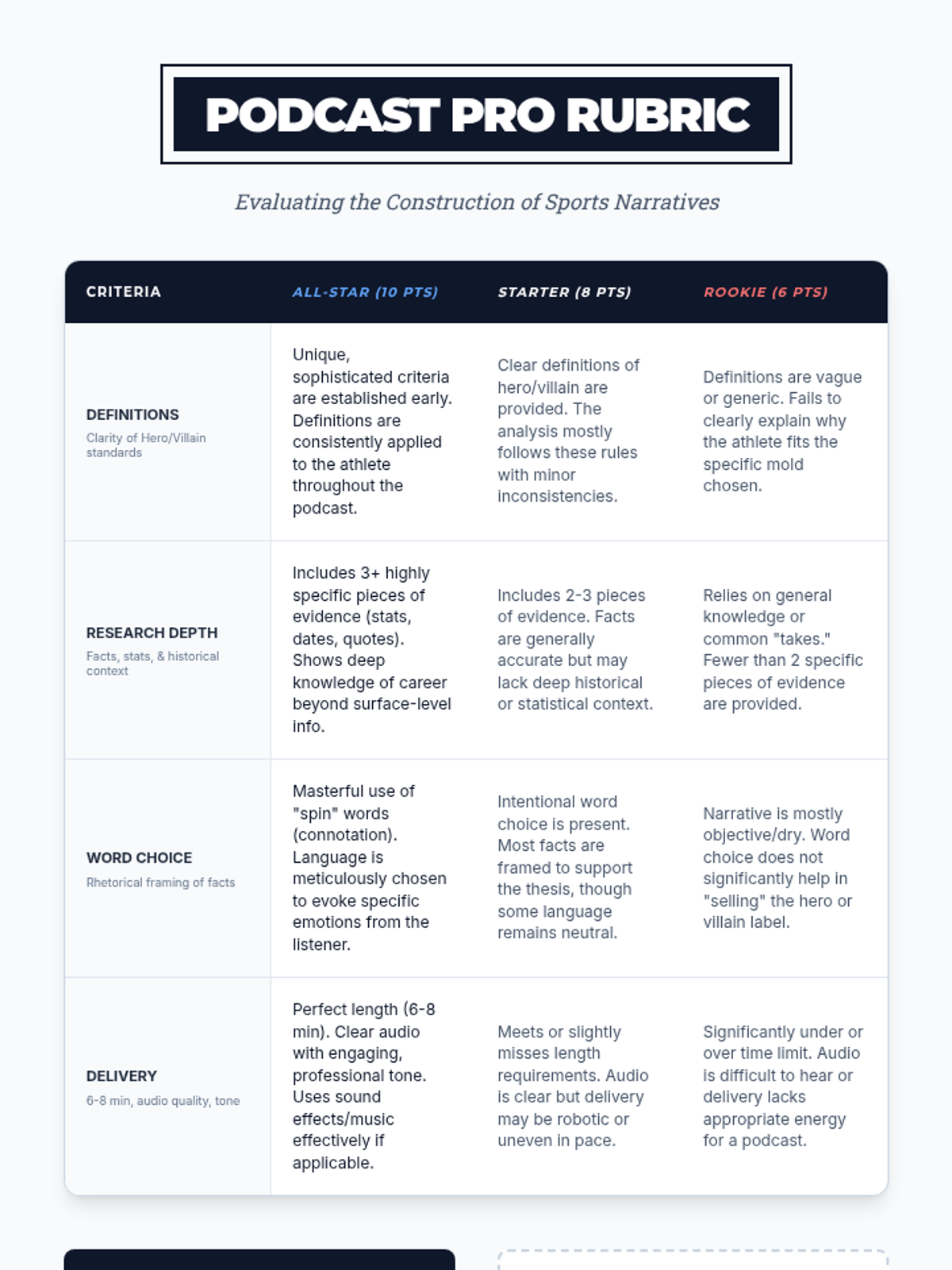
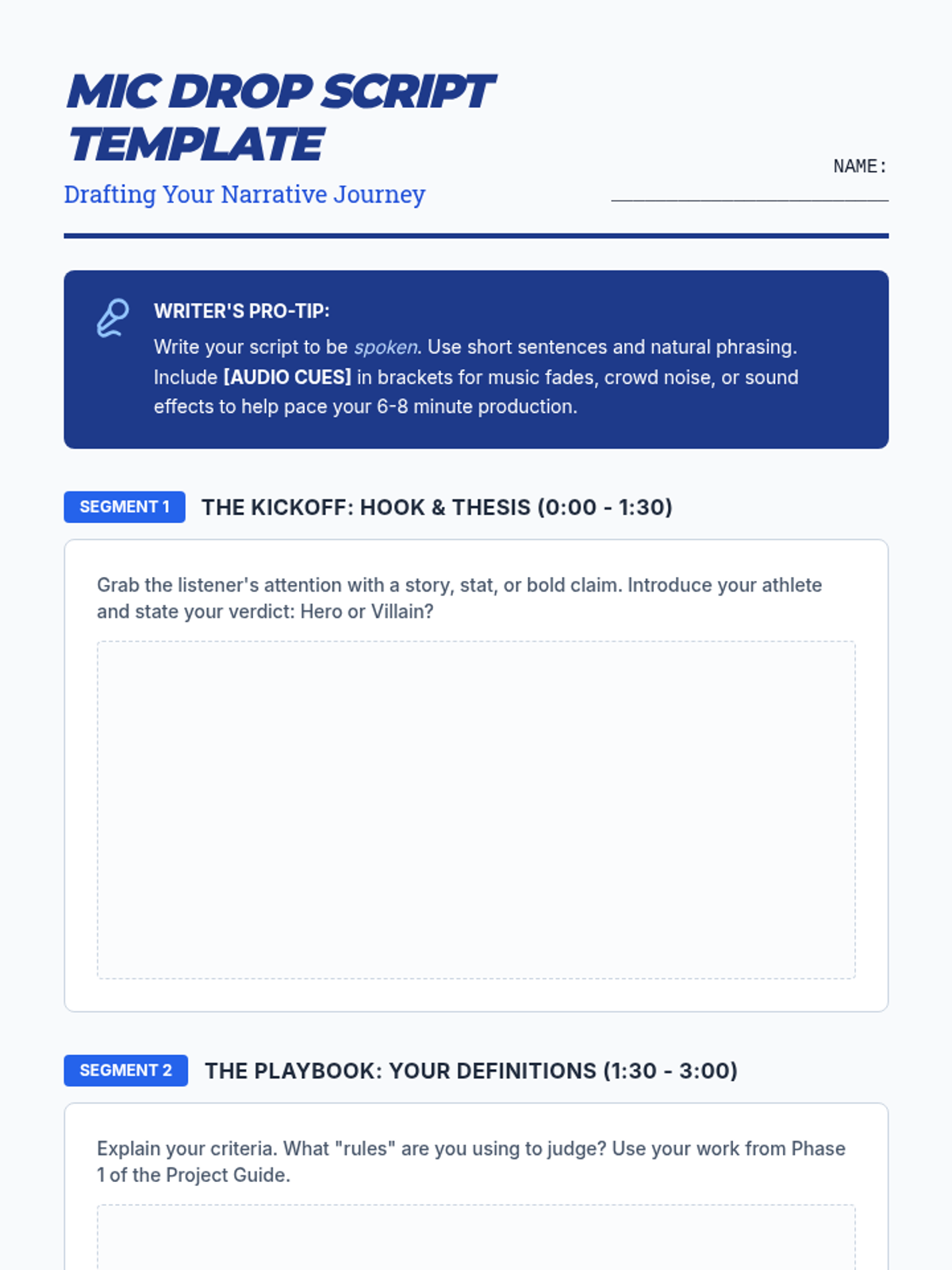
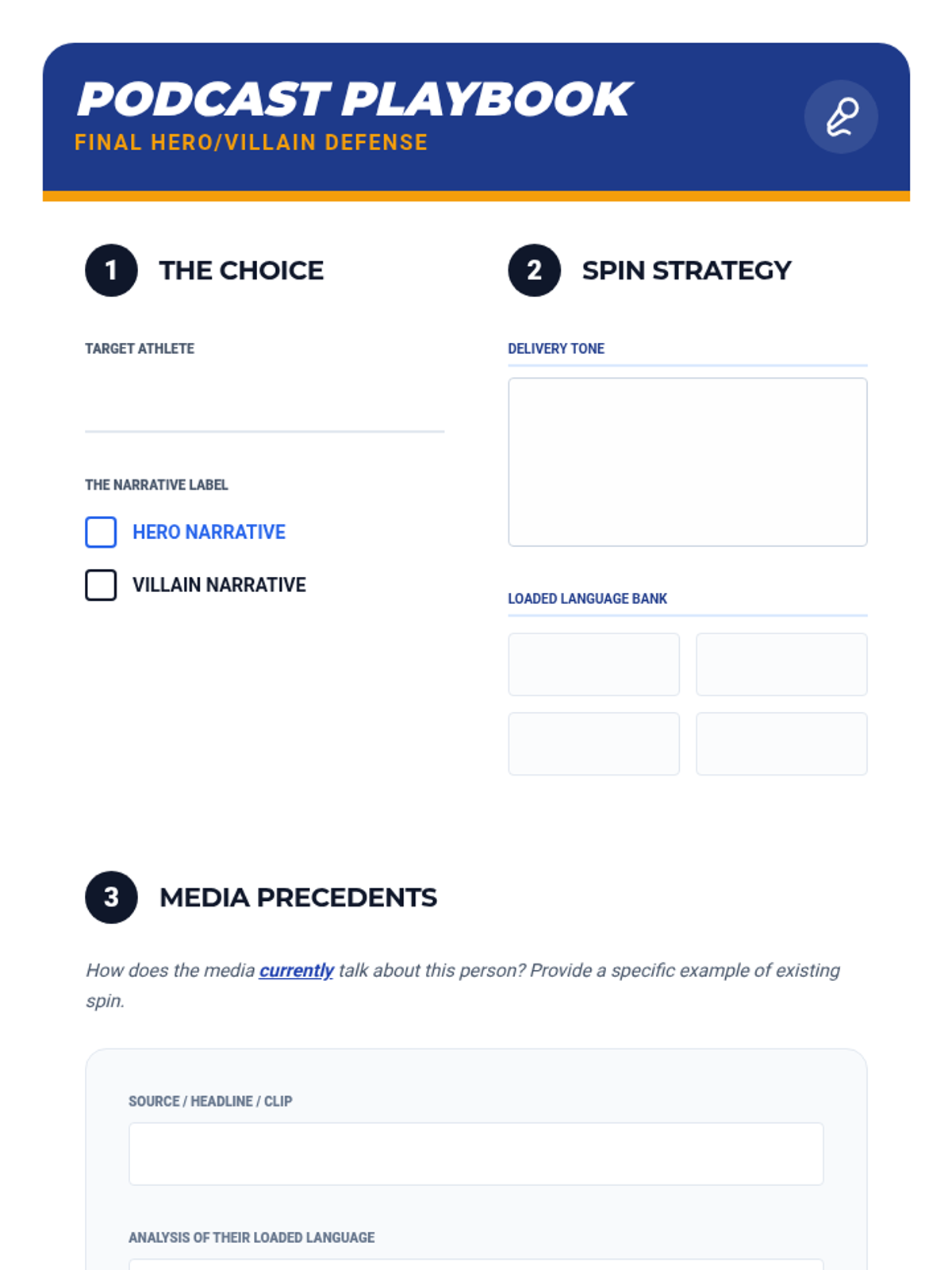
Students design and record a podcast that analyzes a chosen athlete through the lens of hero or villain narratives, utilizing specific criteria and rhetorical spin.
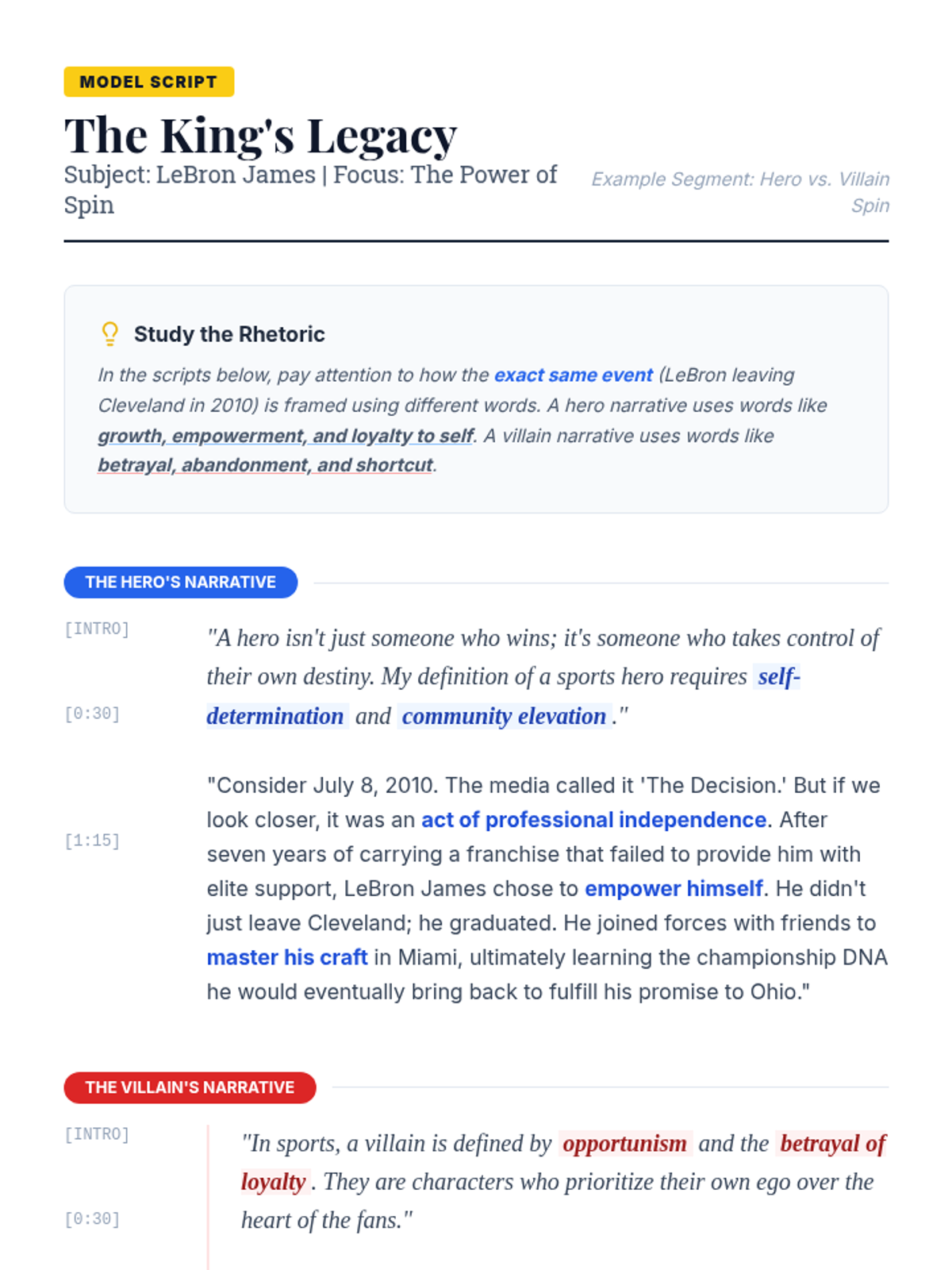
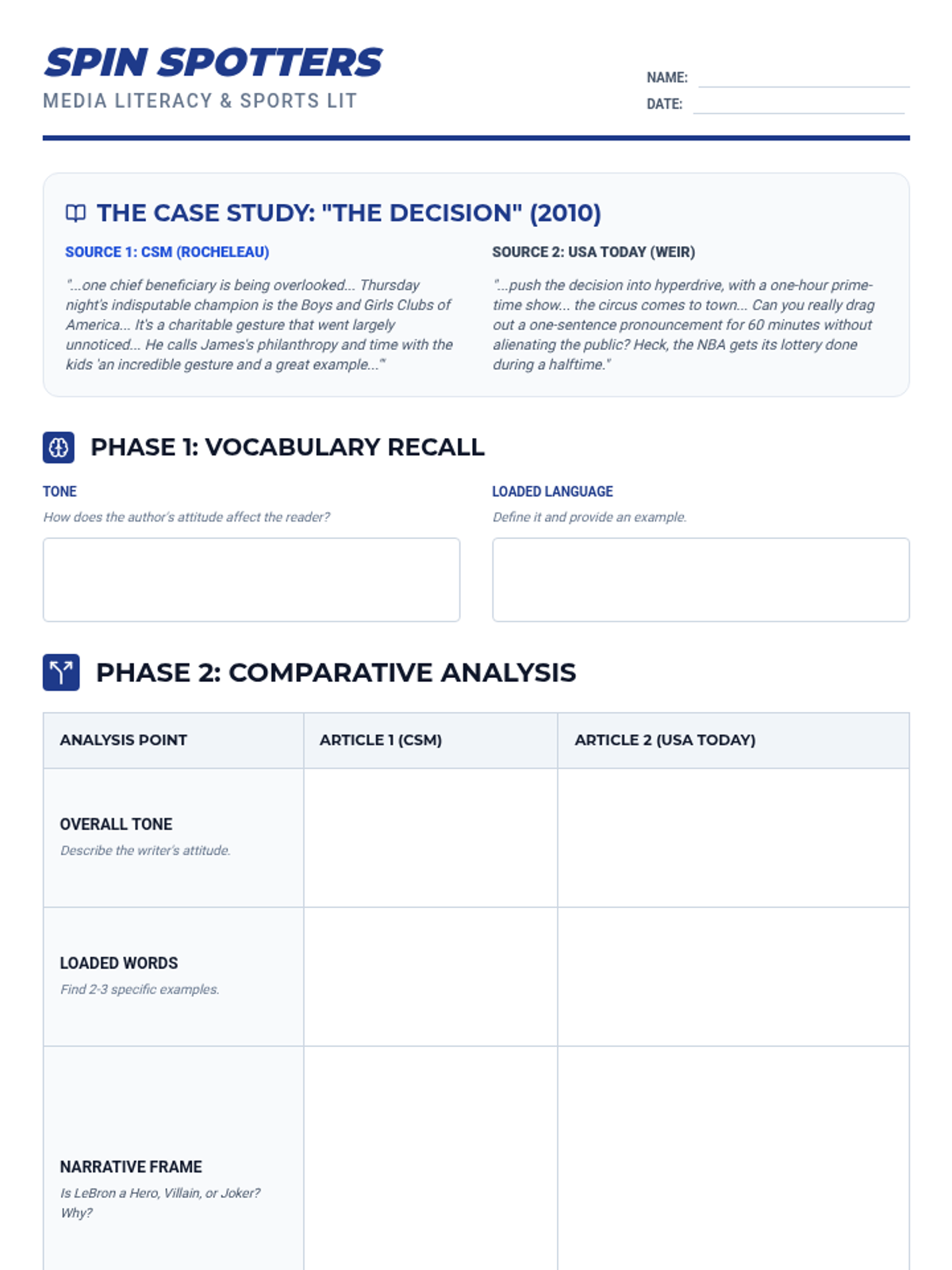
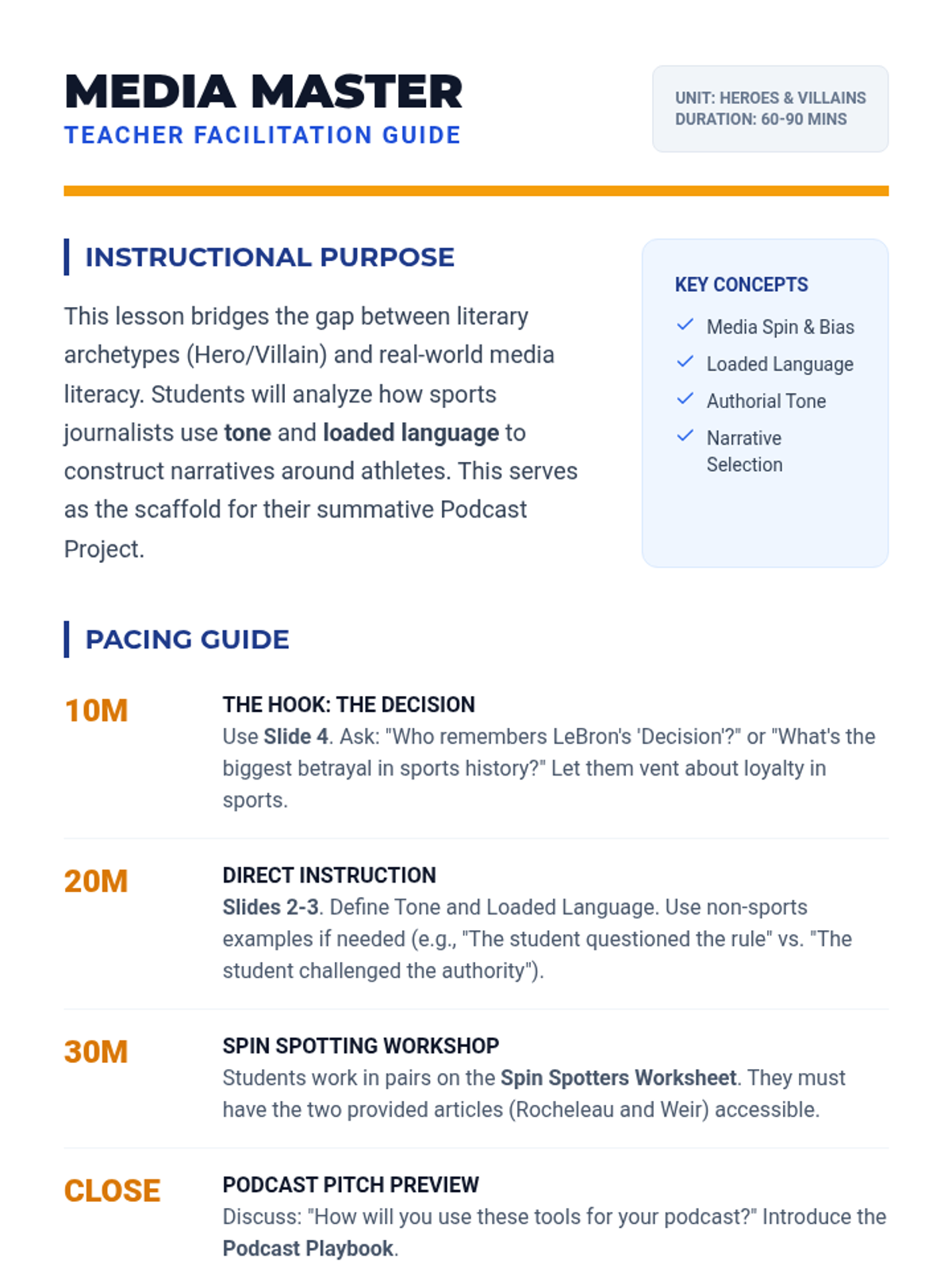
A lesson exploring media spin, tone, and loaded language in sports journalism, using LeBron James's 'The Decision' as a case study to help students prepare for their hero/villain podcast project.
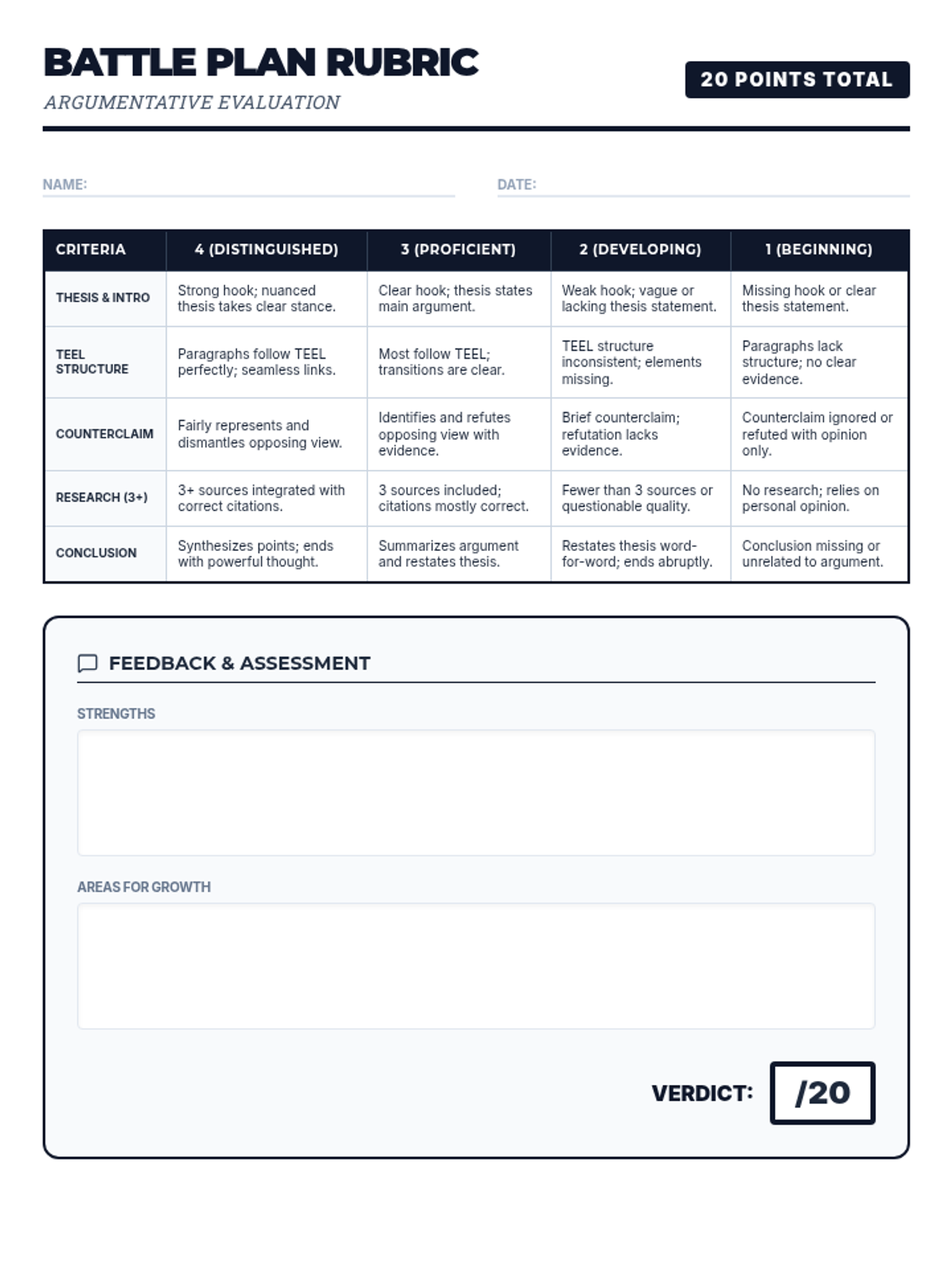
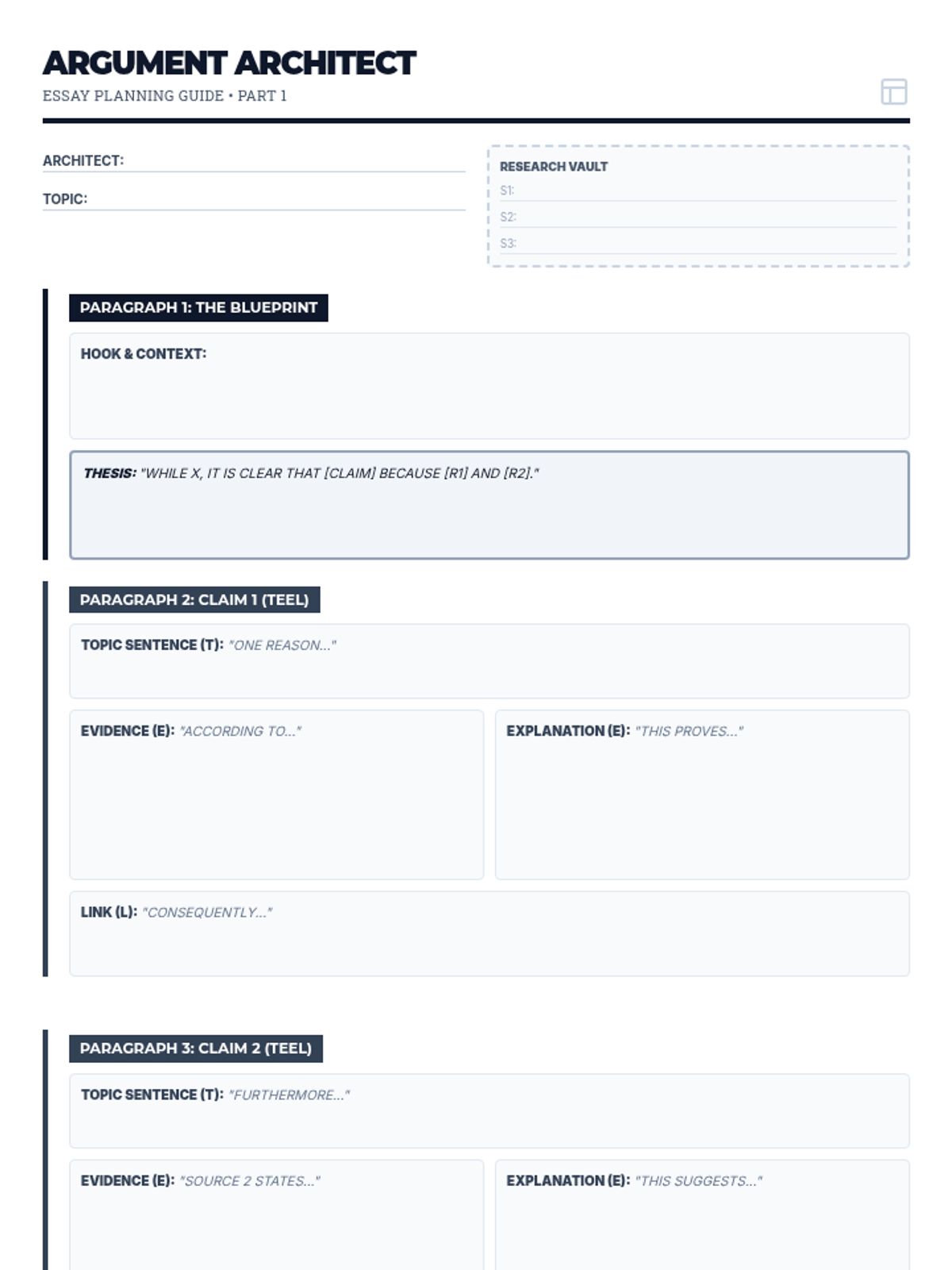
A comprehensive guide for students to plan and evaluate a five-paragraph argumentative essay, focusing on research integration and the refutation of counterclaims using the TEEL structure.