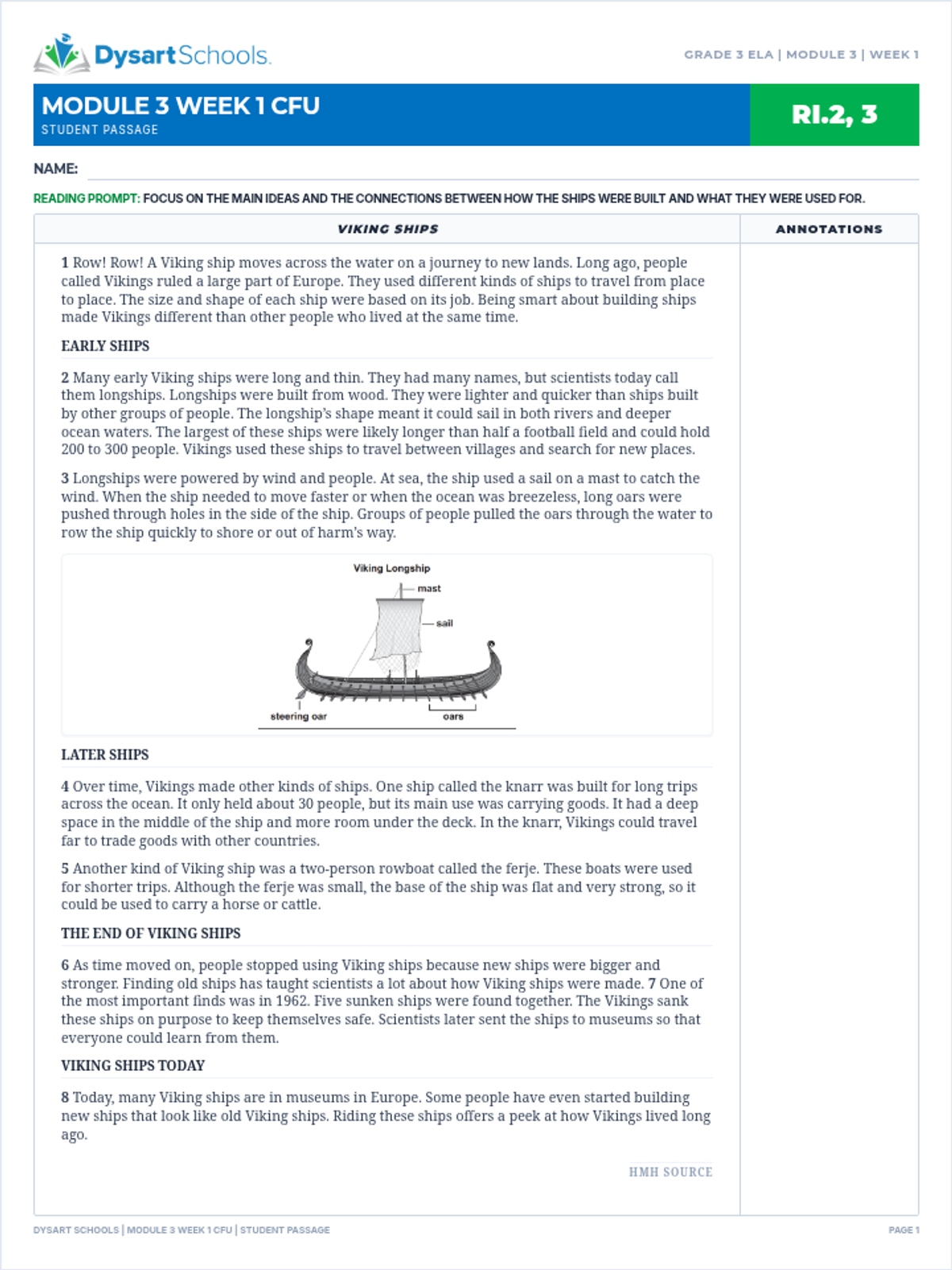
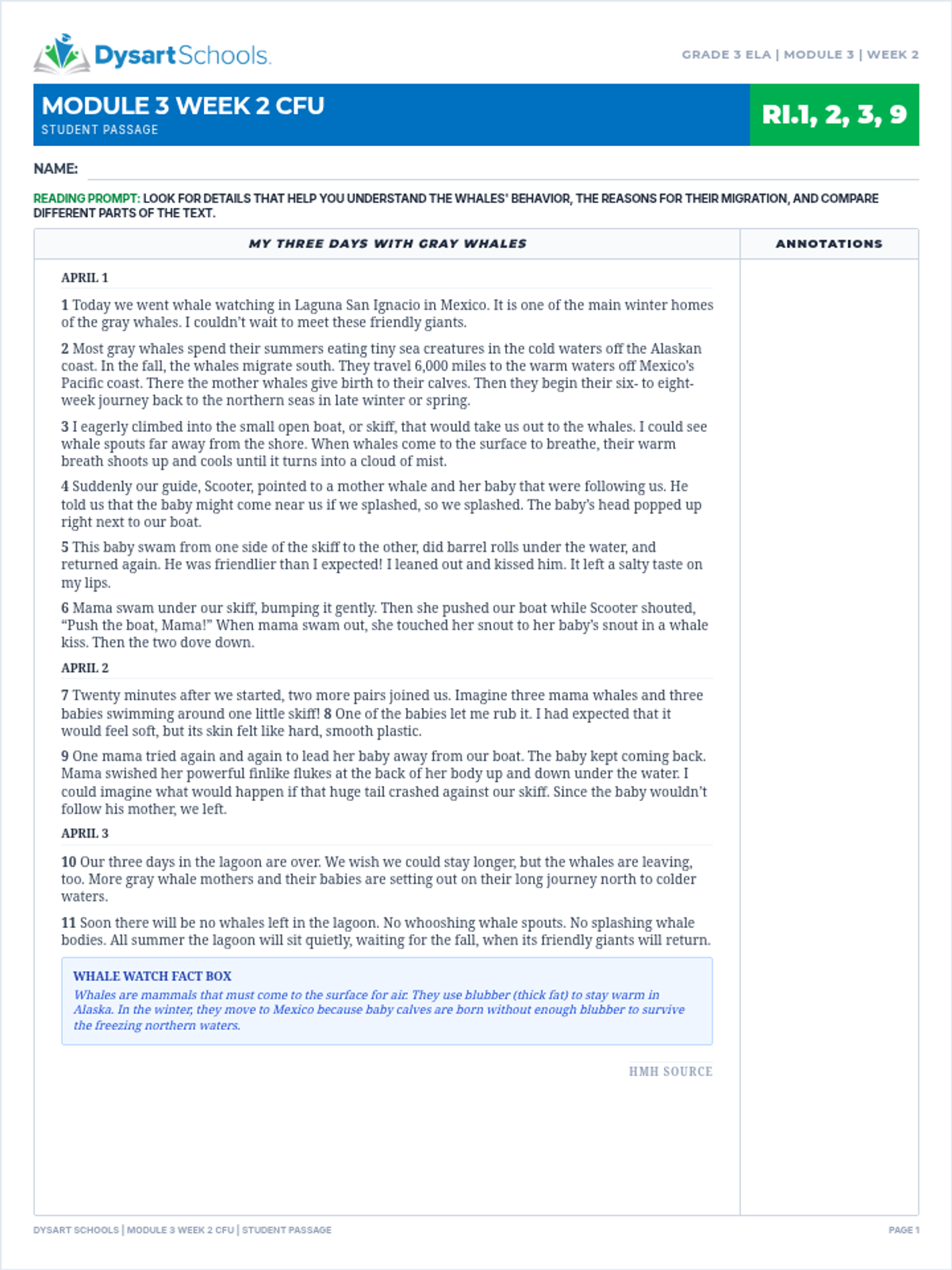
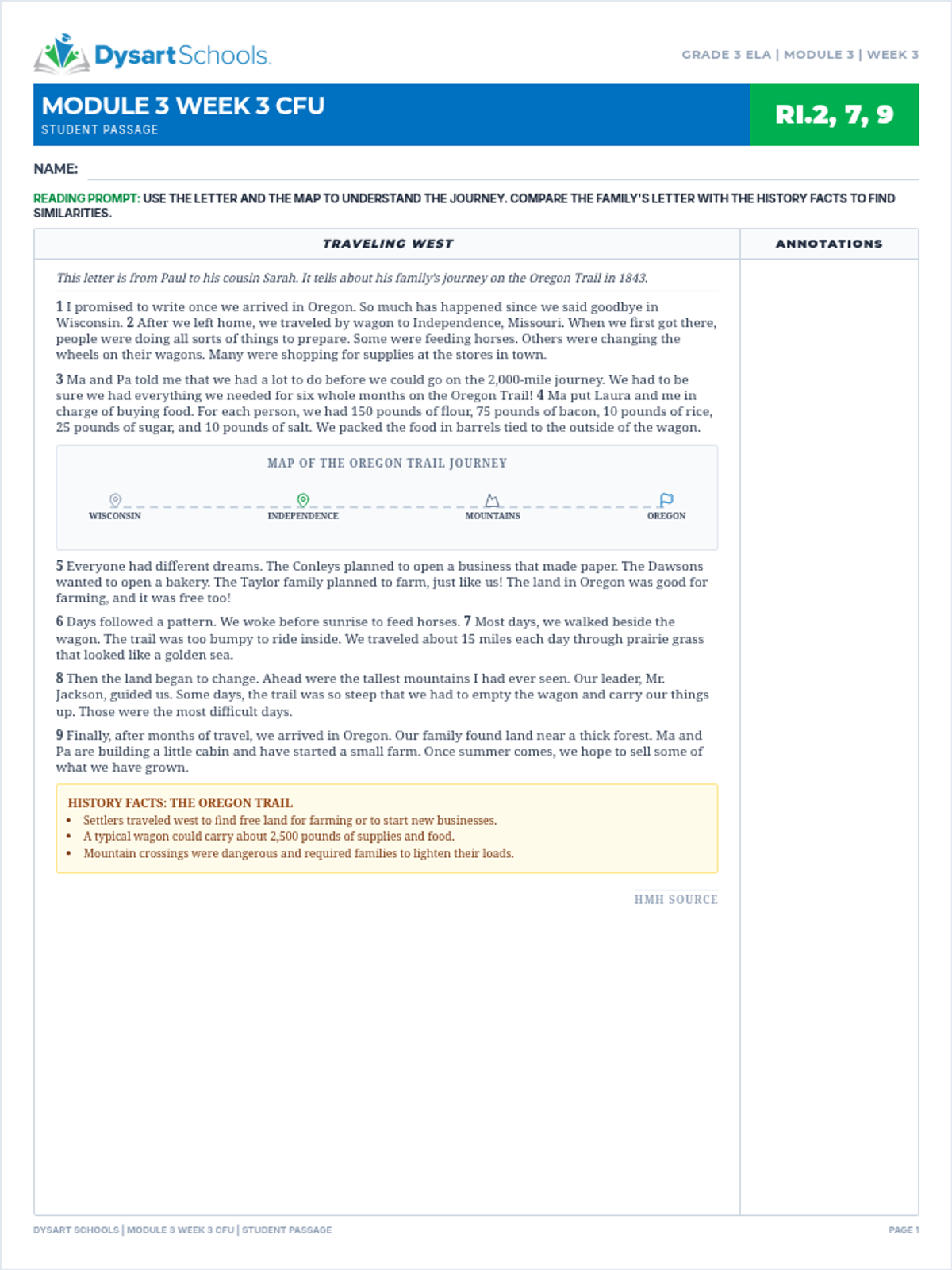
A high-intensity 45-minute lesson designed to prepare 3rd-grade students for the NC EOG Reading test by focusing on evidence-based comprehension strategies for both fiction and nonfiction texts.
A lesson focused on building comparison and contrast skills by analyzing two popular video games, Roblox and Minecraft, using a Venn diagram.
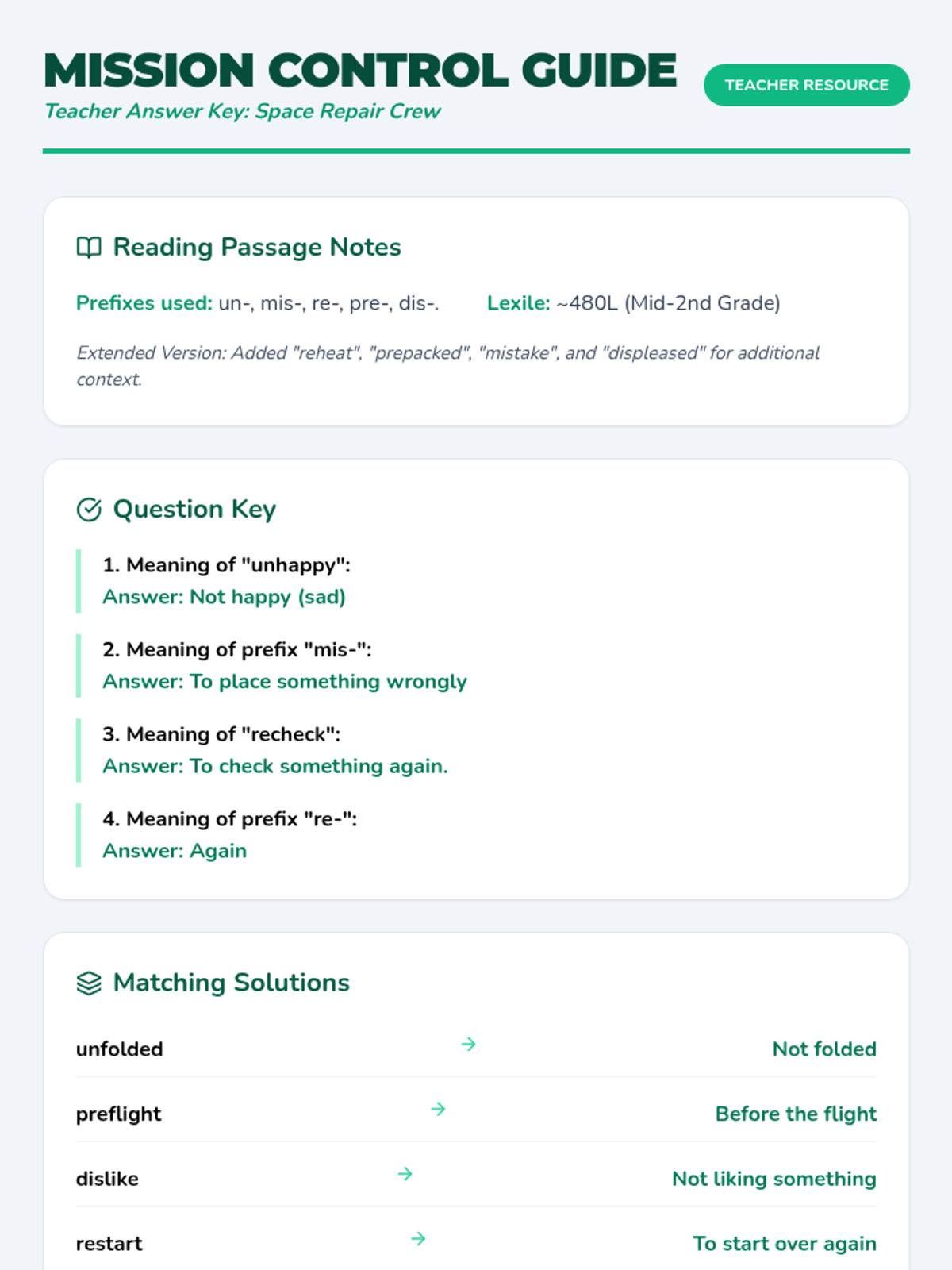
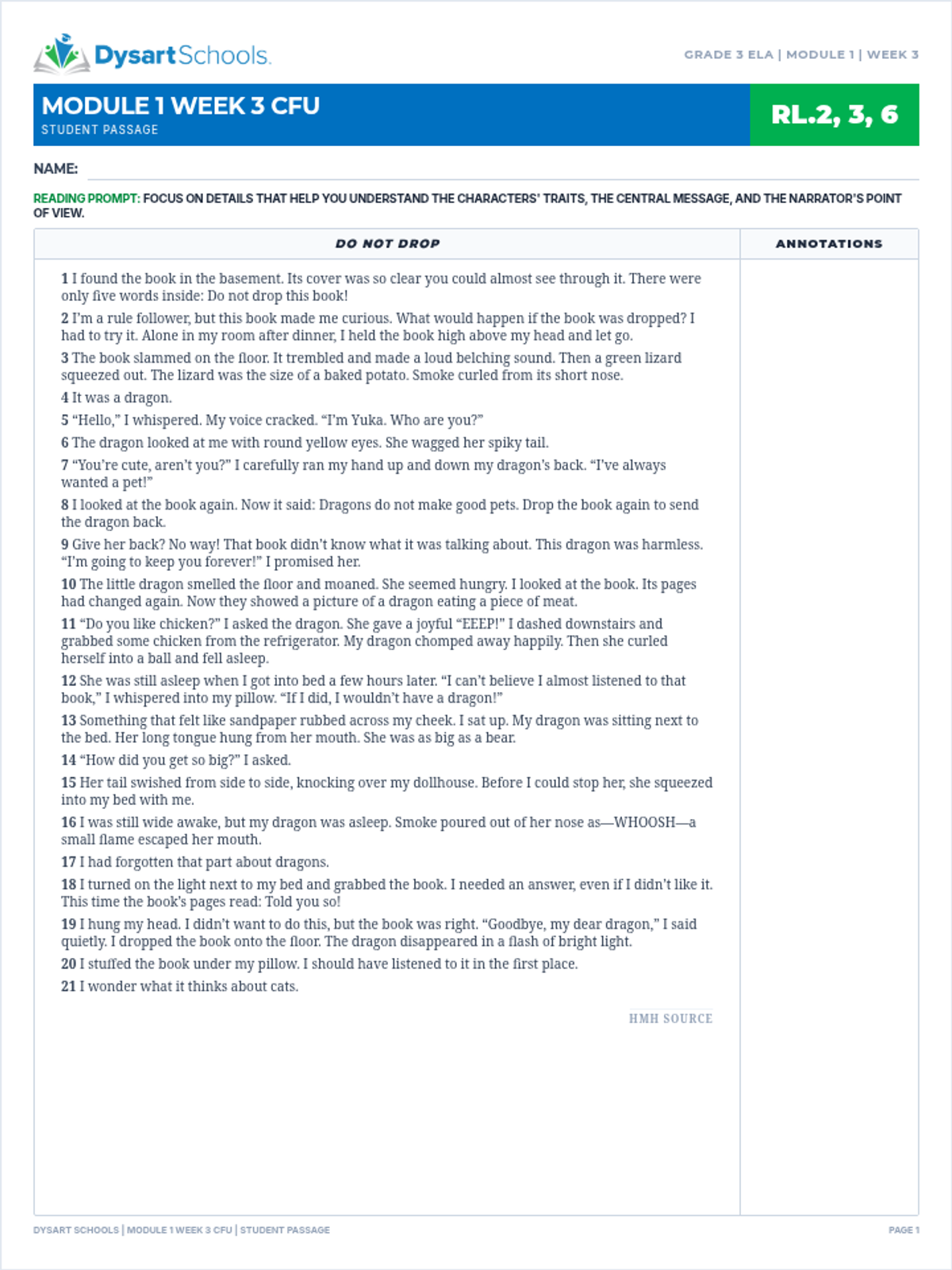
A beginner's look at space through storytelling and comprehension, focusing on identifying key details and themes in a fictional text.
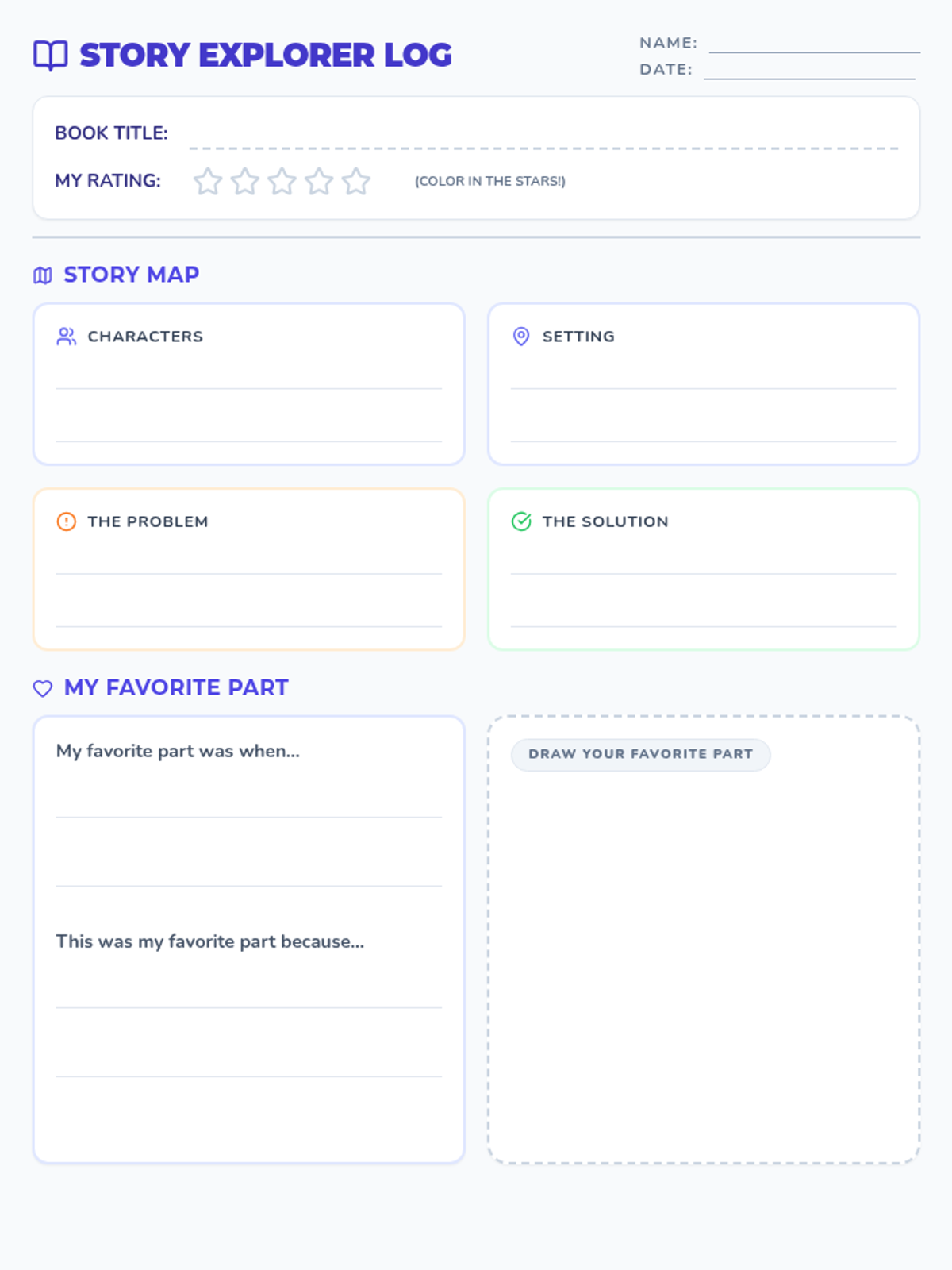
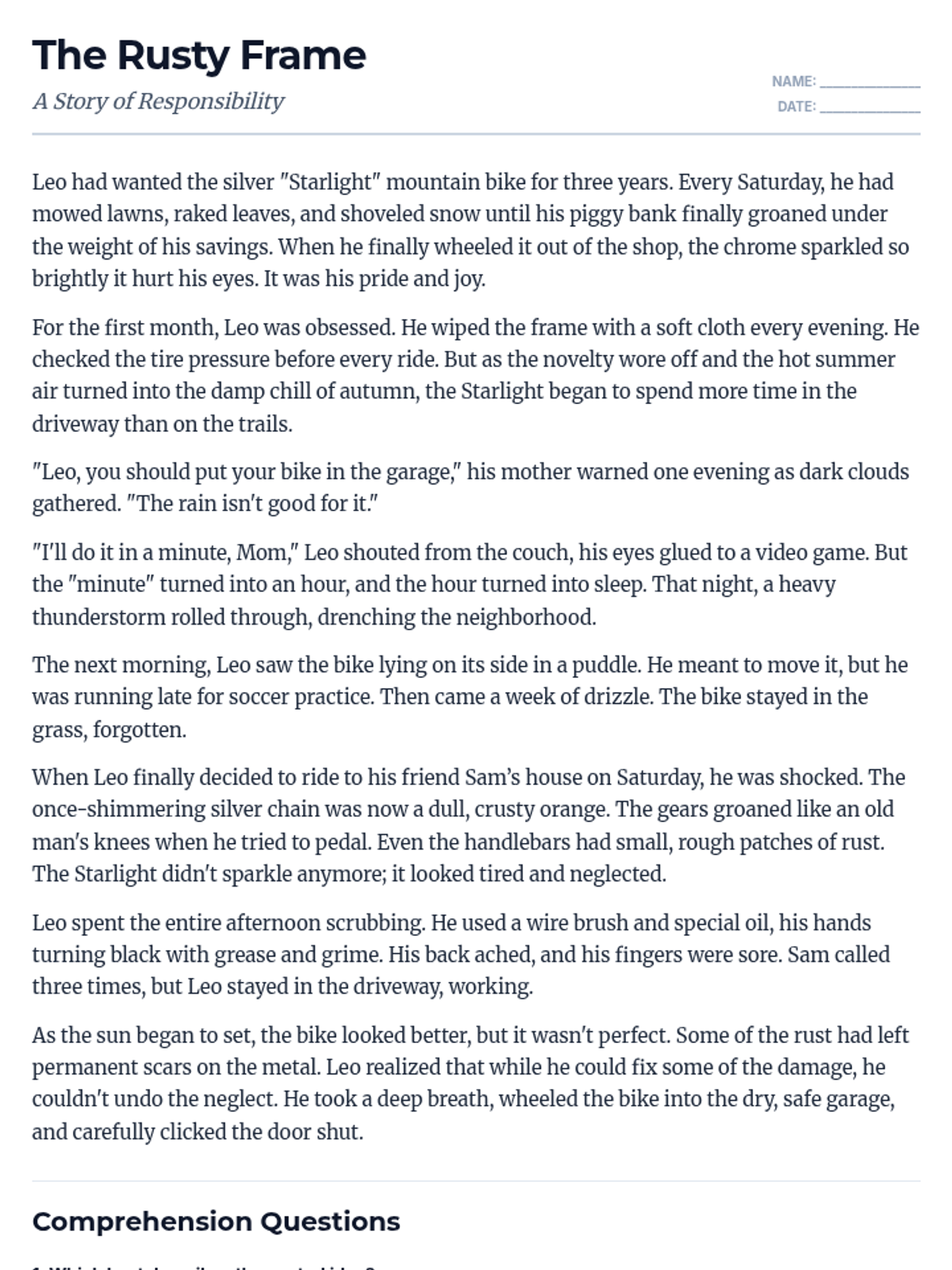
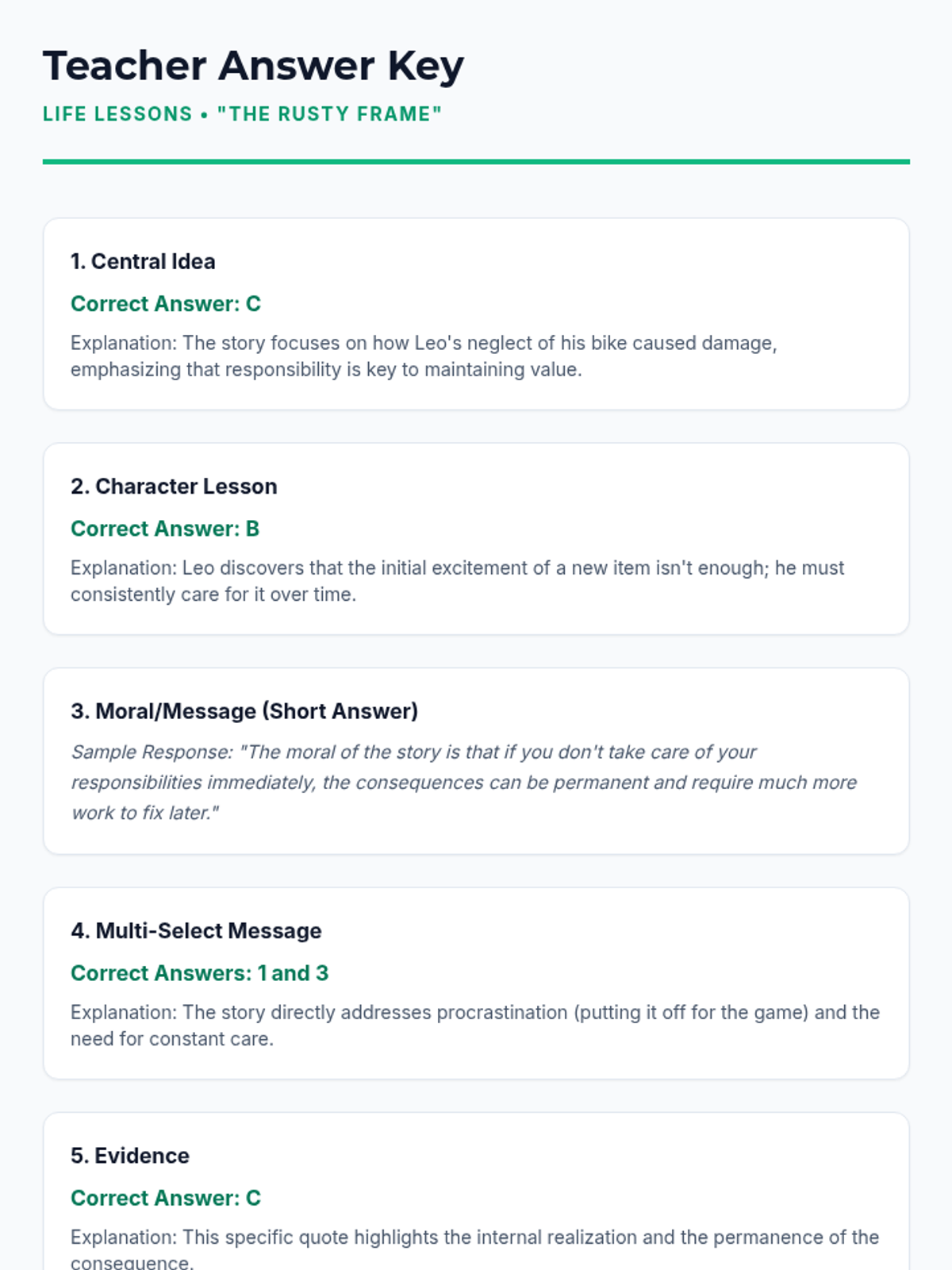
A reading comprehension lesson focused on a fictional story about forest animals sharing, designed for early 3rd-grade readers.
Una lección enfocada en desarrollar habilidades para la Respuesta Escrita Larga (ECR) en español, centrada en el género argumentativo para la prueba STAAR. Incluye un pasaje de lectura, un organizador gráfico de planificación y una guía de calificación detallada.
A quick, engaging lesson focused on decoding and using multisyllabic words through a detective-themed activity.
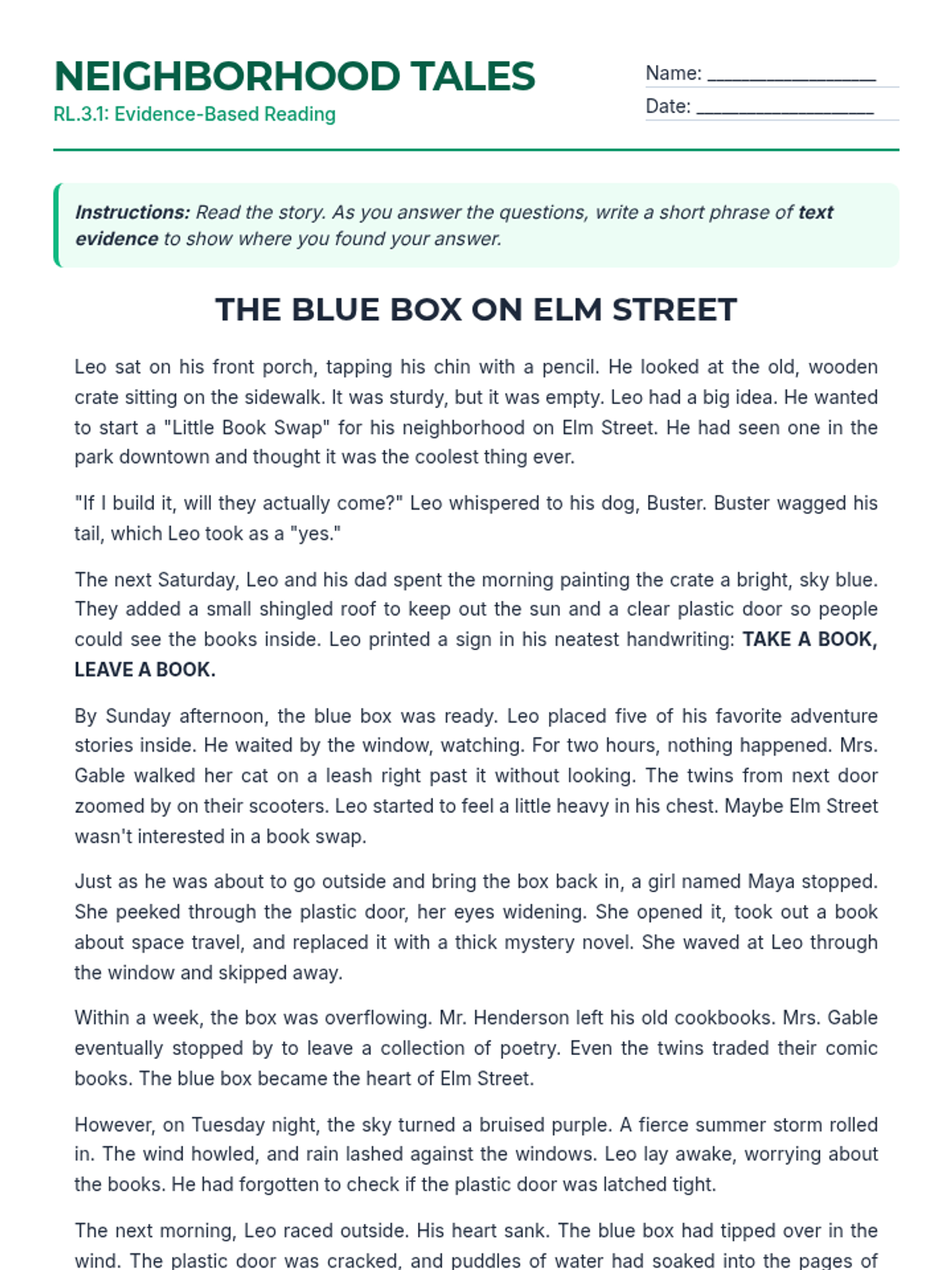
A collection of three thematic reading passages for 3rd-grade students, focusing on animals, friendship, and community helpers. Each story includes comprehension questions targeting sequencing and identifying the main idea.
A 20-minute mini-lesson introducing five key non-fiction text structures: description, chronology, comparison, cause/effect, and problem/solution. This lesson uses Revolutionary War examples to help students identify how authors organize information.
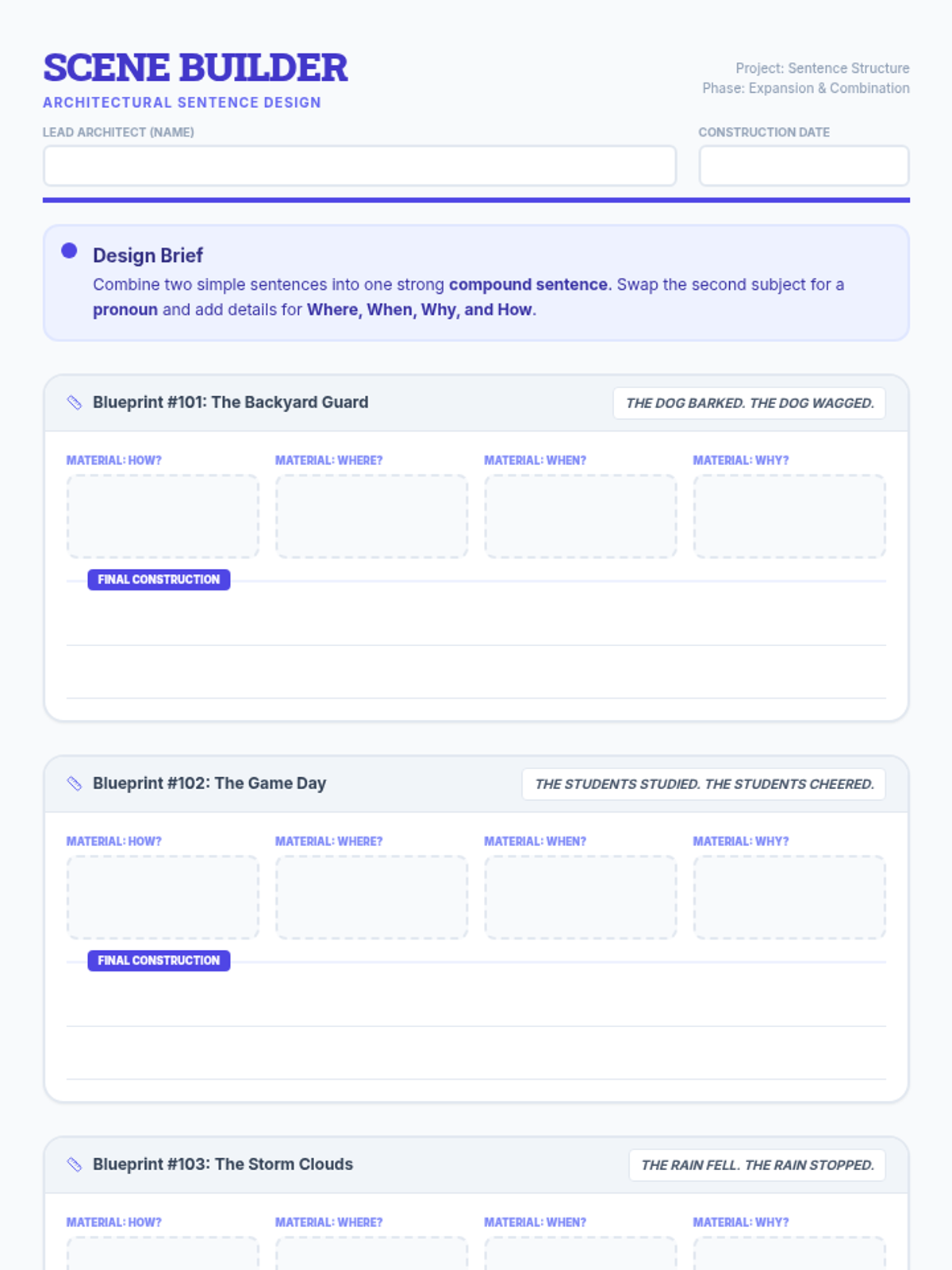
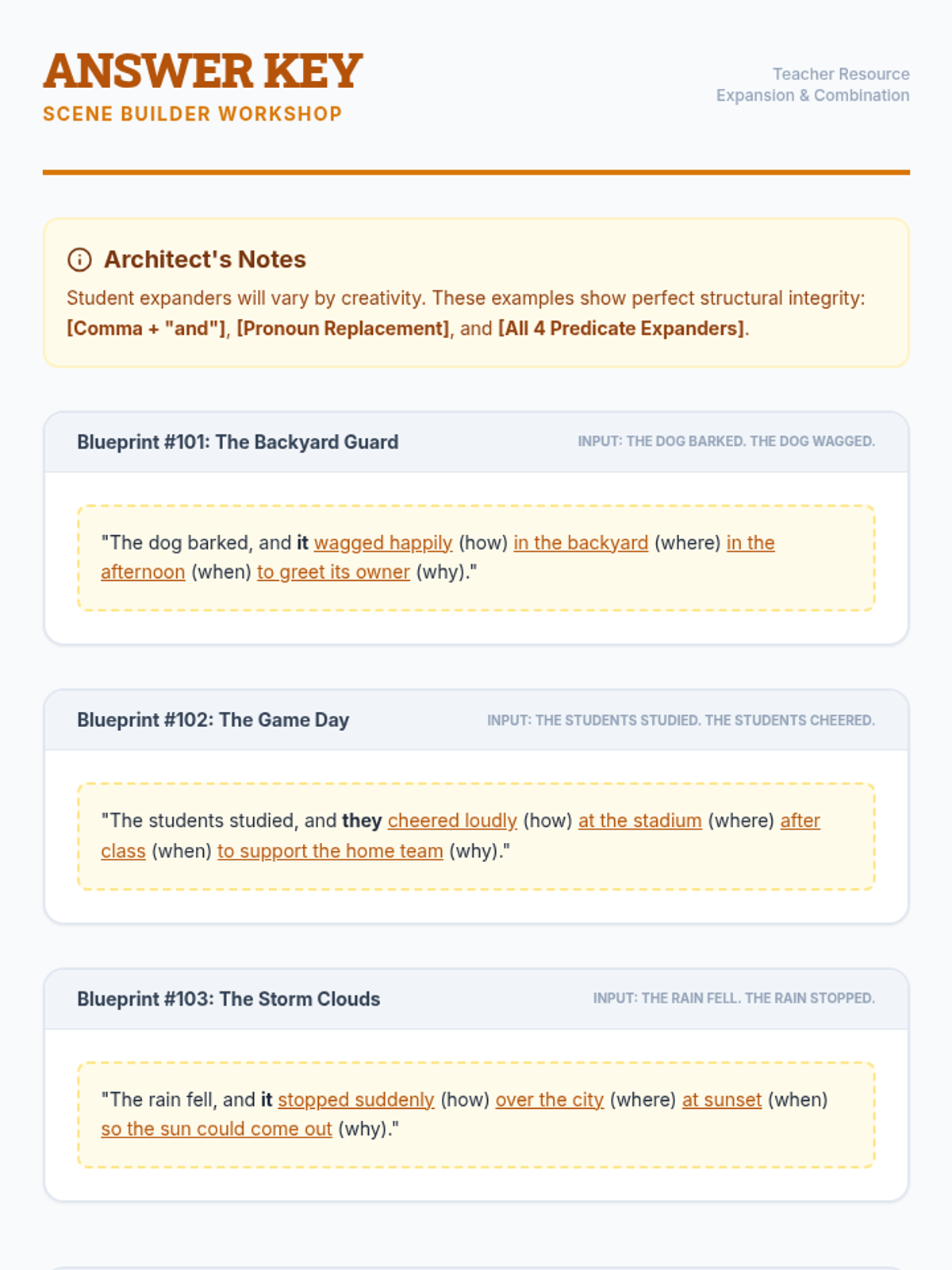
A comprehensive 3rd-grade STAAR review lesson focused on editing for standard English conventions (subject-verb agreement, verb tenses, and nouns) and composing argumentative ECR responses based on grade-level texts.
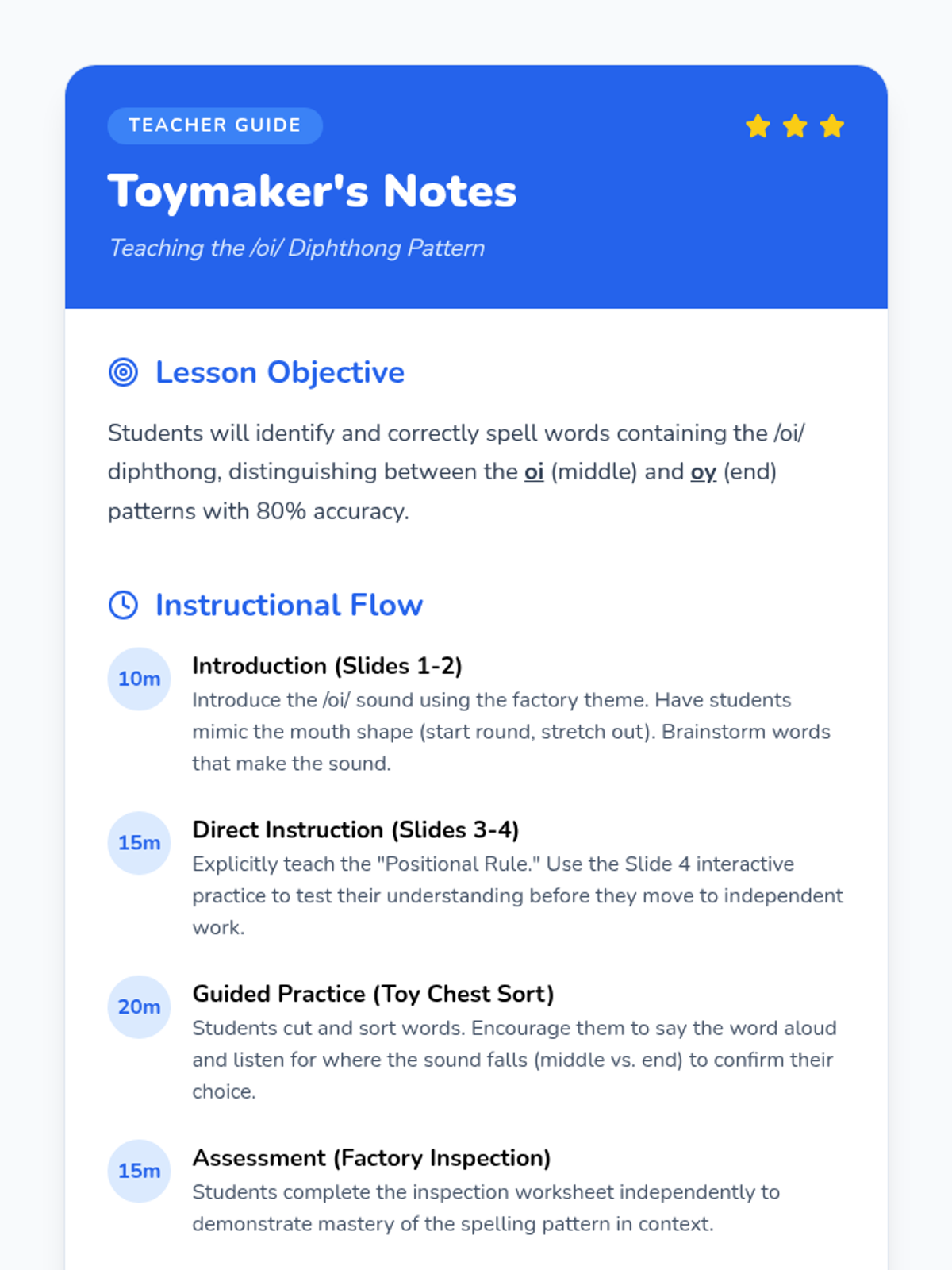
A phonics-focused spelling activity using Elkonin boxes to help students segment sounds and build words with specific vowel patterns. Students use provided letters to construct words like child, find, and cold.
Students use evidence from both texts to compare and contrast the impact of historical and everyday heroes, meeting RI.9 standards.
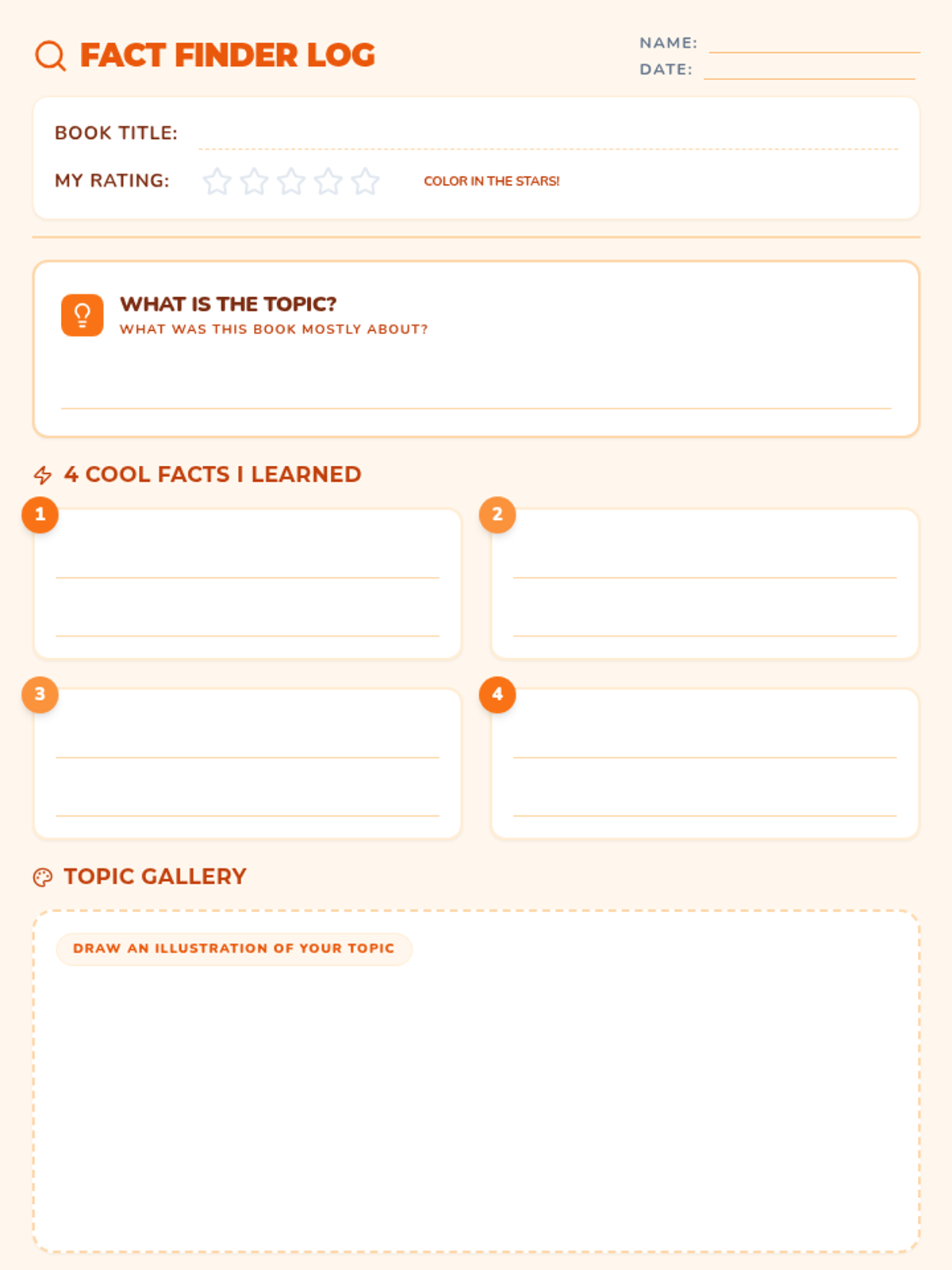
Students read about a modern-day local hero, identifying main ideas and using diagrams and labels to understand how everyday people make a difference.
Students explore the life of Rosa Parks, focusing on identifying key details and navigating complex text features like maps and timelines.