Using simulations and physical models, students track the continuous exchange between potential and kinetic energy in a system. They learn to represent total energy using bar charts and energy diagrams.
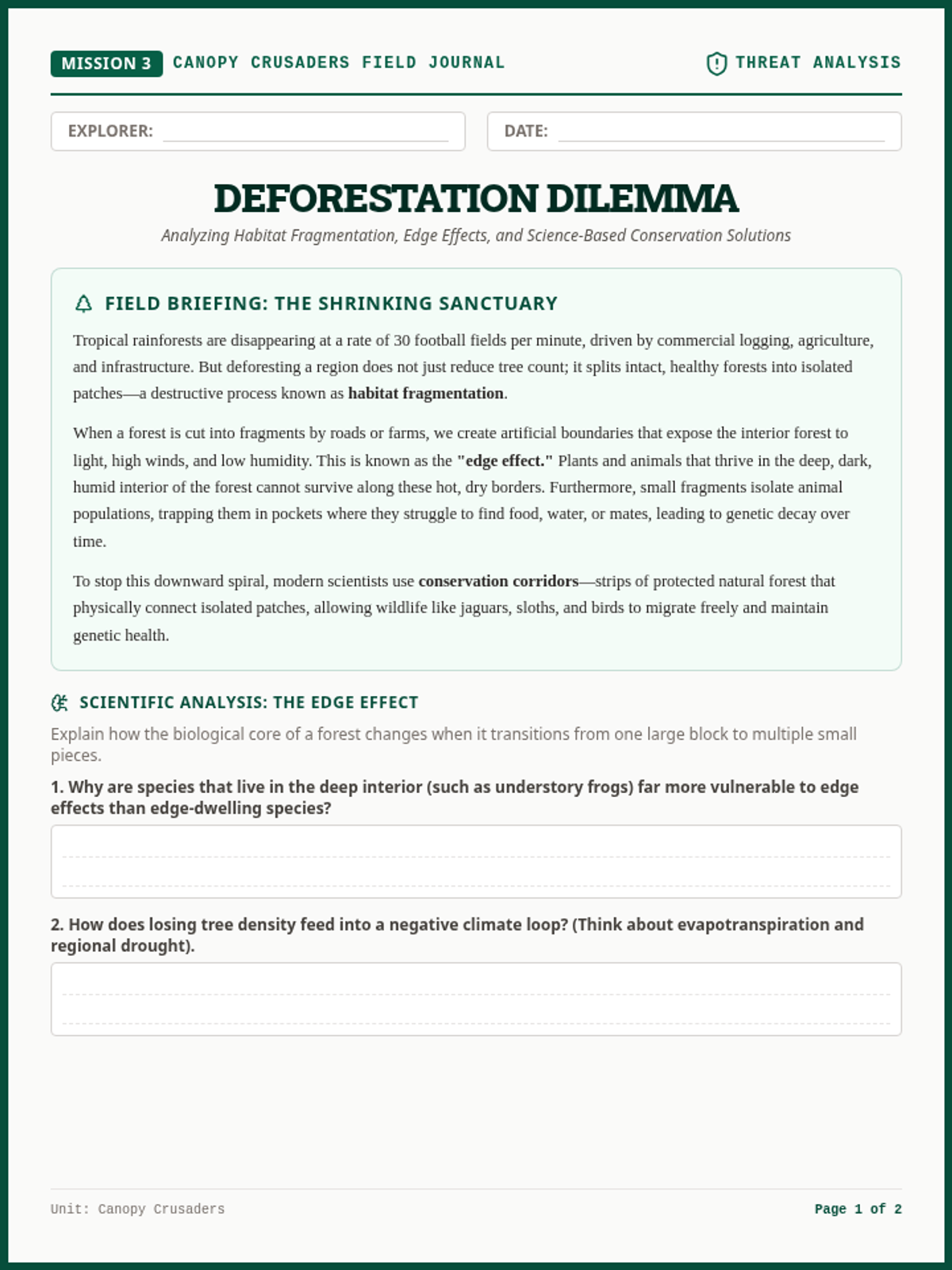
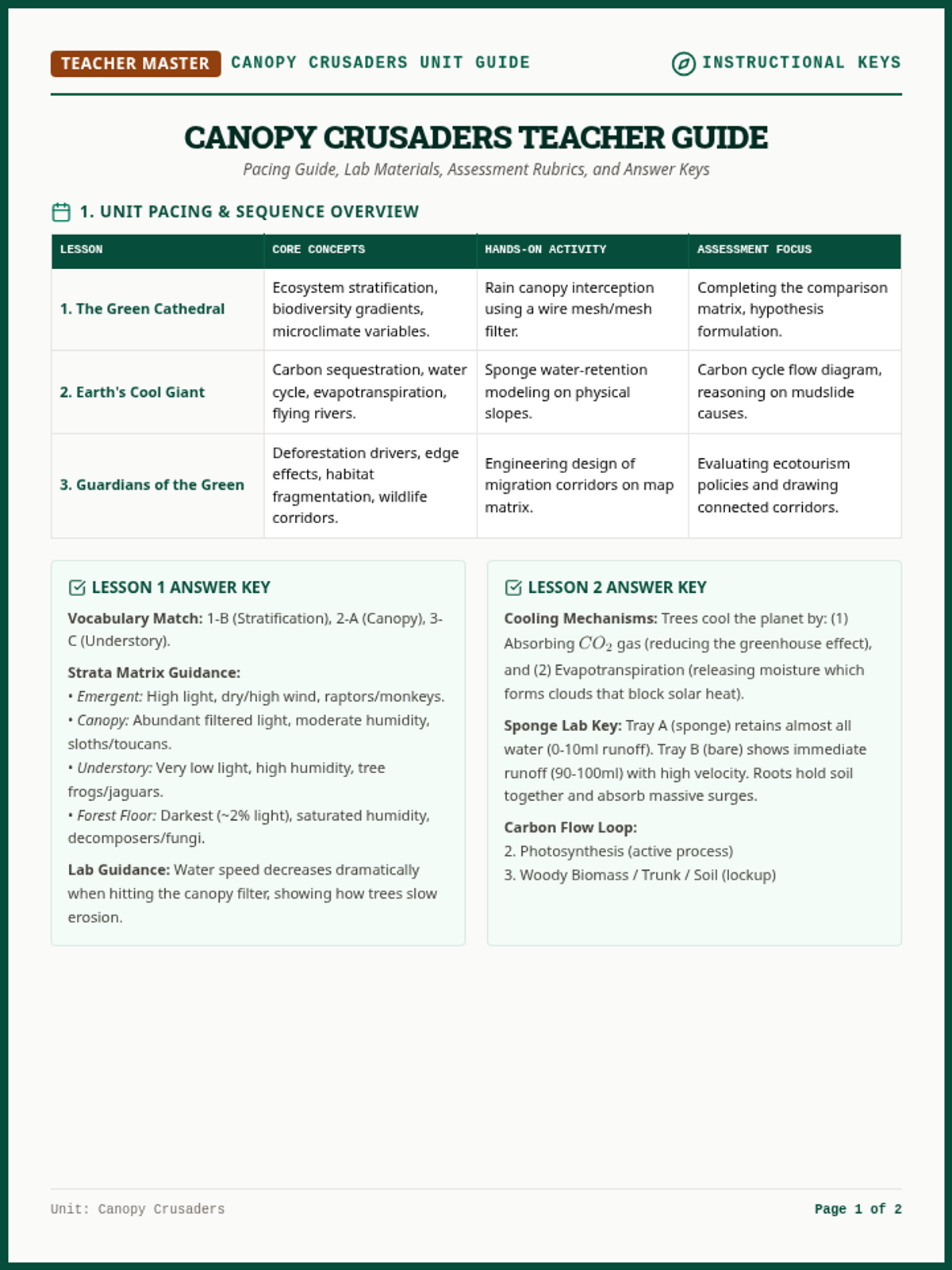
Students analyze the causes and consequences of deforestation, mapping habitat fragmentation and designing collaborative, science-based conservation solutions.
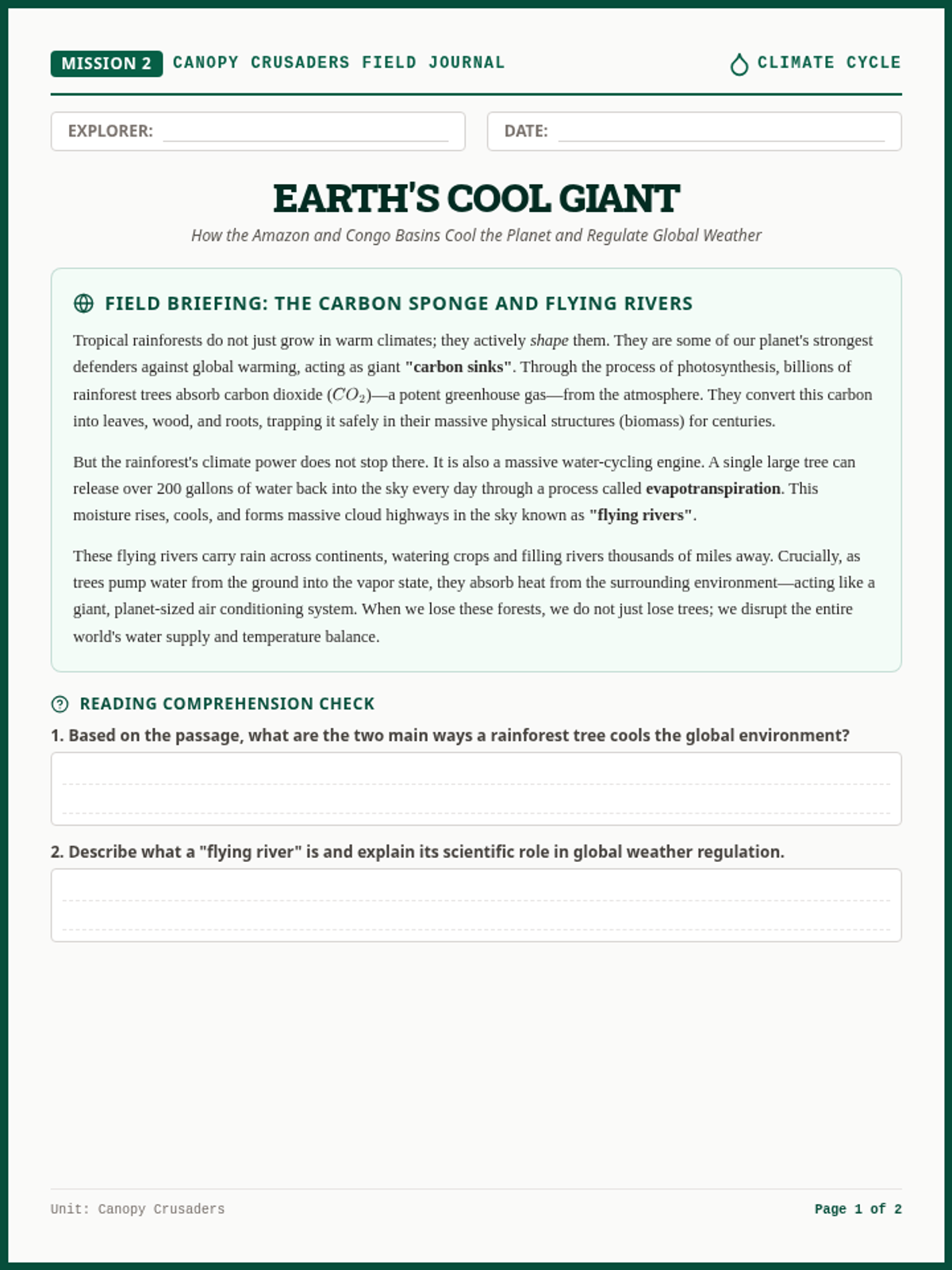
Students investigate the rainforest as a massive climate-control engine, analyzing how evapotranspiration regulates weather and how trees act as vital global carbon sinks.
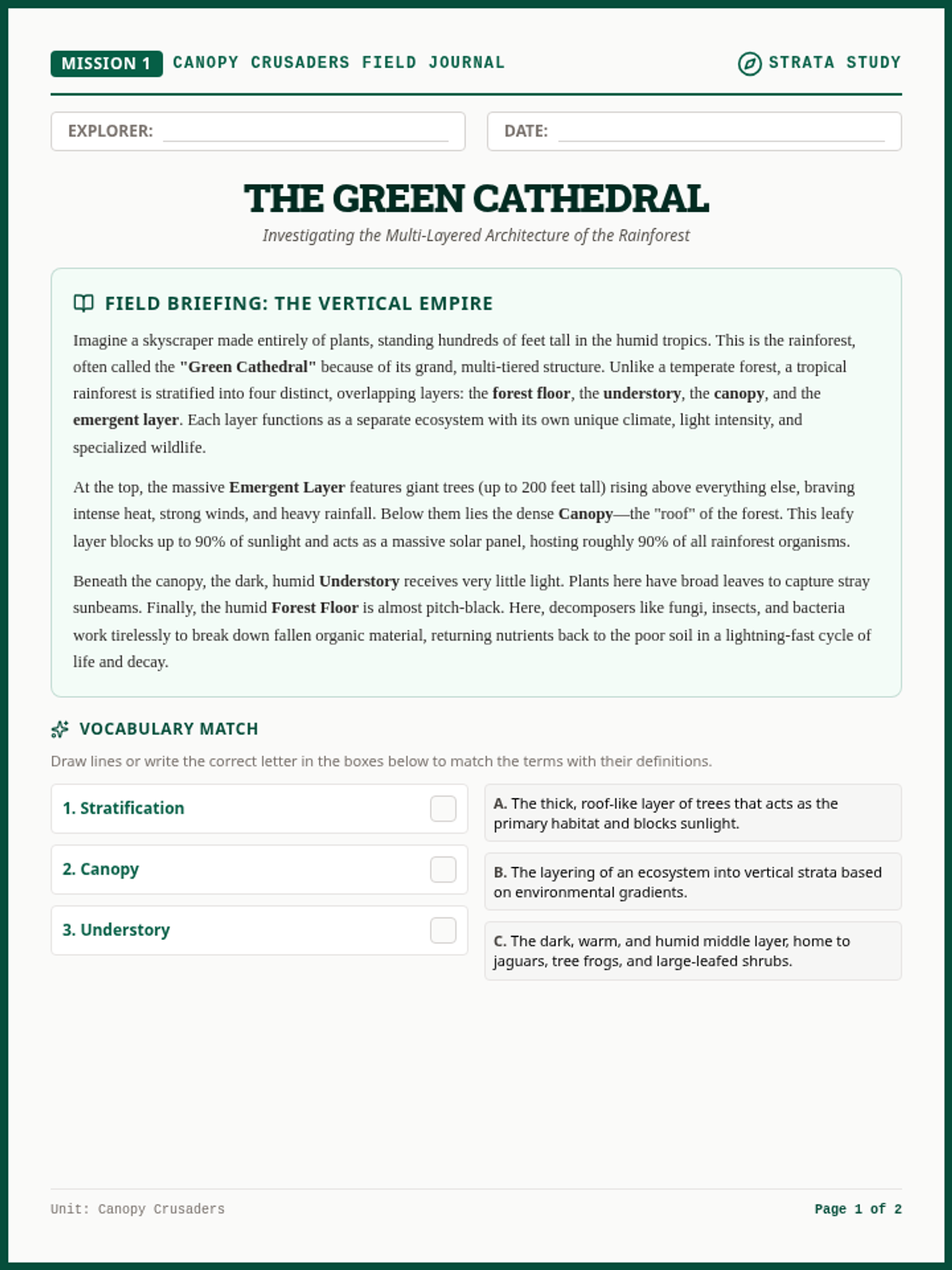
Students explore the structural layers of the rainforest (forest floor, understory, canopy, emergent layer) and model biodiversity and physical conditions across these strata.
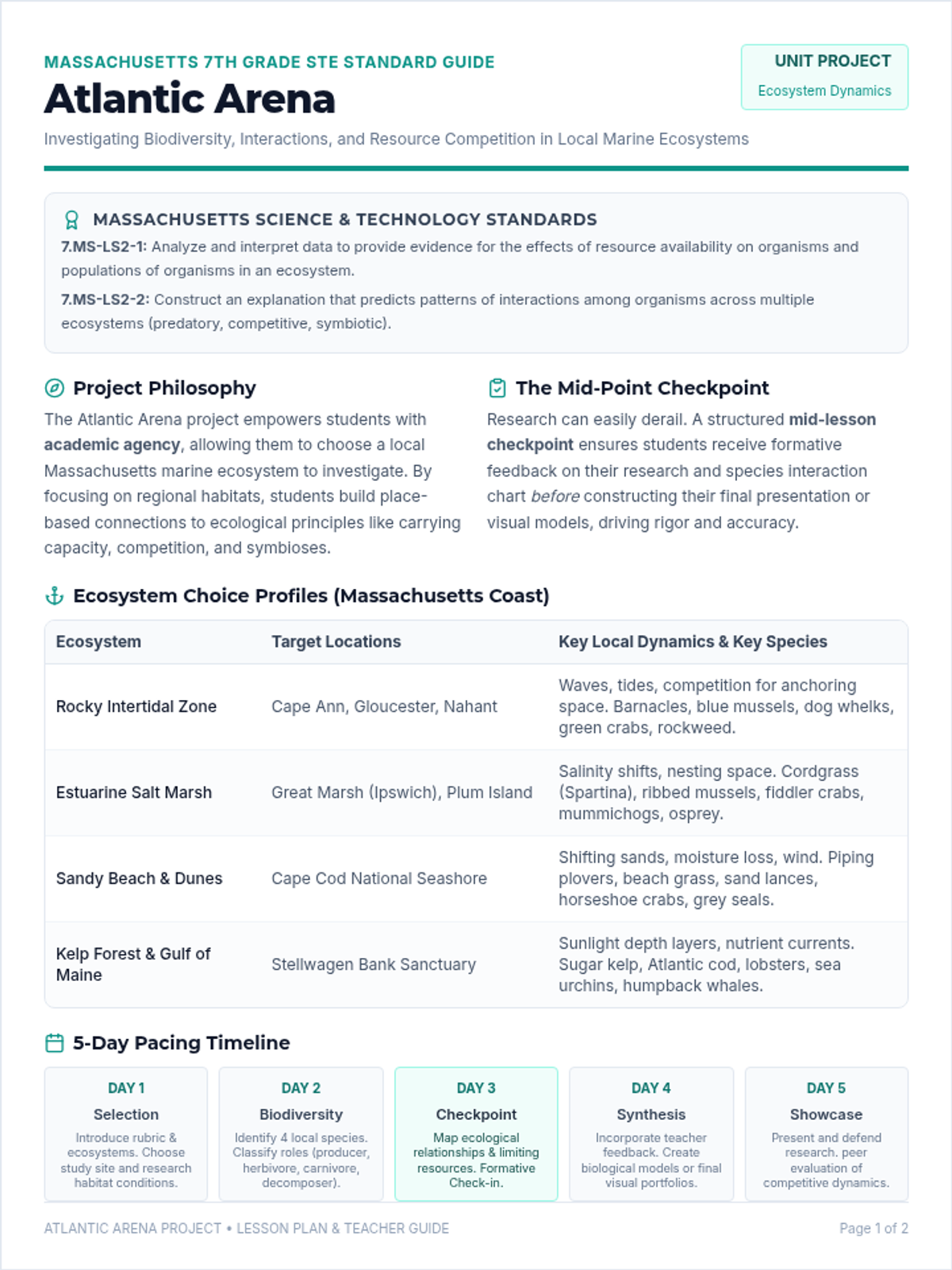
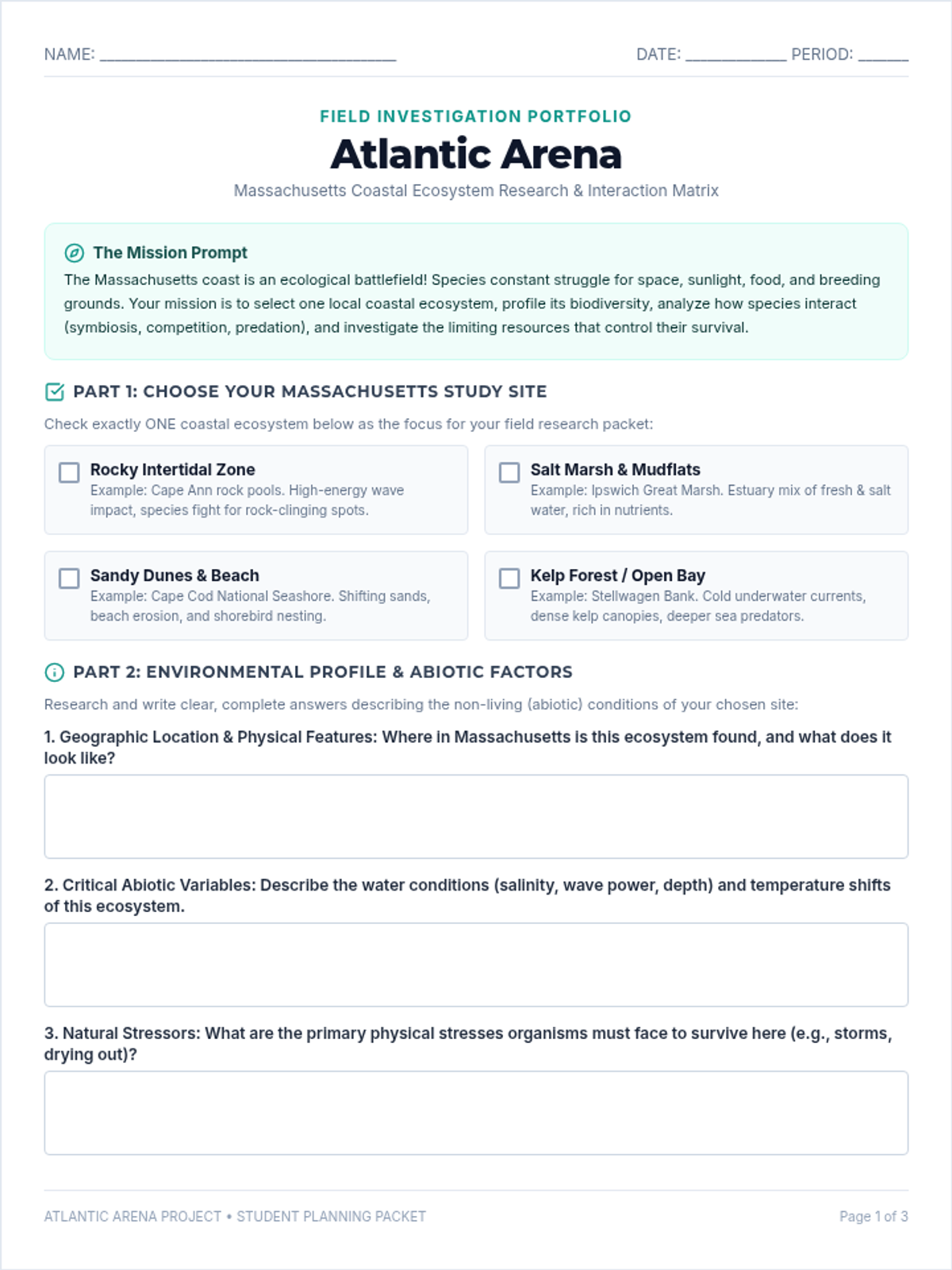
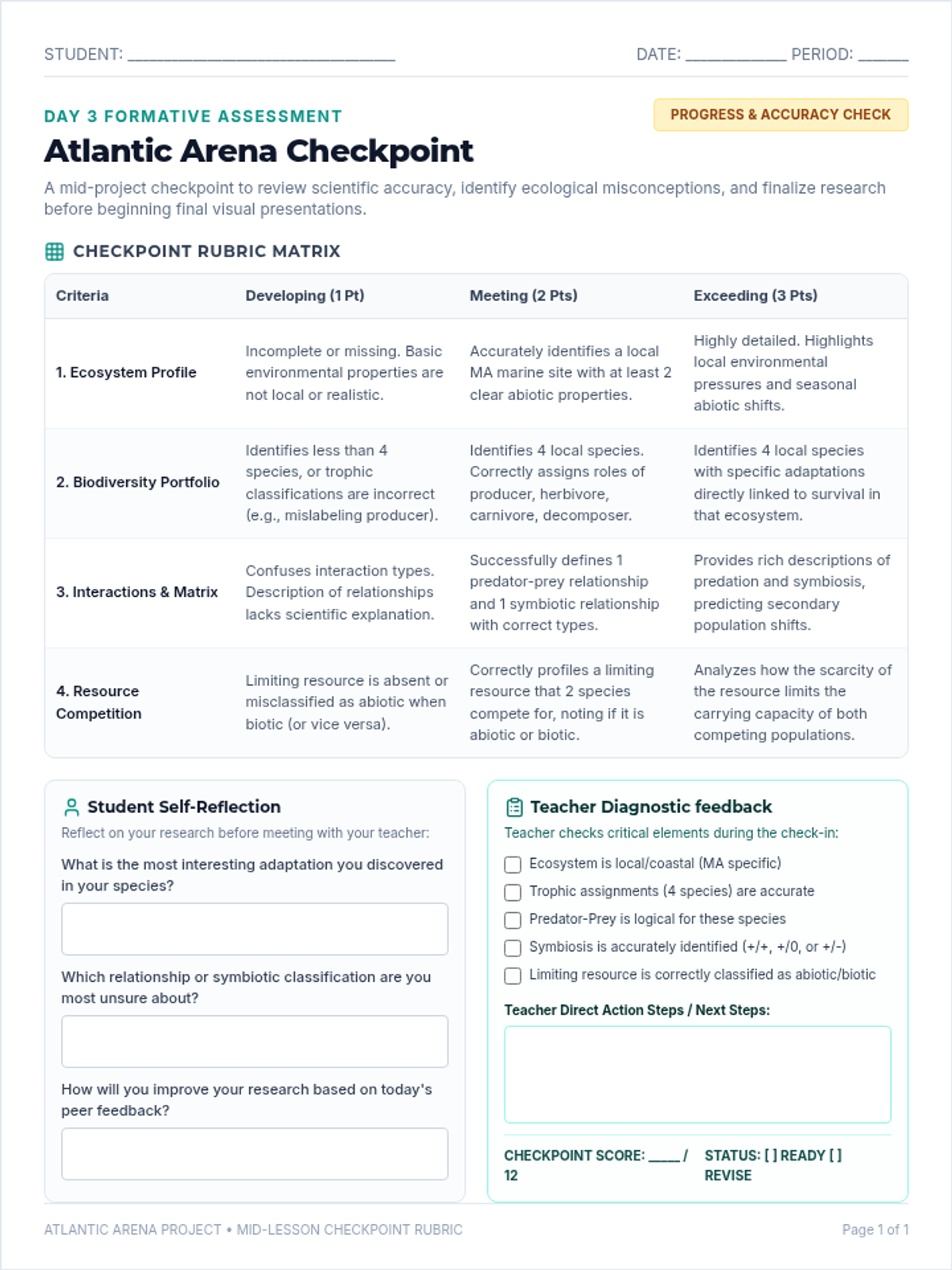
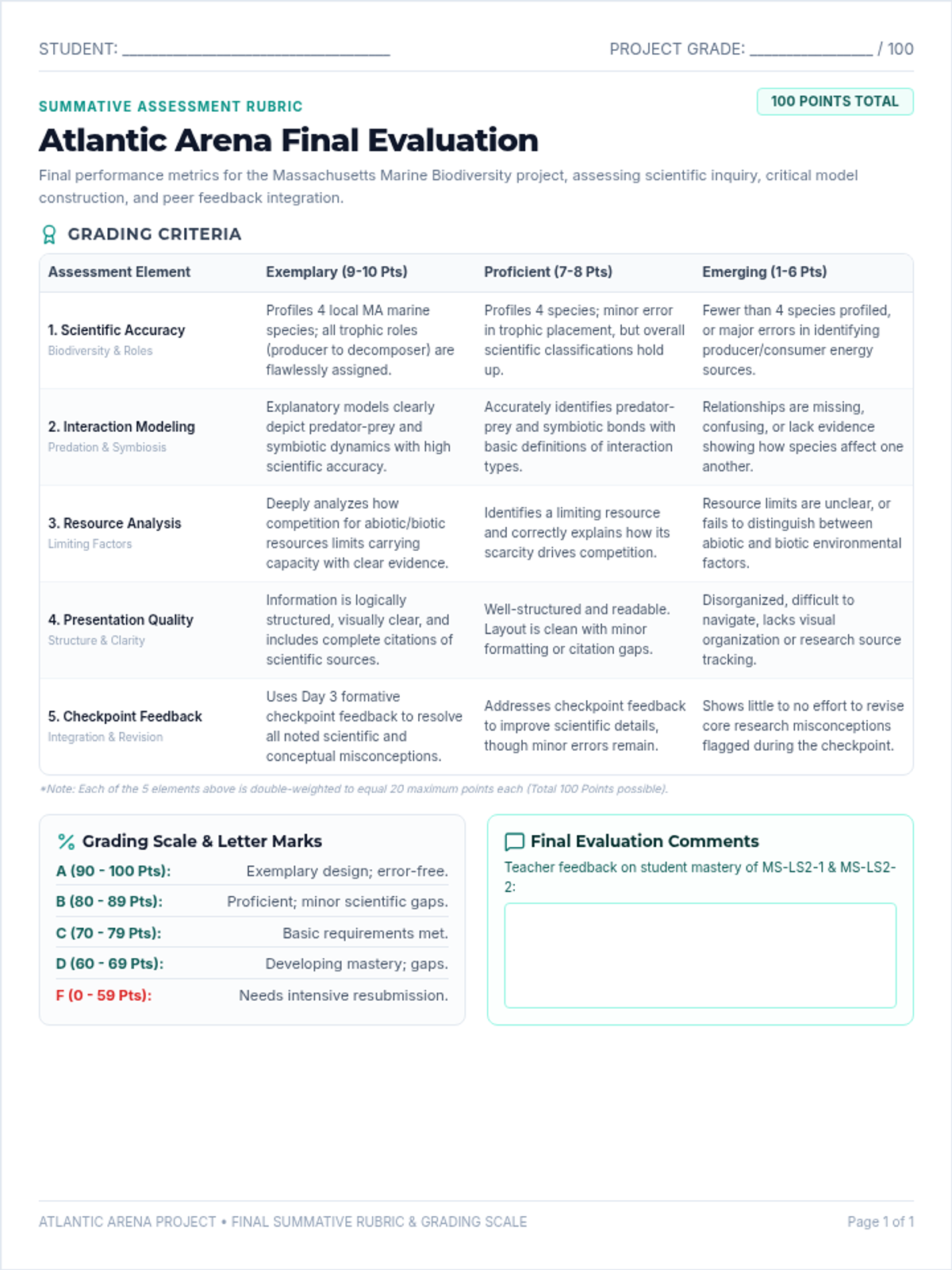
An investigative project-based lesson for 7th-grade students exploring Massachusetts marine ecosystems. Students choose a local coastal ecosystem, research resident species, analyze competitive and symbiotic interactions, and demonstrate understanding of resource availability.
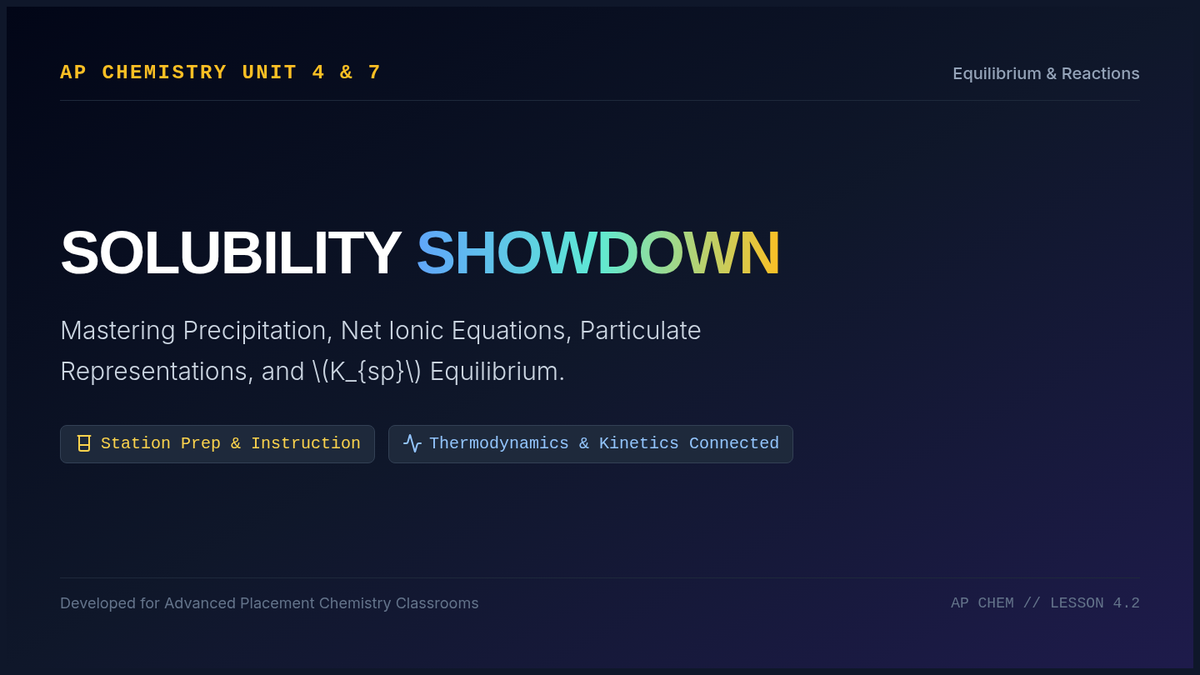
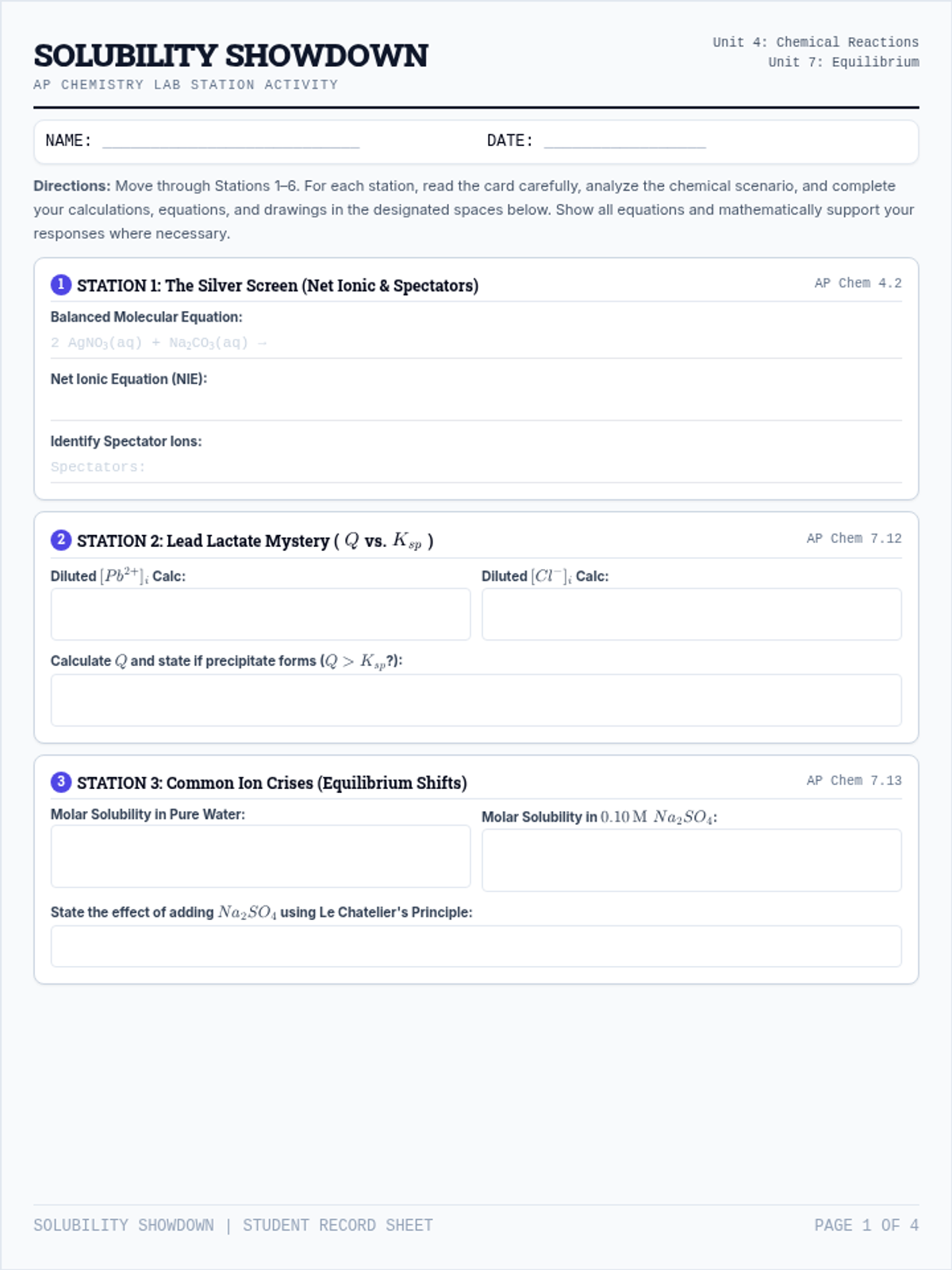
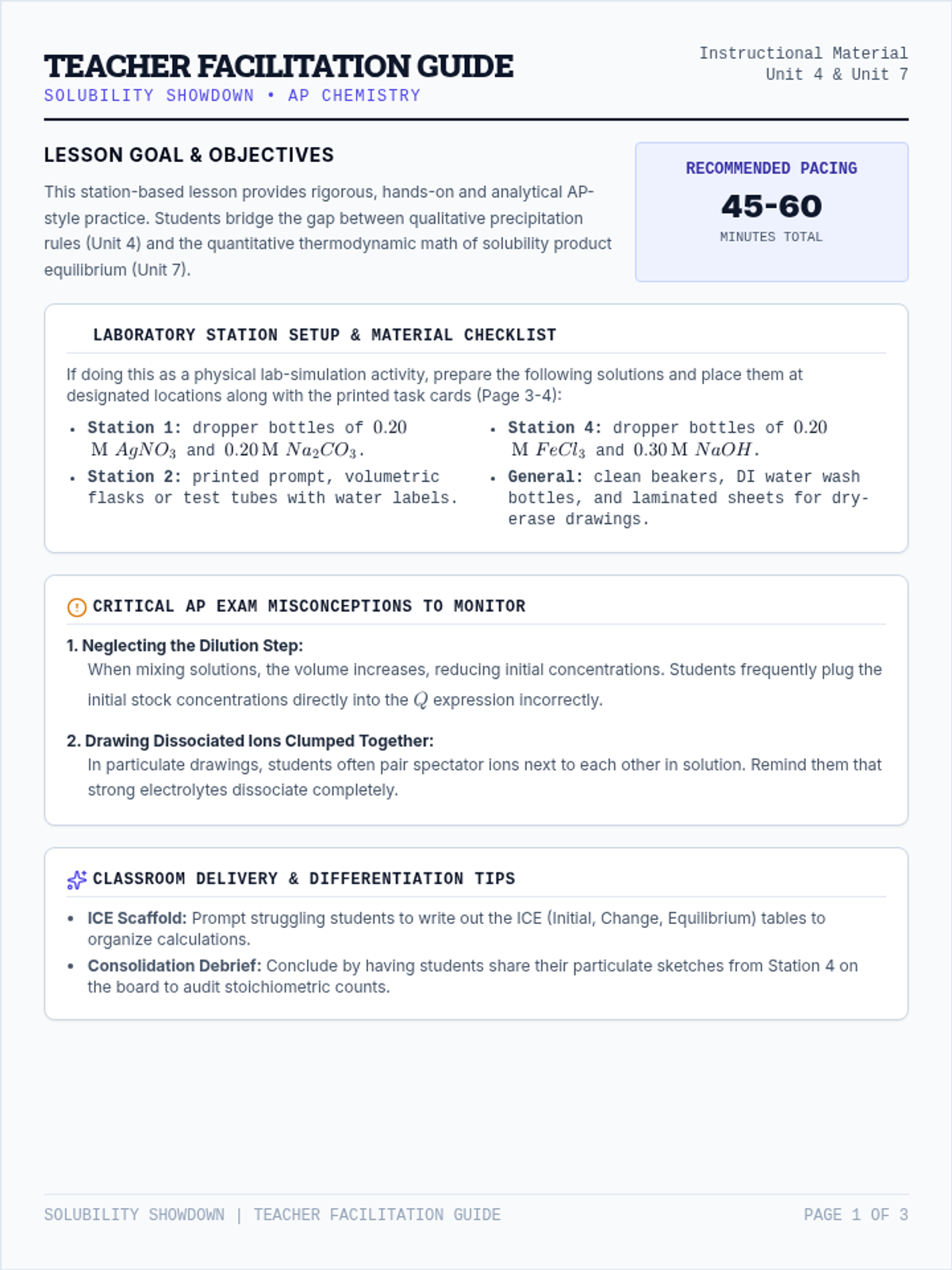
An AP Chemistry lesson exploring solubility rules, net ionic equations, particulate representations, and the mathematical link to Ksp and equilibrium shifts. Students engage with interactive station-based task cards simulating real laboratory precipitates.
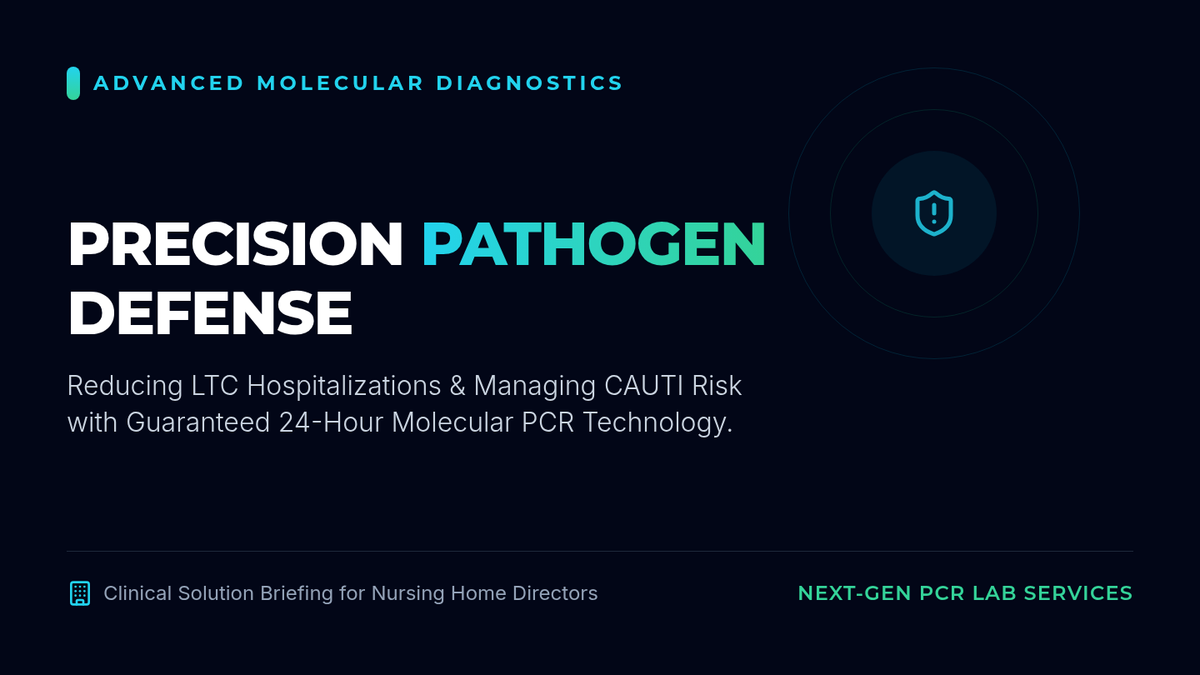
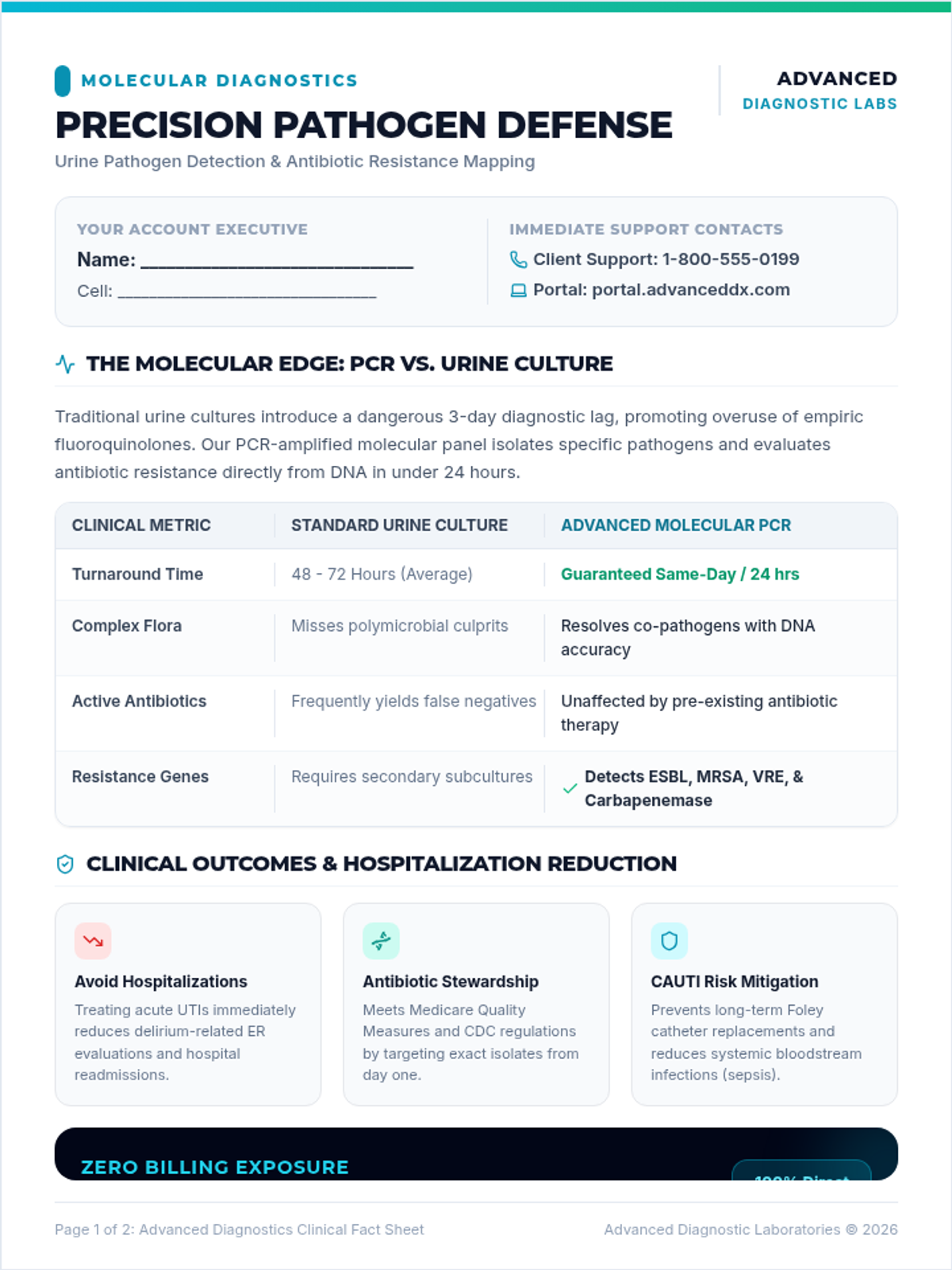
A comprehensive sales and educational package designed to pitch advanced molecular UTI testing services to long-term care and nursing home administrators, highlighting clinical and operational benefits.
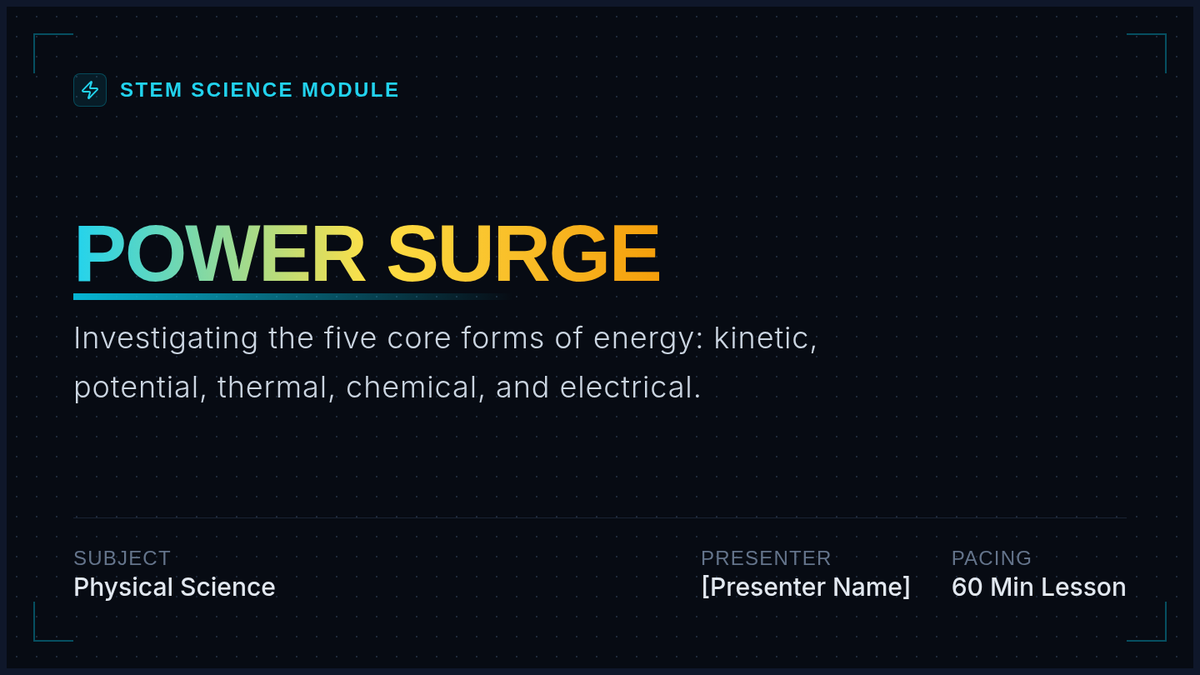
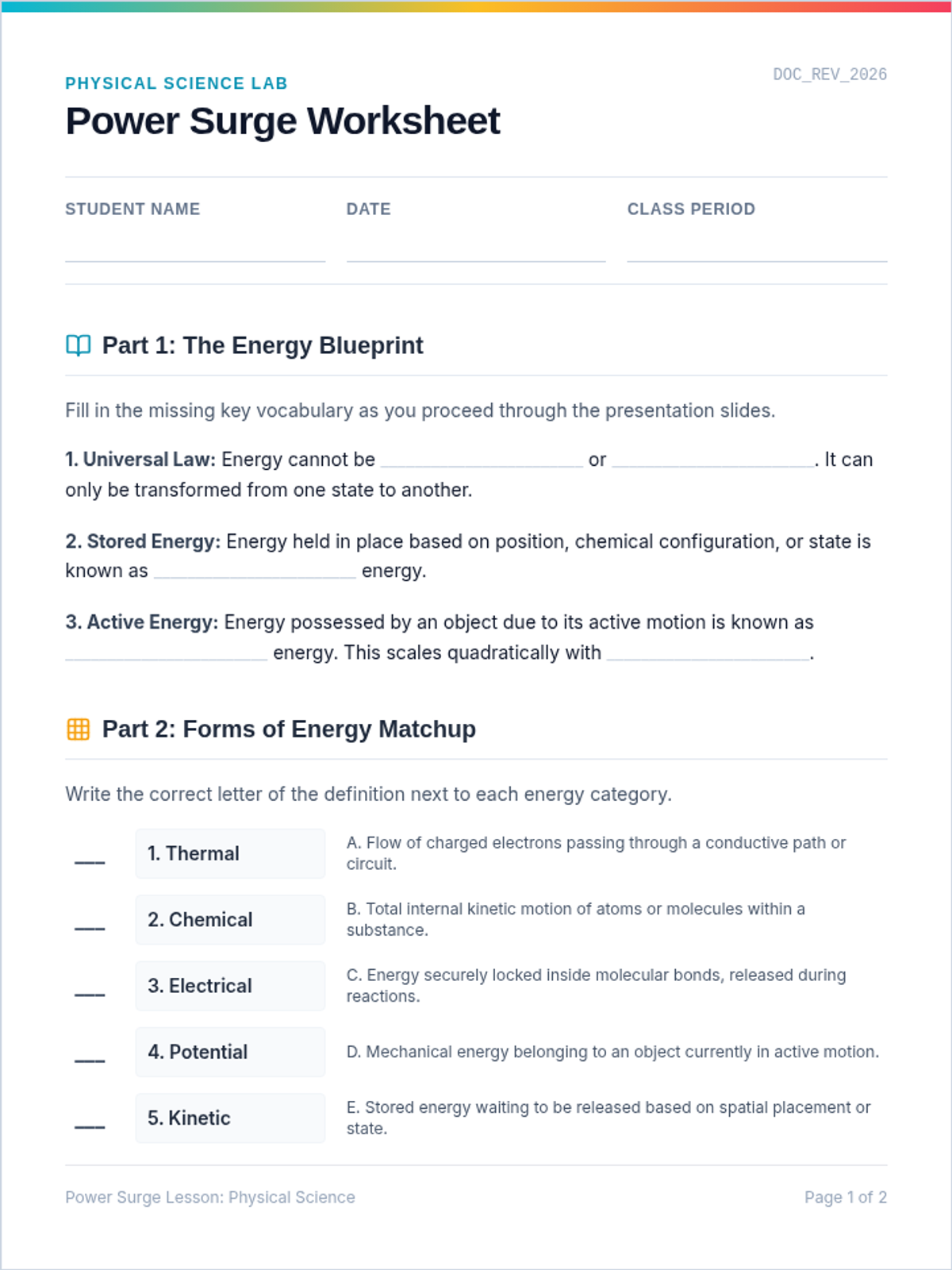
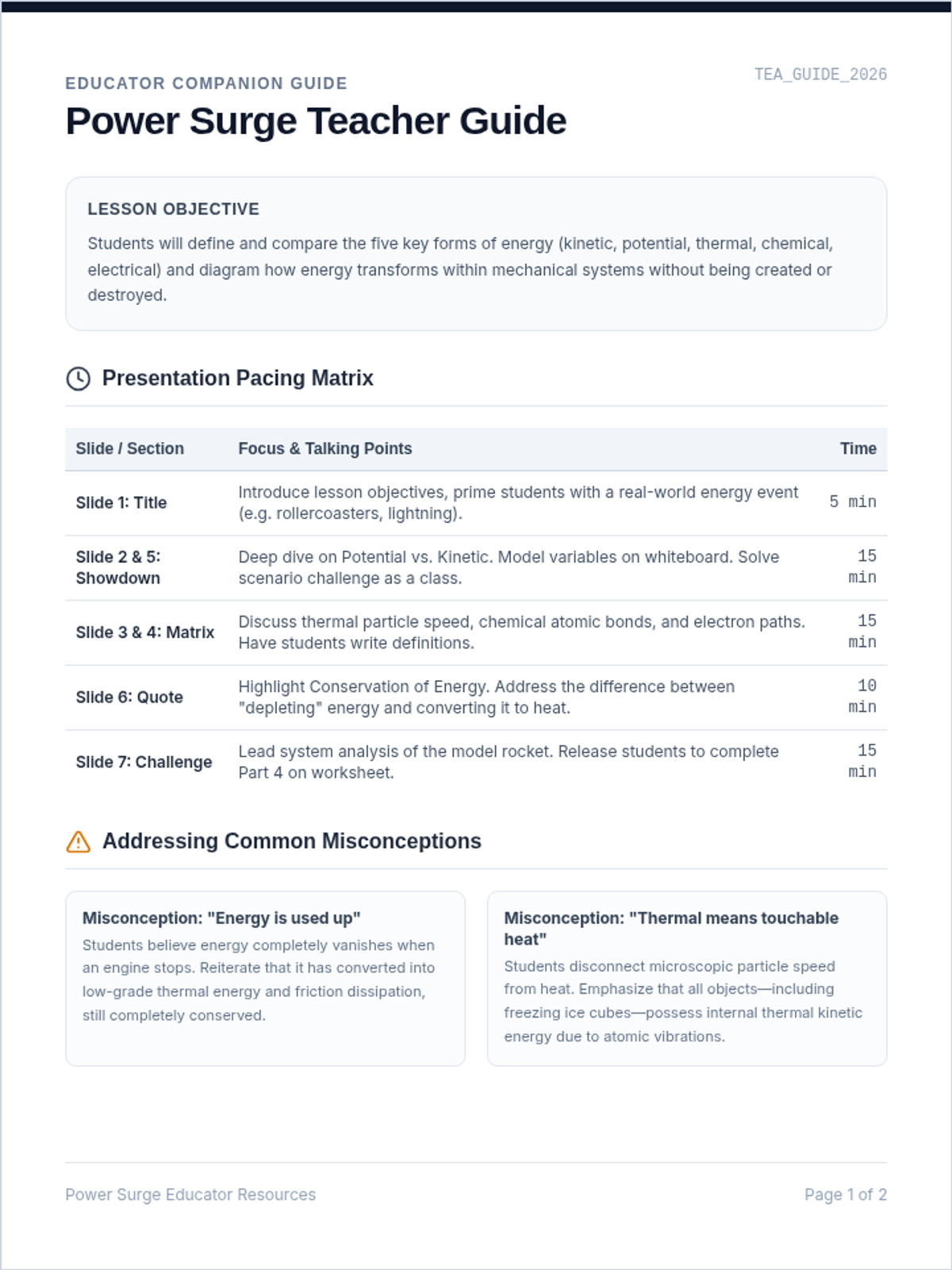
A dynamic lesson introducing the five core forms of energy: kinetic, potential, thermal, chemical, and electrical. This lesson utilizes highly engaging visual slides and structured templates to help students compare, contrast, and identify energy transformations.
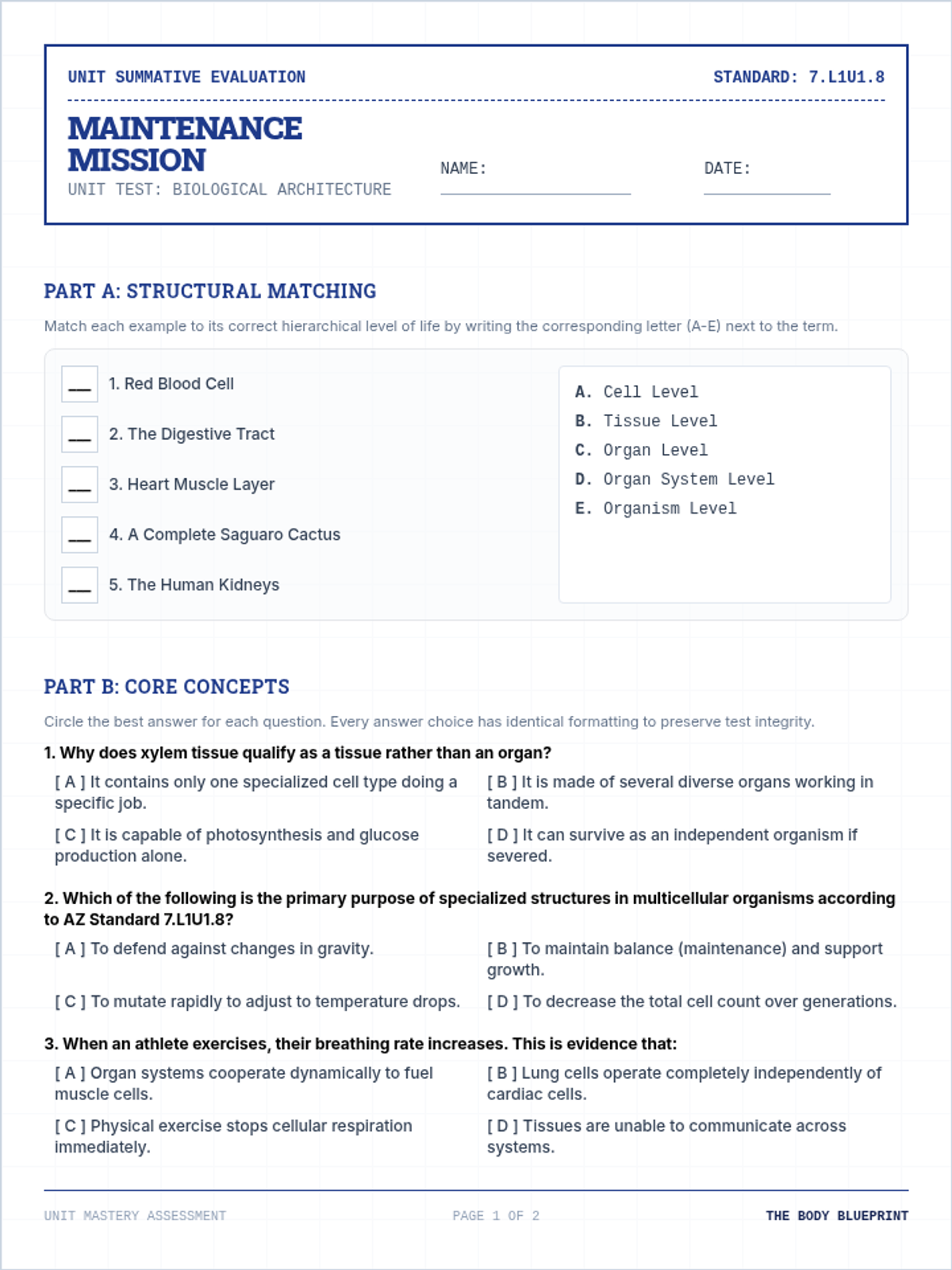
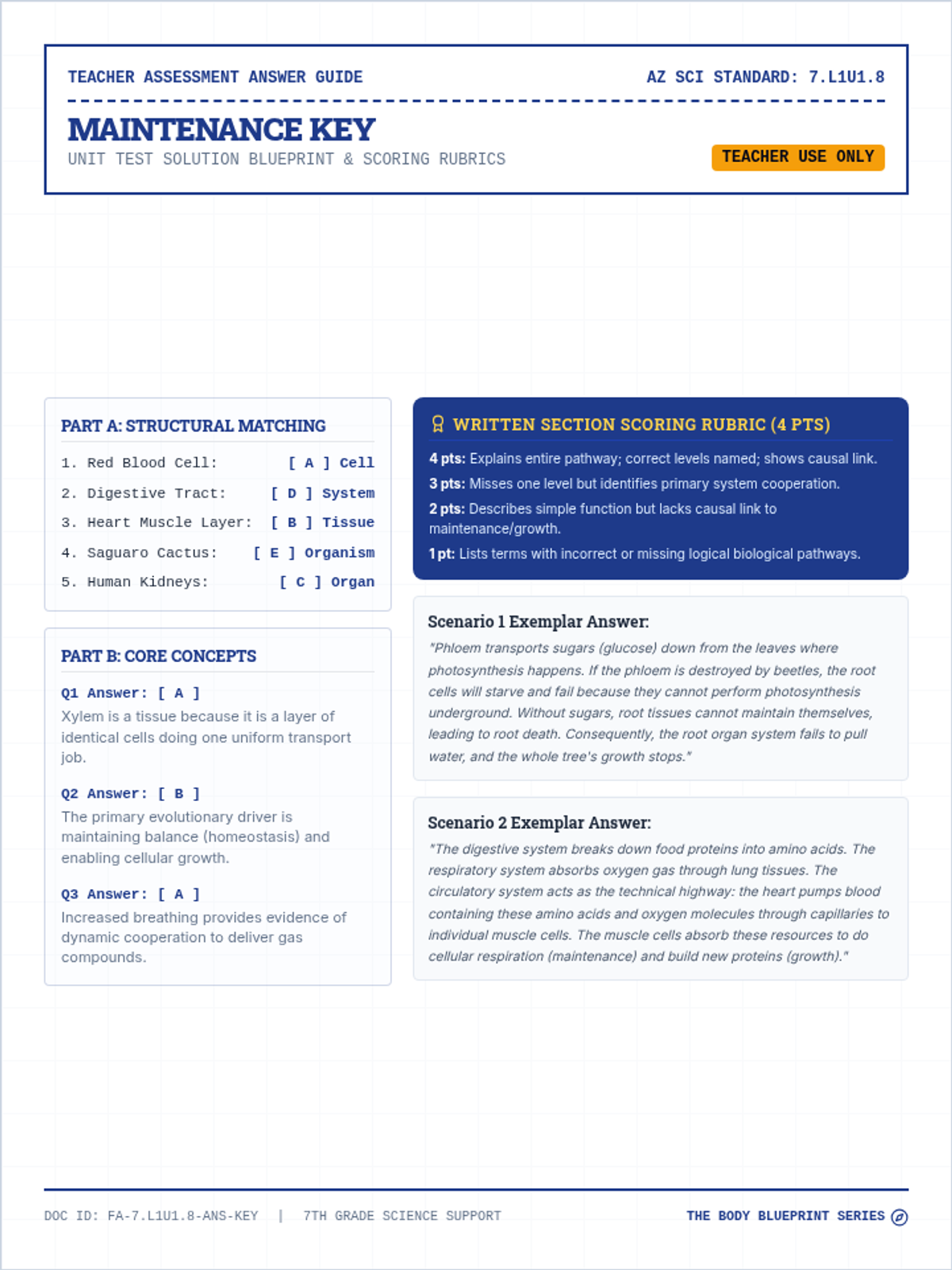
Synthesize understanding of physical structures and their maintenance functions through a comprehensive unit assessment and system-interdependence challenge.
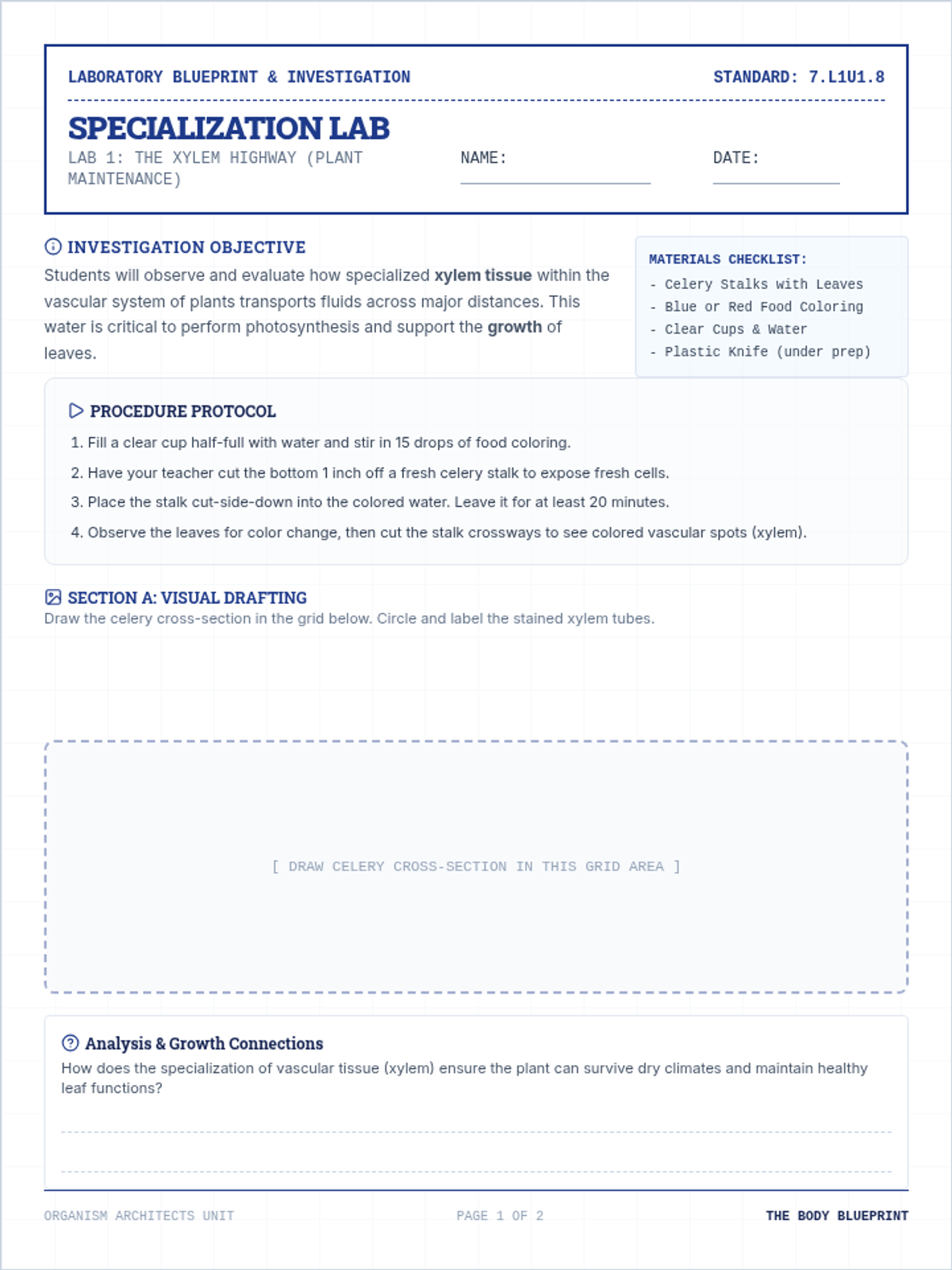
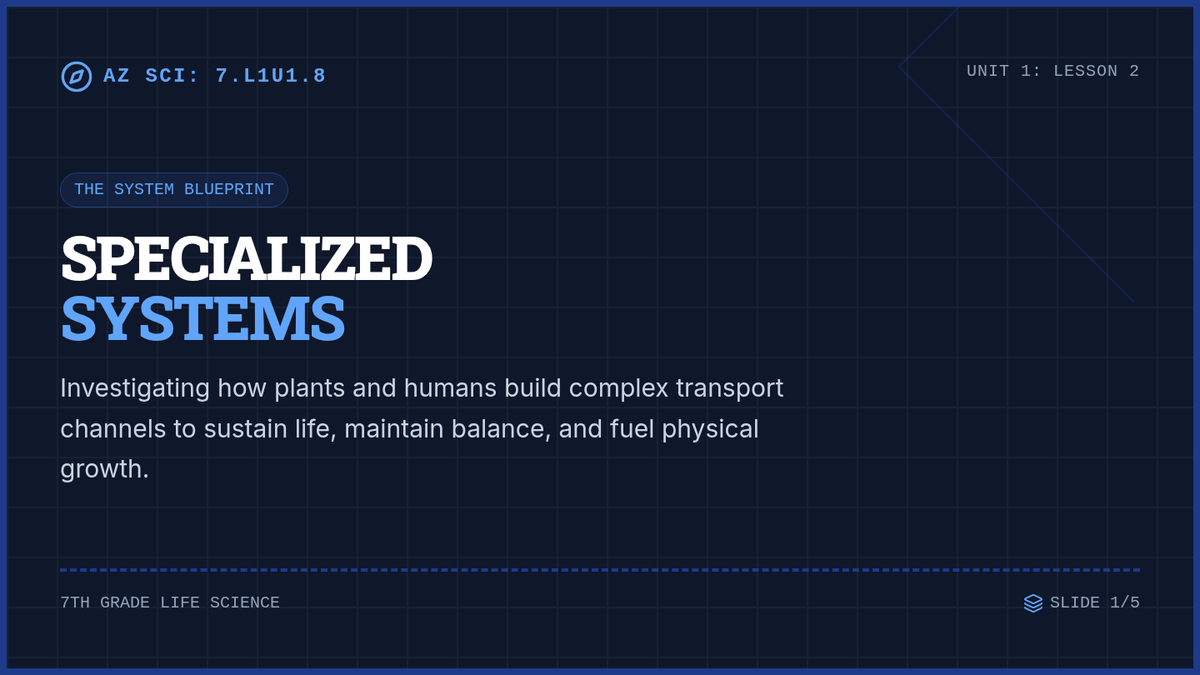
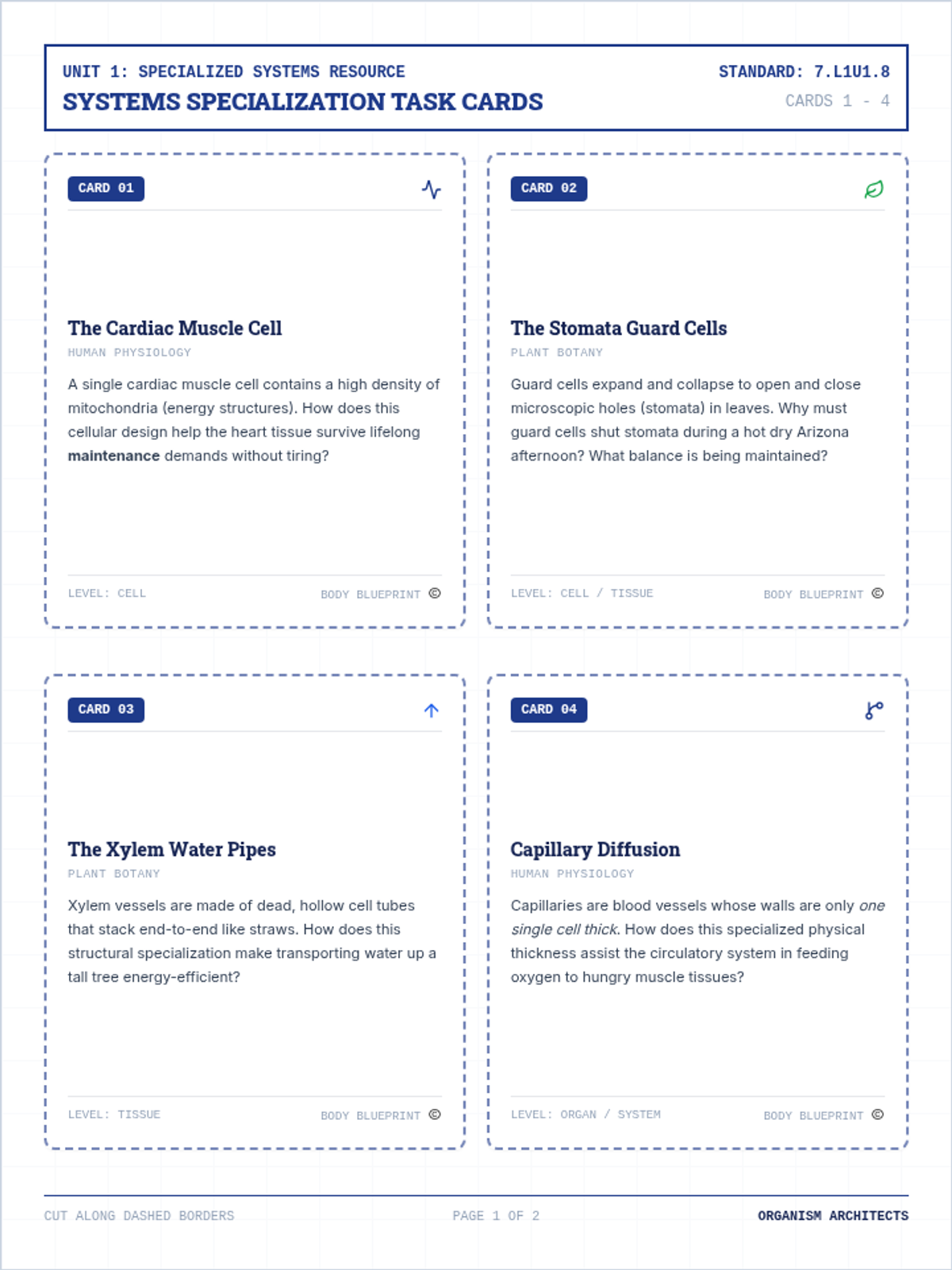
An in-depth comparative exploration of how specialized human and plant structures—such as the circulatory/digestive systems and vascular tissues—work to maintain homeostasis and promote growth.
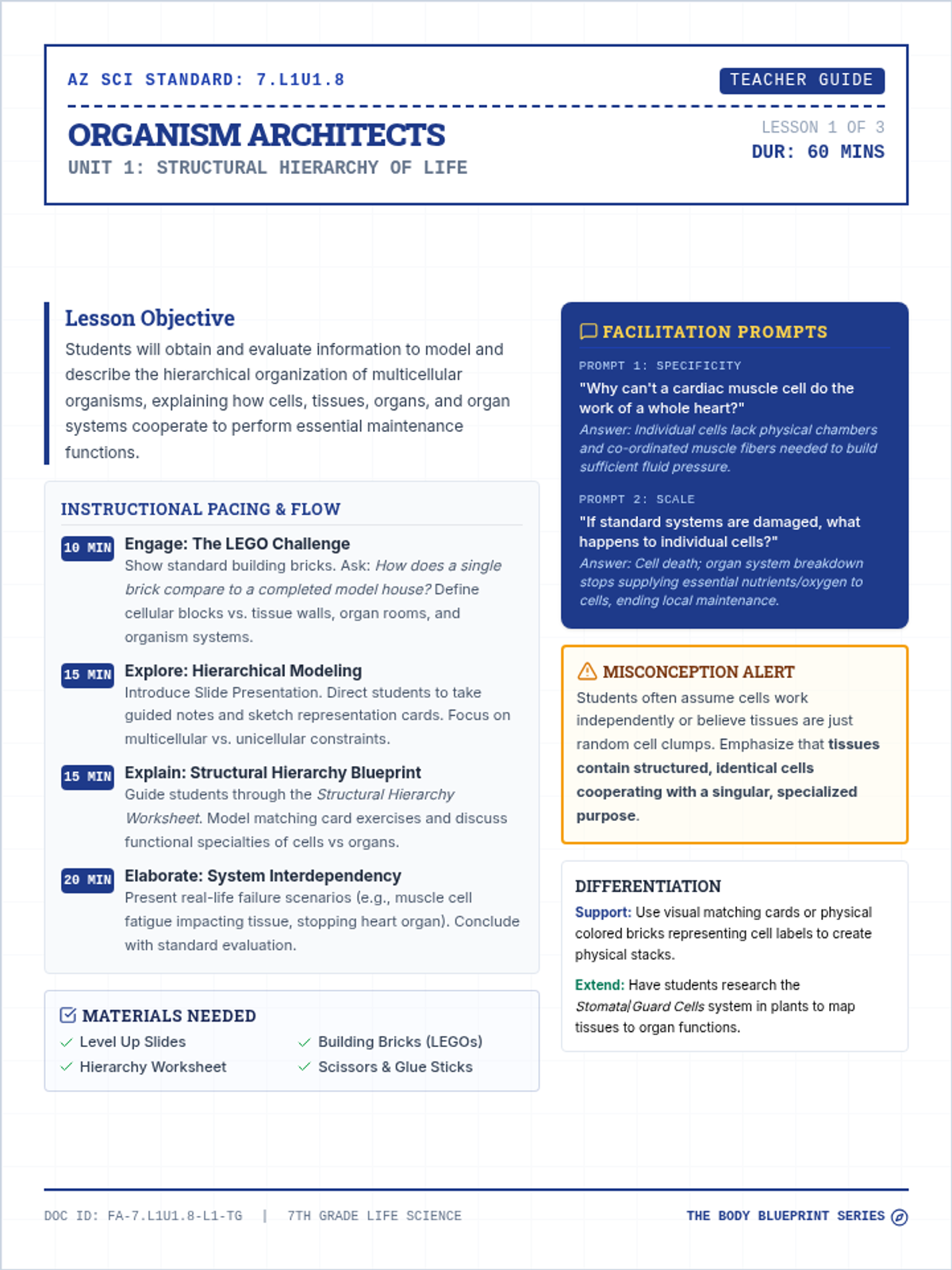
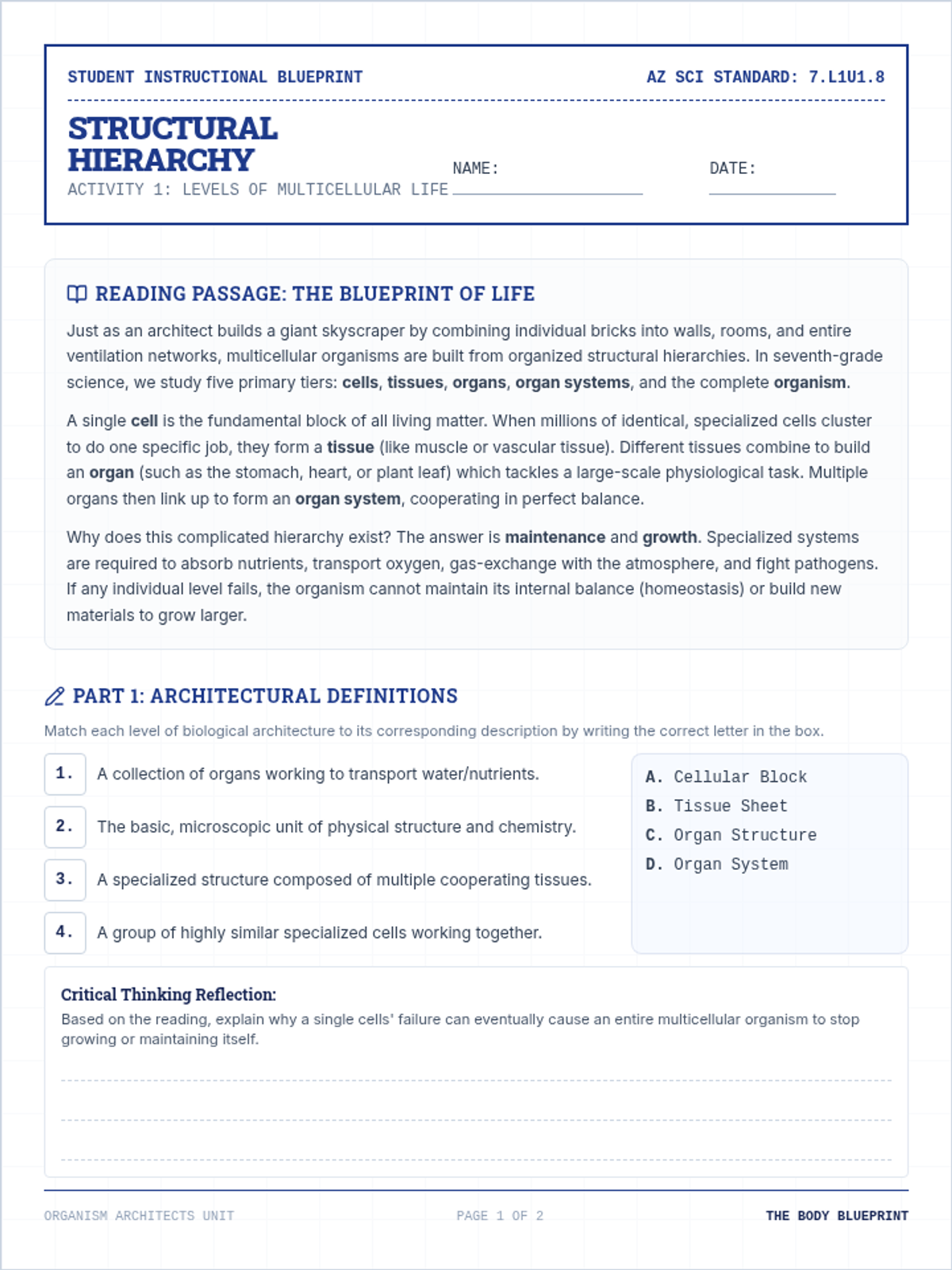
Students discover how cells, tissues, organs, and organ systems form a hierarchical structural design in multicellular organisms, behaving like individual building blocks that combine into functional structures.
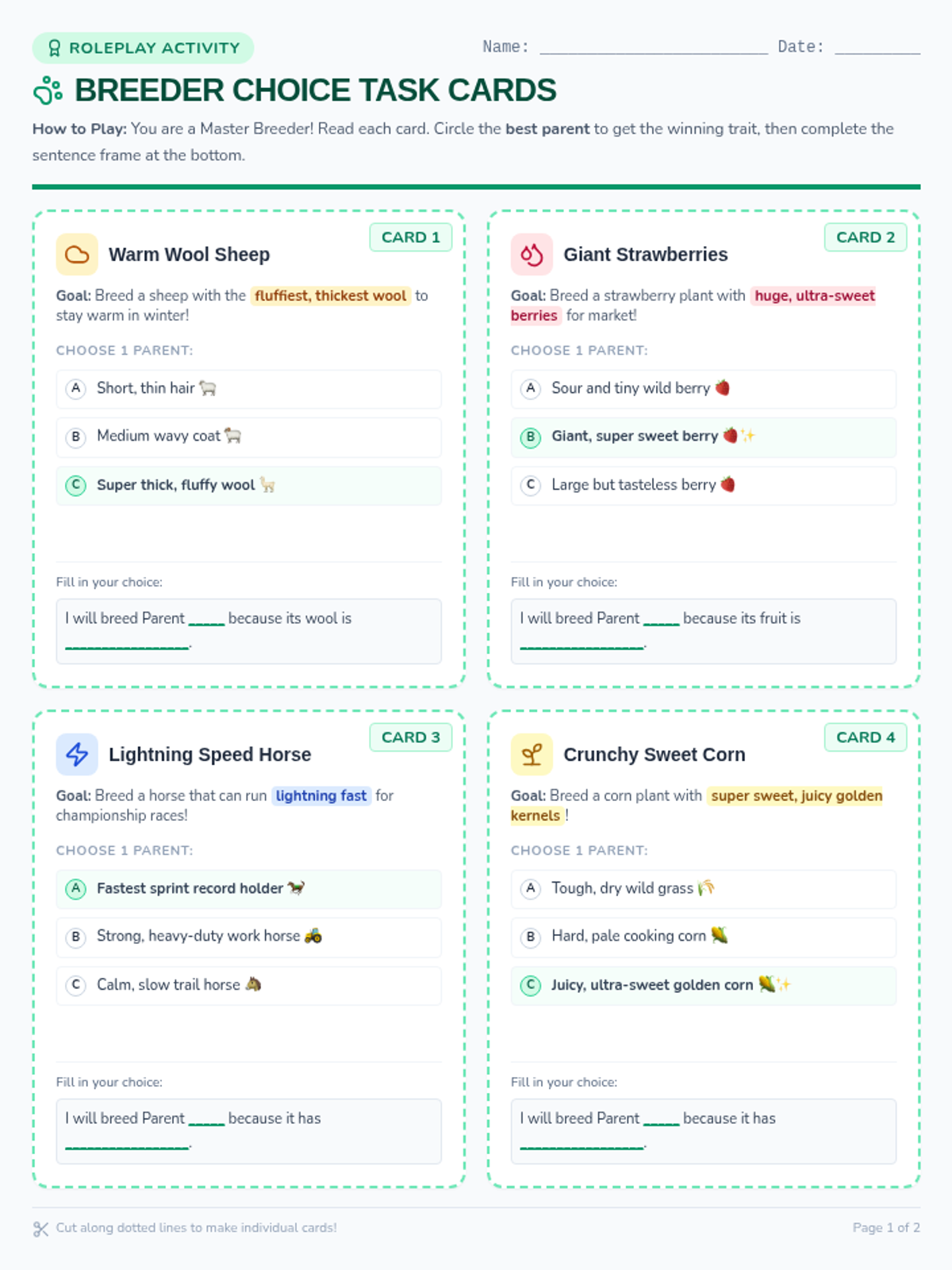
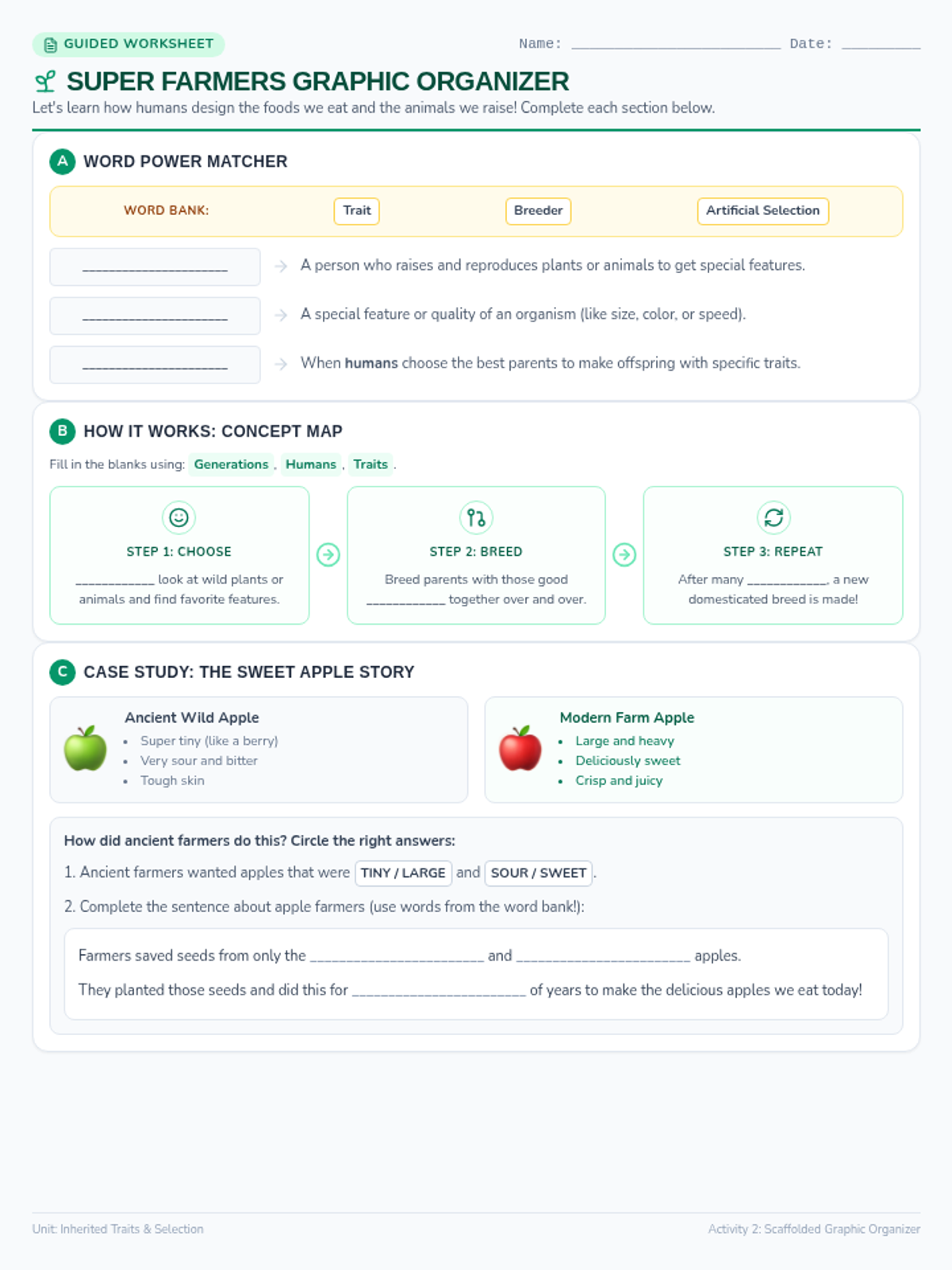
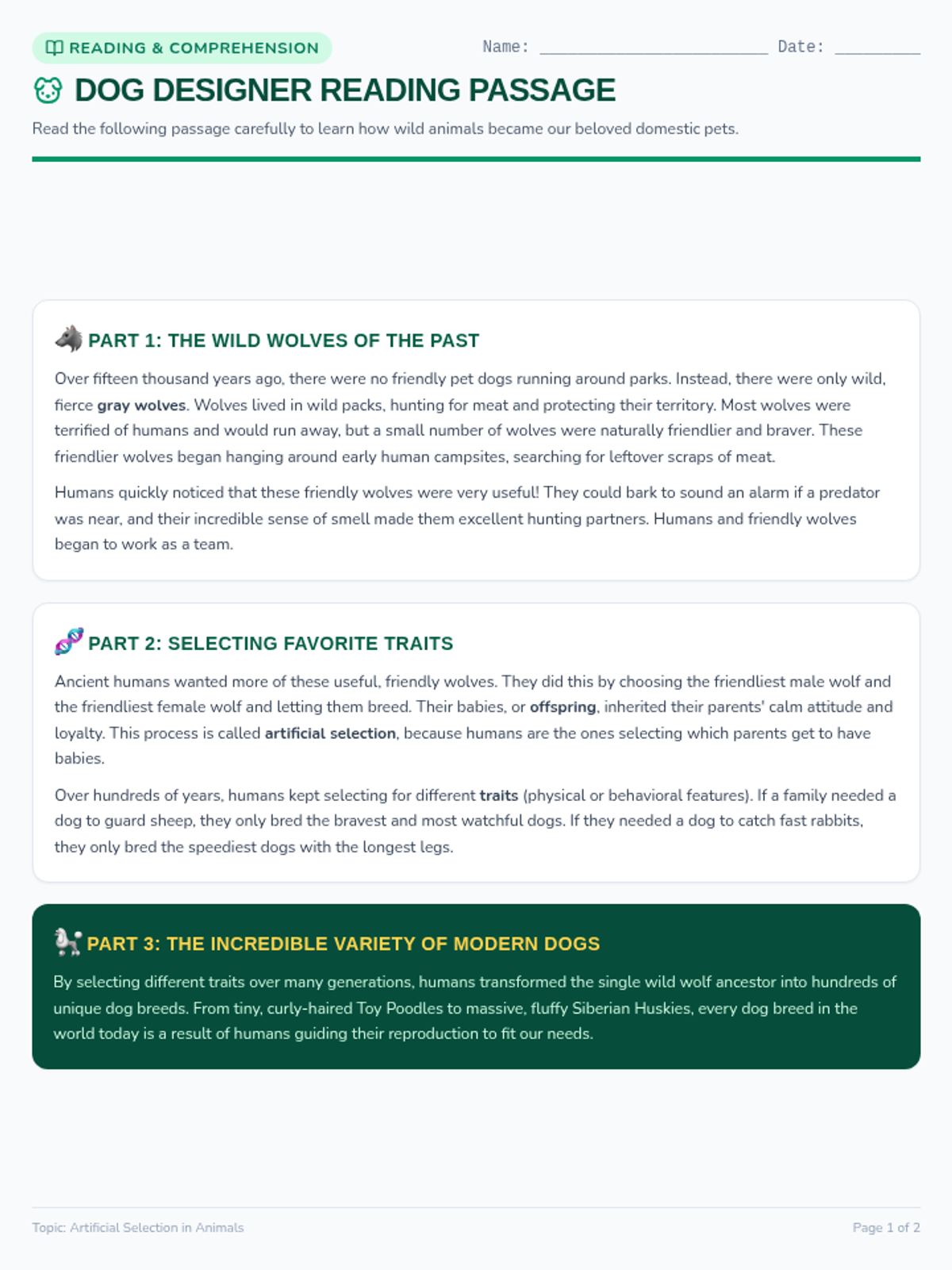
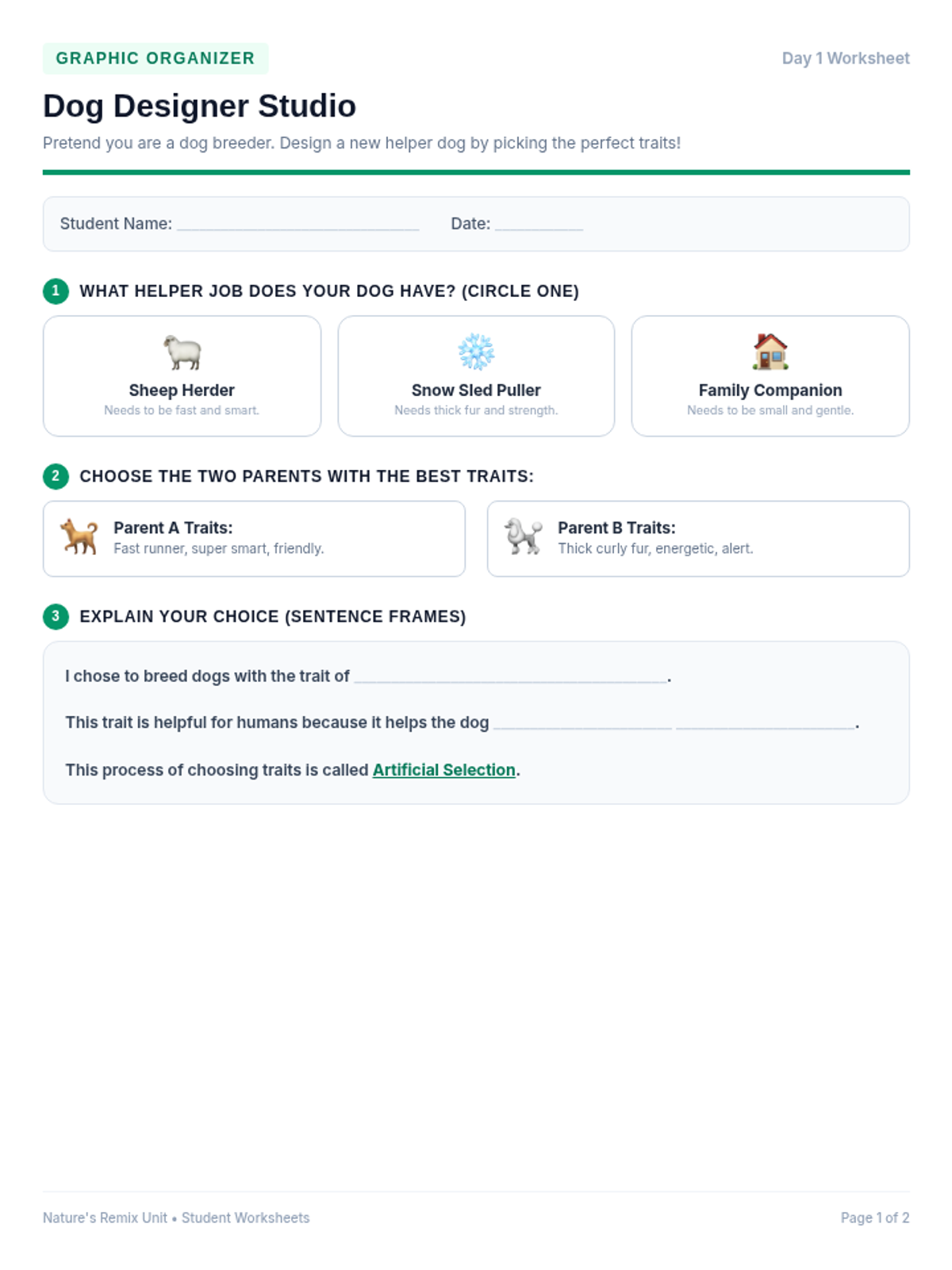
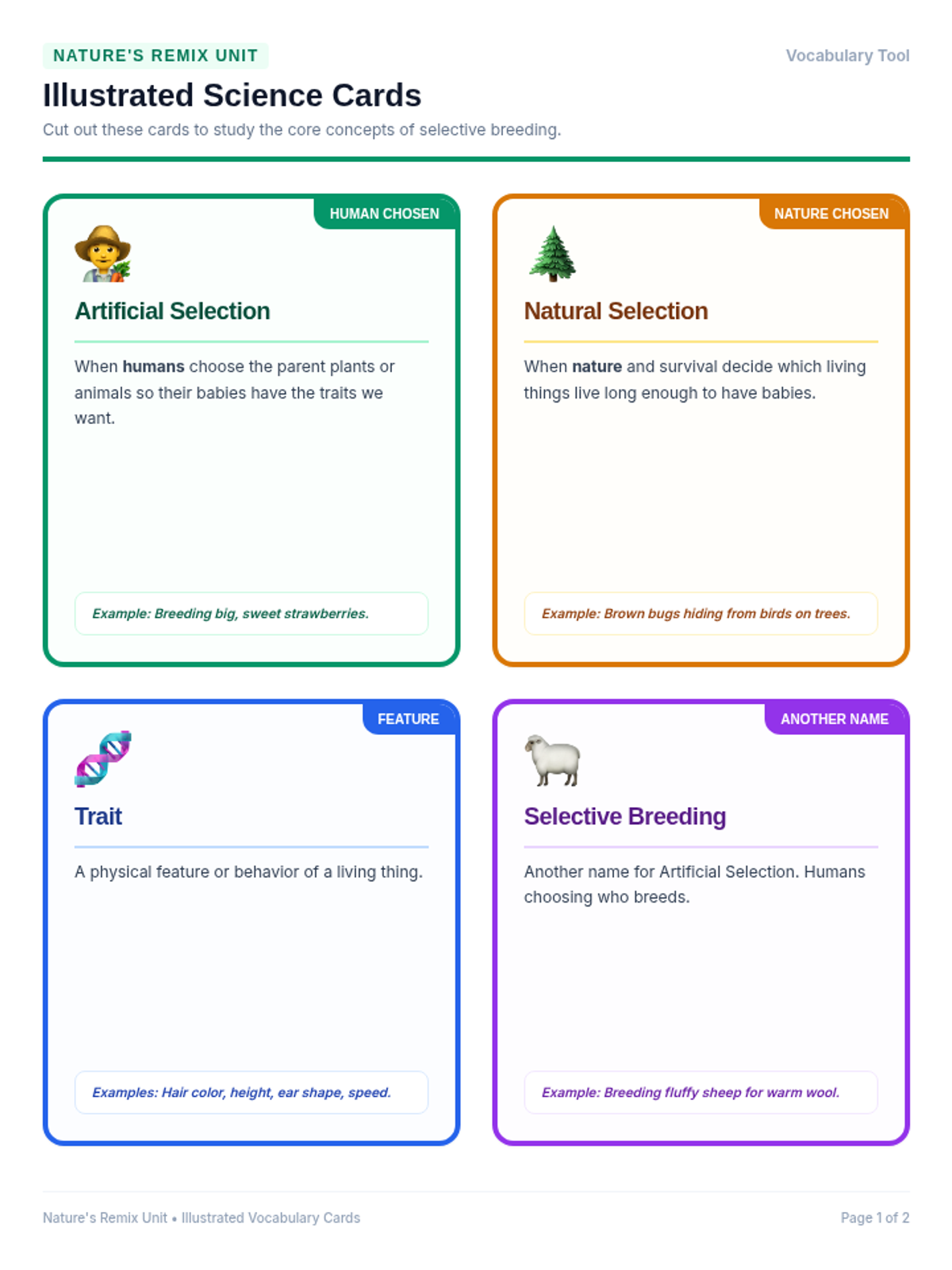
A hands-on, highly visual lesson where students explore artificial selection by roleplaying as breeders and farmers. Students analyze traits in dogs, crops, and livestock using scaffolded organizers, visual task cards, and matching tasks.
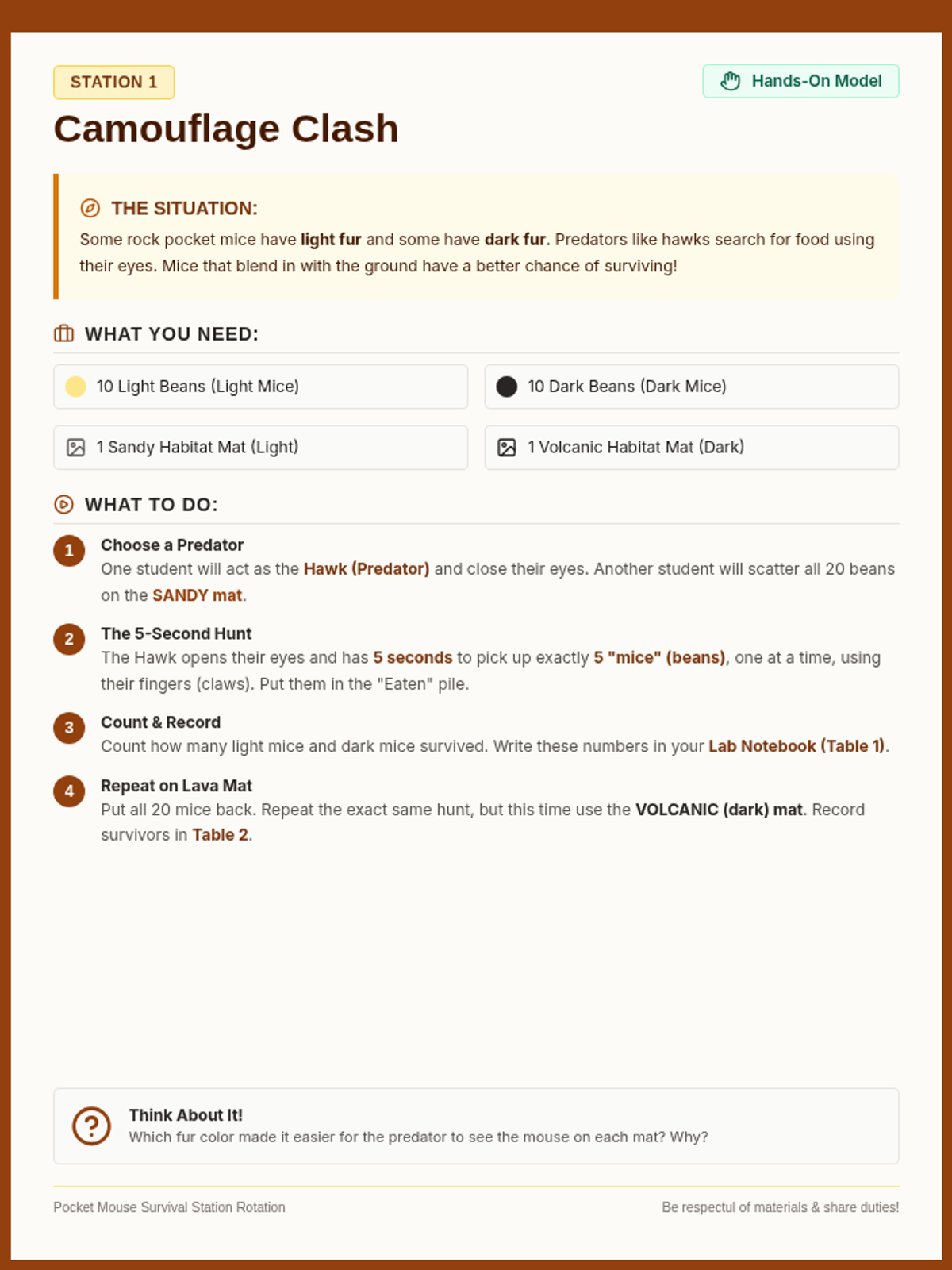
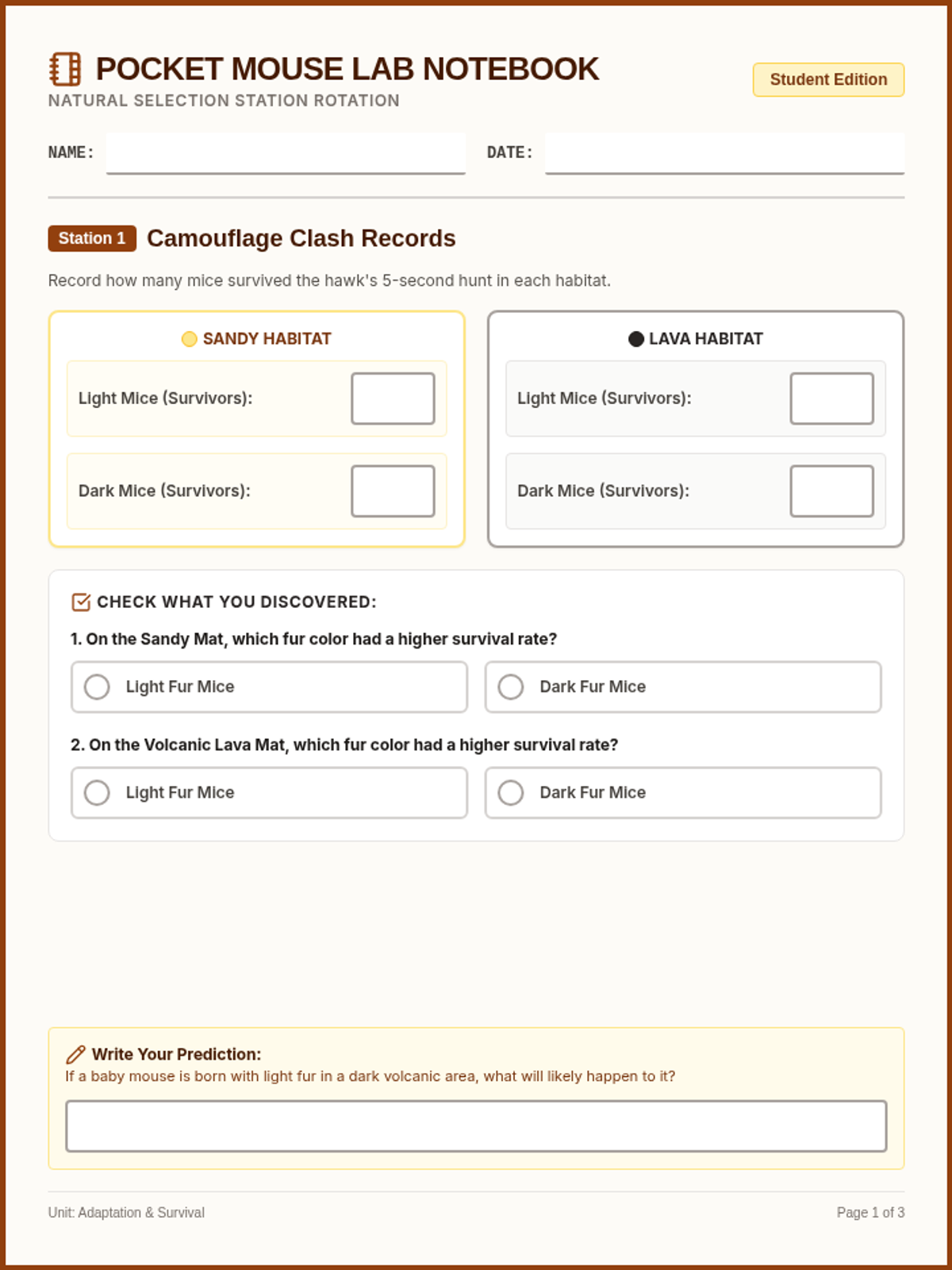
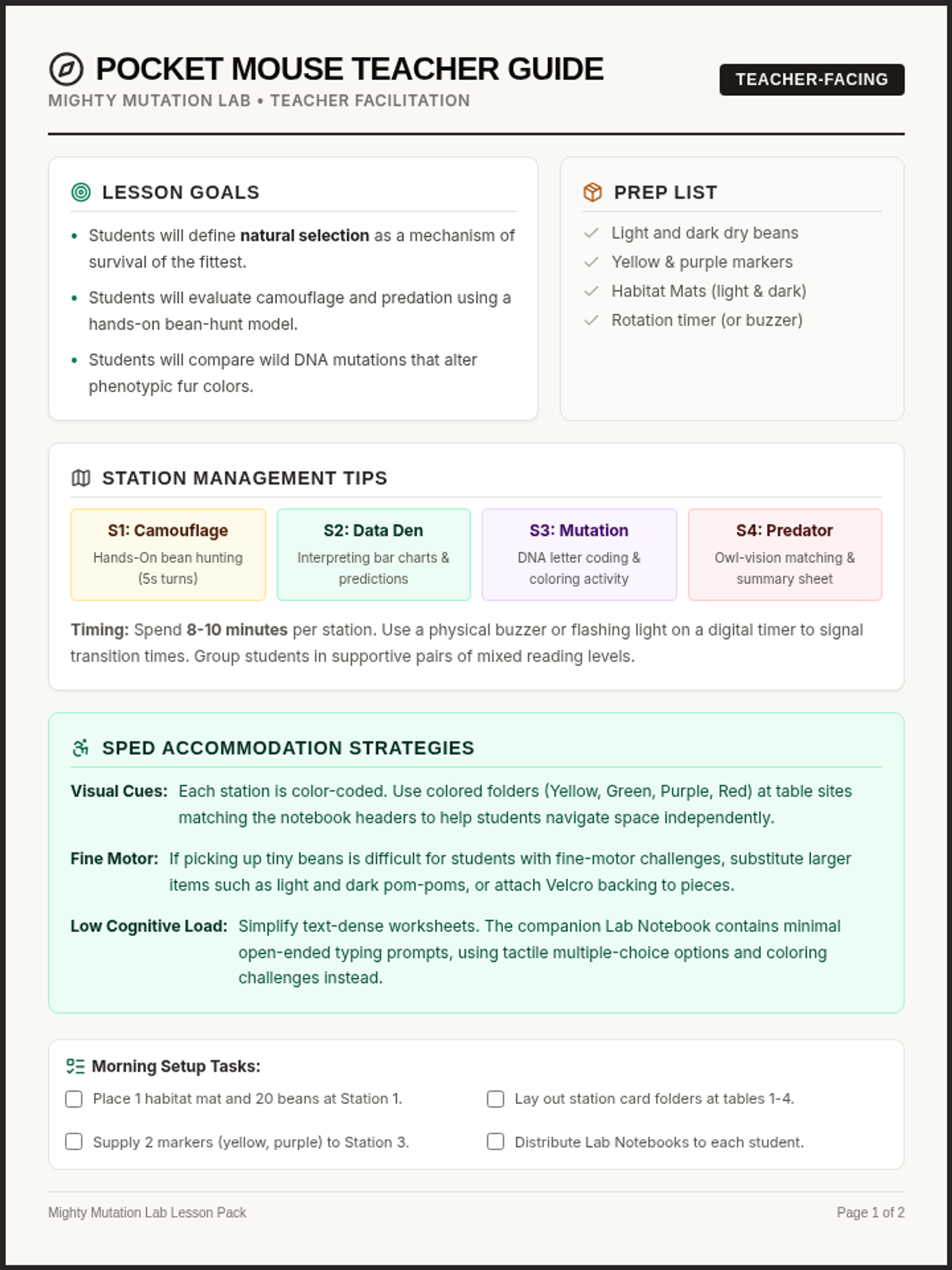
A Station Rotation Lab lesson focusing on natural selection and survival of the fittest using the real-world Rock Pocket Mouse scenario, designed to be high school special education friendly.
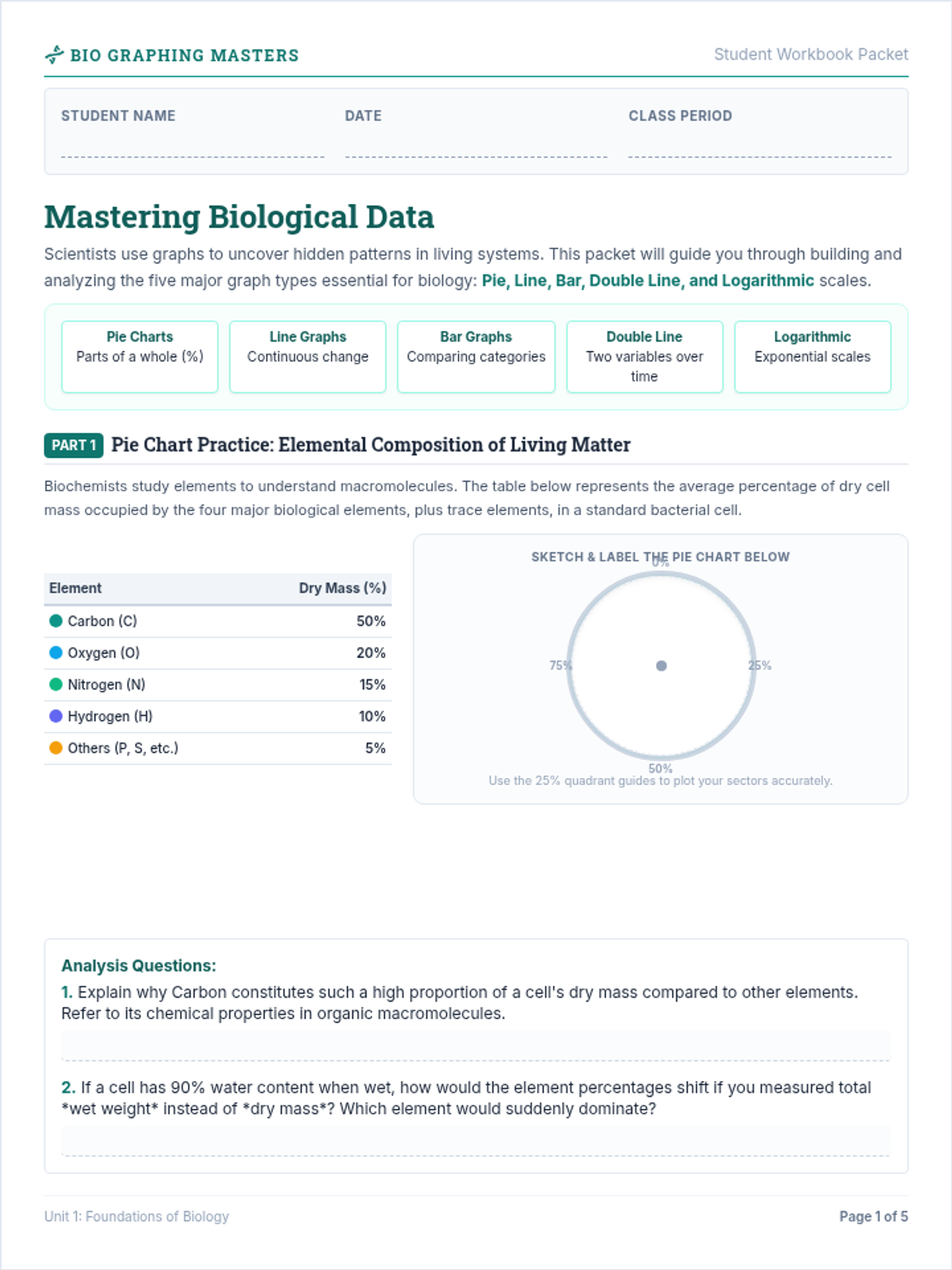
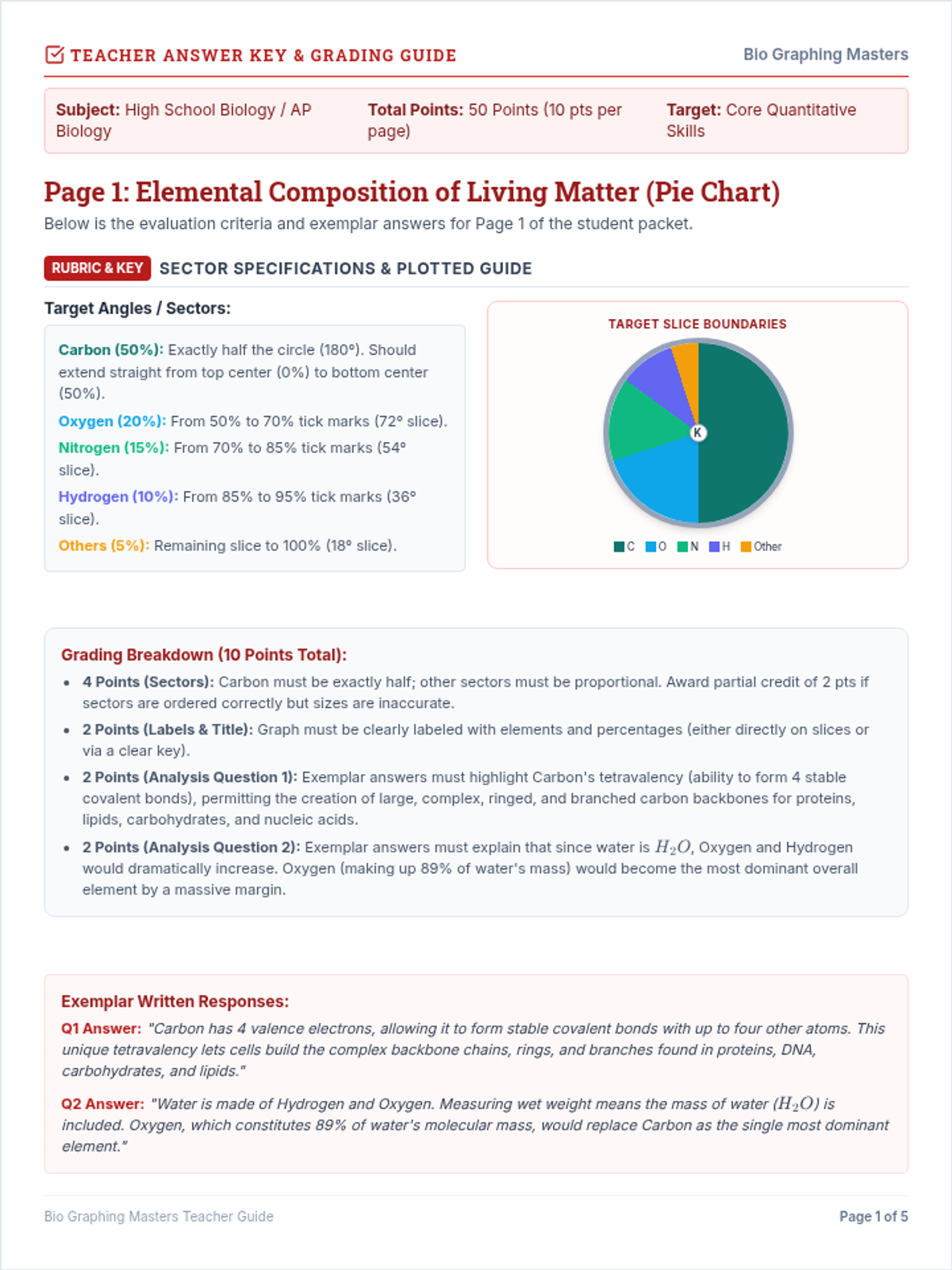
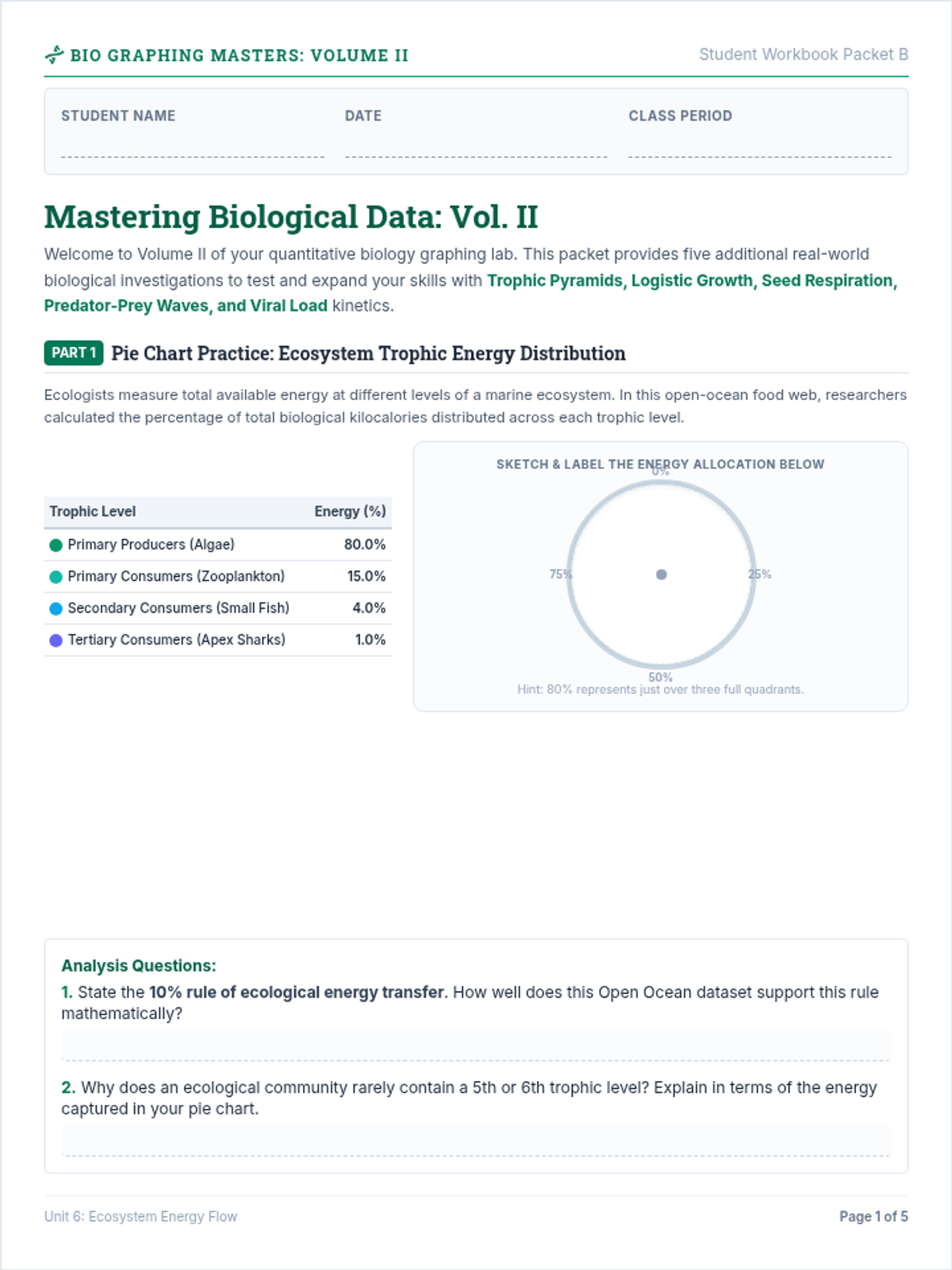
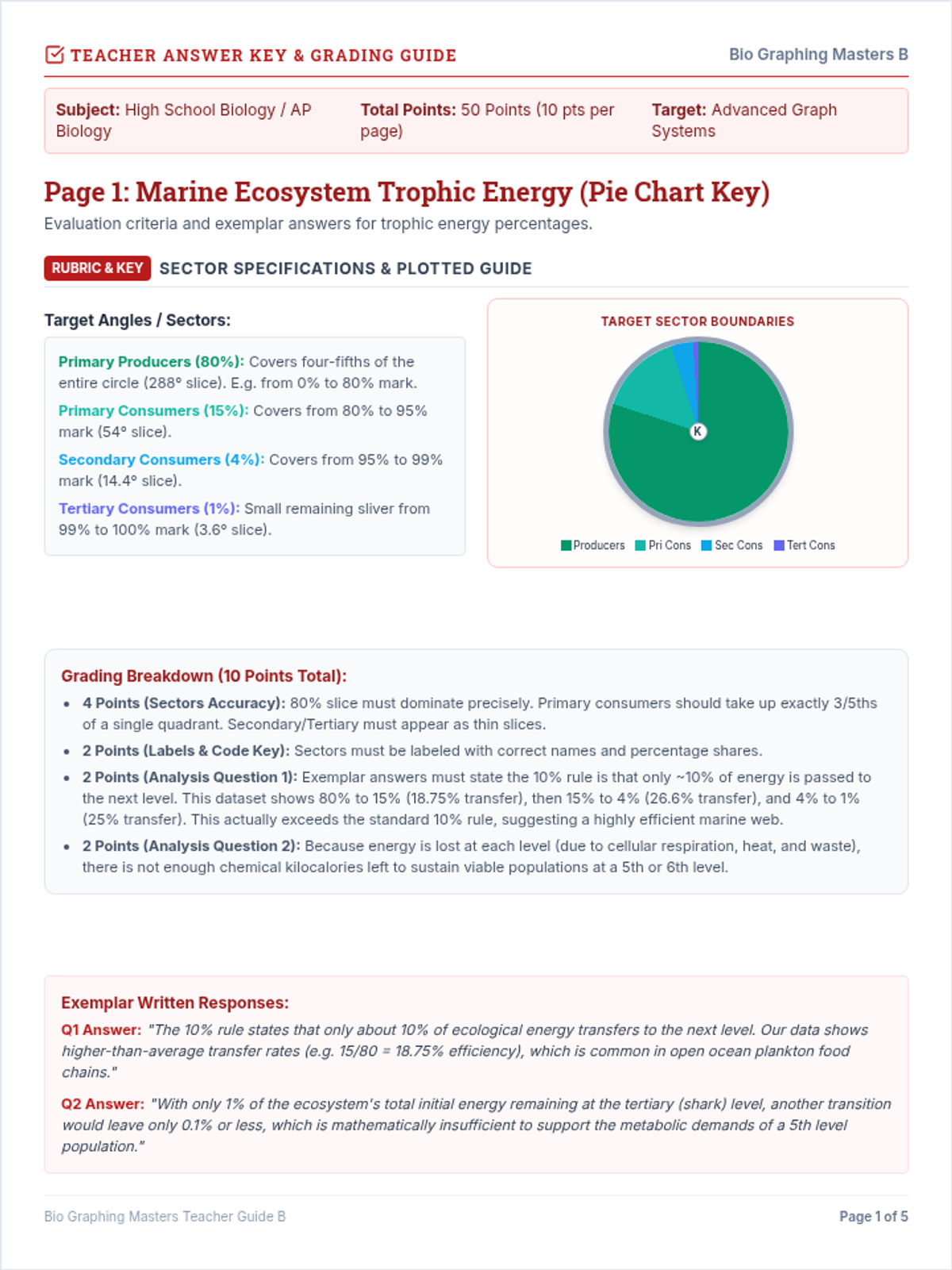
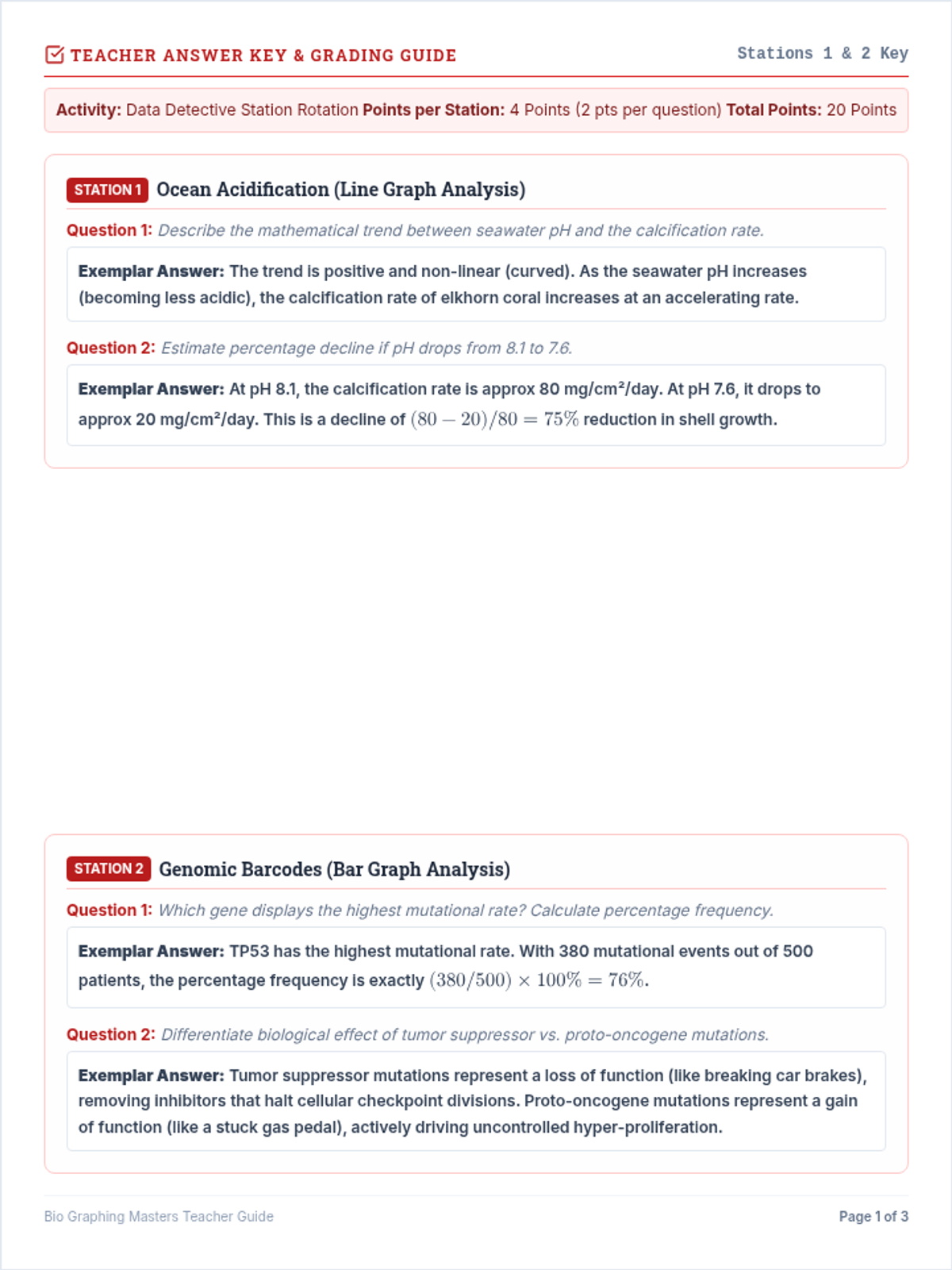
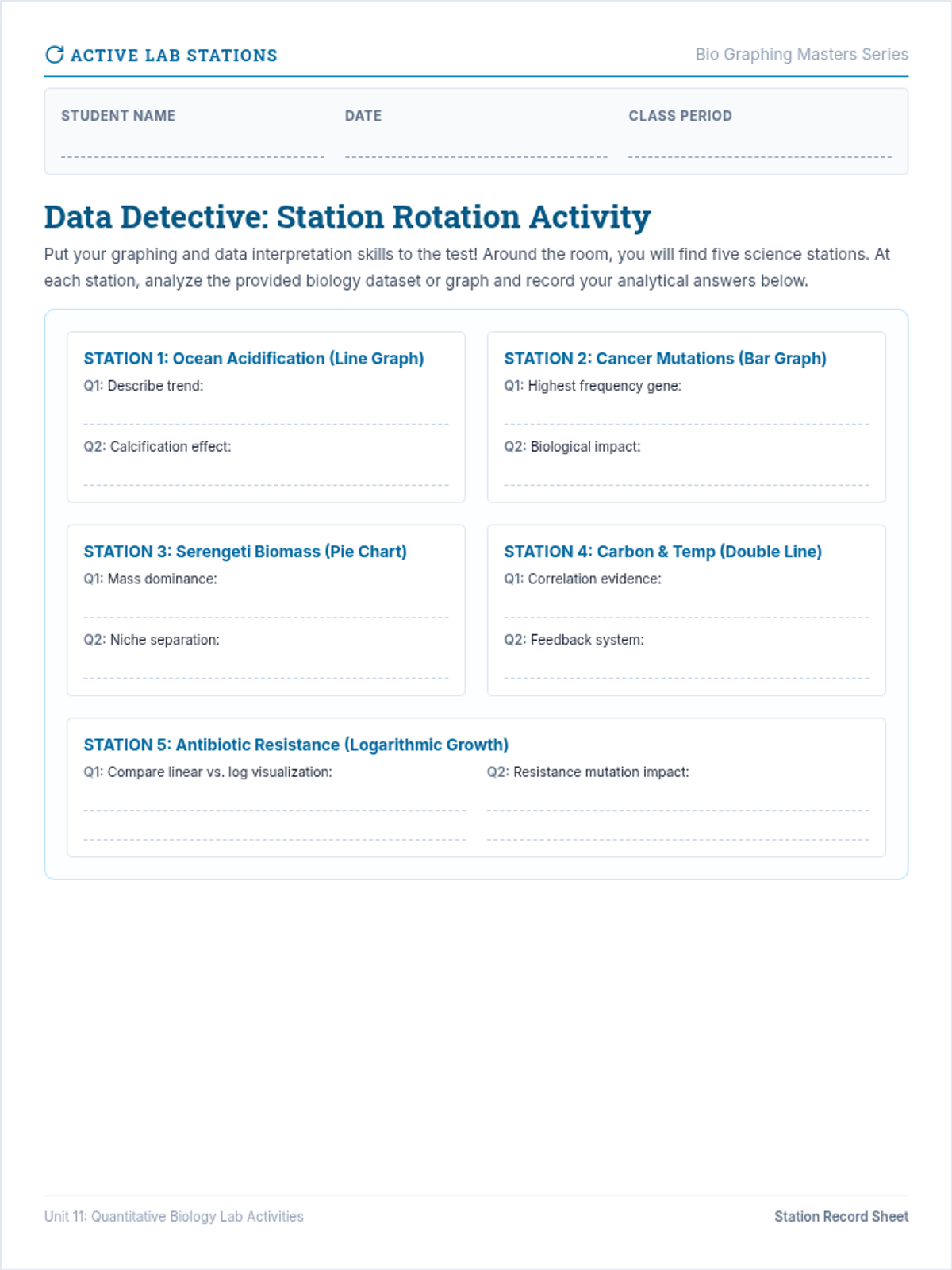
A comprehensive graphing skills lesson in biology. Students will learn how to parse, select, and construct five key graph types (pie, line, bar, double line, and logarithmic graphs) using authentic biological datasets.
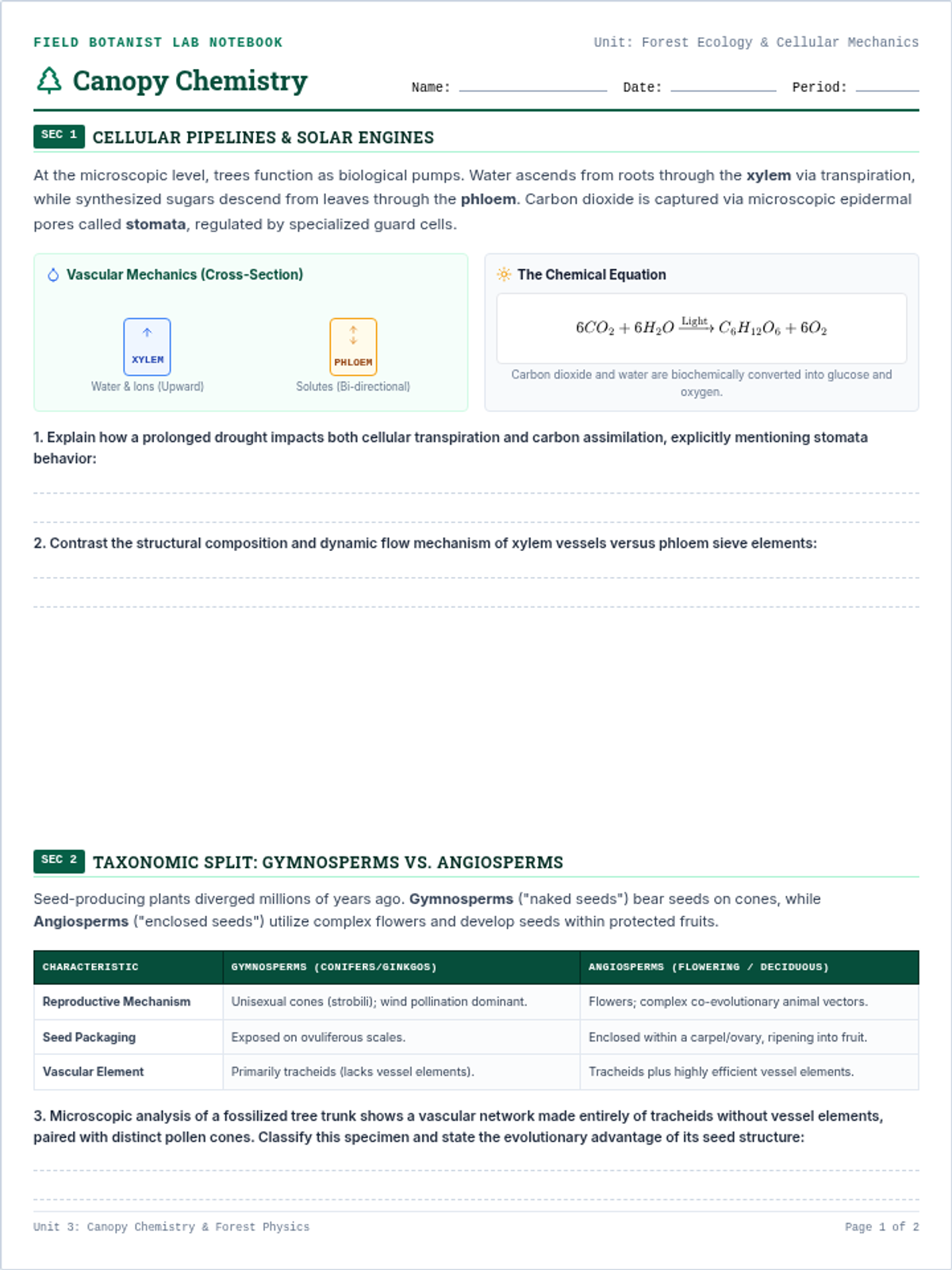
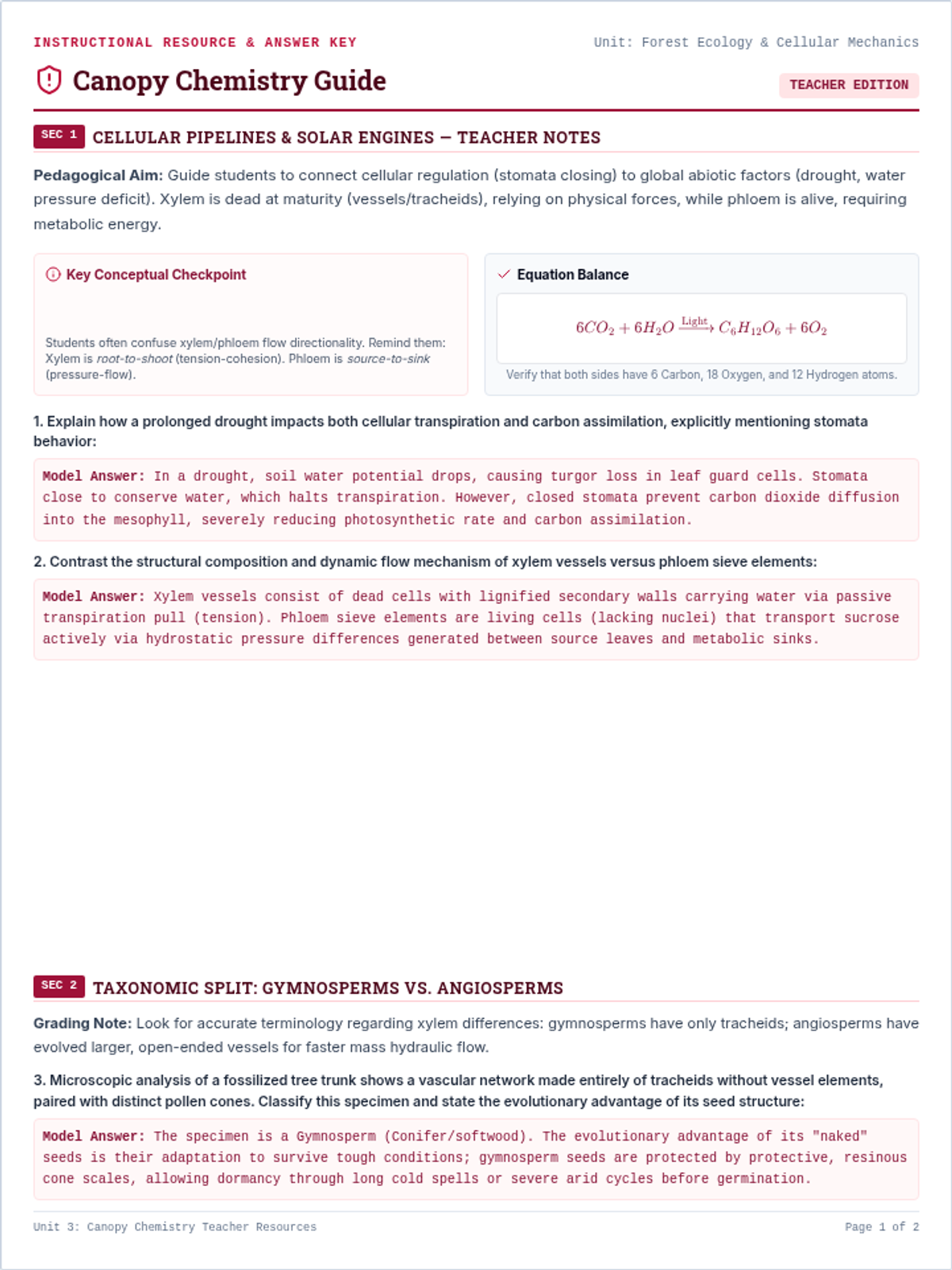
An in-depth investigation into the ecological, cellular, and evolutionary mechanics of trees. Students analyze carbon sequestration, vascular transport, angiosperm vs. gymnosperm taxonomy, and design conservation strategies.
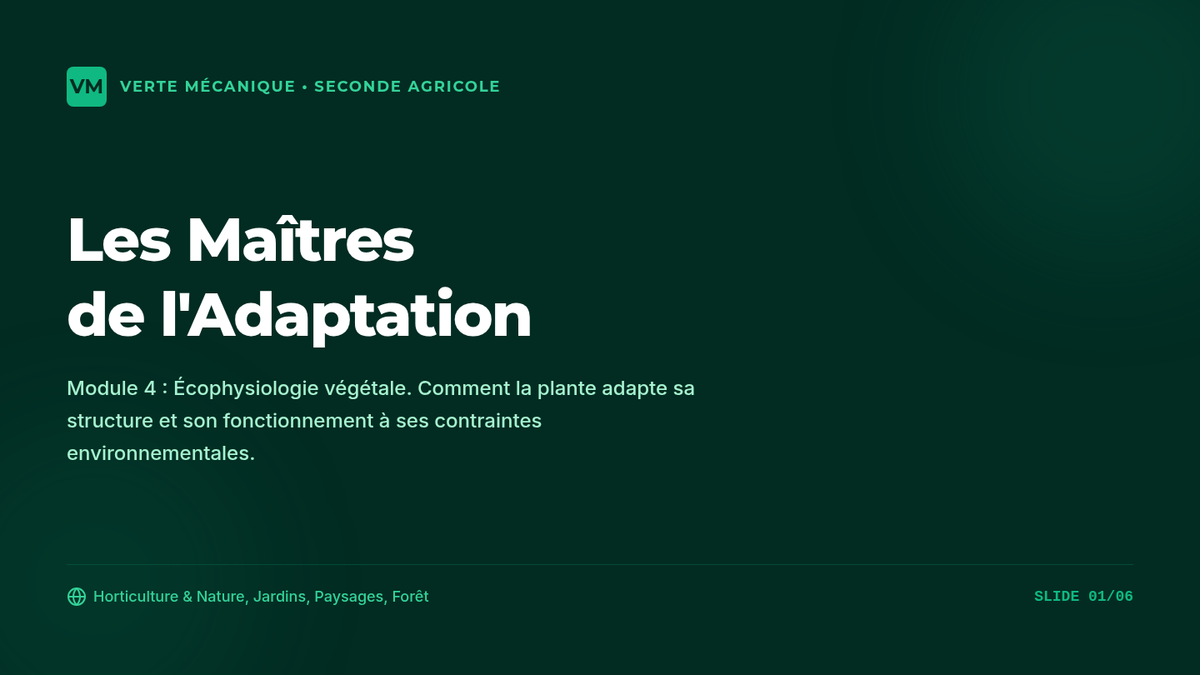
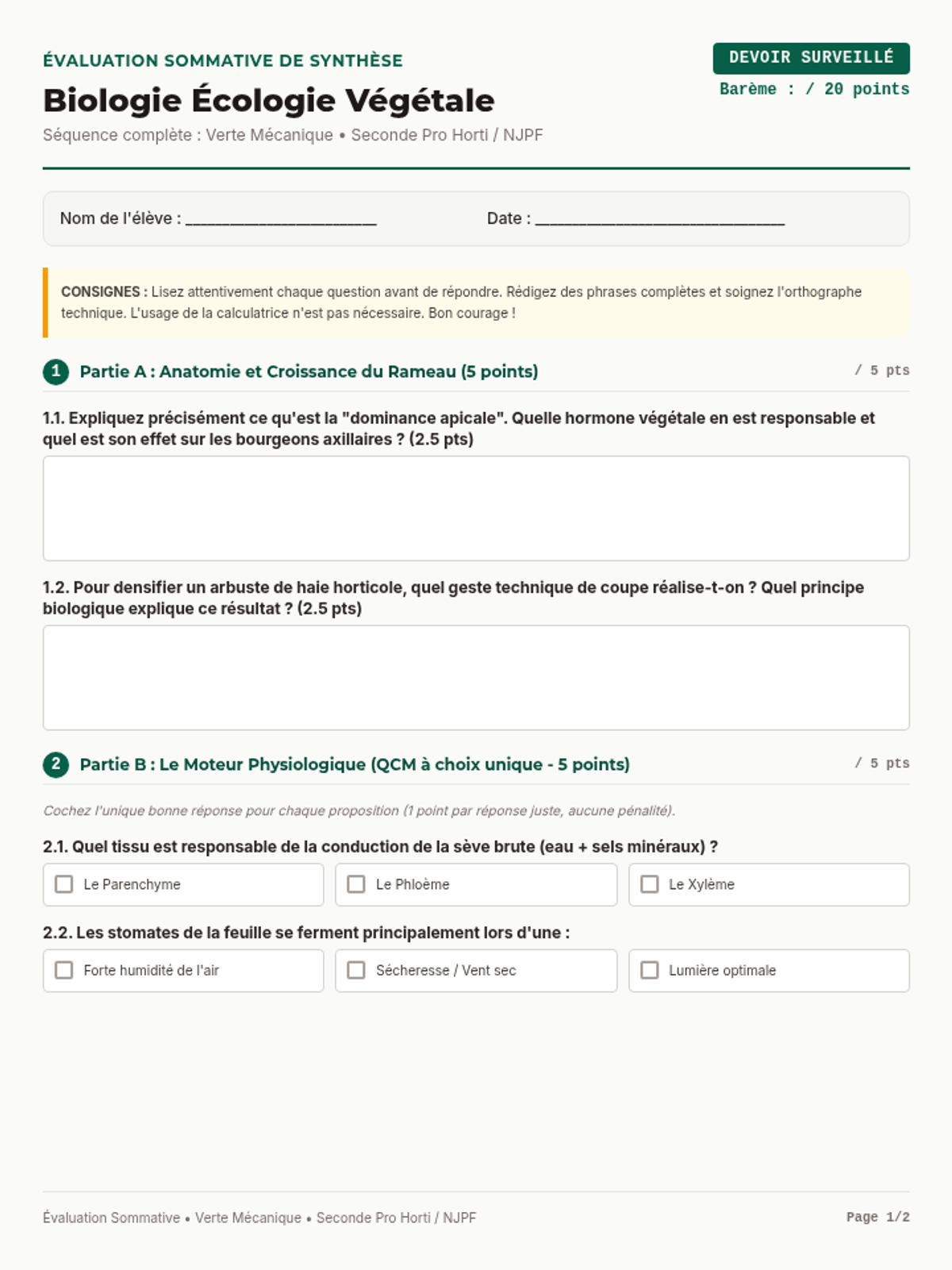
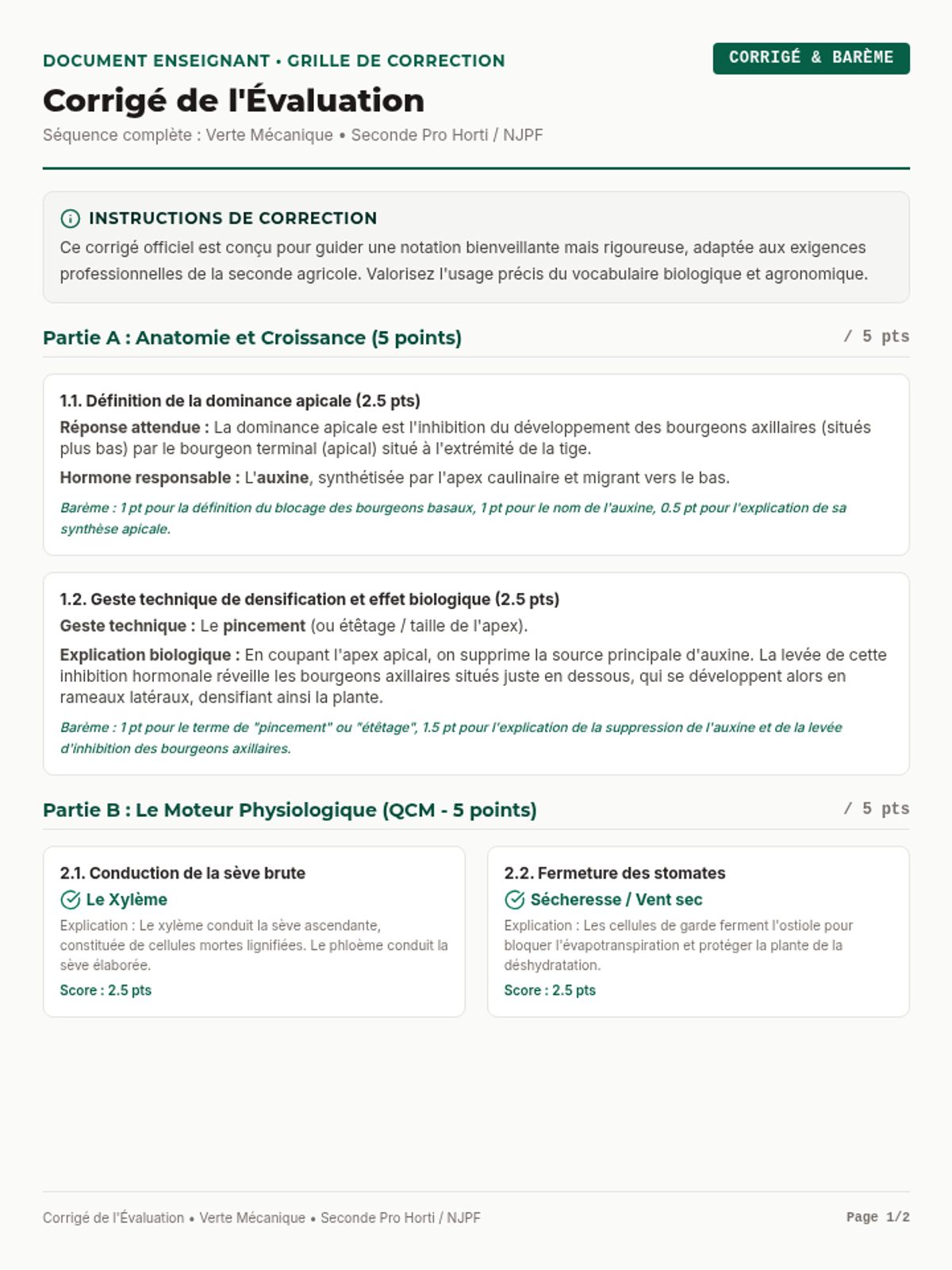
Étude de l'écophysiologie végétale, de la classification et des critères de reconnaissance des végétaux. Ce module montre comment les plantes s'adaptent aux contraintes environnementales (stress hydrique, sol, climat) et comment ces connaissances guident les choix professionnels d'aménagement et de culture.
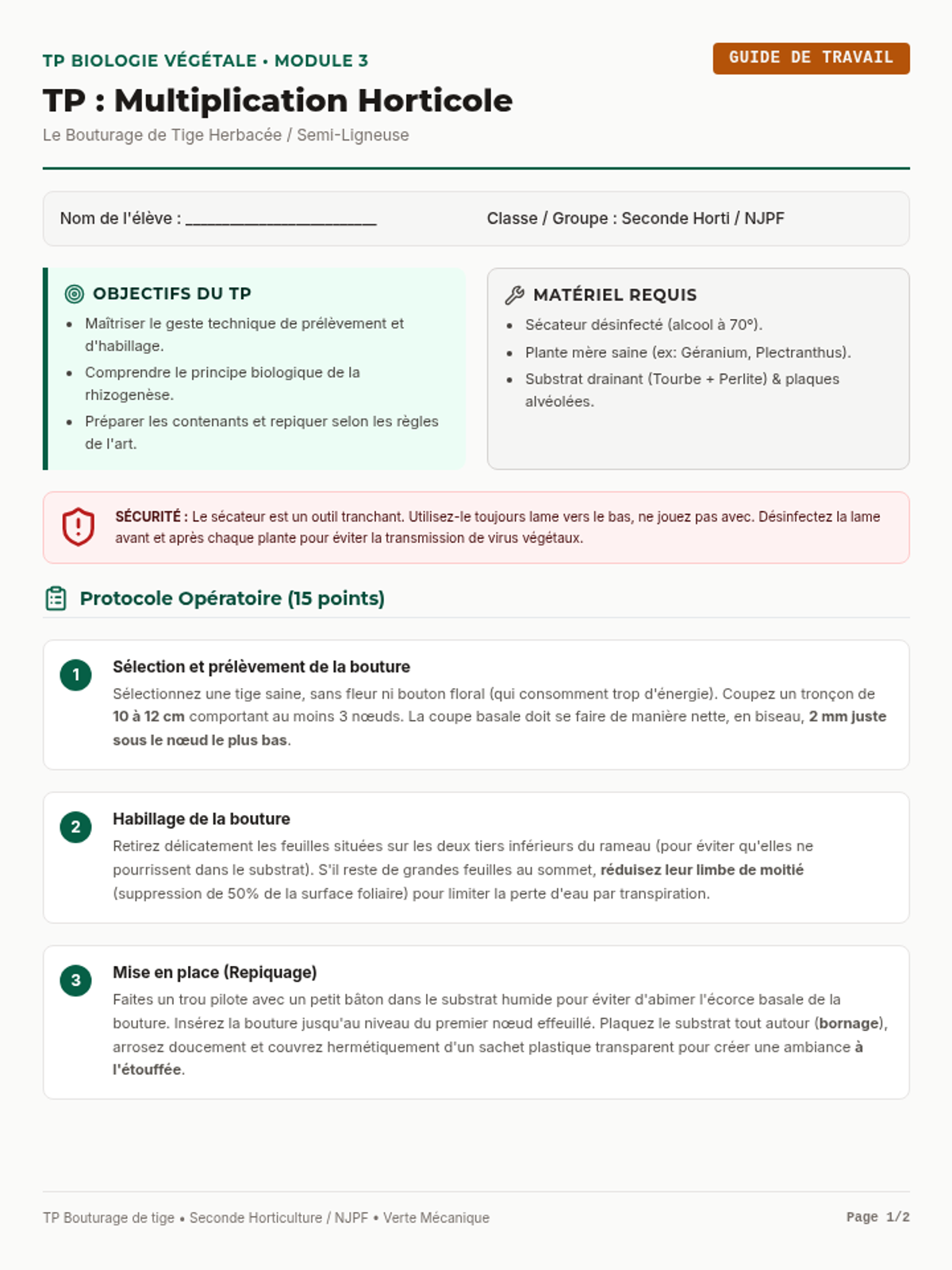
Approche de la biologie de la reproduction végétale (fleur, graines, pollinisation) et des techniques de multiplication horticole. Les élèves étudient l'anatomie florale, les cycles de développement et pratiquent des gestes techniques professionnels (bouturage, greffage).
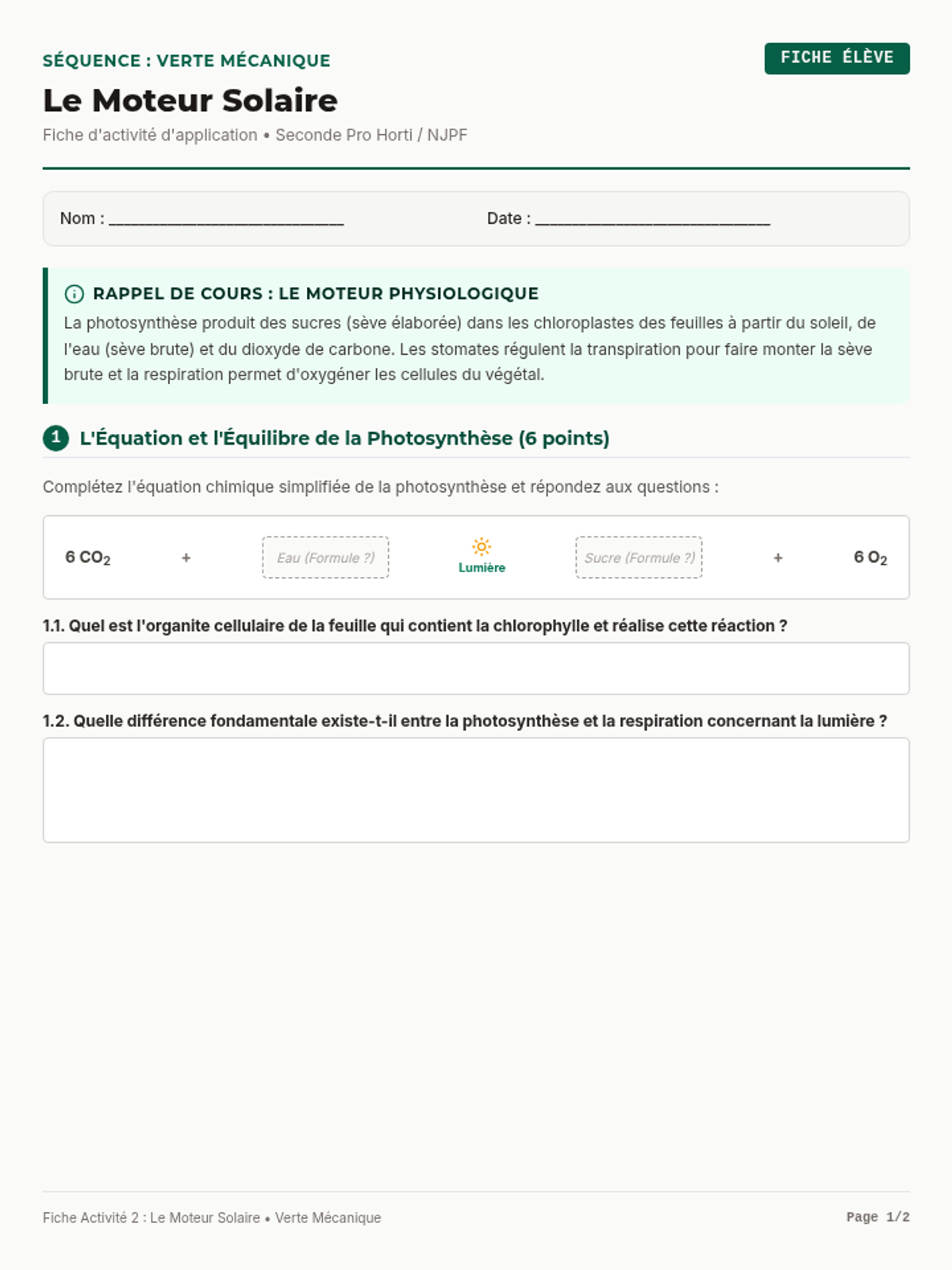
Exploration de la physiologie et de la nutrition végétale. Ce chapitre analyse le processus de photosynthèse, la respiration cellulaire, la transpiration foliaire, l'absorption de l'eau et des minéraux par les racines et la double circulation des sèves.
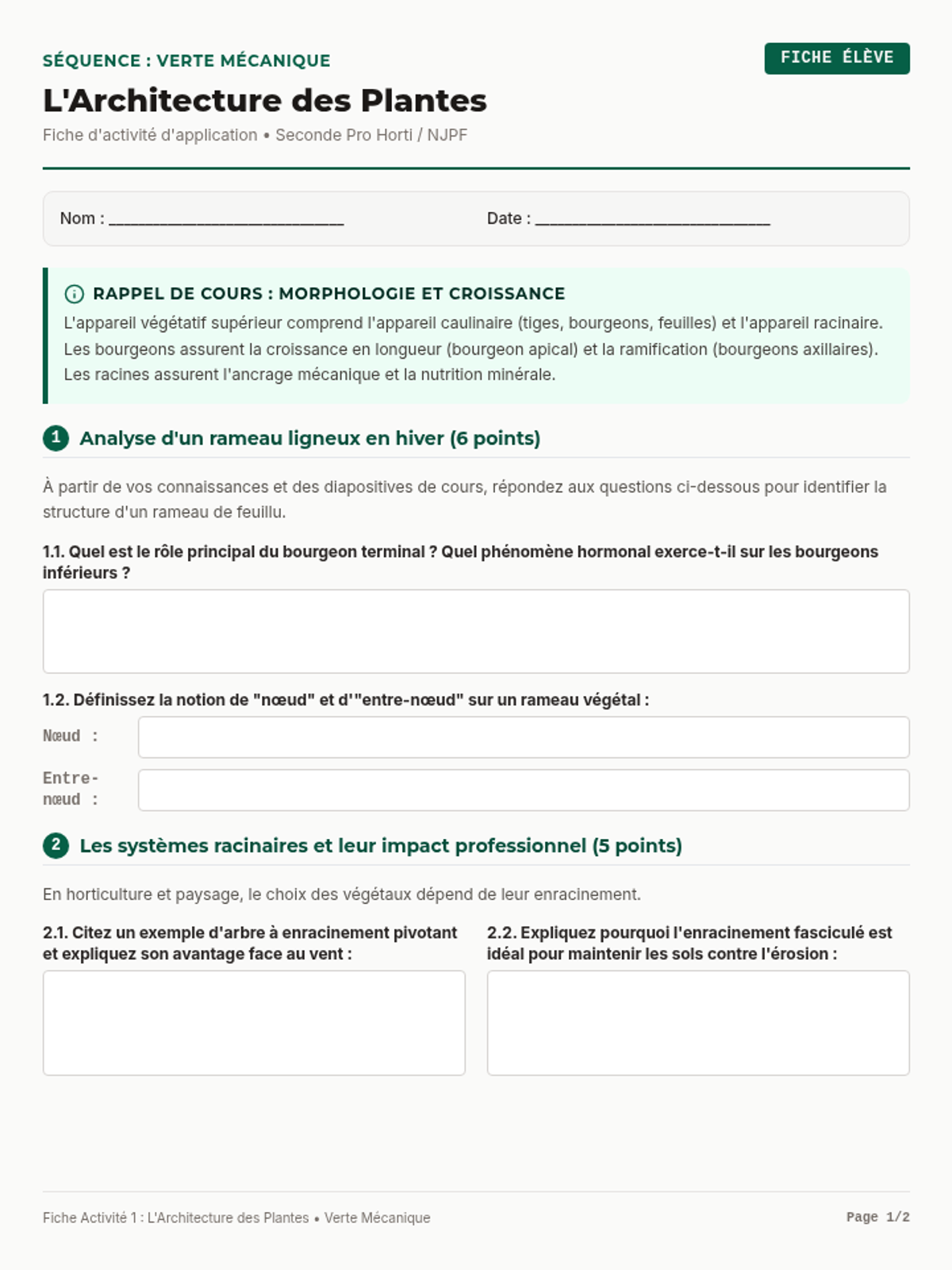
Étude de l'anatomie et de la morphologie des plantes horticoles et forestières. Les élèves apprennent à identifier les organes principaux (racines, tiges, feuilles, bourgeons), la structure des tissus végétaux et leur importance pour les pratiques professionnelles de taille et d'entretien.
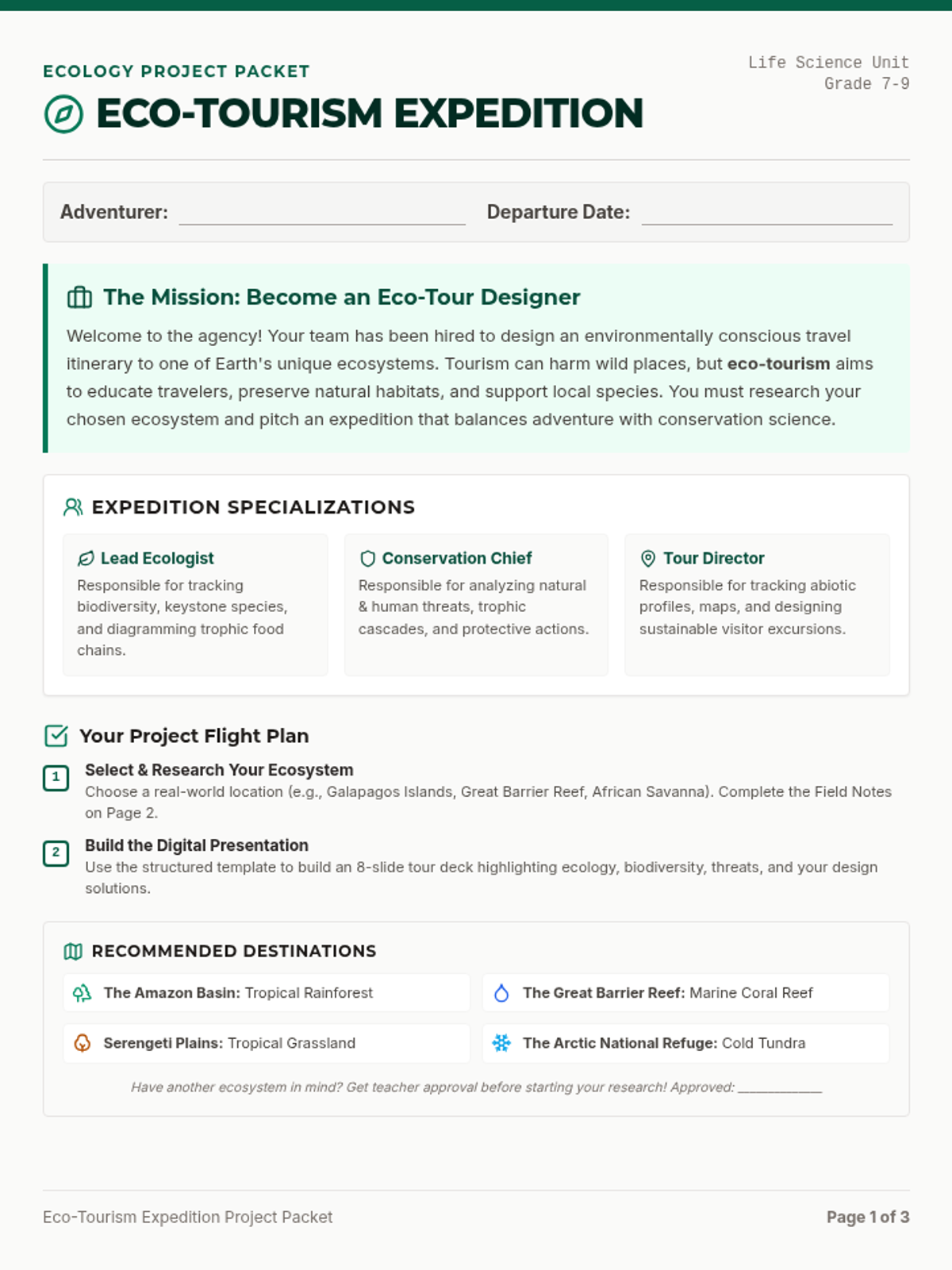
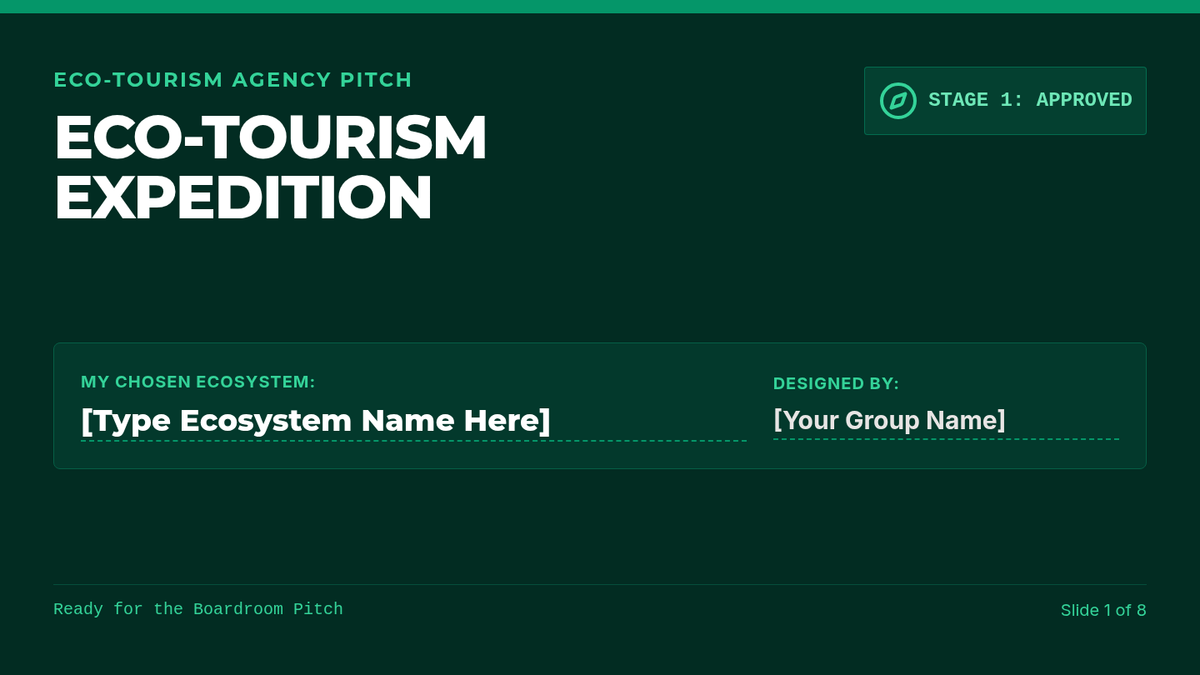
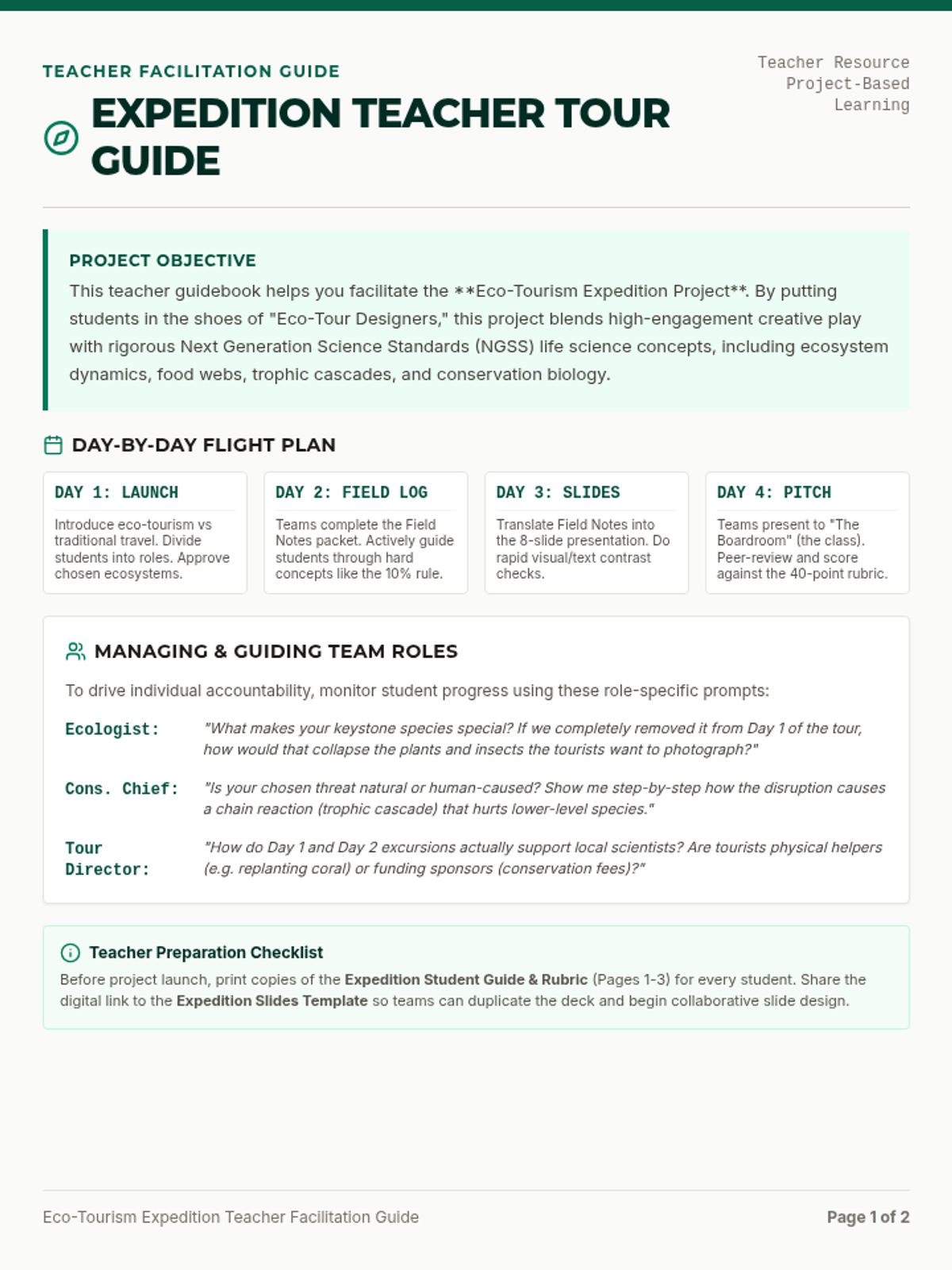
A creative science project lesson where students design a travel brochure or guided tour for a real-world ecosystem, integrating ecology concepts like biodiversity, disruptions, and conservation.
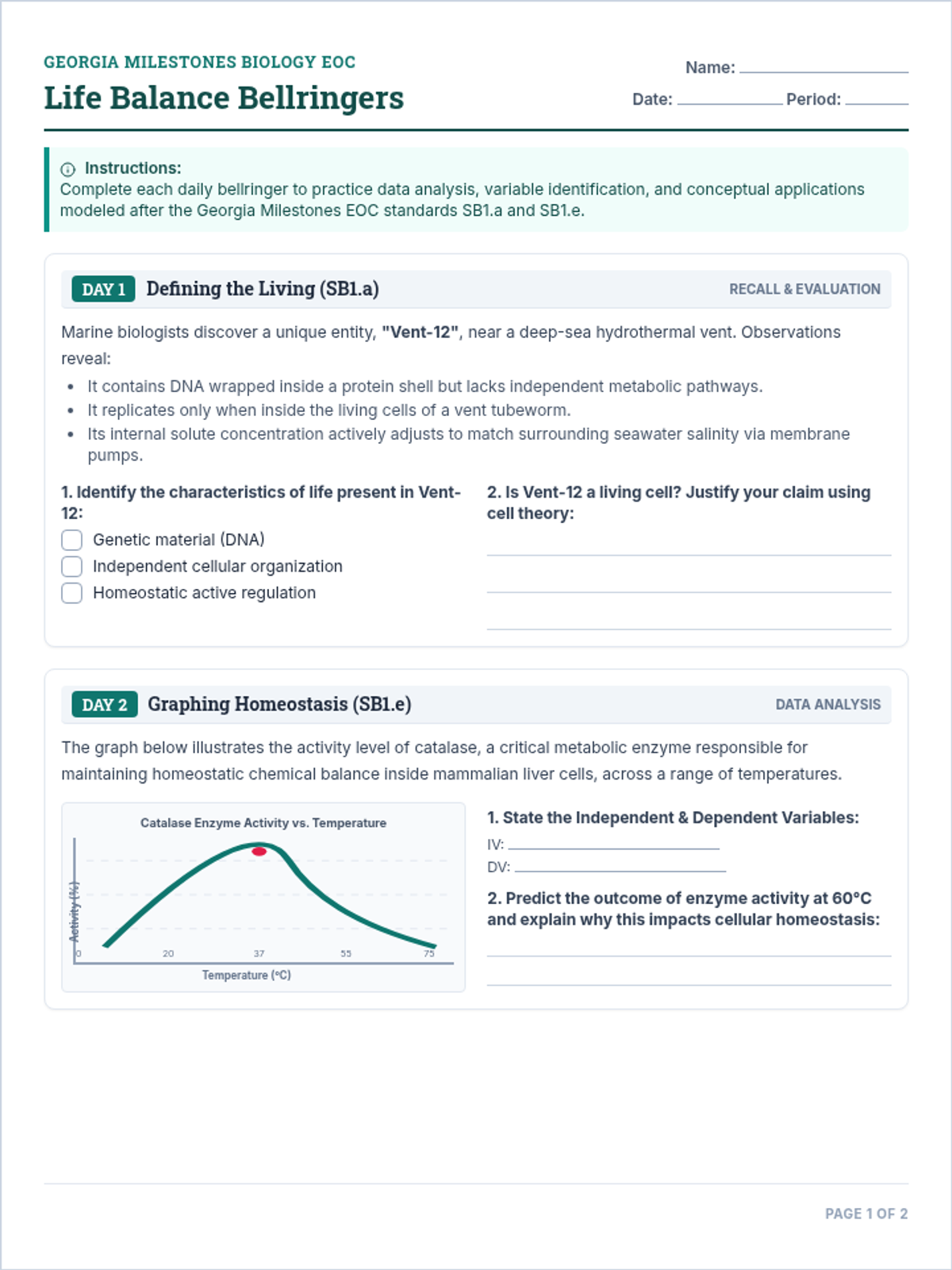
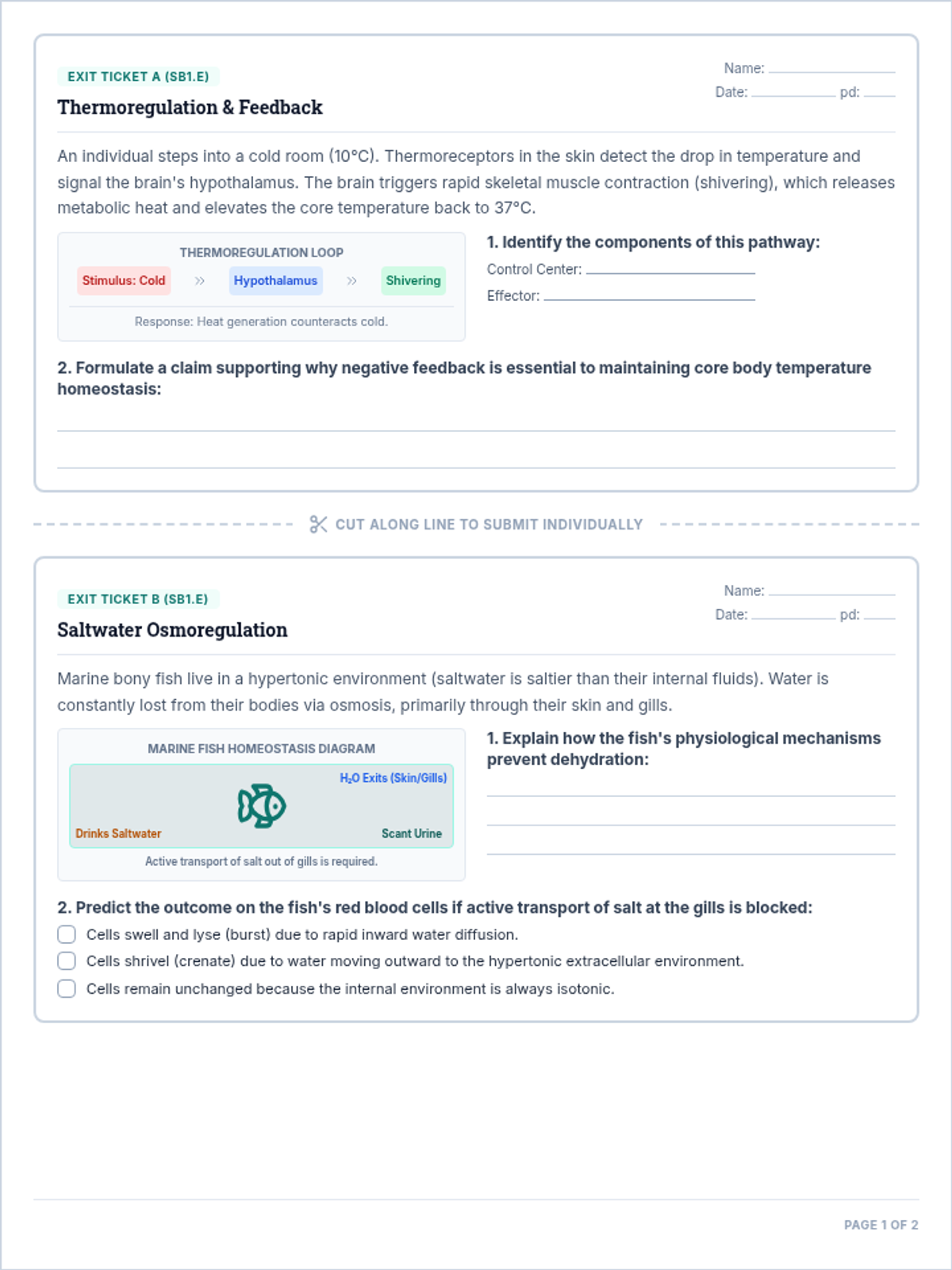
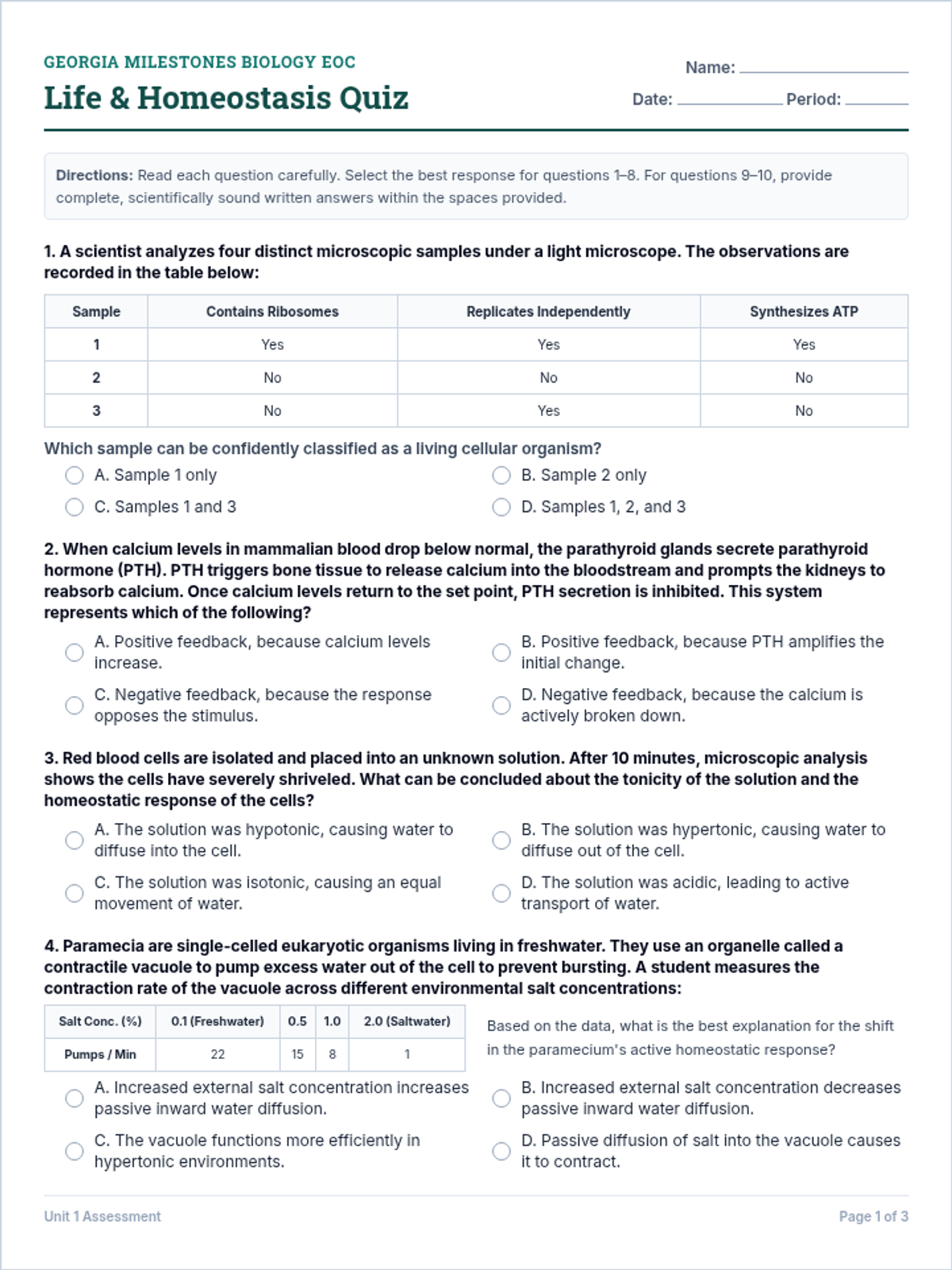
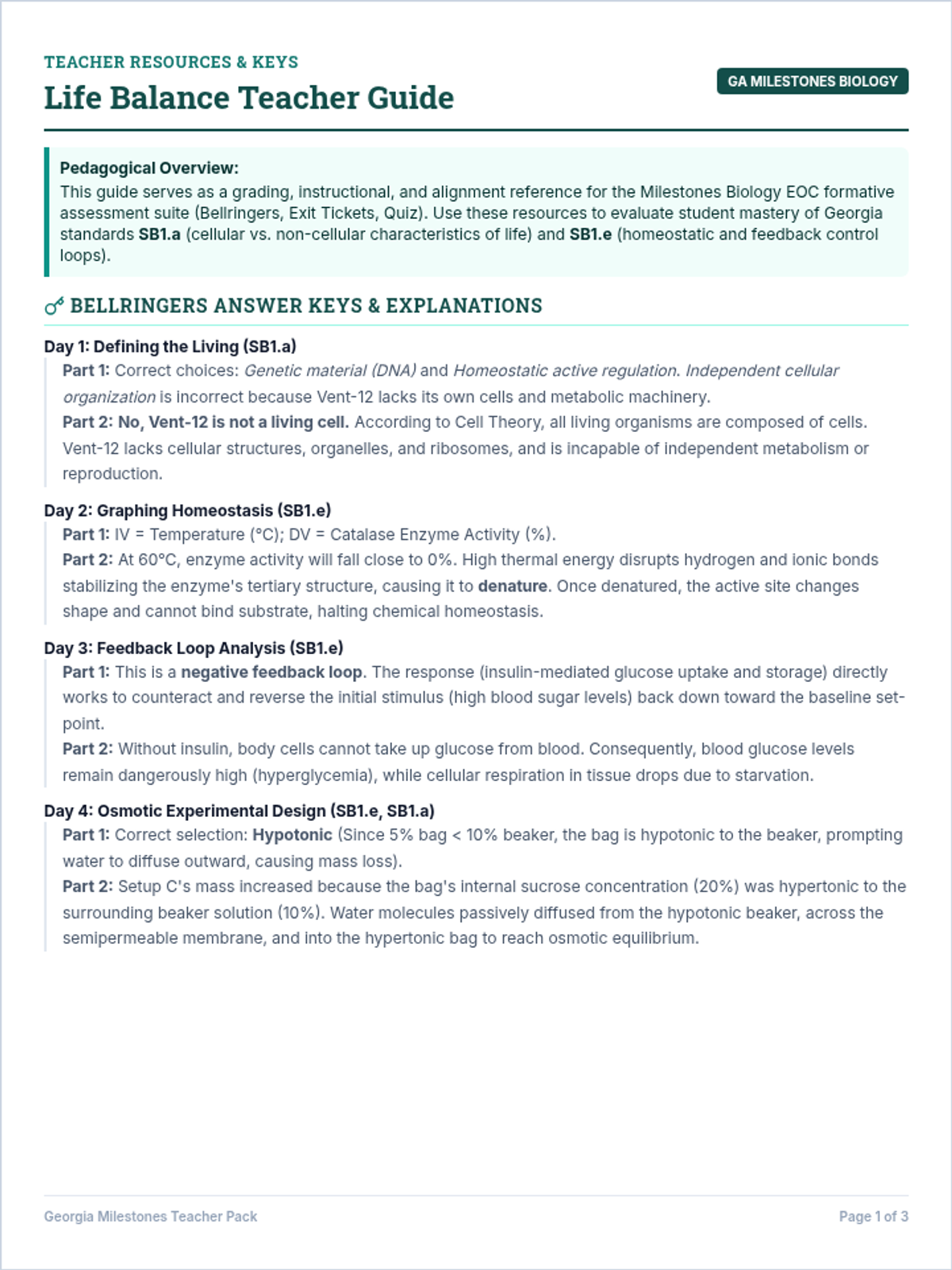
A rigorous, Georgia Milestones Biology EOC-aligned formative assessment pack focusing on the characteristics of life and homeostasis. This lesson contains highly structured bellringers, daily exit tickets, a diagnostic-style quiz, and a comprehensive teacher answer key and guide emphasizing graph, variable, and experimental data analysis.
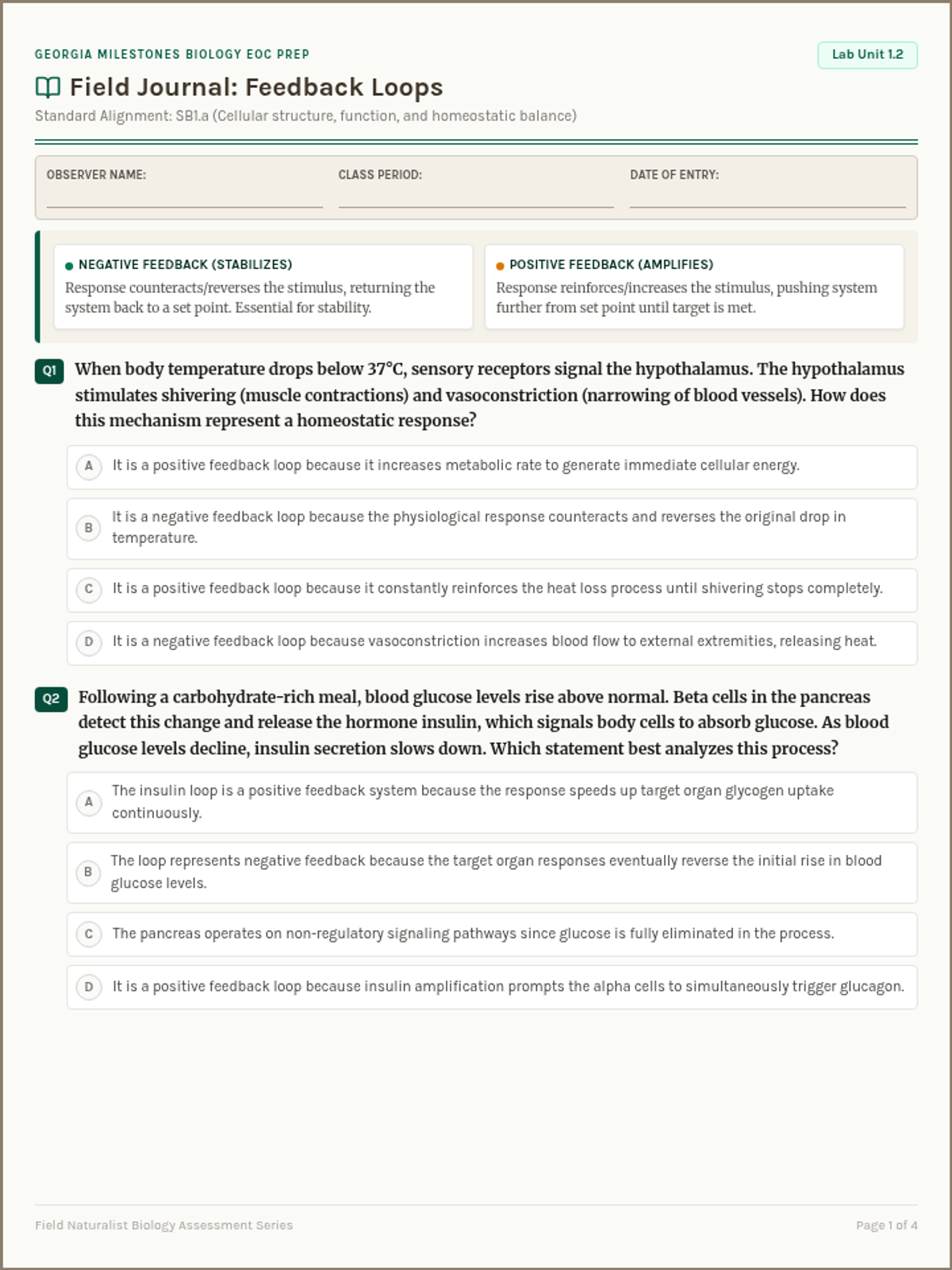
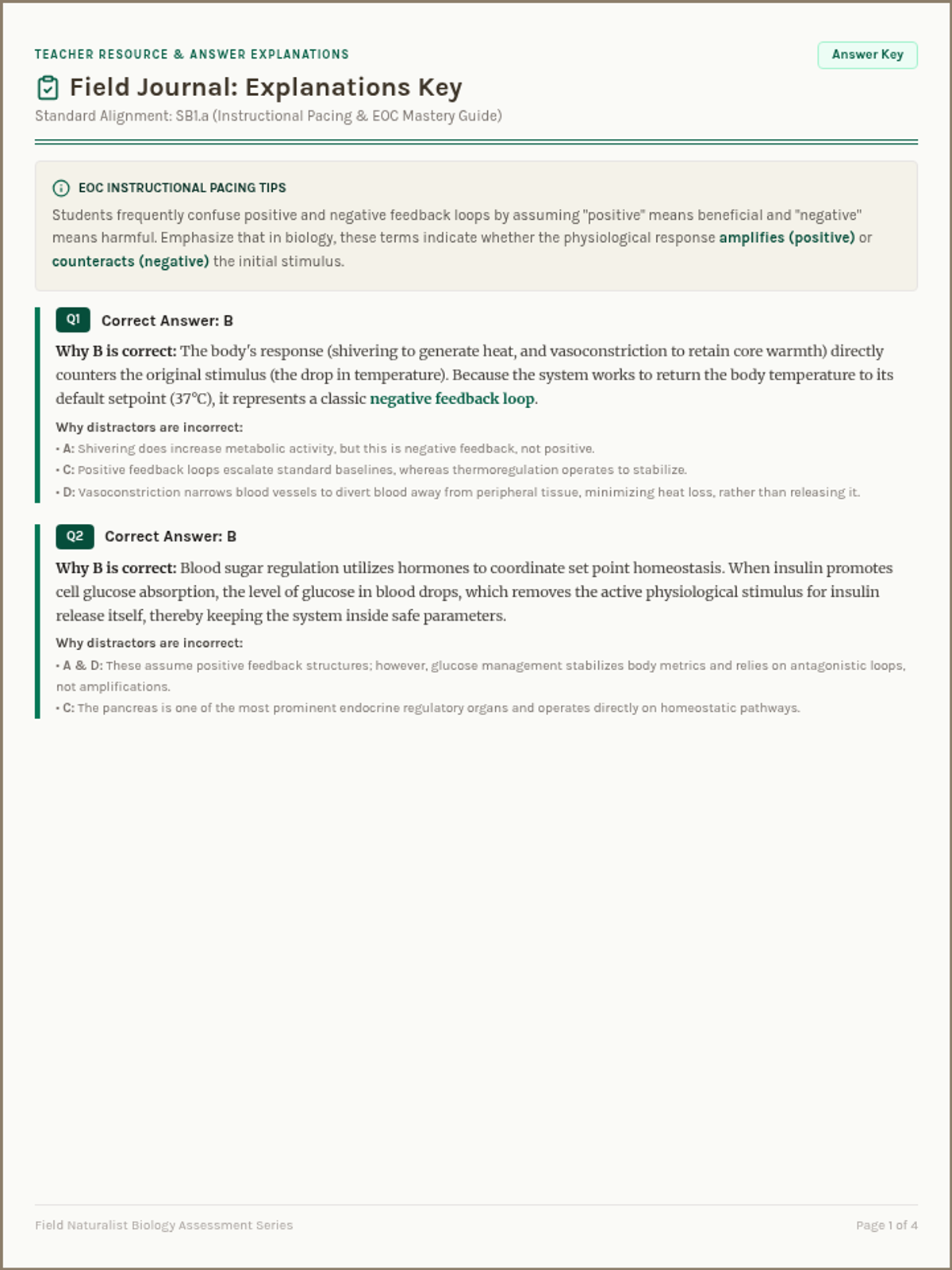
A targeted prep lesson designed to master positive and negative feedback loops for the Georgia Milestones Biology EOC assessment. Includes rigorous, standards-aligned practice questions and a detailed teacher explanation guide.
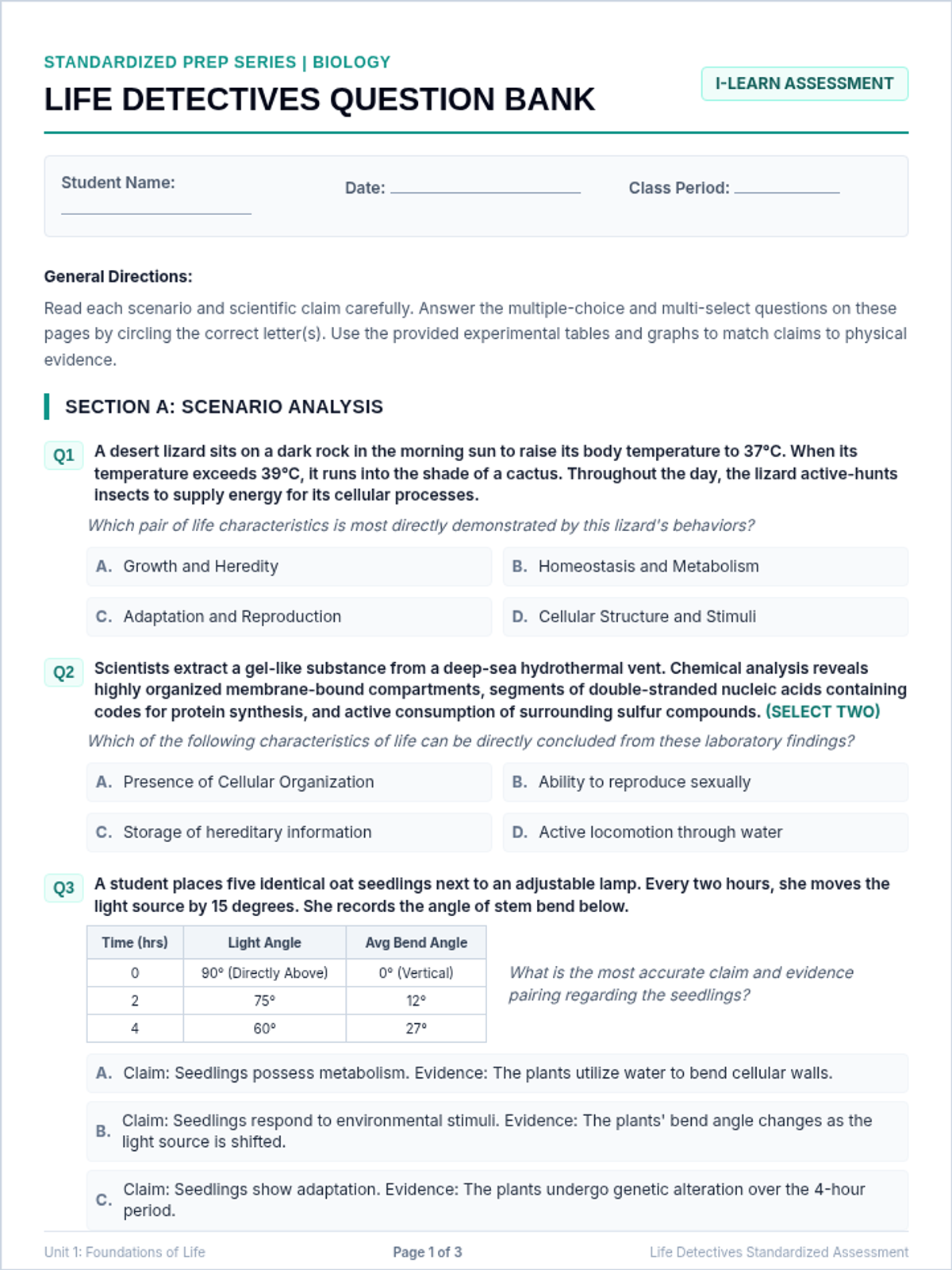
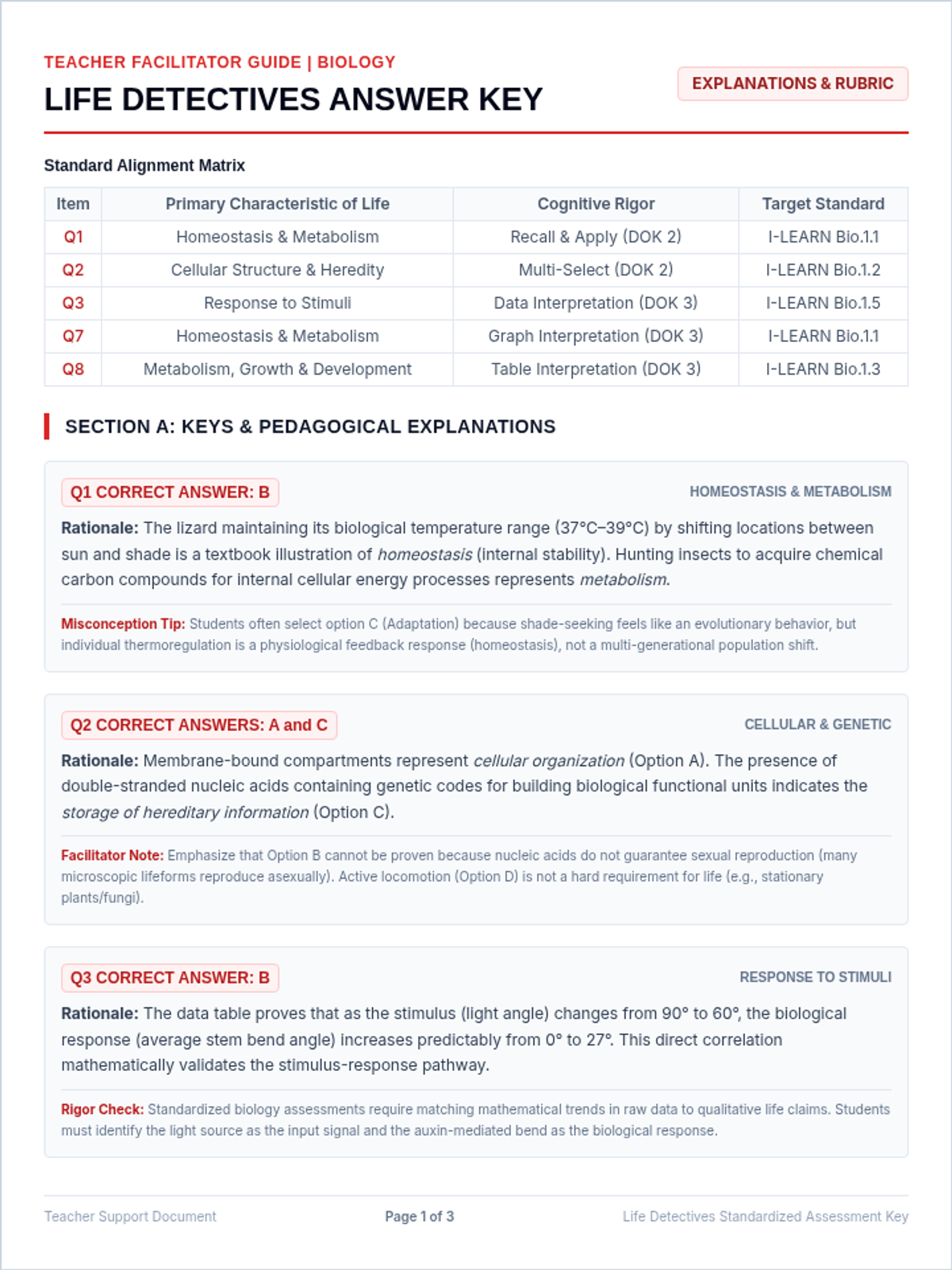
A rigorous assessment and practice suite designed to prepare students for standardized science exams. It focuses on the characteristics of life through scenario-based multiple-choice questions and evidence-based experimental data analysis.
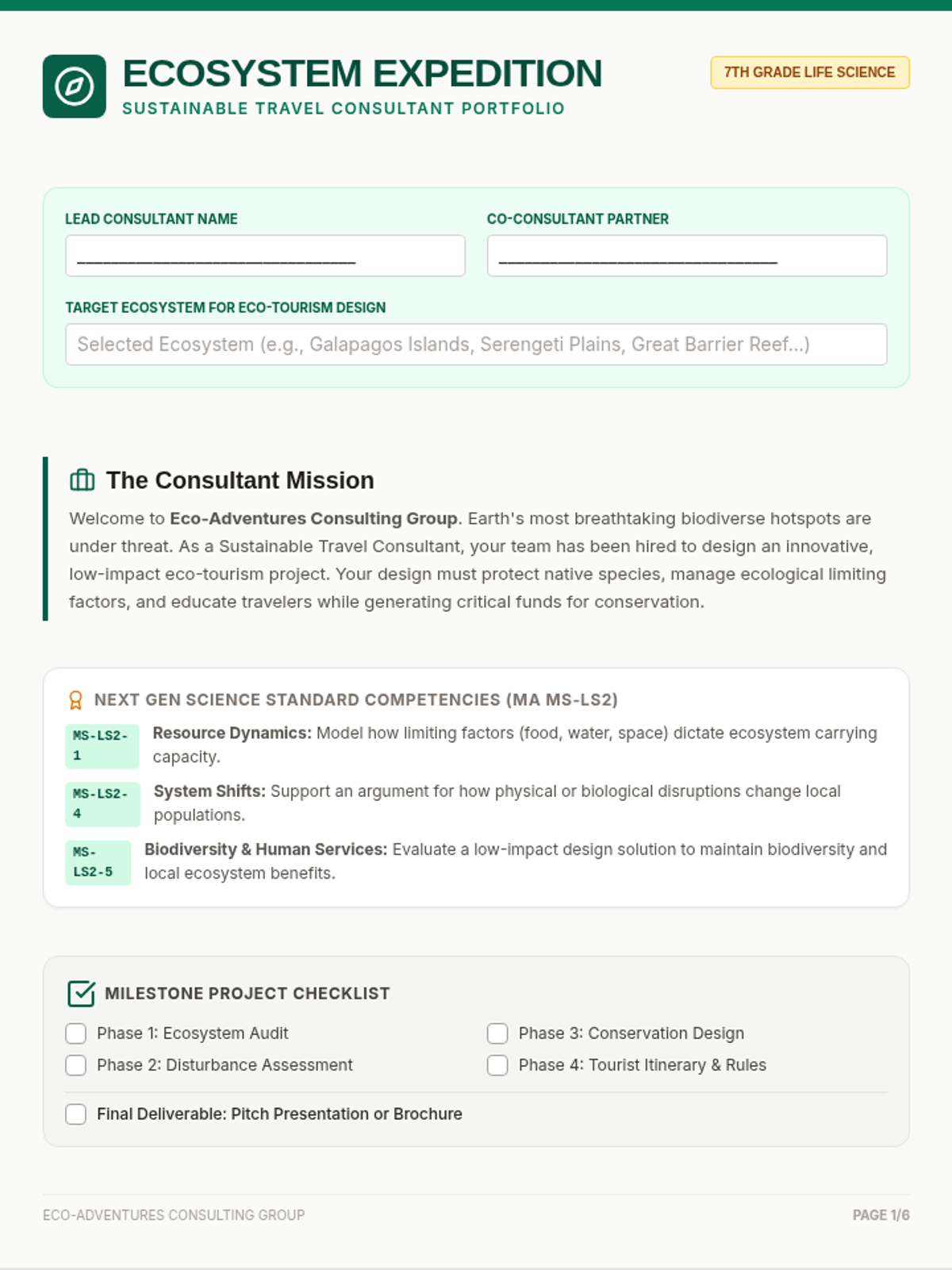
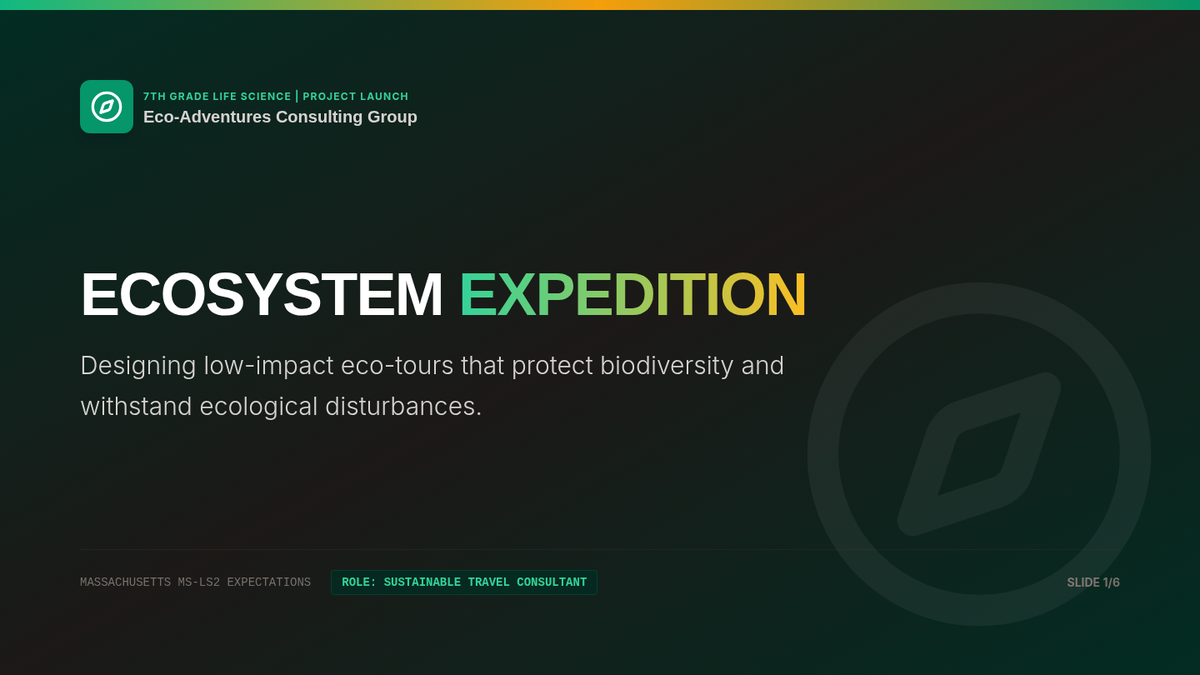
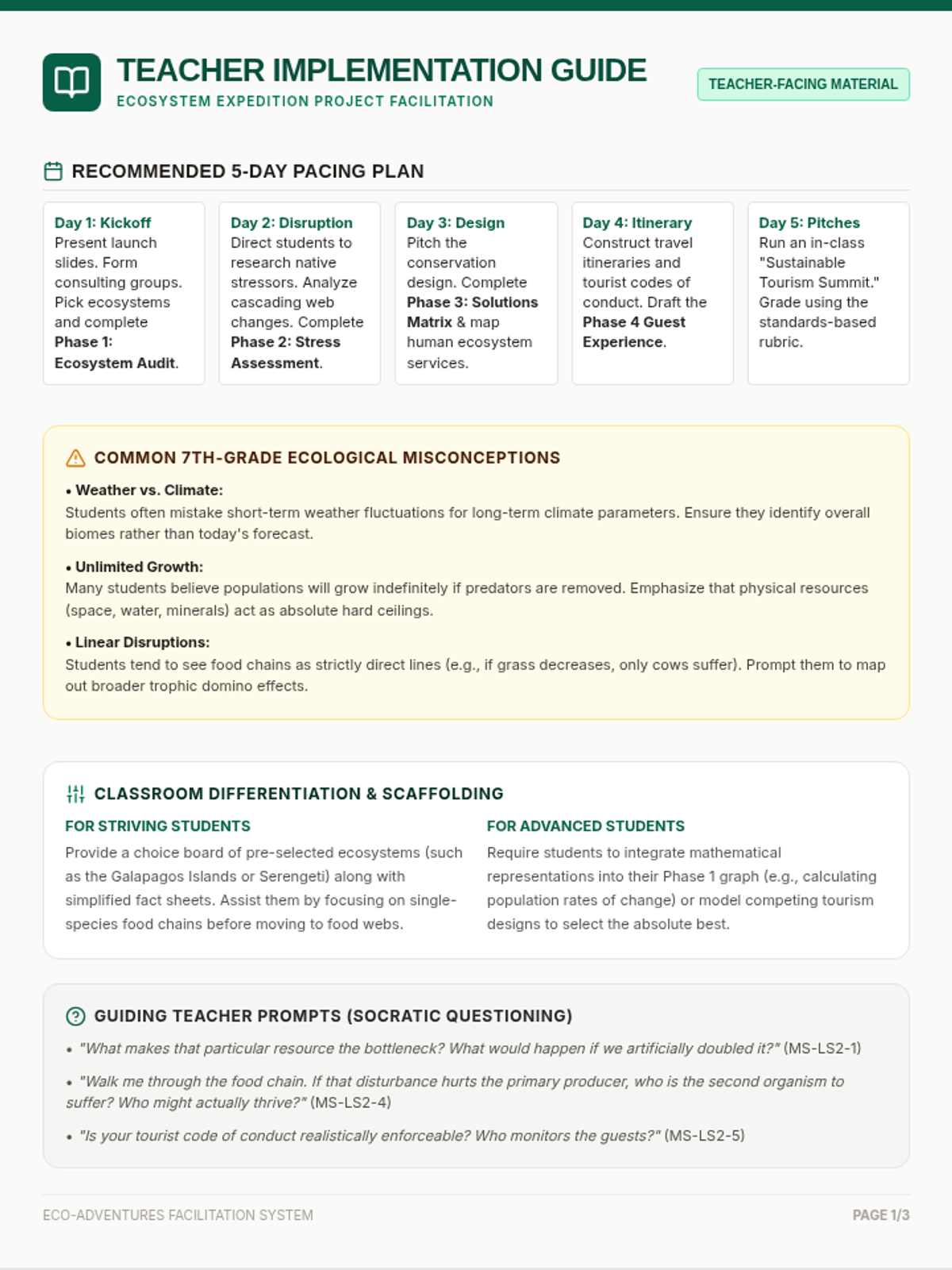
A project-based unit where 7th-grade life science students act as Sustainable Travel Consultants, researching an ecosystem, analyzing limiting resources and ecological disruptions, and designing a low-impact eco-tourism project aligned with Massachusetts standards.
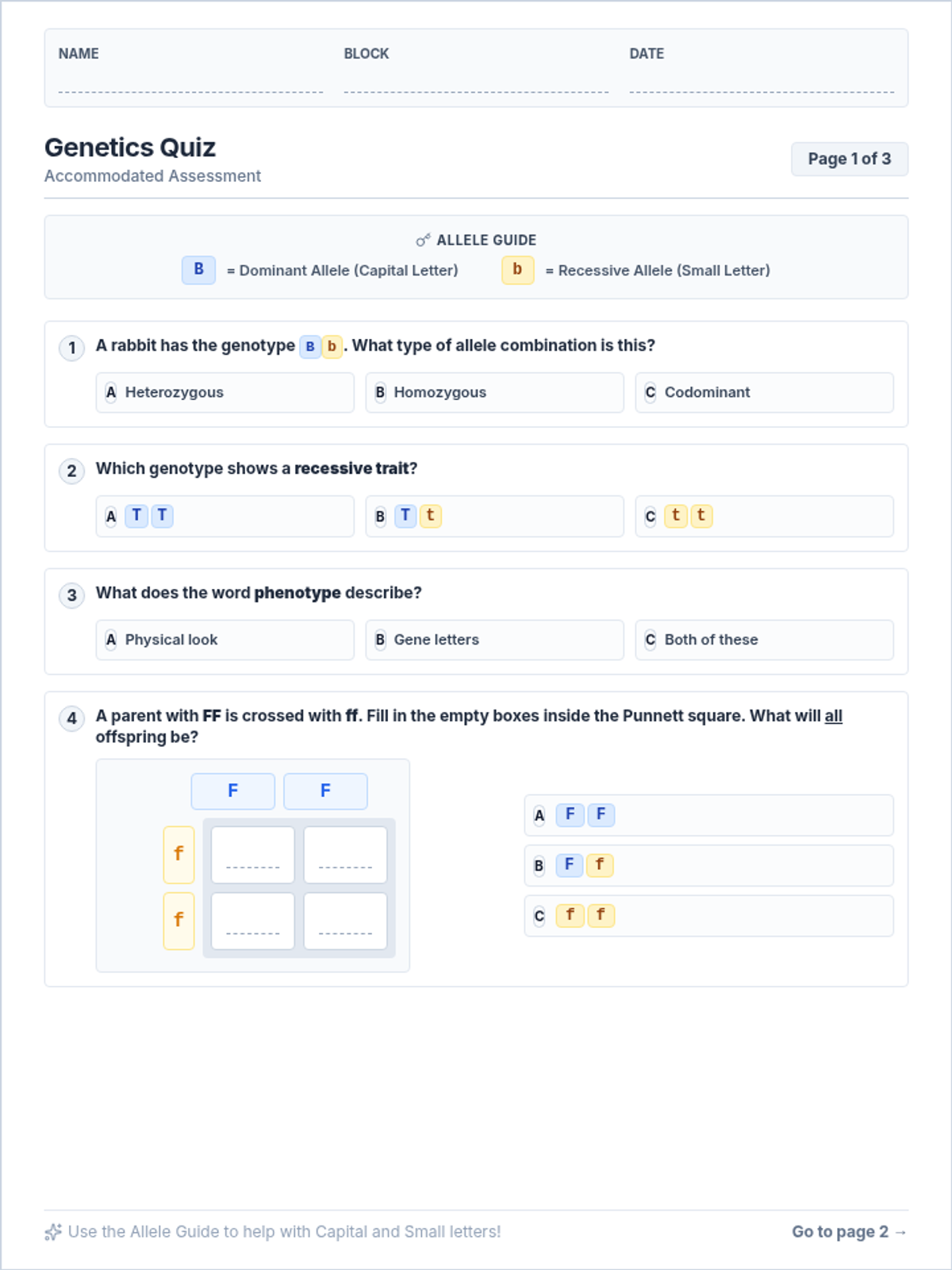
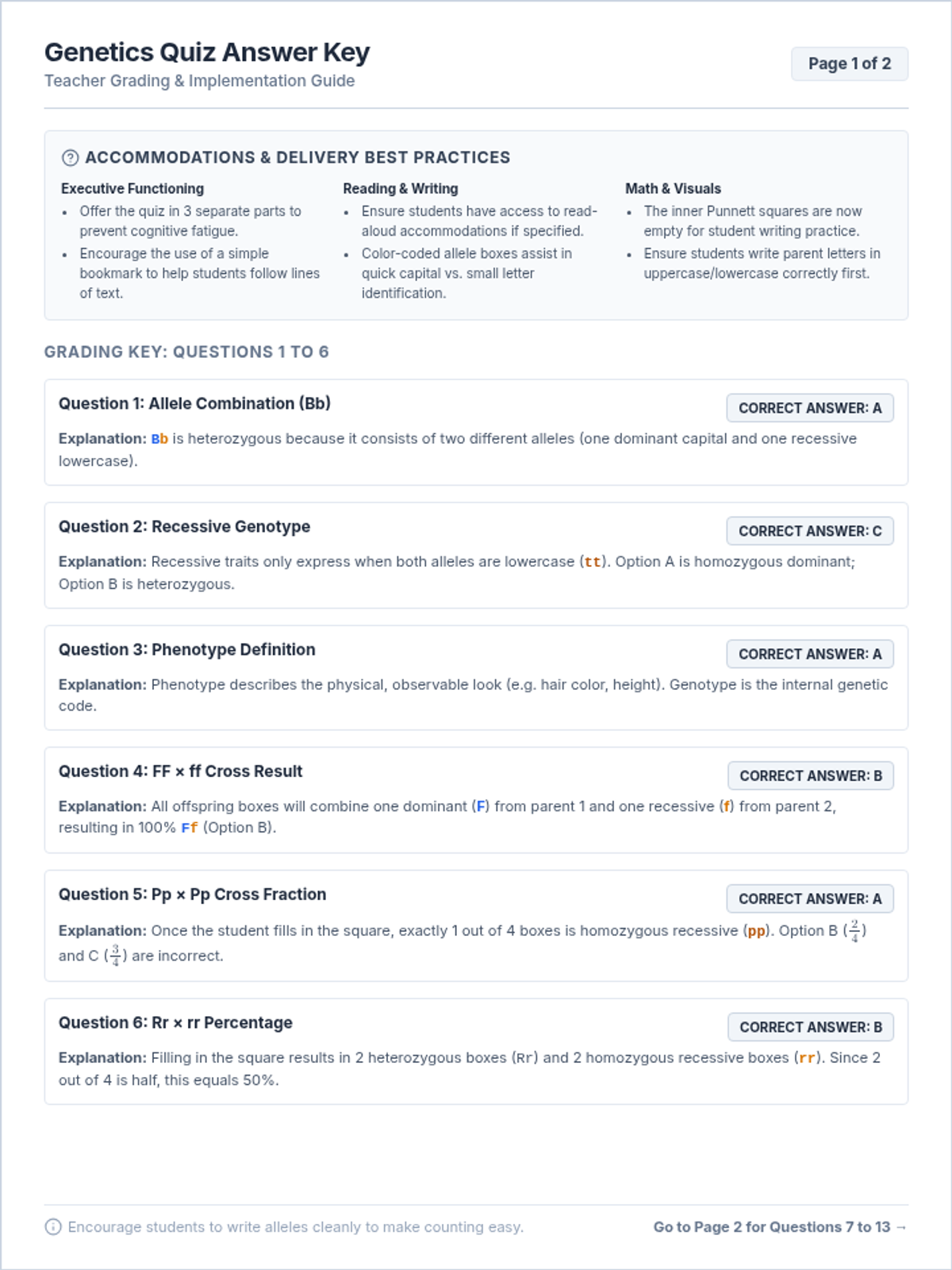
A custom accommodated quiz pack on genetics, designed specifically for students with reading, writing, math, and executive functioning challenges. Includes a highly scaffolded student quiz and a comprehensive teacher answer key with pedagogical guidance.
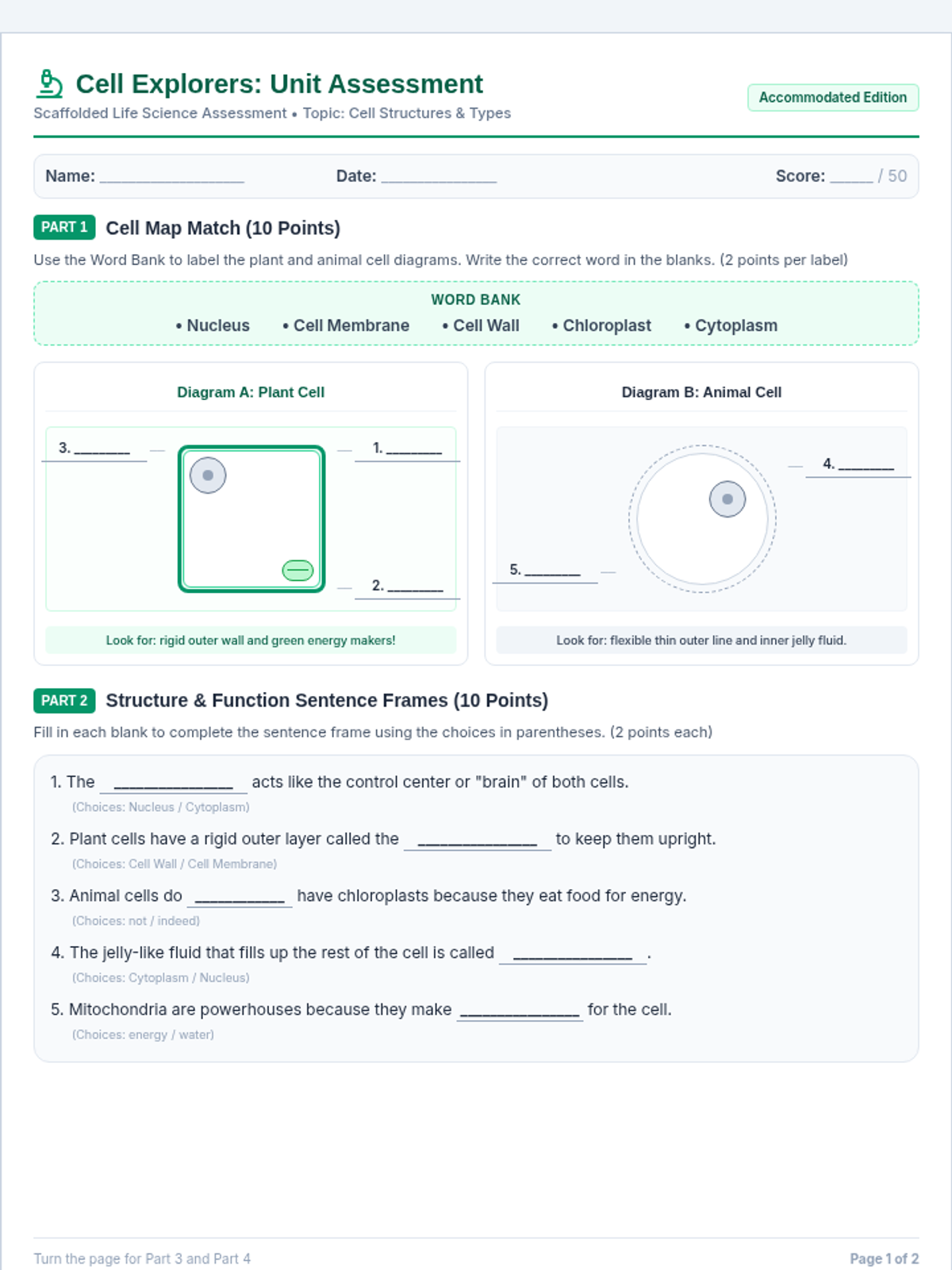
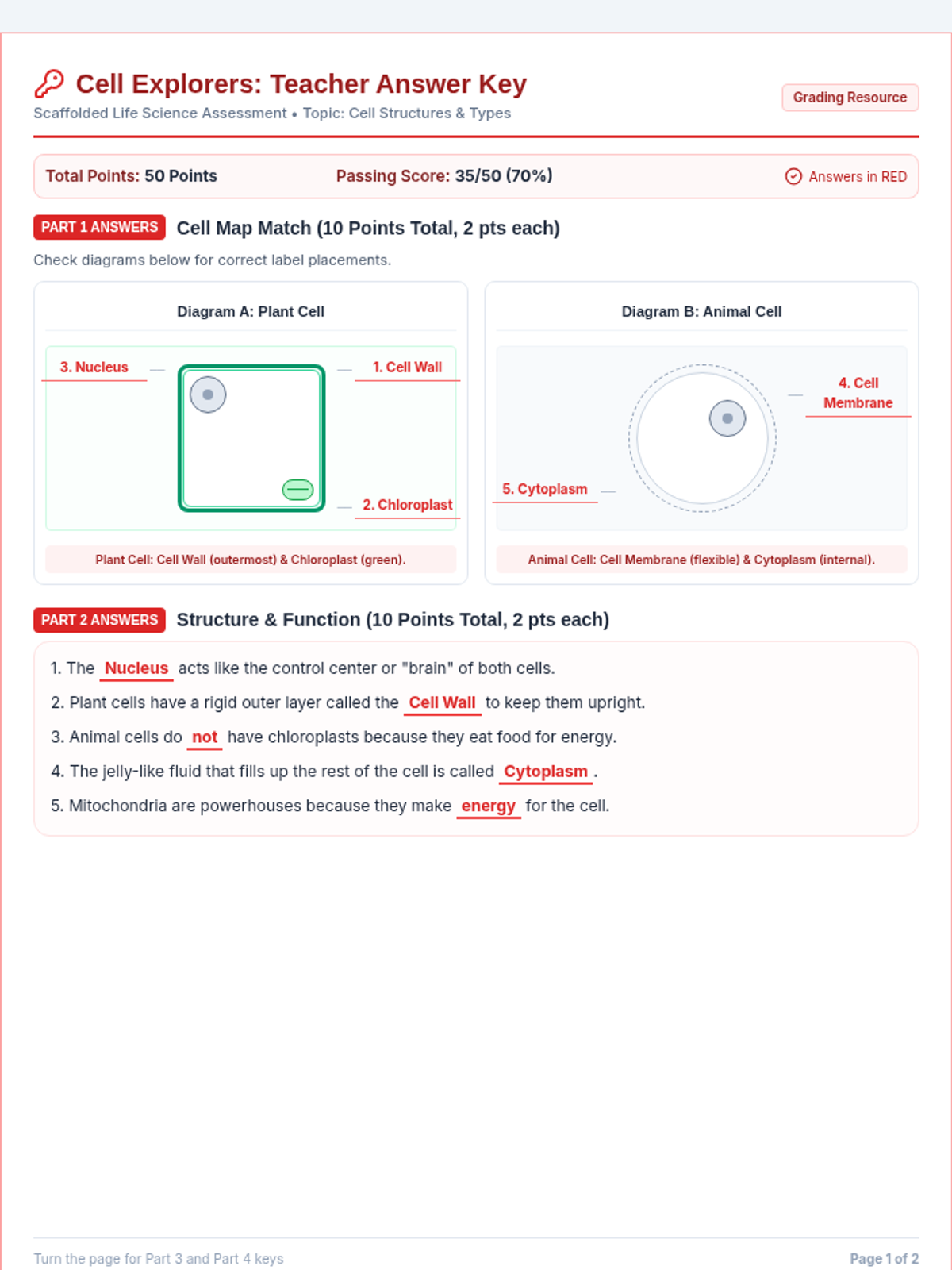
A scaffolded 2-page assessment and corresponding answer key covering prokaryotic and eukaryotic cells, including bacteria, plant, animal, and human cells. Features visual matching, labeling with word banks, sentence frames, and guided sentence starters, scaled to 50 points total.
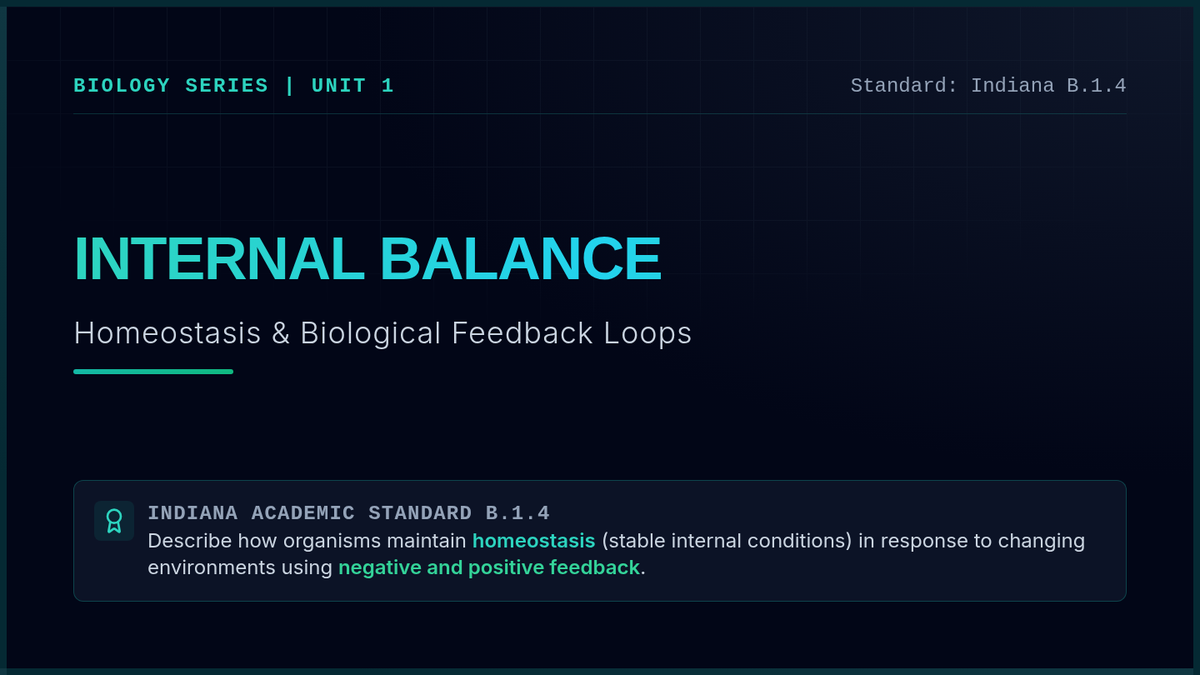
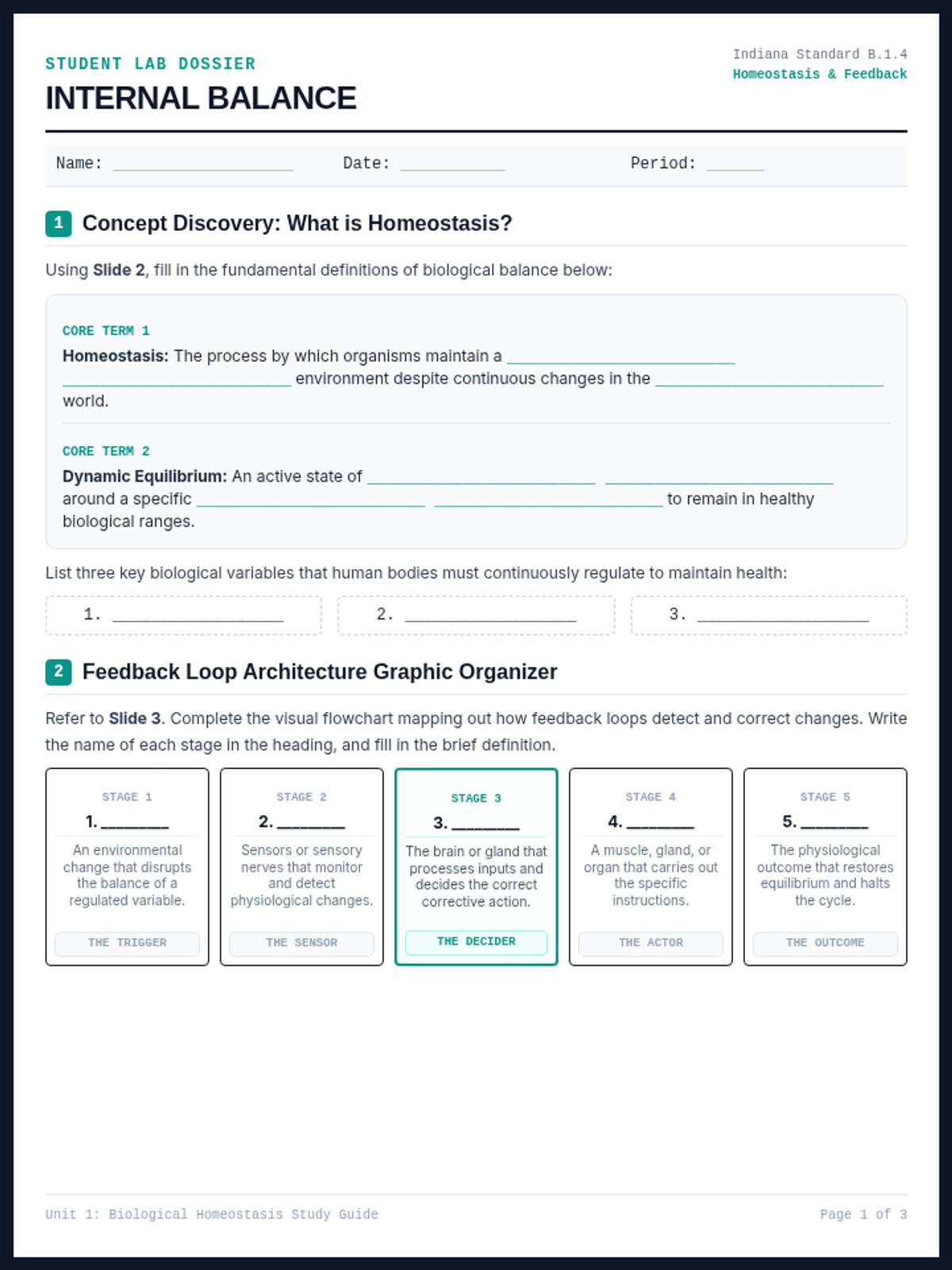
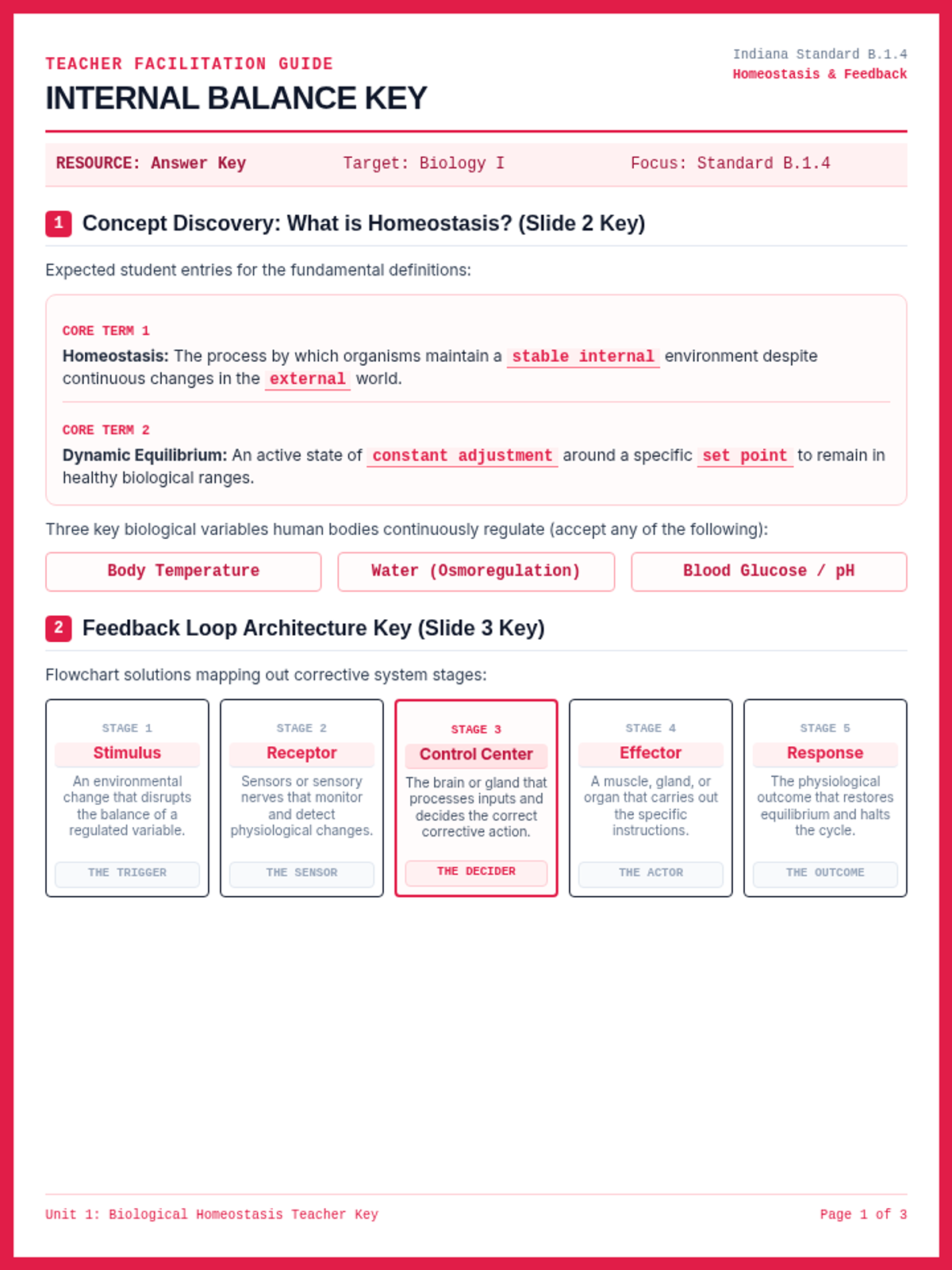
A comprehensive biology lesson on homeostasis and biological feedback mechanisms, aligned with Indiana Academic Standard Biology B.1.4. The lesson includes a highly visual slide deck and matching guided student notesheets with graphic organizers and real-world case studies.
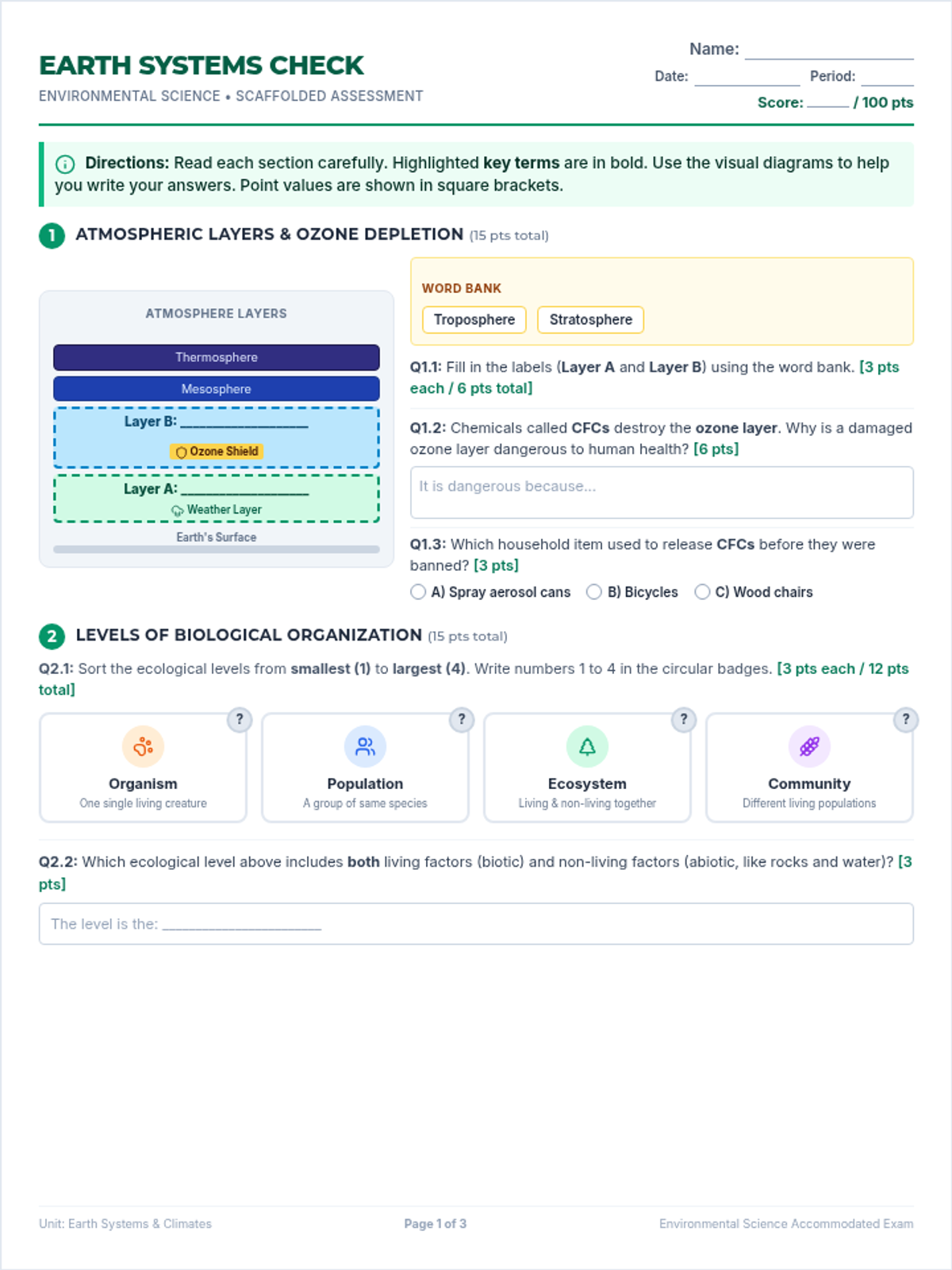
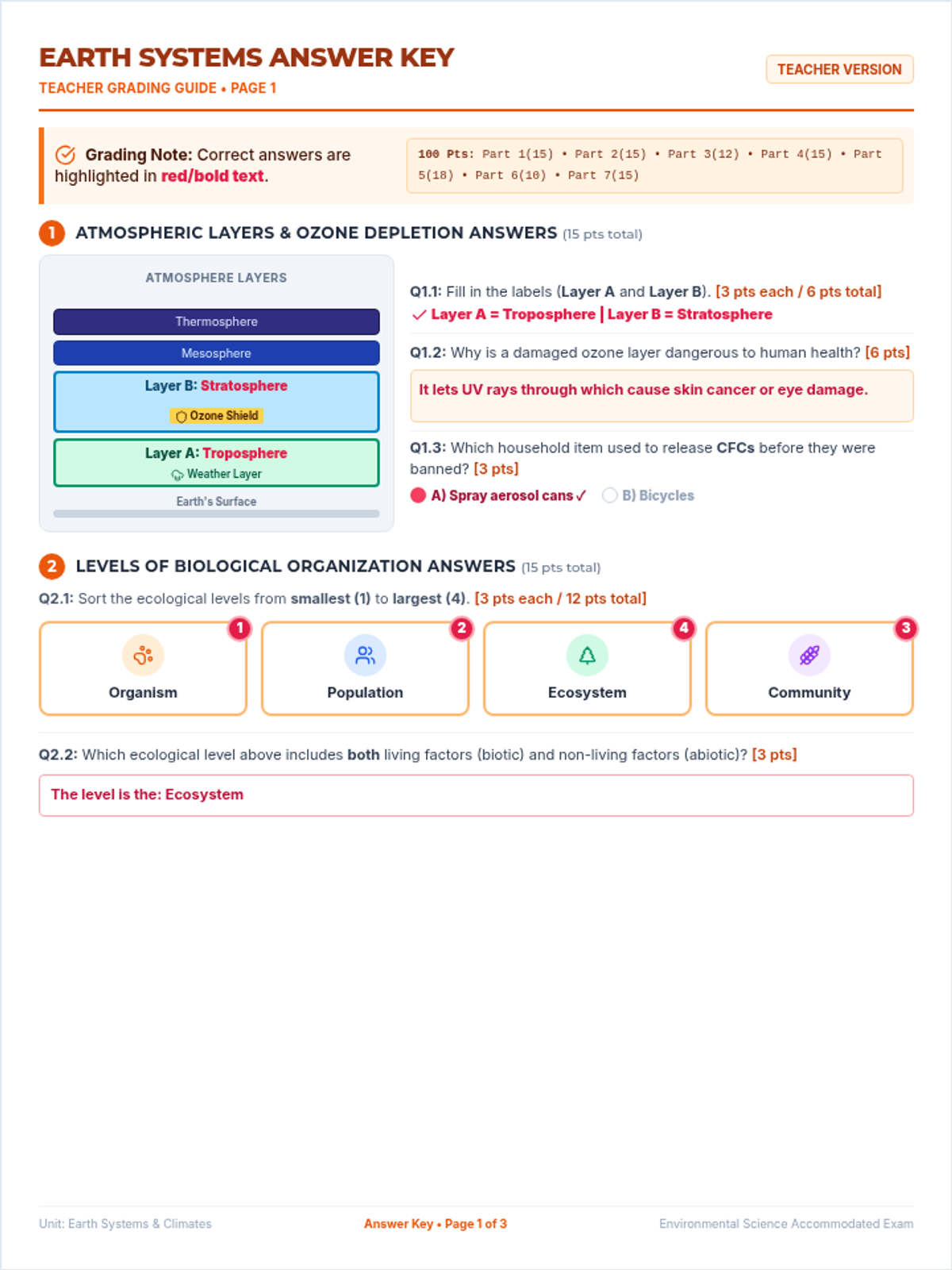
A highly visual, scaffolded assessment and corresponding answer key covering atmospheric layers, resource classification, carbon footprints, biological levels, trophic webs, ice proxies, and photosynthesis.
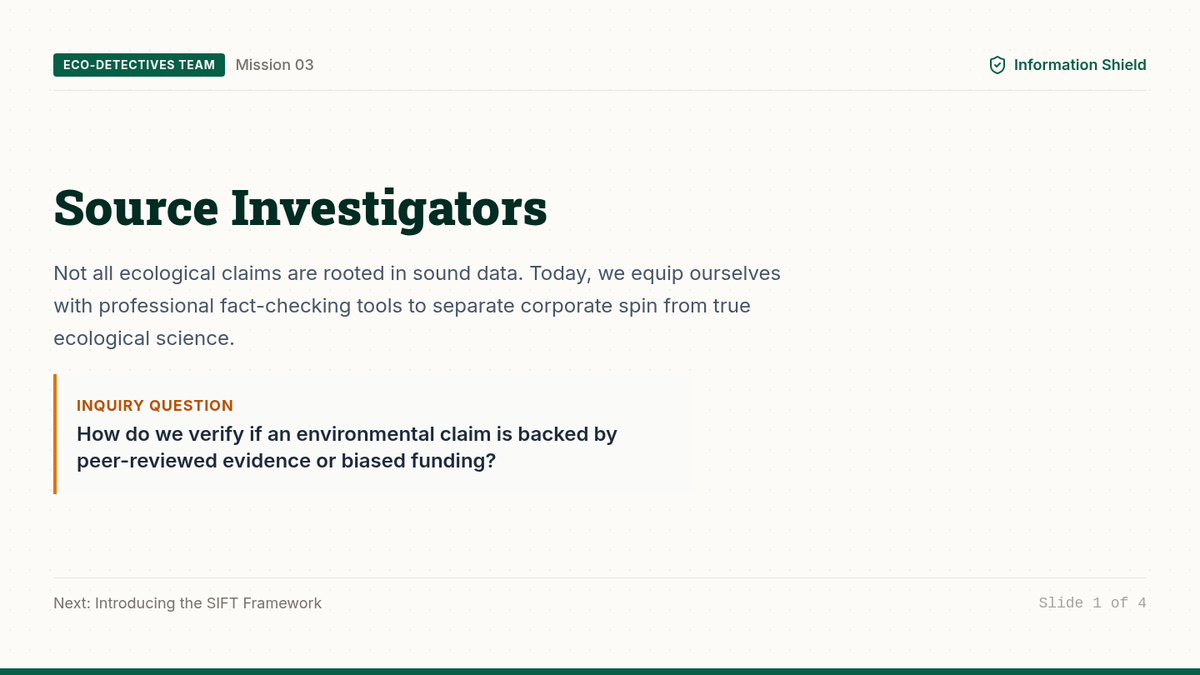
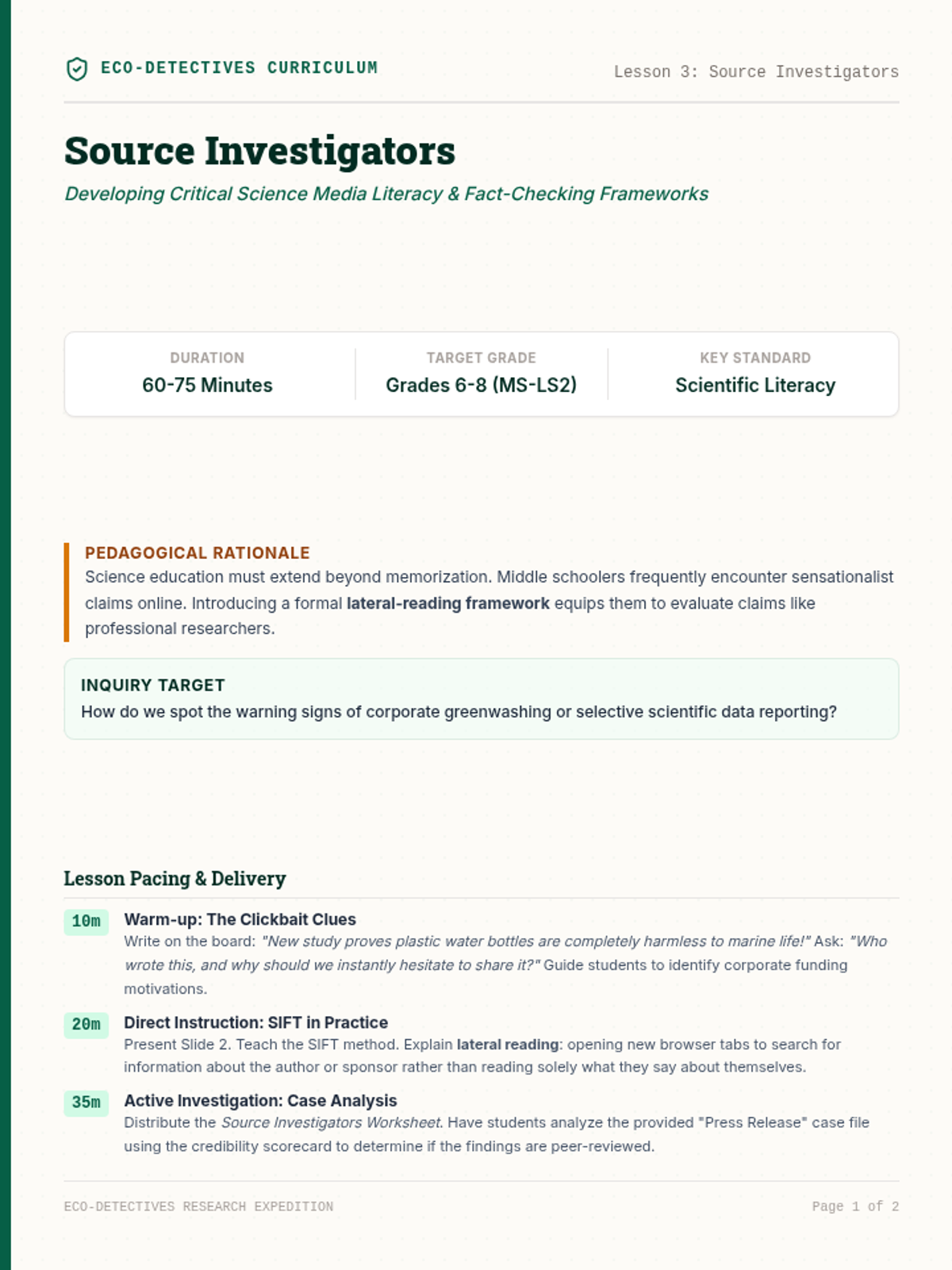
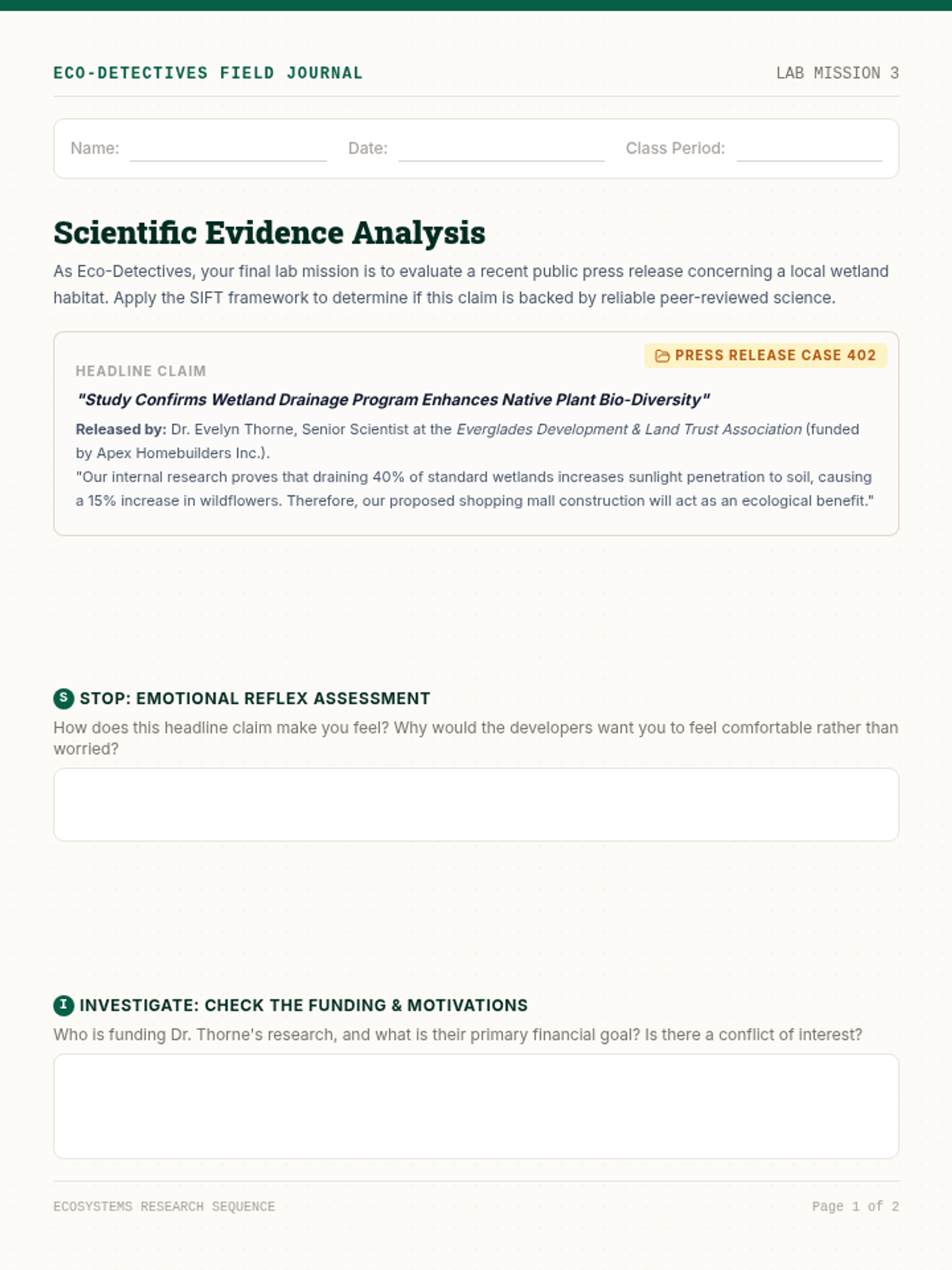
Students evaluate ecosystem research reports and online science media for credibility, bias, and scientific evidence using a scientific evaluation framework.
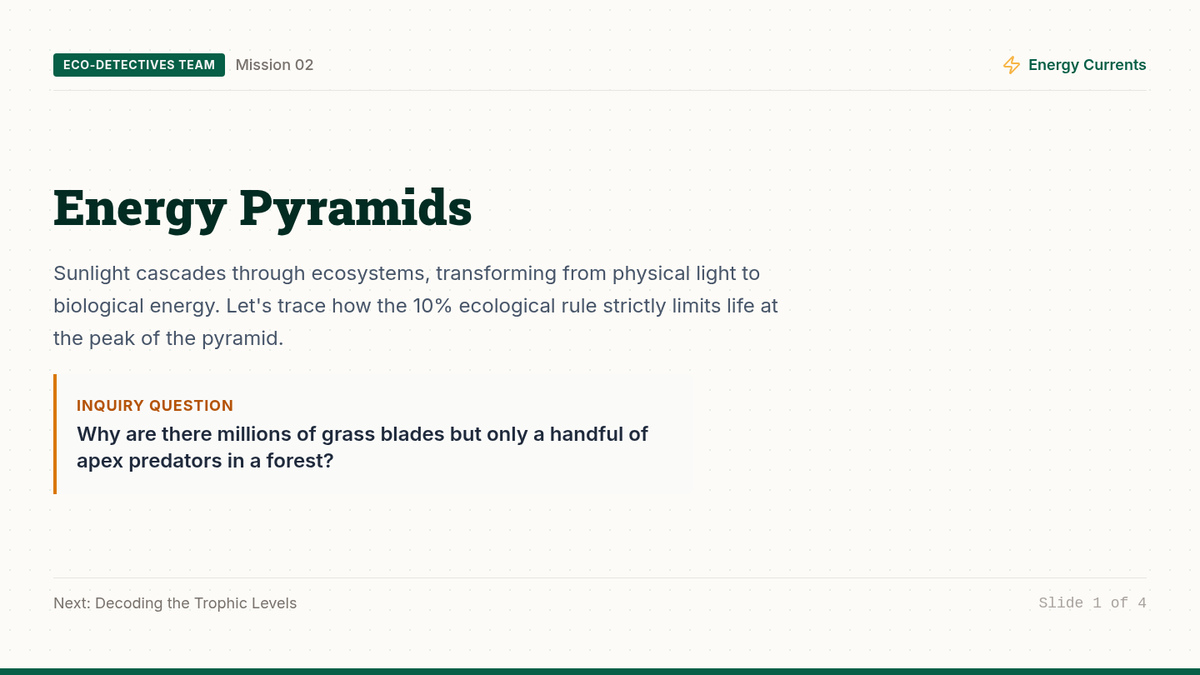
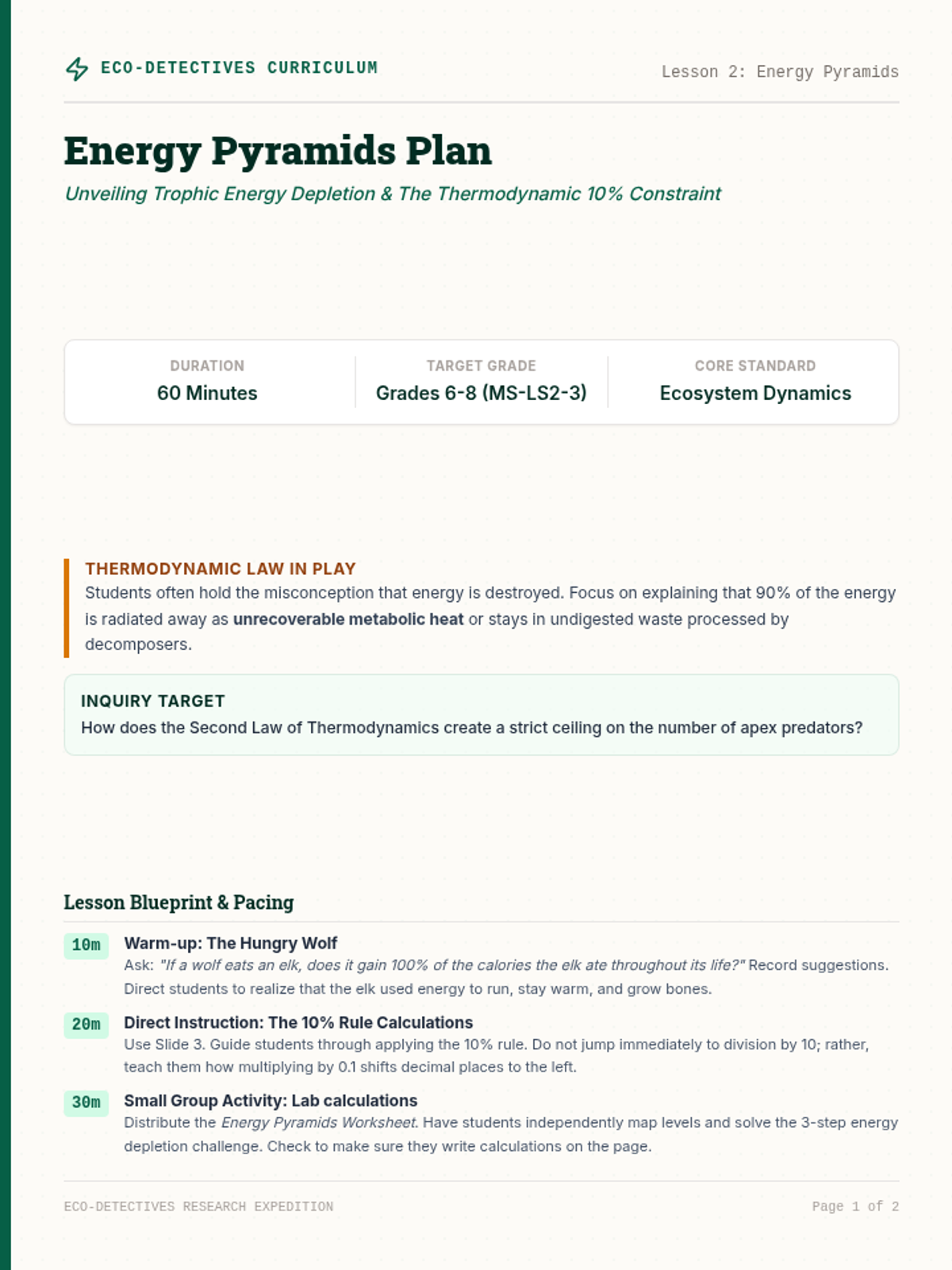
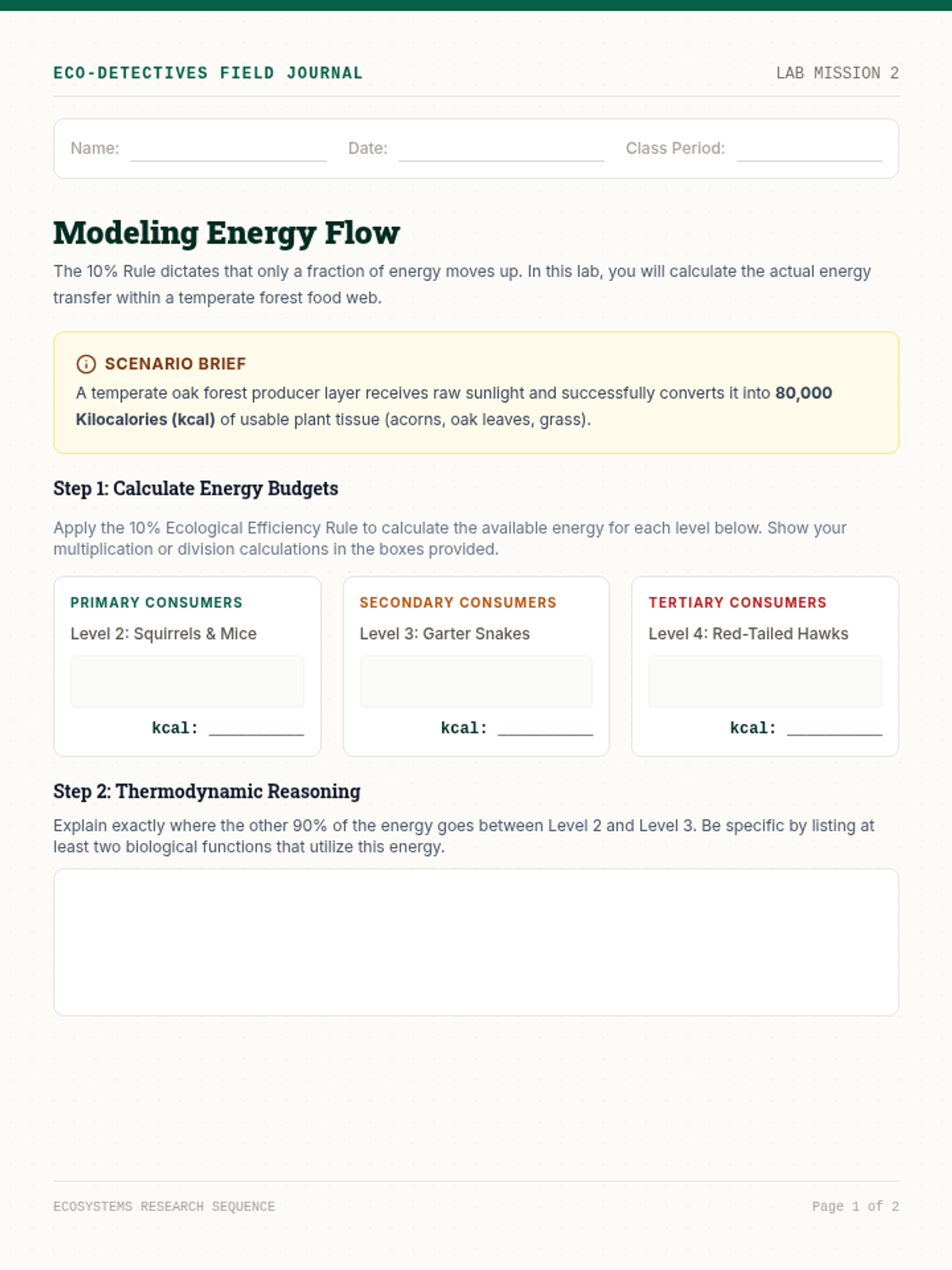
Students model trophic levels, analyze the 10% ecological efficiency rule, and solve ecological energy calculations.
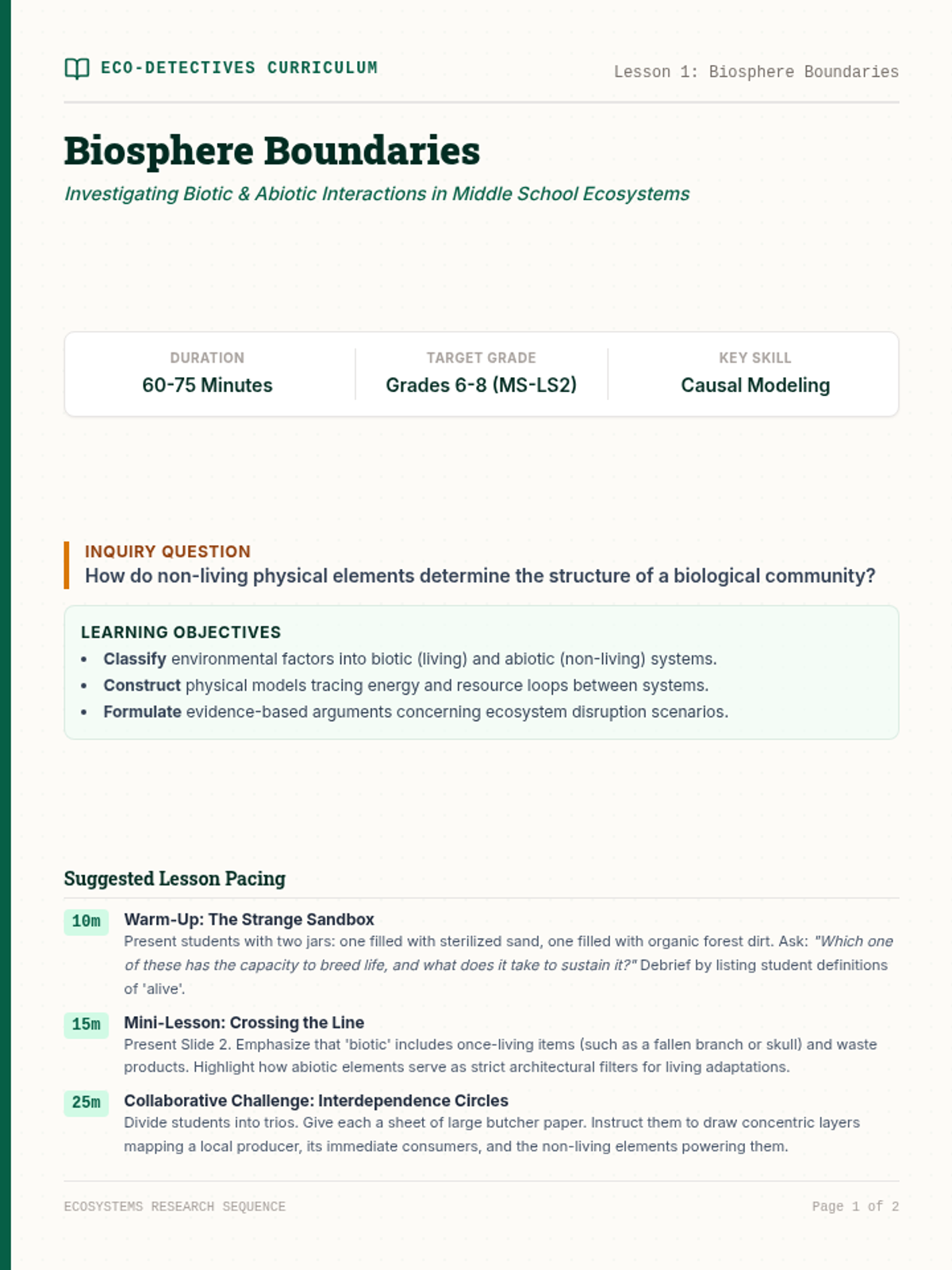
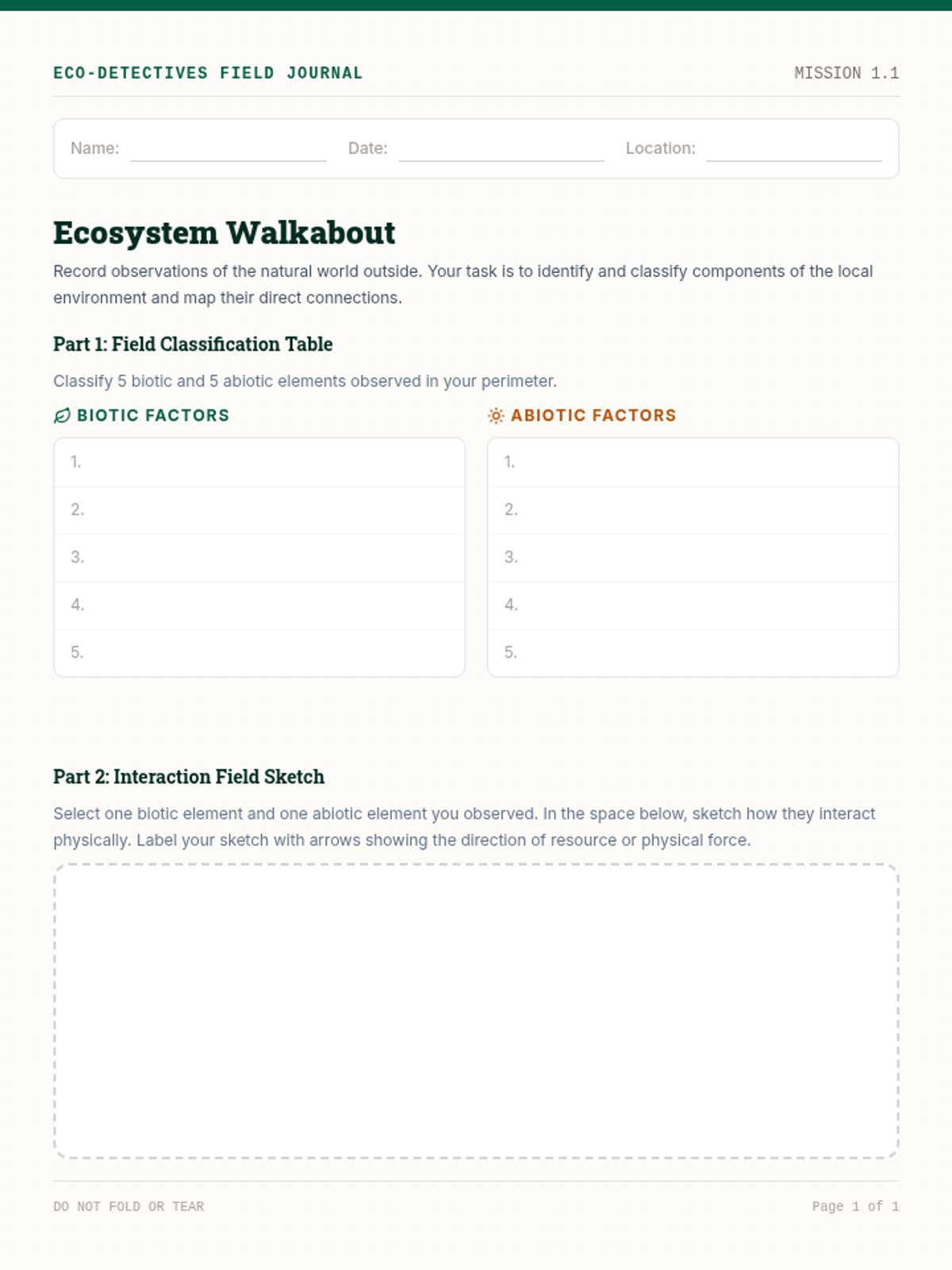
Students investigate the difference between biotic and abiotic factors, explore how they interact within local ecosystems, and design an anchor chart to map these connections.
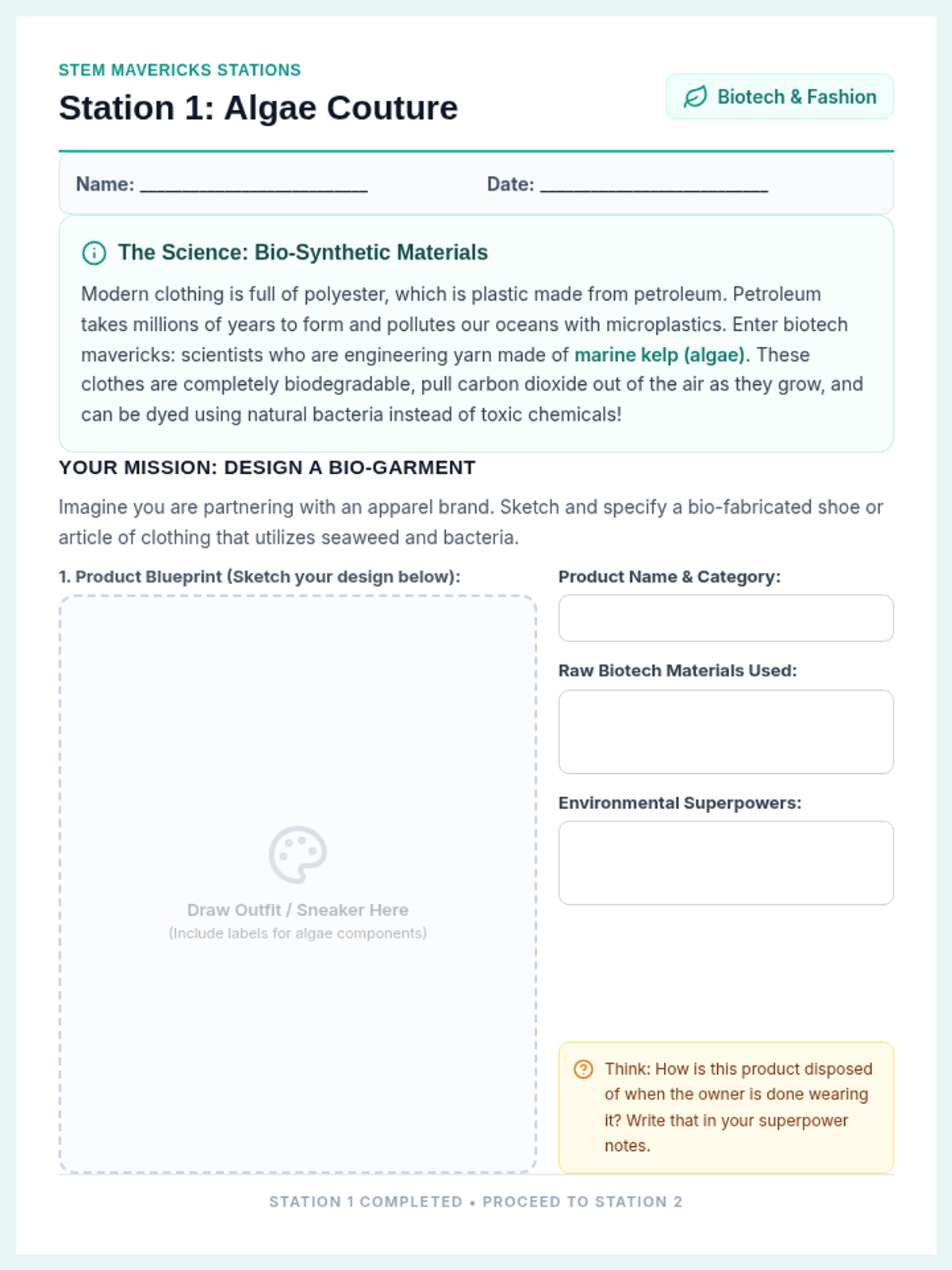
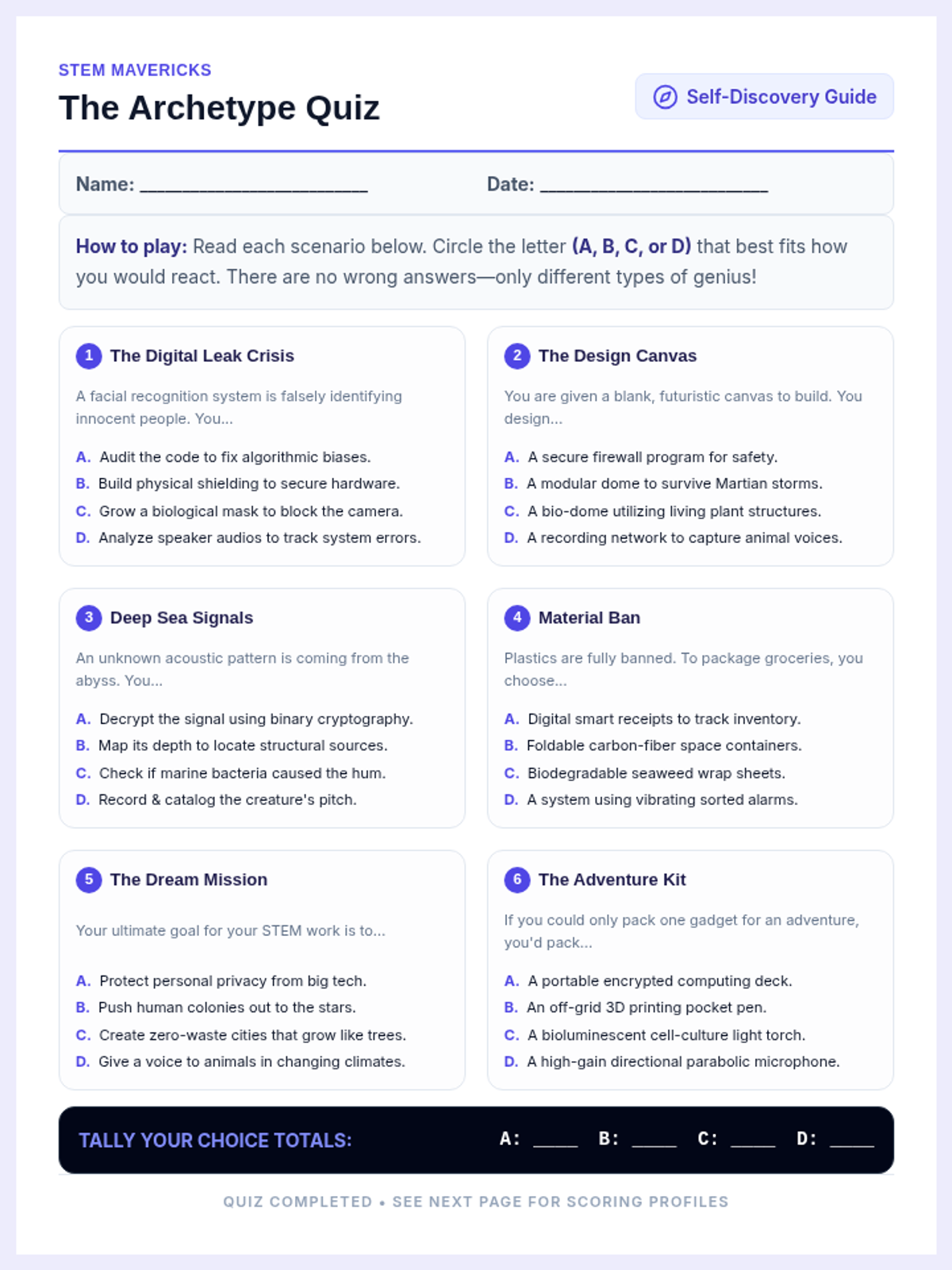
An 8th-grade exploratory lesson on diverse, non-traditional, and underrepresented careers in STEM. Students challenge stereotypes, analyze cutting-edge career profiles, complete a hands-on station rotation, and discover their own STEM archetypes.
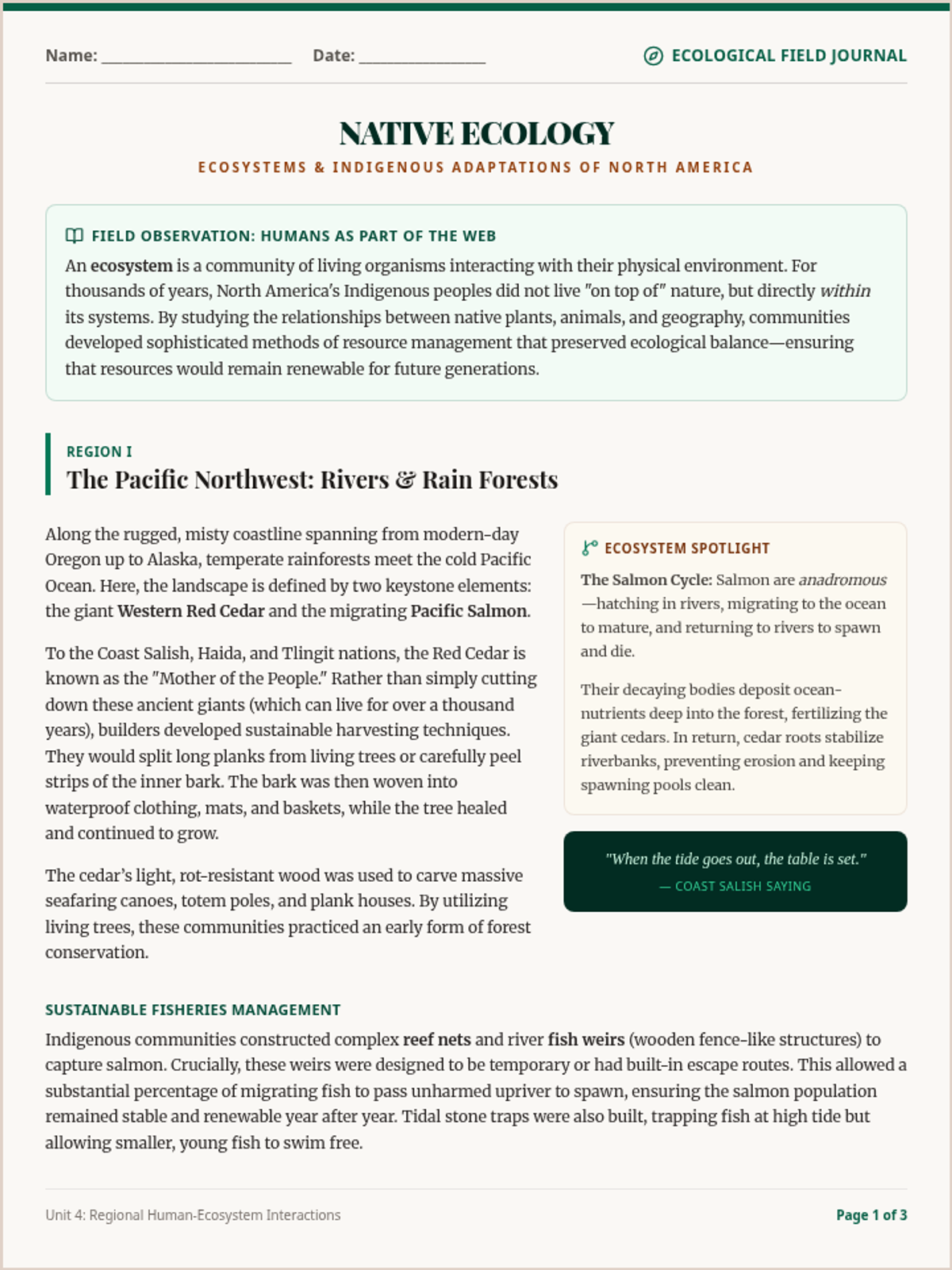
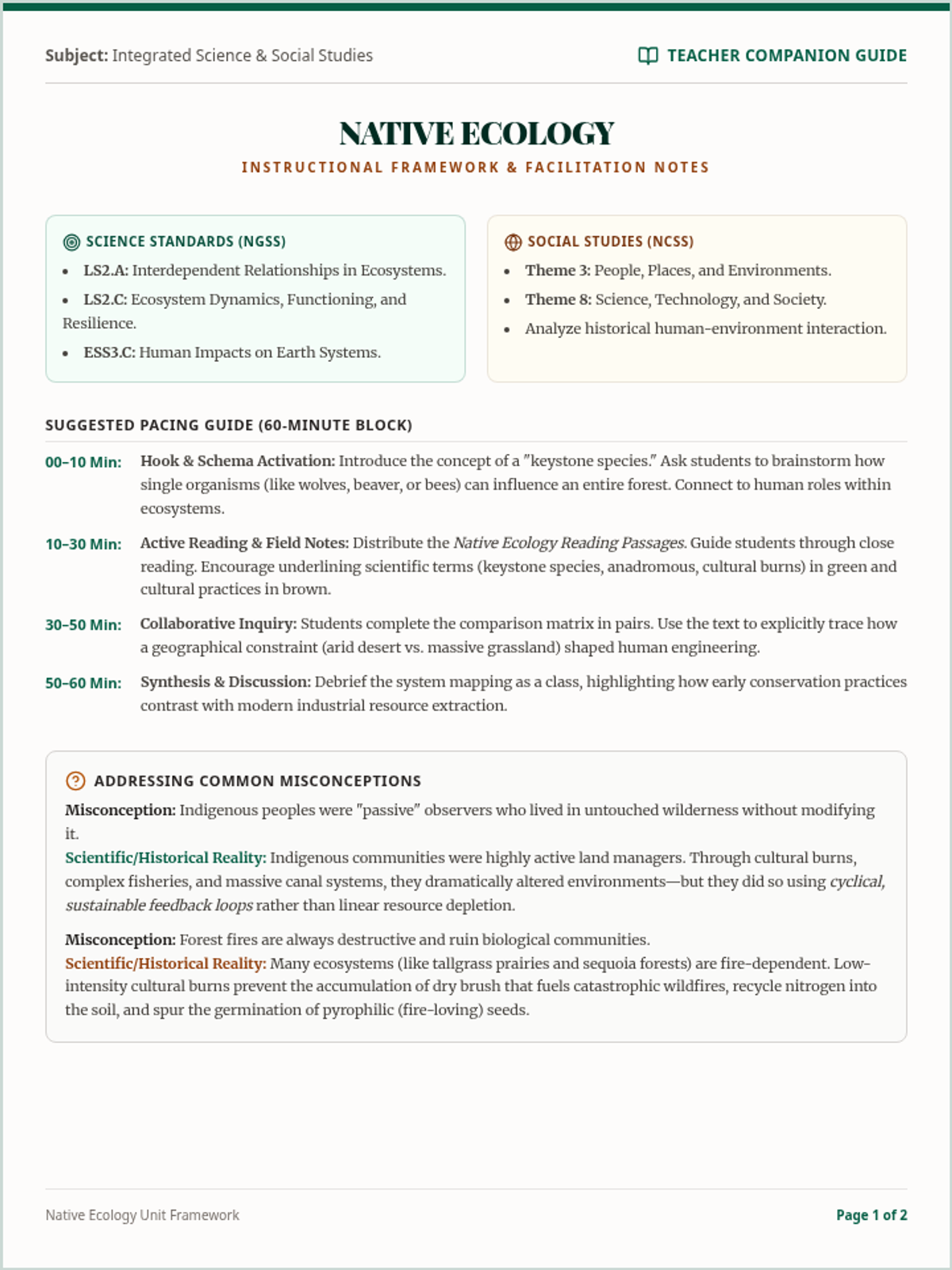
An integrated science and social studies lesson exploring how regional ecosystems and native species supported historical Indigenous communities across North America. Students analyze the ecological relationships and cultural adaptations of three distinct regions.
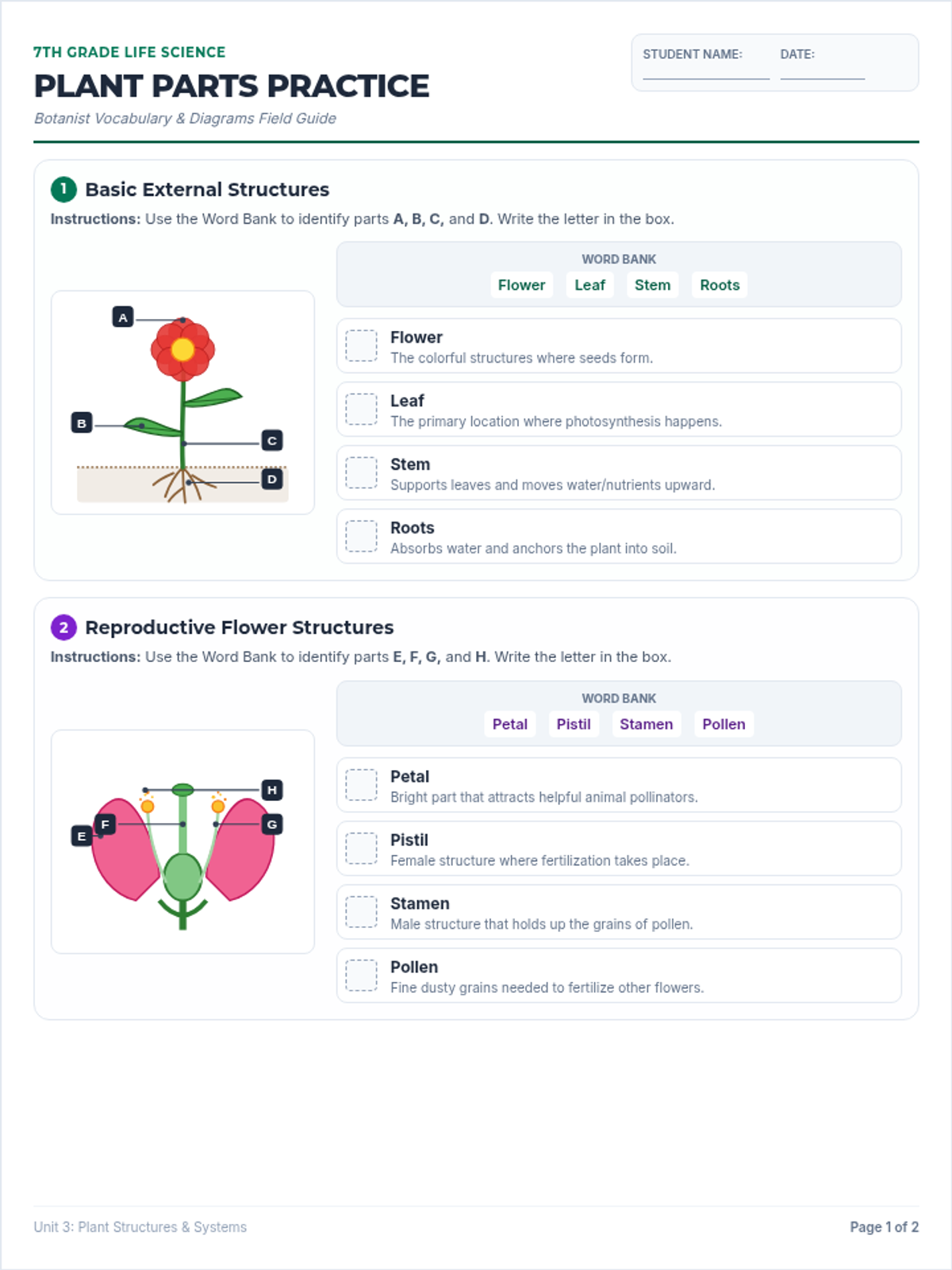
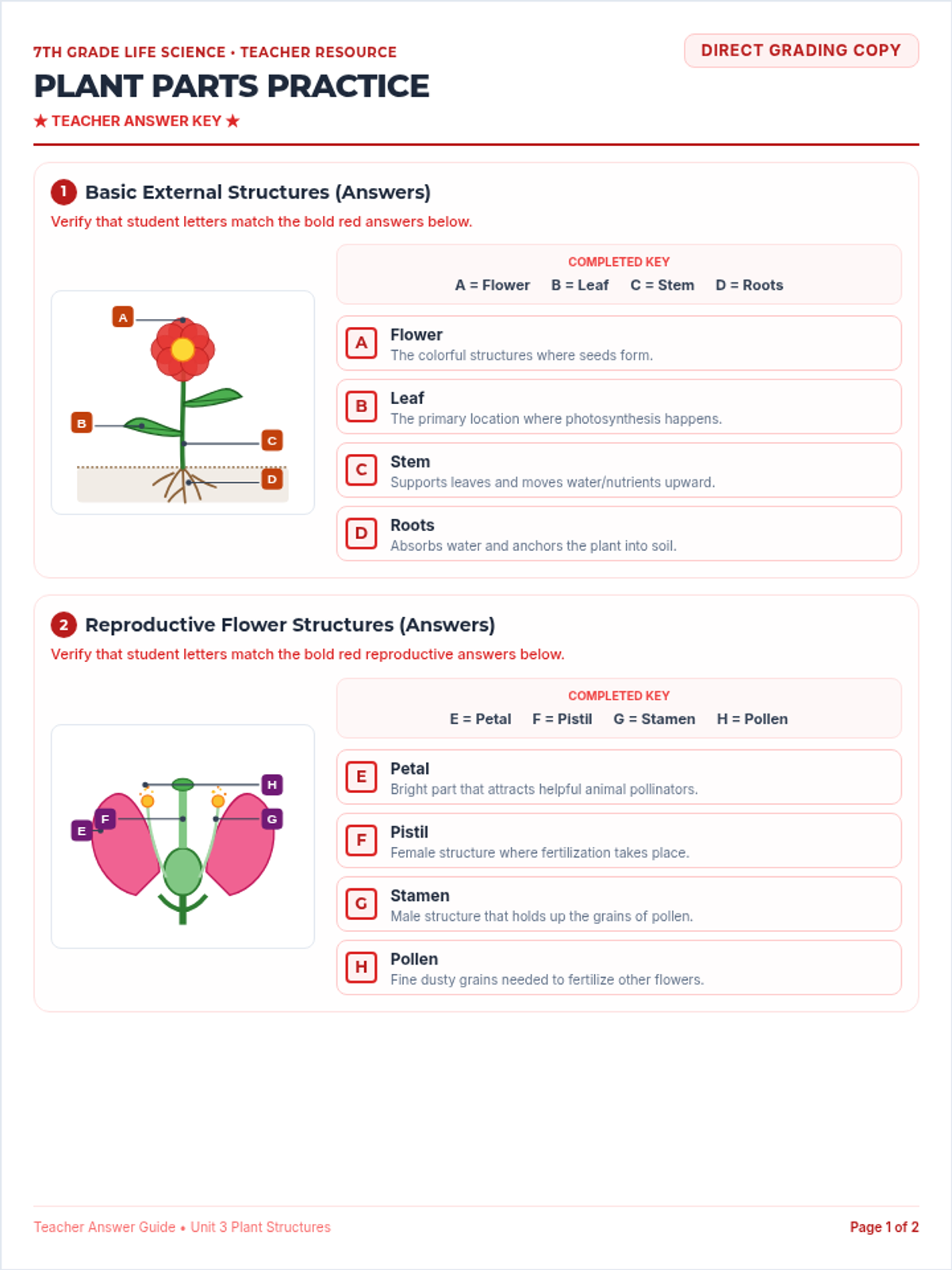
A comprehensive 7th-grade lesson on basic external plant structures (roots, stems, leaves, flowers) and reproductive flower parts (stamen, pistil, pollen, petals). Includes a visual matching worksheet and a teacher answer key.
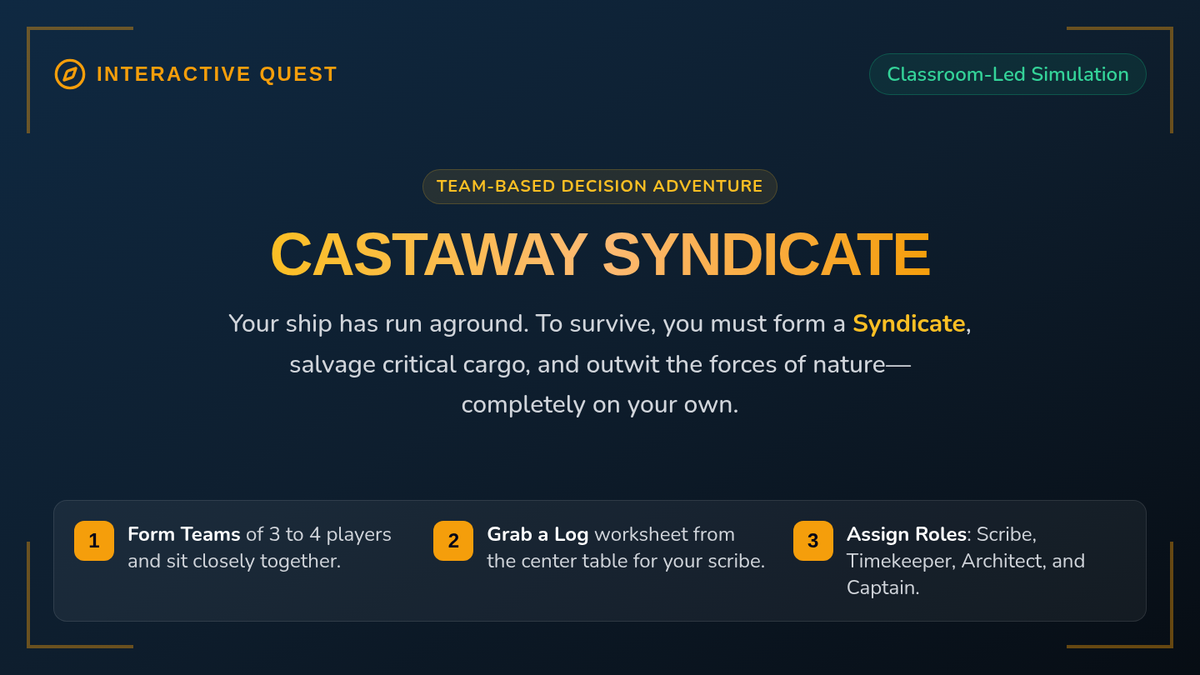
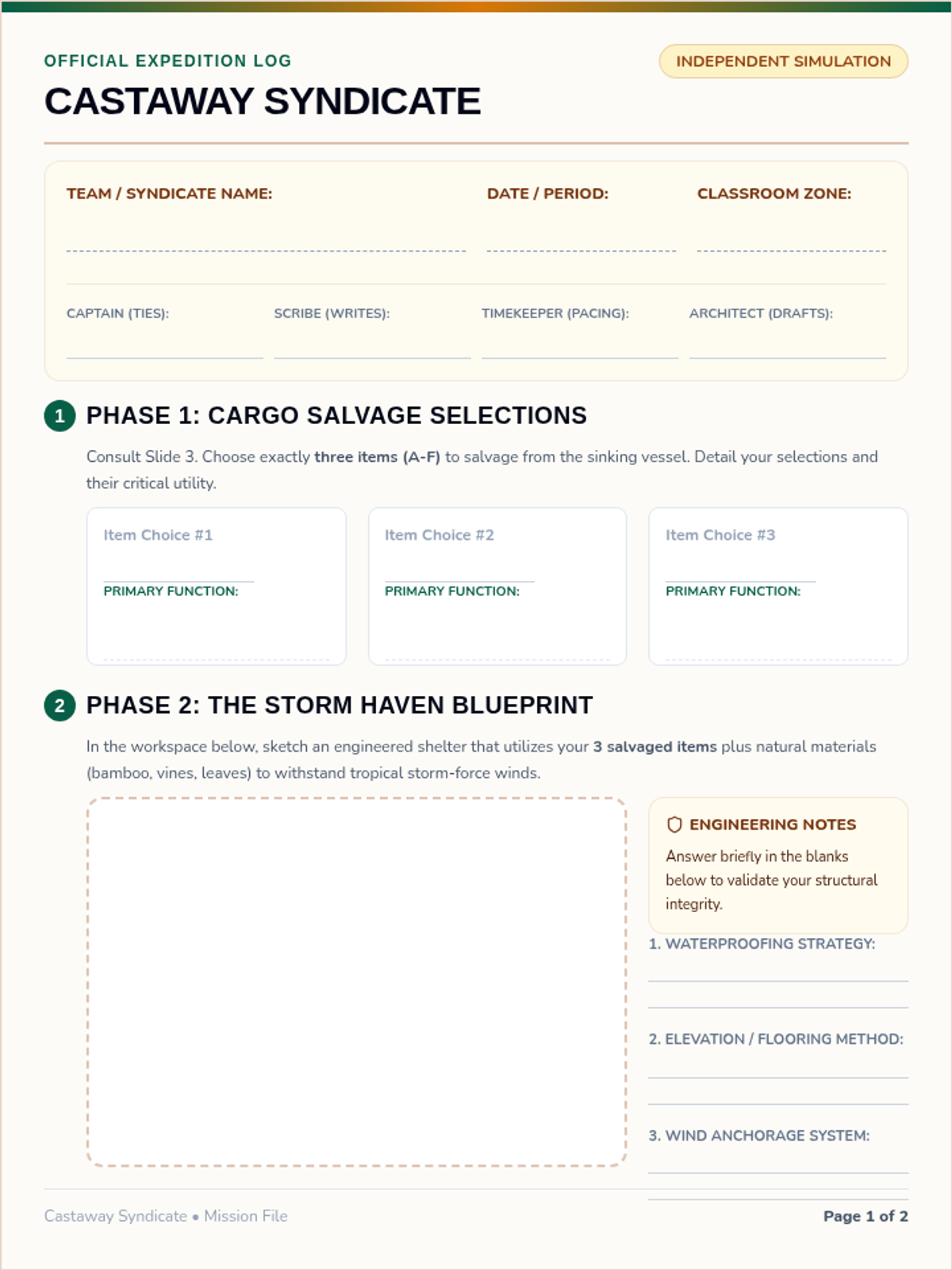
An immersive, self-directed survival simulation where students work in teams to solve creative engineering and resource-management challenges. Designed to keep the entire classroom deeply engaged and collaborative while the teacher conducts one-on-one sessions.
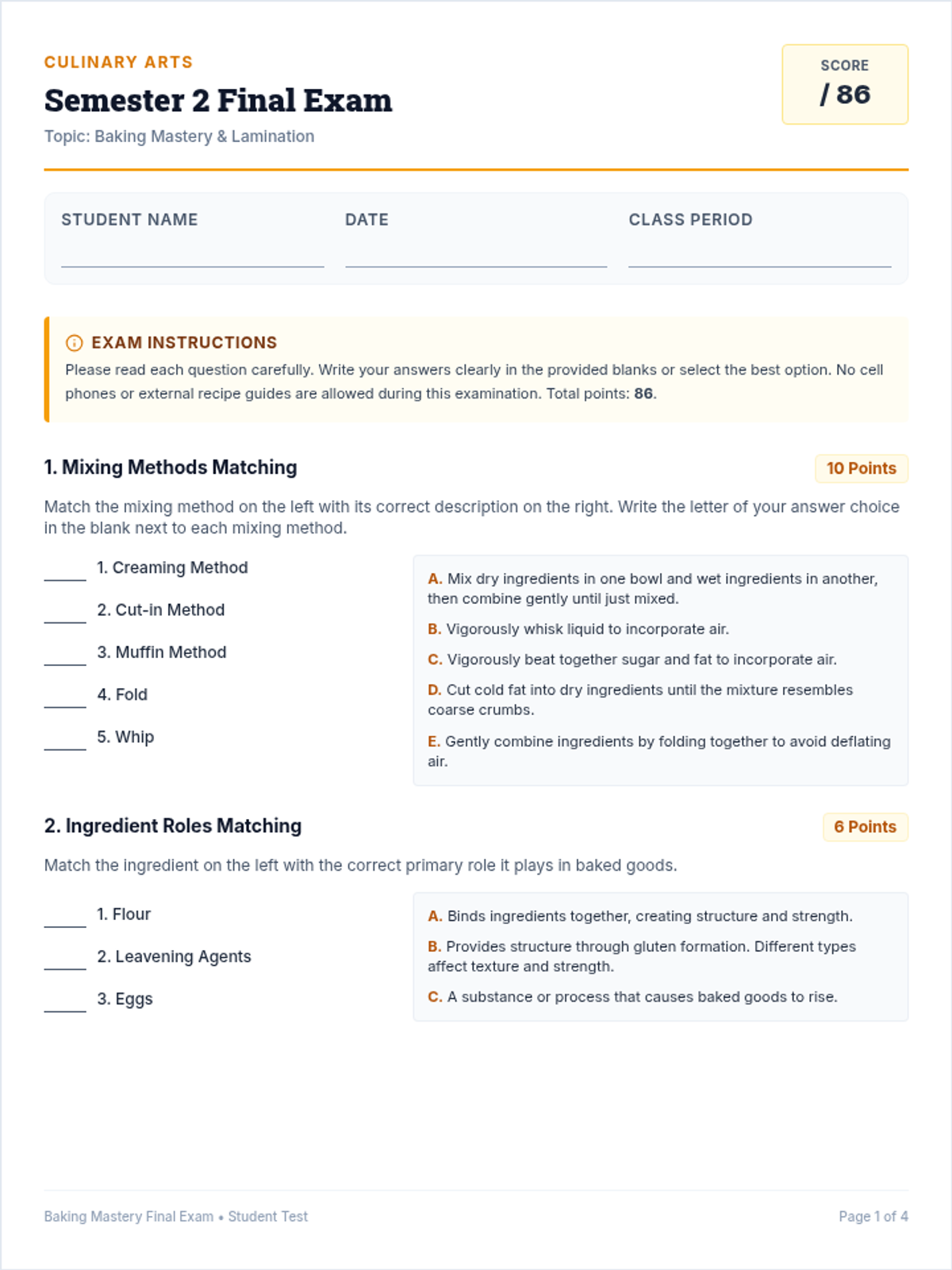
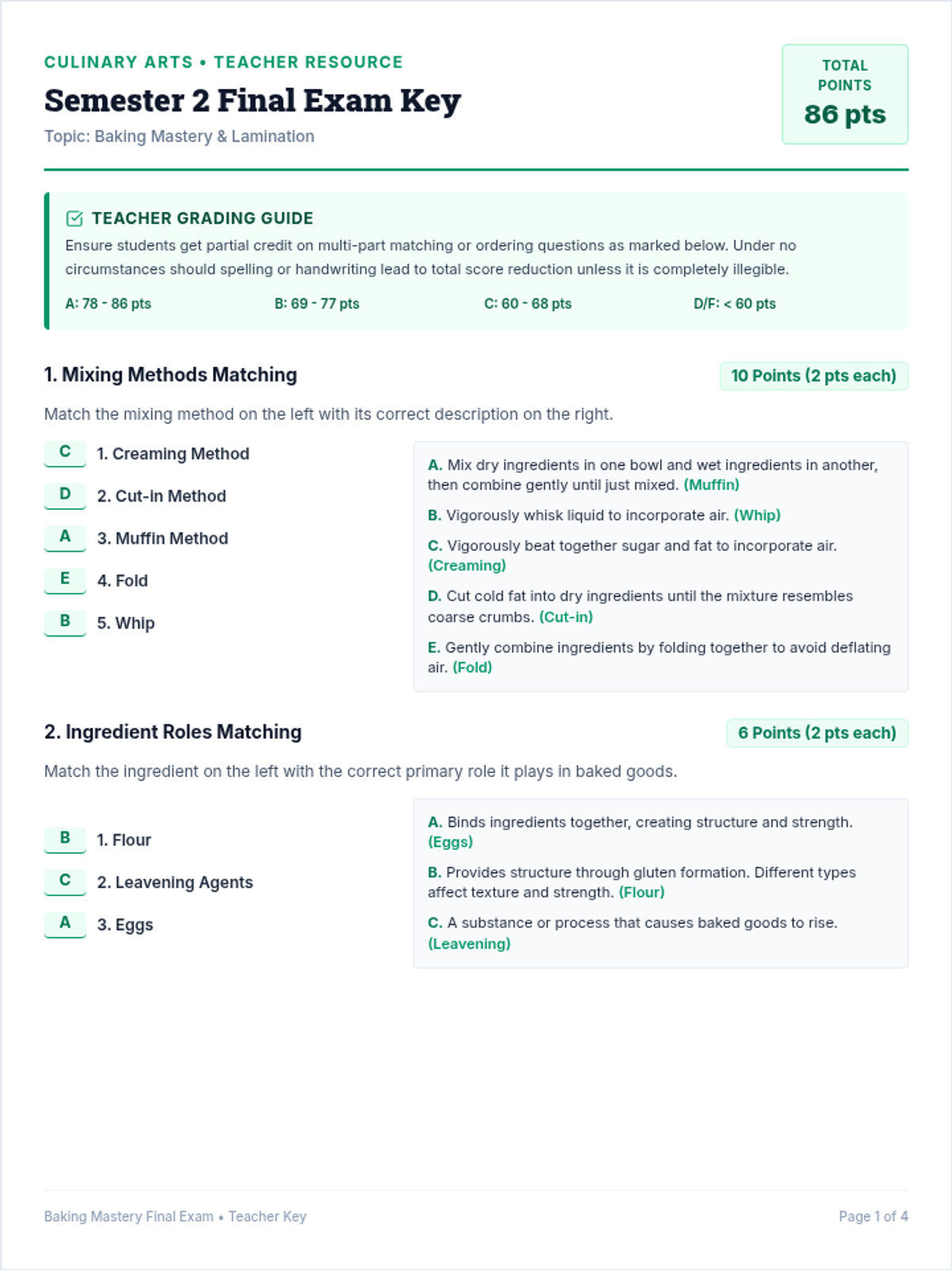
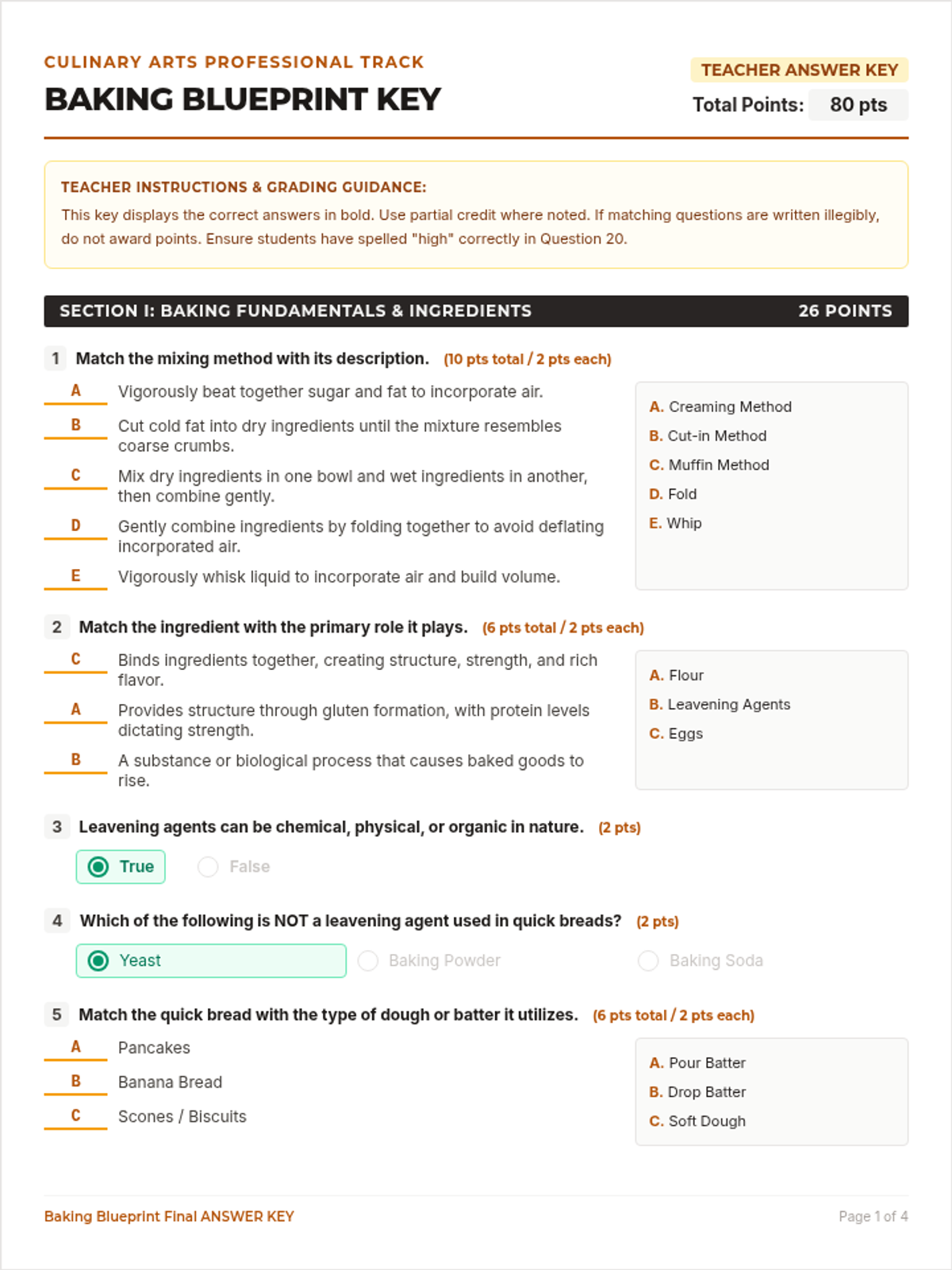
A comprehensive evaluation of baking methods, ingredients, yeast dough preparation, and laminating techniques for Culinary Arts students. Includes a student exam and a matching teacher answer key.
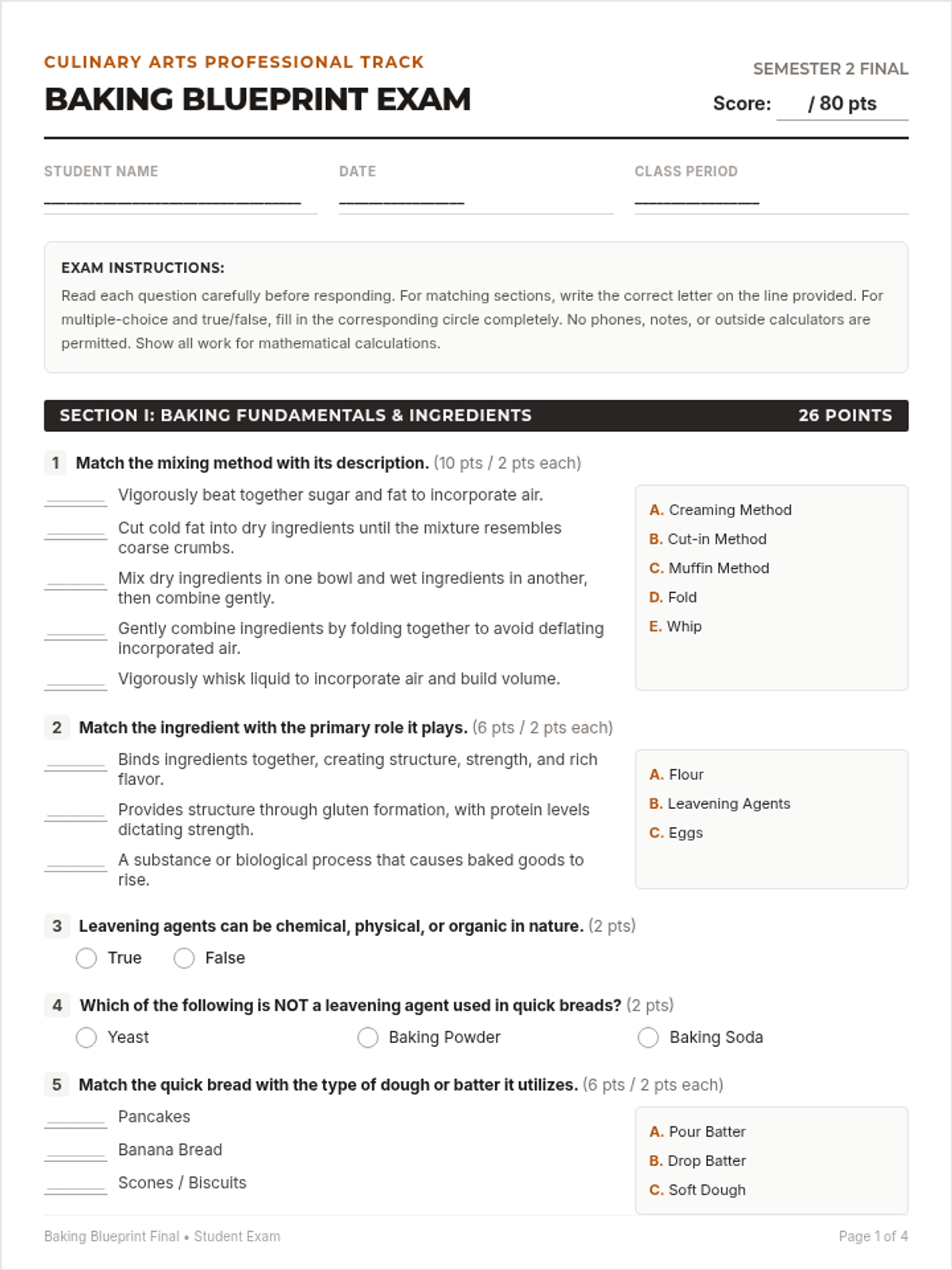
A comprehensive Semester 2 Final Exam for a high school or college Culinary Arts course, covering mixing methods, baking ingredients, leavening agents, quick breads, yeast breads, pies/pastries, lamination, and baker's percentages. Includes a student-ready exam and a fully annotated teacher's answer key.
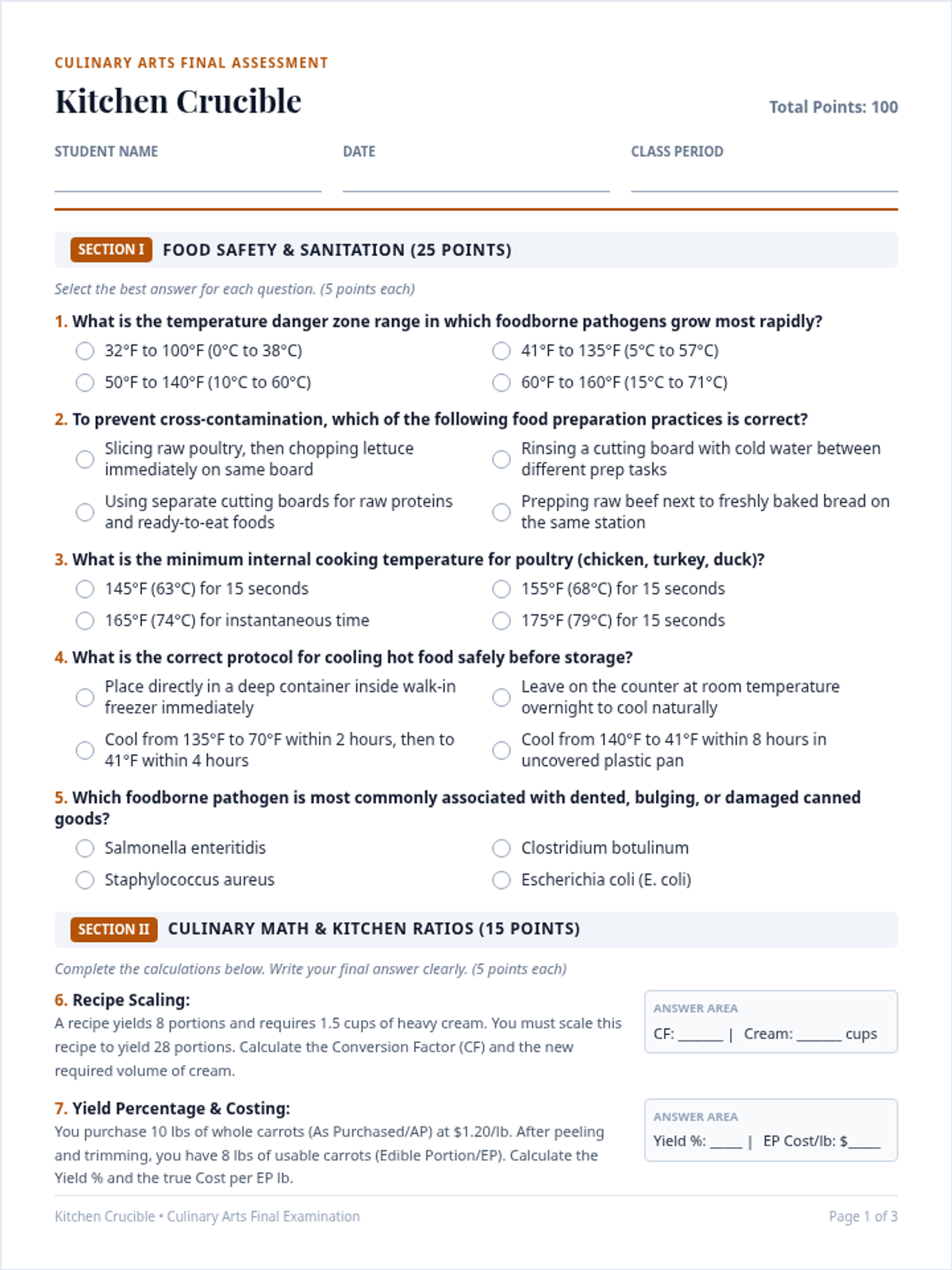
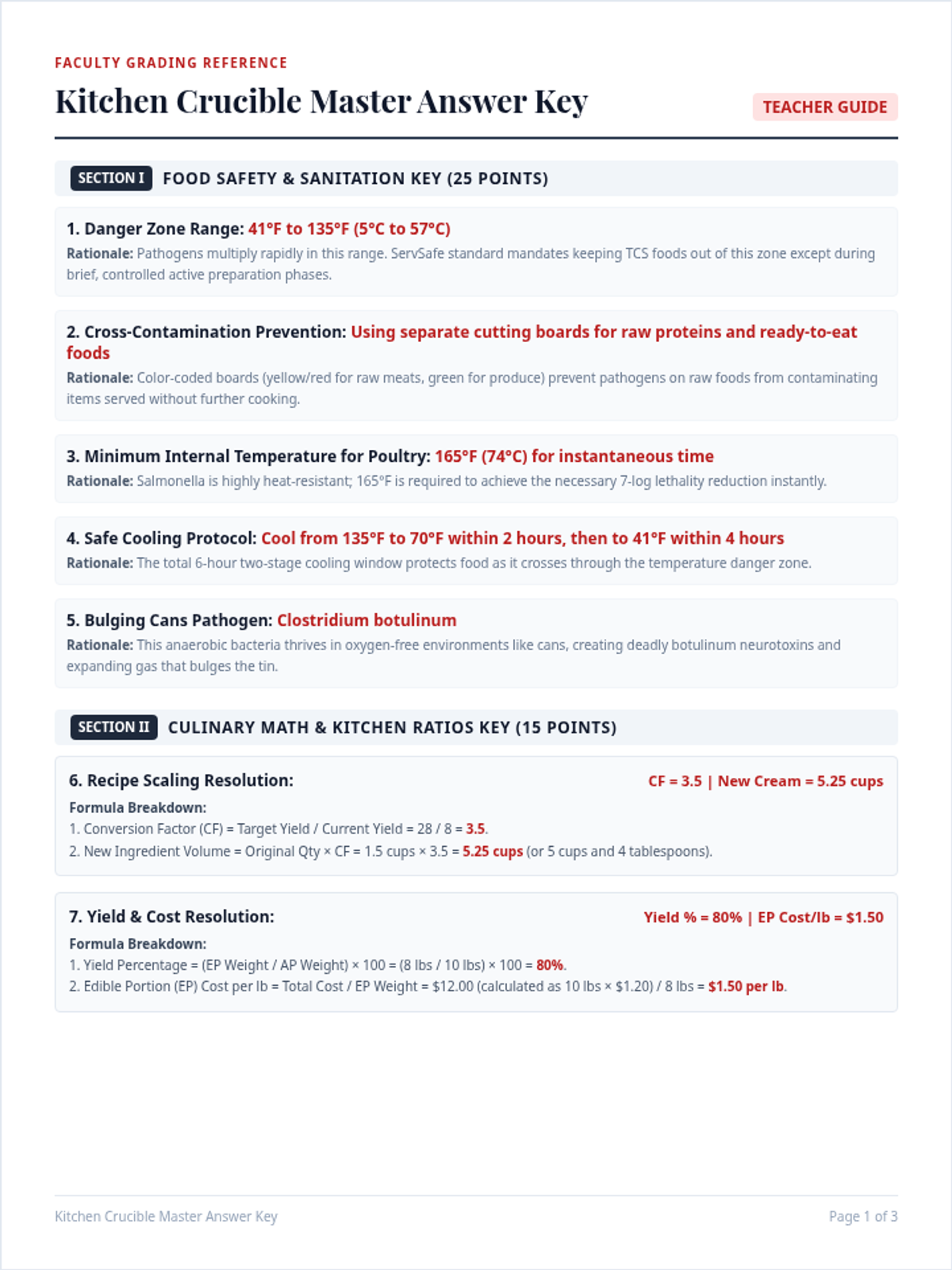
A comprehensive final assessment package for culinary arts students, featuring a multi-page written exam covering food safety, culinary math, cooking techniques, and mother sauces, paired with a complete teacher answer key and rubric.
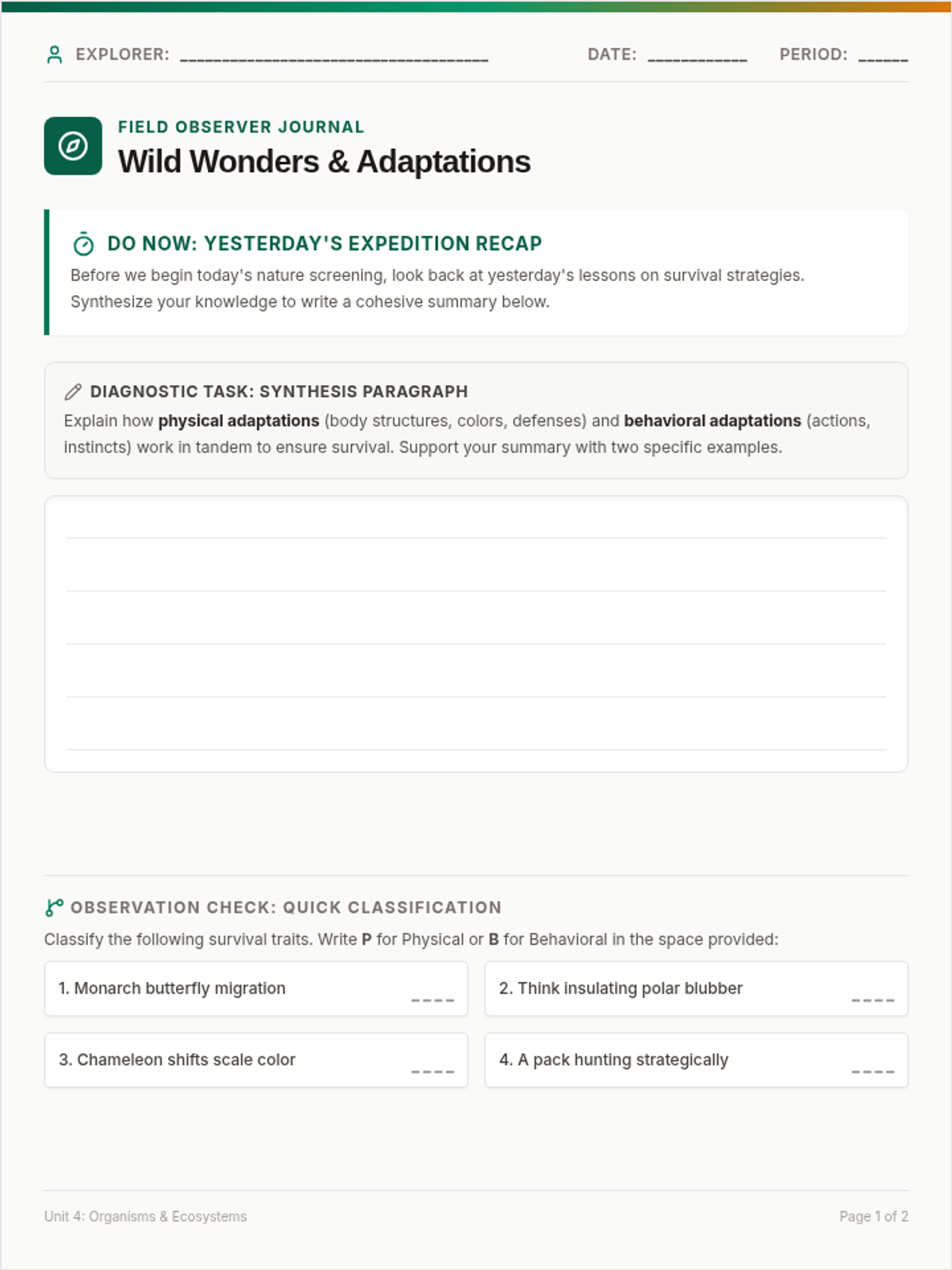
A lesson exploring how physical and behavioral traits help organisms survive in their environments, featuring a video documentary review and diagnostic summary.
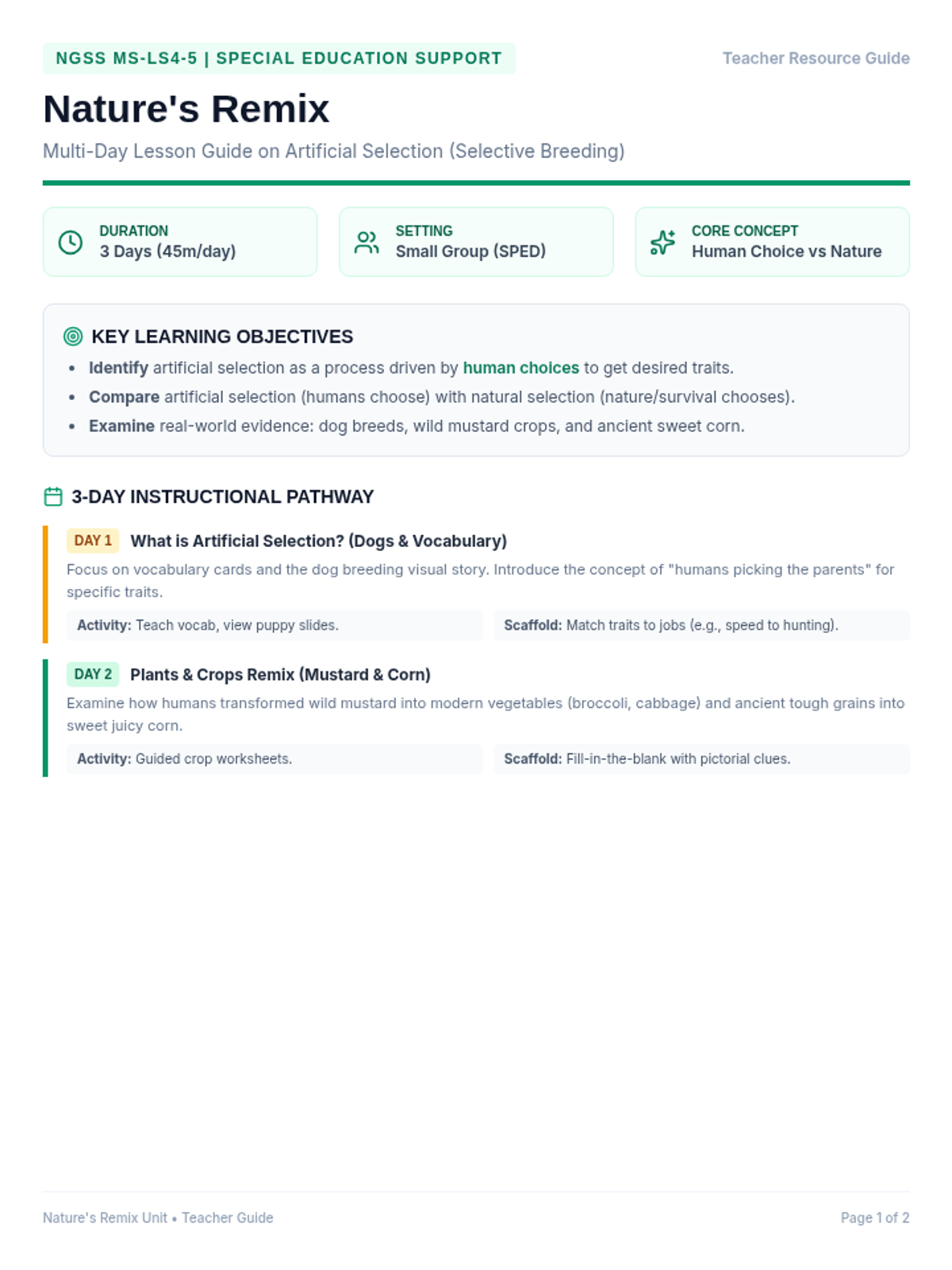
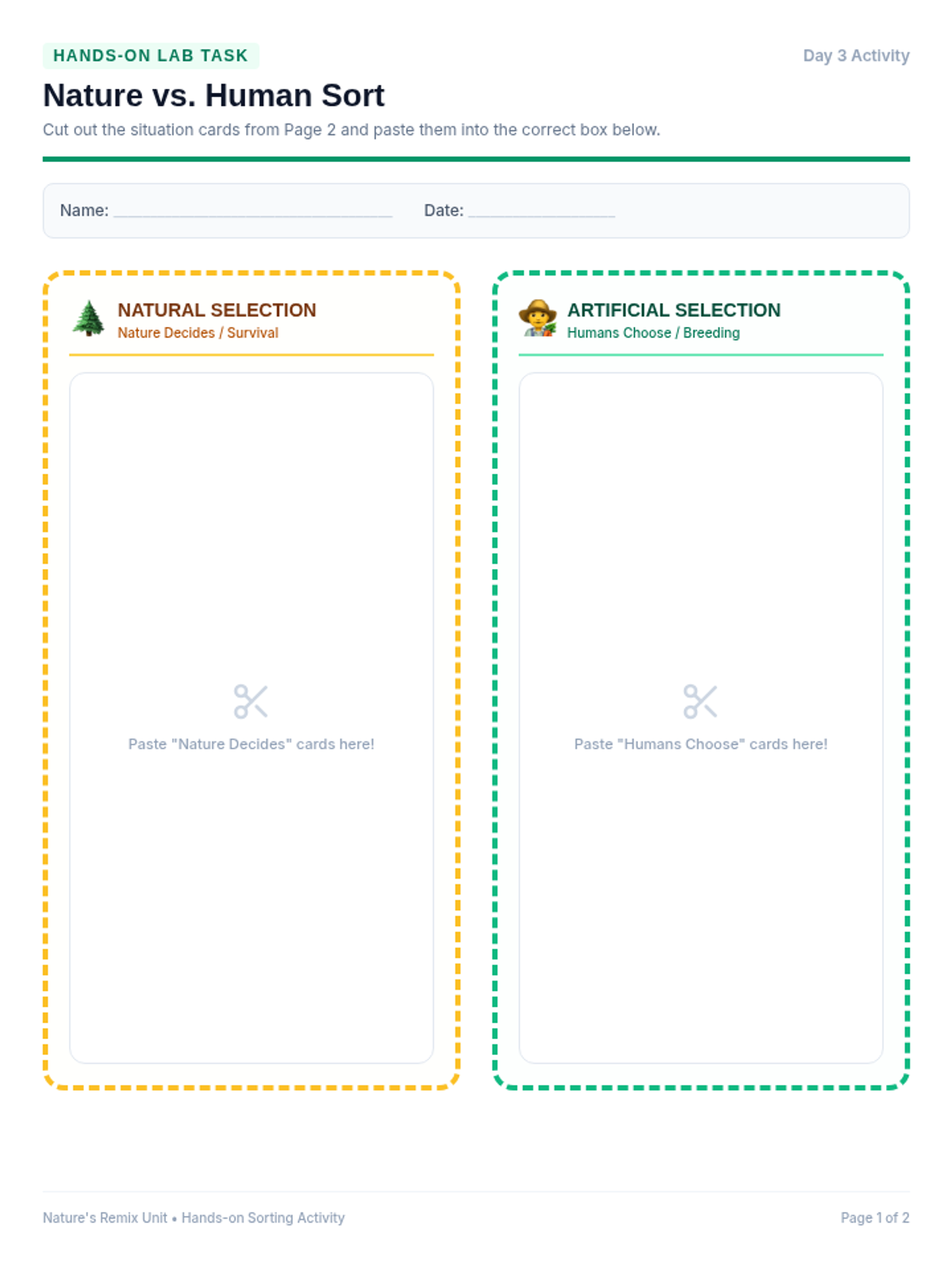
A multi-day, scaffolded special education lesson plan on artificial selection (MS-LS4-5). Includes a simplified visual presentation, graphic organizers with sentence frames, illustrated vocabulary cards, a hands-on sorting task, and a comprehensive teacher guide.
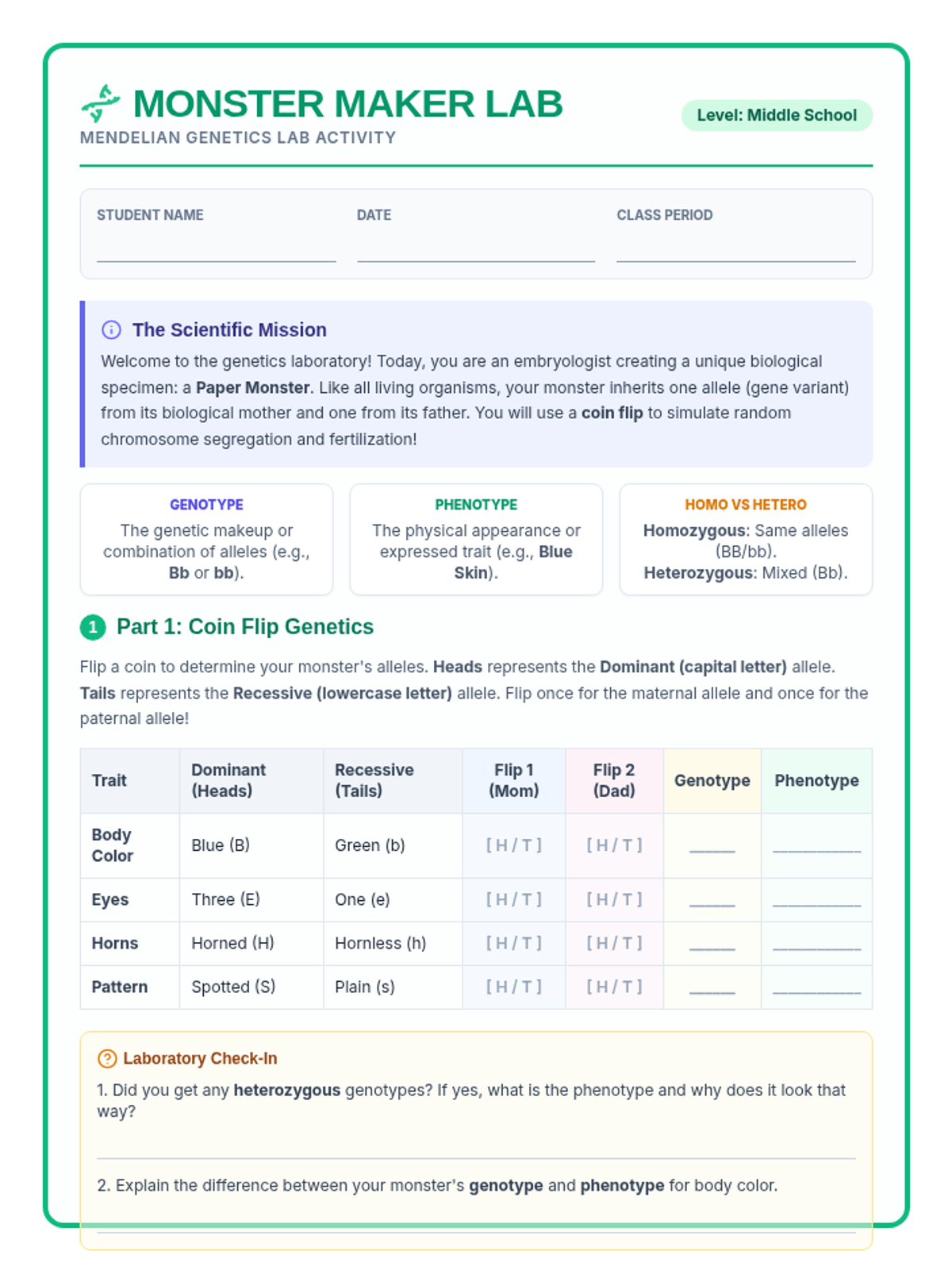
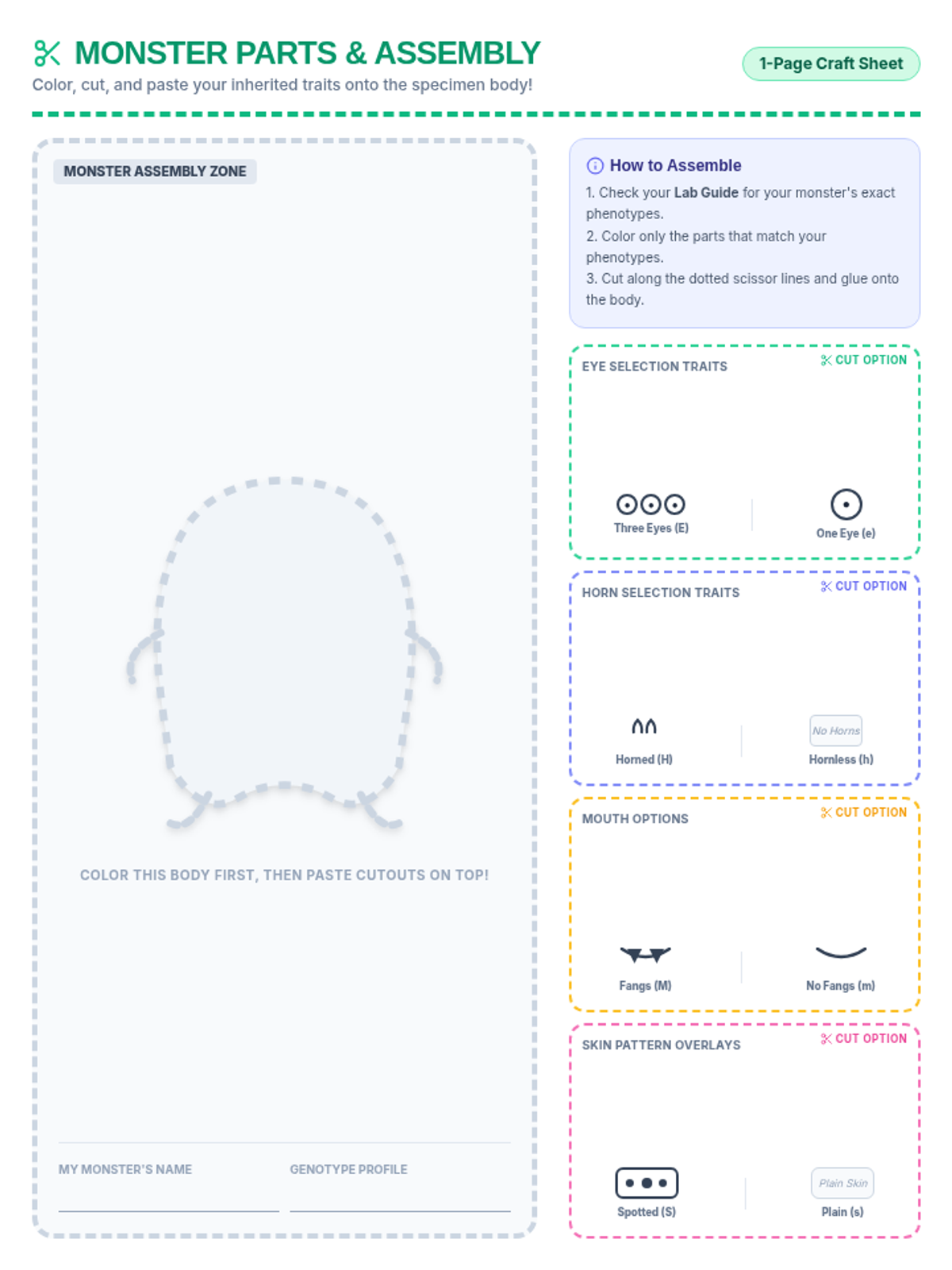
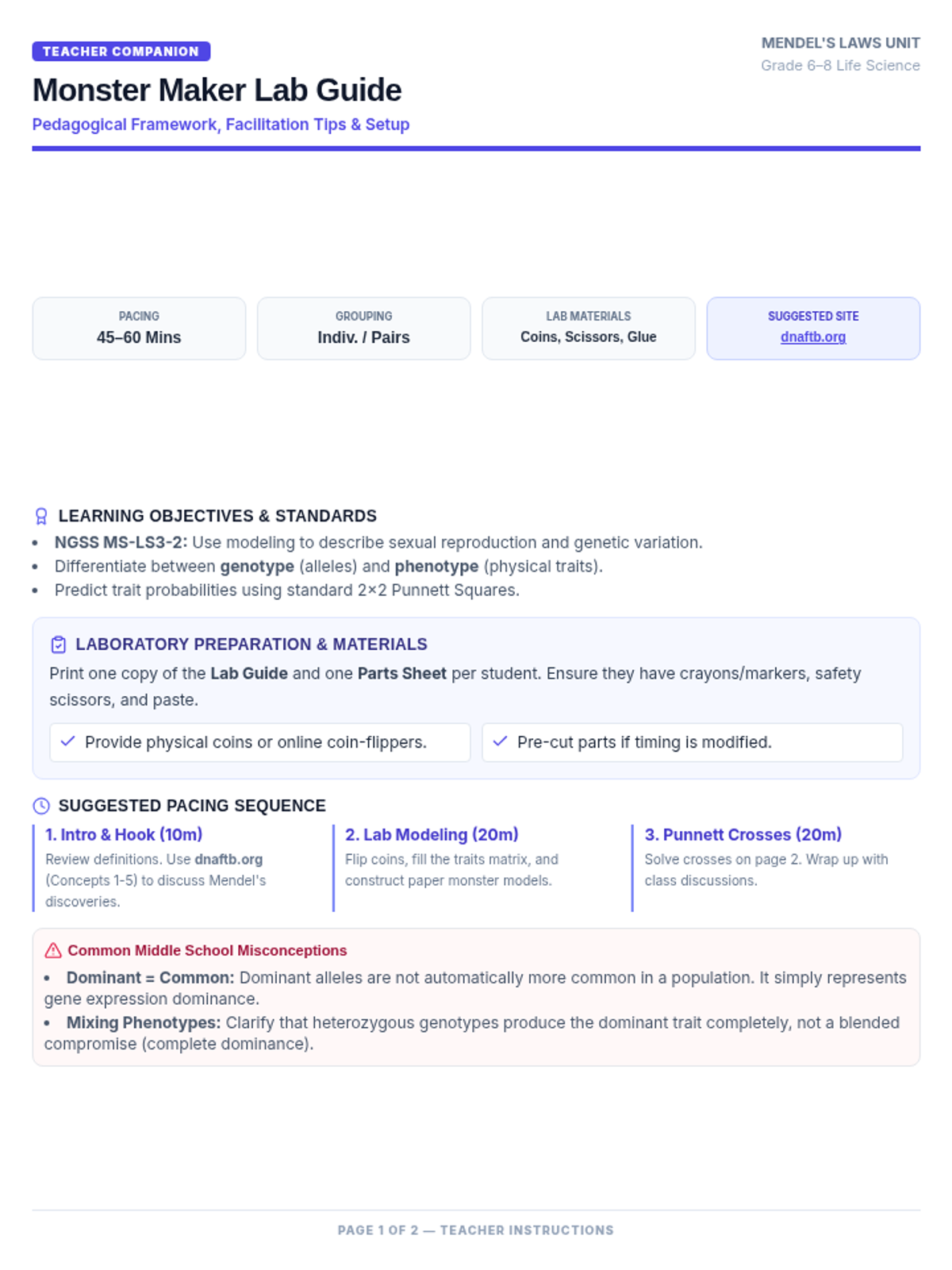
A hands-on paper modeling lab where middle school students explore Mendel's laws of inheritance. Students flip coins to determine alleles, build paper monsters based on genotypes and phenotypes, and complete Punnett squares to predict inheritance outcomes.
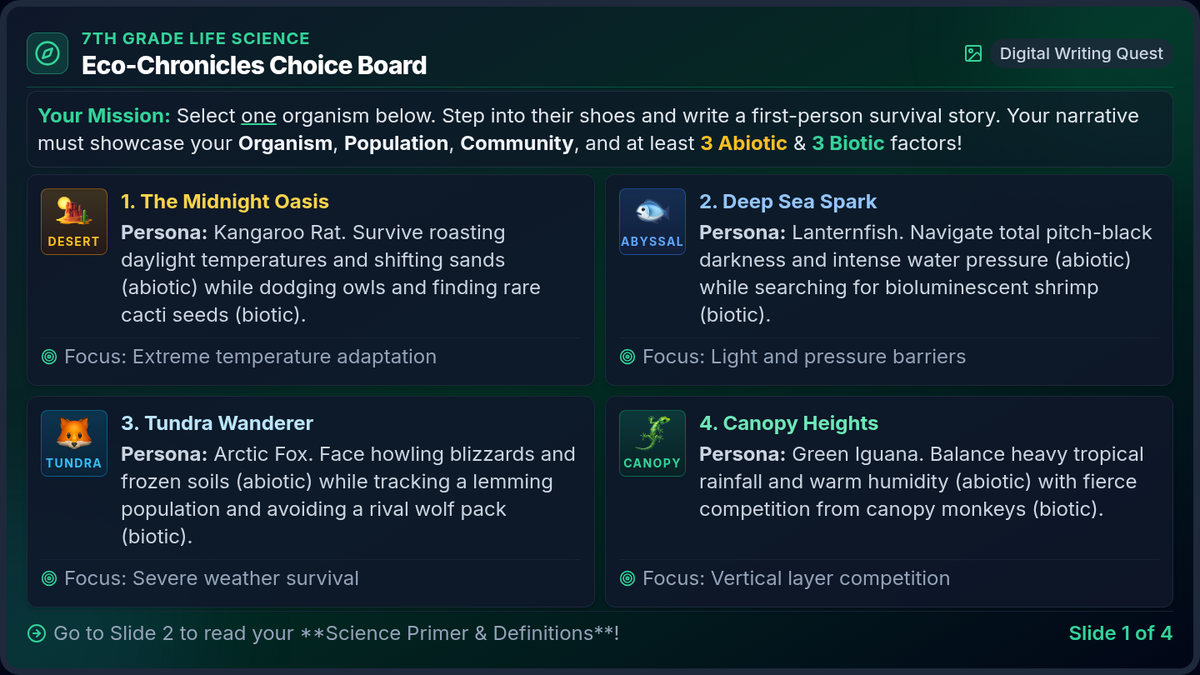
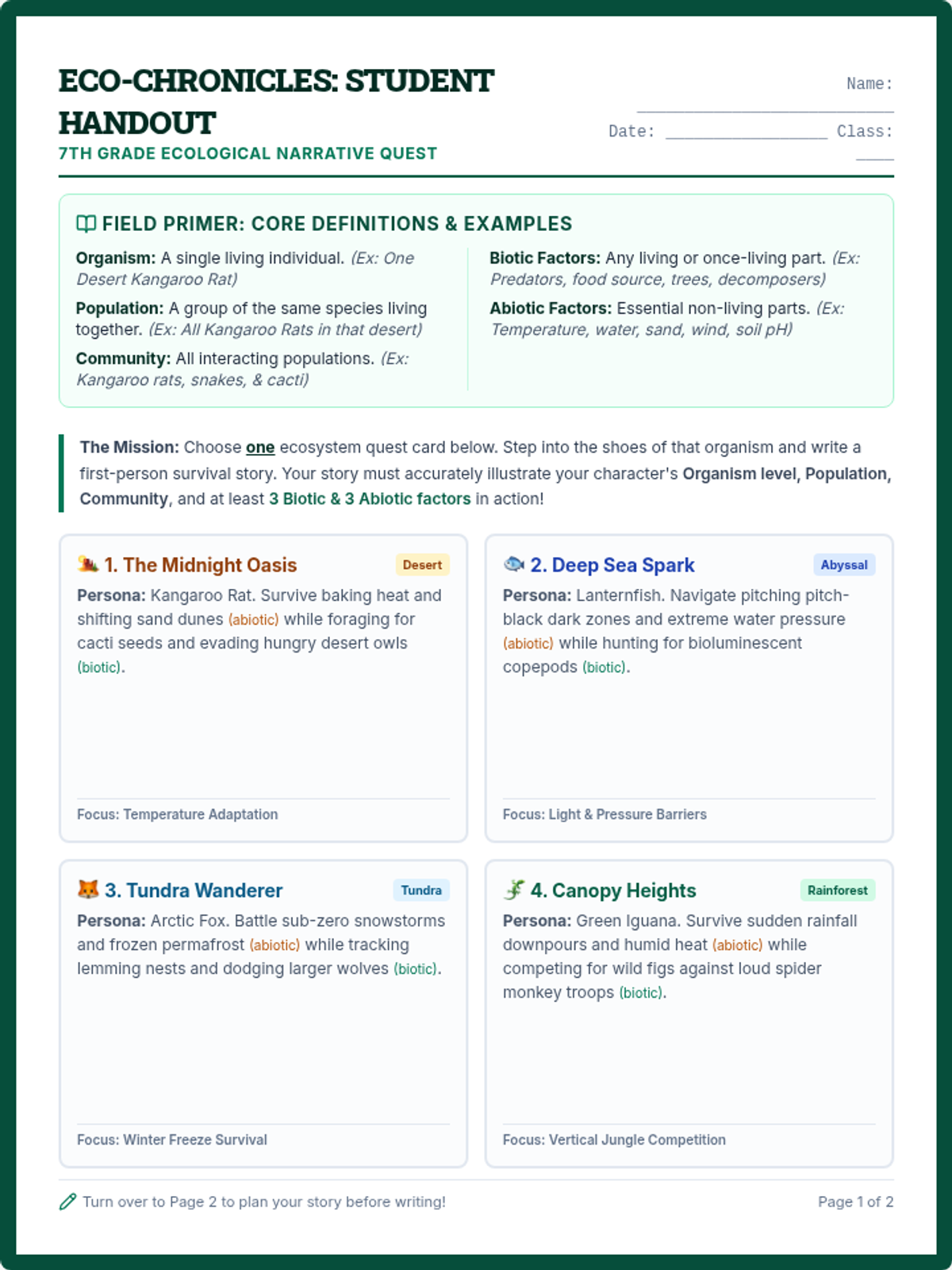
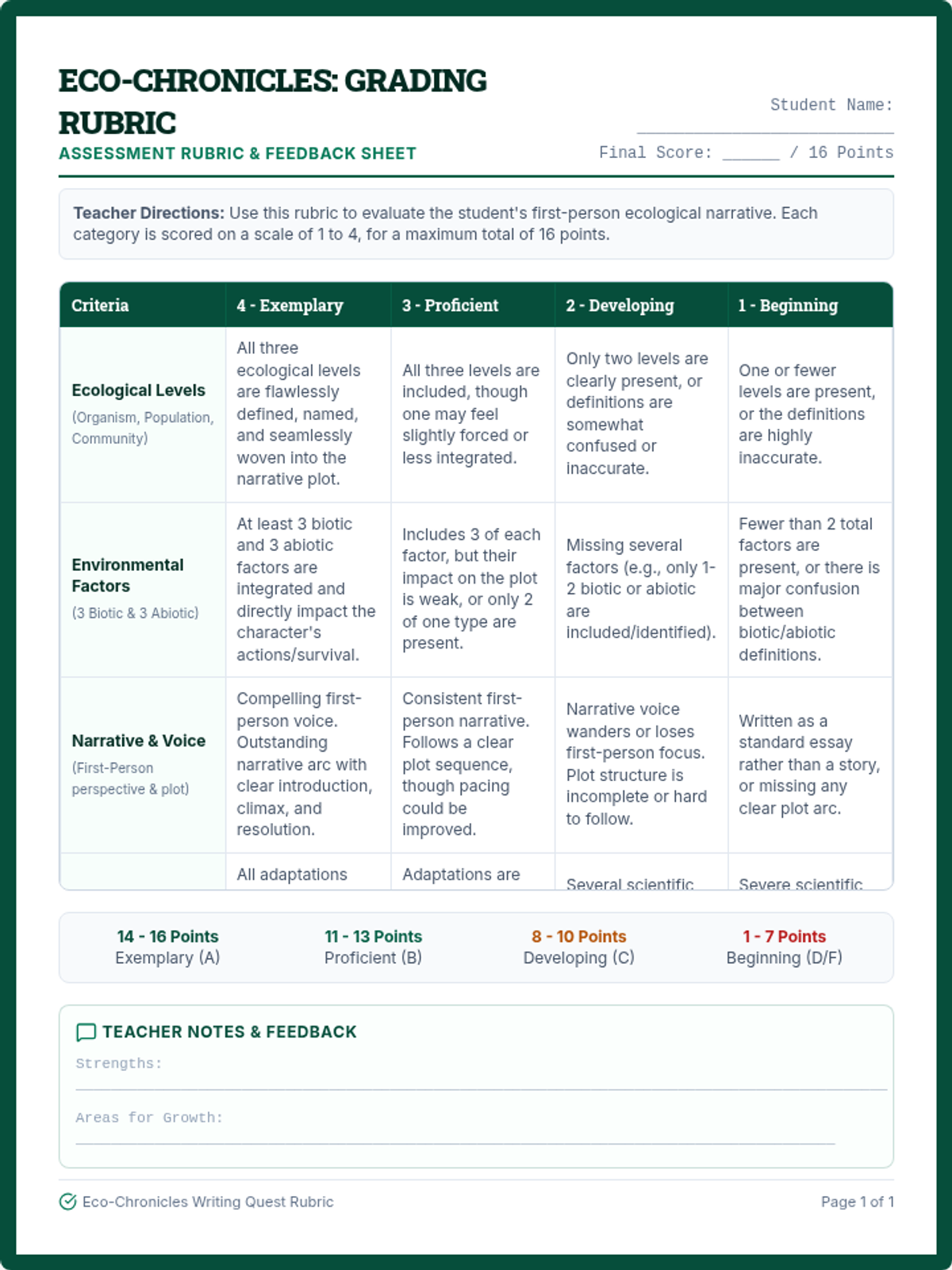
A highly engaging digital lesson where students step into the shoes of organisms, exploring ecological levels (organism, population, community) and biotic/abiotic factors through narrative writing choice boards and a structured brainstorming graphic organizer.
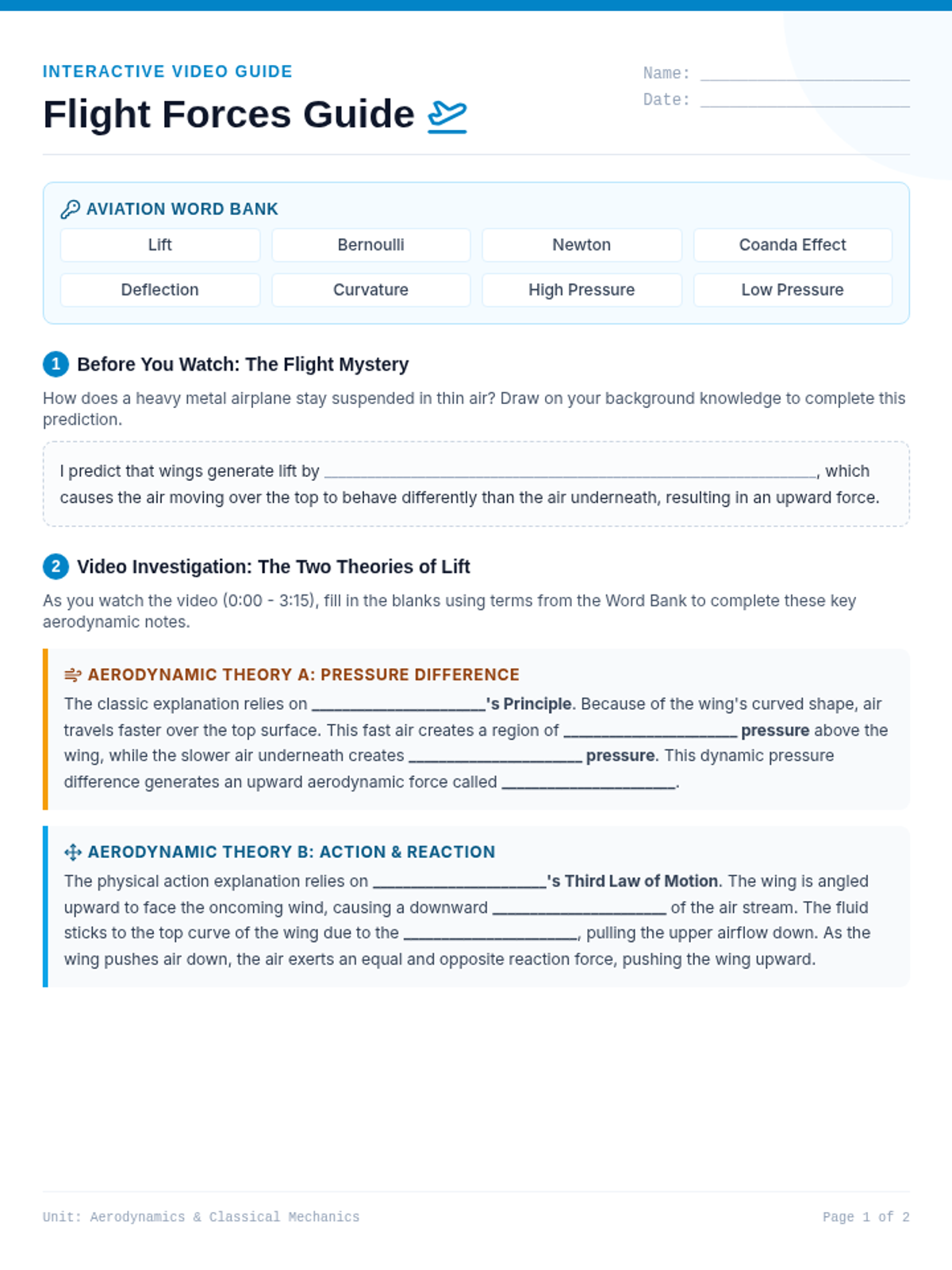
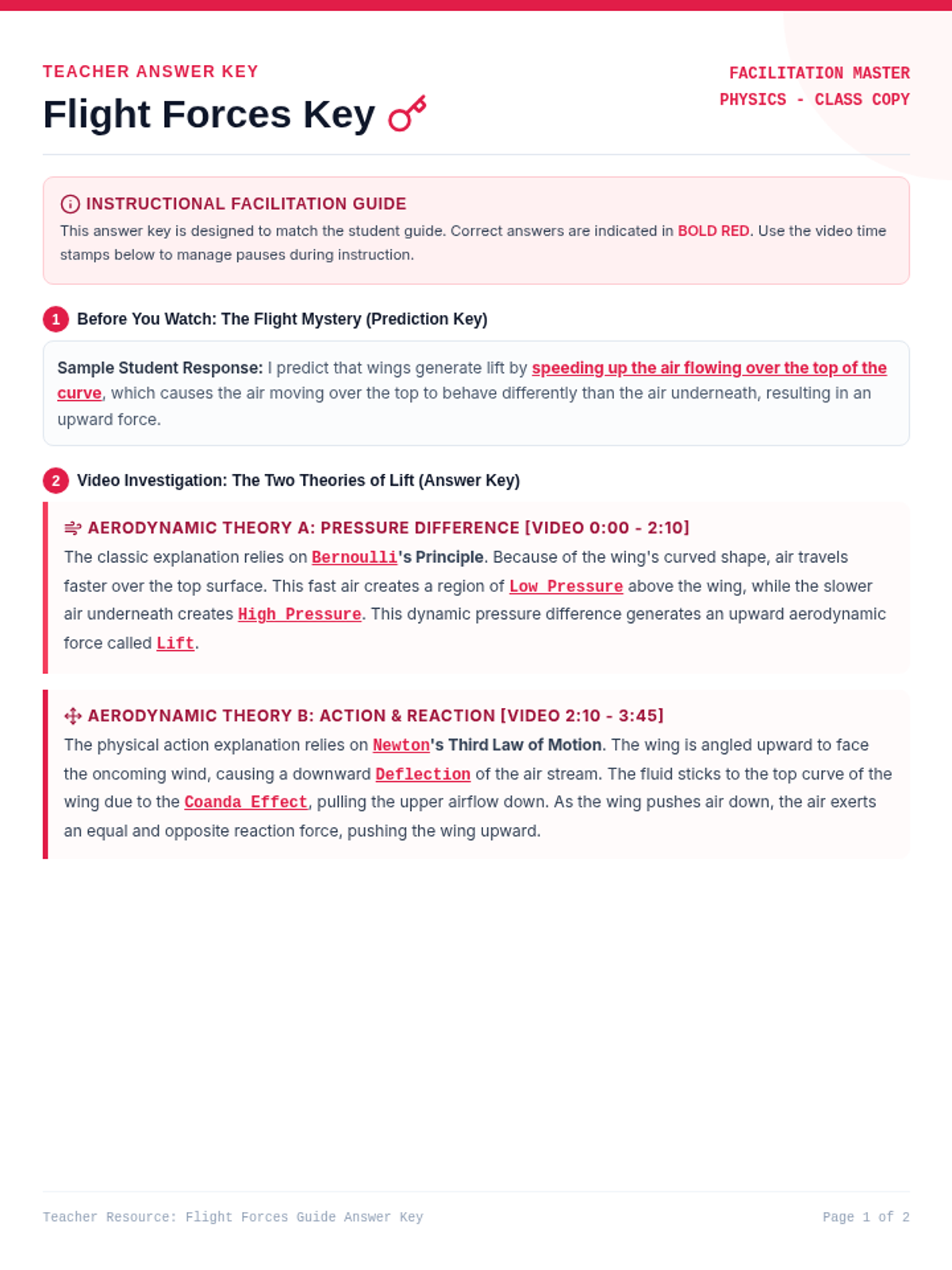
An engaging physics lesson exploring the aerodynamics of flight, centering around an interactive video guide, visual slides, and scaffolded student guided notes with sentence frames.
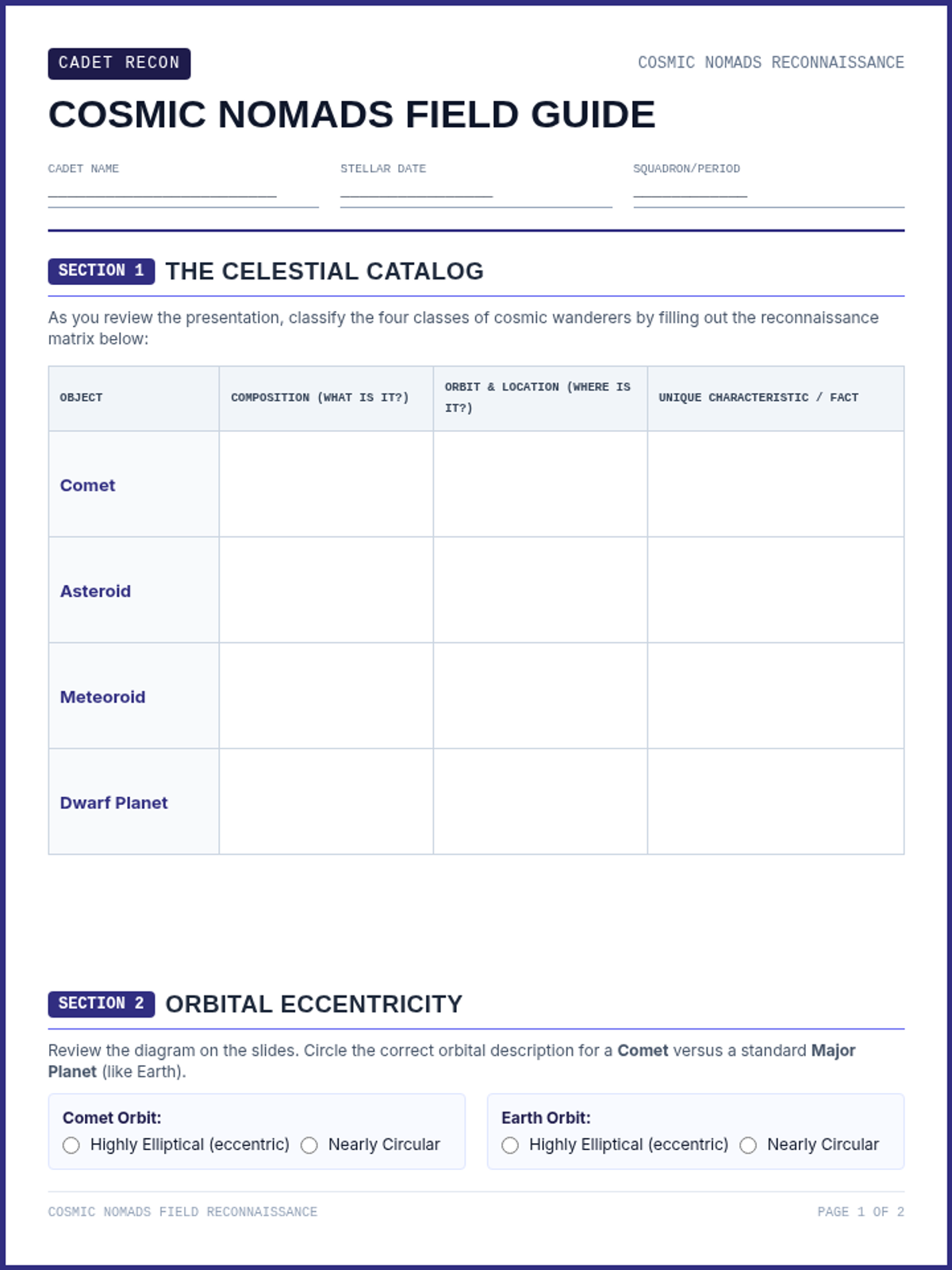
An interactive exploration of asteroids, comets, meteoroids, and dwarf planets, focusing on their physical compositions, eccentric orbital pathways, and origins in the Kuiper Belt and Oort Cloud.
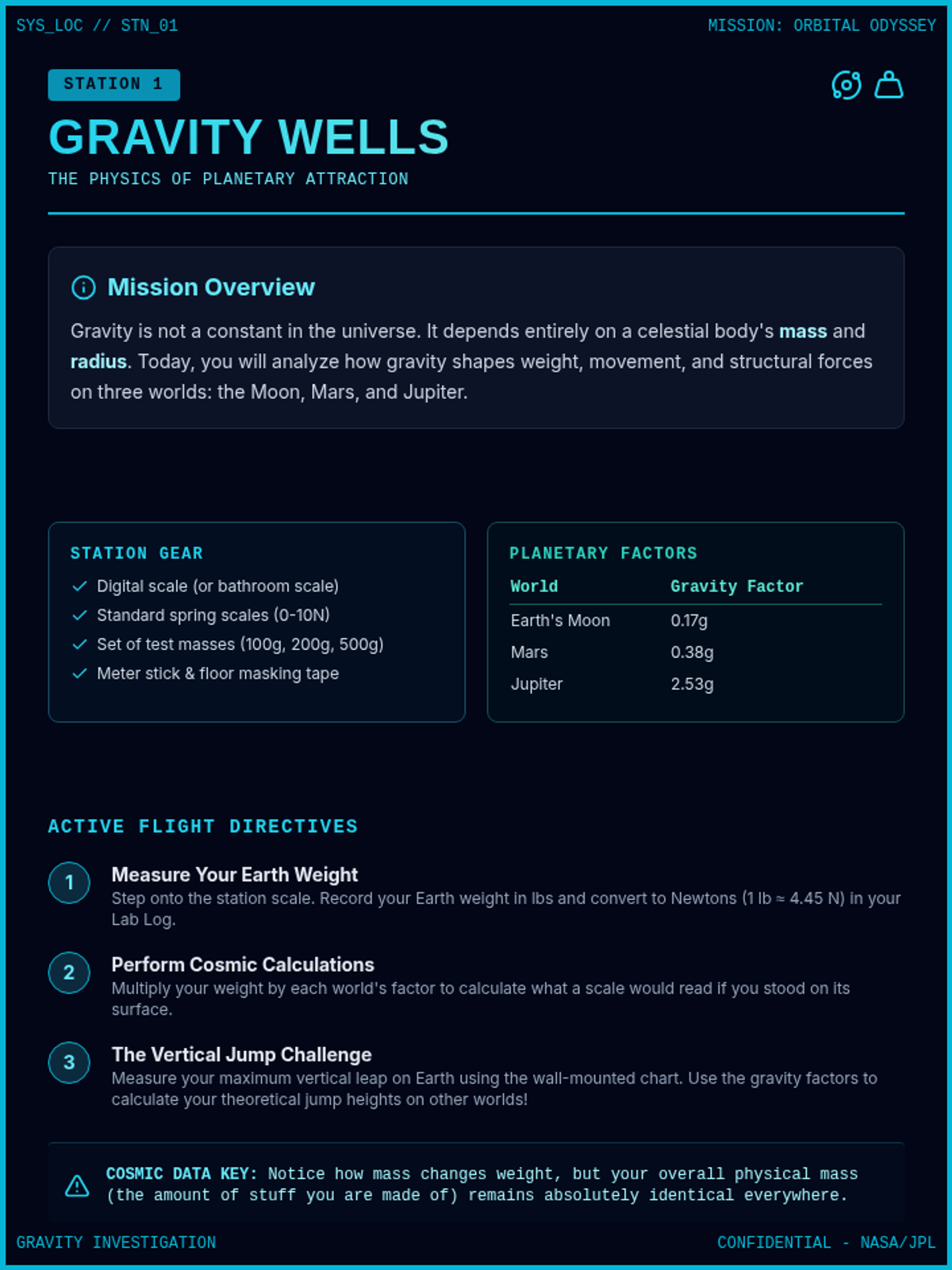
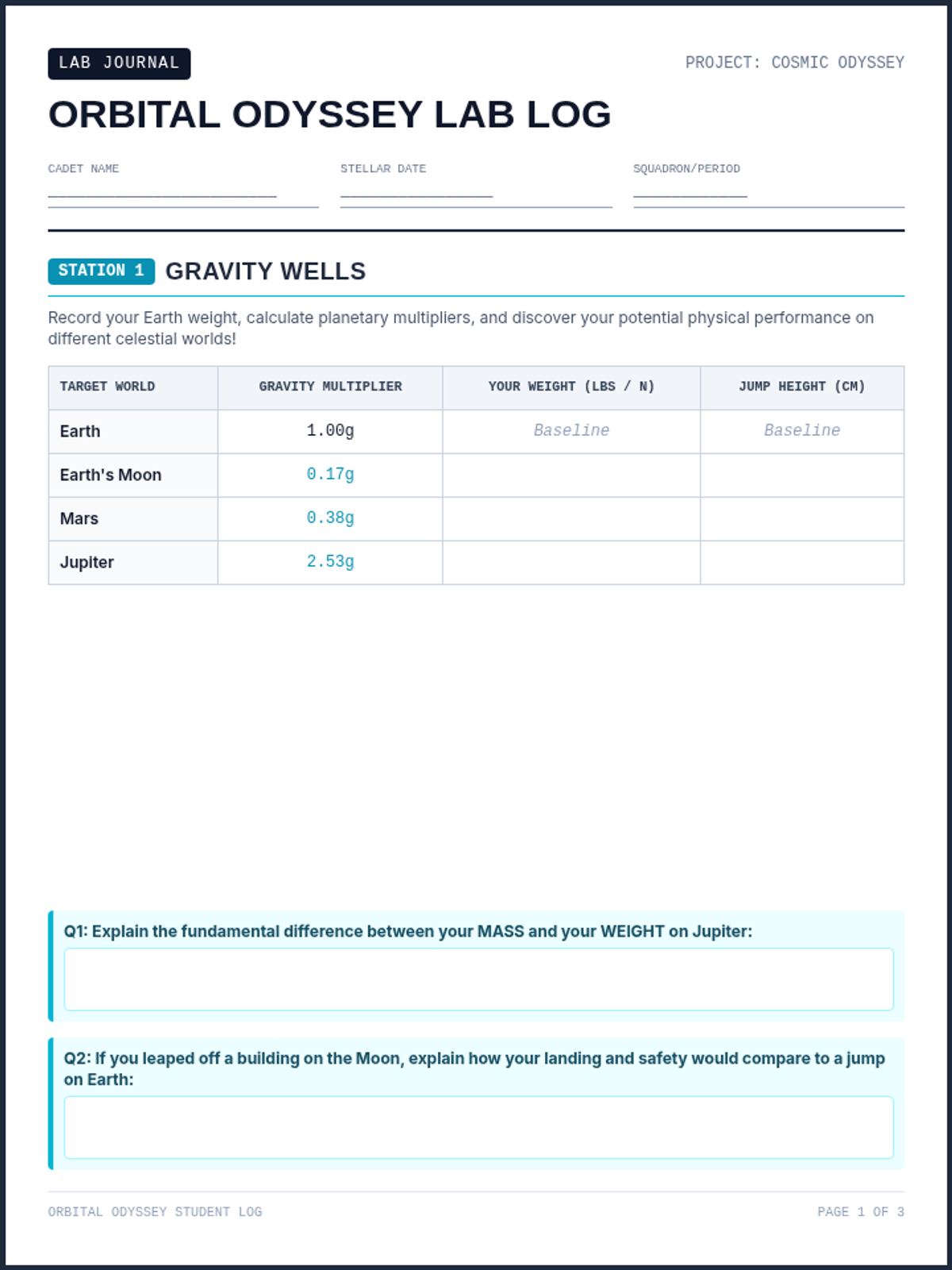
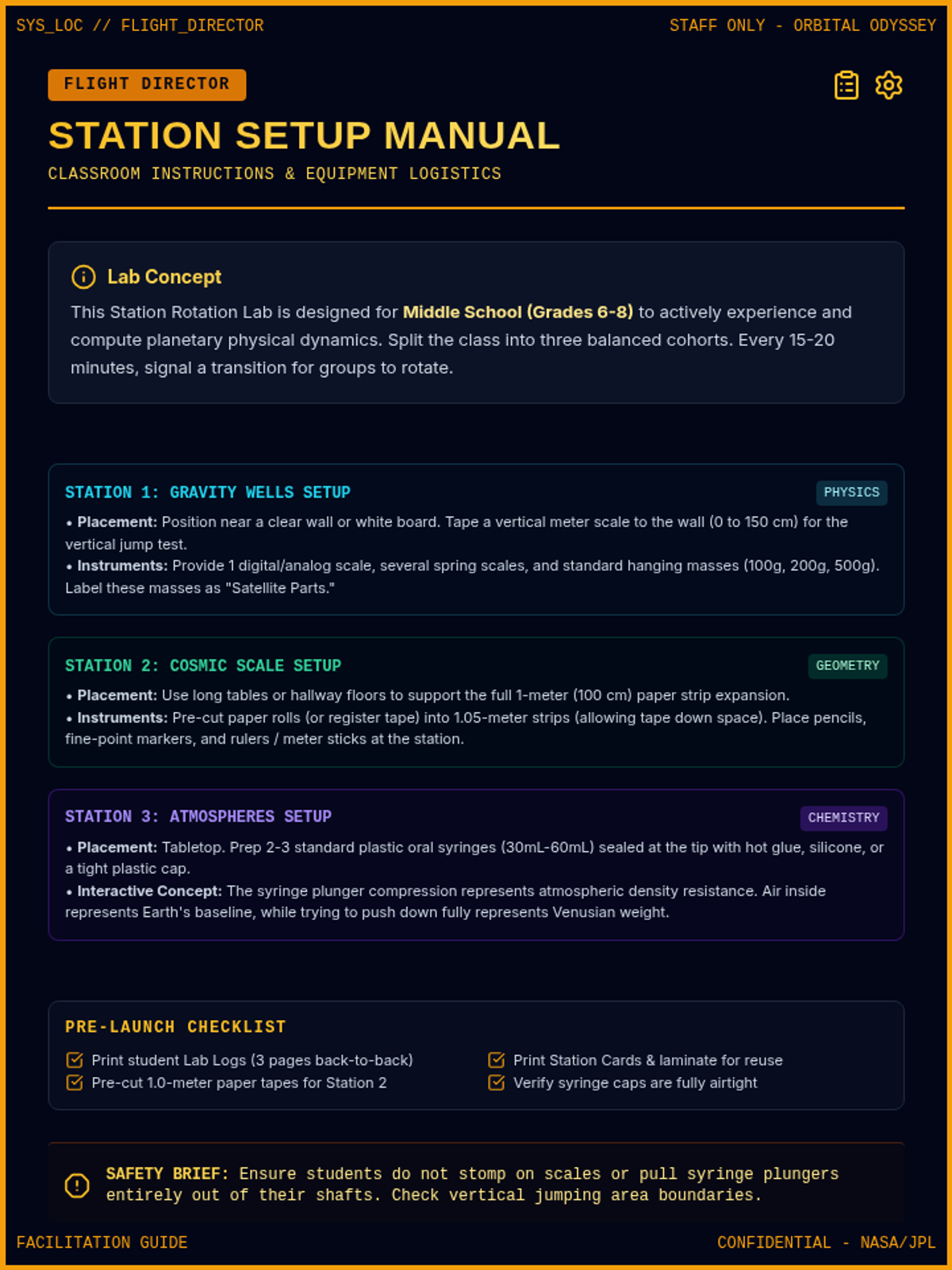
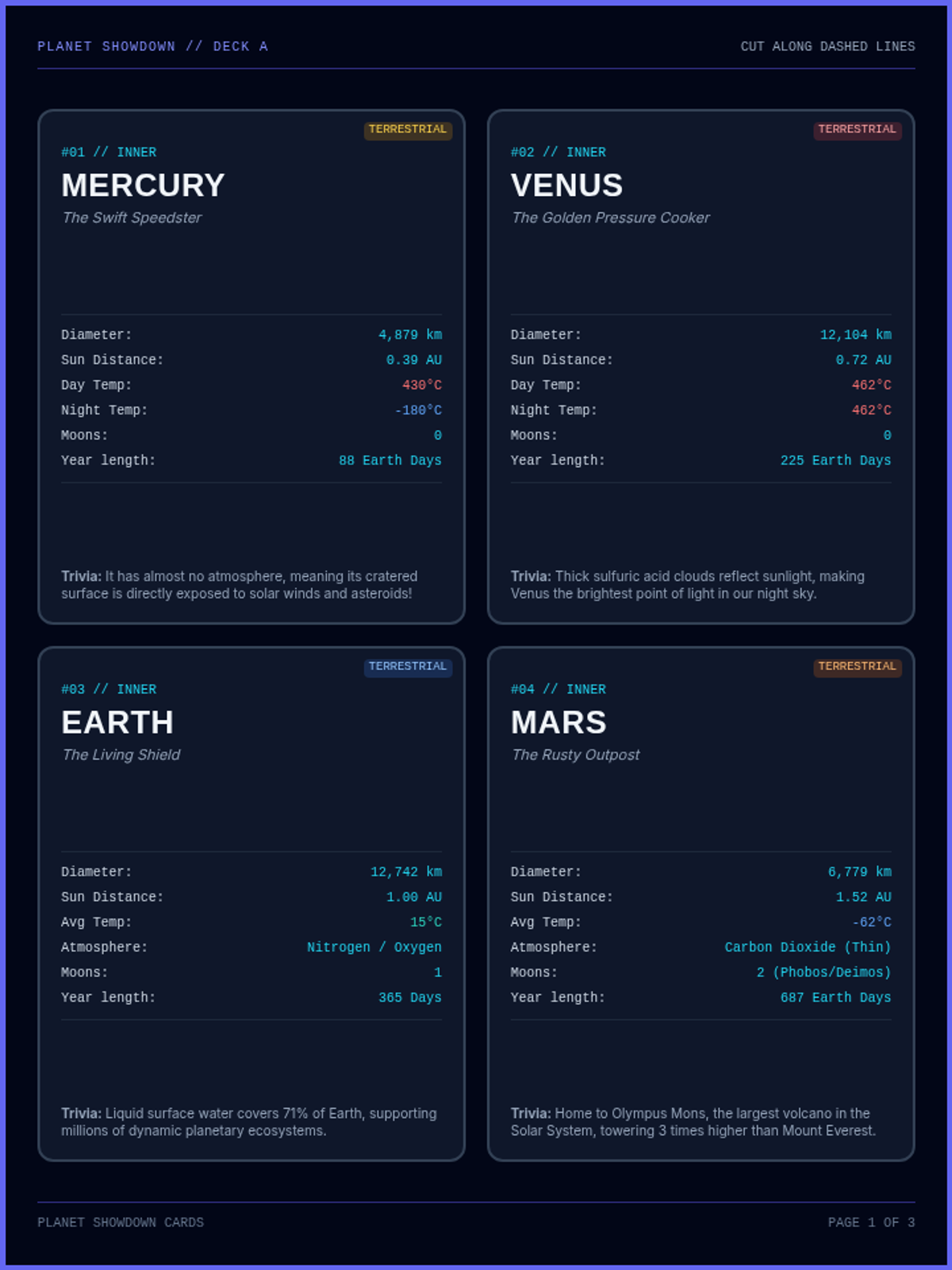
A hands-on station rotation lab where middle school students analyze planetary gravity, scale distances, and atmospheric conditions through inquiry-based activities.
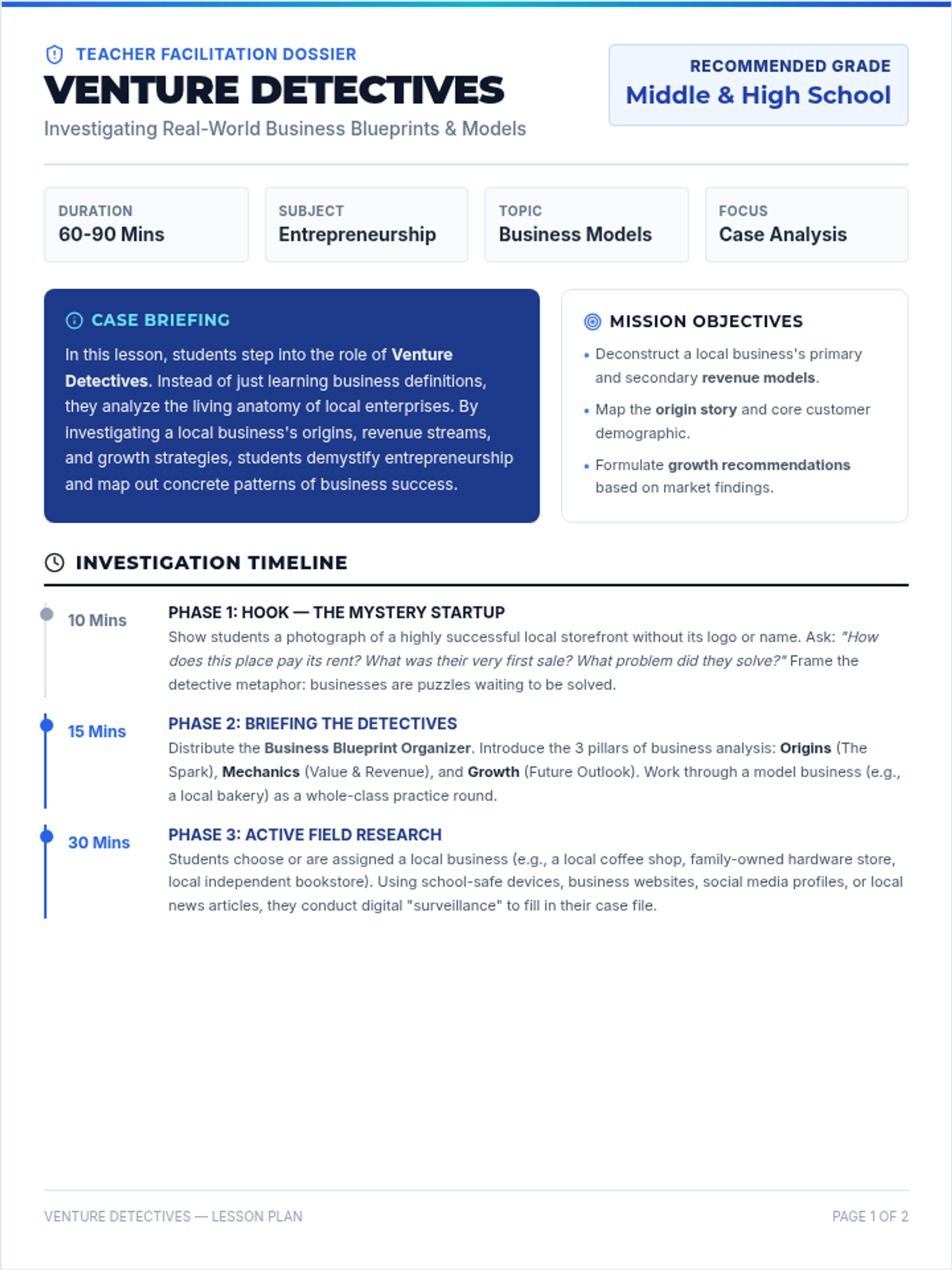
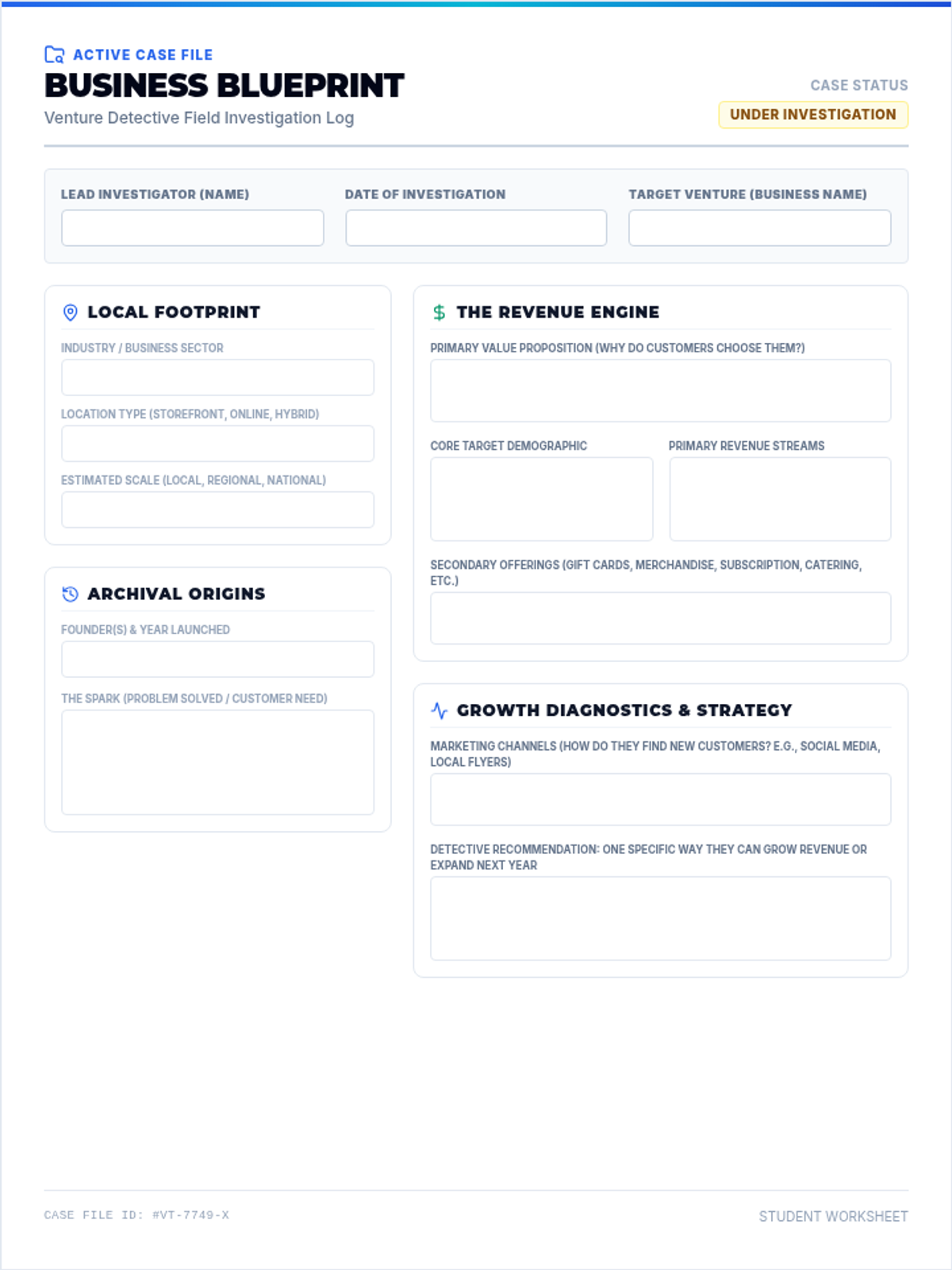
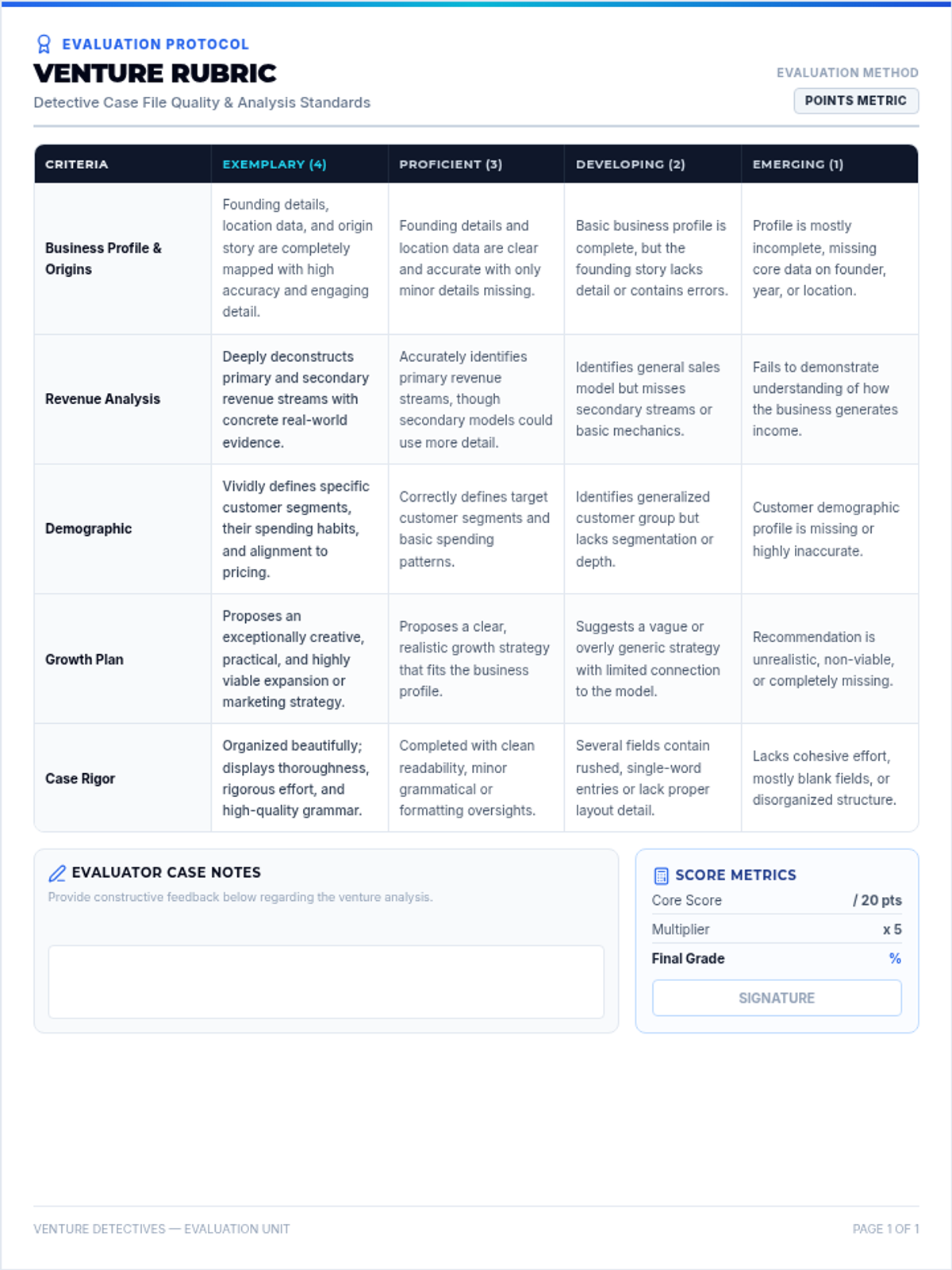
An immersive entrepreneurship lesson where students become 'venture detectives' to investigate local businesses, analyzing how they started, their revenue streams, and their growth strategies.