A focused lesson on the fundamental concepts of kinetic and potential energy, including mathematical calculations and real-world transformations.
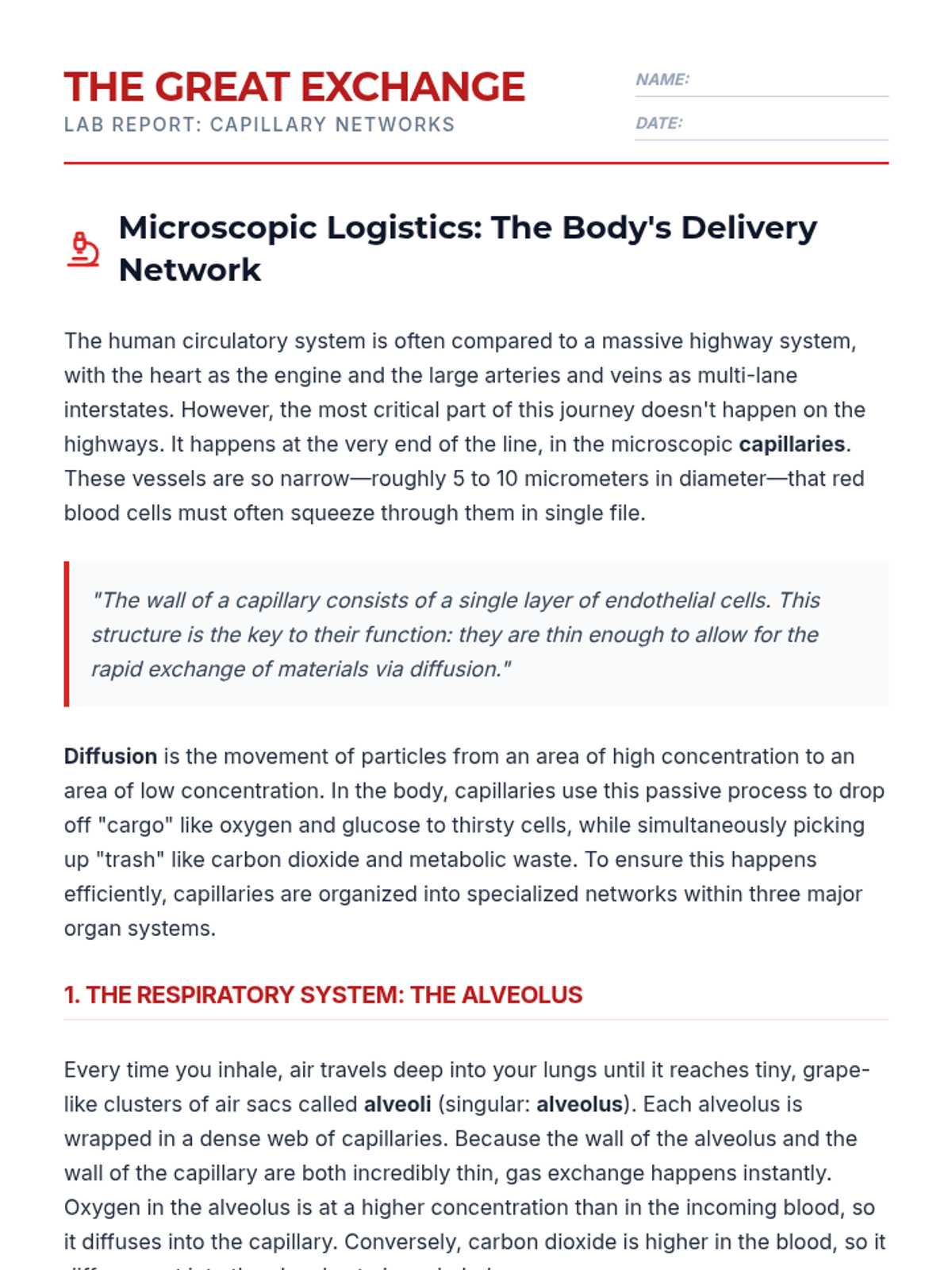
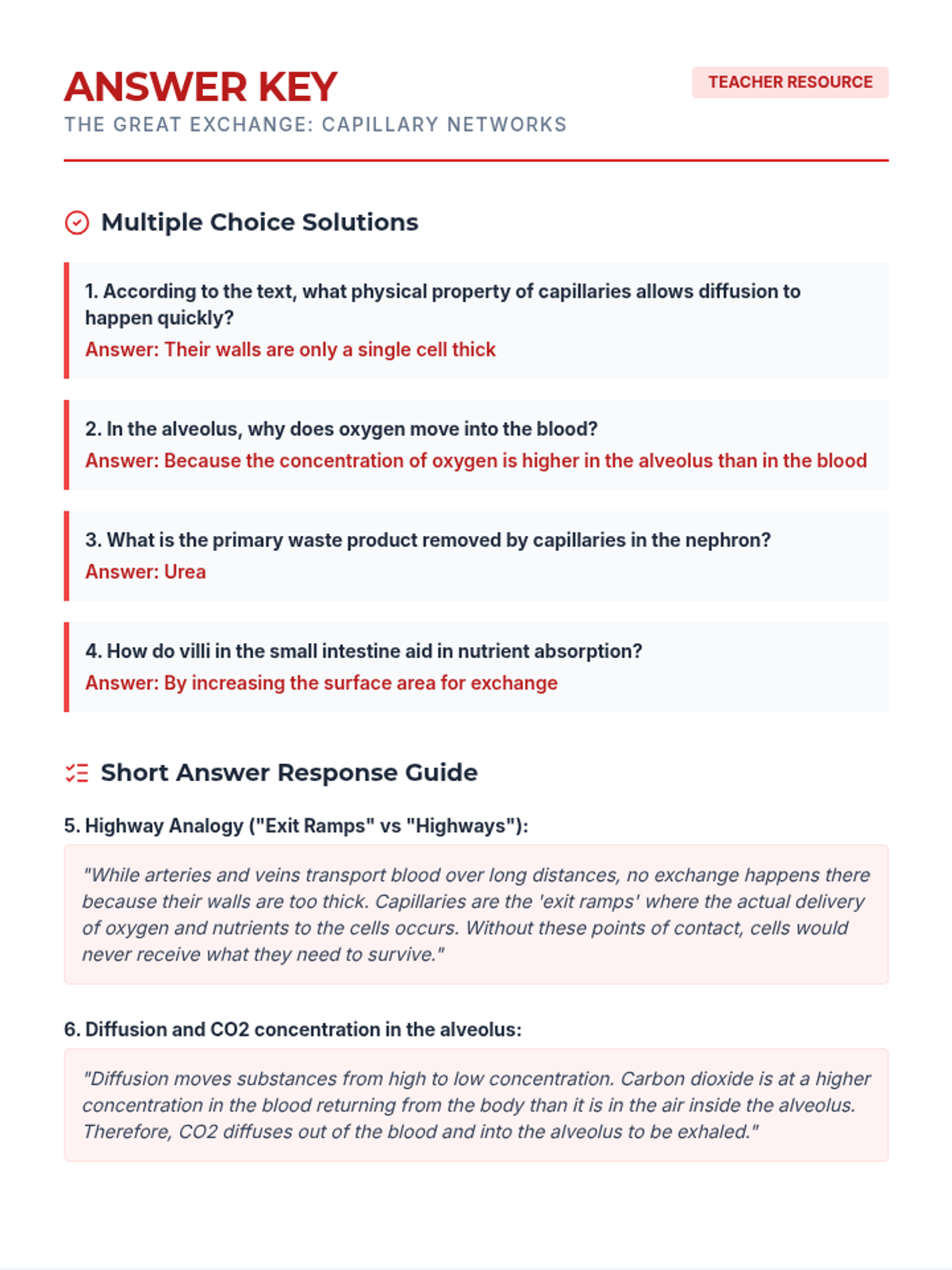
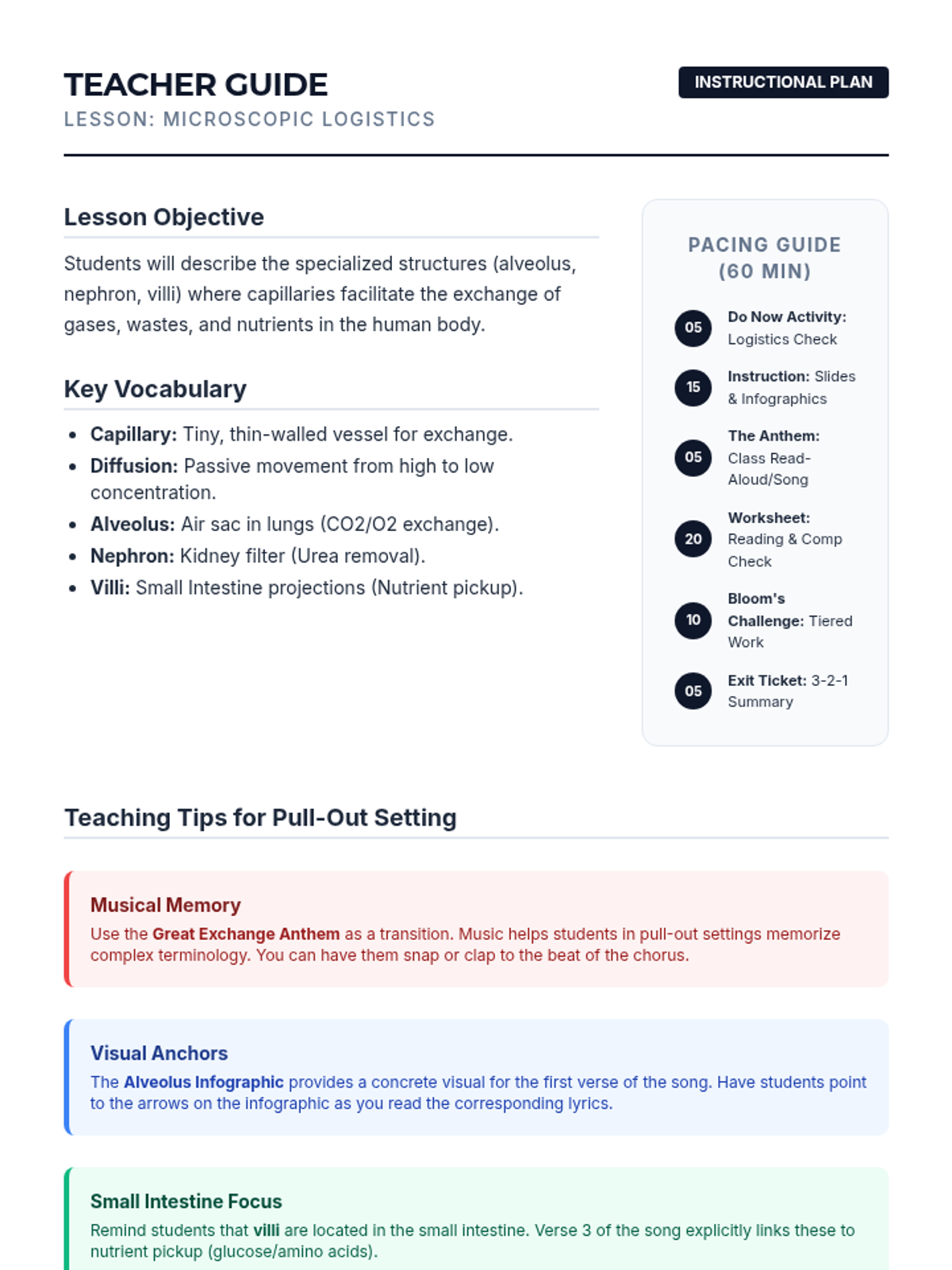
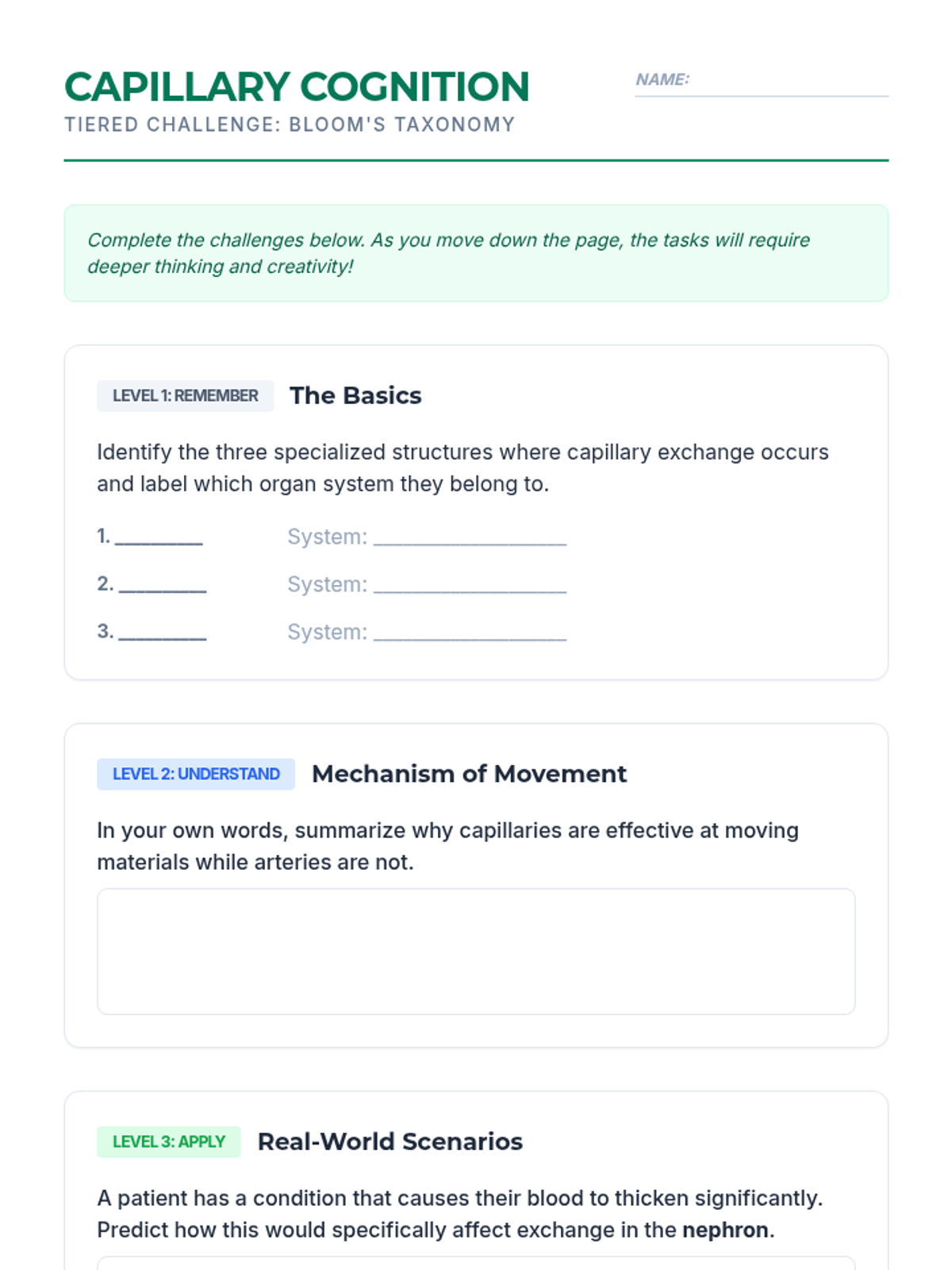
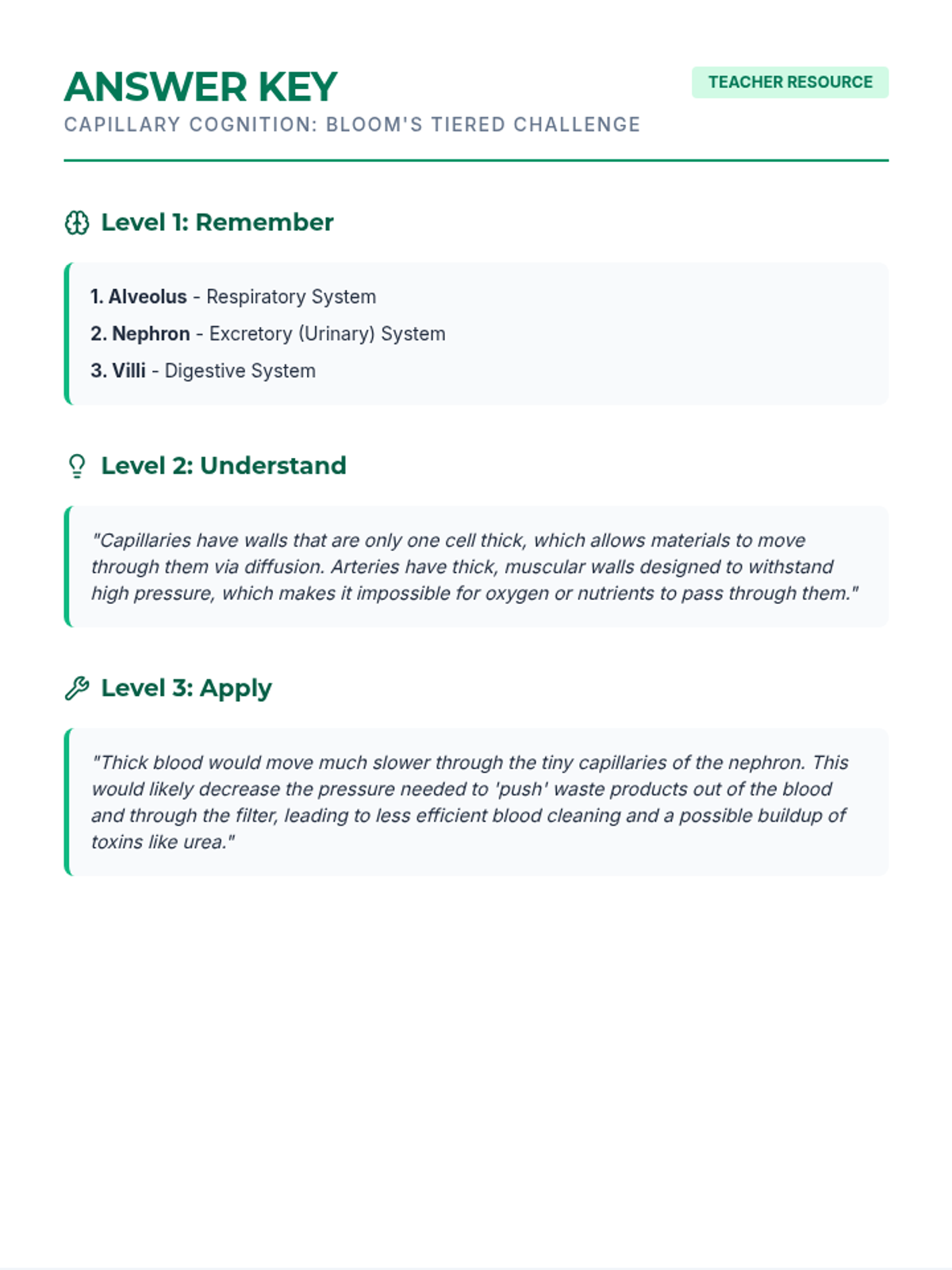
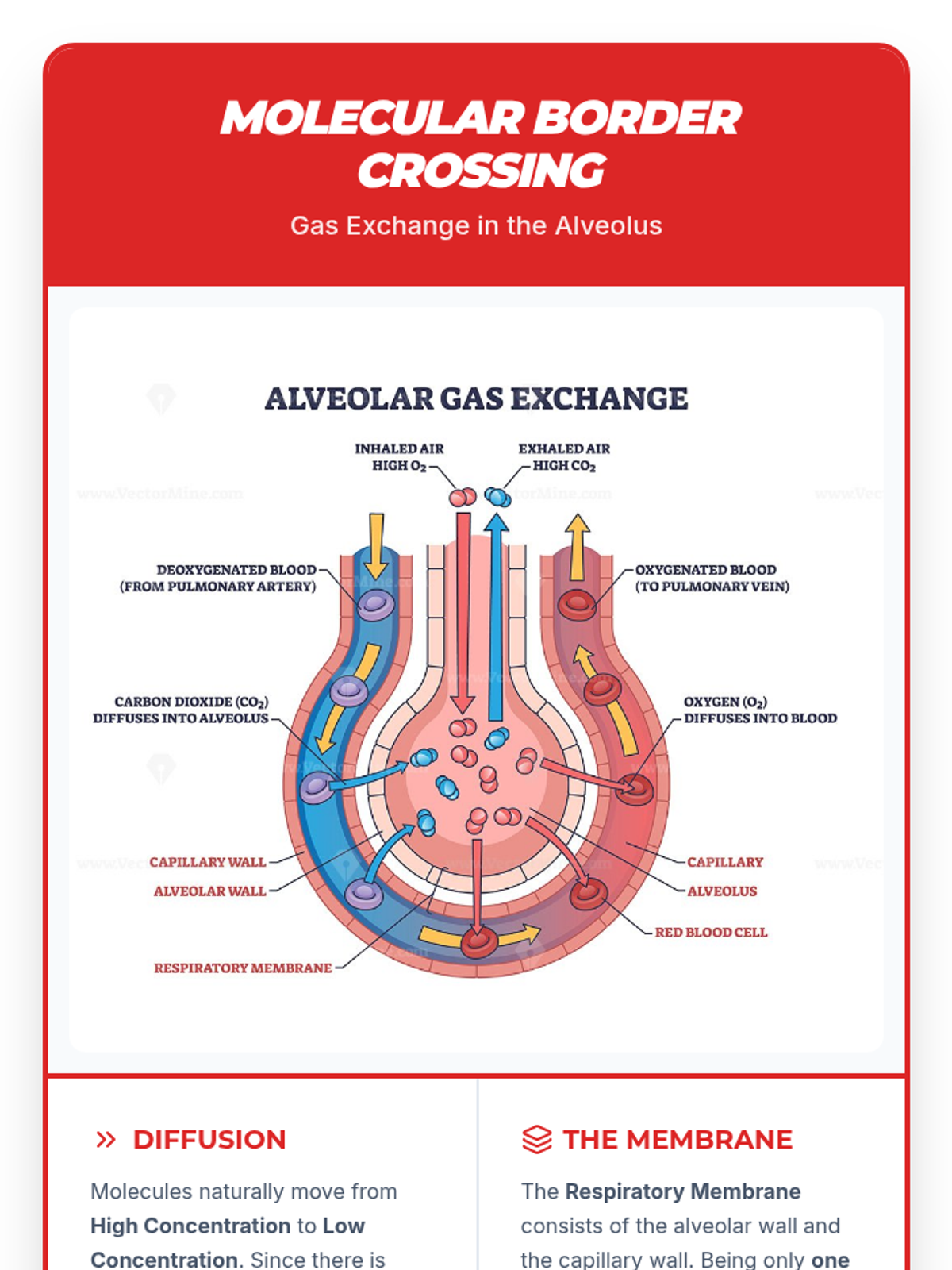
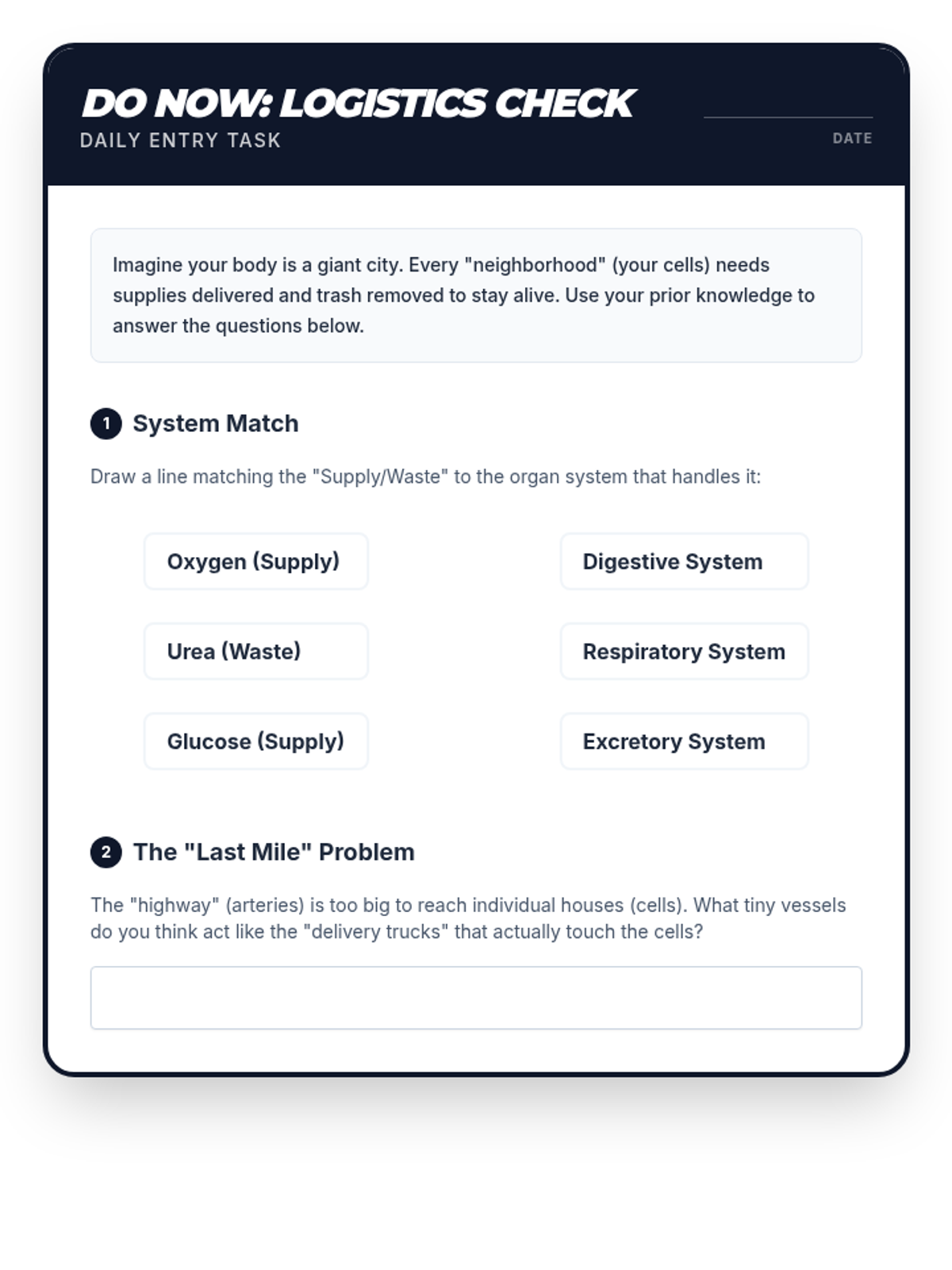
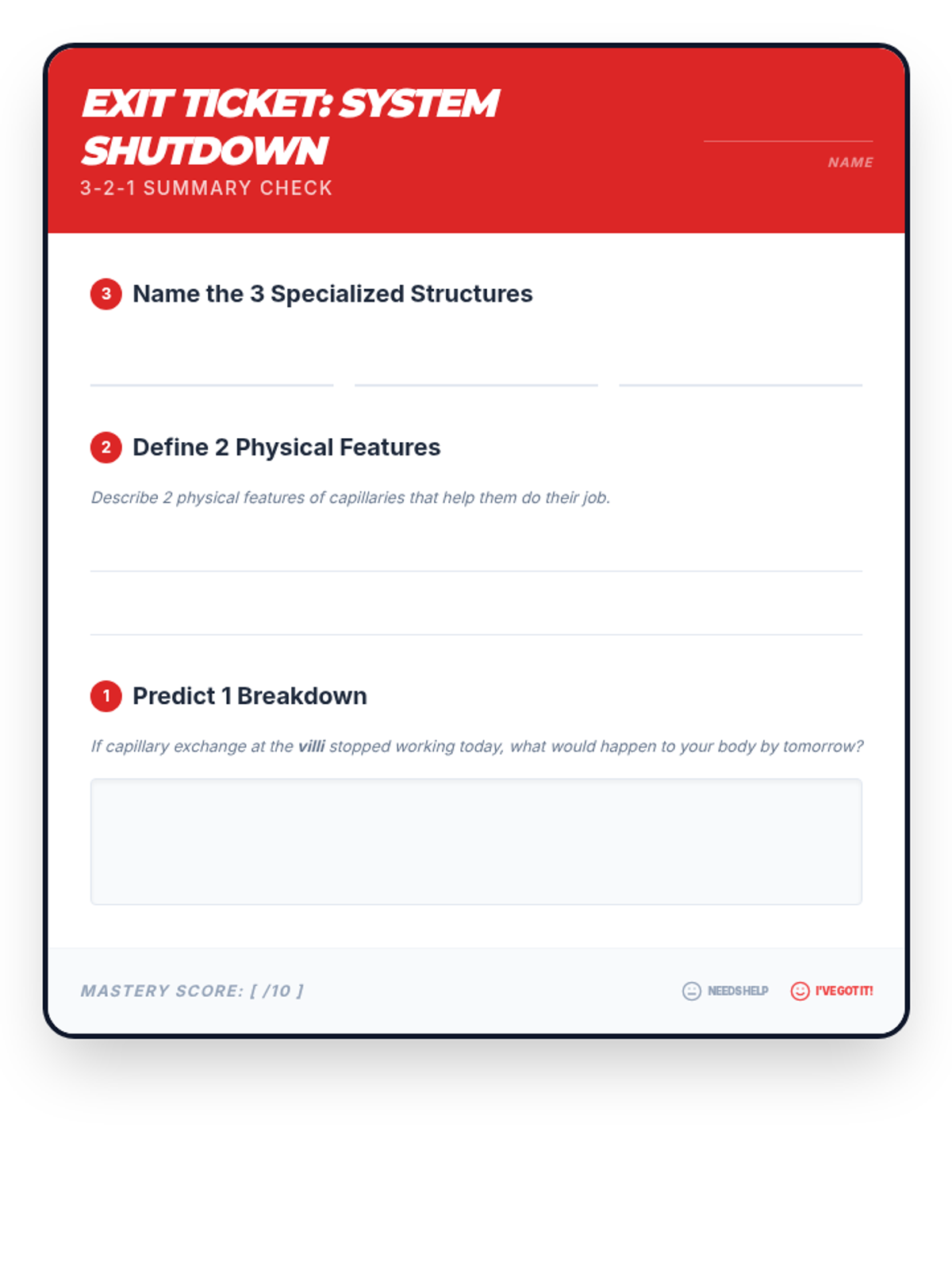
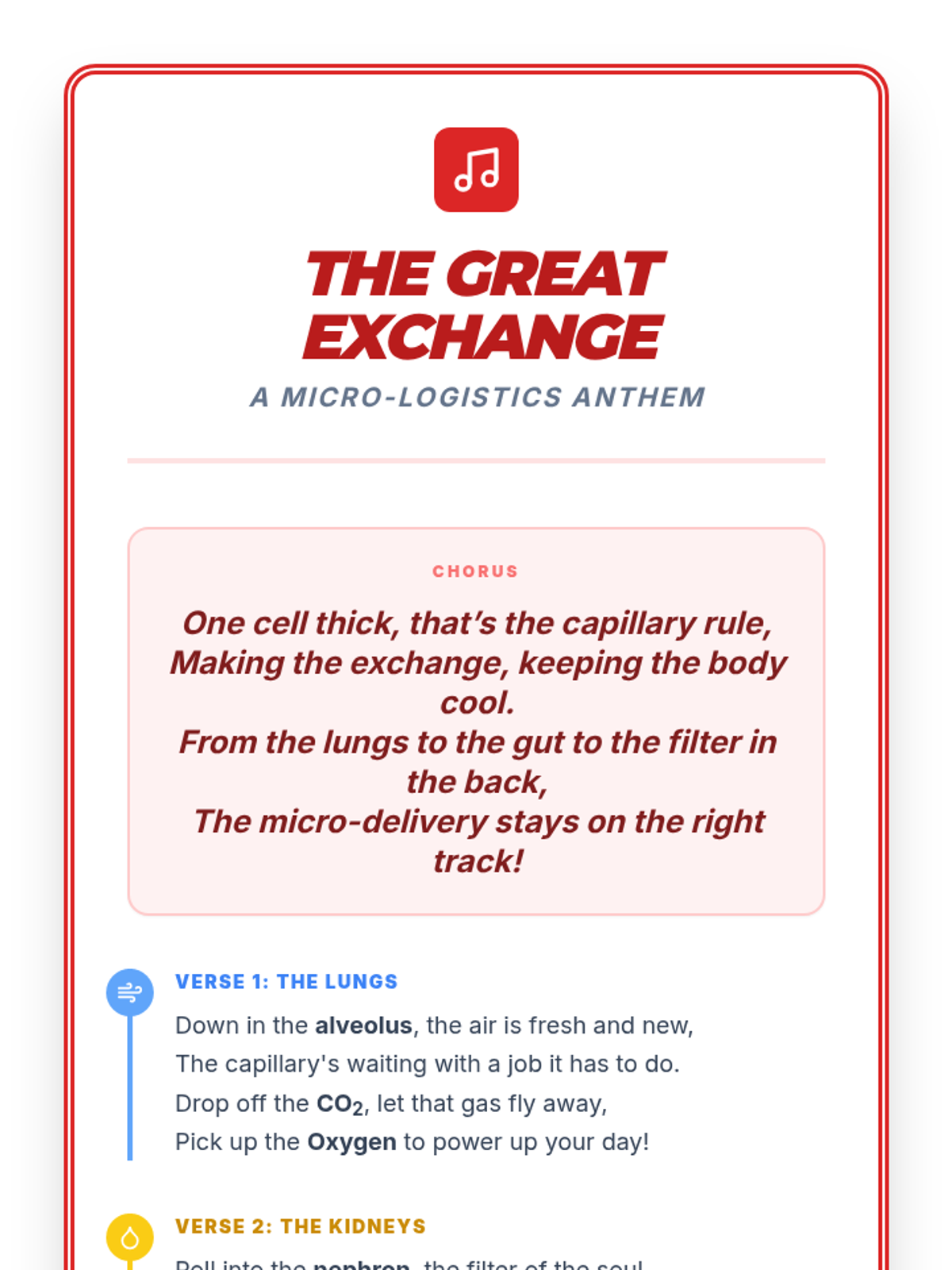
A high school biology lesson focused on the specialized structures where capillaries exchange gases, nutrients, and waste products with the body's systems.
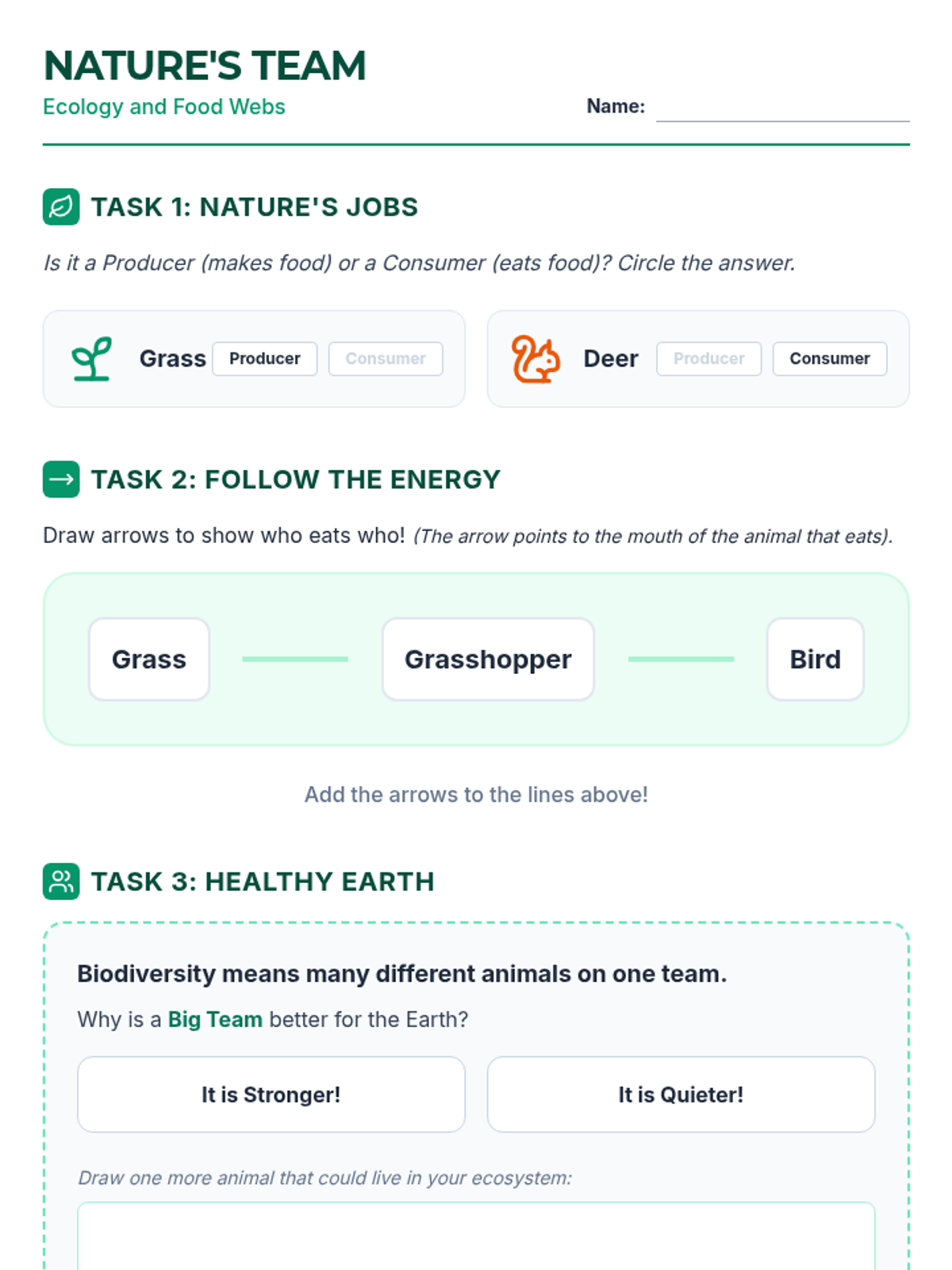
Explores how energy and matter flow through ecosystems, focusing on food webs and the importance of biodiversity in a stable environment.
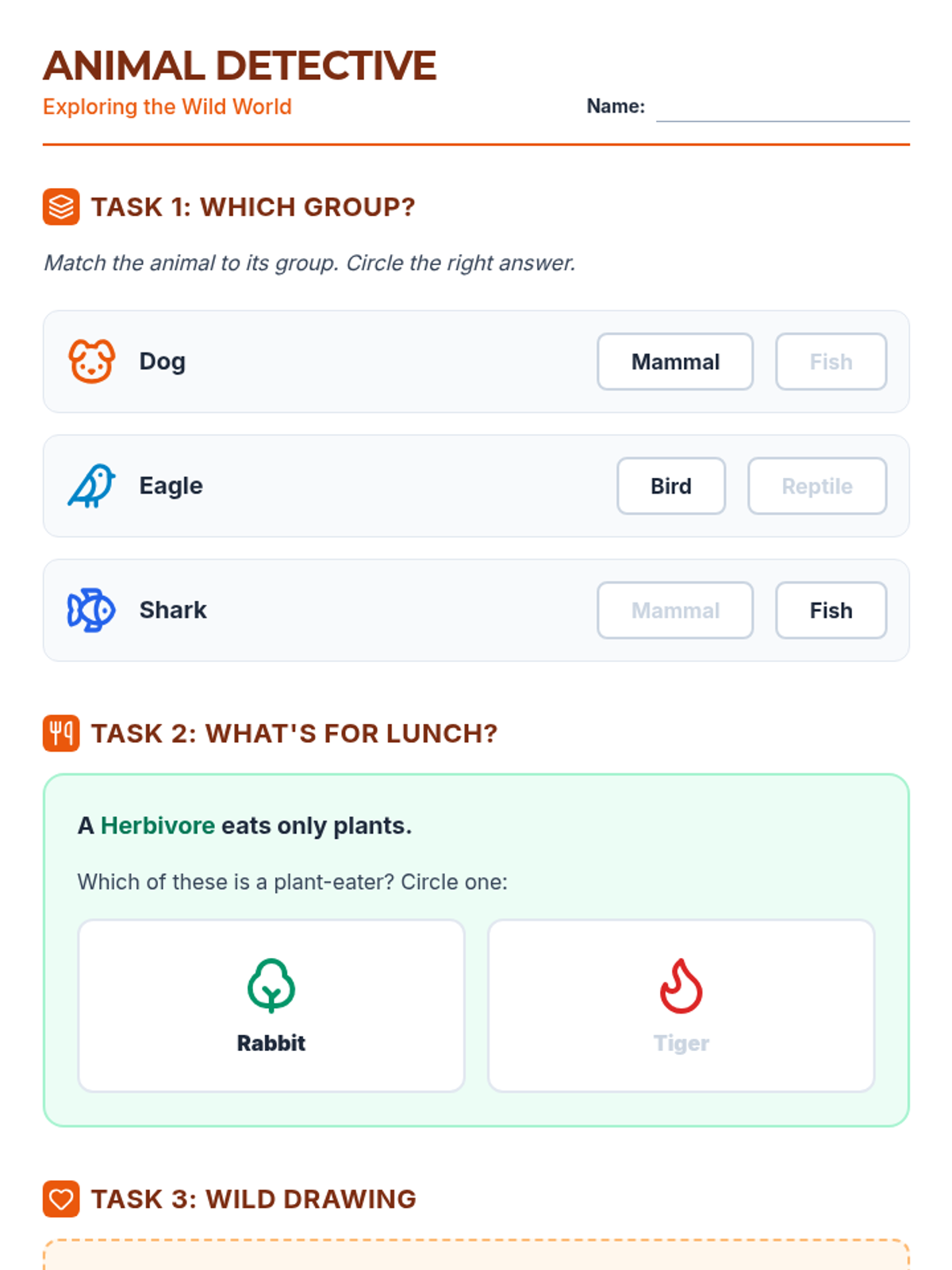
Examines the diverse groups of animals, focusing on how they eat, move, and interact with each other in the wild.
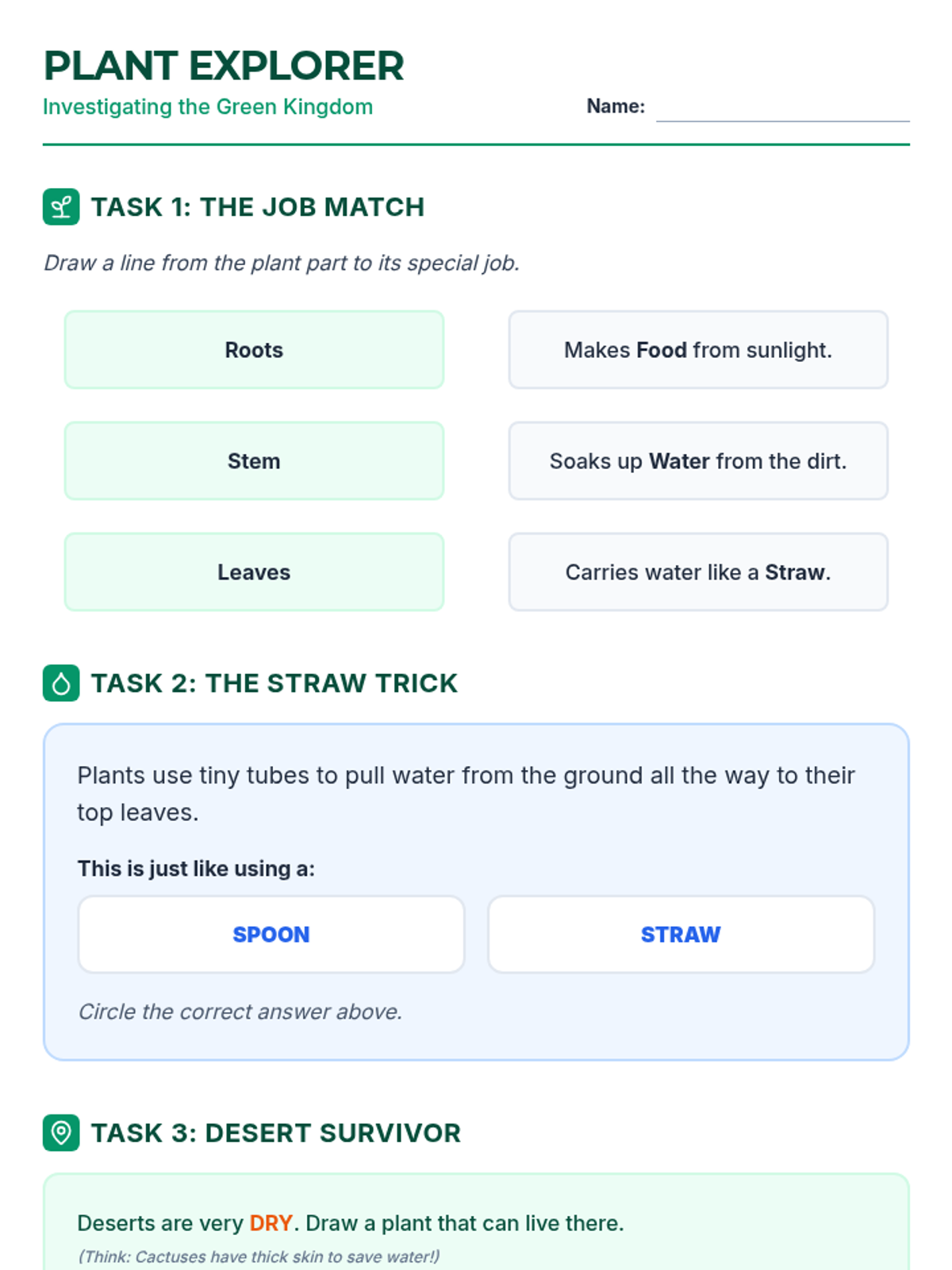
Explores the unique features of plants, including how they grow, move water, and survive in different environments.
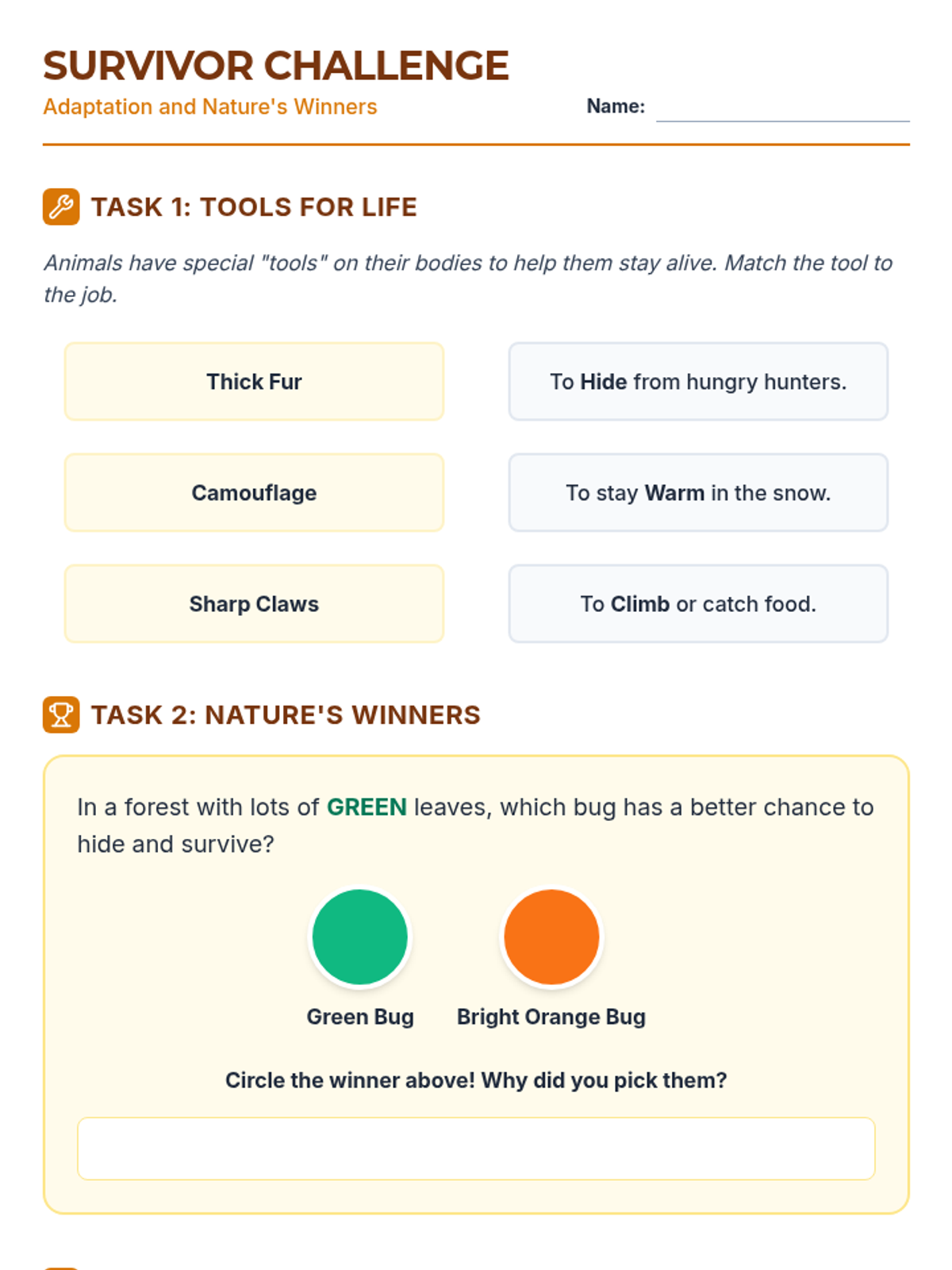
Explores how animals change over time to survive in their environments through adaptation and natural selection.
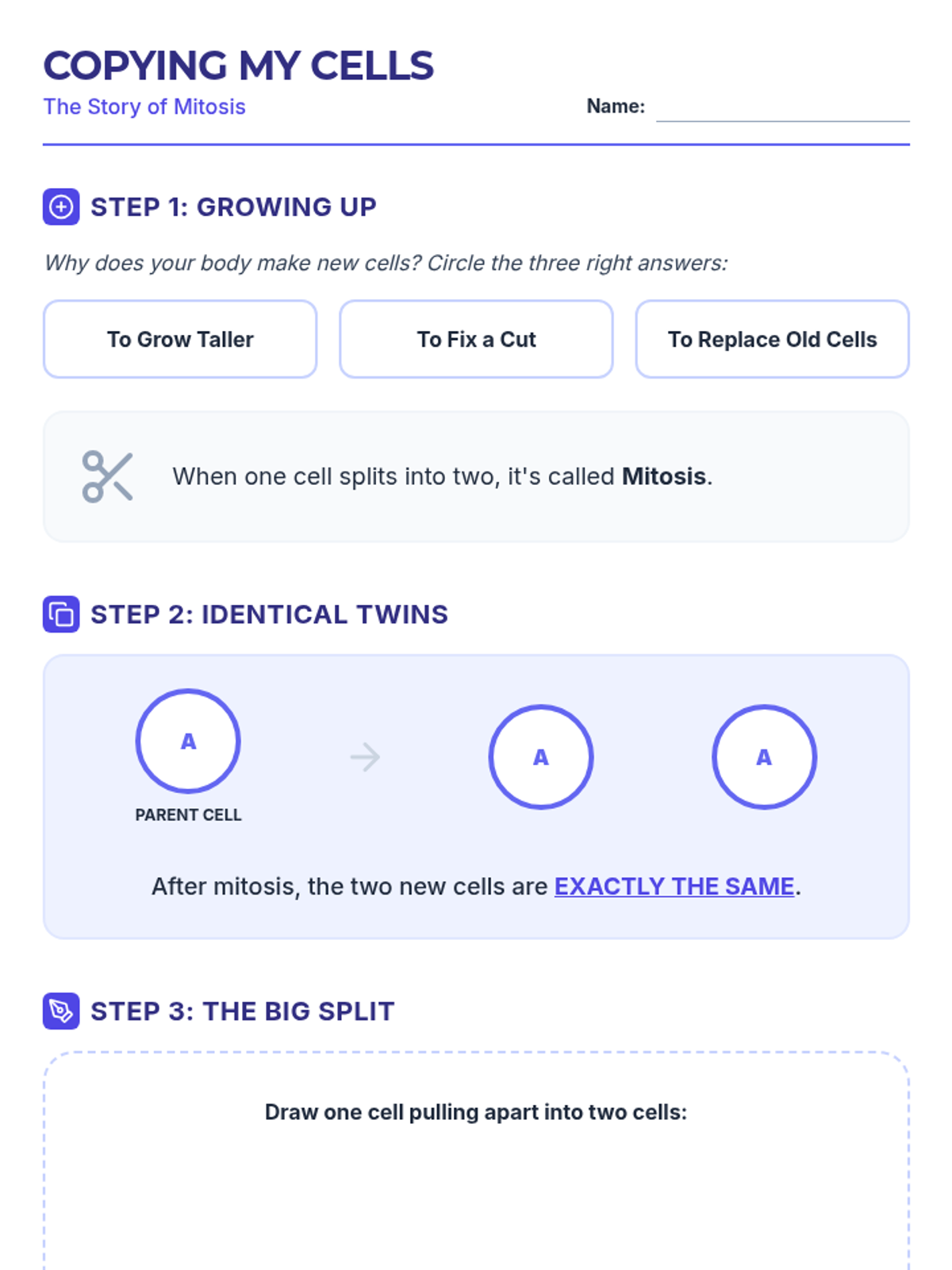
Focuses on the process of cell growth and division, comparing mitosis to a cell copying its blueprint to make a twin.
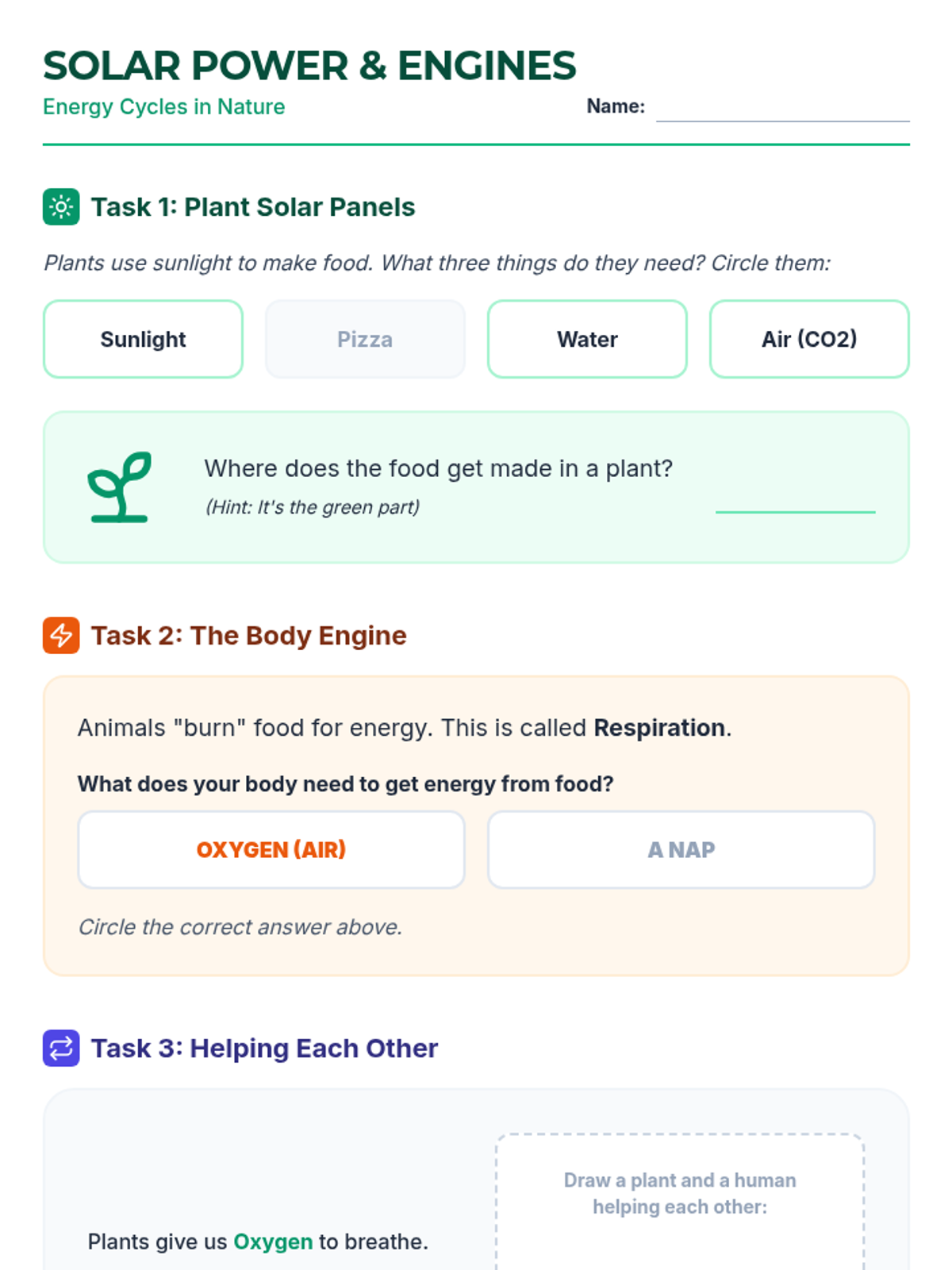
Explores how plants make food from sunlight and how all living things use that food for energy through simplified "Solar Panel" and "Engine" analogies.
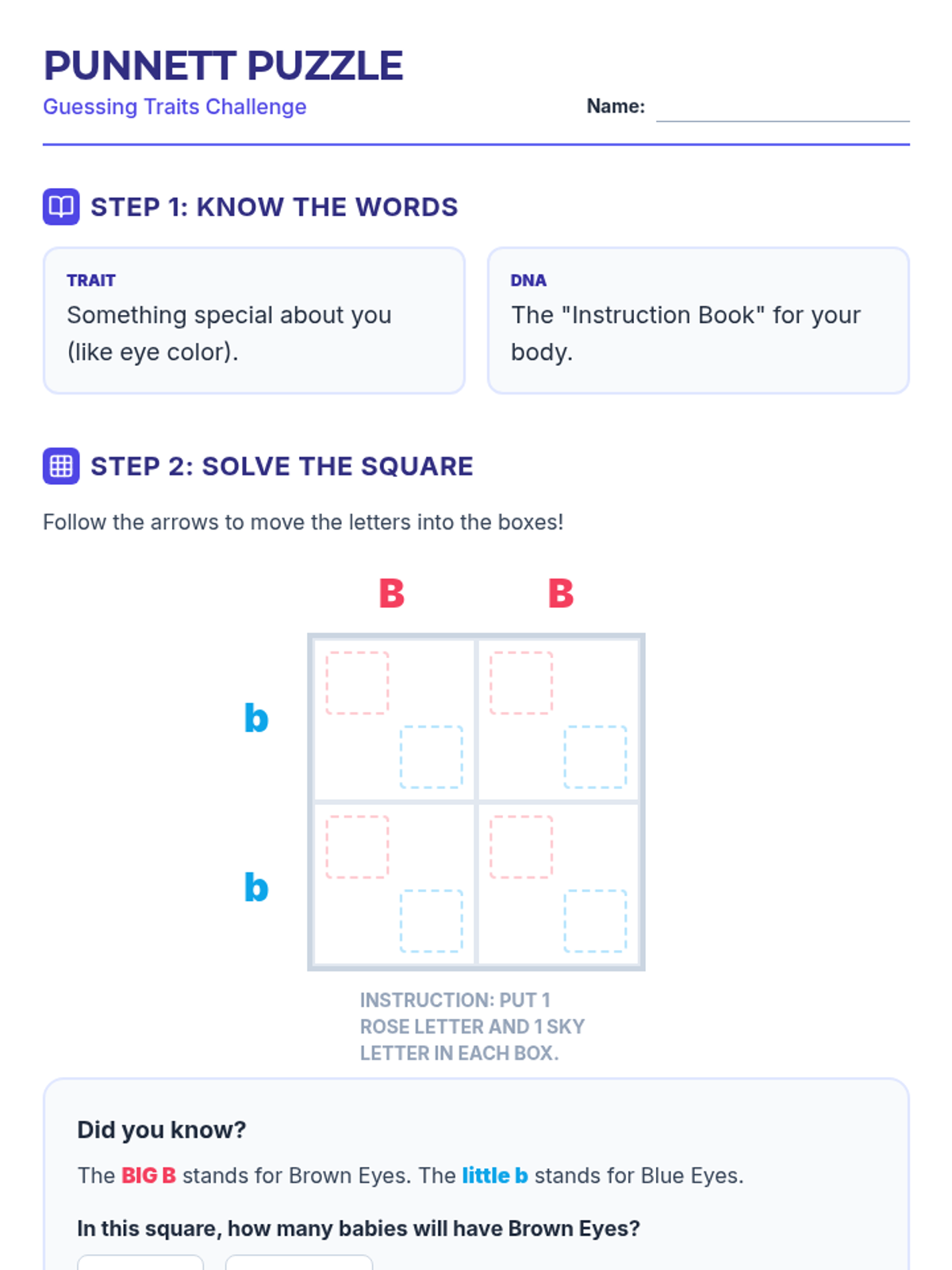
Covers DNA structure, traits, and Punnett Squares using simplified color-coding and tactile learning tools.
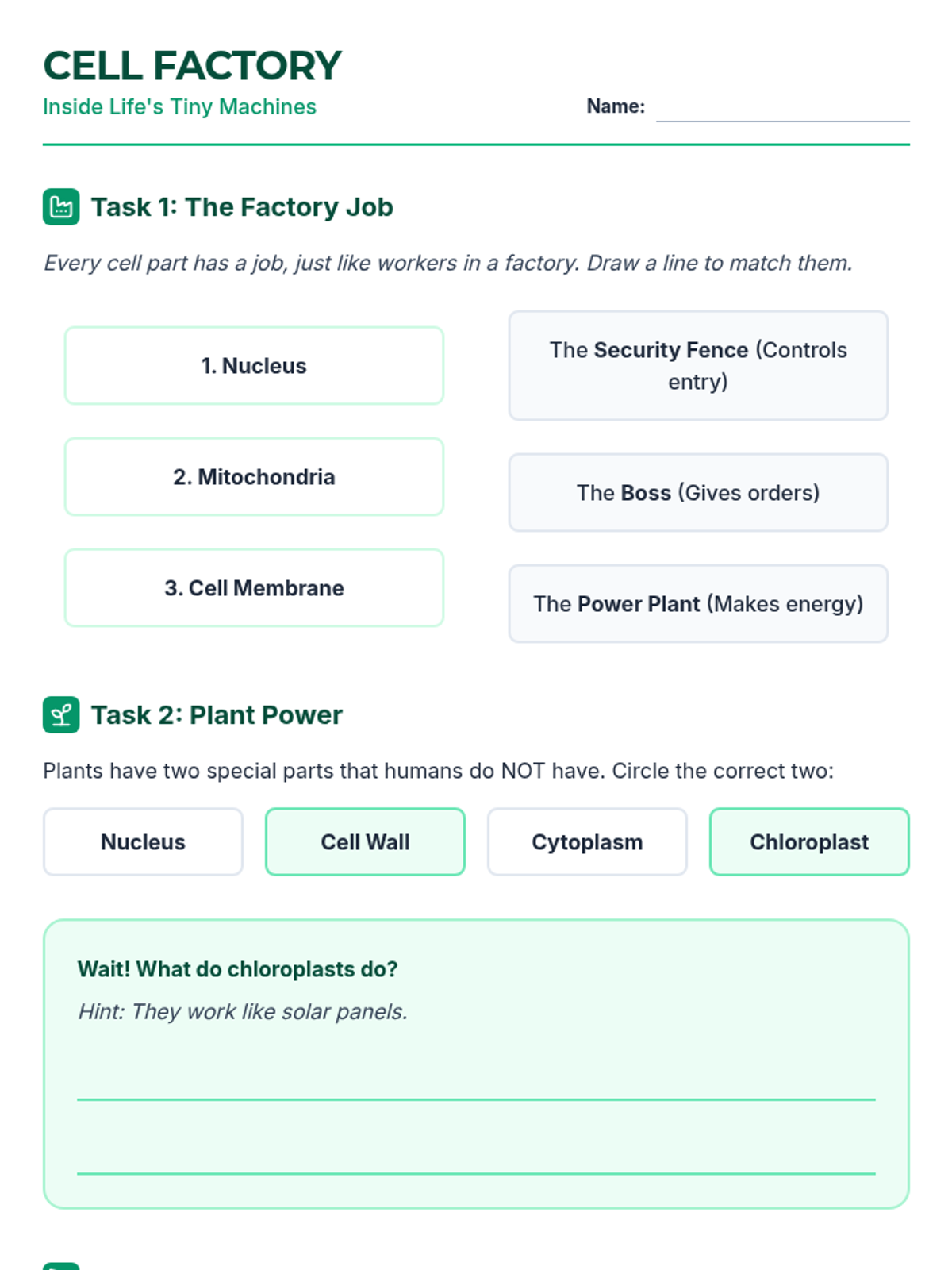
Explores cell structure and function by comparing organelles to a factory or city, emphasizing a few key parts through visual modeling.
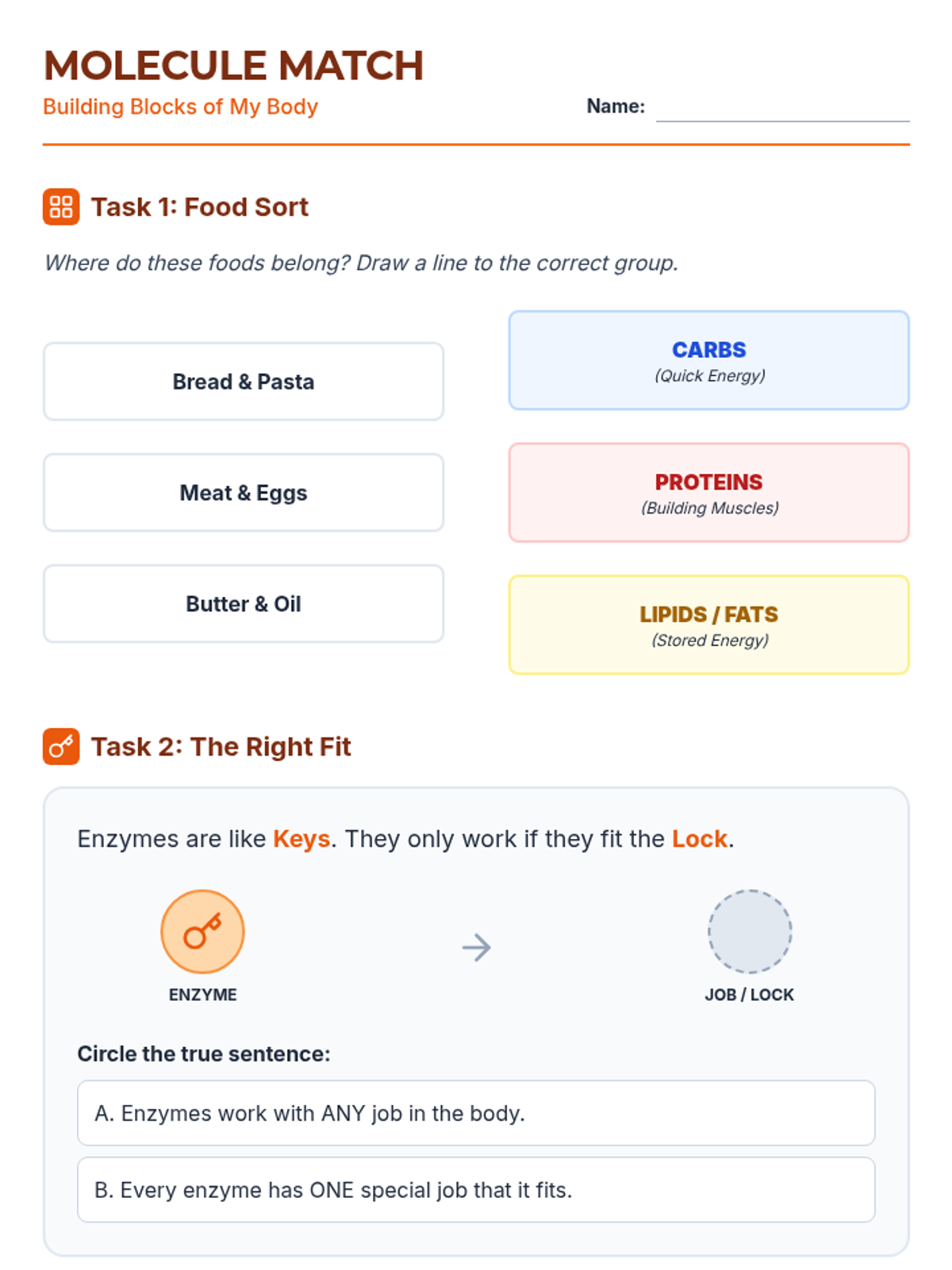
Introduces the four major molecules of life and the concept of enzymes using physical models and simplified biological analogies.
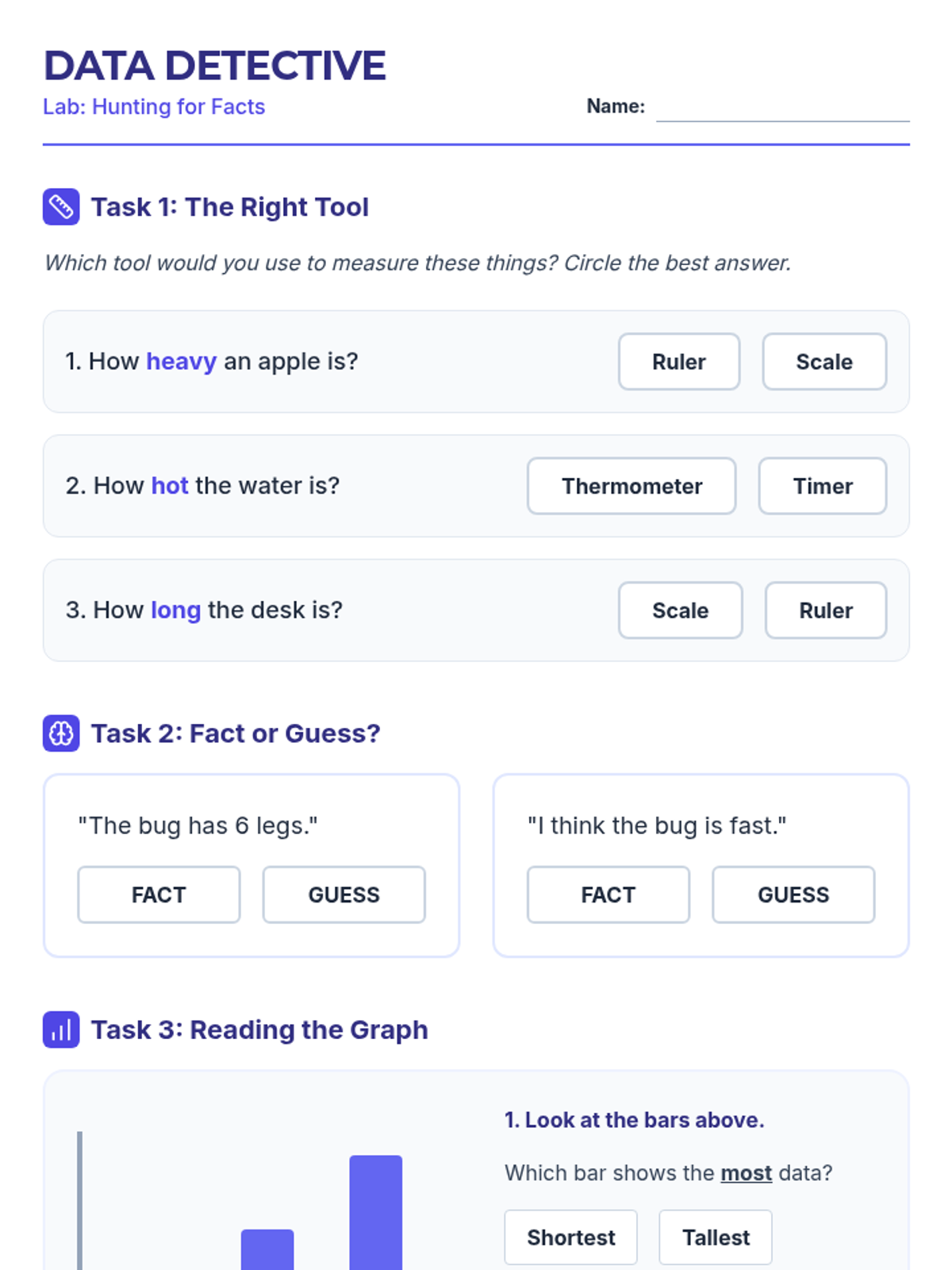
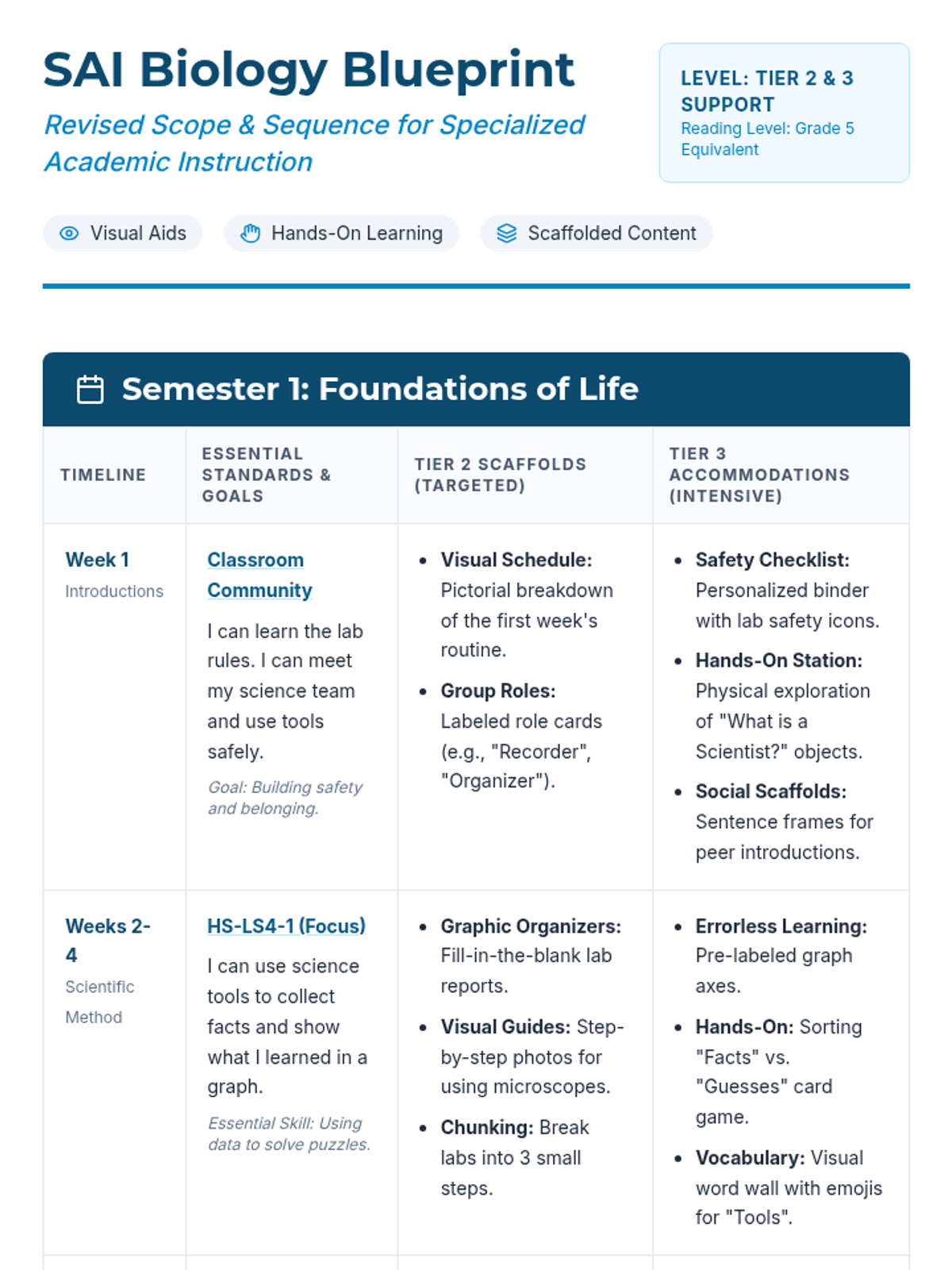
Focuses on using scientific tools, collecting data, and creating simple graphs to understand facts, with heavy visual scaffolds for interpreting information.
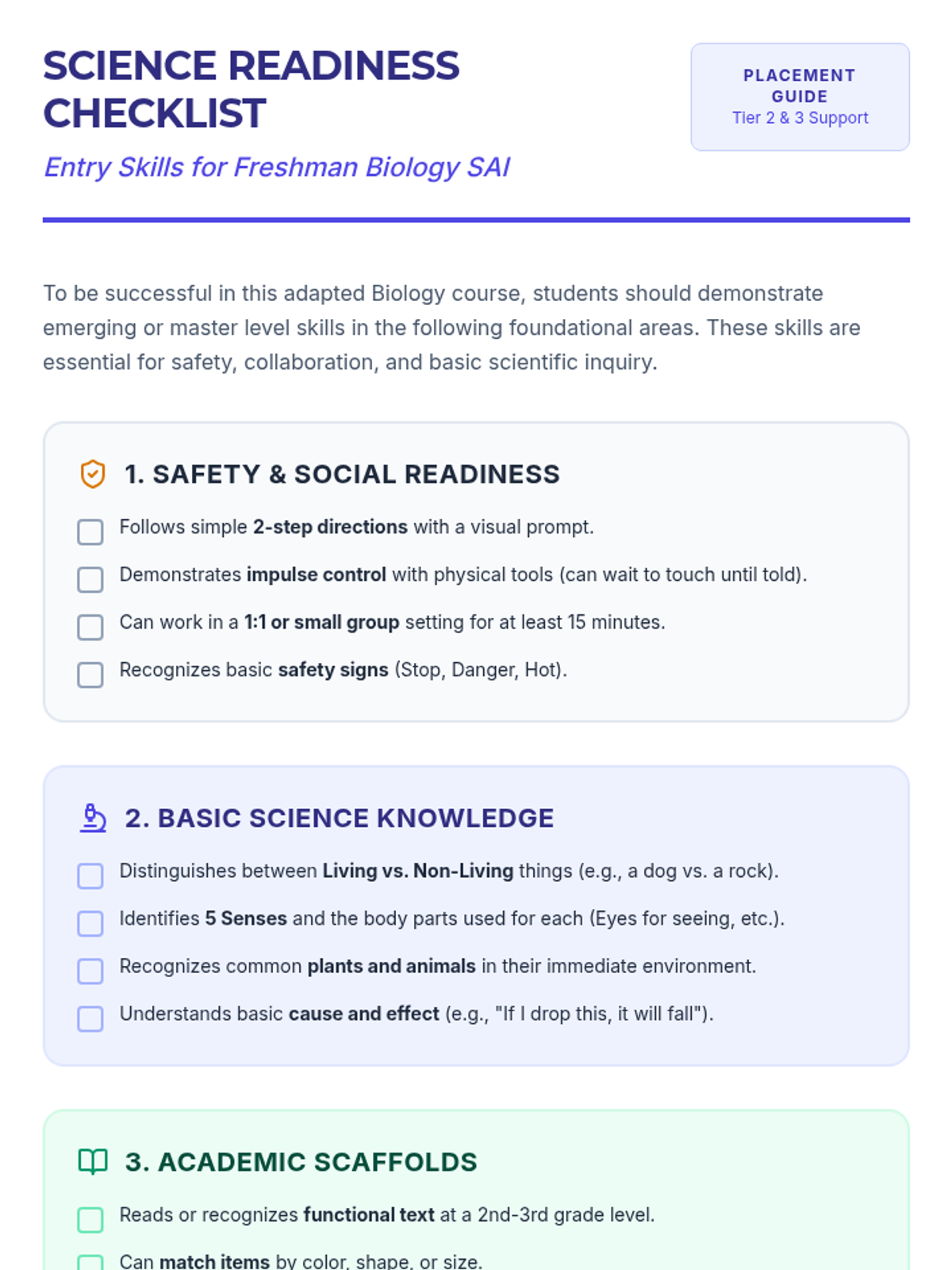
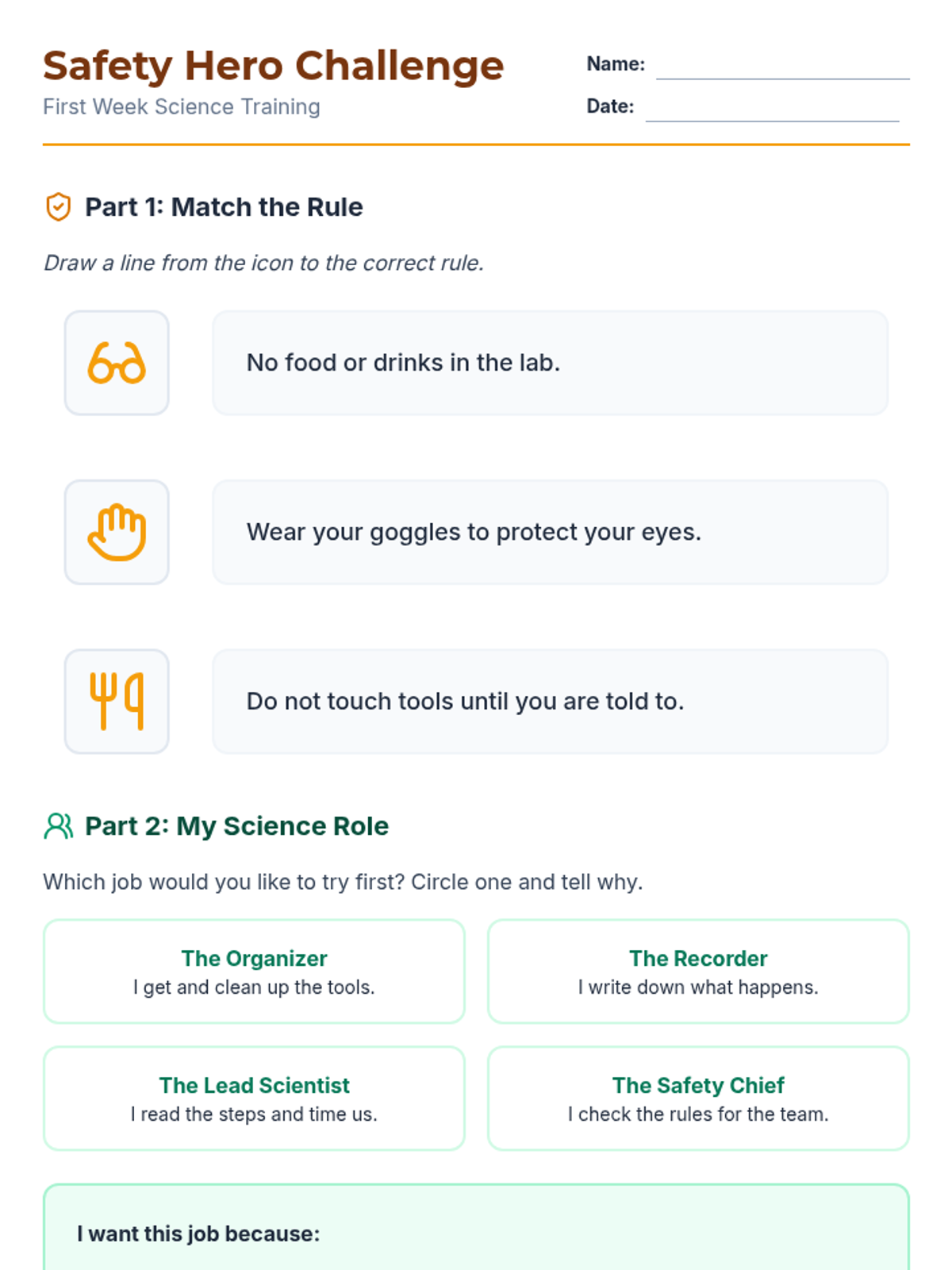
A foundational week focused on building a safe classroom community, understanding lab roles, and introducing the tools used by biologists through visual and social scaffolds.
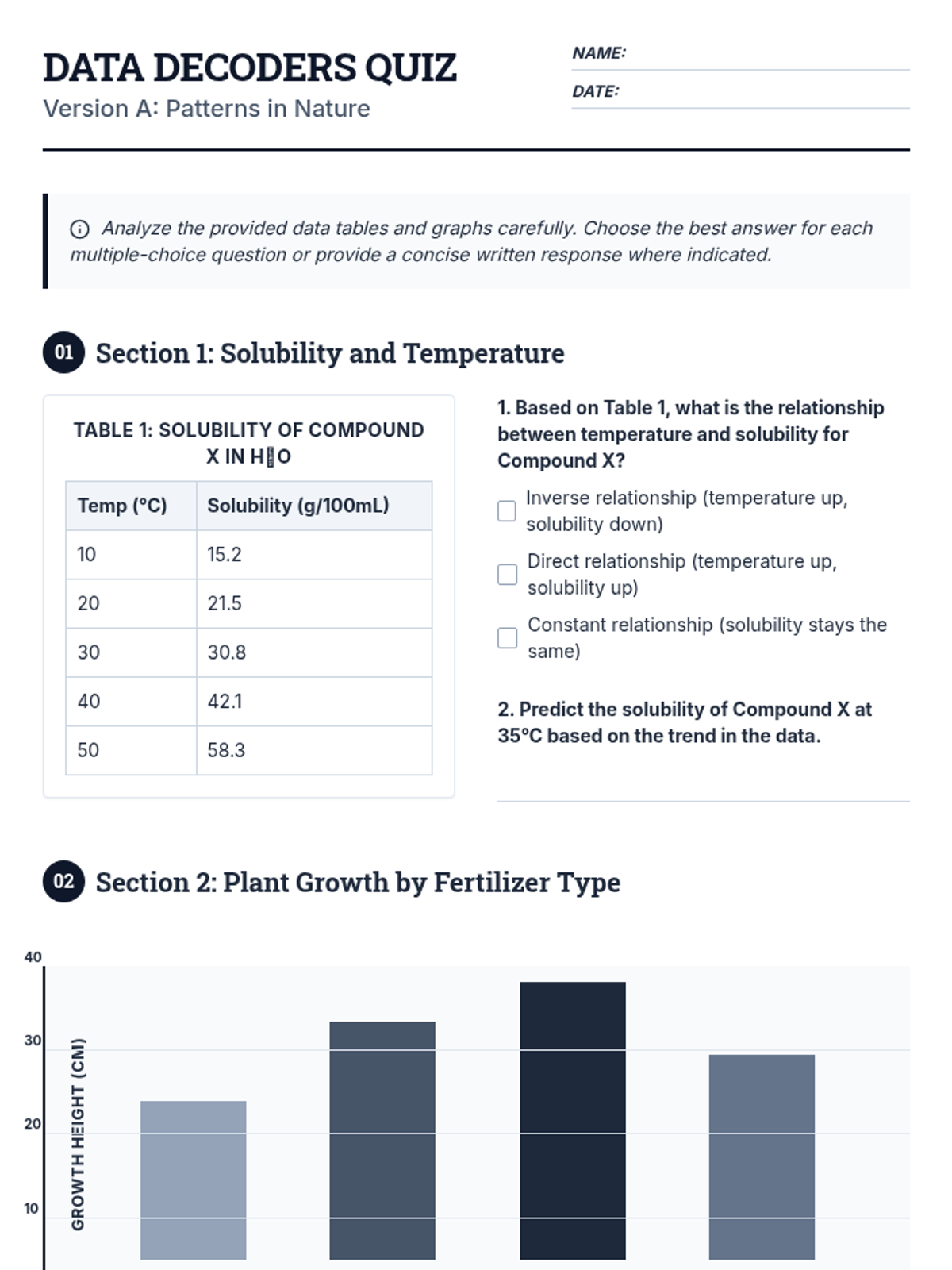
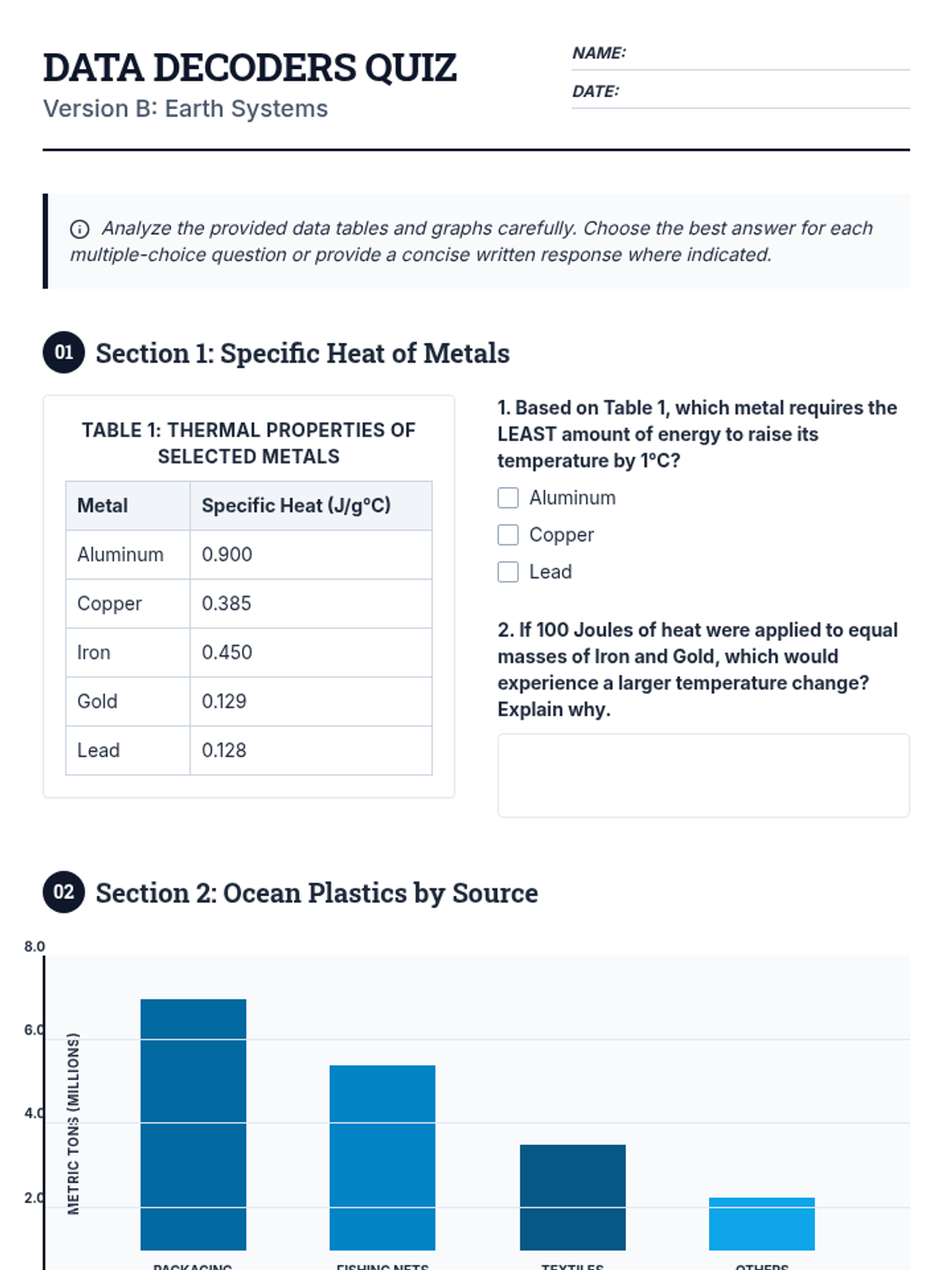
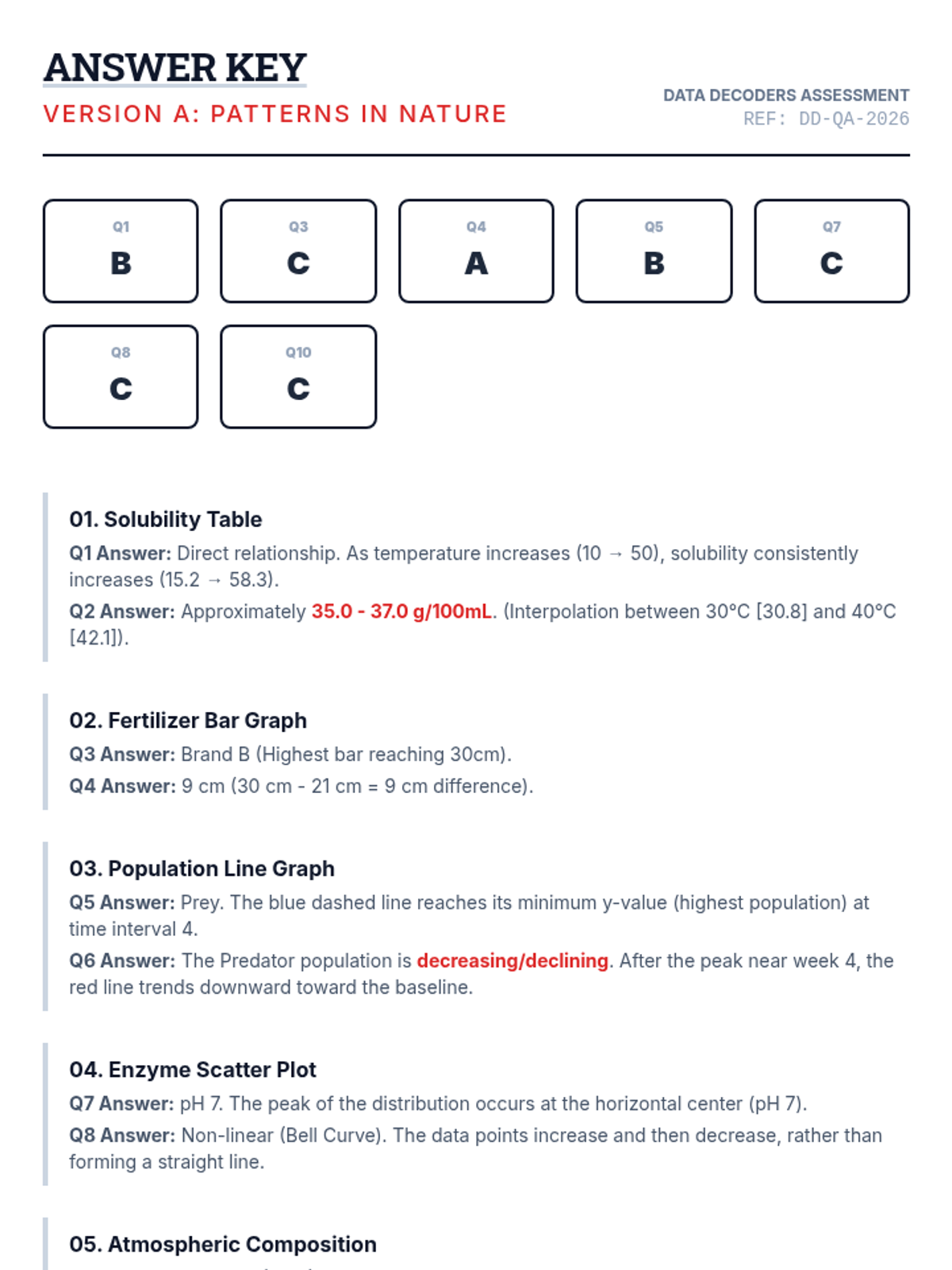
A high-stakes assessment focused on interpreting various scientific data representations, including tables, bar graphs, line graphs, and scatter plots. Students will analyze trends, identify variables, and draw conclusions from realistic scientific scenarios.
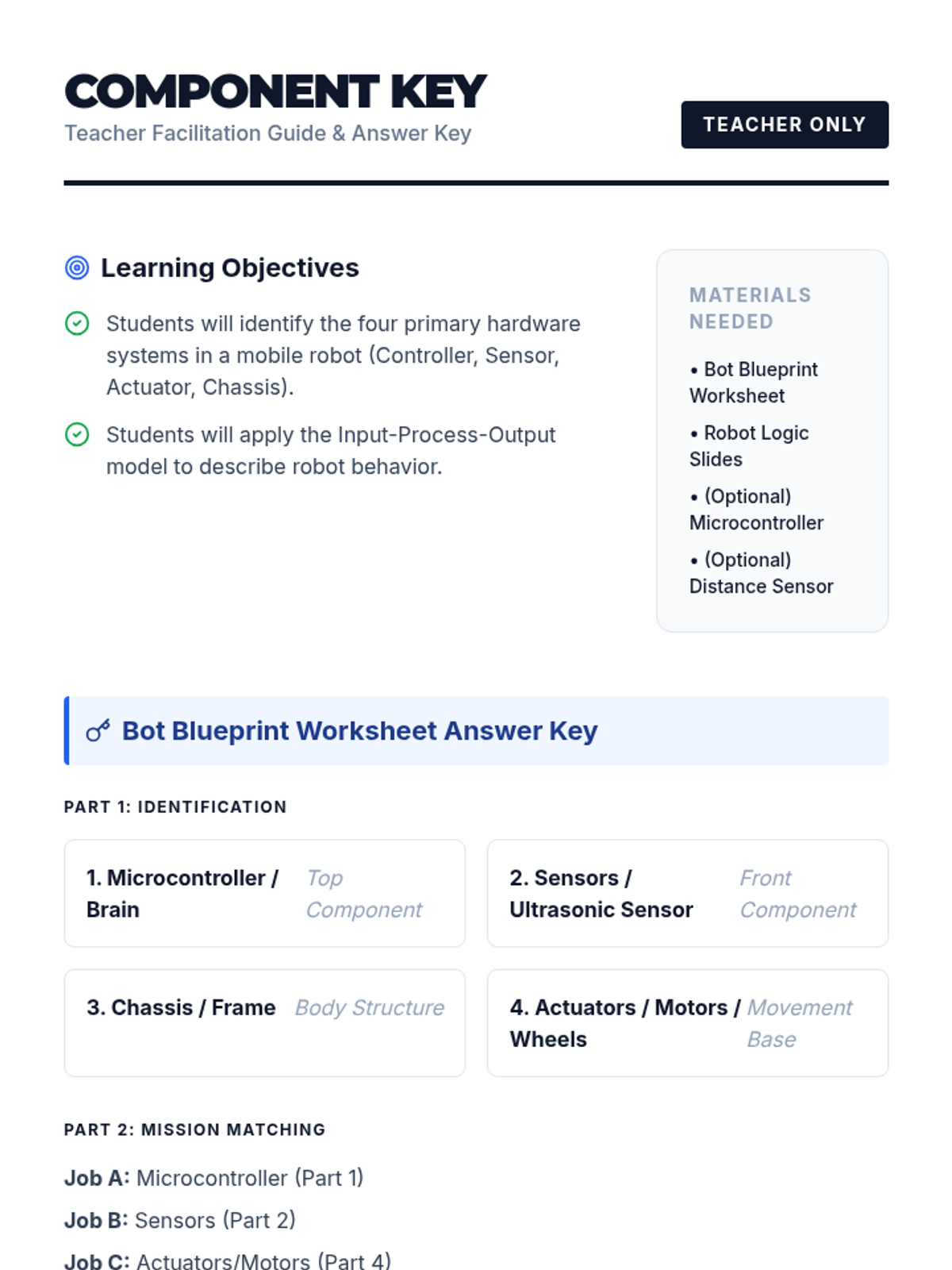
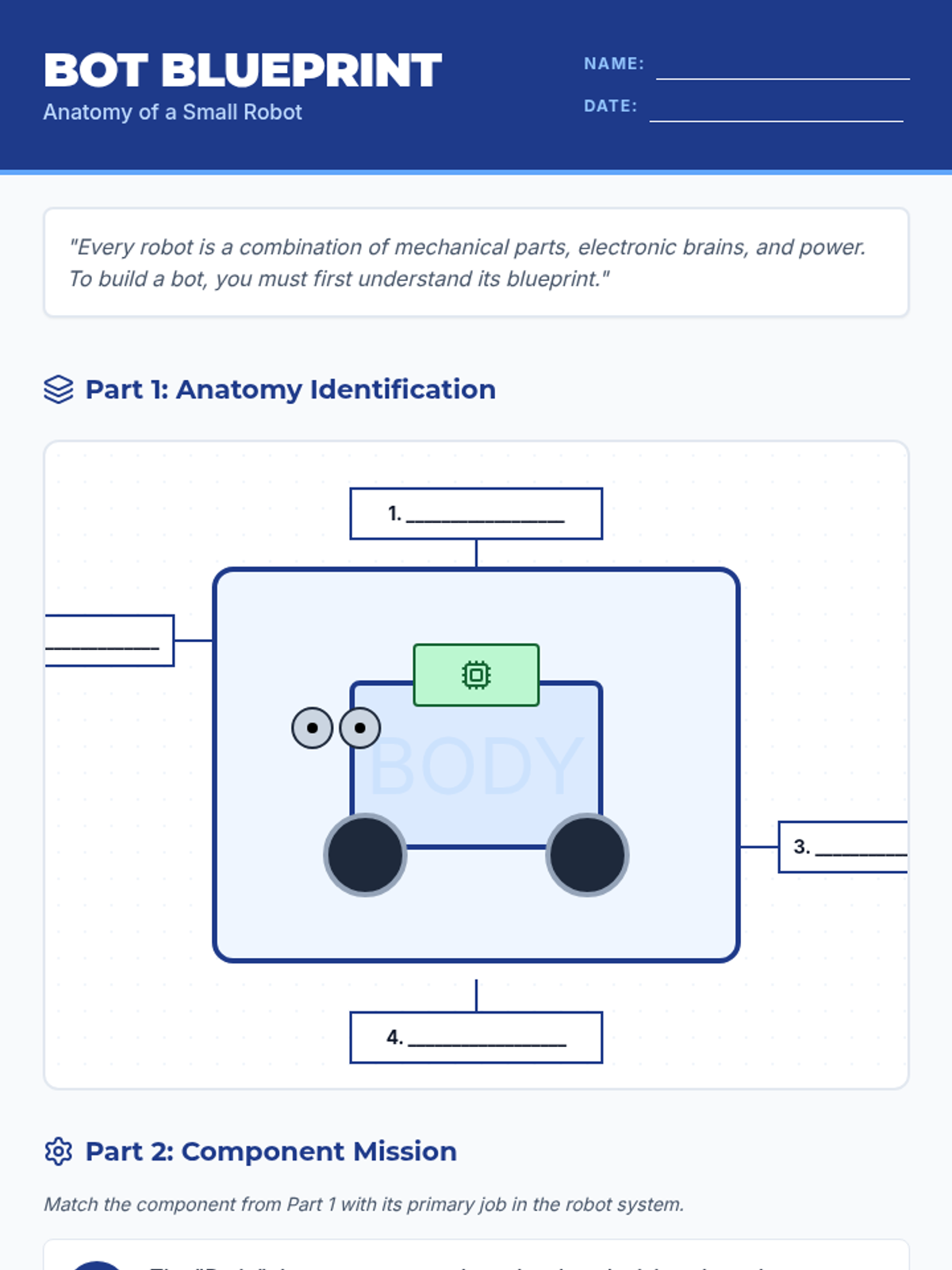
A foundational look at robot anatomy, exploring how sensors, actuators, and controllers work together to create a functional machine.
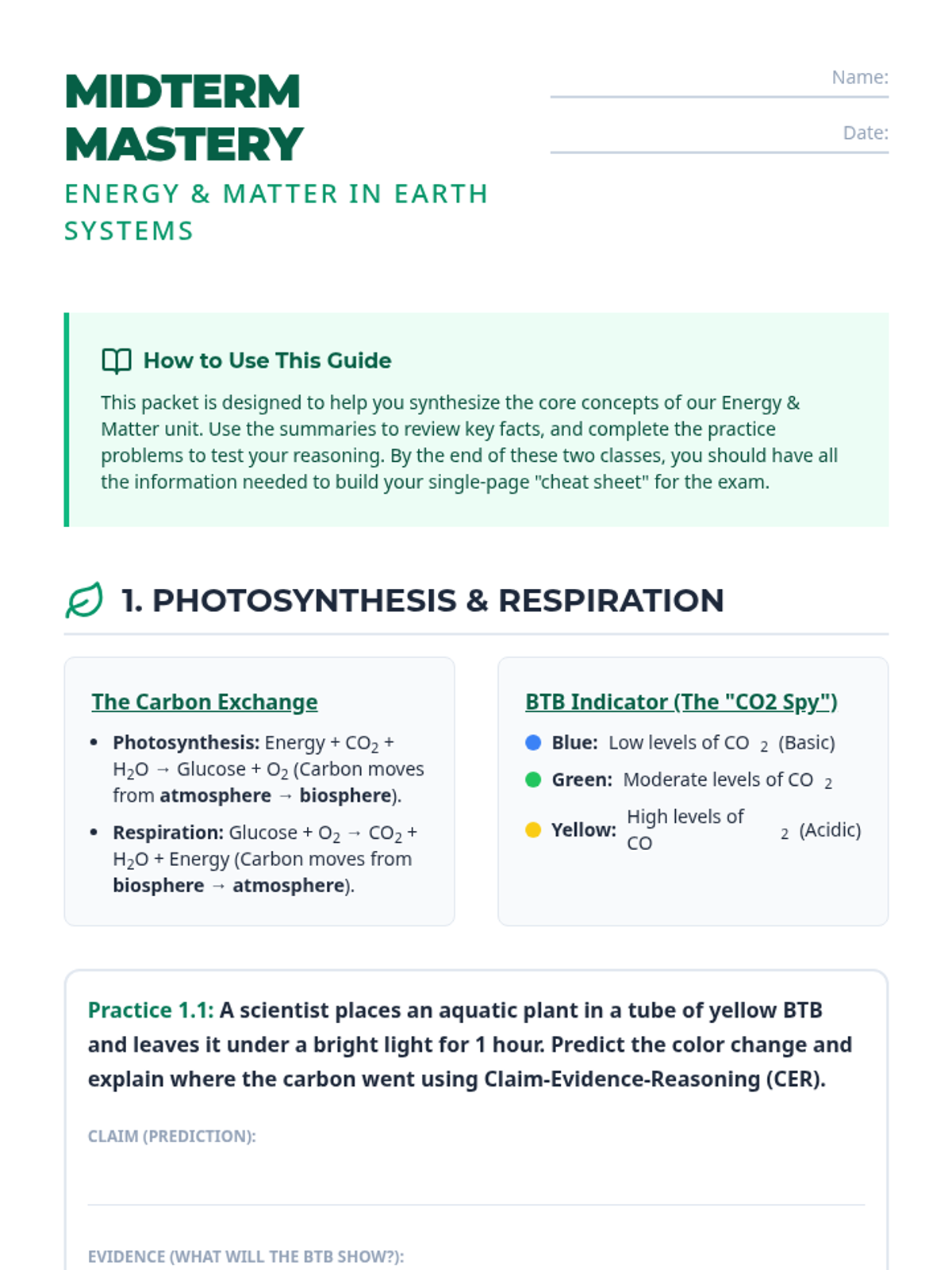
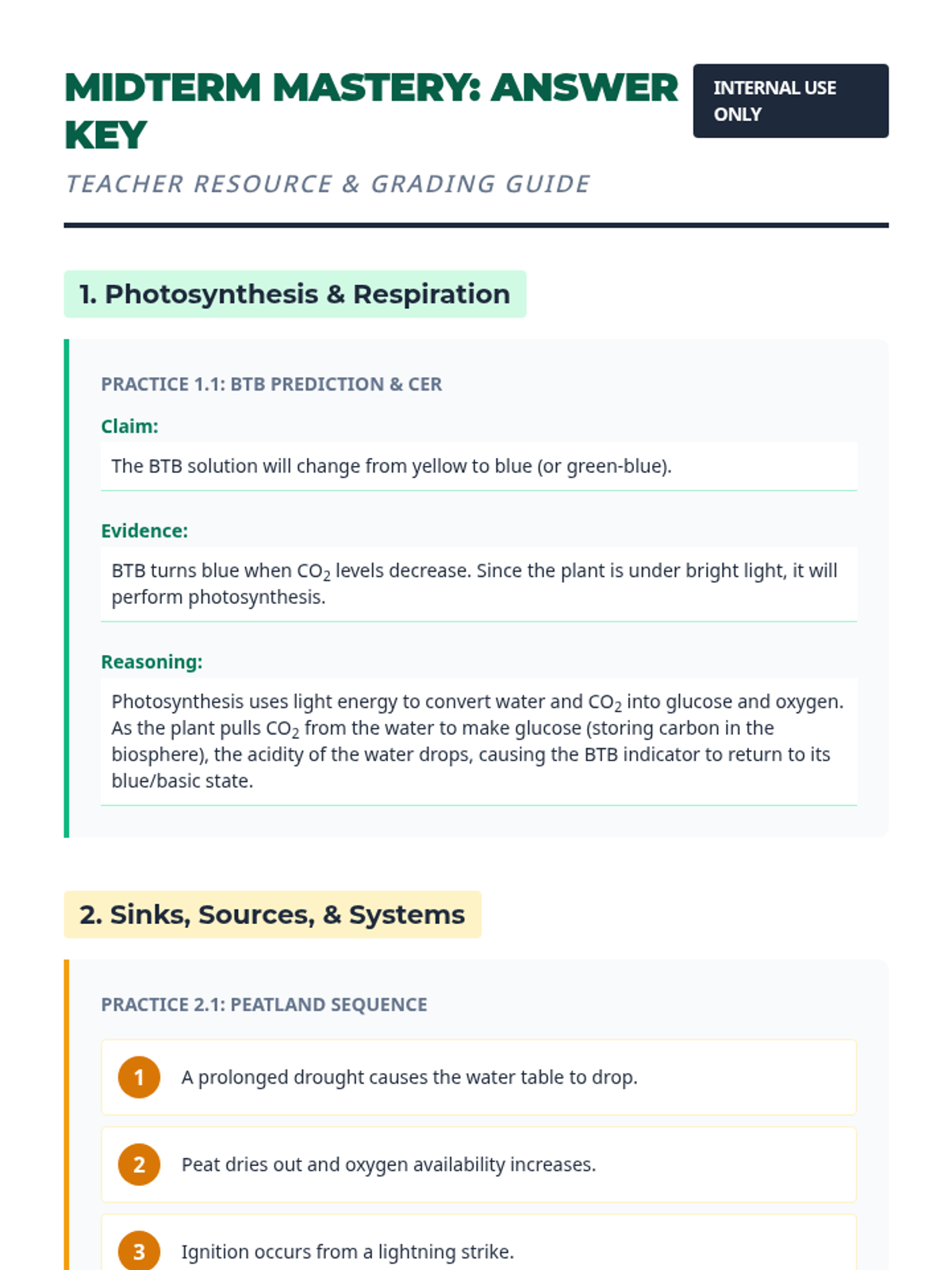
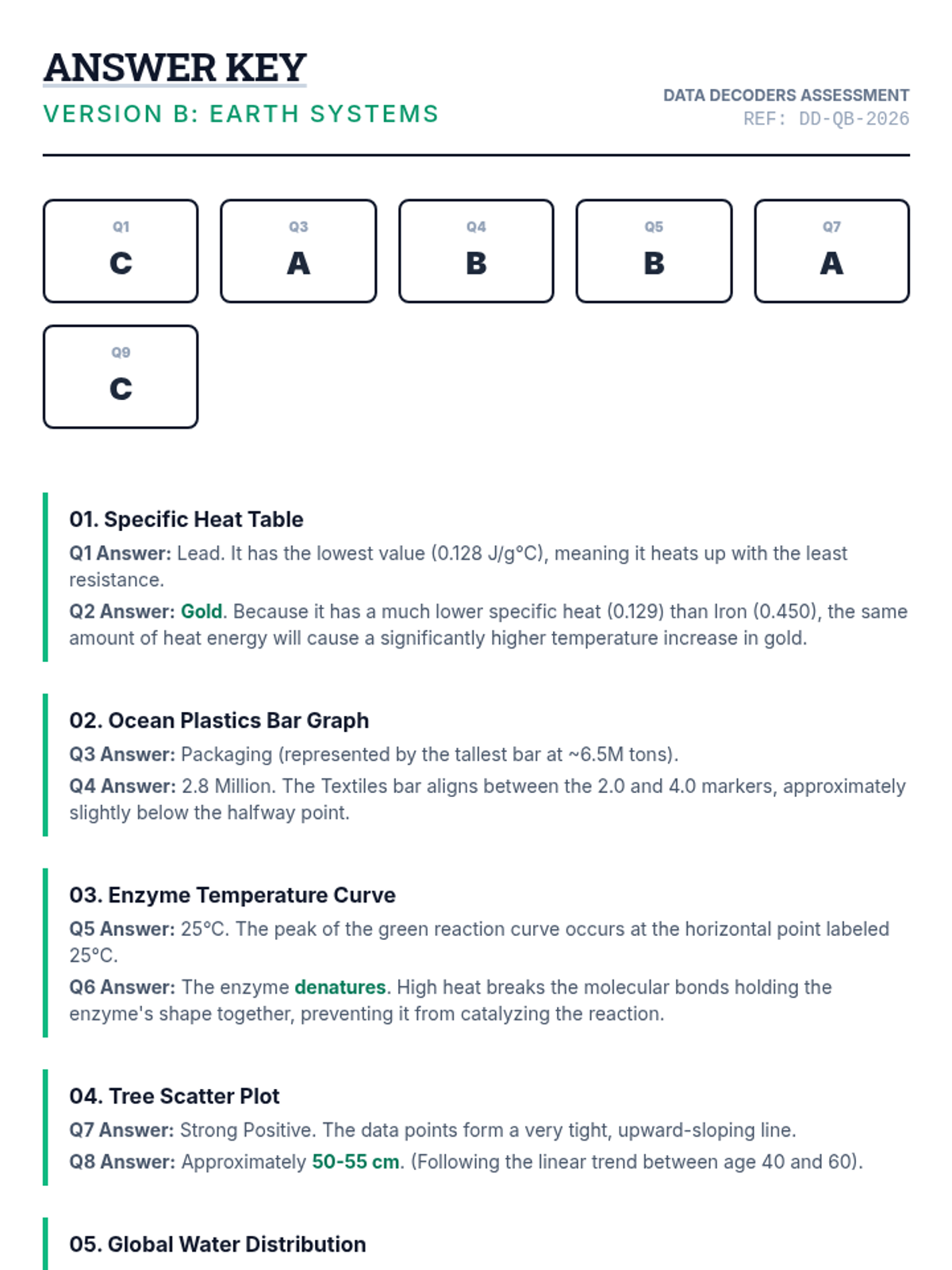
A intensive two-day review session where students analyze carbon cycles, energy transfer, and climate models to prepare for their midterm exam.
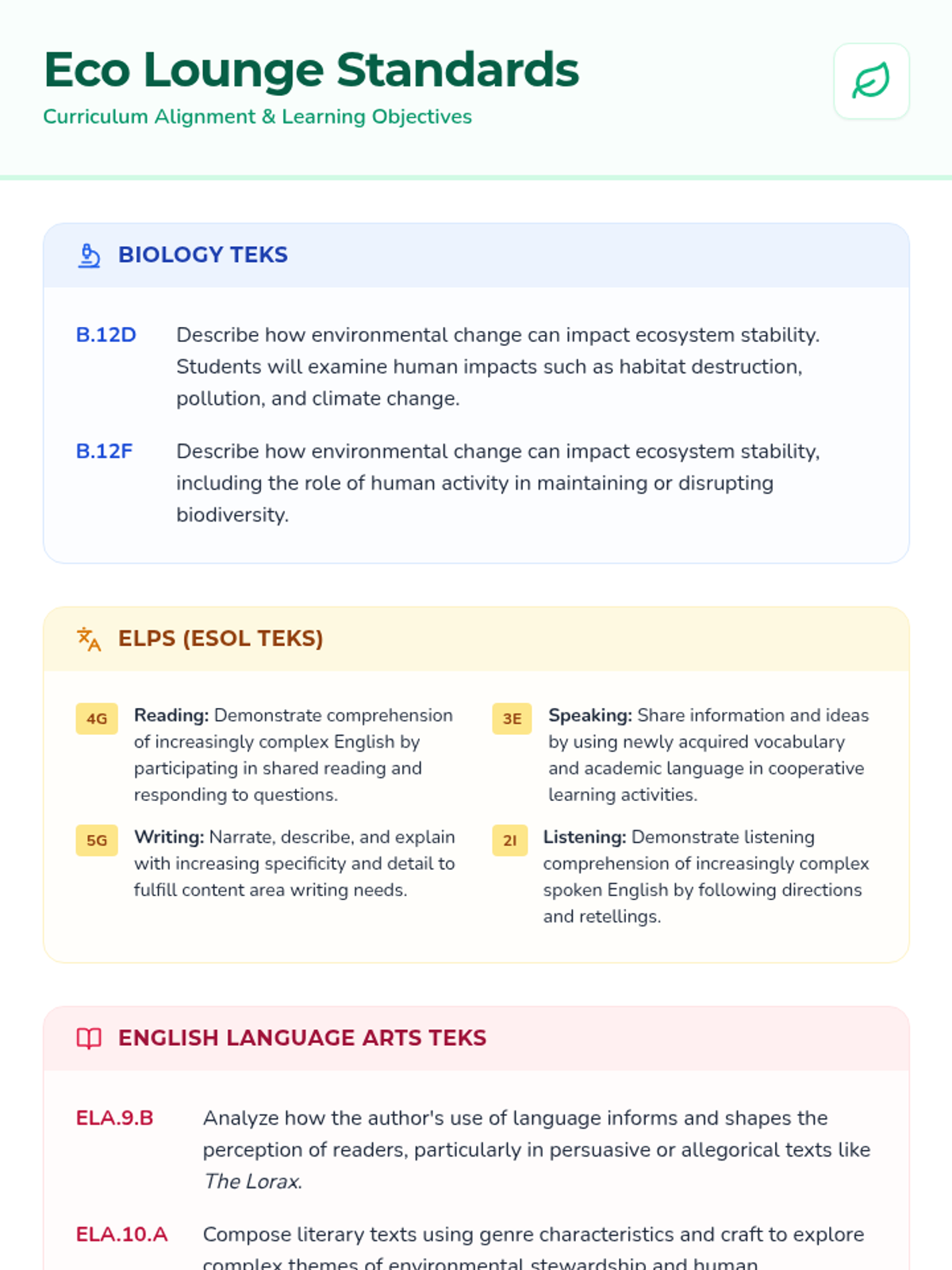
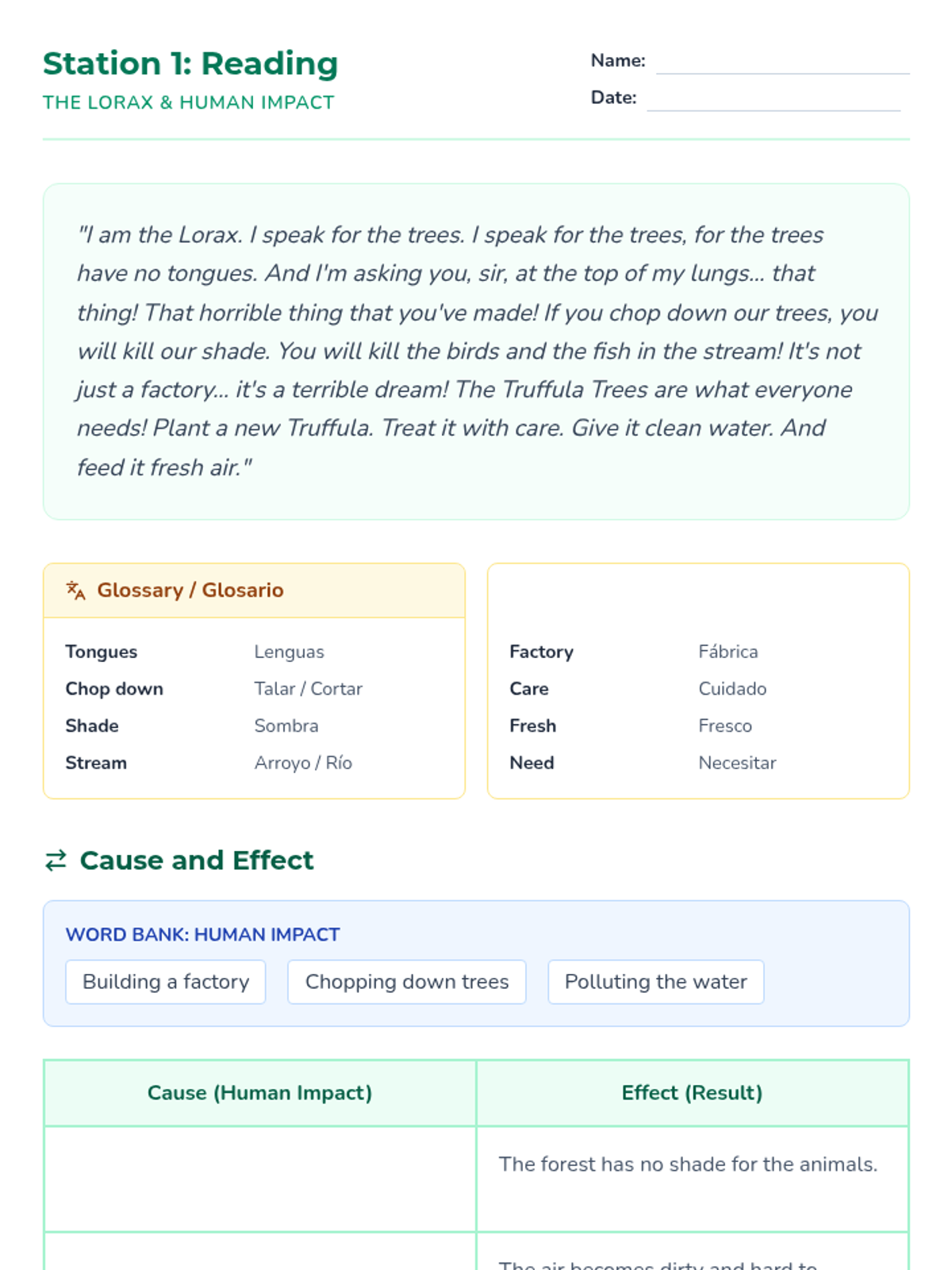
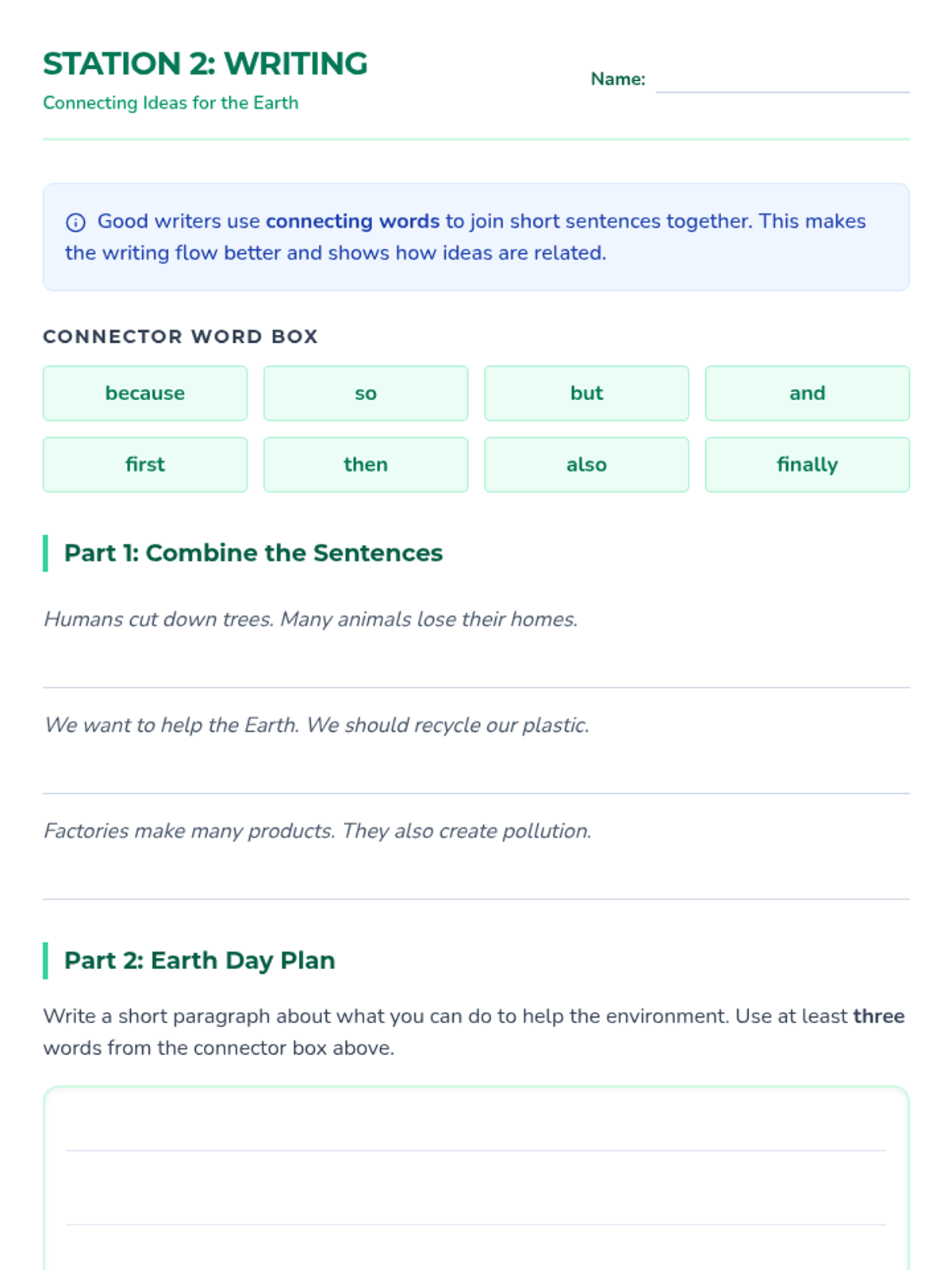
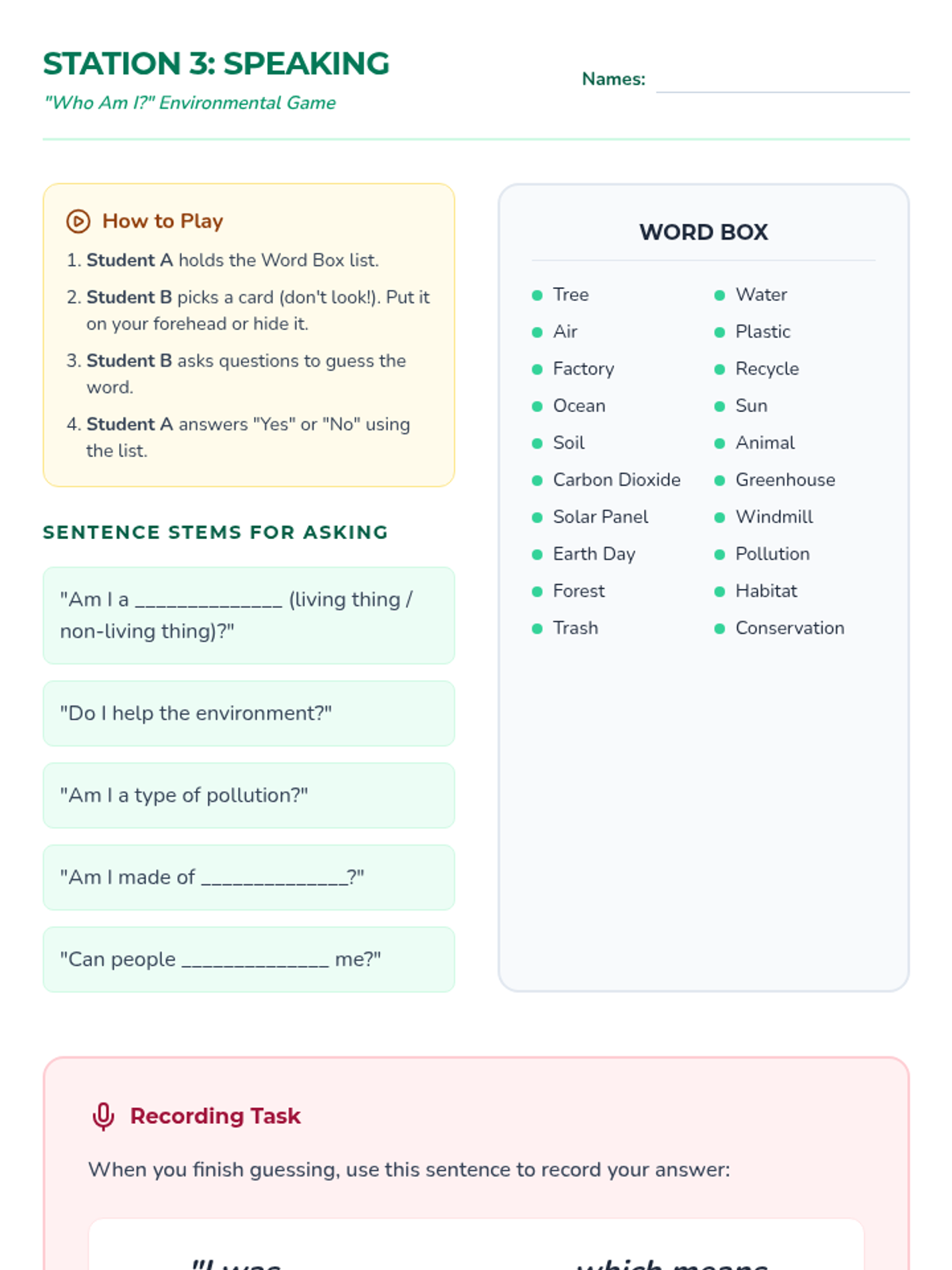
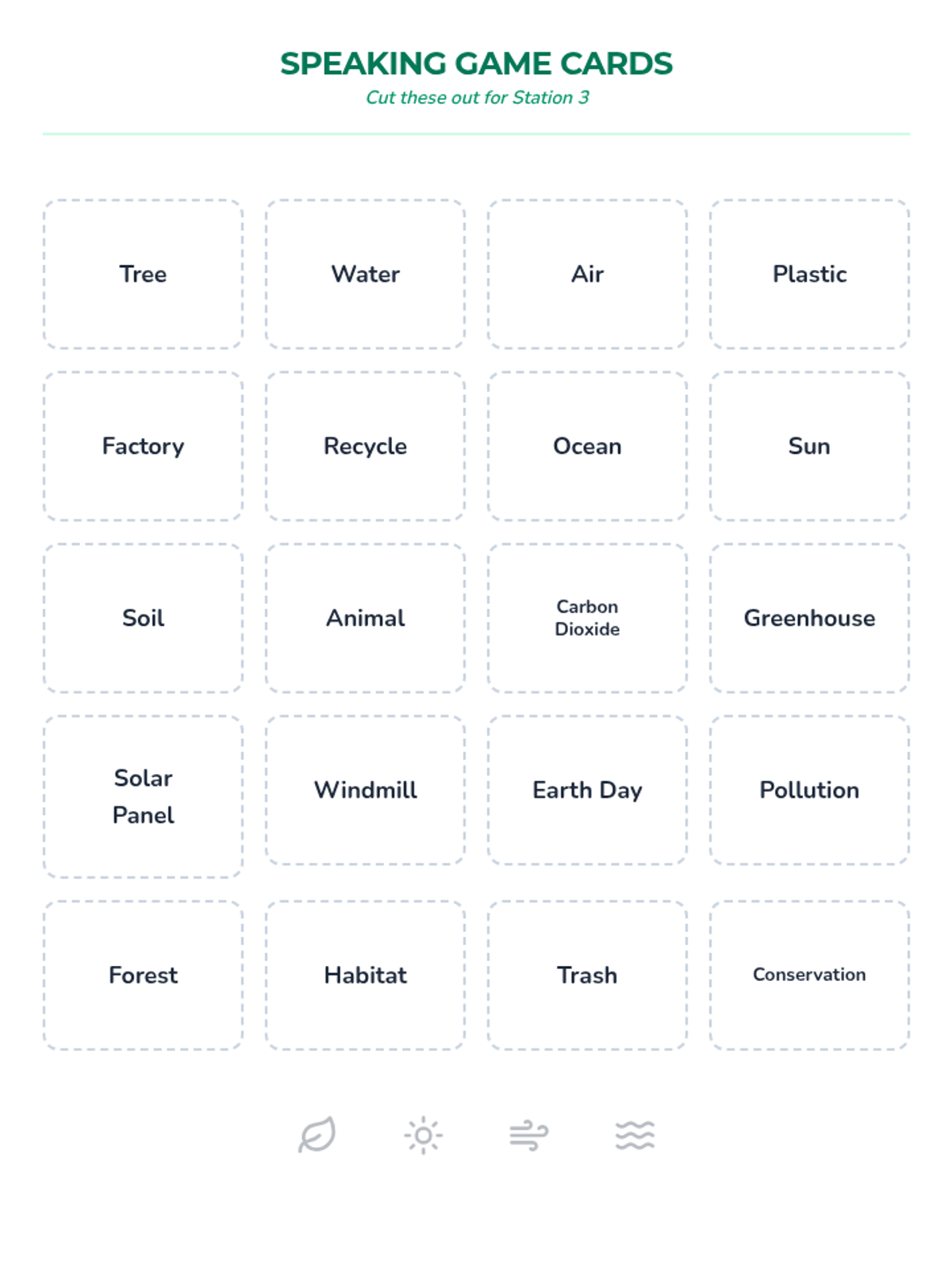
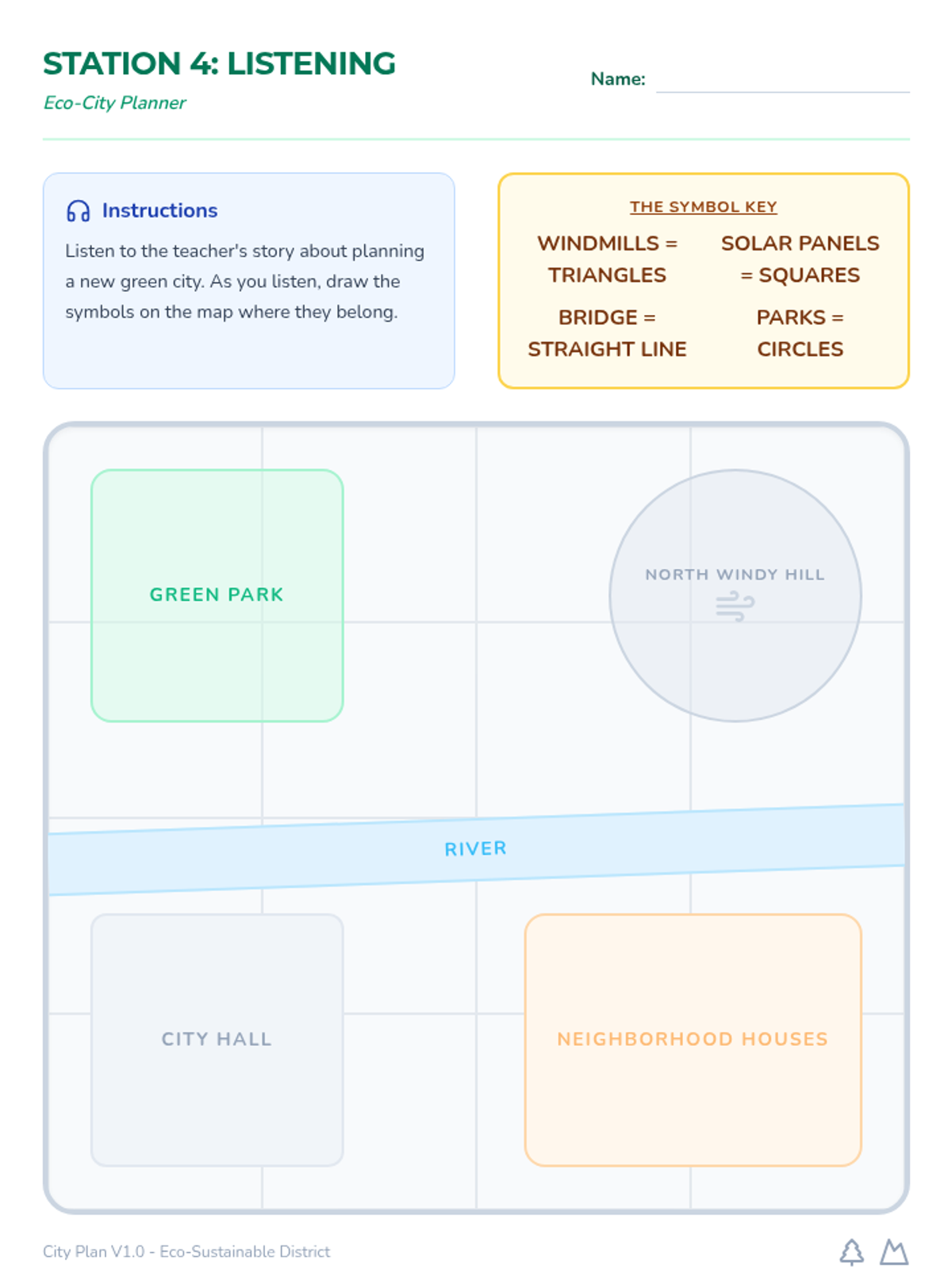
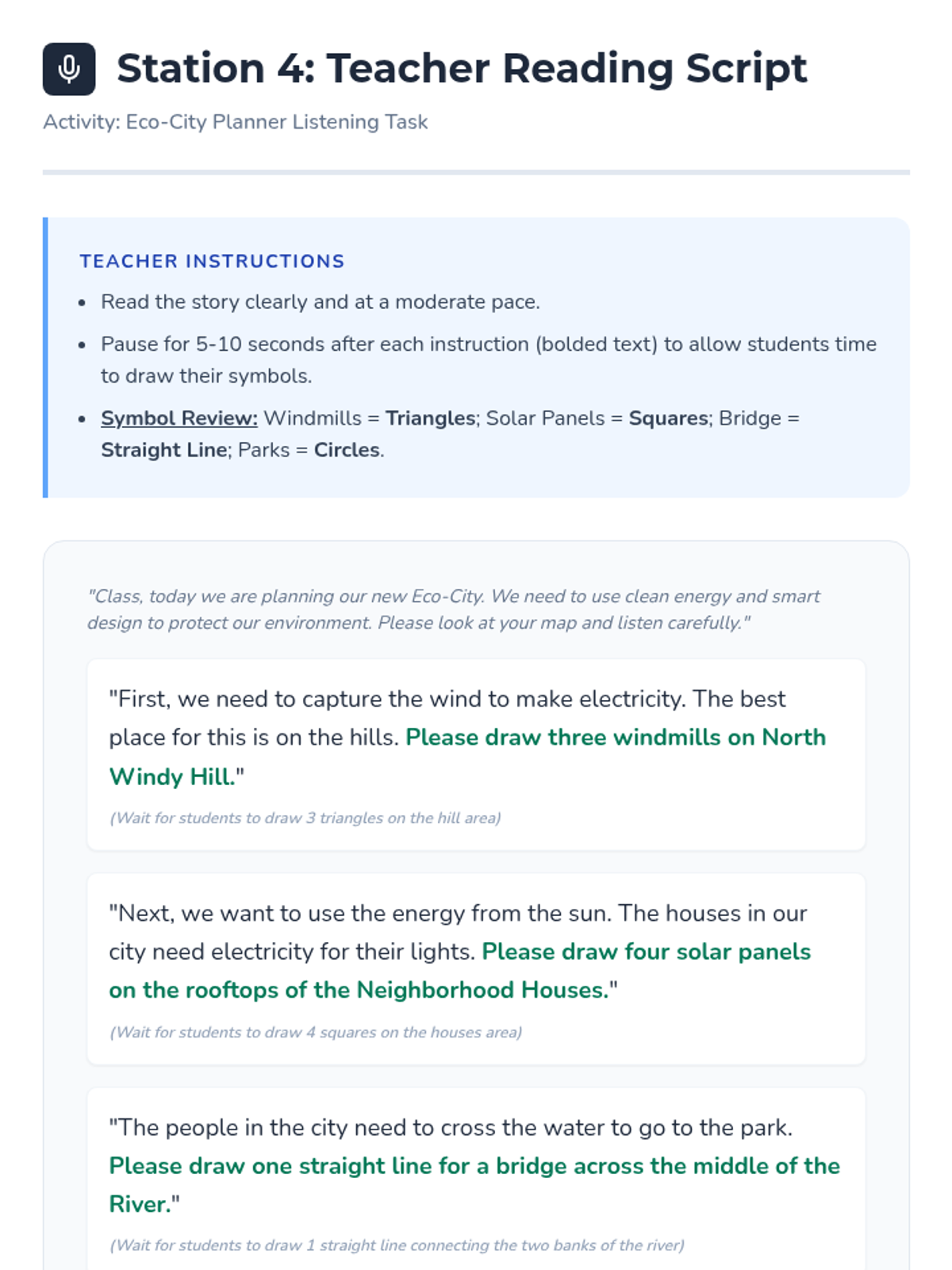
A series of interactive stations focused on the intersection of biology and environmental science, specifically designed for ESOL learners to practice reading, writing, listening, and speaking through the lens of human impact and Earth Day.
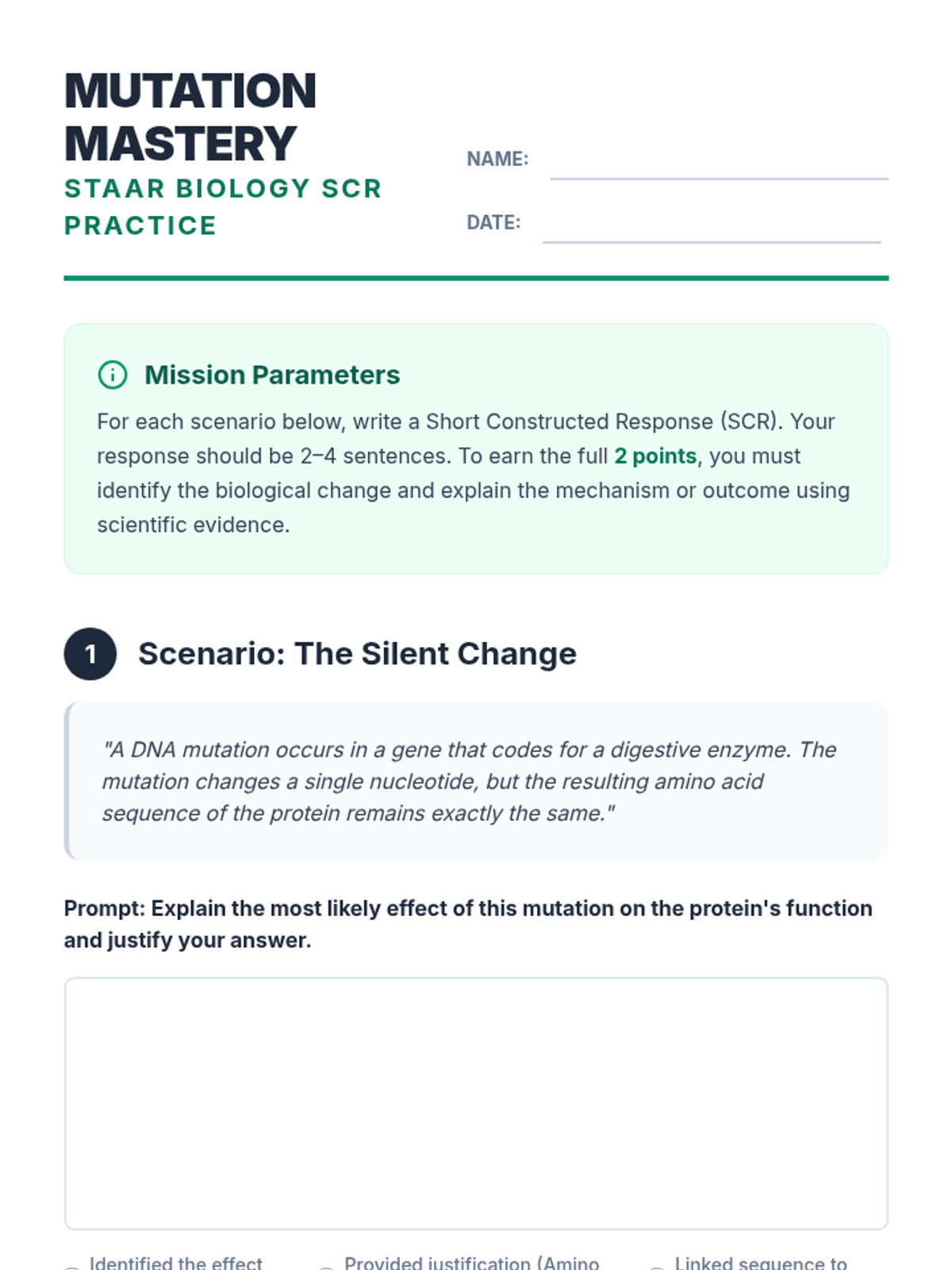
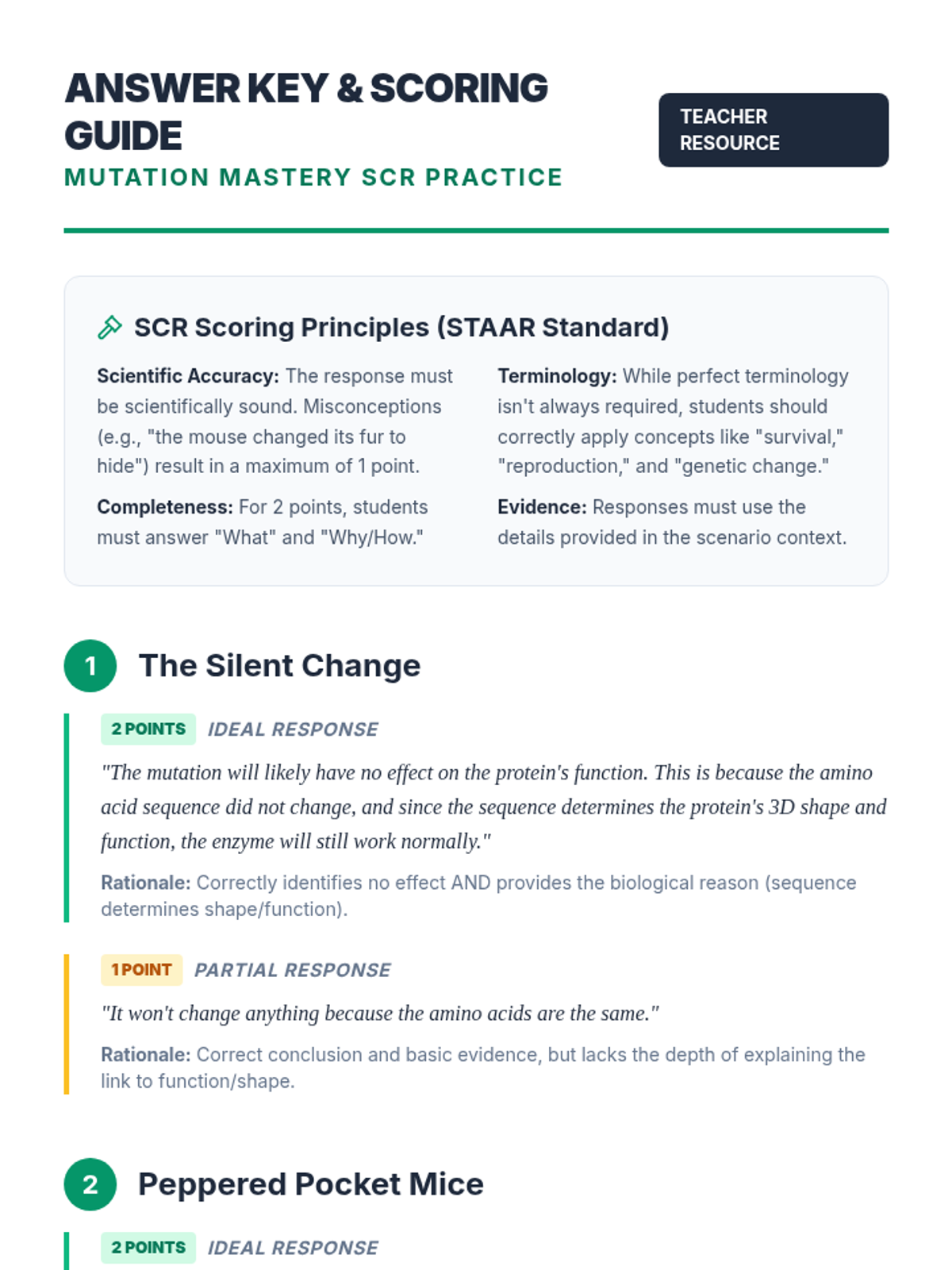
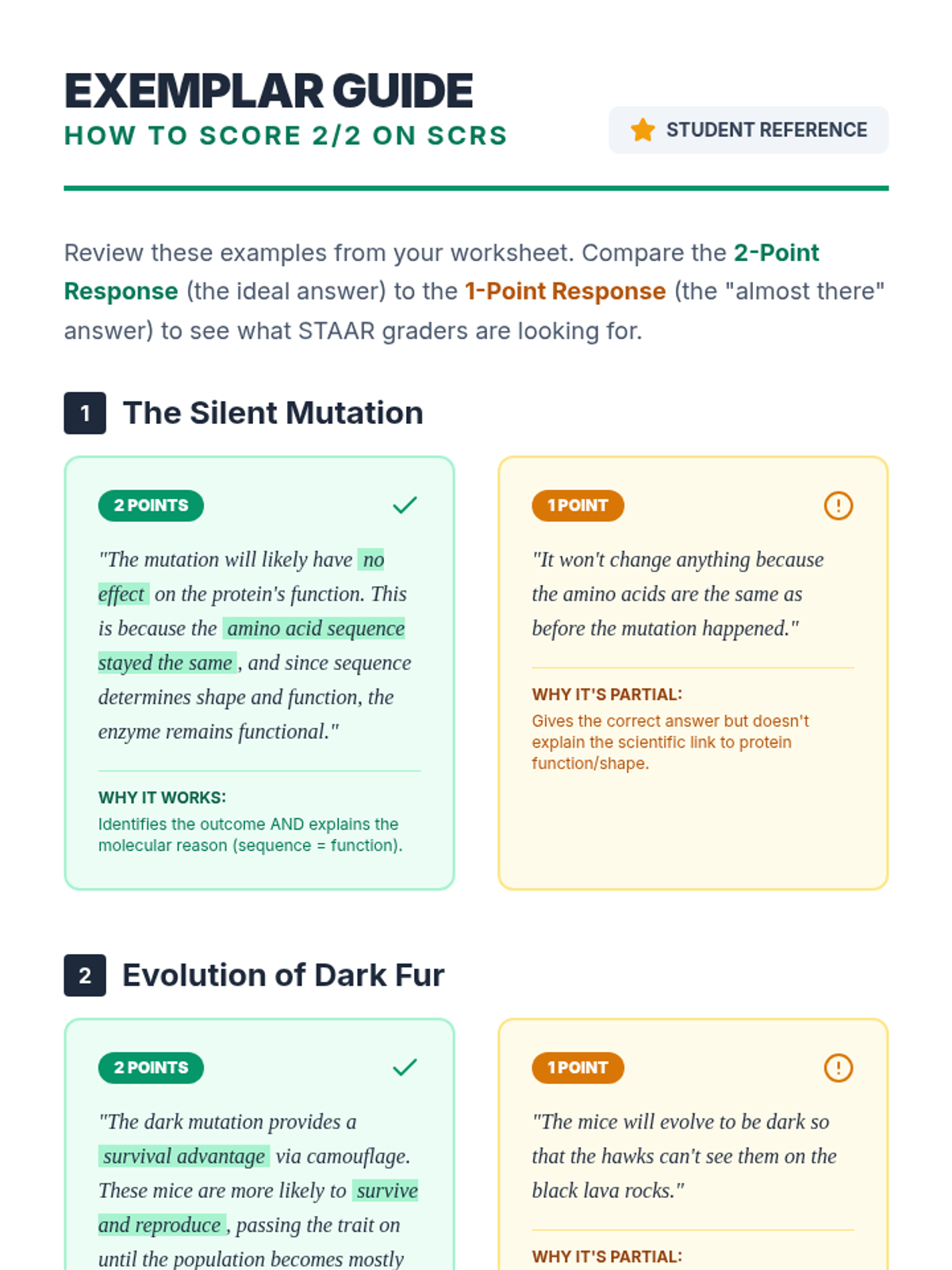
A deep dive into how short constructed response (SCR) questions are scored on the Biology STAAR test, focusing on the mechanisms of evolution and the impact of genetic mutations.
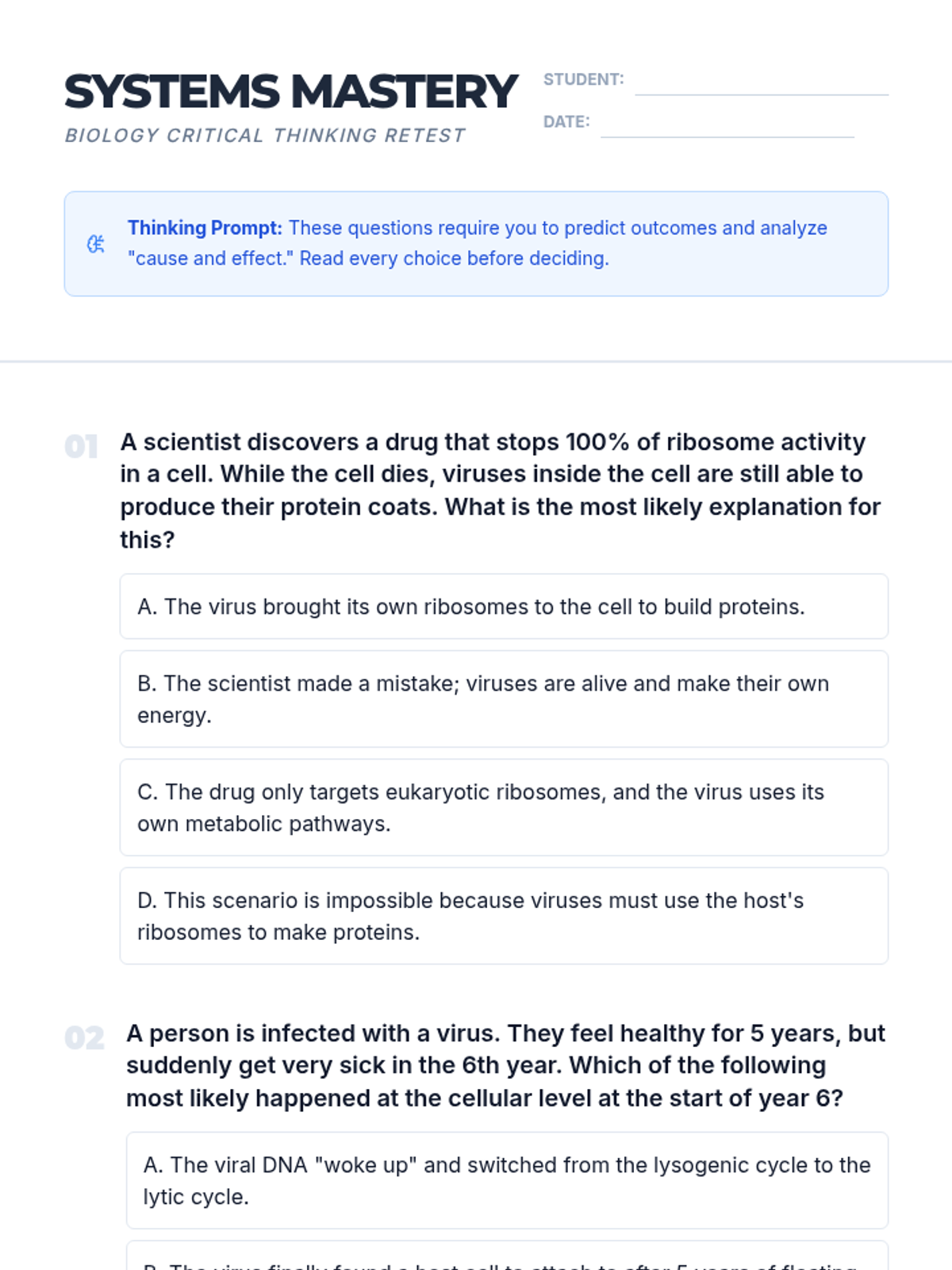
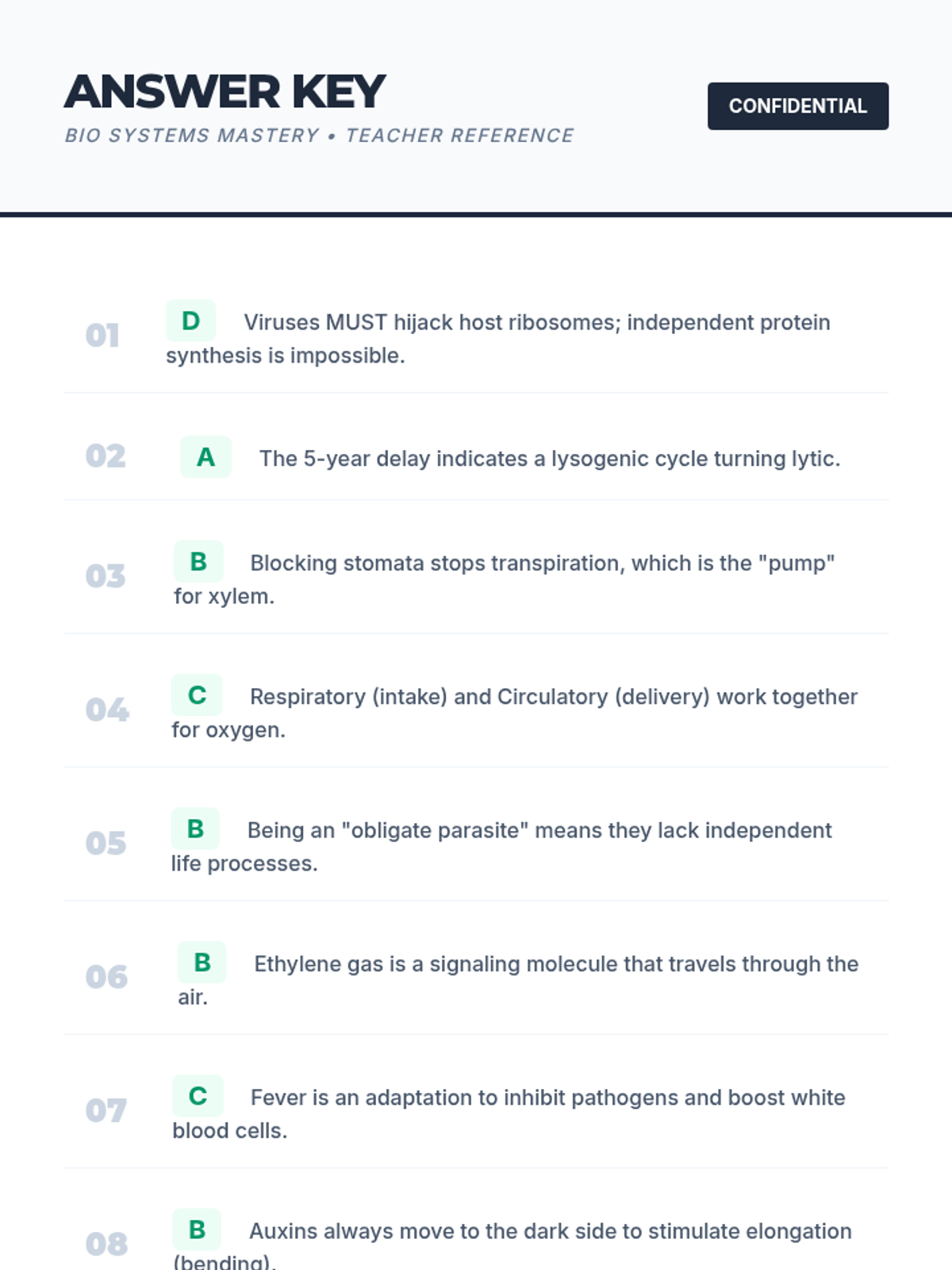
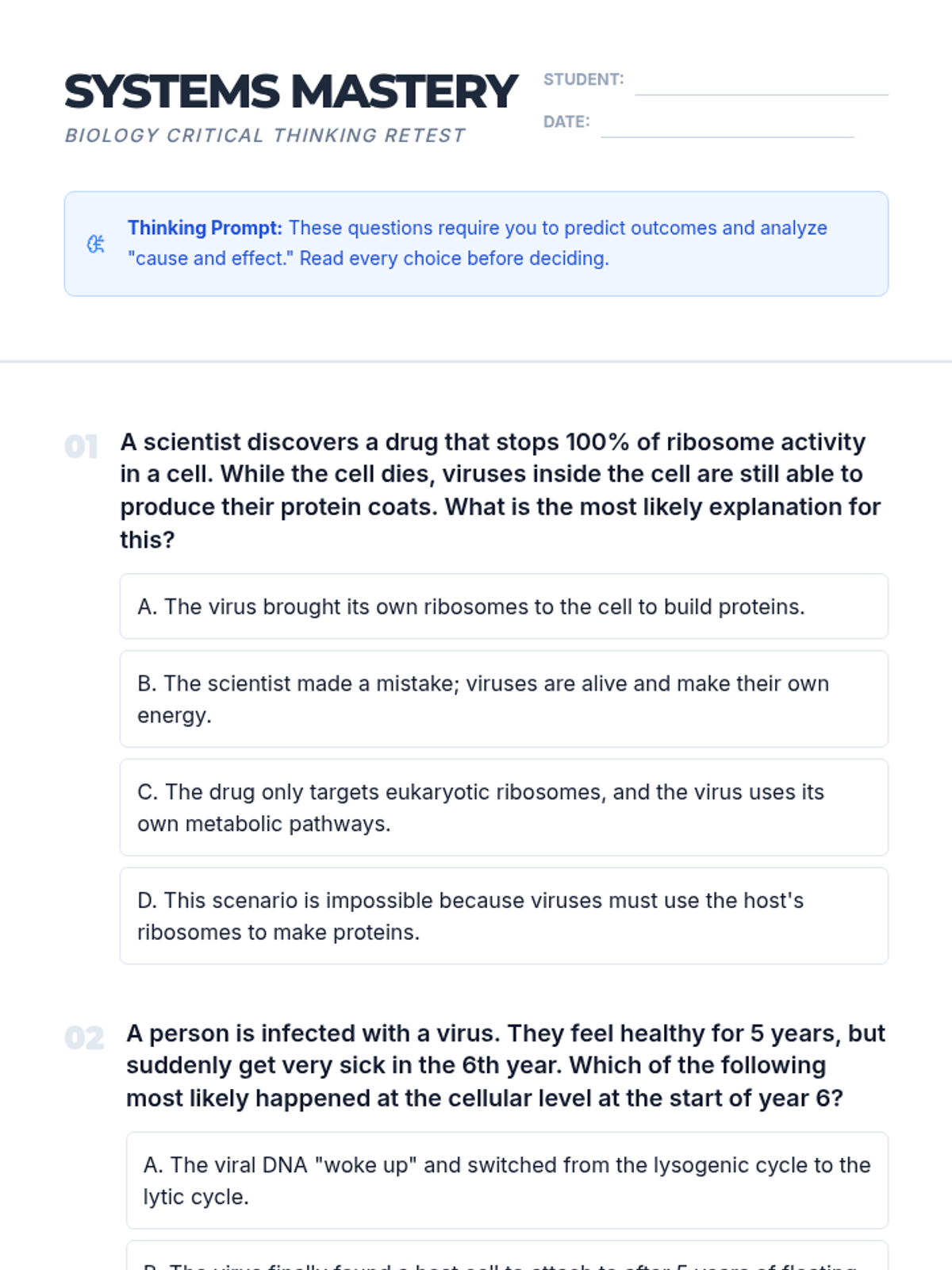
A rigorous assessment covering the intricate workings of plant tissues, human physiological interactions, and the mechanics of viral replication. Designed for 9th-grade biology students needing to demonstrate mastery of complex systems.
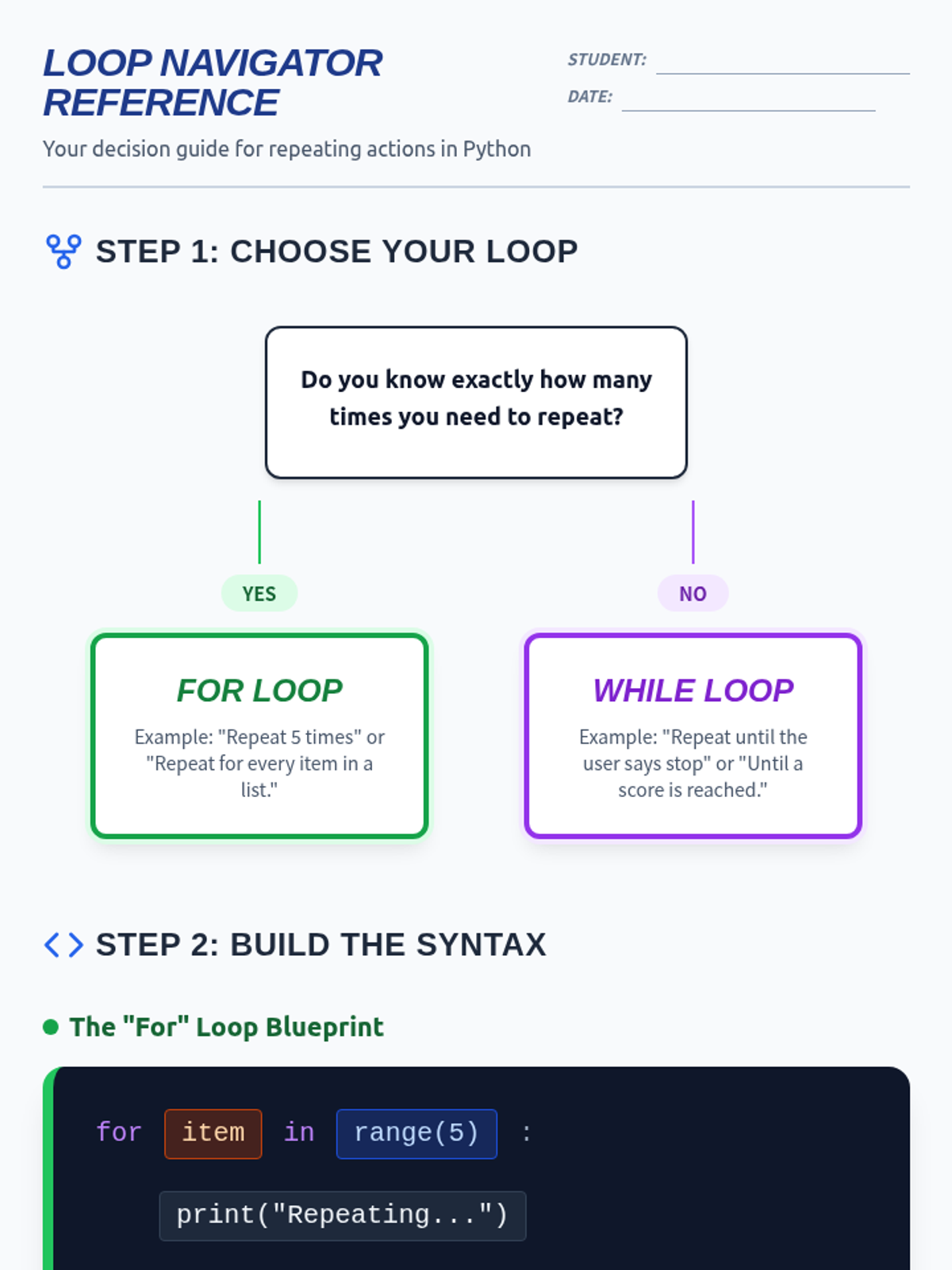
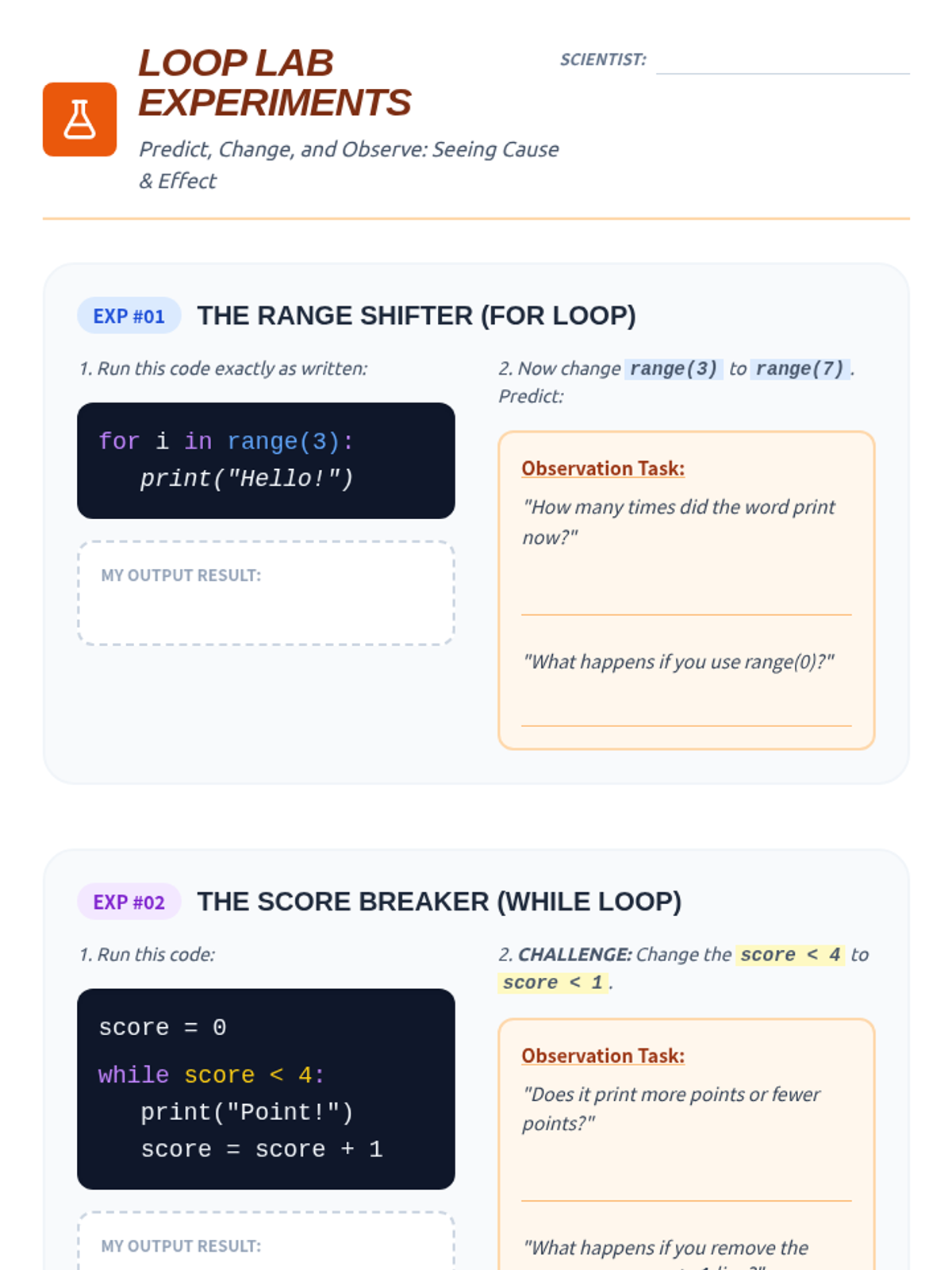
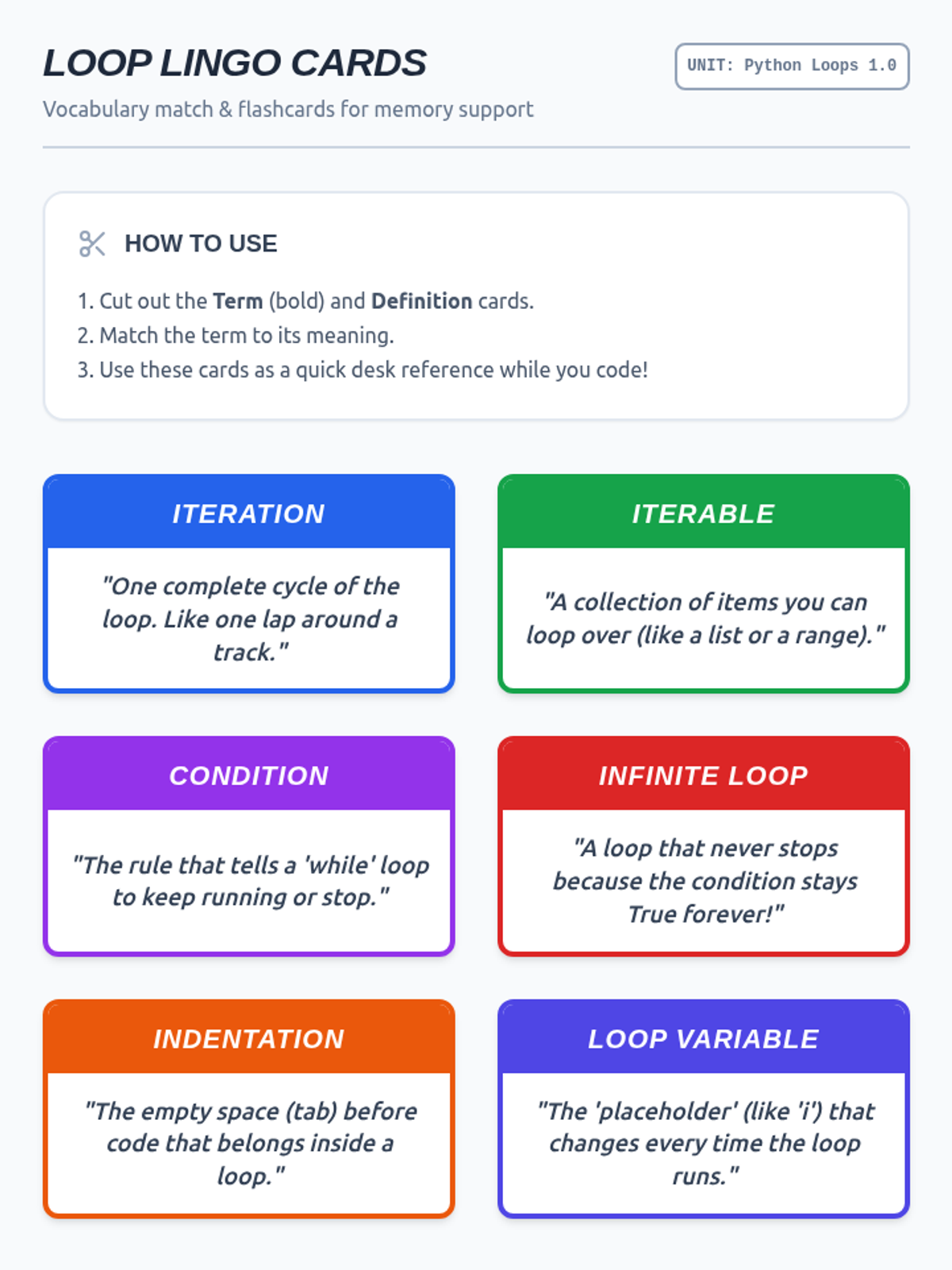
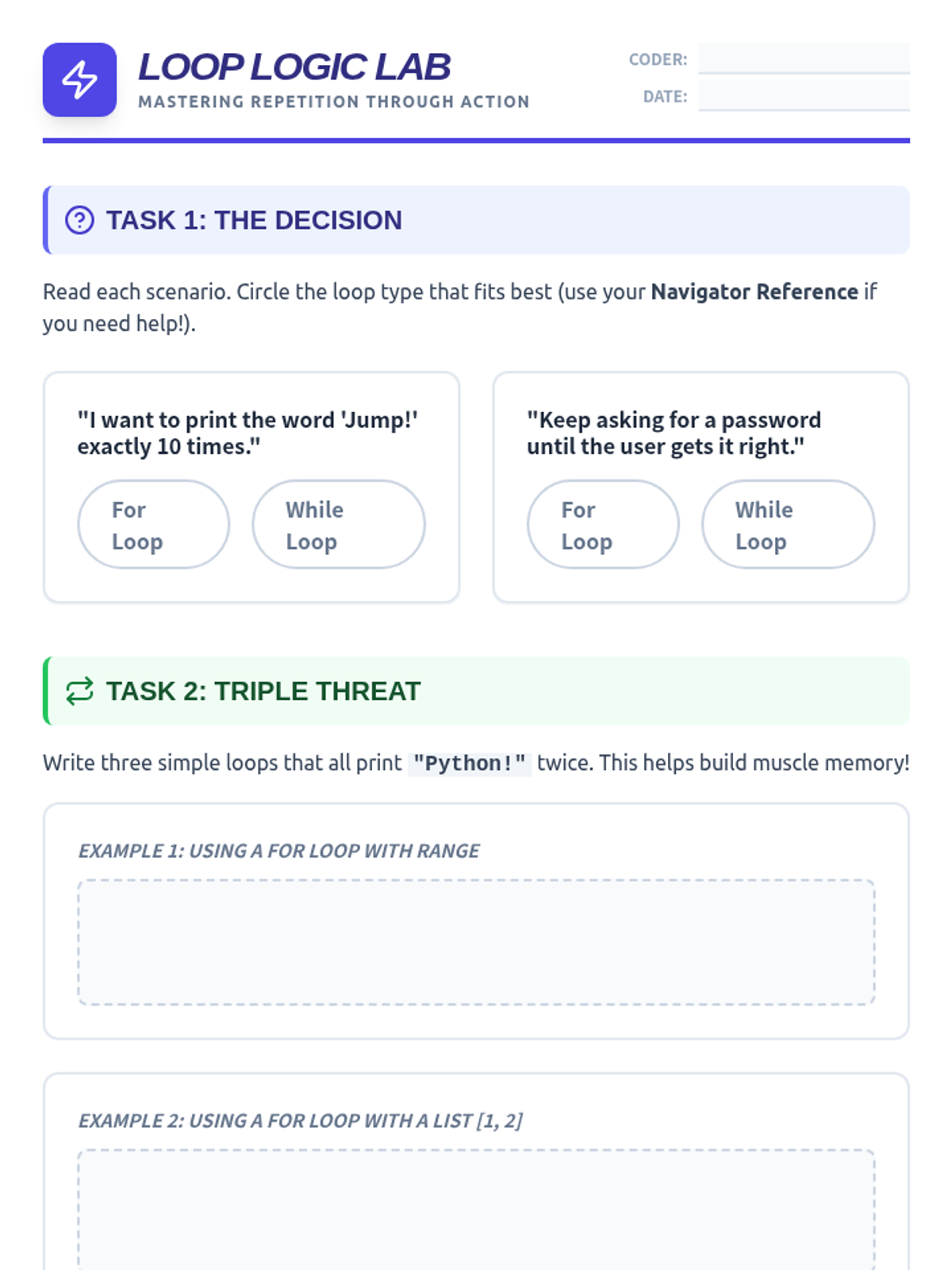
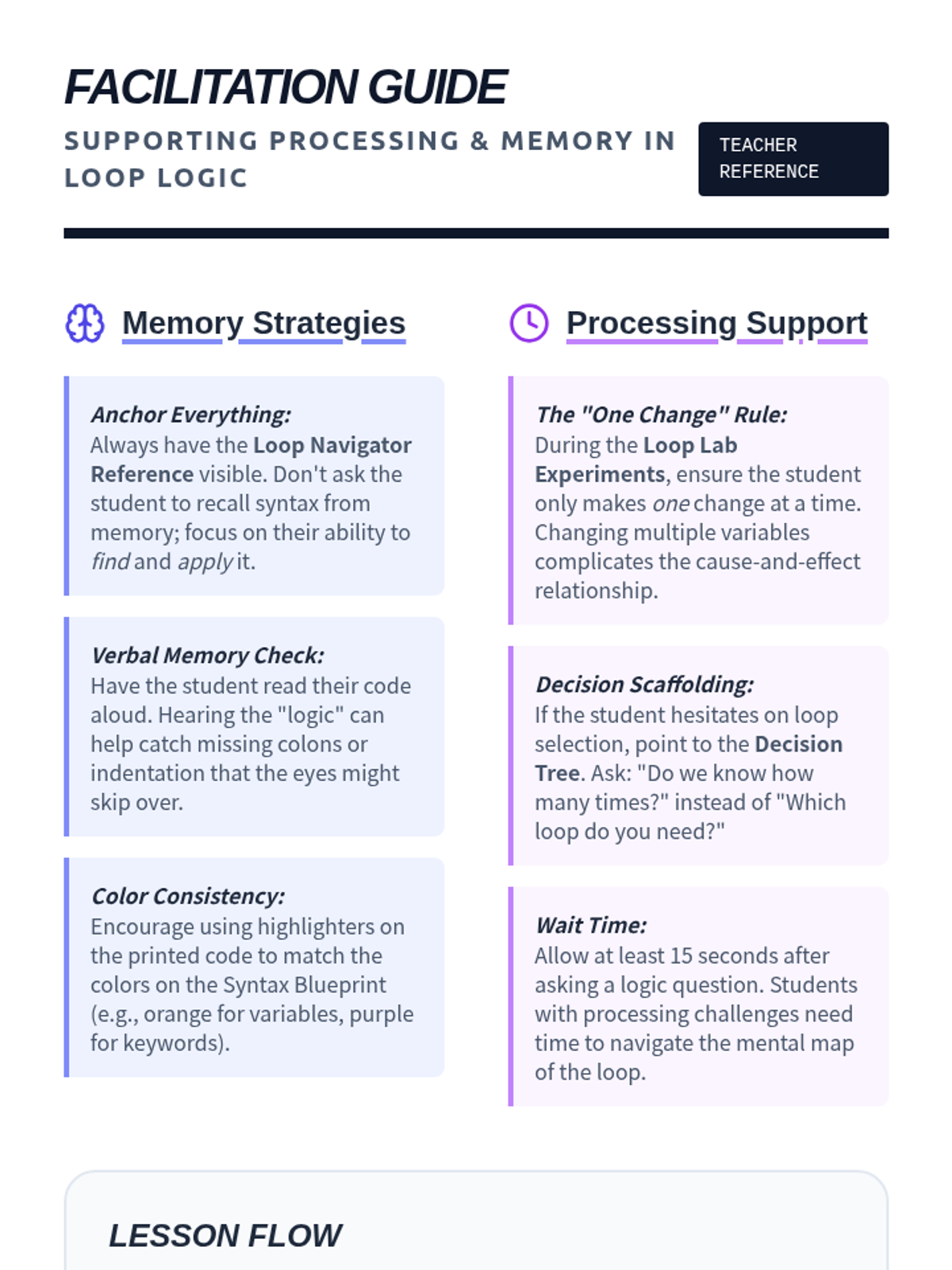
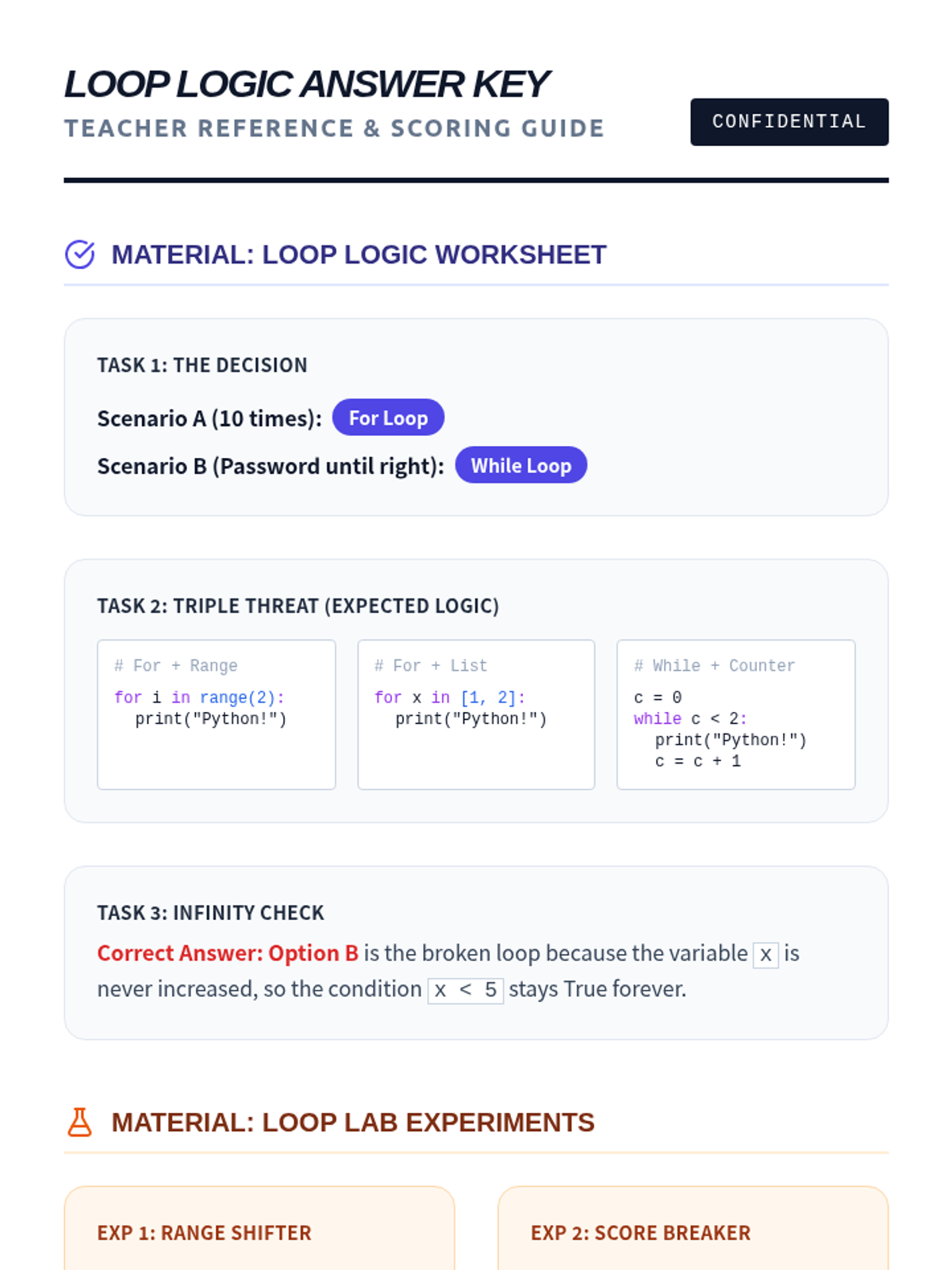
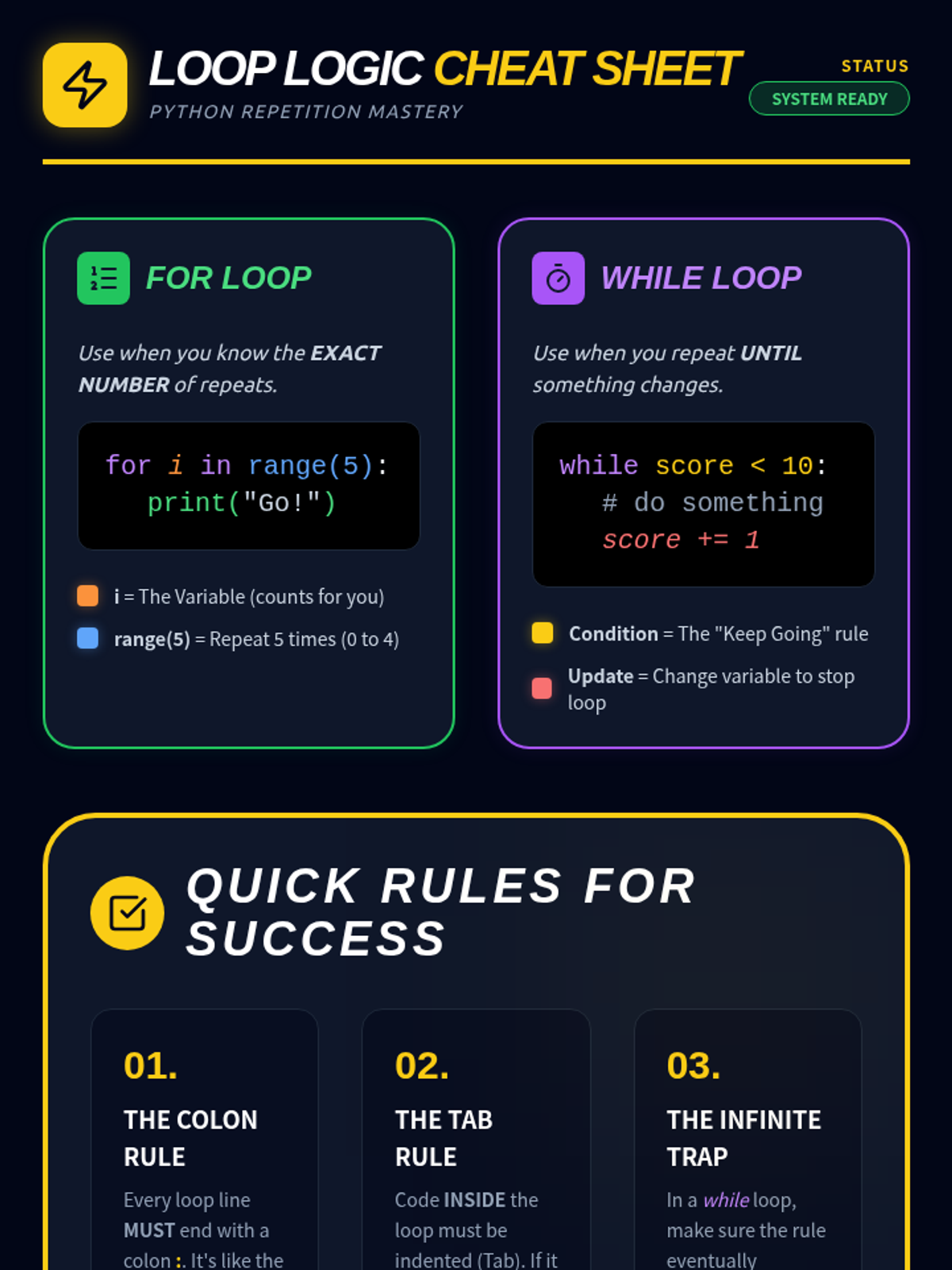
A comprehensive introduction to Python loops designed for students with processing and memory challenges, featuring visual decision trees, color-coded syntax guides, and hands-on cause-and-effect experiments.
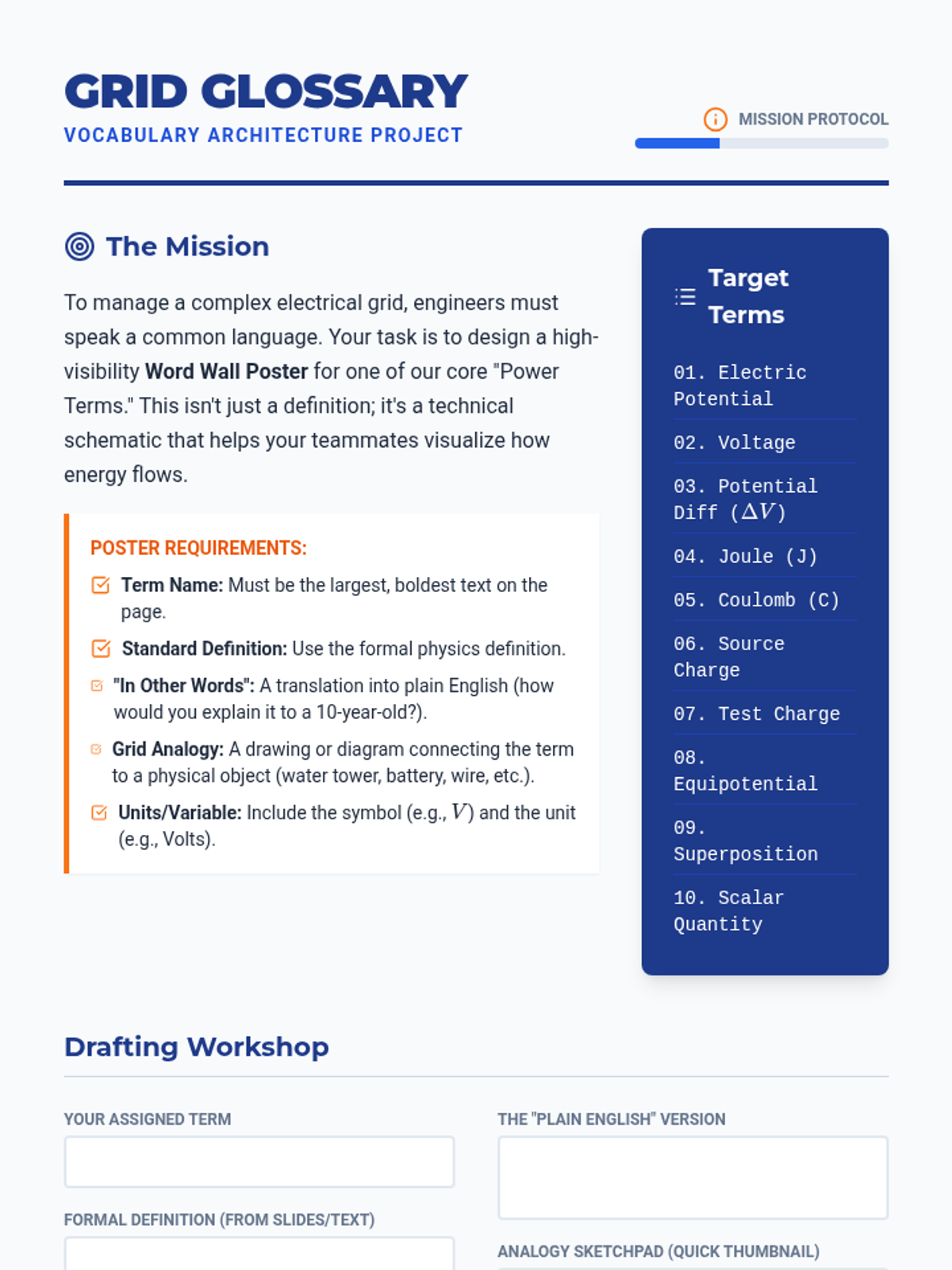
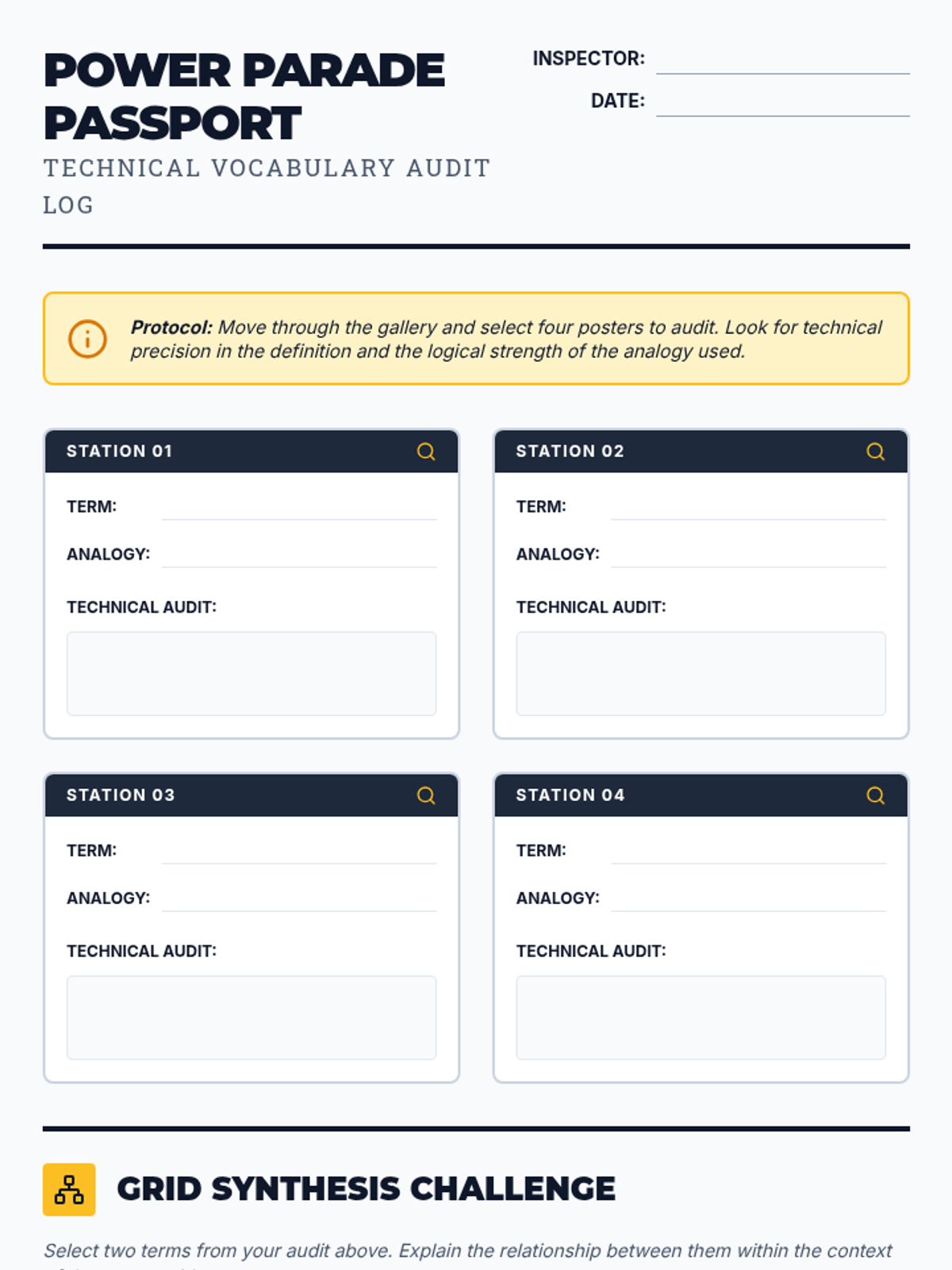
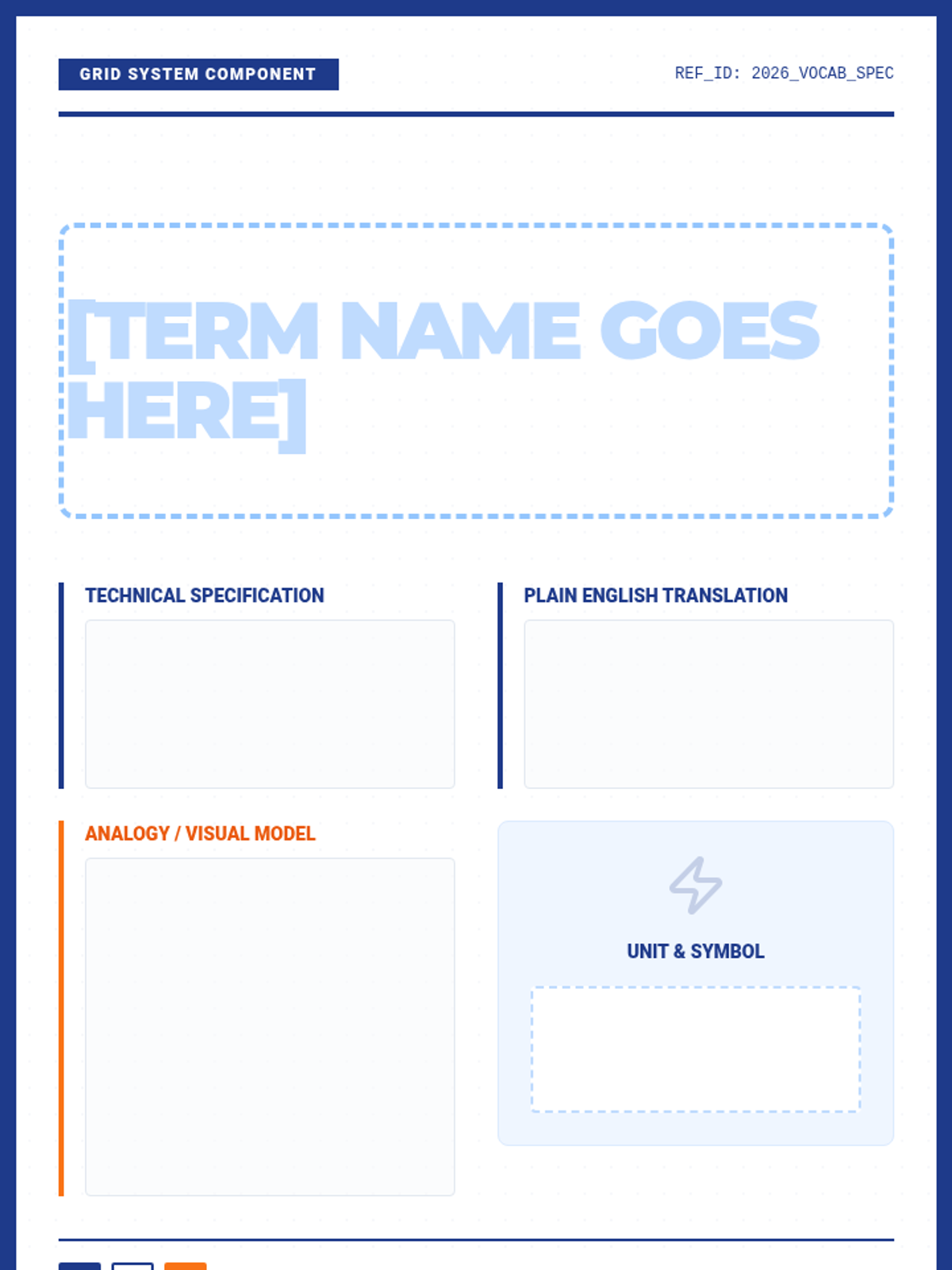
Students master the technical vocabulary of electromagnetism and the power grid by creating visual "Word Wall" posters that connect abstract physics terms to concrete grid components and analogies.
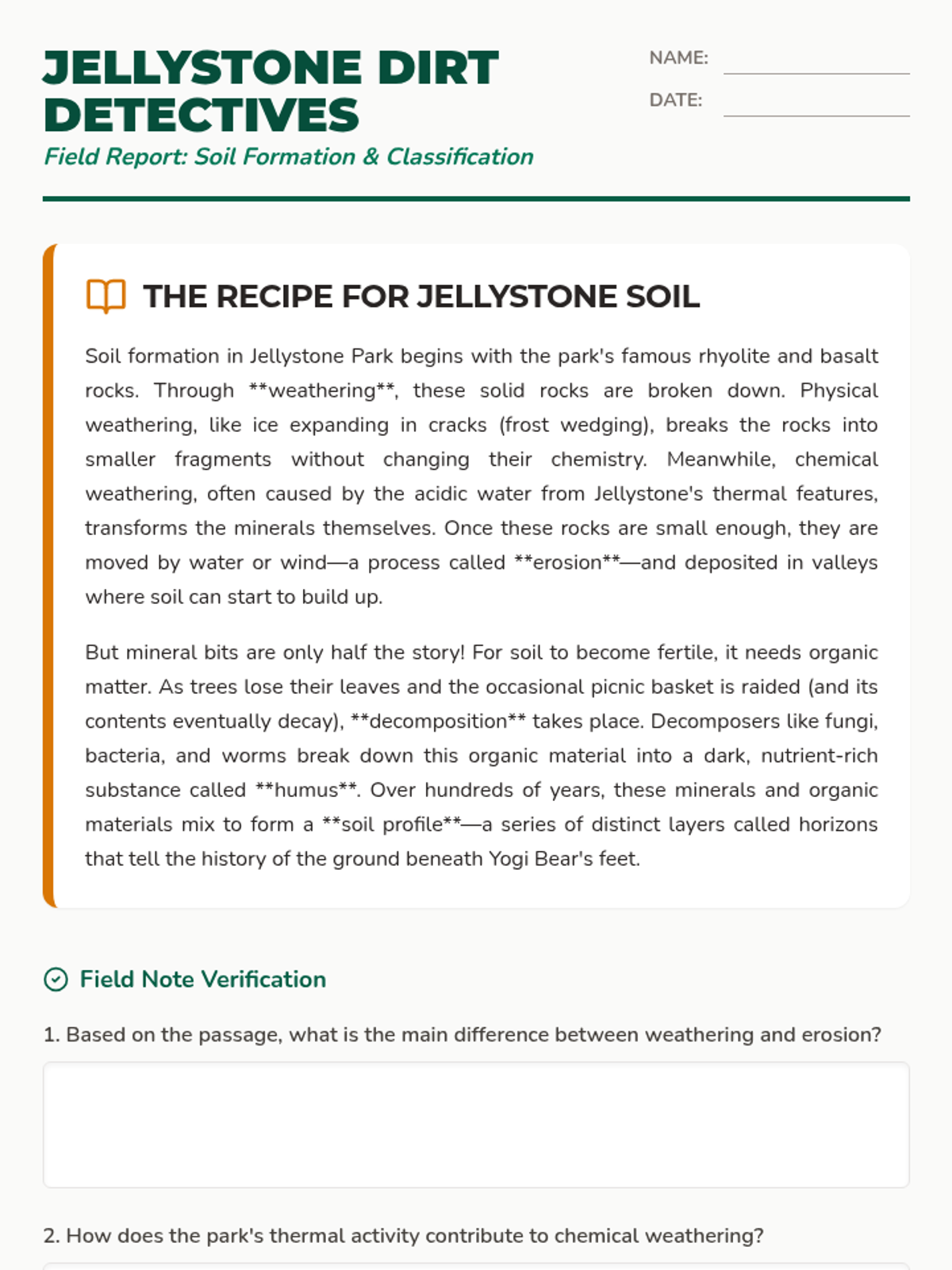
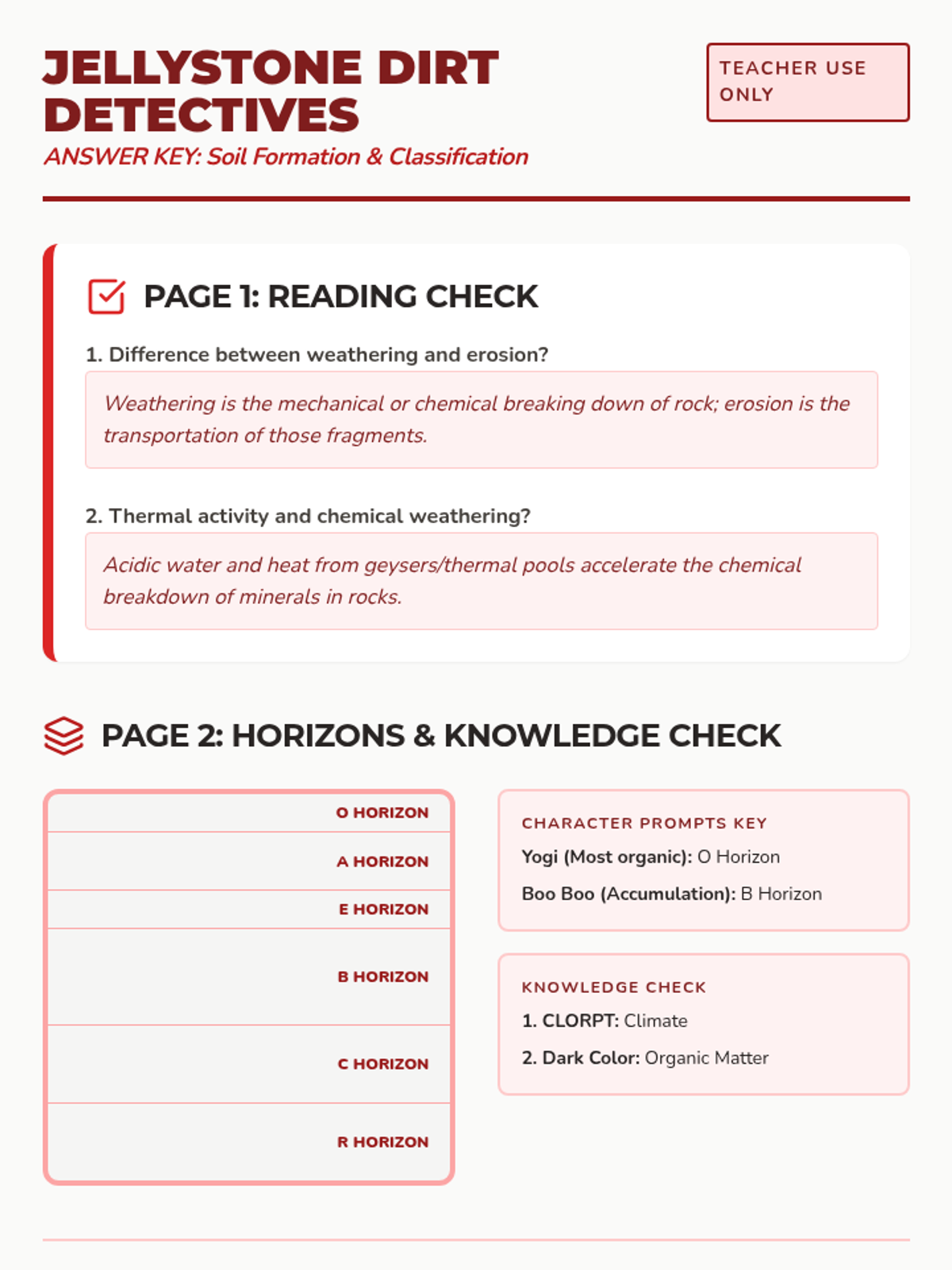
A comprehensive look at soil formation processes, horizons, and classification through the lens of Jellystone Park. Students explore weathering, decomposition, and the factors that turn rock into fertile ground.
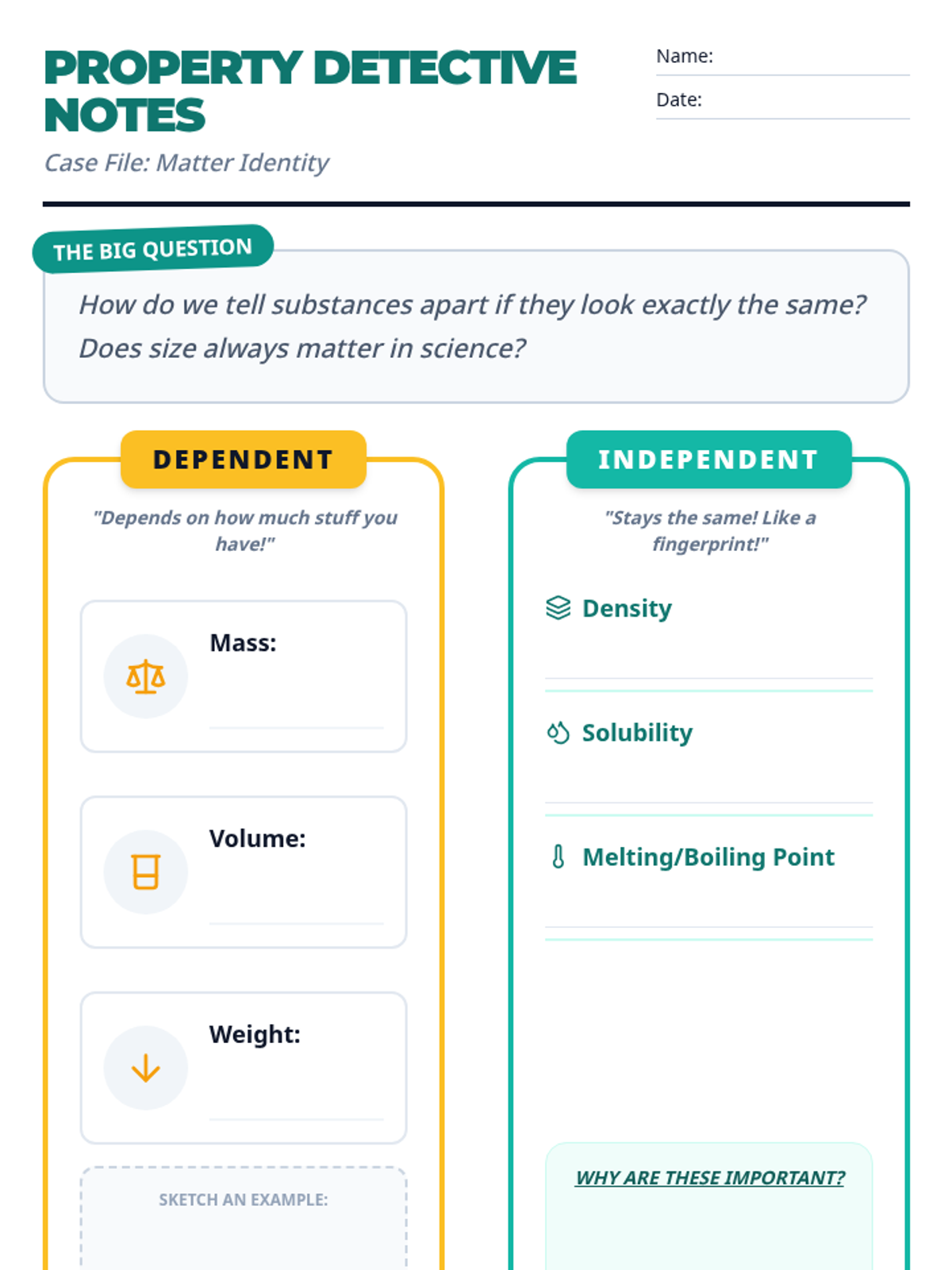
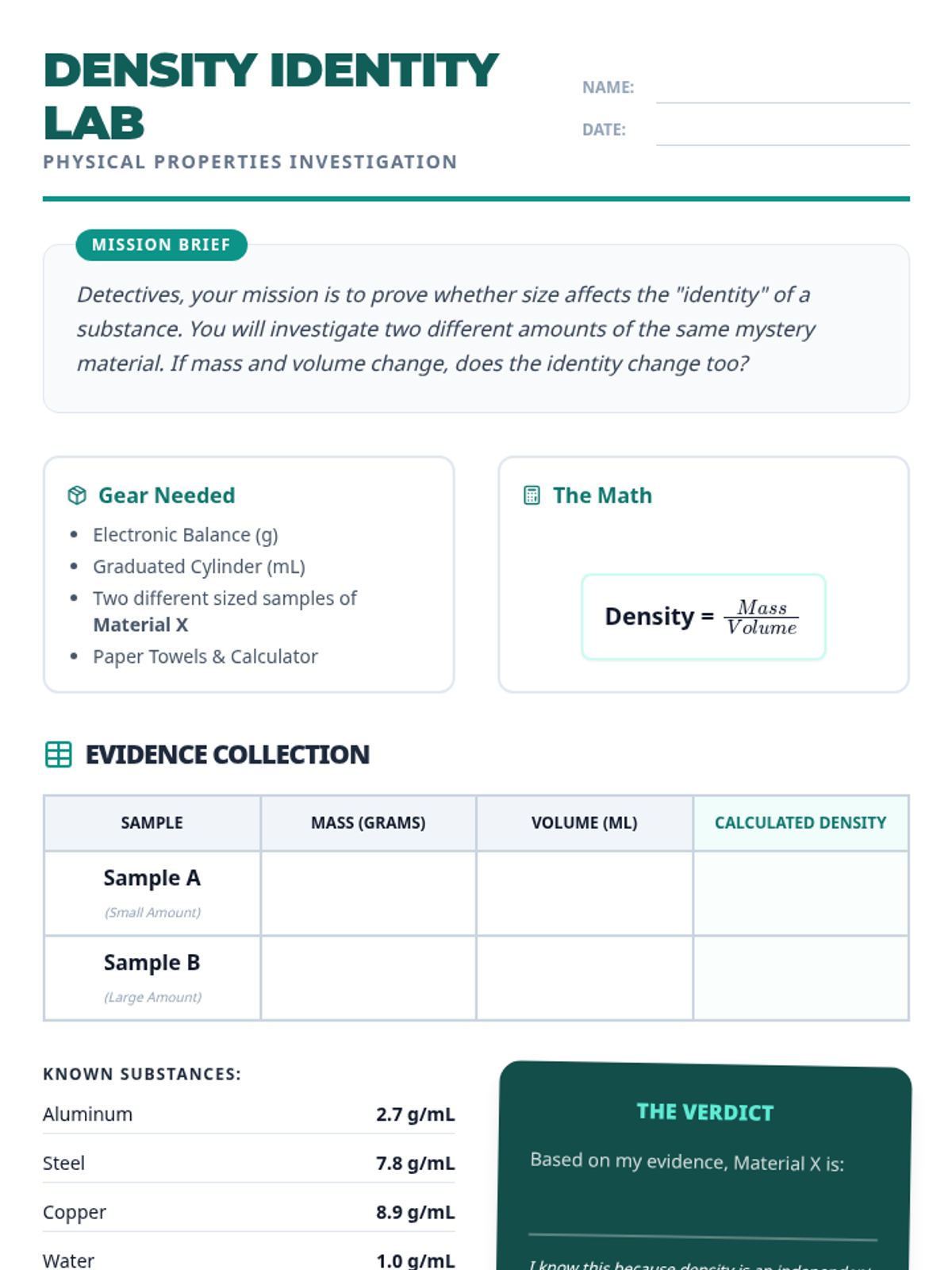
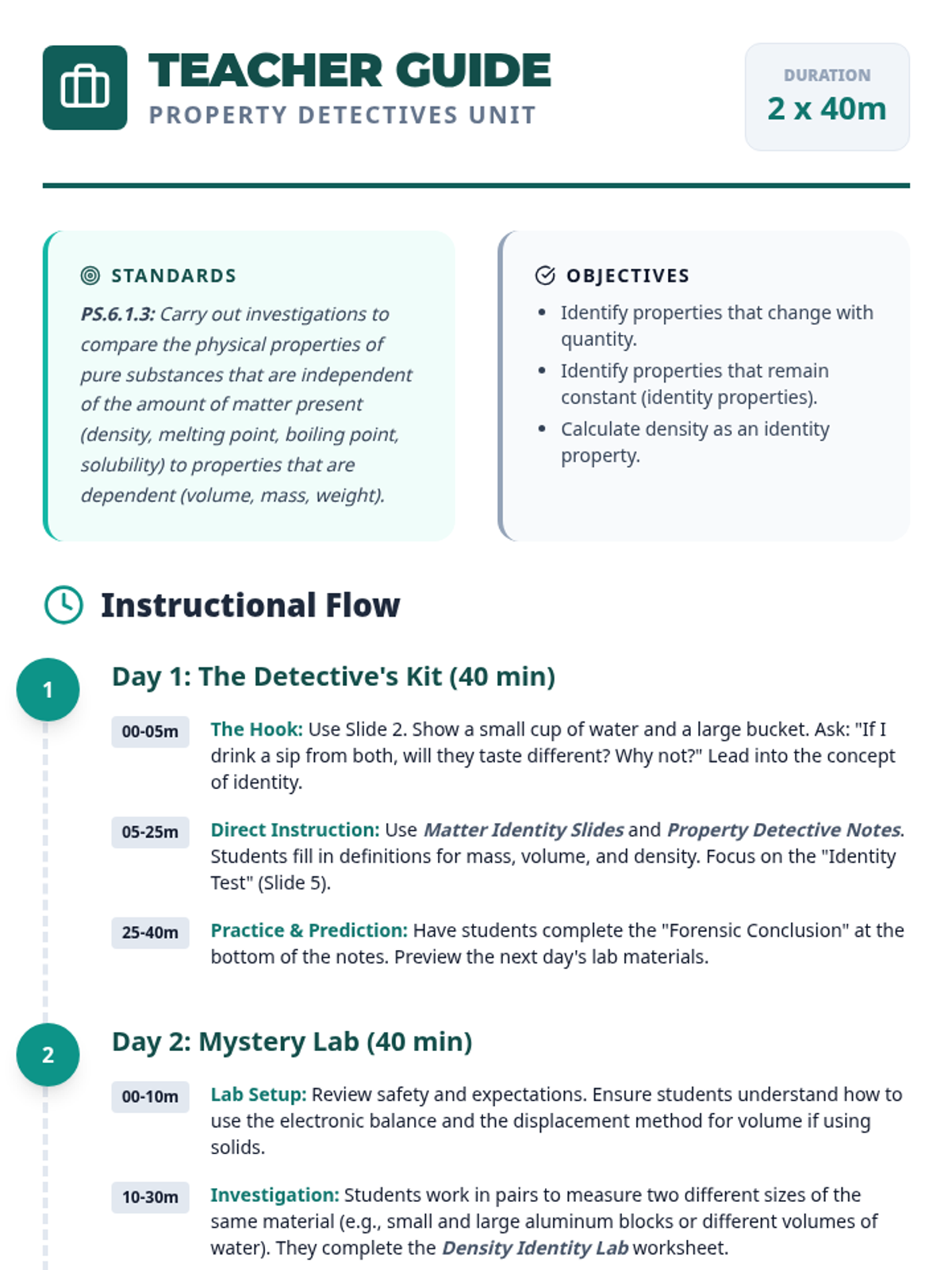
Students investigate how some properties change with quantity while others remain constant, using these 'identity' properties to identify pure substances.
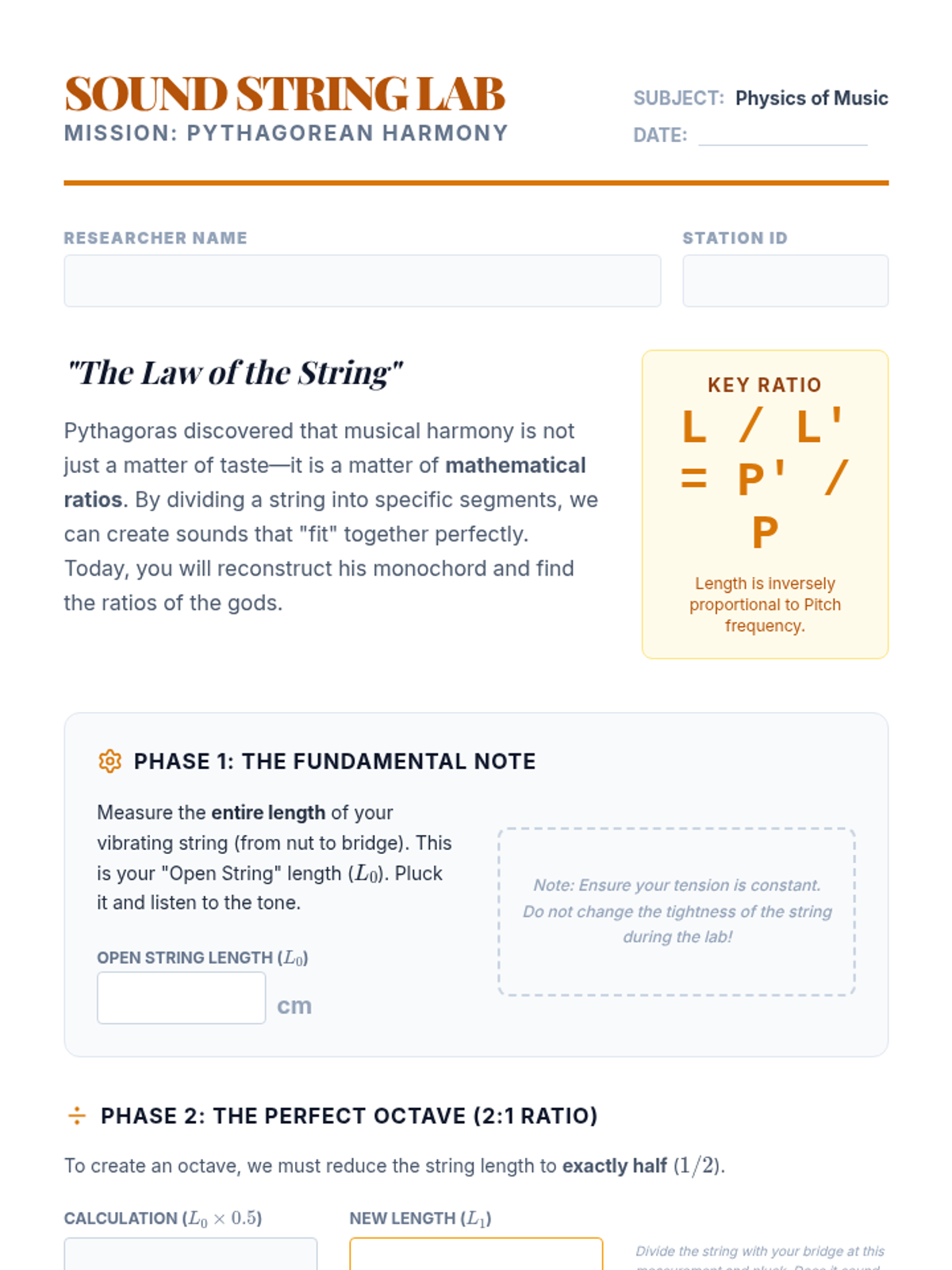
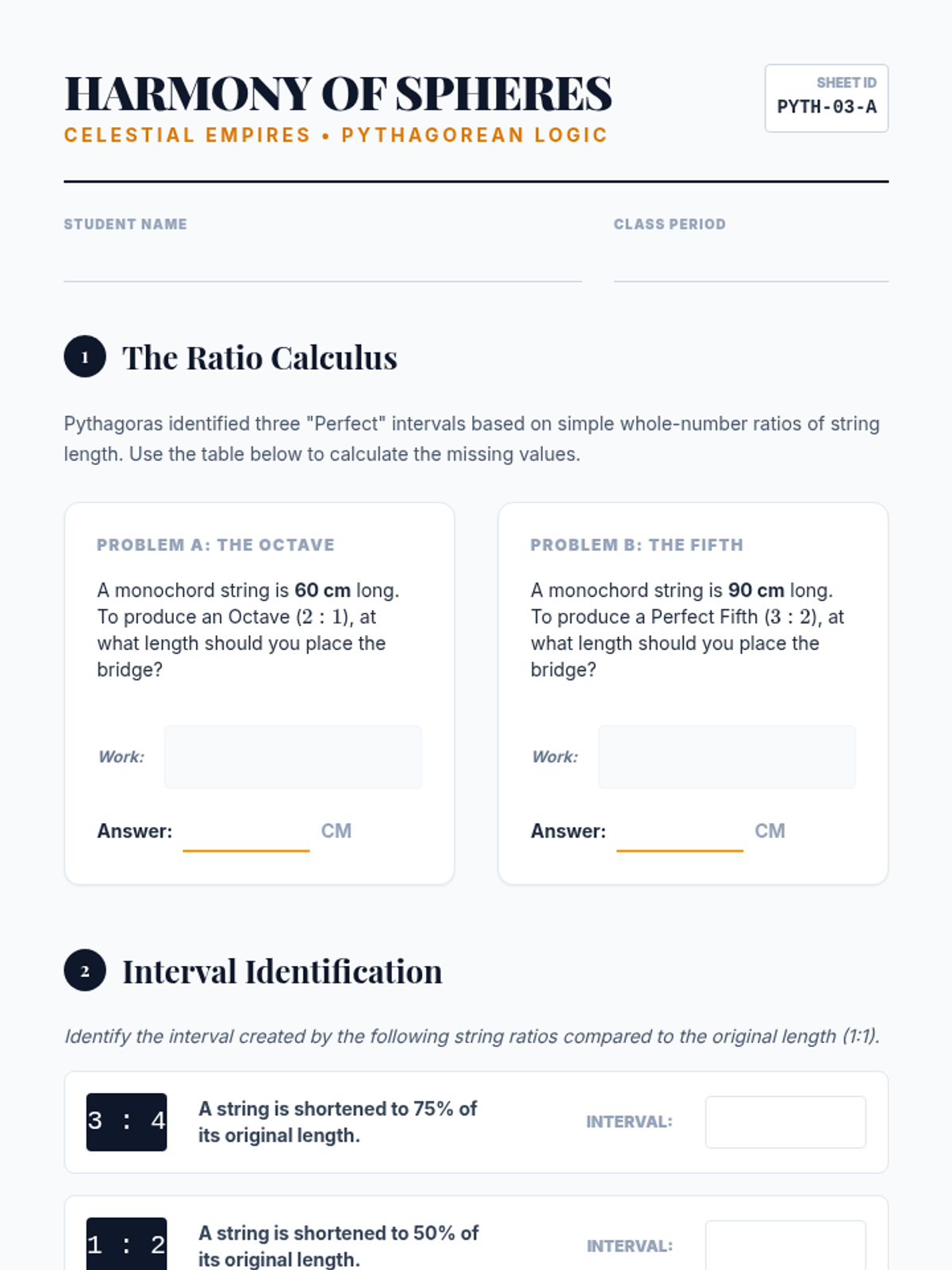
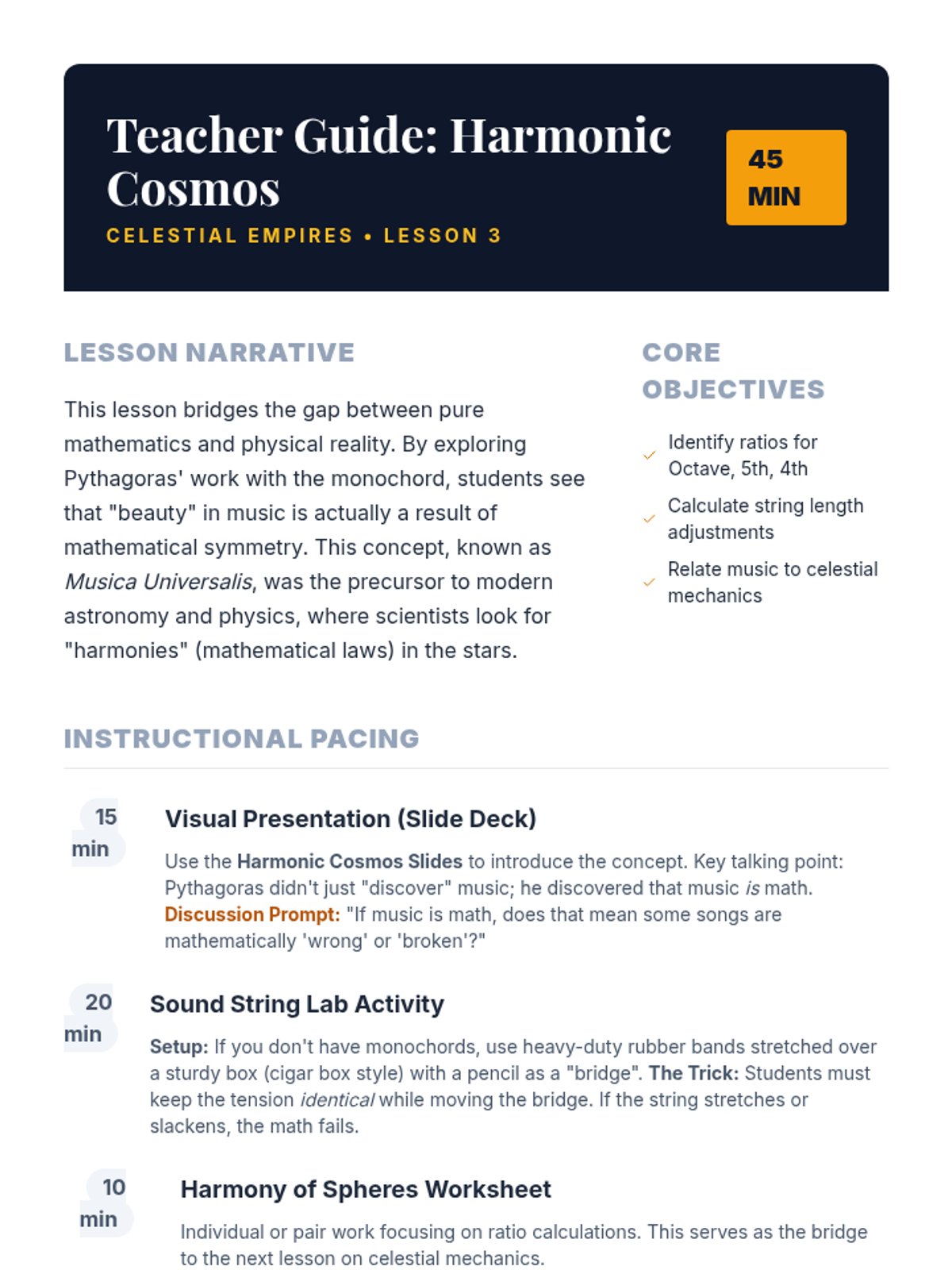
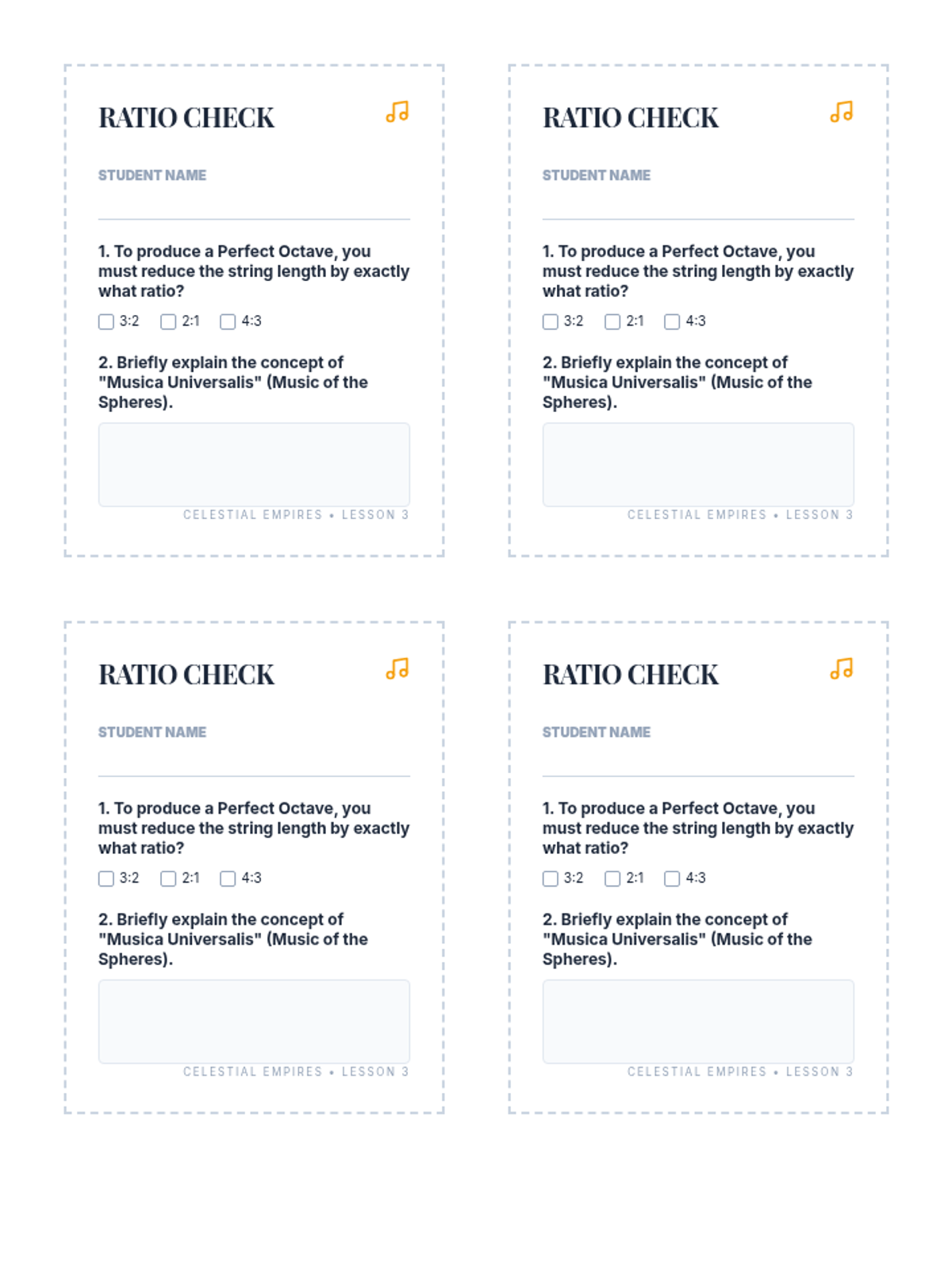
Explores Pythagoras' discovery of the mathematical foundations of music and how he extended this 'harmonic logic' to explain the order of the universe and the 'Music of the Spheres'.
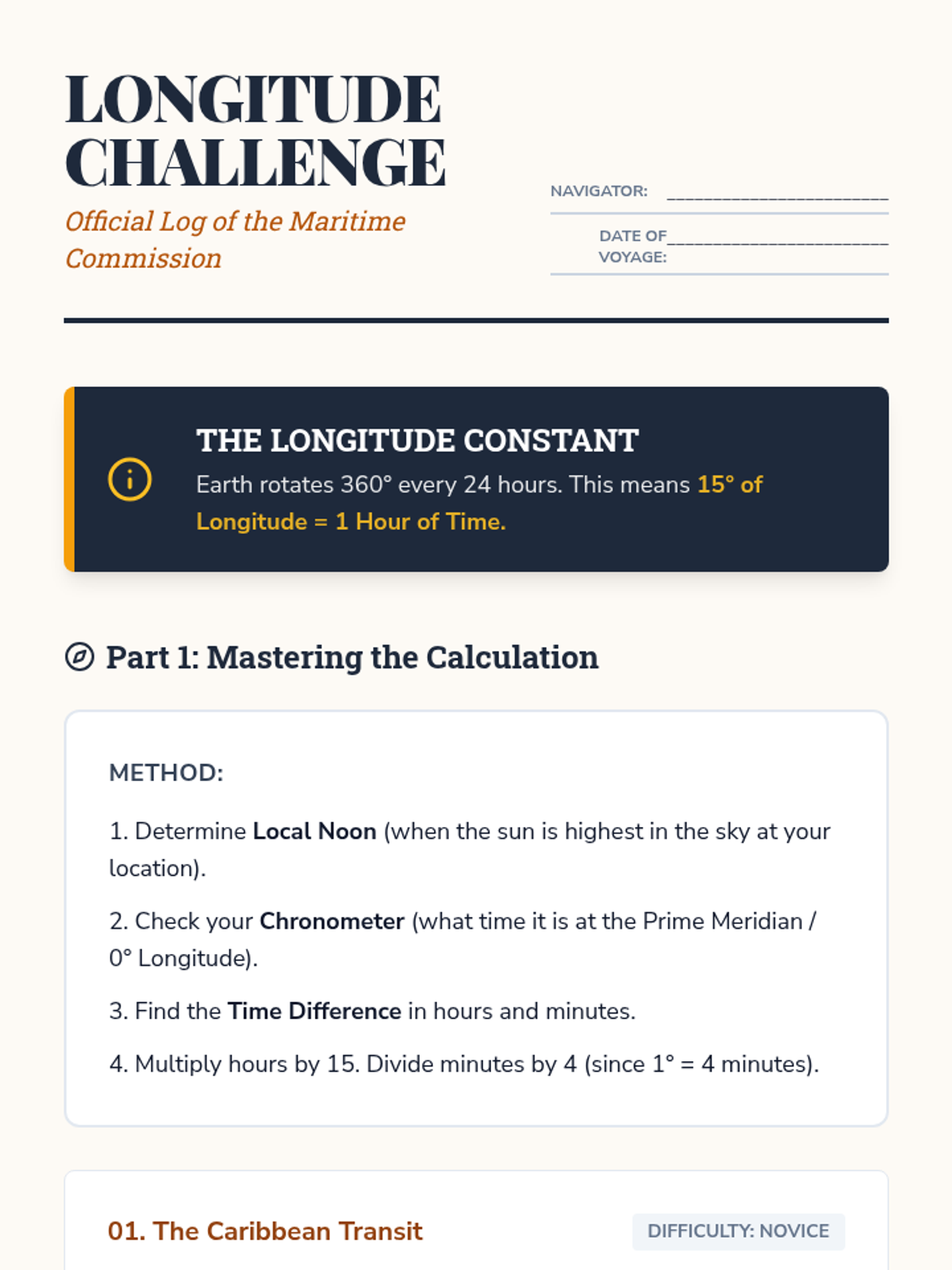
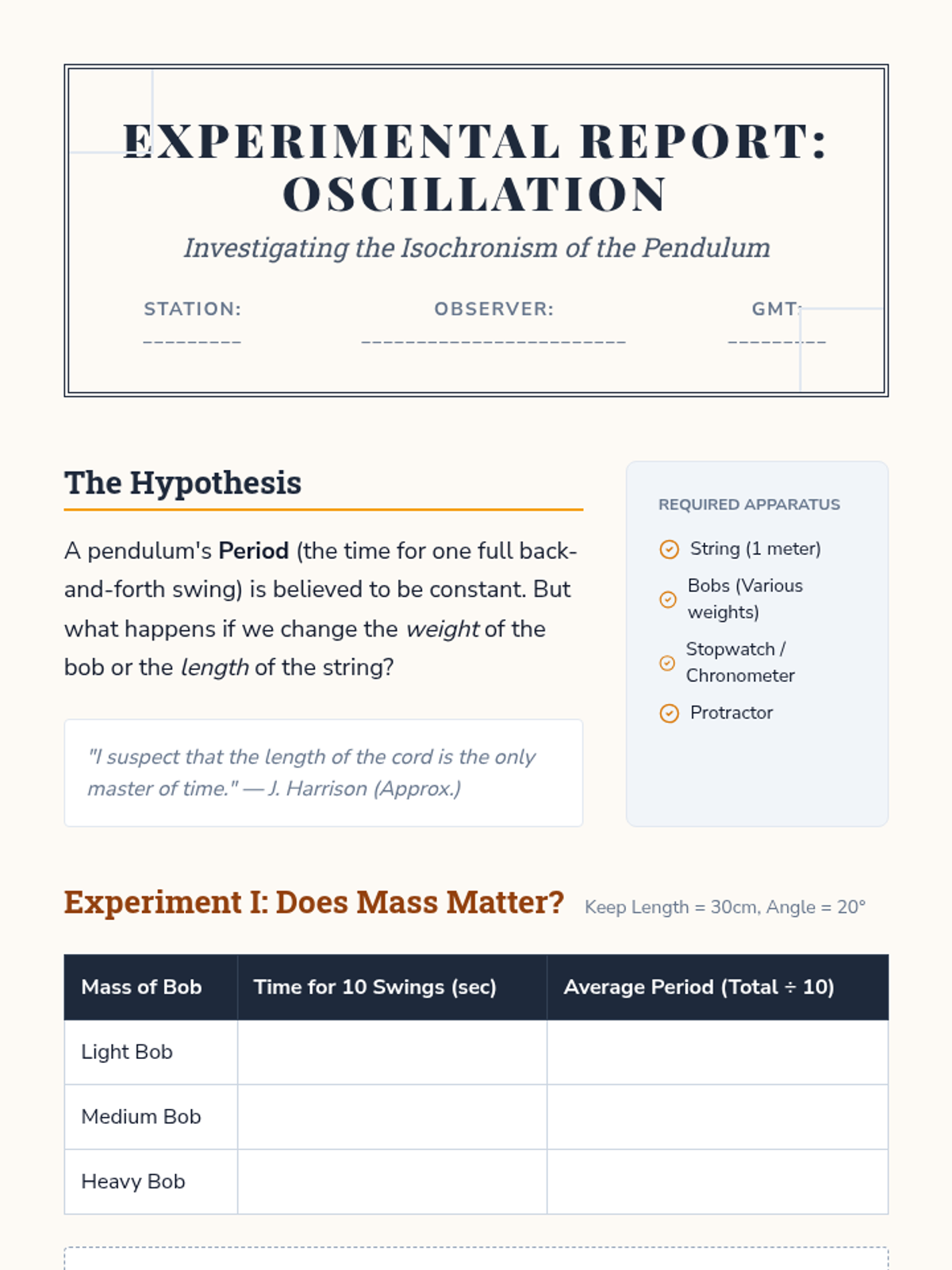
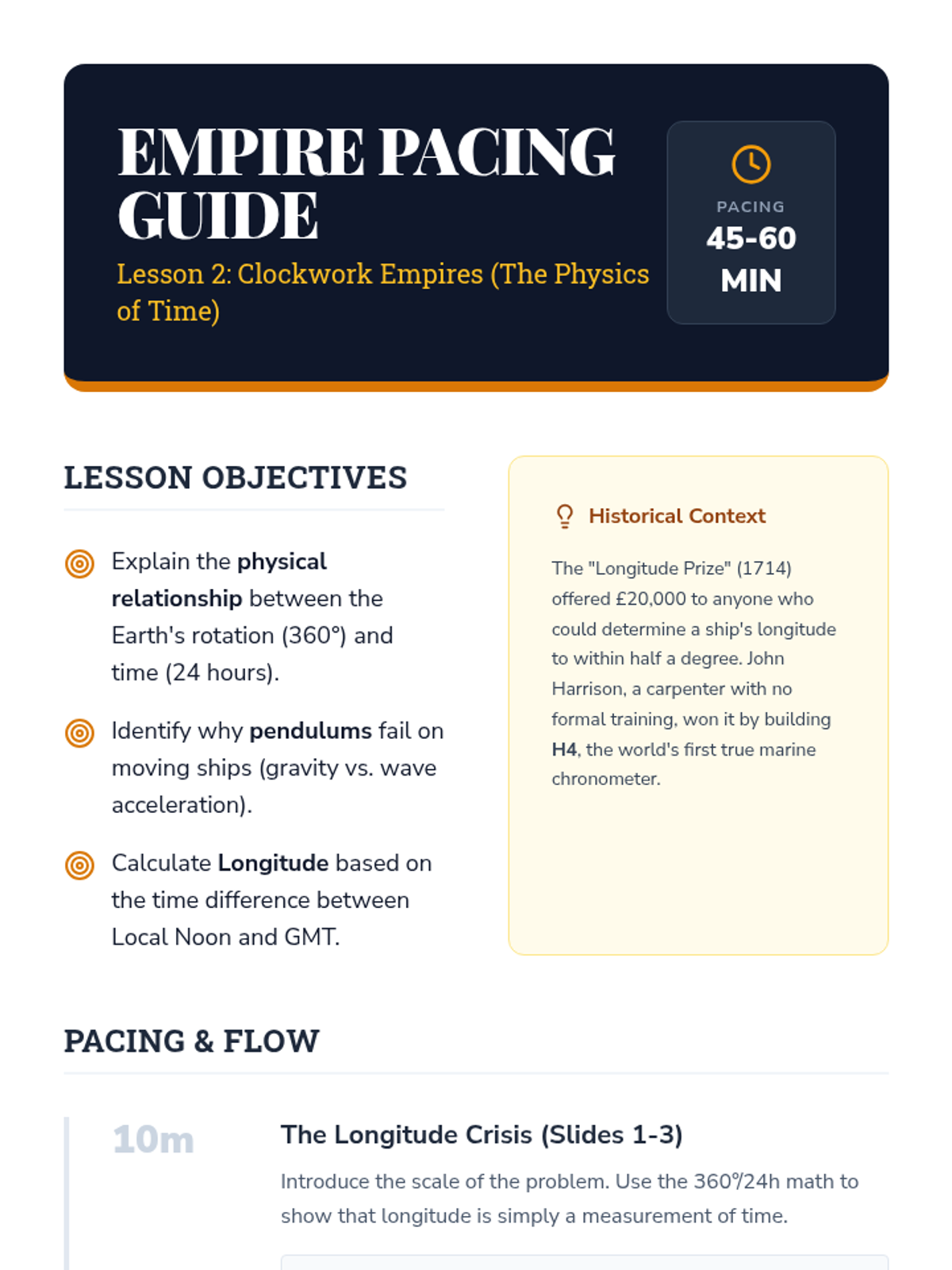
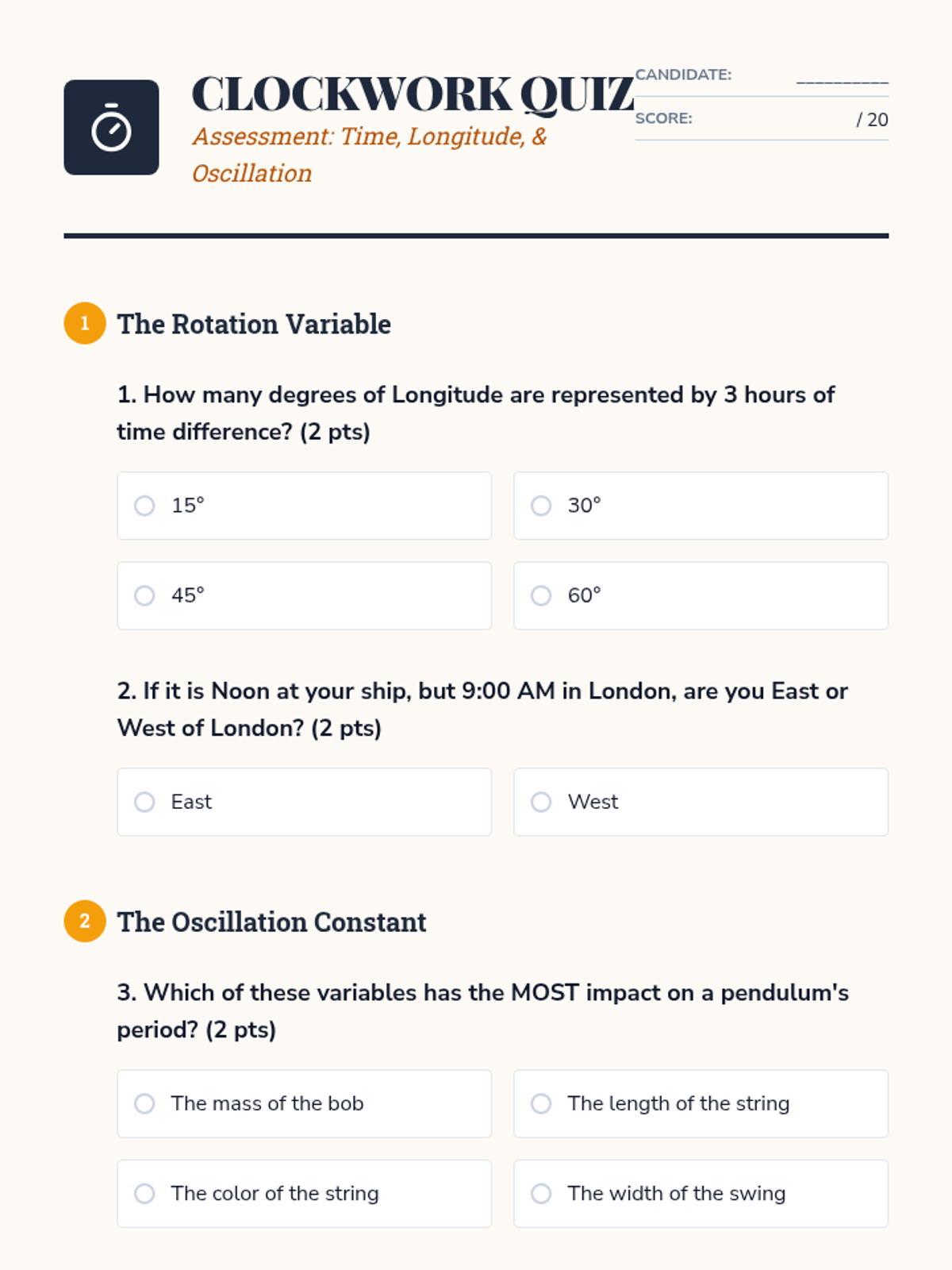
Investigates the "Longitude Problem" and the scientific race to build the first accurate marine chronometers, focusing on the physics of oscillation, friction, and the relationship between time and space.
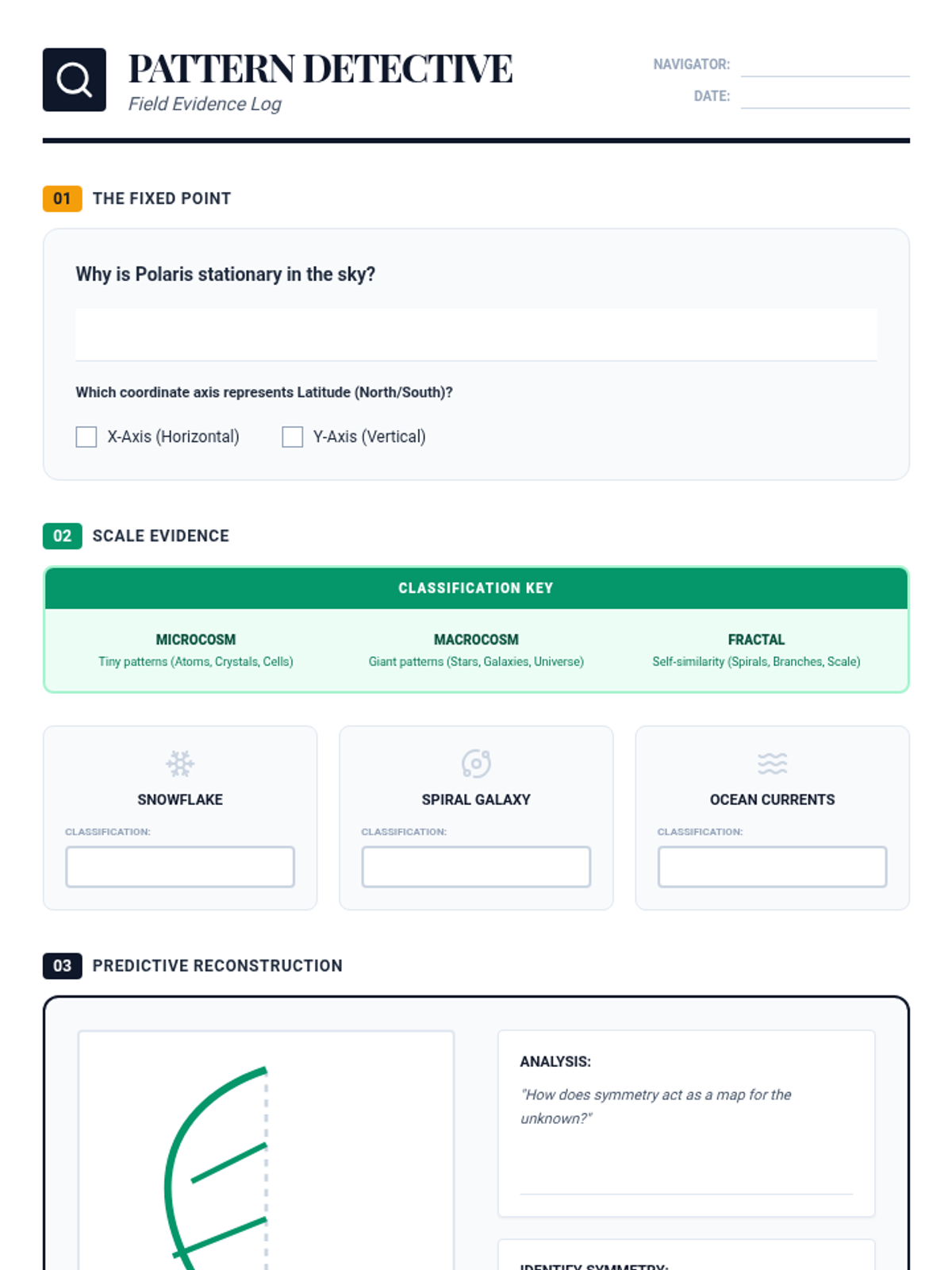
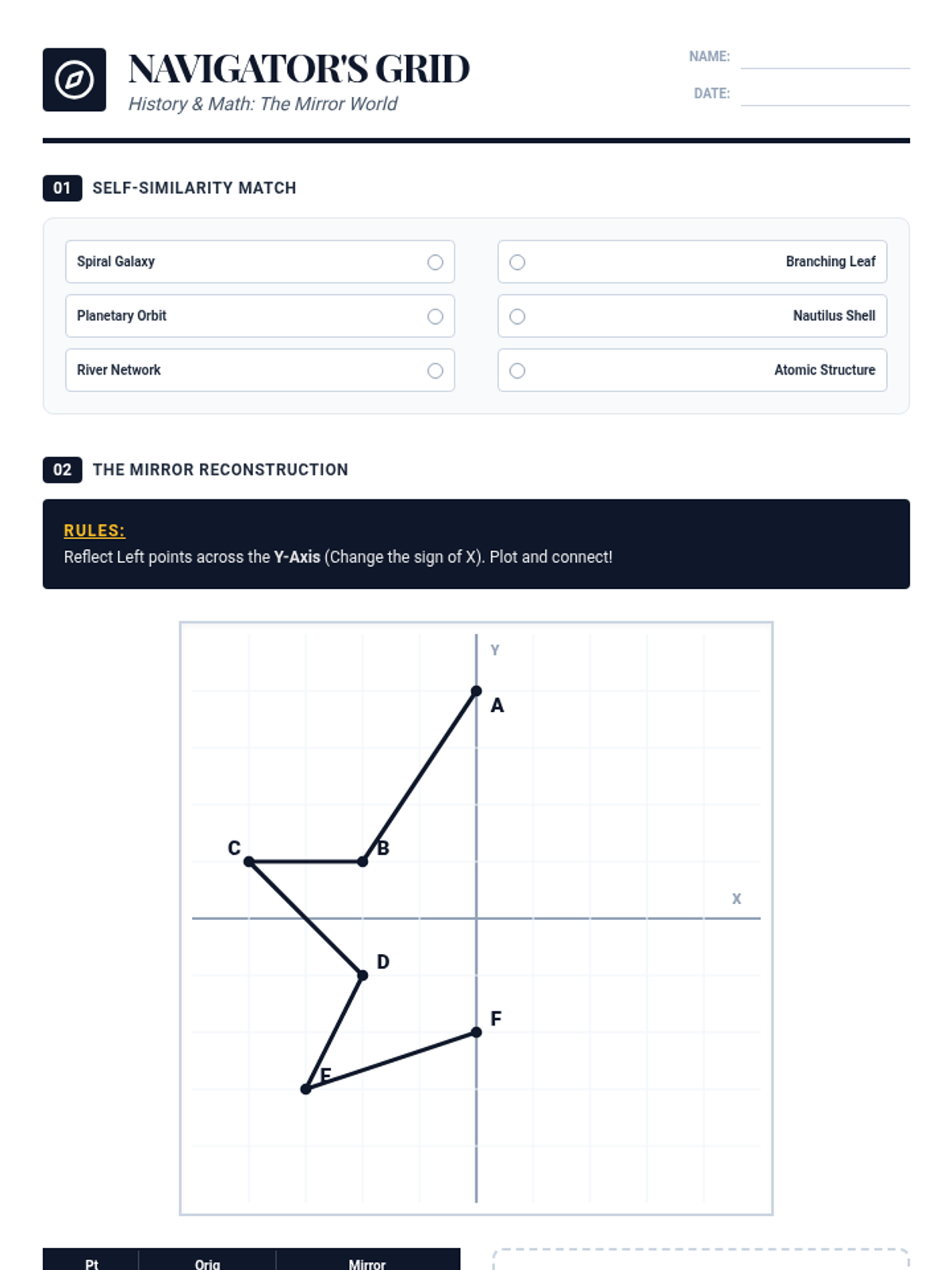
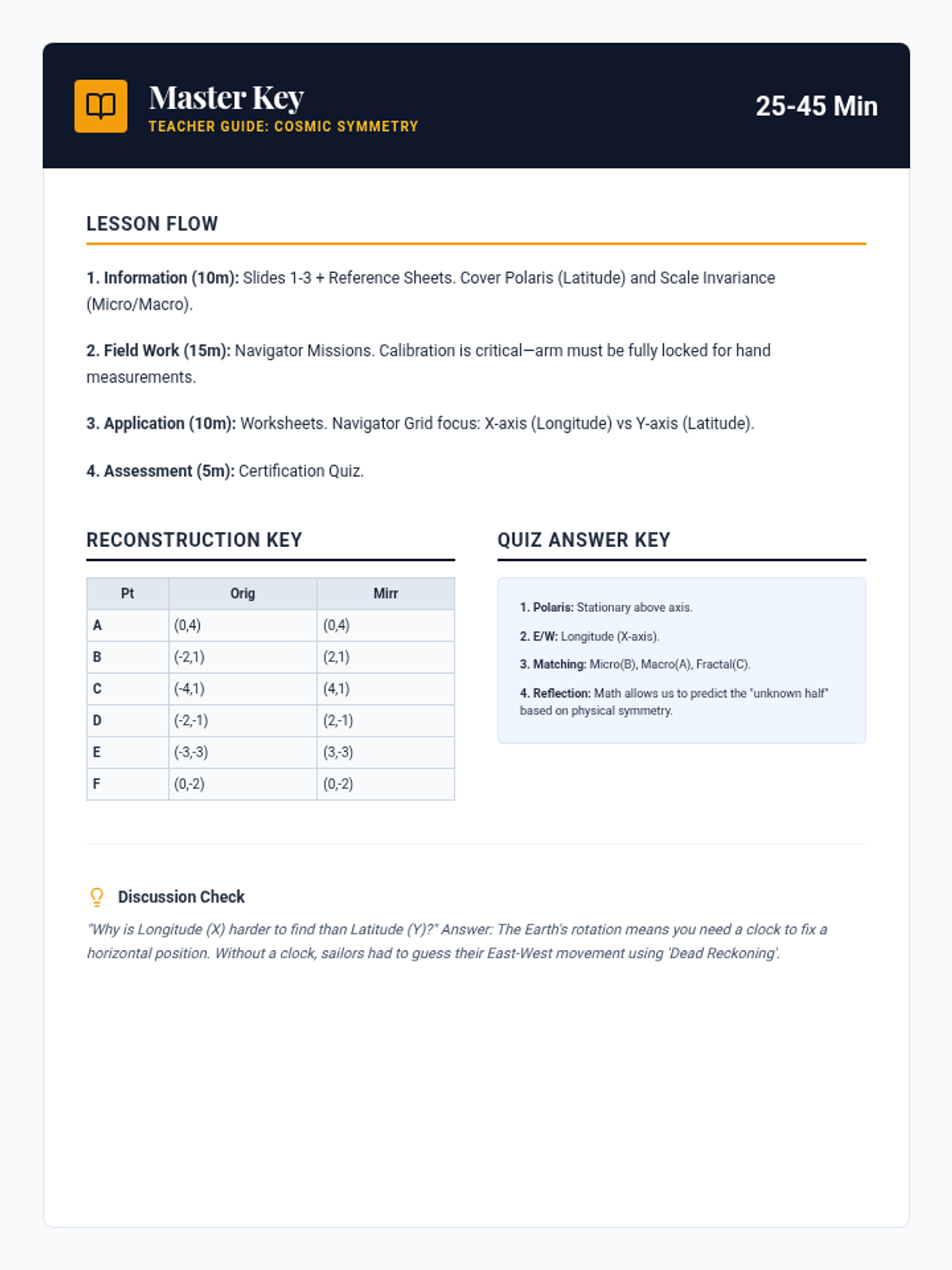
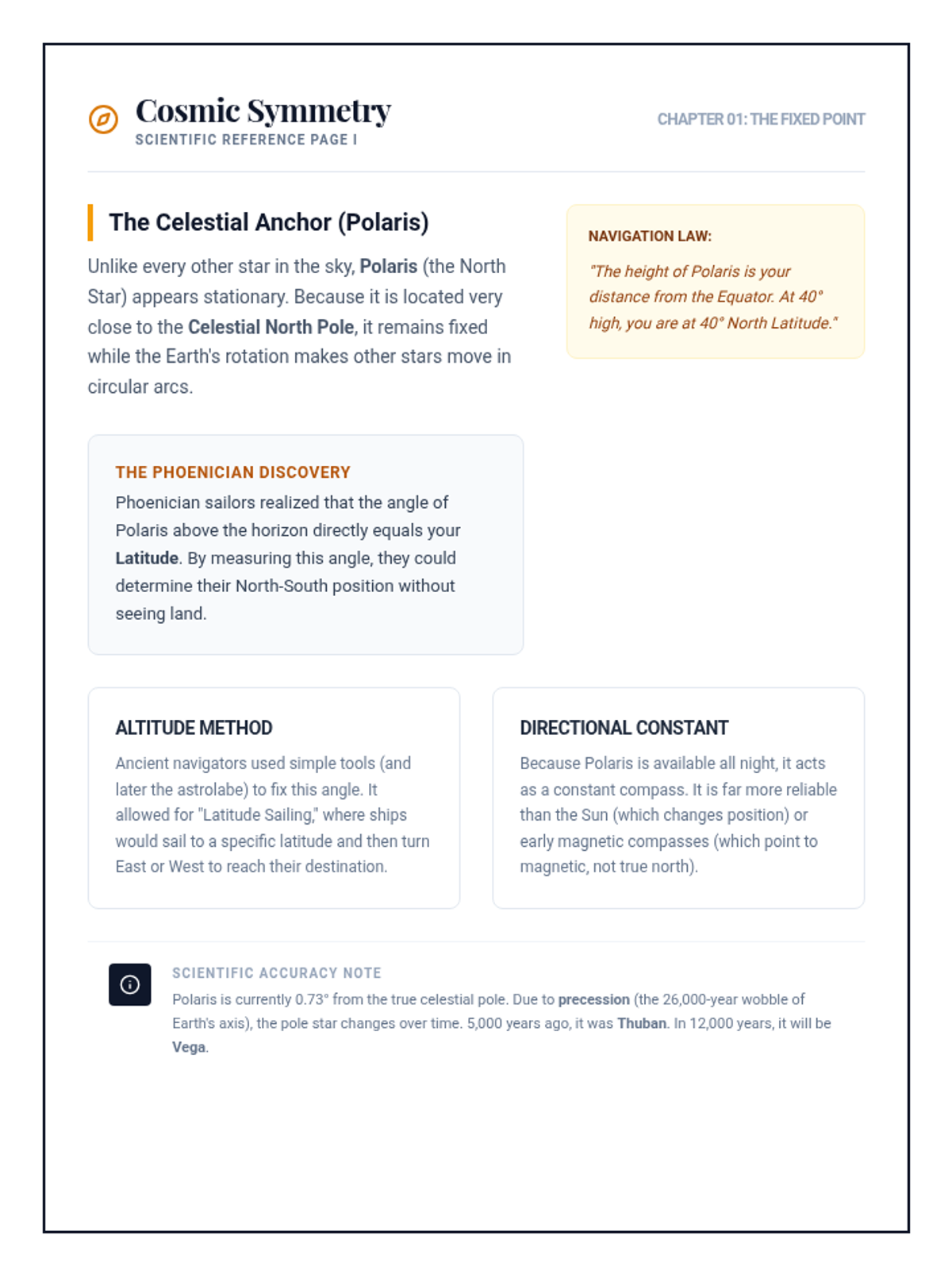
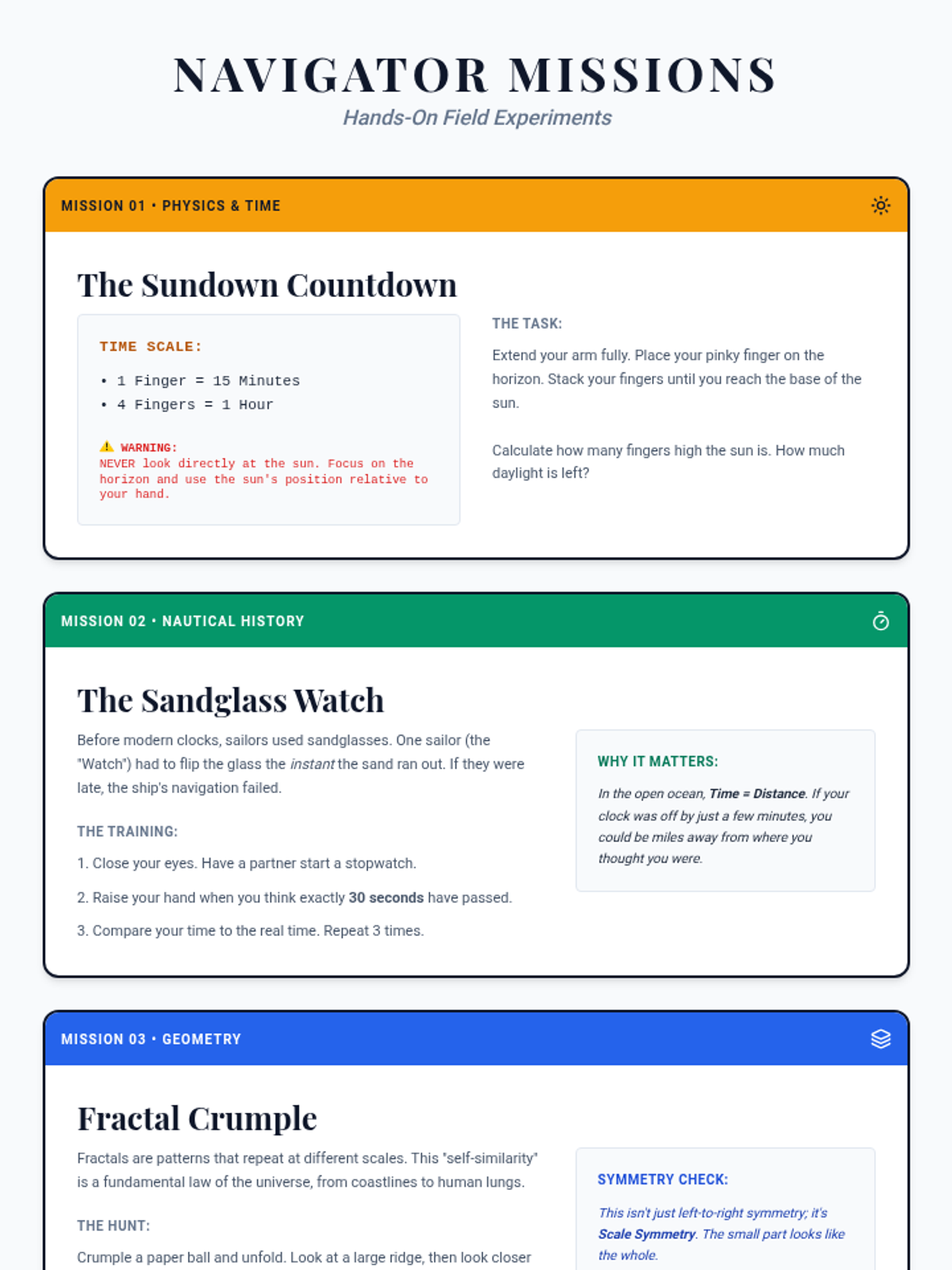
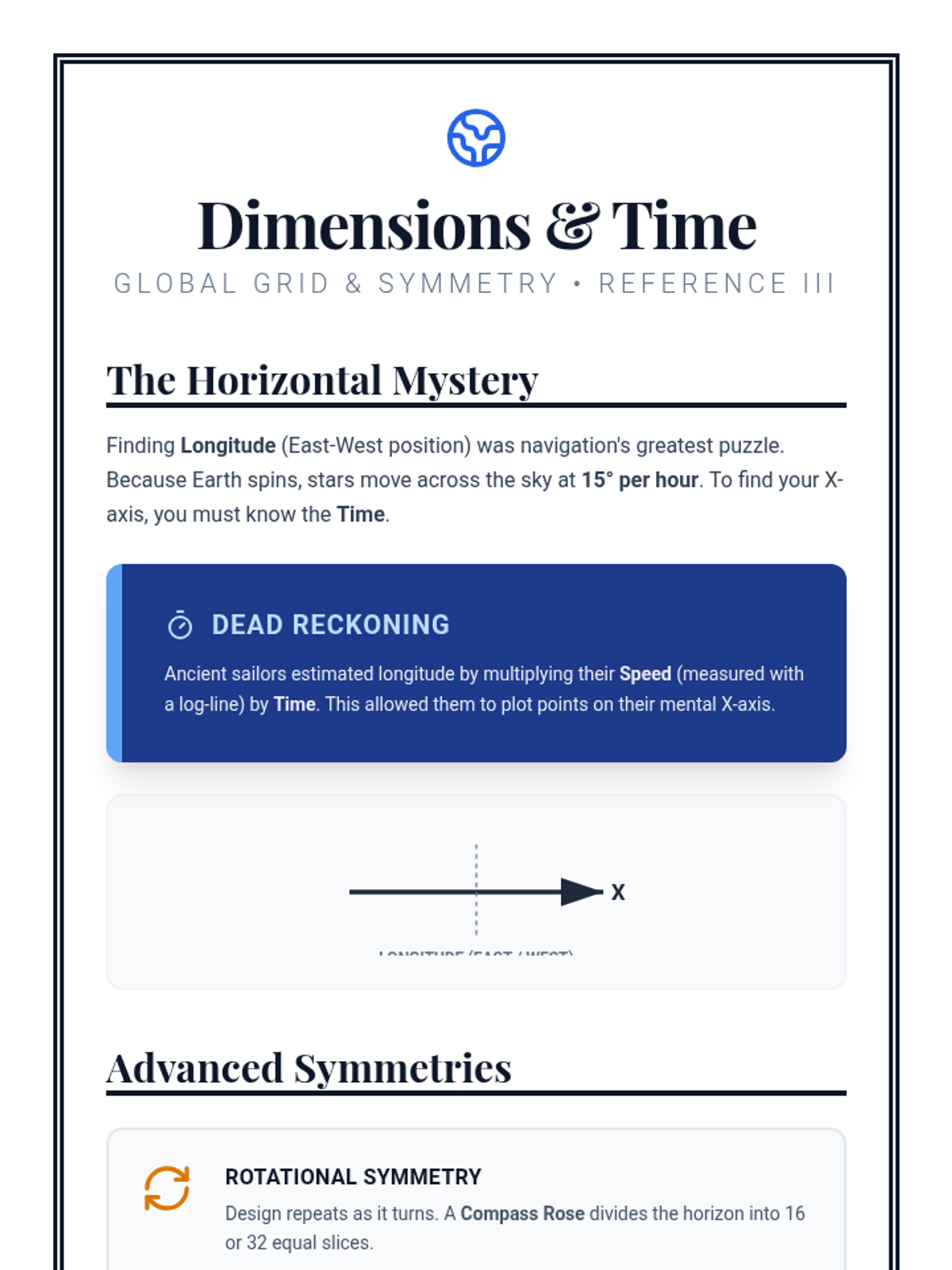
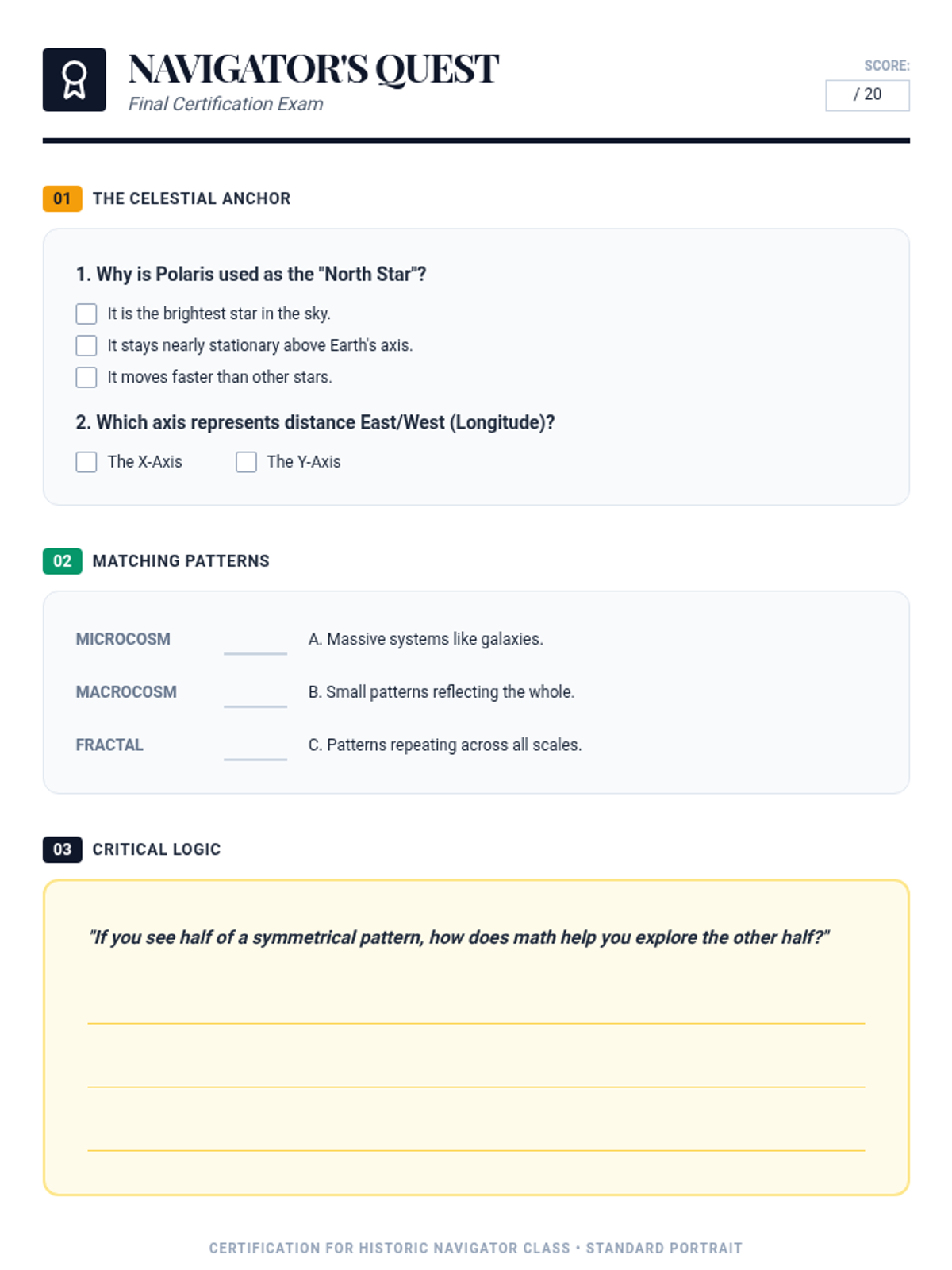
A 15-25 minute exploration into how ancient navigators used fixed points (the North Star) and the repeating patterns of the universe (microcosms, macrocosms, and symmetry) to navigate without modern technology.
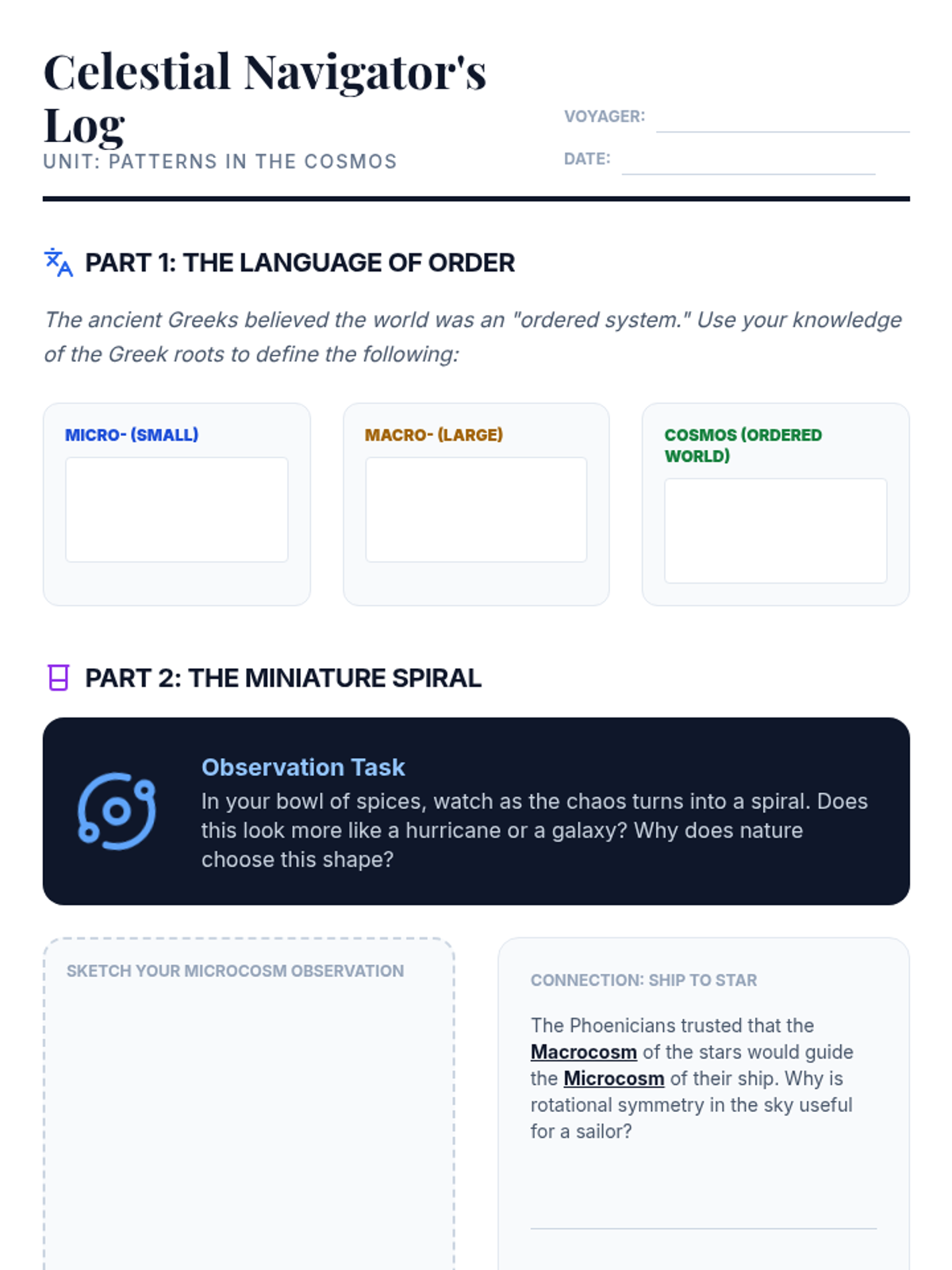
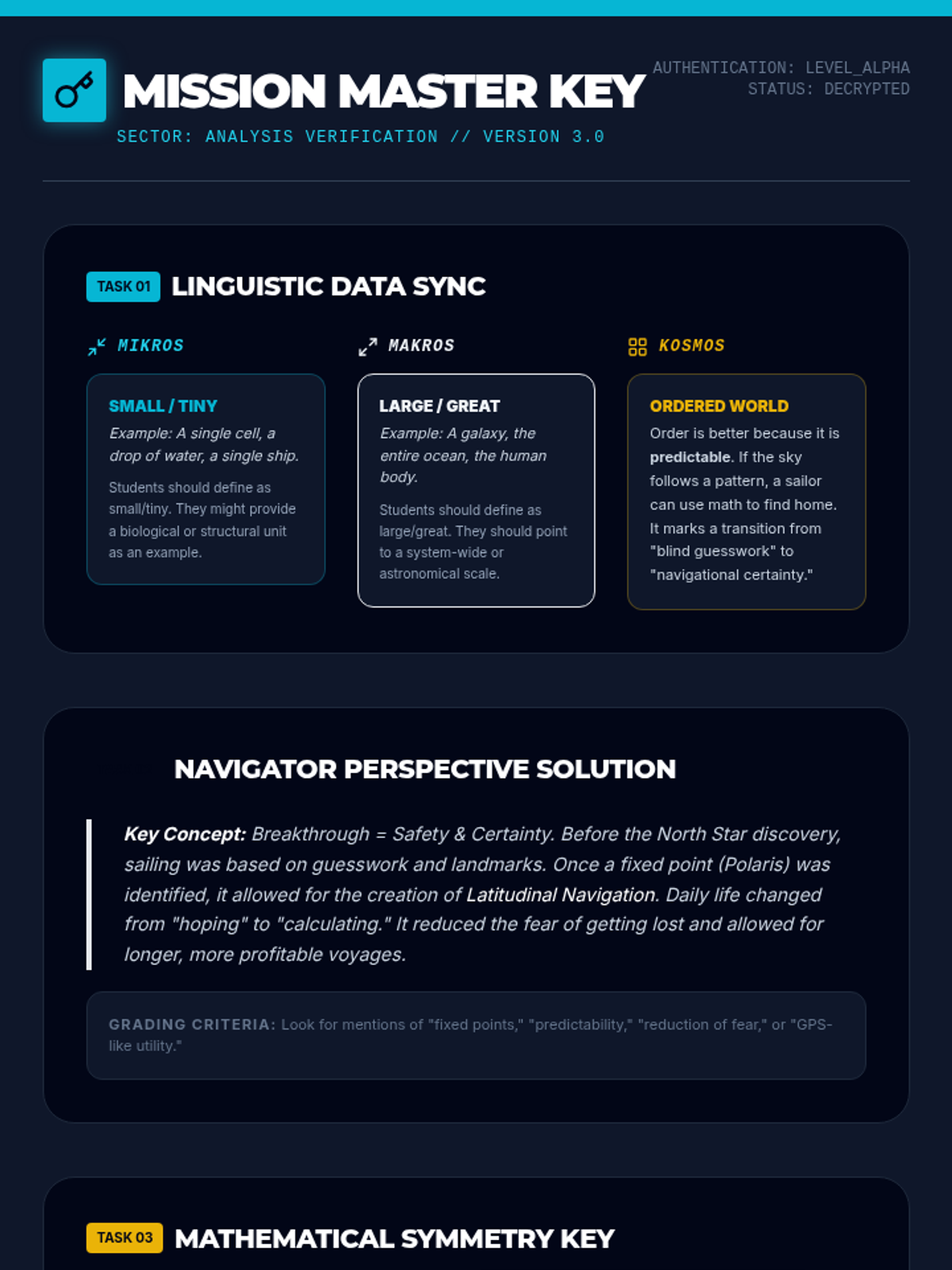
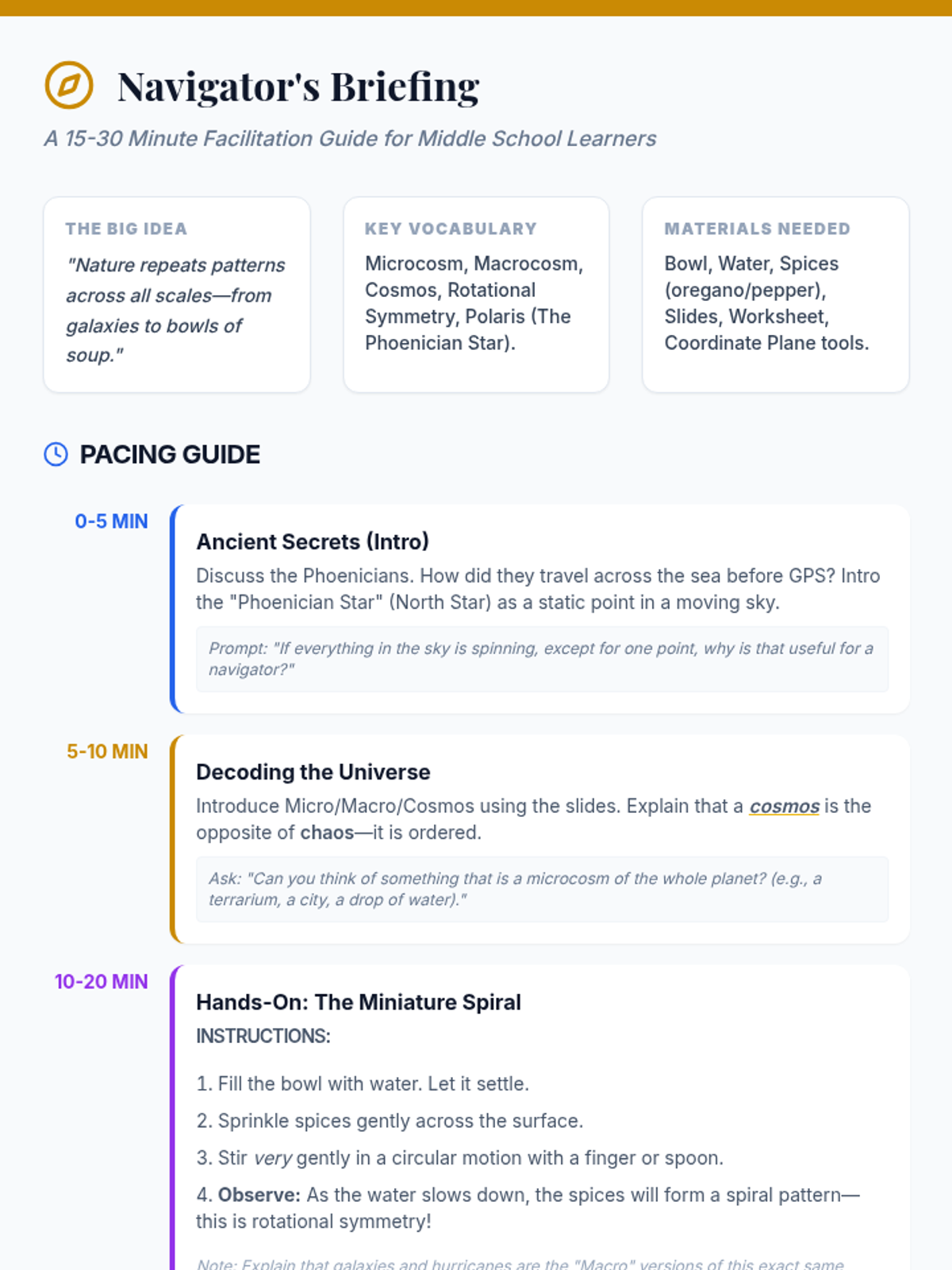
A 15-30 minute exploration of how ancient Phoenicians used the macrocosm of the stars to navigate the microcosm of their ships, featuring the root words micro/macro/cosmos and the mathematics of rotational symmetry.
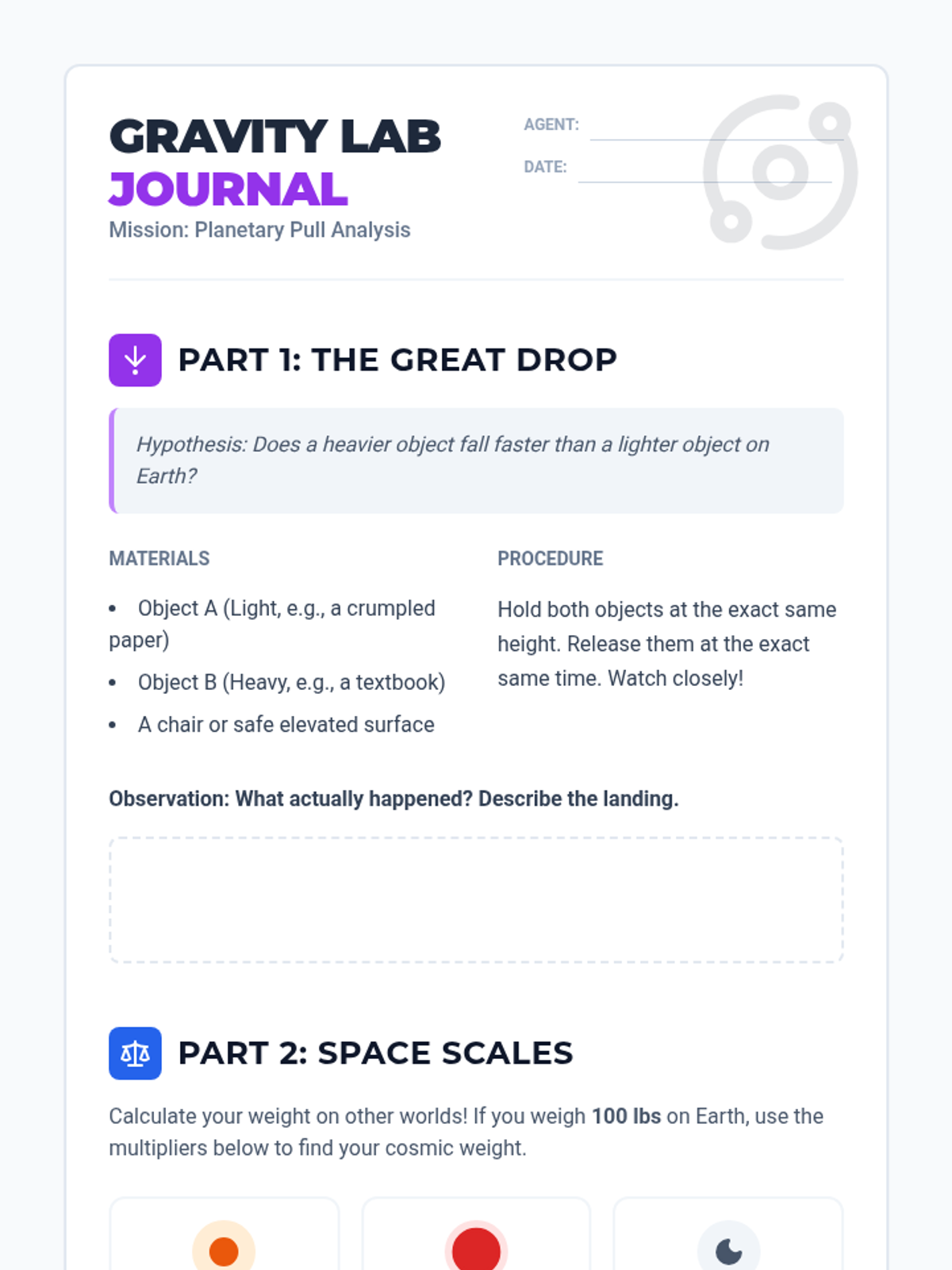
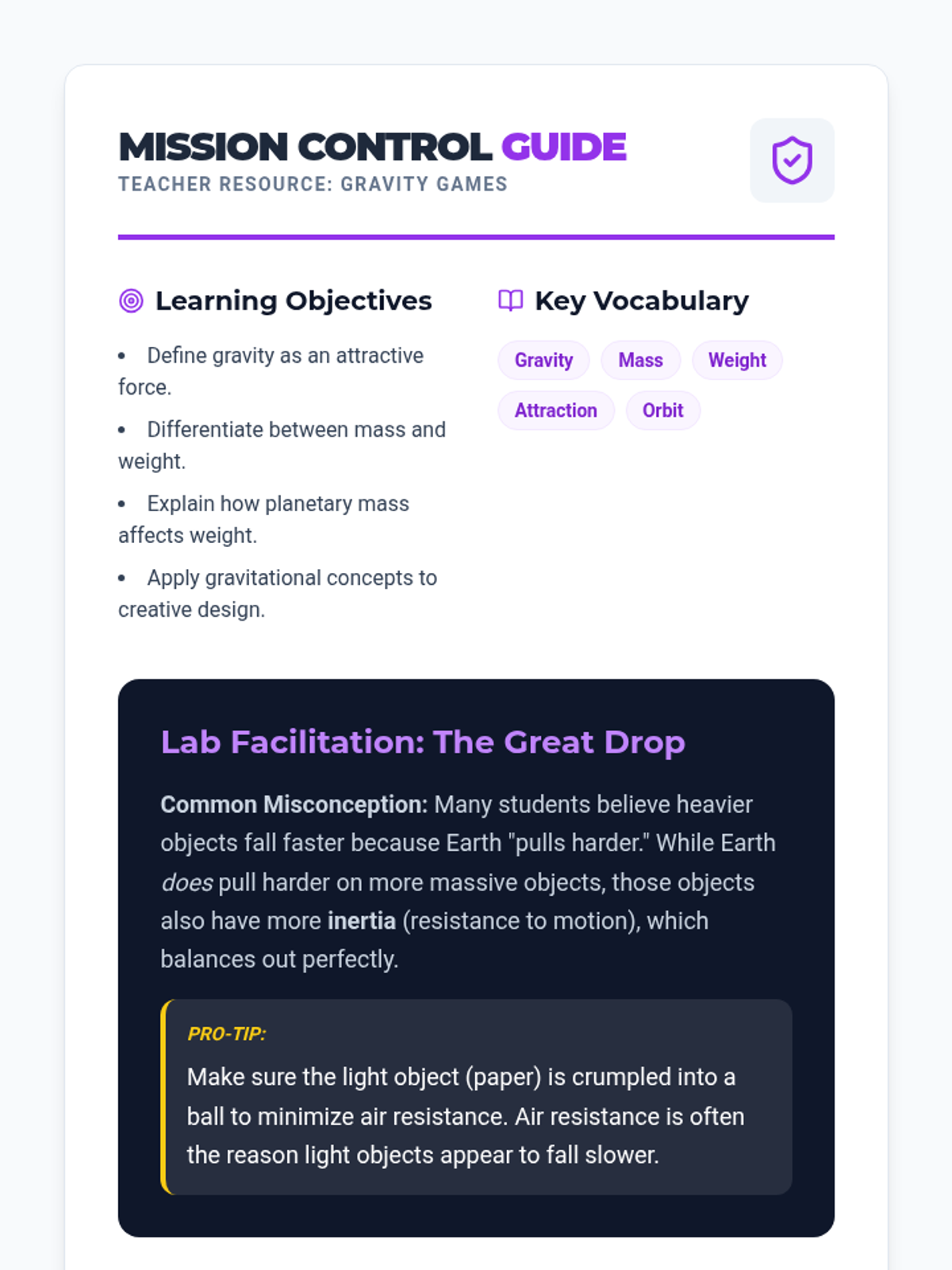
Students explore how gravity affects everyday objects on Earth and compare the gravitational pull of different planets in our solar system through calculations and creative design.
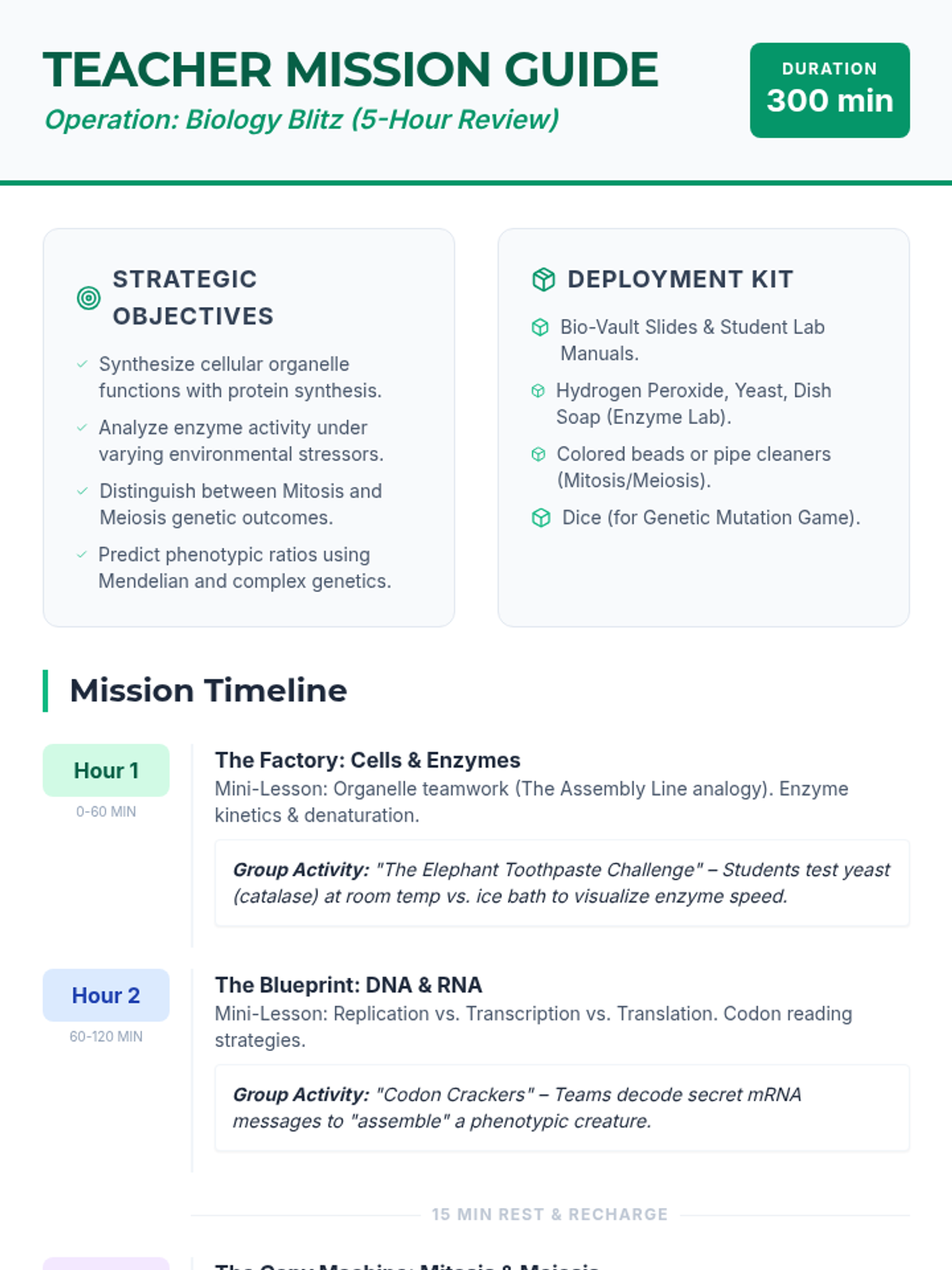
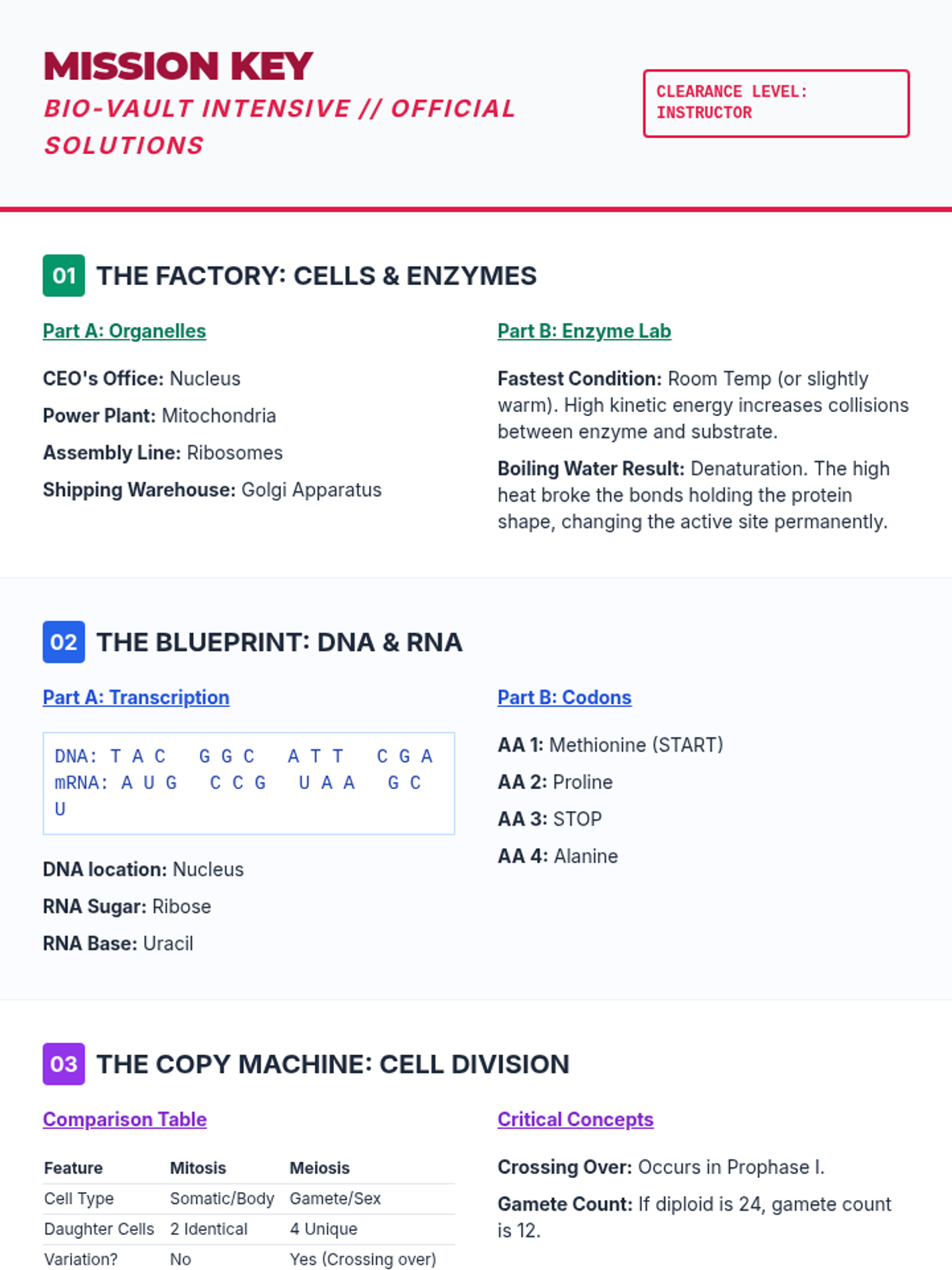
A comprehensive 5-hour biology review session featuring mini-lessons, labs, and group challenges covering cellular biology, biochemistry, and genetics.
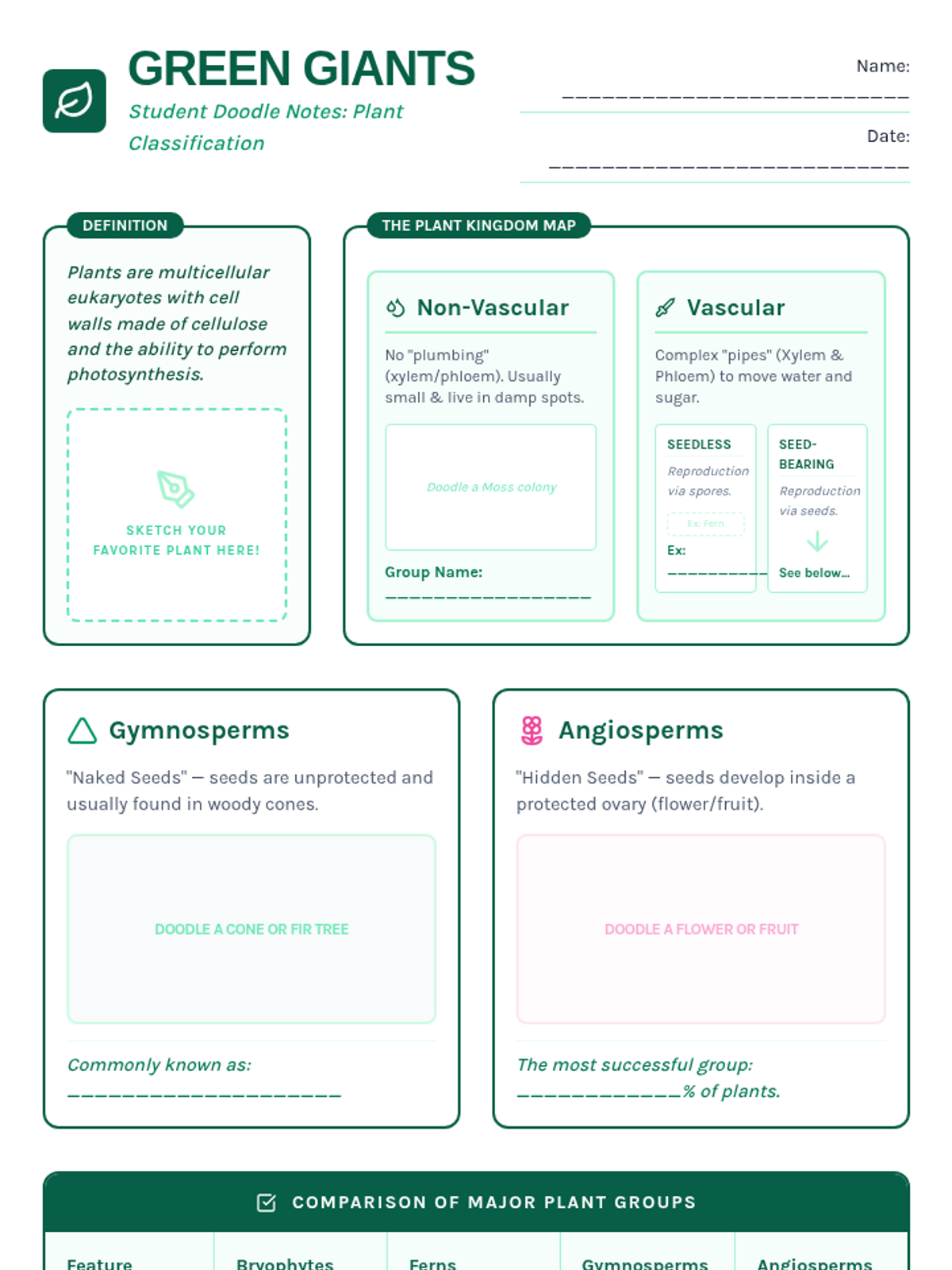
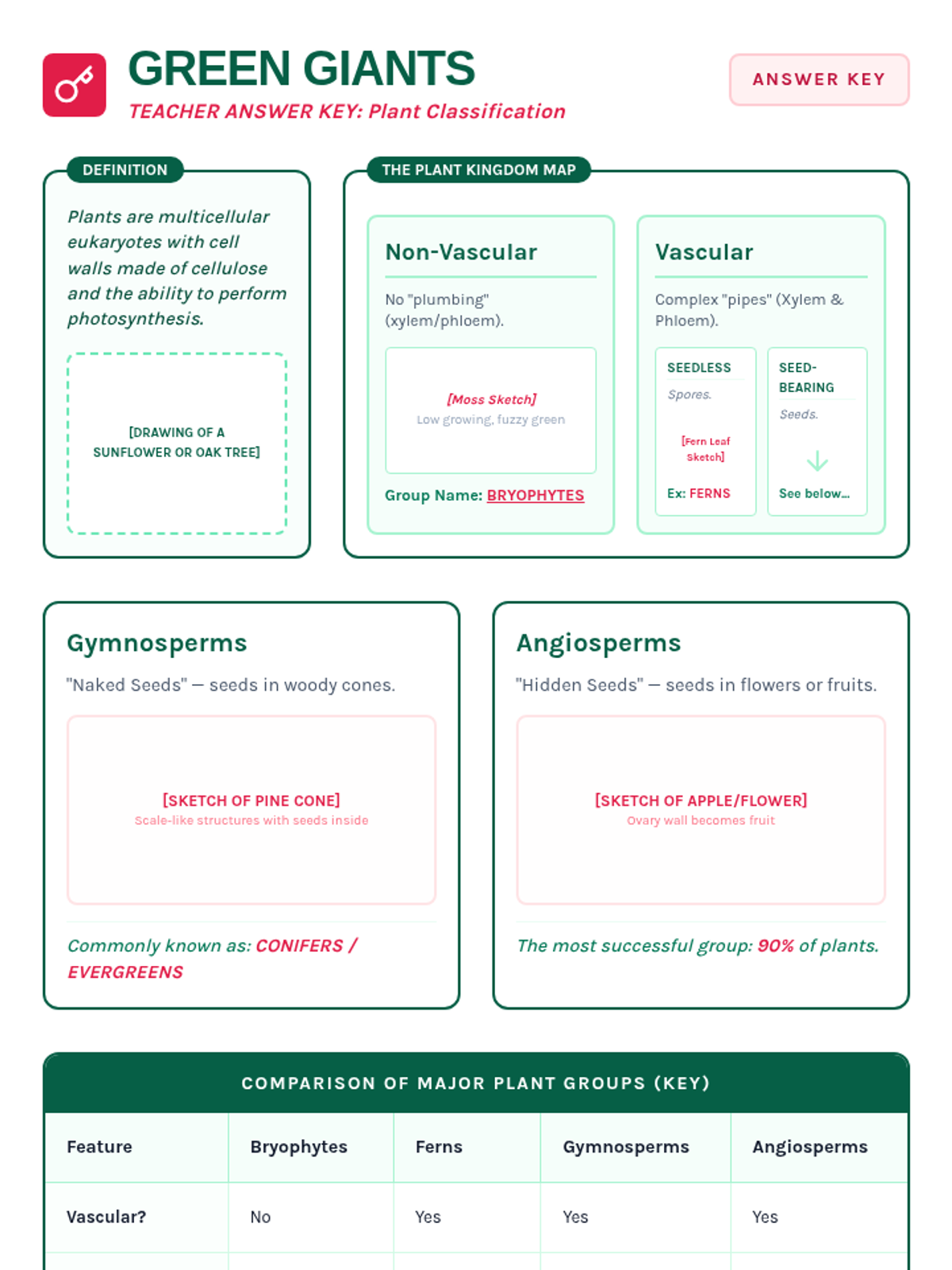
A comprehensive lesson on plant biology covering classification from bryophytes to angiosperms, plant cell anatomy, and life cycles using a creative doodle-note format.
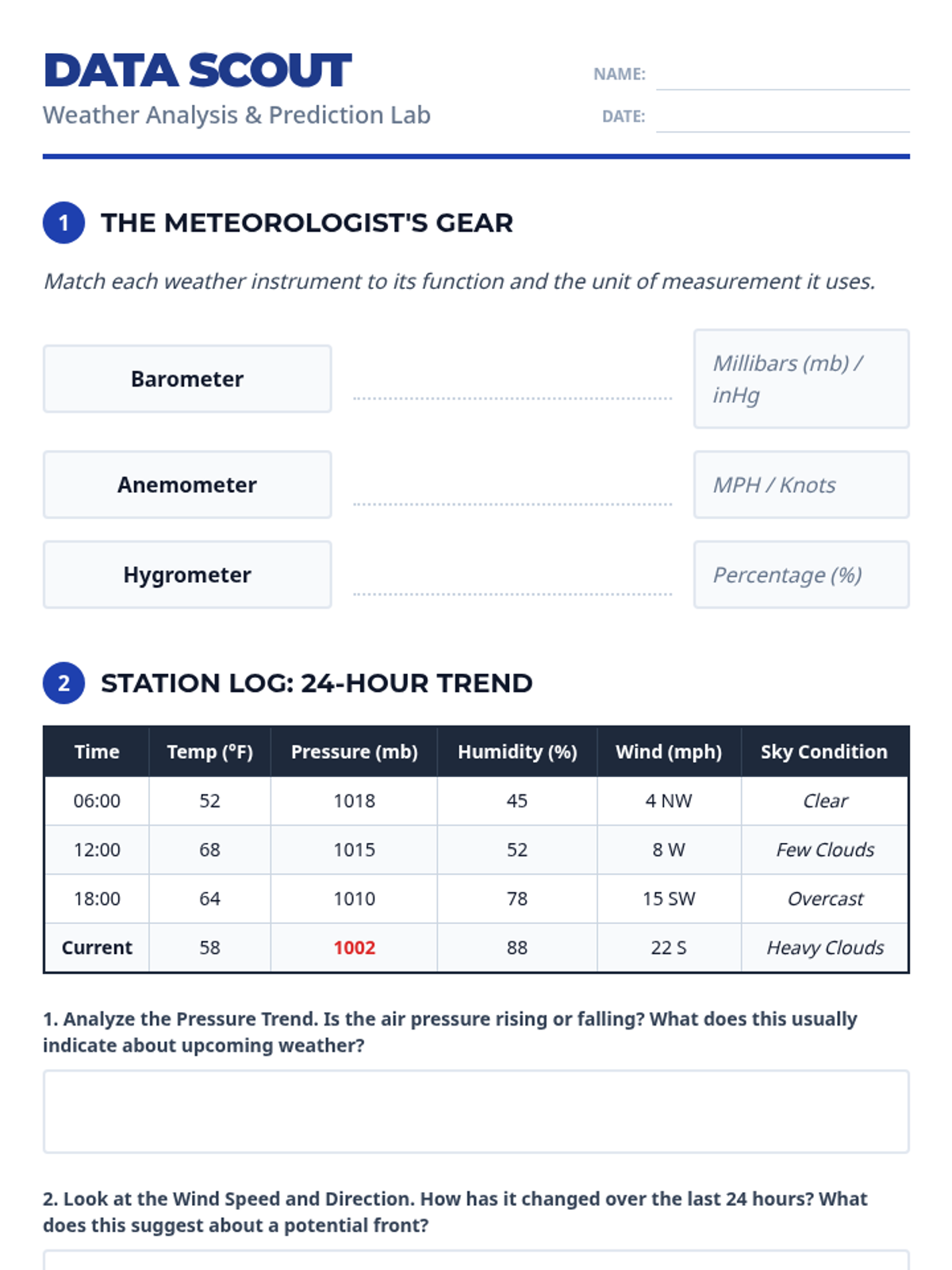
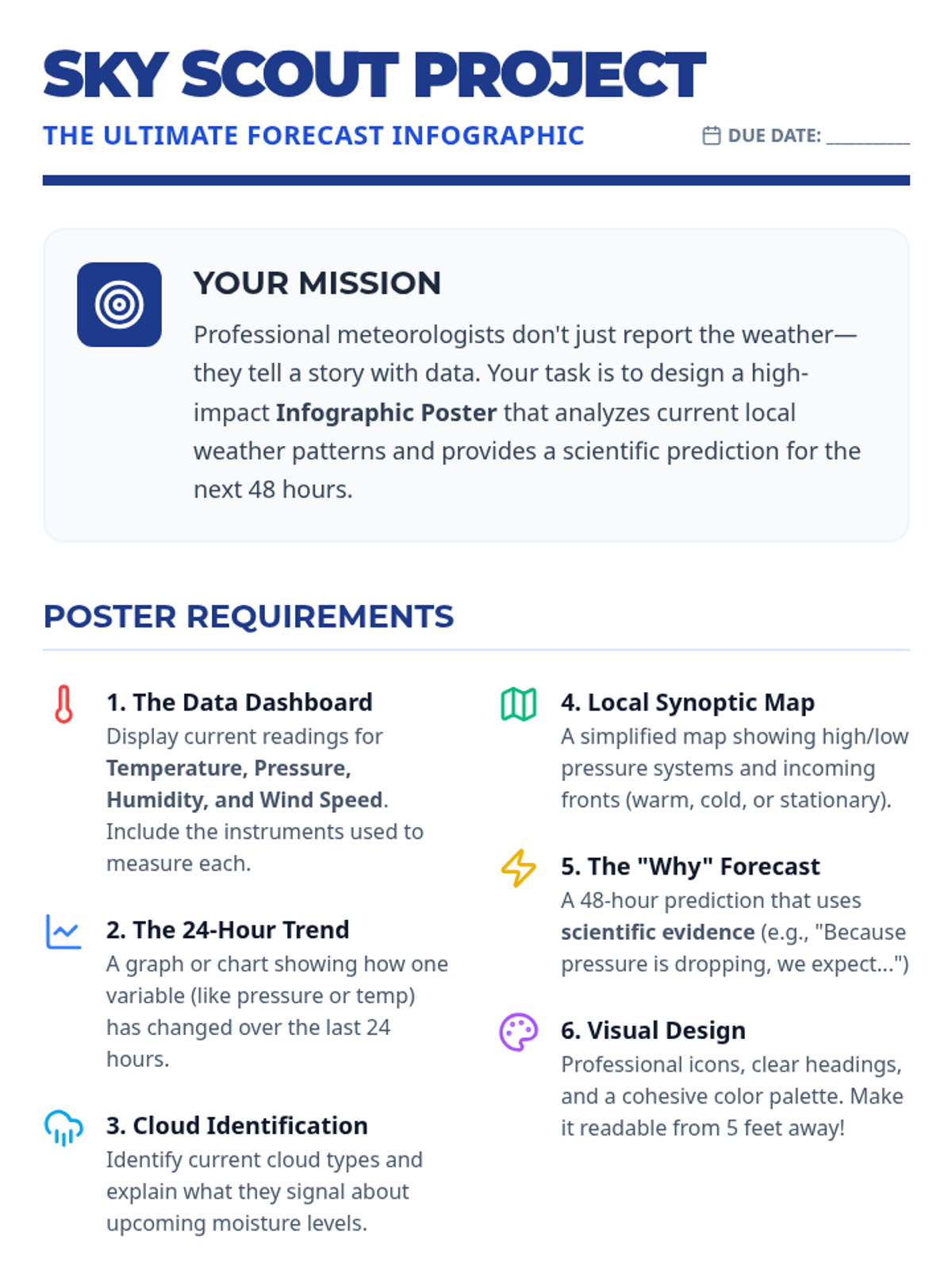
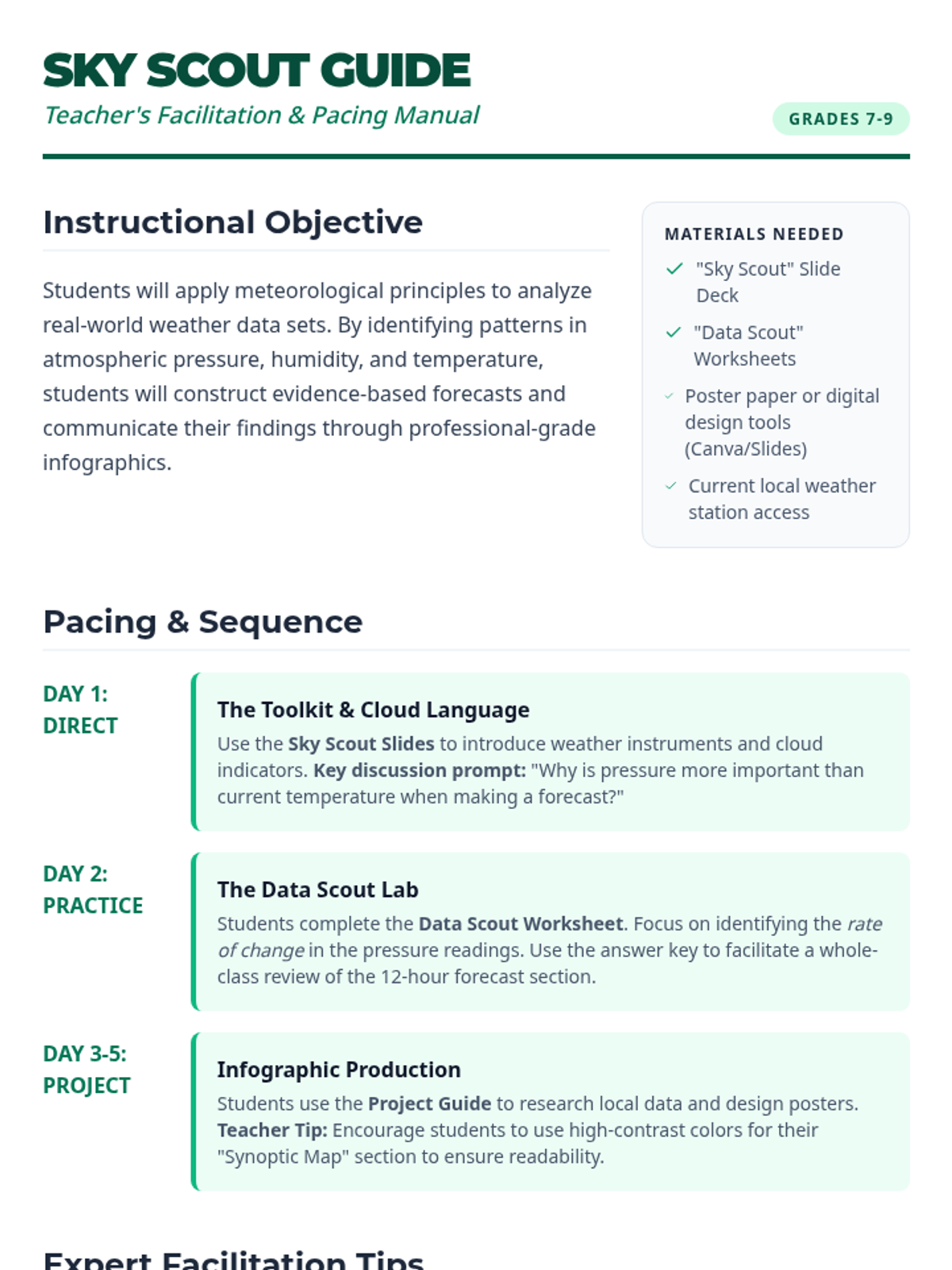
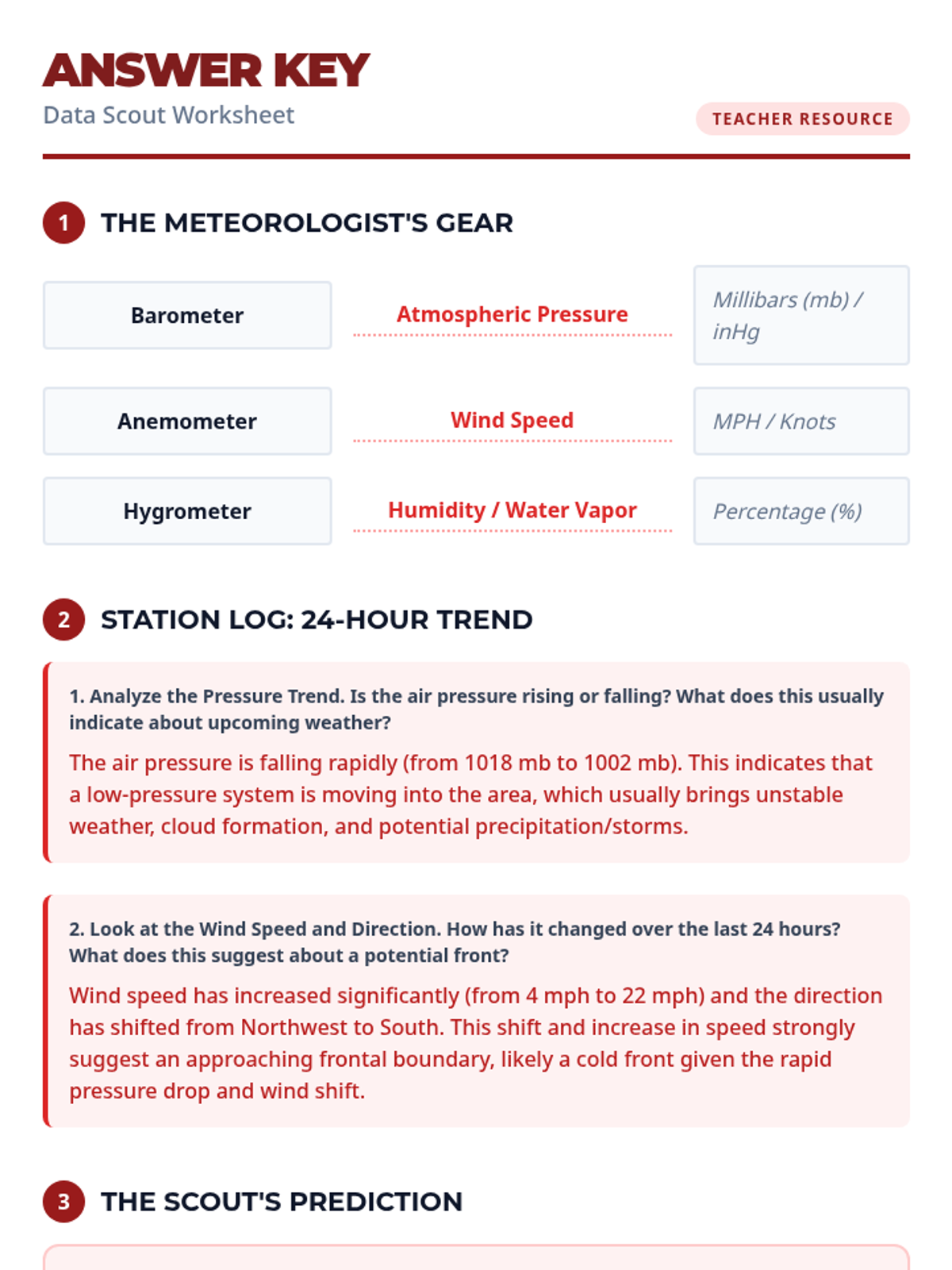
In this project-based lesson, students explore the science of meteorology by mastering weather instruments and analyzing data patterns. They will apply their knowledge to create a professional weather infographic or poster that predicts local weather trends.
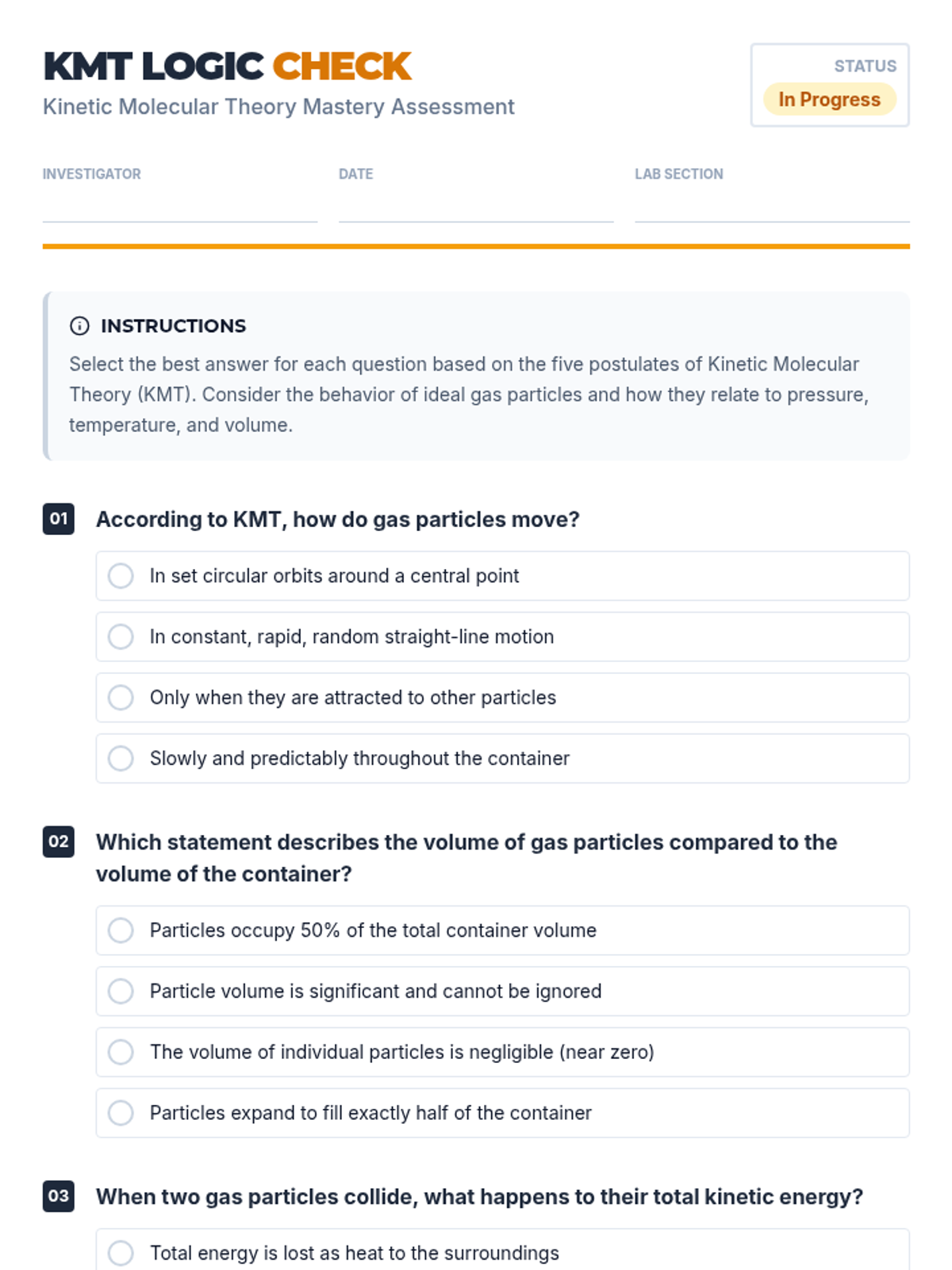
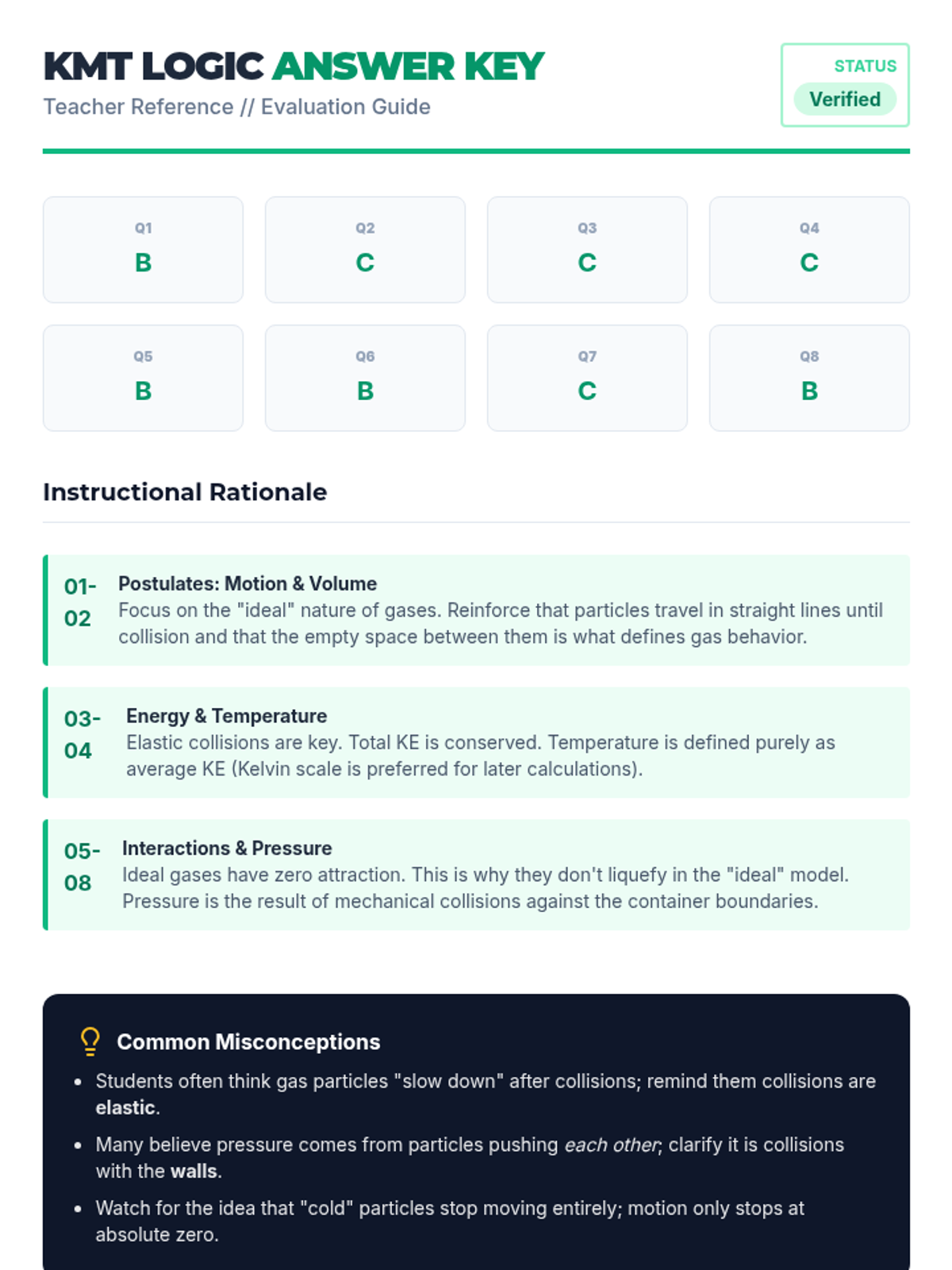
A dedicated session for verifying student grasp of Kinetic Molecular Theory before progressing to mathematical gas laws. Includes a comprehensive conceptual assessment and peer-review of molecular models.
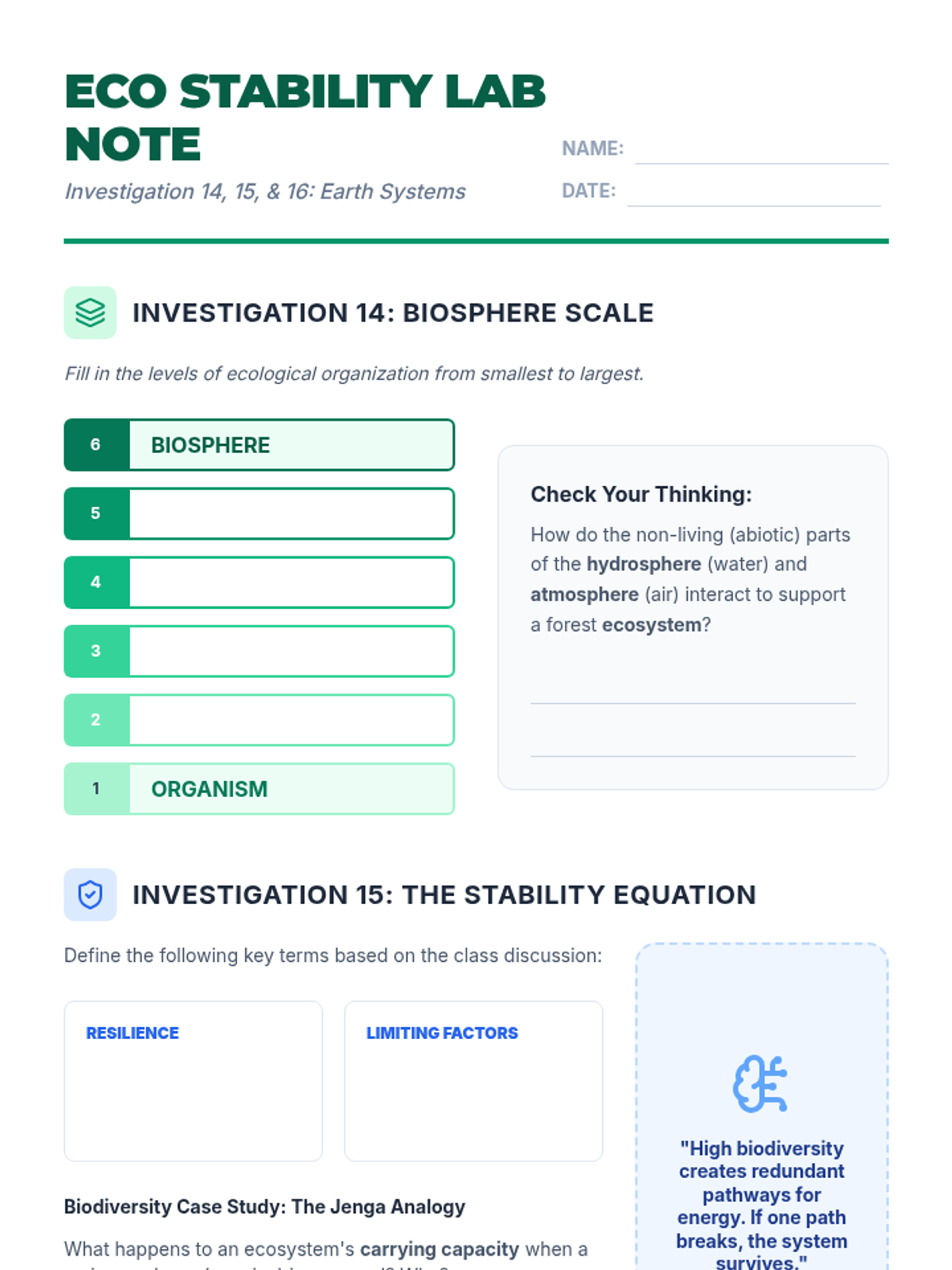
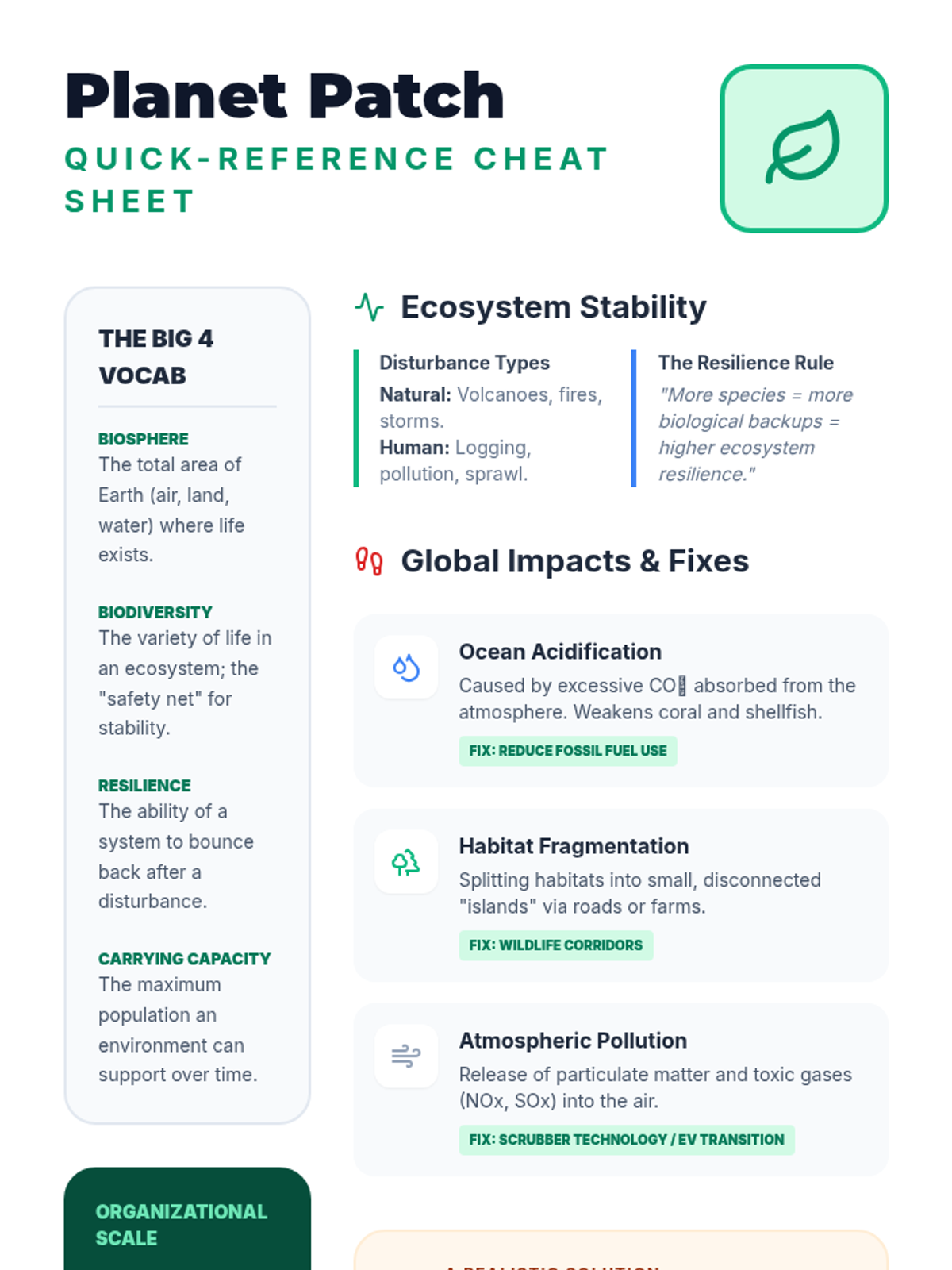
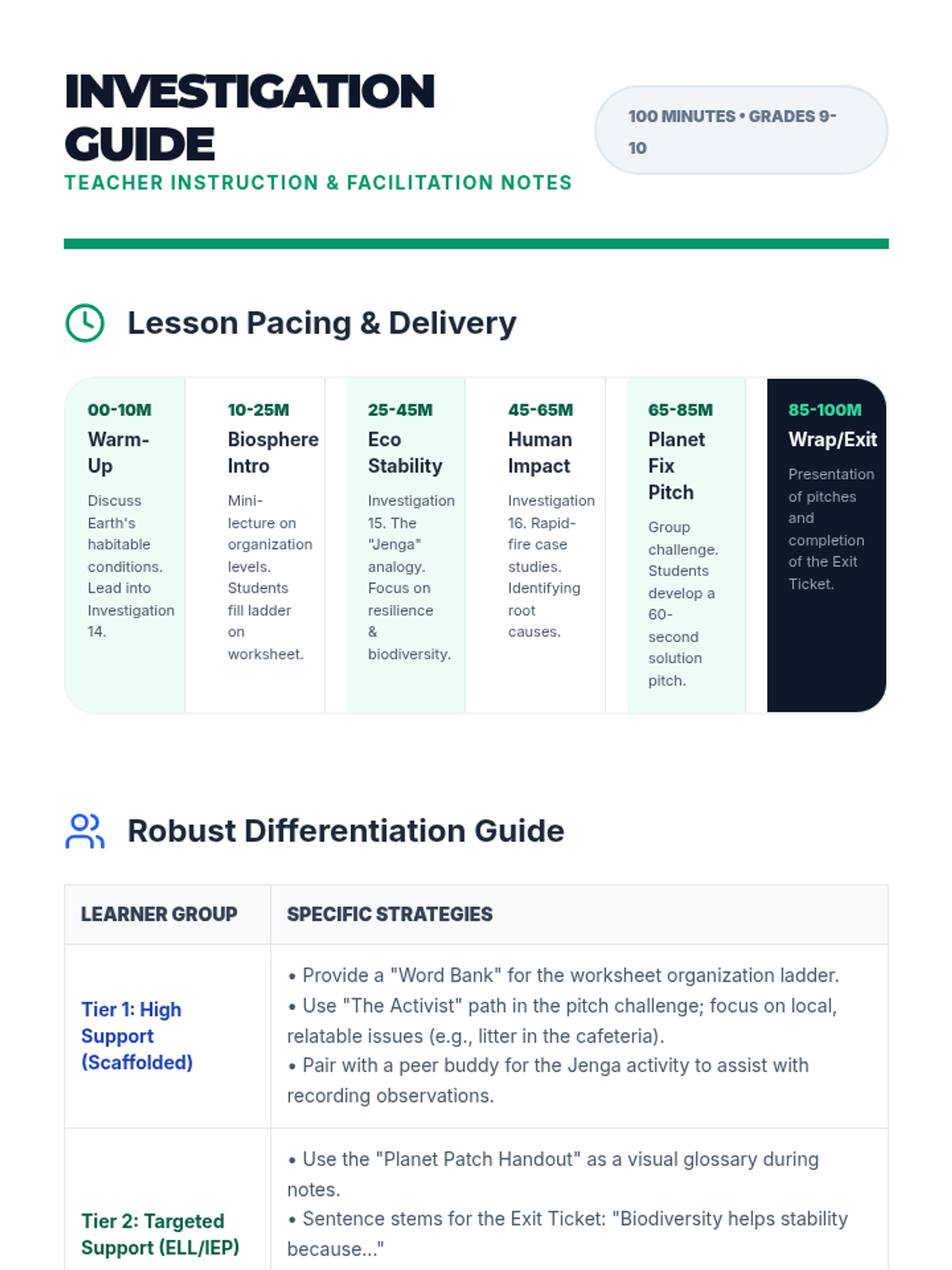
A high-paced, single-period lesson covering the biosphere's structure, the role of biodiversity in stability, and human environmental impacts.
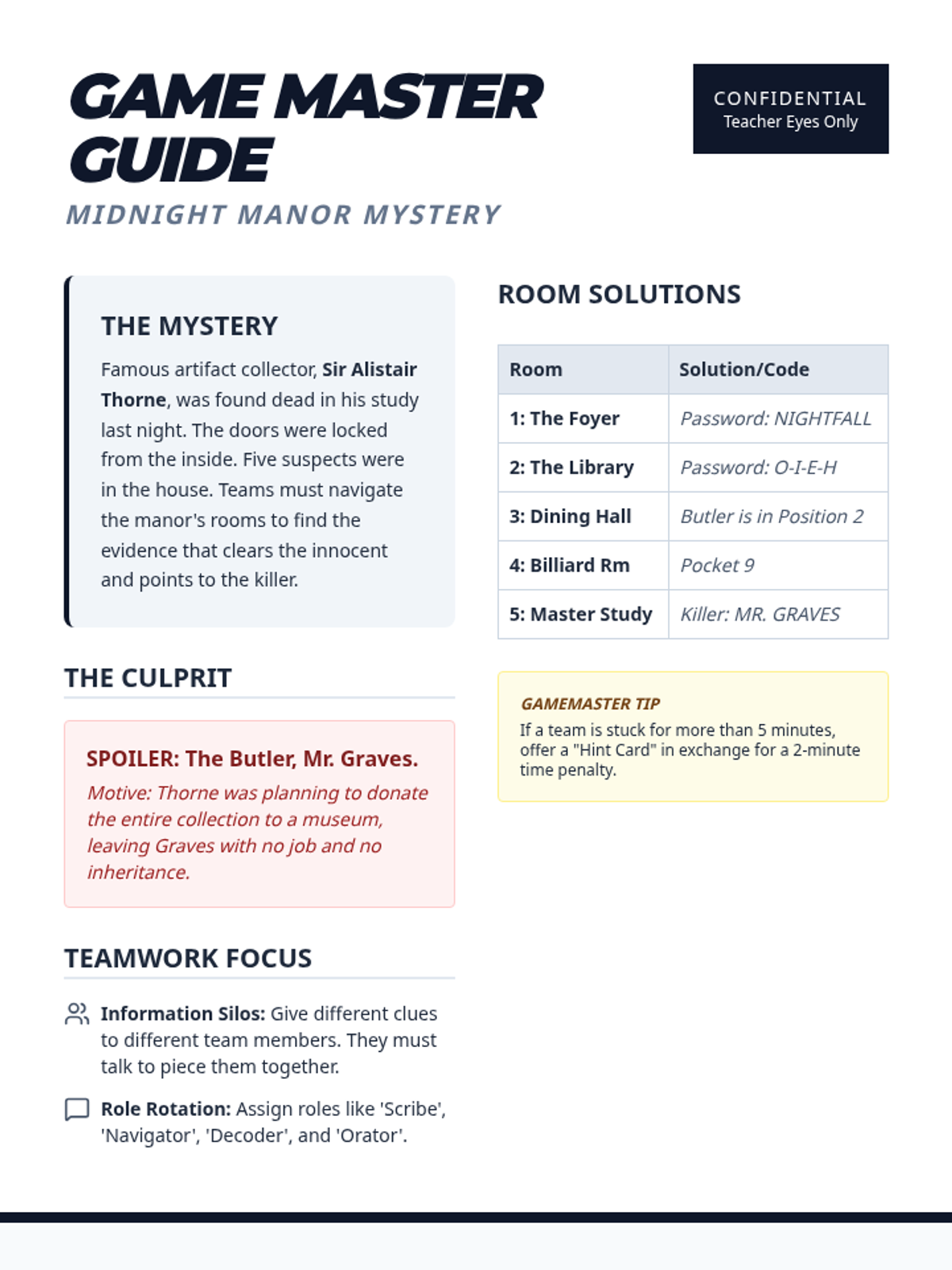
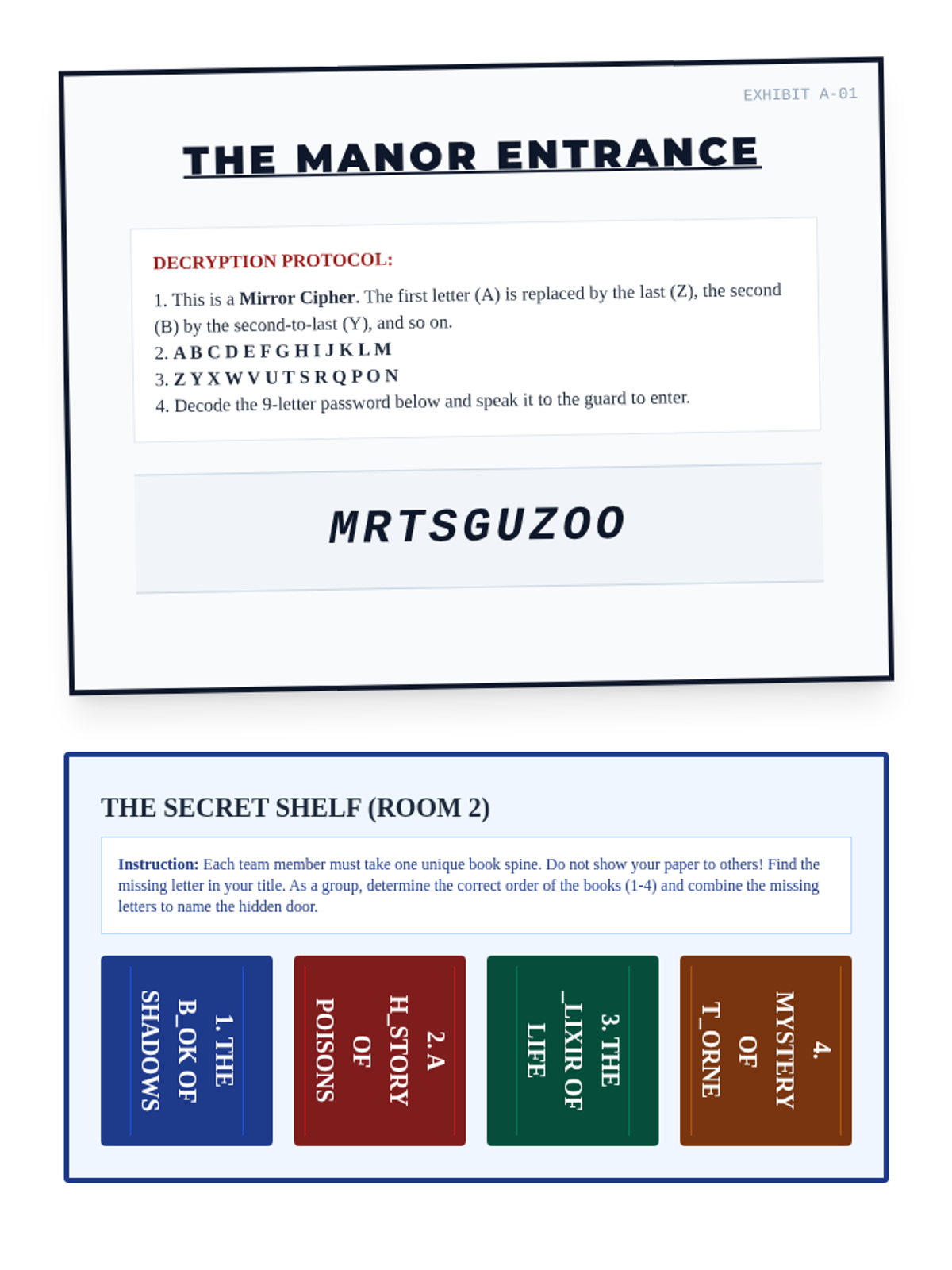
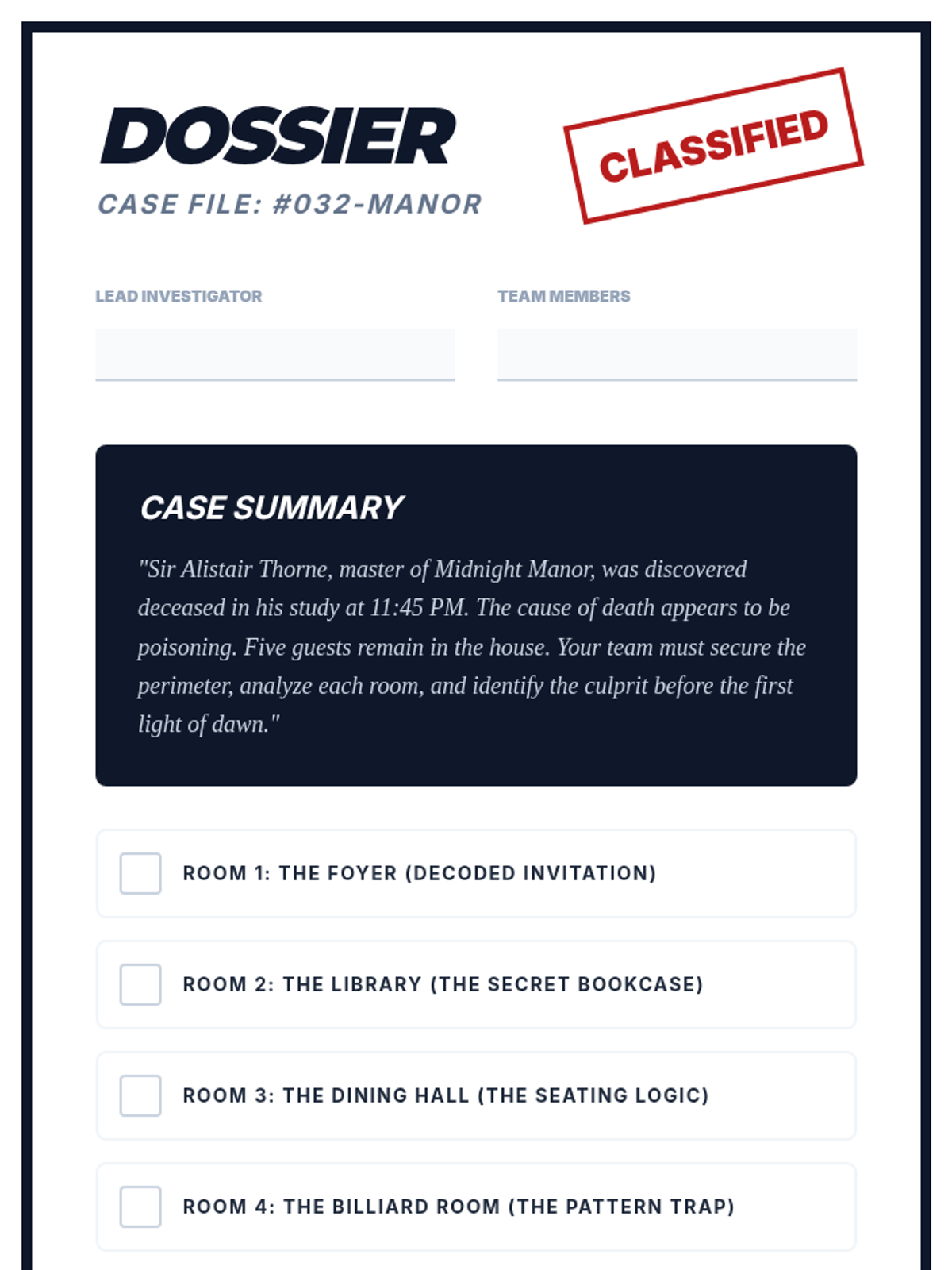
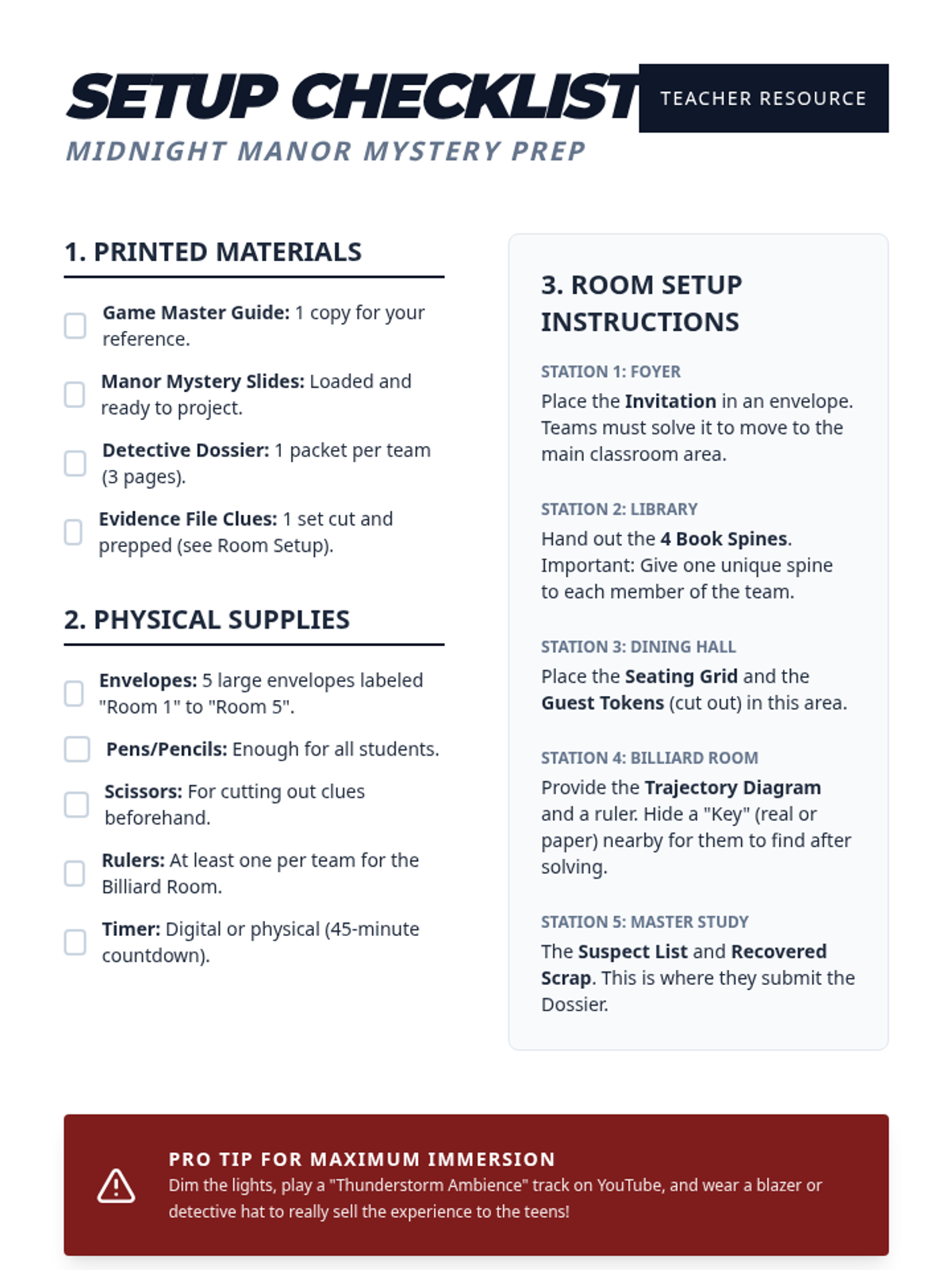
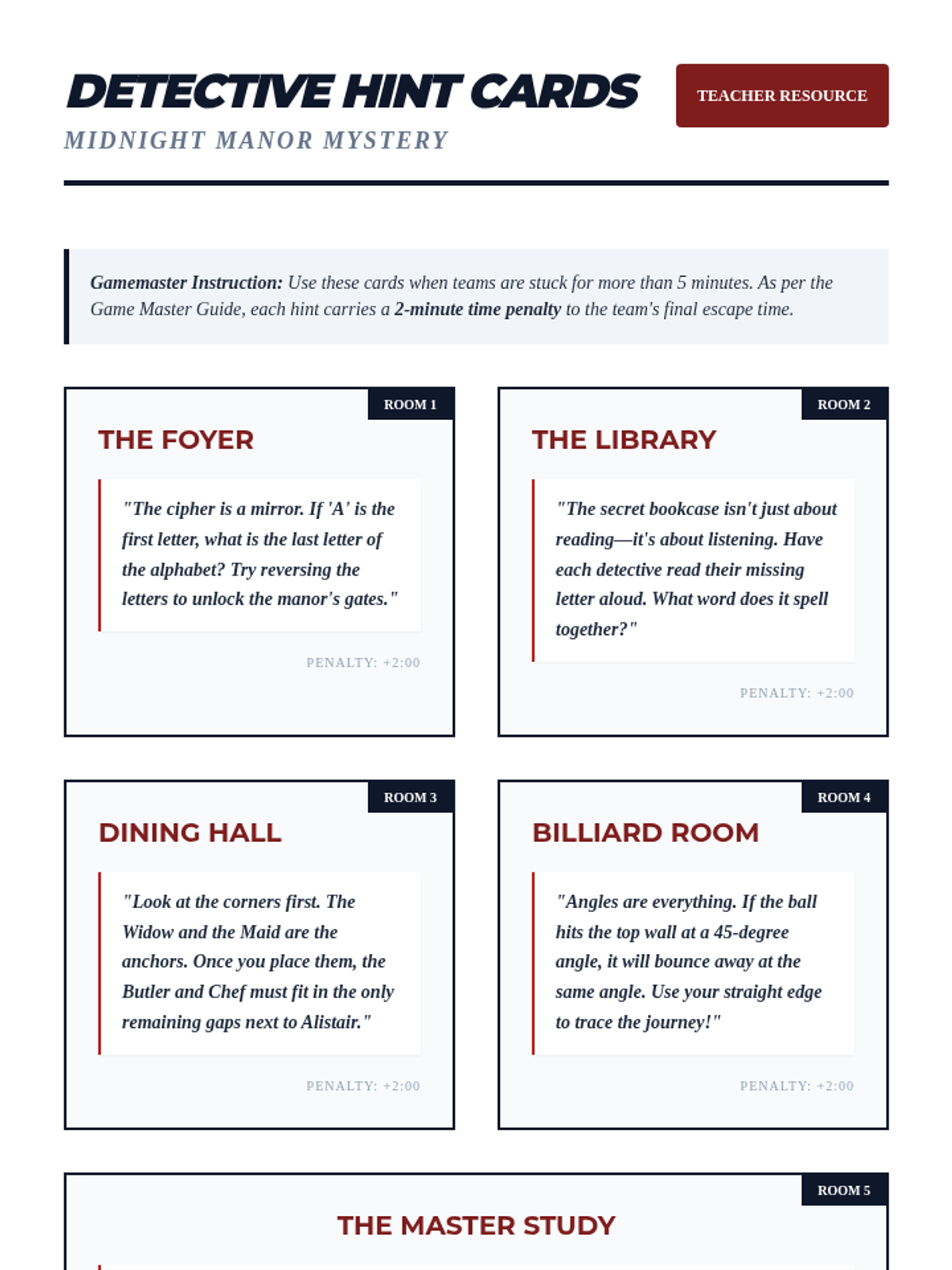
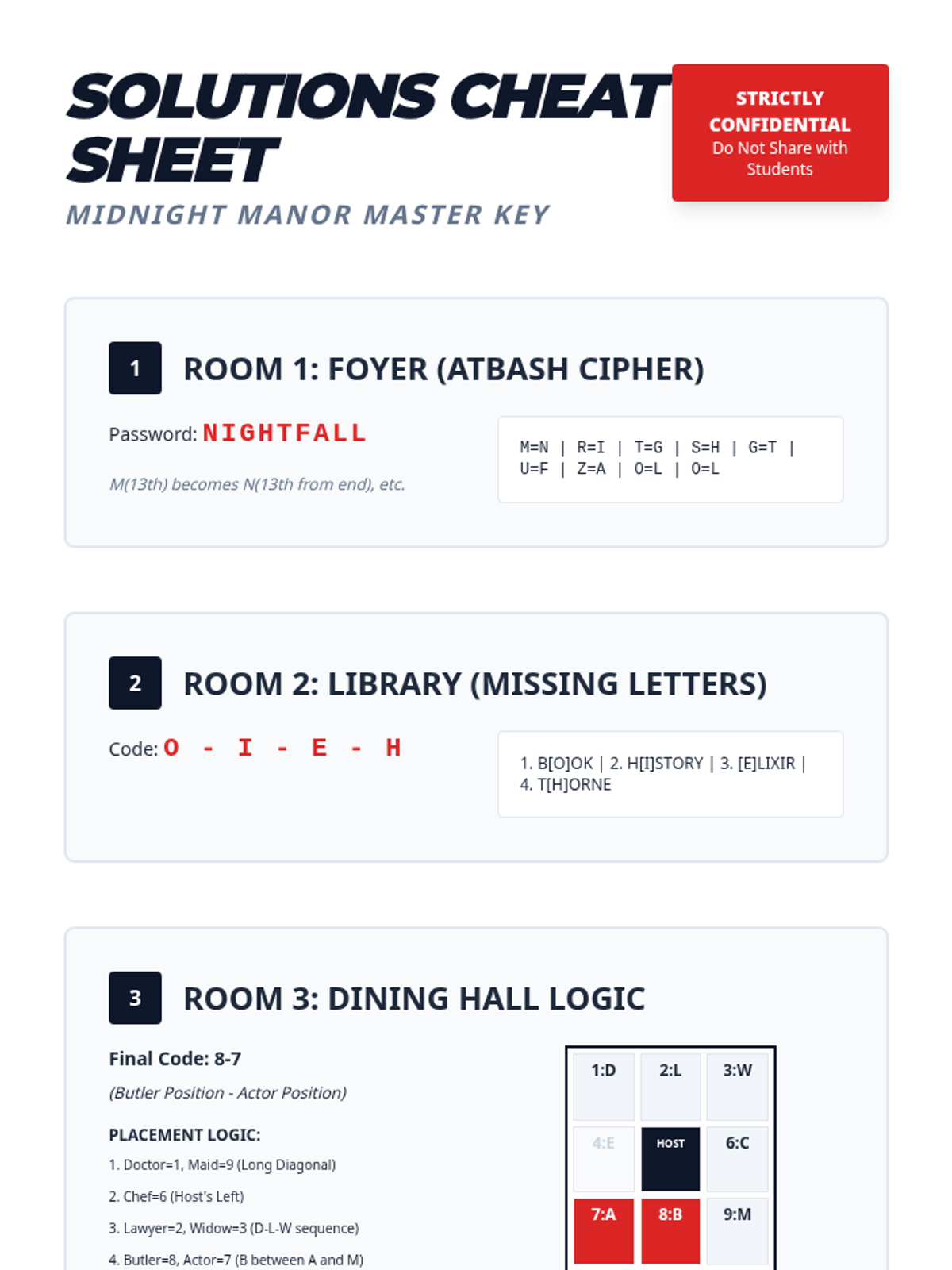
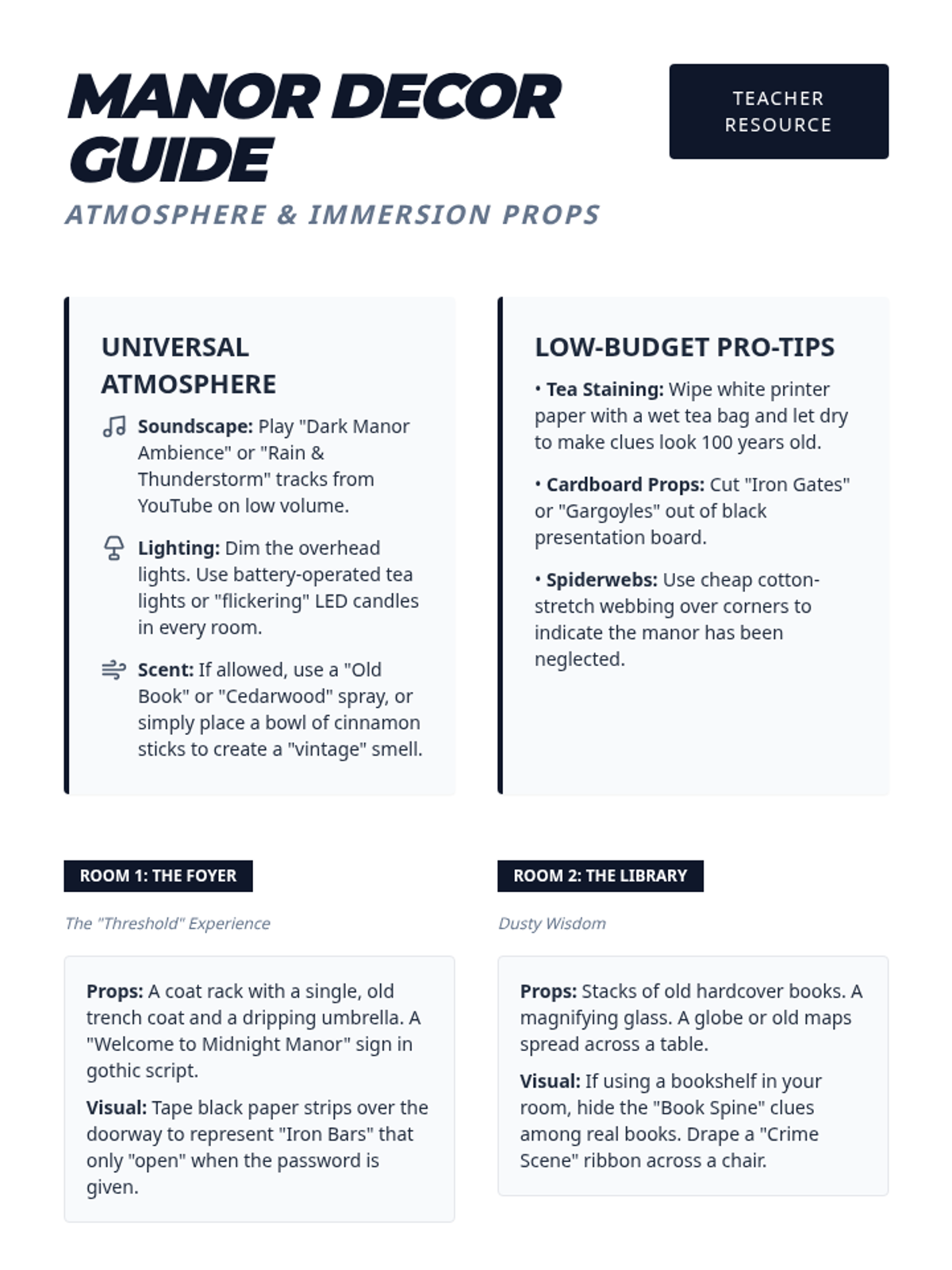
A high-stakes collaborative escape room where student teams navigate five distinct rooms of a mysterious manor, solving interconnected puzzles to solve a murder.
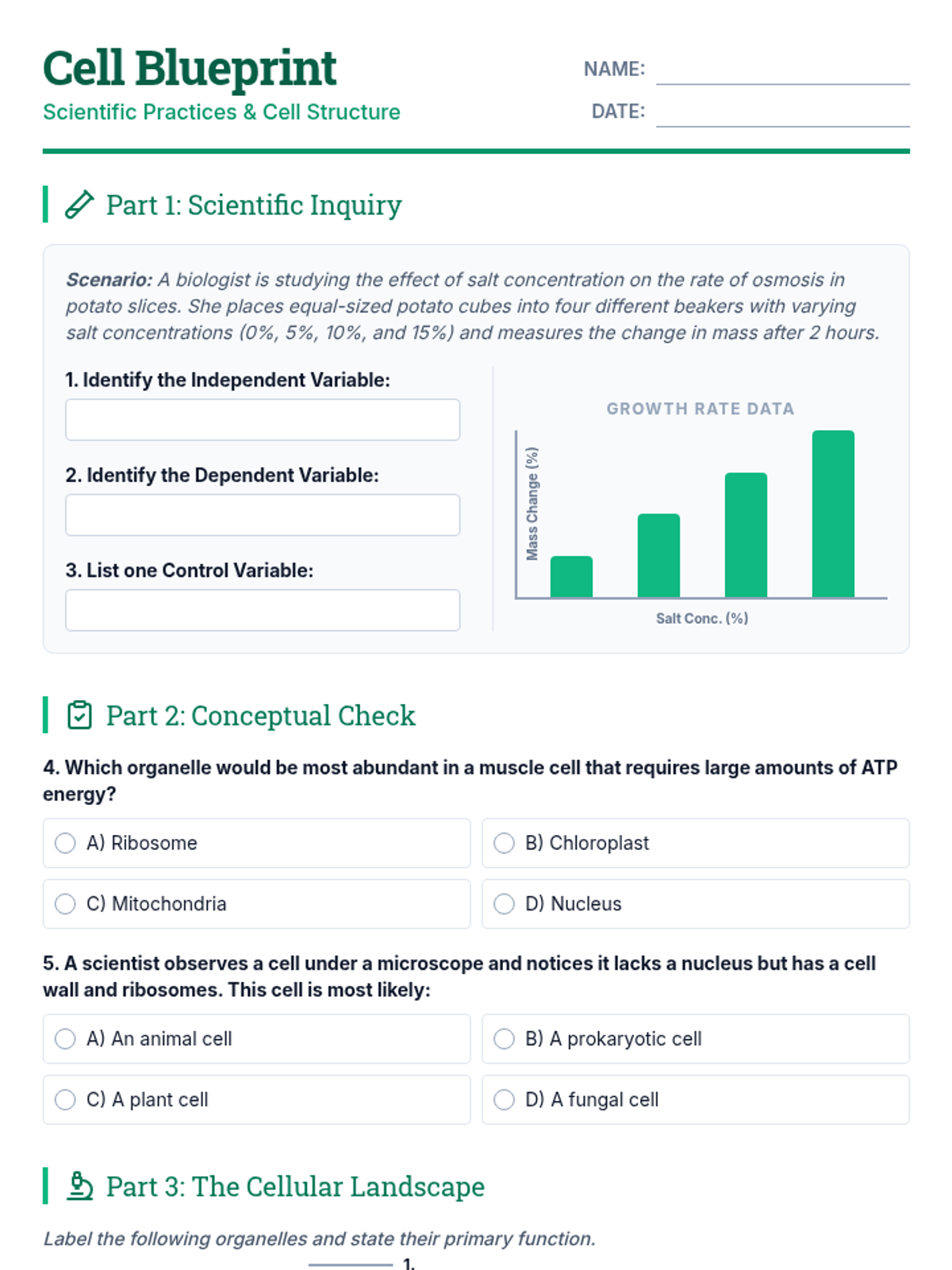
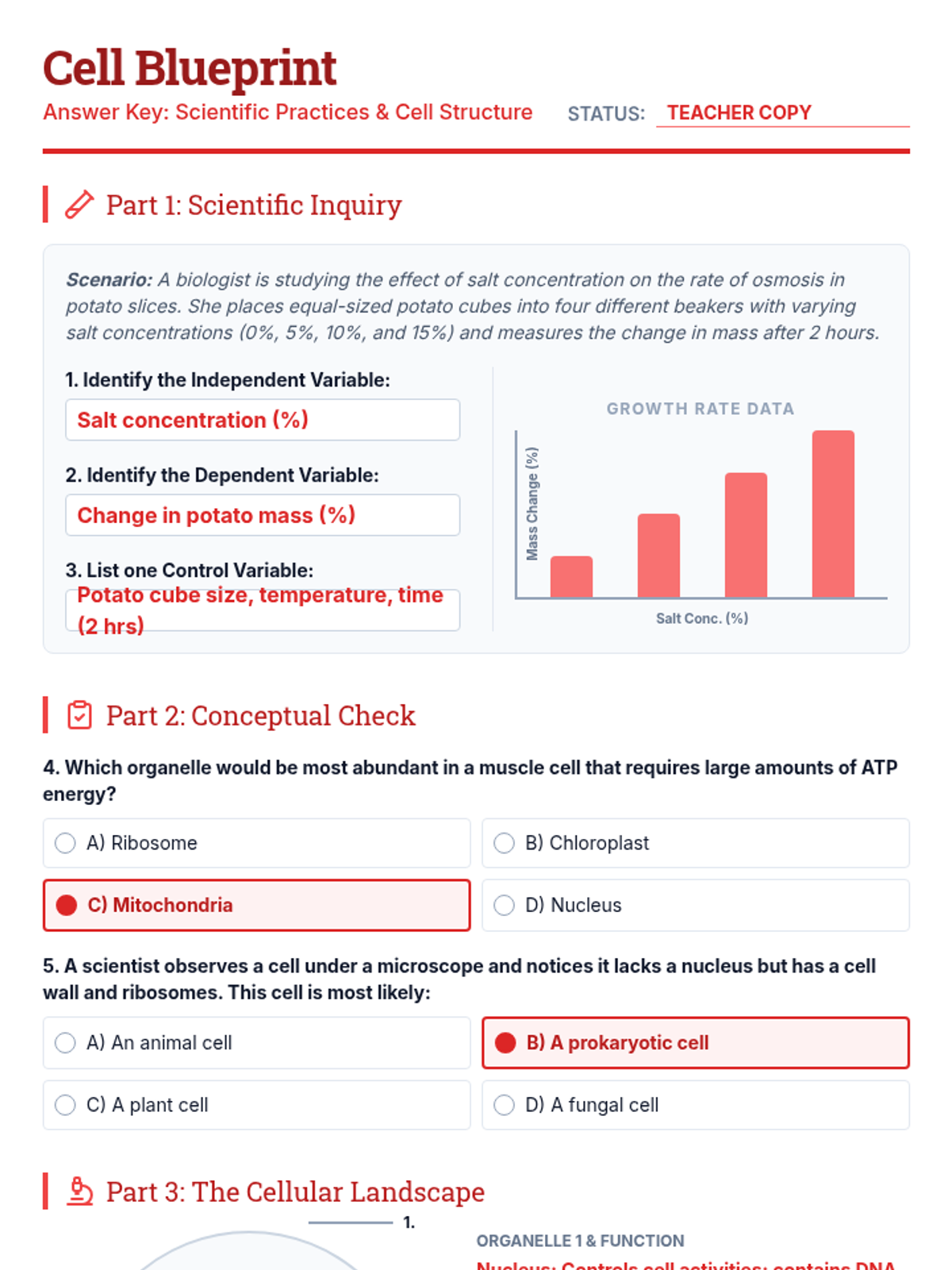
A comprehensive lesson on scientific inquiry and cellular biology, focusing on experimental design, organelle function, and membrane transport. Students will analyze data, compare cell types, and investigate how cells maintain homeostasis.