A comprehensive lesson on plant biology covering classification from bryophytes to angiosperms, plant cell anatomy, and life cycles using a creative doodle-note format.
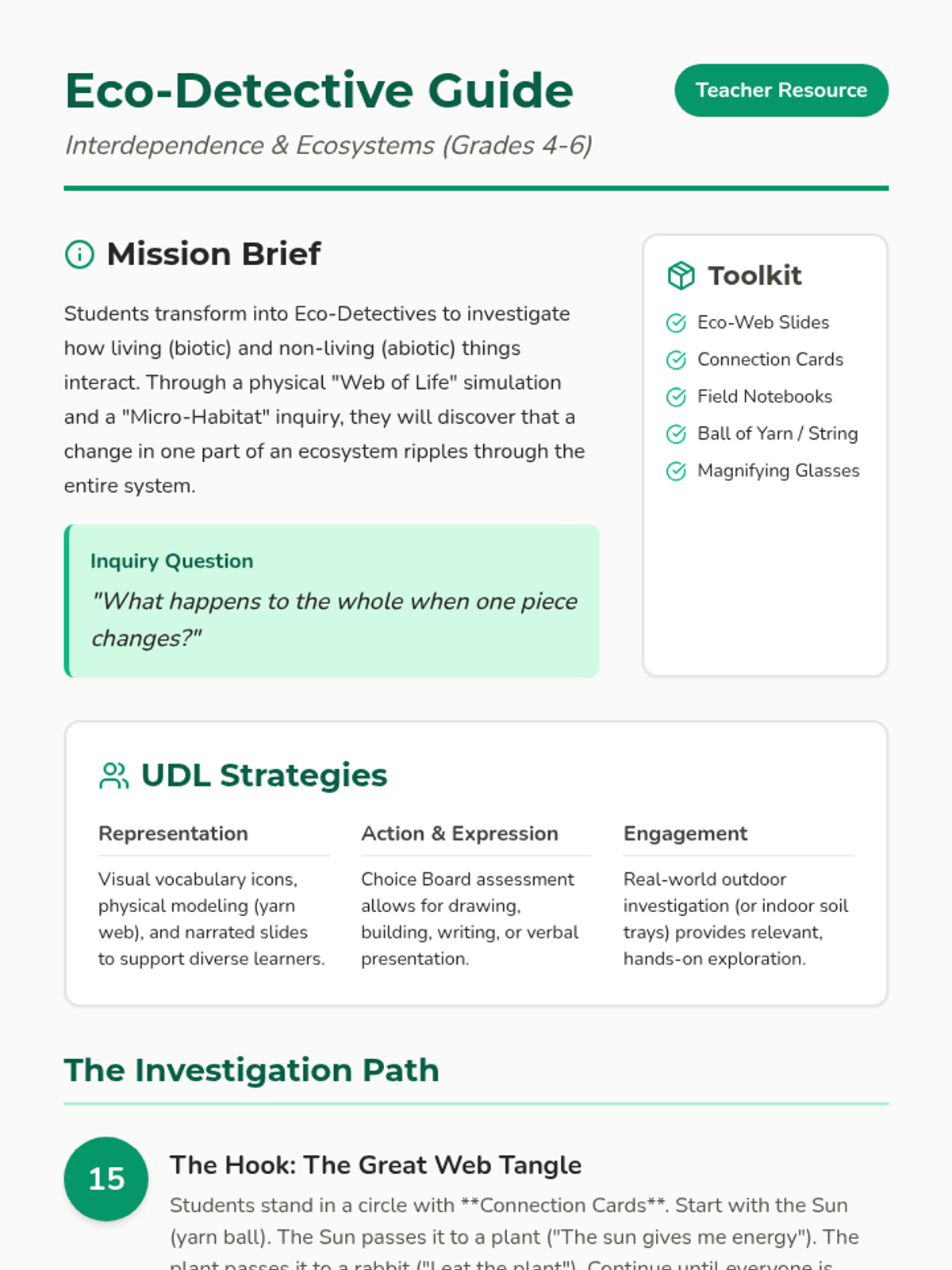
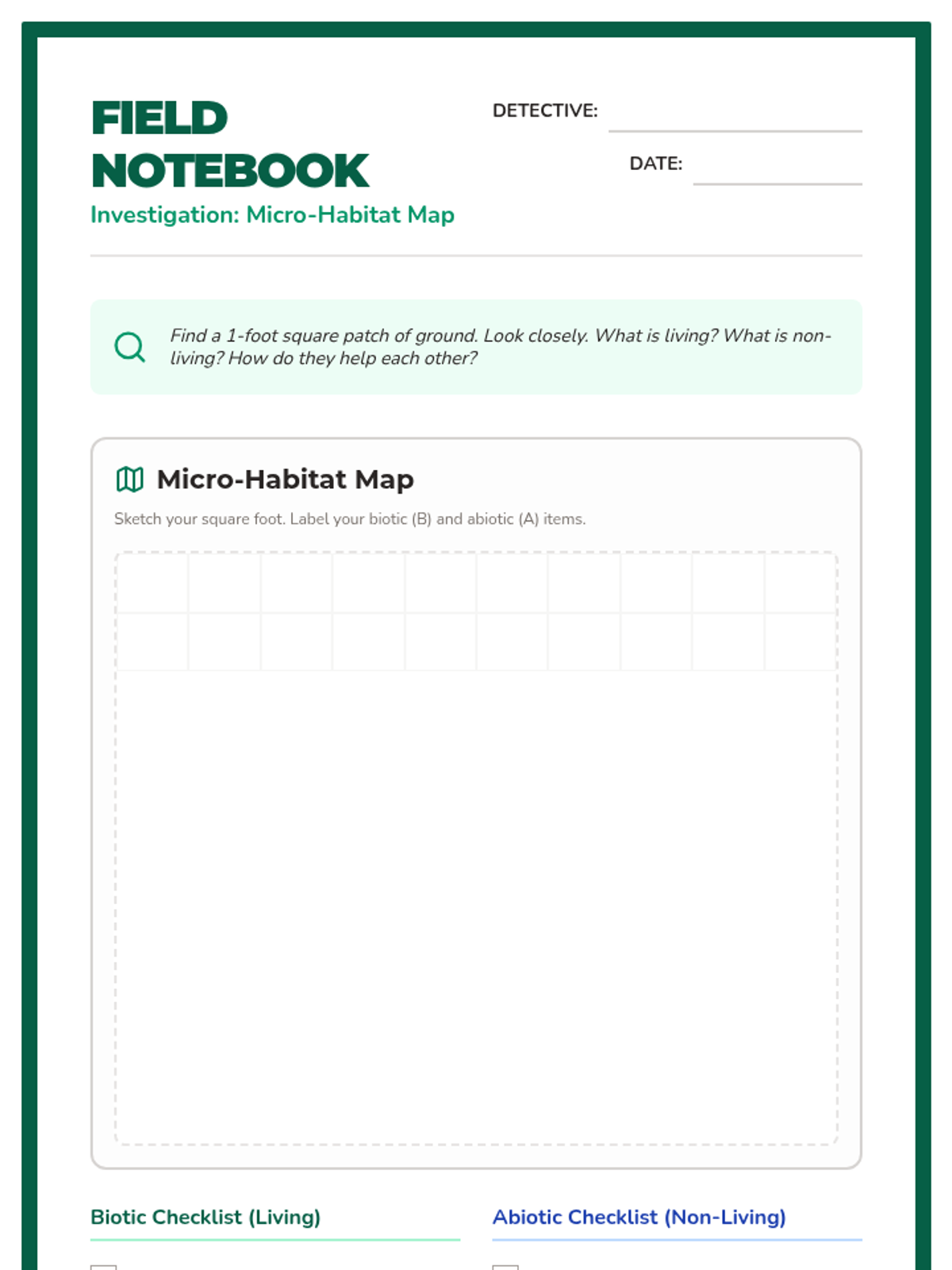
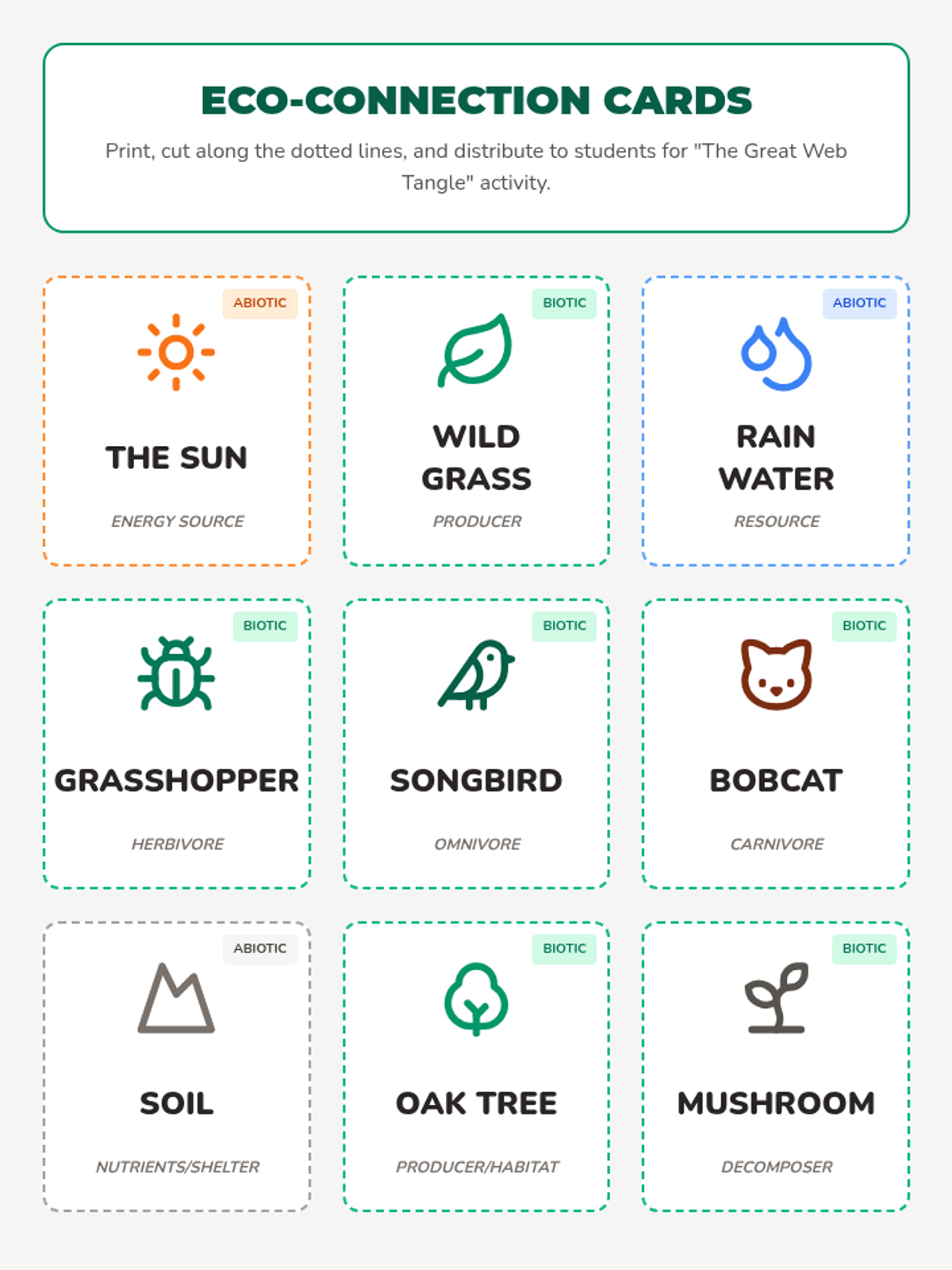
An inquiry-based science lesson where students explore the complex connections within ecosystems through hands-on modeling and micro-habitat investigation. Students take on the role of 'Eco-Detectives' to discover how biotic and abiotic factors depend on one another.
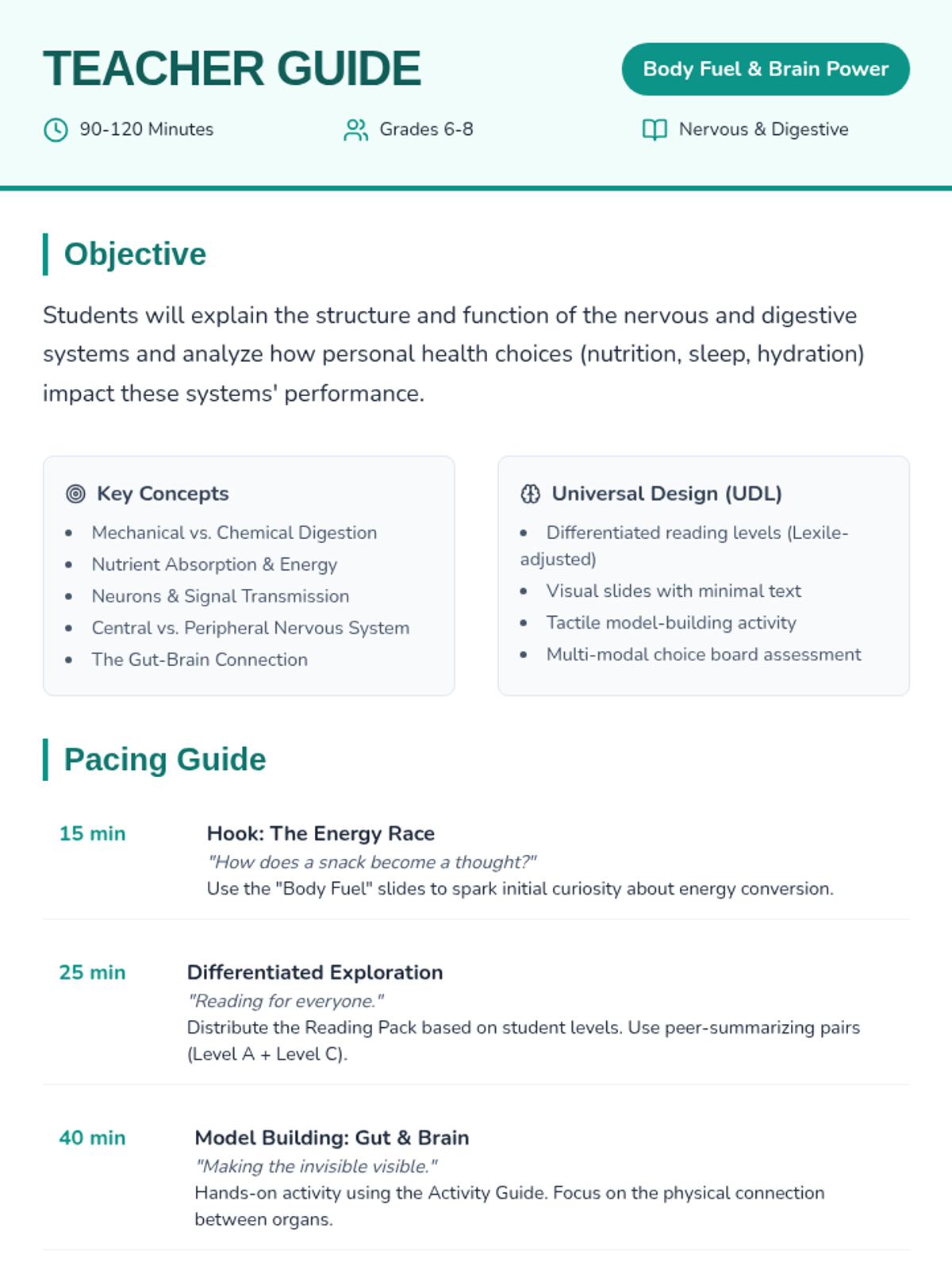
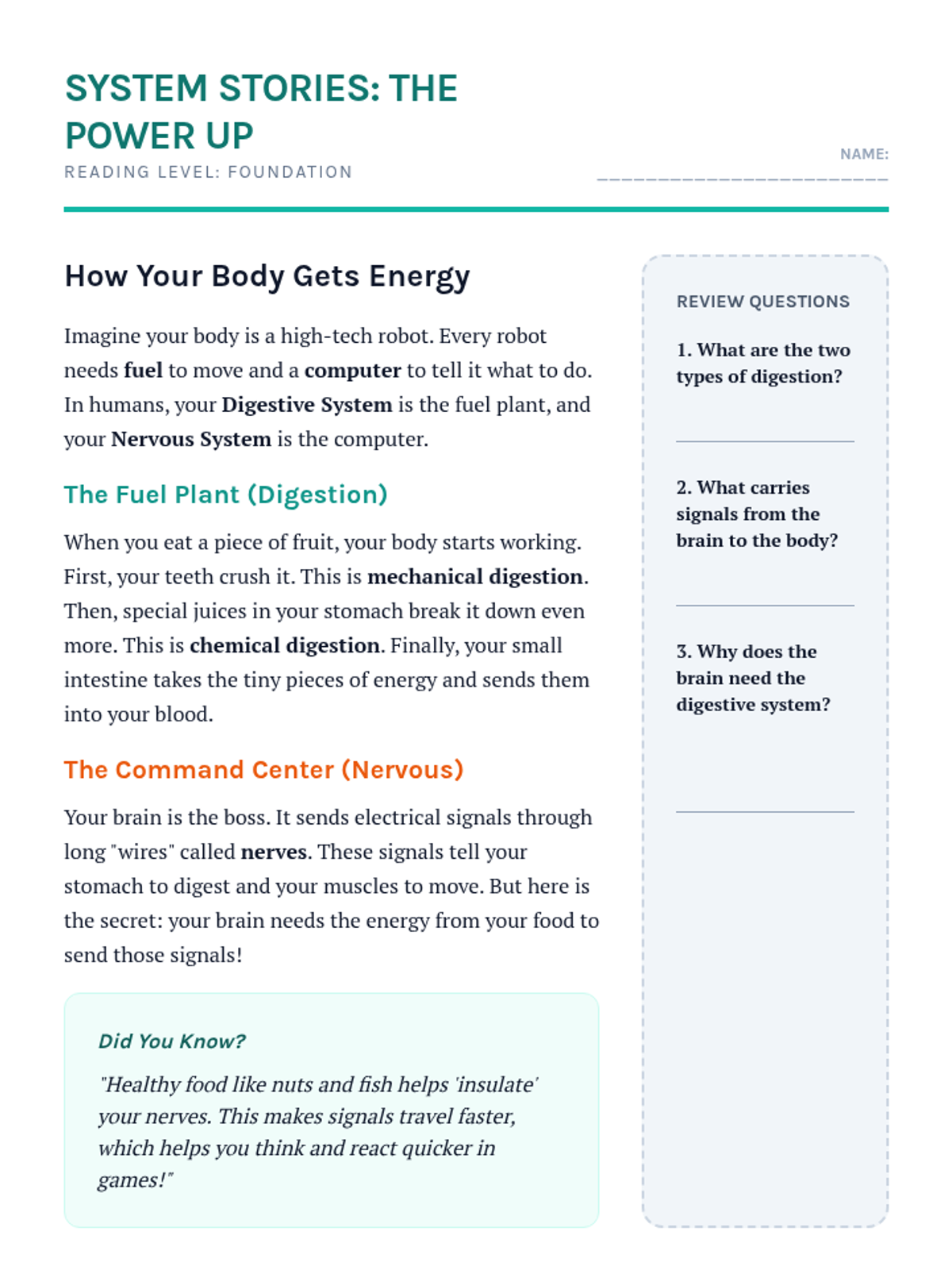
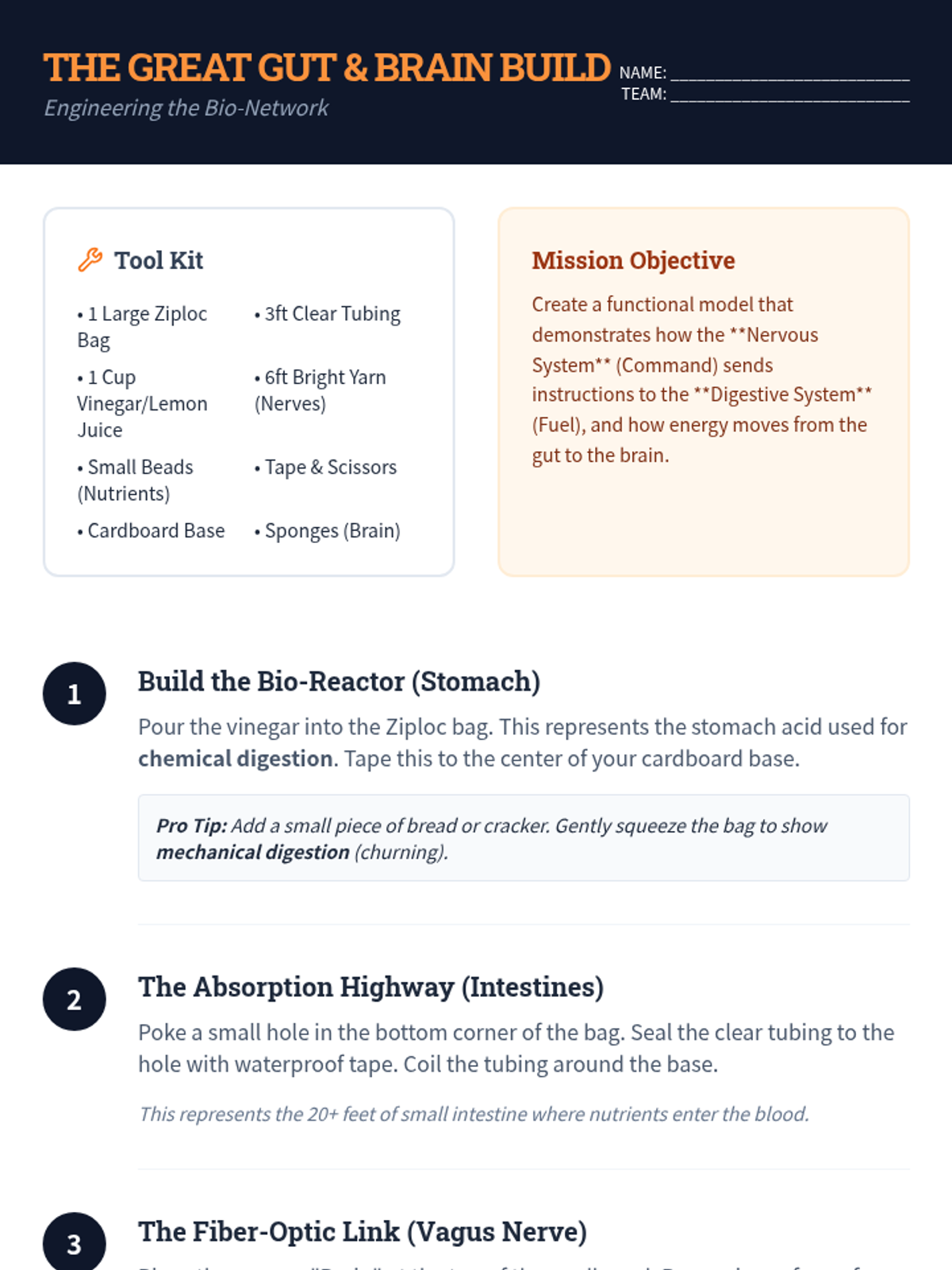
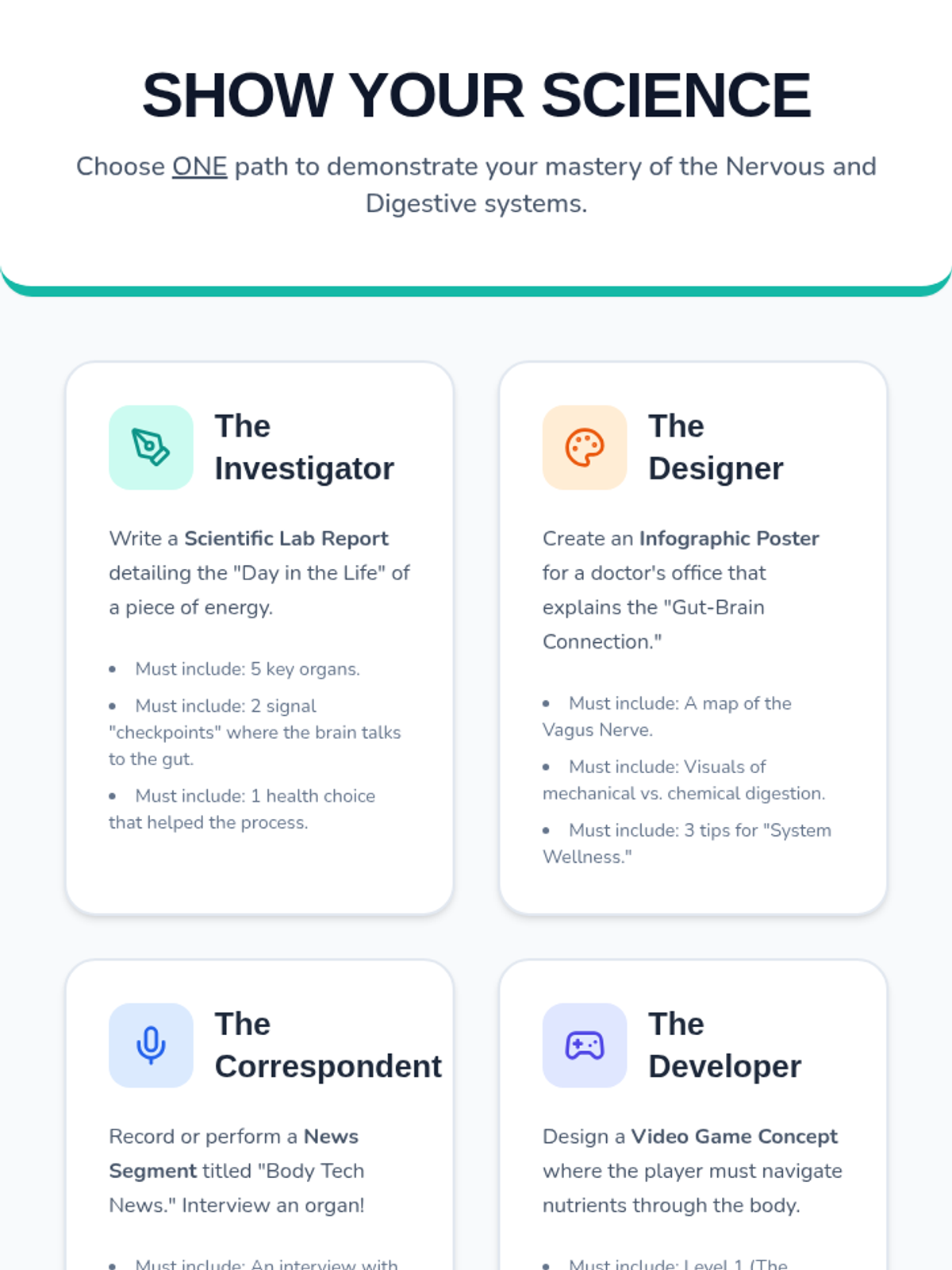
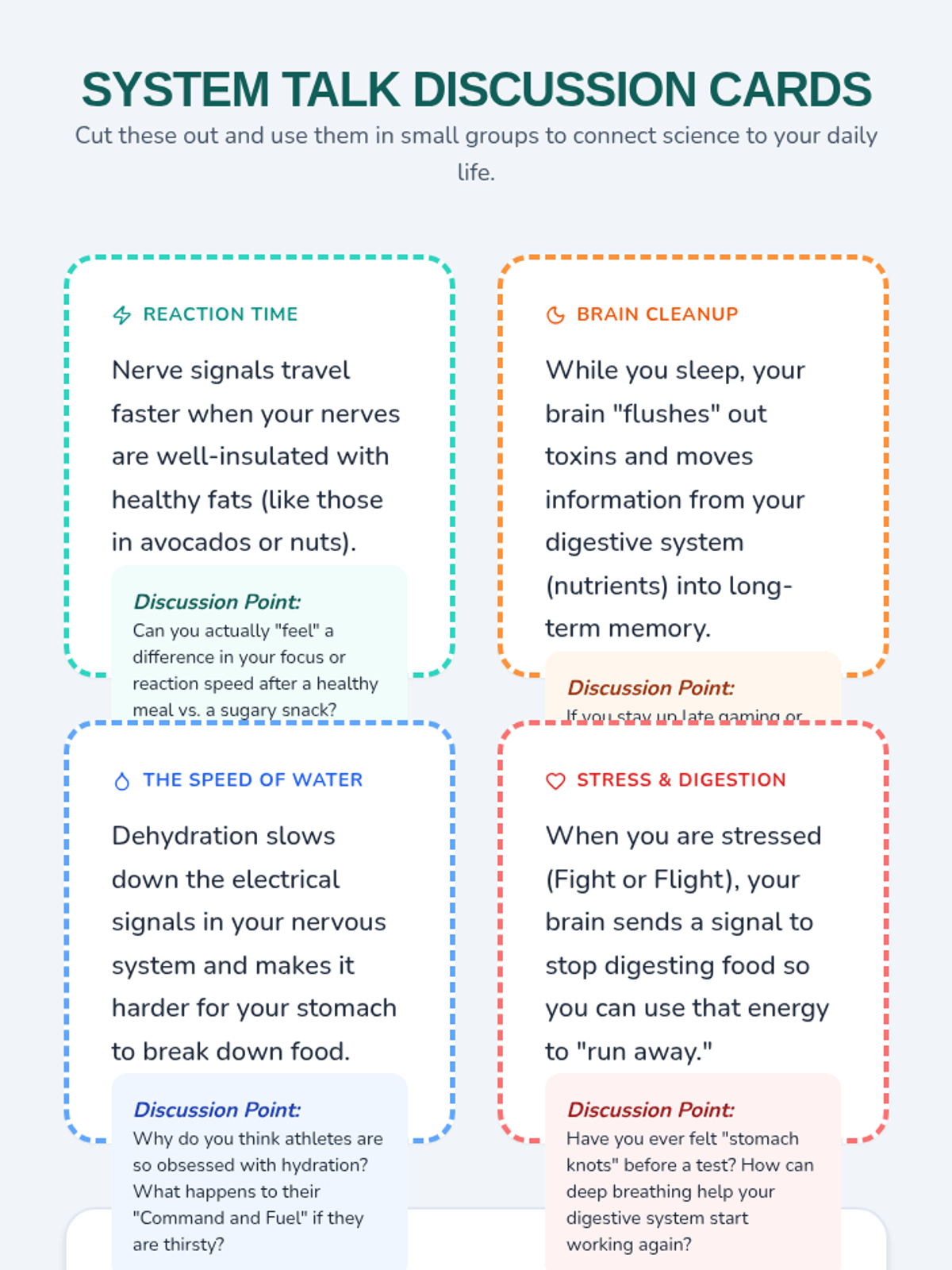
An interactive exploration of the nervous and digestive systems, emphasizing how nutrition and lifestyle choices impact body performance and long-term wellness. Students engage with differentiated texts, build physical models, and choose their own path for demonstrating mastery.
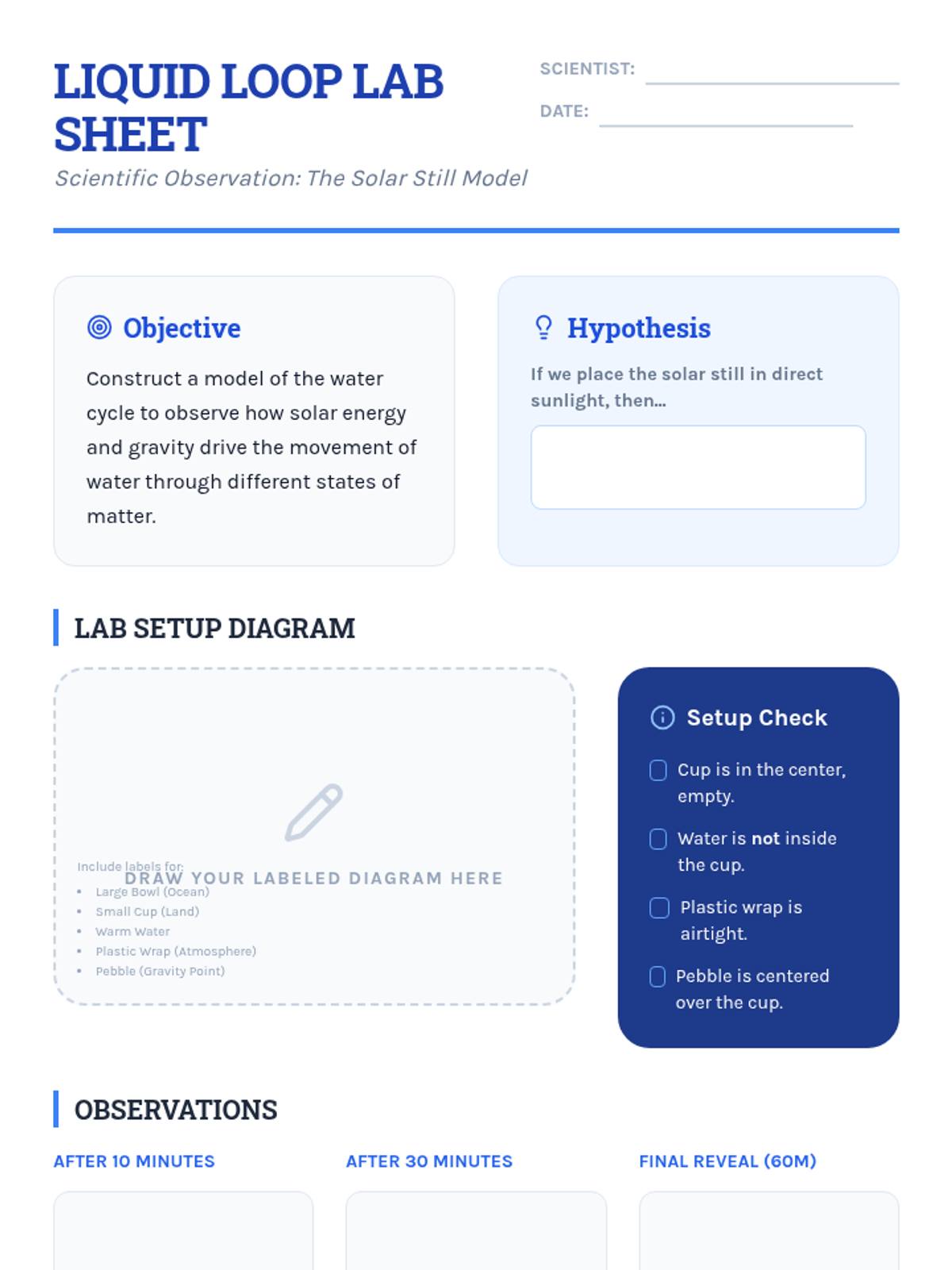
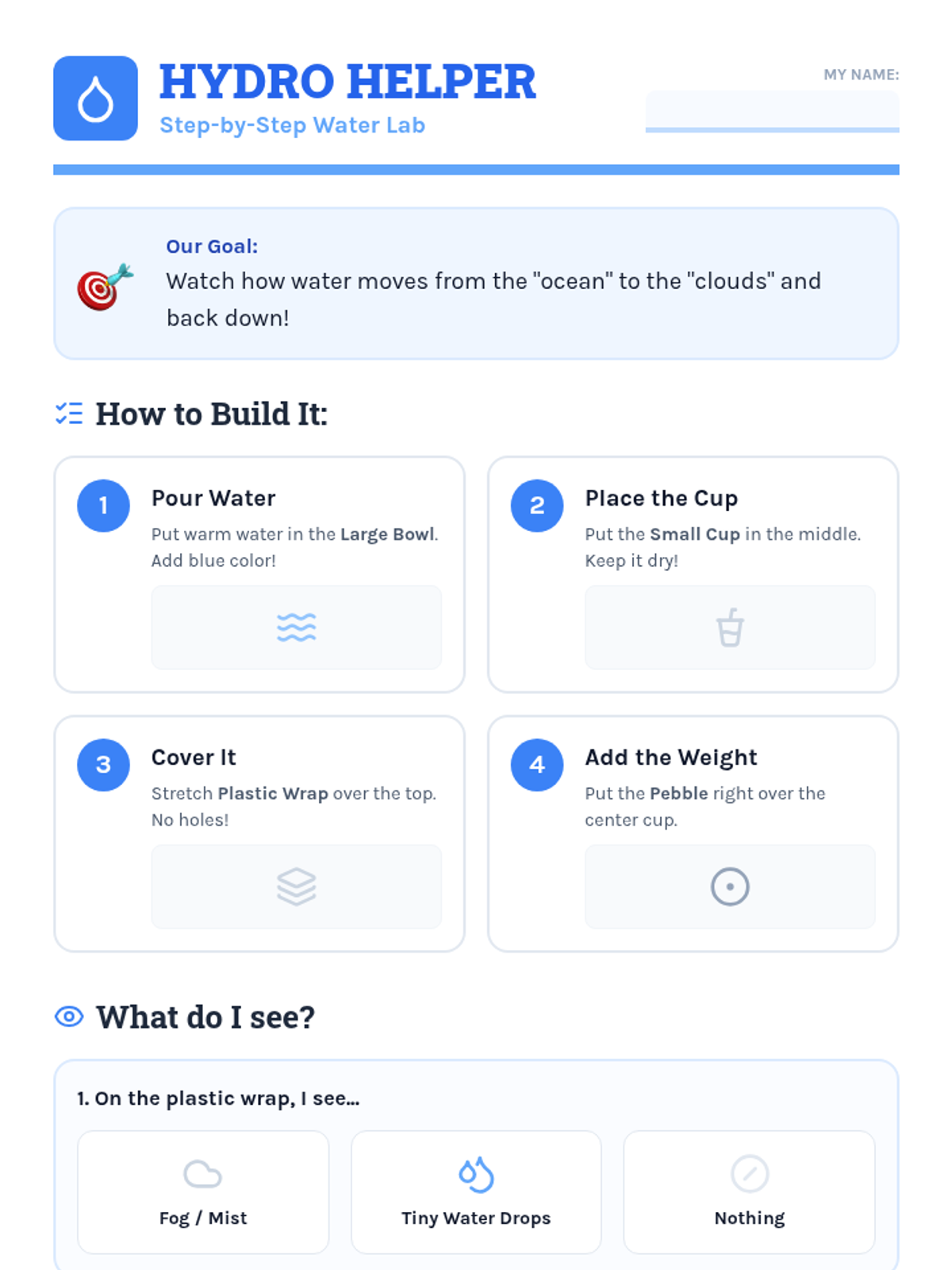
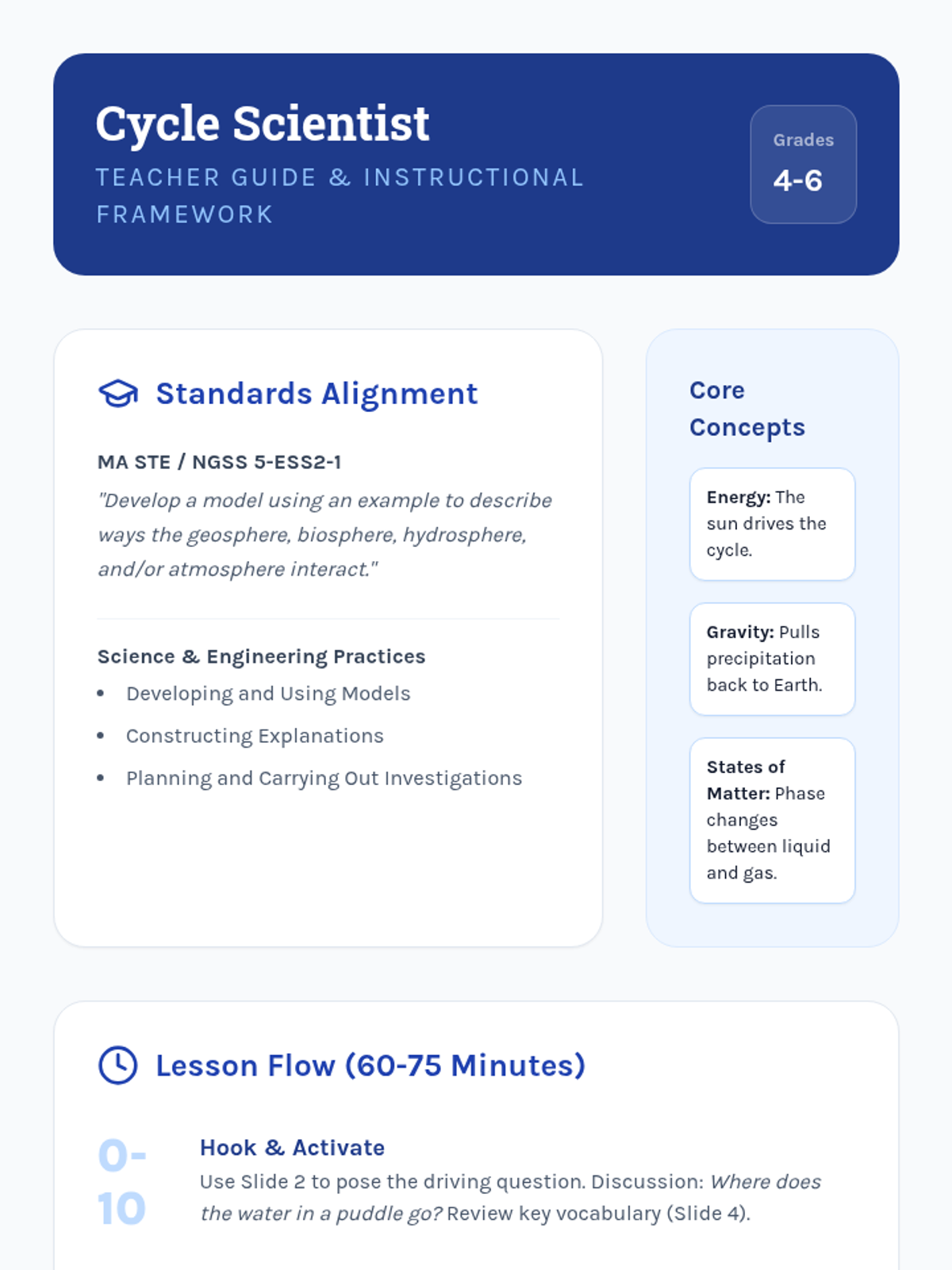
An interactive science lesson for grades 4-6 focused on the water cycle. Students explore evaporation, condensation, and precipitation through a 'Solar Still' lab experiment, with differentiated materials for various learning needs.
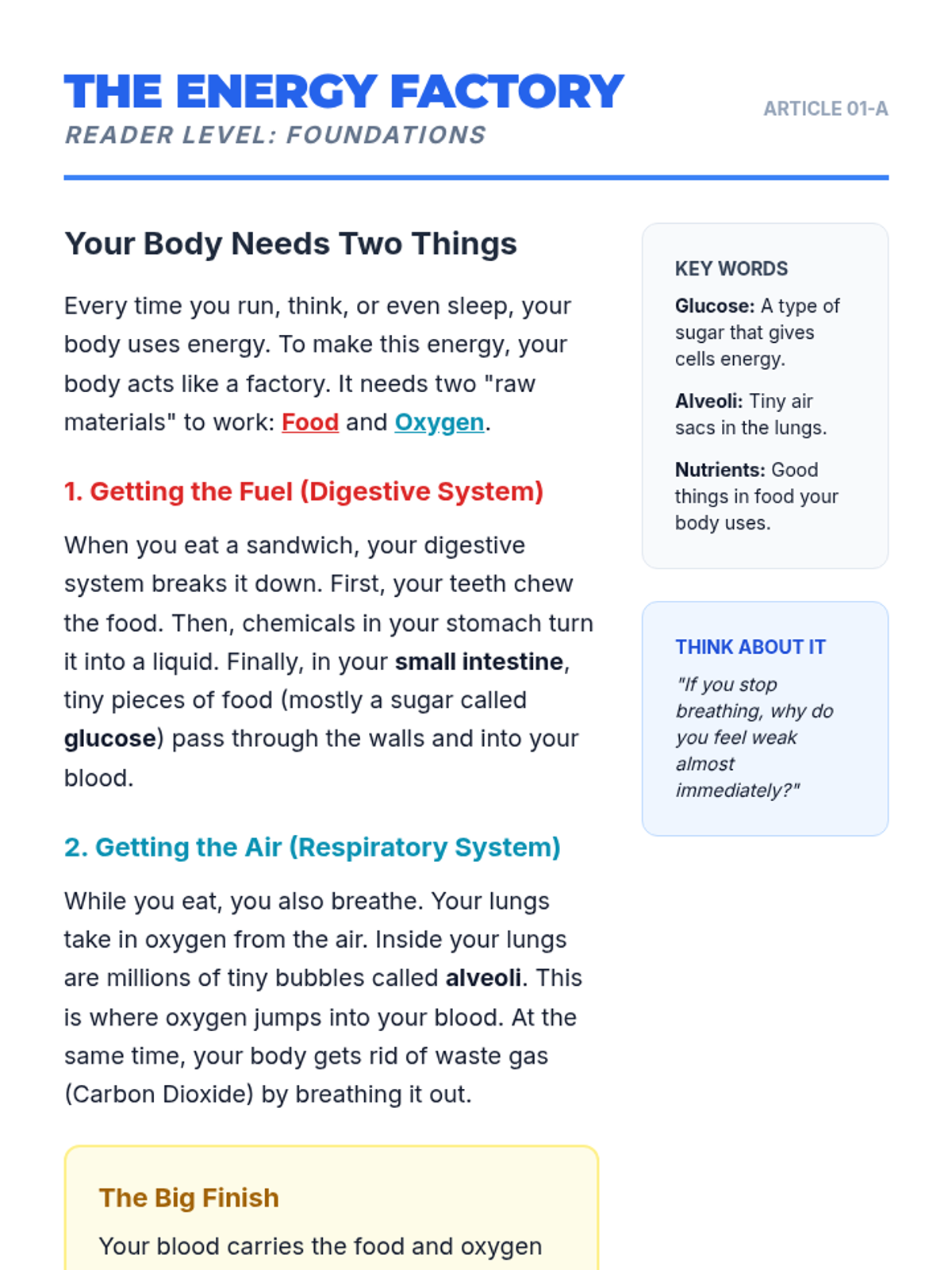
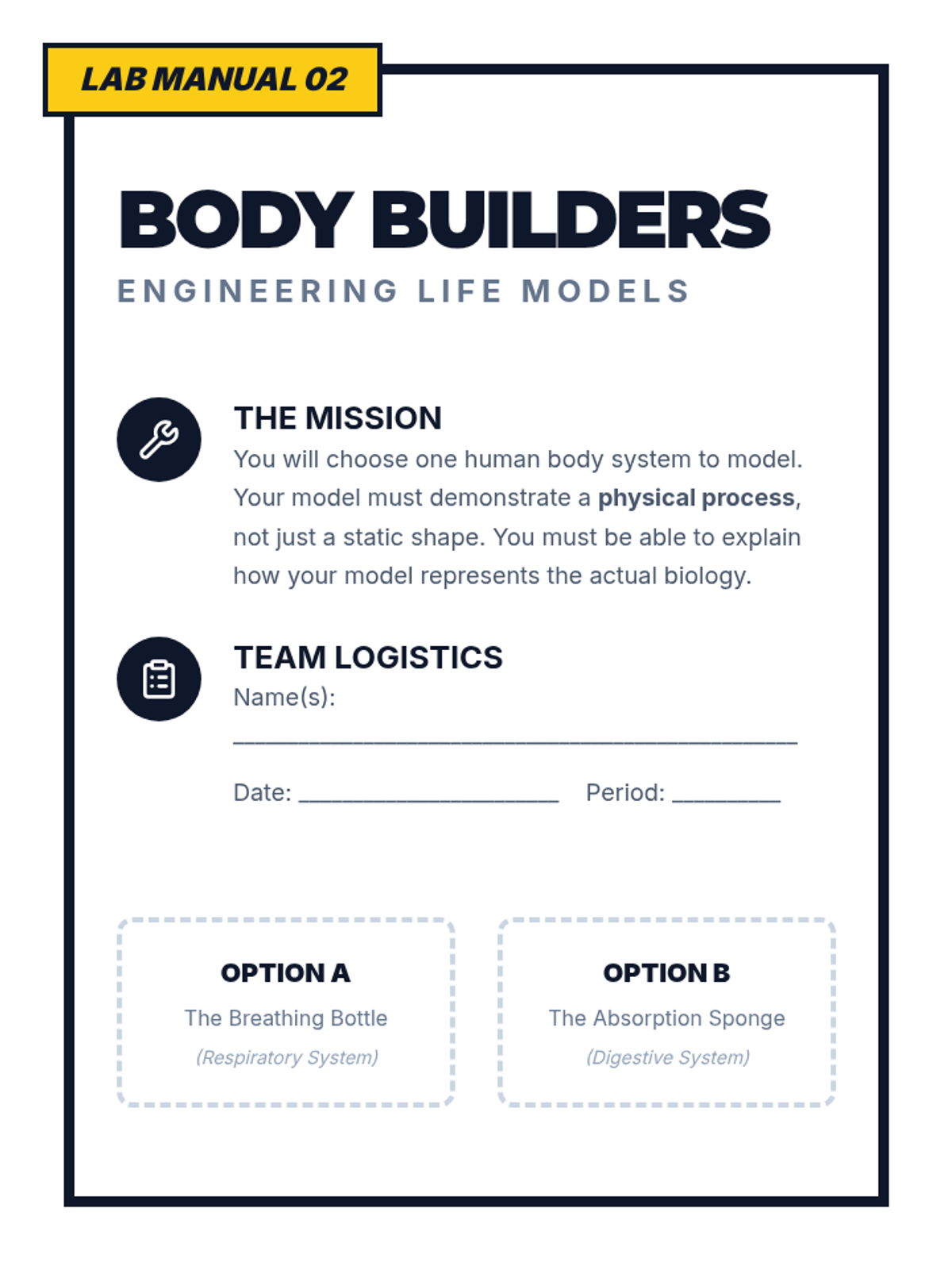
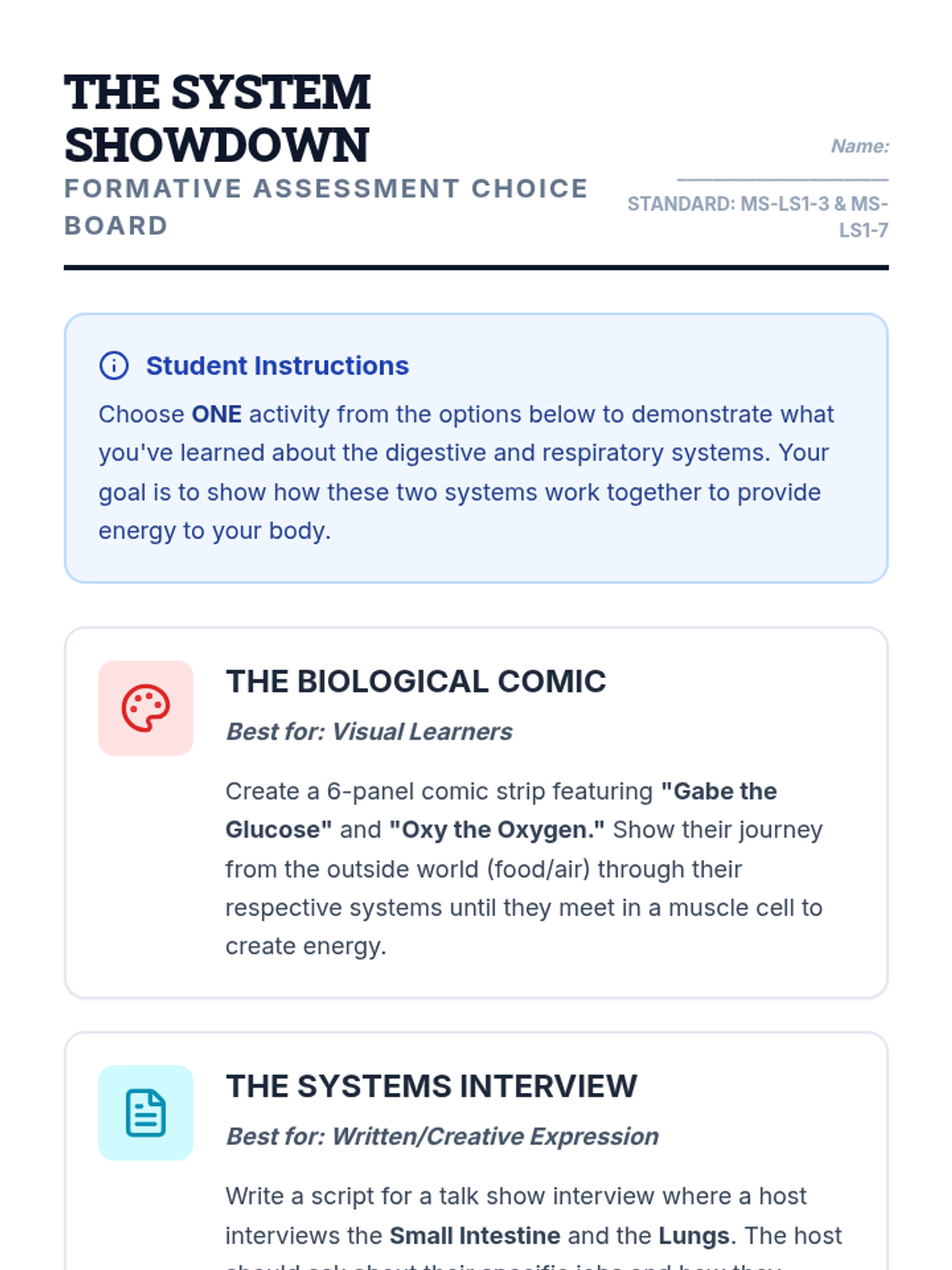
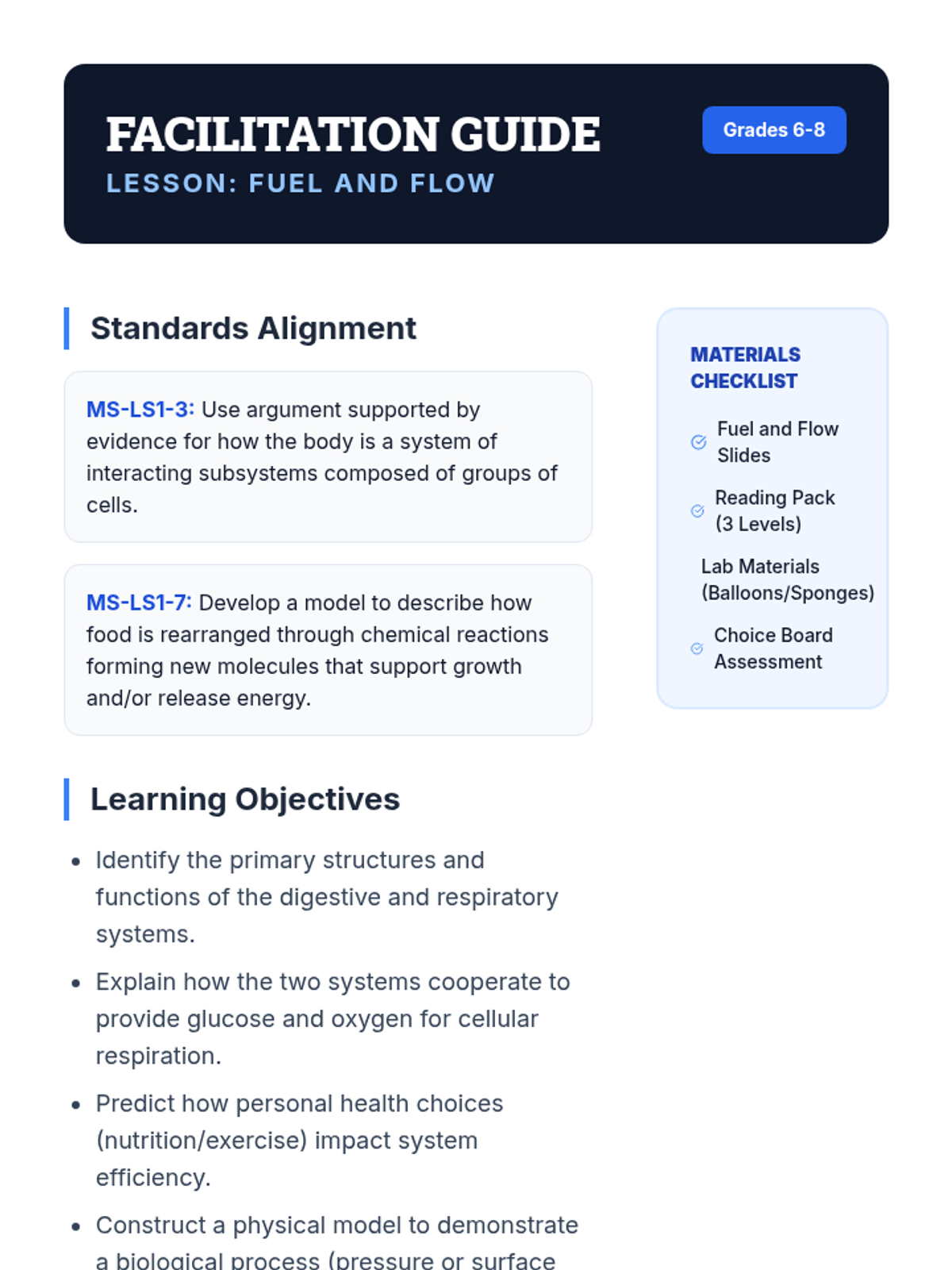
A middle school science lesson exploring the digestive and respiratory systems, their interdependence for energy production, and their links to personal health and nutrition. Includes hands-on modeling and differentiated resources.
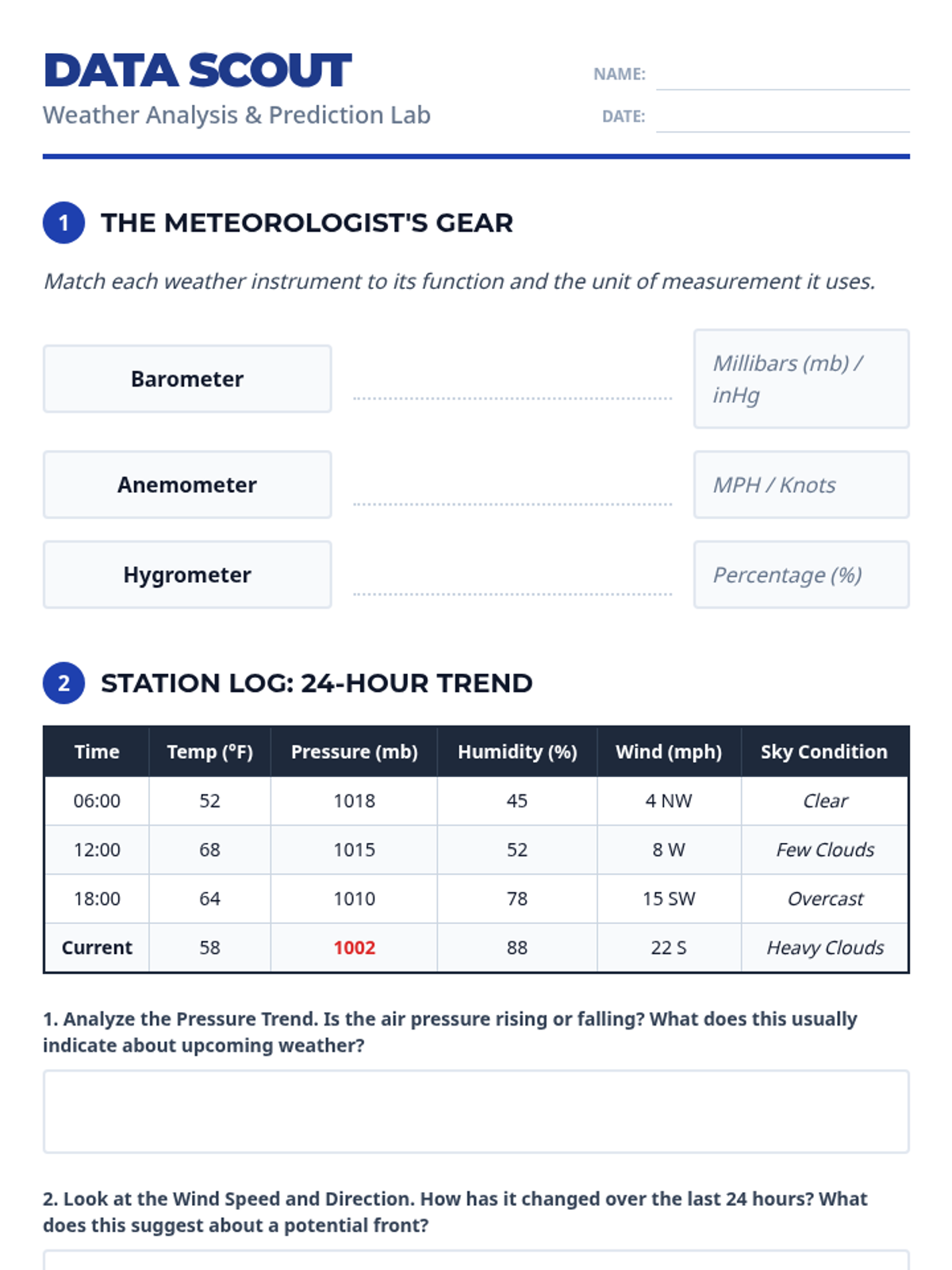
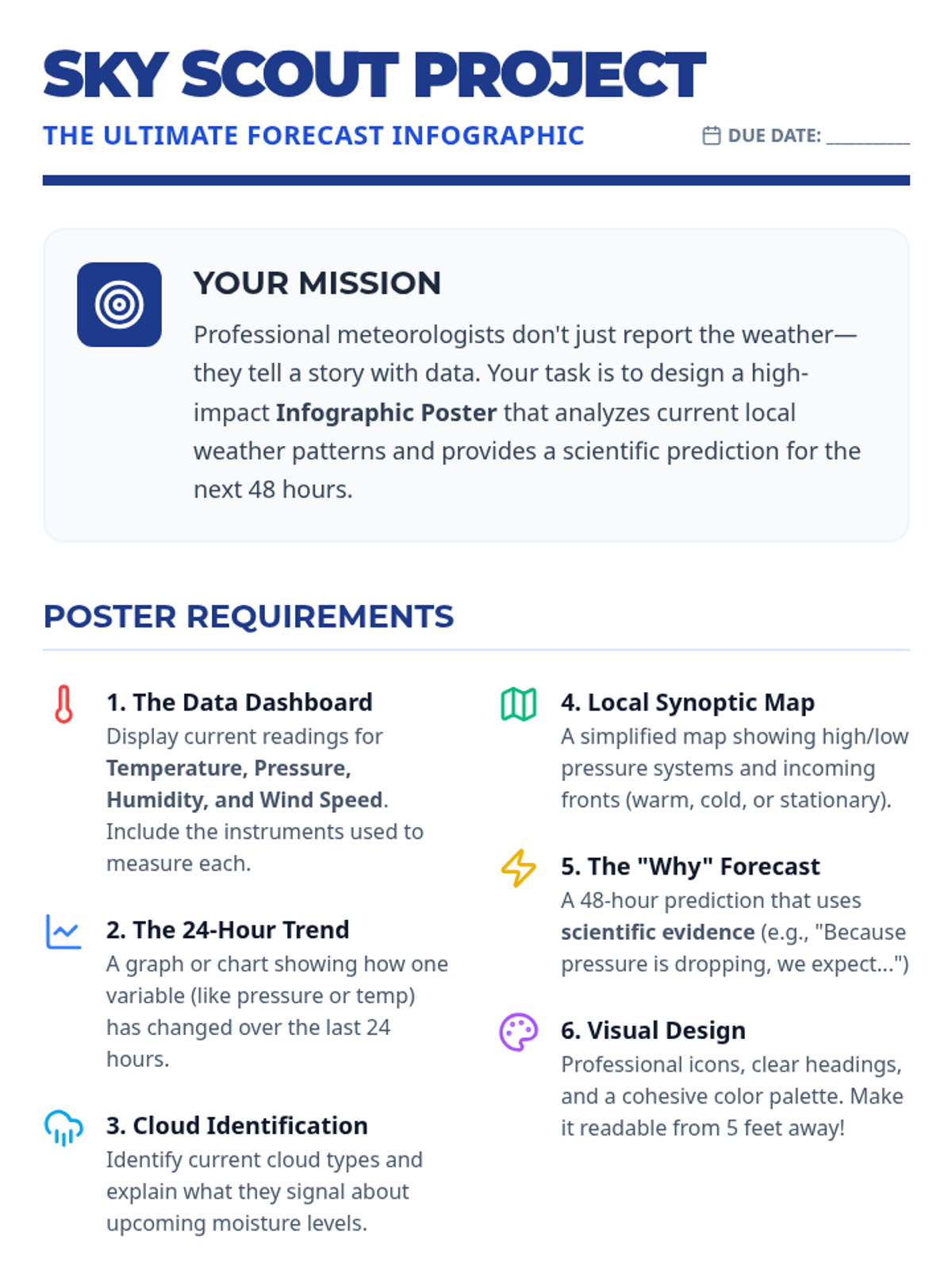
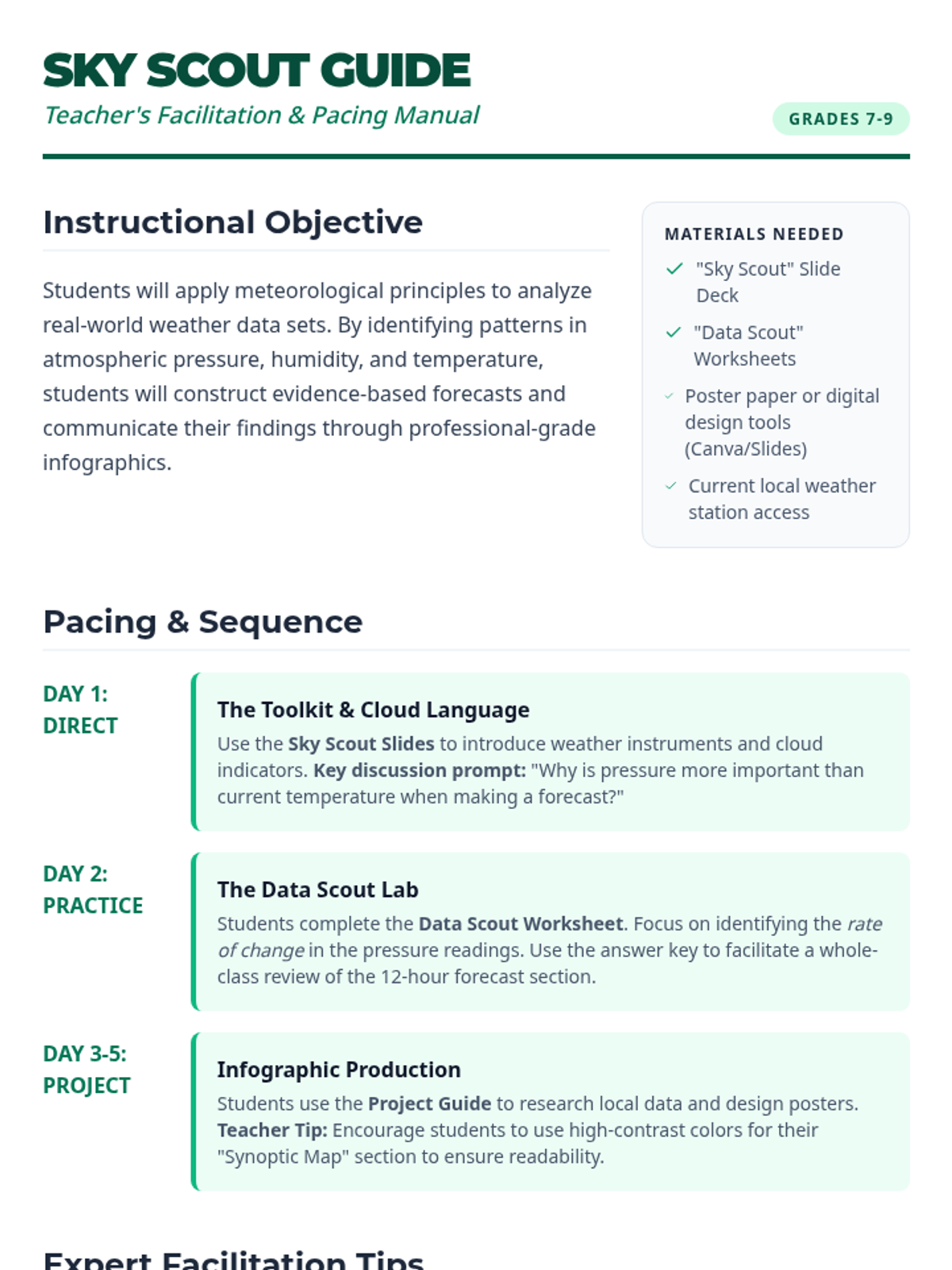
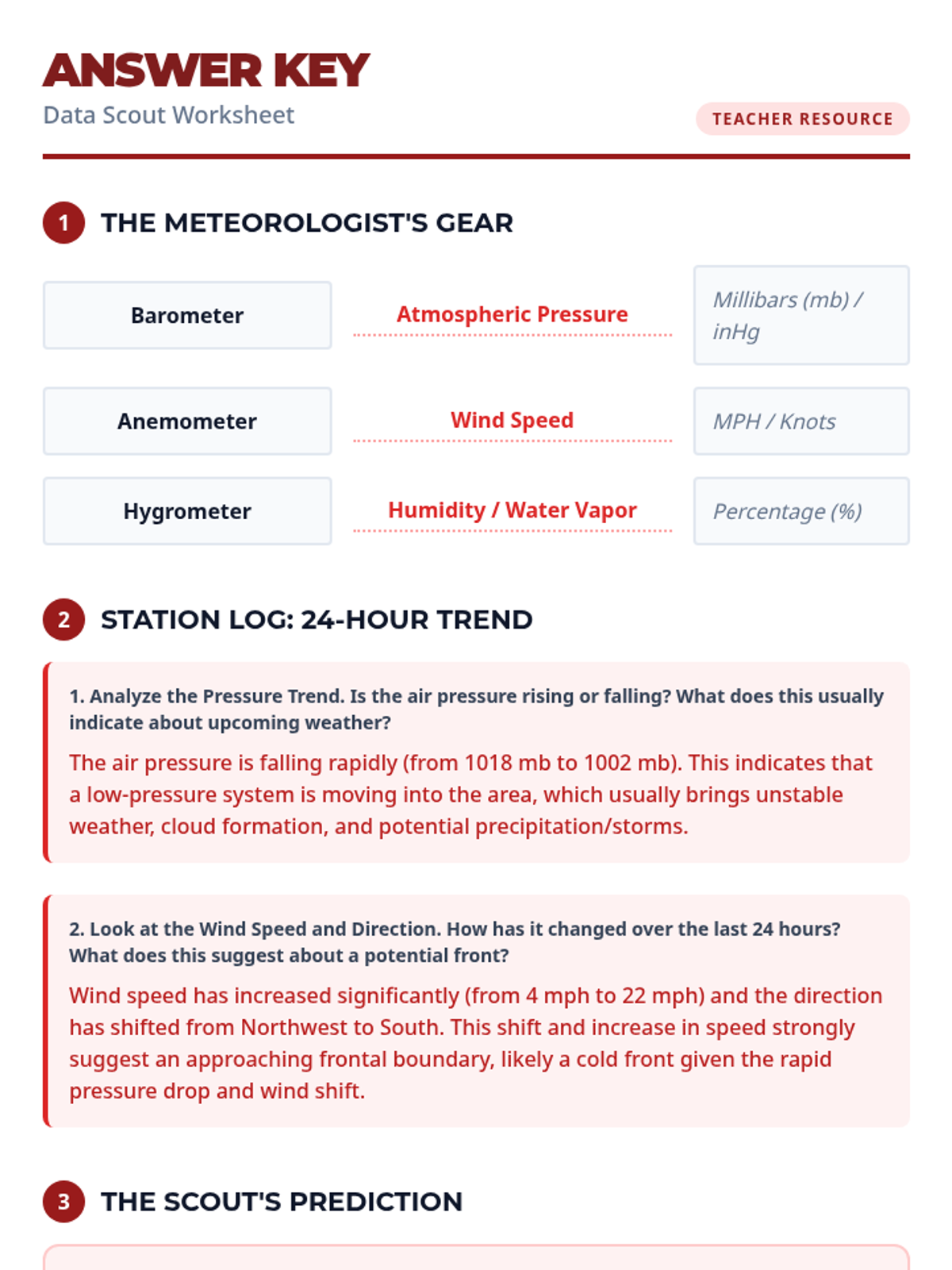
In this project-based lesson, students explore the science of meteorology by mastering weather instruments and analyzing data patterns. They will apply their knowledge to create a professional weather infographic or poster that predicts local weather trends.
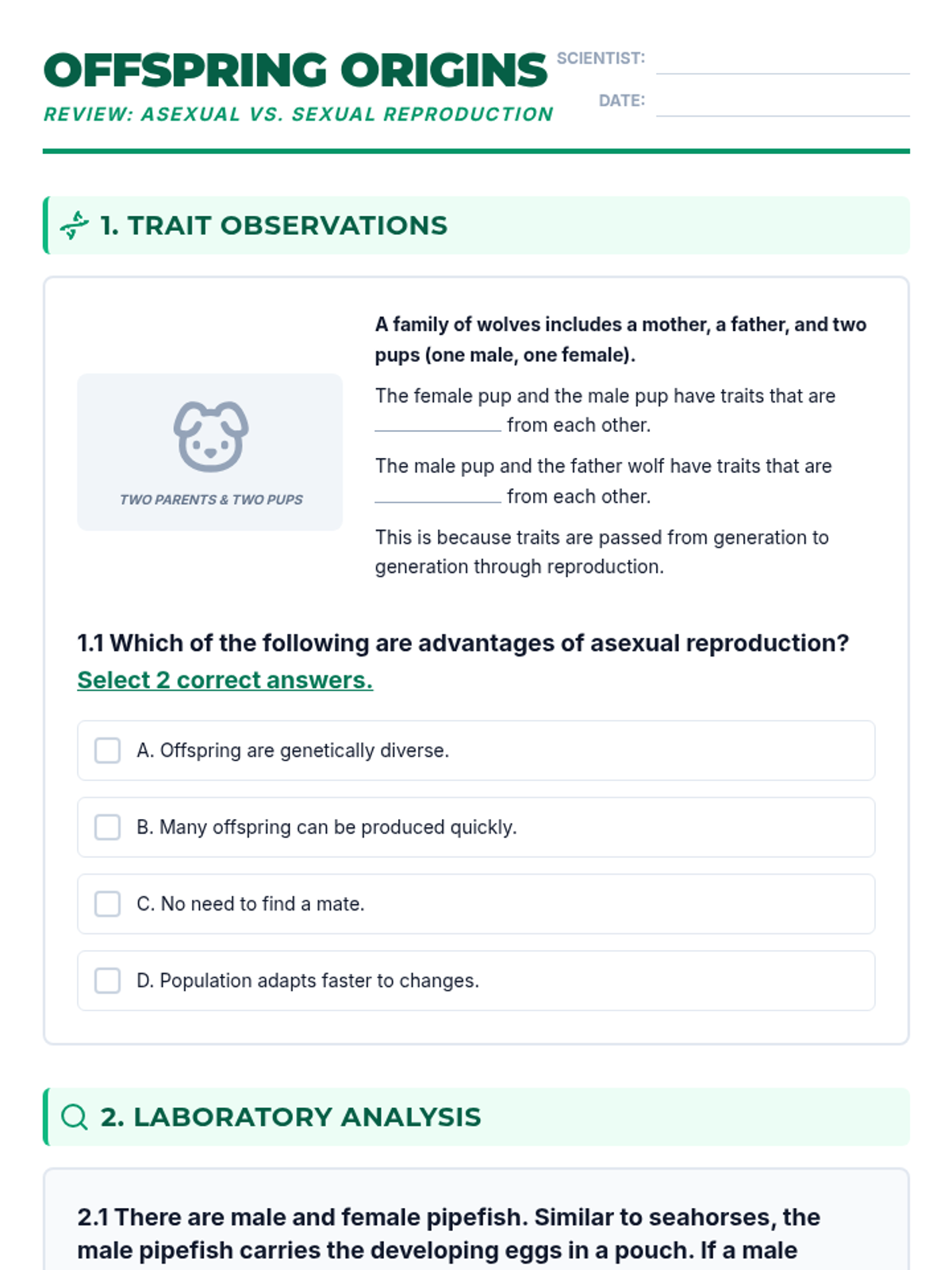
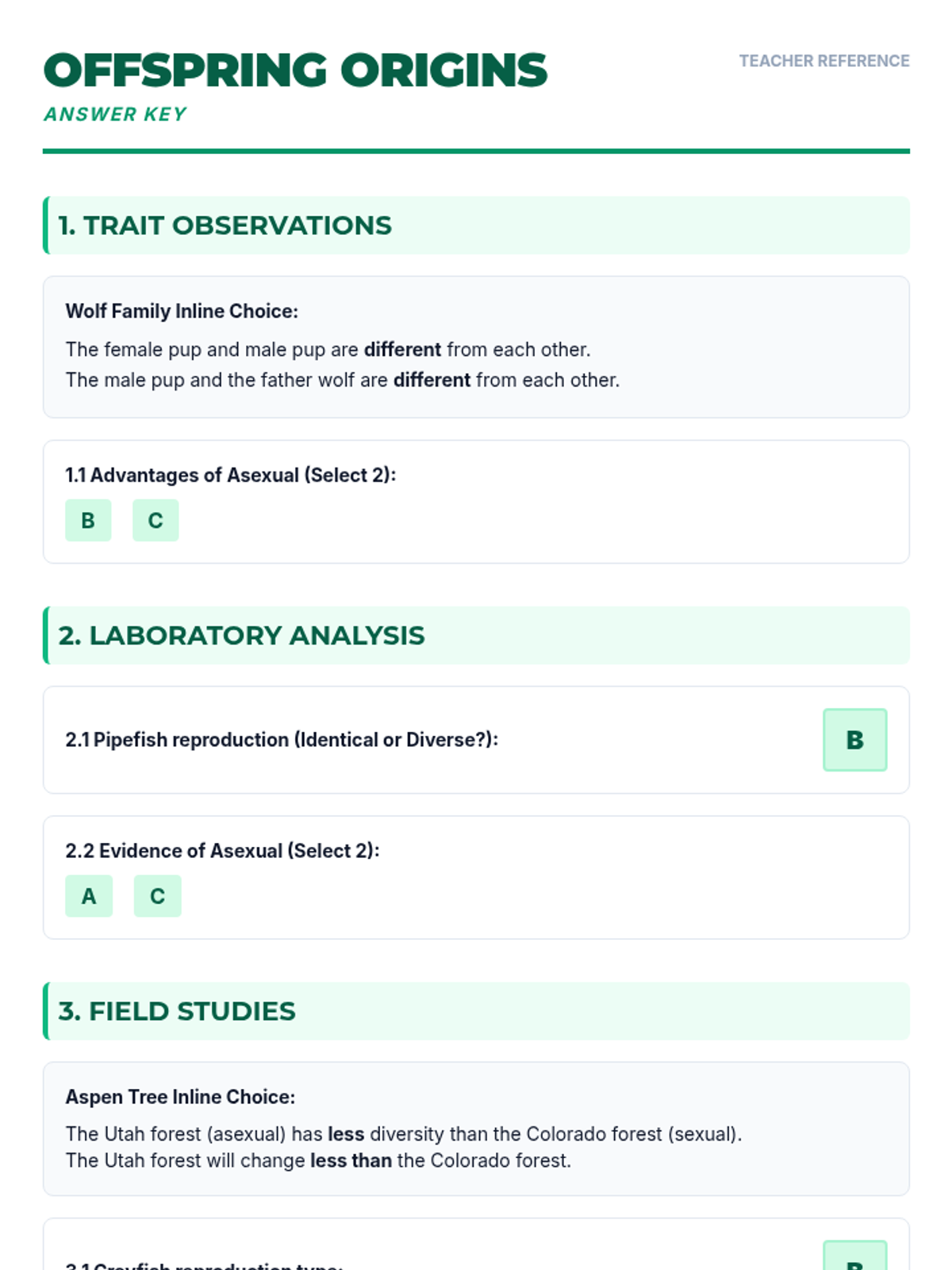
A focused review lesson comparing asexual and sexual reproduction, mirroring the question styles and difficulty level of standard 7th-grade life science assessments. Students will analyze scenarios, identify advantages/disadvantages, and evaluate population diversity.
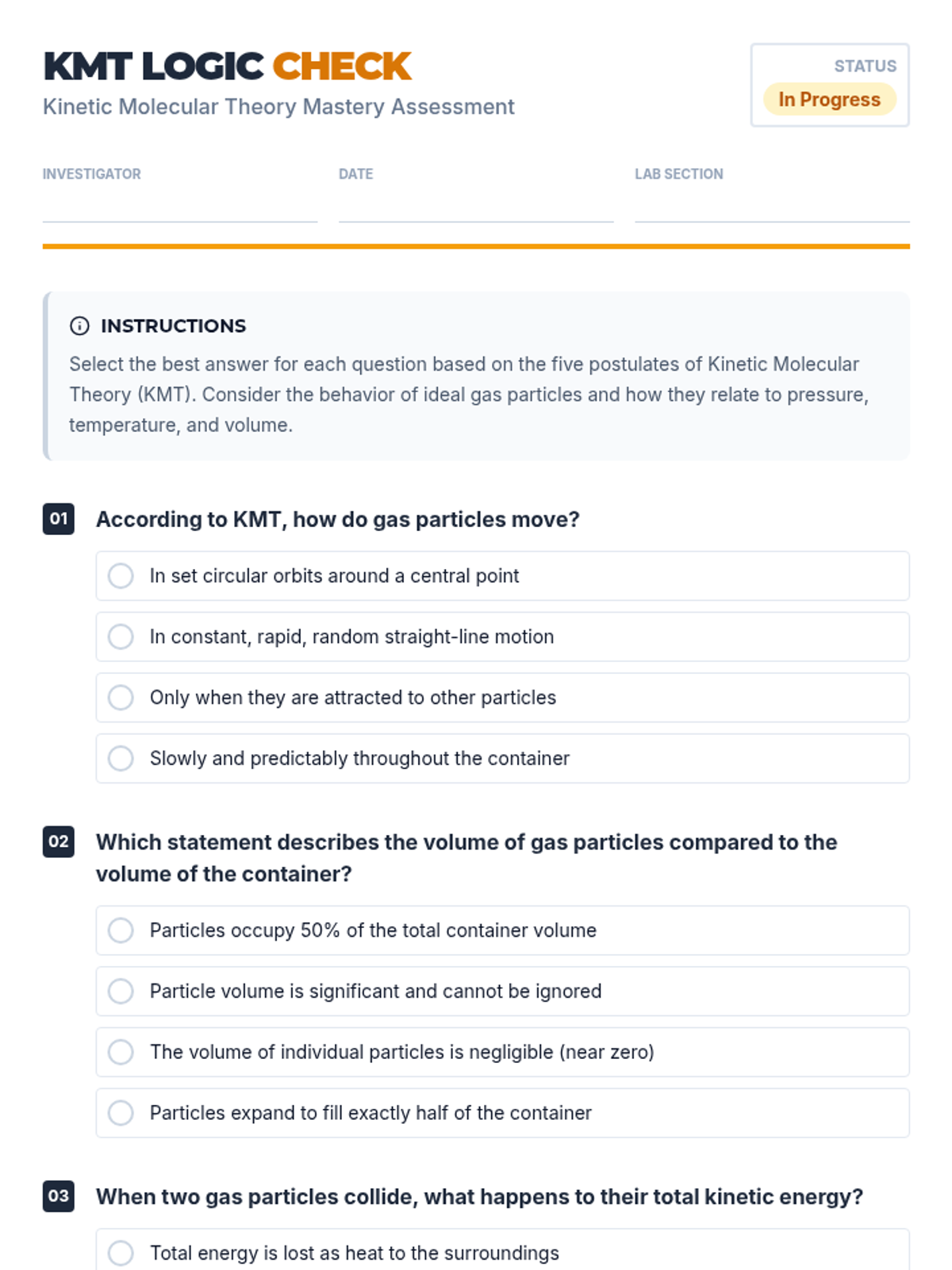
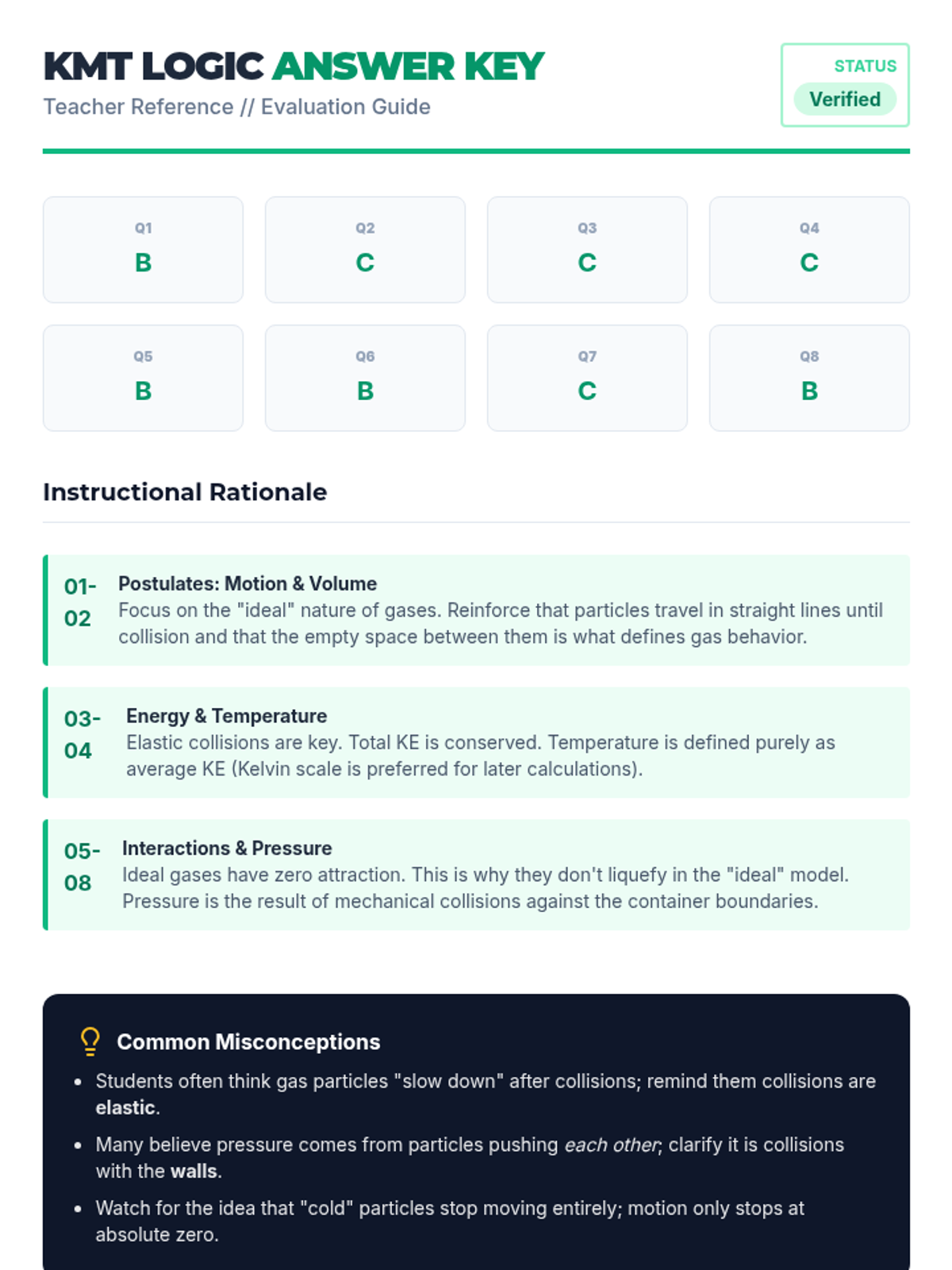
A dedicated session for verifying student grasp of Kinetic Molecular Theory before progressing to mathematical gas laws. Includes a comprehensive conceptual assessment and peer-review of molecular models.
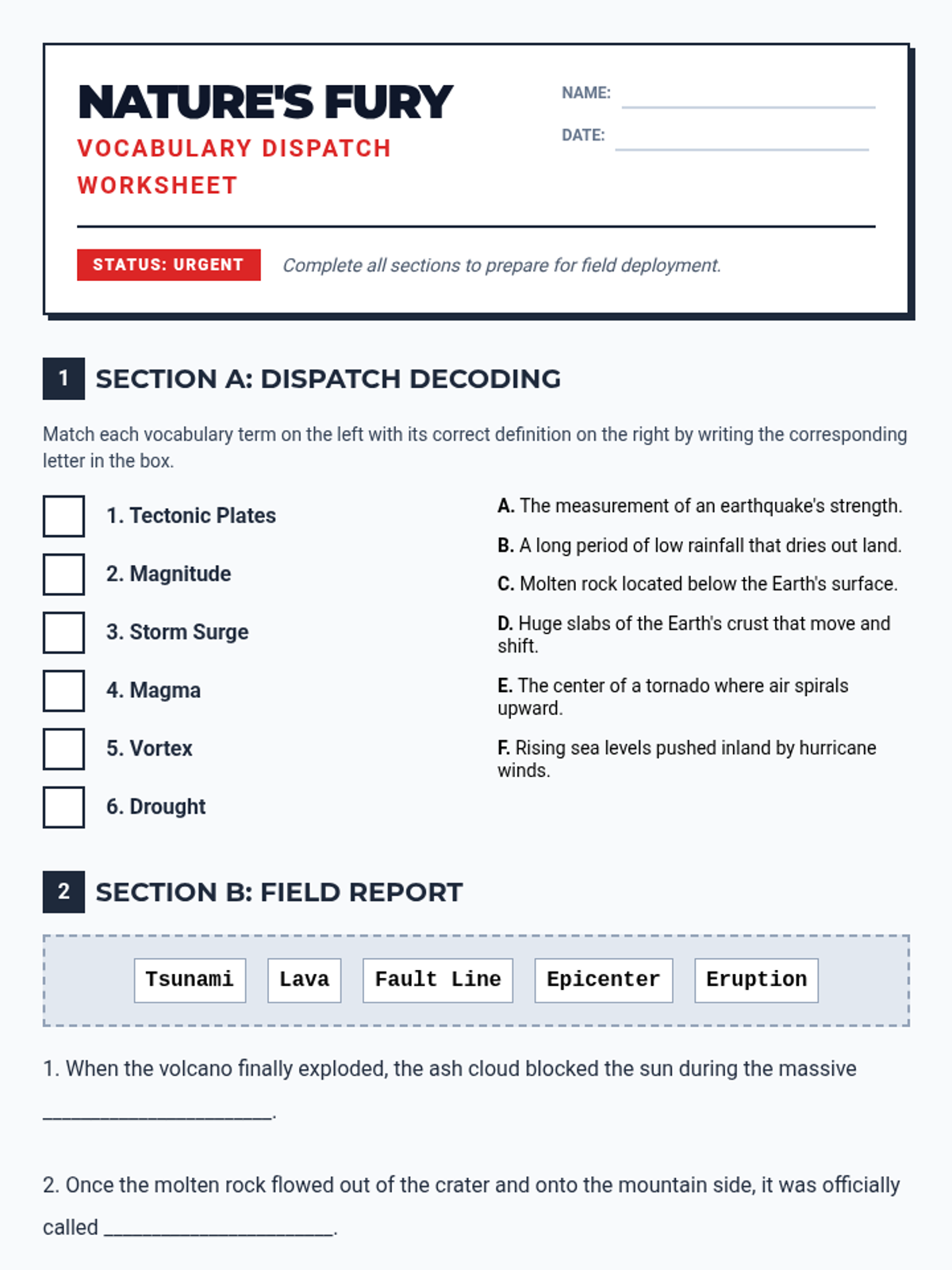
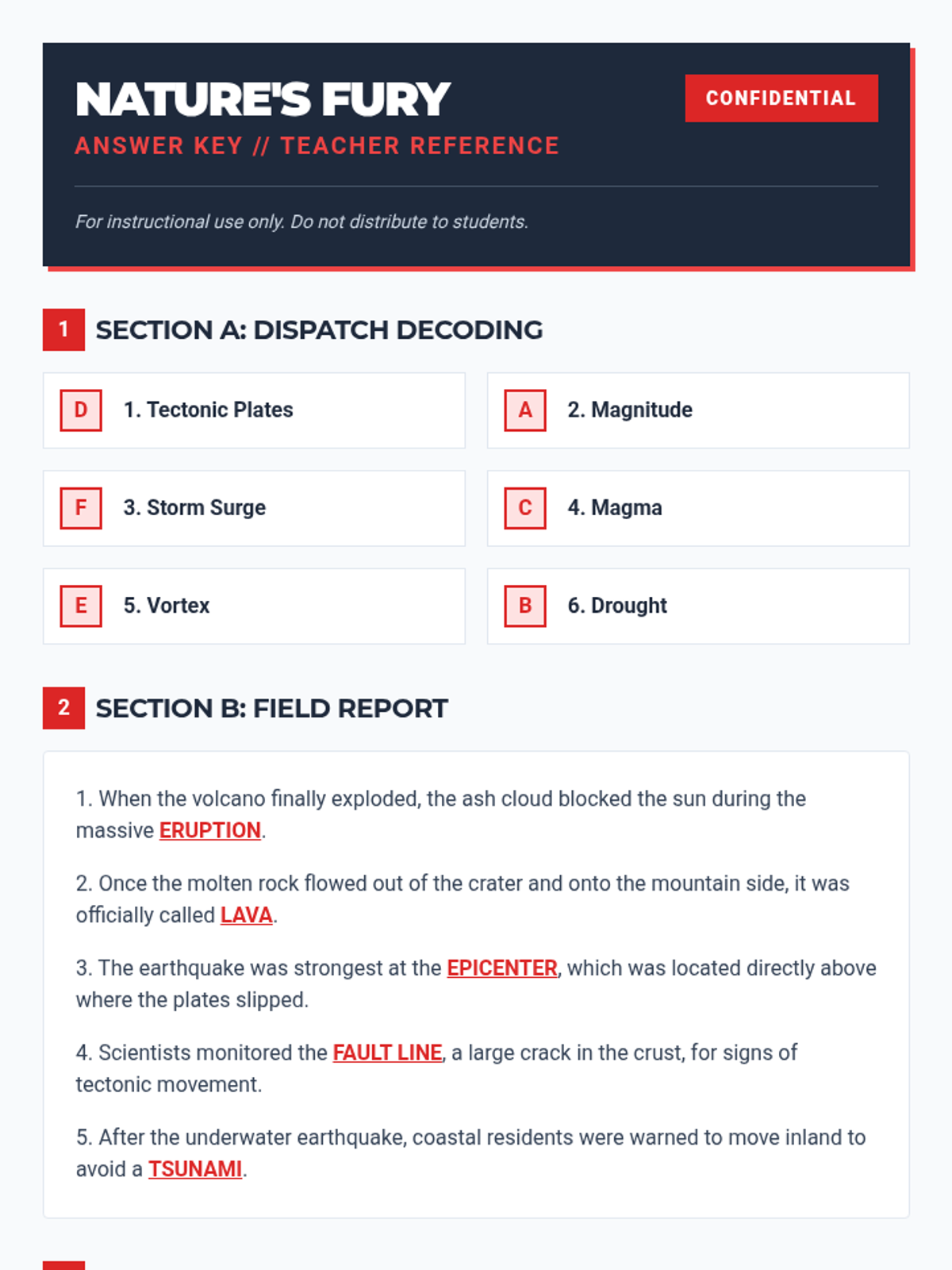
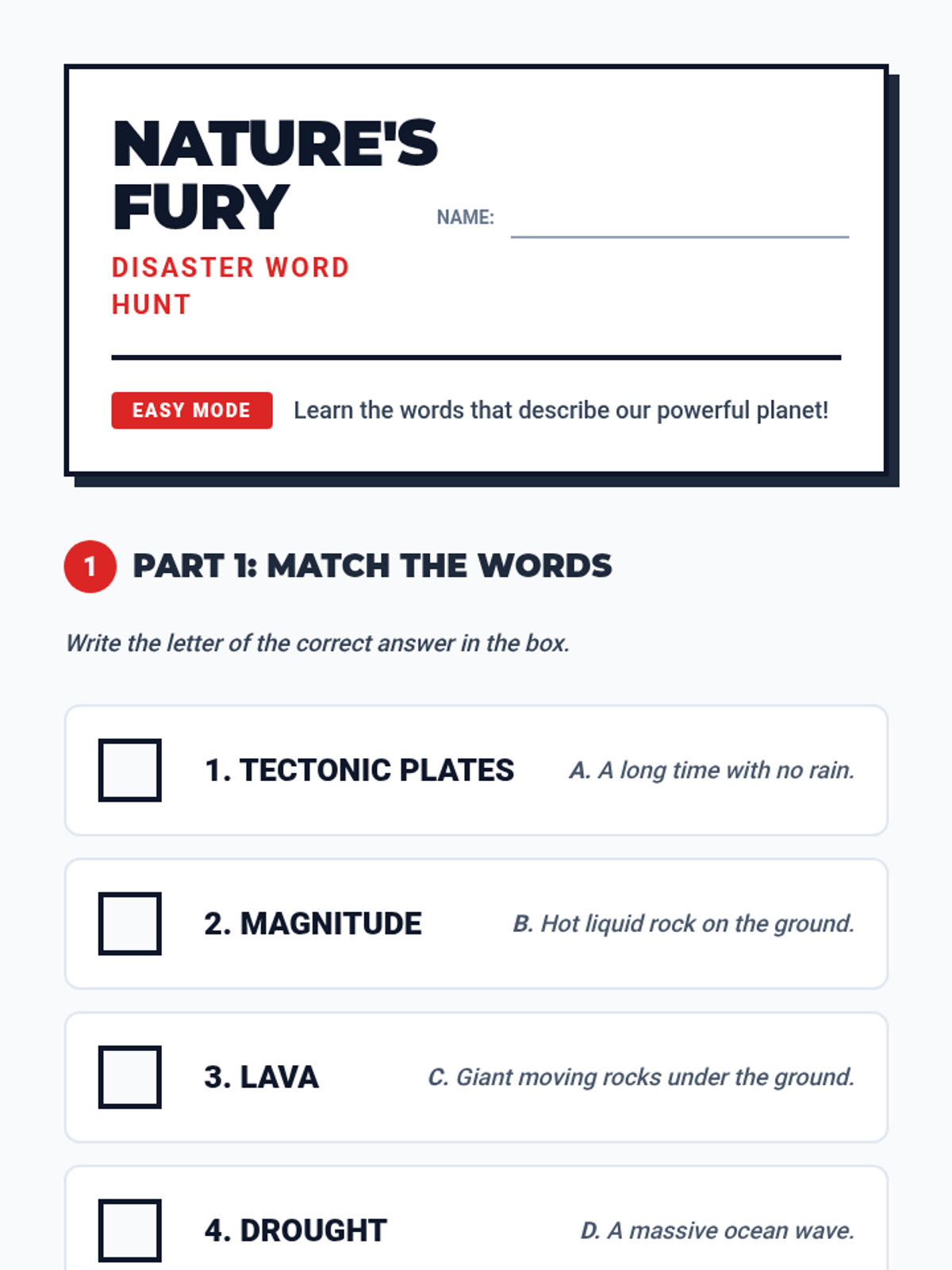
An introductory lesson on catastrophic natural events and the vocabulary used to describe them, focusing on geological and meteorological disasters.
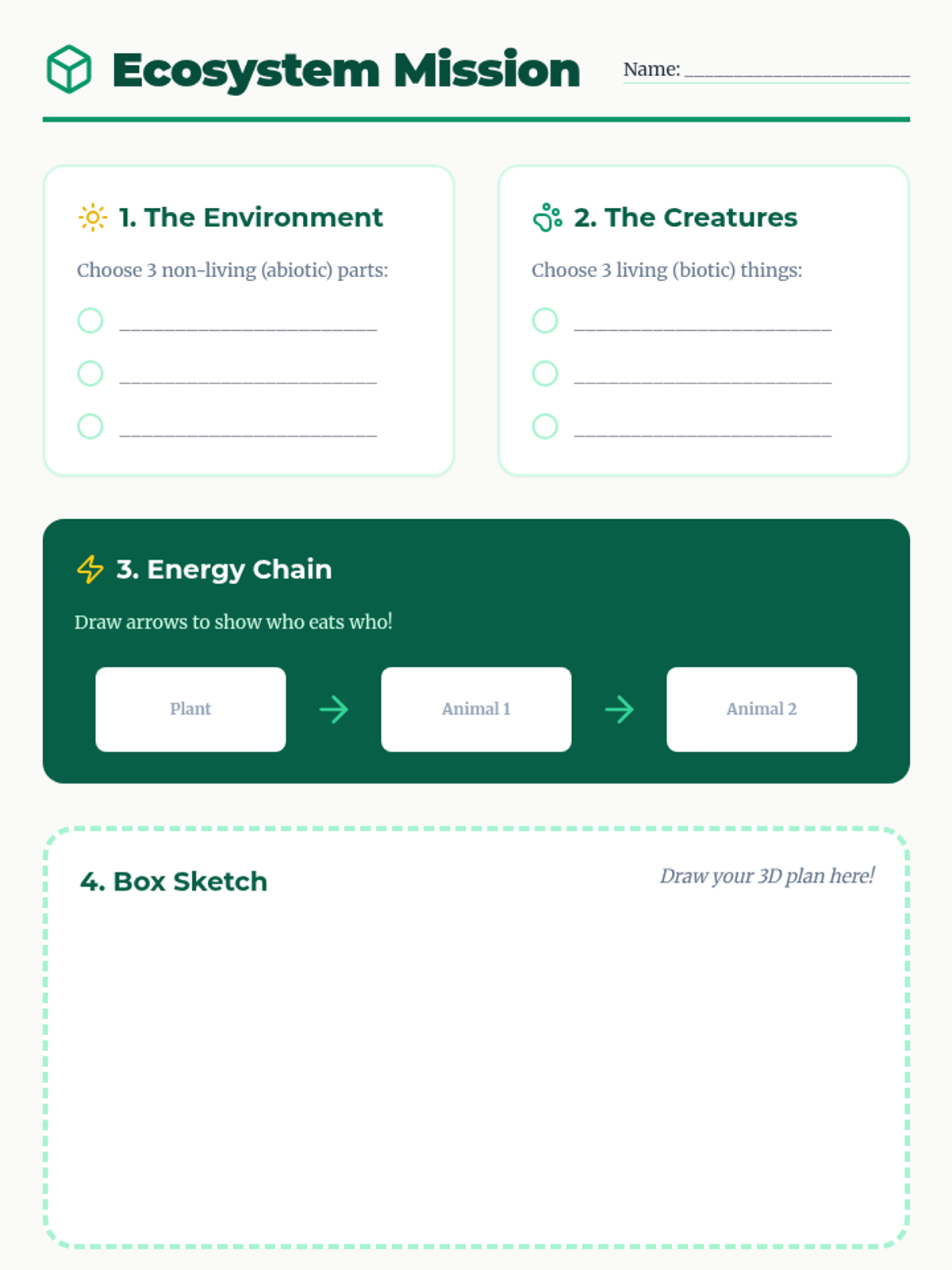
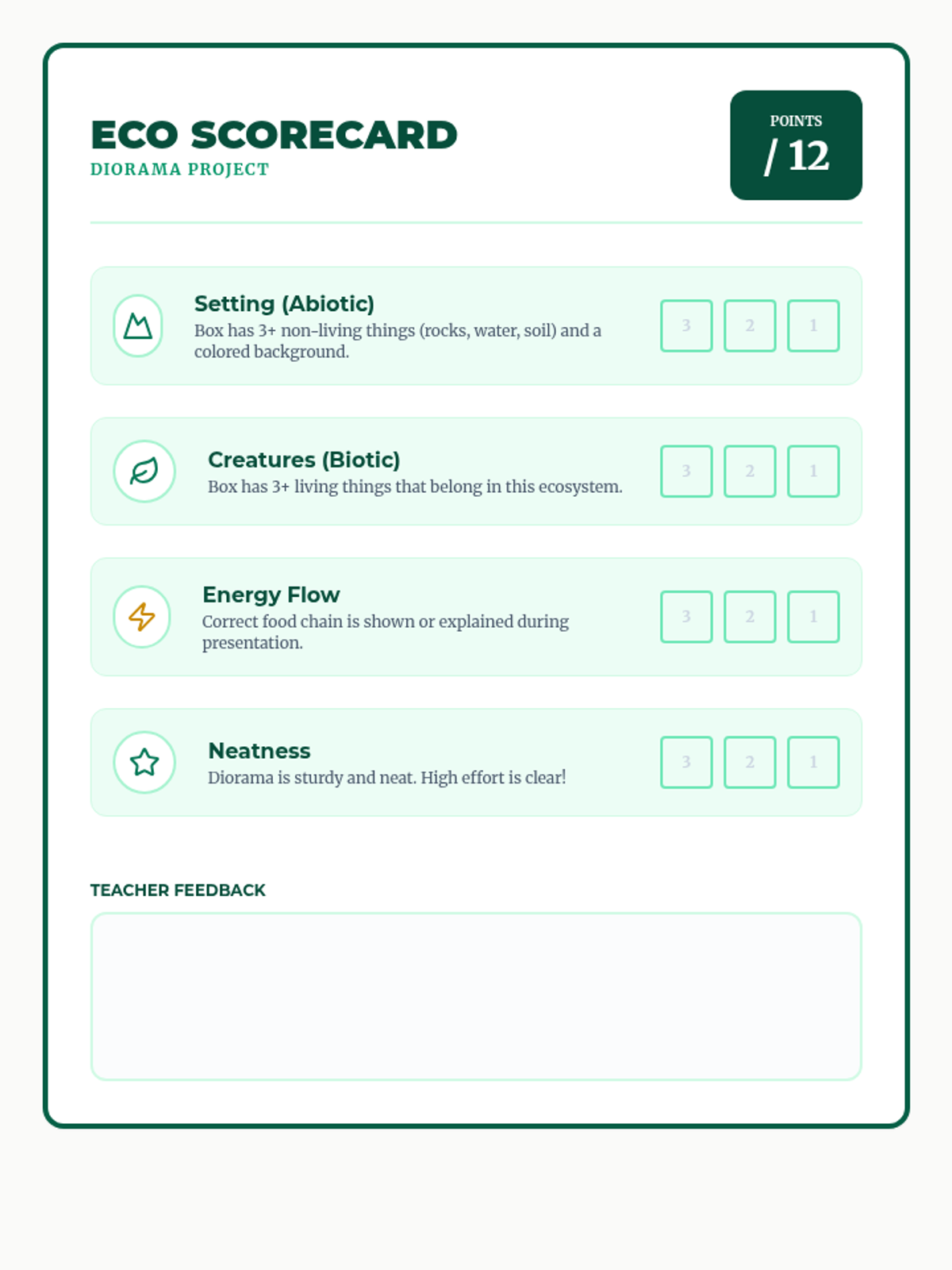
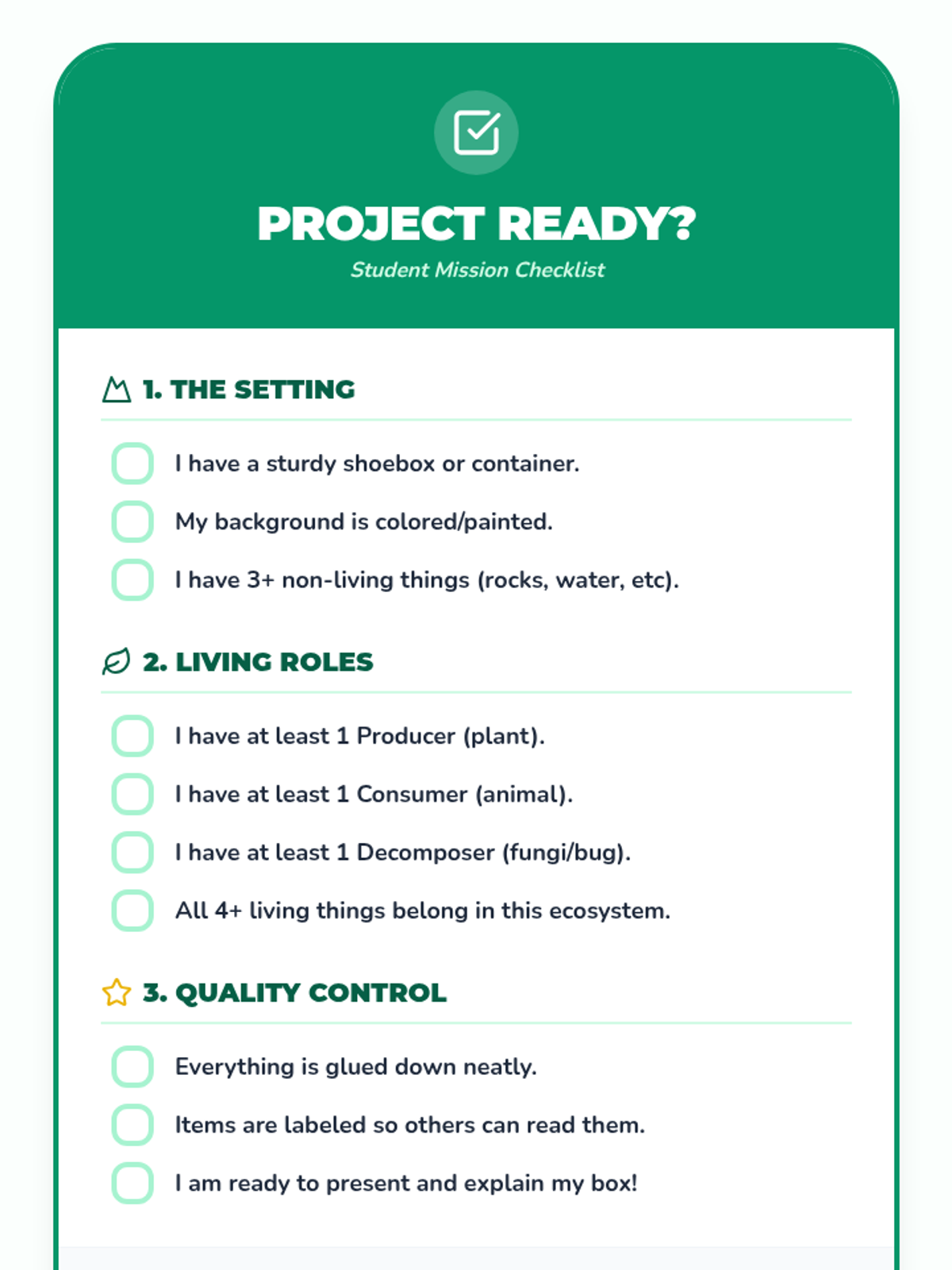
Students research, plan, and construct a detailed 3D diorama of a specific ecosystem, focusing on the interactions between biotic and abiotic factors and the energy flow within their chosen environment.
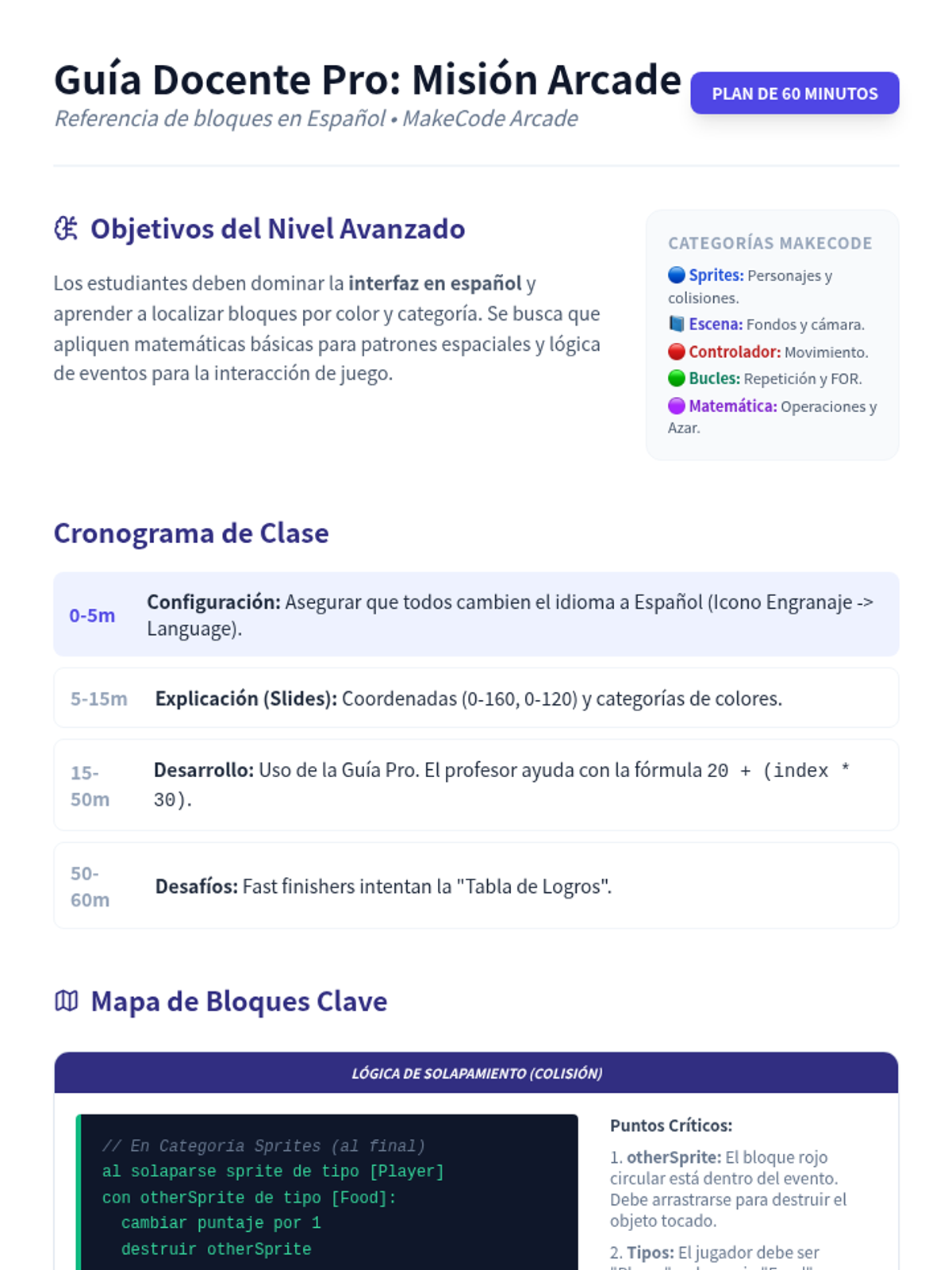
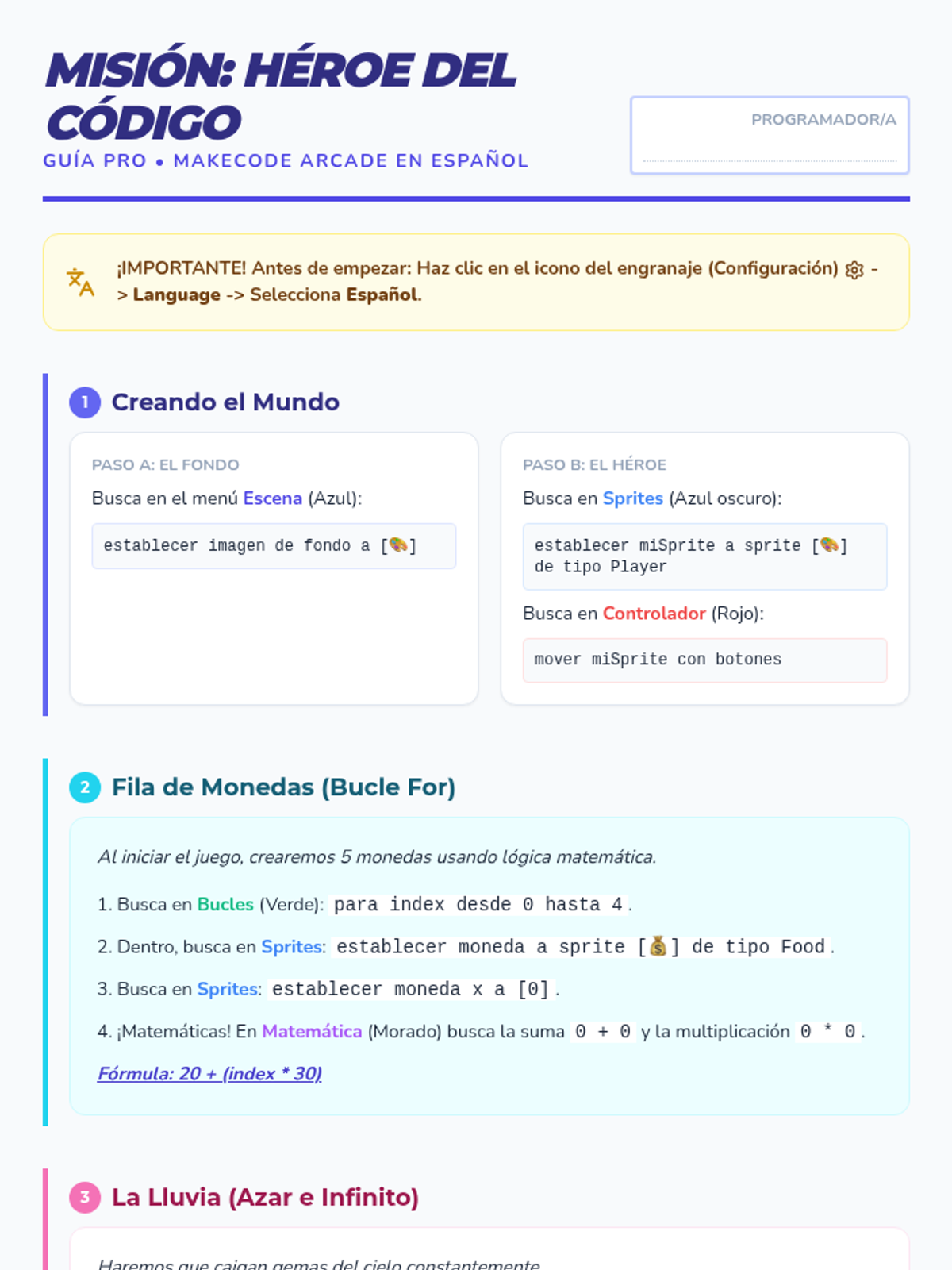
Una lección introductoria a la programación de videojuegos usando MakeCode Arcade, cubriendo lógica de bucles, coordenadas y eventos para estudiantes de 6to grado.
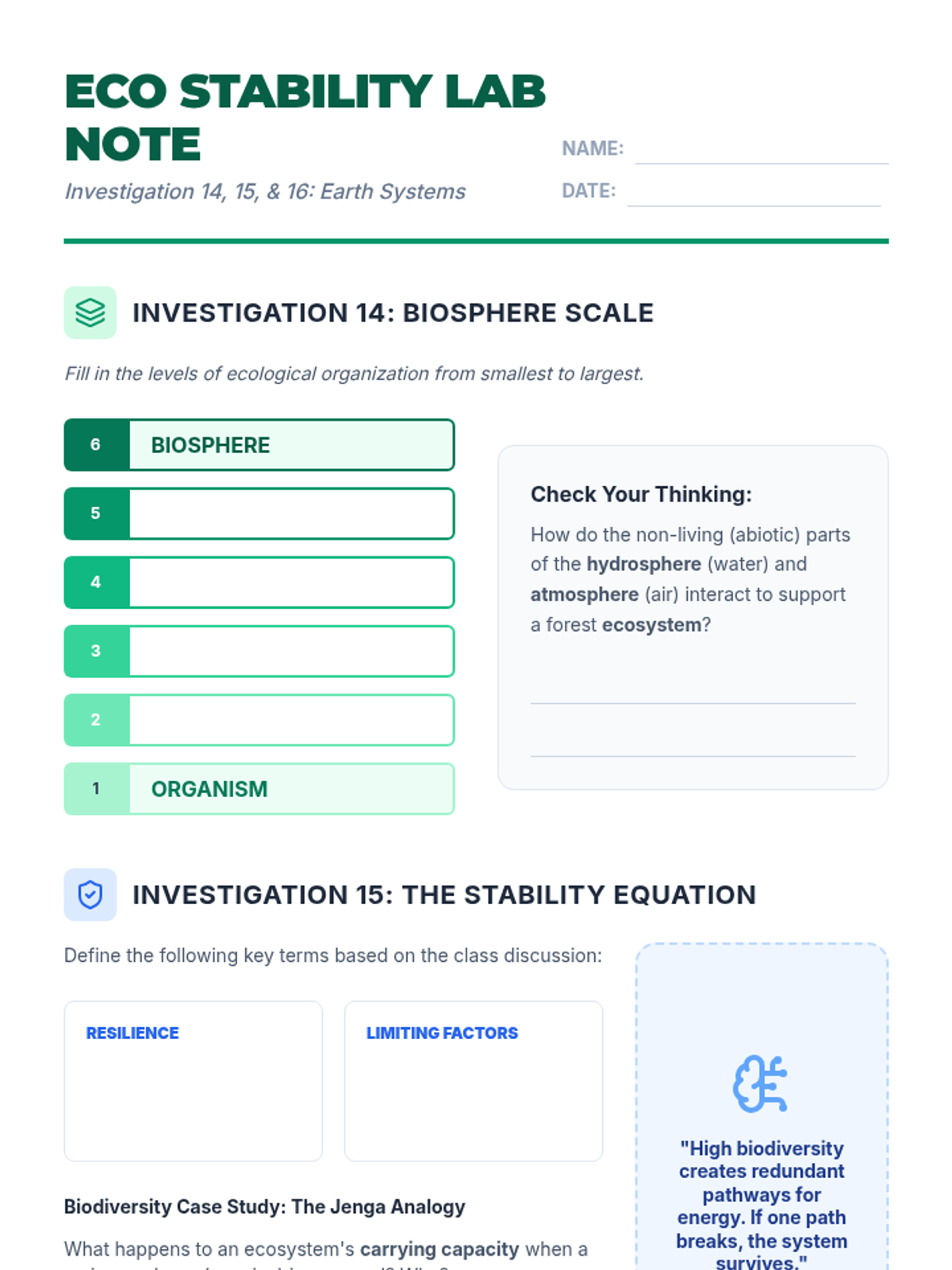
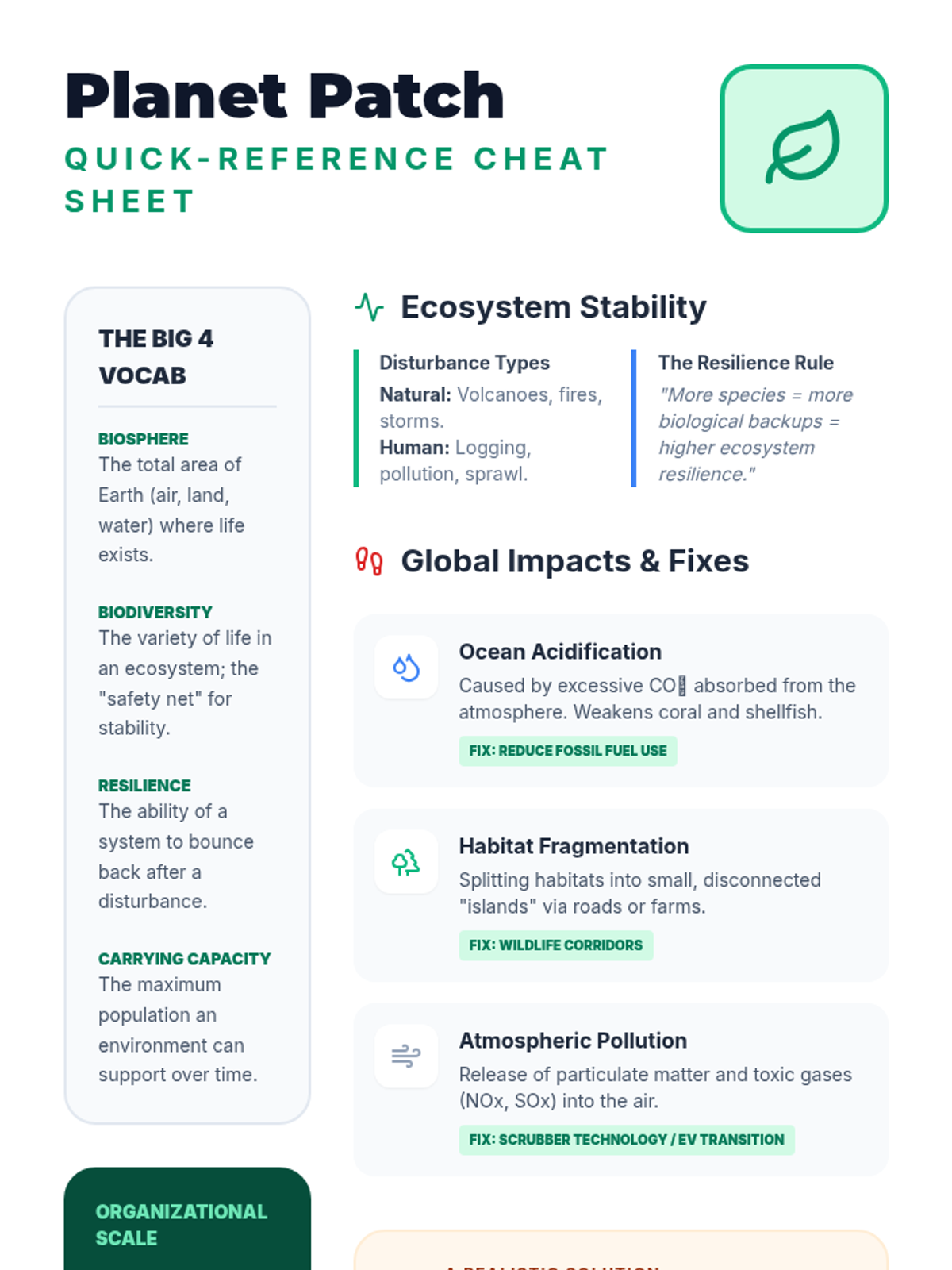
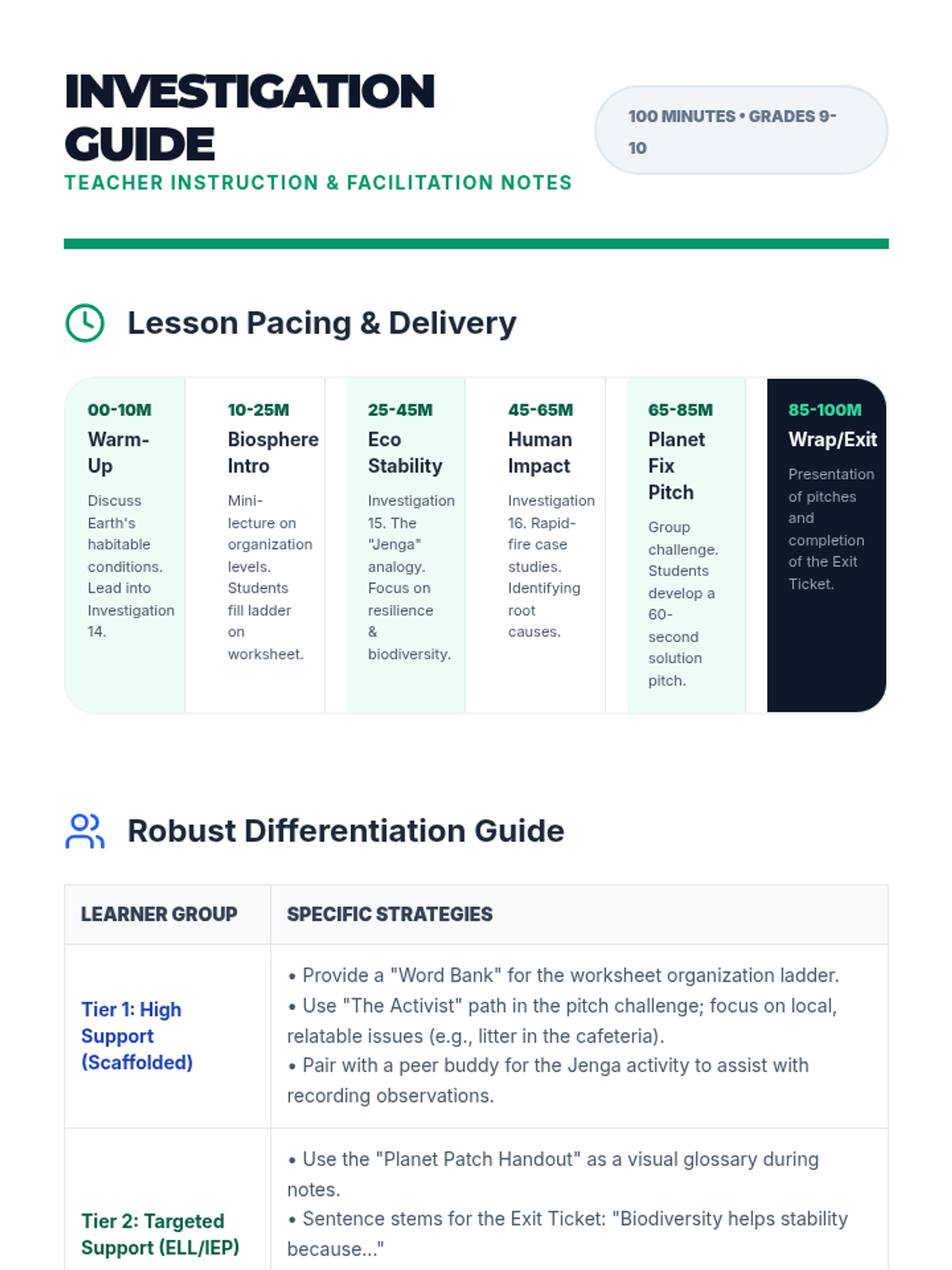
A high-paced, single-period lesson covering the biosphere's structure, the role of biodiversity in stability, and human environmental impacts.
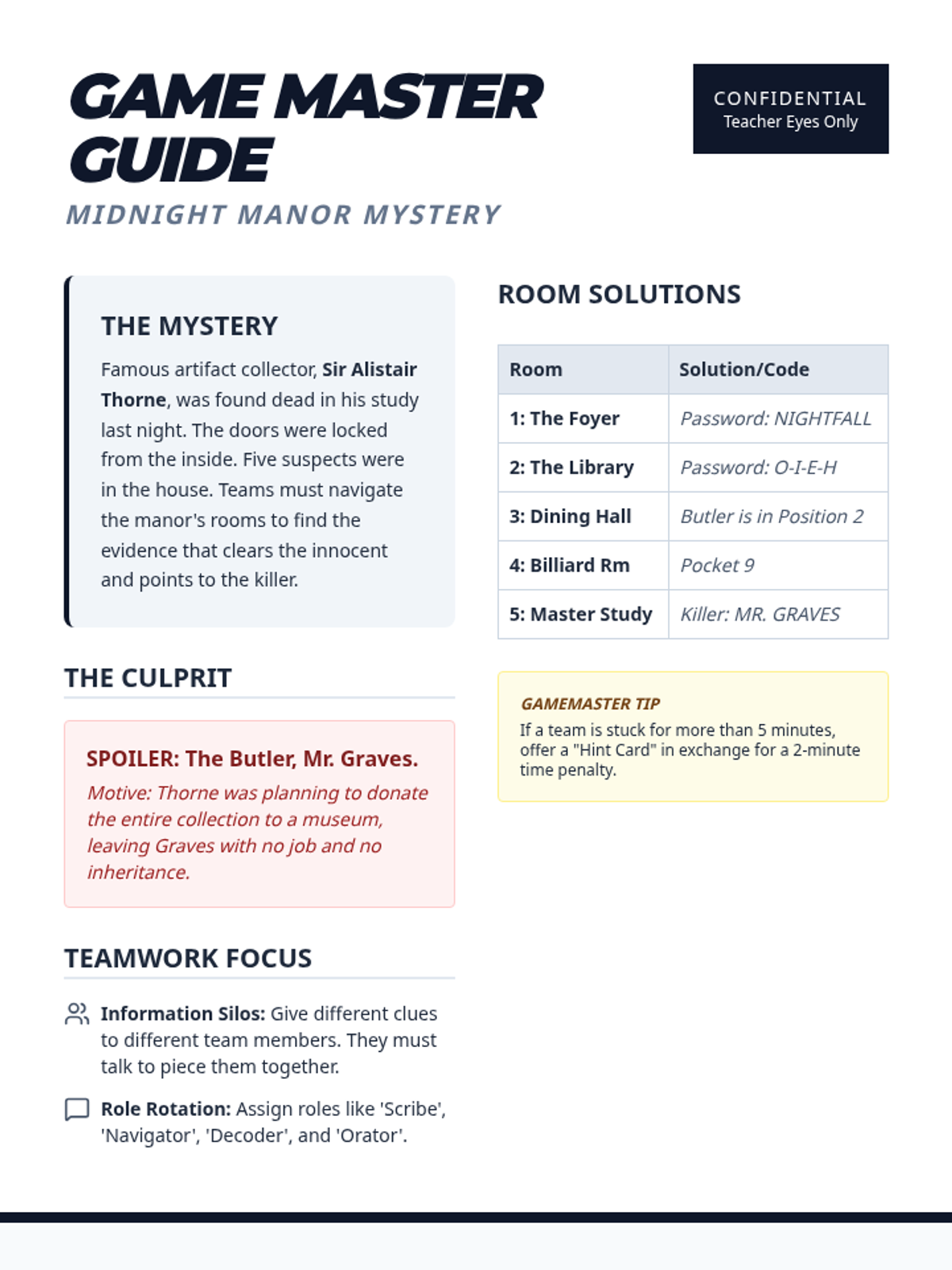
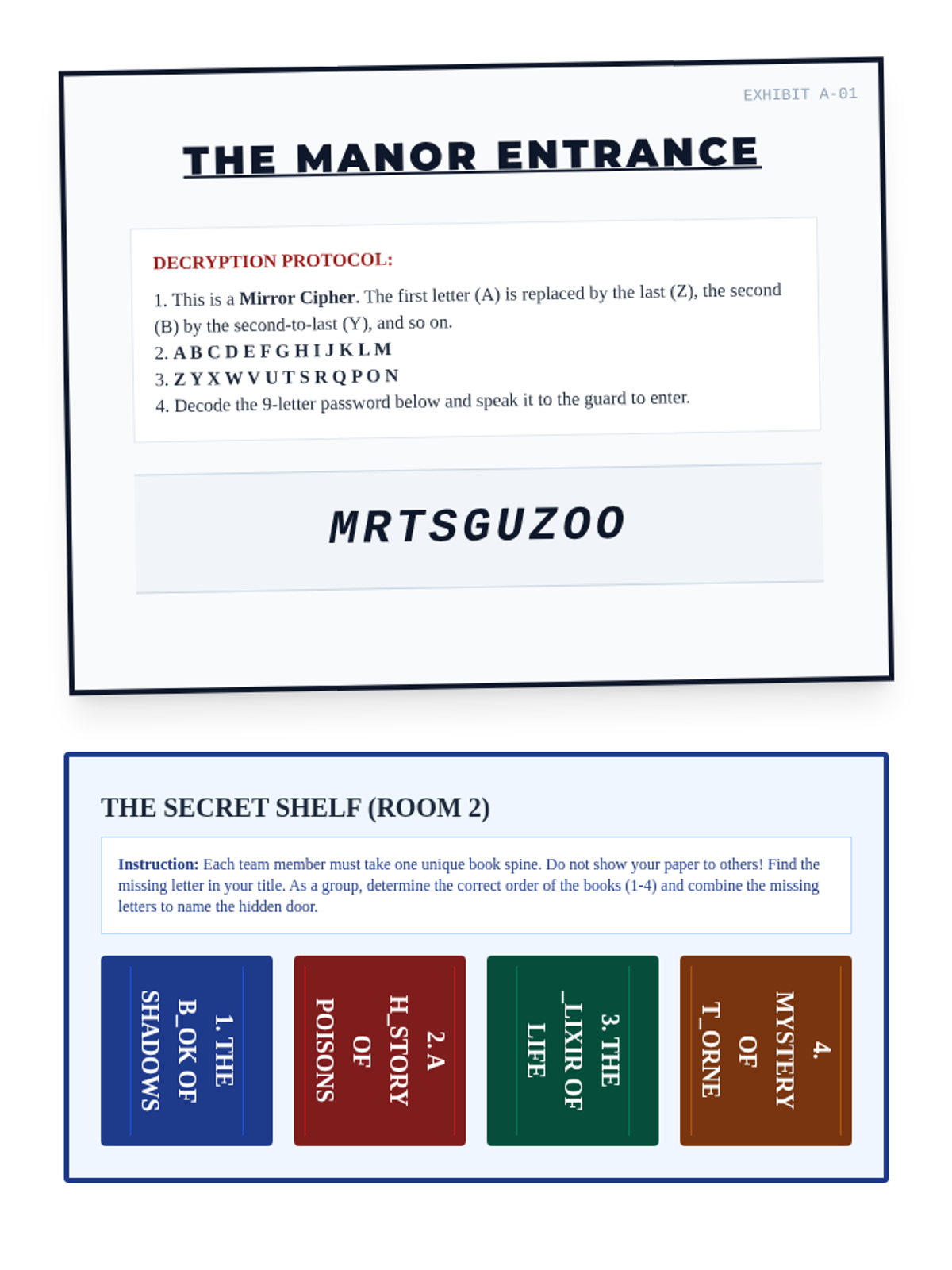
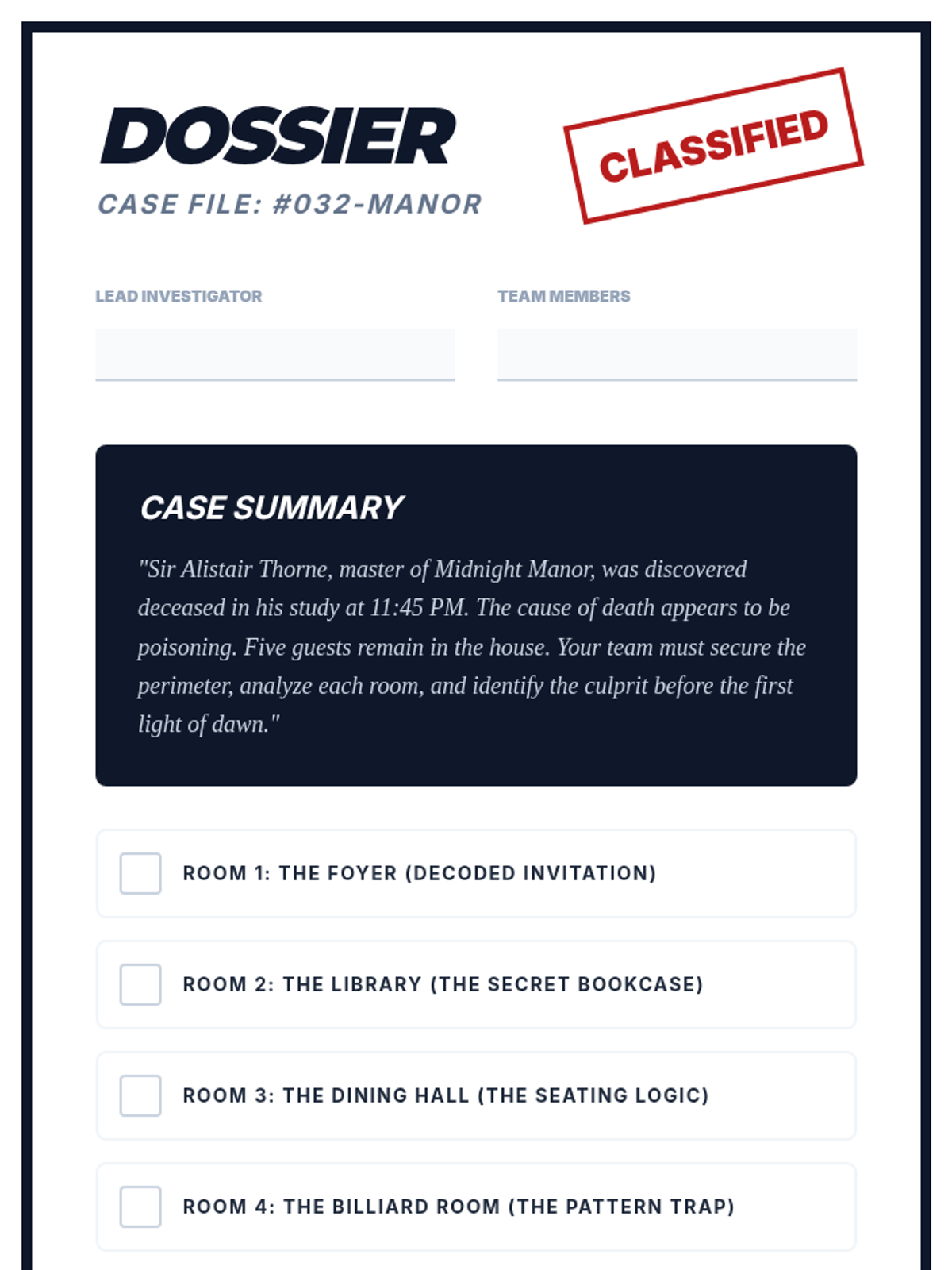
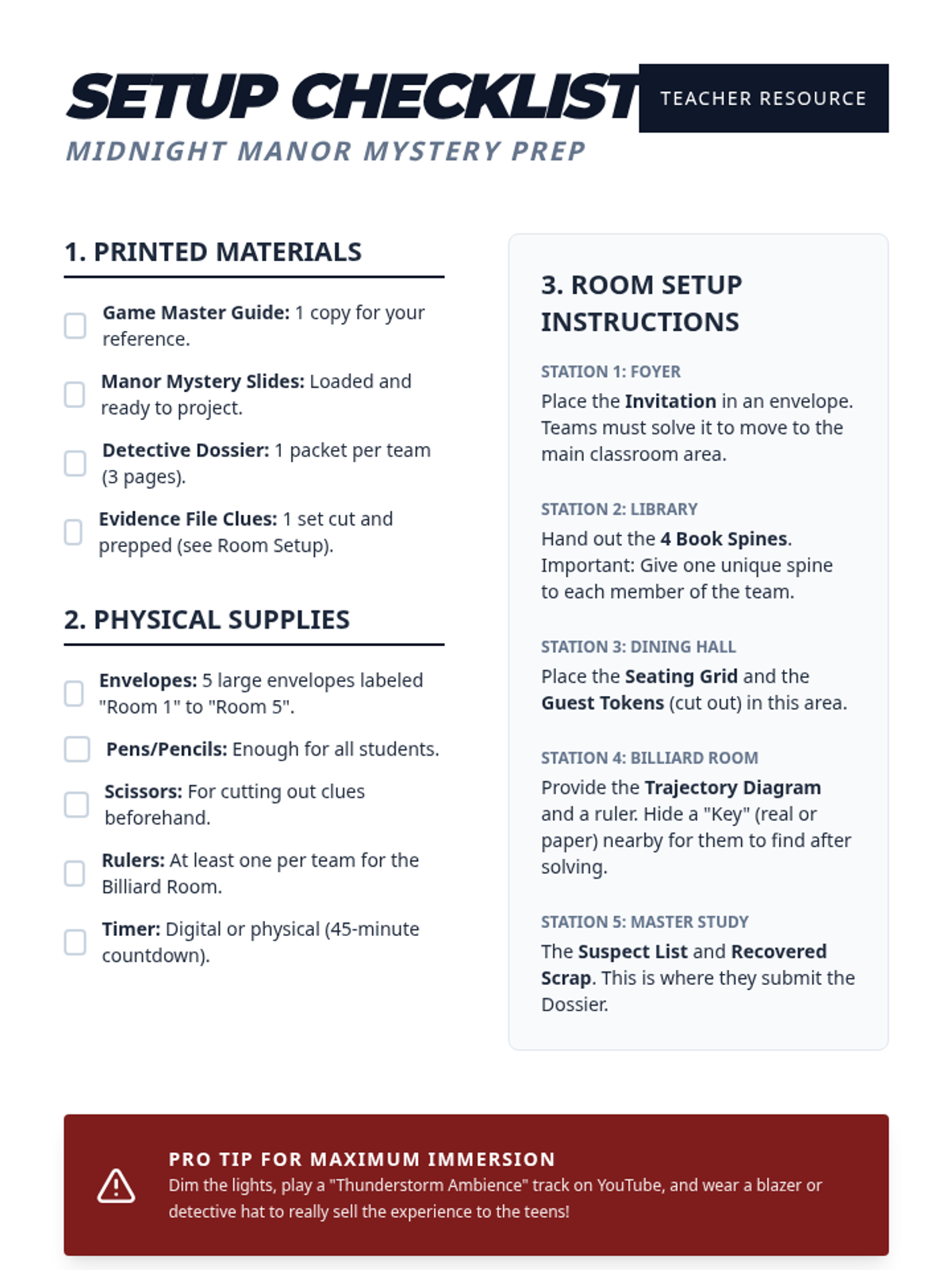
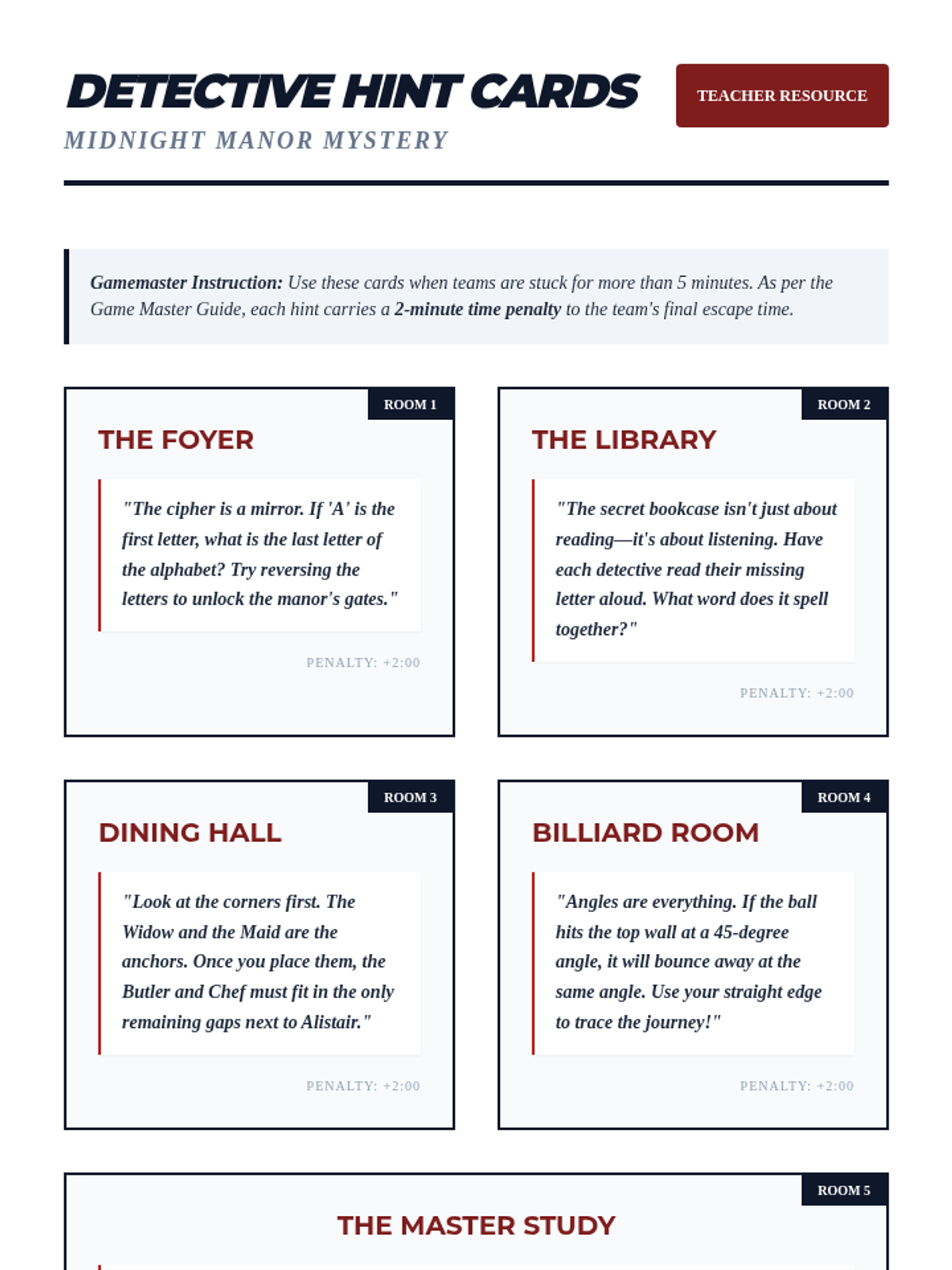
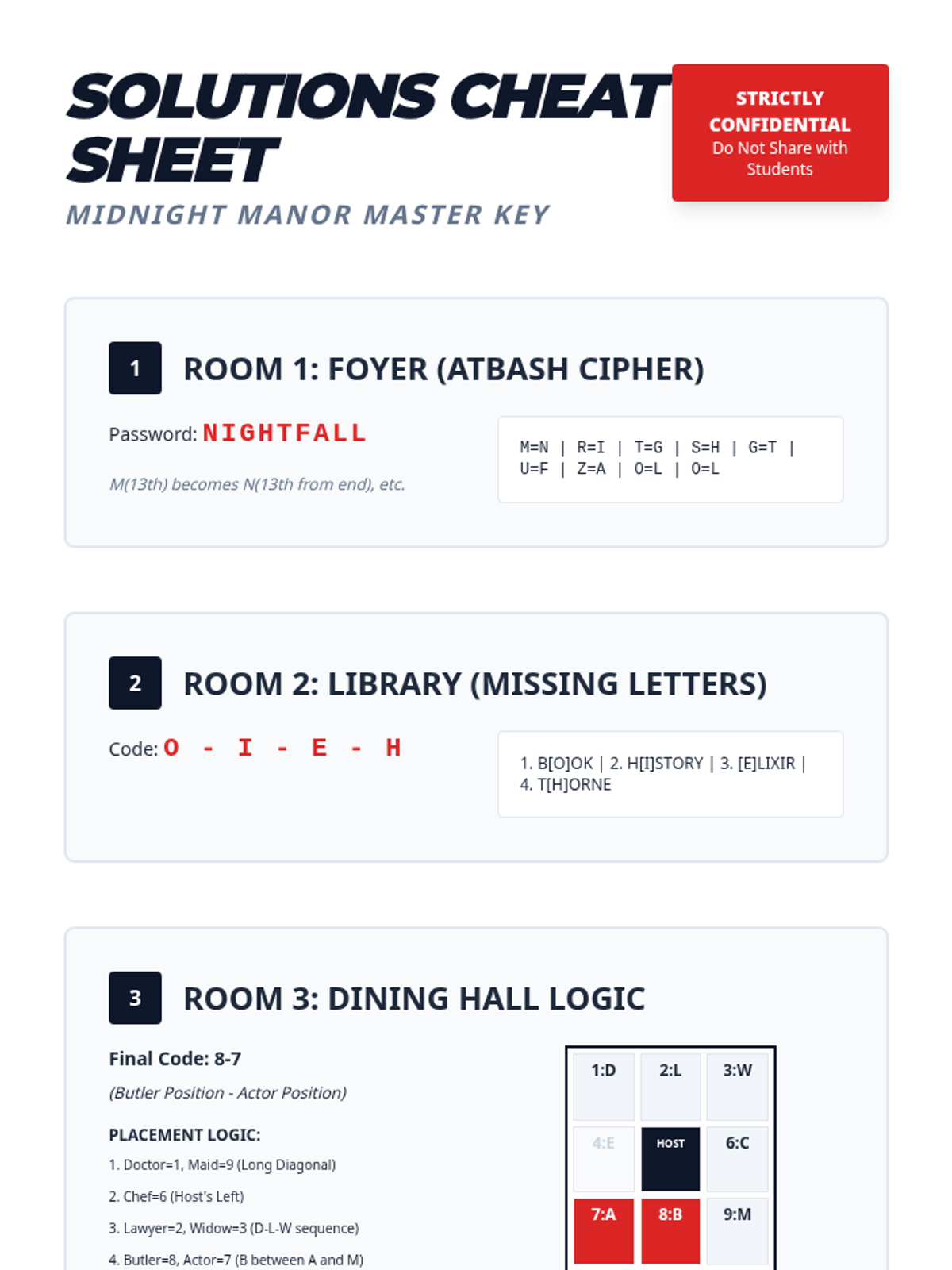
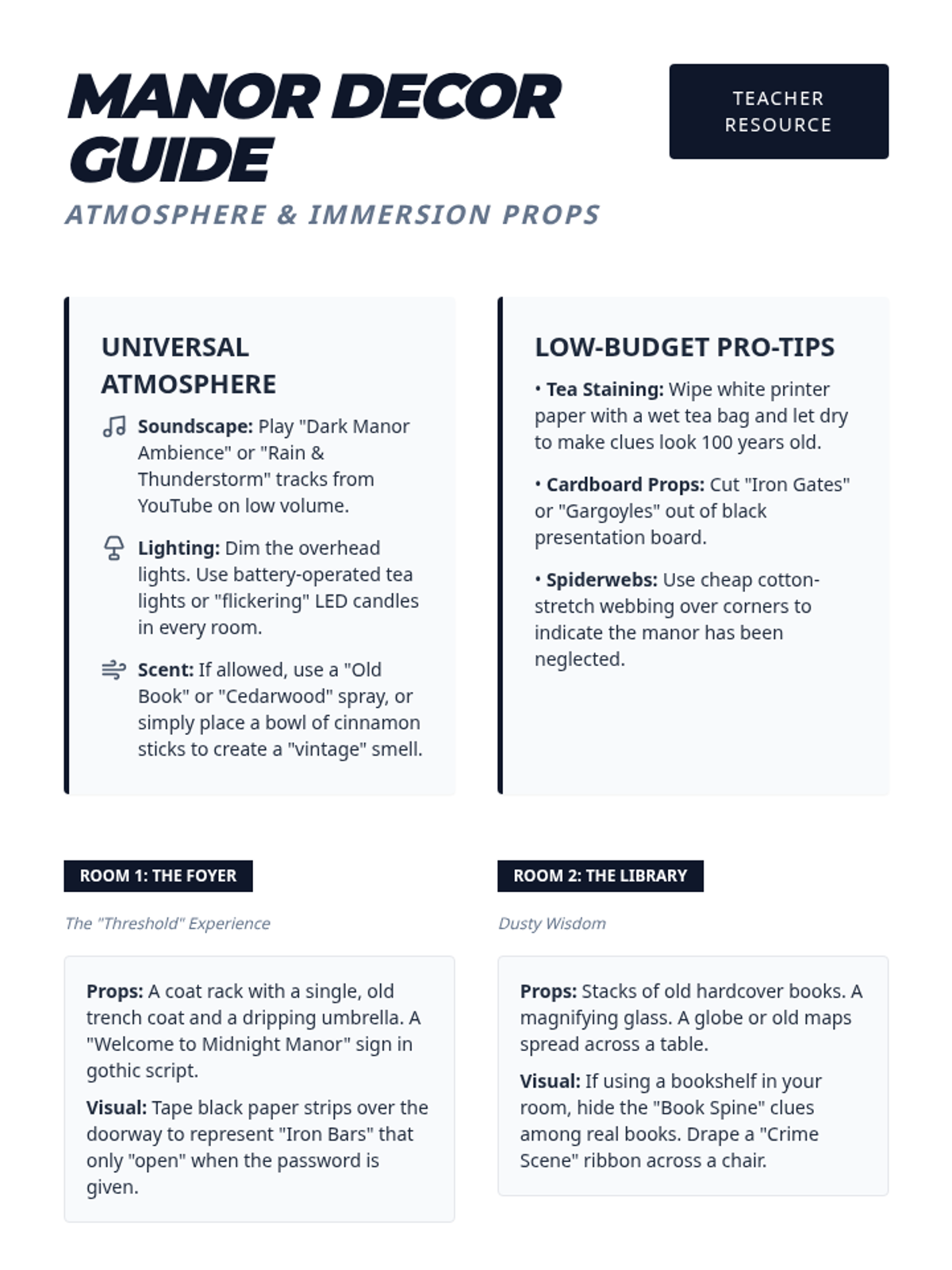
A high-stakes collaborative escape room where student teams navigate five distinct rooms of a mysterious manor, solving interconnected puzzles to solve a murder.
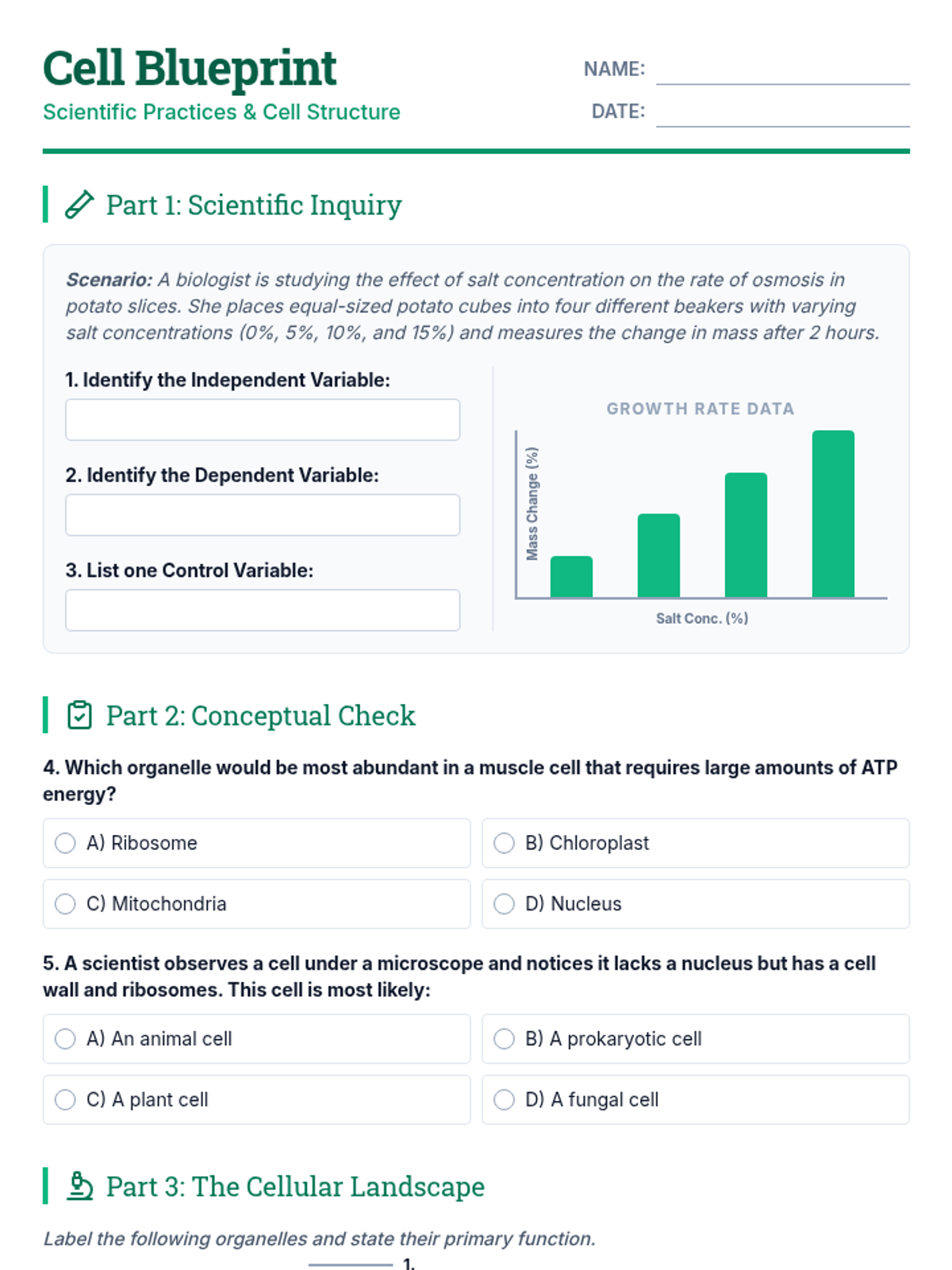
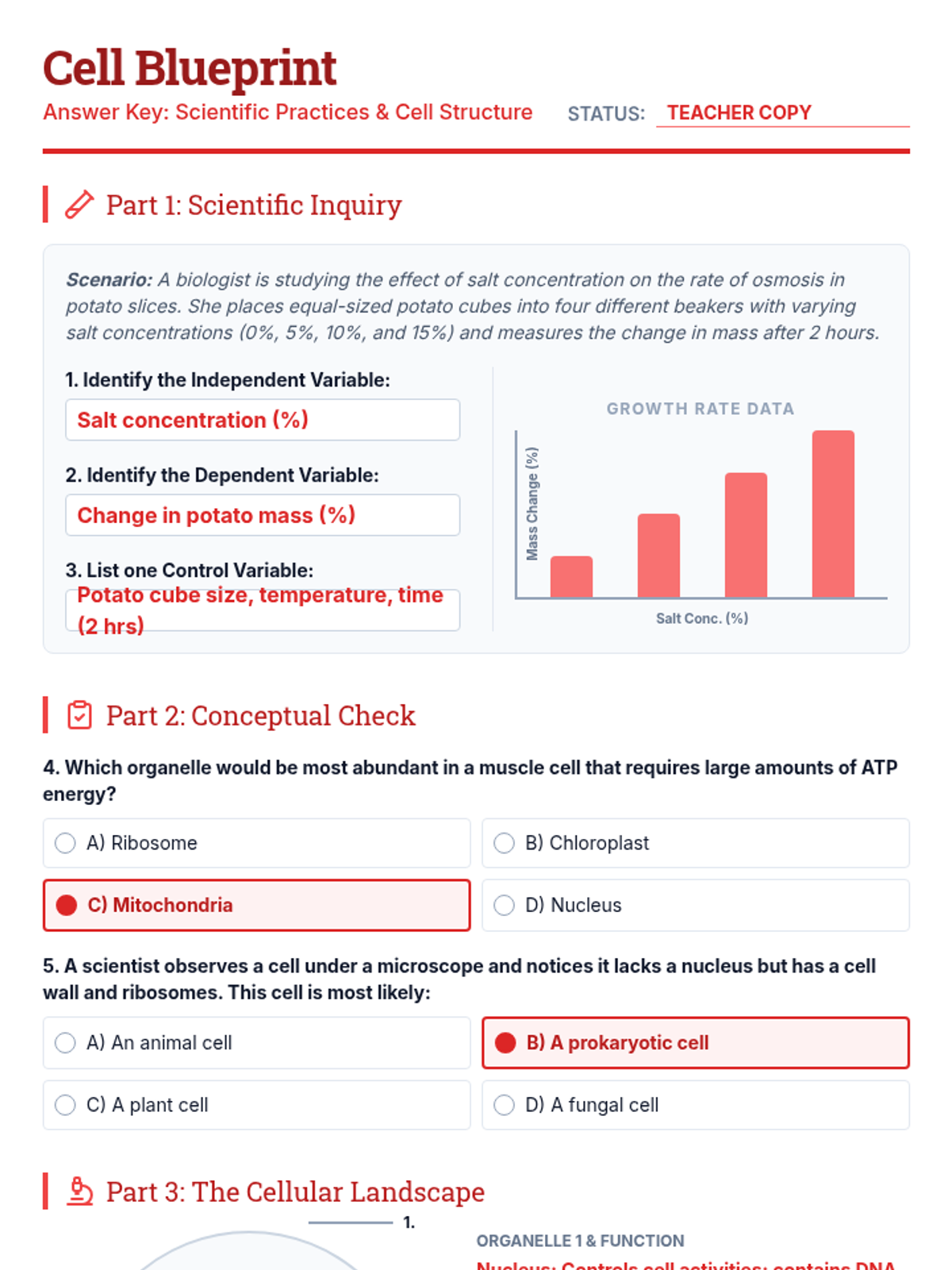
A comprehensive lesson on scientific inquiry and cellular biology, focusing on experimental design, organelle function, and membrane transport. Students will analyze data, compare cell types, and investigate how cells maintain homeostasis.
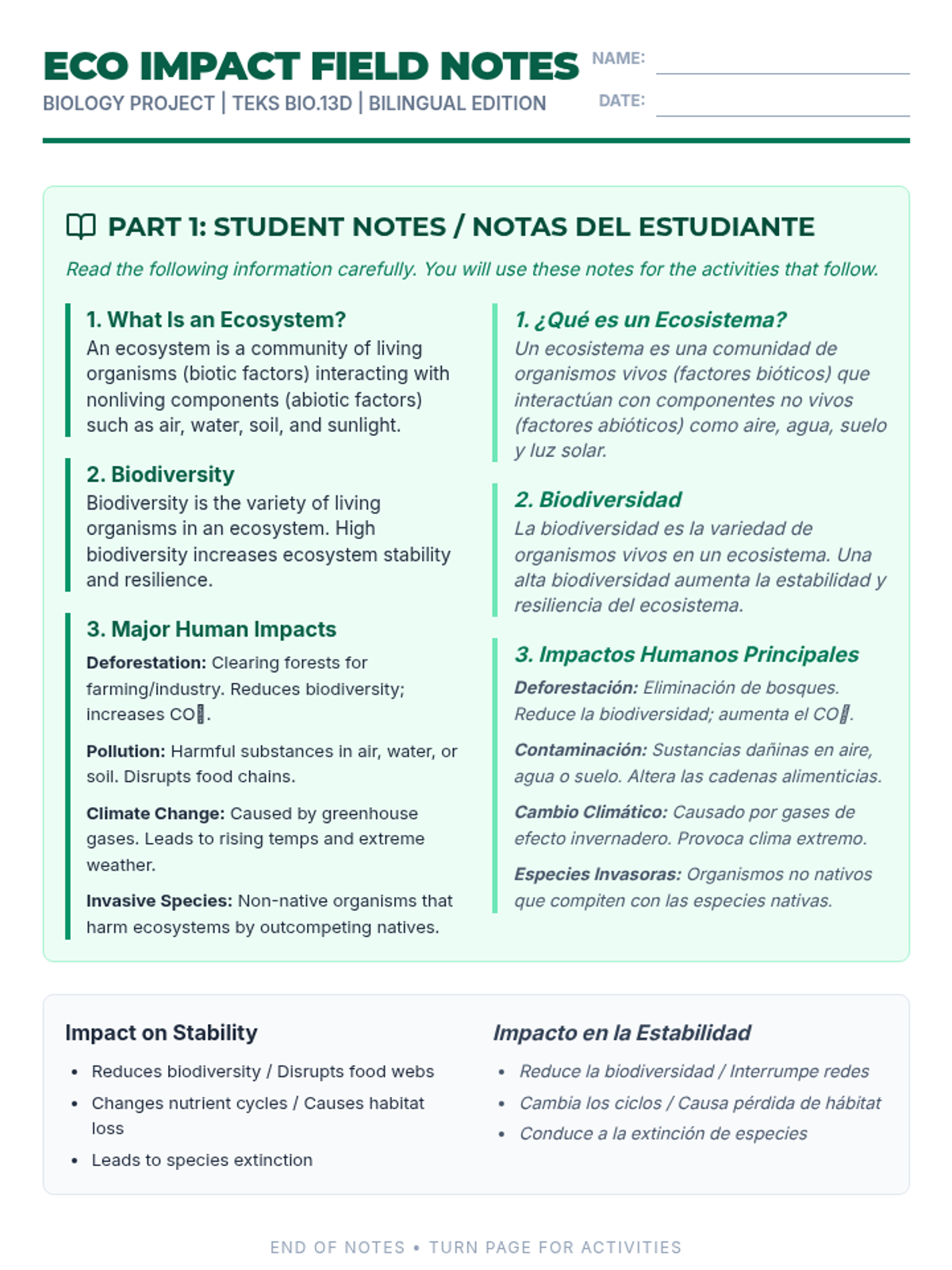
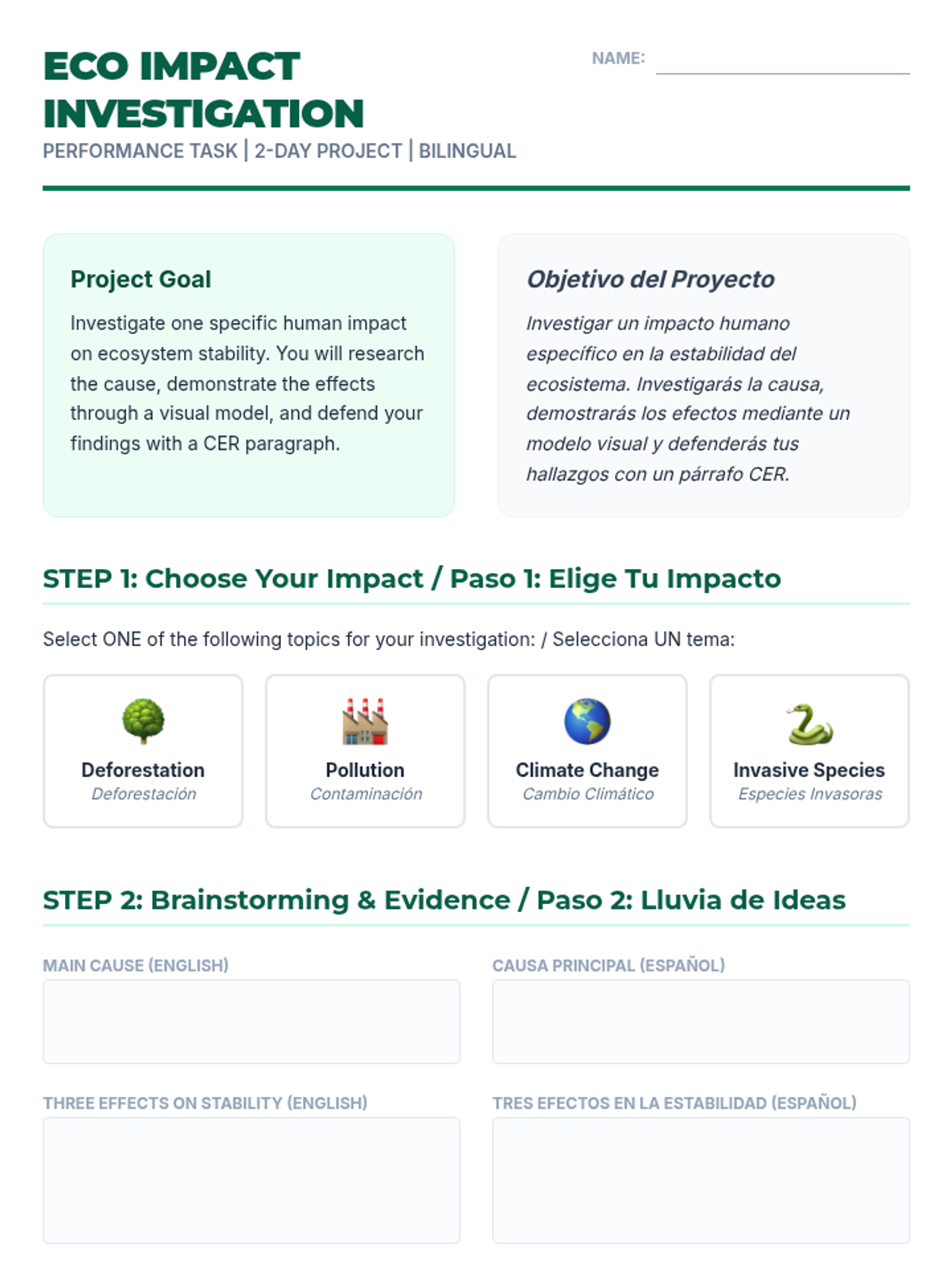
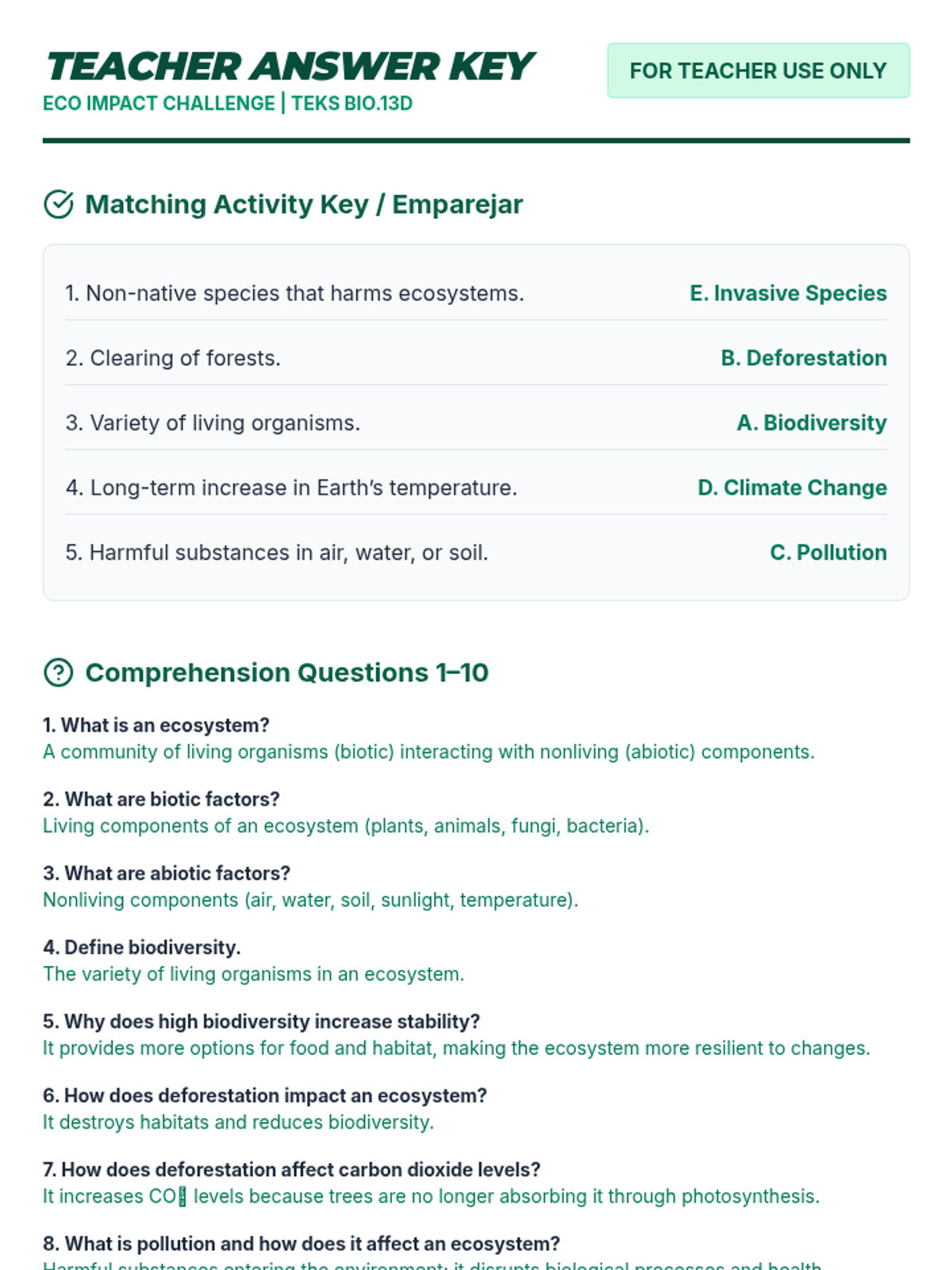
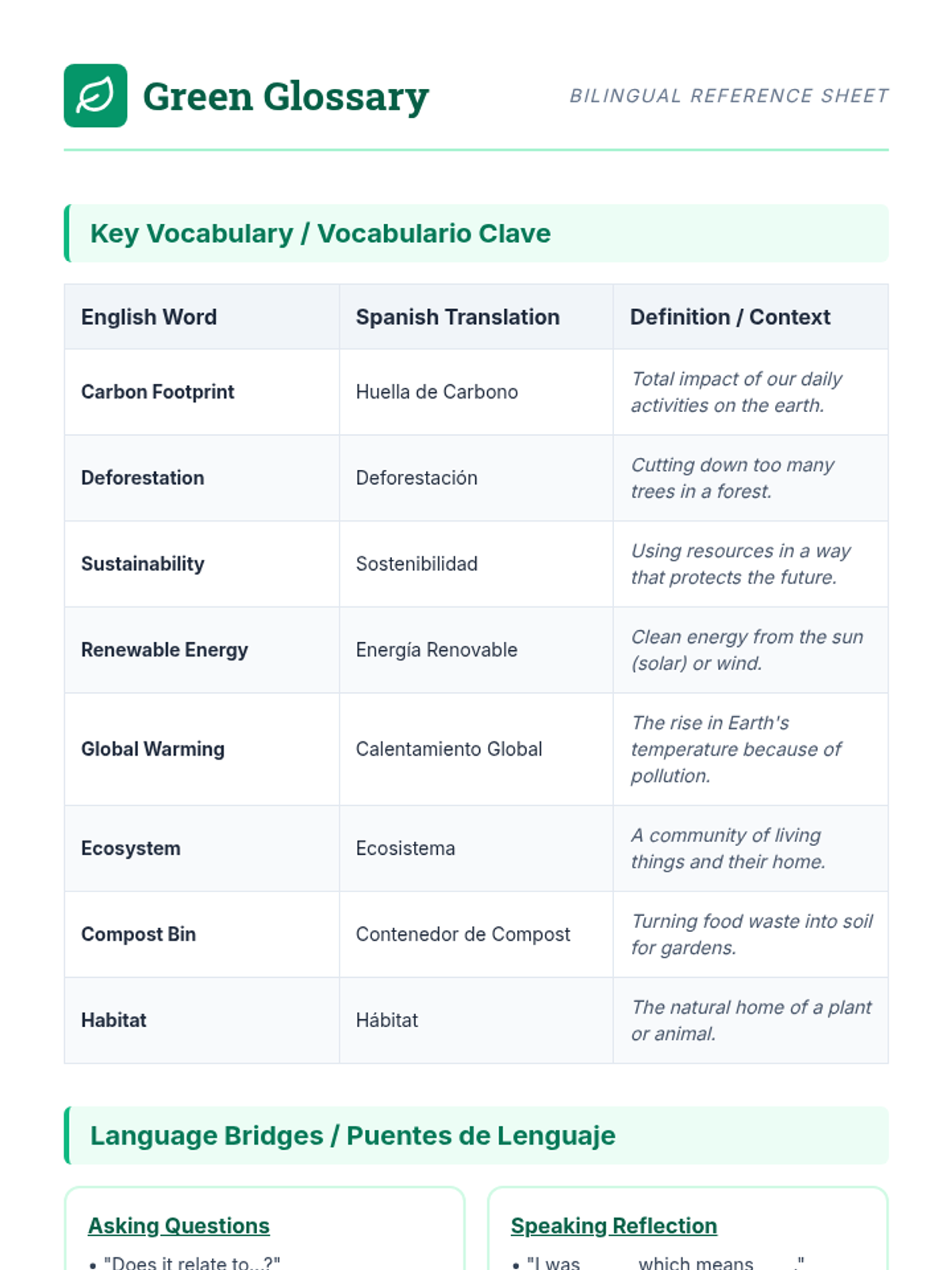
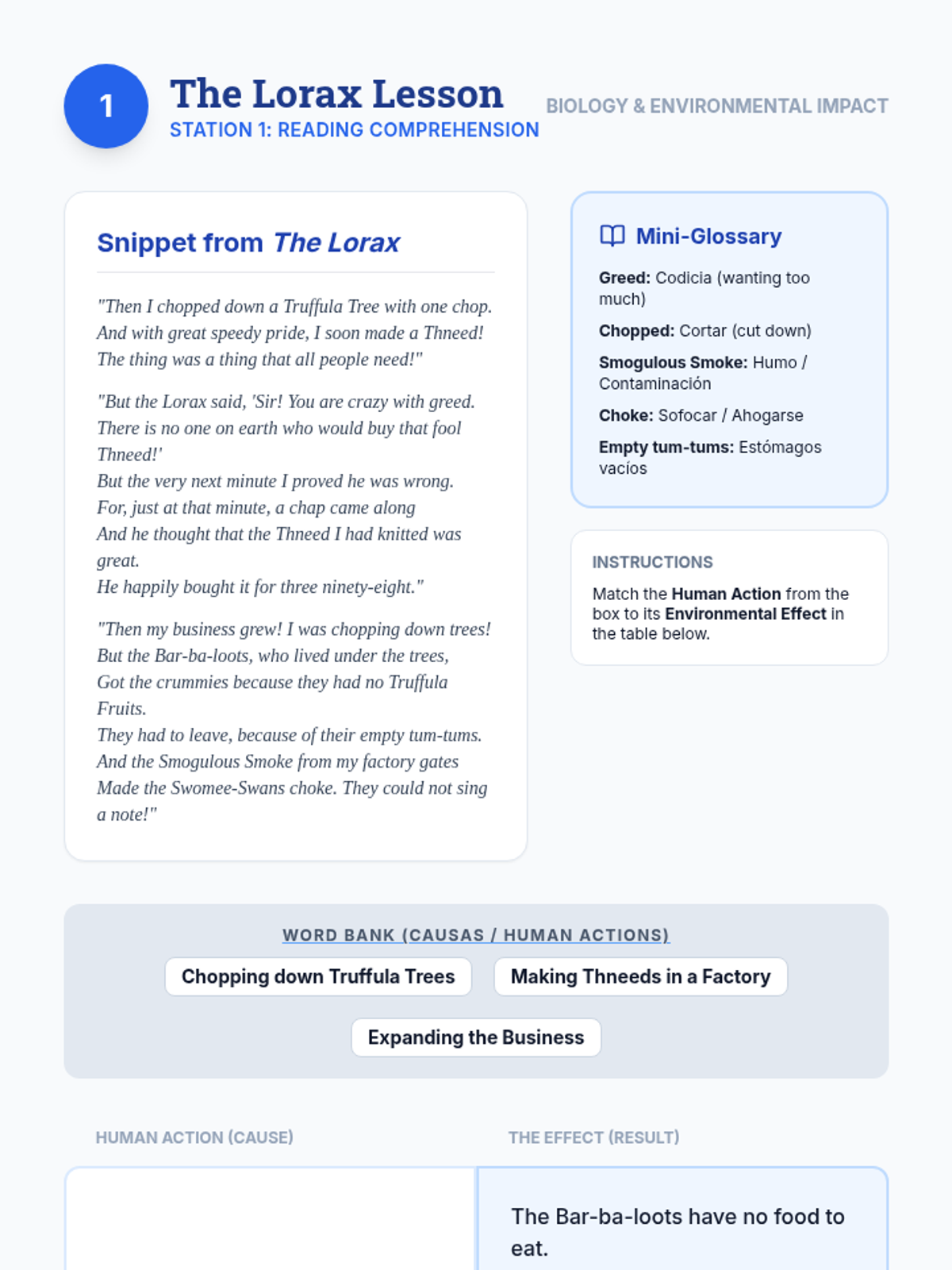
A bilingual biology lesson focused on human impact on ecosystem stability, featuring field notes, comprehension activities, and a research project.
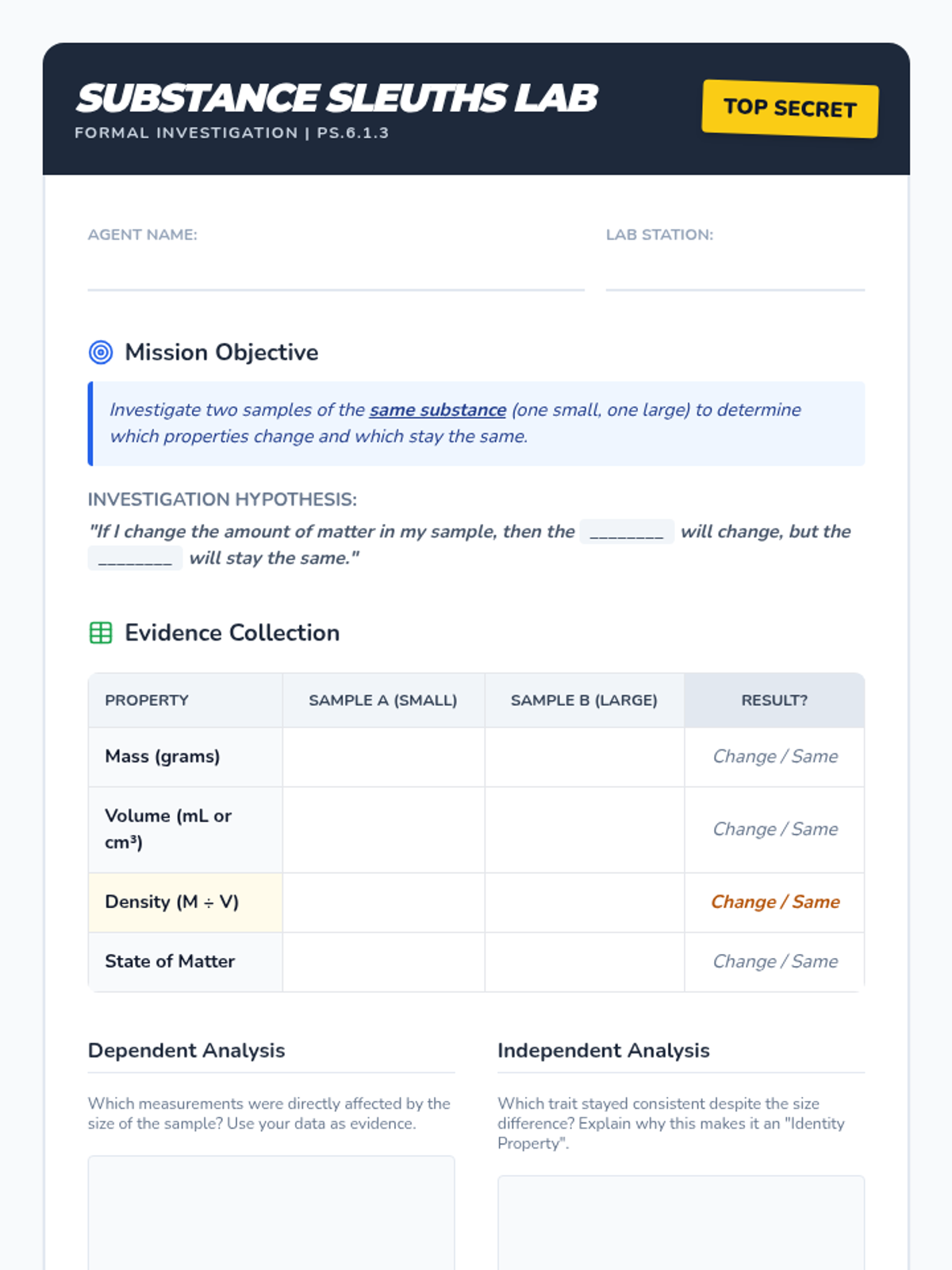
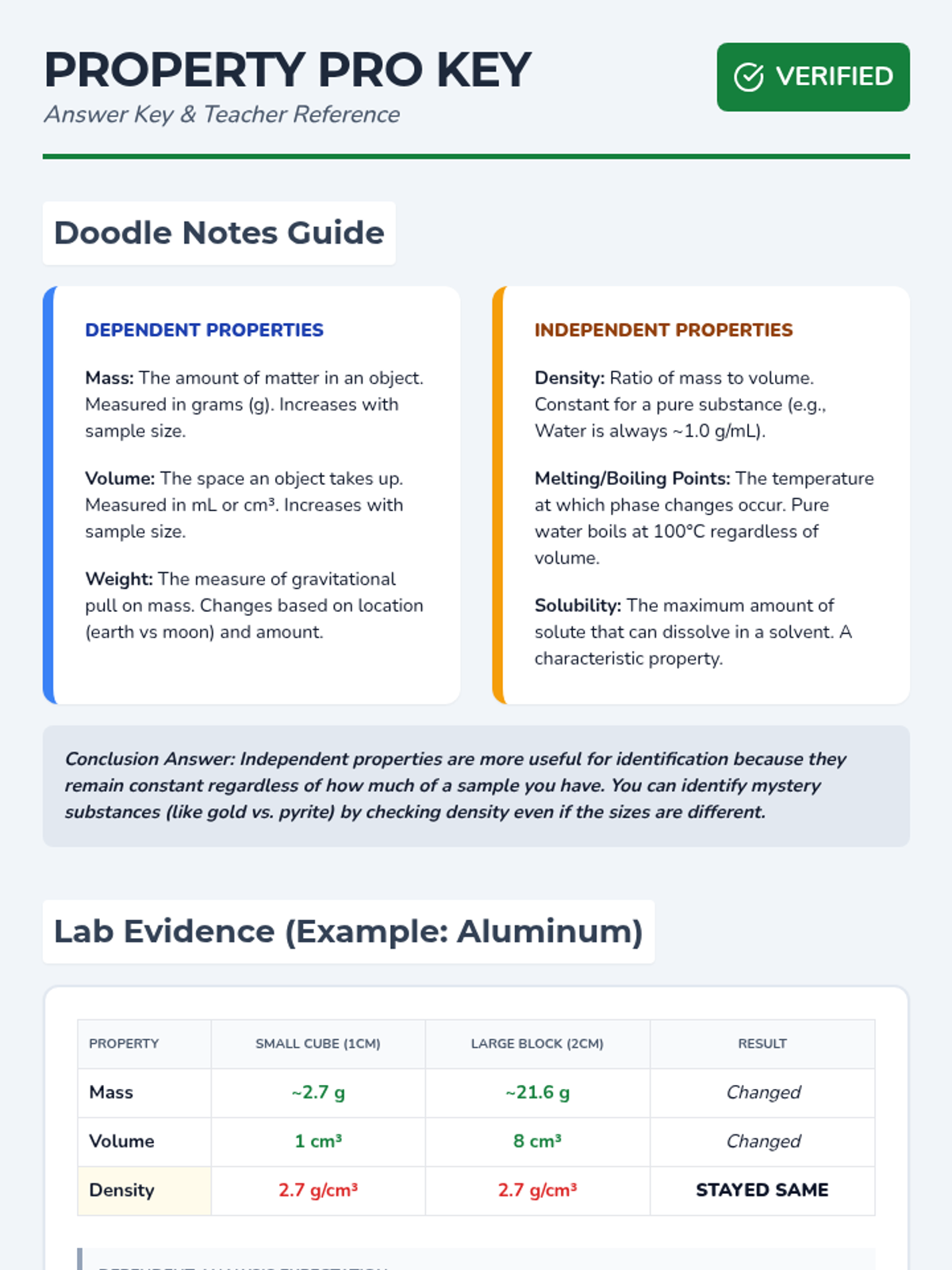
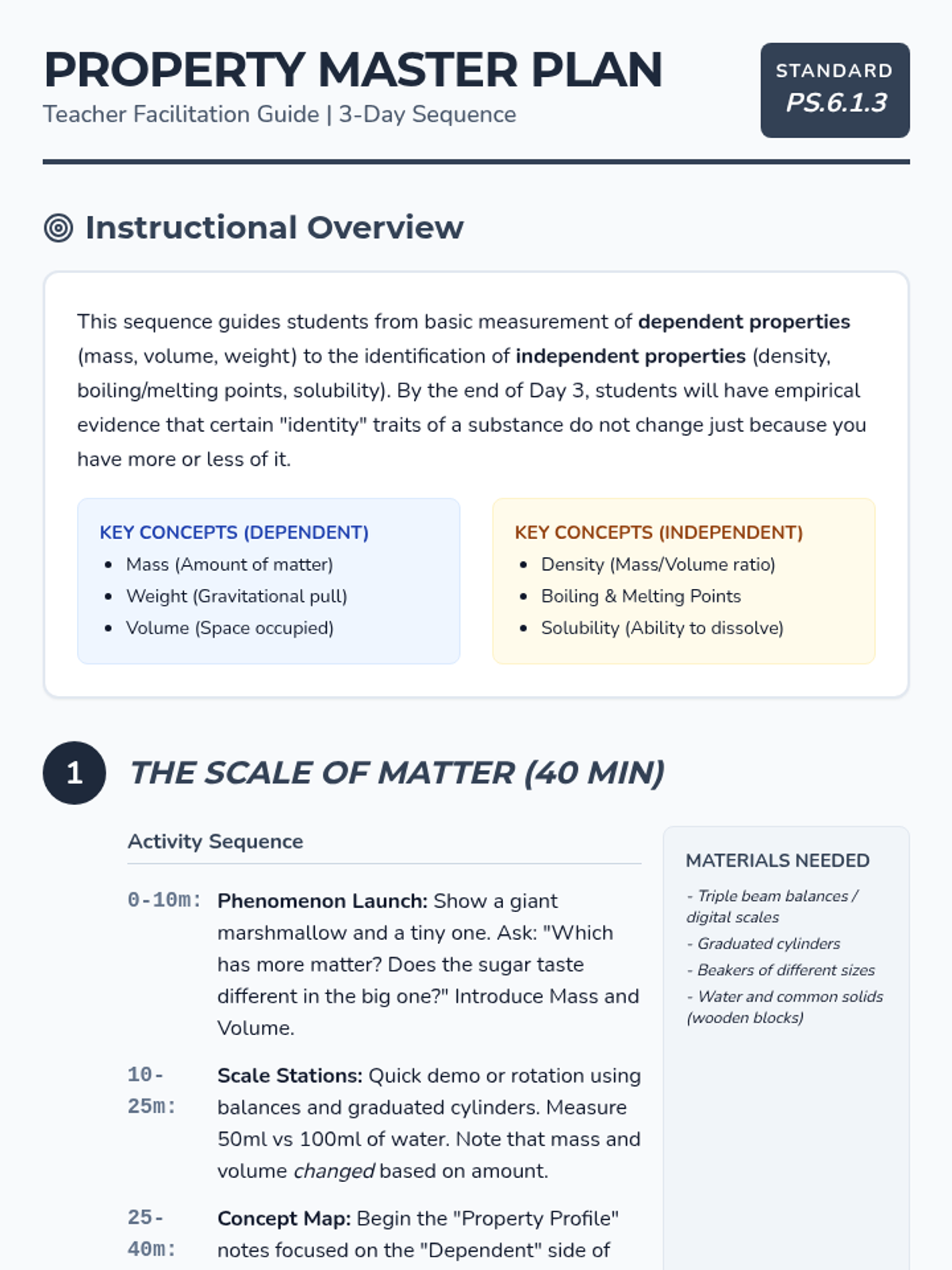
Students carry out a formal investigation comparing large and small samples of pure substances to prove which properties stay the same and which change, fulfilling standard PS.6.1.3.
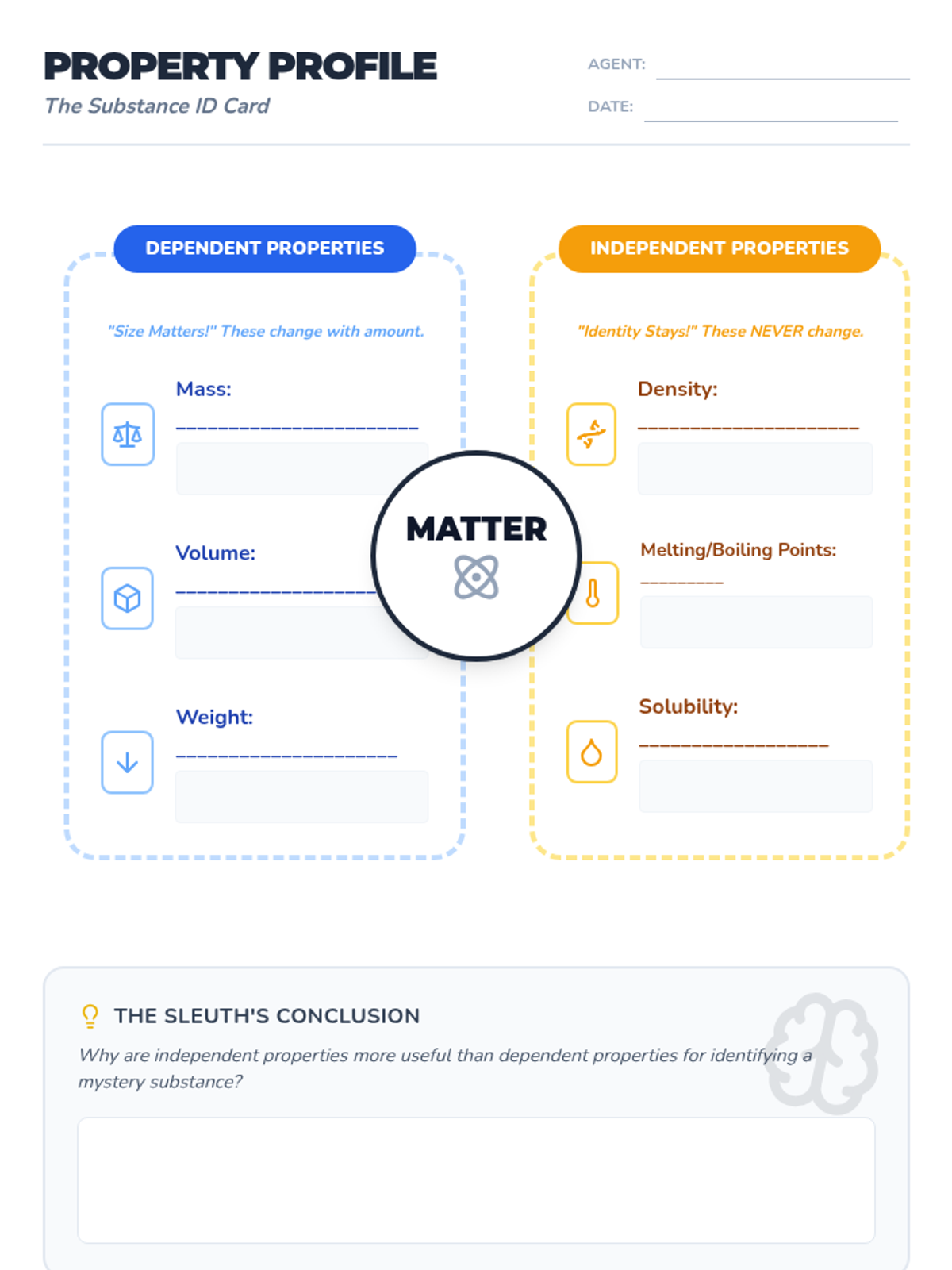
A focus on intensive properties that remain constant regardless of sample size, including density, melting point, boiling point, and solubility. Students use doodle notes to visualize these 'identity' traits.
An introduction to matter and properties that change based on the amount of a substance, specifically mass, weight, and volume. Students explore how these measurements vary with sample size.
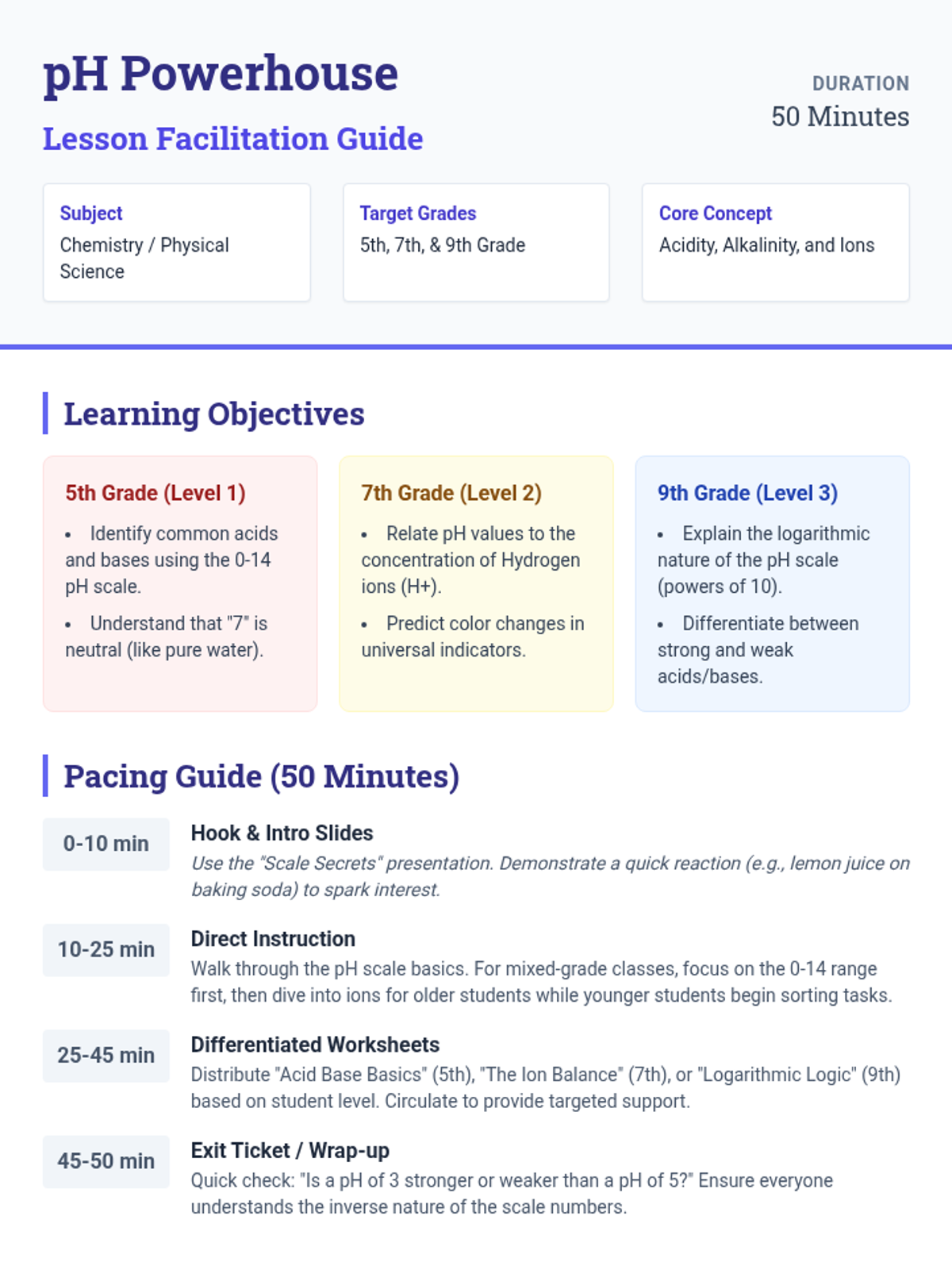
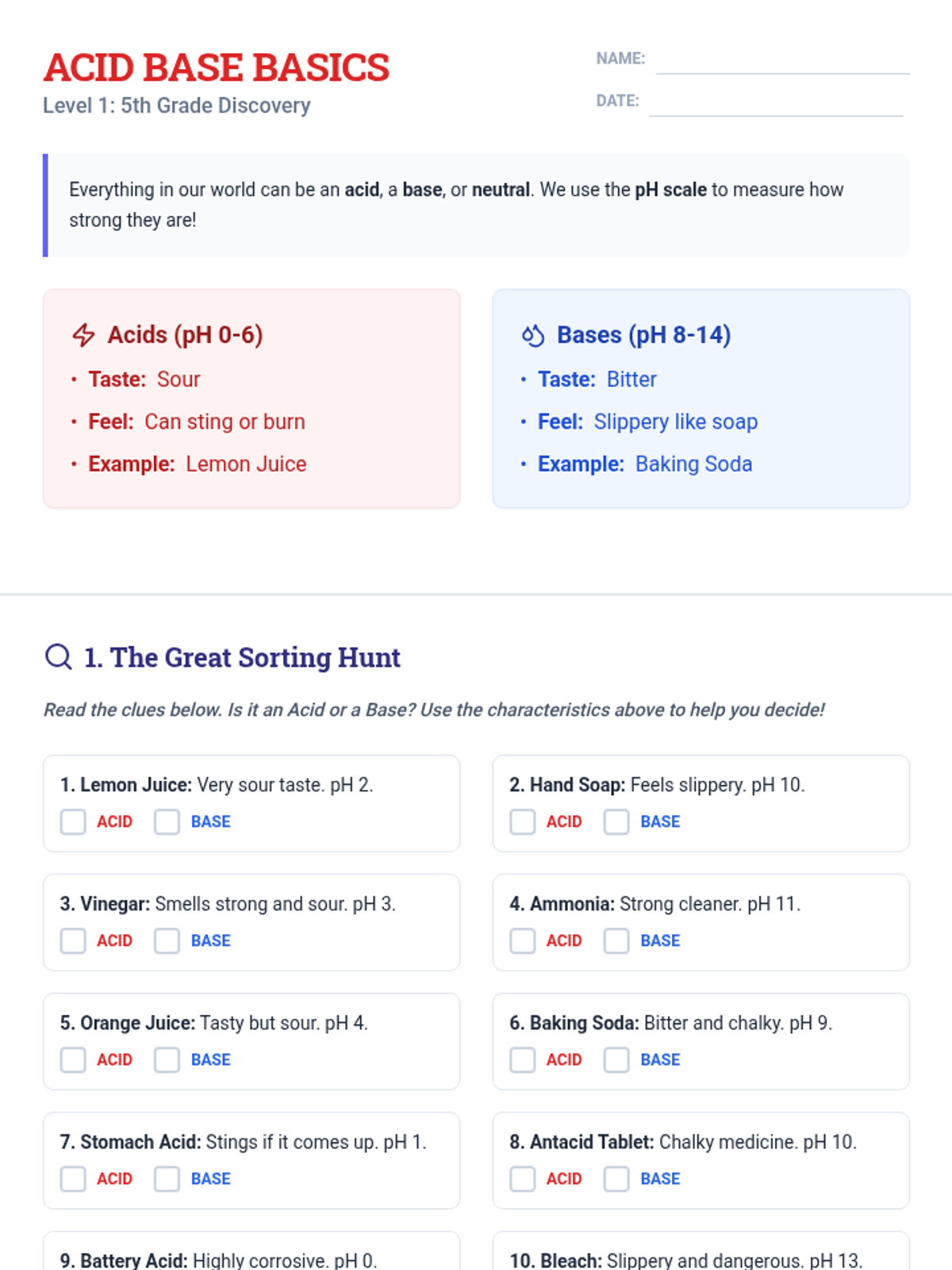
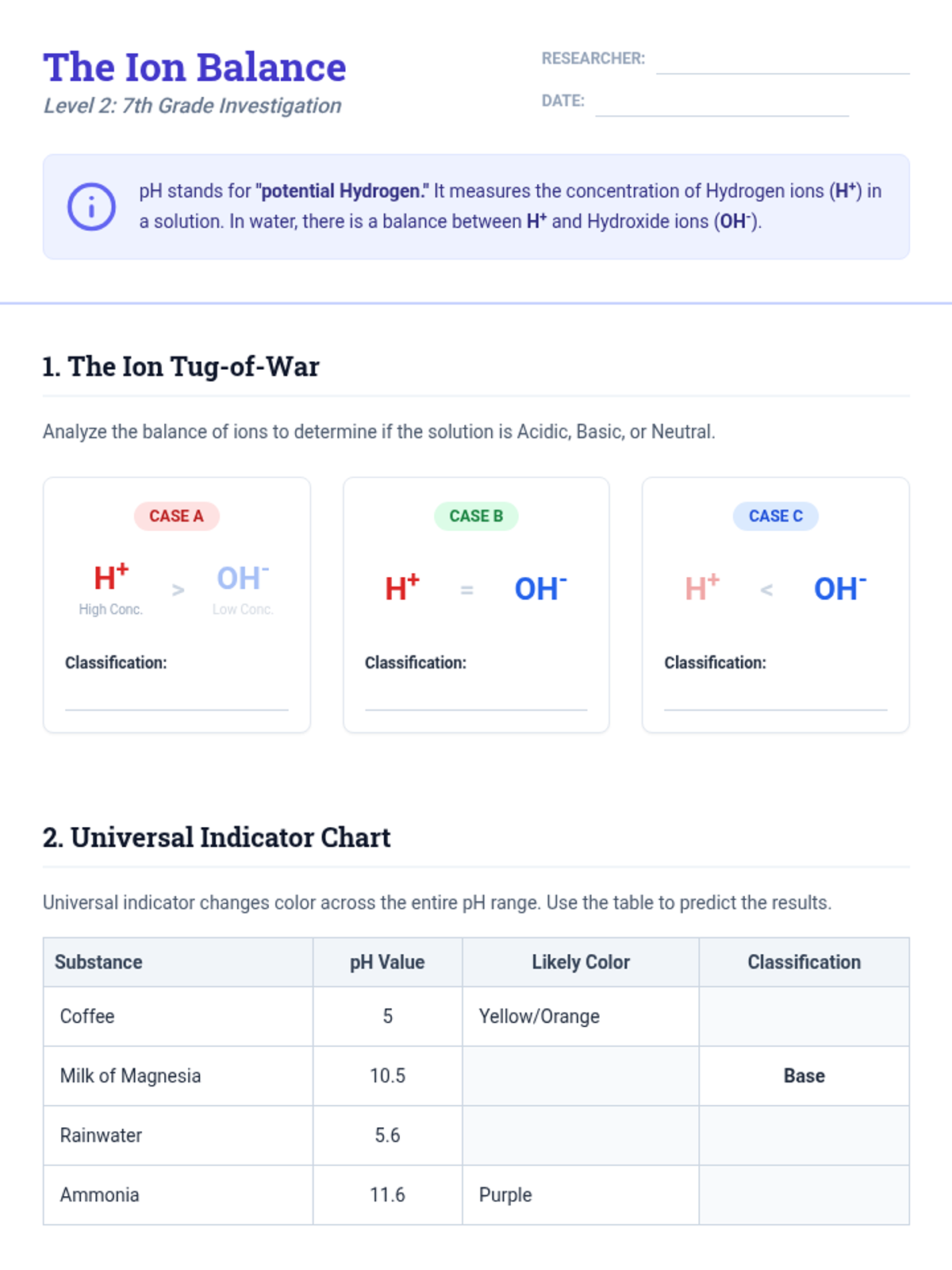
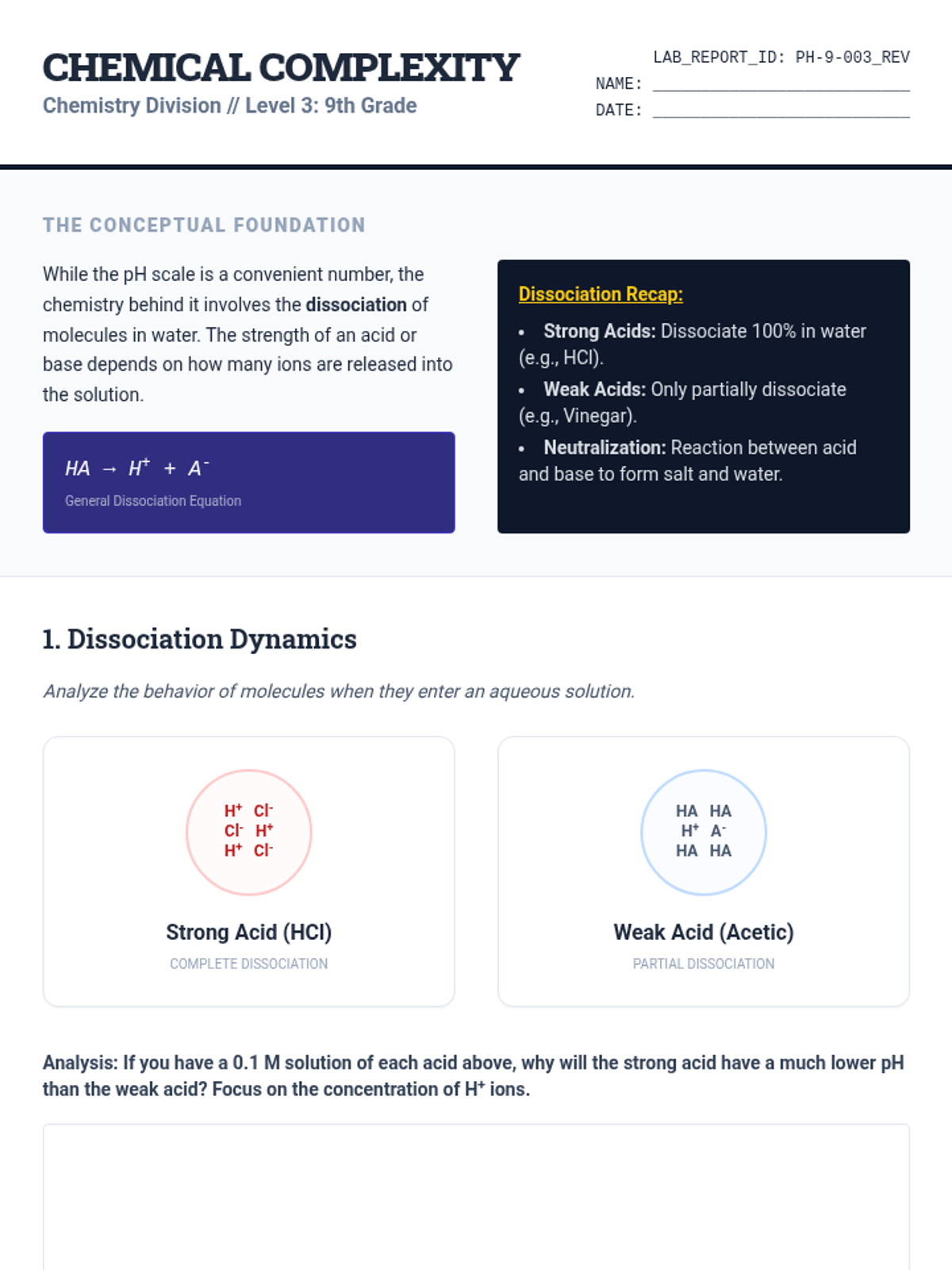
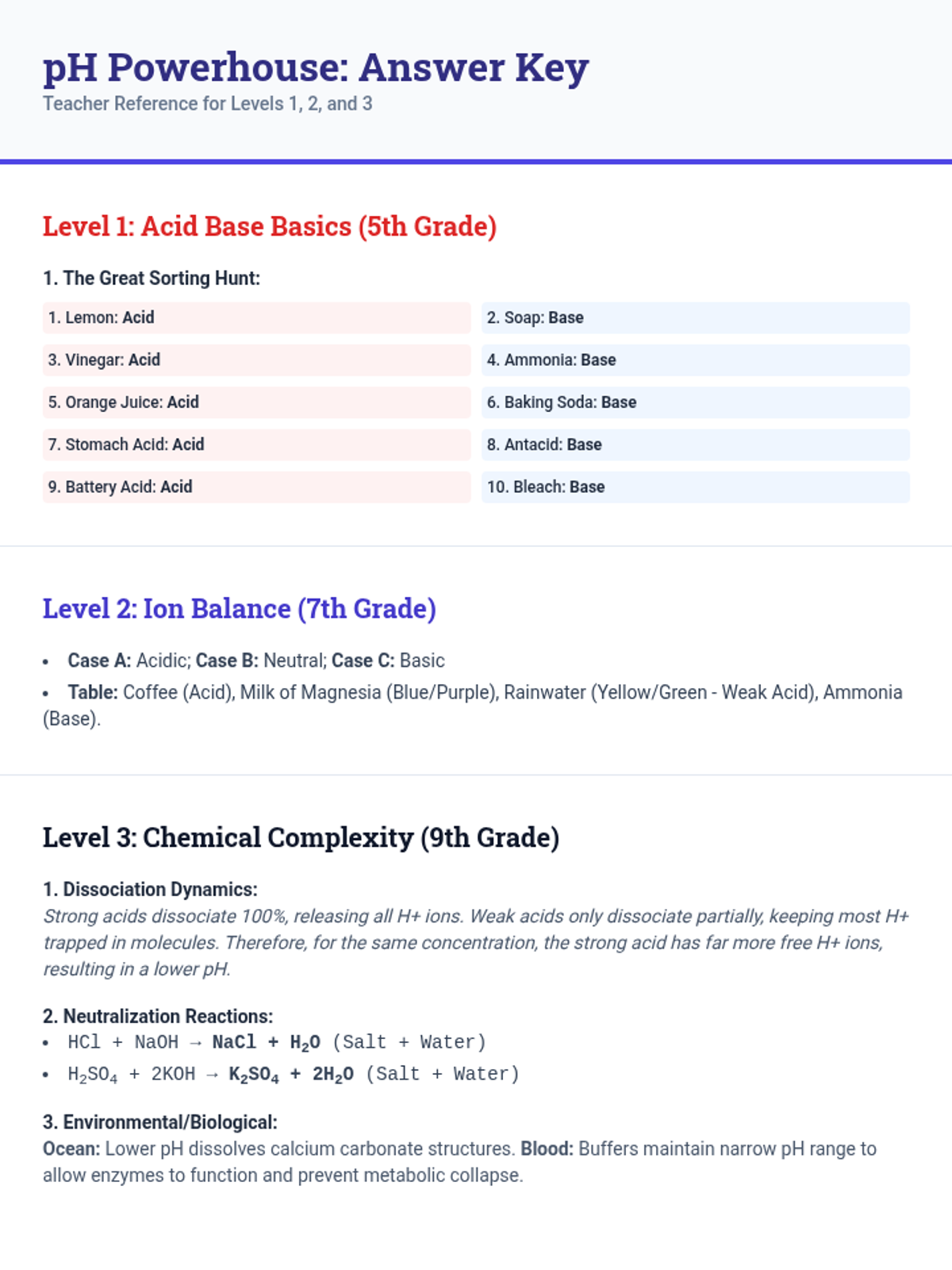
A comprehensive introduction to the pH scale, covering the characteristics of acids and bases, the logarithmic nature of the scale, and real-world applications across three differentiated levels (5th, 7th, and 9th grade).
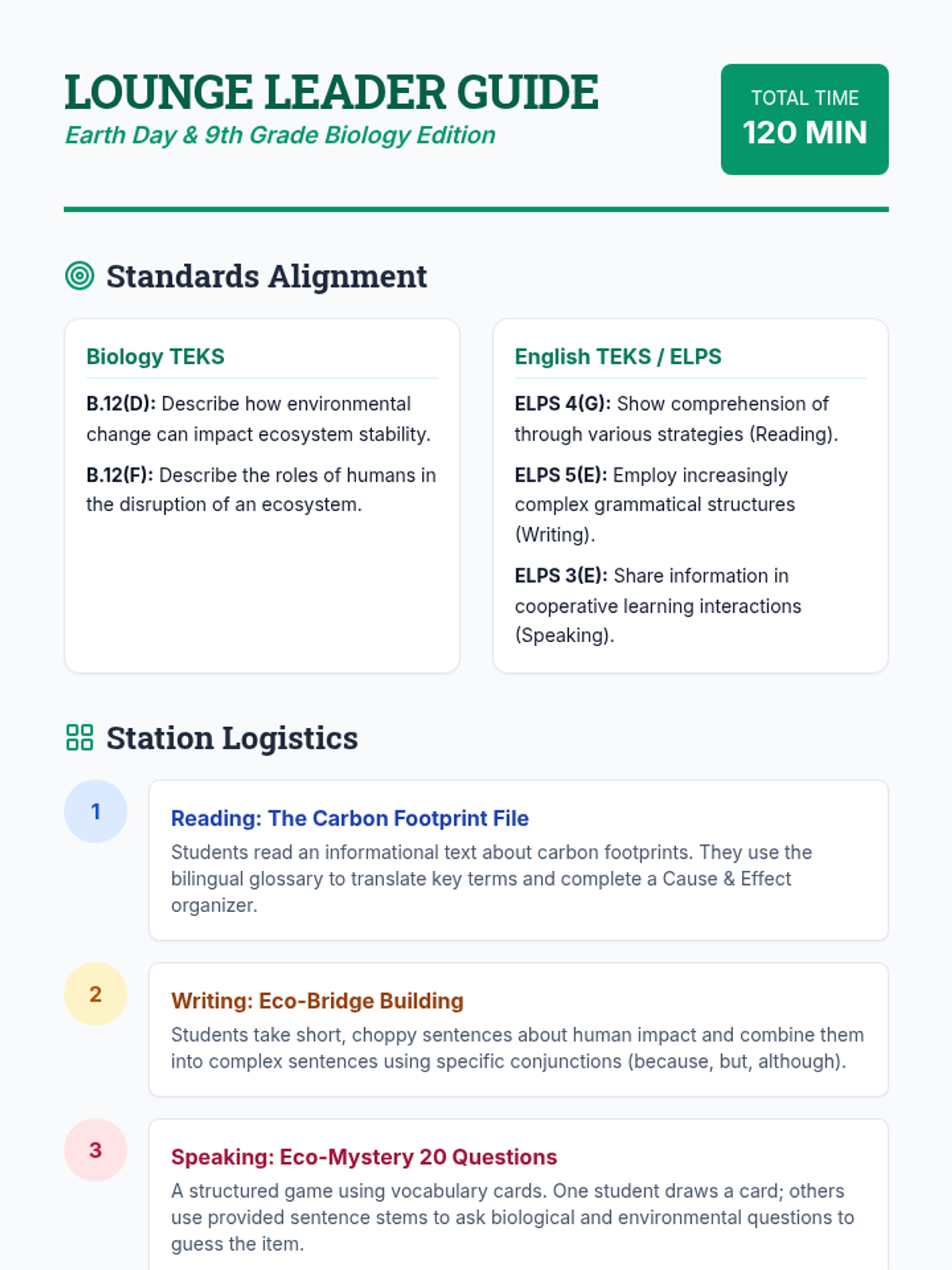
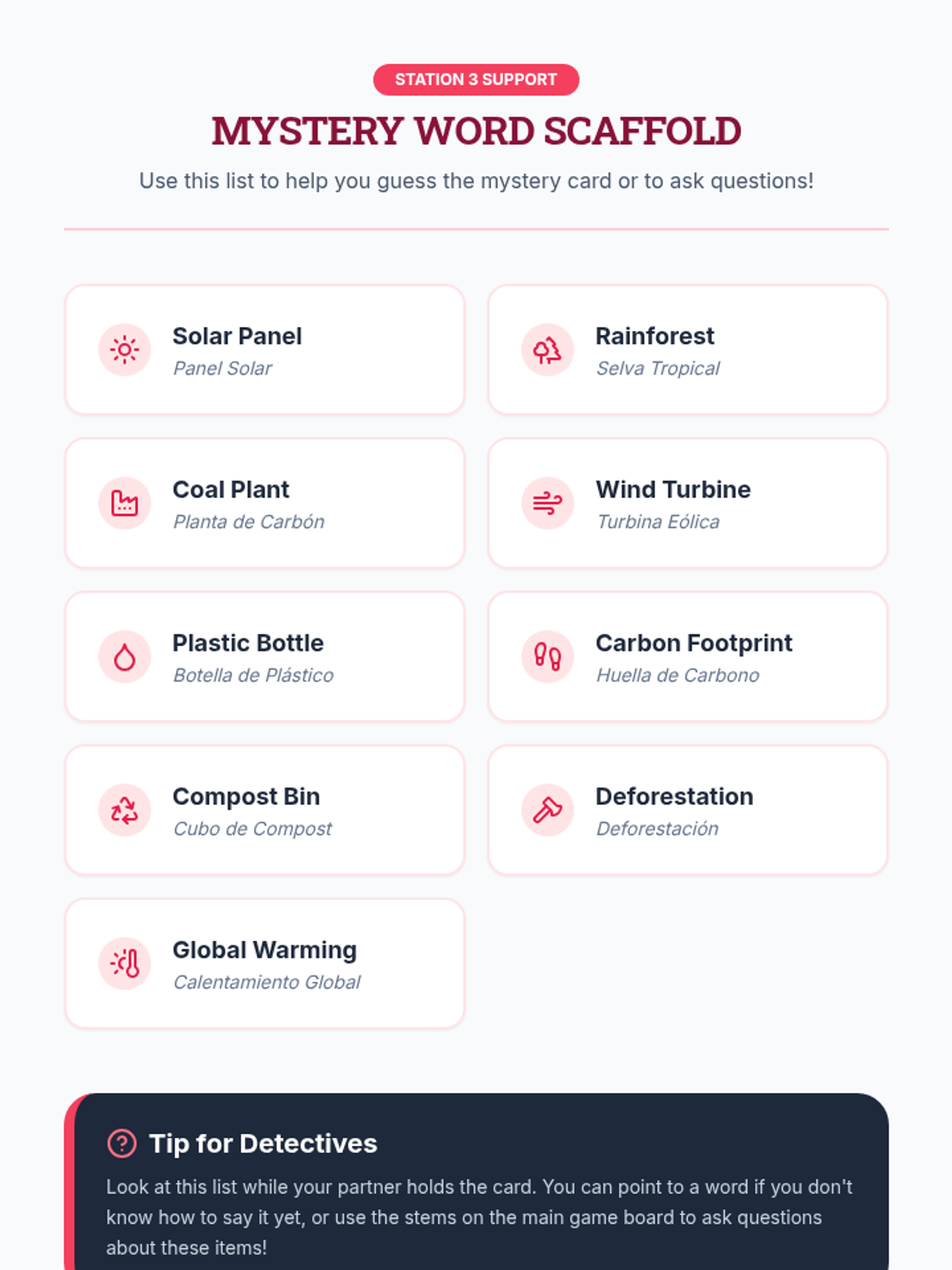
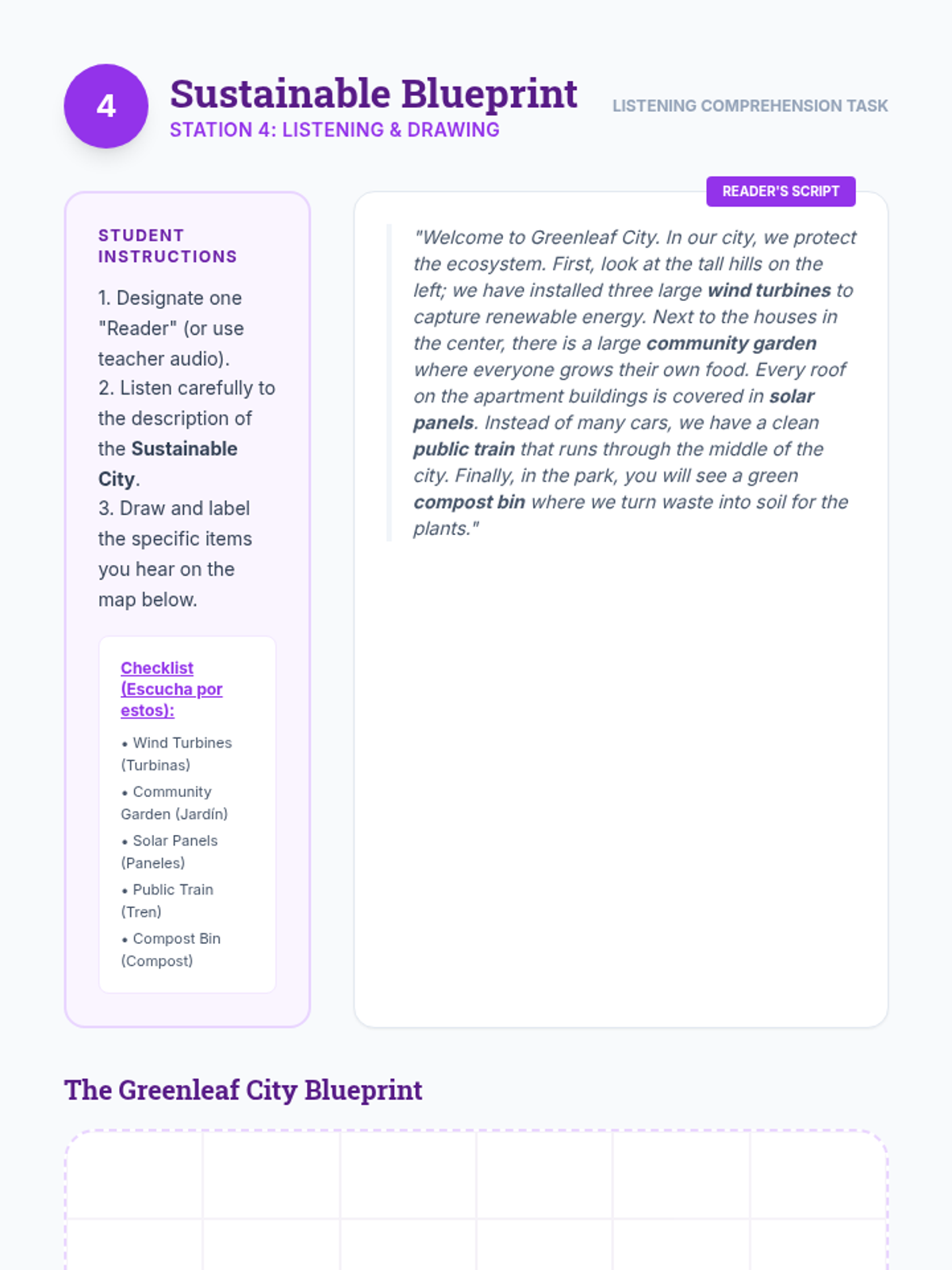
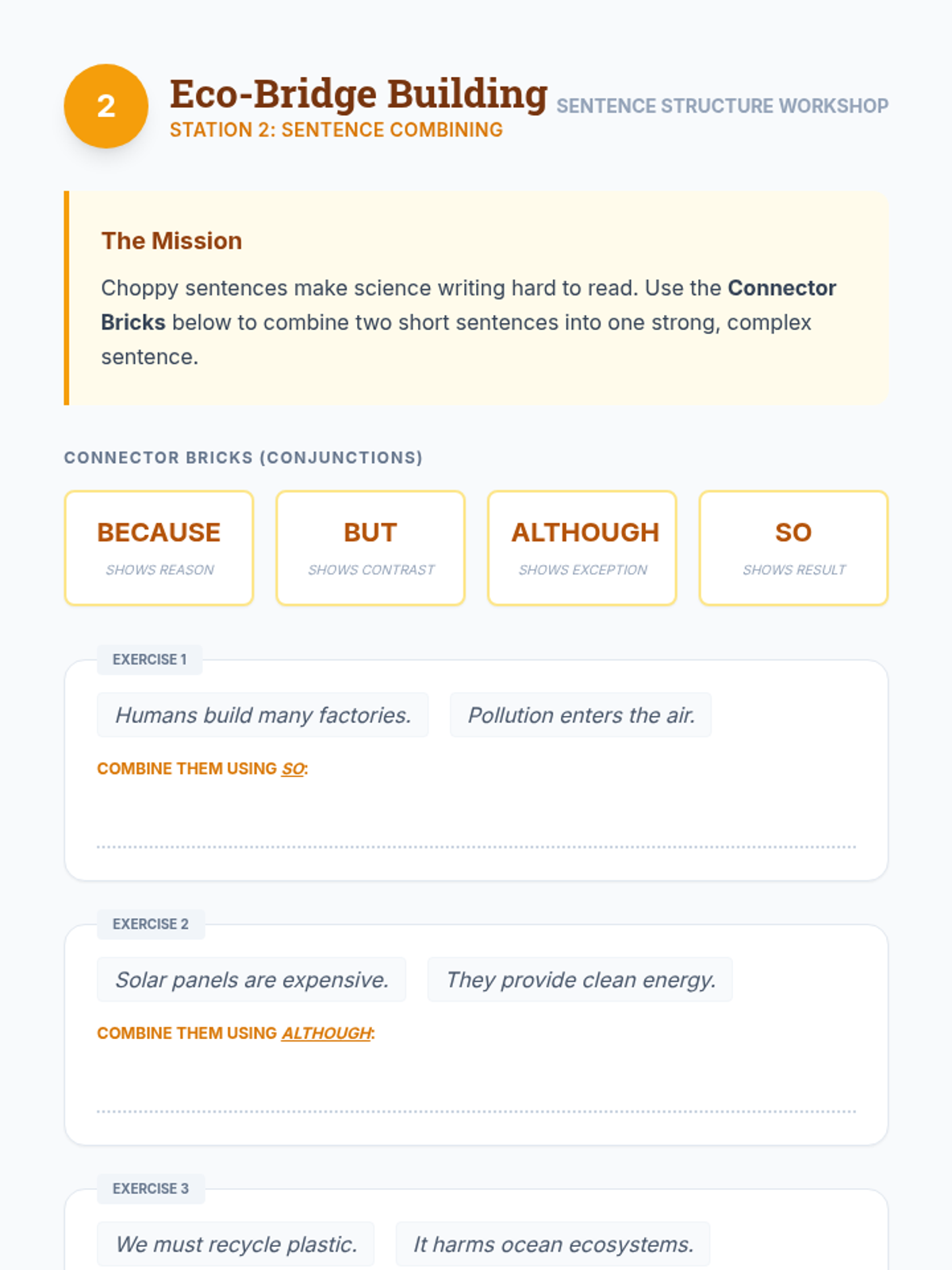
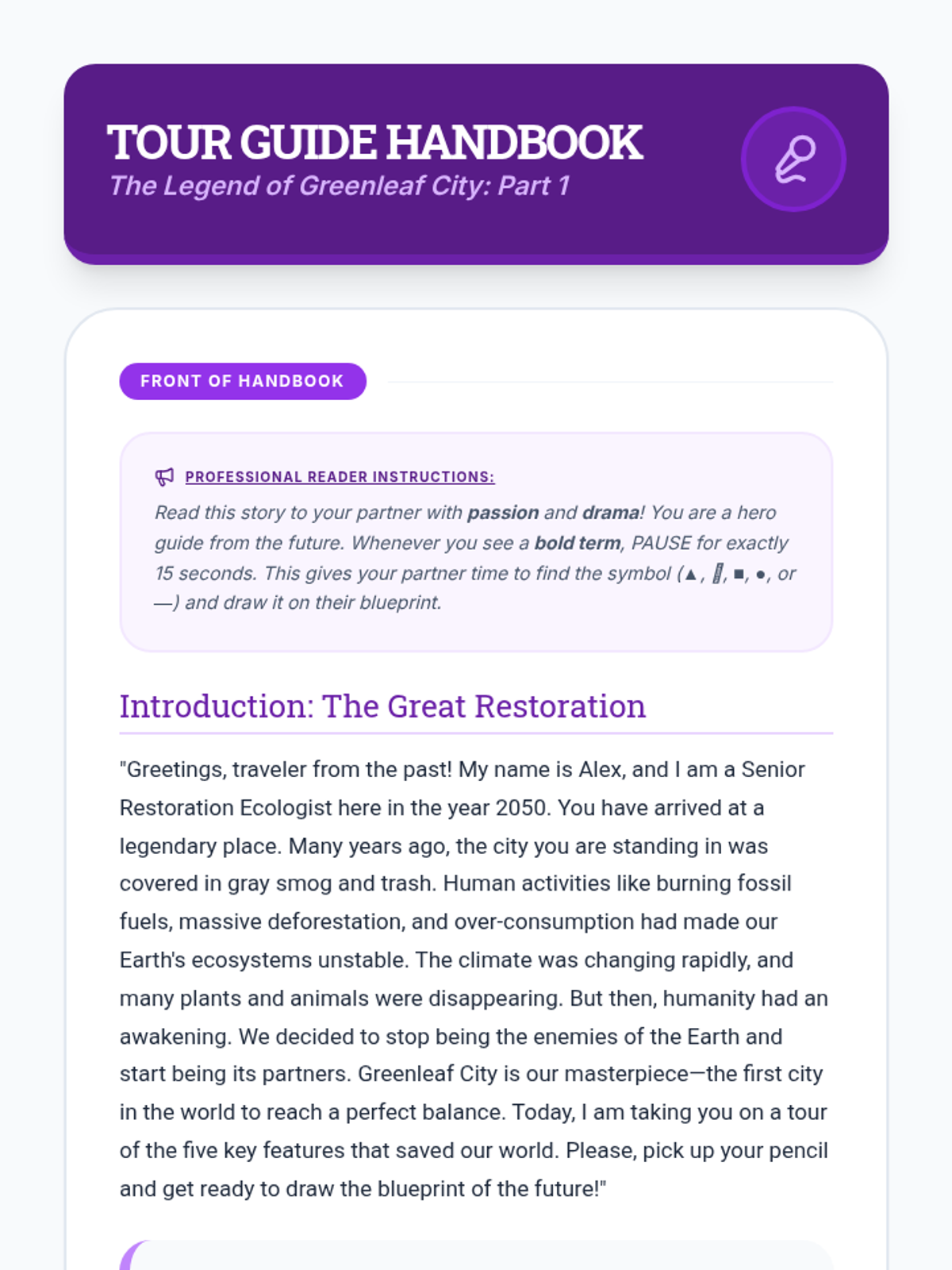
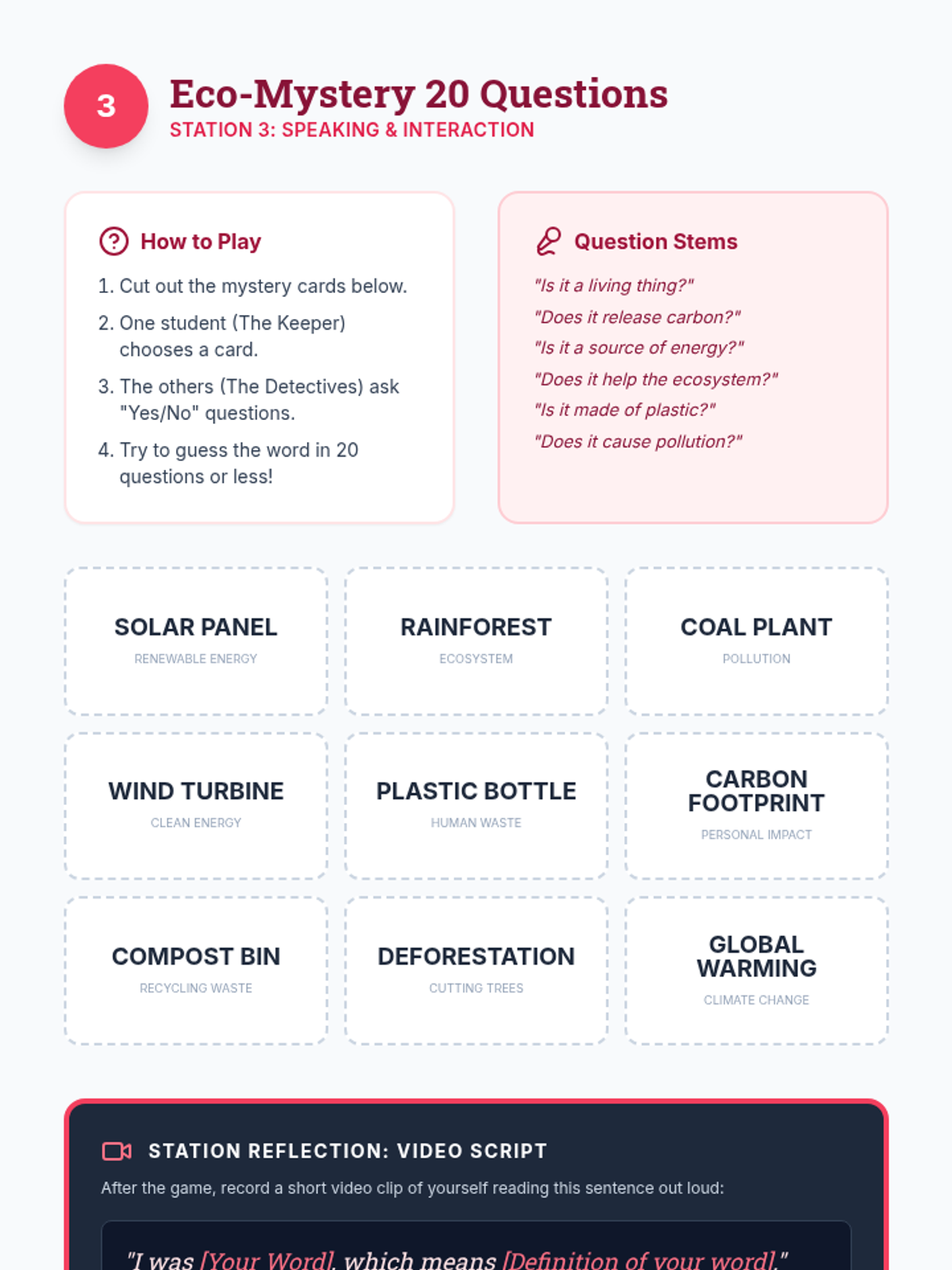
A high-engagement Language Lounge focused on human impact on the environment, designed for emerging language learners in 9th-grade Biology. This lesson features four rotating stations (Reading, Writing, Speaking, Listening) with bilingual support and tactile activities.