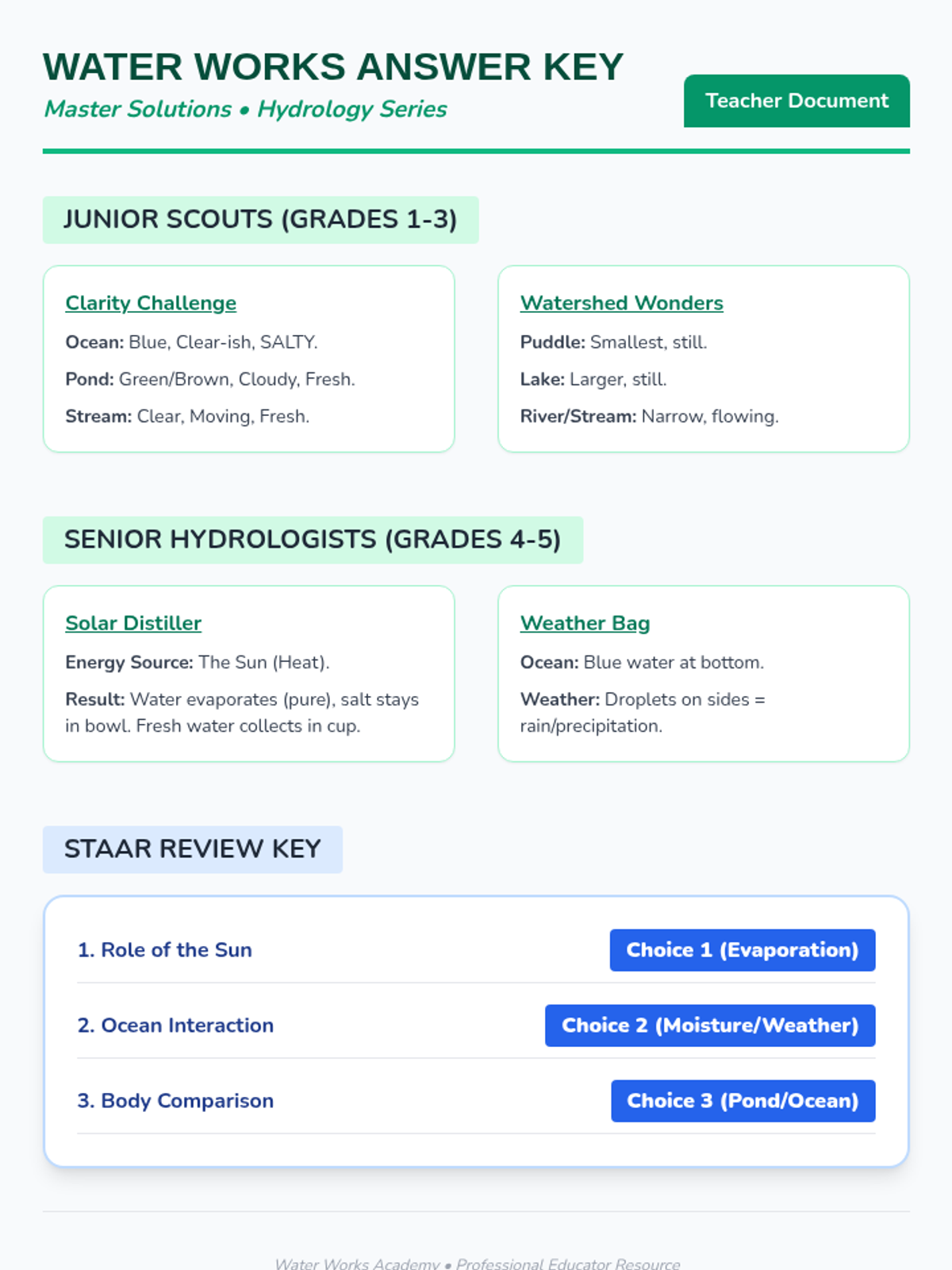
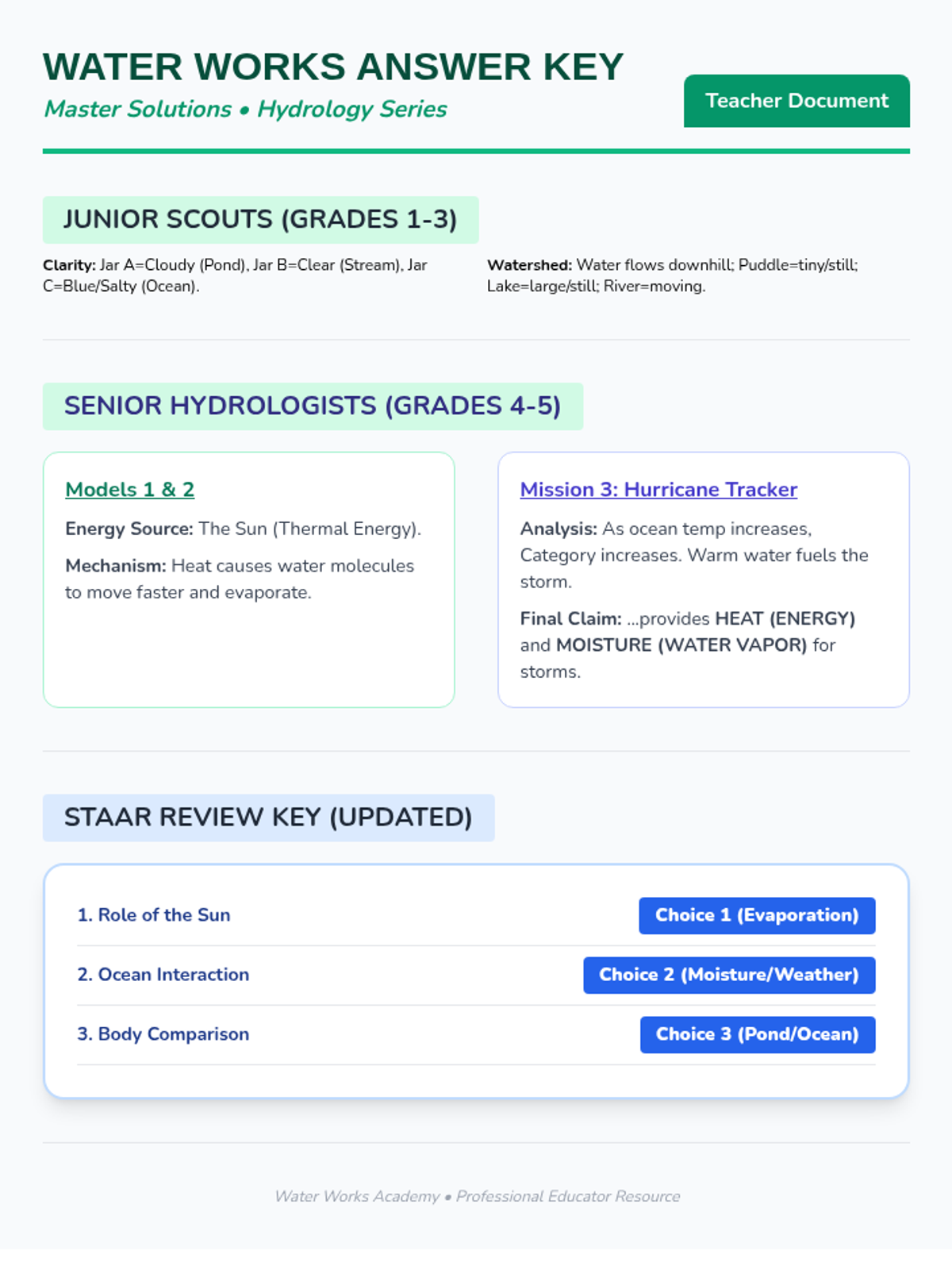
An interactive science lesson for grades 4-6 focused on the water cycle. Students explore evaporation, condensation, and precipitation through a 'Solar Still' lab experiment, with differentiated materials for various learning needs.
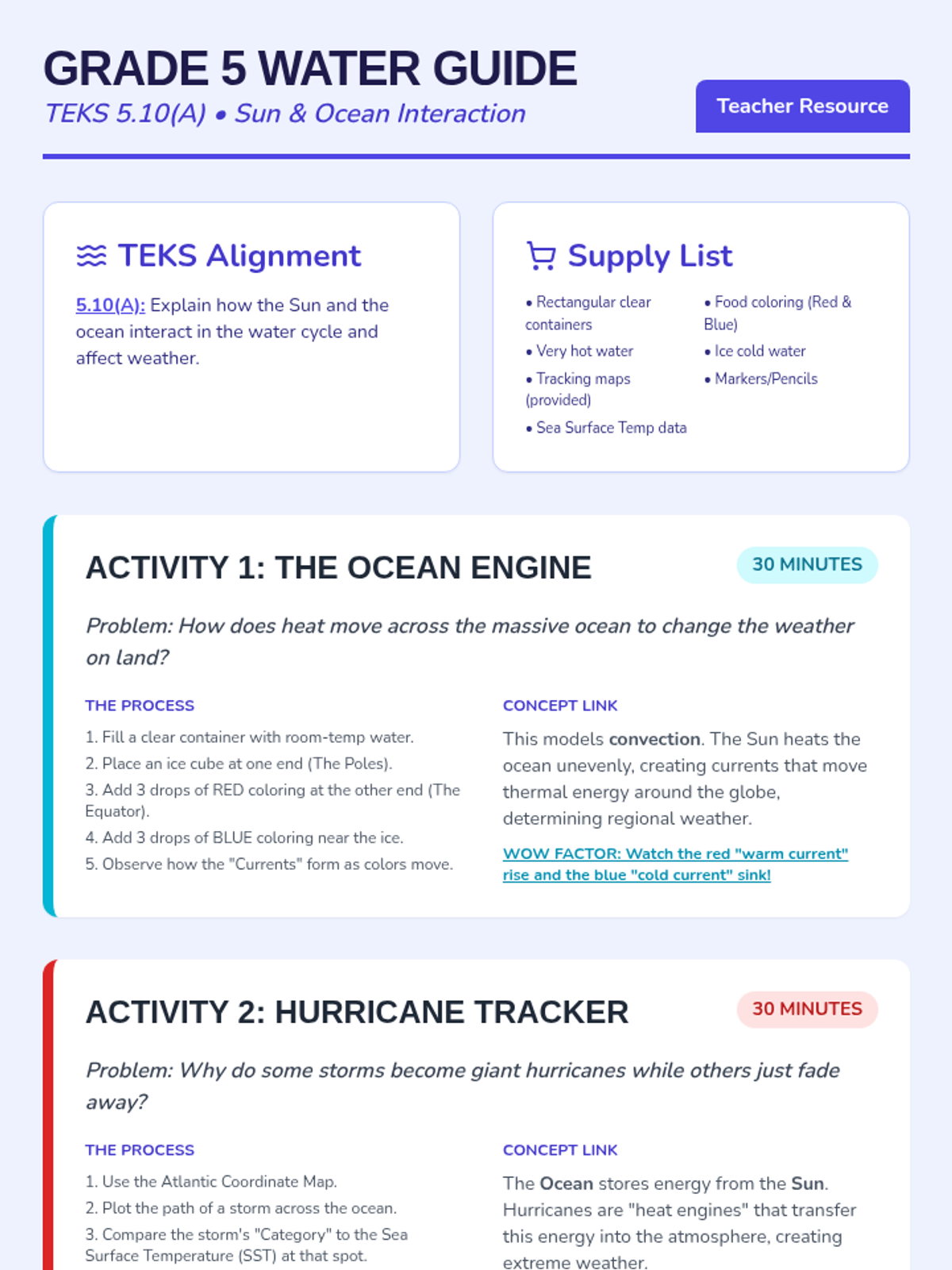
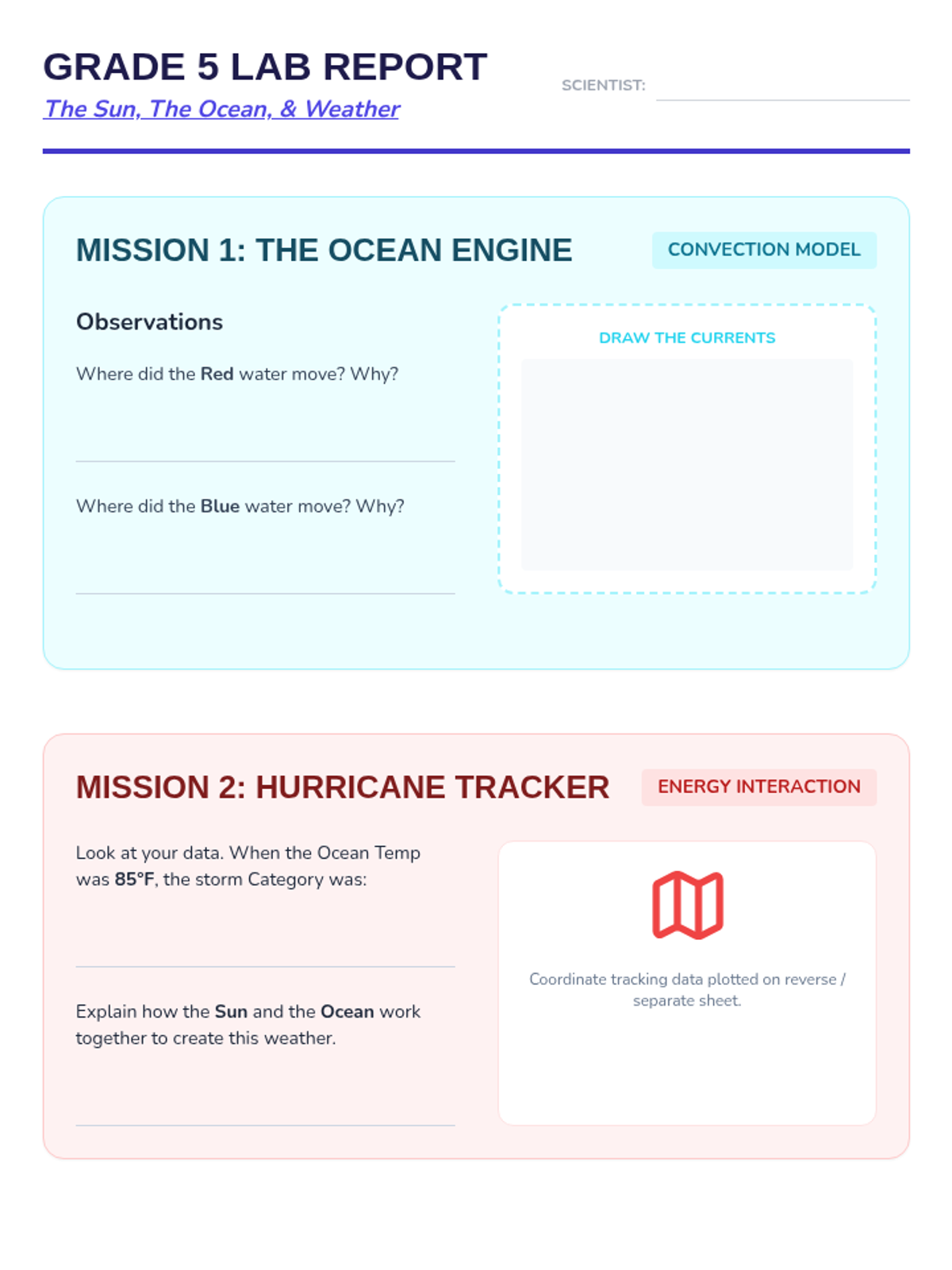
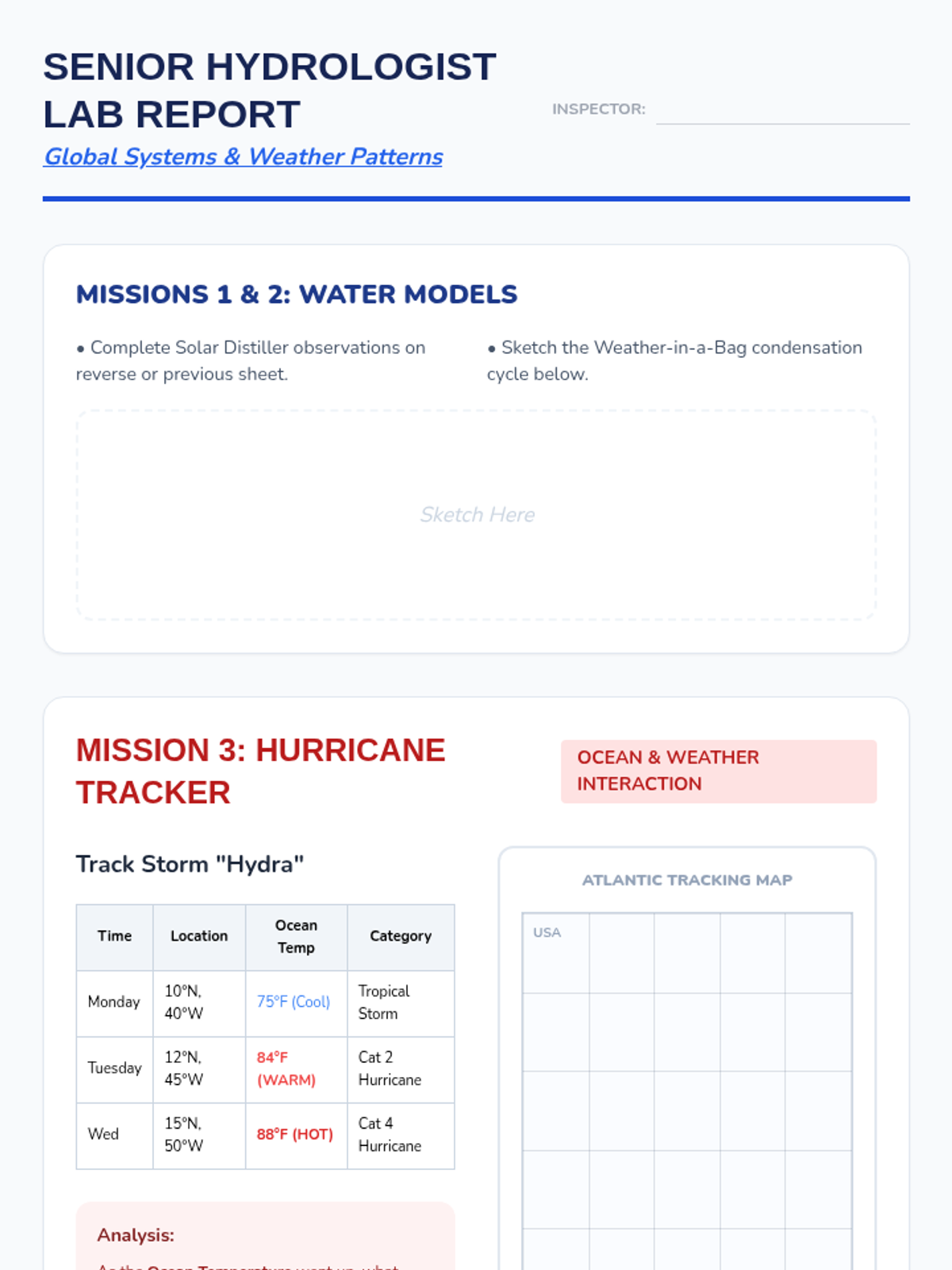
Fifth-grade experts investigate the complex interactions between the Sun and the ocean, discovering how ocean heat fuels weather patterns.
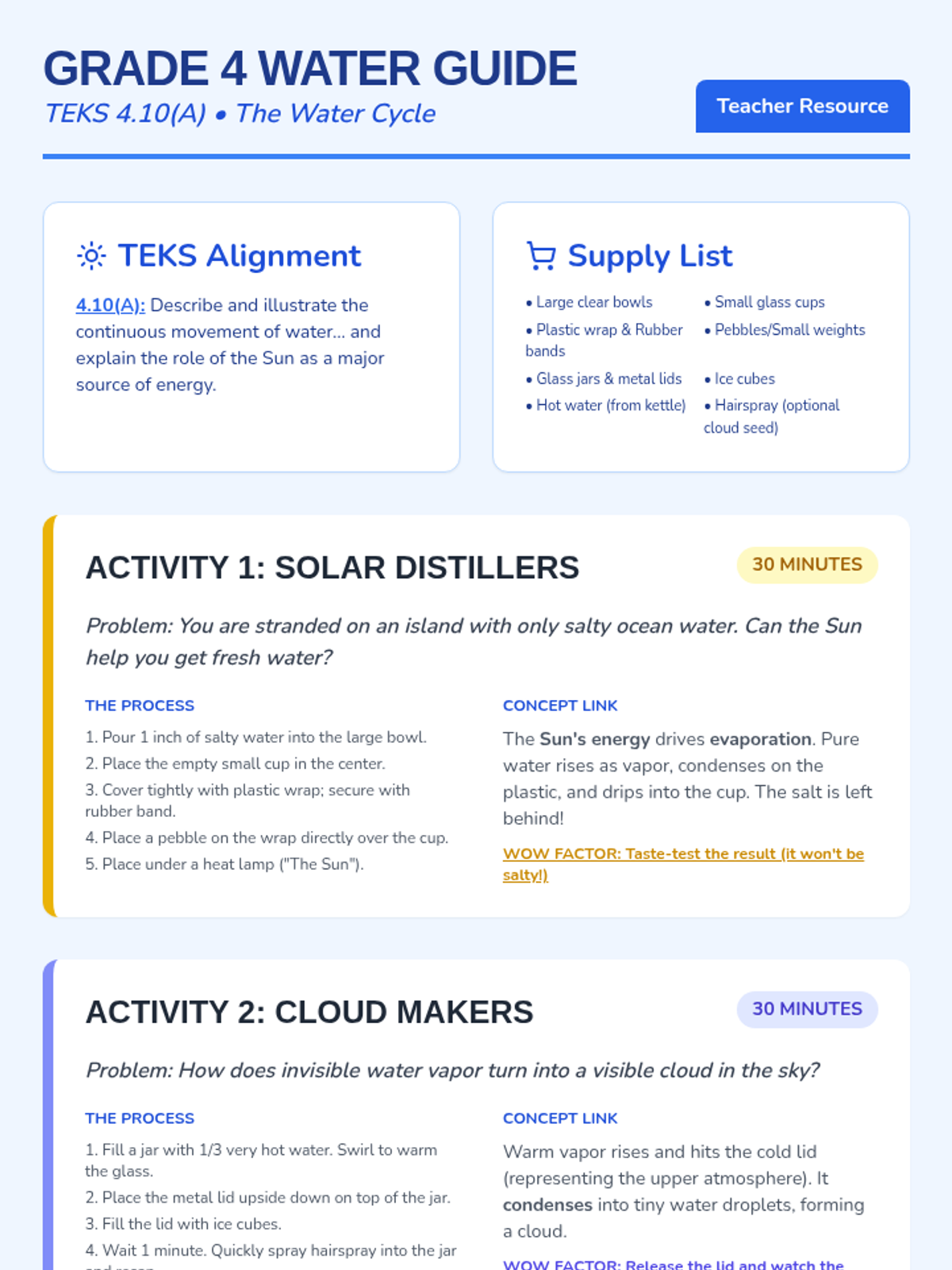
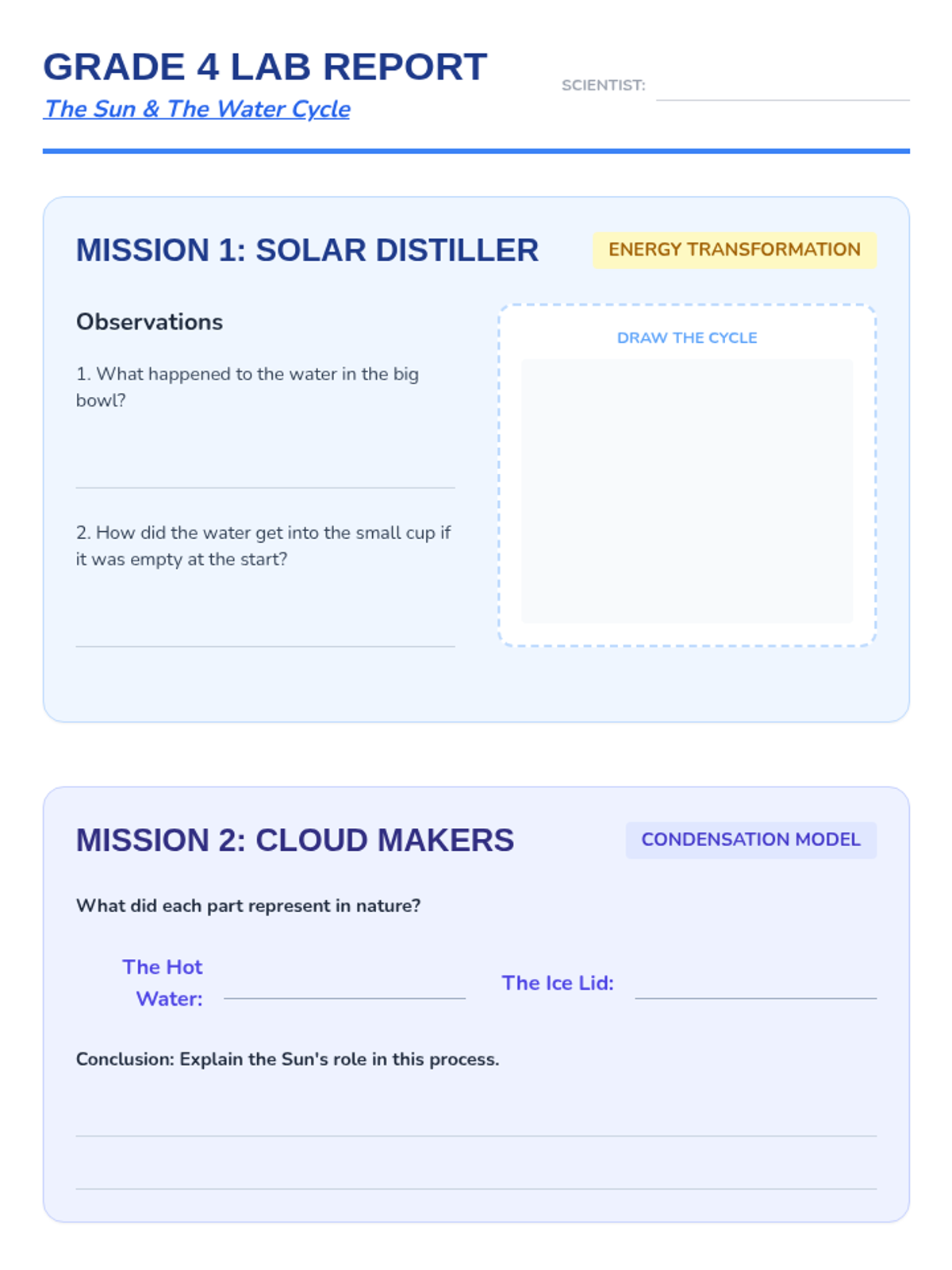
Fourth-grade scientists explore the continuous movement of water and the Sun's role as the primary energy source for evaporation.
Junior engineers model the rapid changes to Earth's surface caused by water and the basic mechanics of the water cycle.
Scientists explore the distribution of water on Earth and the distinct differences between freshwater and saltwater ecosystems through engineering.
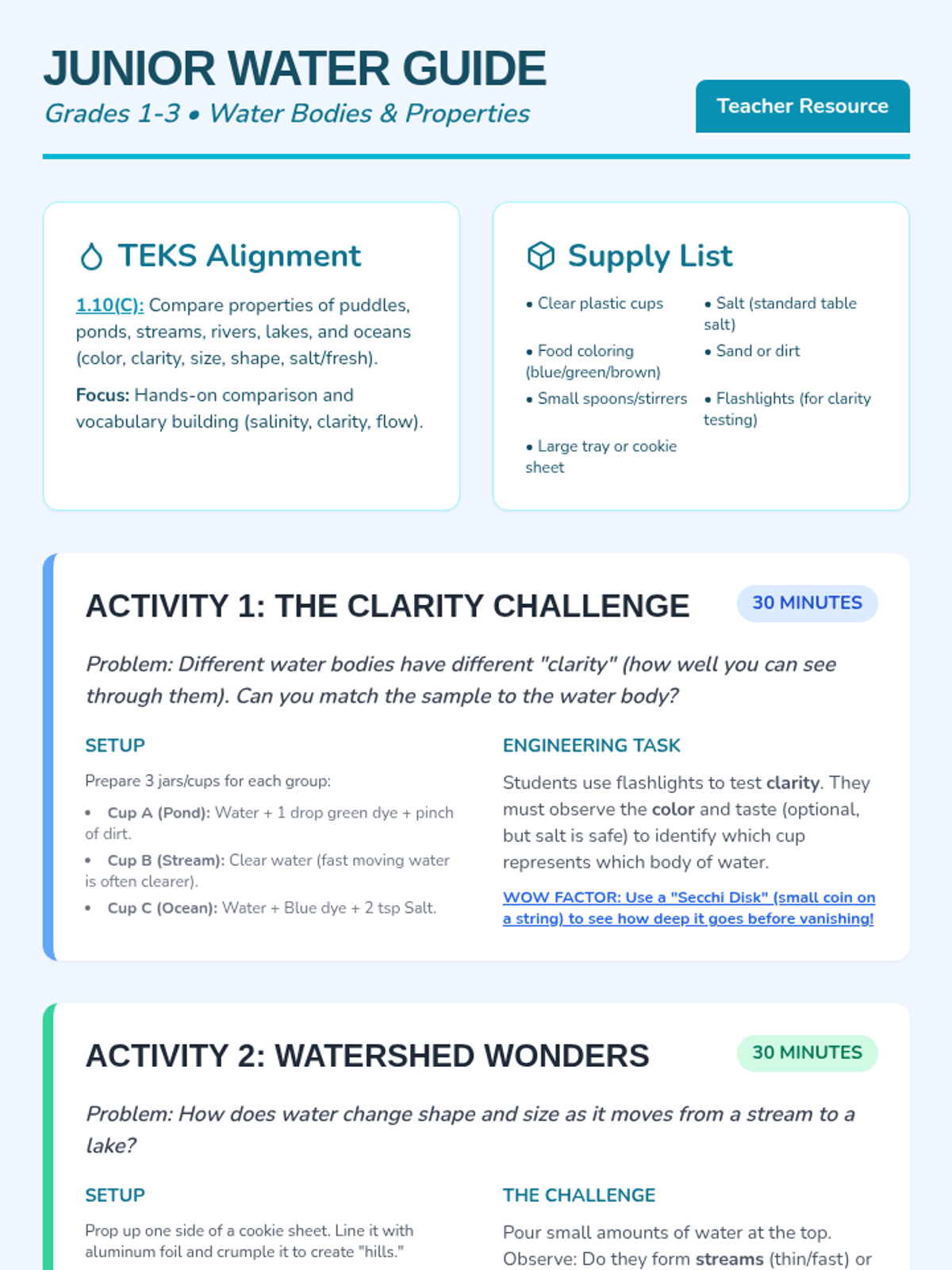
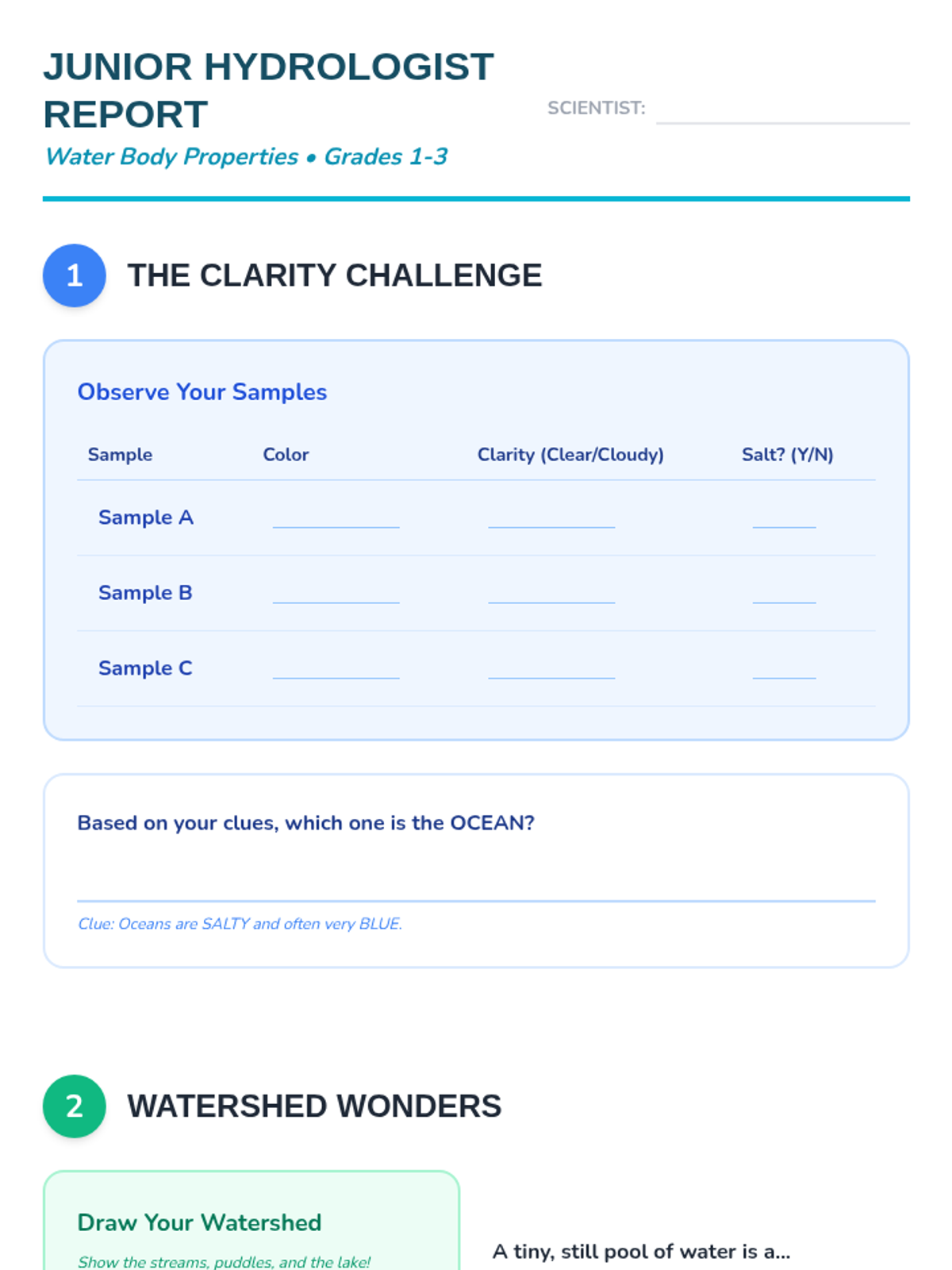
Young hydrologists investigate the physical properties of local and global water bodies, comparing clarity, color, and salinity.
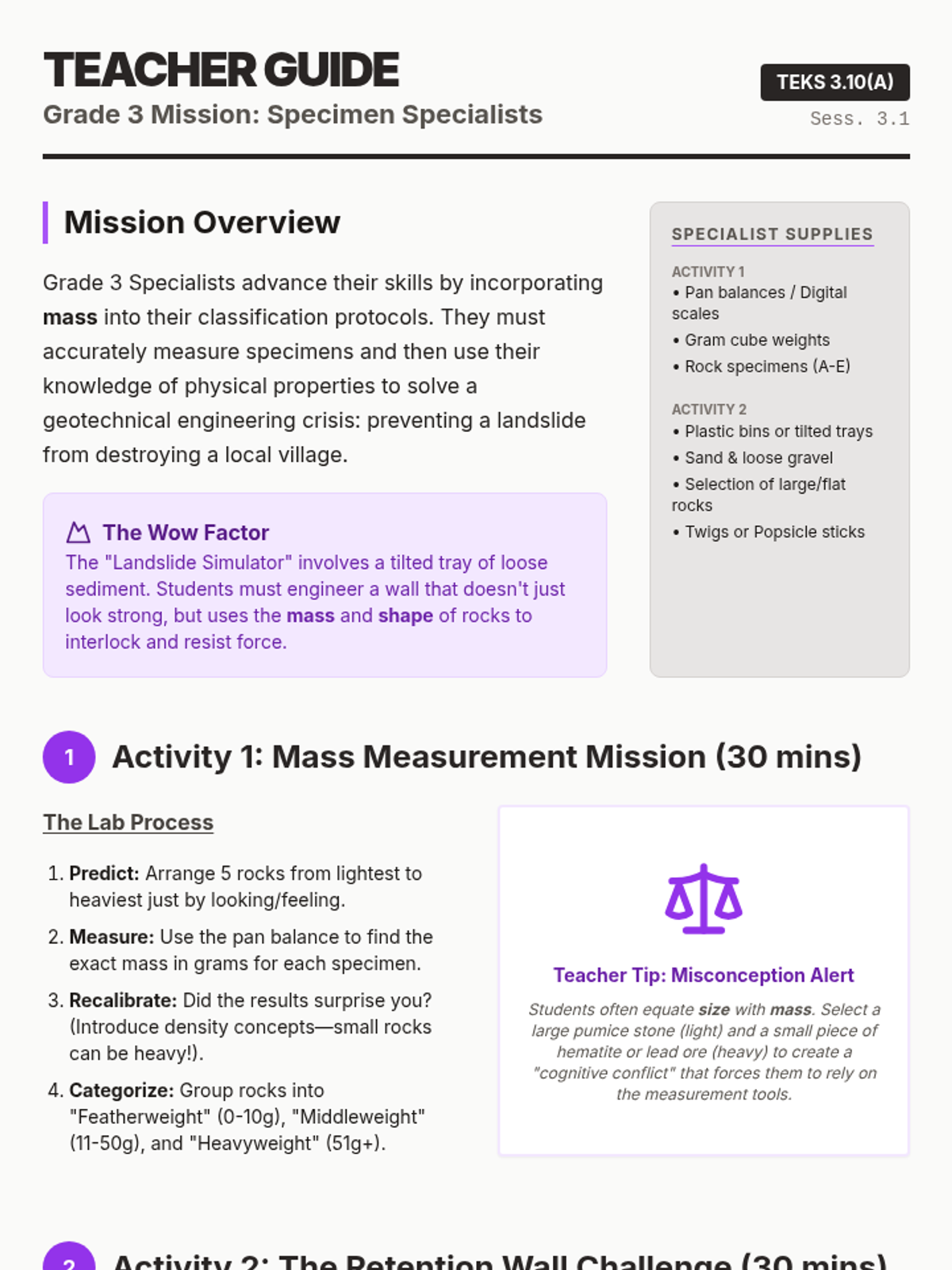
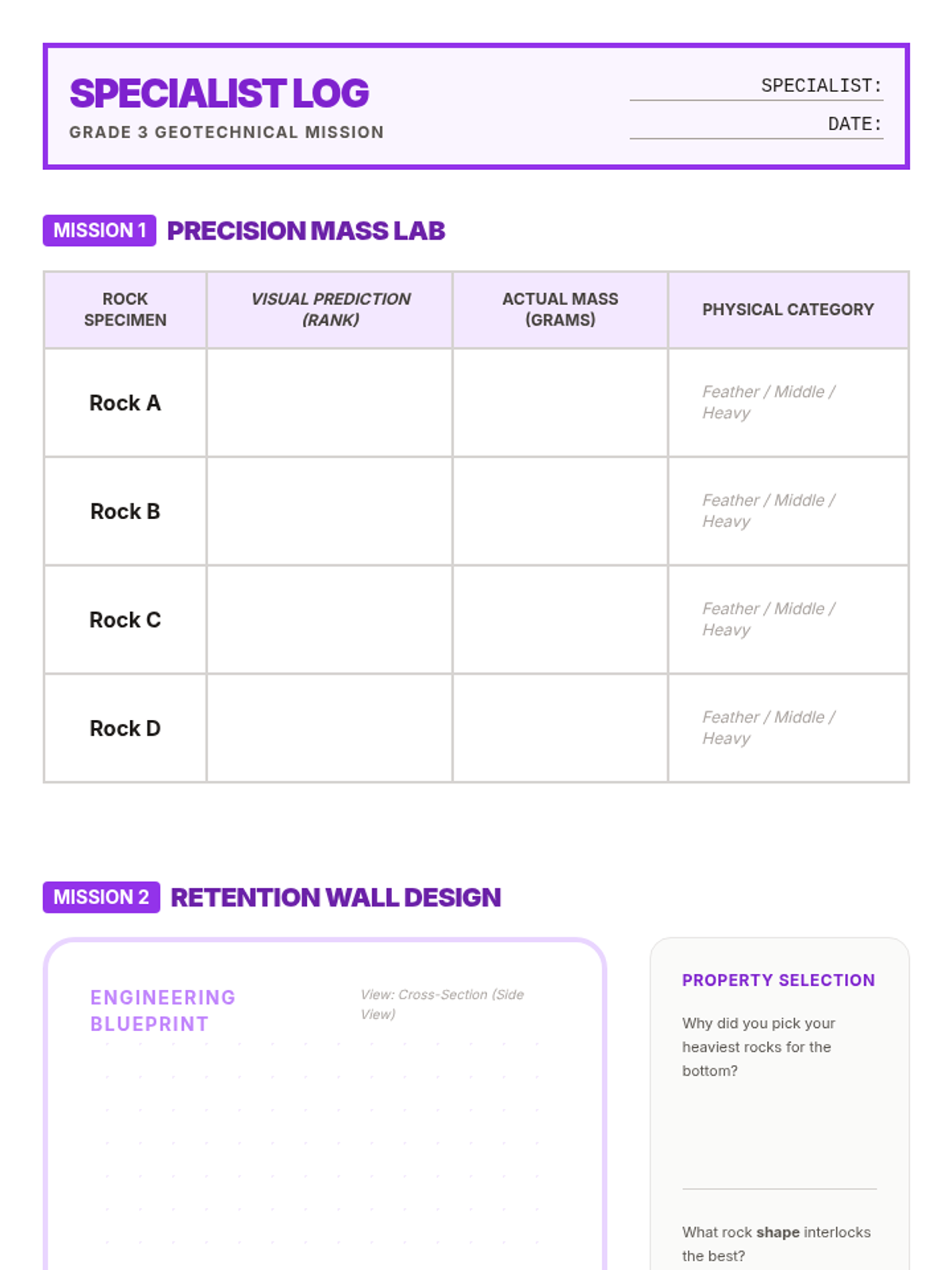
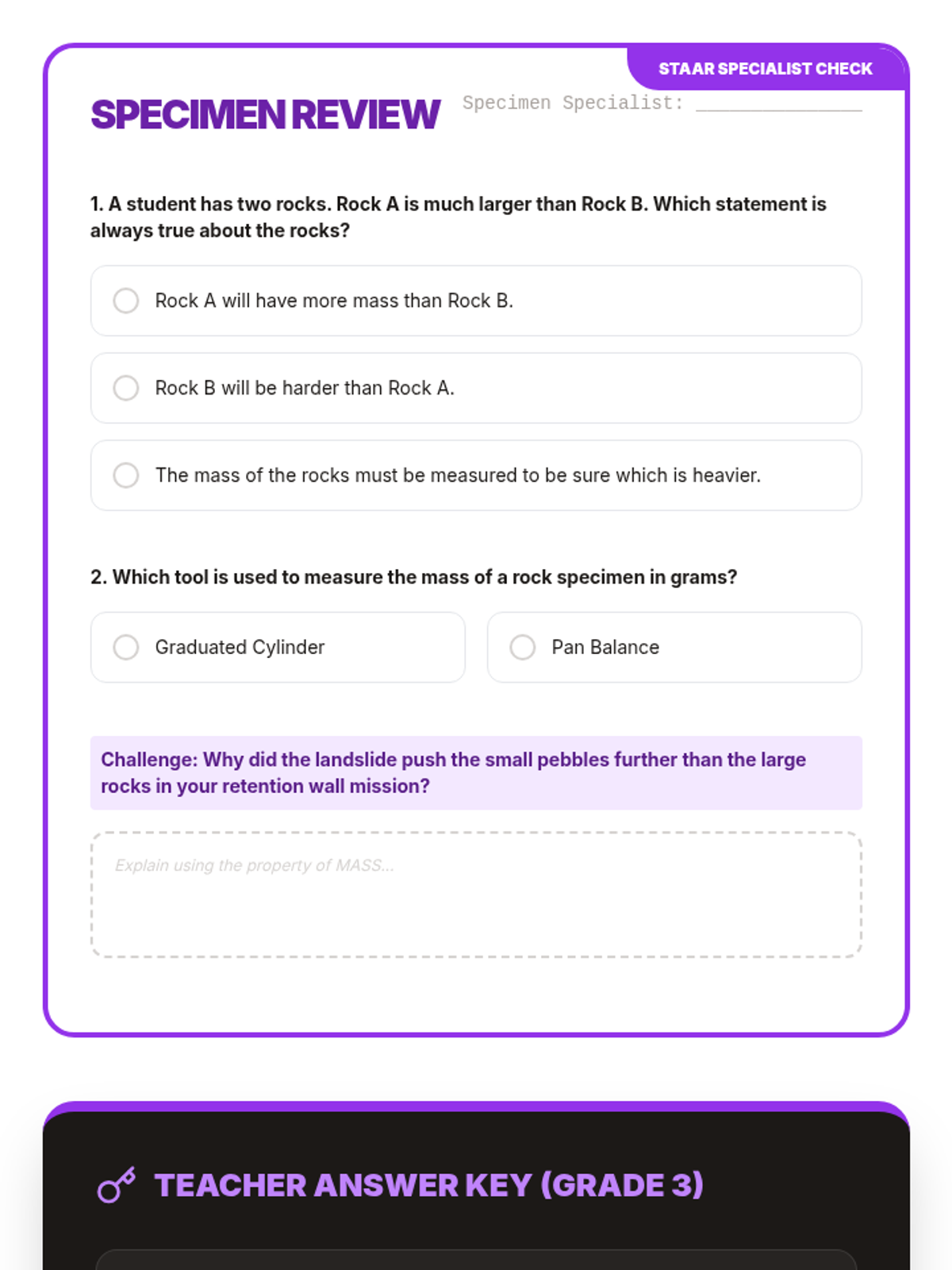
Grade 3 students become 'Specimen Specialists' to measure and record physical properties including mass. They will then engineer a 'Rock Retention Wall' to protect a model town from simulated landslide erosion.
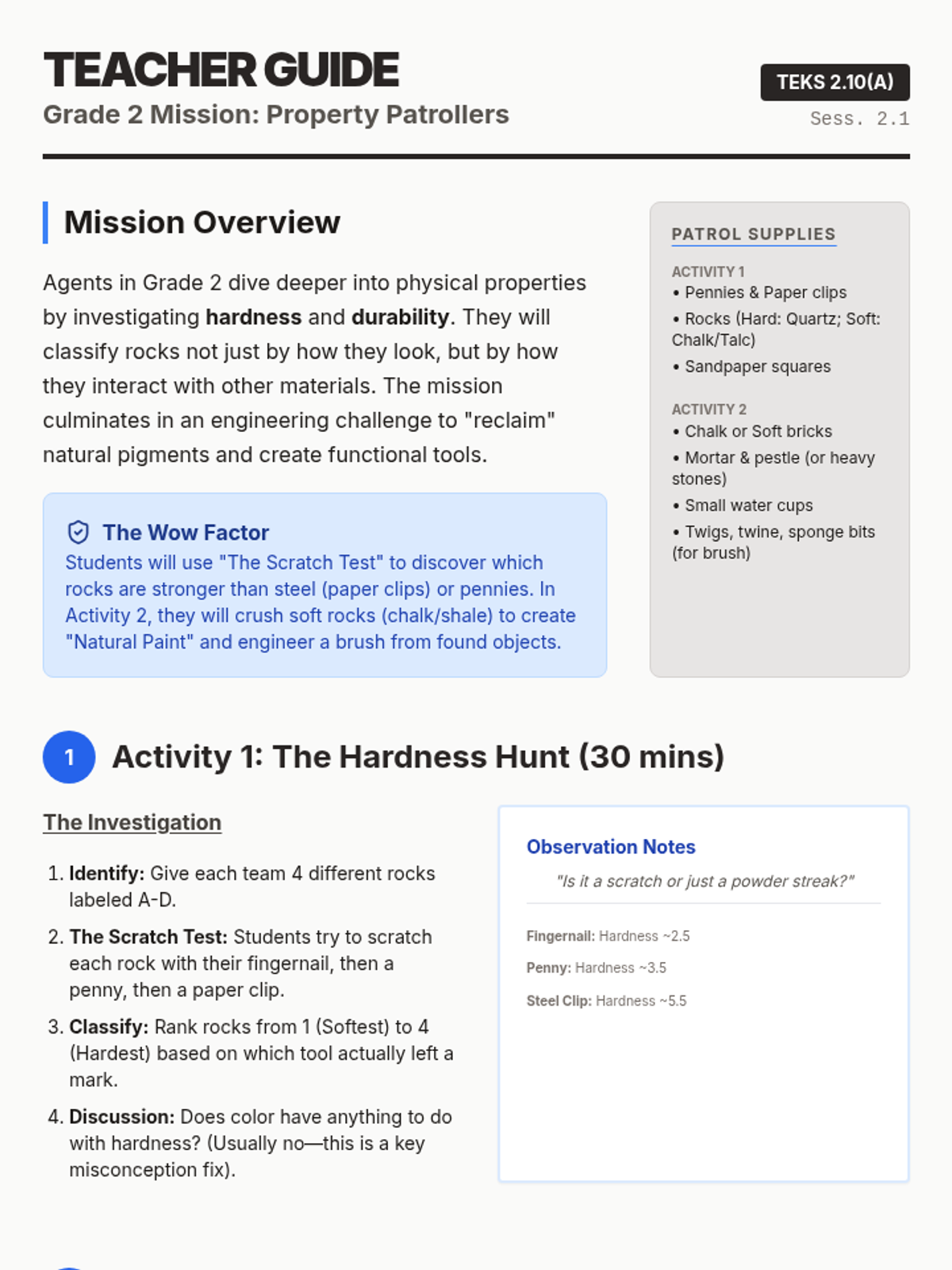
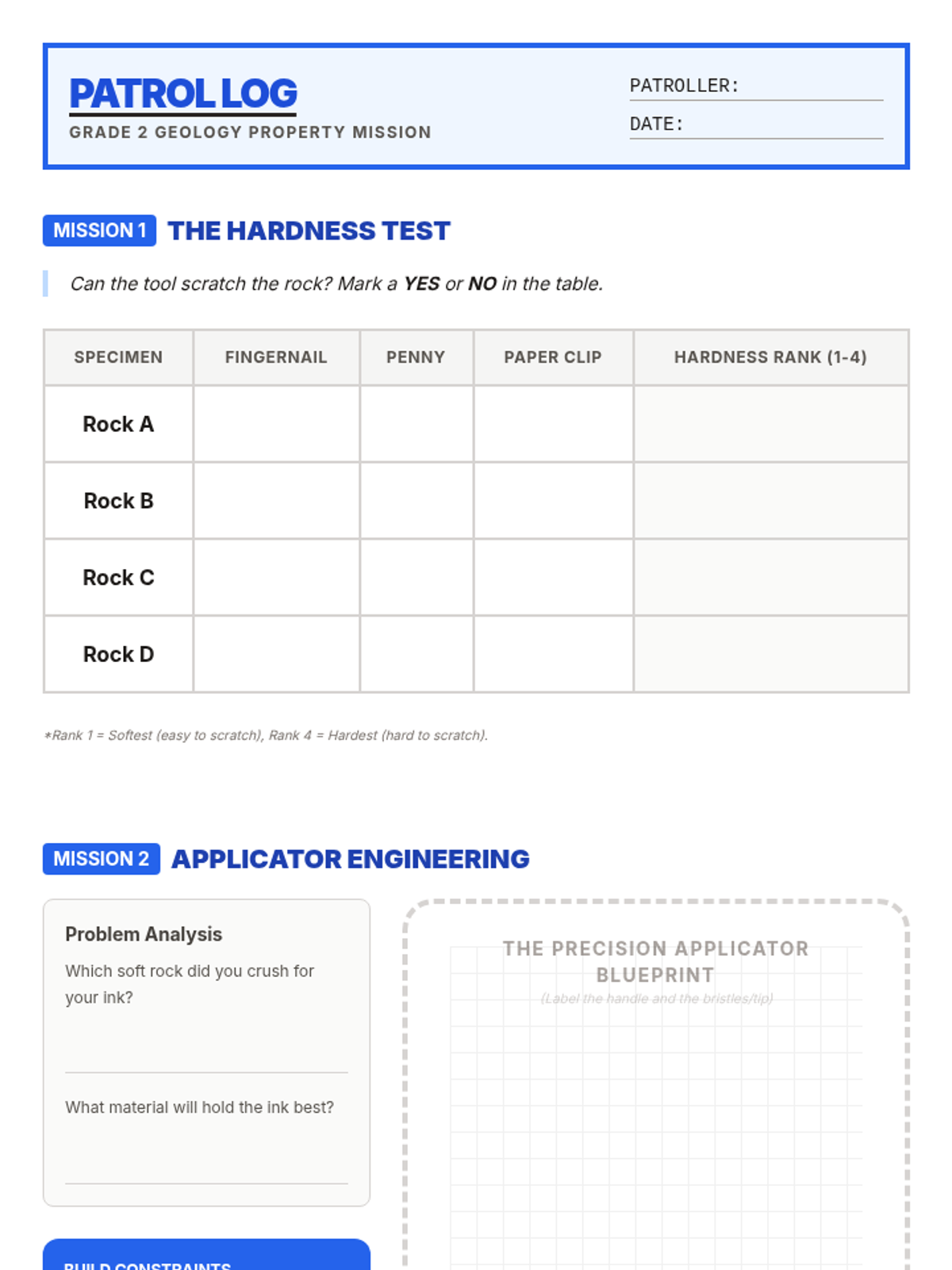
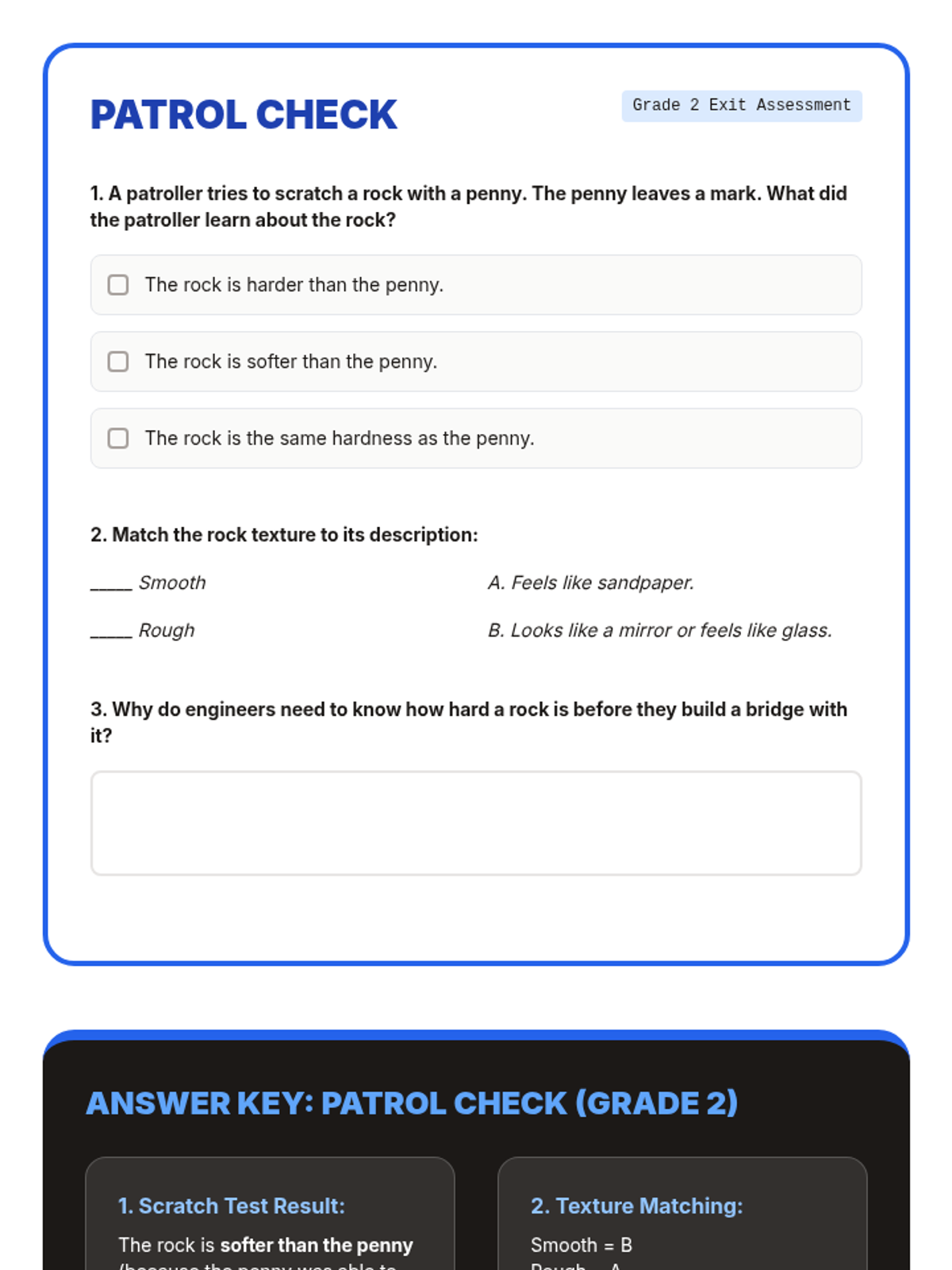
Grade 2 students act as 'Property Patrollers' to investigate rock hardness and texture. They will conduct scratch tests and engineer their own tools to extract mineral pigments for 'cave painting.'
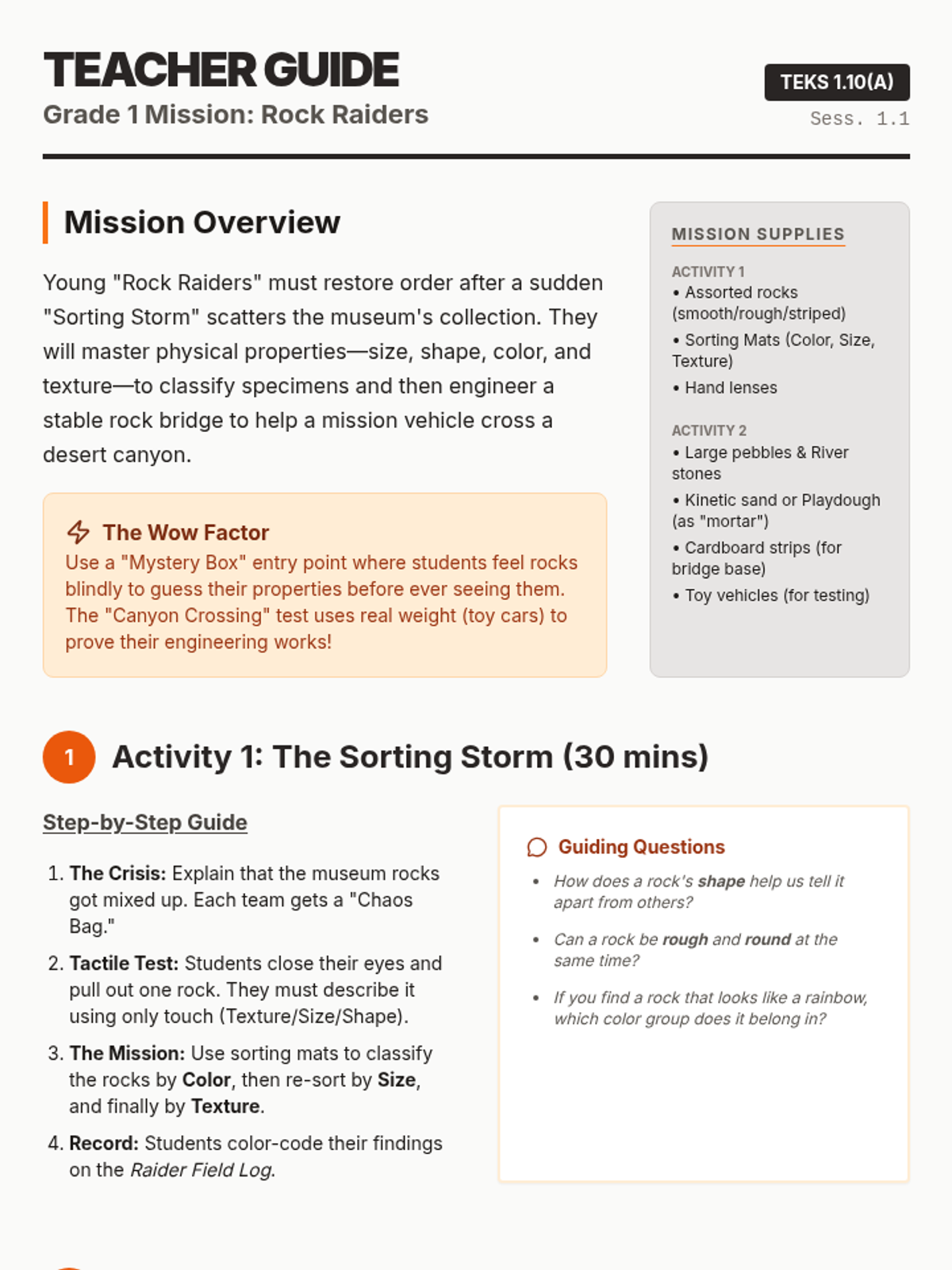
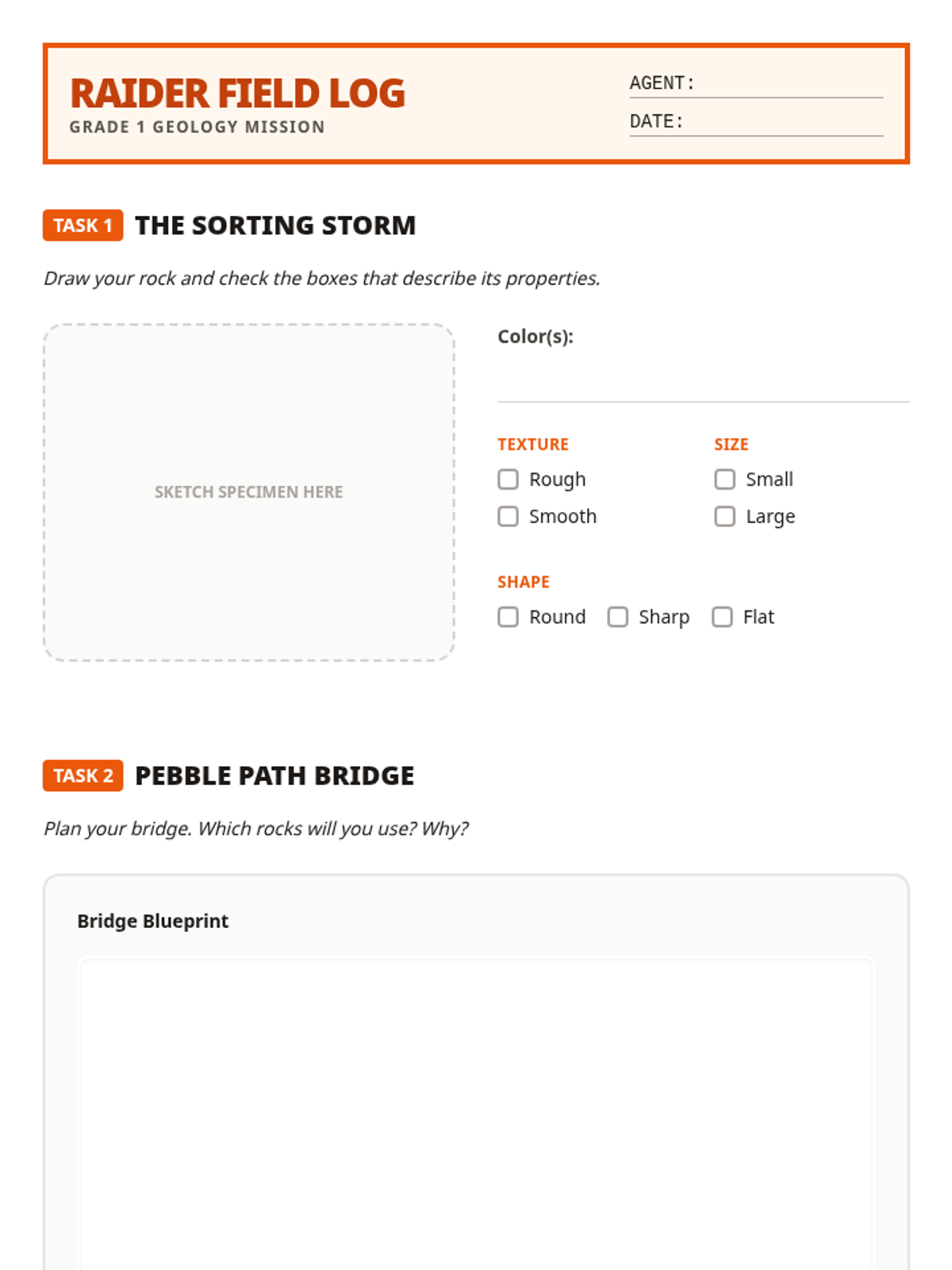
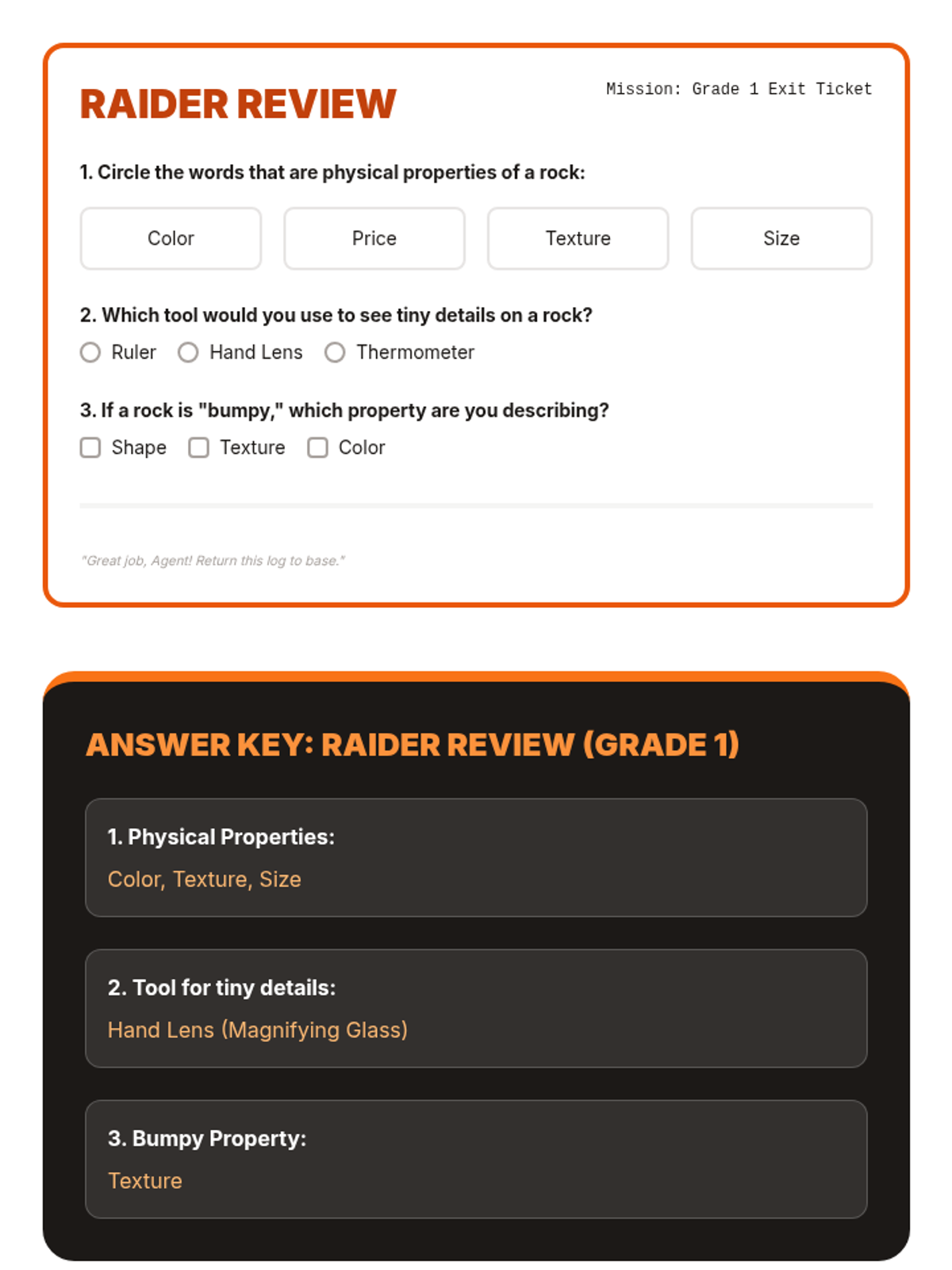
Grade 1 students become 'Rock Raiders' to explore physical properties through a museum sorting mission and engineer a rock-based bridge for a toy vehicle.
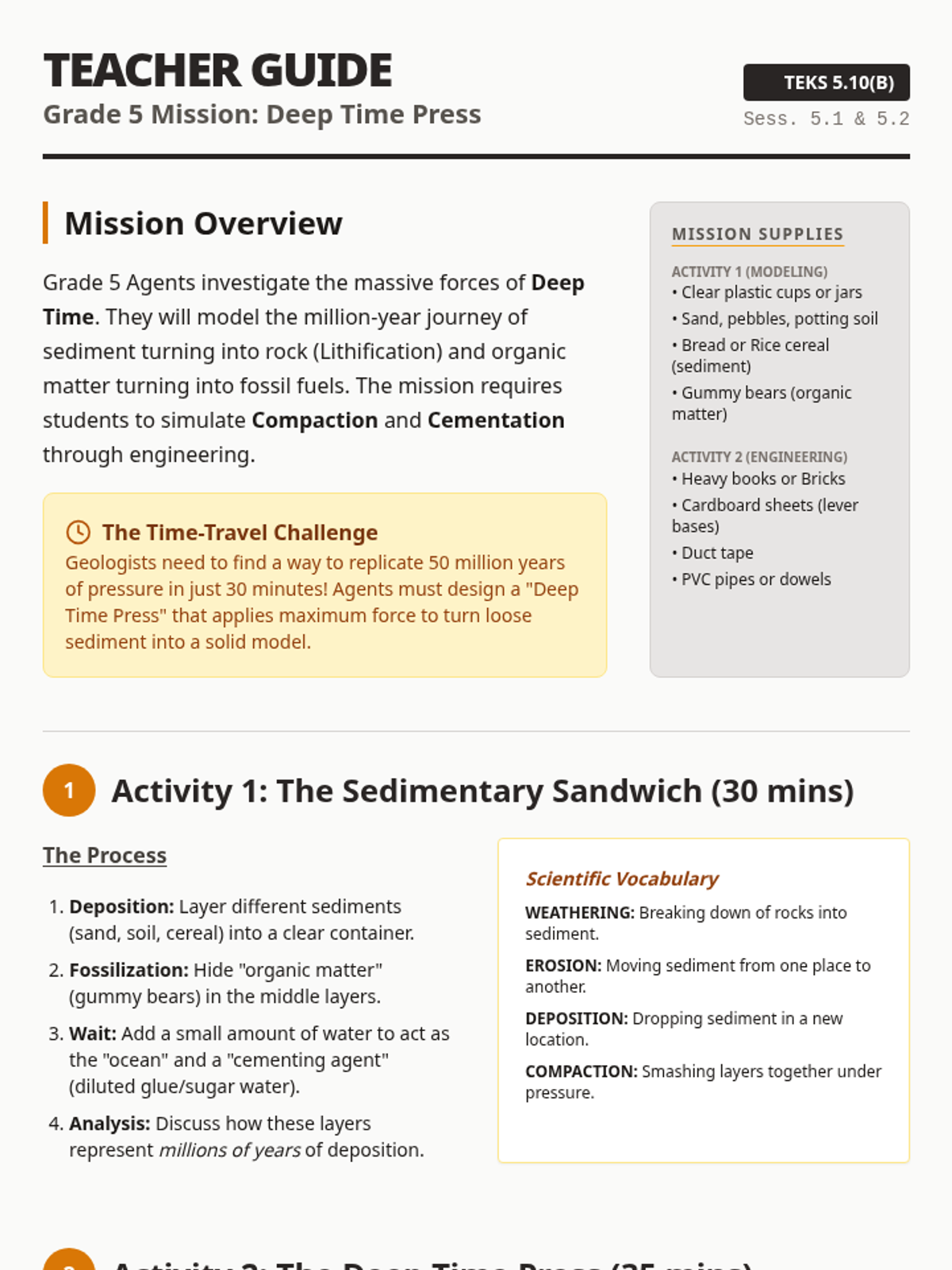
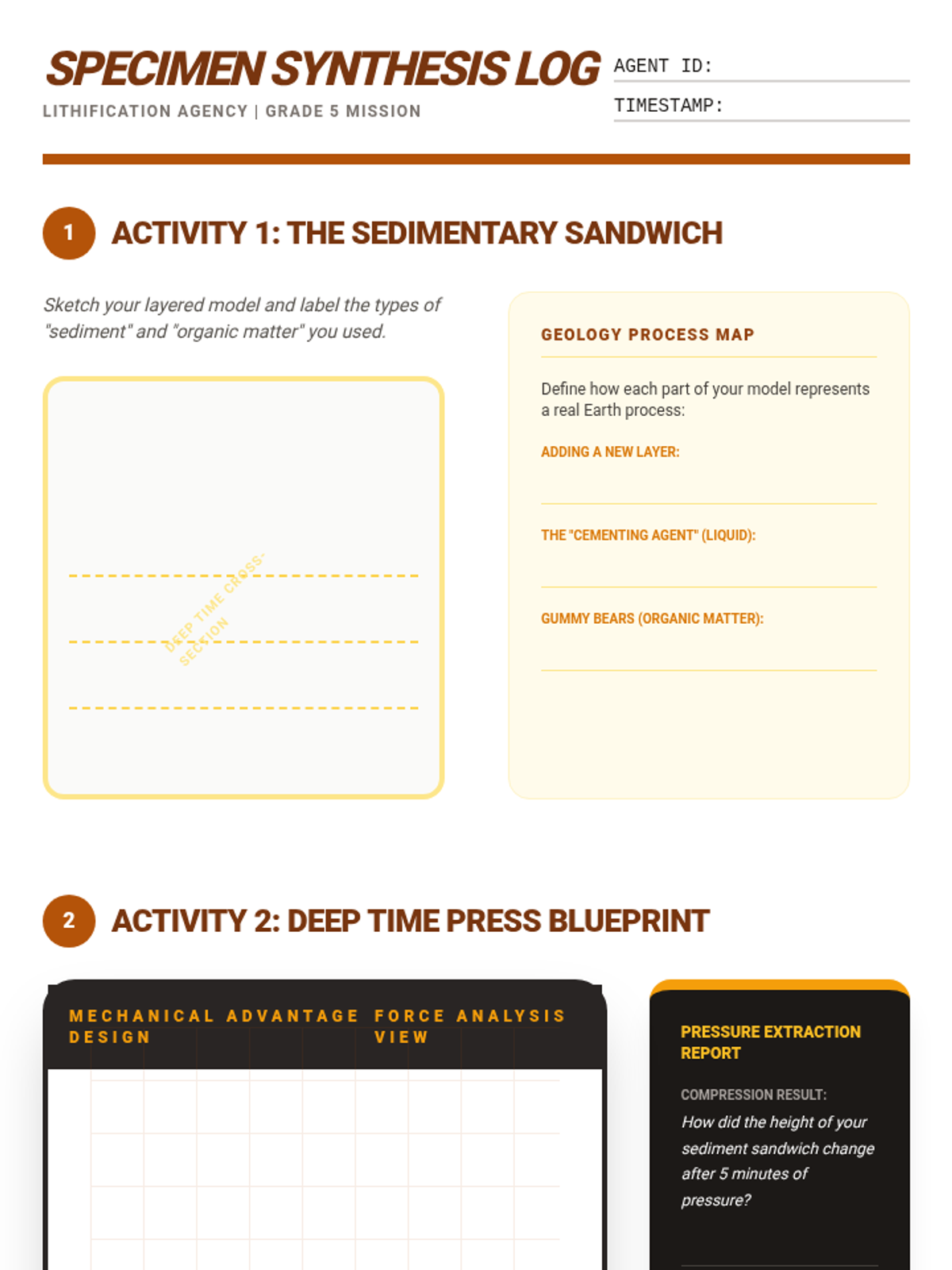
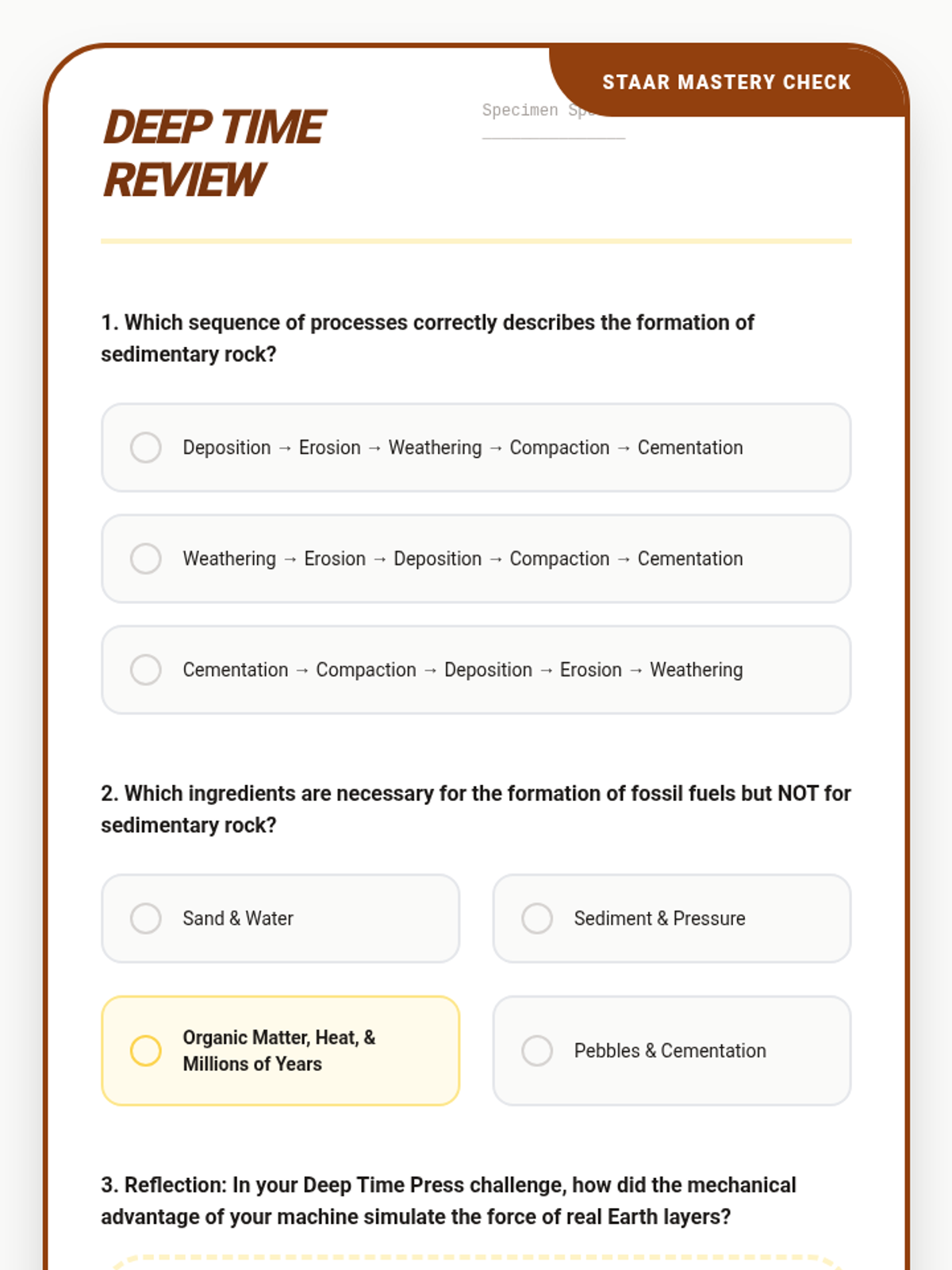
Grade 5 students model the formation of sedimentary rocks and fossil fuels. They will create a layered sediment model and engineer a compression machine to simulate the intense pressure needed for rock formation.
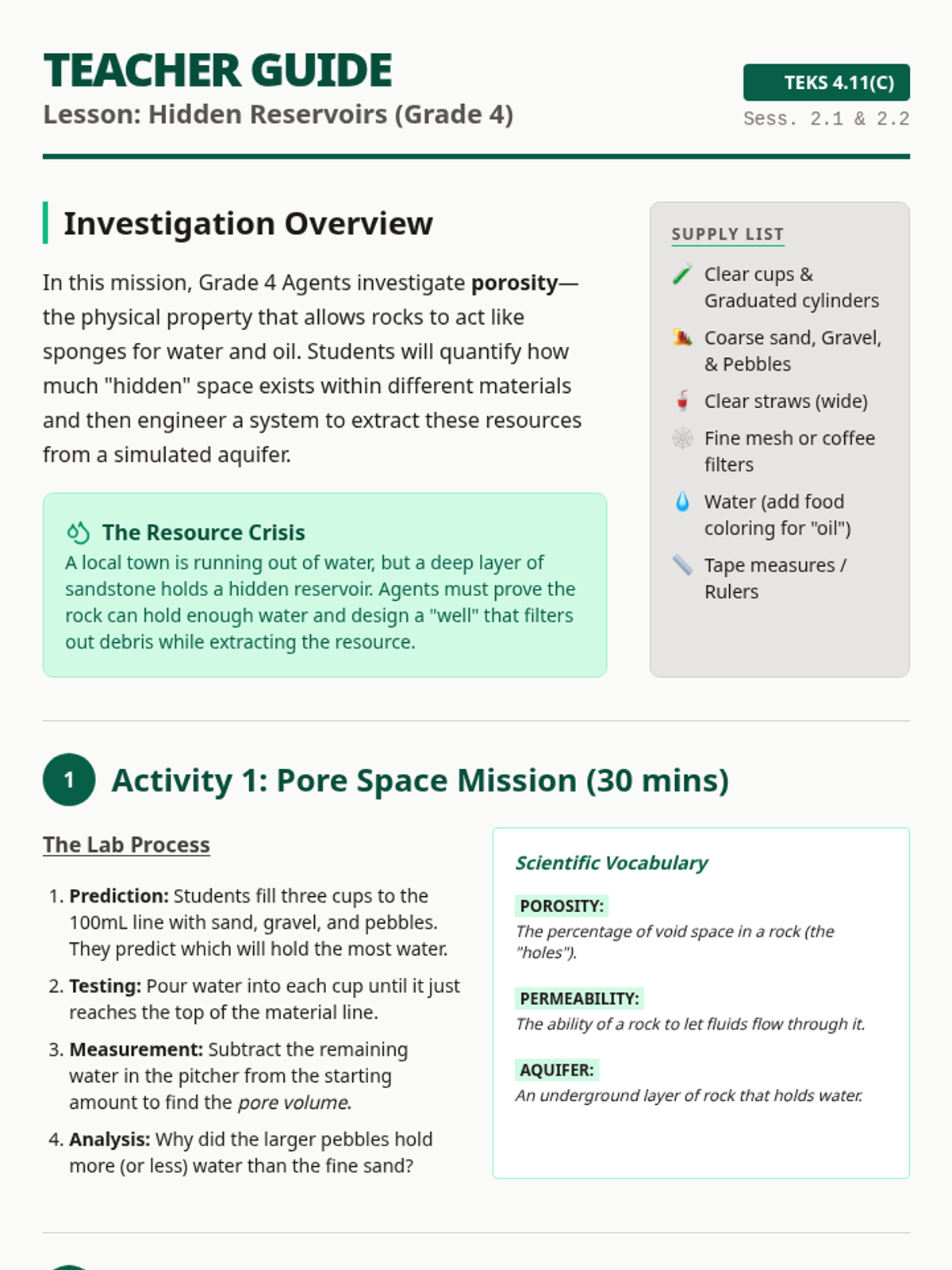
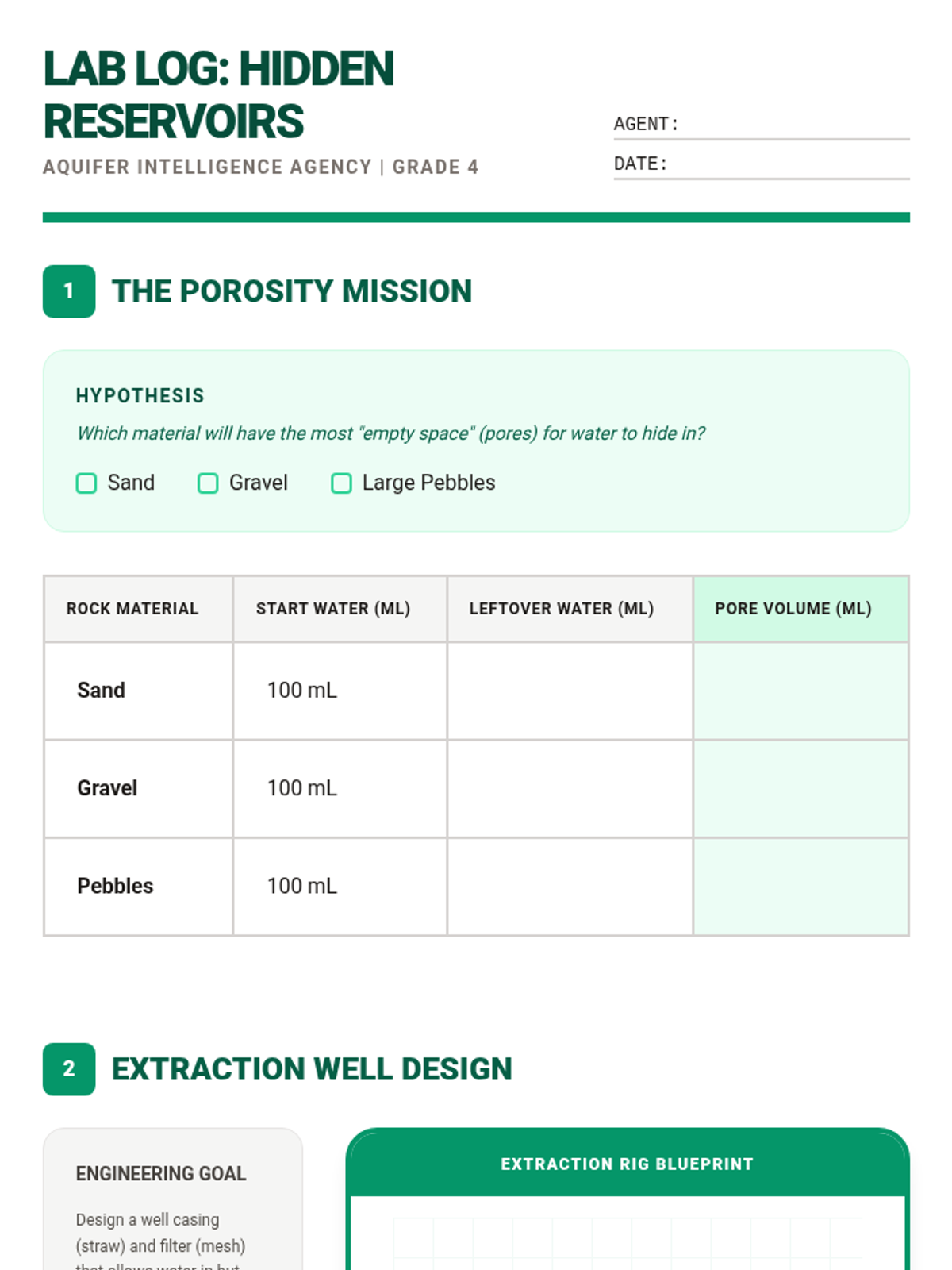
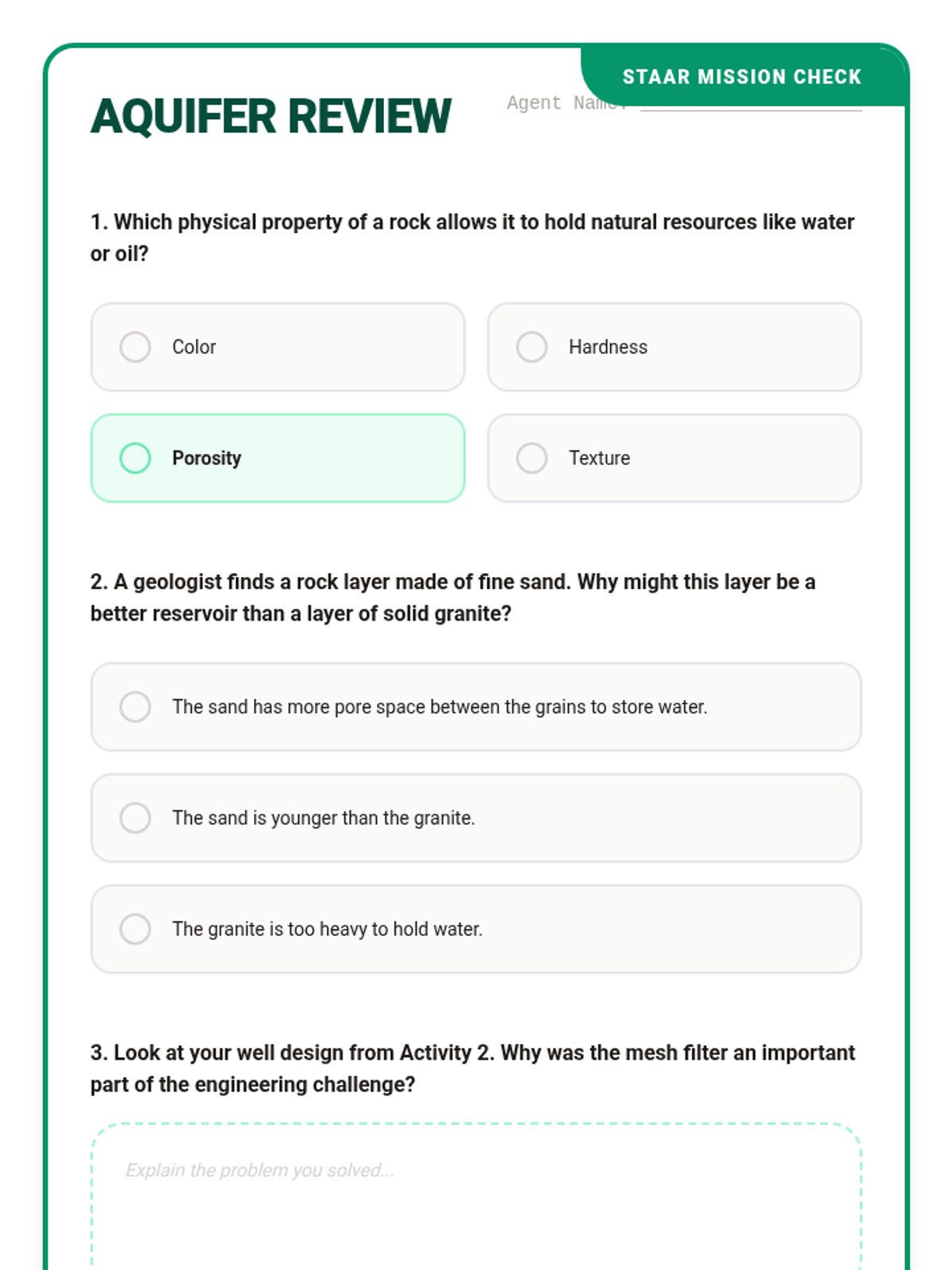
Grade 4 students investigate the physical properties of rocks that allow them to store Earth's natural resources. They will test porosity and design a 'well' system to extract resources from a simulated rock layer.
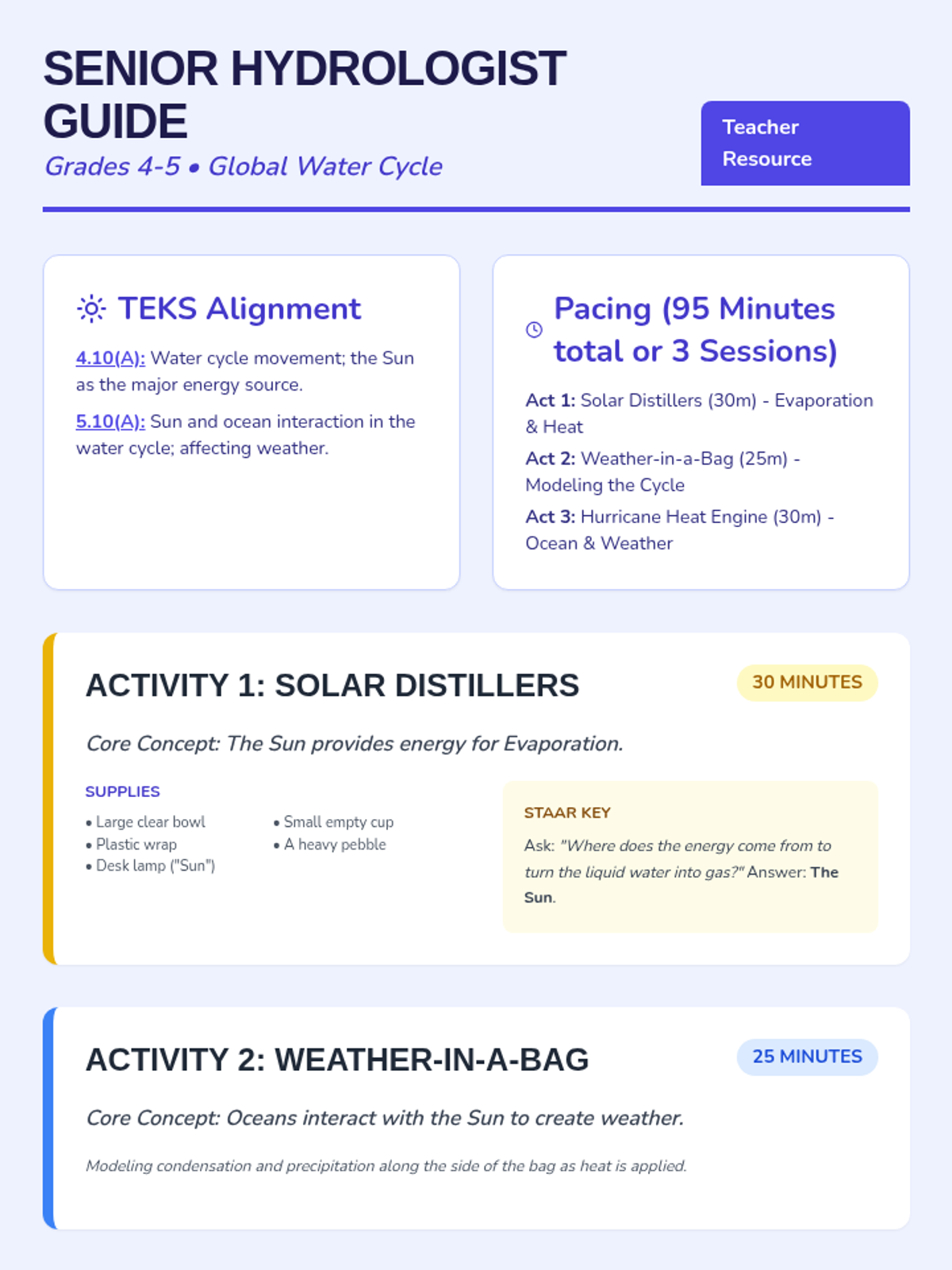
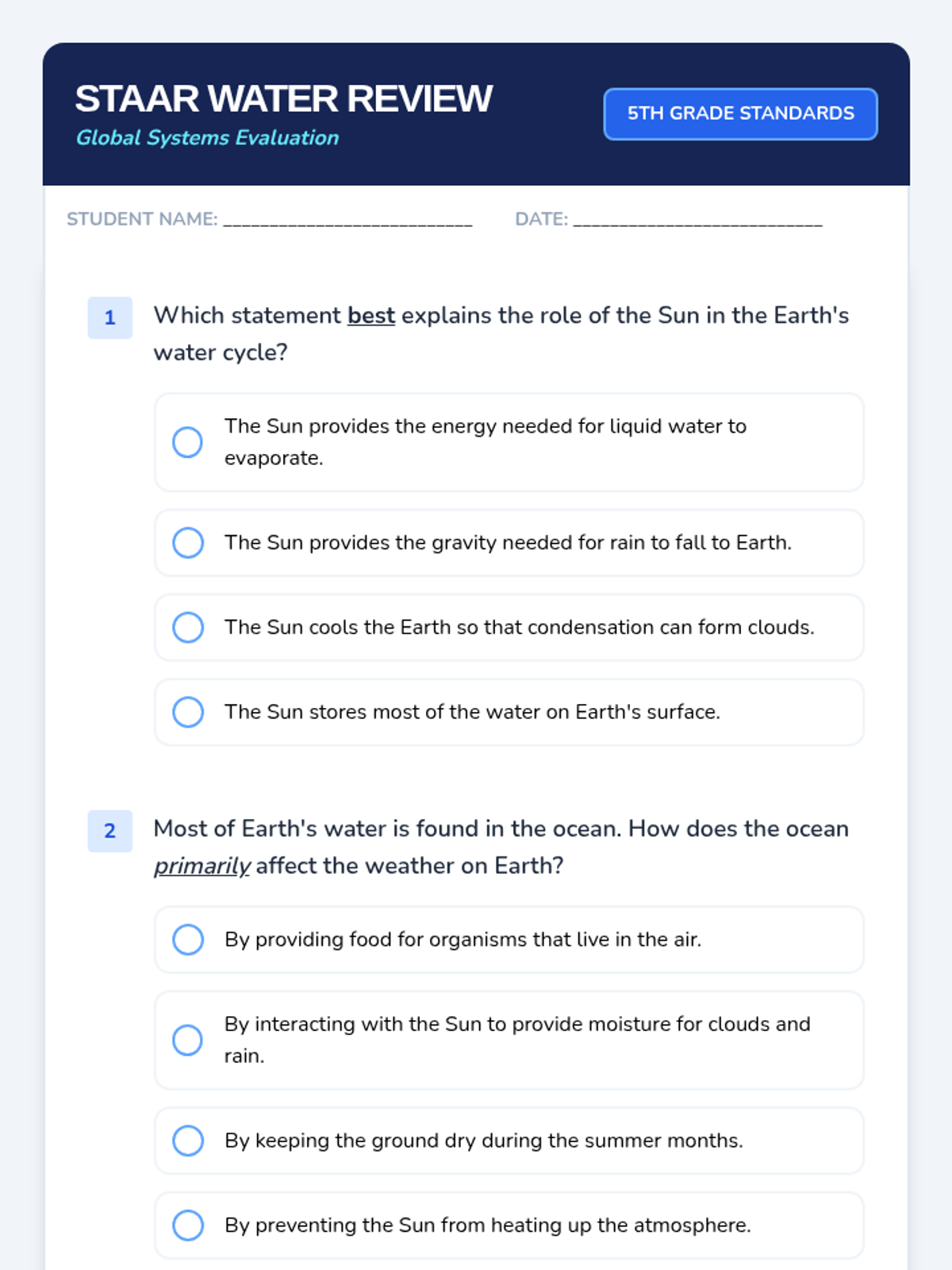
Fifth-grade experts investigate the complex interactions between the Sun and the ocean, discovering how ocean heat fuels weather patterns and tracking hurricanes as 'heat engines'.
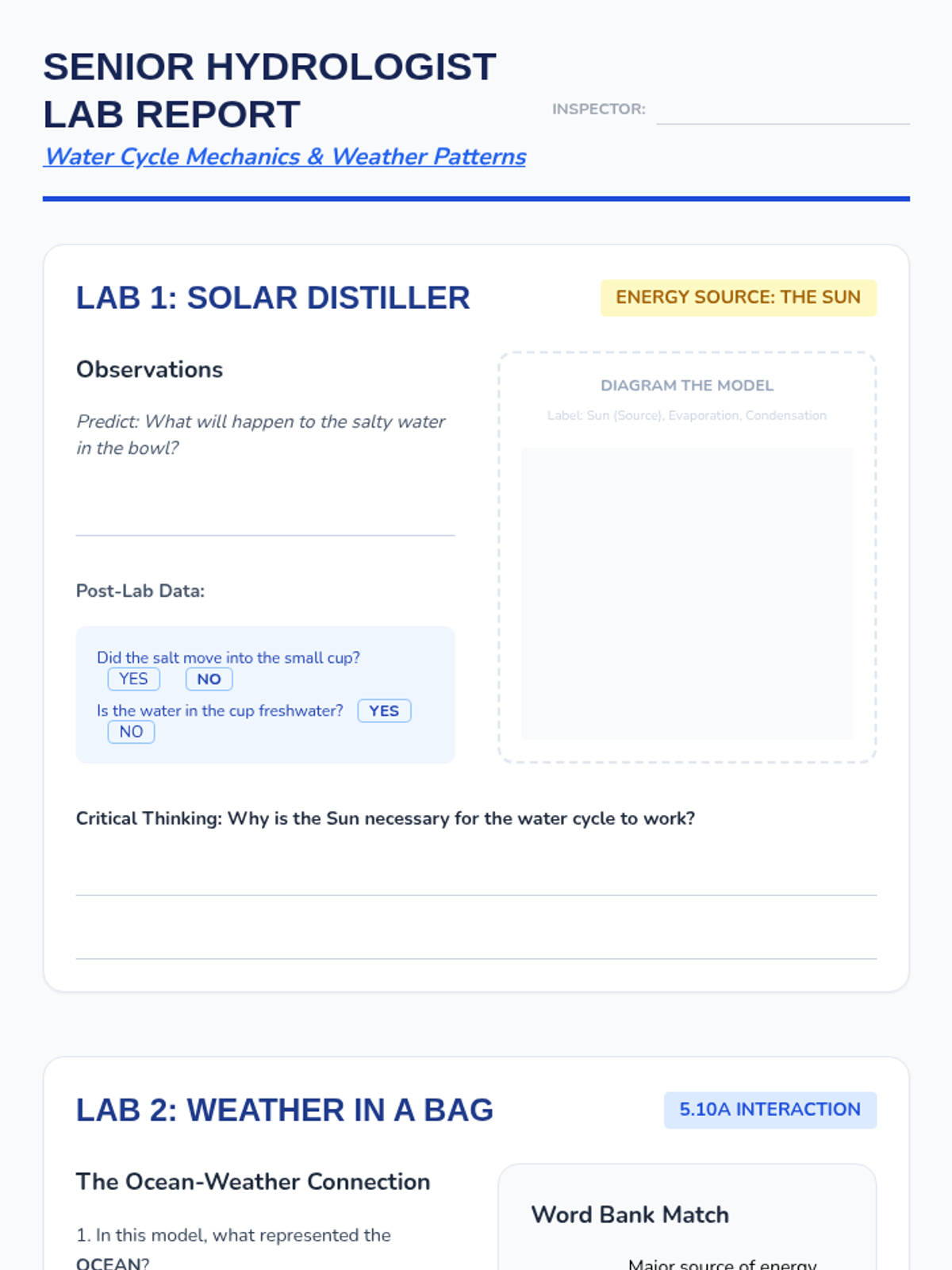
Fourth-grade scientists explore the continuous movement of water through the water cycle, identifying the Sun as the primary energy source for evaporation and modeling condensation.
Senior hydrologists dive into the global water cycle, focusing on the Sun's role as an energy source and the massive influence of the ocean on weather patterns.
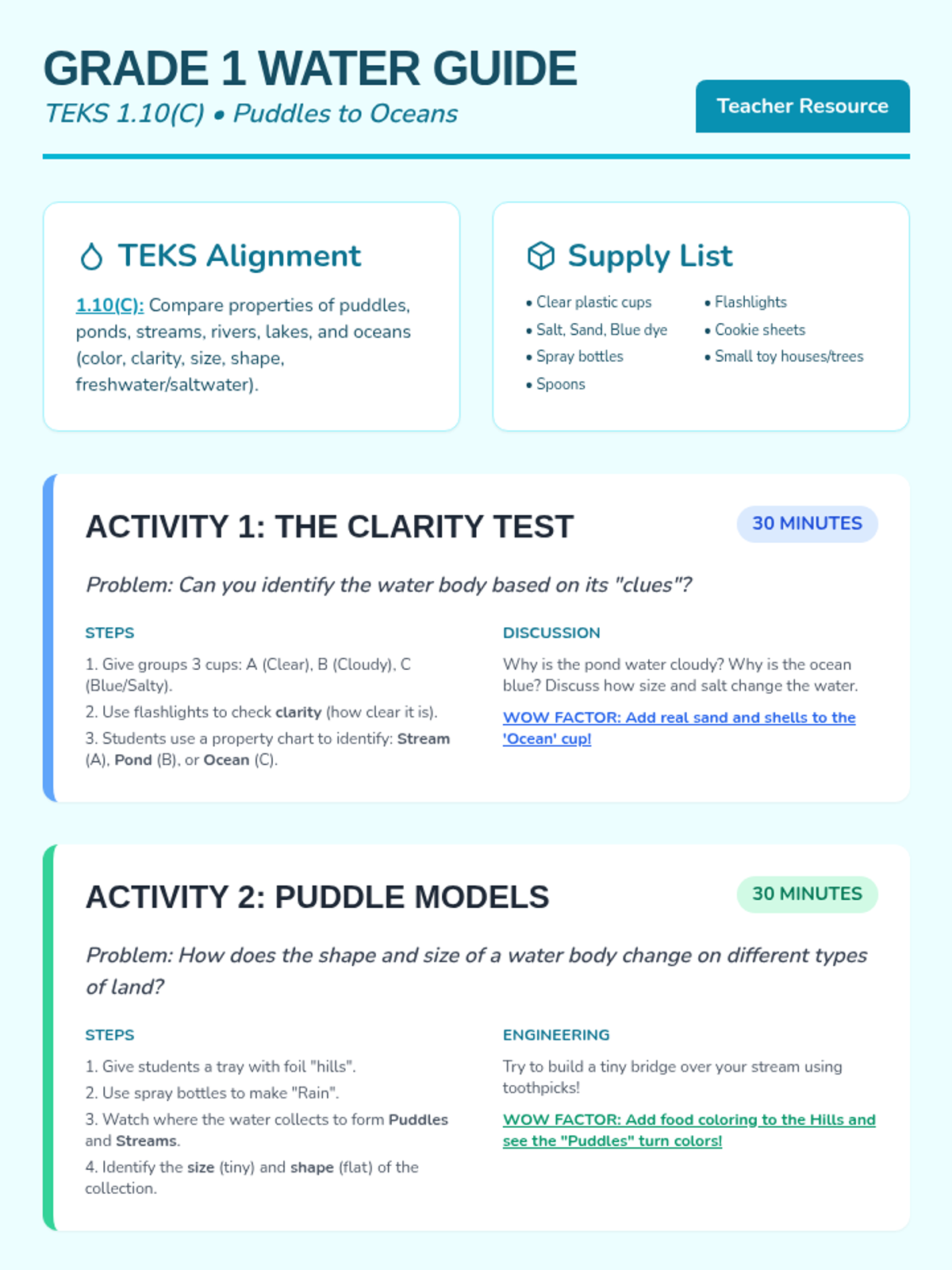
Junior scientists explore the diversity of Earth's water bodies, comparing ponds to oceans and investigating how water moves. Includes hands-on models of salinity and clarity.
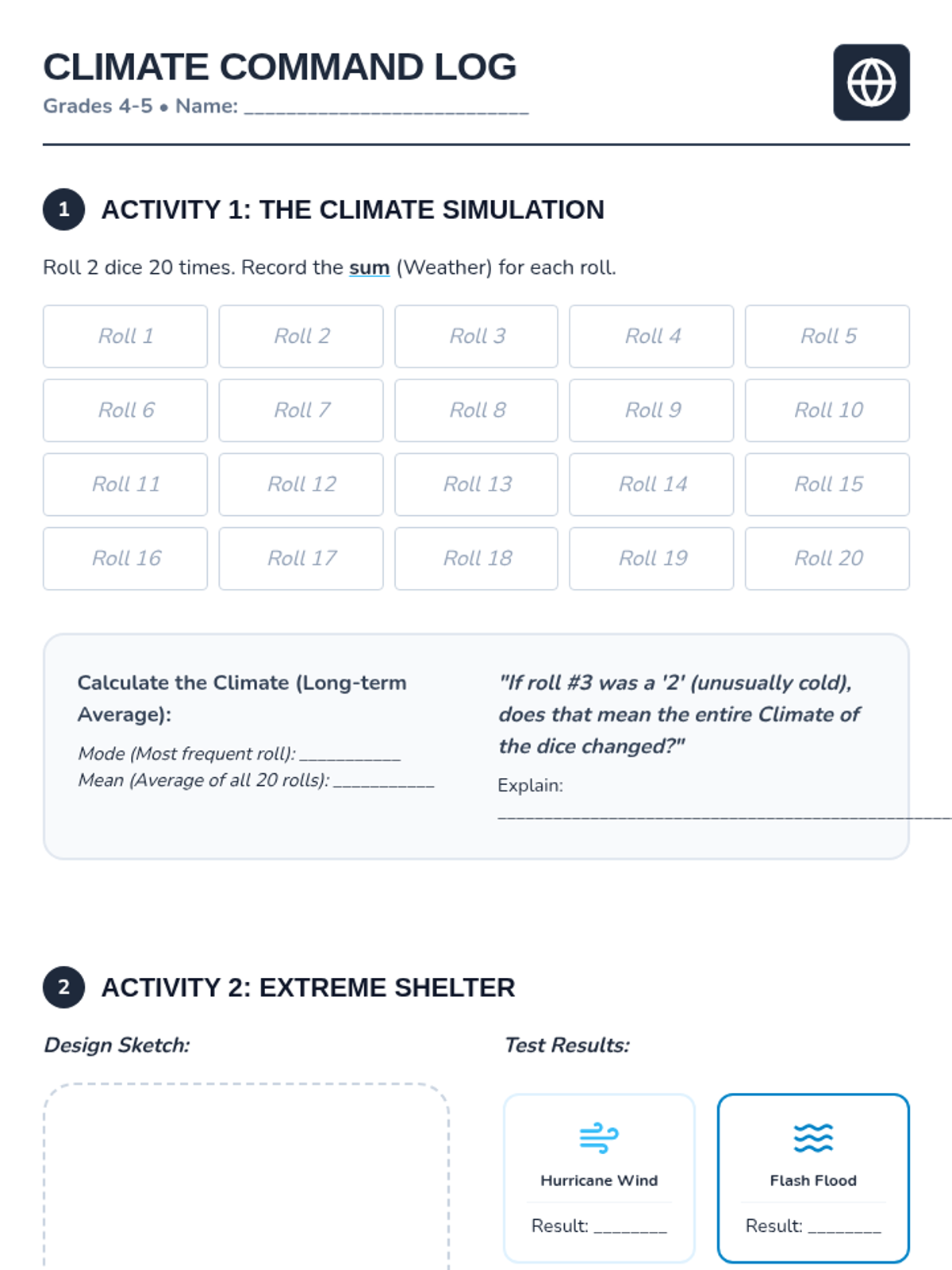
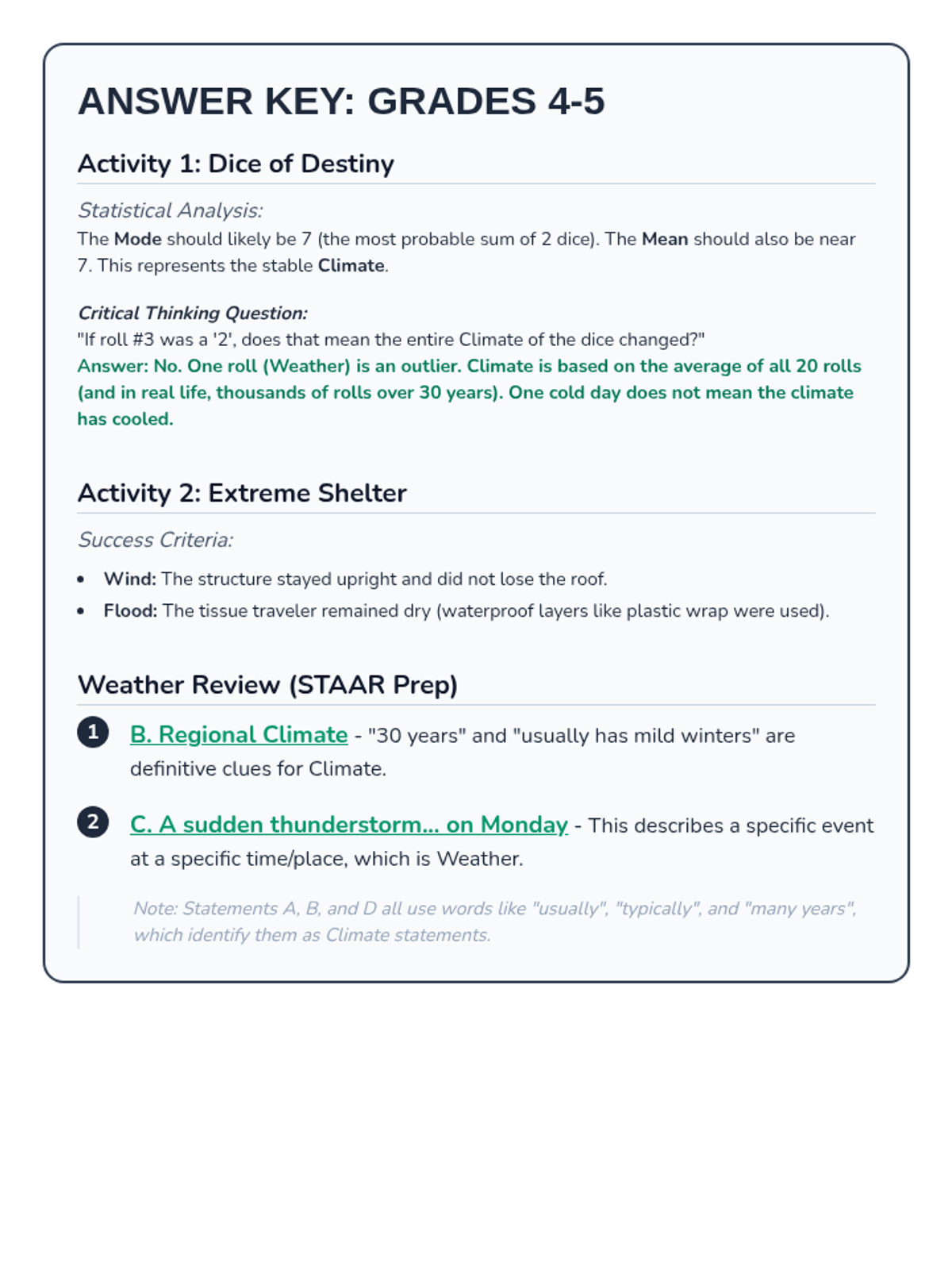
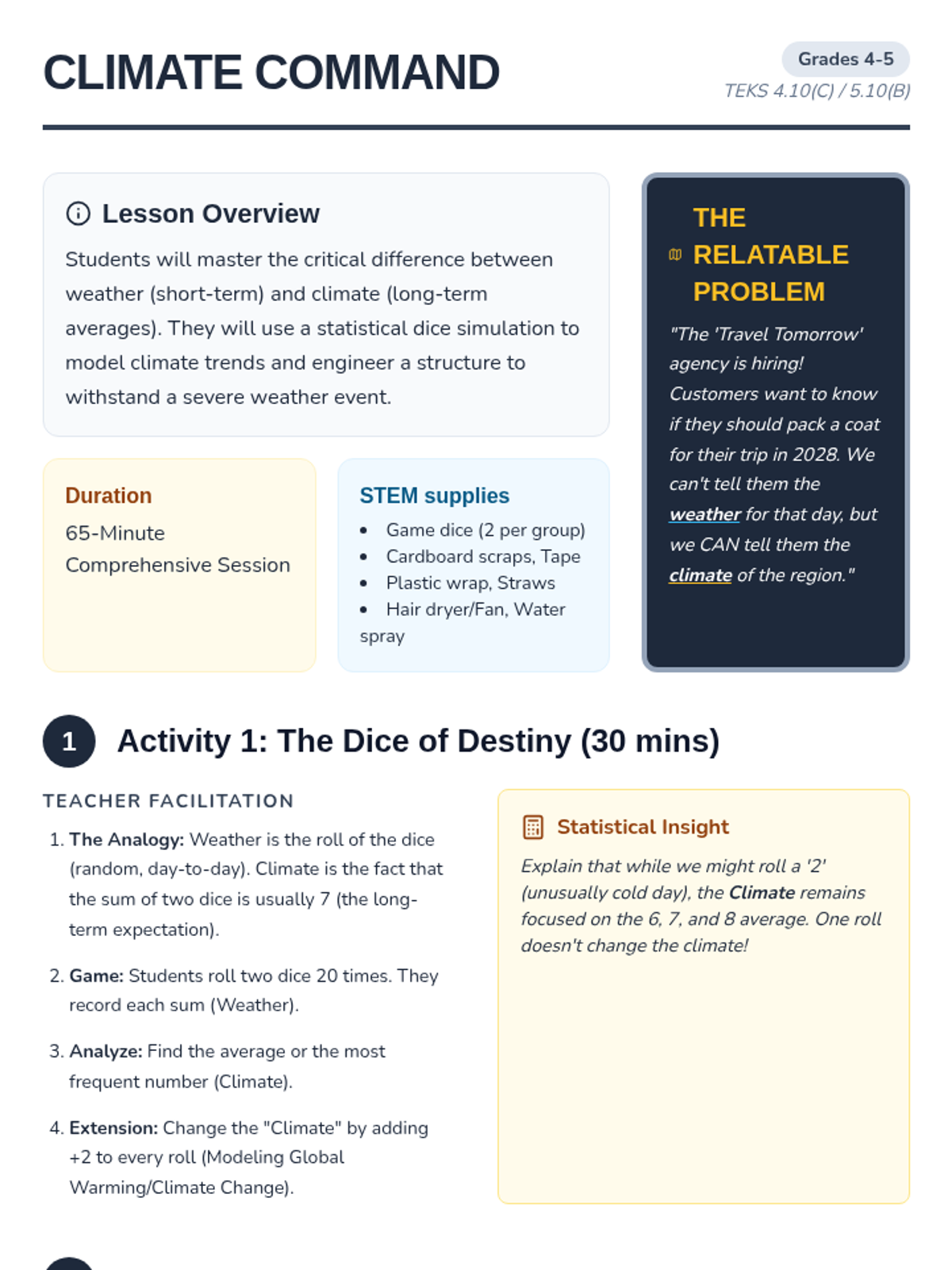
Upper elementary students will master the difference between weather and climate through a statistical dice simulation and a severe weather engineering challenge.