A 30-minute introductory Spanish lesson where 3rd graders act as detectives to identify and categorize common and proper nouns (sustantivos comunes y propios).
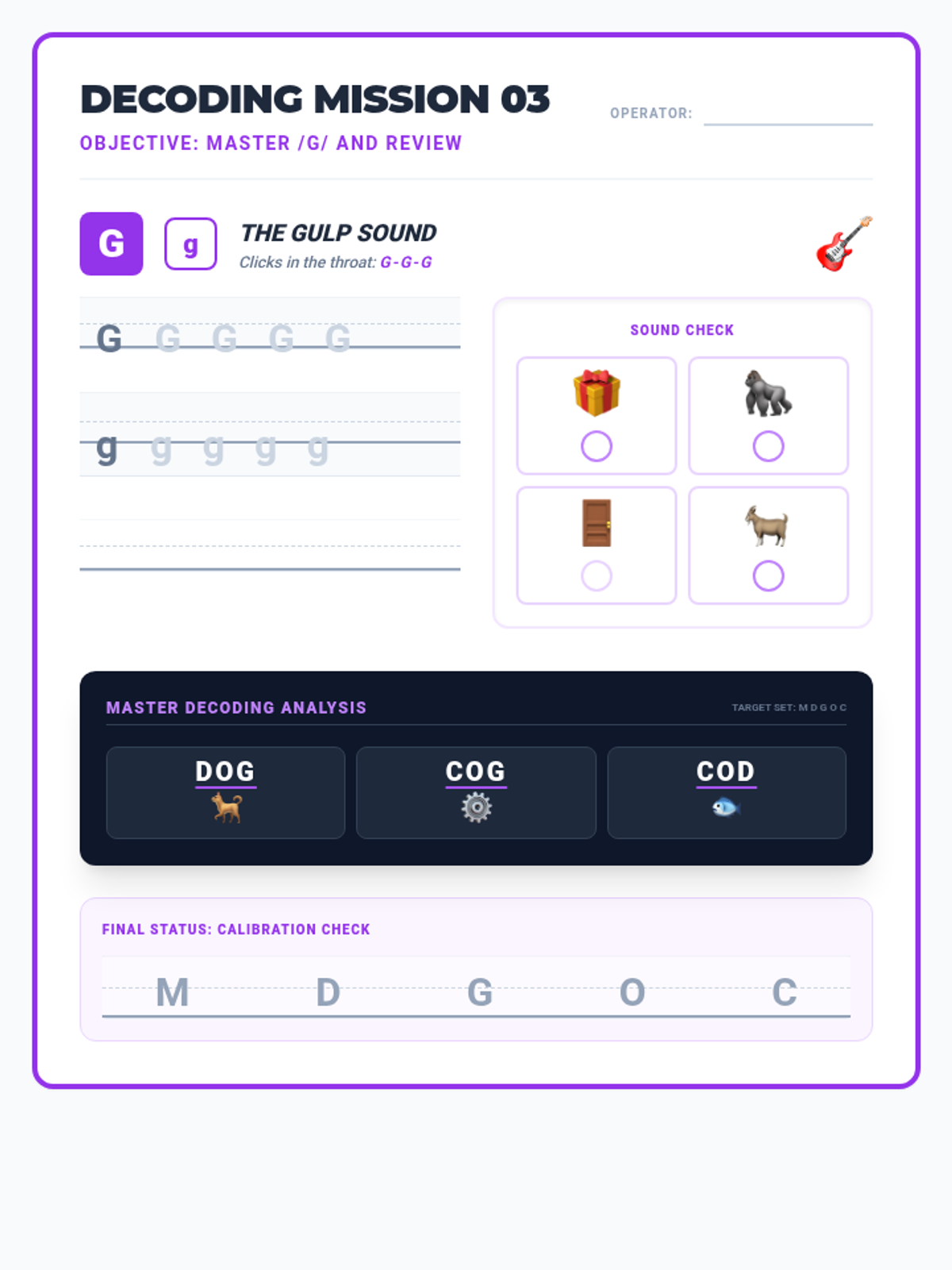
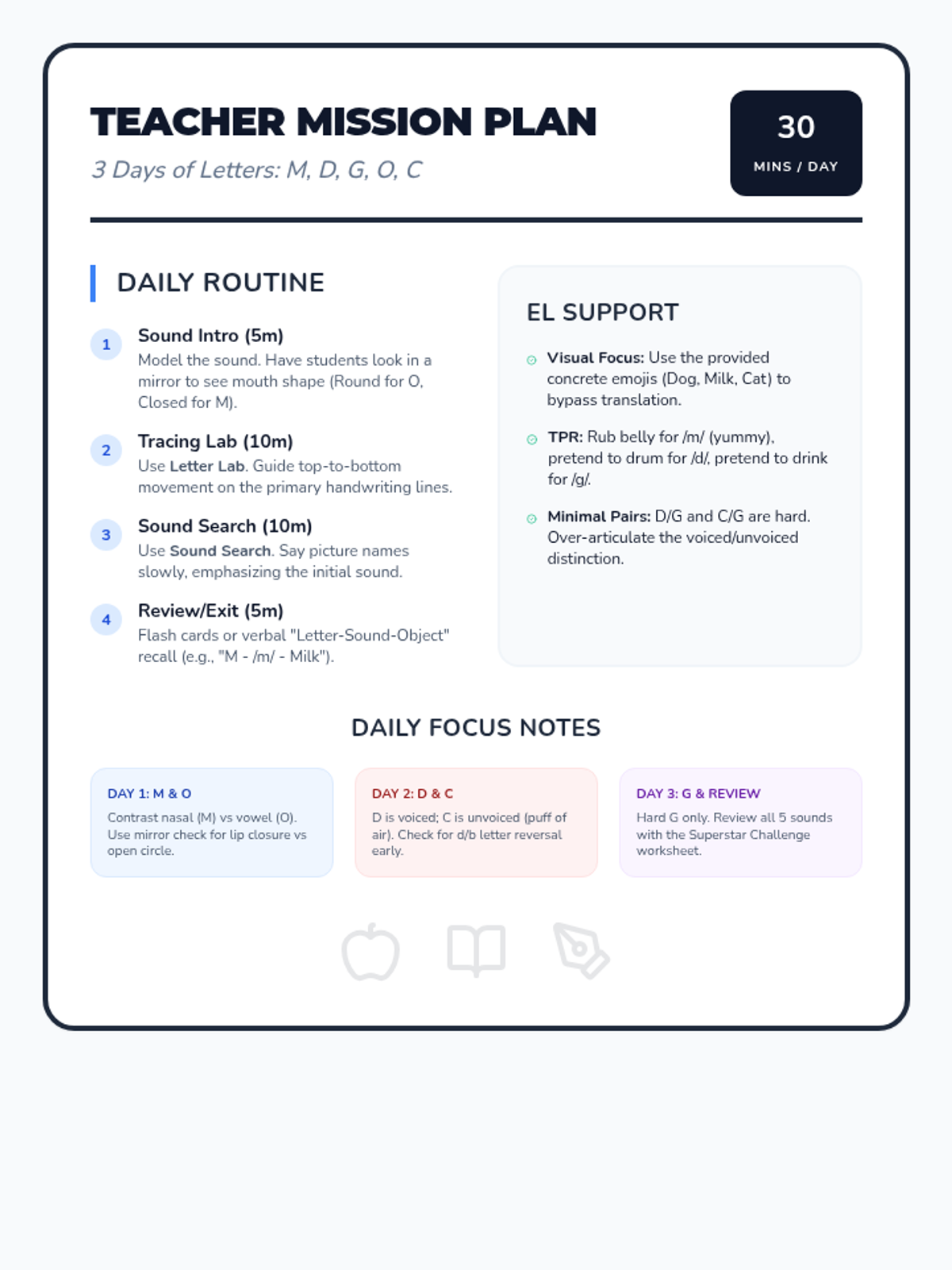
Day 3 masters the /g/ sound and provides a cumulative review of all 5 letters through word building and high-frequency decoding.
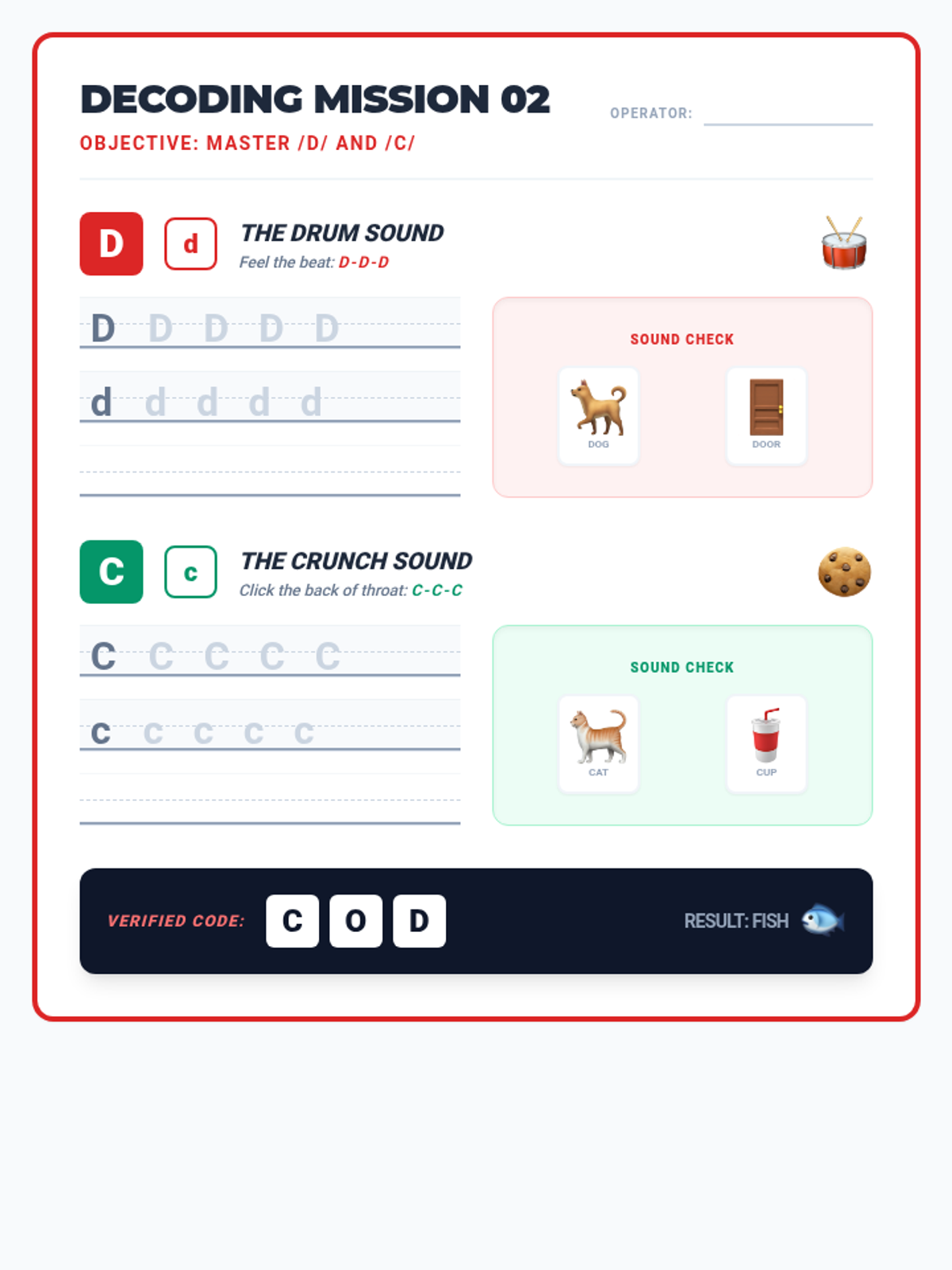
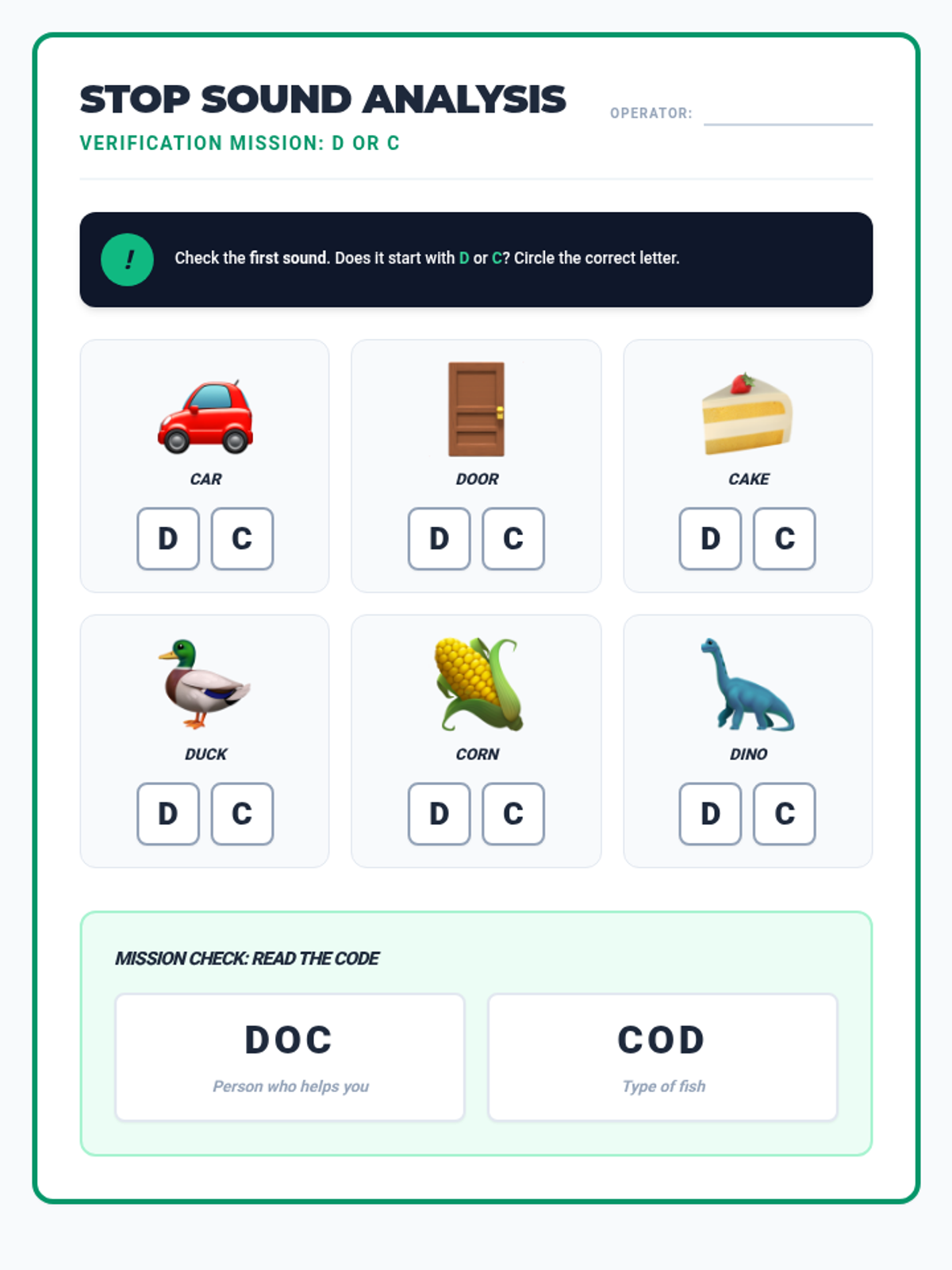
Day 2 focuses on the stop sounds /d/ and /k/, introducing letter C and D with word blending for 'dad', 'mad', and 'cat'.
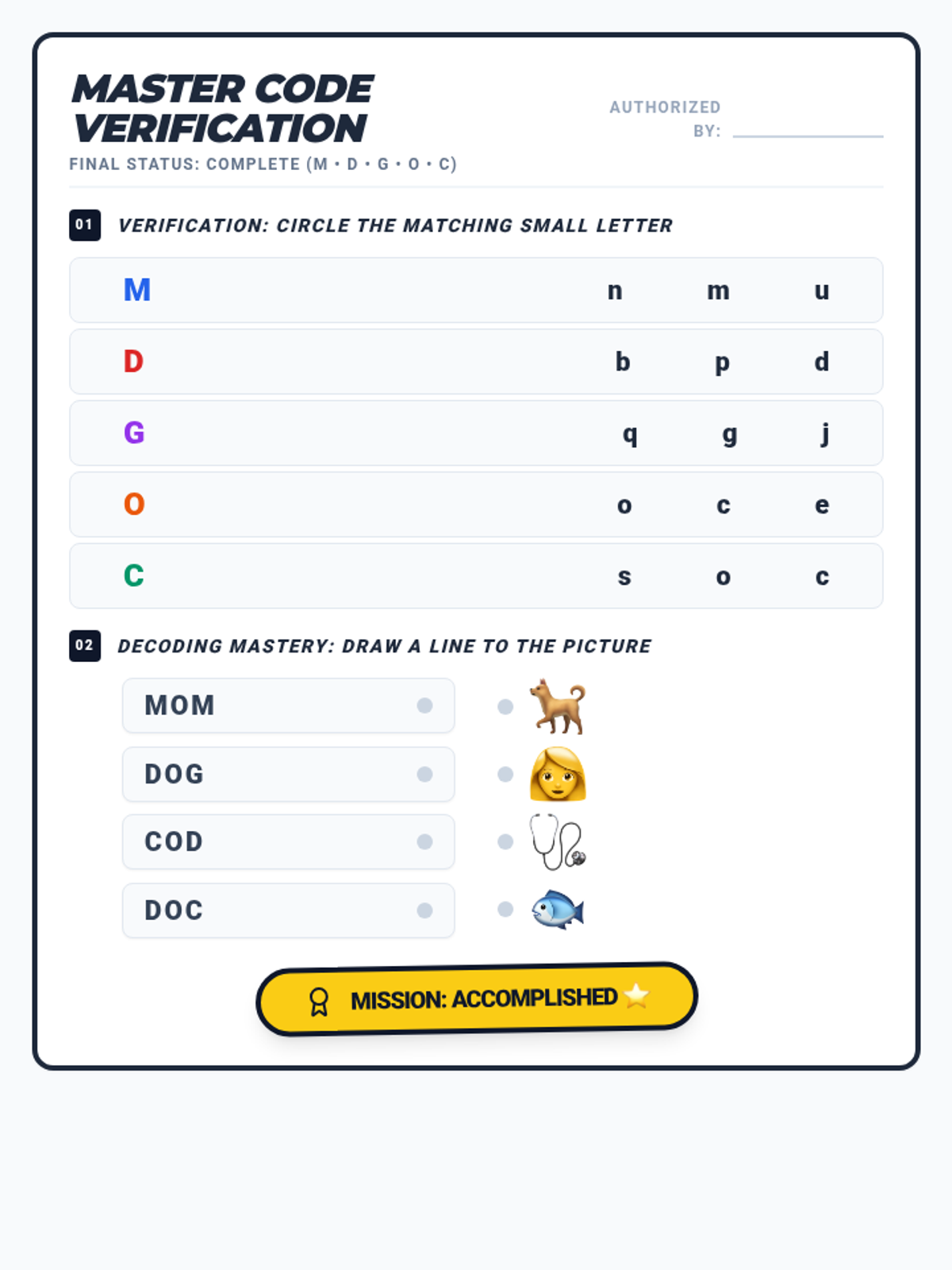
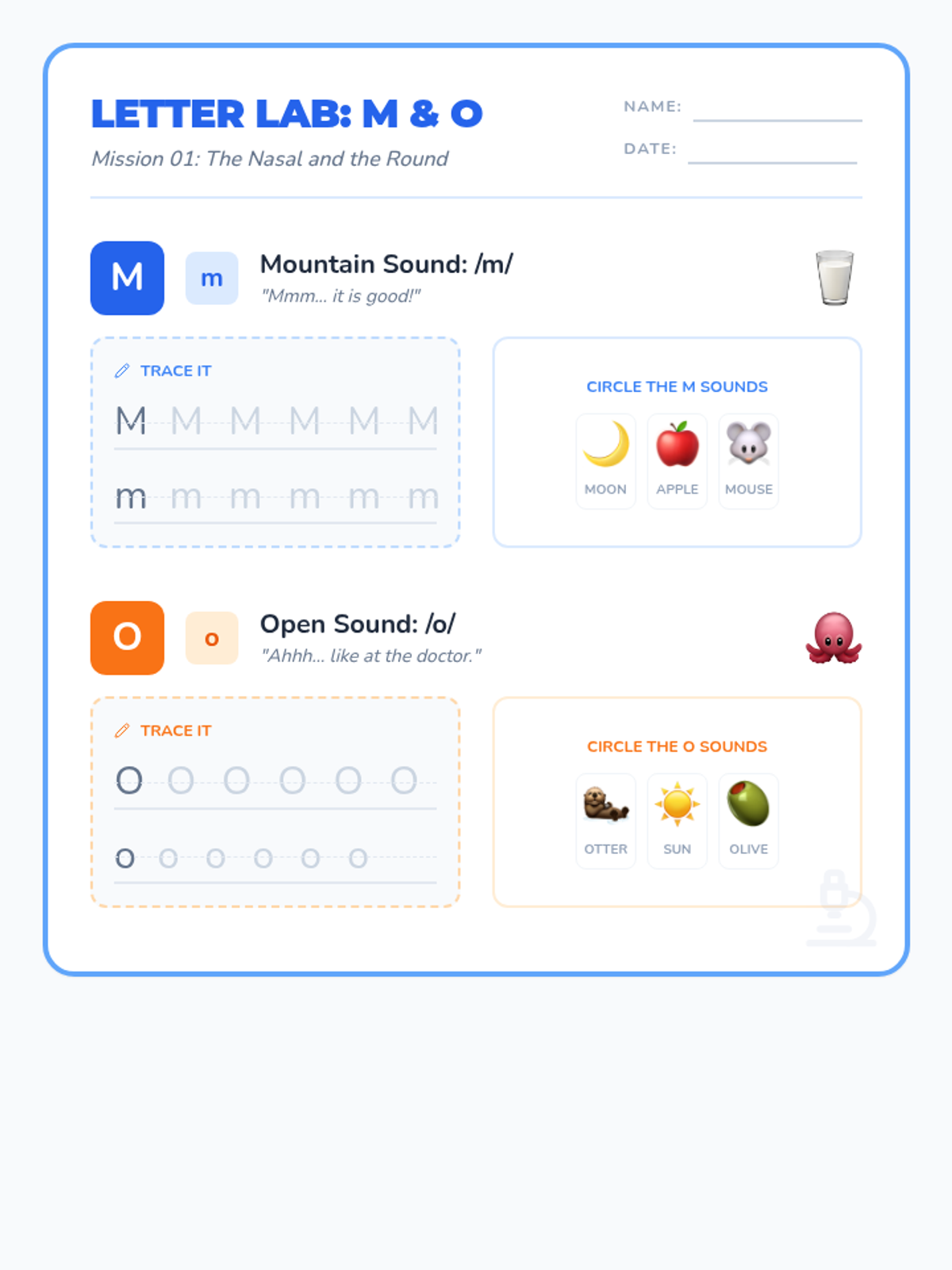
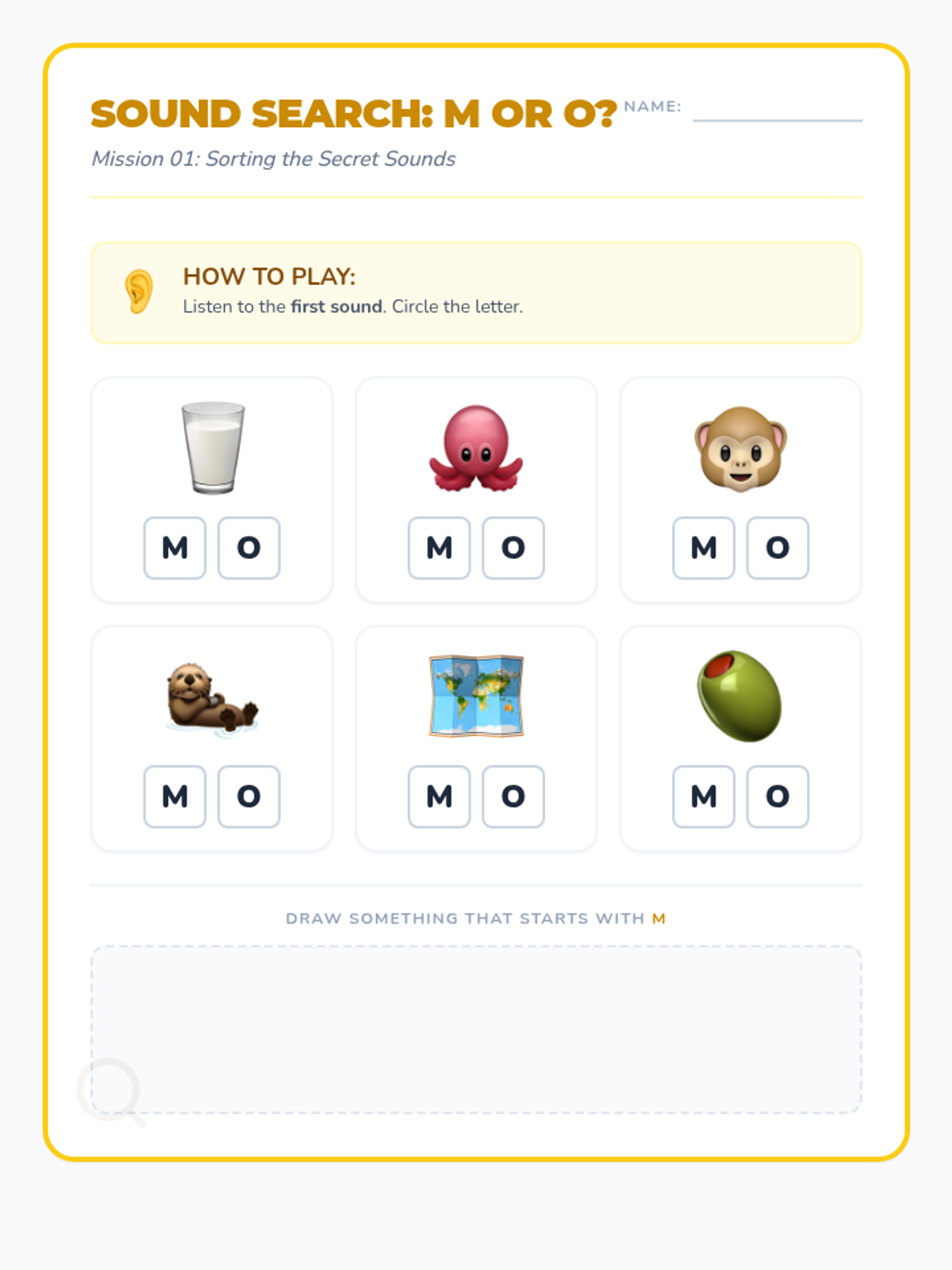
Day 1 introduces the /m/ and short /o/ sounds, focusing on mouth shape and initial sound recognition, concluding with reading the word 'mom'.
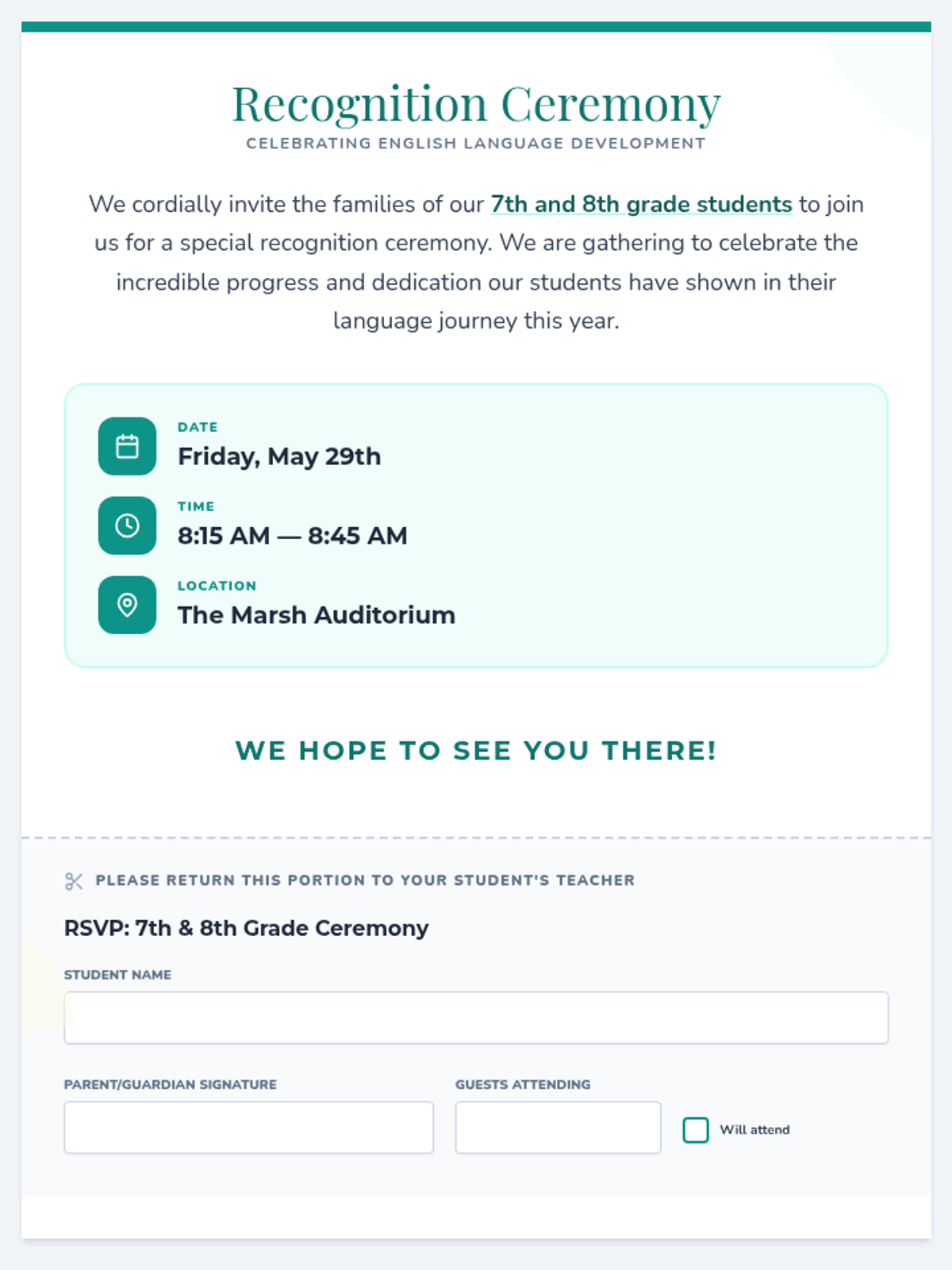
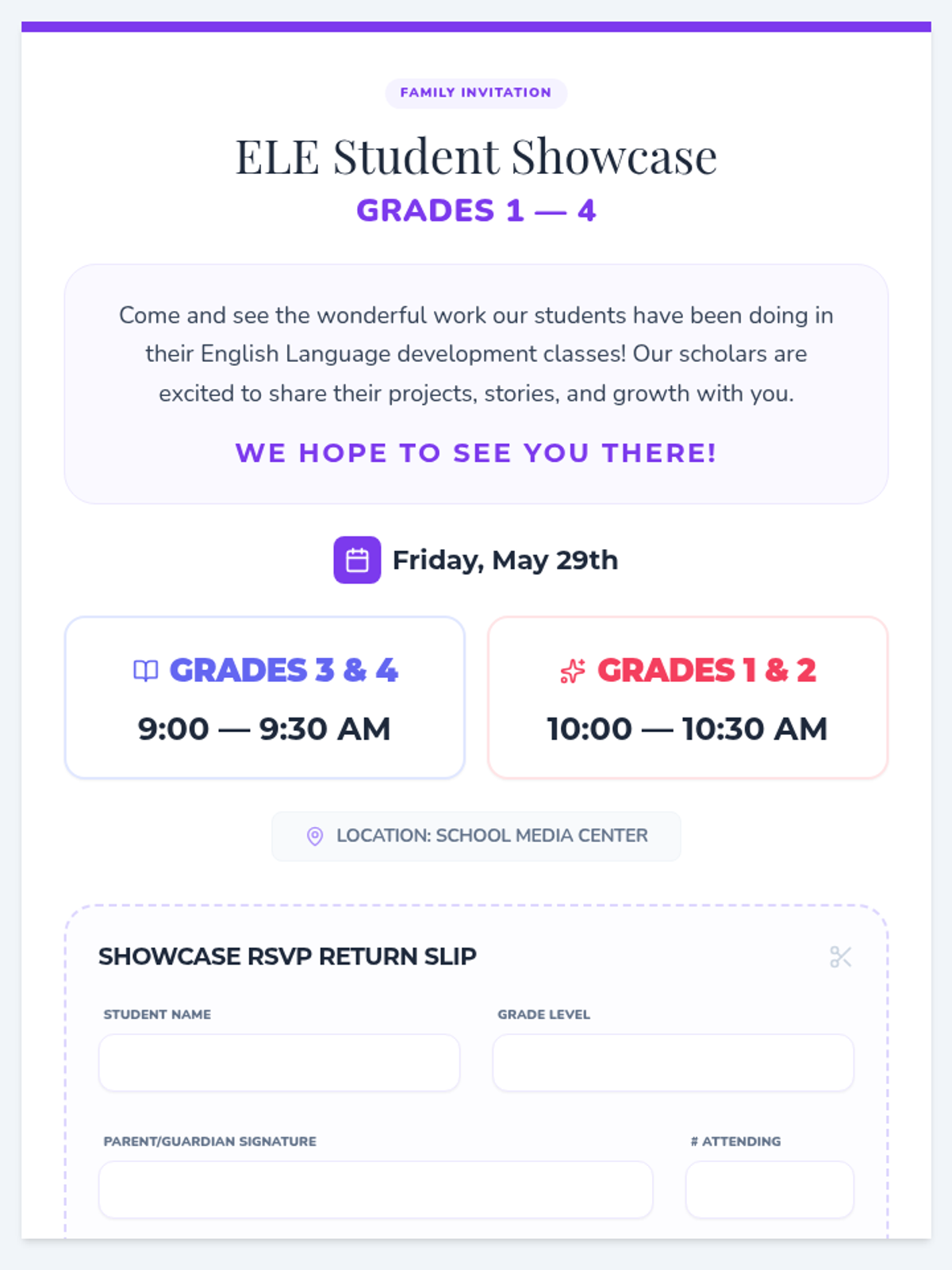
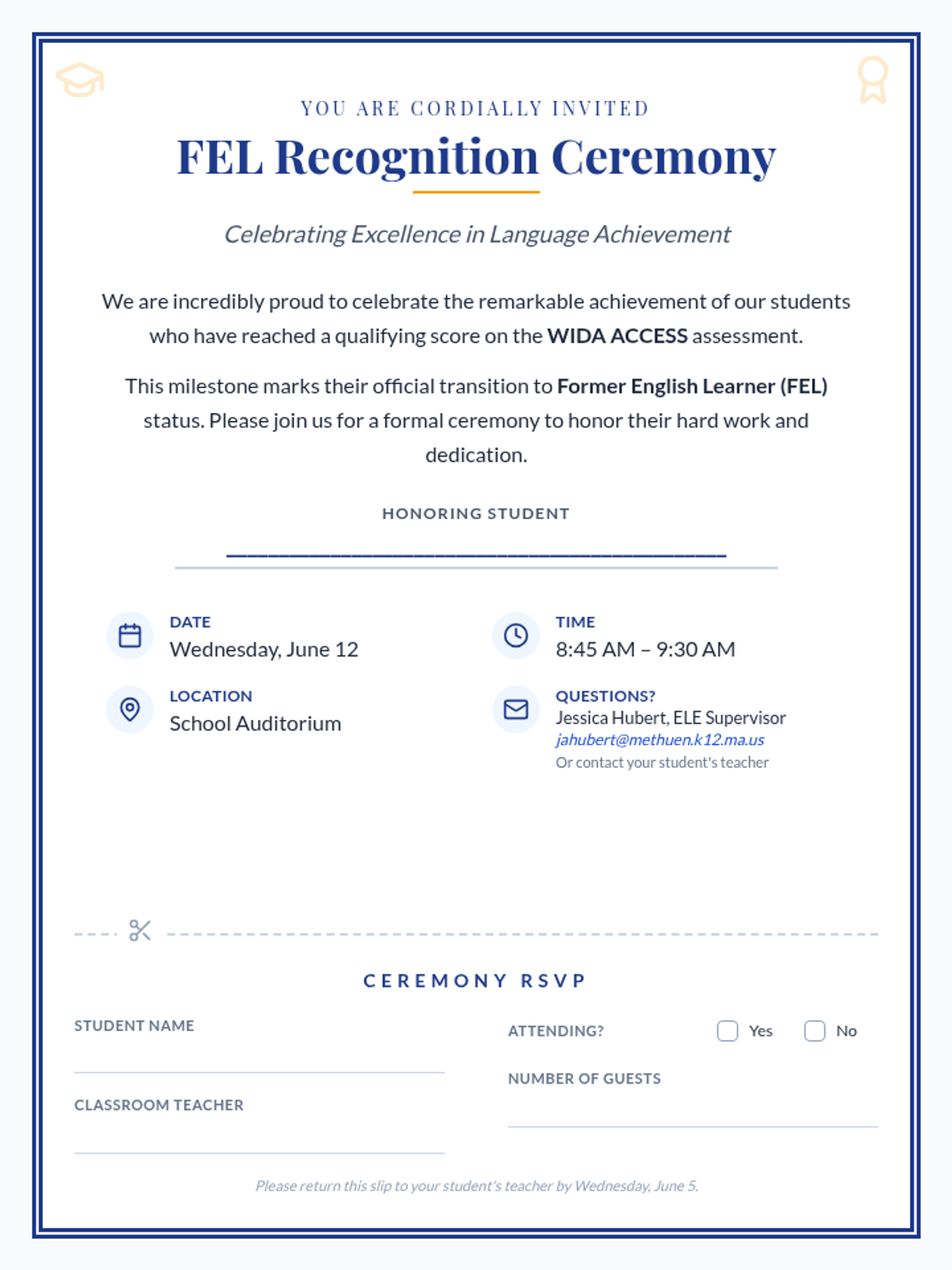
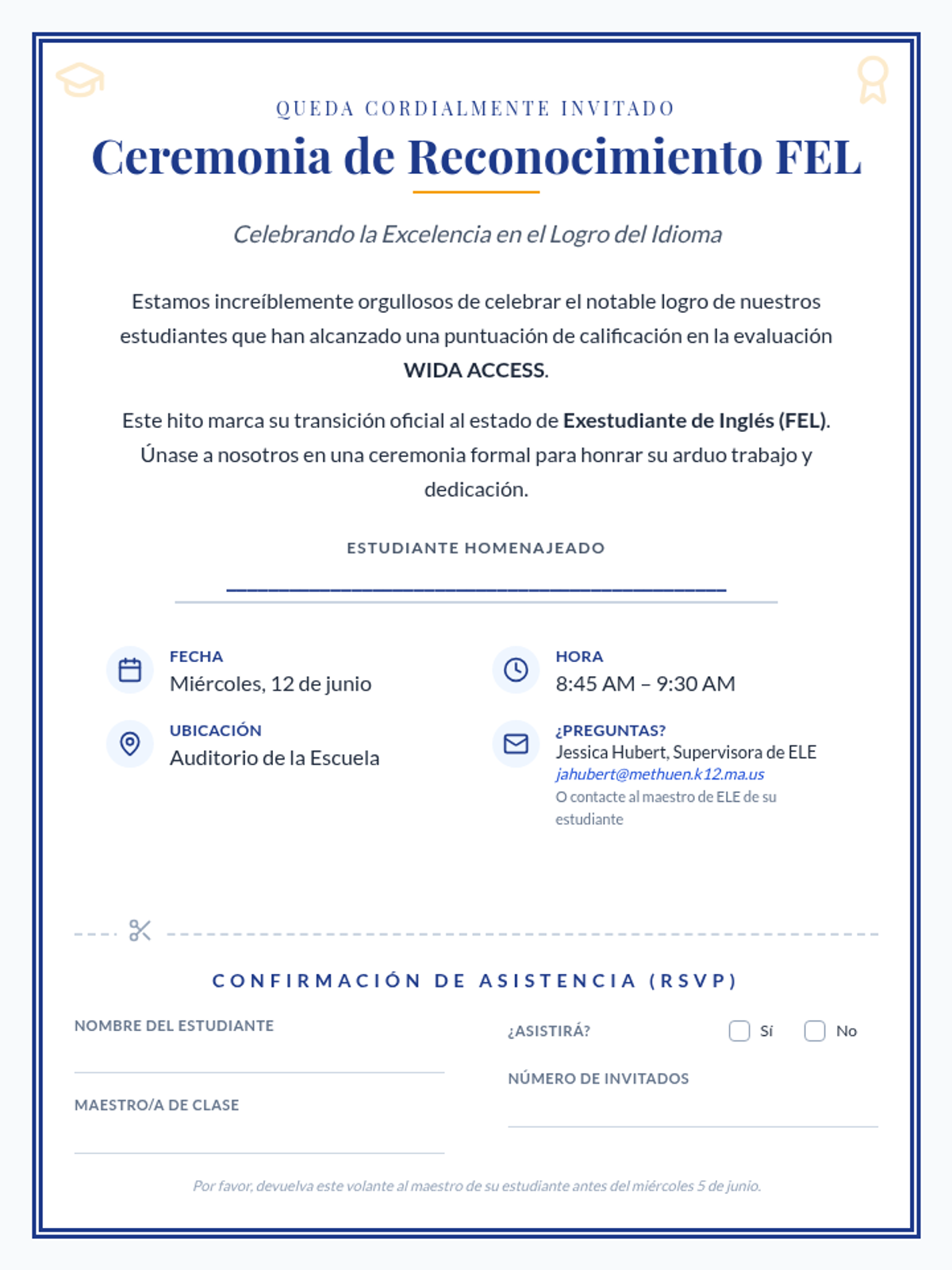
A collection of family invitation flyers for the English Language Education (ELE) showcase and recognition ceremonies across various grade levels. Each flyer includes specific timing, location details, and a return slip for RSVPs.
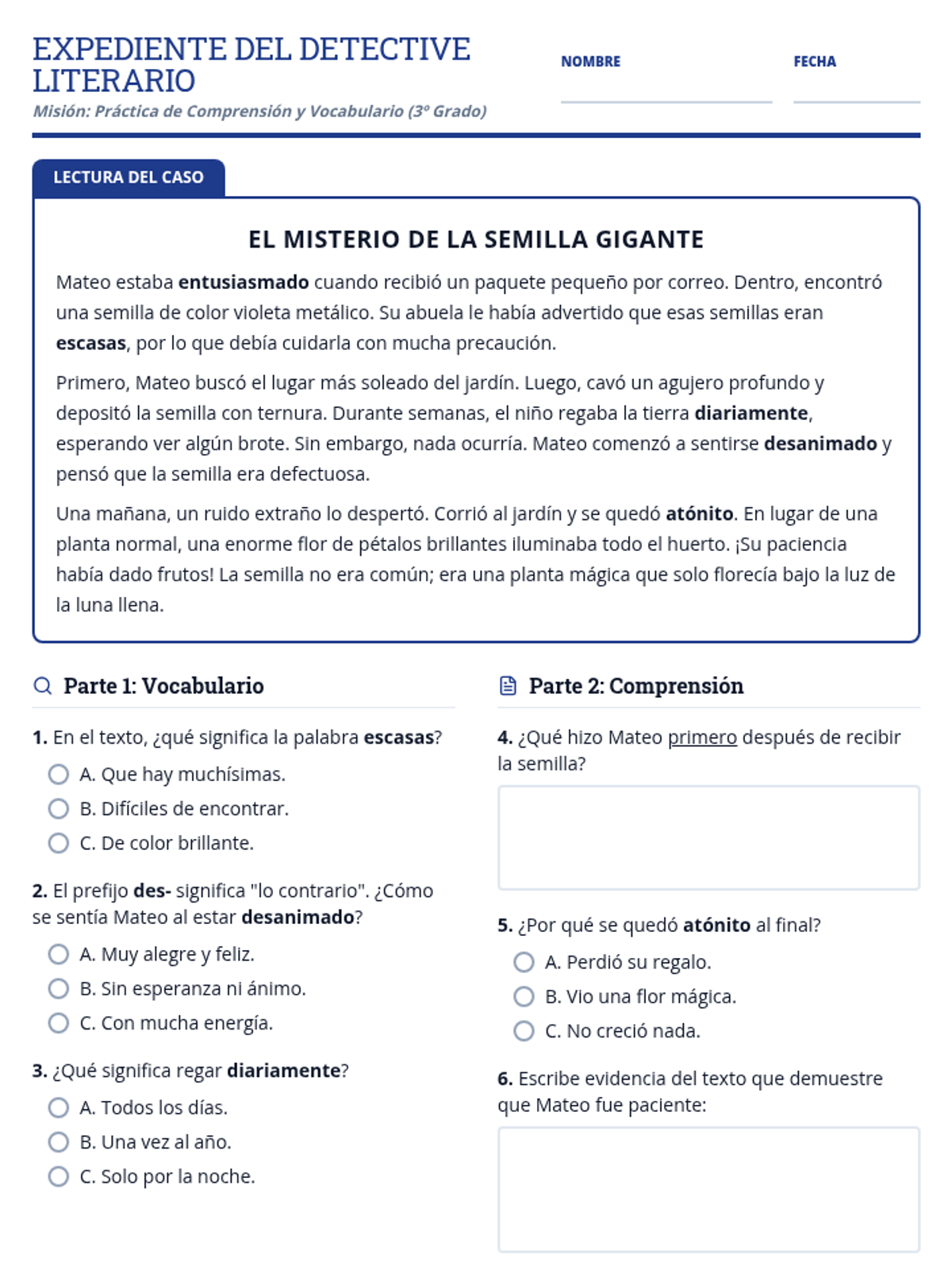
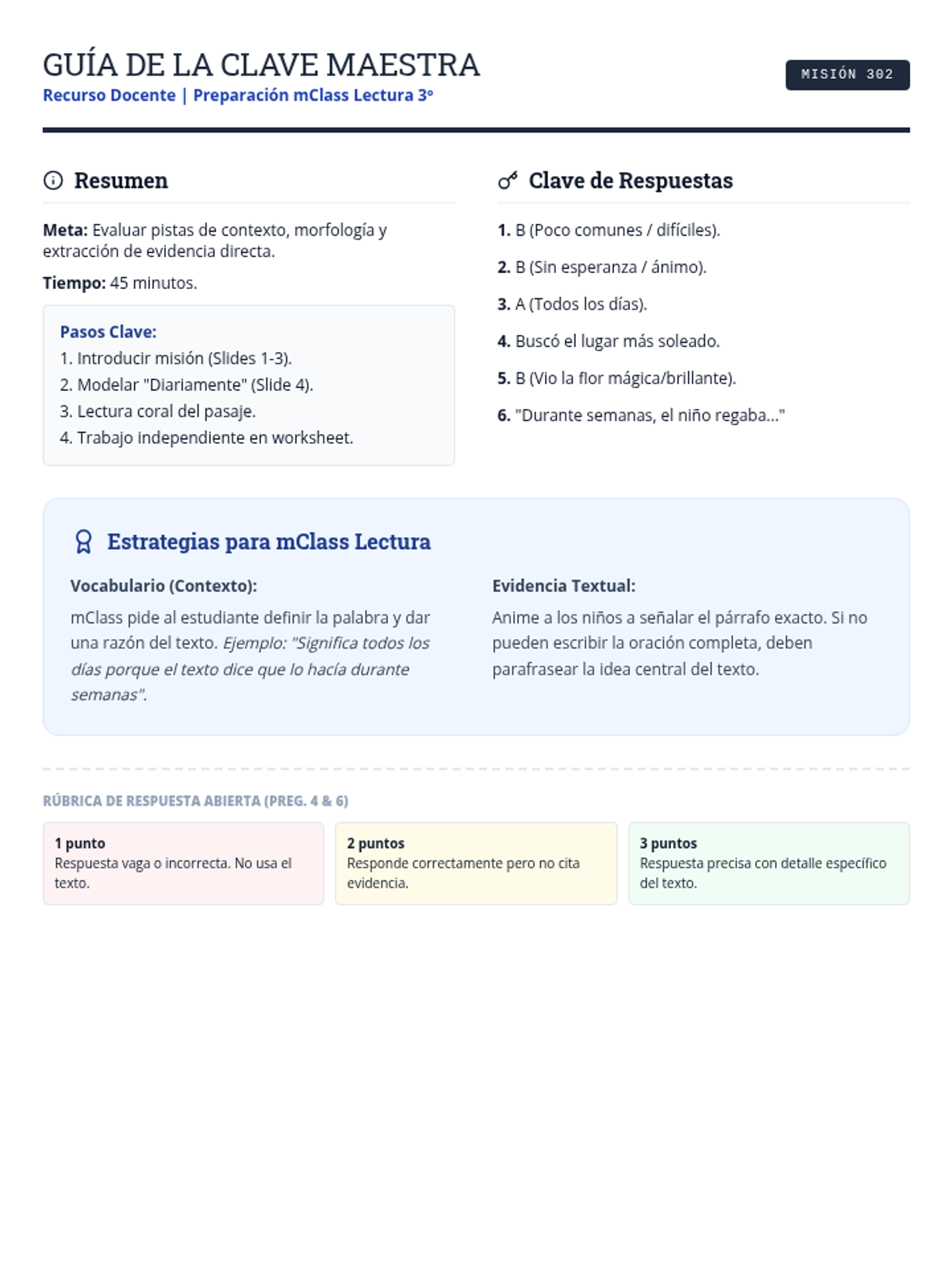
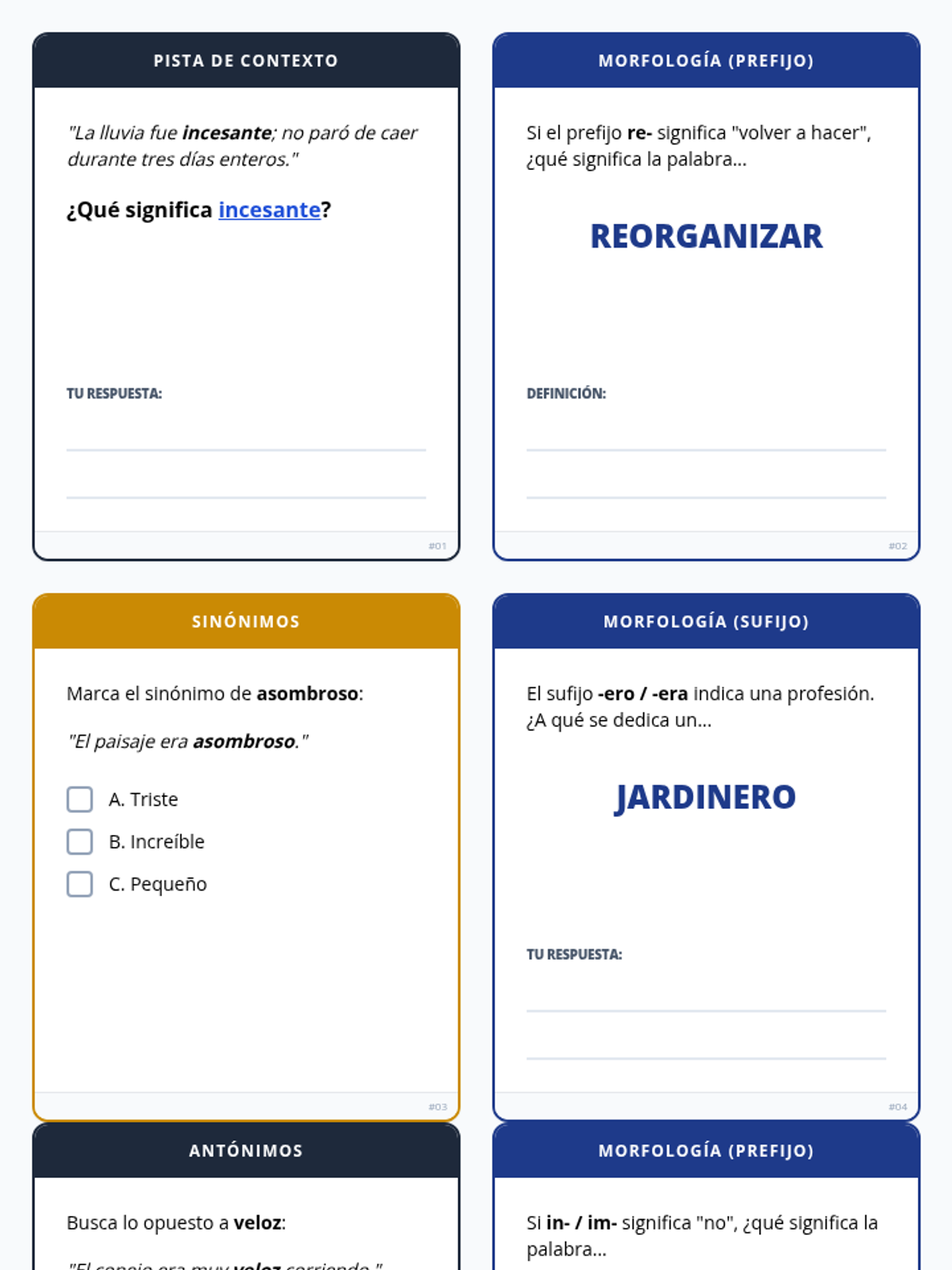
Una lección diseñada para preparar a estudiantes de tercer grado para las evaluaciones de mClass Lectura (Amplify), enfocándose en estrategias de pistas de contexto, morfología y extracción de evidencia textual. Incluye práctica de pasajes narrativos y ejercicios de vocabulario de alta frecuencia.
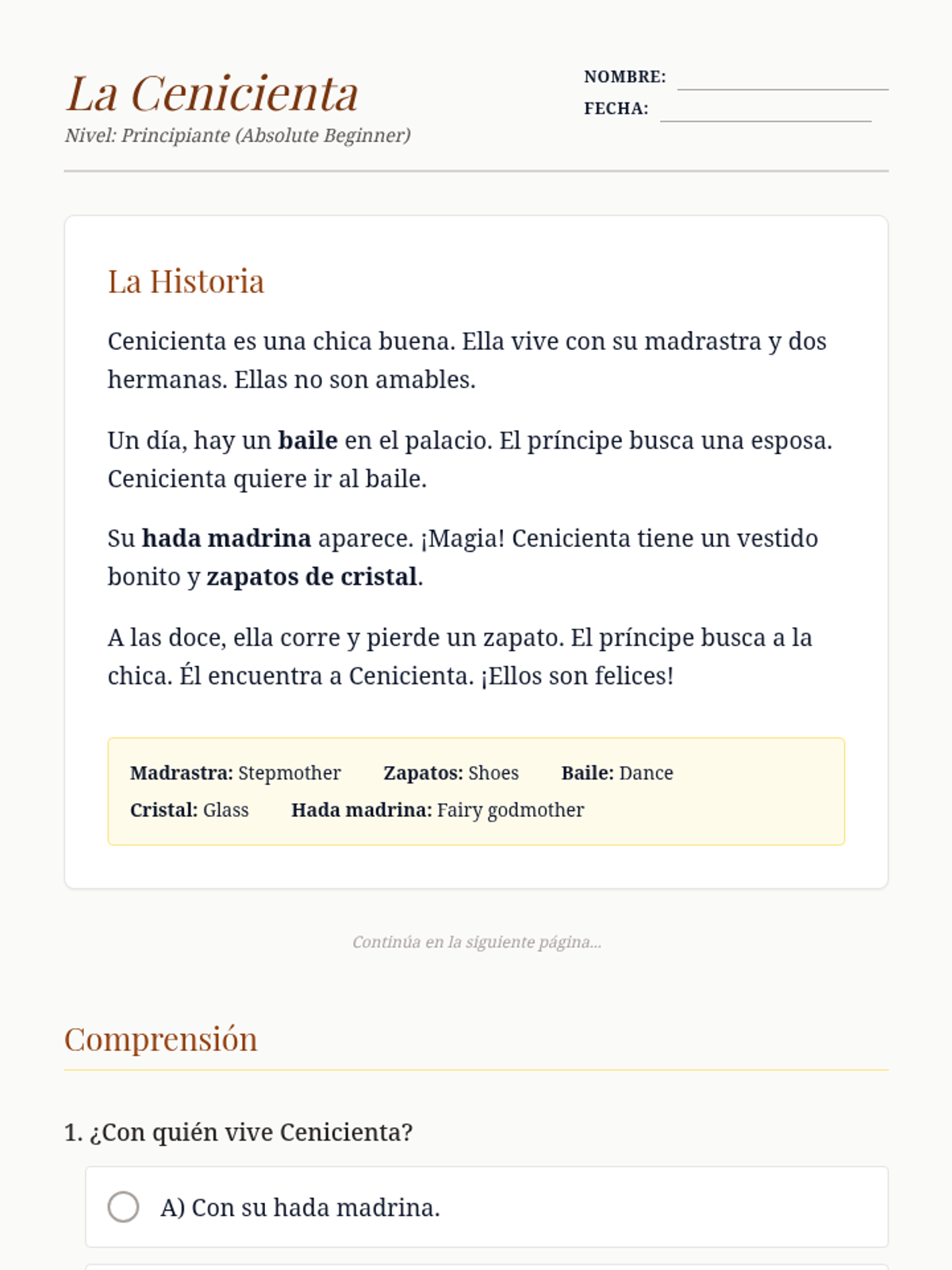
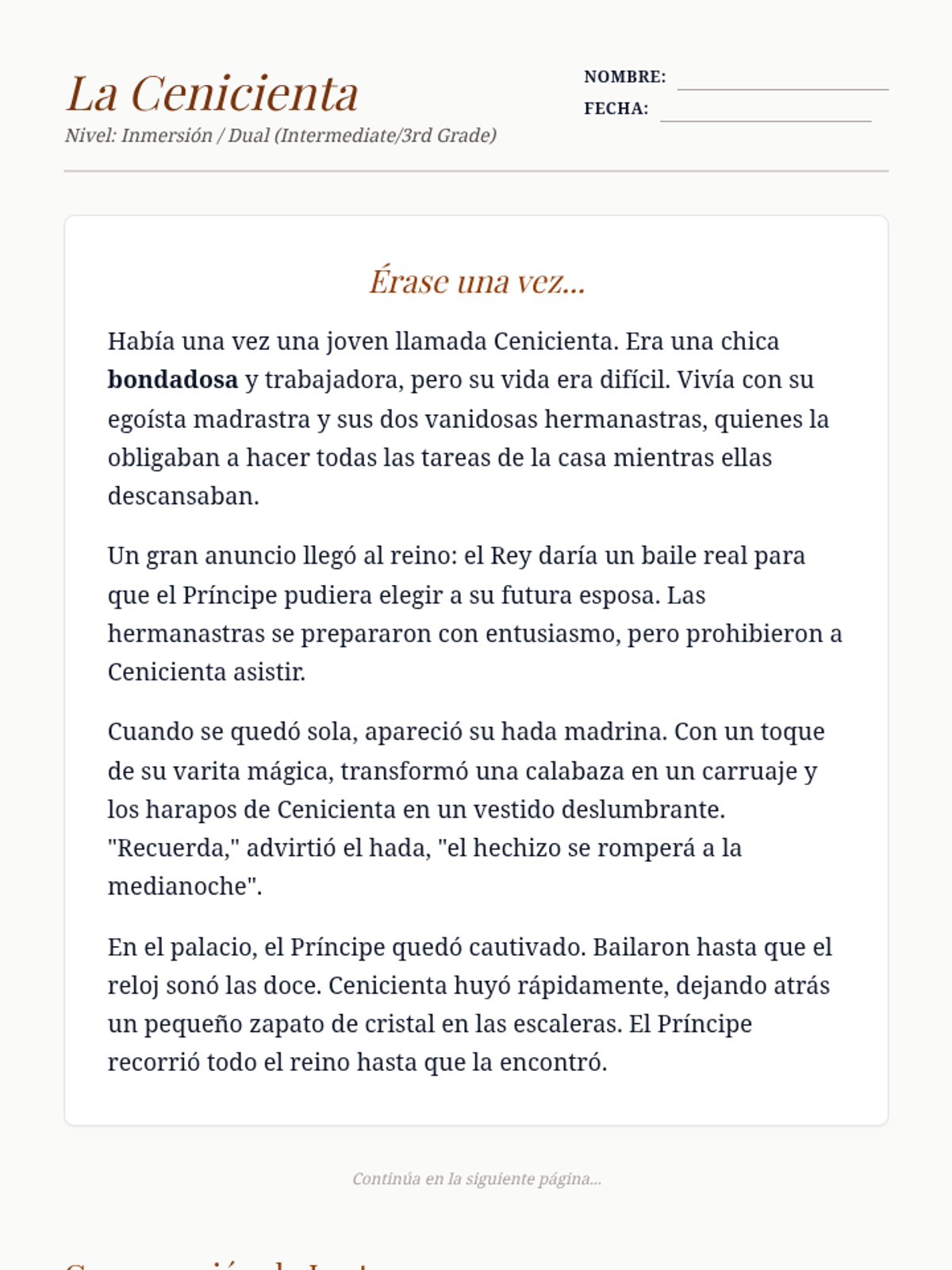
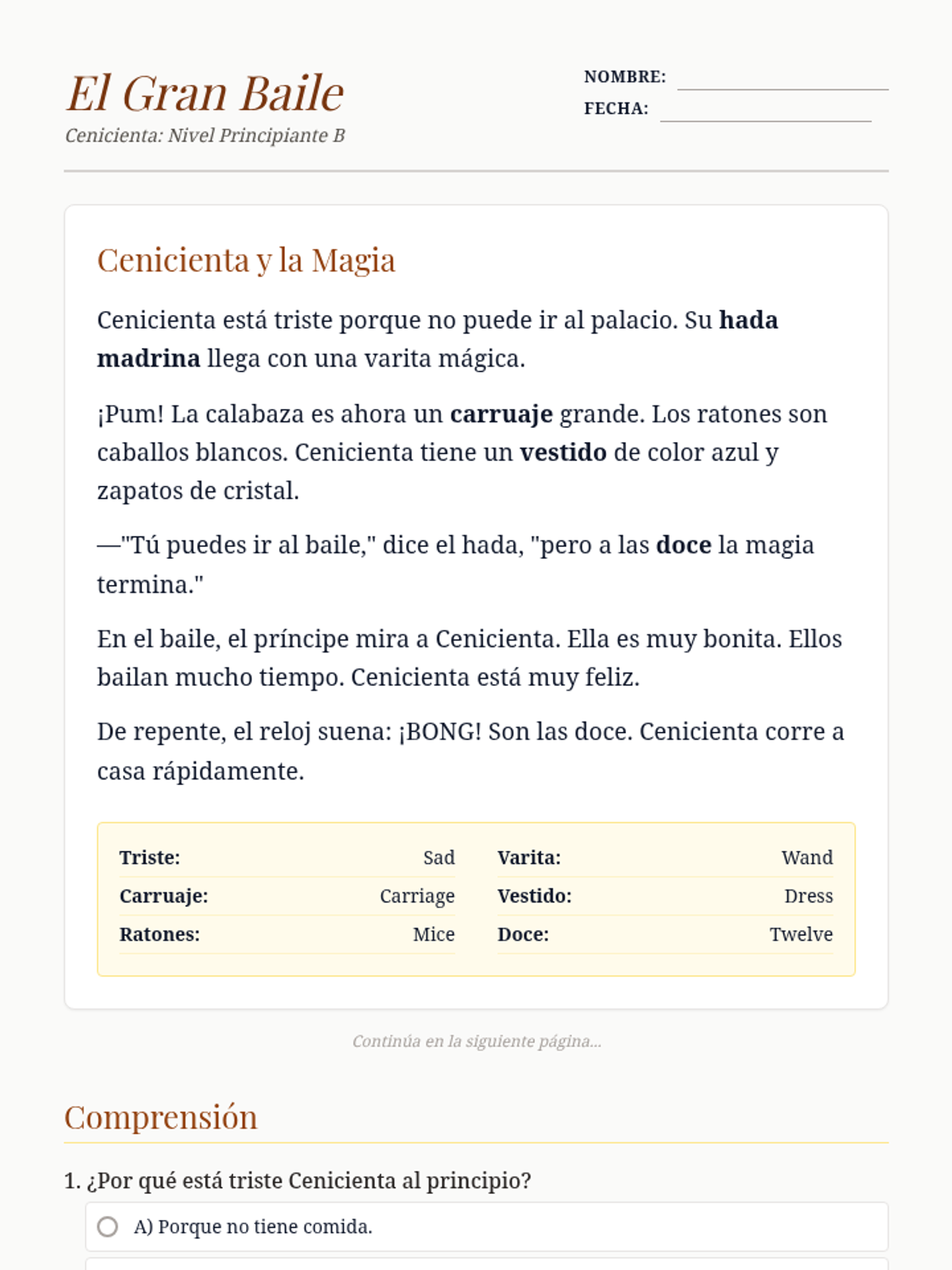
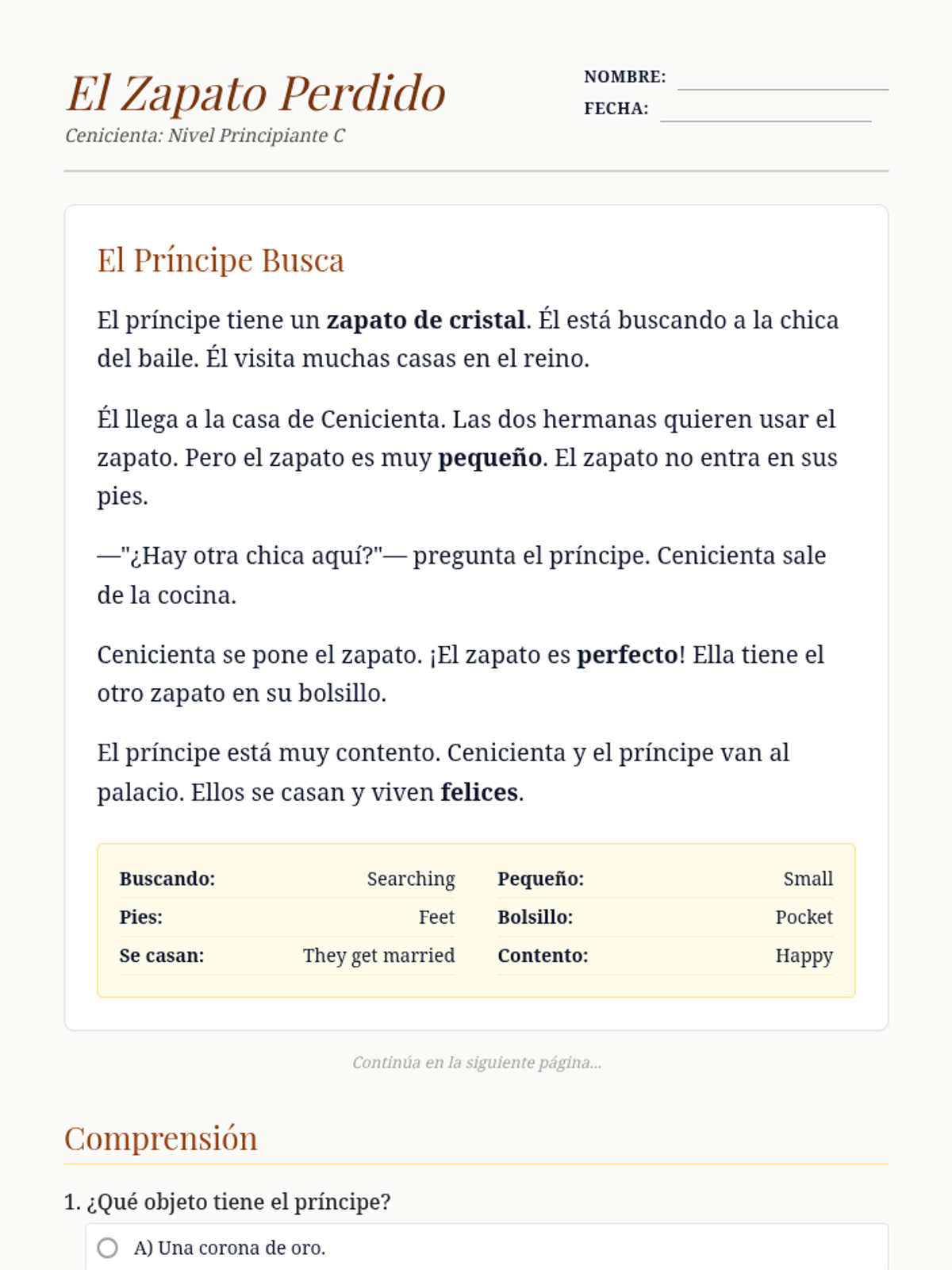
A collection of reading comprehension worksheets for third-grade Spanish learners based on the classic tale of Cinderella, tailored for both absolute beginners and dual-language students.
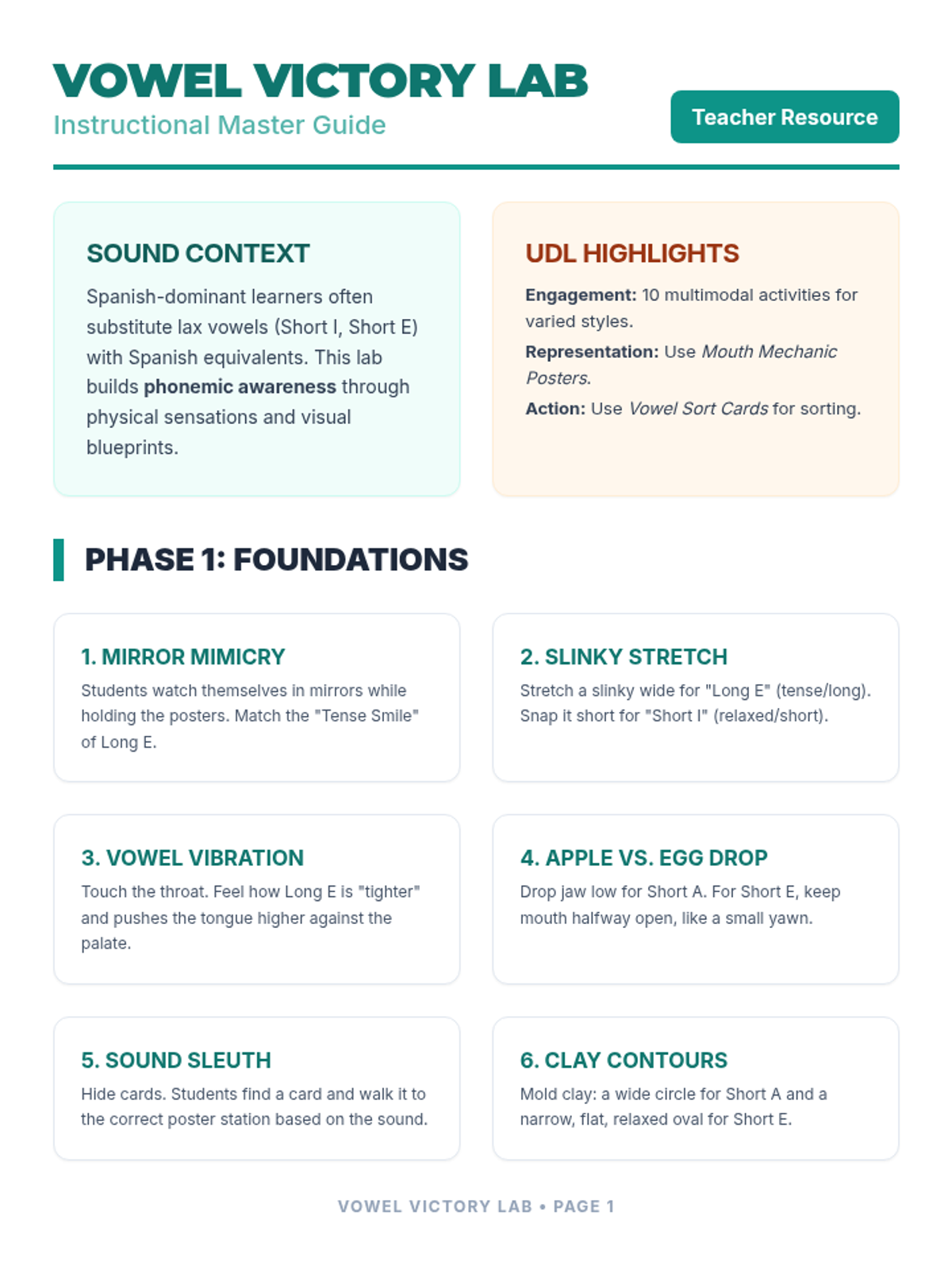
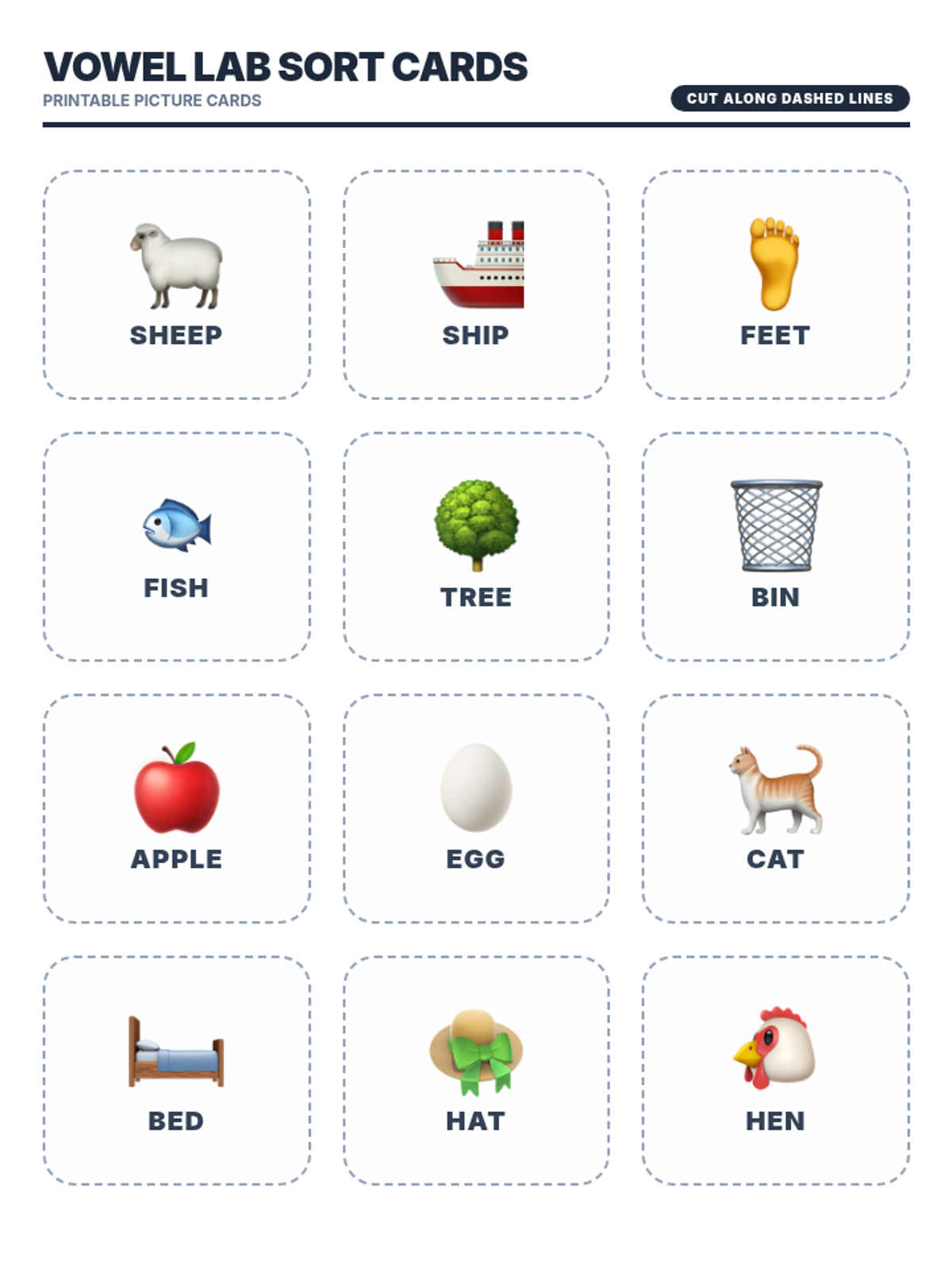
A comprehensive phonics lesson for bilingual students focusing on the specific vowel contrasts of Long E/Short I and Short A/Short E through multisensory, UDL-aligned activities.
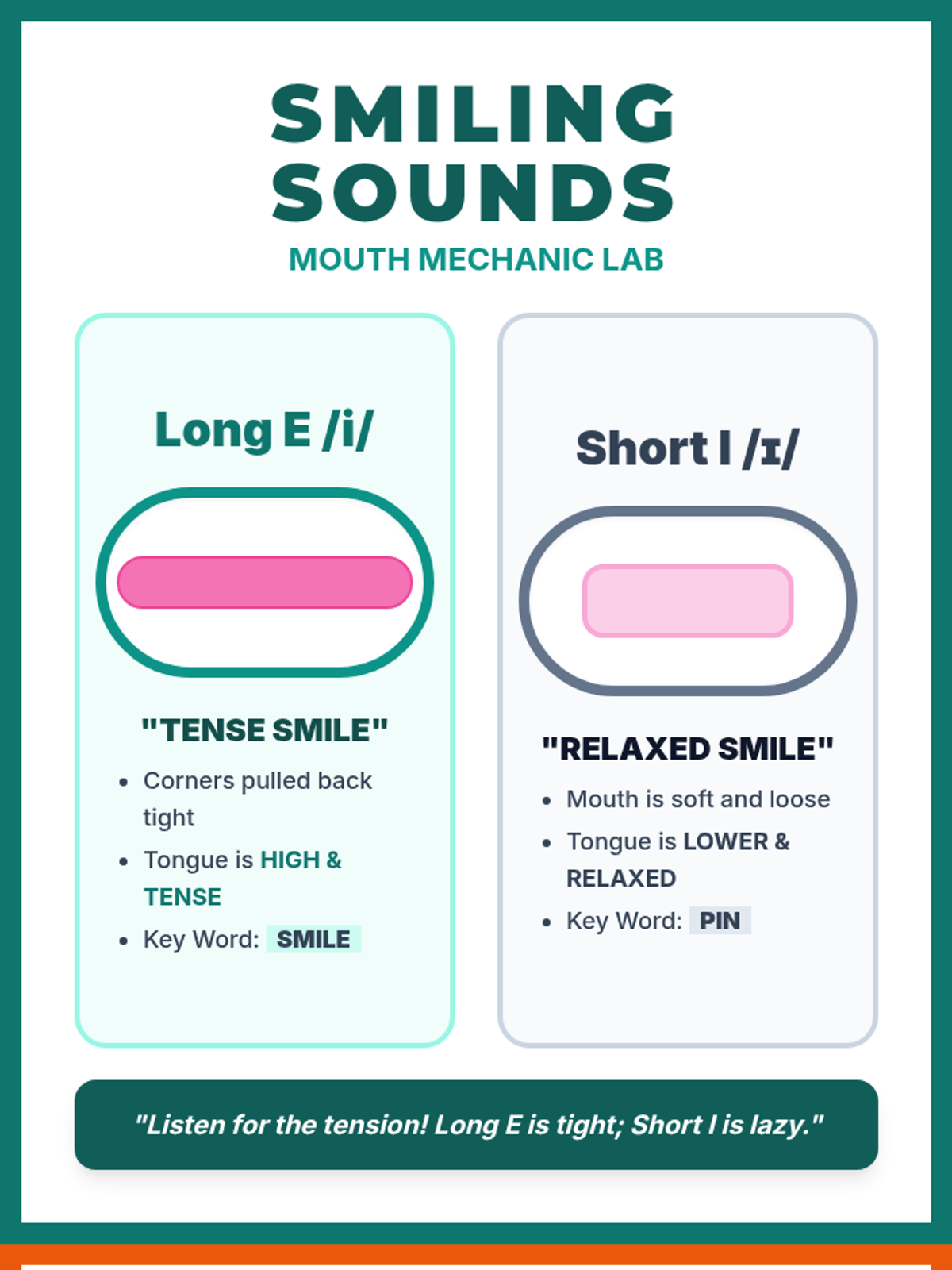
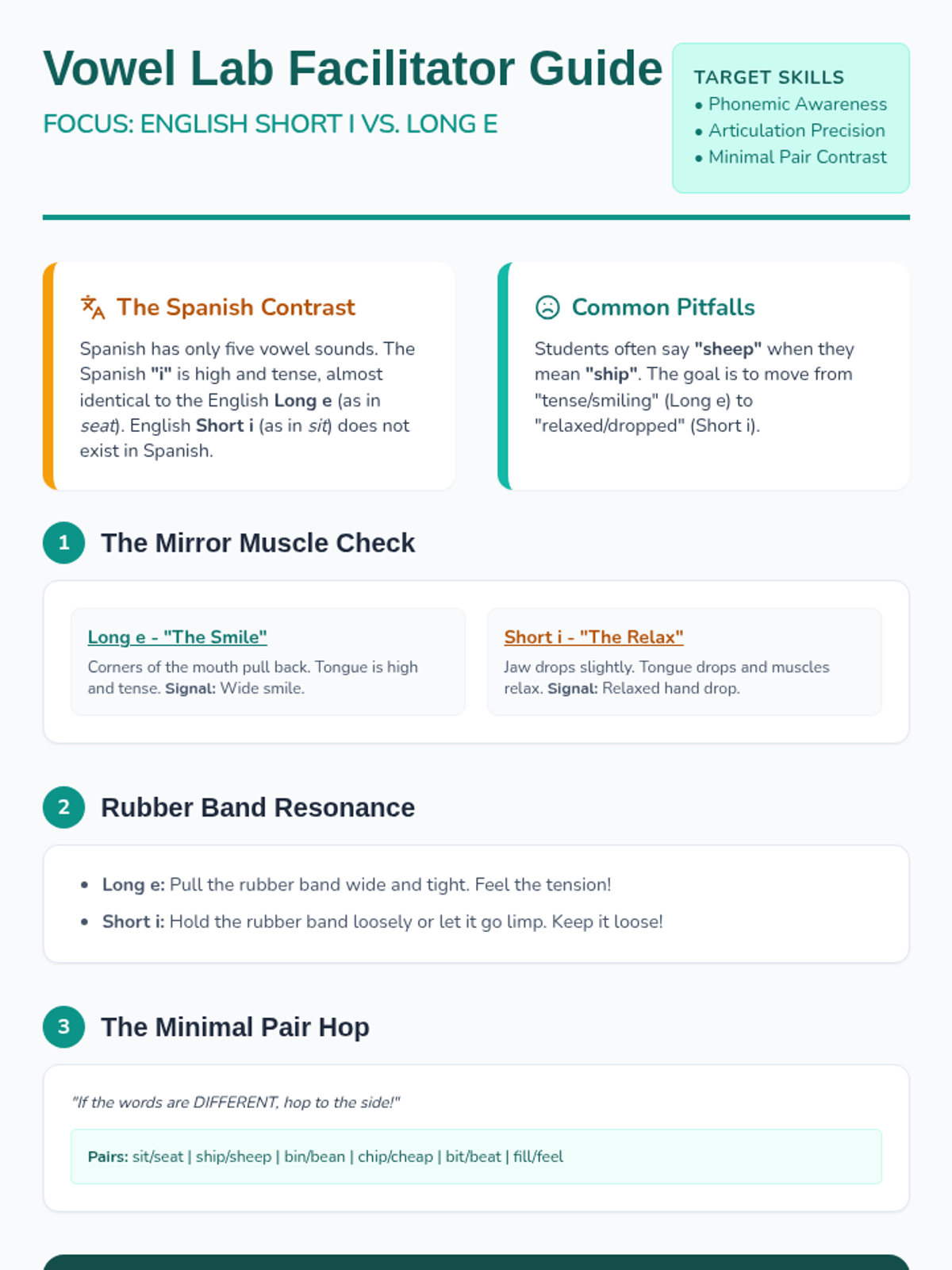
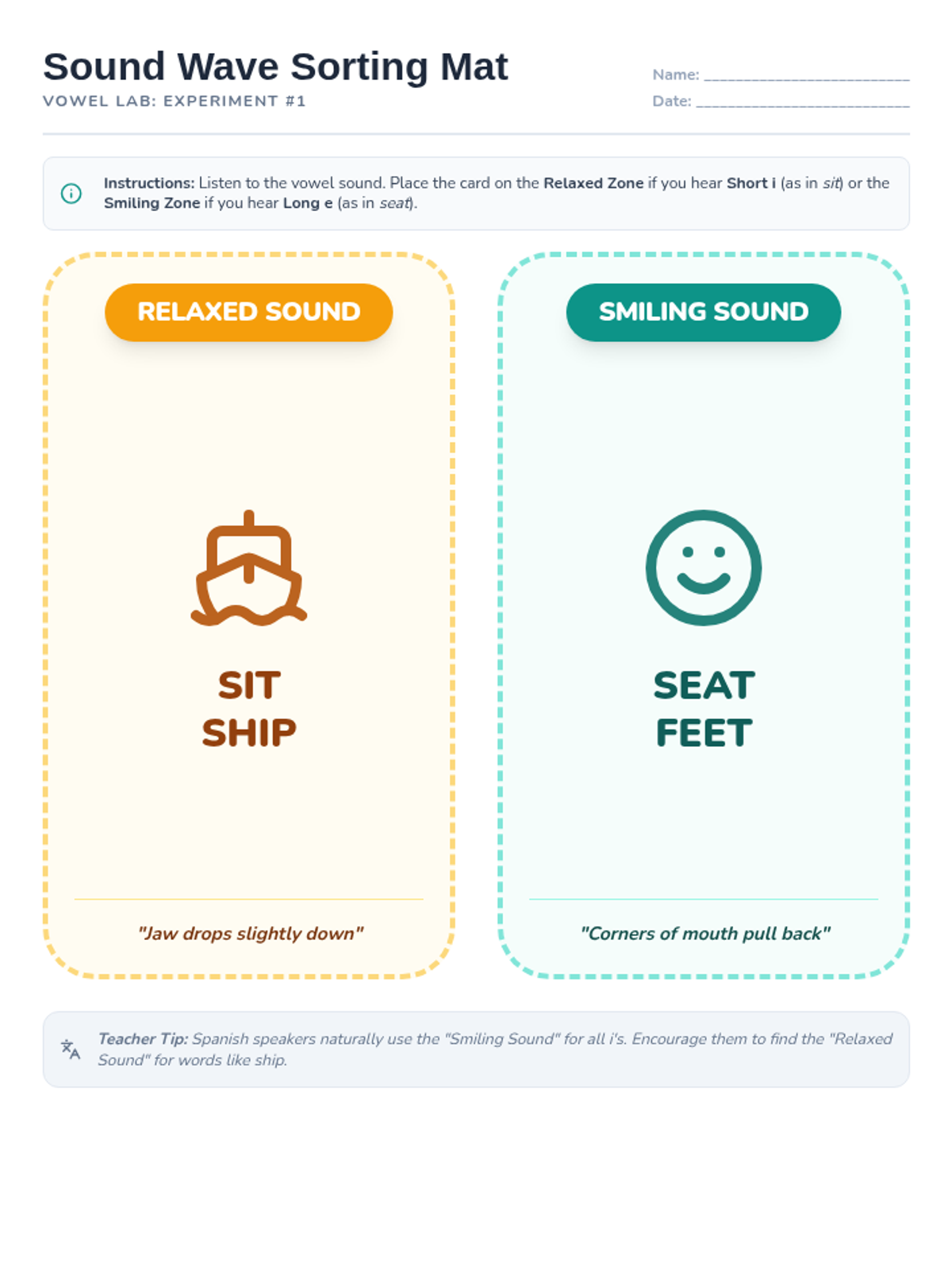
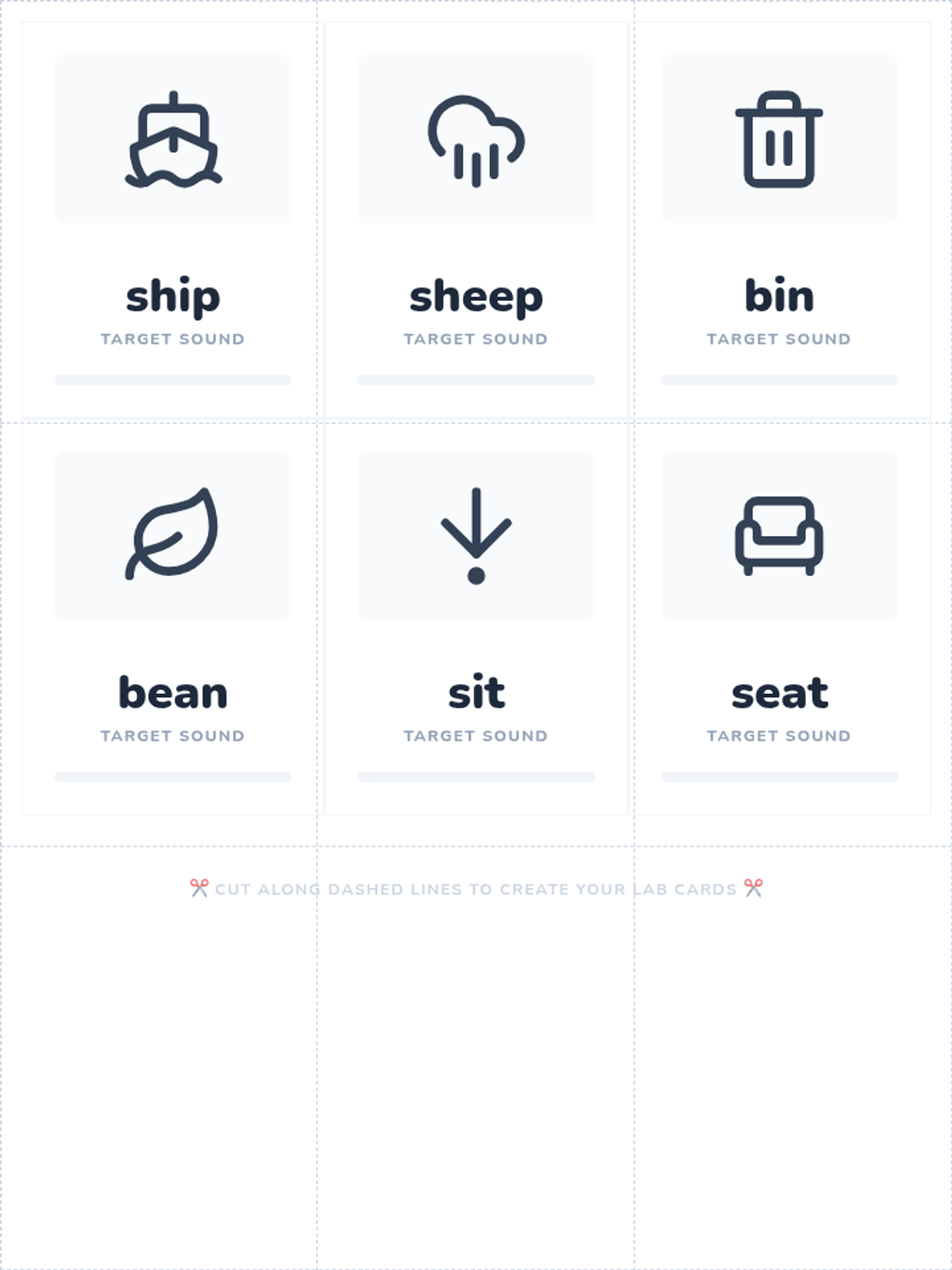
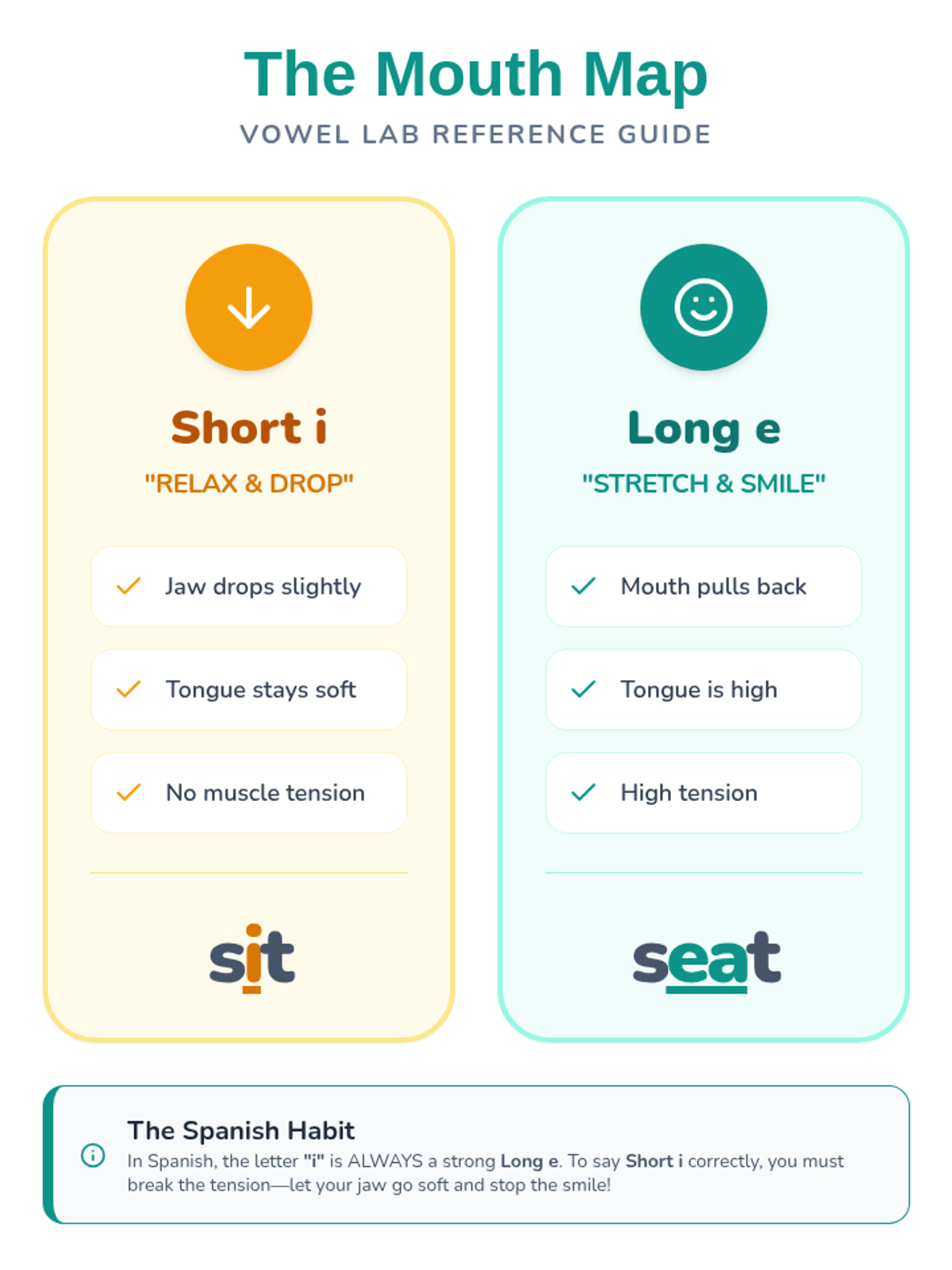
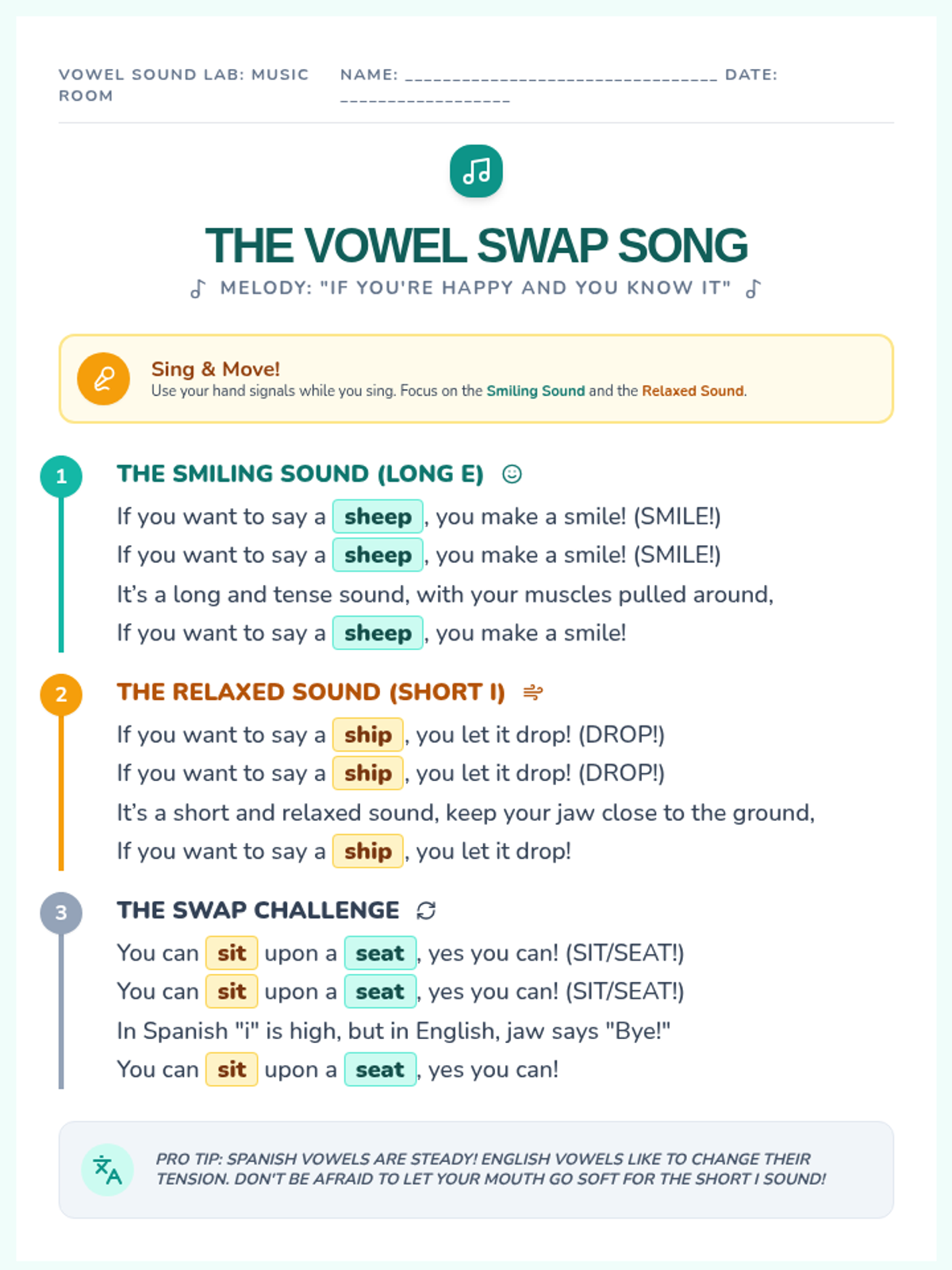
A multisensory lesson focusing on the phonetic distinction between the English short /ɪ/ and long /i/ sounds, specifically designed for students bridging from Spanish.
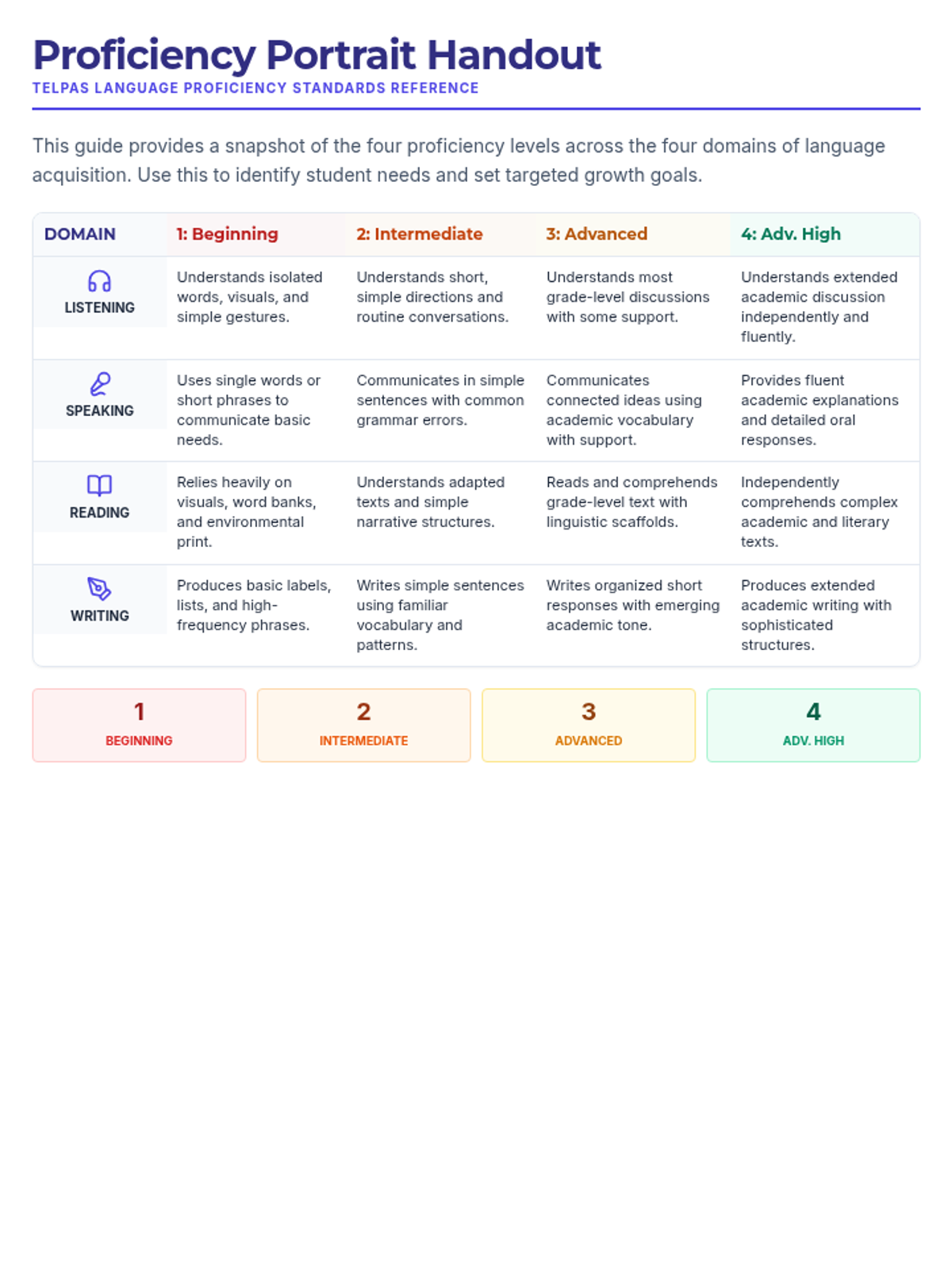
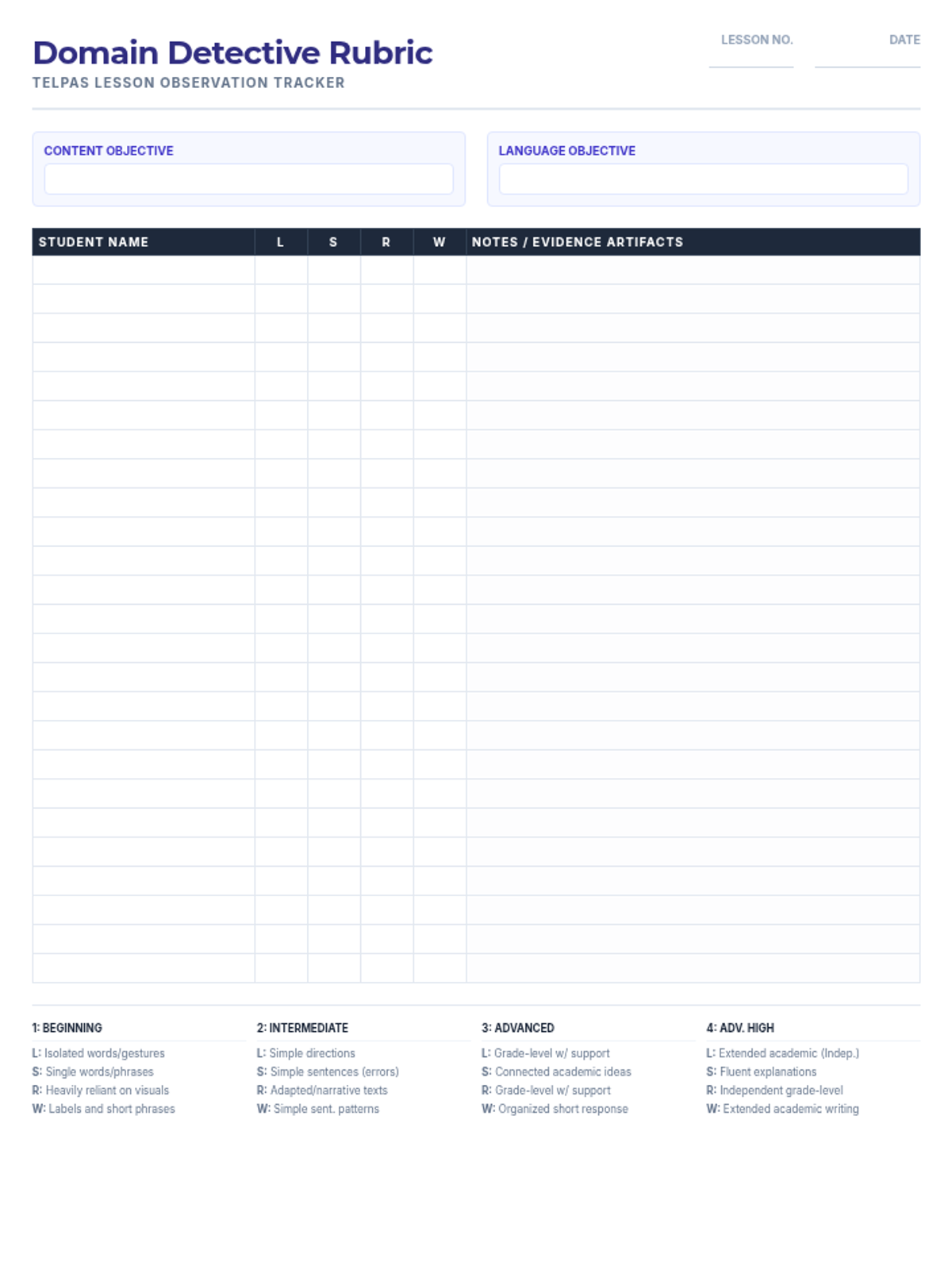
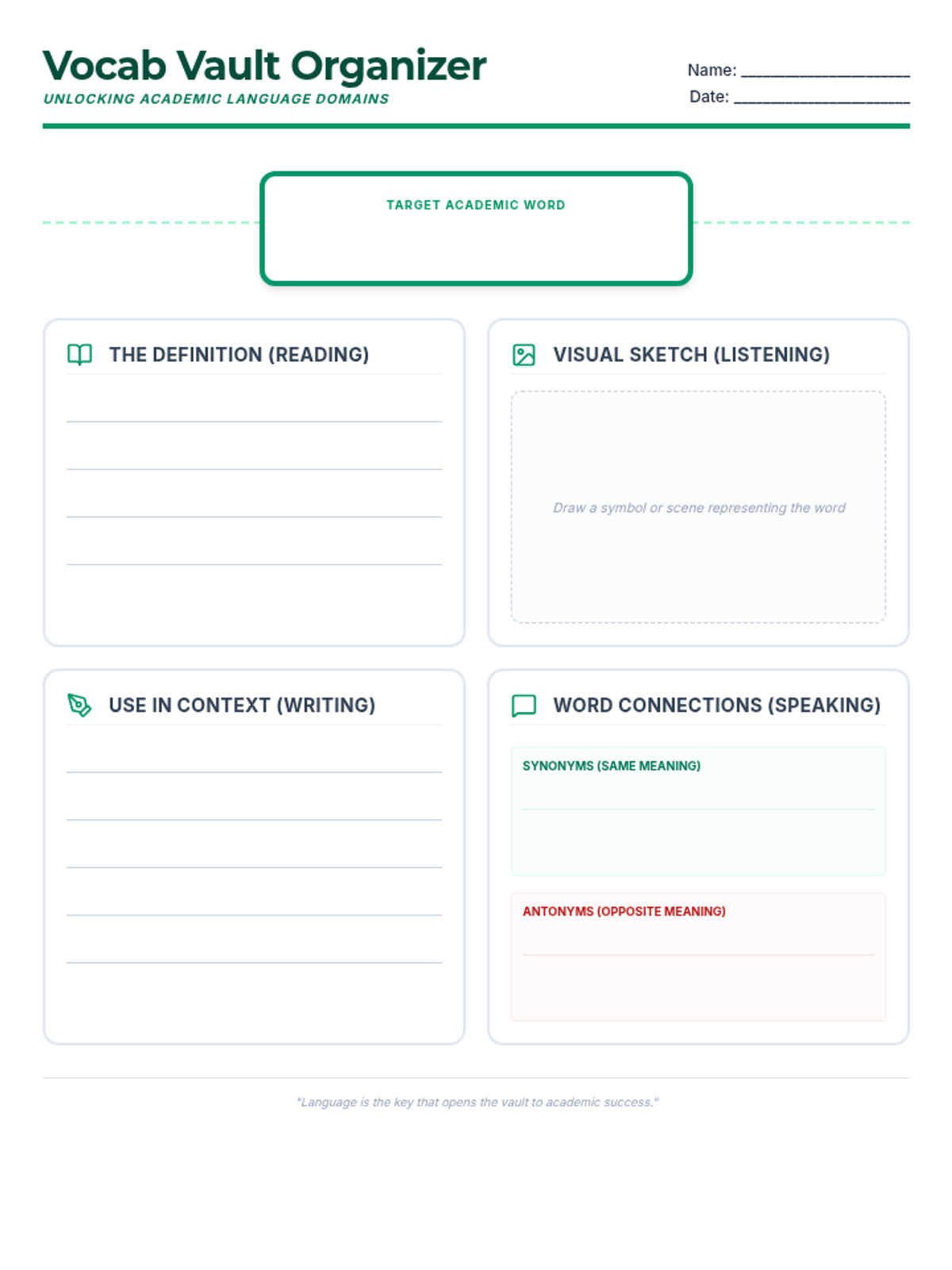
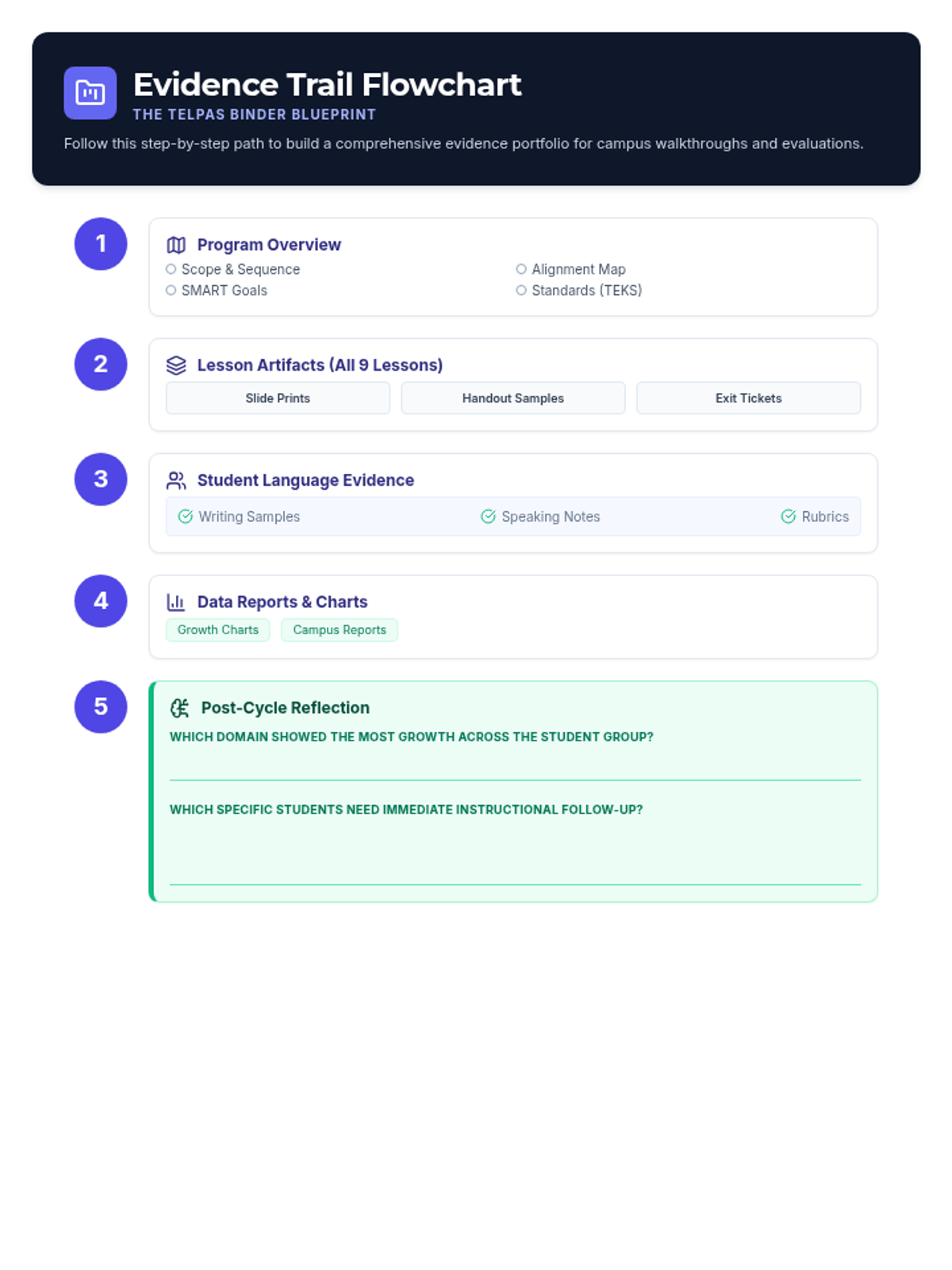
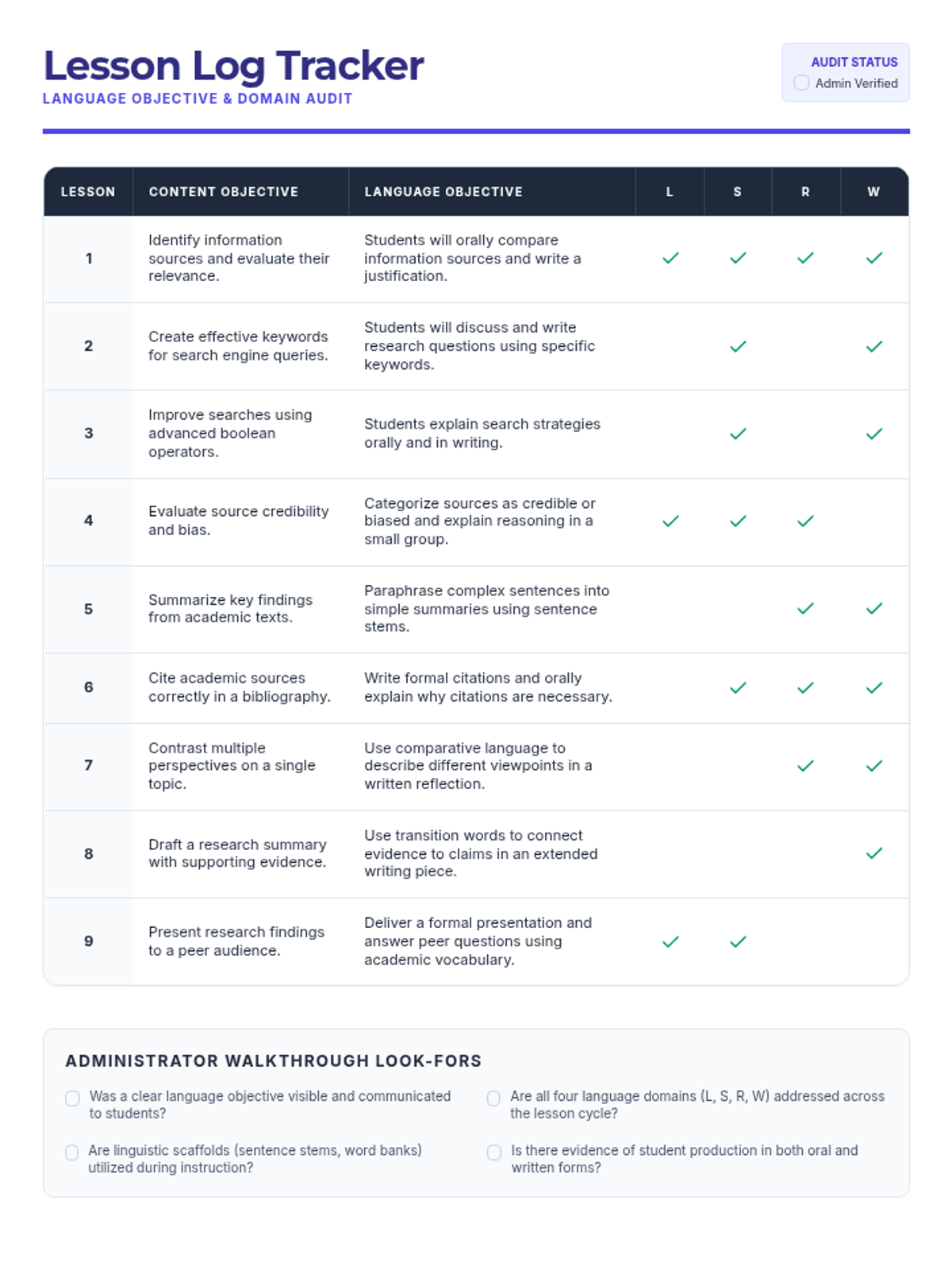
A comprehensive toolkit for teachers to track, document, and support student English language proficiency growth using TELPAS criteria across all four domains.
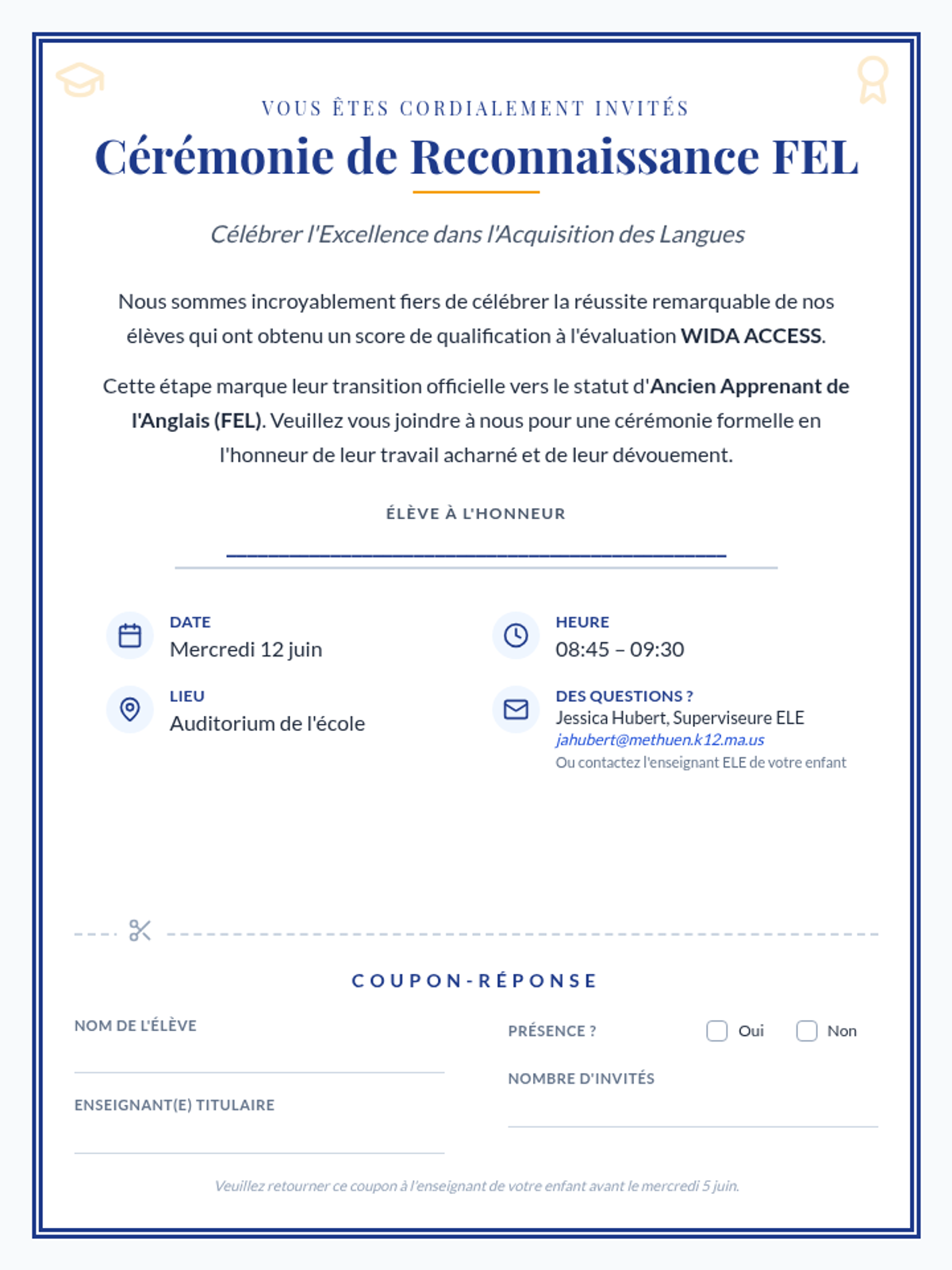
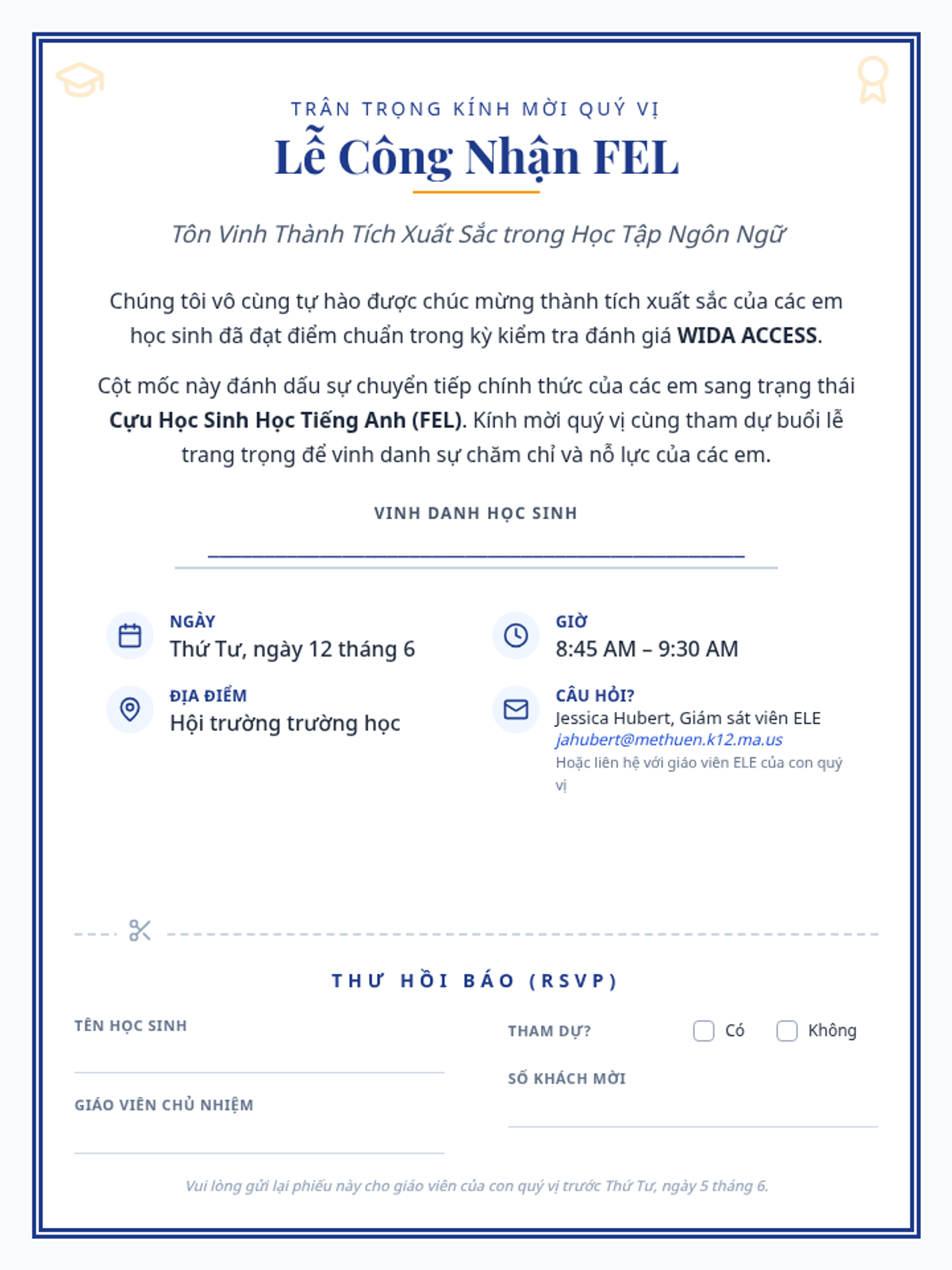
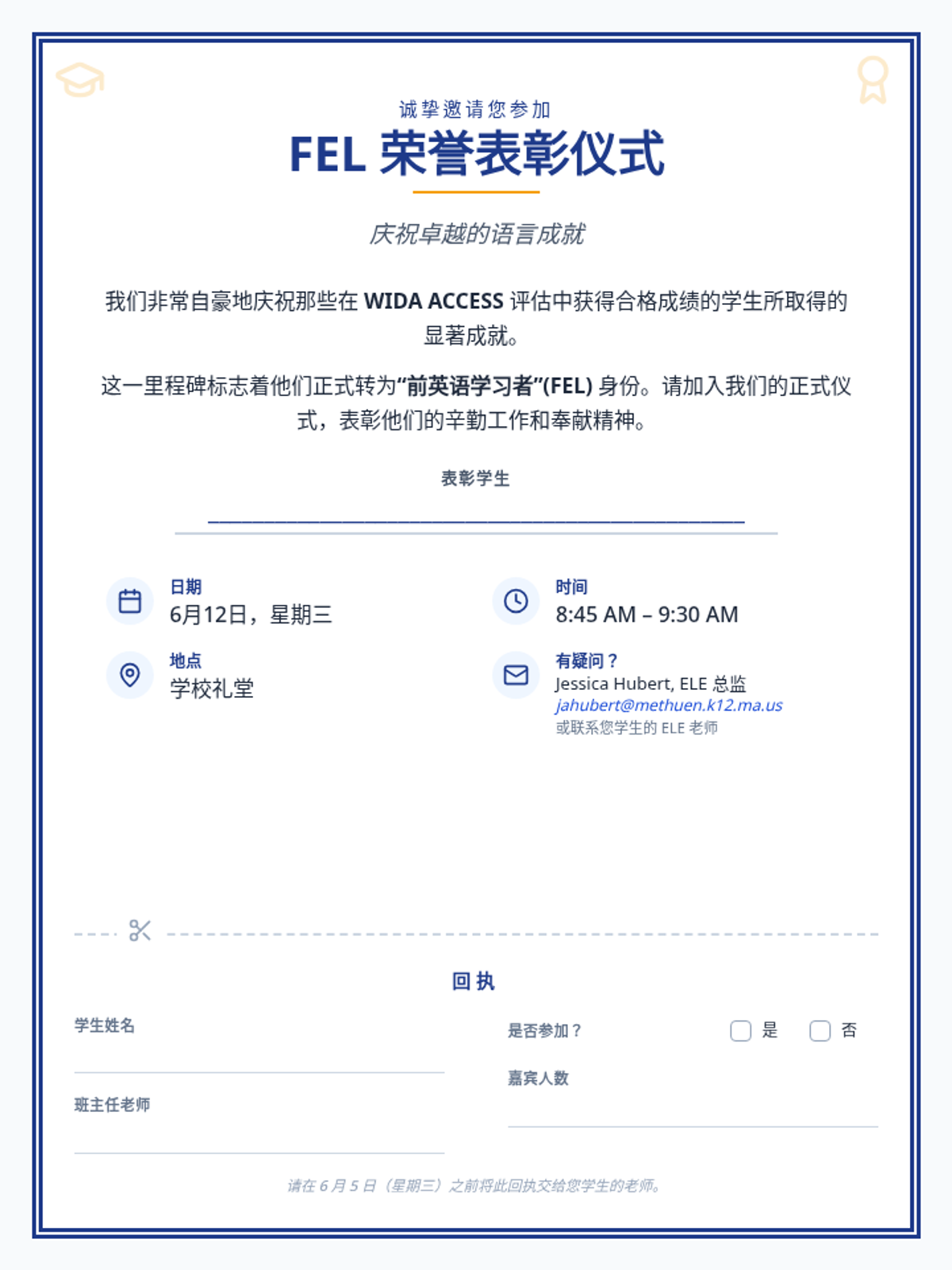
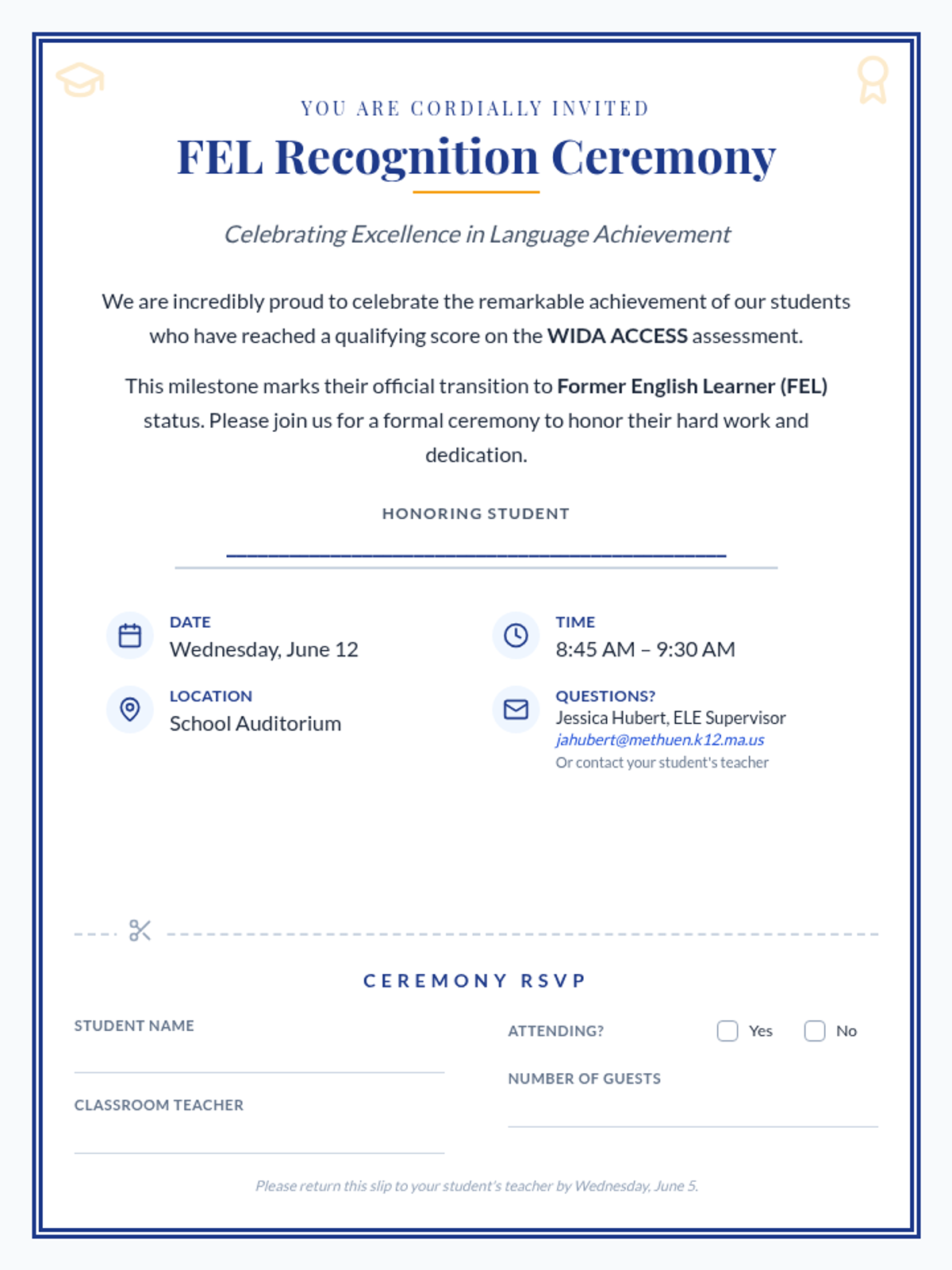
A collection of formal invitation flyers for the FEL Recognition Ceremony, provided in multiple languages to ensure all families can celebrate their student's transition from English Language Education services.
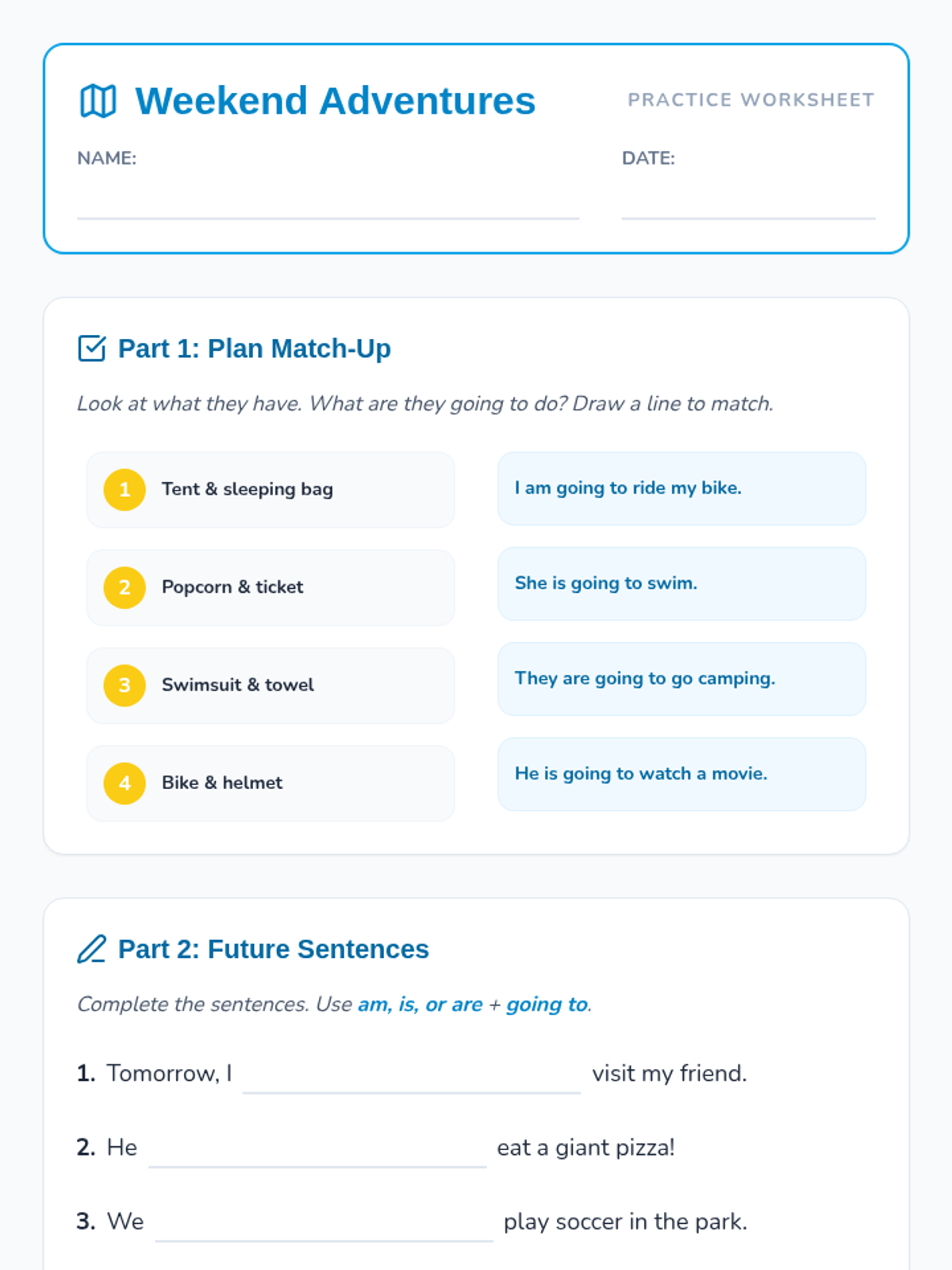
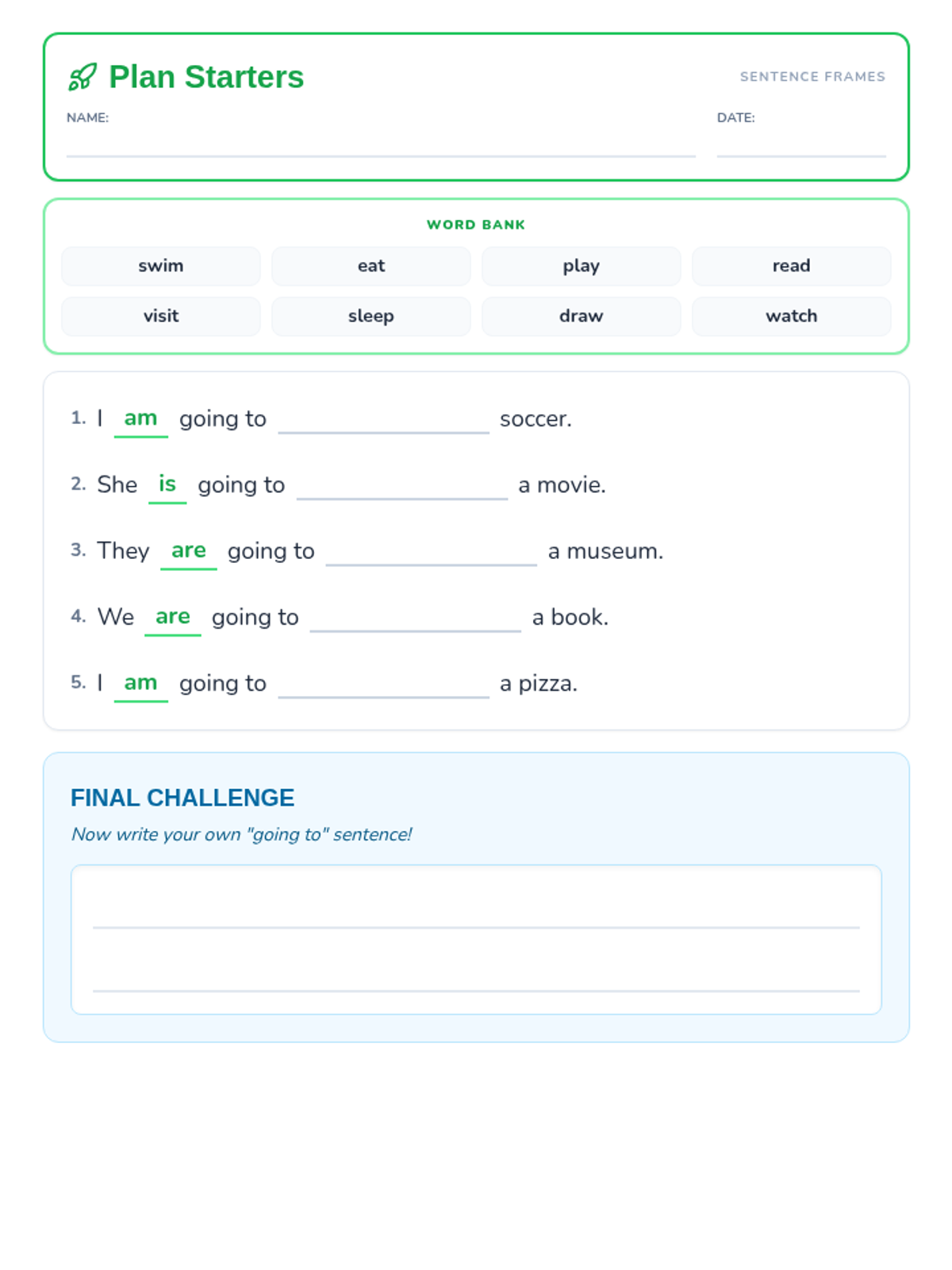
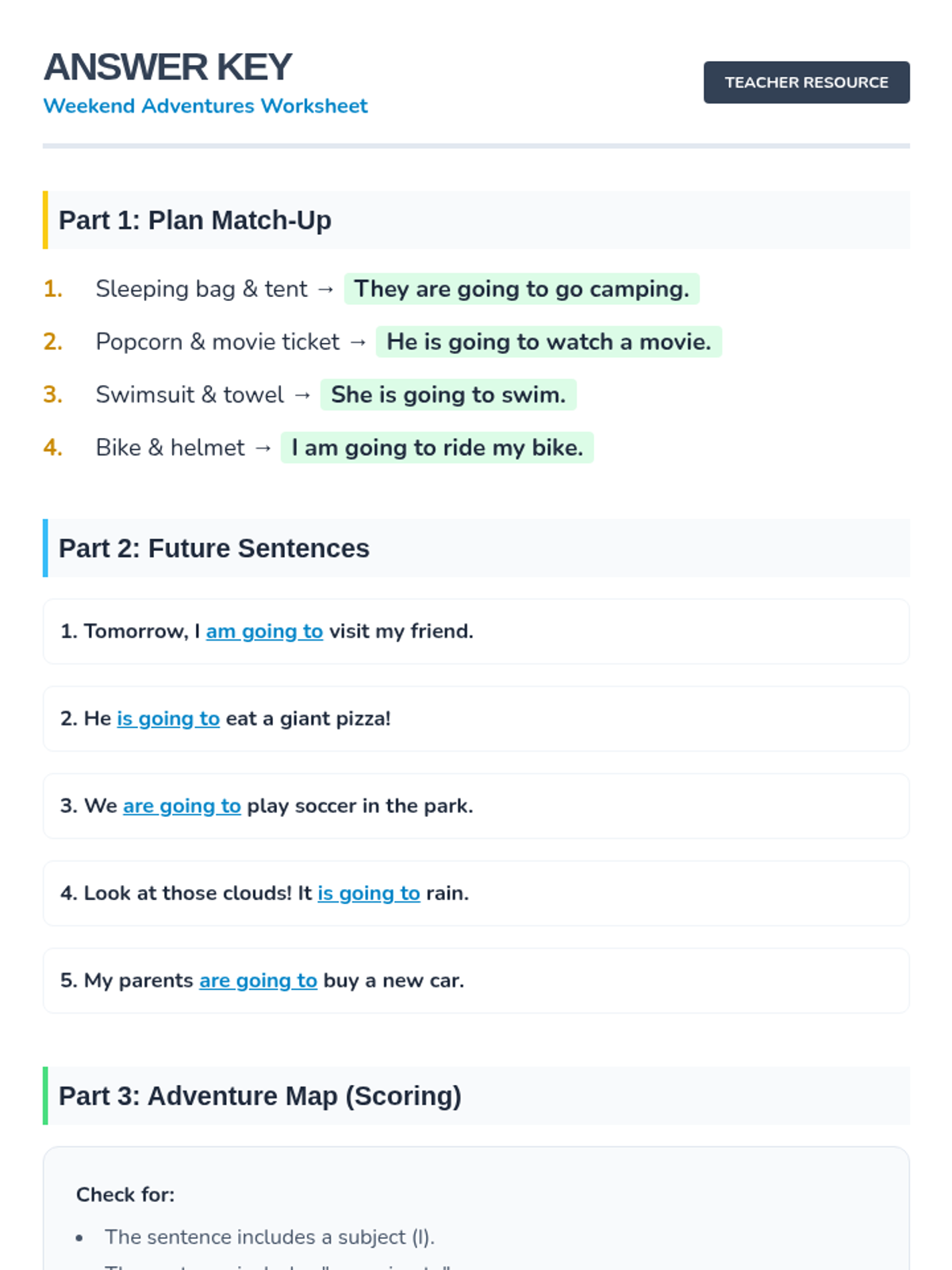
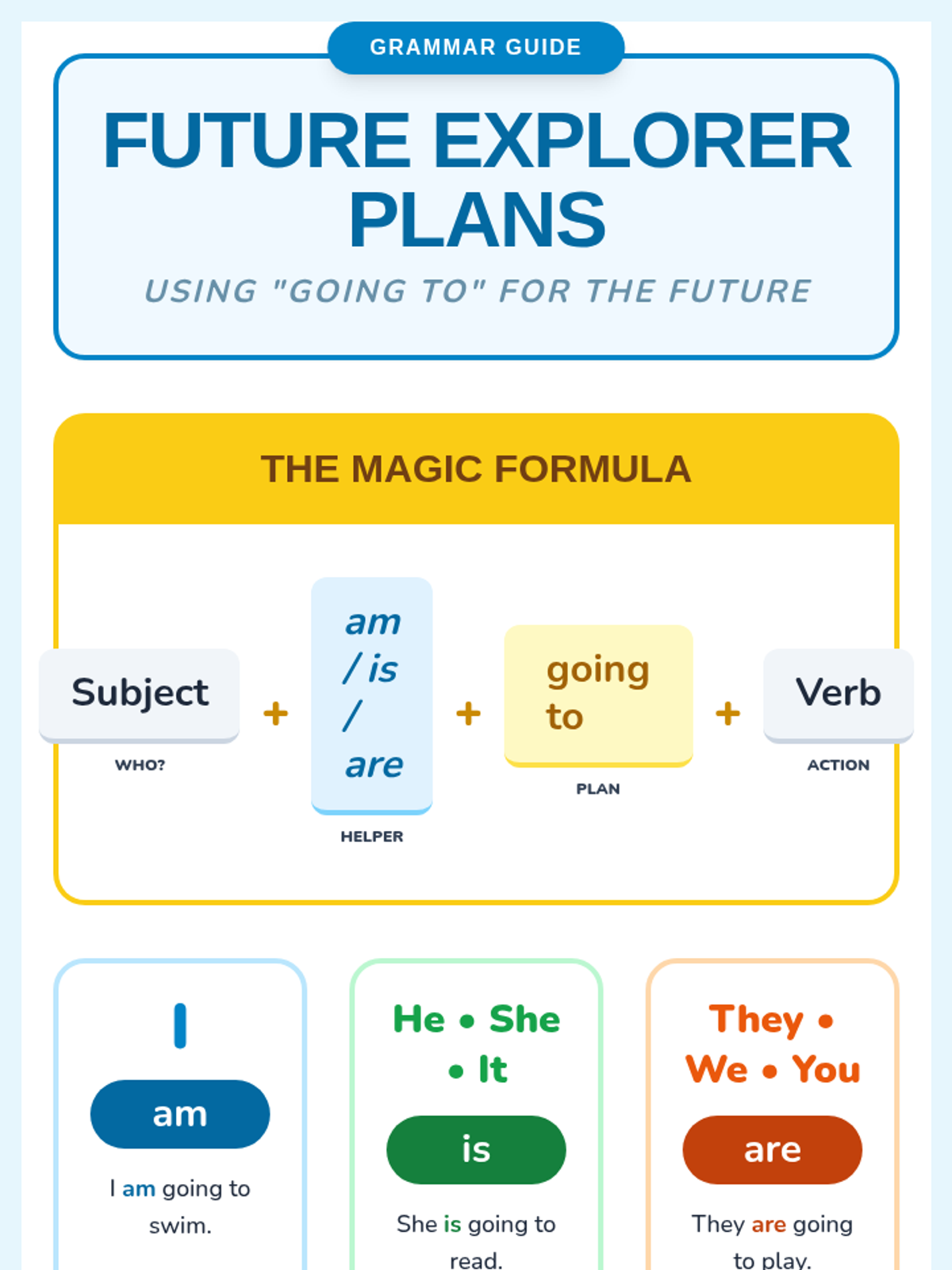
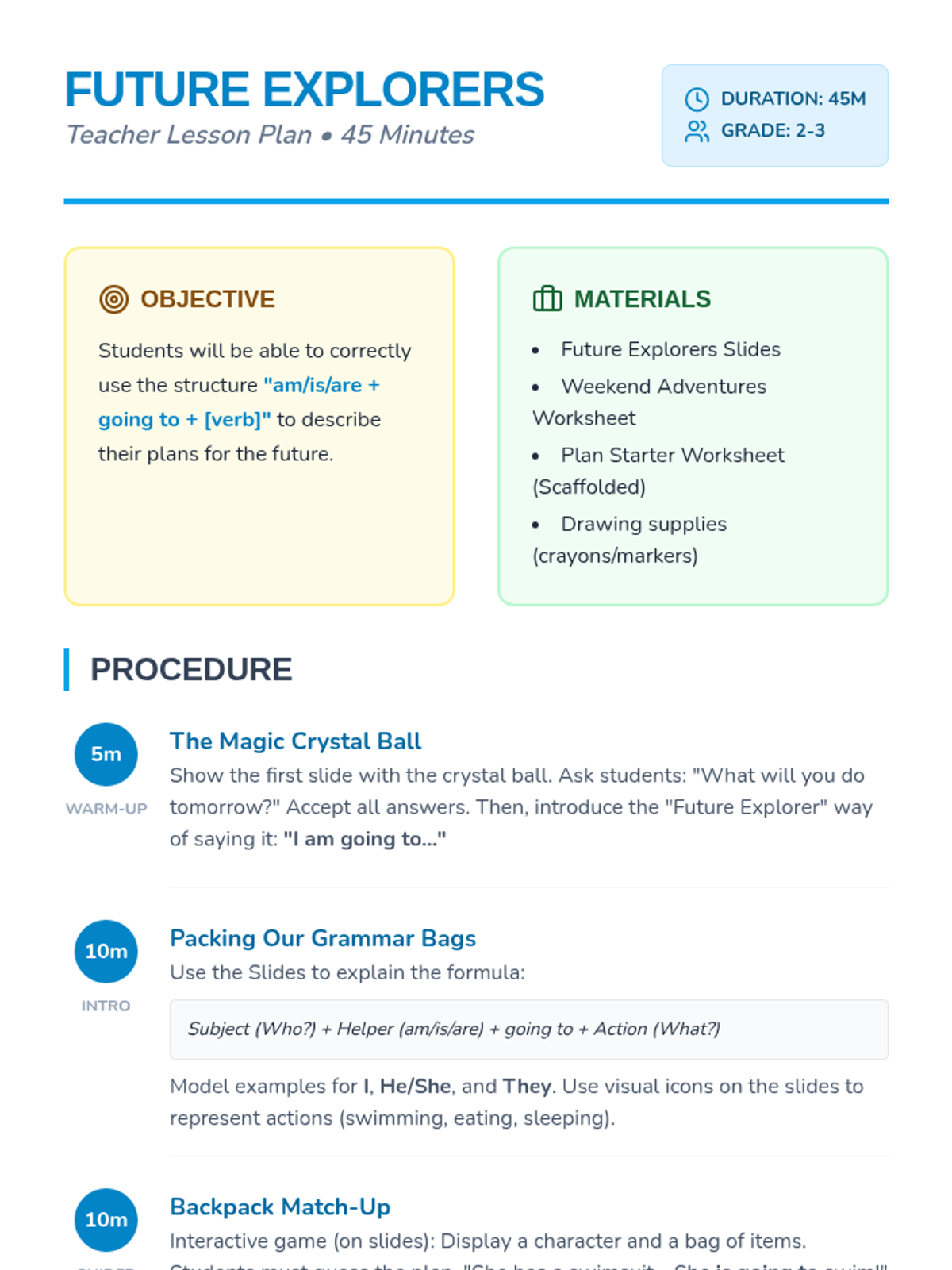
A comprehensive 45-minute lesson for 2nd and 3rd graders to master the use of 'going to' for expressing future plans through adventure-themed activities.
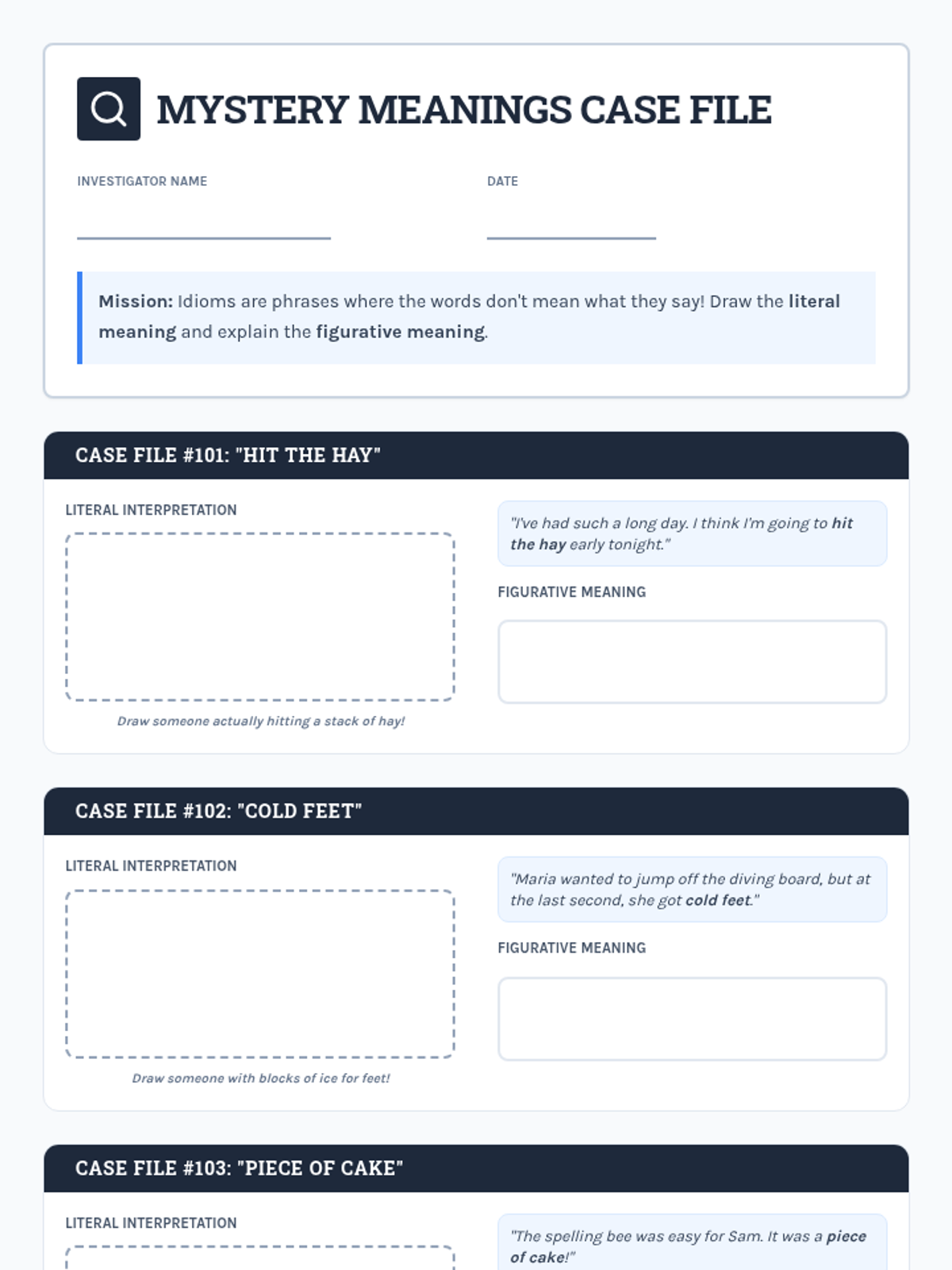
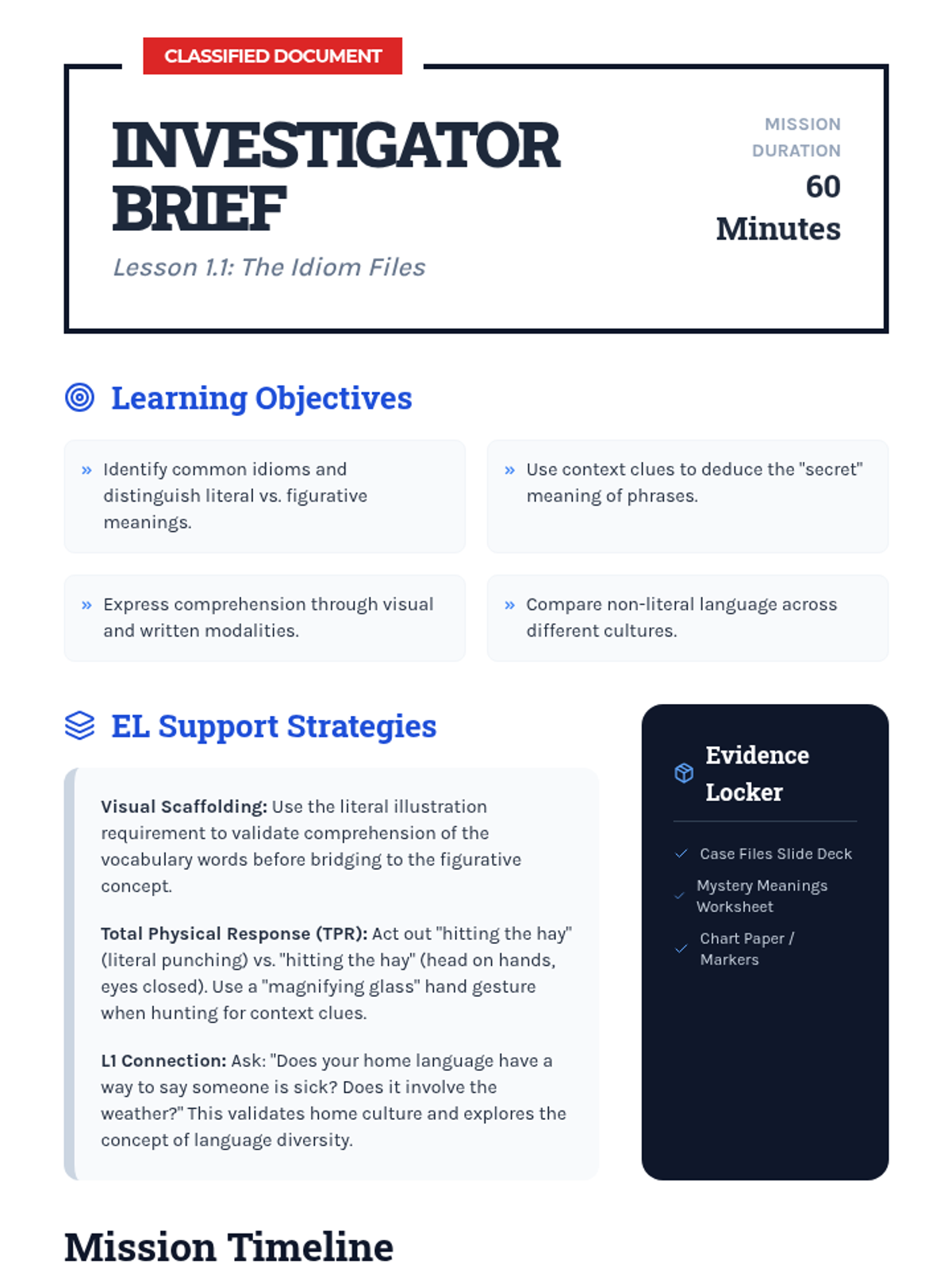
Students become language detectives to decode common English idioms, comparing literal illustrations with figurative meanings to build deep comprehension of non-literal language.
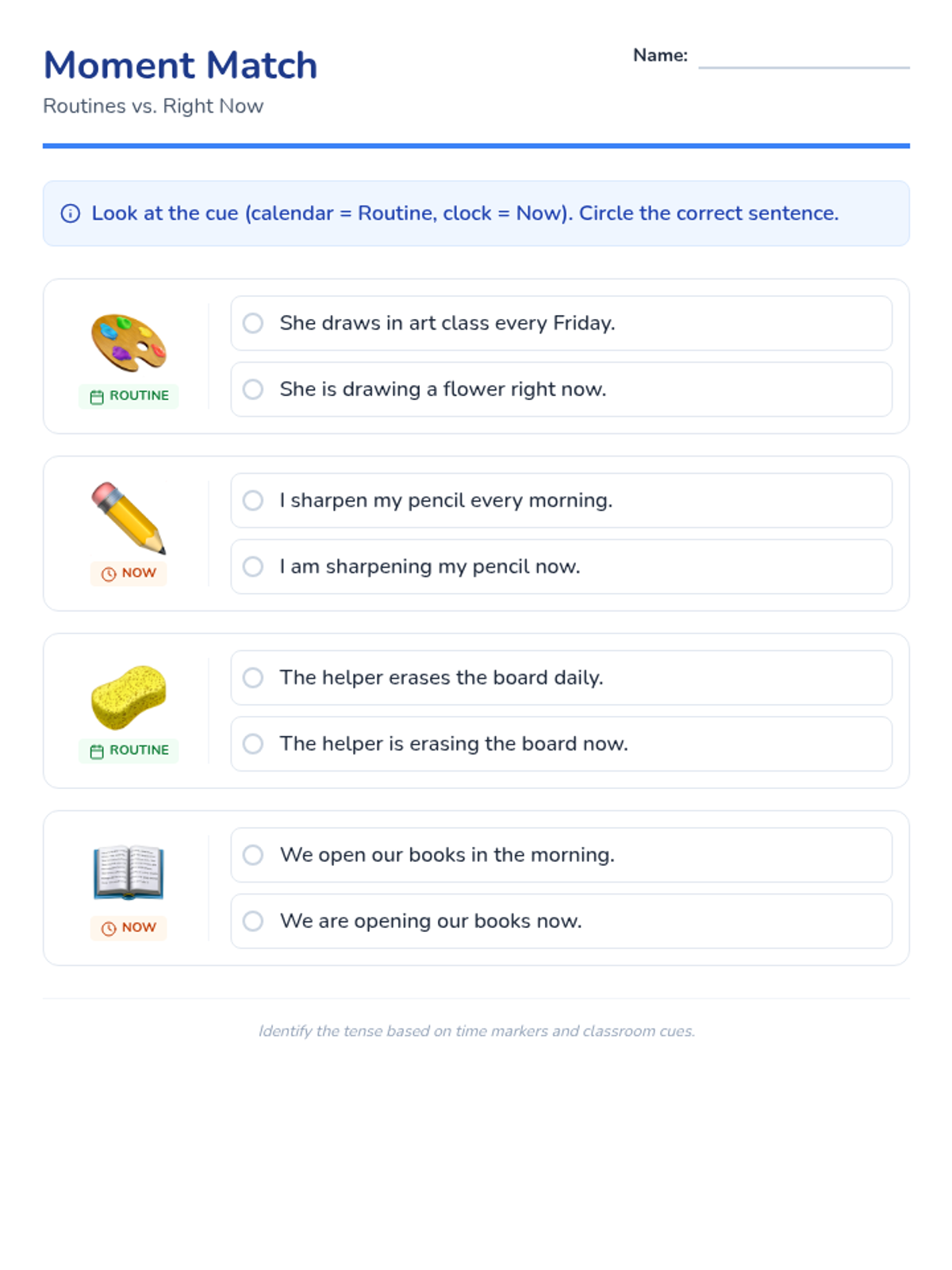
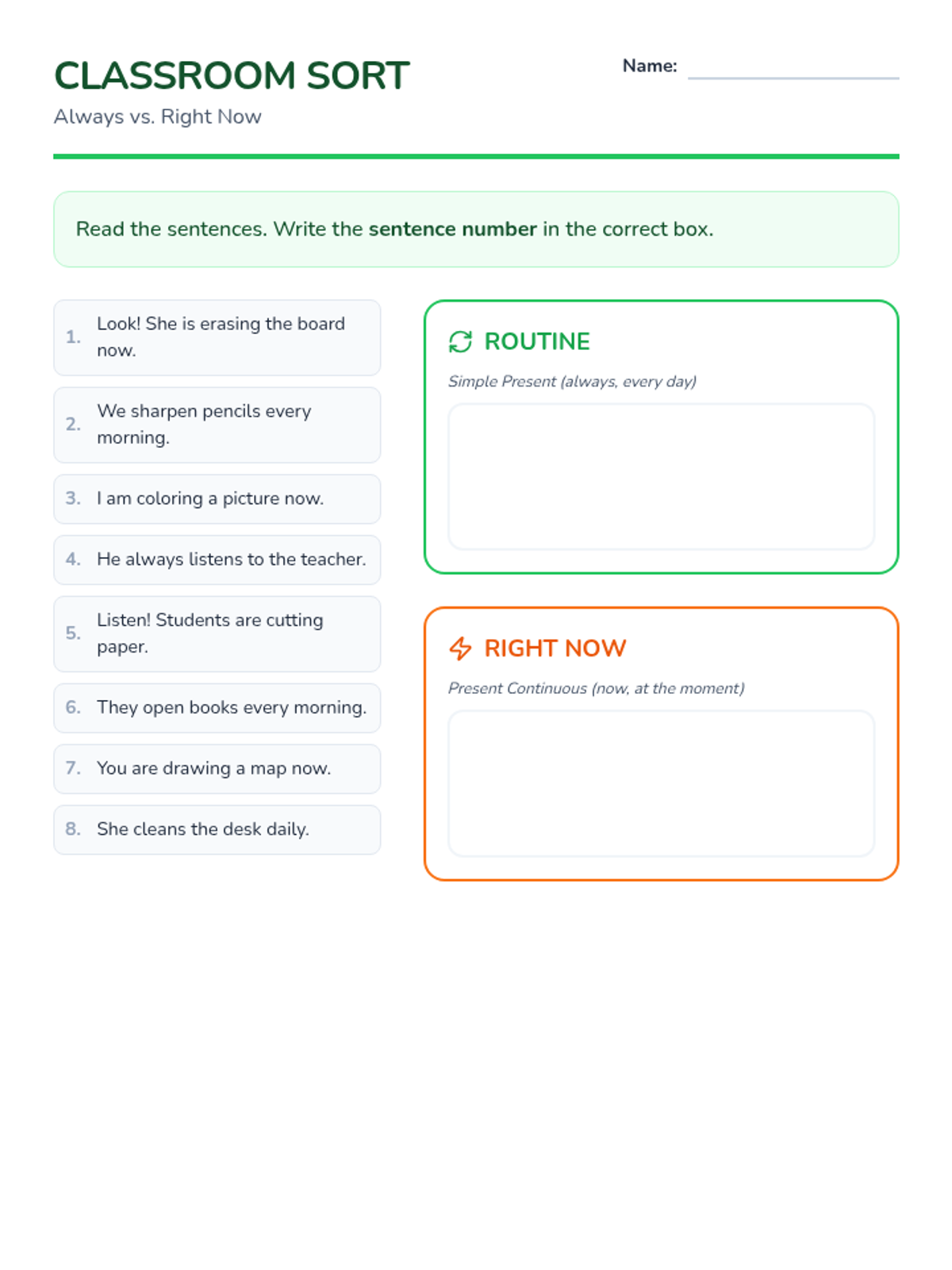
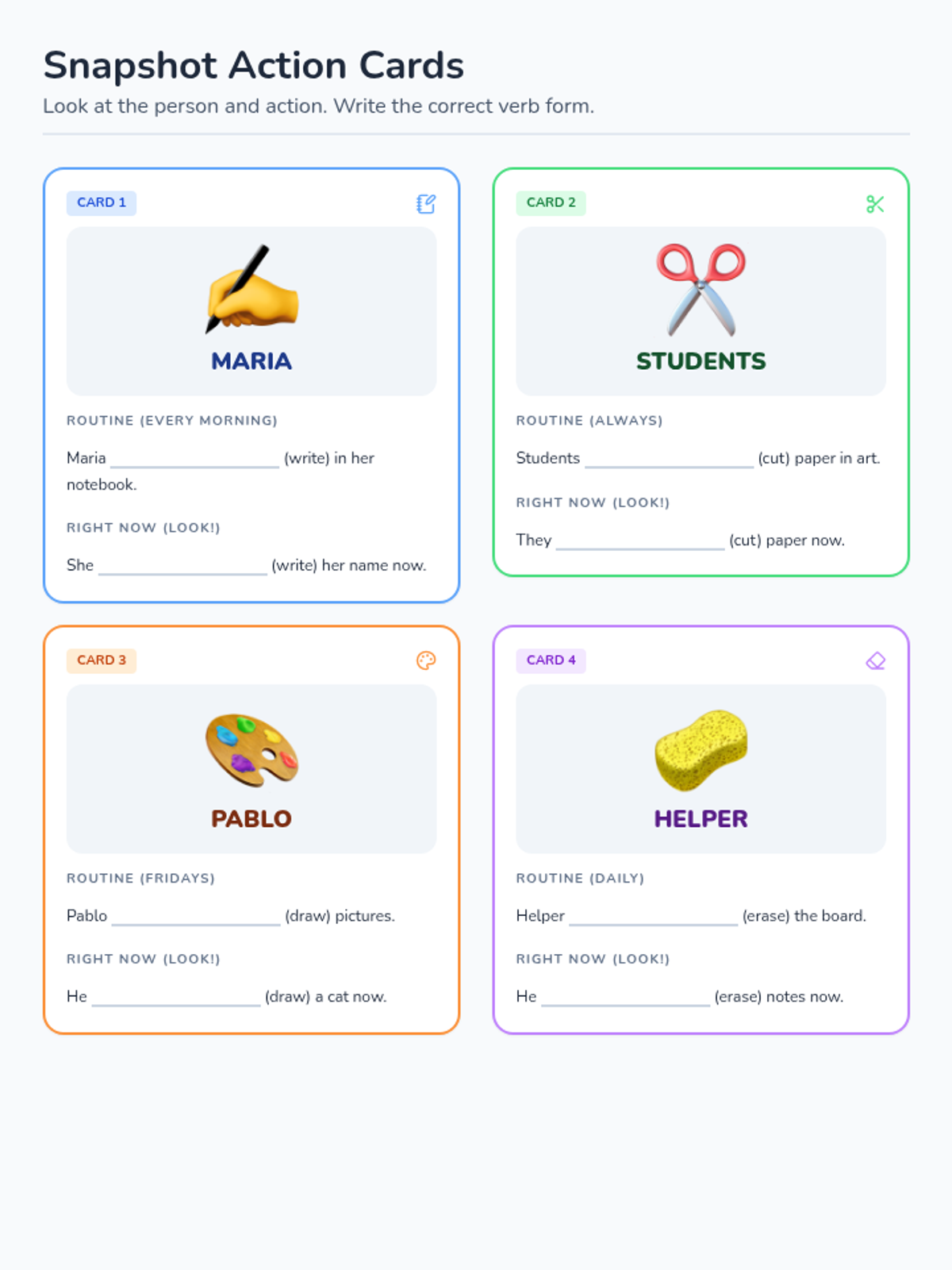
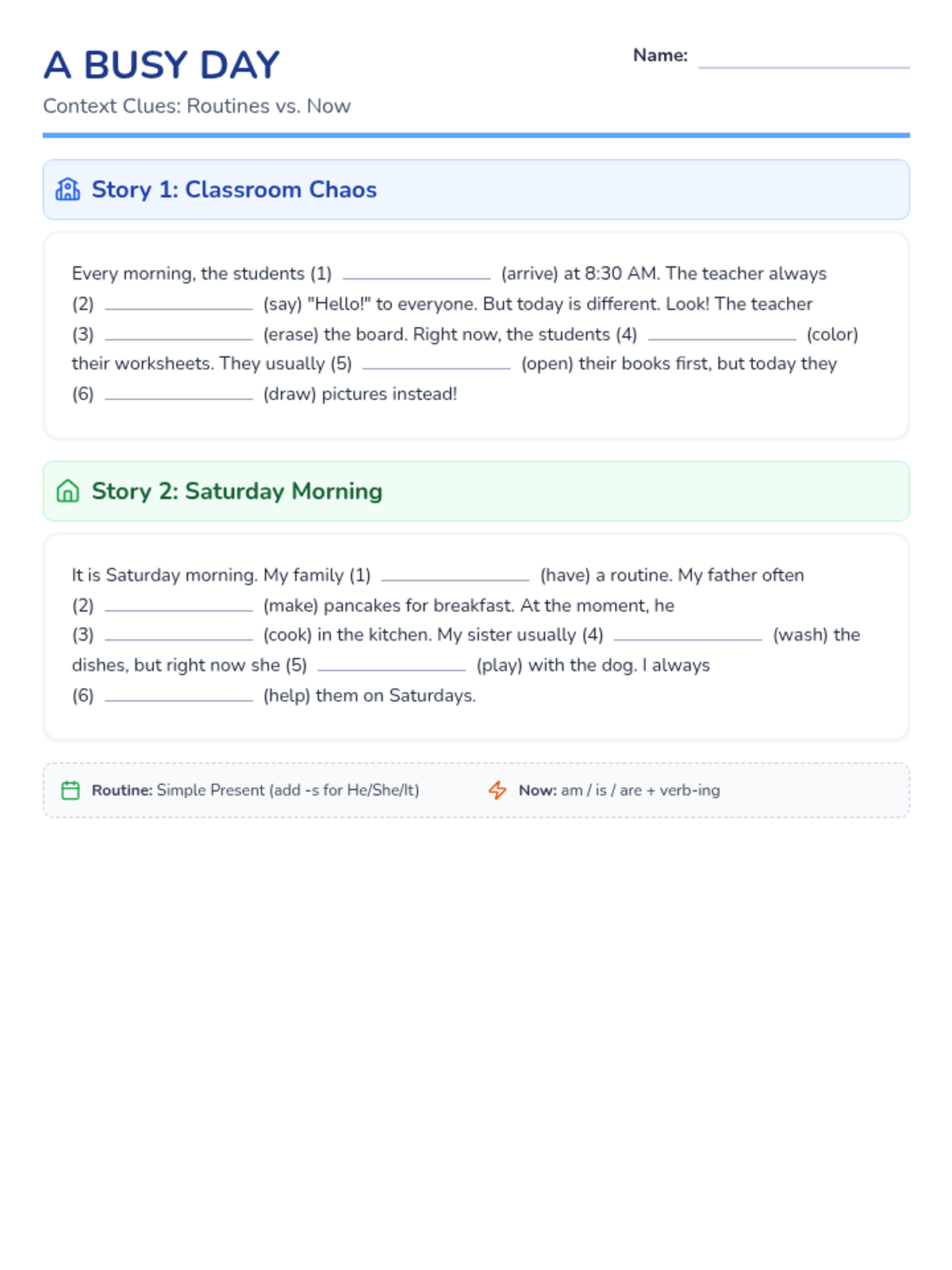
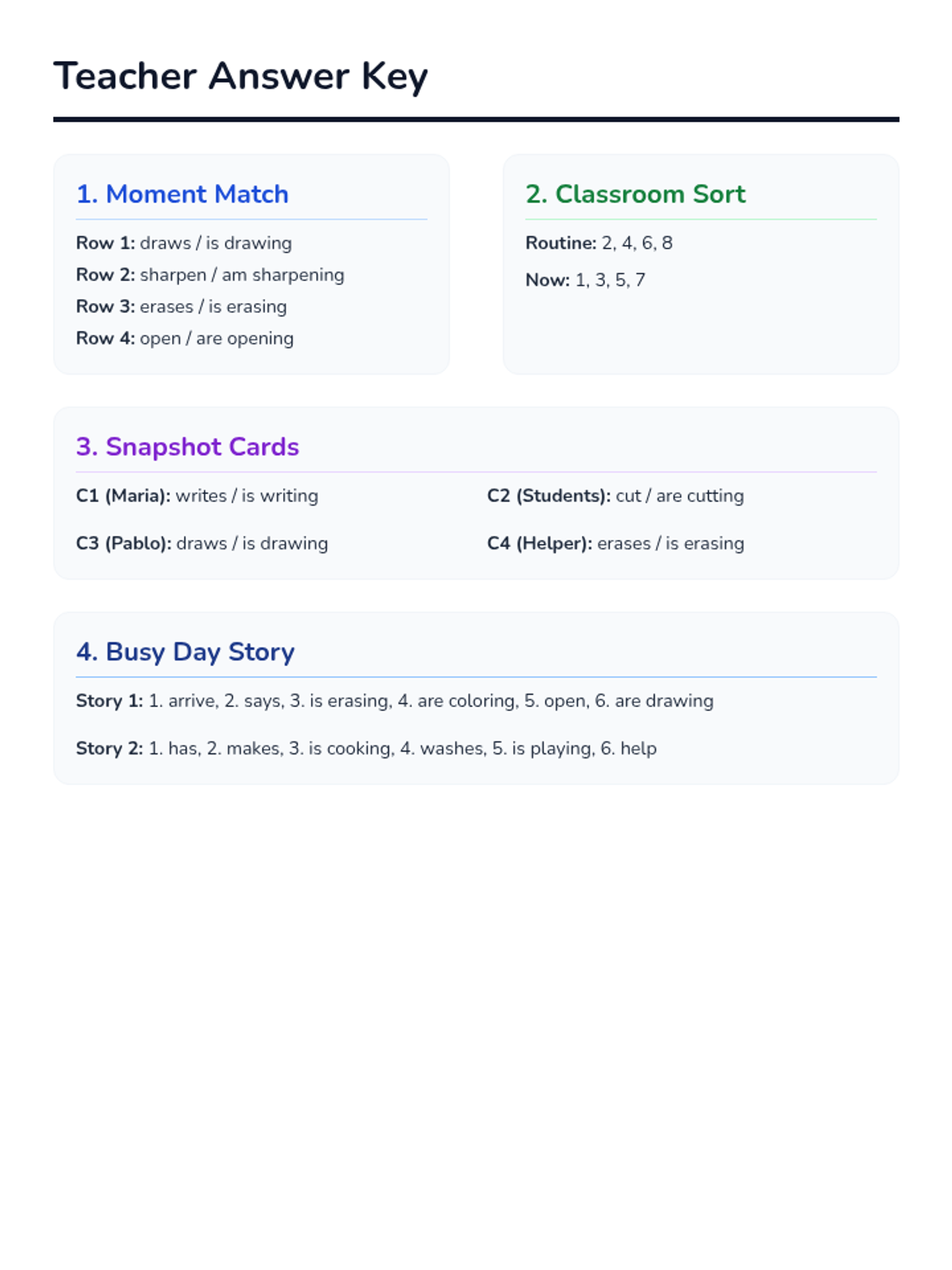
A beginner-friendly introduction to the differences between Simple Present and Present Continuous, focusing on routines and immediate actions.
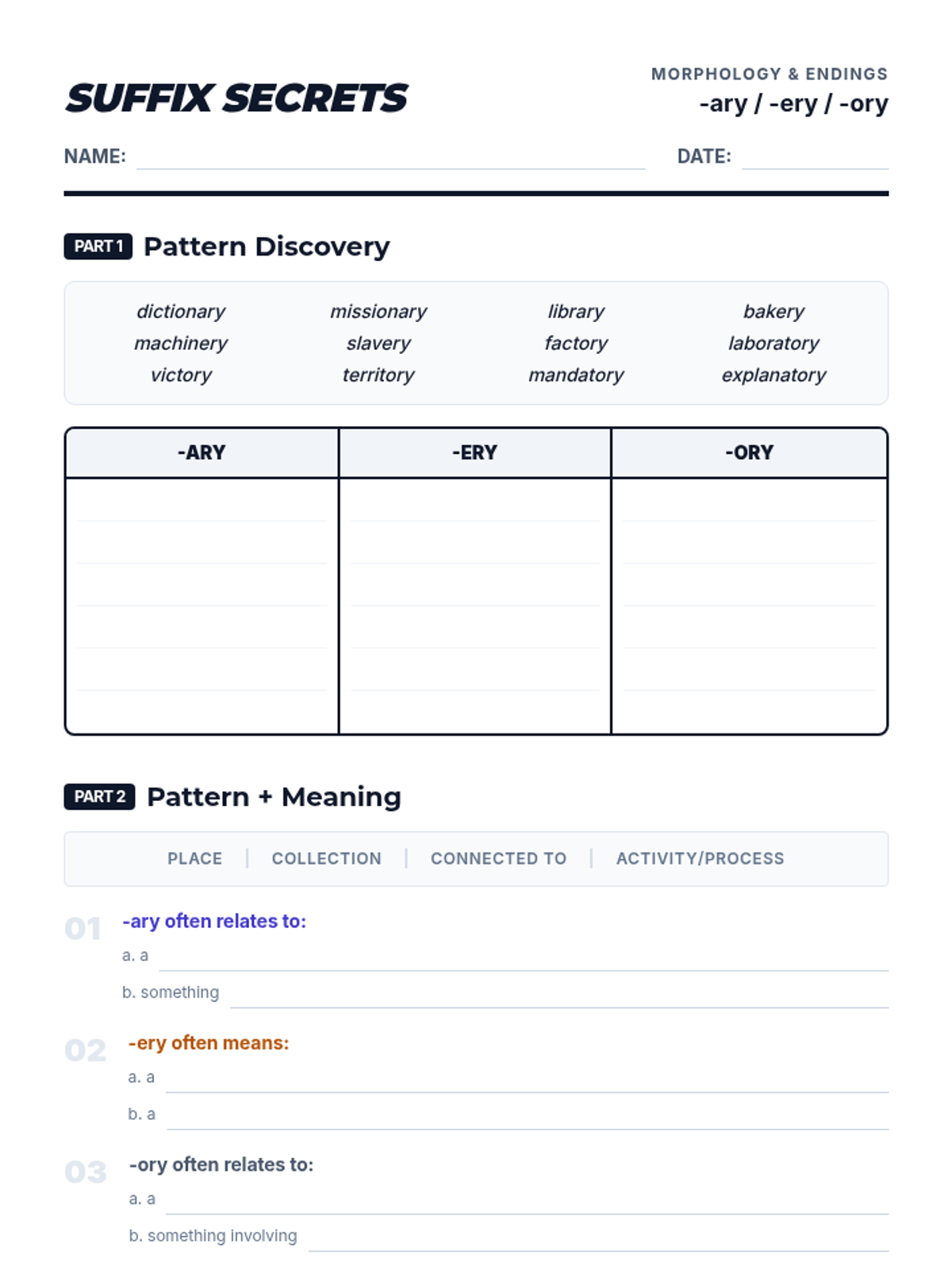
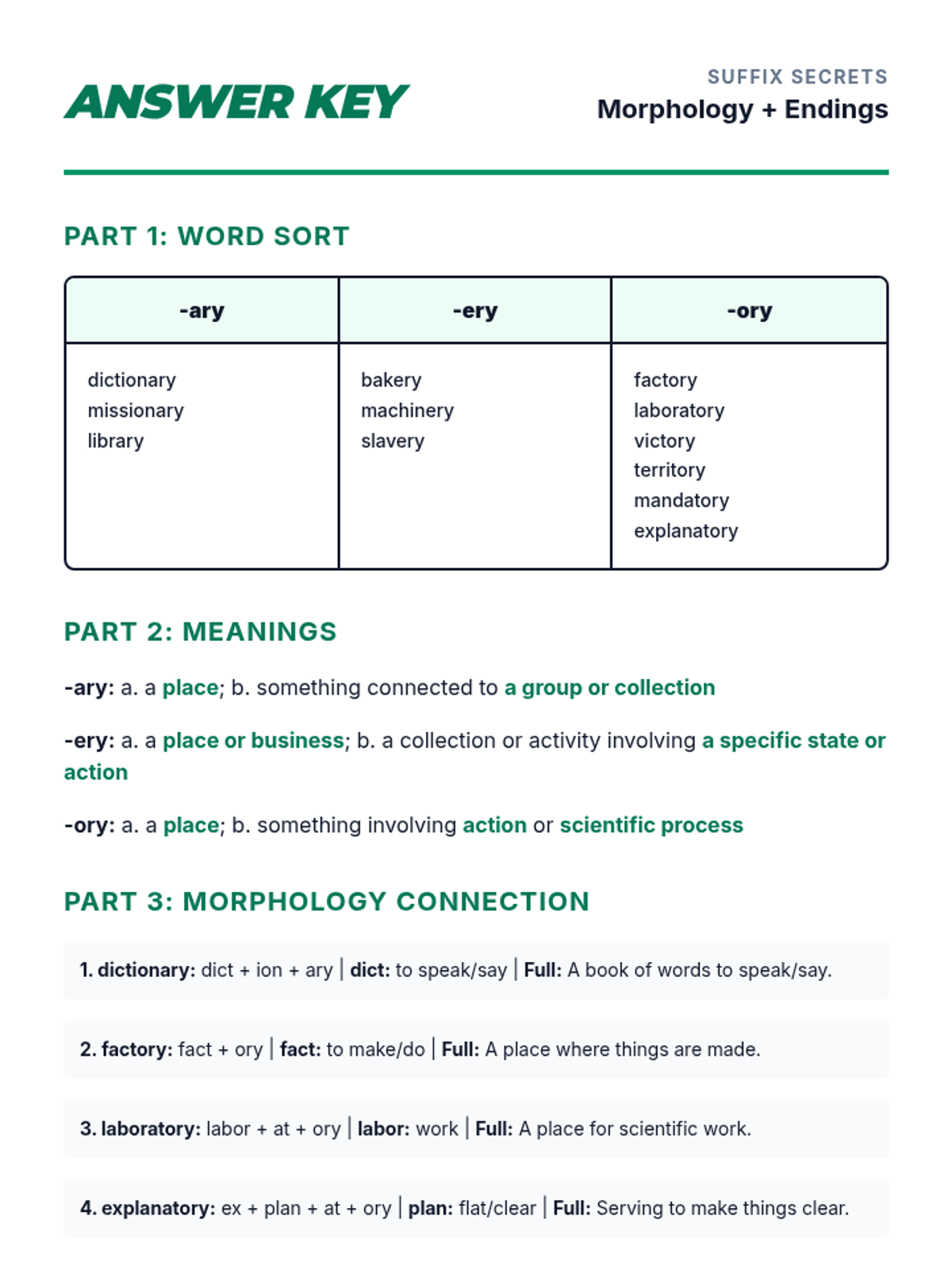
A comprehensive lesson on the morphology and spelling of the suffixes -ary, -ery, and -ory, focusing on word meaning and root connections rather than rote memorization.
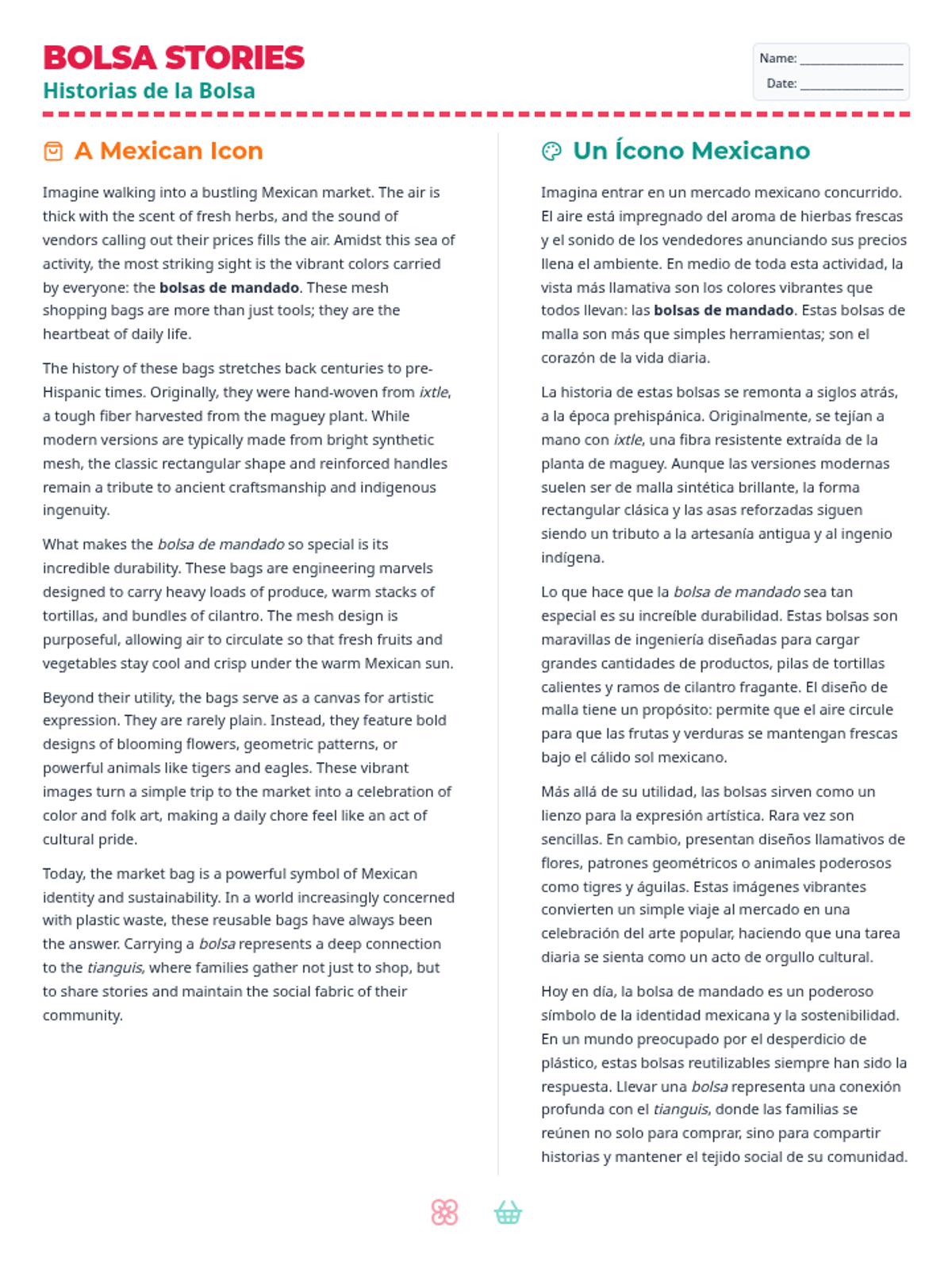
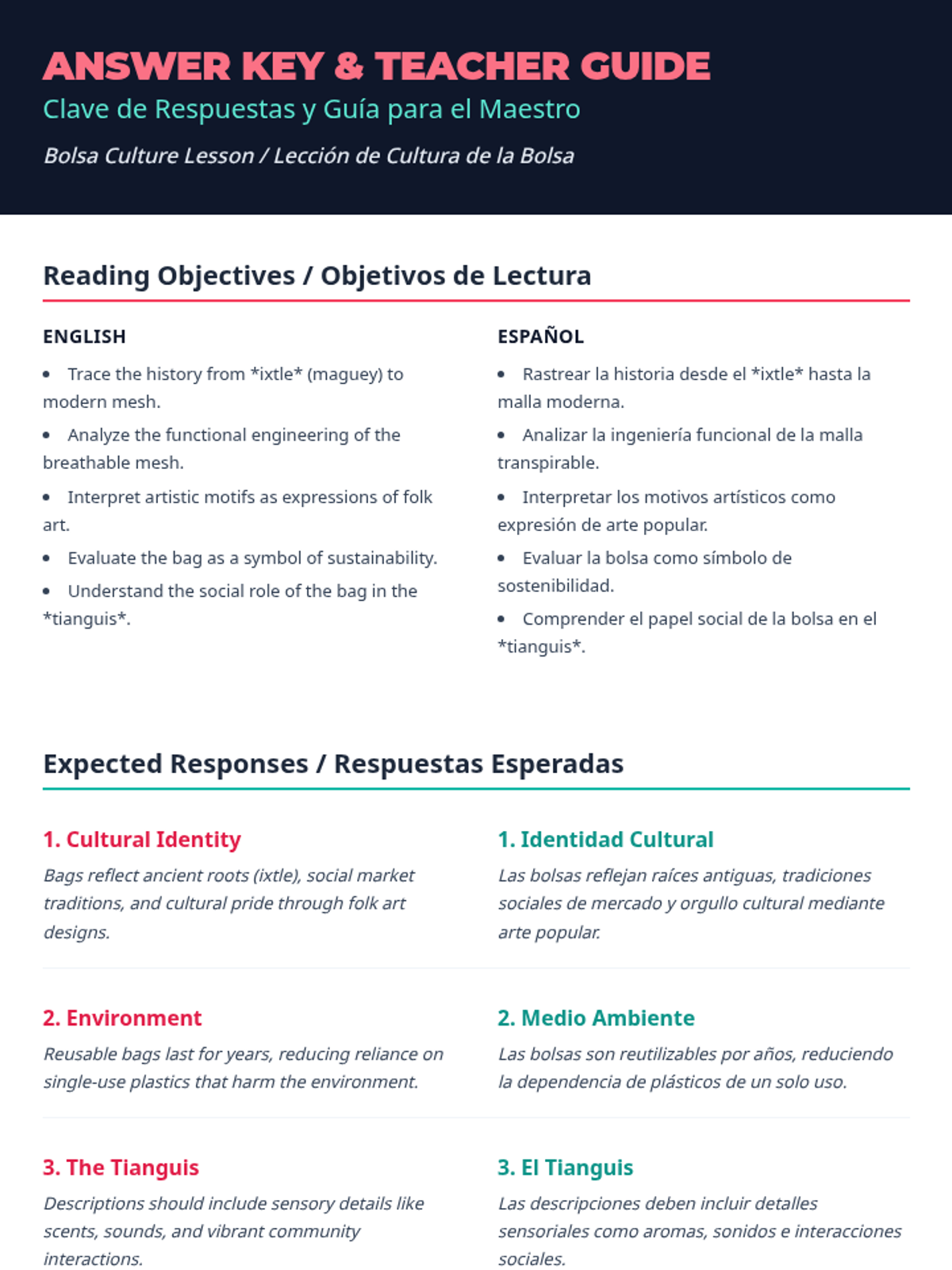
A dual-language exploration of the iconic Mexican market bag (bolsa de mandado), focusing on its history, utility, and cultural significance in Mexican traditions.
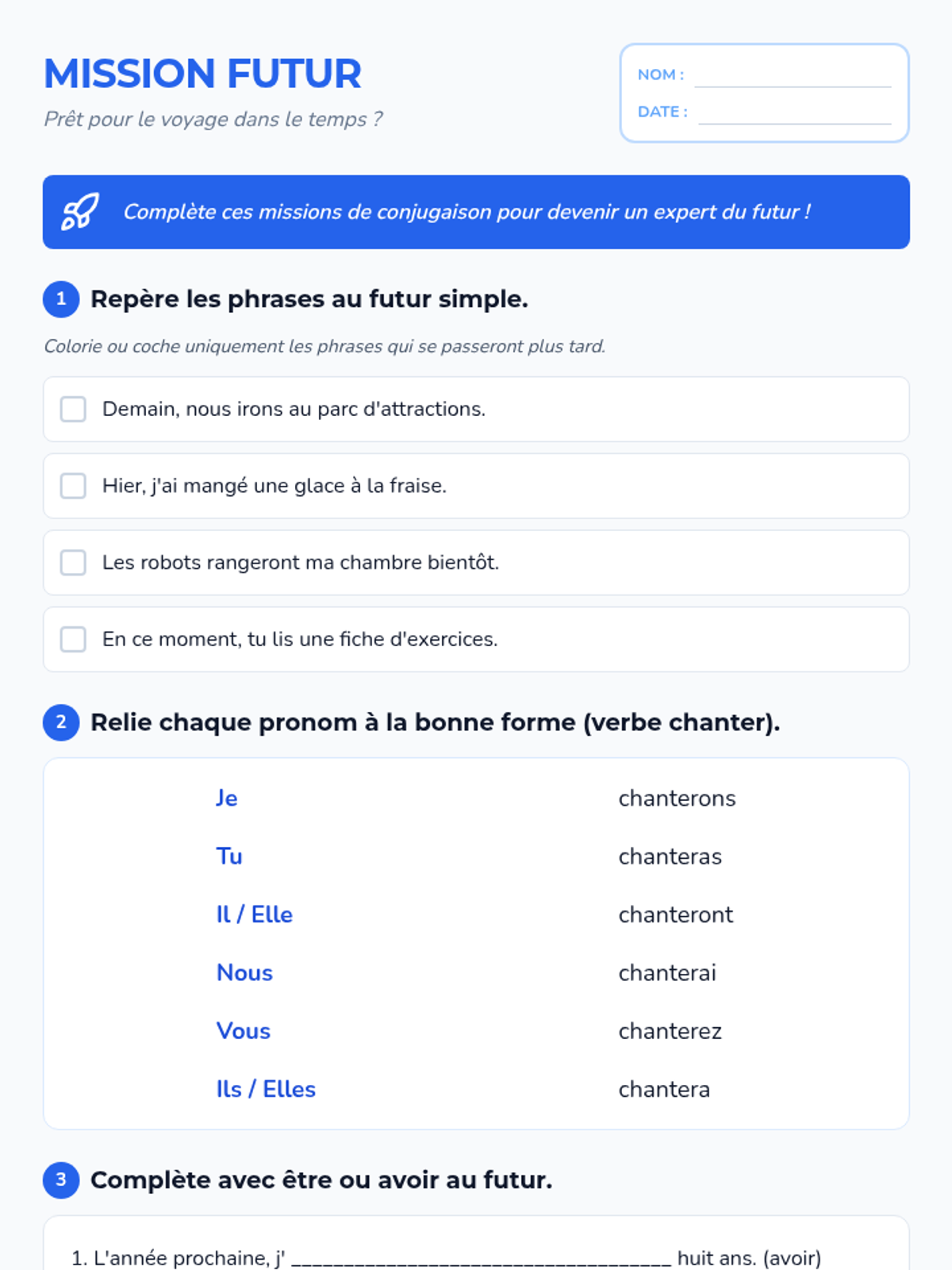
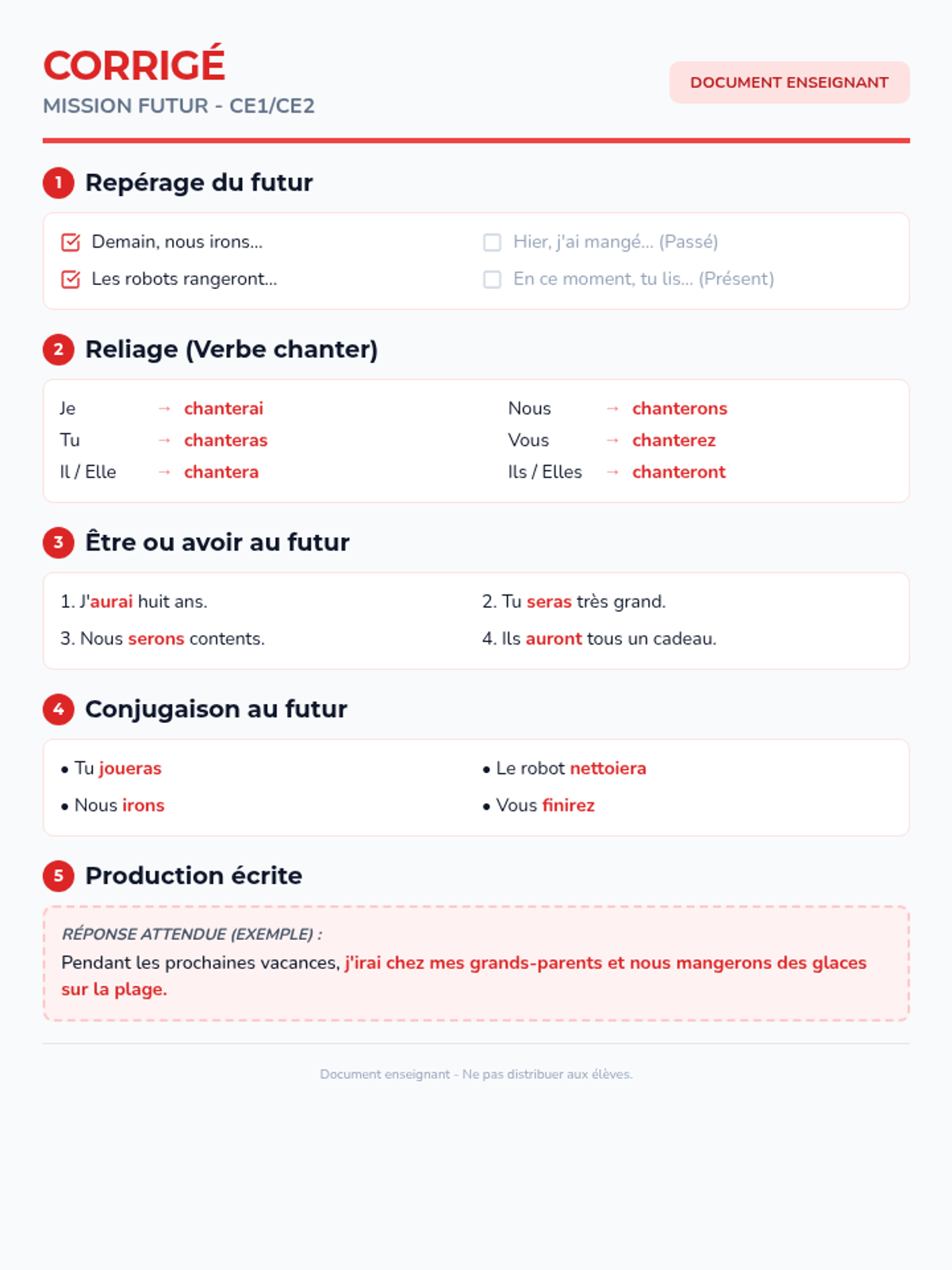
Une leçon sur la conjugaison au futur simple pour les élèves de CE1 et CE2, axée sur les verbes en -er, être et avoir, ainsi que les verbes fréquents.
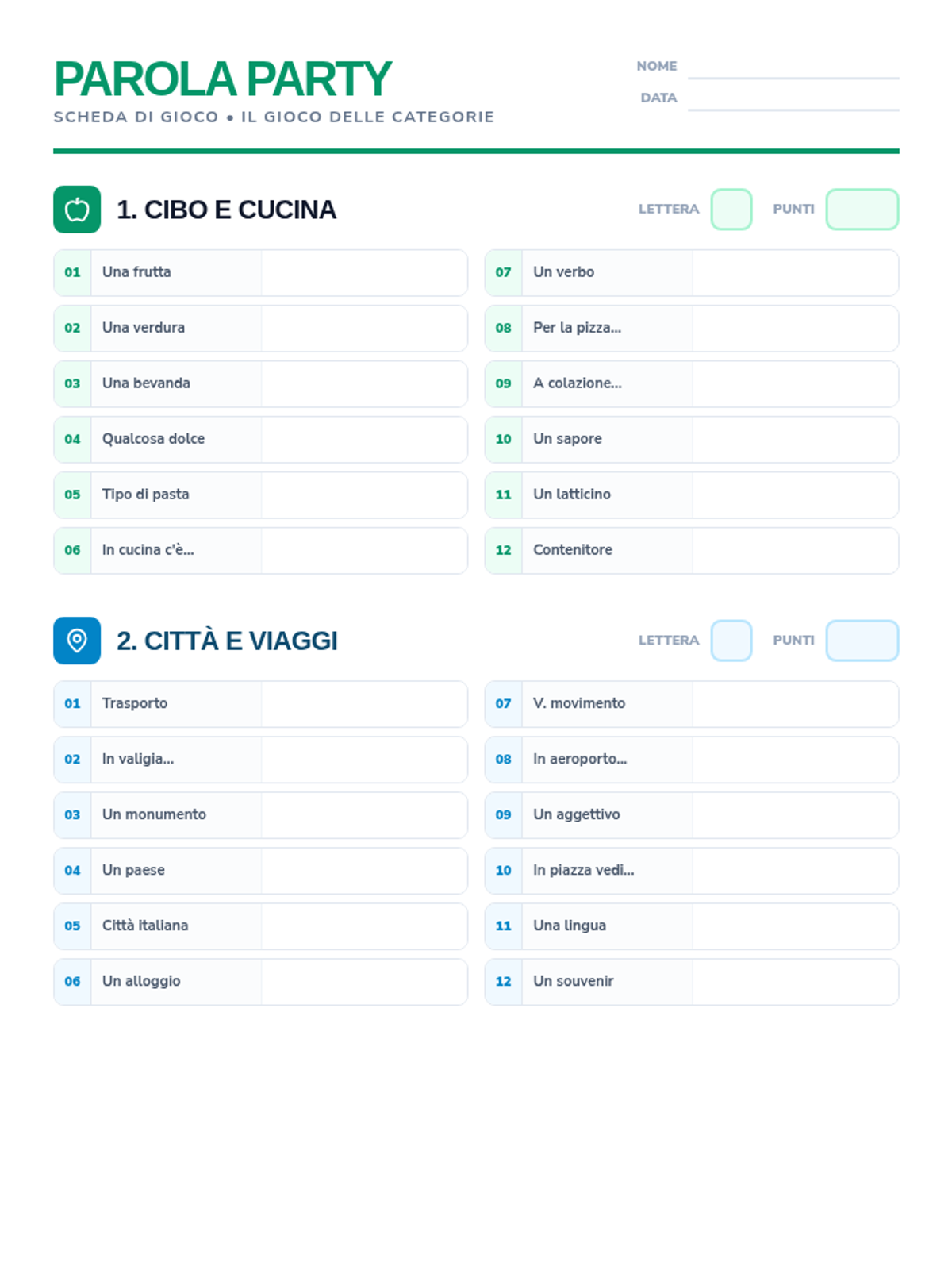
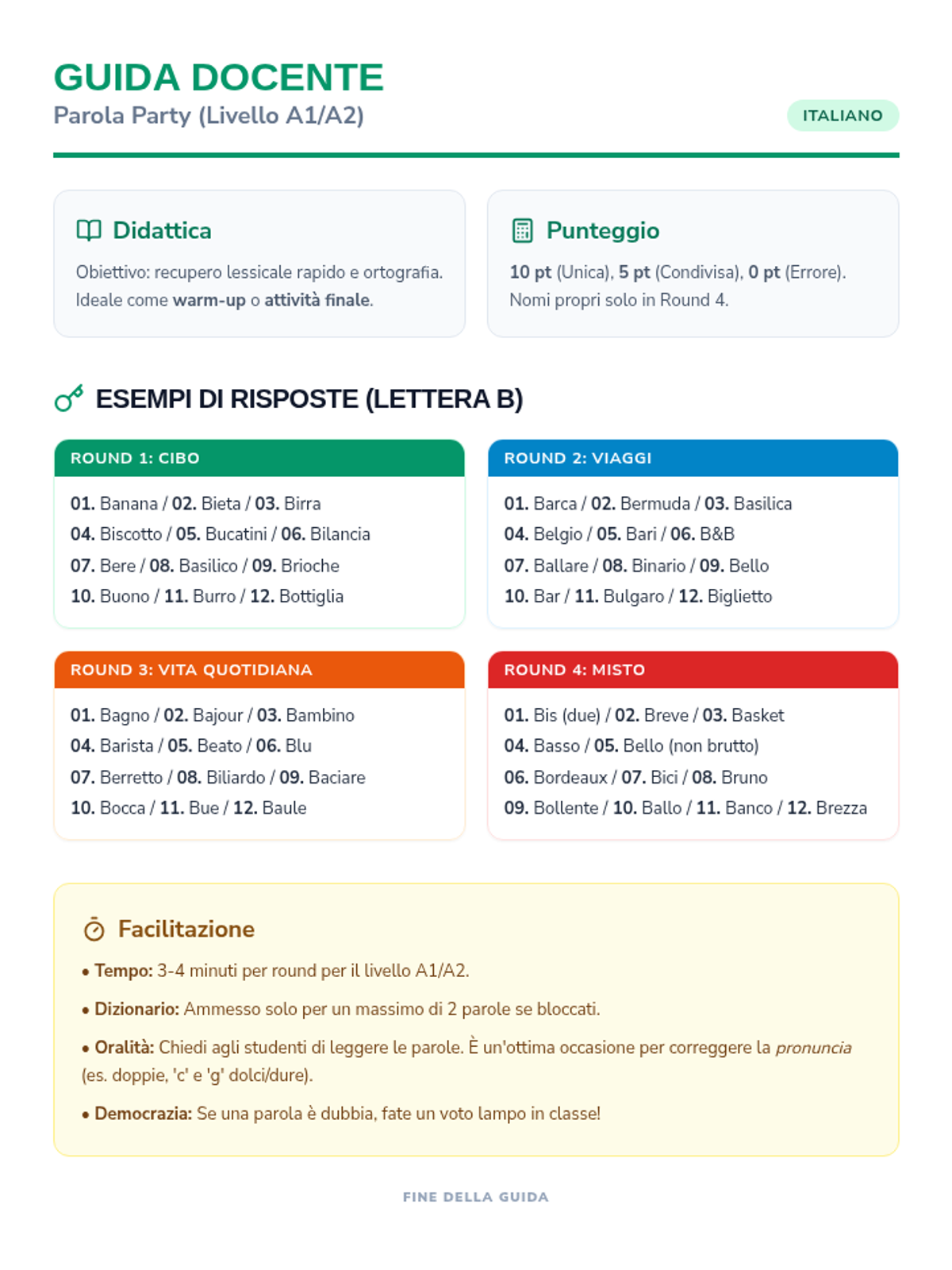
A fast-paced Italian vocabulary game for A1/A2 students covering food, travel, daily life, and general topics. Includes a presentation for class gameplay, printable game boards, and a teacher facilitation guide.
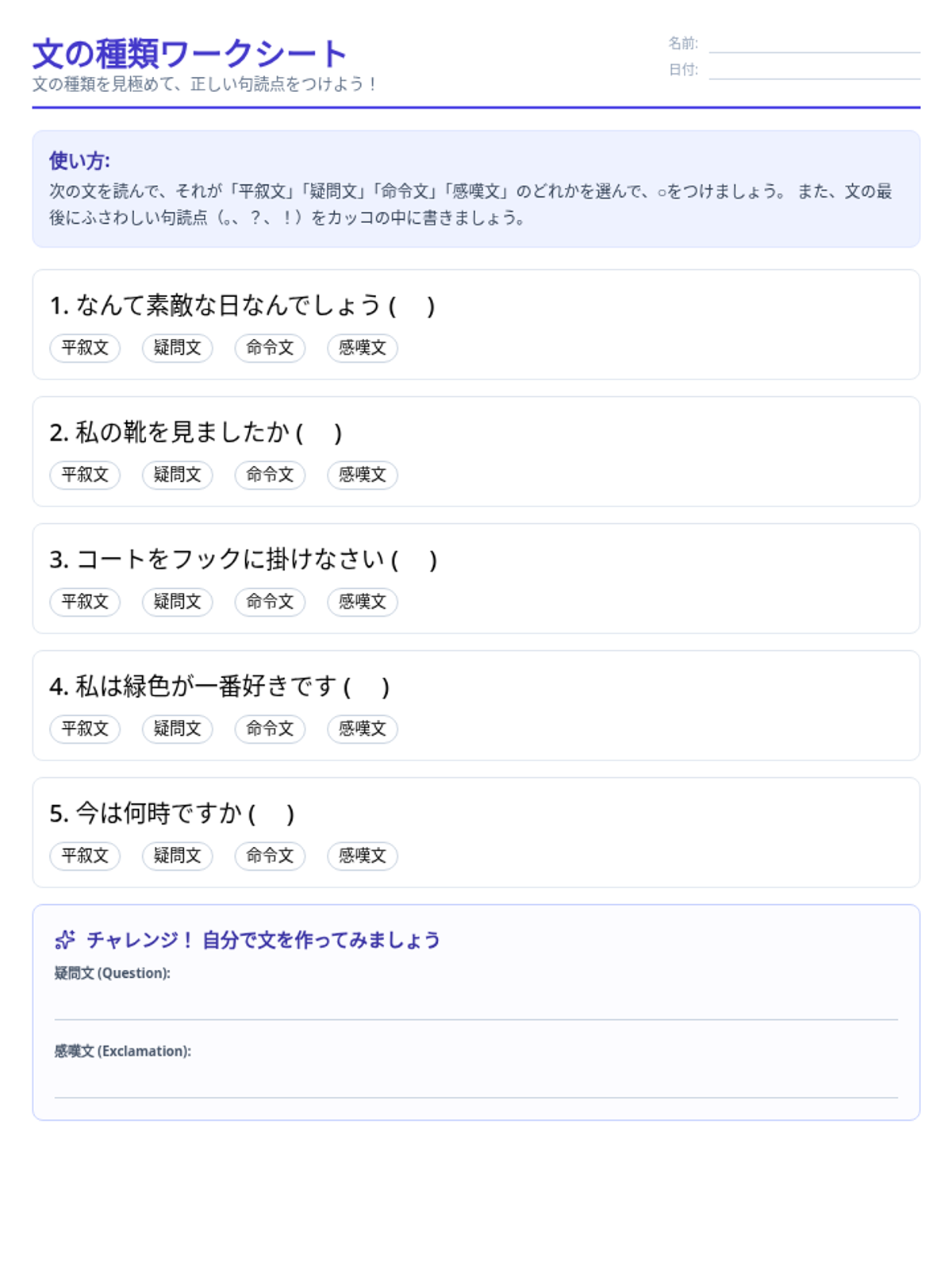
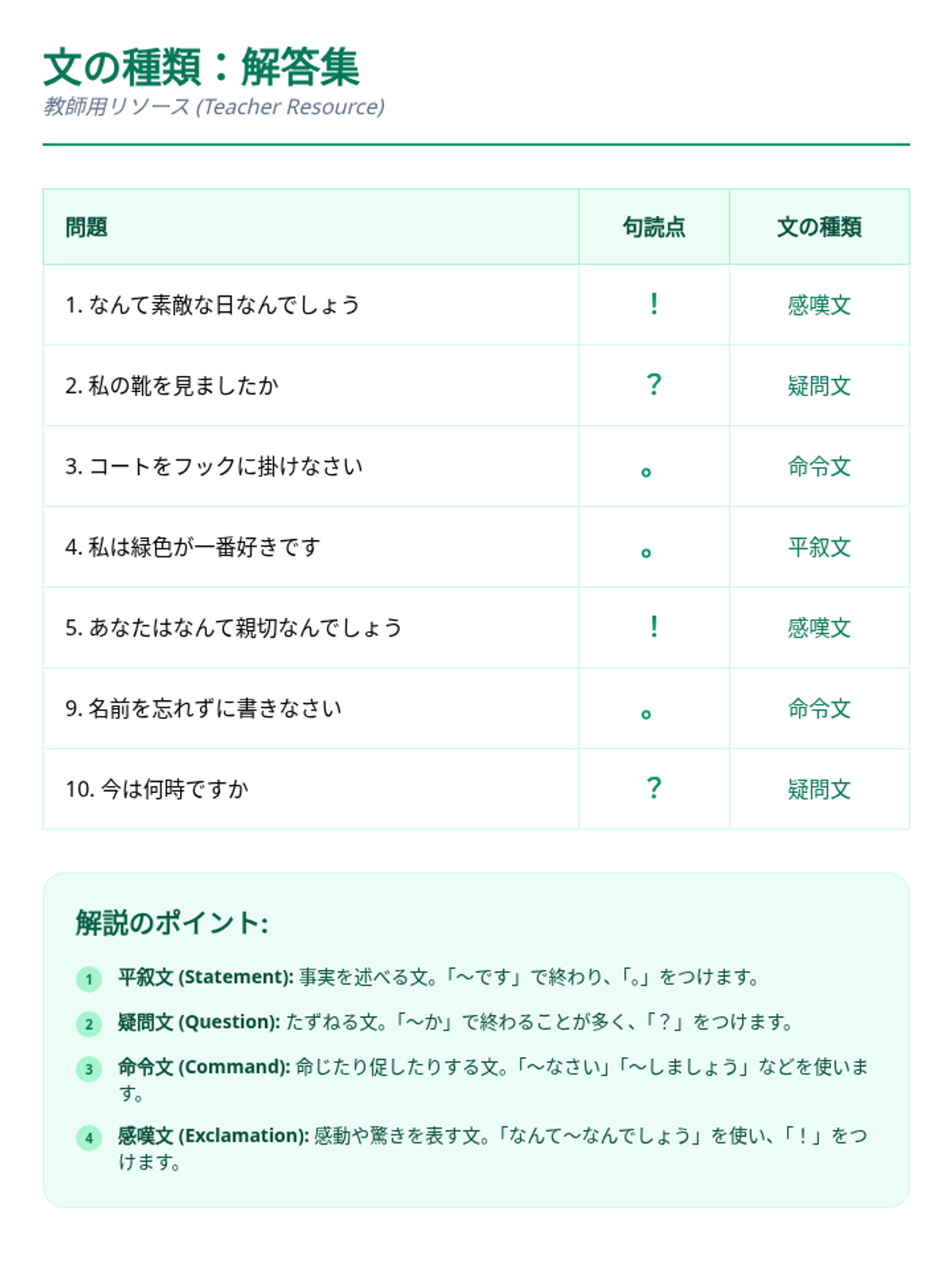
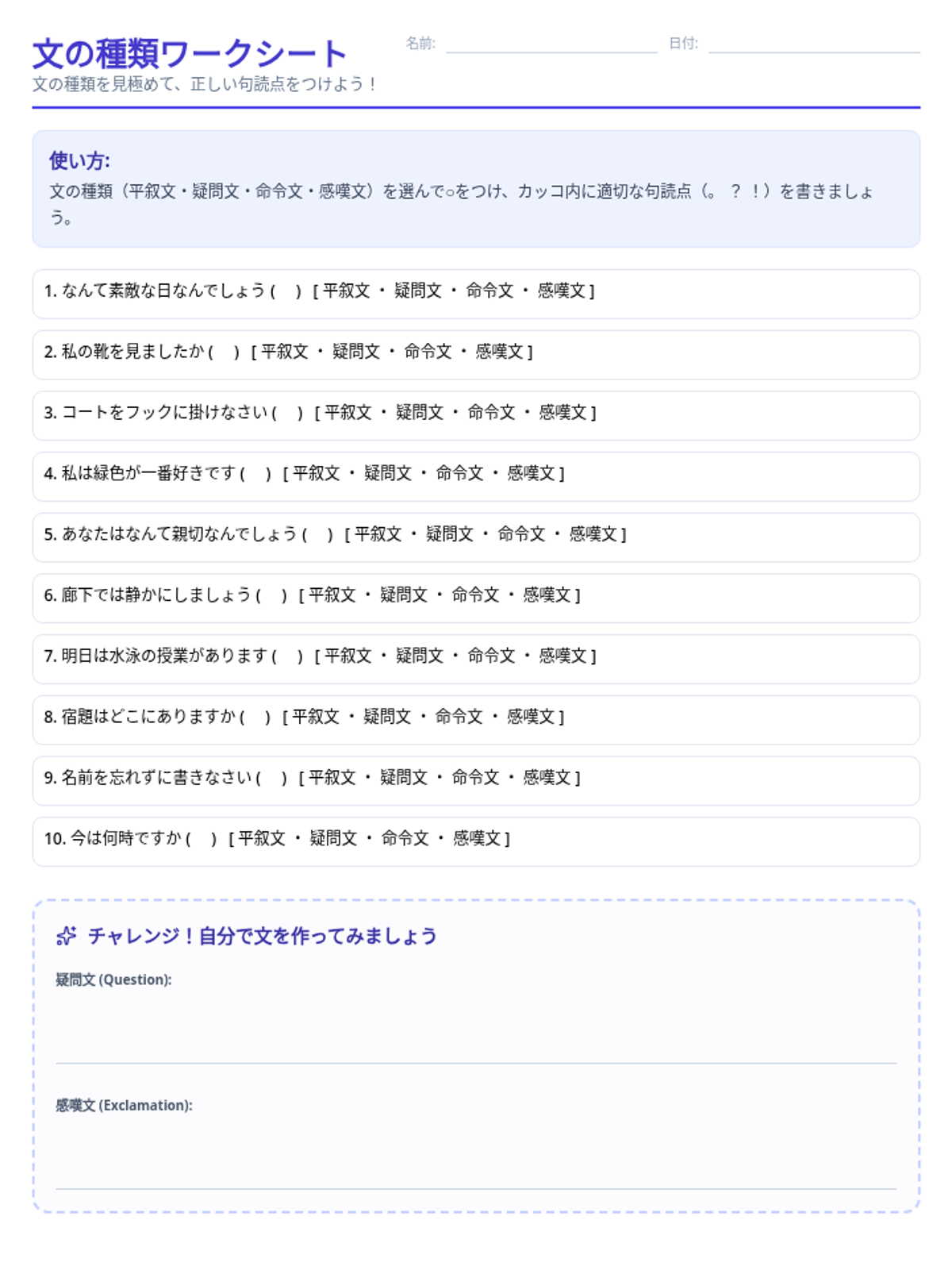
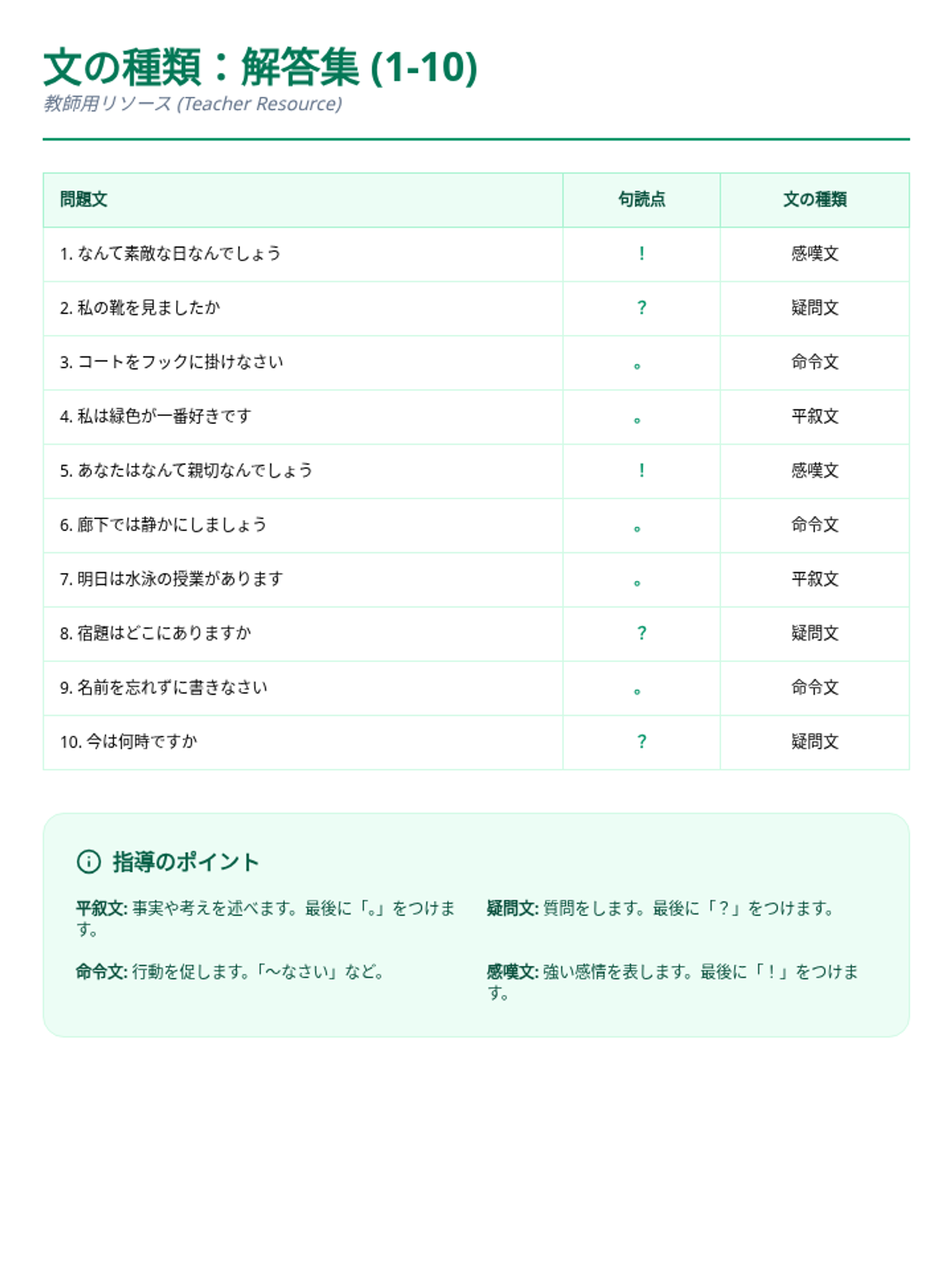
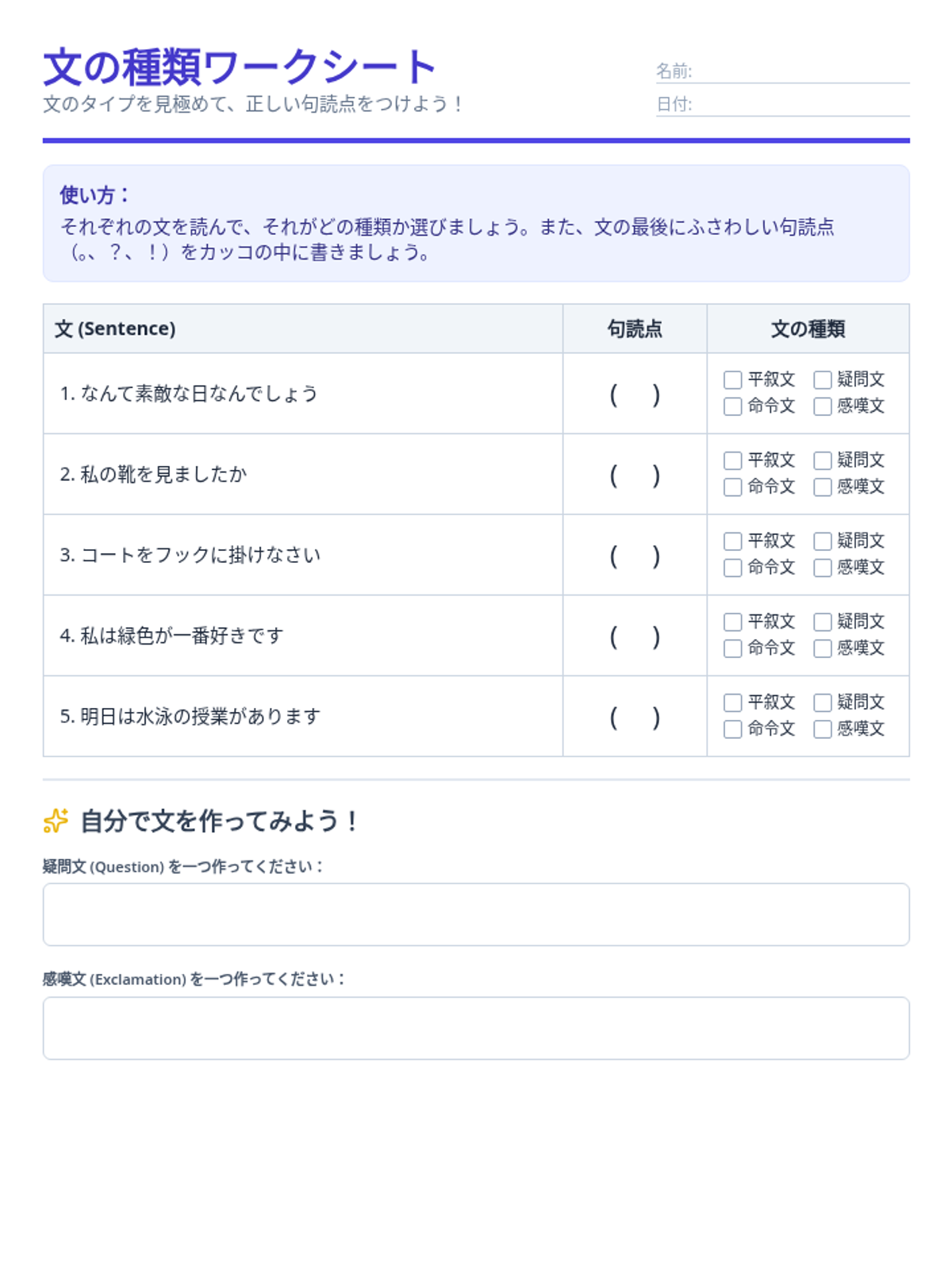
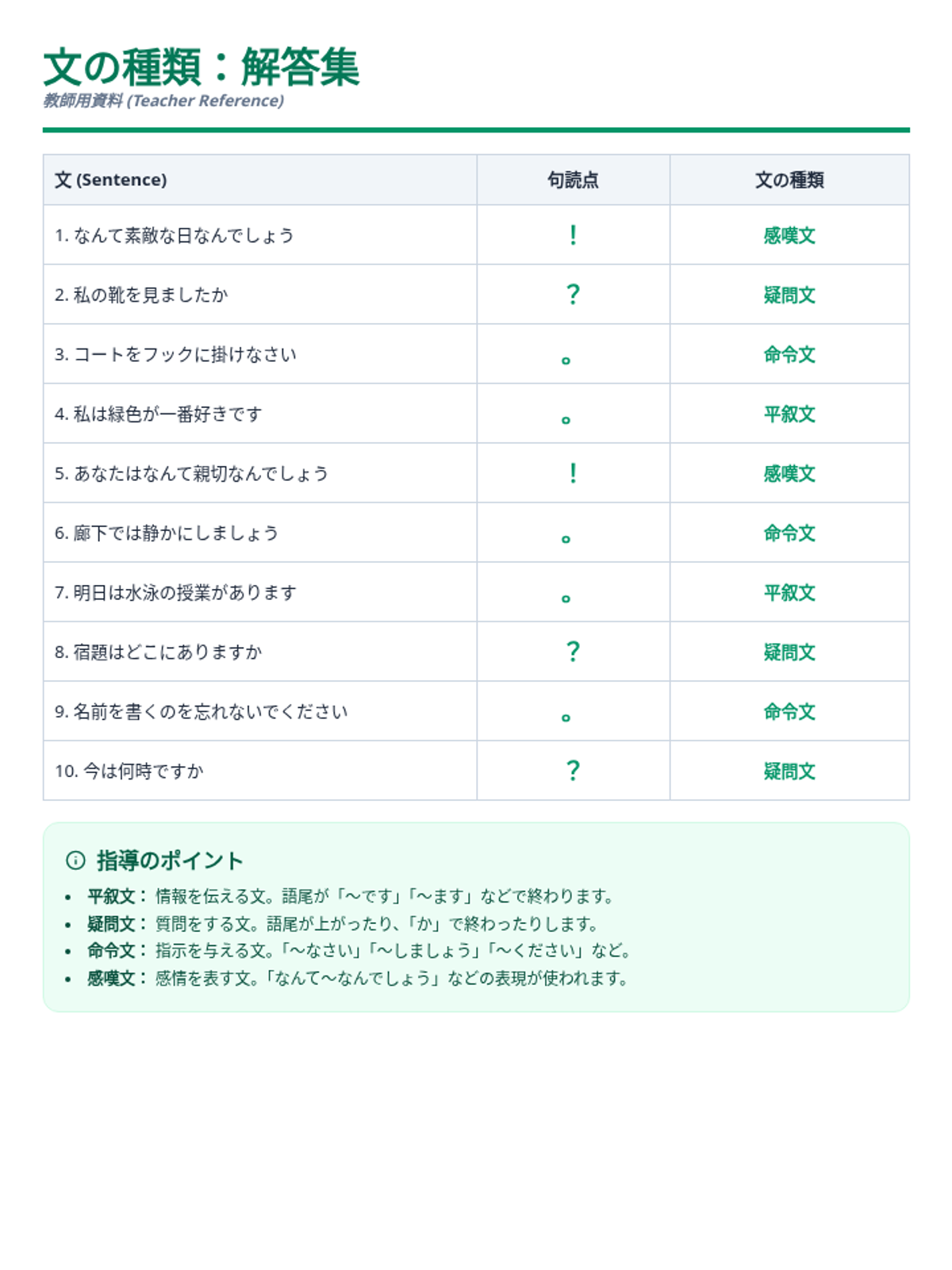
A lesson focused on identifying and using different types of sentences in Japanese: statements, questions, commands, and exclamations. Students will learn the appropriate punctuation for each.
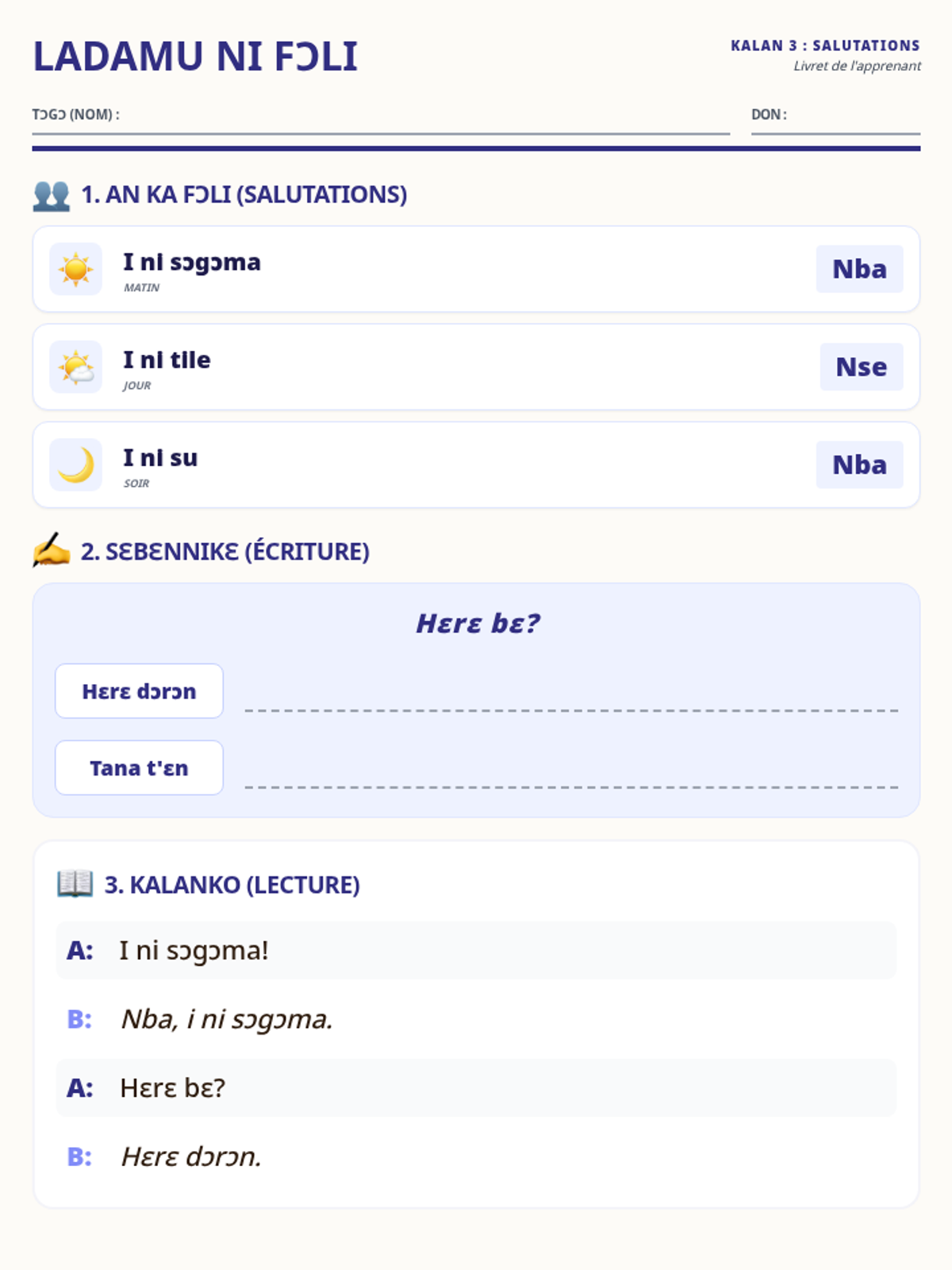
Introduction aux salutations de base et aux règles de politesse en milieu bamanan, combinant lecture et expression orale.
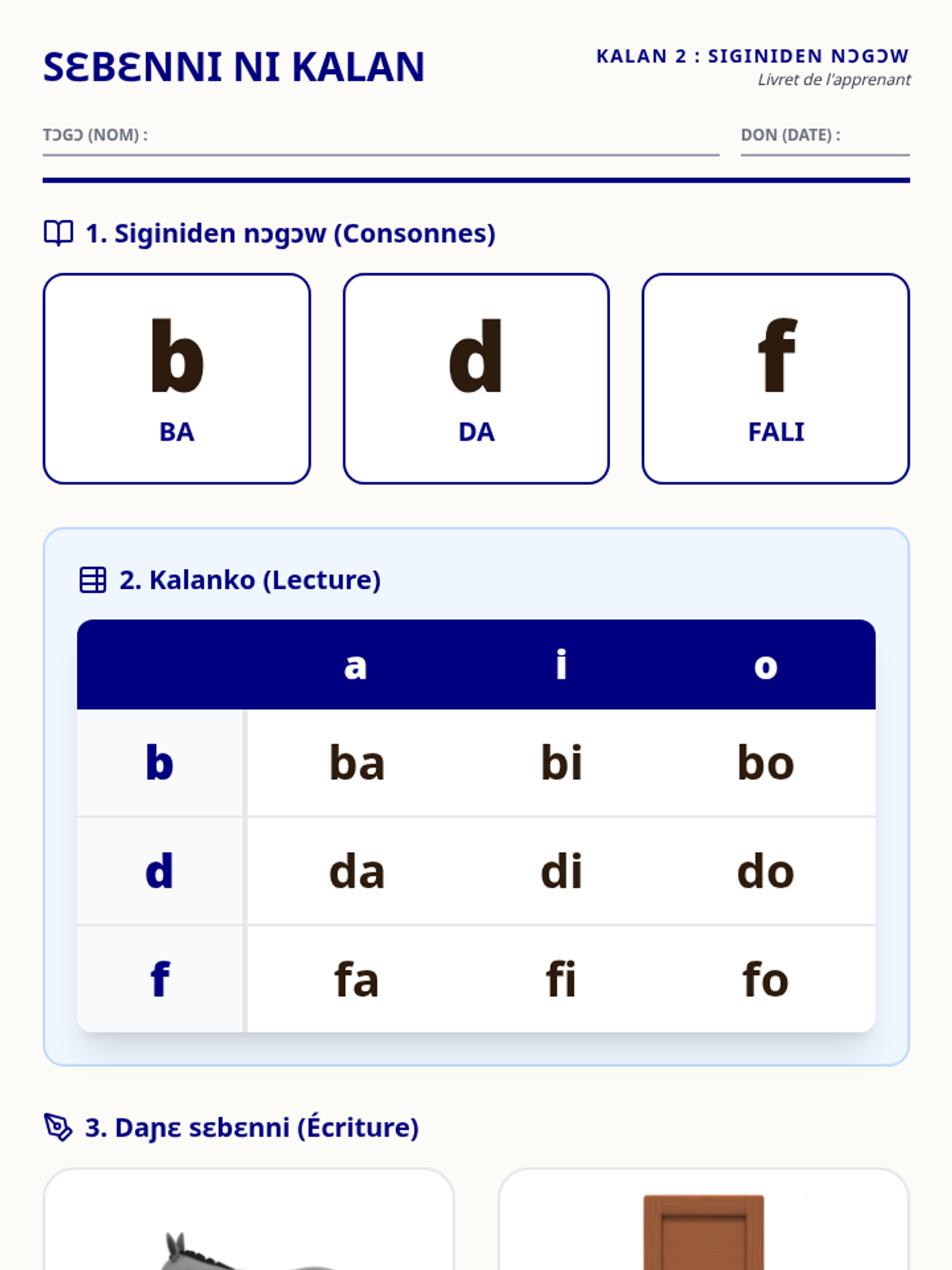
Apprentissage des premières consonnes et formation des syllabes simples pour commencer à lire des mots de deux lettres.
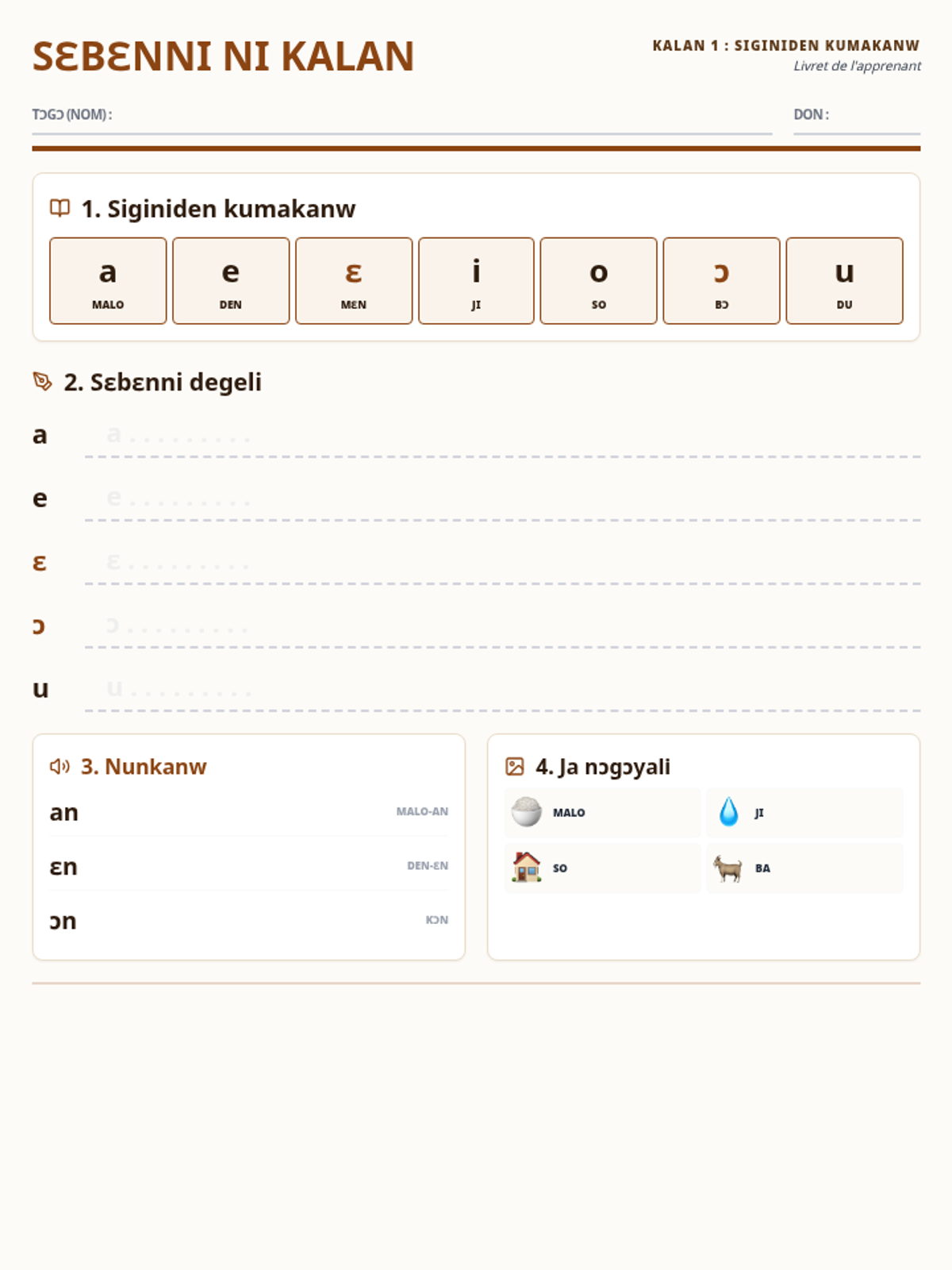
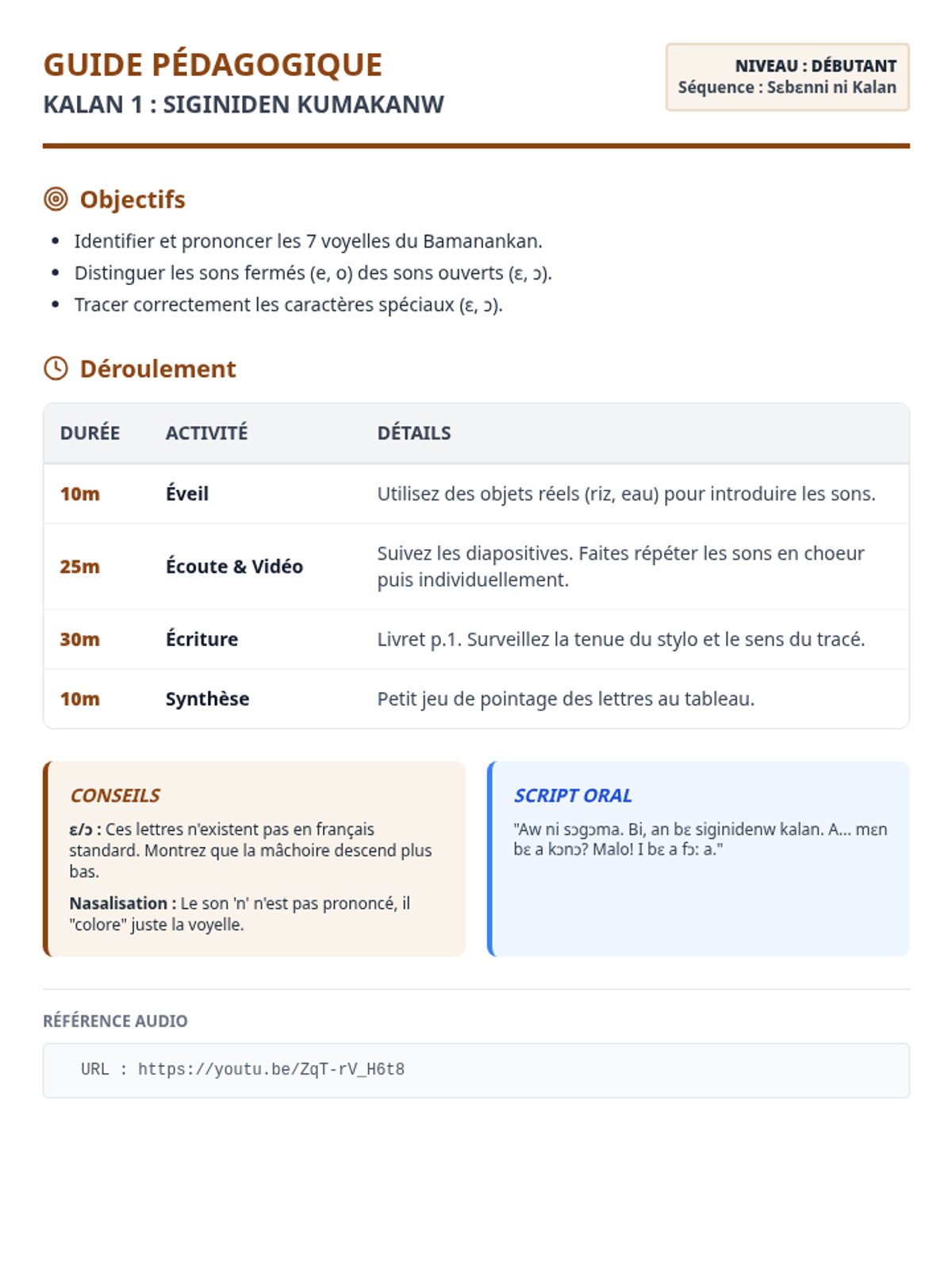
Introduction aux voyelles du Bamanankan (a, e, ɛ, i, o, ɔ, u) et à la nasalisation, avec des exercices de tracé et de reconnaissance auditive.
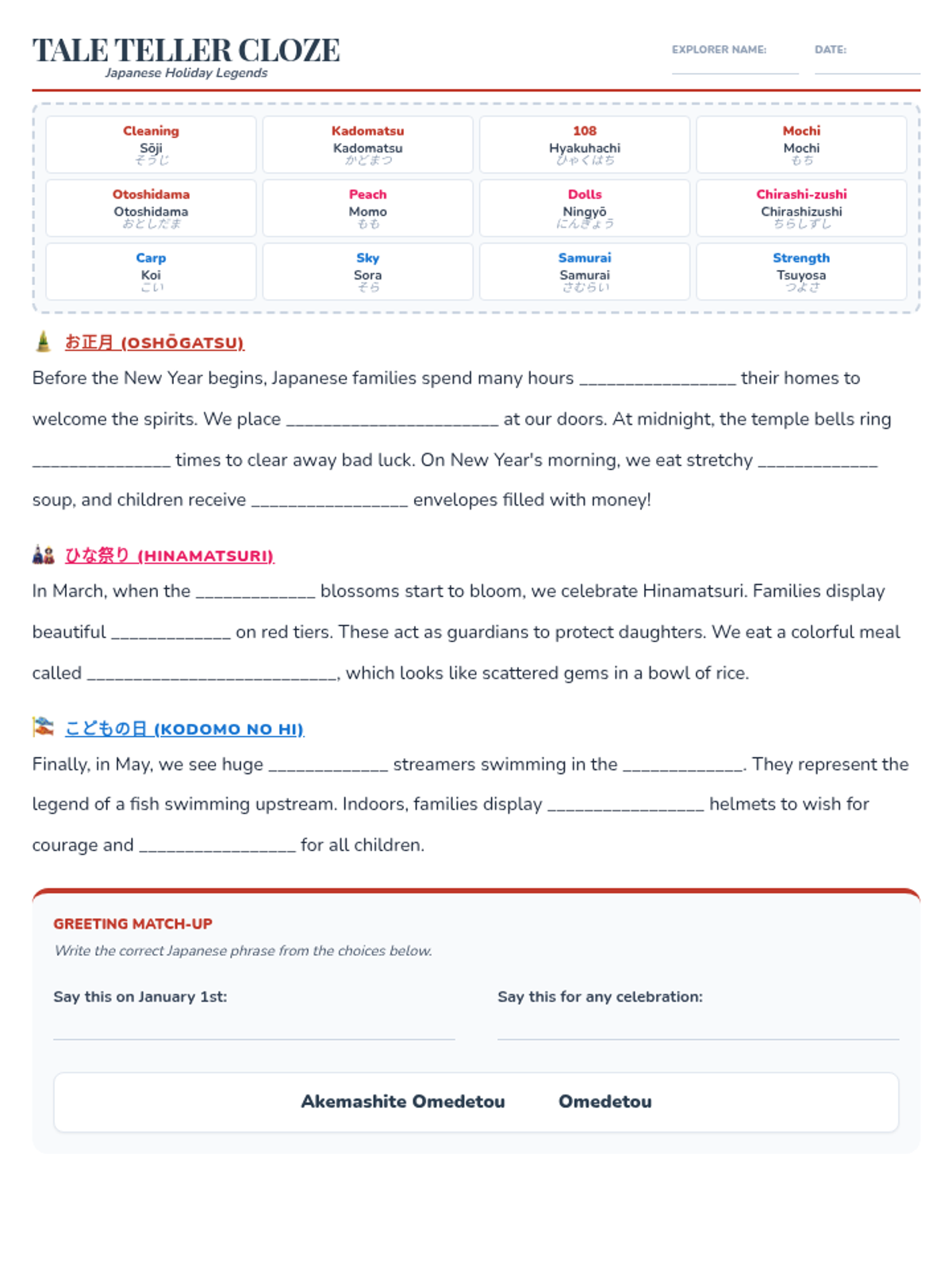
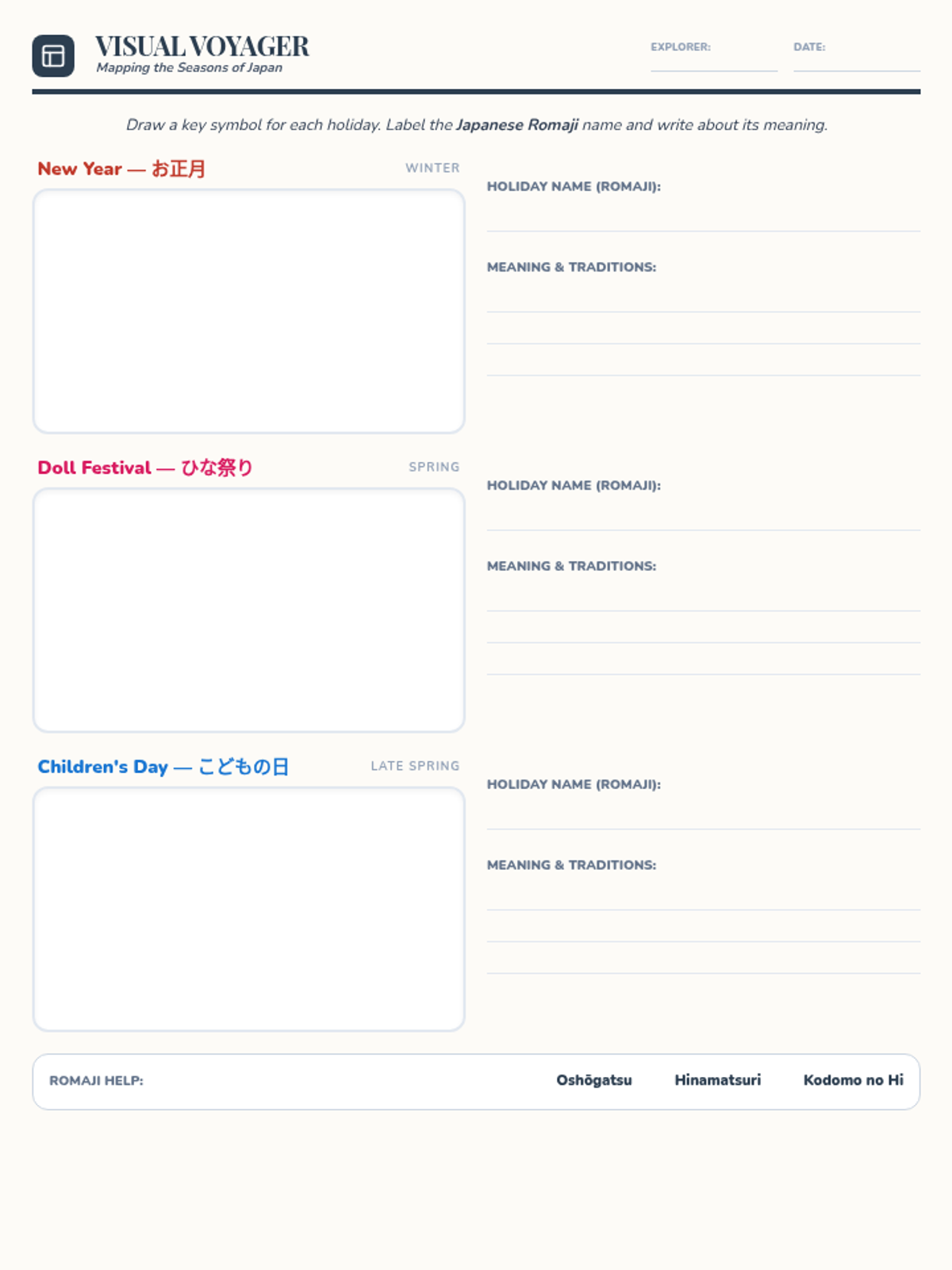
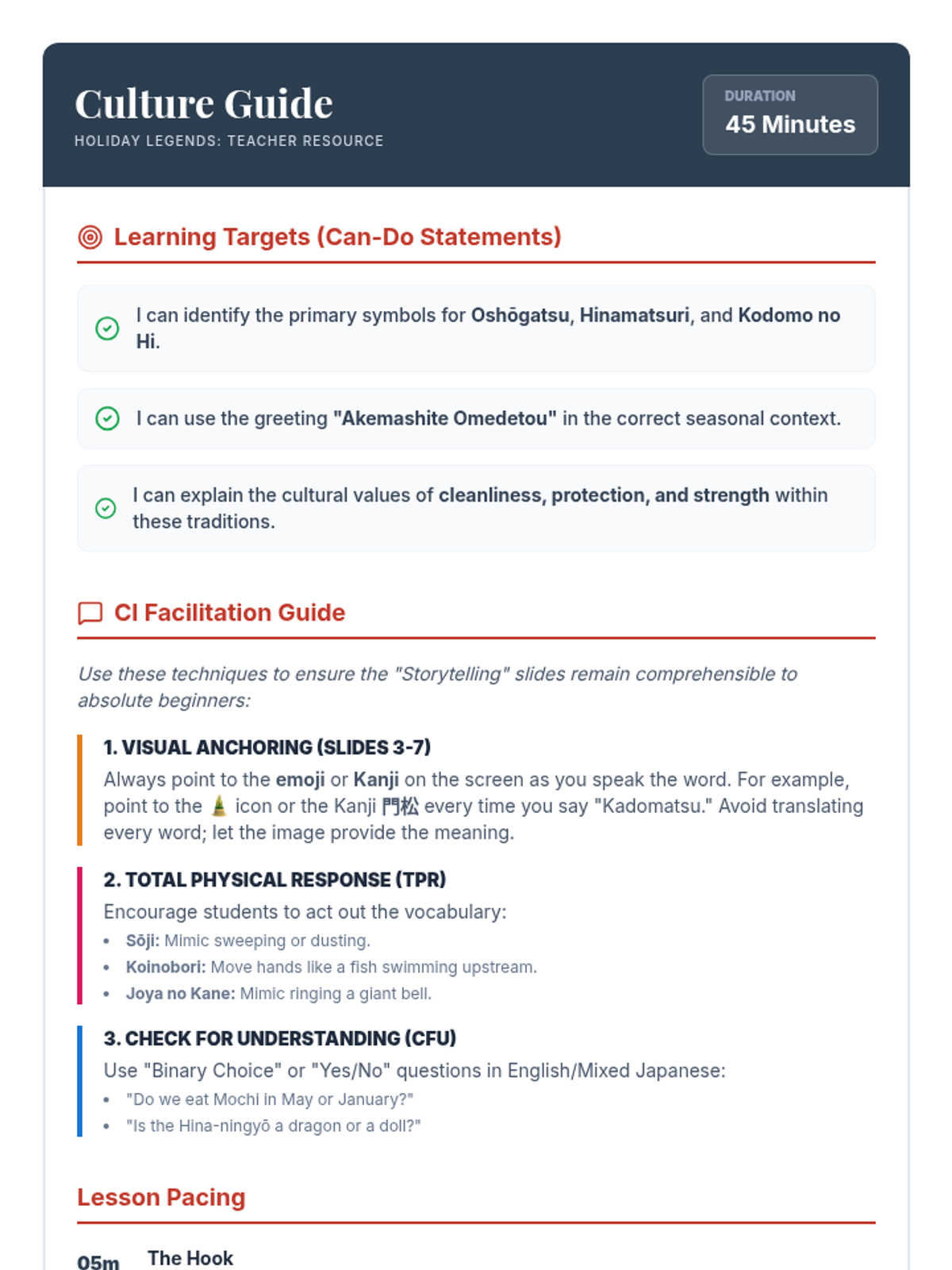
A 45-minute exploratory Japanese lesson using storytelling and Comprehensible Input to introduce Oshogatsu, Hinamatsuri, and Kodomo no Hi. Students will engage with the cultural significance and specific traditions of each holiday through narrative and visual representation.
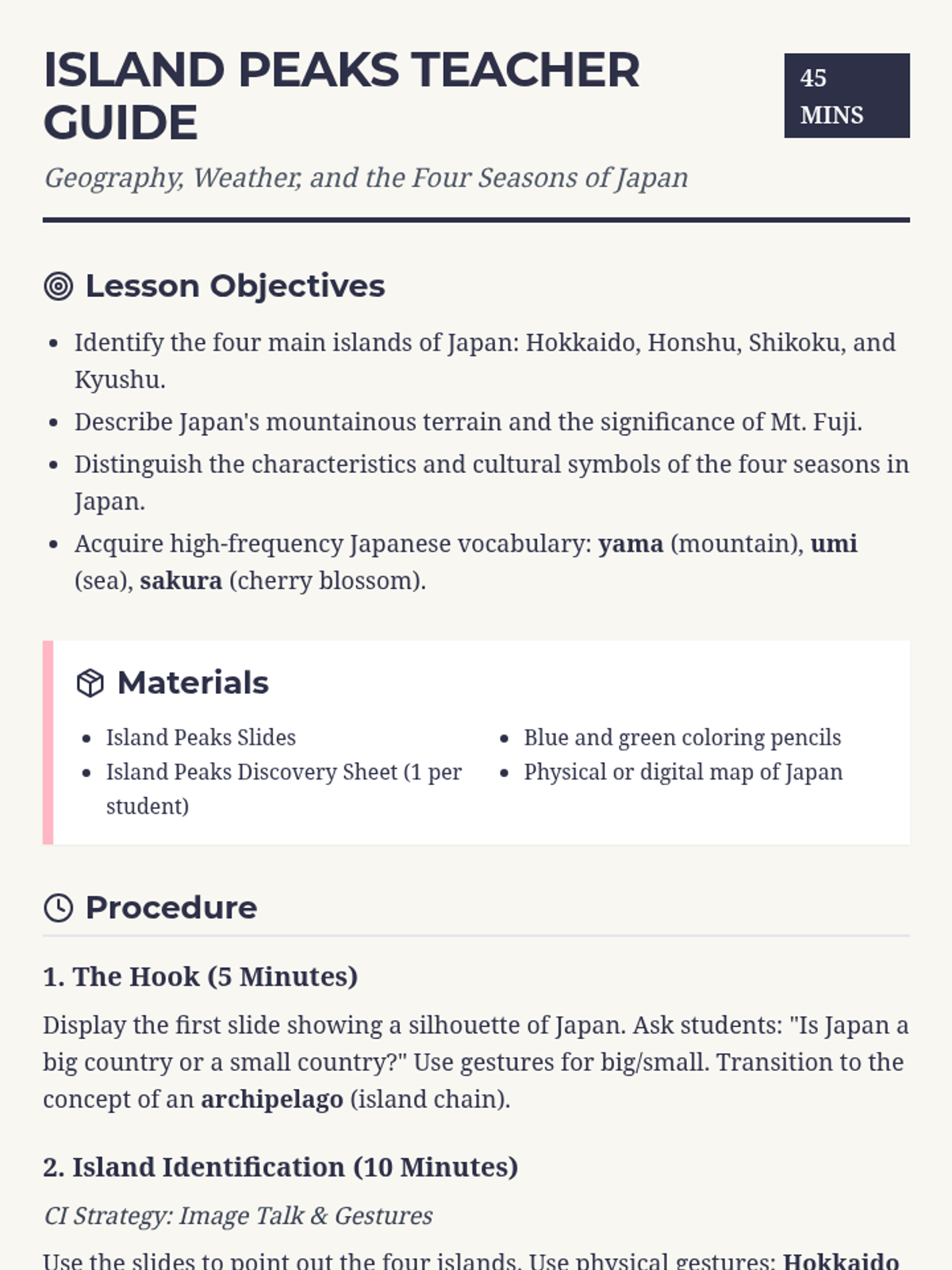
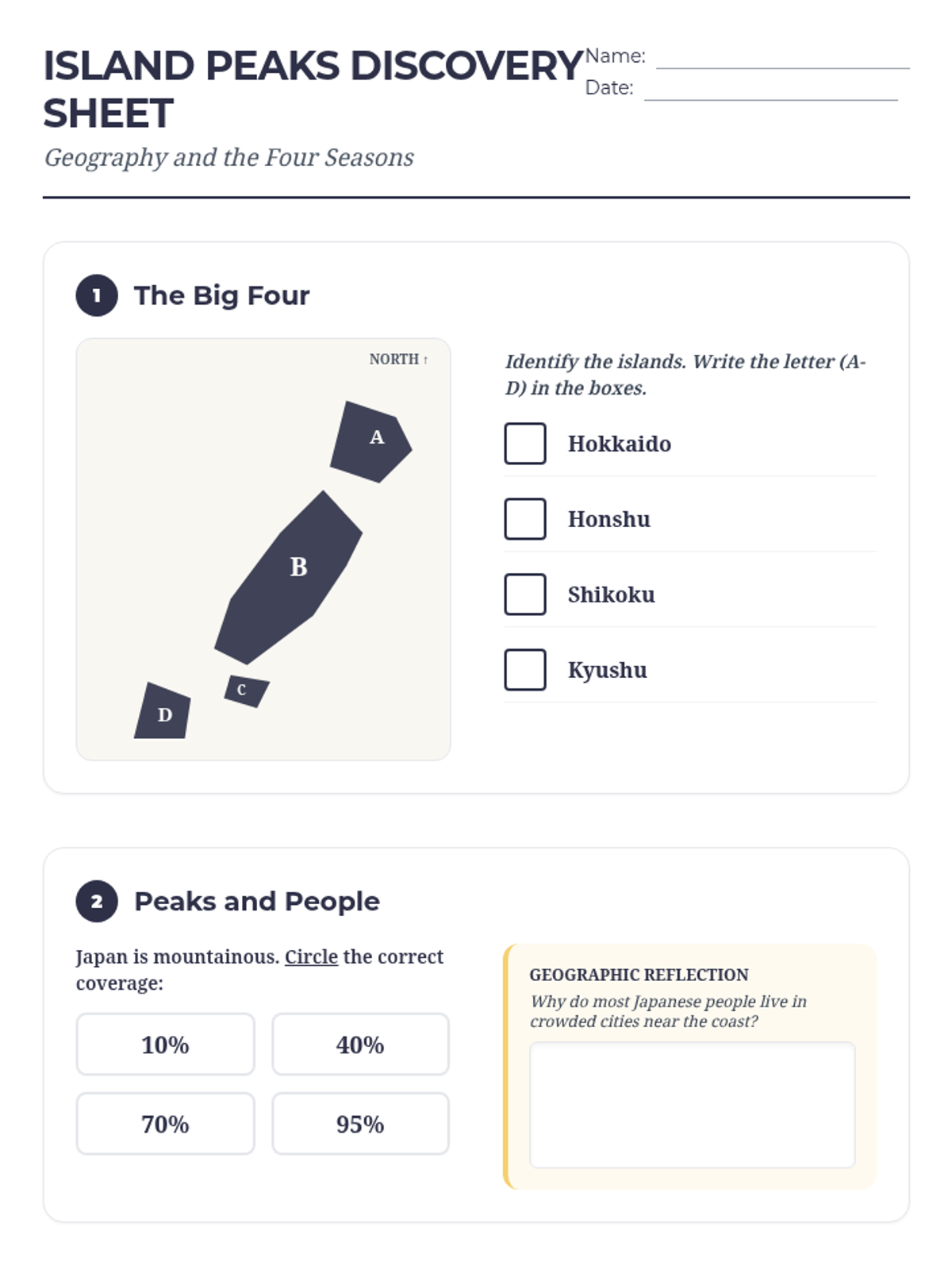
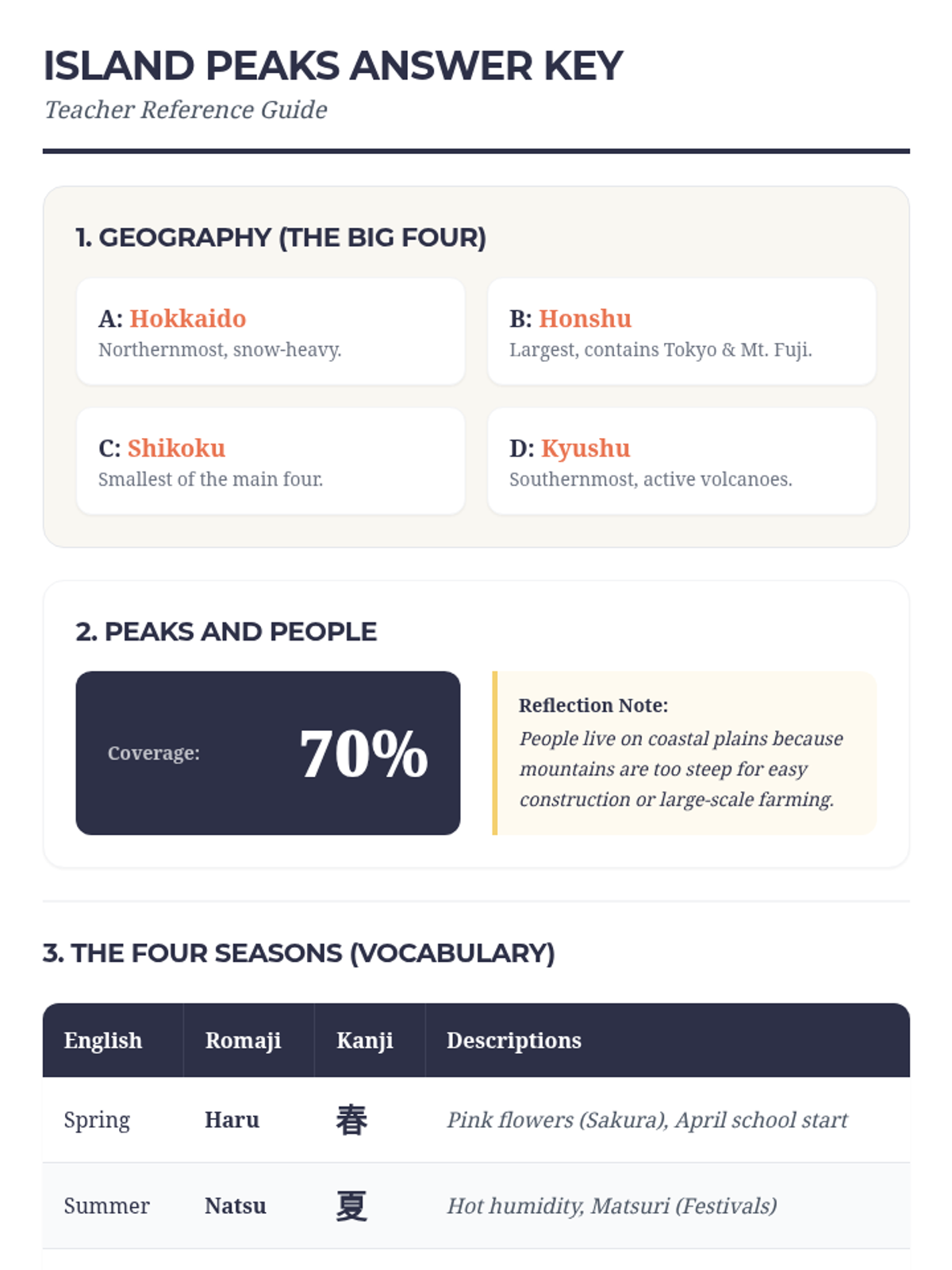
An introductory lesson exploring Japan's unique geography, diverse weather patterns, and iconic four seasons using comprehensible input strategies. Students will identify the four main islands, major landmarks like Mt. Fuji, and cultural seasonal shifts.
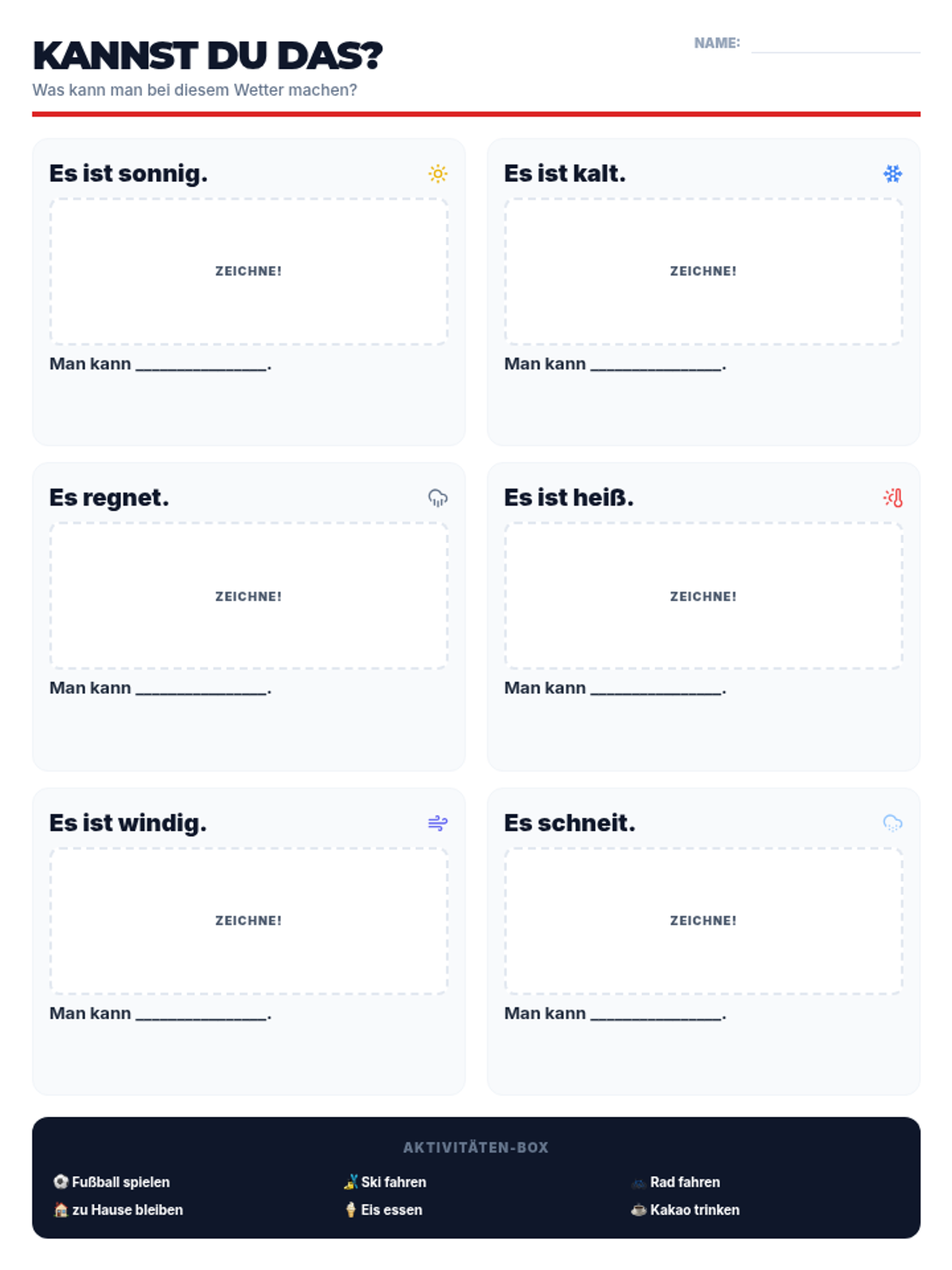
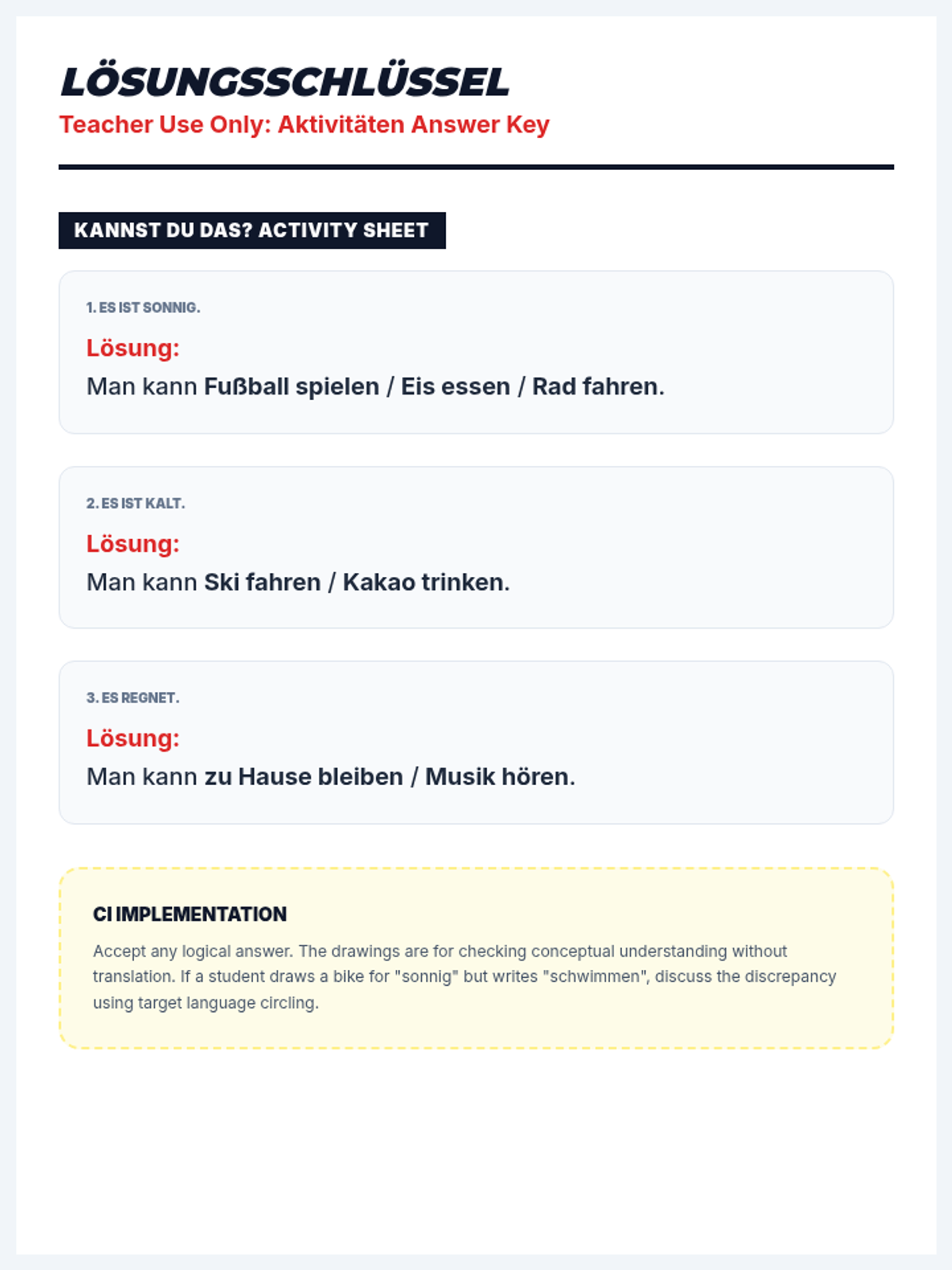
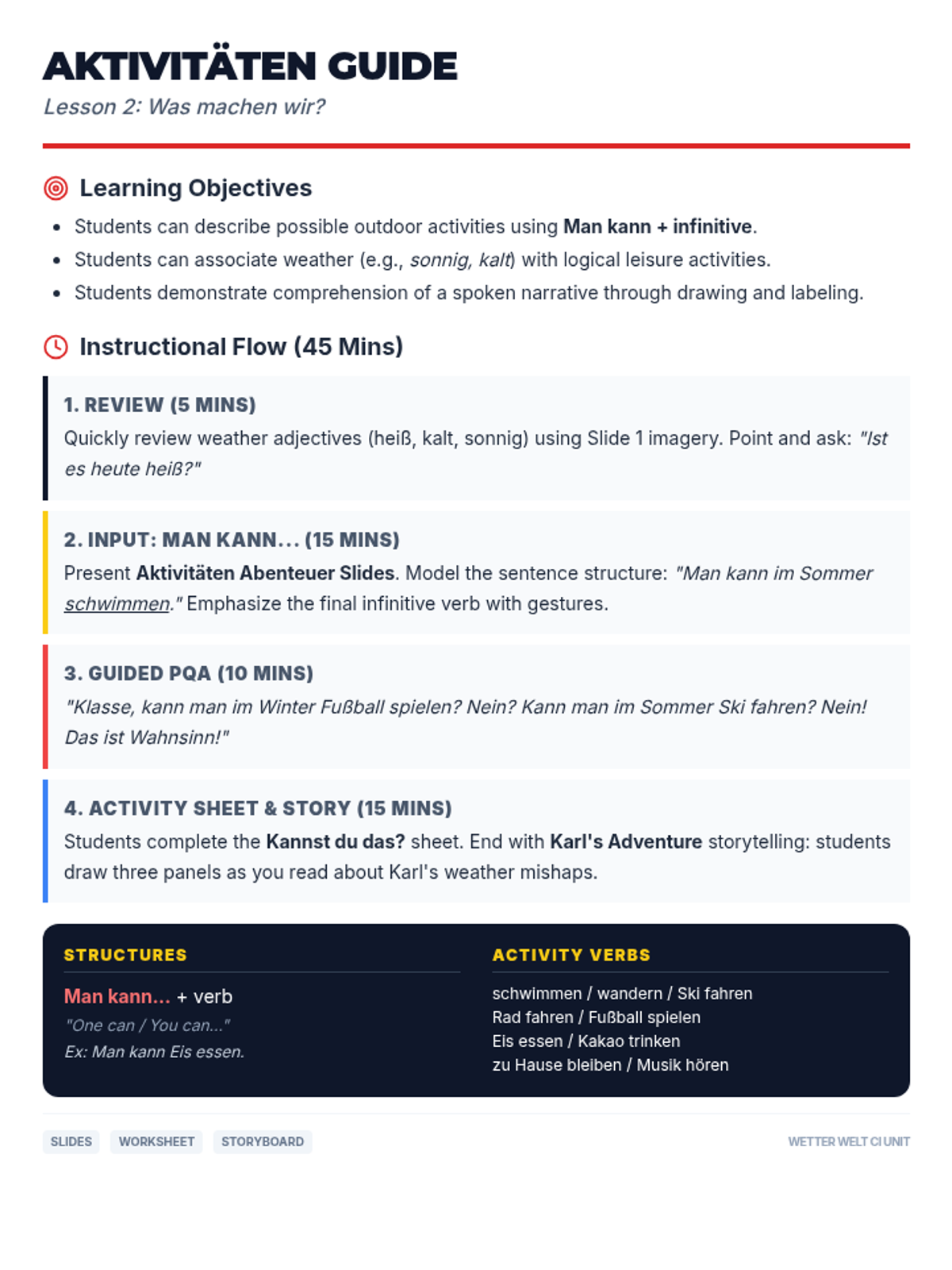
Building on weather knowledge to discuss outdoor activities using 'Man kann' + infinitive. Students will connect specific weather conditions to possible leisure activities in Germany.
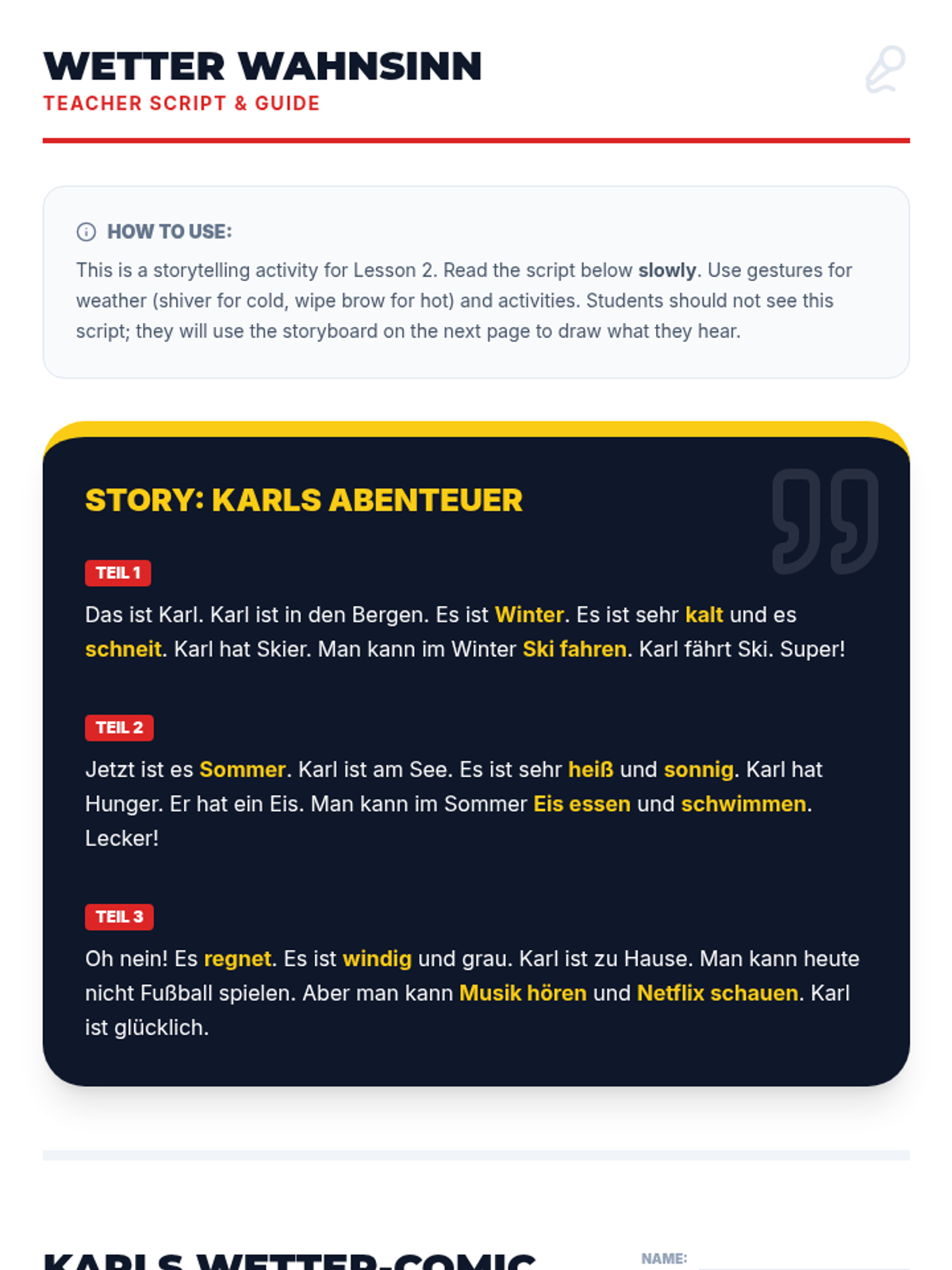
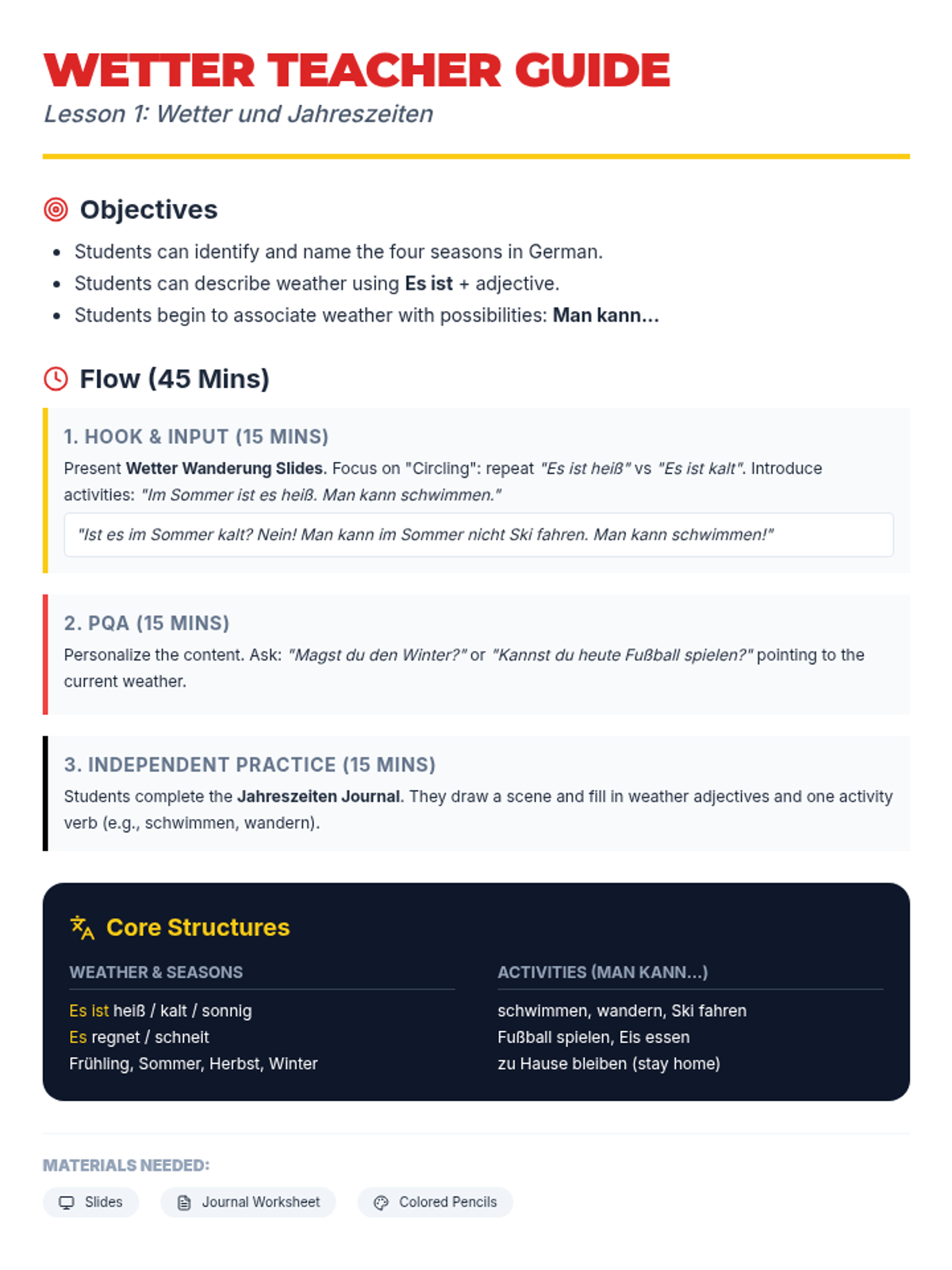
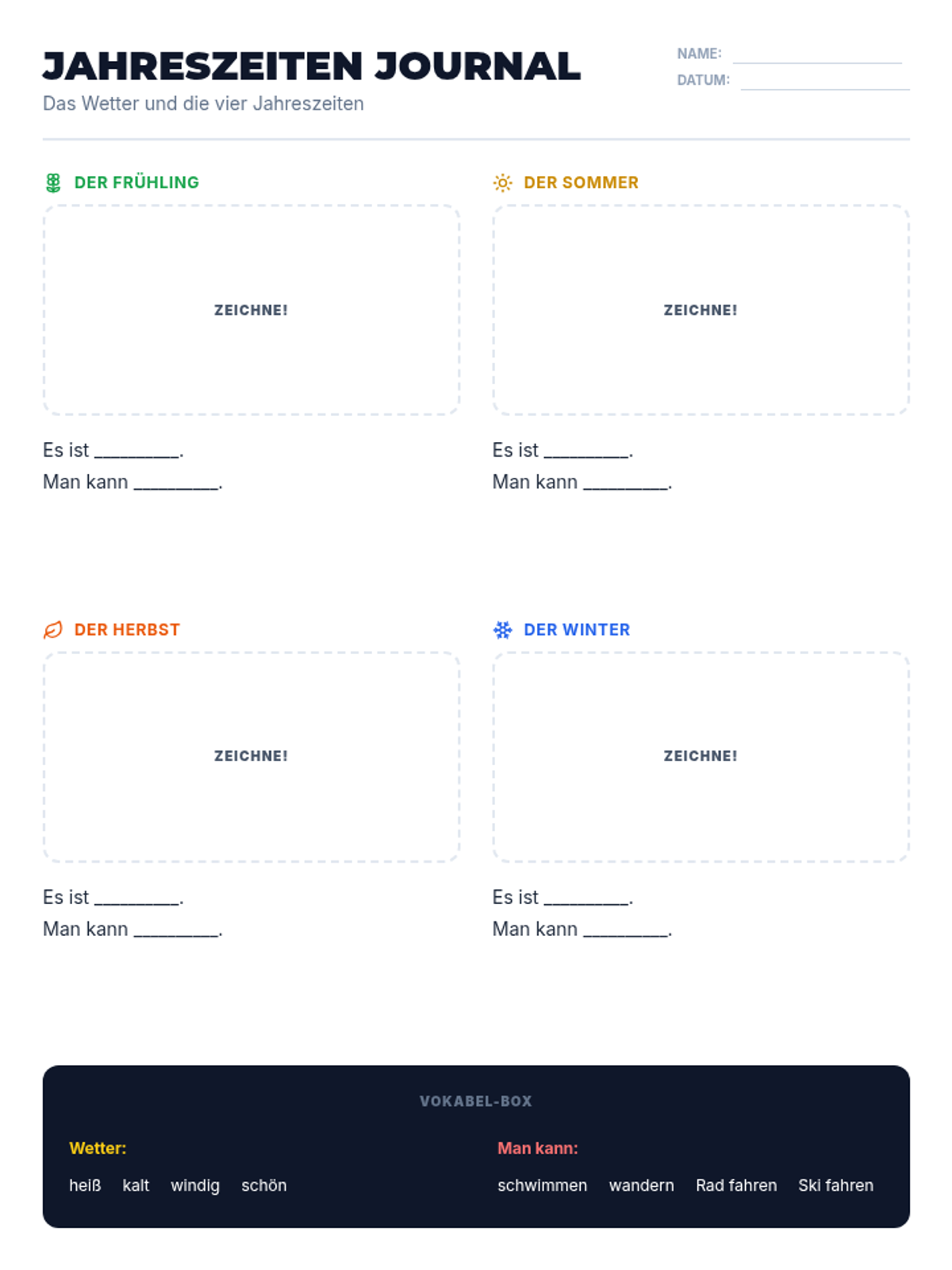
Introduction to weather vocabulary and seasons in Germany using high-frequency structures. Students will practice 'Es ist...' with weather adjectives through visual storytelling and repetition.
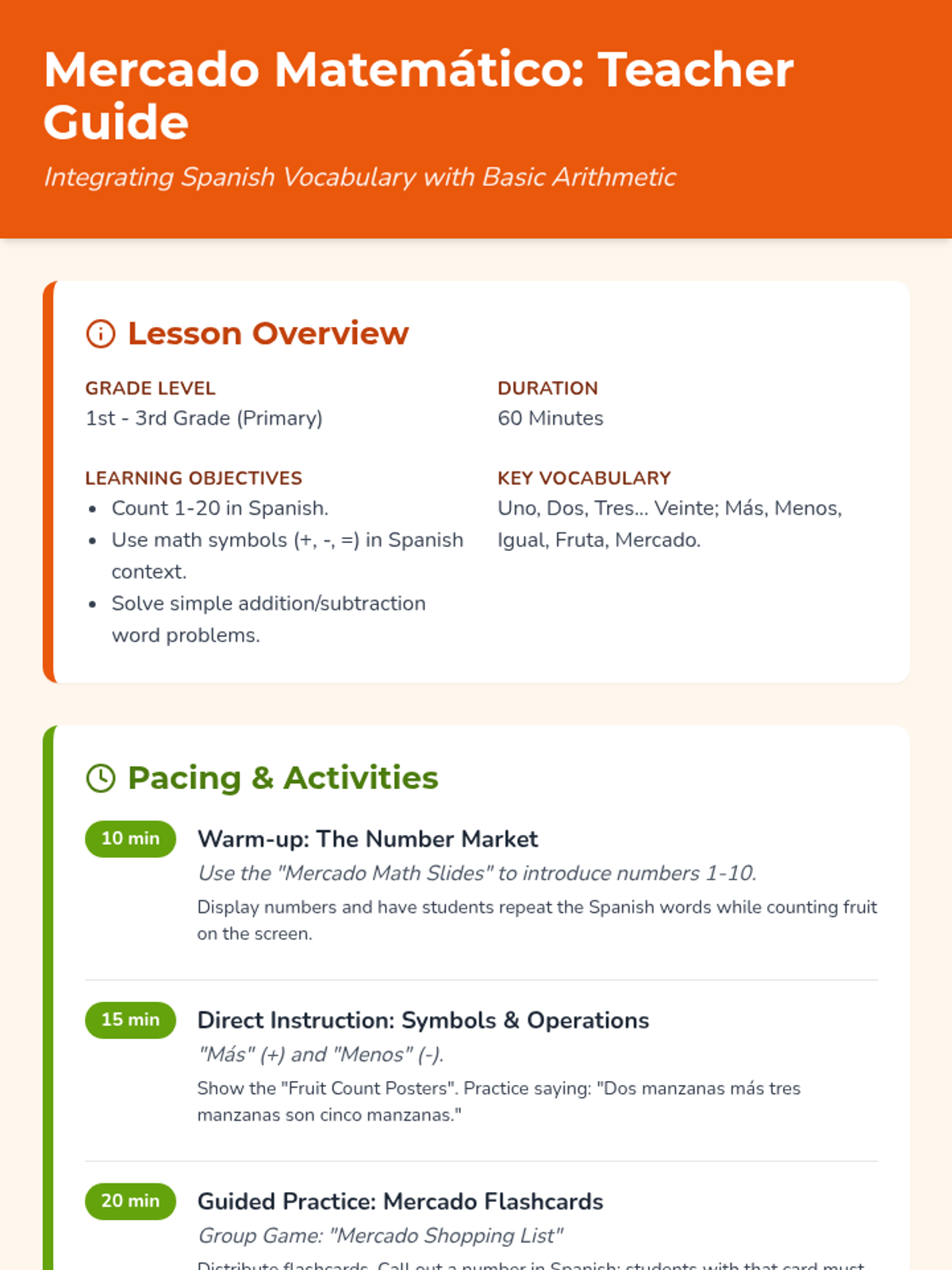
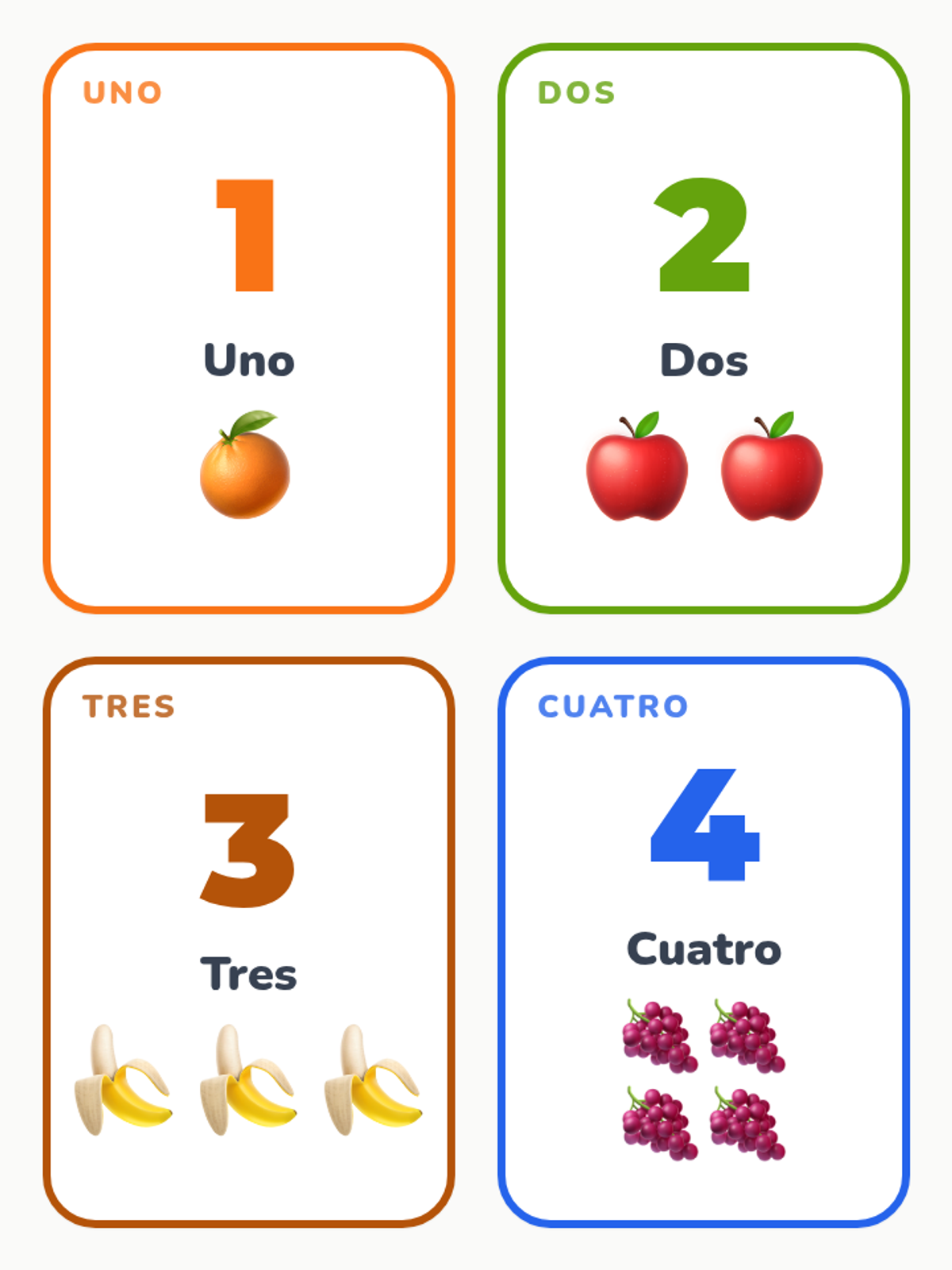
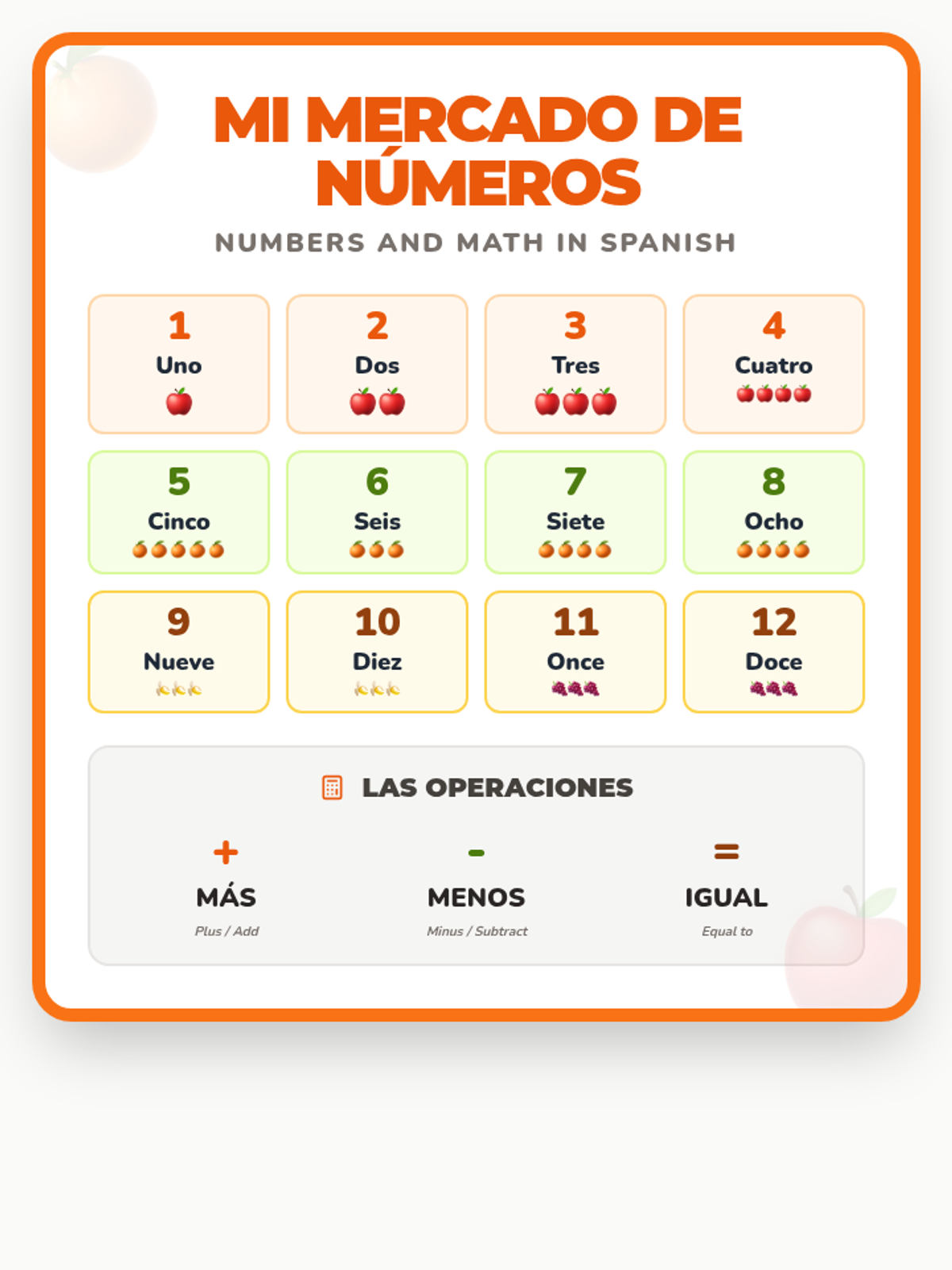
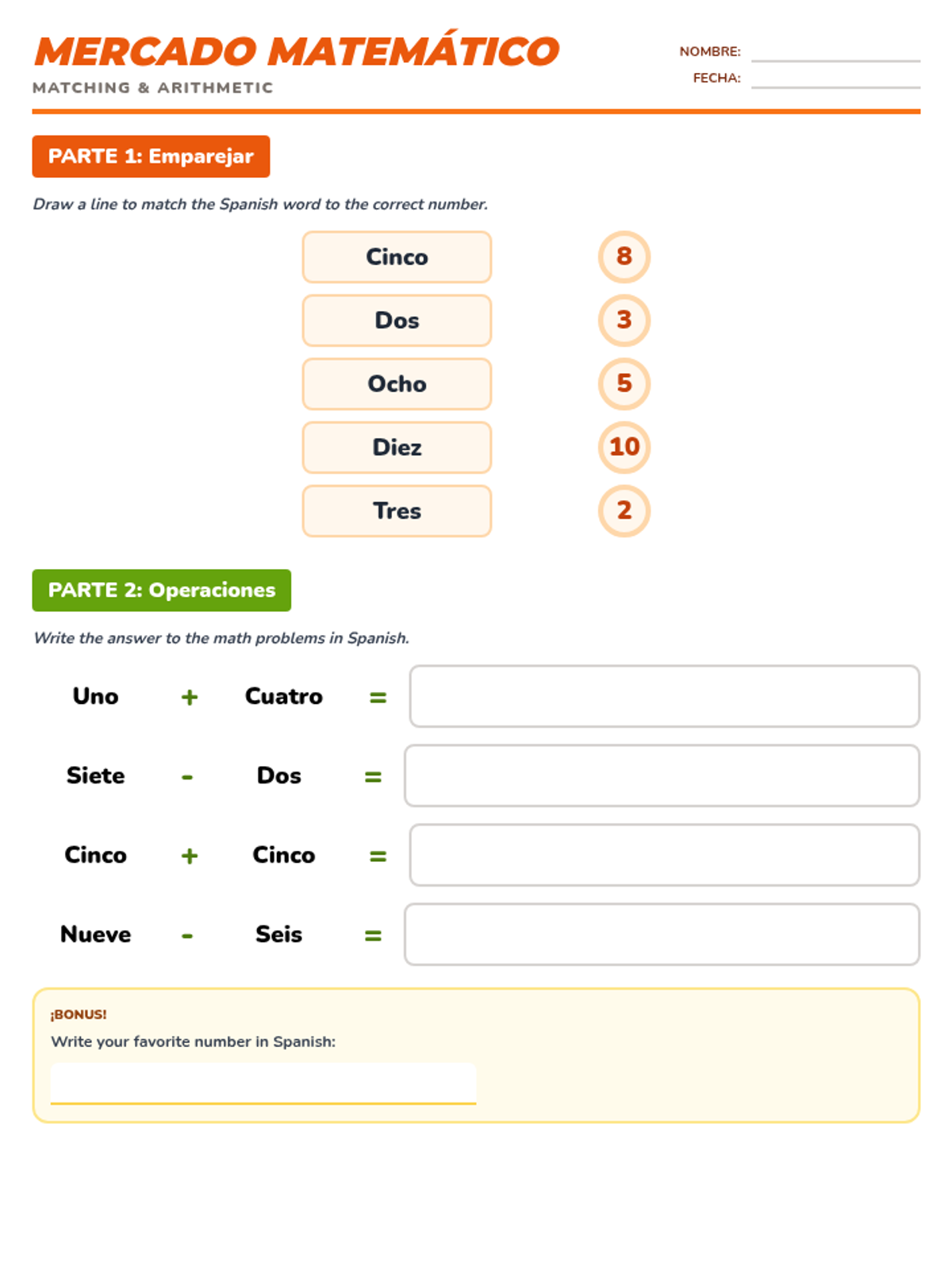
A vibrant lesson integrating Spanish number vocabulary with basic addition and subtraction through a marketplace theme. Students will learn to identify numbers and solve simple math problems using Spanish terminology.
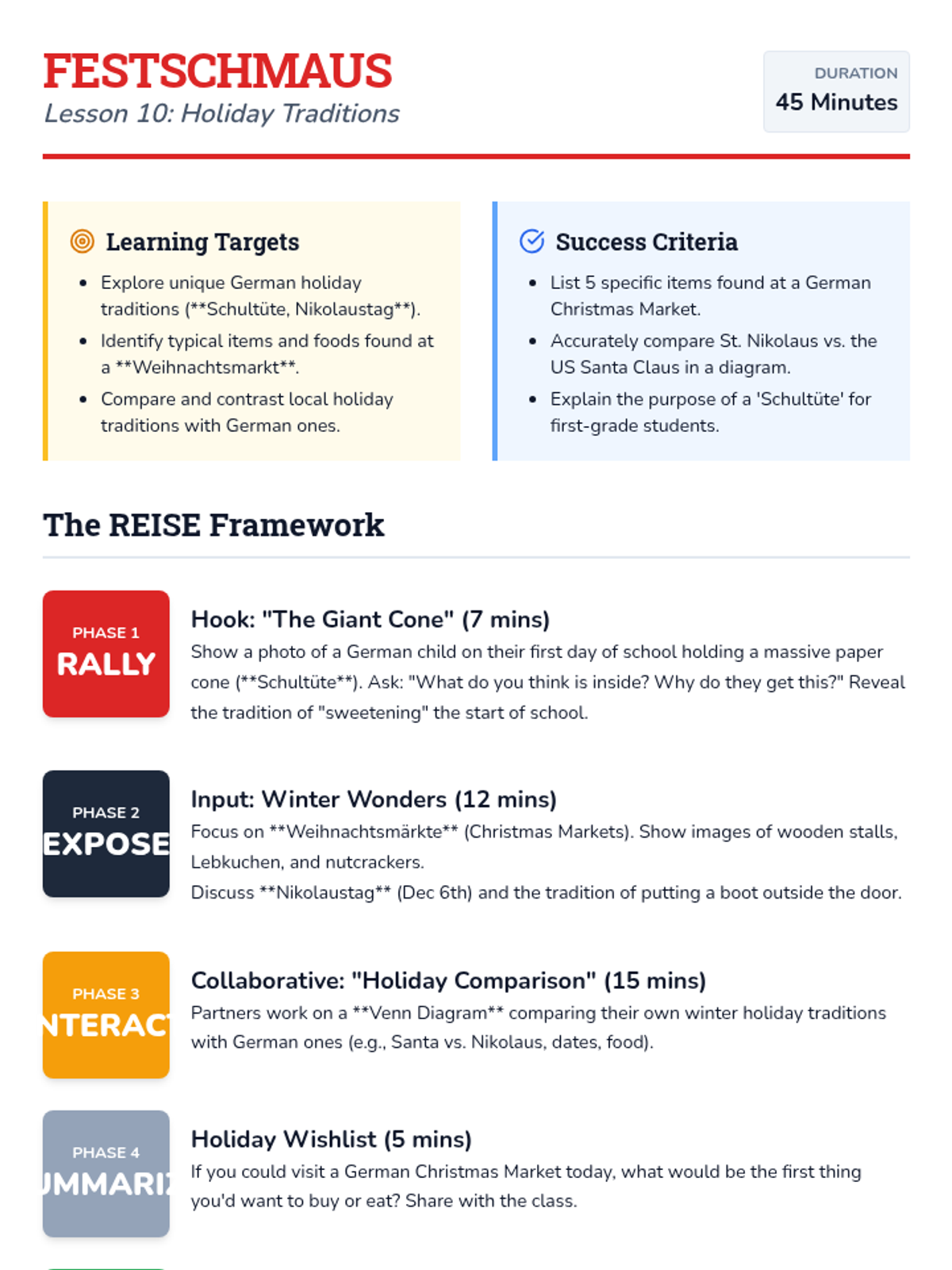
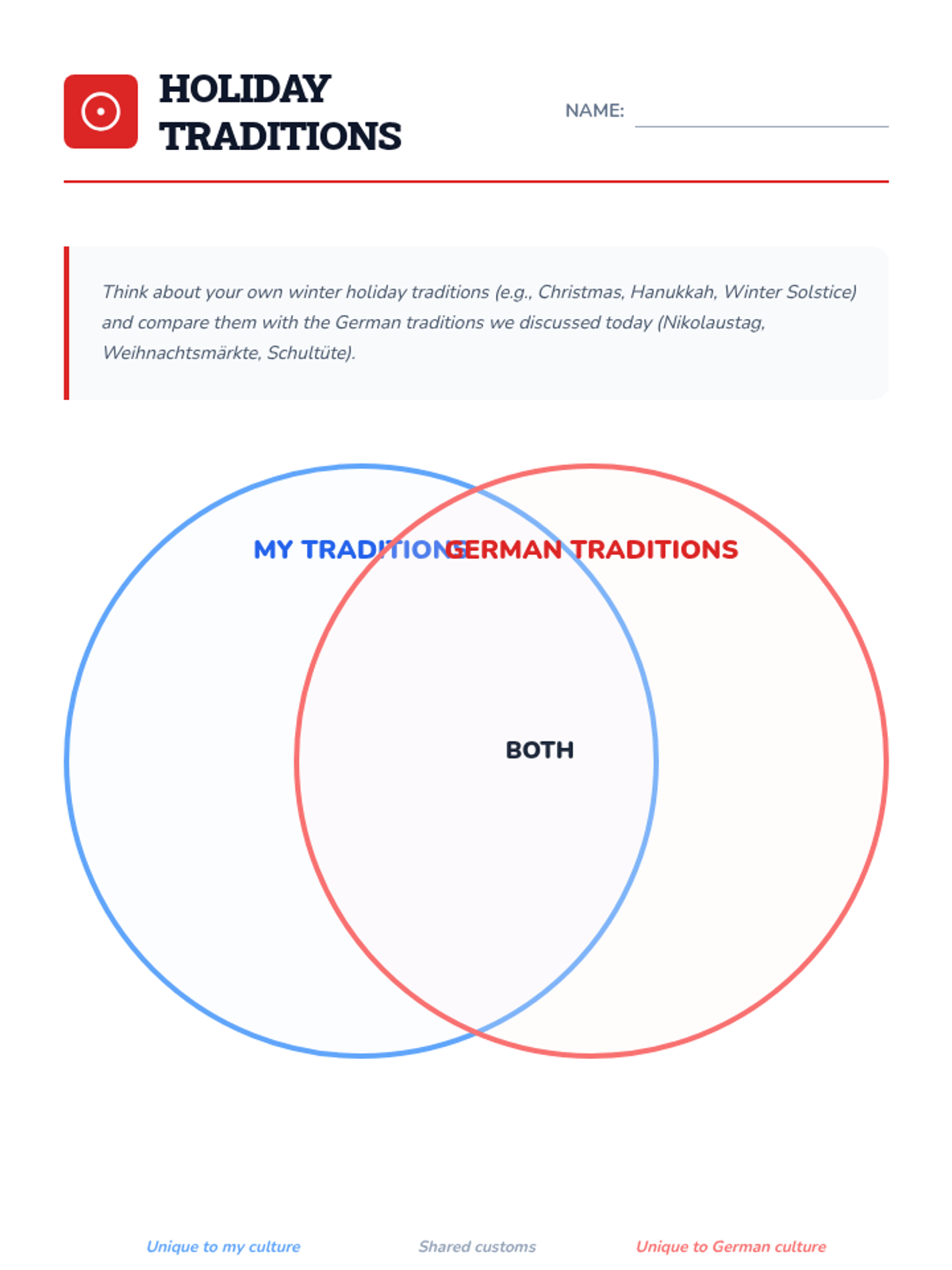
A festive conclusion focusing on German holiday traditions, including 'Schultüte' and 'Weihnachtsmärkte'. Students compare local and German celebrations using Venn diagrams.