Students deepen their understanding of Aristotelian logic, focusing on standard-form categorical syllogisms and Venn diagrams to test validity. They practice translating ordinary language into strict categorical form to expose hidden assumptions.

A historical exploration of tropical storms in the Caribbean, focusing on significant events, technological evolution, and the impact on regional history from the colonial era to the late 20th century.
This lesson explores the intersection of psychological principles and public relations strategies, designed for university-level teacher training. It covers behavioral influence, cognitive biases, and ethical communication frameworks.
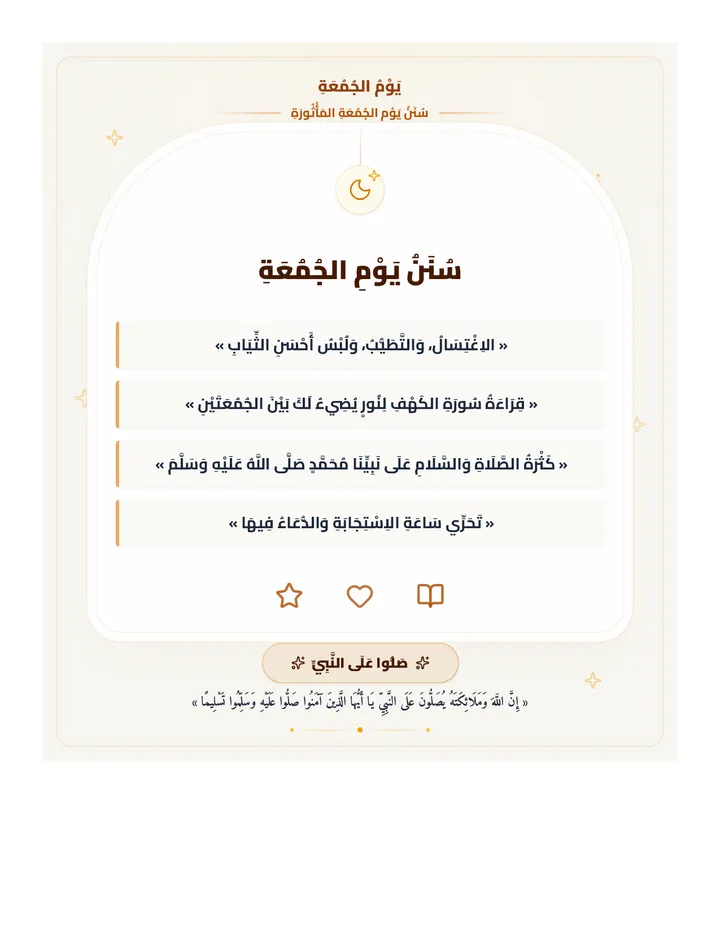
A reflective lesson where students explore the poetic beauty and personal significance of the Psalms, choosing a specific passage to analyze and connect with their own lives.
An examination of how individuals are influenced by others, covering obedience, conformity, group dynamics, and social cognition.
An exploration of human memory systems, including encoding, storage, and retrieval, as well as the fallibility of memory and forgetting.
A study of classical and operant conditioning, examining how organisms learn from their environment through associations and consequences.
An investigation into how the brain interprets sensory information, exploring the limits of sensation and the constructive nature of perception.
An exploration of the physiological underpinnings of behavior, focusing on the structure and function of neurons, the nervous system, and brain anatomy.
A comprehensive lesson covering the four presidencies from 1989 to 2016, focusing on foreign policy shifts, economic trends, domestic crises, and social progress. Students will analyze the leadership of George H.W. Bush, Bill Clinton, George W. Bush, and Barack Obama through comparative study.
Une synthèse complète et structurée pour les partiels de droit, couvrant la liberté d'expression, le droit d'auteur, le droit à l'image, les marques et la responsabilité.
Compare the mechanics of market, command, and mixed economies through historical documents like ration cards and industrial quotas, as well as modern tax structures.
Uncover the metrics of national wealth through the history of hyperinflation, the ethics of economic growth, and simulations of central bank management.
Master the dynamics of market forces through the history of the Tulip Mania, the ethics of ticket scalping, and simulations of price elasticity and equilibrium.
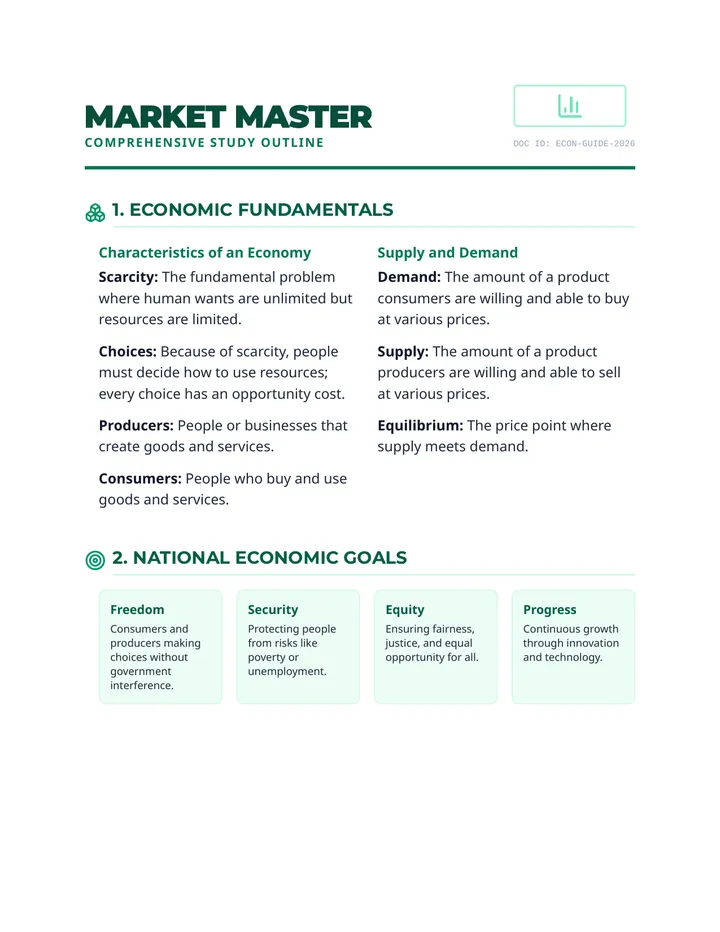
Explore the foundational pillars of economics through the history of the Dust Bowl, the ethics of organ markets, and simulations of scarcity and marginal utility.
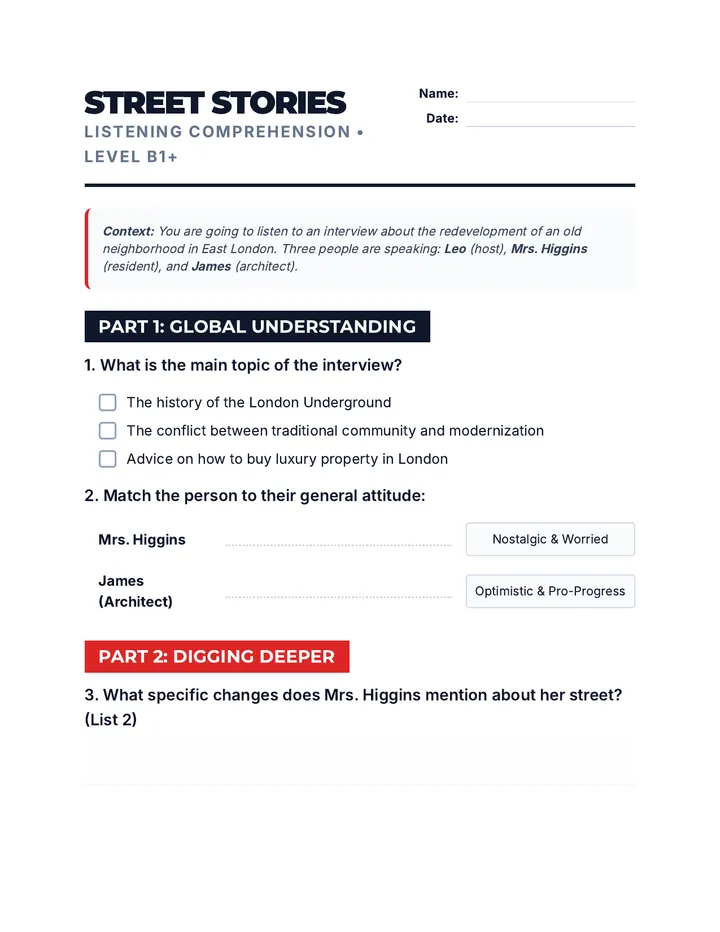
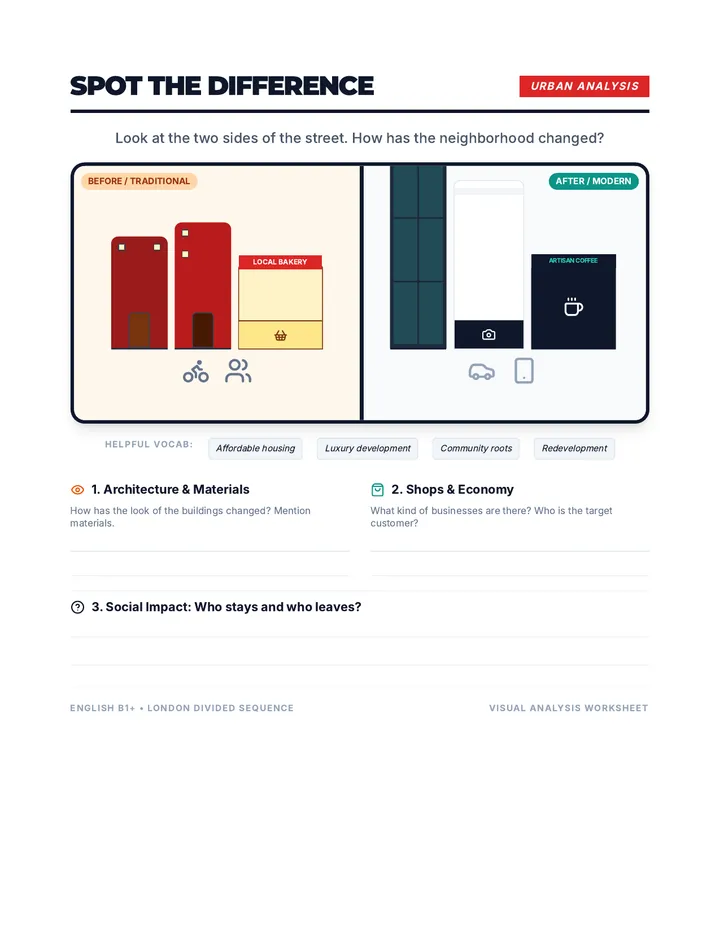
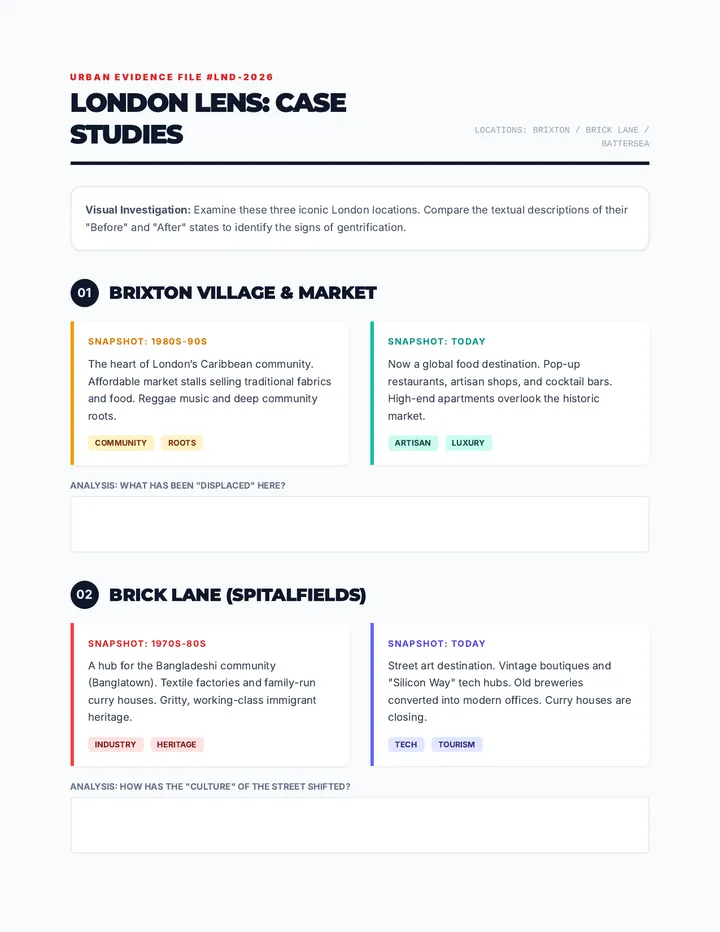
Master the mechanics of life's largest financial commitments through the history of the 30-year mortgage, the ethics of urban gentrification, and complex simulations of home ownership.
Uncover the mechanisms of risk management through the history of the Great Fire of London, the ethics of pre-existing conditions, and complex simulations of health and auto insurance.
Master the battlefield of the modern marketplace through the history of consumer protection, the ethics of planned obsolescence, and simulations of contract negotiation.
Uncover the mechanics of modern banking through historical currency crises, the ethics of fee structures, and simulations of liquidity management.