Students will learn to navigate the base-10 system by translating between standard and exponential forms while multiplying and dividing decimals. The lesson features a collaborative matching game and interactive video analysis.
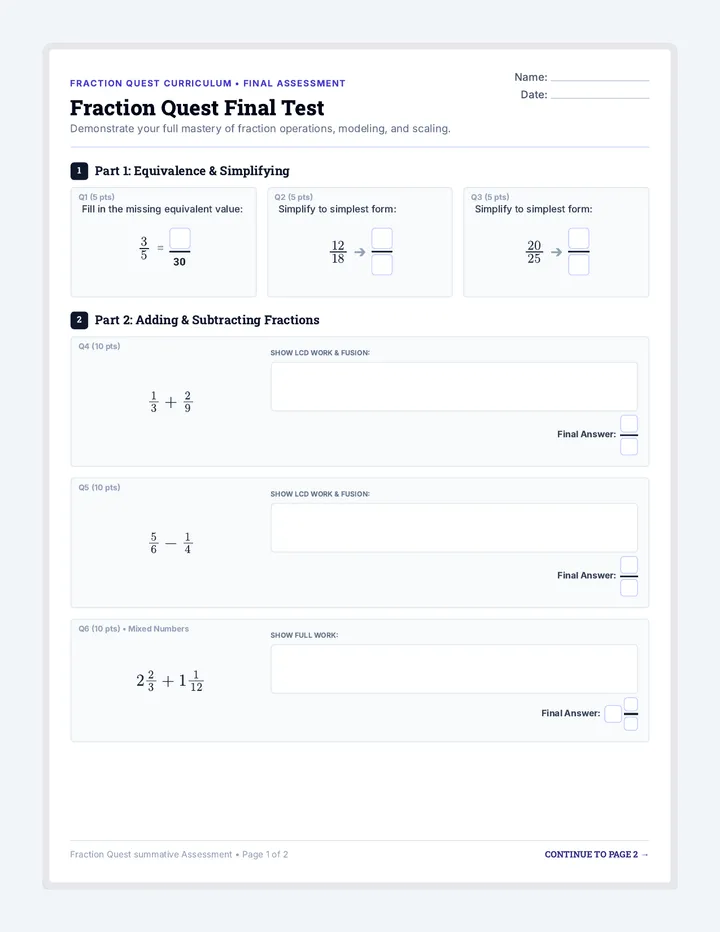
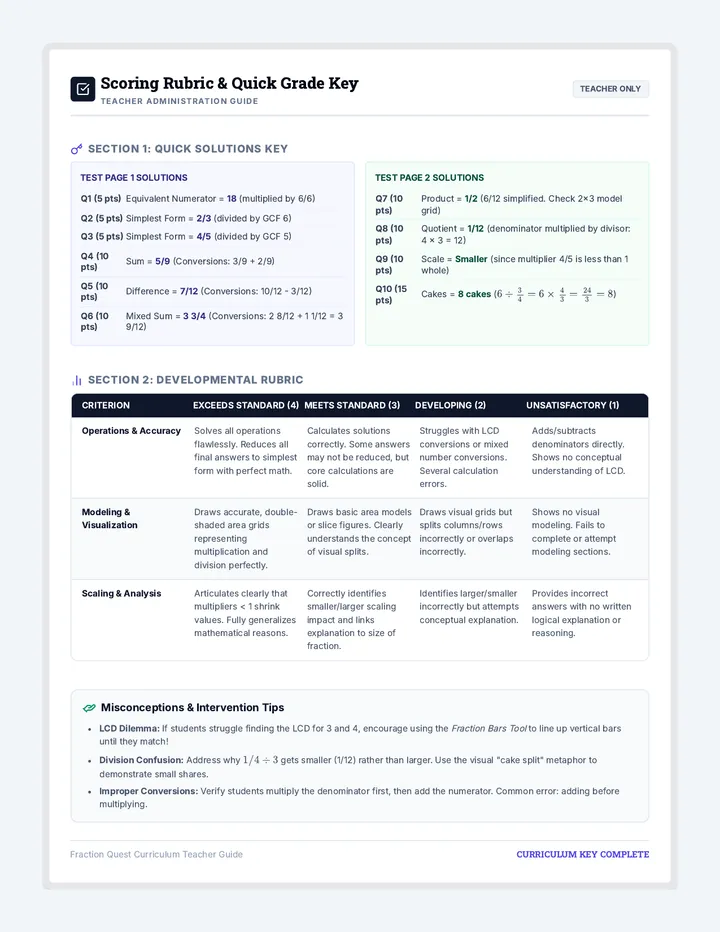
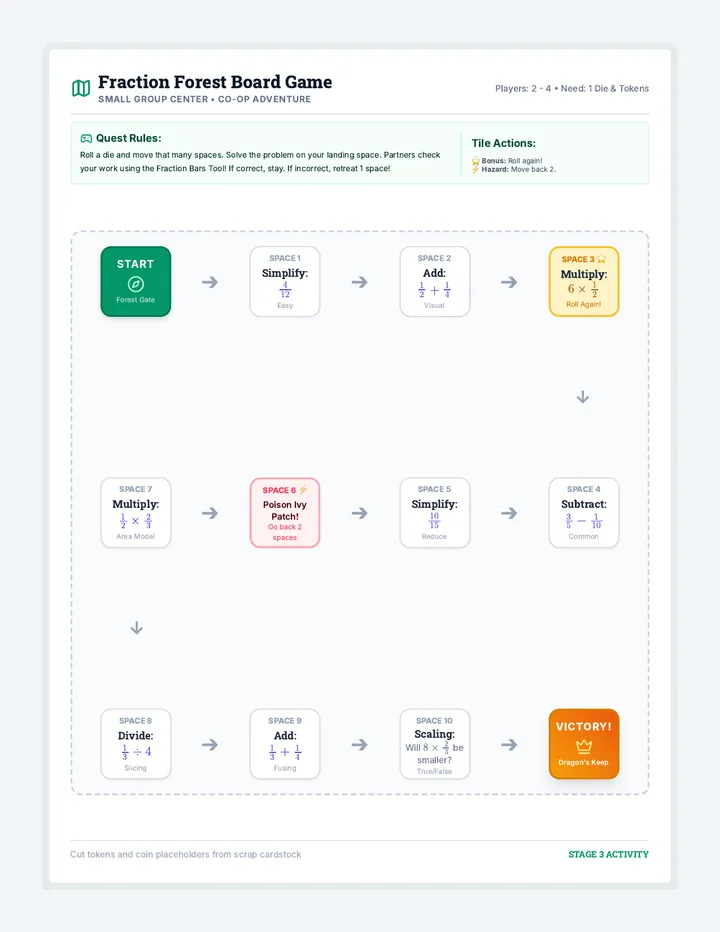
A comprehensive review and assessment of all four fraction operations. Students demonstrate their mastery through an interactive review, final unit assessment, and student reflection.
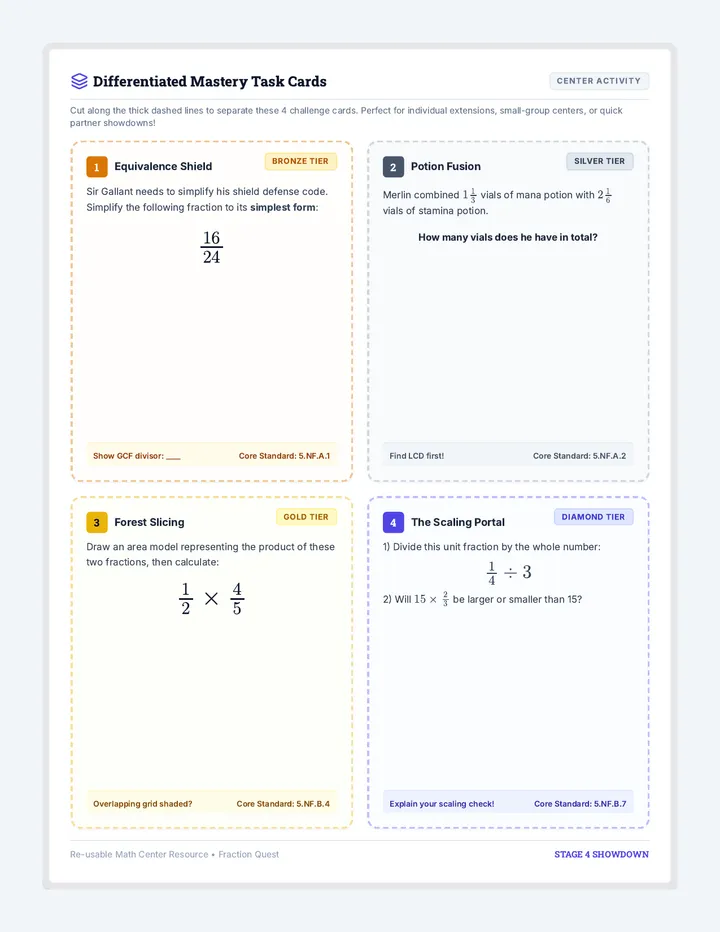
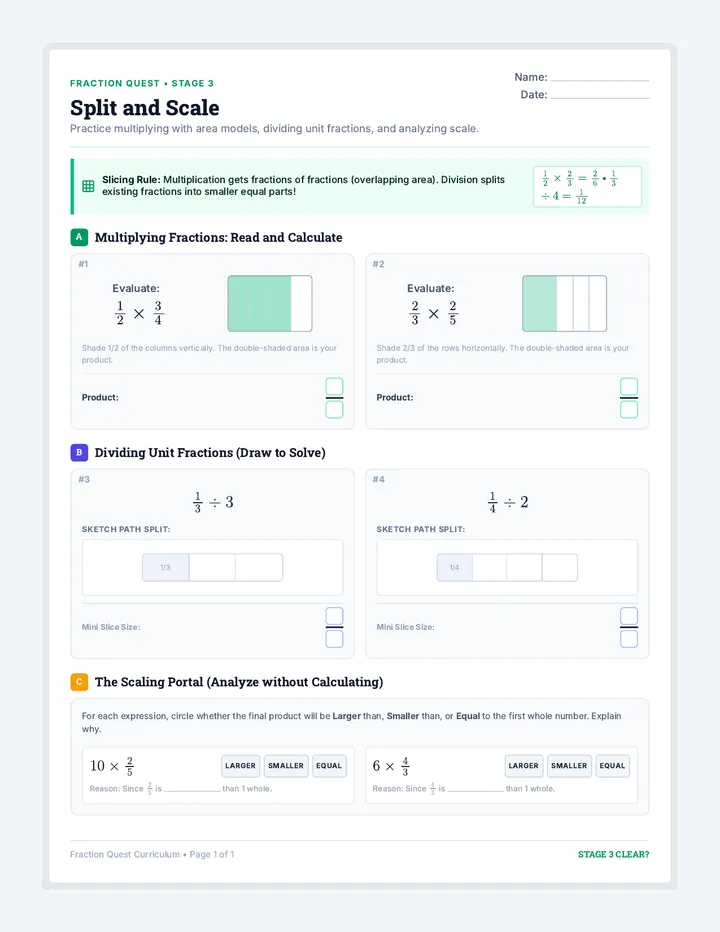
Multiplying and dividing fractions using area models, understanding scaling, and dividing unit fractions by whole numbers. Visual models help conceptualize these concepts.
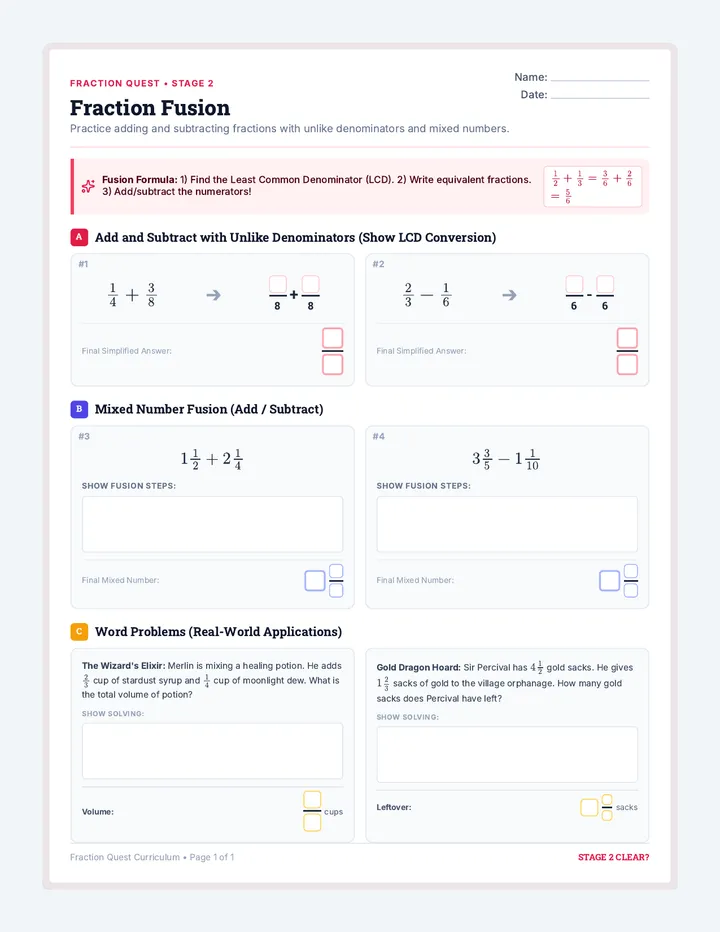
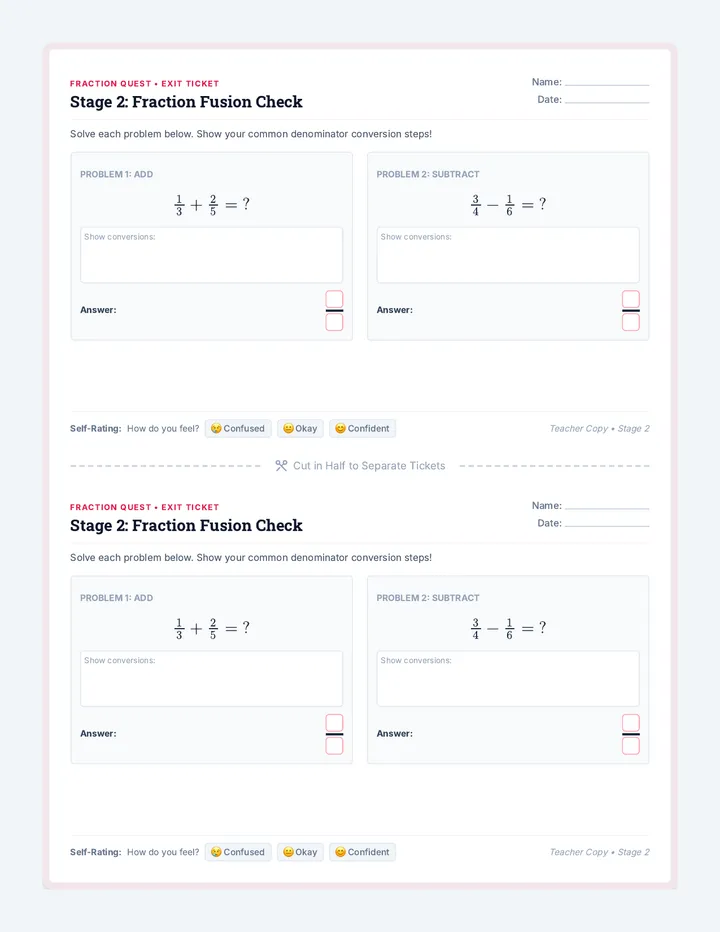
Adding and subtracting fractions with unlike denominators, including mixed numbers and standard real-world word problems. Students learn to find equivalent fractions with common denominators to add and subtract.
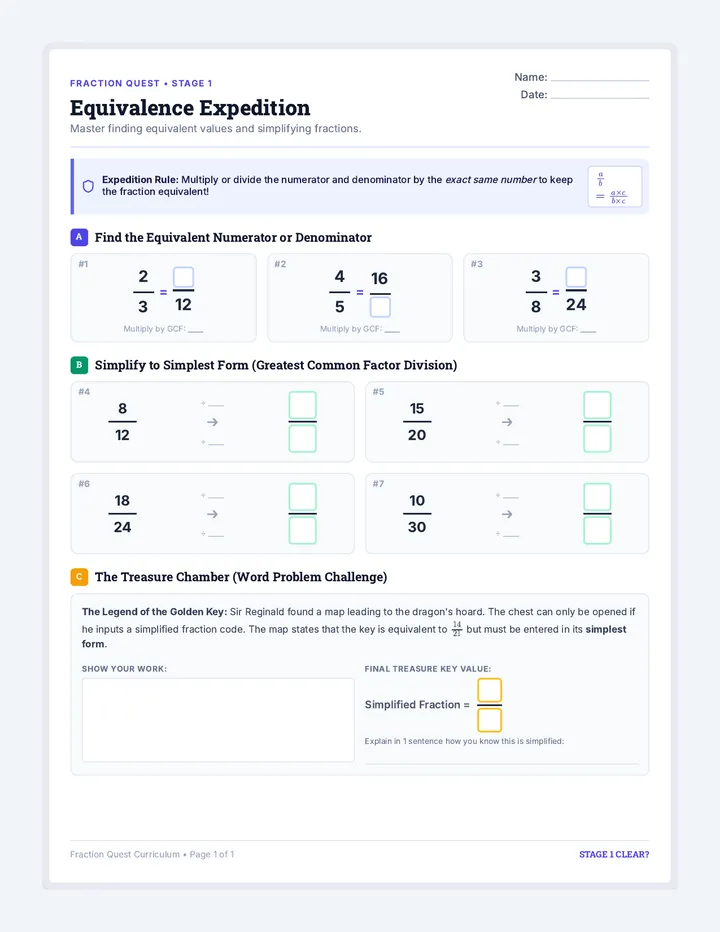
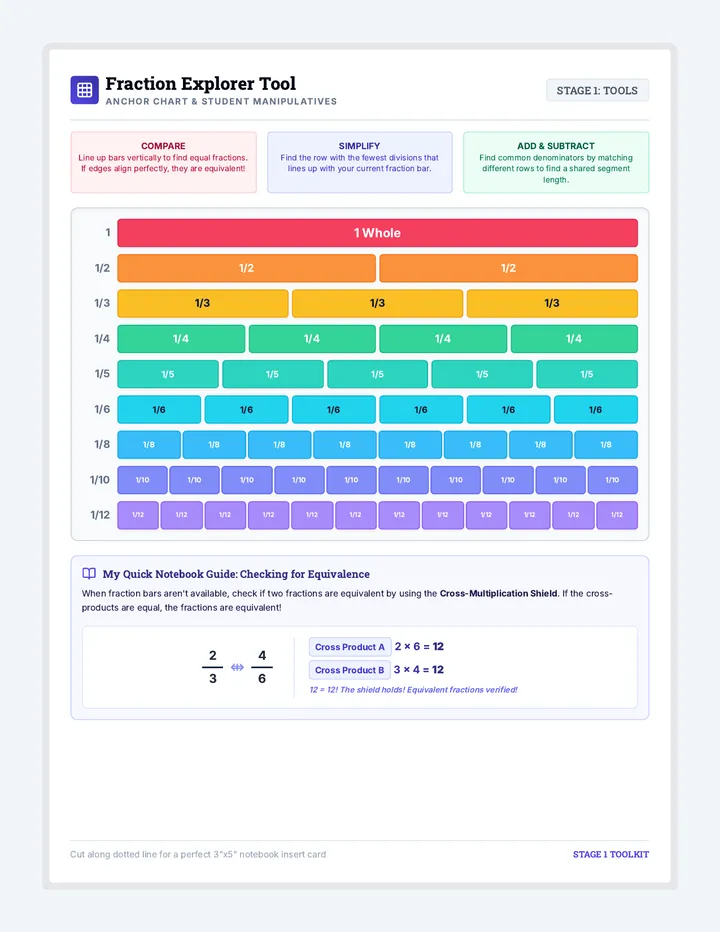
Mastering equivalent fractions and simplifying. Students discover visual equivalencies, identify common denominators, and reduce fractions to their simplest form using step-by-step mathematical reasoning.
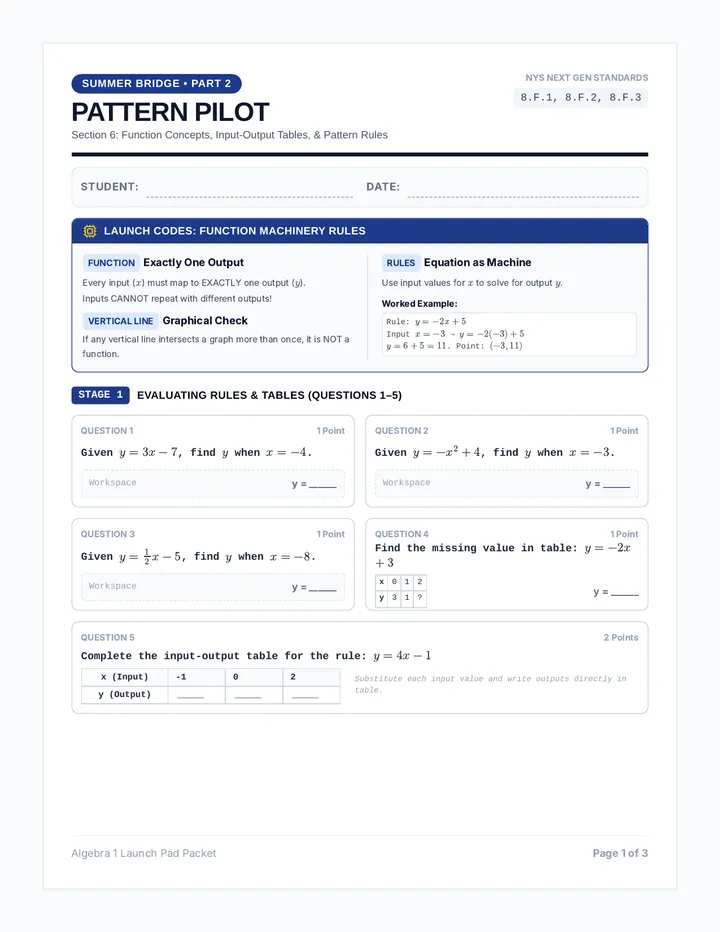
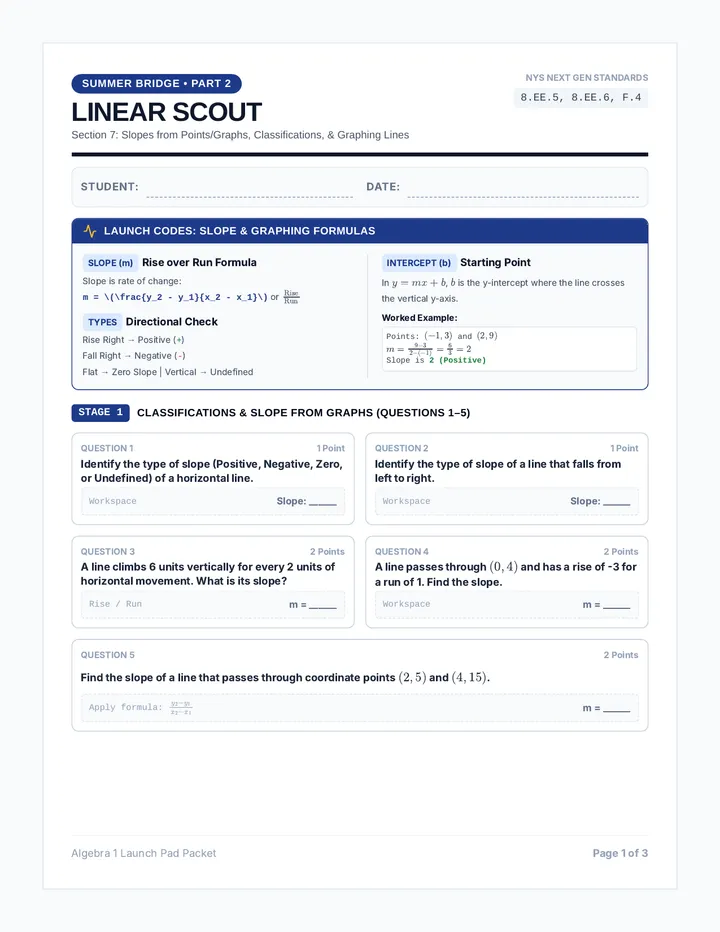
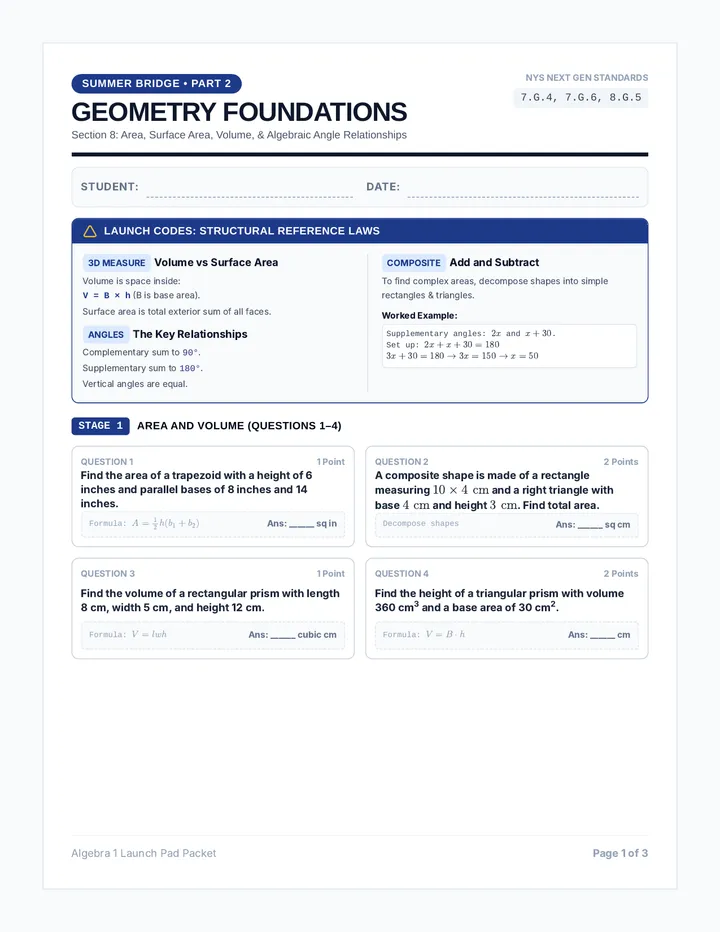
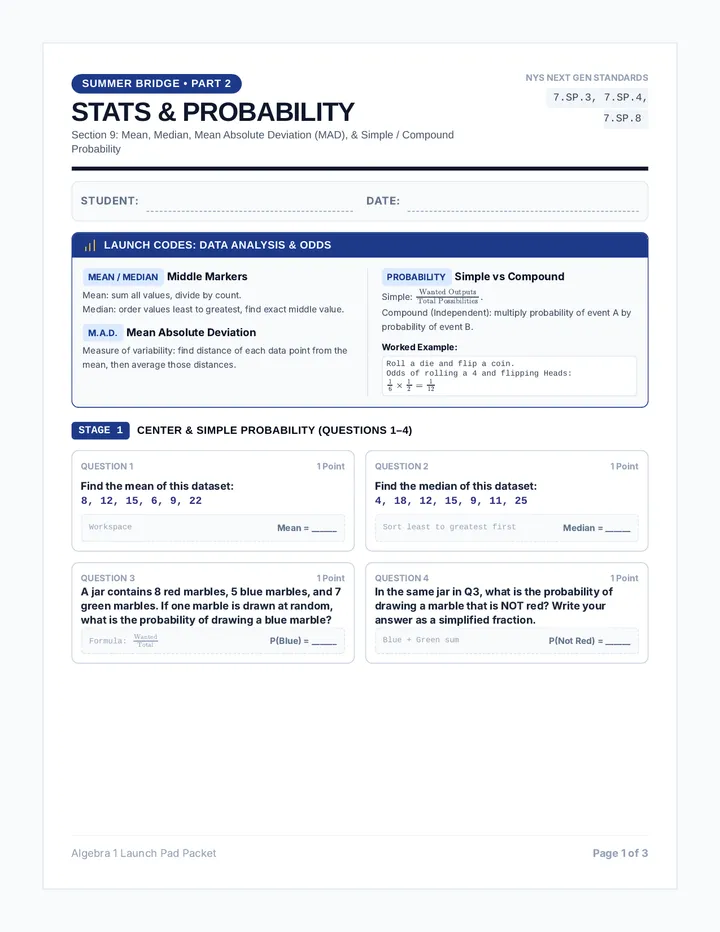
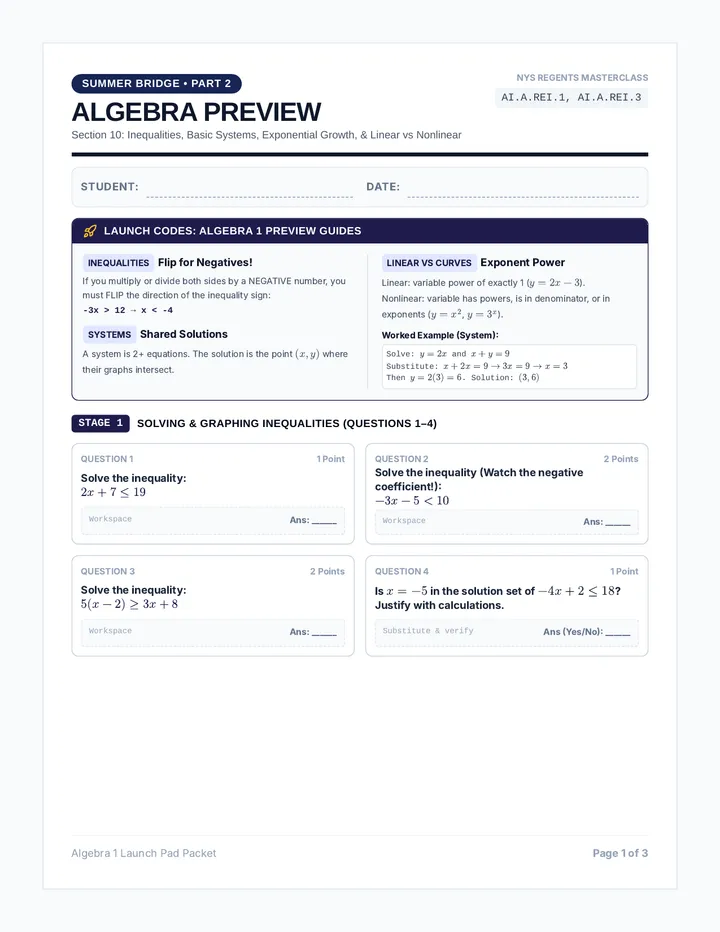
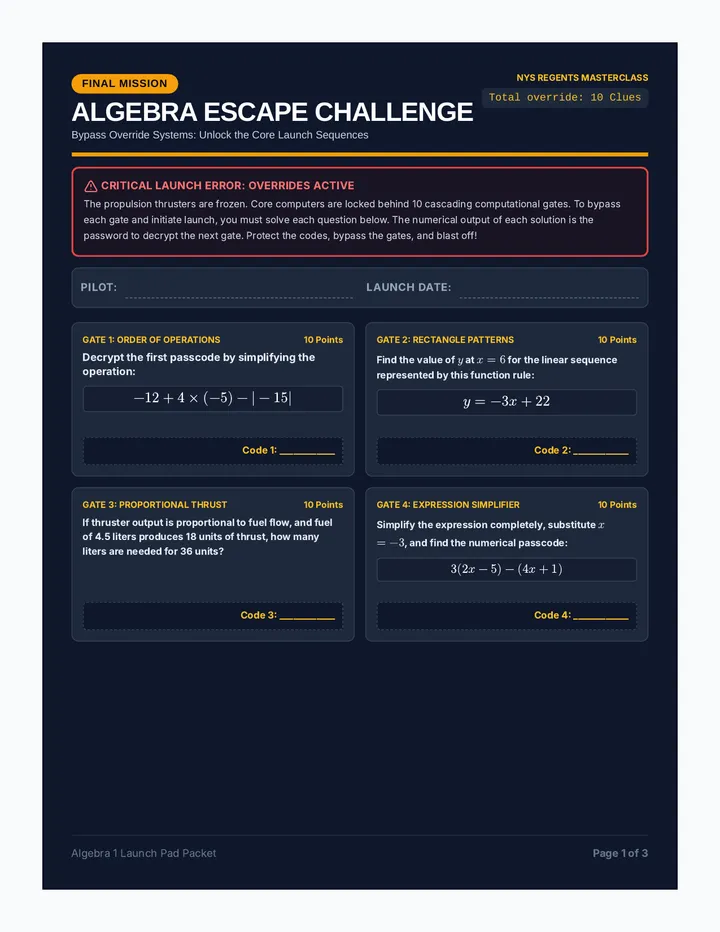
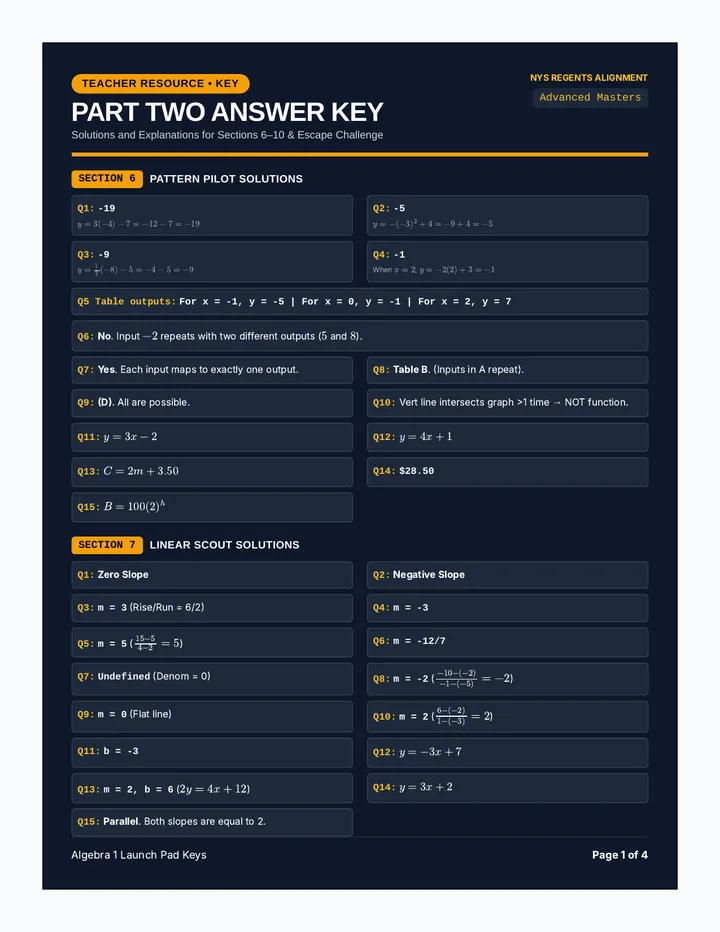
The second part of the Algebra 1 Summer Bridge Packet. It covers functions & patterns, linear relationships, geometric foundations, statistics & probability, and an advanced Algebra 1 preview.
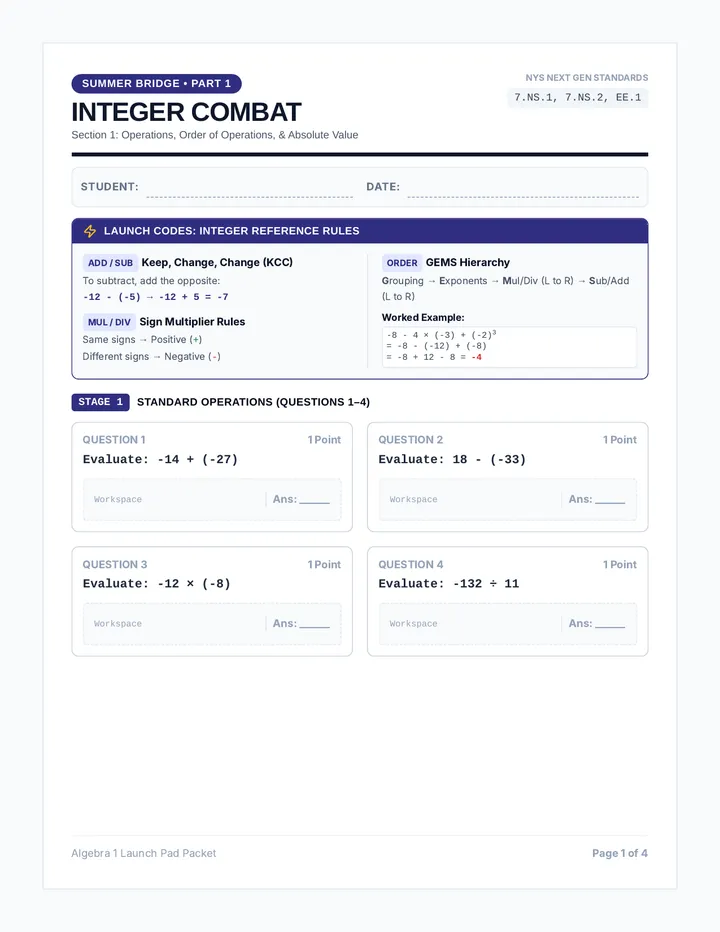
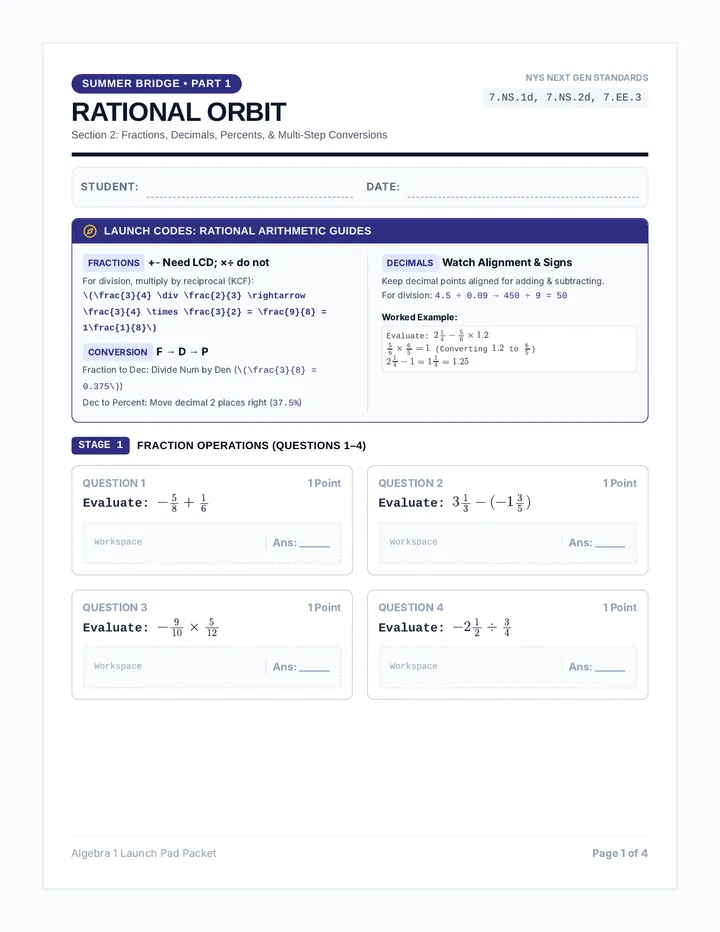
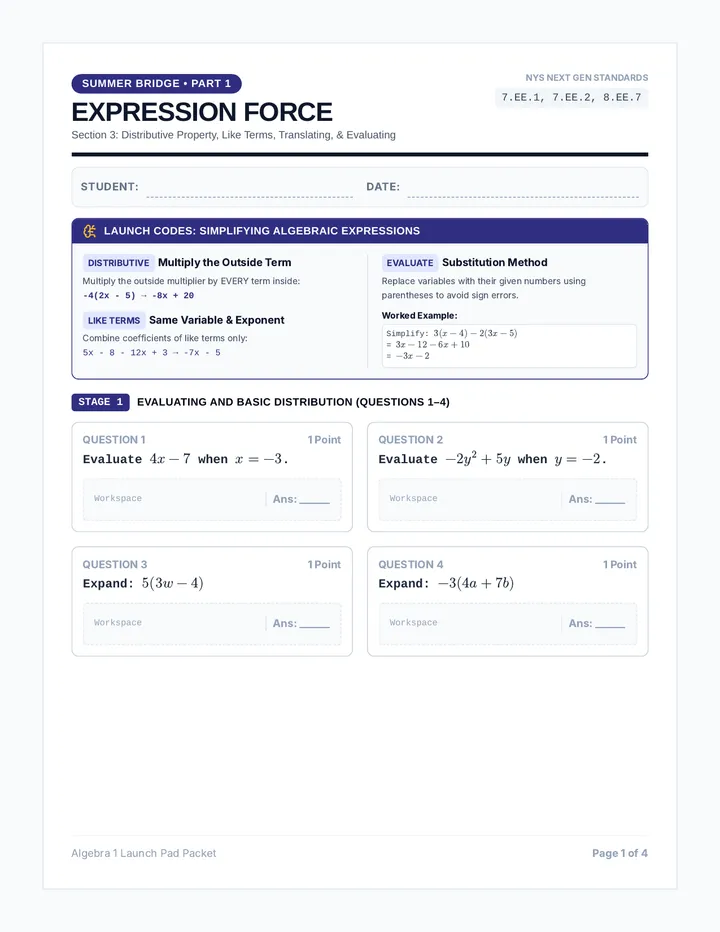
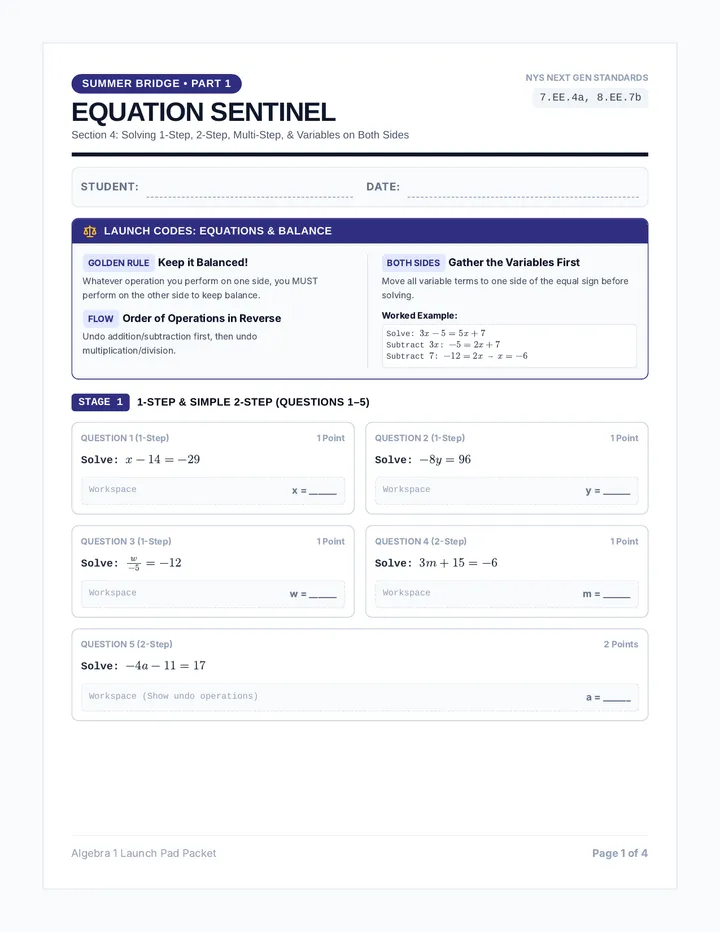
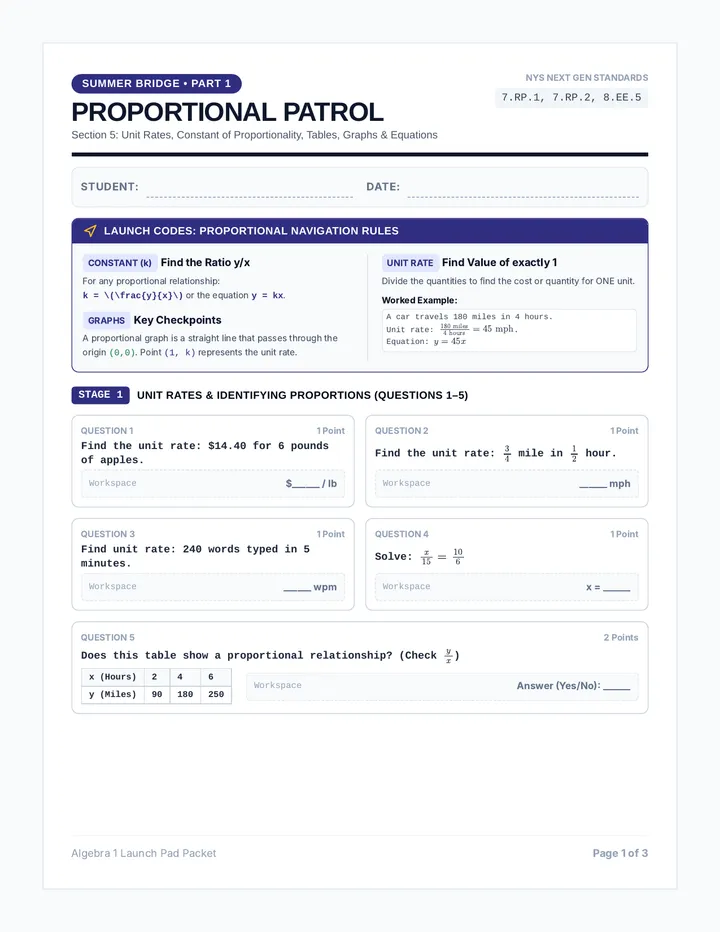
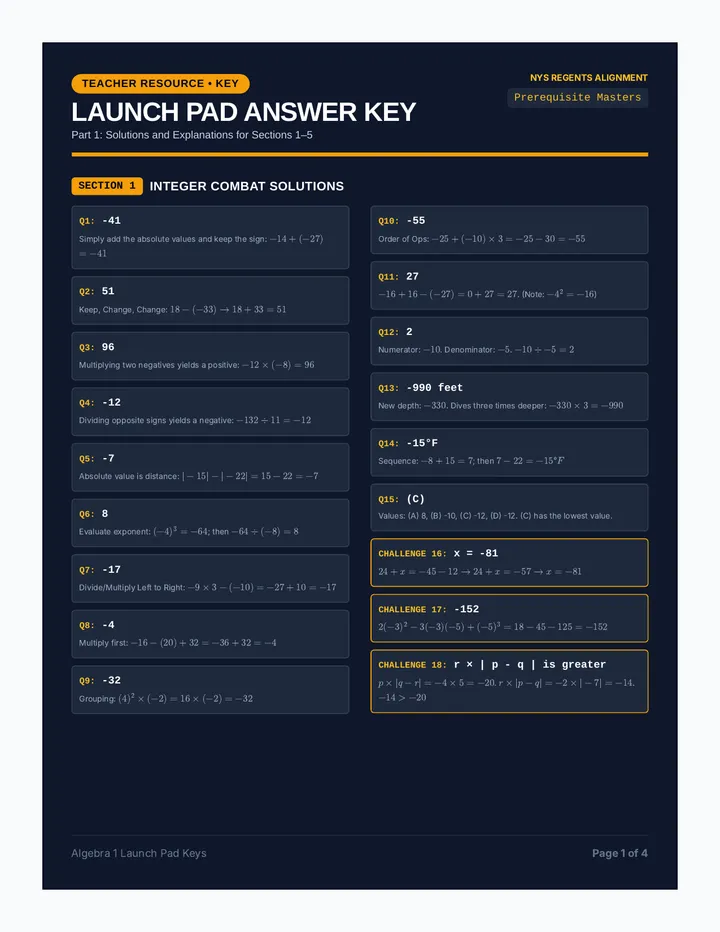
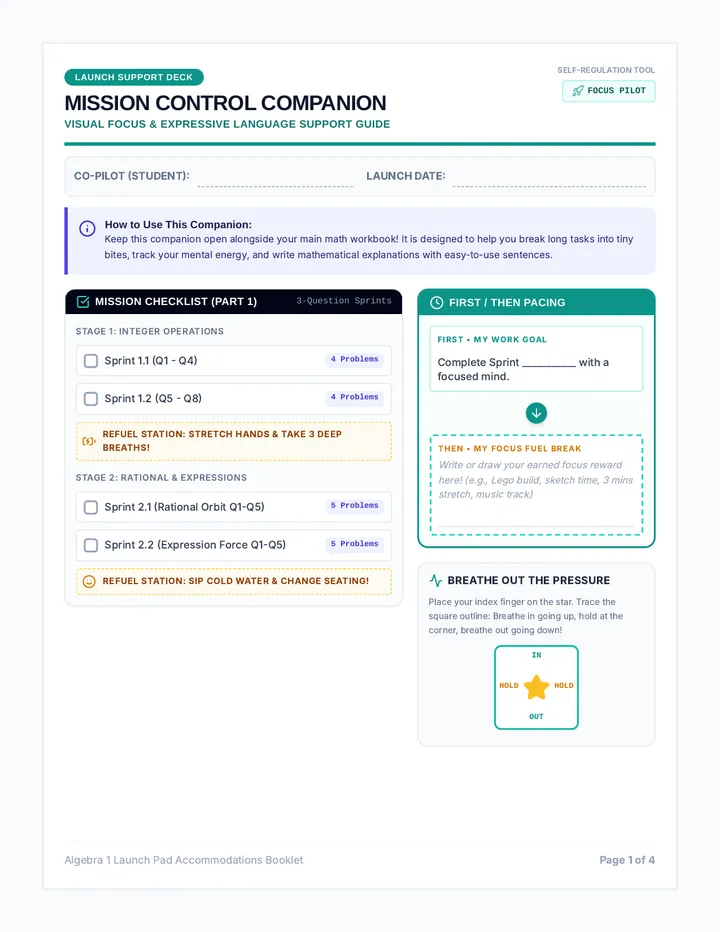
The first part of the Algebra 1 Summer Bridge Packet for rising 8th graders. It covers integer operations, rational numbers, expressions, solving equations, and proportional relationships with worked examples and workspaces.
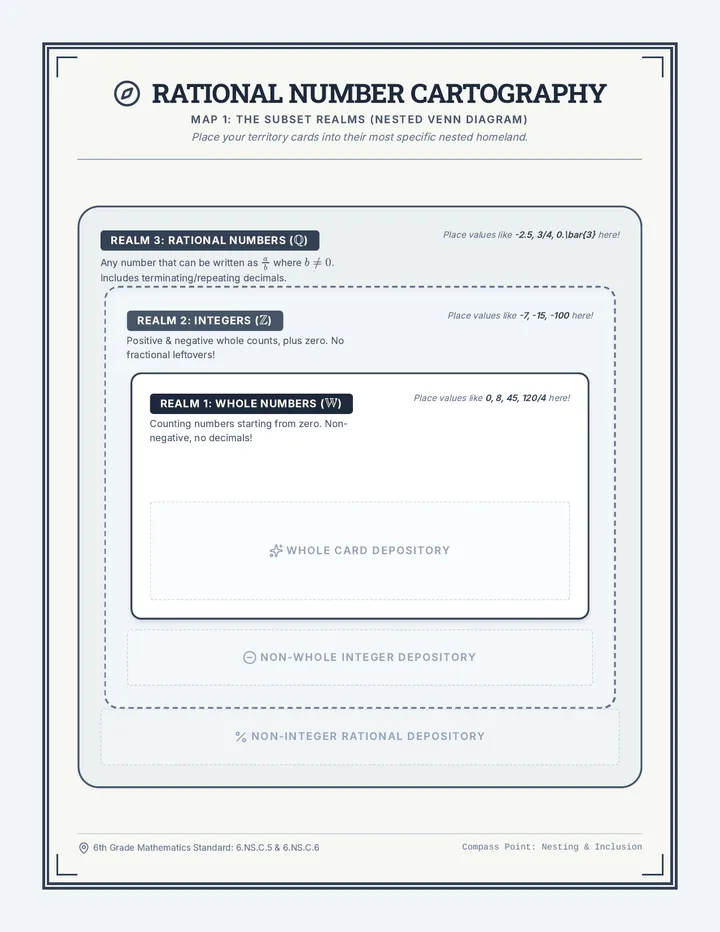
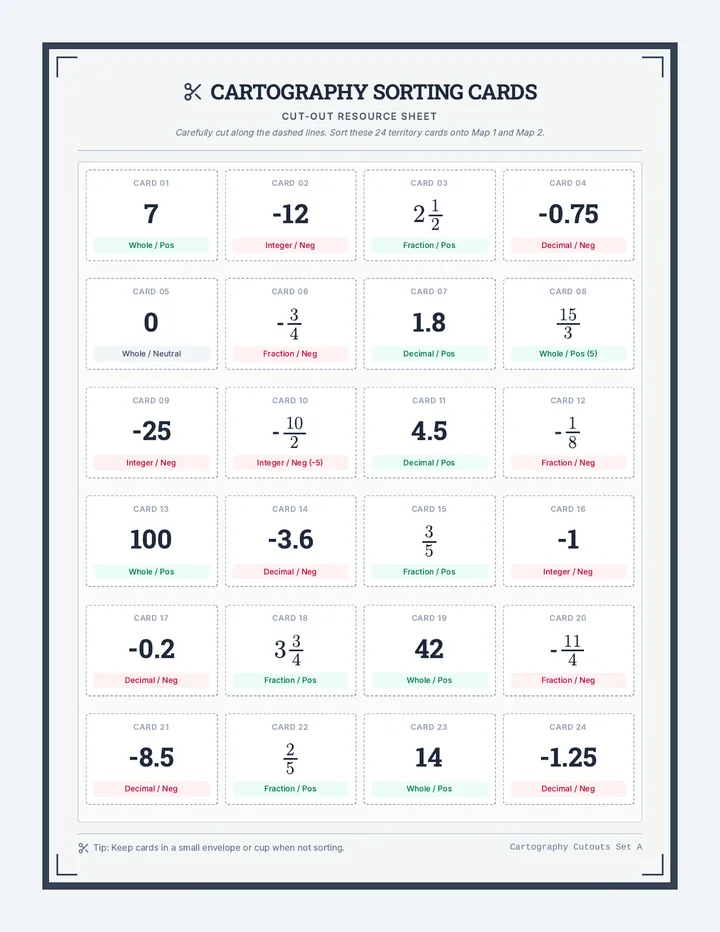
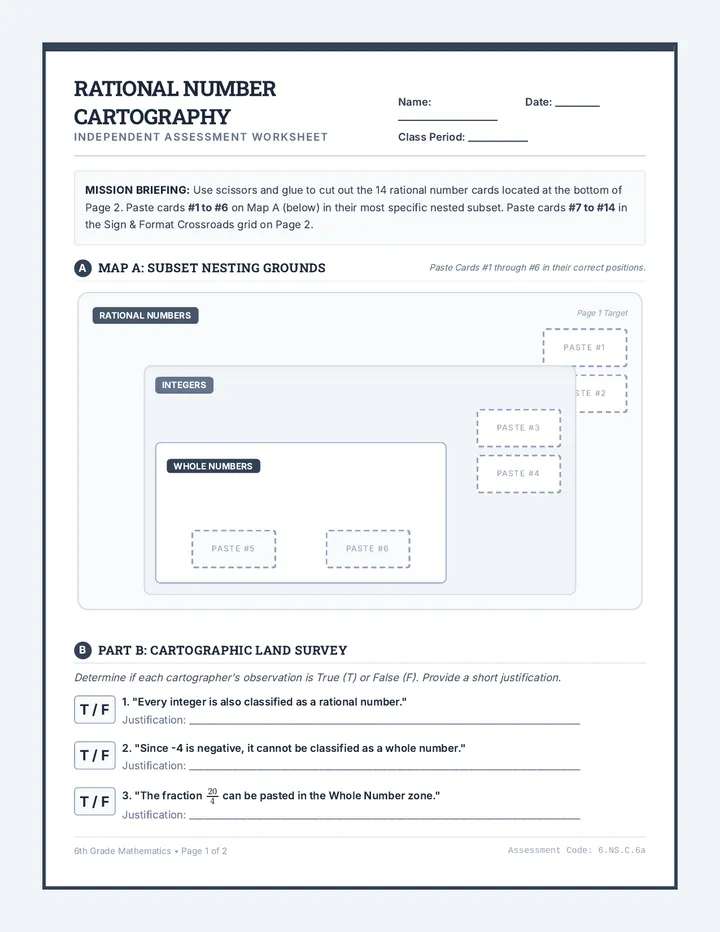
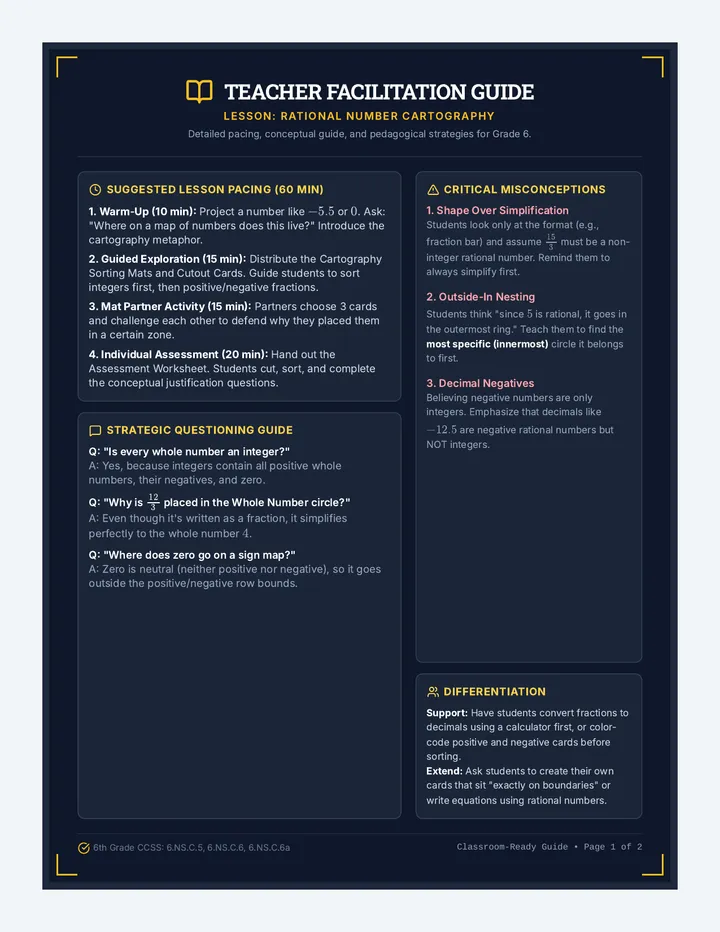
A hands-on, highly visual lesson where 6th-grade students explore the realm of rational numbers. Students use sorting mats, custom cut-out cards, and independent worksheets to classify numbers into nested subsets (Whole, Integers, Rational) and organize them by format and sign.
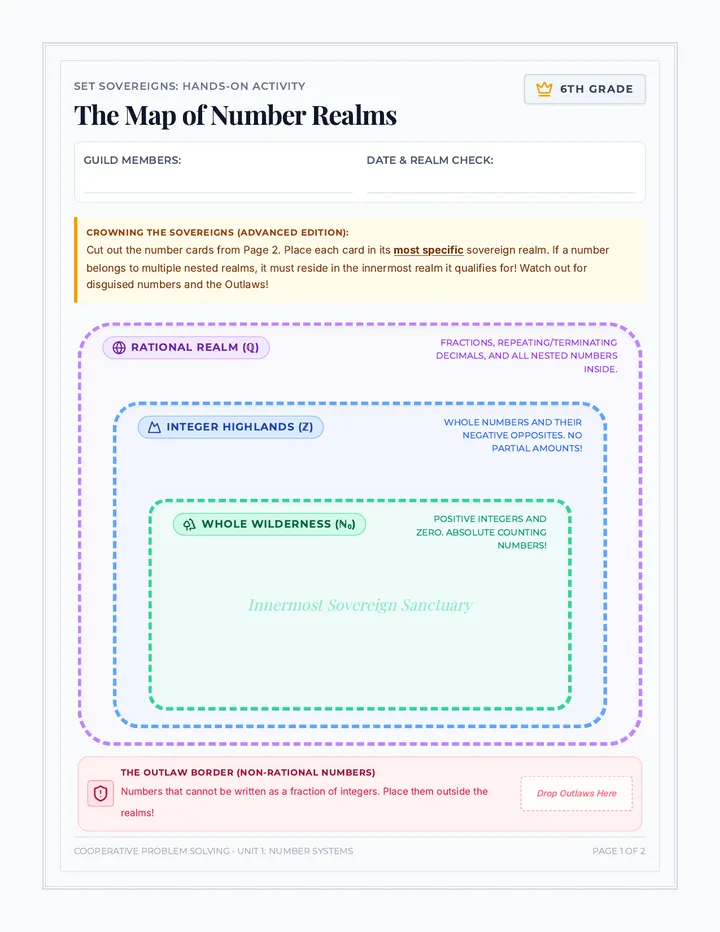
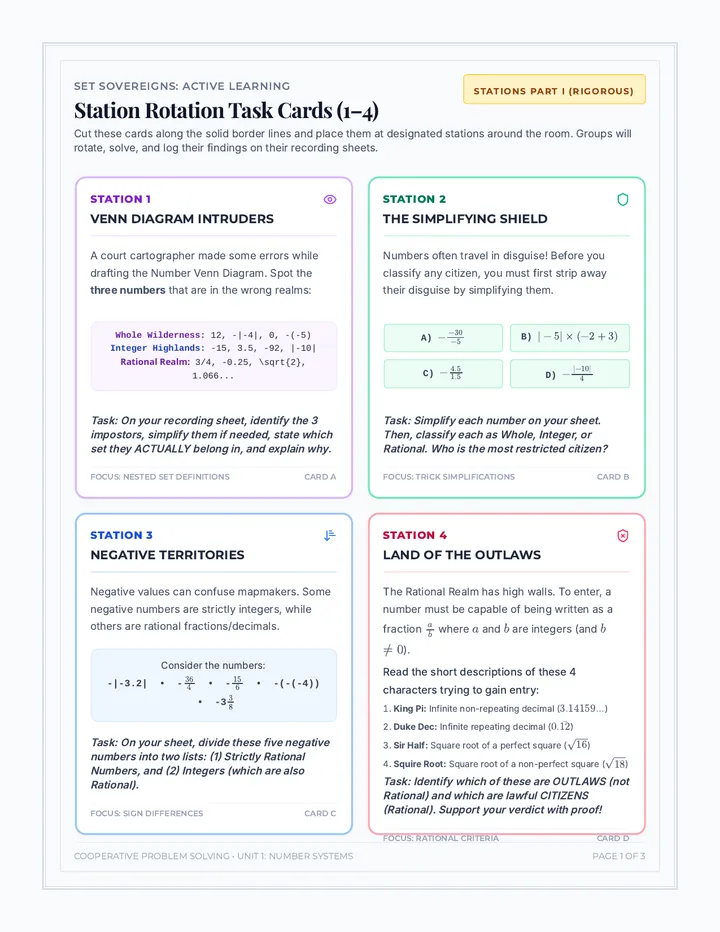
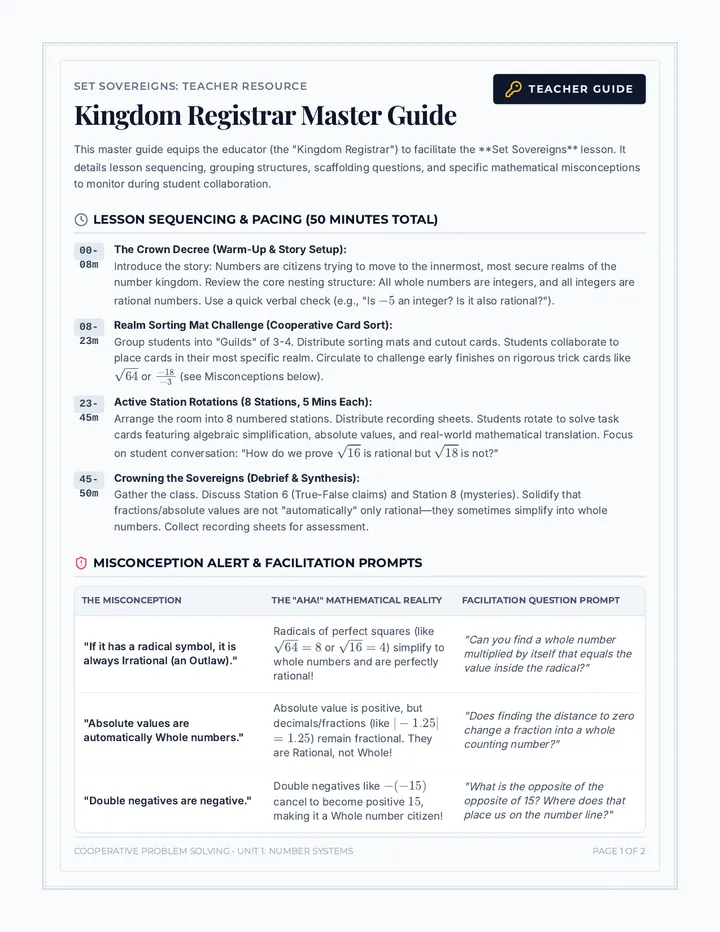
A hands-on, collaborative lesson where 6th-grade students master the nested relationships of the rational number system. Students explore whole numbers, integers, and rational numbers through an interactive card sort and active station rotation challenge.
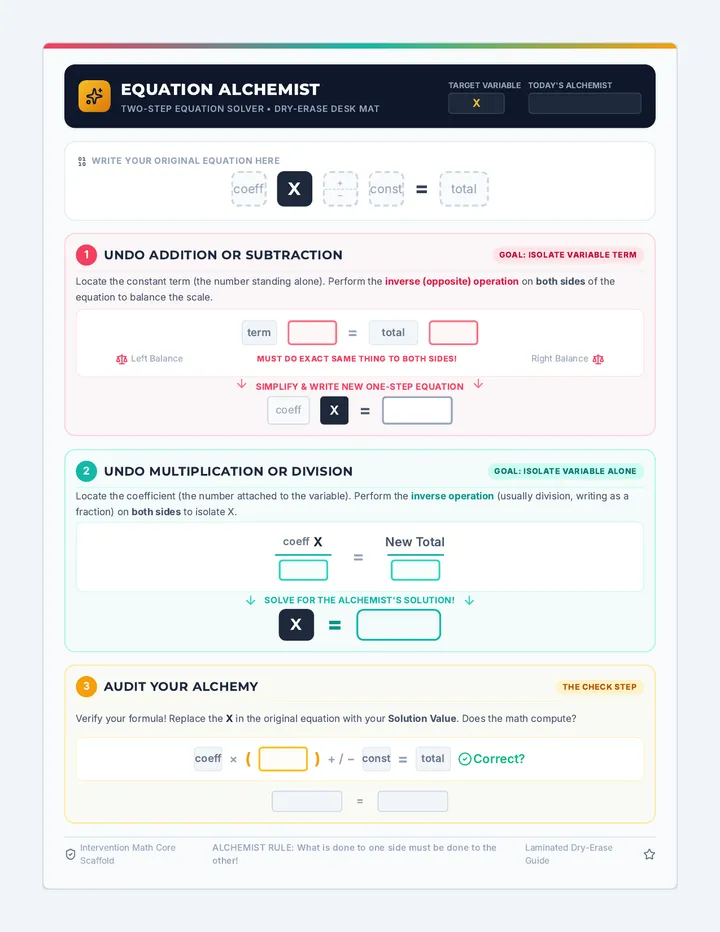
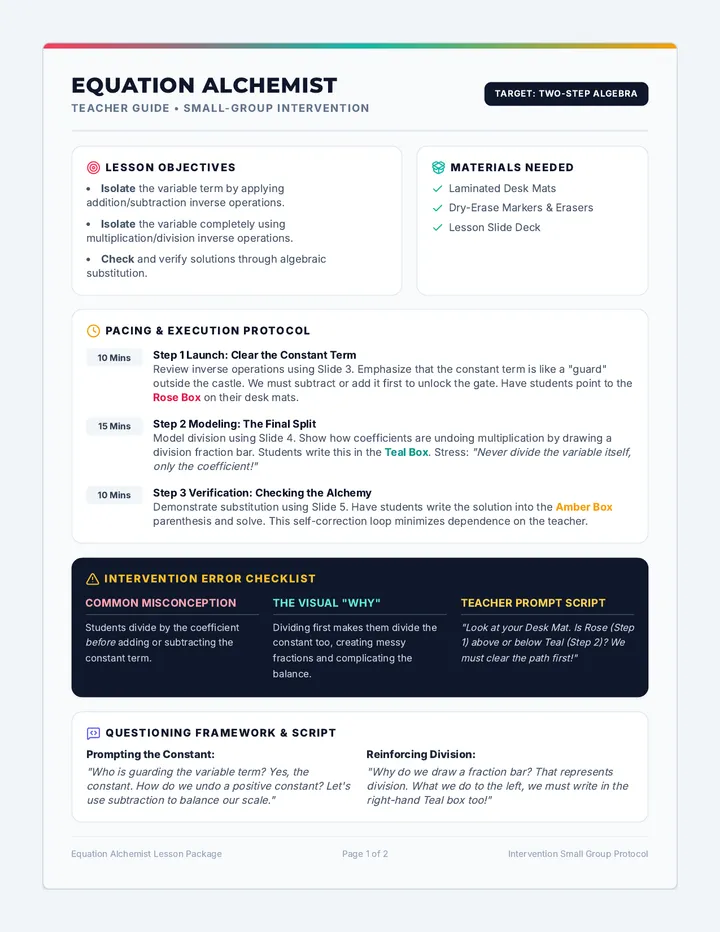
A comprehensive math intervention lesson targeting two-step algebraic equations. Features a color-coded step-by-step visual organizer that guides students through undoing addition/subtraction first, followed by multiplication/division to isolate the variable.
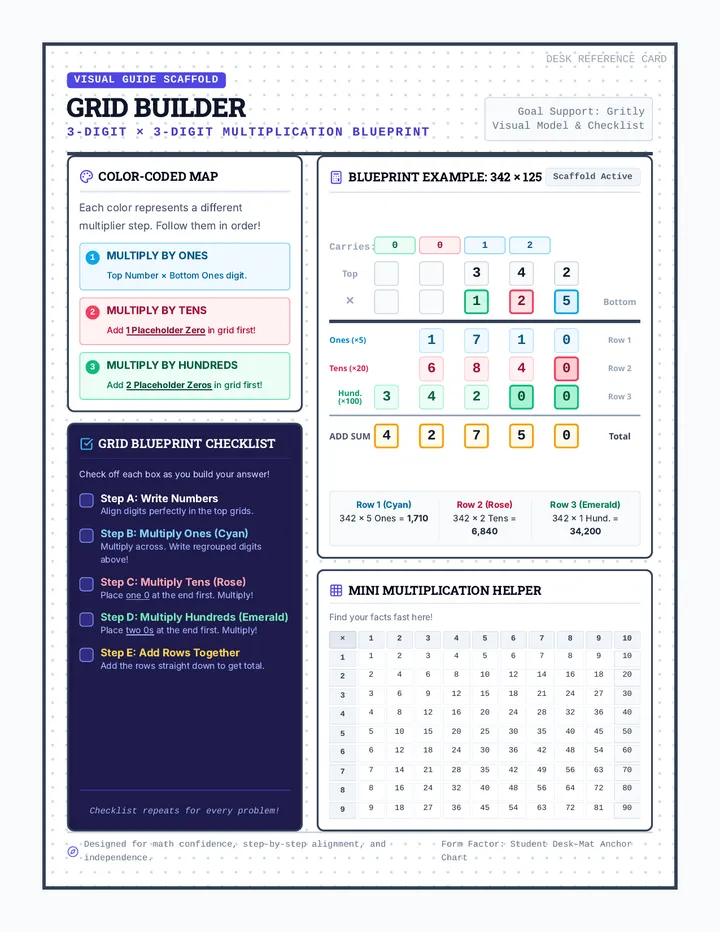
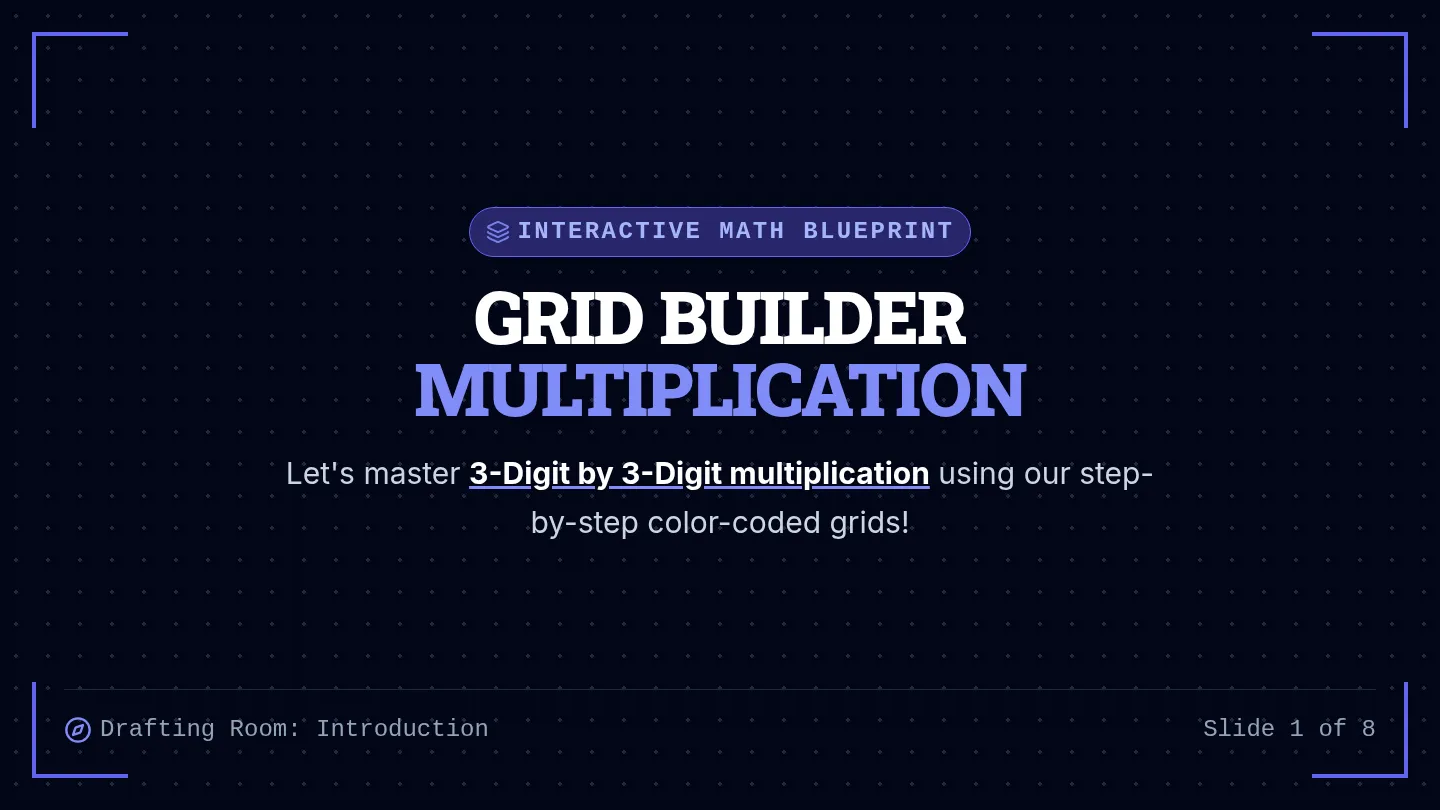
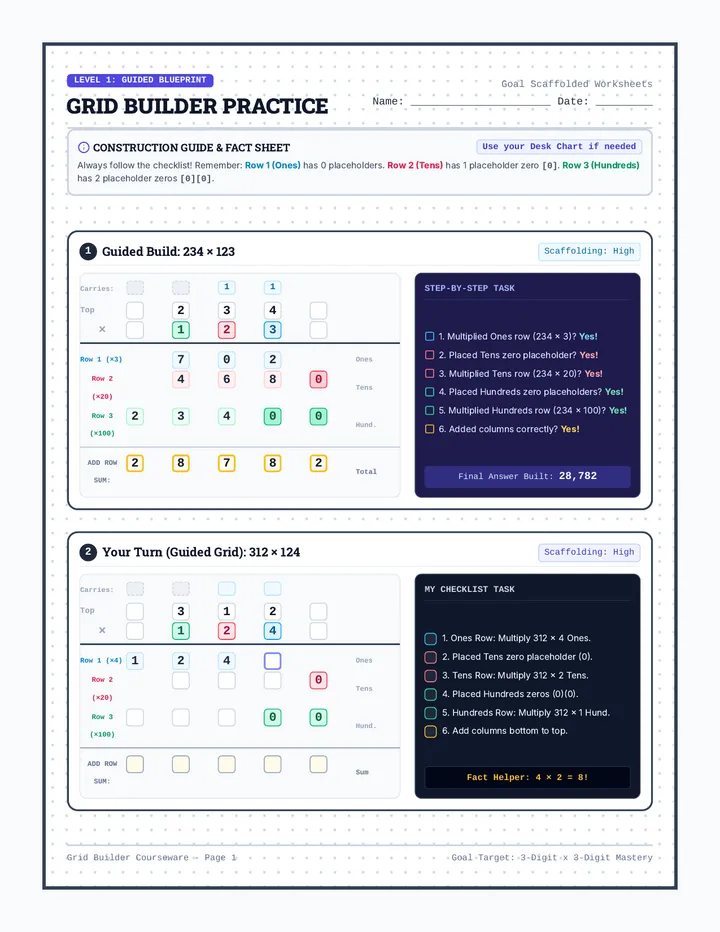
A highly structured, scaffolded lesson designed to help students master three-digit by three-digit multiplication using color-coded grids, a step-by-step task-analysis checklist, and sequential progress monitoring.
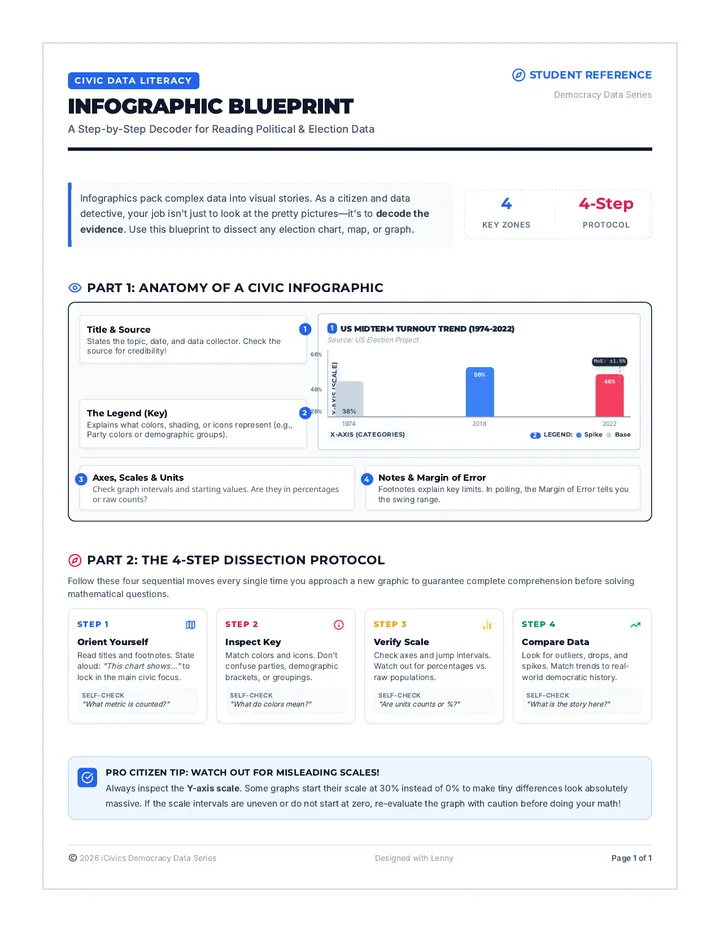
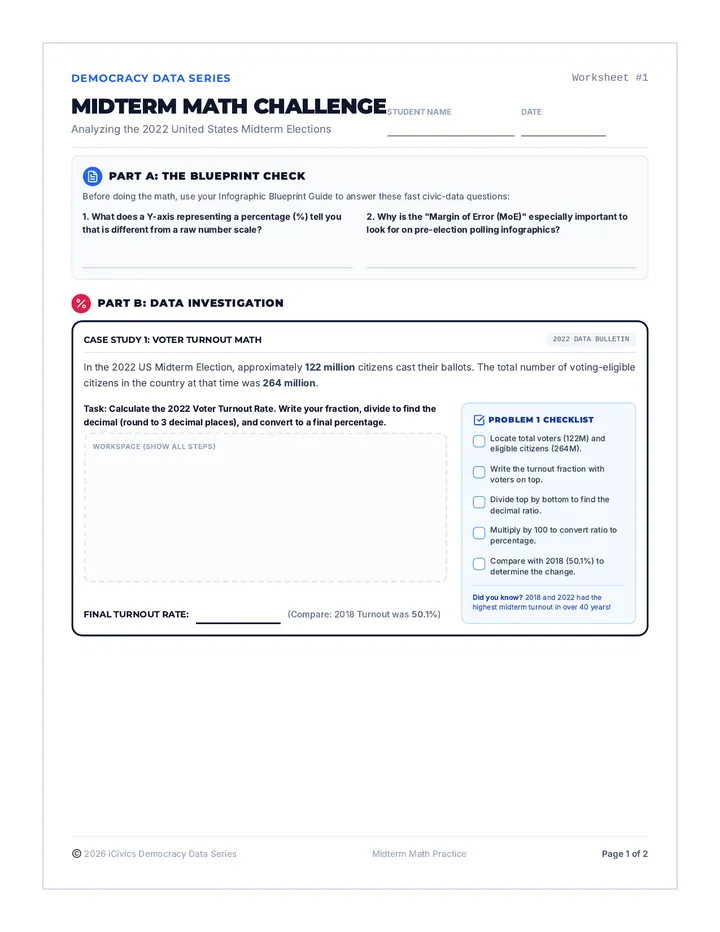
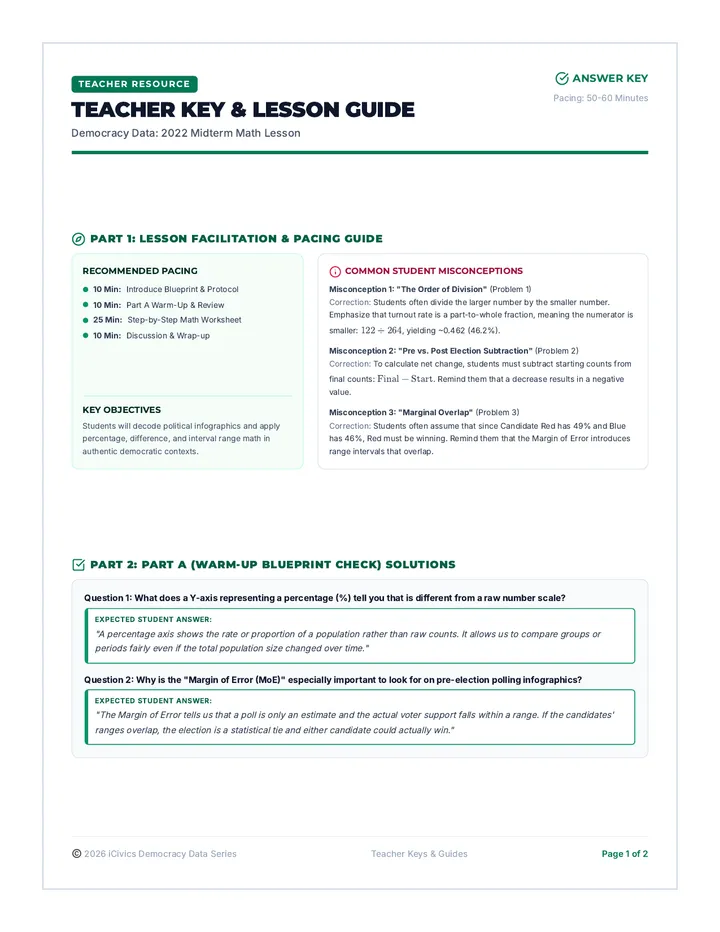
A civic-minded math lesson where students analyze real-world data from the 2022 midterm elections. Students learn to navigate complex infographics using structured reading strategies and tackle data-driven math questions with supportive step-by-step checklists.
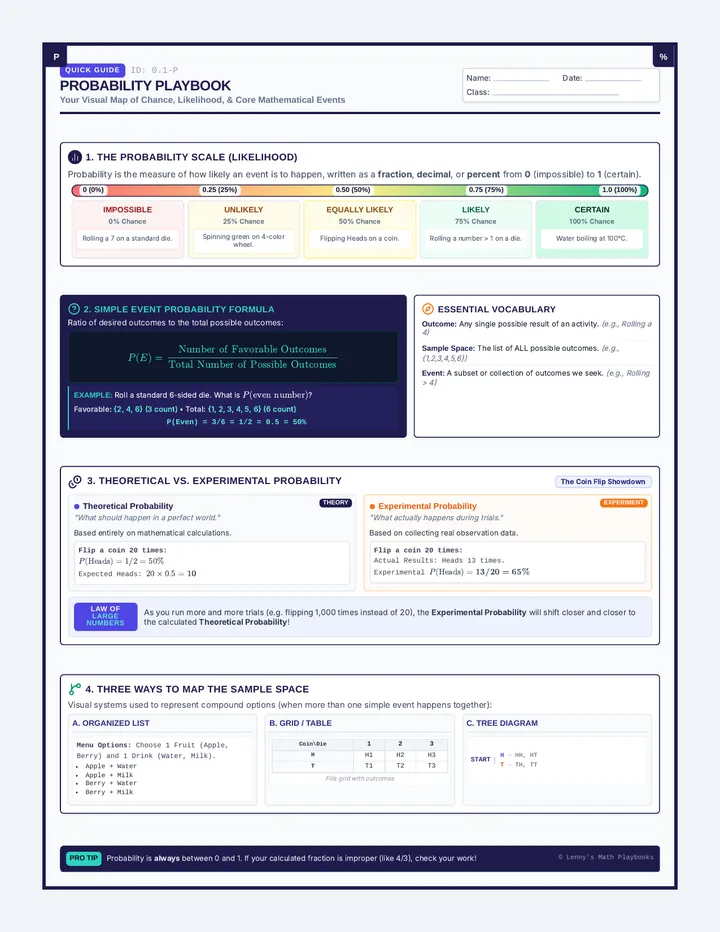
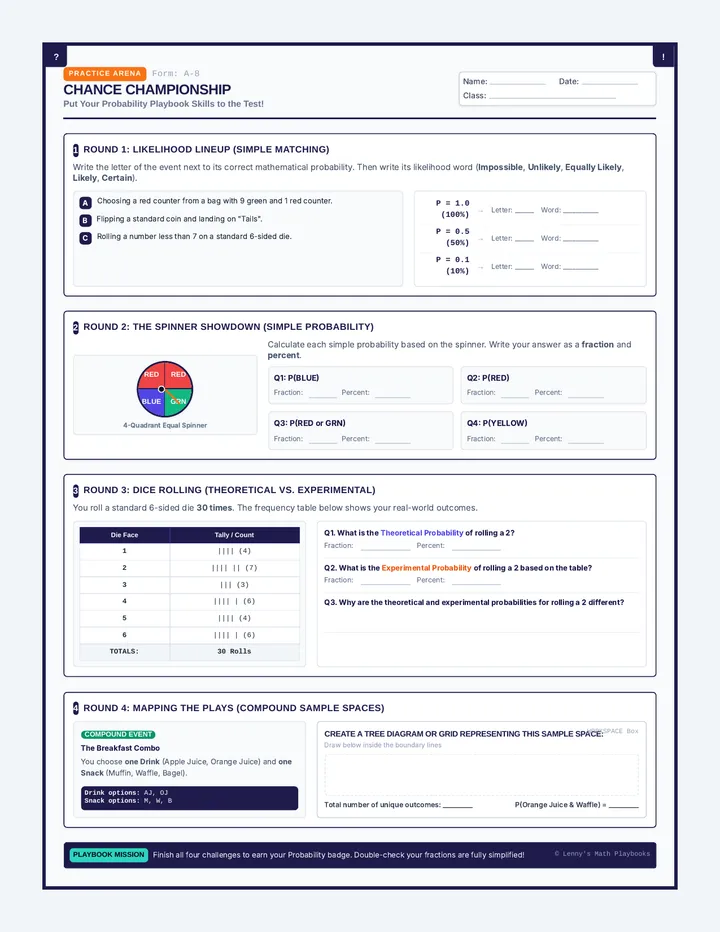
A foundational lesson block designed for middle school students to master probability concepts, covering simple events, sample spaces, likelihood, and experimental versus theoretical probability.
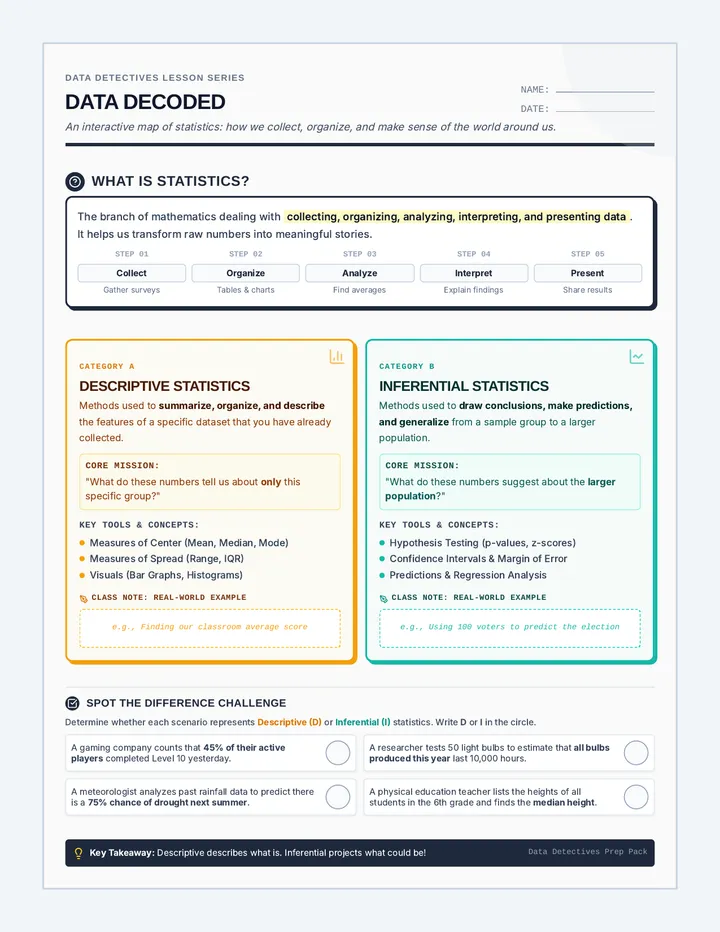
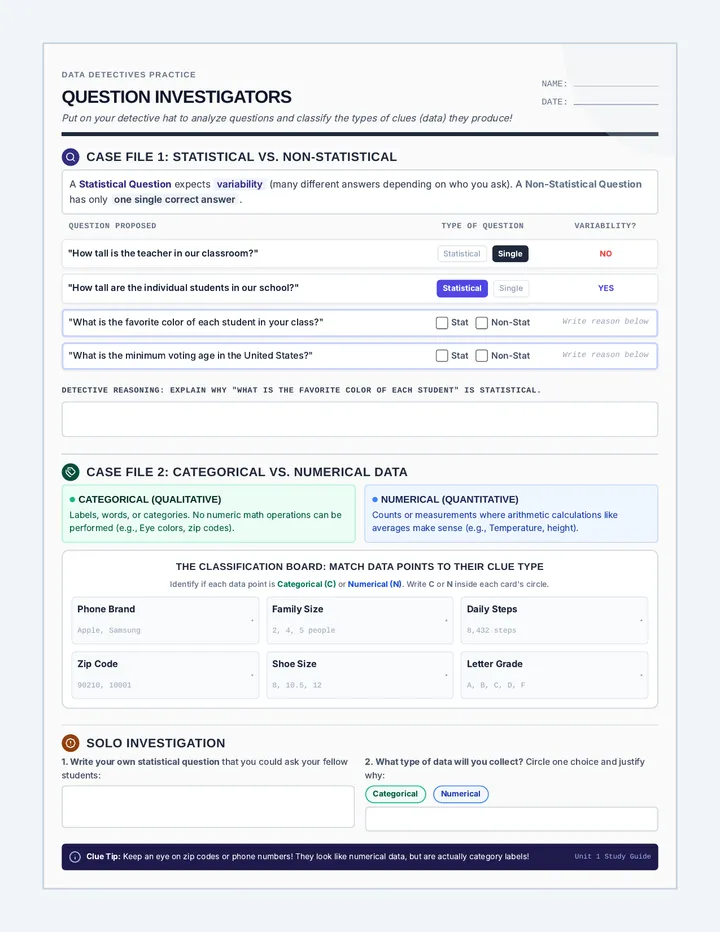
An introductory lesson to understanding what statistics is, exploring the difference between descriptive and inferential statistics, and engaging with data concepts.
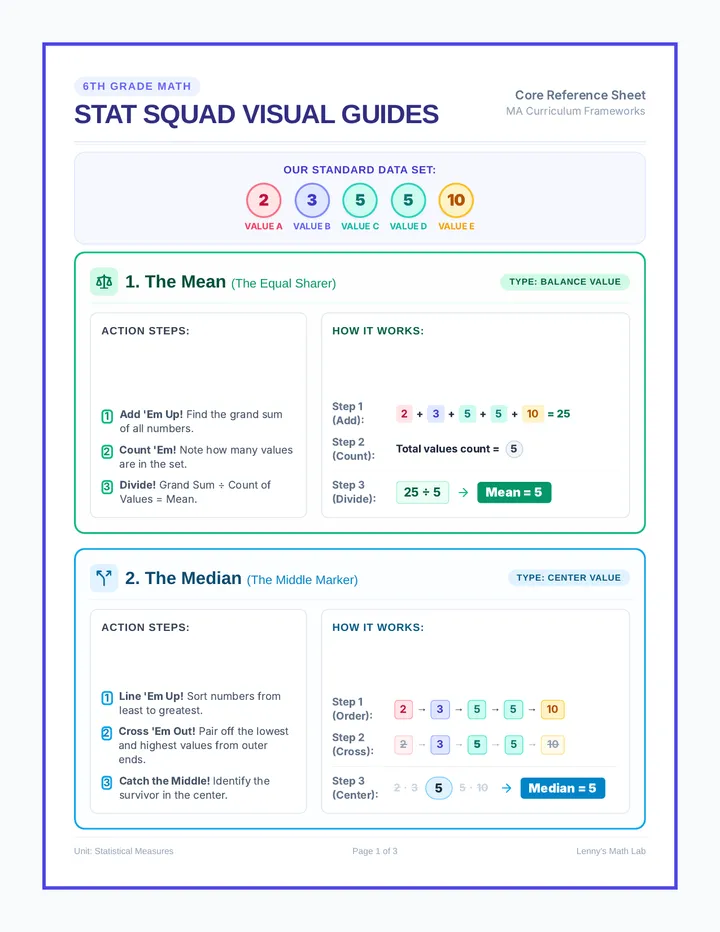
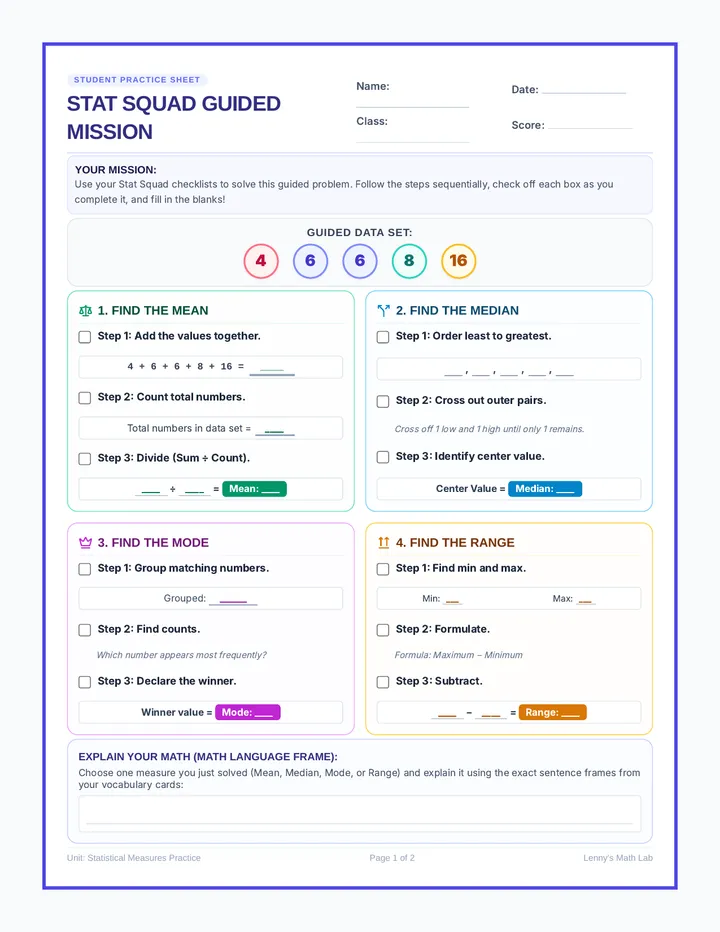
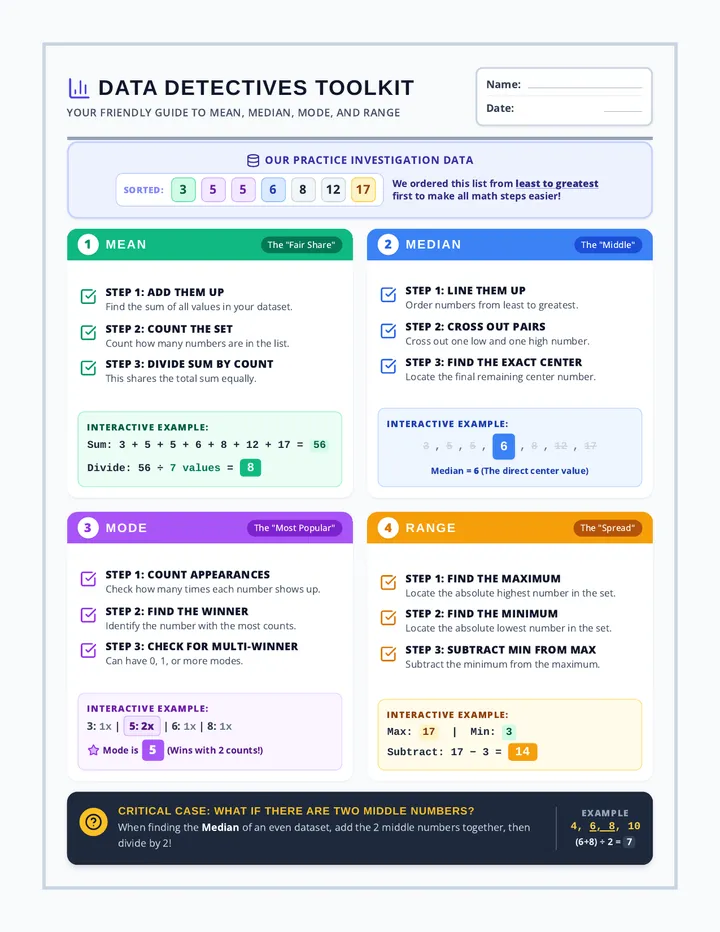
A visual, color-coded introduction to mean, median, mode, and range for 6th grade math. This lesson includes comprehensive, highly accessible anchor charts and structured practice guides with checklists and vocabulary focus cards.
A foundational lesson introducing 6th grade statistics concepts including measures of center (mean, median, mode) and variation (range) with visually accessible reference materials.
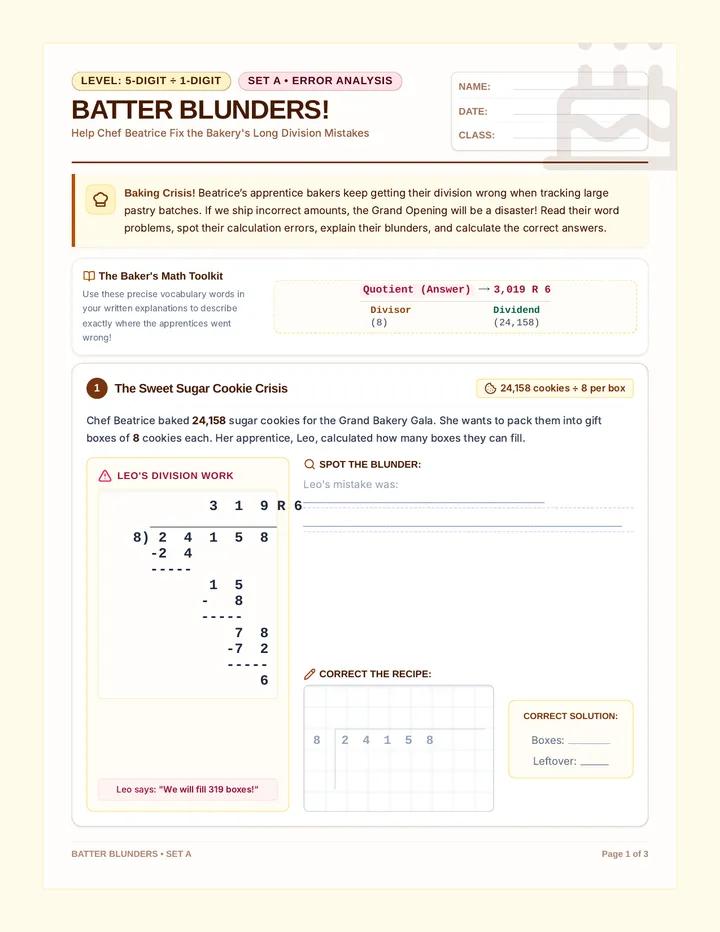
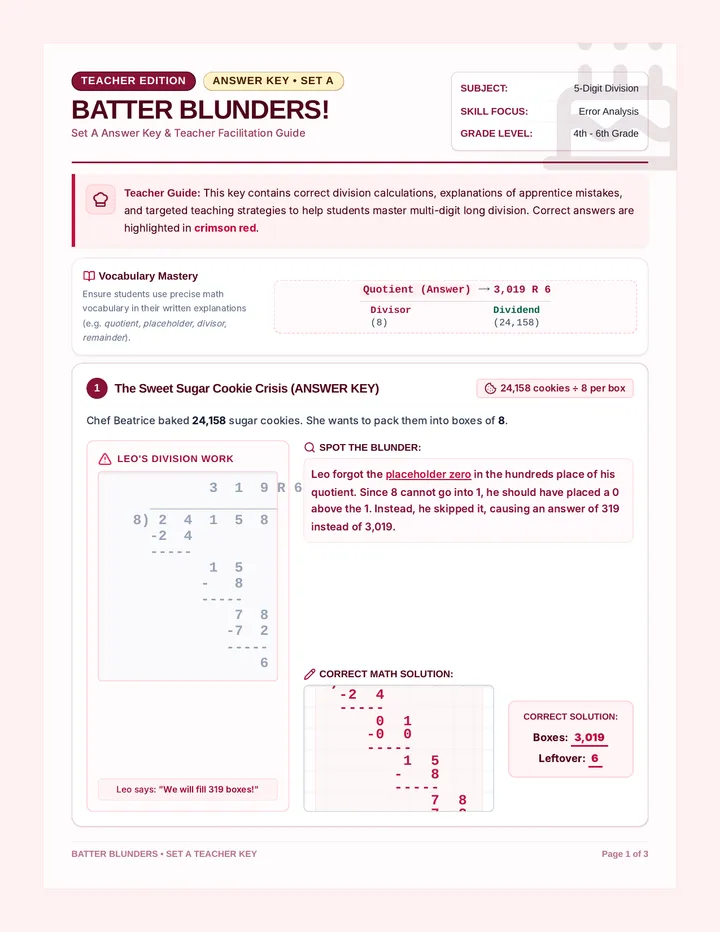
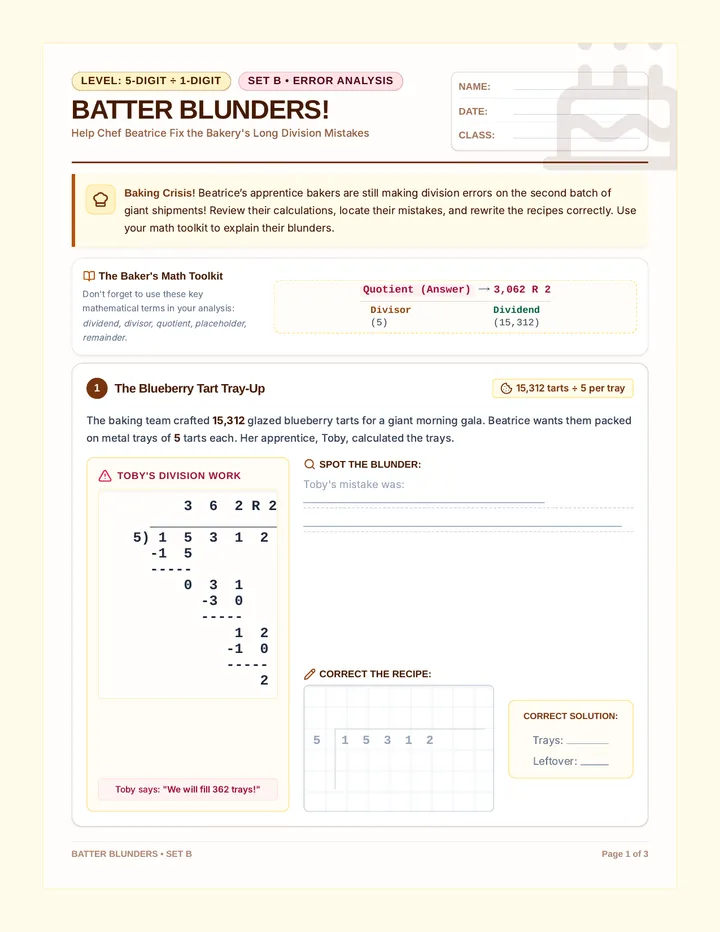
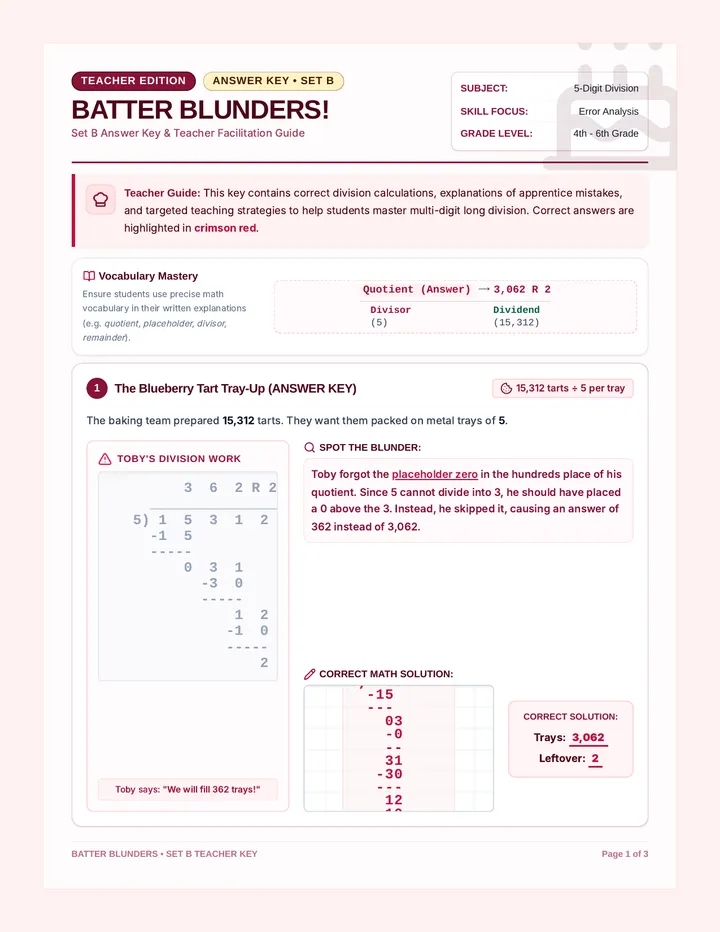
A sweet, bakery-themed math lesson where students analyze five-digit division problems to identify, explain, and correct common calculation mistakes.
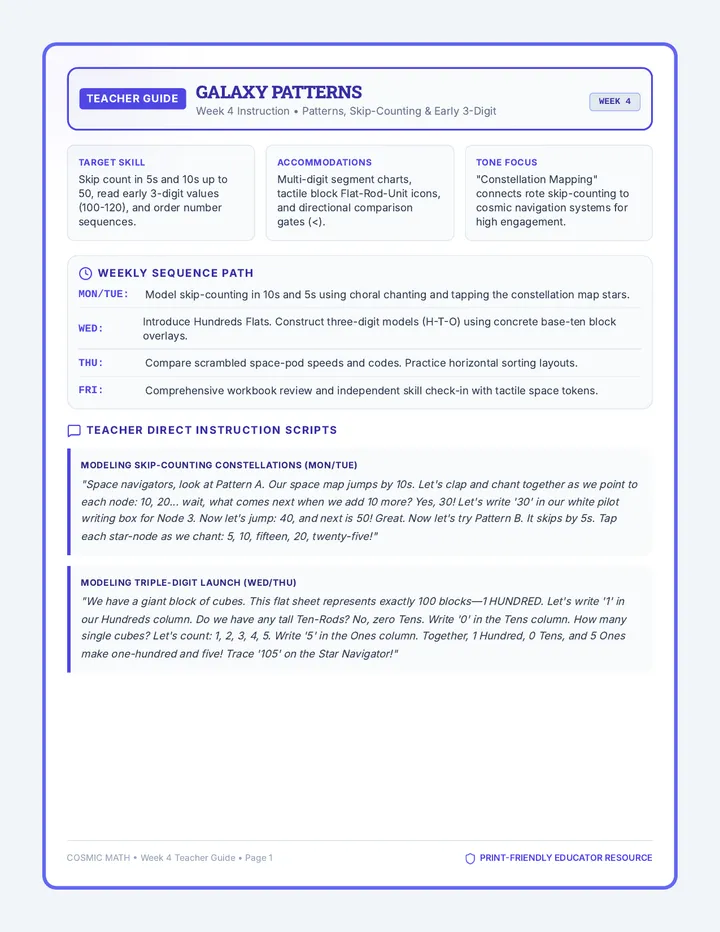
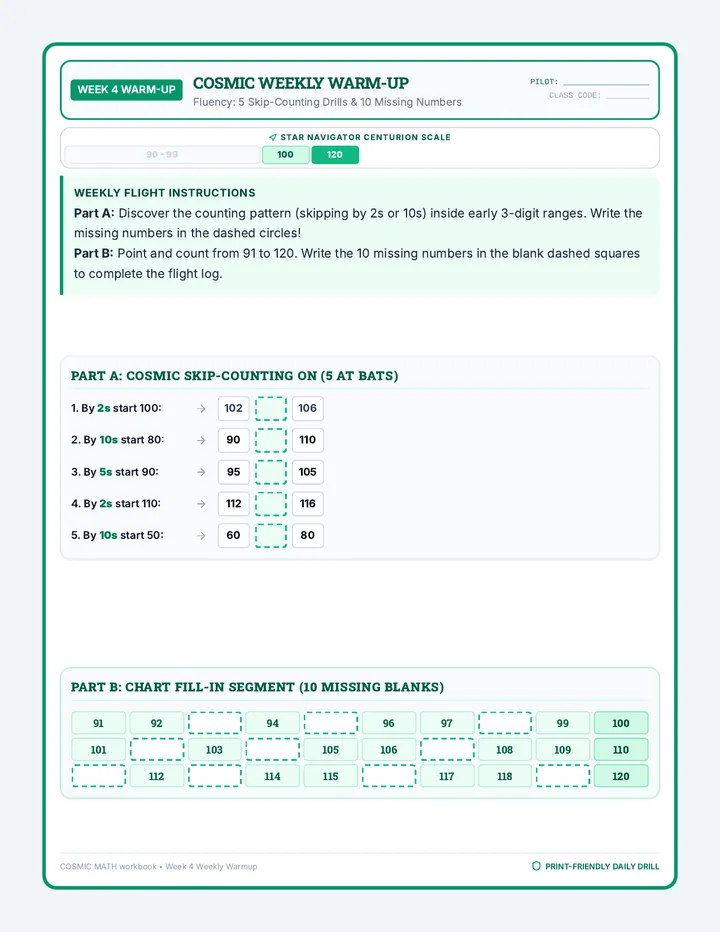
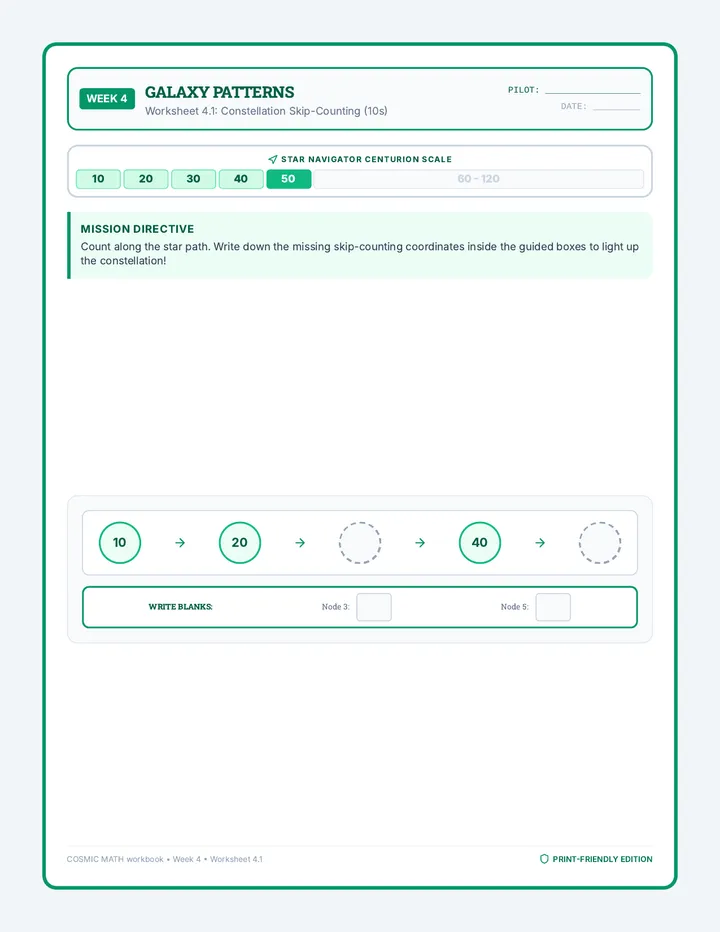
Introduces early 3-digit numbers (100-120), visual skip-counting (2s, 5s, 10s) using constellation maps, and ordering cosmic objects to build sequential logic.
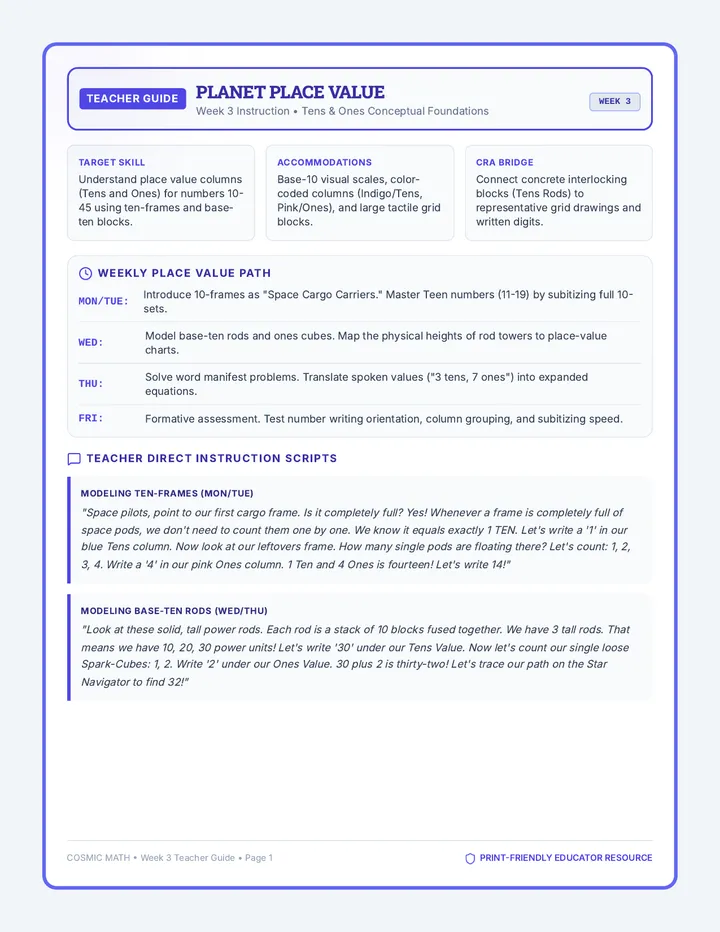
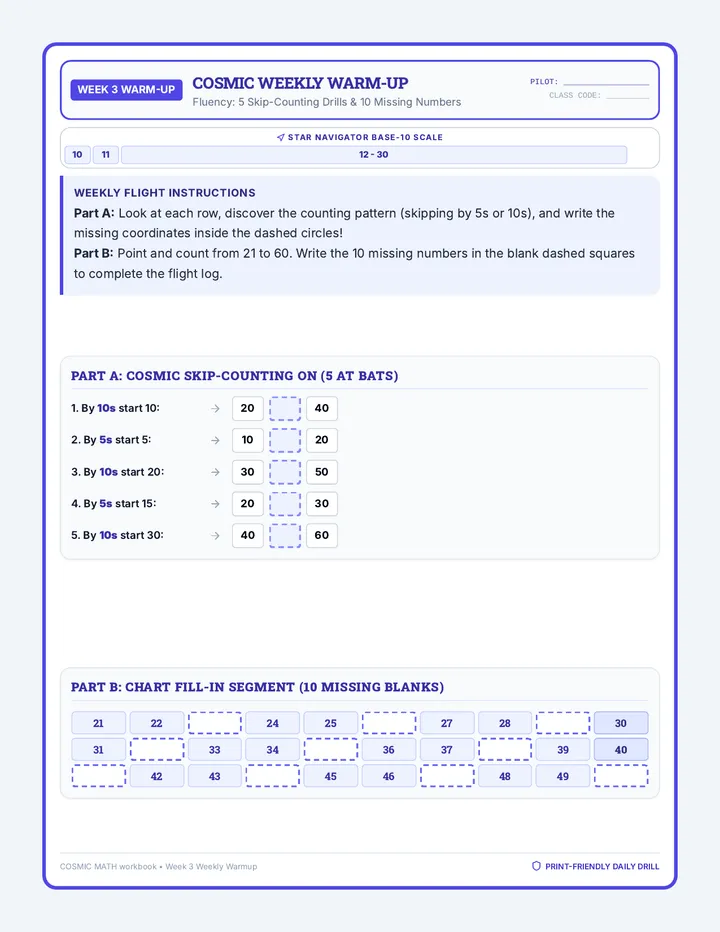
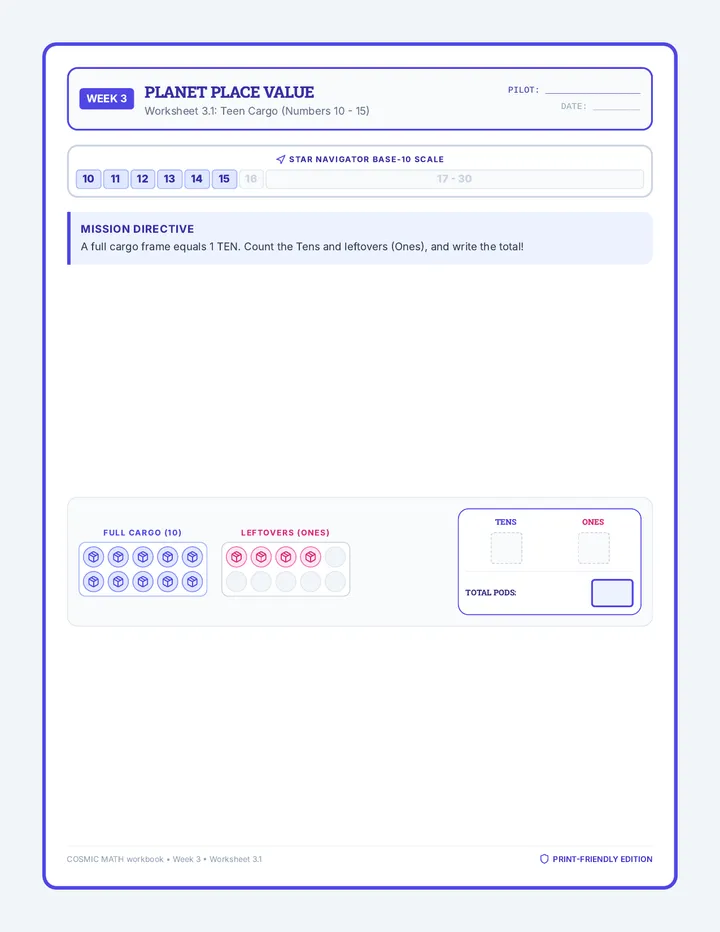
Focuses on identifying double-digit numbers (10-99), representing them using ten-frames and printable base-ten icons, and writing numbers in expanded place value charts (tens and ones) with clear physical boundaries.