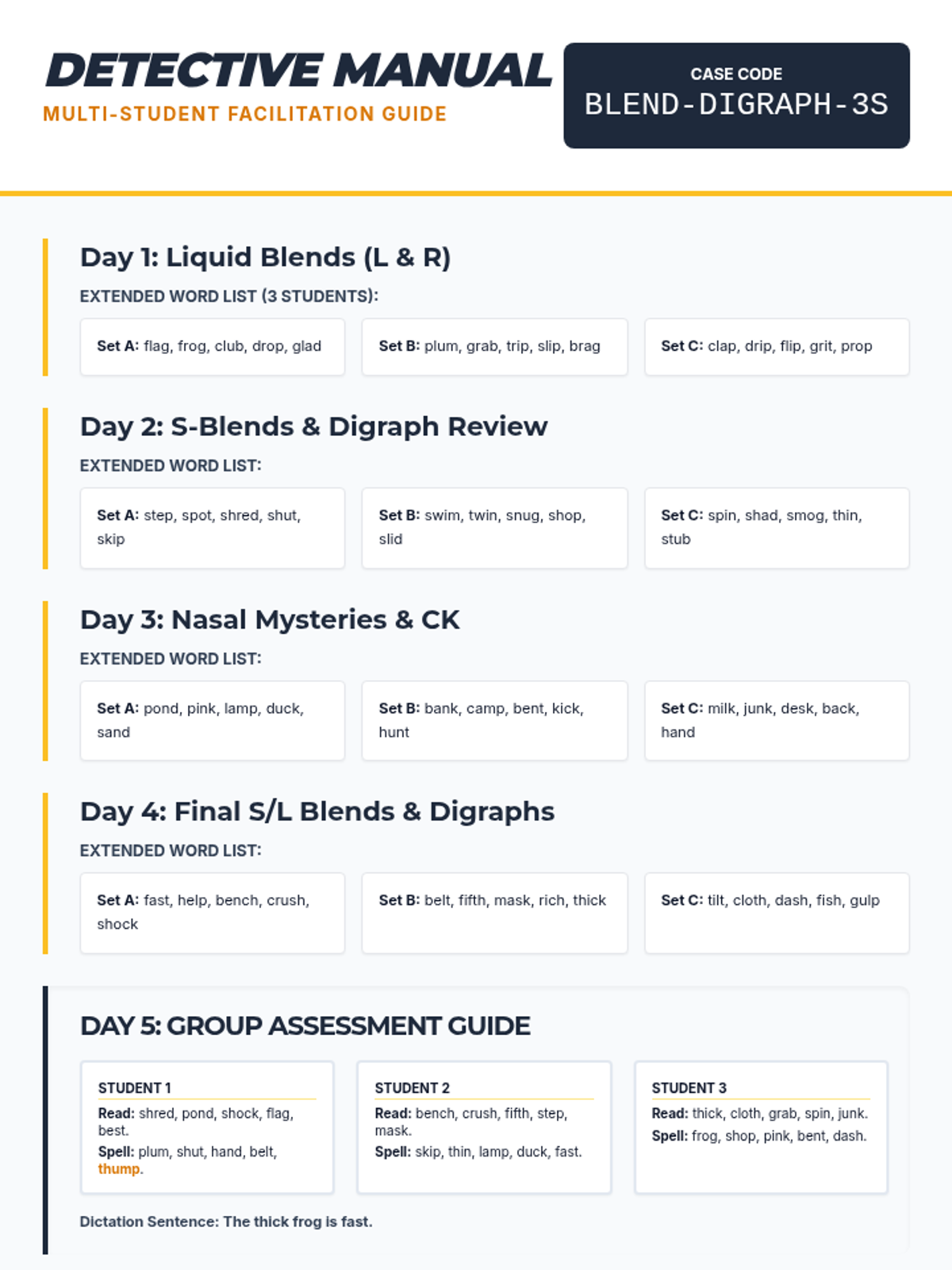
Focus on CCVC words starting with S-blends (st, sp, sl) and T-blends (tr, tw). Students practice maintaining the sequence of sounds in the cluster.
No materials in this lesson yet.
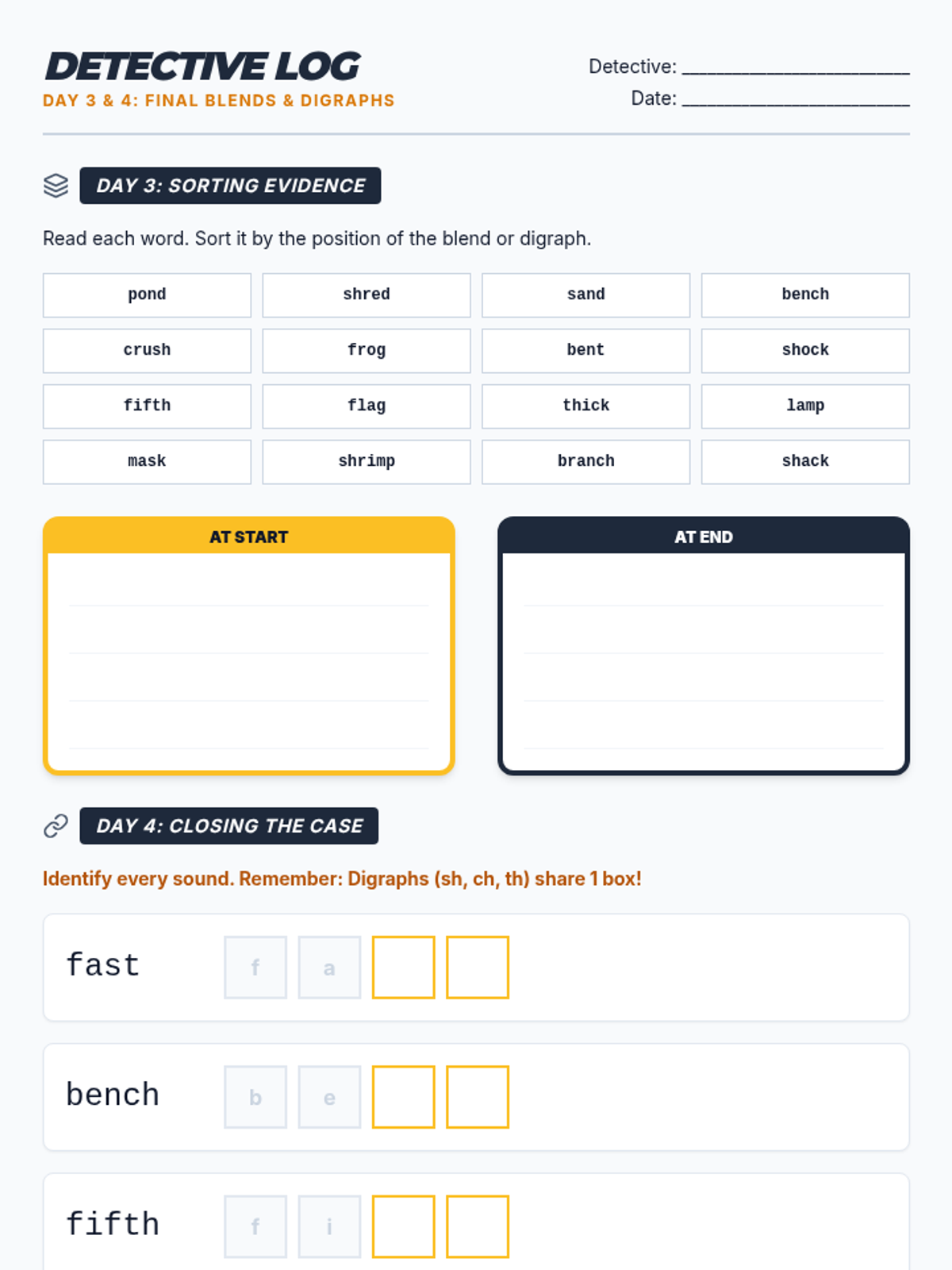
Review of the week's blend concepts and a formal assessment of decoding and encoding skills for CCVC and CVCC patterns.
Focus on CVCC words ending with S-blends (-st, -sk, -sp) and L-blends (-lt, -lp, -lk). Integration of initial and final blends.
Focus on CVCC words ending with nasal blends (-mp, -nd, -nt, -nk). Students identify the 'stuck' sound before the final consonant.
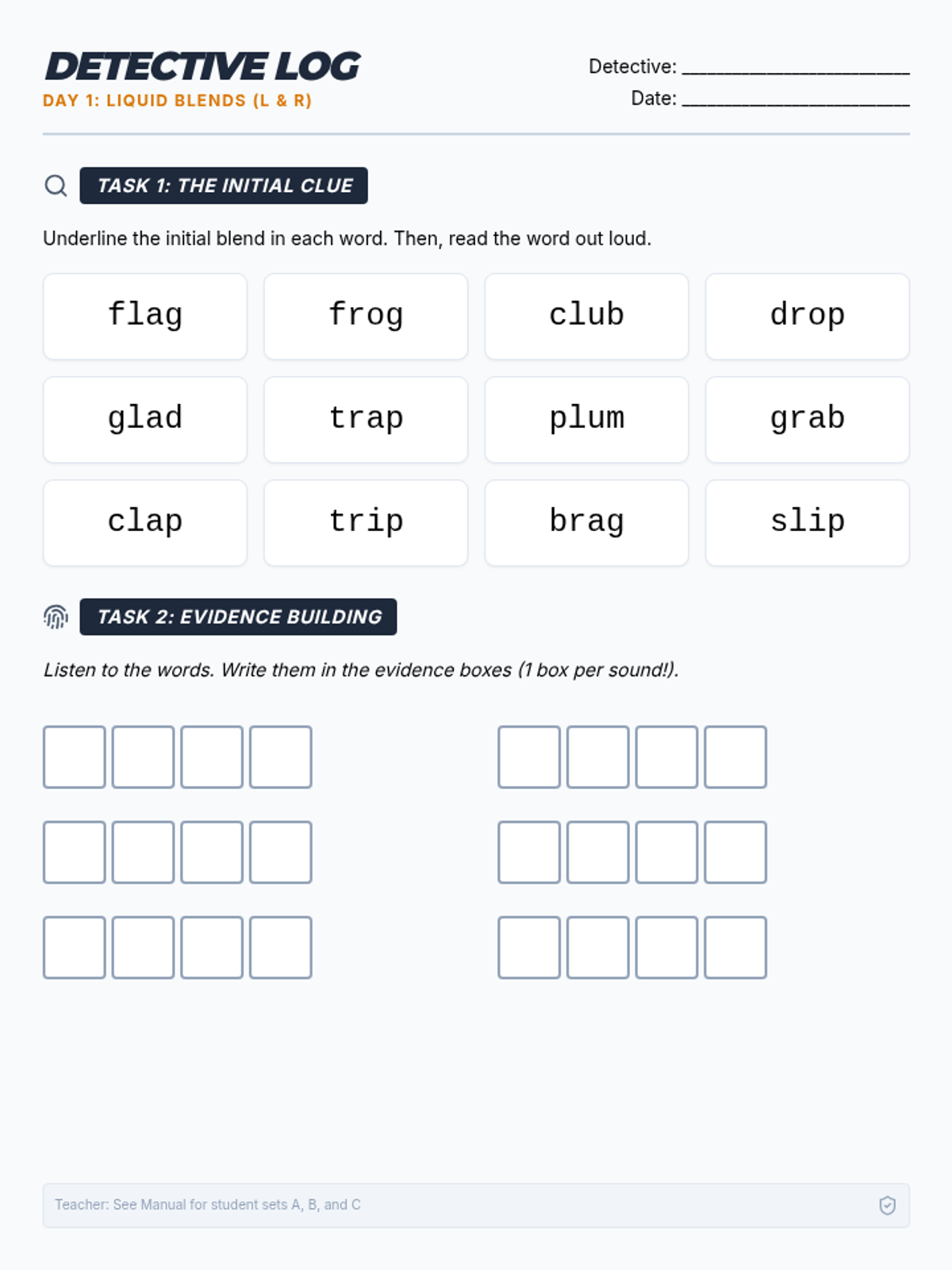
Introduction to CCVC words starting with liquid blends (L-blends like bl, cl, fl and R-blends like br, cr, dr). Students practice segmenting each sound in the blend.
Review of the week's concepts and a formal assessment of decoding and encoding skills.
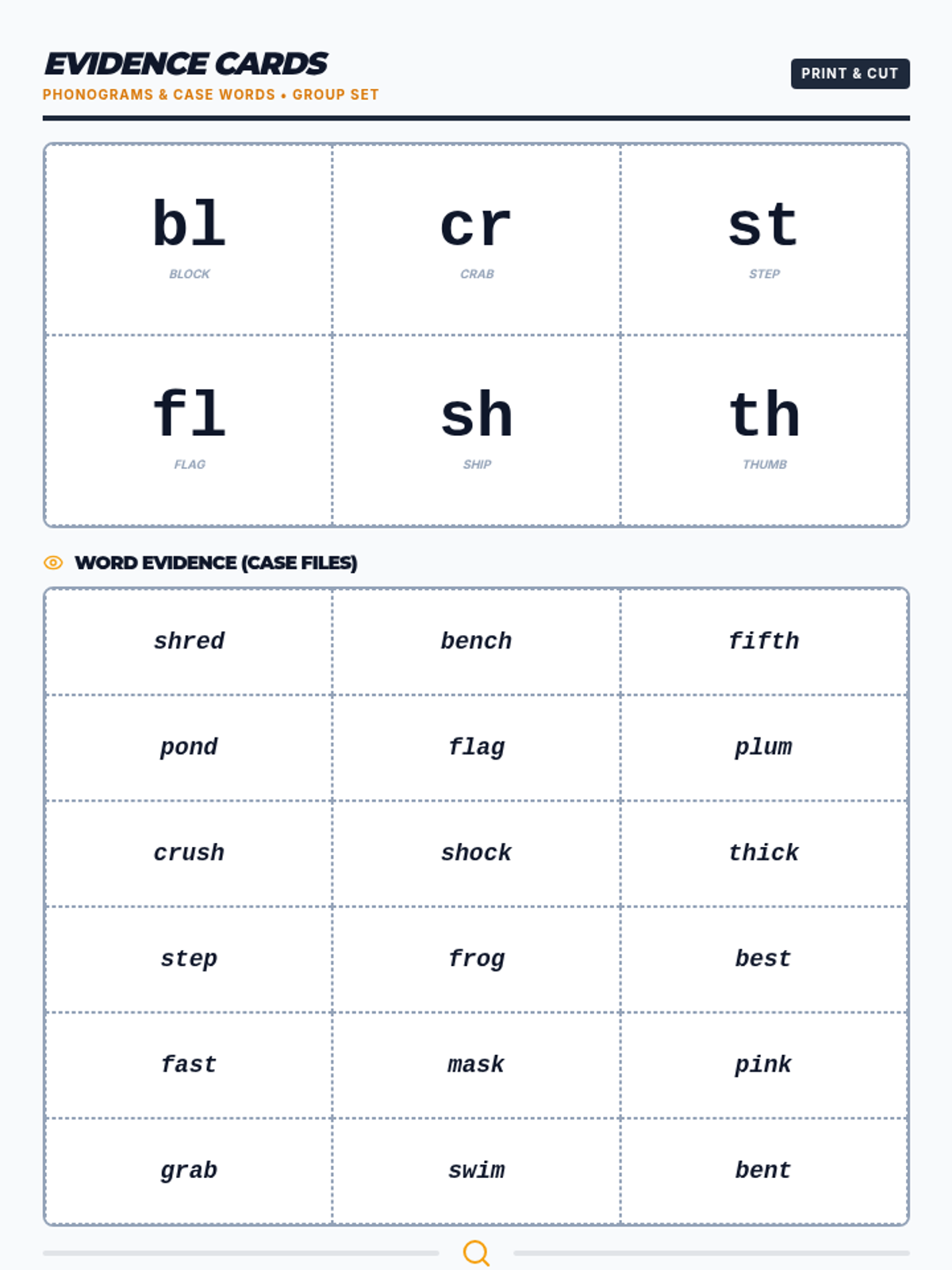
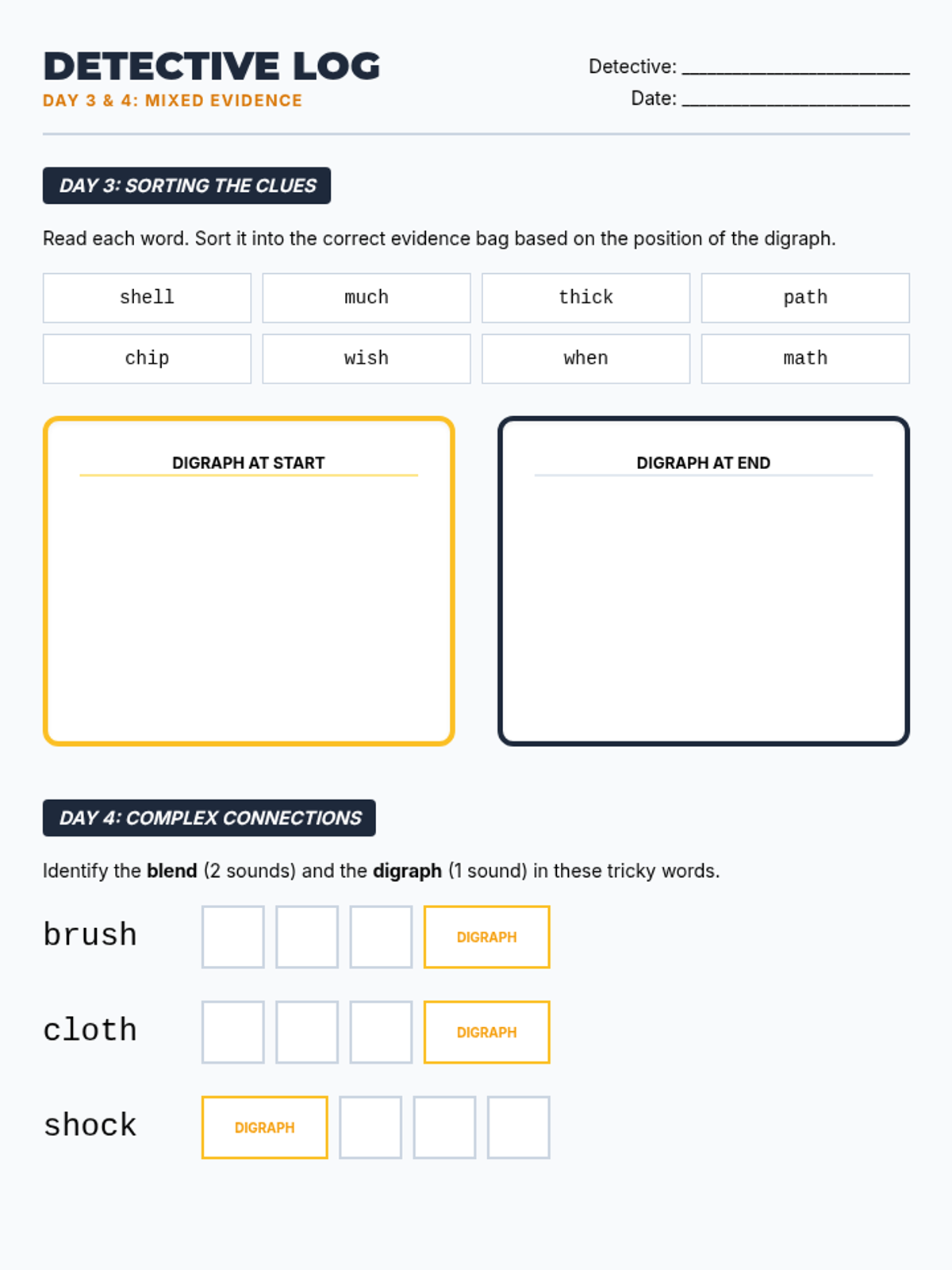
Integrating consonant blends with digraphs (e.g., brush, cloth). Focused on multi-sound blending and segmenting.
Practice with mixed CCVC and CVCC patterns. Students discriminate between sounds at the beginning and end of words.
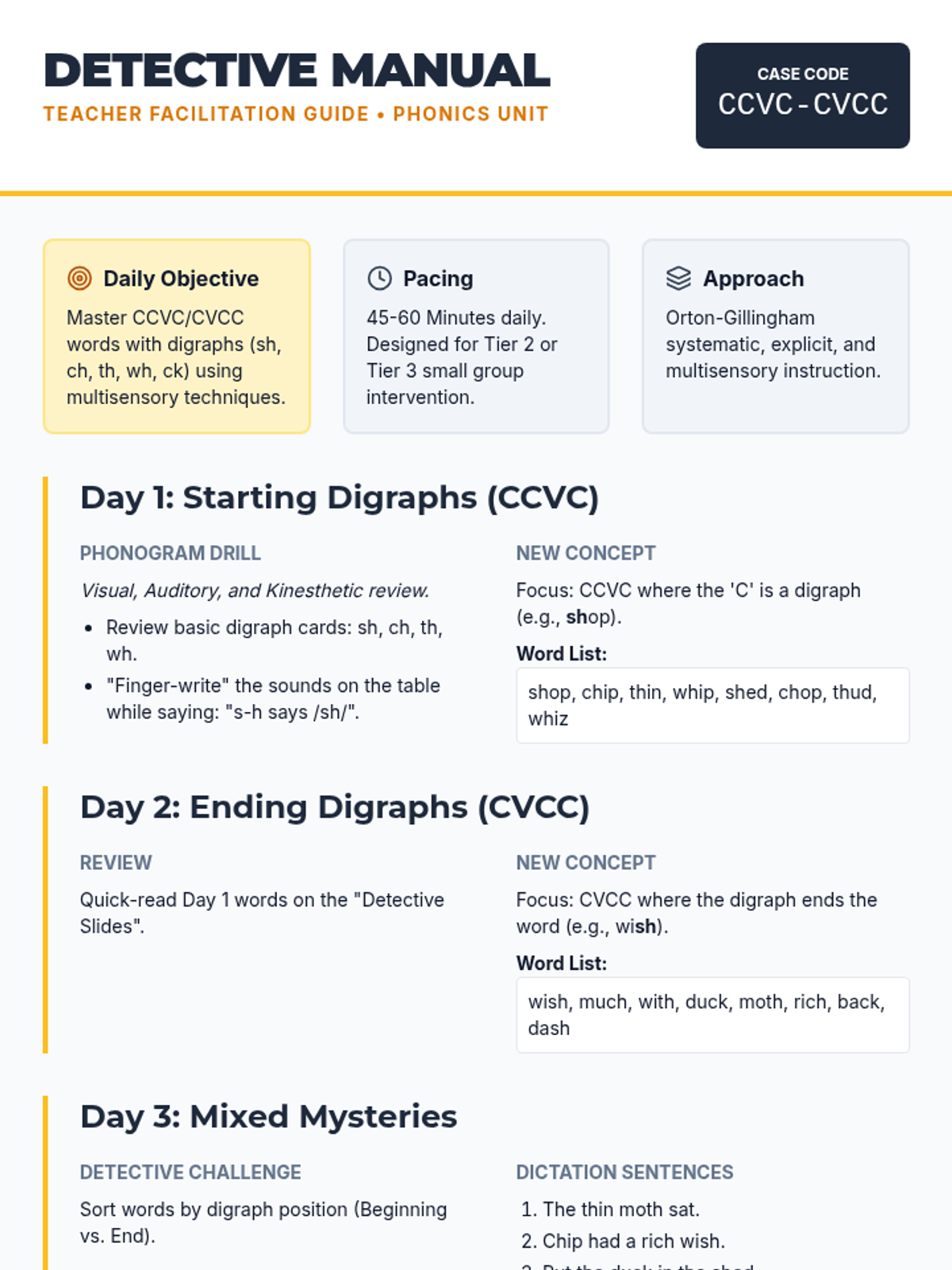
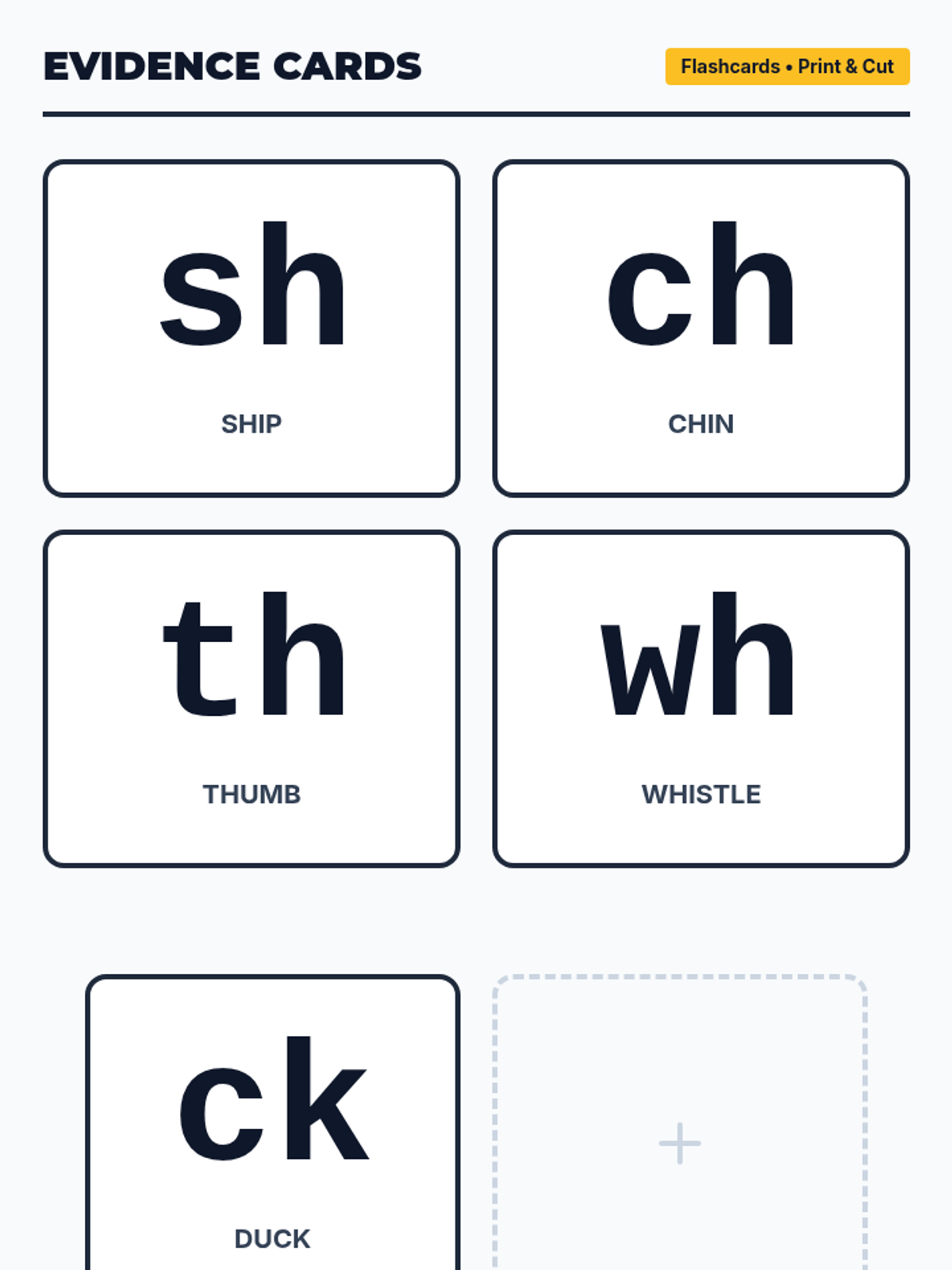
Focus on CVCC words ending with digraphs (sh, ch, th, ck). Students explore how the digraph sound completes the word.
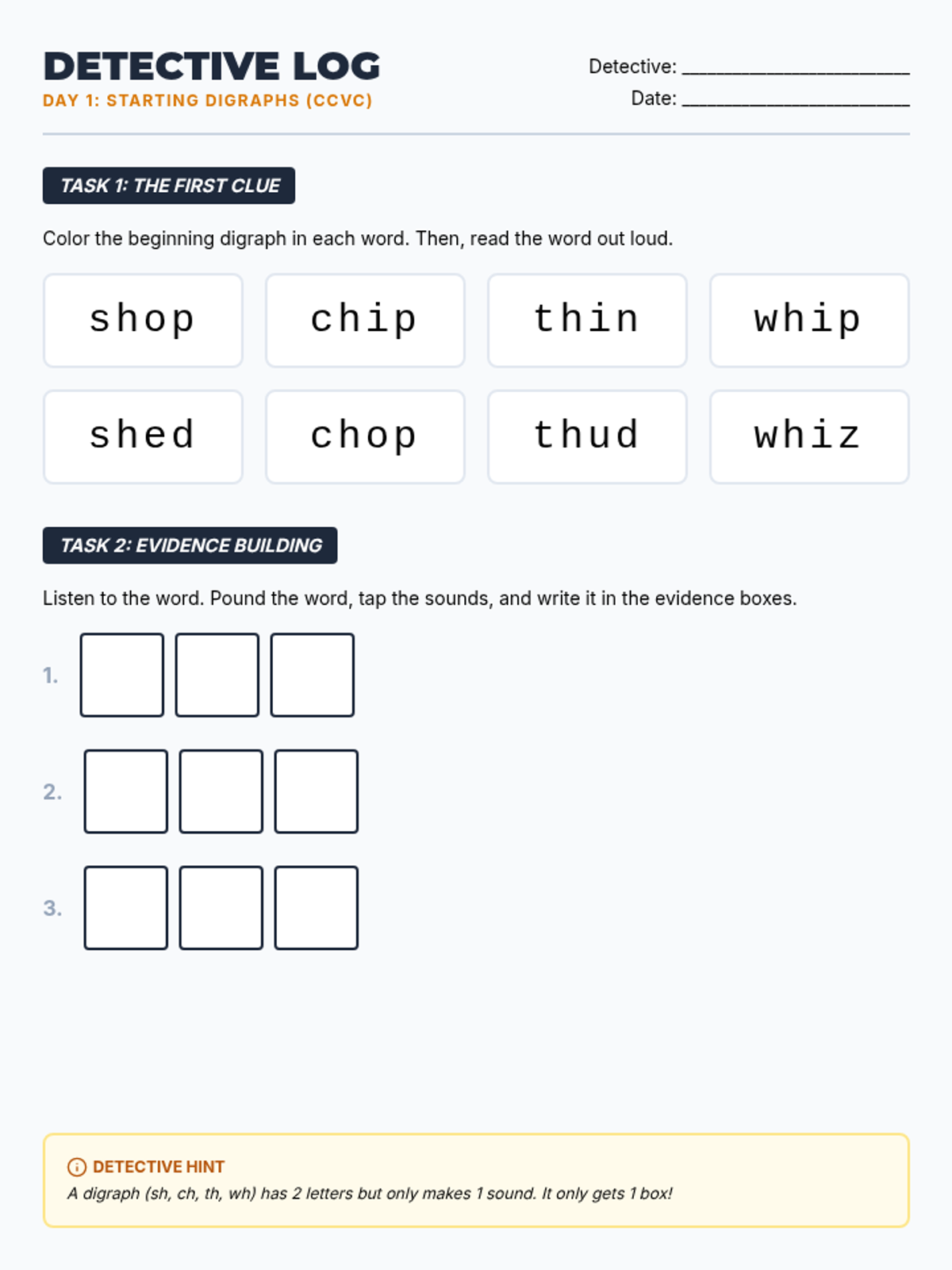
Introduction to CCVC words starting with digraphs (sh, ch, th, wh). Students practice identifying the initial digraph and blending it with the rest of the word.
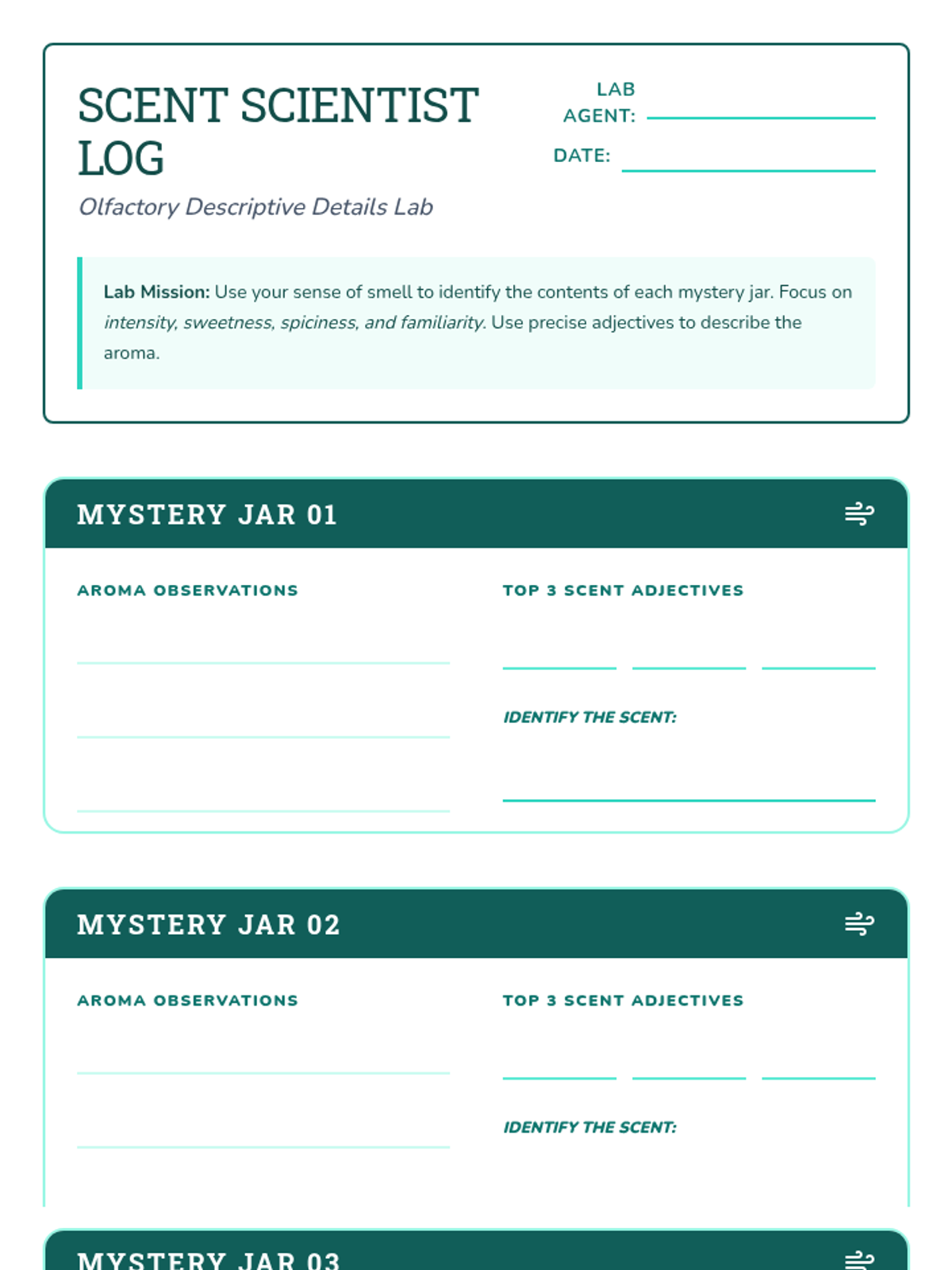
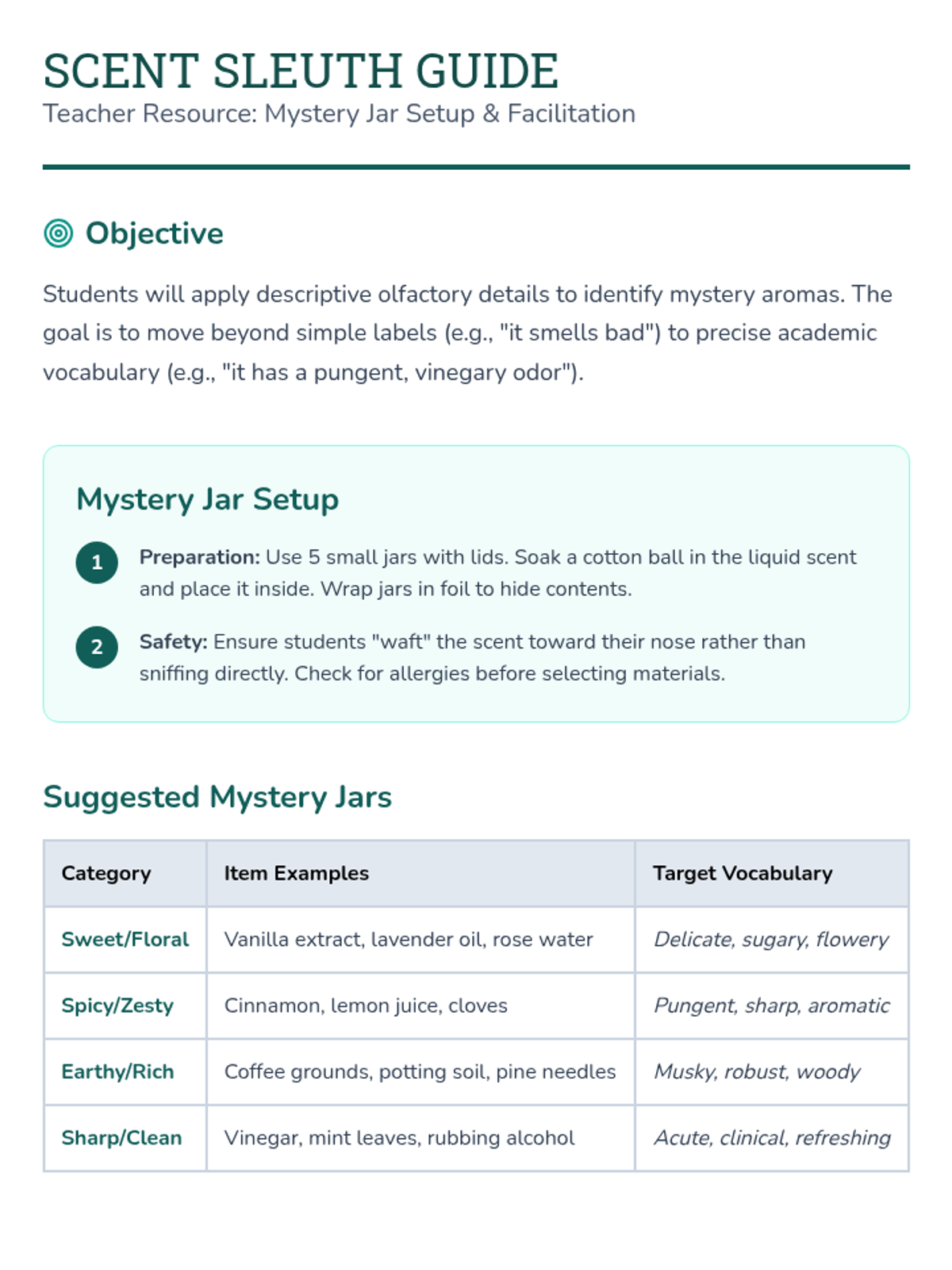
A hands-on science and ELA lesson where students explore mystery scents and use descriptive olfactory details to document their observations.
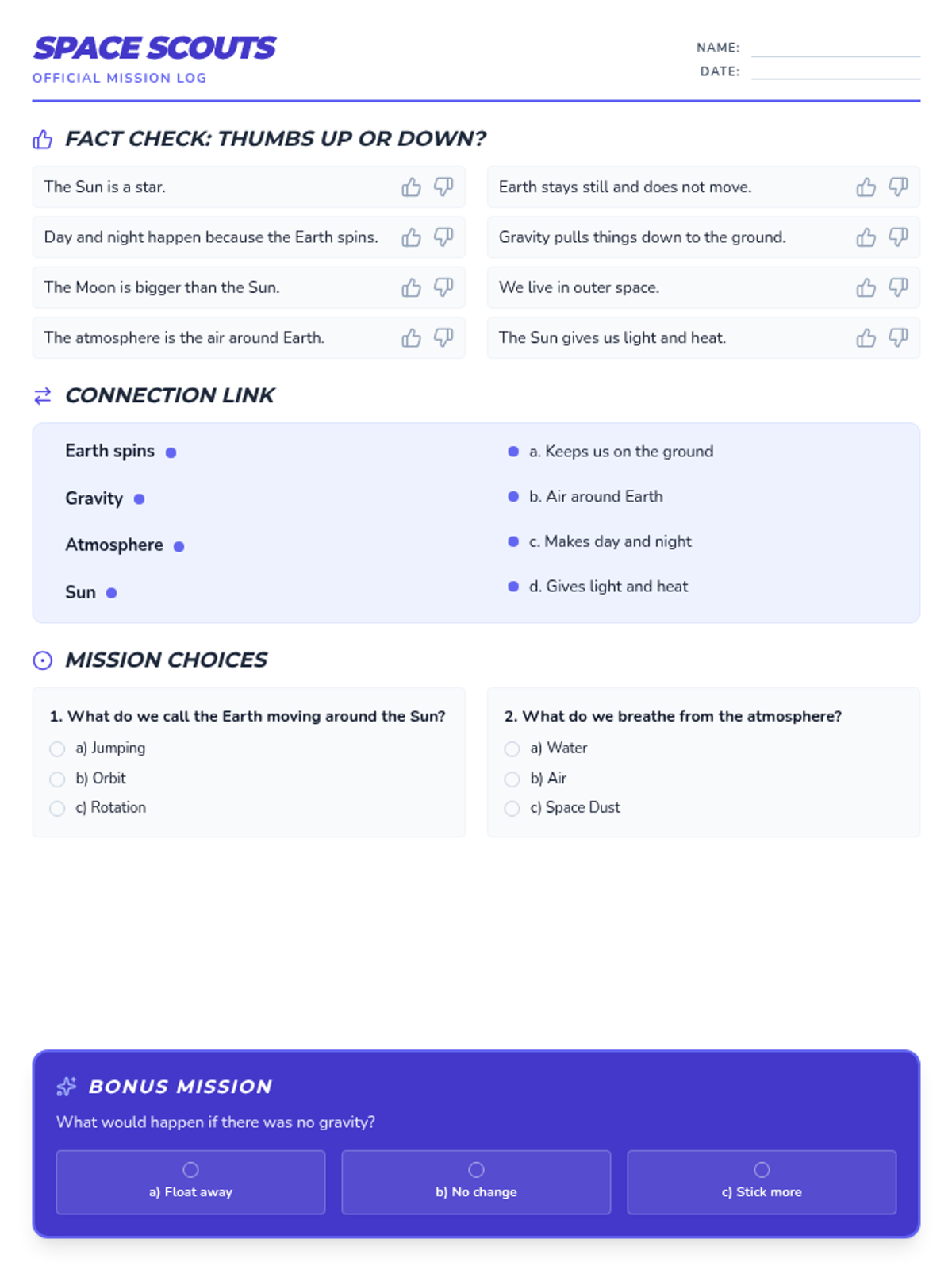
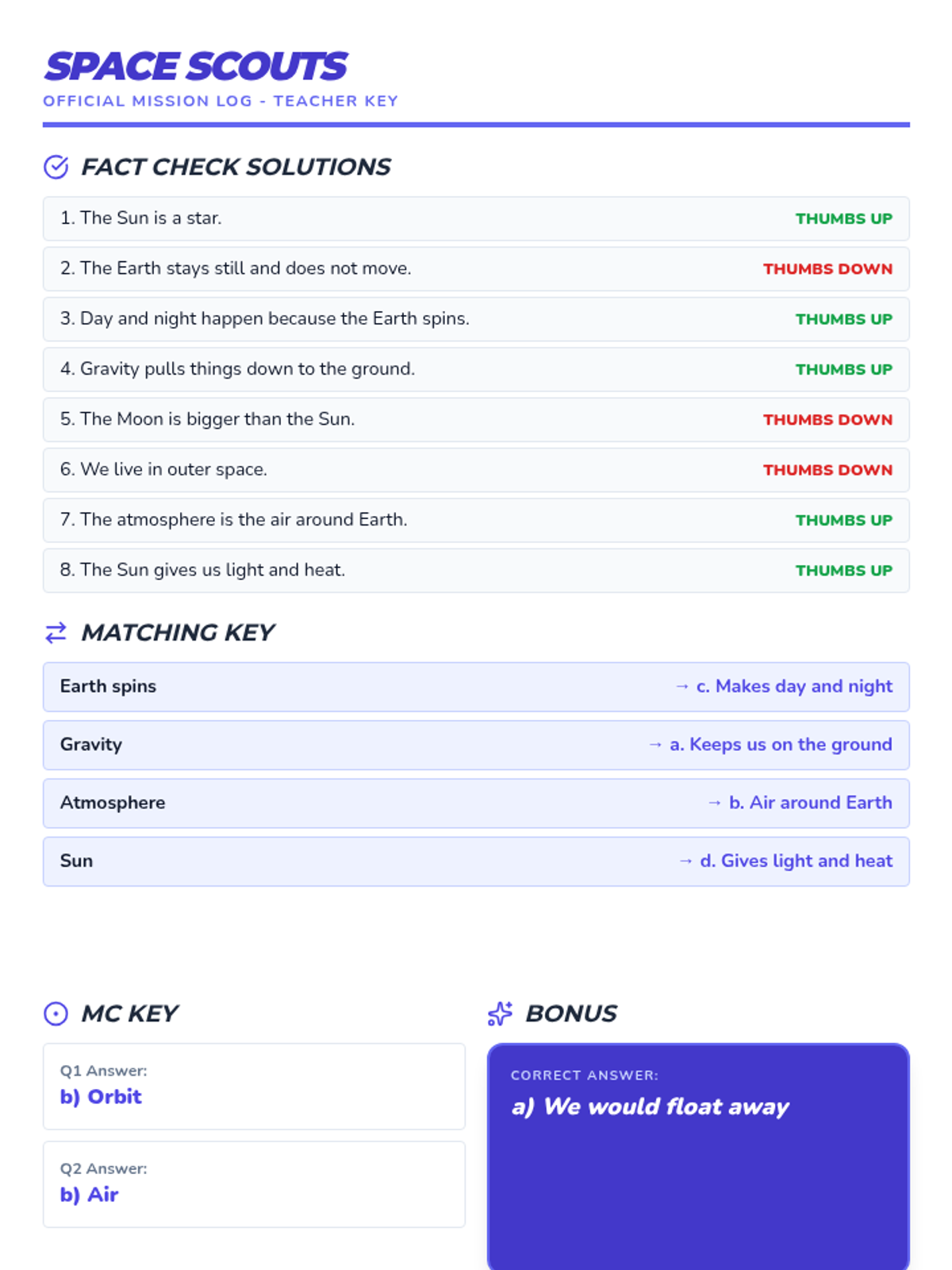
A foundational exploration of Earth's place in space, covering the Sun, gravity, atmosphere, and Earth's rotation through engaging true/false, matching, and multiple-choice questions.
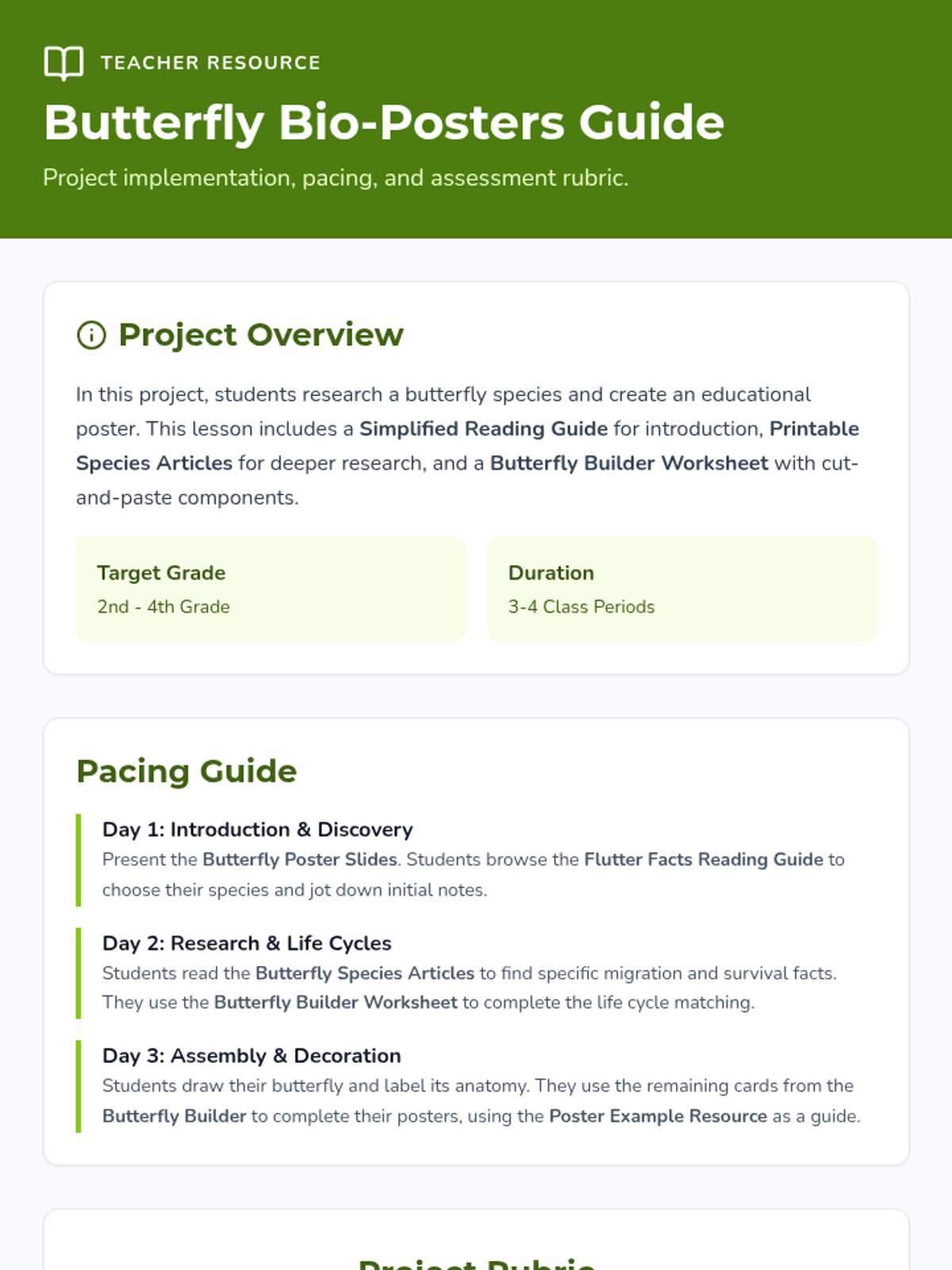
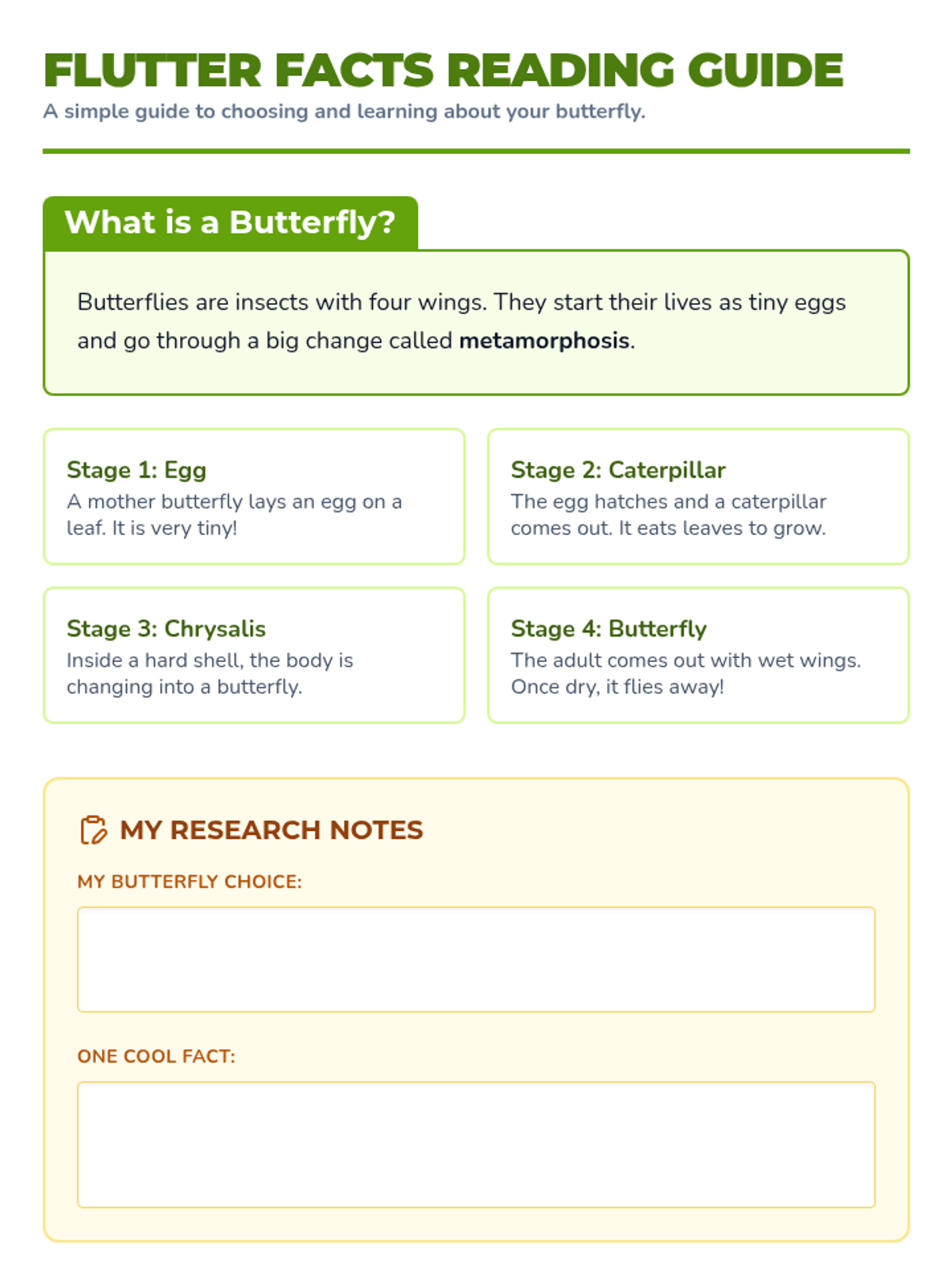
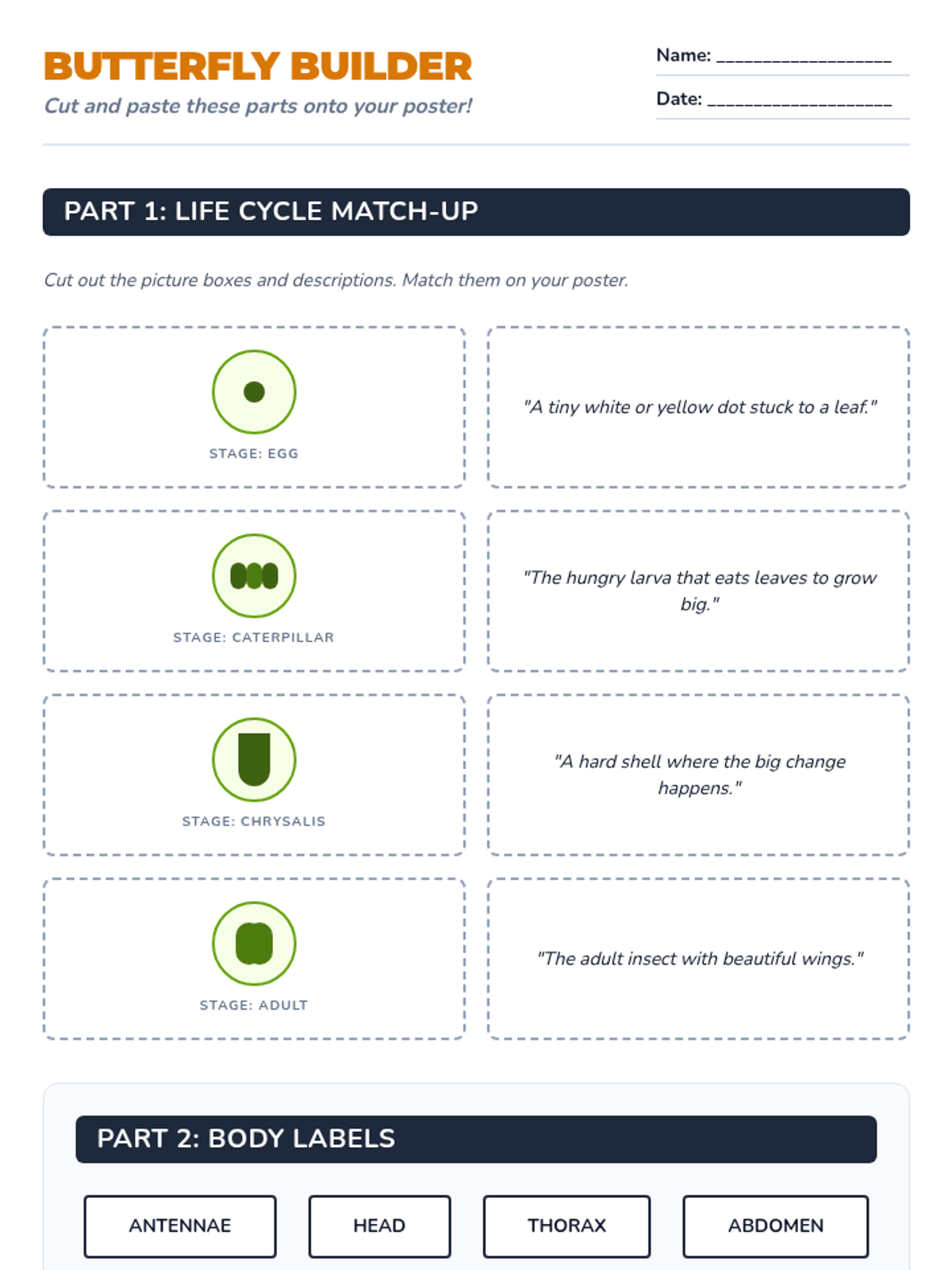
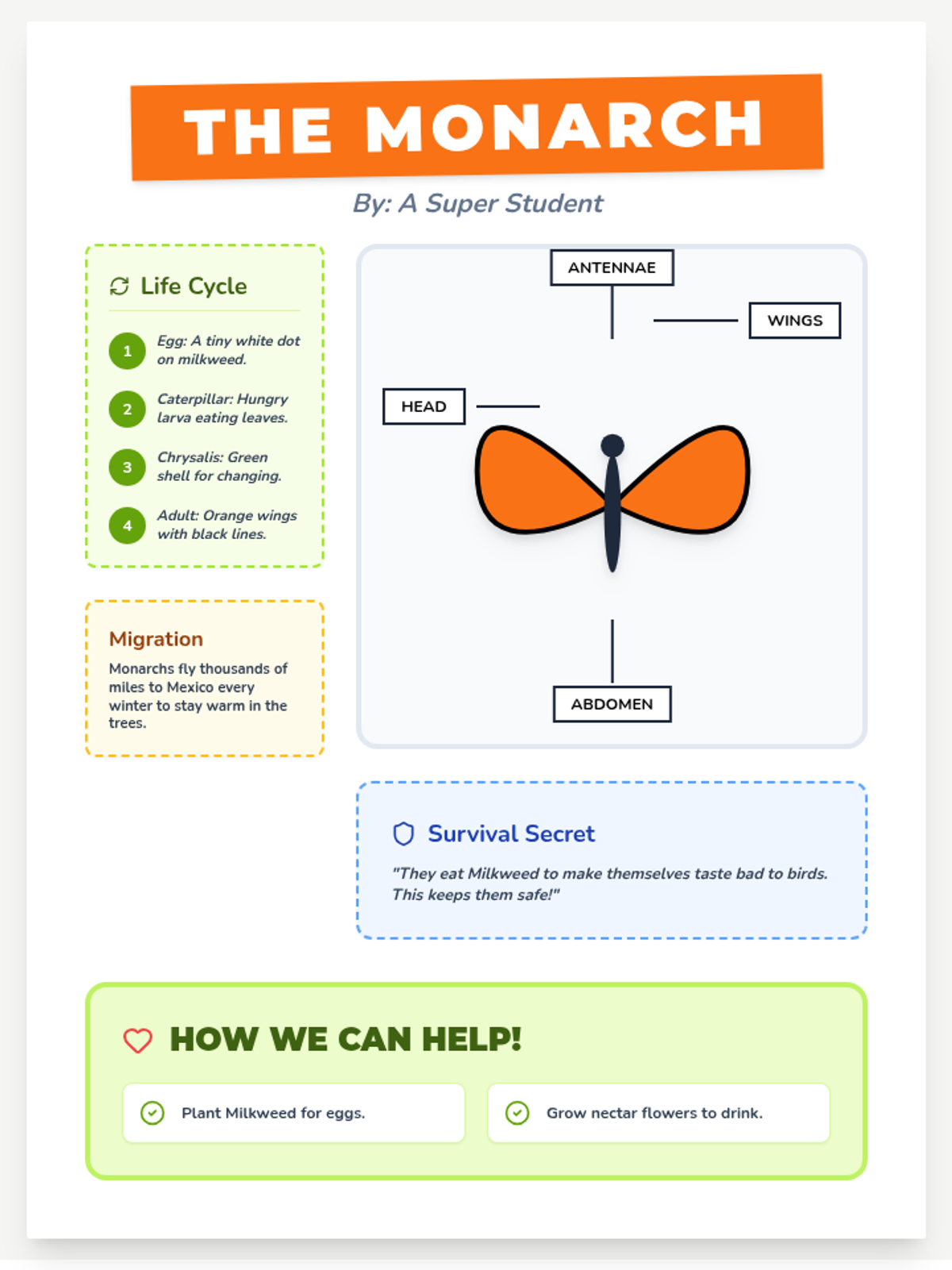
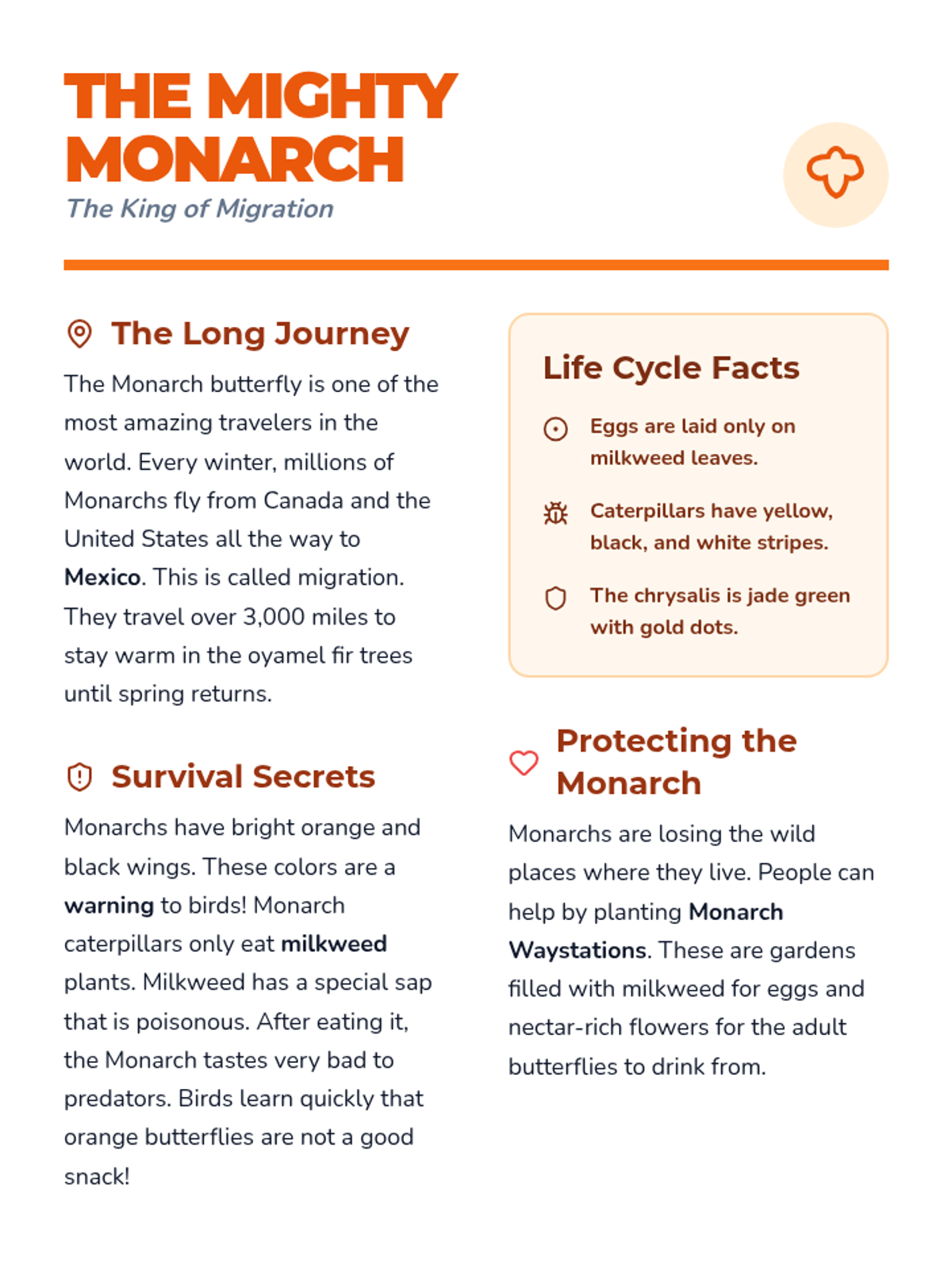
A creative science project where students research a butterfly species of their choice and design an informative poster. The lesson includes a simplified reading guide, cut-and-paste components, and a presentation to guide the project.
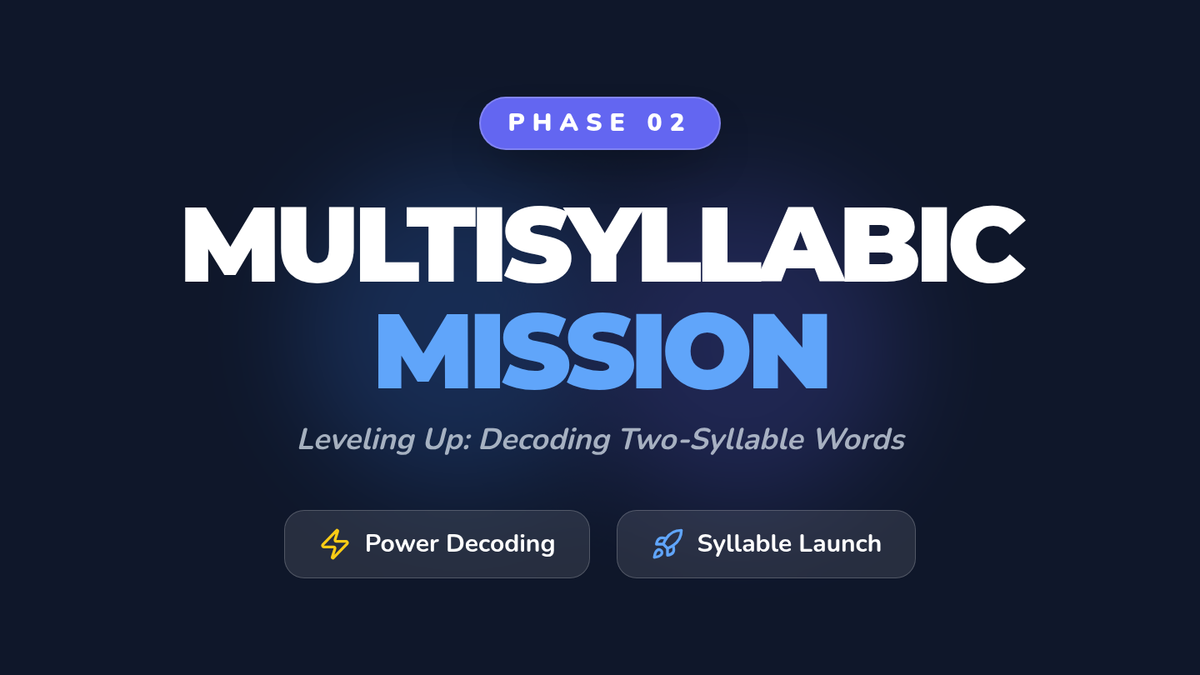
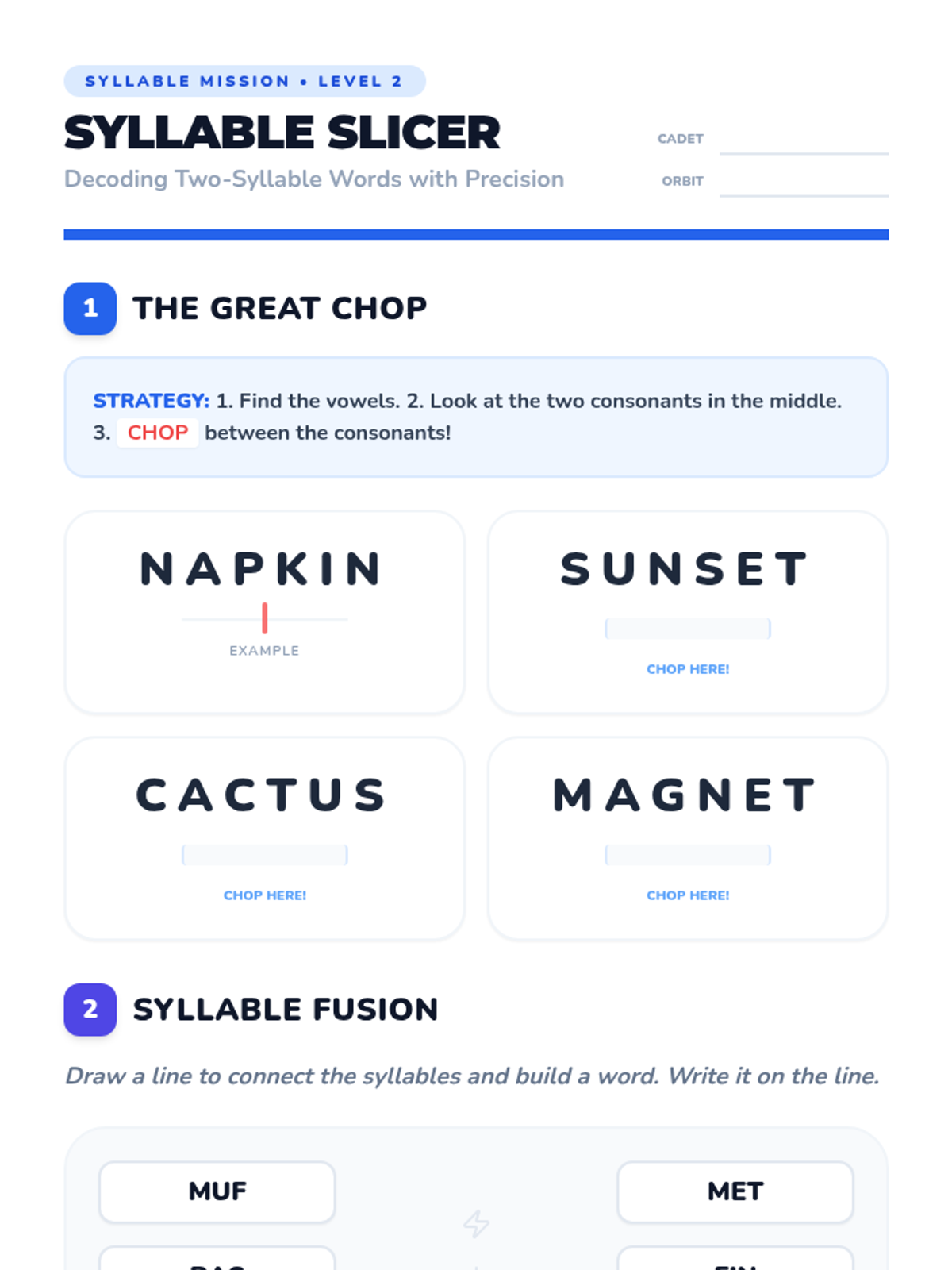
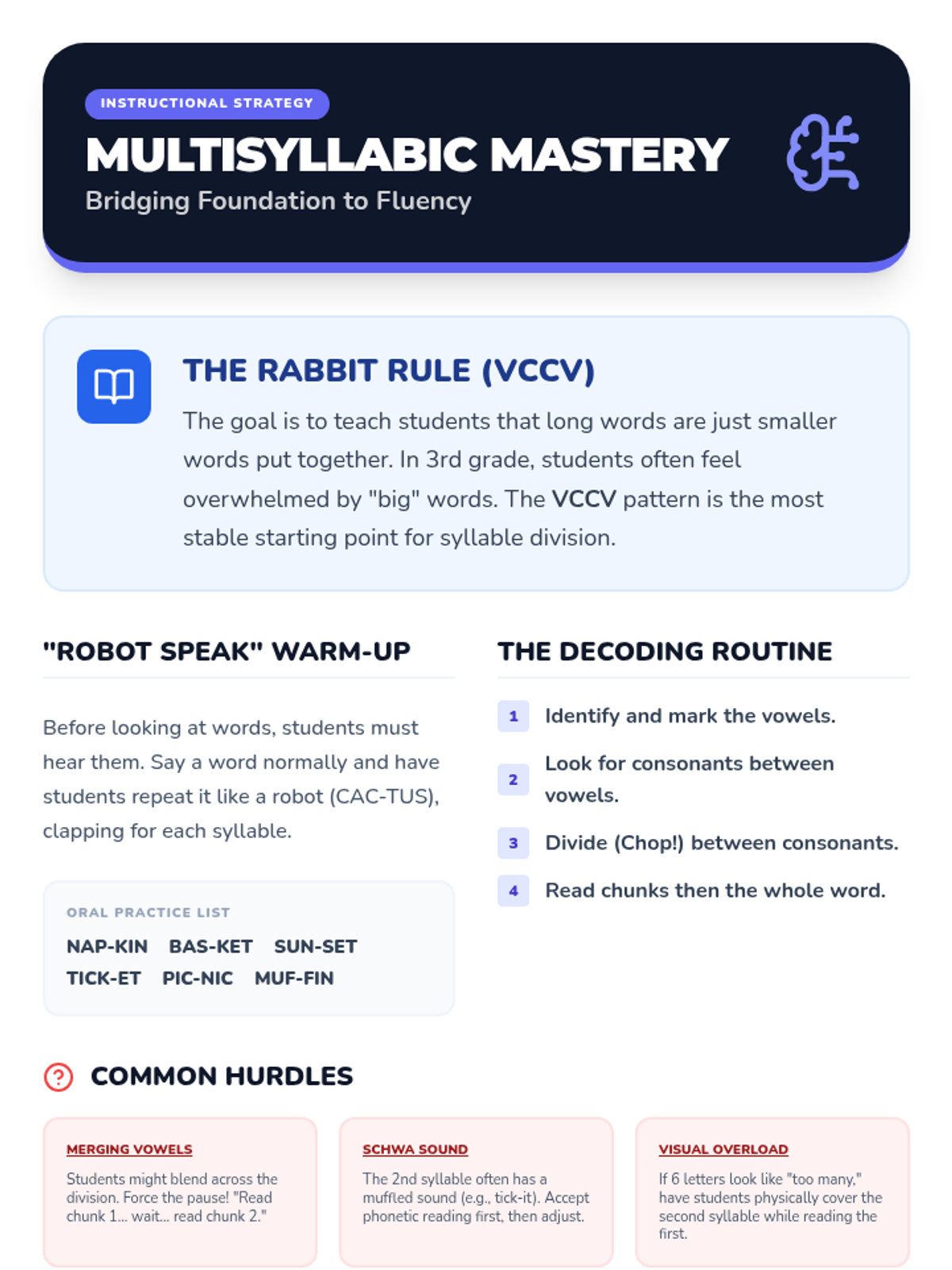
Advanced word study focusing on syllable division rules, decoding strategies for 2-syllable words, and reading multisyllabic fluency.
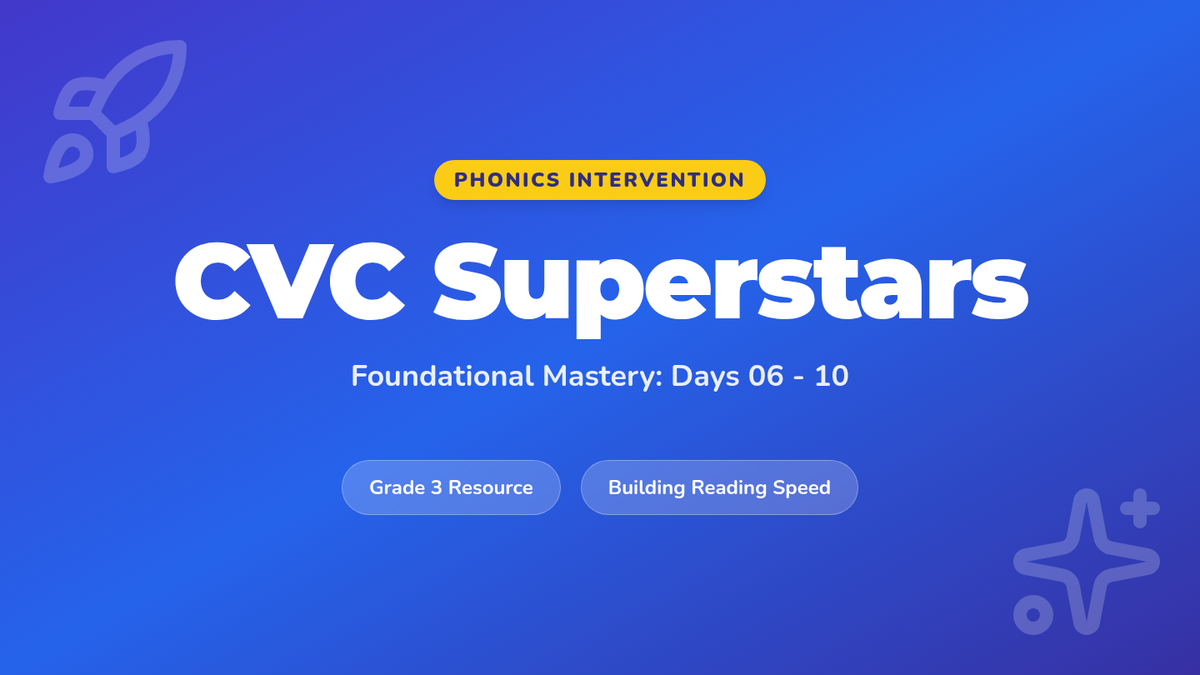
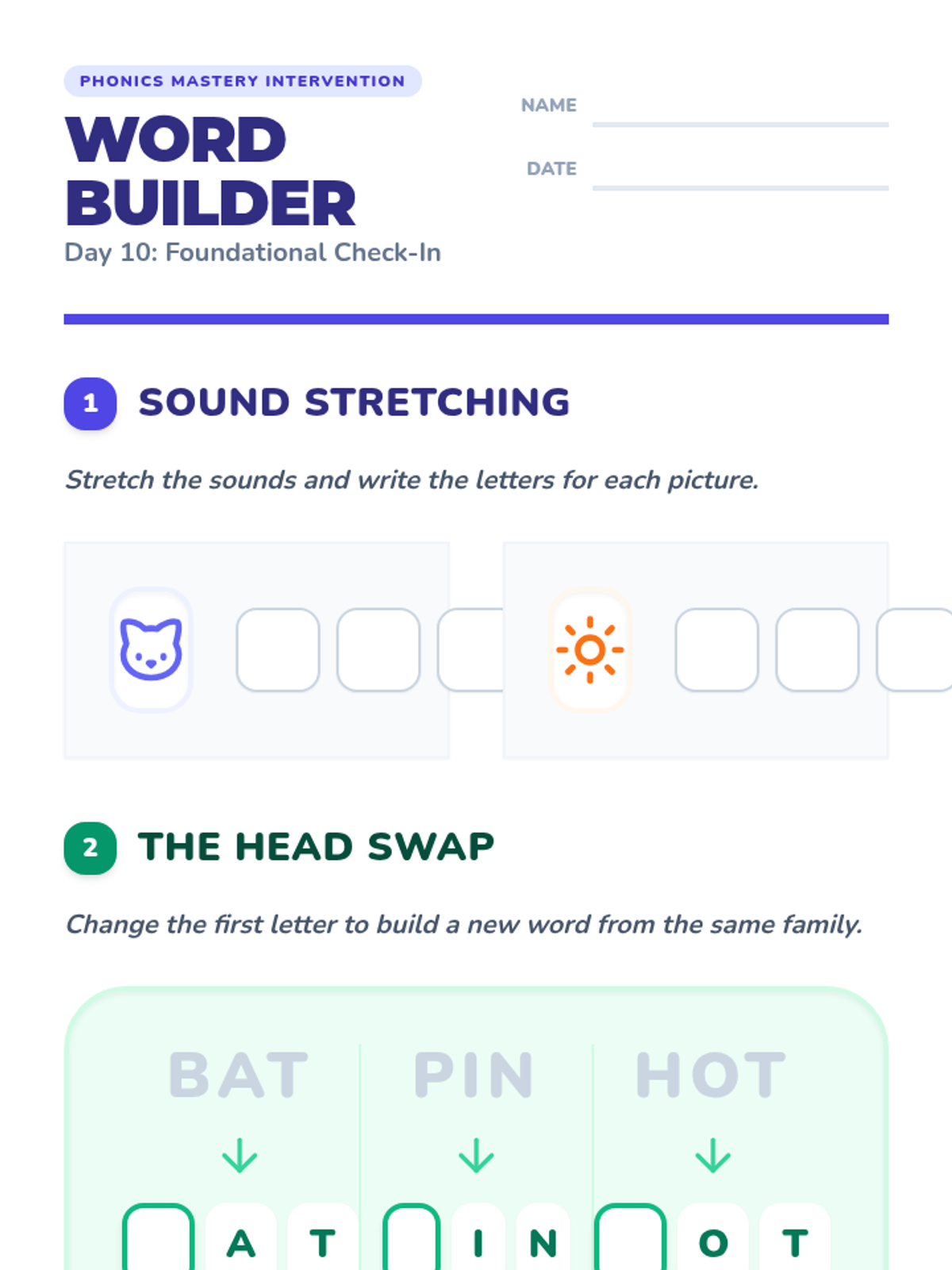
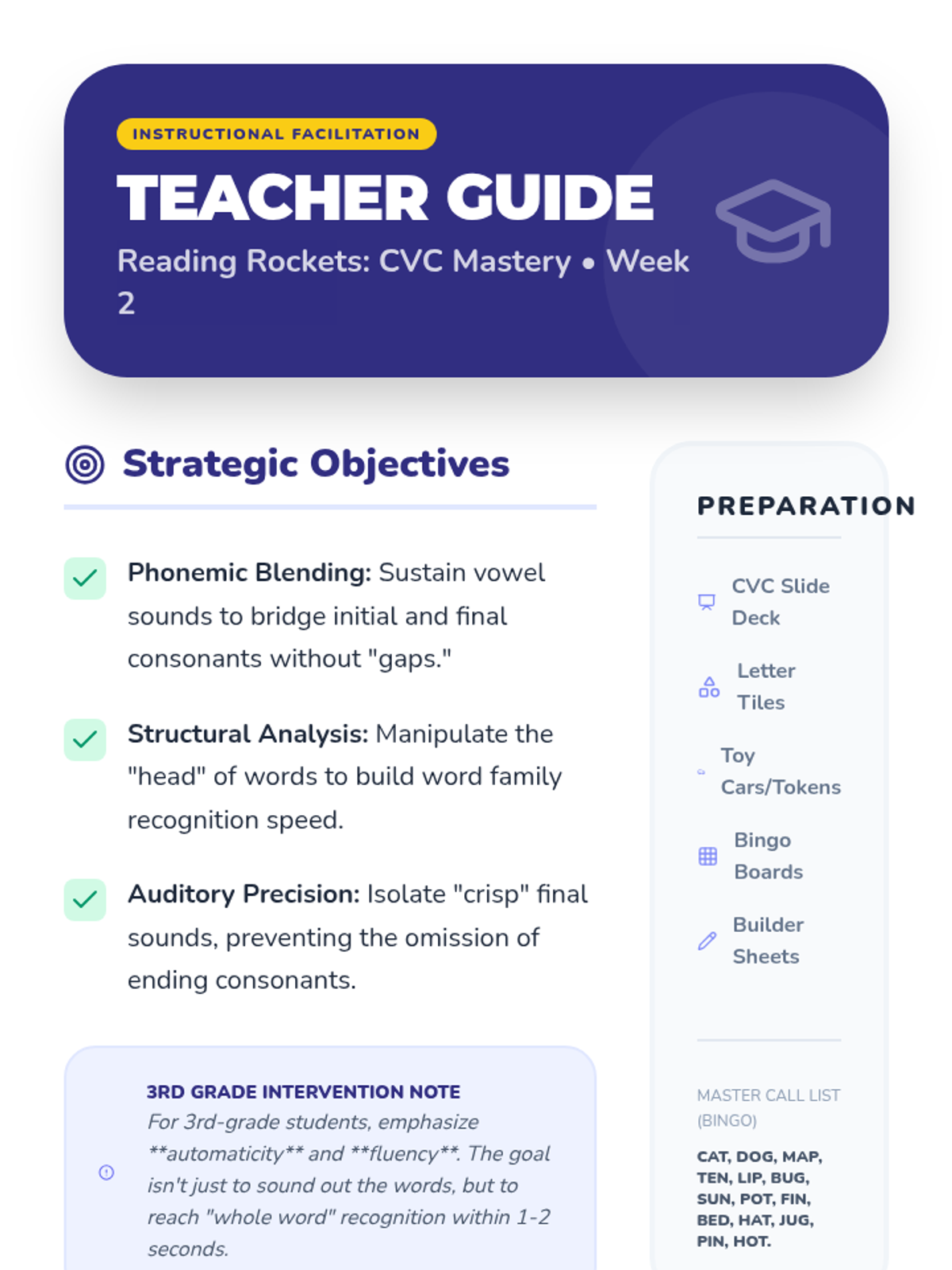
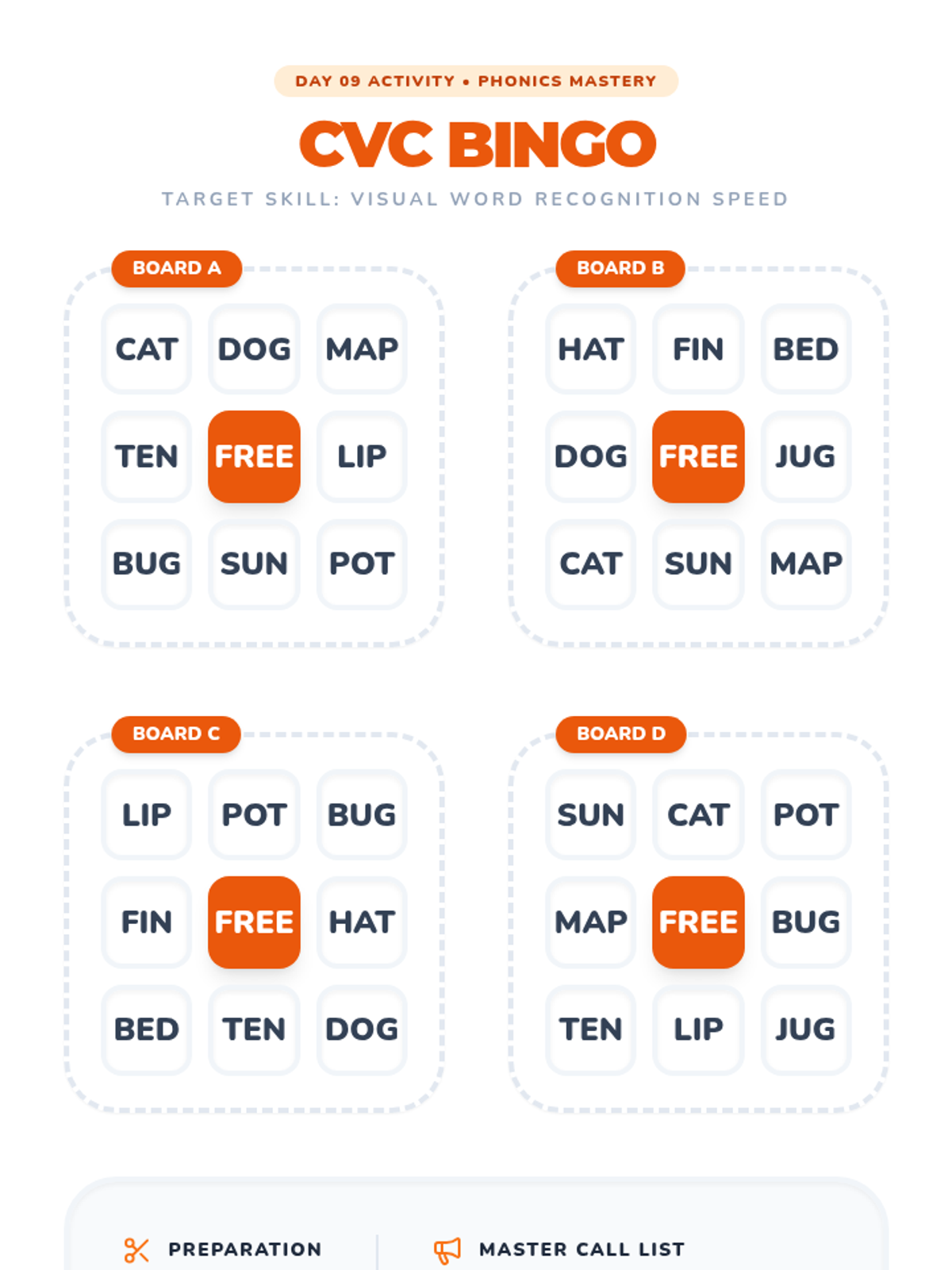
A week of targeted CVC practice covering blending, initial and final consonant changes, and automaticity.
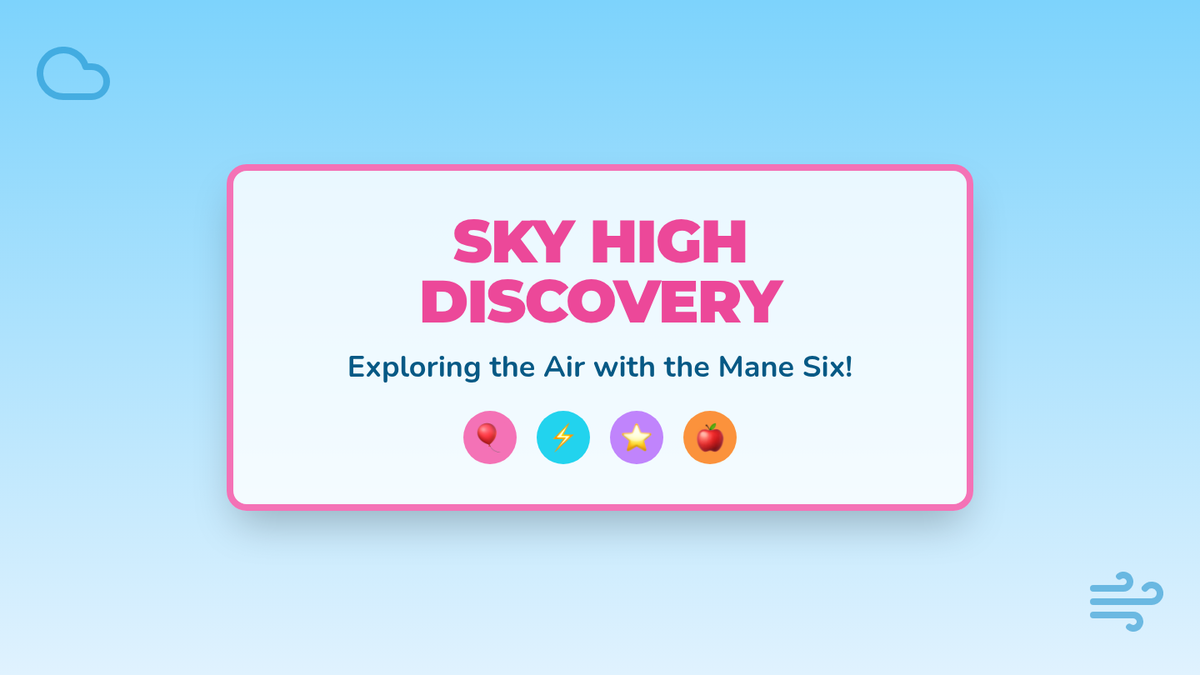
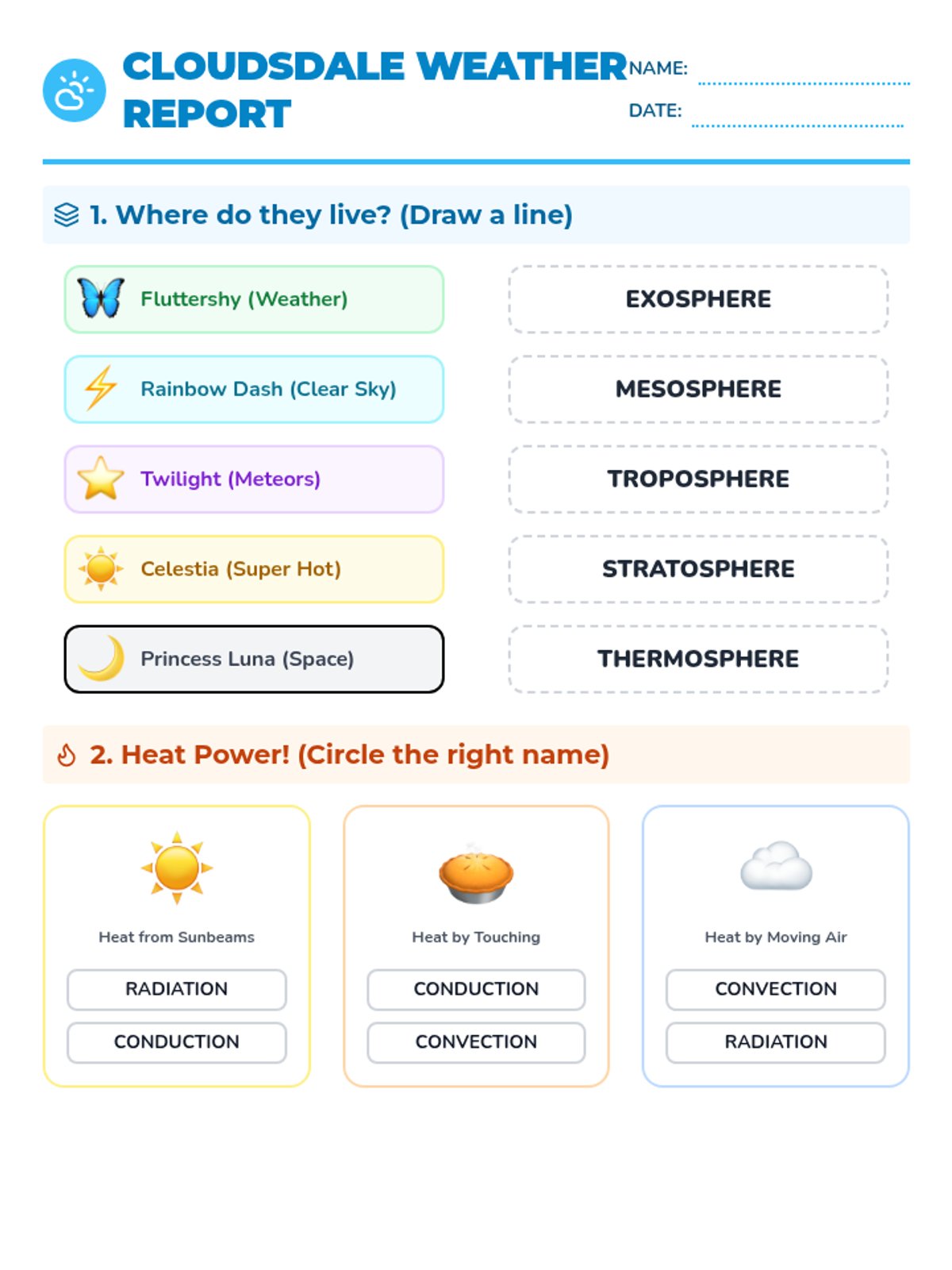
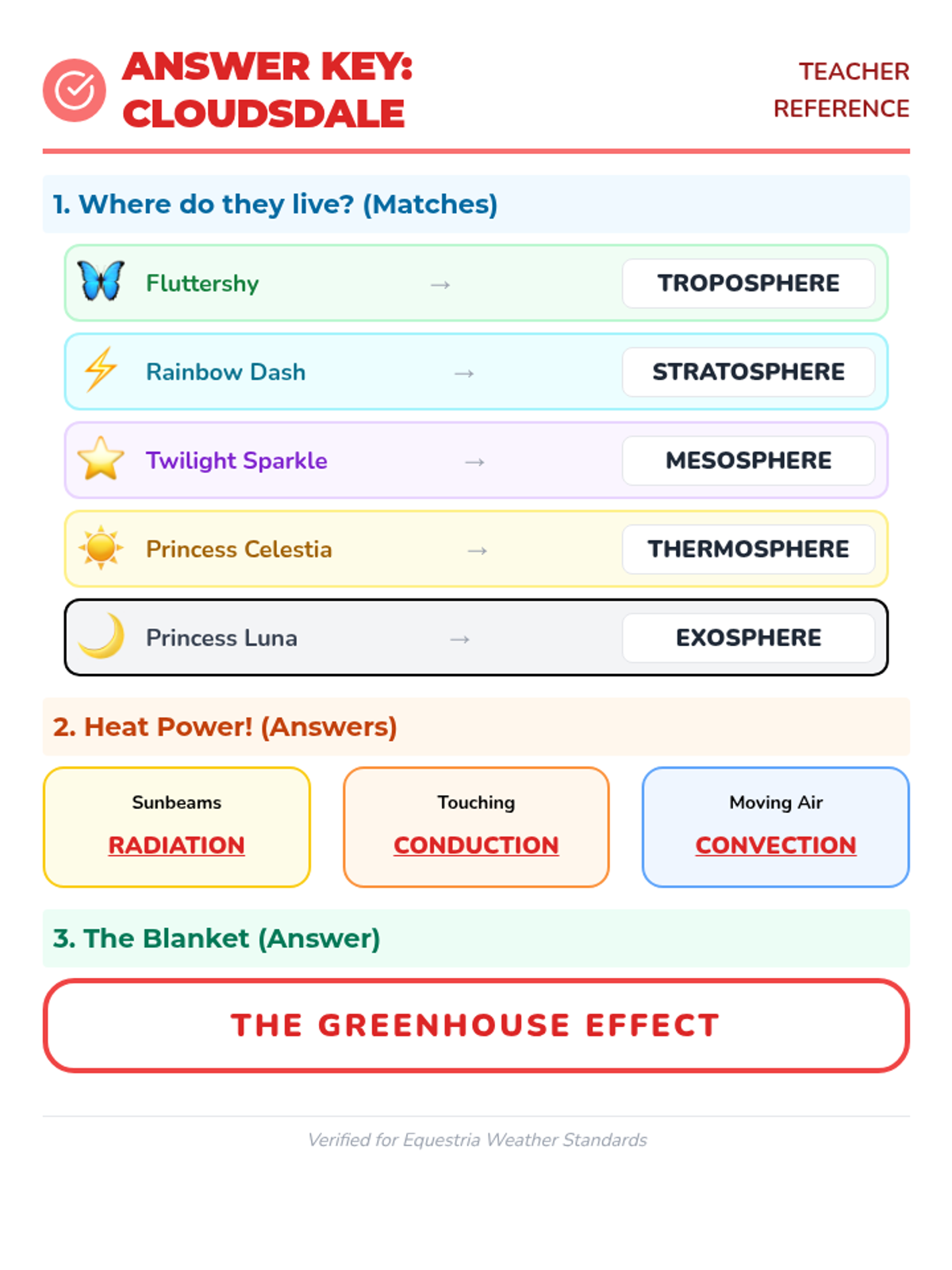
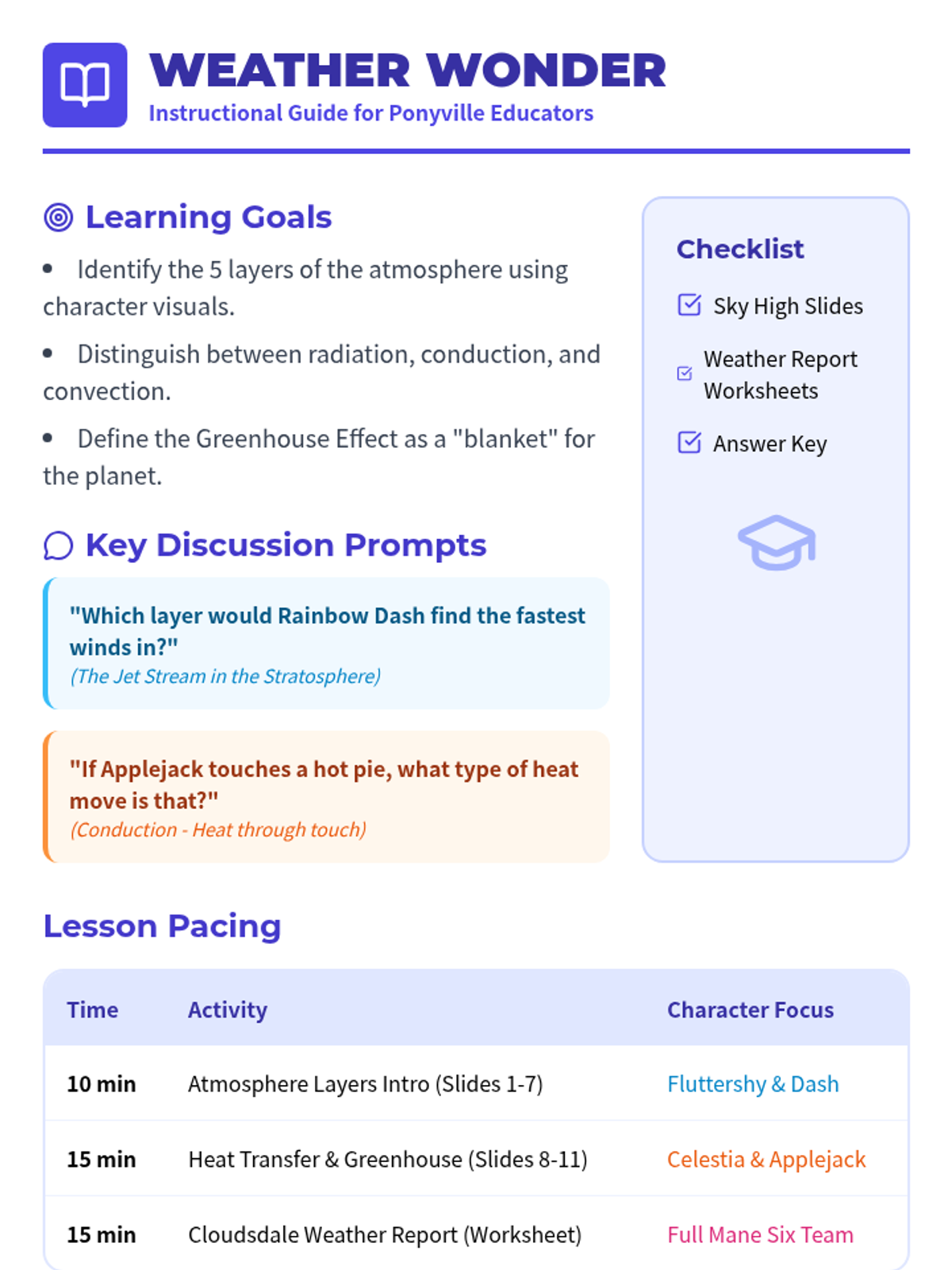
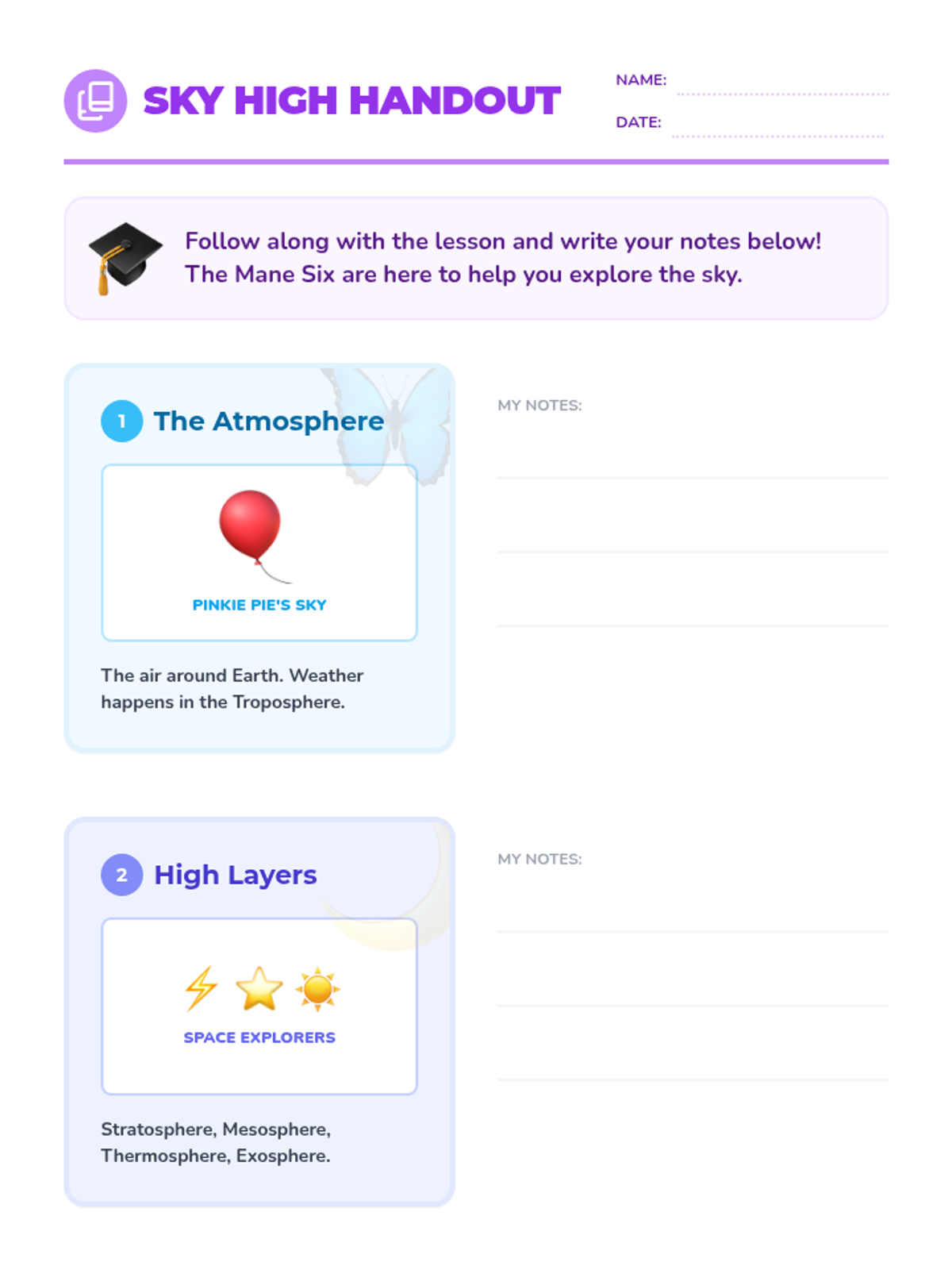
Explore the layers of the atmosphere and how heat moves through Equestria with the help of the Mane Six. This lesson covers atmospheric layers and thermal energy transfer using simplified language and visual symbols.
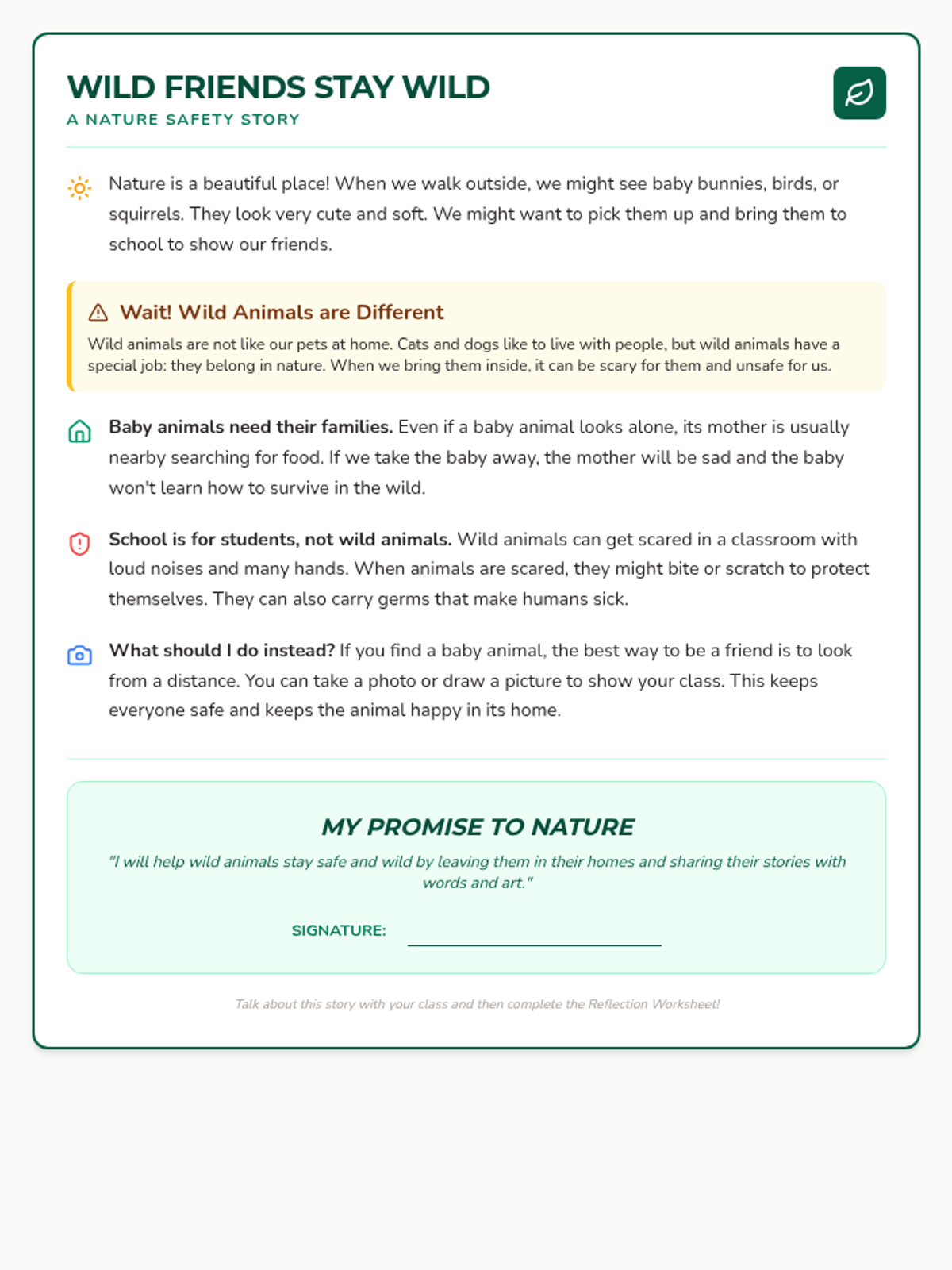
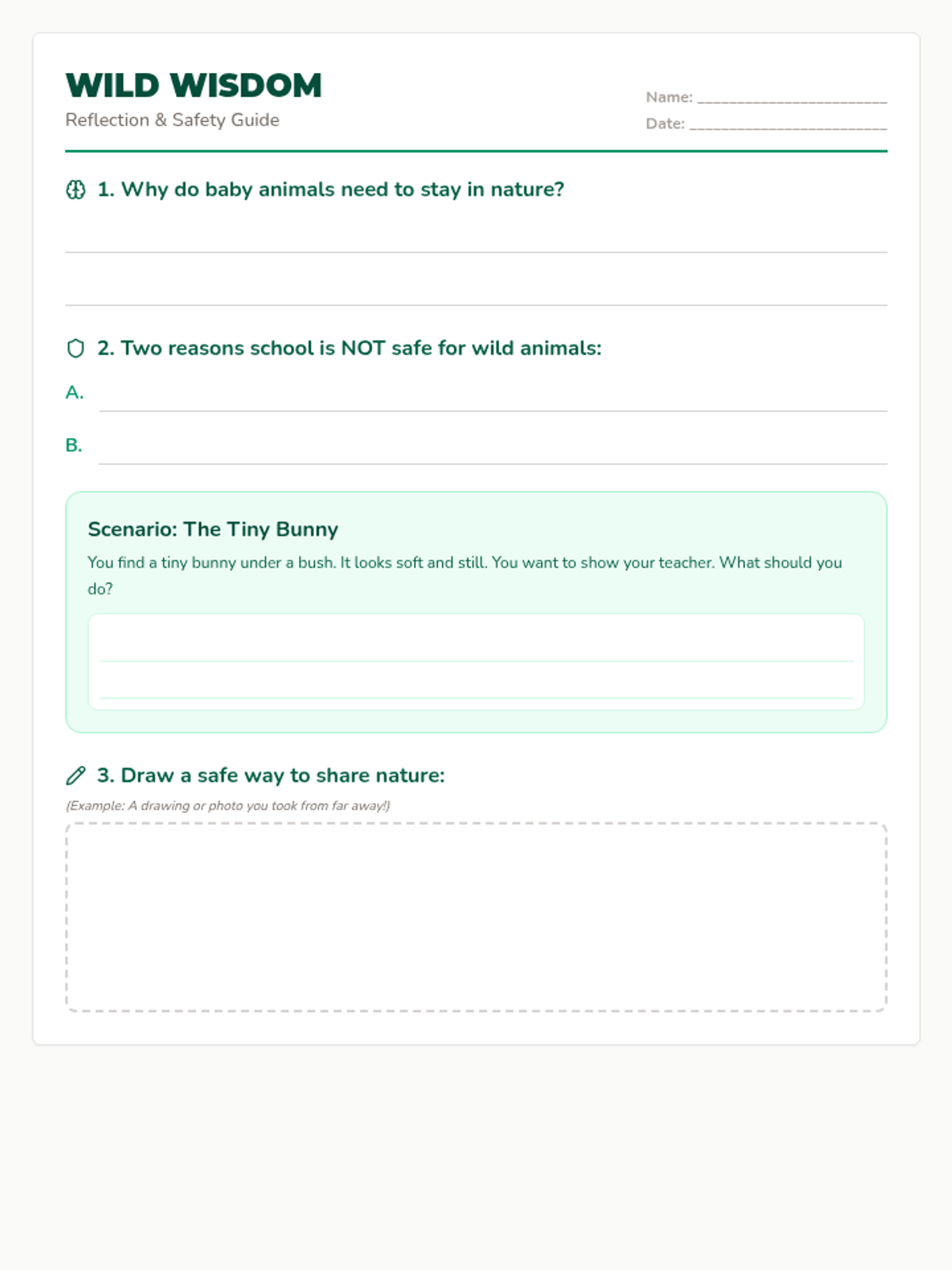
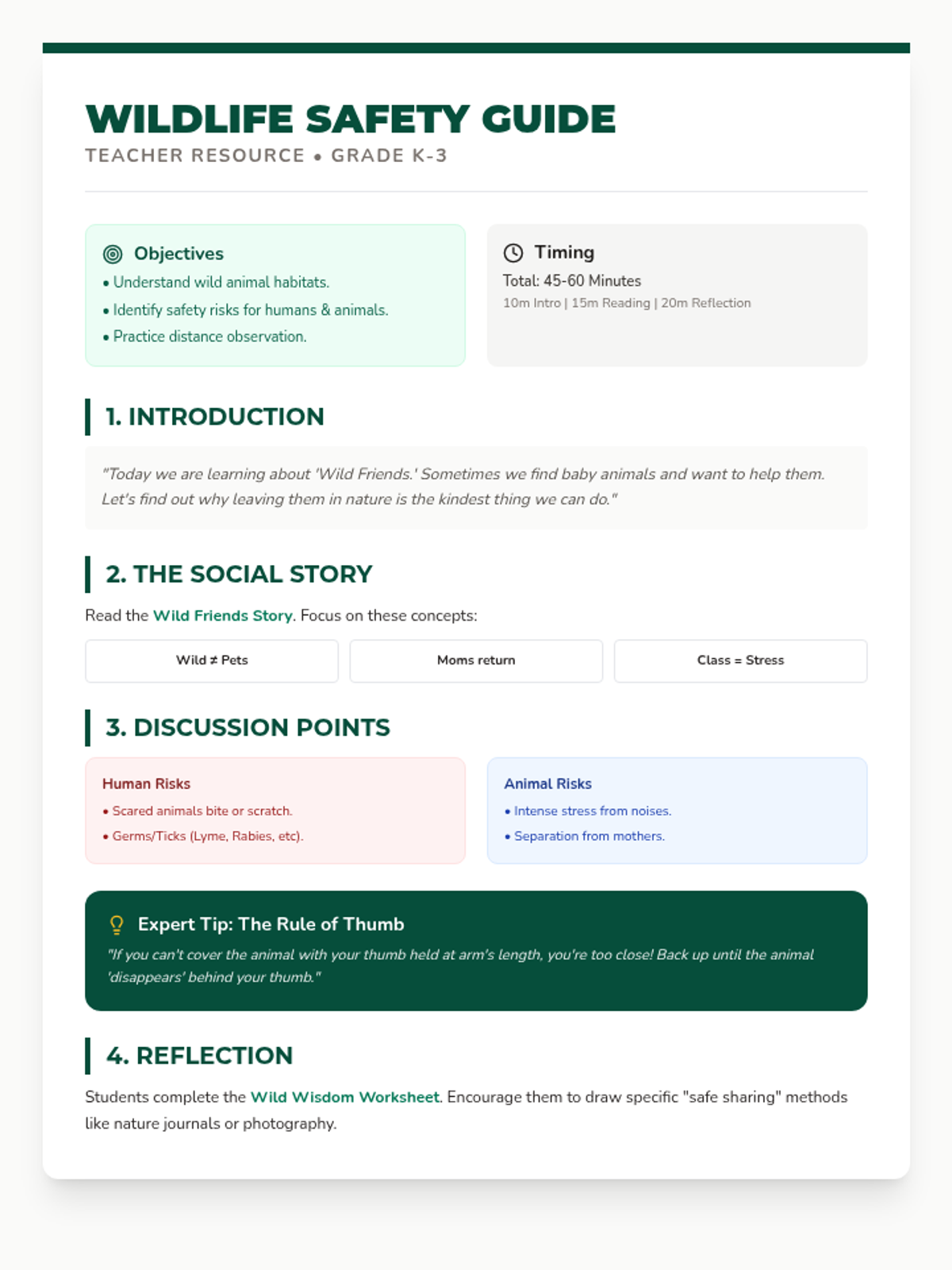
This lesson teaches students why wild animals, especially babies, should remain in their natural habitats rather than being brought to school, focusing on the safety of the animal and the classroom community.
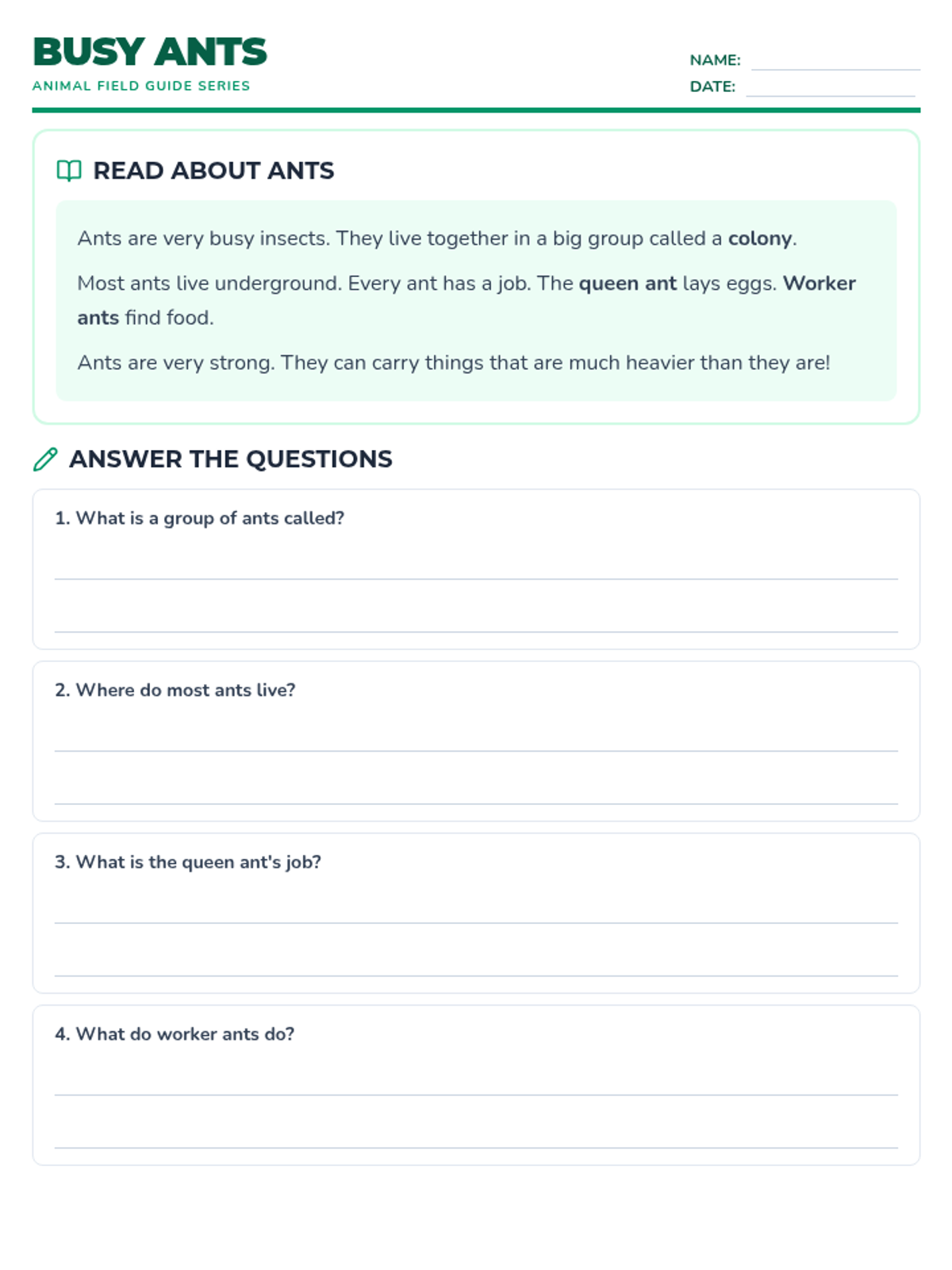
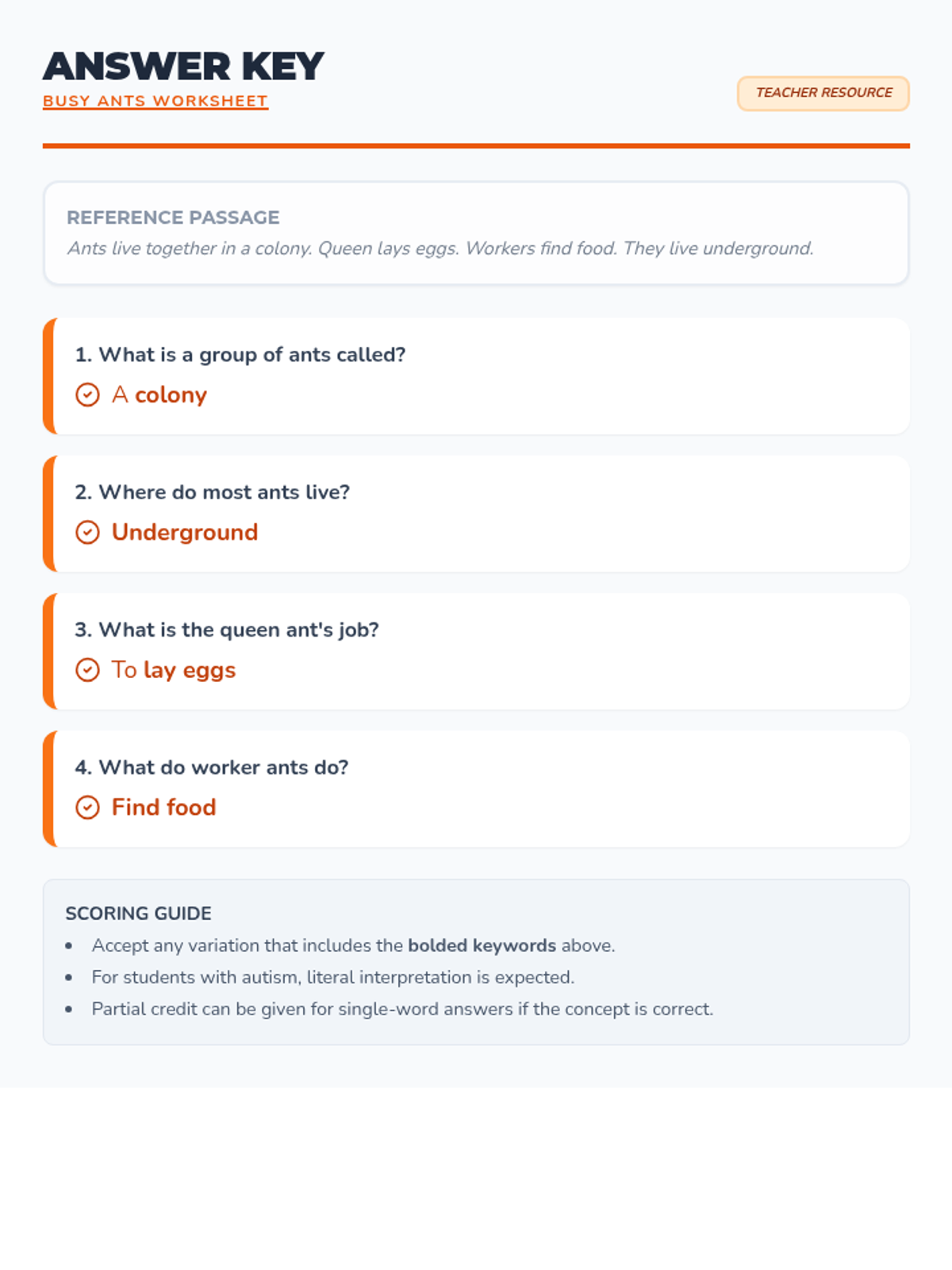
A focused reading comprehension lesson exploring the lives of ants, designed with clear structure and visual supports for 1st-2nd grade students.
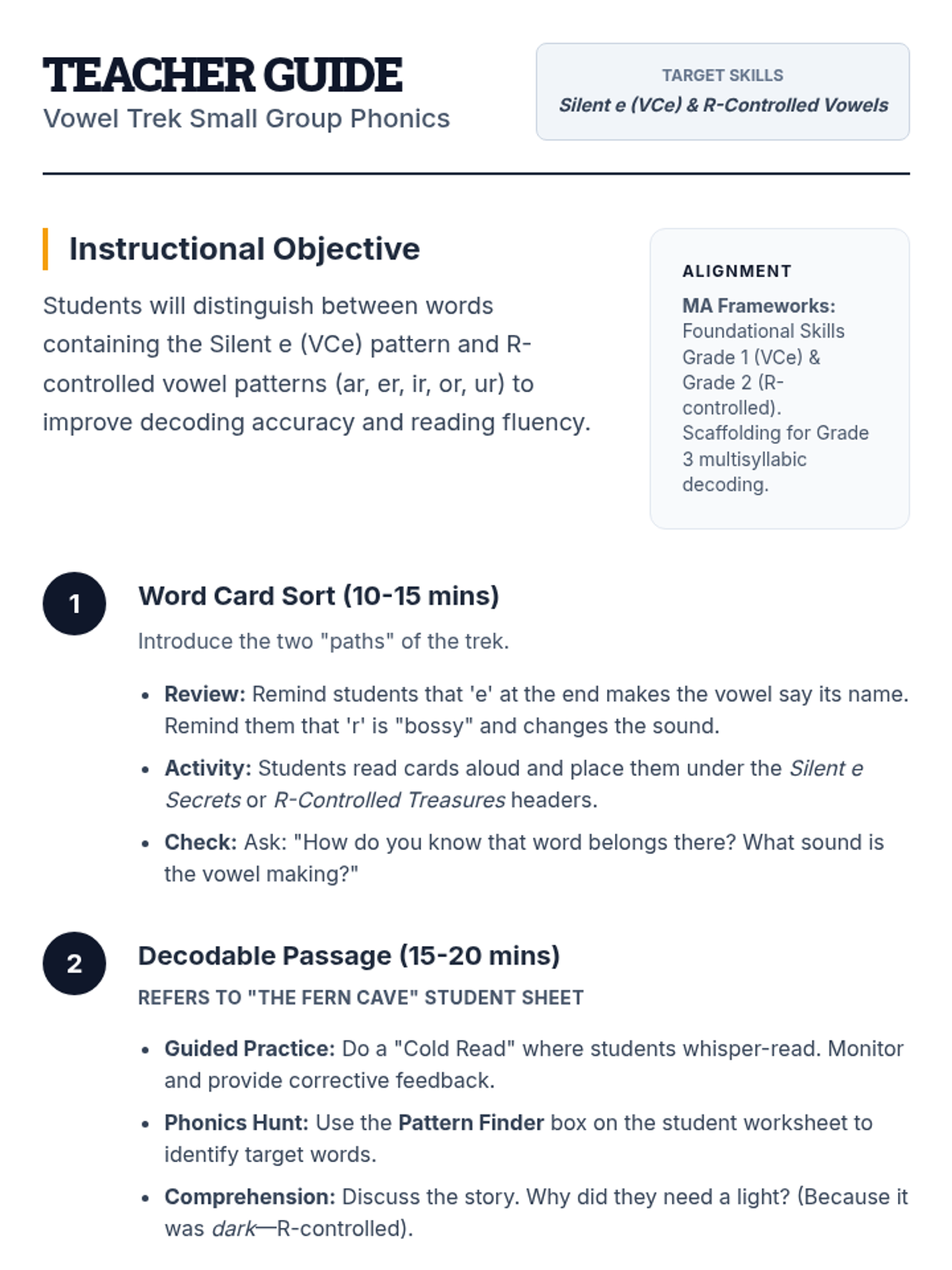
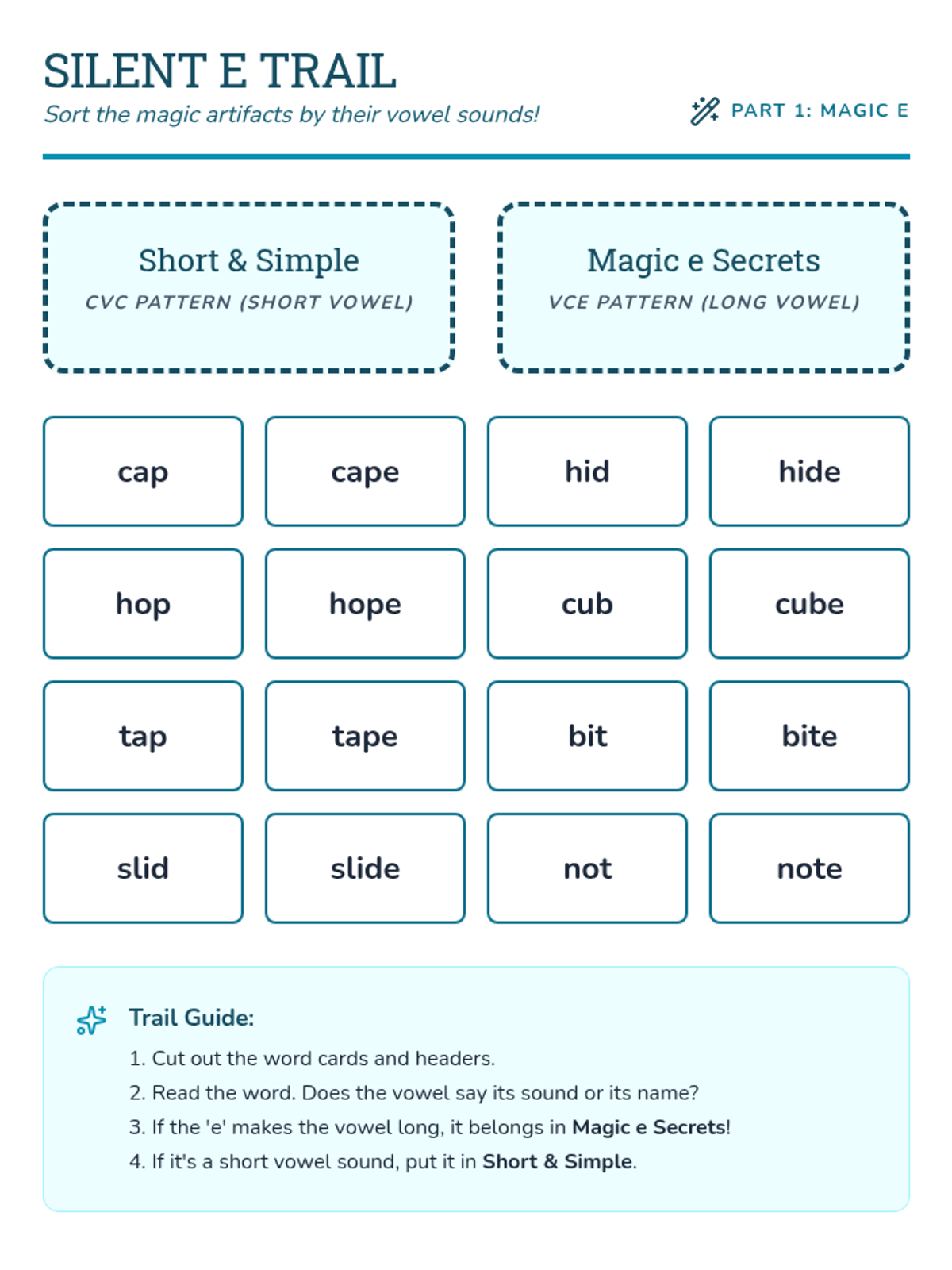
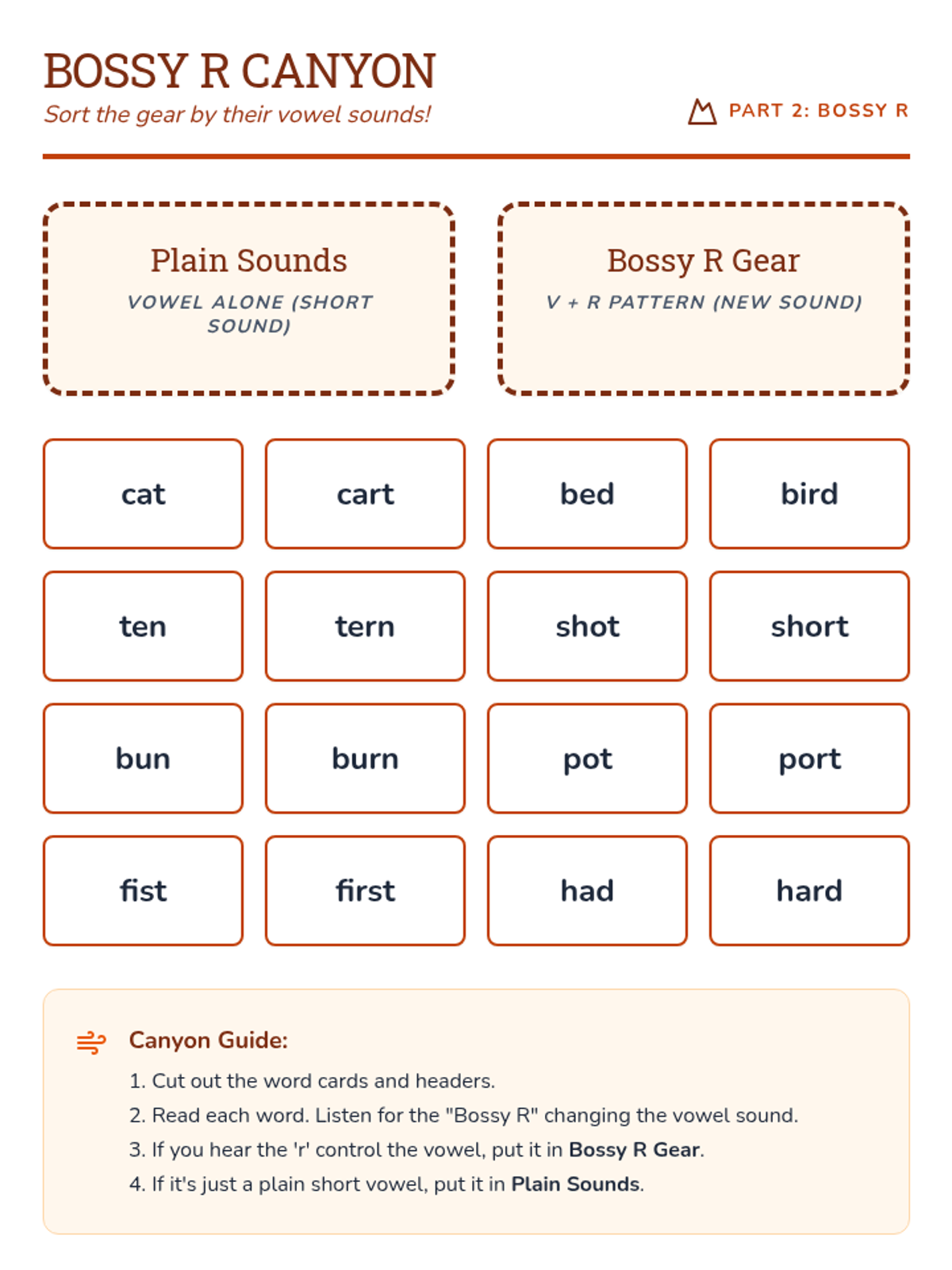
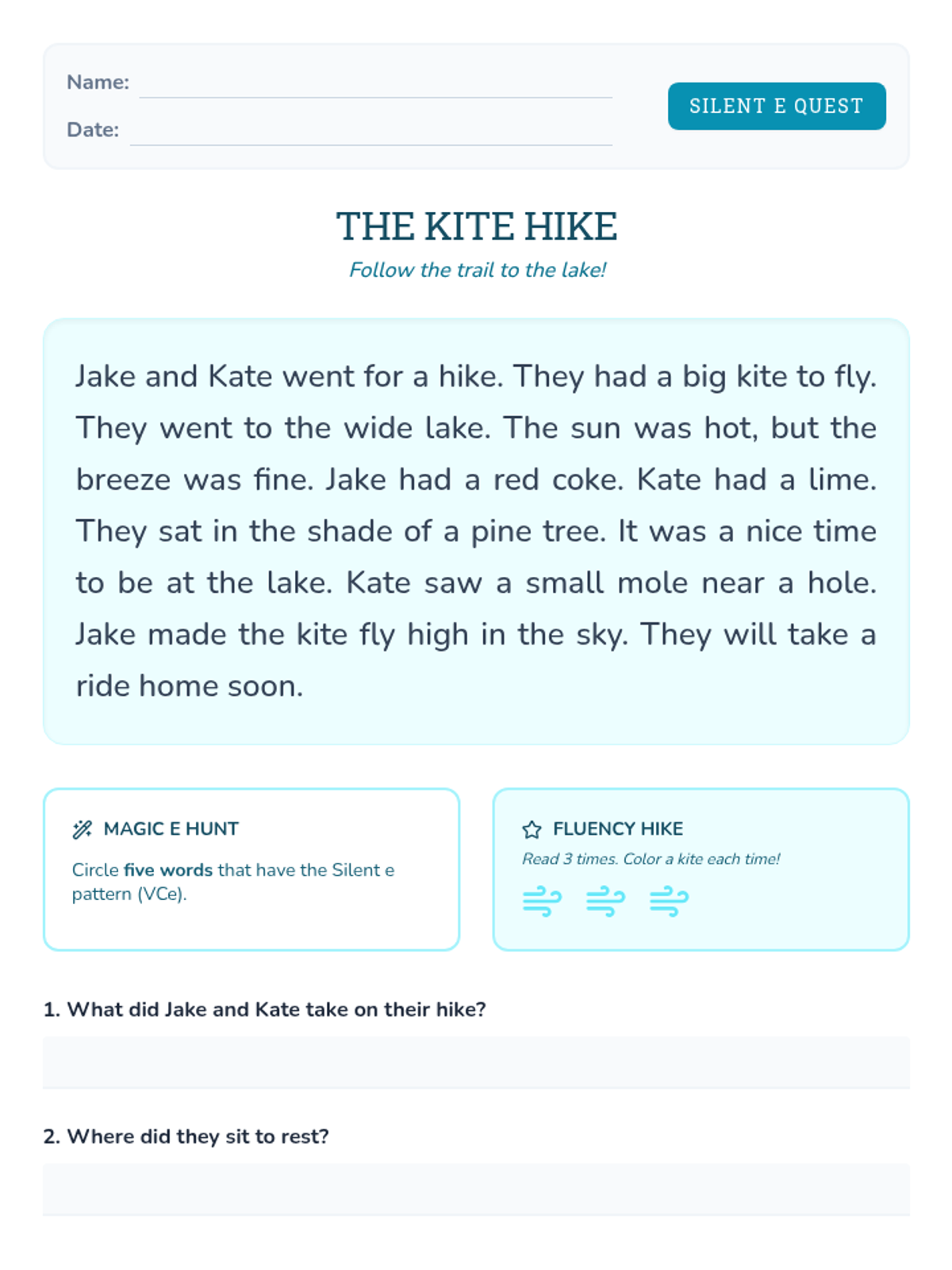
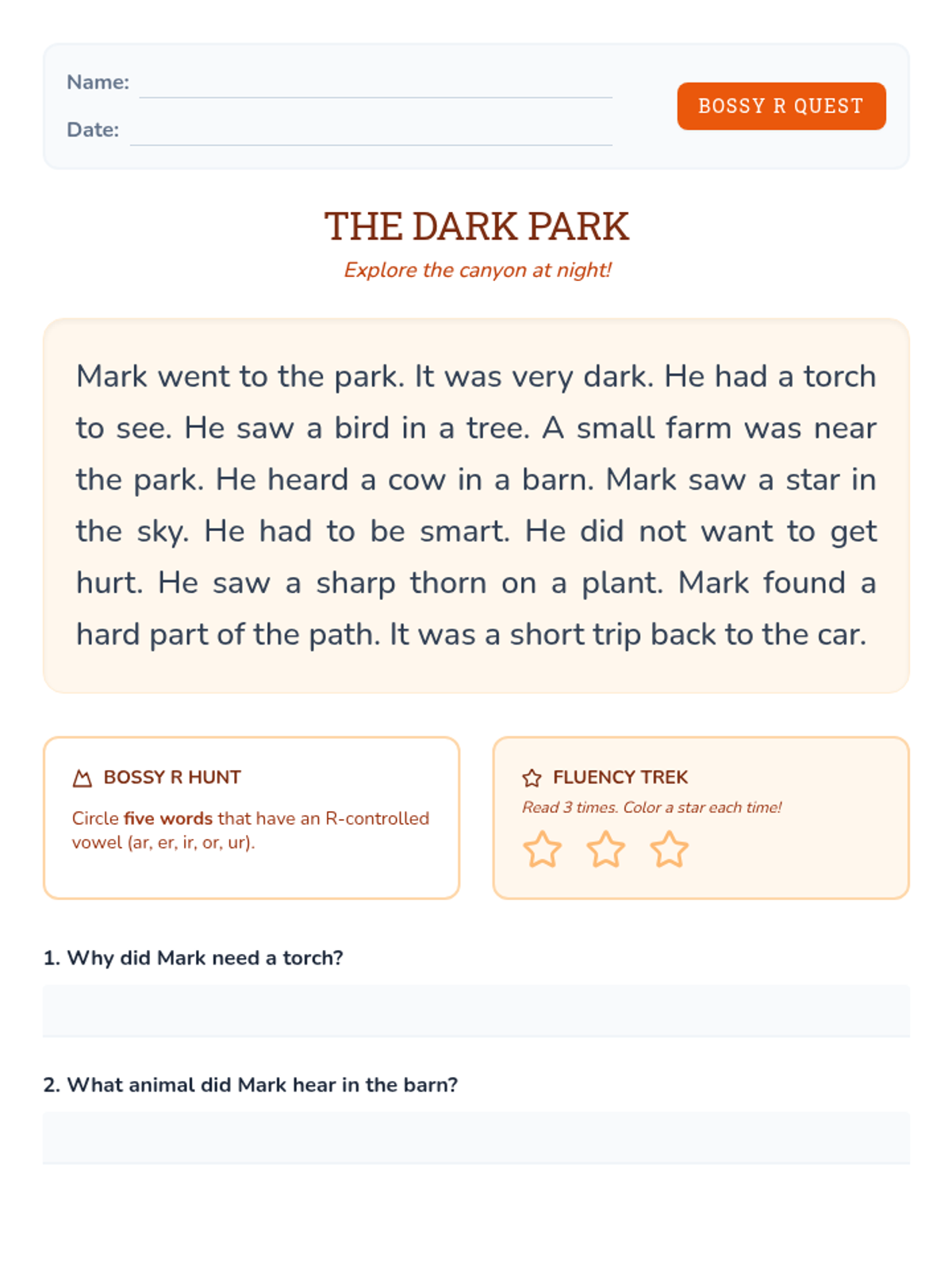
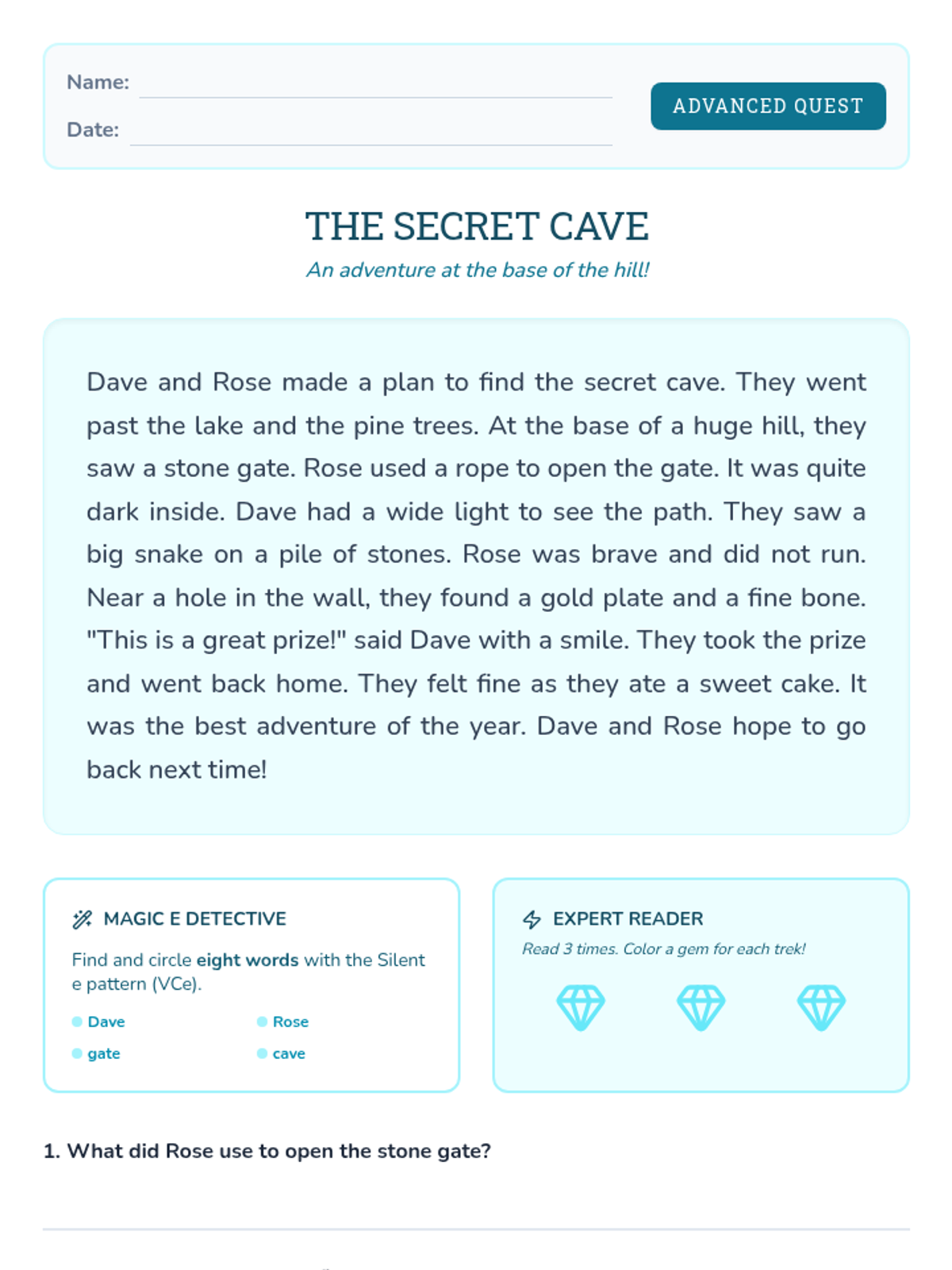
A two-part small-group phonics sequence for Grade 3 students (reading at 1st-2nd grade level). Part 1 focuses on Silent e (VCe) patterns, and Part 2 focuses on R-controlled vowel patterns.
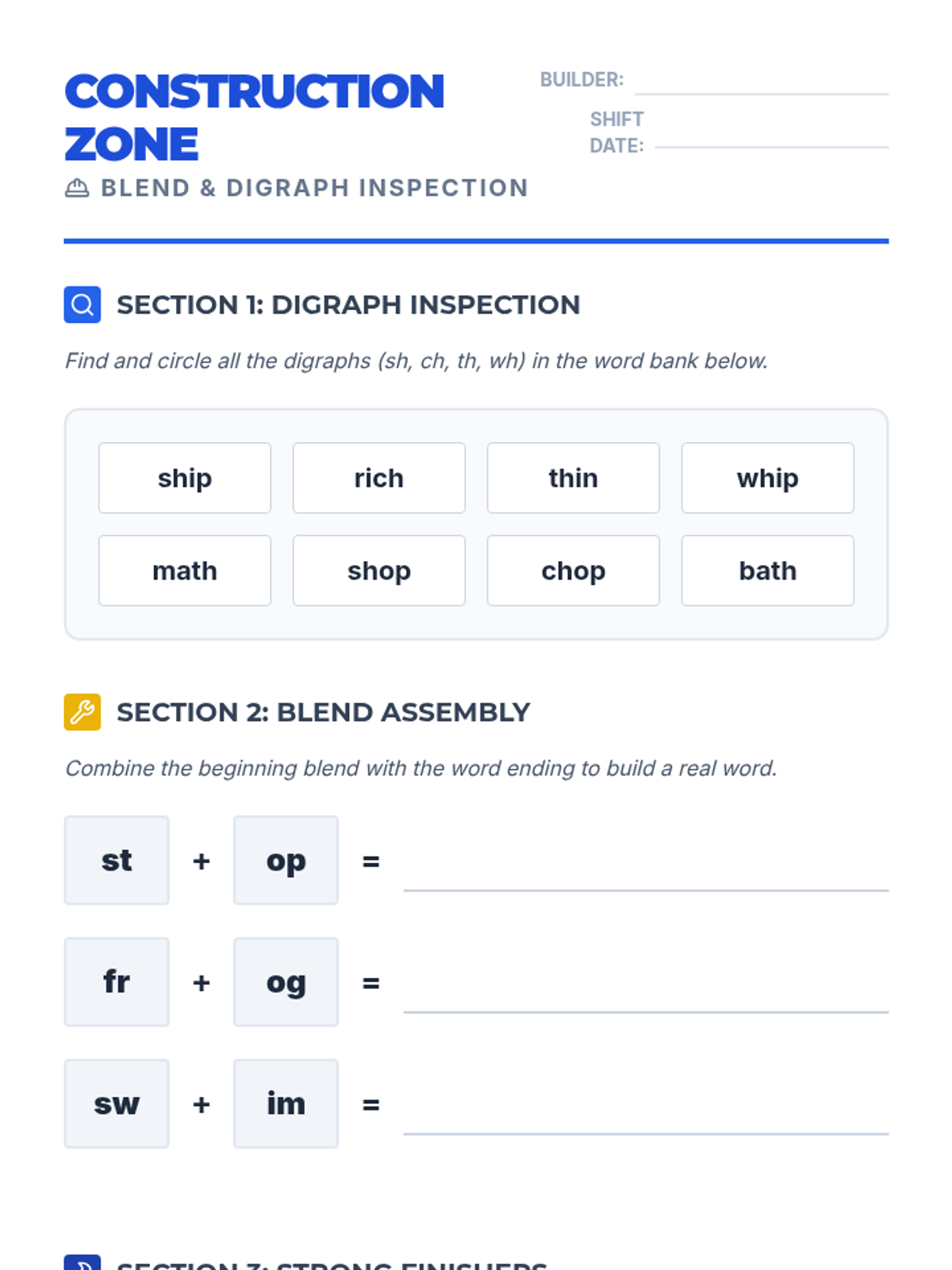
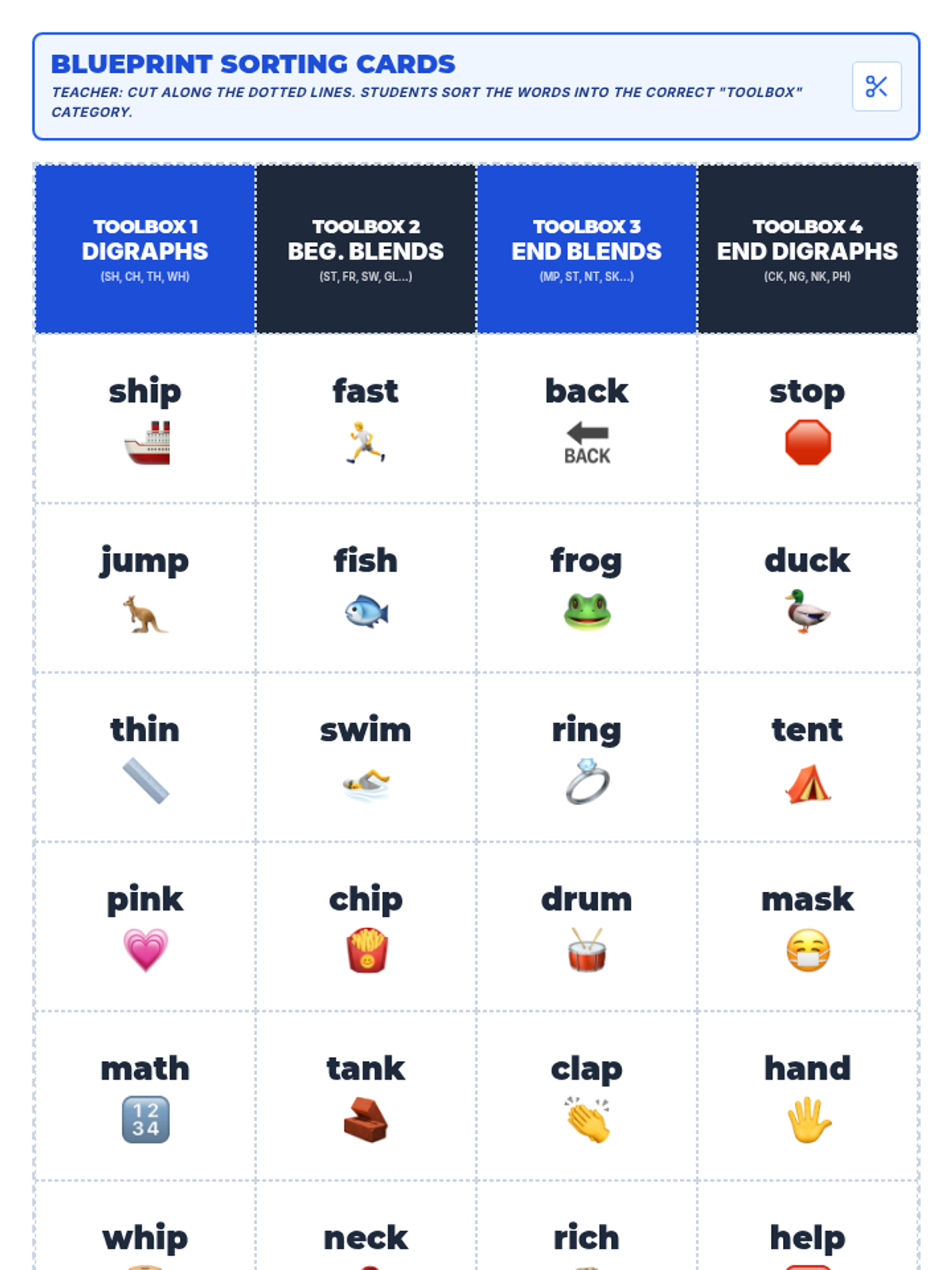
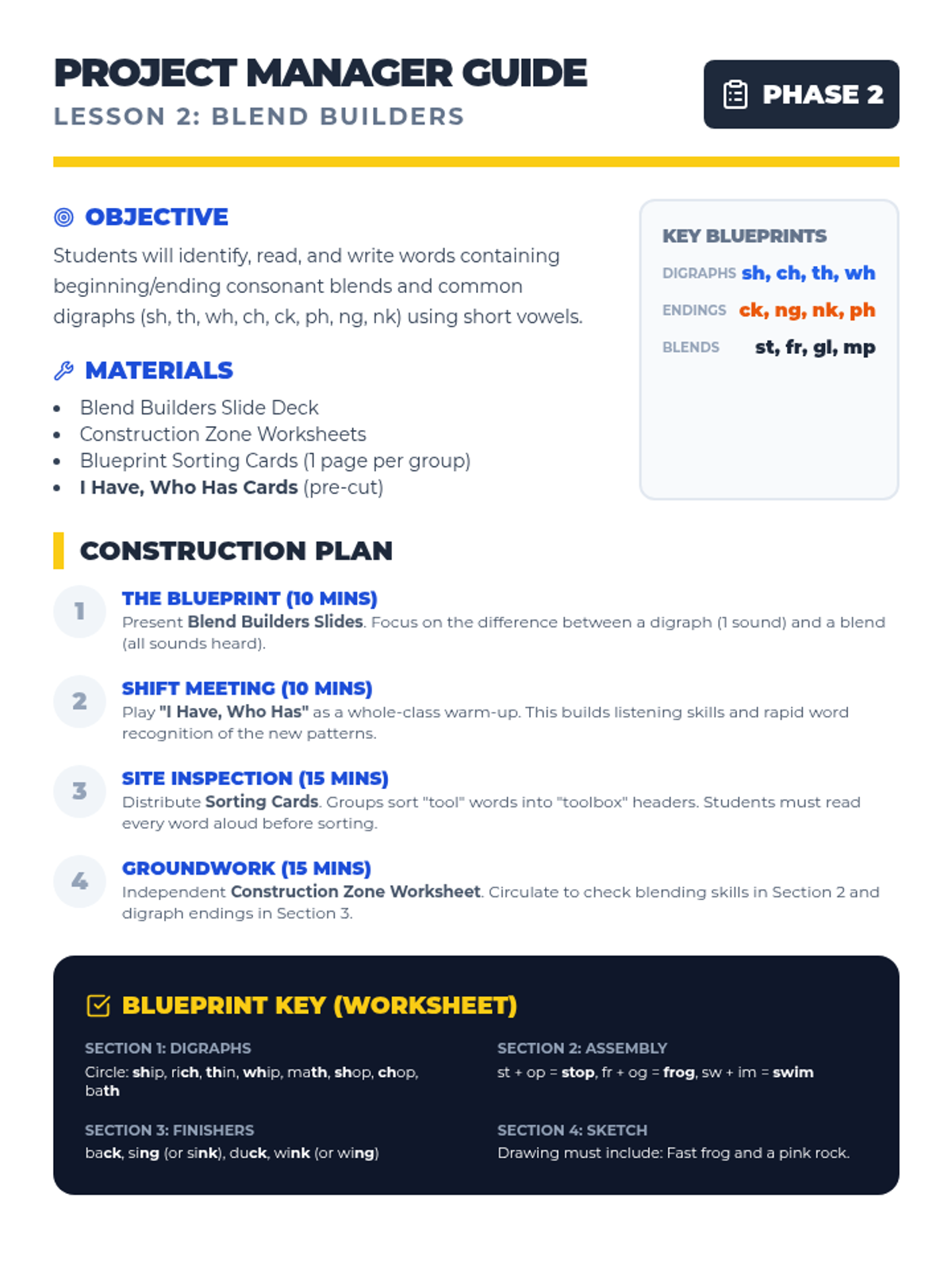
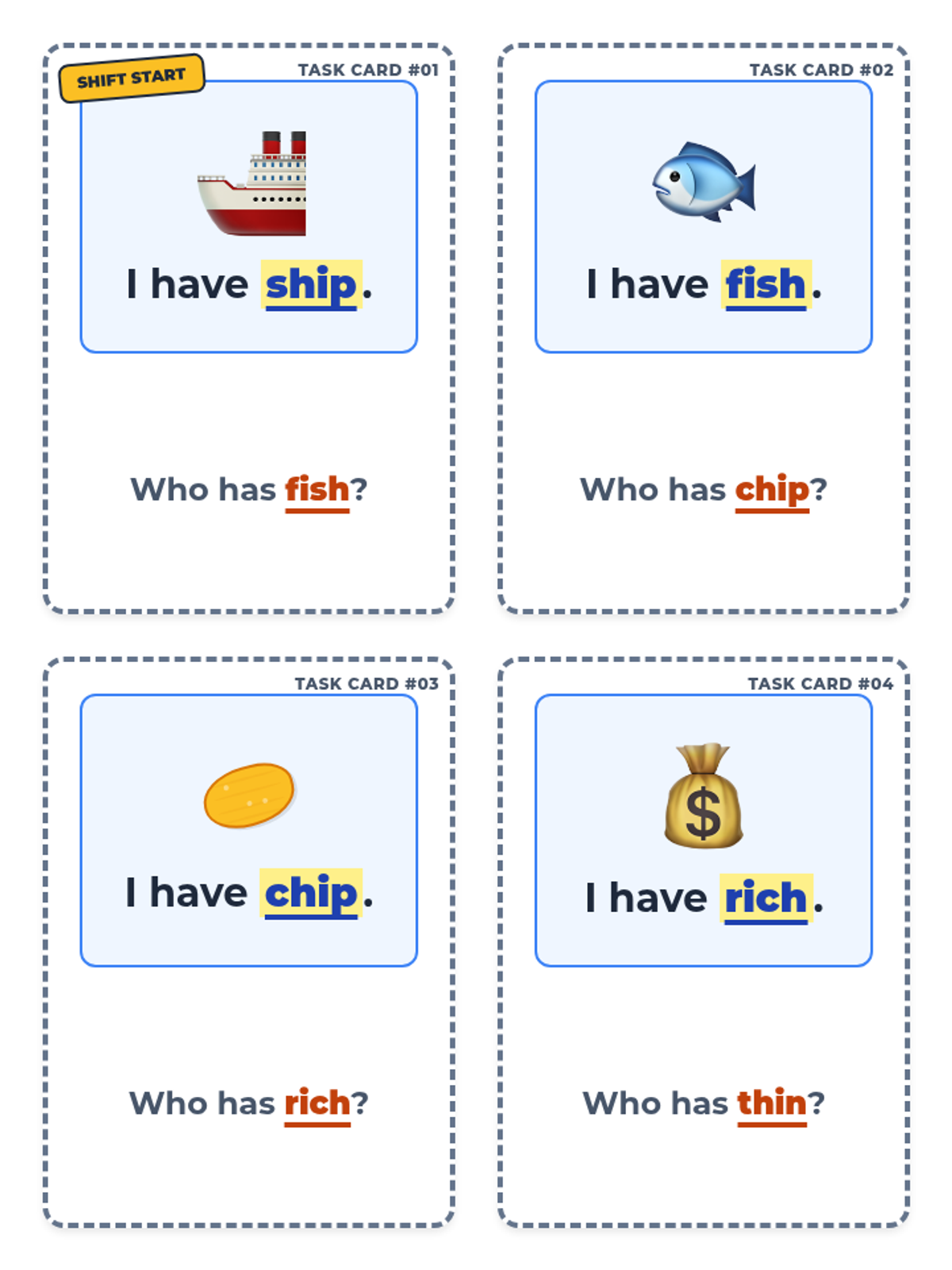
A focused lesson on beginning and ending consonant blends and common digraphs (sh, th, wh, ch, ck, ph, ng, nk) using short vowel words. Students "construct" words in a workshop-themed environment.
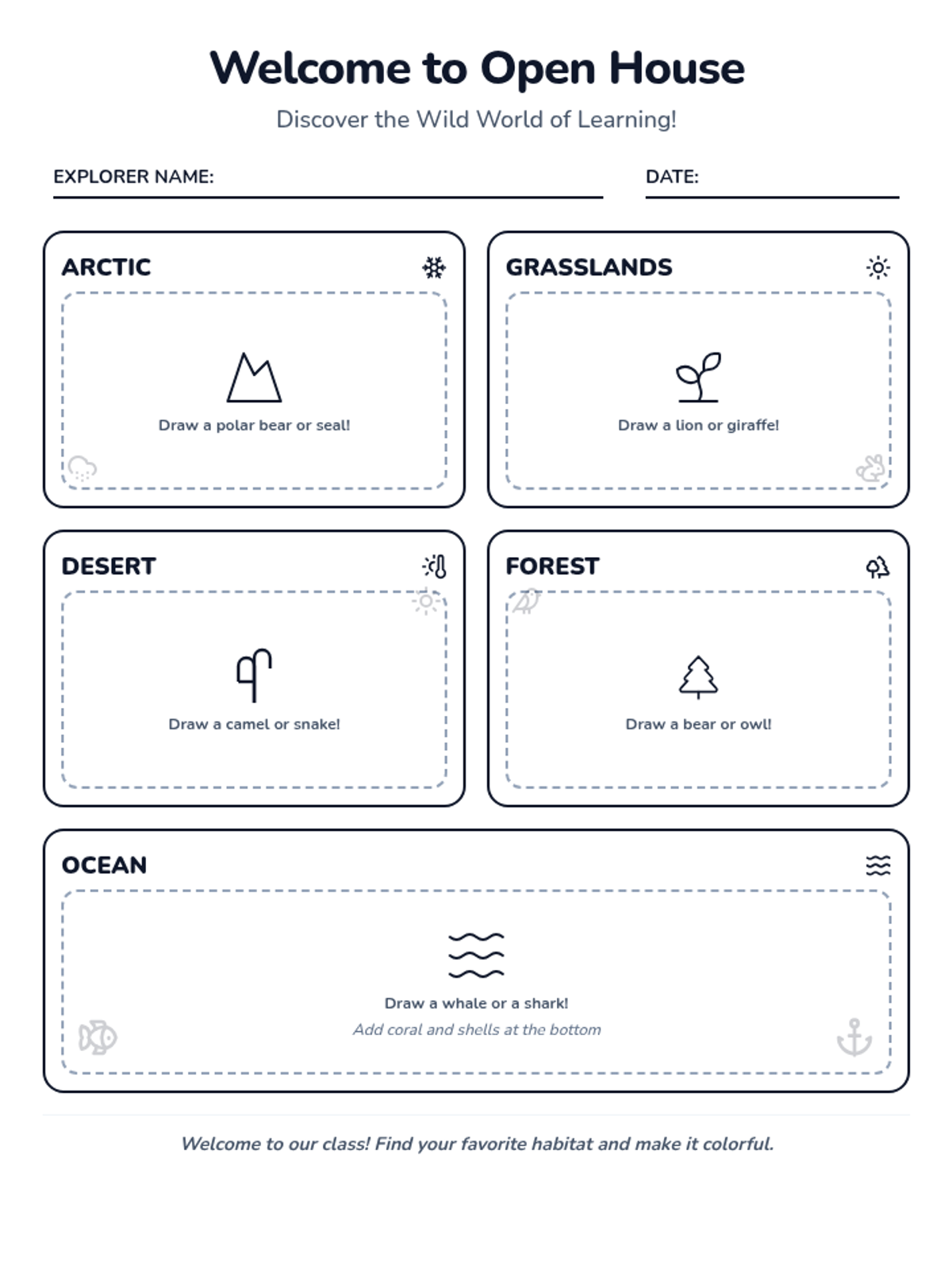
A welcoming set of resources for a school Open House, featuring a habitat-themed activity for students and families.
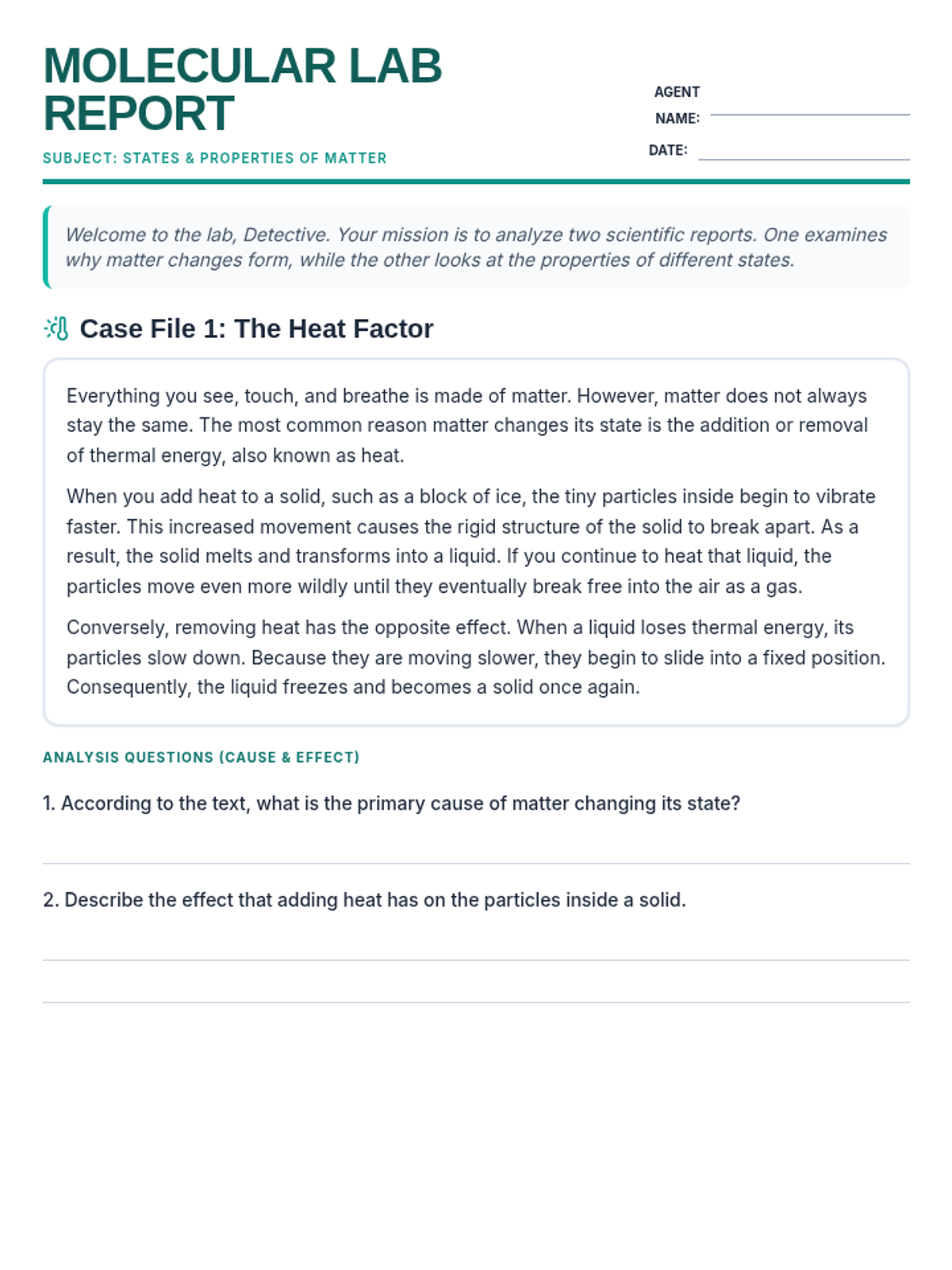
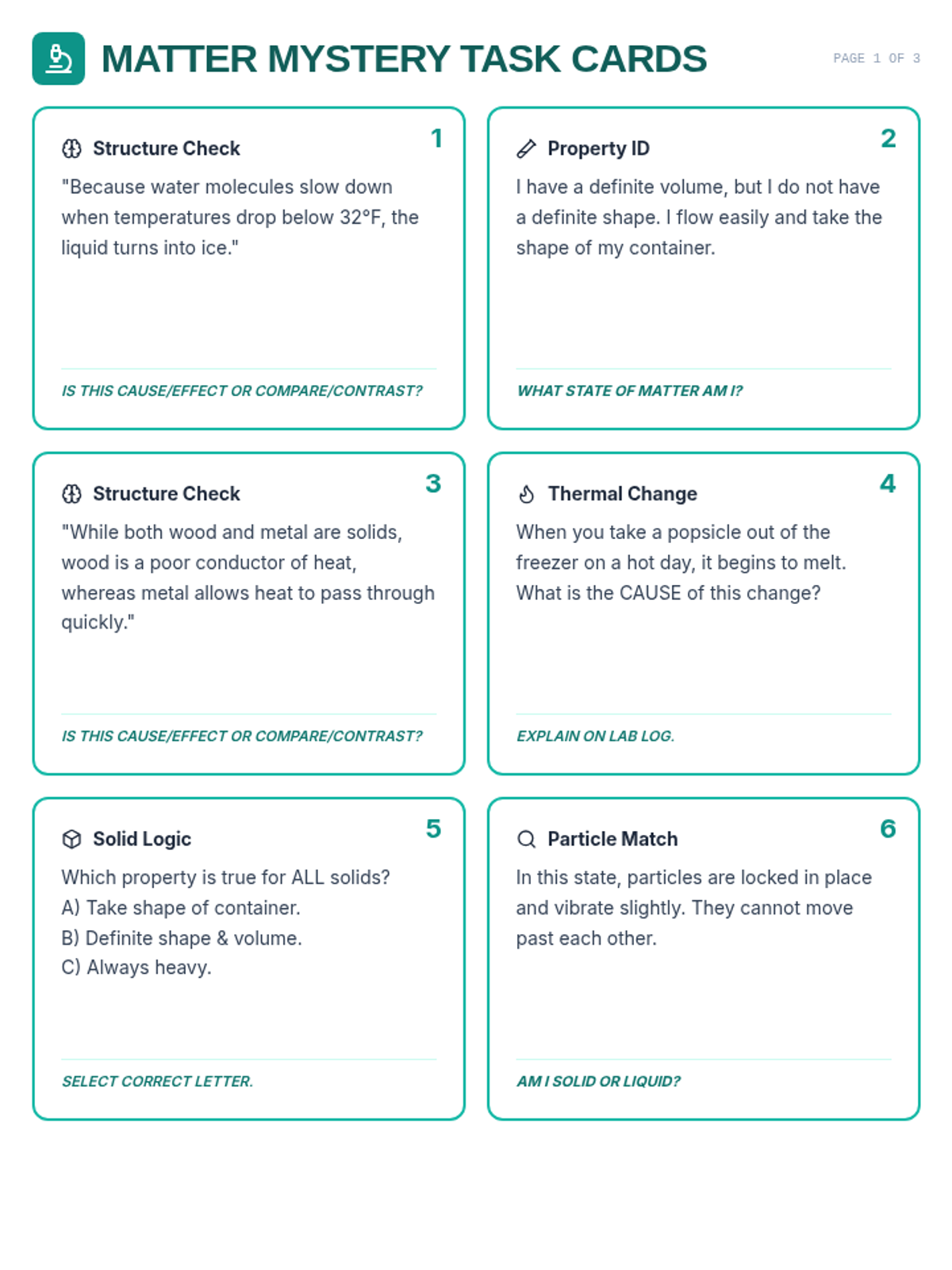
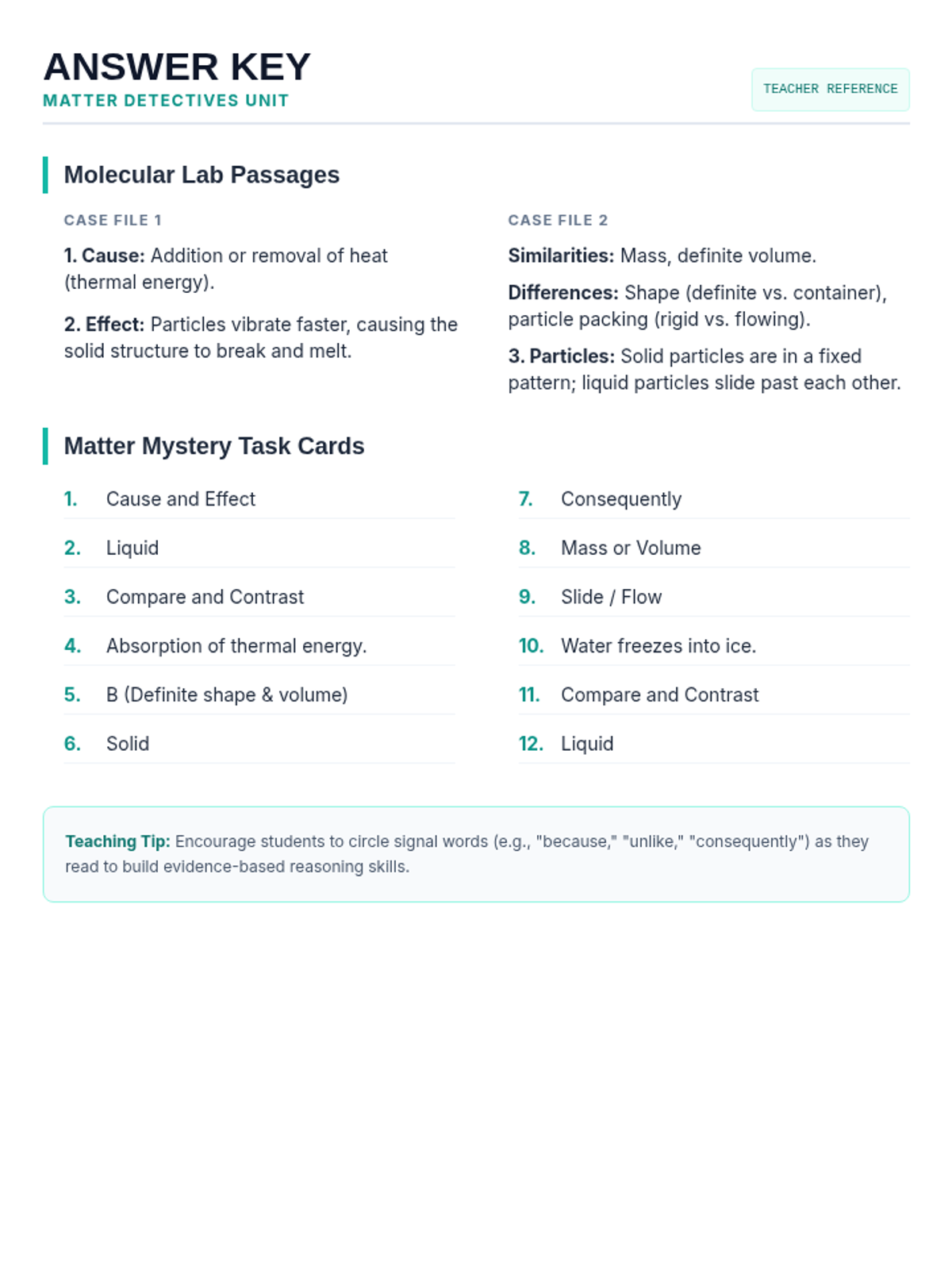
A focused lesson on matter's properties and states, using cause-and-effect and compare-and-contrast text structures to build literacy skills.
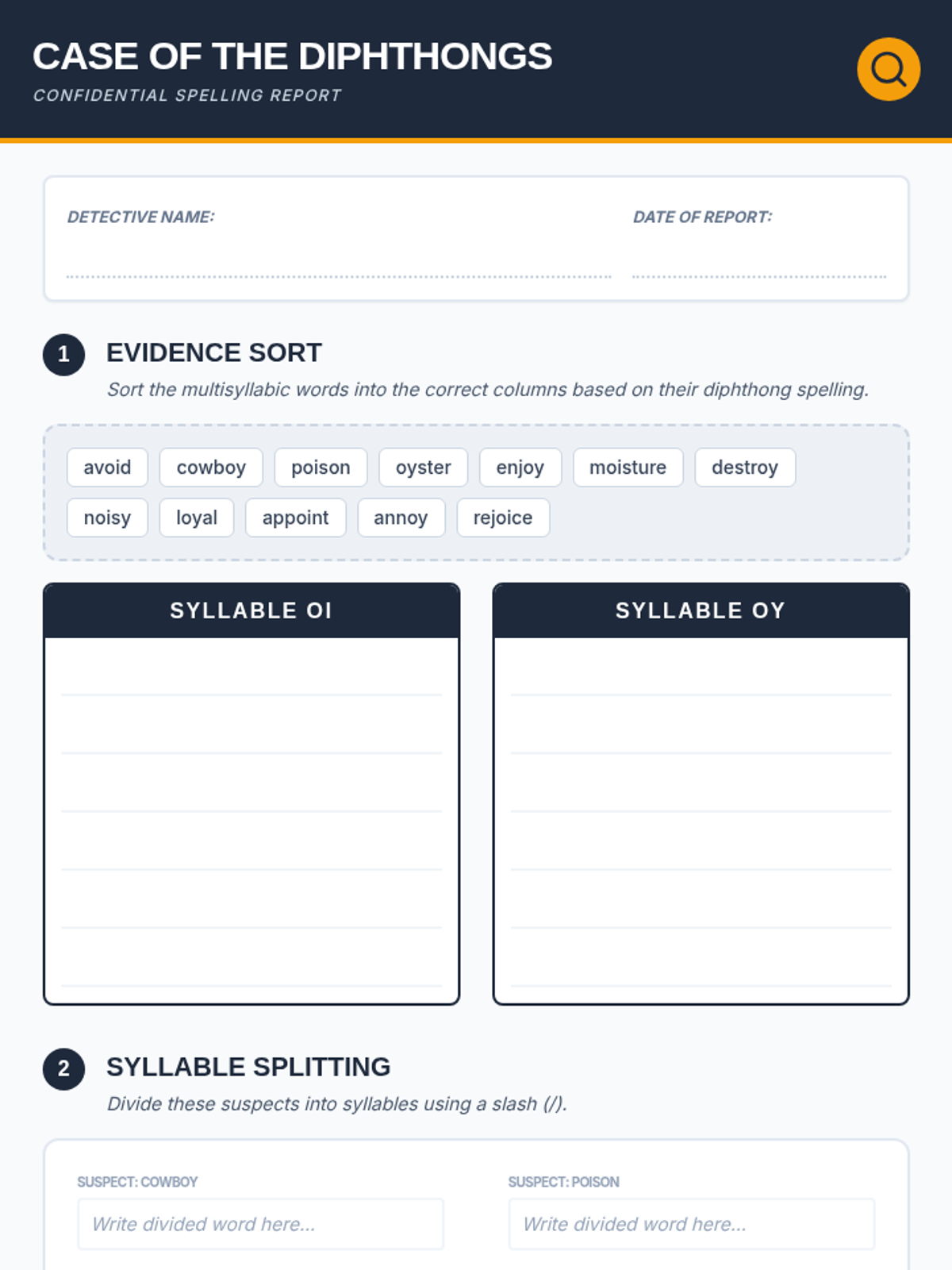
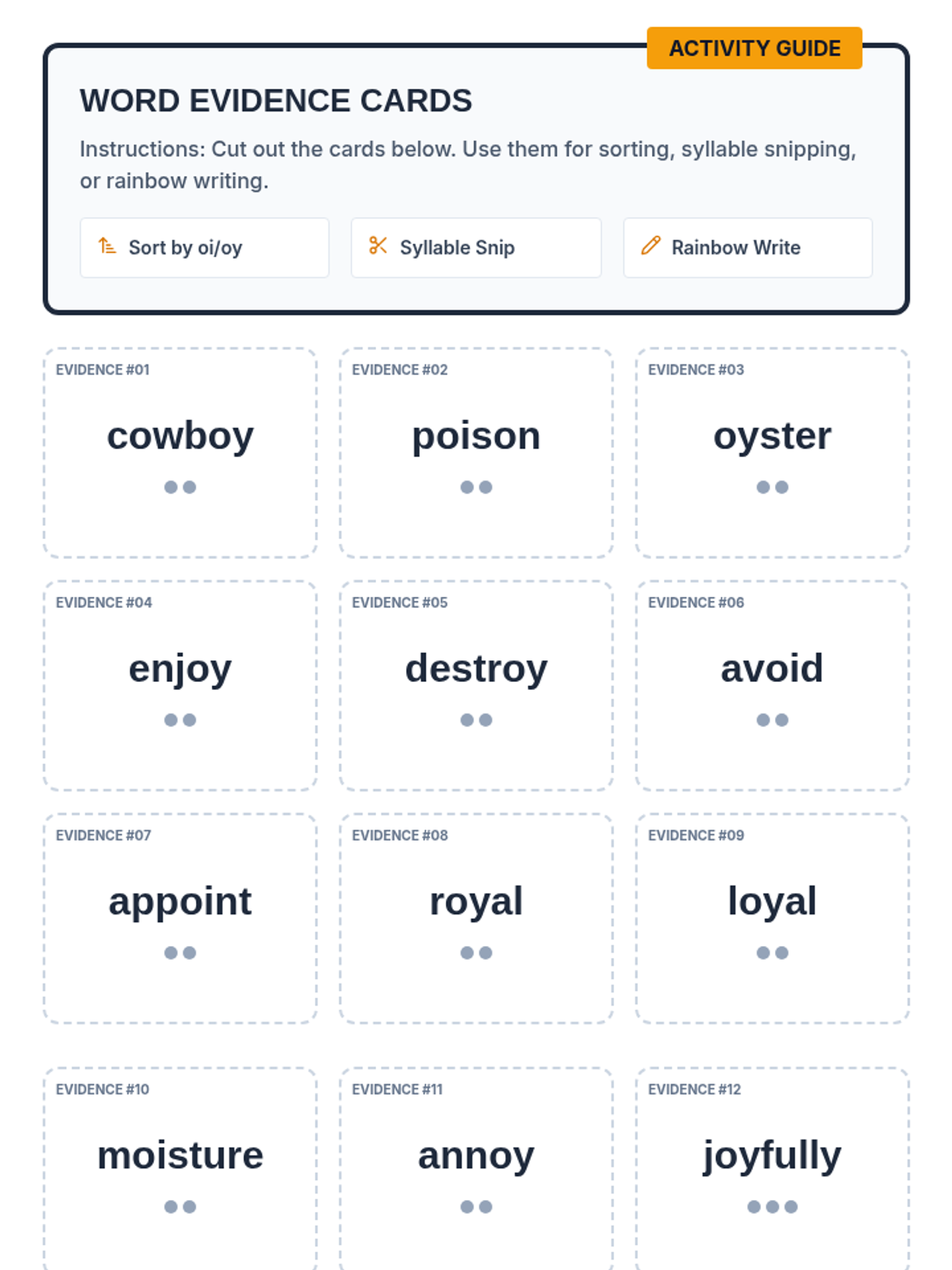
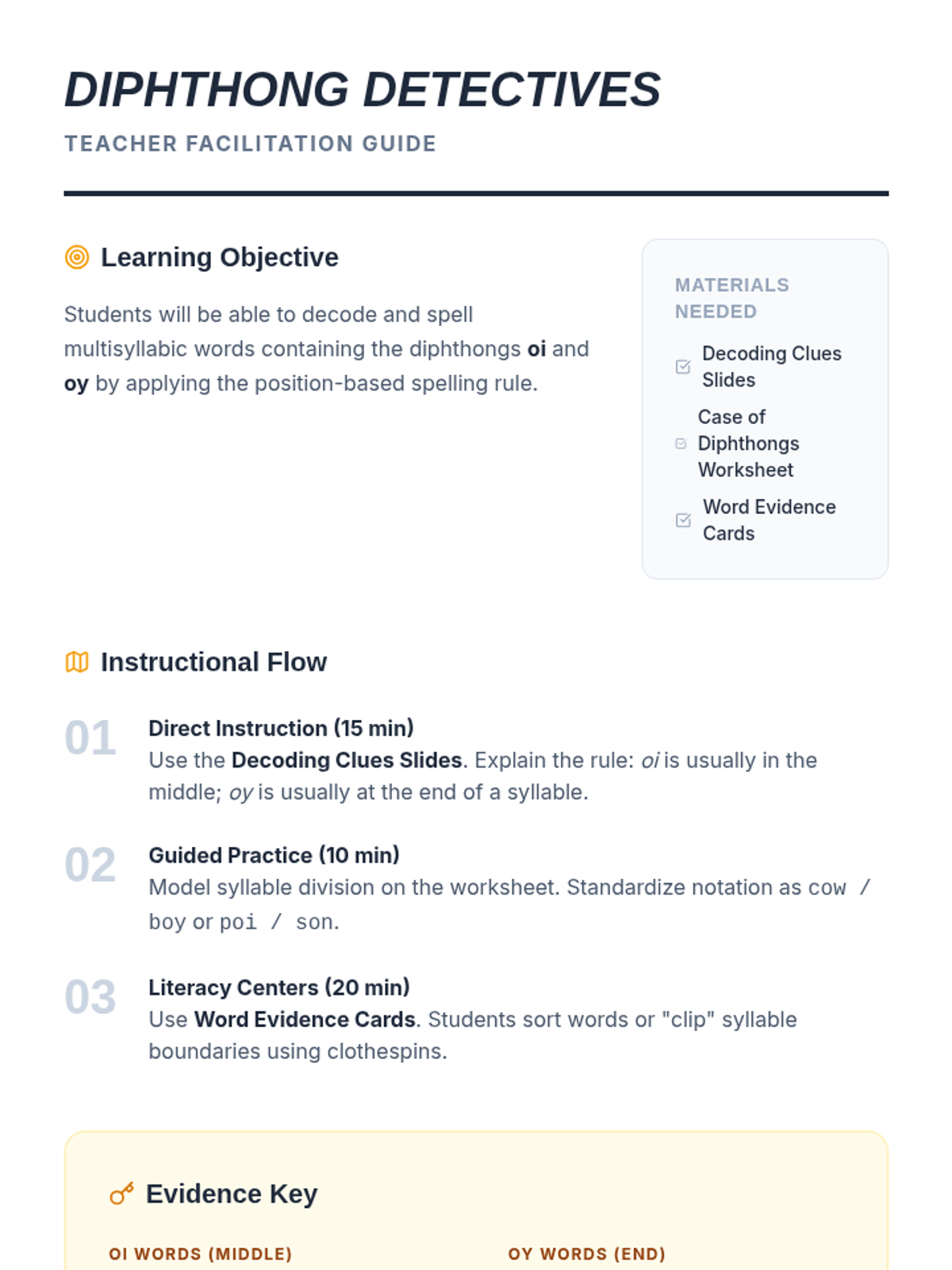
A detective-themed lesson focusing on decoding and spelling multisyllabic words with the 'oi' and 'oy' diphthongs. Students learn the placement rules for these spellings and apply them through sorting and syllable division activities.
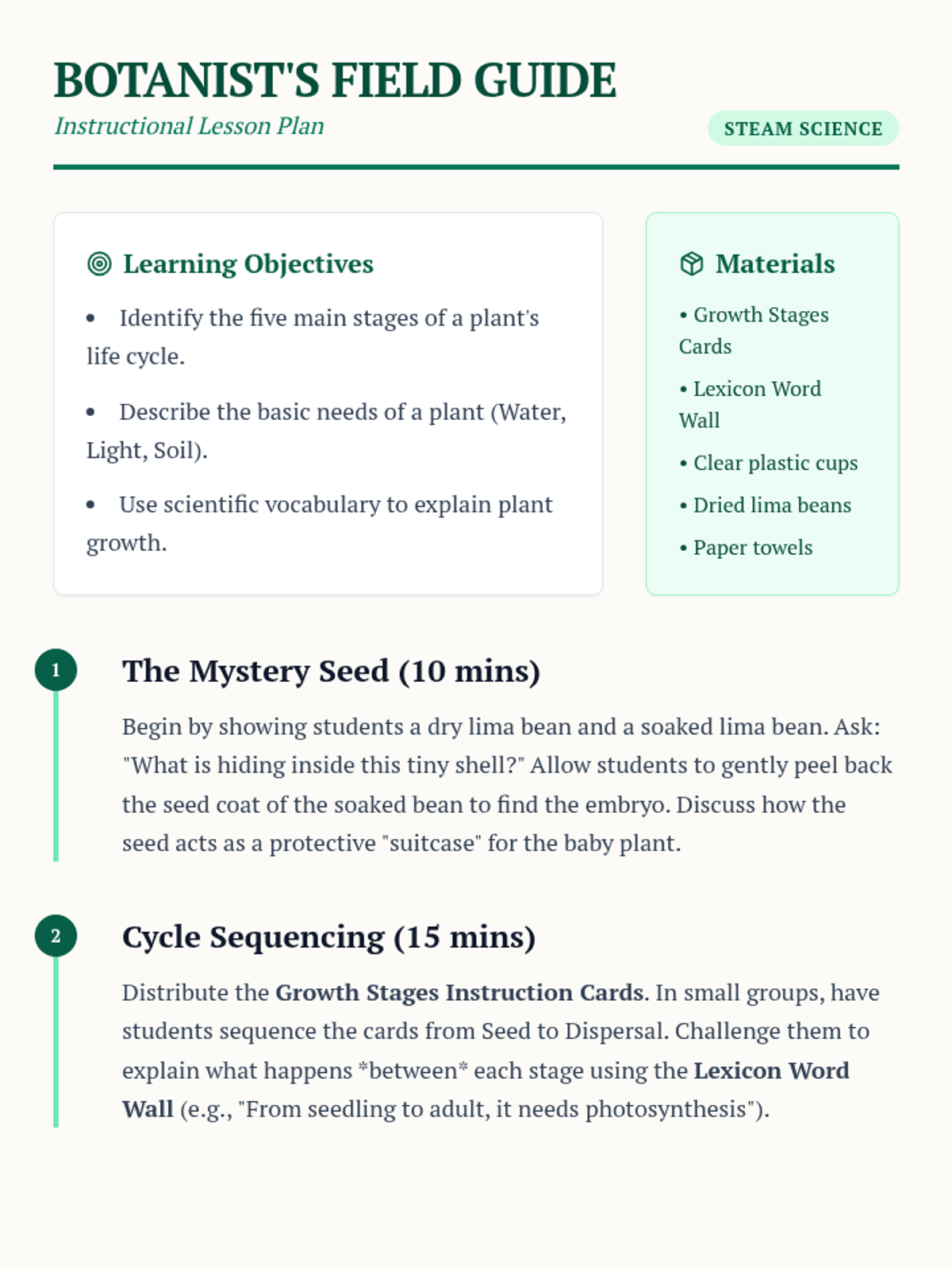
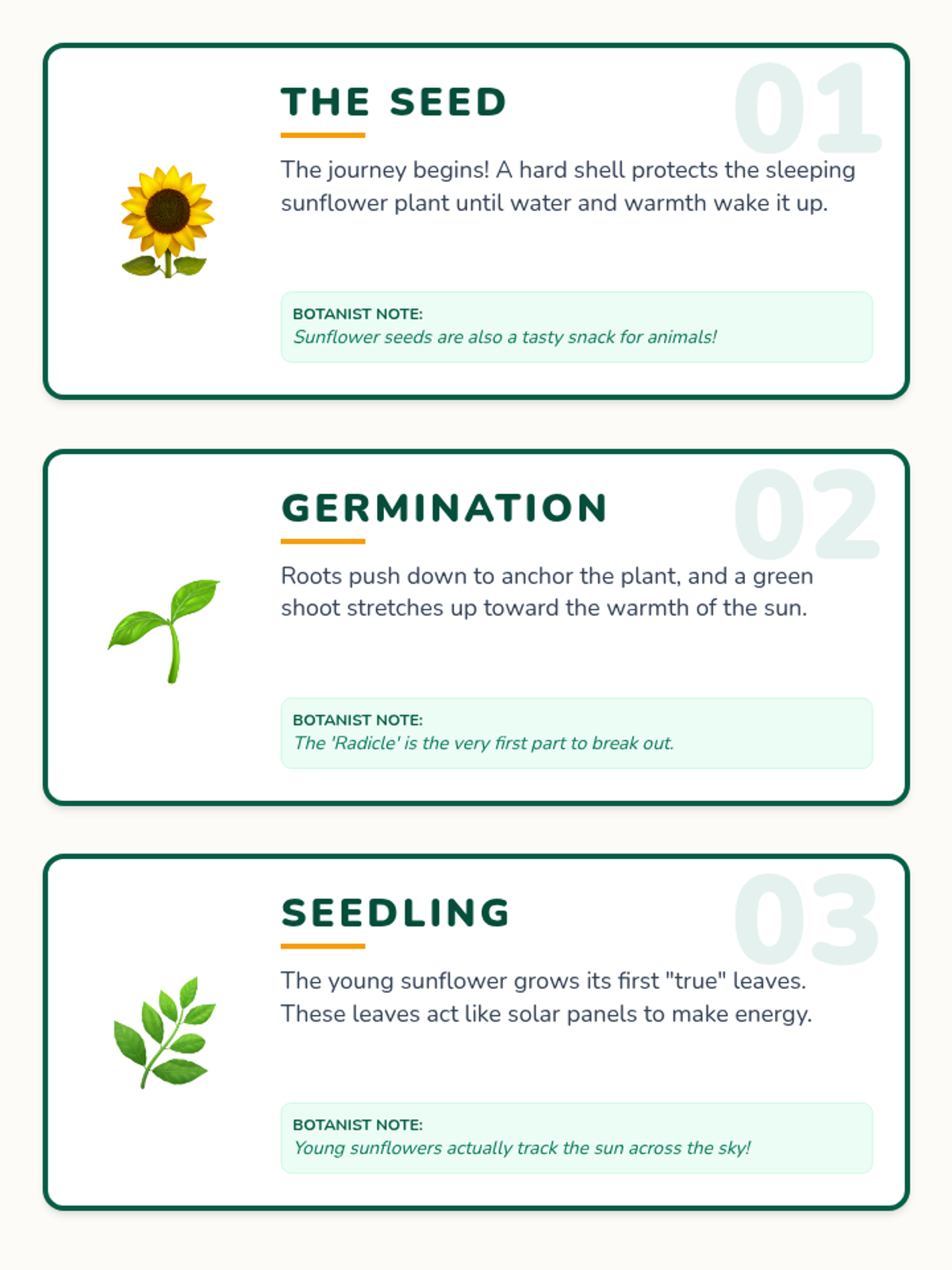
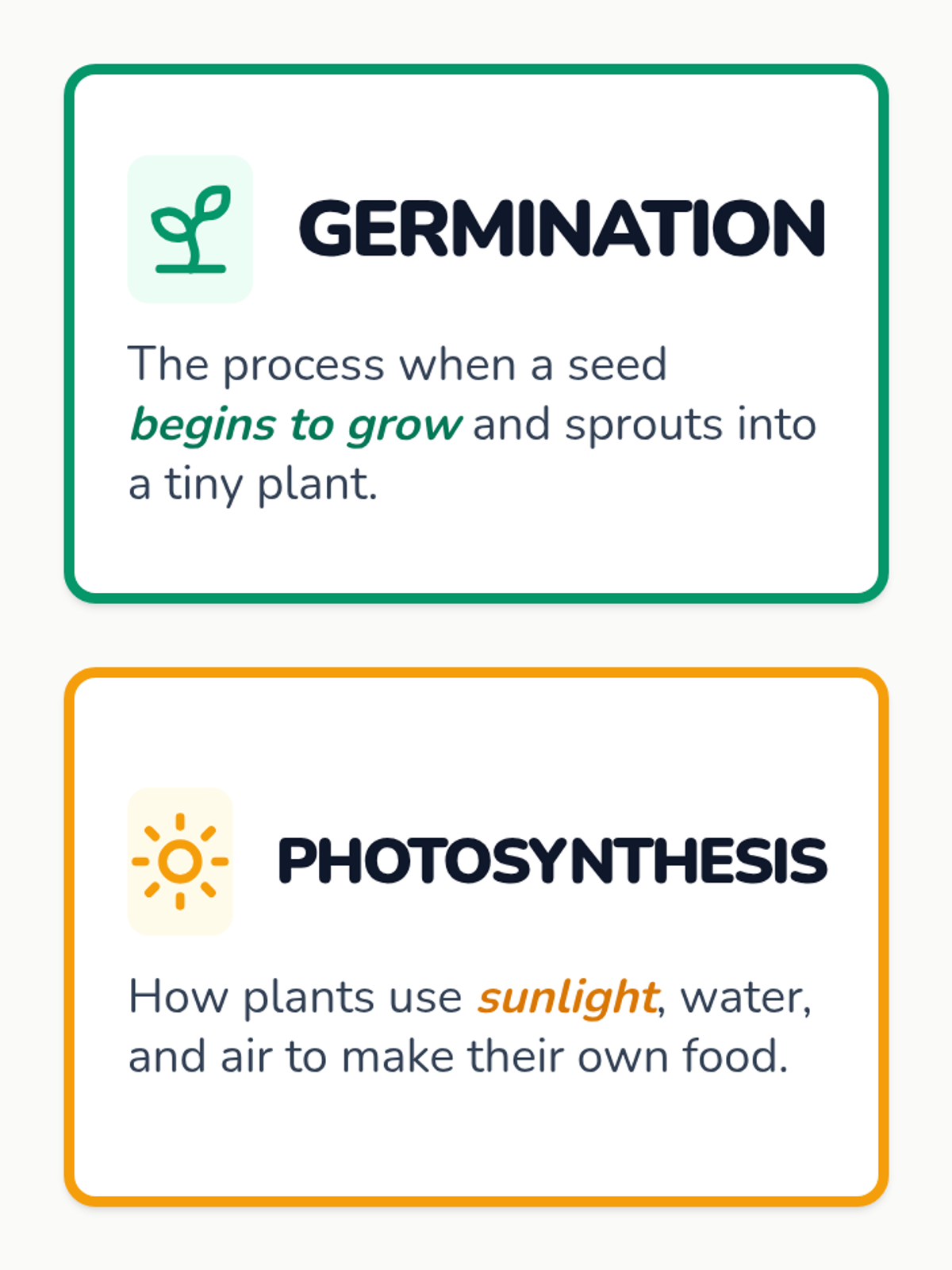
A hands-on STEAM lesson where students explore the stages of a plant's life cycle through visual aids, vocabulary building, and a planting activity.
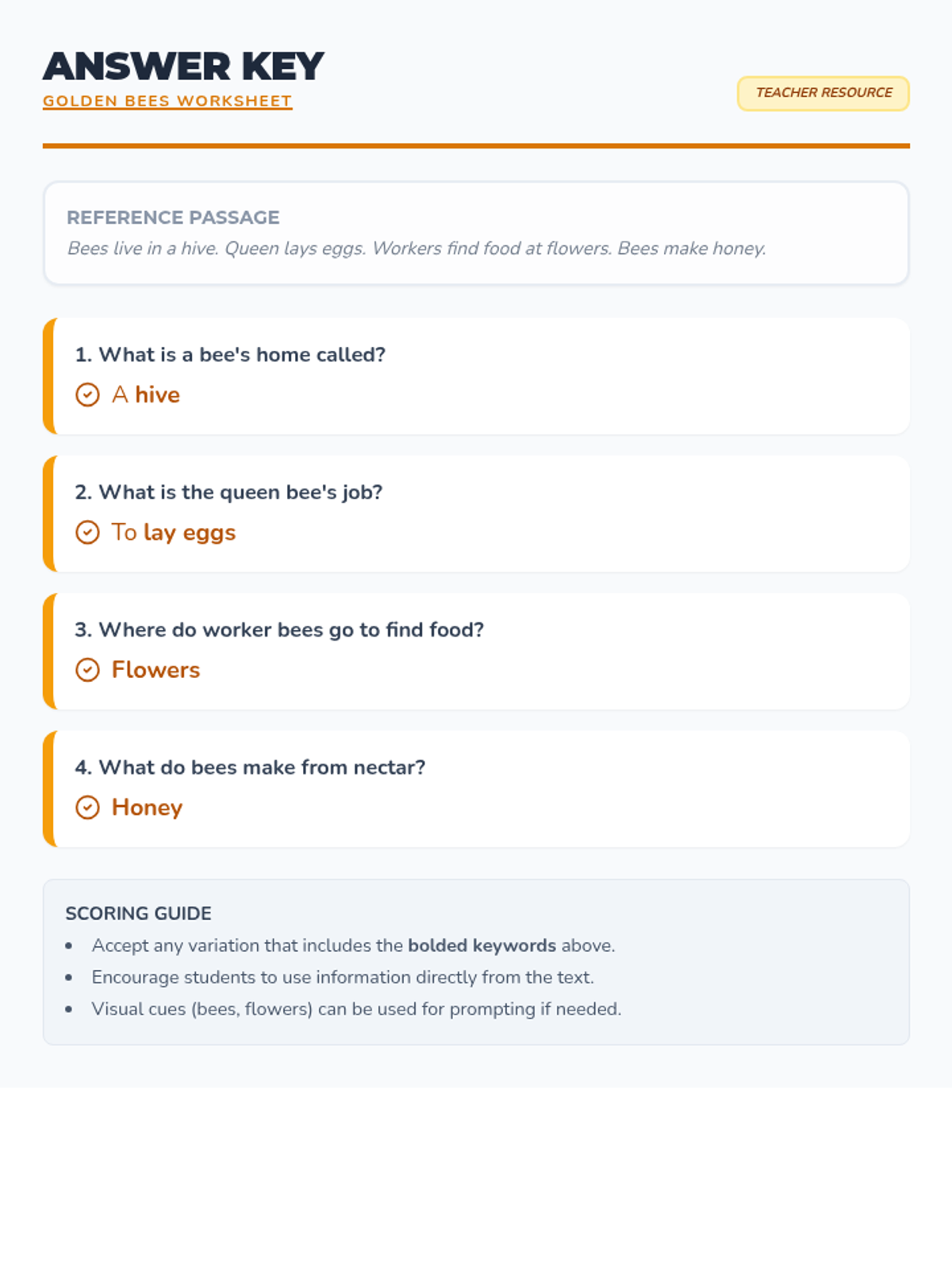
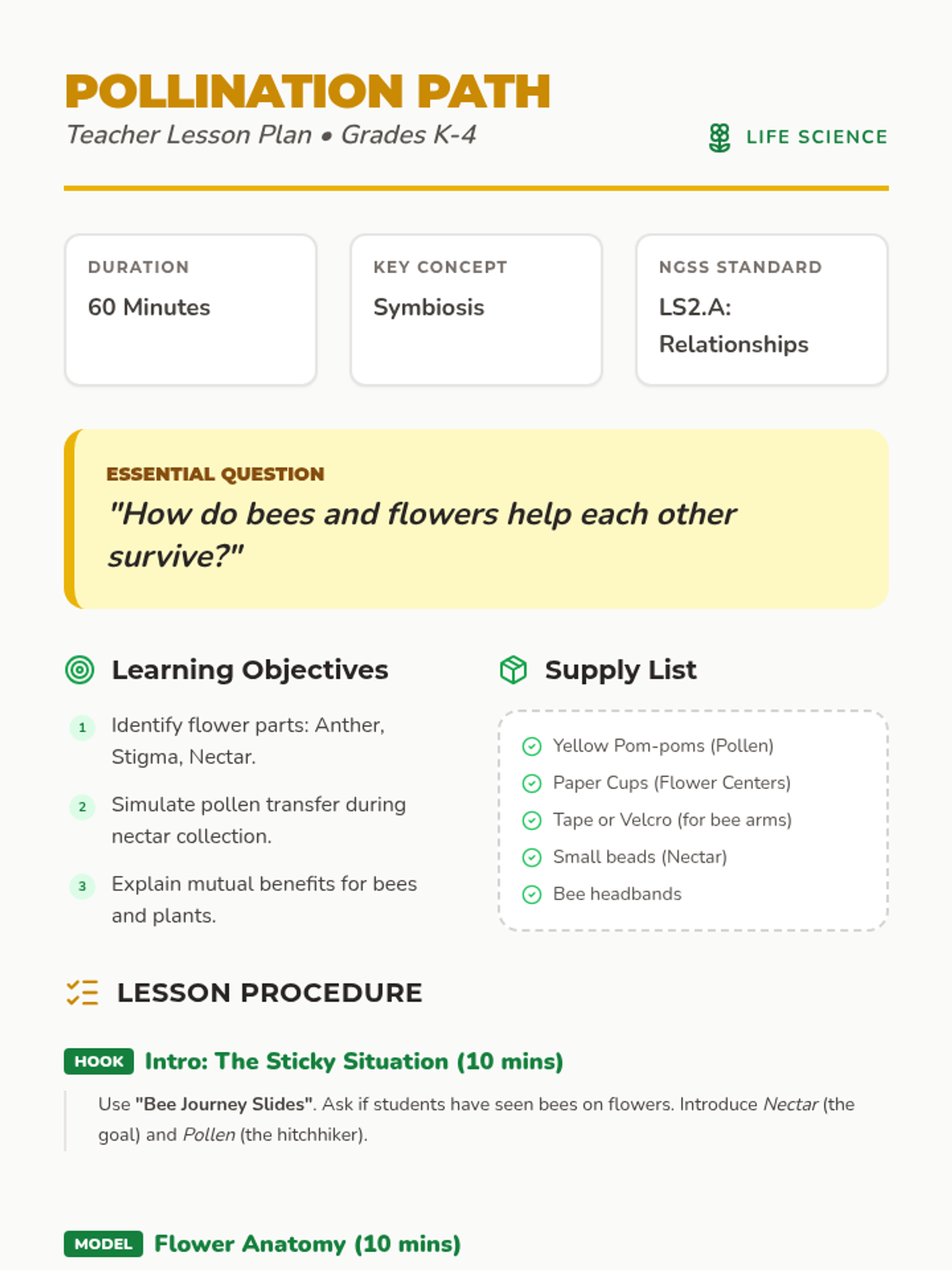
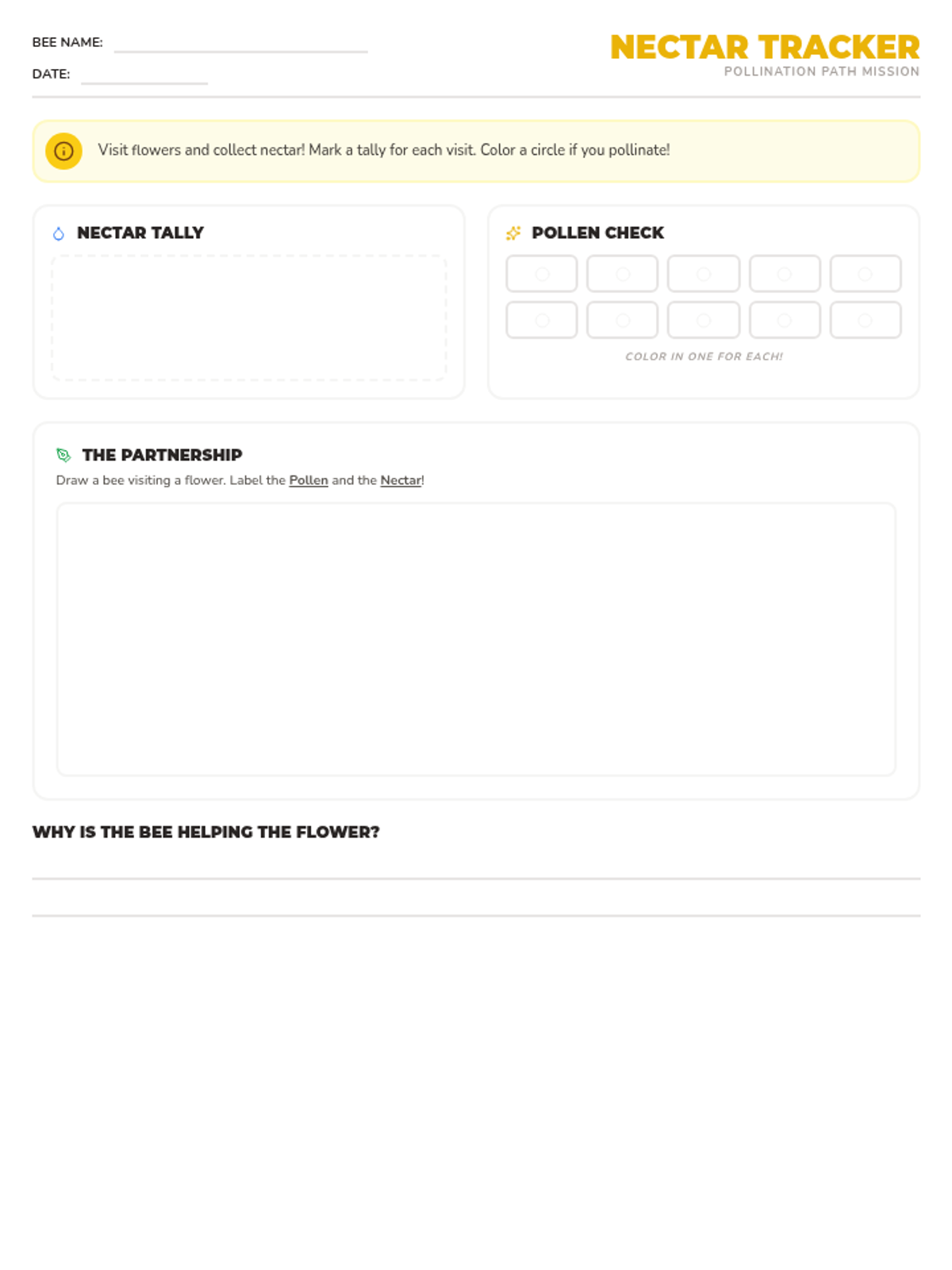
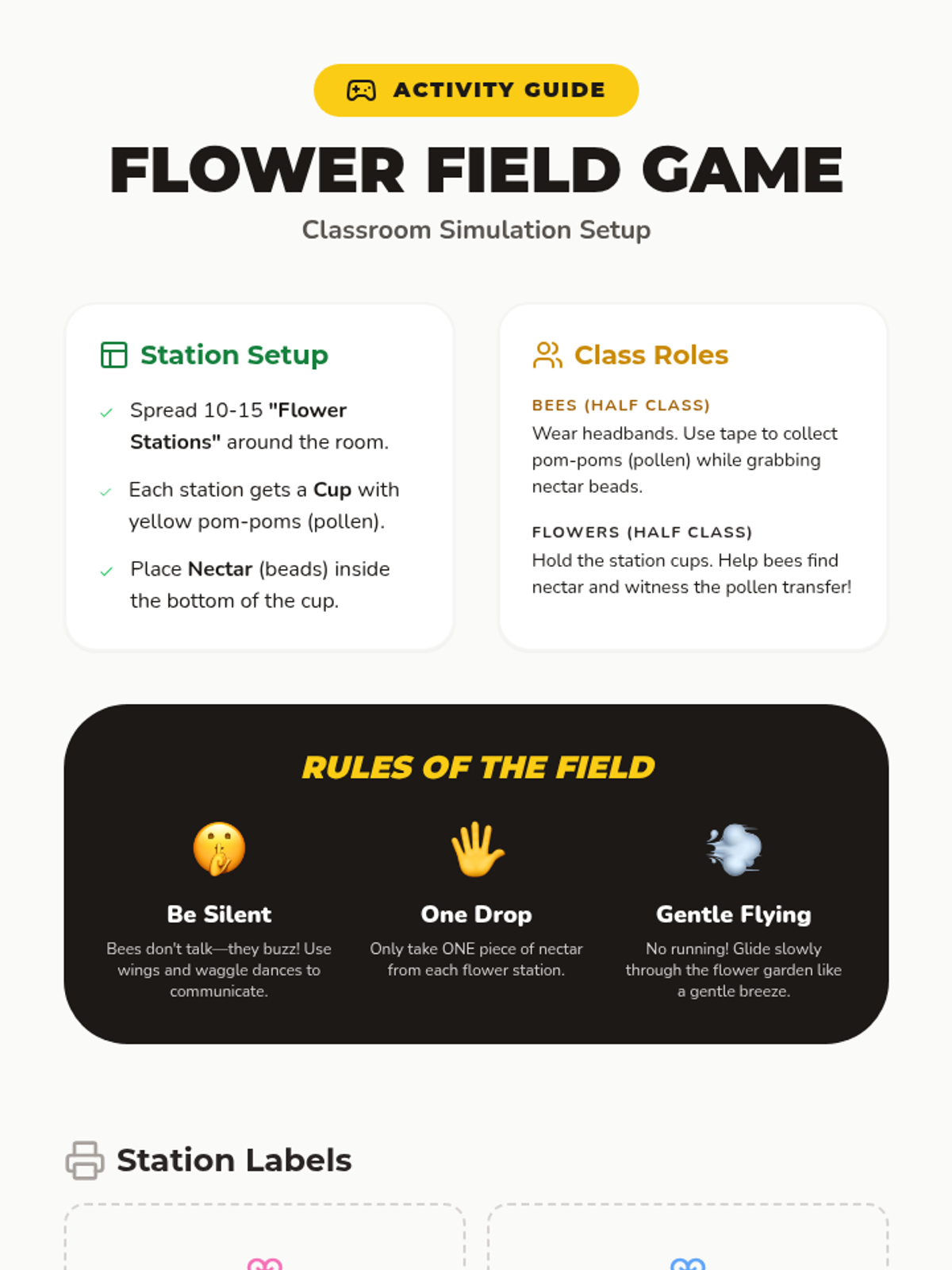
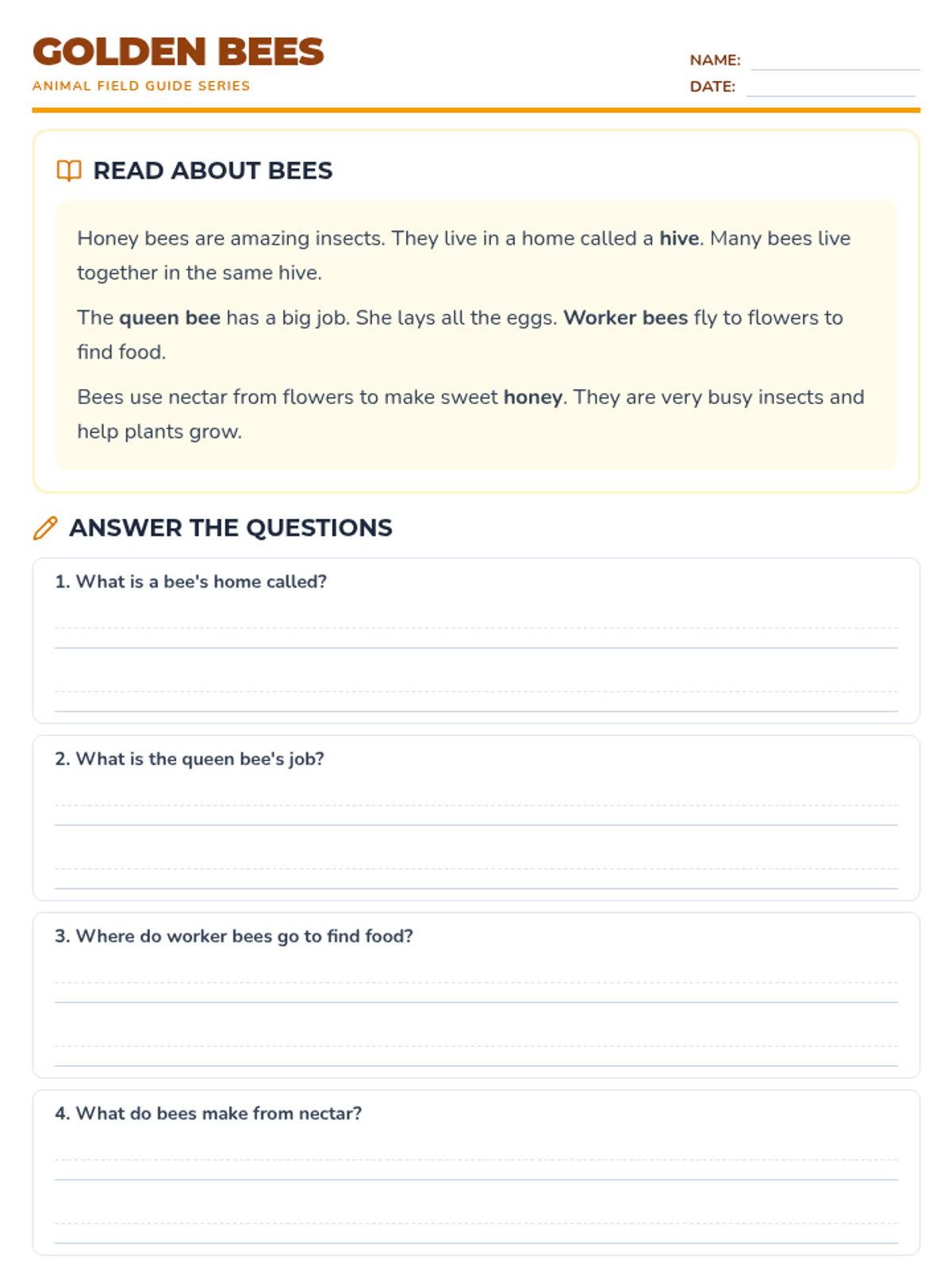
Students simulate the pollination process through a high-energy movement game, learning about the symbiotic relationship between bees and flowers and its importance to our food system.
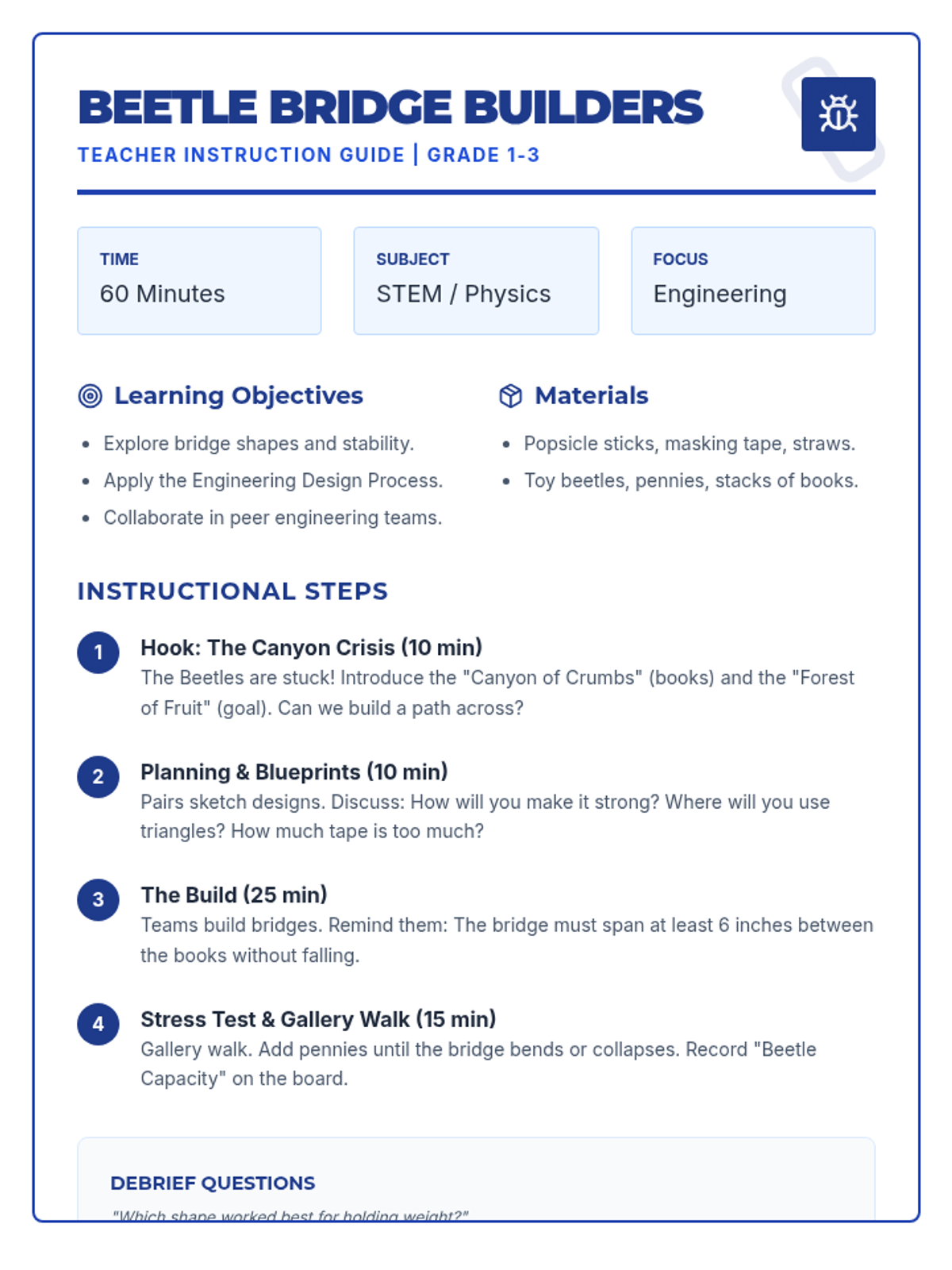
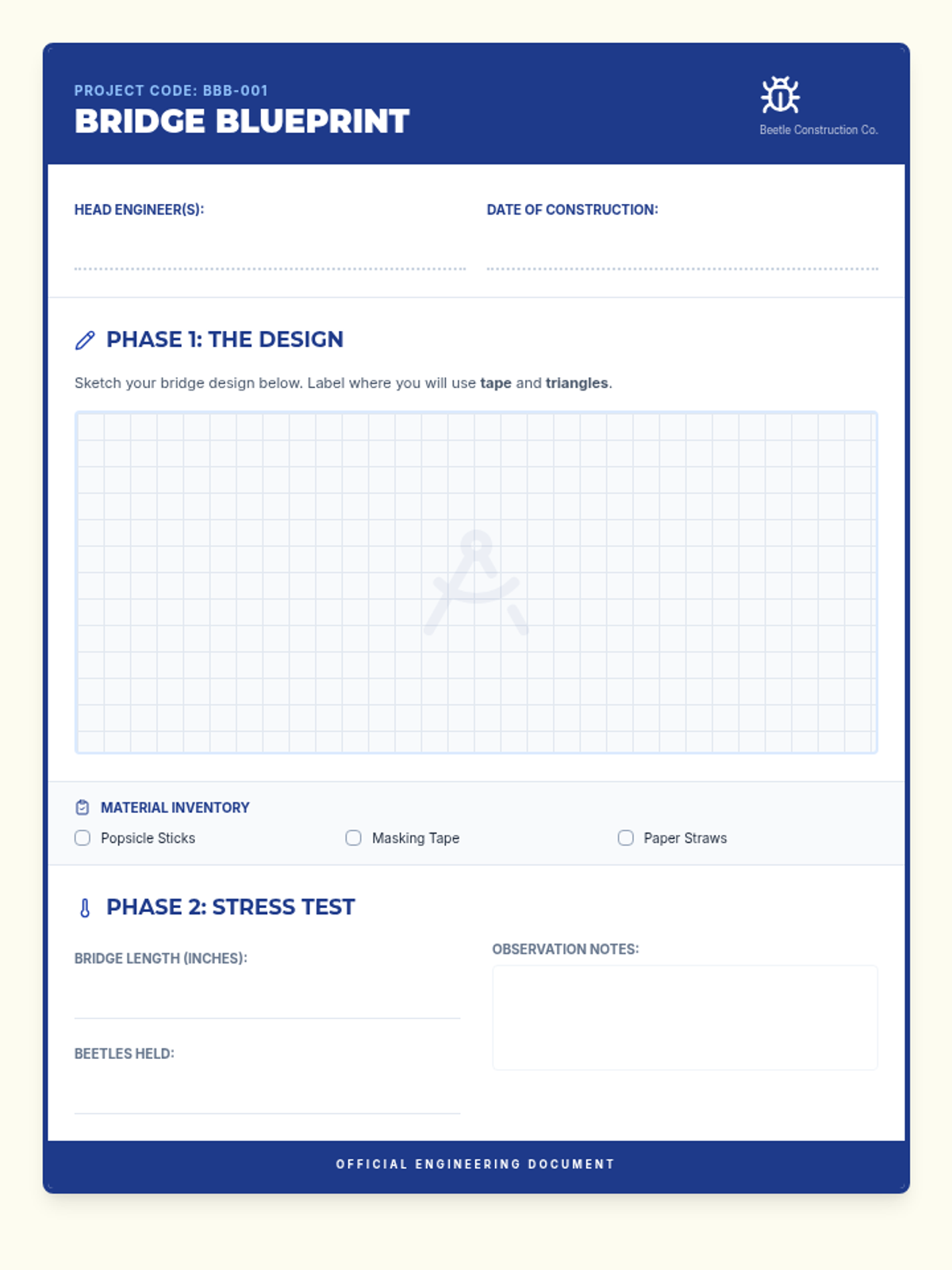
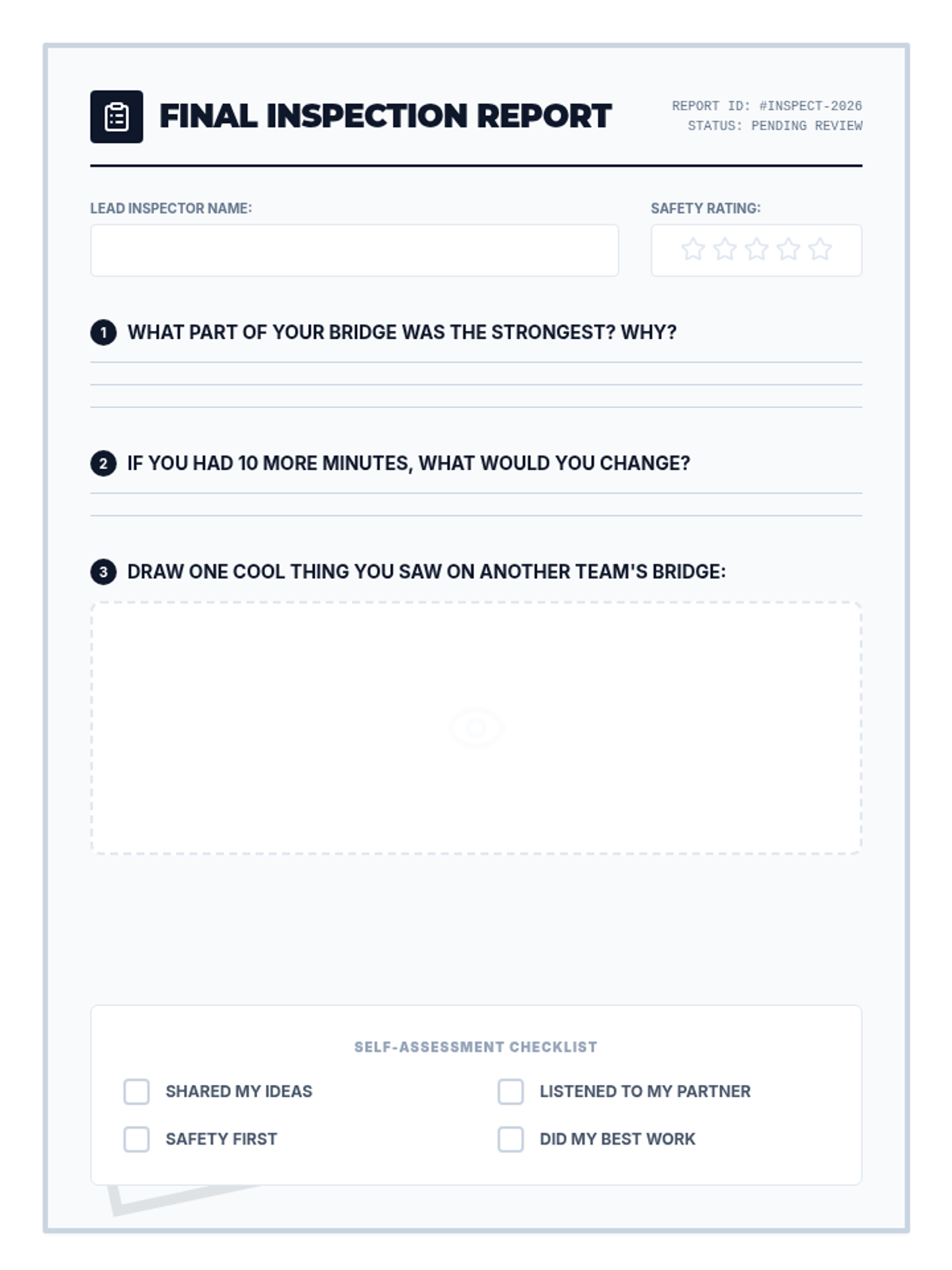
Students step into the roles of junior engineers to design, build, and test bridges for toy insects, exploring structural integrity and the engineering design process.
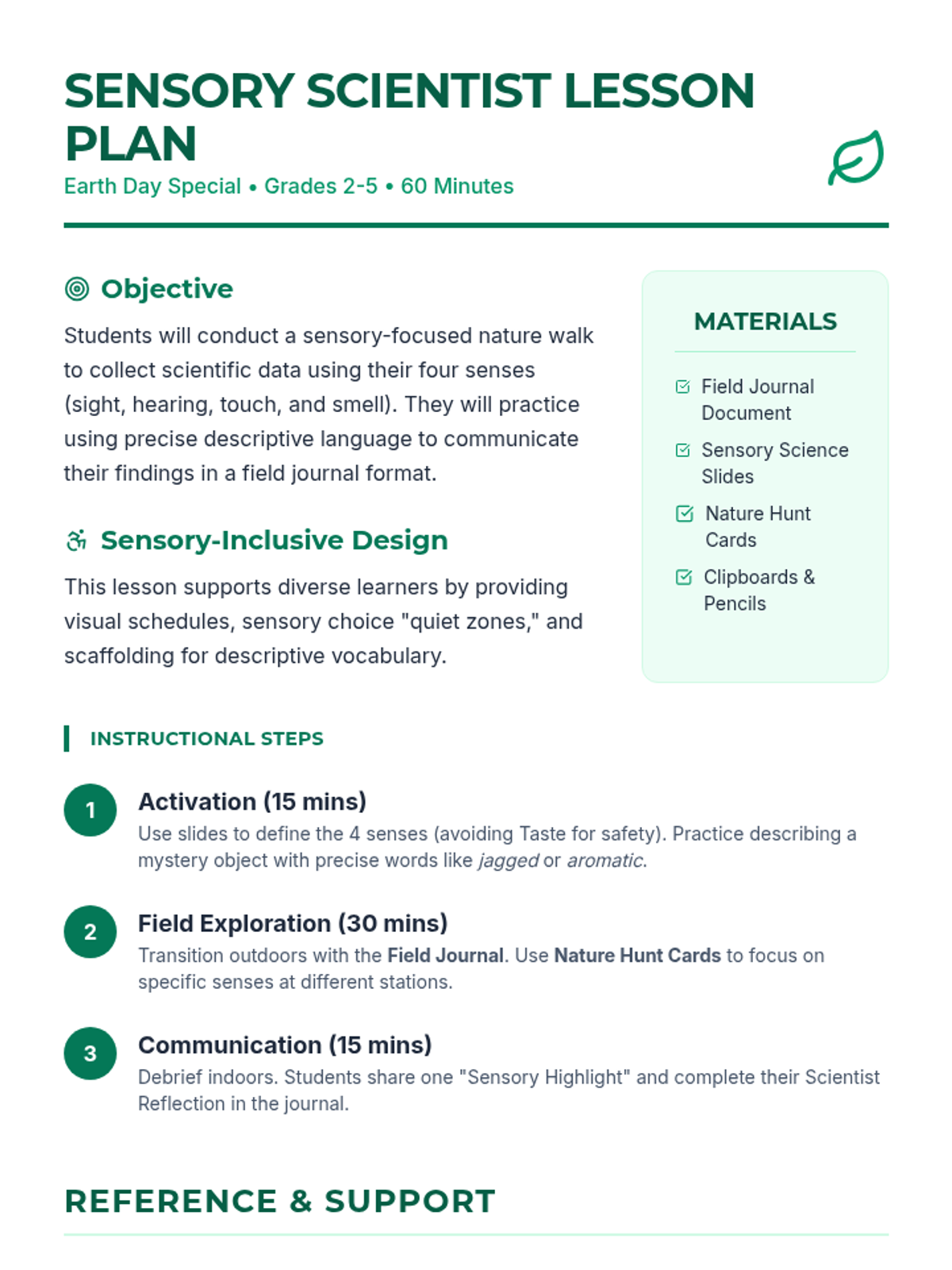
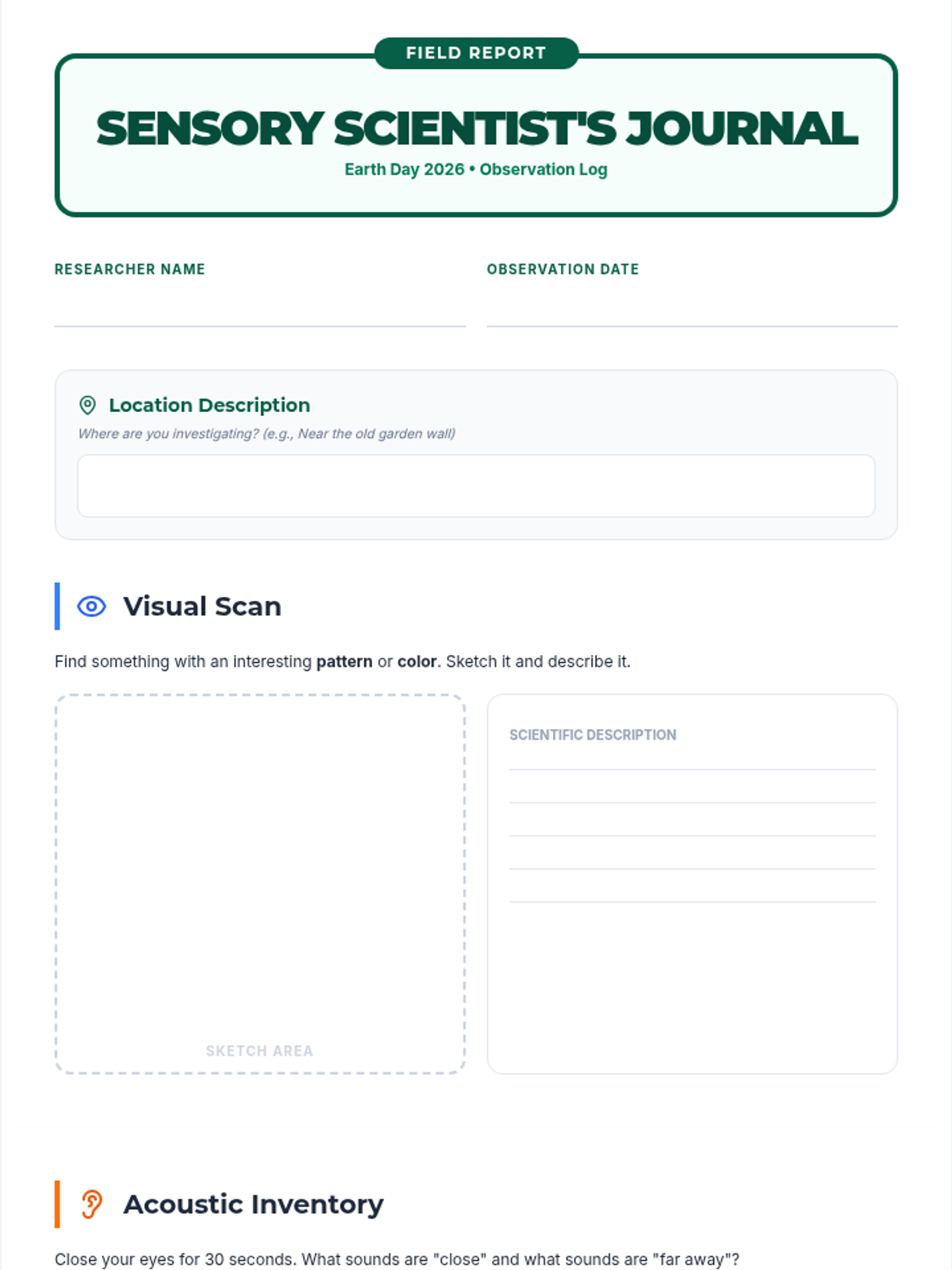
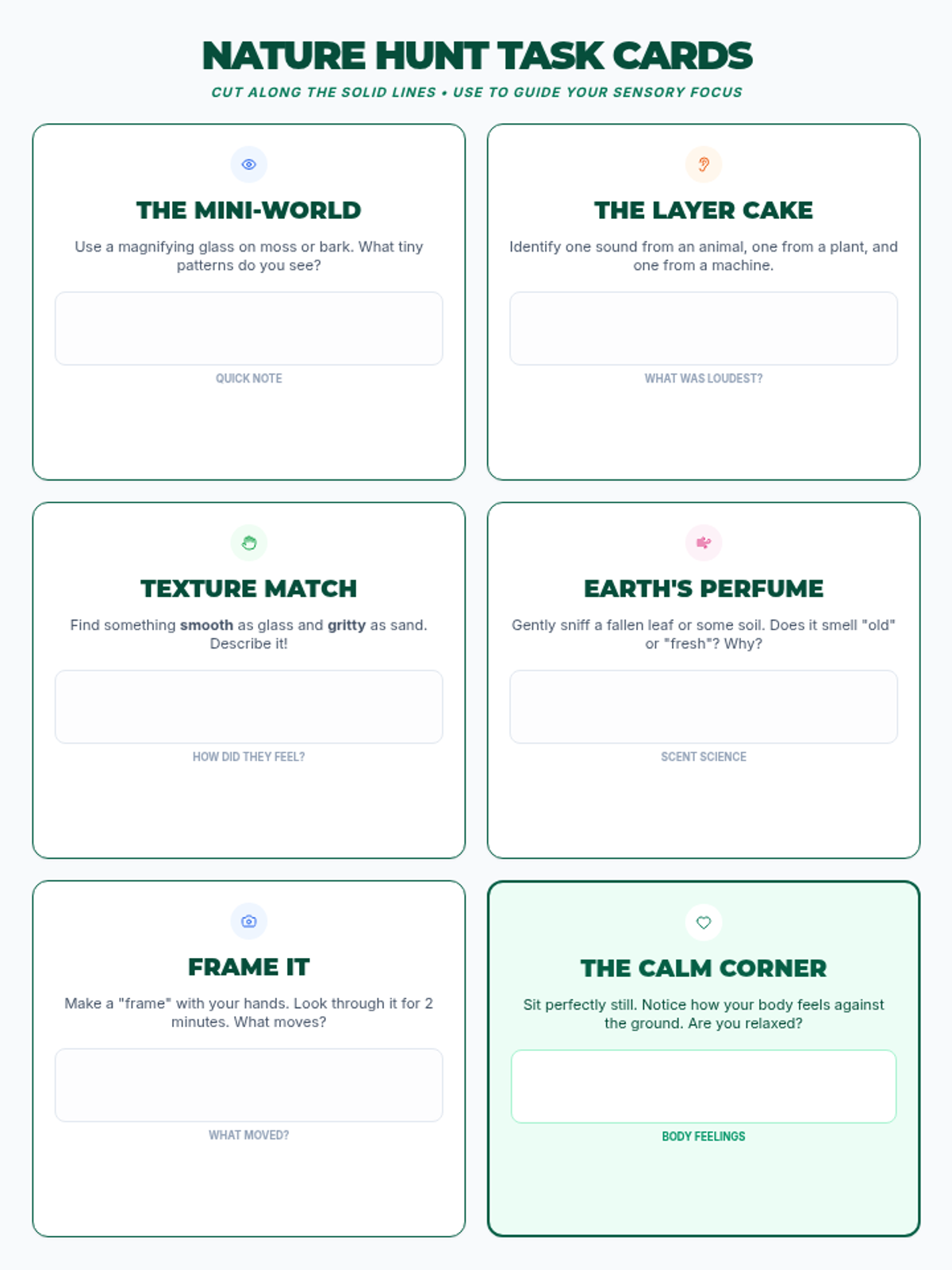
An outdoor sensory exploration lesson designed for Earth Day, helping students with diverse sensory needs build descriptive language and observation skills through nature-based science communication.
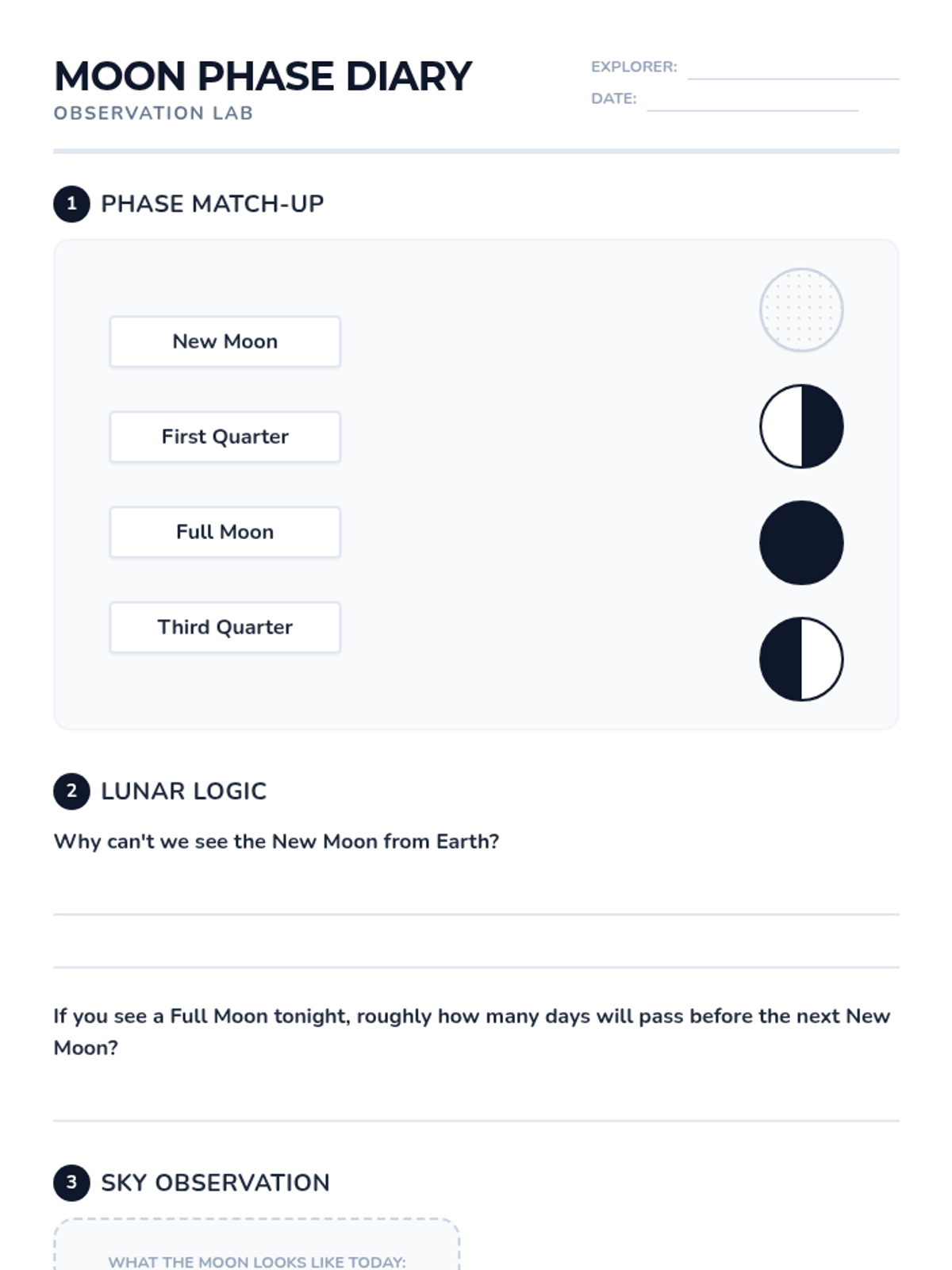
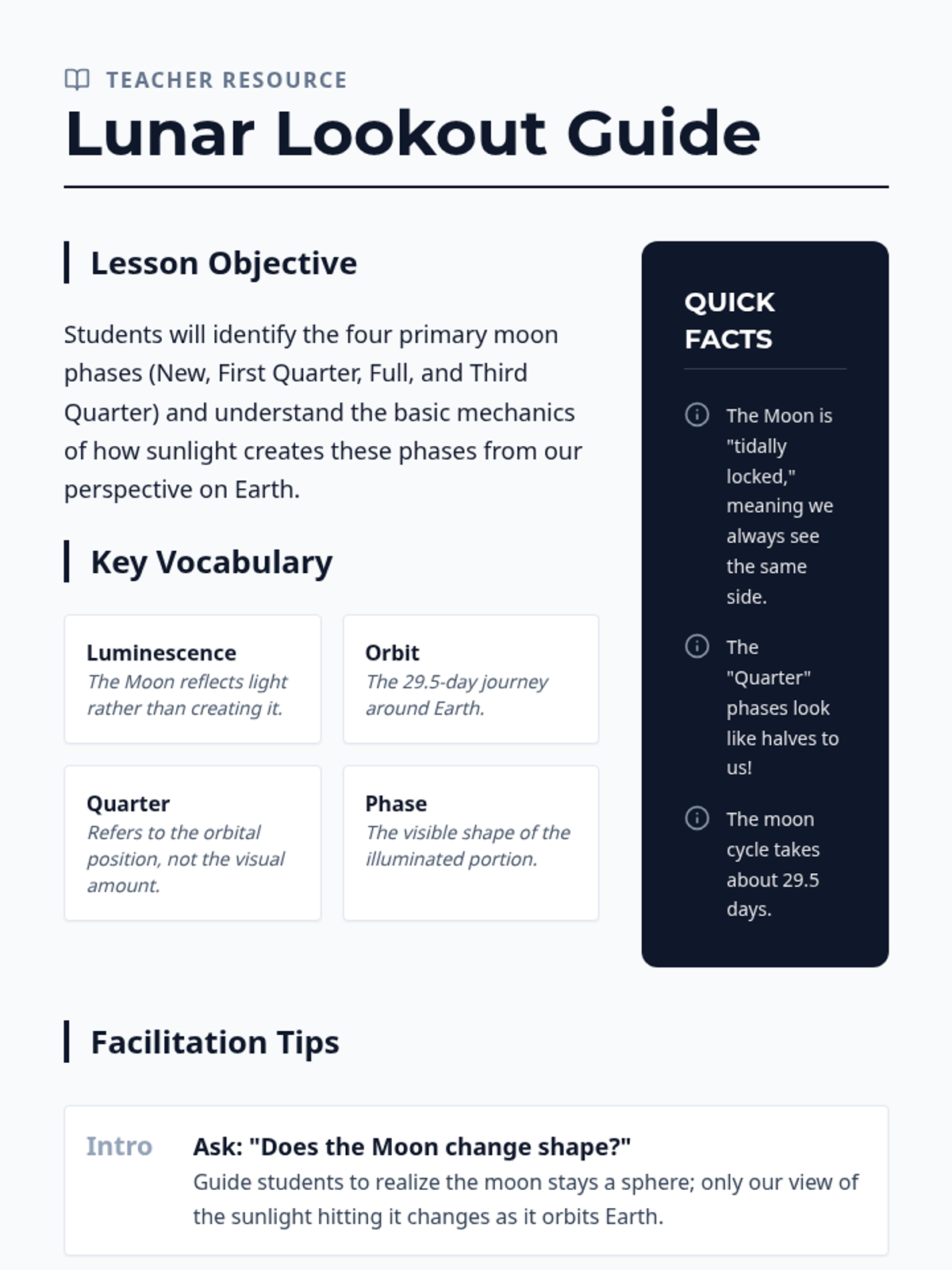
An introductory exploration of the four primary moon phases, helping students identify and understand the lunar cycle through visual observation.
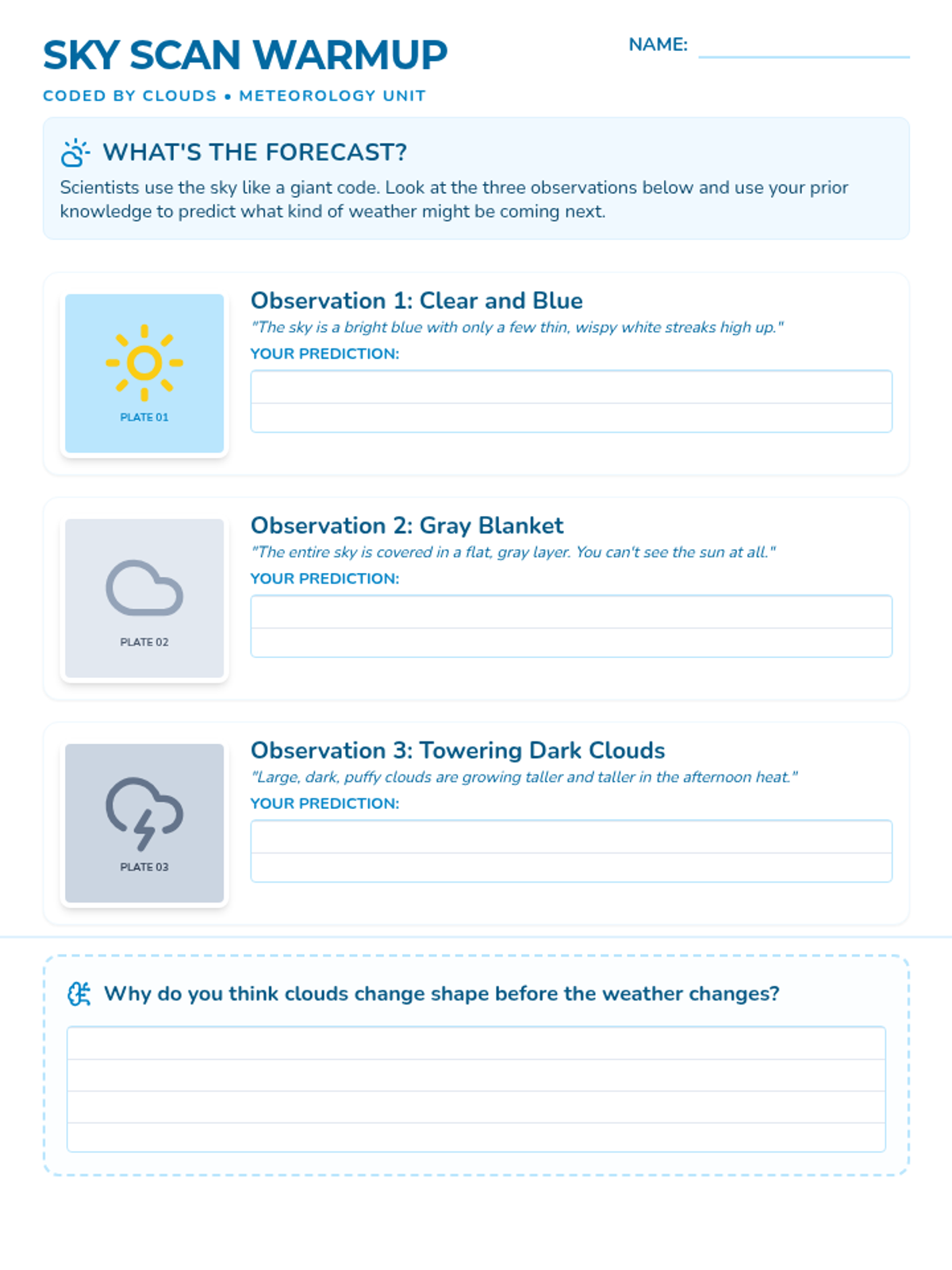
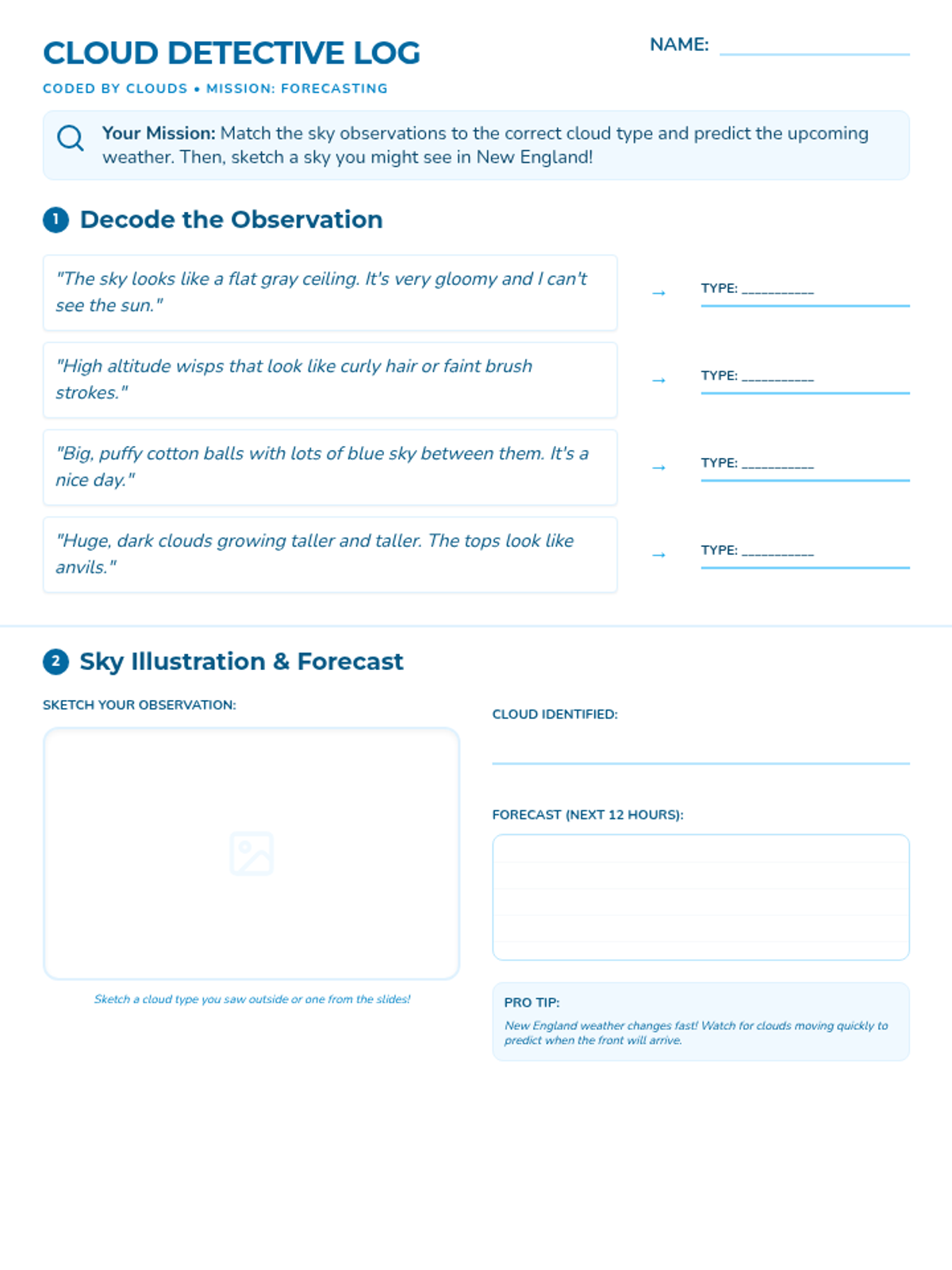
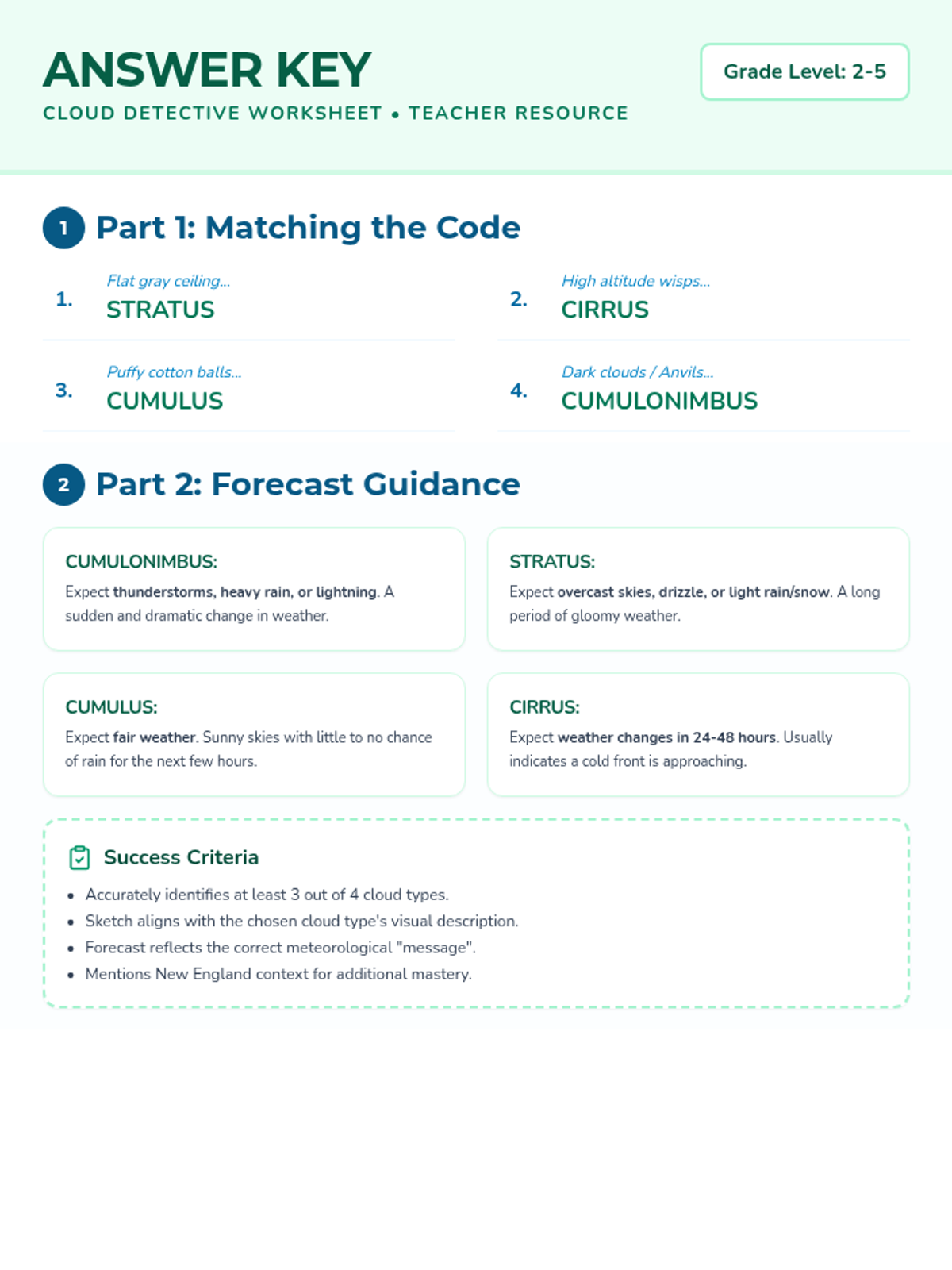
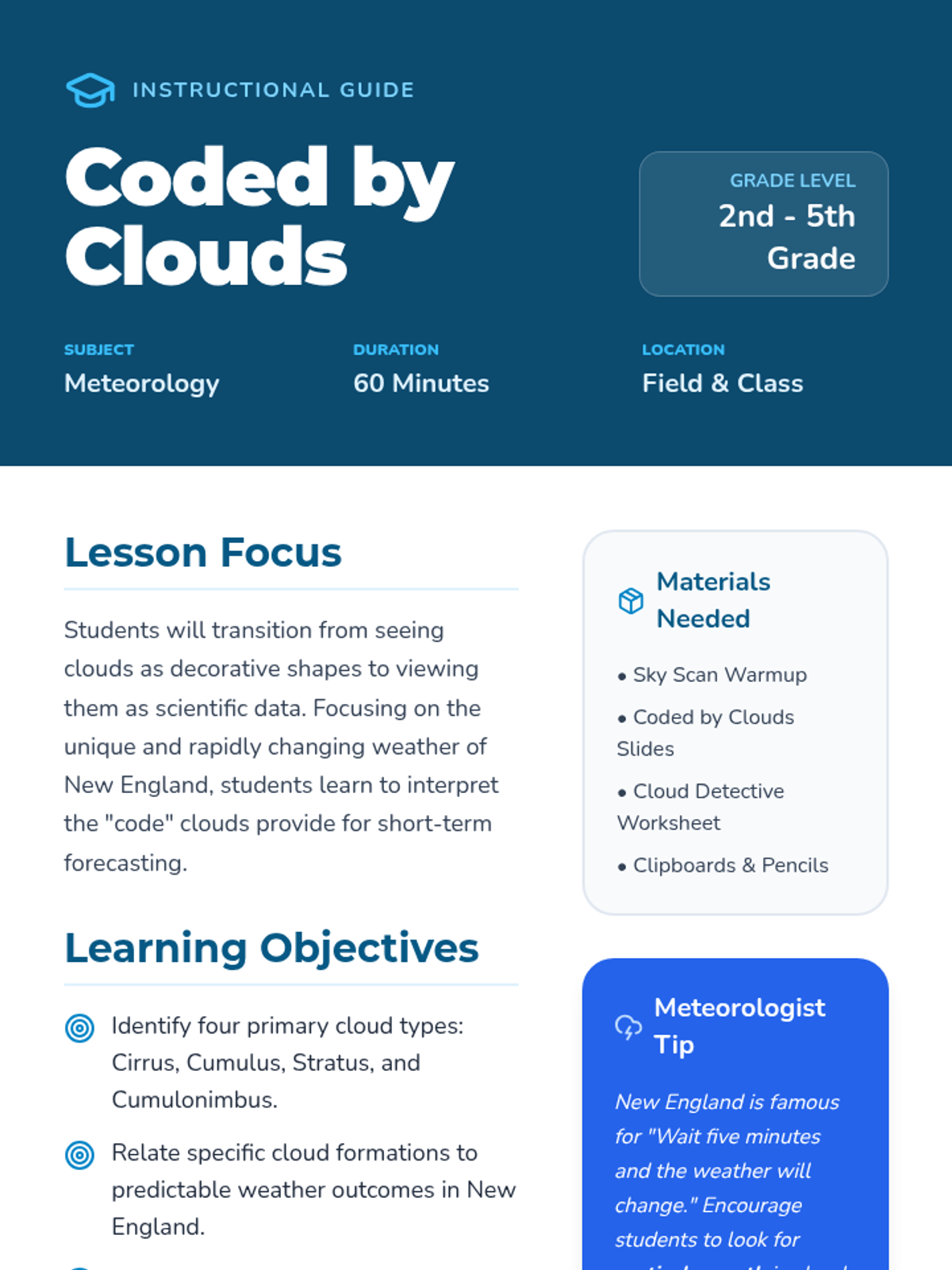
Students observe and categorize different cloud formations to predict upcoming weather patterns in the New England area. This meteorology lesson encourages 2nd through 5th graders to use sky observations as data for scientific forecasting.
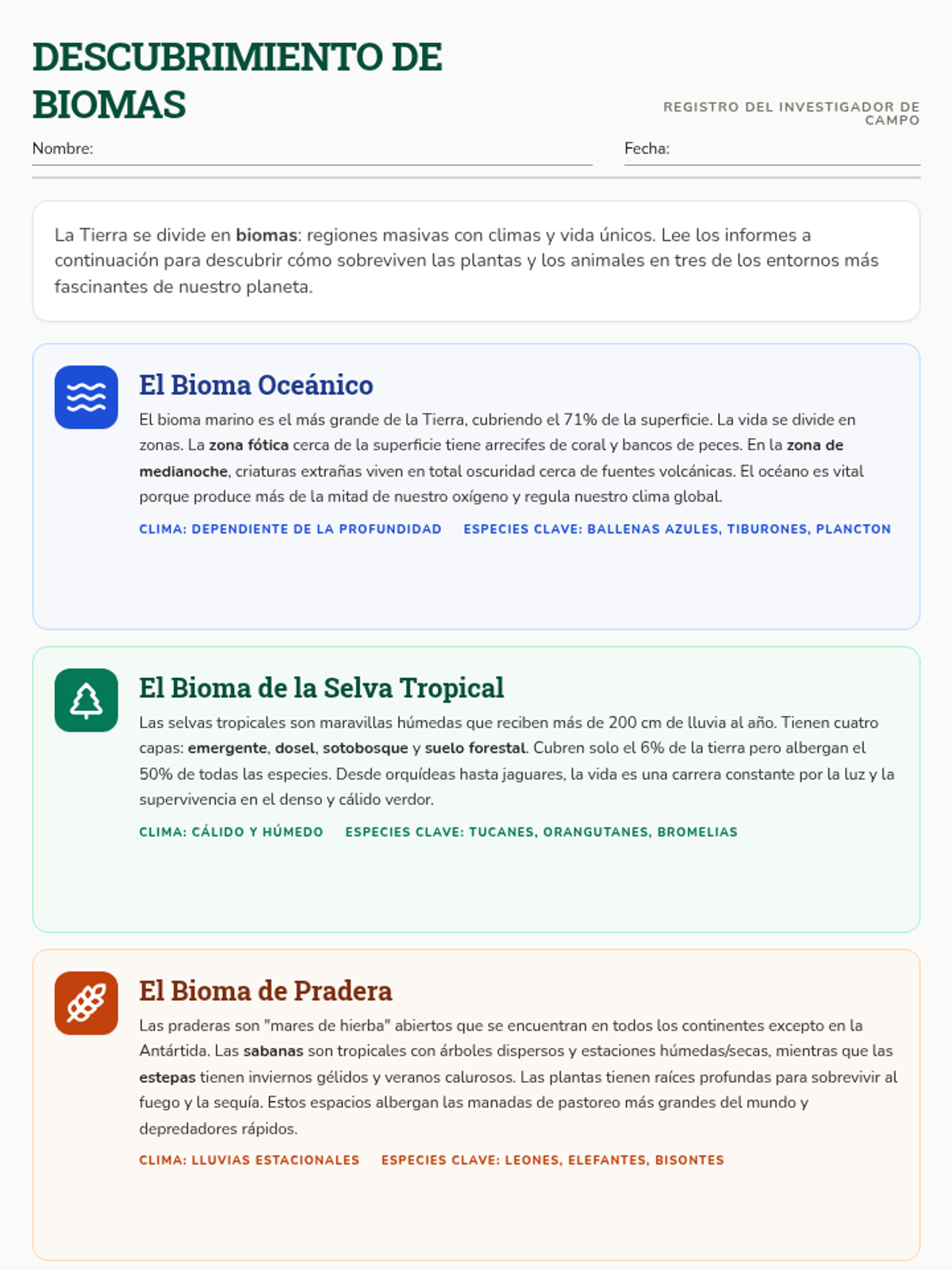
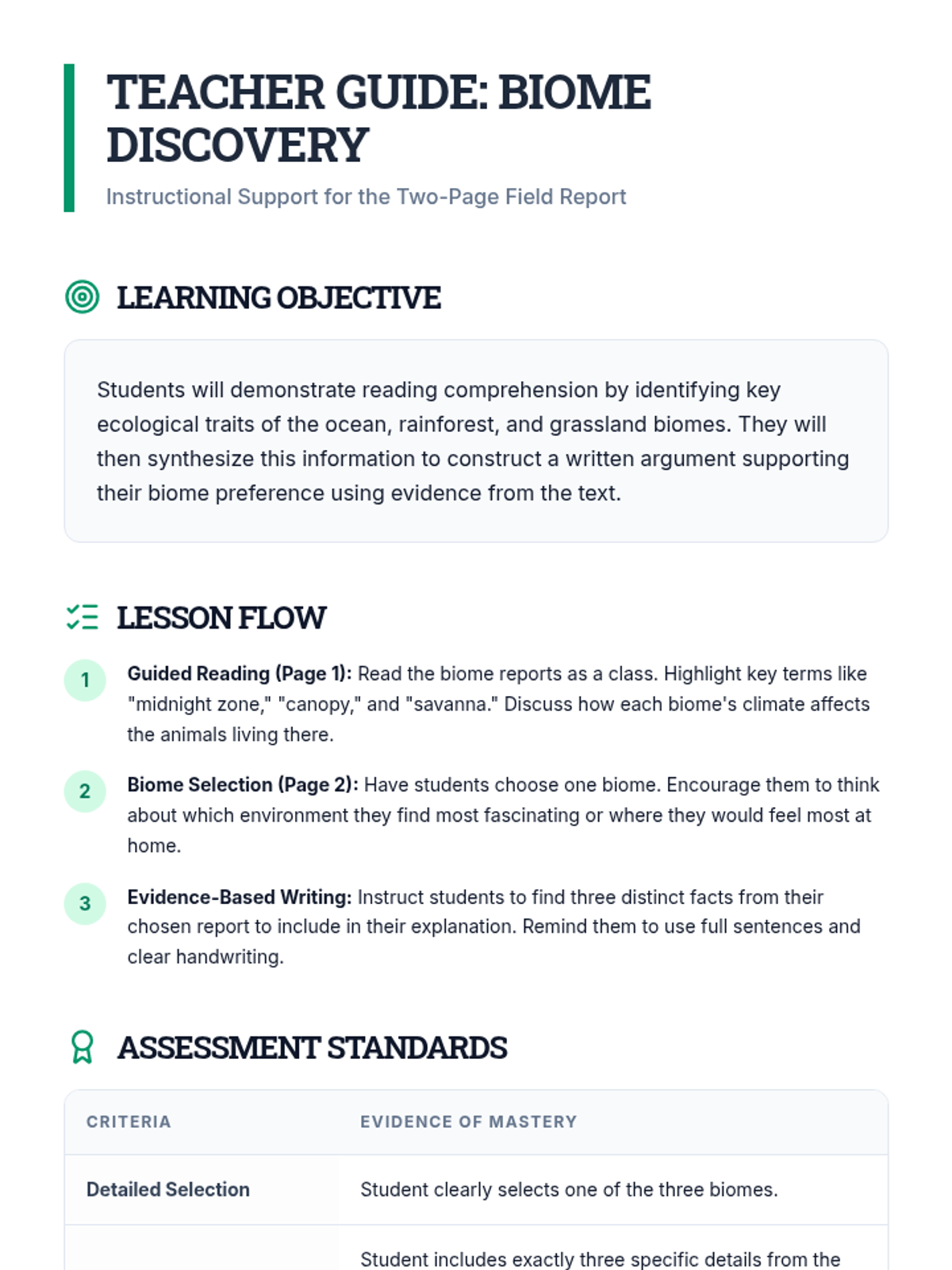
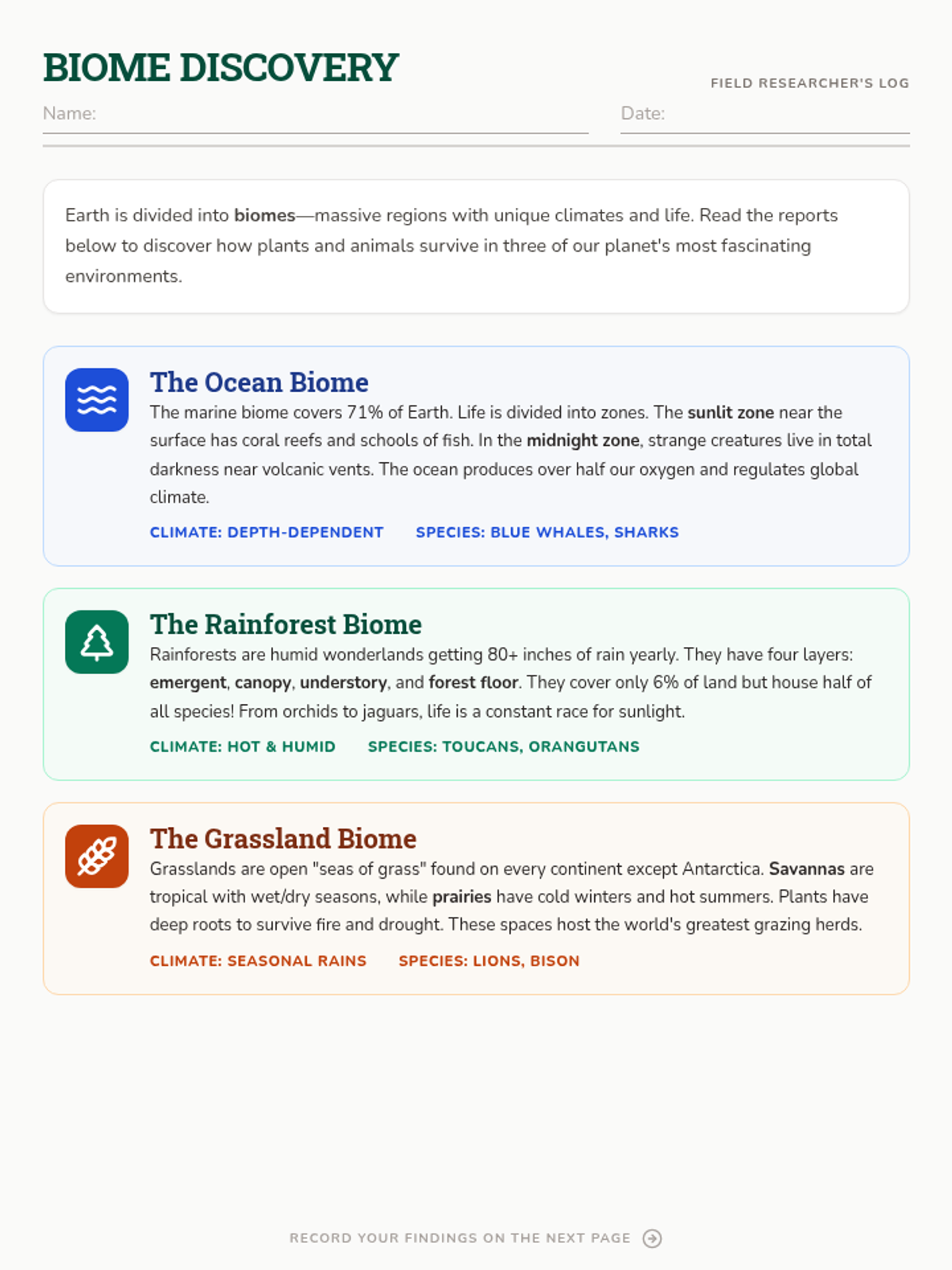
An introductory exploration of Earth's diverse biomes, focusing on the ocean, rainforest, and grassland ecosystems. Students learn to identify key characteristics and express personal preferences based on ecological traits.
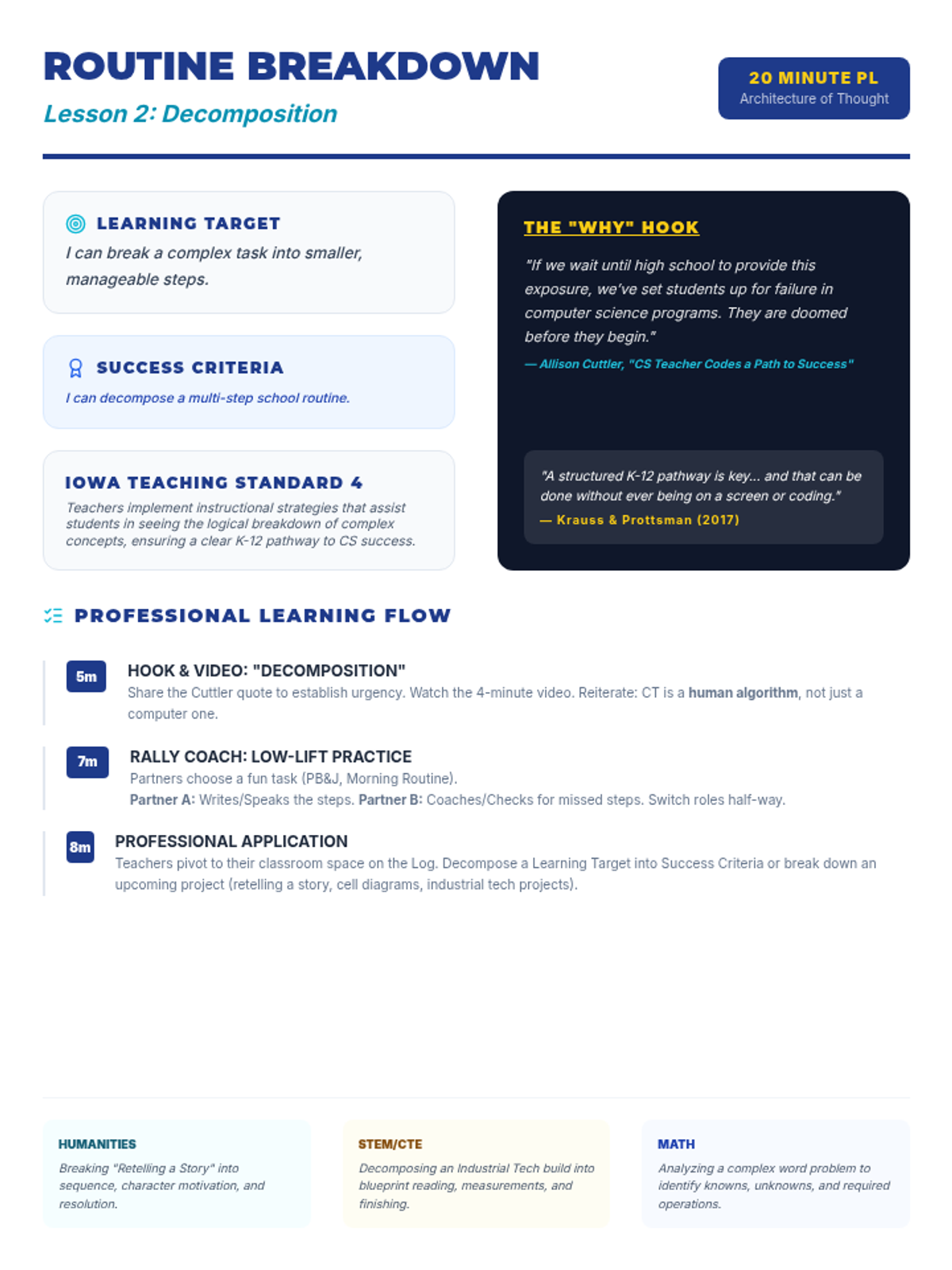
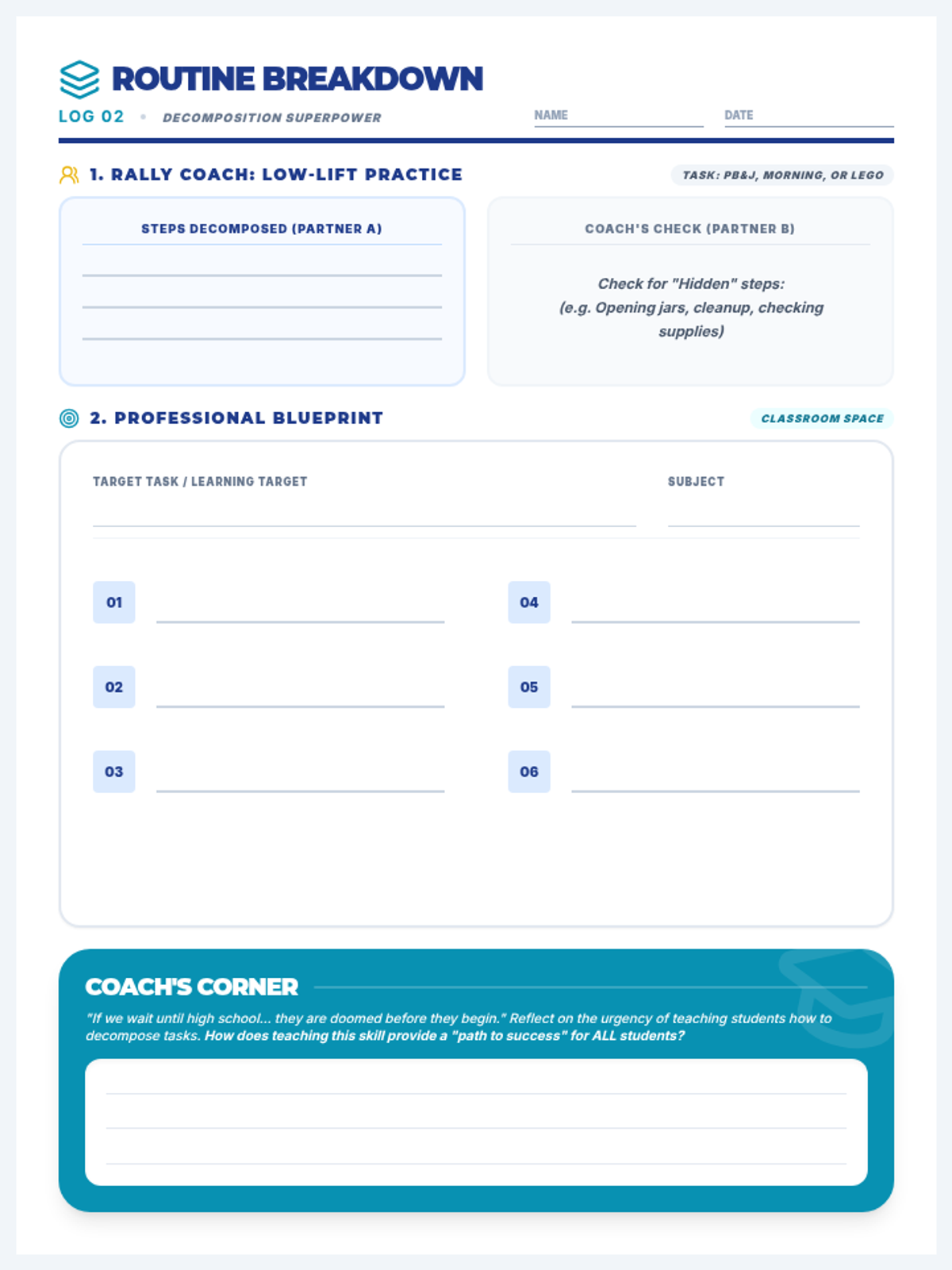
Teachers learn to break complex tasks into smaller, manageable steps using classroom routines and Iowa Core standards as examples.
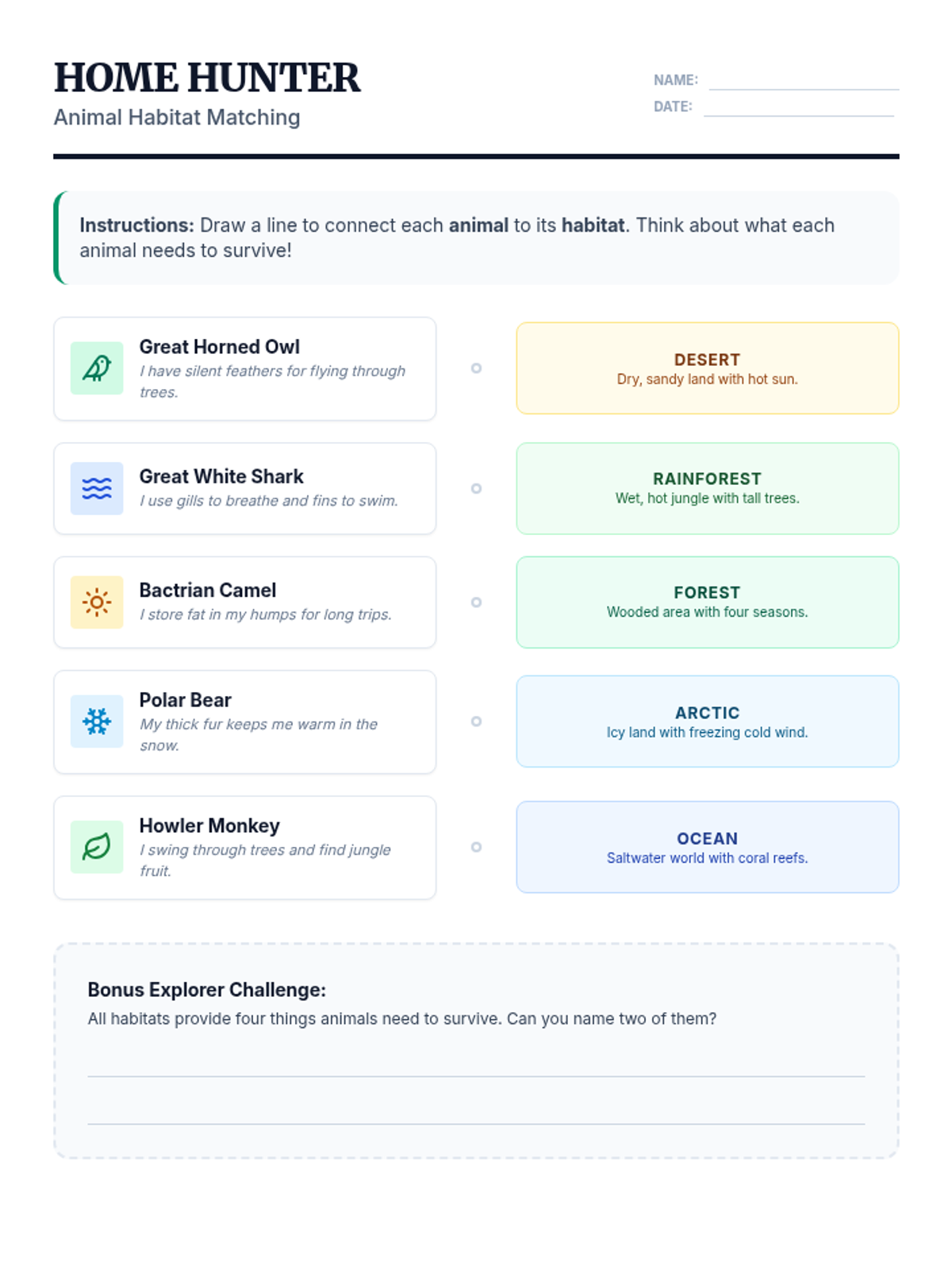
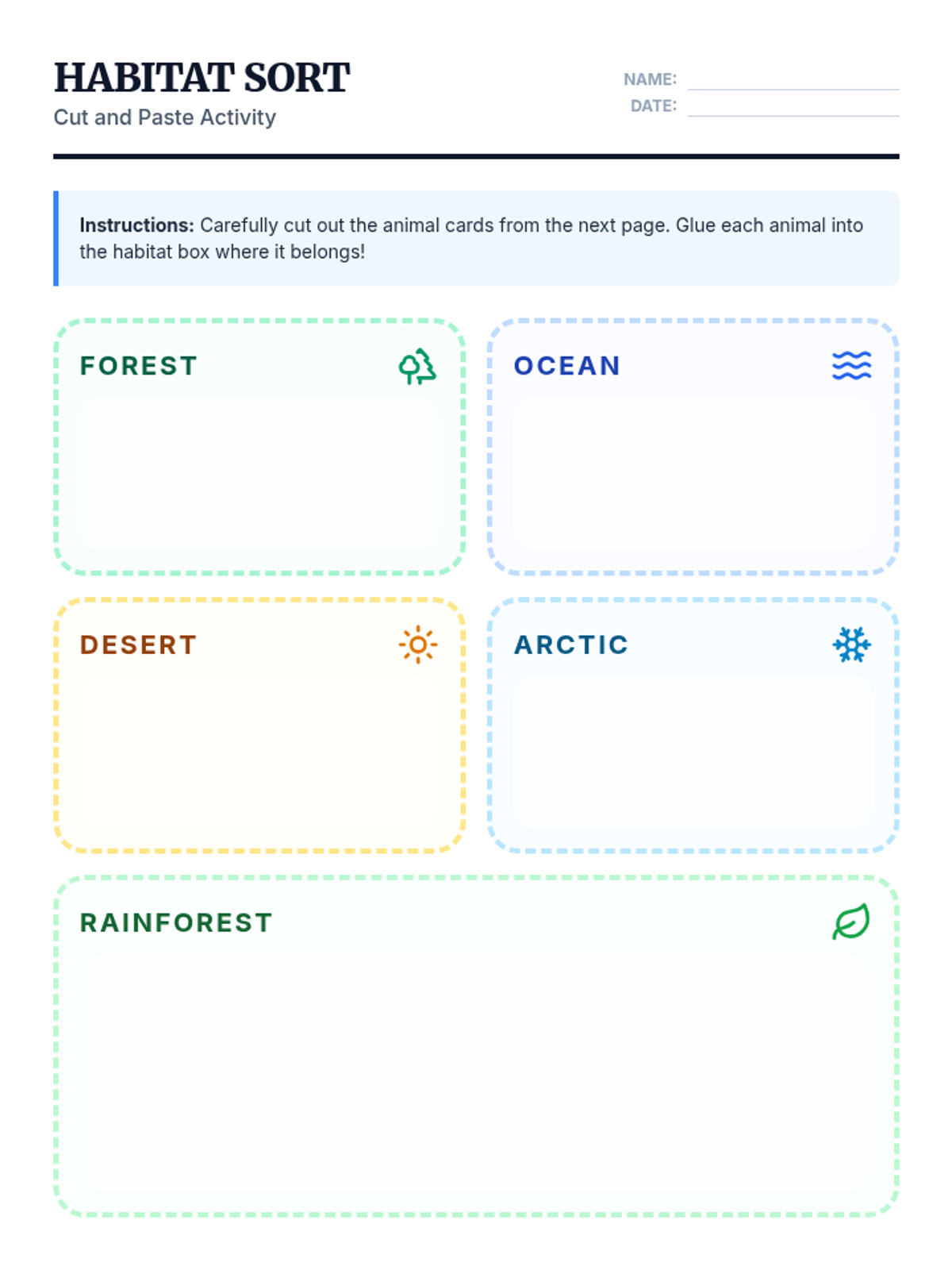
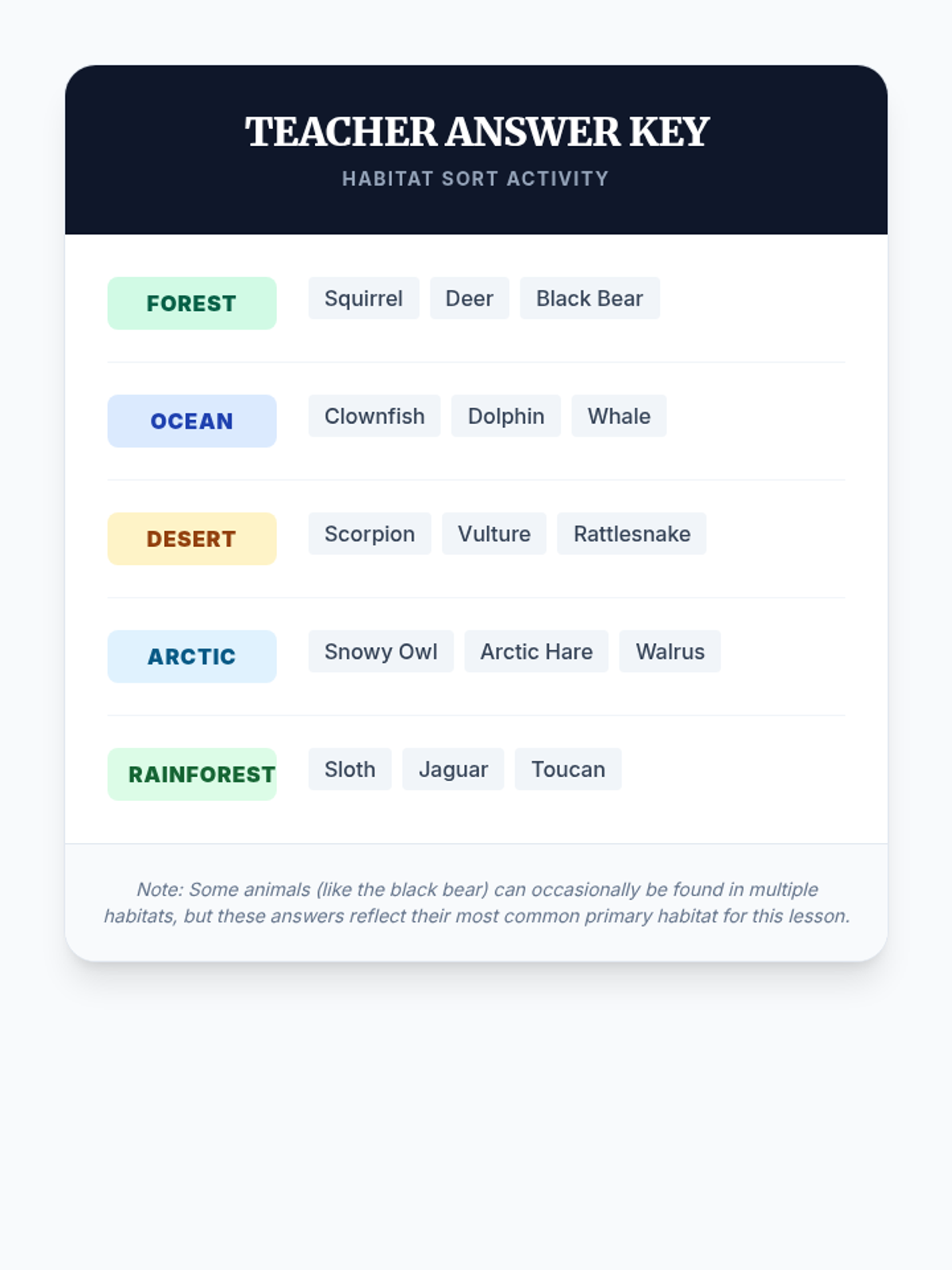
Students explore five major world habitats—Forest, Ocean, Desert, Arctic, and Rainforest—identifying key characteristics and the animals that call them home through visual presentation and hands-on sorting activities.
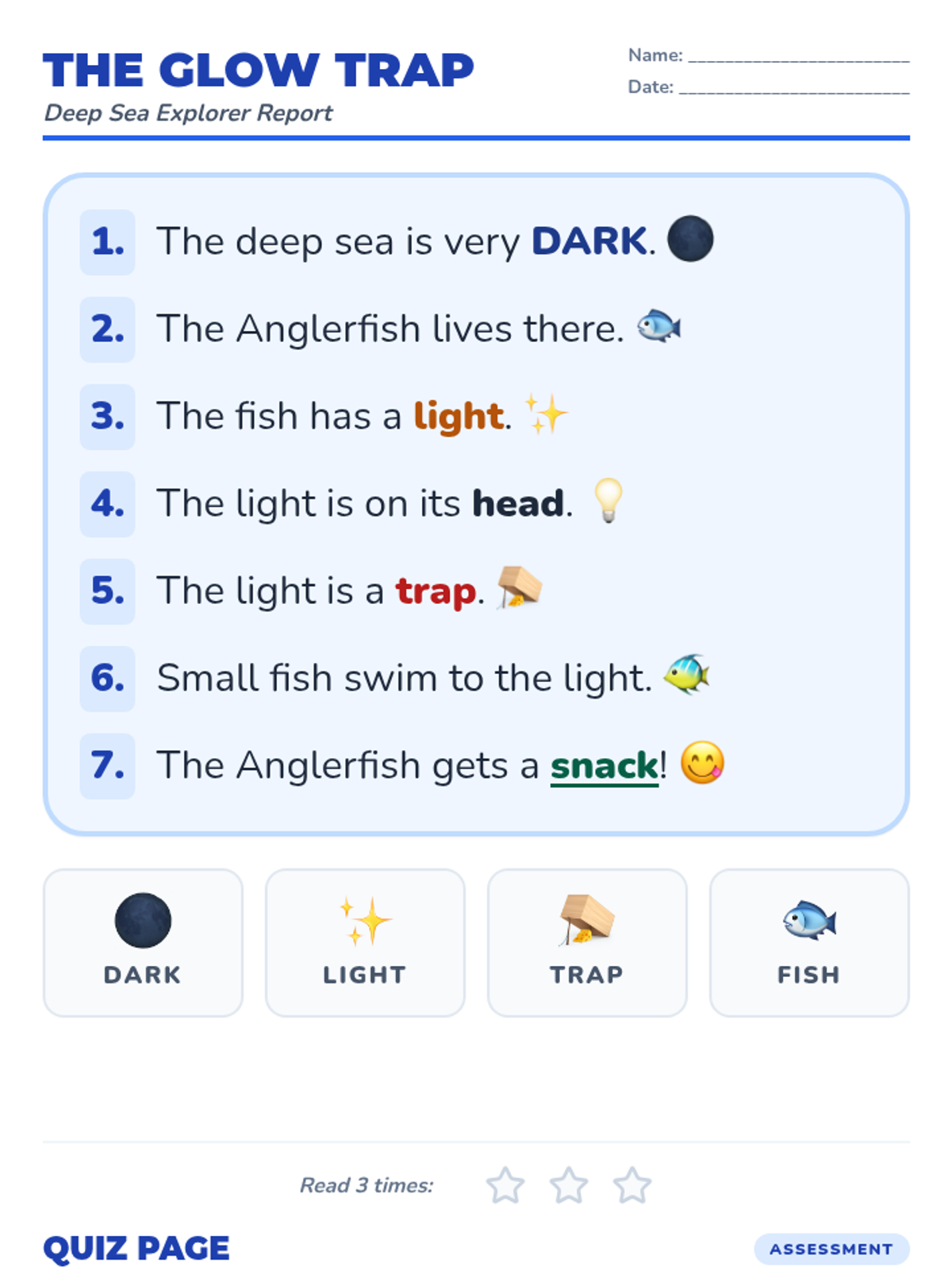
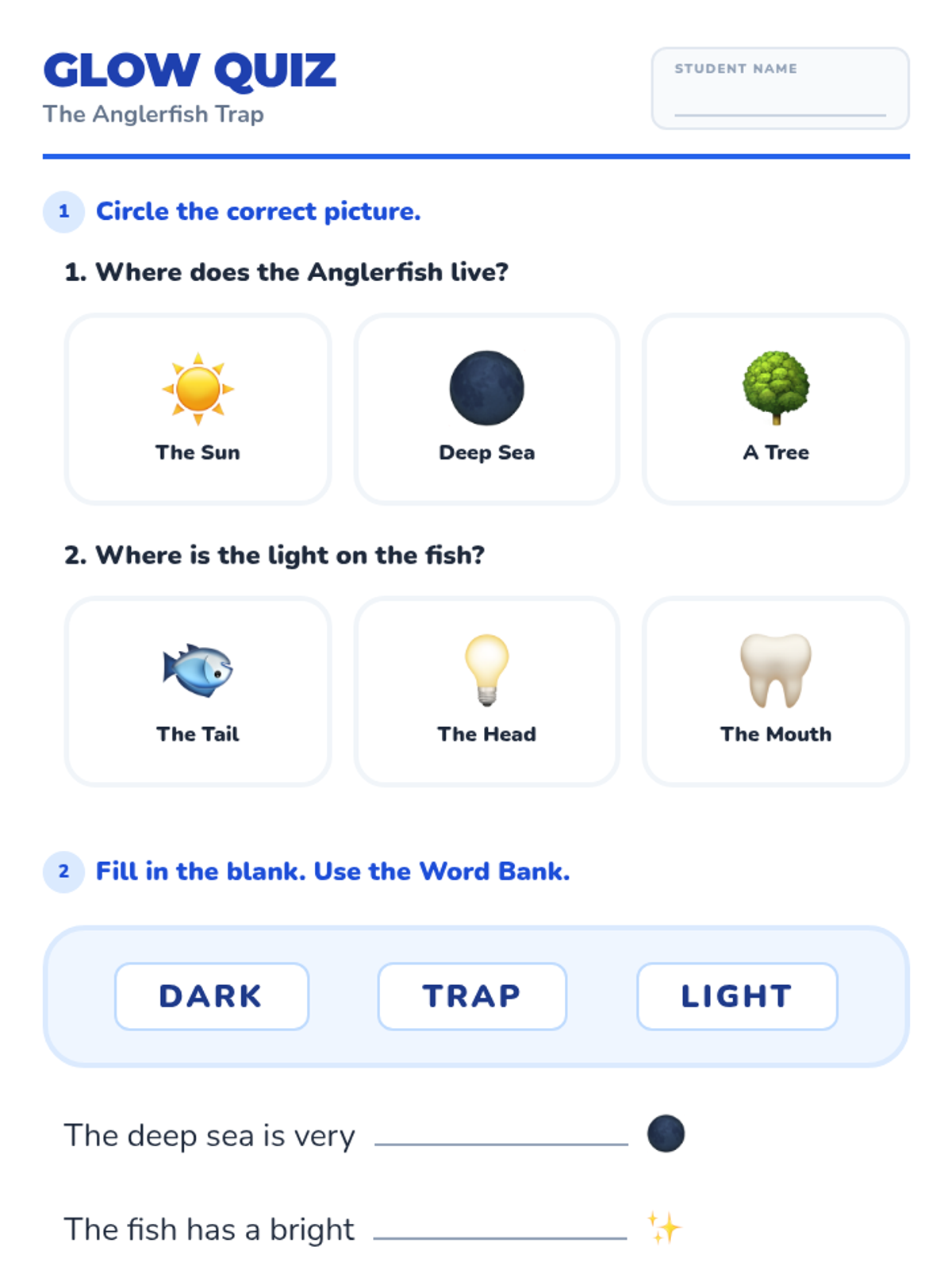
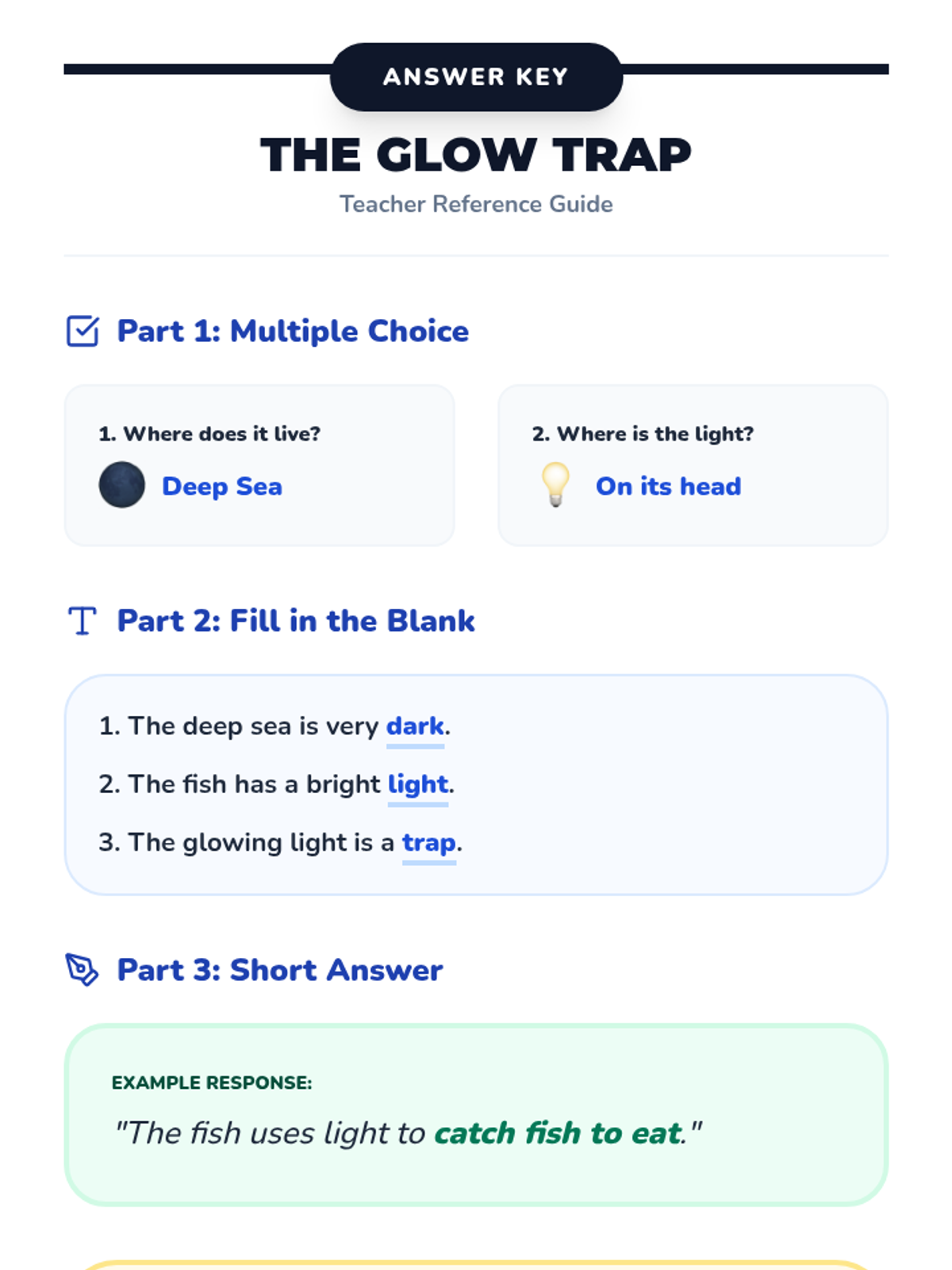
A lesson focused on the Anglerfish and its bioluminescent trap, designed for early elementary students with IEP supports. Students will learn about deep-sea adaptations through a simple reading passage and structured comprehension activities.
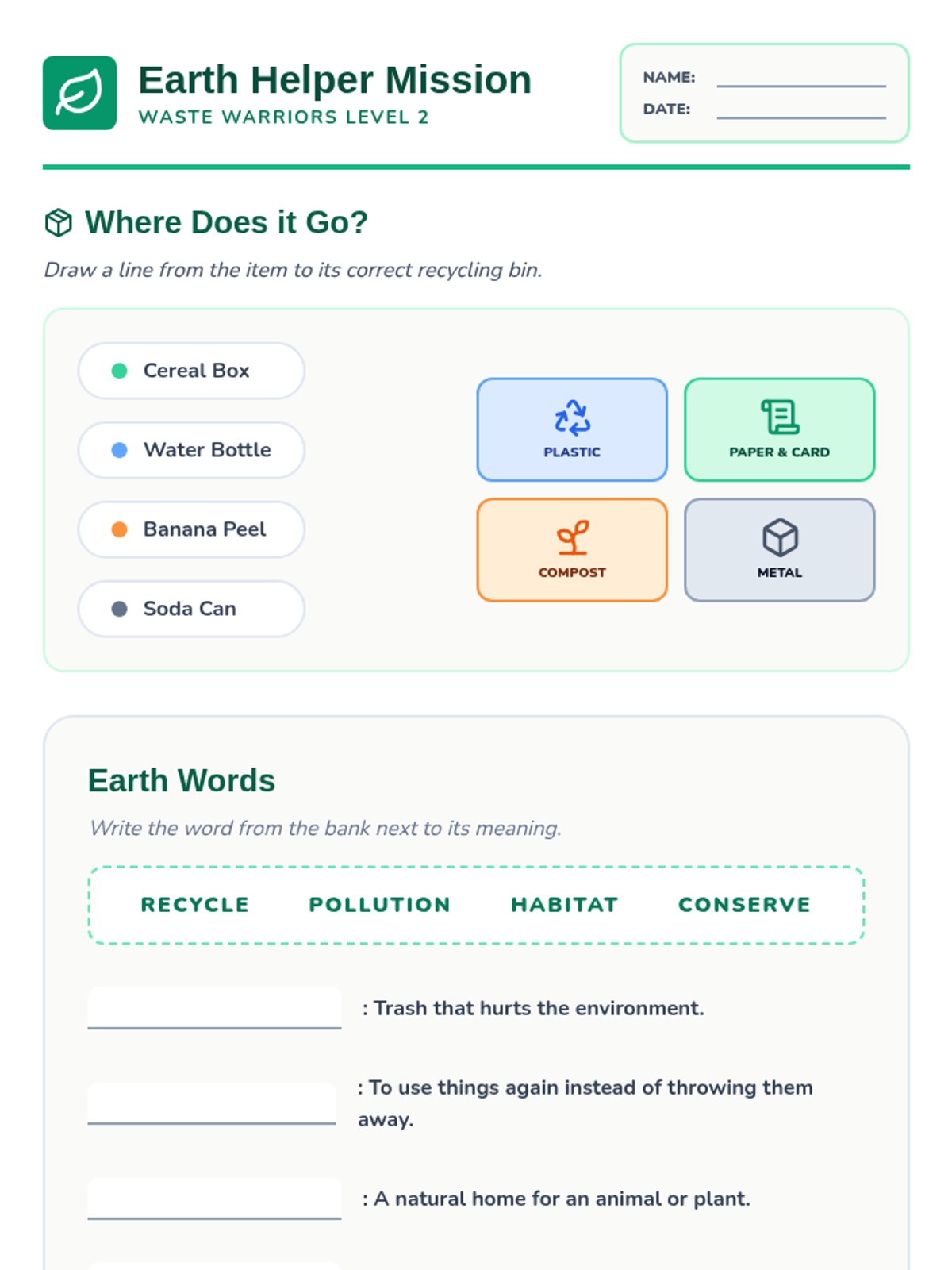
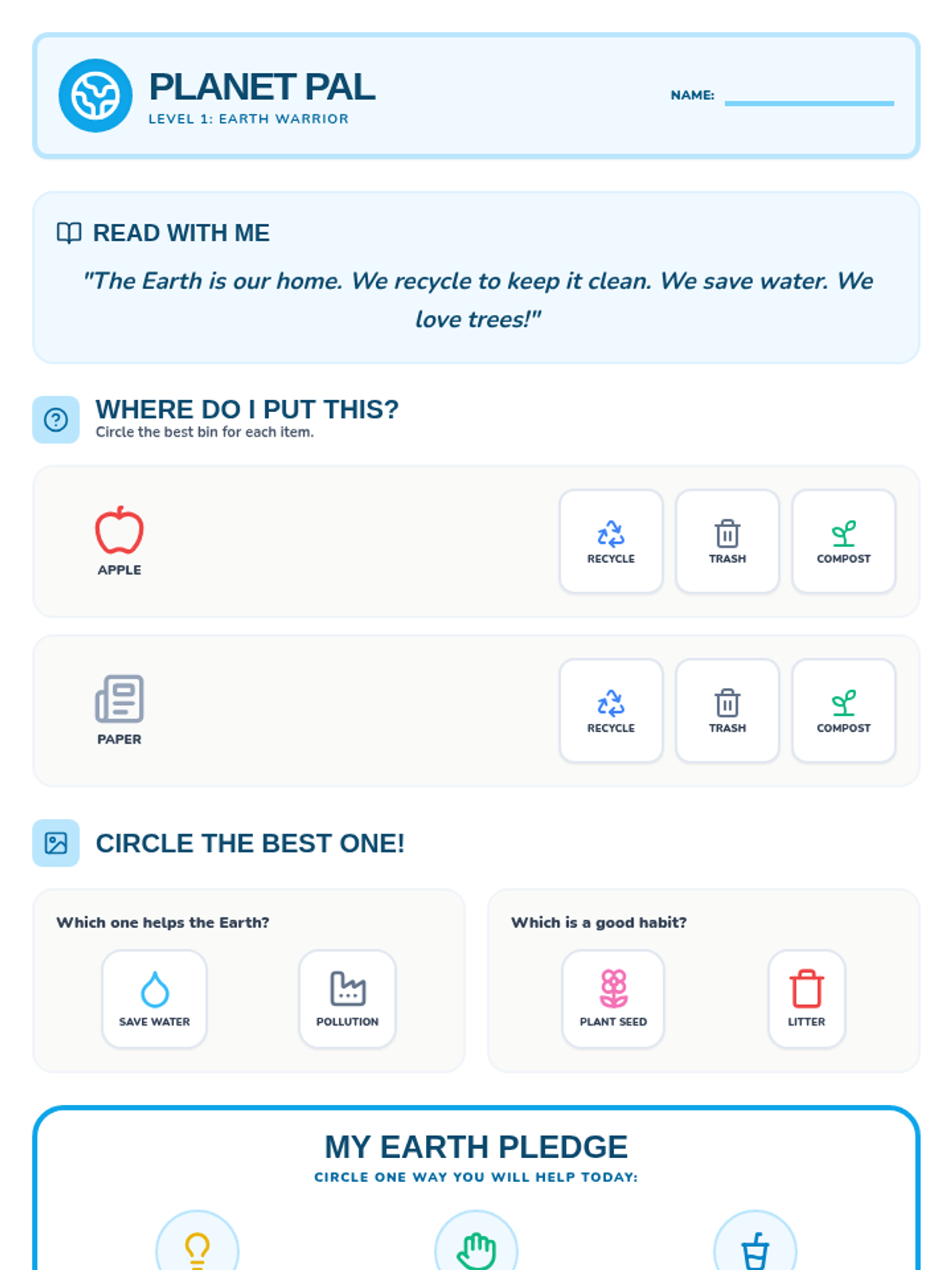
An introductory lesson on waste management and recycling where students practice sorting materials and learning key environmental vocabulary.
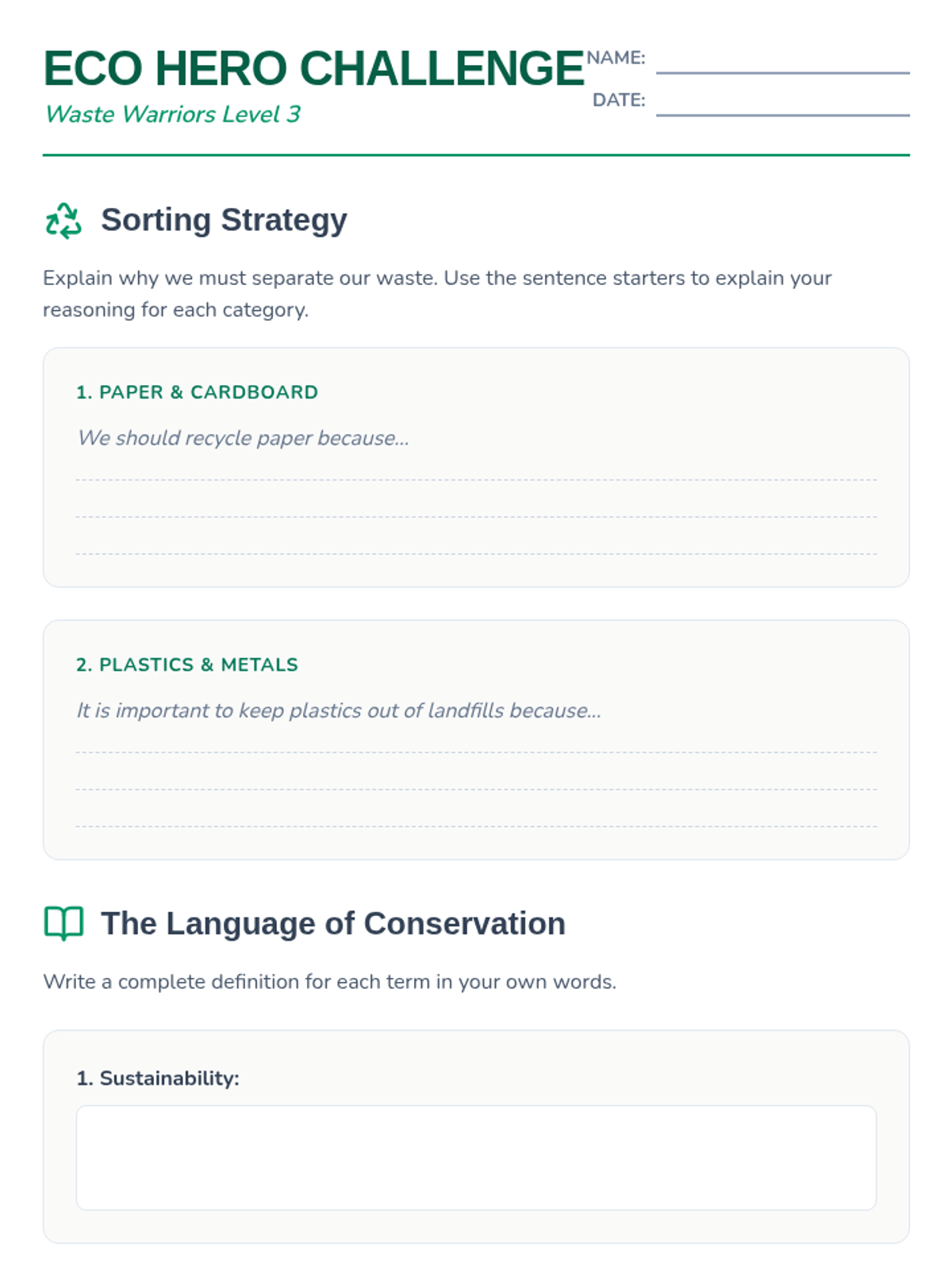
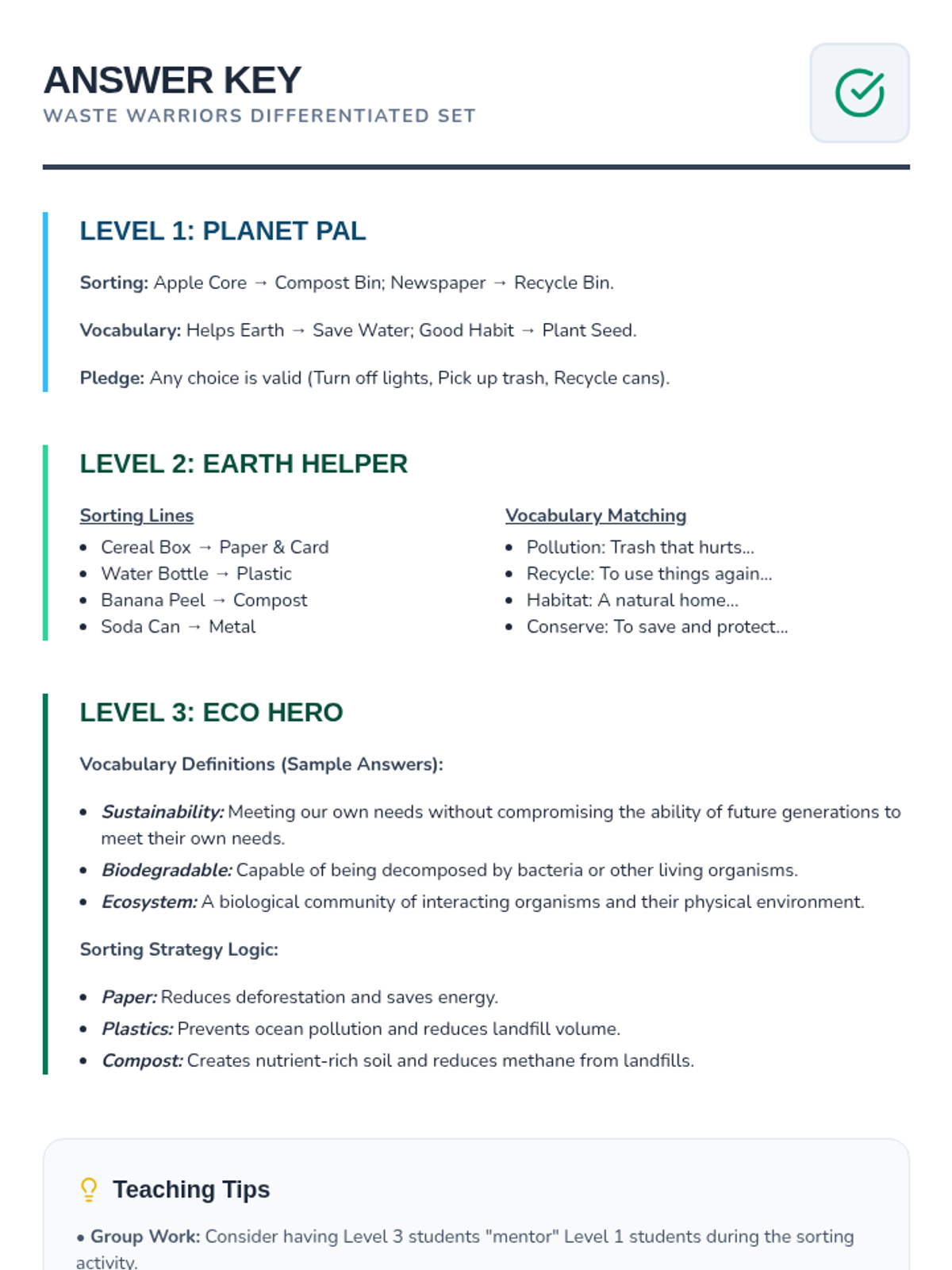
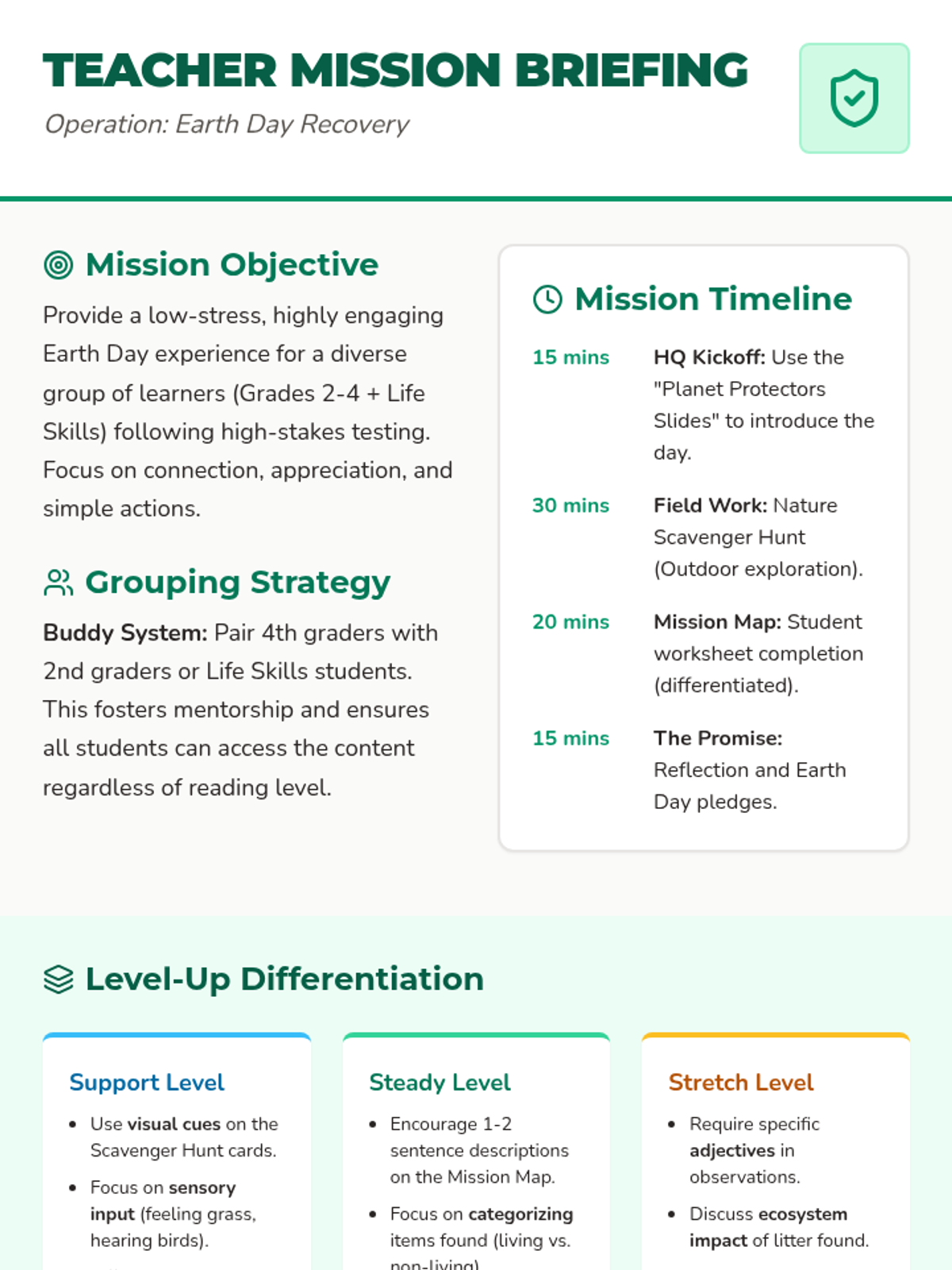
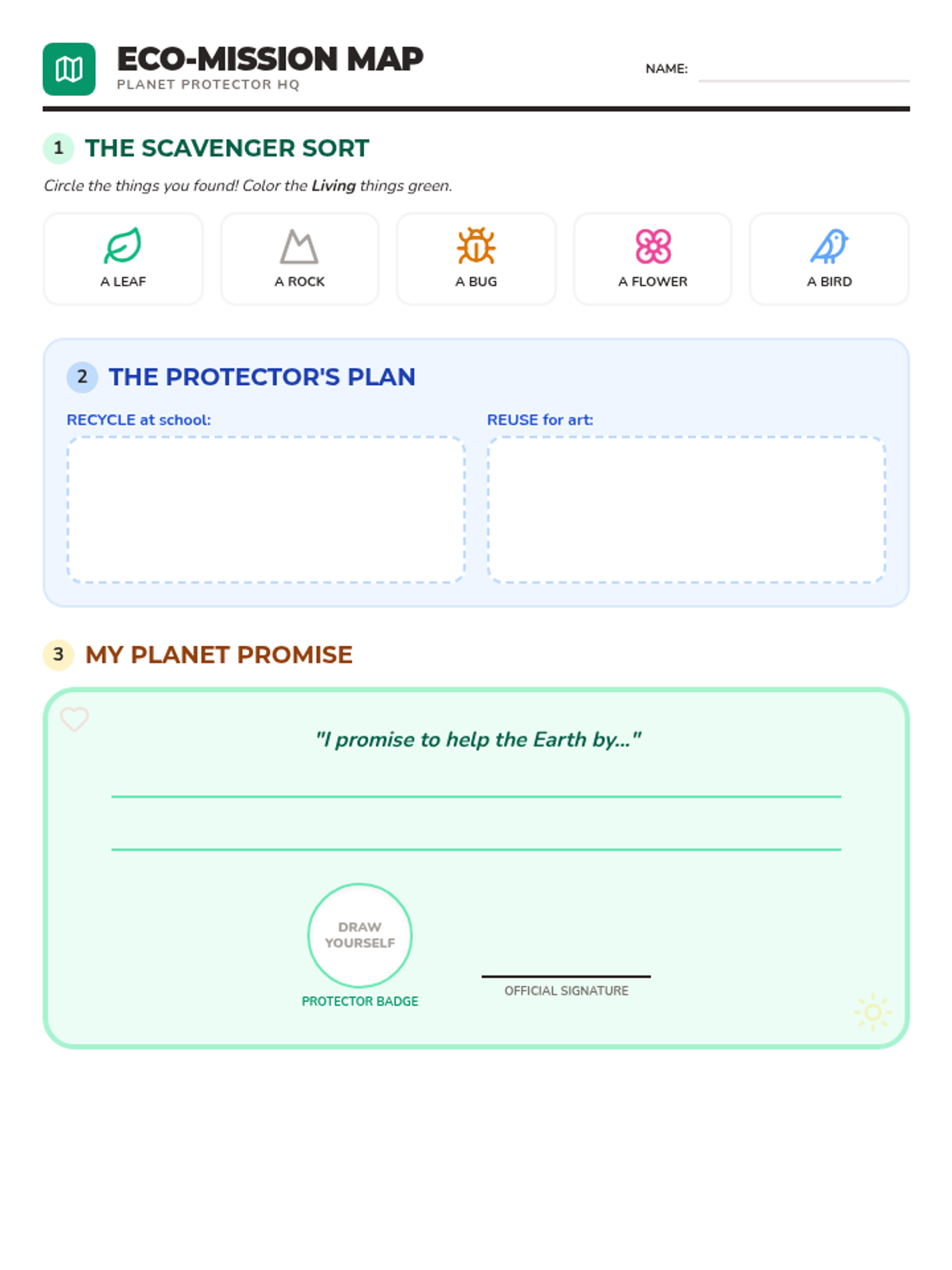
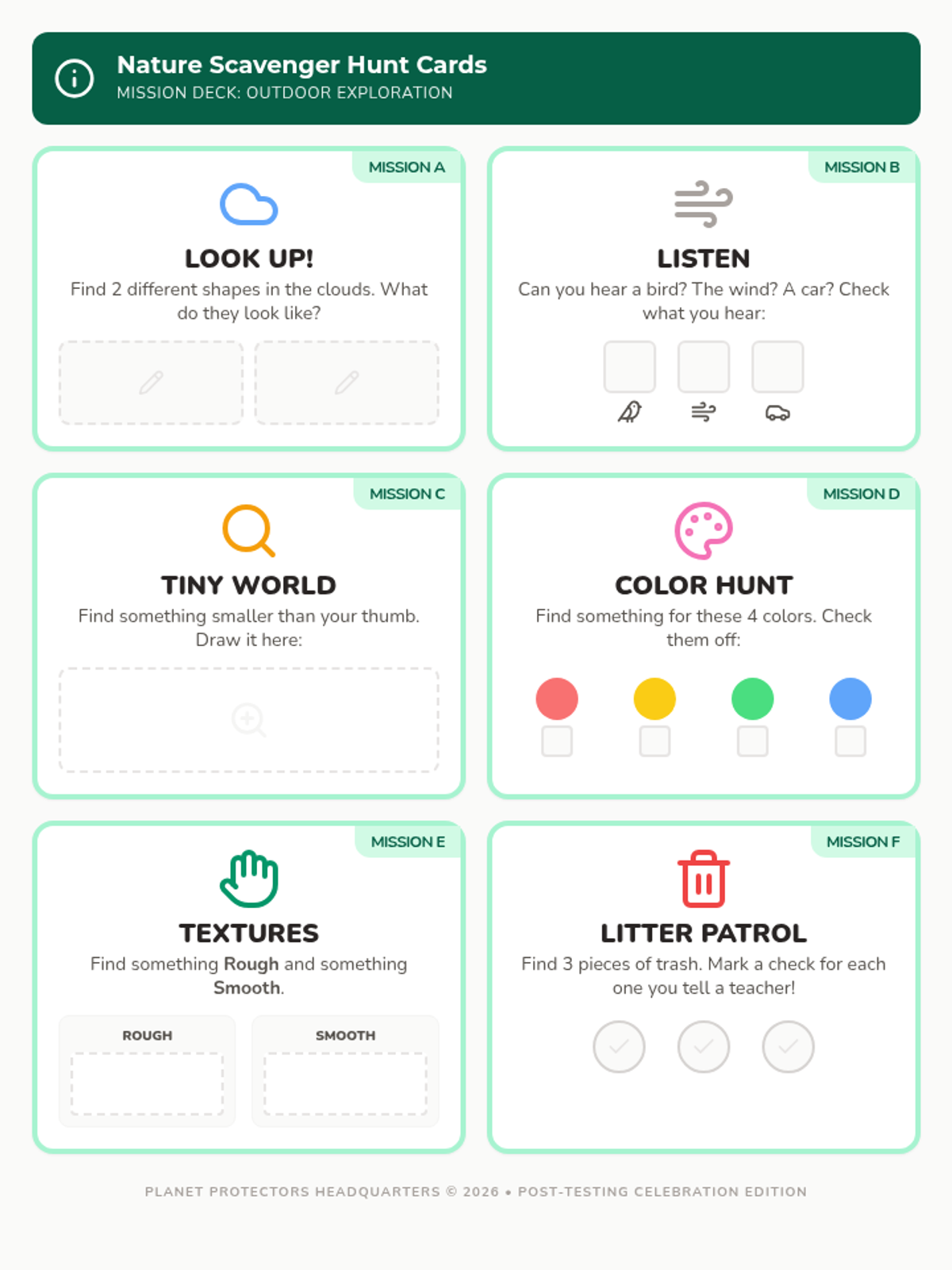
A fun, differentiated Earth Day celebration for 2nd-4th graders and life skills students, featuring hands-on missions to protect the planet after a week of testing.
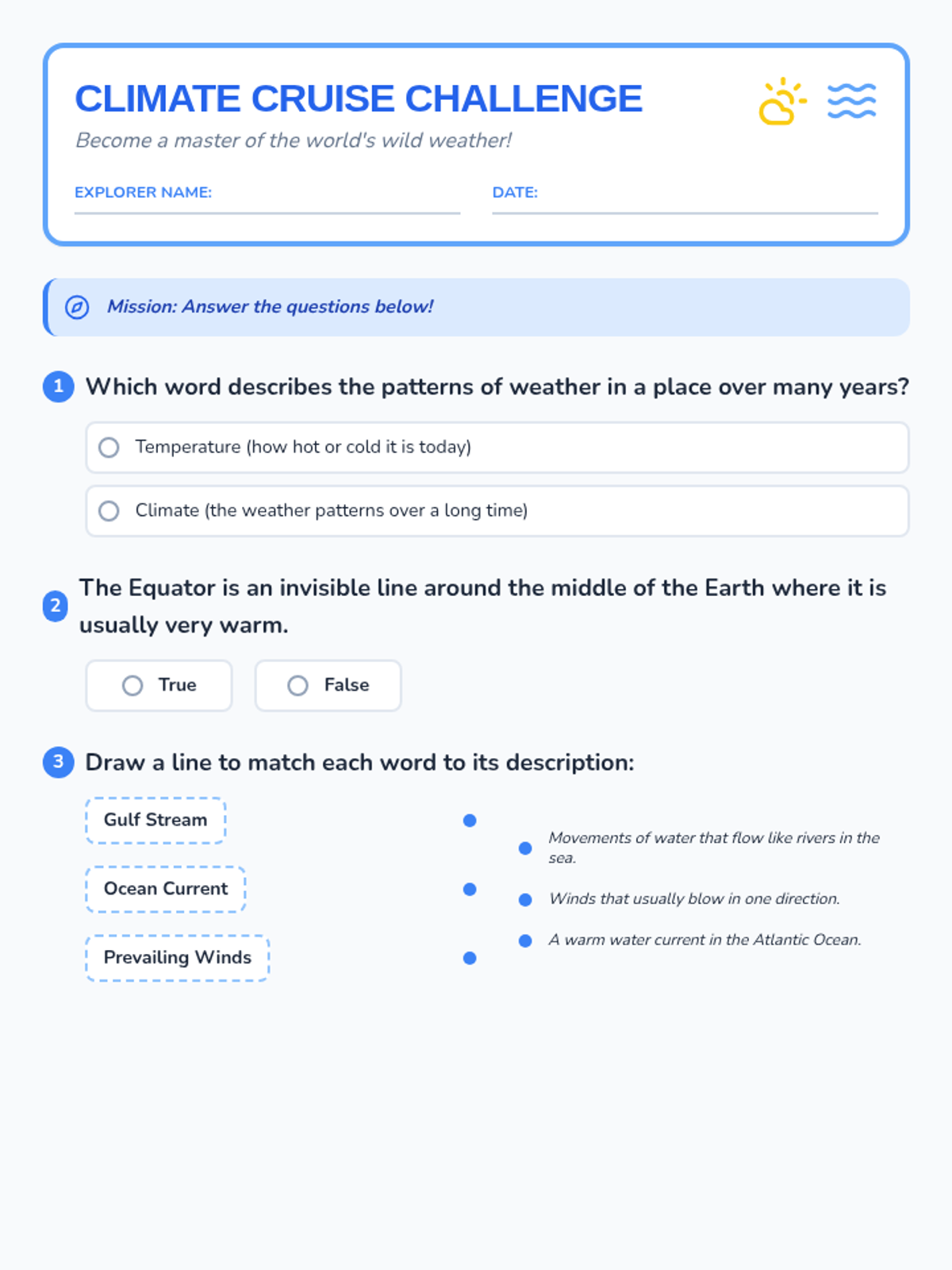
A foundational exploration of climate, weather, and the powerful ocean currents that shape our world's temperatures, specifically focusing on the equator and the El Niño phenomenon.
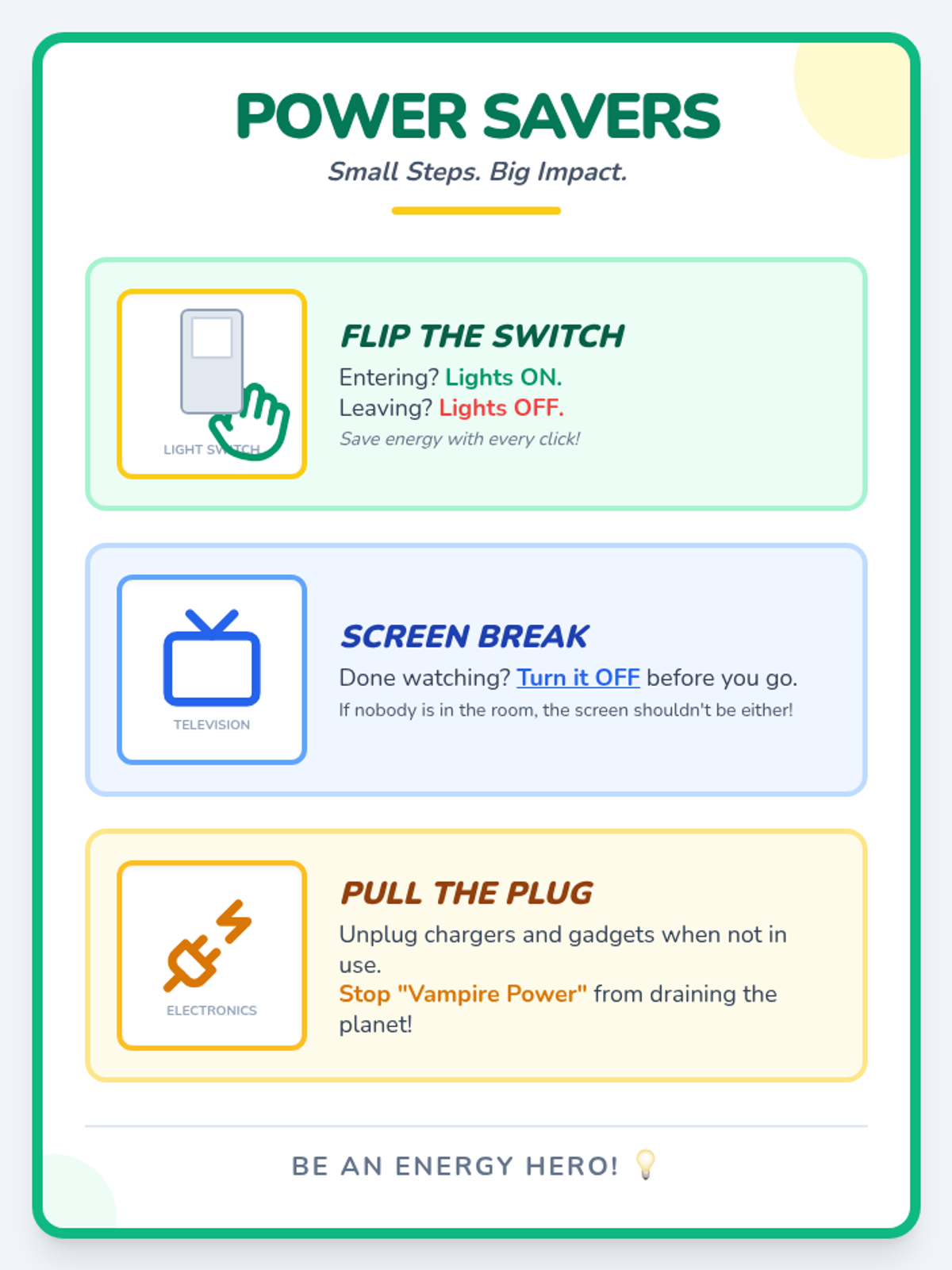
A lesson focused on simple, actionable steps students can take to reduce energy consumption at home and school.
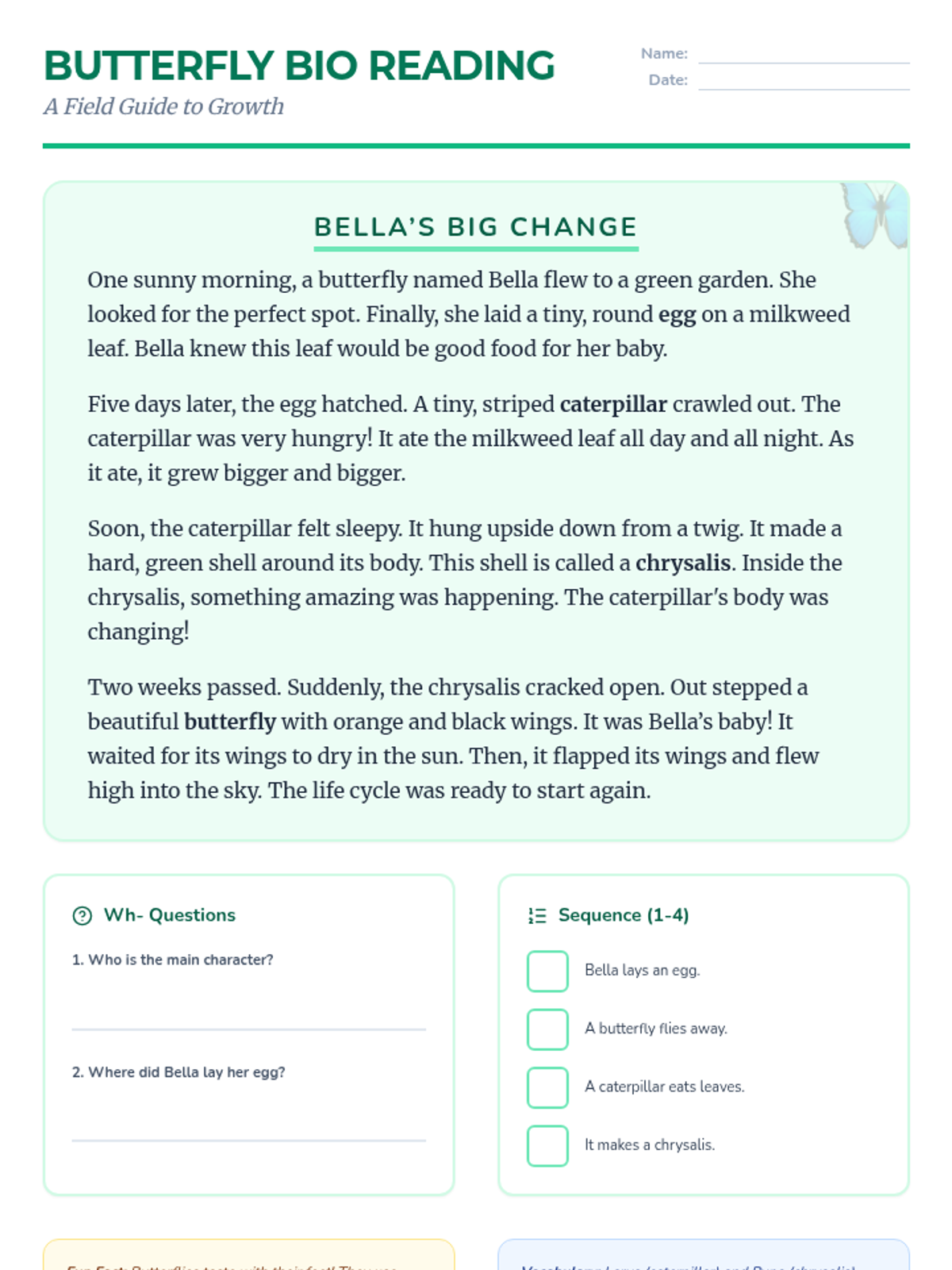
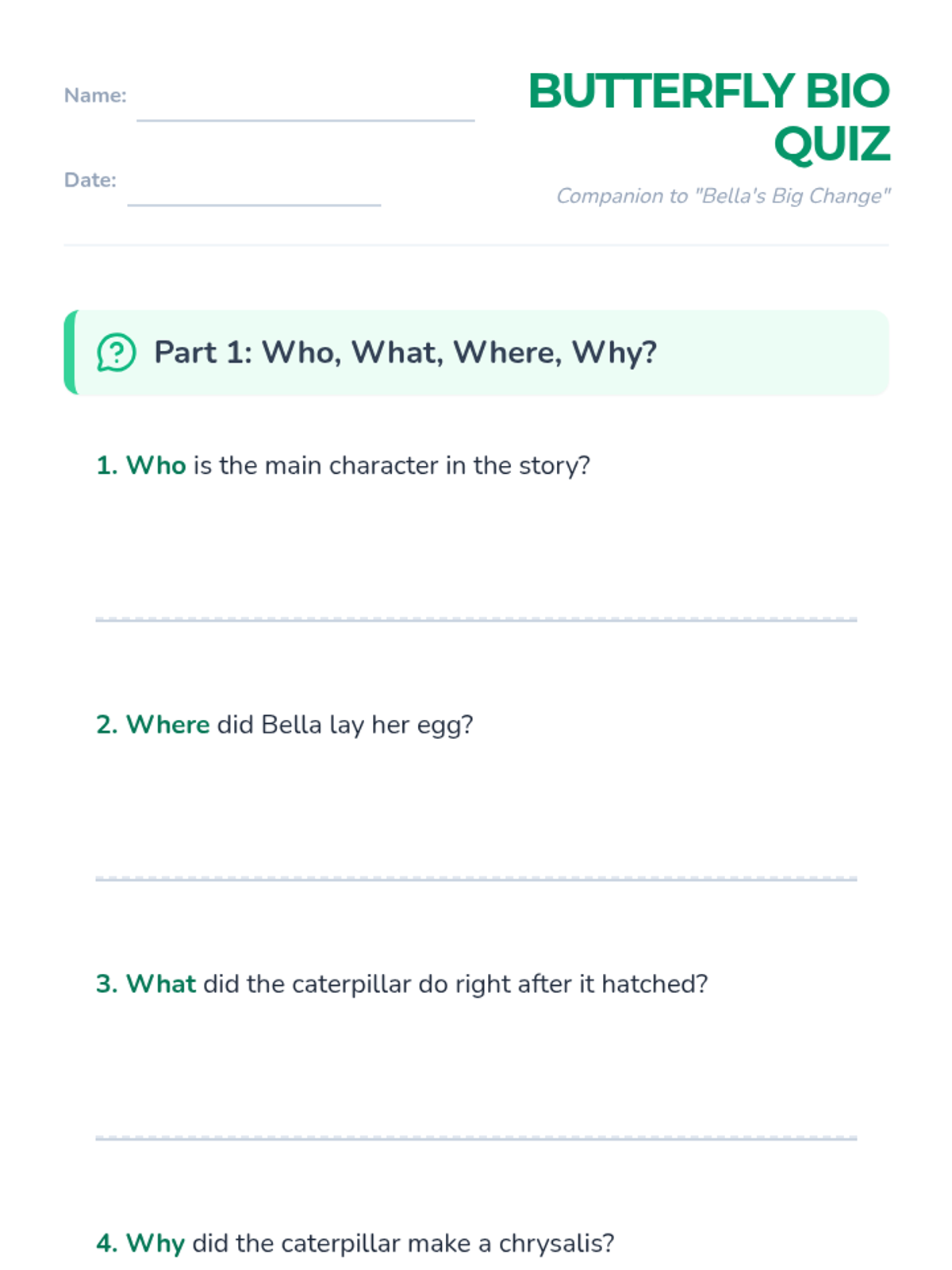
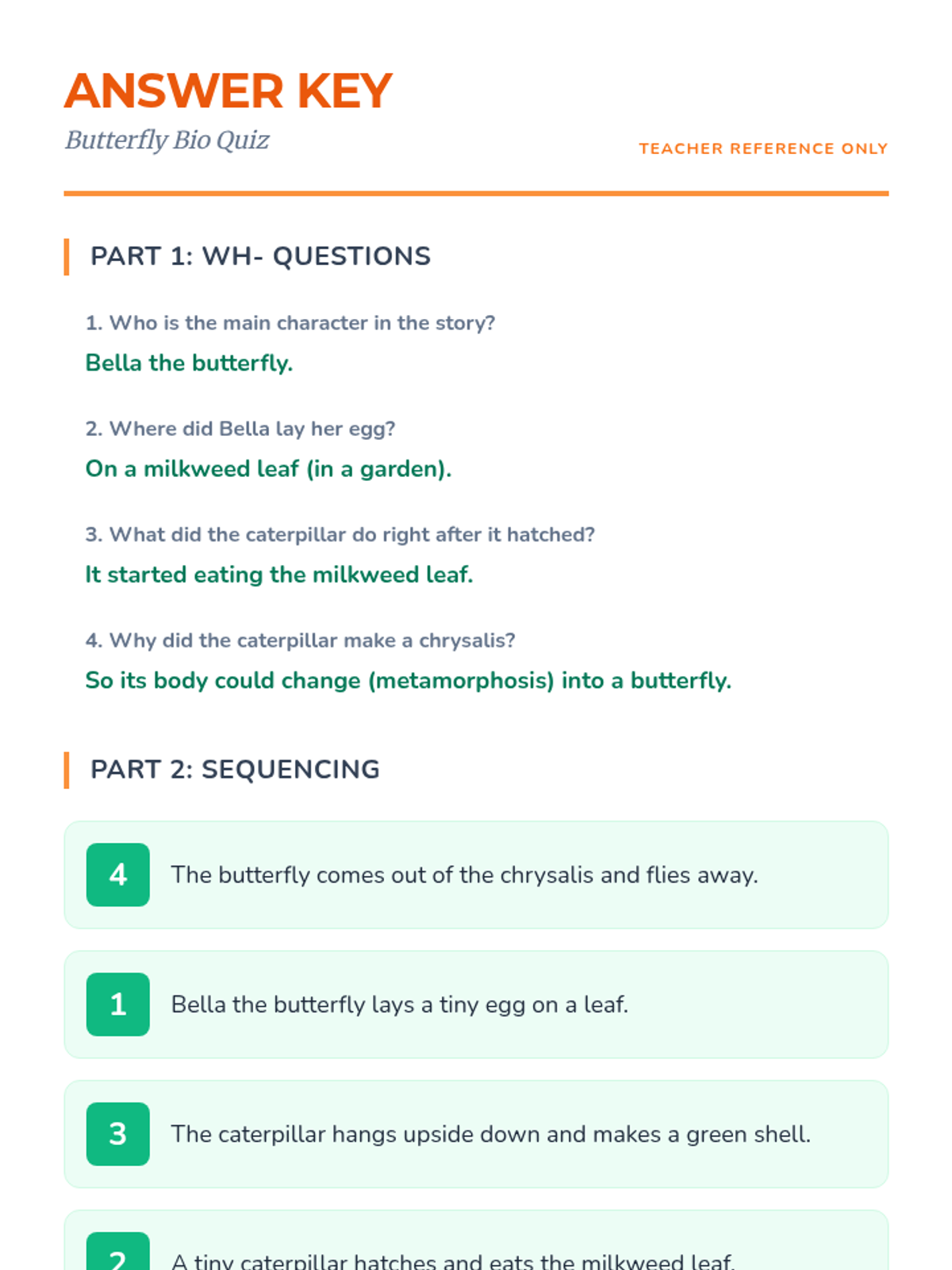
A beginner-friendly exploration of the four stages of a butterfly's life cycle, featuring a reading passage and comprehension activities focused on sequencing and Wh- questions.
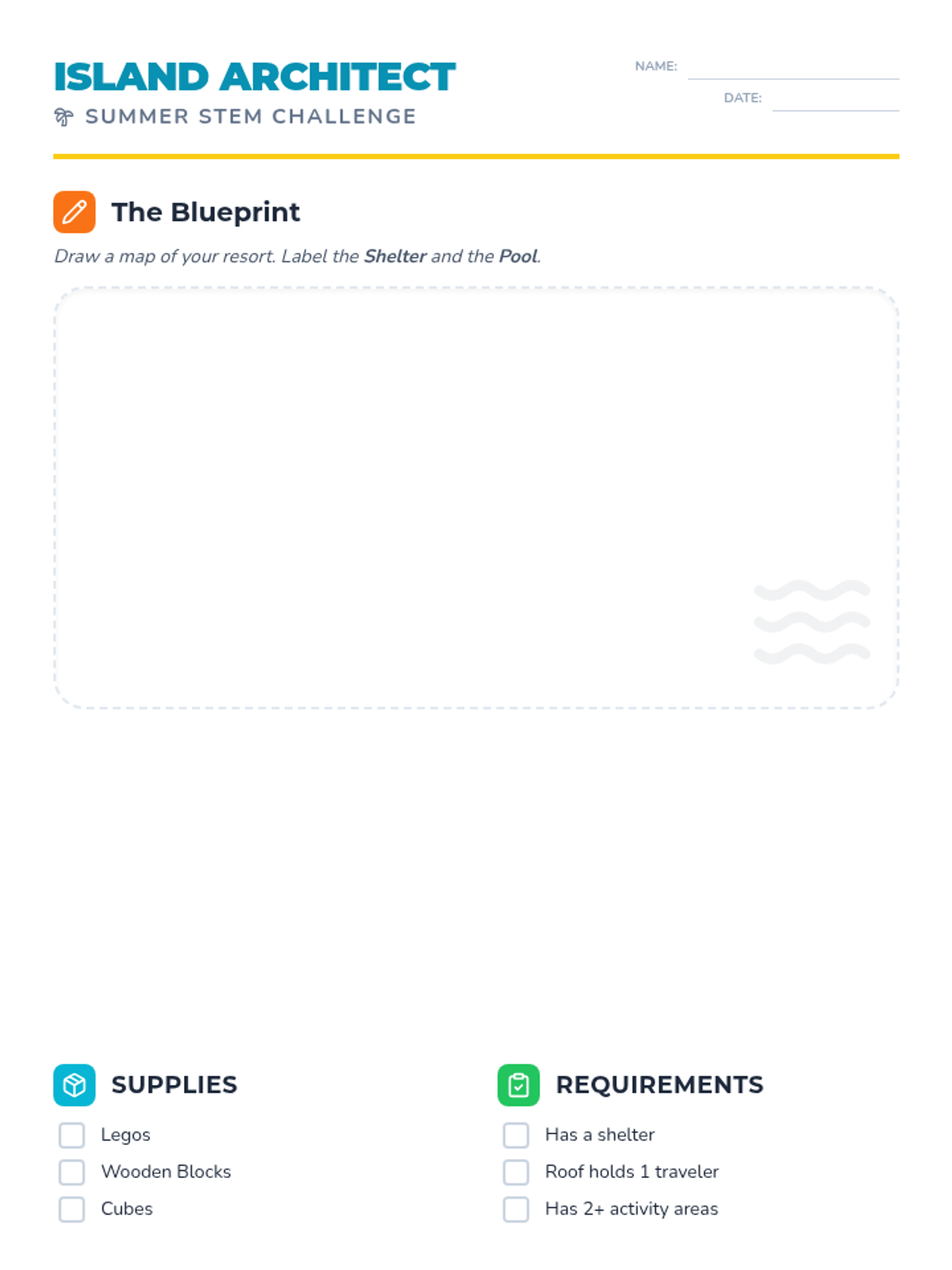
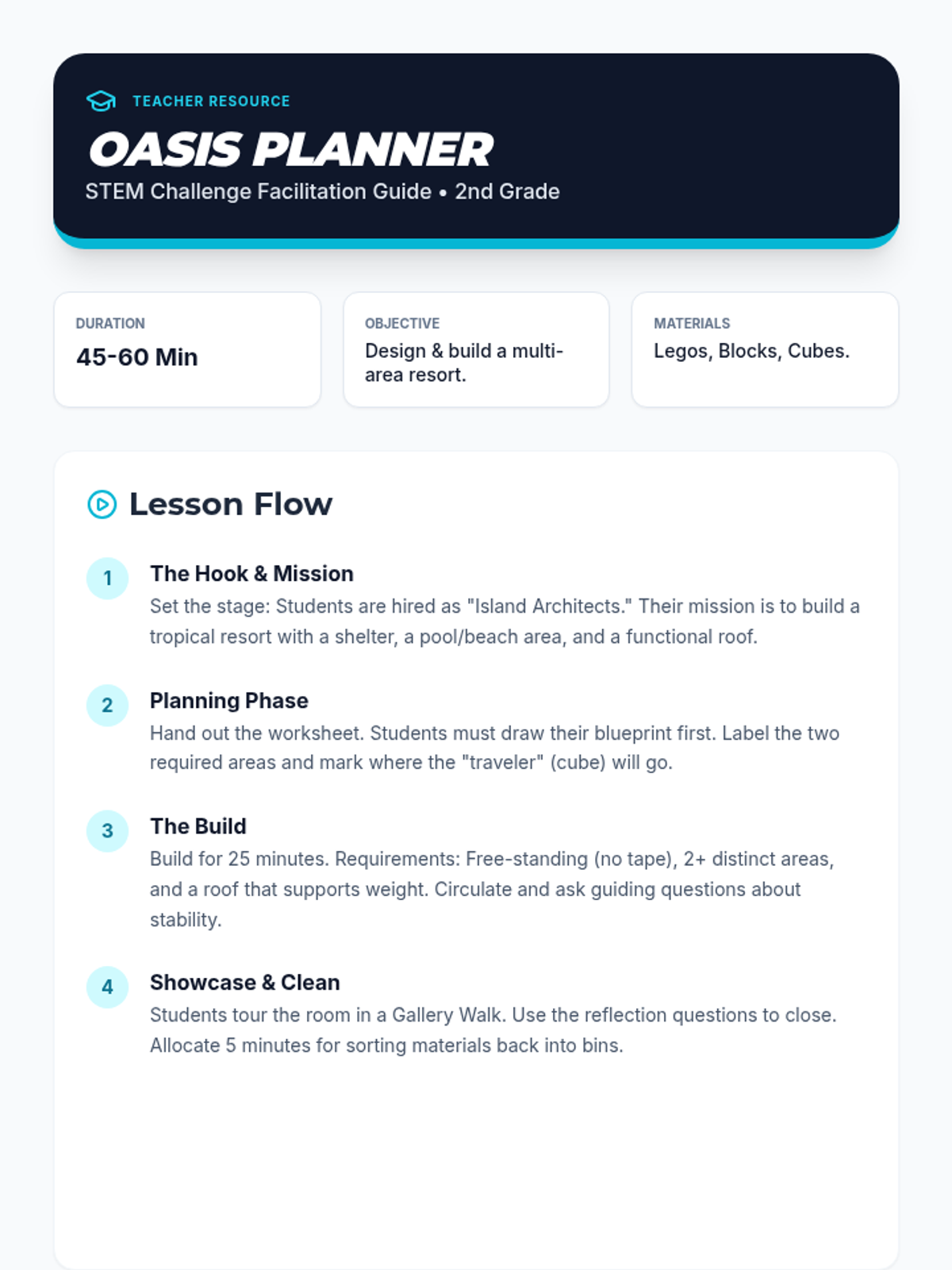
A high-energy 2nd-grade STEM challenge where students use classroom bin materials to design and build the ultimate summer island resort. This lesson focuses on engineering design, problem-solving, and creative thinking.
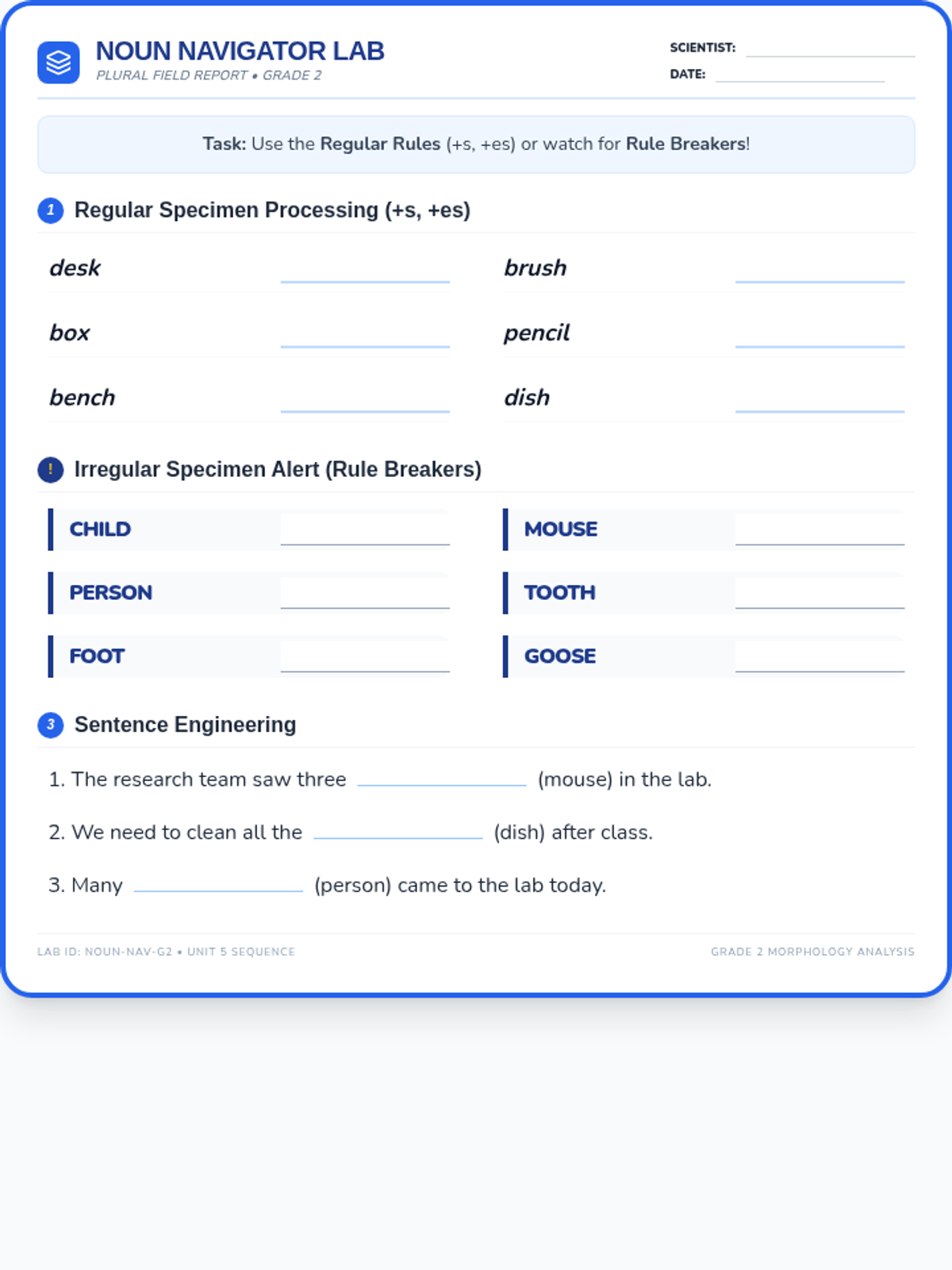
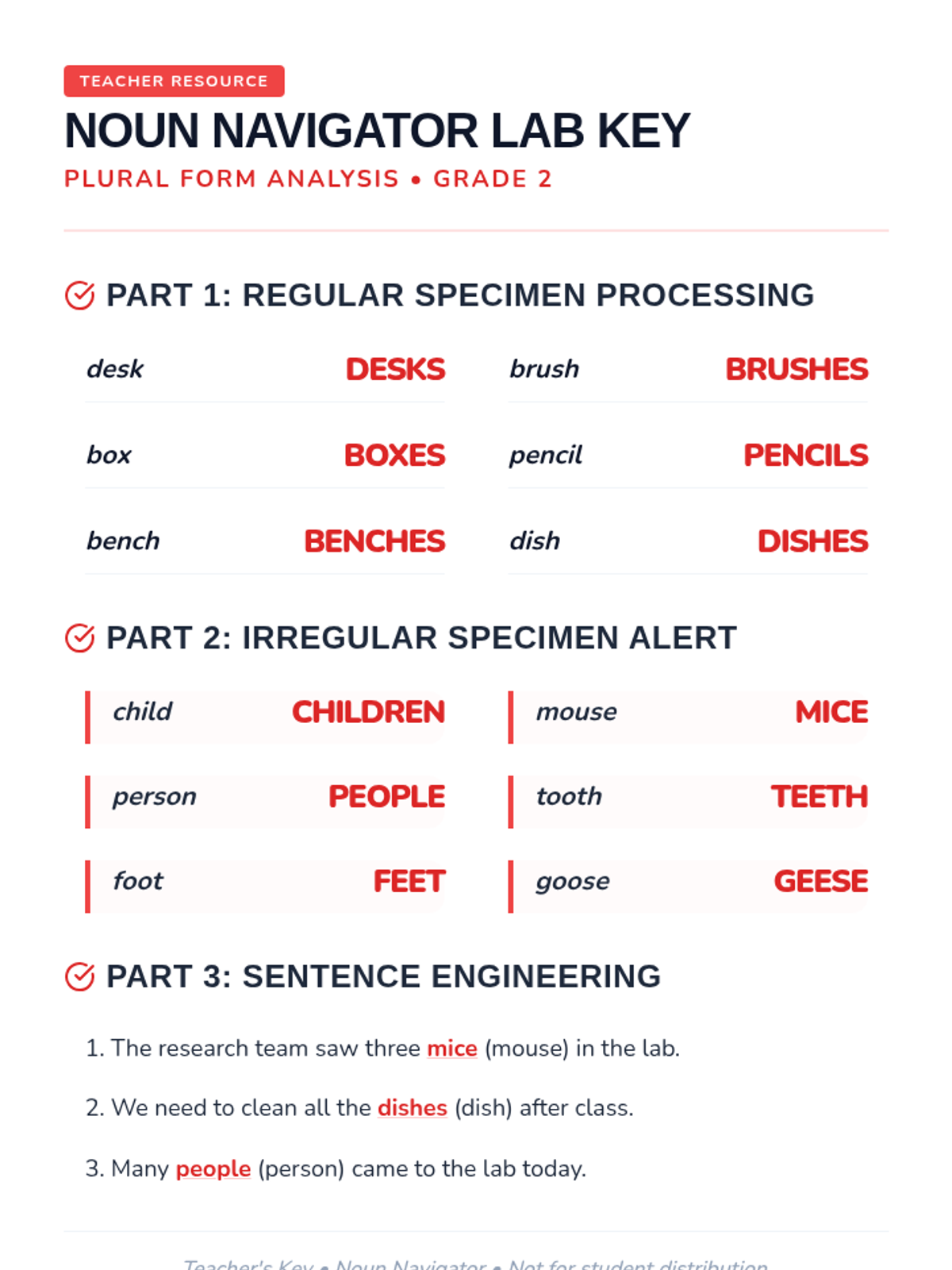
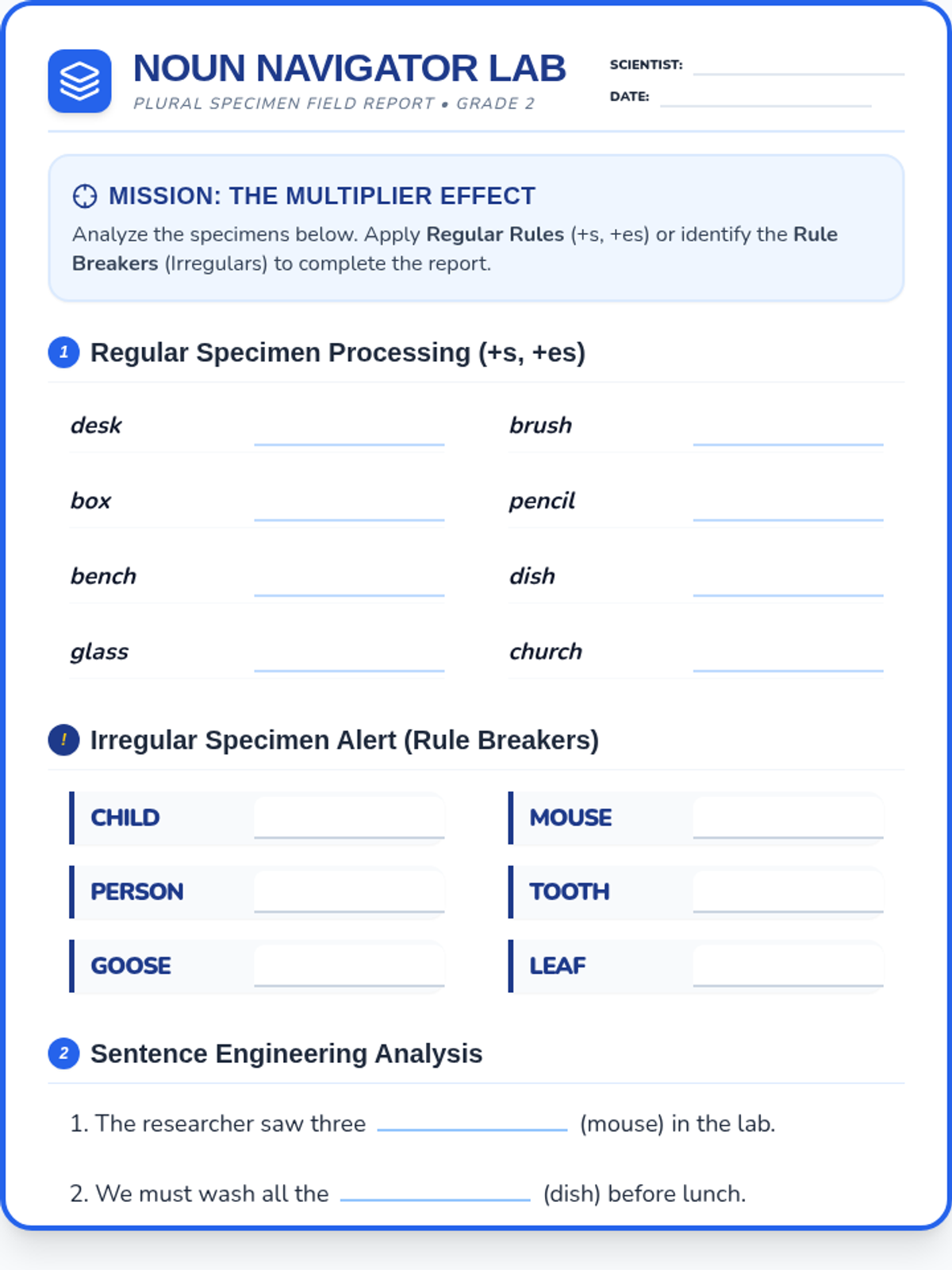
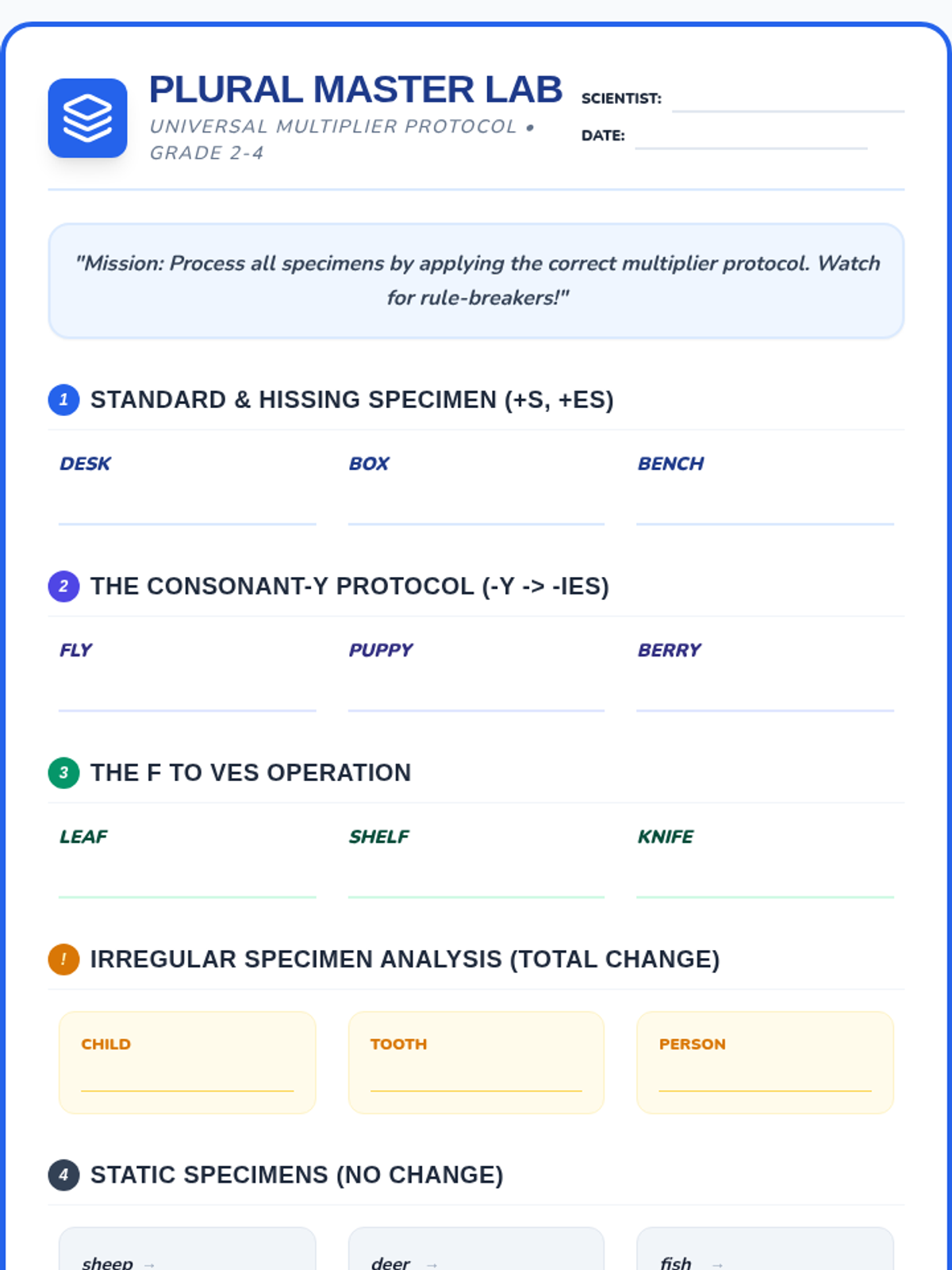
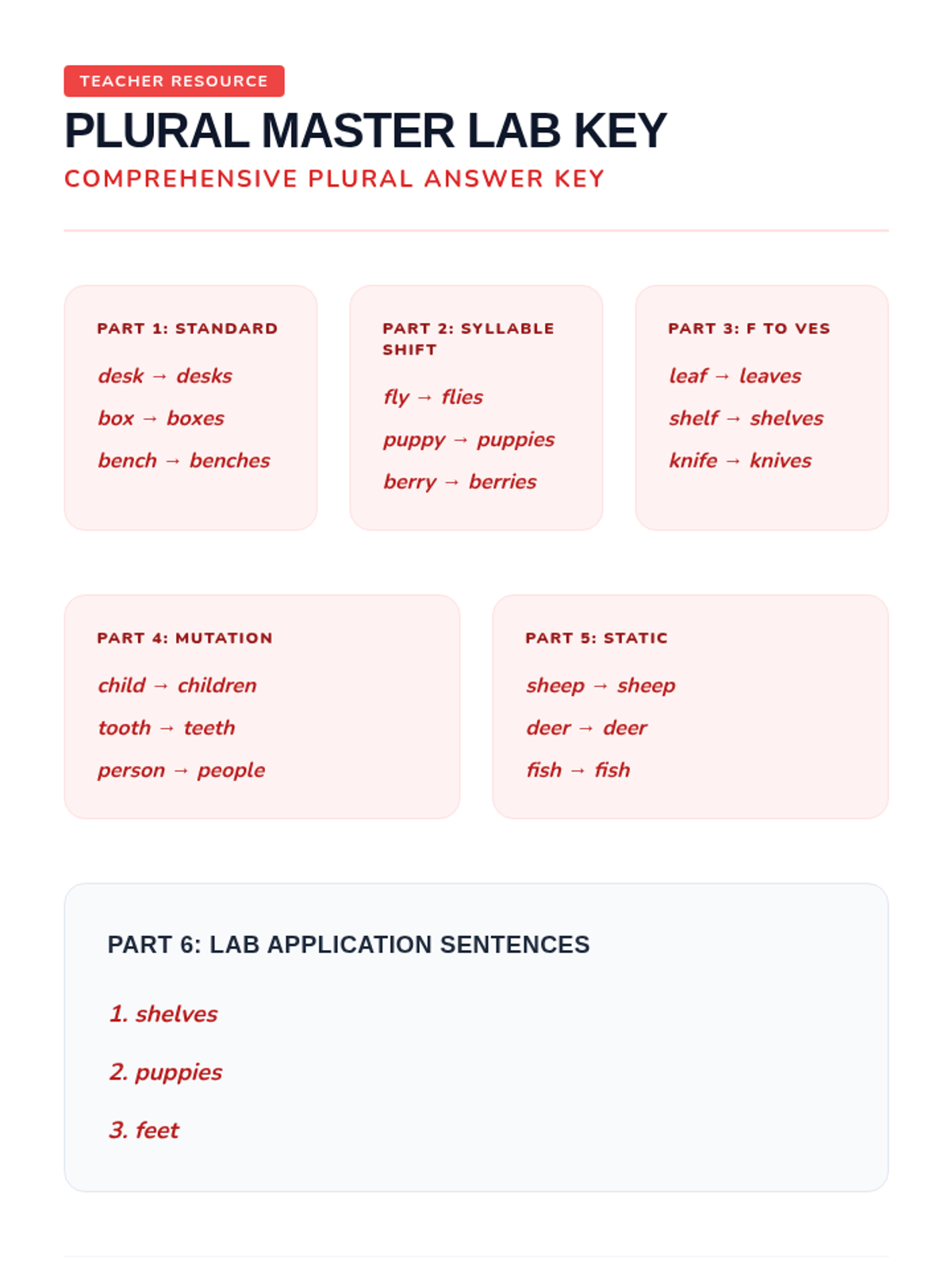
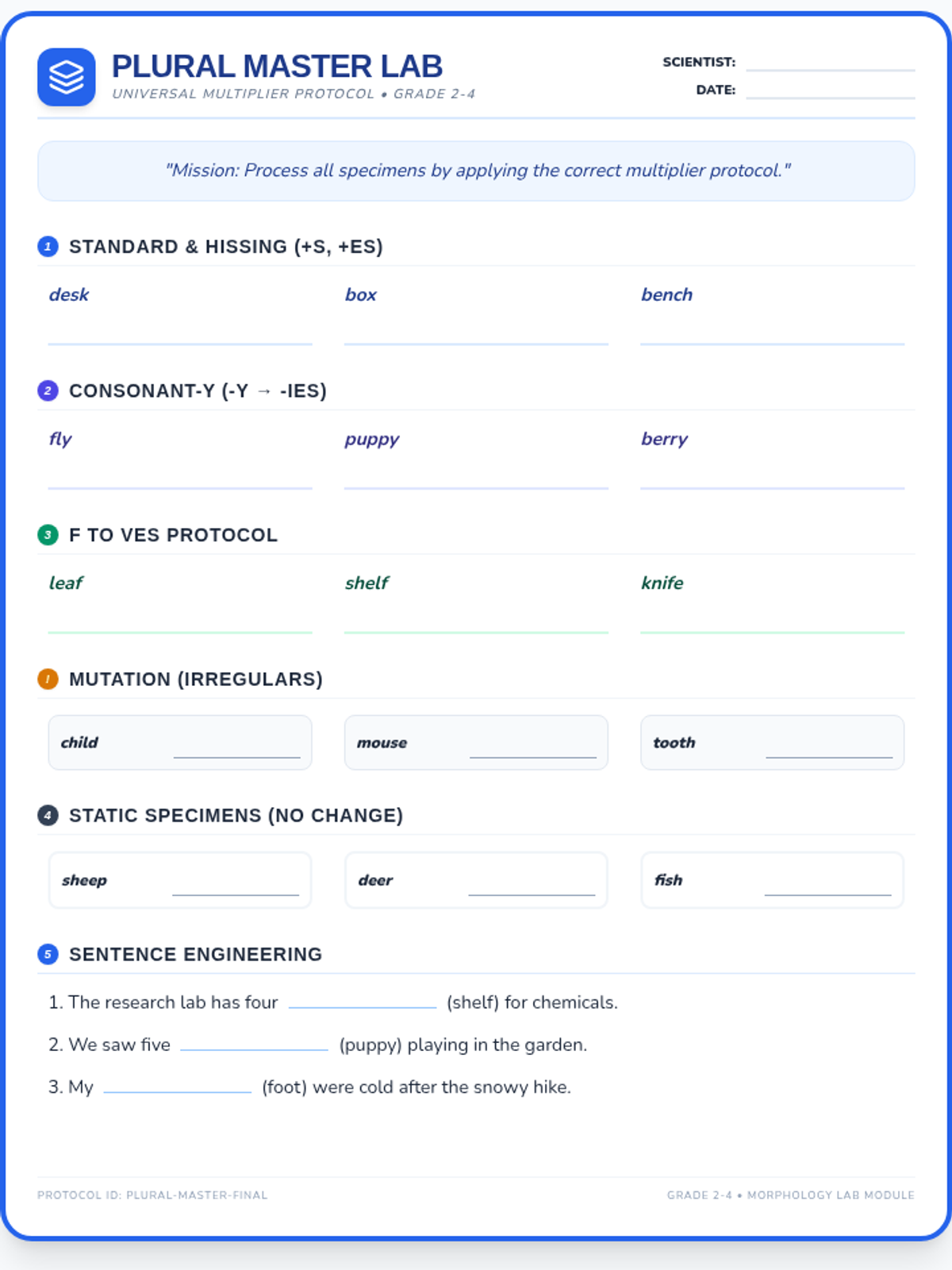
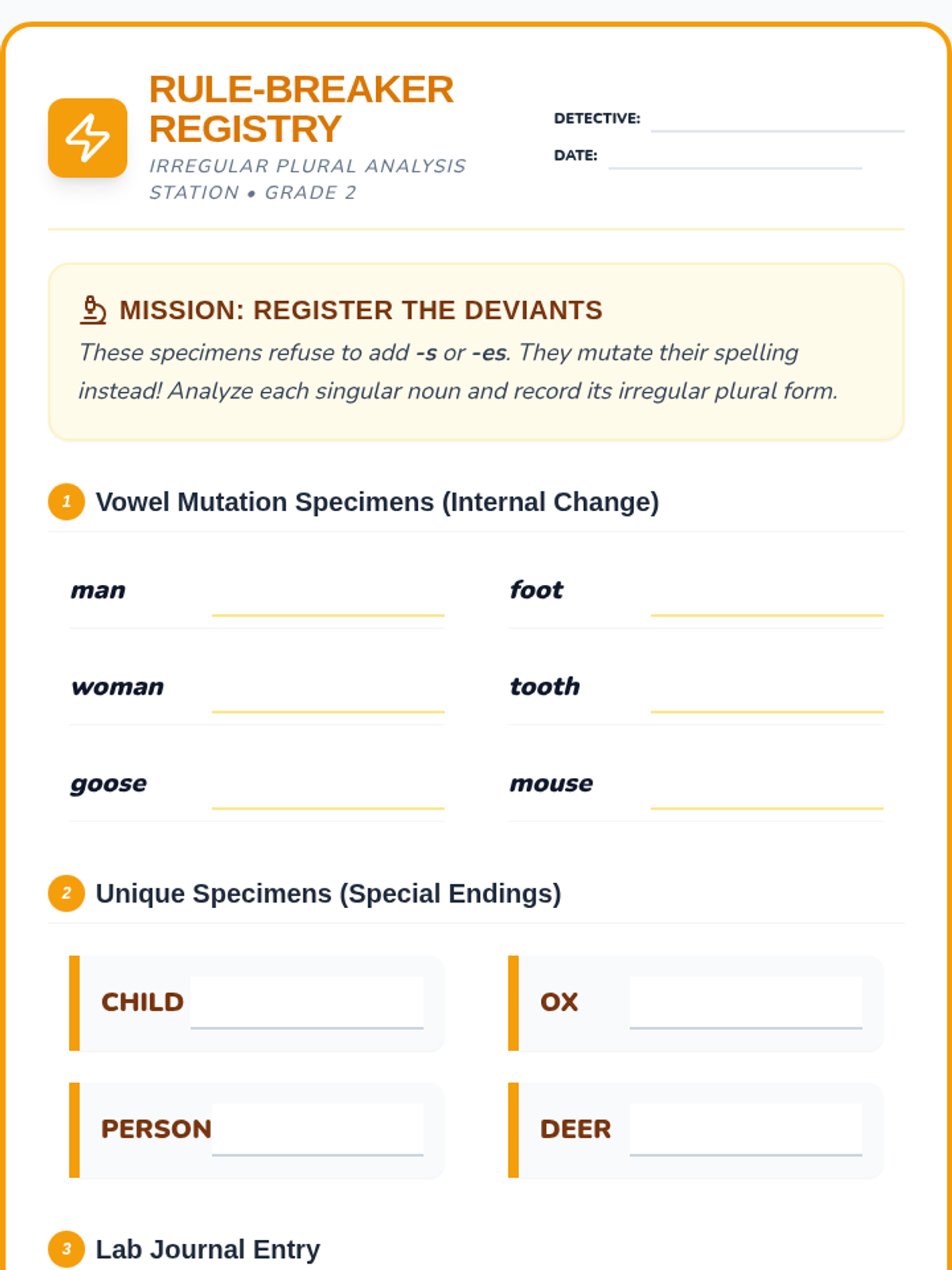
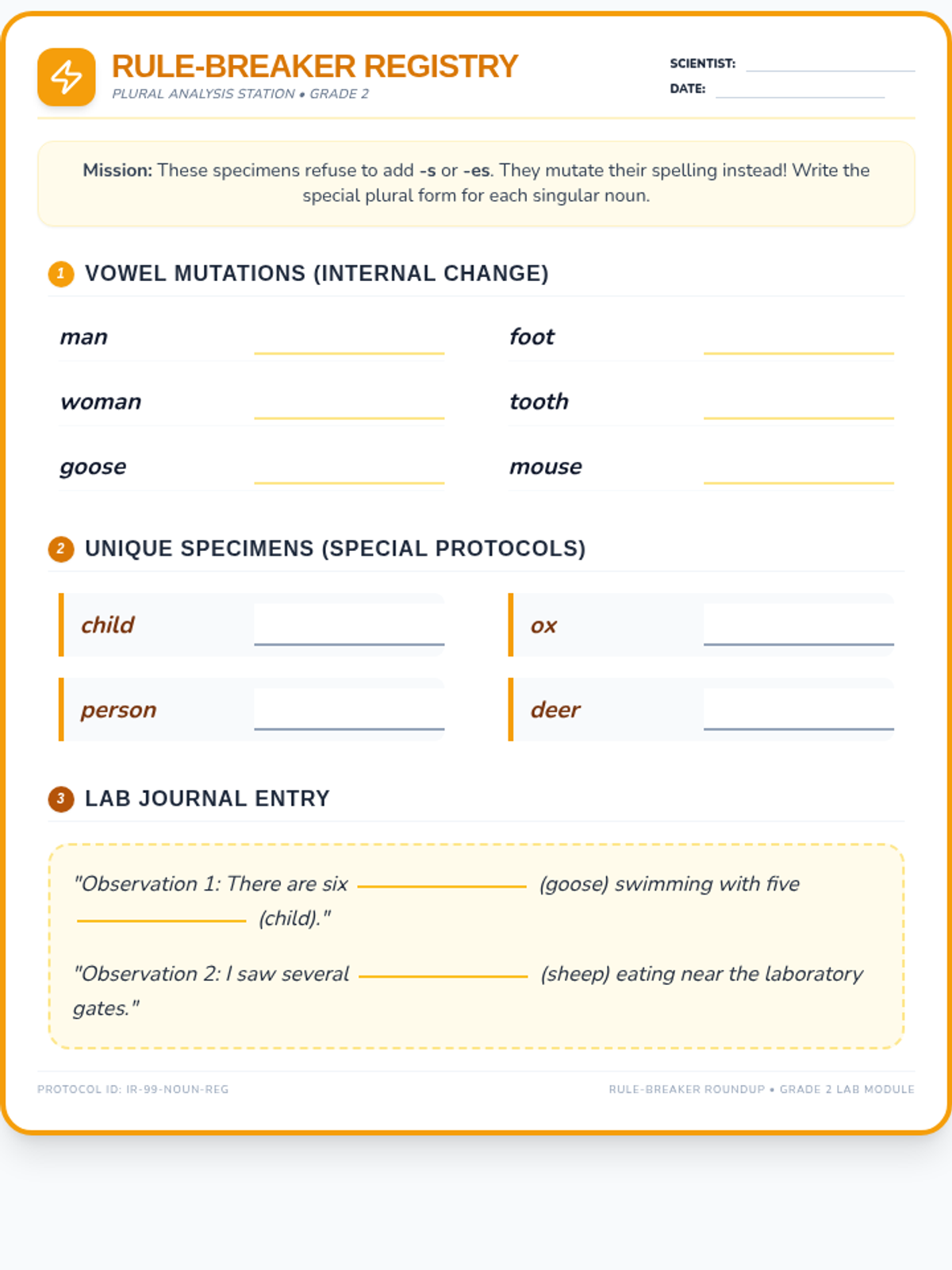
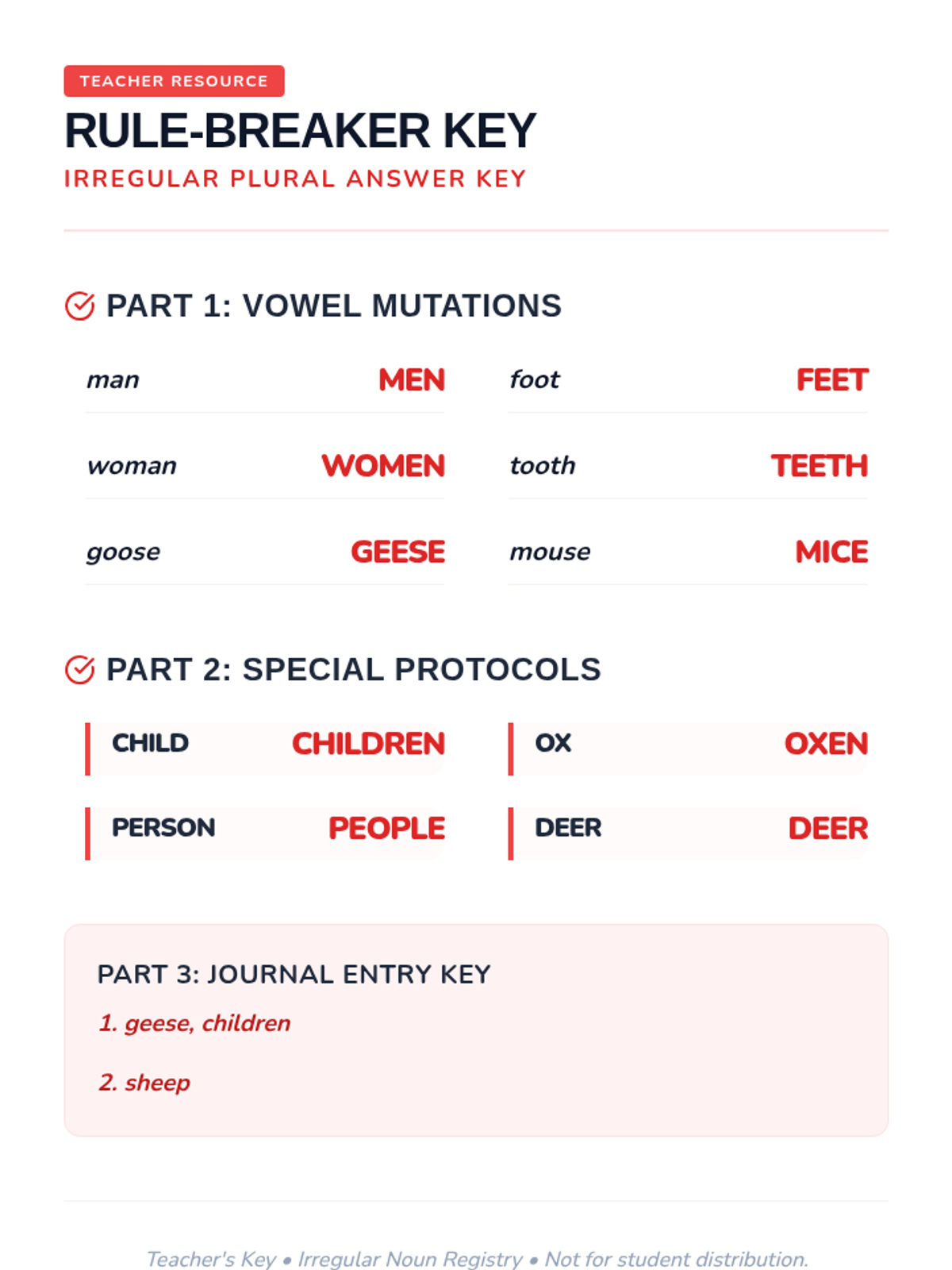
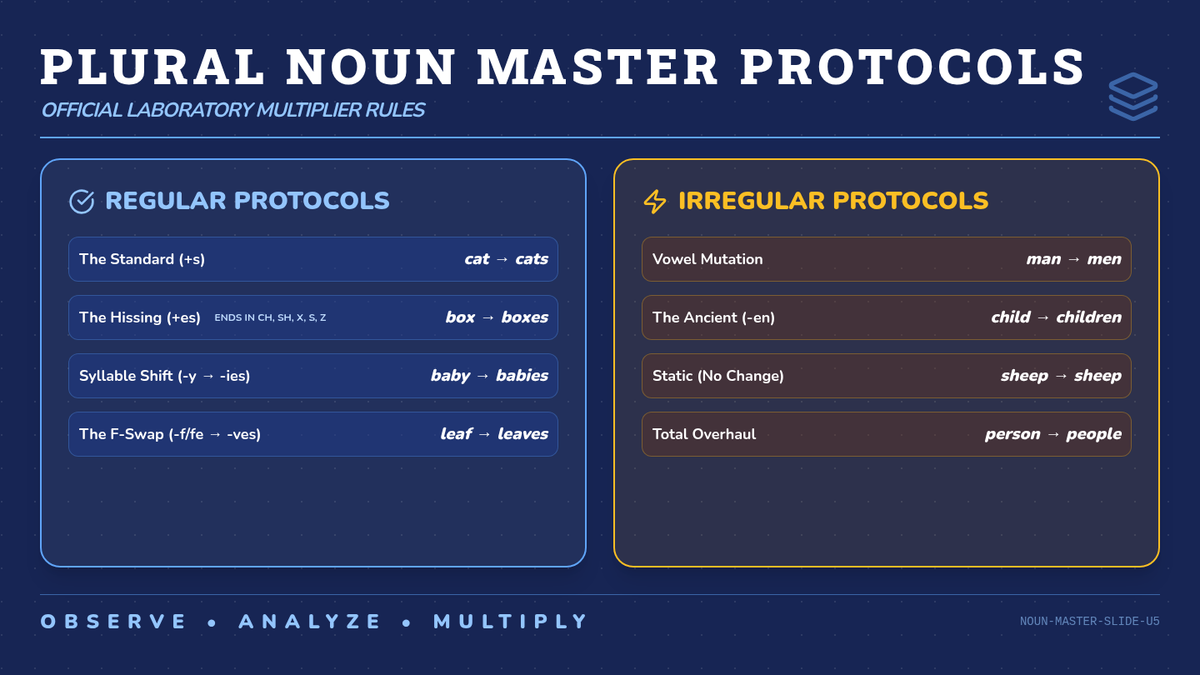
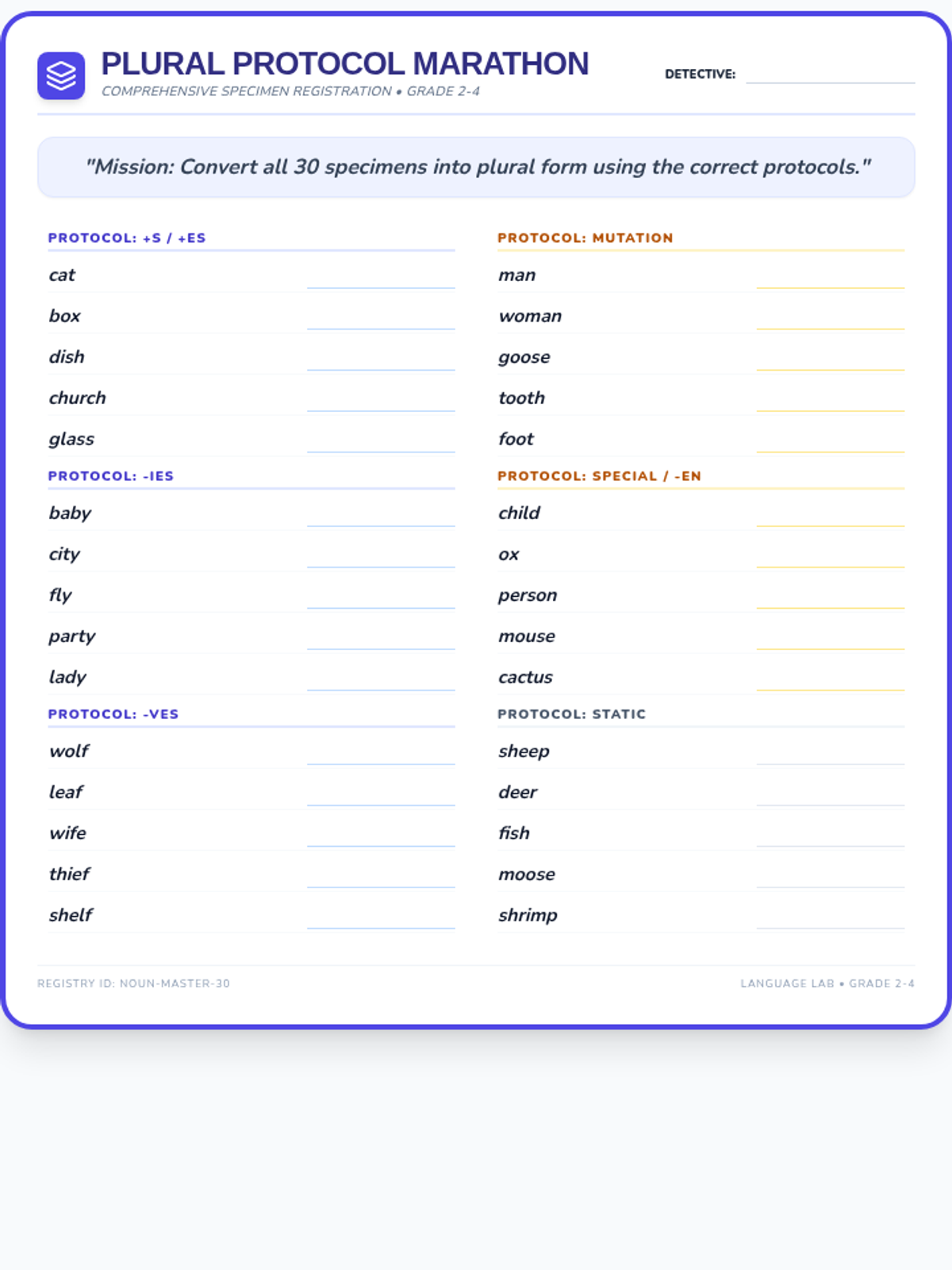
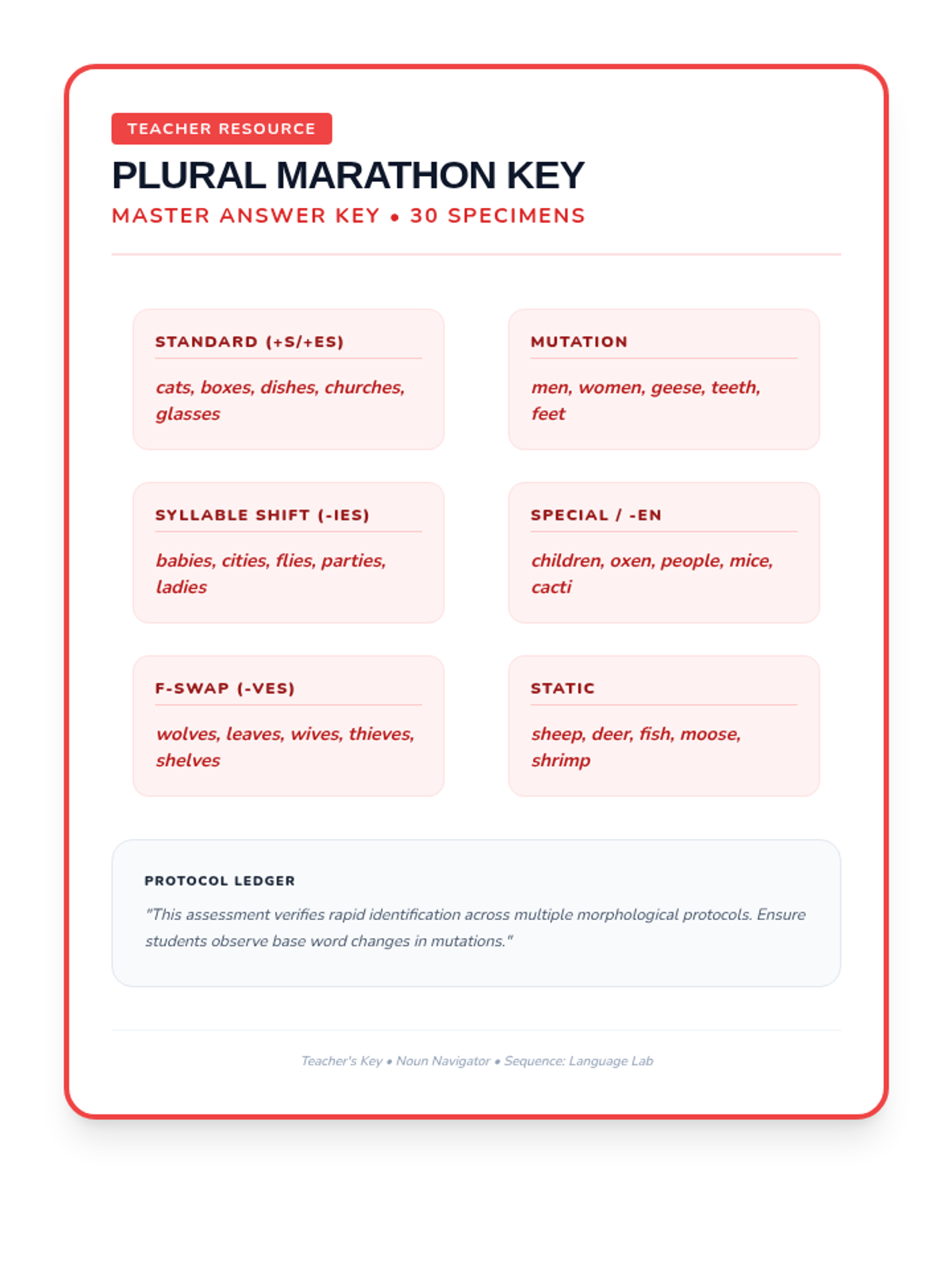
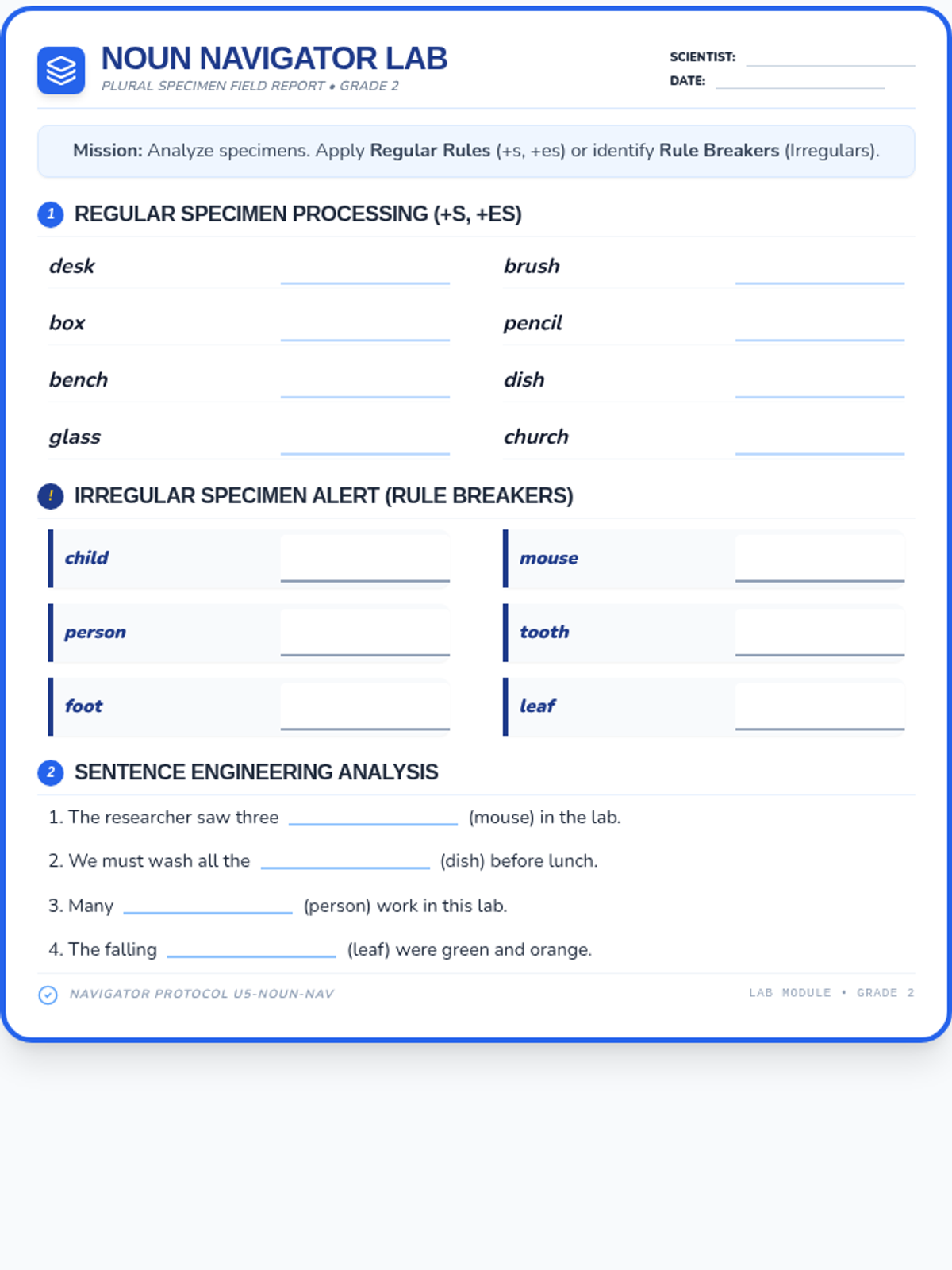
A lesson on identifying and forming plural nouns. Students learn the standard rules for regular plurals (-s, -es, -ies, -ves) and investigate 'rule-breaking' irregular nouns like mice, children, and people.
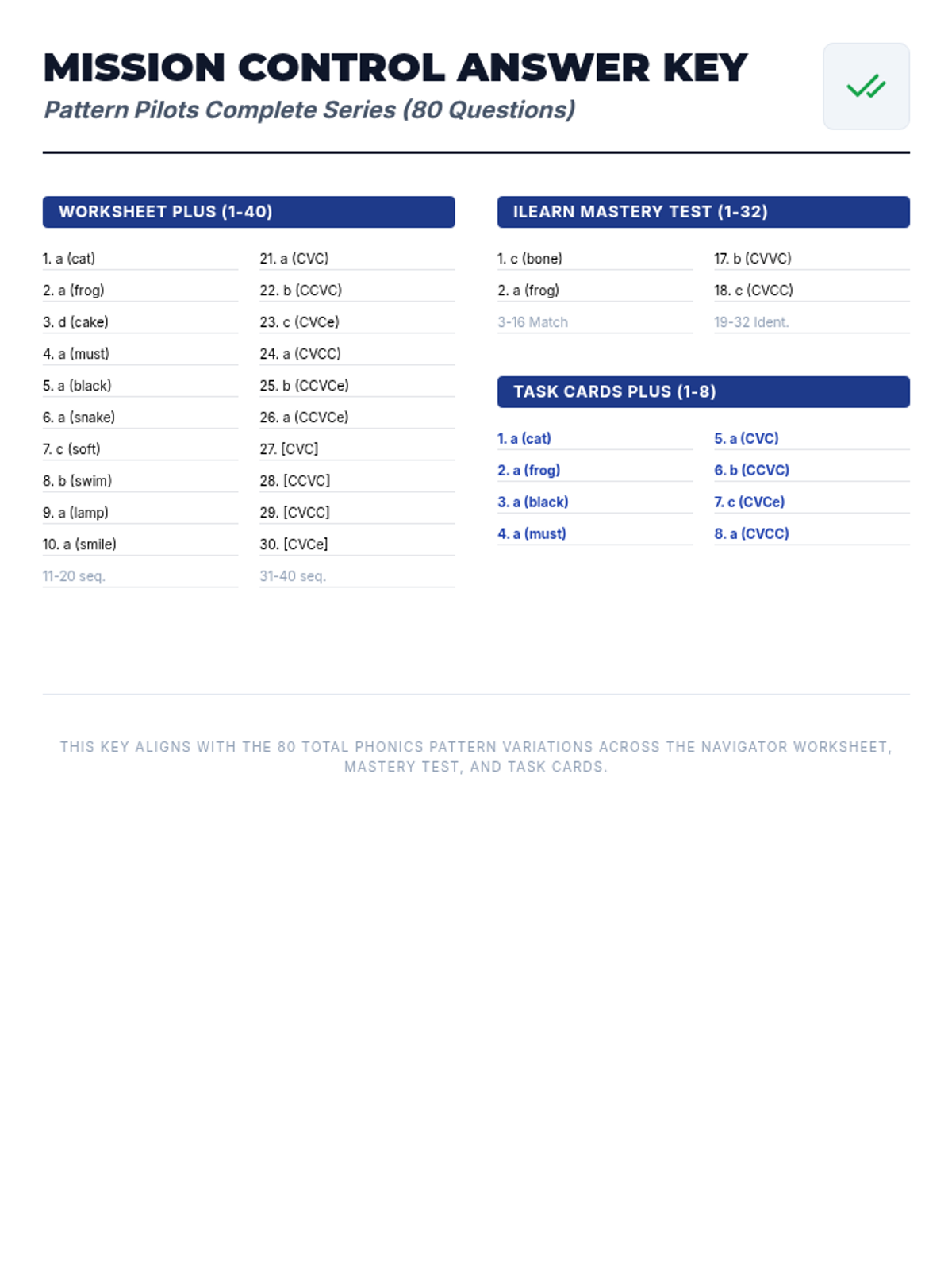
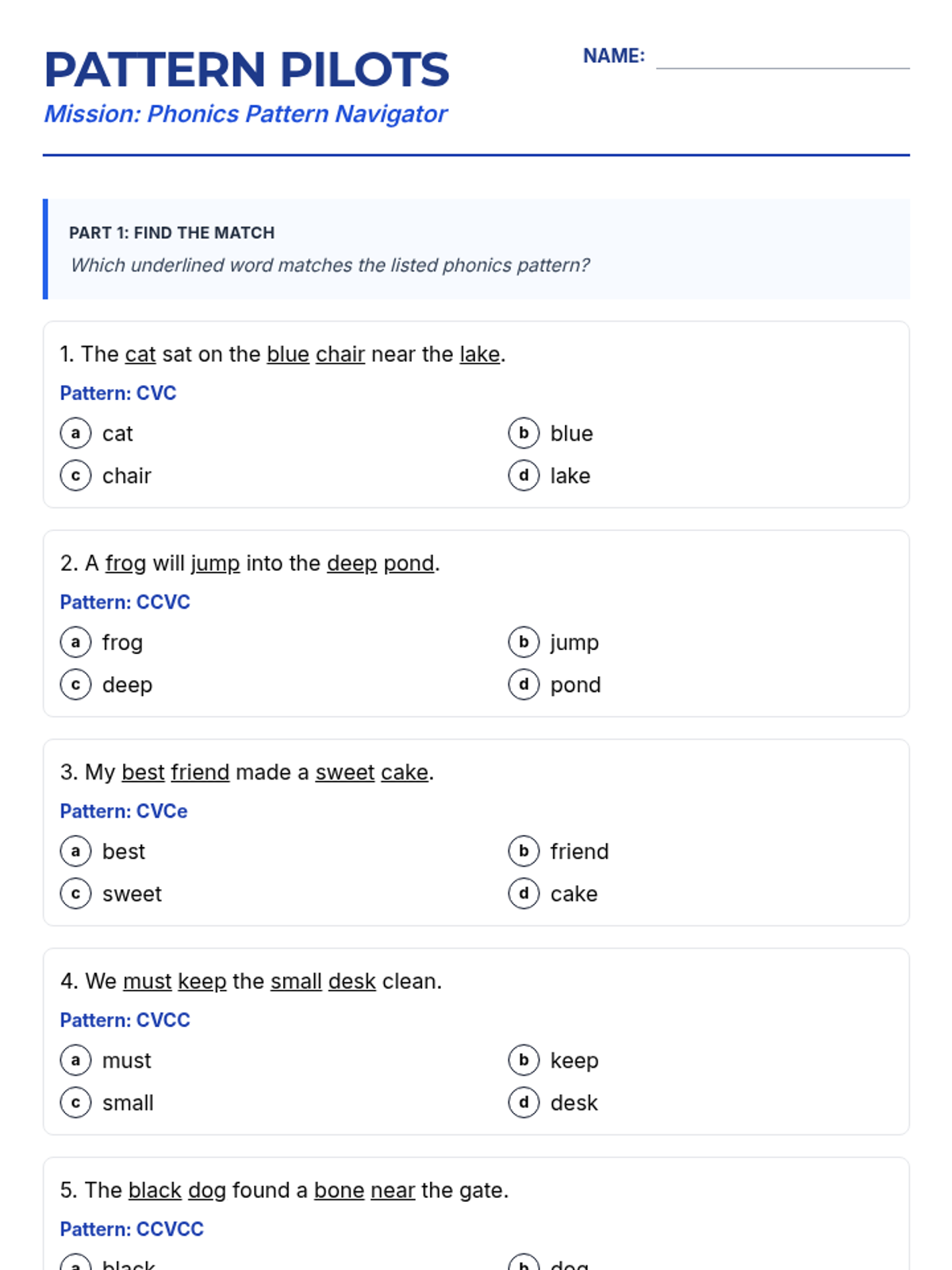
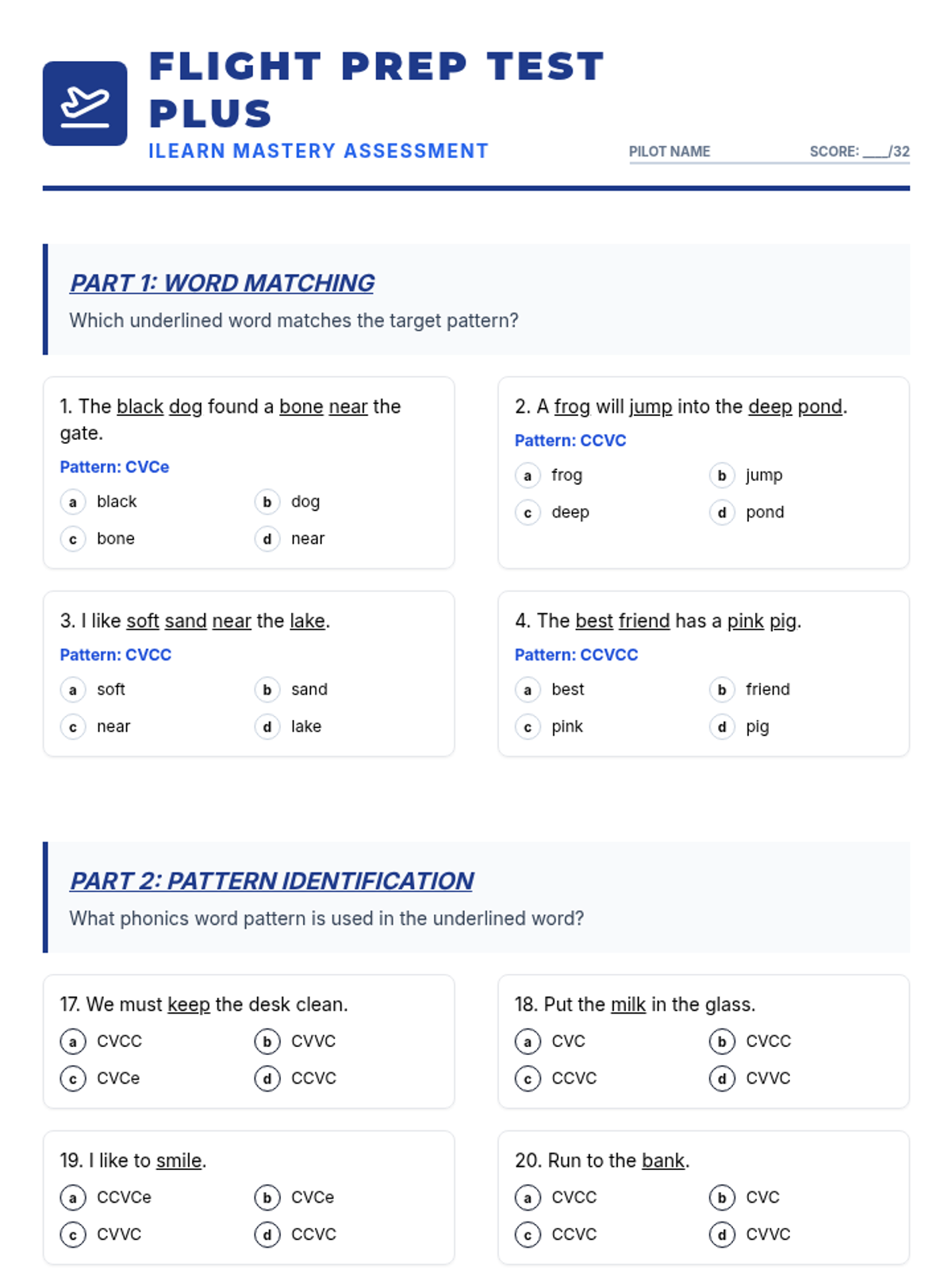
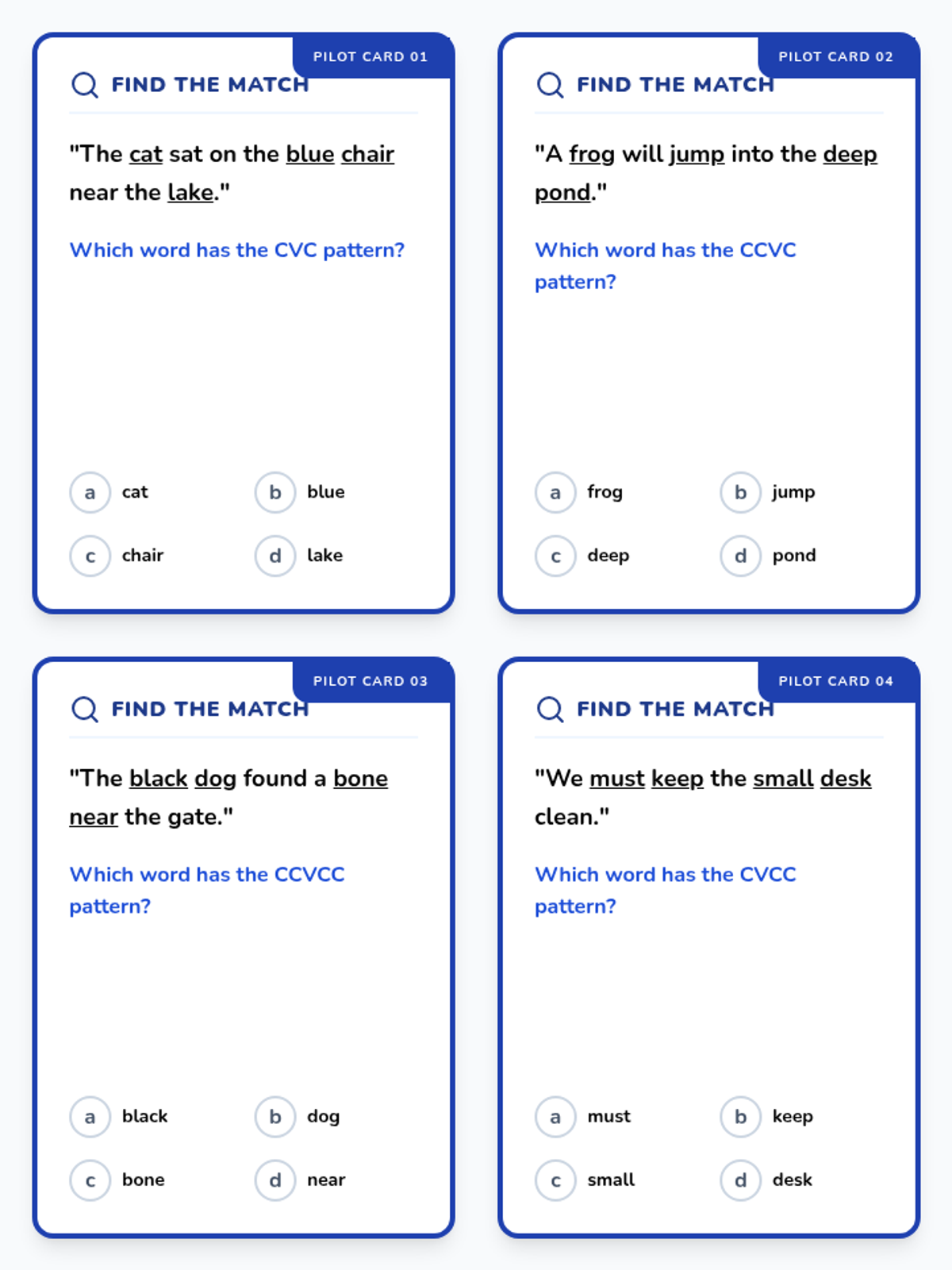
A comprehensive set of practice materials for the ILEARN assessment focusing on vowel and consonant patterns (CVC, CCVC, CVCe, etc.). Includes grouped practice, a mixed test, task cards, and an answer key.