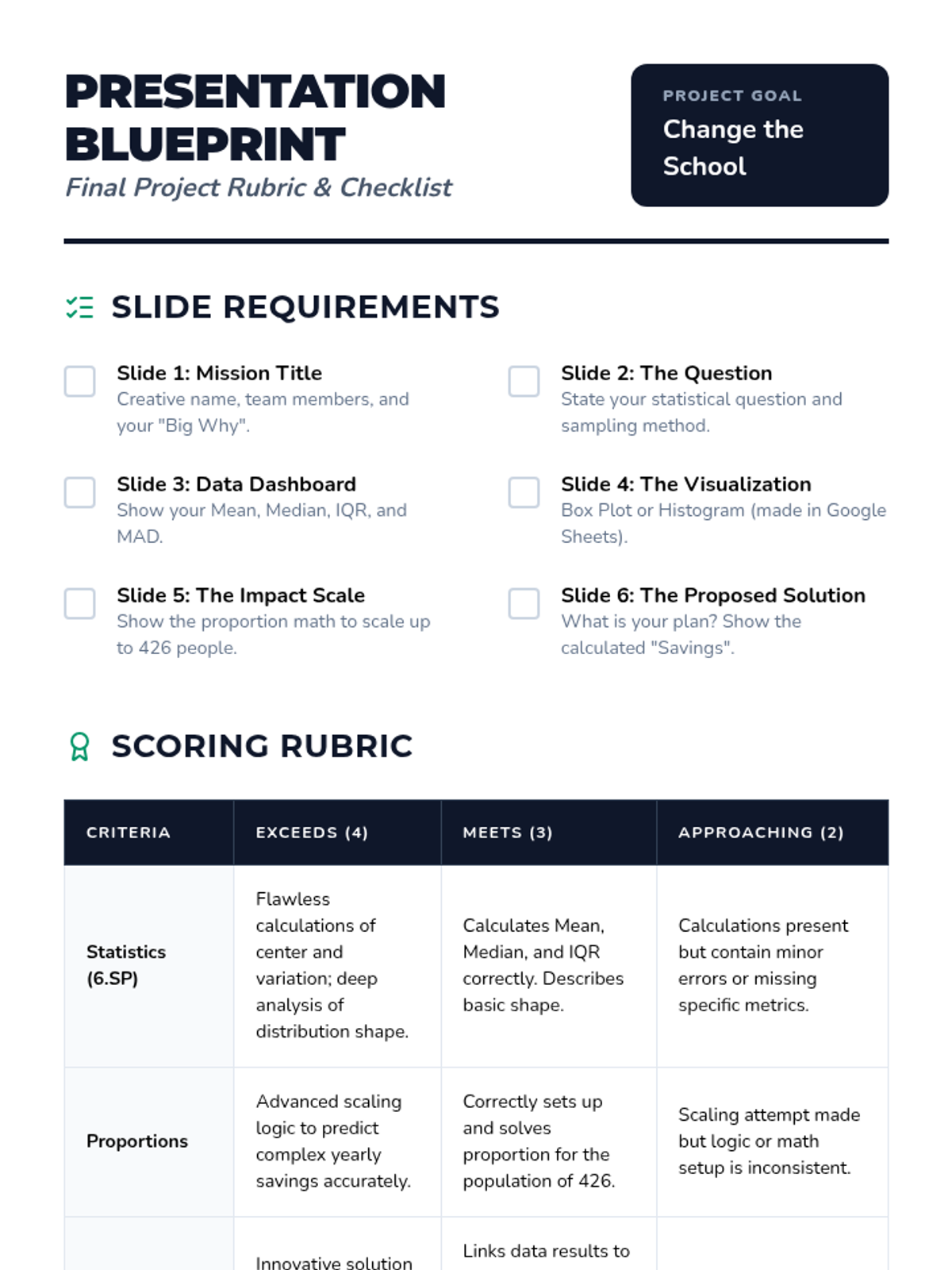
Students collect real-world data, analyze it using measures of center and variation, and create visual representations including box plots and histograms.
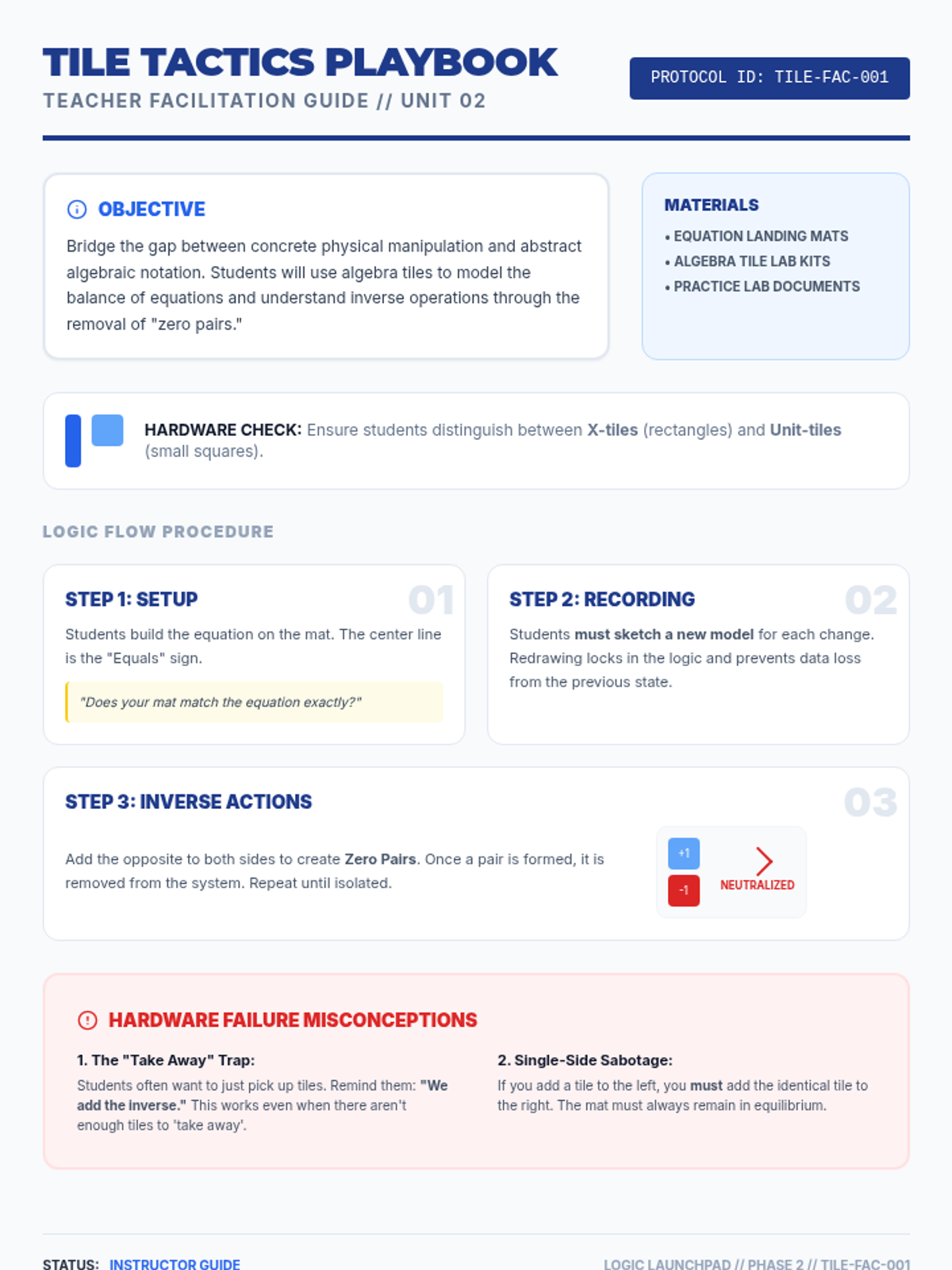
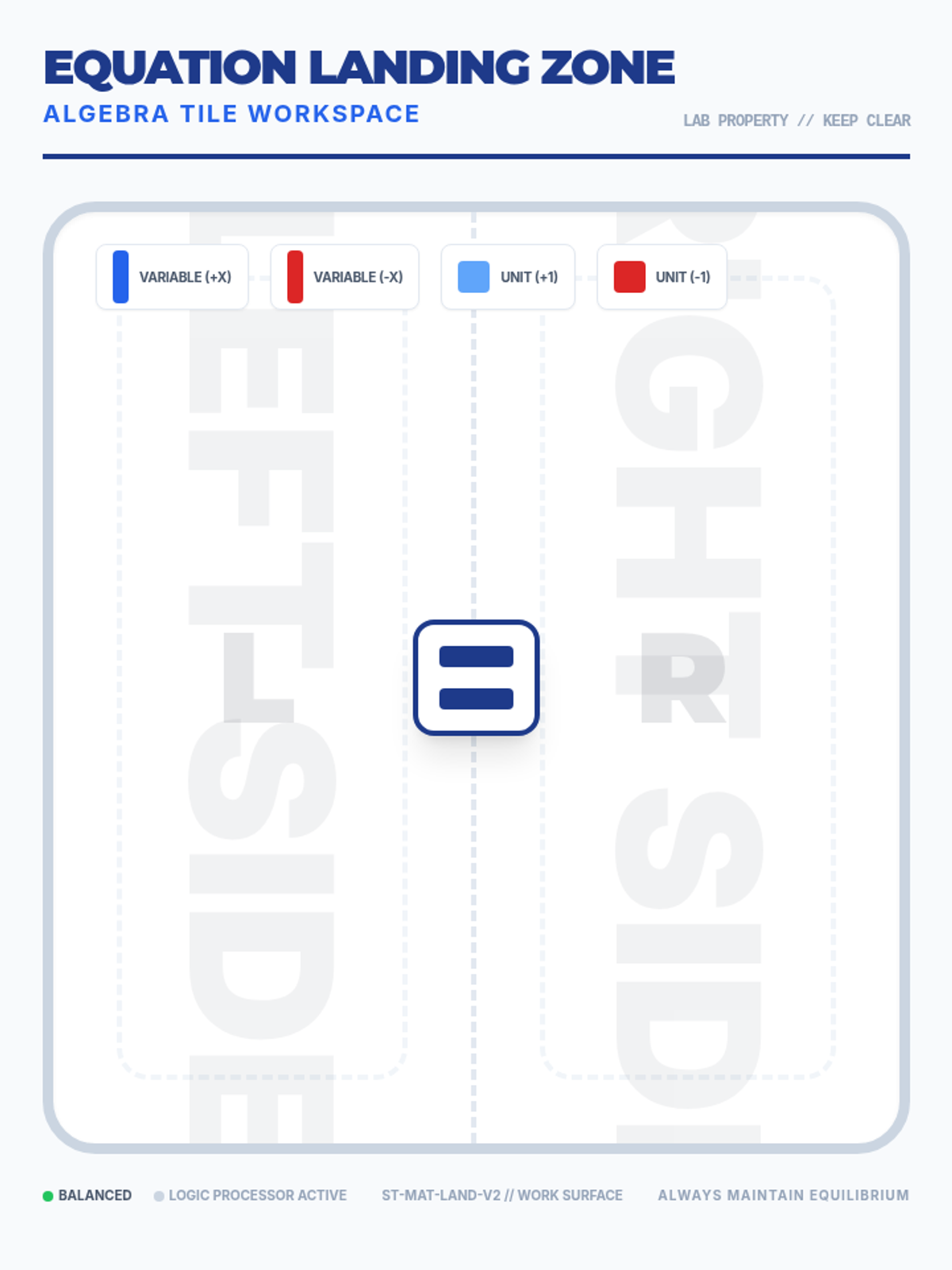
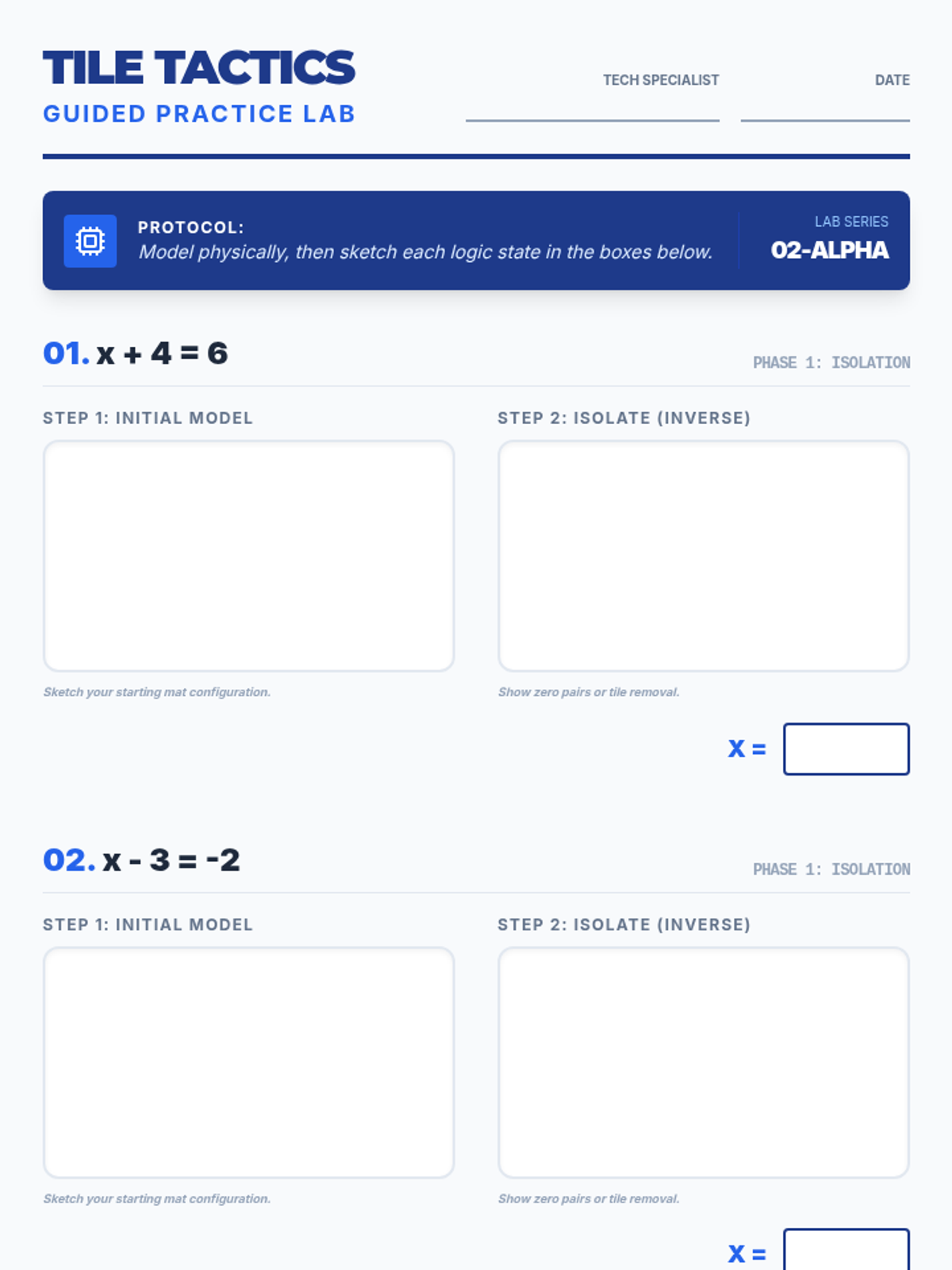
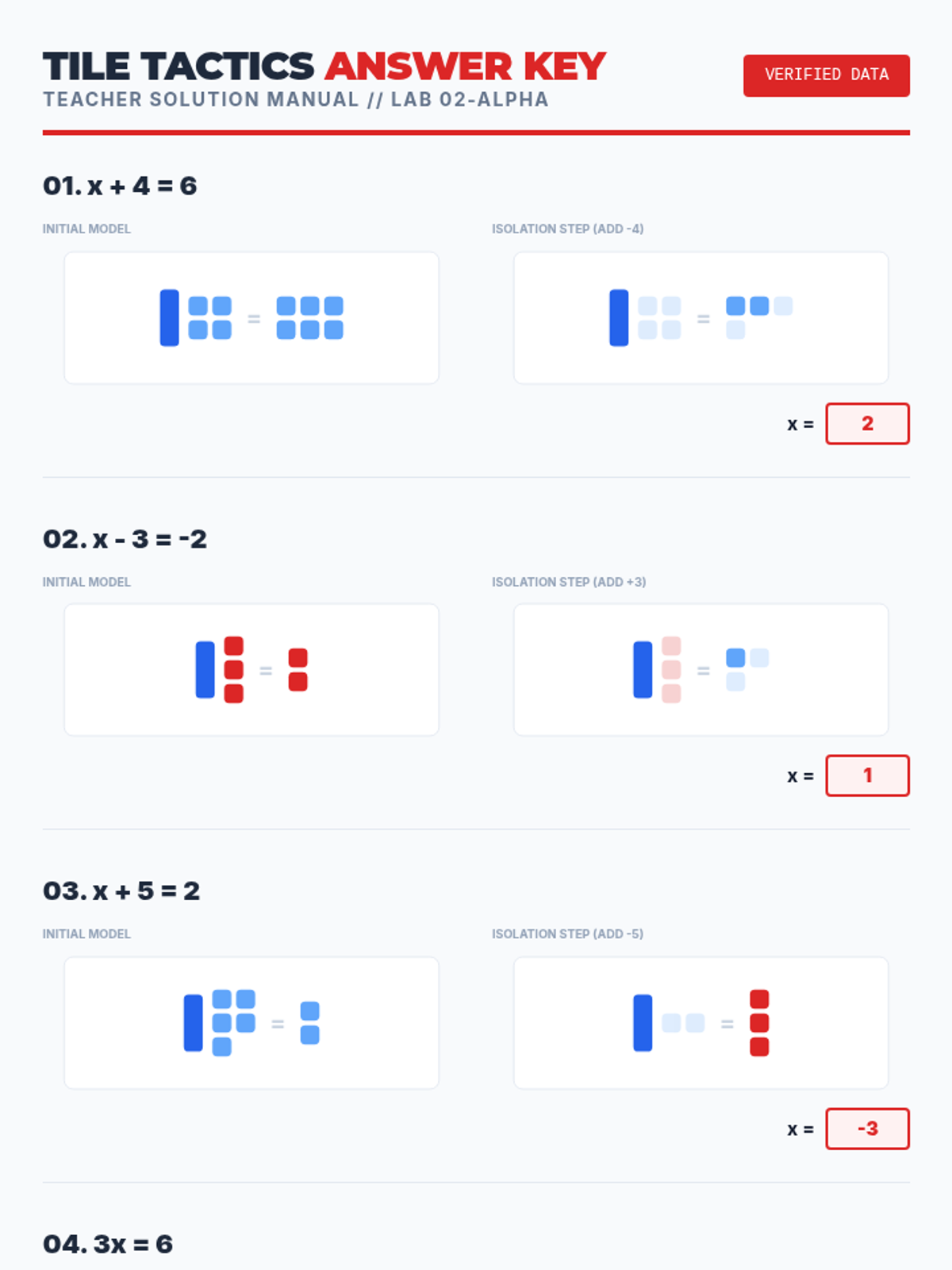
Introduction to algebra tiles as a visual tool for modeling and solving one- and two-step linear equations. Focuses on the concept of zero pairs and inverse operations.
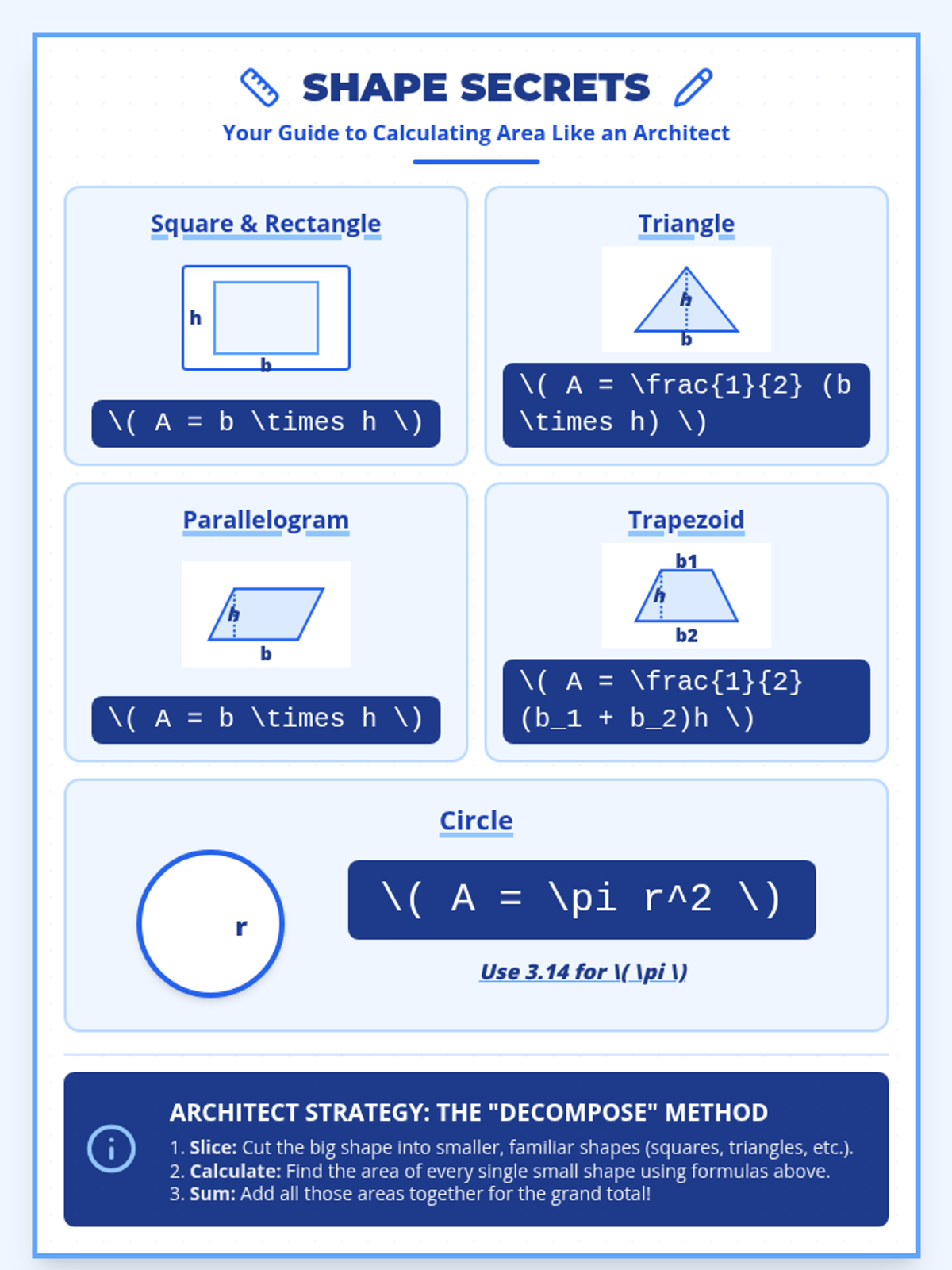
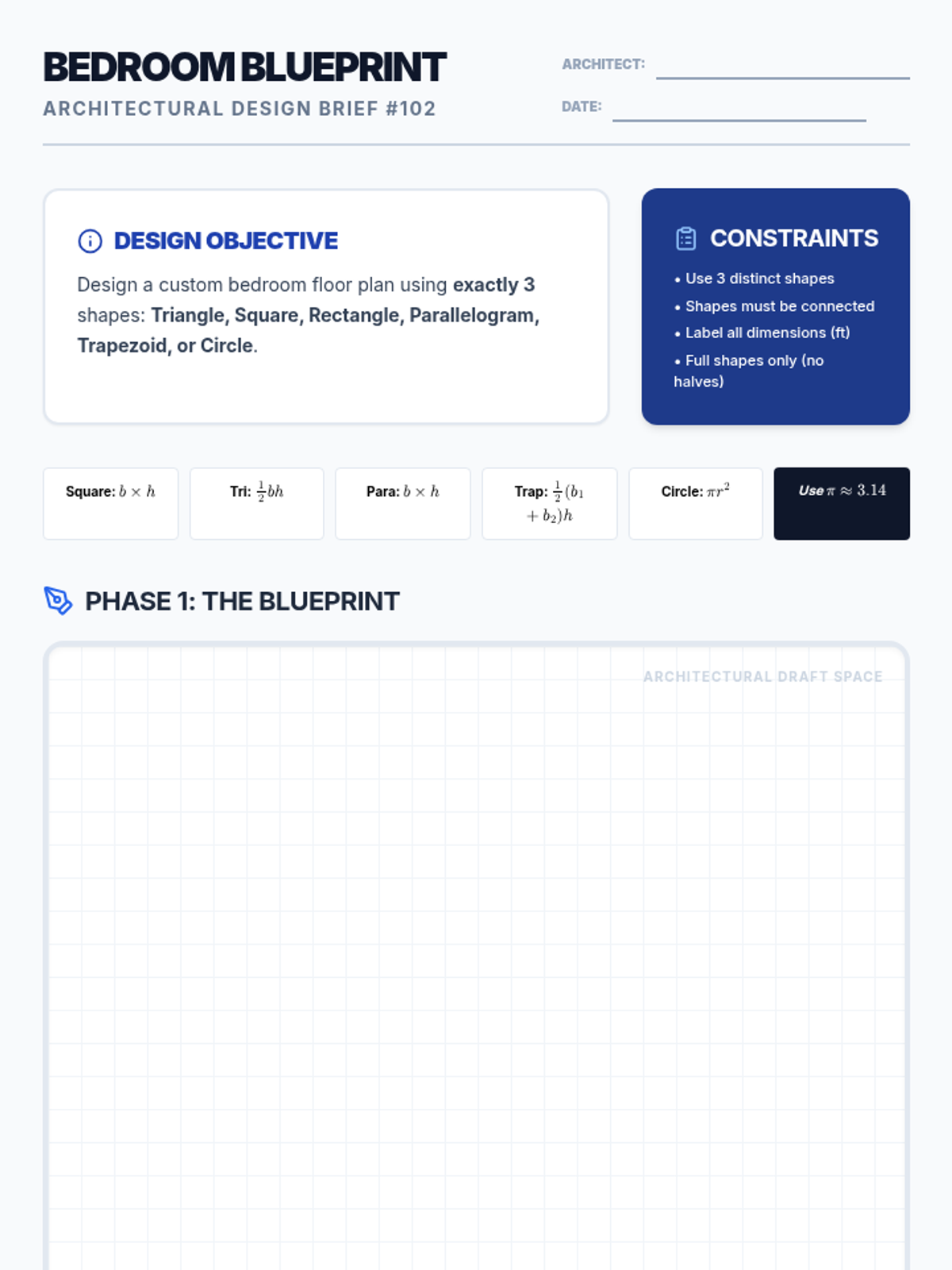
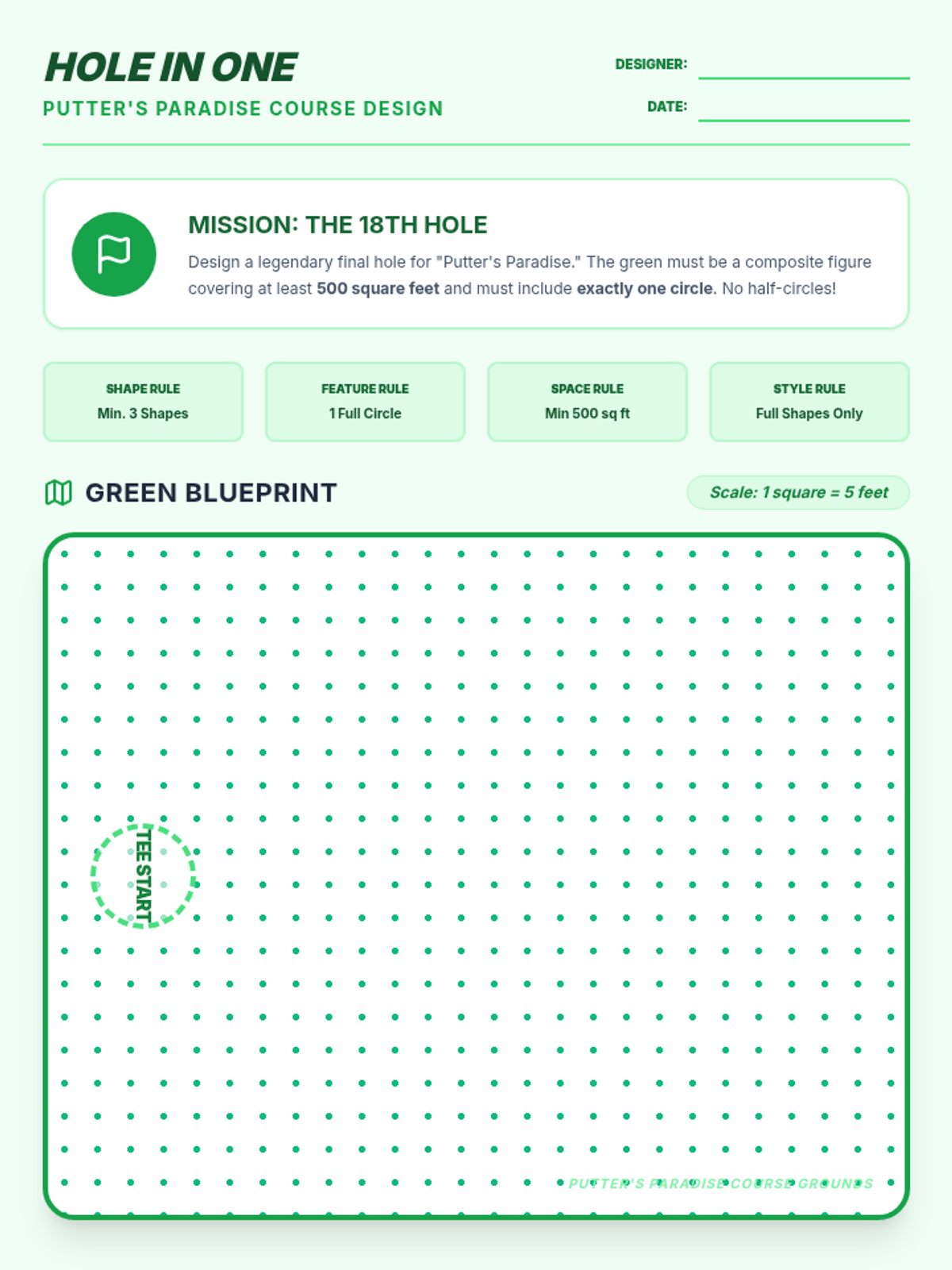
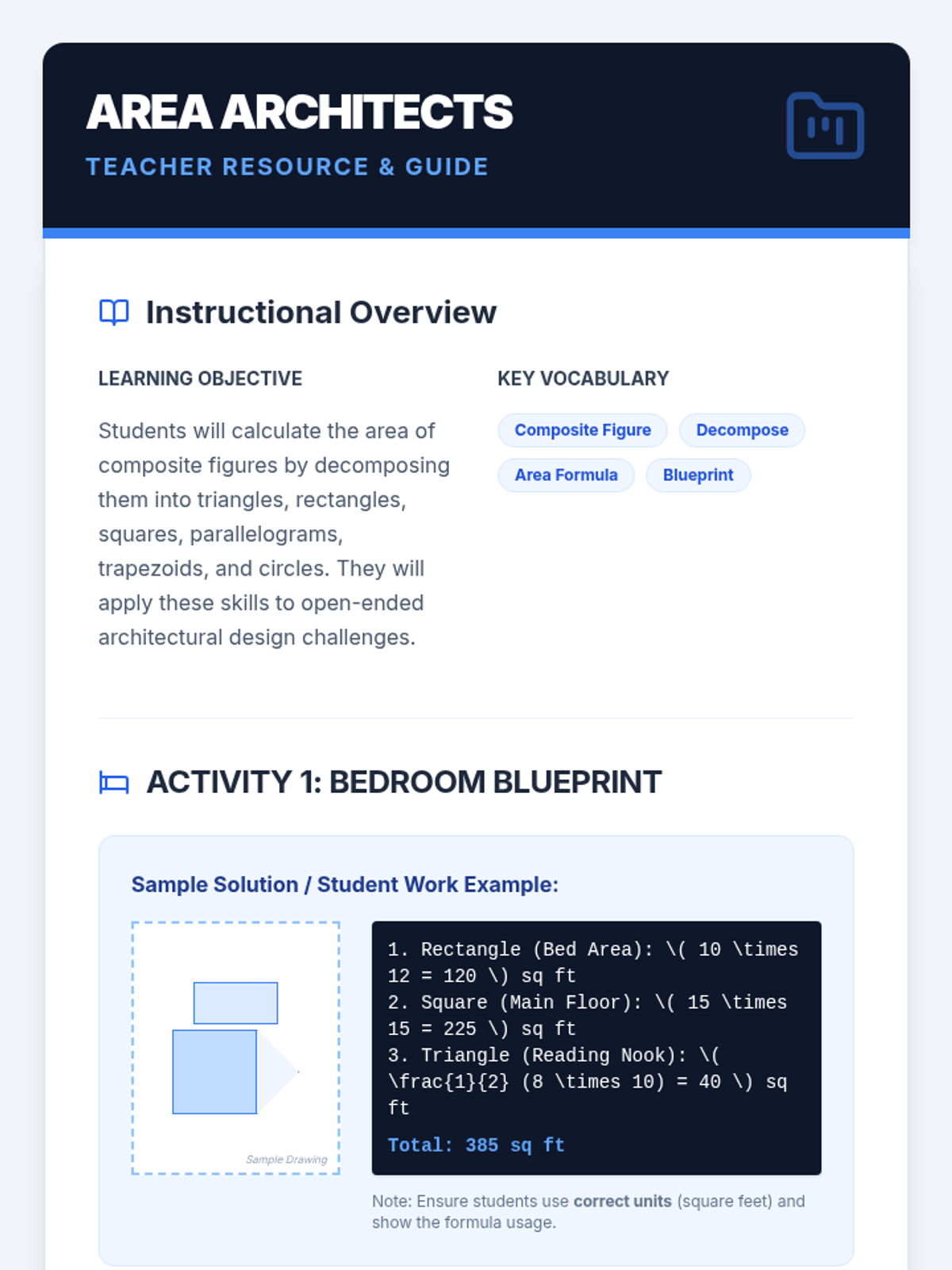
Students learn to decompose complex figures into familiar shapes (triangles, circles, quadrilaterals) to calculate total area in practical design scenarios.
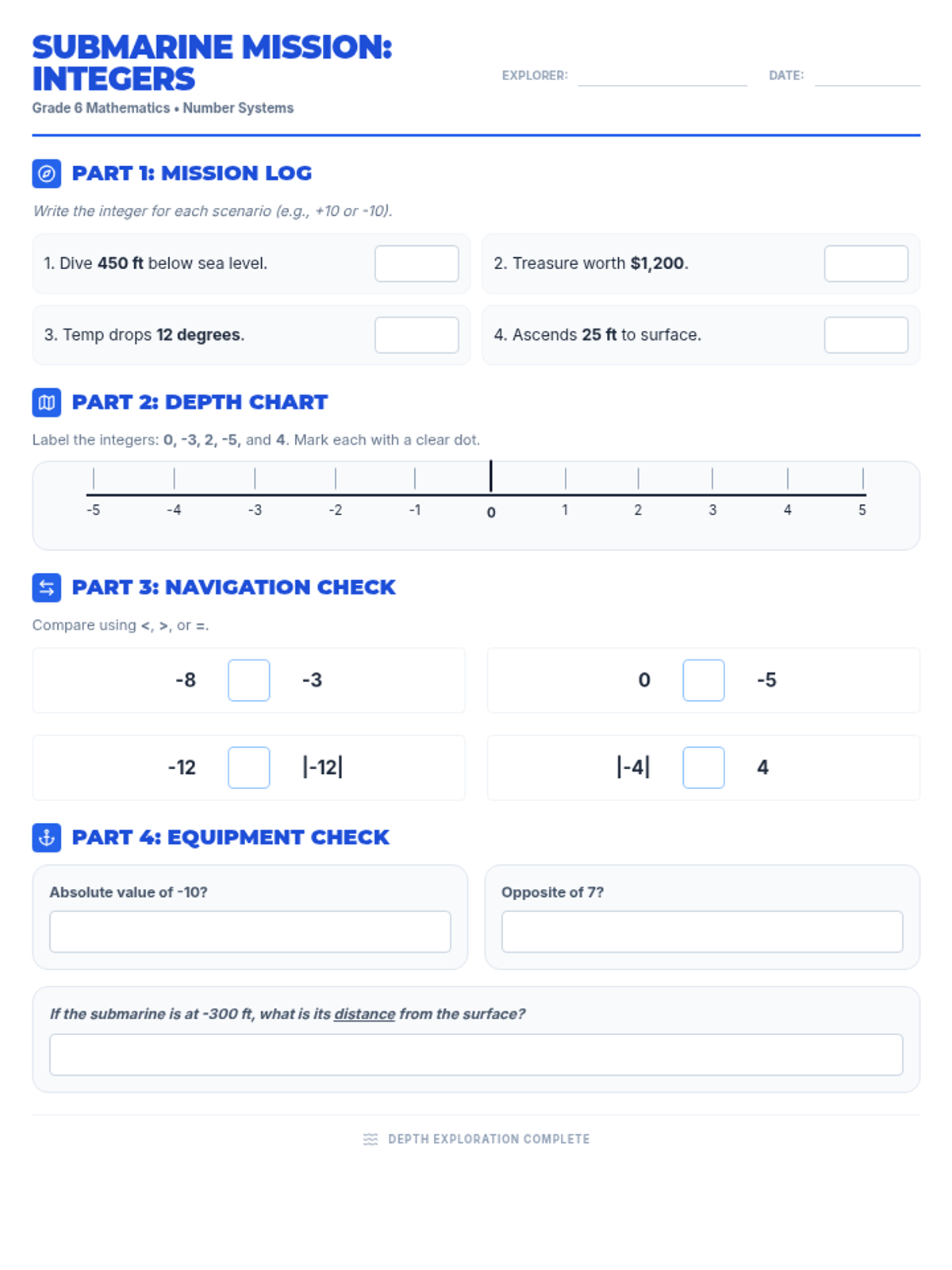
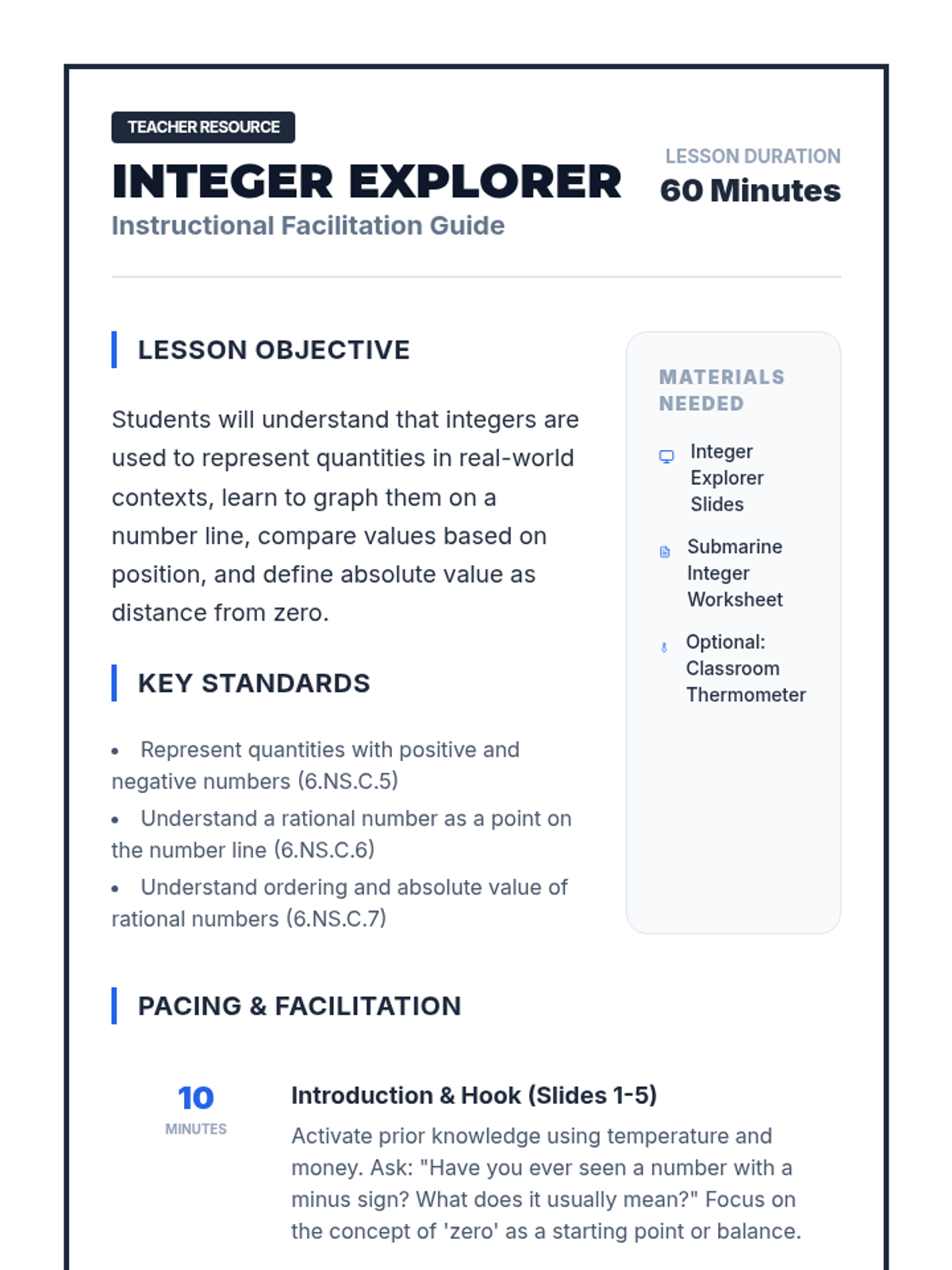
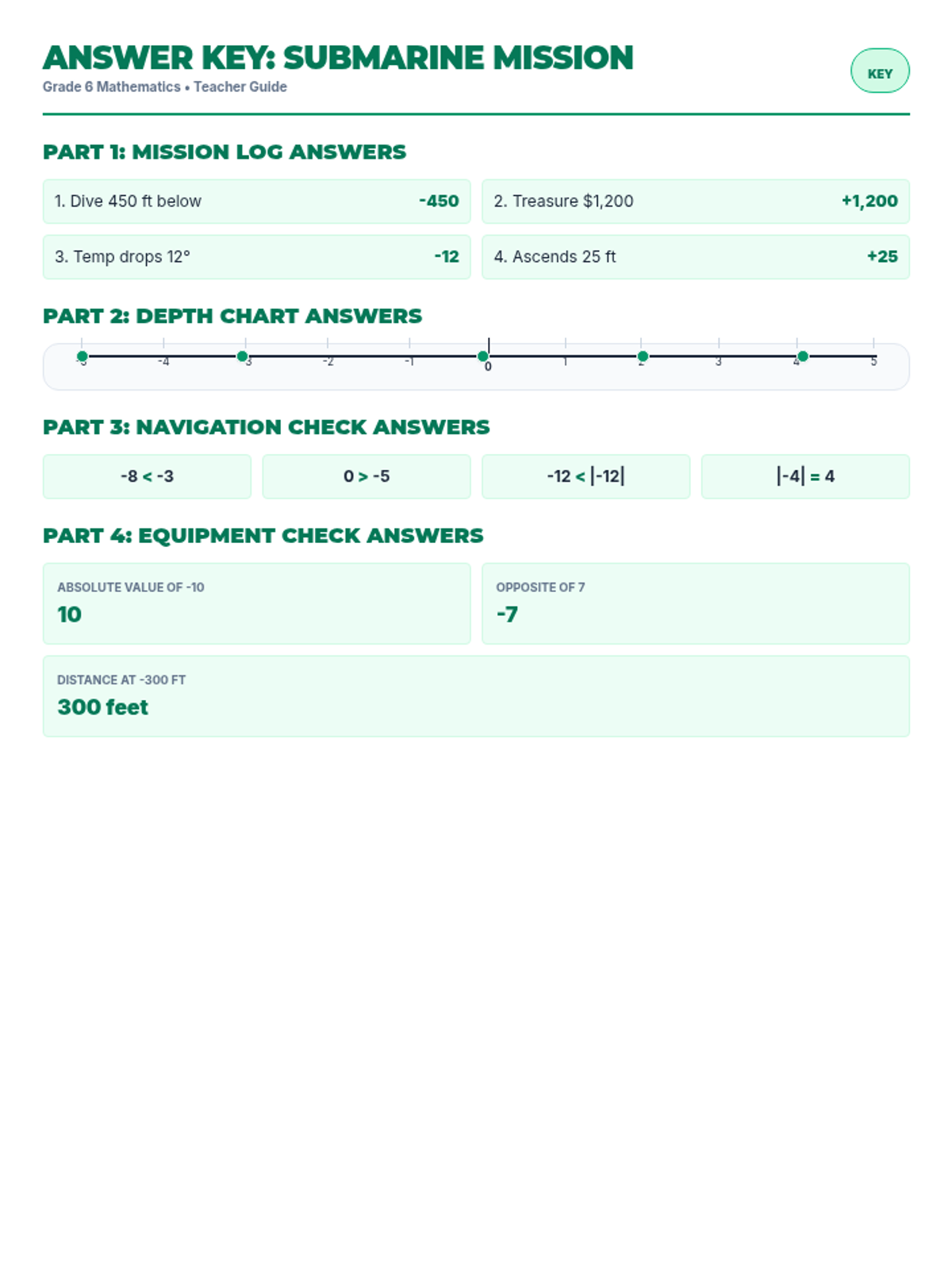
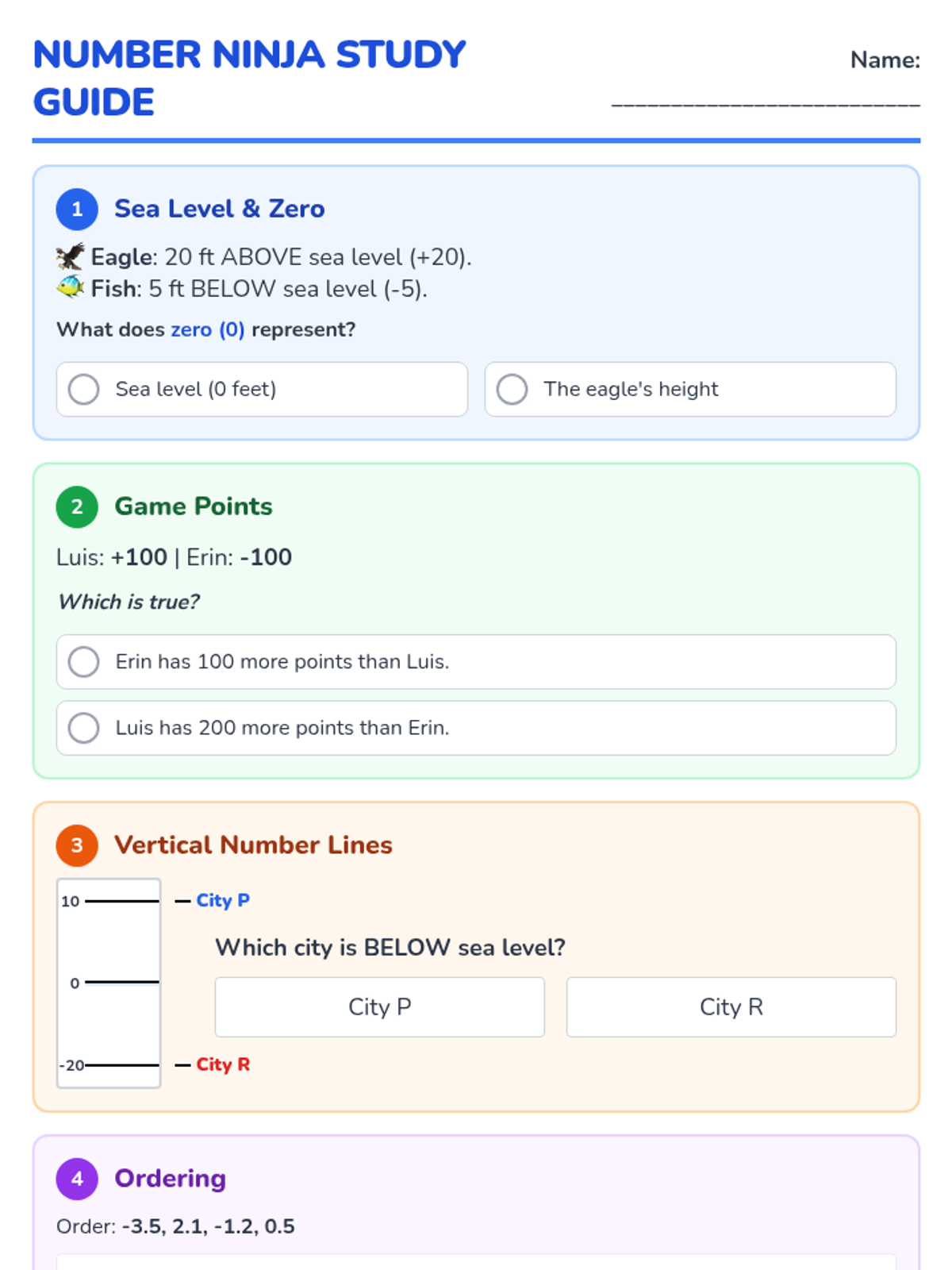
An introductory lesson on integers for 6th-grade students, focusing on real-world applications, number line visualization, and absolute value.
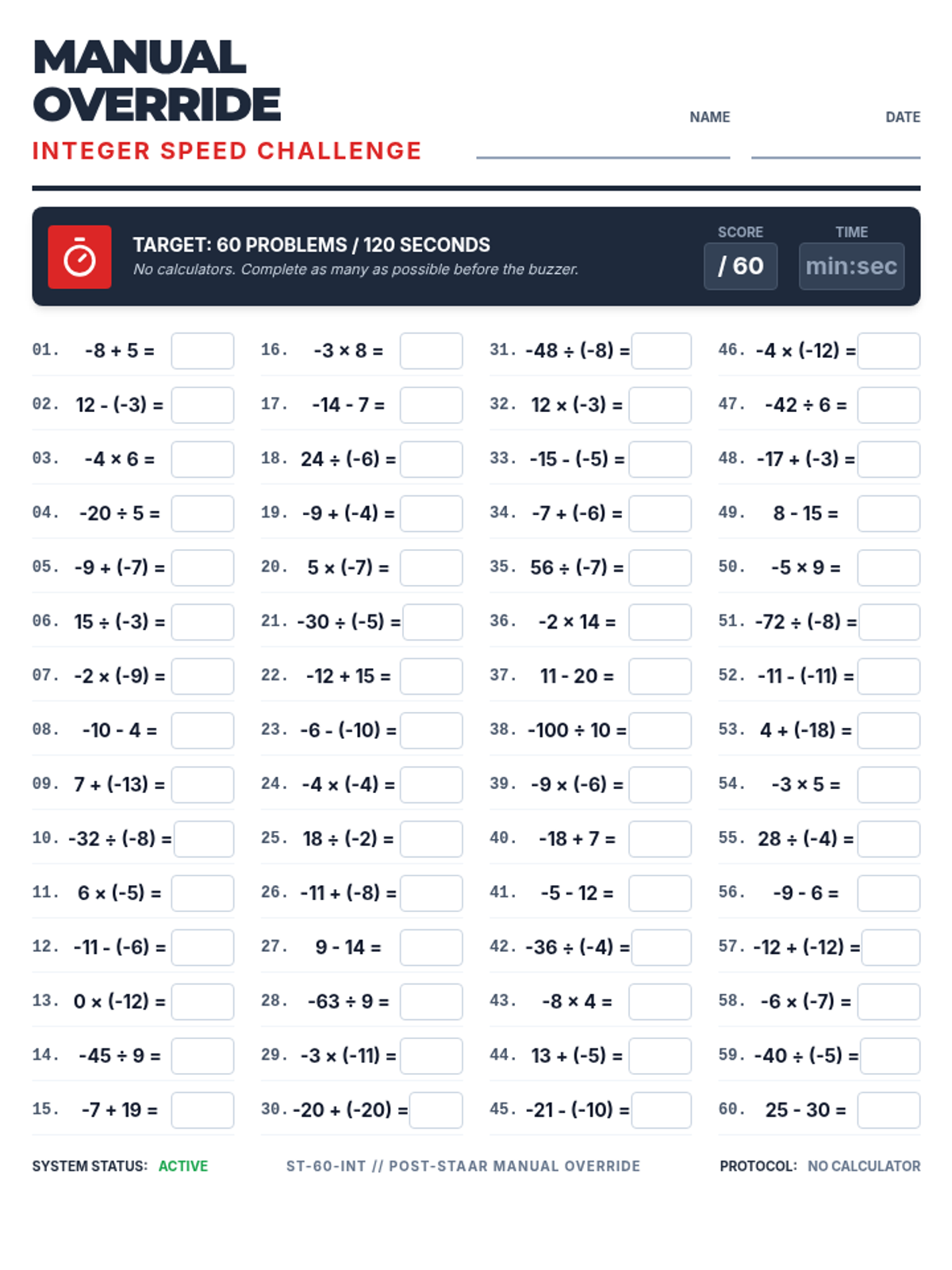
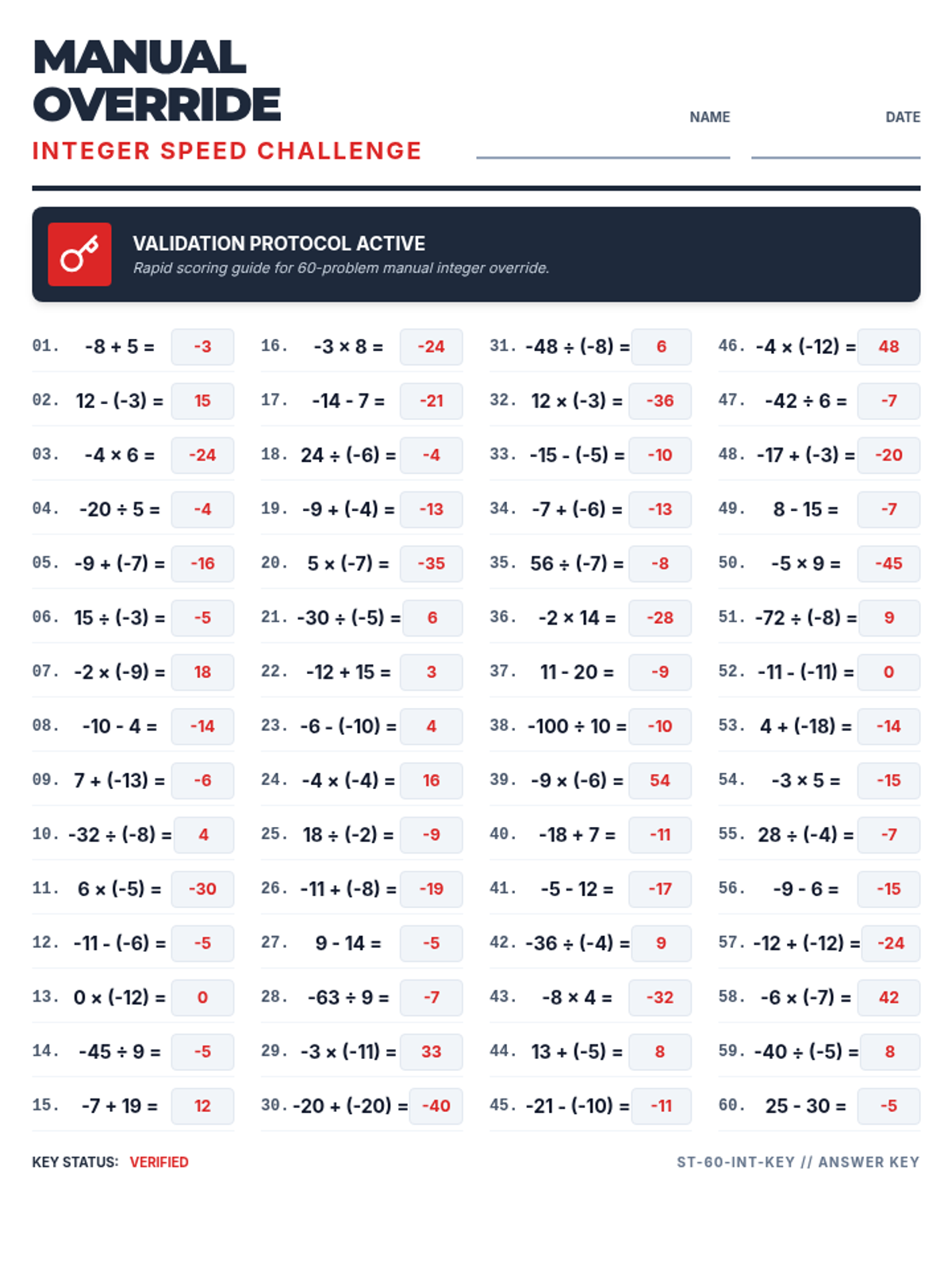
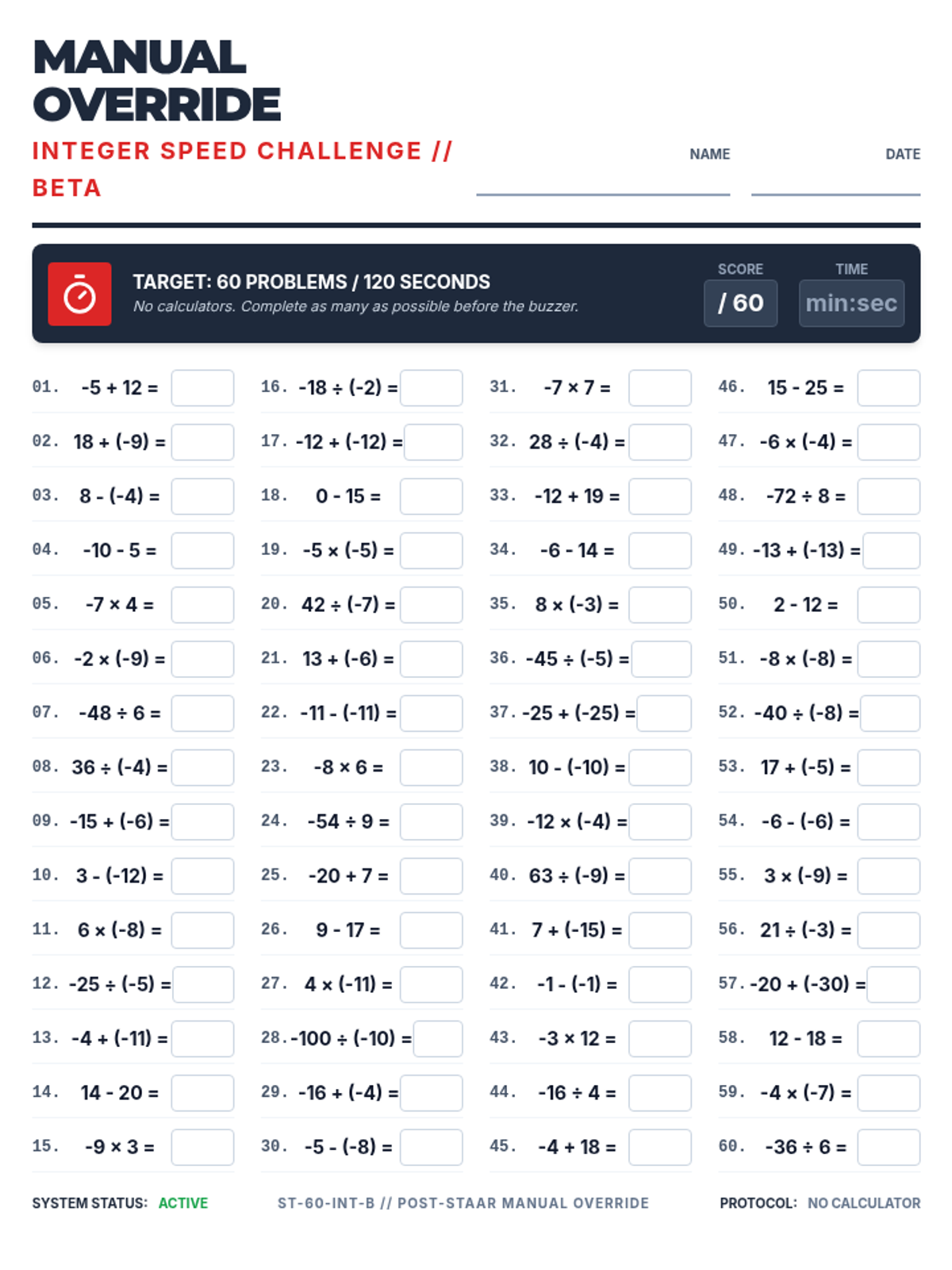
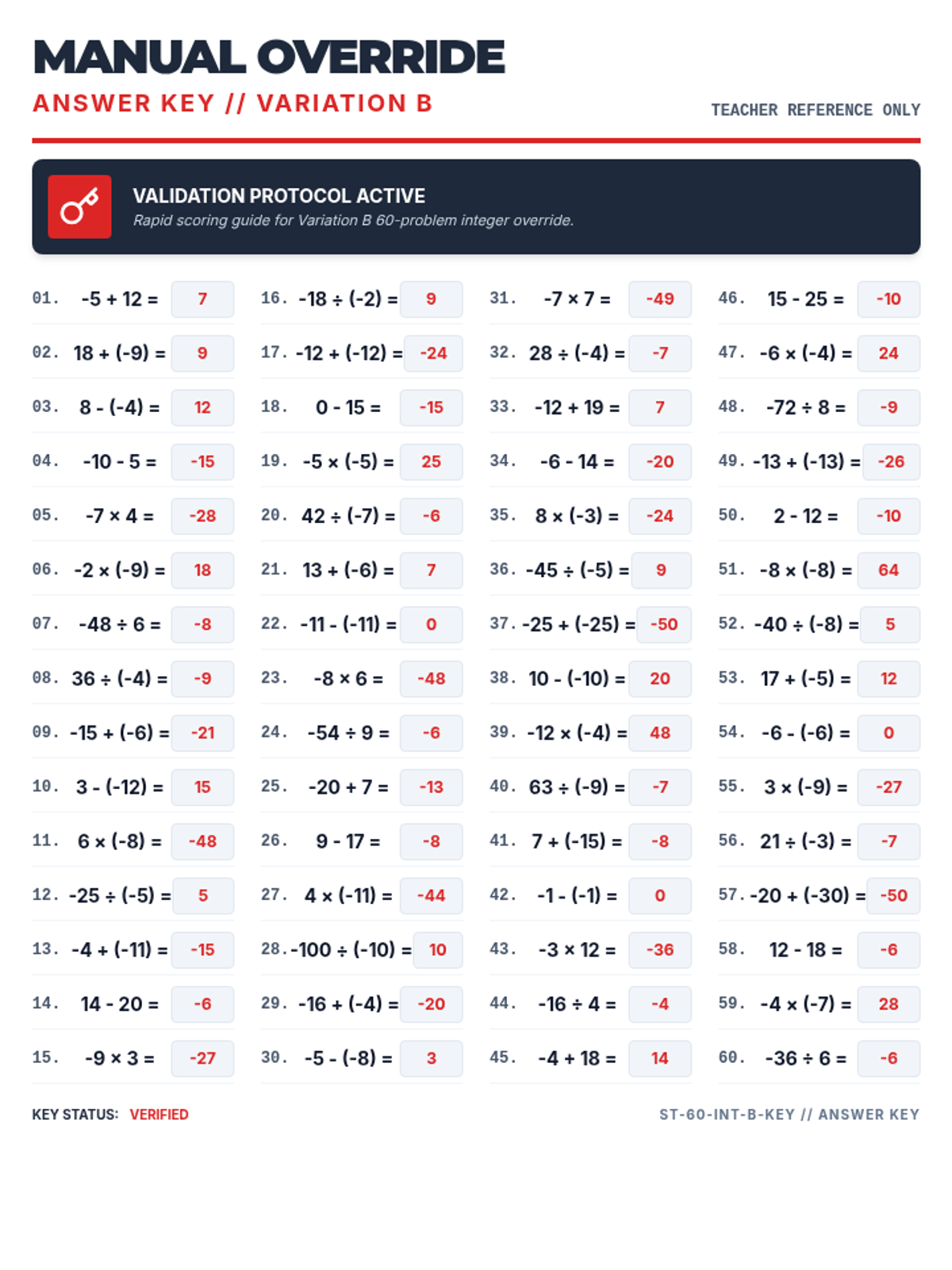
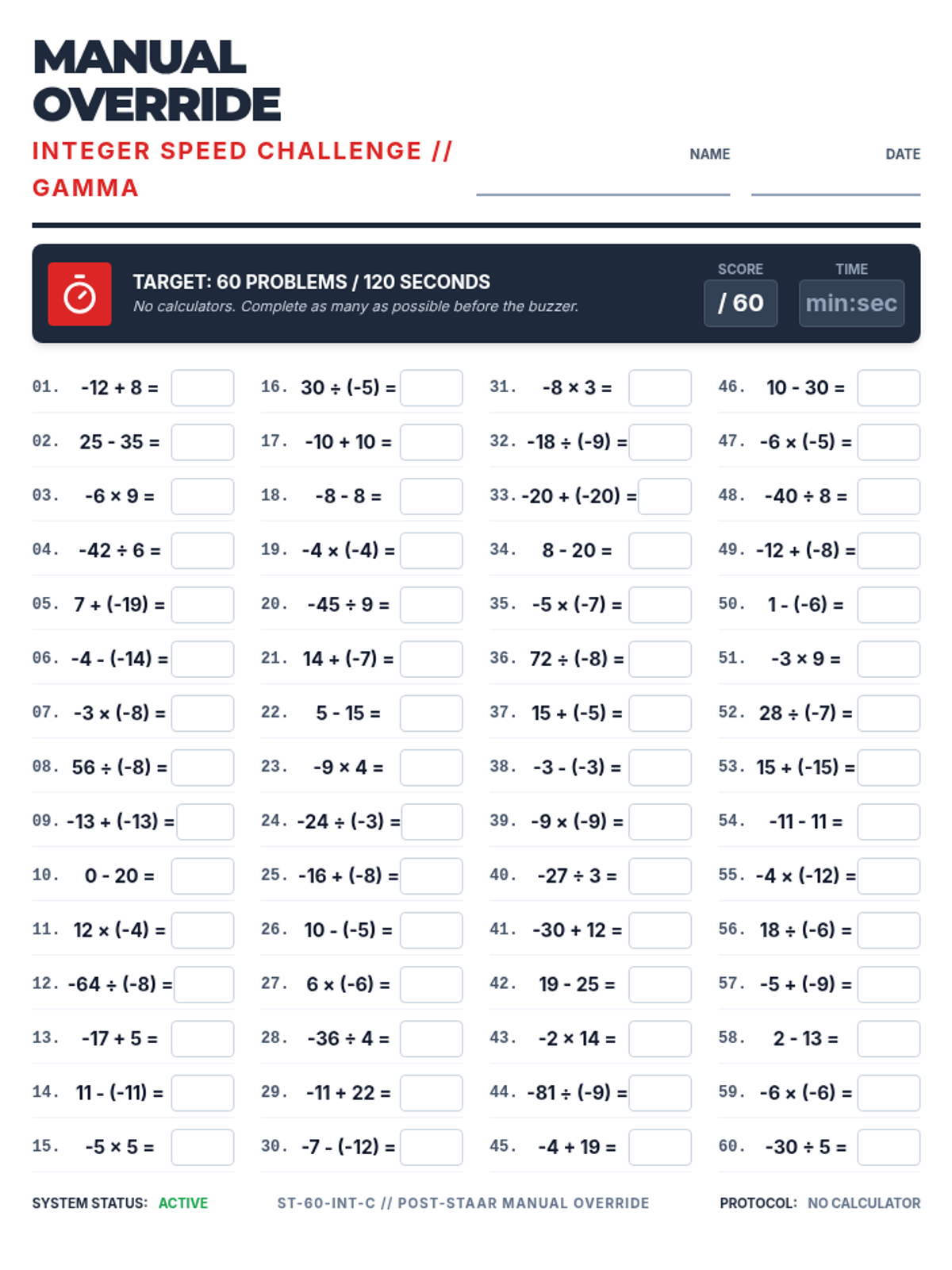
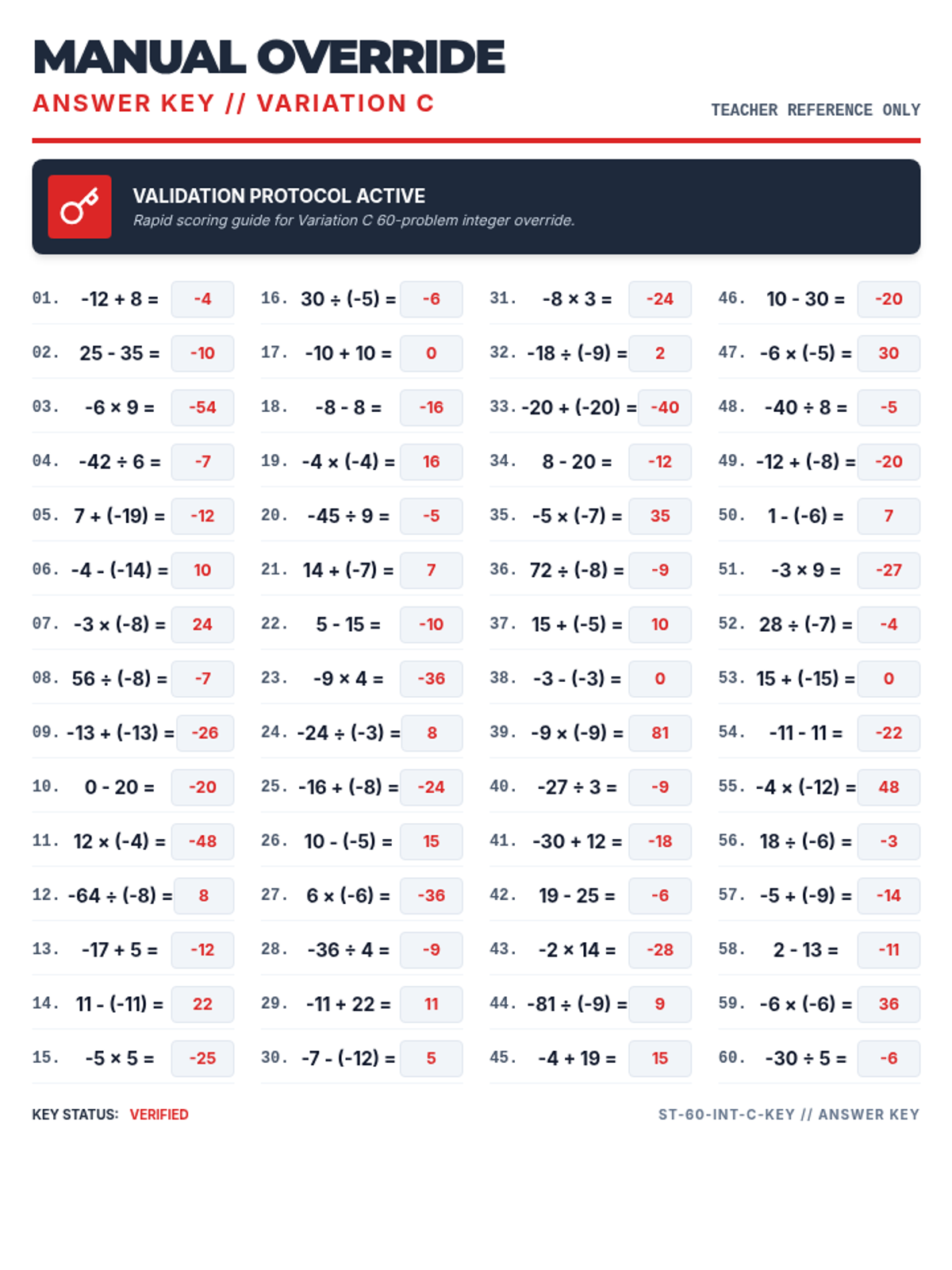
A high-speed mental math challenge focused on integer operations (addition, subtraction, multiplication, and division) to sharpen arithmetic skills after testing season.
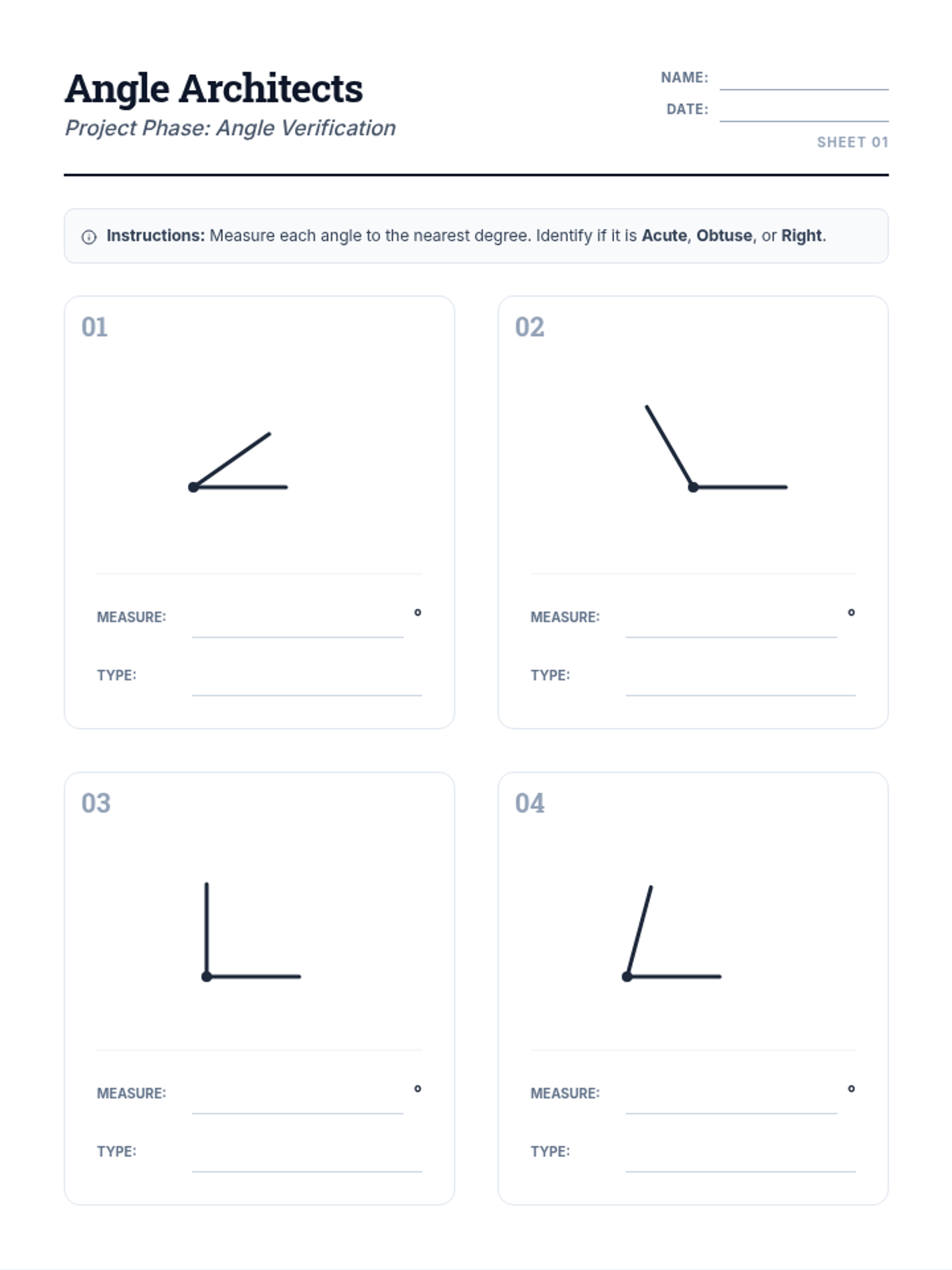
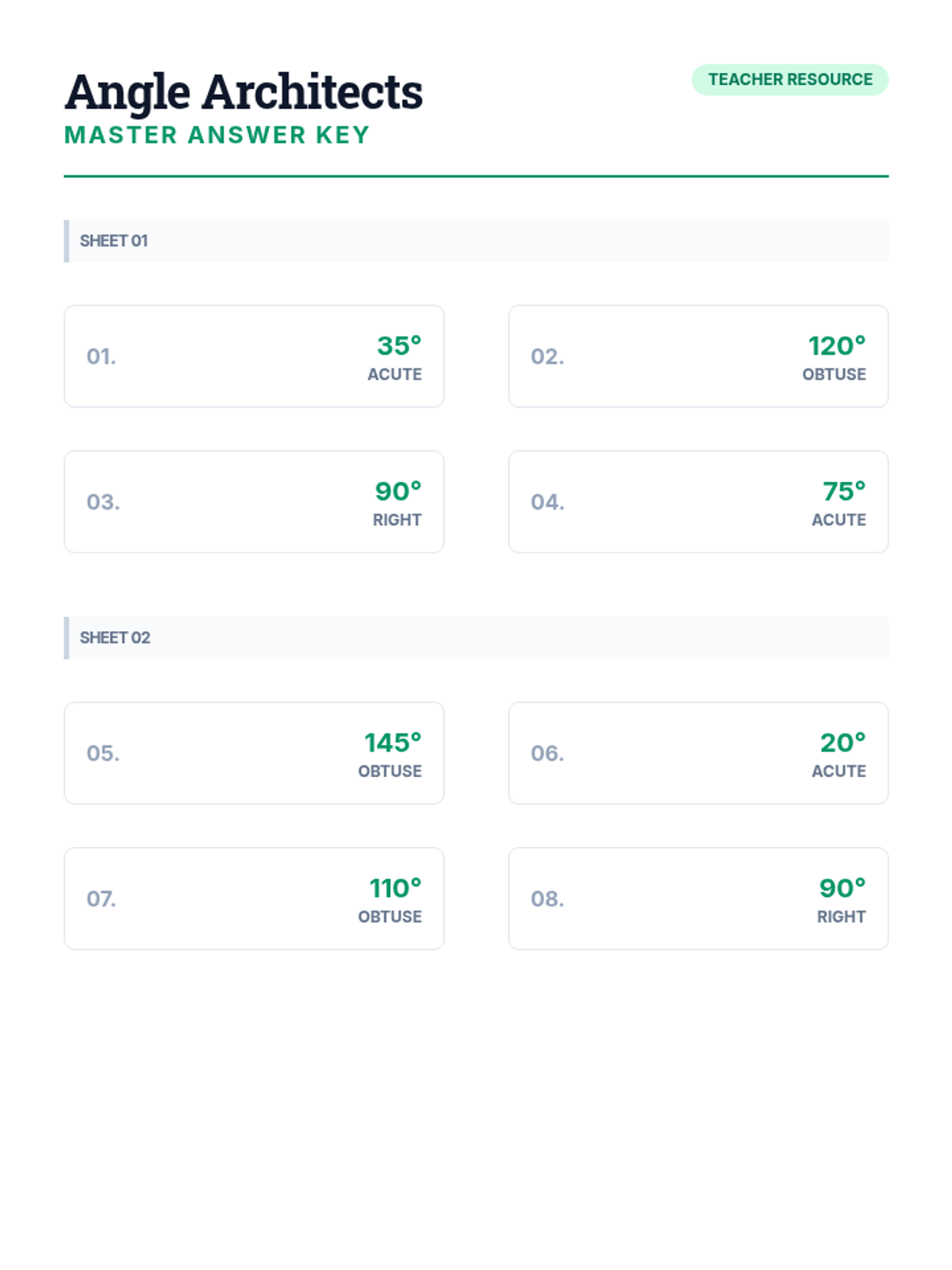
A hands-on geometry lesson focused on accurately measuring acute, obtuse, and right angles using a protractor. Students take on the role of 'Angle Architects' to verify design specifications.
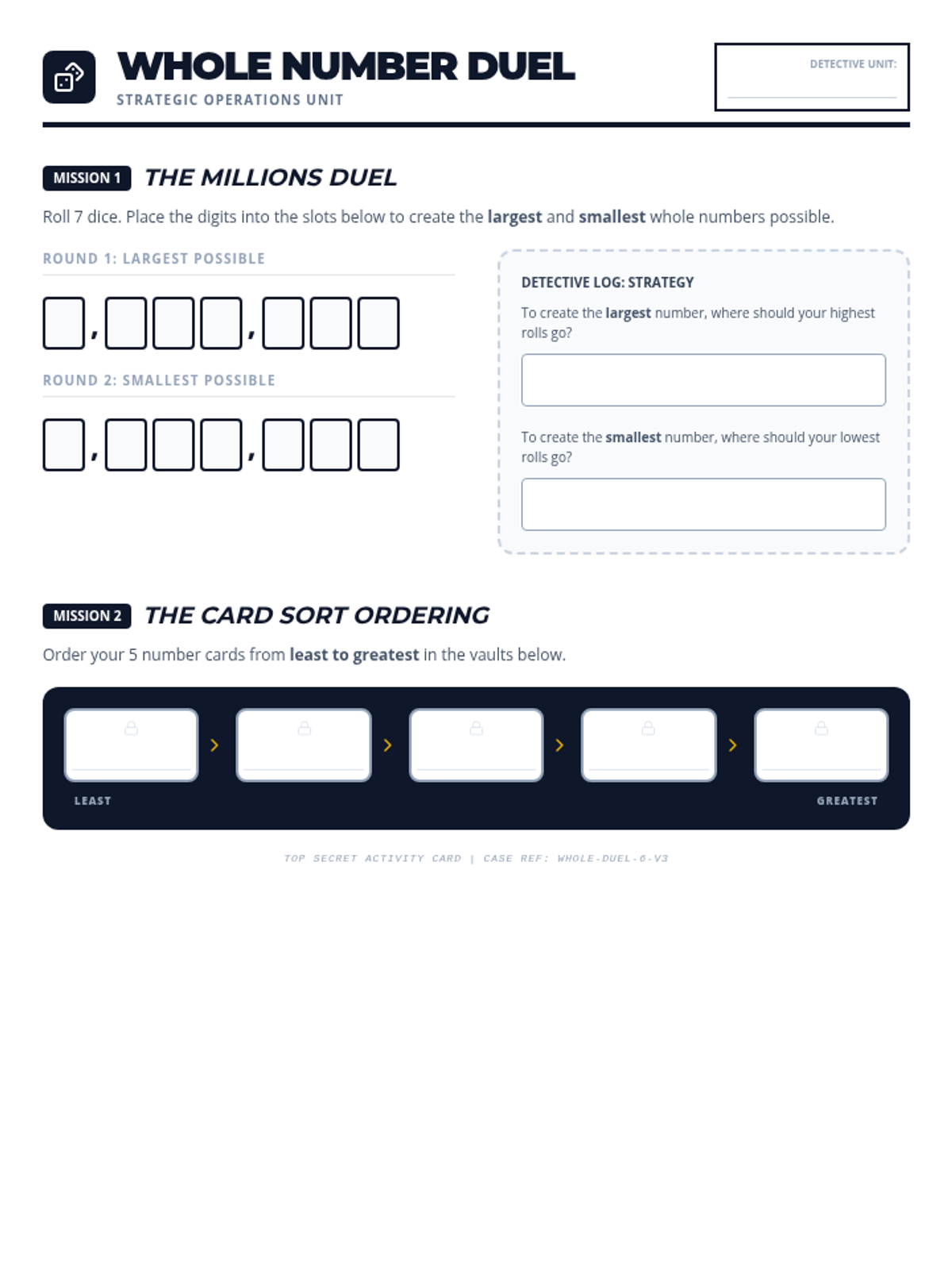
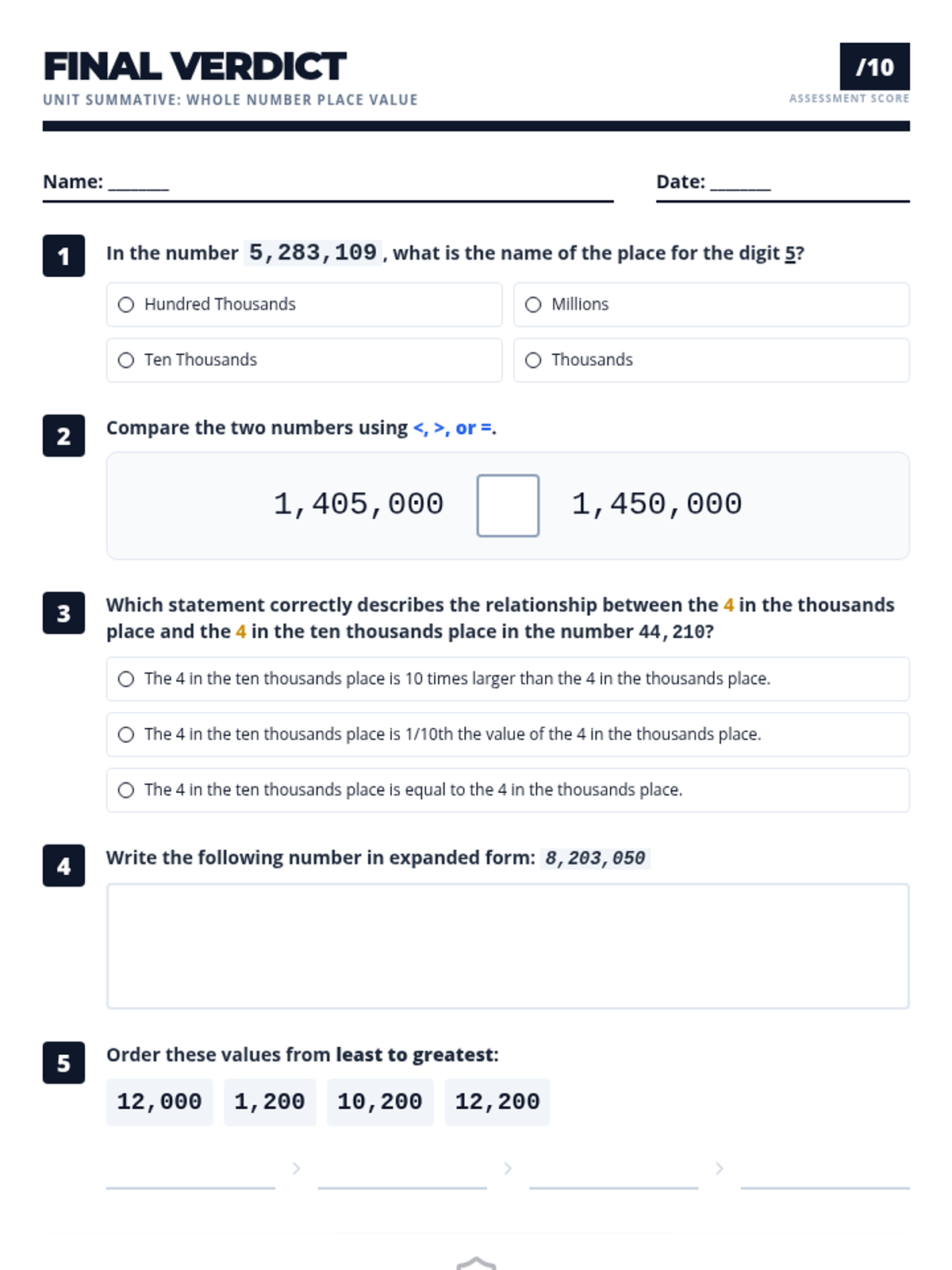
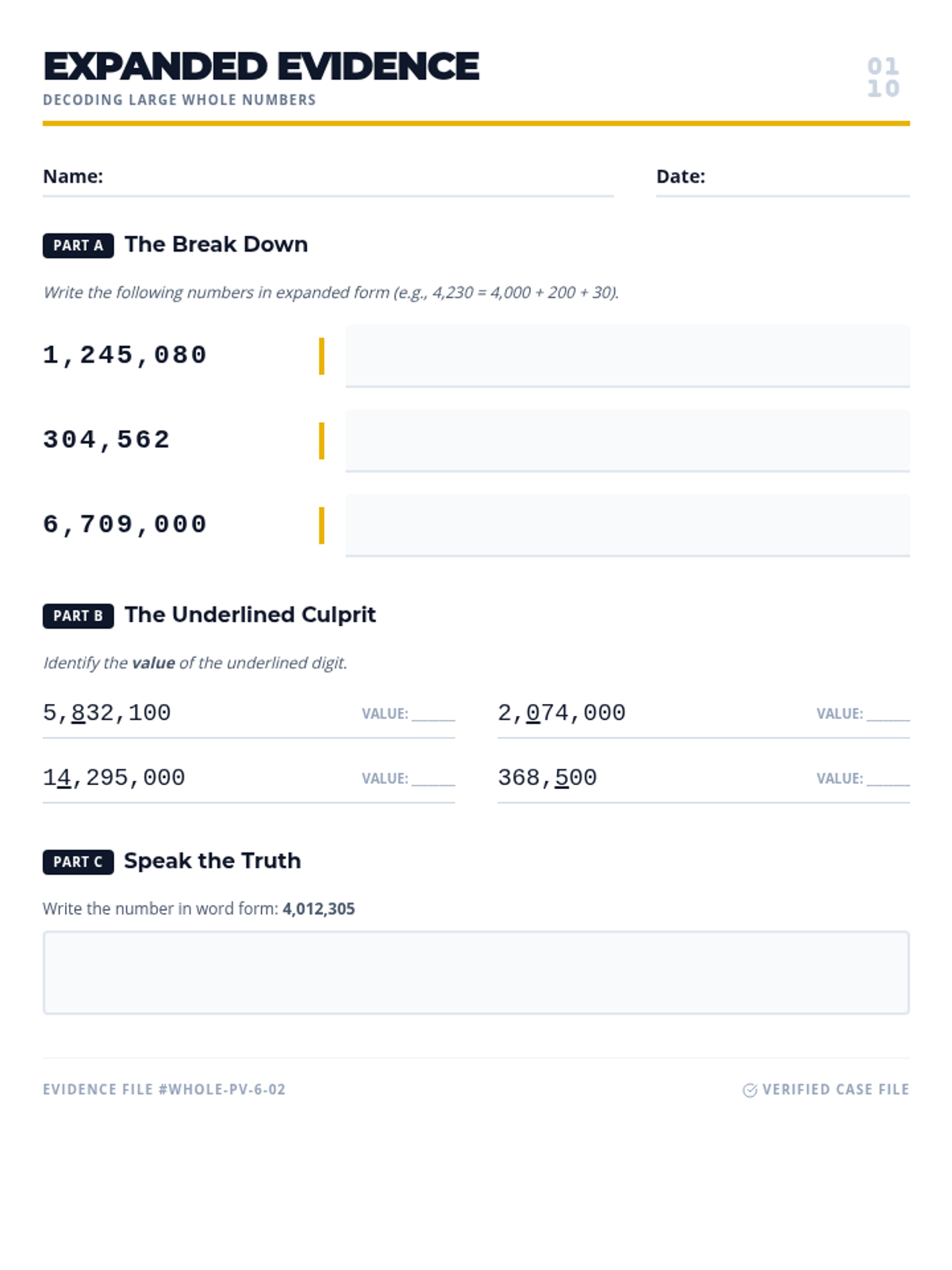
Students apply their knowledge of whole number place value to compare and order large numbers using dice and strategic thinking, culminating in a summative assessment.
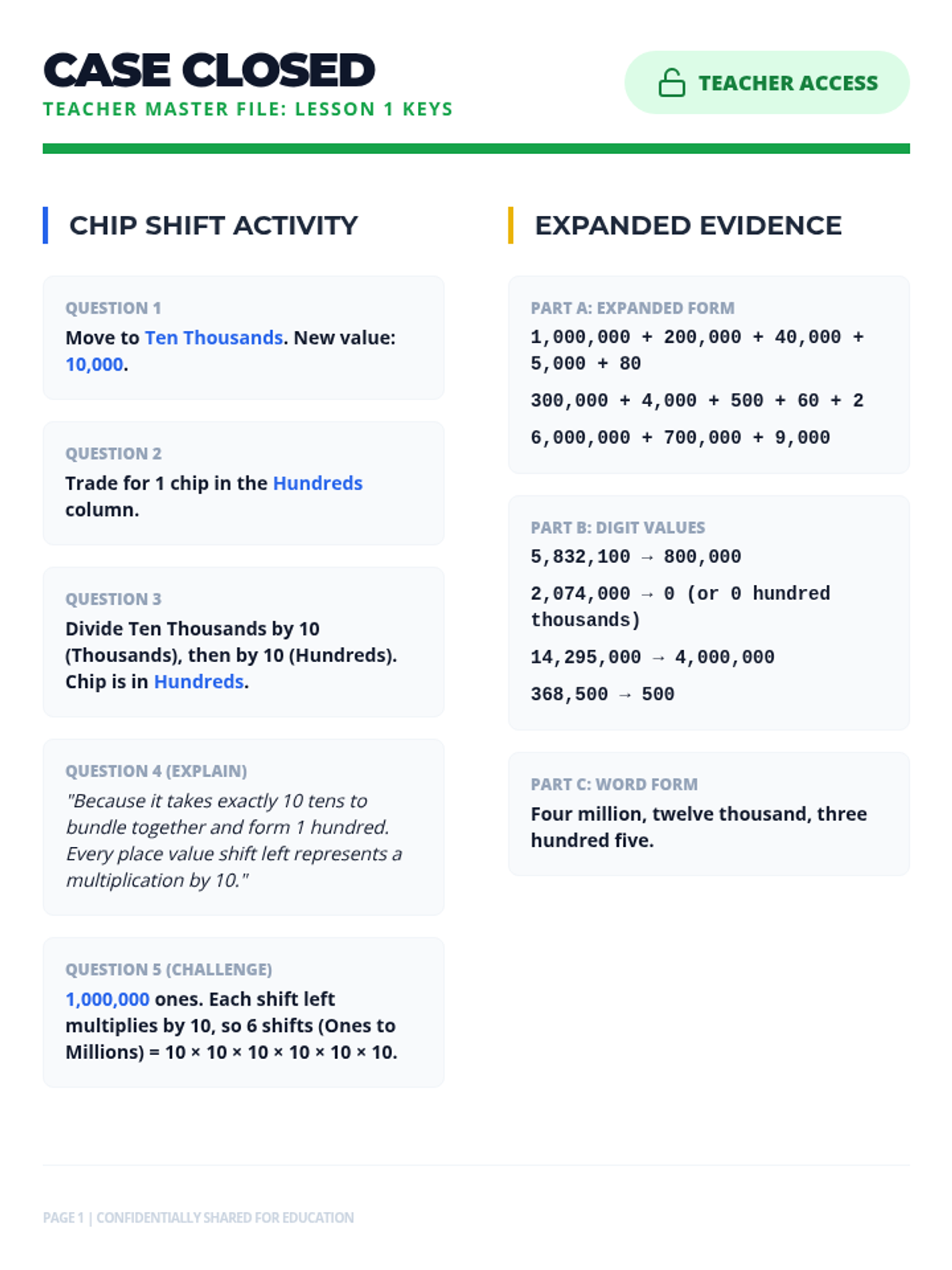
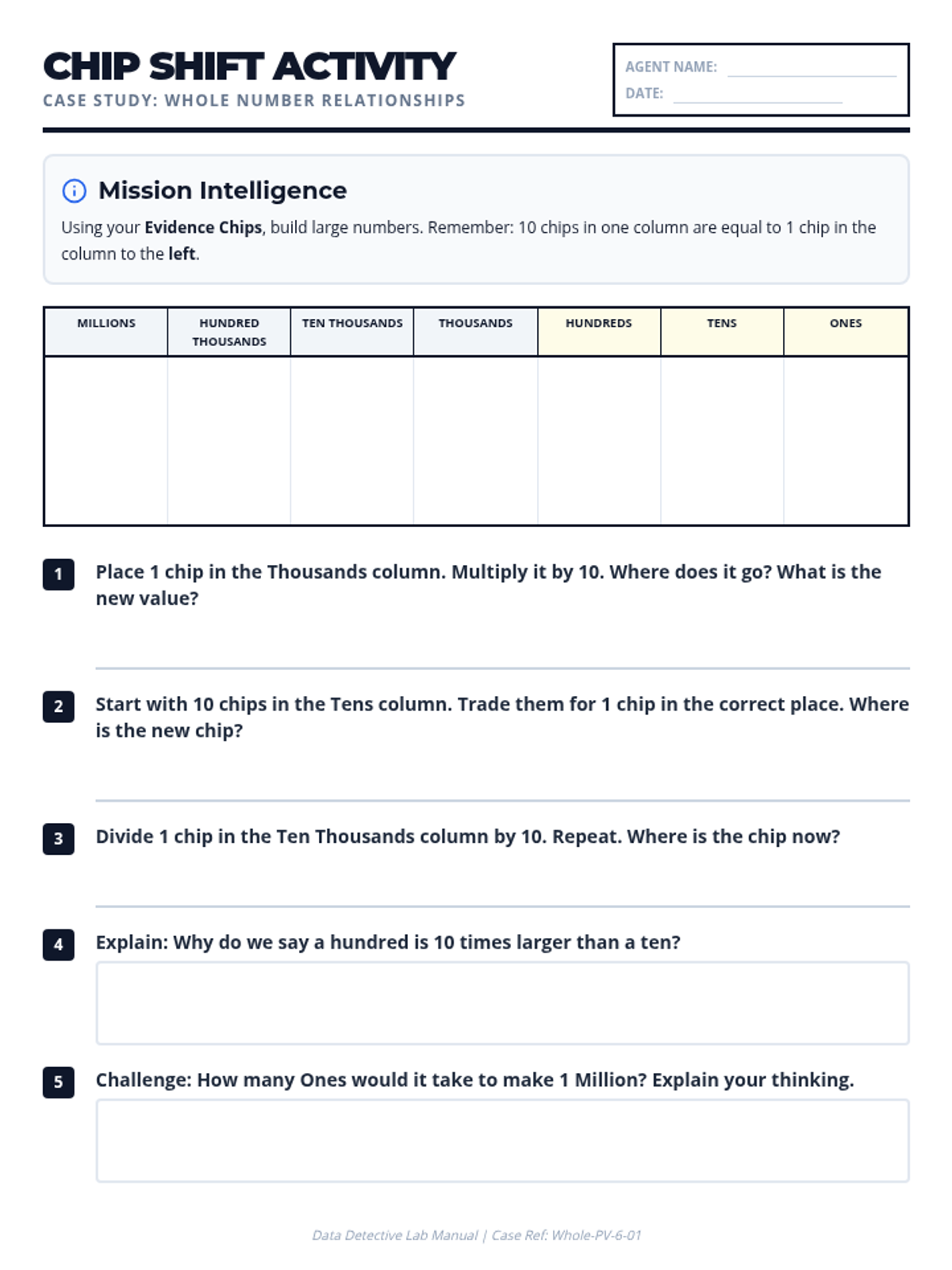
Students explore the base-ten place value system from ones to millions, investigating how values change by factors of ten using physical chips and place value charts.
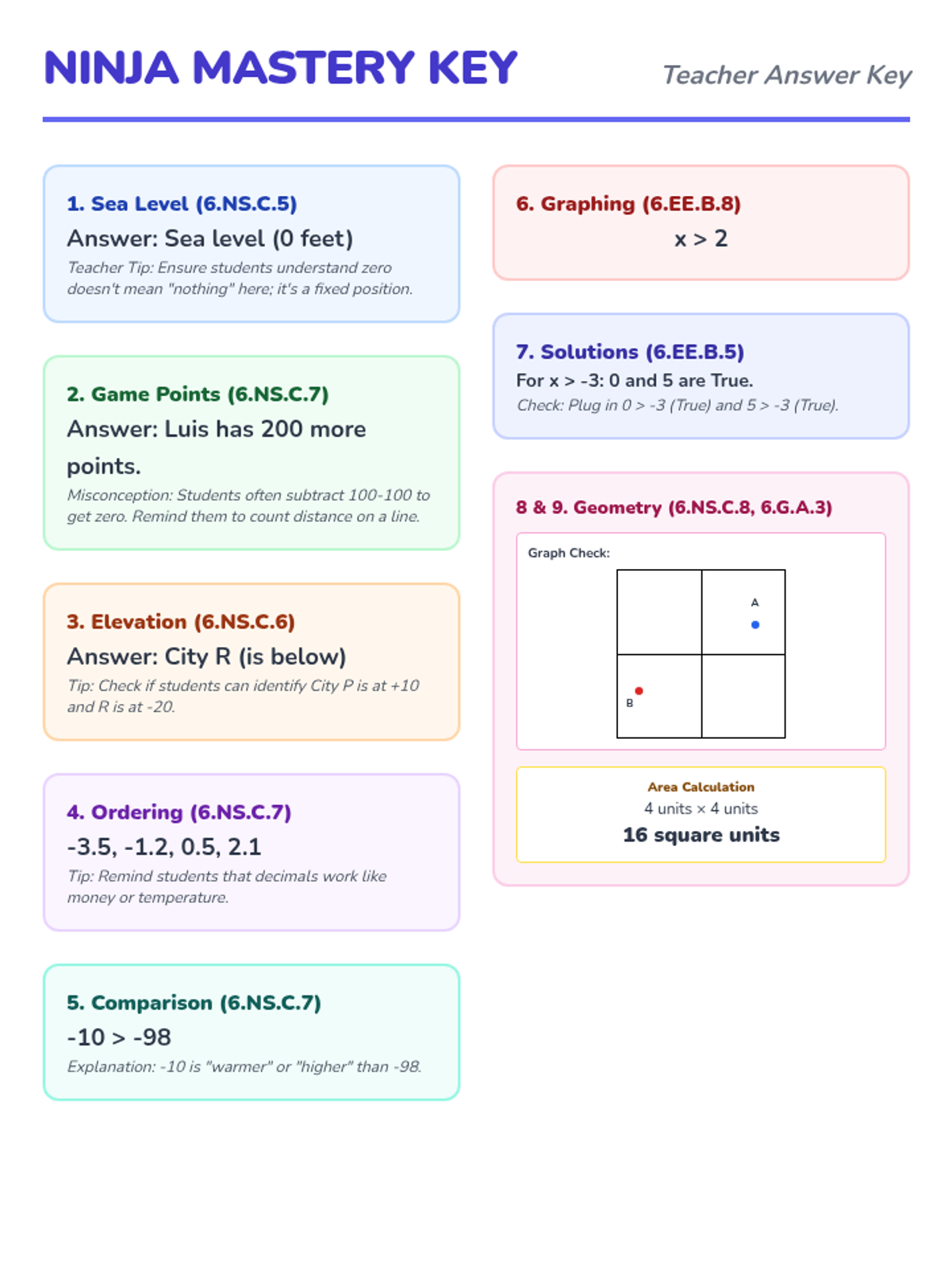
A modified study guide and assessment prep resource for 6th grade rational numbers, integers, and coordinate geometry, specifically designed with IEP accommodations.
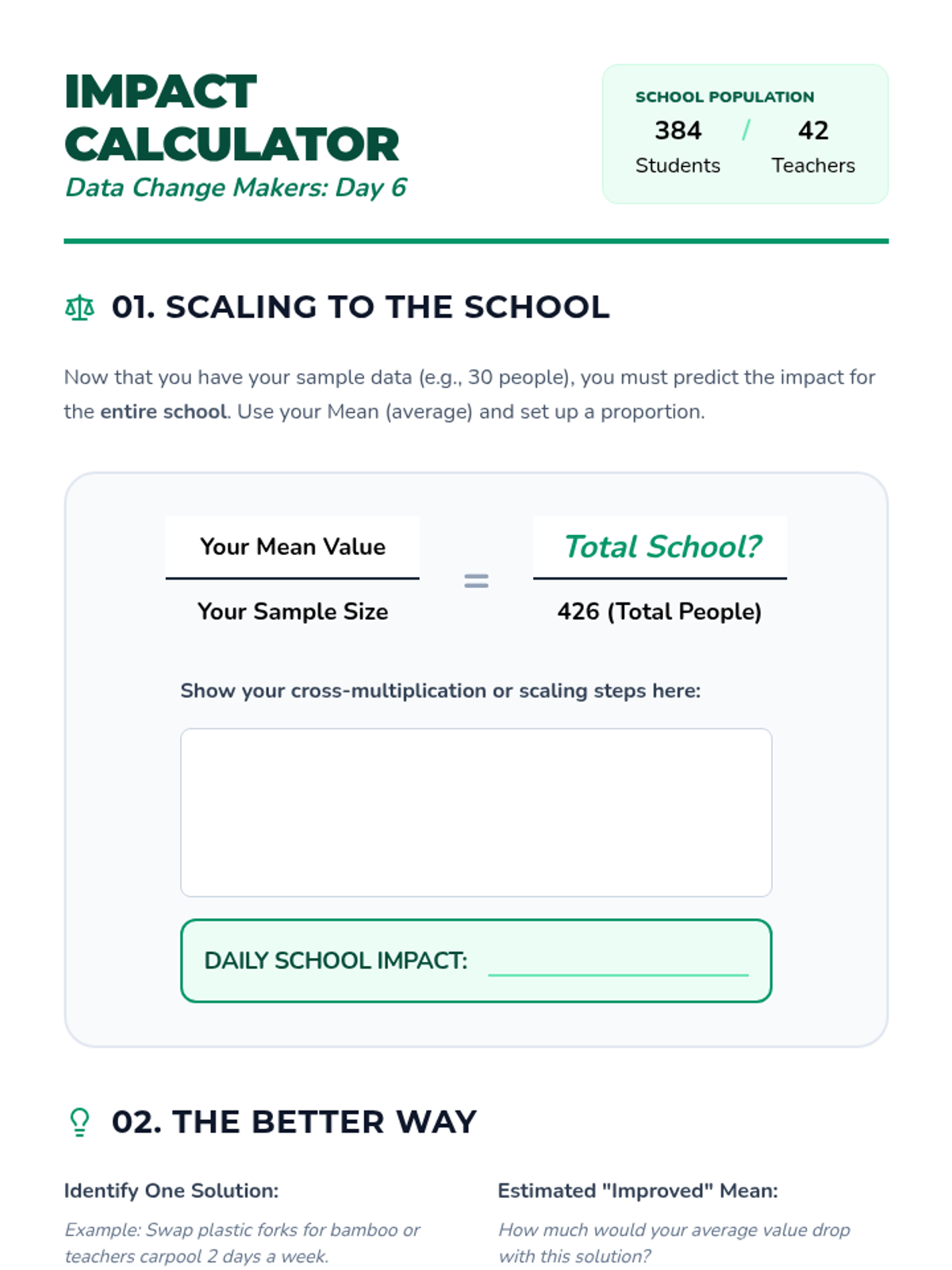
Students use proportions to scale their data to the whole school population and calculate the potential environmental impact of their proposed solutions.
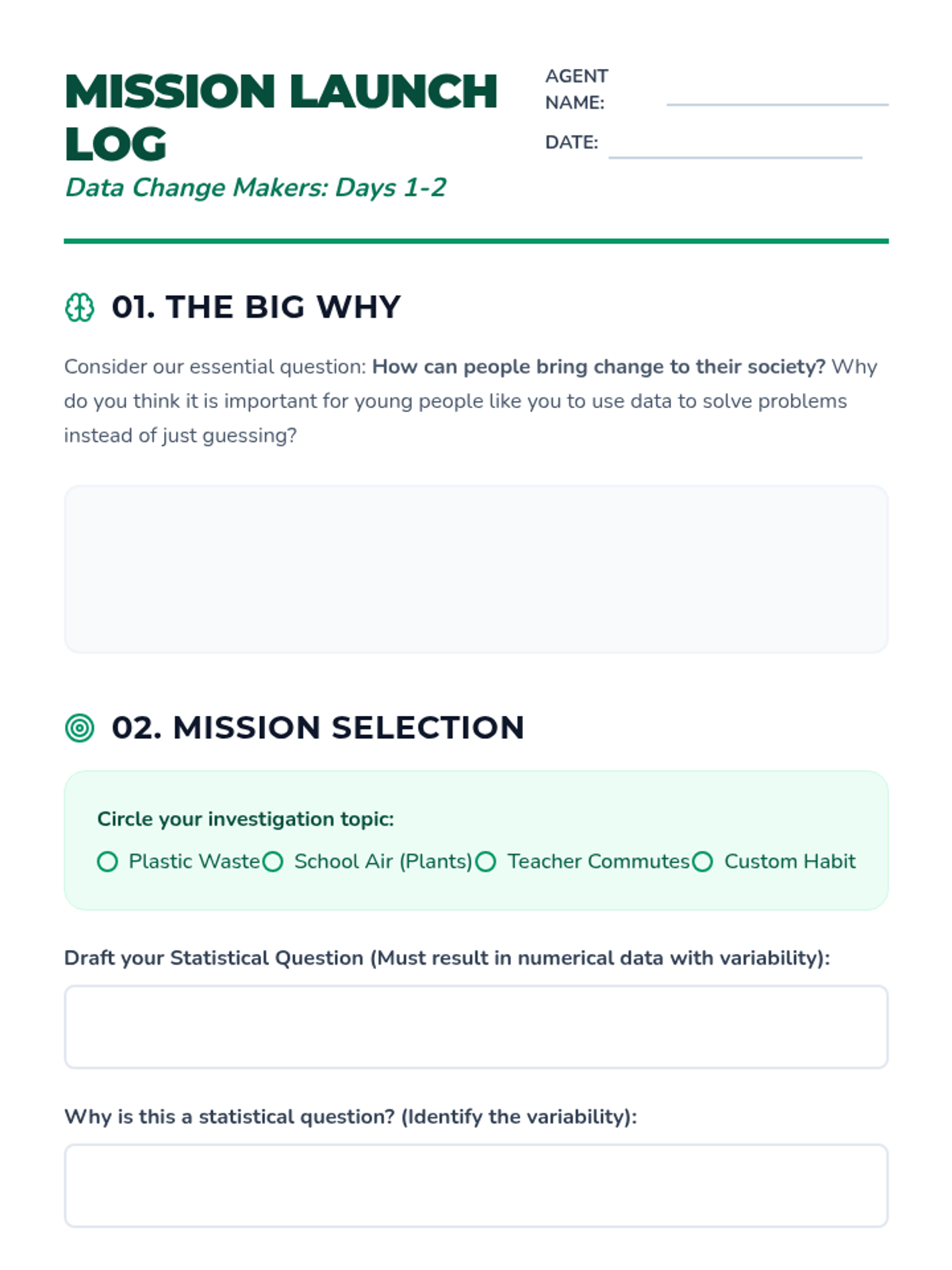
Students explore the project's essential questions, select an environmental topic, and design a statistical survey with a valid sampling method.
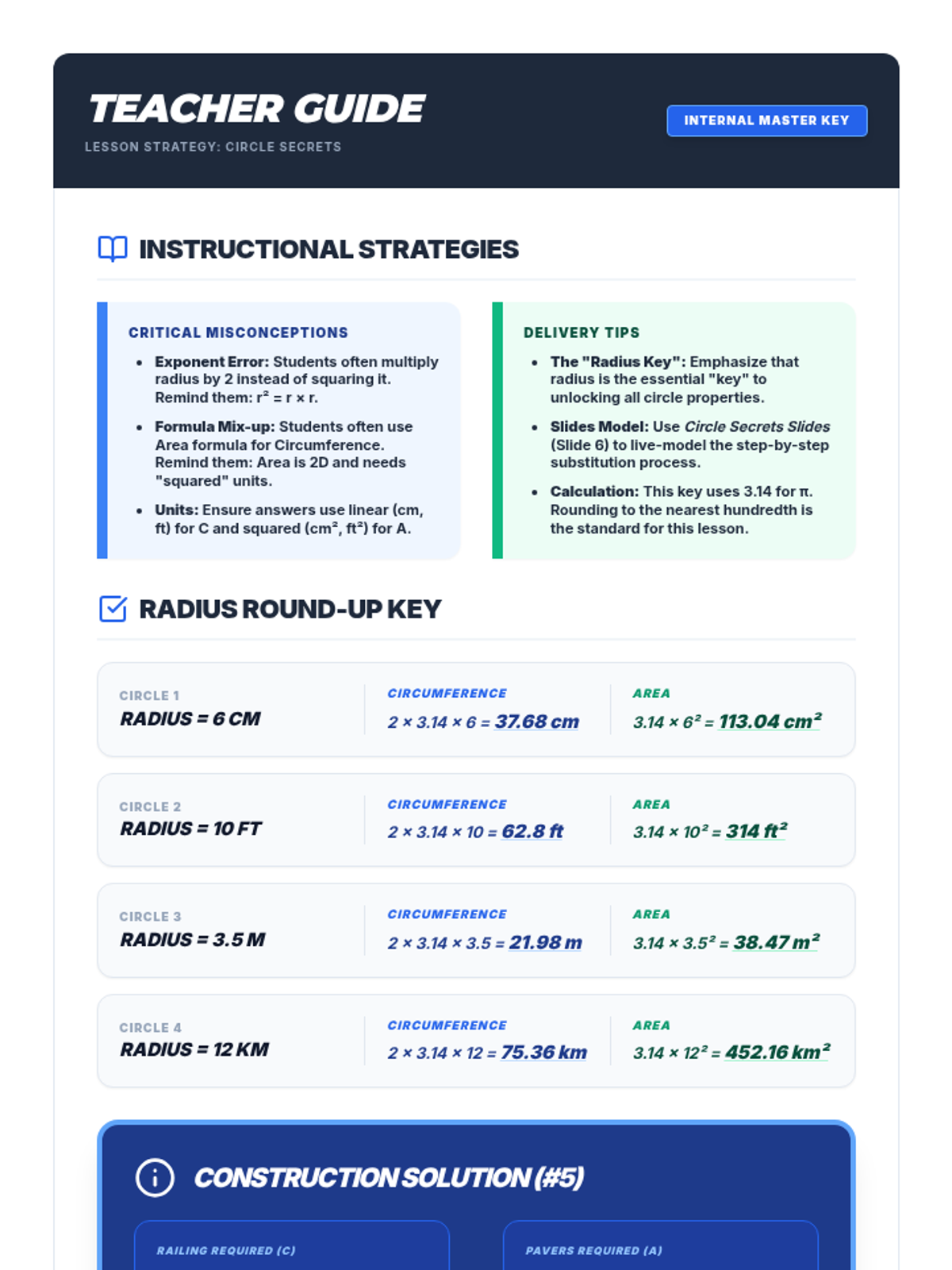
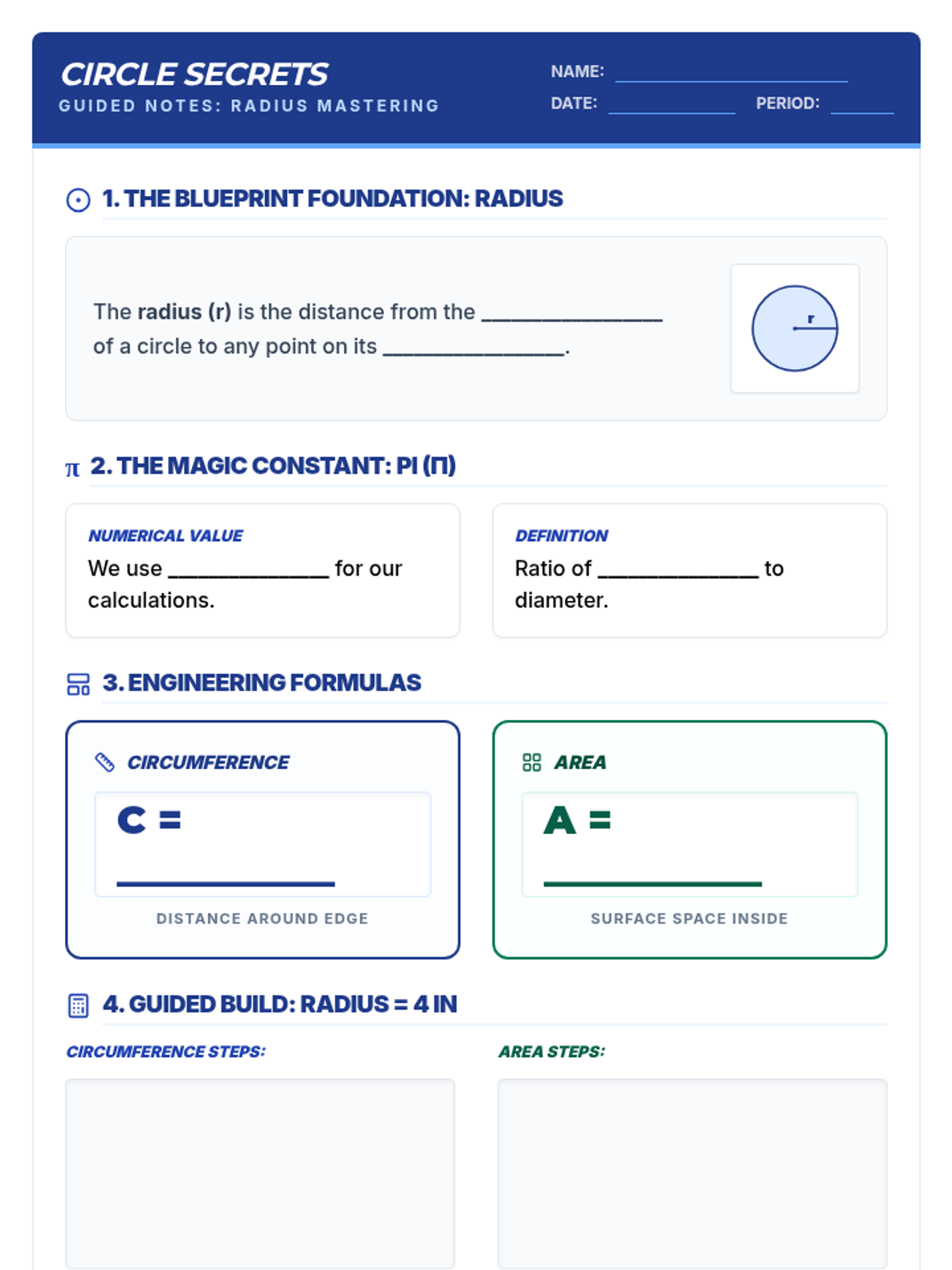
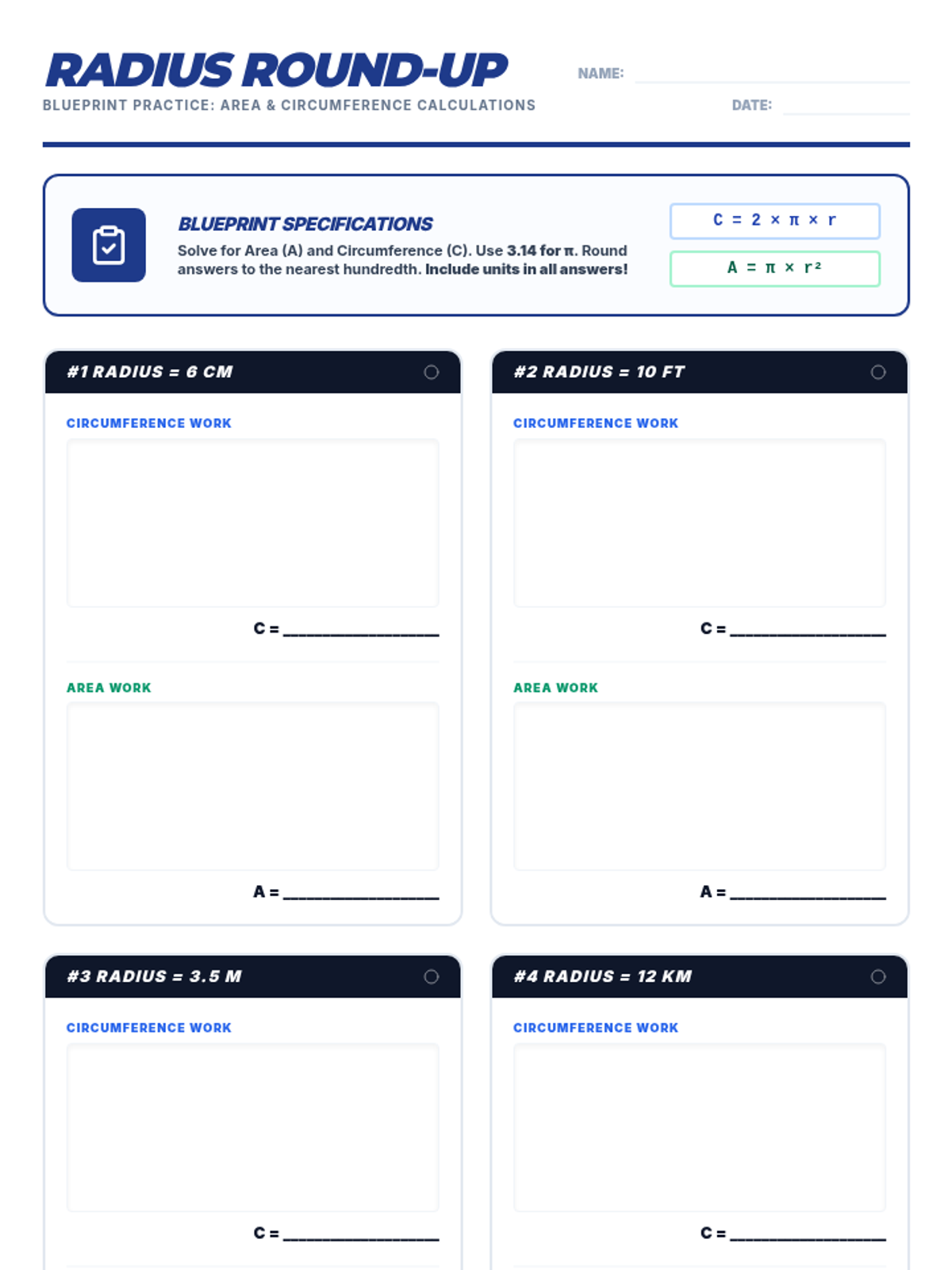
A comprehensive lesson on calculating the area and circumference of circles using the radius, featuring blueprint-themed instructional materials and practice.
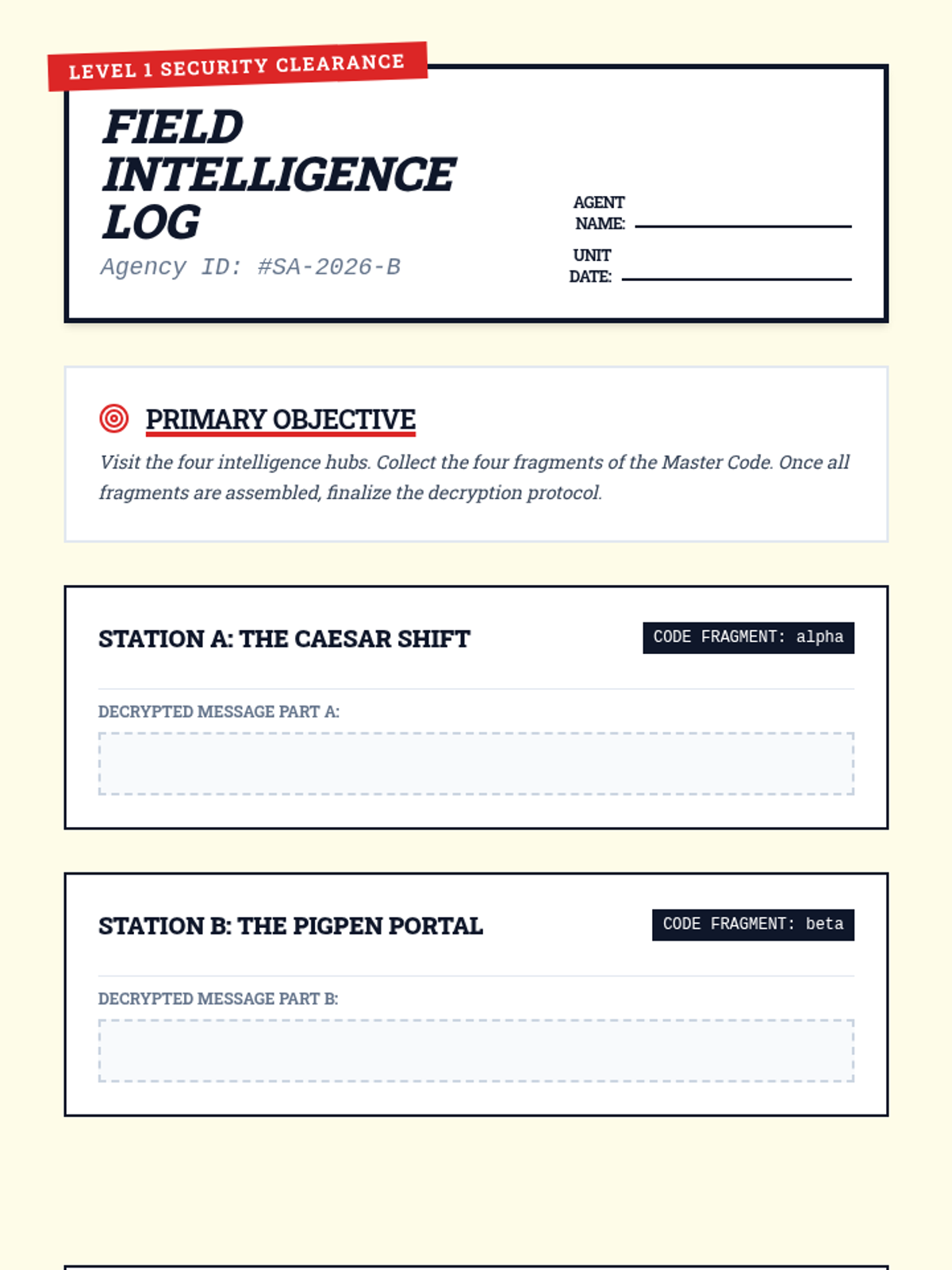
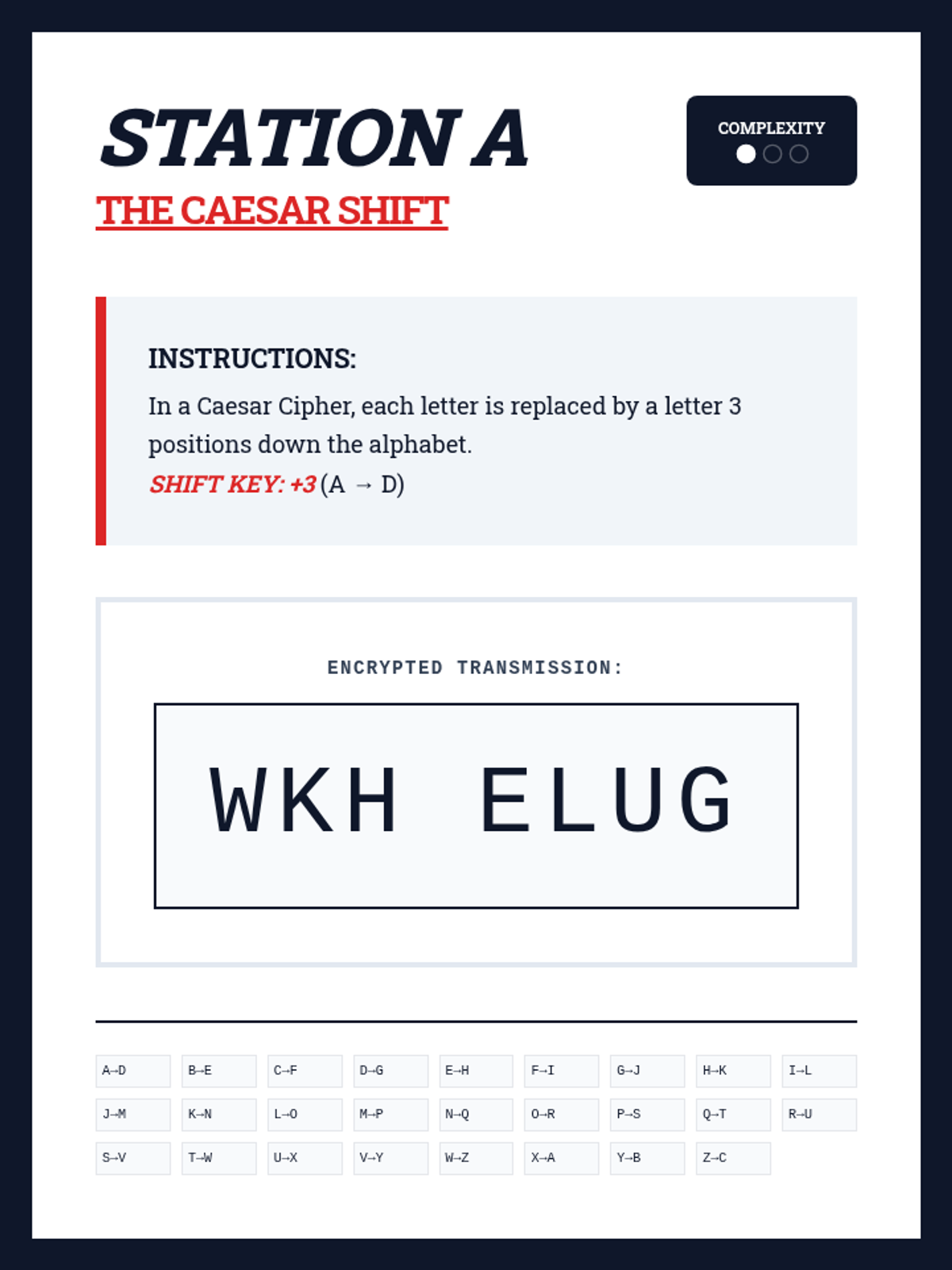
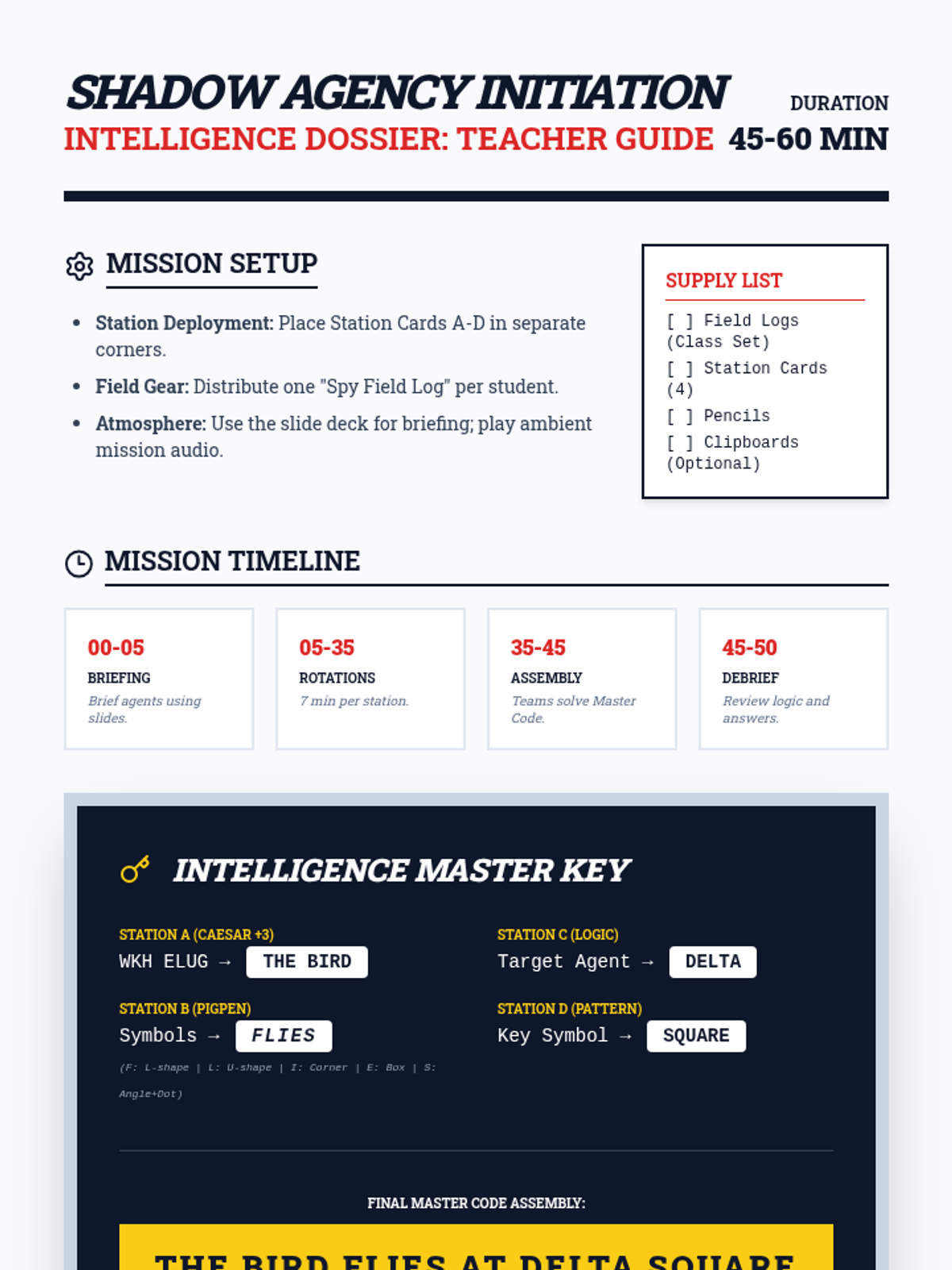
An immersive, station-based experience where students rotate through various cryptographic challenges, using letter ciphers, symbol keys, and logic puzzles to earn their 'Shadow Agent' status.
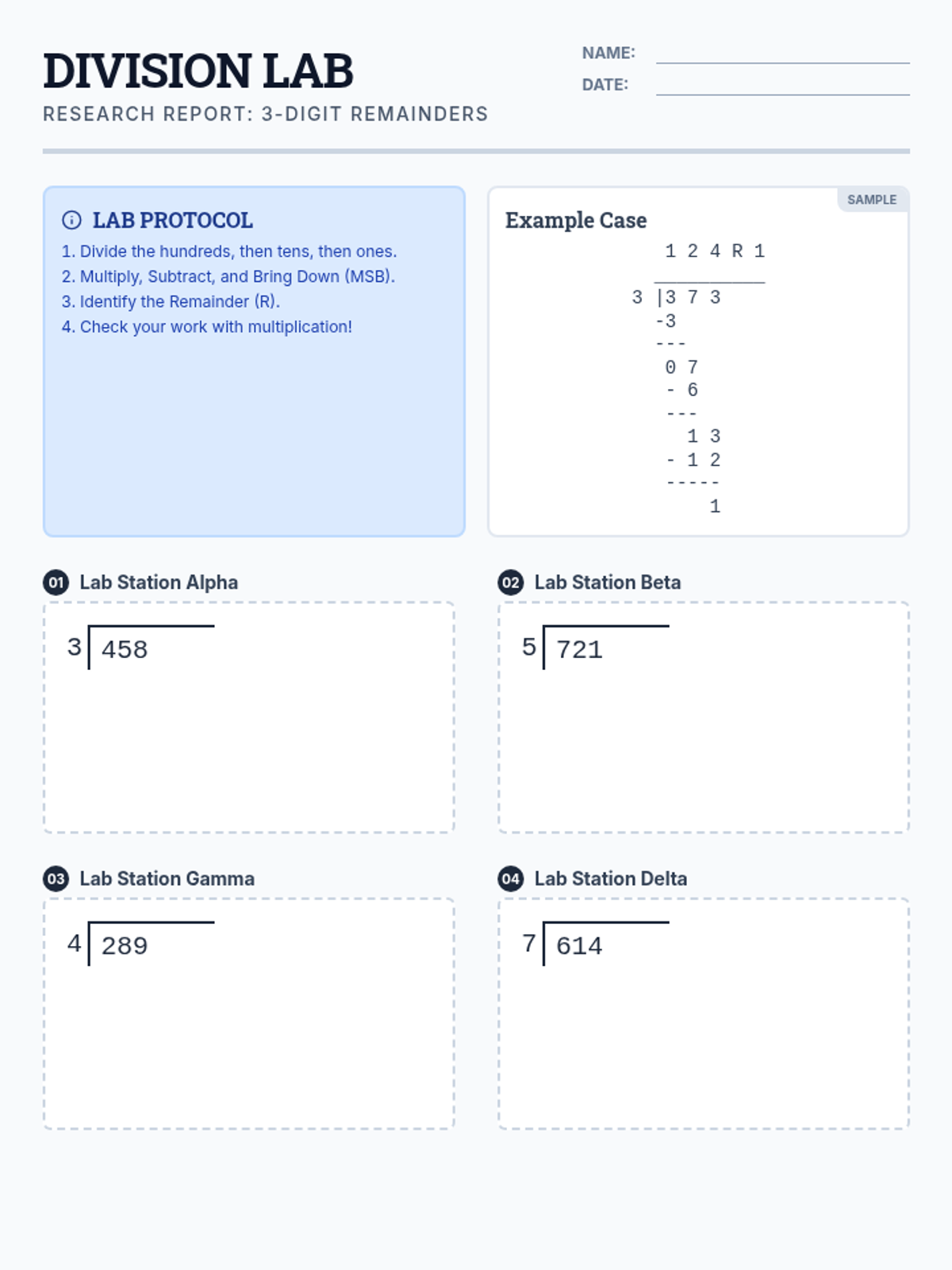
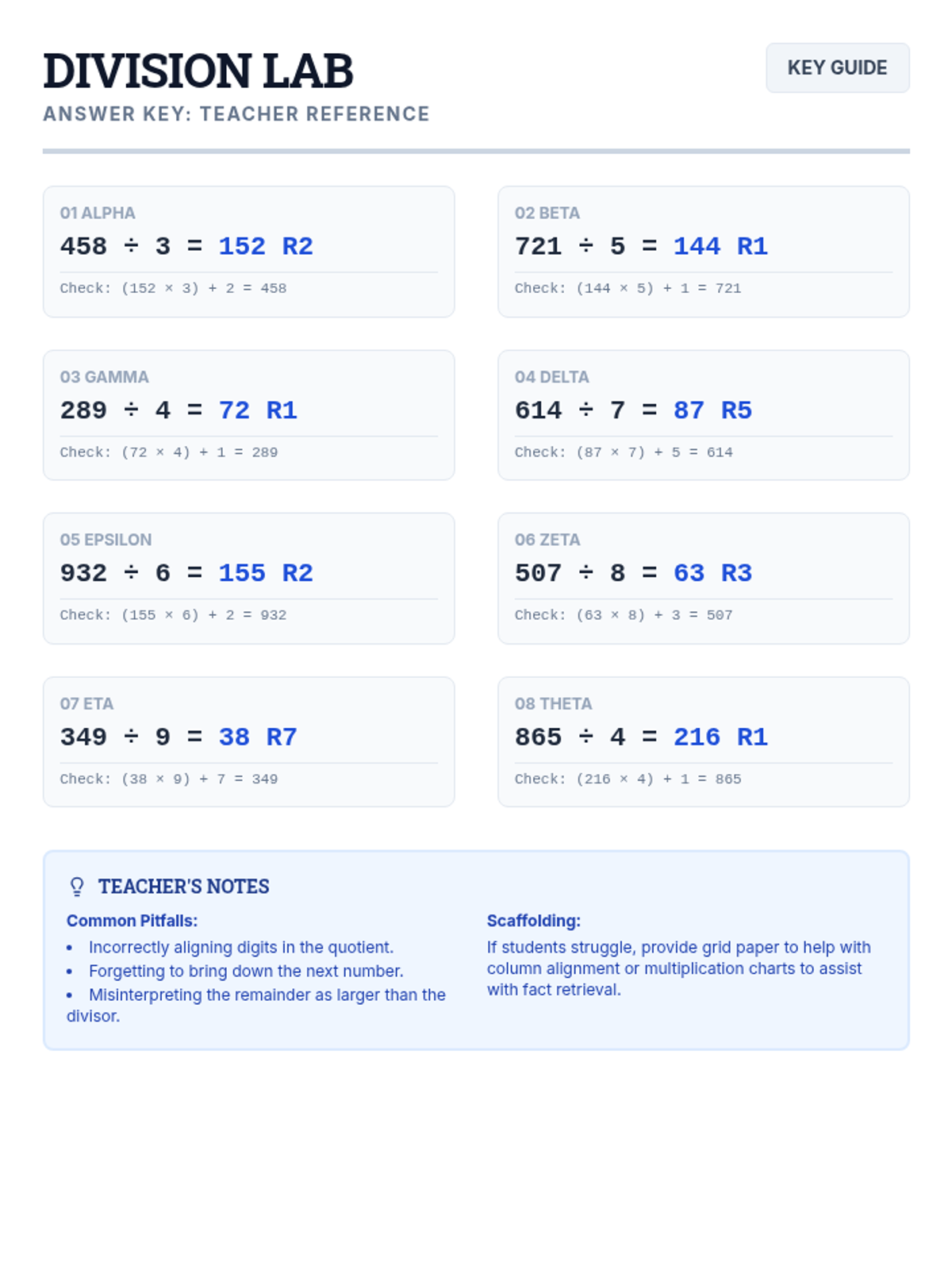
A lesson focused on mastering 3-digit by 1-digit long division with remainders through step-by-step practice and problem-solving.
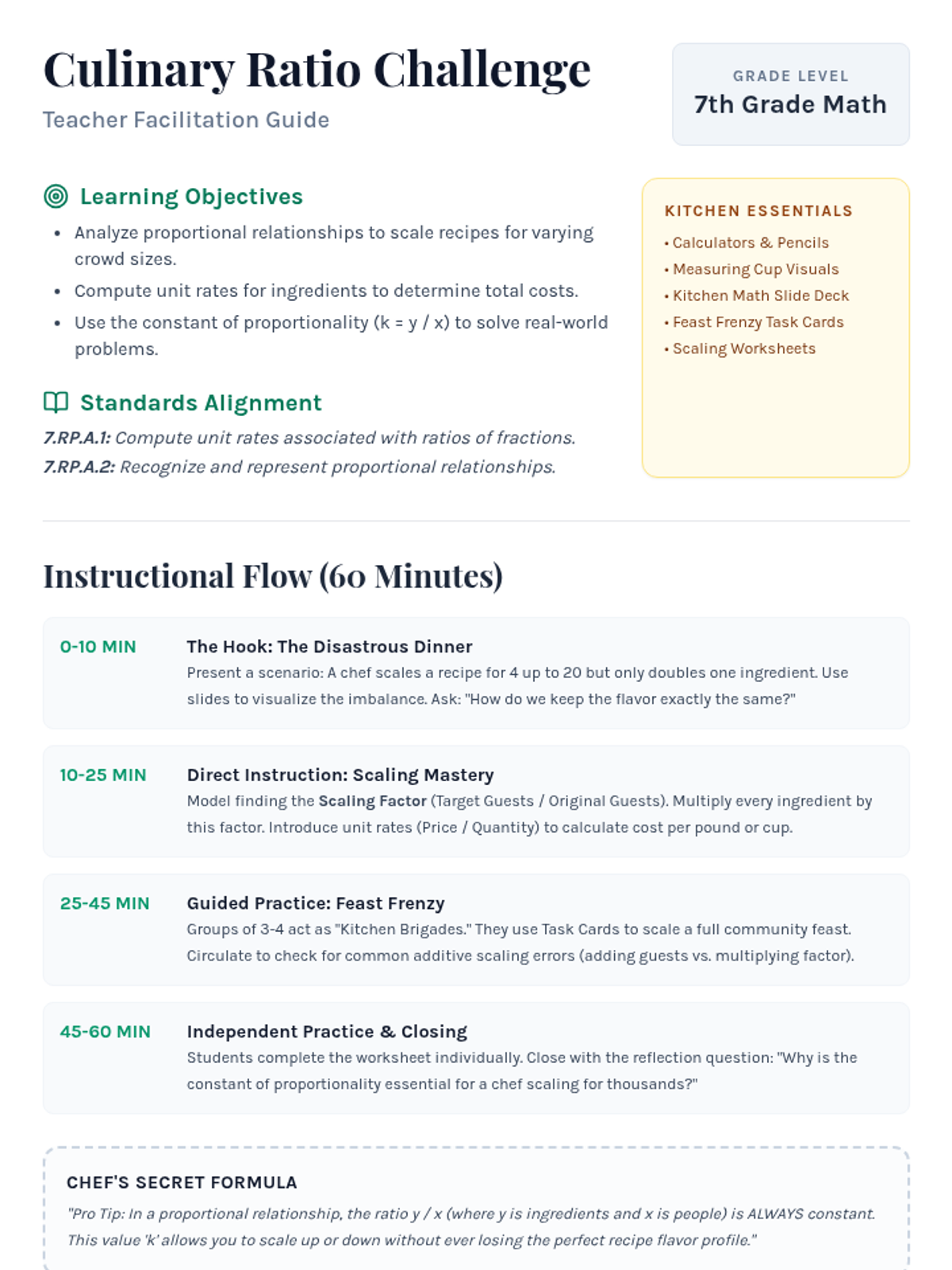
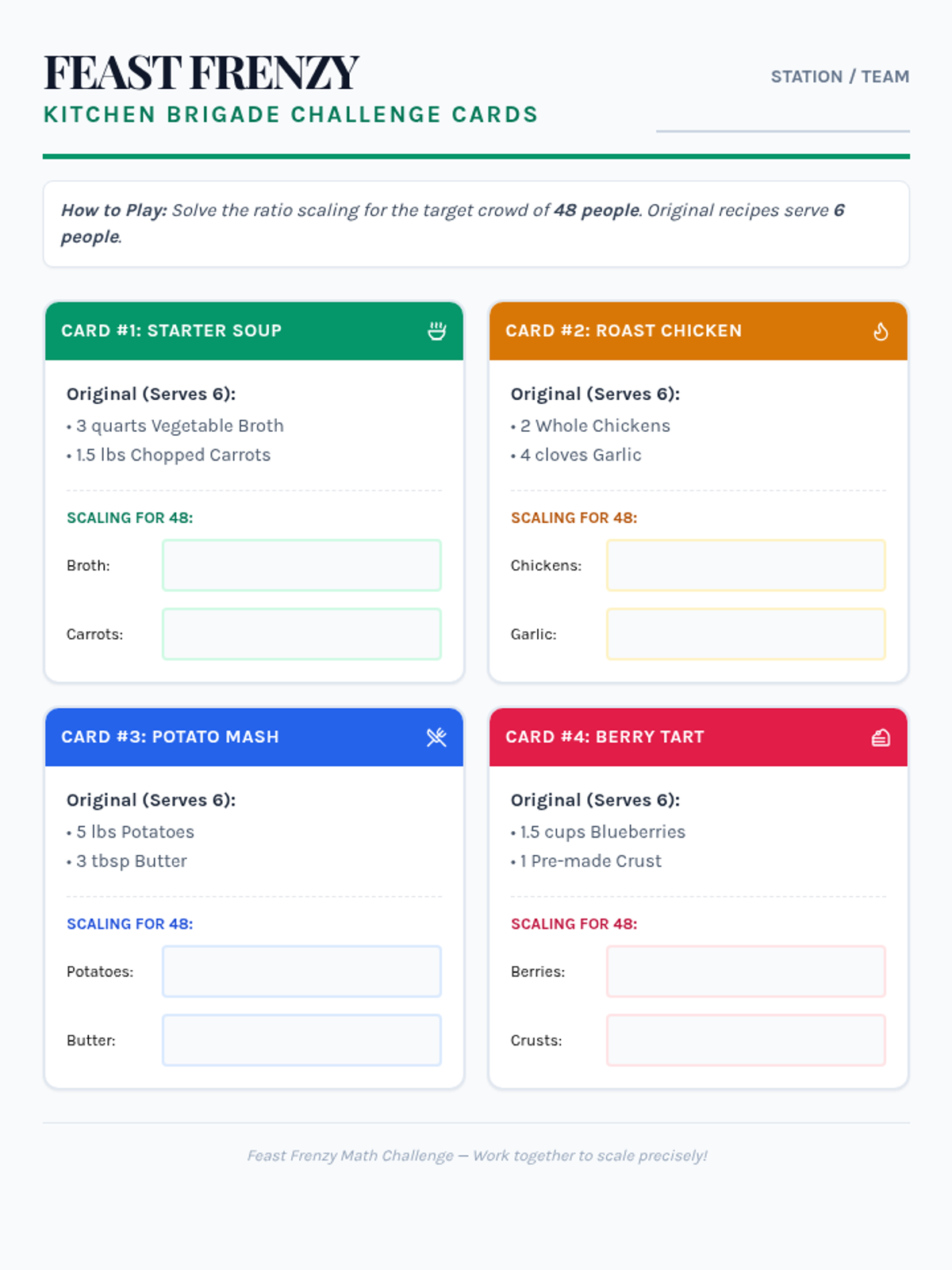
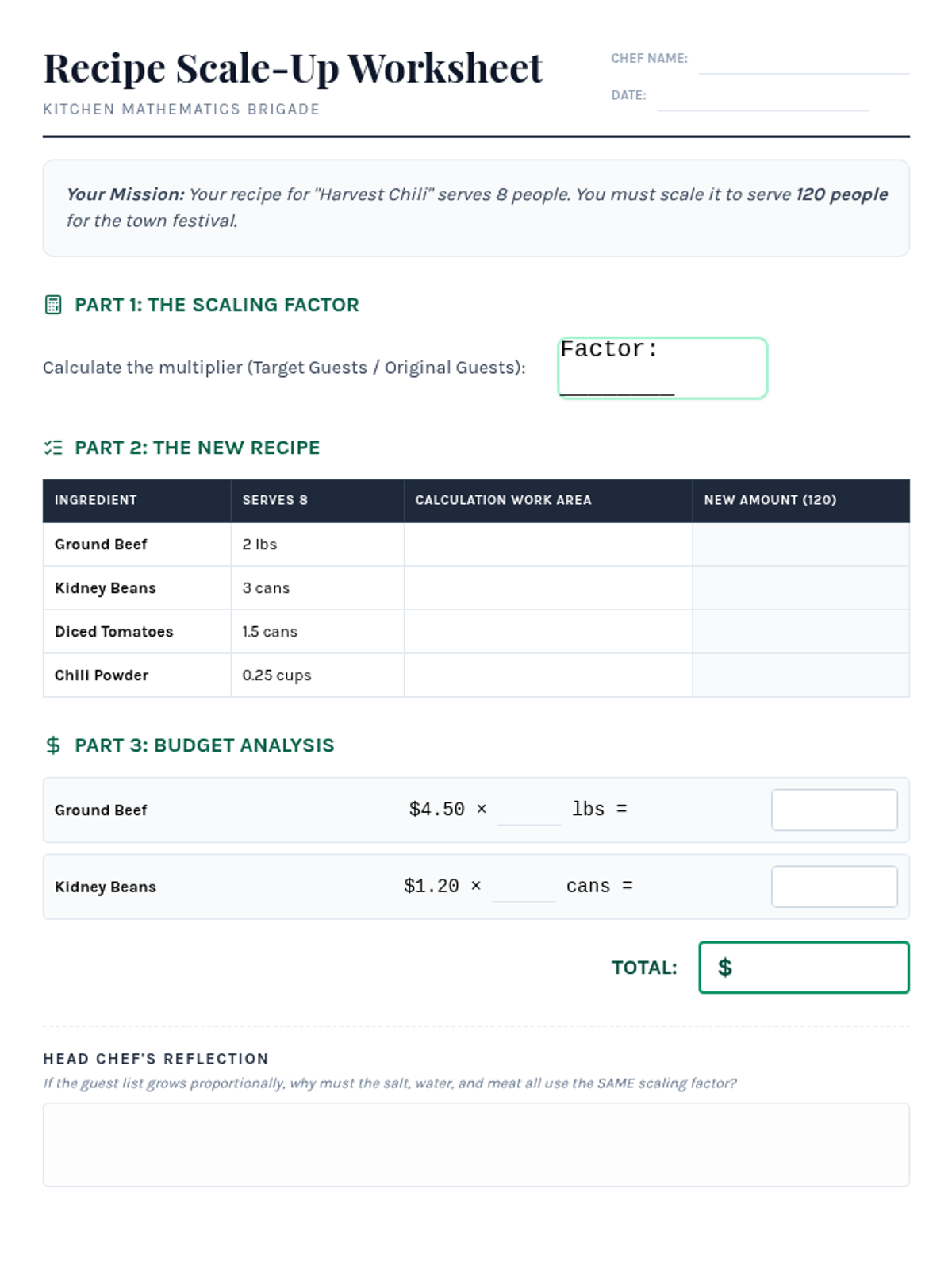
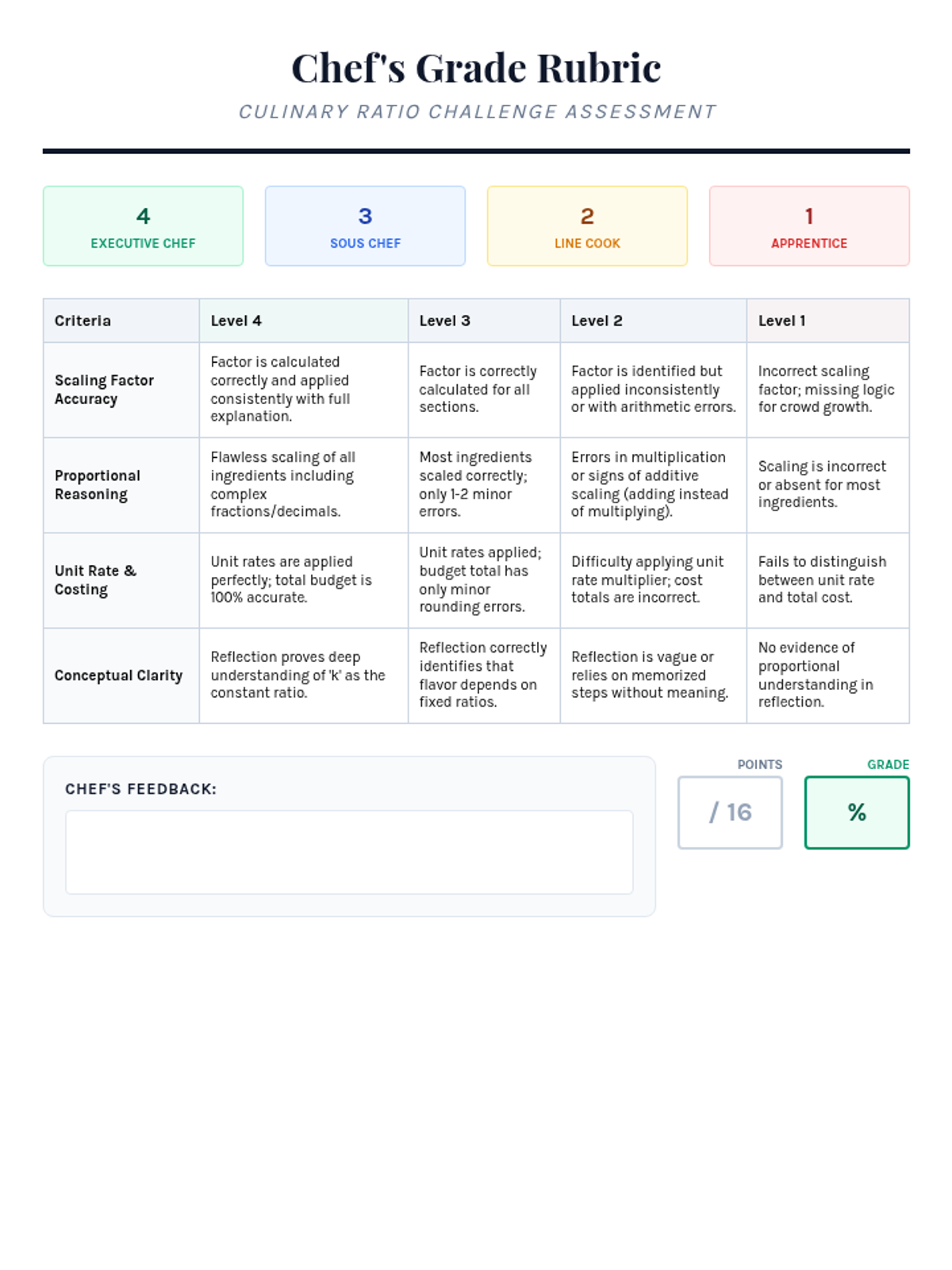
Students master ratios and proportions by scaling recipes for a community feast, applying unit rates to calculate costs and manage kitchen logistics.
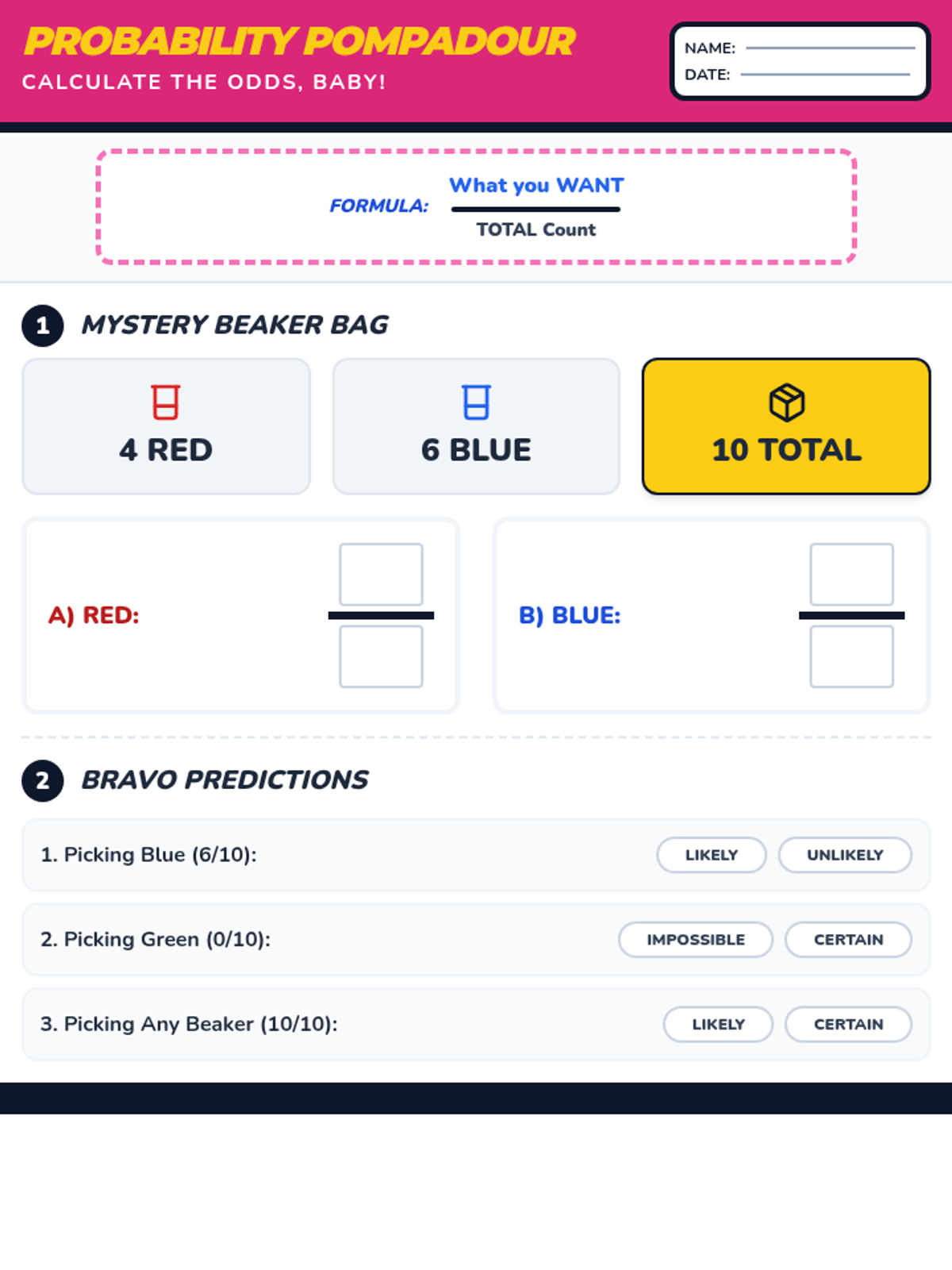
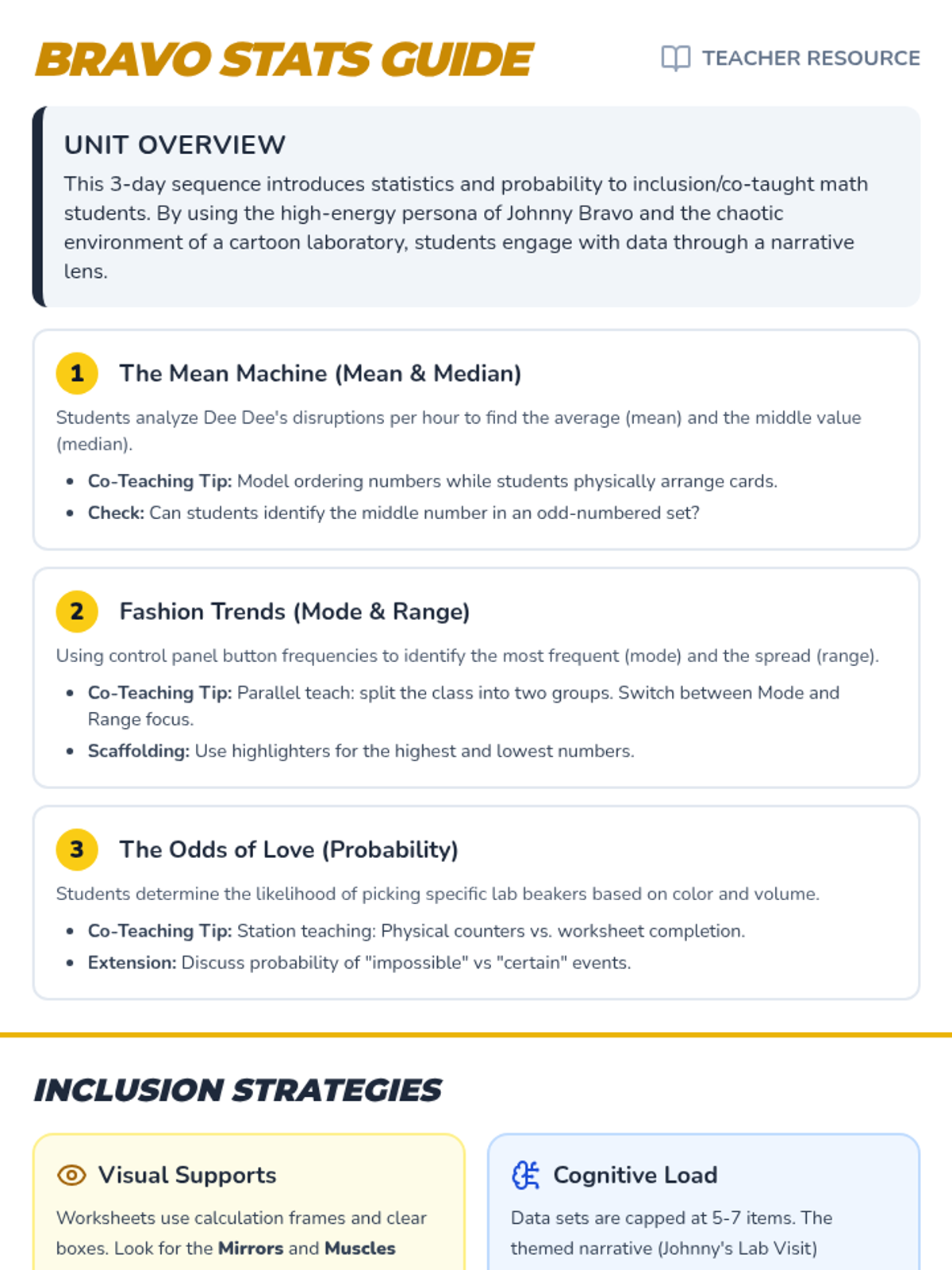
An introduction to basic probability using beaker volumes and colors. Students calculate the likelihood of specific events occurring in the lab.
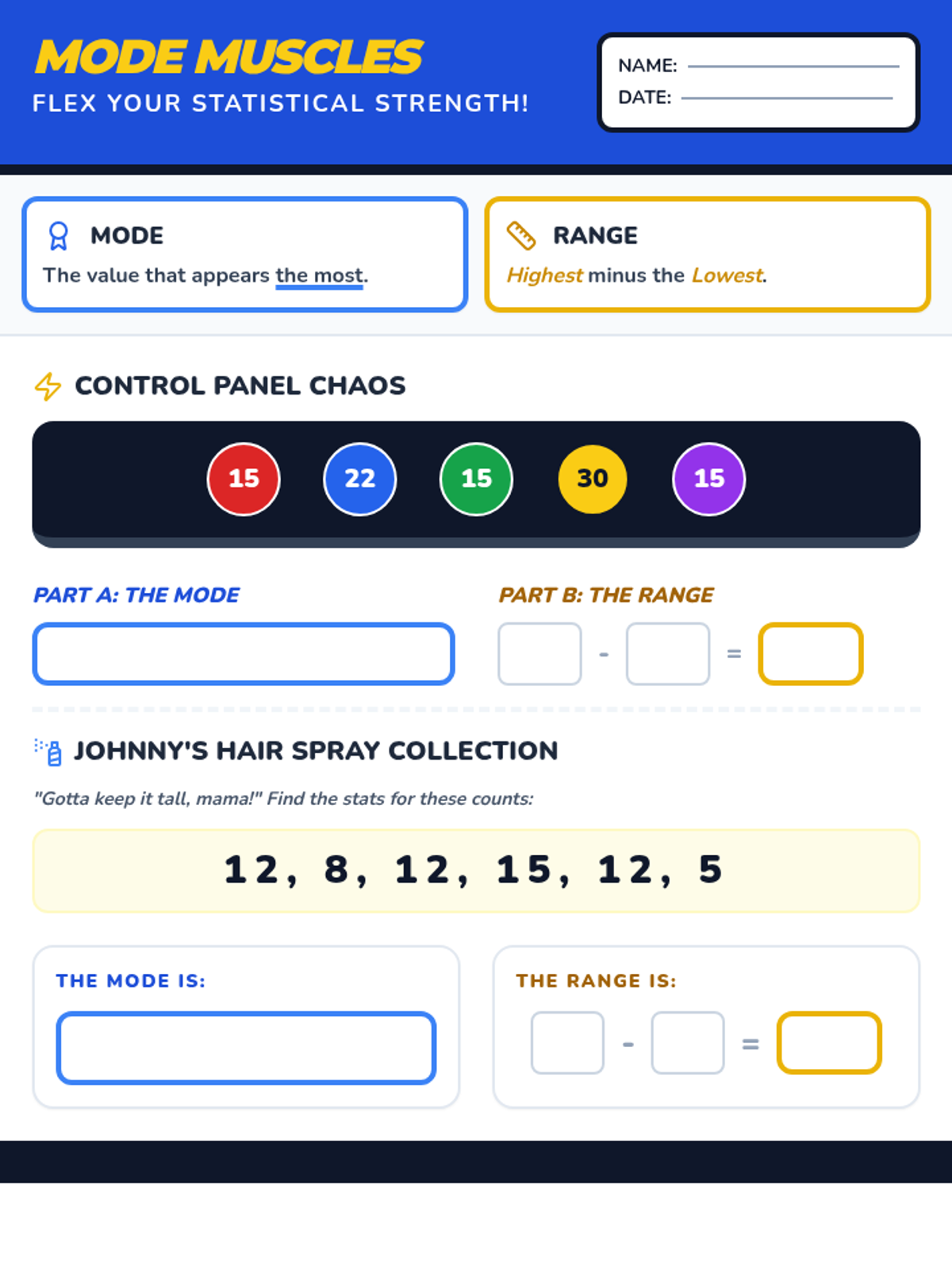
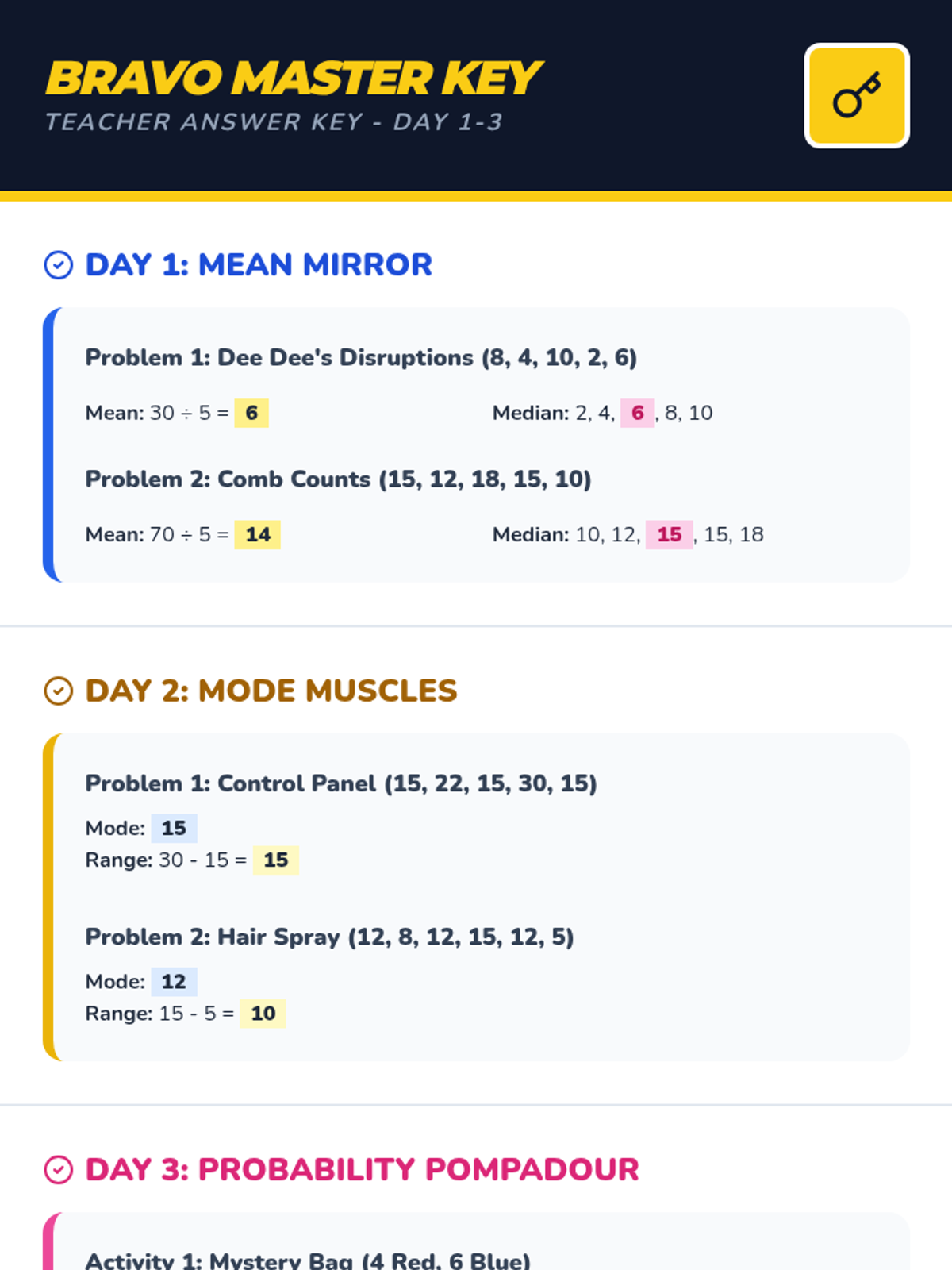
Students explore mode and range by analyzing the frequency of control panel button presses. This lesson focuses on identifying the most common data point and the spread of the data.
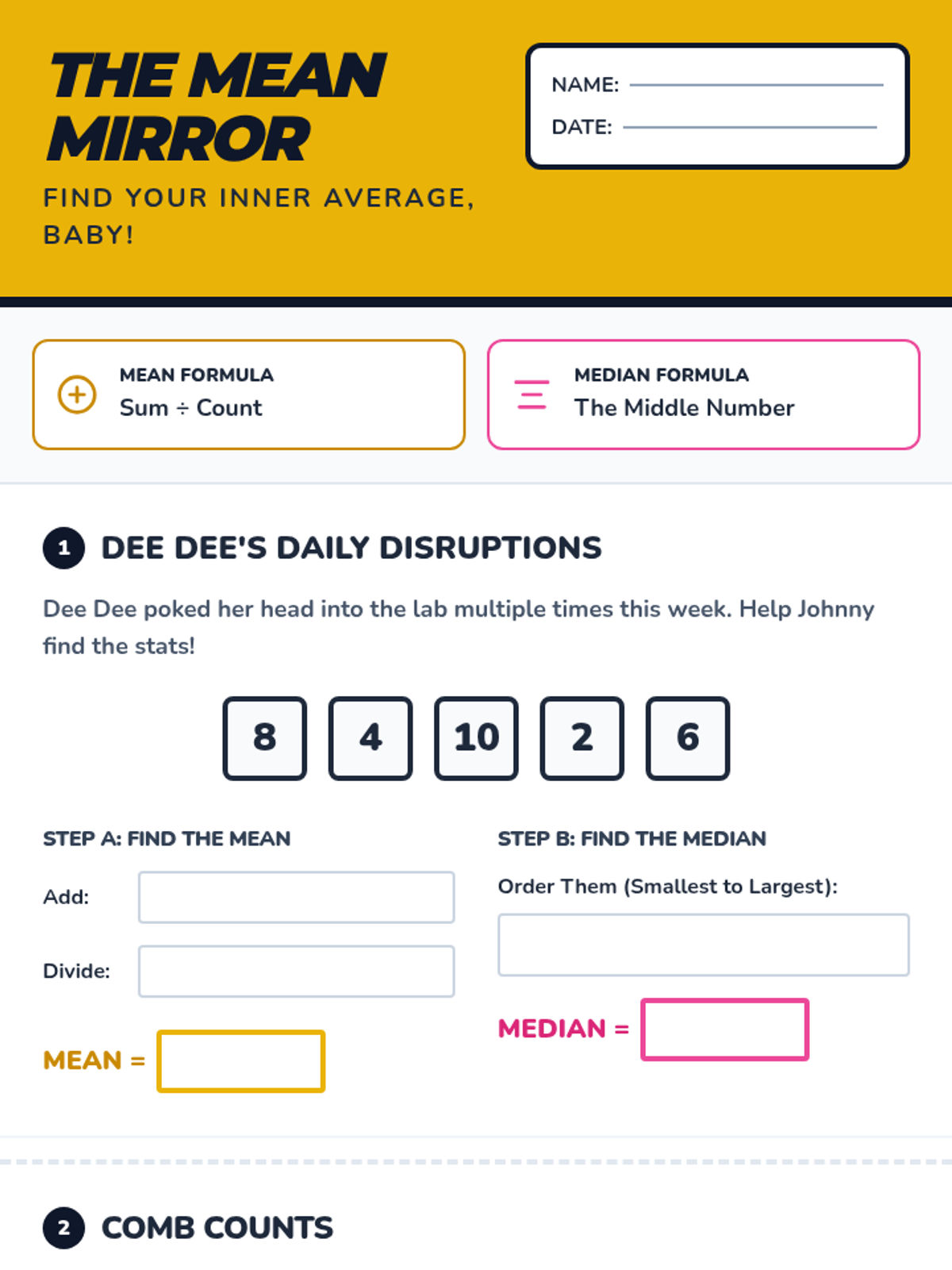
Introduction to finding the mean and median using data from Dee Dee's disruptions in the laboratory. Students learn to calculate averages and identify the middle value in a set of data.
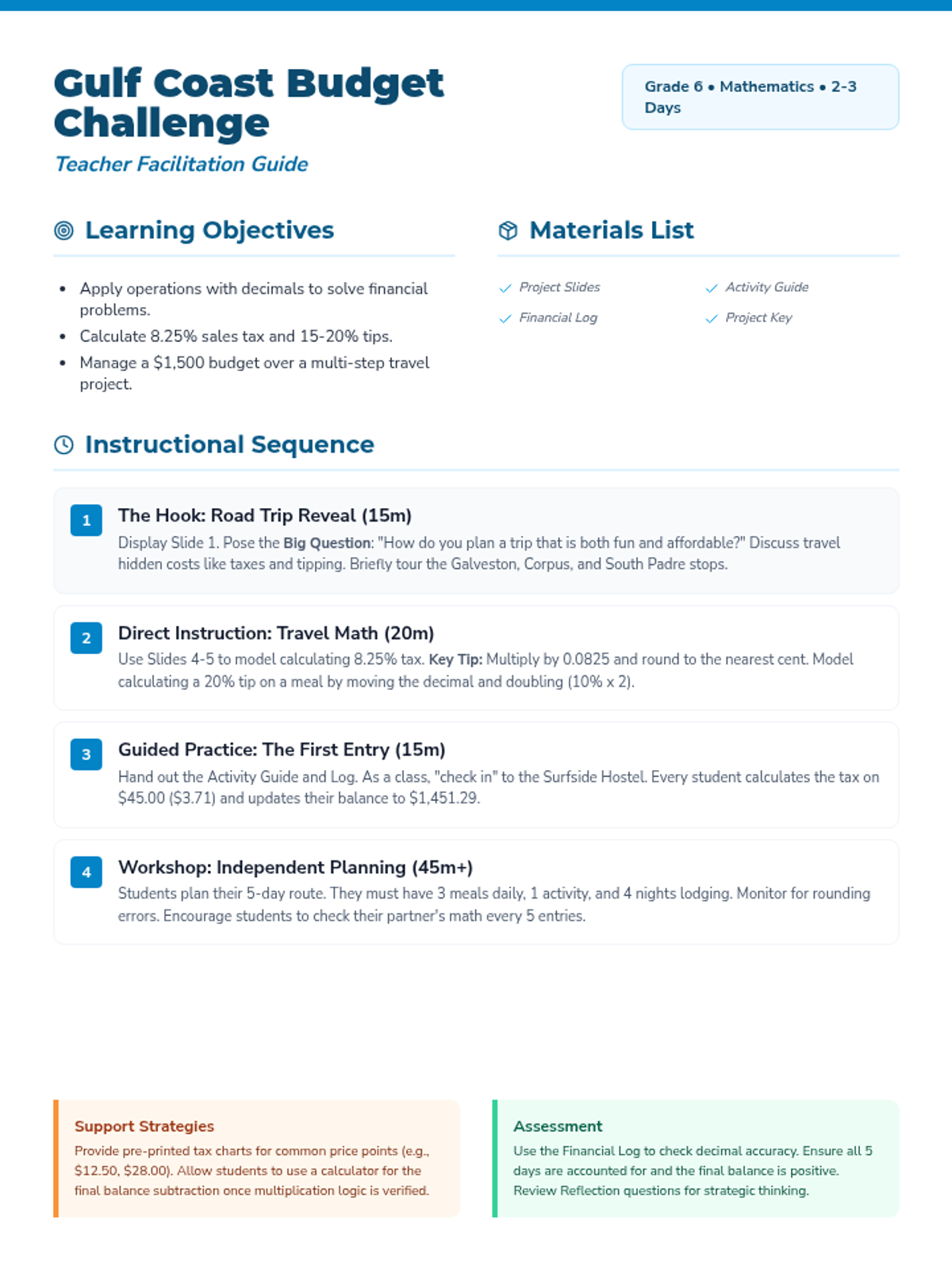
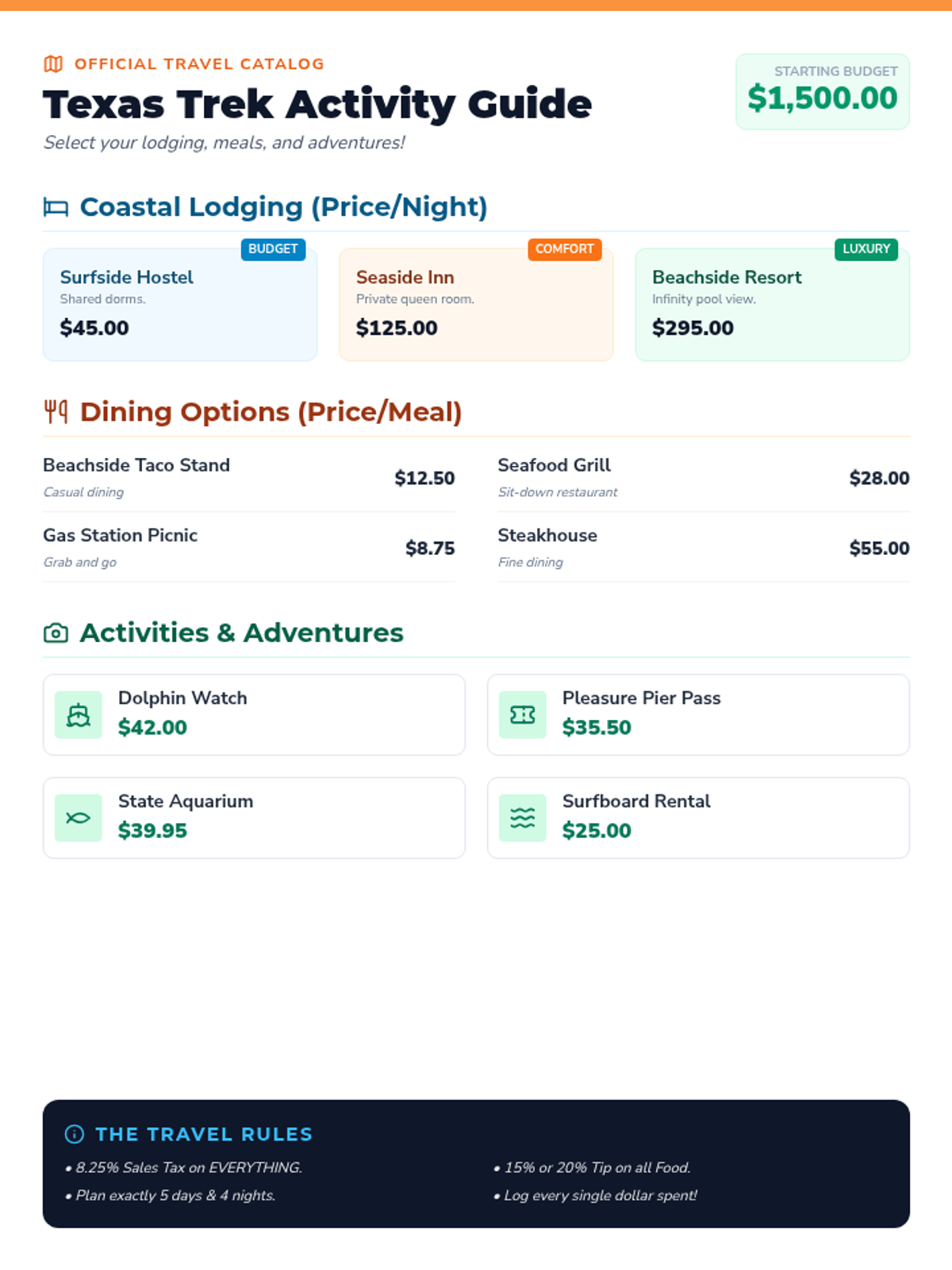
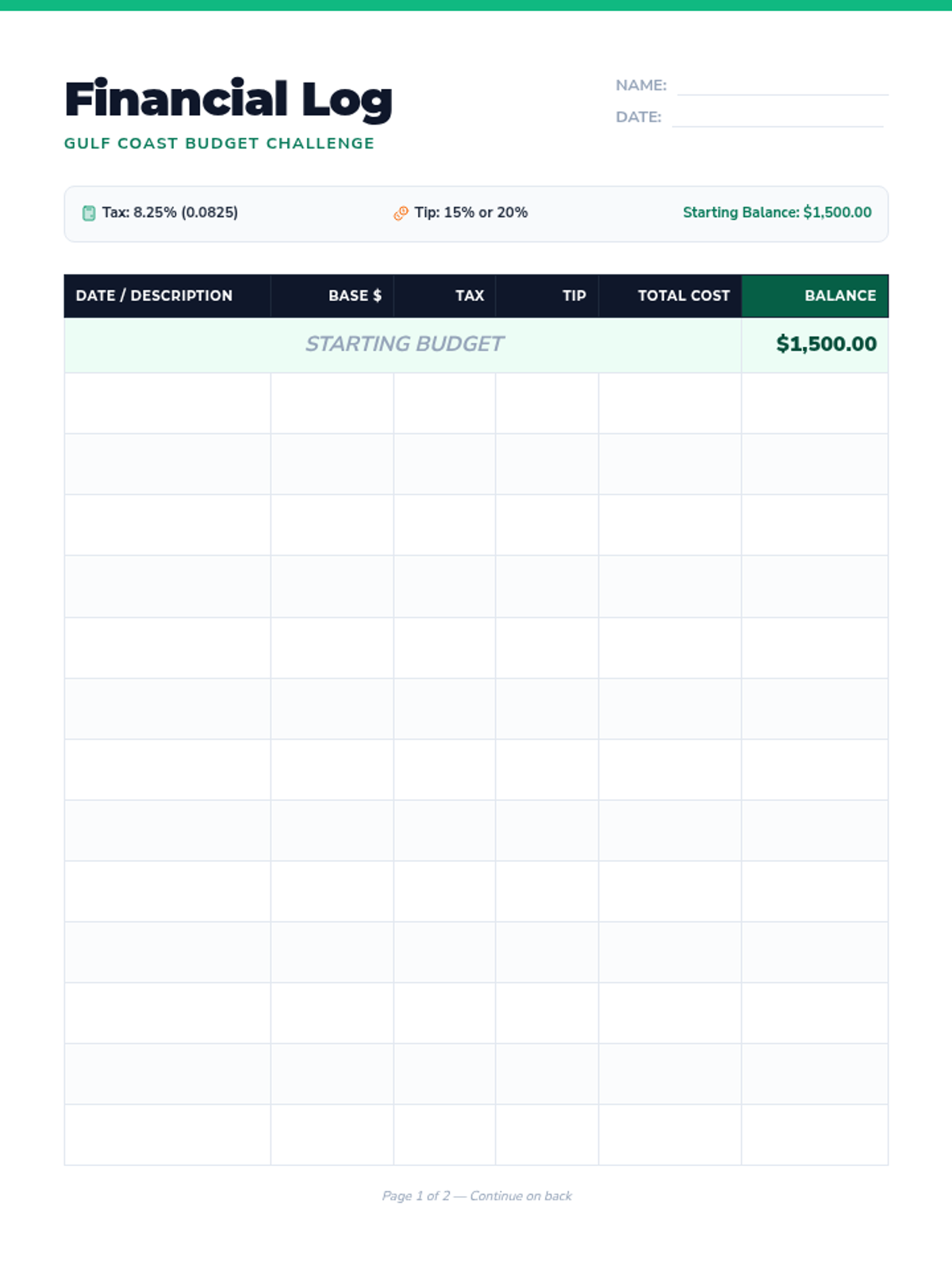
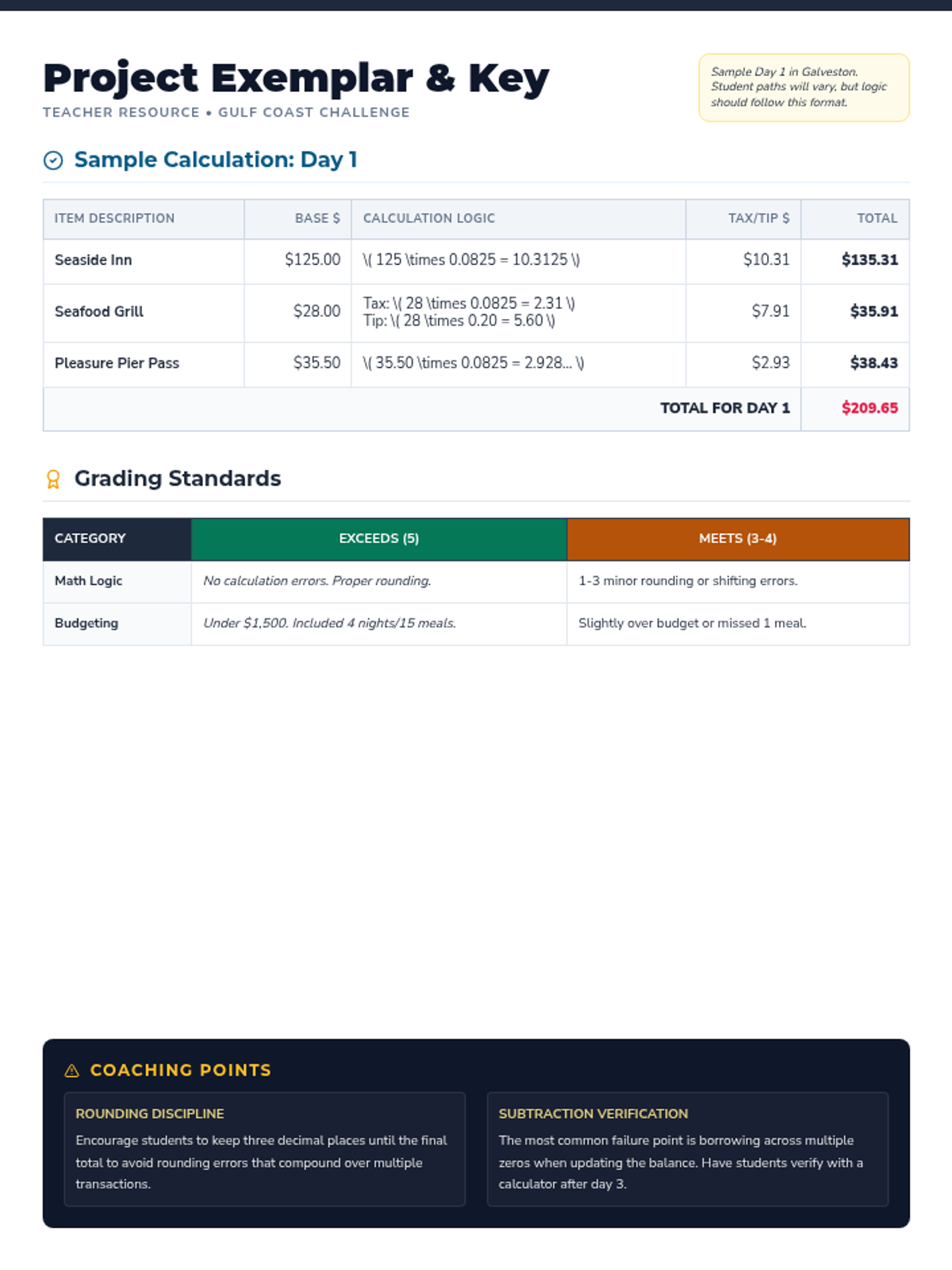
A project-based lesson where 6th-grade students apply decimal operations and percentage calculations to plan a week-long trip along the Texas Gulf Coast while staying within a strict budget.
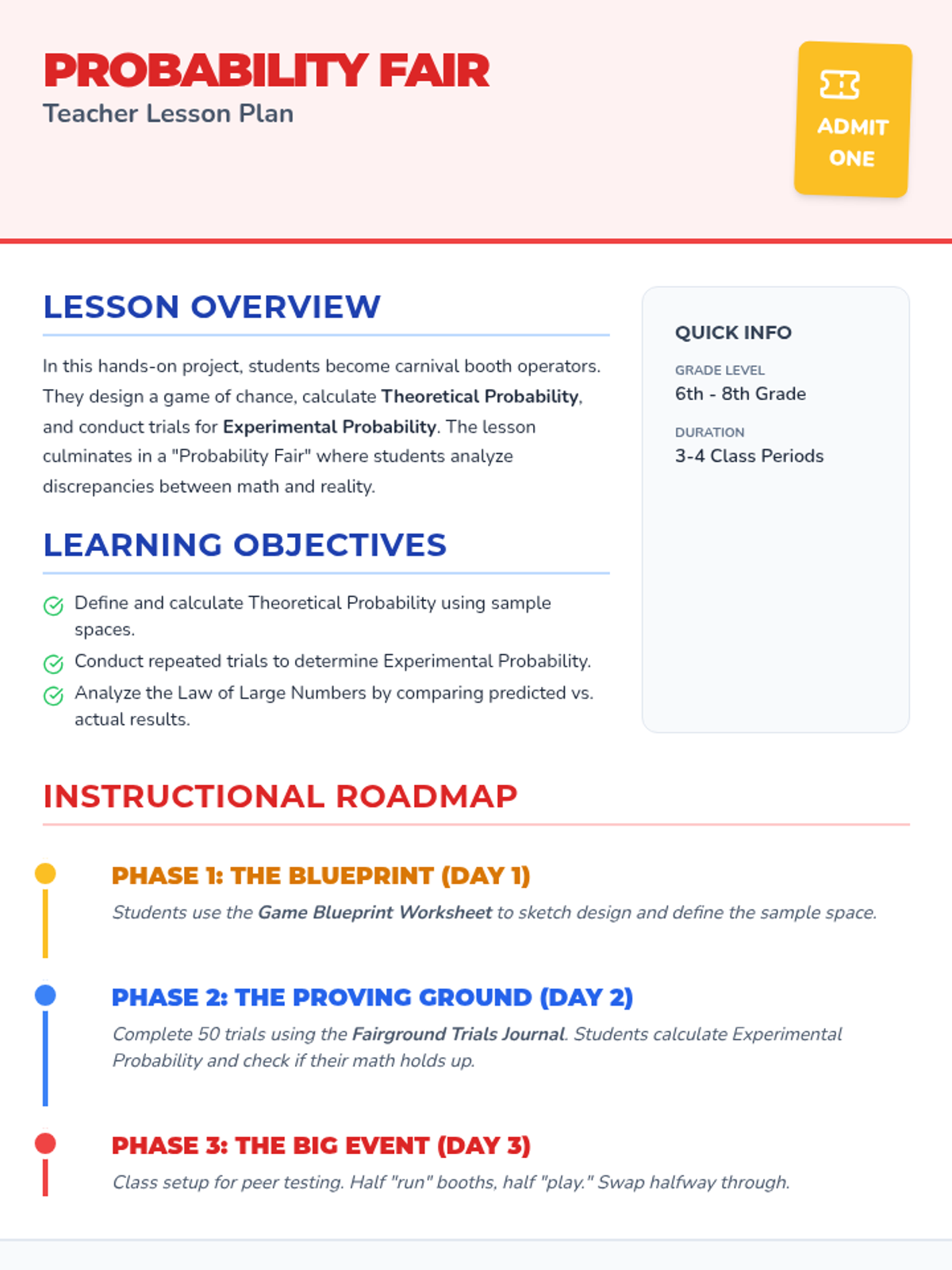
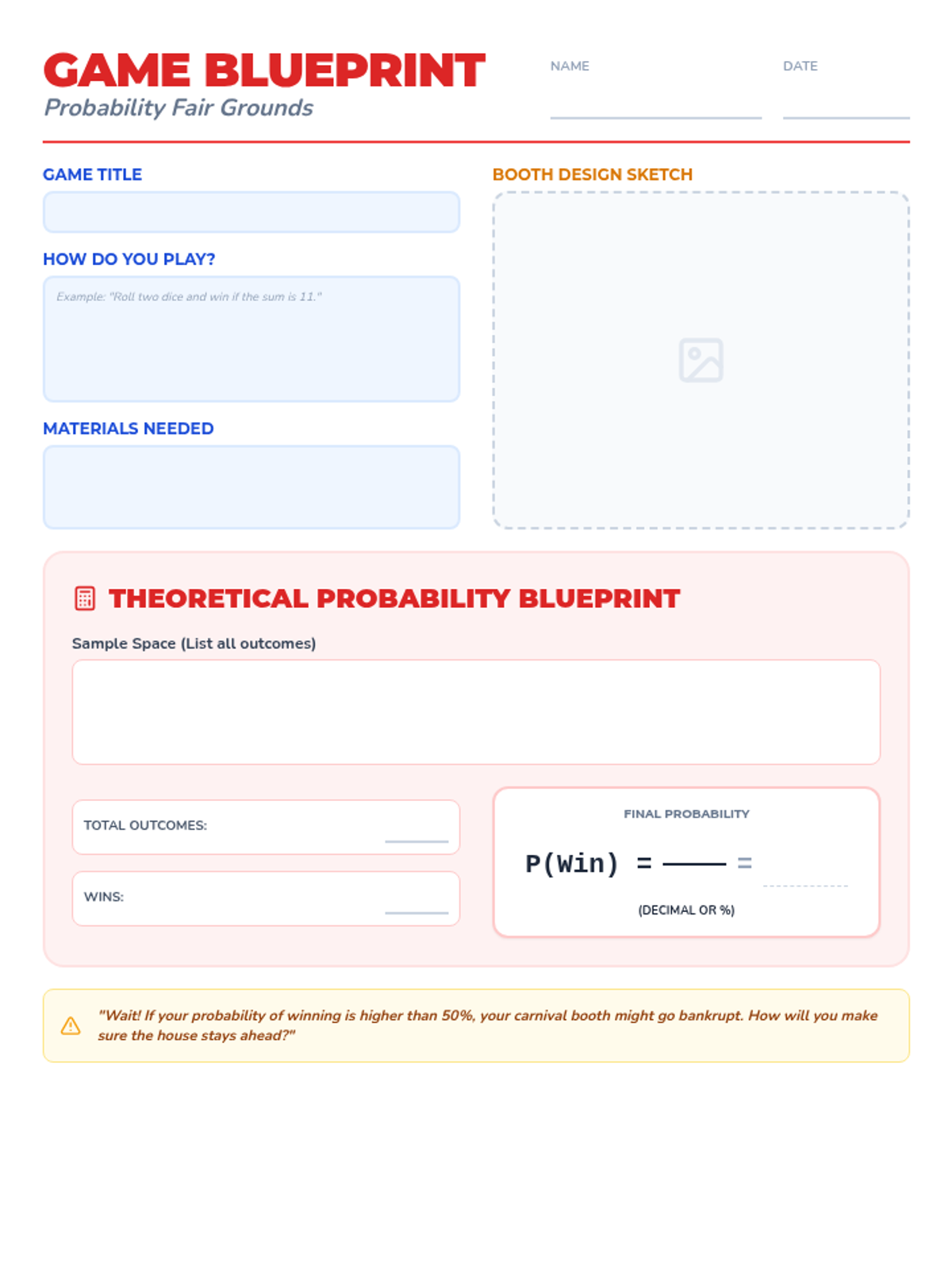
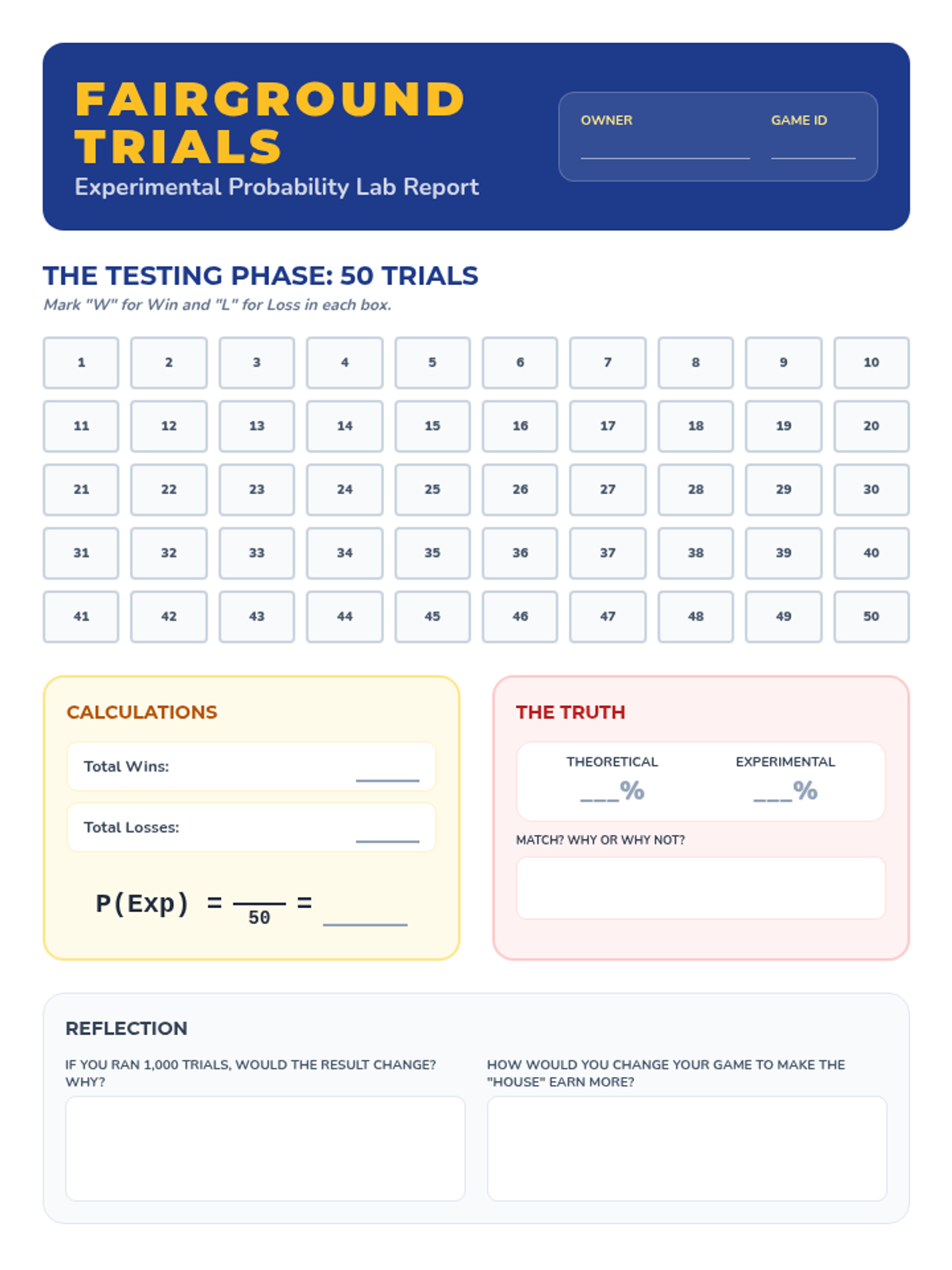
Students step into the roles of carnival game designers to explore data analysis and statistics. They calculate theoretical probability, conduct trials to find experimental probability, and analyze their results in a festive, hands-on environment.
Students synthesize their knowledge of central tendency and probability to complete a final laboratory assessment.