A intensive reteach lesson for standard RI.6.3, focusing on how authors introduce, illustrate, and elaborate on key elements in a text using Civil Rights, Social Media, and Scientific Innovation topics.
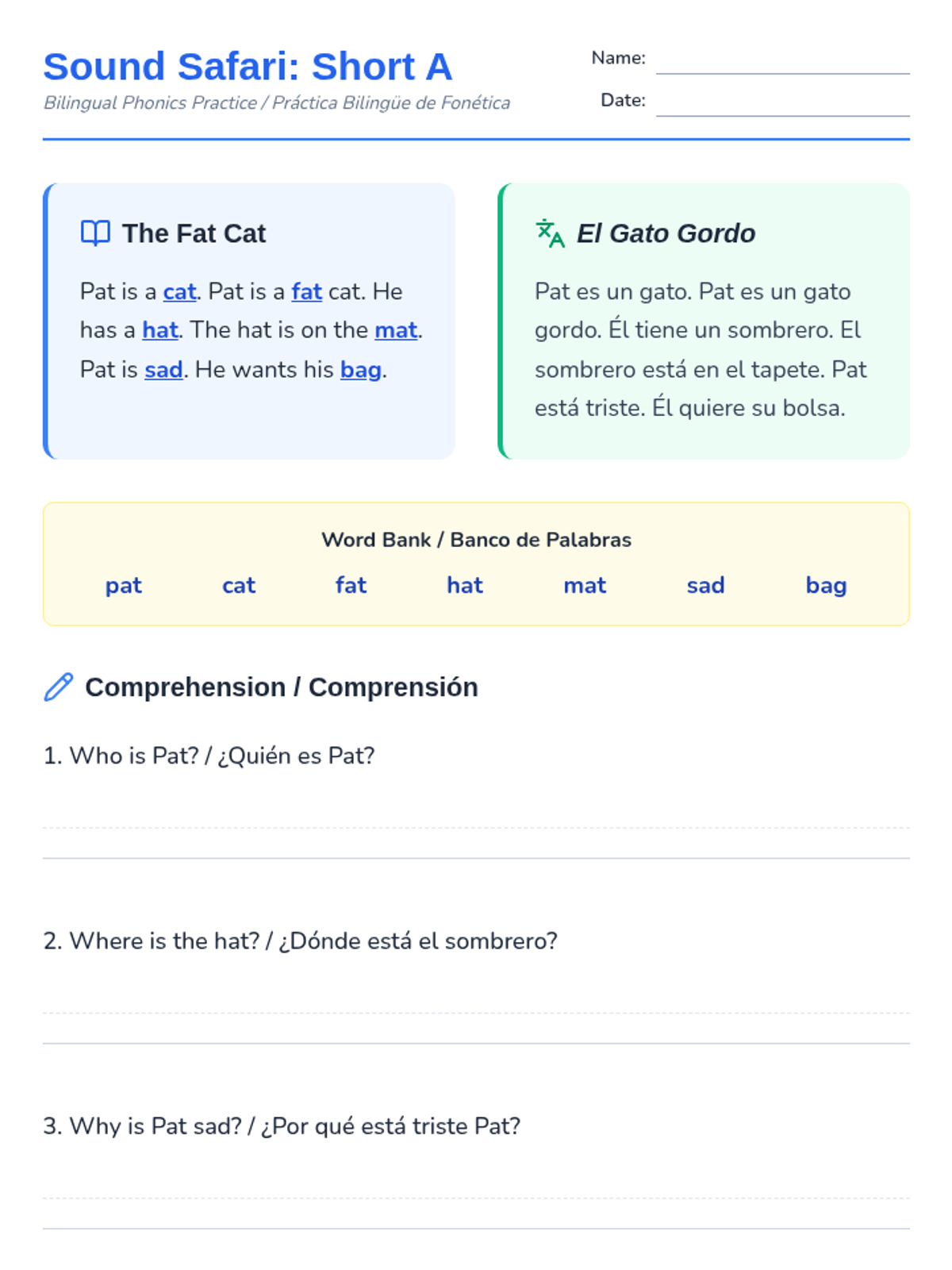
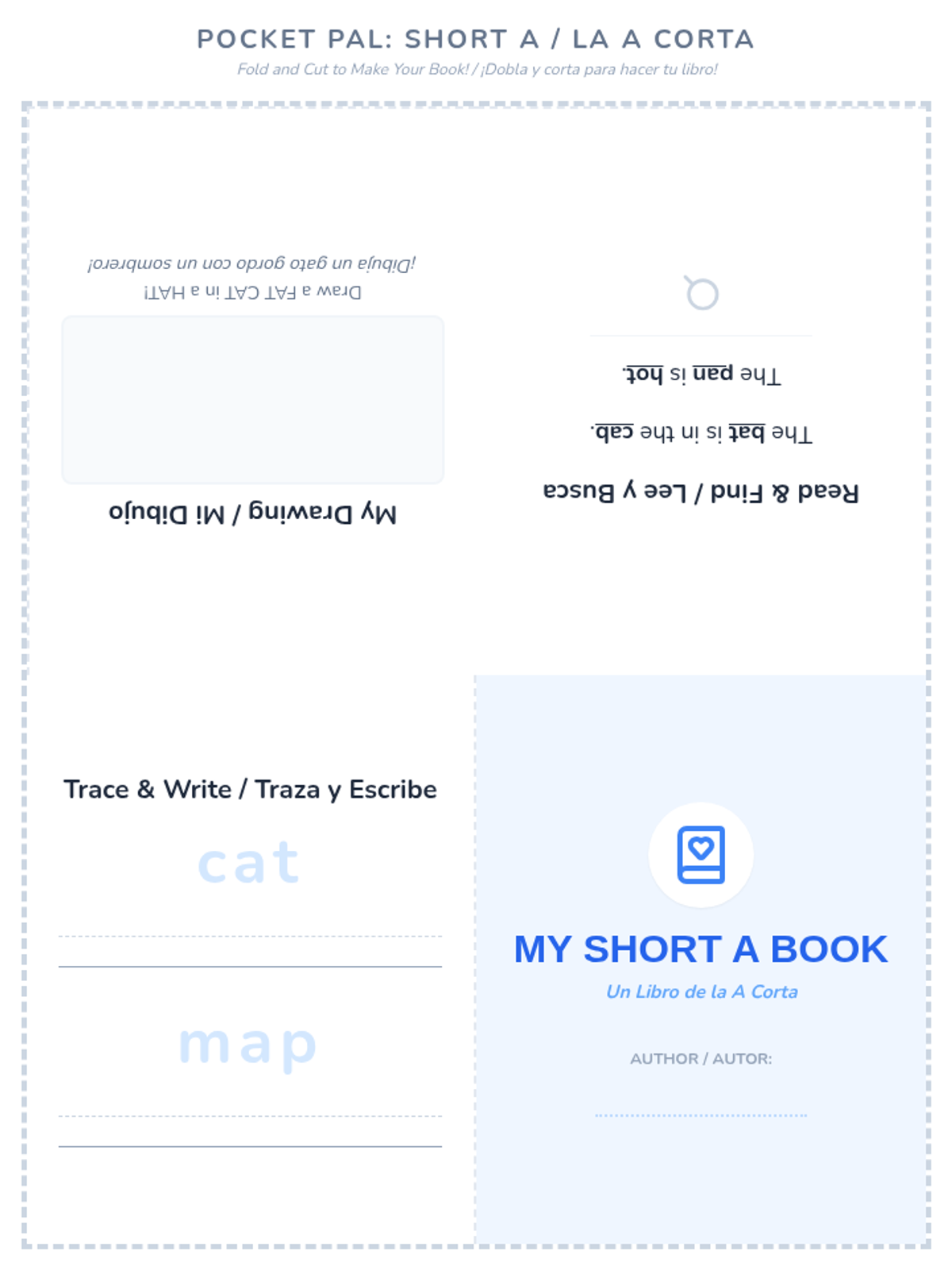
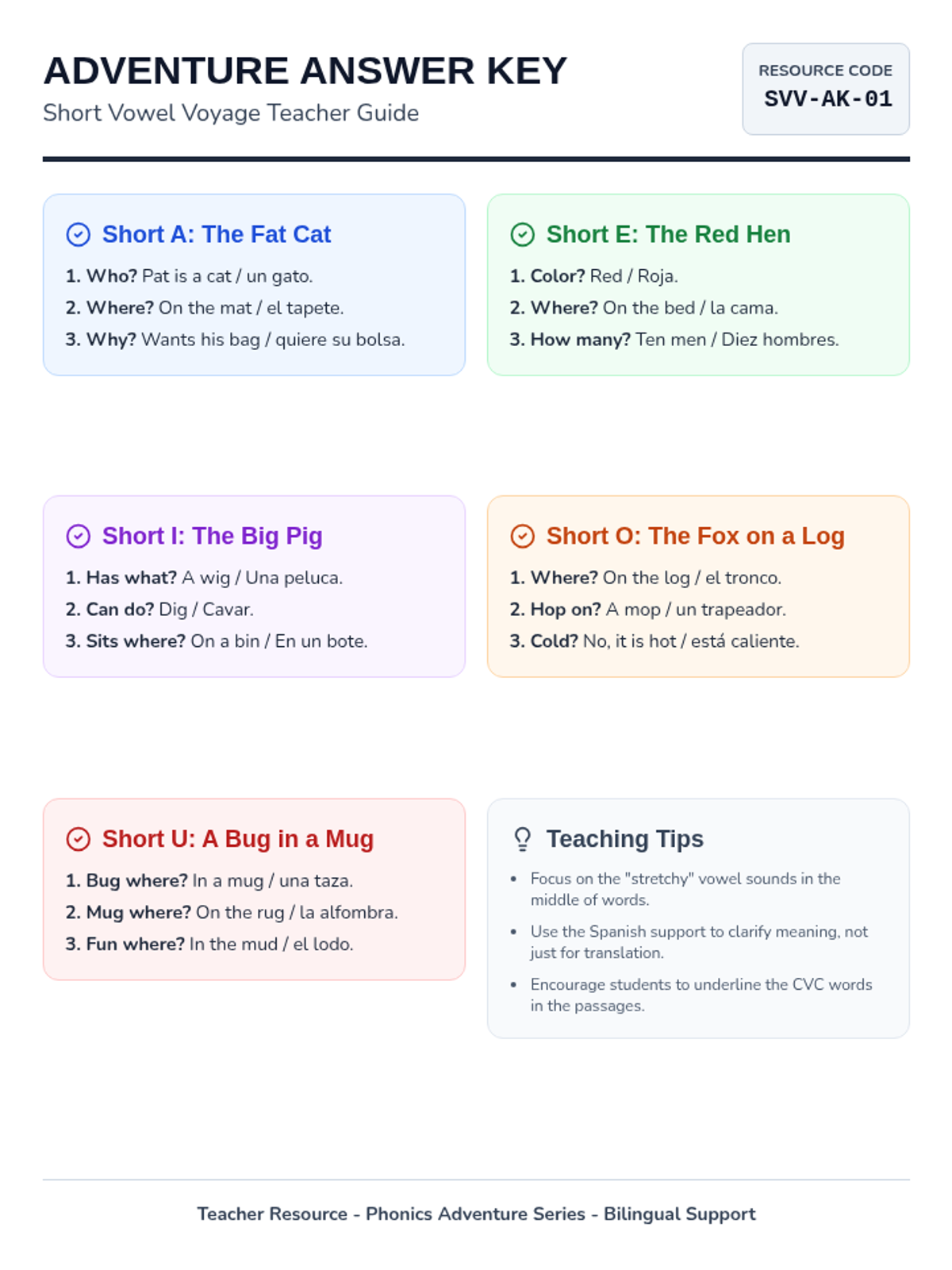
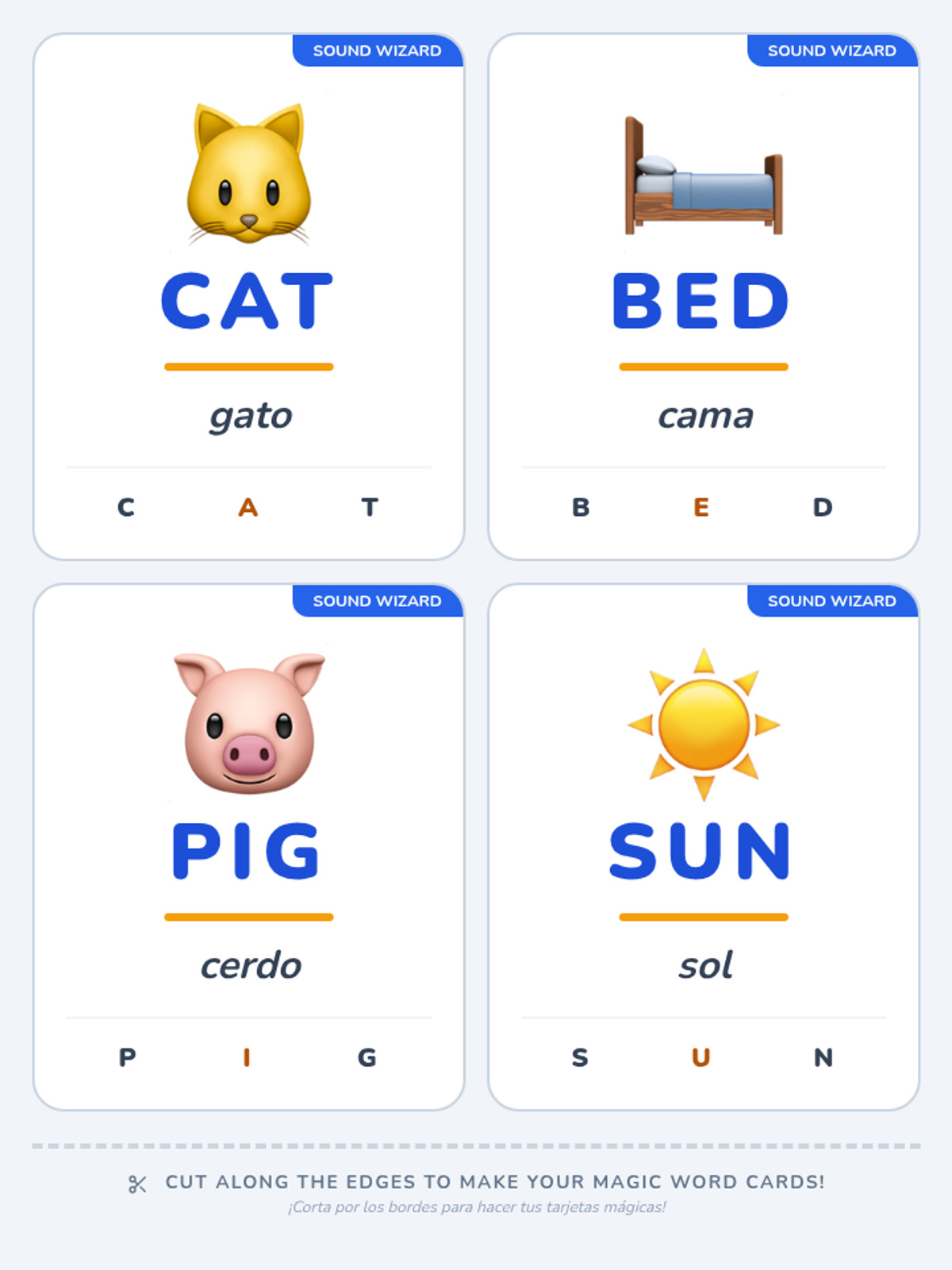
A fun, dual-language introduction to short vowel CVC words through engaging stories and hands-on mini-books. Students will build phonics fluency and reading comprehension in both English and Spanish contexts.

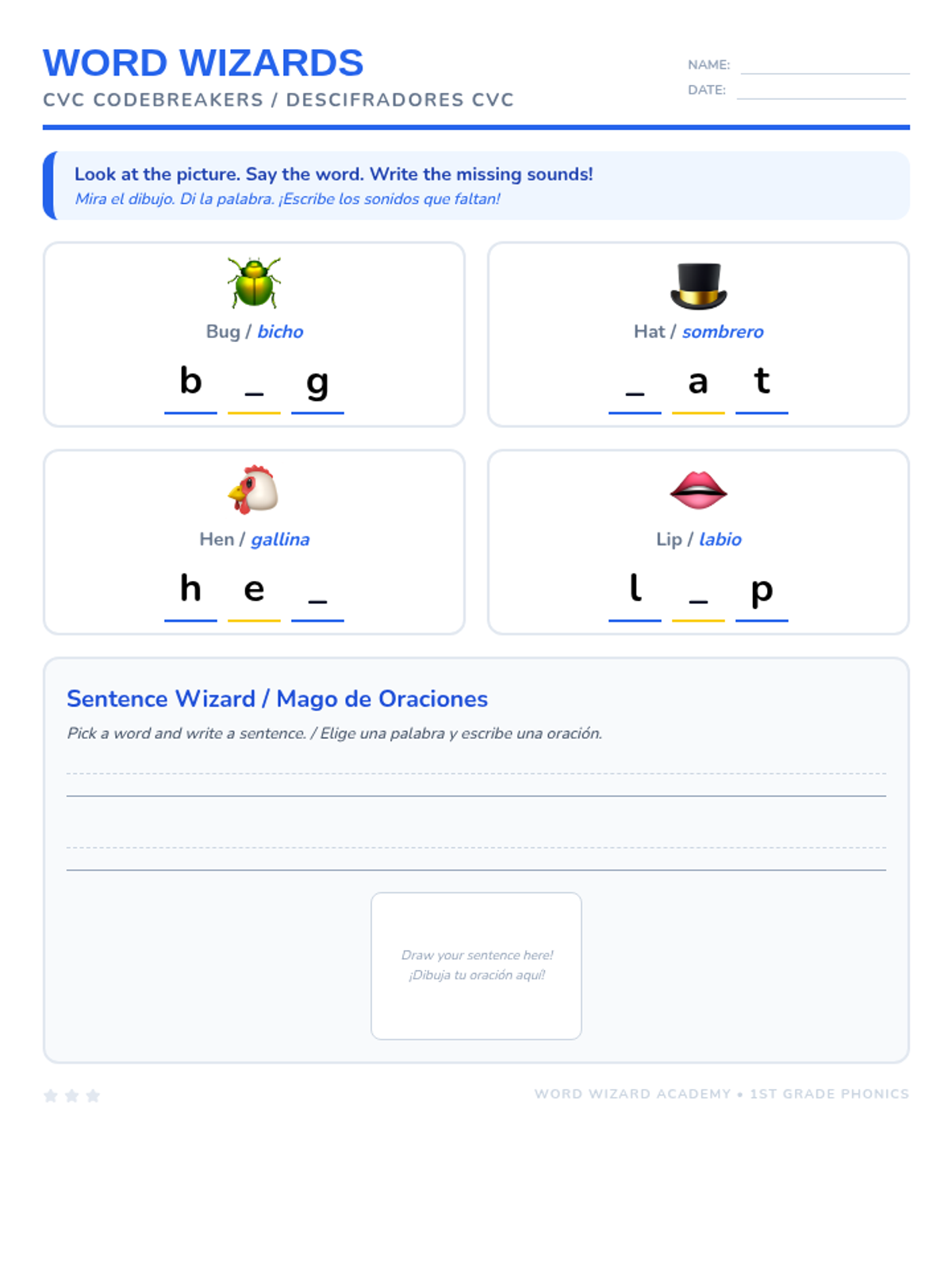
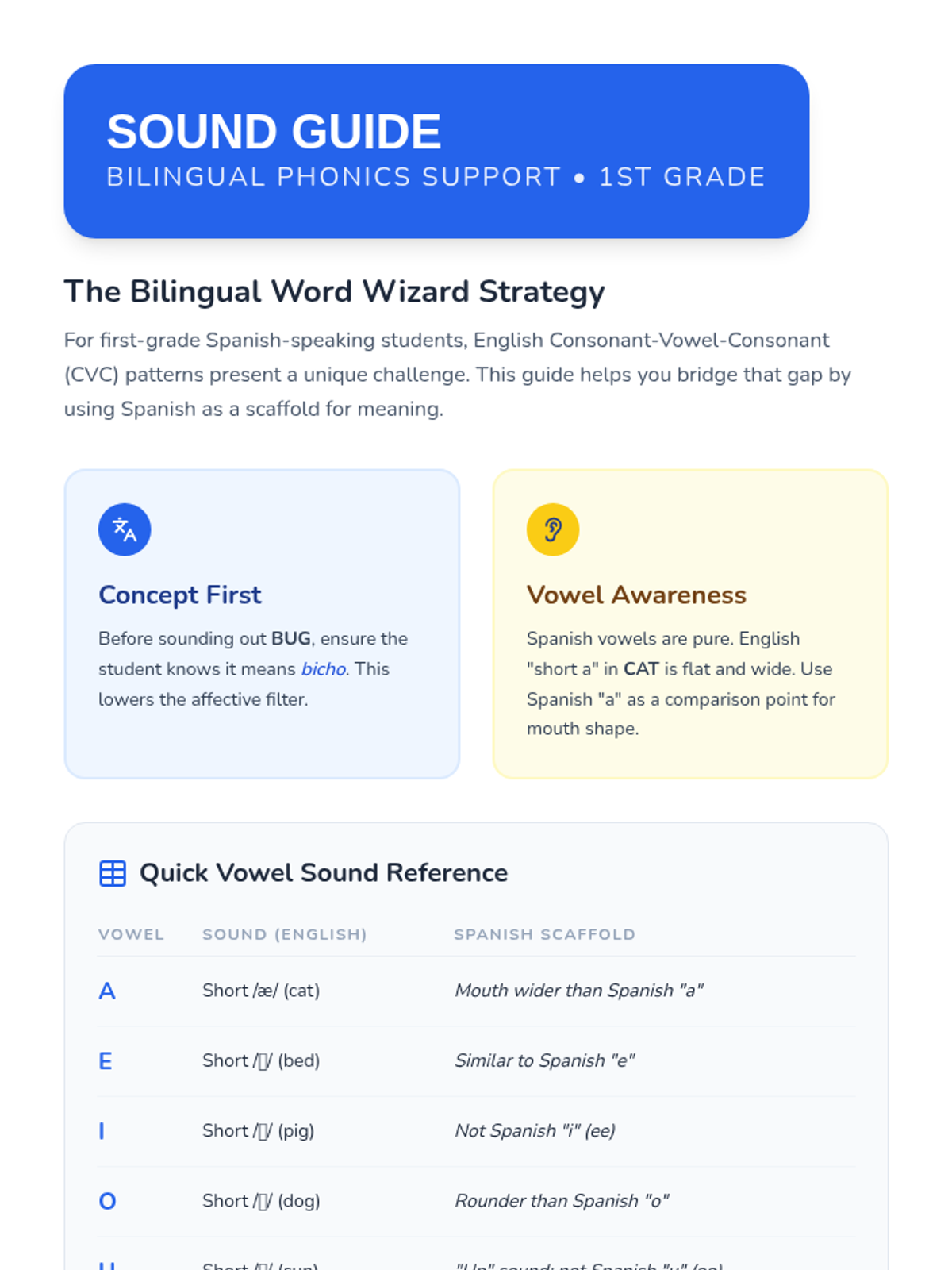
A phonics-focused lesson for first graders to master CVC words with bilingual Spanish support to bridge vocabulary gaps. Students will explore sounds, write words, and connect meanings between languages.
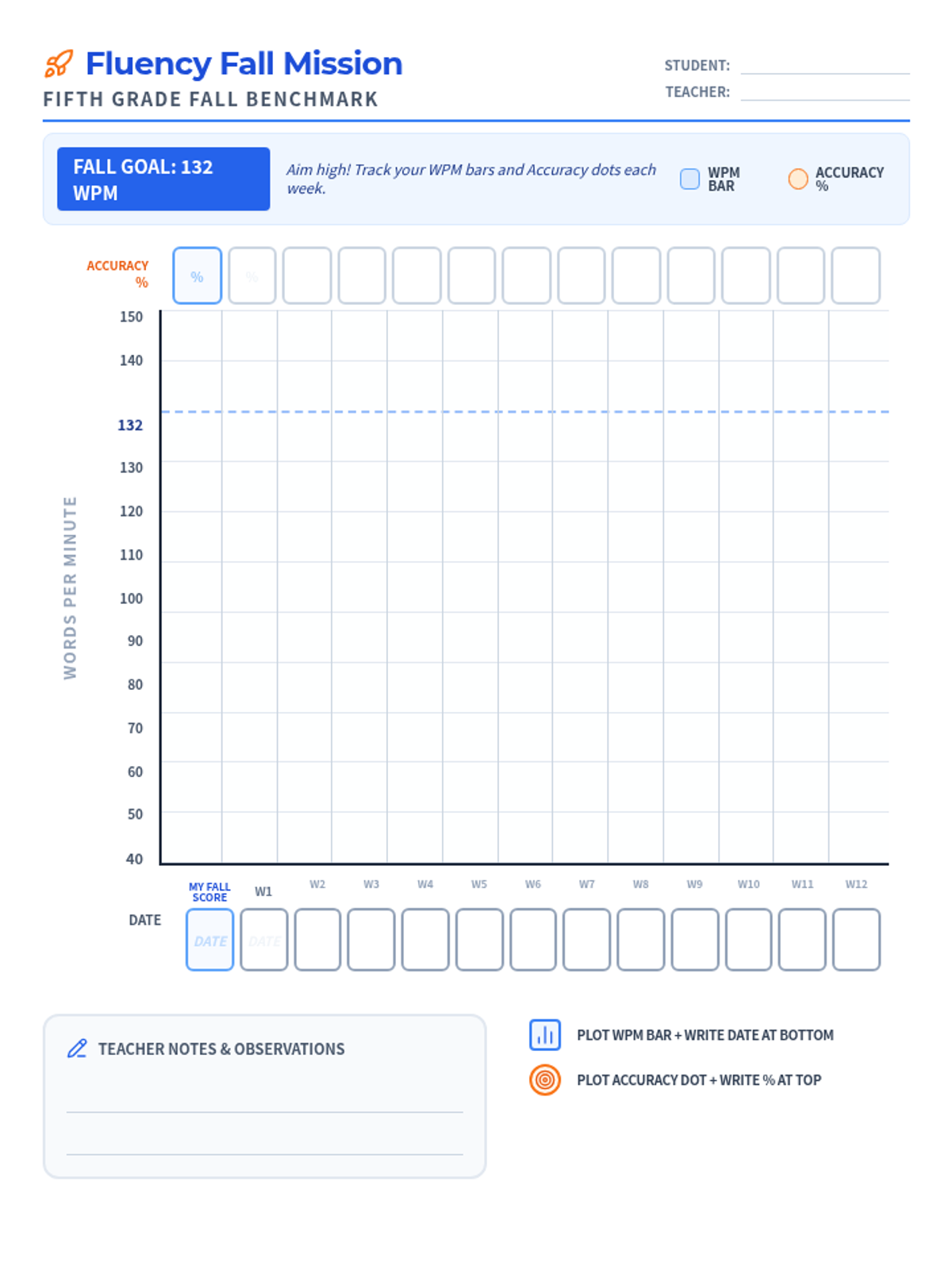
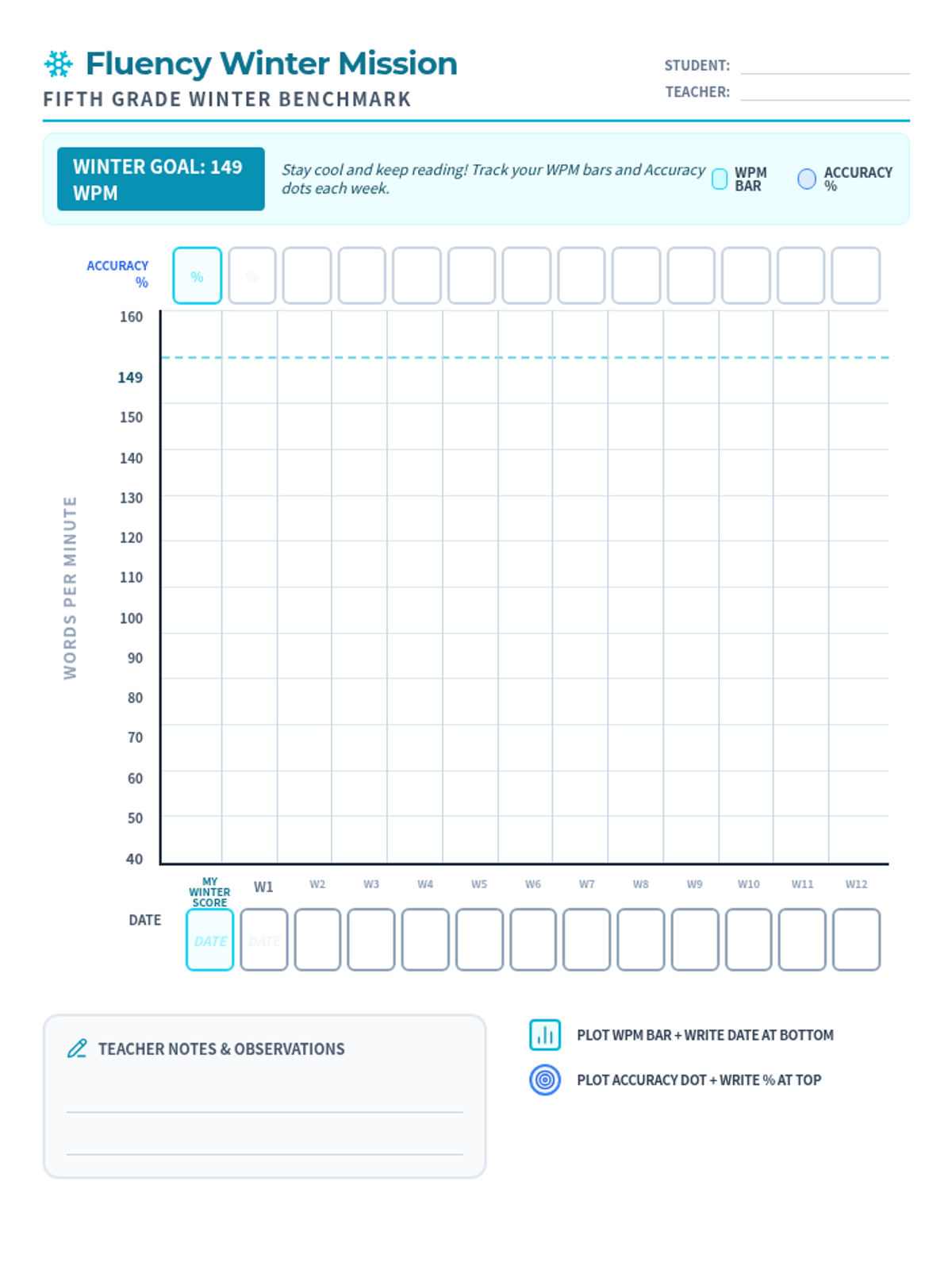
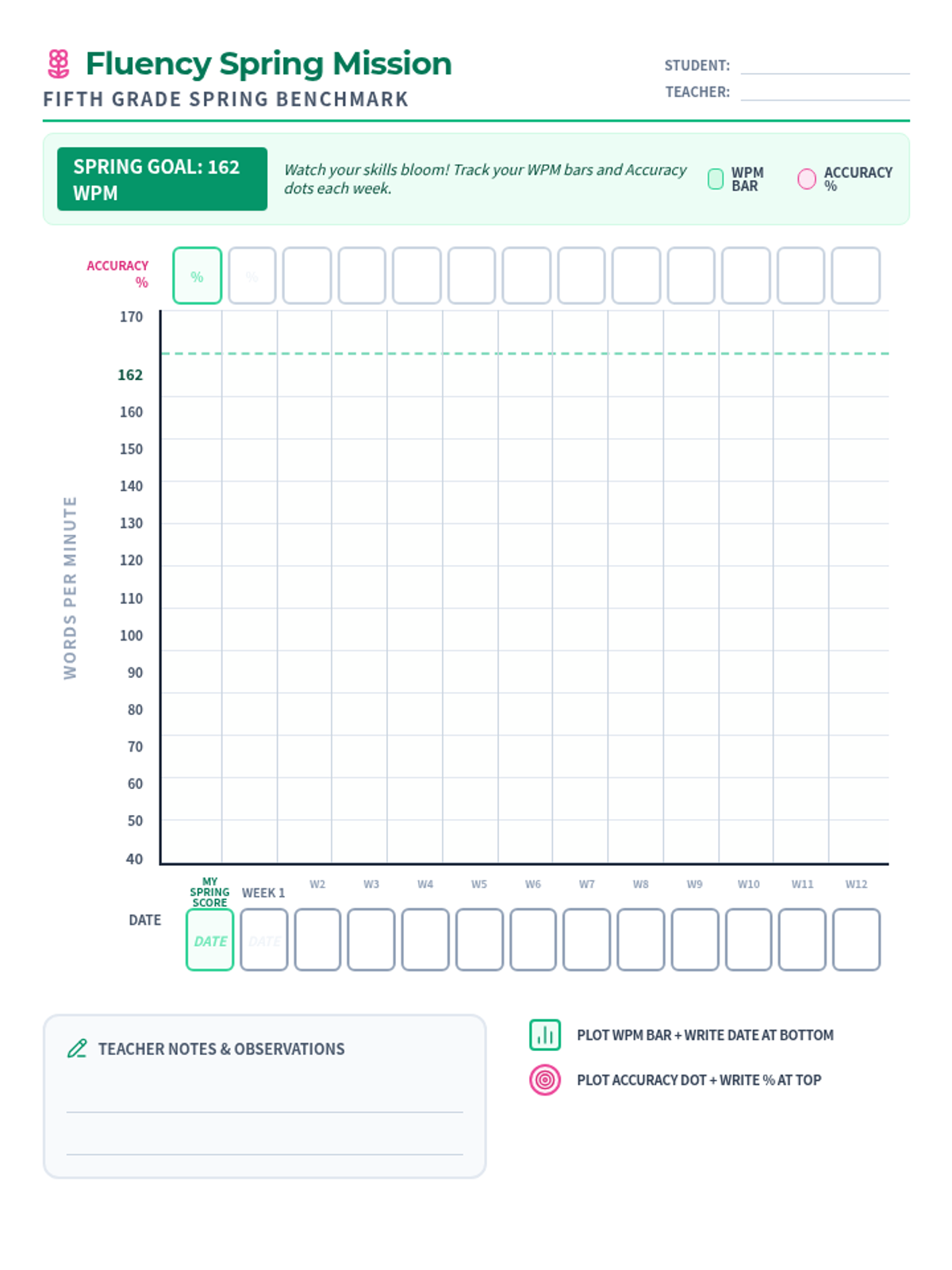
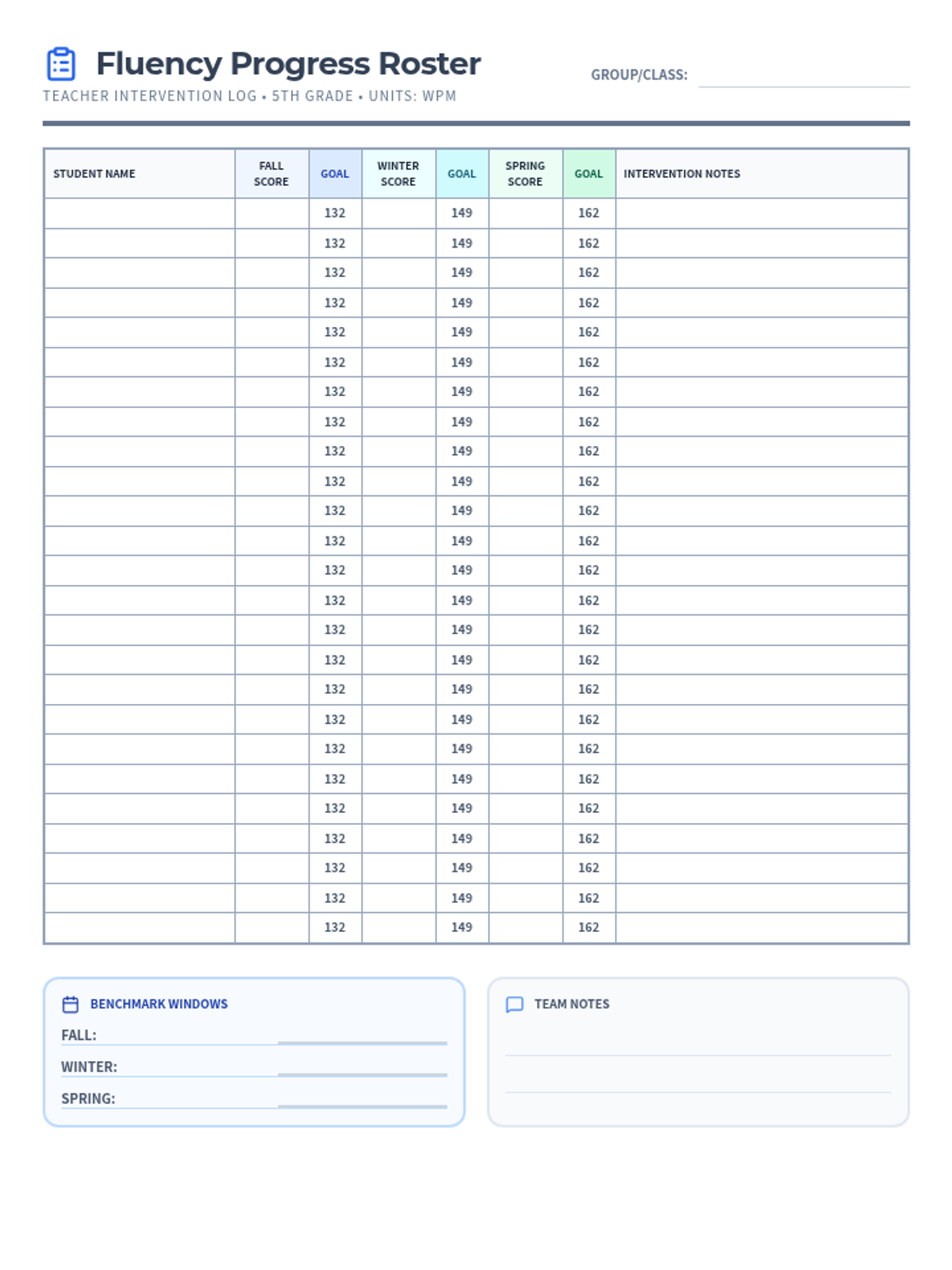
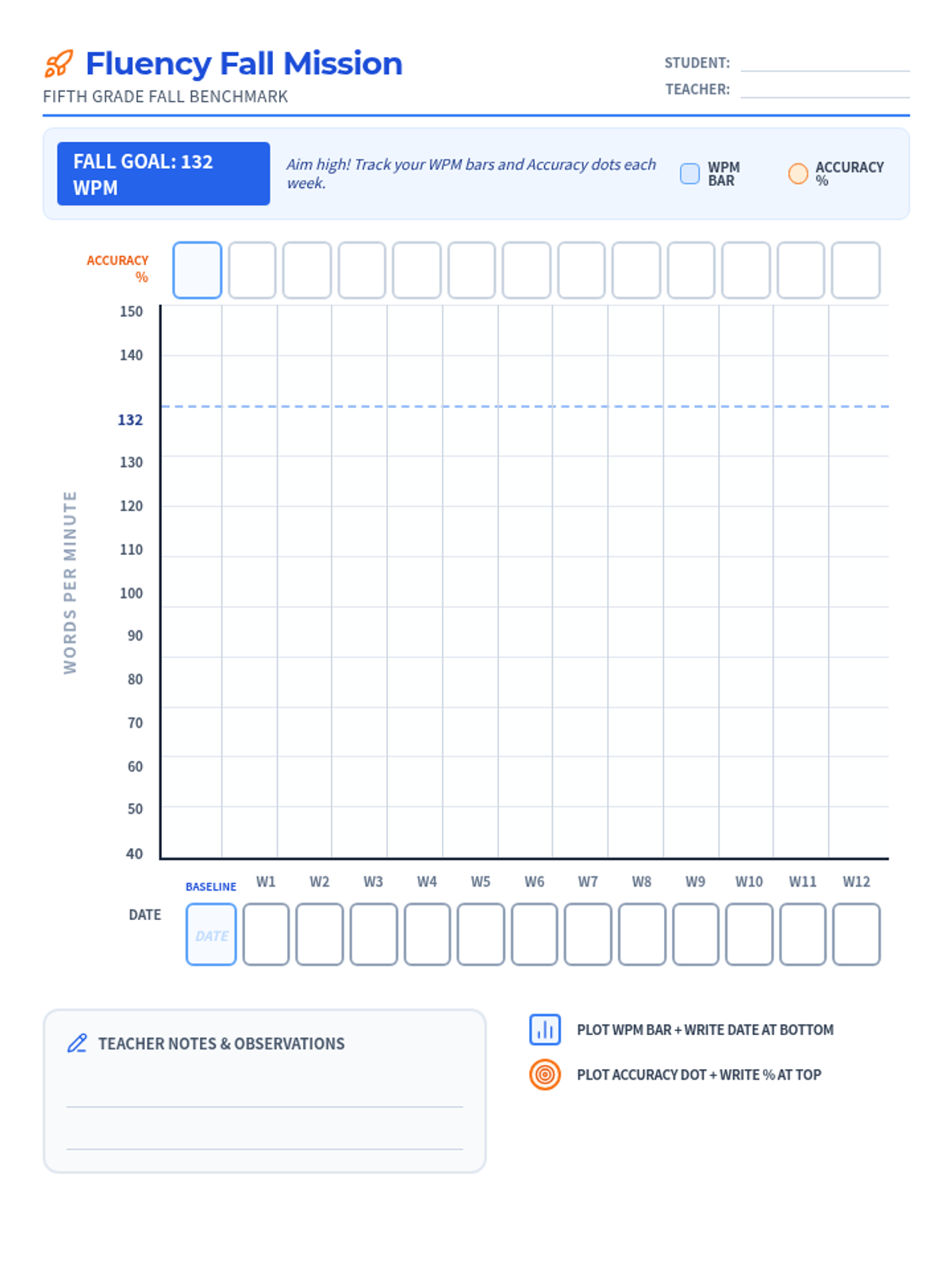
Tracking tools for 5th grade reading fluency benchmarks. Includes Fall (132 WPM), Winter (149 WPM), and Spring (162 WPM) trackers.
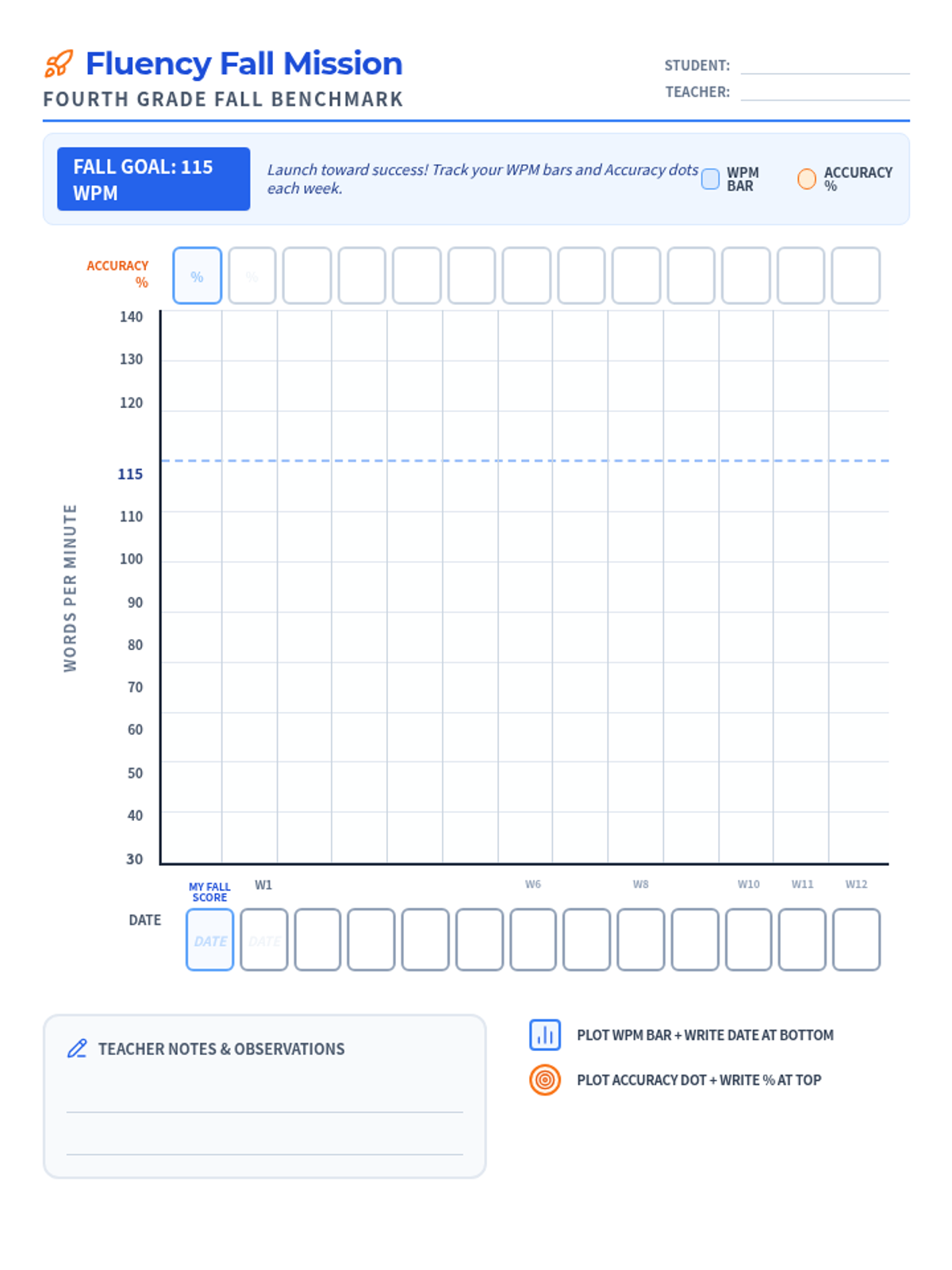
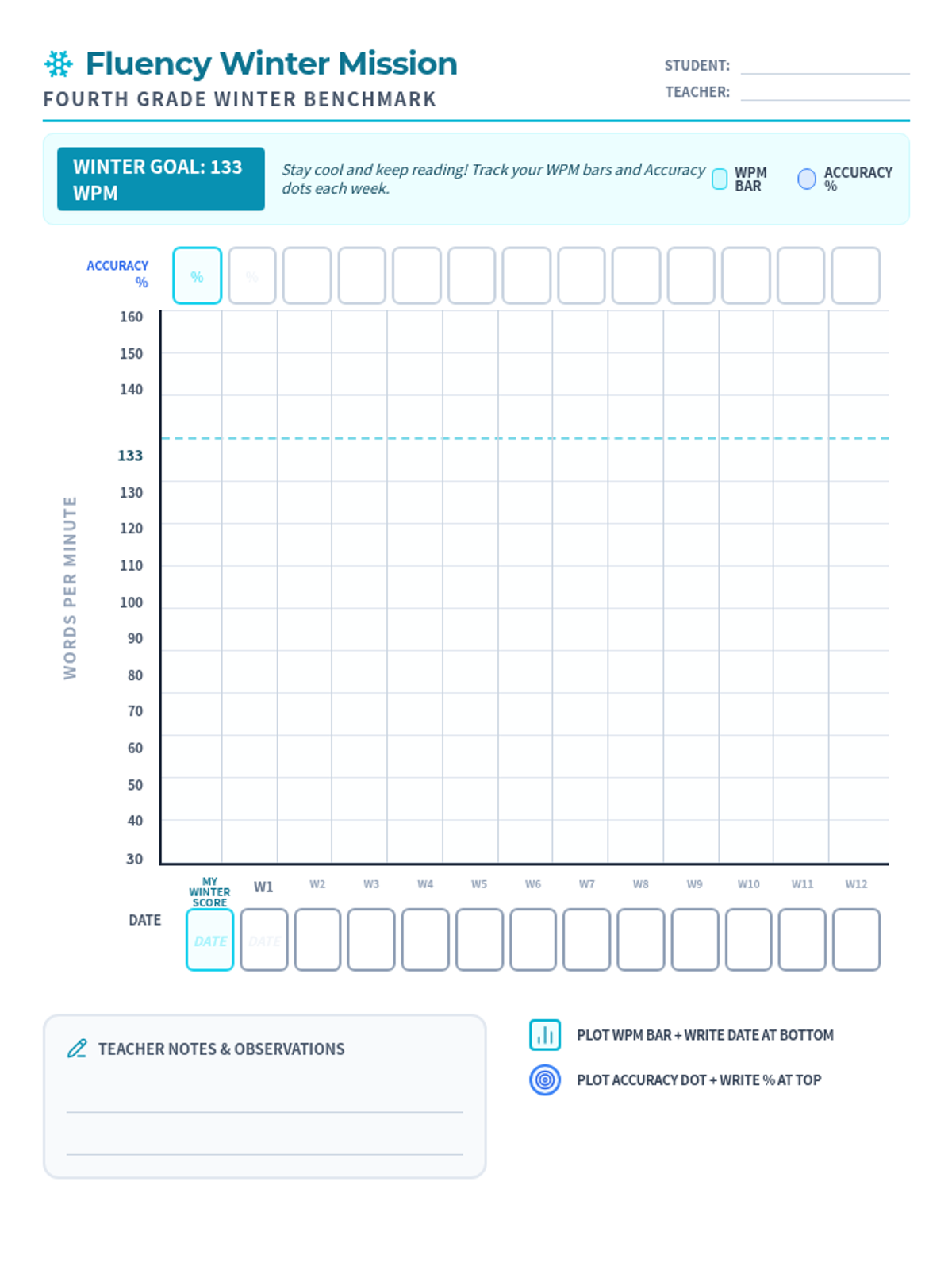
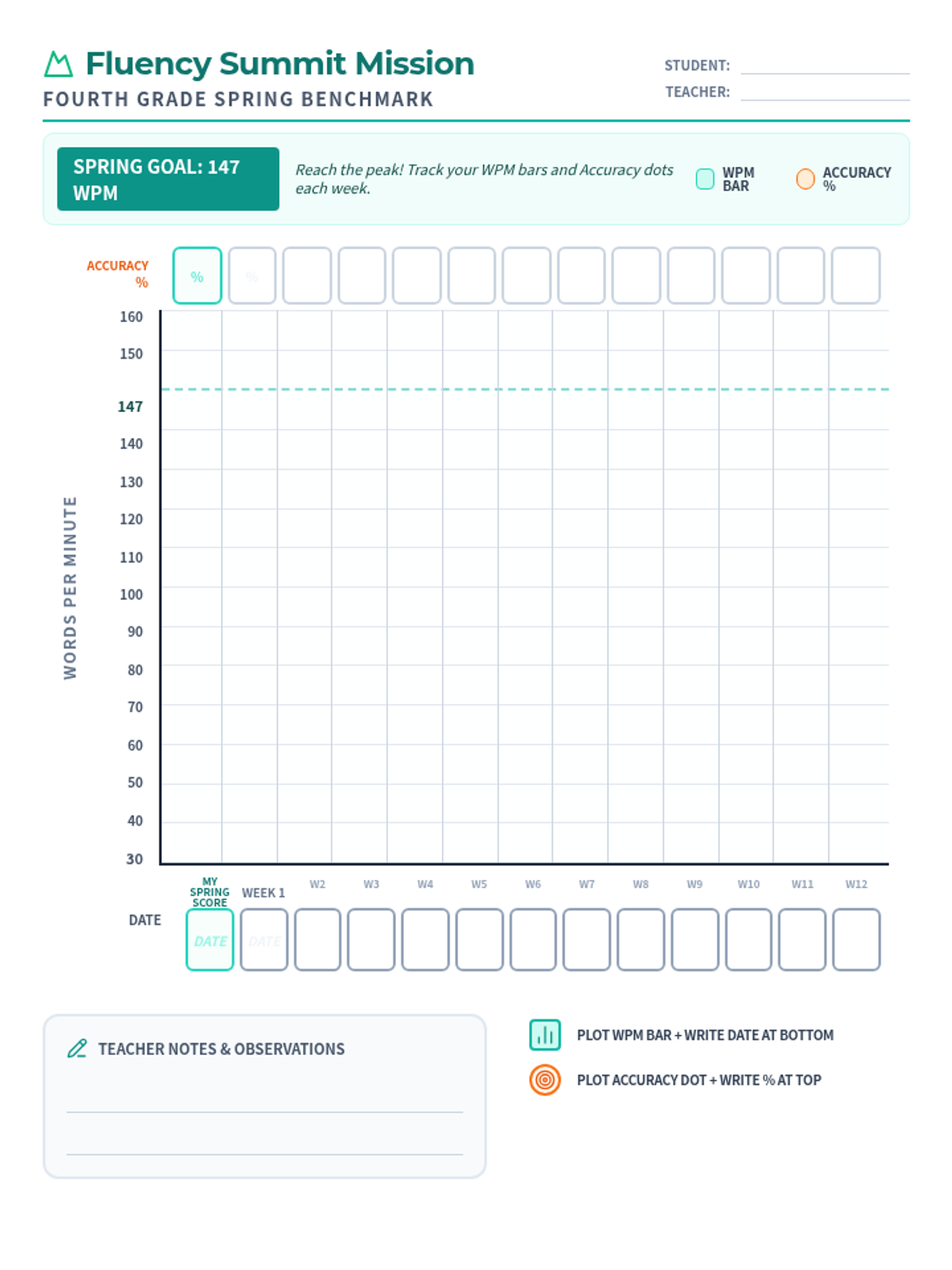
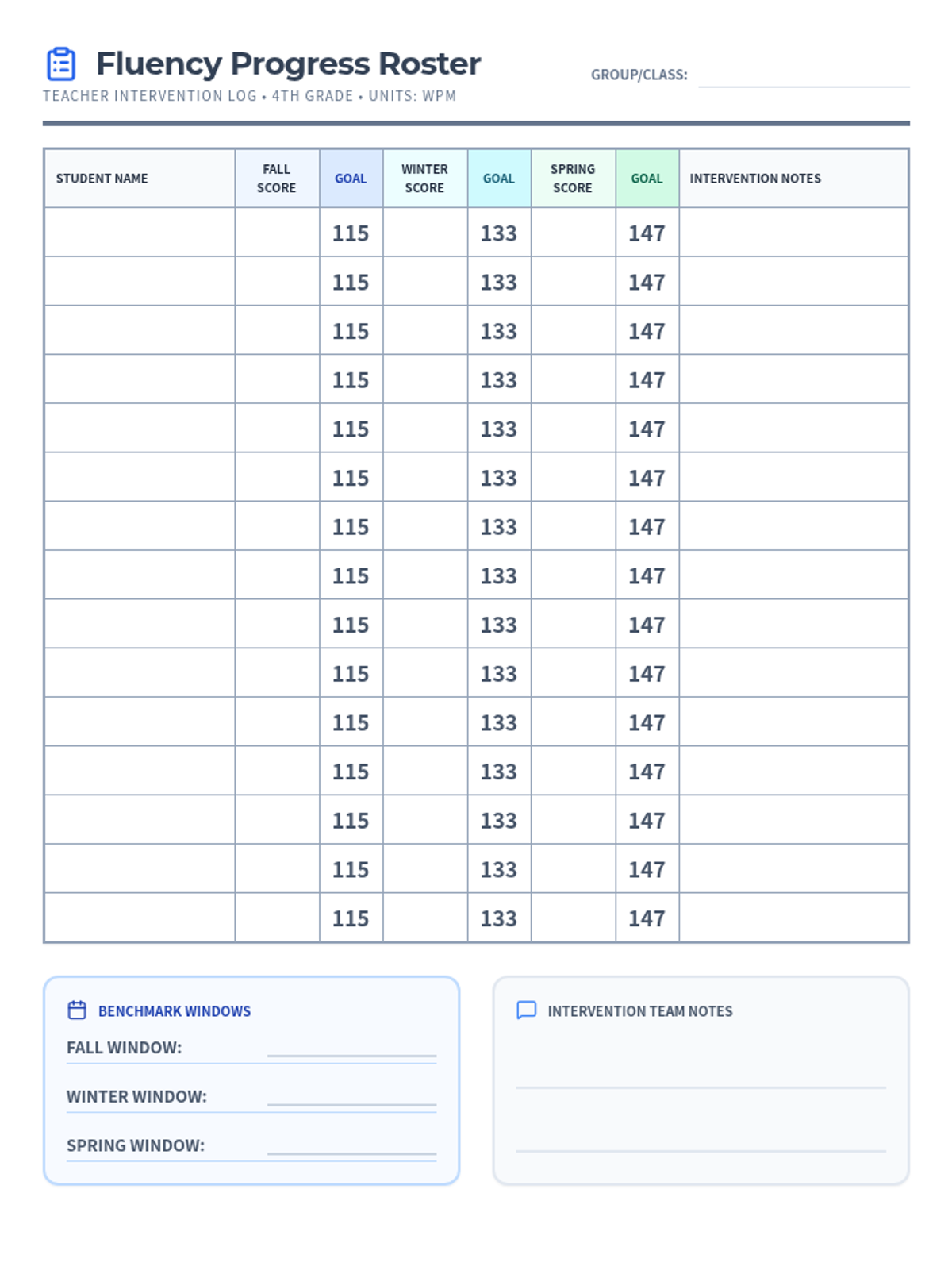
Tracking tools for 4th grade reading fluency benchmarks. Includes Fall (115 WPM), Winter (133 WPM), and Spring (147 WPM) trackers.
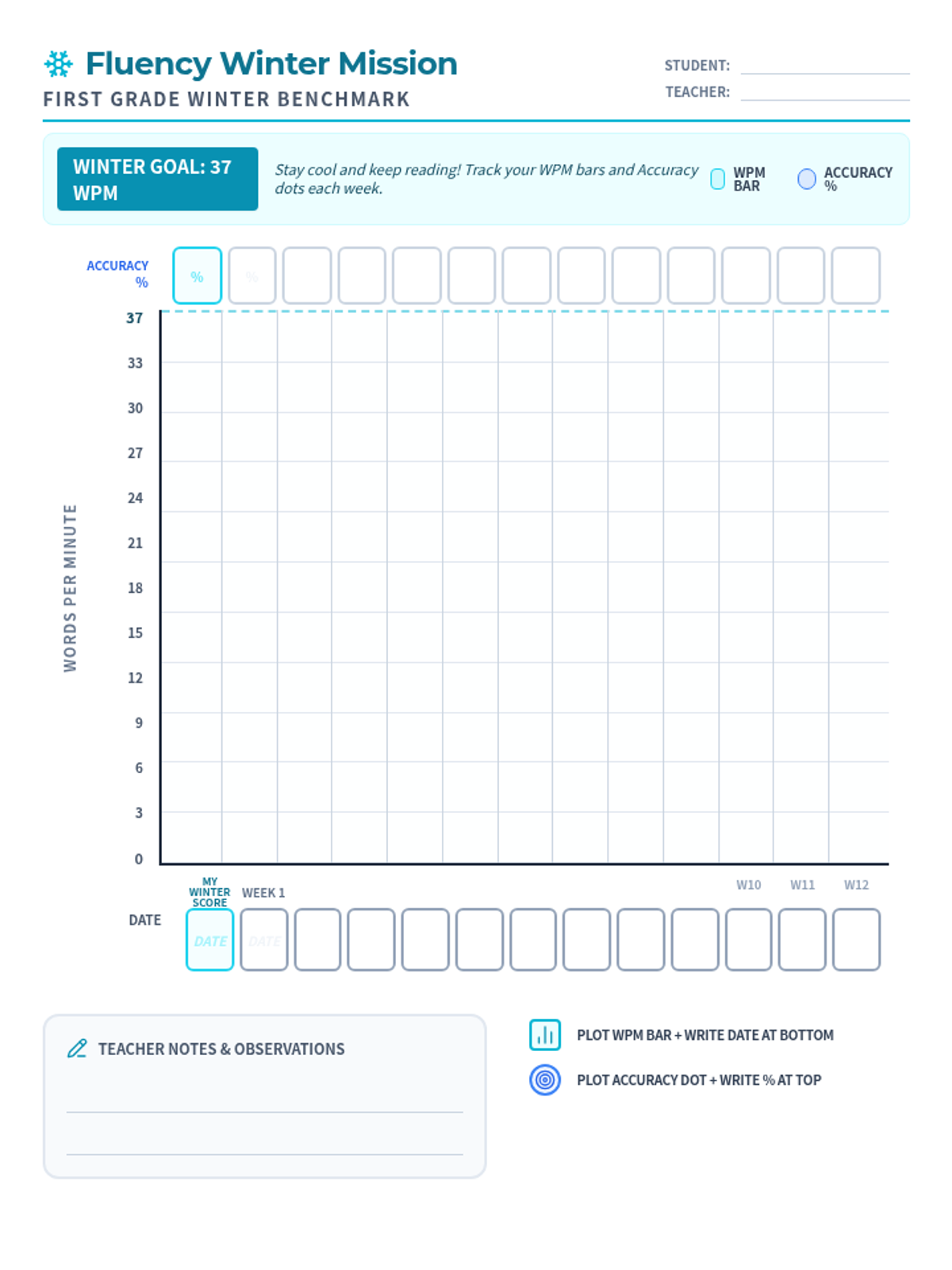
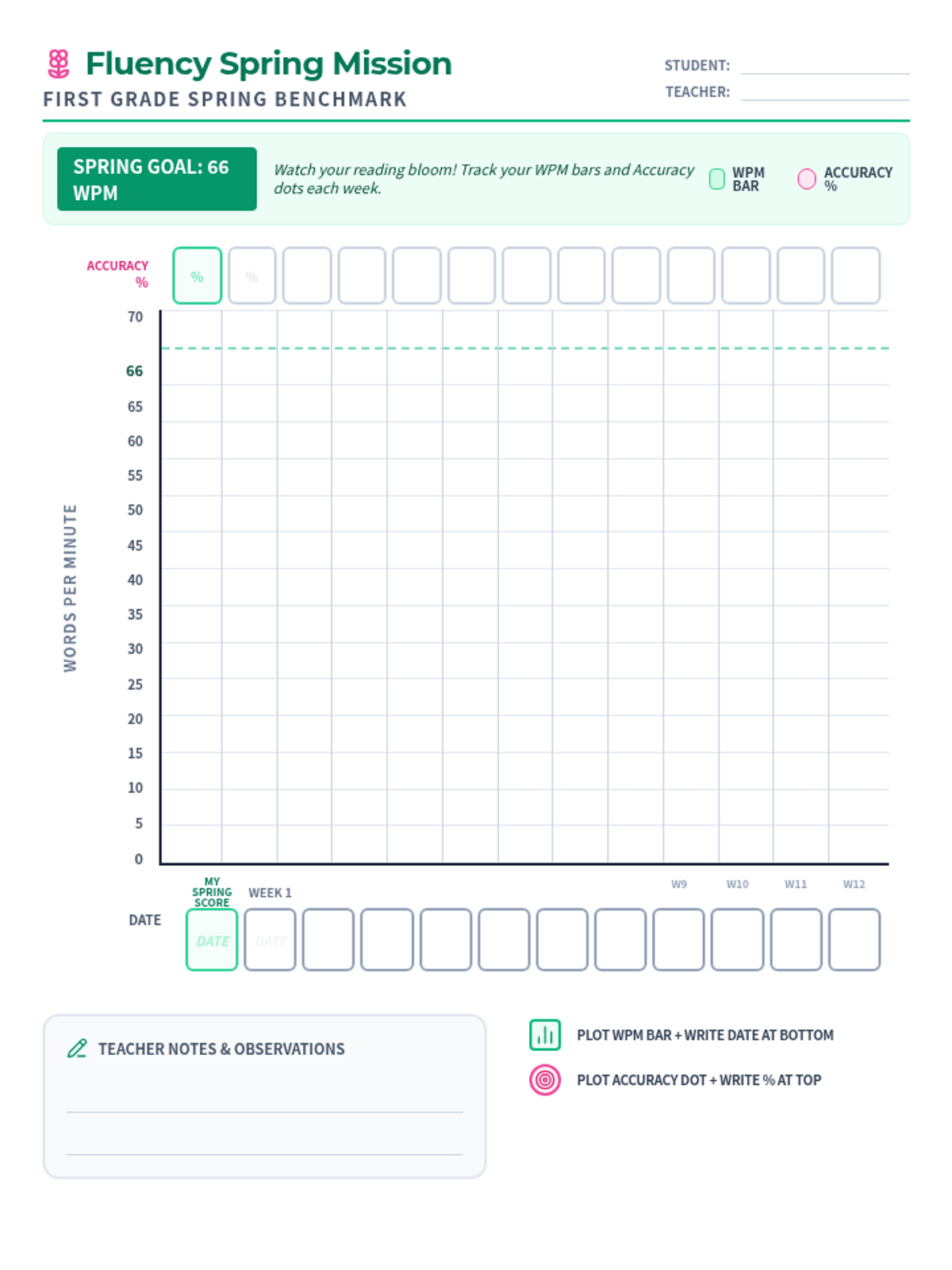
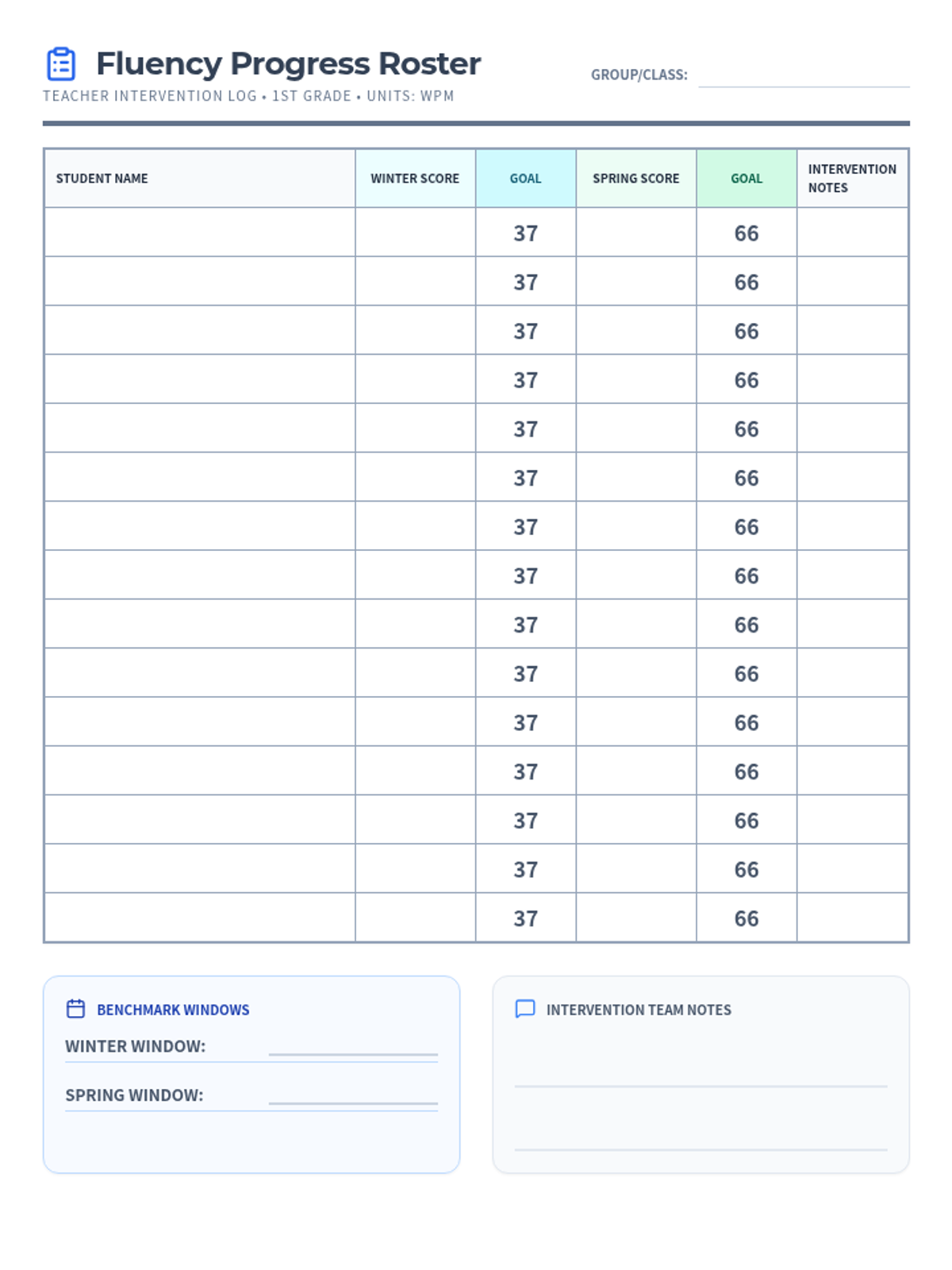
Tracking tools for 1st grade reading fluency benchmarks. Includes Winter (37 WPM) and Spring (66 WPM) trackers. No Fall benchmark is typically assessed at this level.
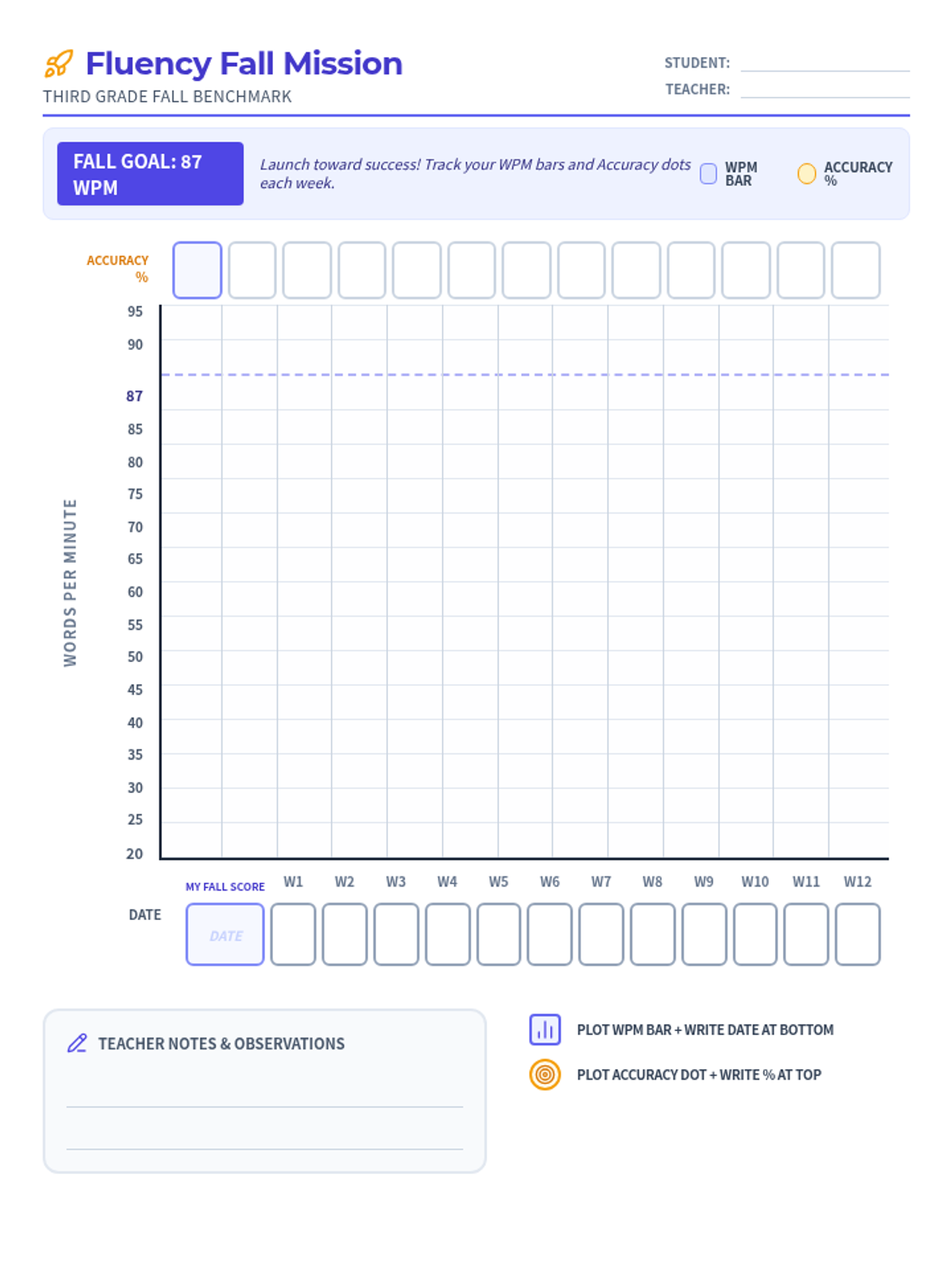
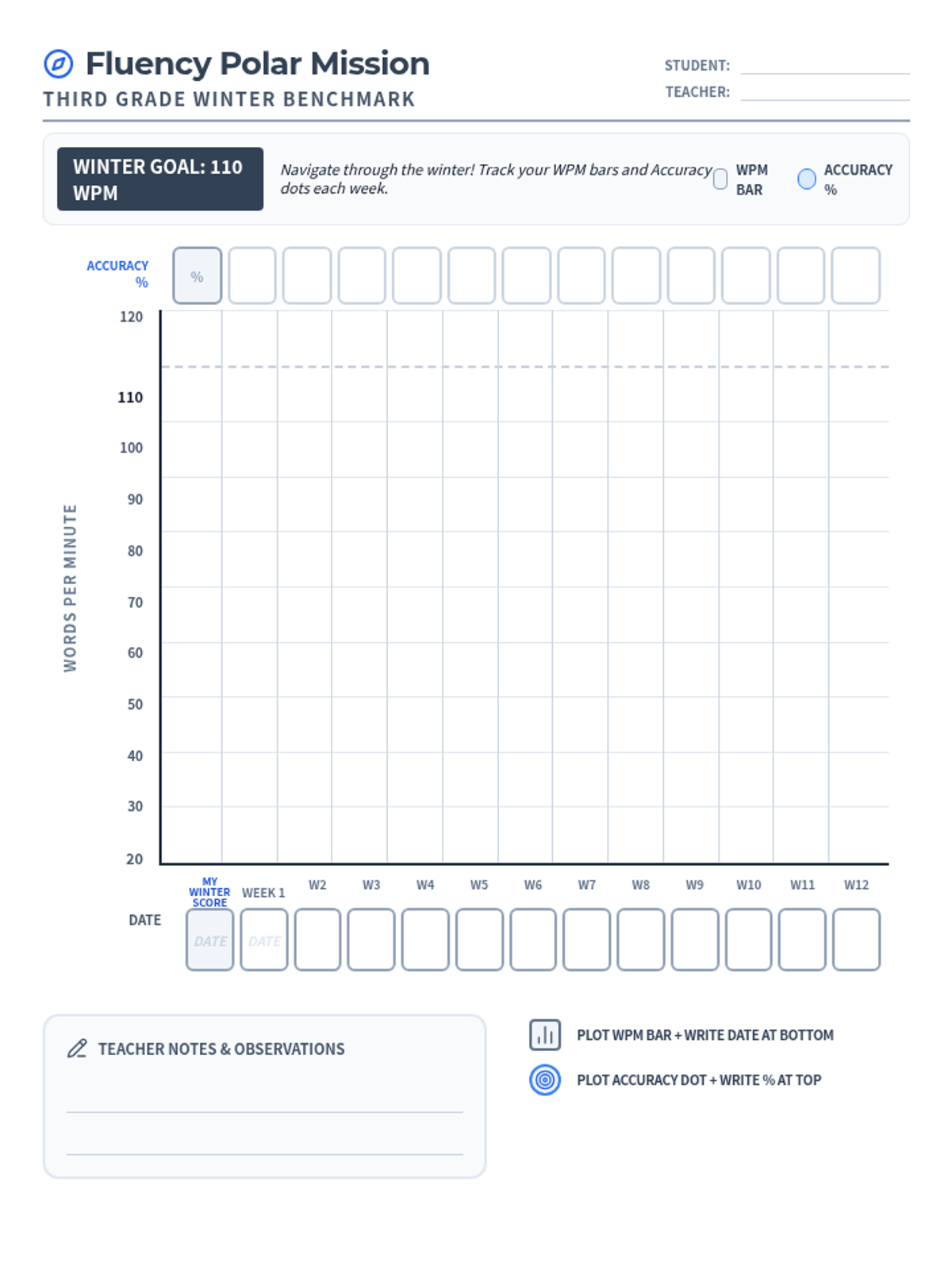
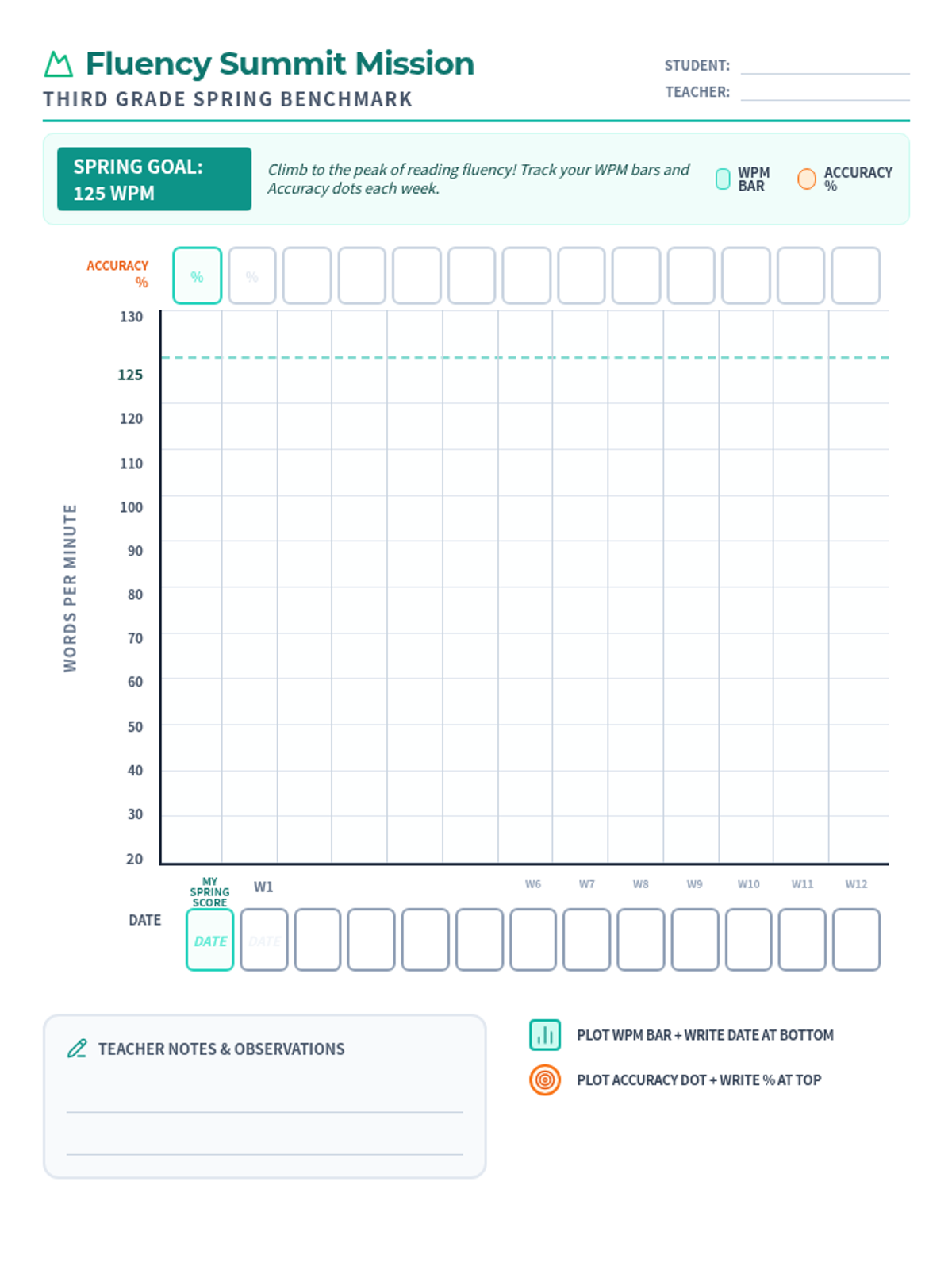
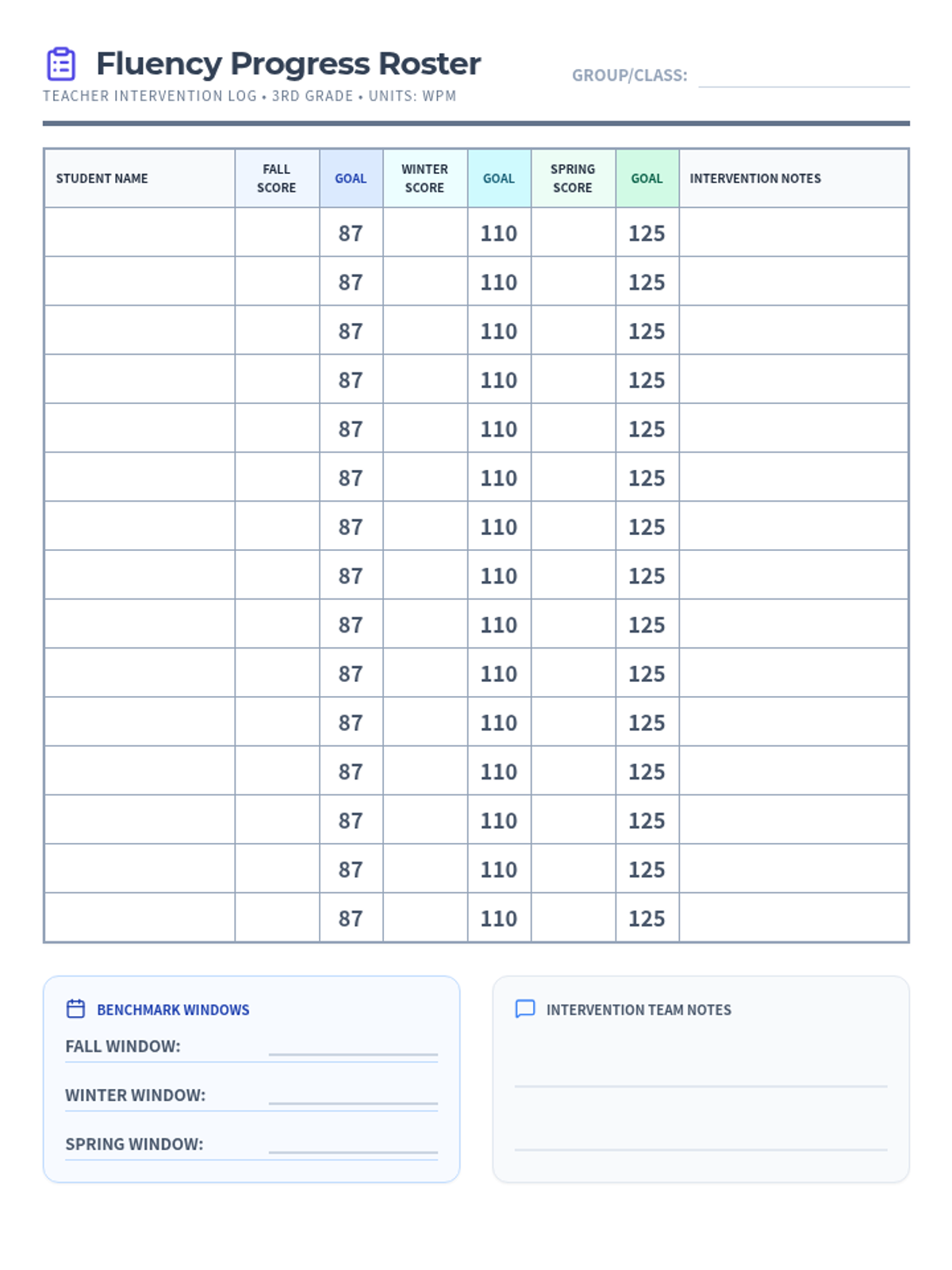
Tracking tools for 3rd grade reading fluency benchmarks. Includes Fall (87 WPM), Winter (110 WPM), and Spring (125 WPM) trackers.
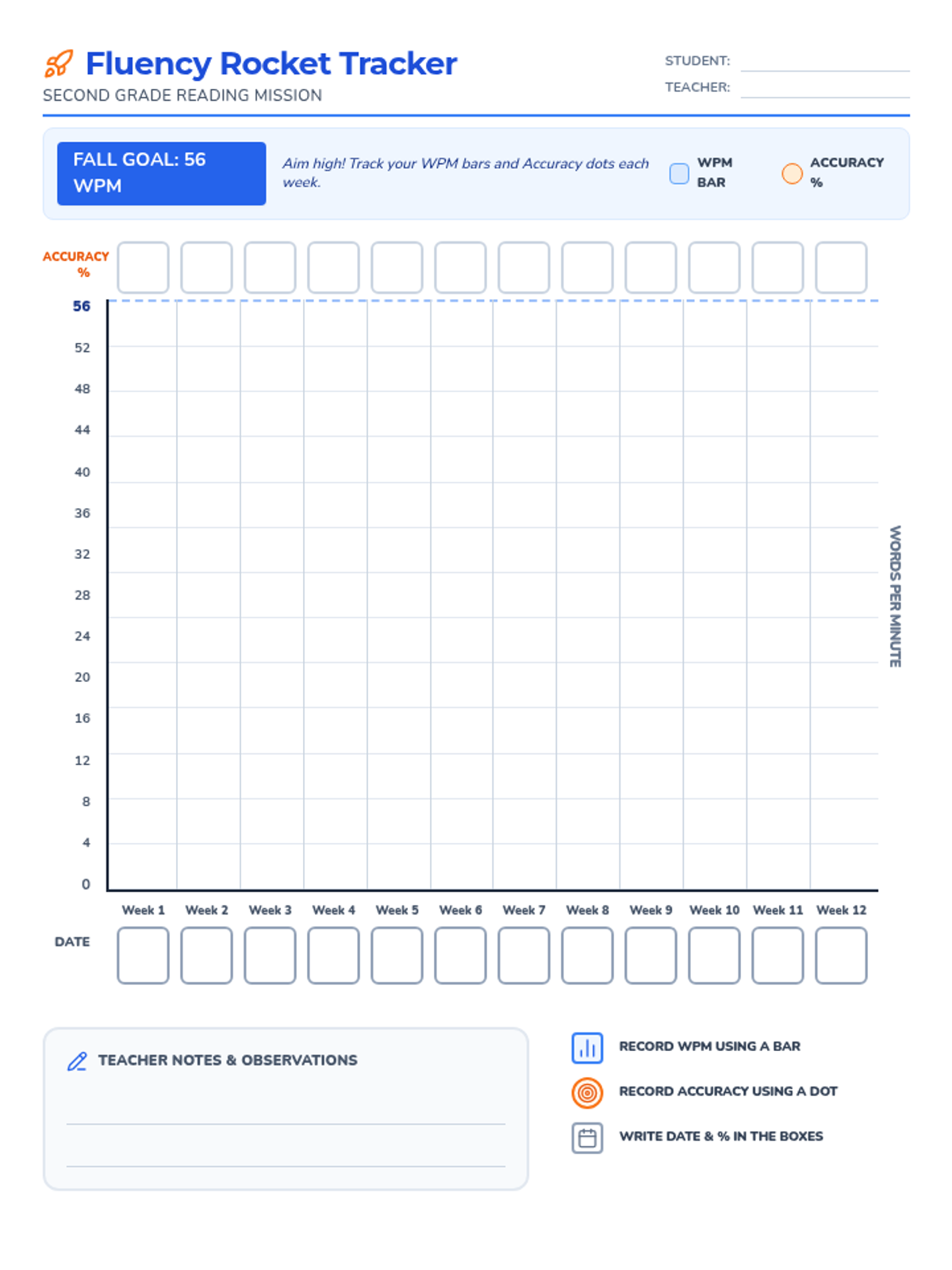
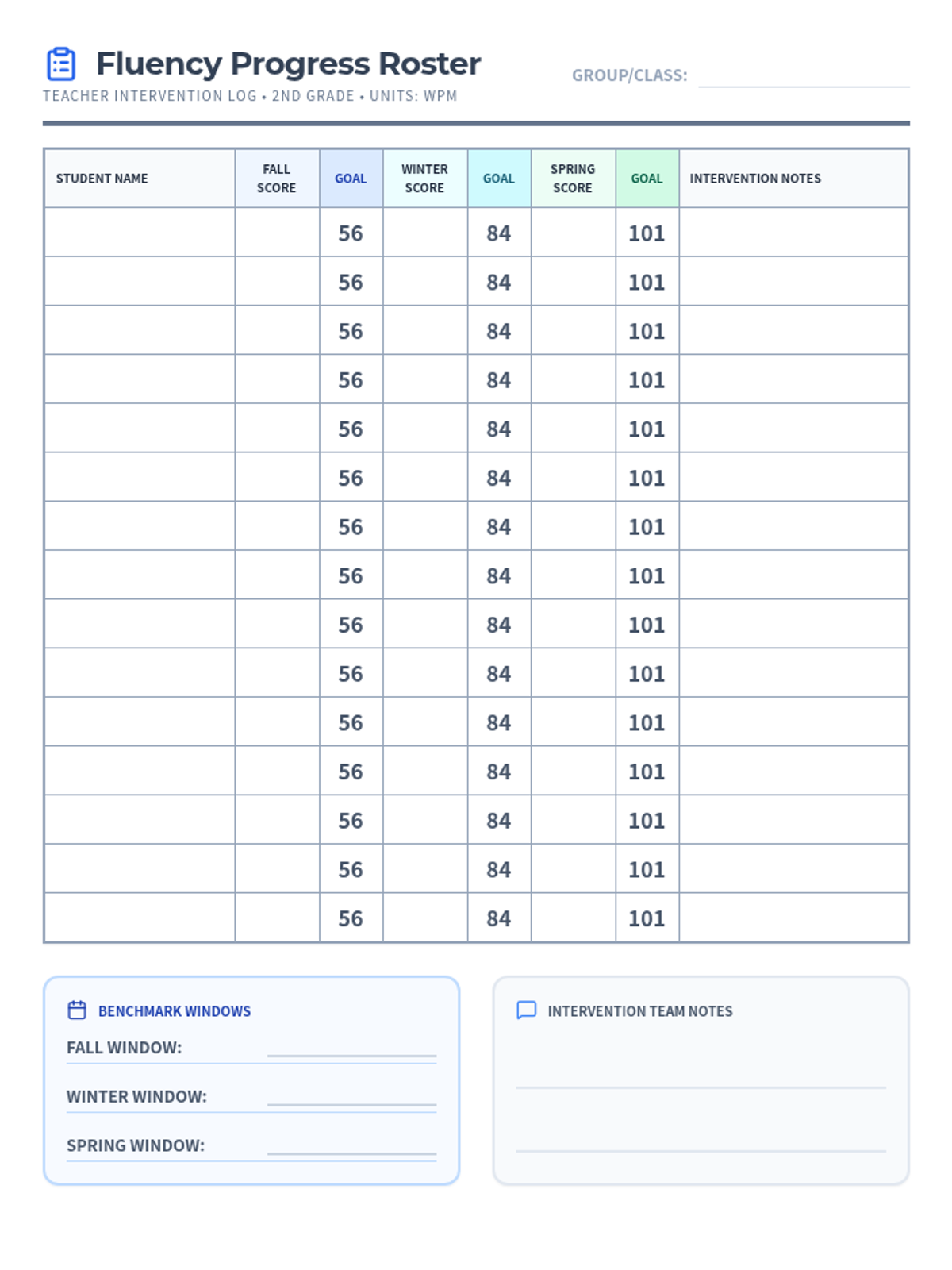
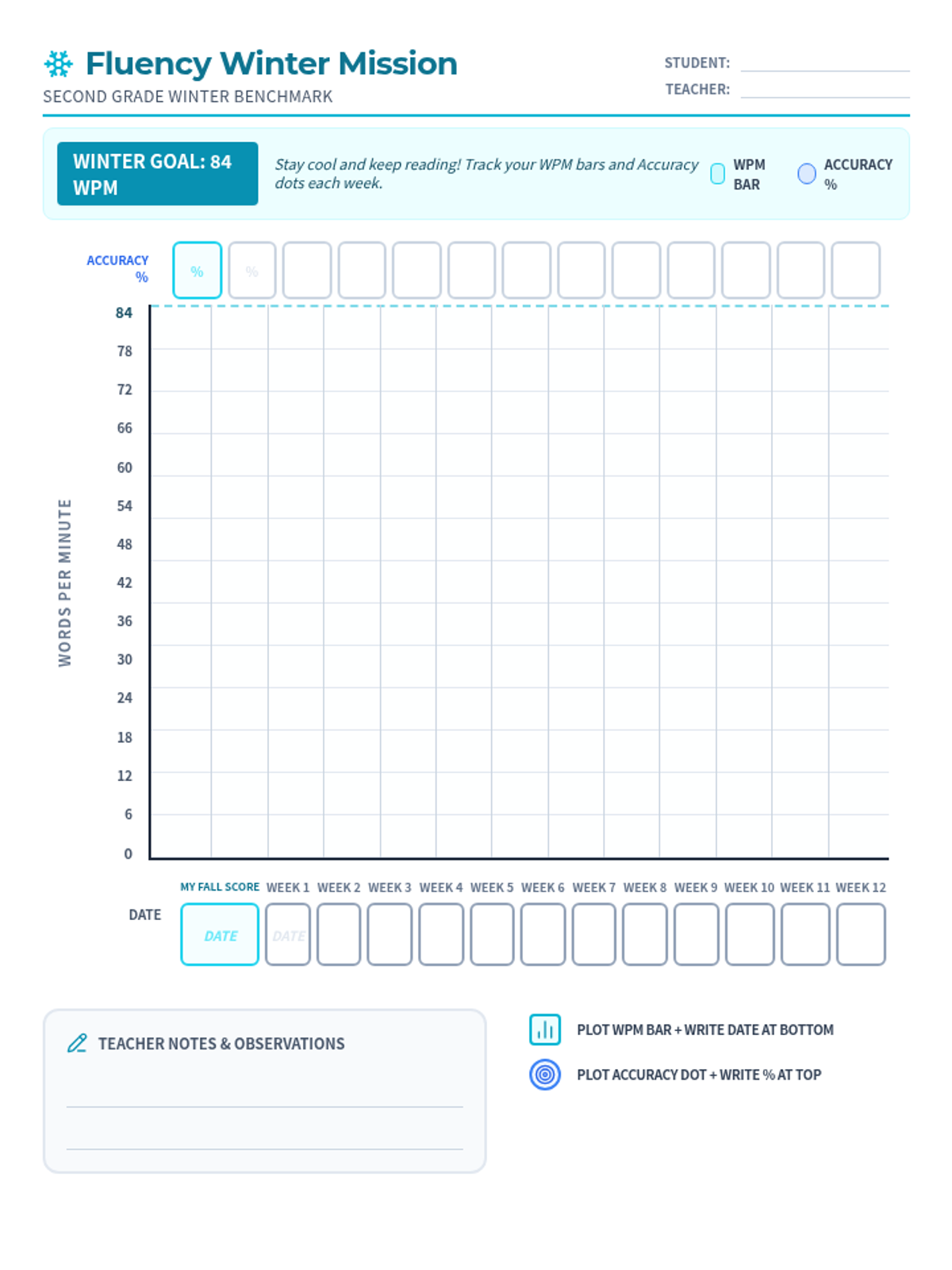
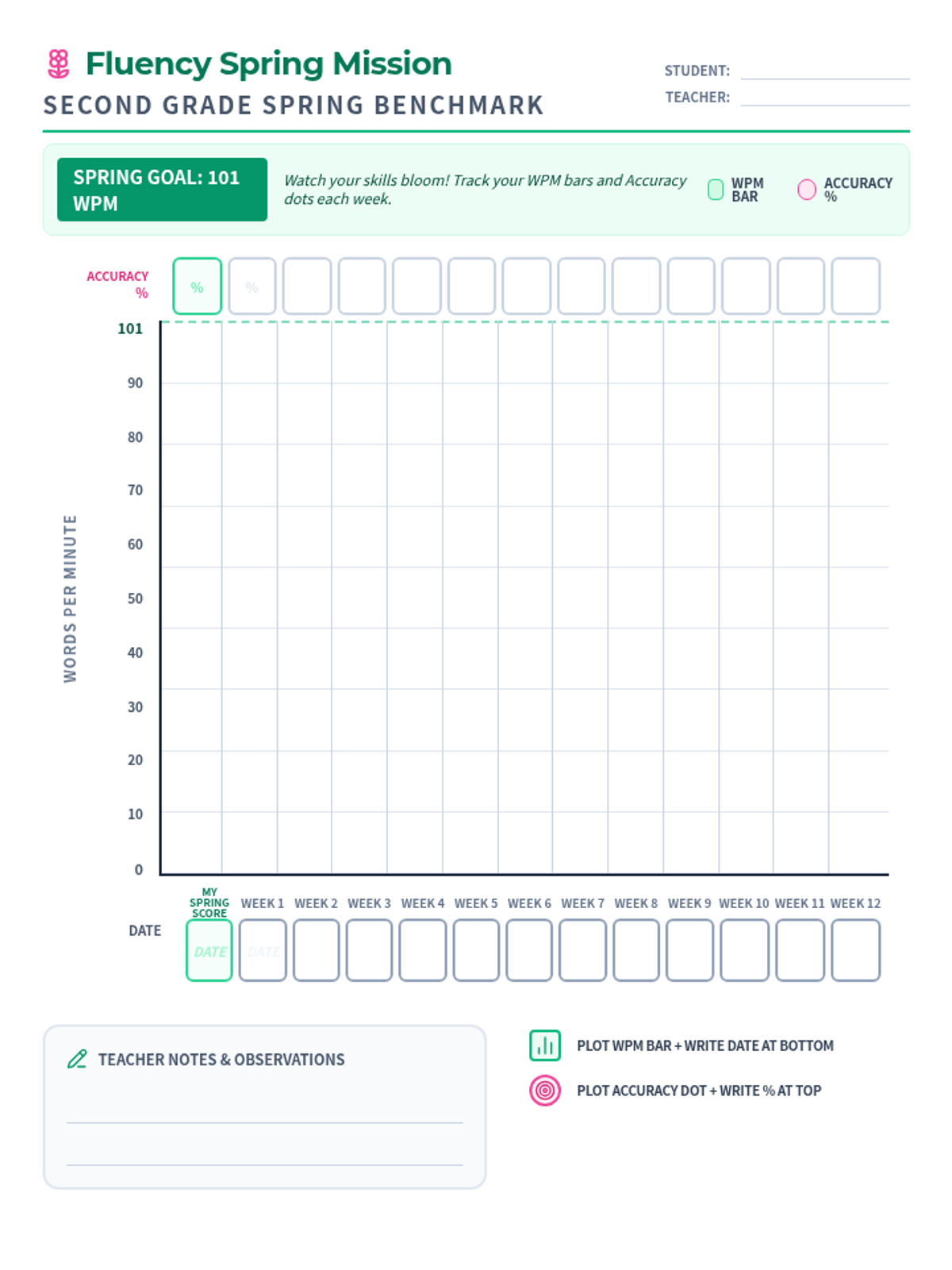
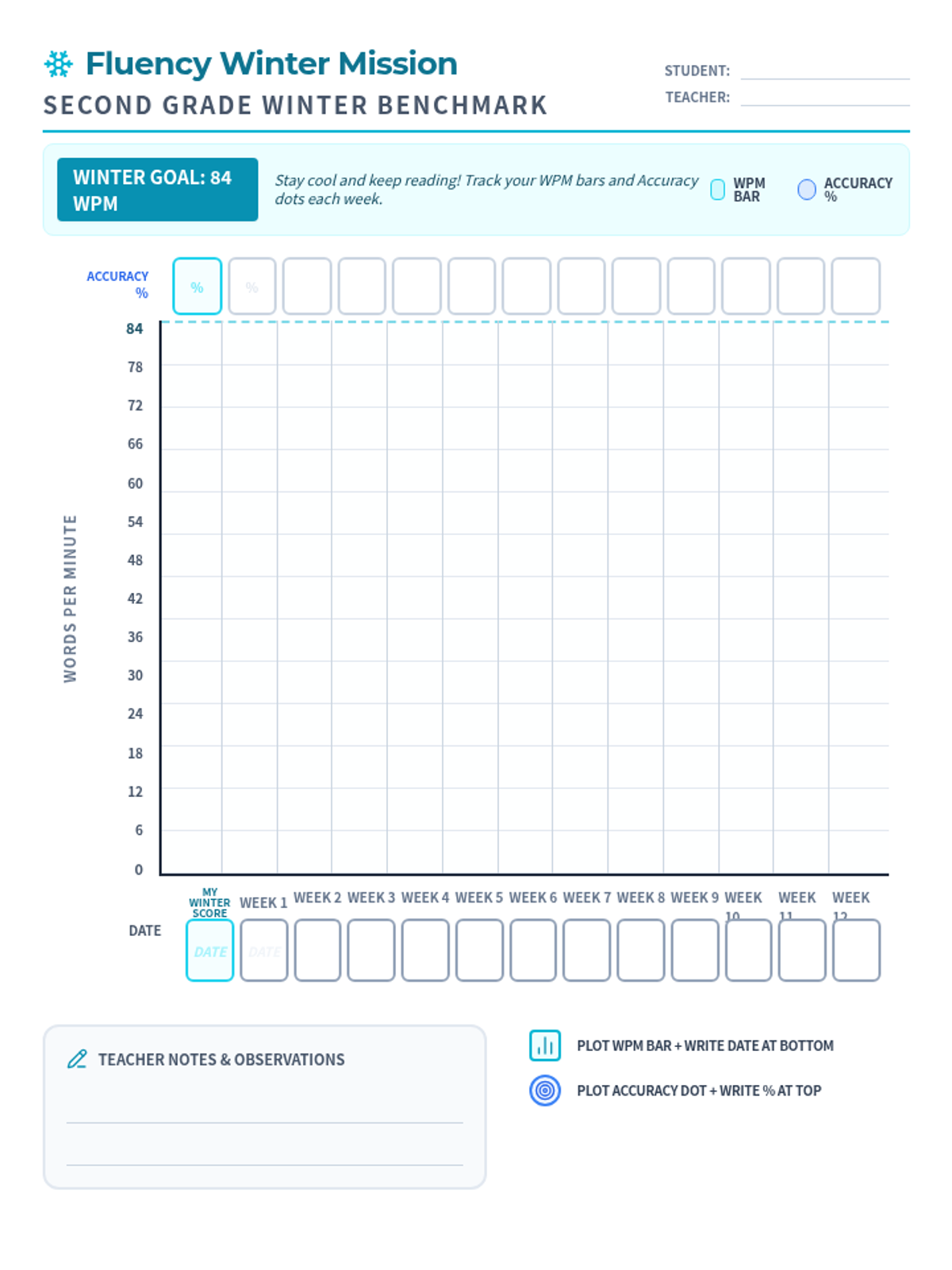
Tracking tools for 2nd grade reading fluency benchmarks. Includes Fall (56 WPM), Winter (84 WPM), and Spring (101 WPM) trackers.
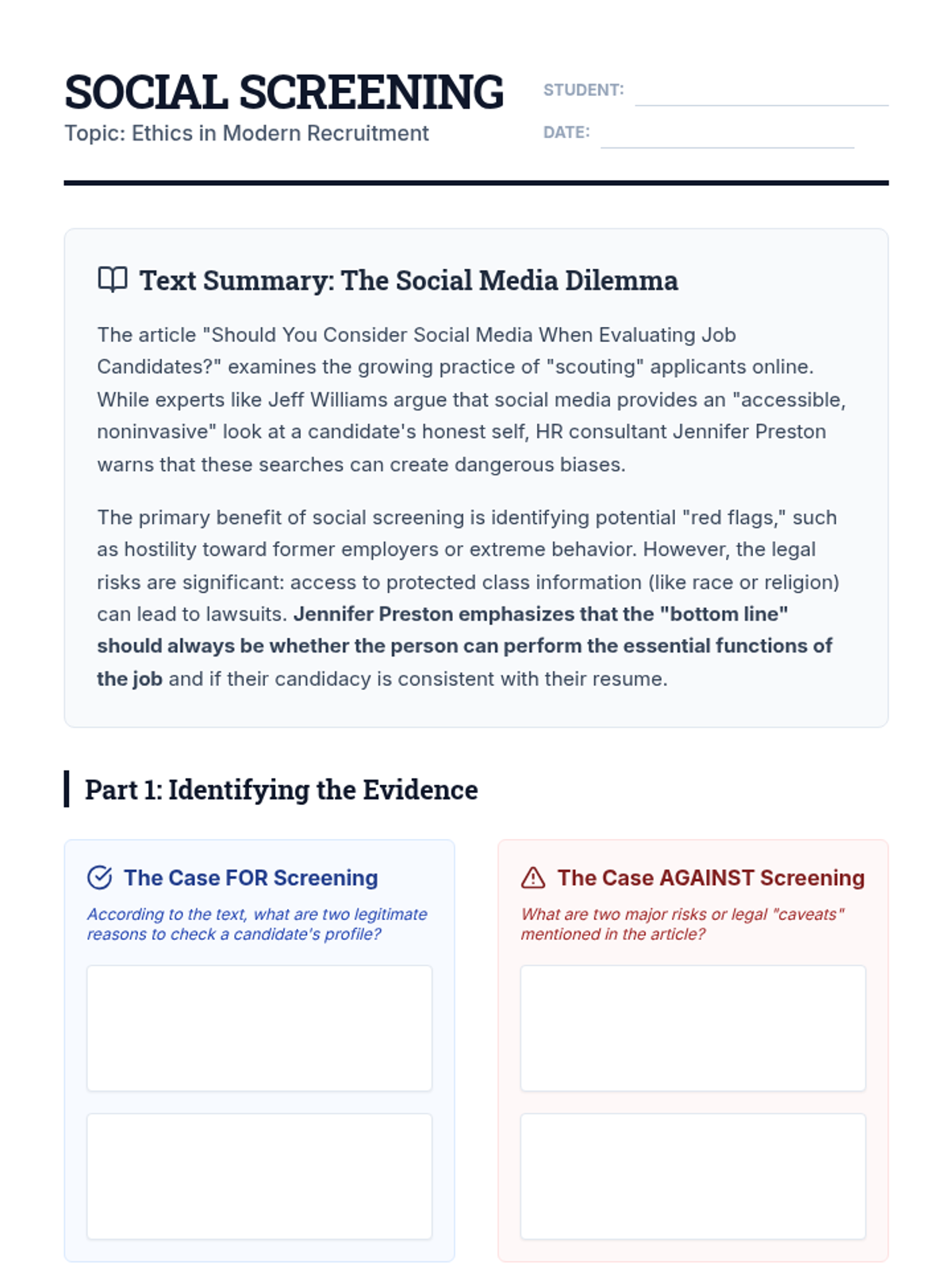
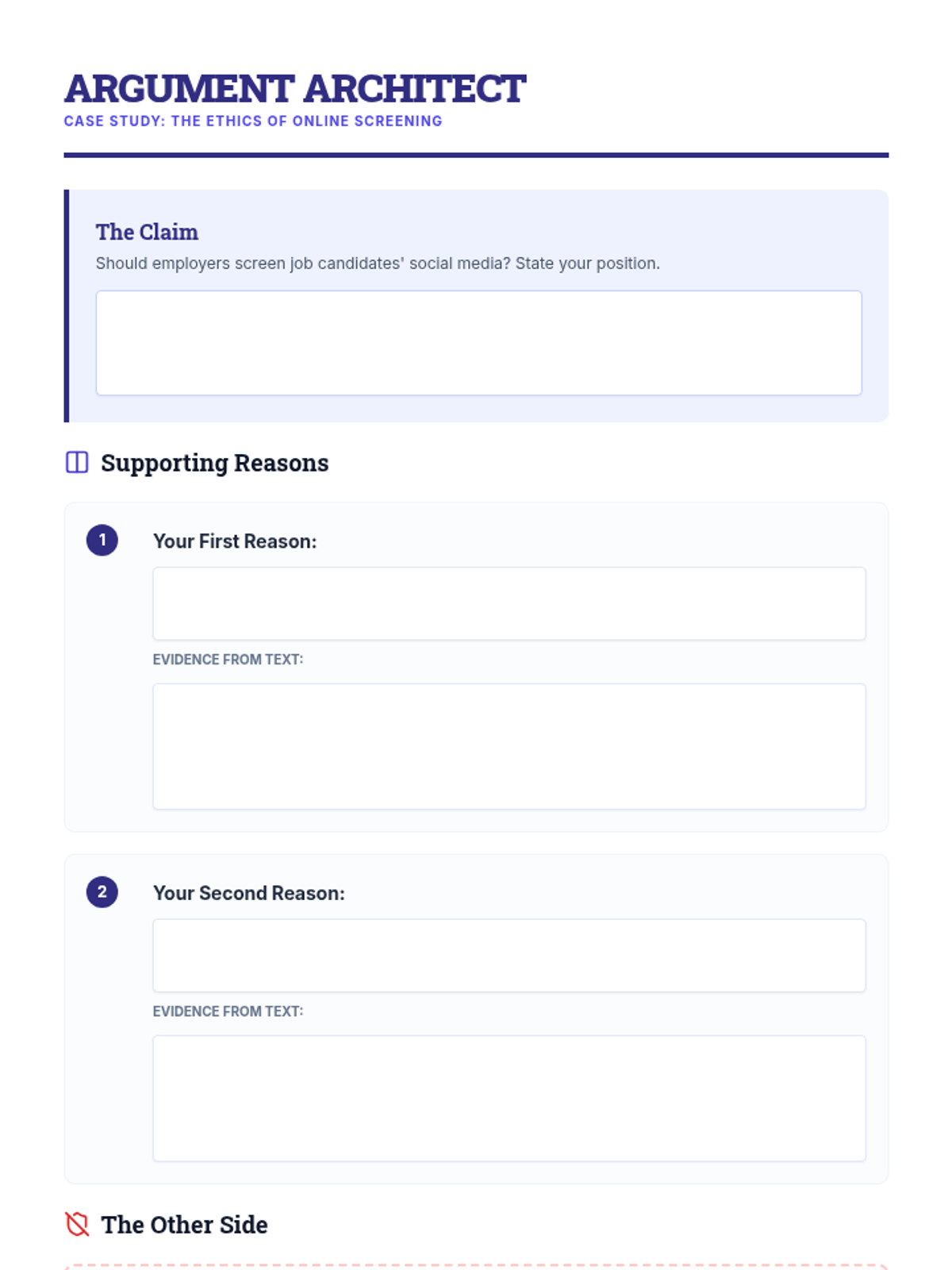
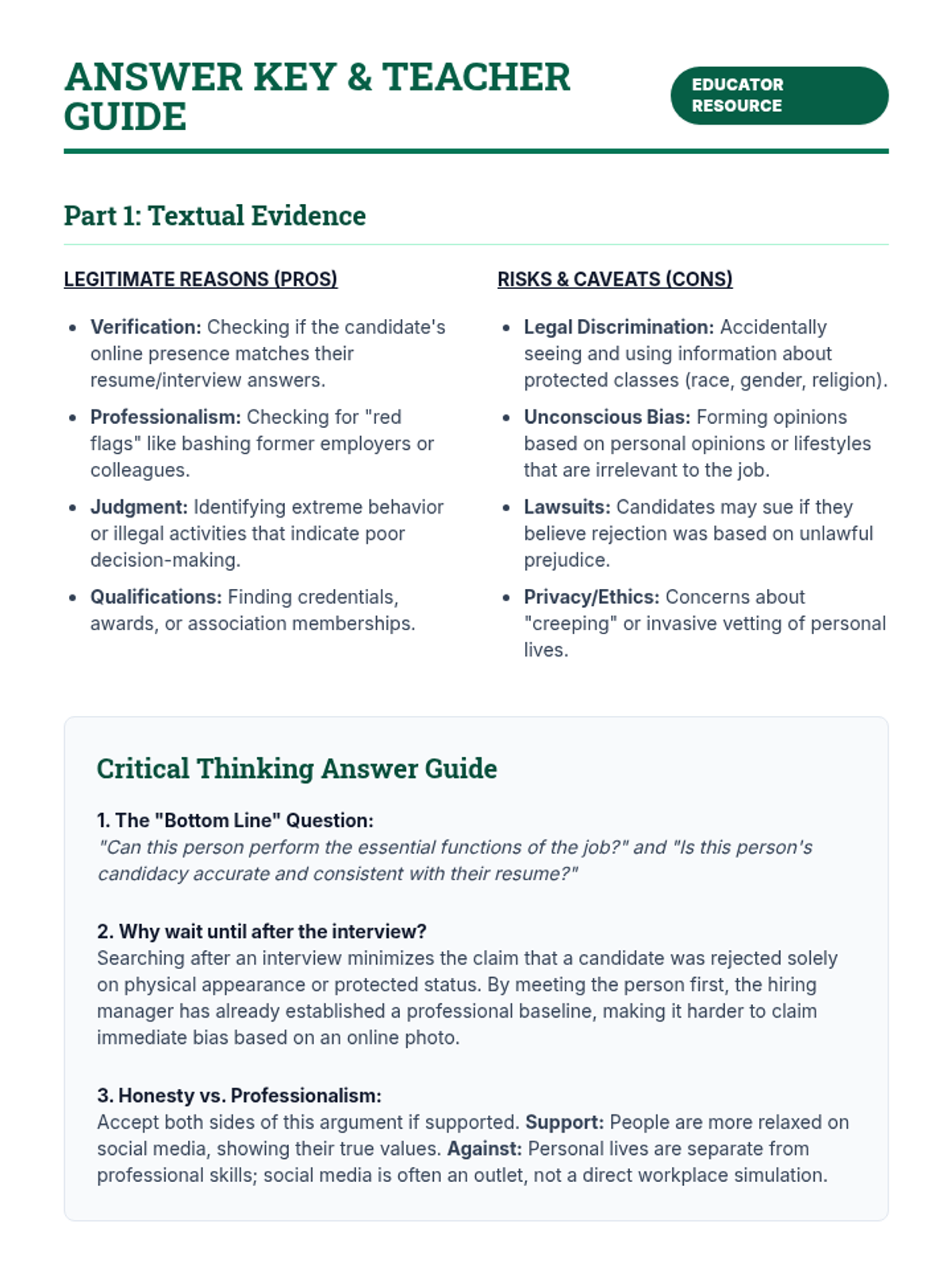
This lesson explores the ethical and legal implications of using social media in hiring decisions. Students will analyze a professional text, summarize its key points, and develop a structured argument regarding whether employers should screen candidates' online presence.
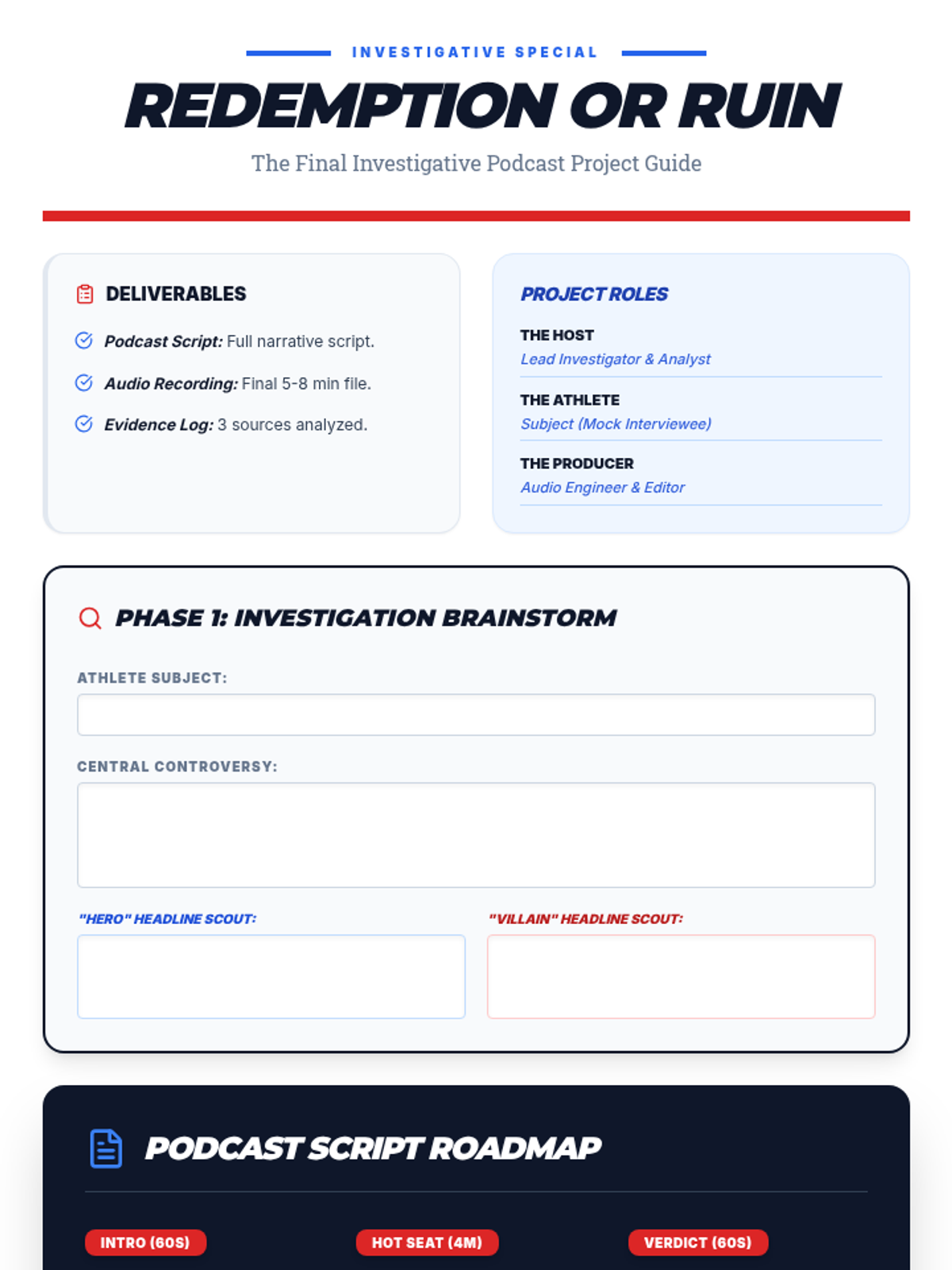
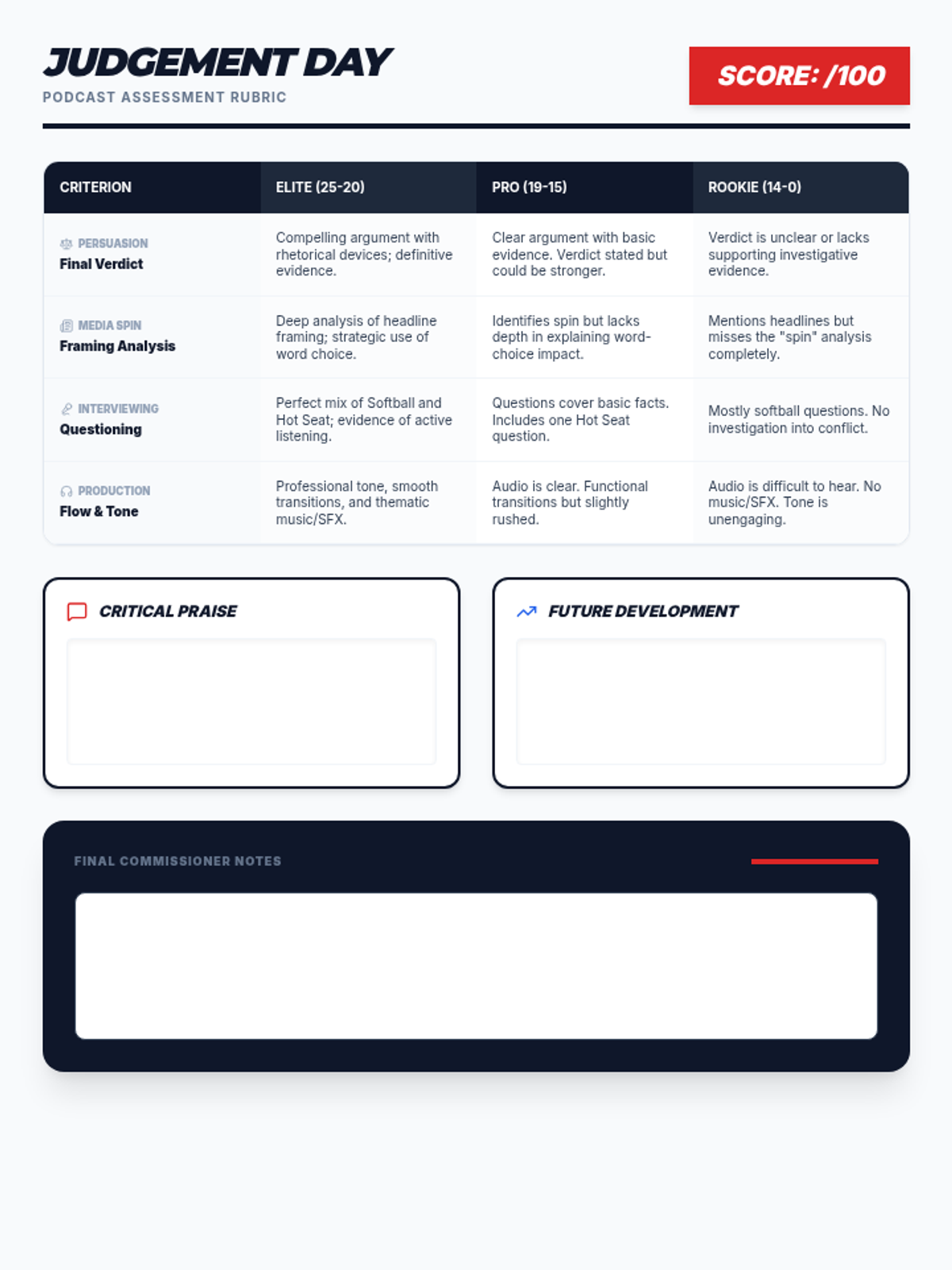
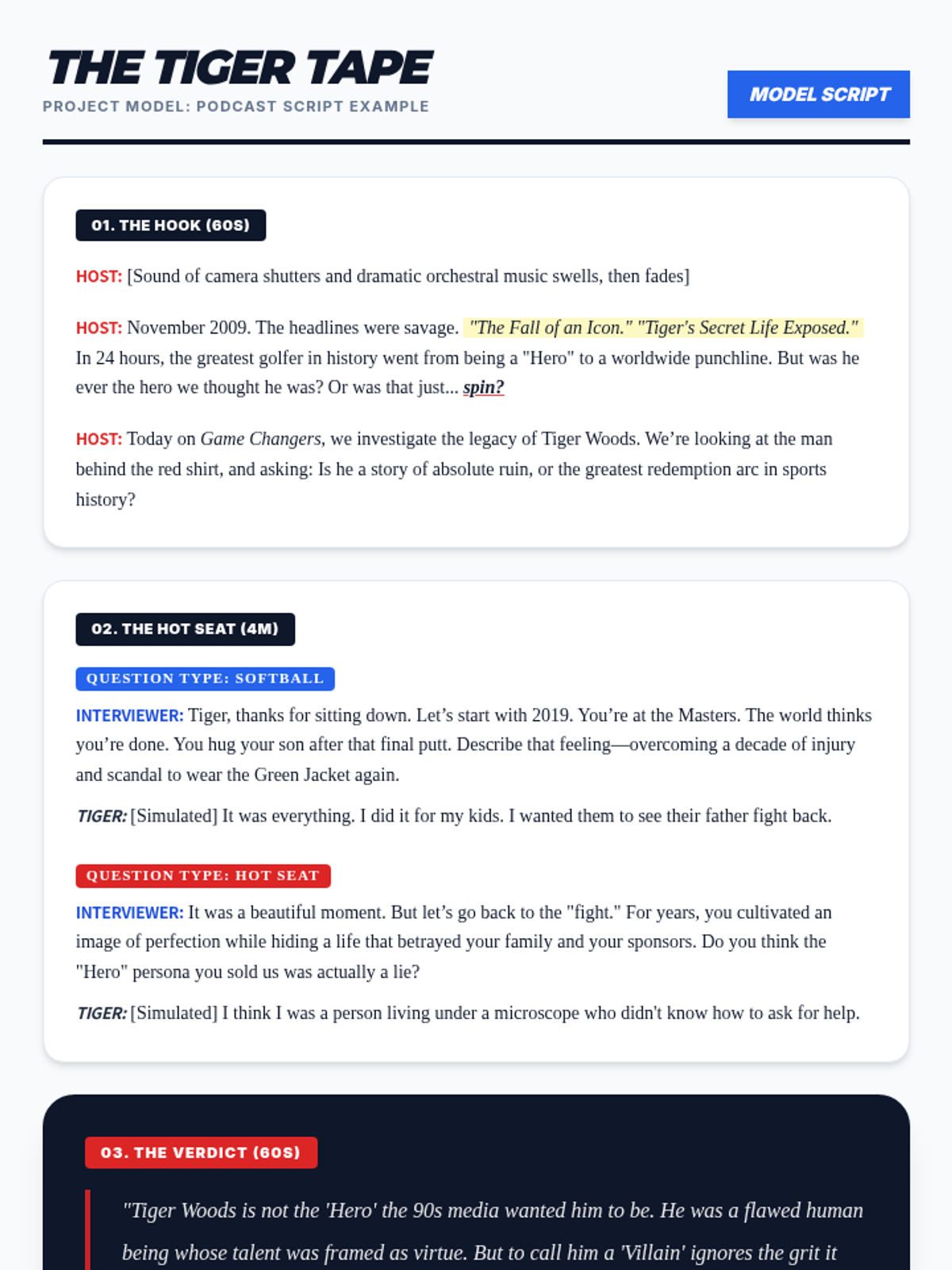
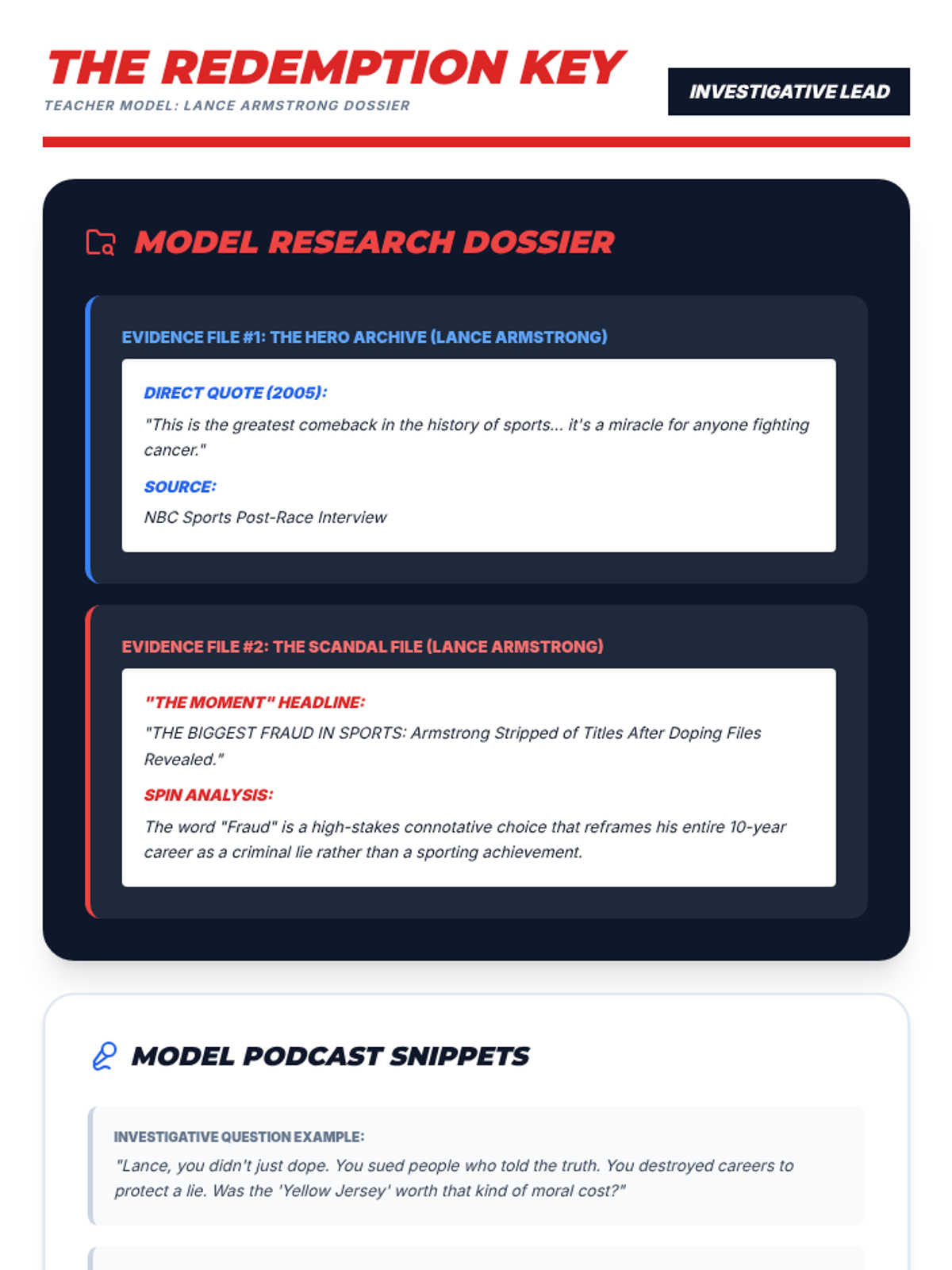
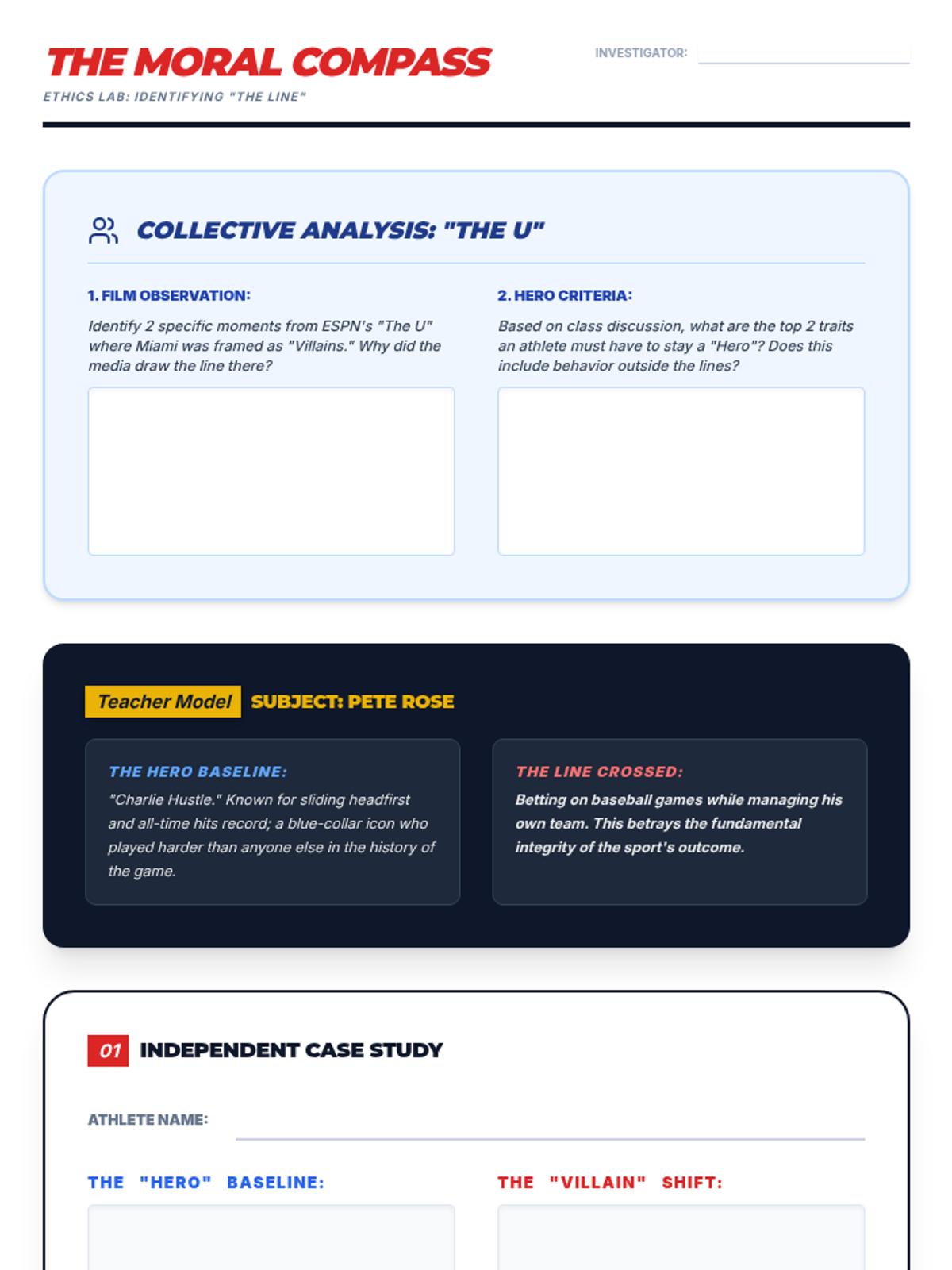
The culminating project where students research a controversial sports figure and produce a persuasive investigative podcast script and recording.
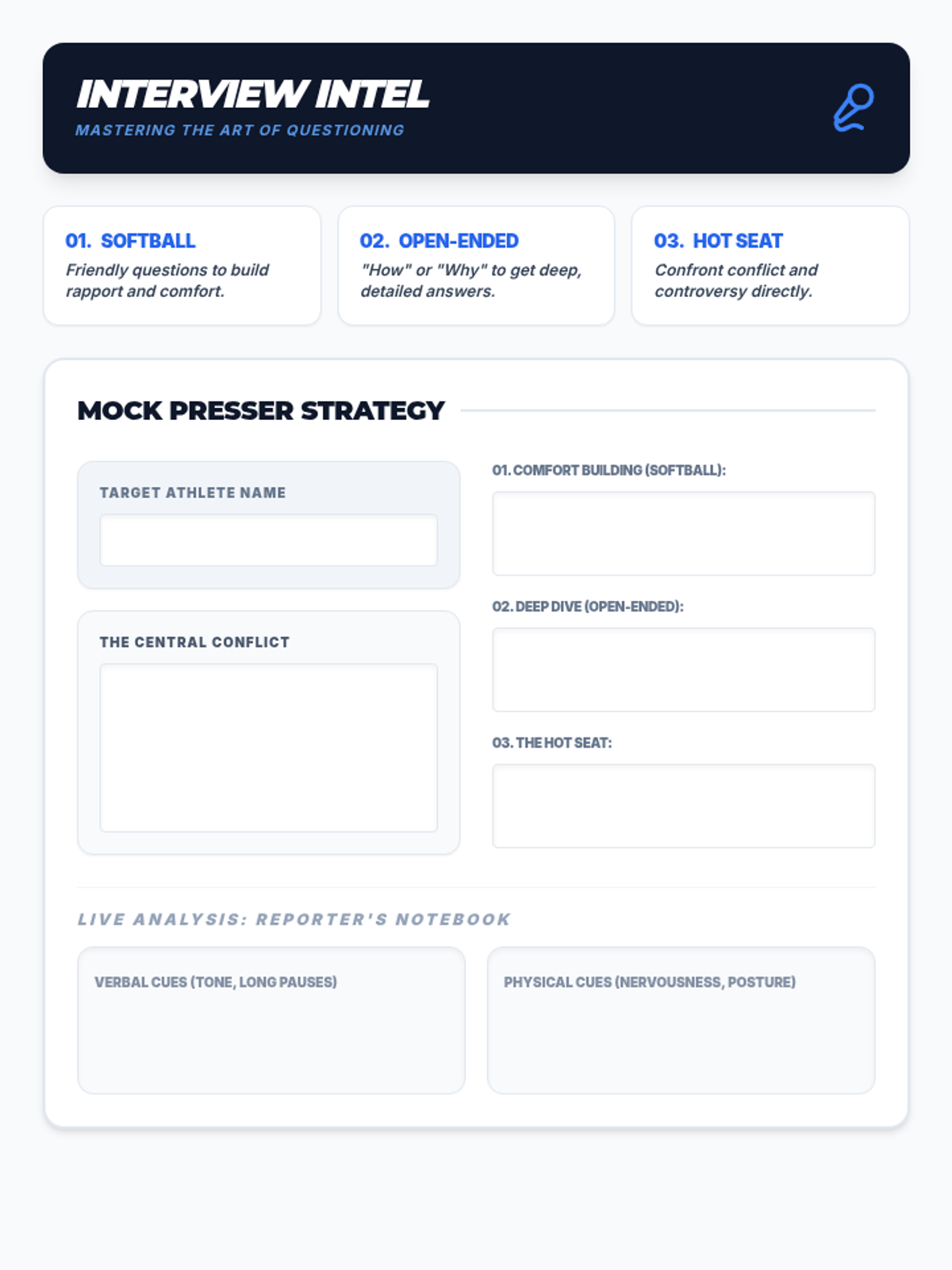
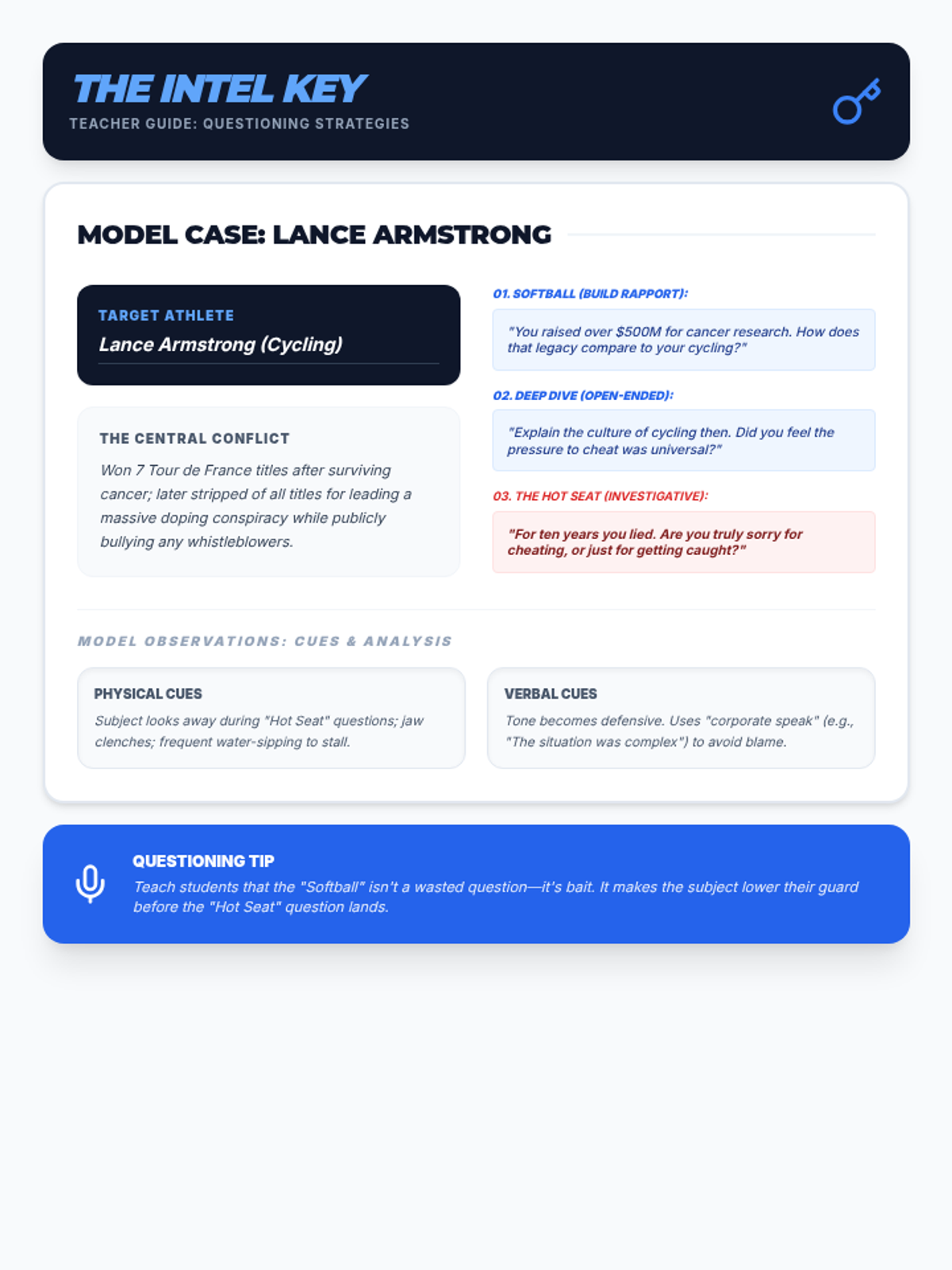
Students master the art of the interview, learning to craft hard-hitting questions and analyze verbal cues to uncover the 'truth' behind the athlete's persona.
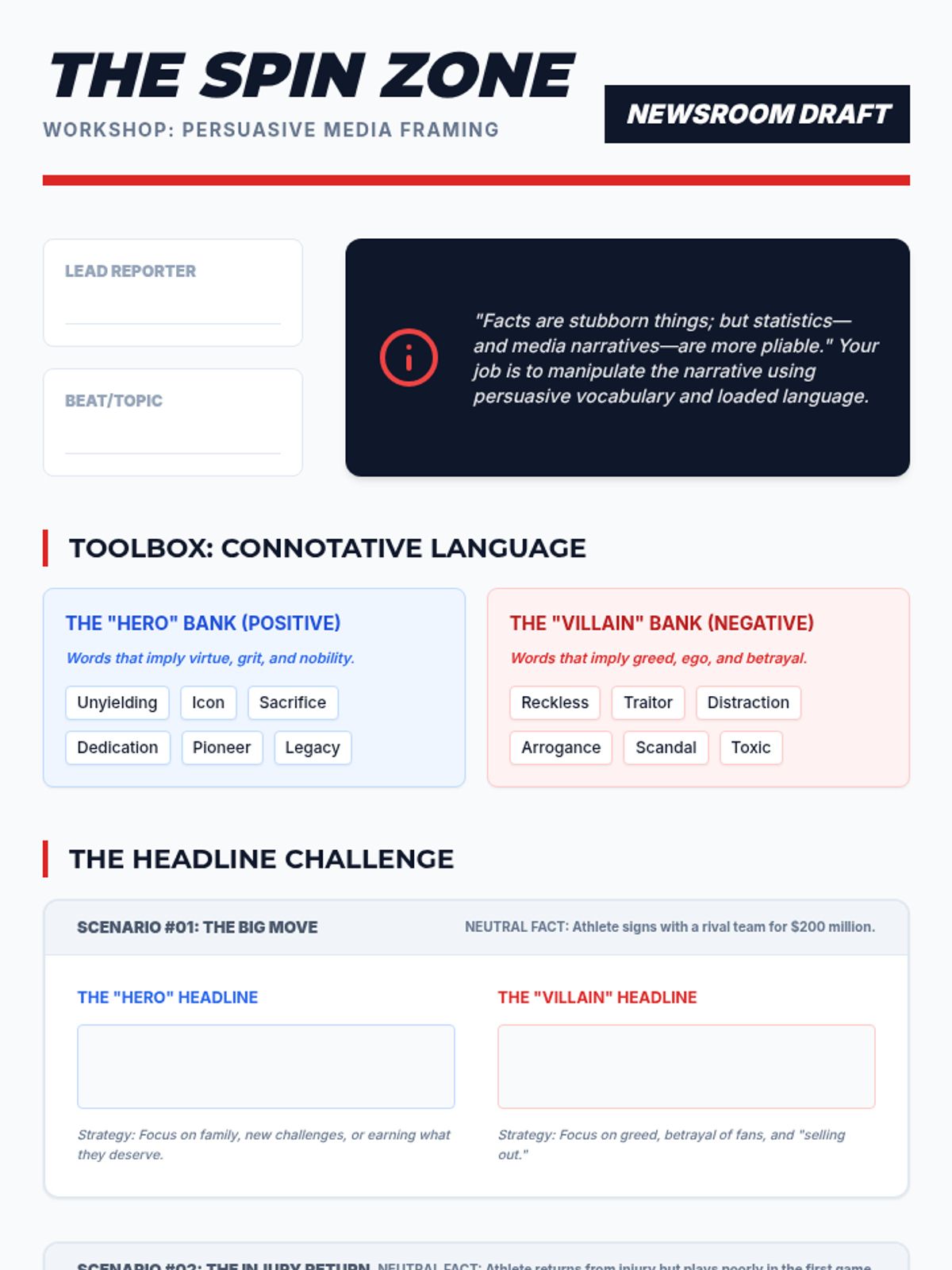
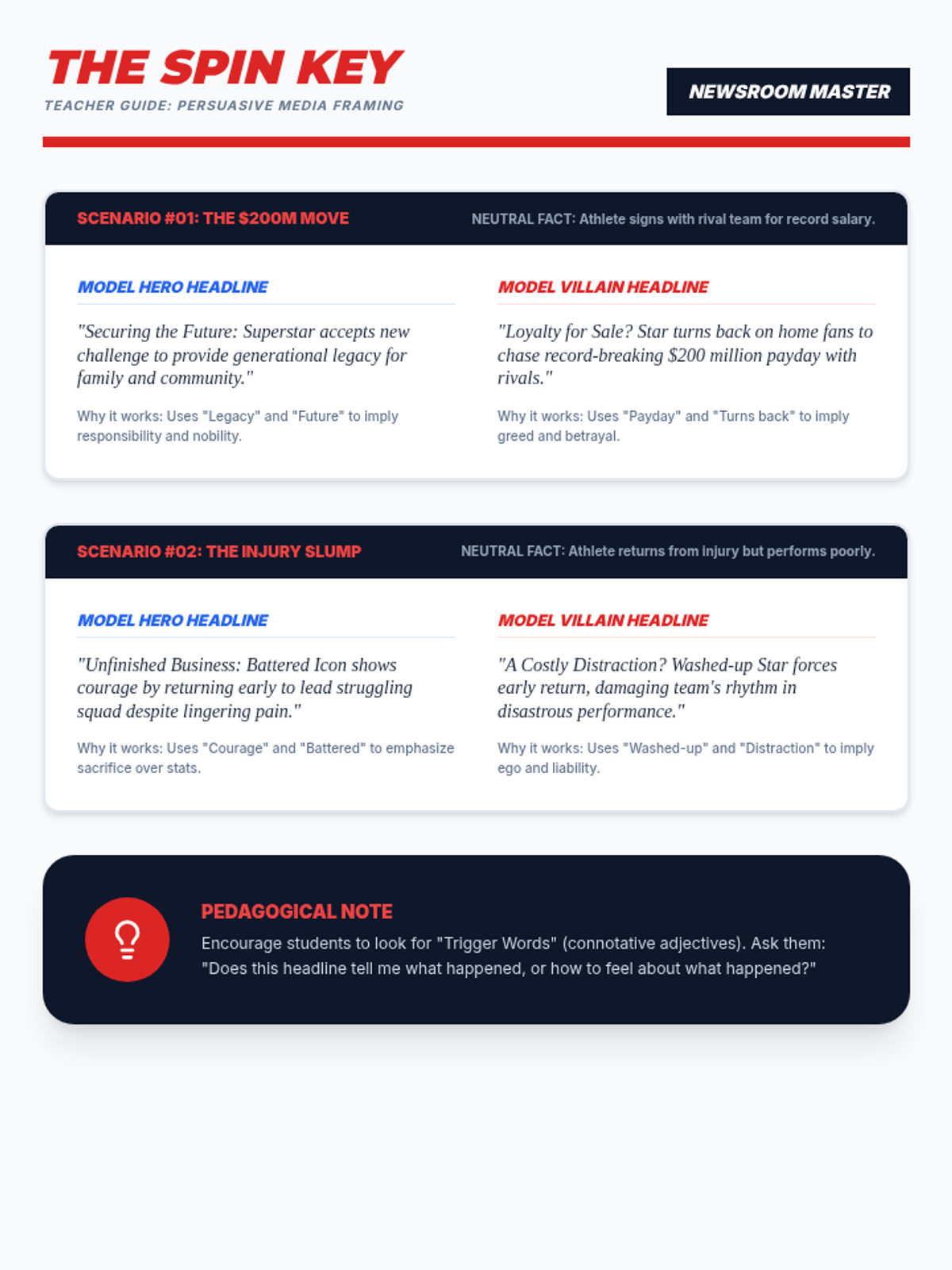
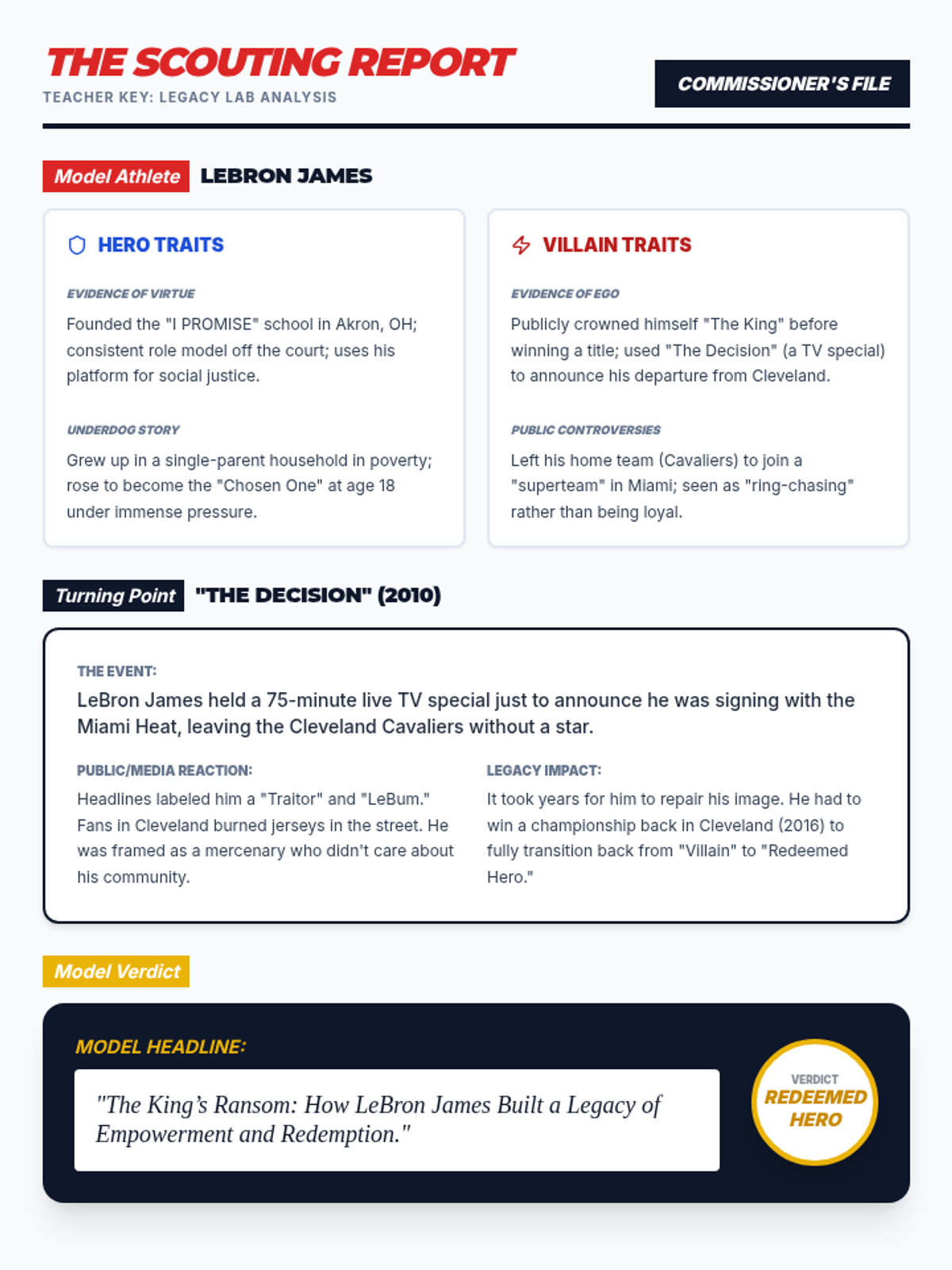
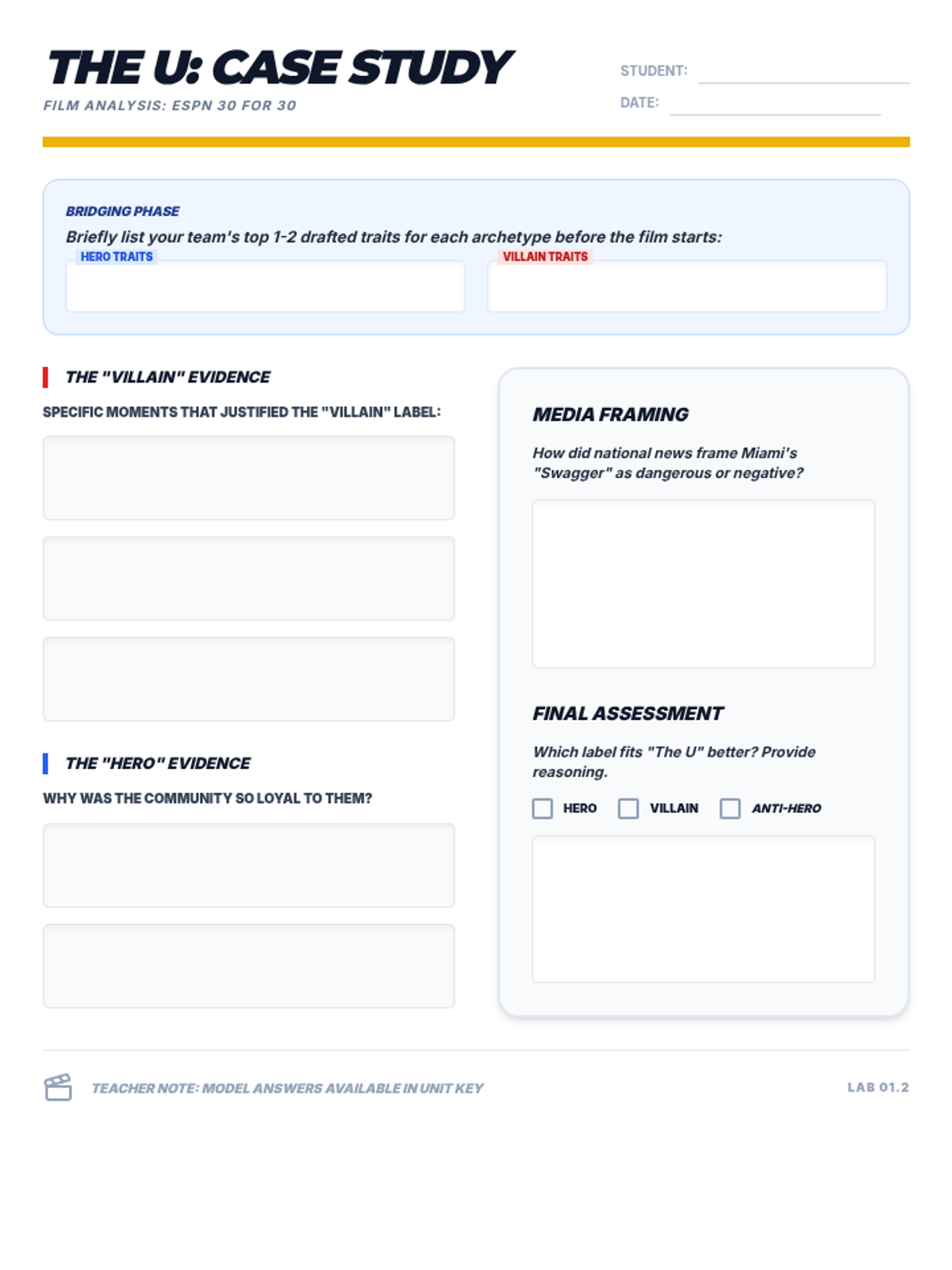
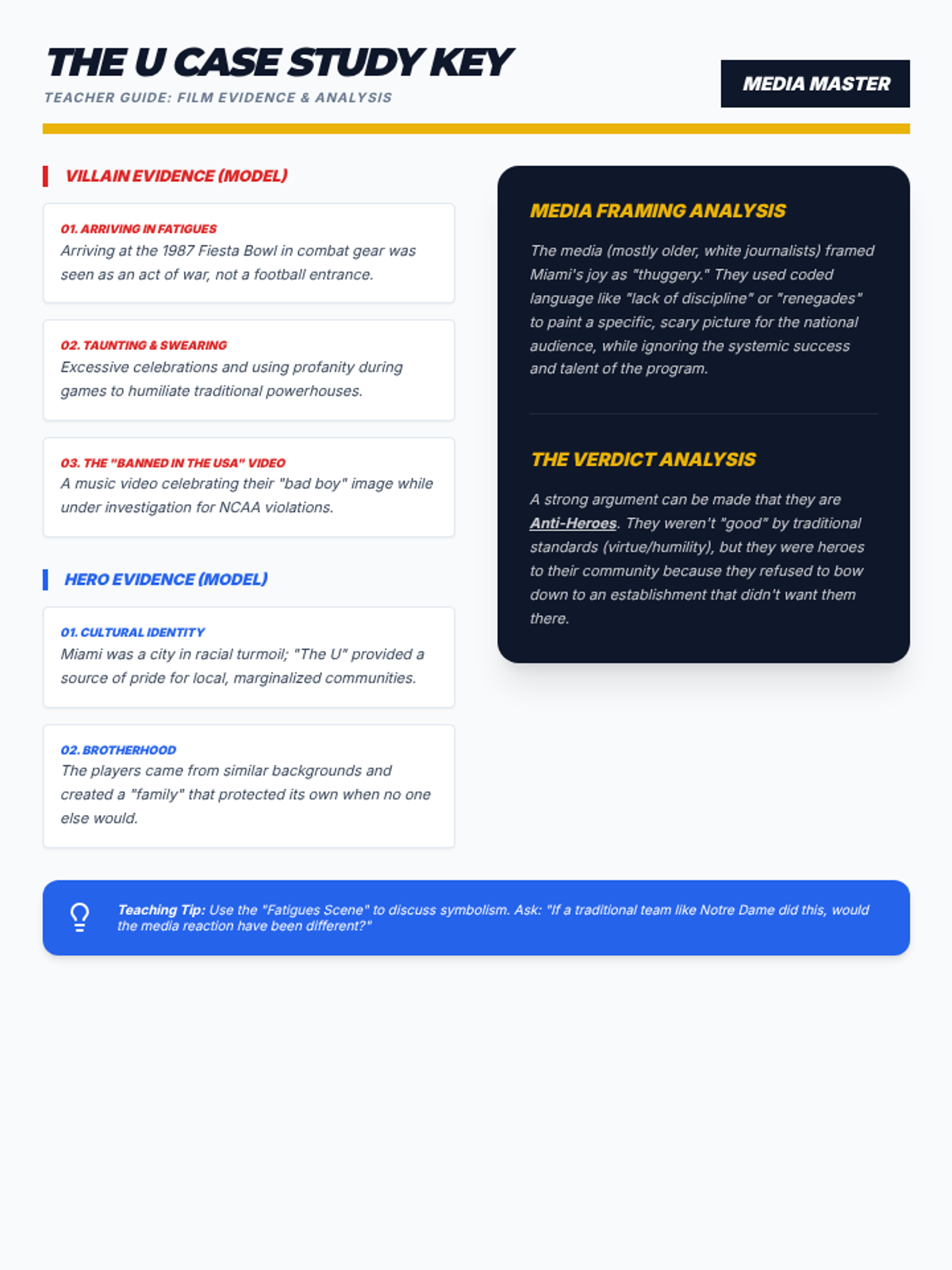
An exploration of how media framing, headlines, and persuasive language can transform an athlete's public image from hero to villain and back again.
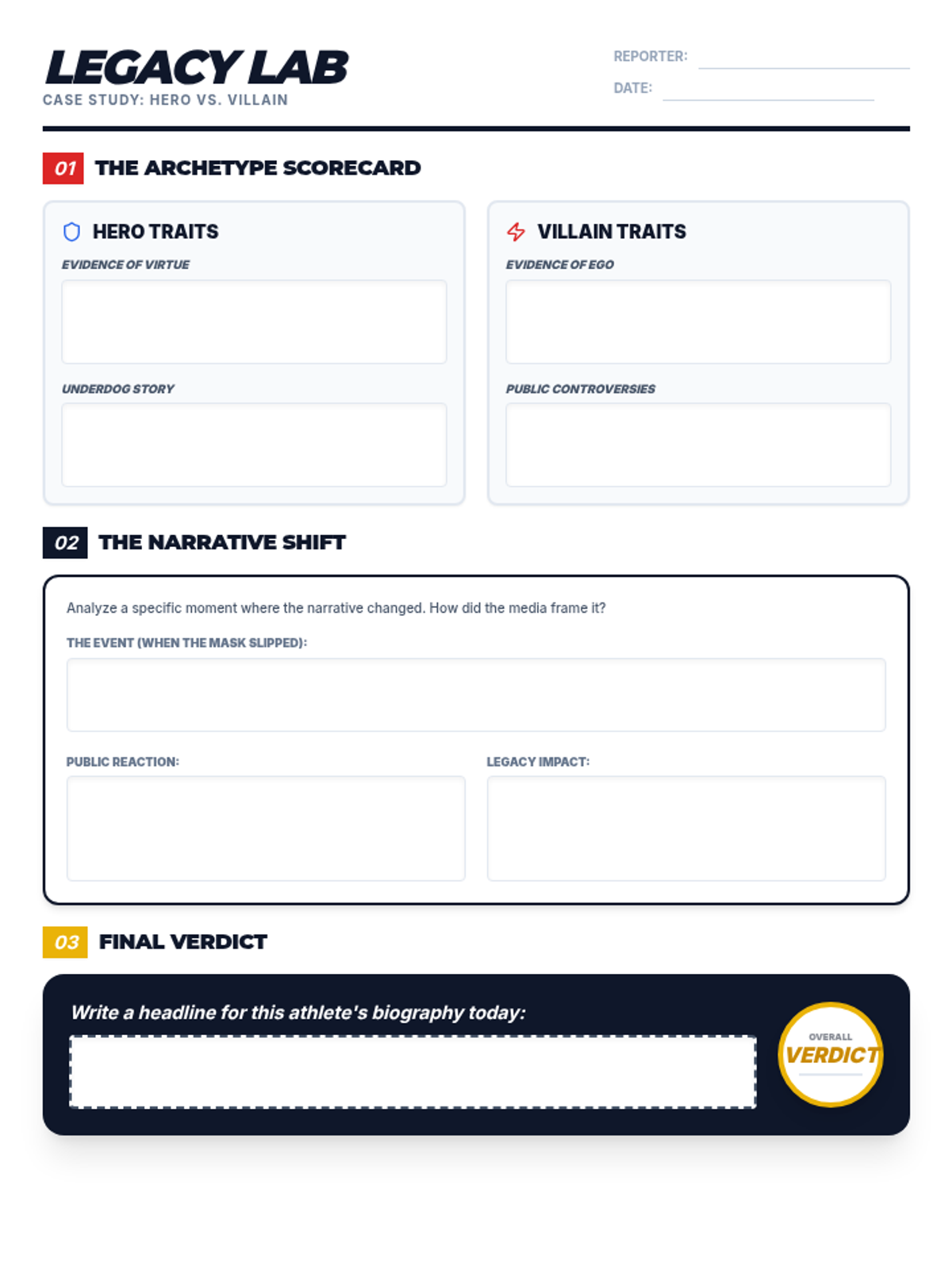
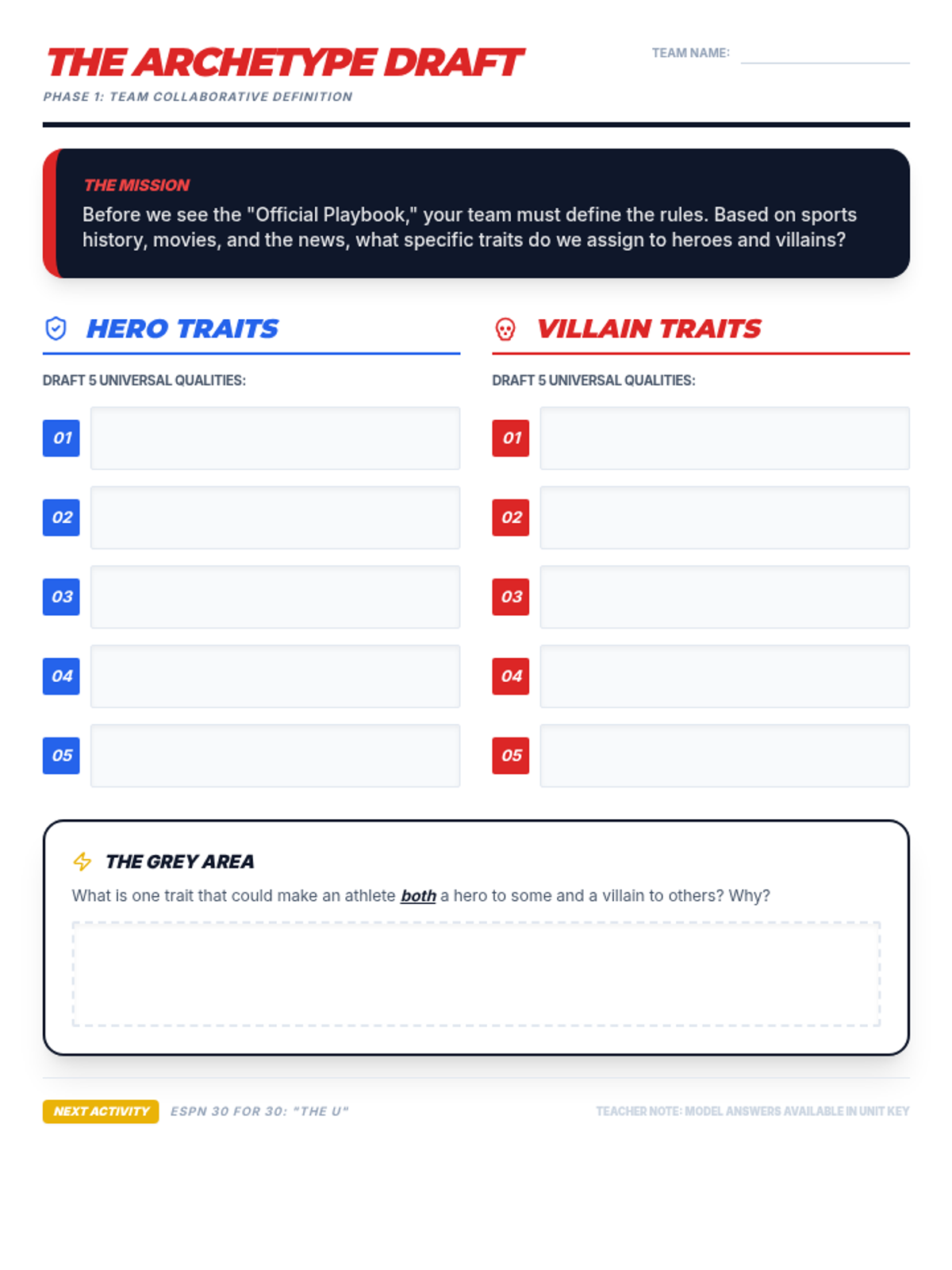
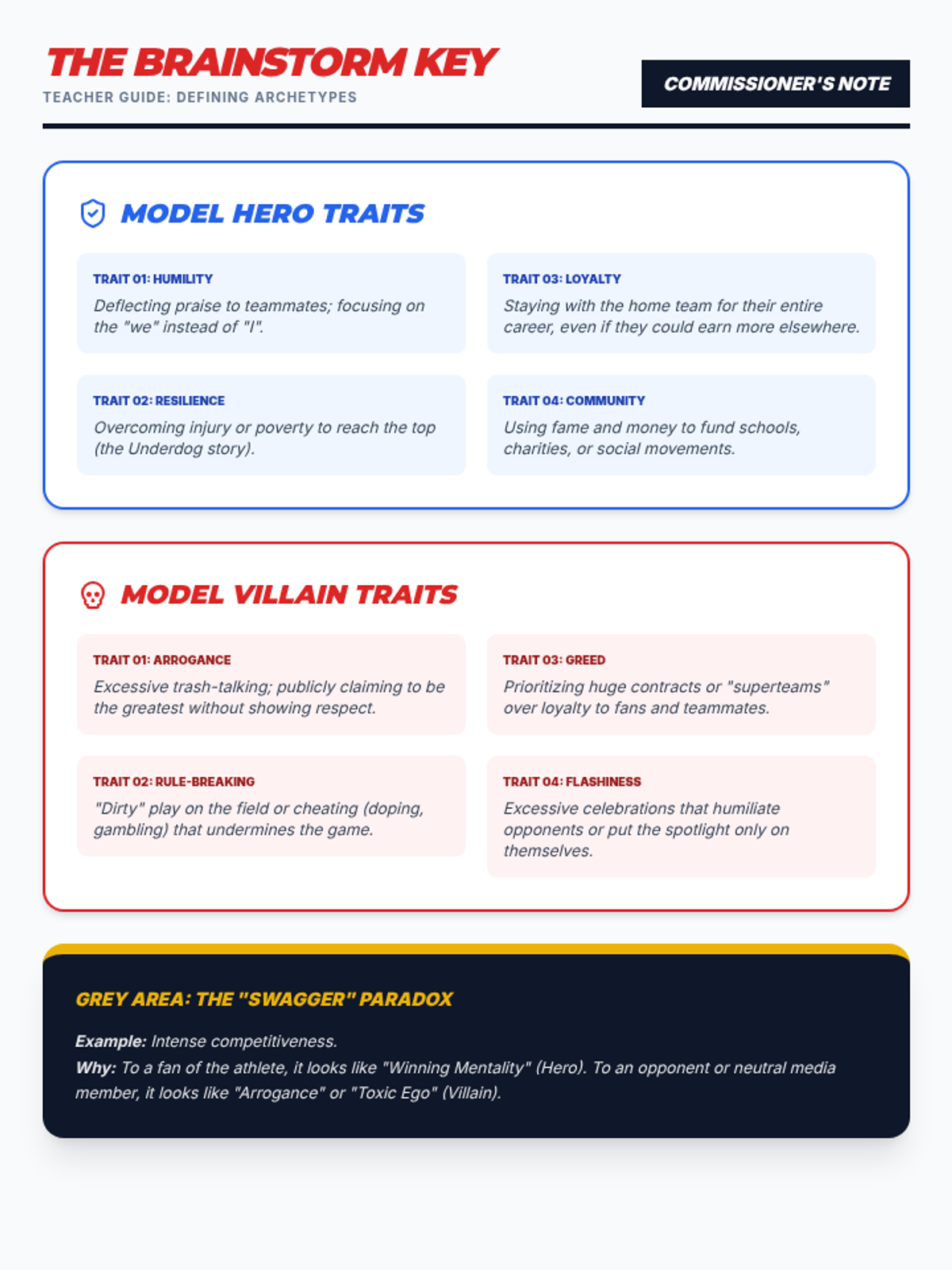
Students define the traits of sports heroes and villains, exploring how narrative archetypes are applied to real-world athletes to create compelling stories.
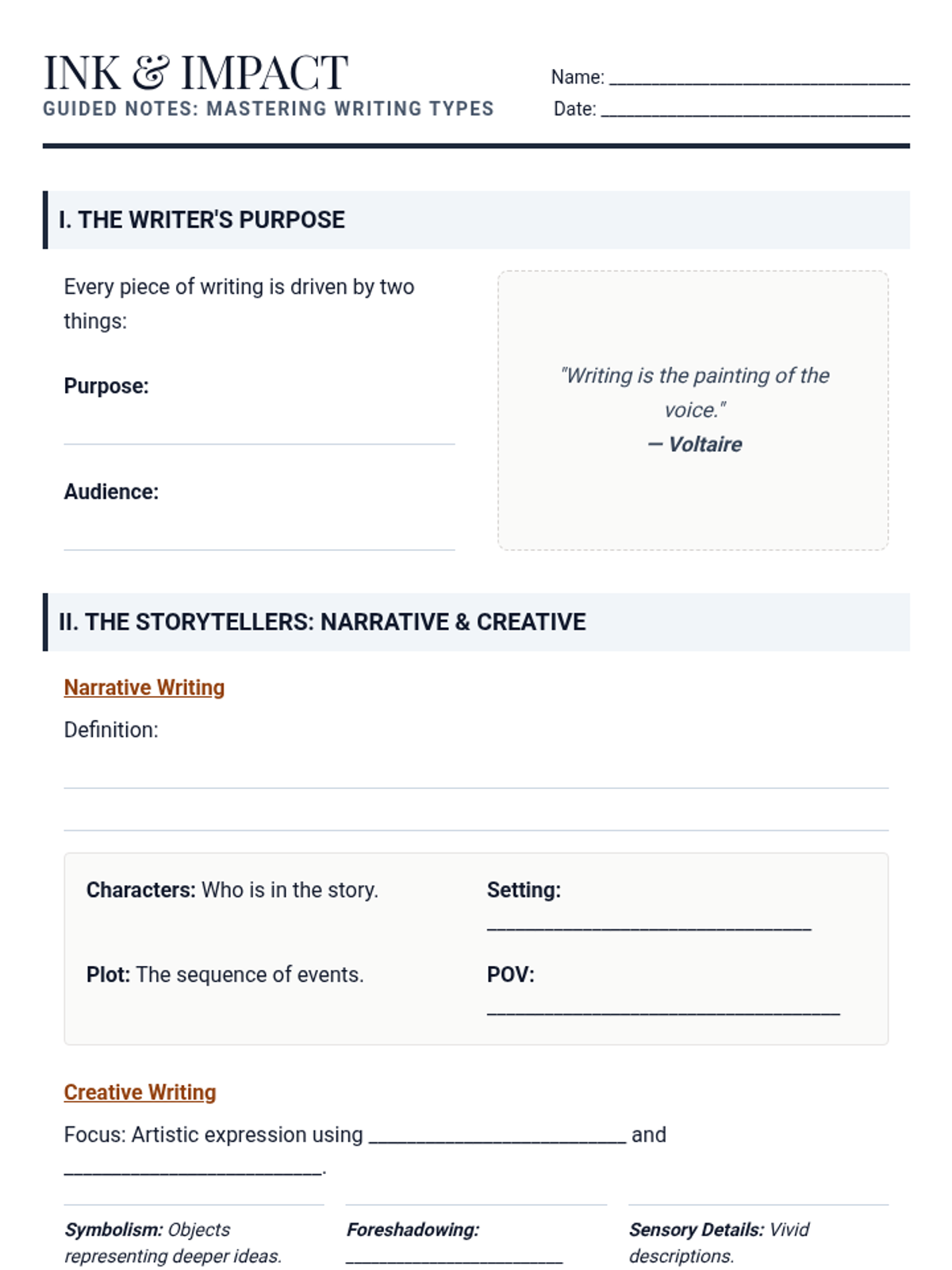
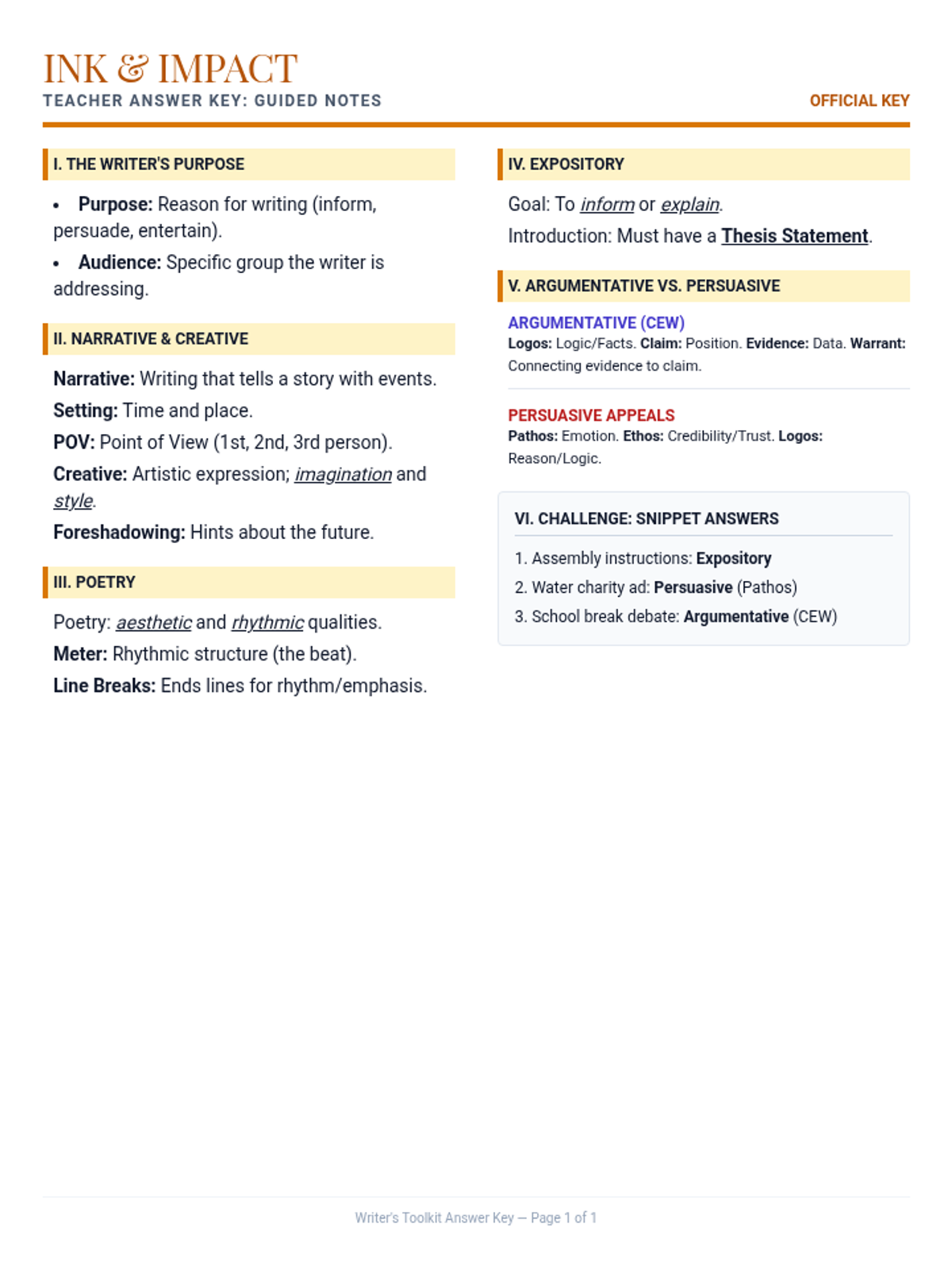
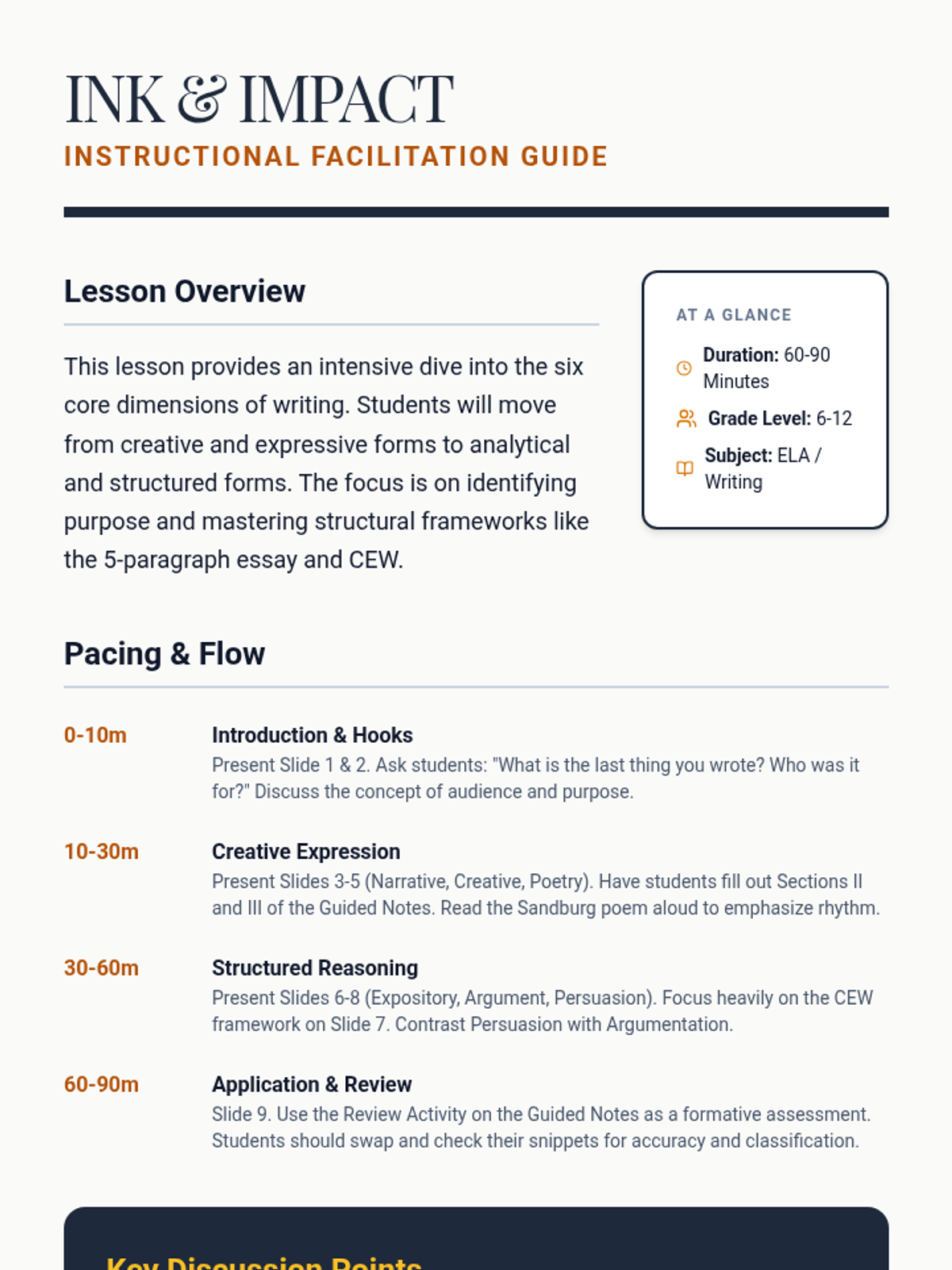
A deep dive into the six major types of writing: Creative, Expository, Narrative, Argumentative, Persuasive, and Poetry. Students learn the structures, purposes, and unique elements of each style, including rhetorical appeals and the CEW framework.
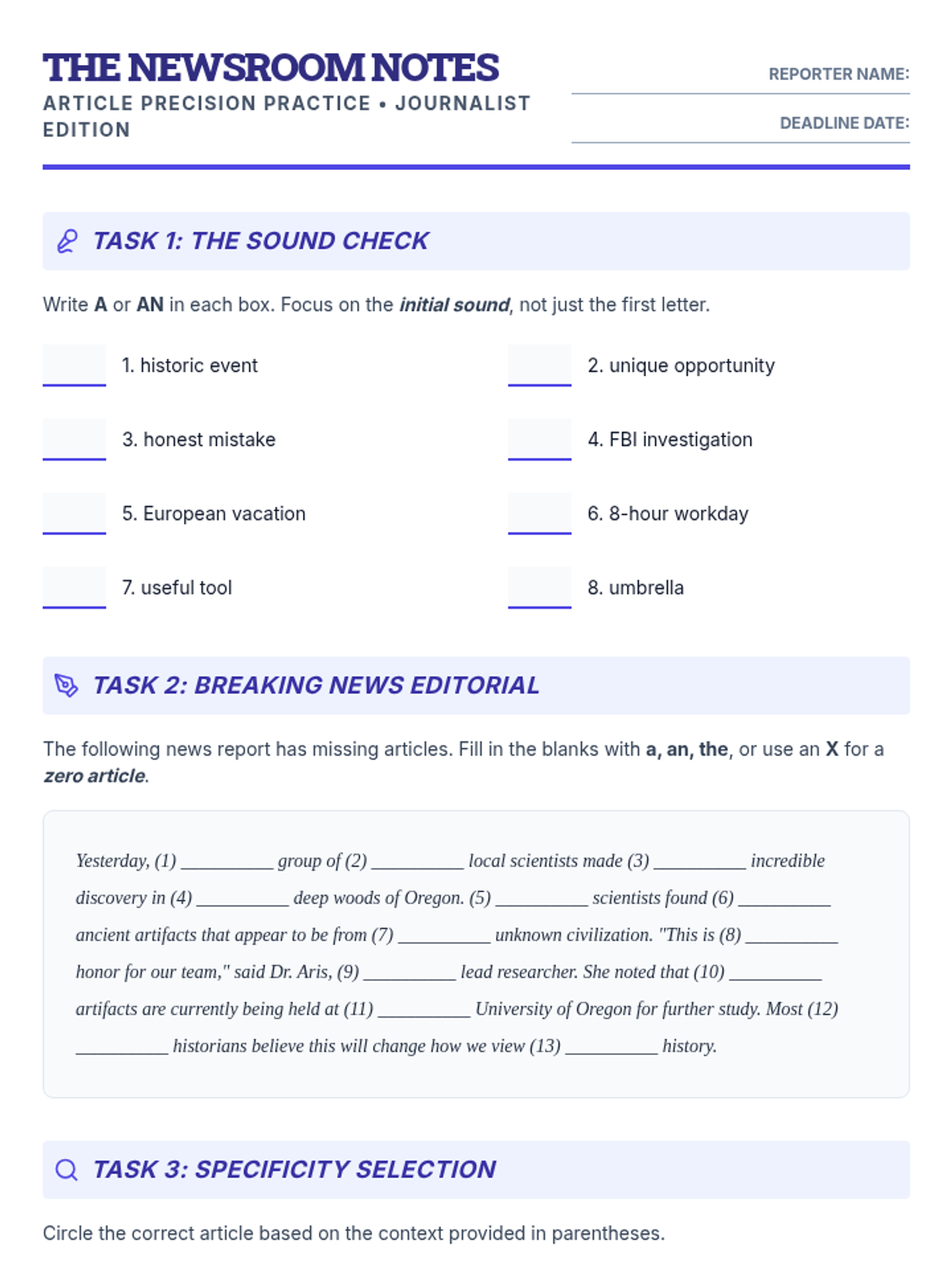
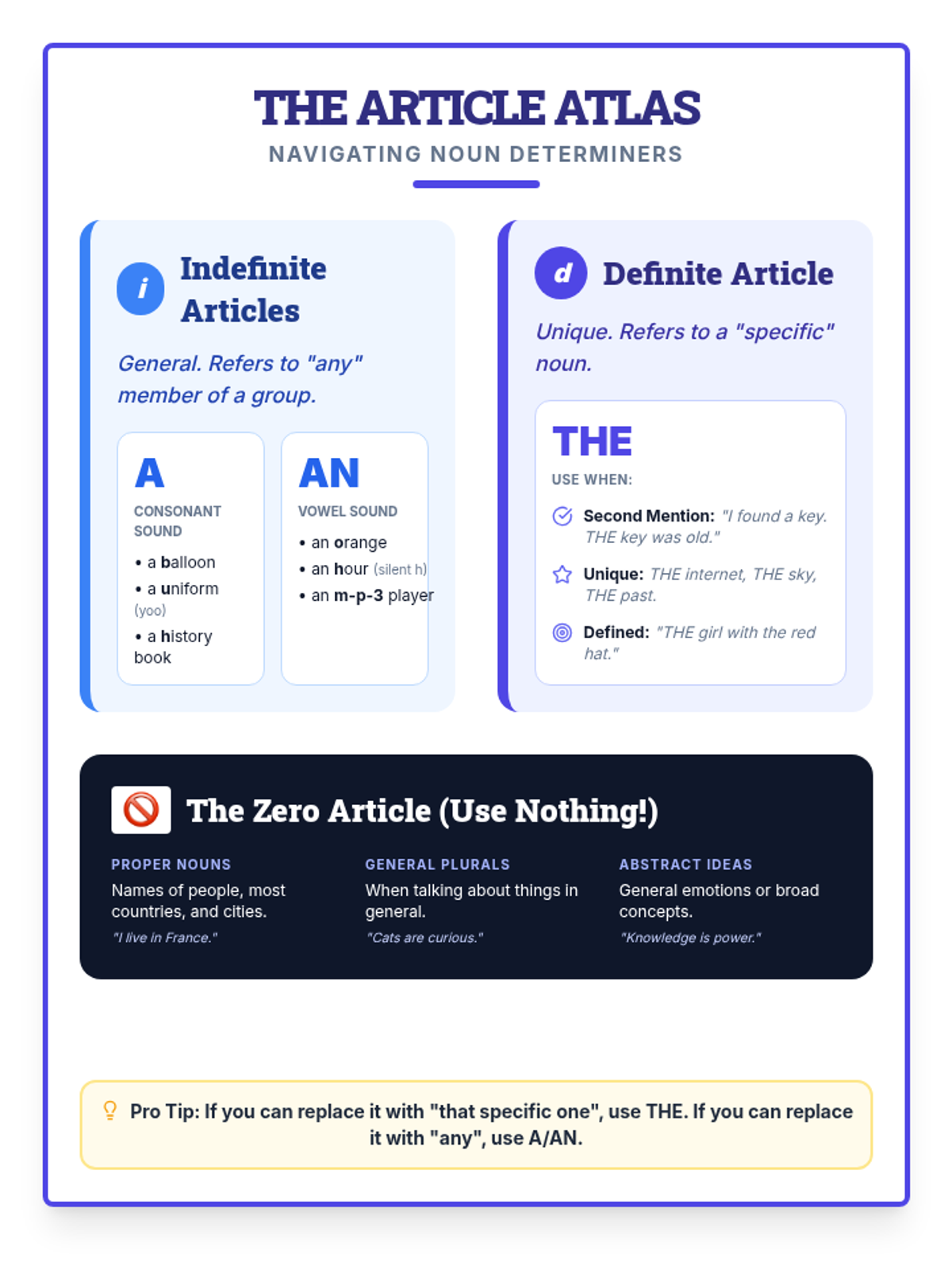
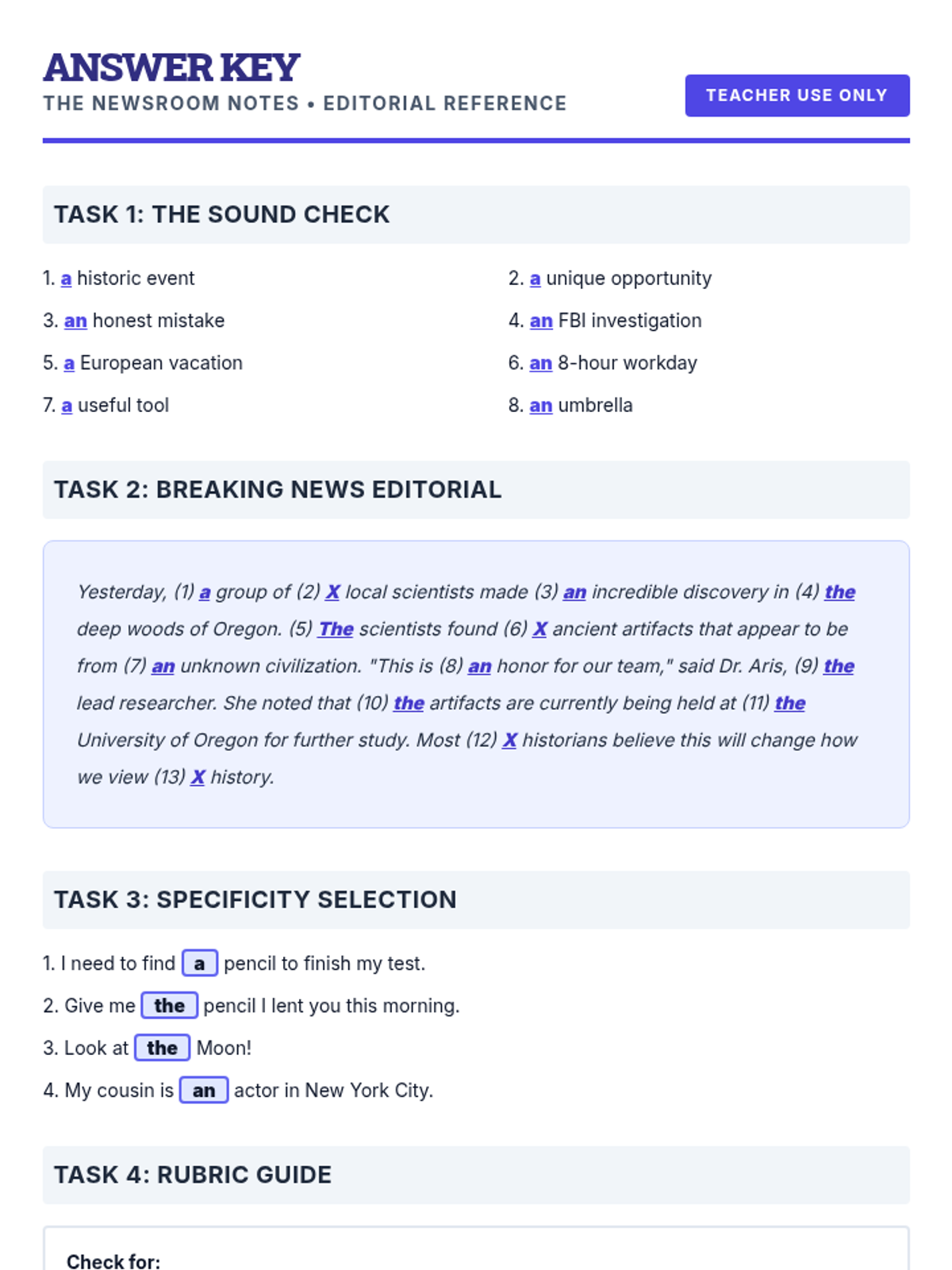
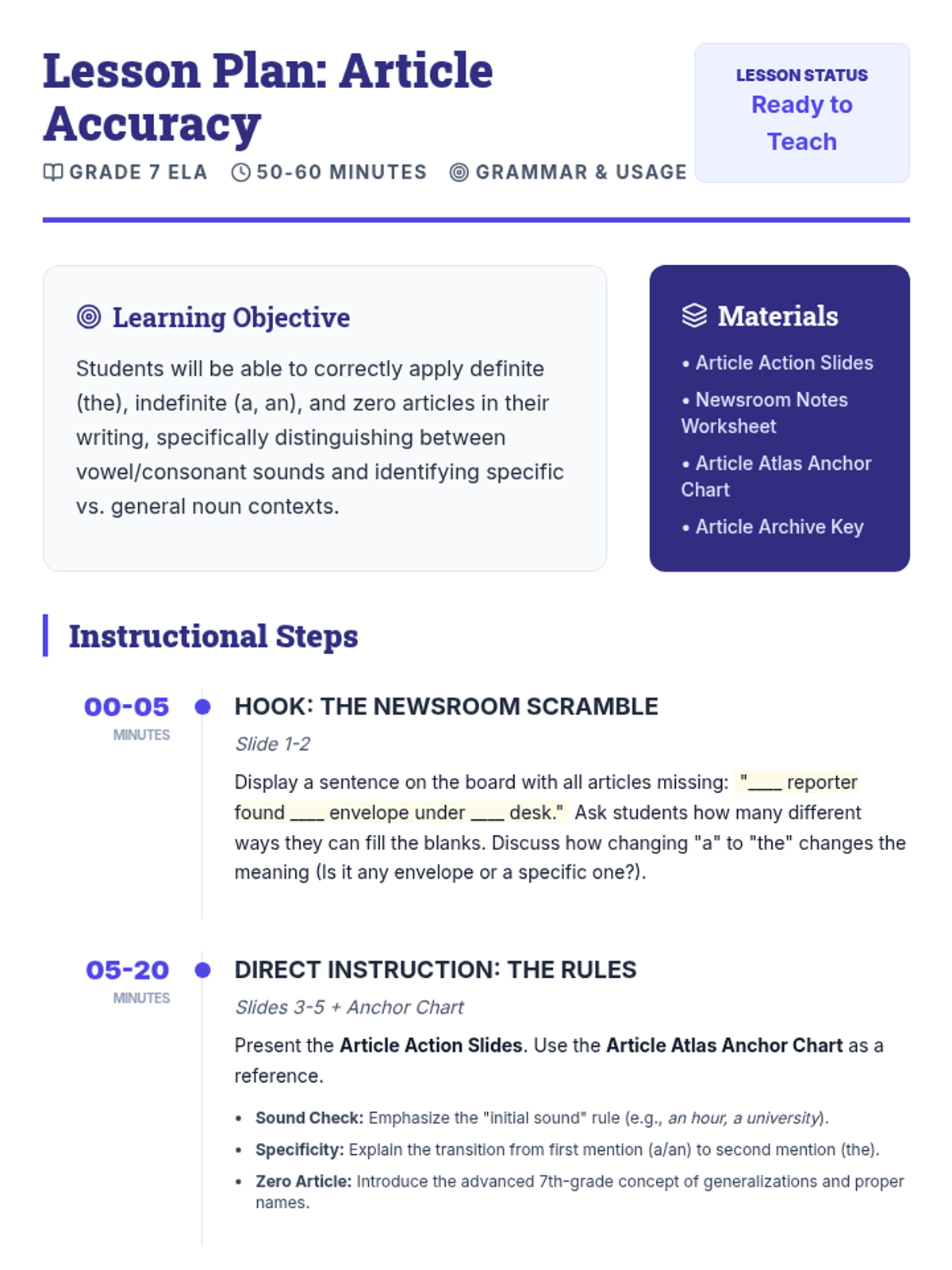
A comprehensive lesson on using definite and indefinite articles correctly, tailored for 7th-grade students with a focus on sound-based rules, specificity, and zero article usage.
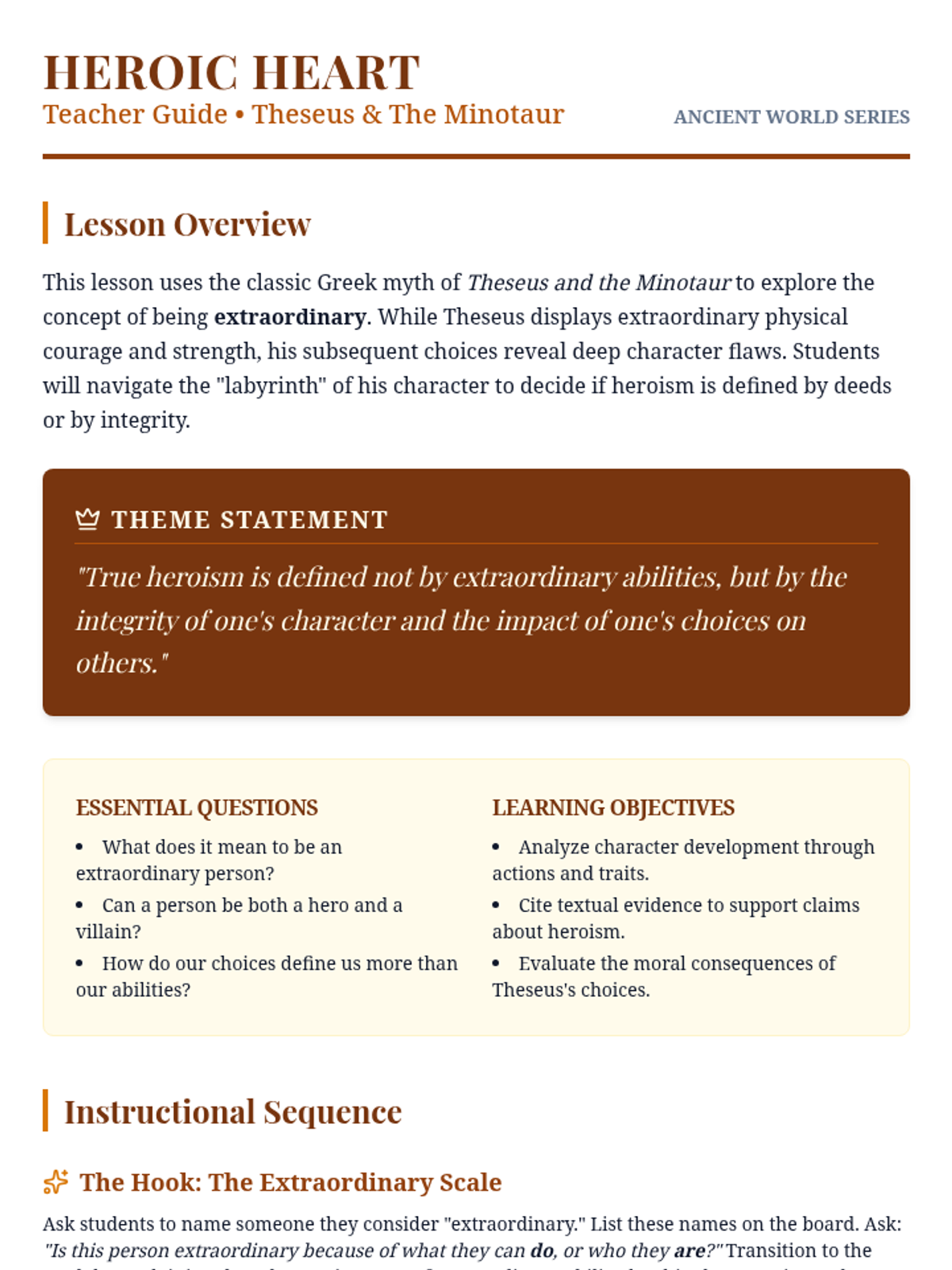
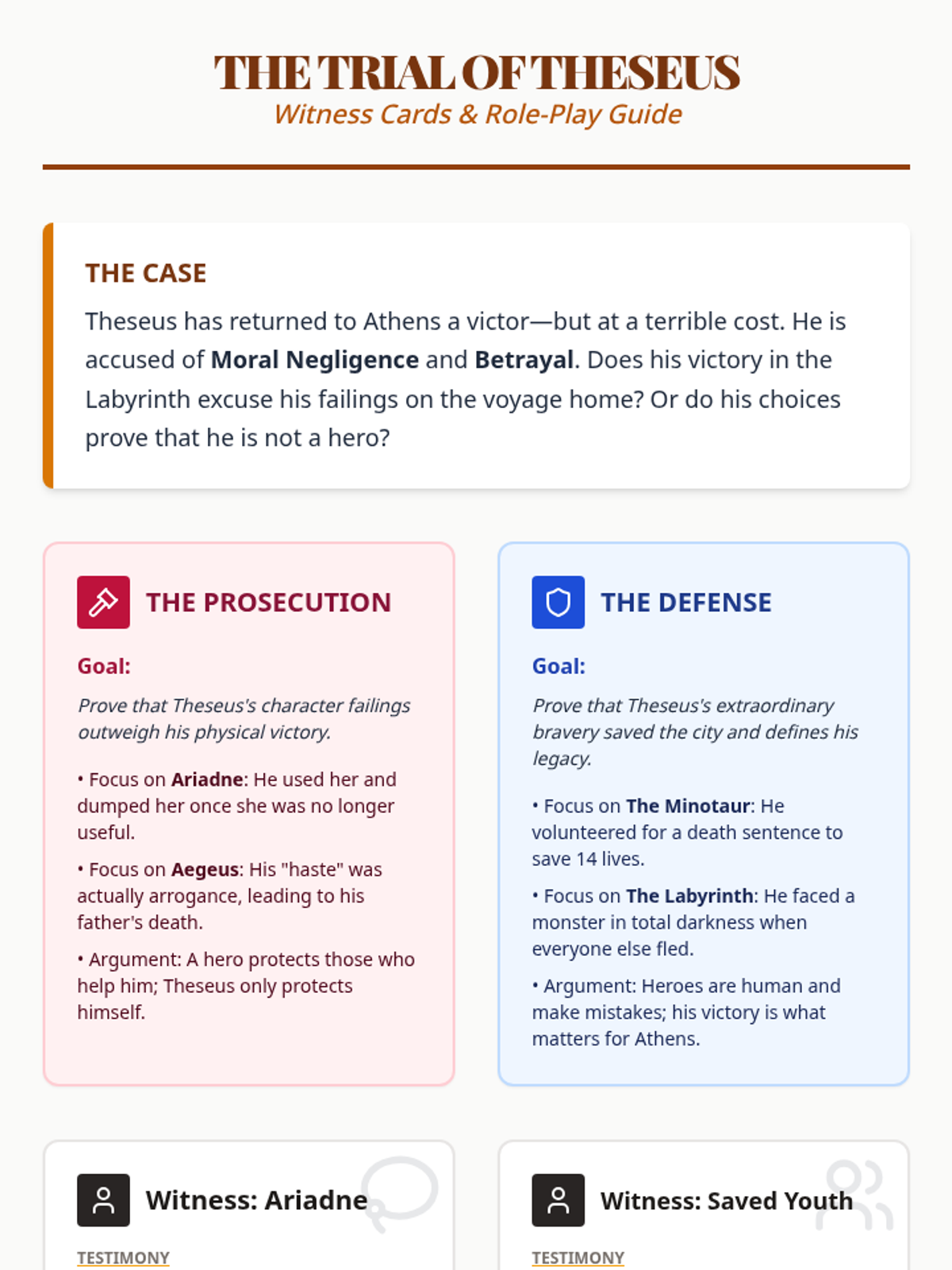
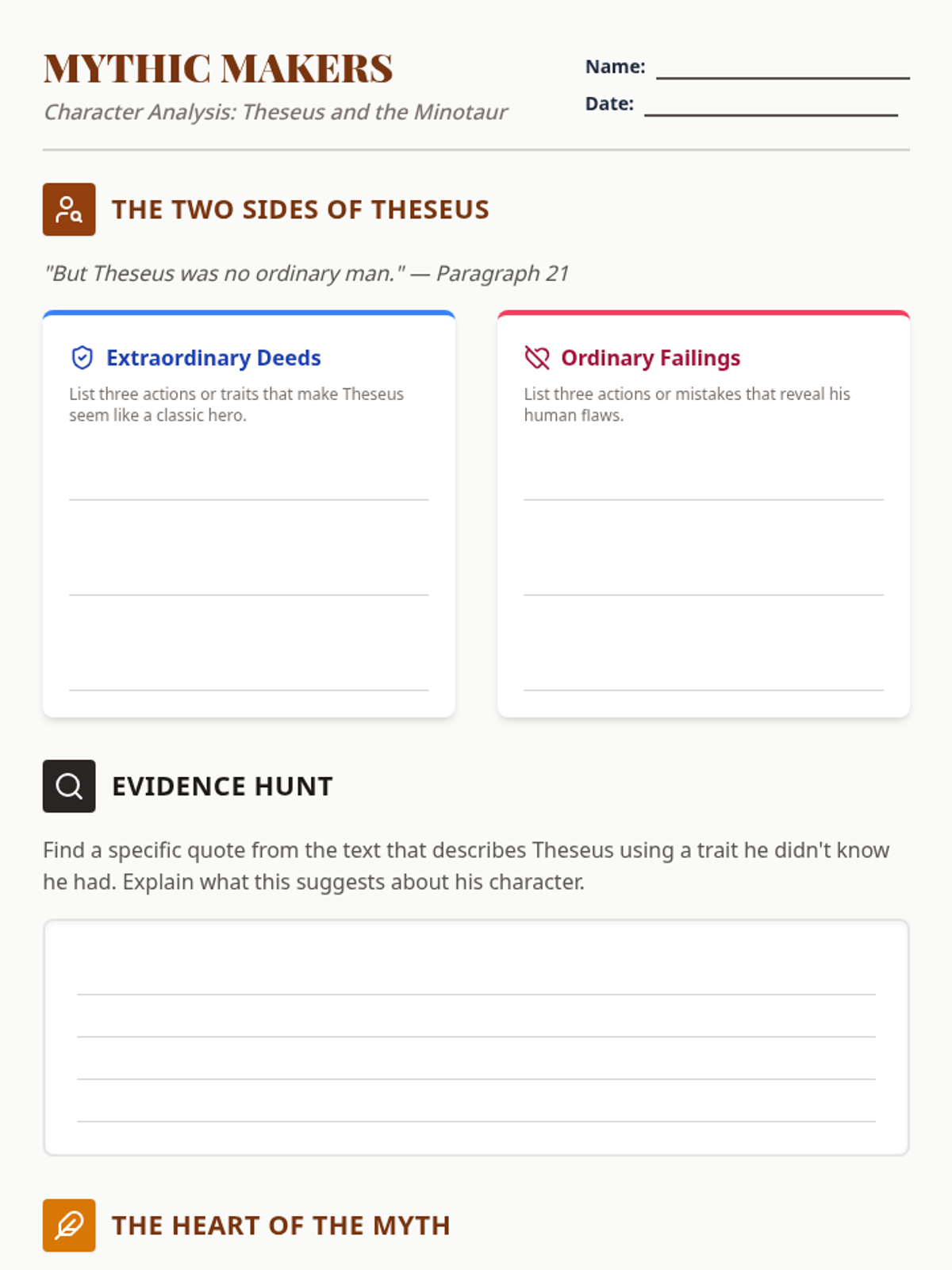
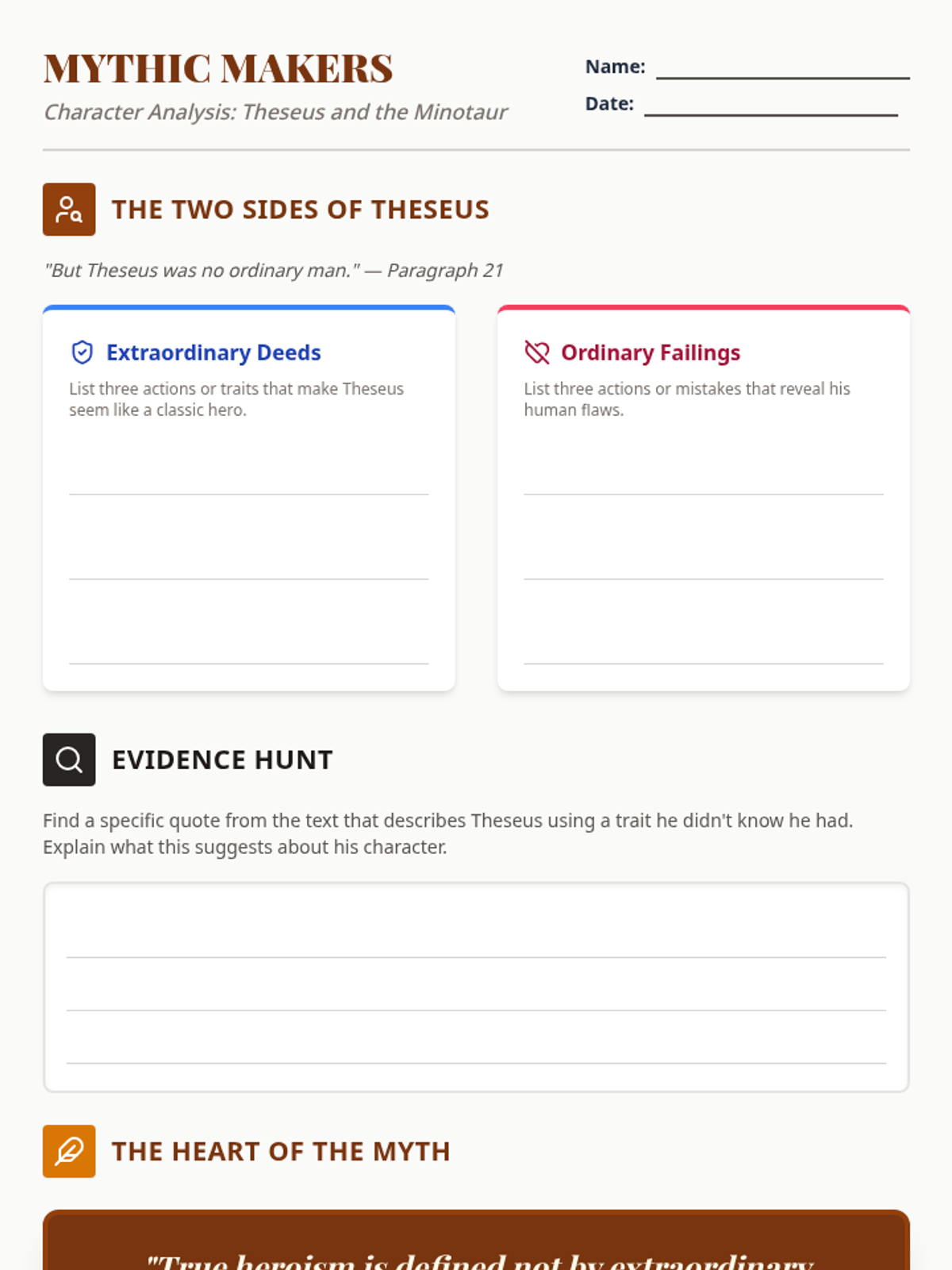
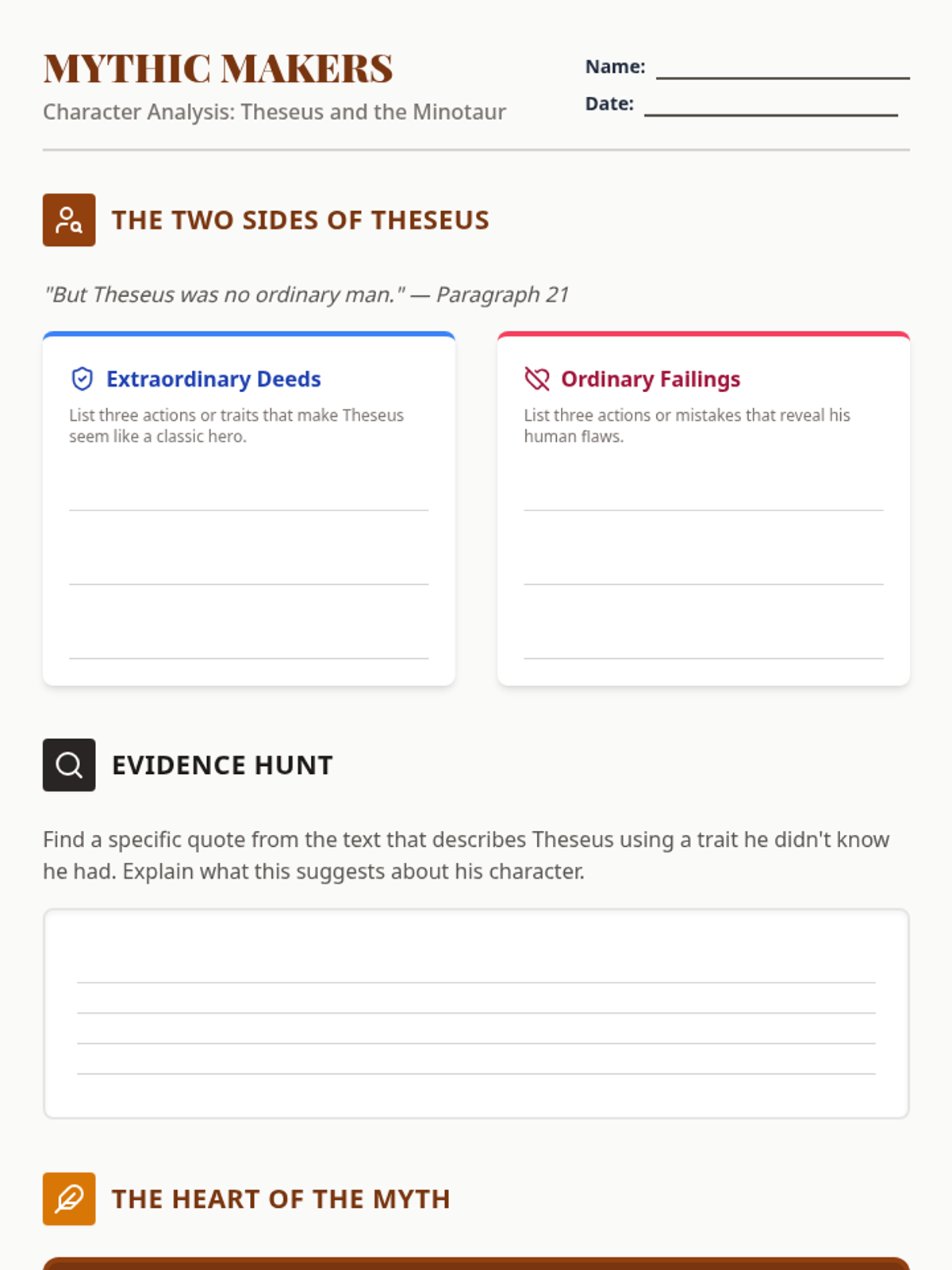
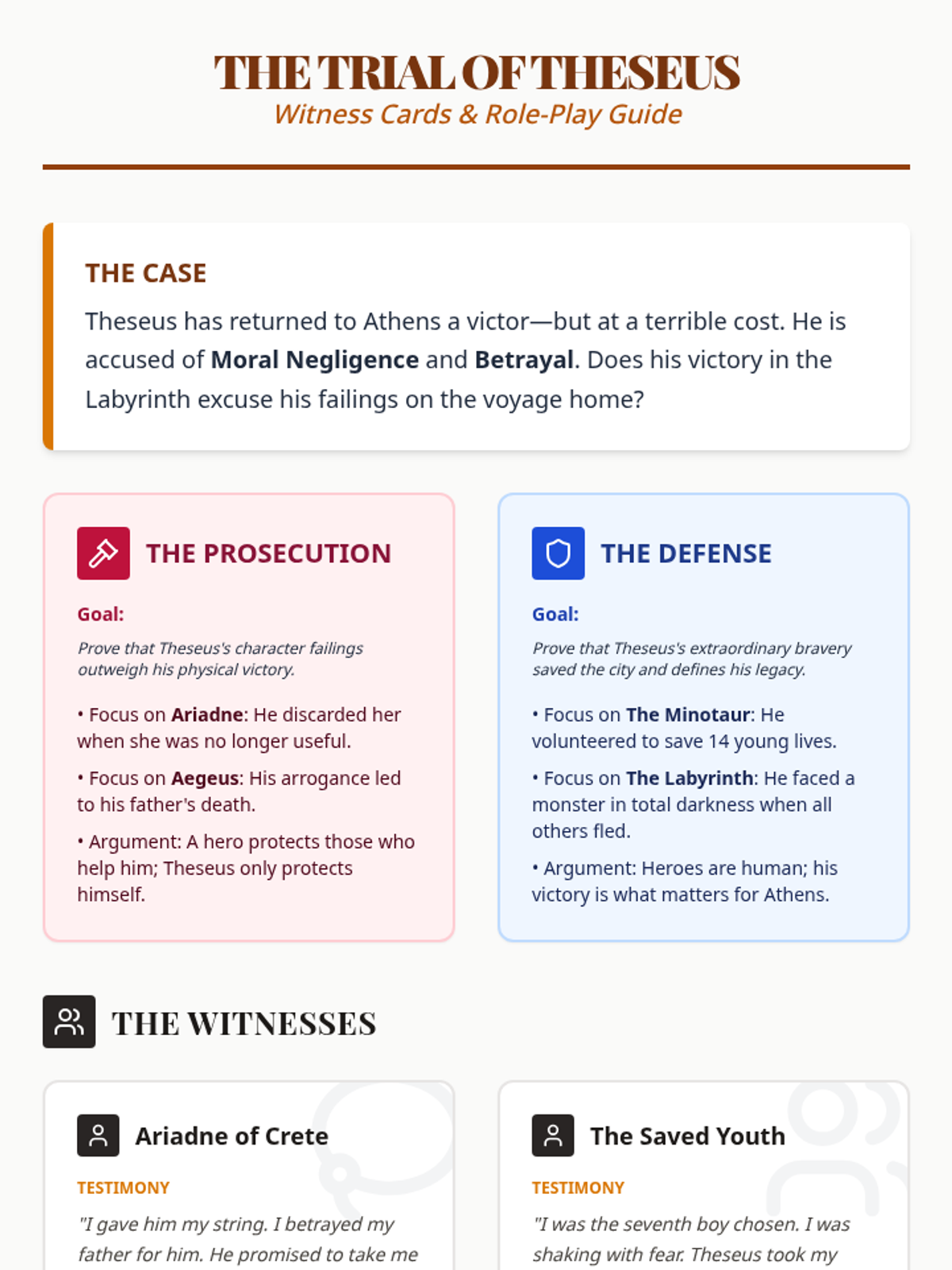
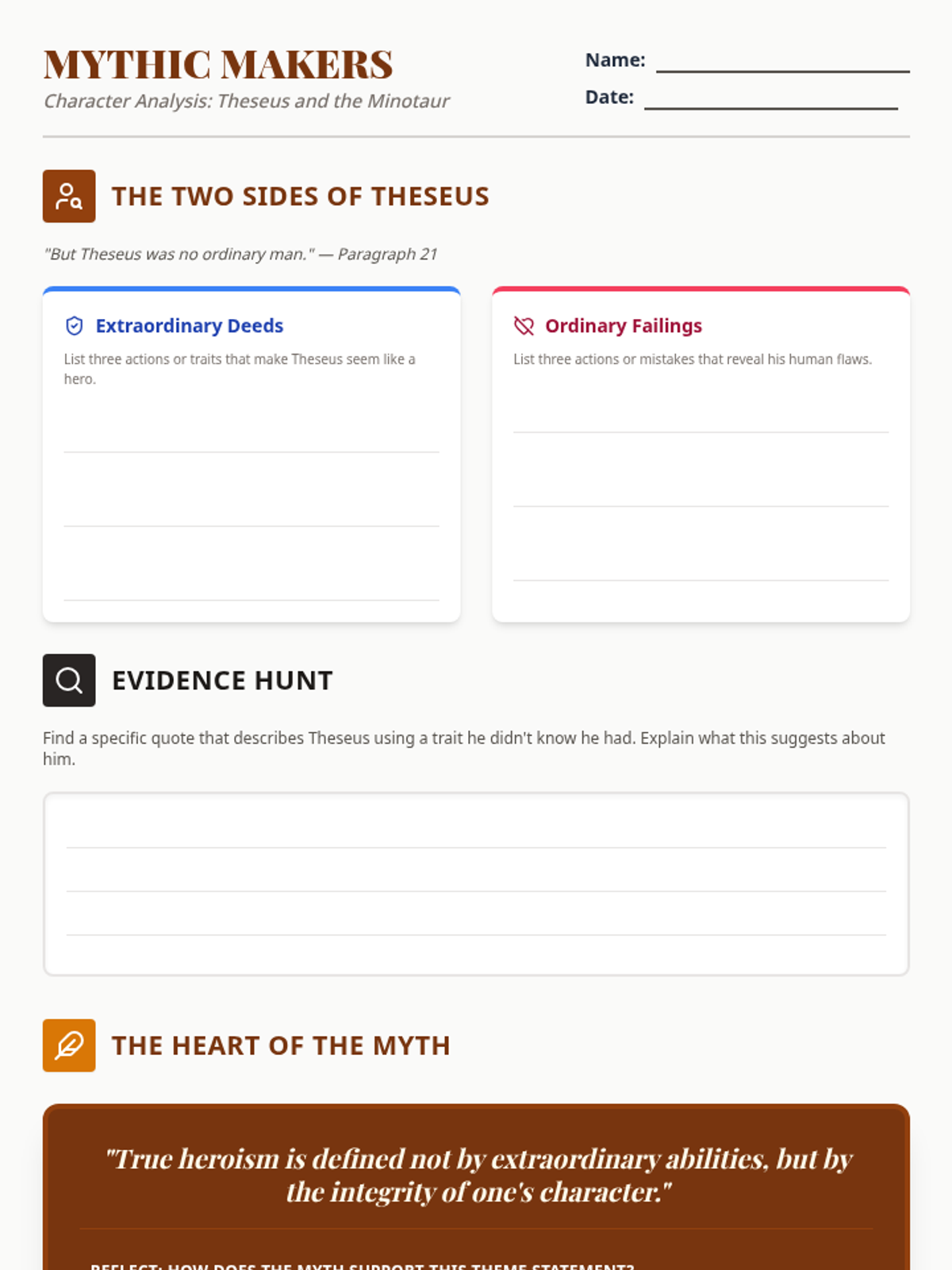
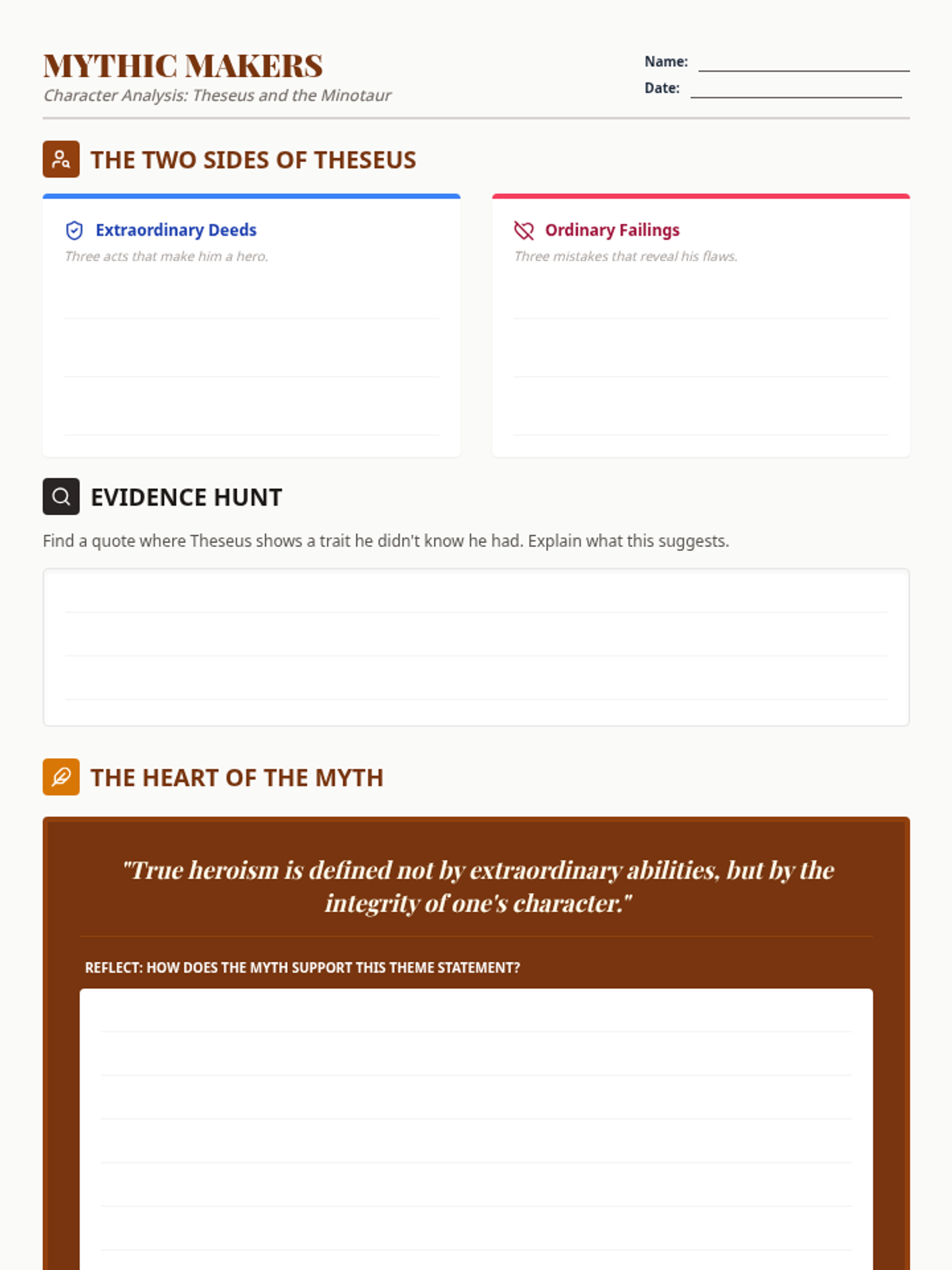
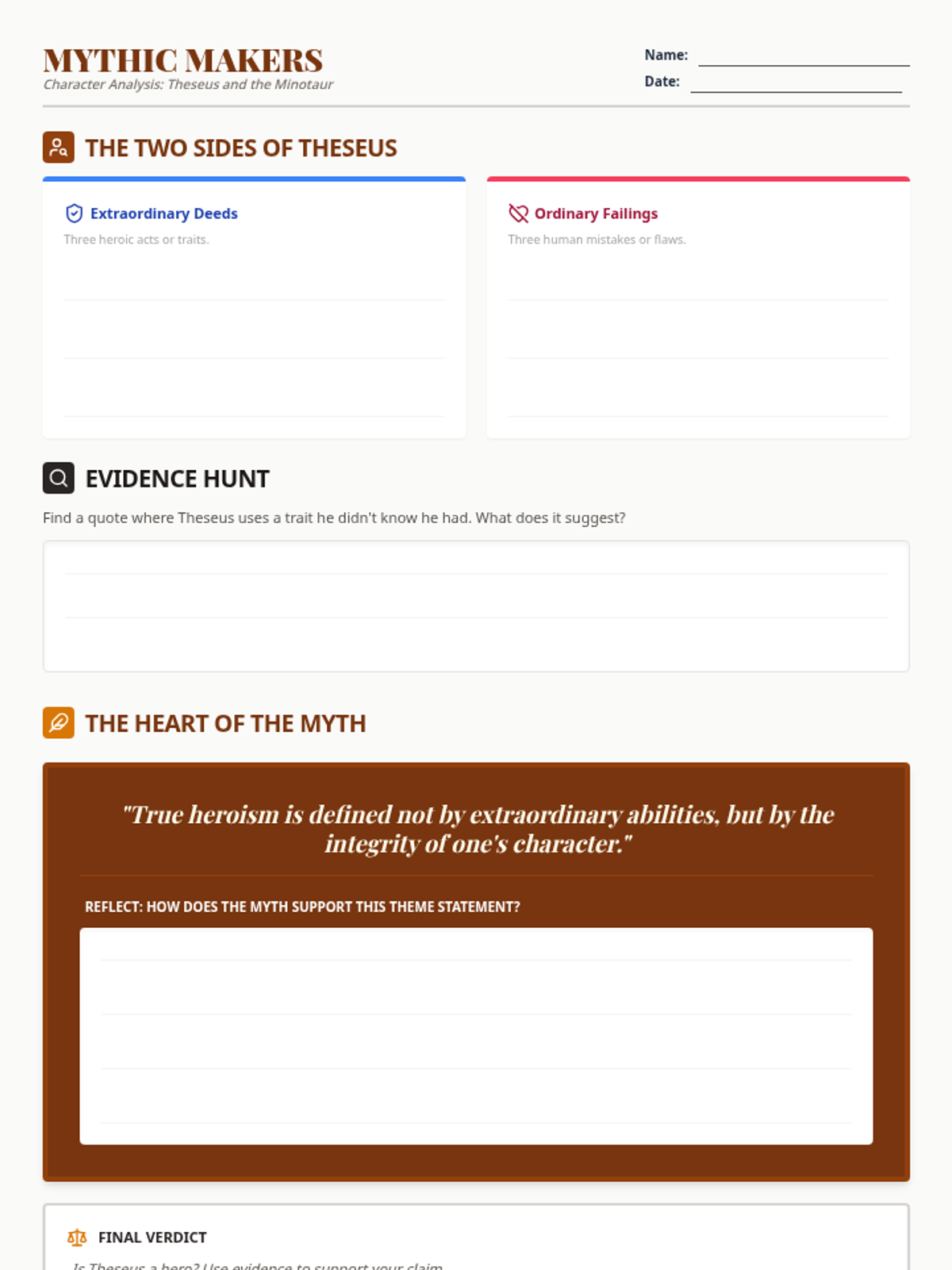
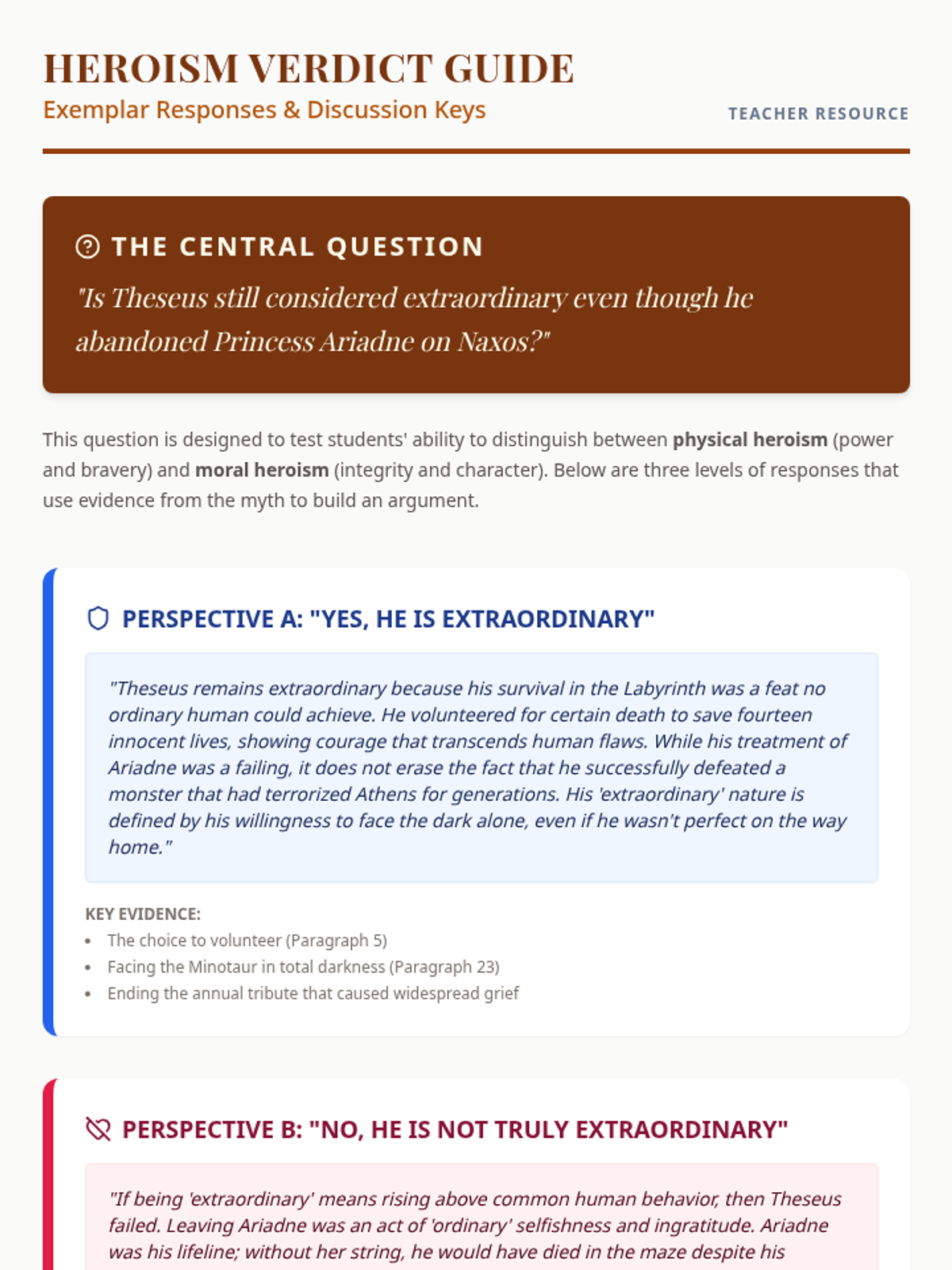
A deep dive into the myth of Theseus and the Minotaur, exploring the duality of heroism and what it truly means to be extraordinary. Students analyze Theseus's brave actions alongside his moral failings to develop a nuanced understanding of character.
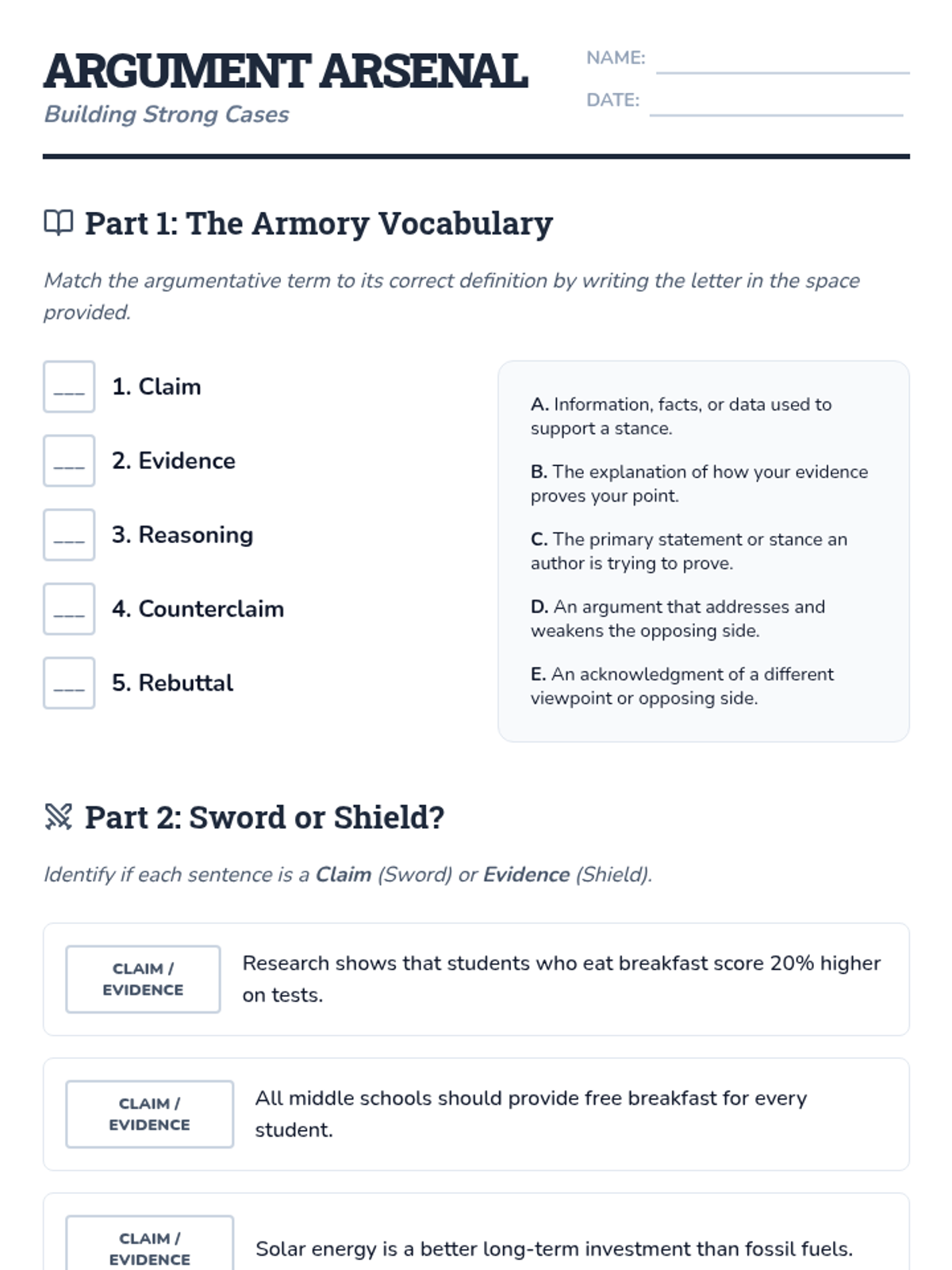
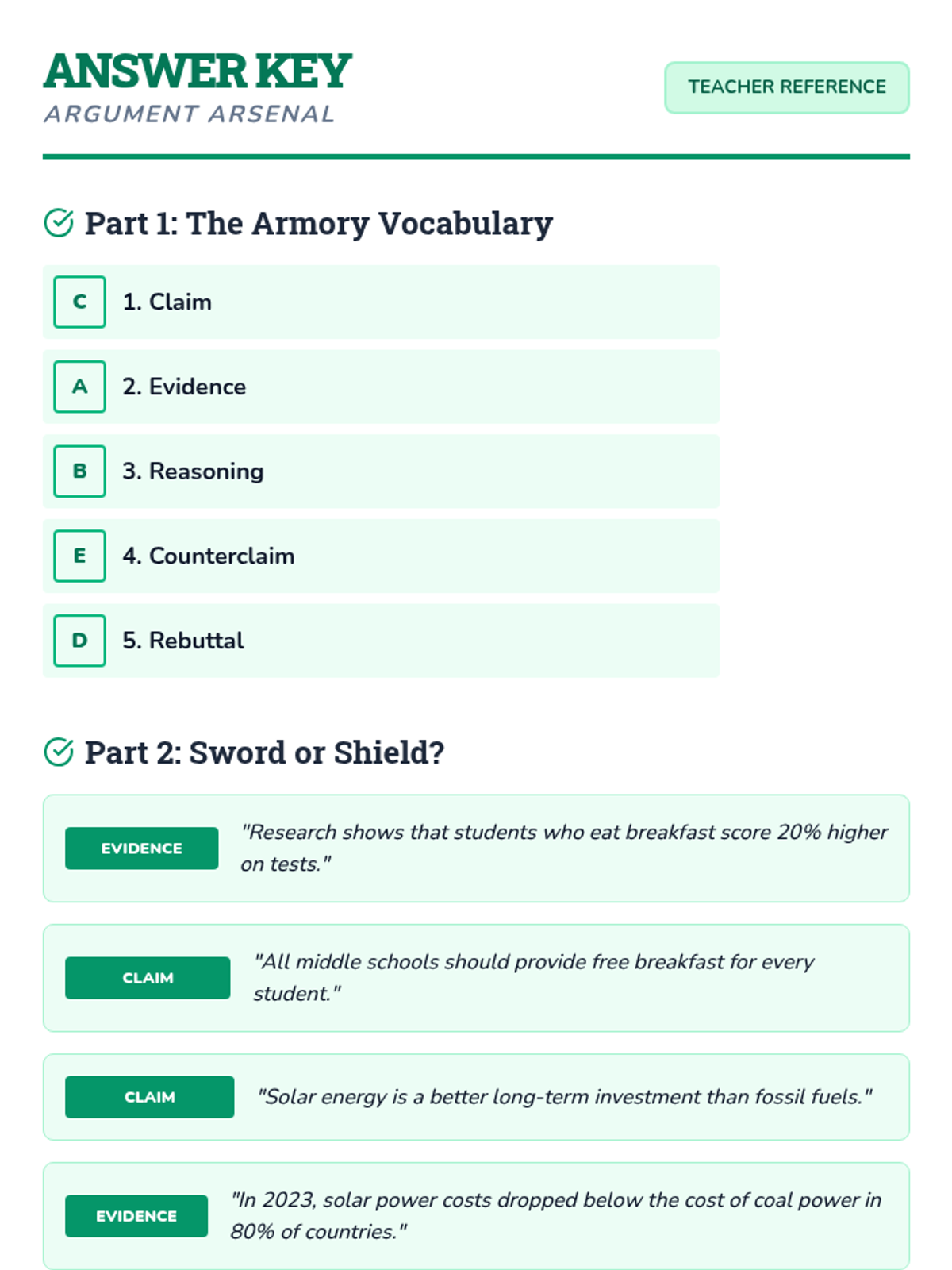
A lesson focused on identifying and constructing argumentative claims supported by strong evidence, using an engaging armory theme.
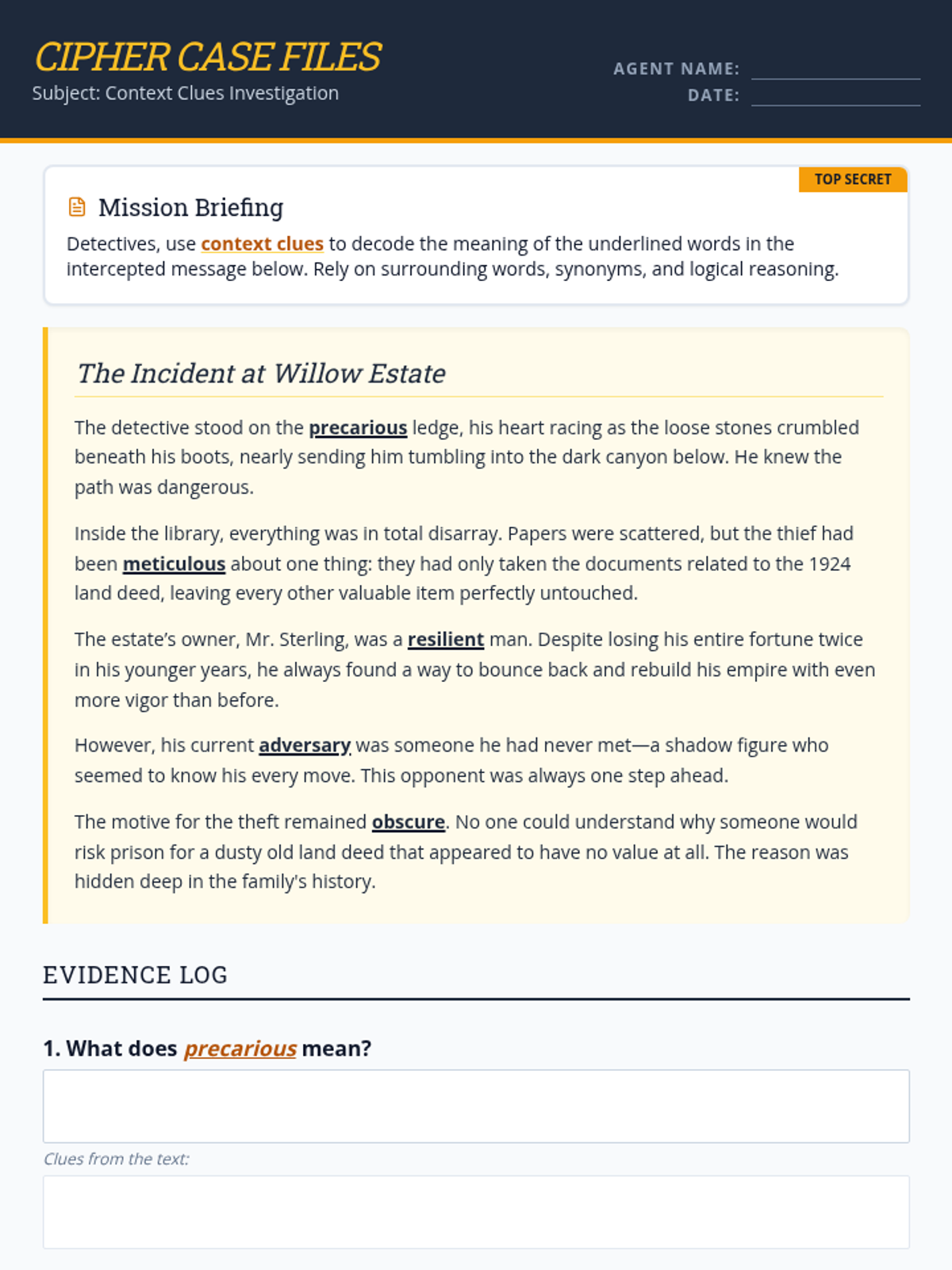
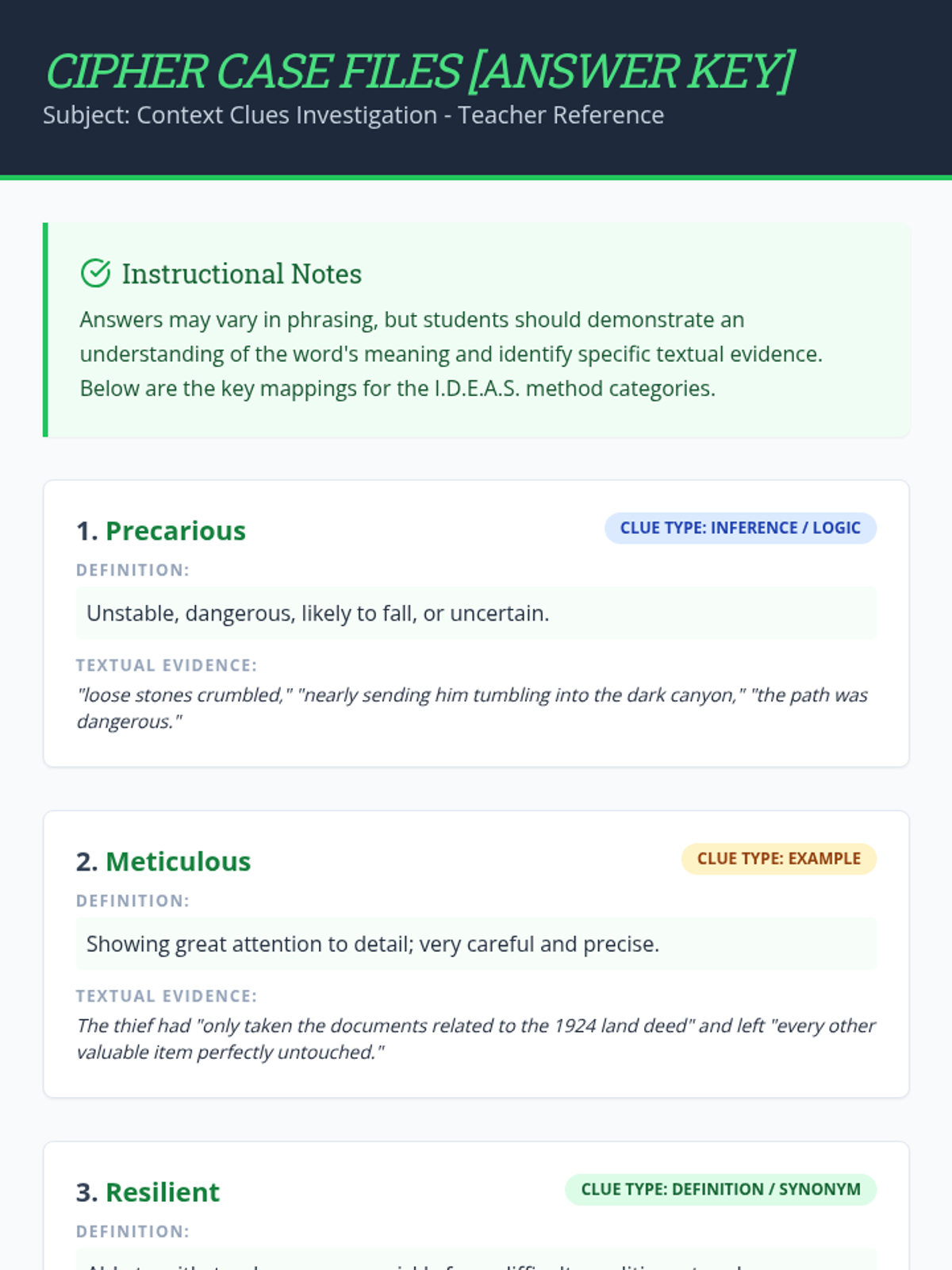
A lesson where students become 'Lexicon Detectives' to uncover the meaning of challenging words using specific context clue strategies like synonyms, antonyms, and logic.
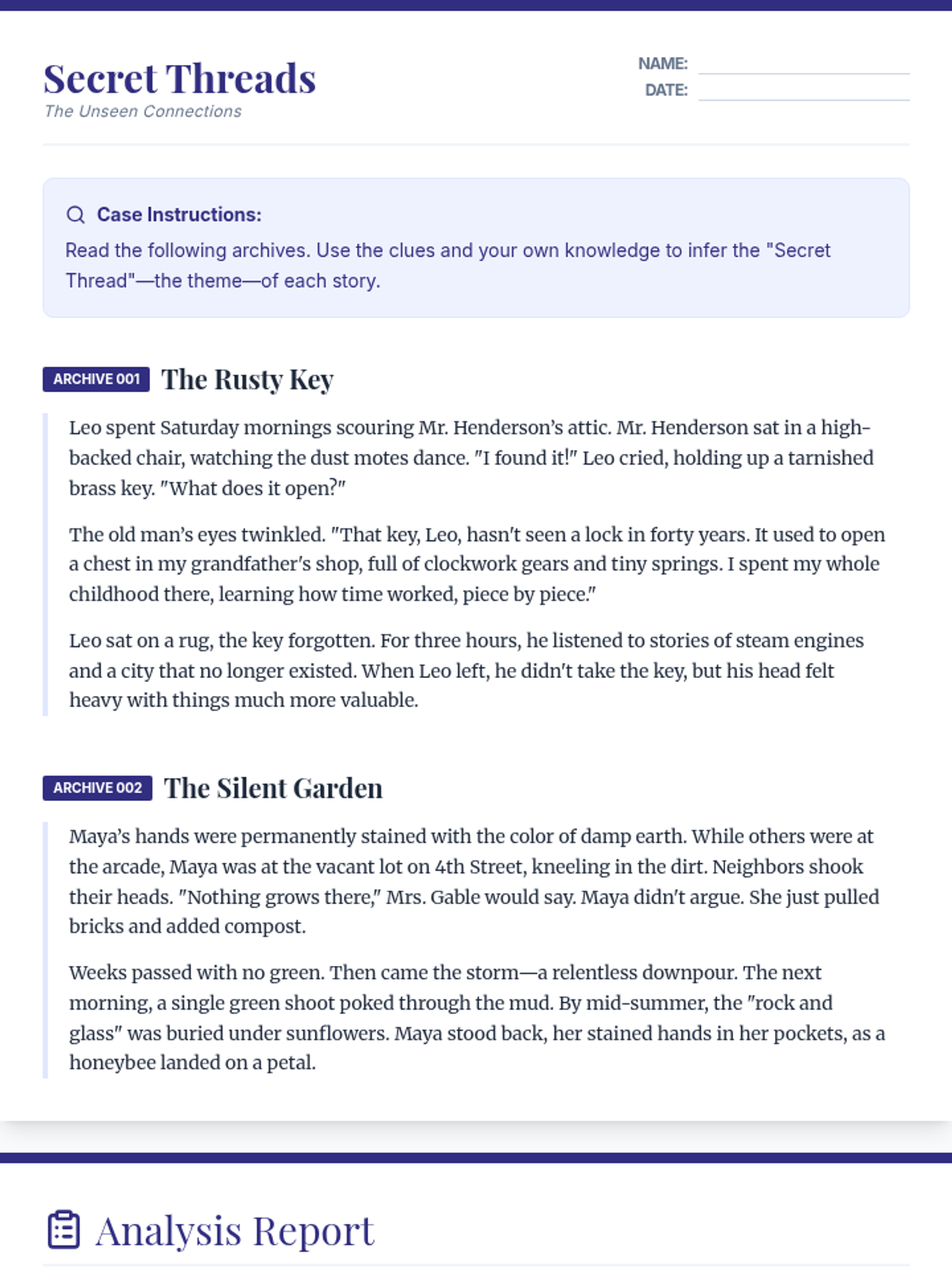
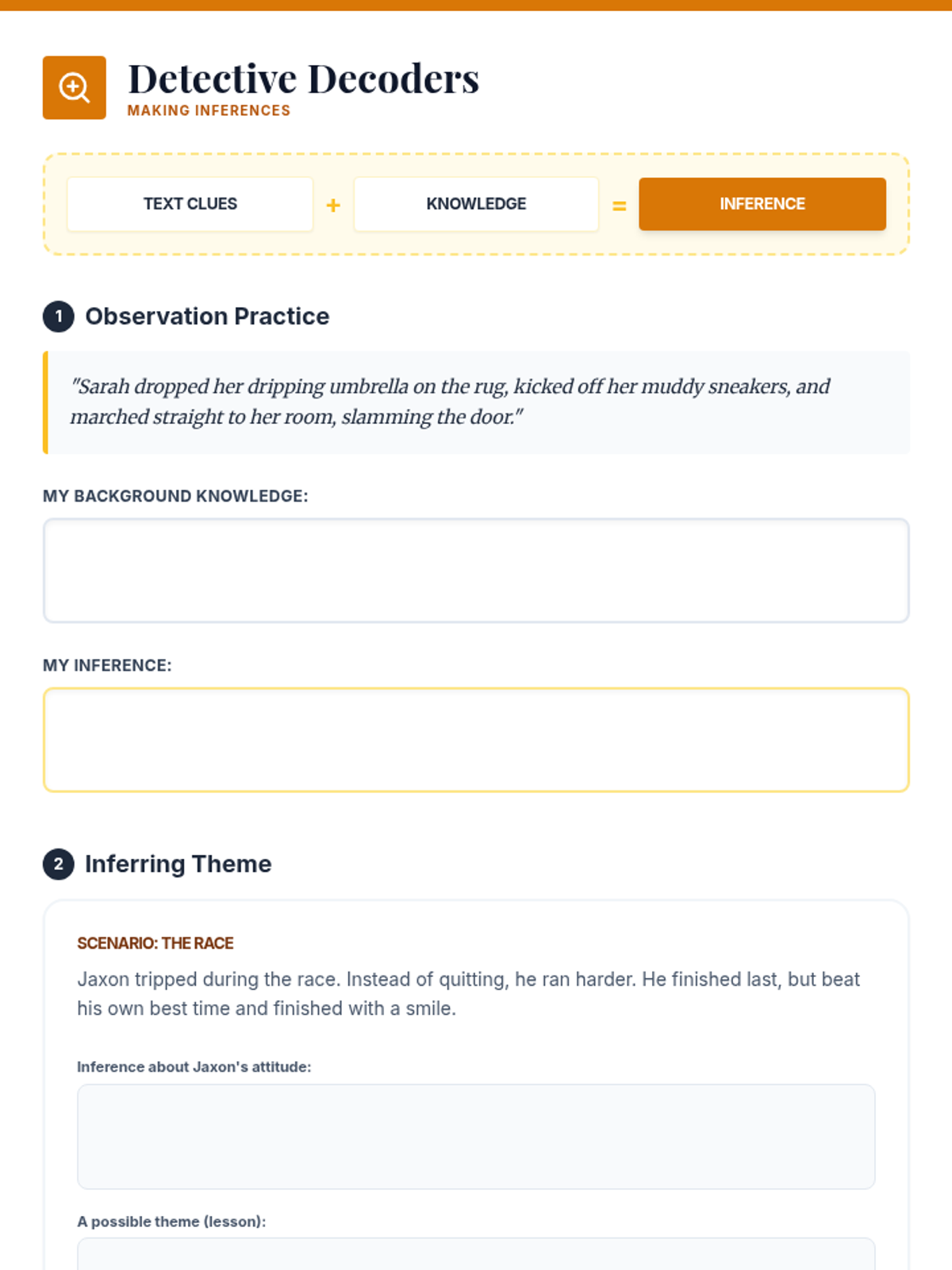
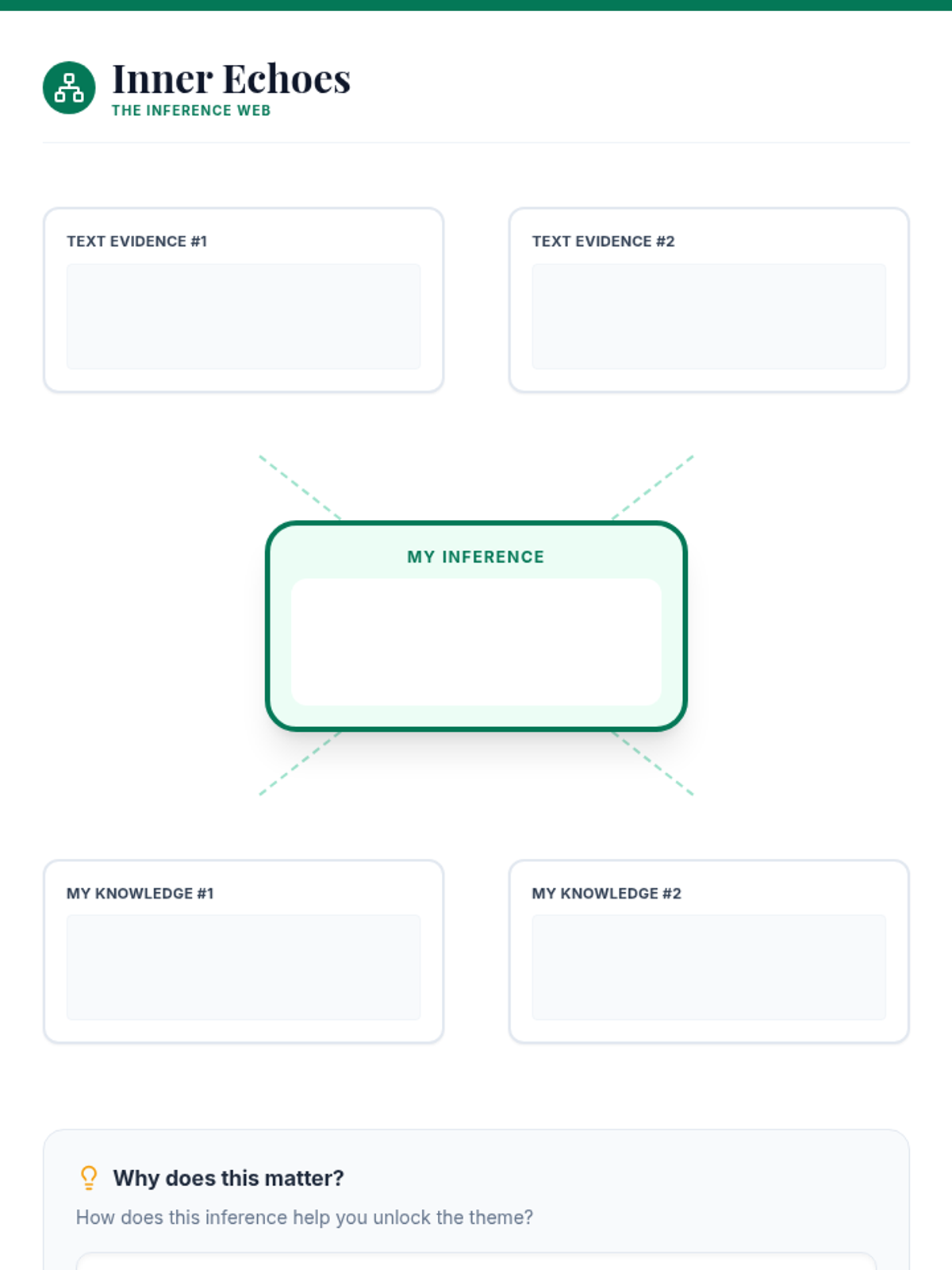
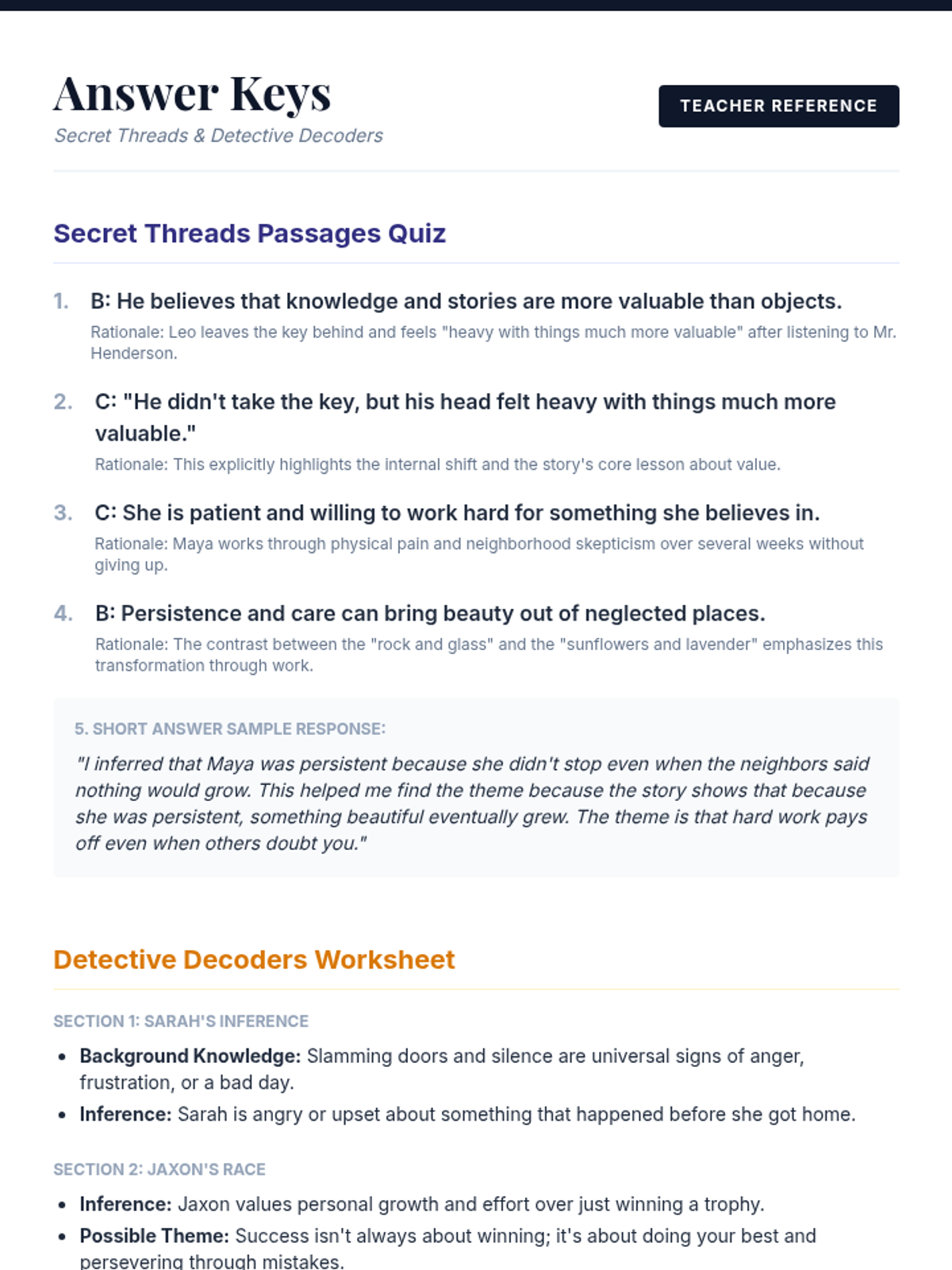
A lesson focused on uncovering deeper meanings in fiction through inference and theme identification using a 'detective' aesthetic.
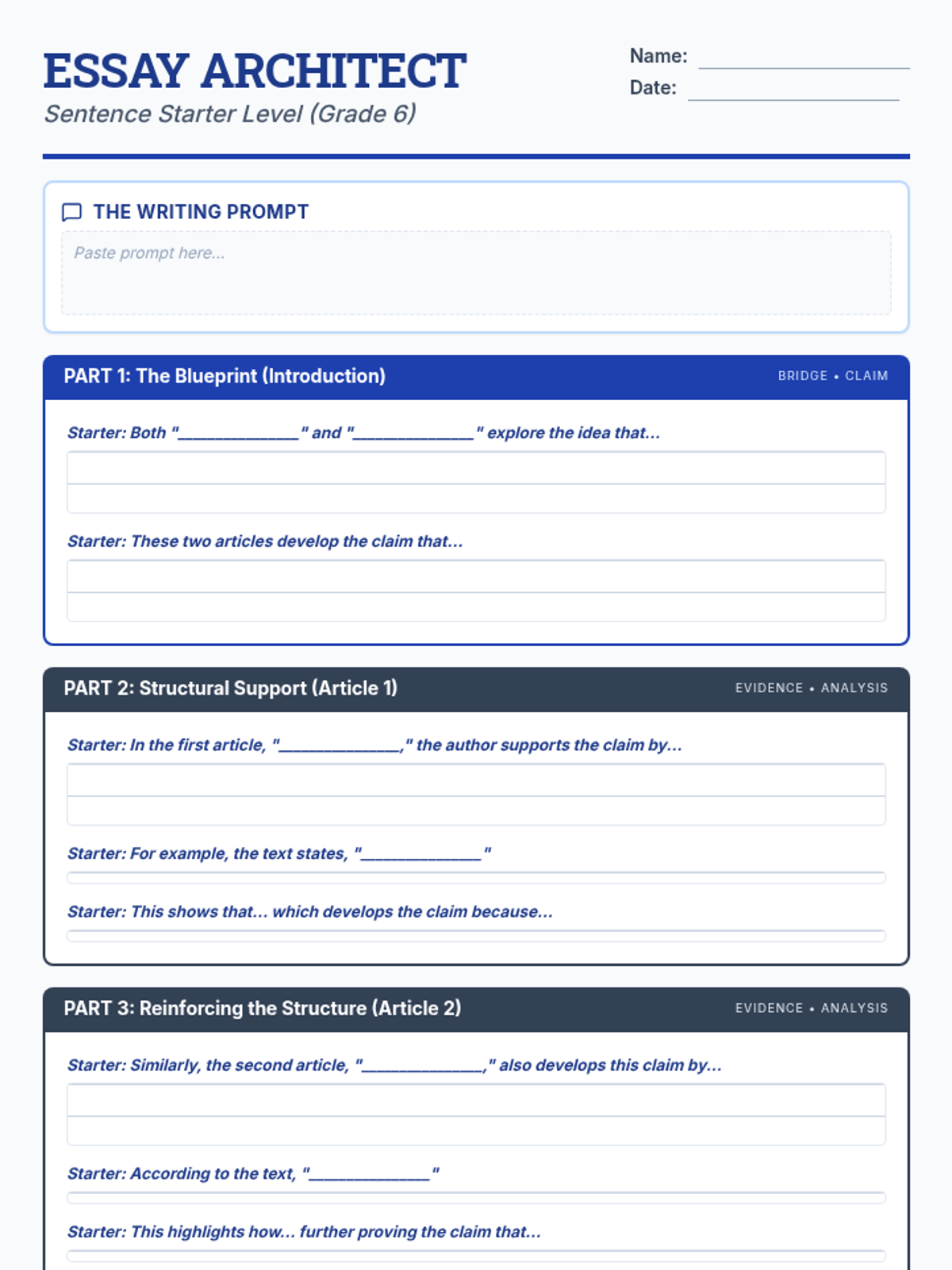
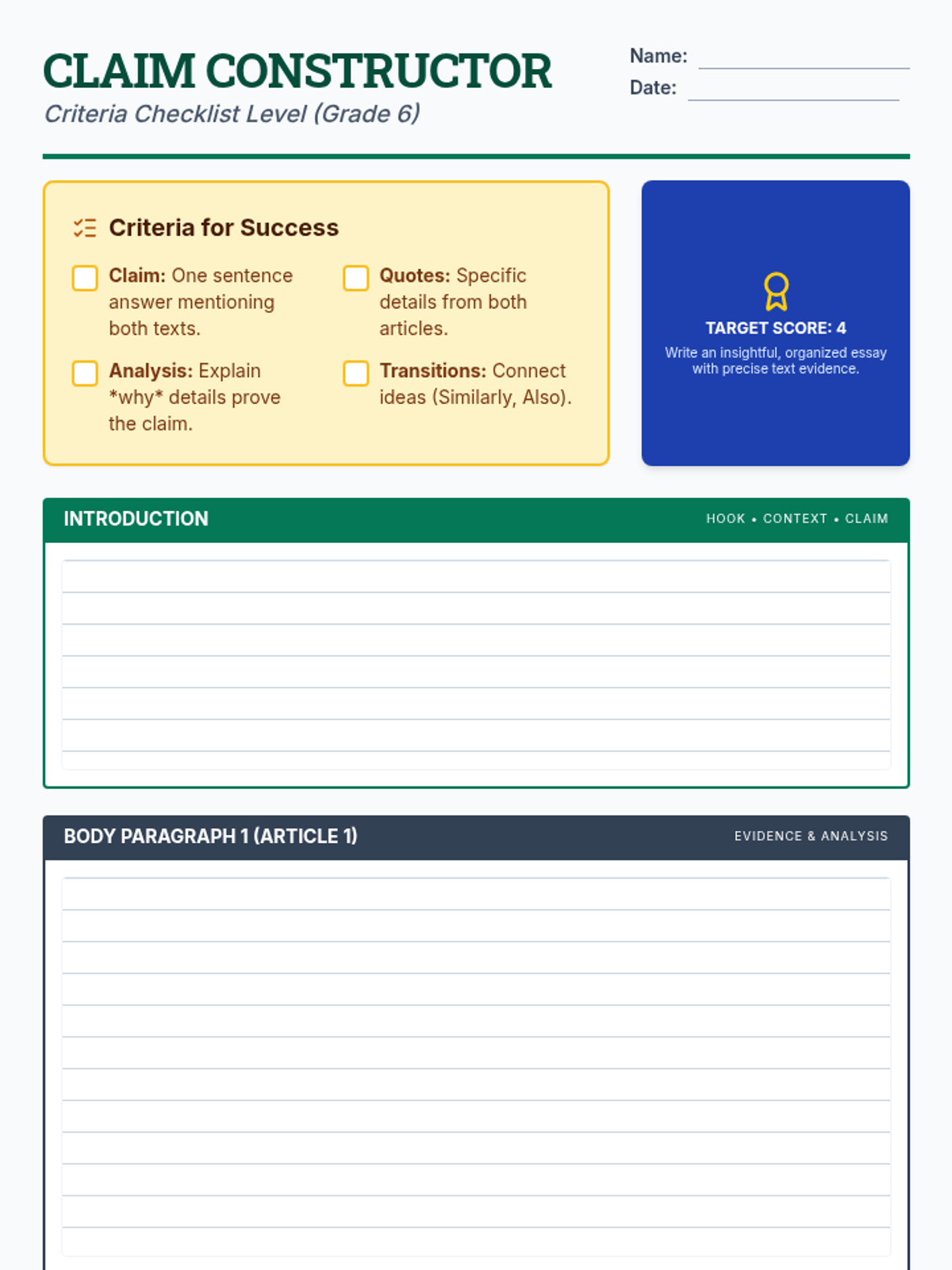
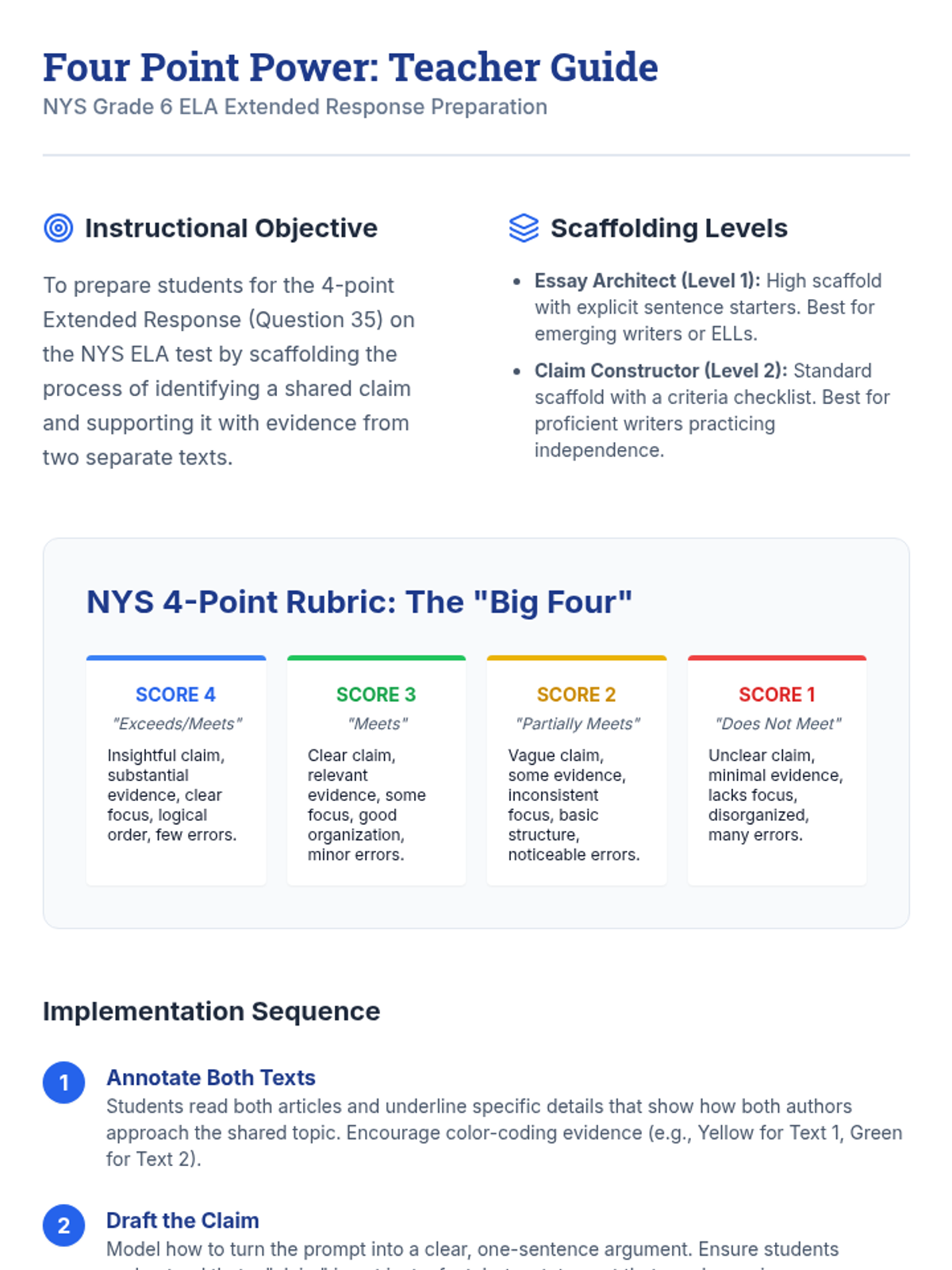
Preparing students for the NYS Grade 6 ELA extended response by breaking down the comparison of two texts into manageable drafting stages.
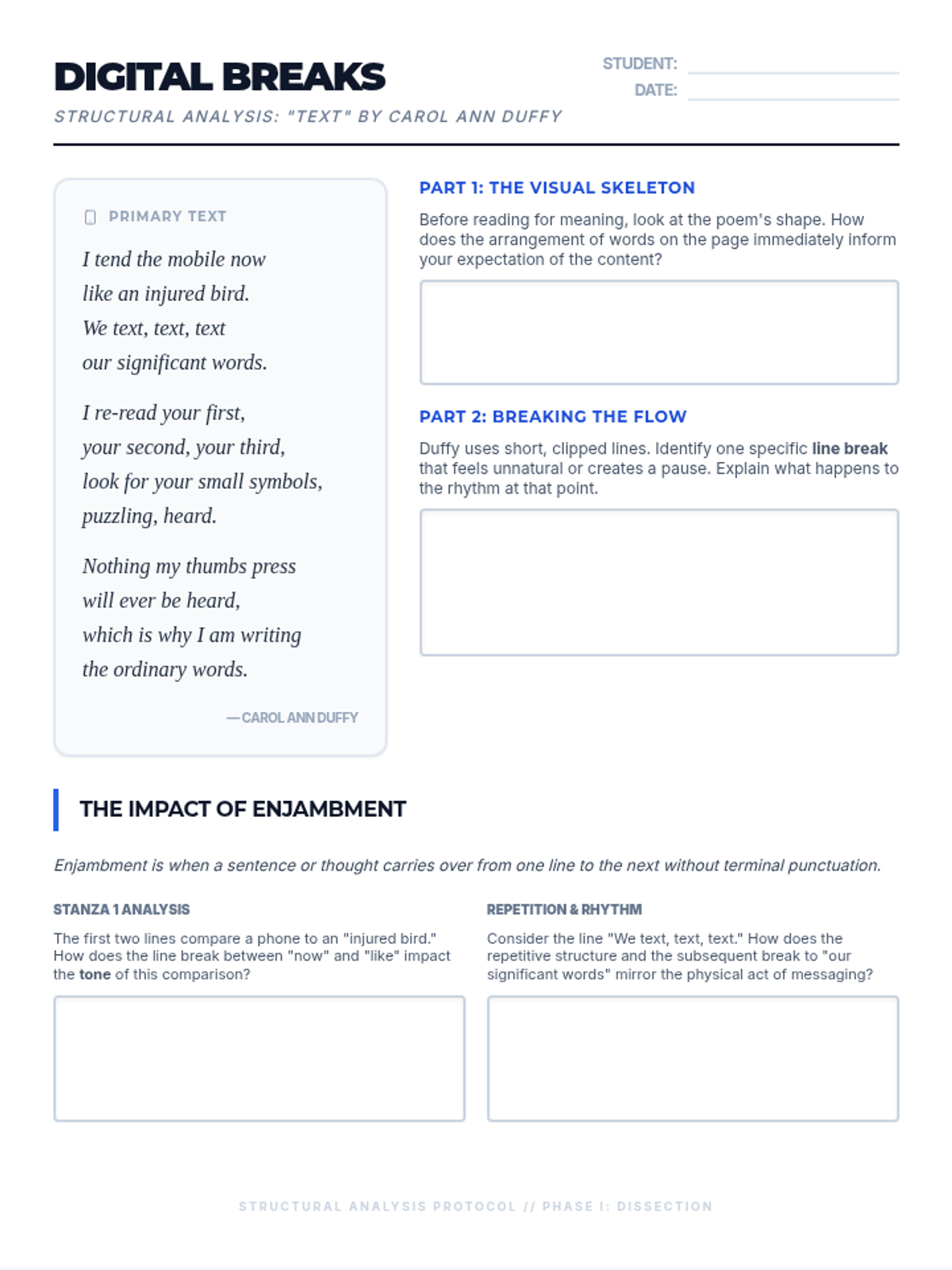
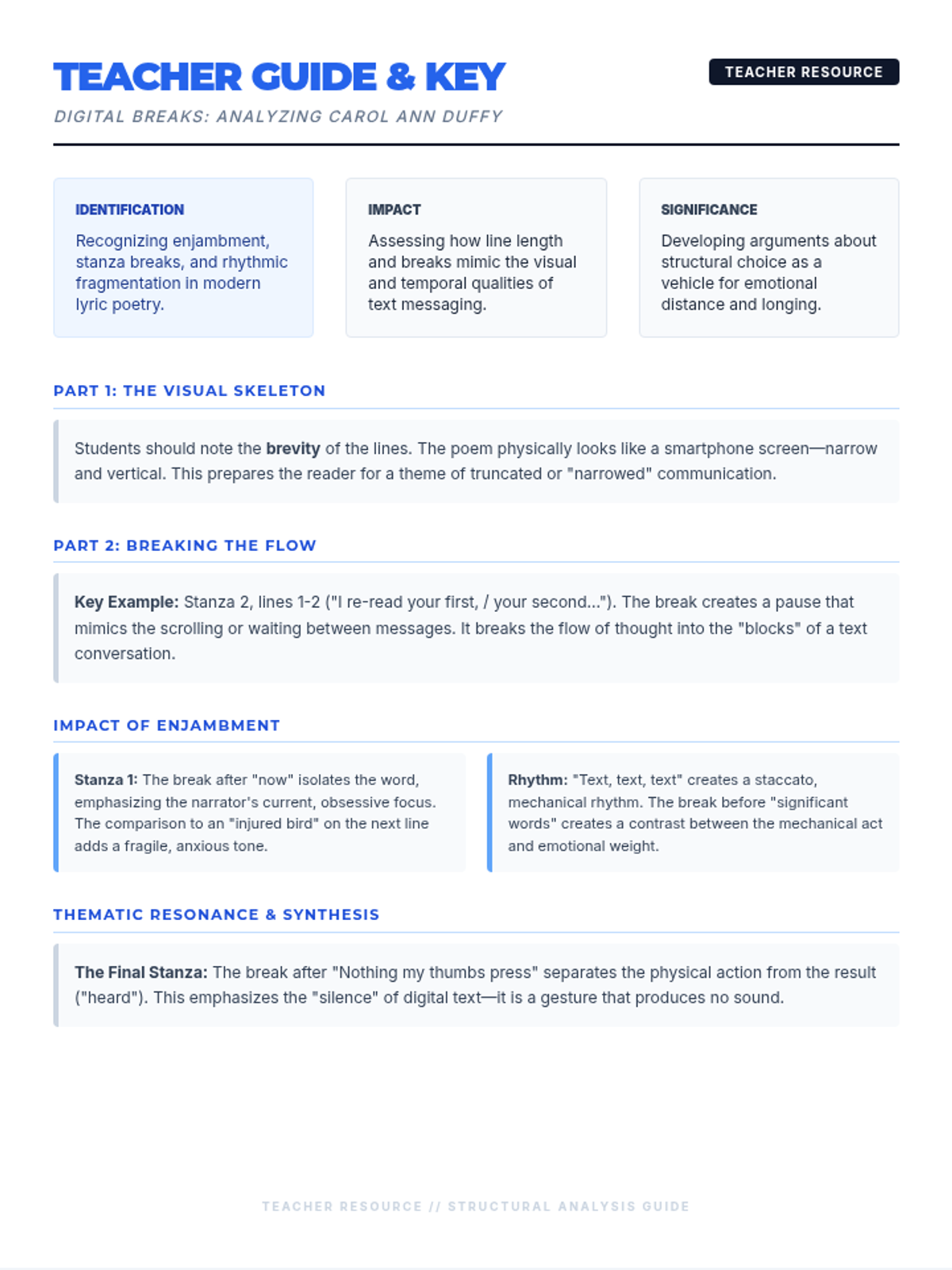
A structural analysis lesson focused on Carol Ann Duffy's poem 'Text', exploring how line breaks and stanza structure mirror the anxiety and brevity of digital communication.