A structural analysis lesson focused on Carol Ann Duffy's poem 'Text', exploring how line breaks and stanza structure mirror the anxiety and brevity of digital communication.
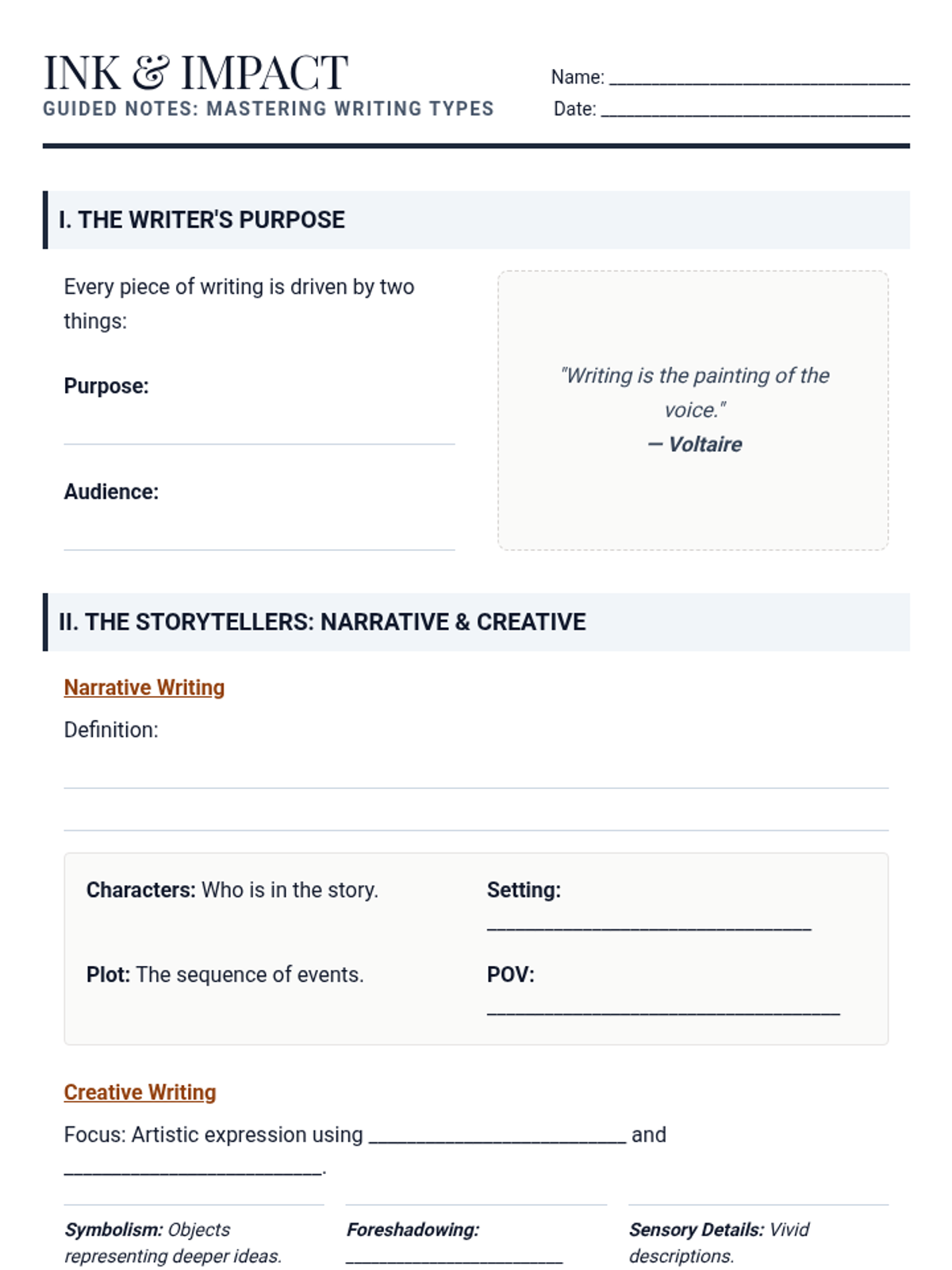
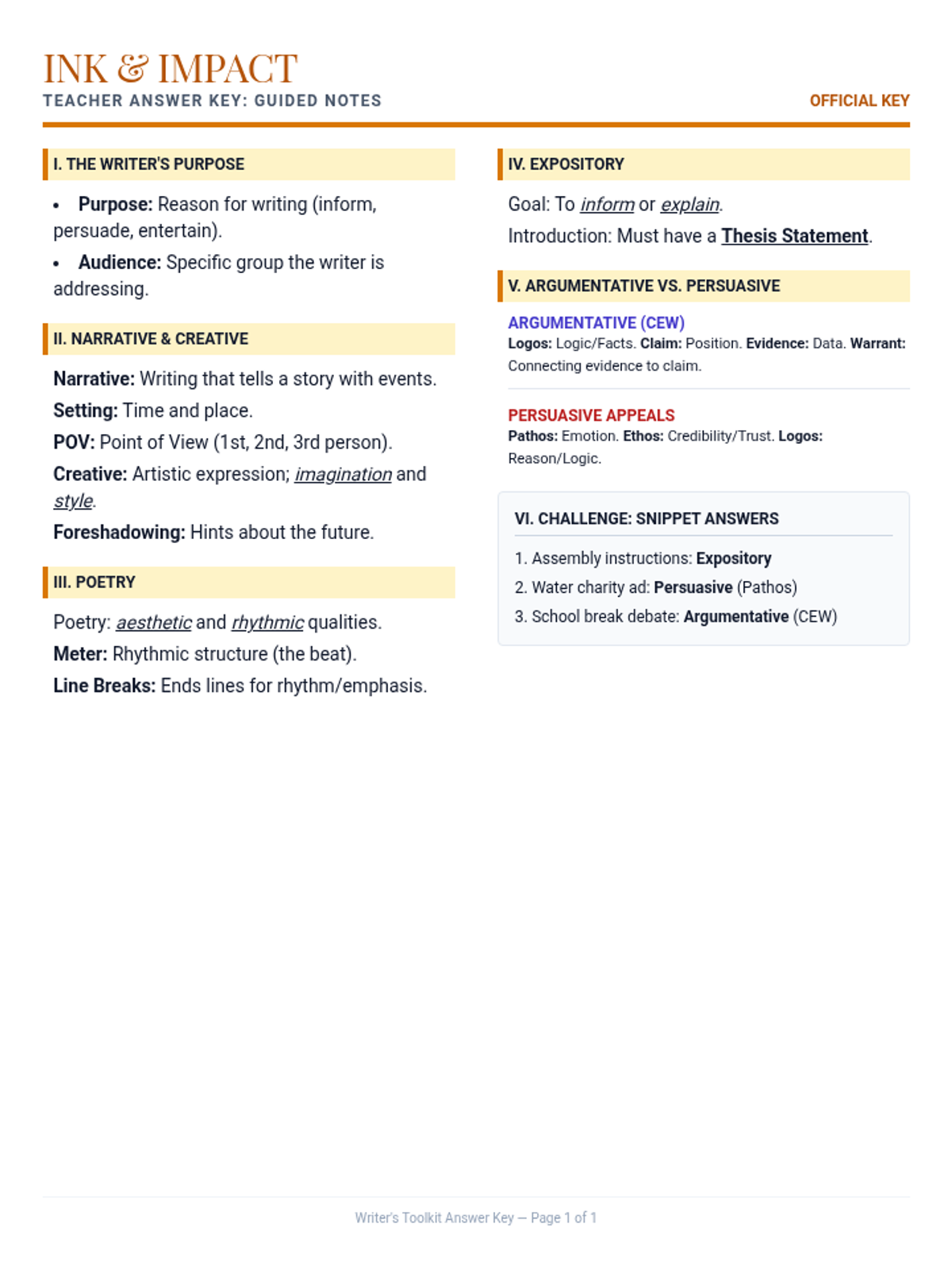
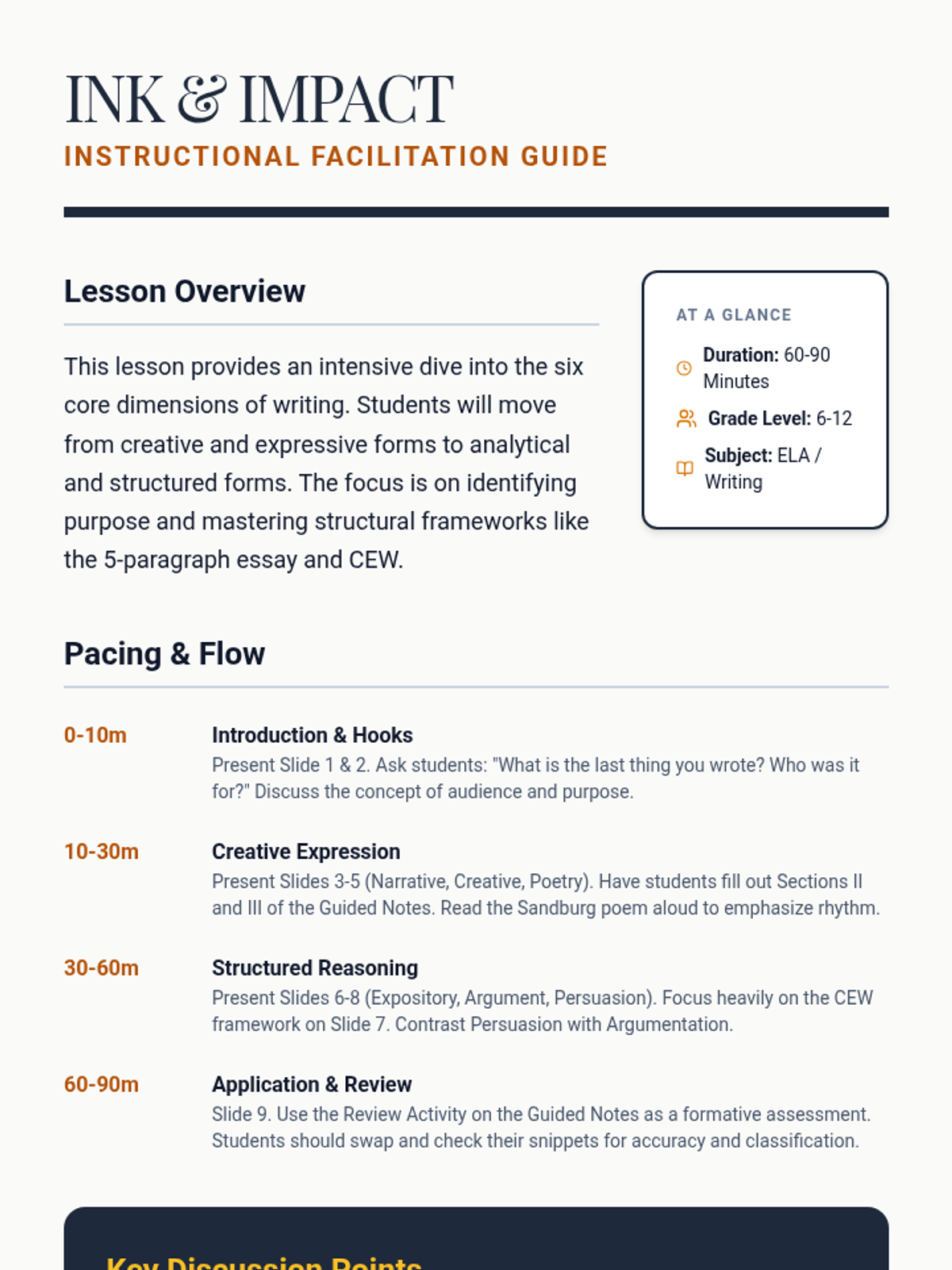
A deep dive into the six major types of writing: Creative, Expository, Narrative, Argumentative, Persuasive, and Poetry. Students learn the structures, purposes, and unique elements of each style, including rhetorical appeals and the CEW framework.
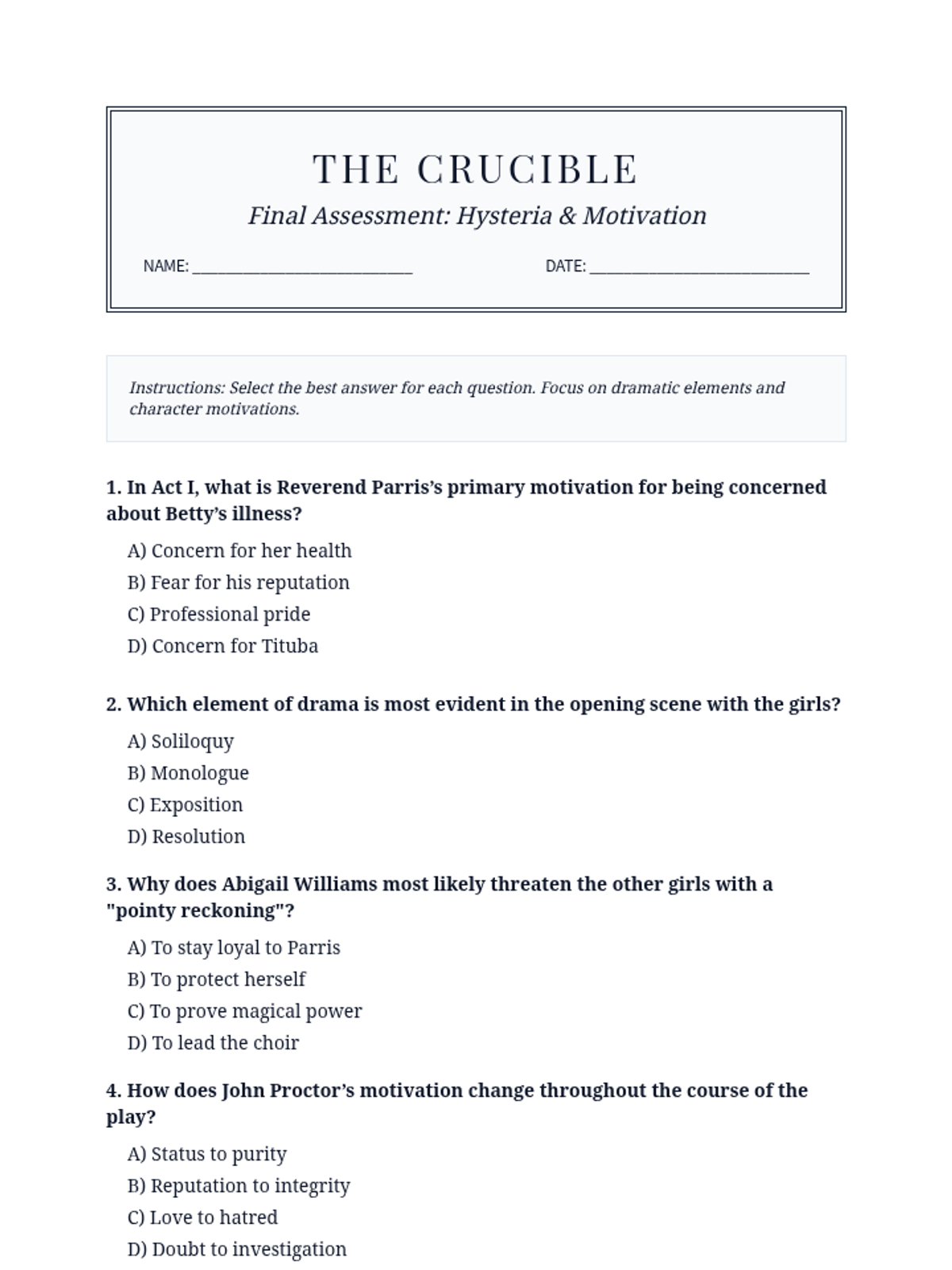
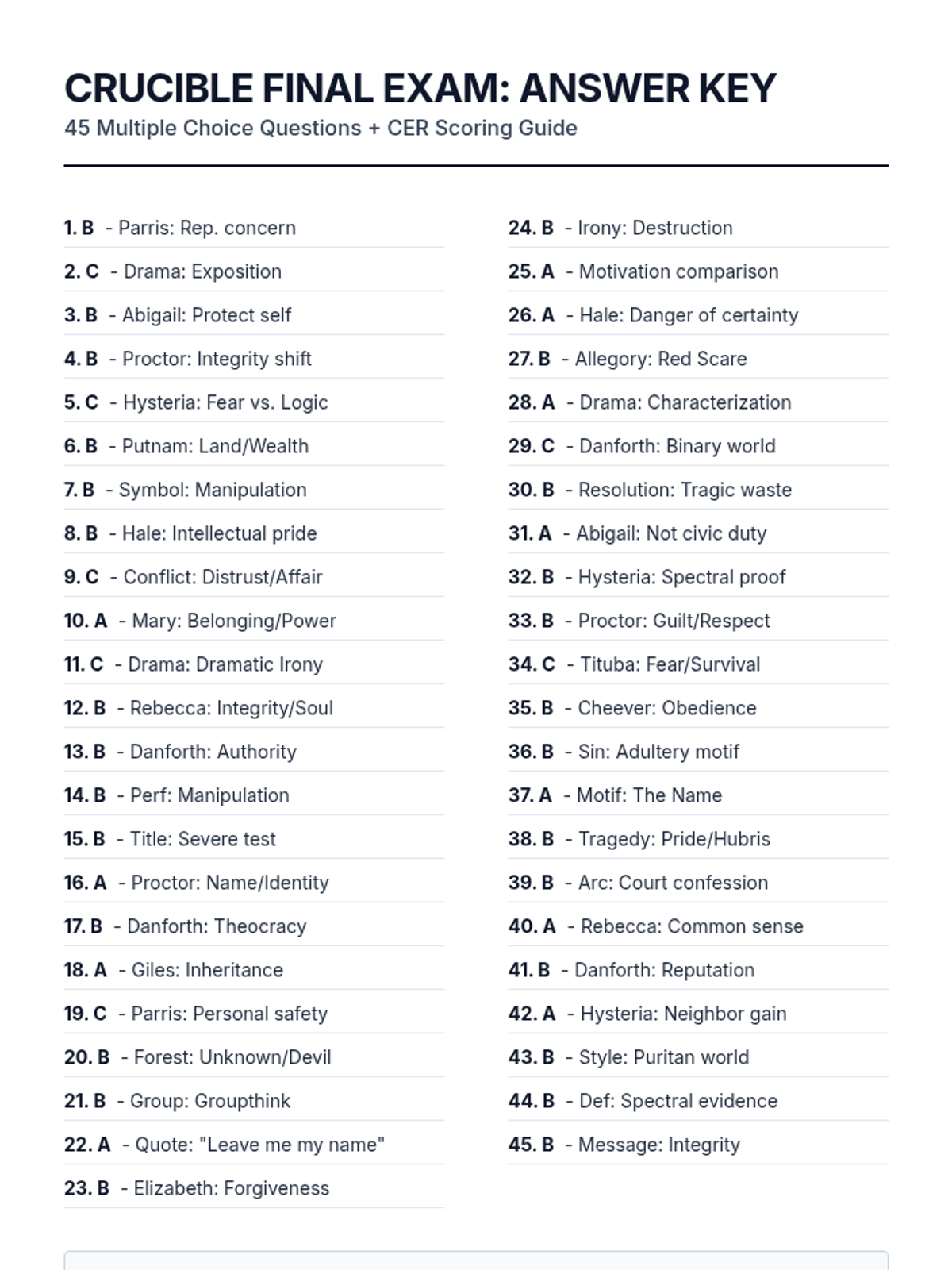
A comprehensive end-of-unit assessment for Arthur Miller's 'The Crucible', focusing on character motivation, the mechanics of hysteria, and elements of drama. This lesson includes a 45-question multiple-choice exam and a CER-based short answer response.
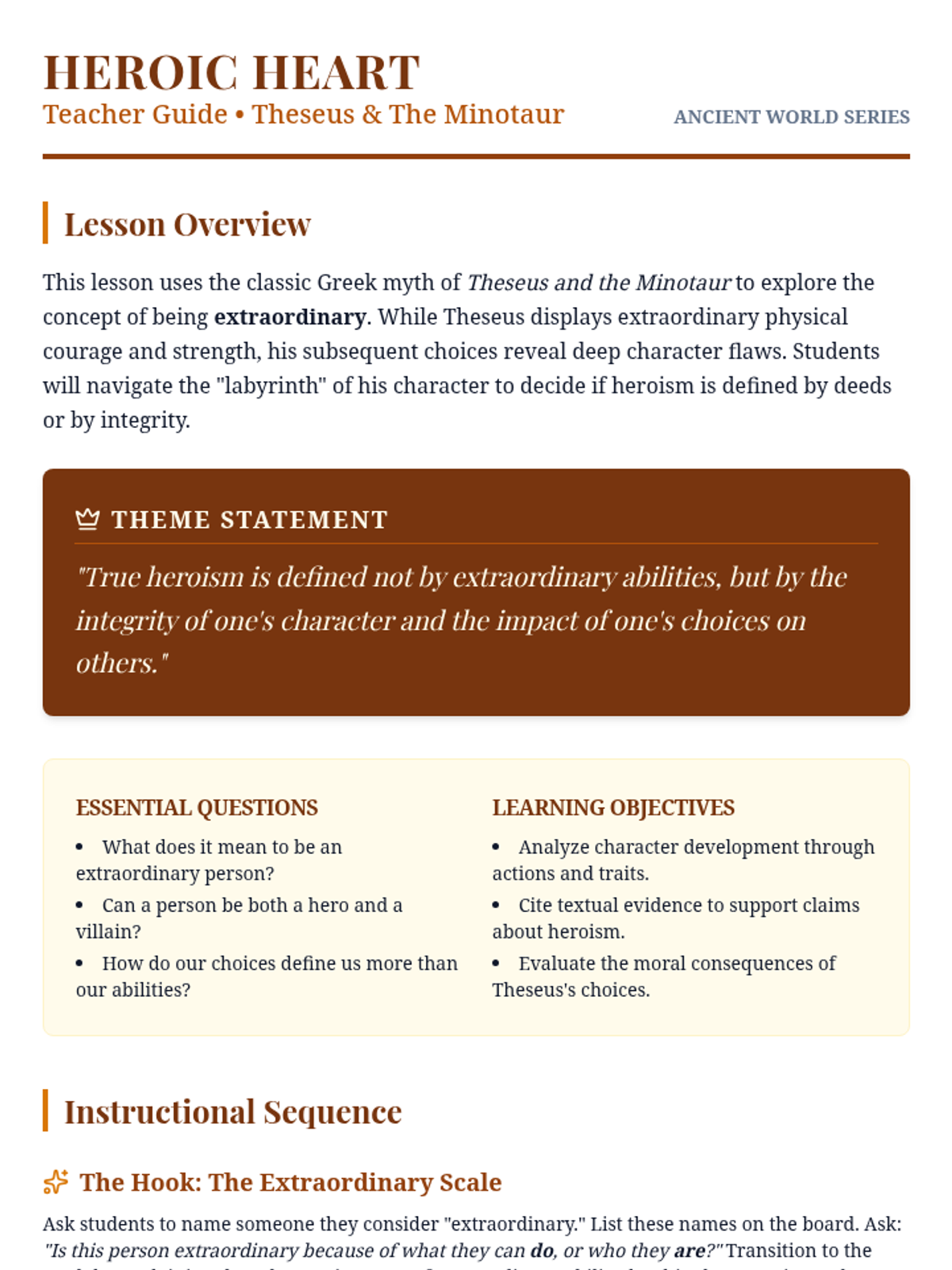
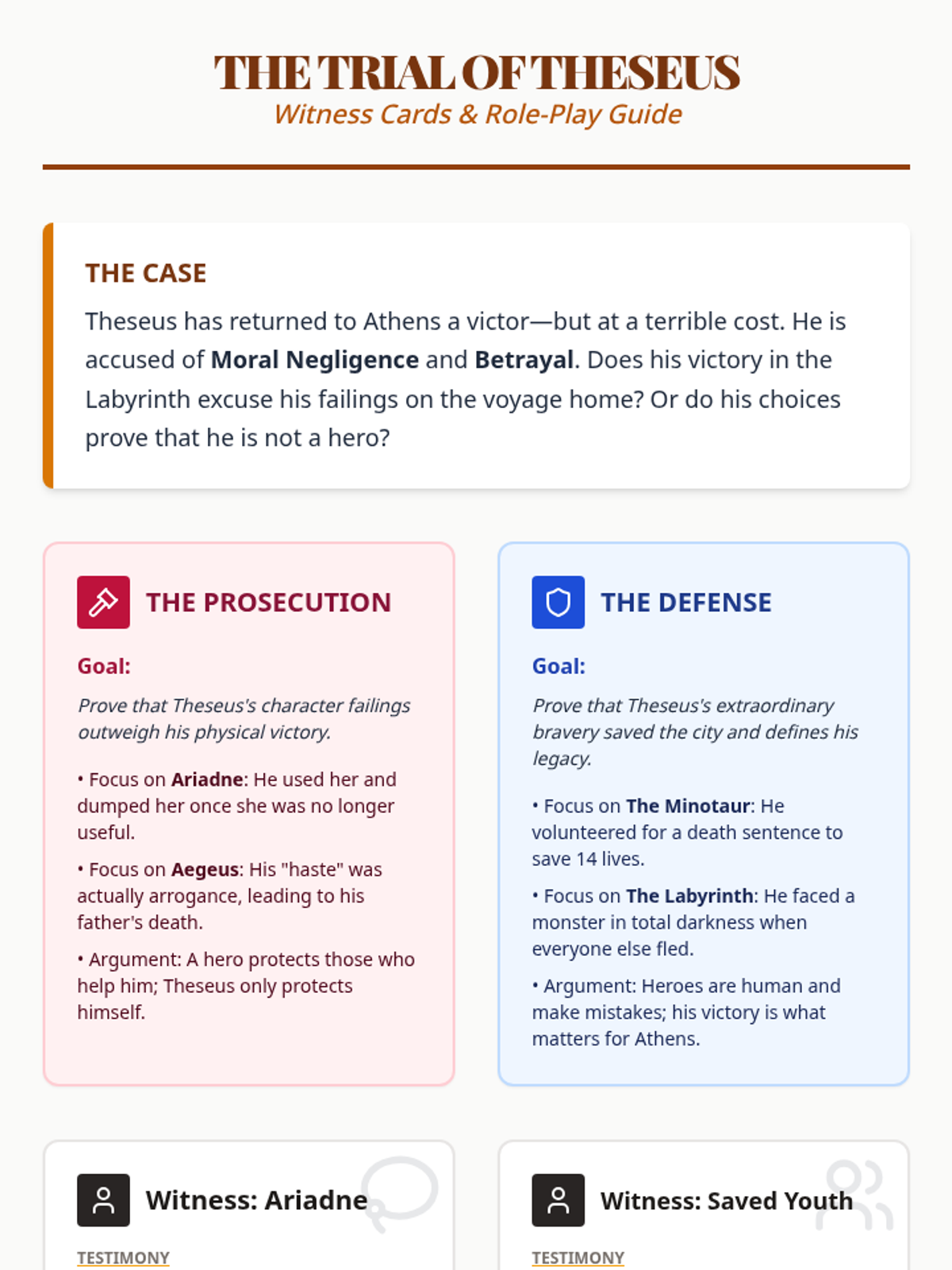
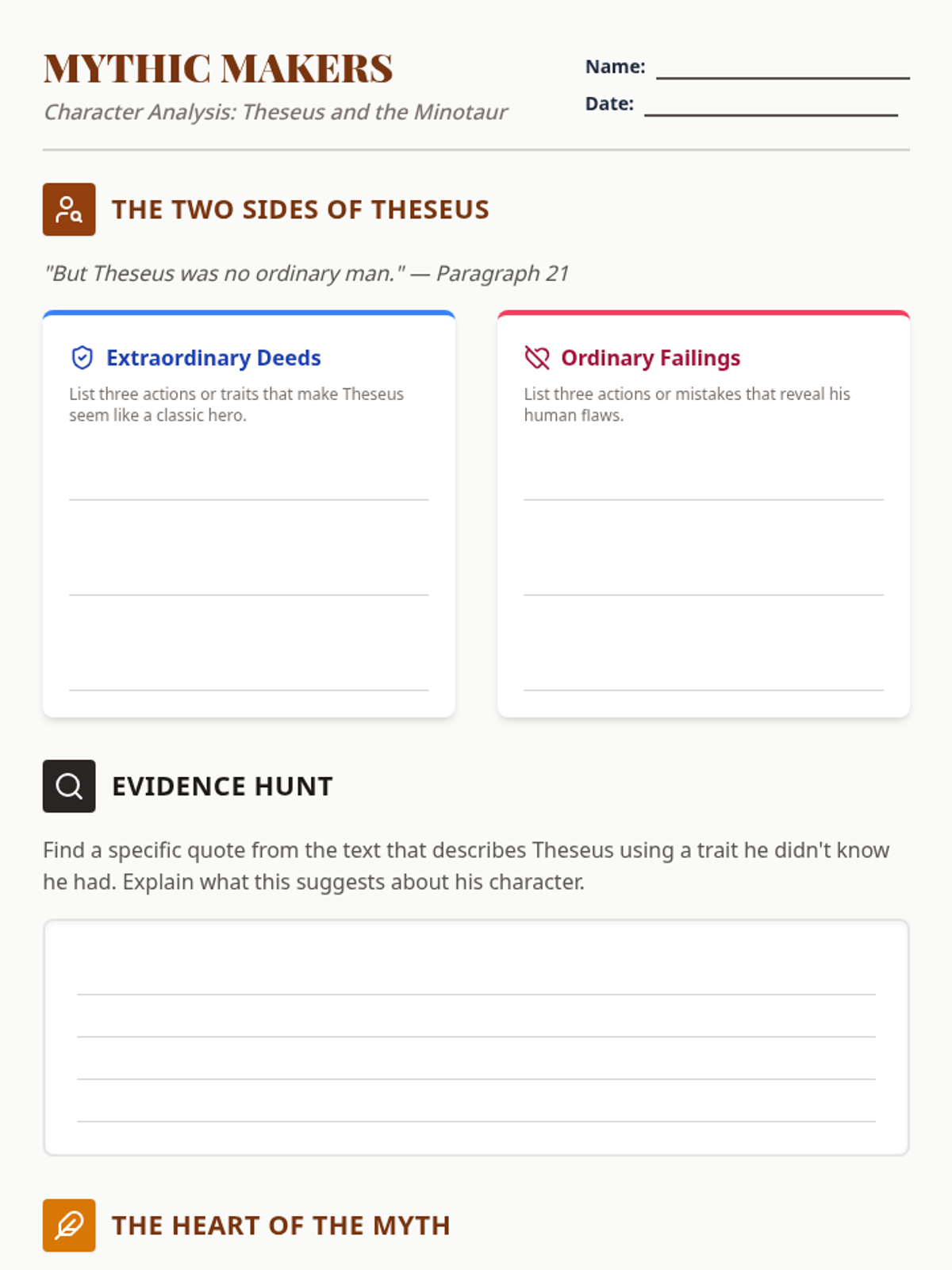
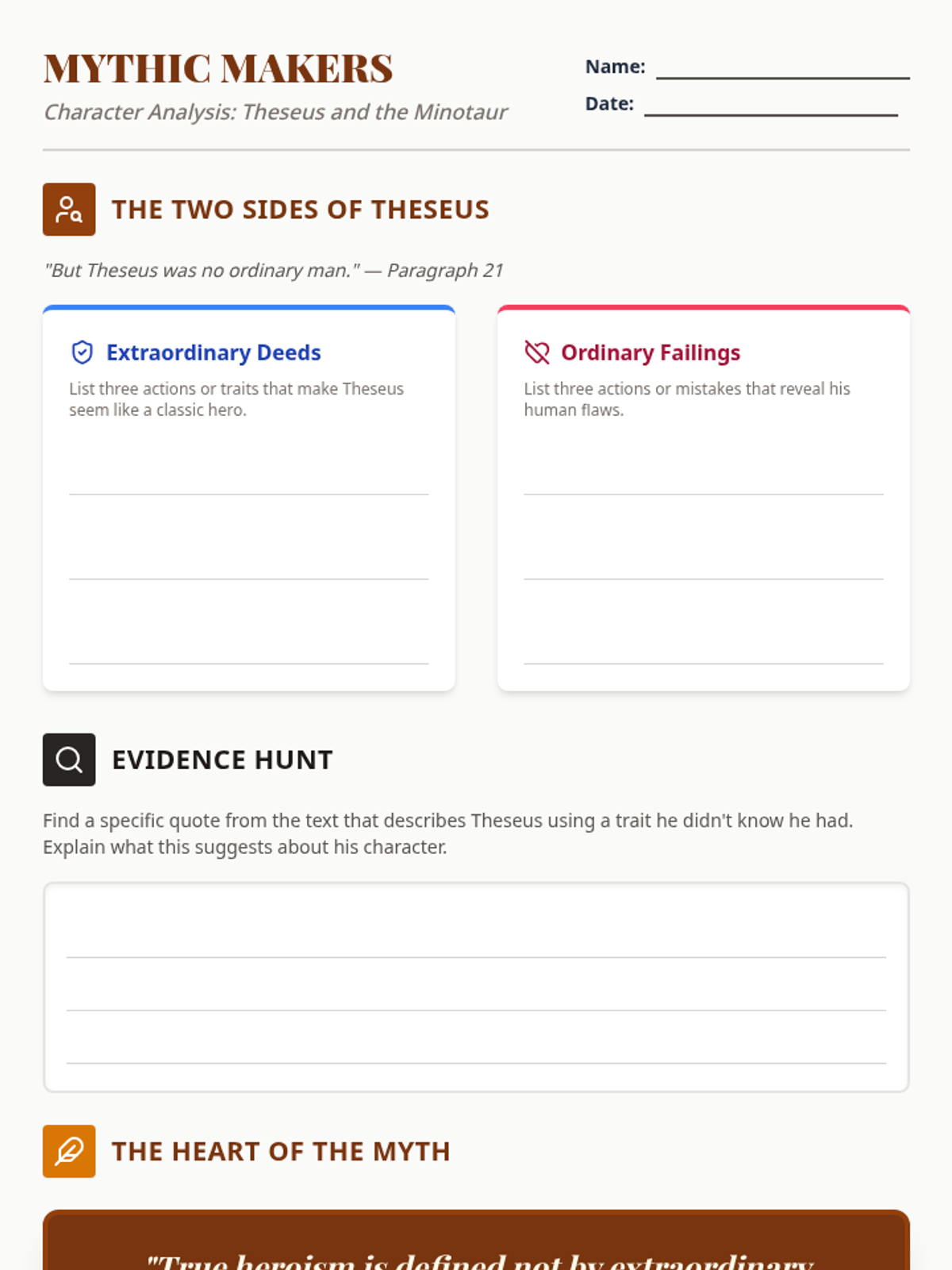
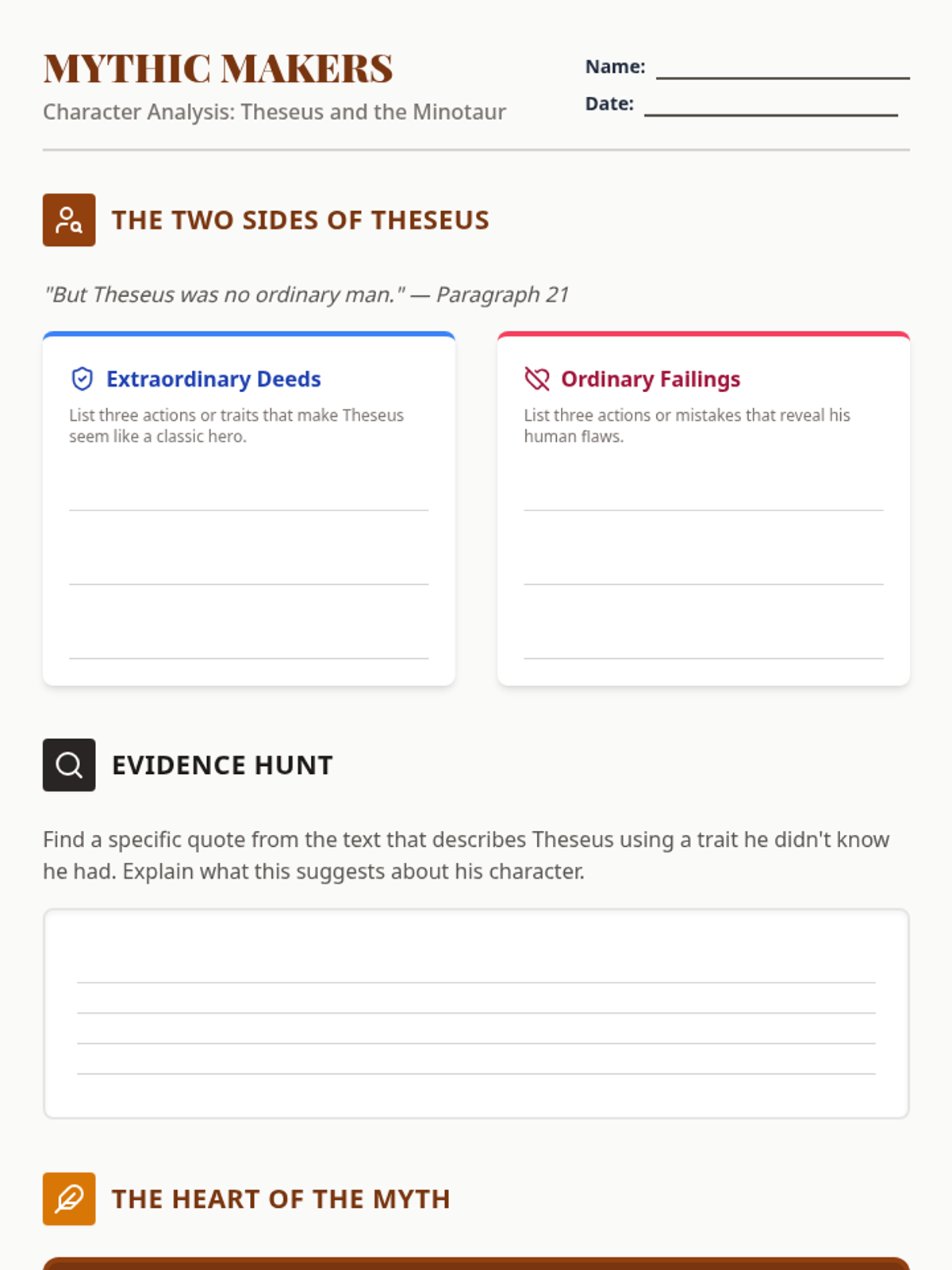
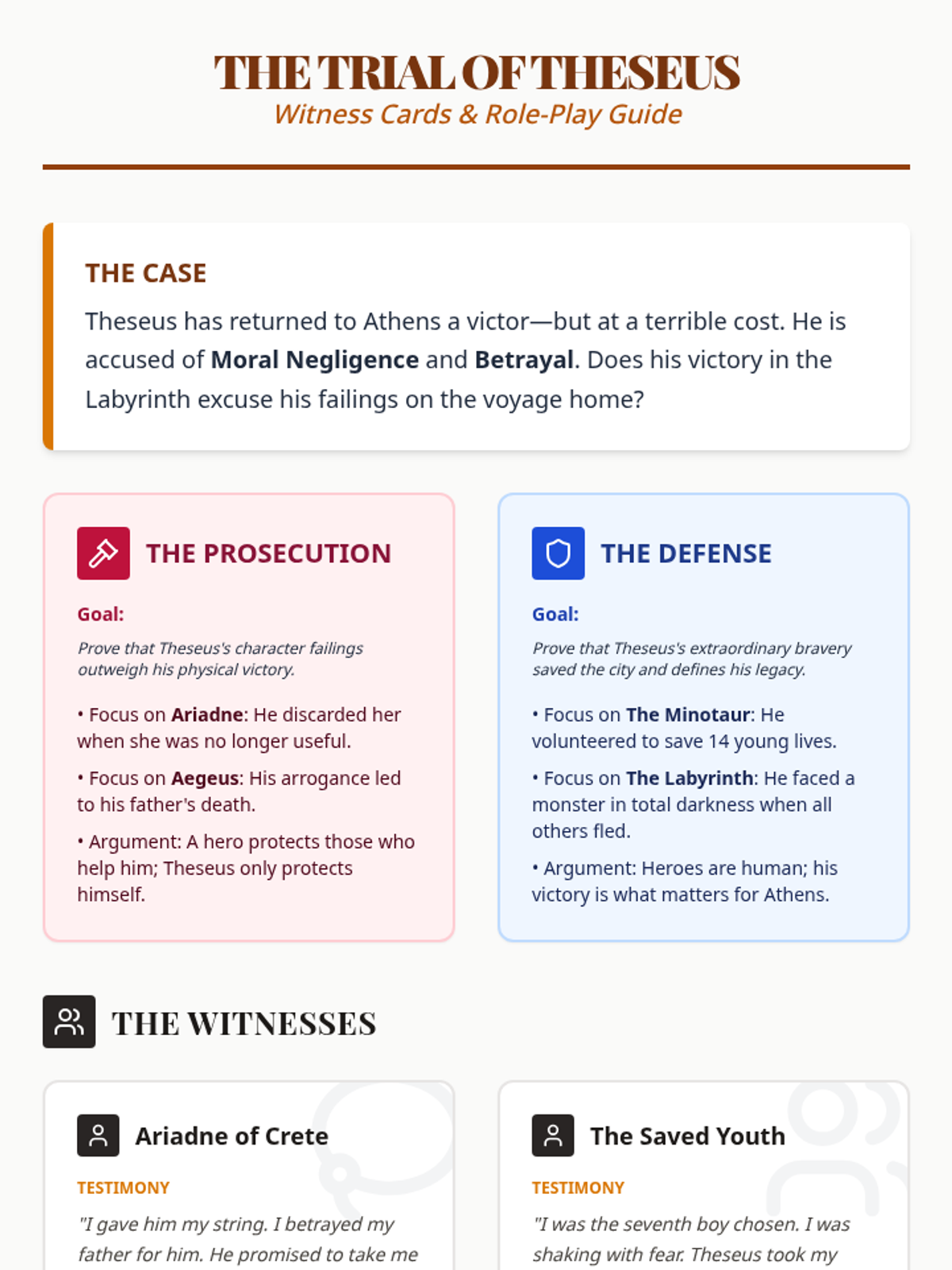
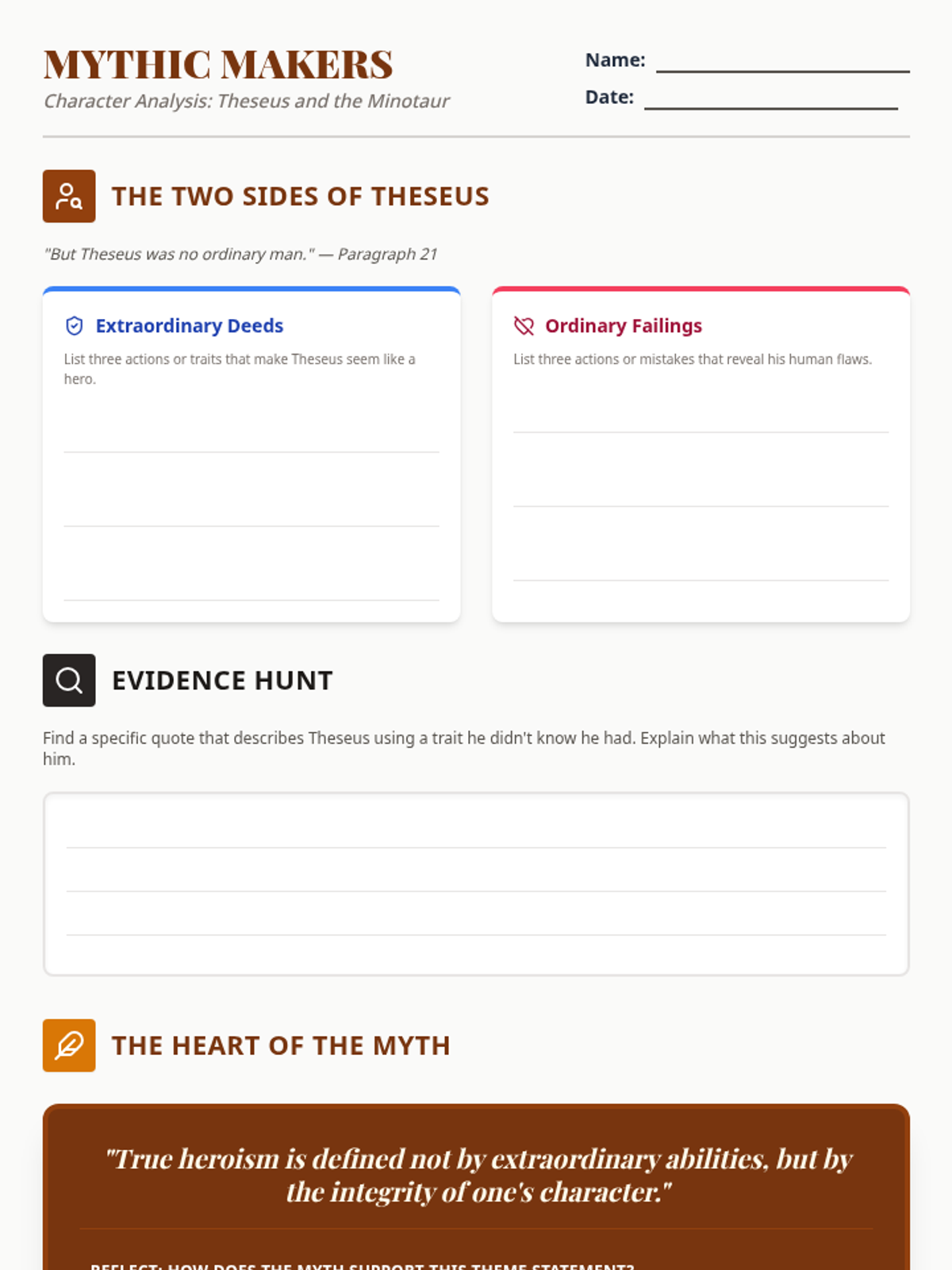
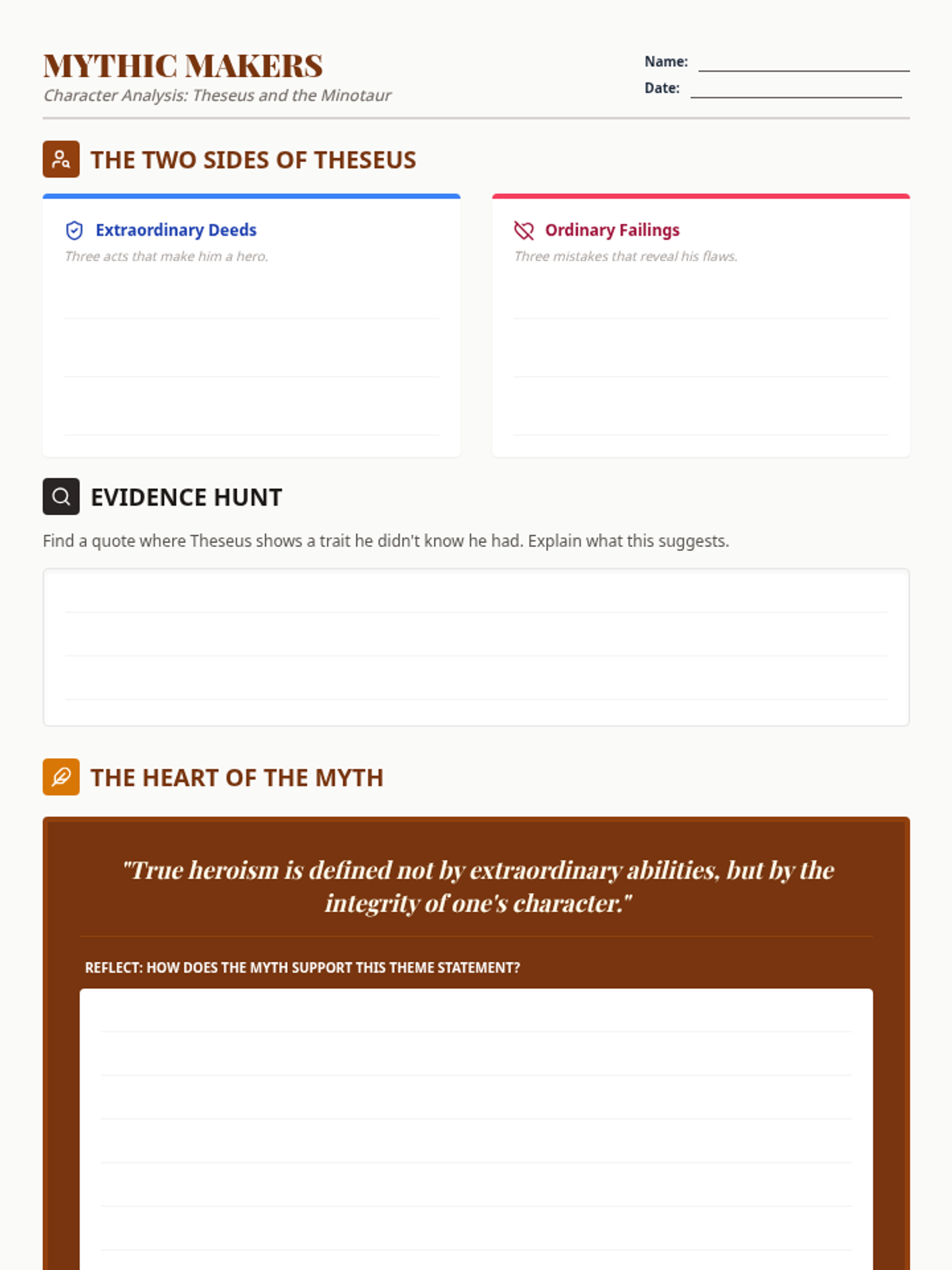
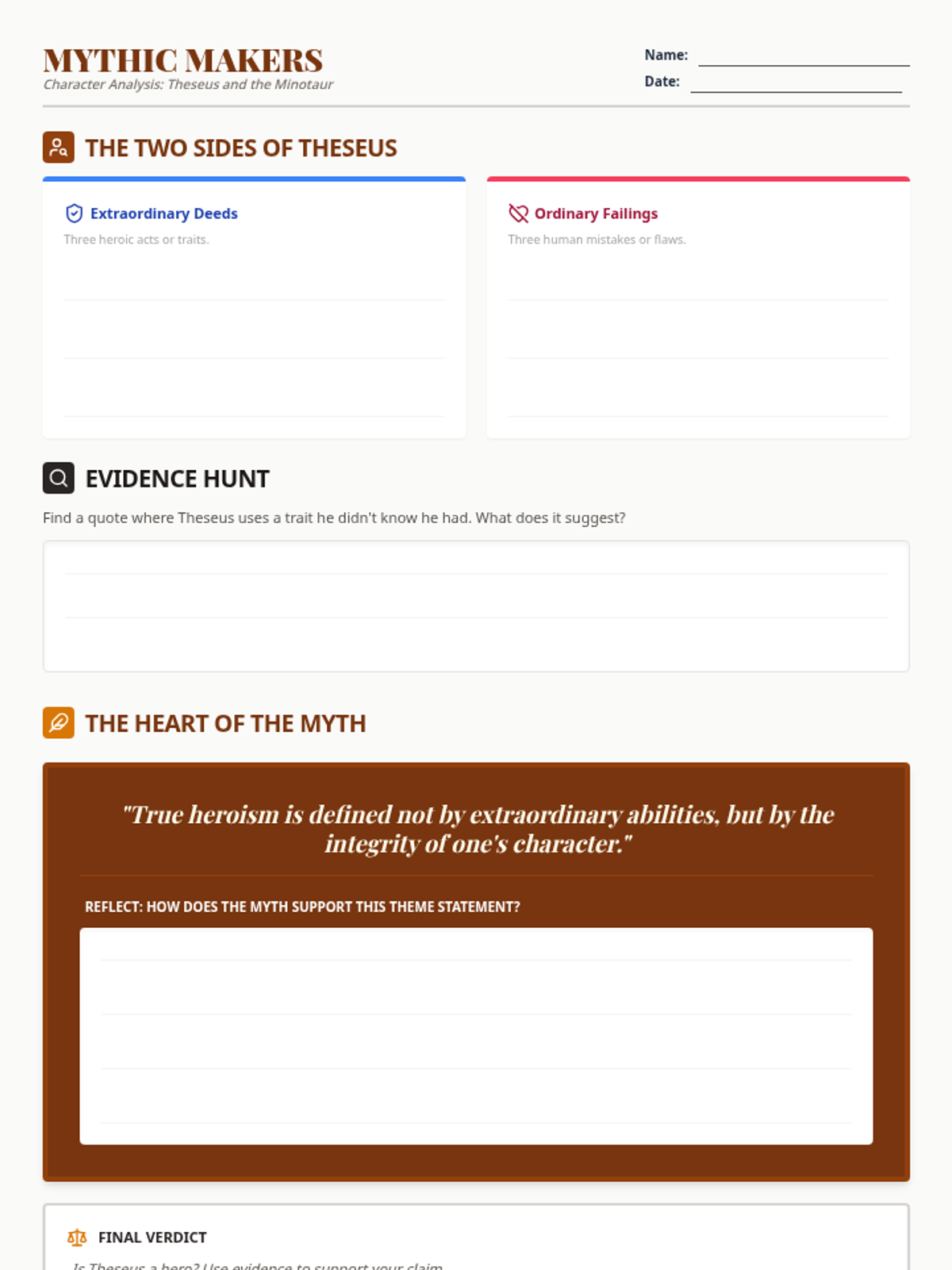
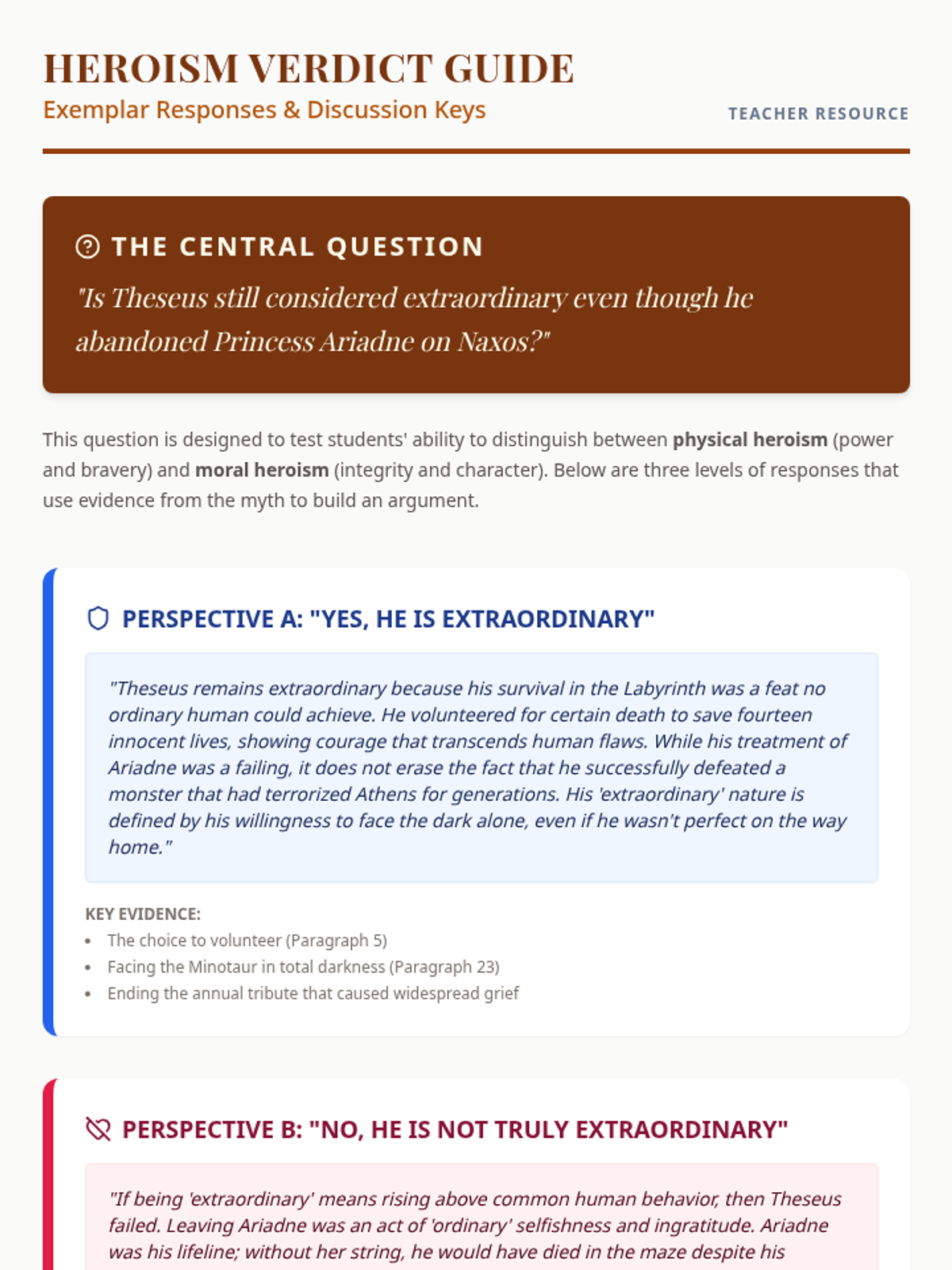
A deep dive into the myth of Theseus and the Minotaur, exploring the duality of heroism and what it truly means to be extraordinary. Students analyze Theseus's brave actions alongside his moral failings to develop a nuanced understanding of character.
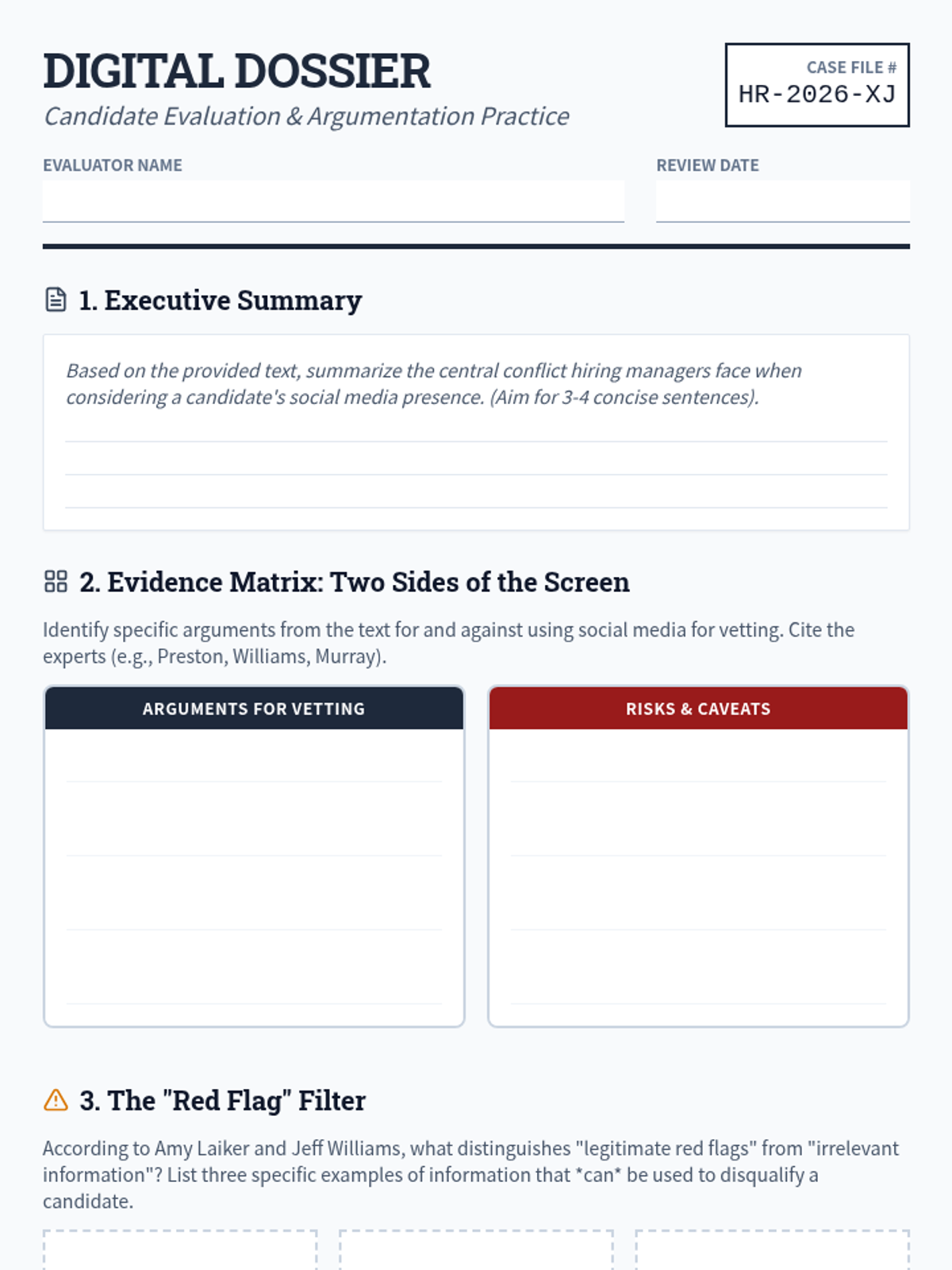
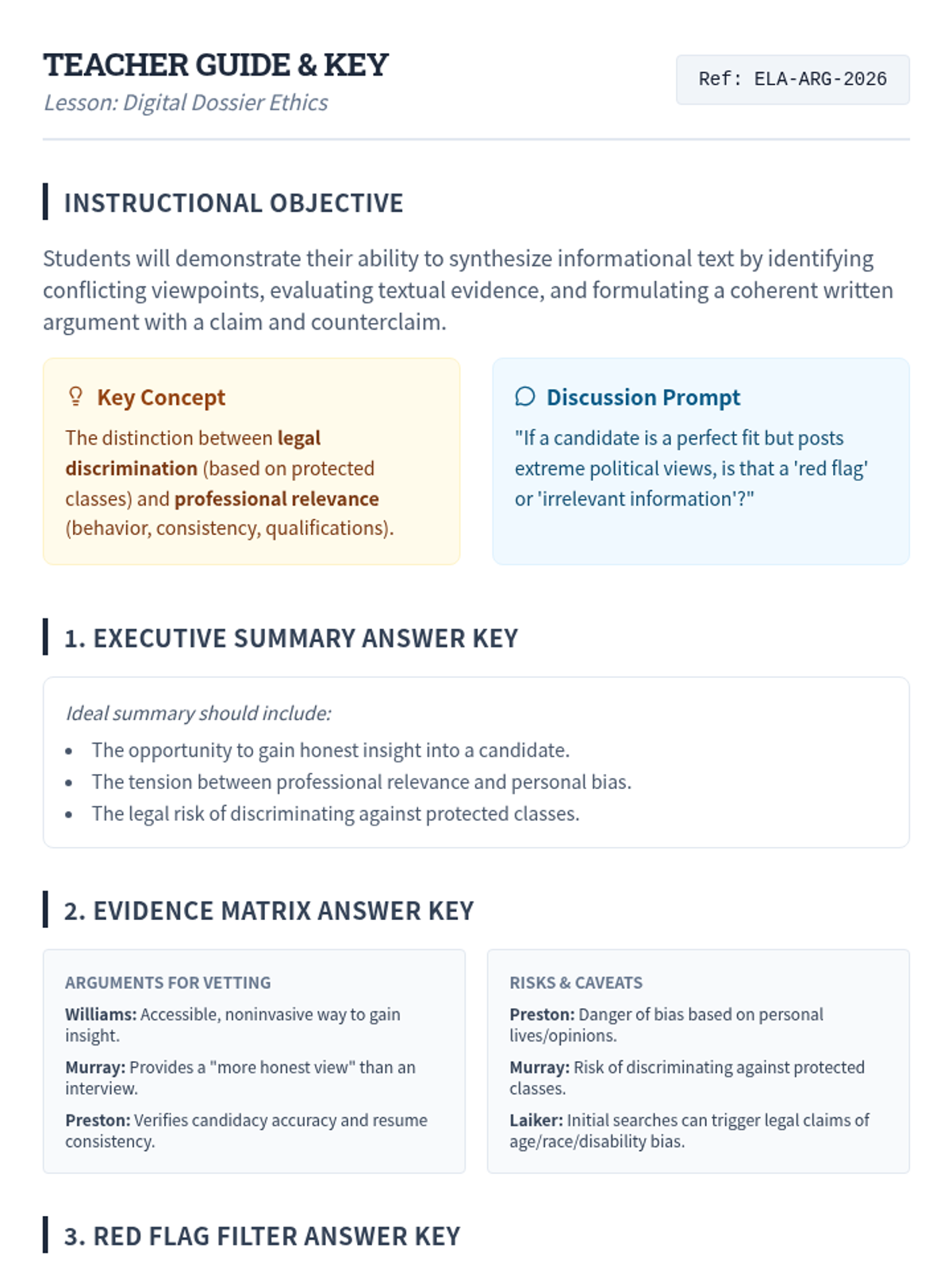
This lesson guides students through the complexities of using social media for job candidate vetting. Students will analyze expert testimony, identify legal risks, and construct a evidence-based argument on whether social media should influence hiring decisions.
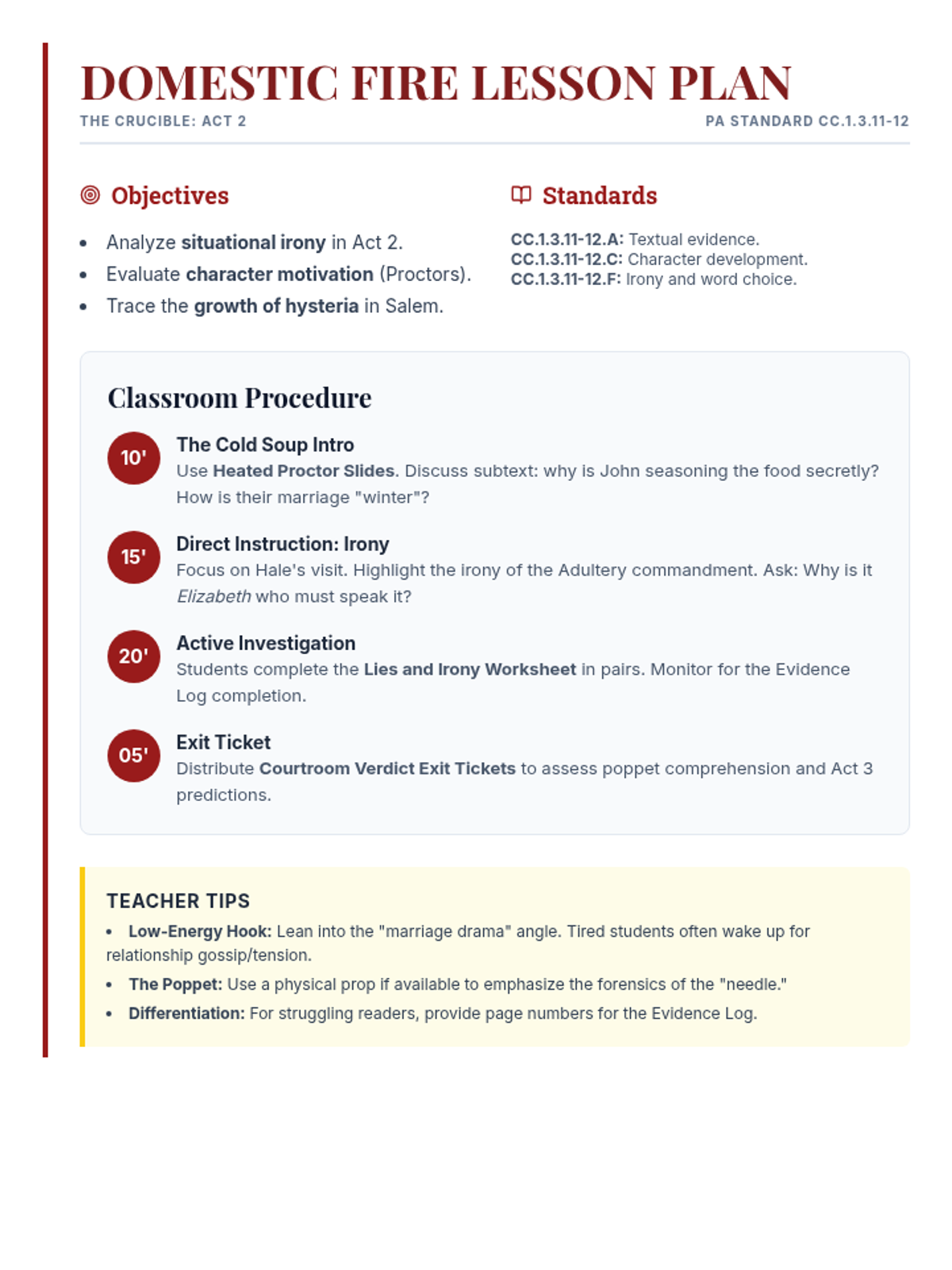
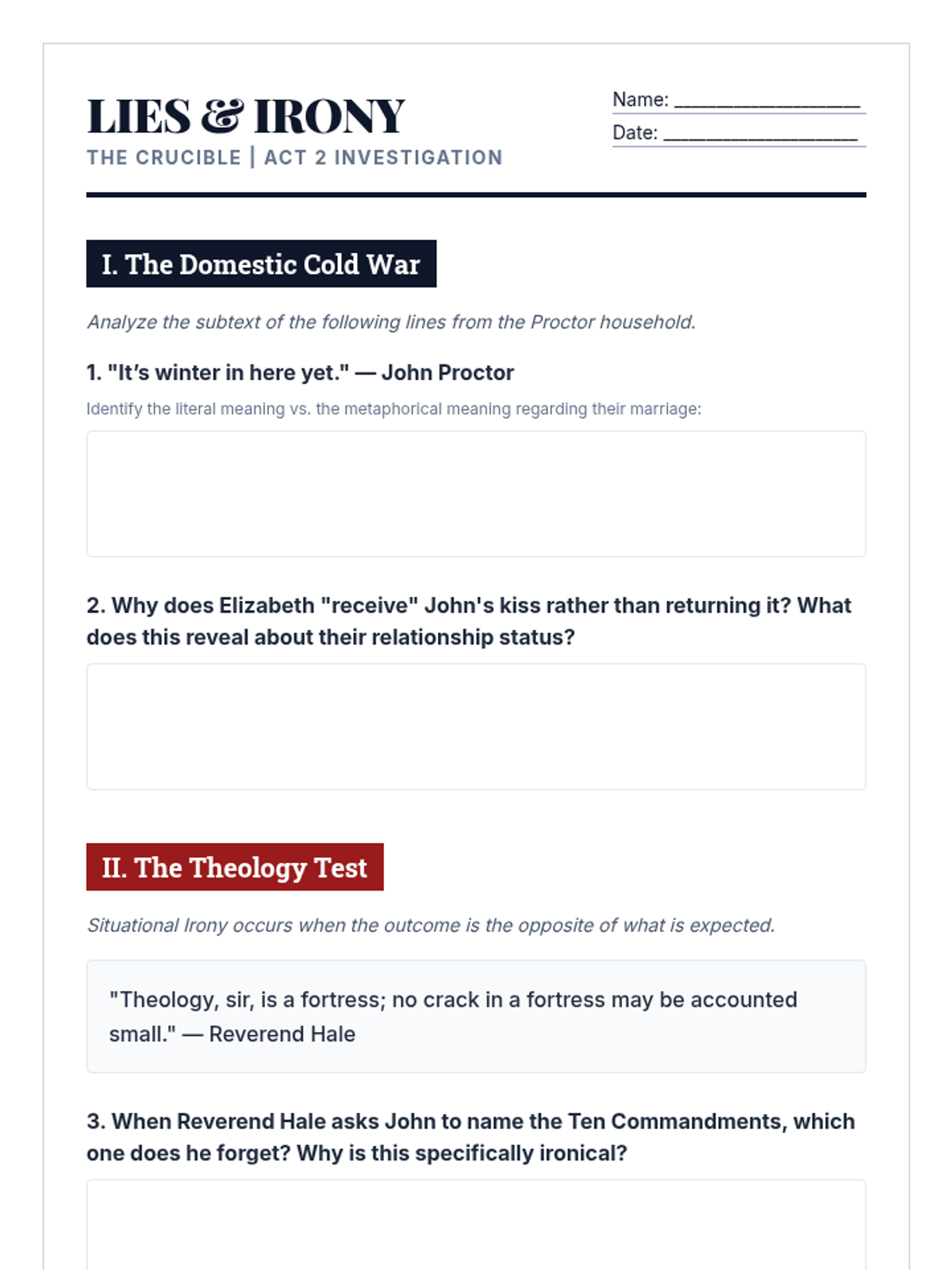
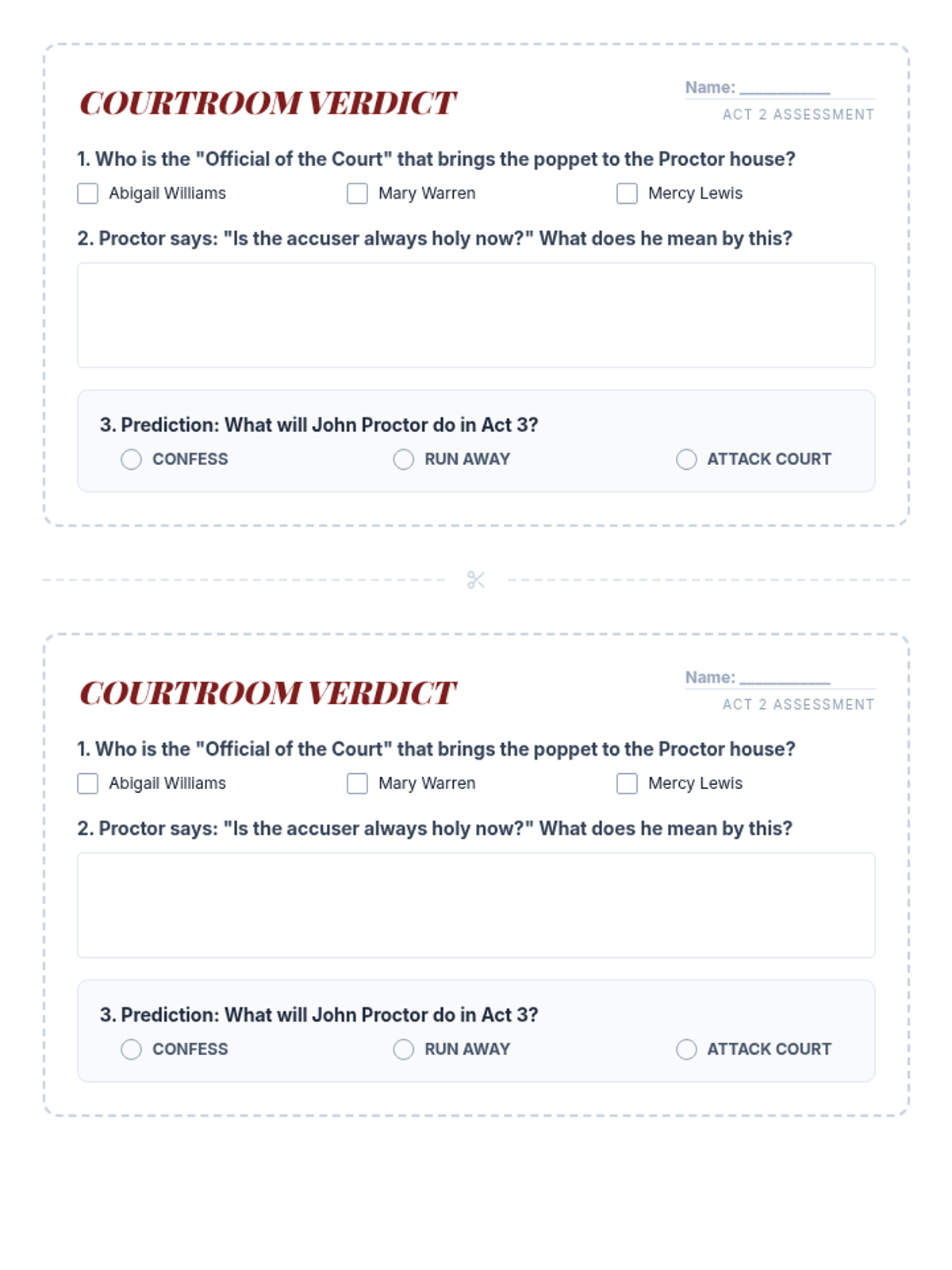
A high-energy lesson on Act 2 of The Crucible, focusing on the domestic tension between John and Elizabeth Proctor, the irony of the Ten Commandments, and the escalating hysteria in Salem. Aligning with PA CC.1.3 standards, students analyze character motivation and situational irony.
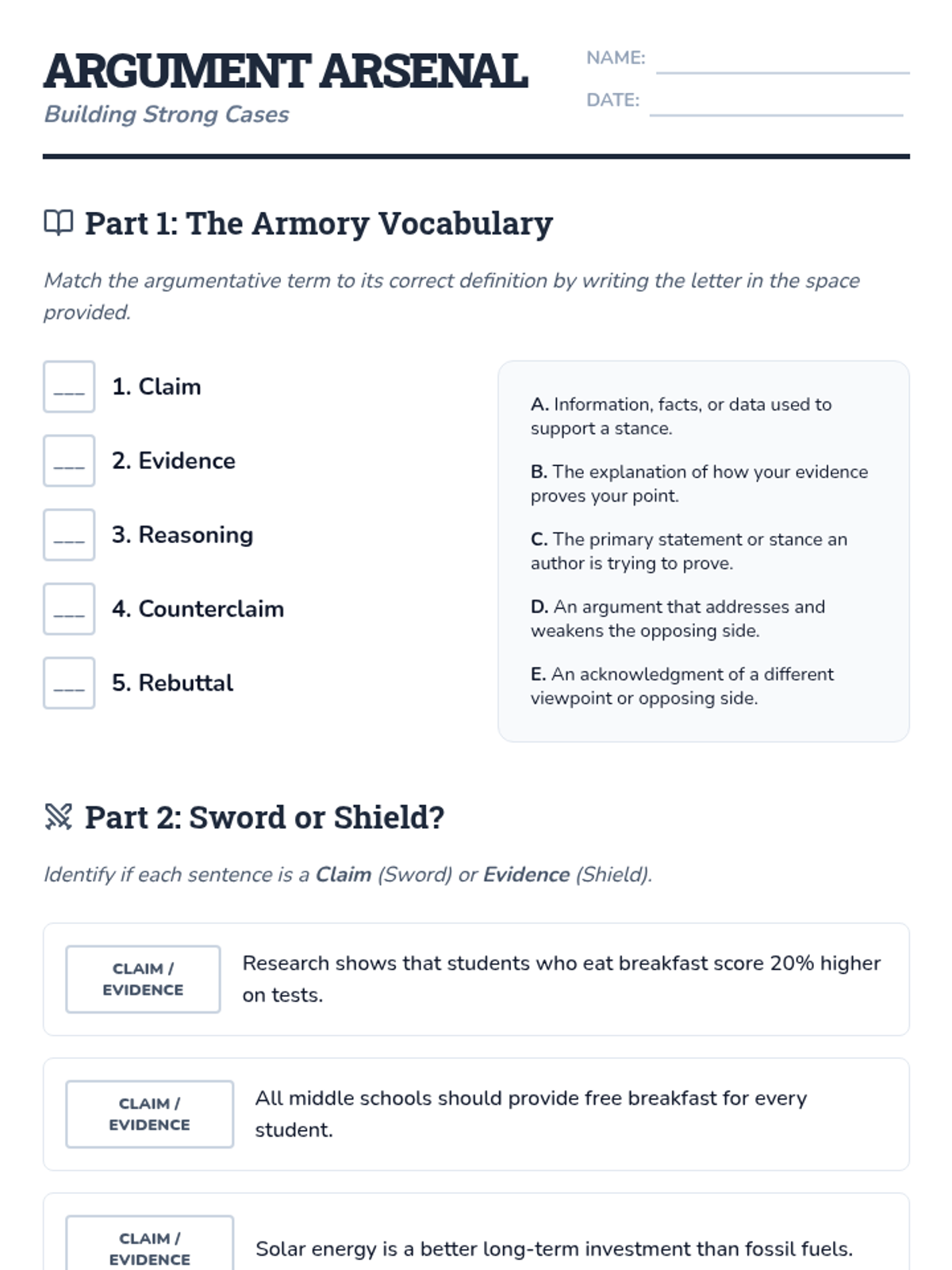
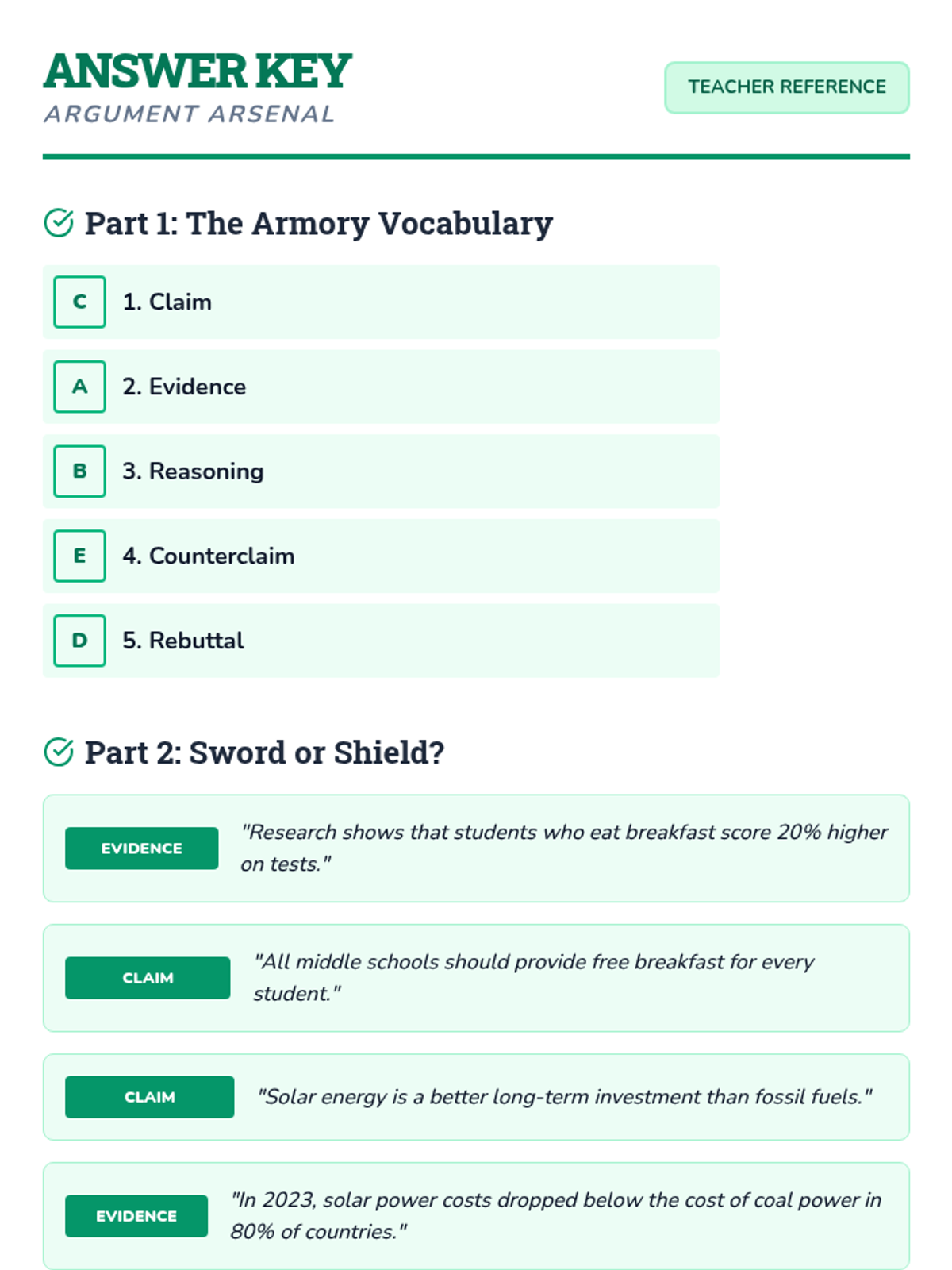
A lesson focused on identifying and constructing argumentative claims supported by strong evidence, using an engaging armory theme.
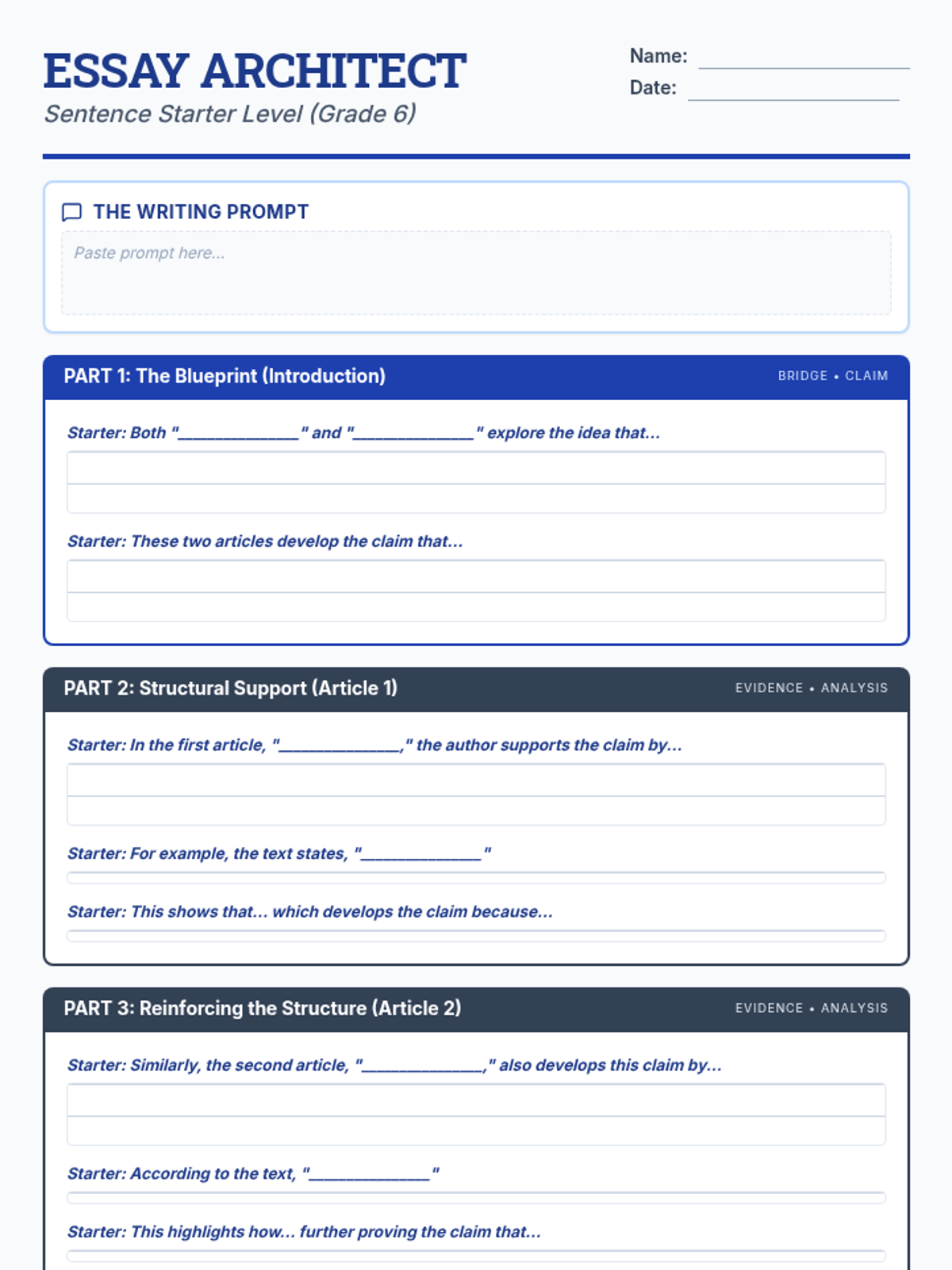
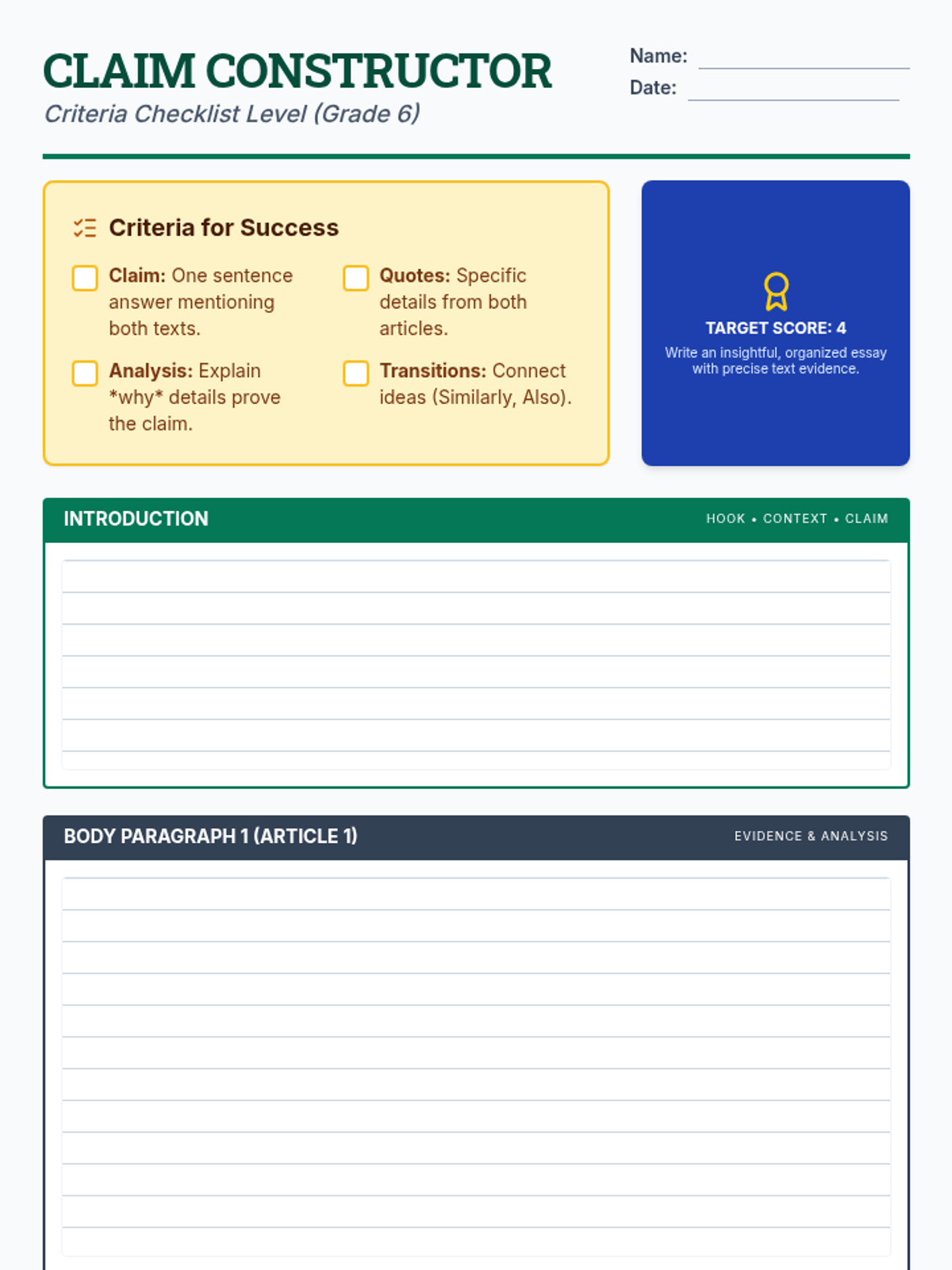
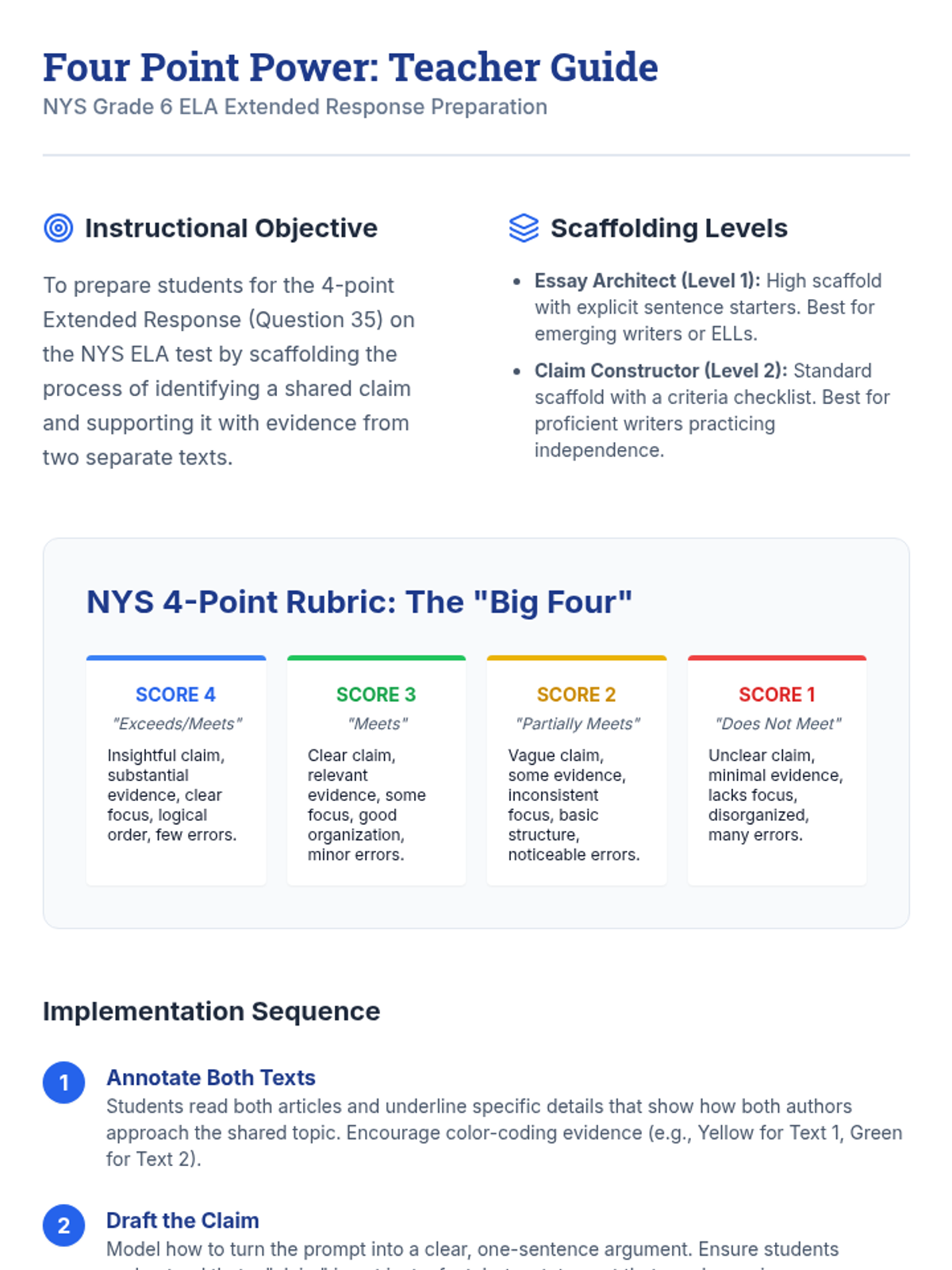
Preparing students for the NYS Grade 6 ELA extended response by breaking down the comparison of two texts into manageable drafting stages.
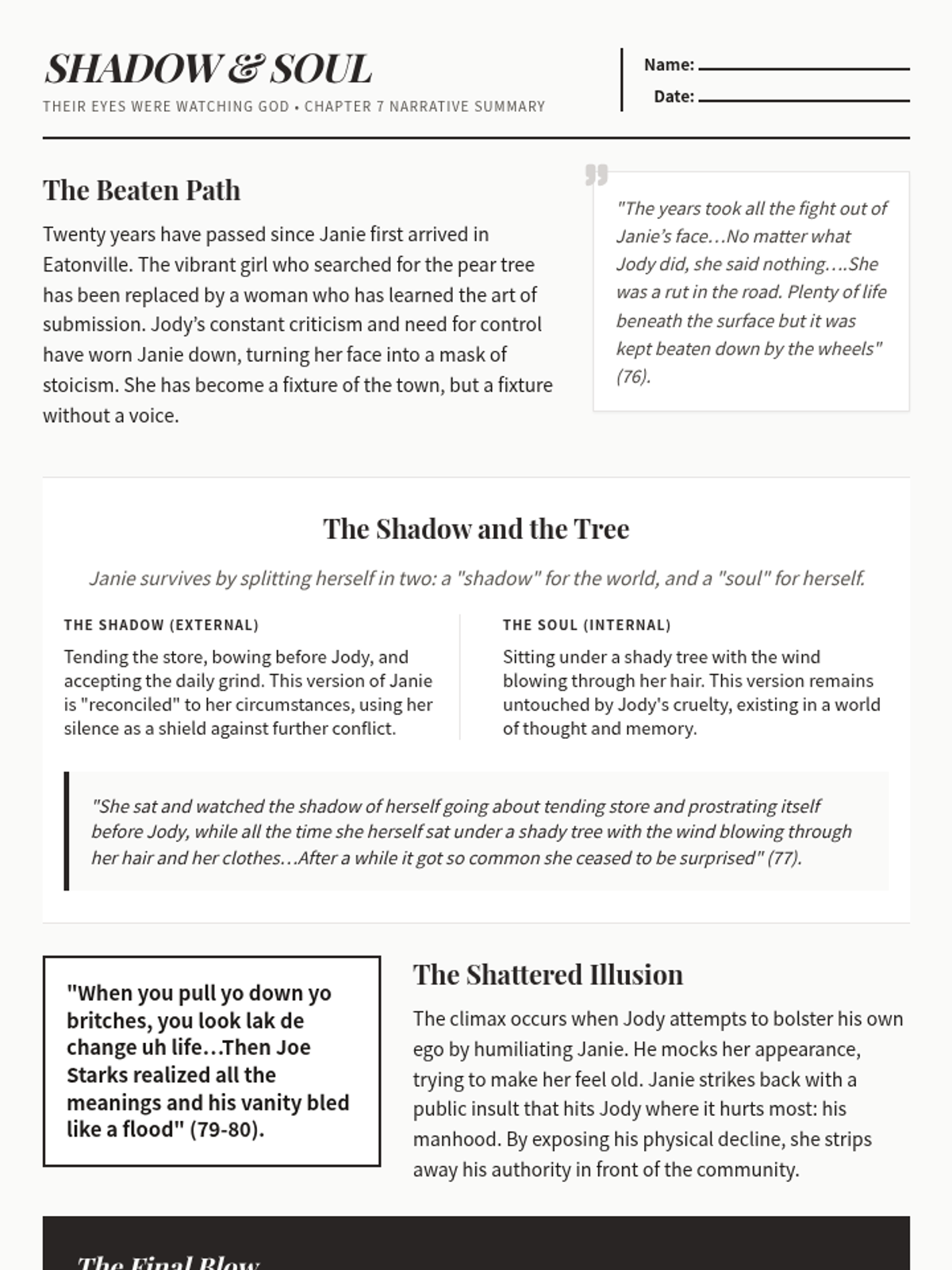
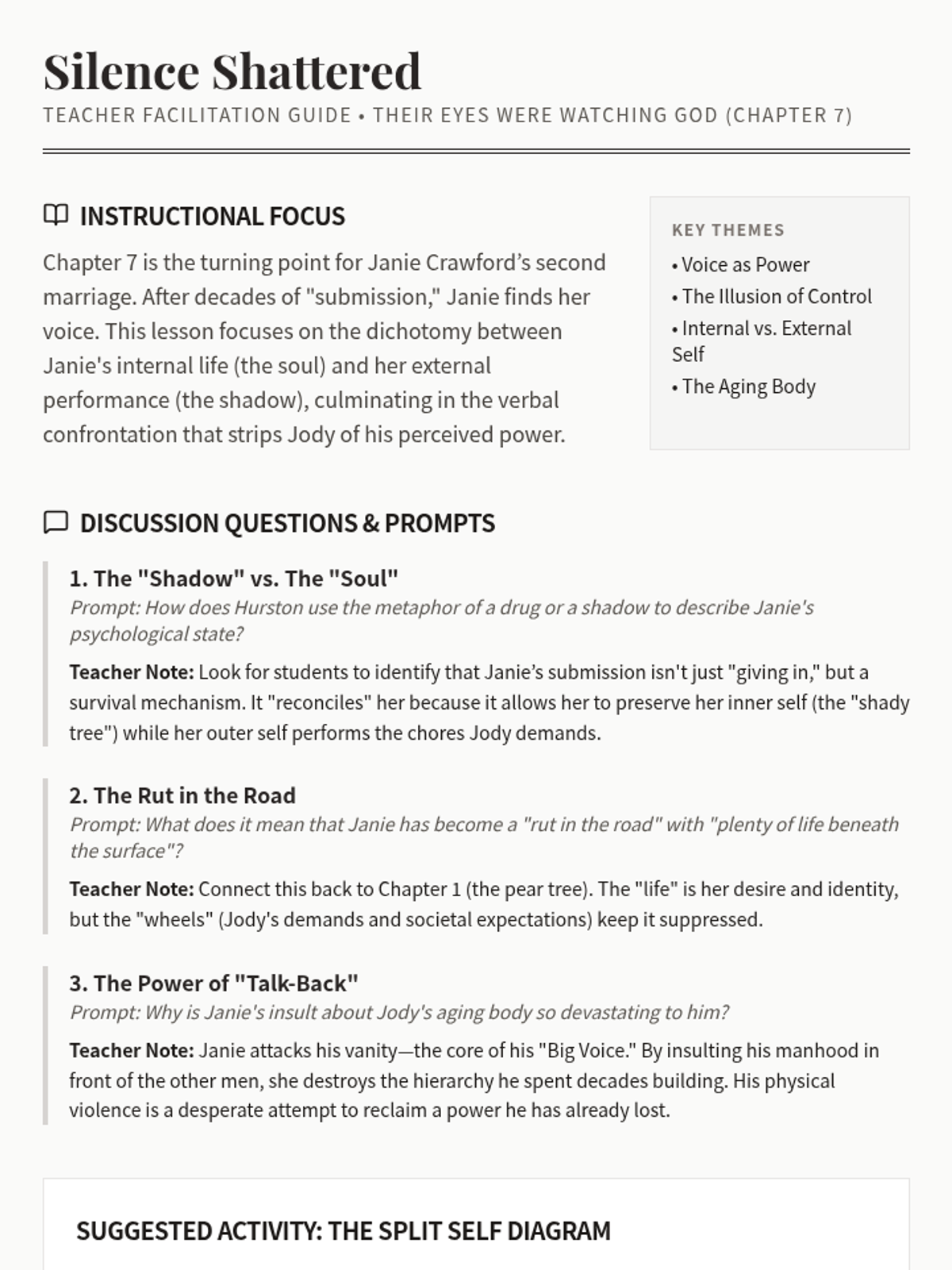
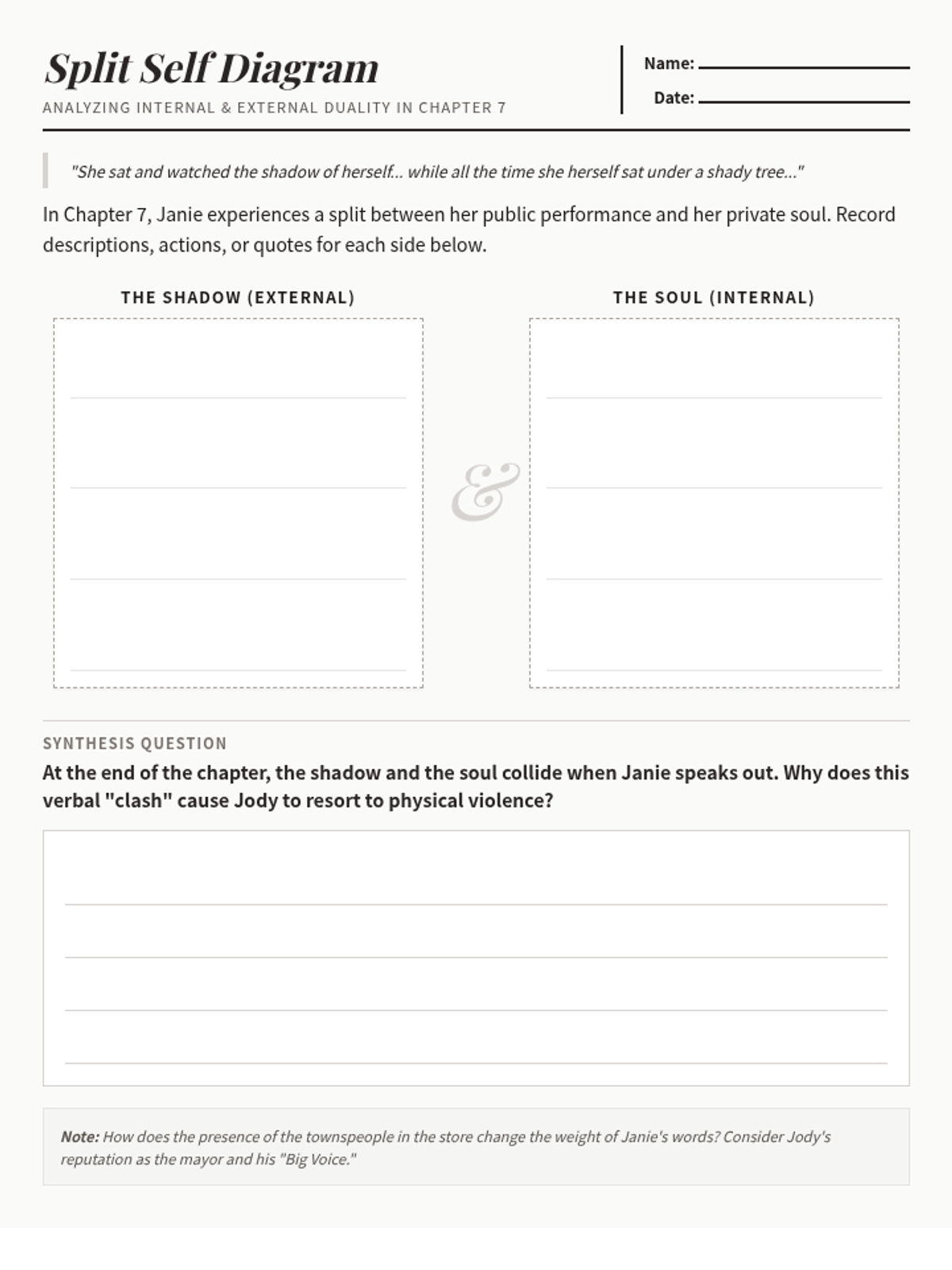
A focused look at Chapter 7 of Their Eyes Were Watching God, exploring Janie's internal duality and the climactic verbal confrontation that shatters her marriage to Jody.
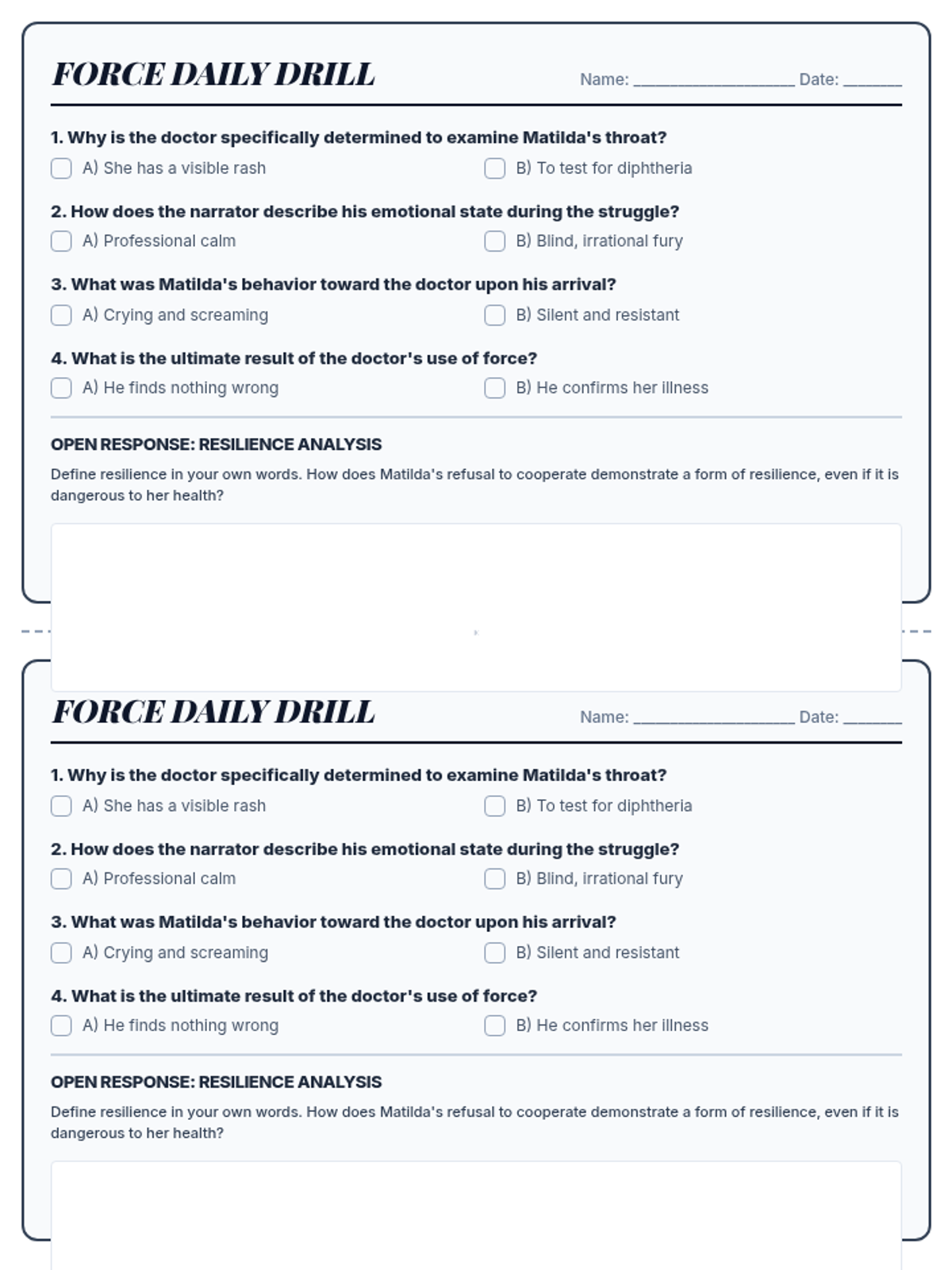
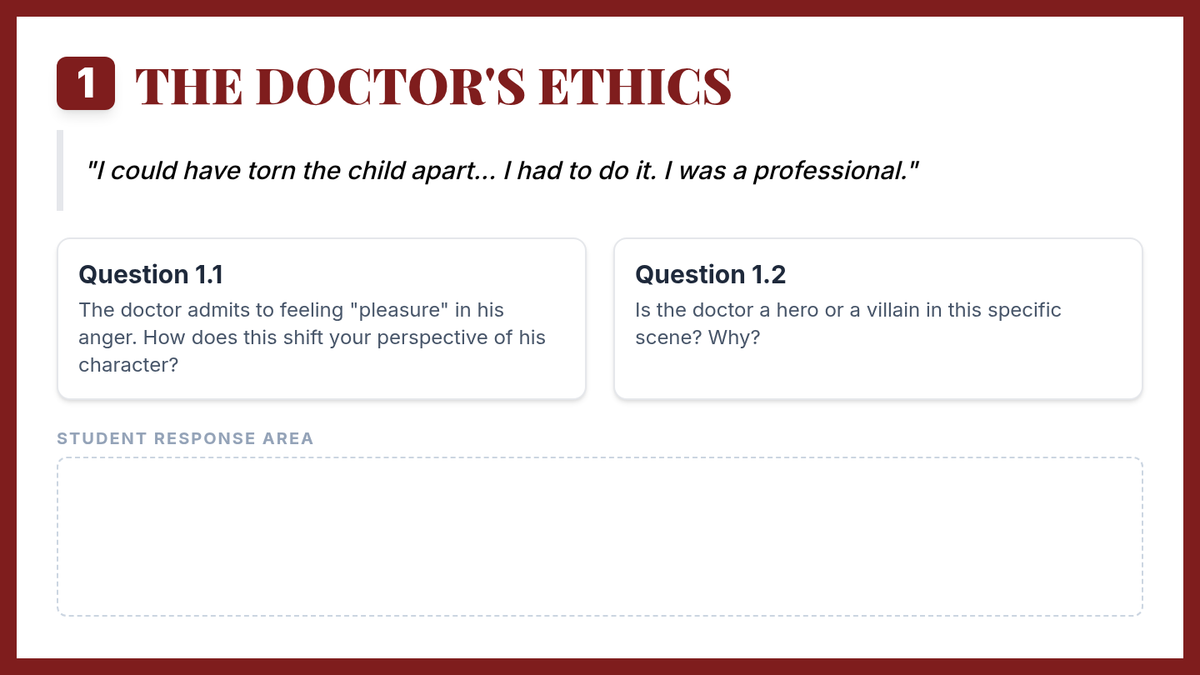
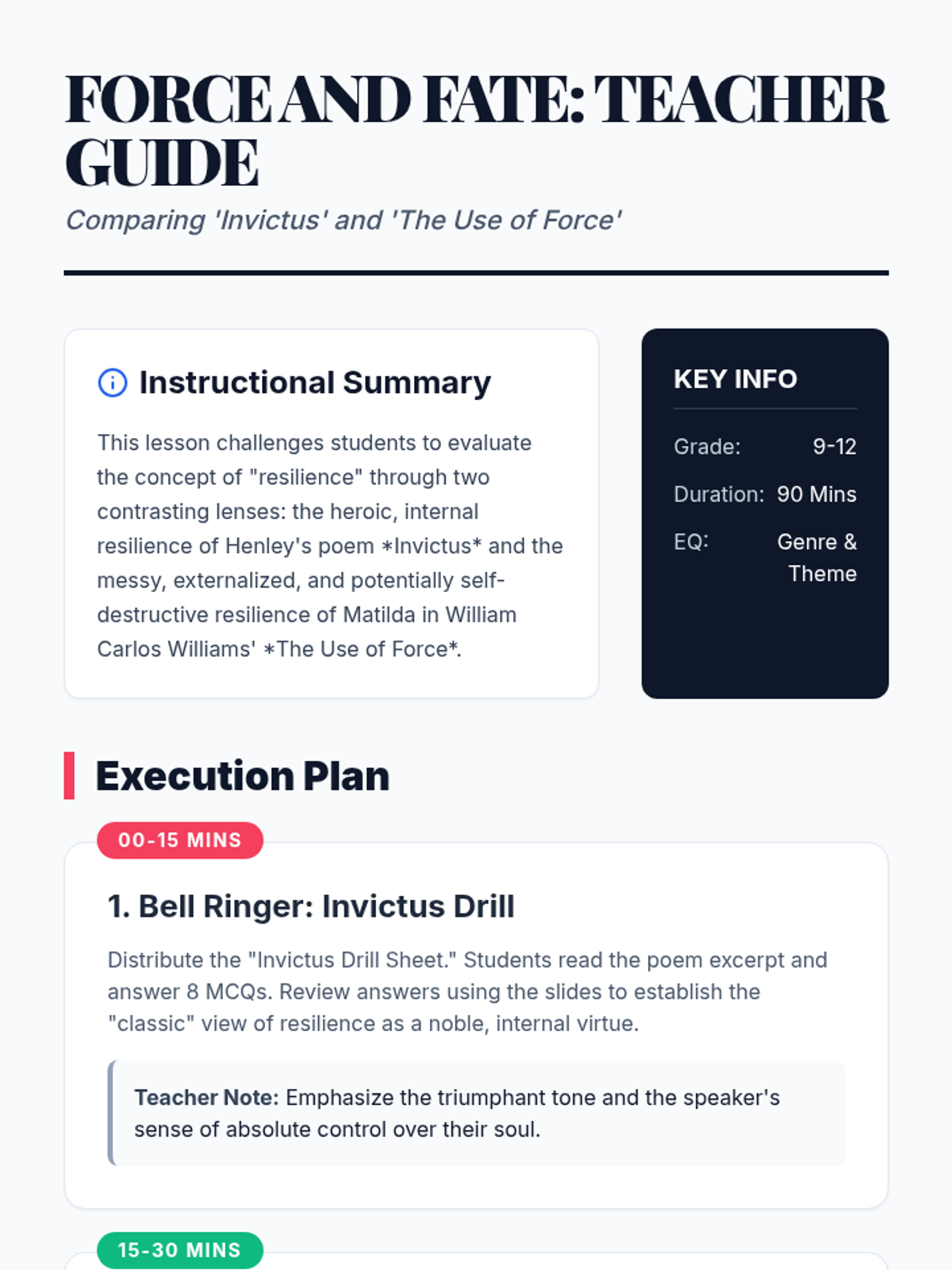
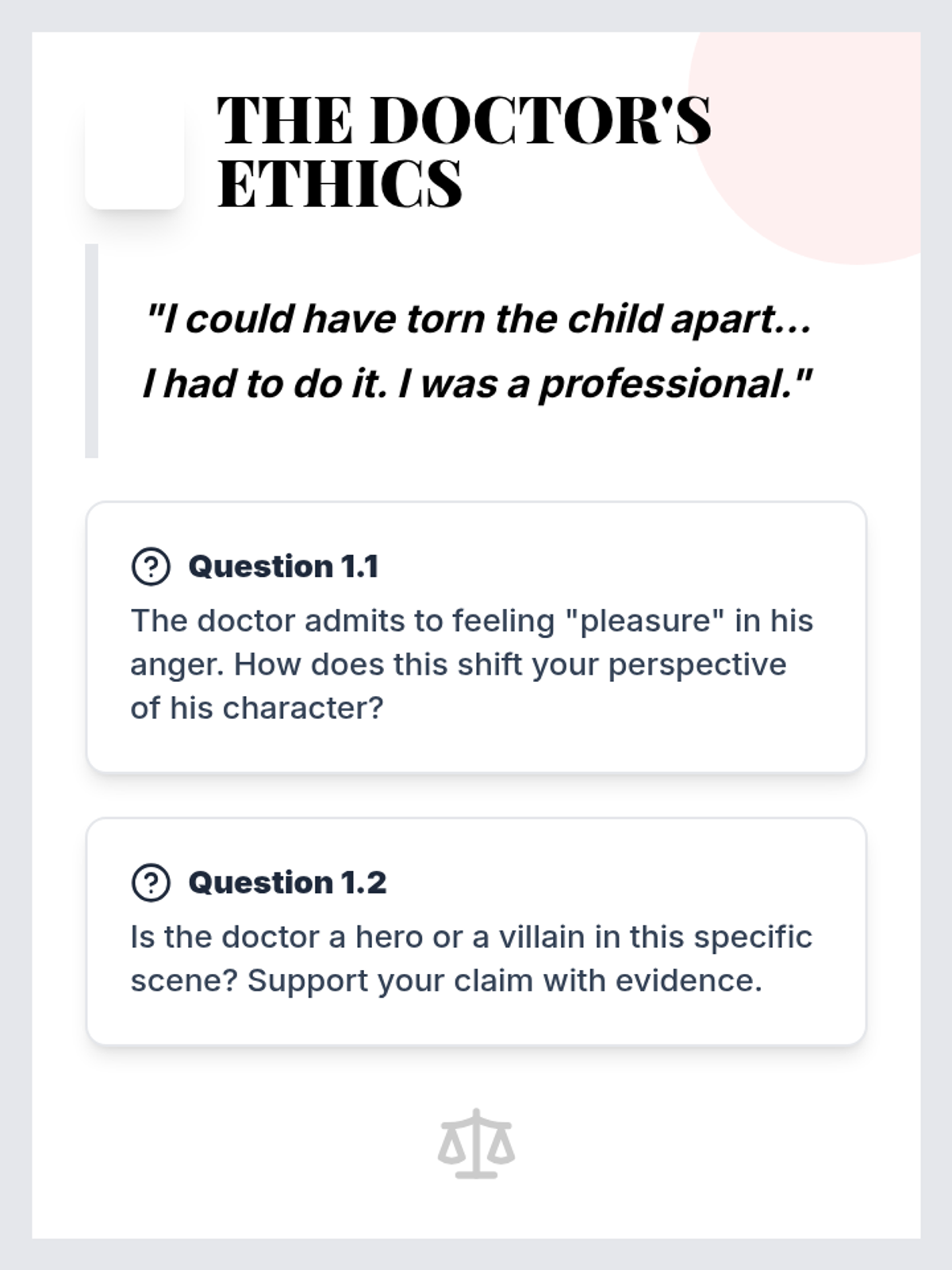
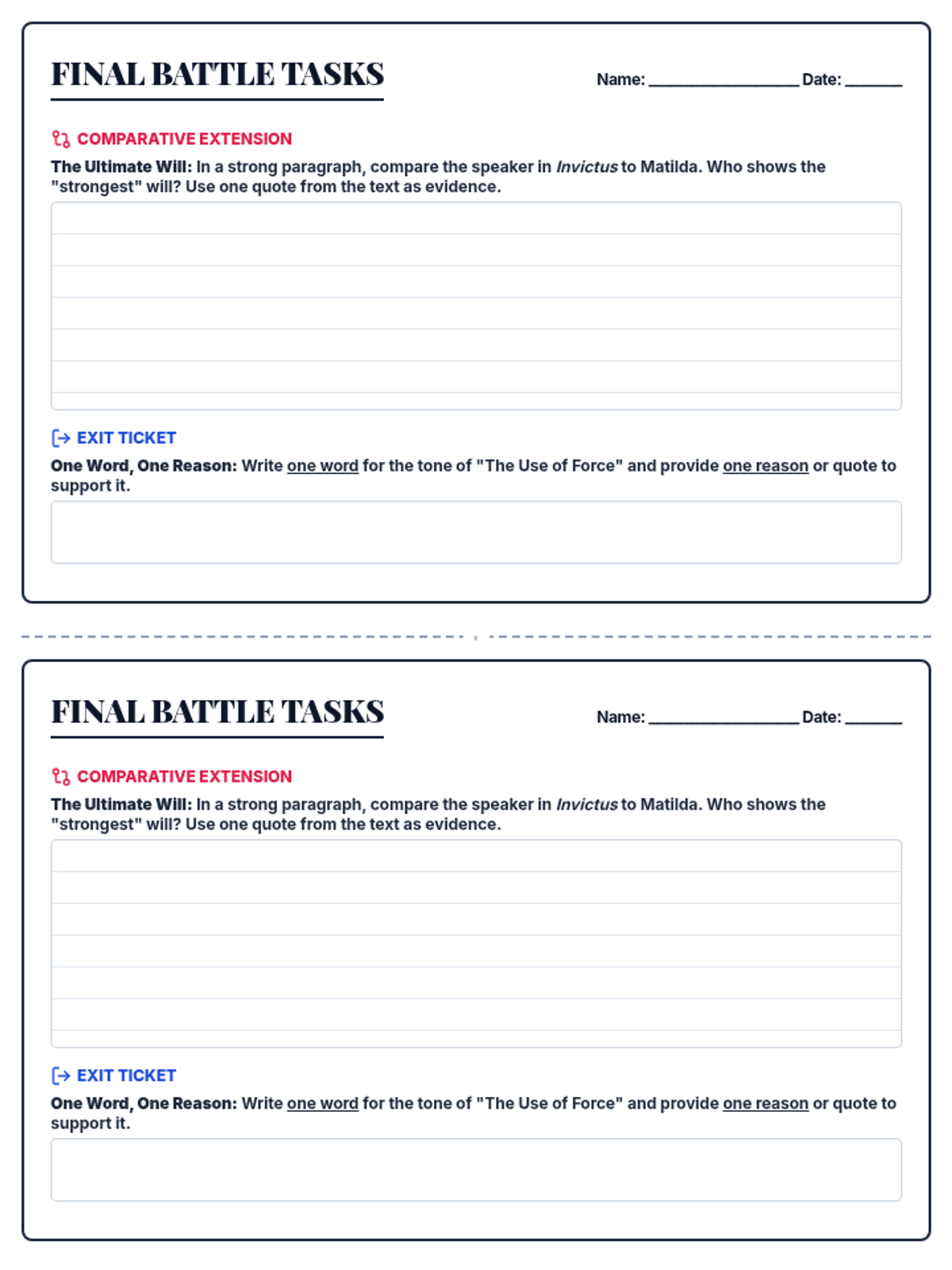
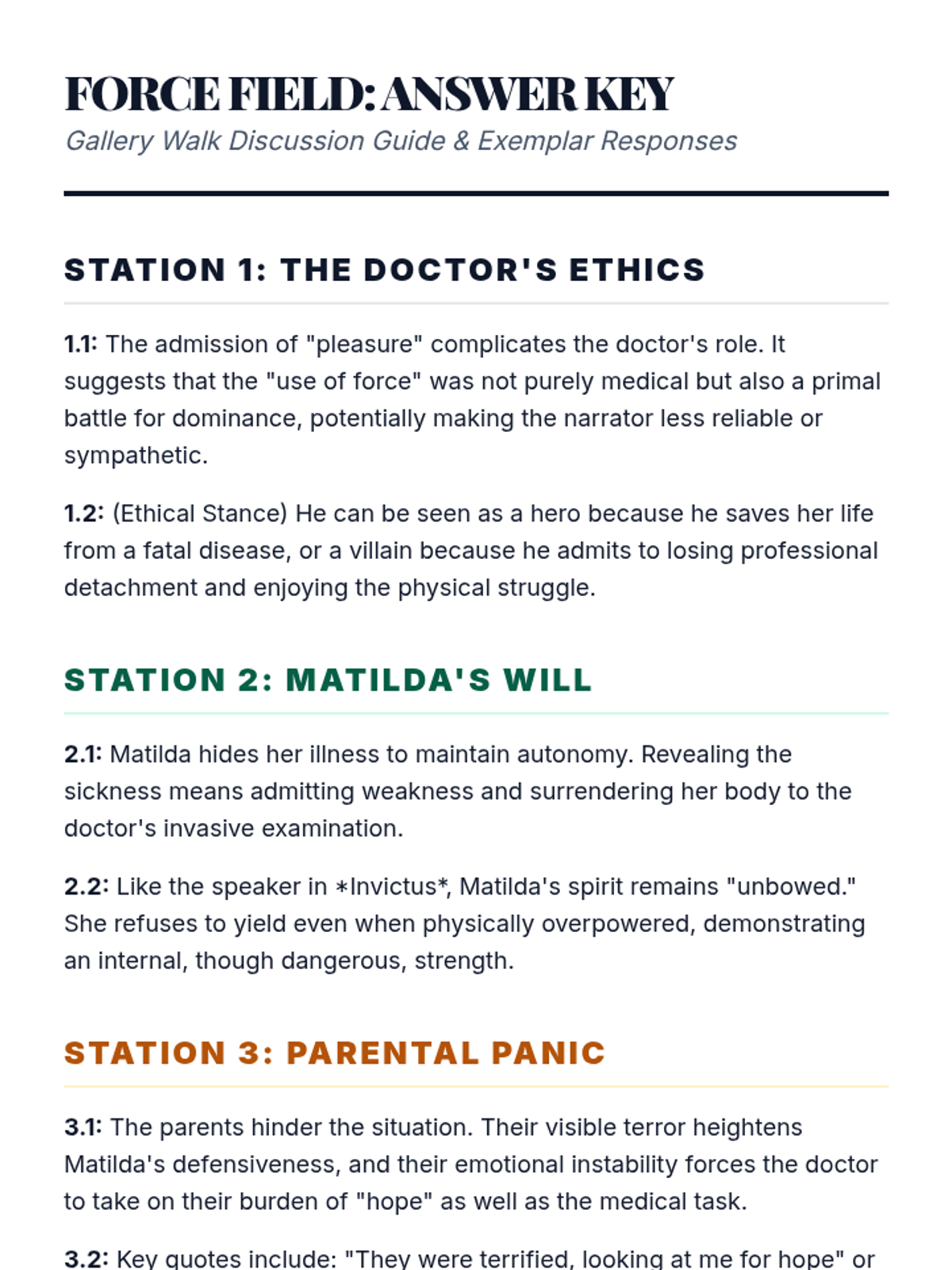
A comprehensive lesson exploring the themes of resilience and the use of force through William Carlos Williams' 'The Use of Force' and William Ernest Henley's 'Invictus'. Students compare how different genres portray a battle of wills.