Students formalize the pyramid volume formula and practice calculations for square and triangular pyramids, including real-world applications like the Great Pyramid of Giza.
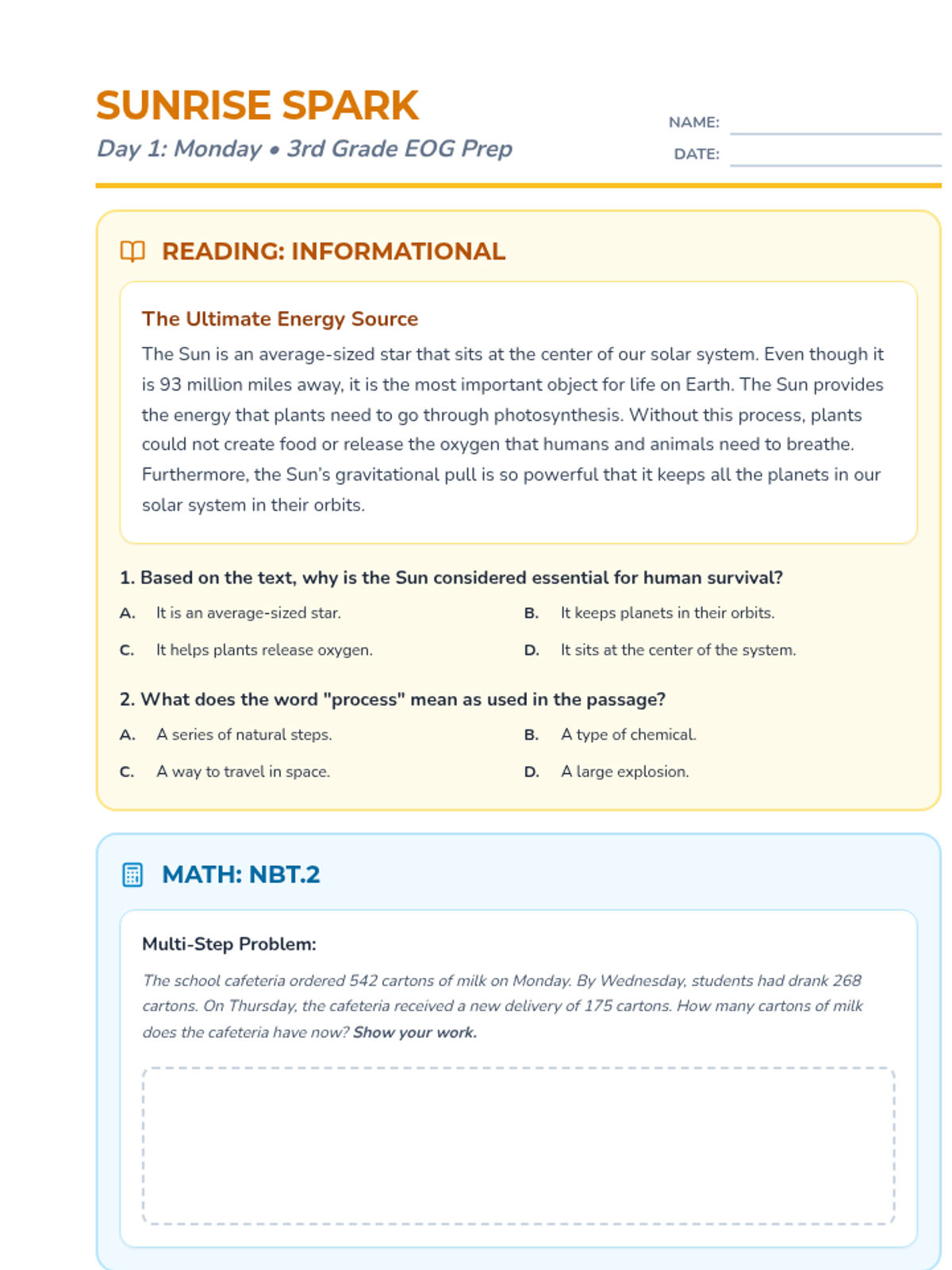
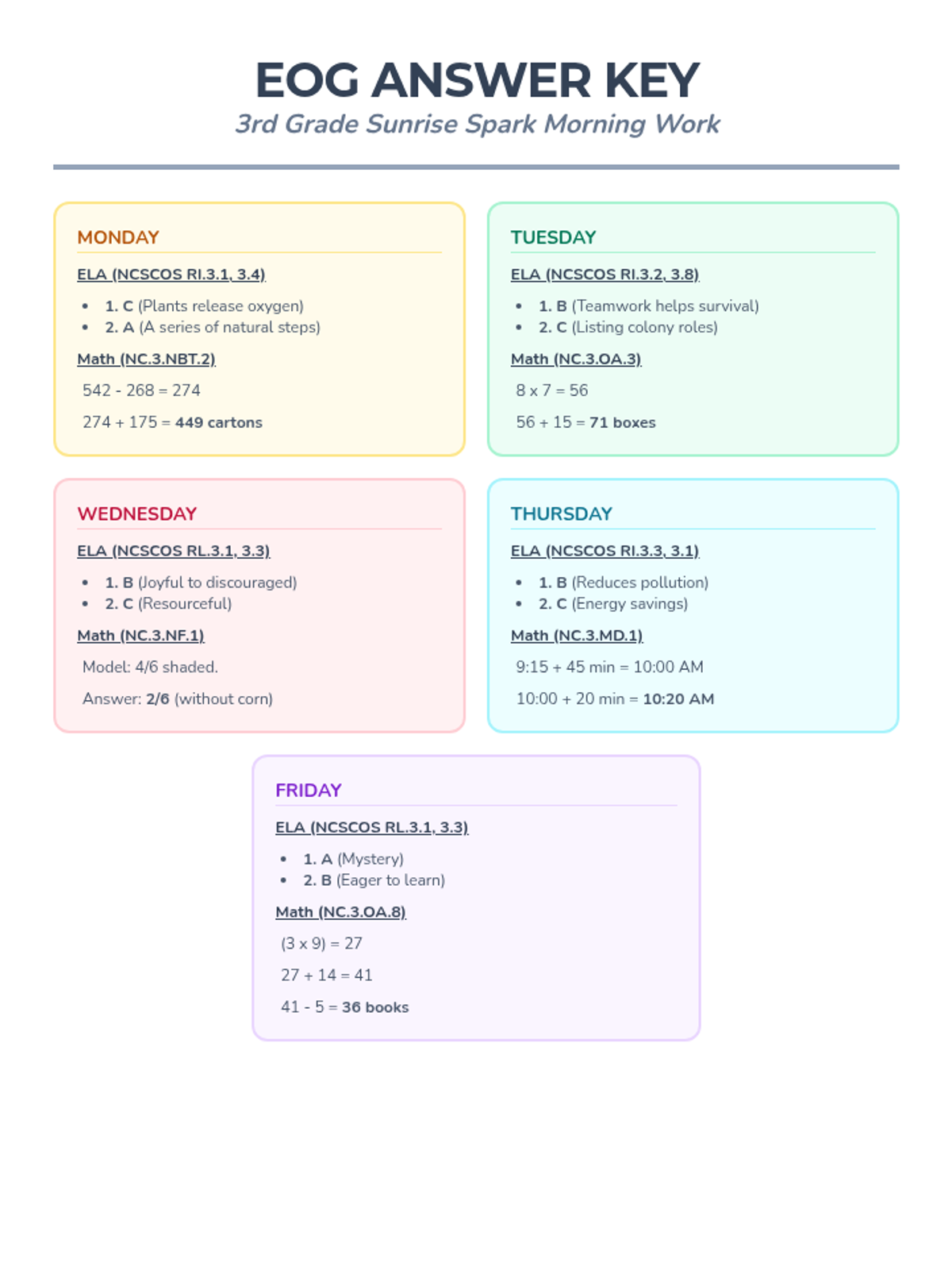
A 5-day morning work series featuring mixed math and ELA practice to start the school day with focus and energy.
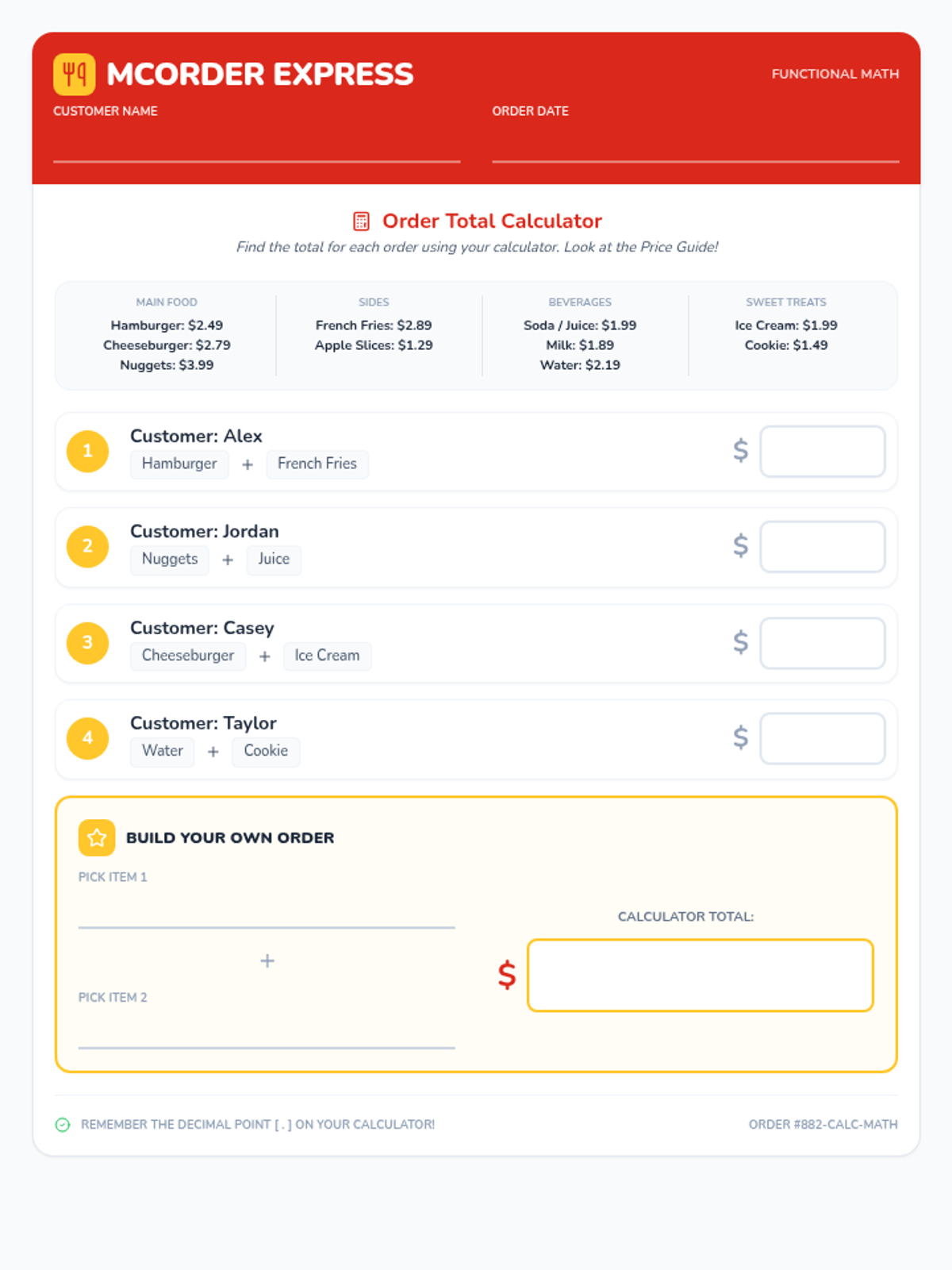
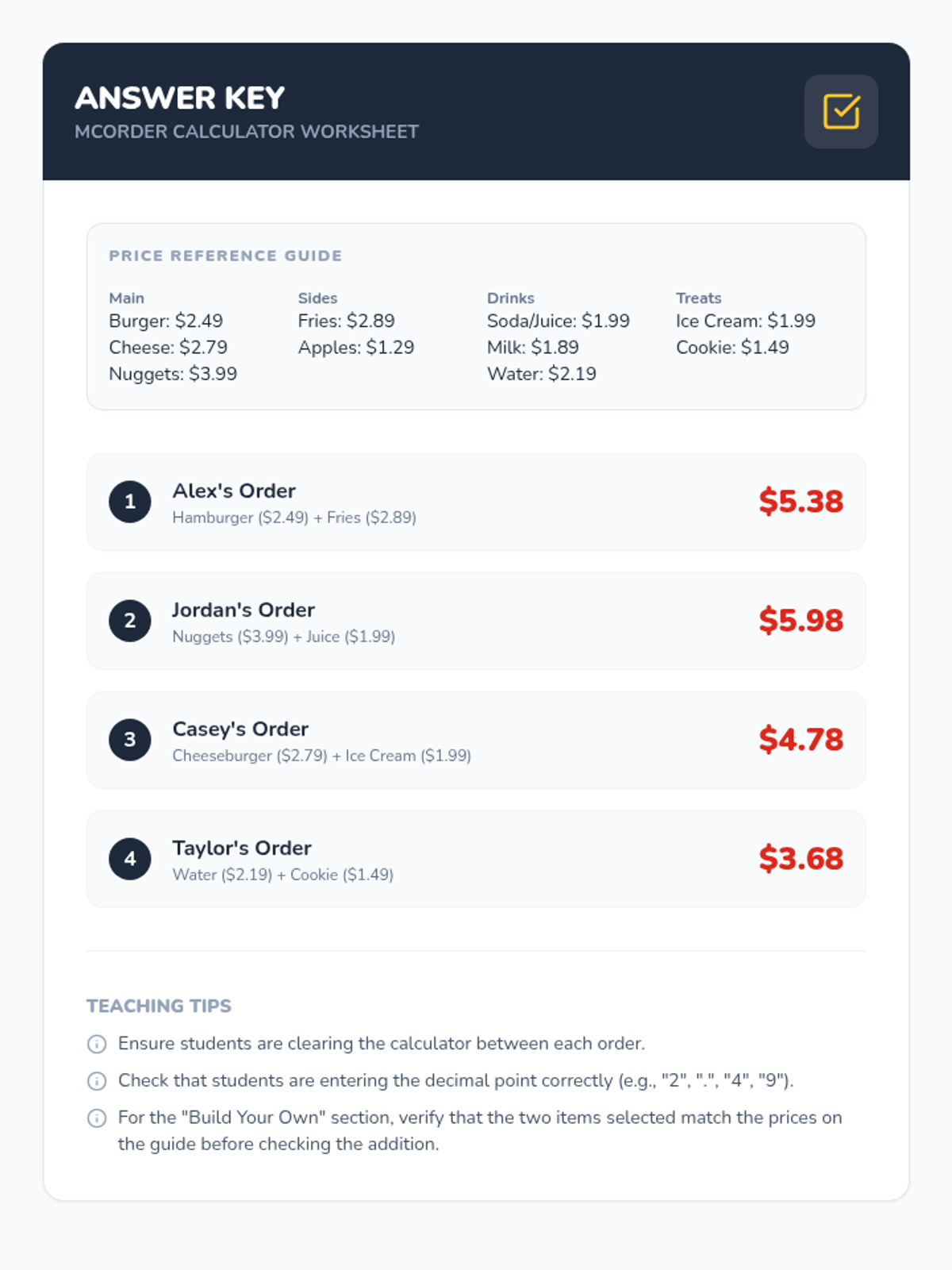
A functional math lesson focused on adding two menu items using a calculator within the context of a digital fast food ordering app. Students practice selecting items from a McDonald's-themed menu and totaling their purchases.
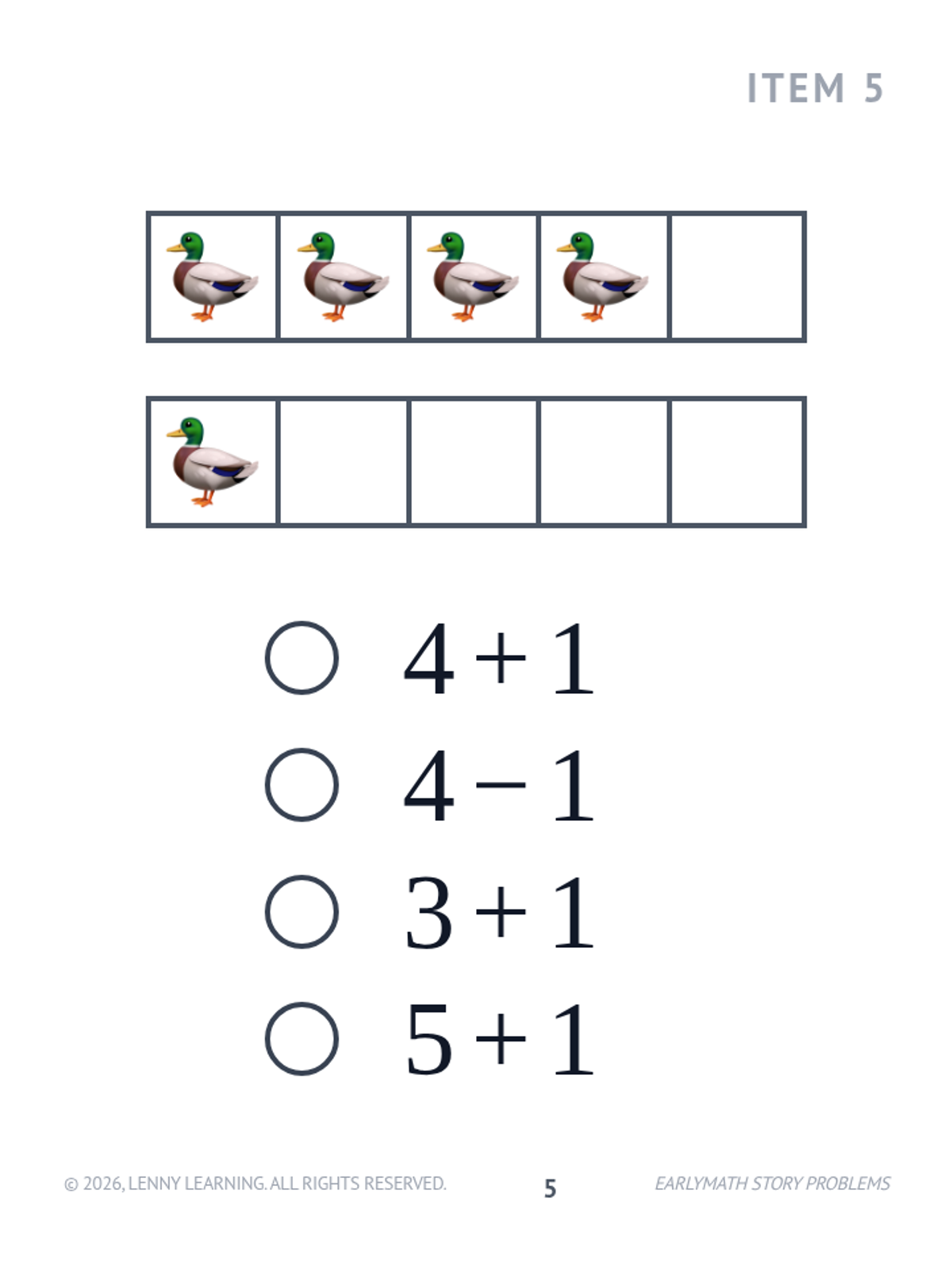
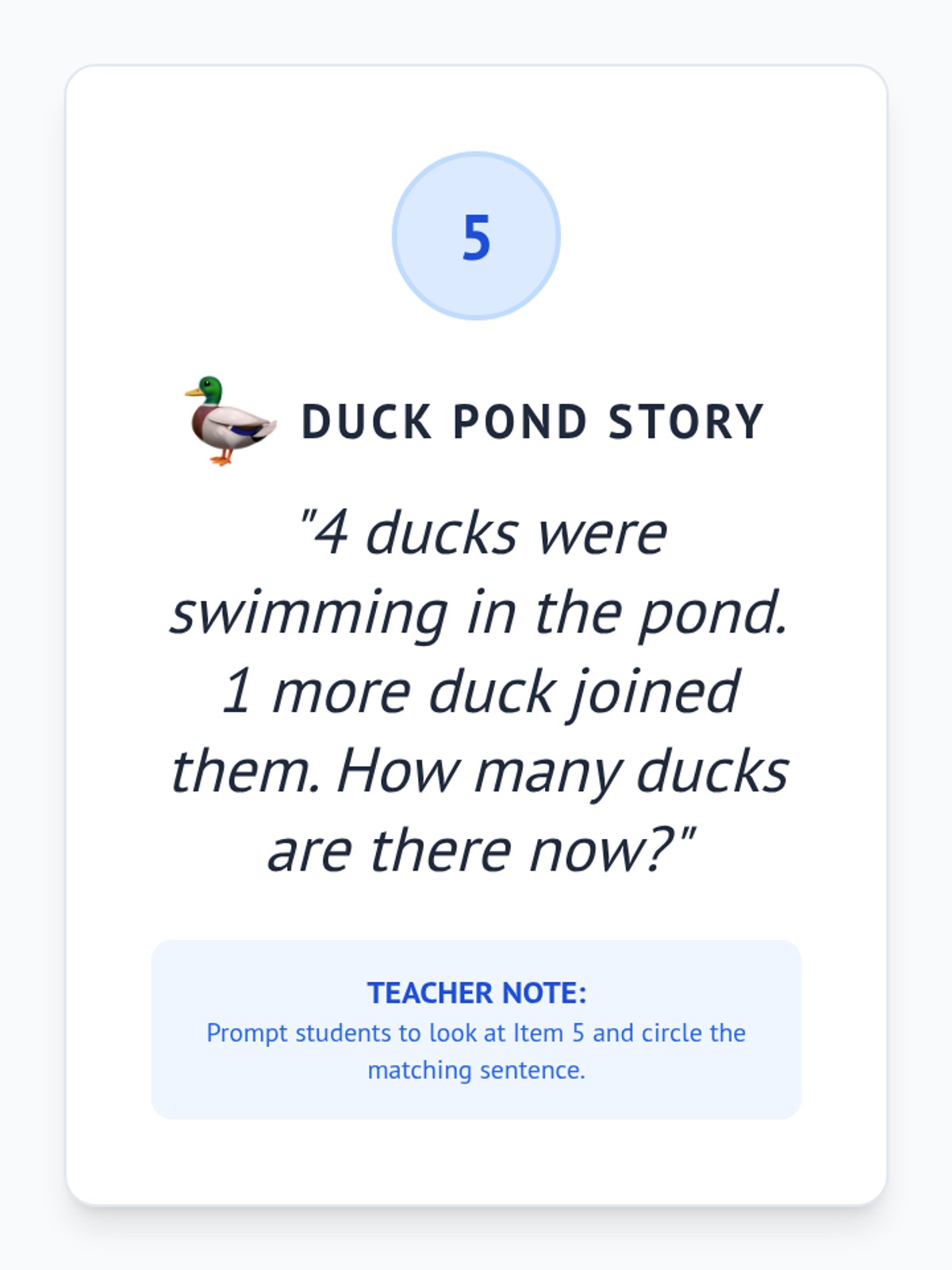
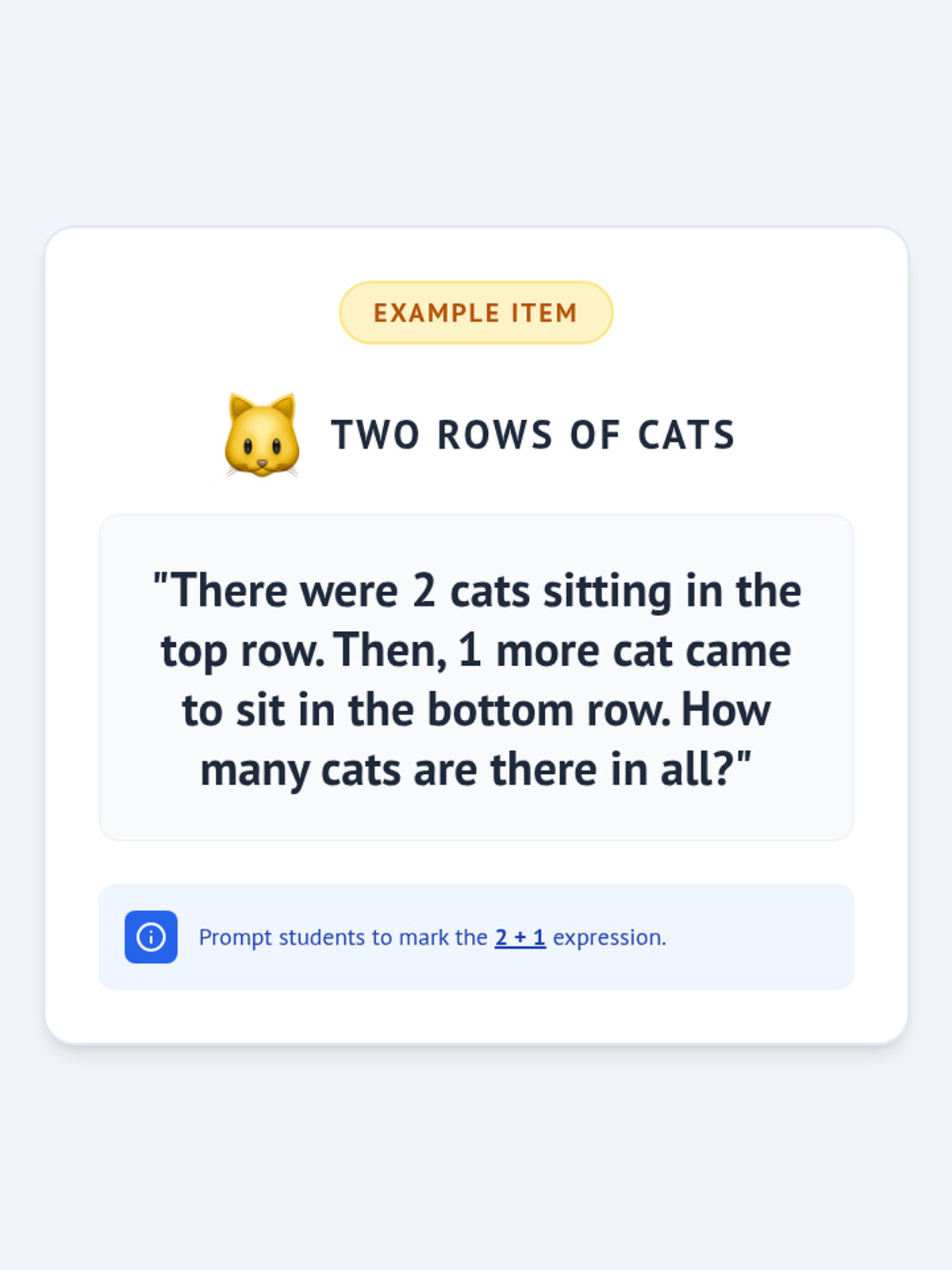
A collection of visual math story problems for early learners, focusing on basic addition and subtraction within 5. Each item uses a five-frame layout to help students visualize quantities and match them to mathematical expressions.
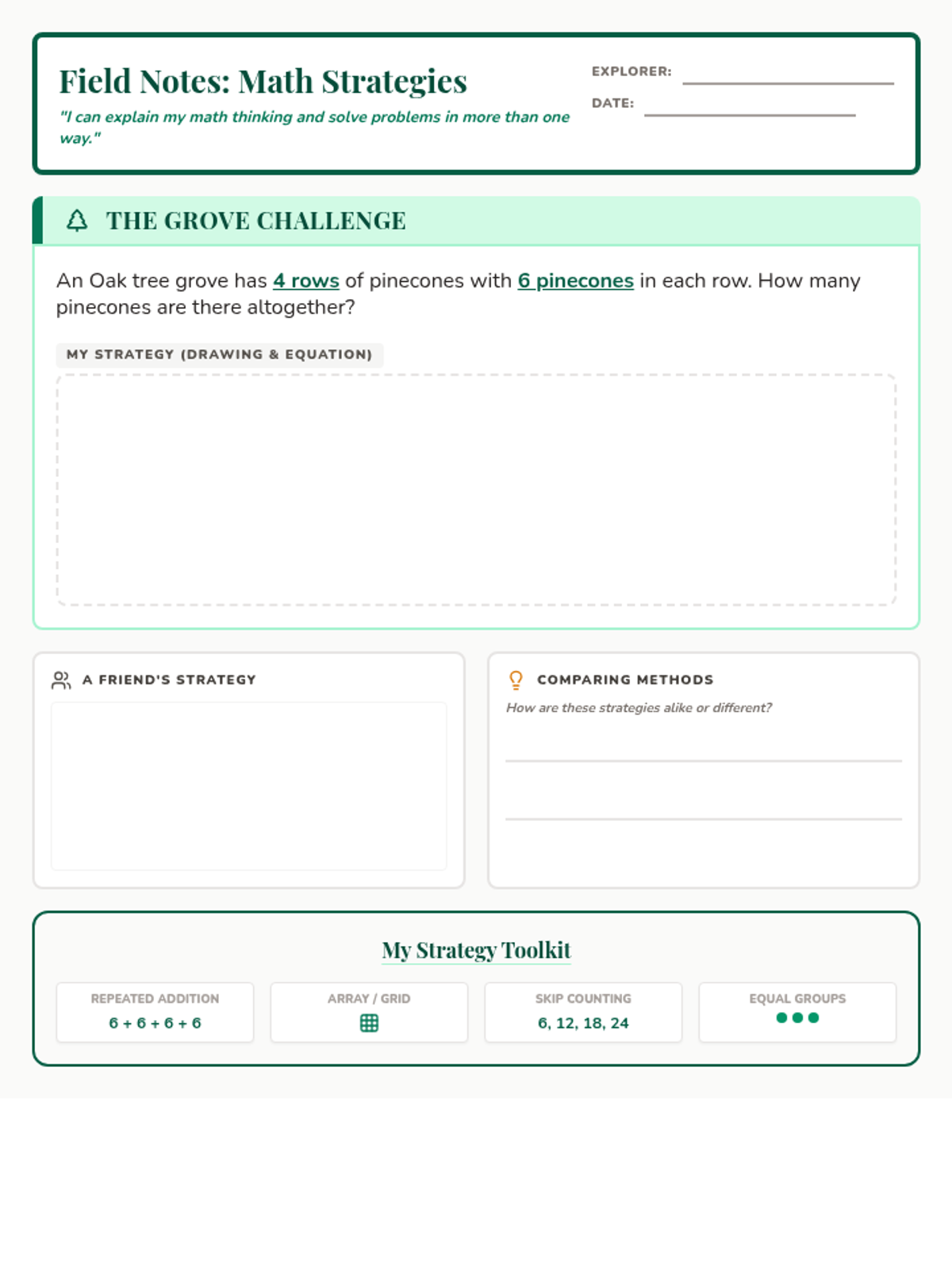
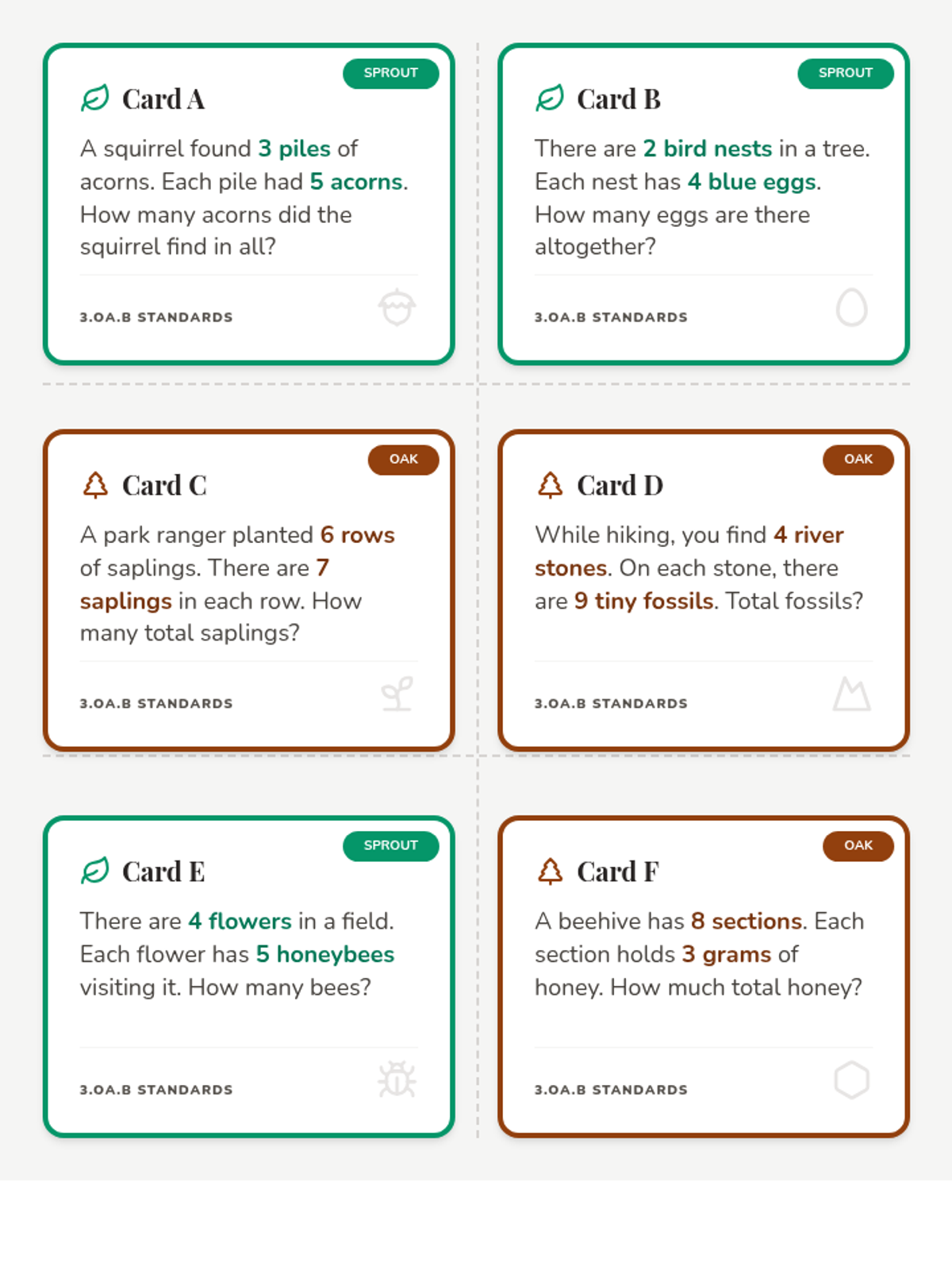
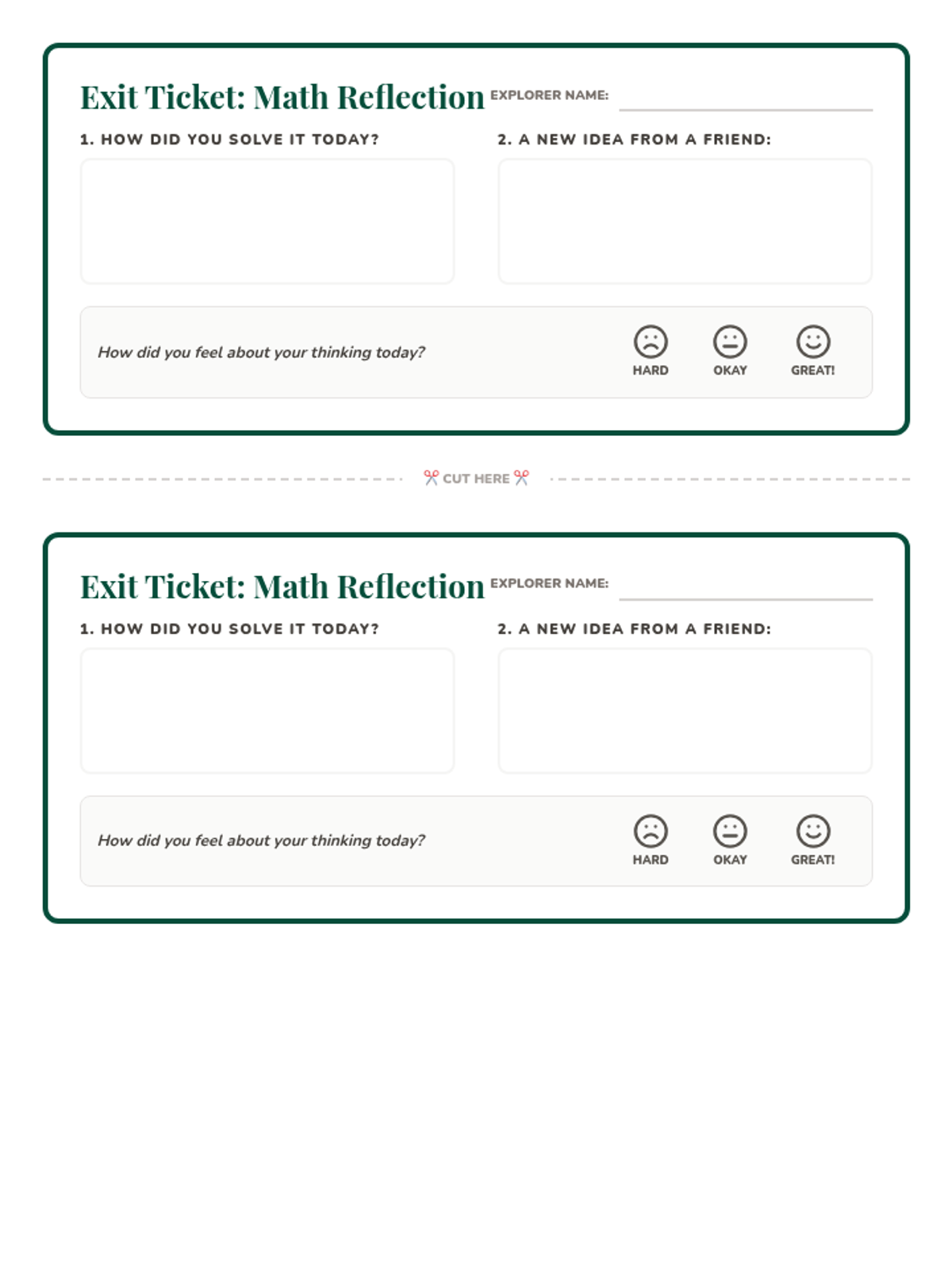
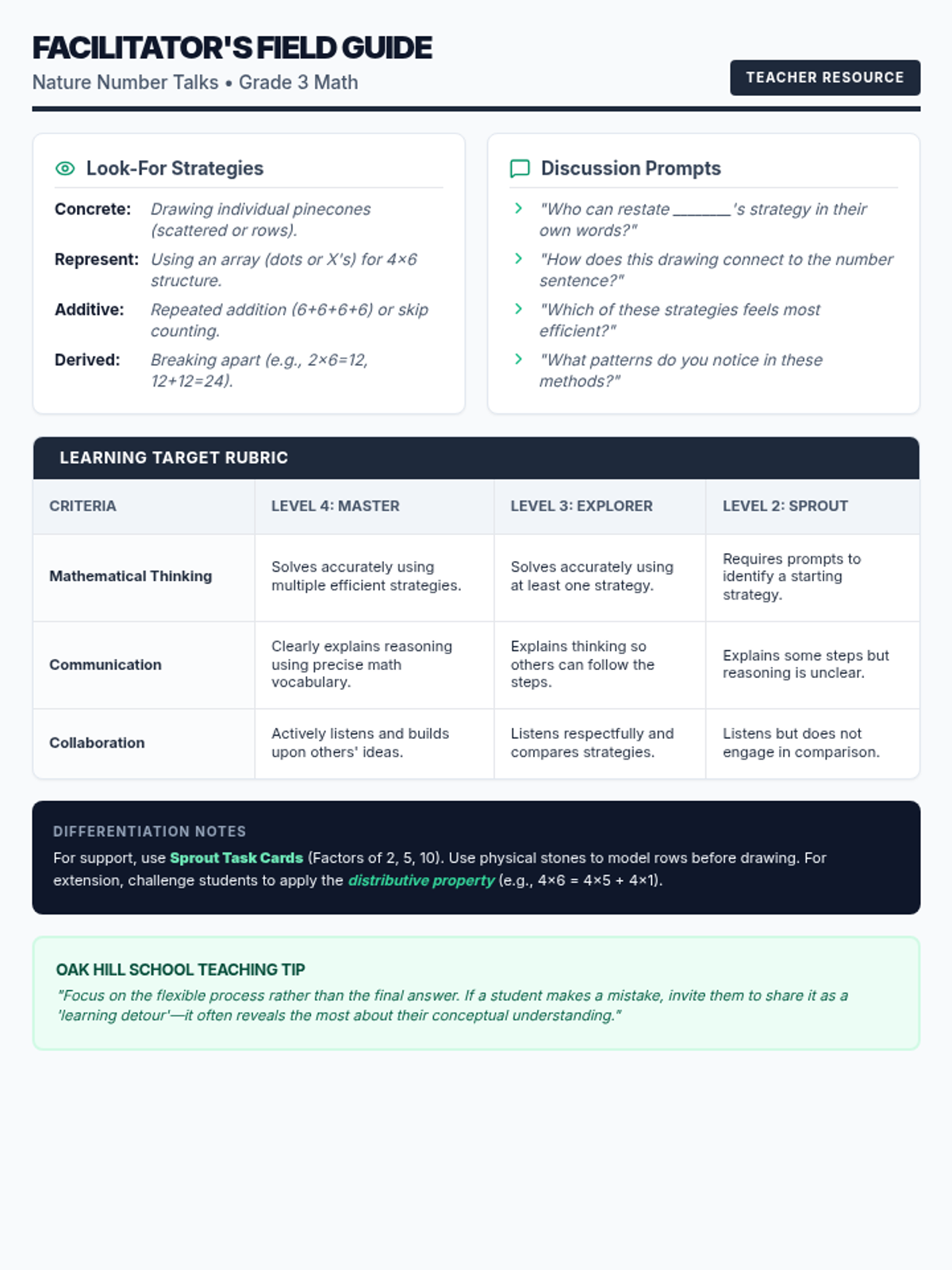
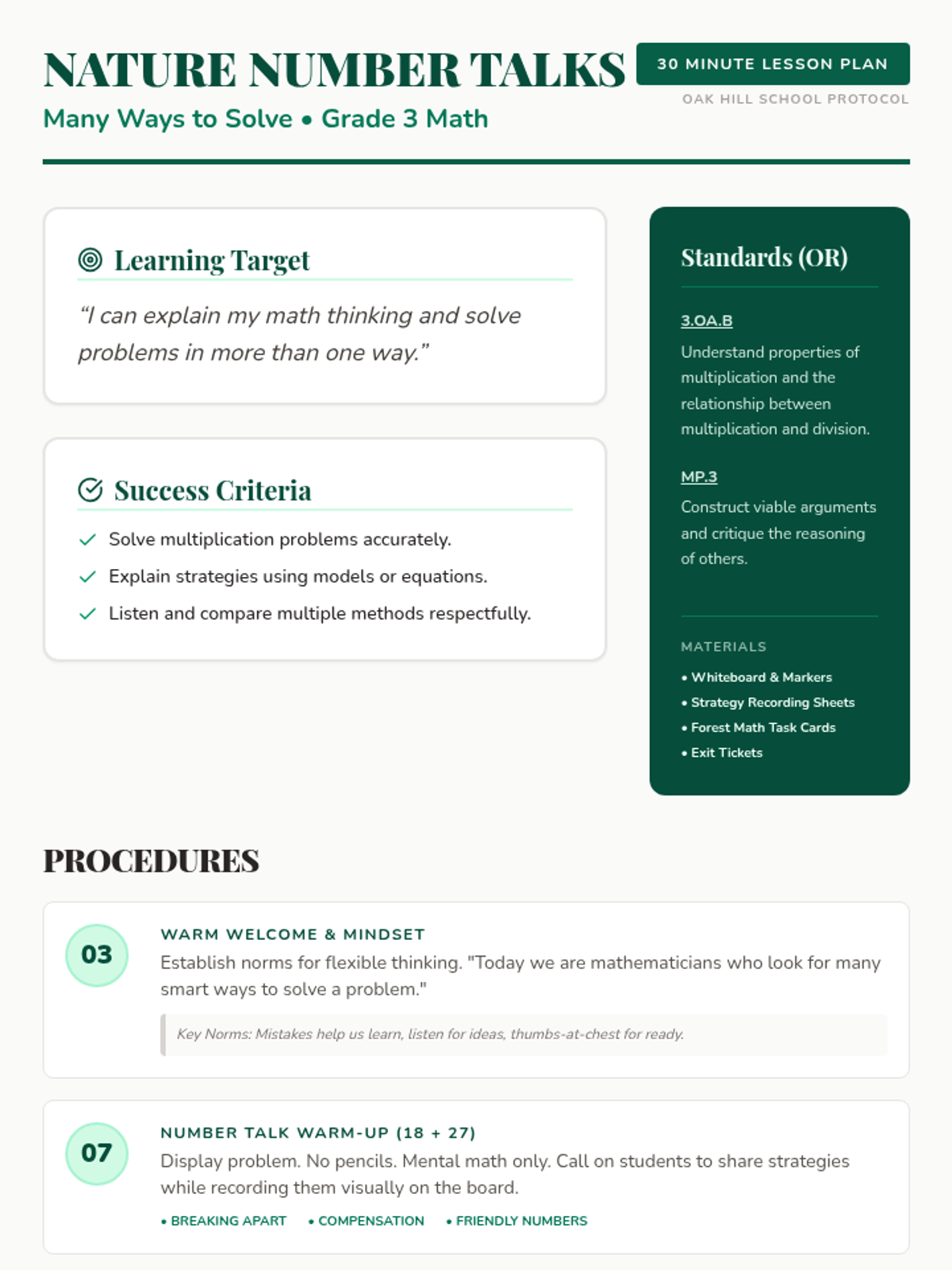
A 30-minute inquiry-based math lesson for 3rd grade focusing on flexible multiplication strategies through a nature-themed Number Talk. Students explore multiple ways to solve problems involving equal groups and arrays, emphasizing discussion and conceptual understanding.
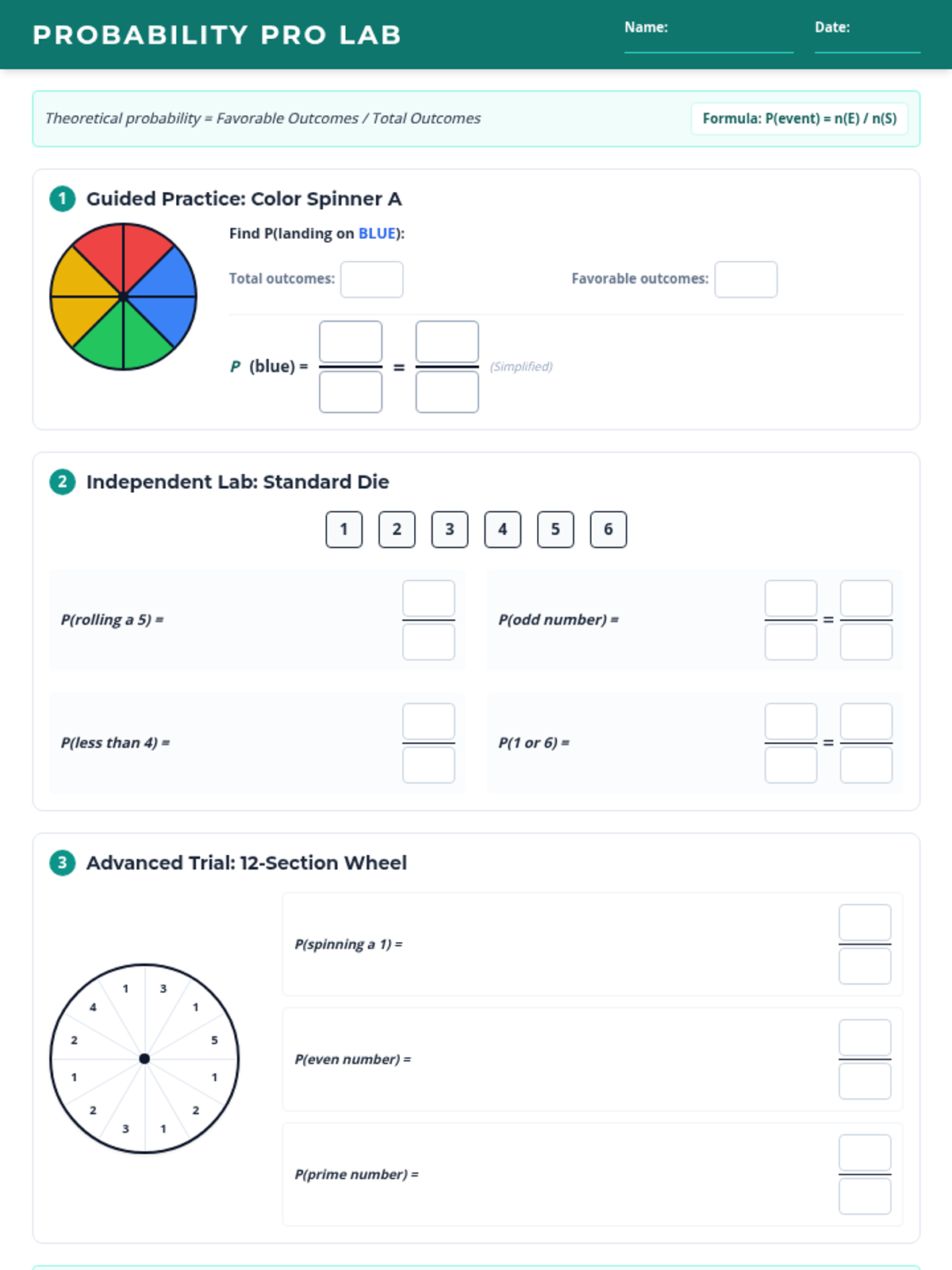
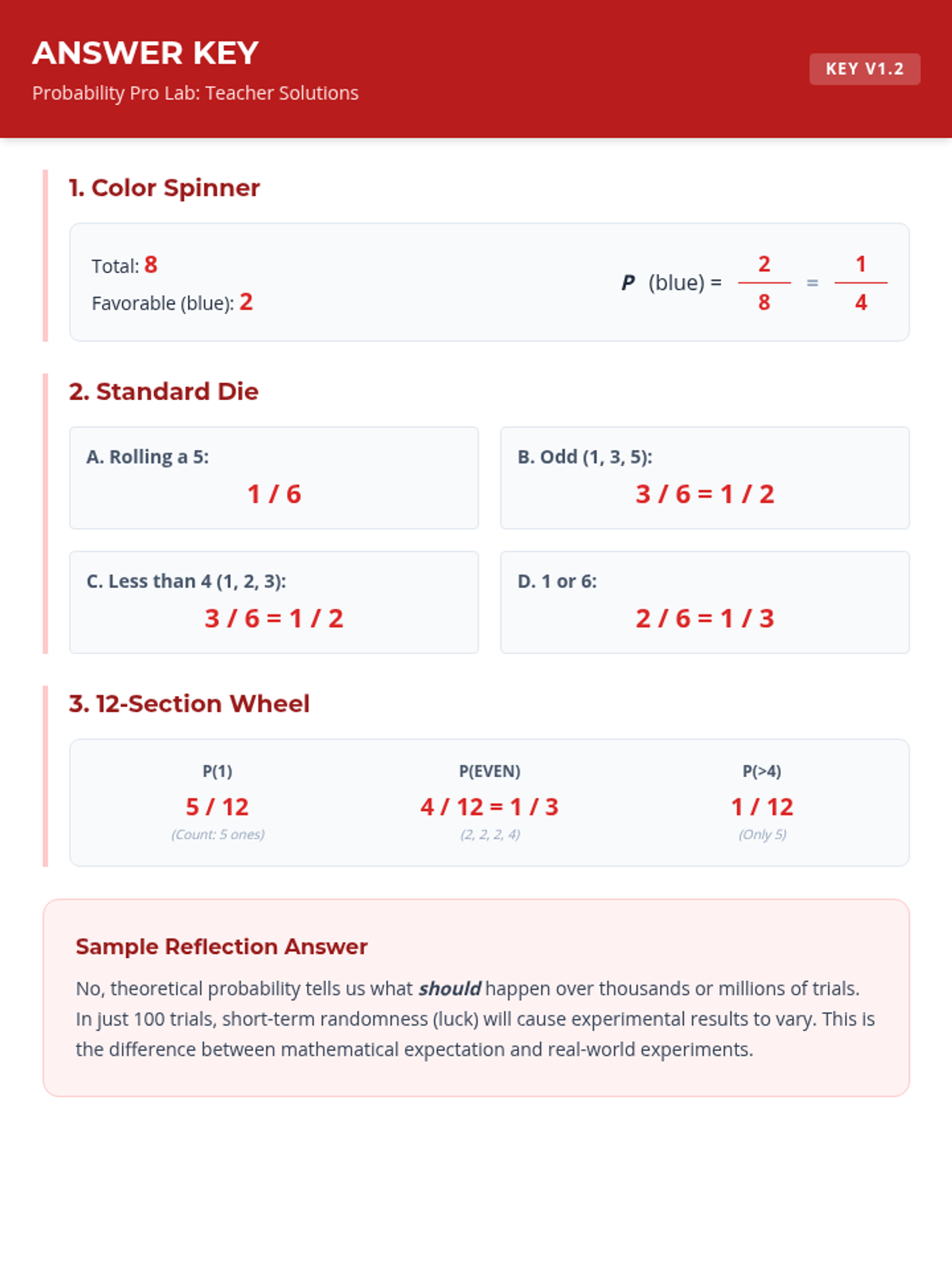
A guided practice lesson on theoretical probability focusing on standard dice and custom spinners for 6th-grade math students.
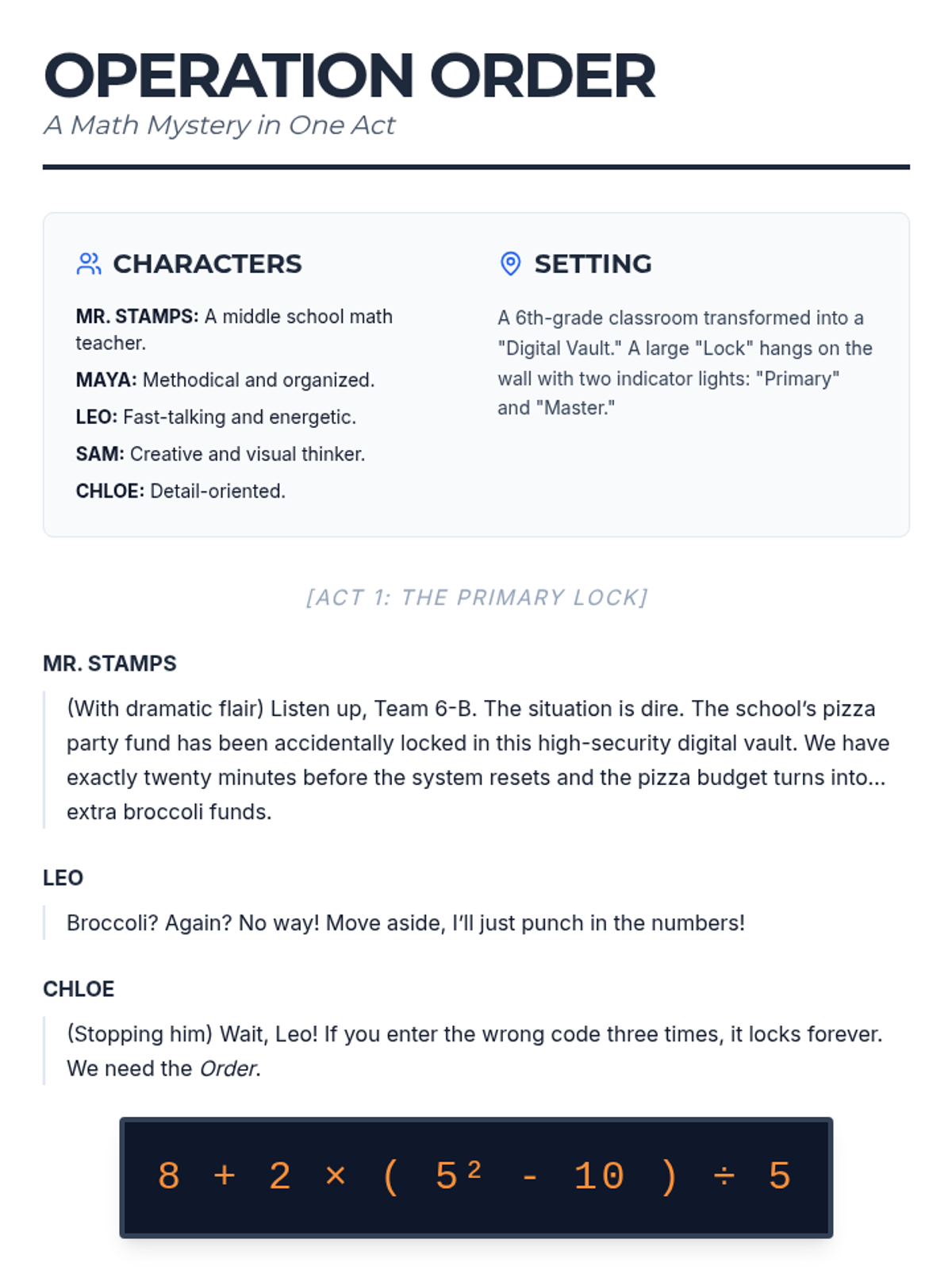
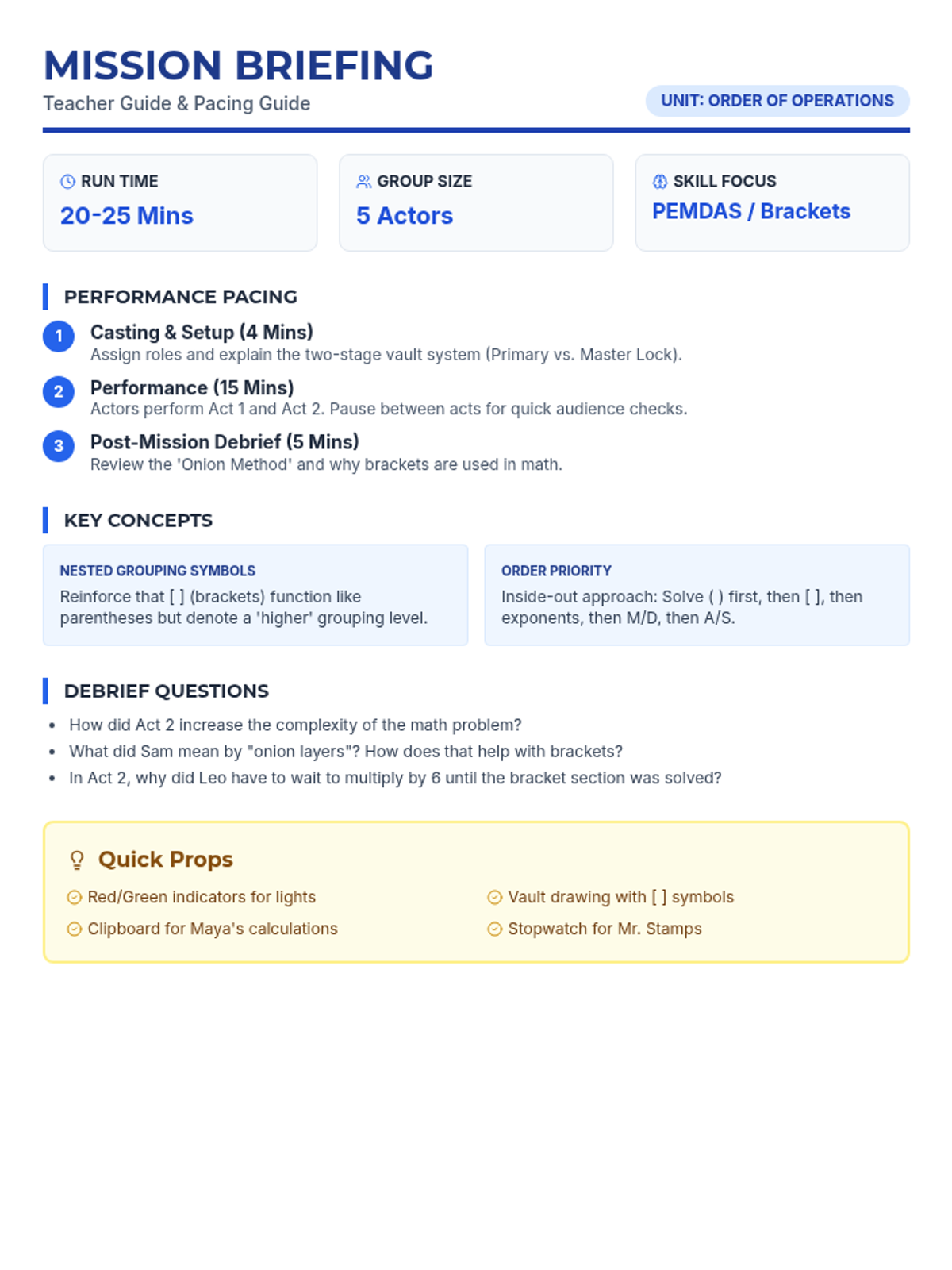
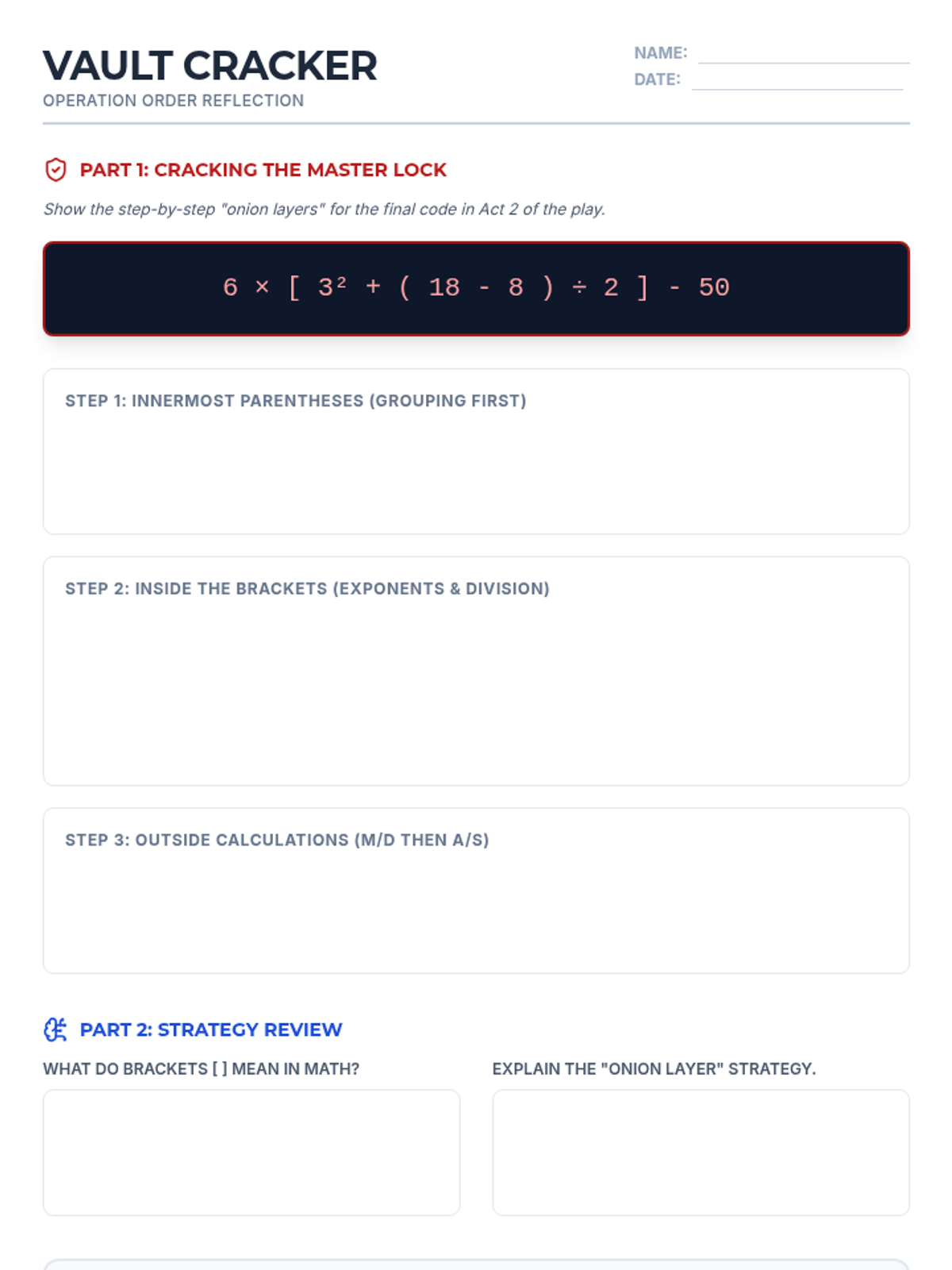
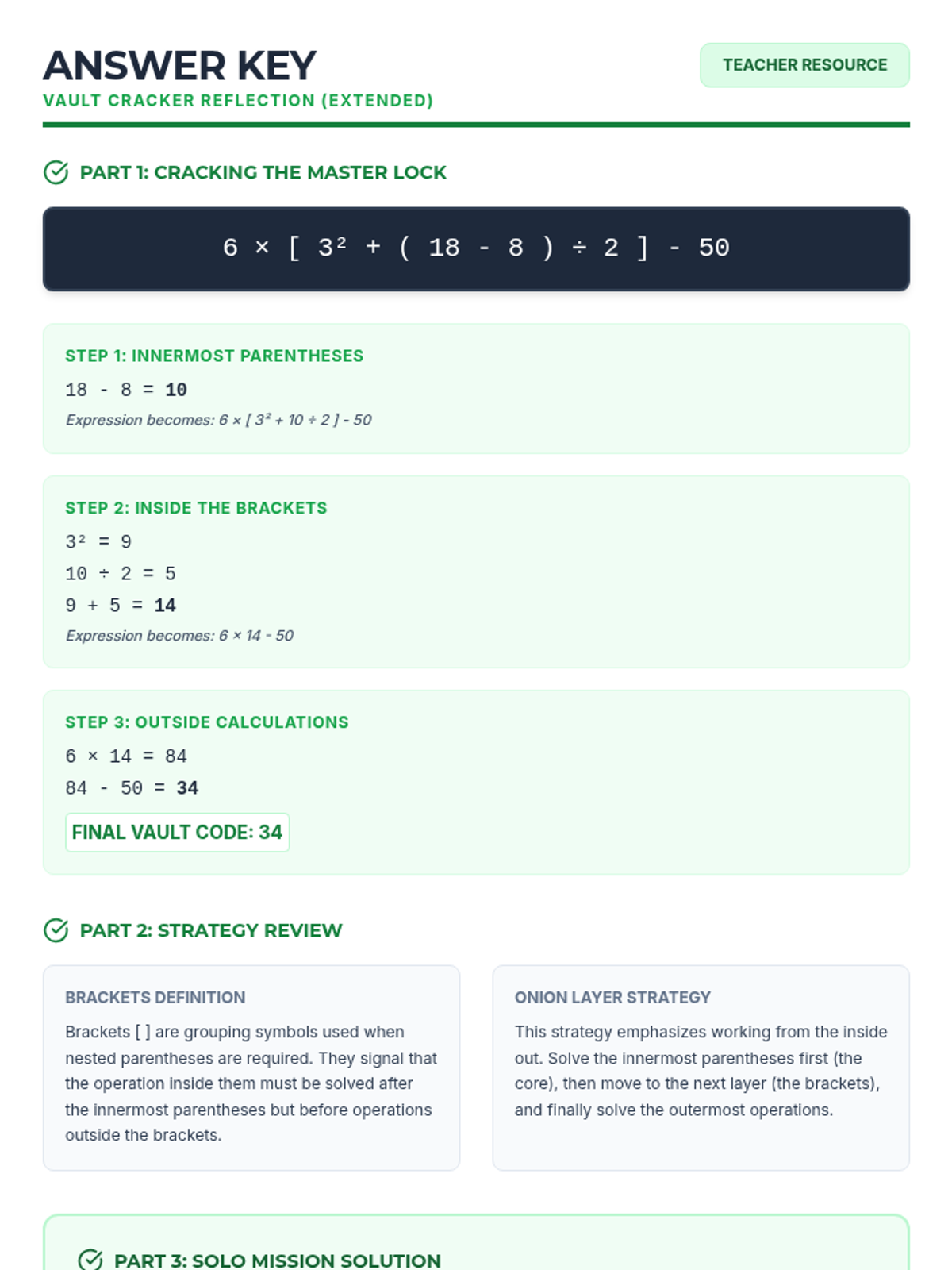
A collaborative math-themed drama lesson where students perform a play about the Order of Operations. The lesson explores teamwork and the real-world application of PEMDAS through an escape room scenario.
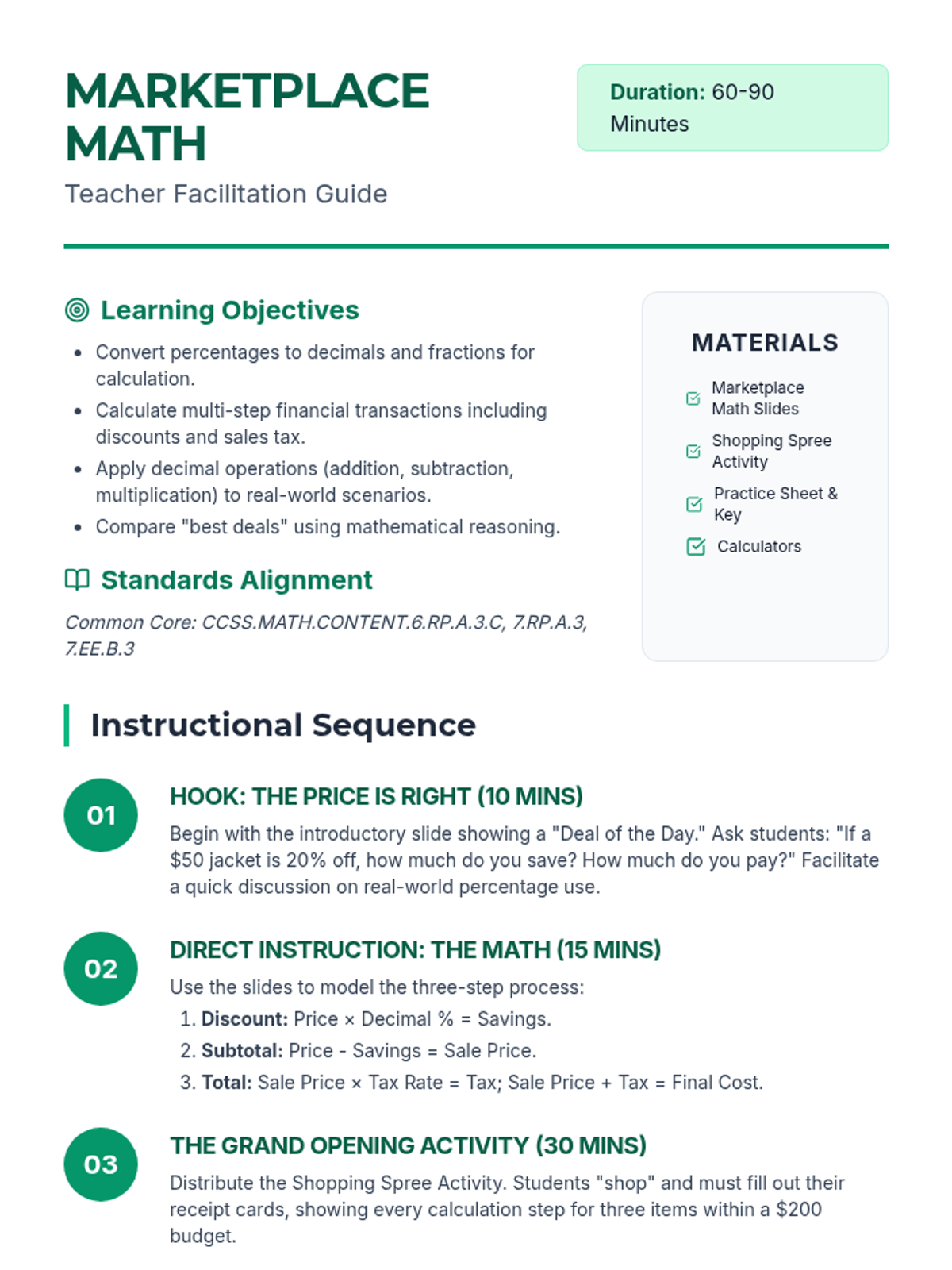
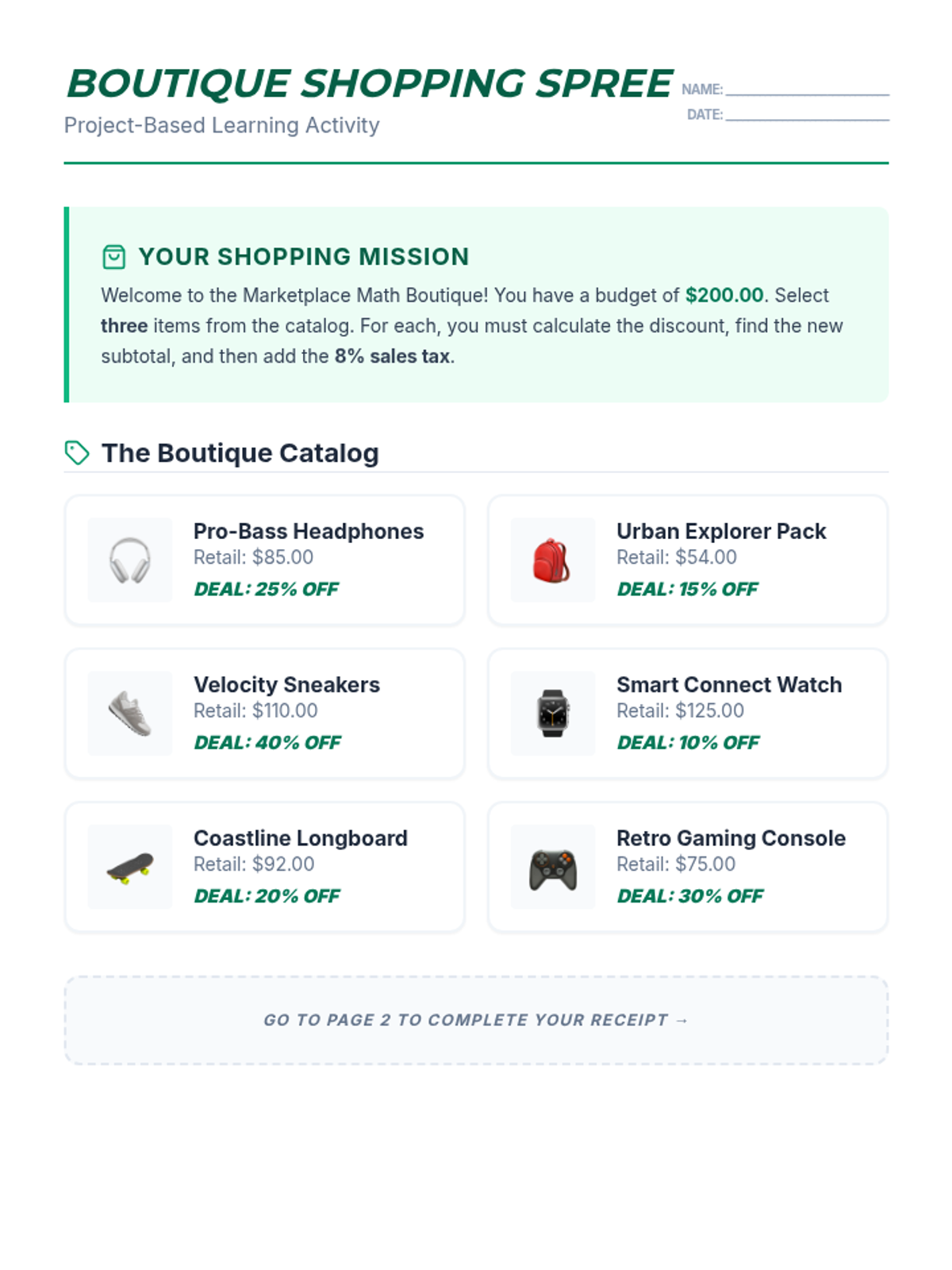
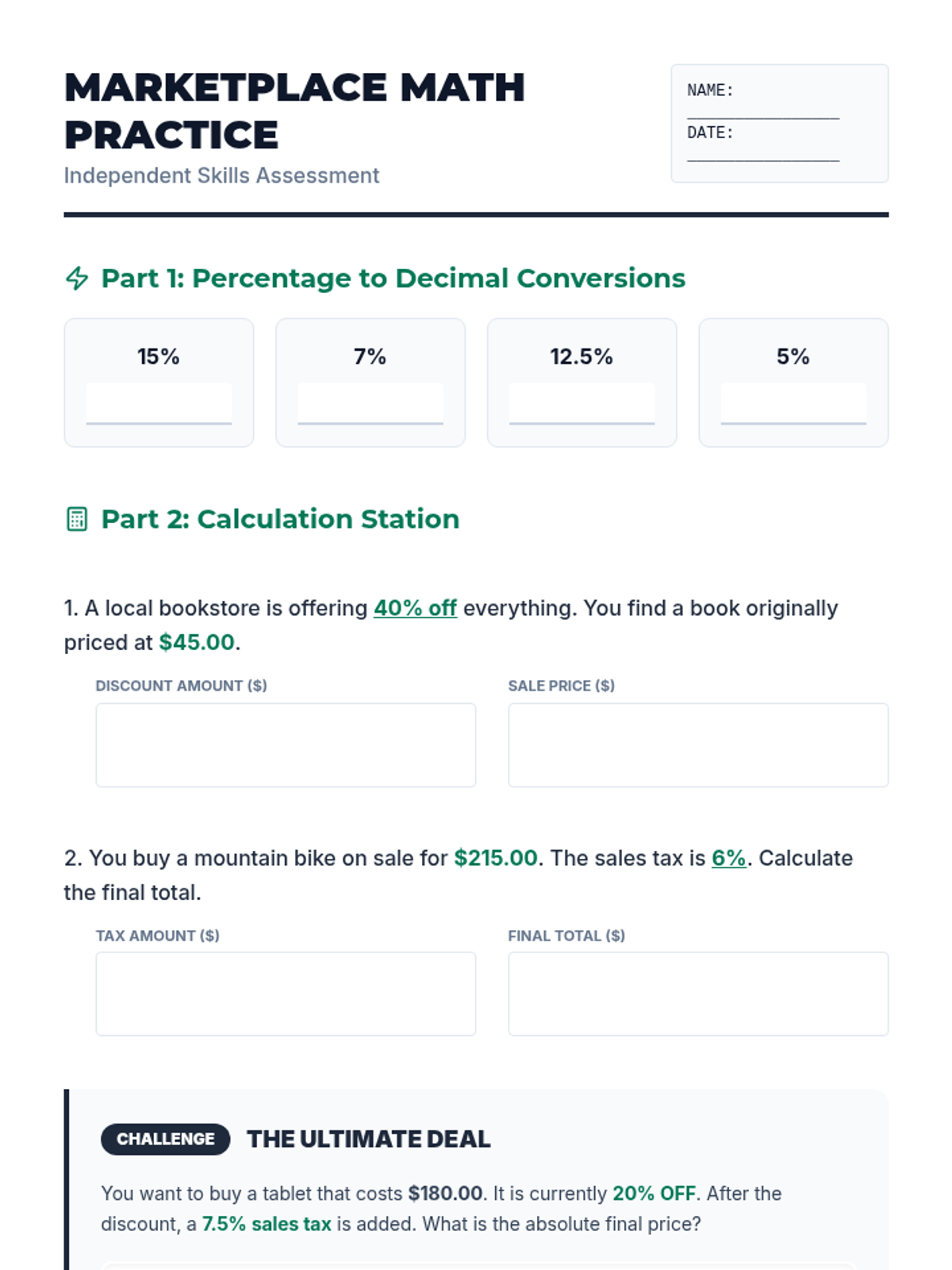
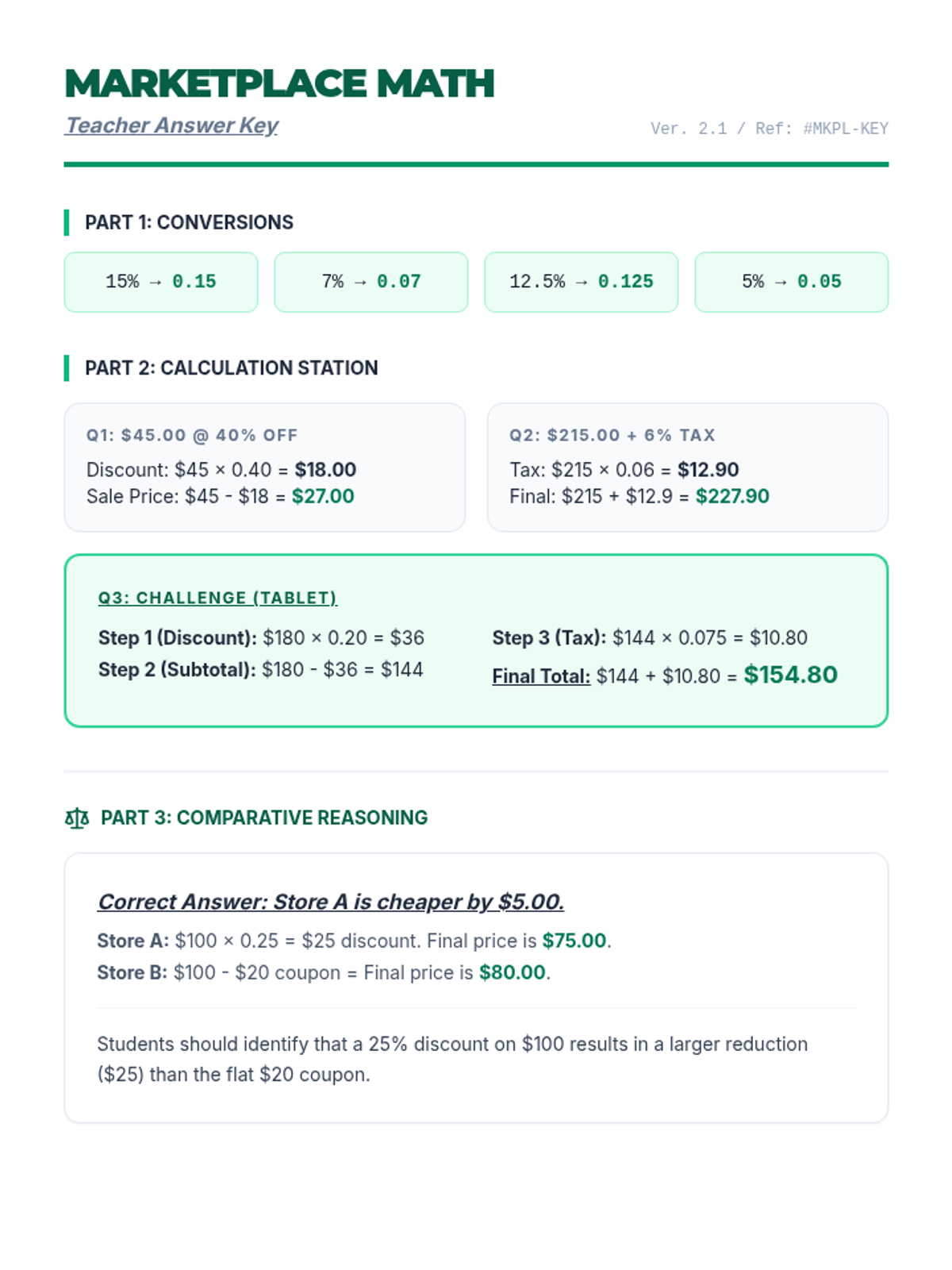
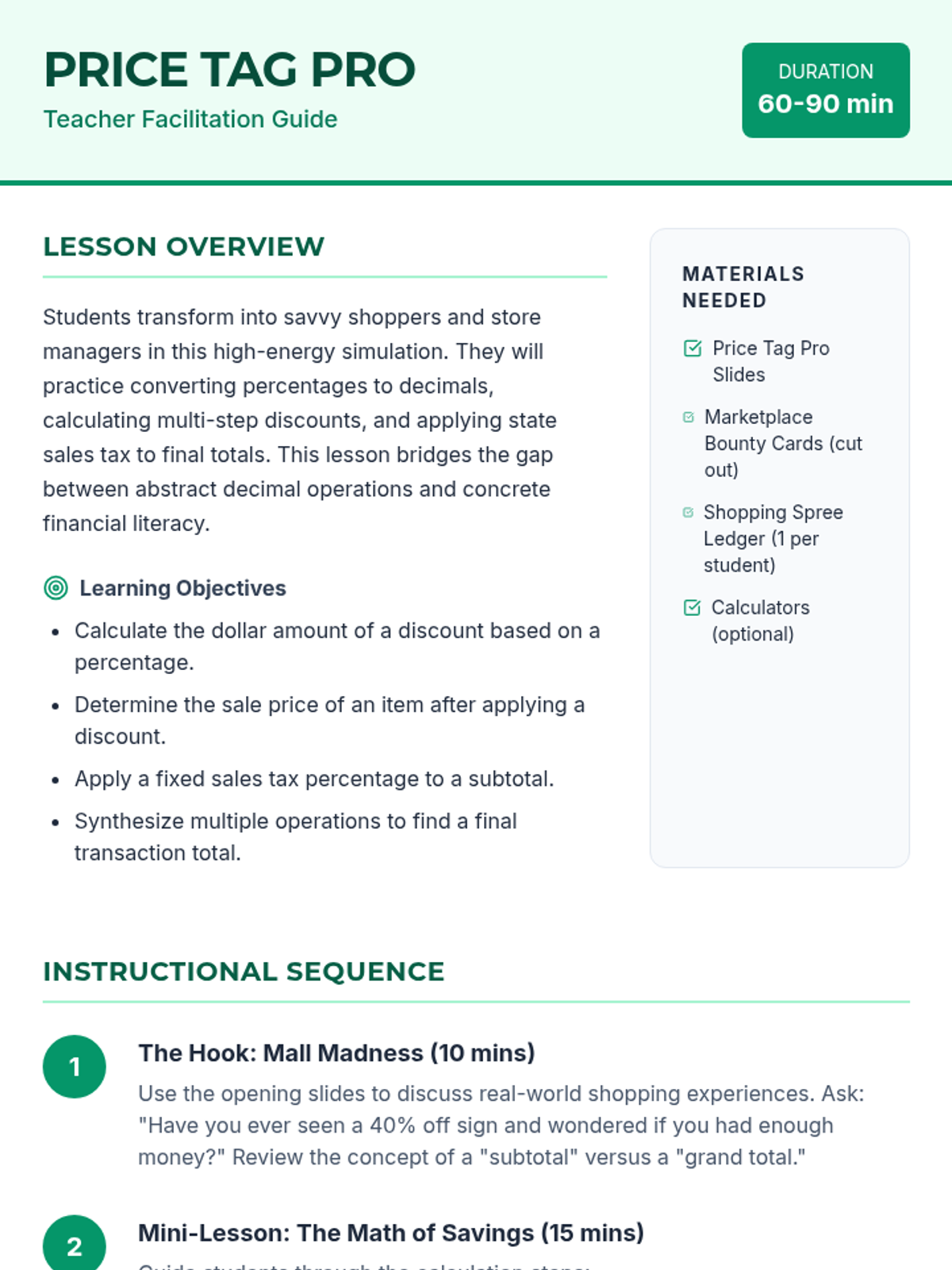
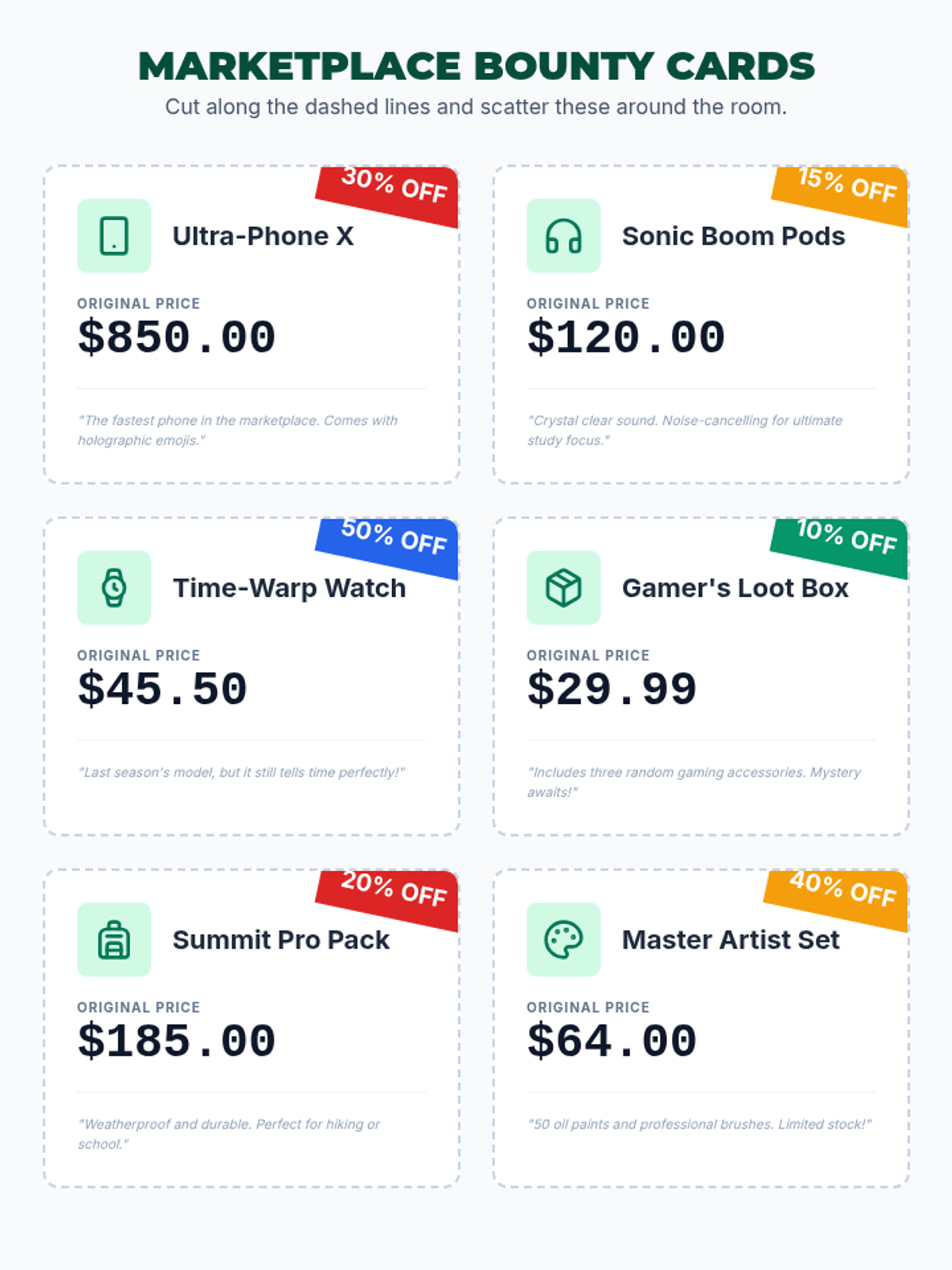
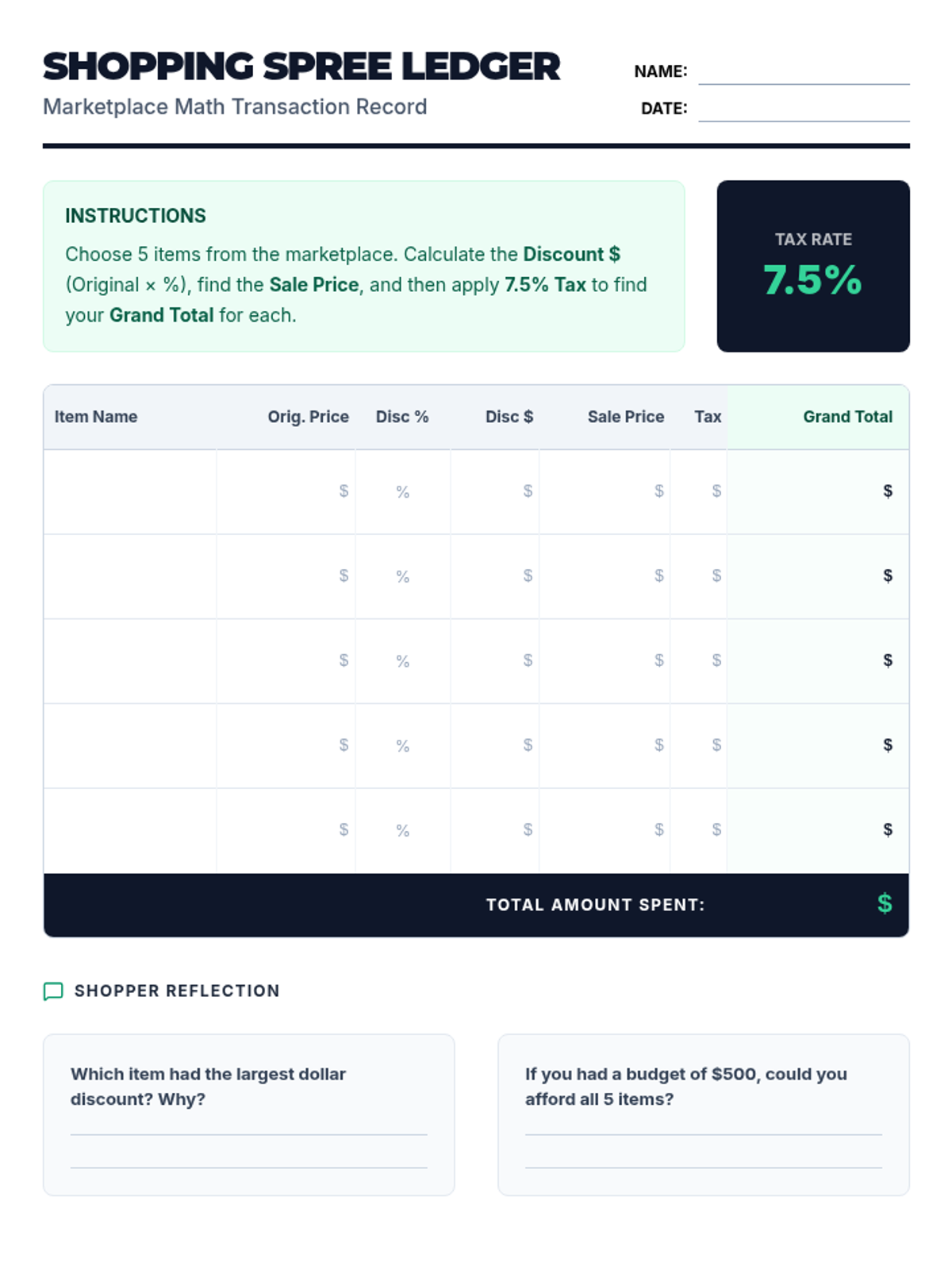
A project-based lesson where students master percentages and decimals by calculating discounts, sales tax, and final totals in a simulated shopping environment.
A project-based math lesson where students master percentages and decimals by navigating a simulated marketplace, calculating real-world discounts and sales tax.
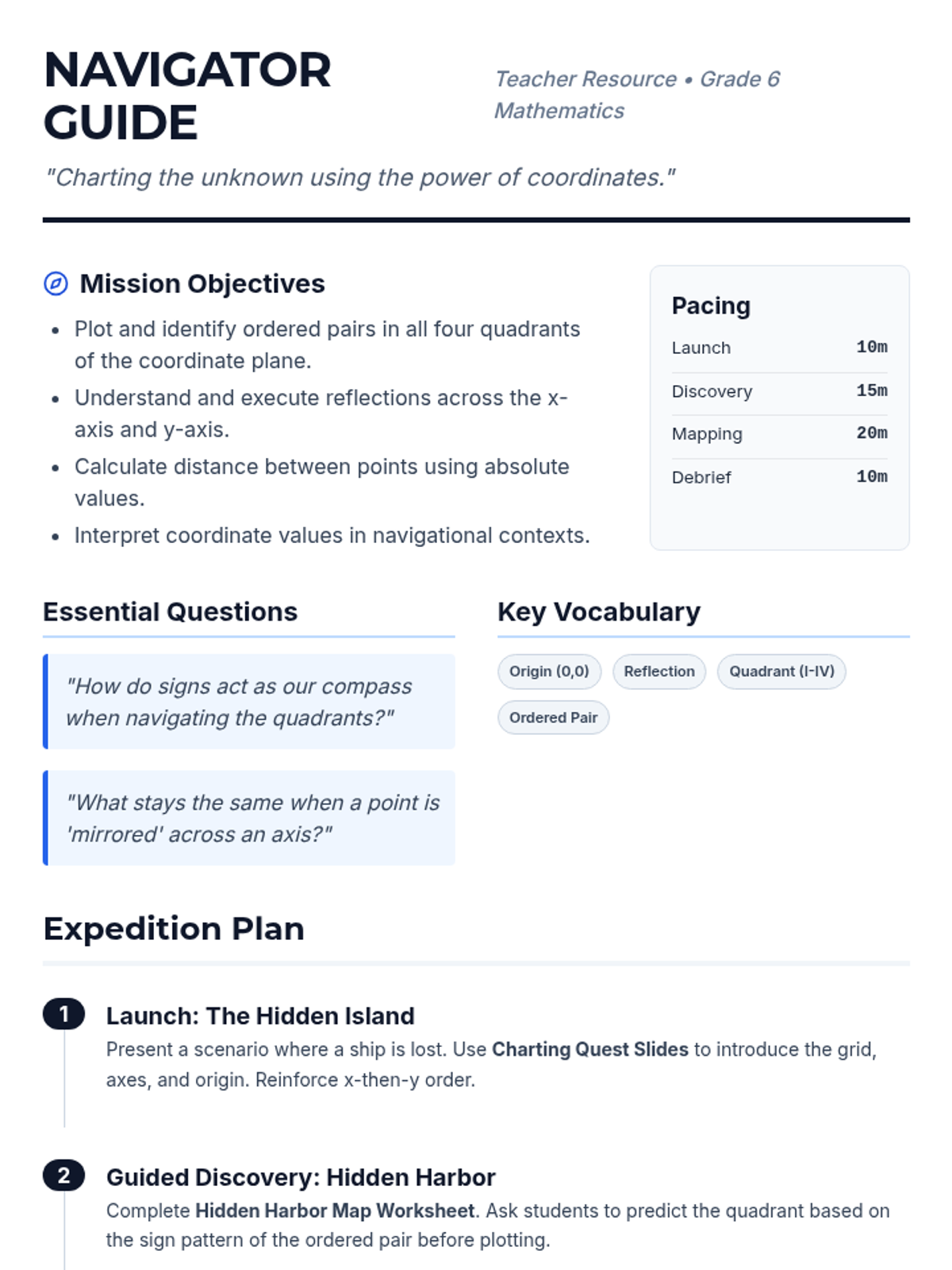
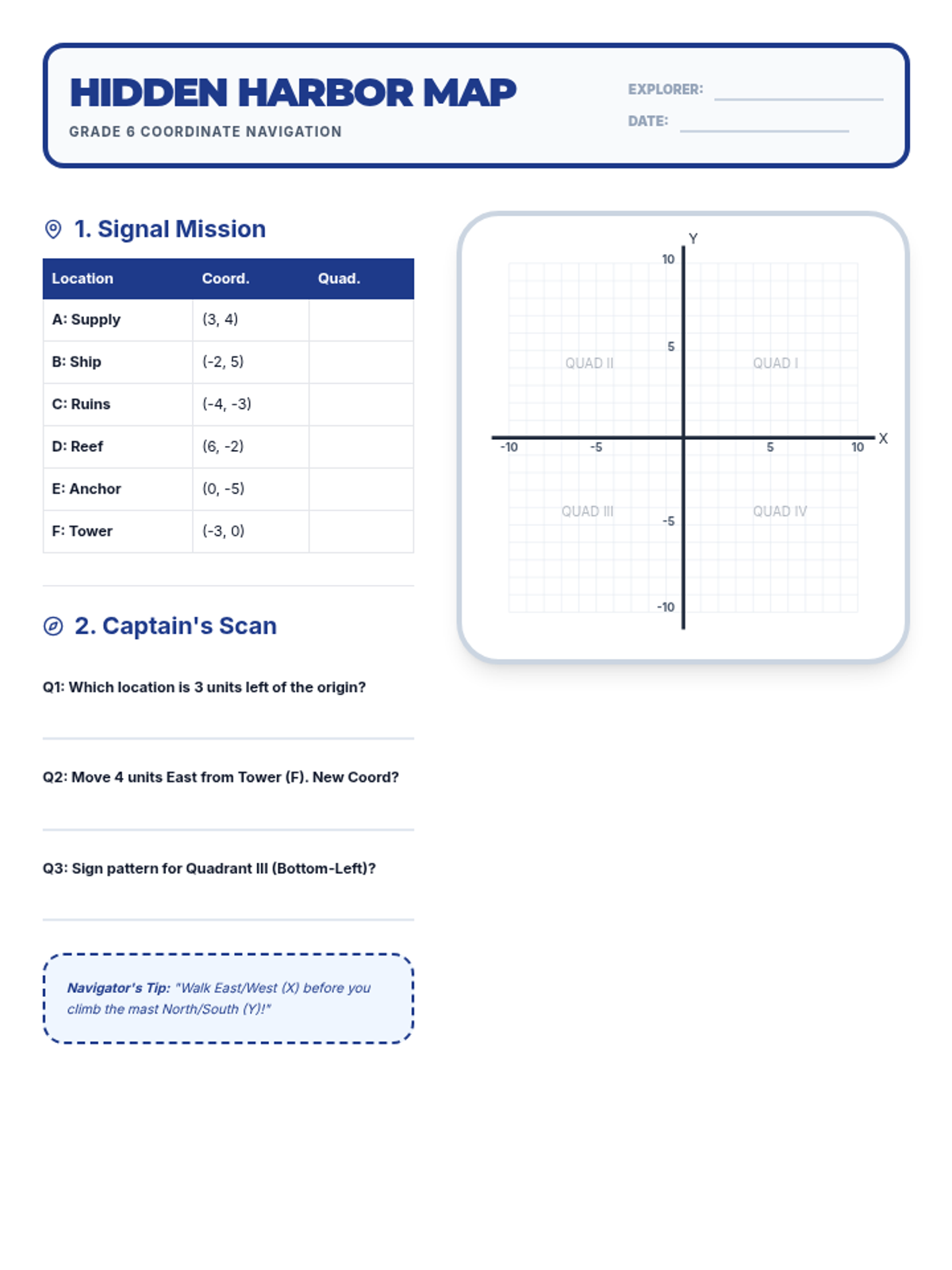
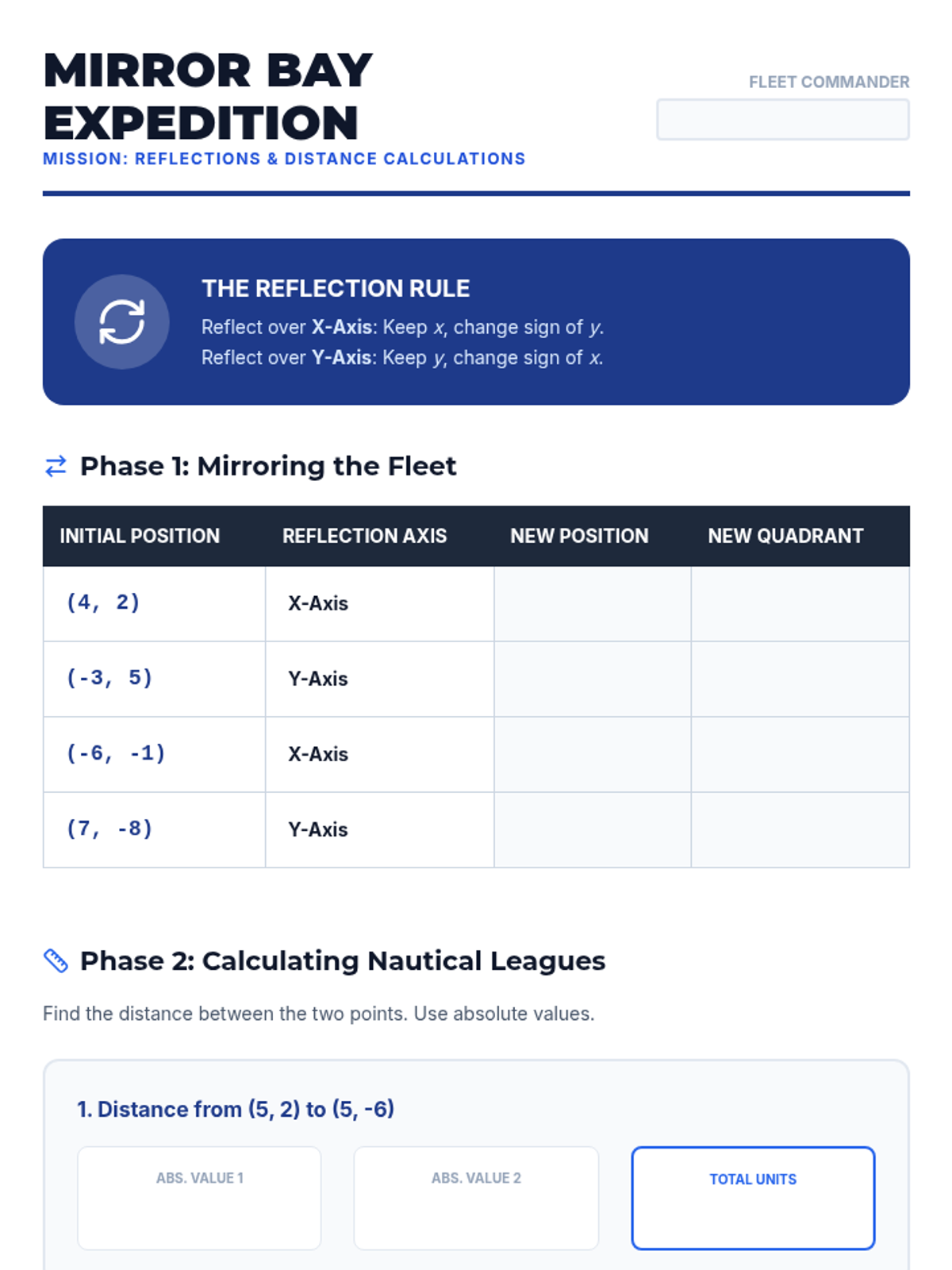
Students embark on a cartographic journey to master the coordinate plane, covering all four quadrants, reflections, and distance calculations through a navigational lens.
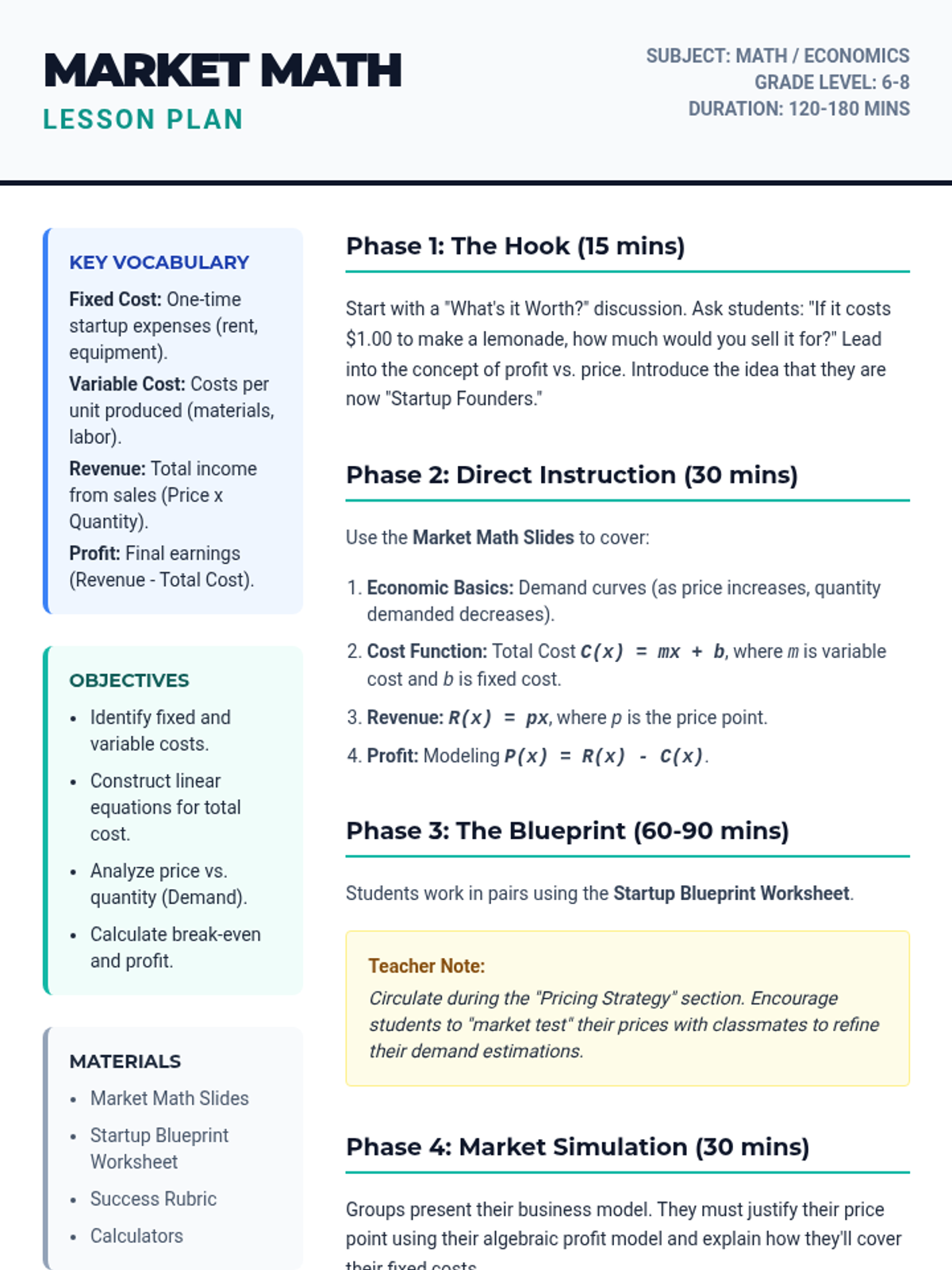
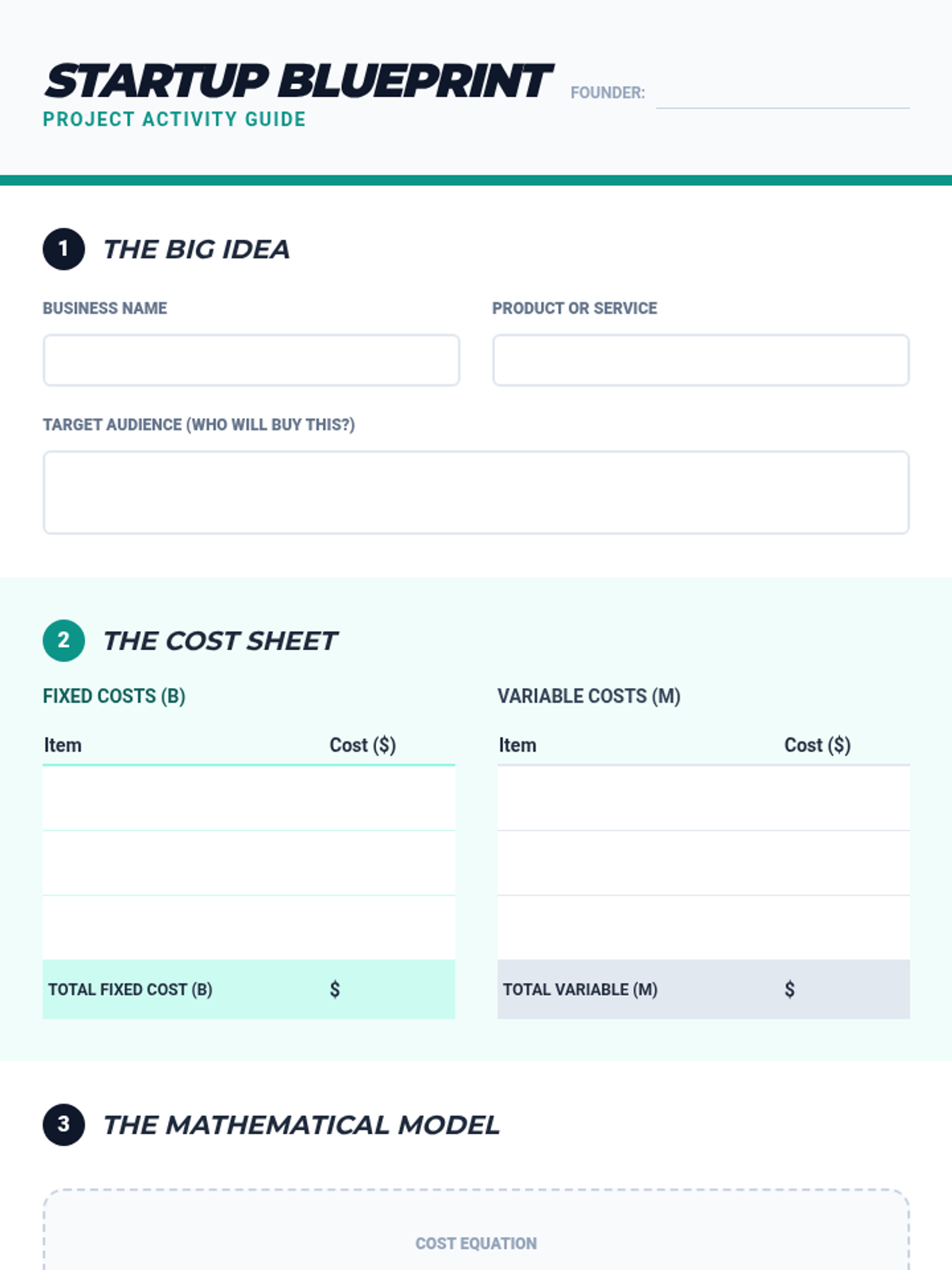
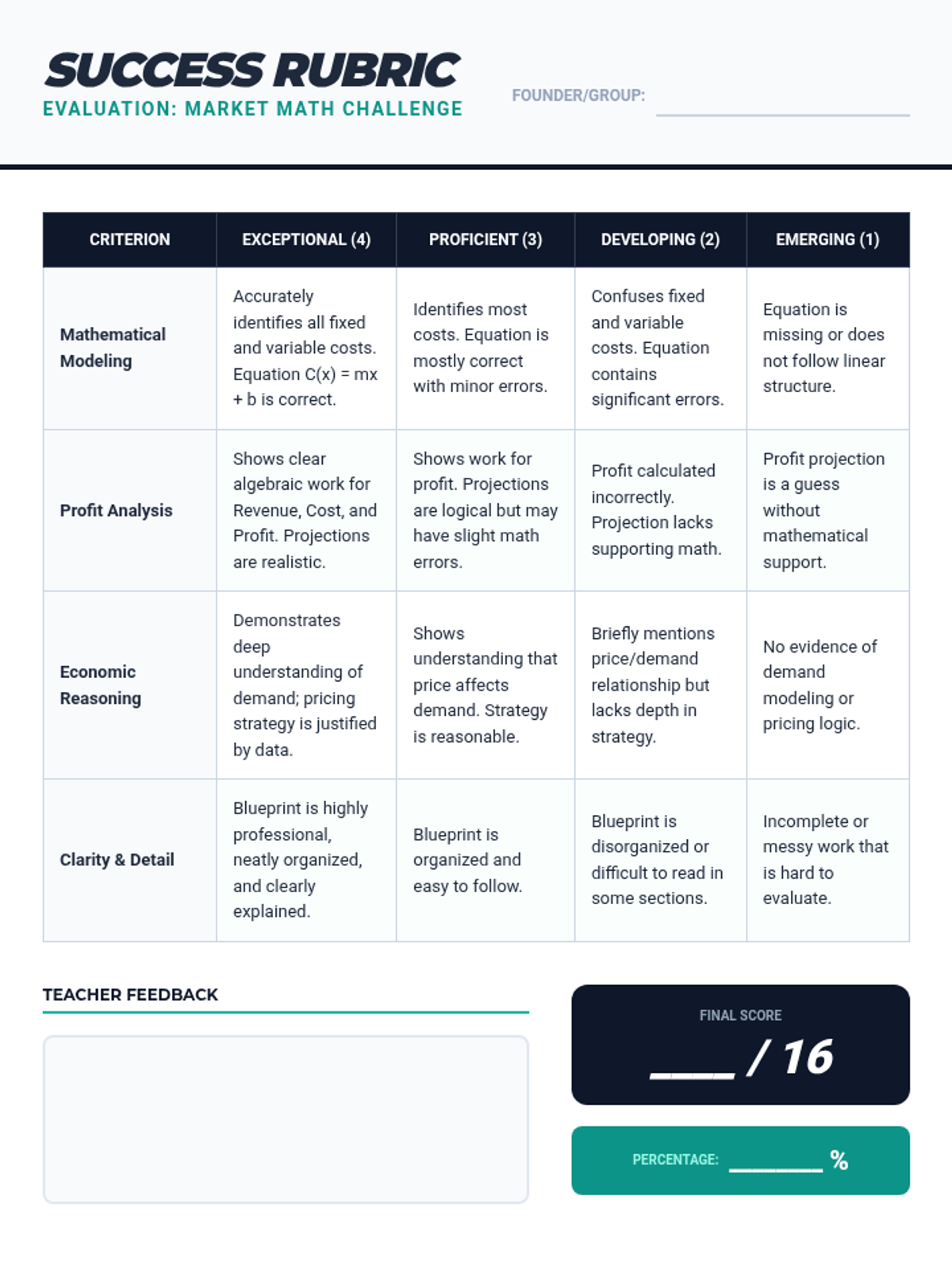
Middle school students design a small business model to apply principles of economics and algebraic reasoning through startup cost calculation and profit modeling.
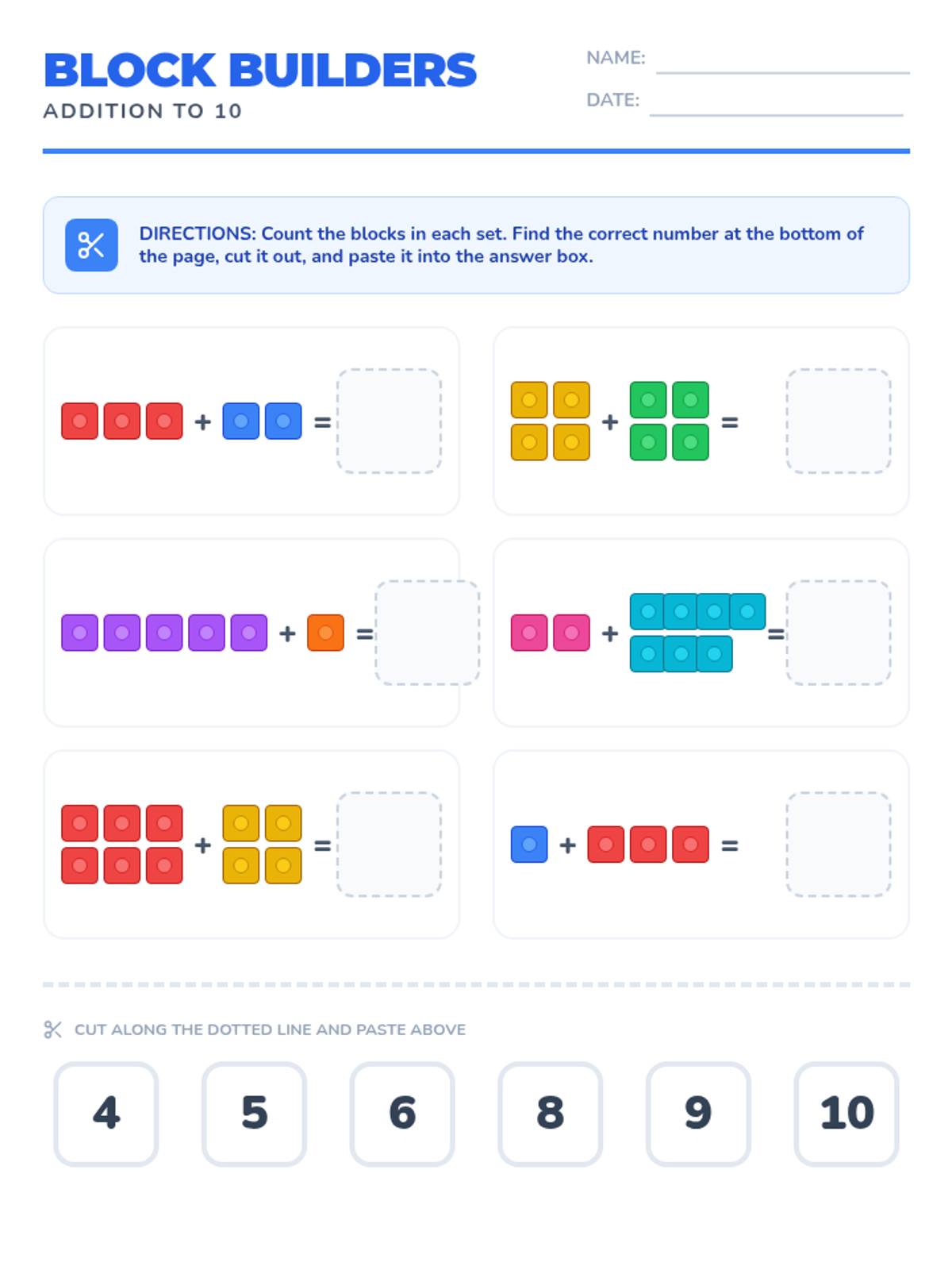
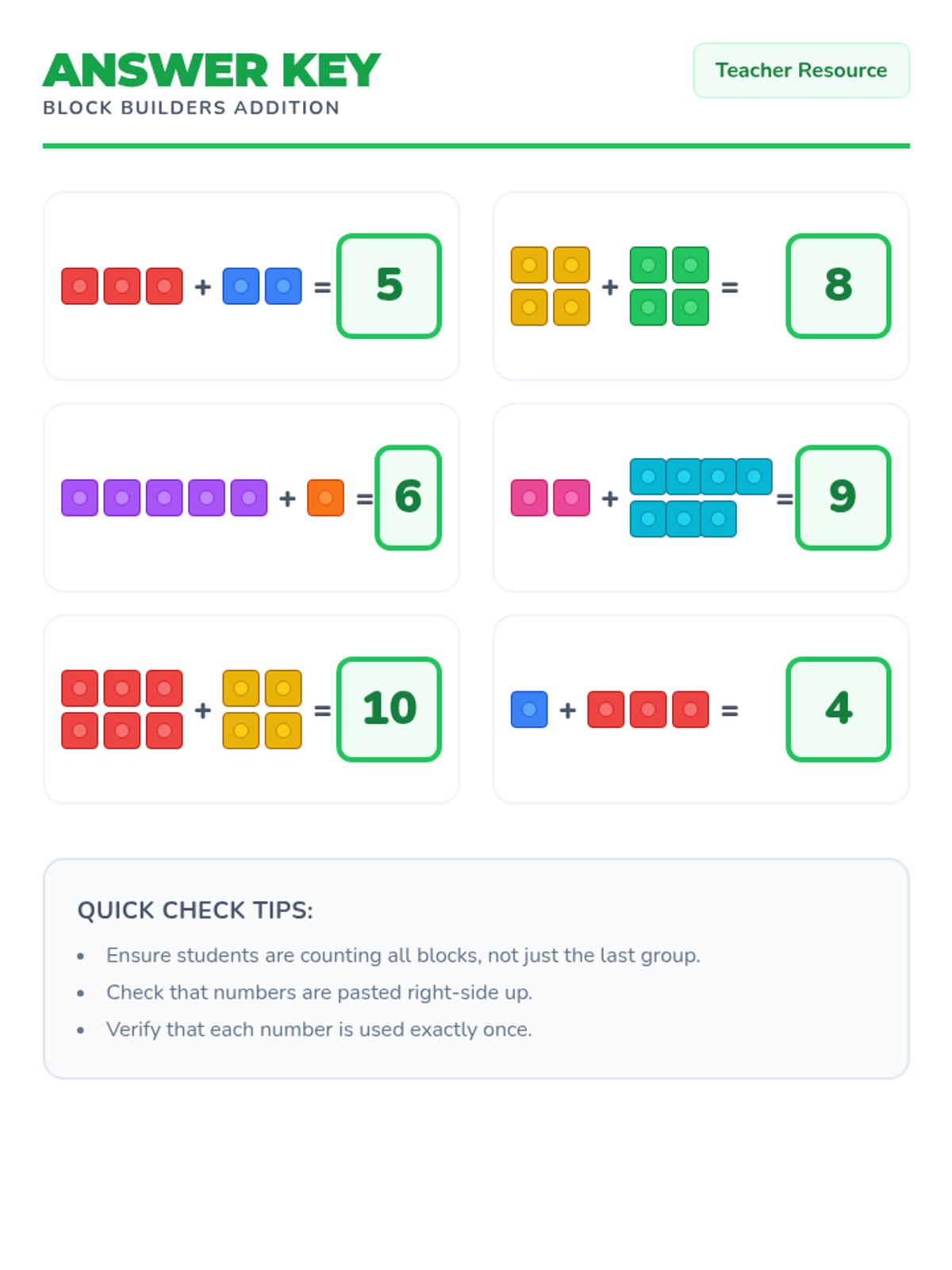
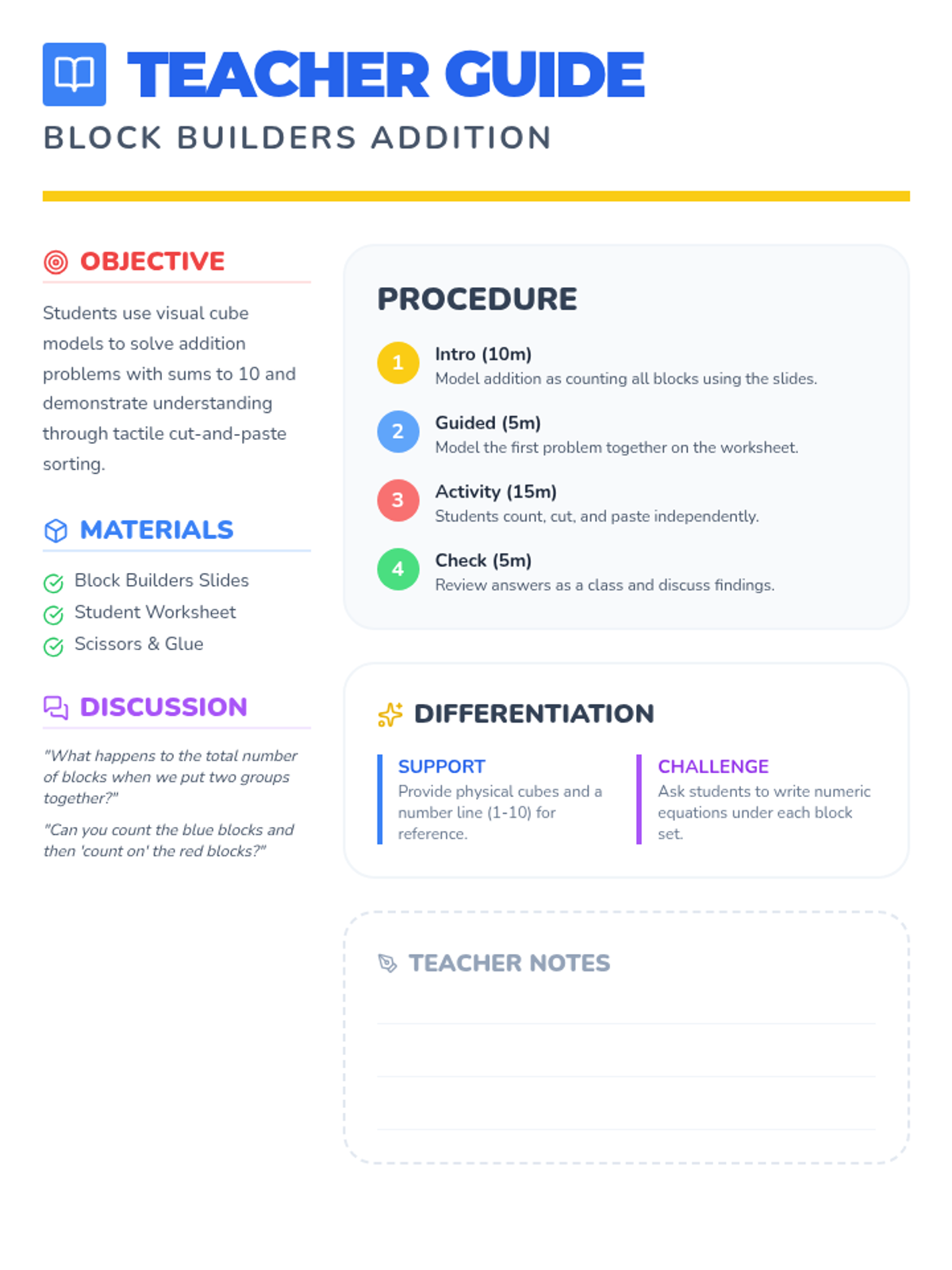
A foundational math lesson where students use visual cube models to solve addition problems with sums up to 10, featuring a hands-on cut-and-paste component for scaffolded learning.
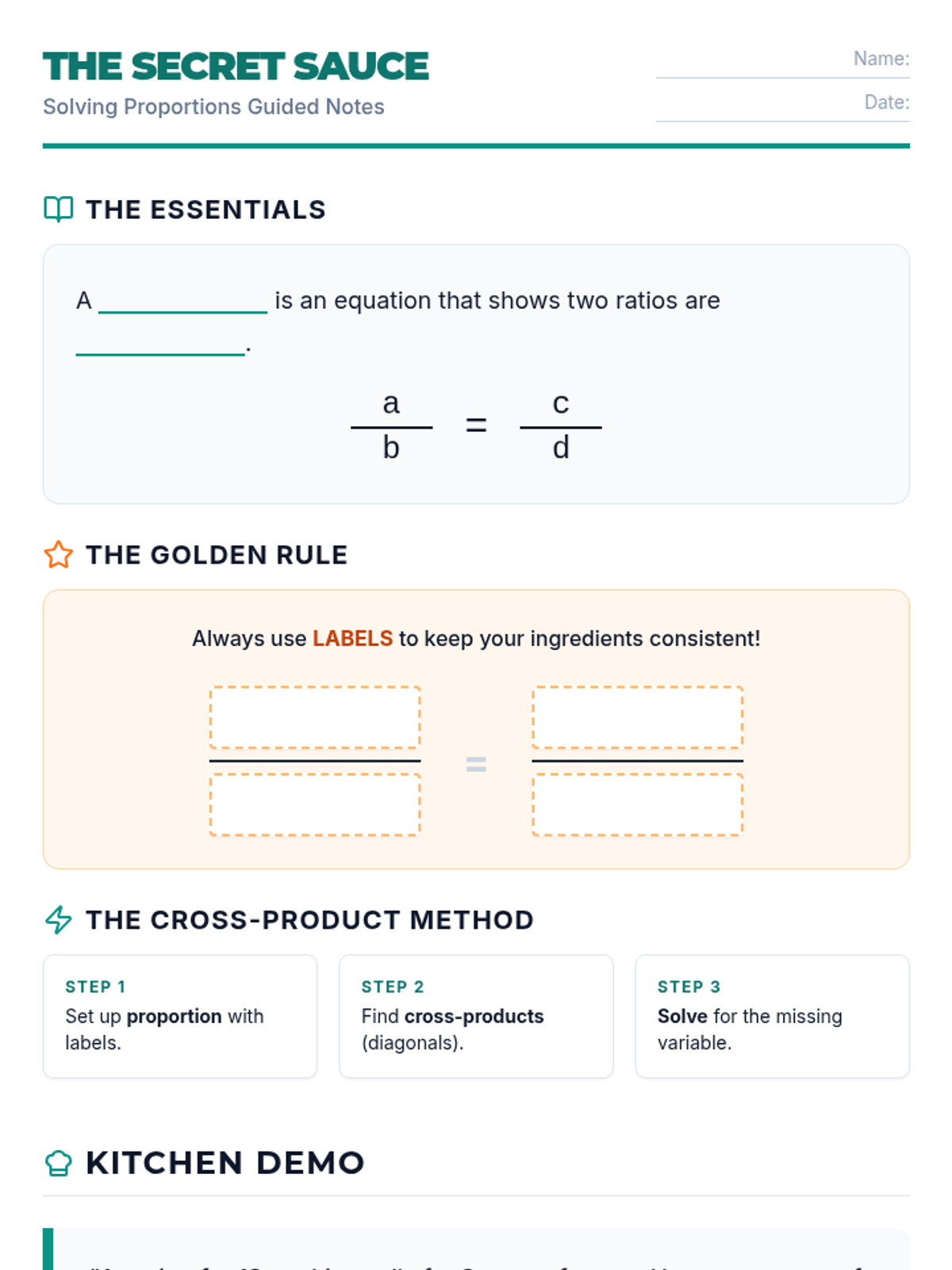
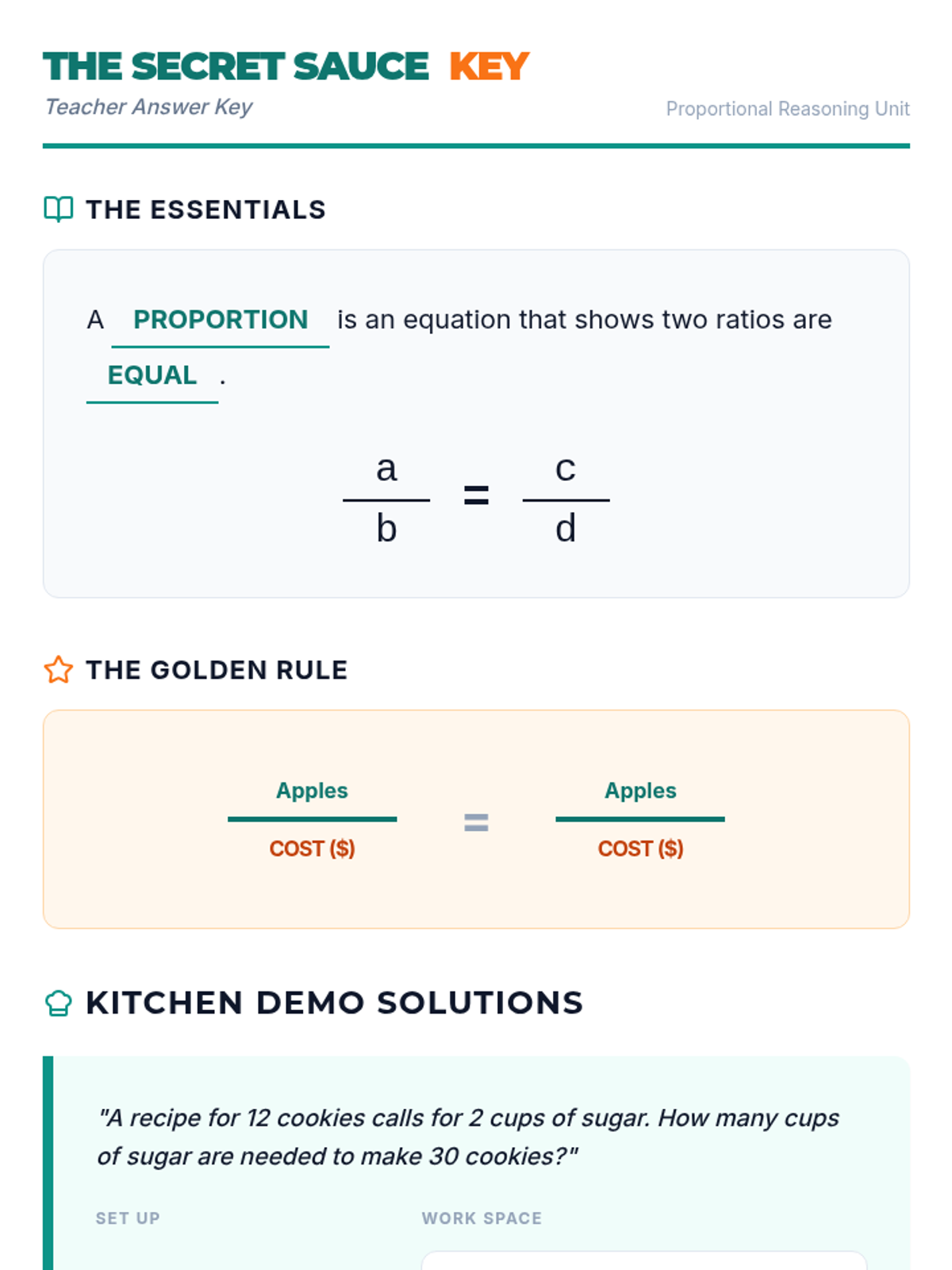
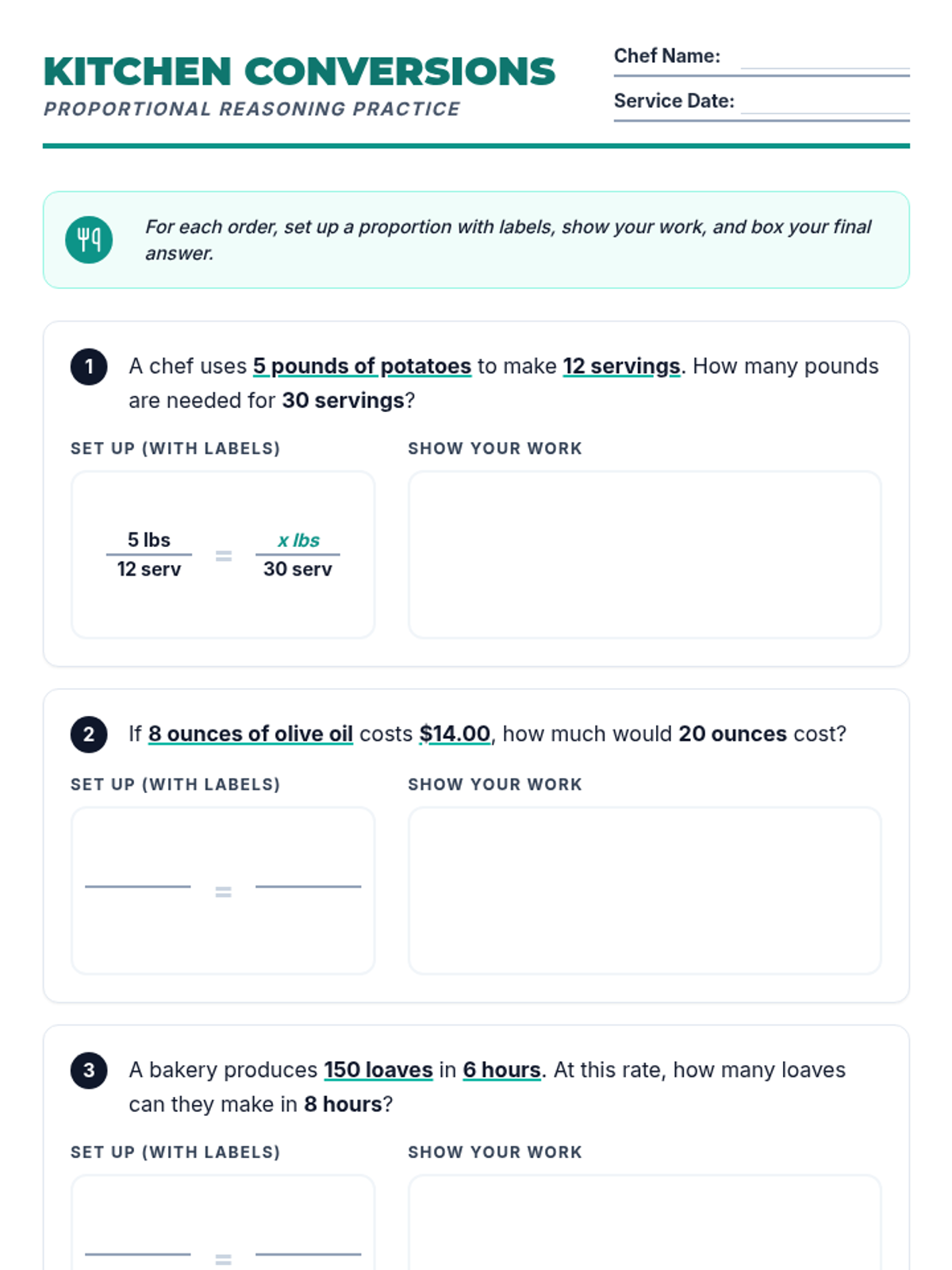
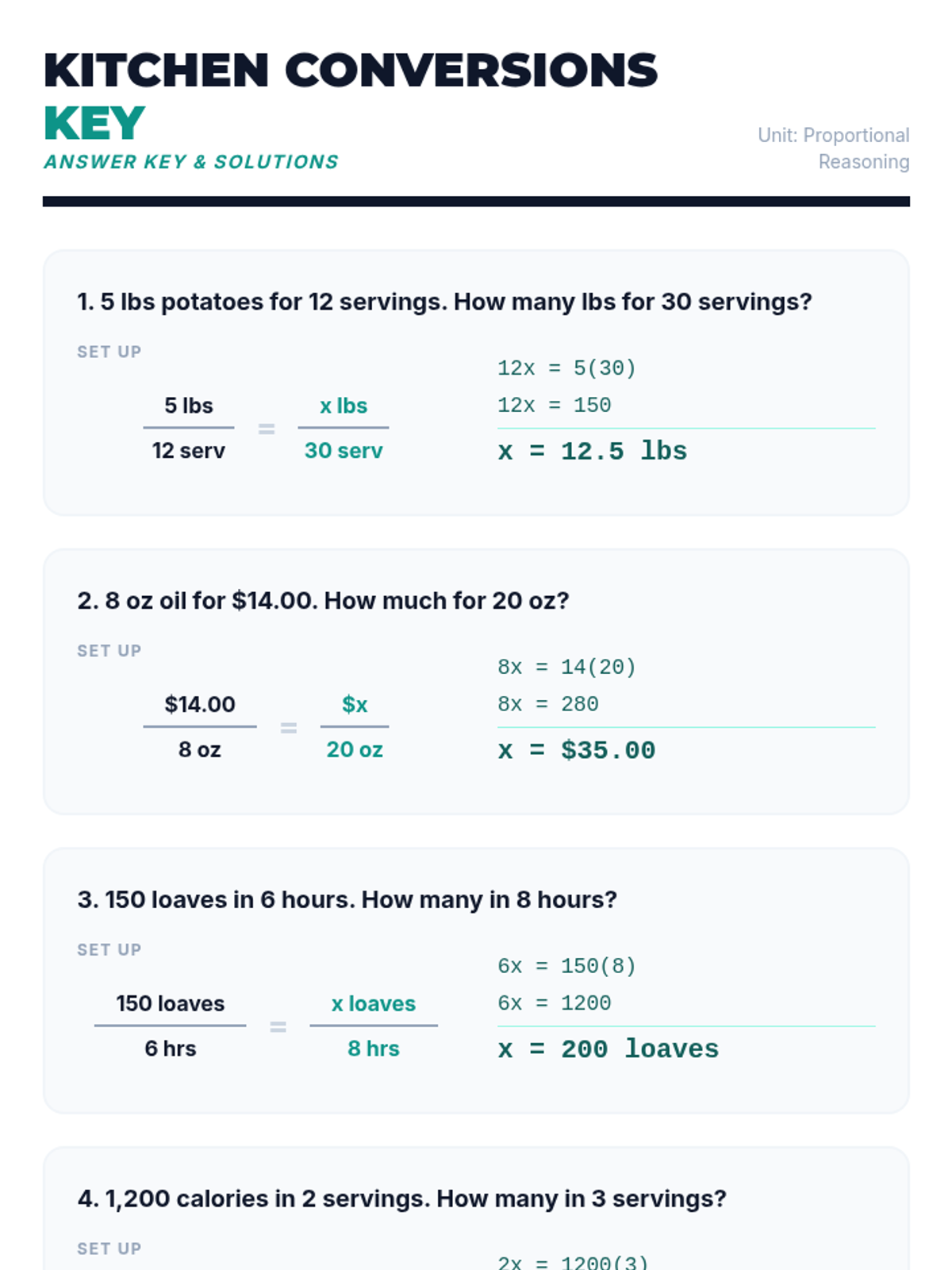
A comprehensive lesson on solving proportional word problems using a culinary theme. Students will learn to set up and solve proportions using cross-multiplication and scaling strategies.
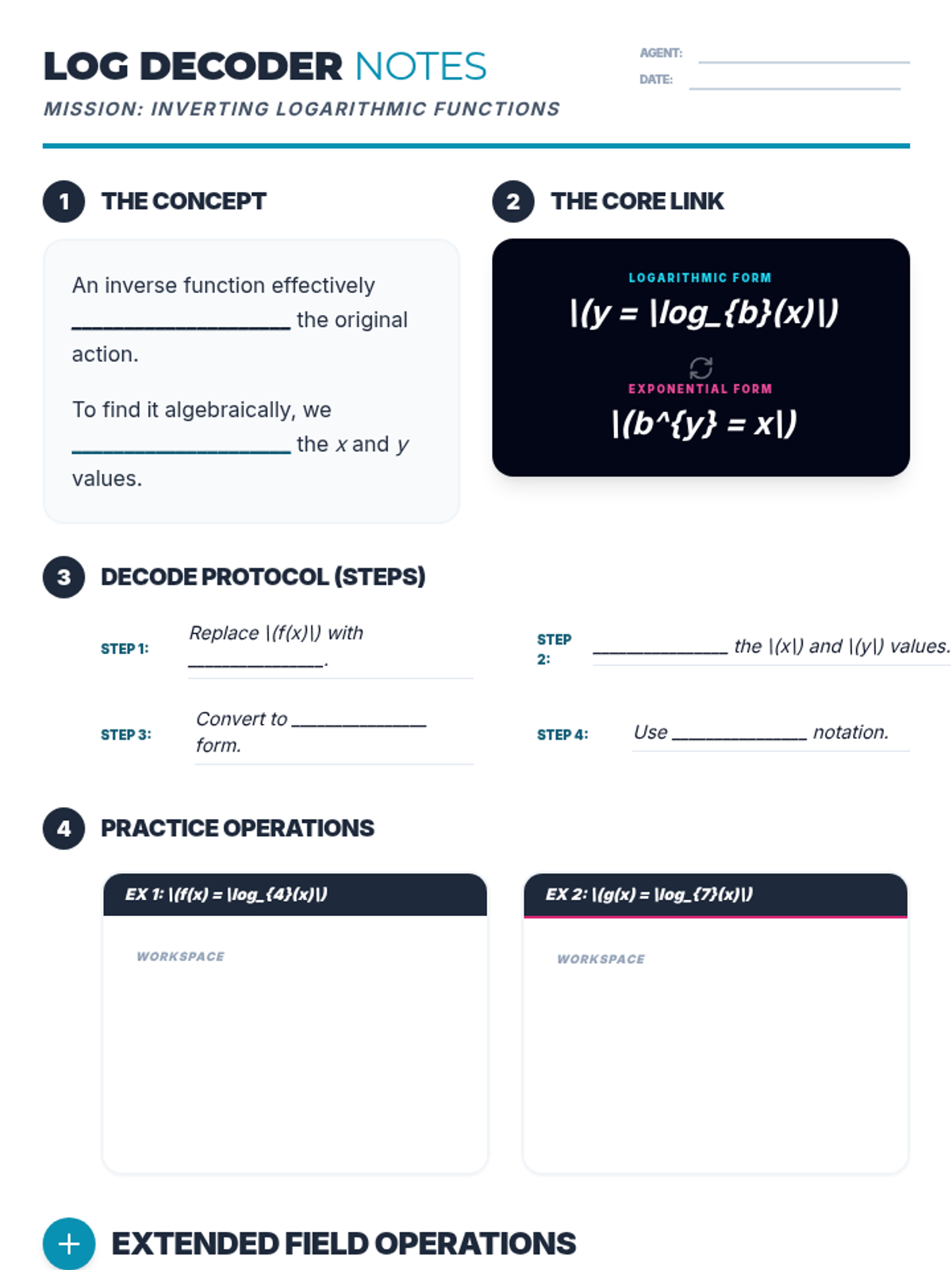
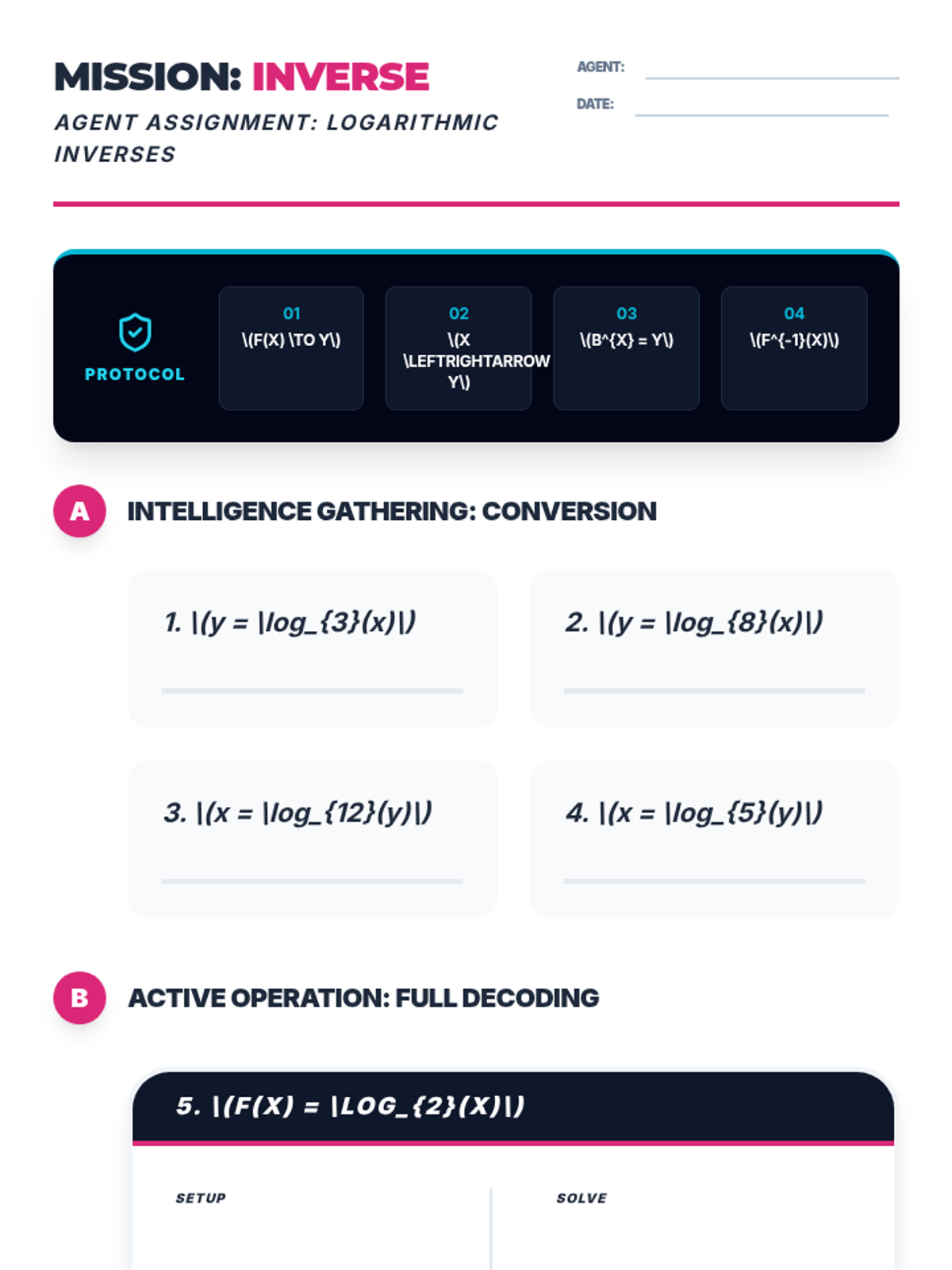
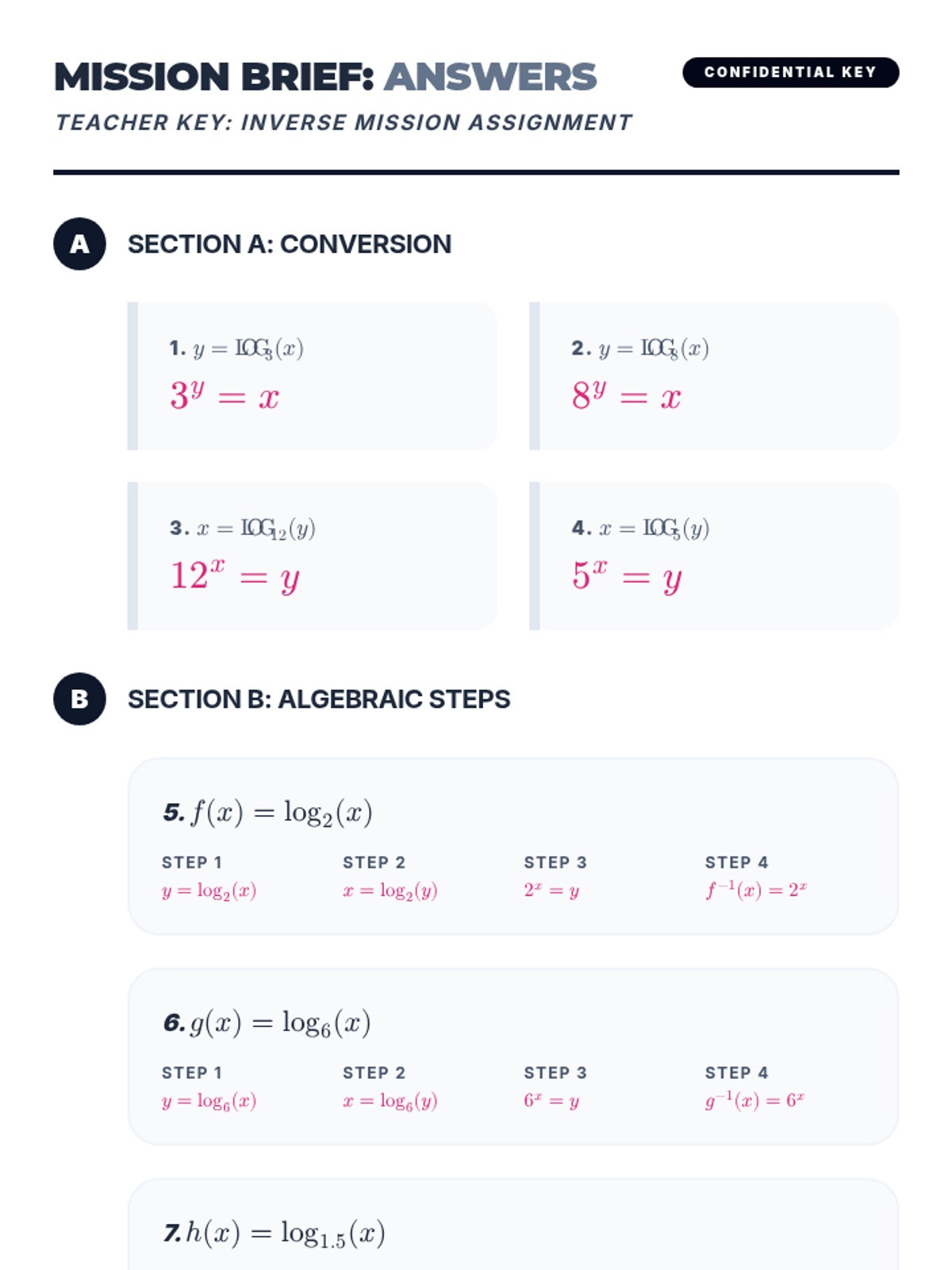
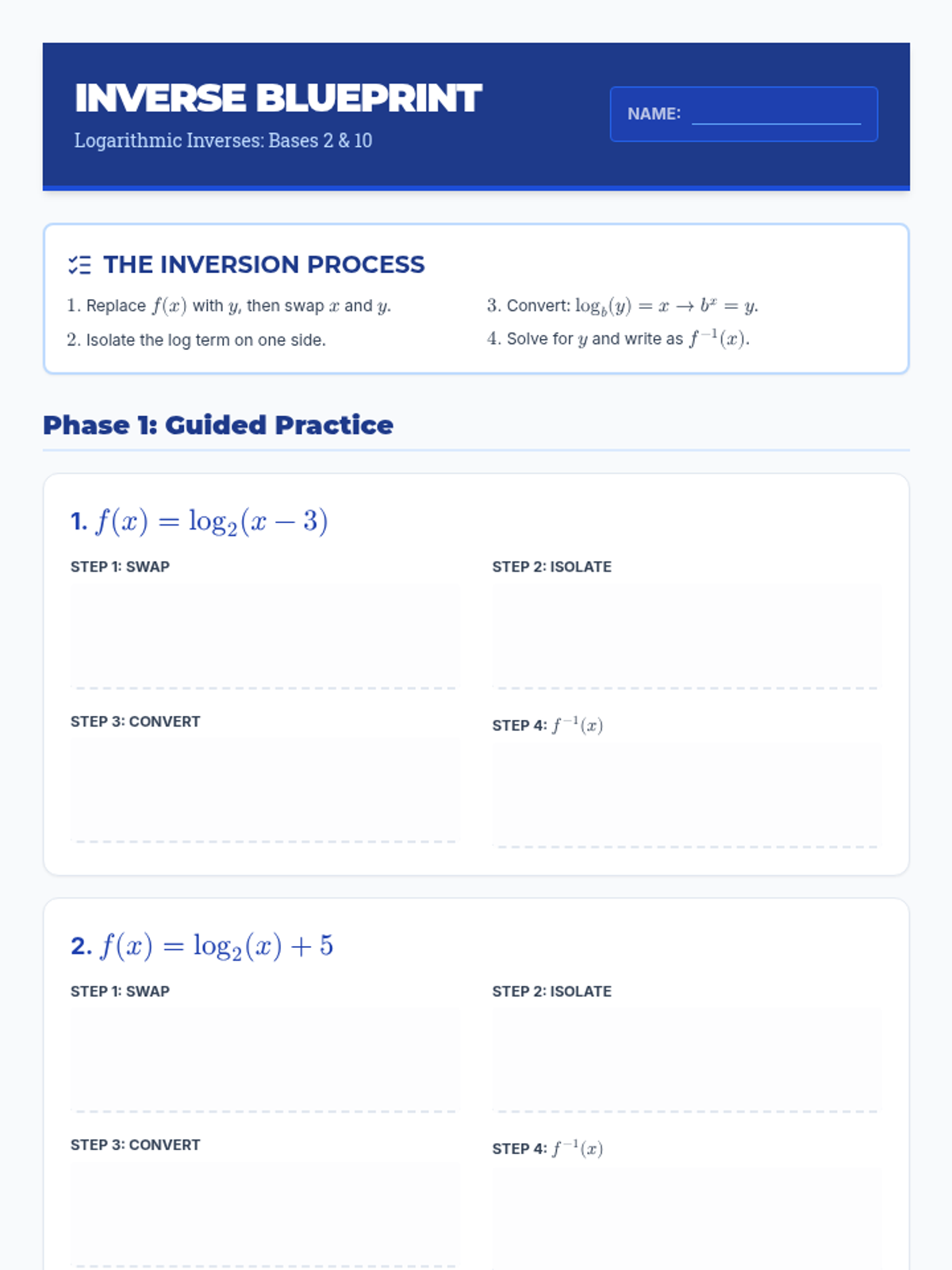
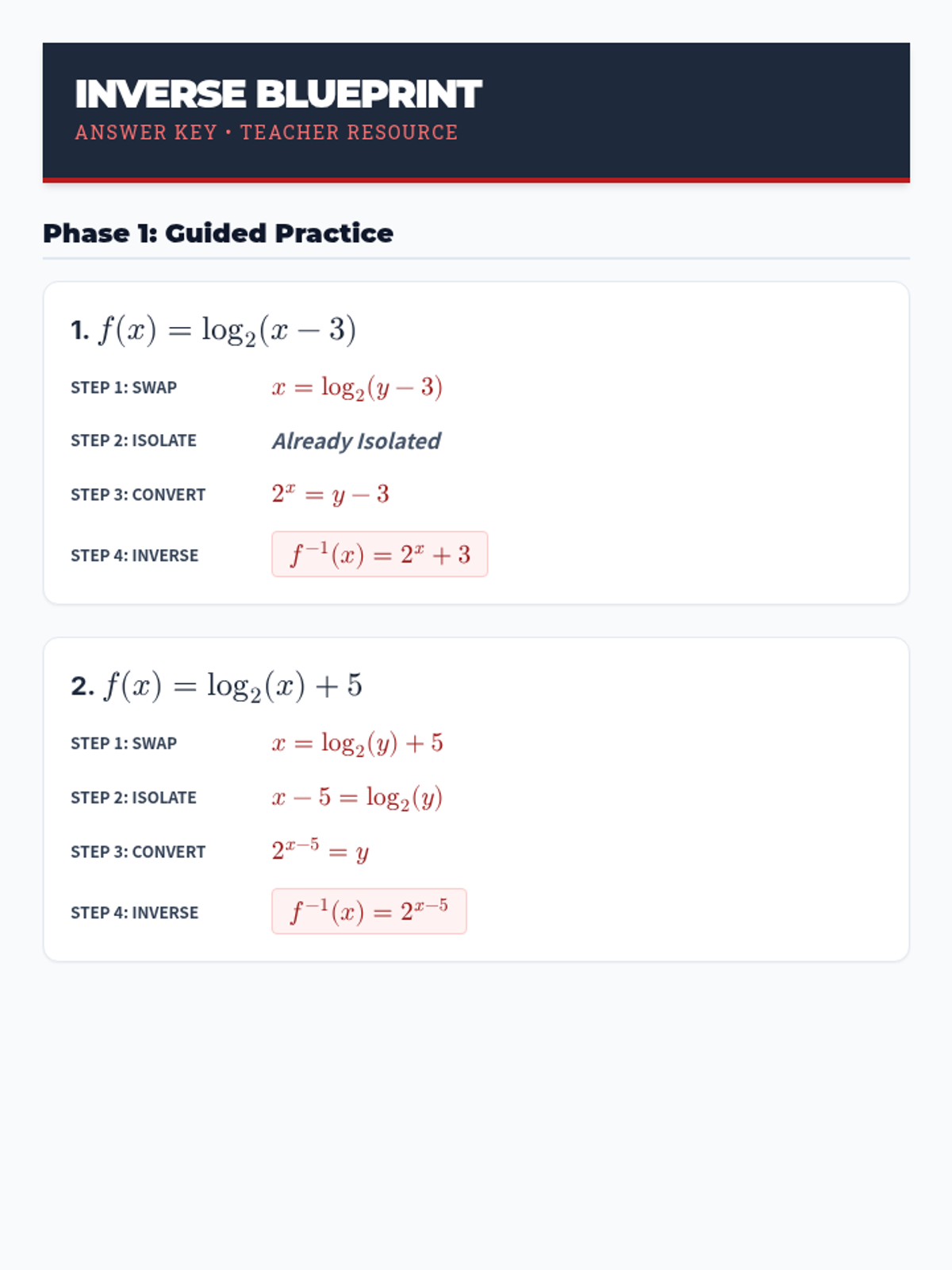
A lesson covering the step-by-step process of finding the algebraic inverse of basic logarithmic functions with various bases.
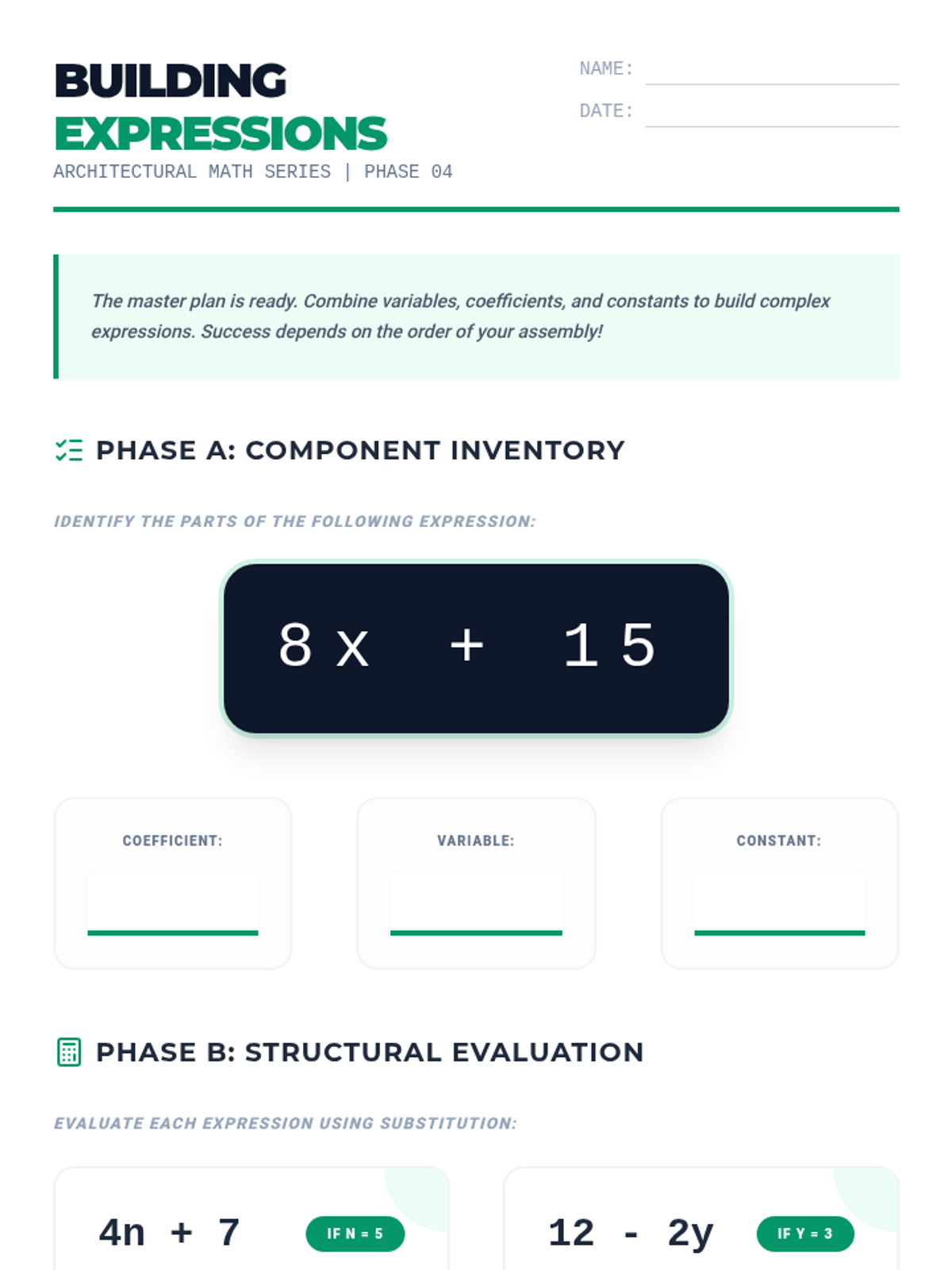
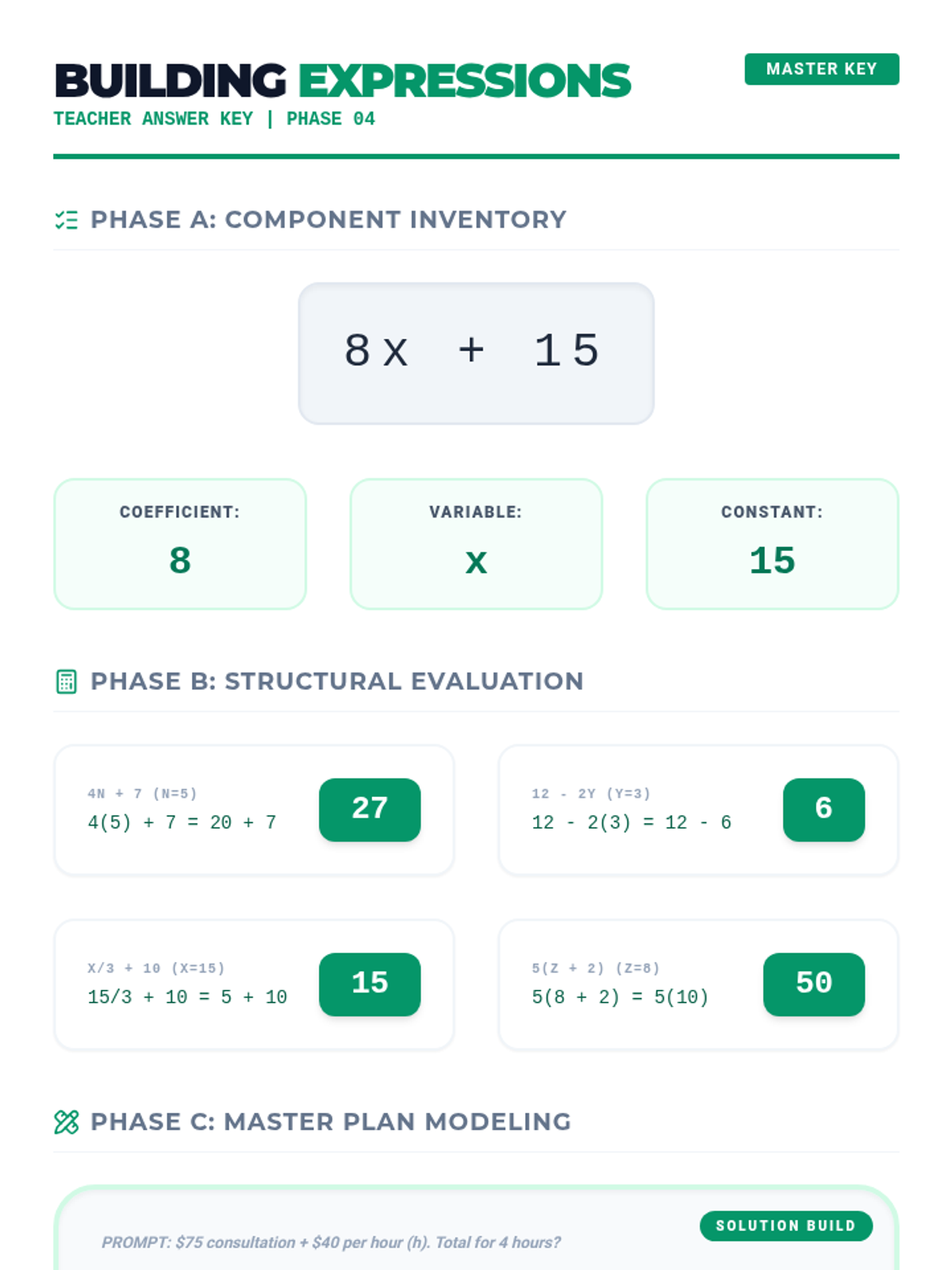
Assembling full algebraic expressions and equations, learning to manipulate variables like architectural components.
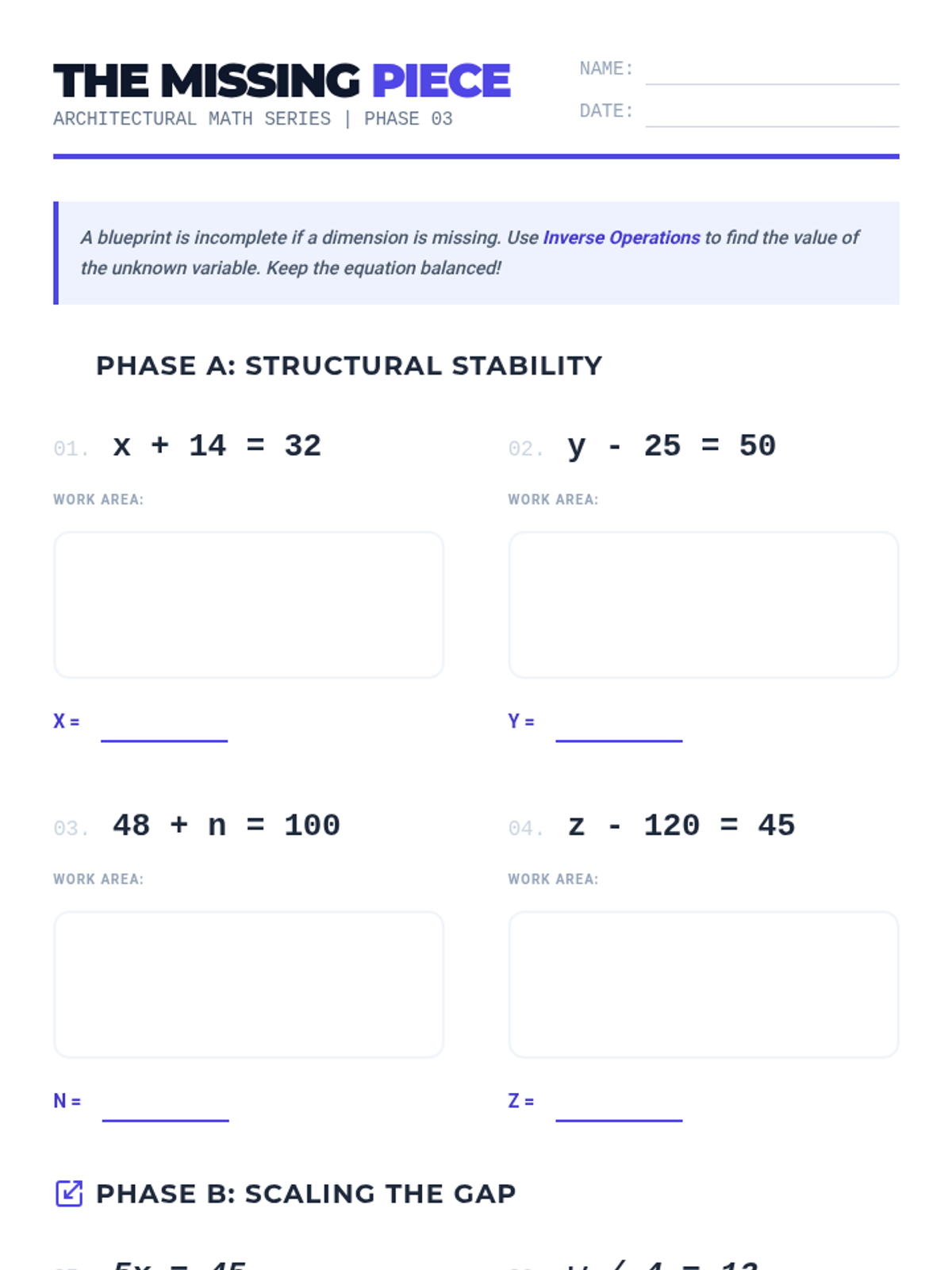
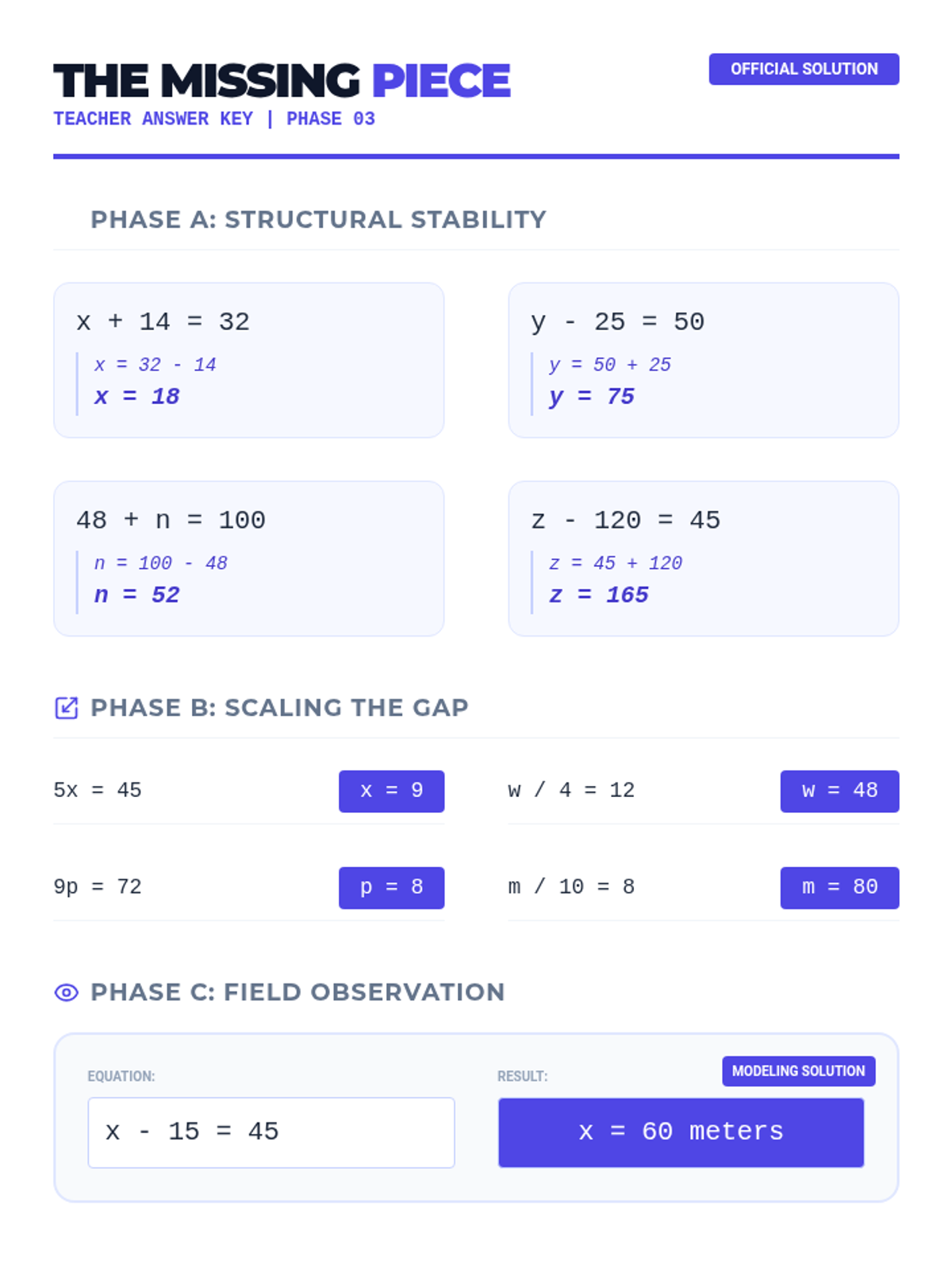
Introducing the concept of the unknown as a structural gap that needs to be filled, shifting from arithmetic to early algebraic thinking.
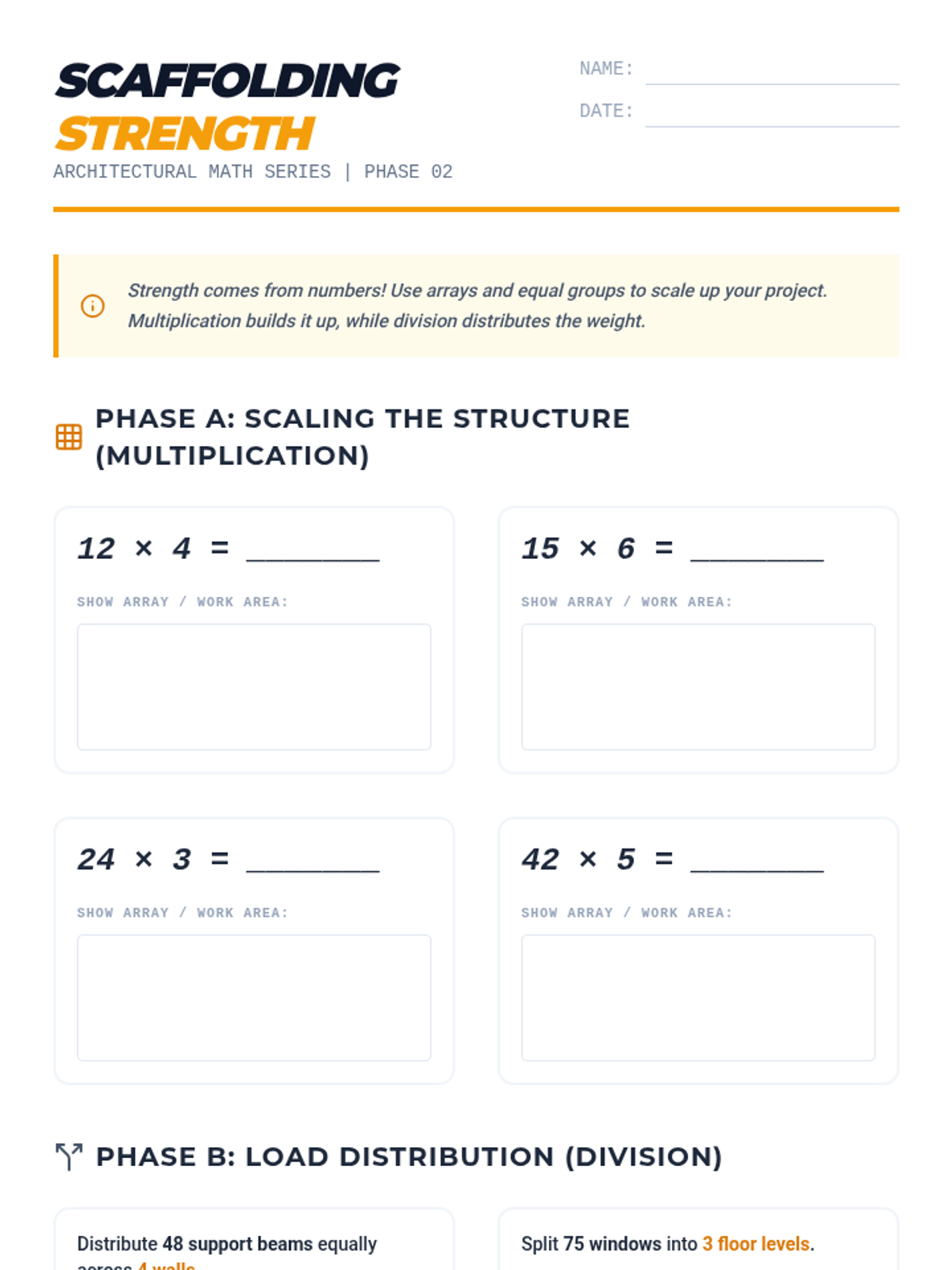
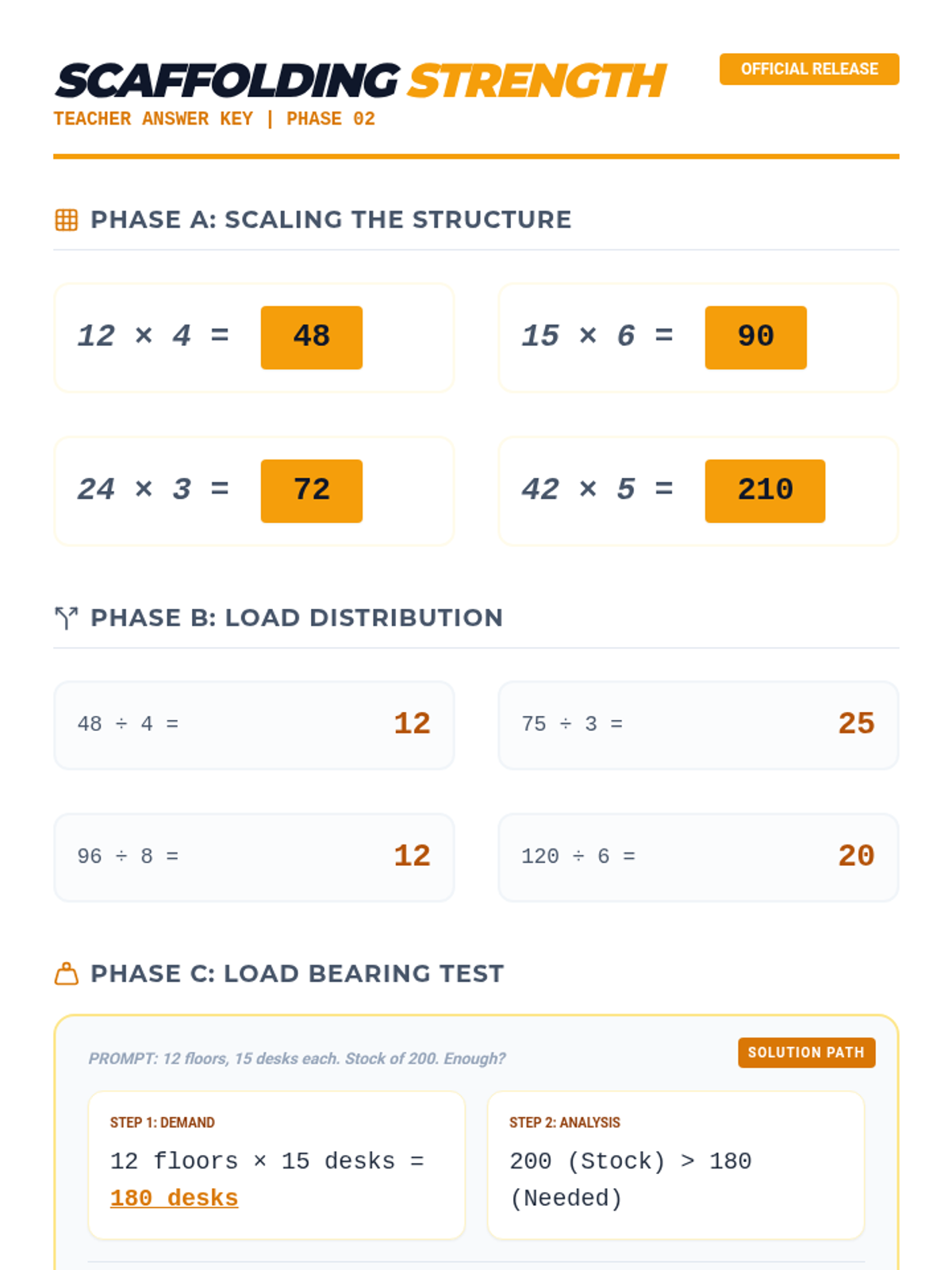
Scaling up operations with multiplication and division, exploring arrays and equal groups as the scaffolding for complex math.
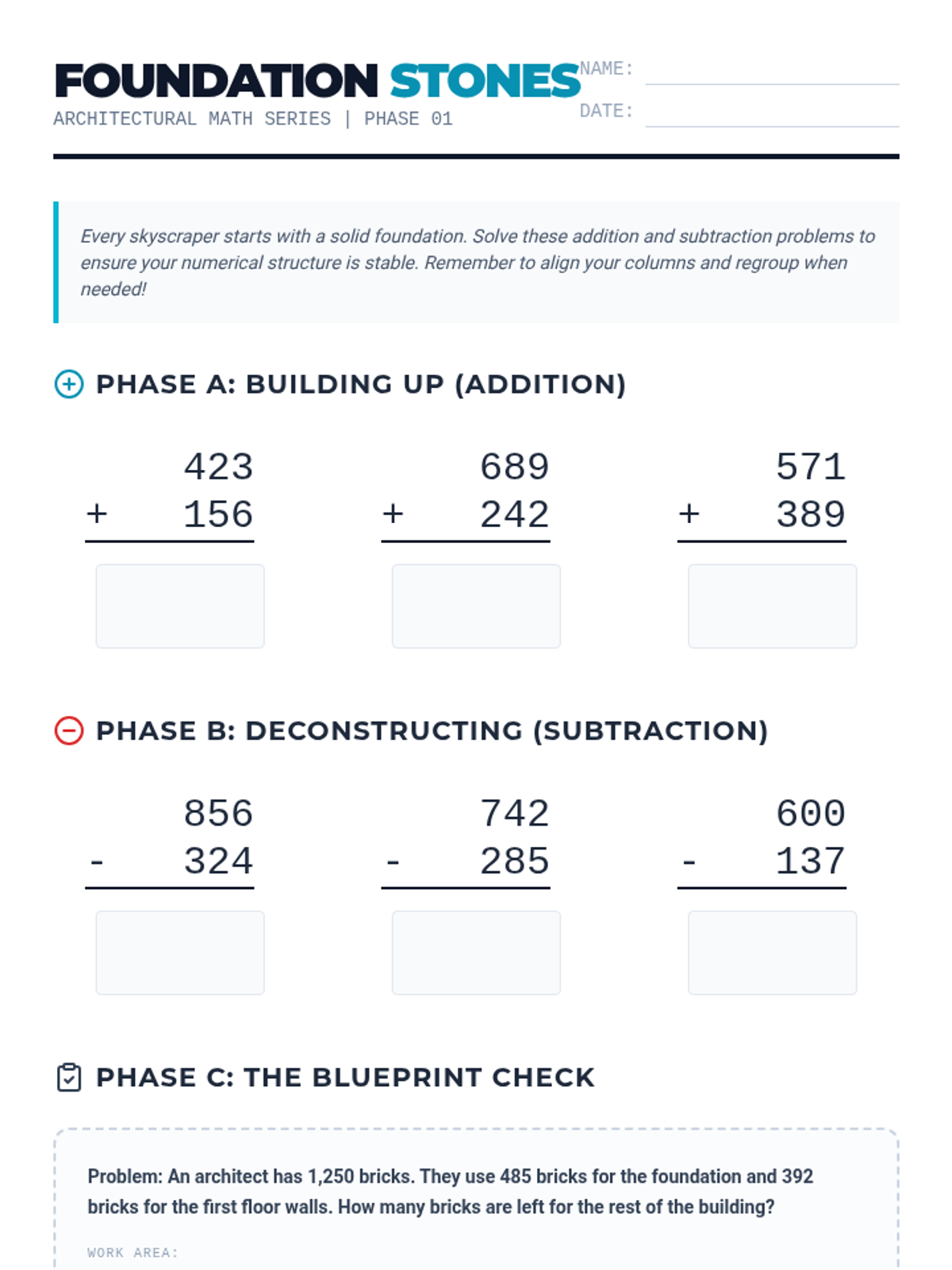
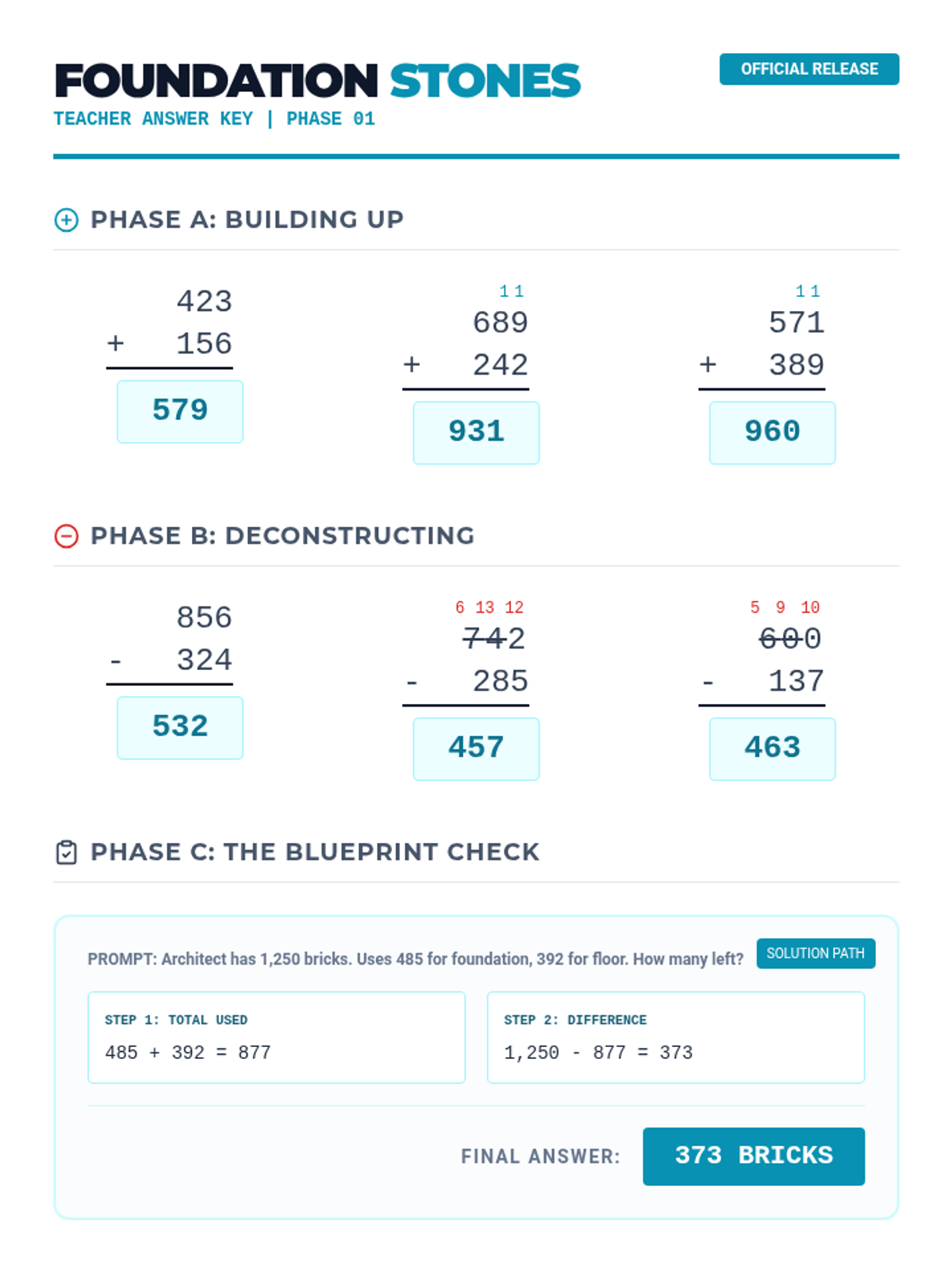
Mastering the core mechanics of addition and subtraction using place value and architectural grouping strategies.
A focused lesson on finding the inverse of basic logarithmic functions using algebraic steps, specifically focusing on base 10 and base 2.
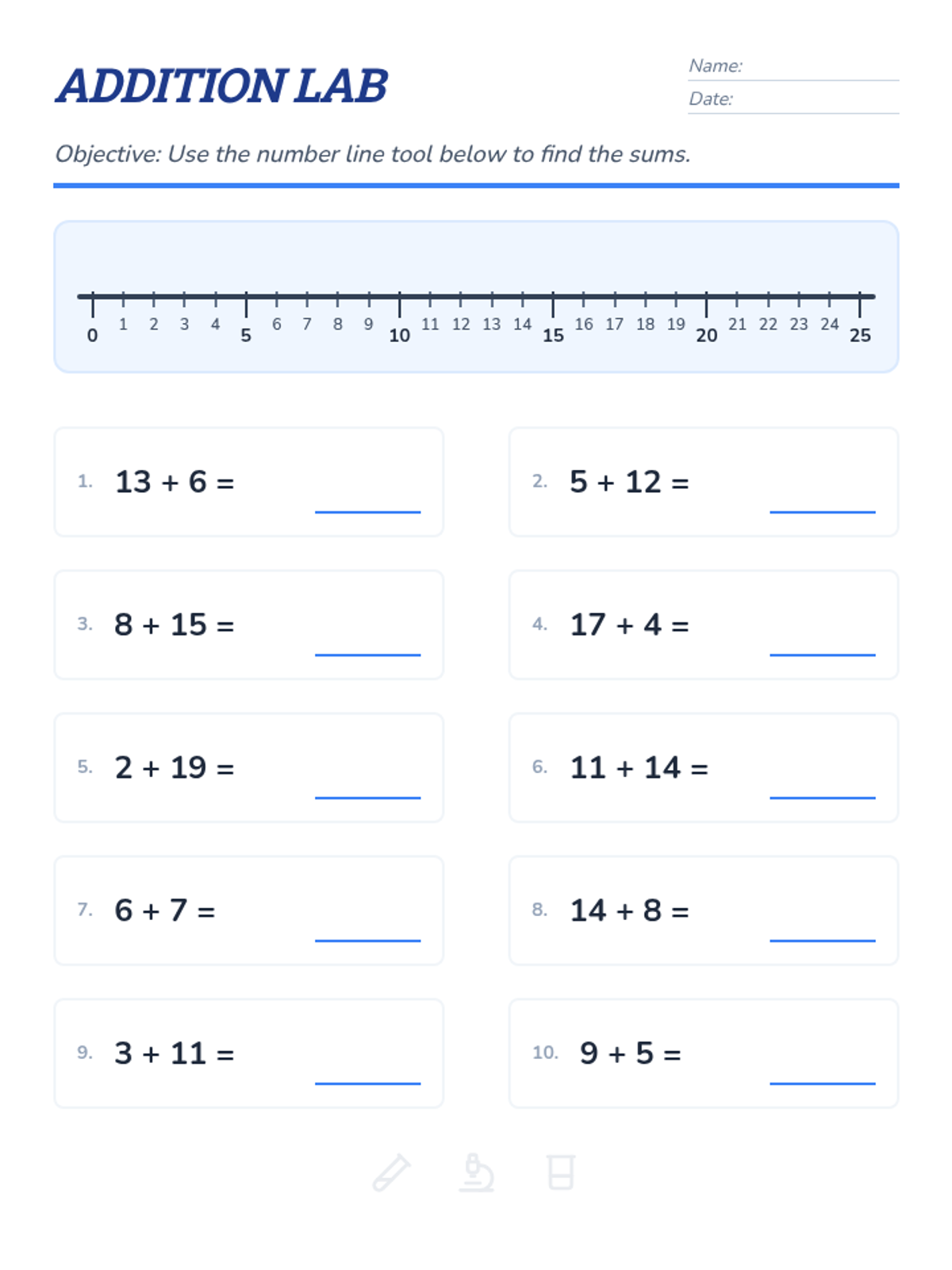
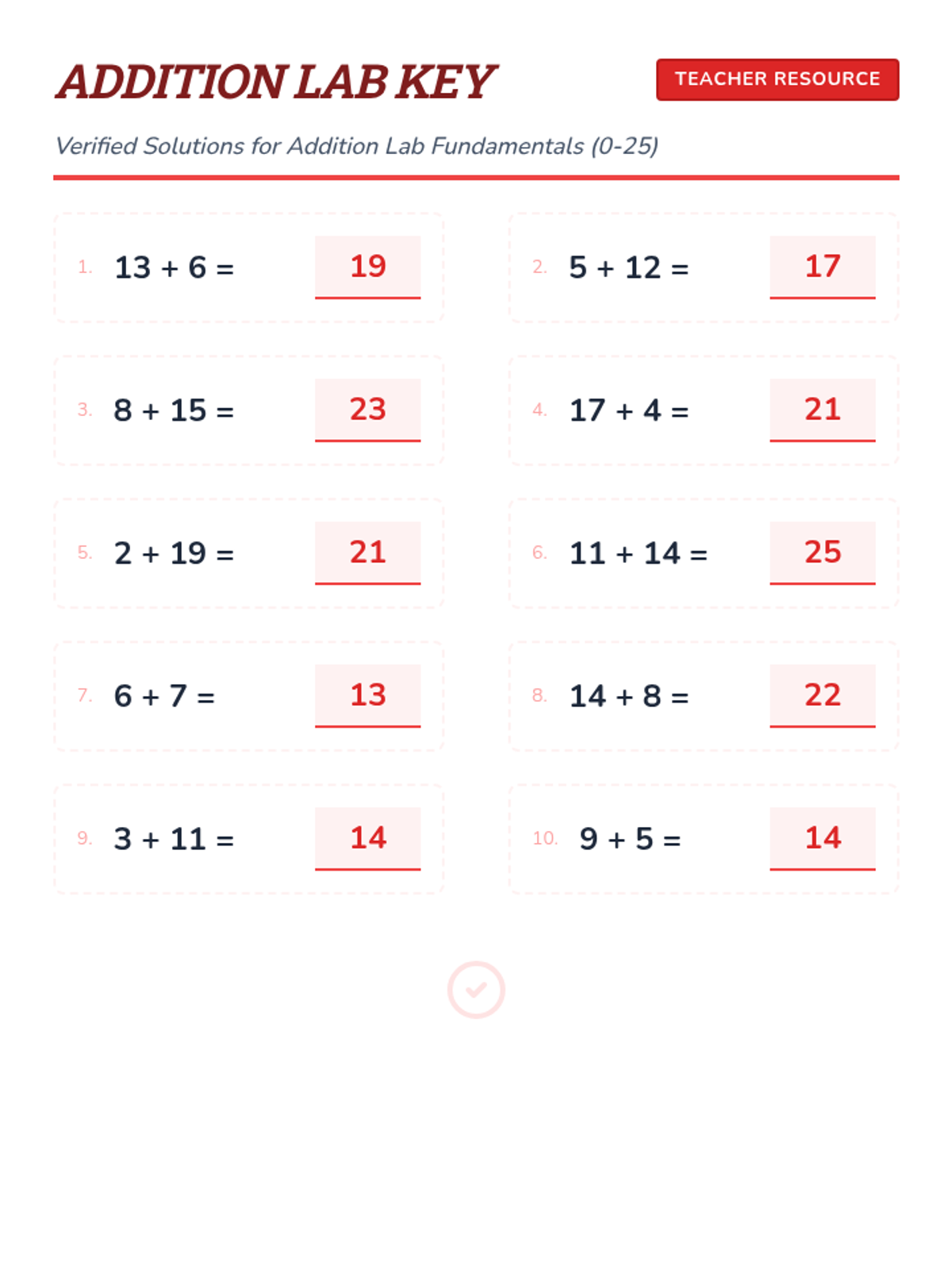
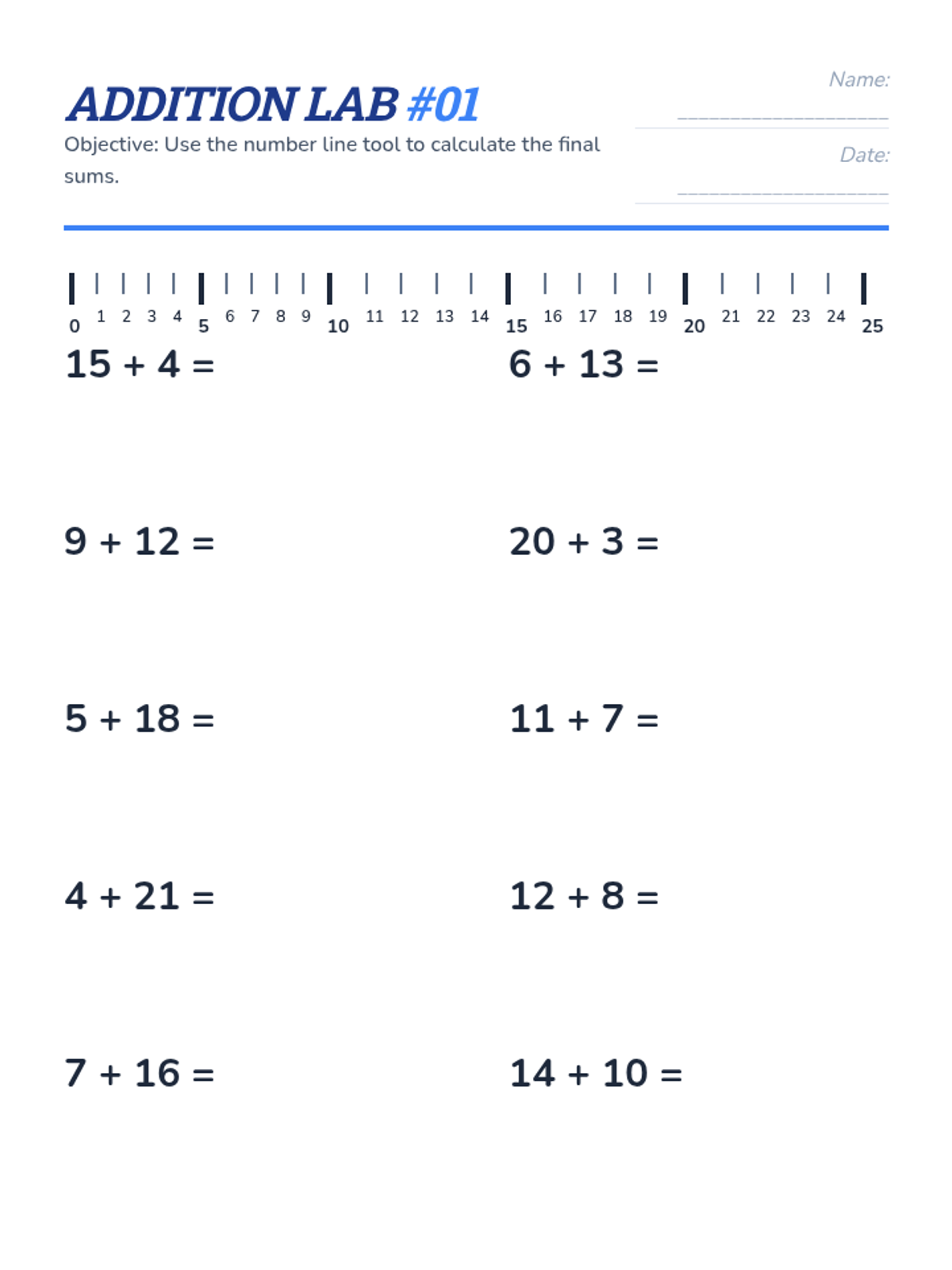
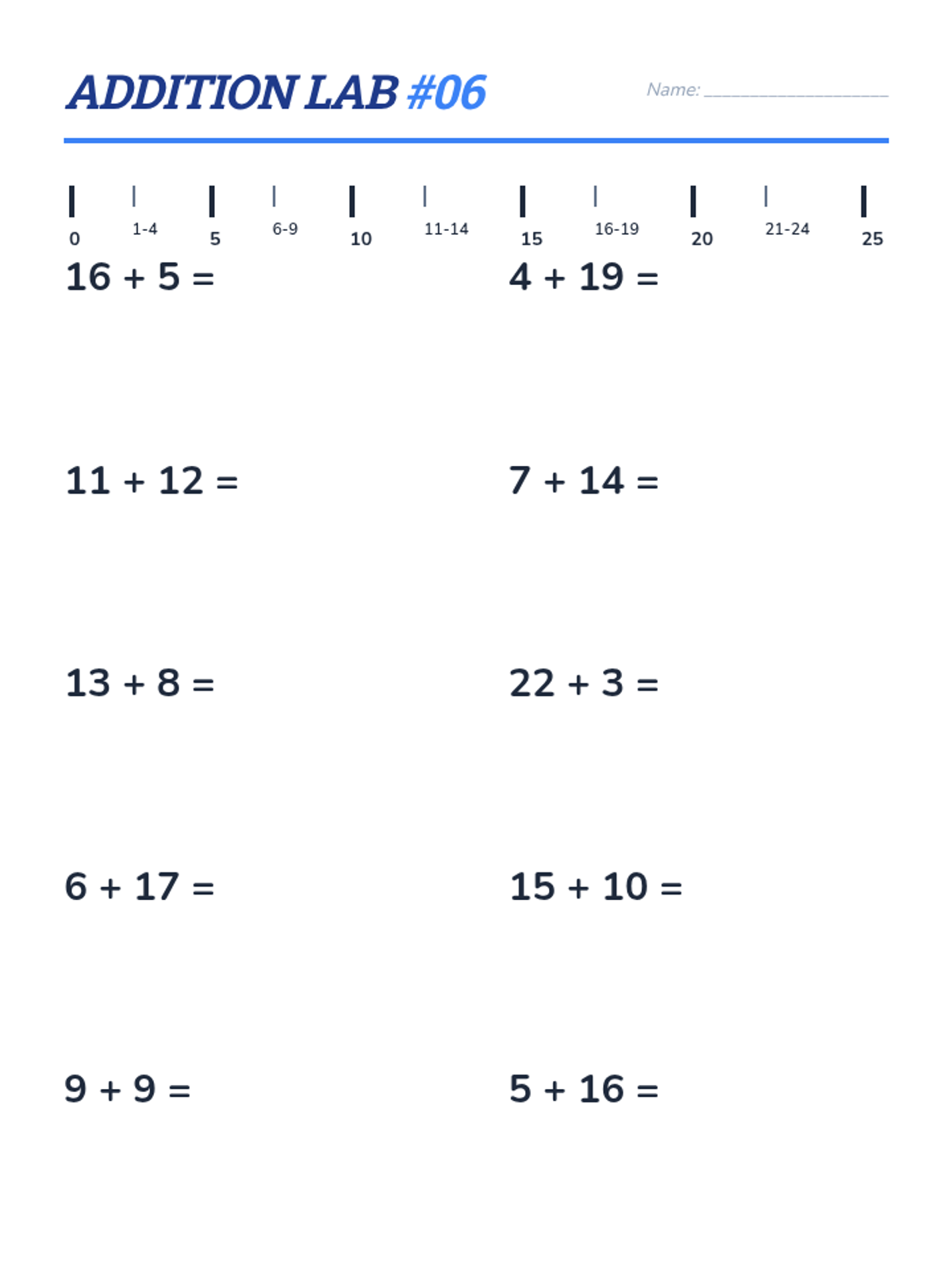
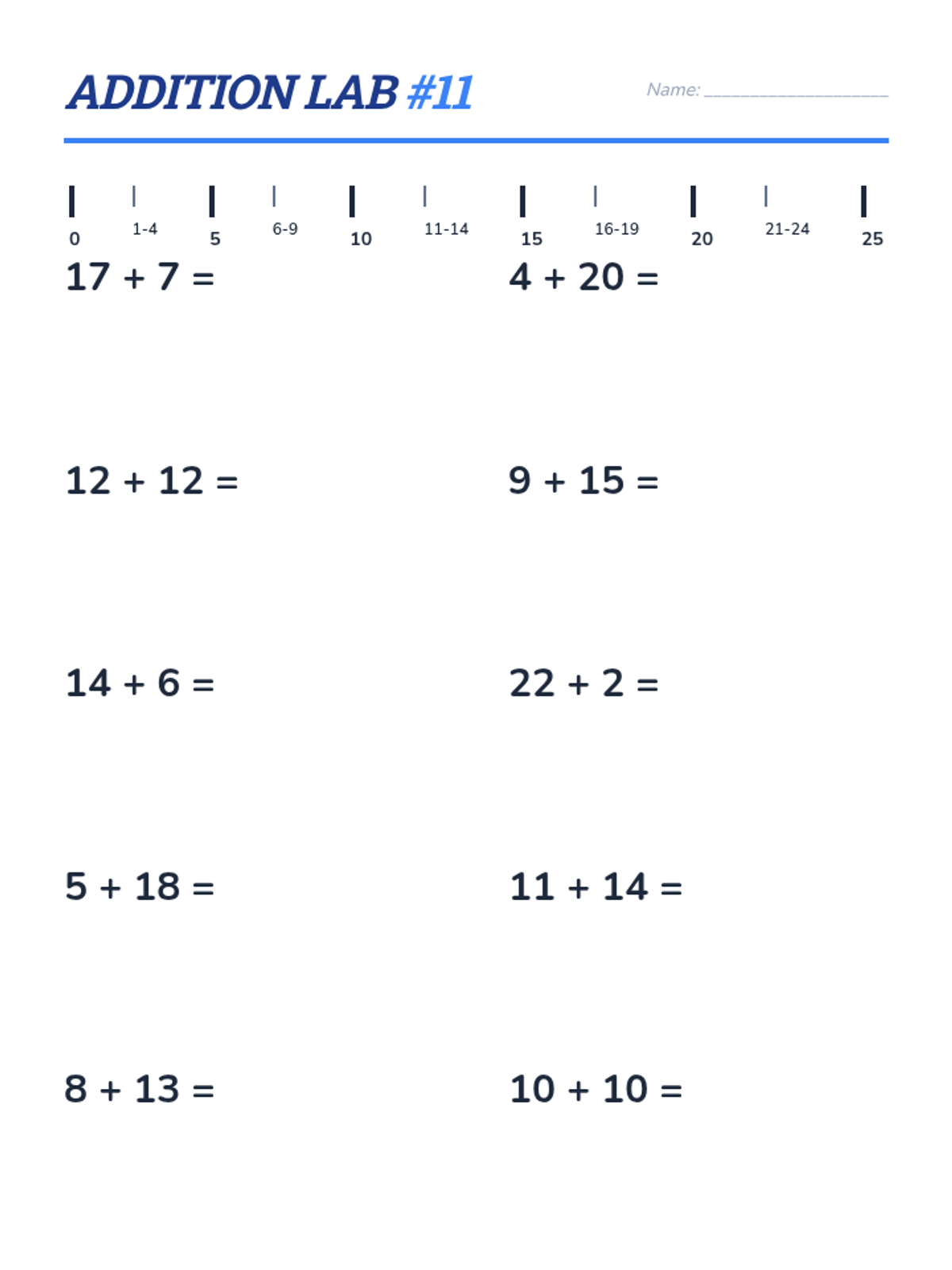
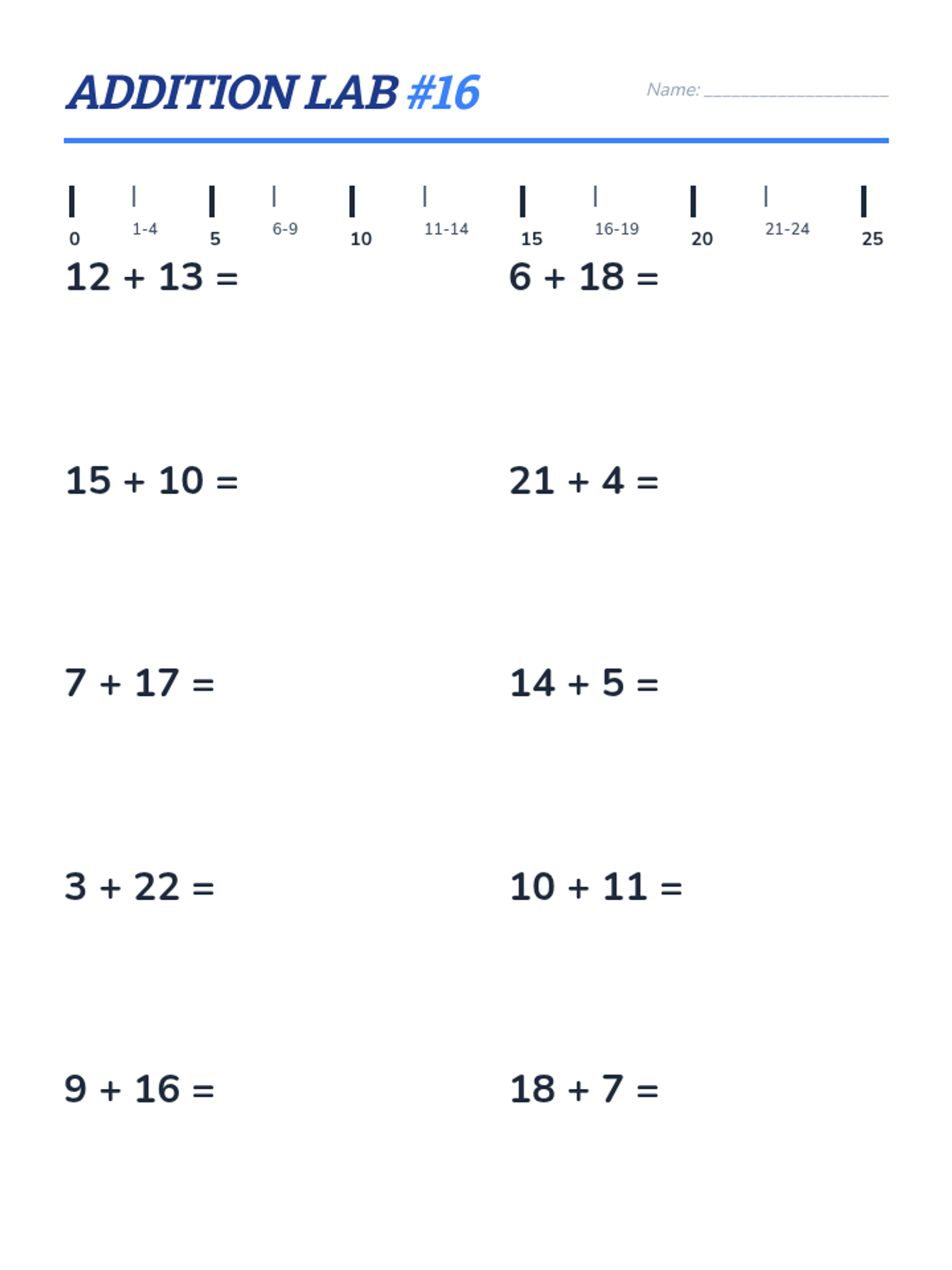
A foundational lesson focusing on addition within the 0-25 range using a number line as a reference tool. Students practice mental math and linear counting to solve ten mixed addition problems.
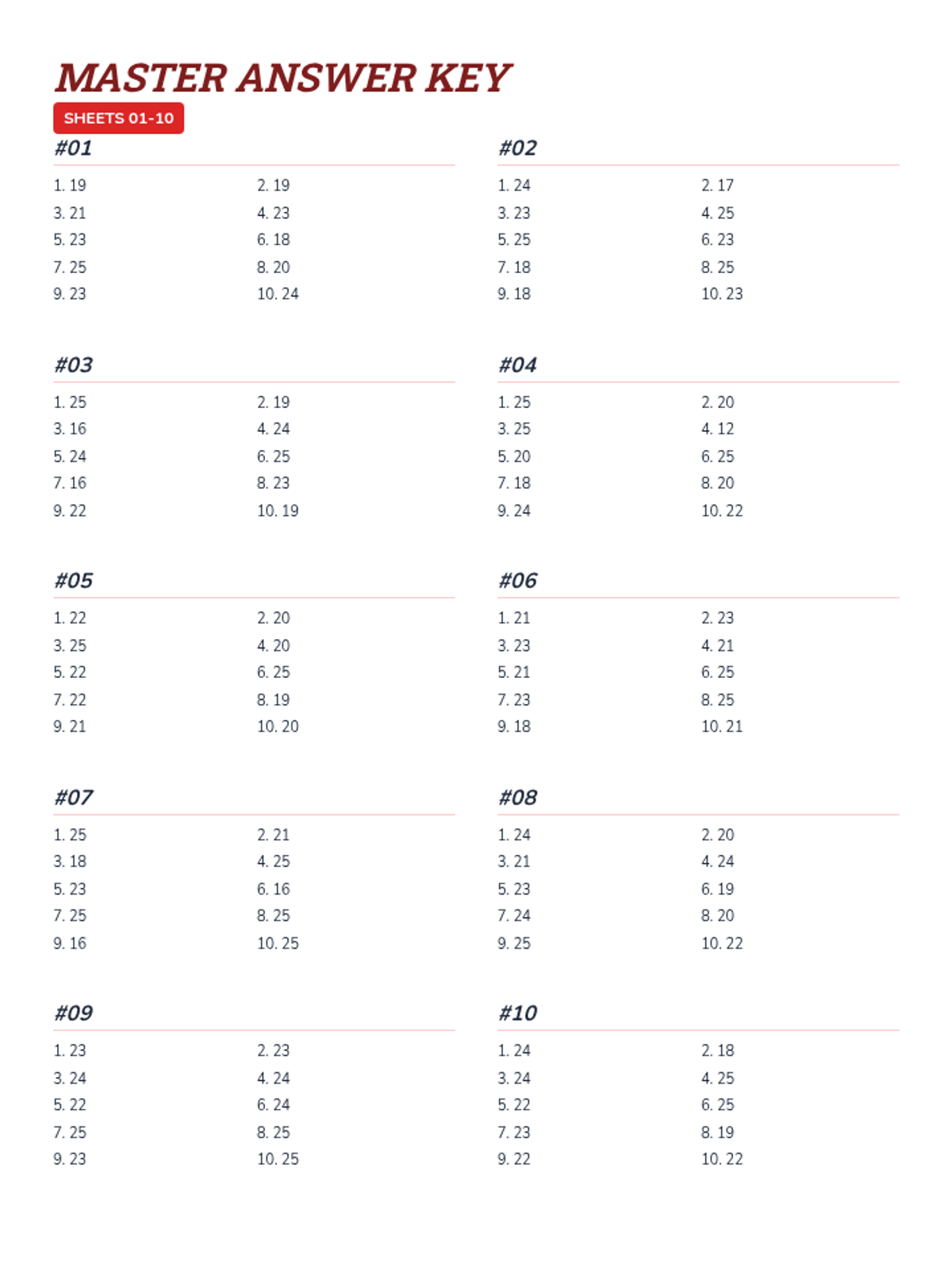
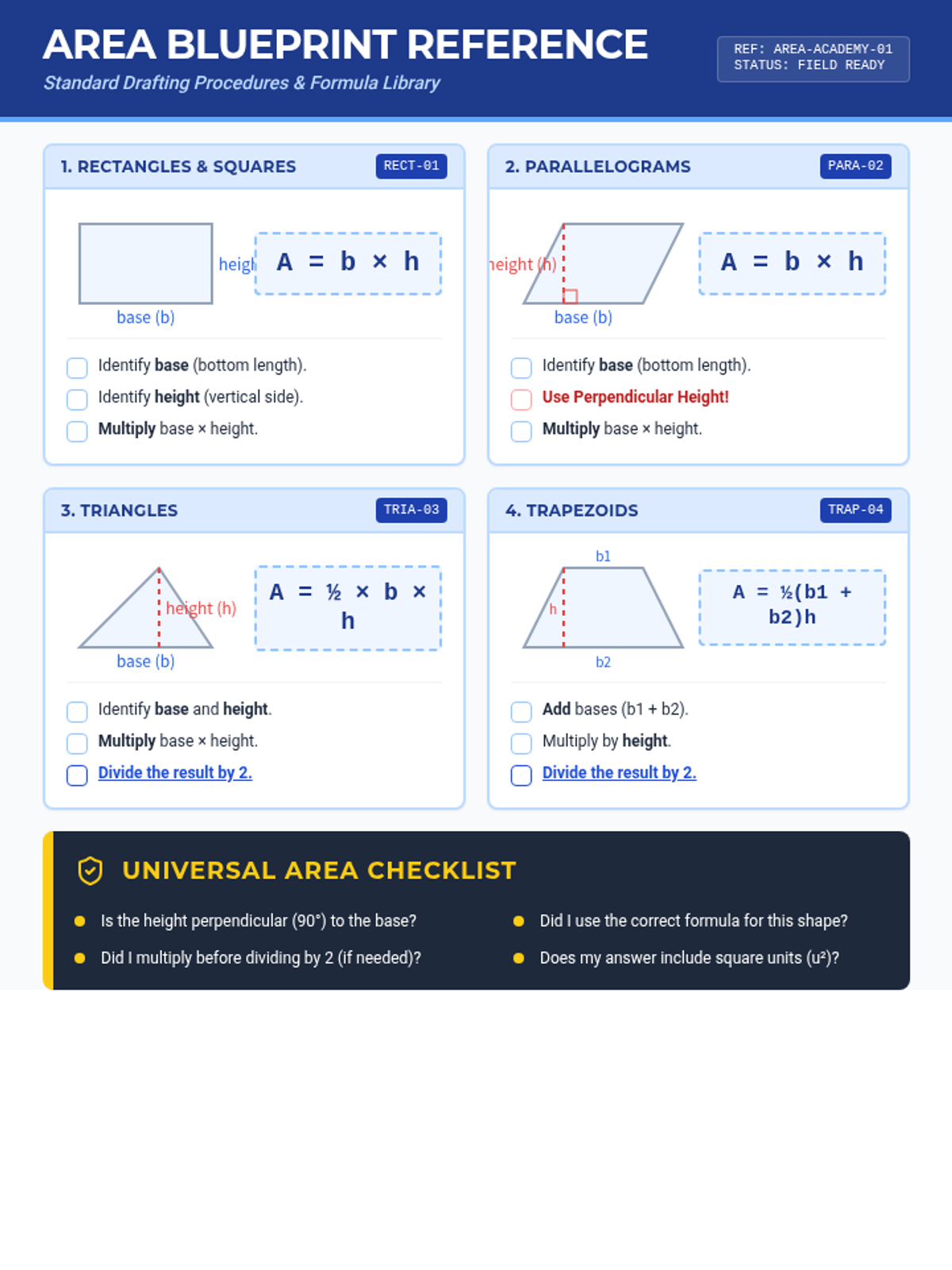
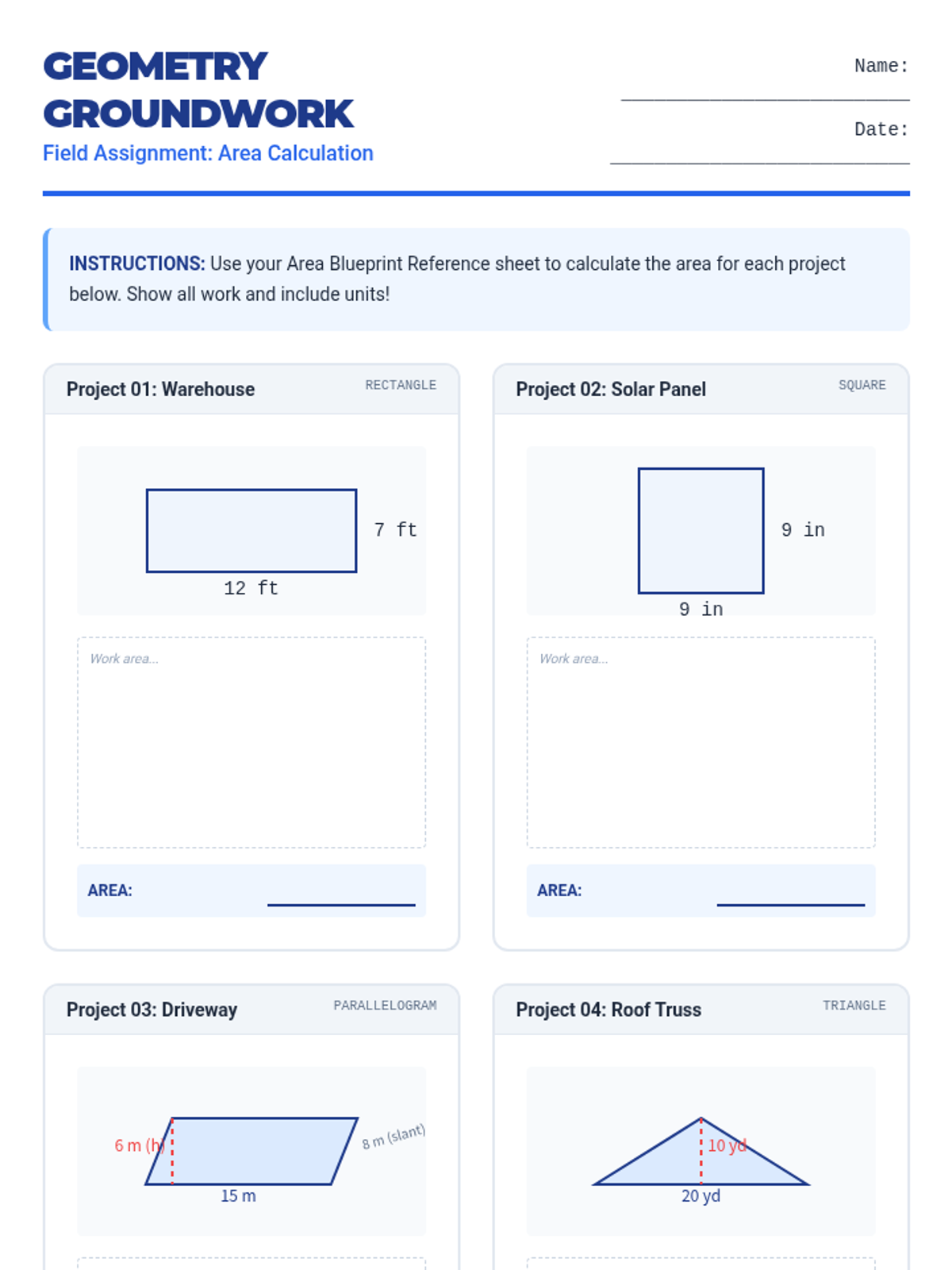
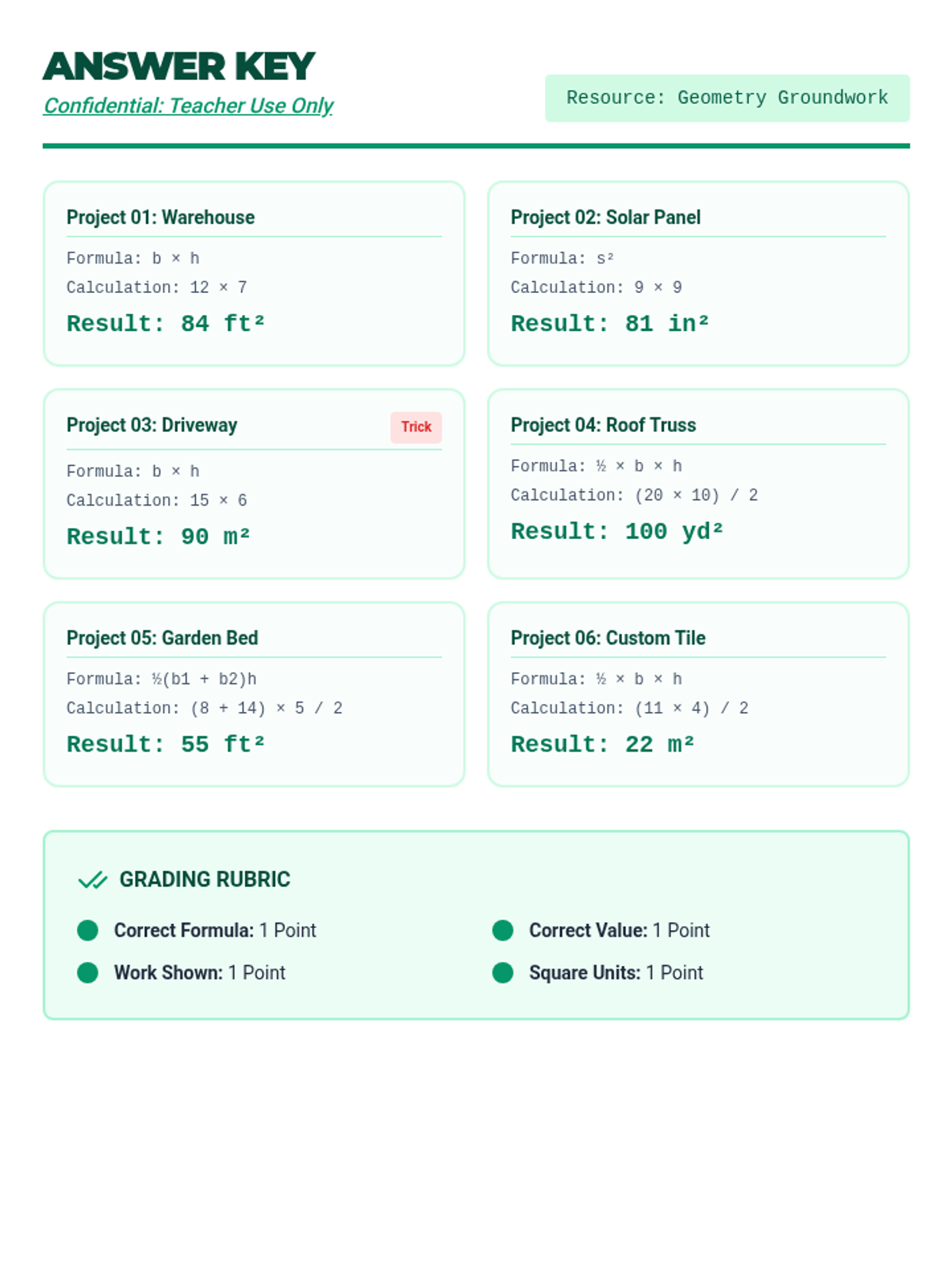
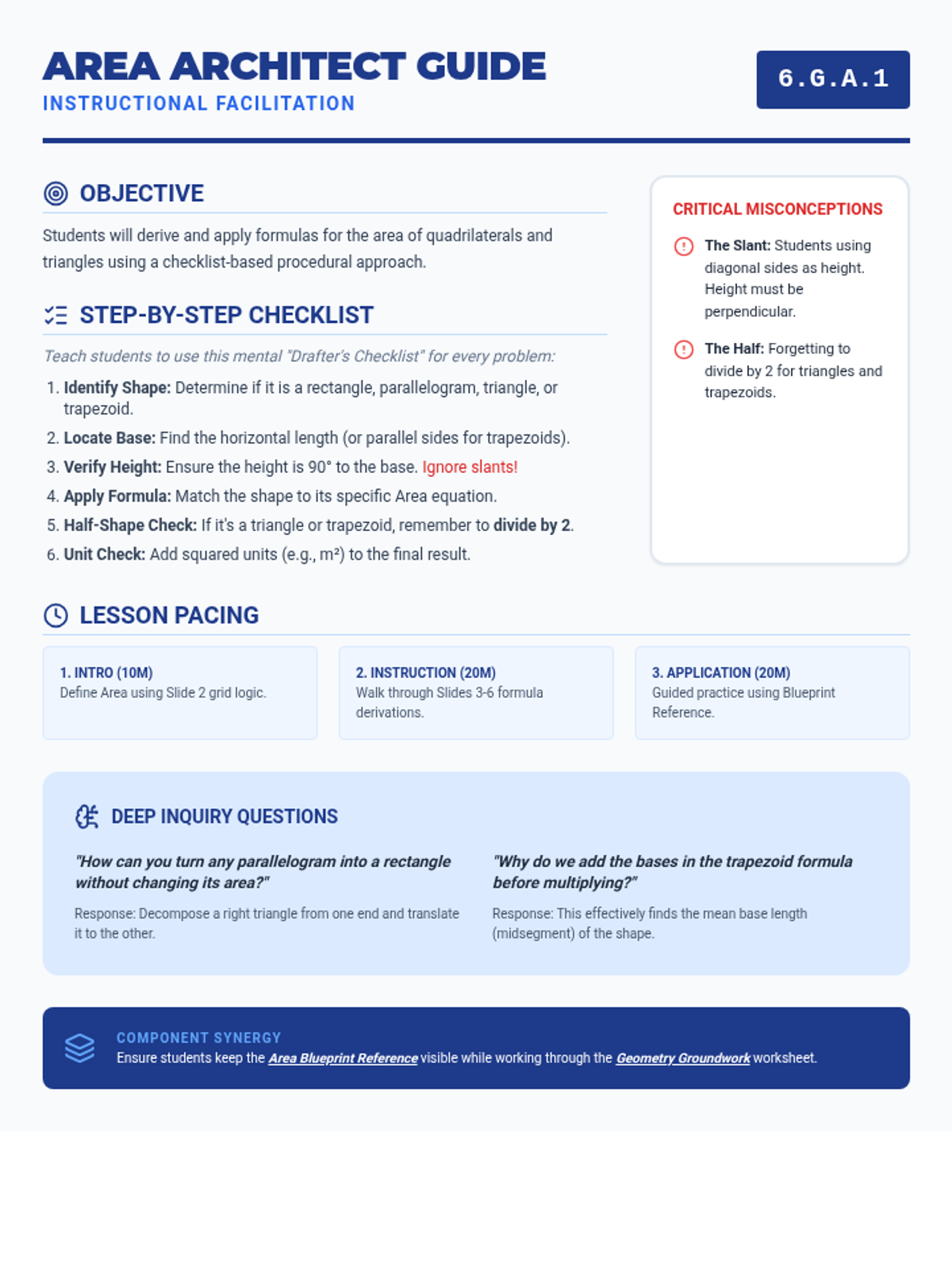
Students will learn to identify base and height dimensions and apply formulas to find the area of various quadrilaterals and triangles using step-by-step checklists.
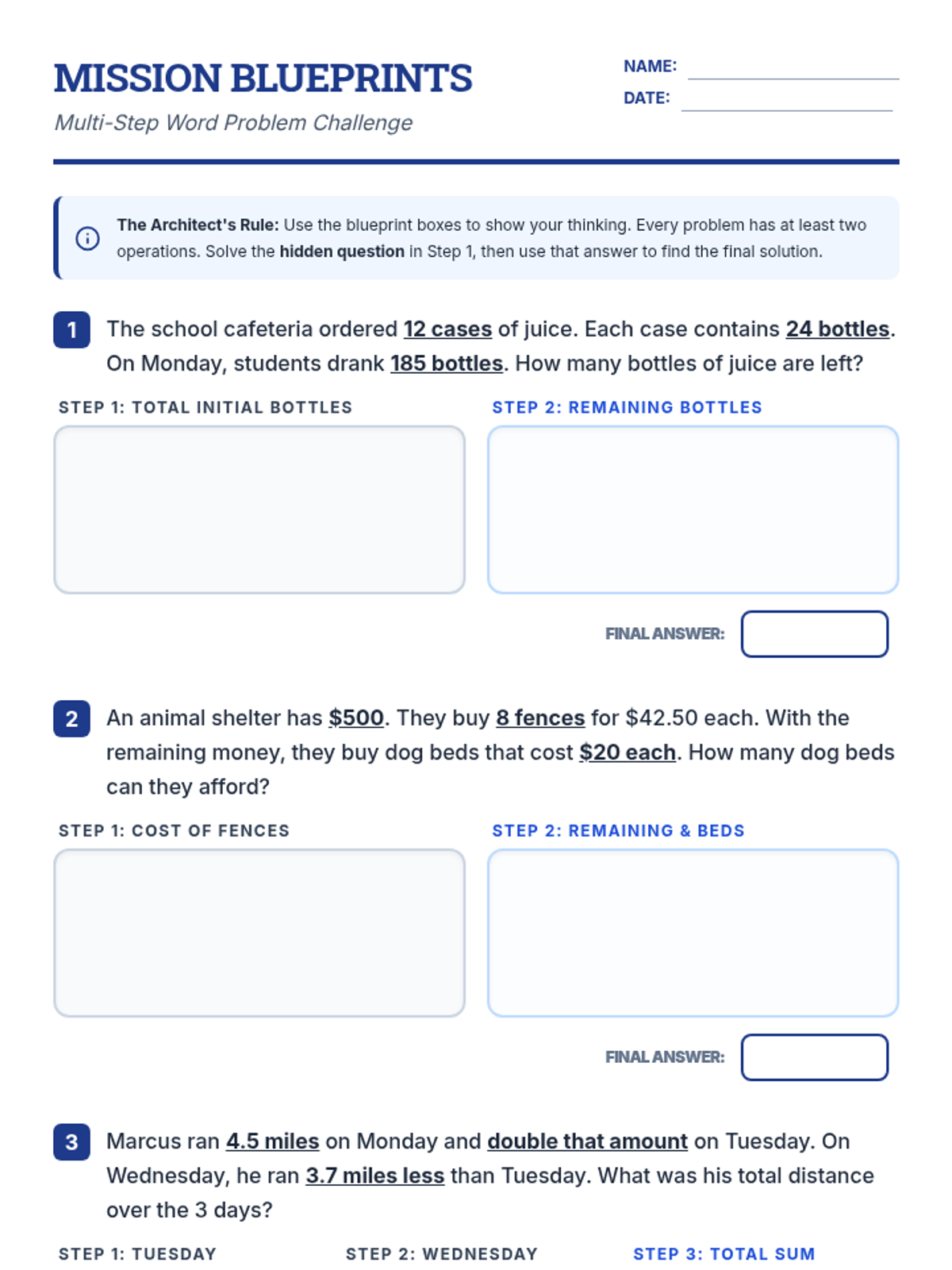
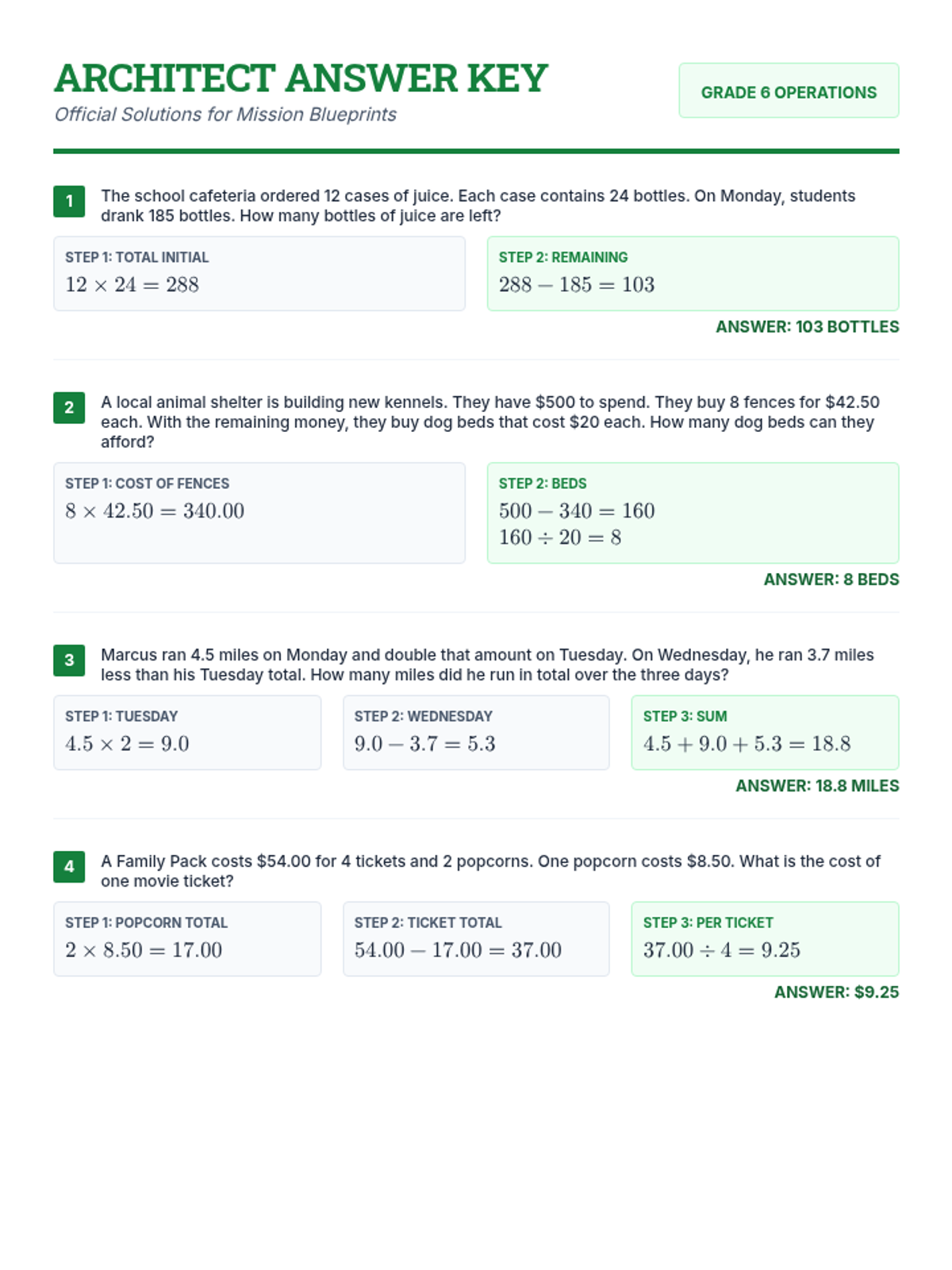
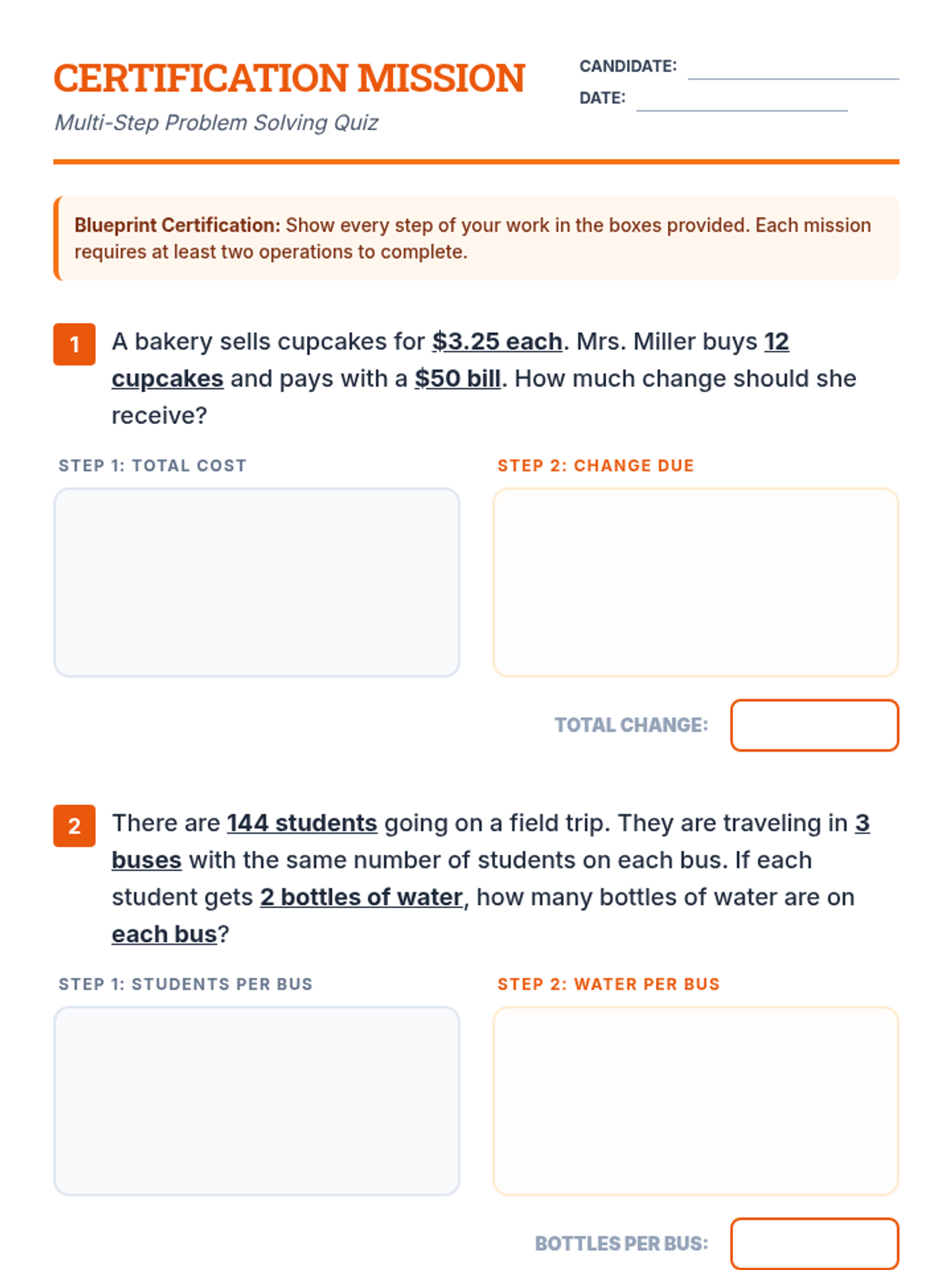
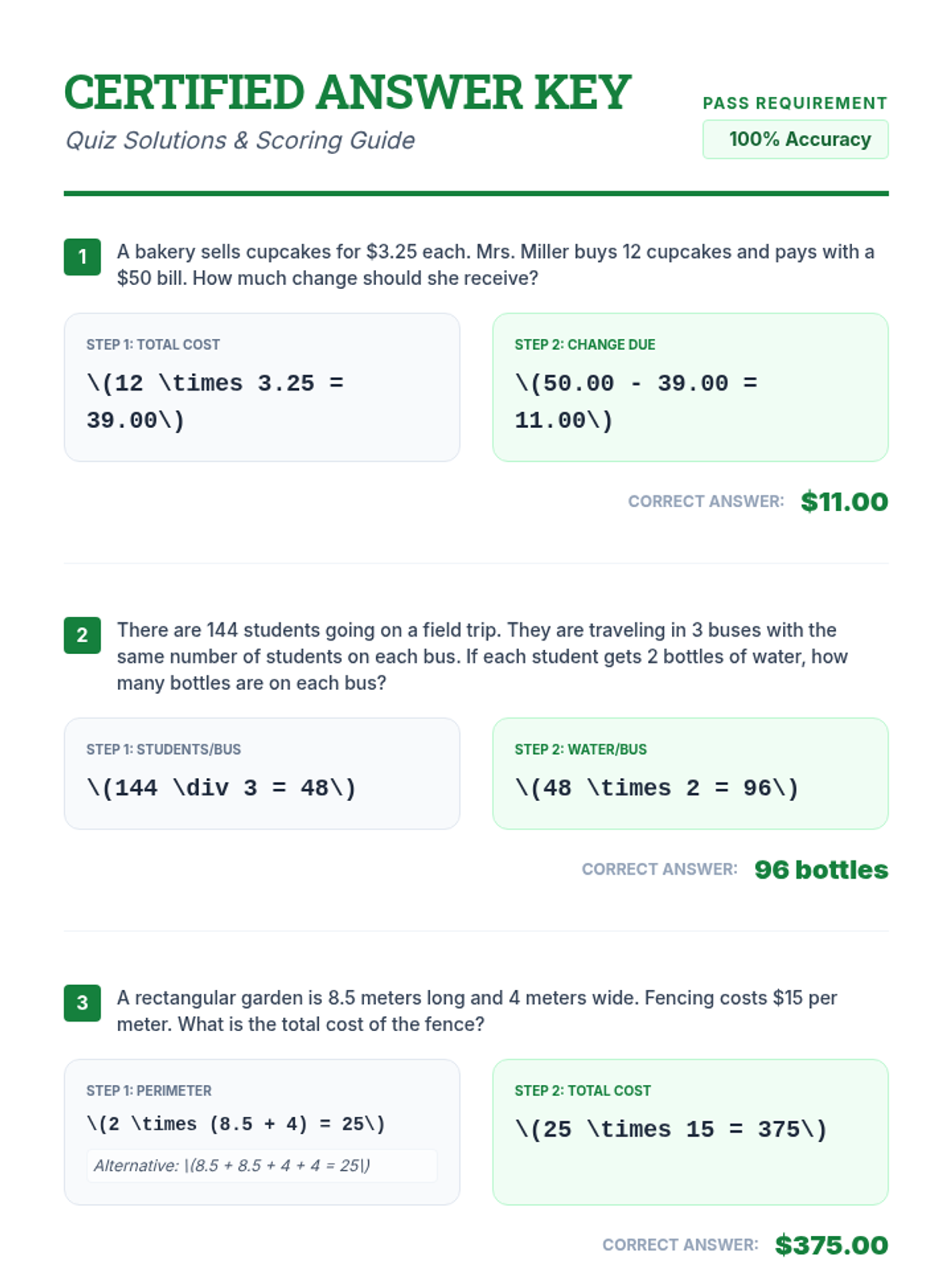
Students learn to use graphic organizer 'blueprints' to decompose multi-step word problems involving addition, subtraction, multiplication, and division into manageable steps.
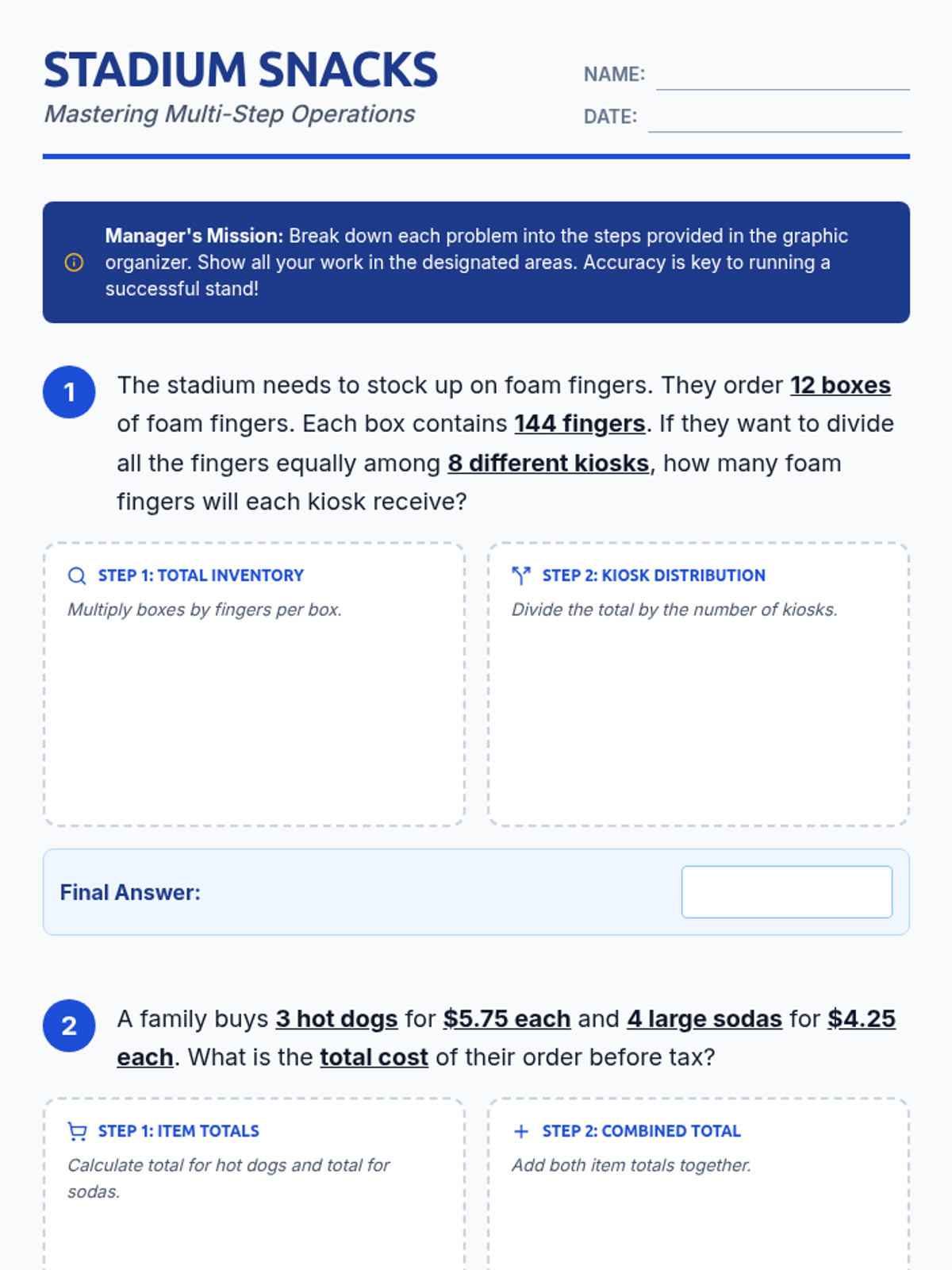
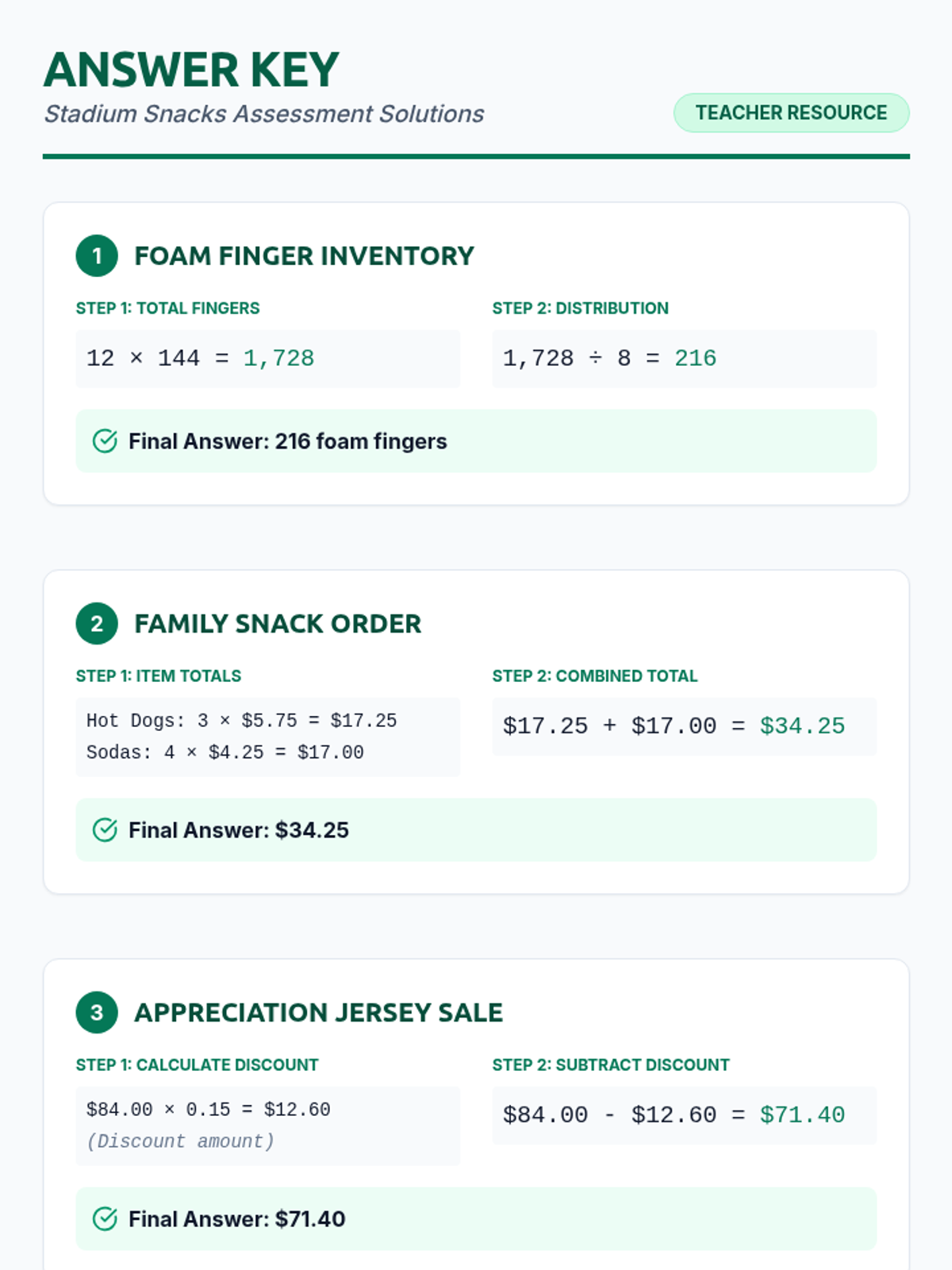
A multi-step math assessment focused on decimals, percentages, and whole number operations within a stadium concession stand theme. Students use graphic organizers to break down complex problems into manageable steps.
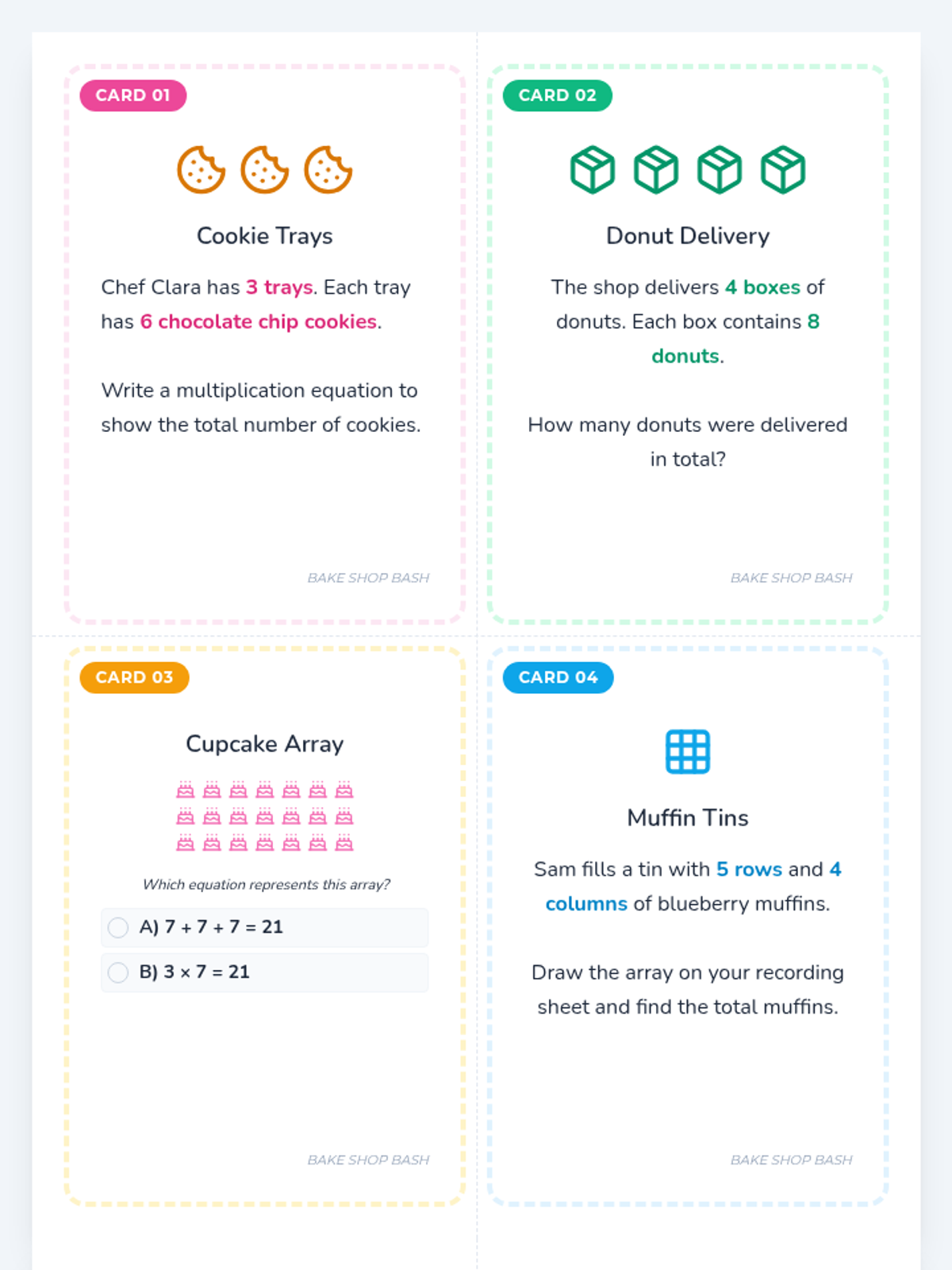
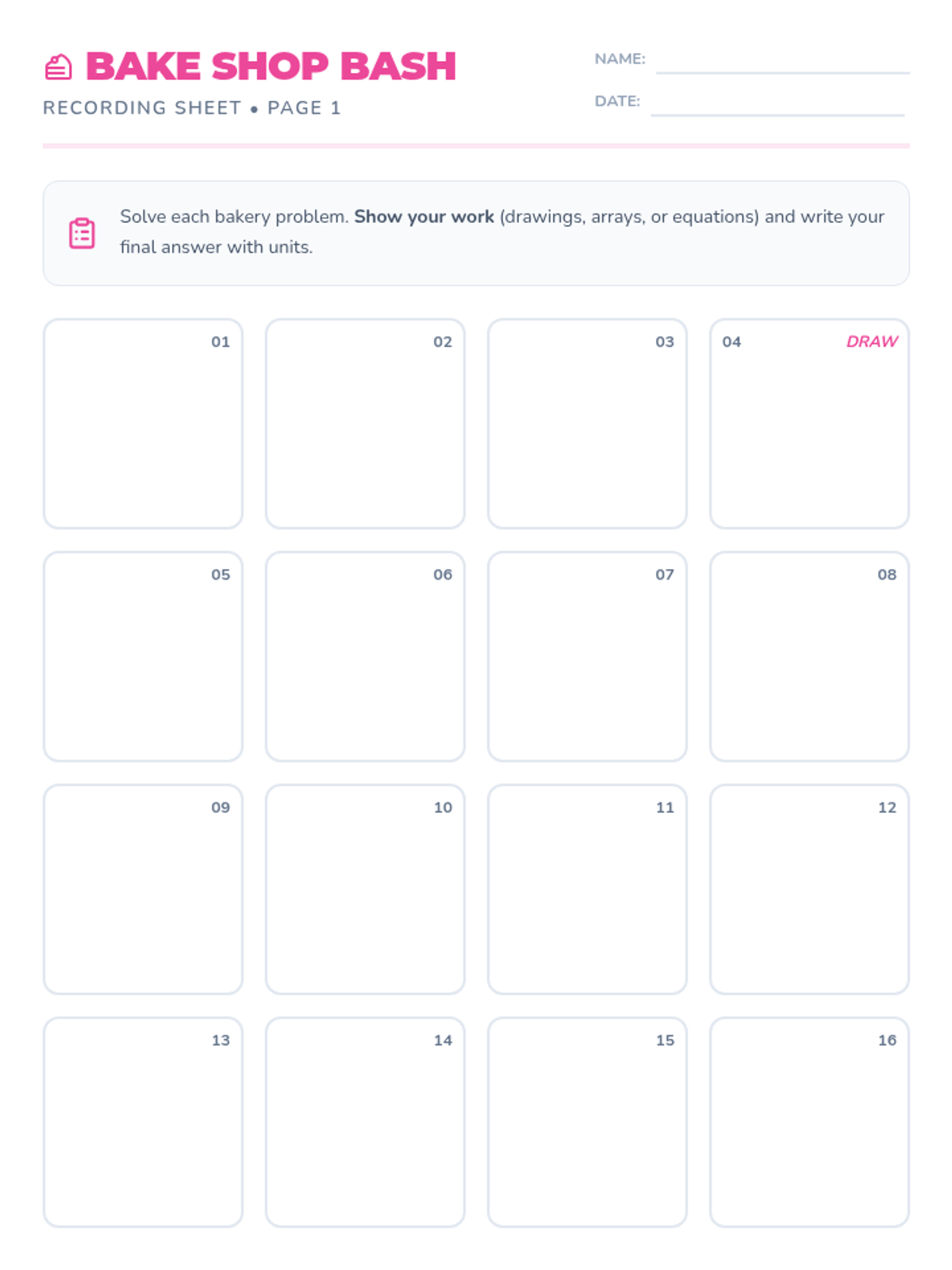
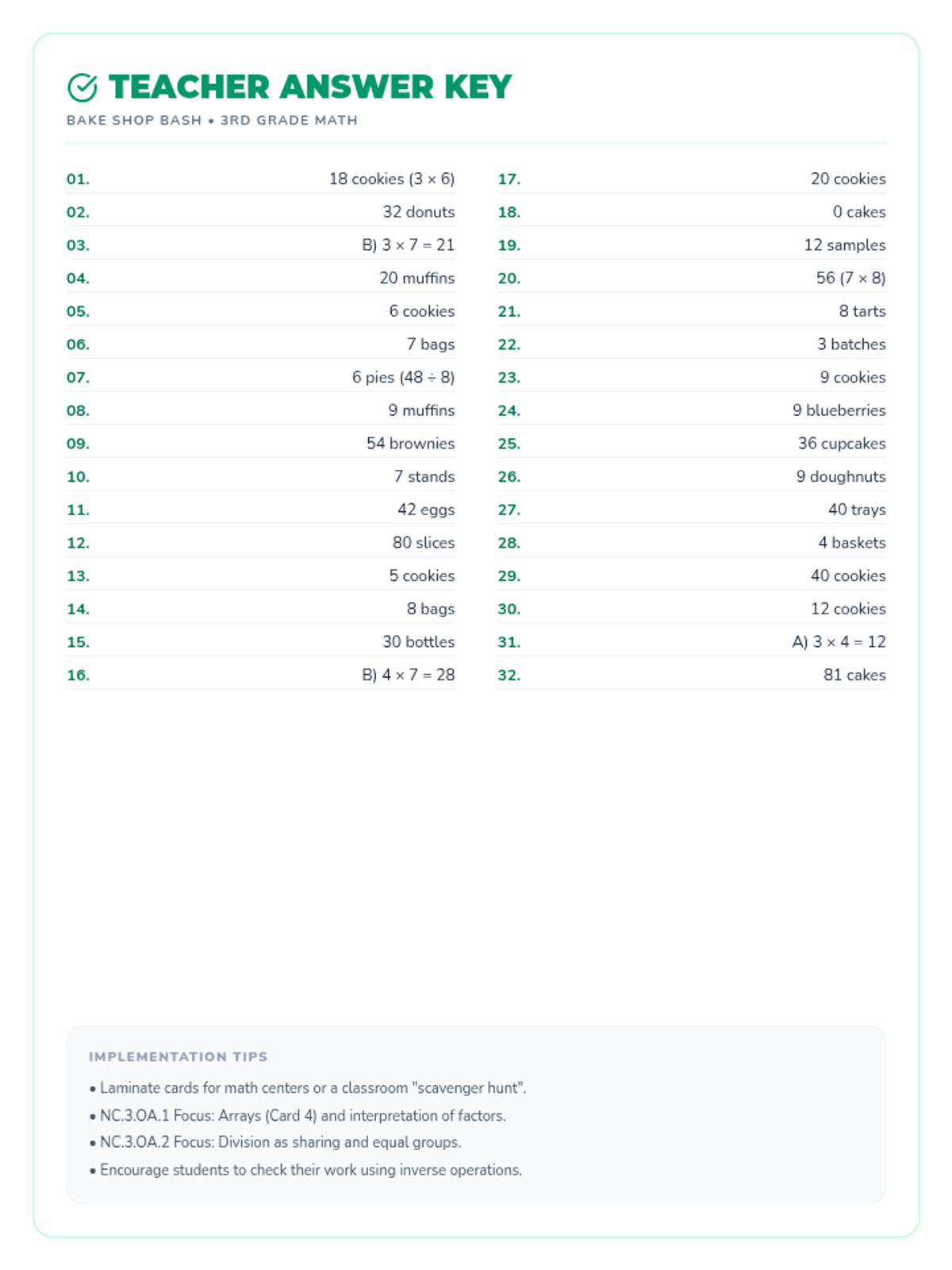
A task-card based lesson where students apply their knowledge of multiplication and division to solve real-world problems in a bakery setting. The lesson includes task cards, a recording sheet, and a teacher answer key.
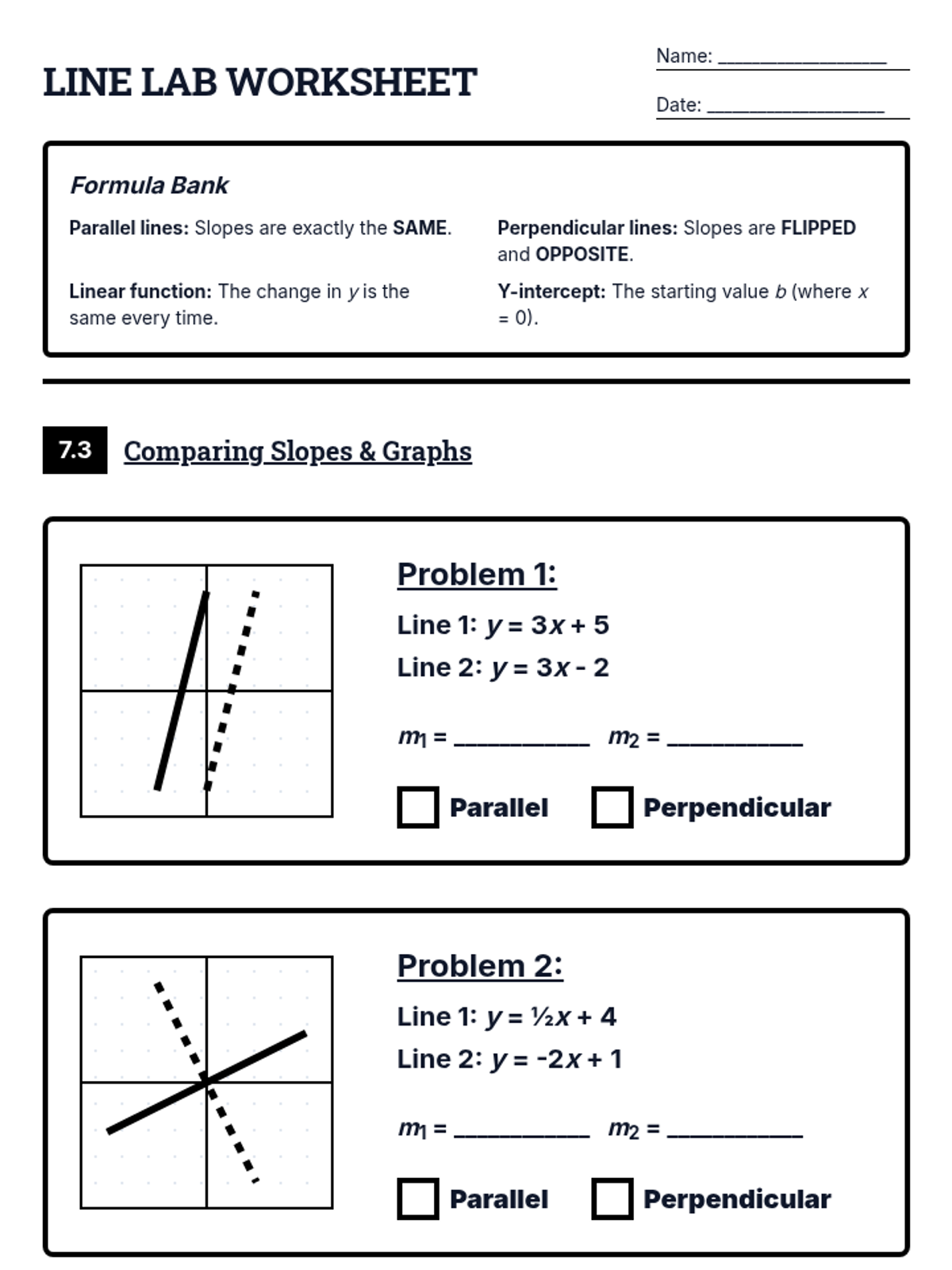
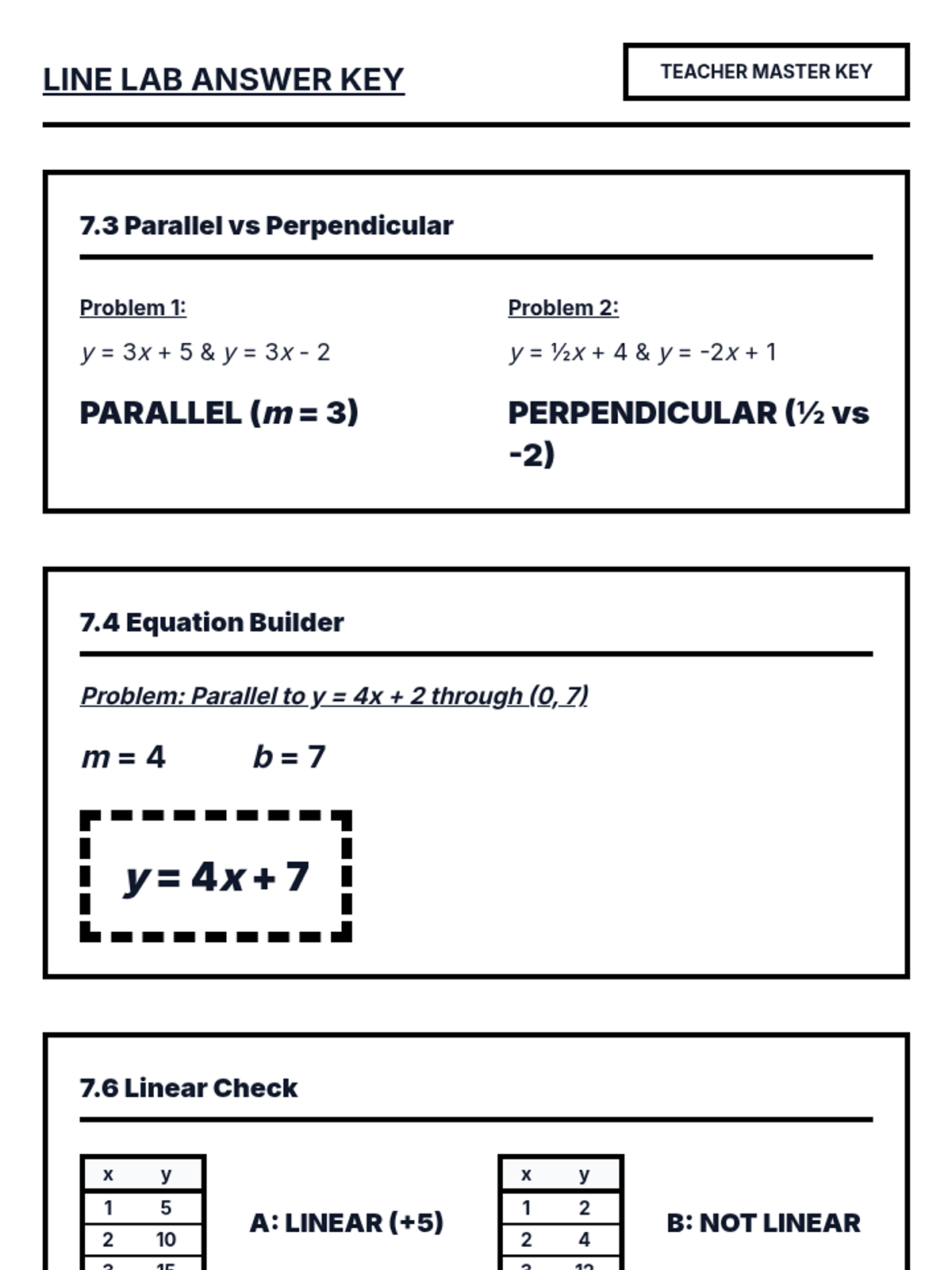
A comprehensive lesson on linear relationships, covering parallel and perpendicular lines, writing equations, and interpreting linear models in real-world contexts, specifically scaffolded for students with IEPs.
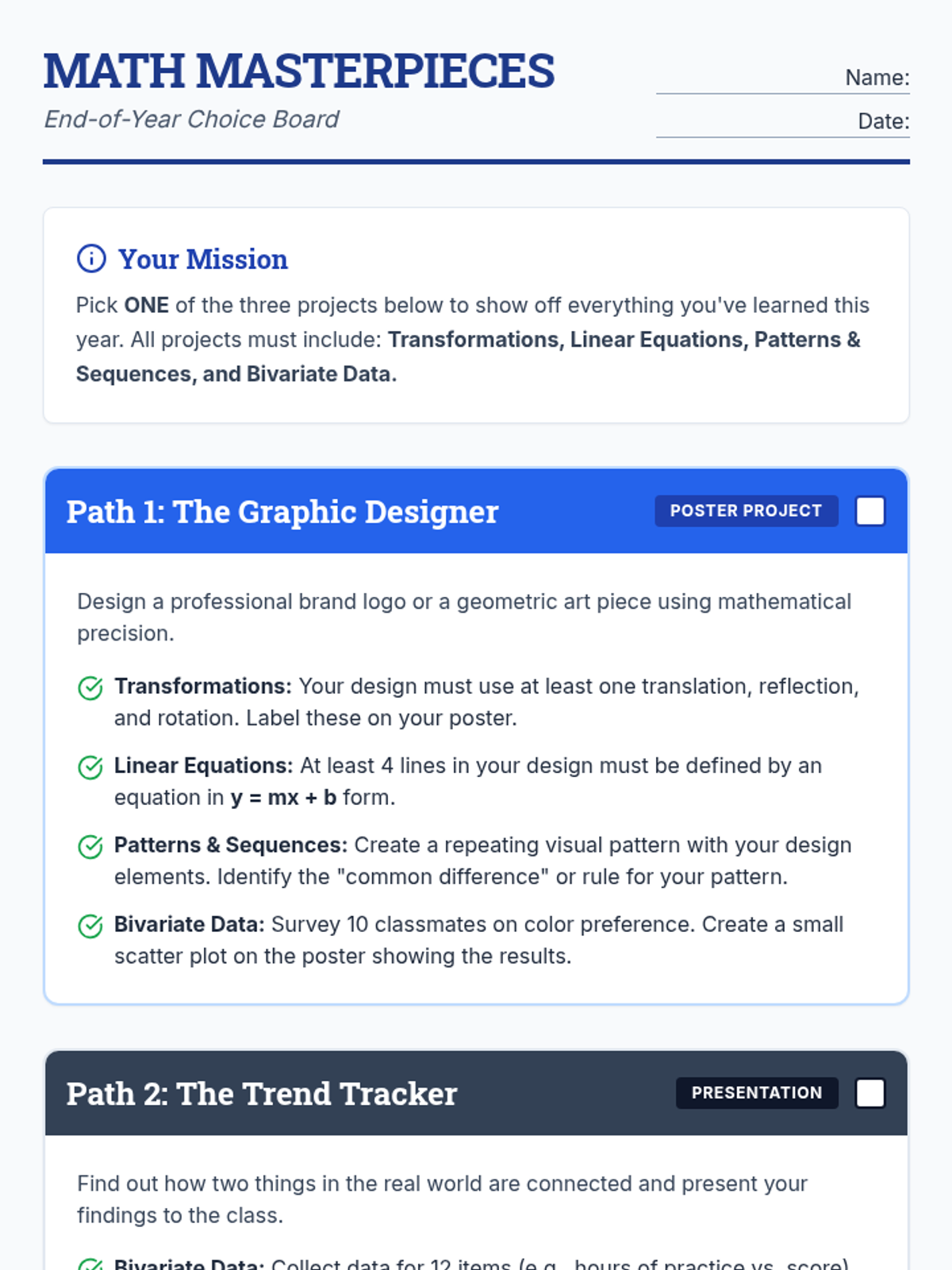
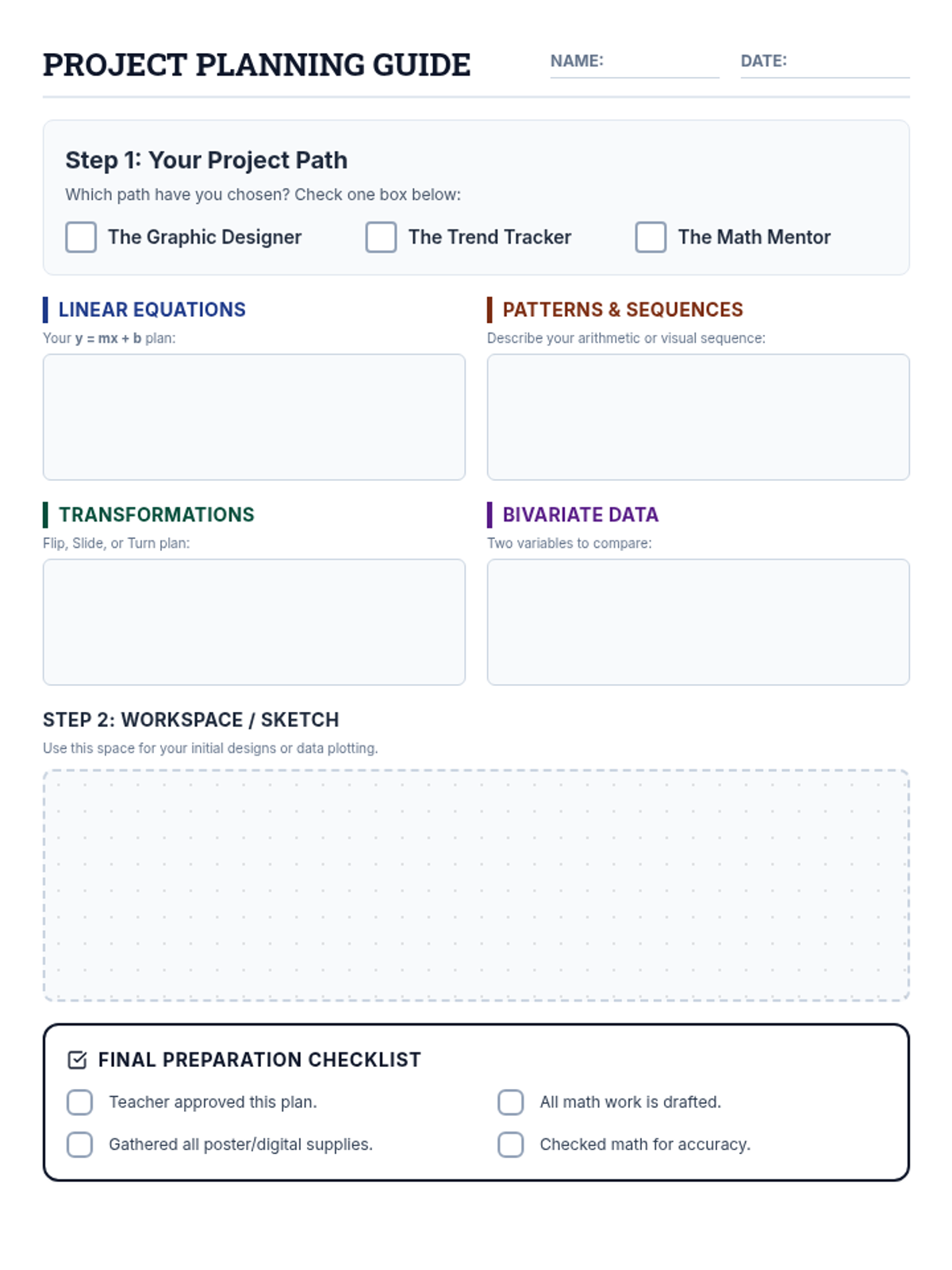
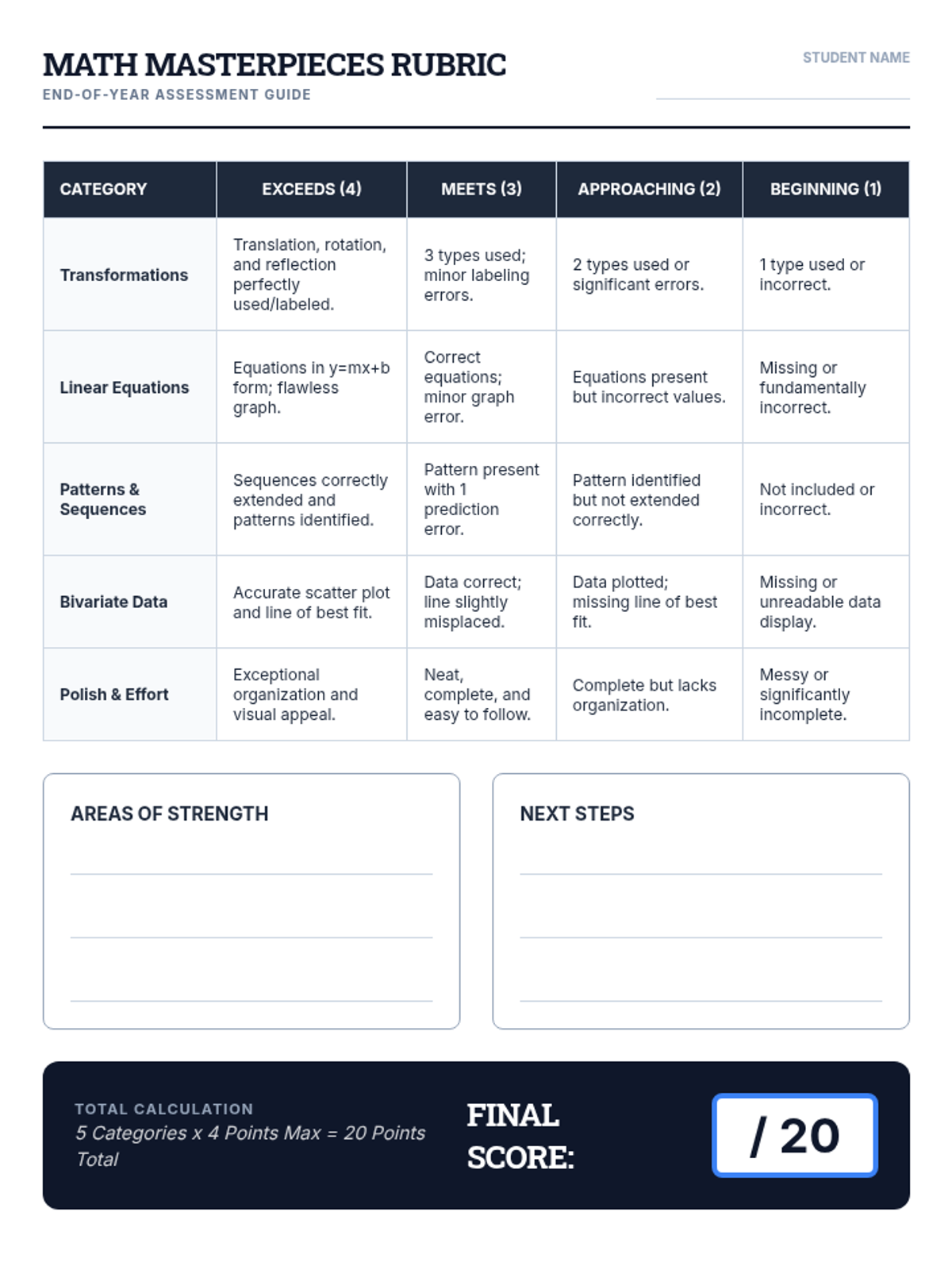
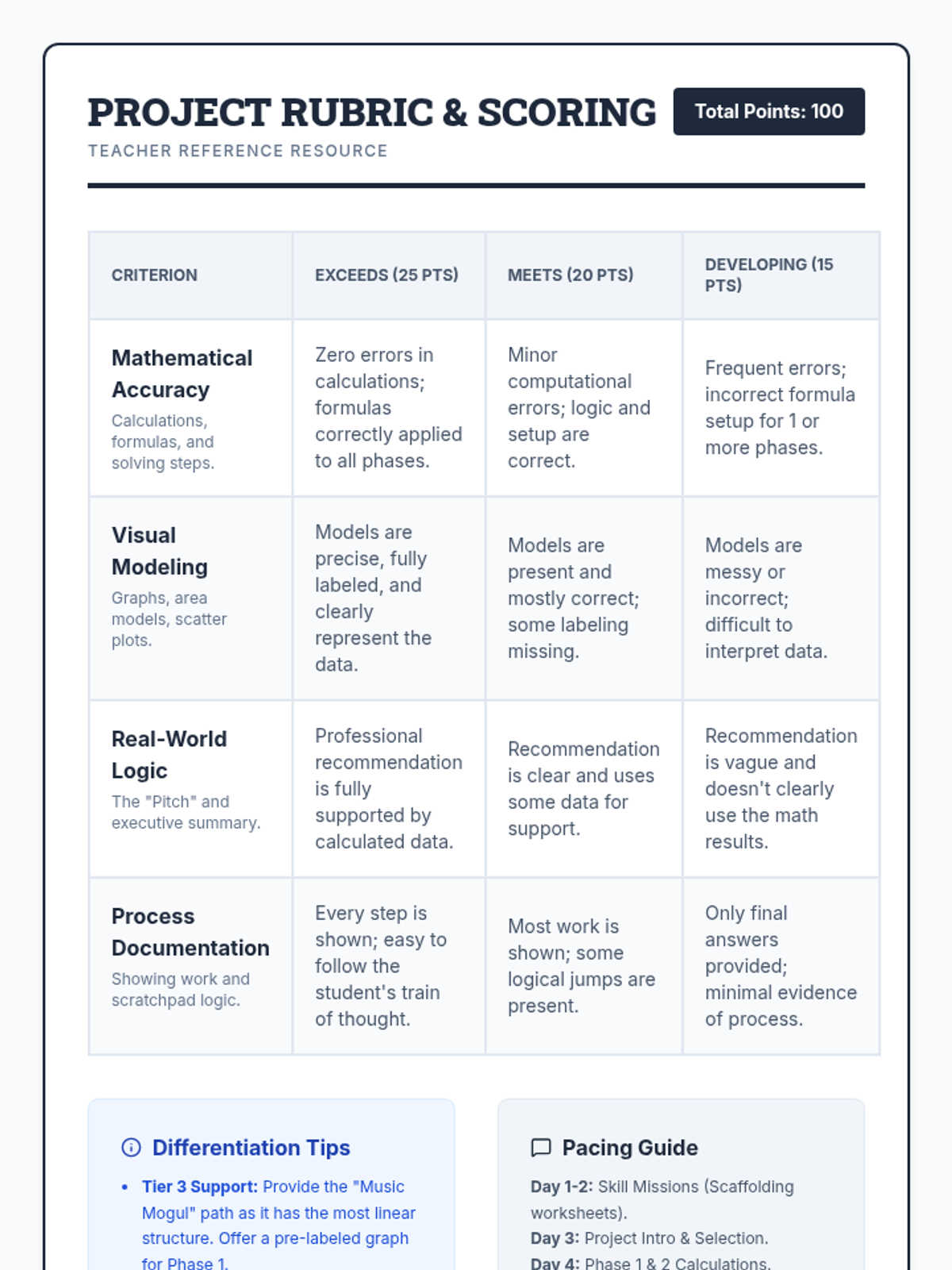
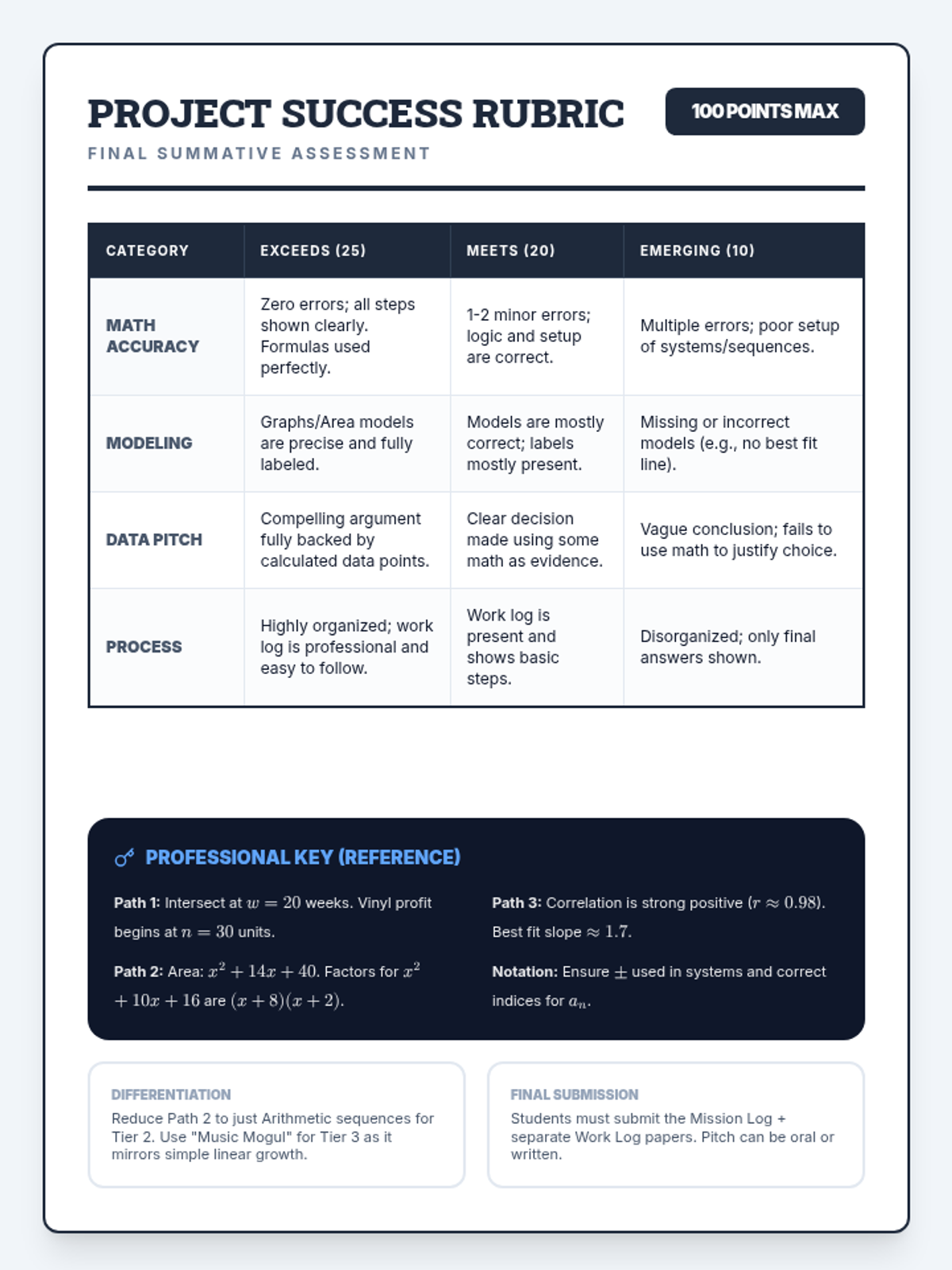
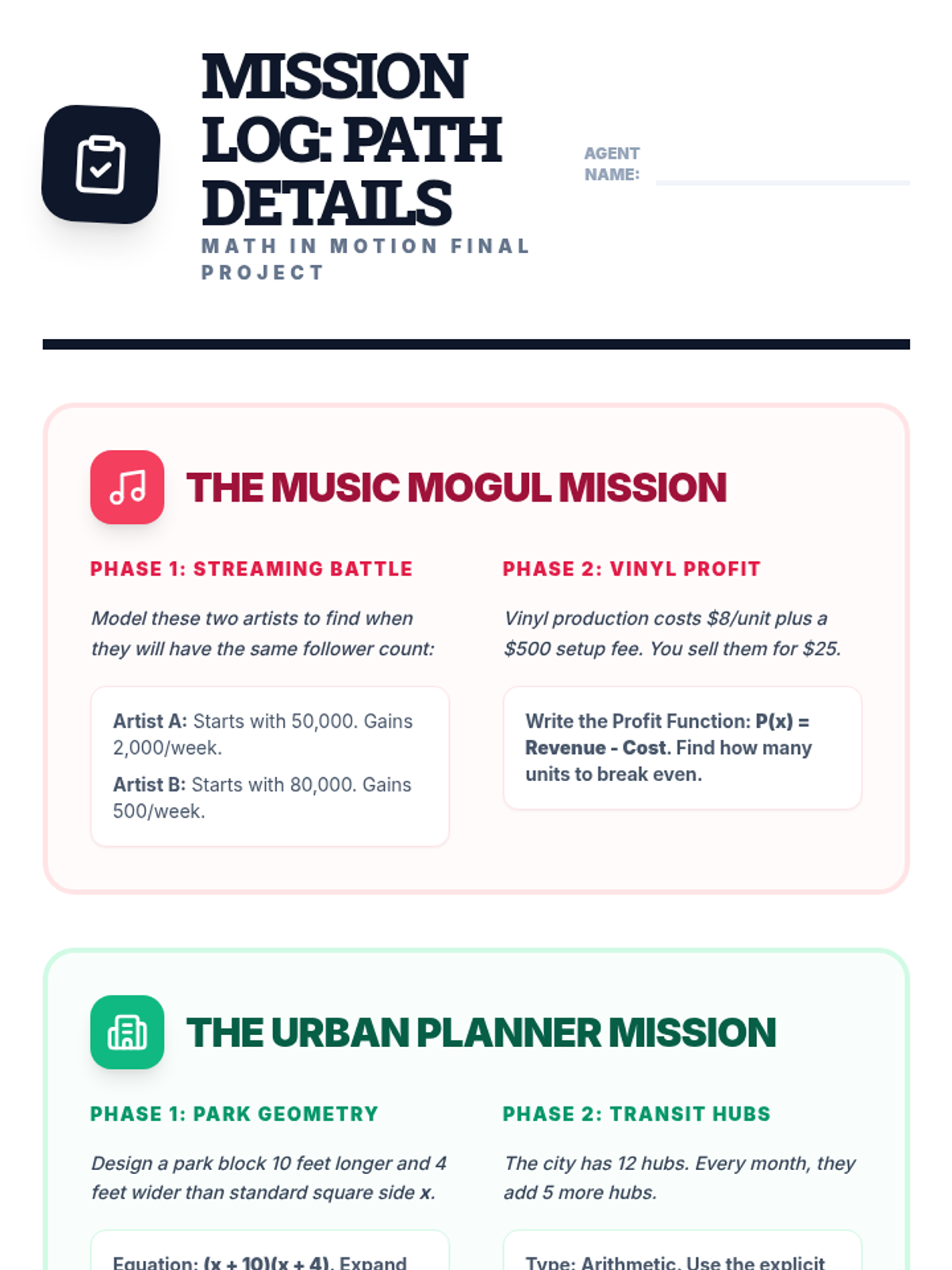
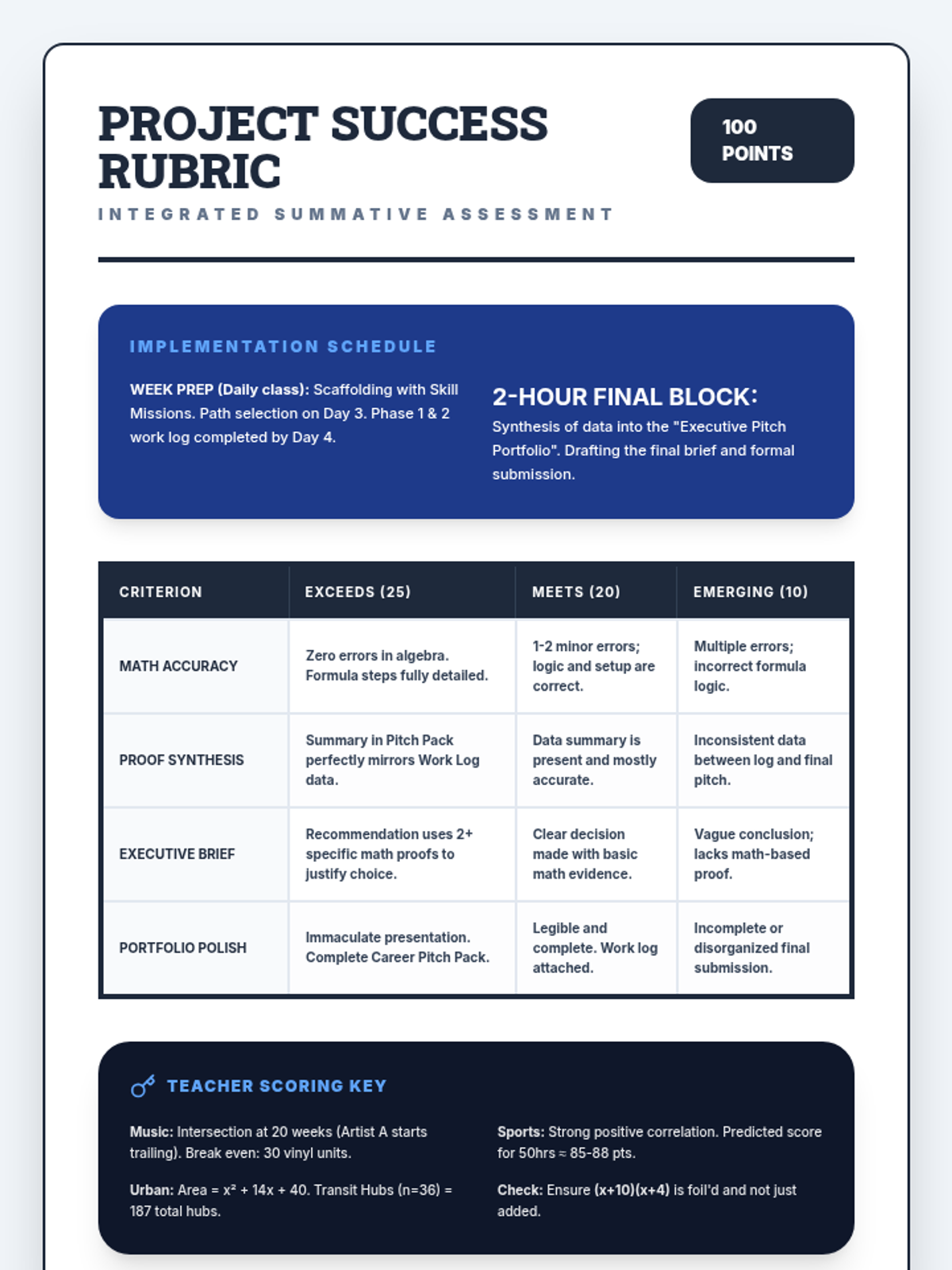
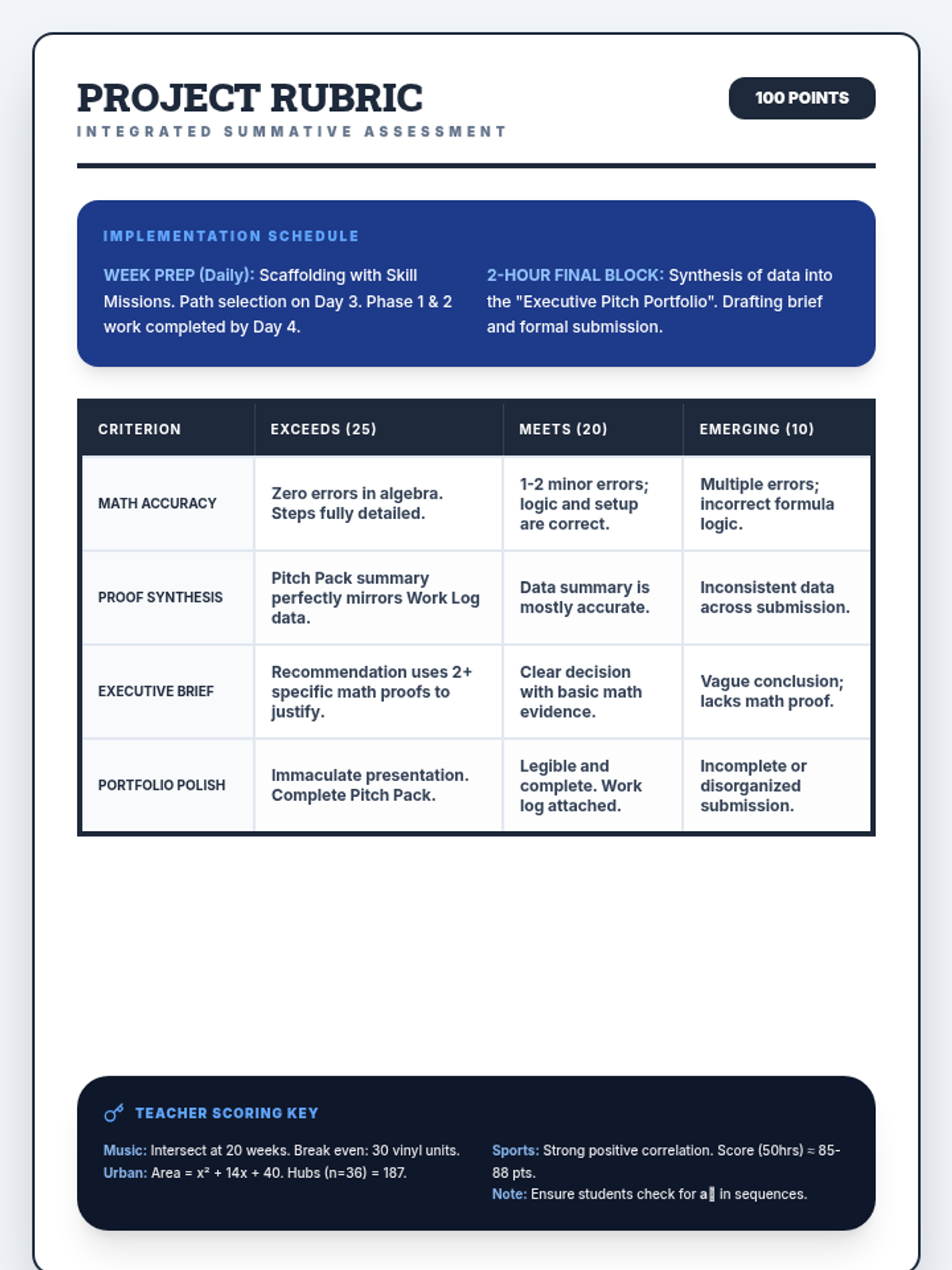
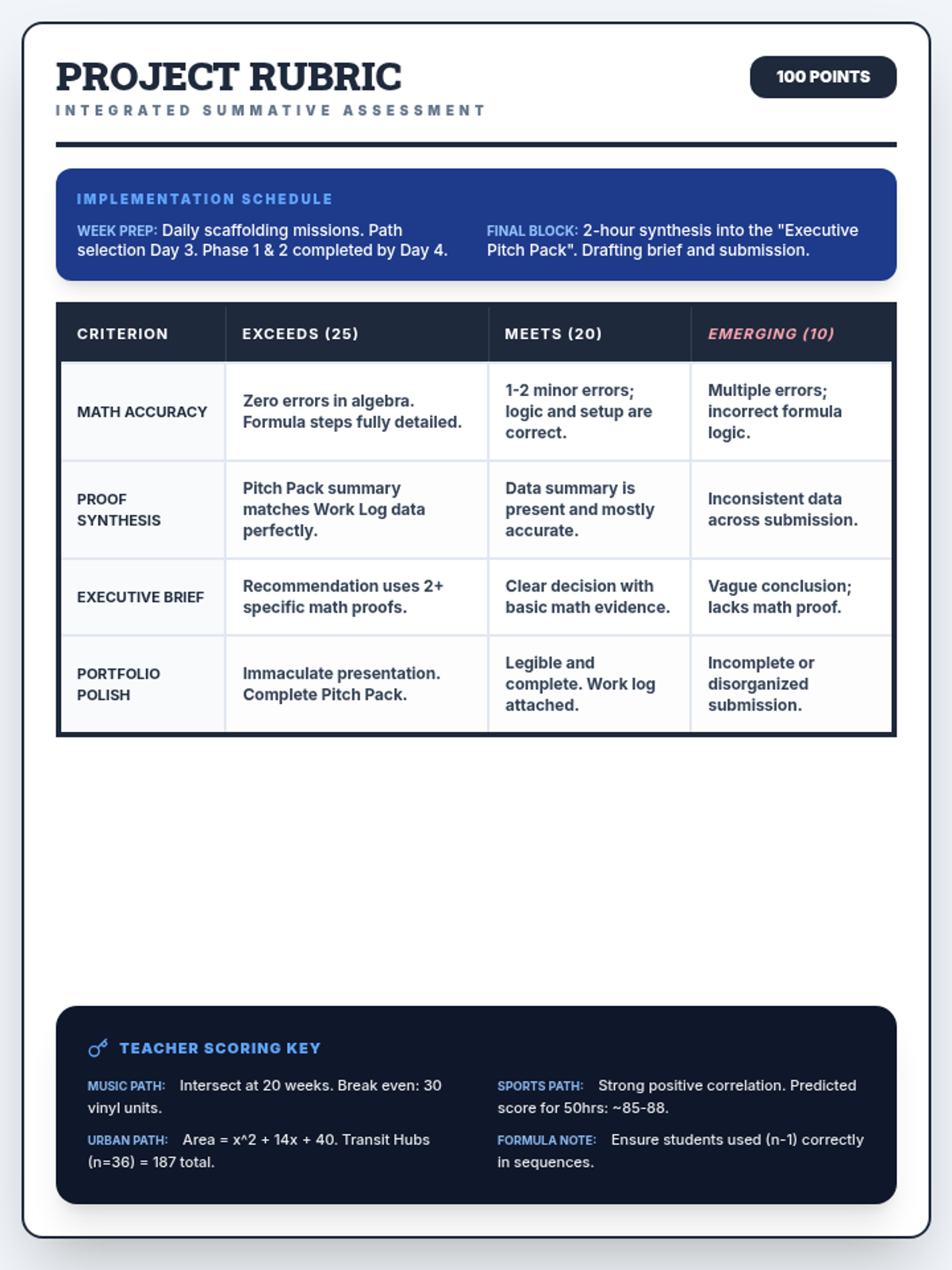
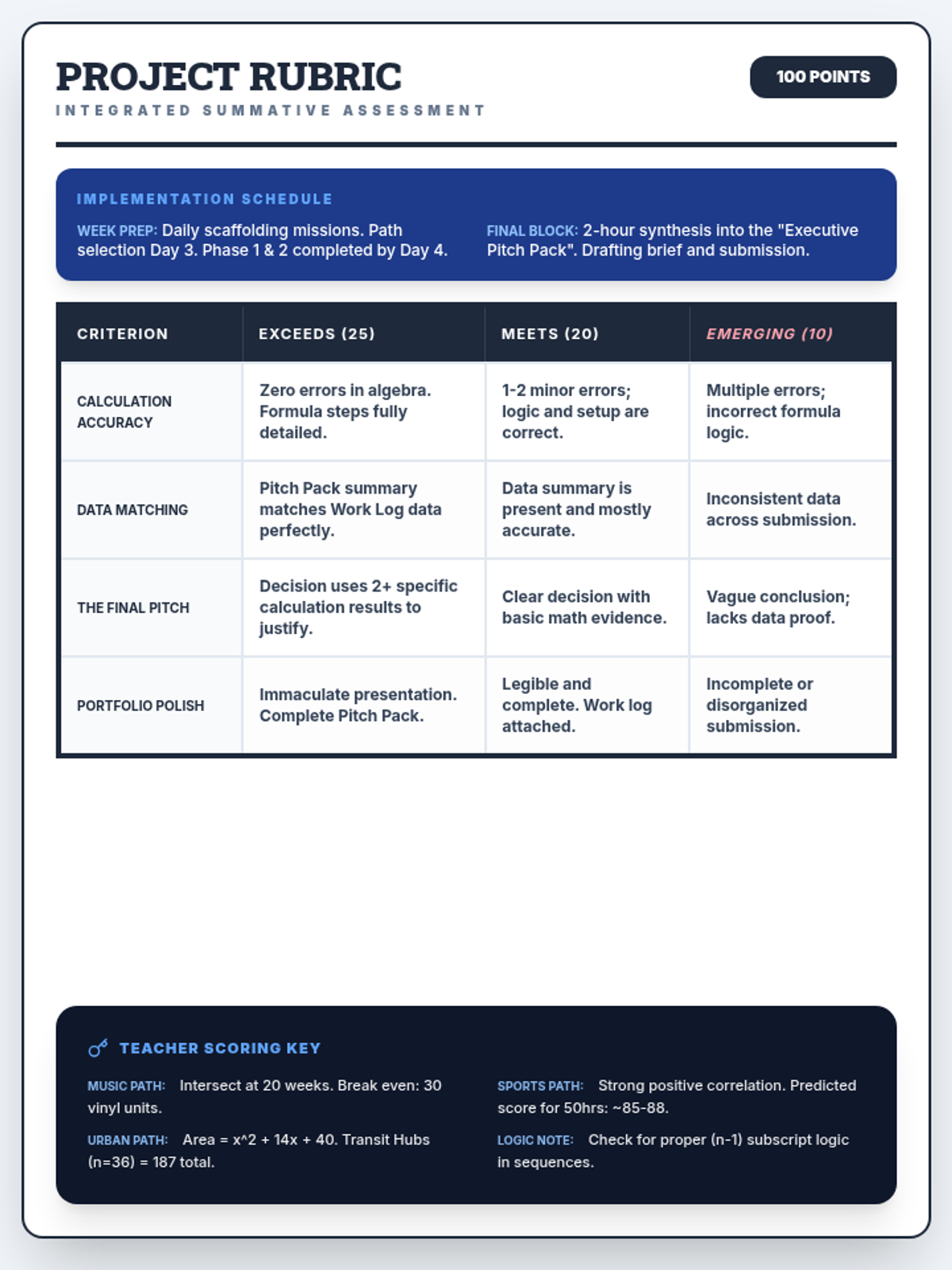
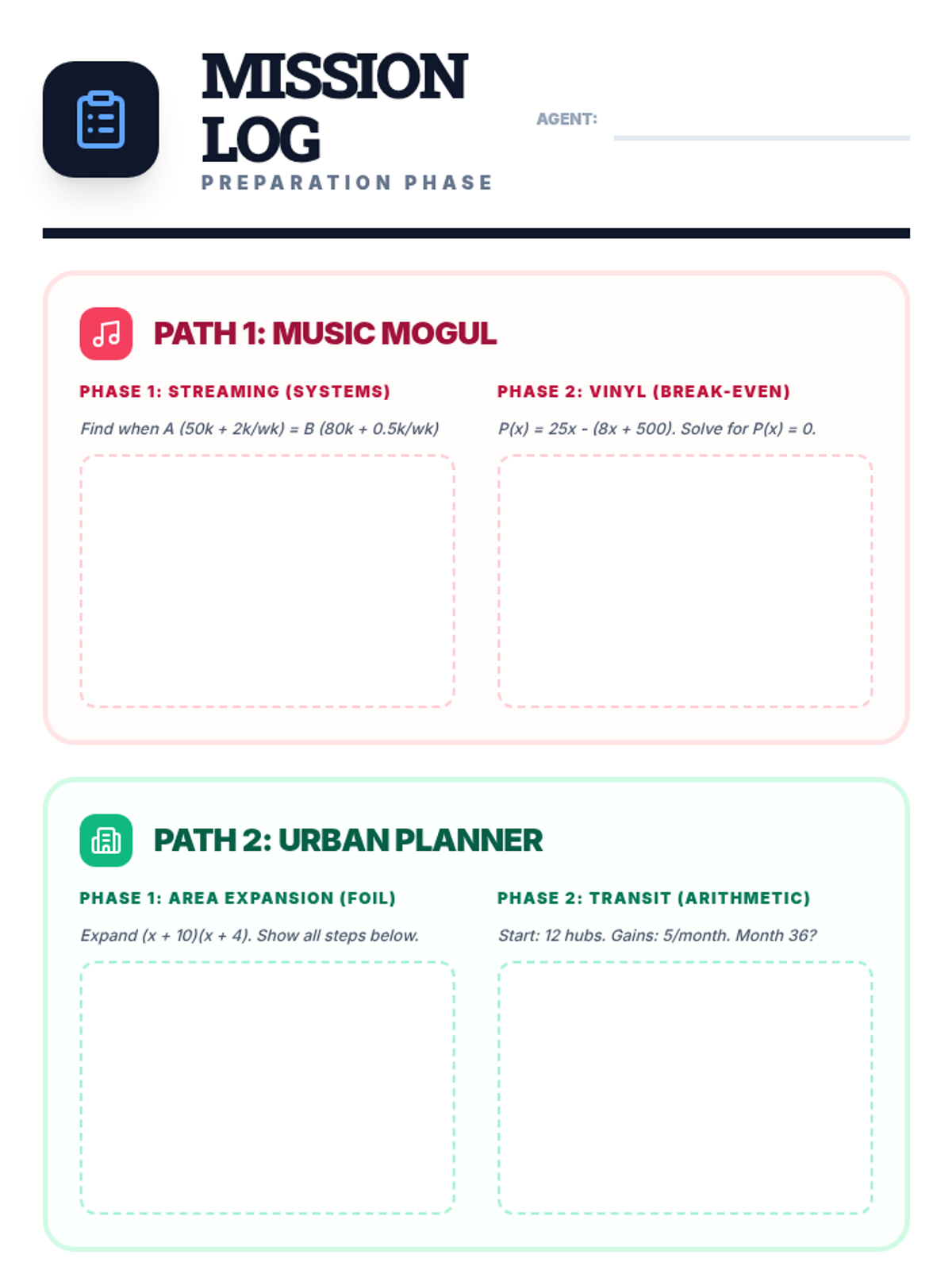
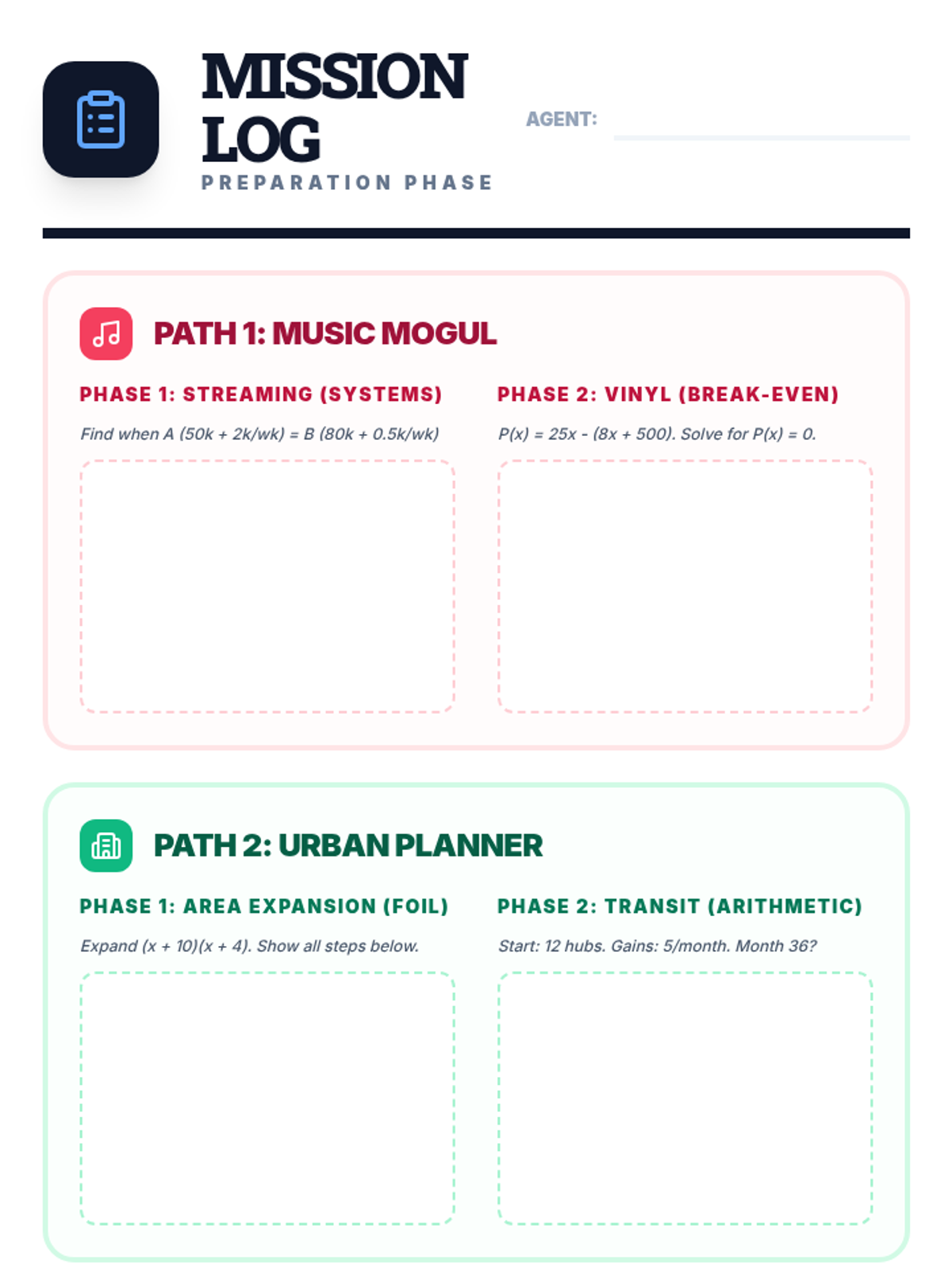
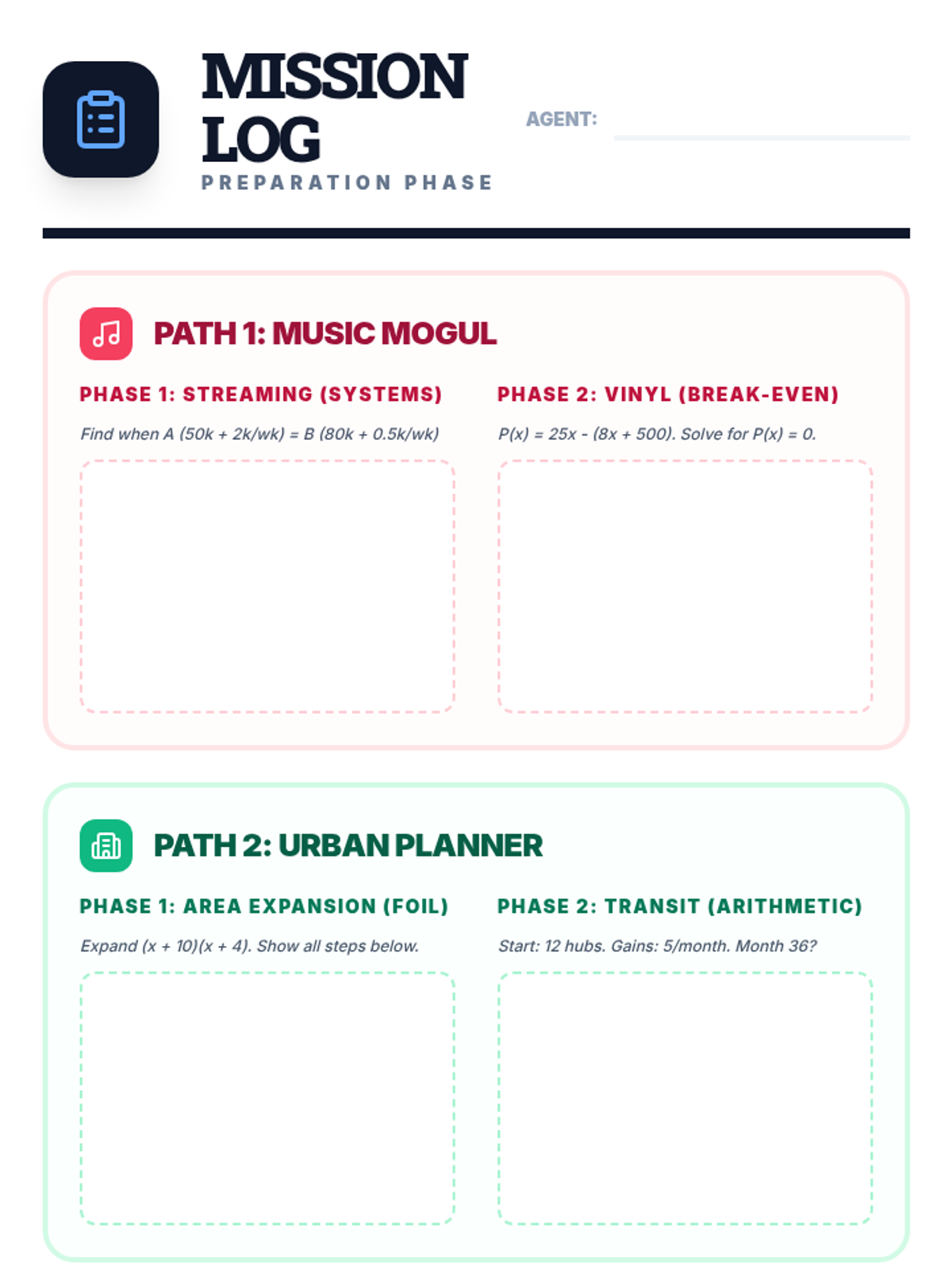
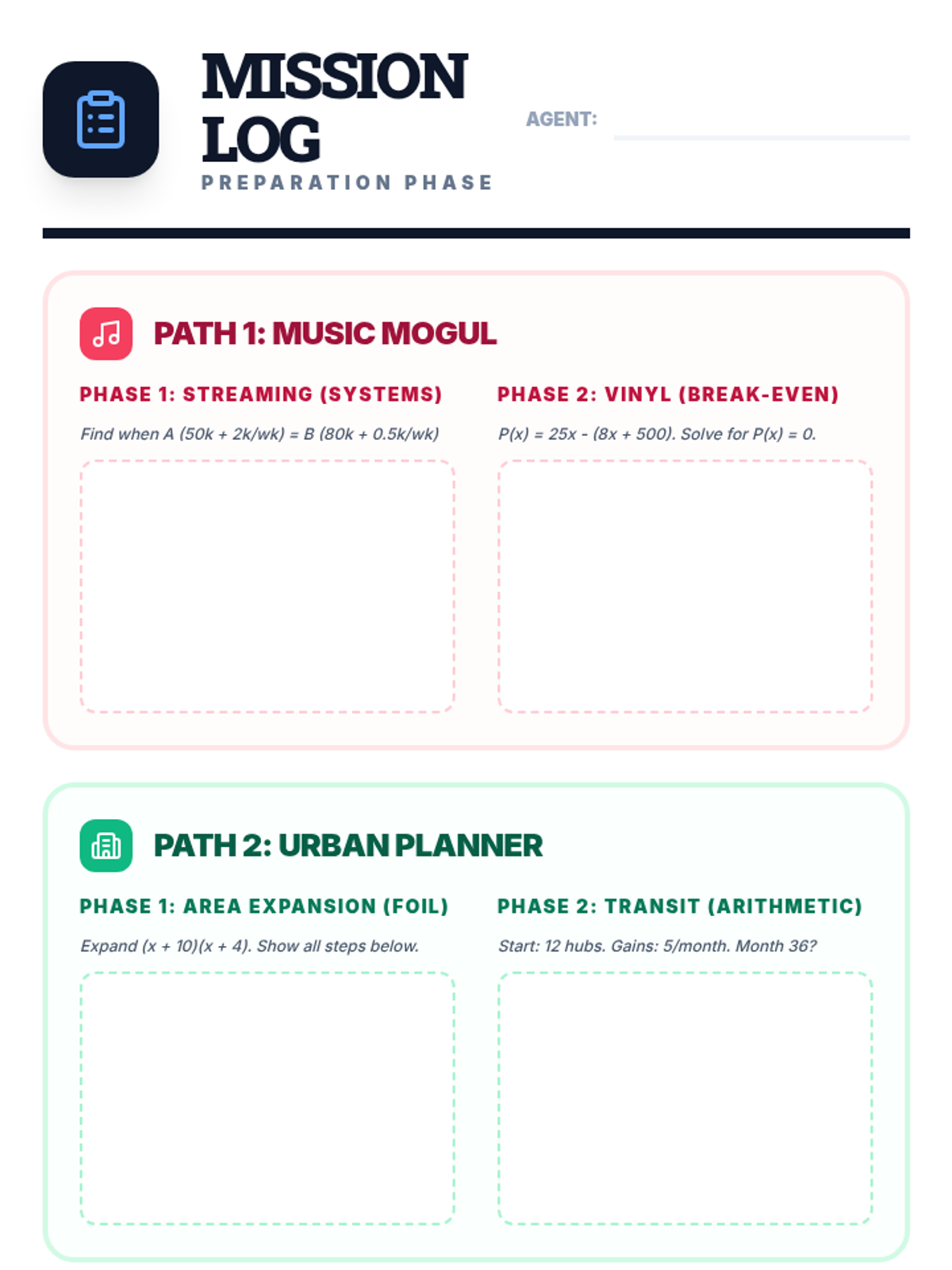
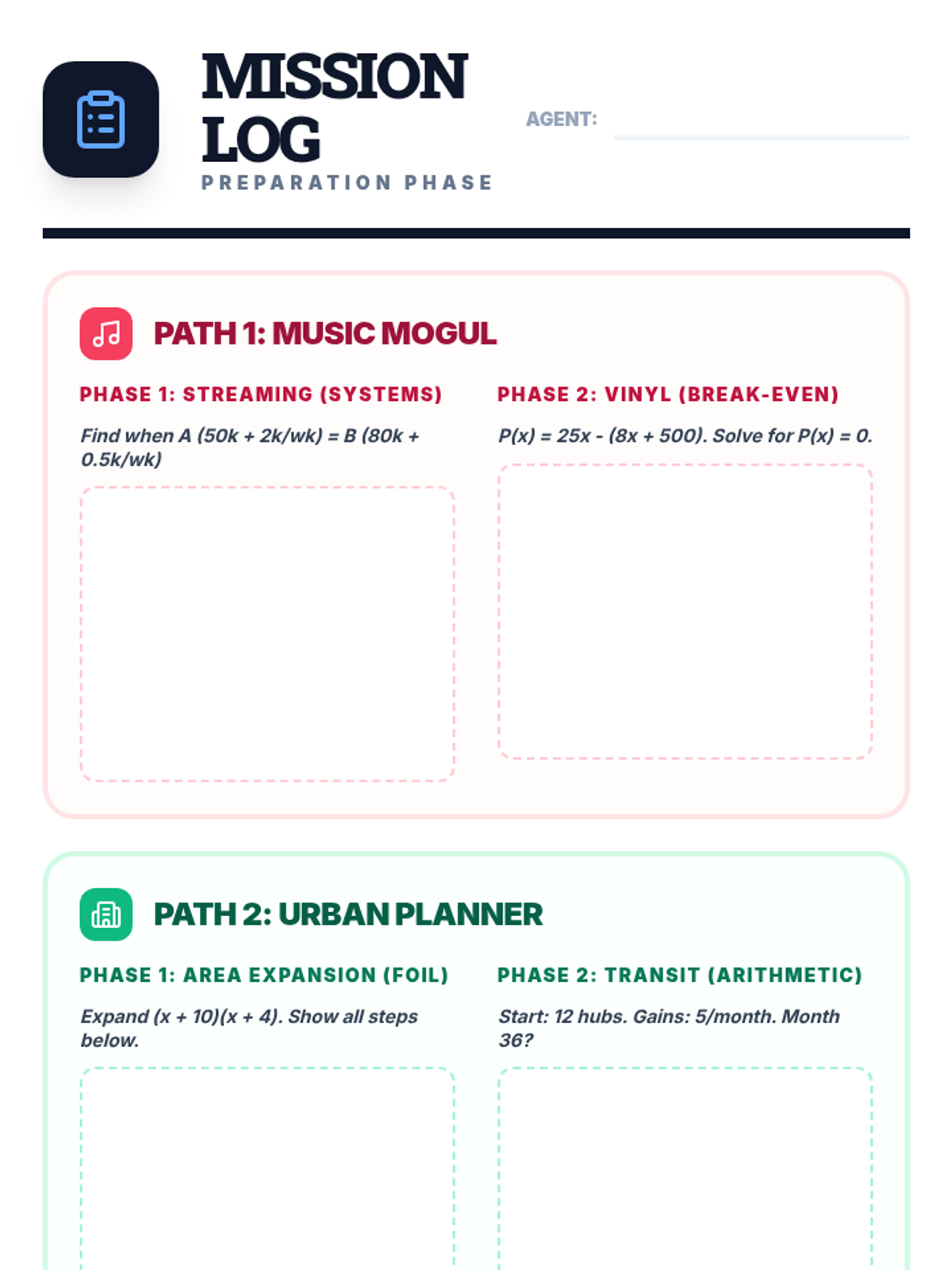
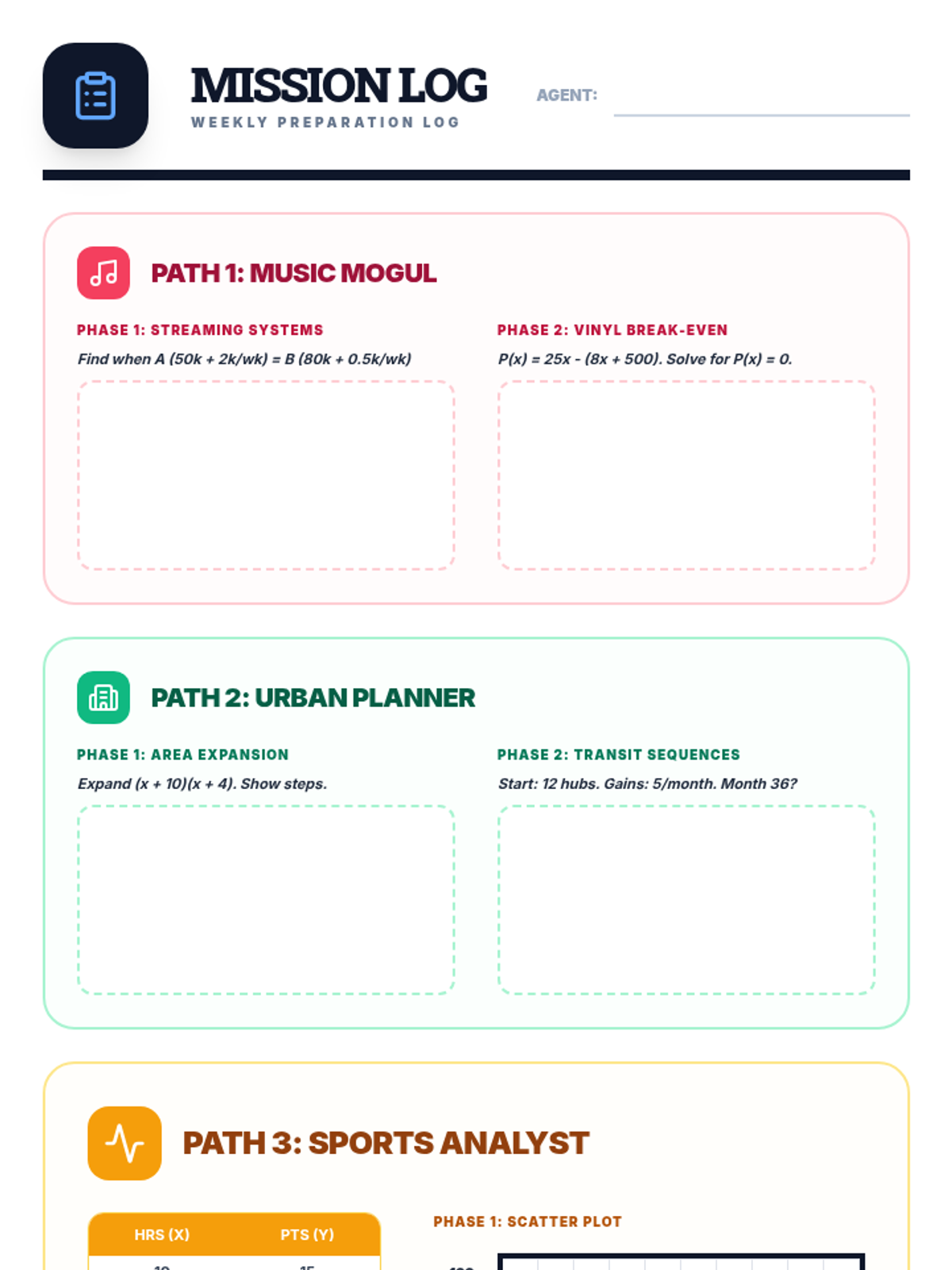
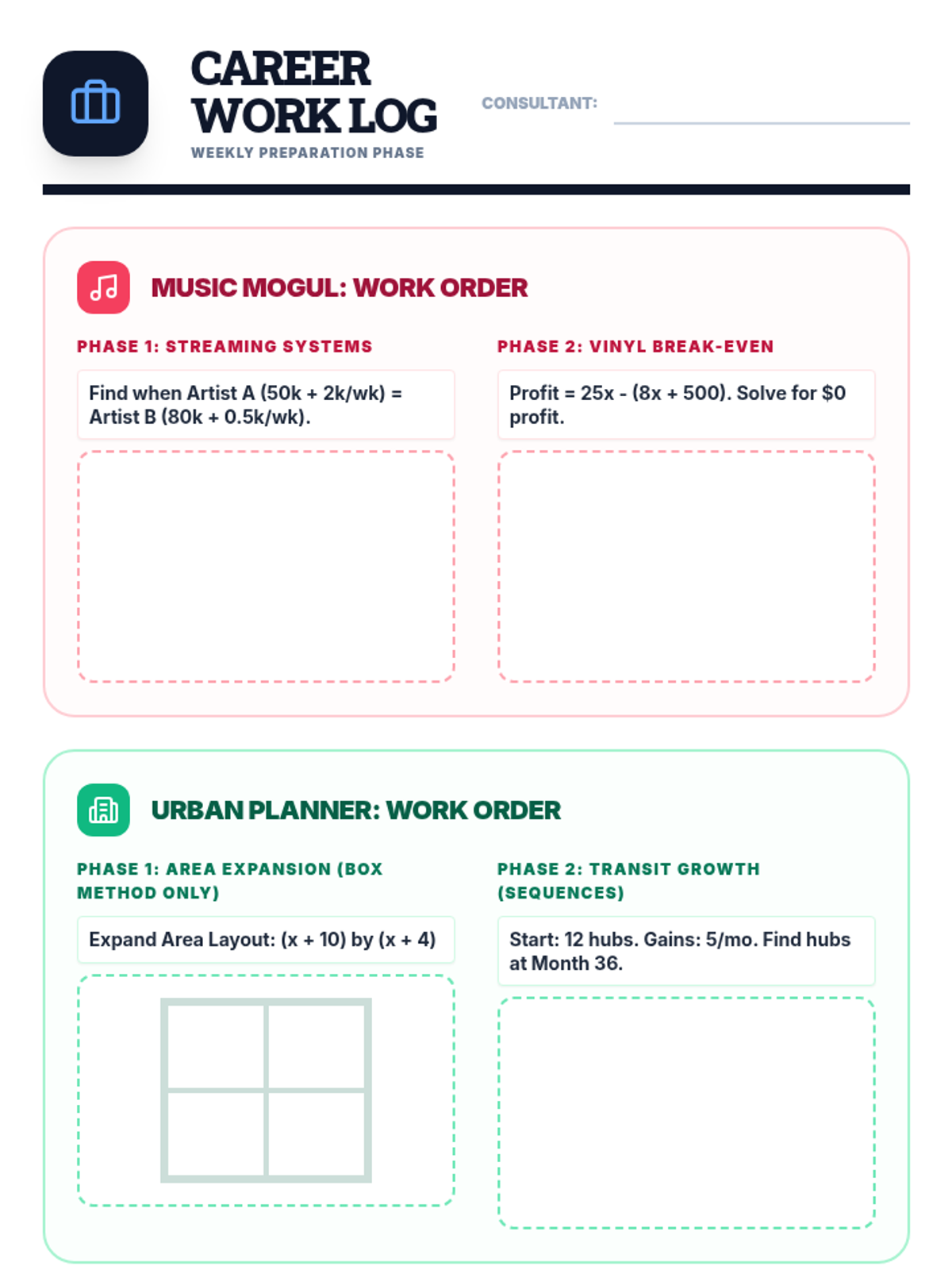
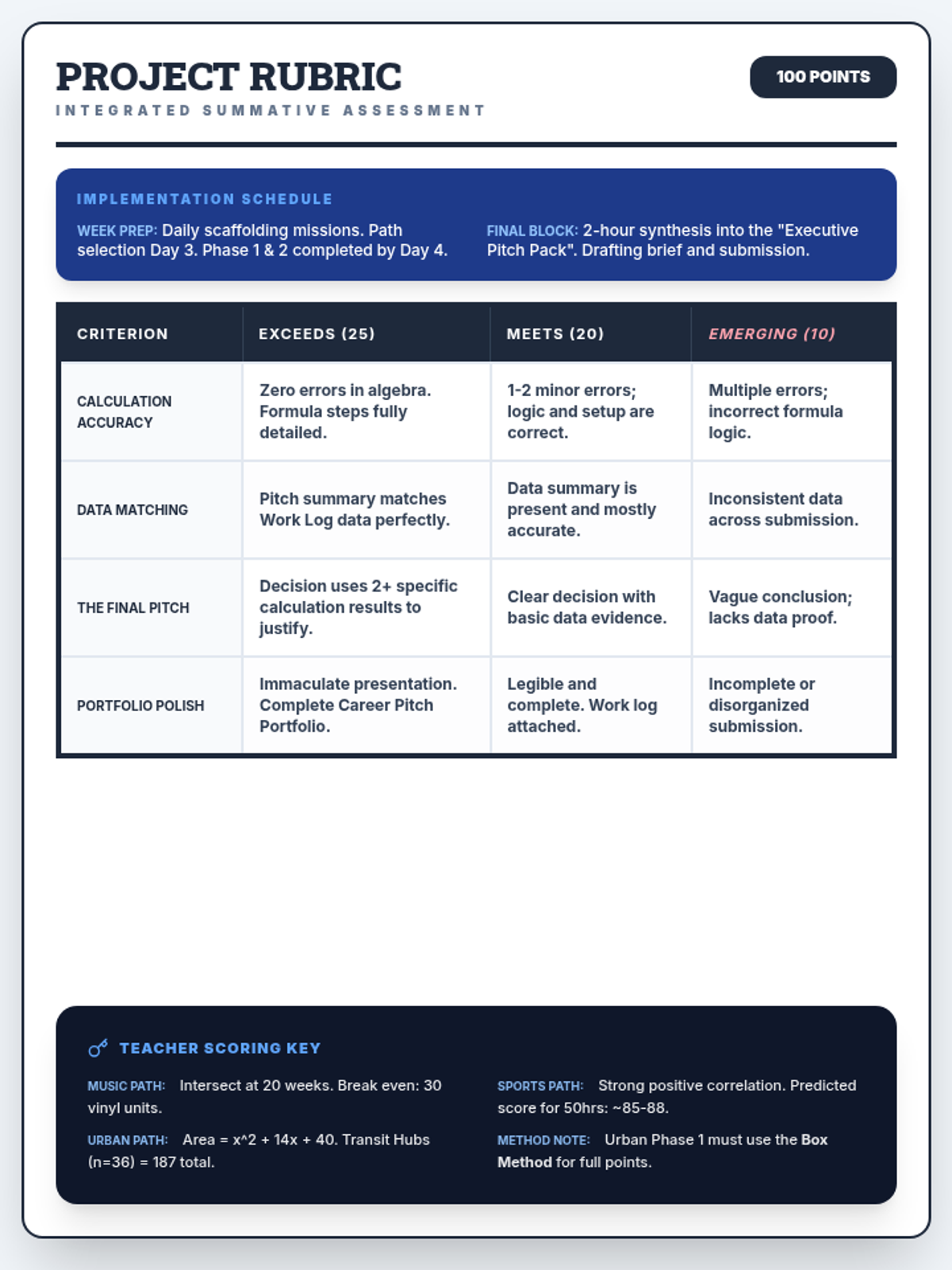
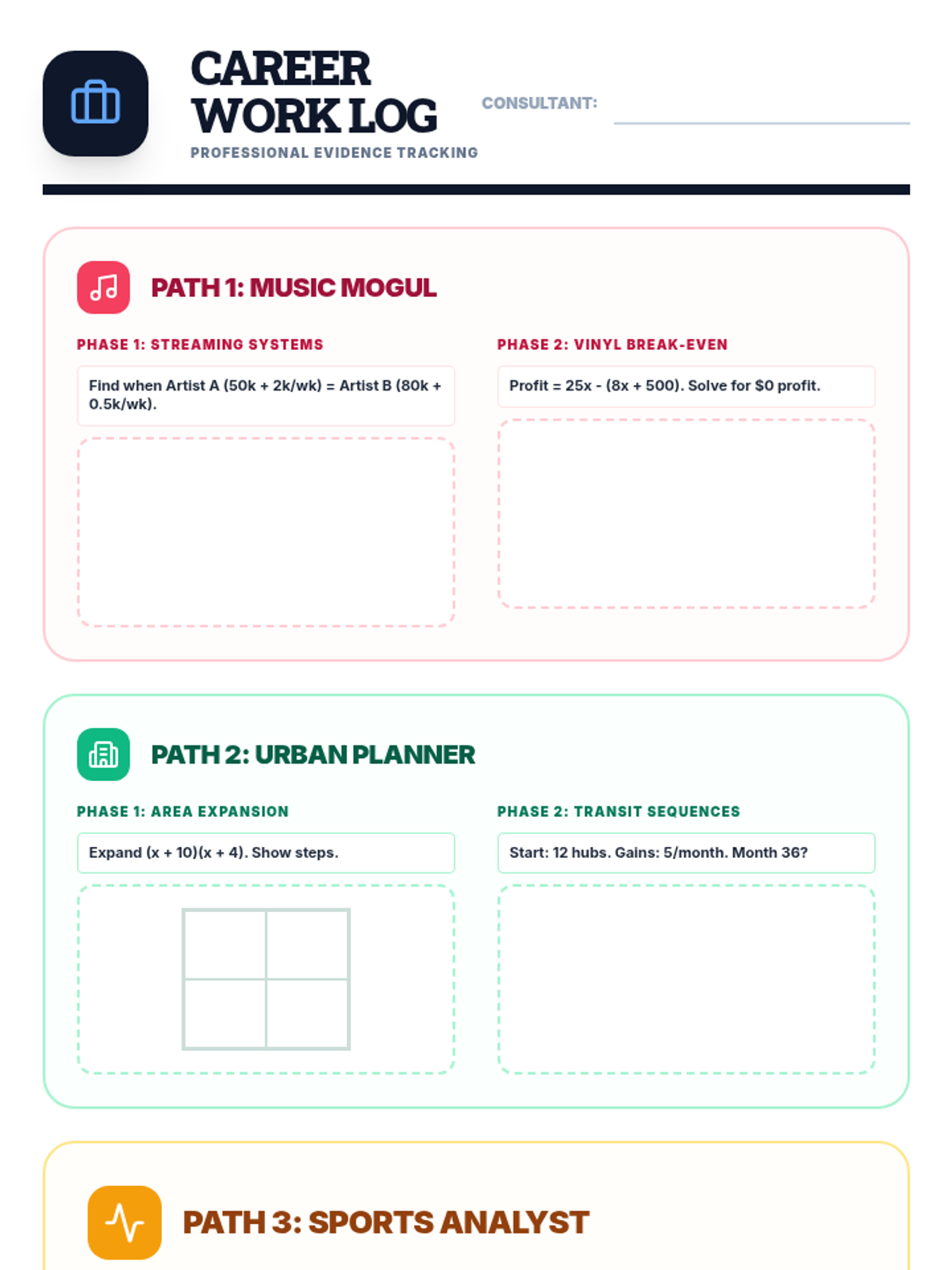
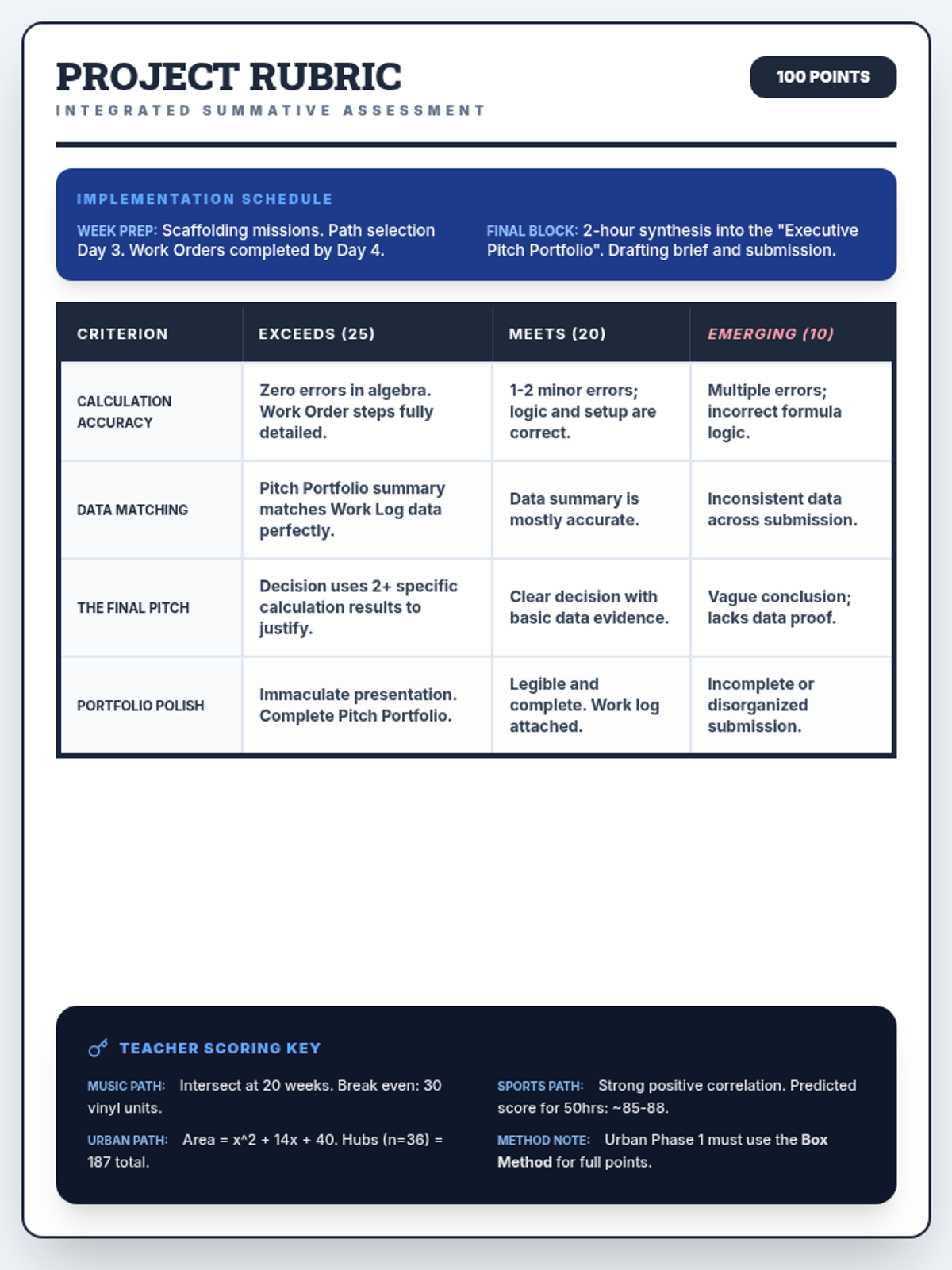
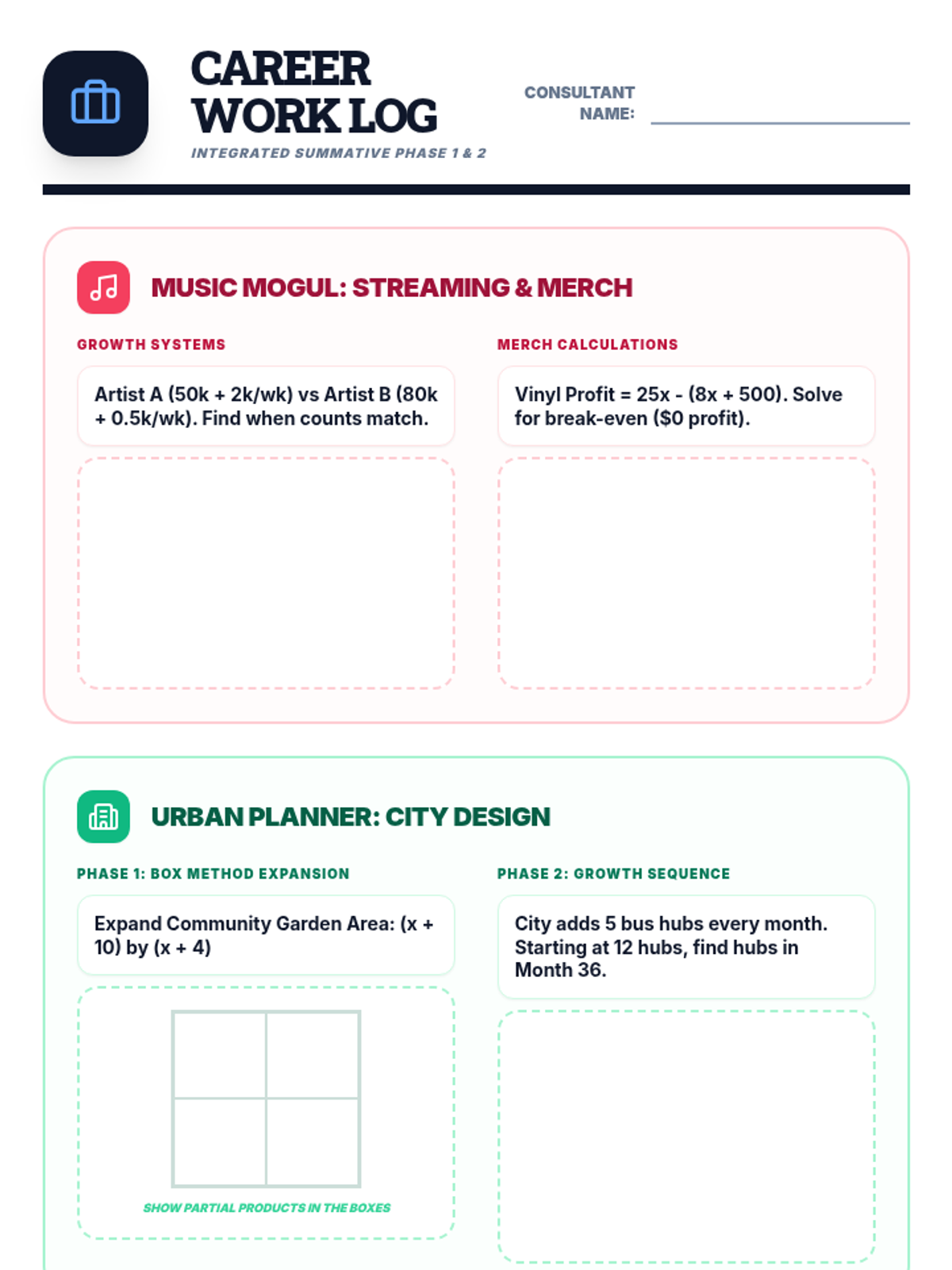
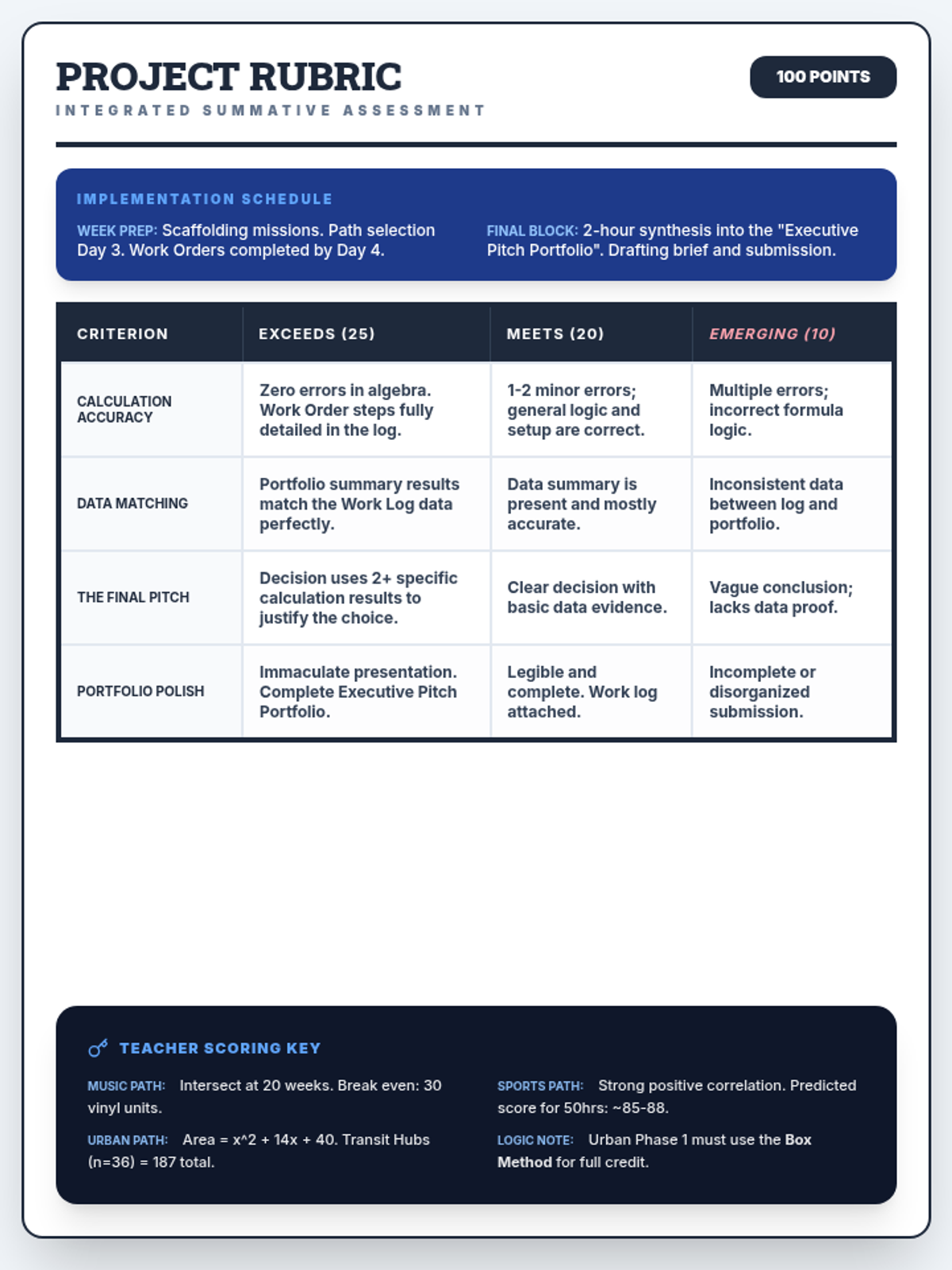
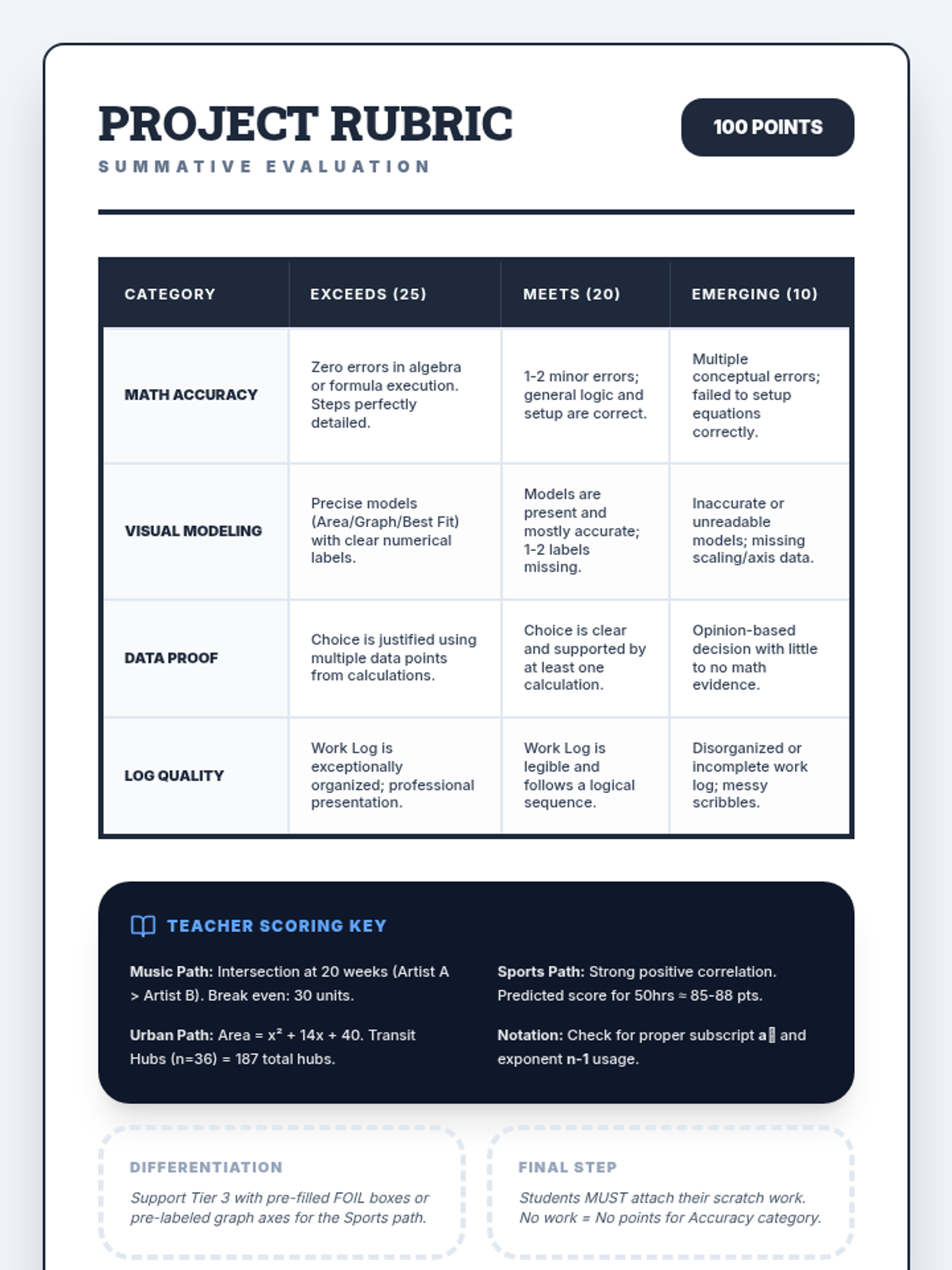
A creative end-of-year project where students choose between three paths to demonstrate mastery of transformations, linear equations, exponents, and bivariate data. Designed with scaffolded options for 8th-grade students.
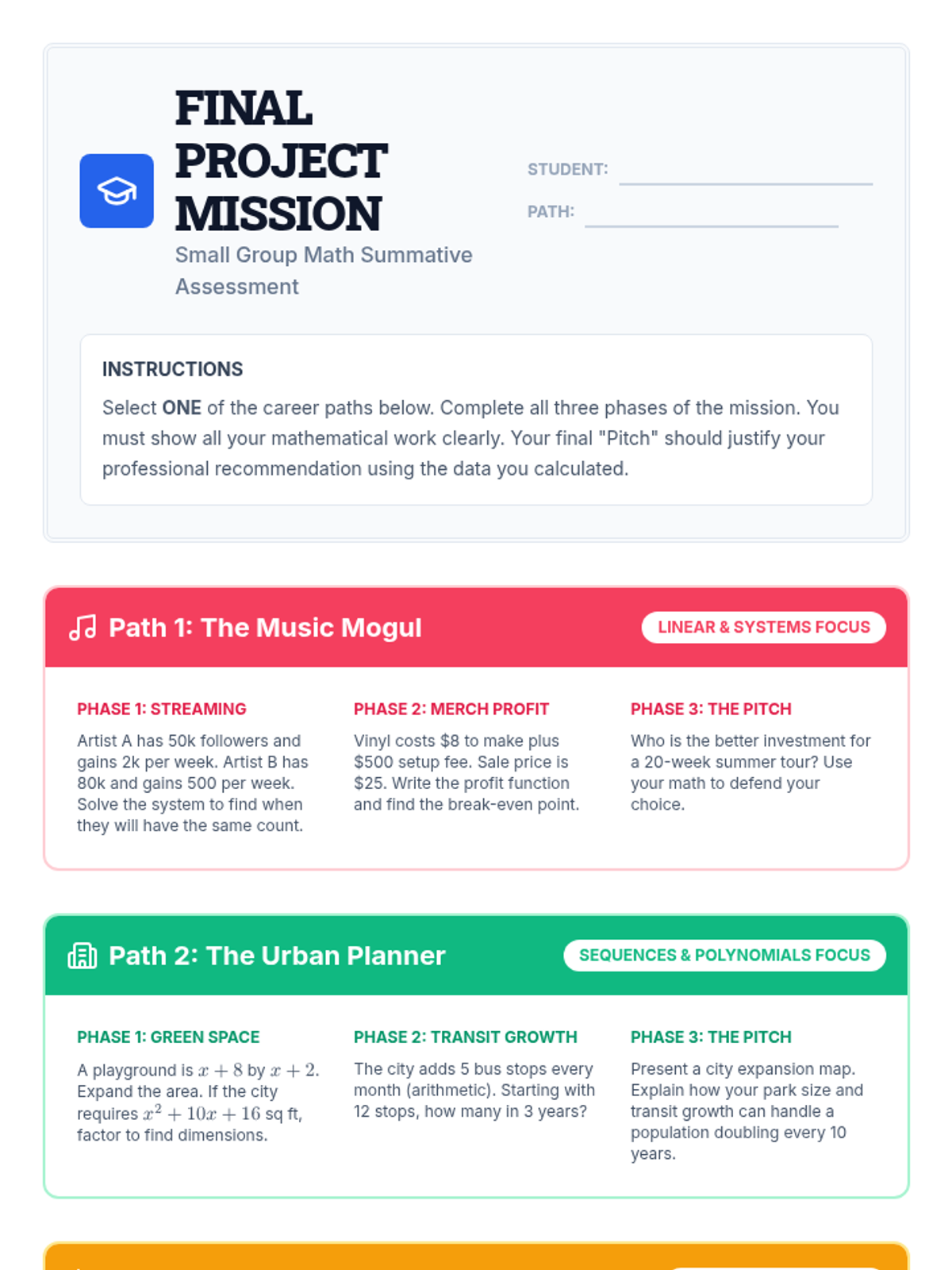
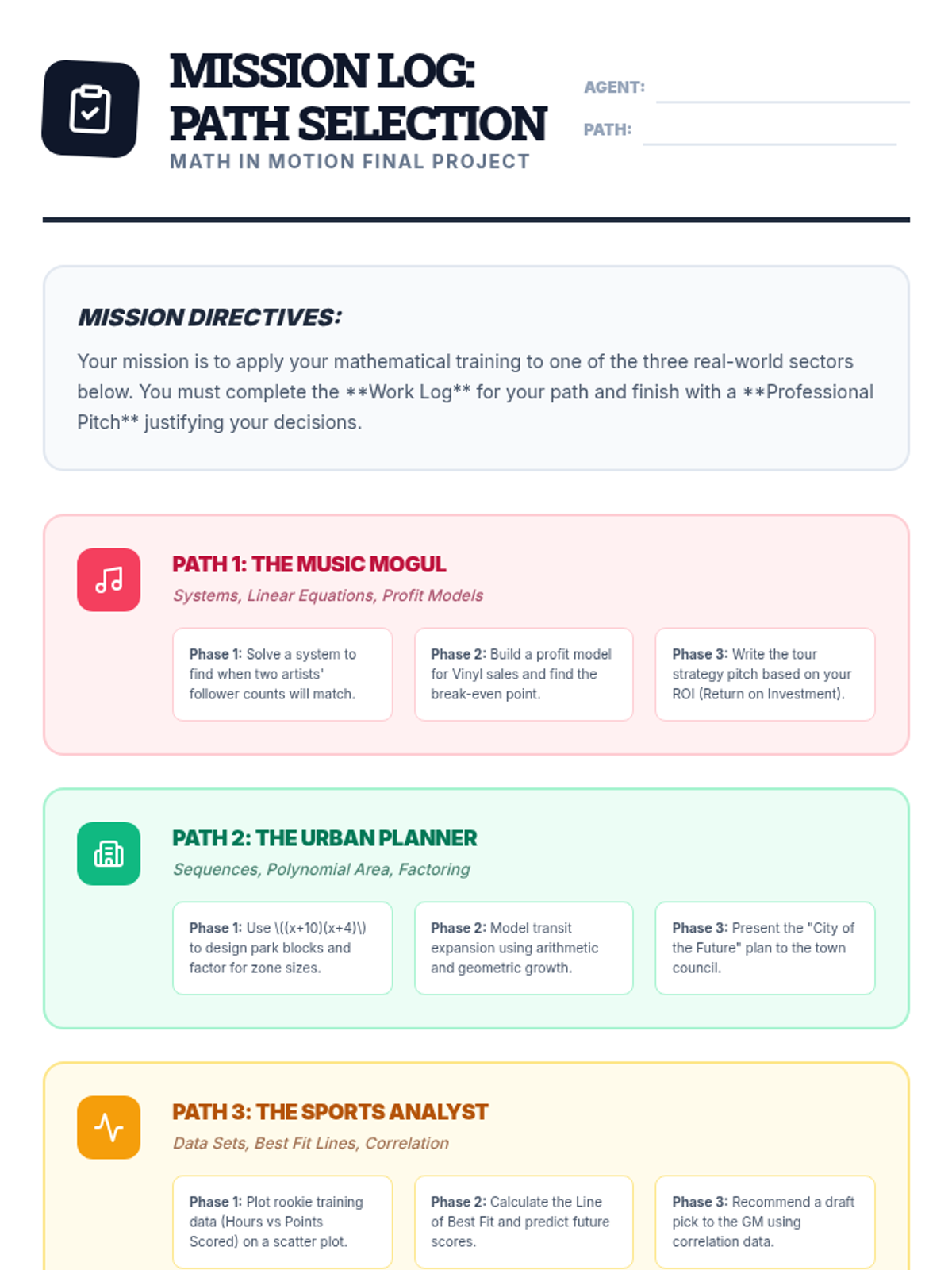
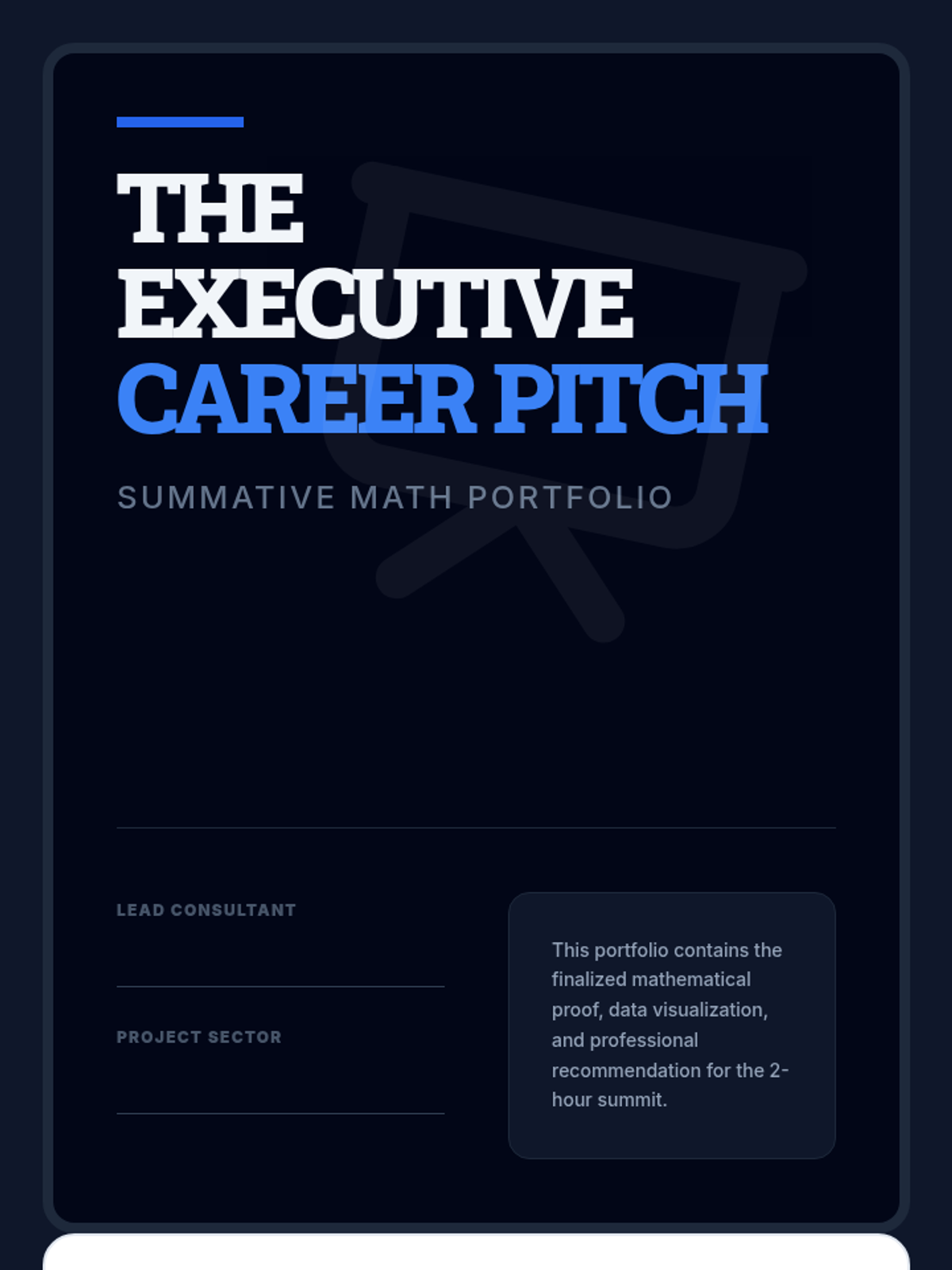
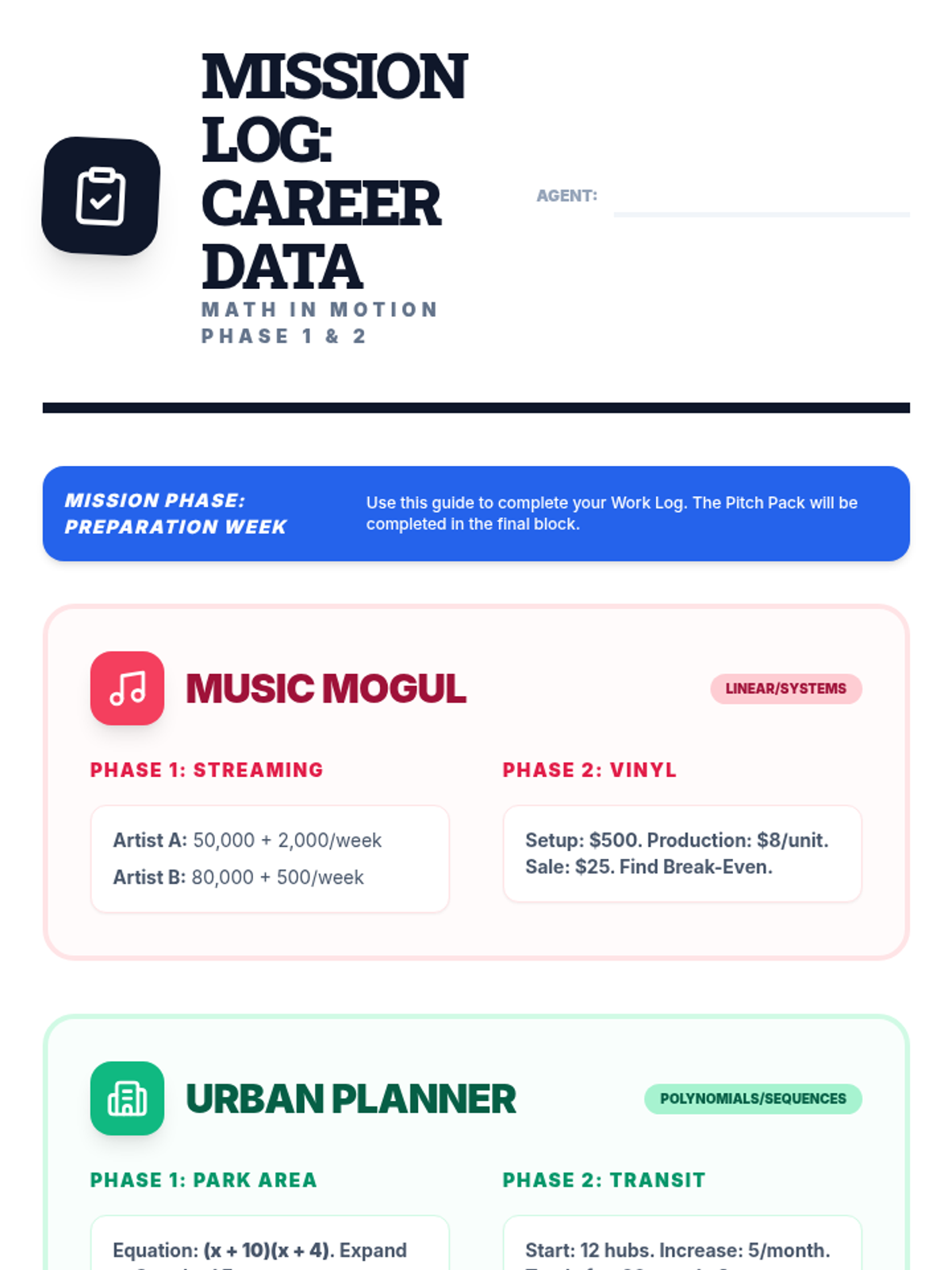
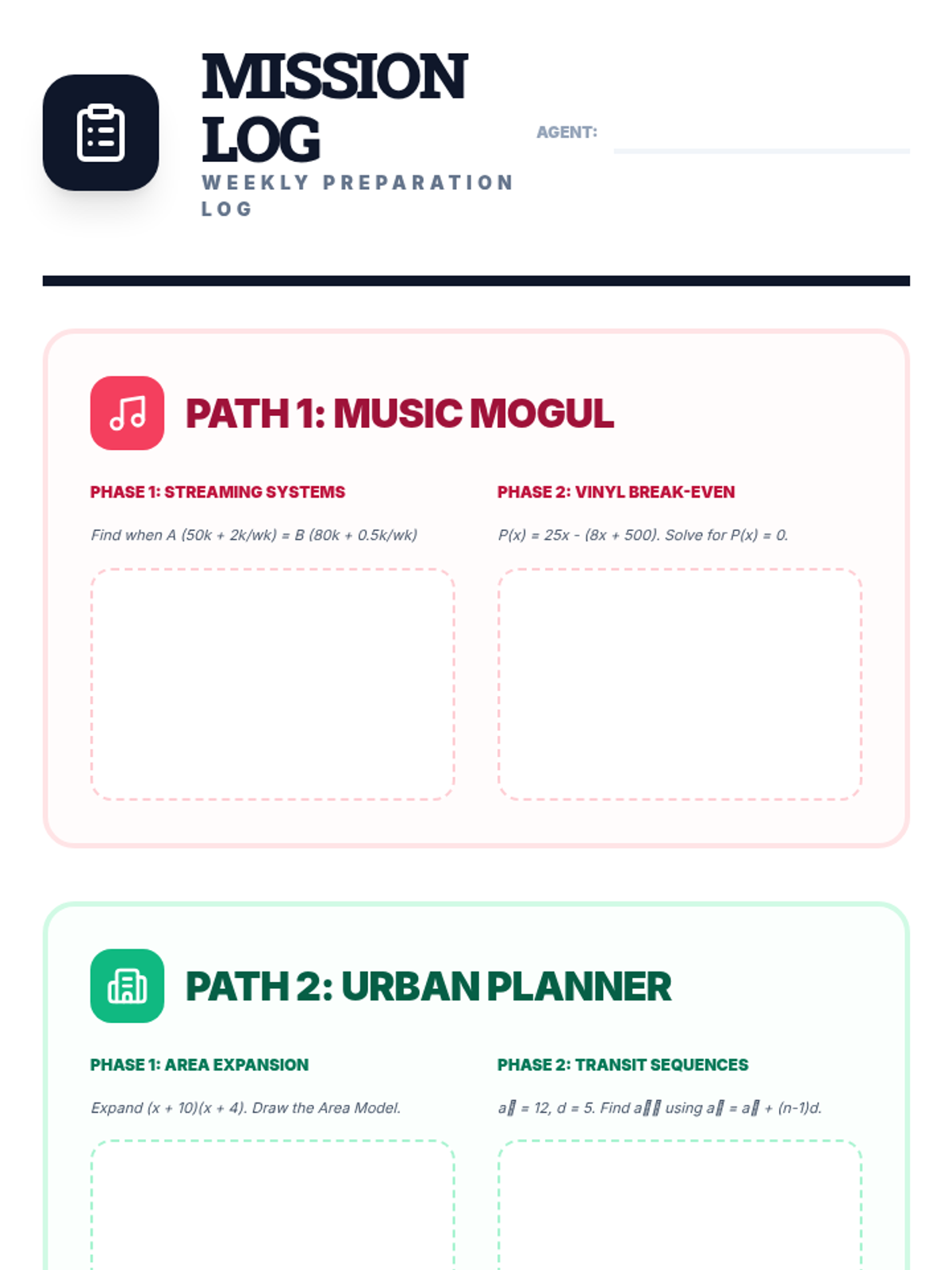
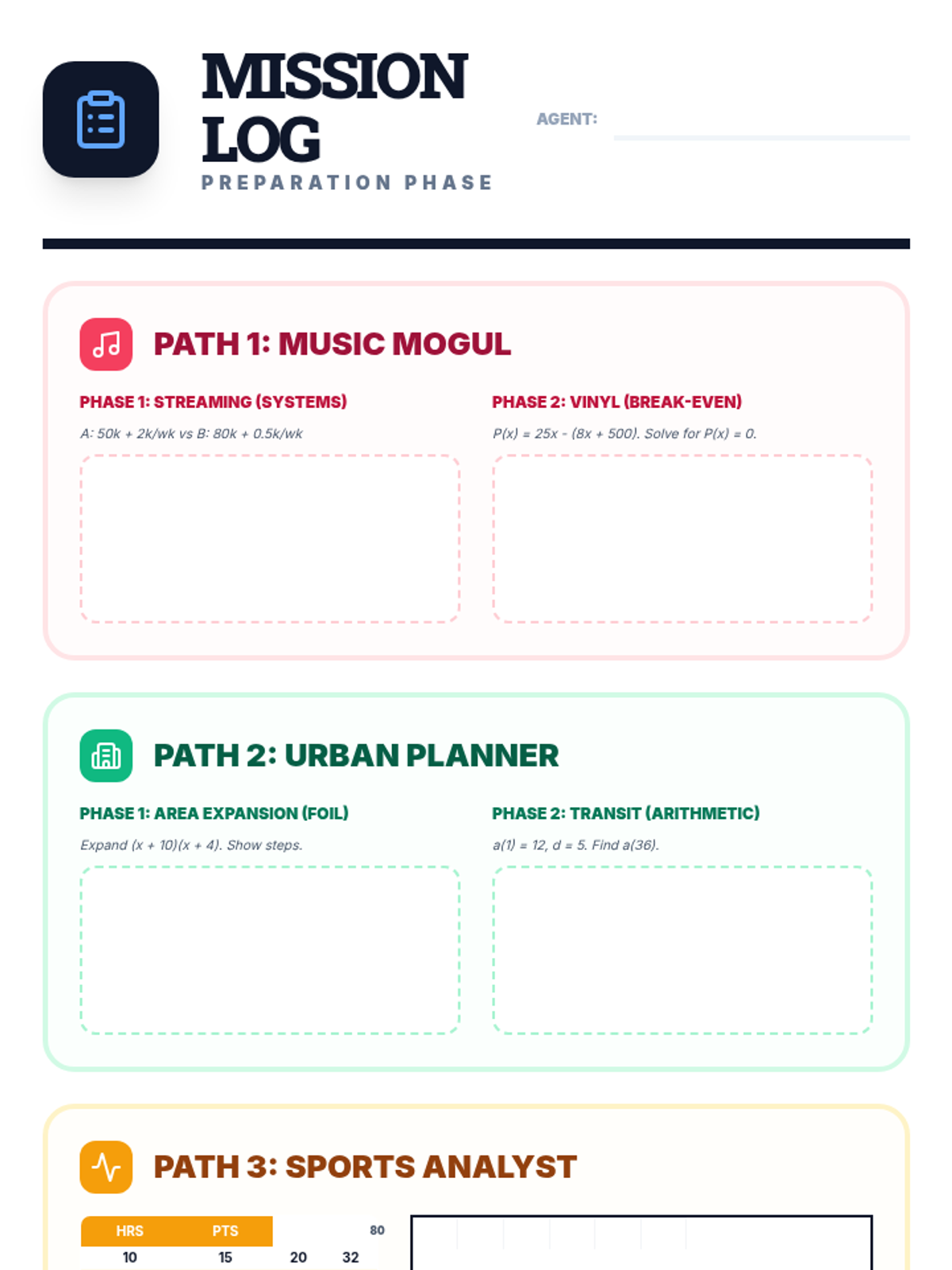
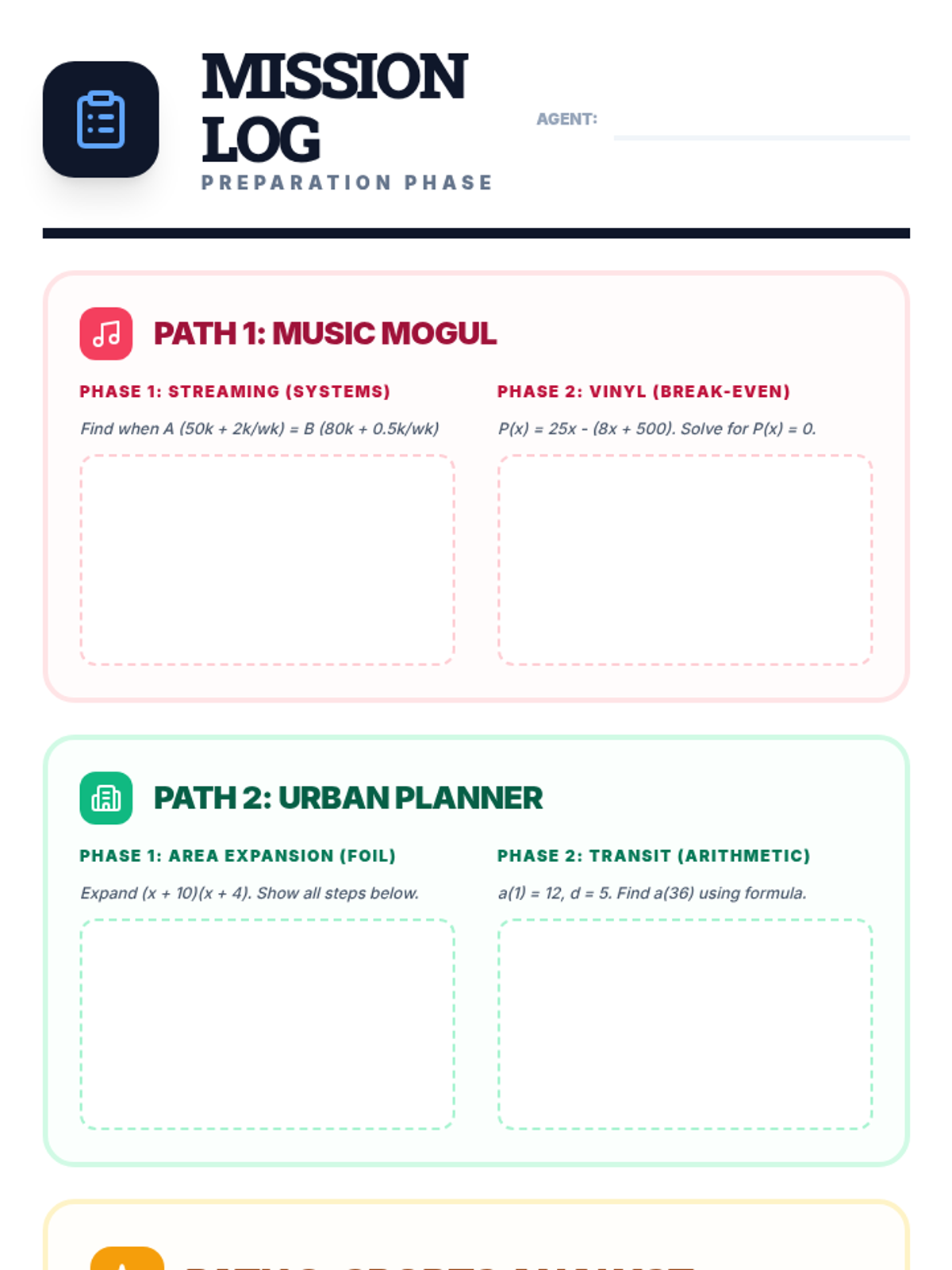
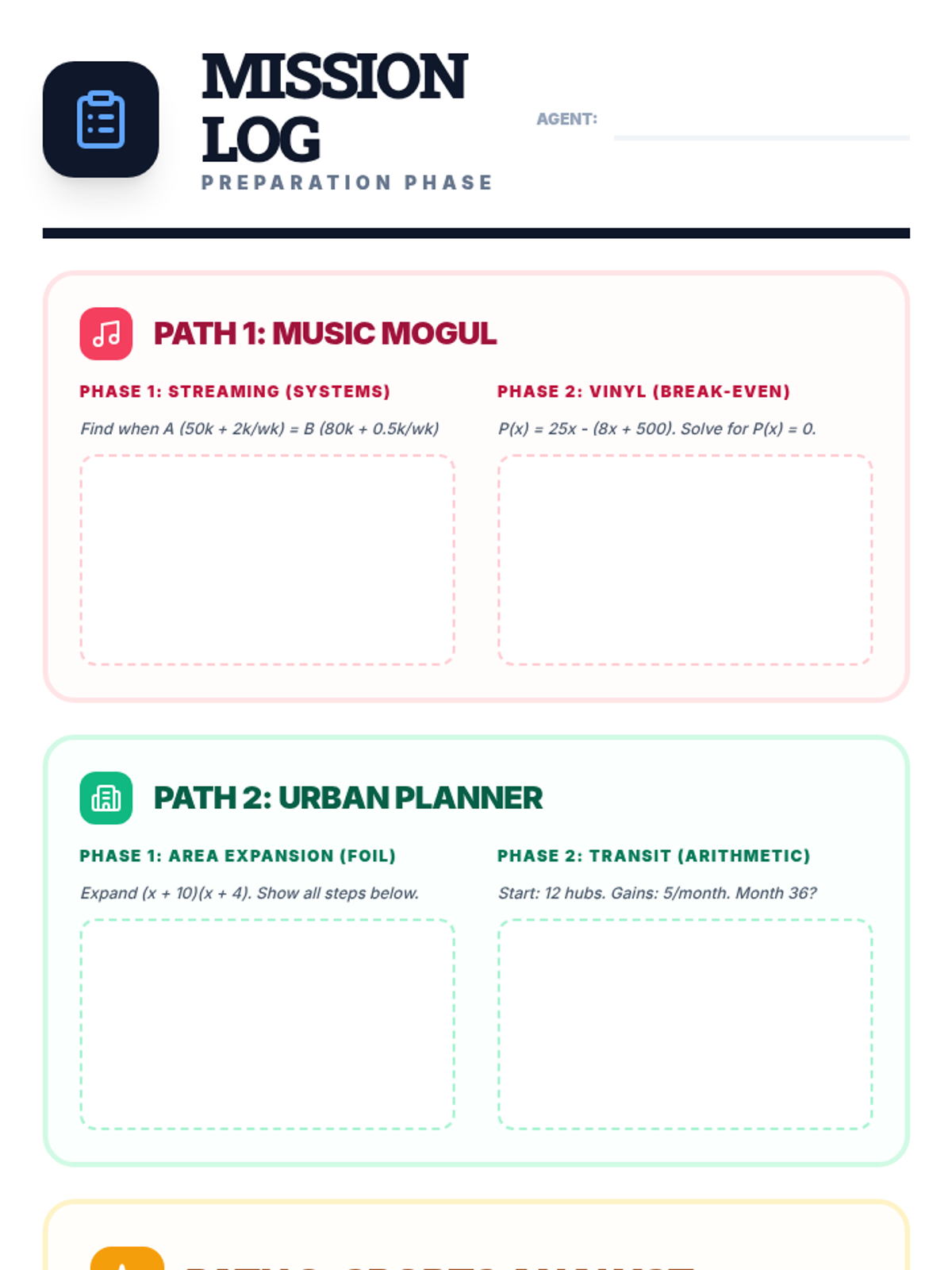
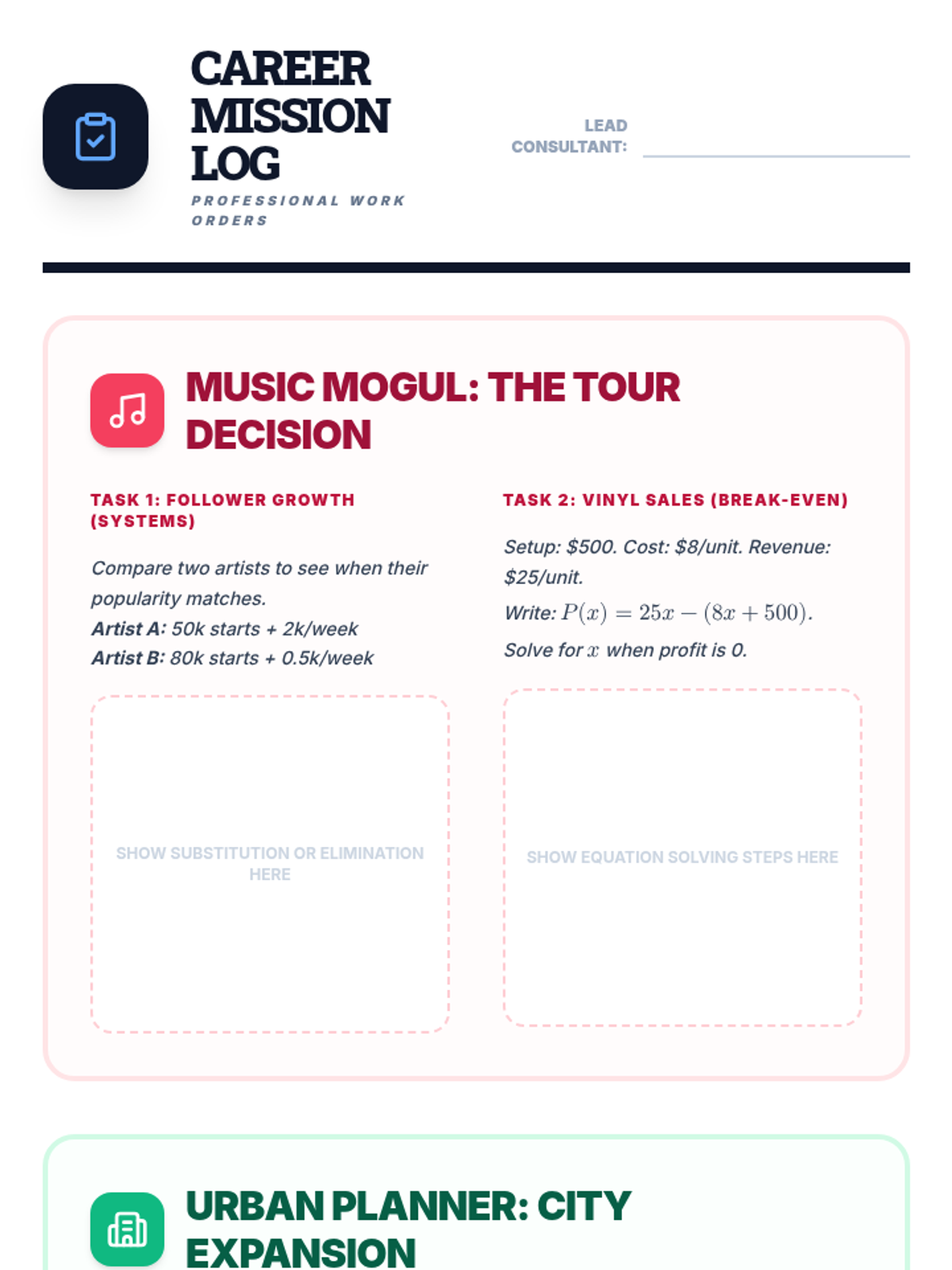
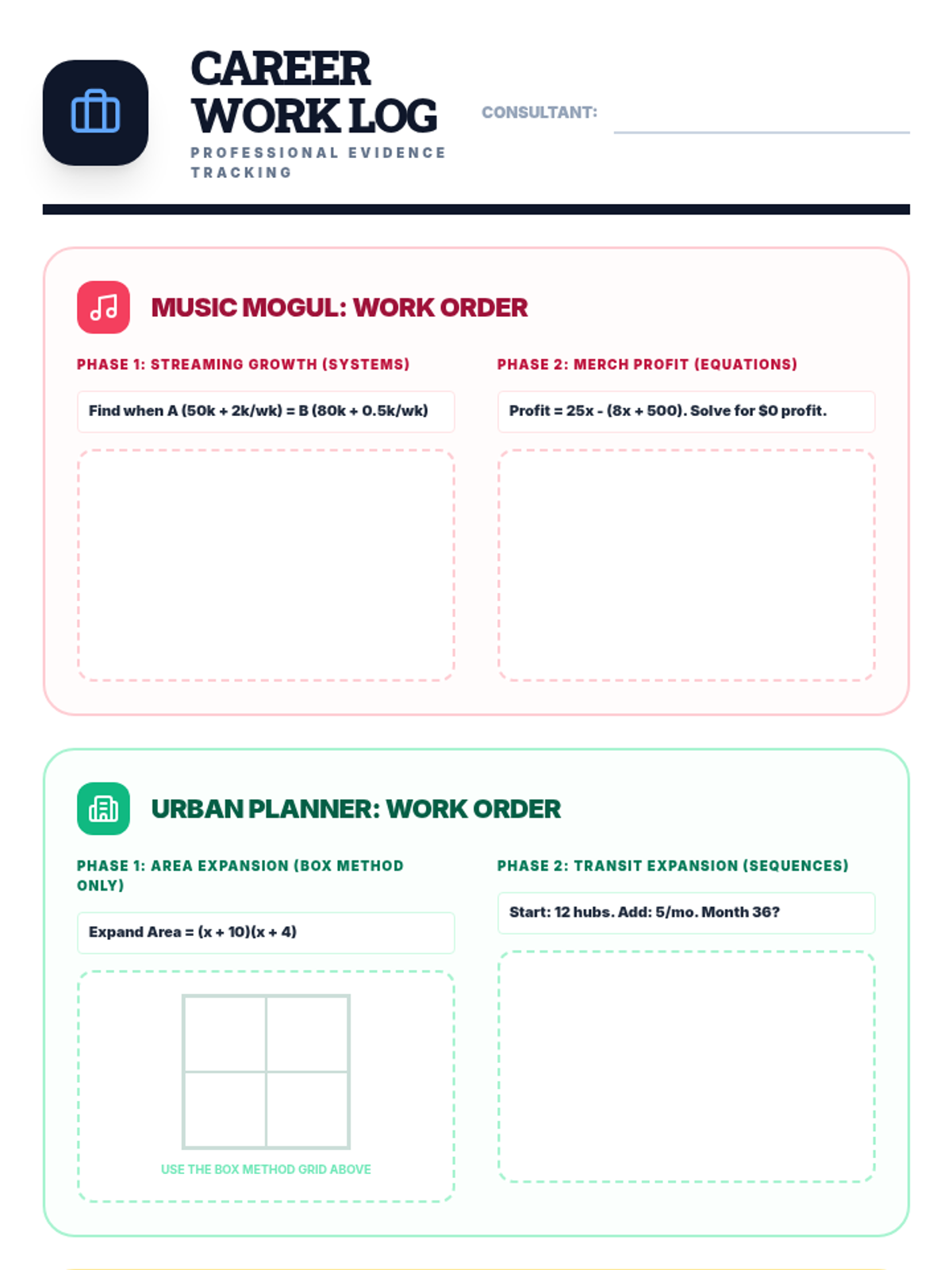
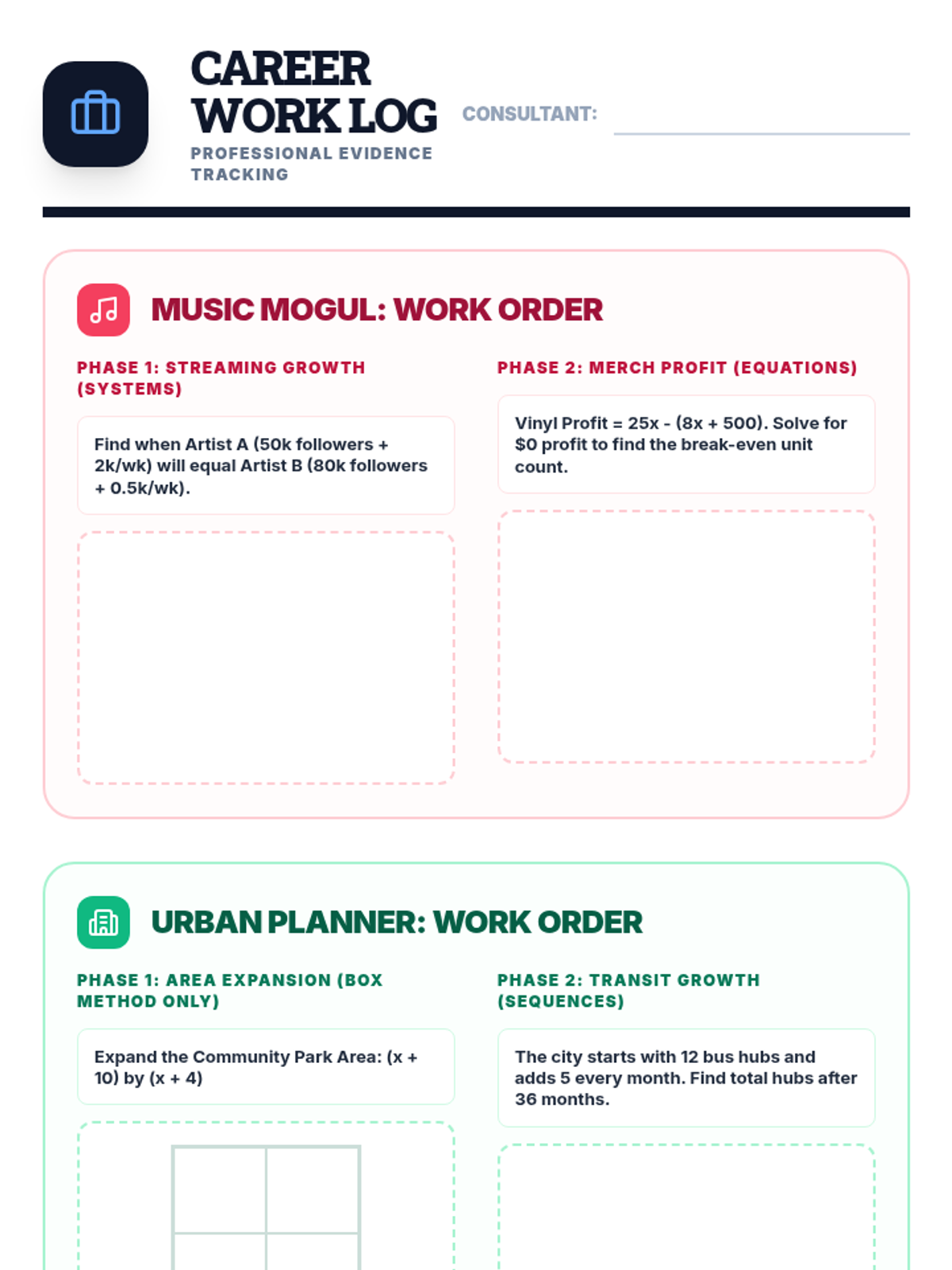
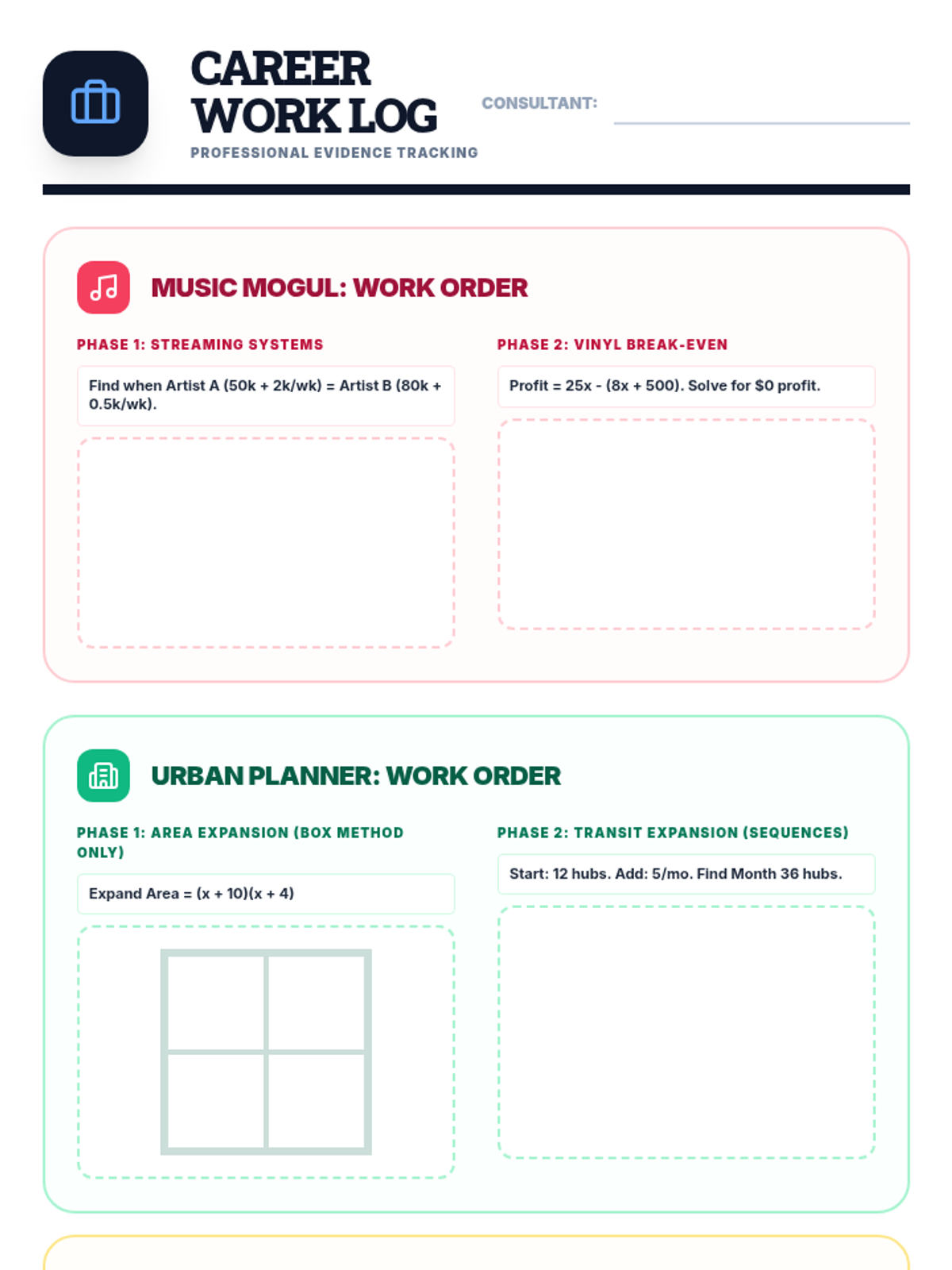
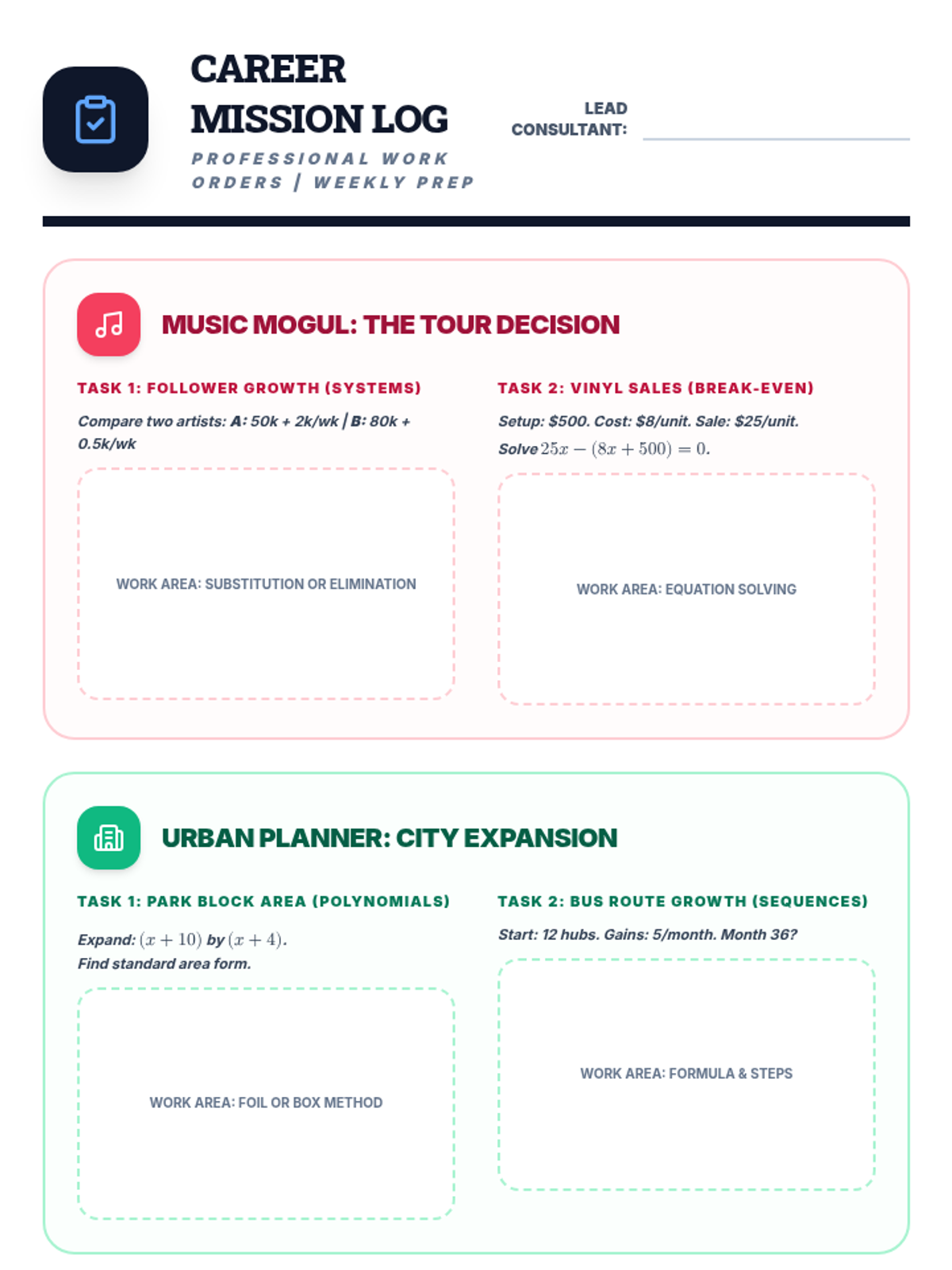
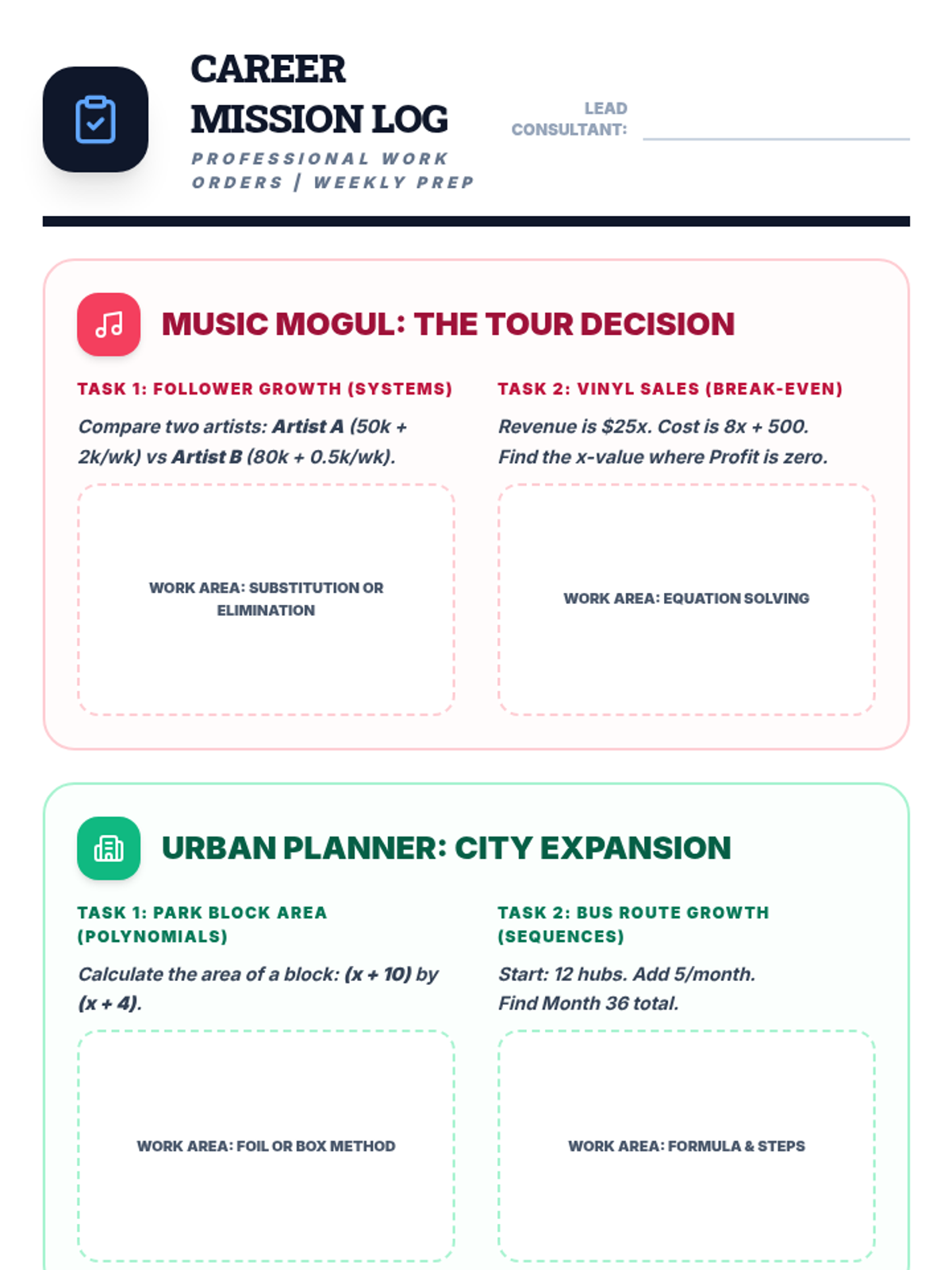
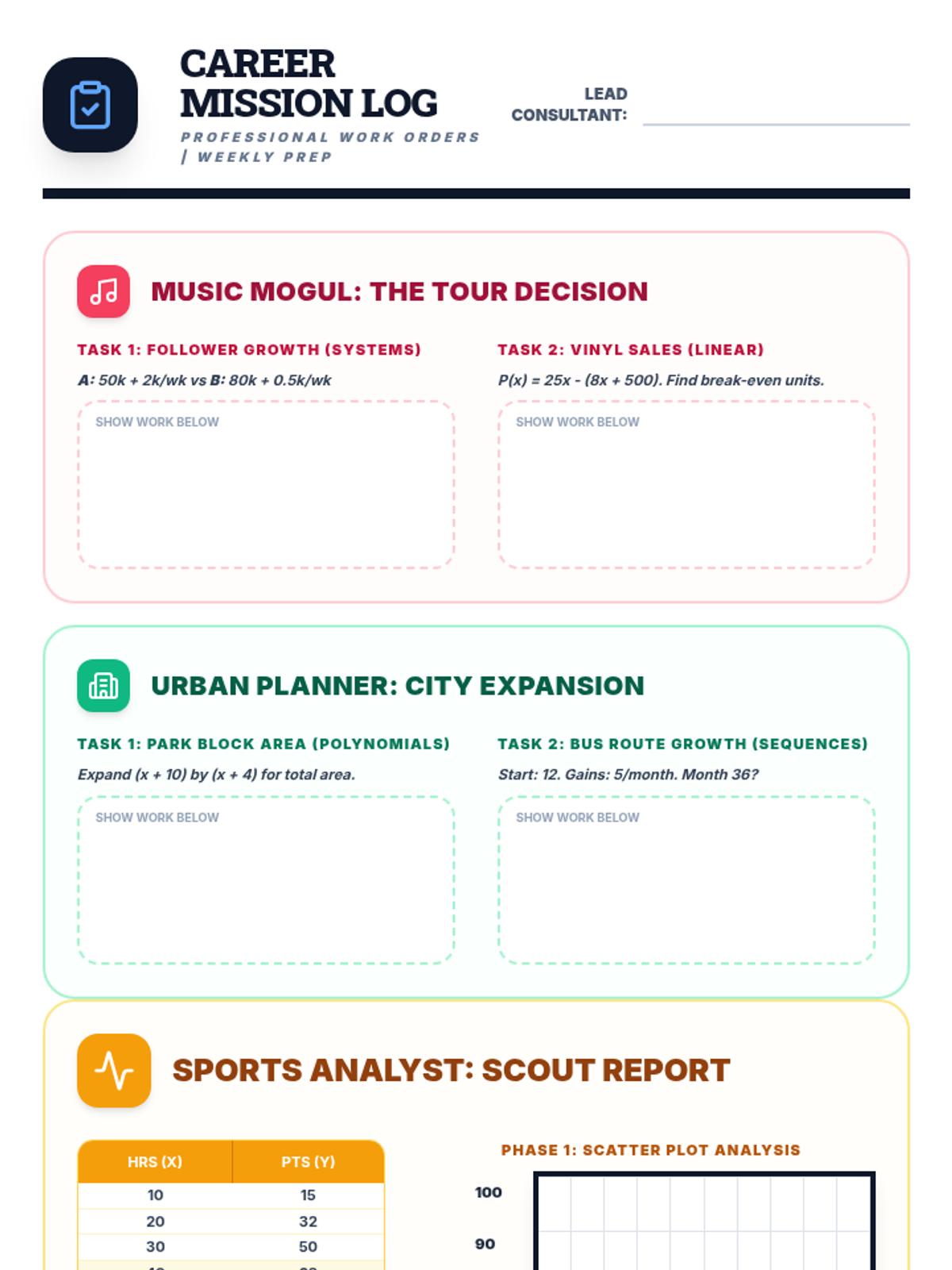
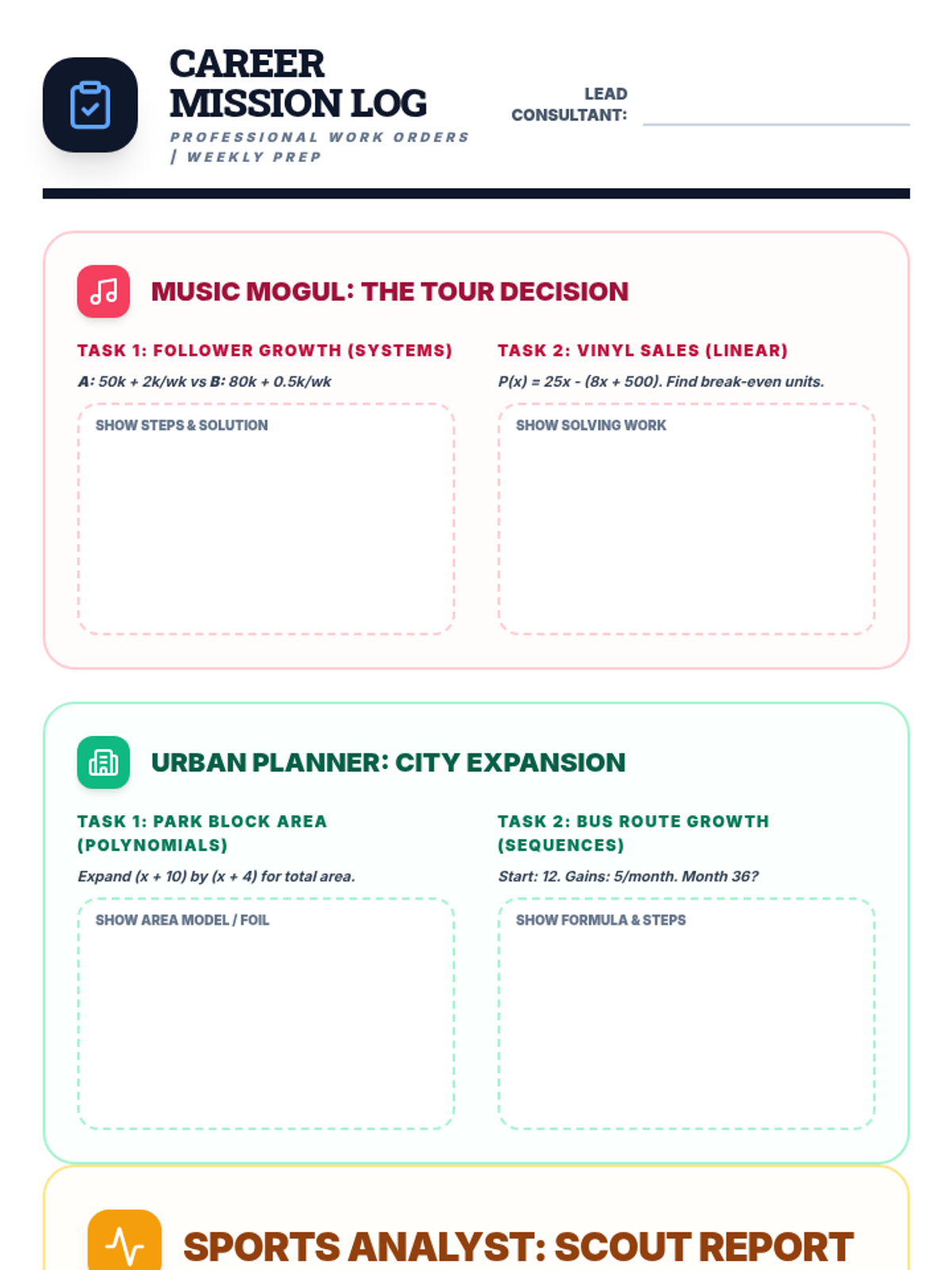
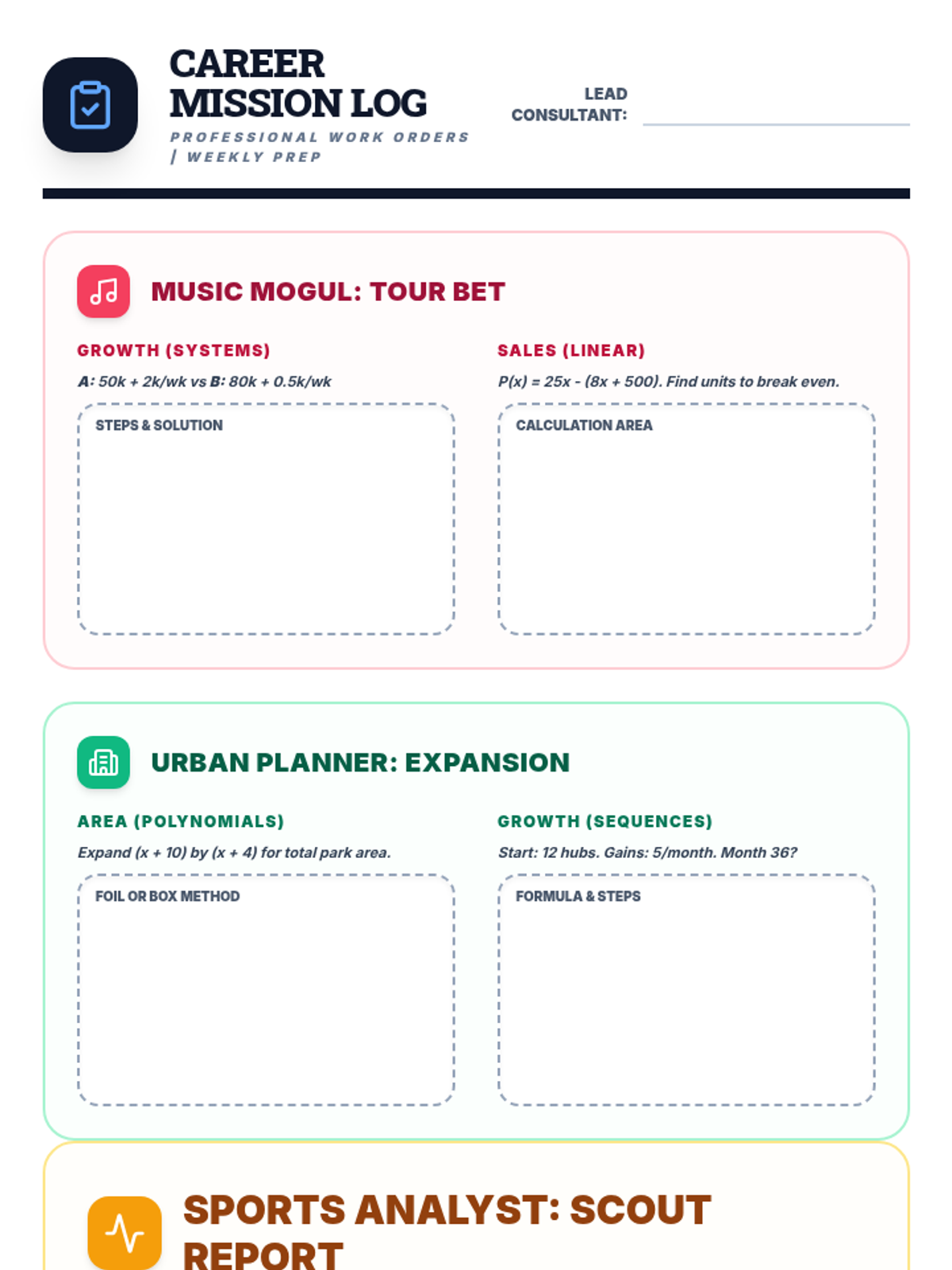
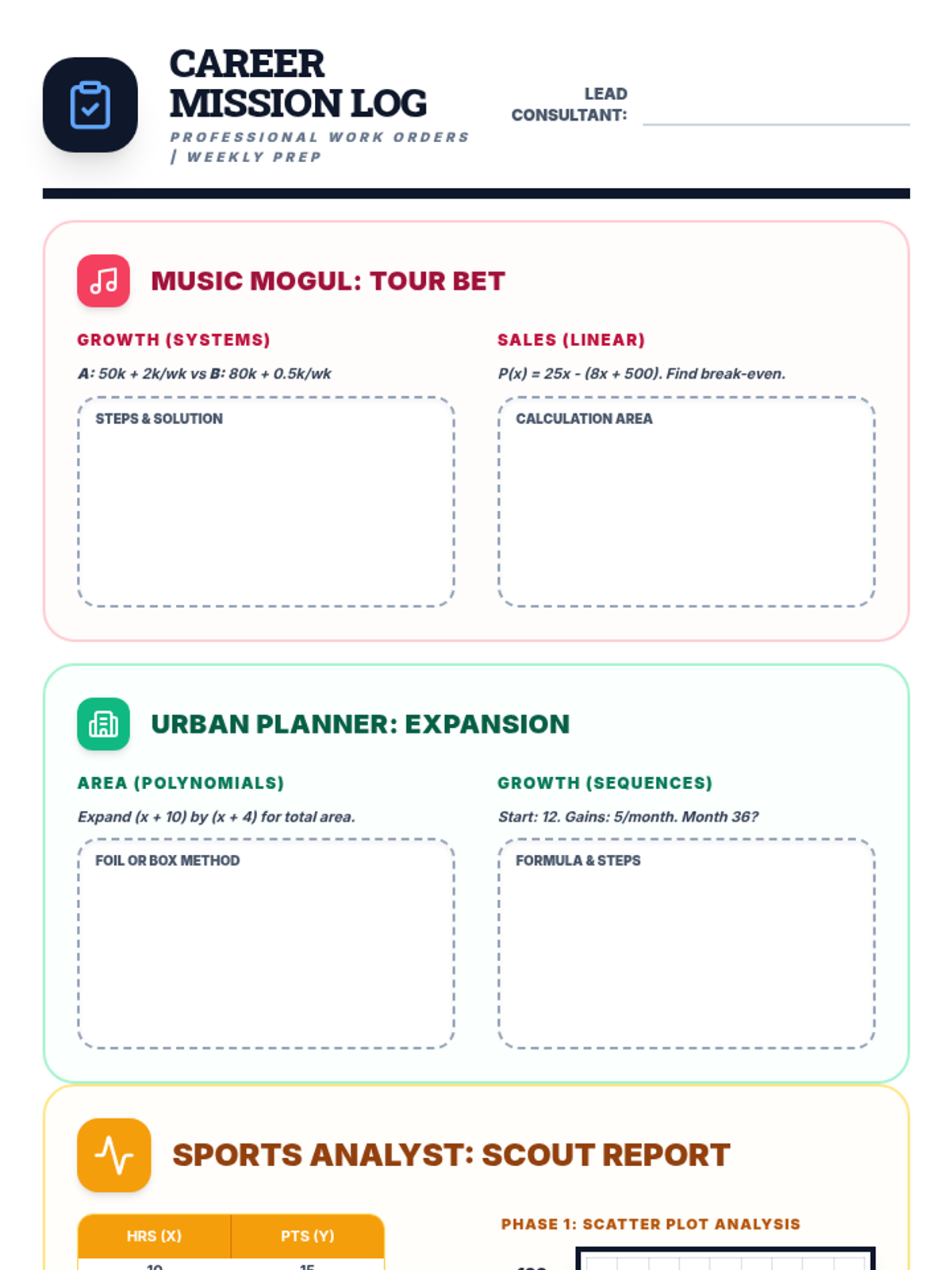
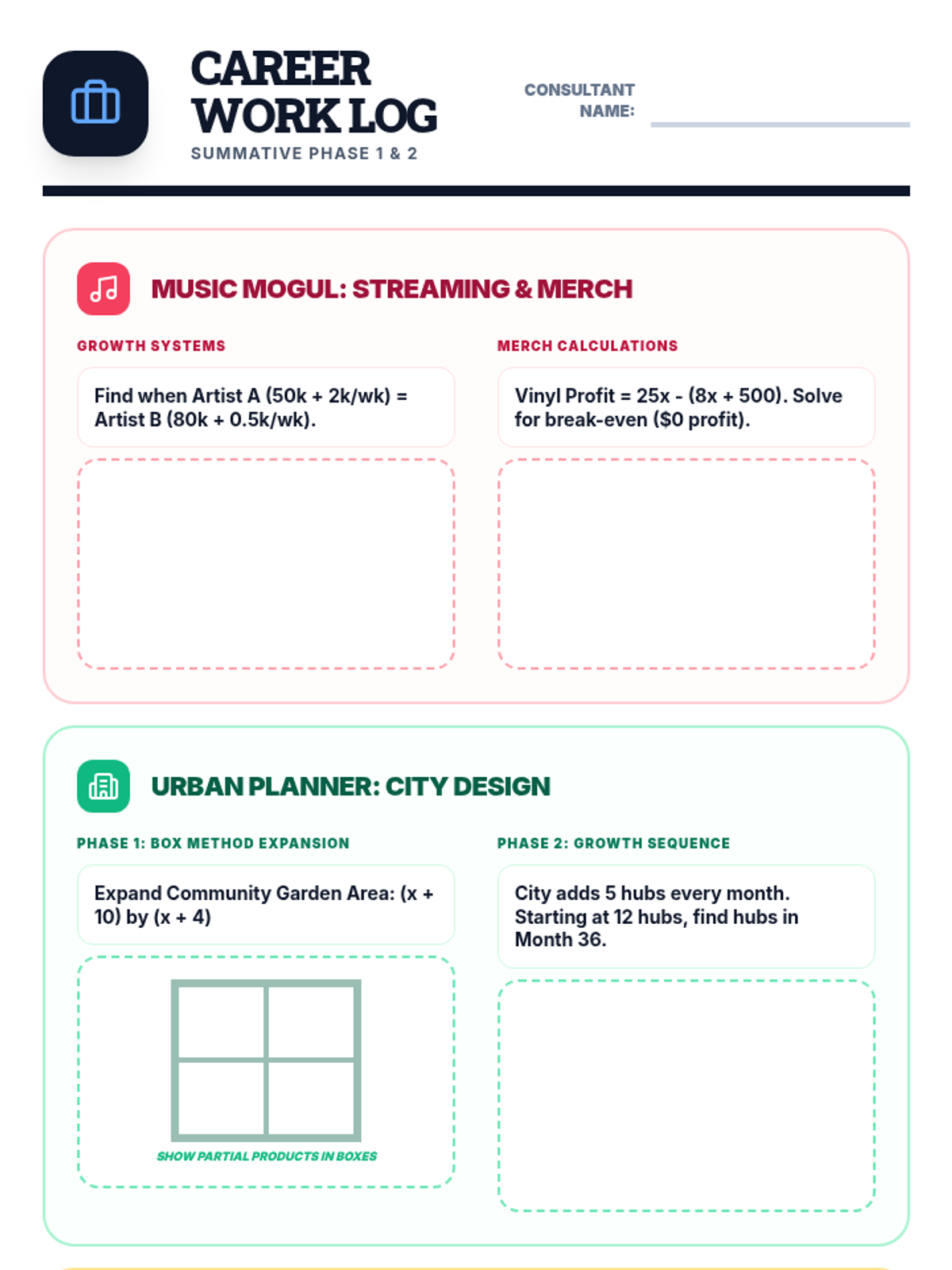
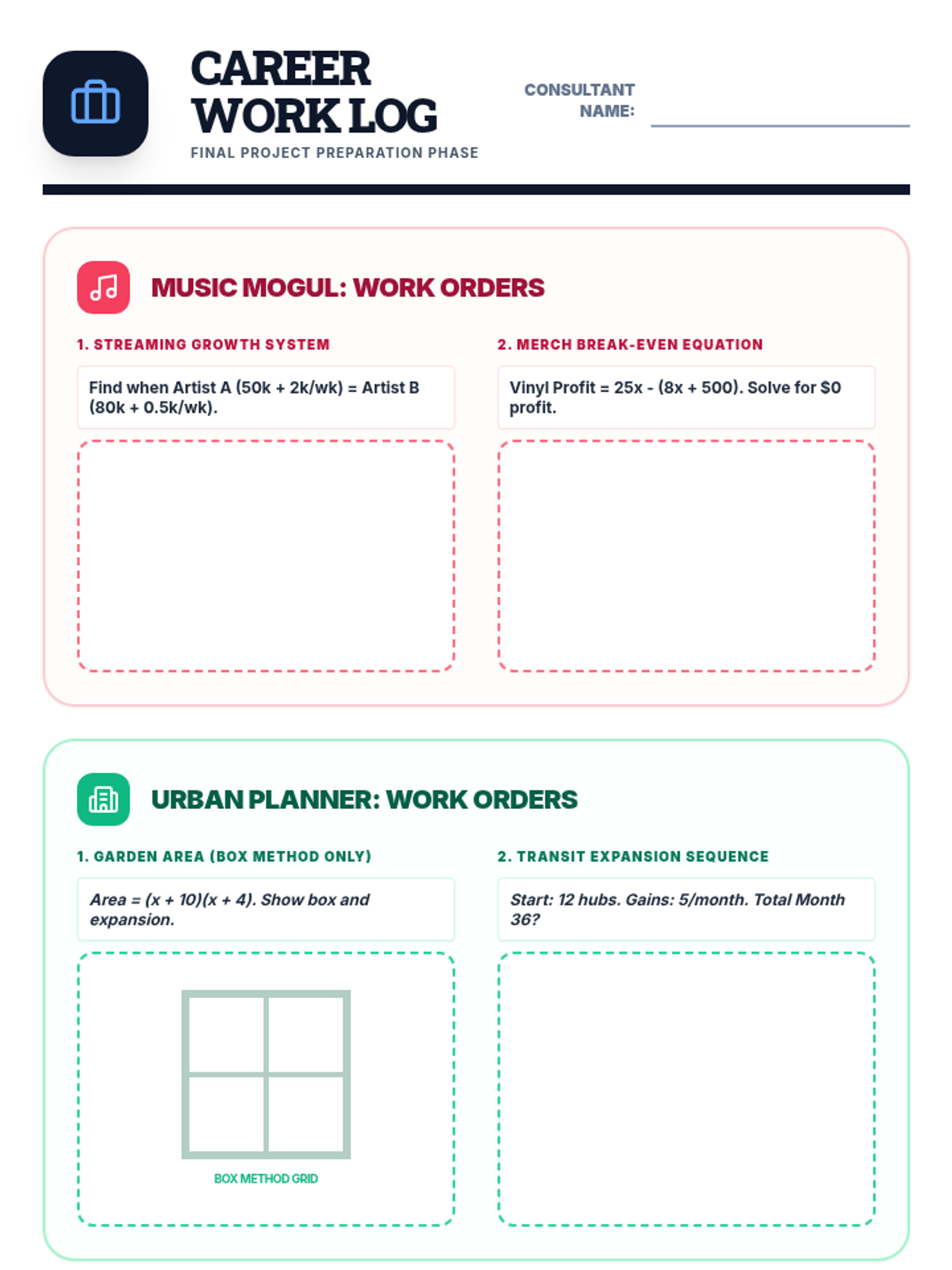
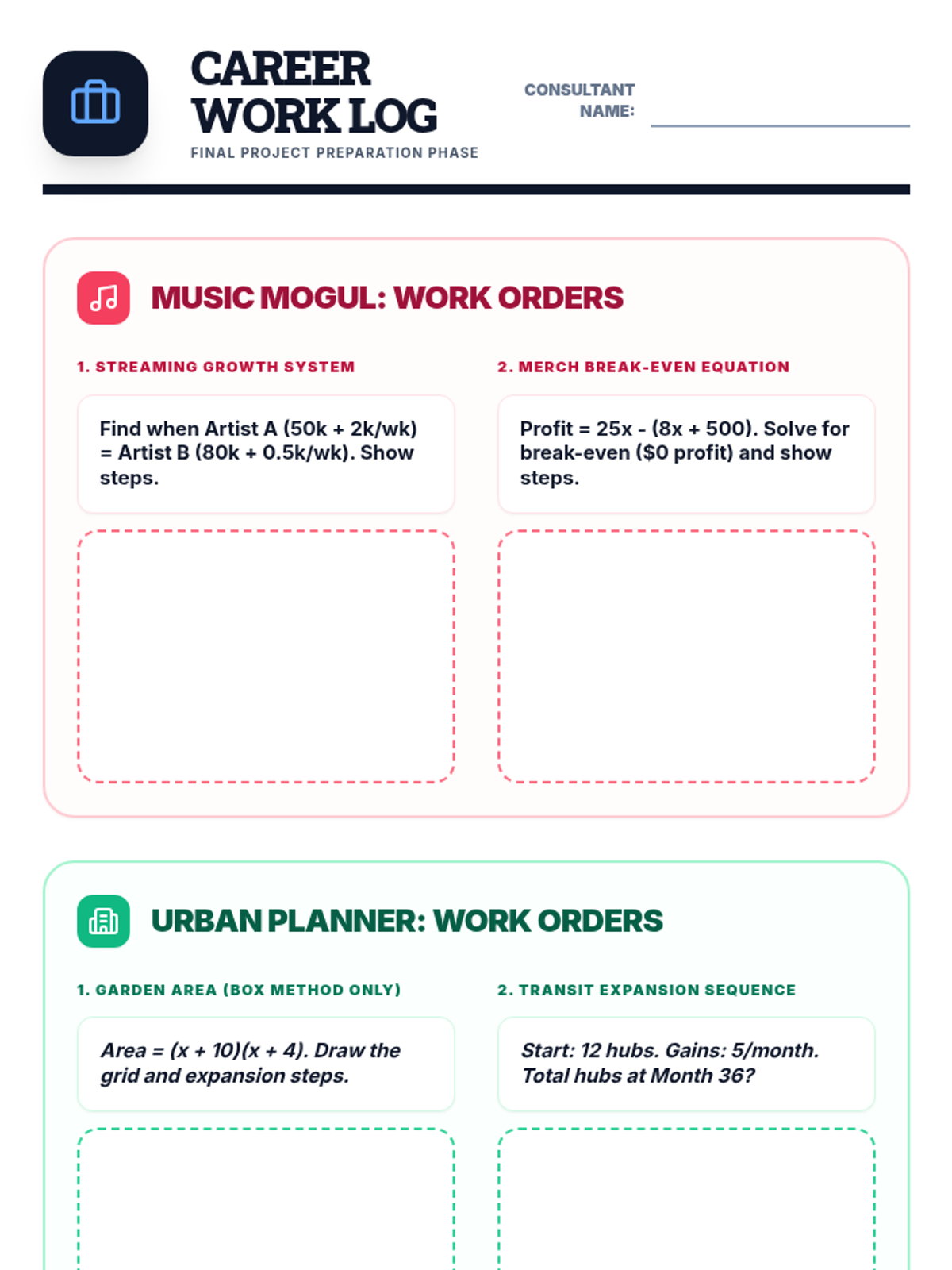
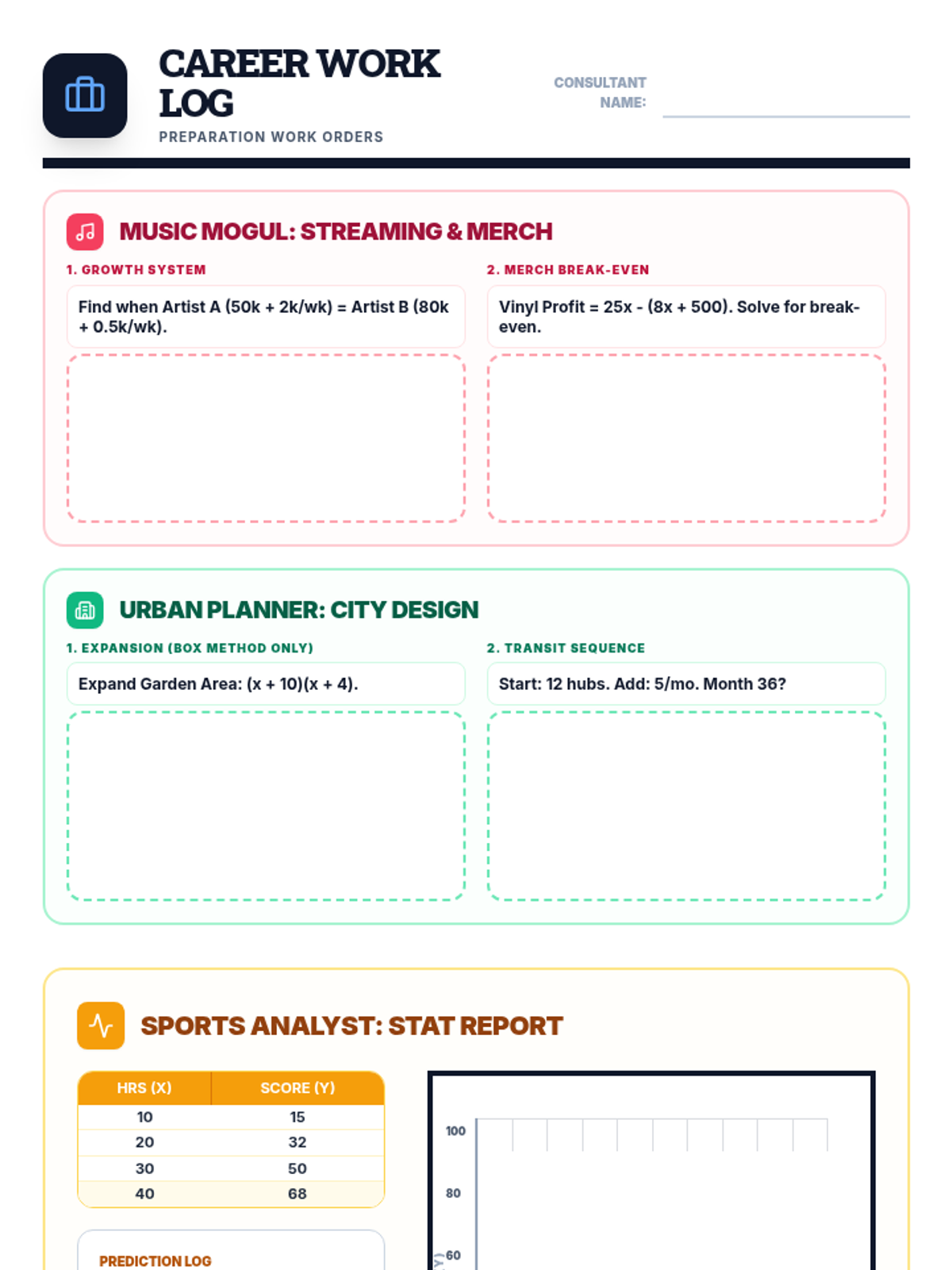
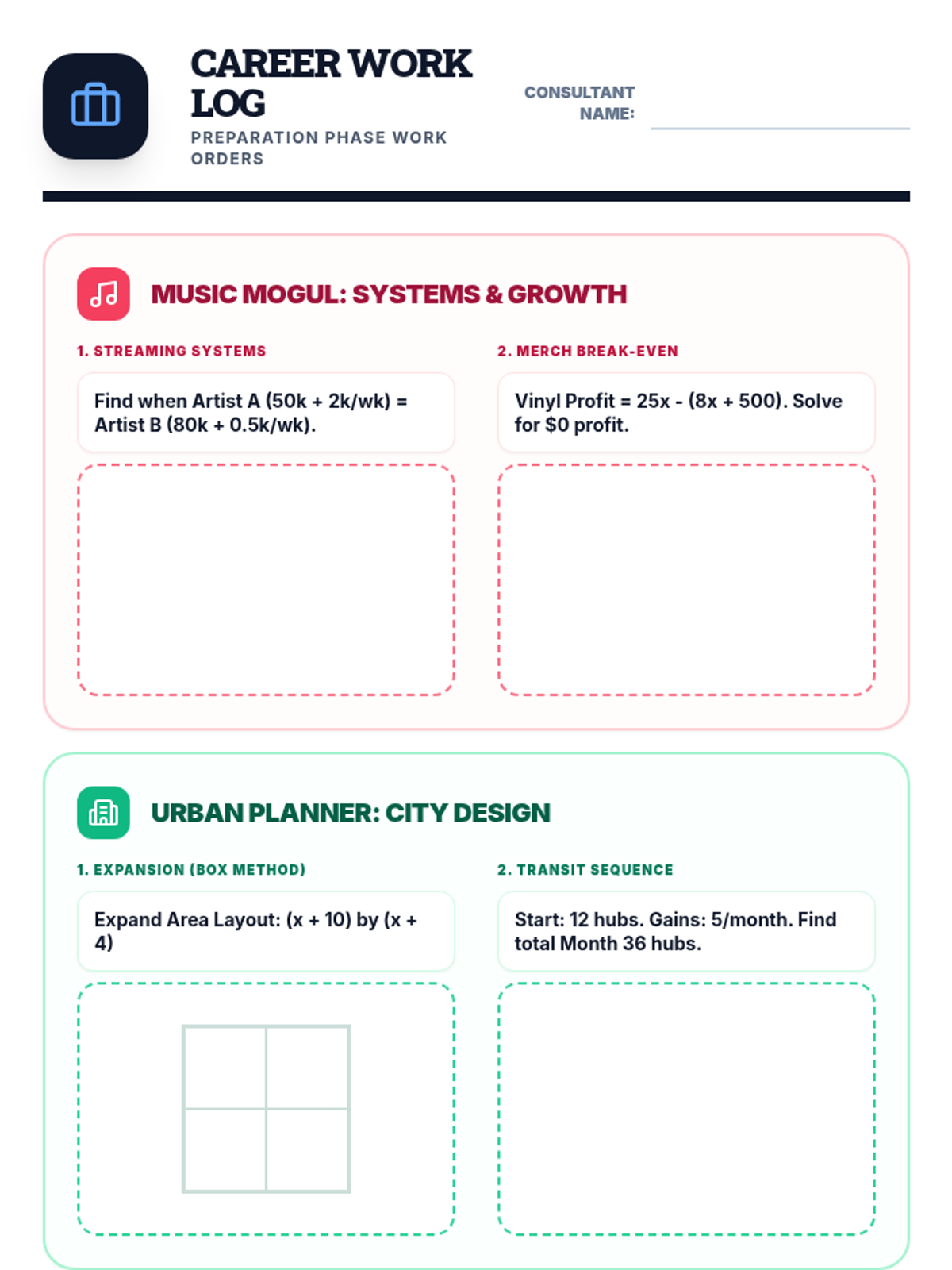
The final project phase where students select one of three real-world career paths (Music Mogul, Urban Planner, or Sports Analyst) to apply their mathematical knowledge in a summative assessment.
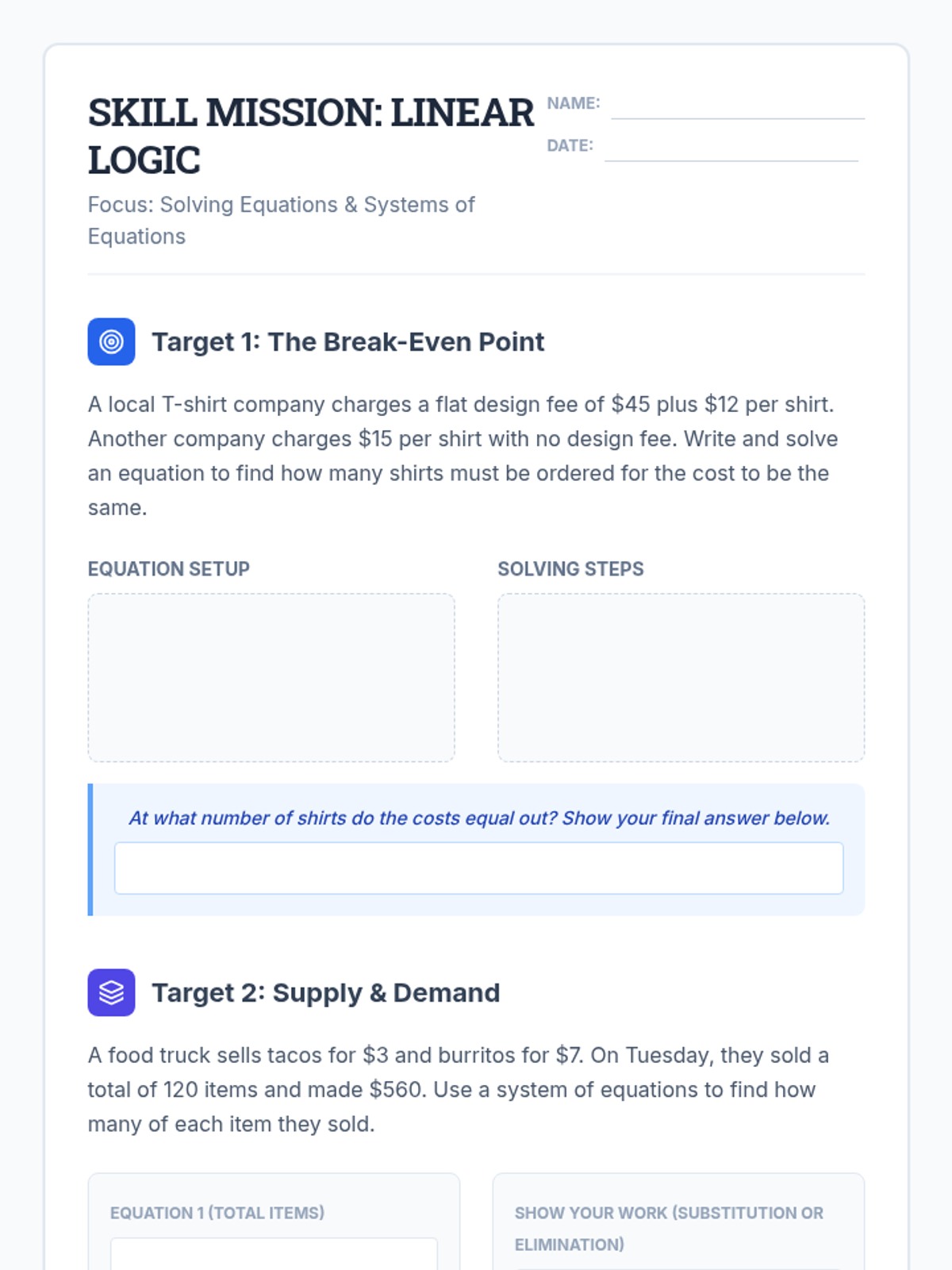
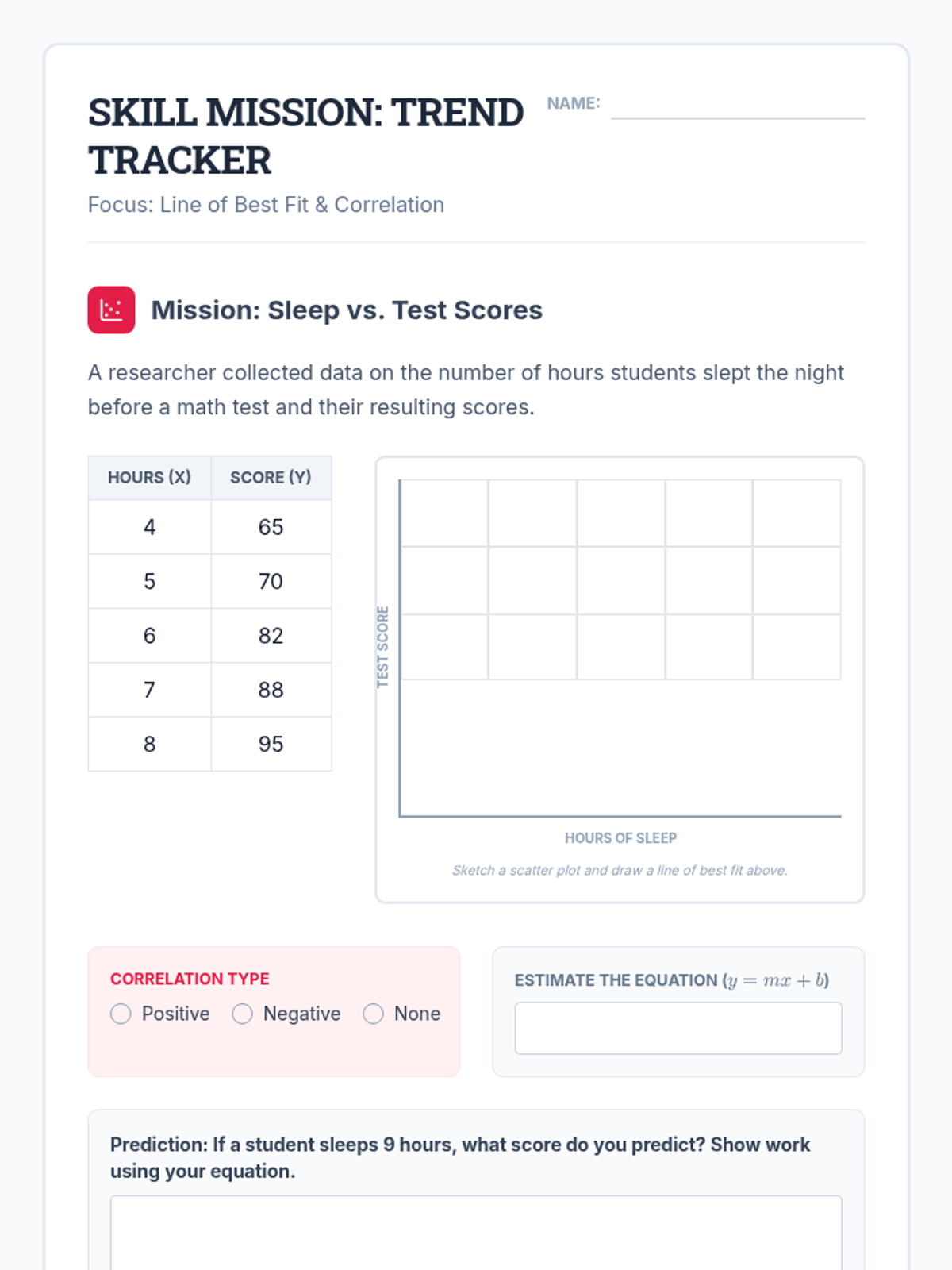
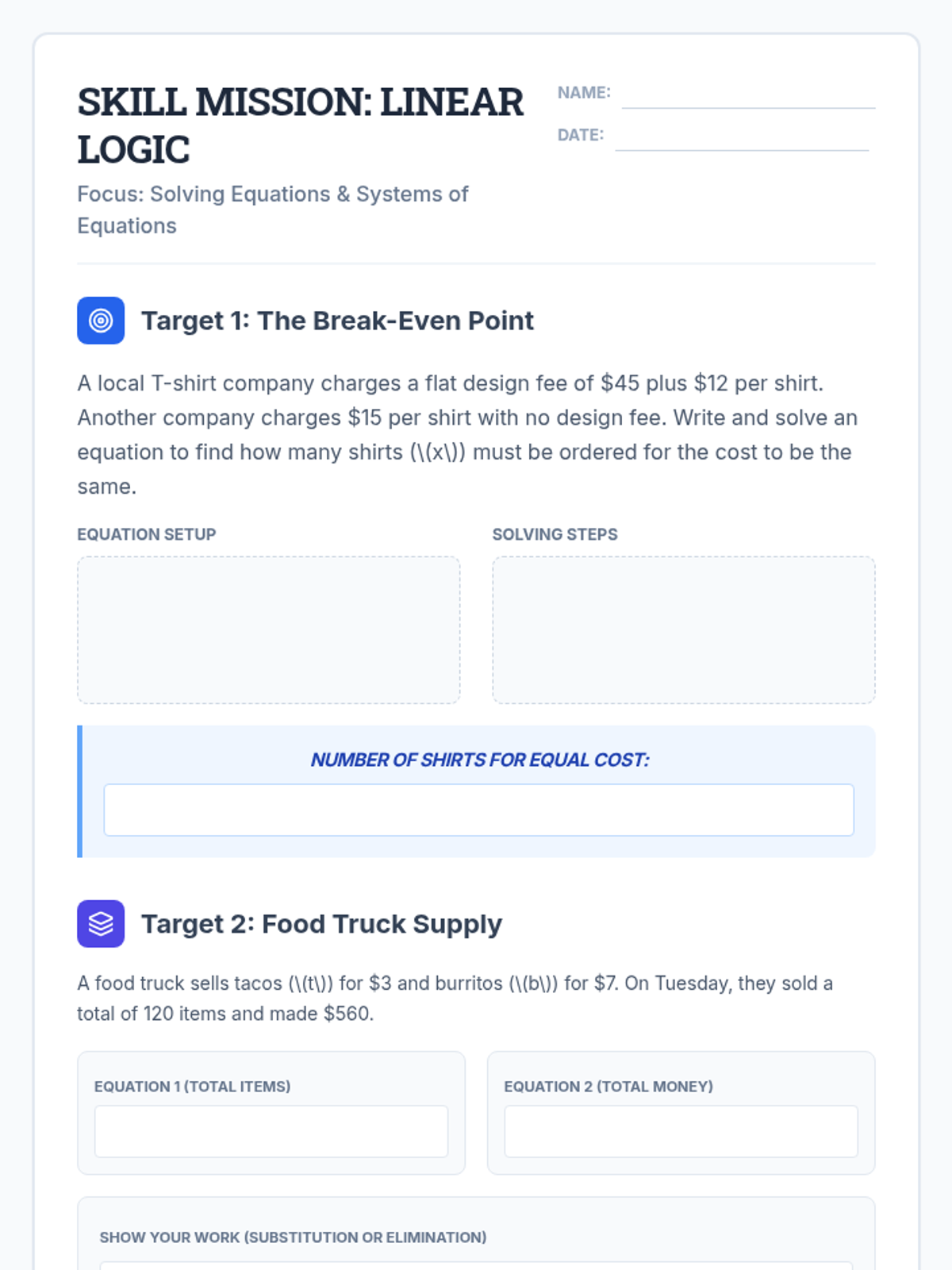
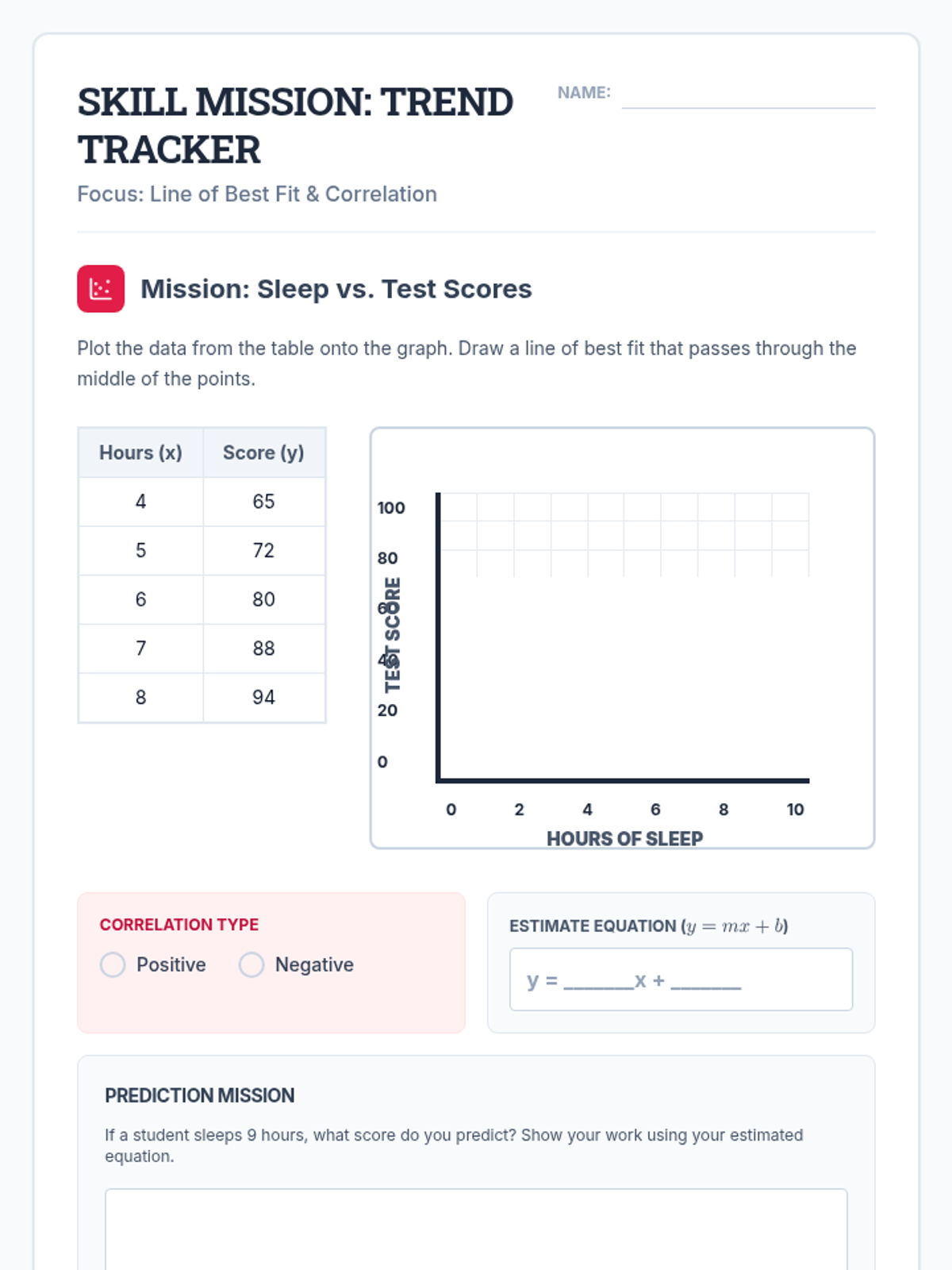
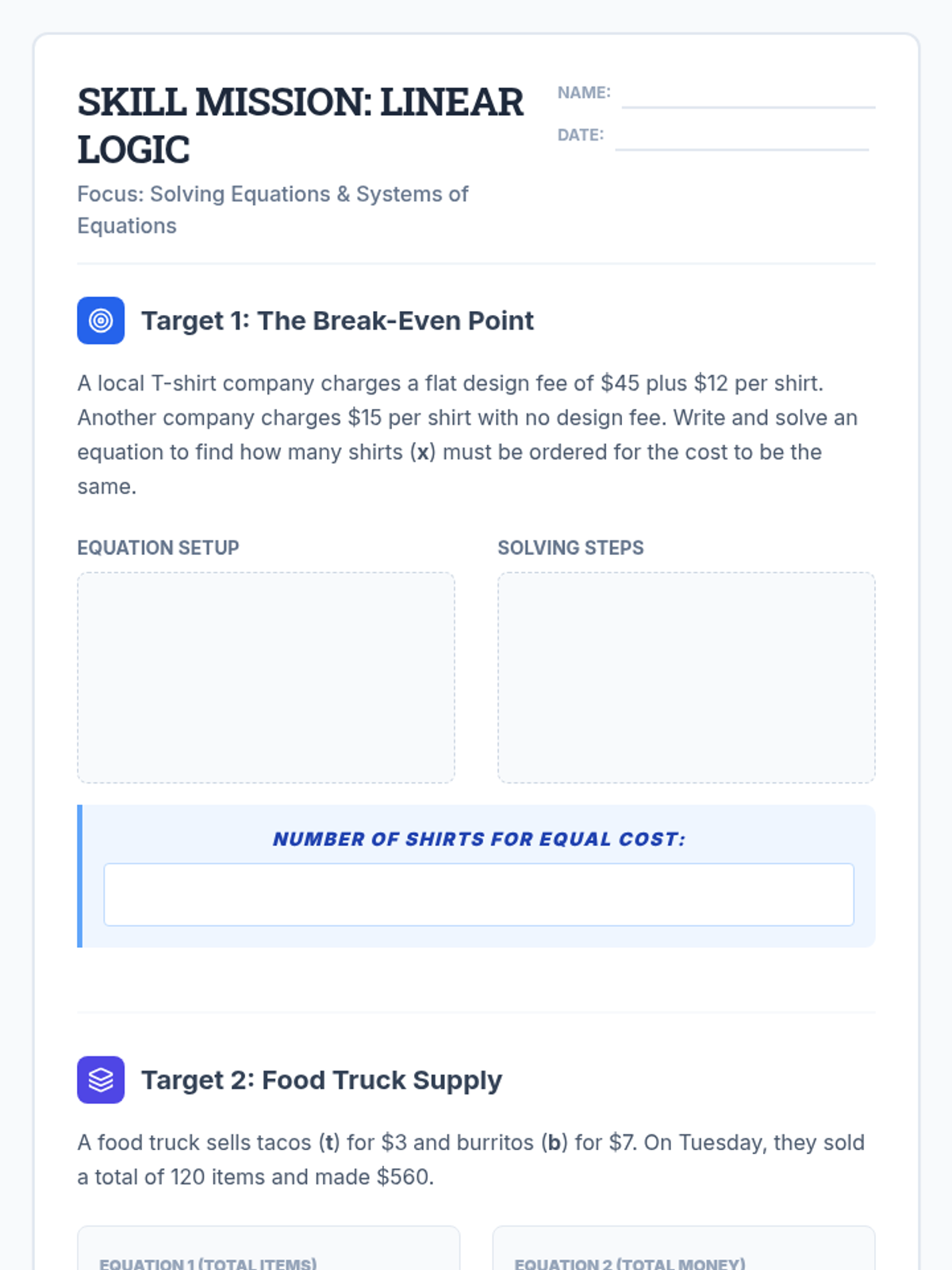
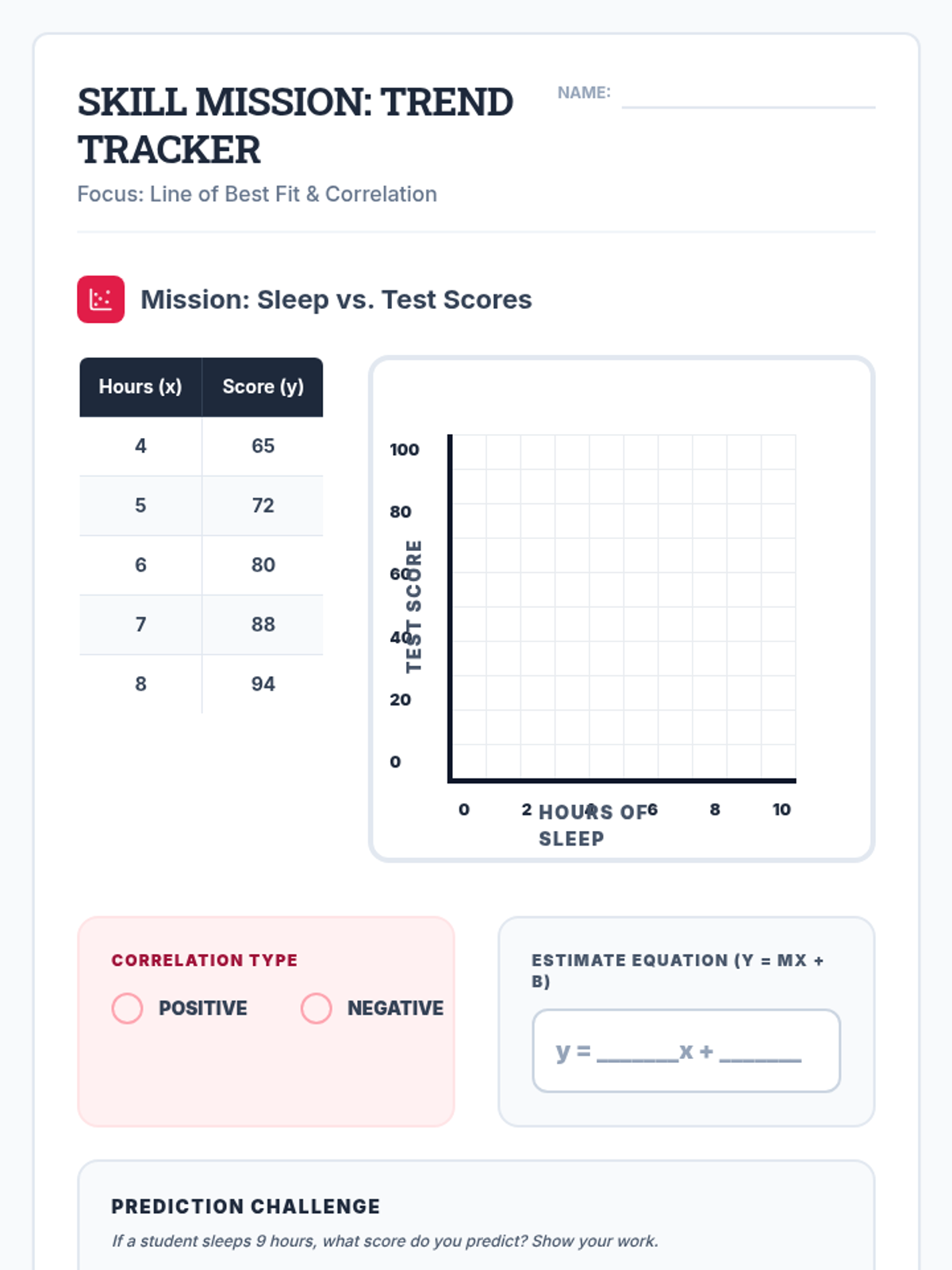
Scaffolded practice activities ('Skill Missions') that review key concepts: linear equations, systems, sequences, lines of best fit, and factoring. These activities ensure students have the foundational skills needed for their final project.
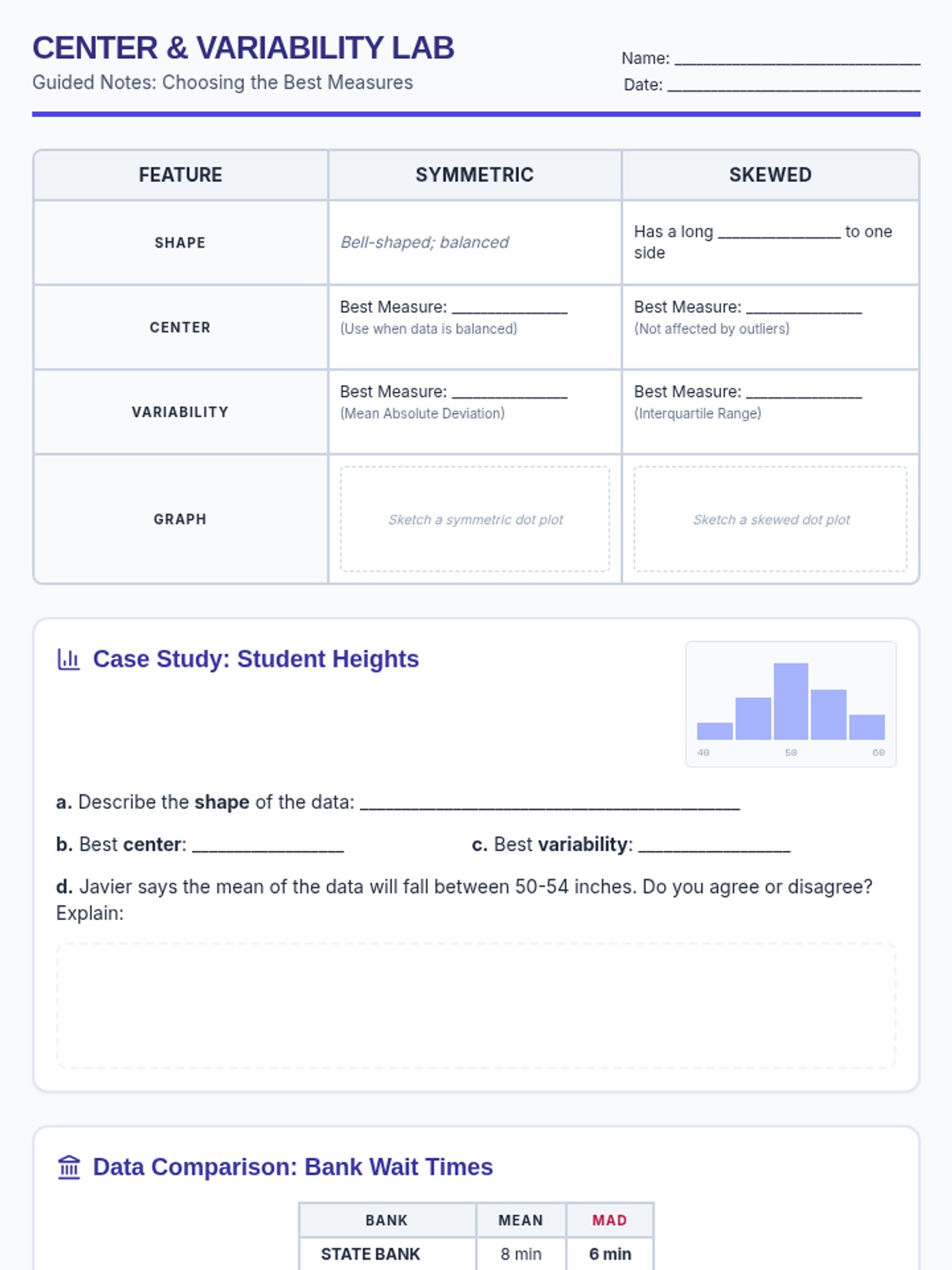
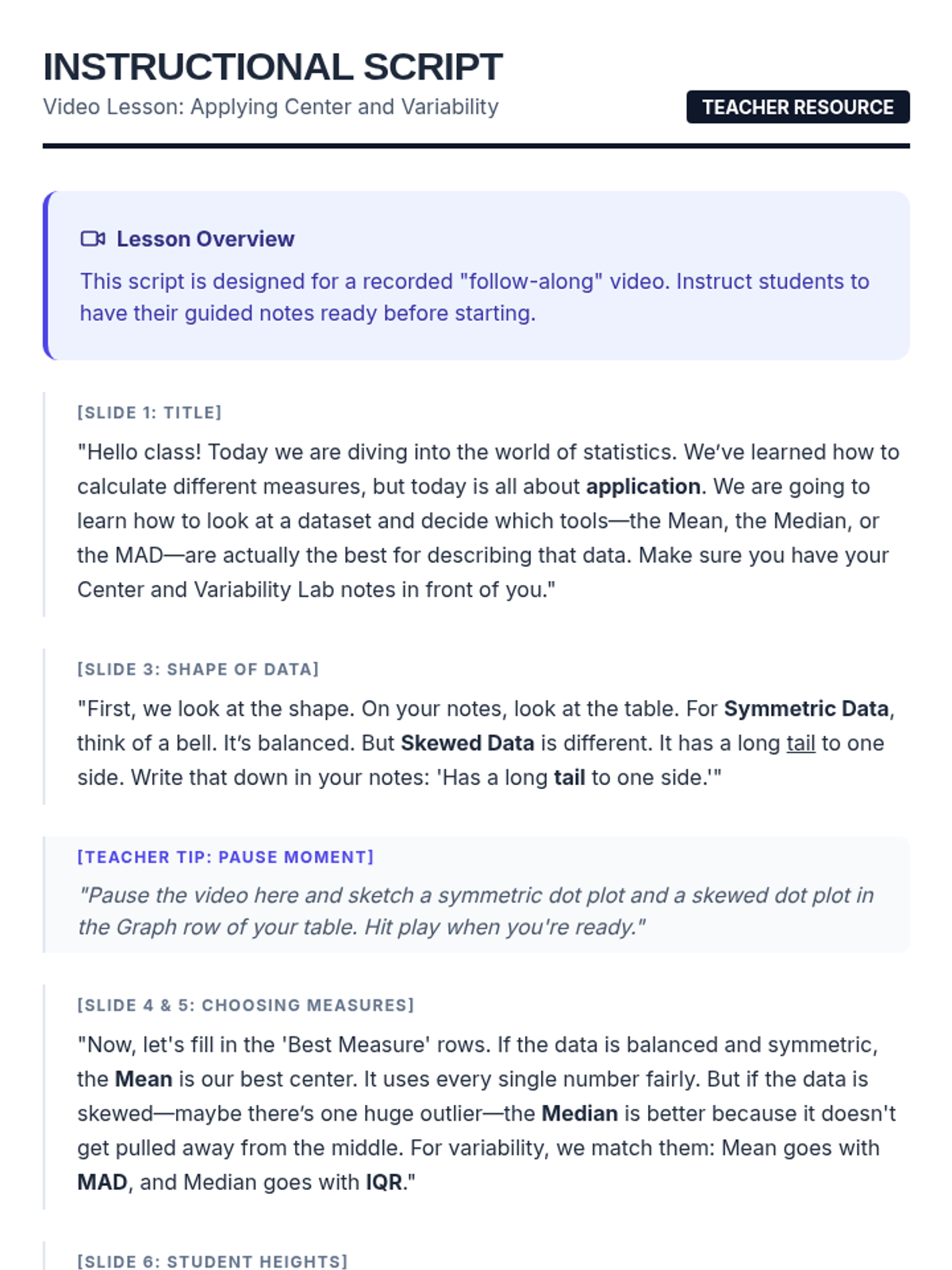
Students learn to select and apply appropriate measures of center and variability based on data distribution (symmetric vs. skewed), with real-world practice comparing wait times and student heights.
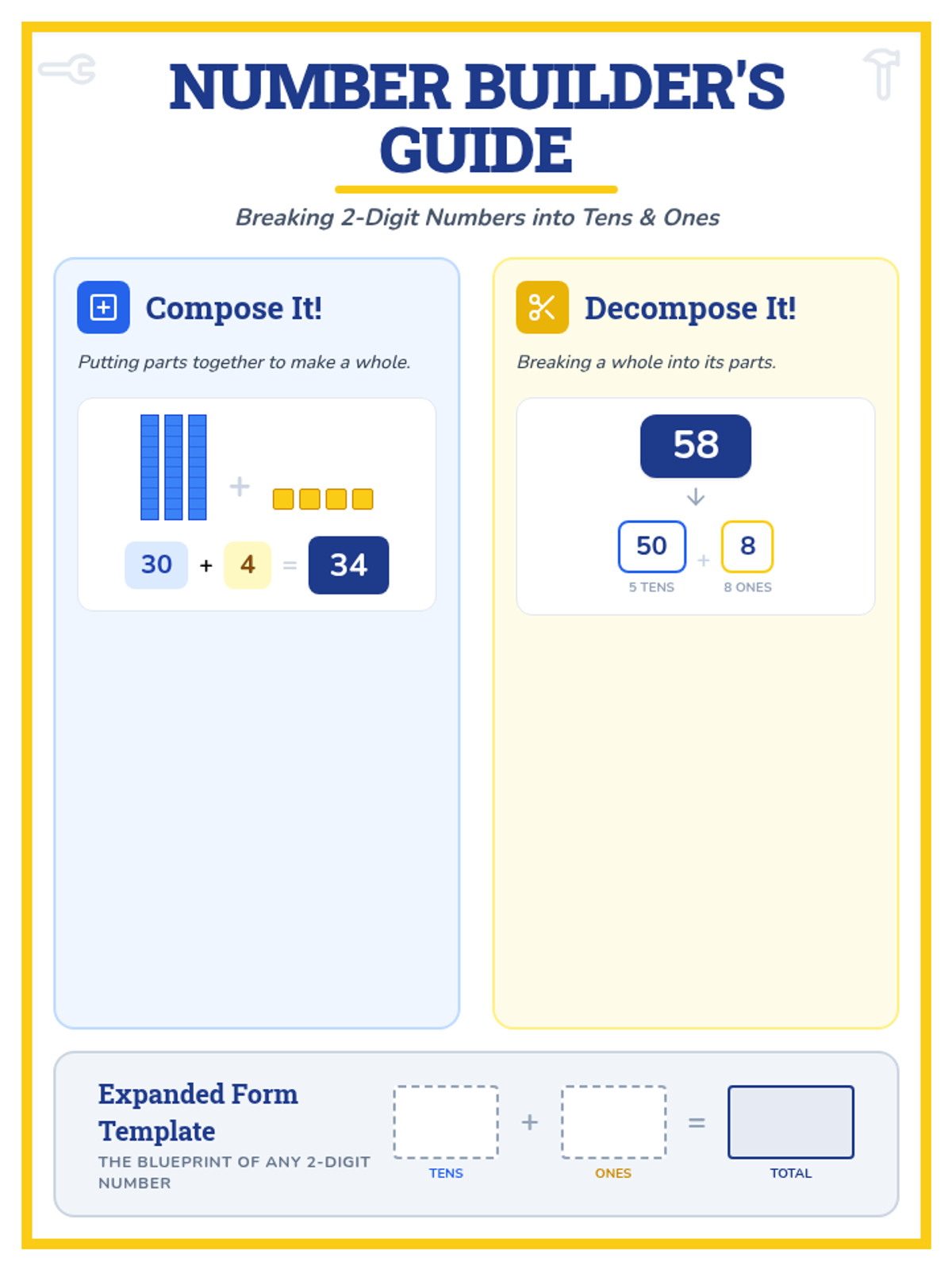
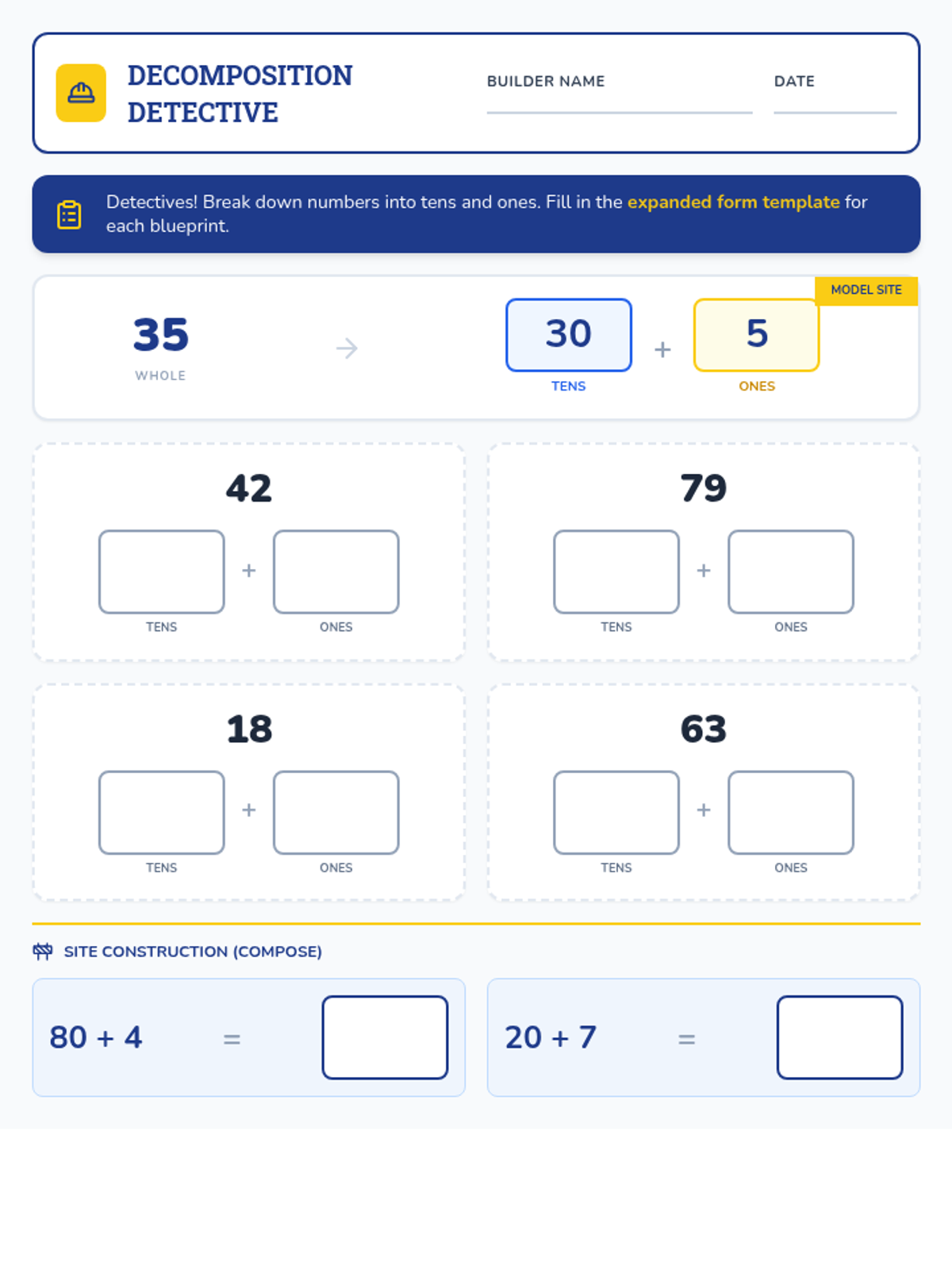
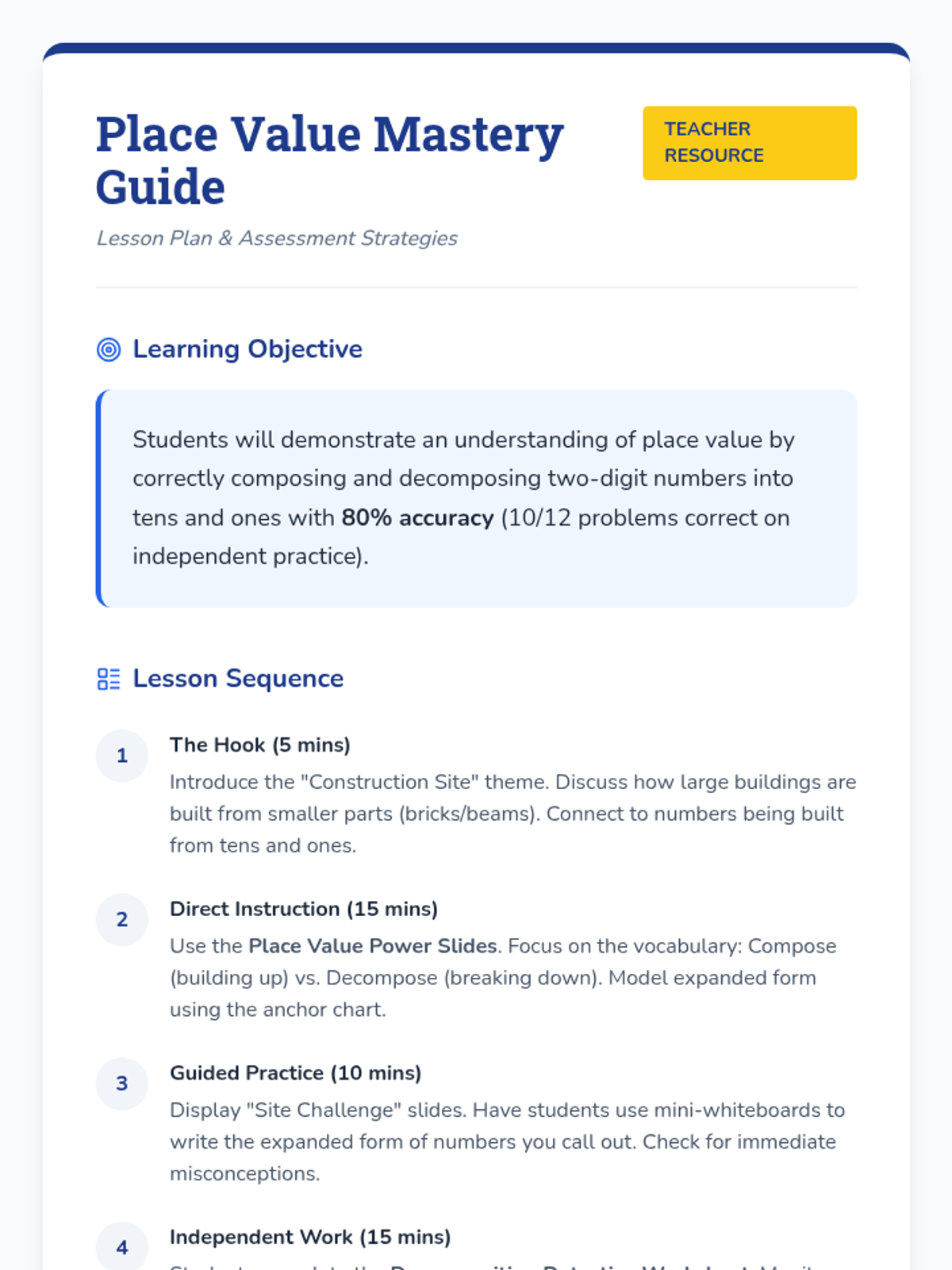
A hands-on lesson for first or second grade students to master 2-digit place value through composing and decomposing numbers using a construction-themed approach. Students will use expanded form templates to visualize how tens and ones build a whole number.
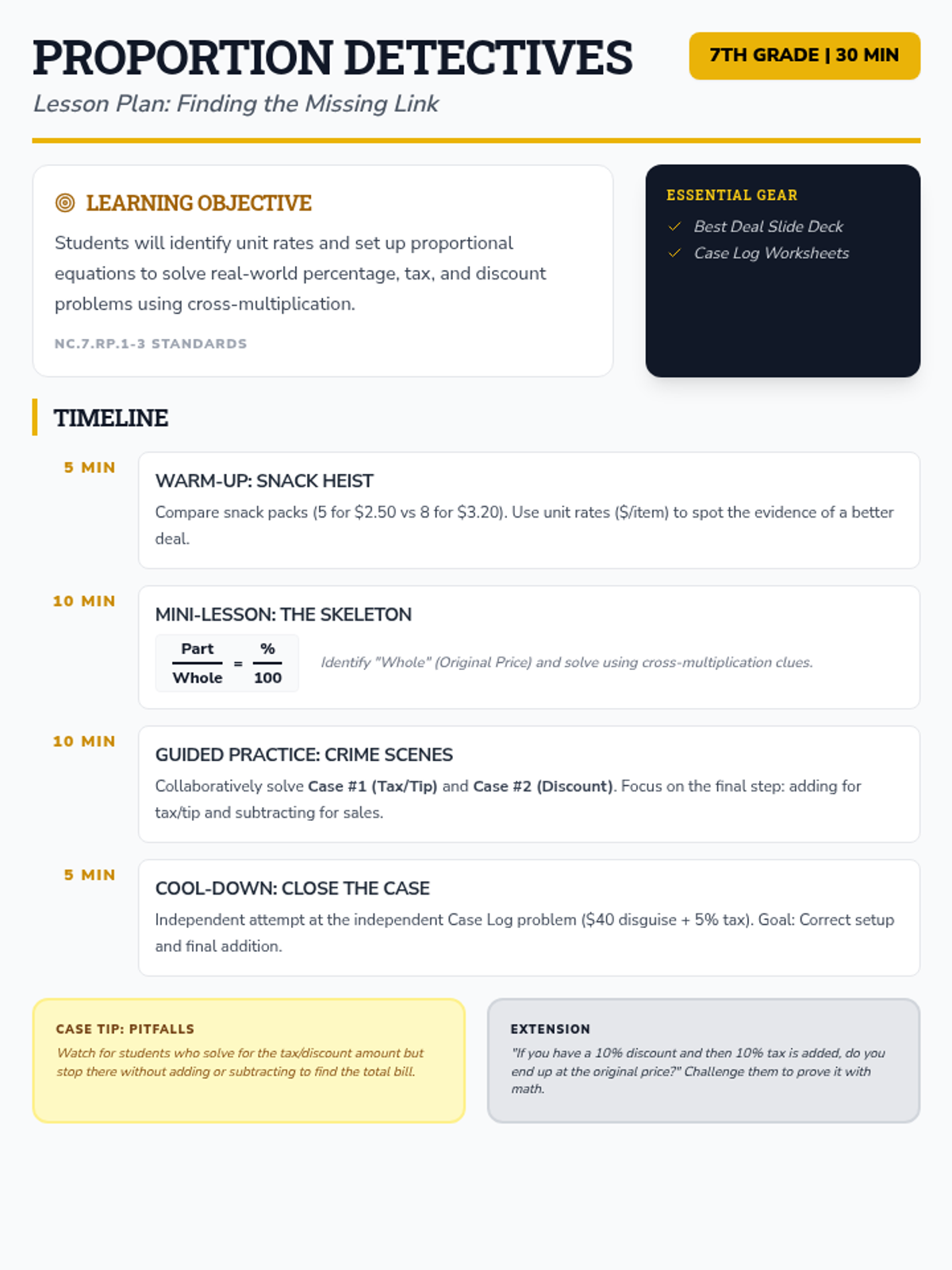
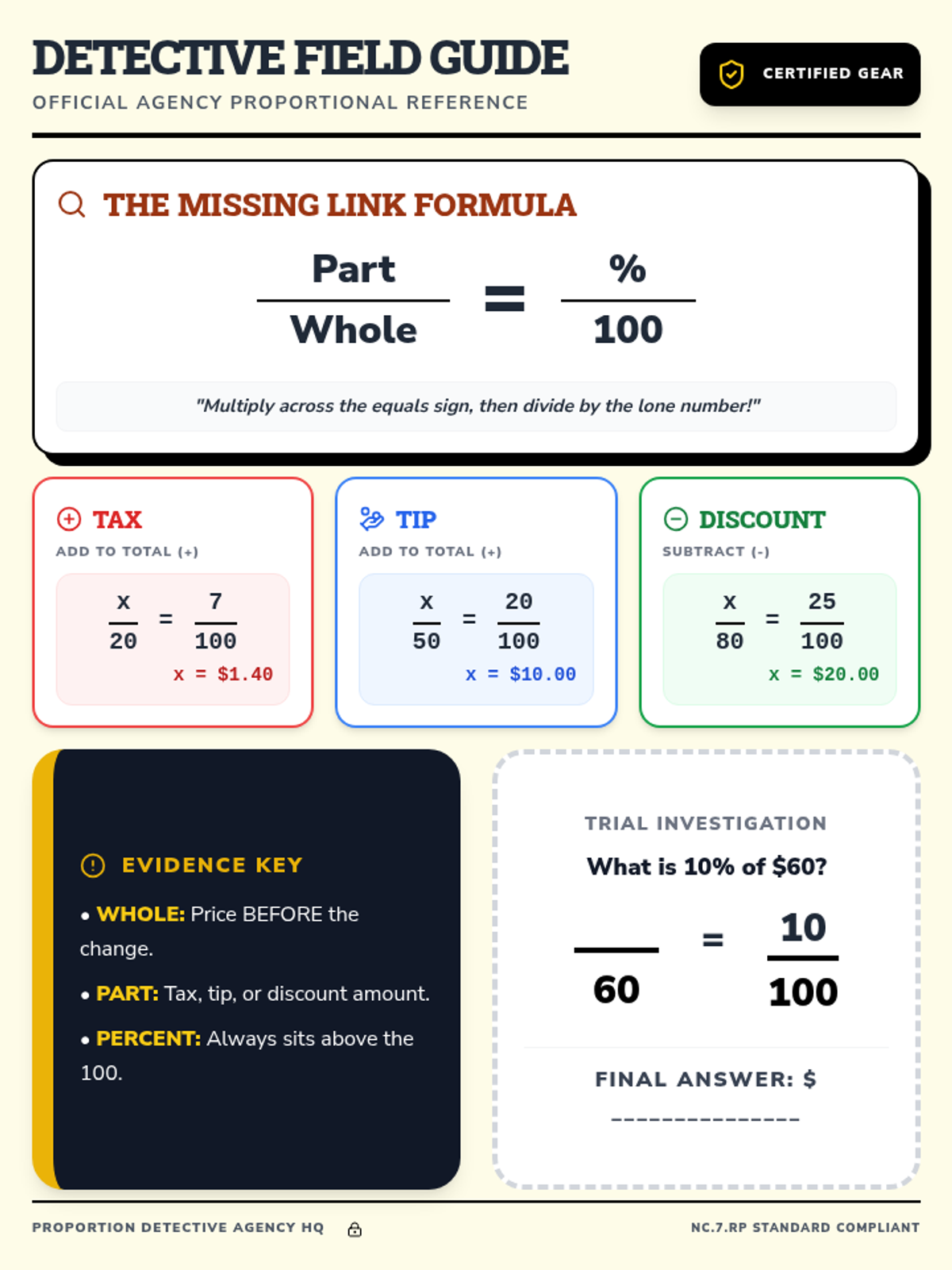
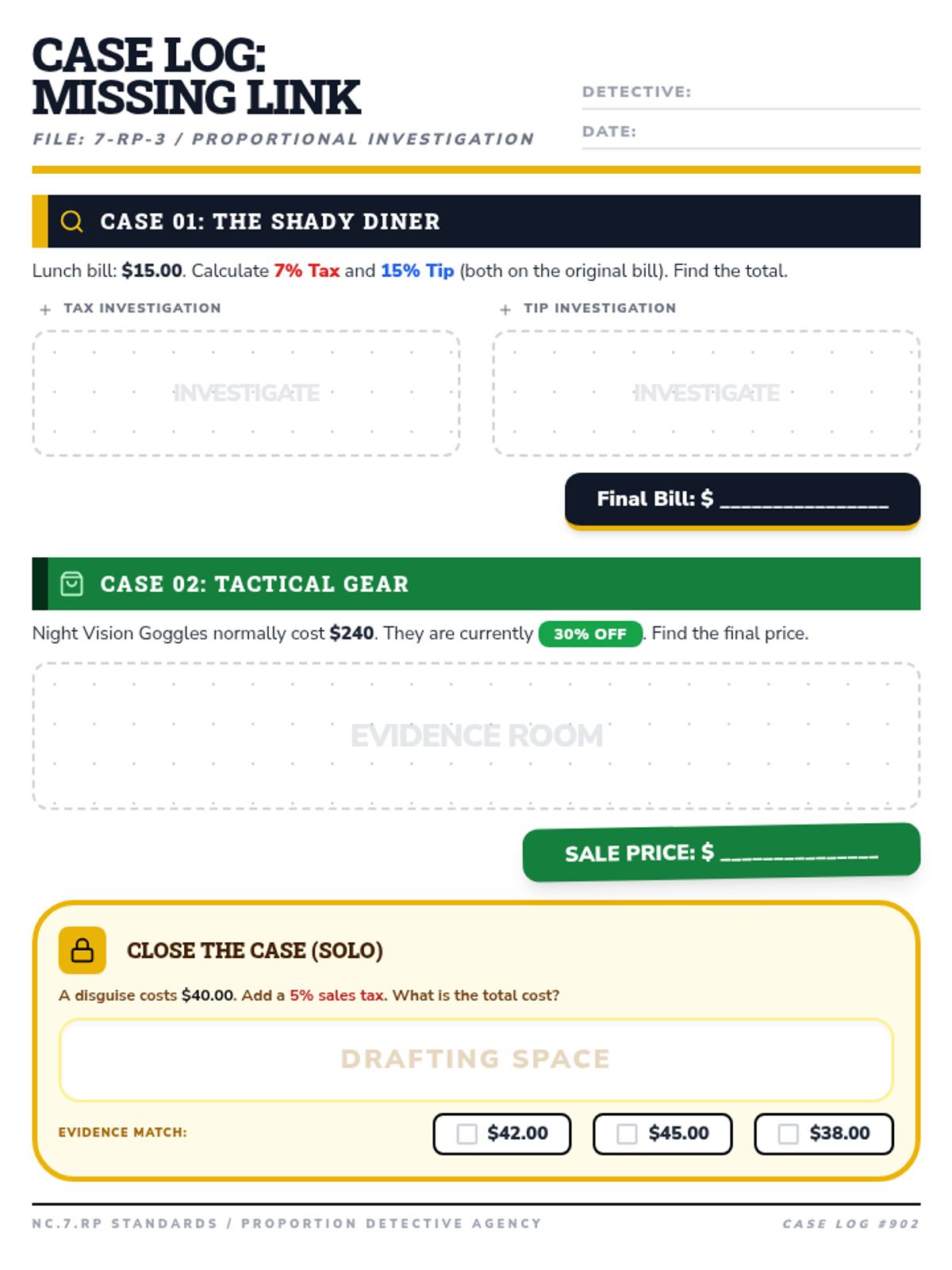
A fast-paced 7th-grade math lesson that transforms students into detectives solving real-world proportion mysteries involving unit rates, tax, tips, and discounts. Students learn to set up and solve proportional equations through a series of 'investigations'.
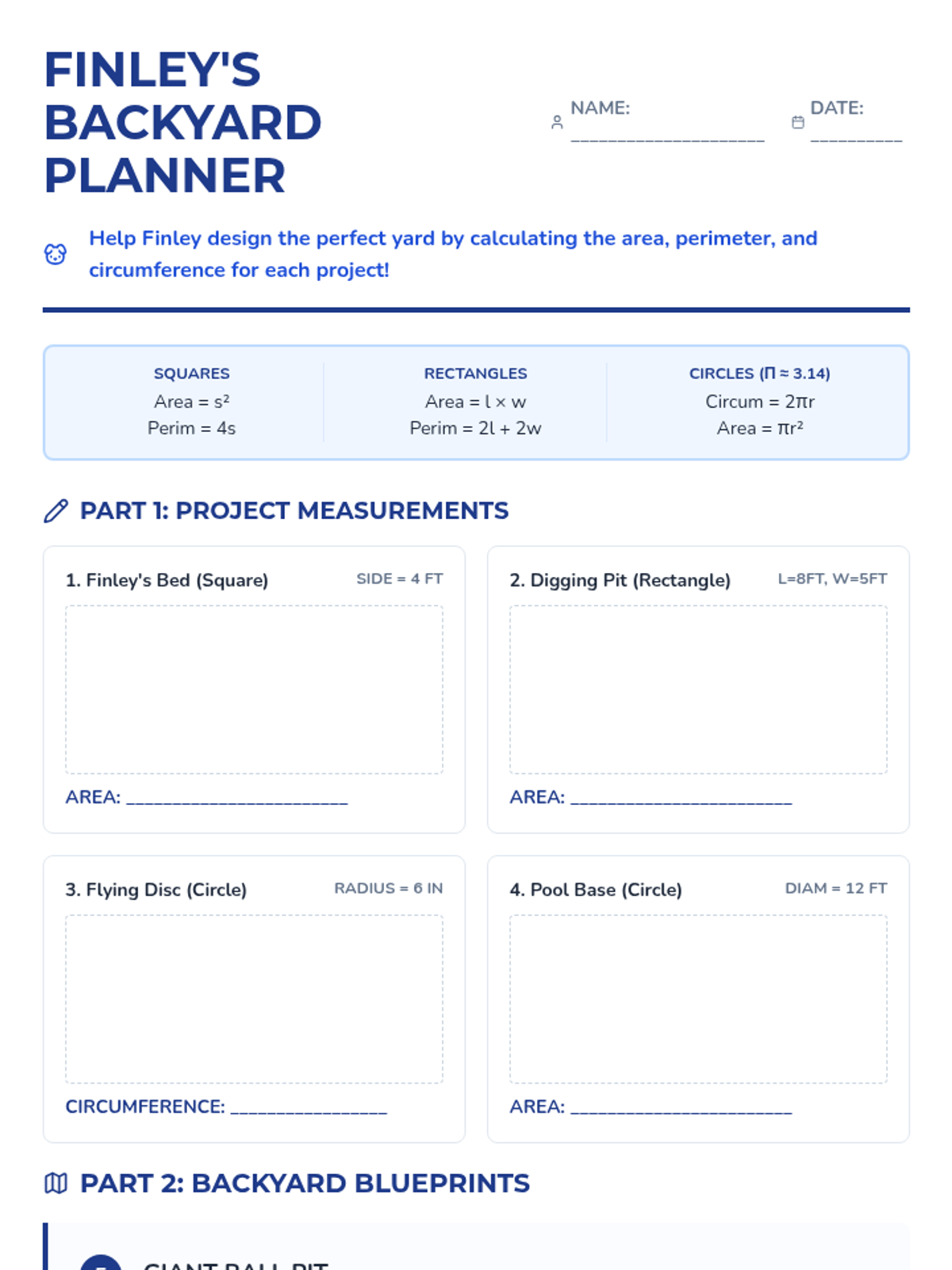
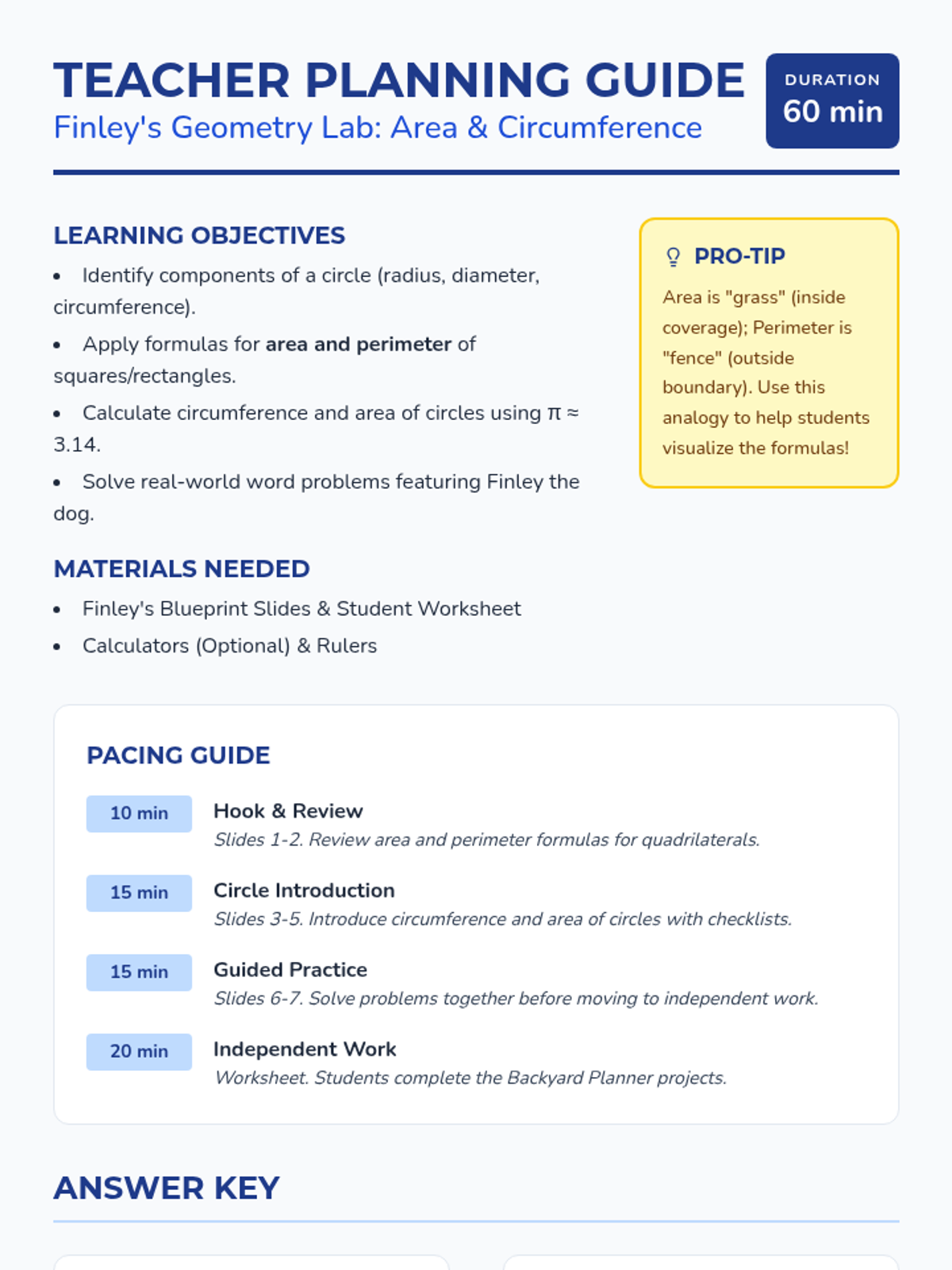
A geometry lesson focused on calculating the area of squares, rectangles, and circles, as well as the circumference of circles, featuring Finley the dog.
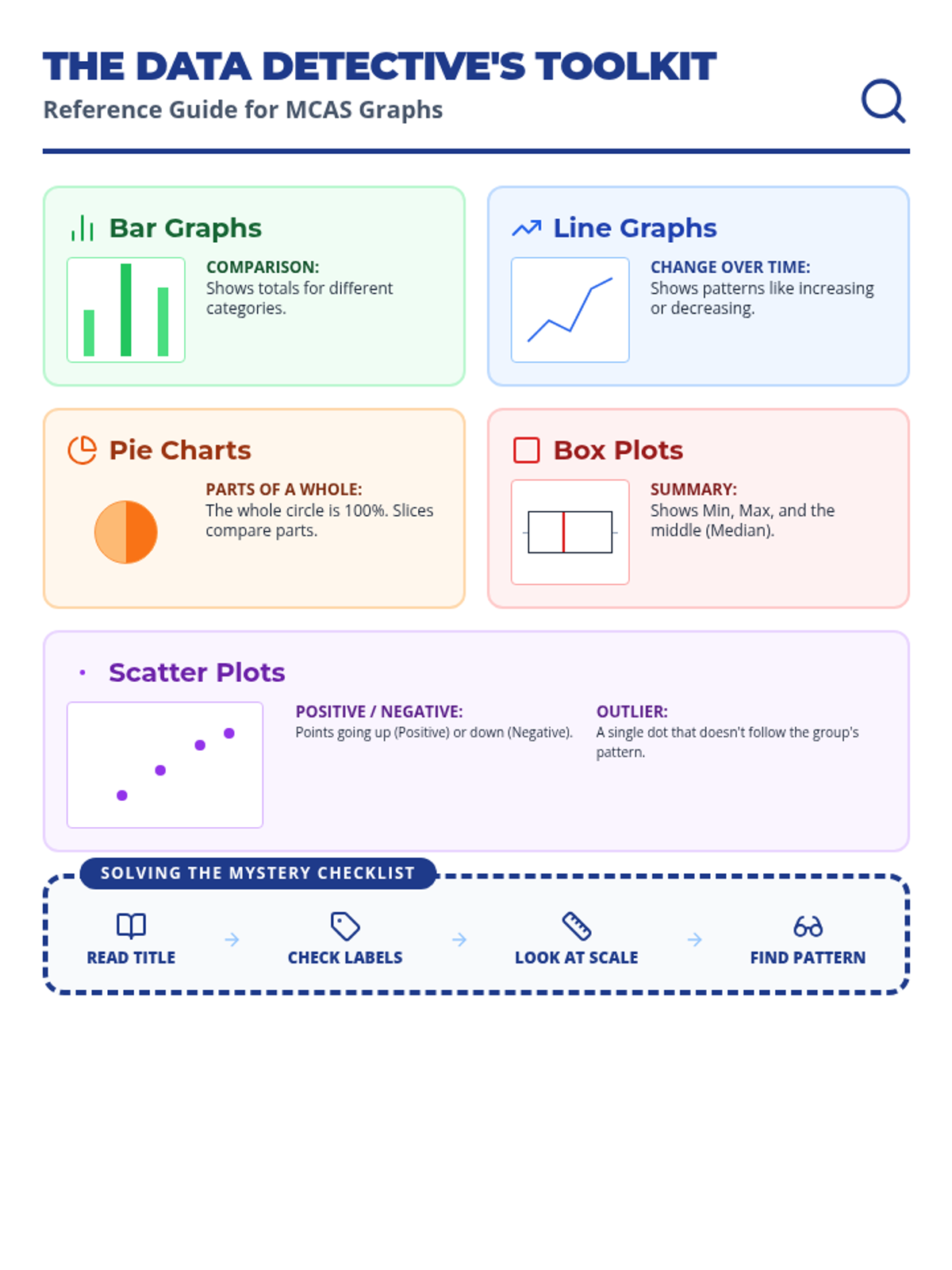
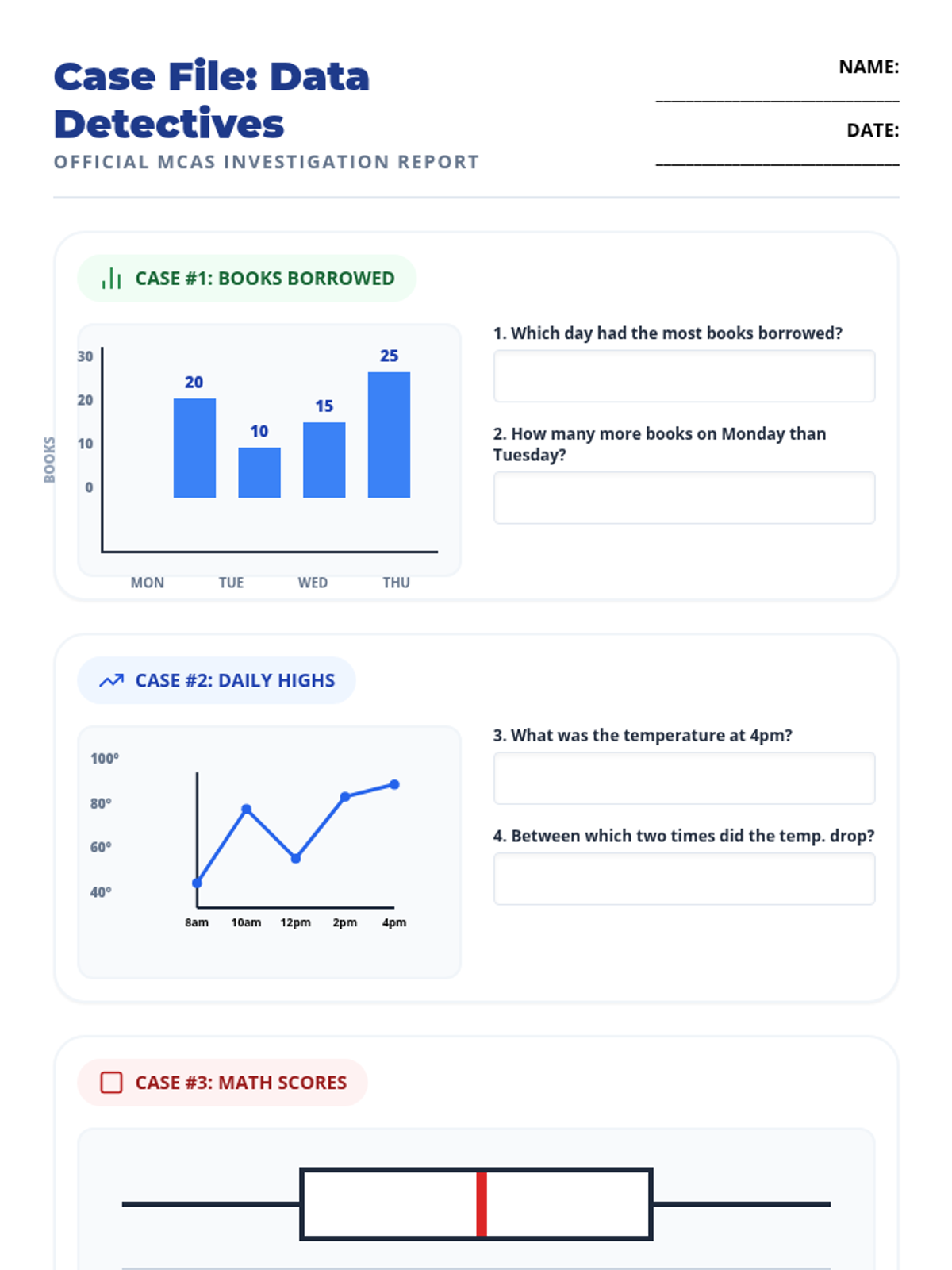
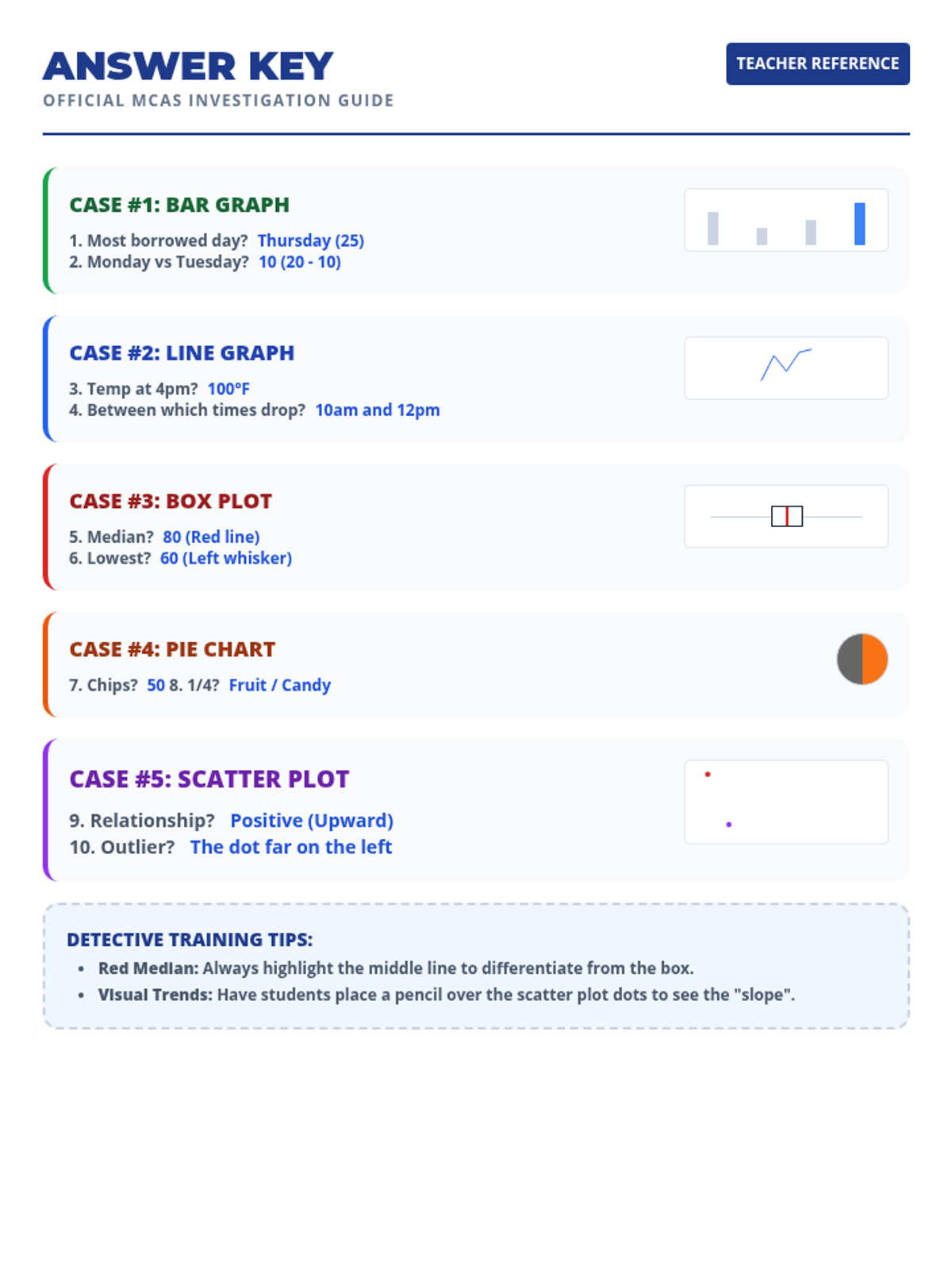
A focused lesson for 7th grade students (specifically designed for SPED support) to master interpreting data from box plots, bar graphs, pie charts, line graphs, and scatter plots in preparation for the MCAS.