A functional math lesson focused on adding two menu items using a calculator within the context of a digital fast food ordering app. Students practice selecting items from a McDonald's-themed menu and totaling their purchases.
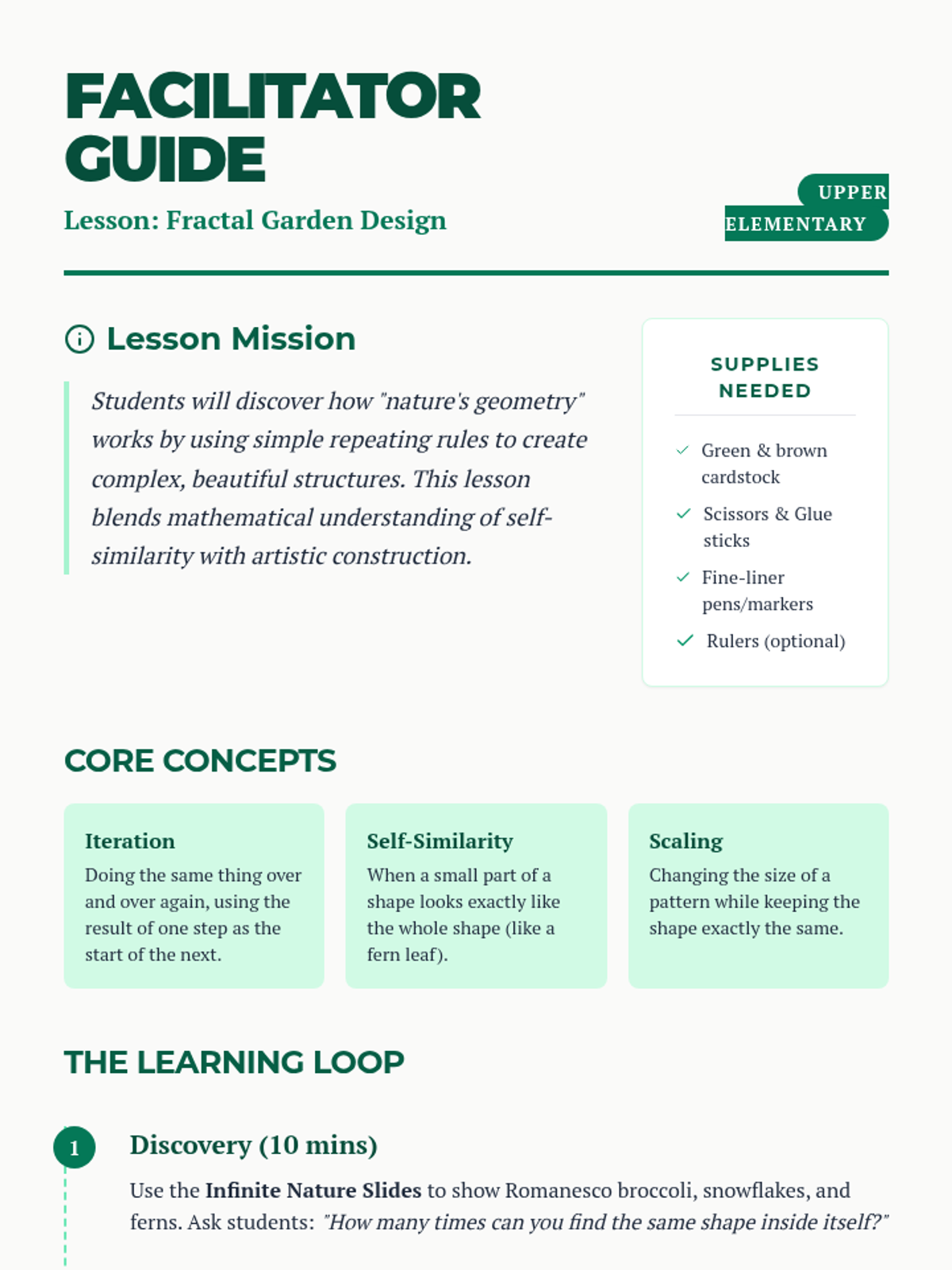
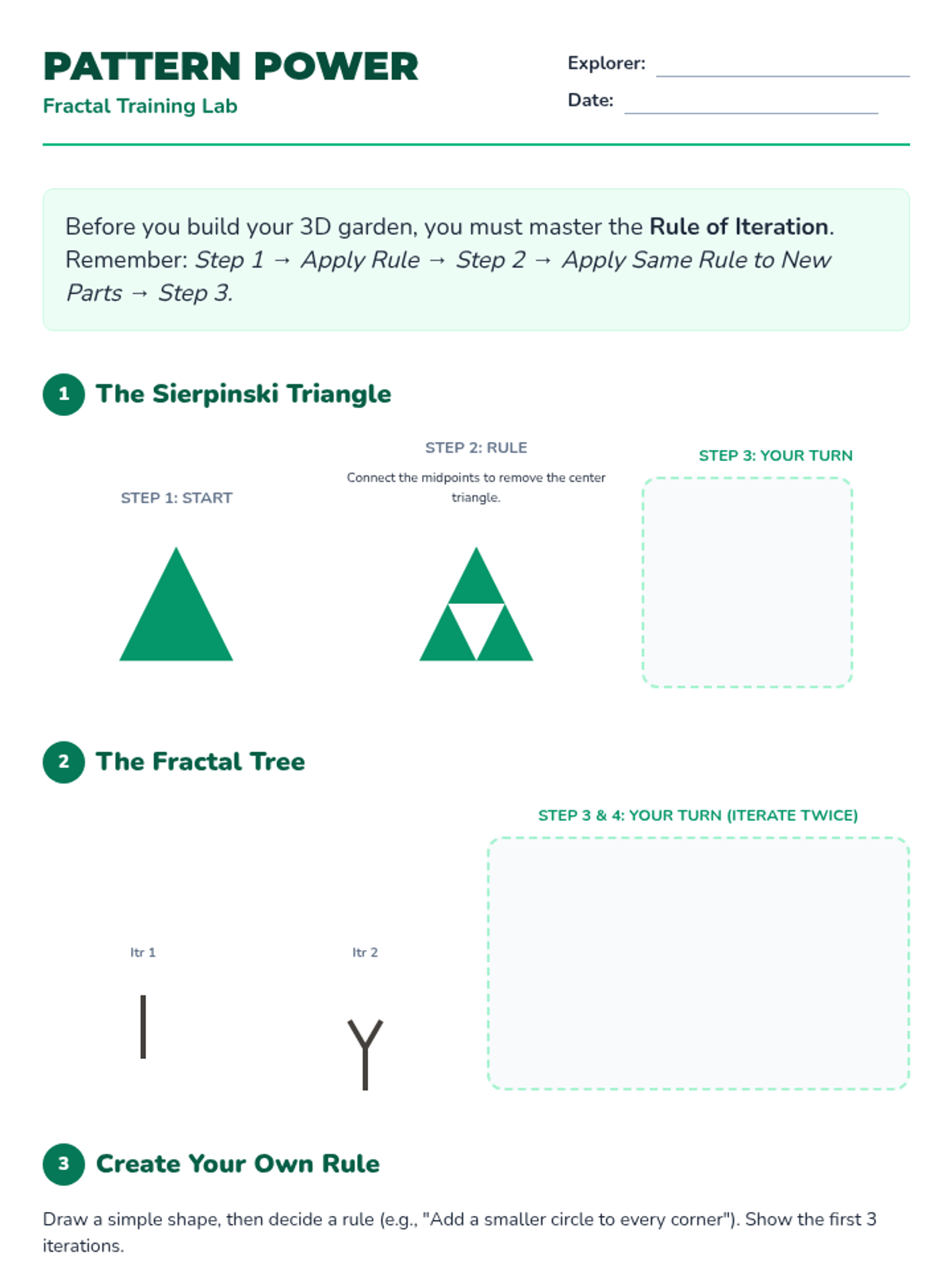
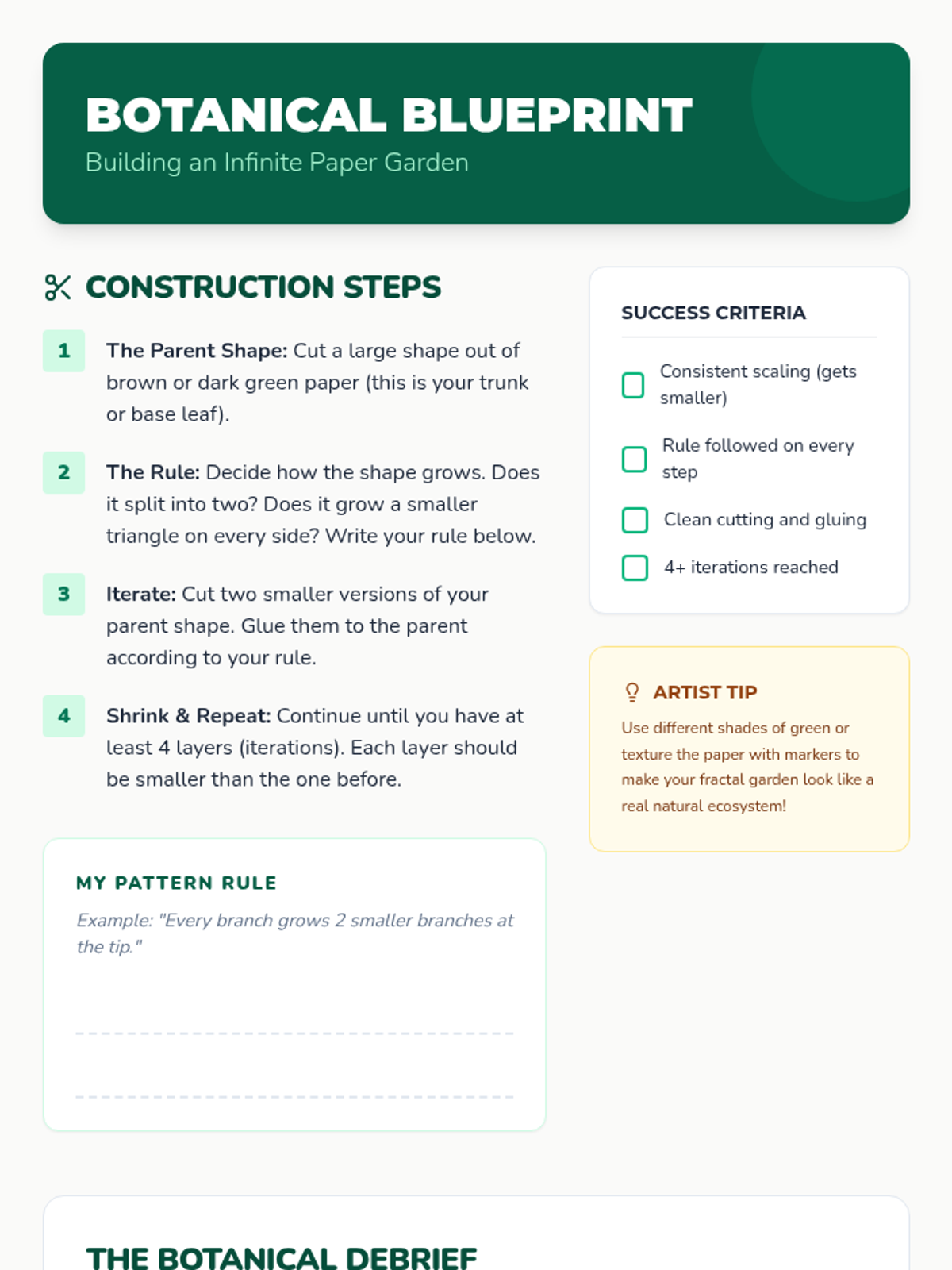
Students explore the intersection of geometry and botany by creating 'fractal gardens' using paper and repeating patterns. They learn how simple mathematical rules of iteration generate the complex structures found in ferns, trees, and flowers.
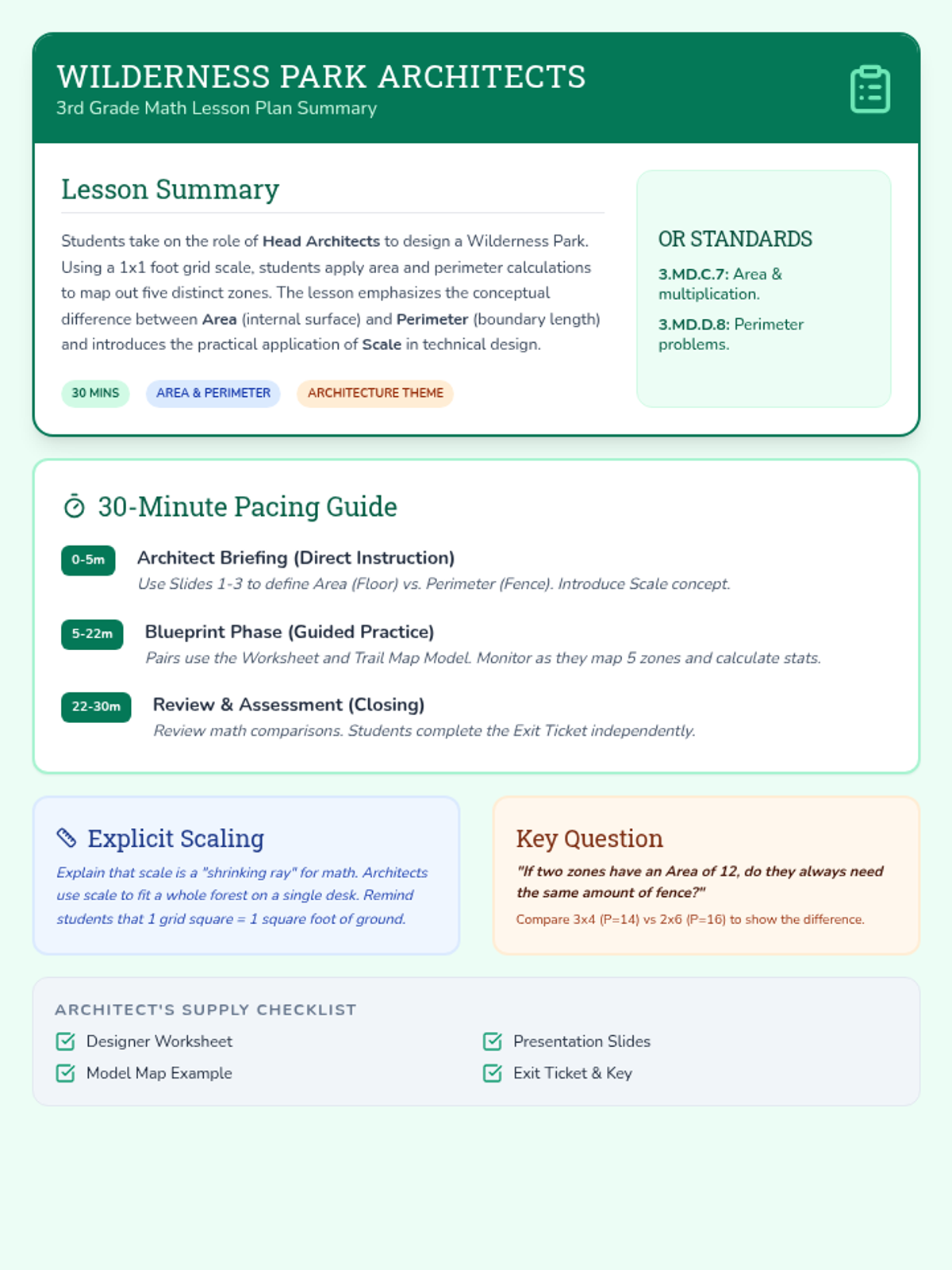
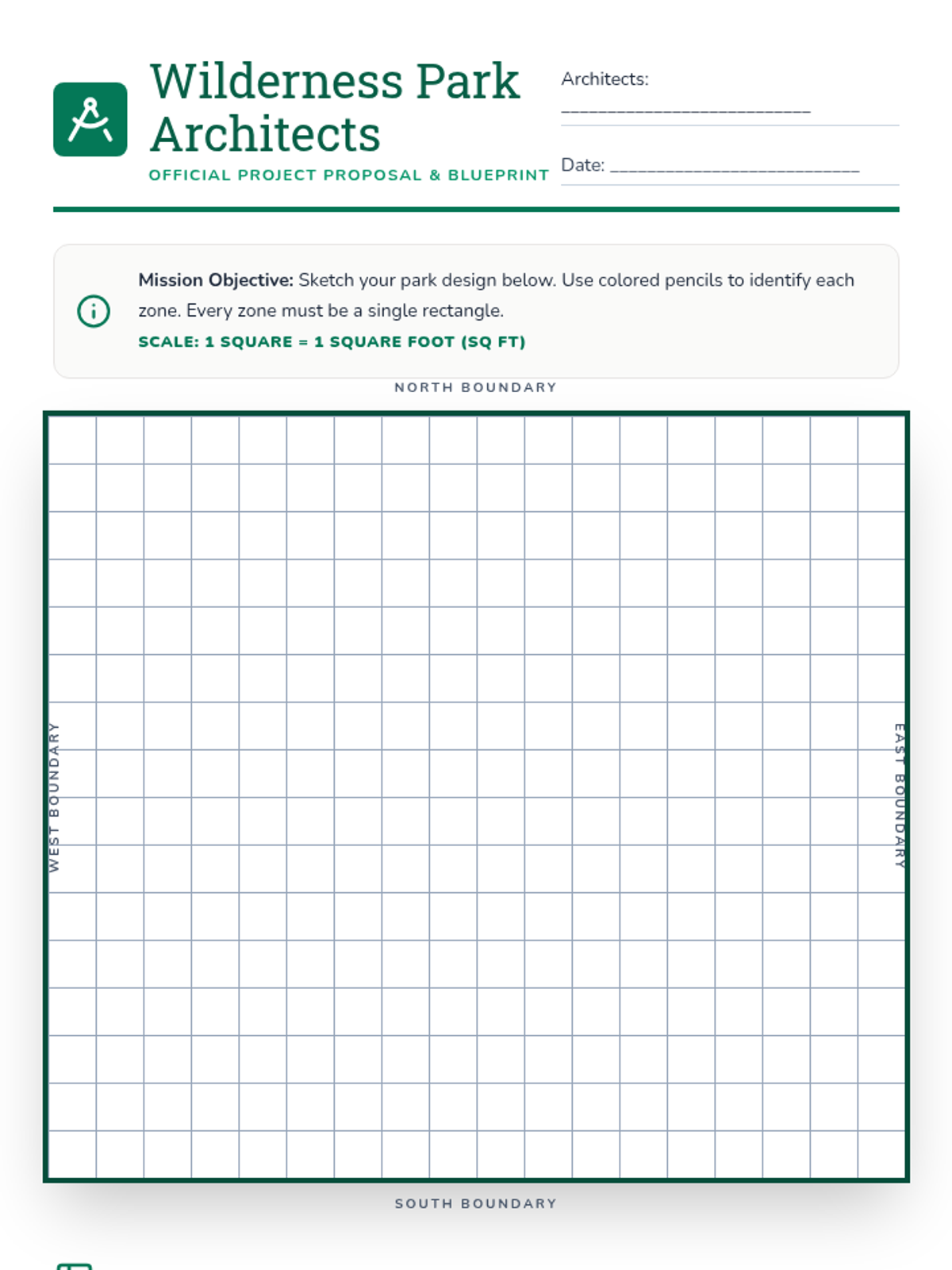
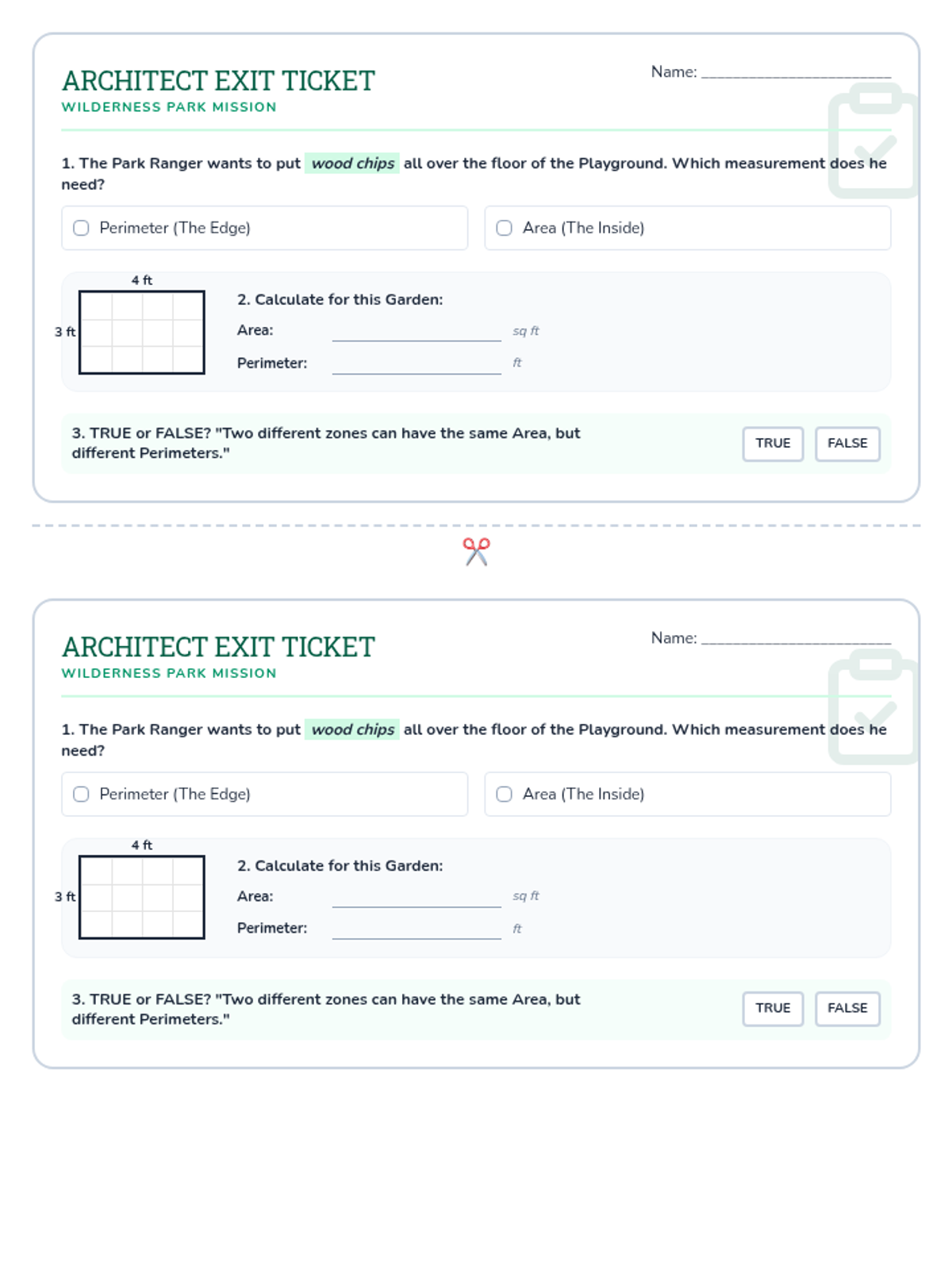
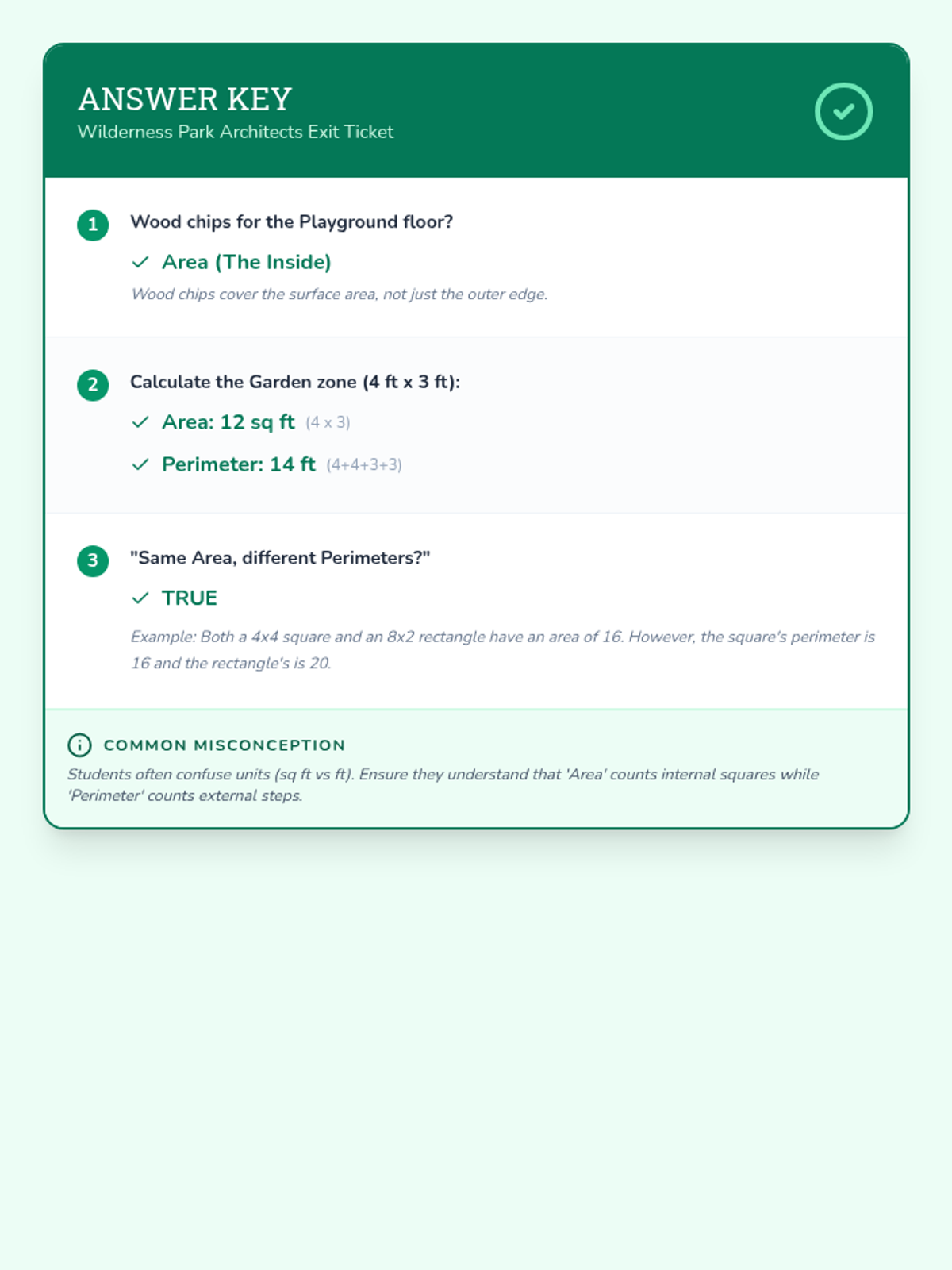
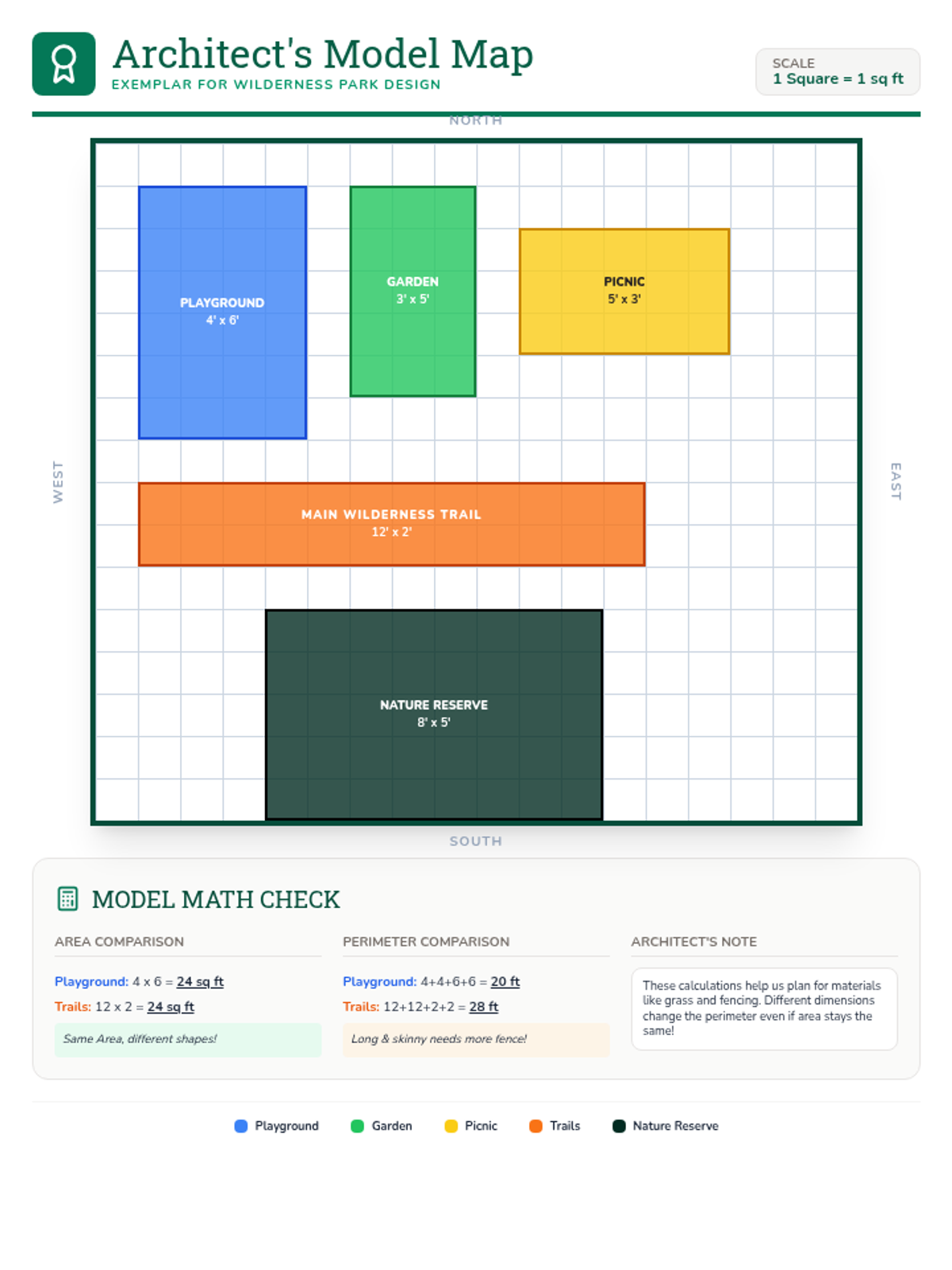
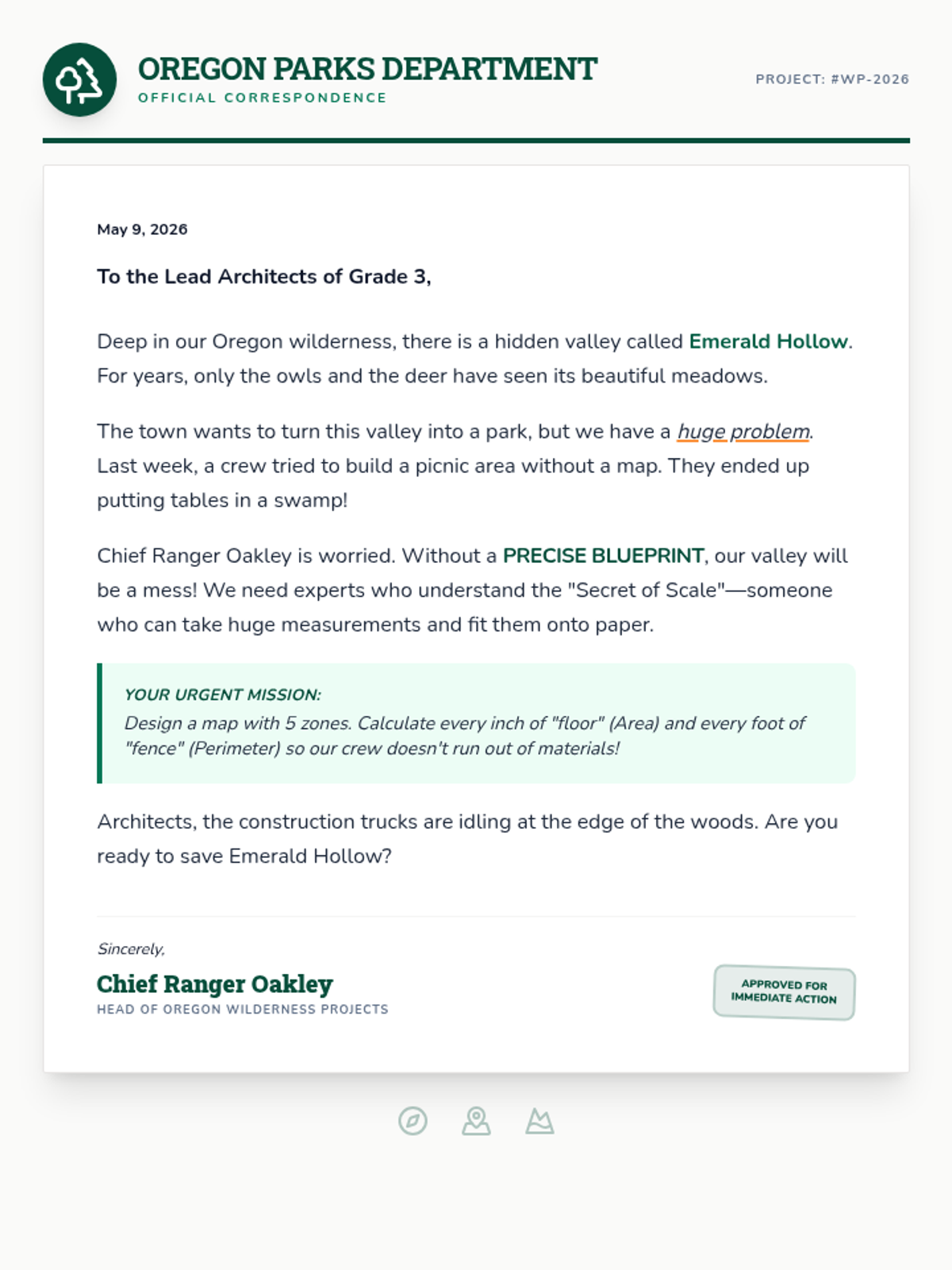
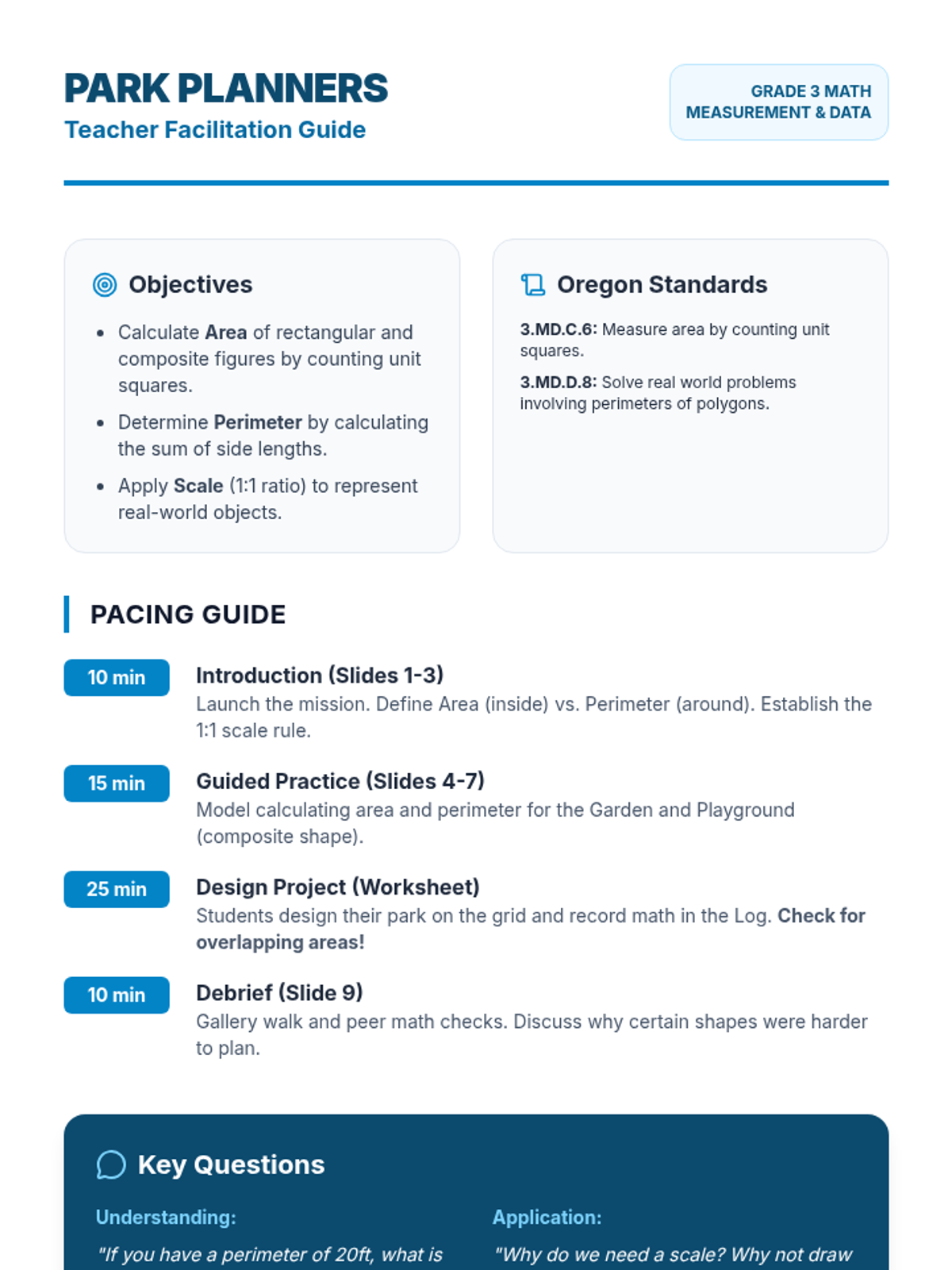
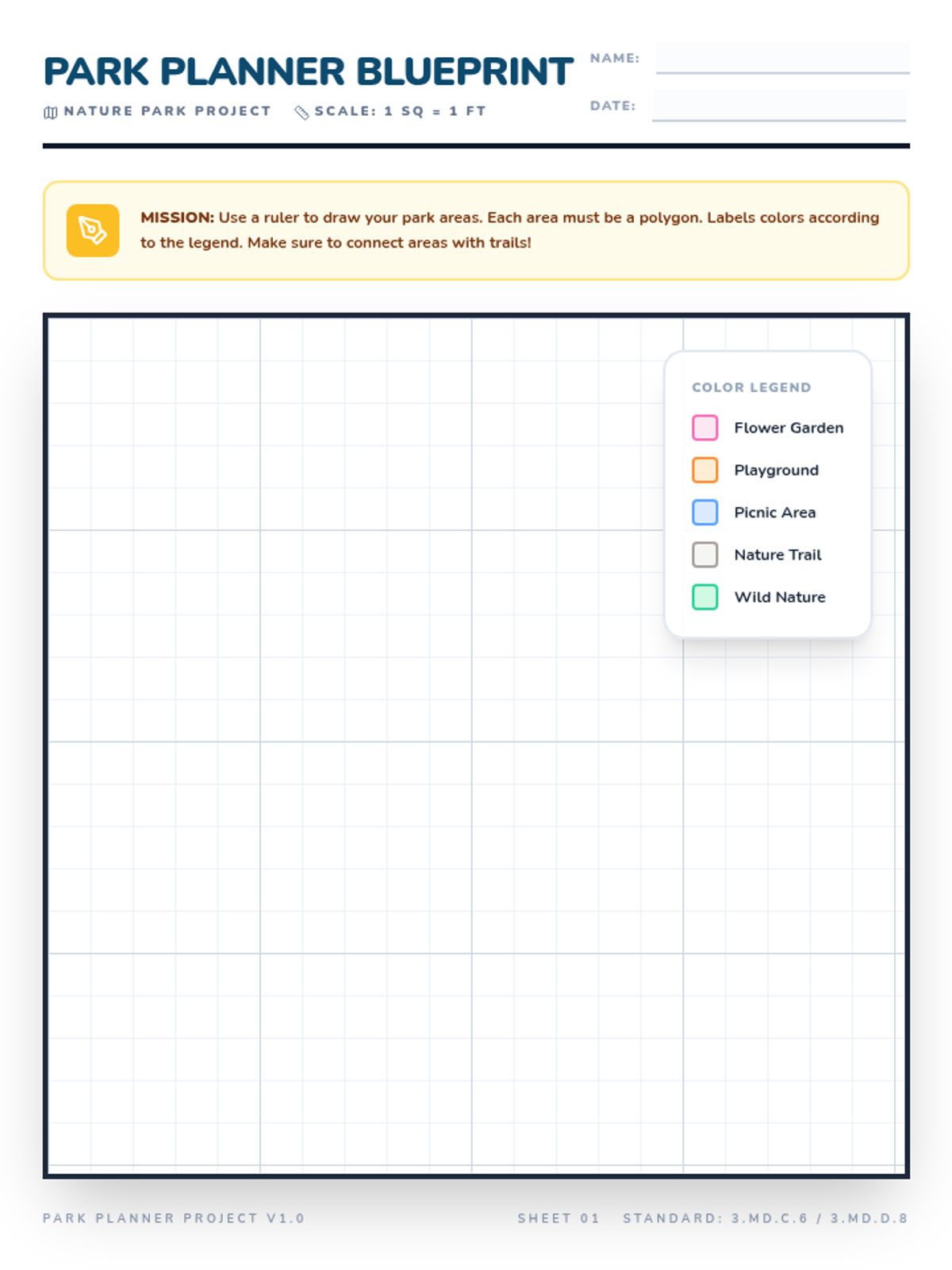
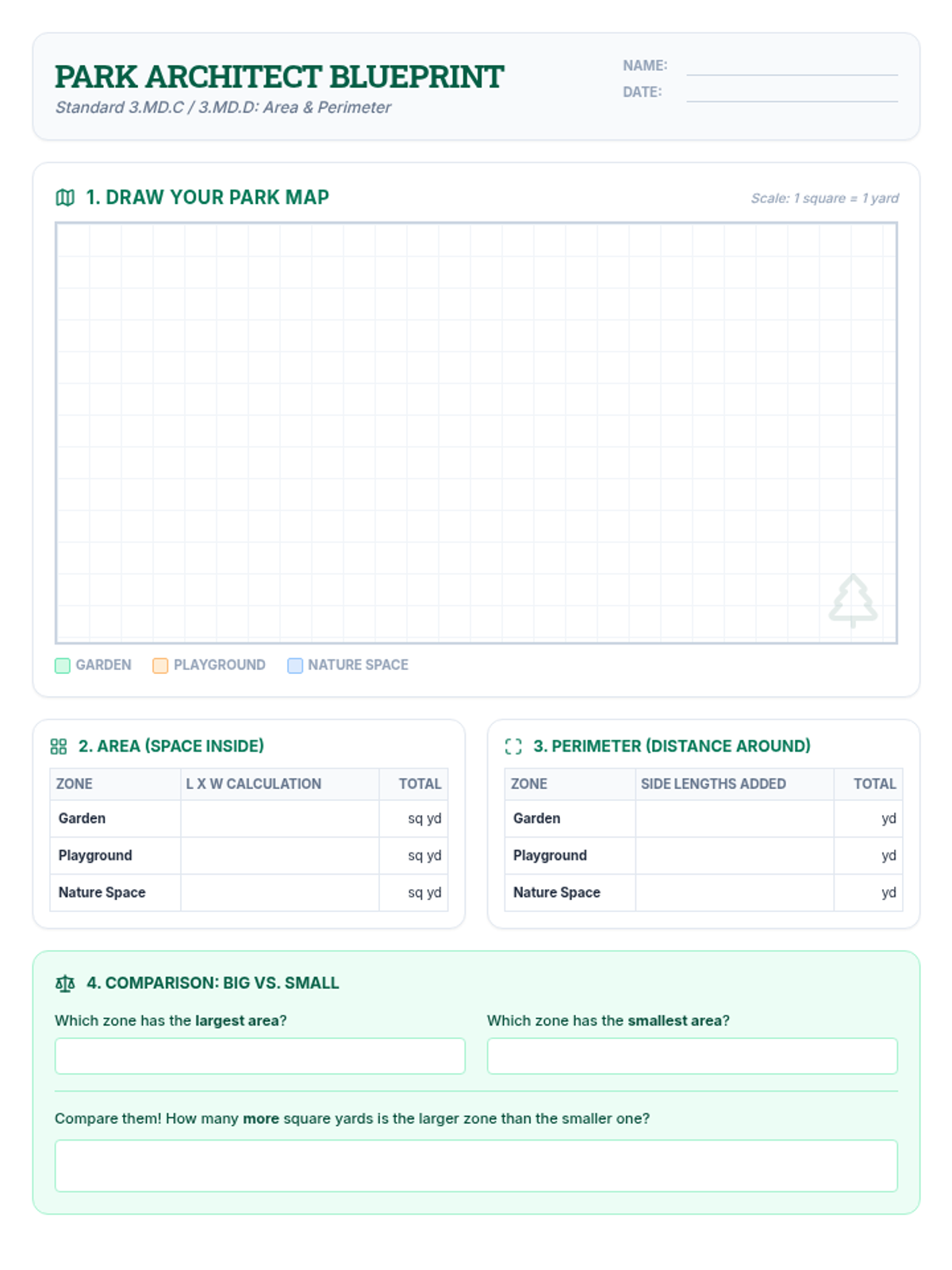
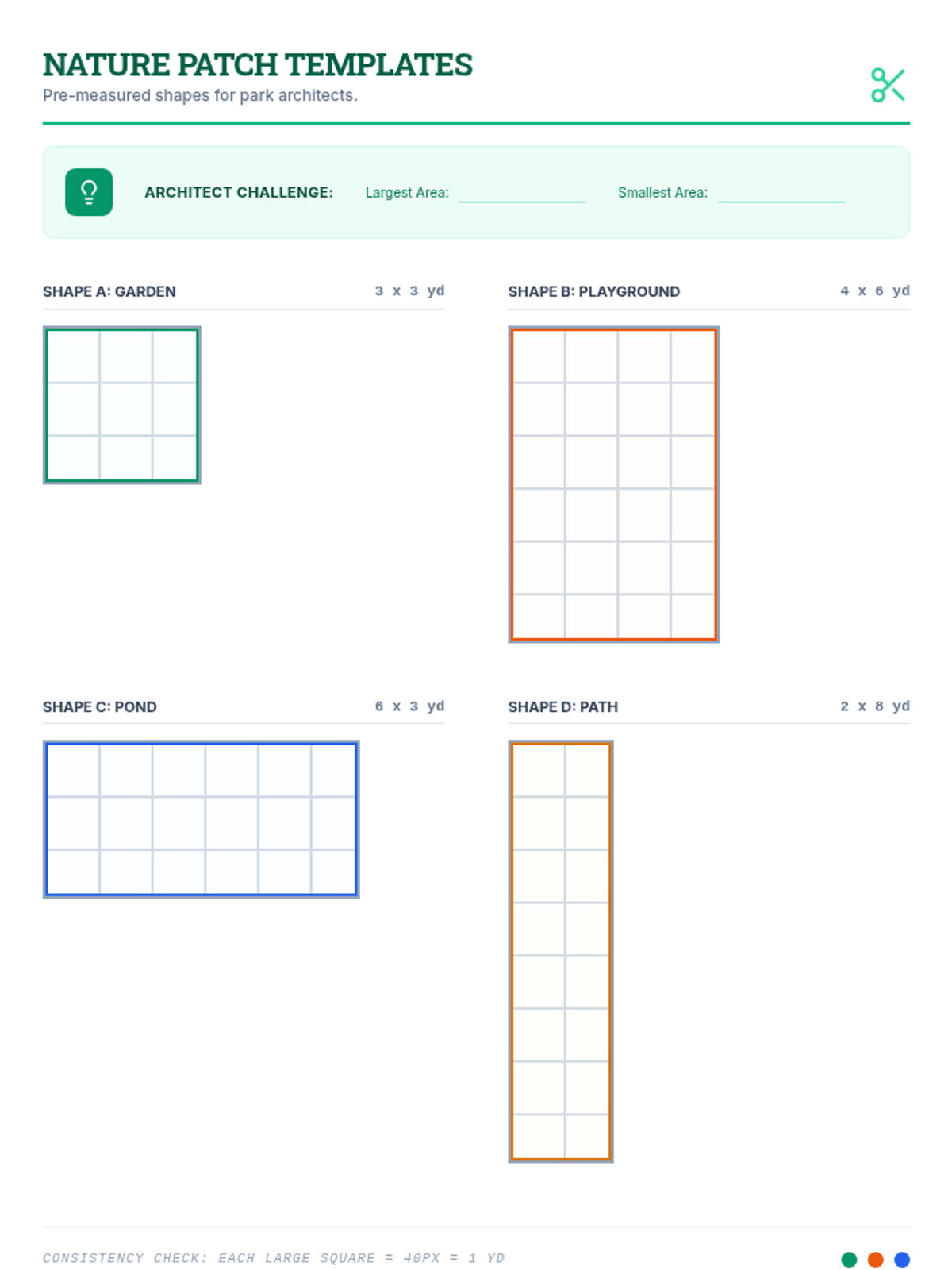
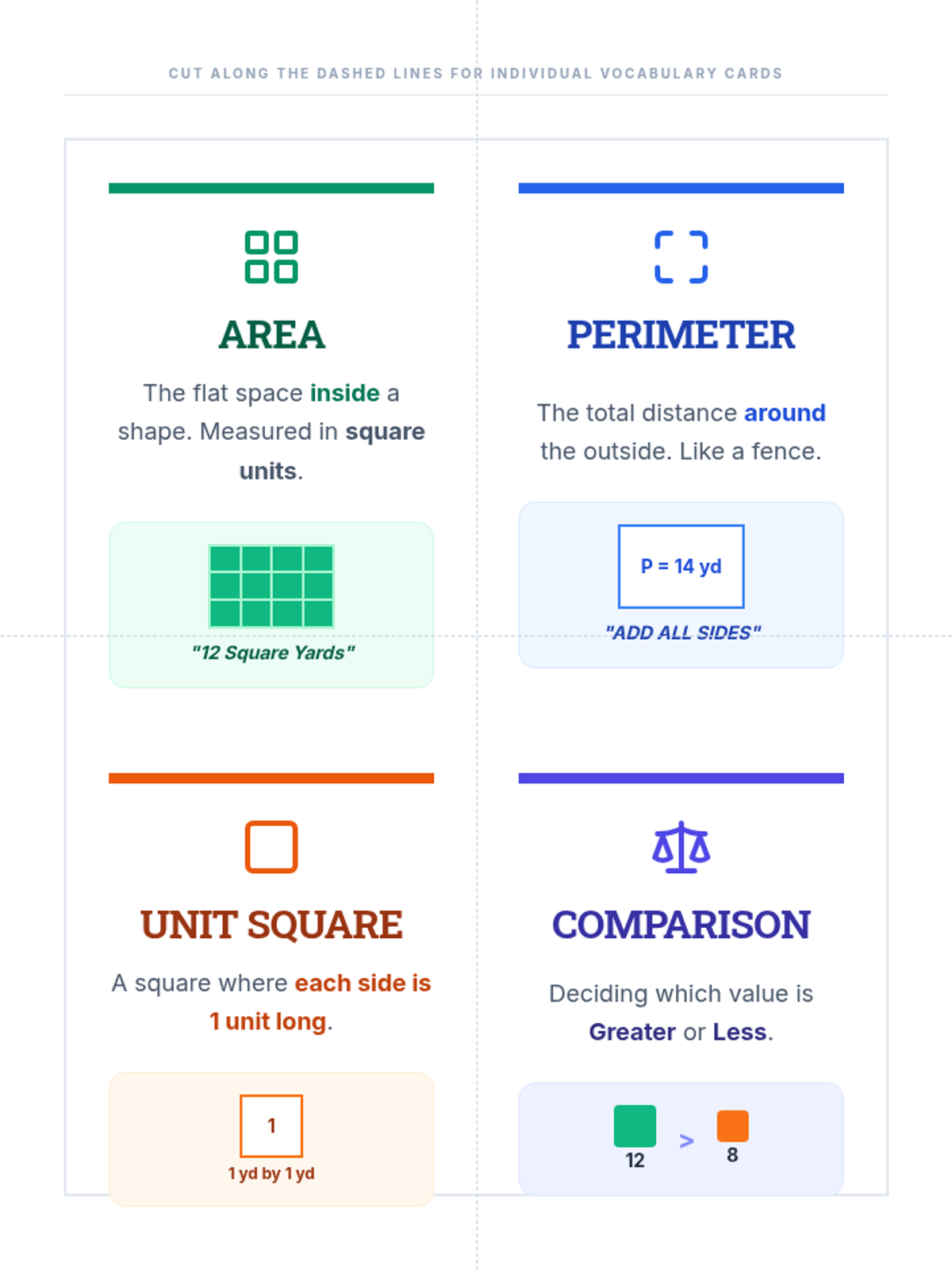
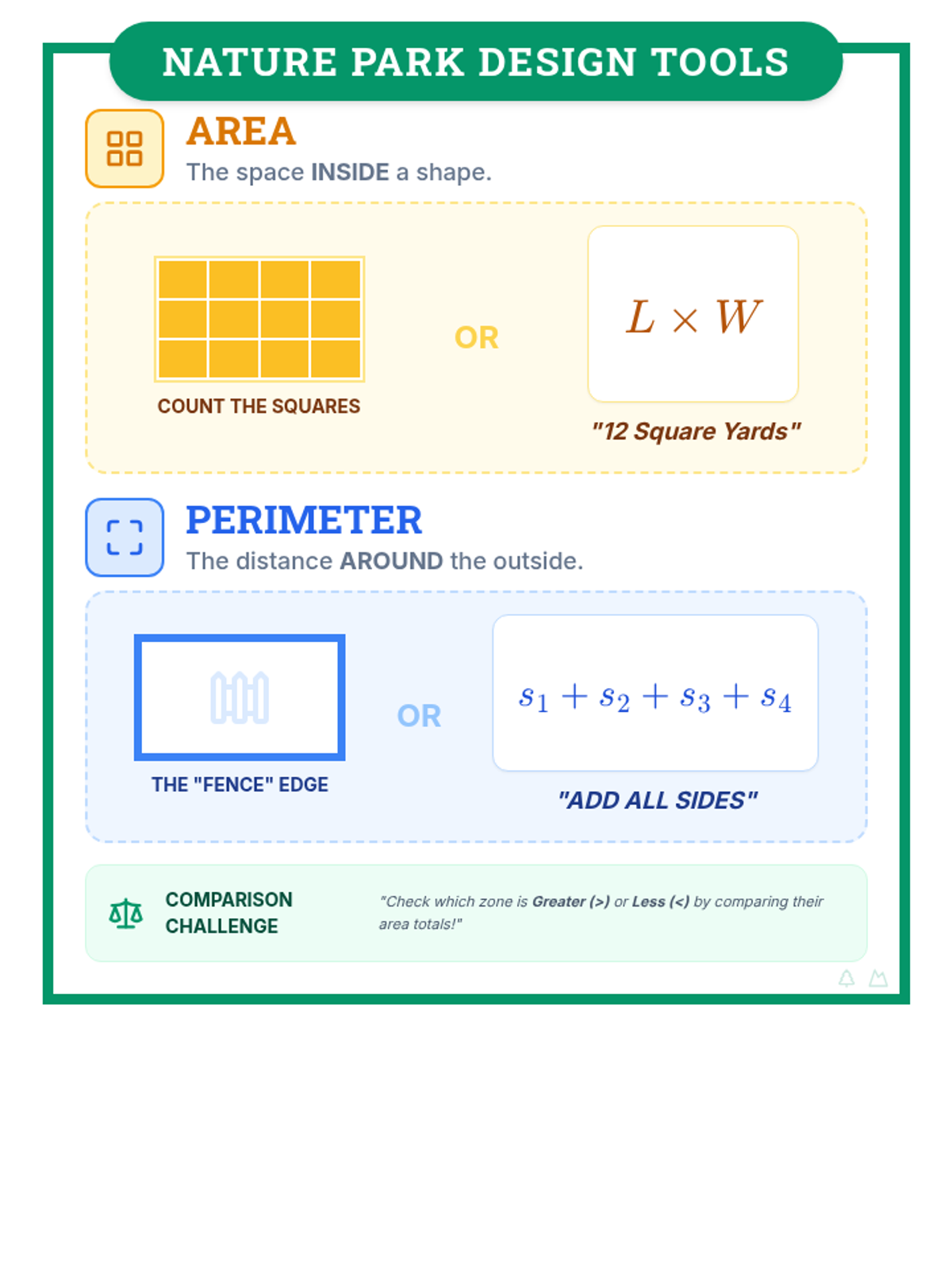
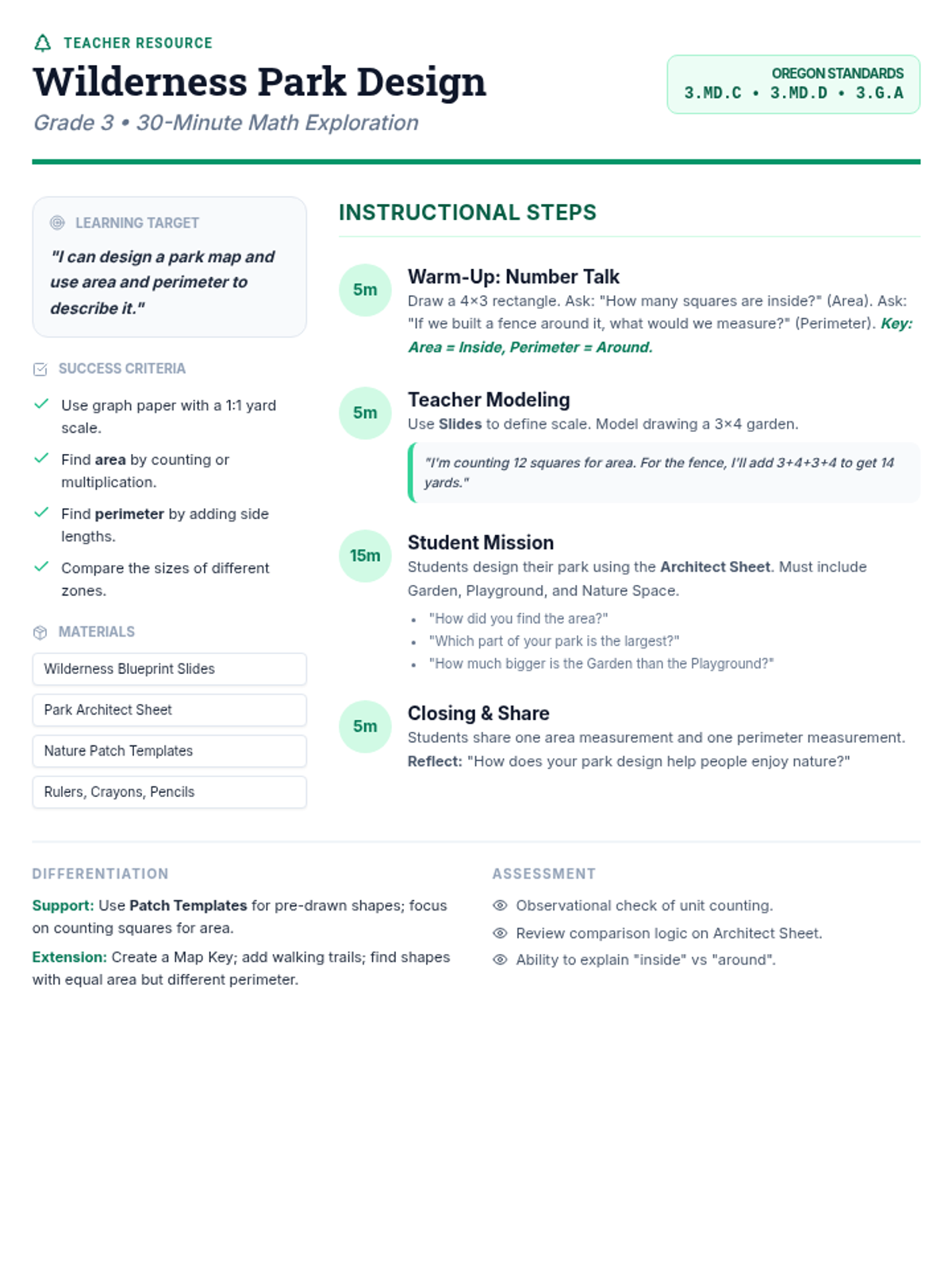
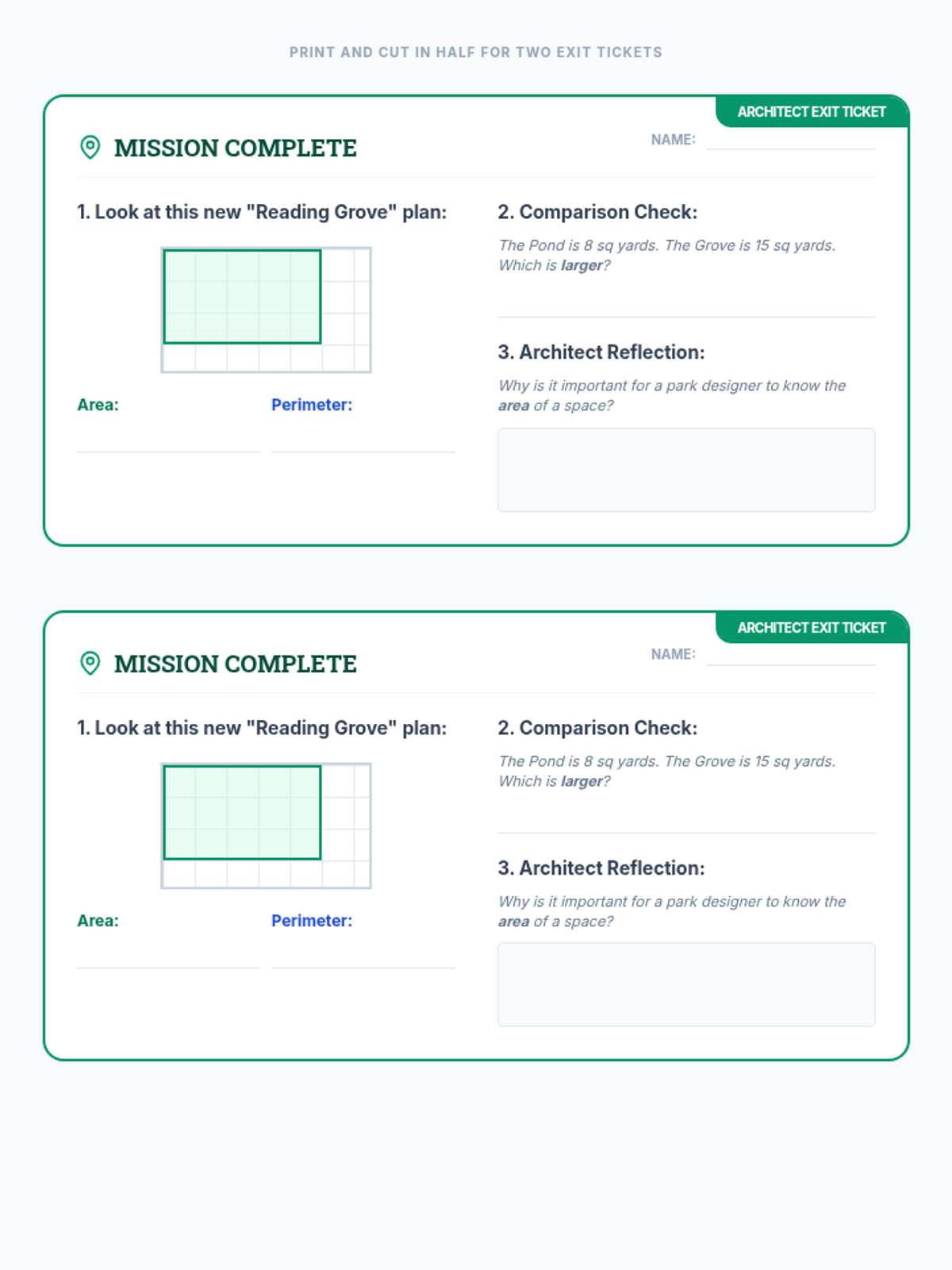
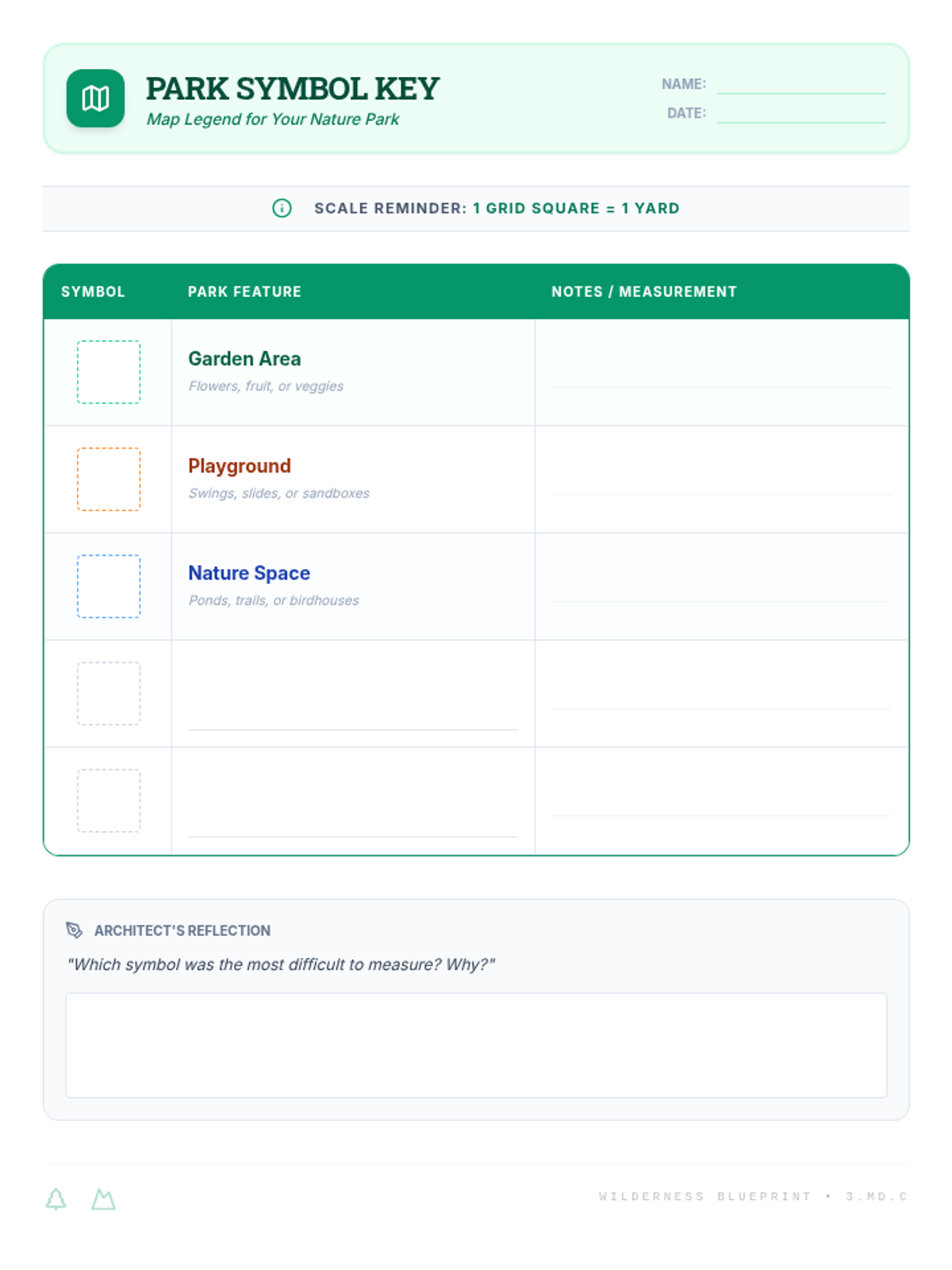
A 30-minute interactive lesson where 3rd graders design a Wilderness Park, applying their knowledge of area and perimeter to create specific park zones on a 1x1 foot grid scale.
A math-focused project where students design a nature park using area, perimeter, and scale concepts aligned with 3rd-grade Oregon standards.
A 30-minute hands-on math lesson where students design a nature park to practice area and perimeter, specifically focusing on comparing the sizes of different park zones.
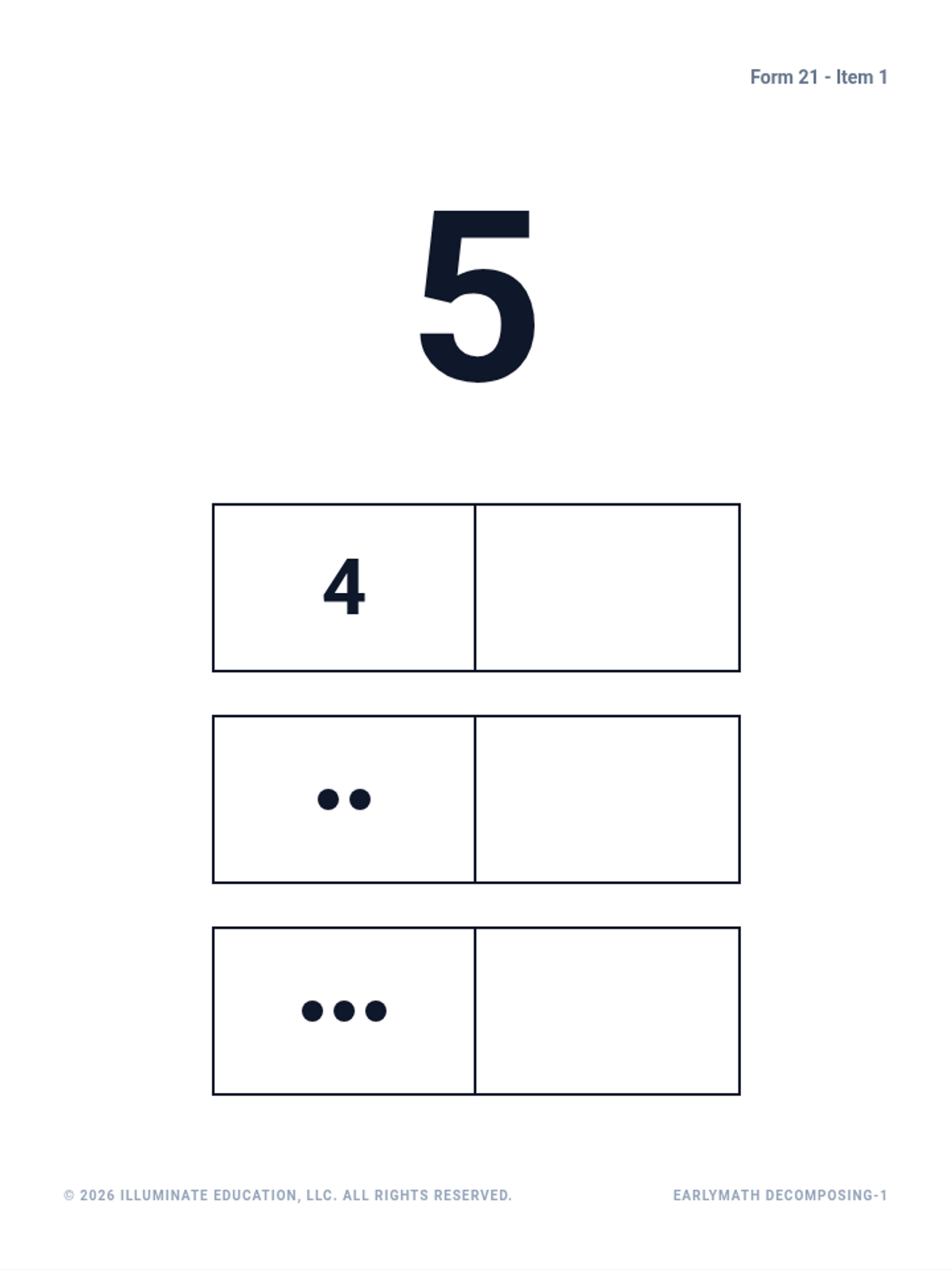
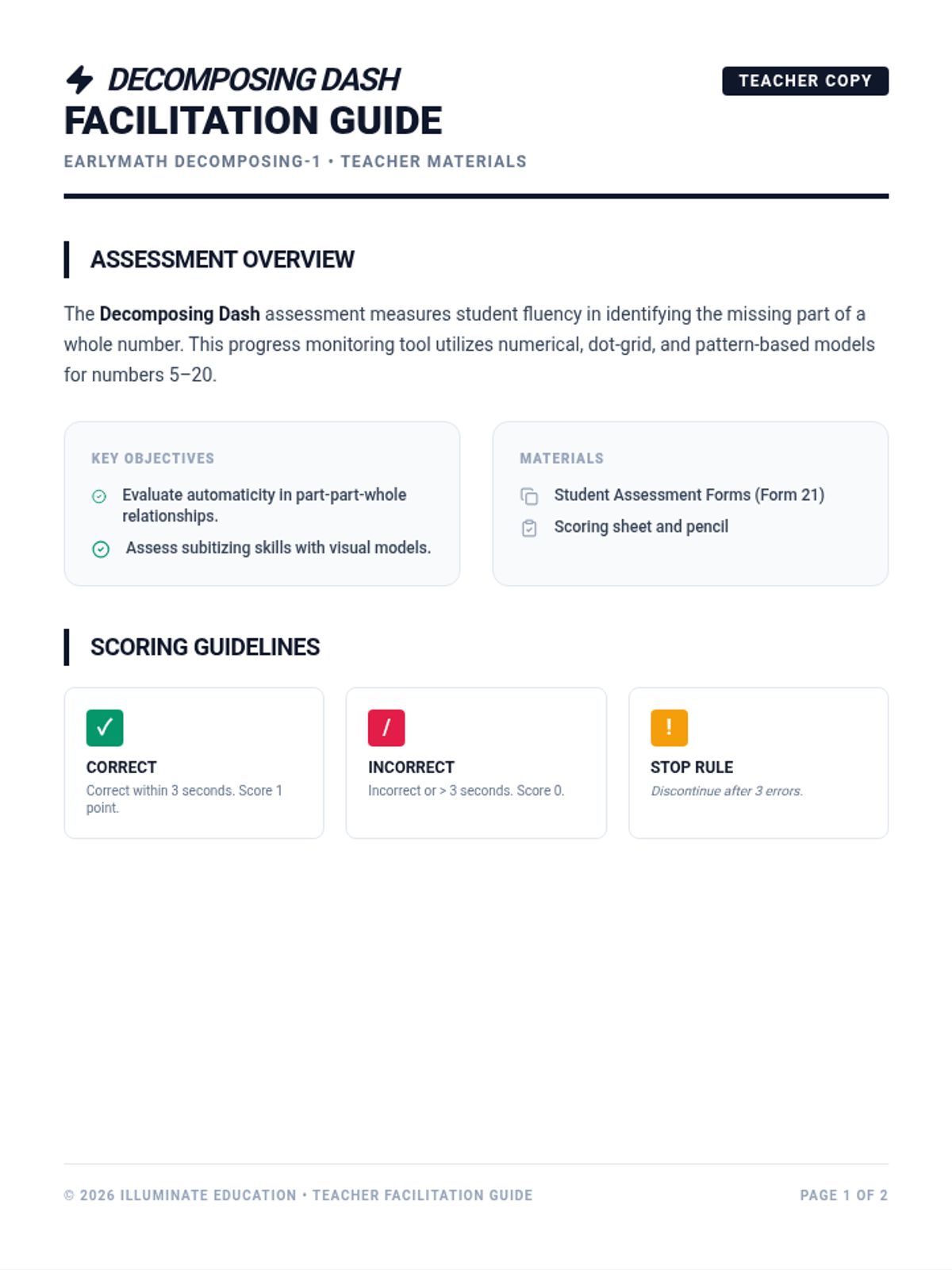
A progress monitoring assessment sequence for measuring and improving student fluency in decomposing numbers 1-20 using numerical and visual models.
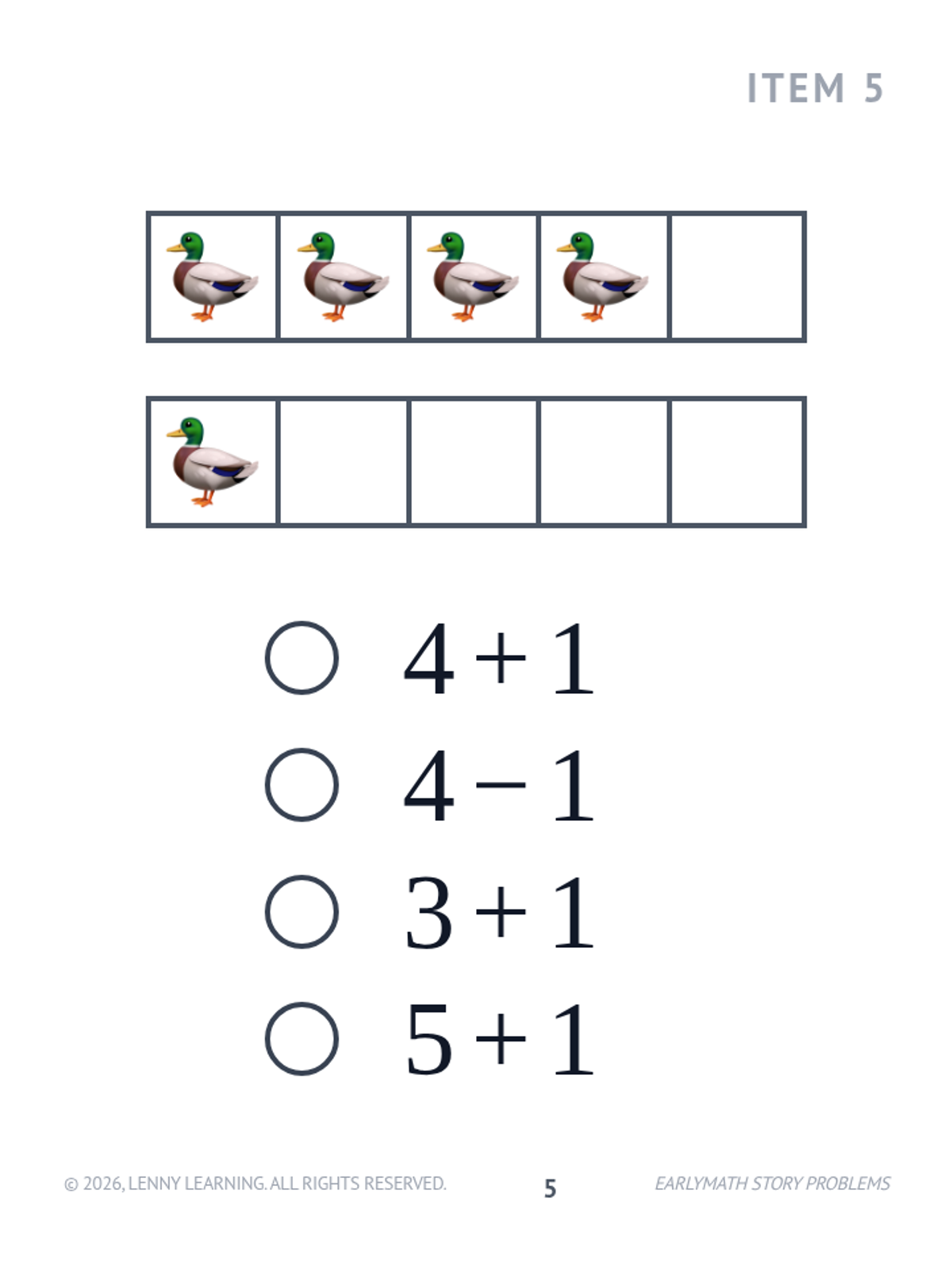
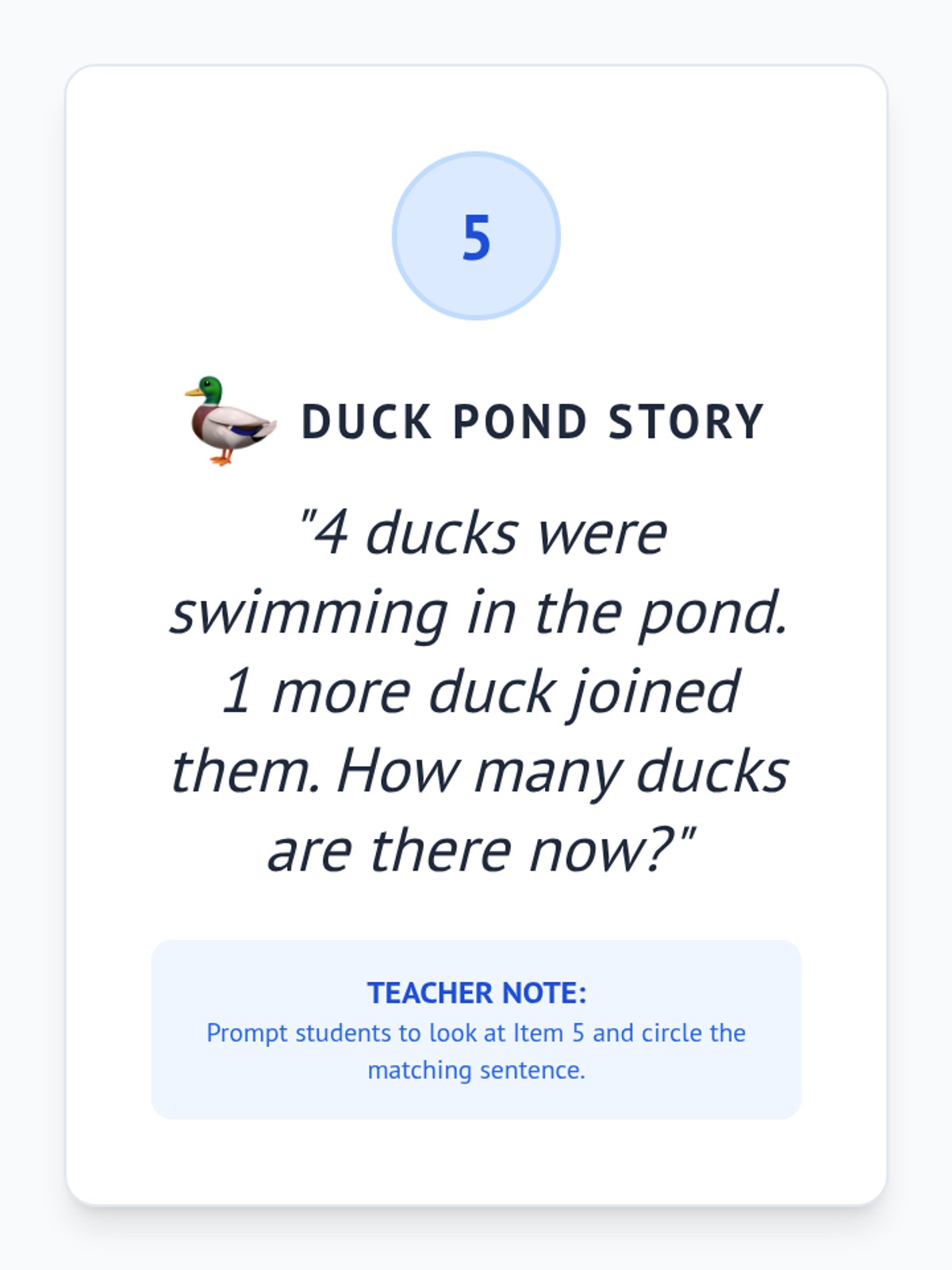
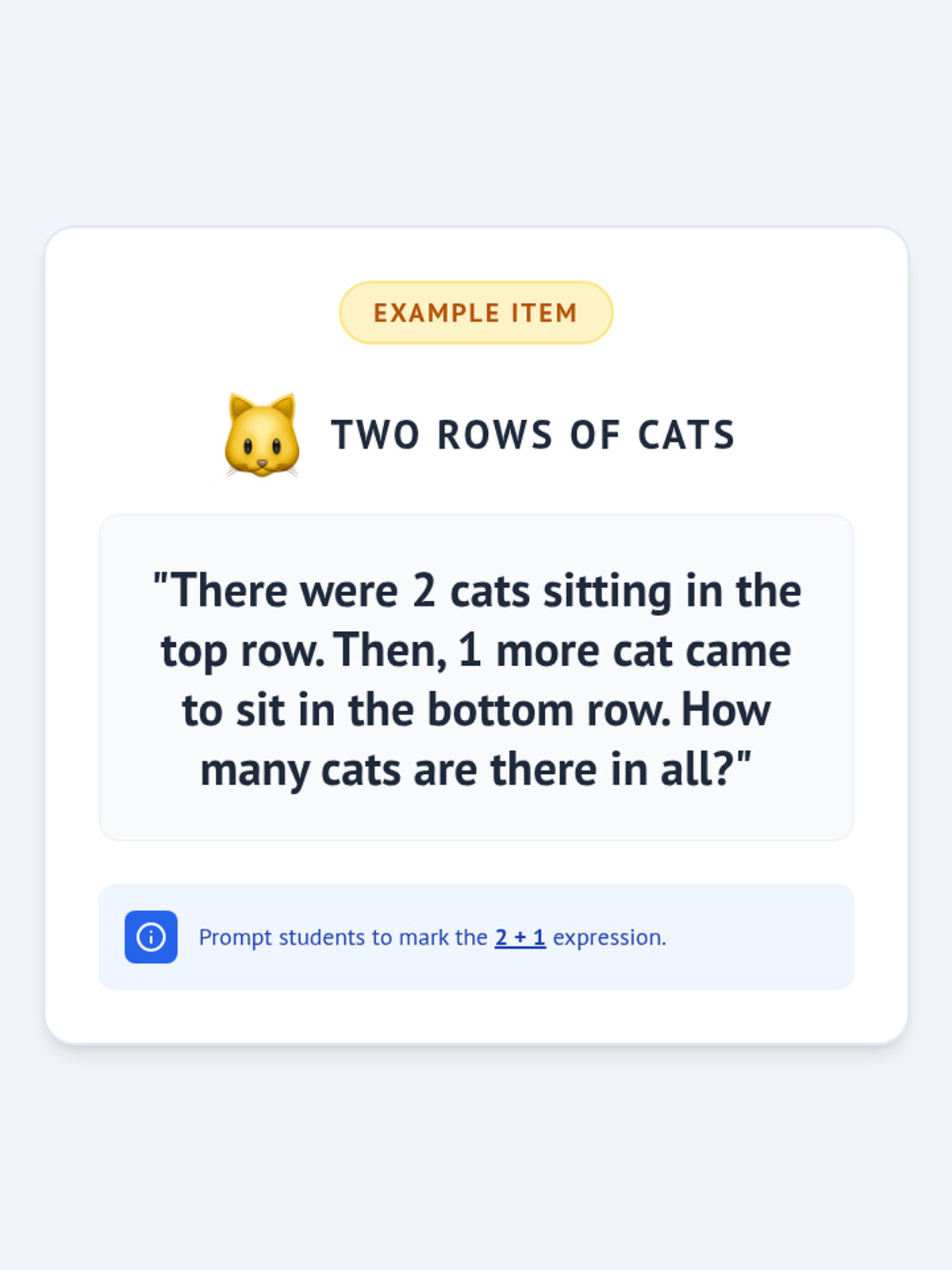
A collection of visual math story problems for early learners, focusing on basic addition and subtraction within 5. Each item uses a five-frame layout to help students visualize quantities and match them to mathematical expressions.
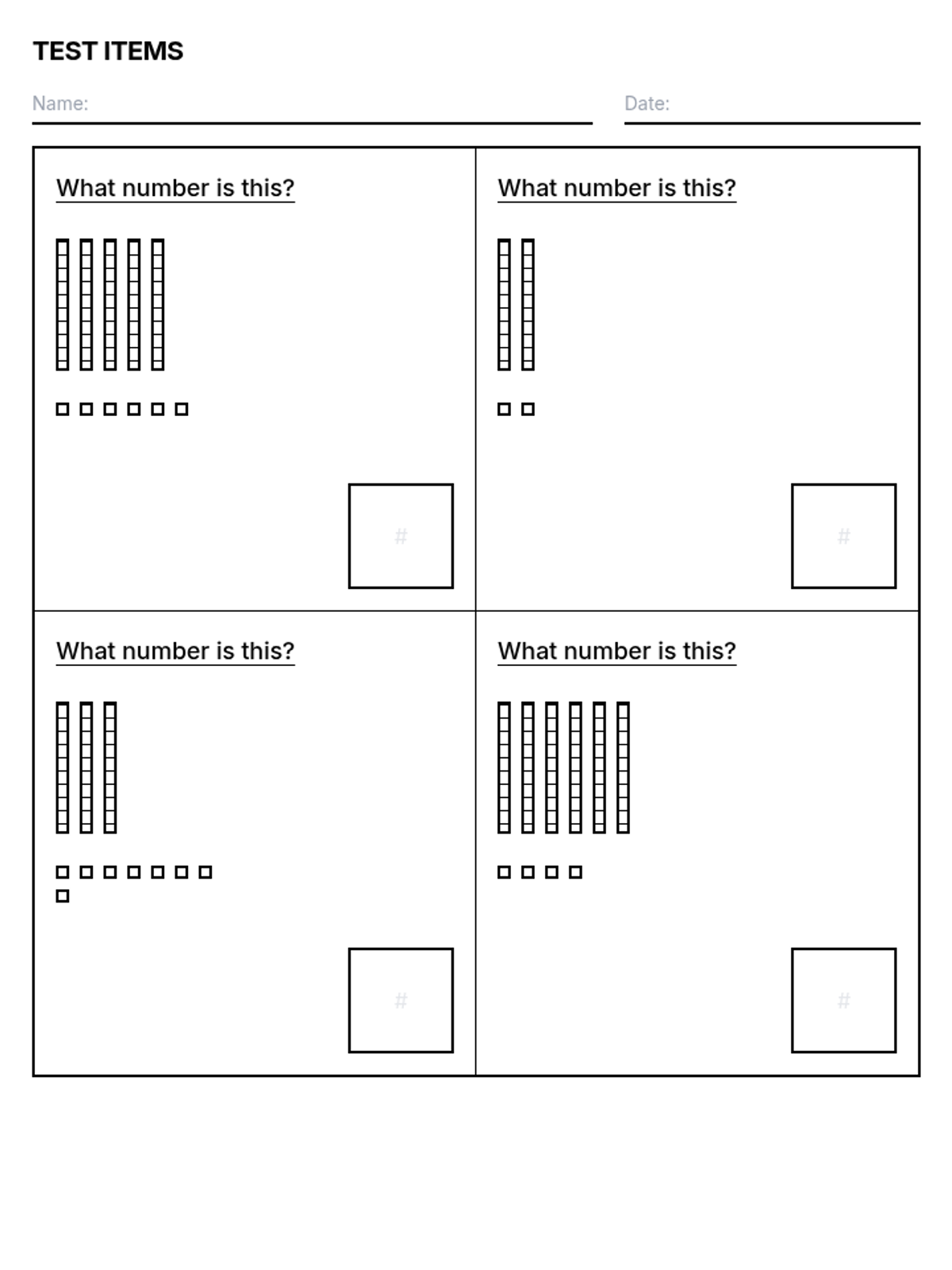
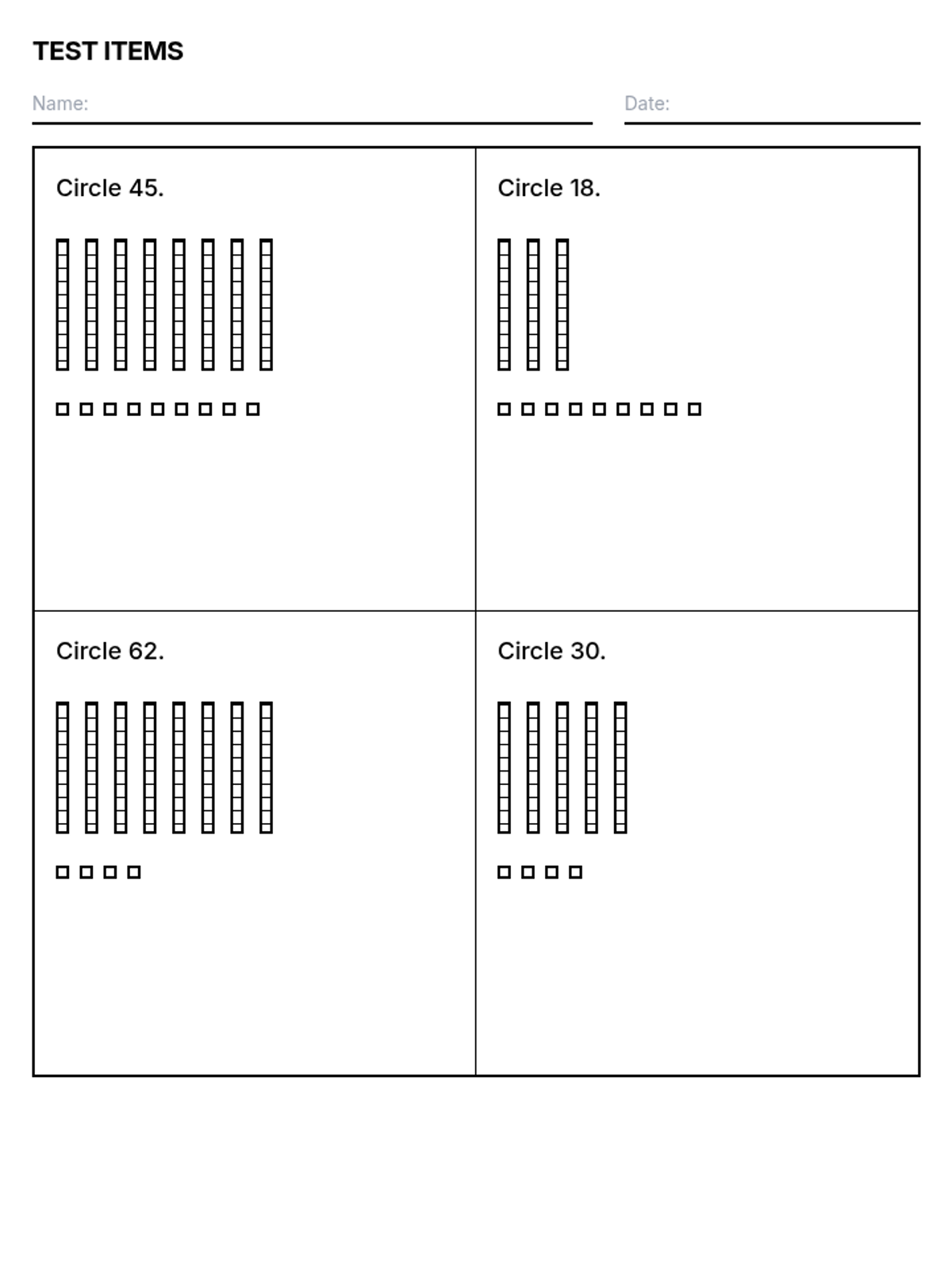
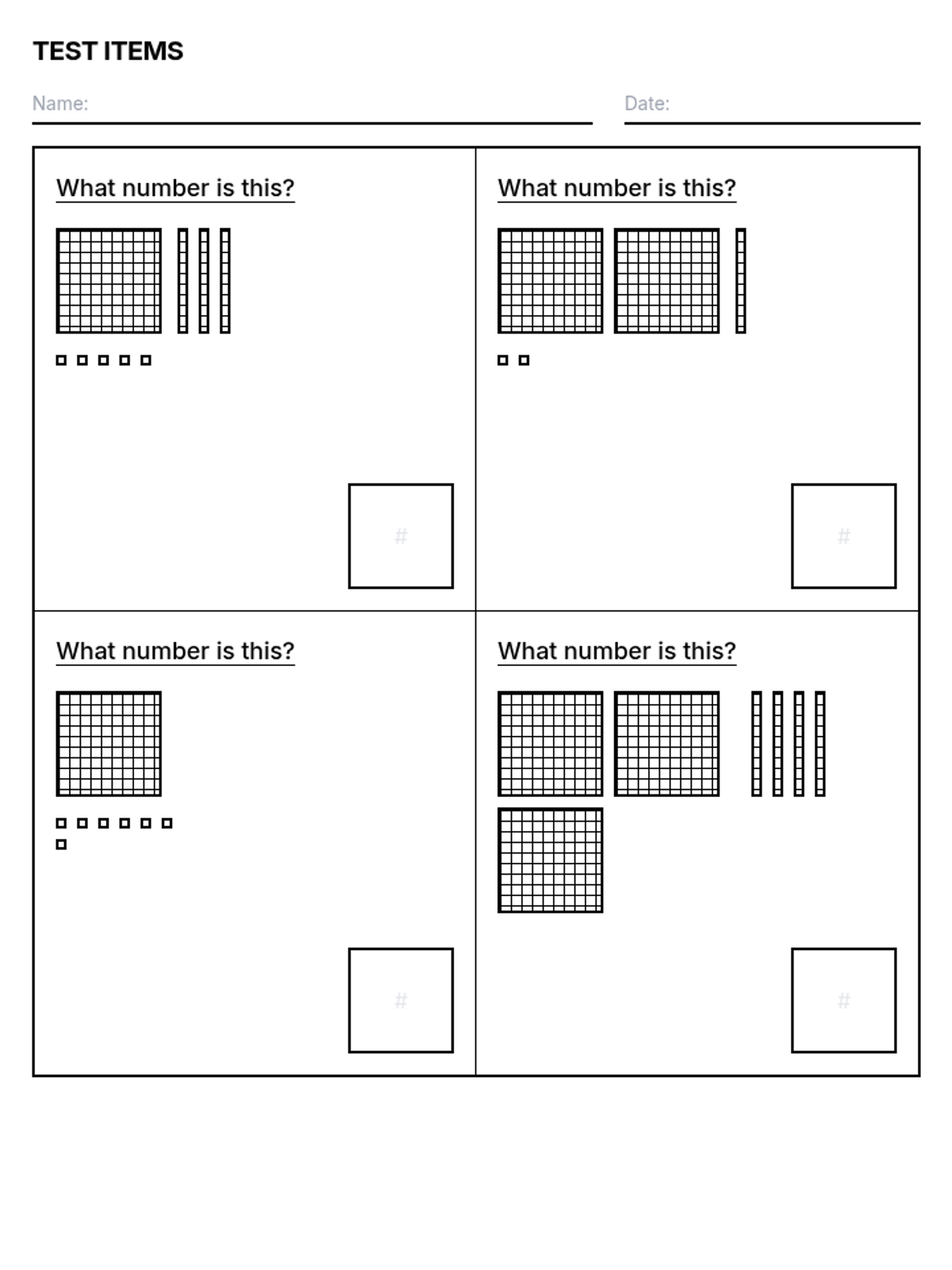
A lesson focused on identifying and representing 2-digit numbers using base-ten blocks (tens and ones).
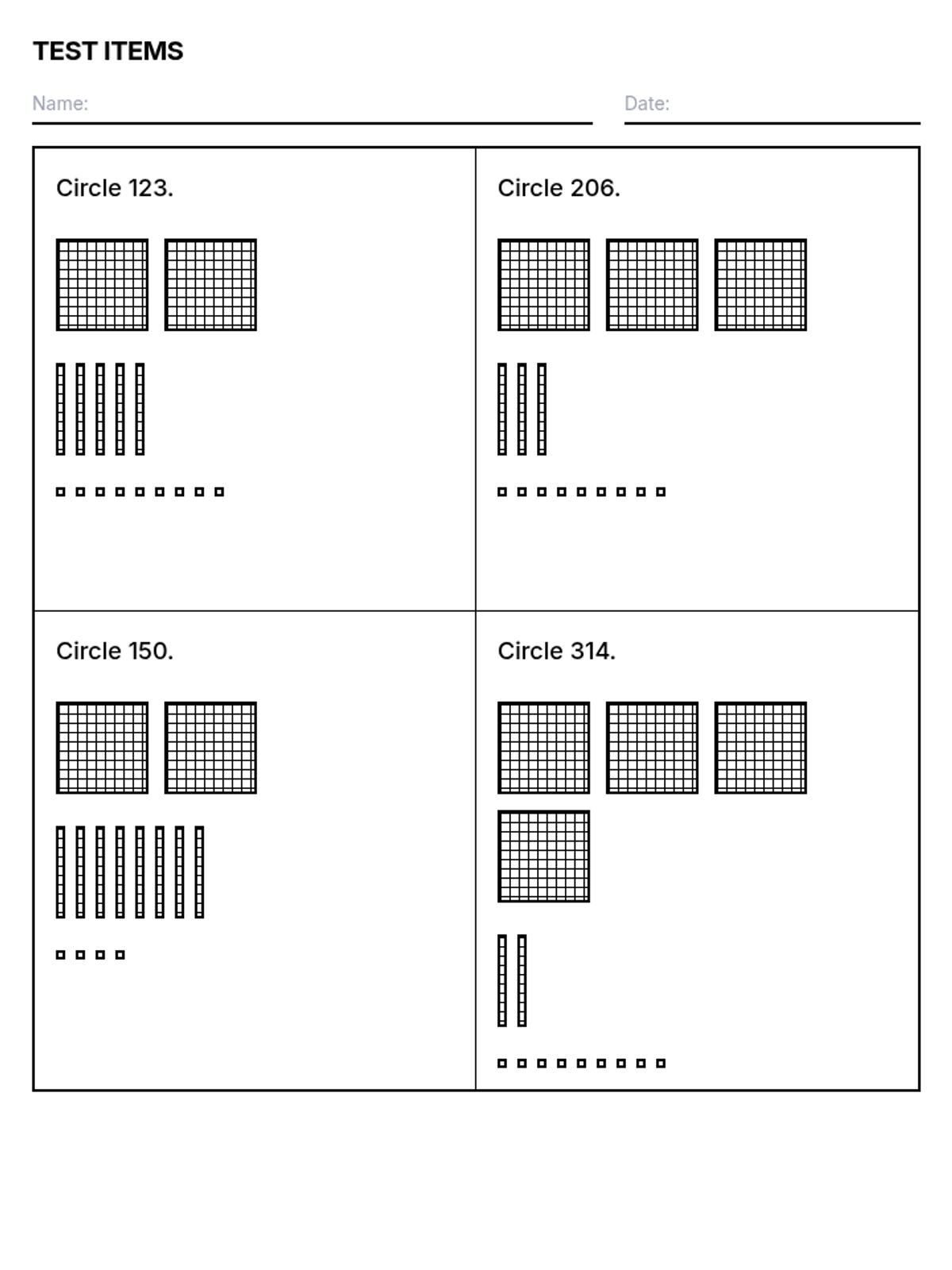
A lesson focused on identifying and representing 3-digit numbers using base-ten blocks (hundreds, tens, and ones).
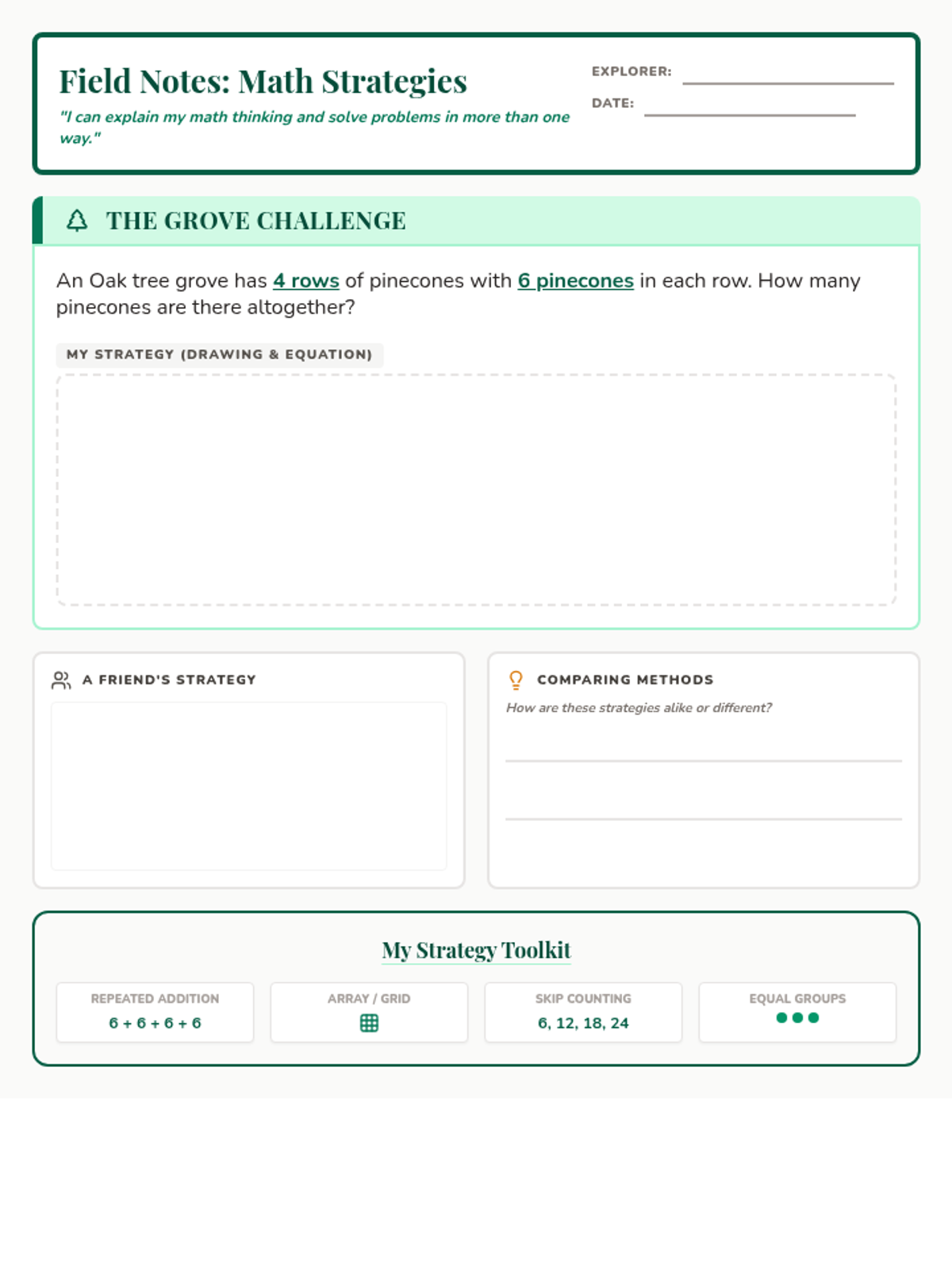
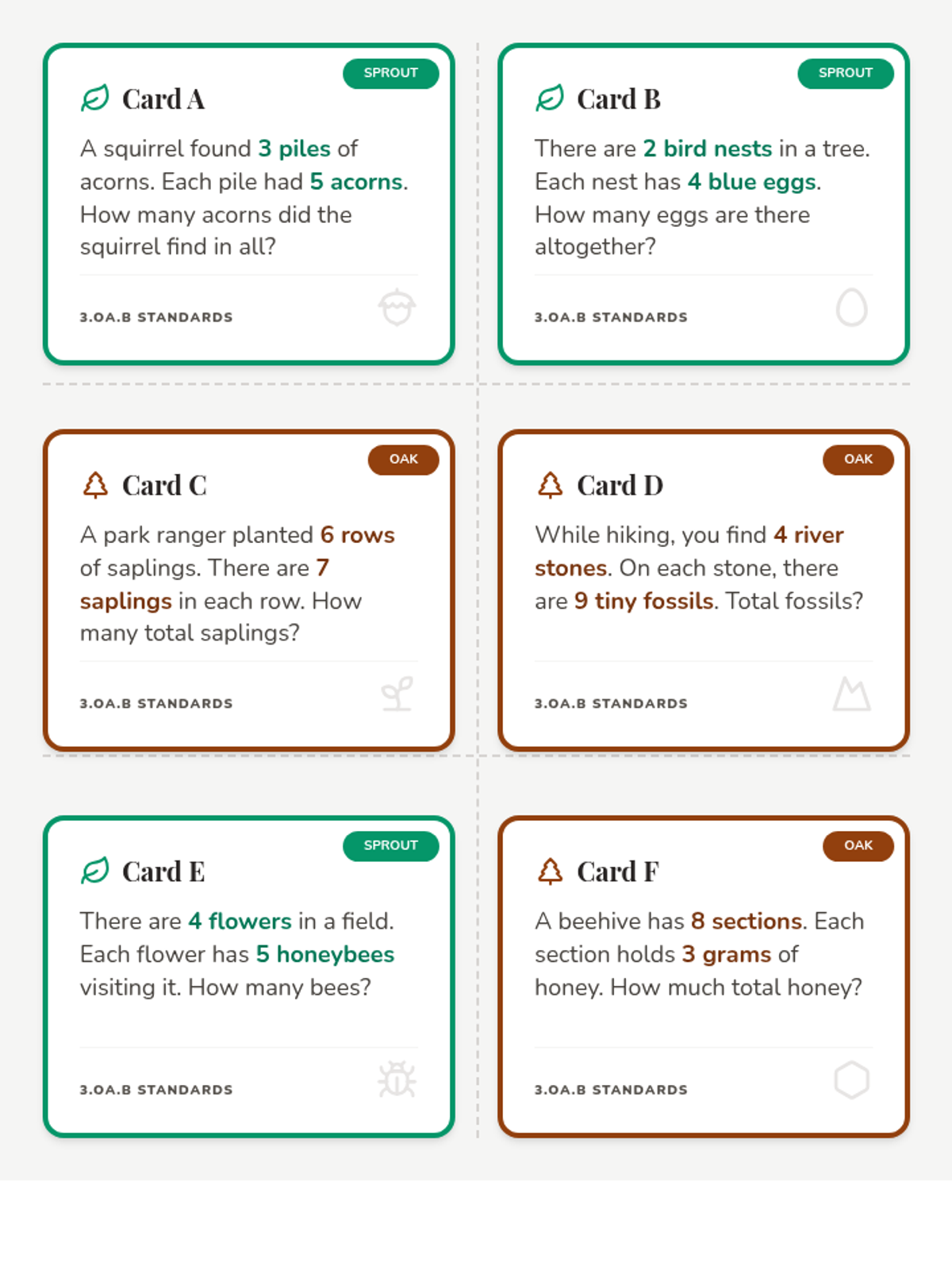
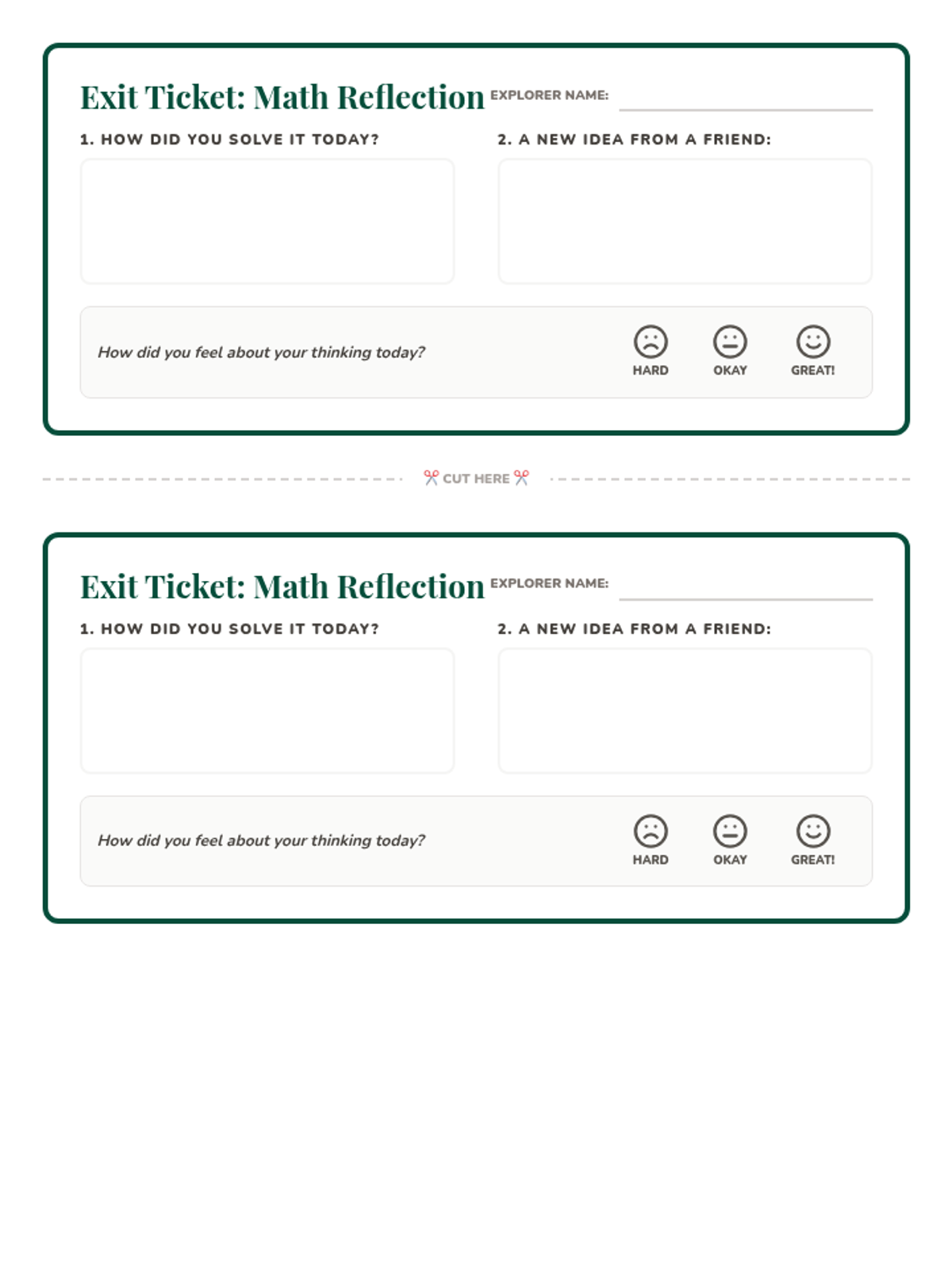
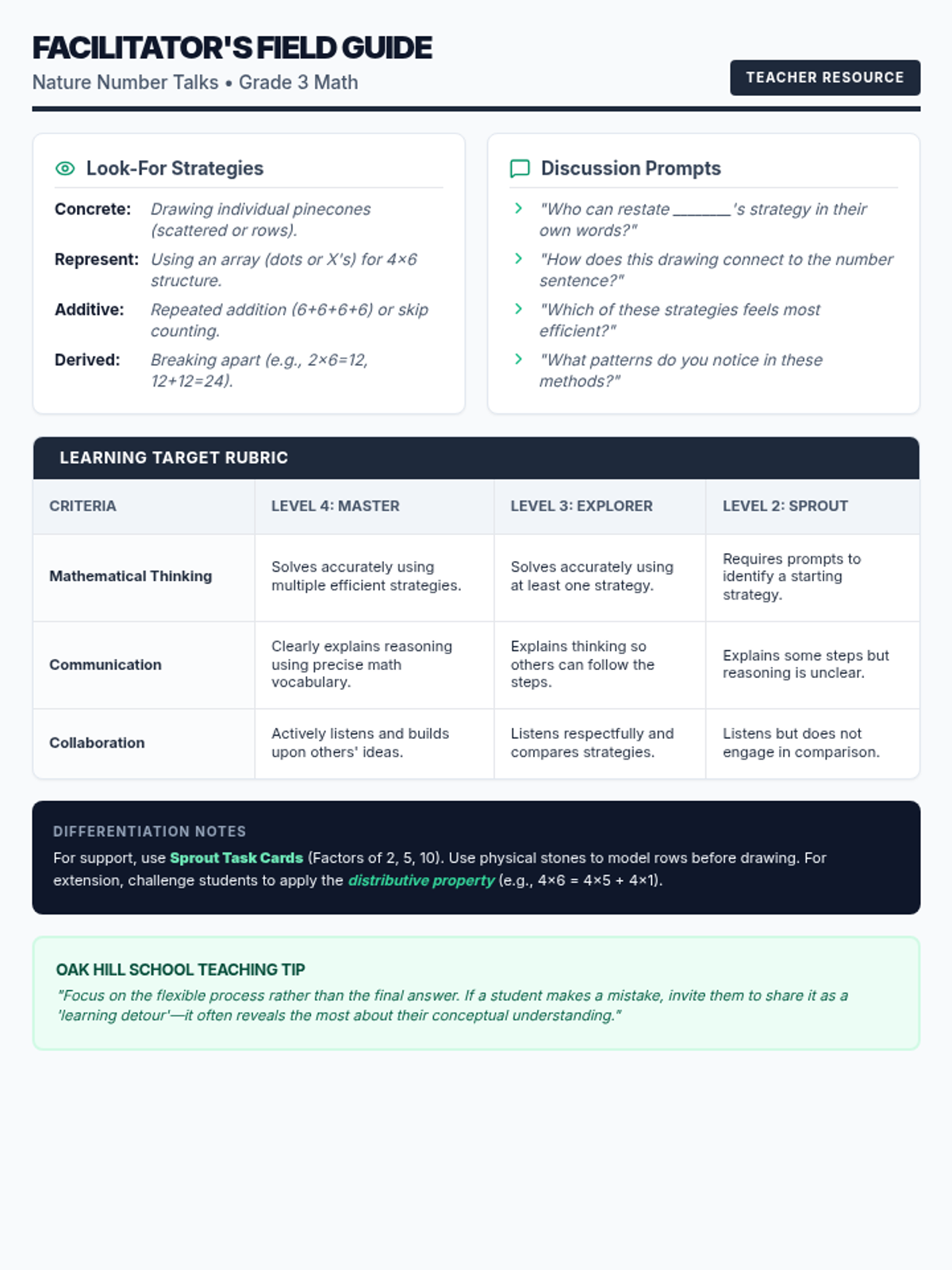
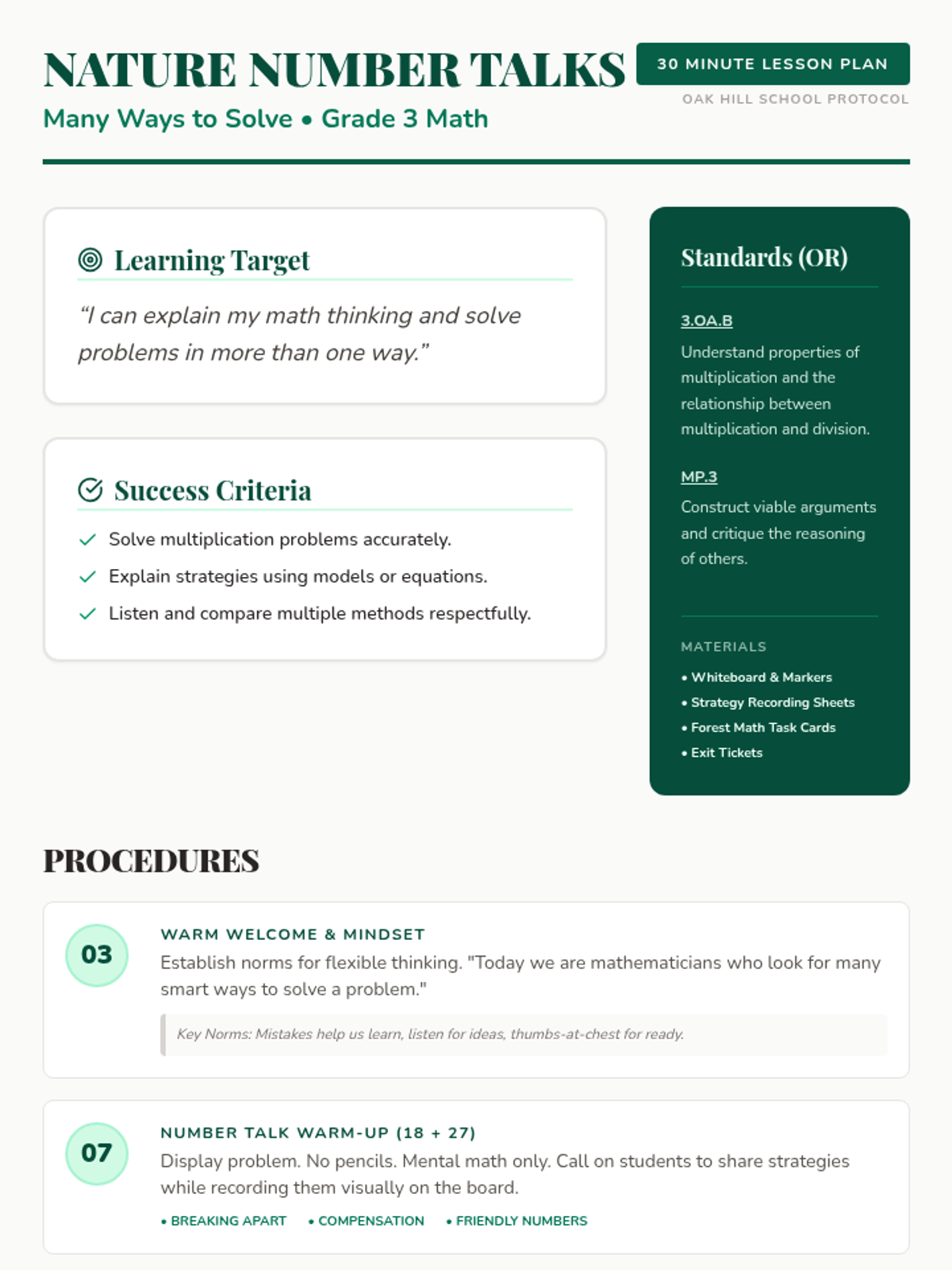
A 30-minute inquiry-based math lesson for 3rd grade focusing on flexible multiplication strategies through a nature-themed Number Talk. Students explore multiple ways to solve problems involving equal groups and arrays, emphasizing discussion and conceptual understanding.
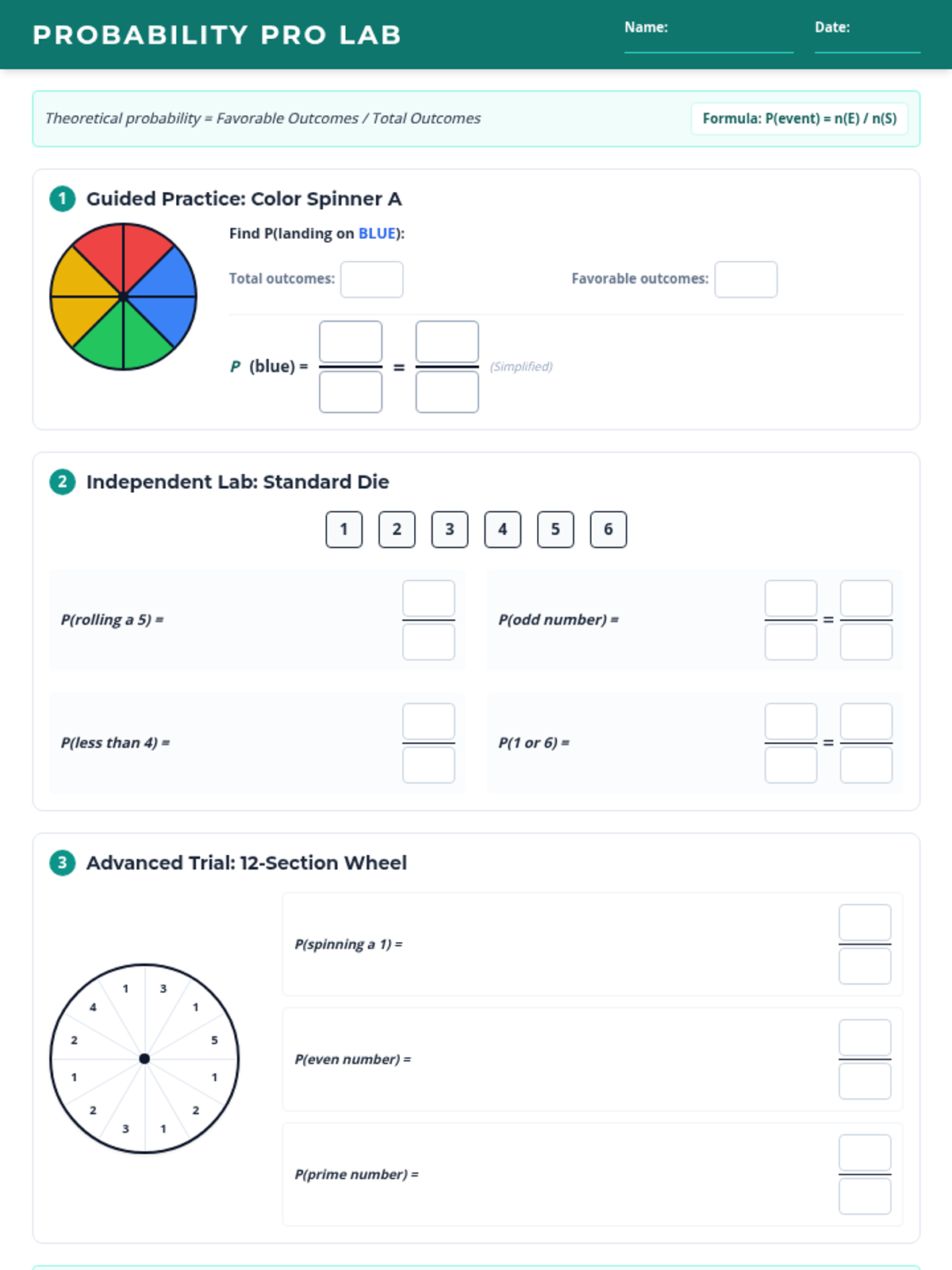
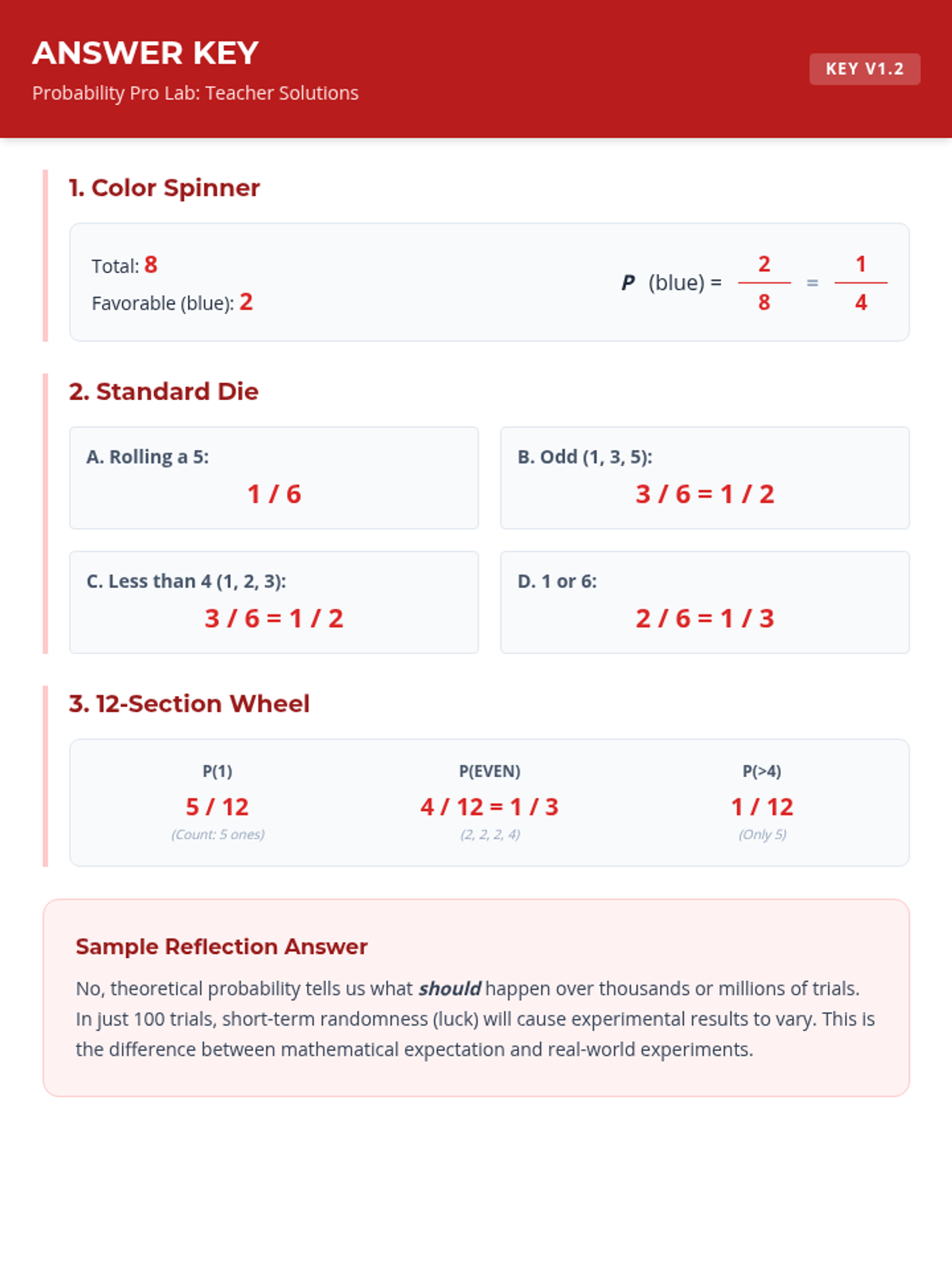
A guided practice lesson on theoretical probability focusing on standard dice and custom spinners for 6th-grade math students.
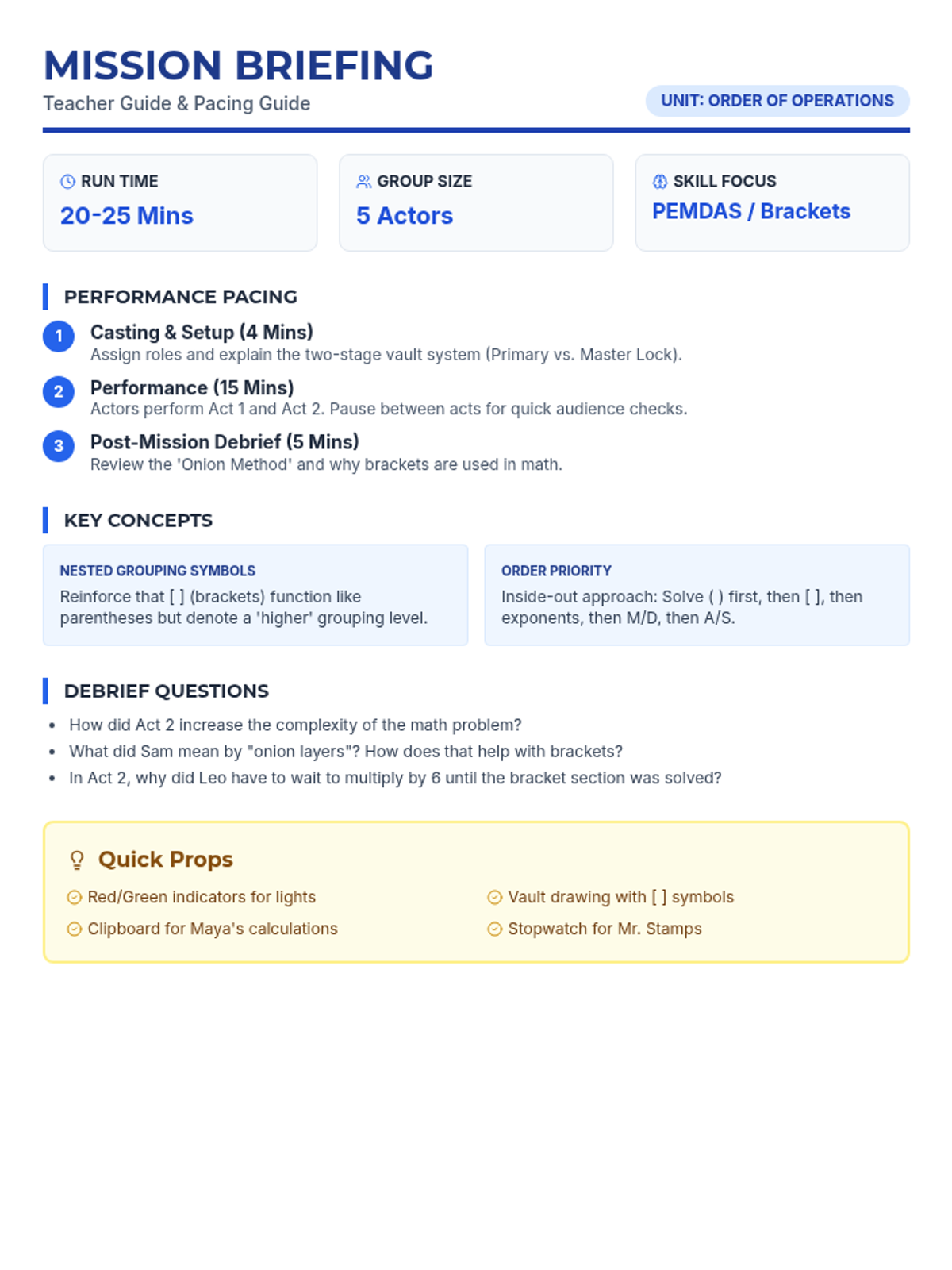
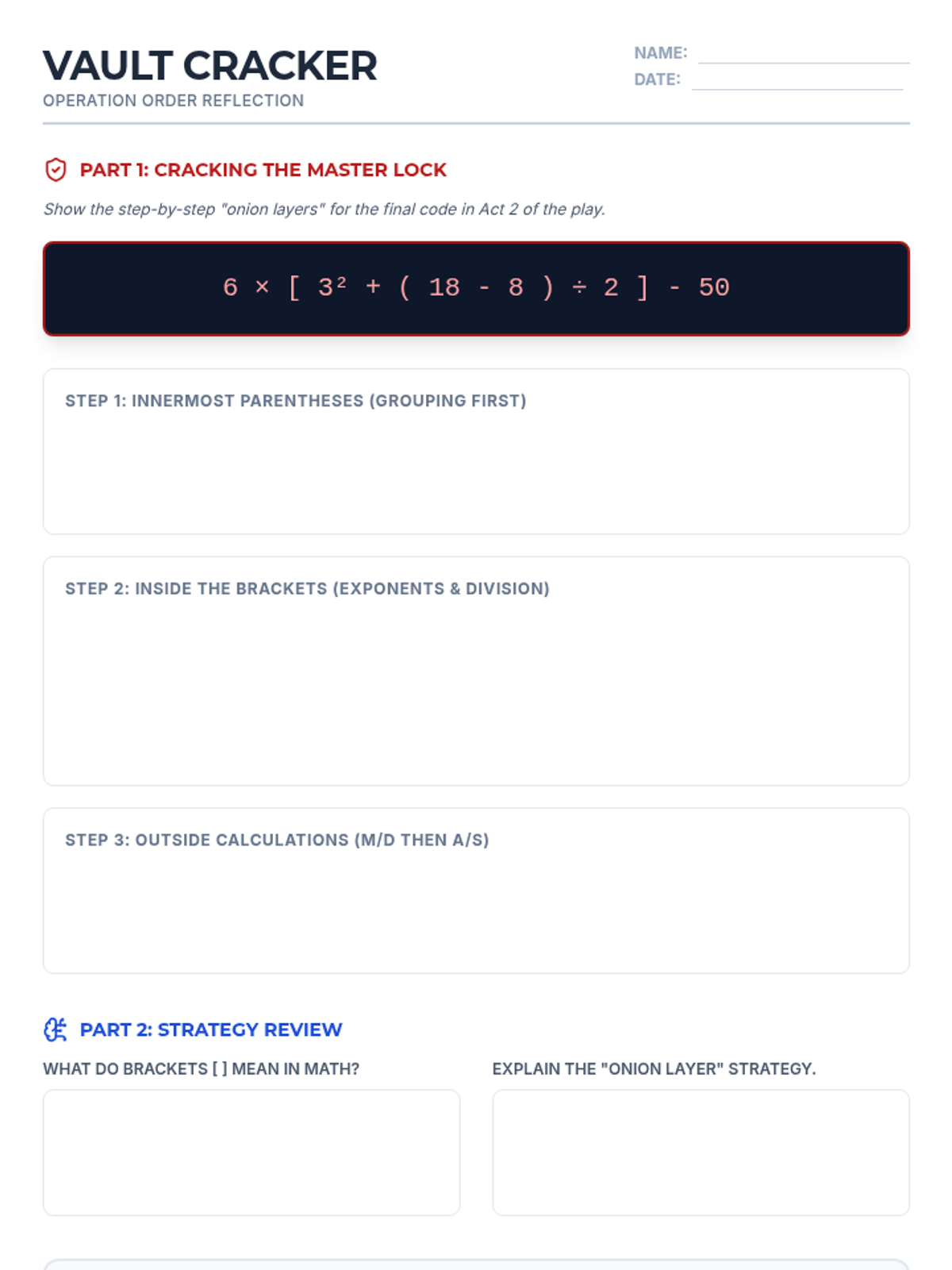
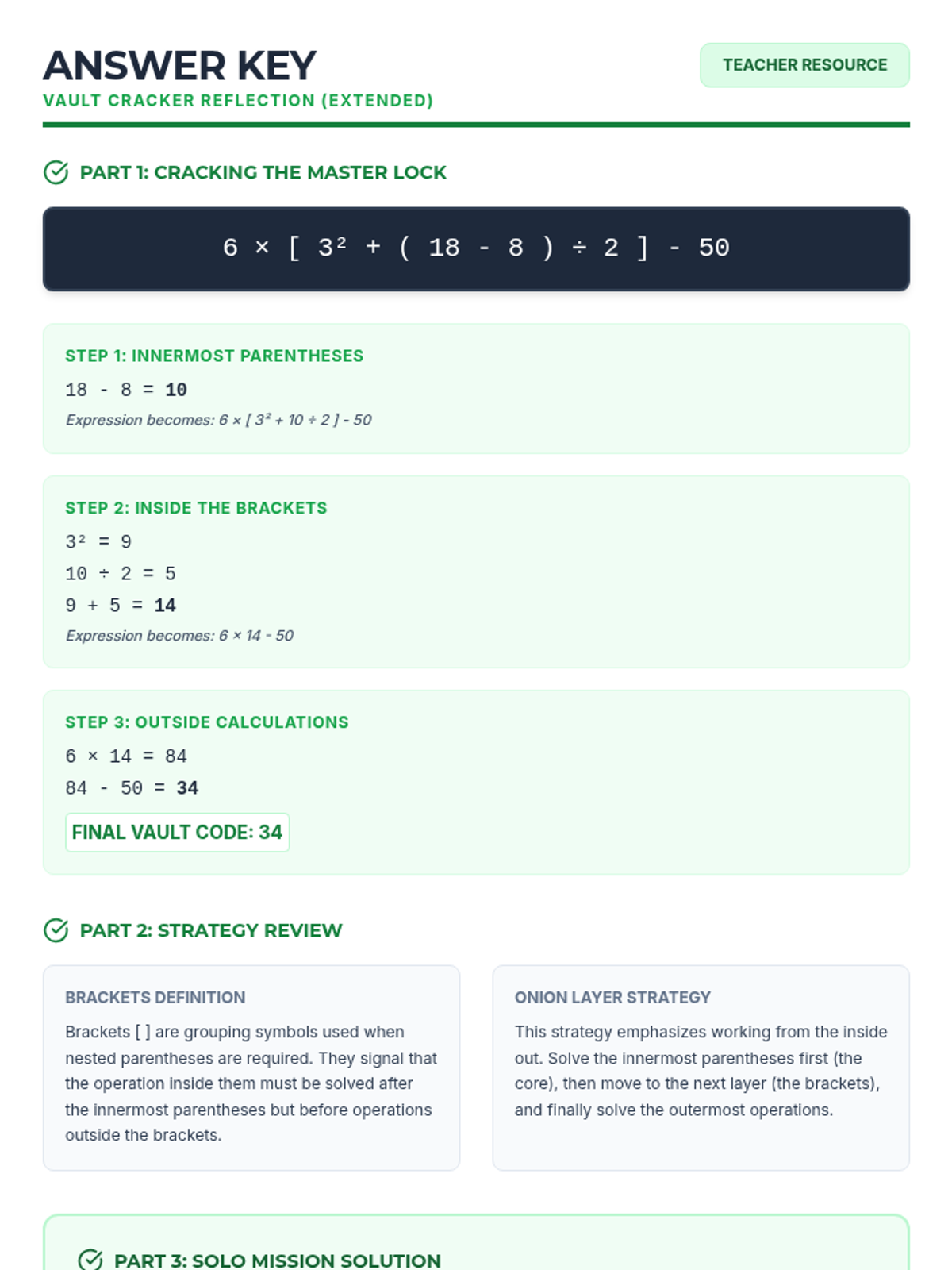
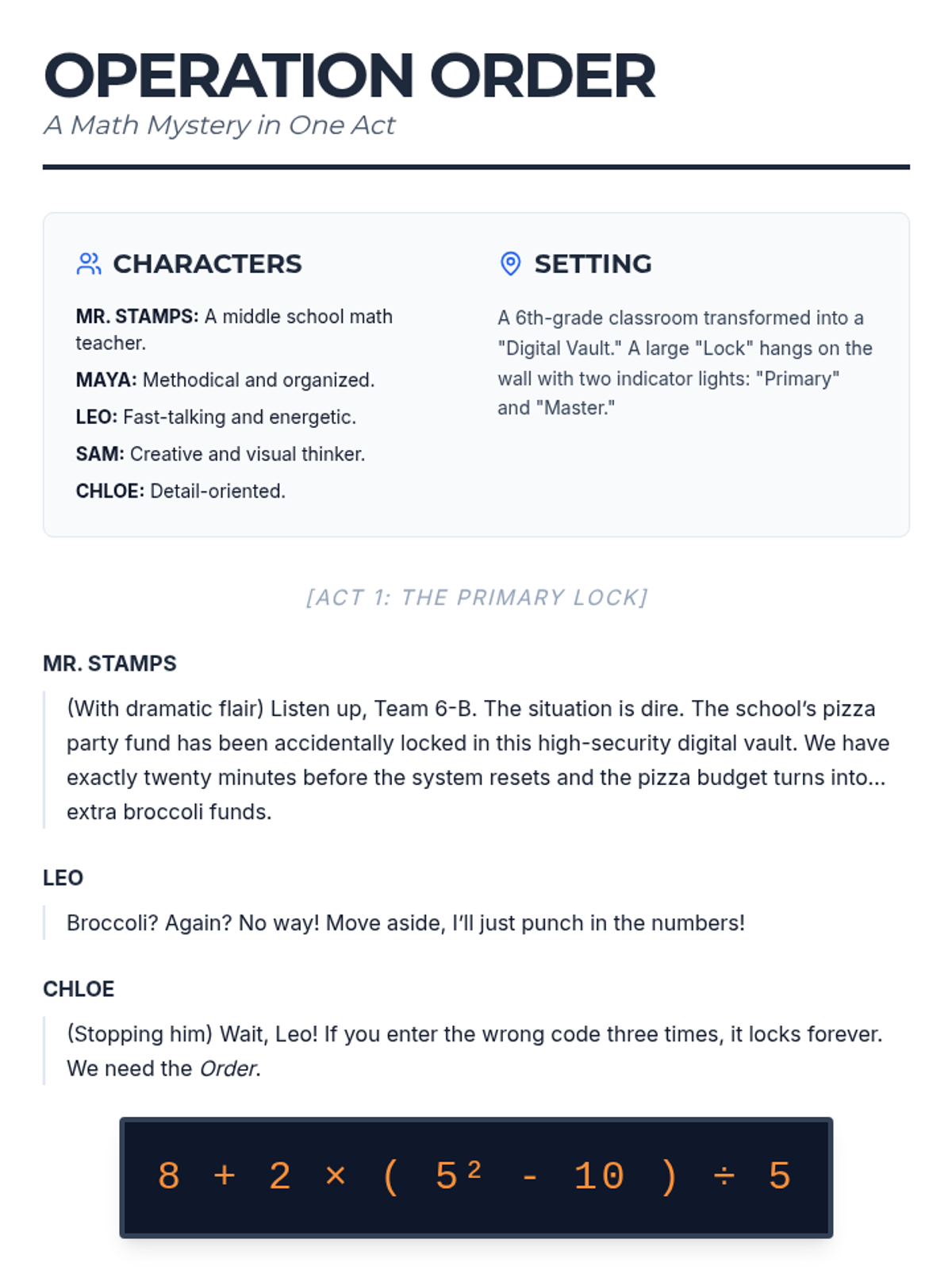
A collaborative math-themed drama lesson where students perform a play about the Order of Operations. The lesson explores teamwork and the real-world application of PEMDAS through an escape room scenario.
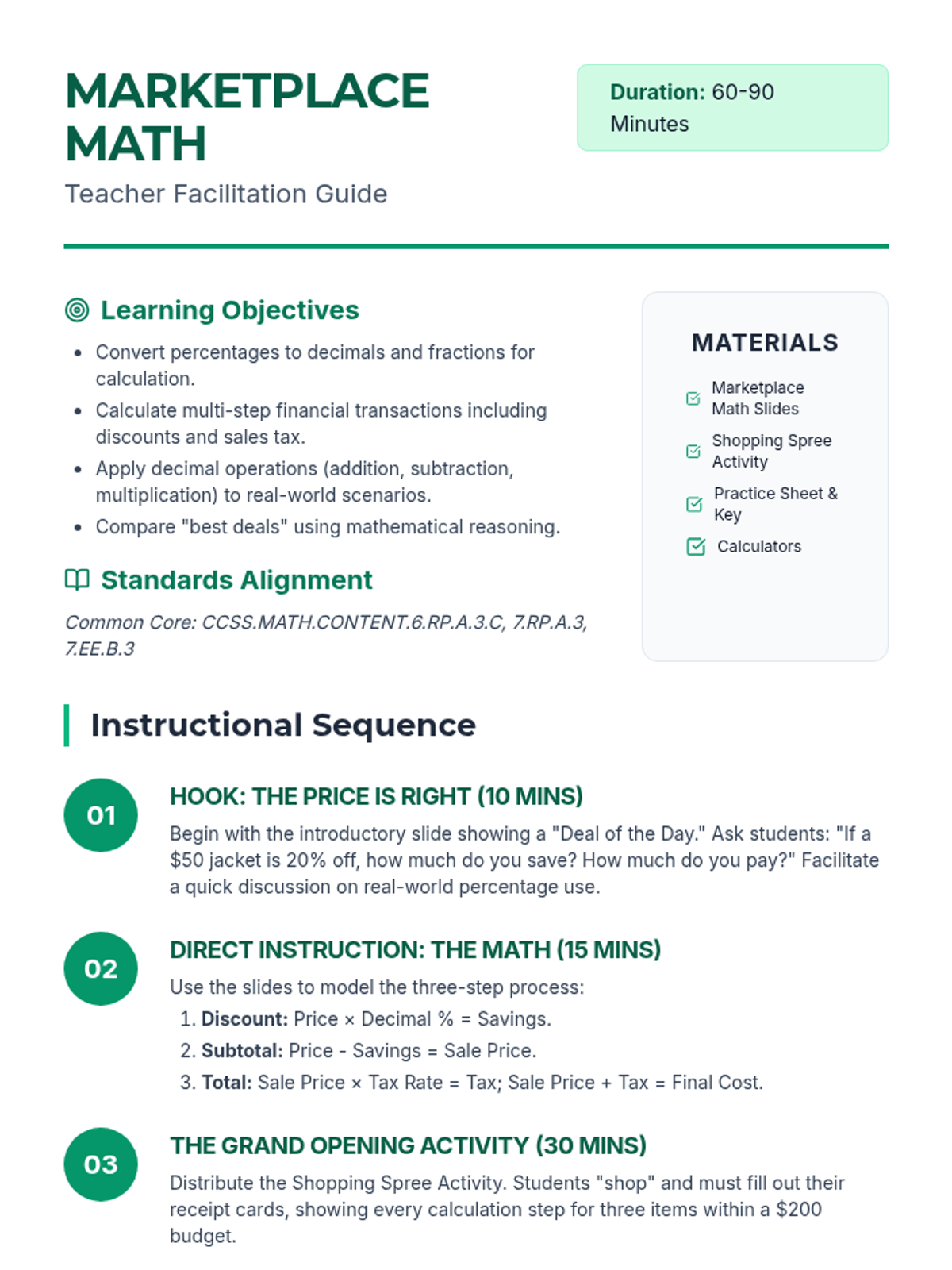
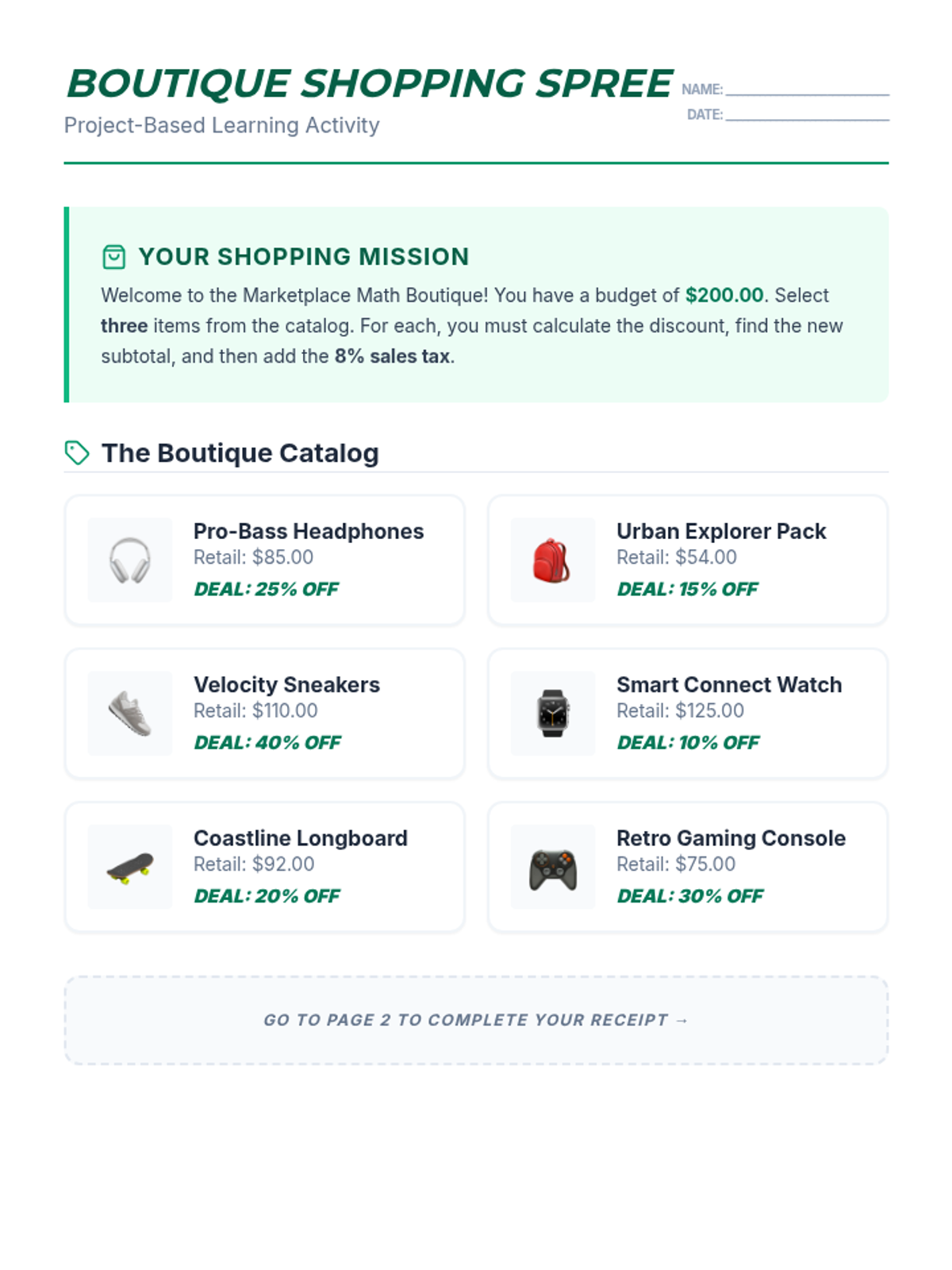
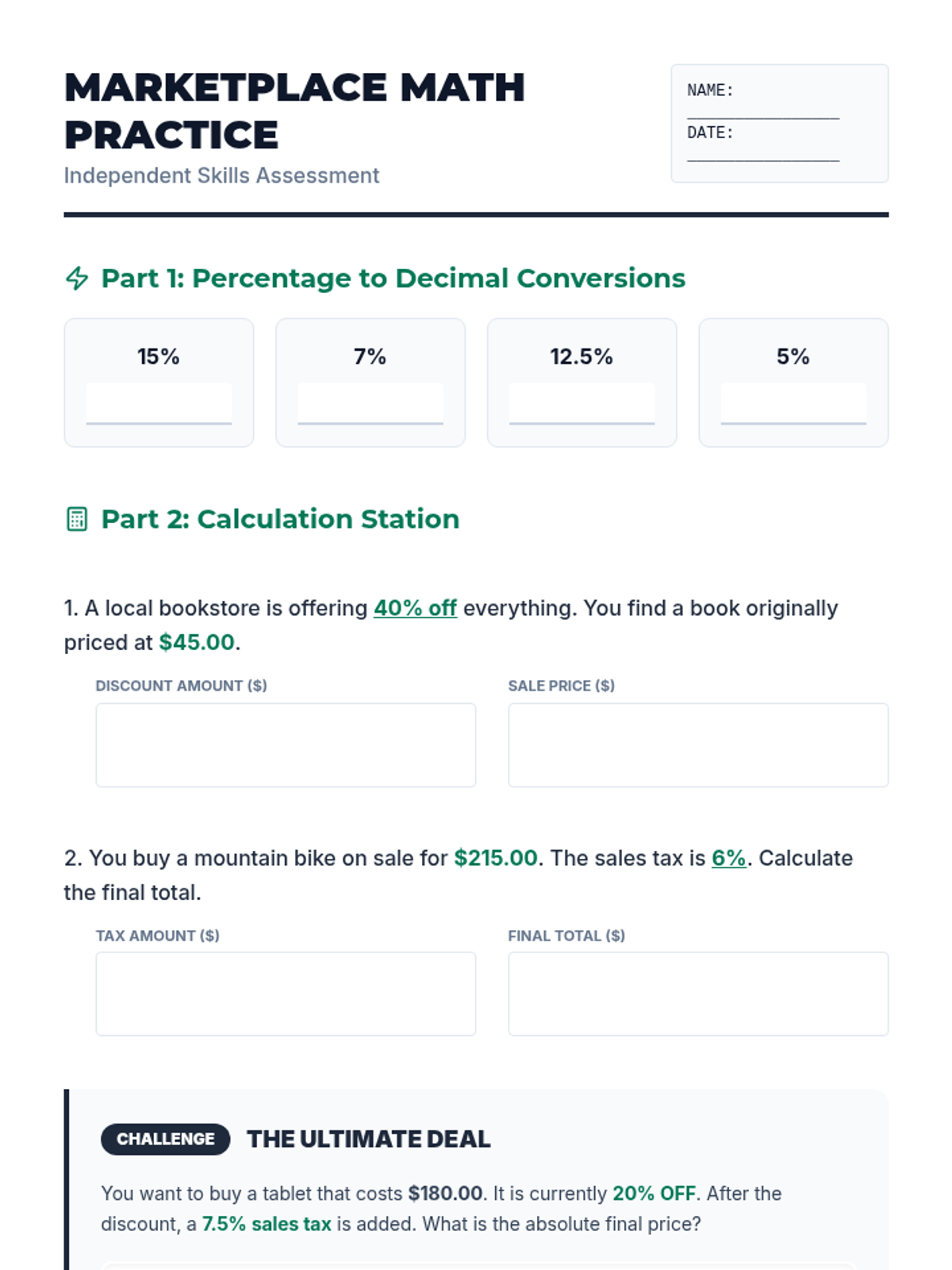
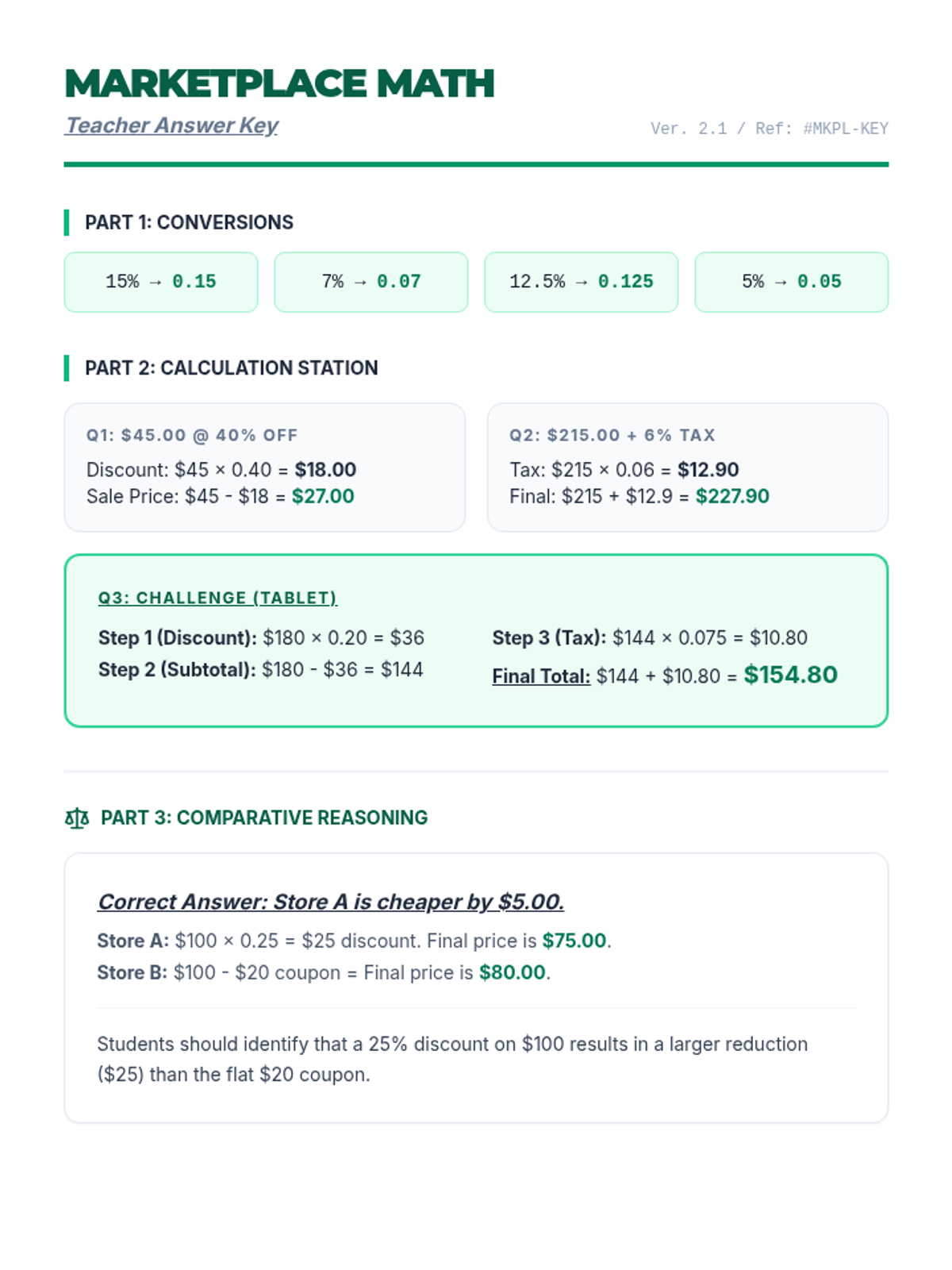
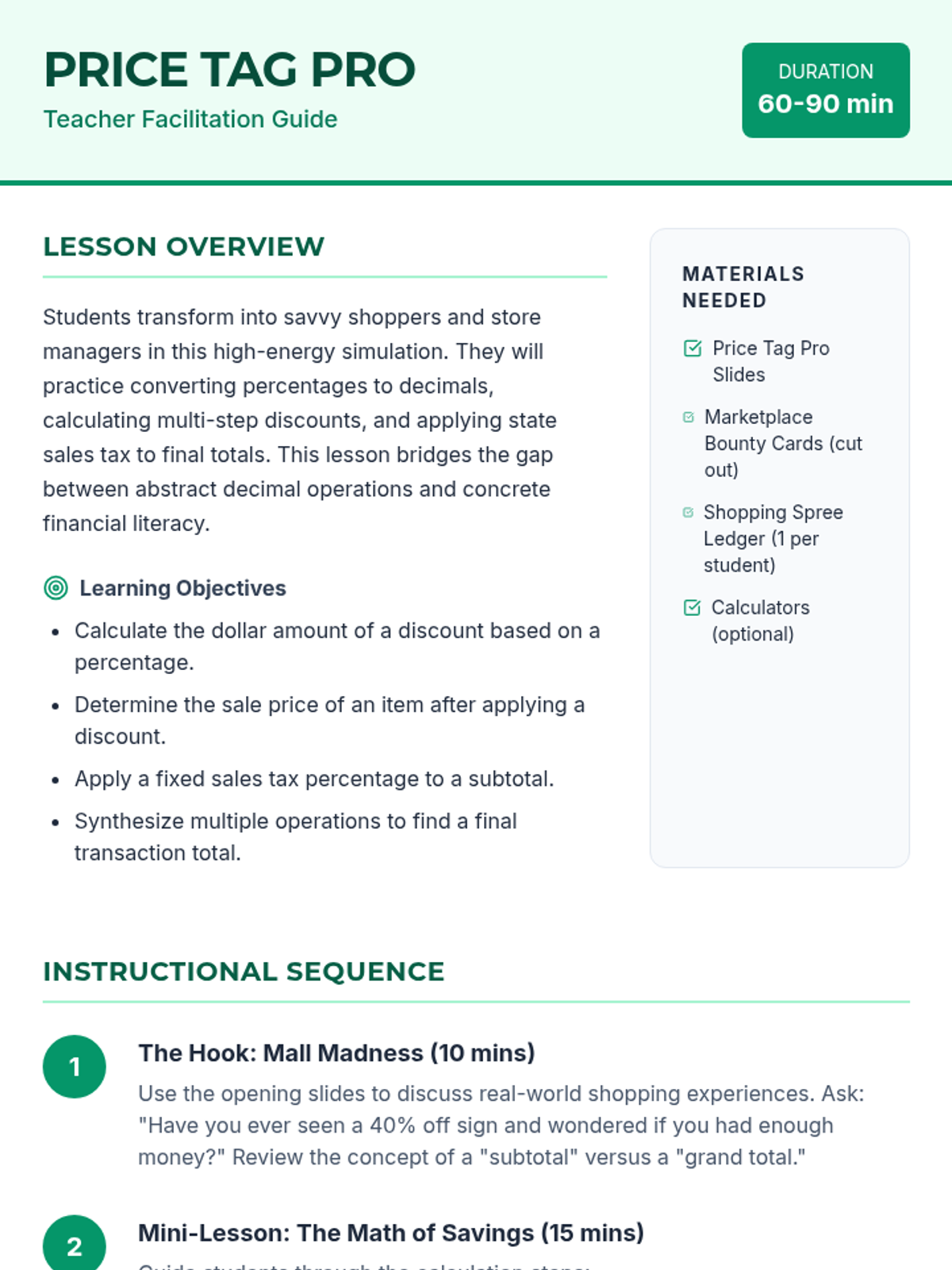
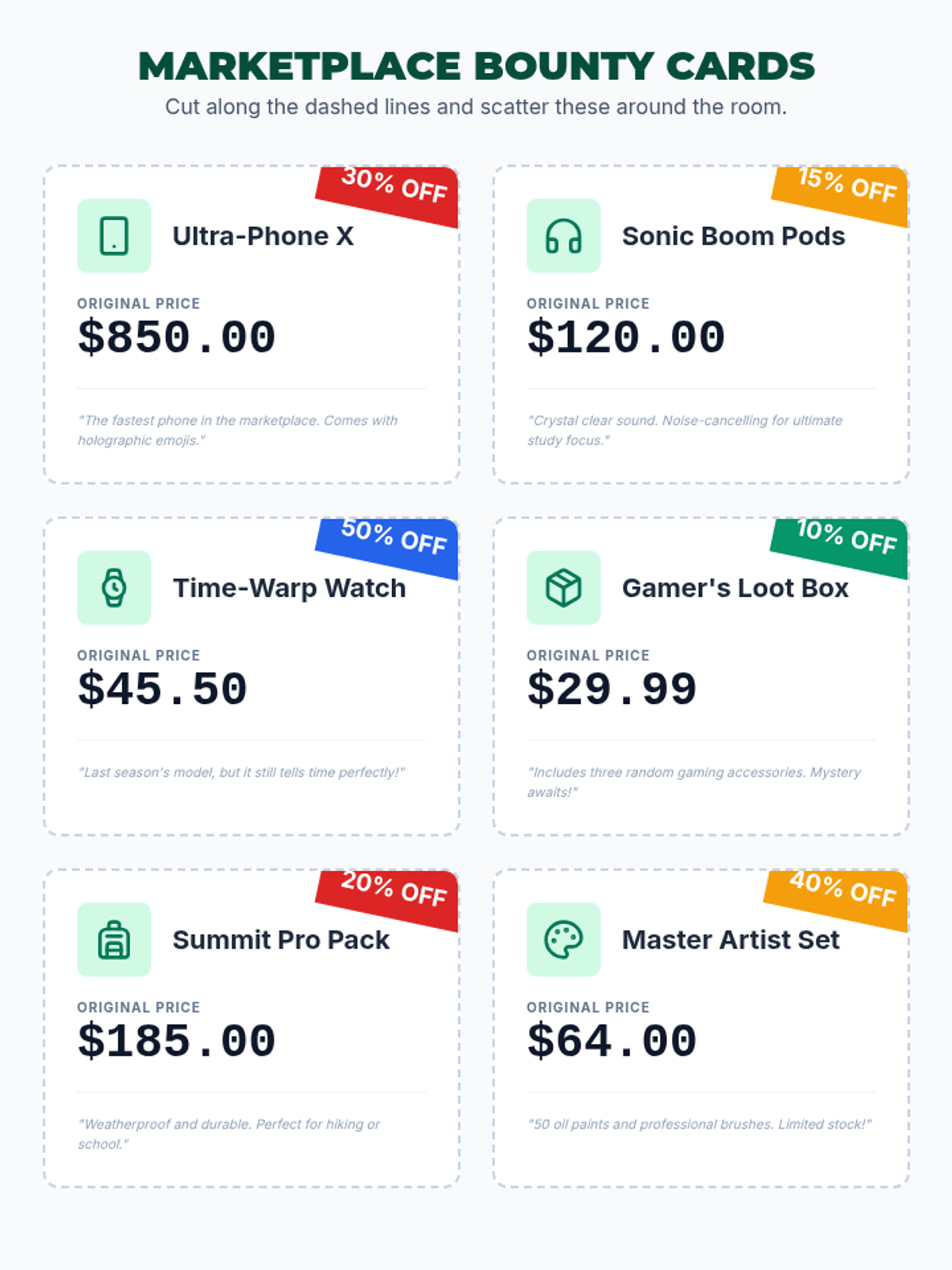
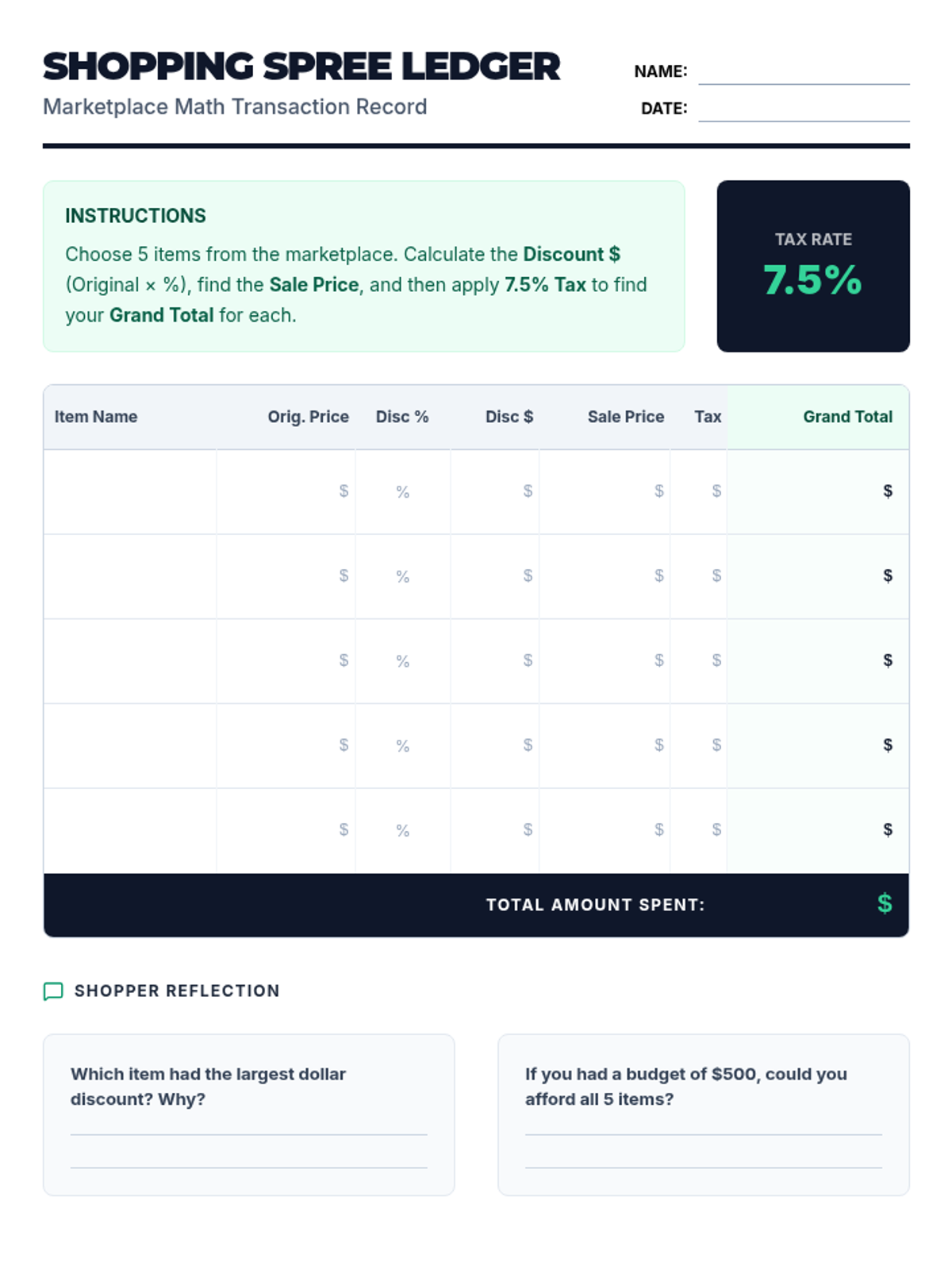
A project-based lesson where students master percentages and decimals by calculating discounts, sales tax, and final totals in a simulated shopping environment.
A project-based math lesson where students master percentages and decimals by navigating a simulated marketplace, calculating real-world discounts and sales tax.
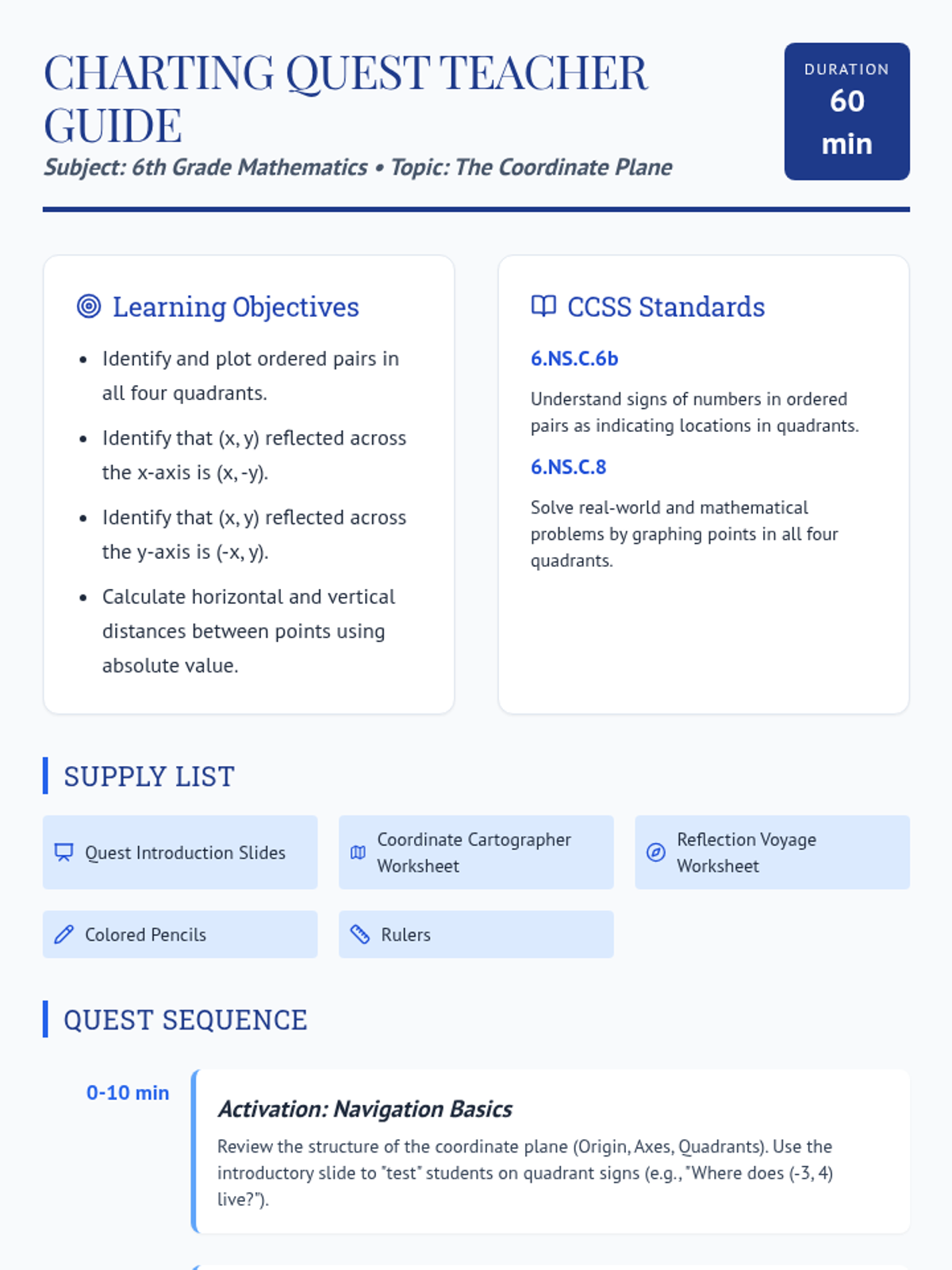
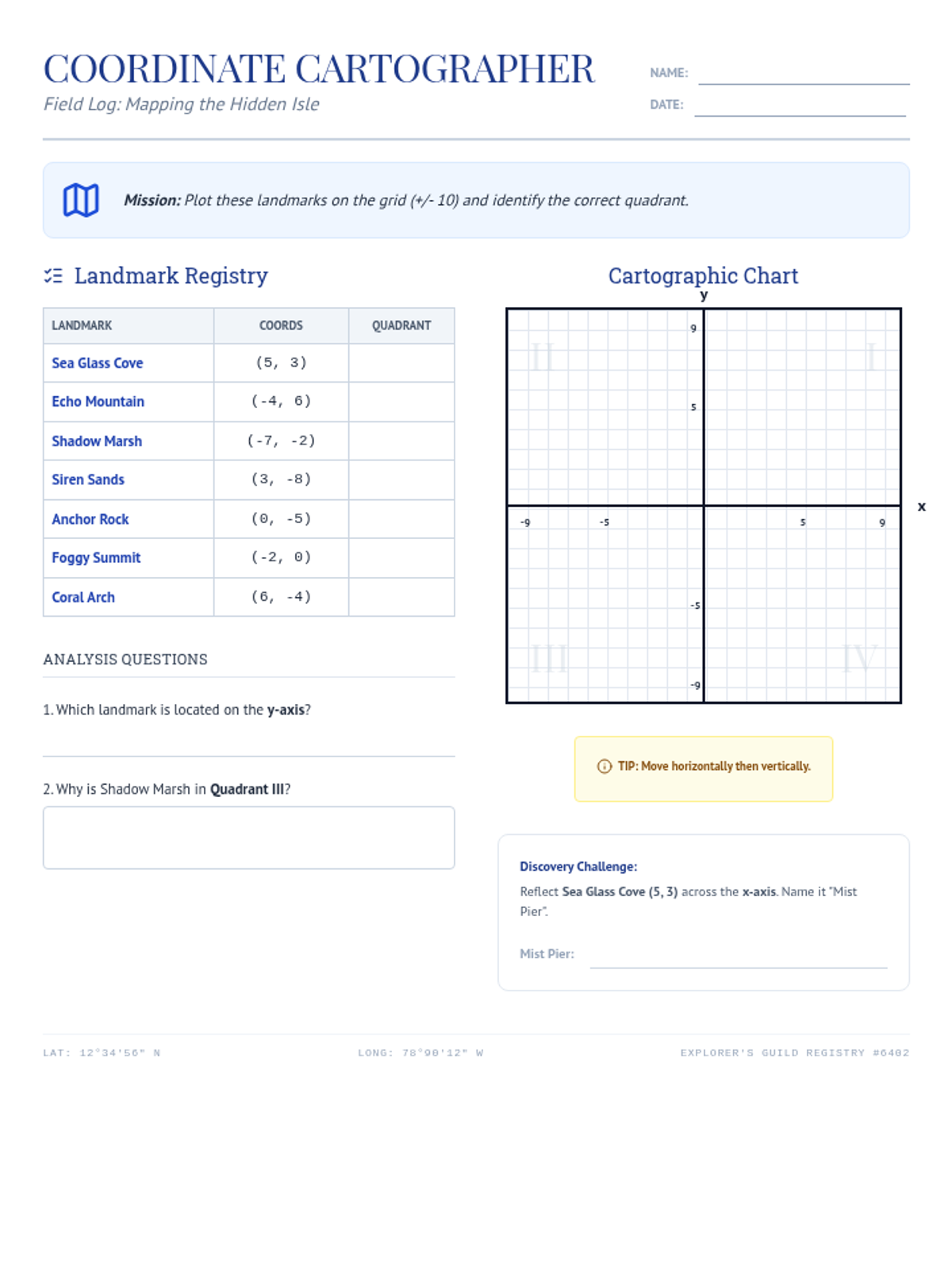
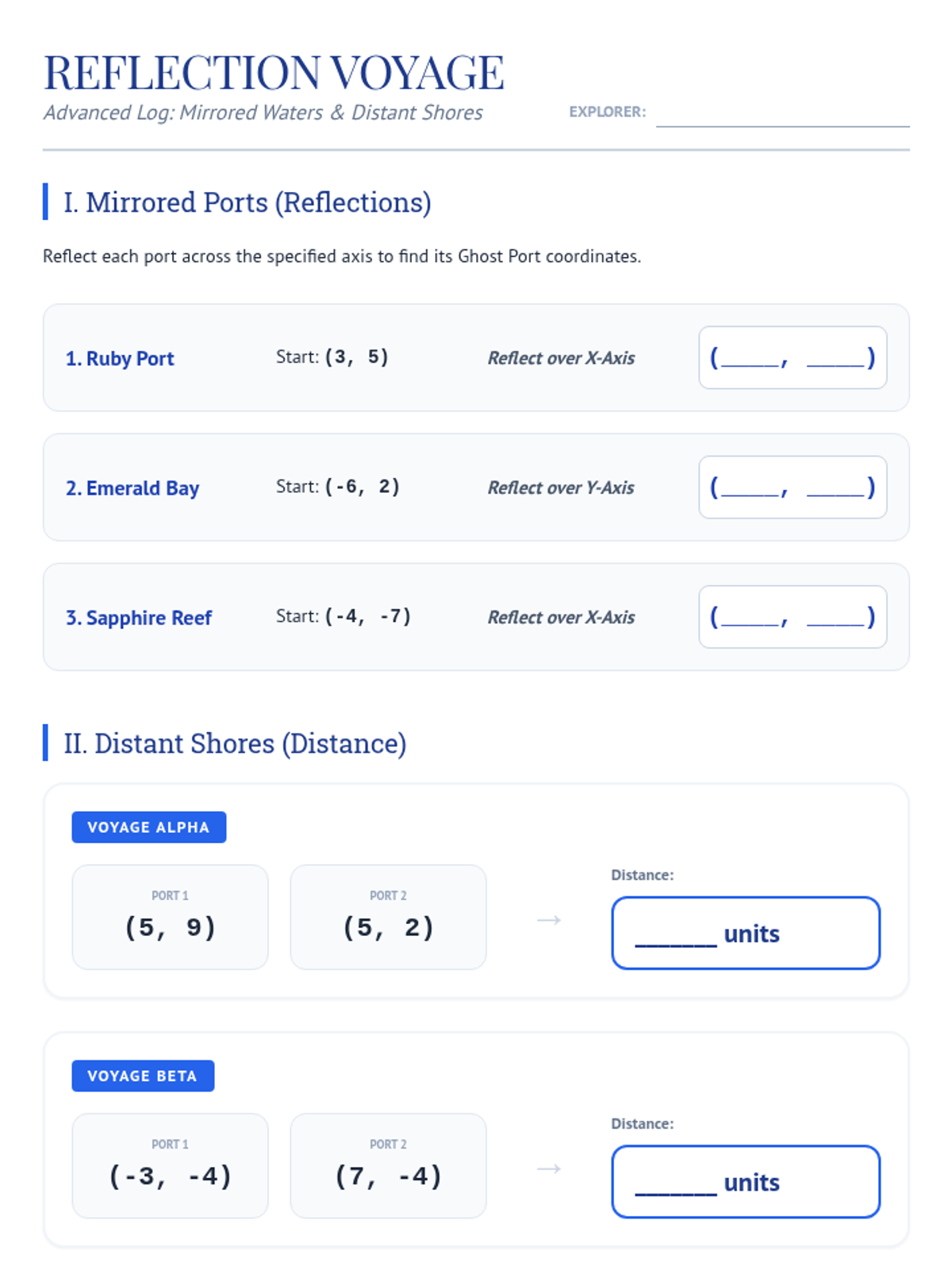
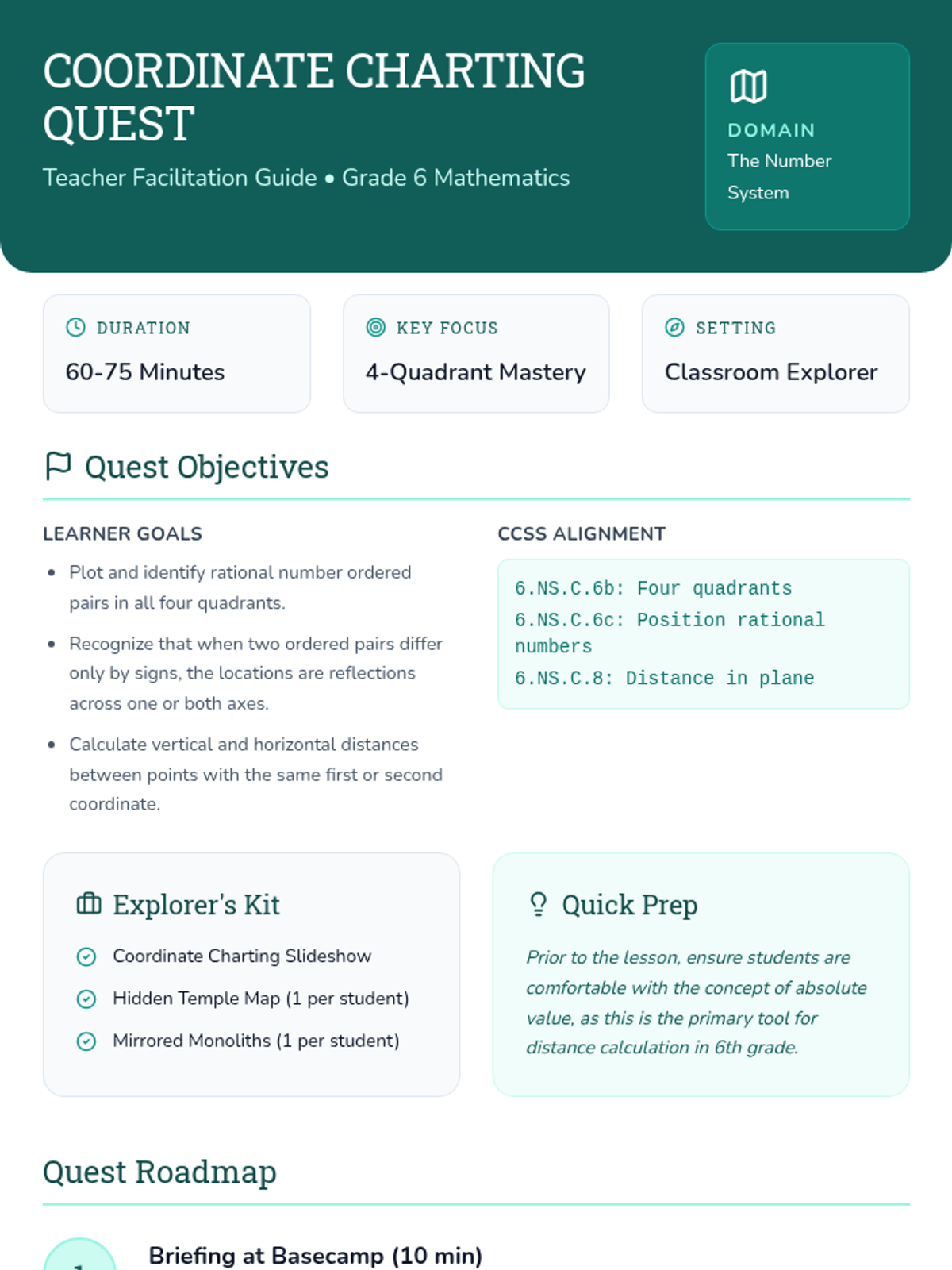
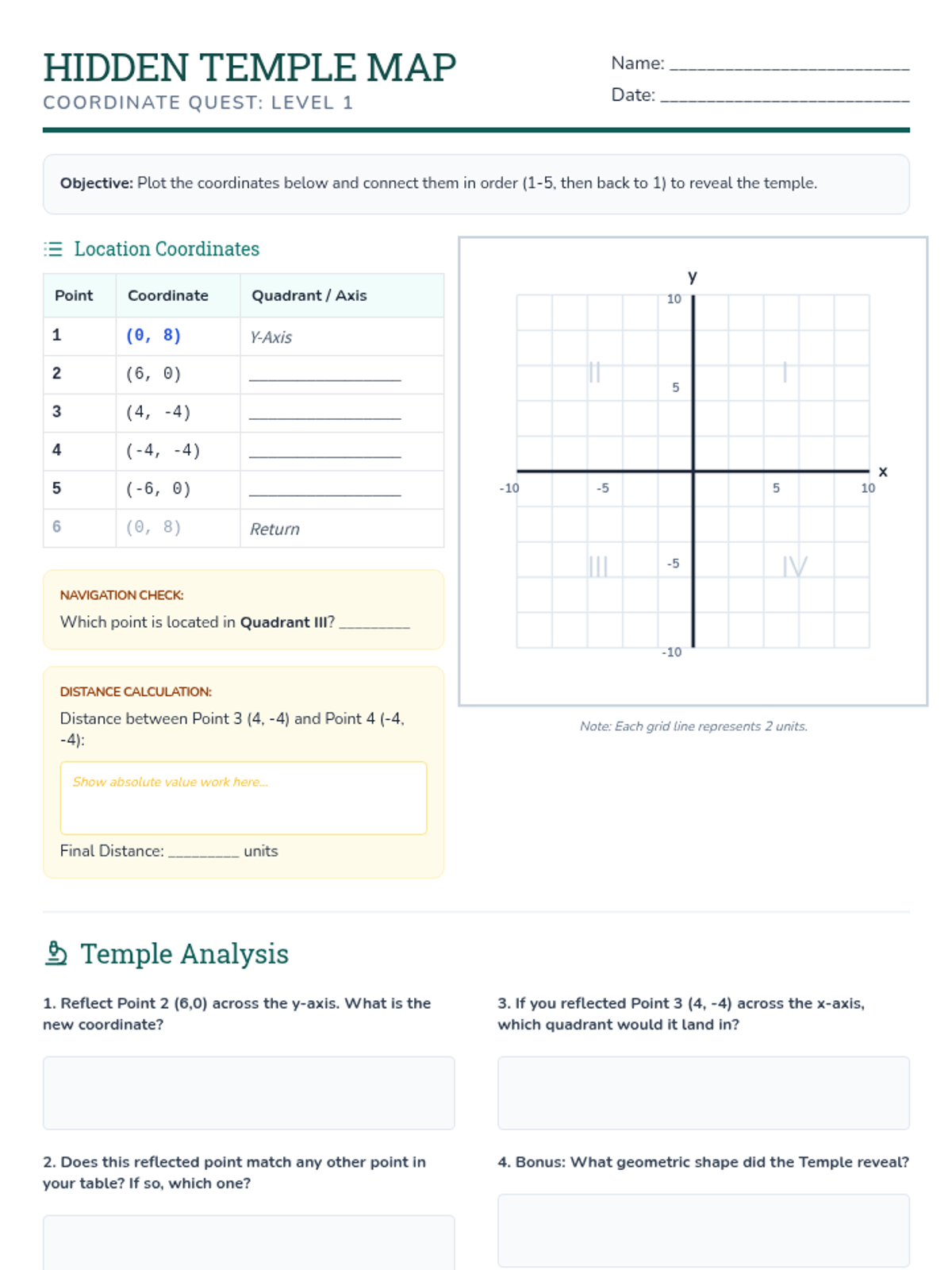
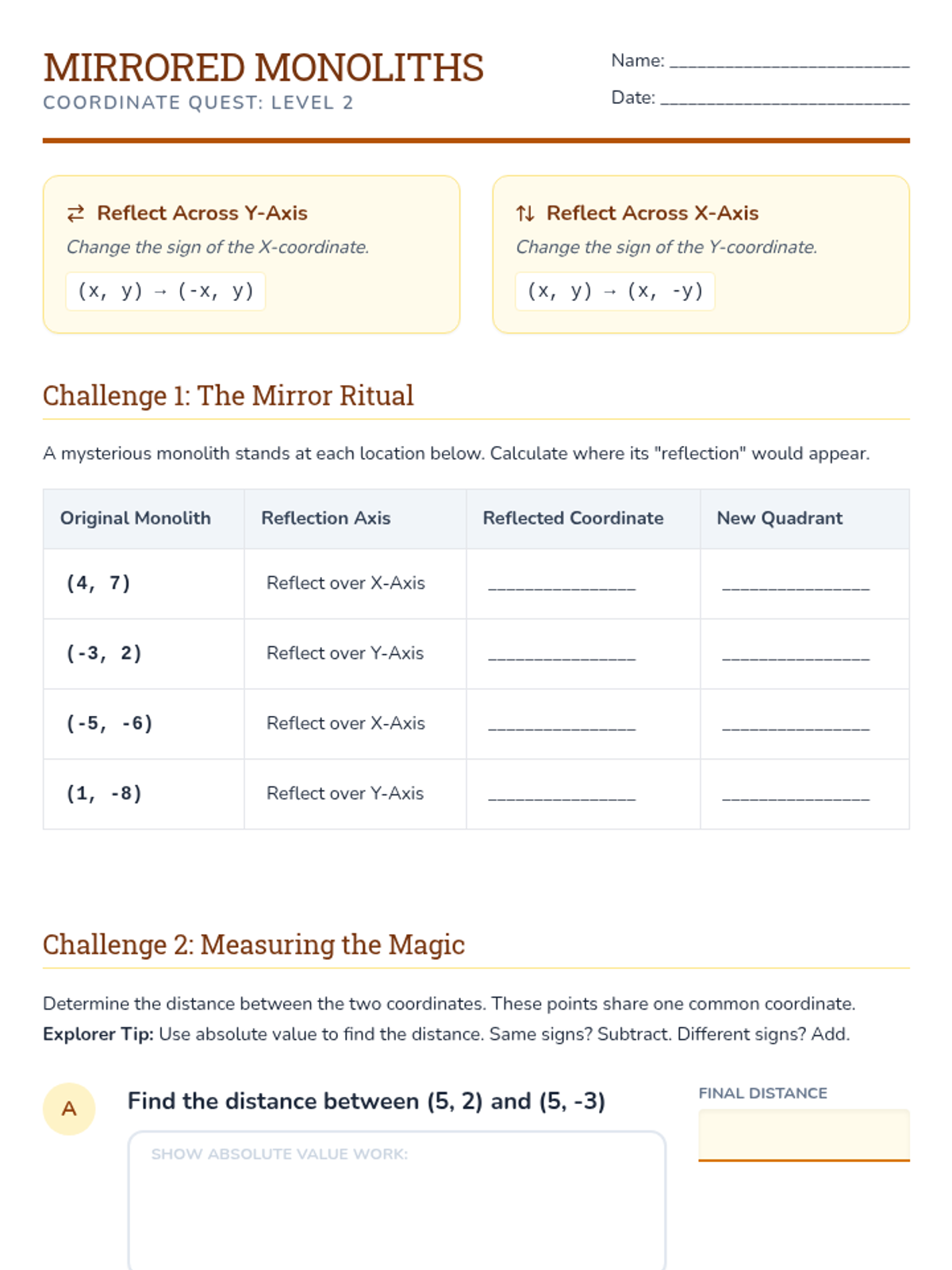
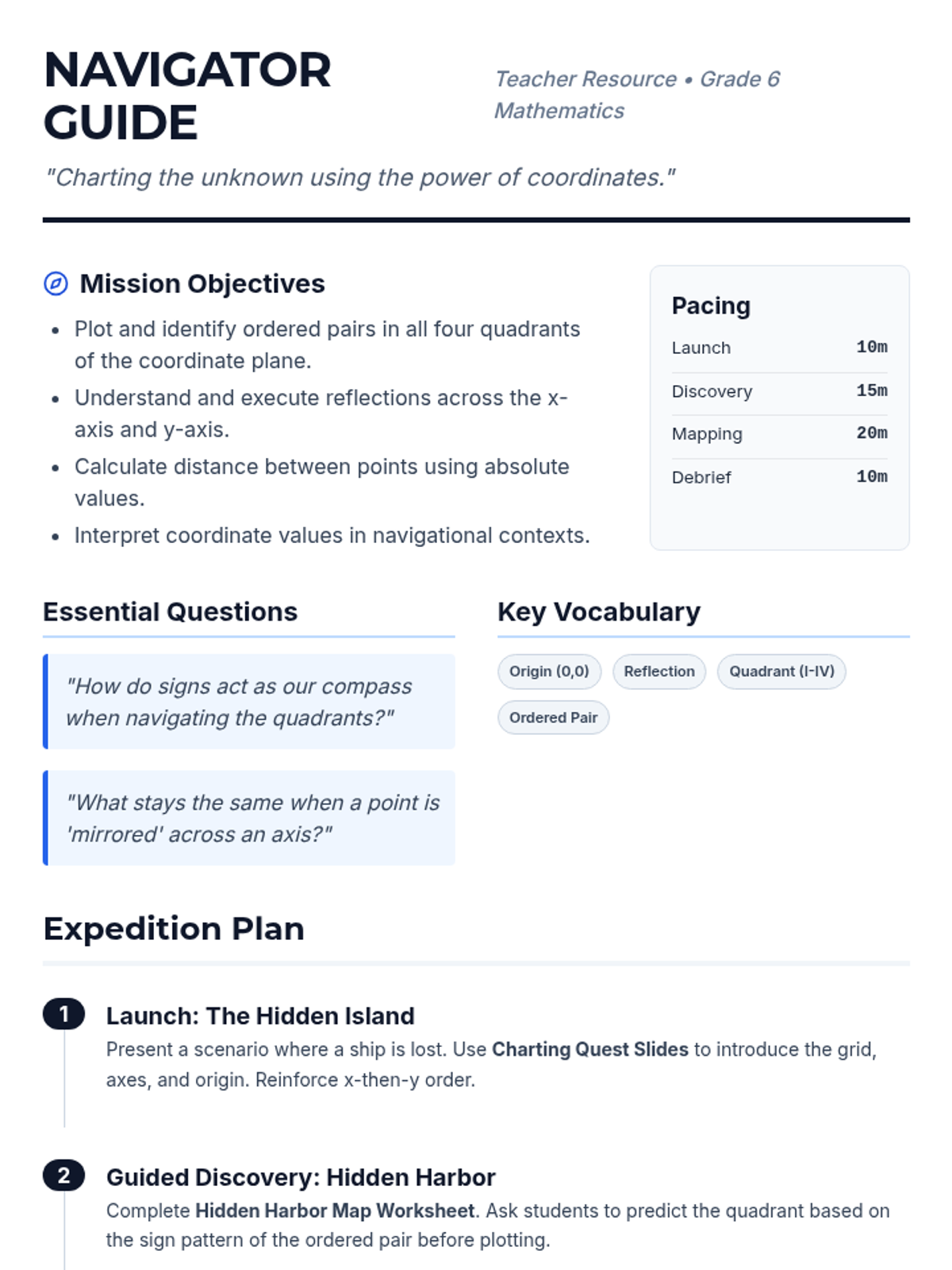
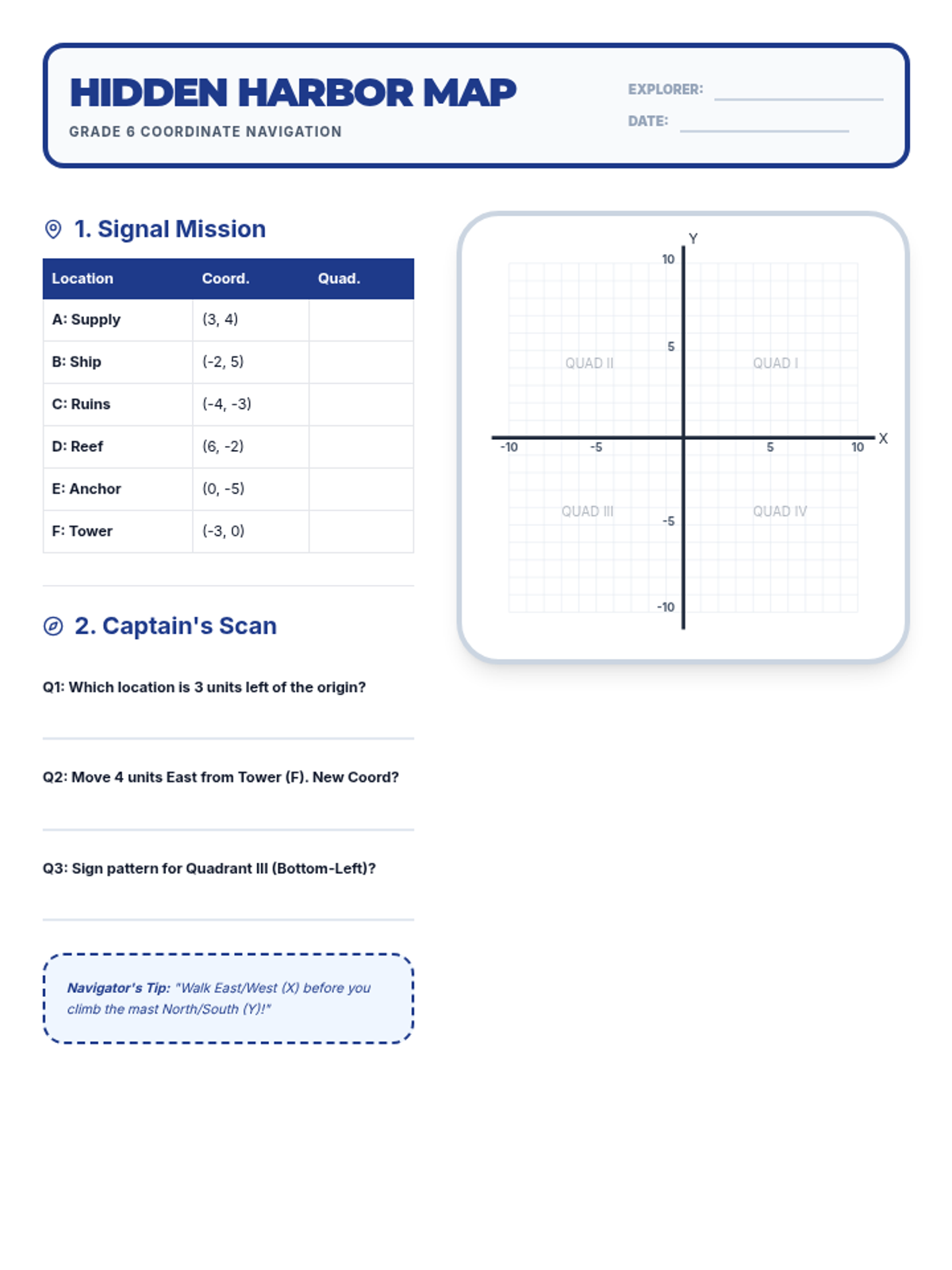
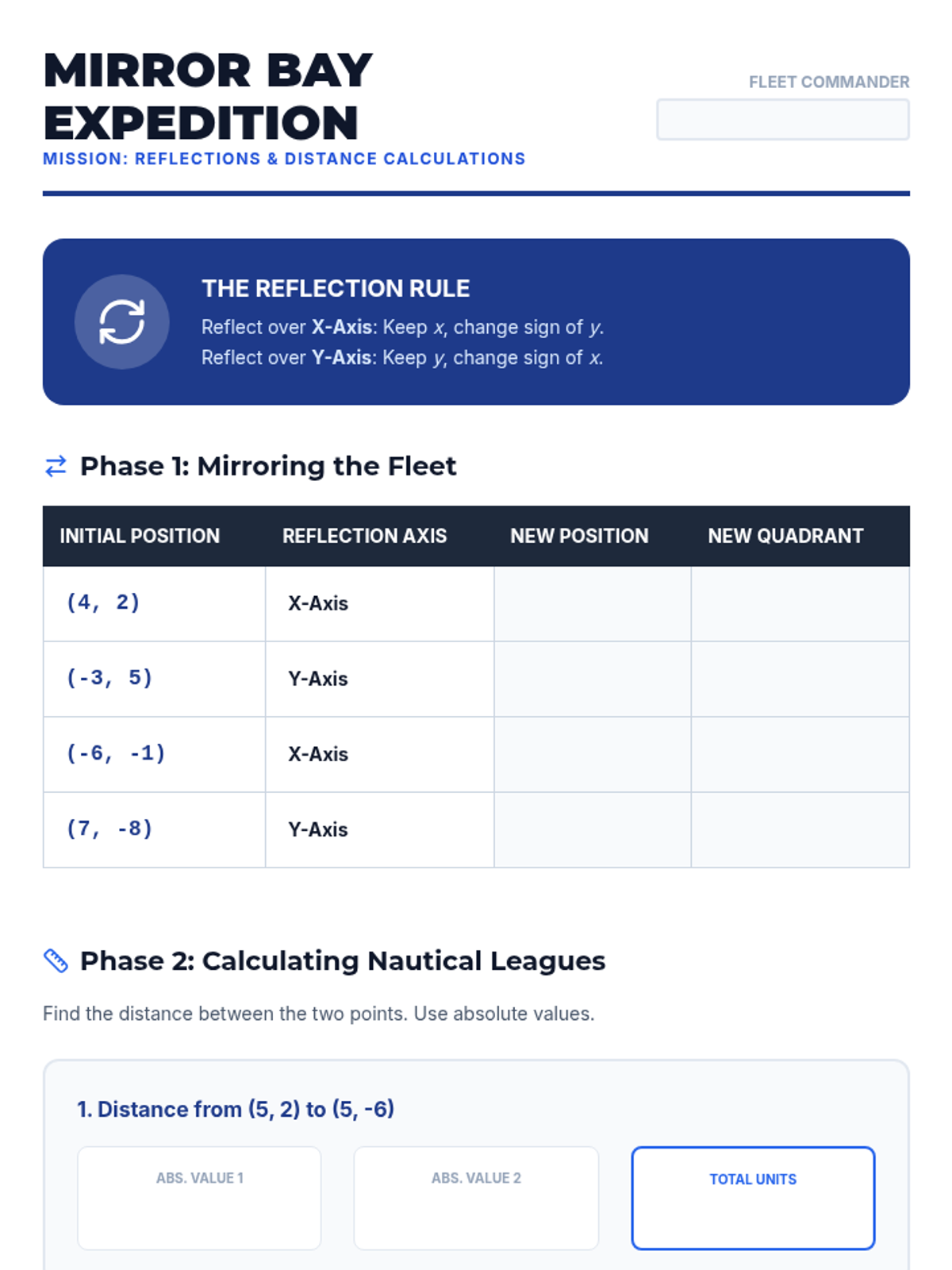
A sixth-grade exploration of the four-quadrant coordinate plane where students act as cartographers to map locations, reflect across axes, and calculate distances between points.
Students embark on a cartographic journey across the four quadrants of the coordinate plane. They will master plotting ordered pairs, identifying reflections across axes, and calculating distances between points through an immersive adventure theme.
Students embark on a cartographic journey to master the coordinate plane, covering all four quadrants, reflections, and distance calculations through a navigational lens.
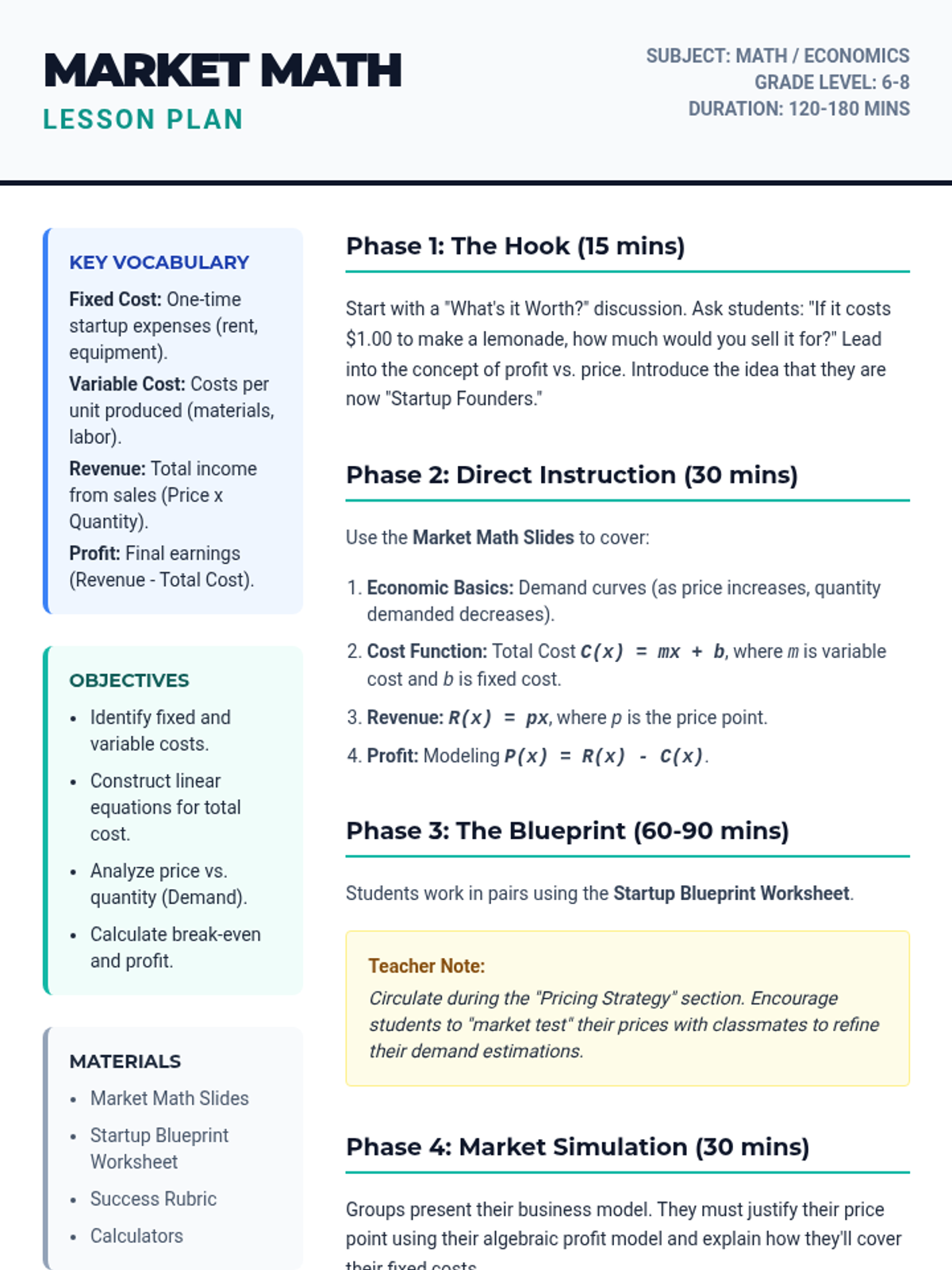
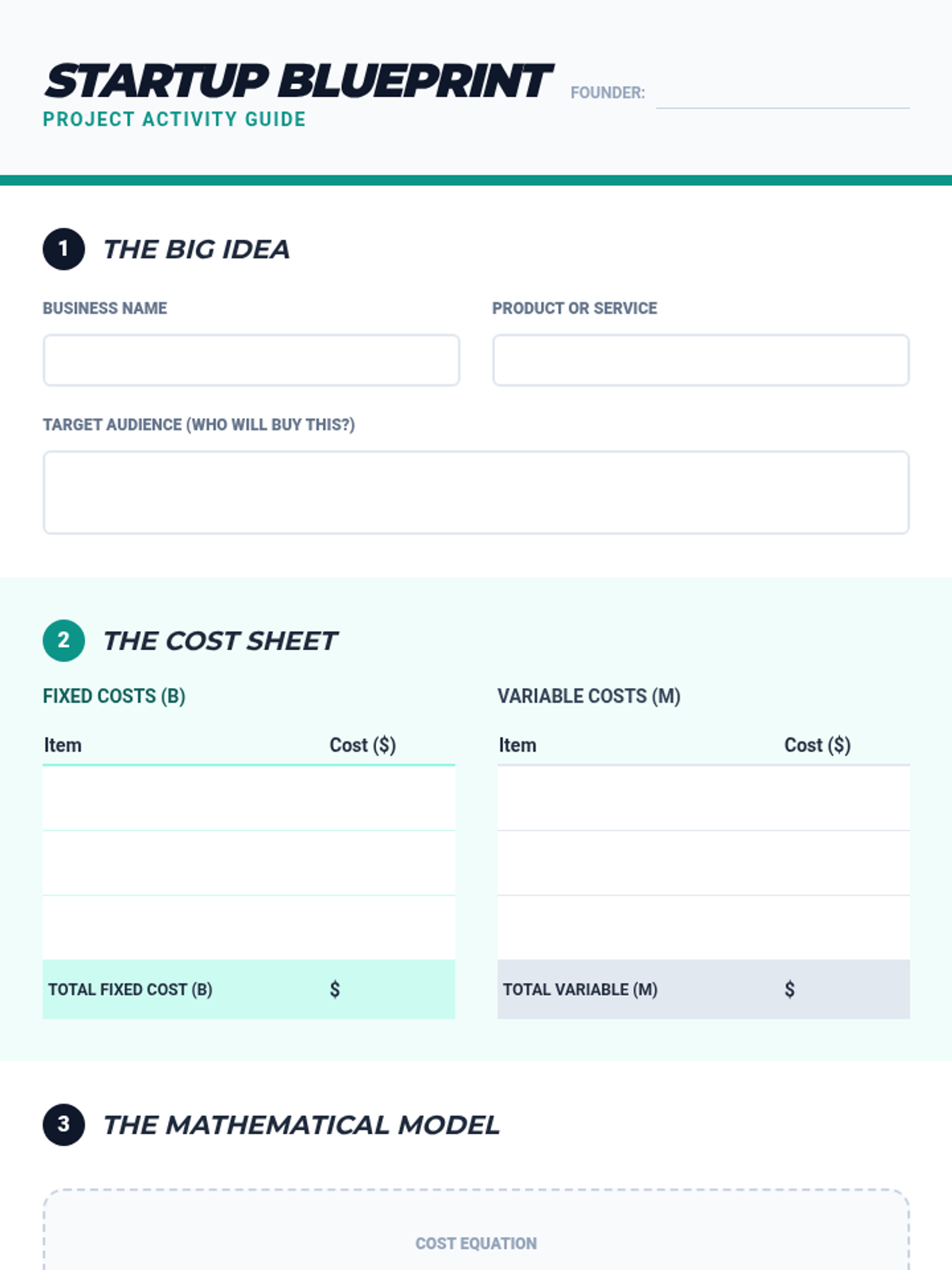
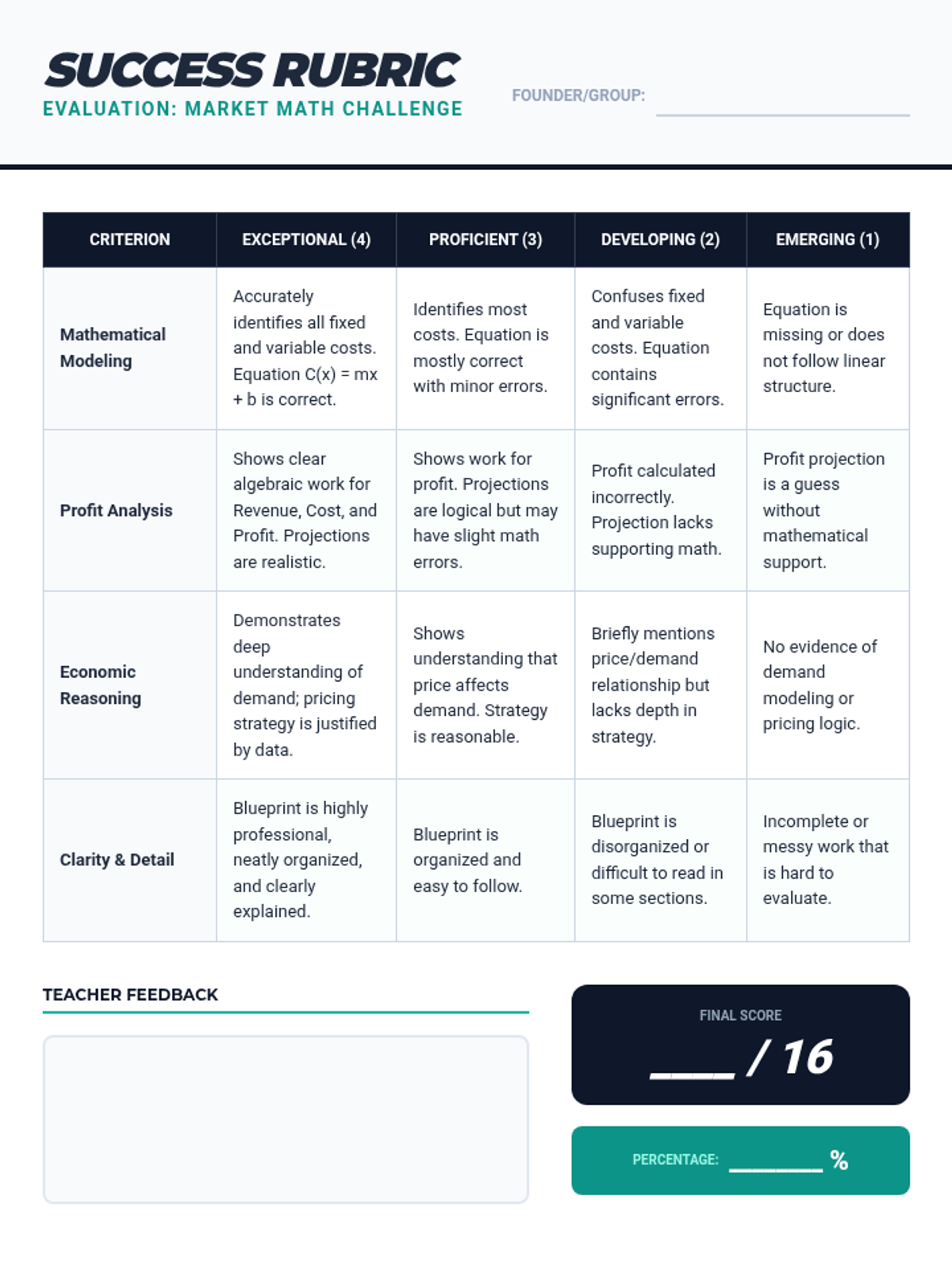
Middle school students design a small business model to apply principles of economics and algebraic reasoning through startup cost calculation and profit modeling.
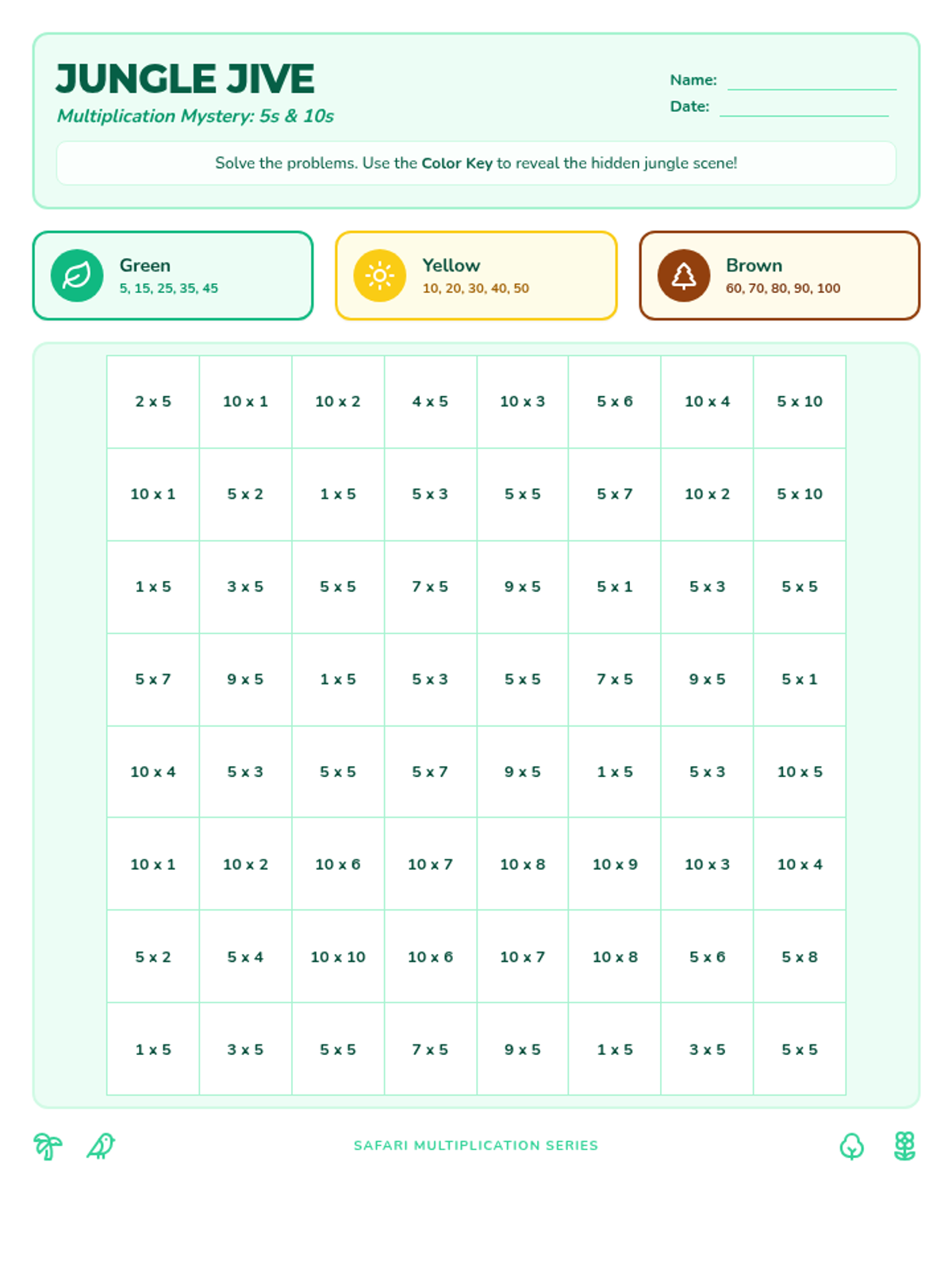
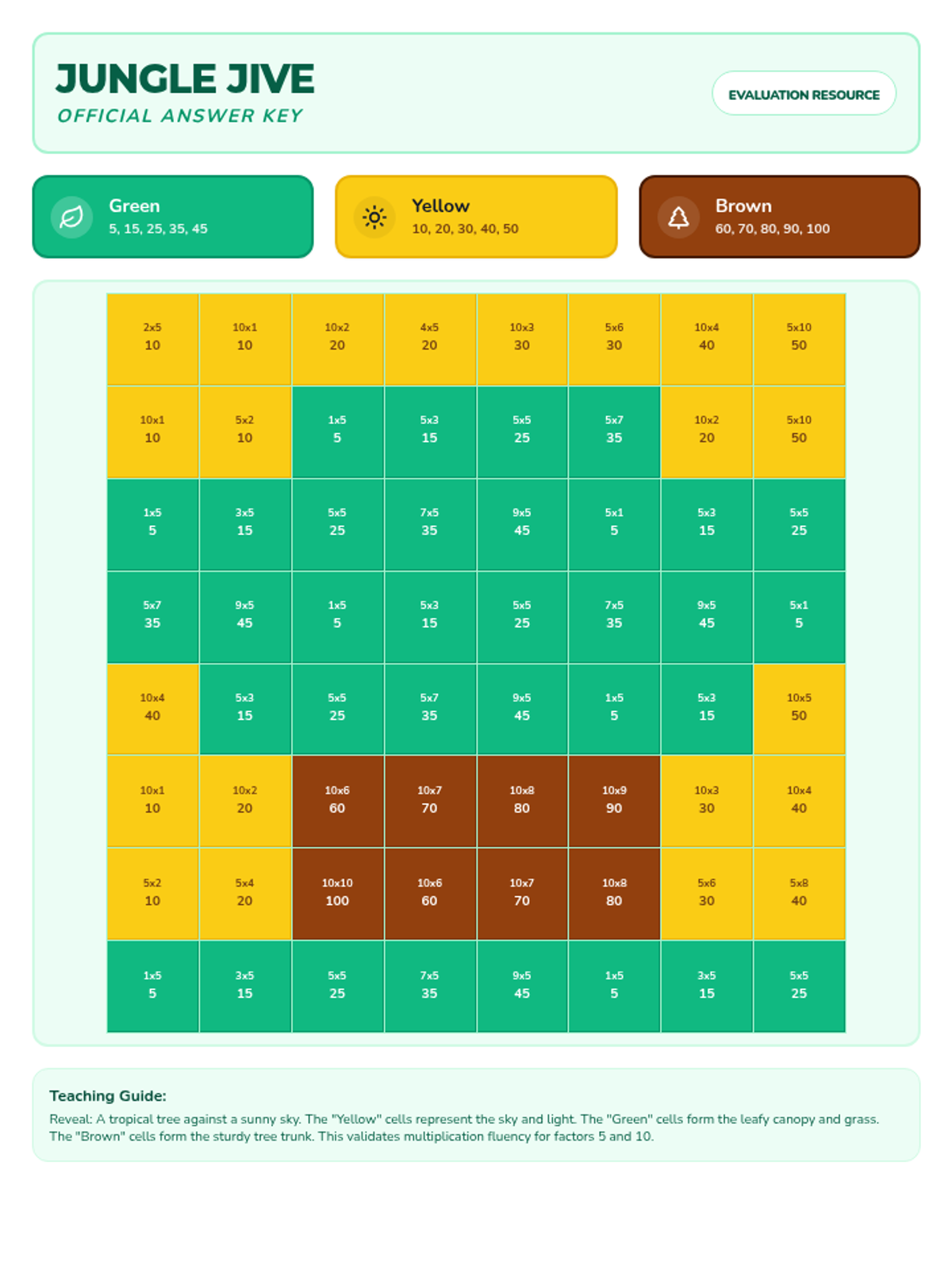
A focused lesson on multiplication facts for 5 and 10 through an engaging jungle-themed color-by-number activity. Students will practice fluency while revealing a hidden safari scene.
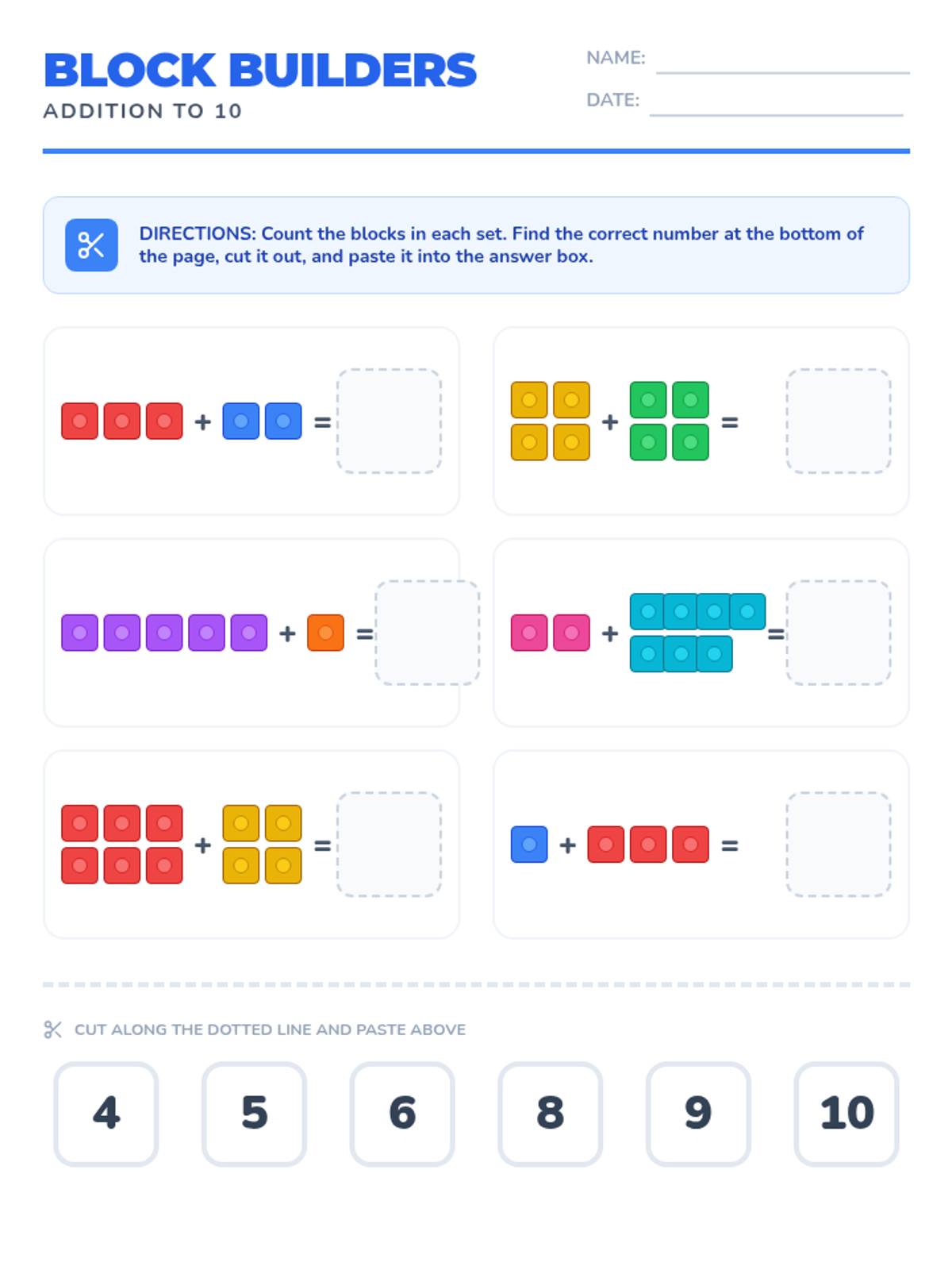
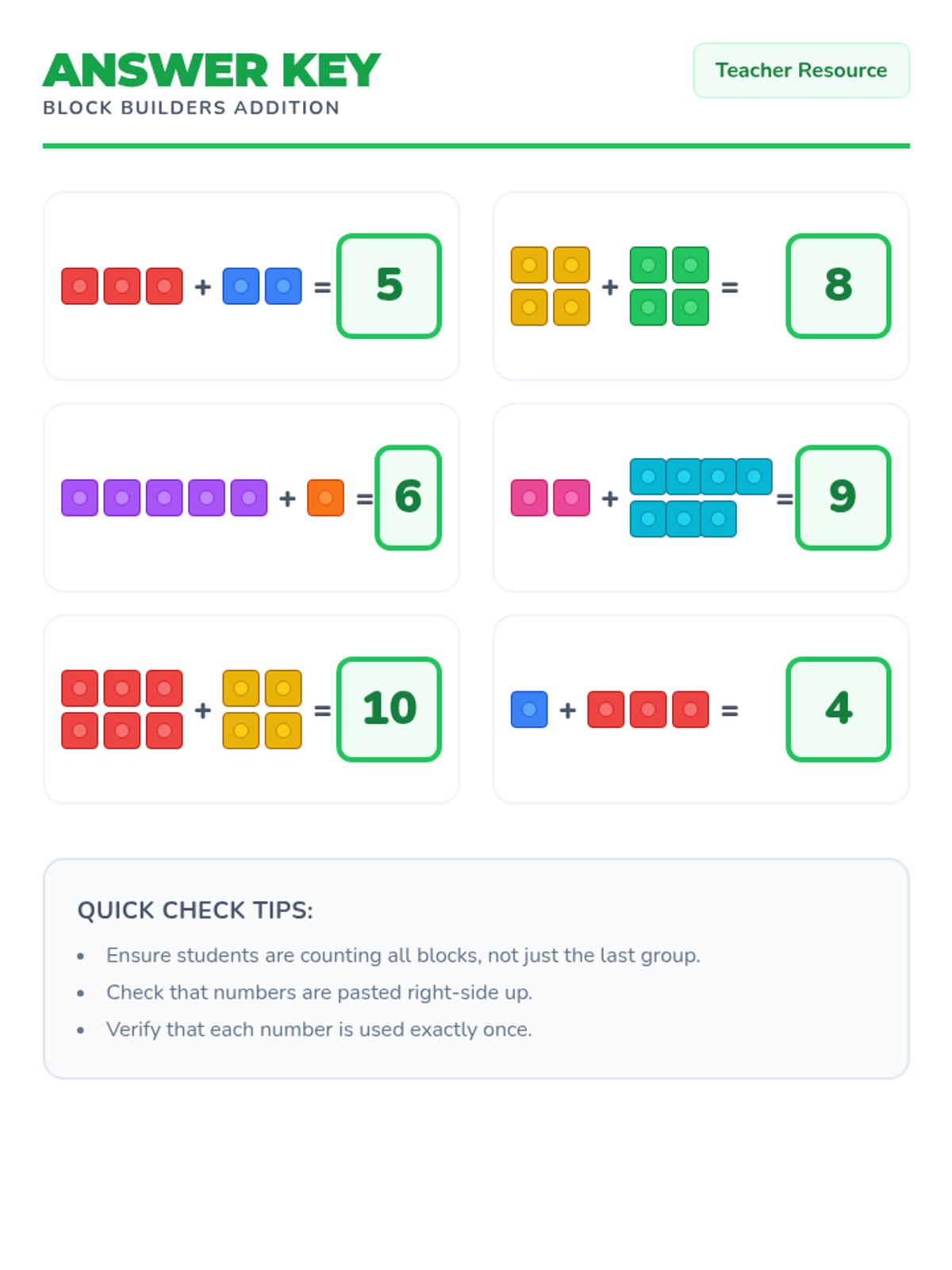
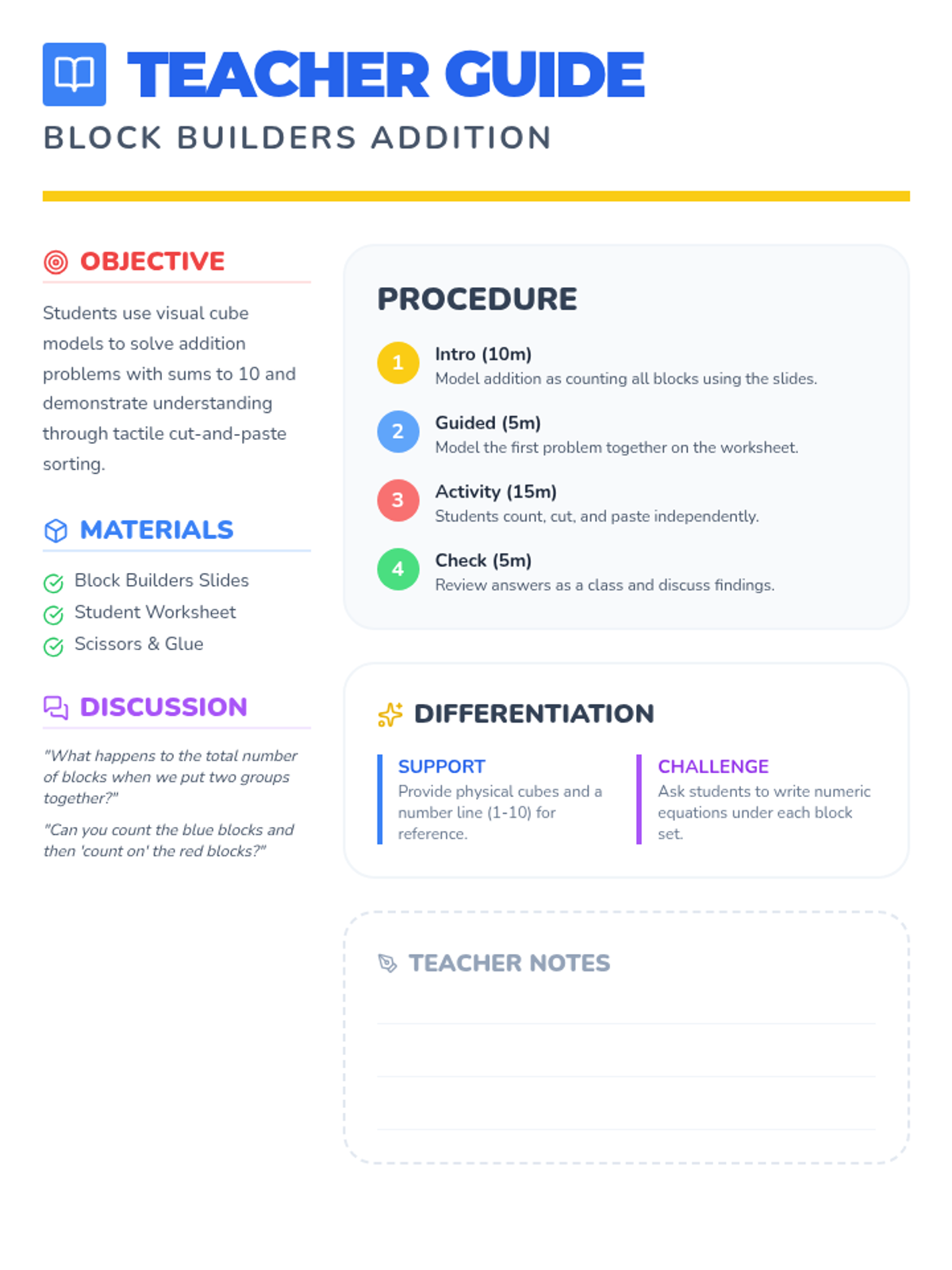
A foundational math lesson where students use visual cube models to solve addition problems with sums up to 10, featuring a hands-on cut-and-paste component for scaffolded learning.
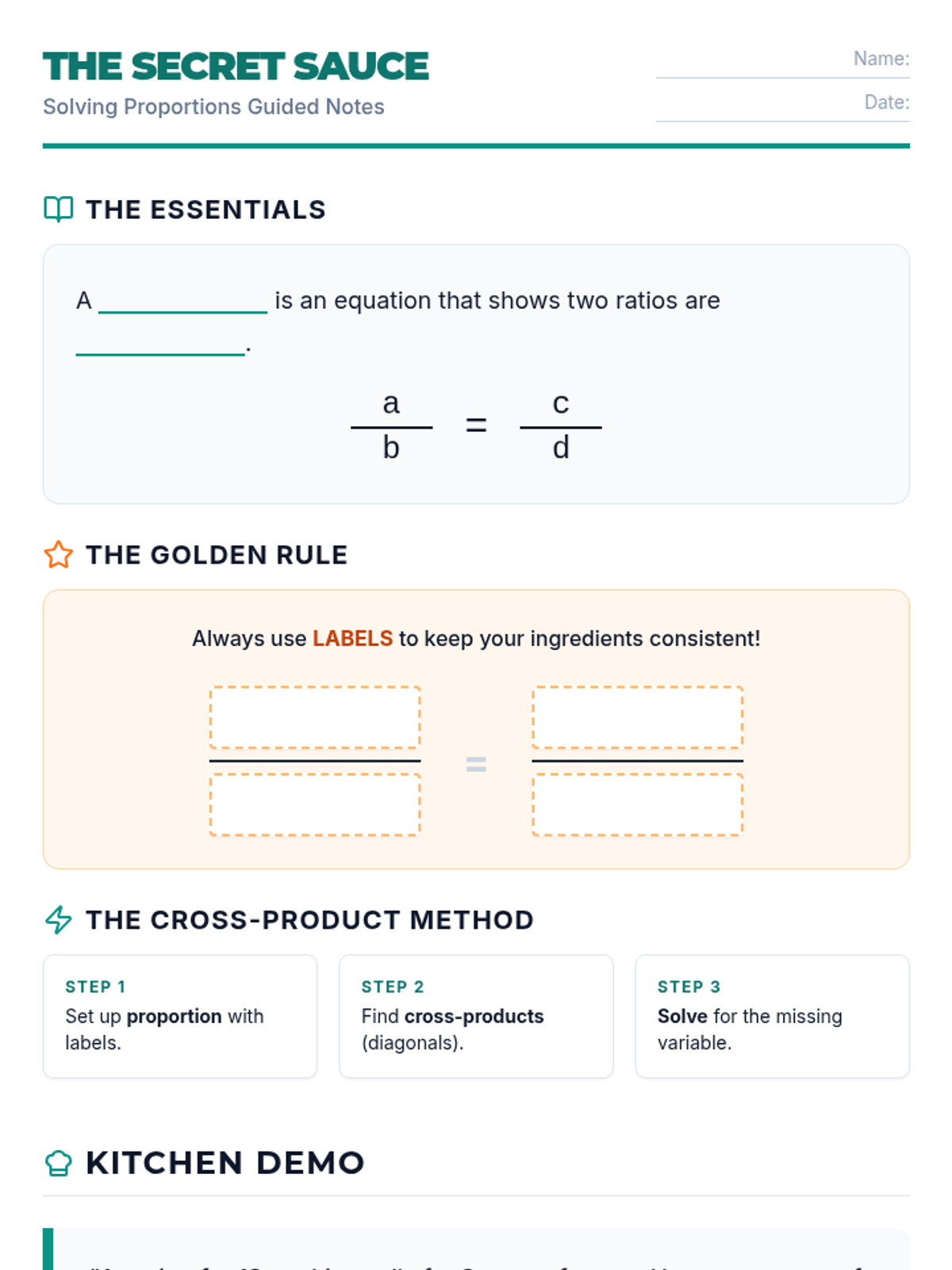
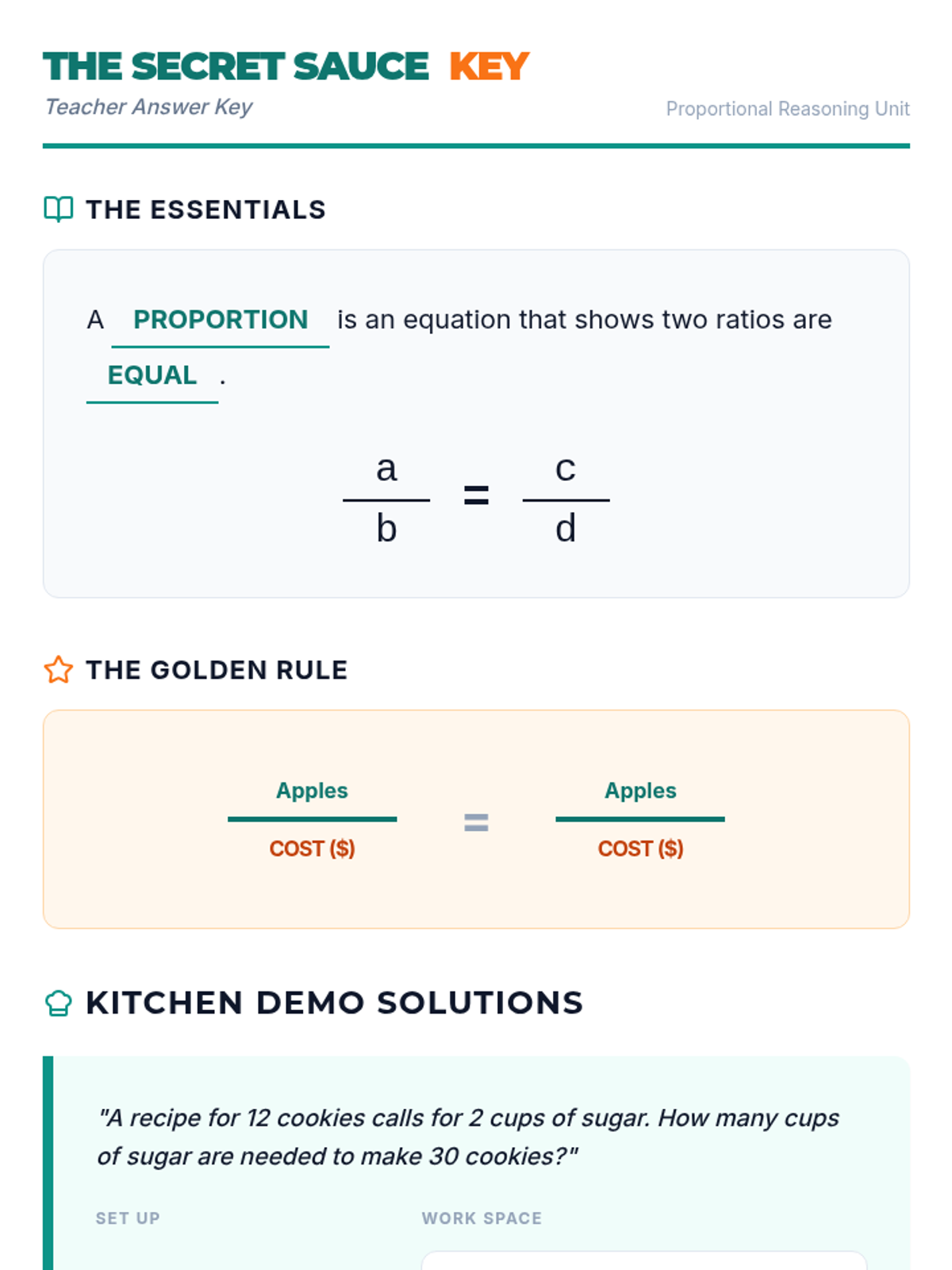
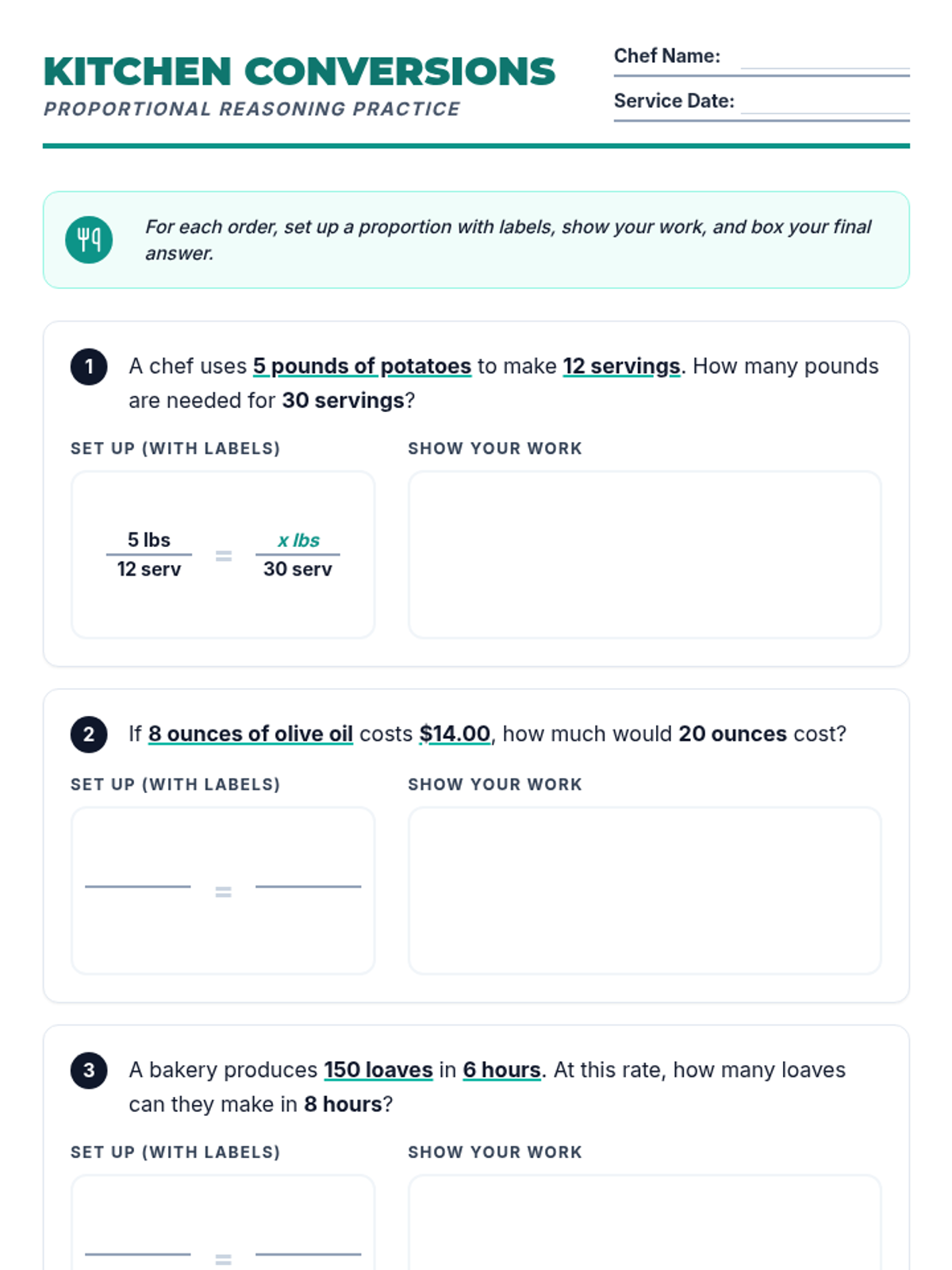
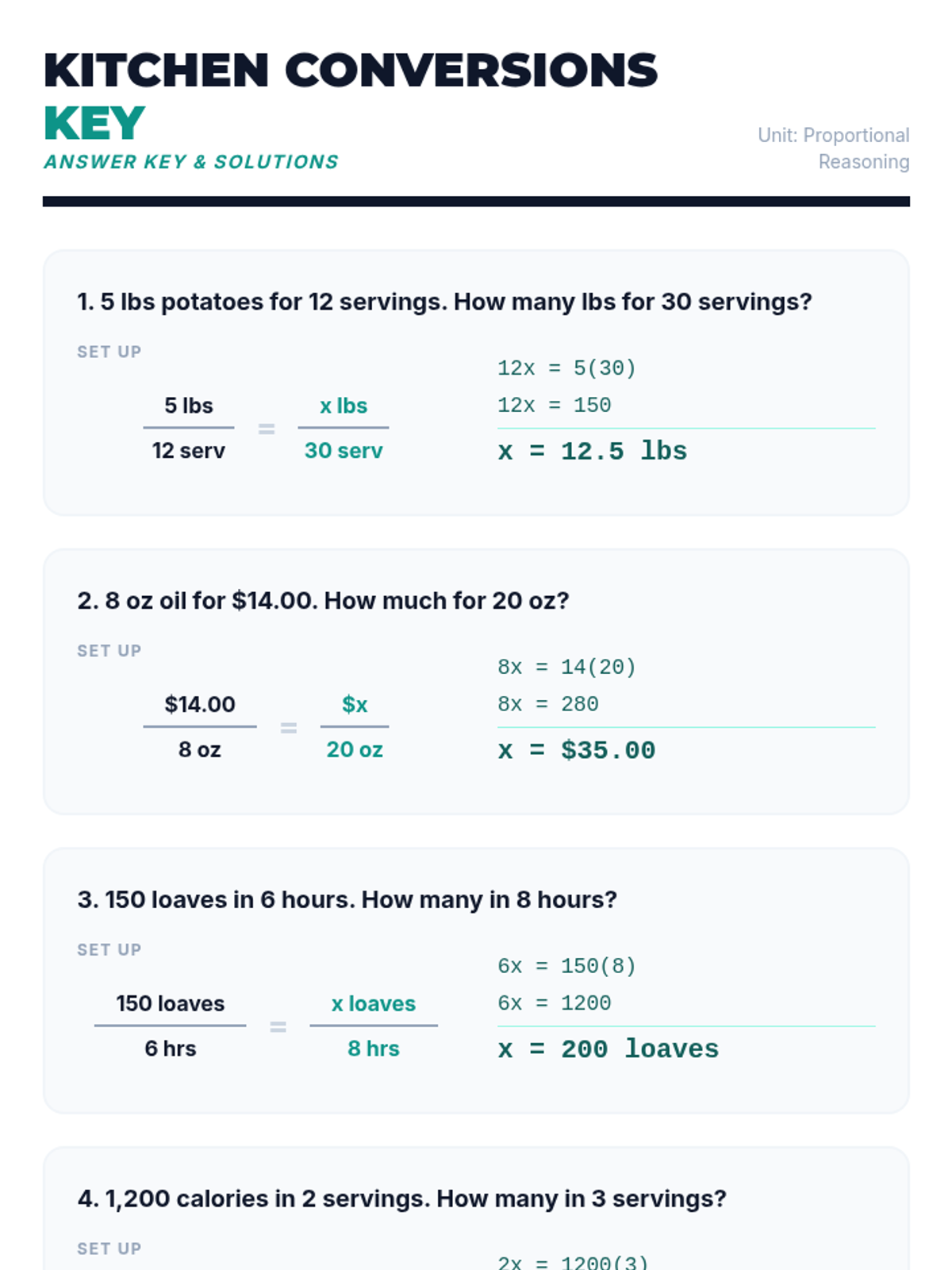
A comprehensive lesson on solving proportional word problems using a culinary theme. Students will learn to set up and solve proportions using cross-multiplication and scaling strategies.