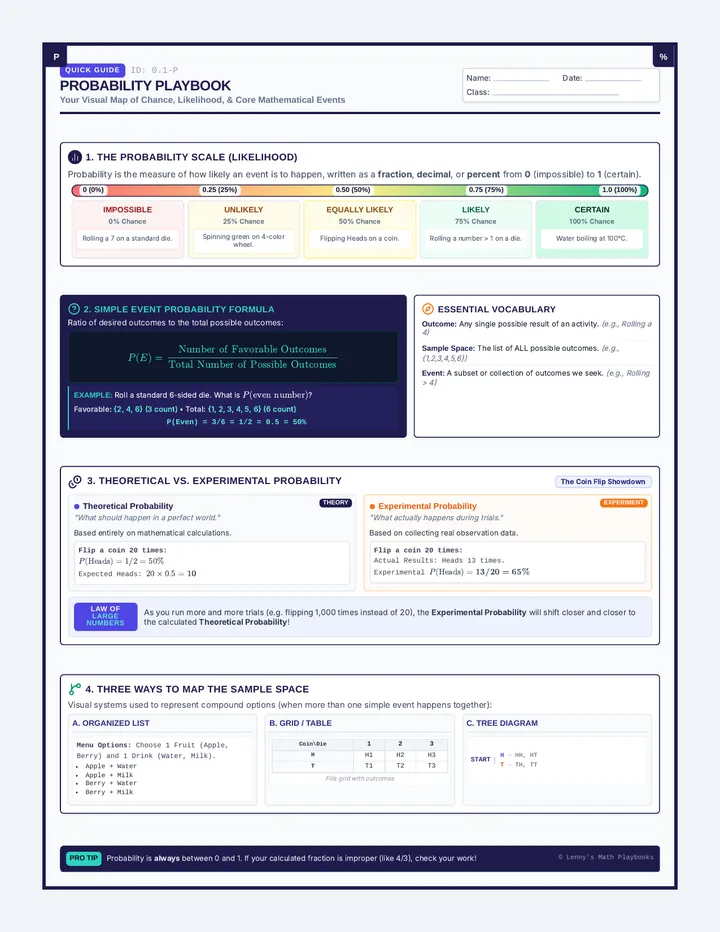
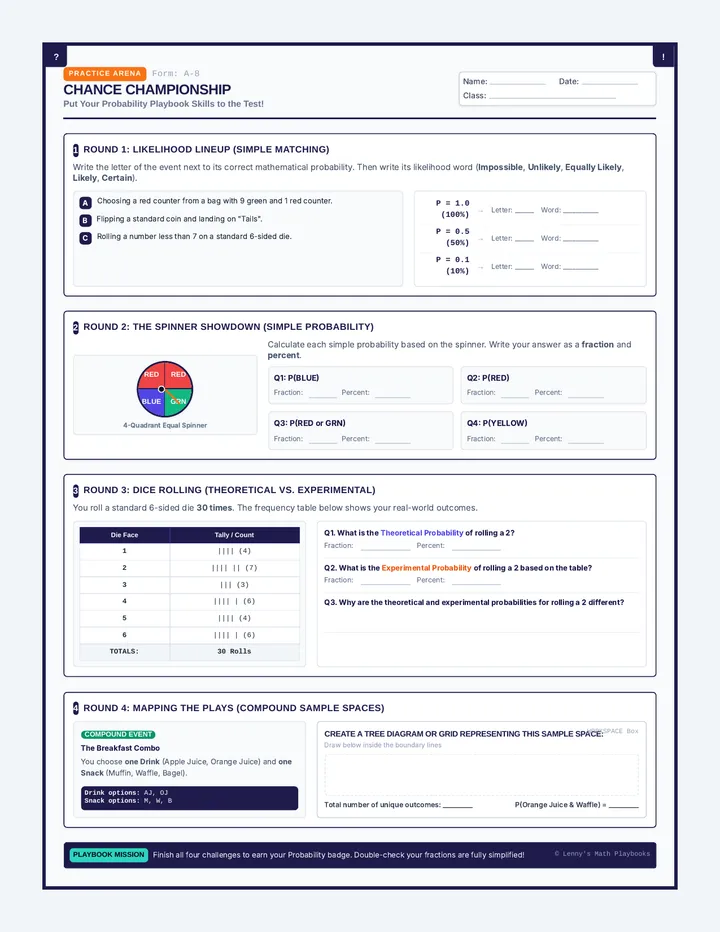
A comprehensive lesson on probability tree diagrams and compound events for 7th-grade students, featuring a video-based exploration of independent events and a hands-on creative activity.
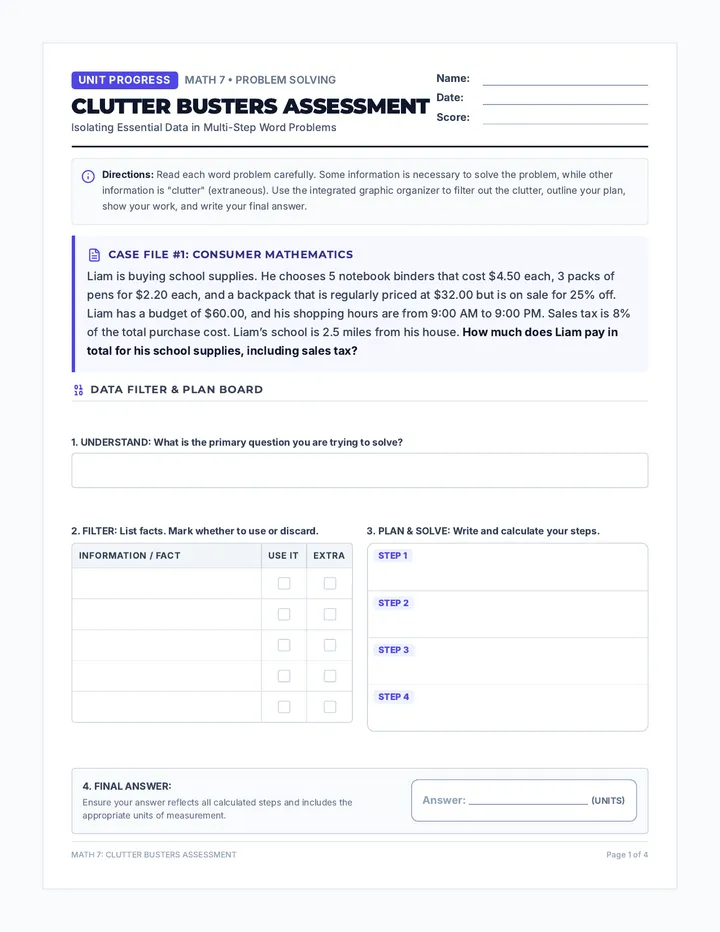
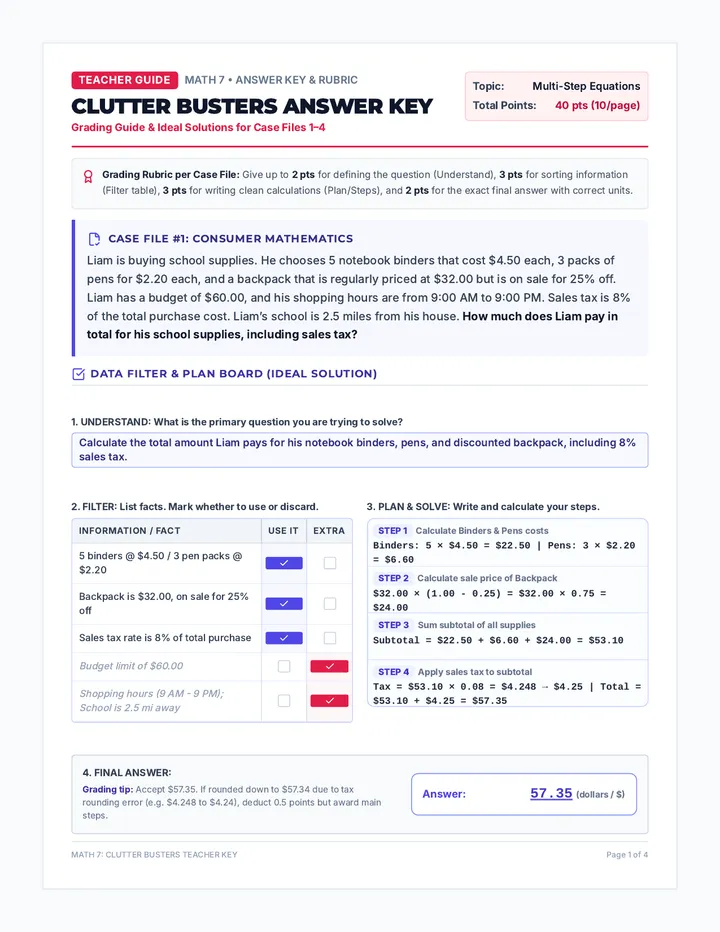
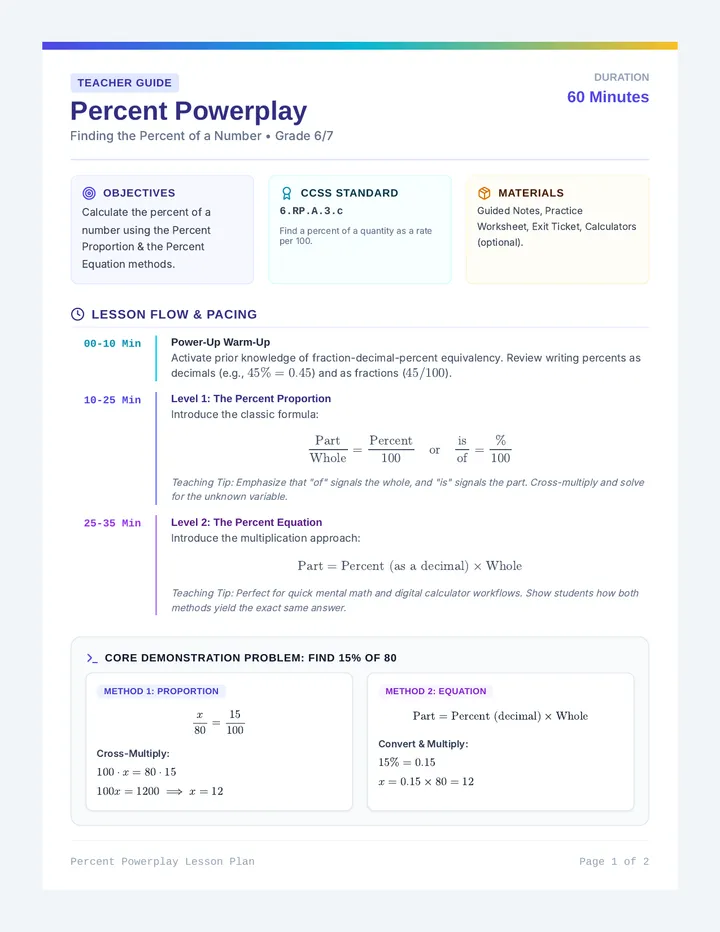
A practical math lesson for 7th-grade students on applying percentages to real-life shopping, including sales tax, gratuity (tip), and store discounts.
A creative math lesson focused on calculating the area of circles using radius and diameter, featuring a coloring art activity to reinforce learning.
A quick assessment designed for IEP students to demonstrate their understanding of single-digit absolute value and integer comparison.
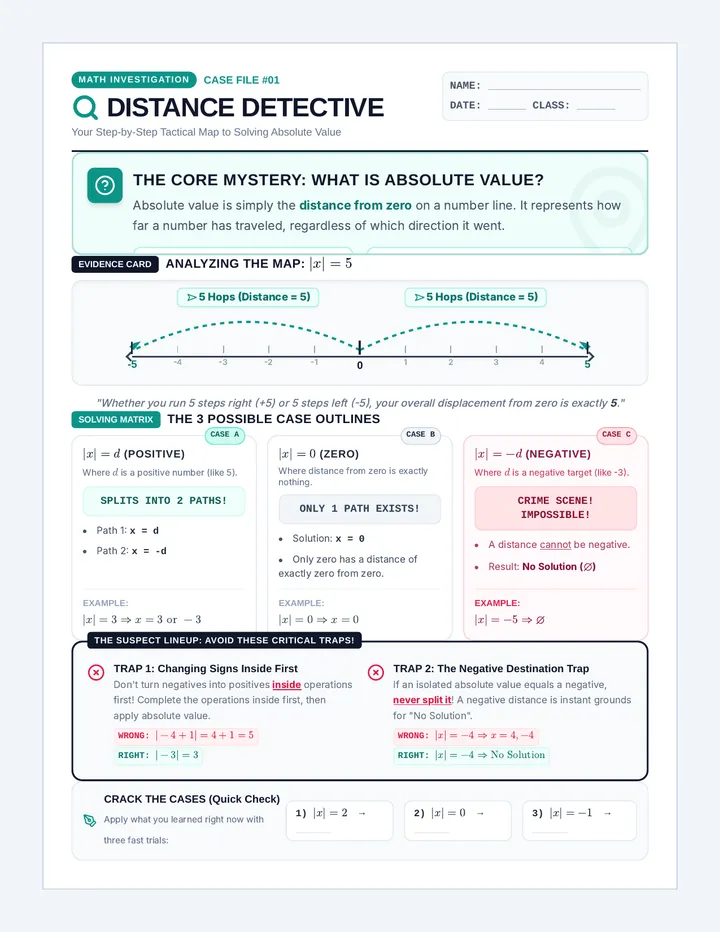
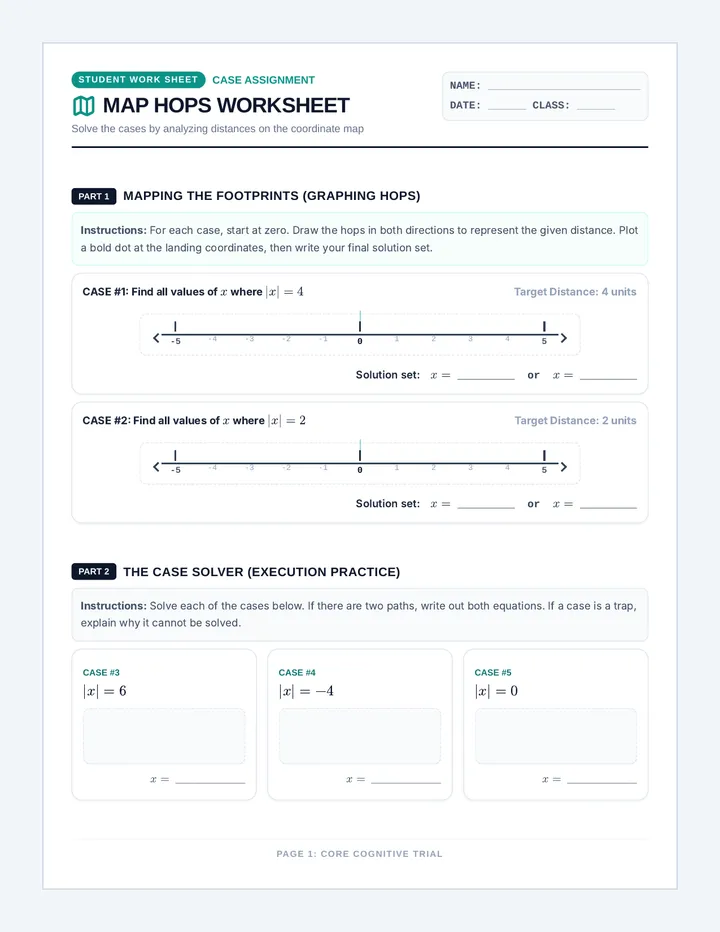
A foundational lesson on absolute value using the "distance from zero" concept, designed specifically for students requiring visual scaffolding and concrete representations.
A simplified lesson on the Triangle Sum Rule, focusing on 3-letter angle naming and solving for missing angles using one-step equations with whole numbers.
A focused assessment on identifying and calculating angle relationships including complementary, supplementary, adjacent, and vertical angles.
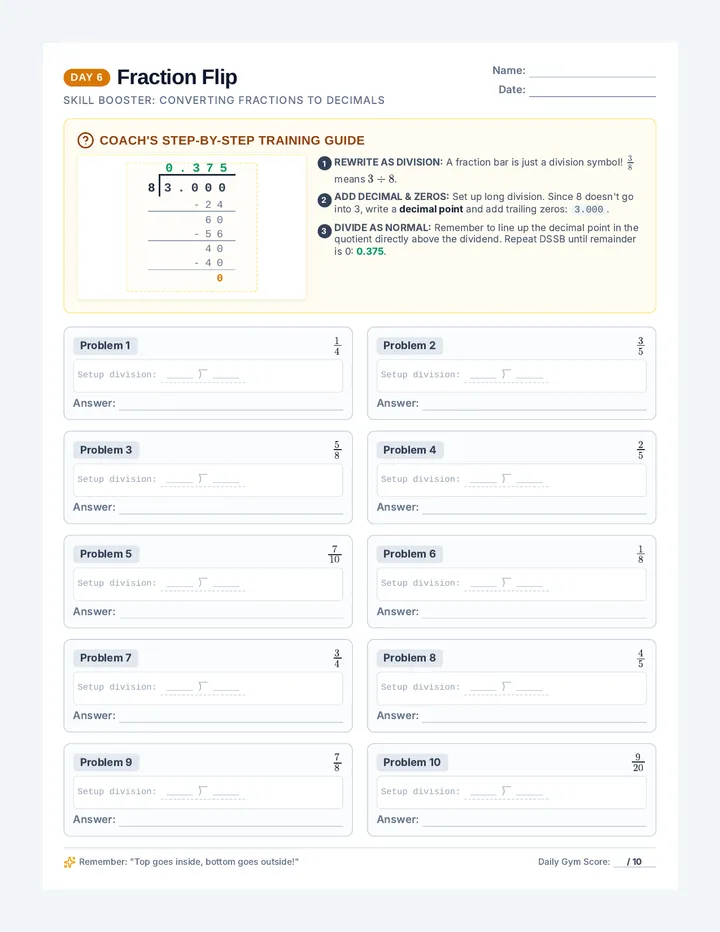
A lesson focused on understanding and converting between fractions and decimals using visual models and step-by-step procedures. Designed for students needing scaffolded support and reduced visual clutter.
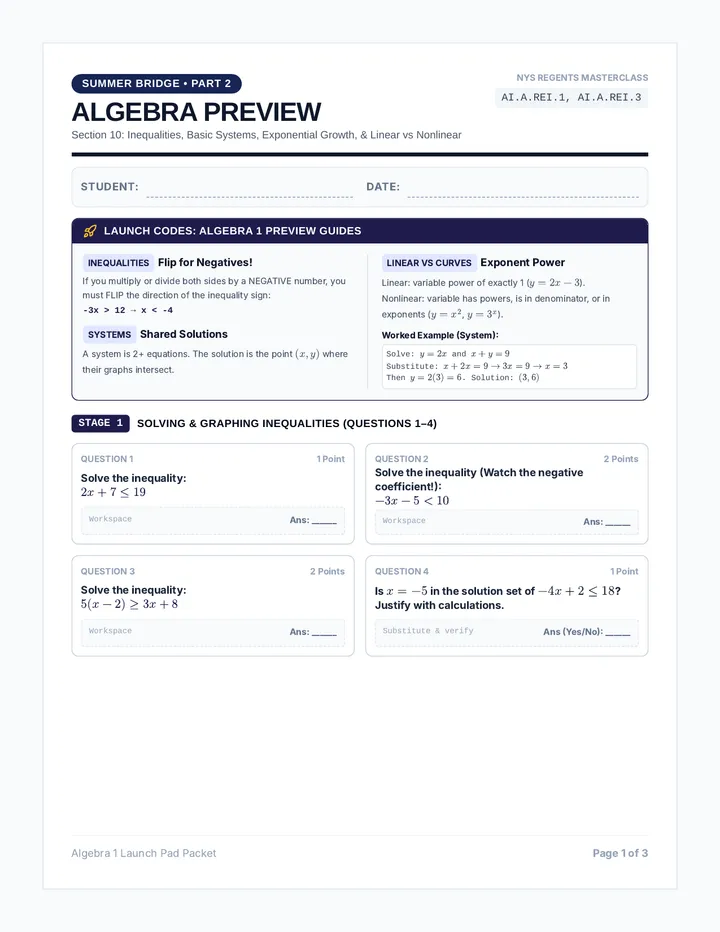
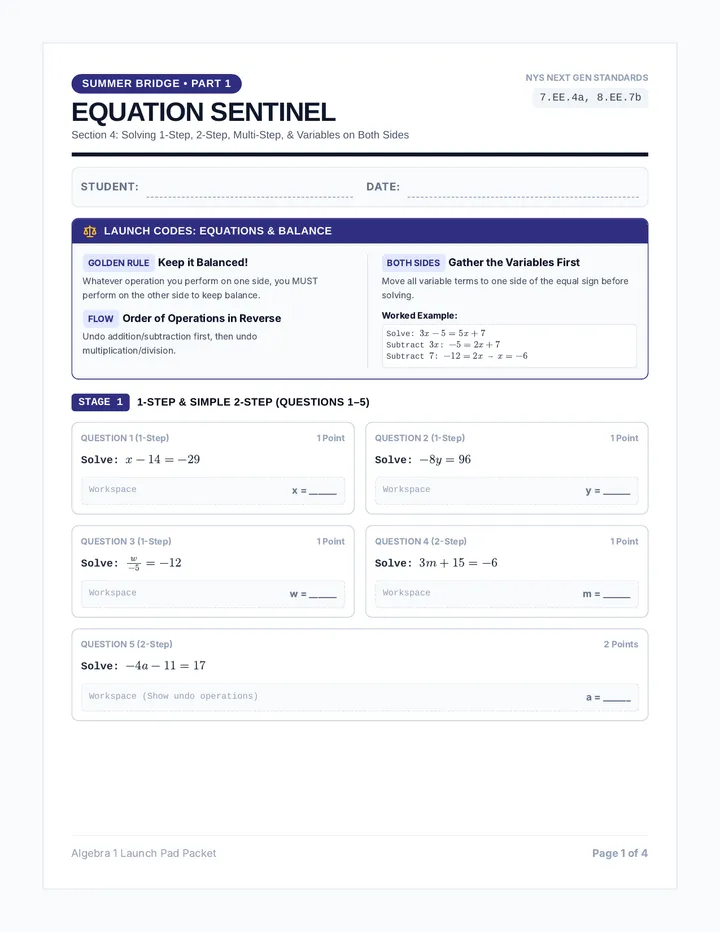
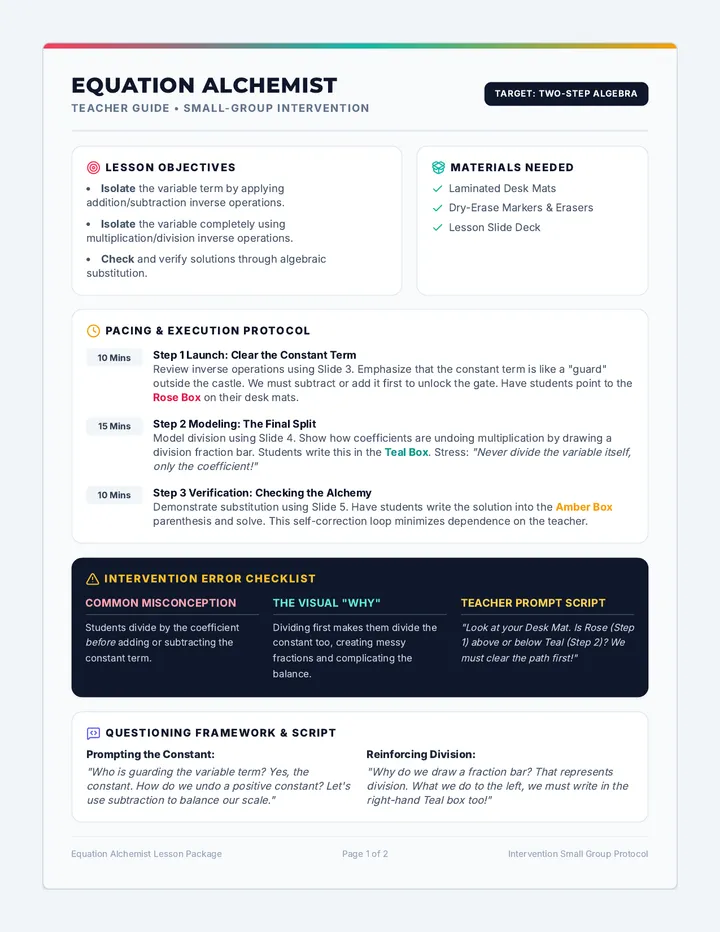
A comprehensive lesson on solving two-step equations and inequalities, including variables on both sides and the sign-reversal rule for inequalities. Students will 'draft' their solutions using architectural-themed guided notes and practice exercises.
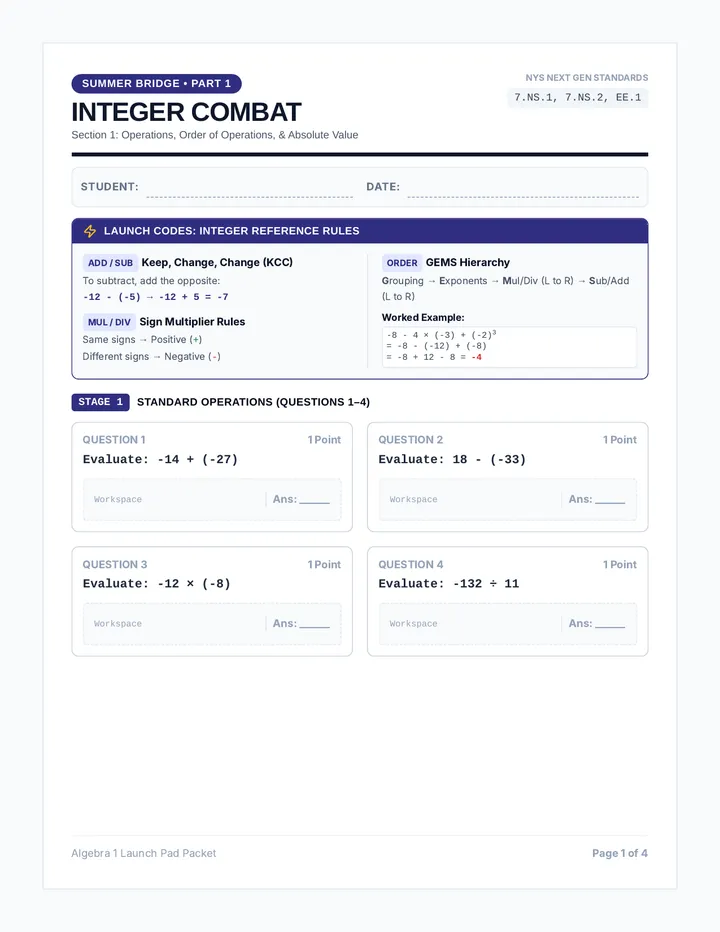
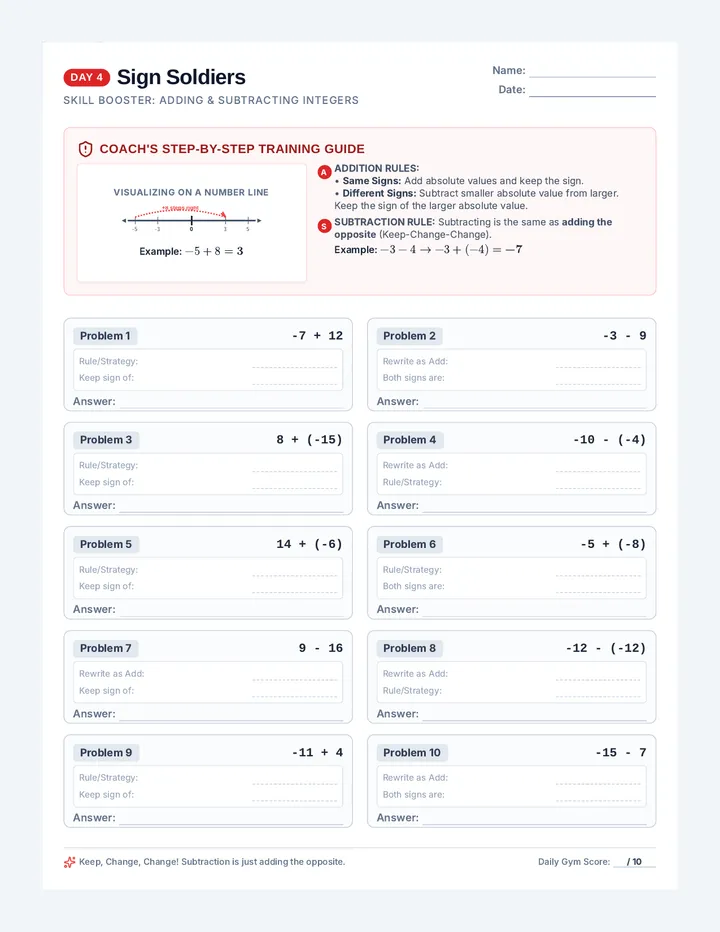
A lesson focused on subtracting integers by rewriting them as addition of the inverse. Students practice with single-digit integers to build foundational fluency.
This lesson focuses on identifying and calculating measures for vertical and adjacent angles using simple one-step equations, designed specifically for learners who benefit from clear visual scaffolding.
A 15-minute collaborative activity where students work in teams to measure acute, obtuse, and right angles with degree-level precision using a protractor.
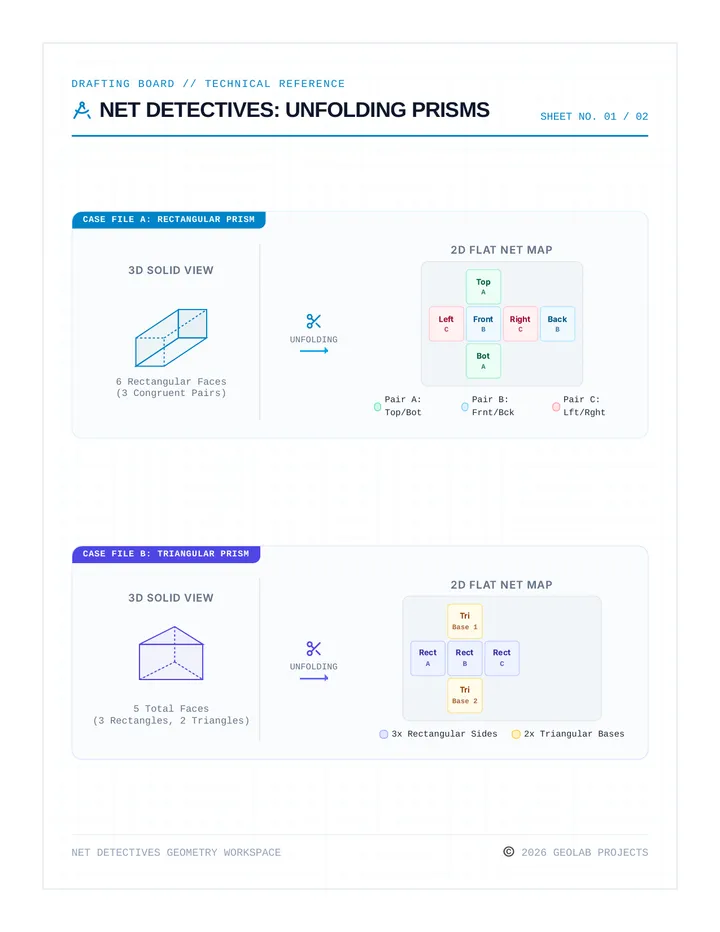
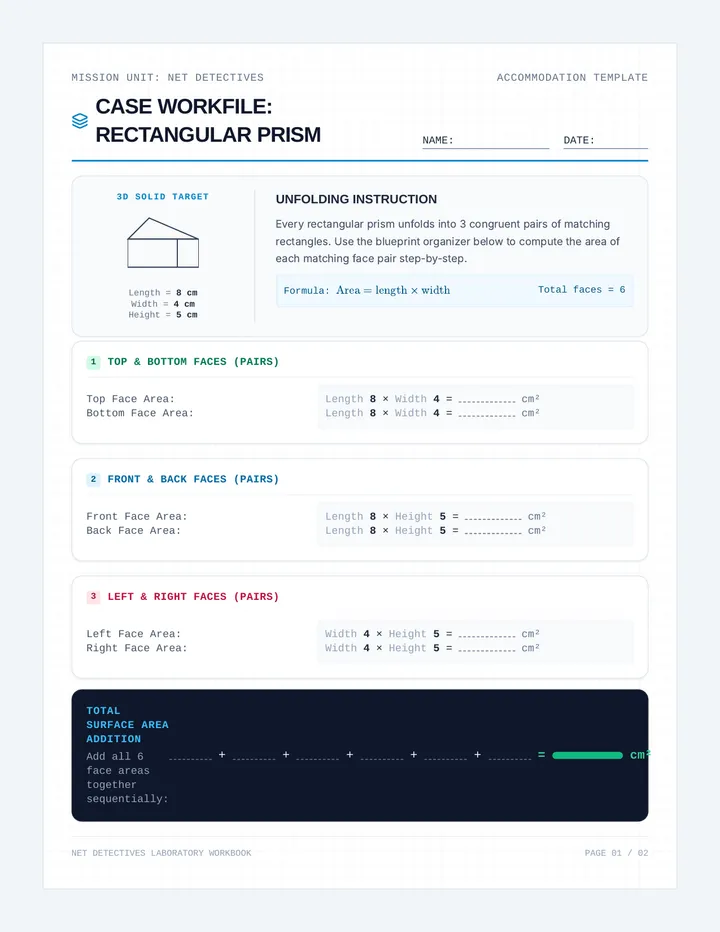
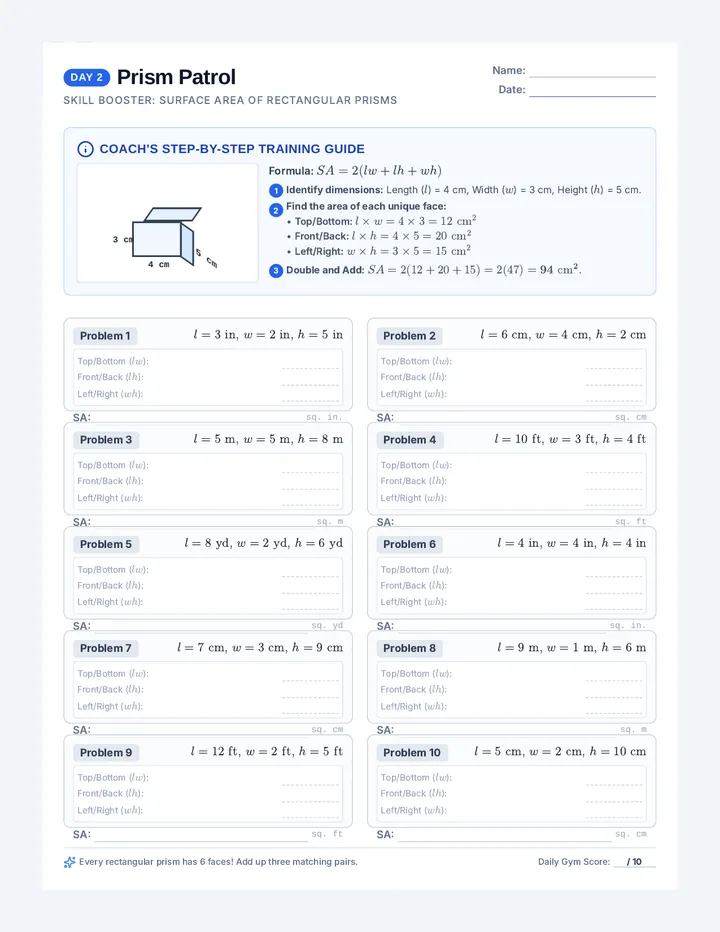
A foundational lesson on calculating the surface area of prisms and pyramids, specifically designed for students needing extra support through clear visuals, step-by-step formulas, and vocabulary scaffolding.
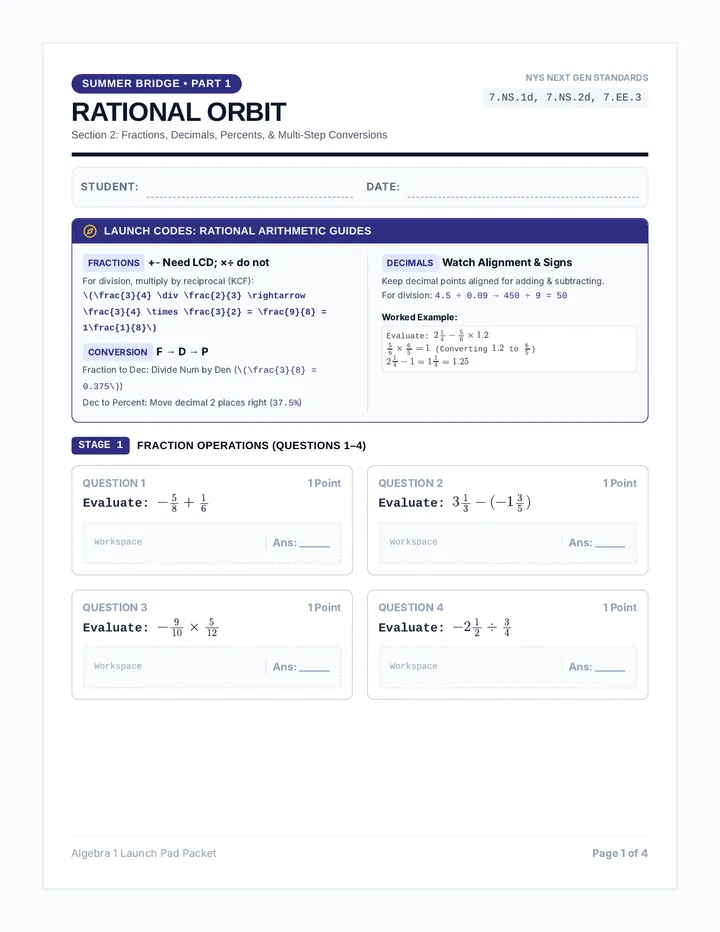
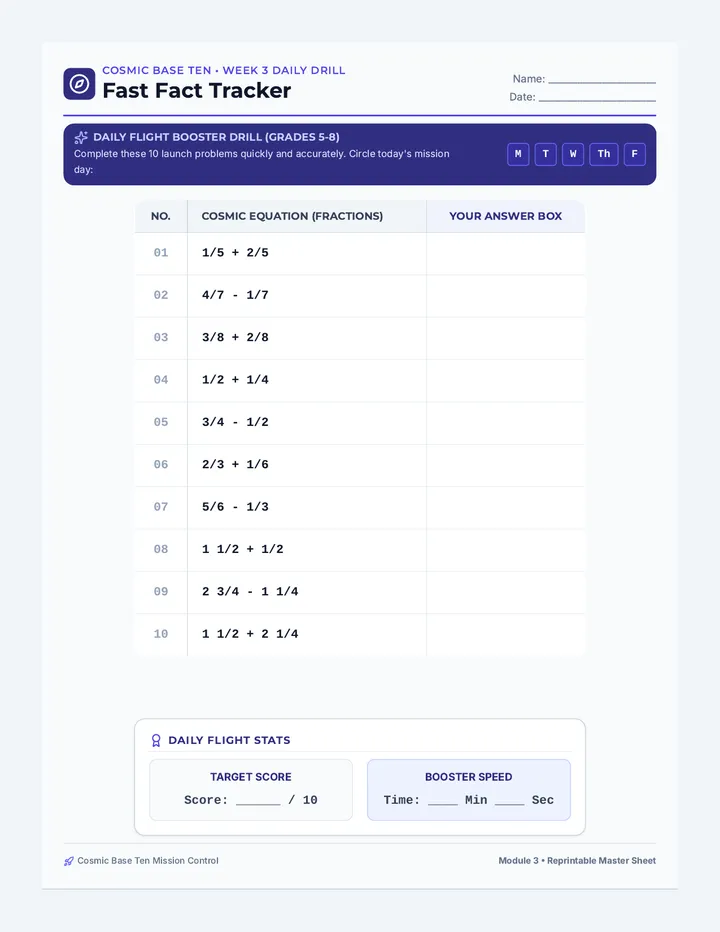
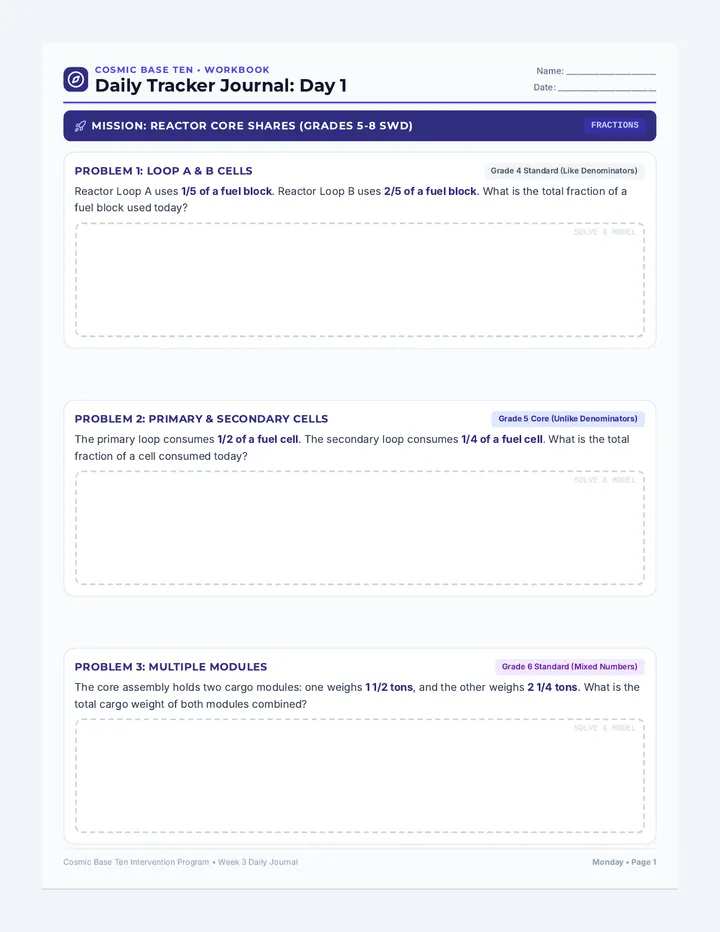
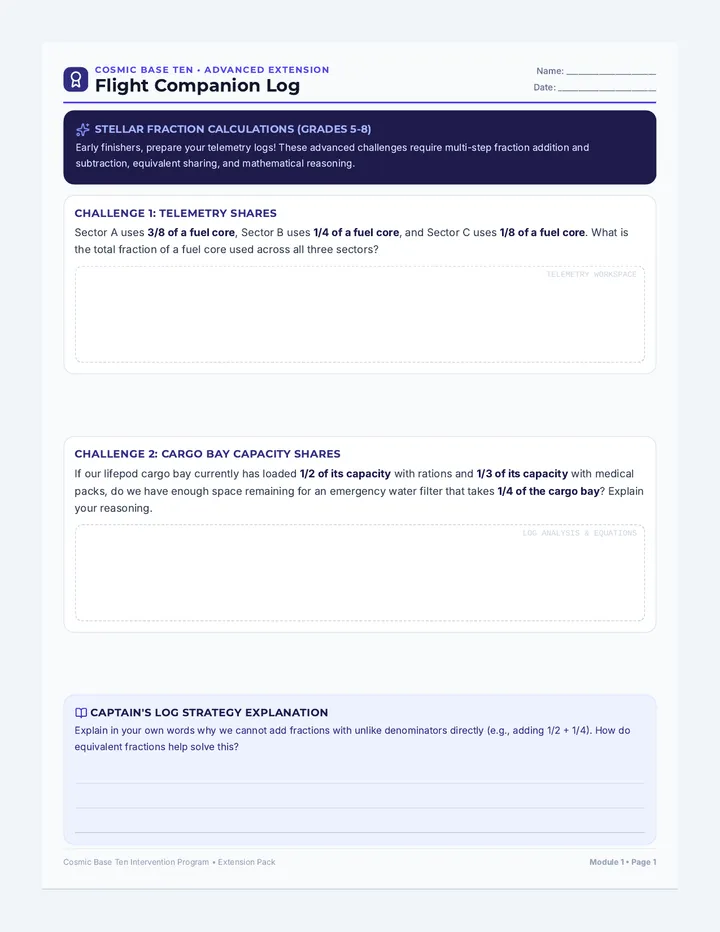
Focuses on identifying common denominators and using multiple strategies (visual, butterfly, and LCD) to add and subtract fractions with different parts.
A lesson exploring negative numbers through horizontal and vertical number lines, ordering integers, and navigating the four-quadrant coordinate plane using a deep-sea exploration theme.
A visual exploration of fractions for 7th grade, focusing on identifying parts of a whole and equivalent fractions through architectural-style modeling.
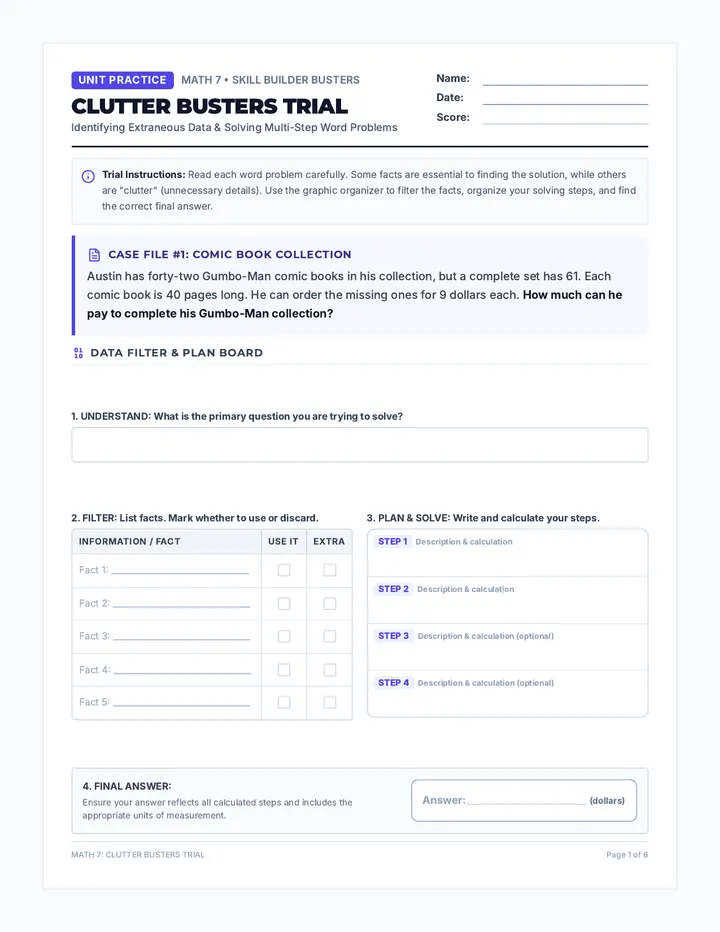
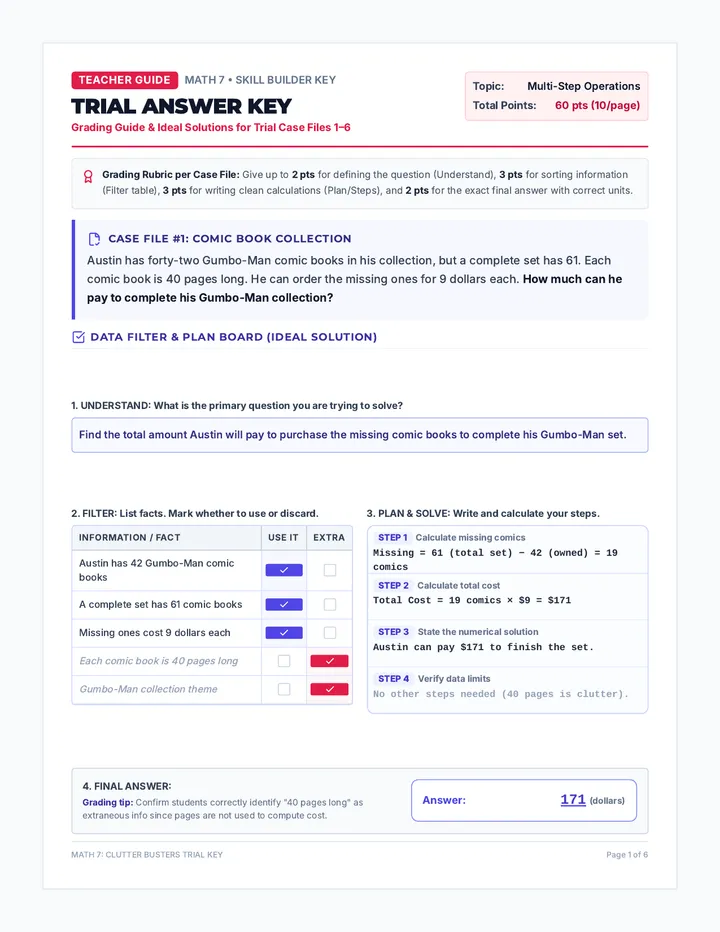
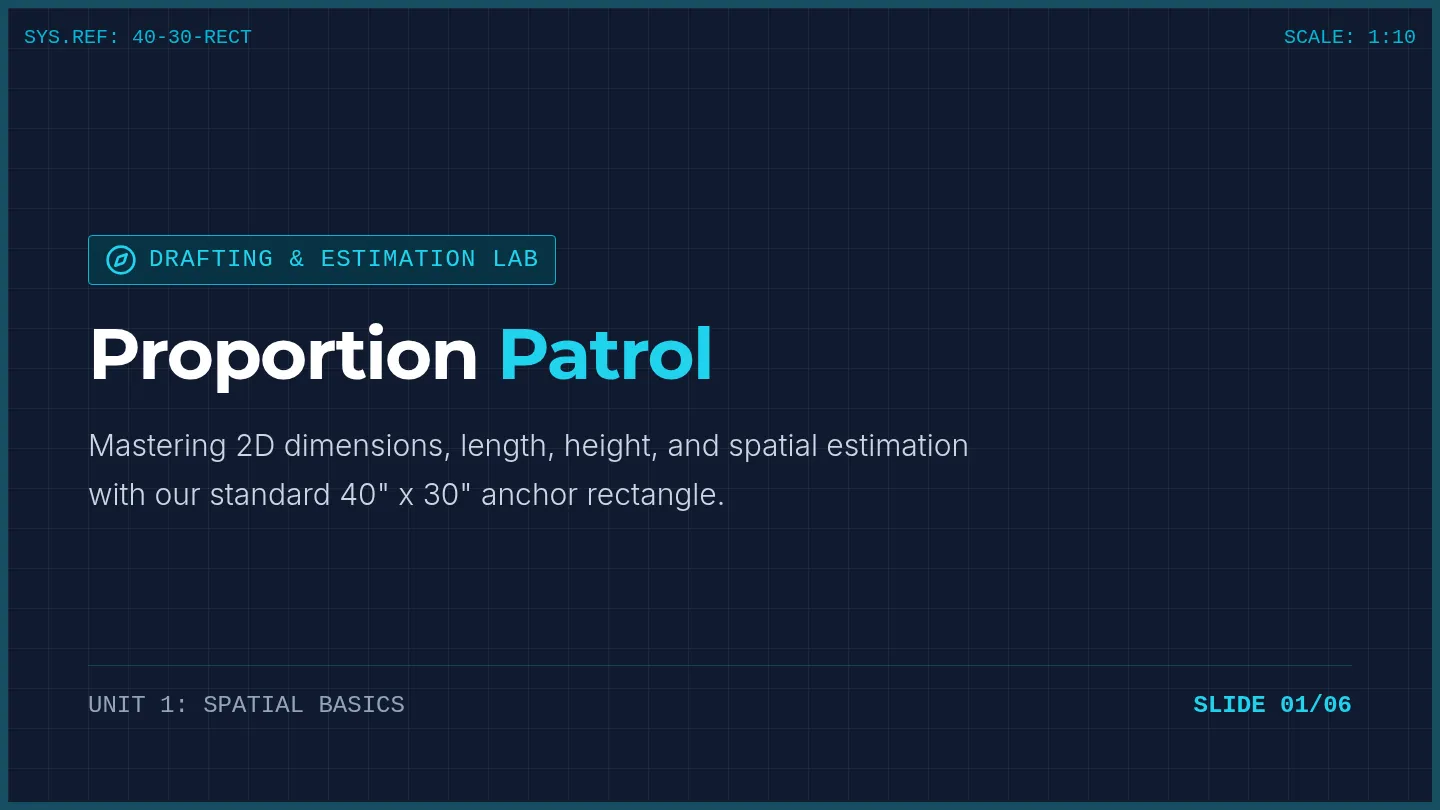
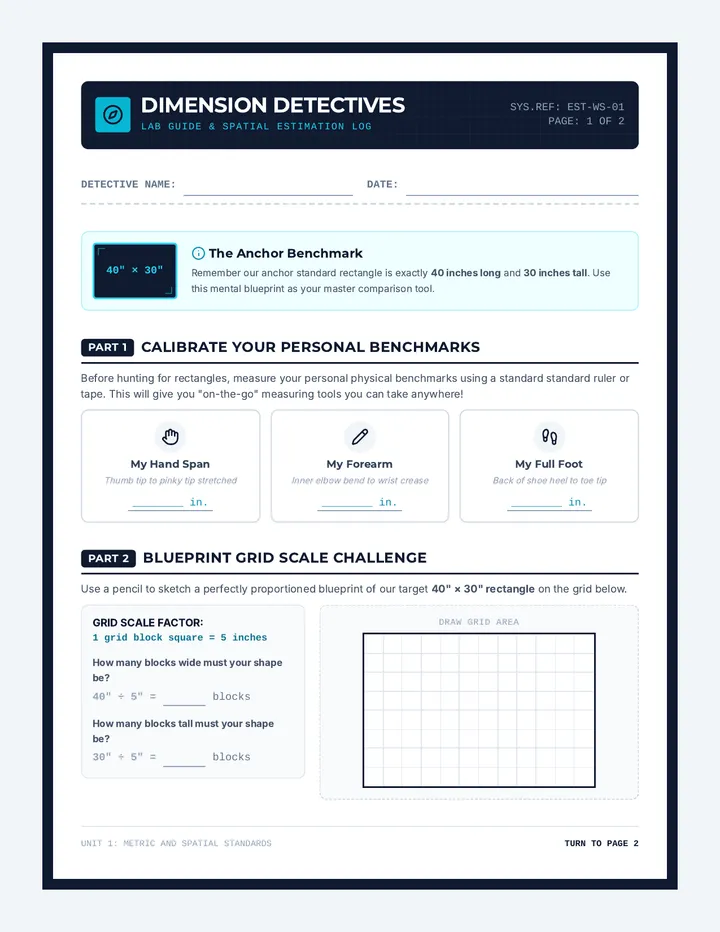
A series of high-level performance tasks where students apply fractional and decimal reasoning to real-world engineering and design challenges. Students will navigate budget constraints and spatial limitations to create blueprints and project plans.
A geometry project where students design a futuristic city park using complex polygons, coordinate geometry, and volume calculations. This project-based learning investigation challenges students to balance aesthetic design with mathematical constraints and cost-efficiency.
A math lesson focused on adding negative integers through an ocean-themed 'Abyssal Addition' worksheet and its corresponding answer key.
A focused lesson on adding two negative integers, using visual models and real-world analogies to build conceptual understanding before moving to procedural fluency.
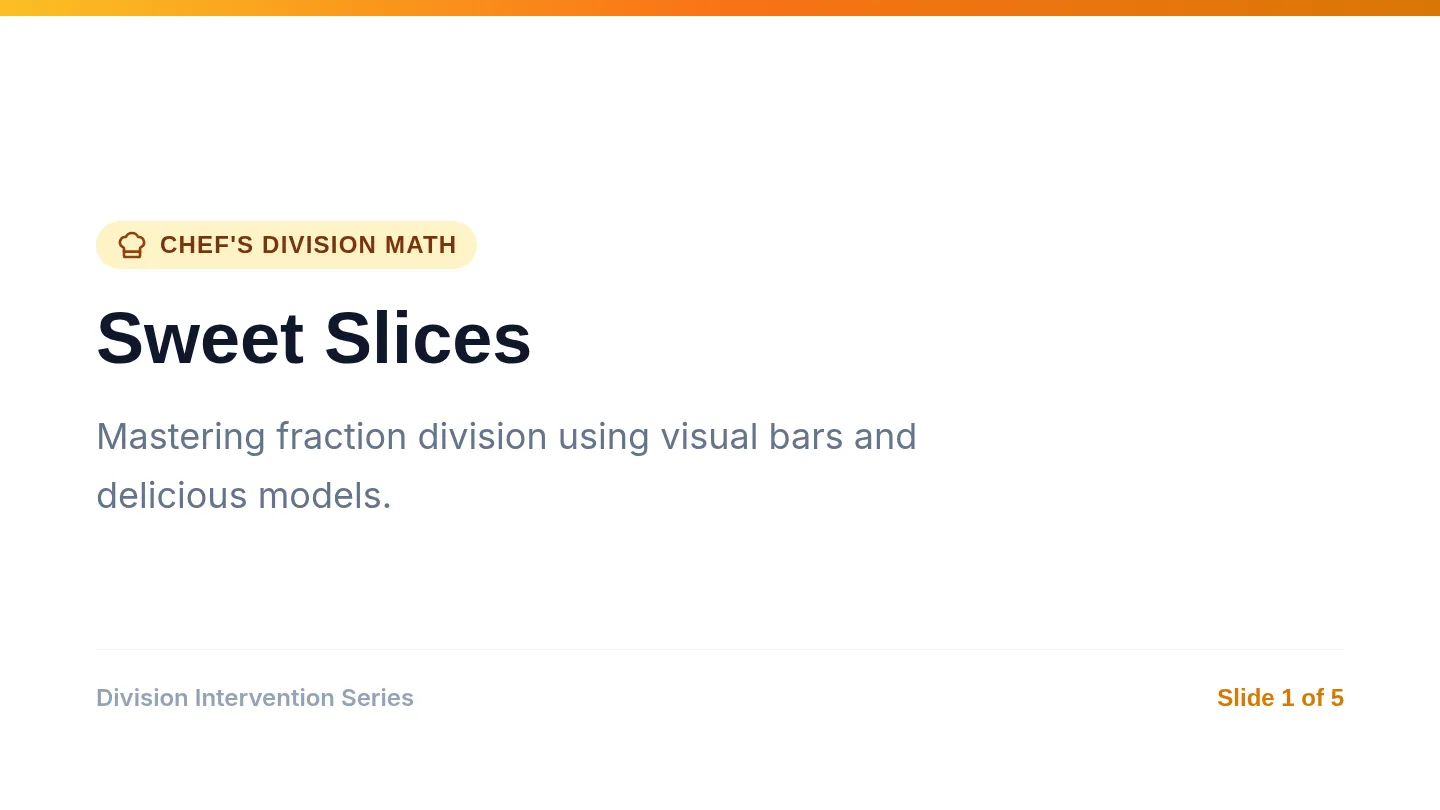
A comprehensive 90-minute lesson on dependent and independent variables using a baking and cooking theme. Includes doodle notes, tiered worksheets, and a collaborative kitchen activity.
A comprehensive lesson on measuring angles using a physical protractor, covering acute, obtuse, right, straight, and circular angles.
A Grade 6 mathematics assessment focused on the NC.6.RP standard, challenging students to solve ratio problems using tables, double number lines, tape diagrams, and word problems.
A lesson focused on the foundational skills of translating real-world scenarios into algebraic expressions and equations for middle school students.
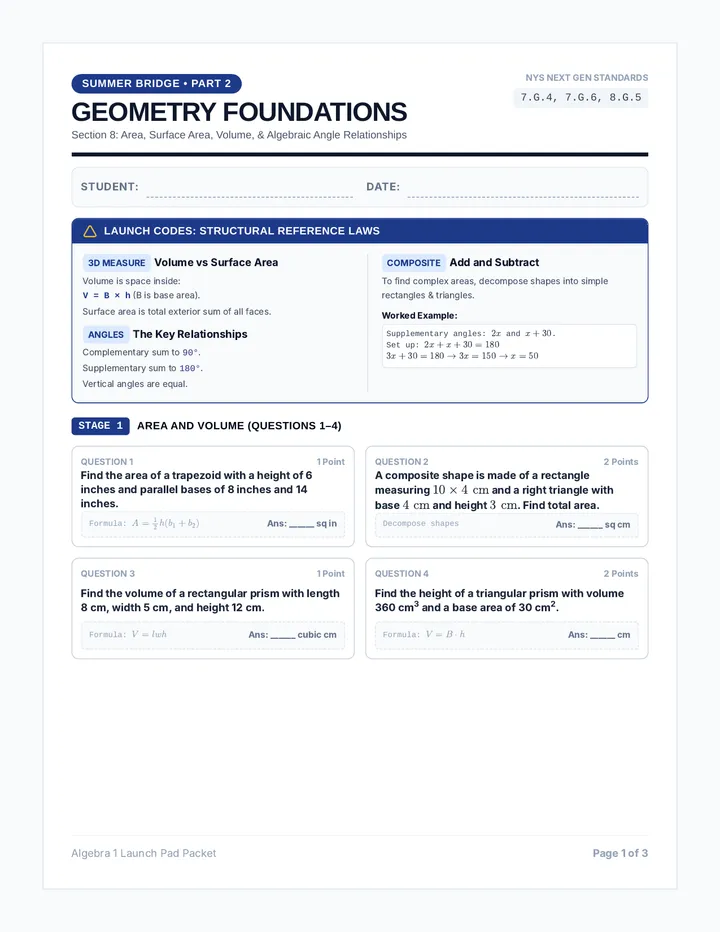
A comprehensive geometry practice set for middle school students, focusing on NC EOG standards for grades 6-8, including area, volume, and the Pythagorean theorem.
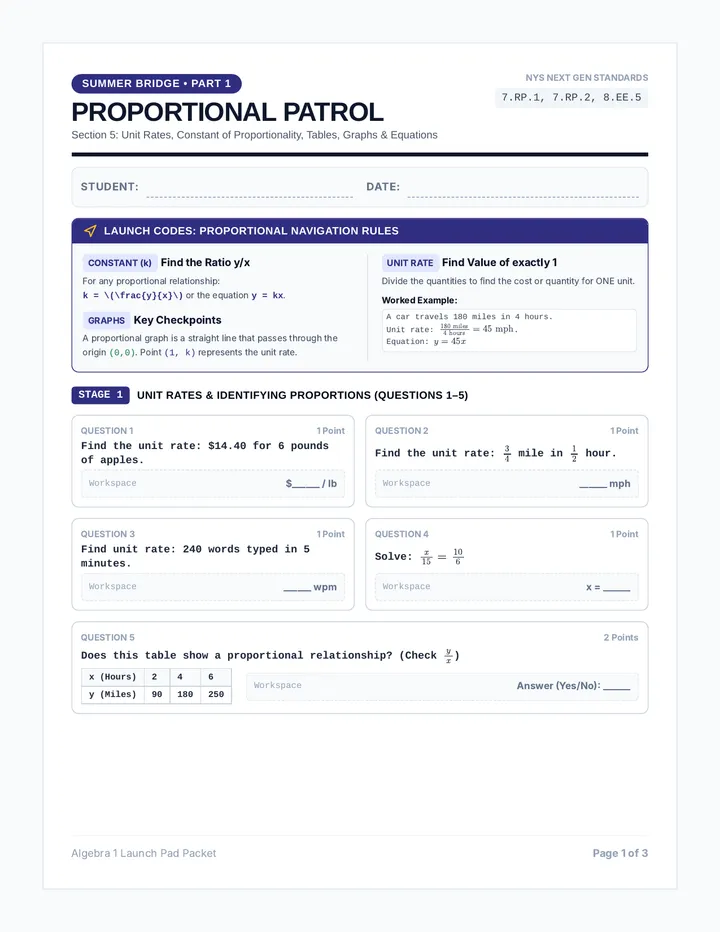
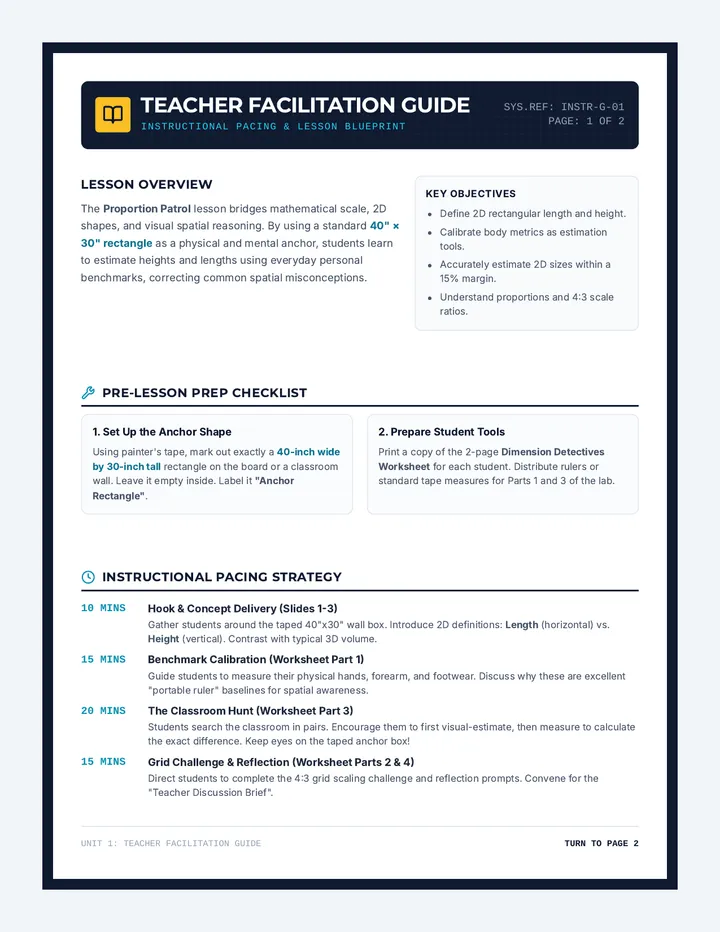
A targeted 20-minute mini-lesson designed to help 7th-grade students master proportional relationships across tables, graphs, and equations, specifically focusing on identifying EOG-style distractors and calculating the constant of proportionality.
A high-intensity math practice session designed to build speed and accuracy for the calculator-inactive portion of the NC EOG. Students tackle 10 multi-grade level questions under a strict 15-minute limit followed by a metacognitive reflection on their pacing strategies.
A high-impact 20-minute mini-lesson focused on translating complex word problems into algebraic equations, specifically designed to navigate common NC EOG distractors and traps.
A guided practice set for middle school students to master the Process of Elimination in Math EOG exams through distractor analysis.
A quick assessment focused on NC.7.RP standards, specifically identifying, comparing, and applying proportional relationships in tables, graphs, and equations.
A comprehensive geometry and measurement assessment featuring multi-step problems aligned with North Carolina EOG standards for grades 3 through 8.
A Grade 6 diagnostic assessment focused on NC.6.RP standards, including ratio reasoning, unit rates, and percentages, with a specific focus on distinguishing between additive and multiplicative relationships.
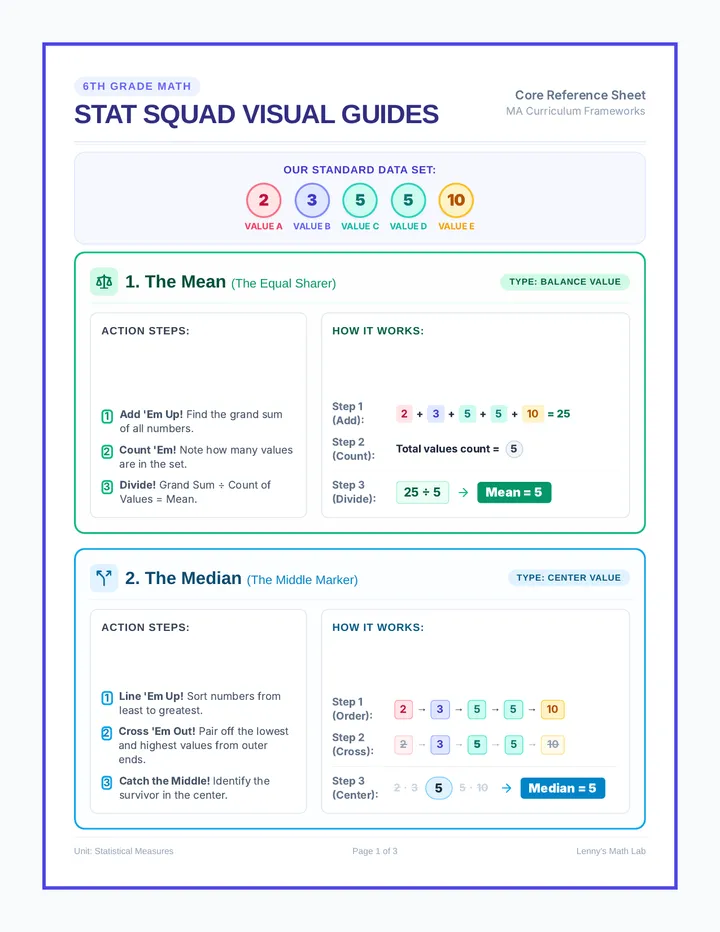
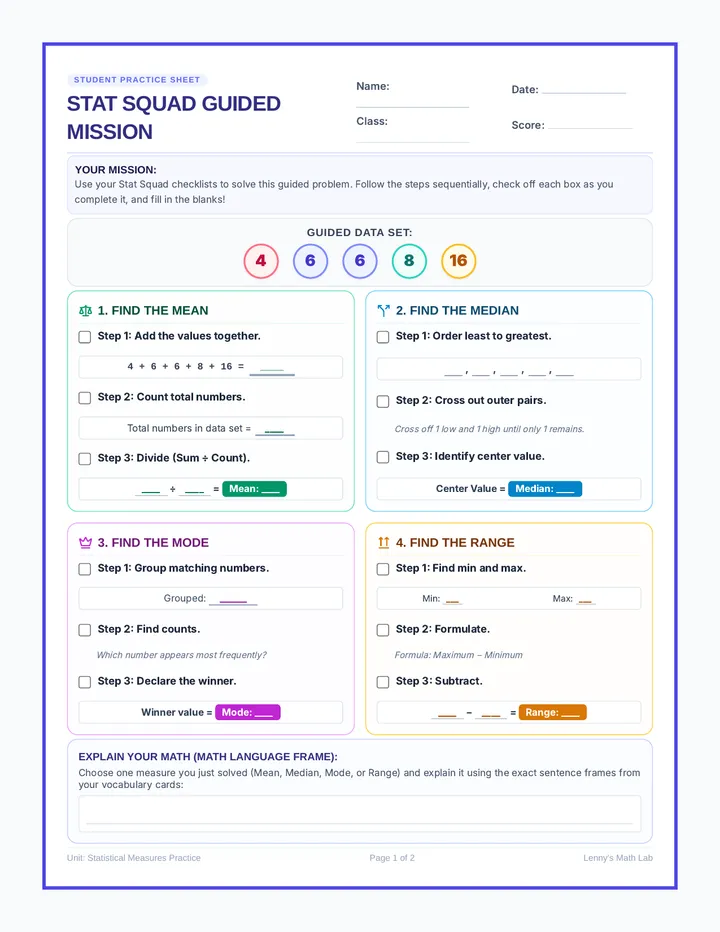
A statistics lesson for freshman students featuring Johnny Bravo, focusing on mean, median, mode, range, and data interpretation through graphic organizers and color-coded practice.
A statistics lesson themed around the Powerpuff Girls, covering central tendency, data visualization, and probability with clear visual supports for high-functioning students.
A collection of statistics activities themed around Garfield the cat, covering data collection, central tendency, and probability for students working with functional math and decimals.
A comprehensive introduction to mean, median, mode, and basic probability themed around the world of Equestria Girls. Students will analyze data from the Battle of the Bands and student life at Canterlot High.
Explore the mesmerizing world of fractals where art meets mathematics. Students investigate recursive patterns, self-similarity, and the mind-bending paradox of infinite perimeters within finite spaces.
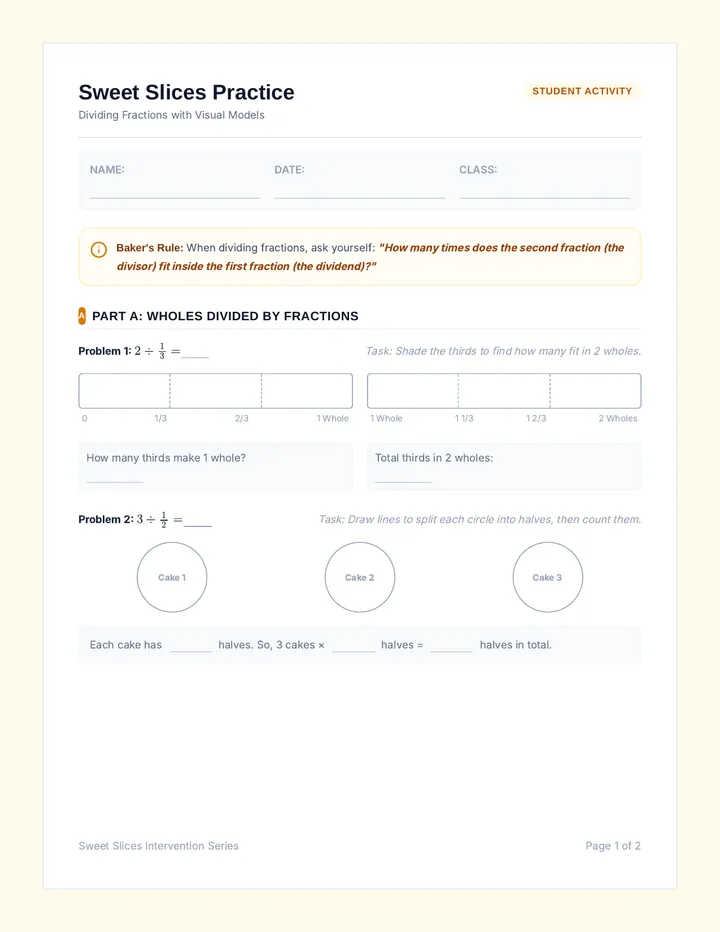
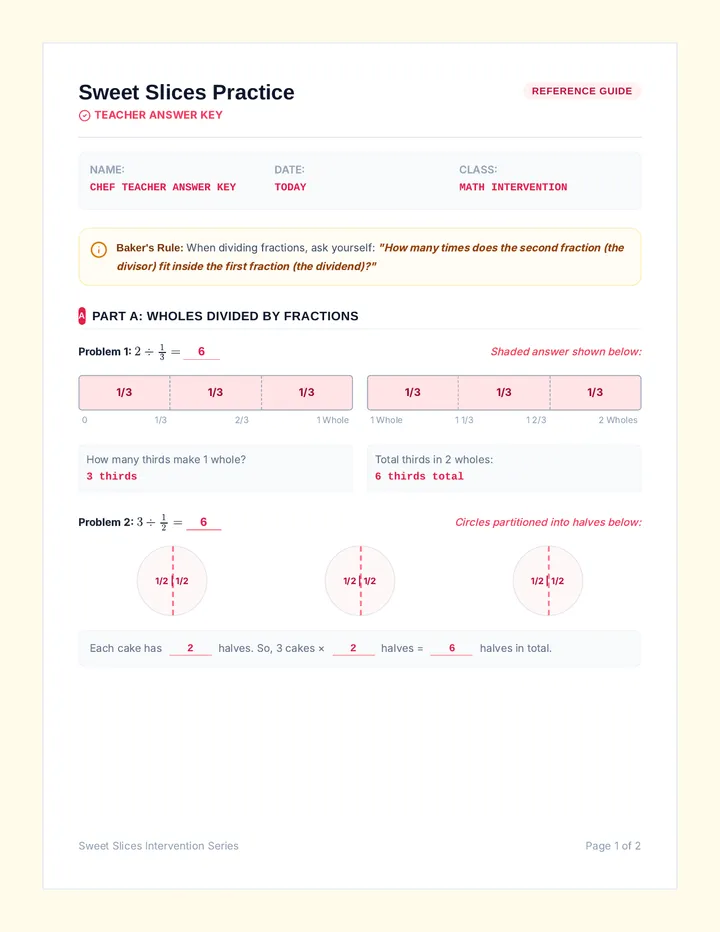
A remediation lesson focused on visual area models for dividing fractions (6.NS.A.1). Students use area models to visualize division as finding how many times one fraction fits into another.
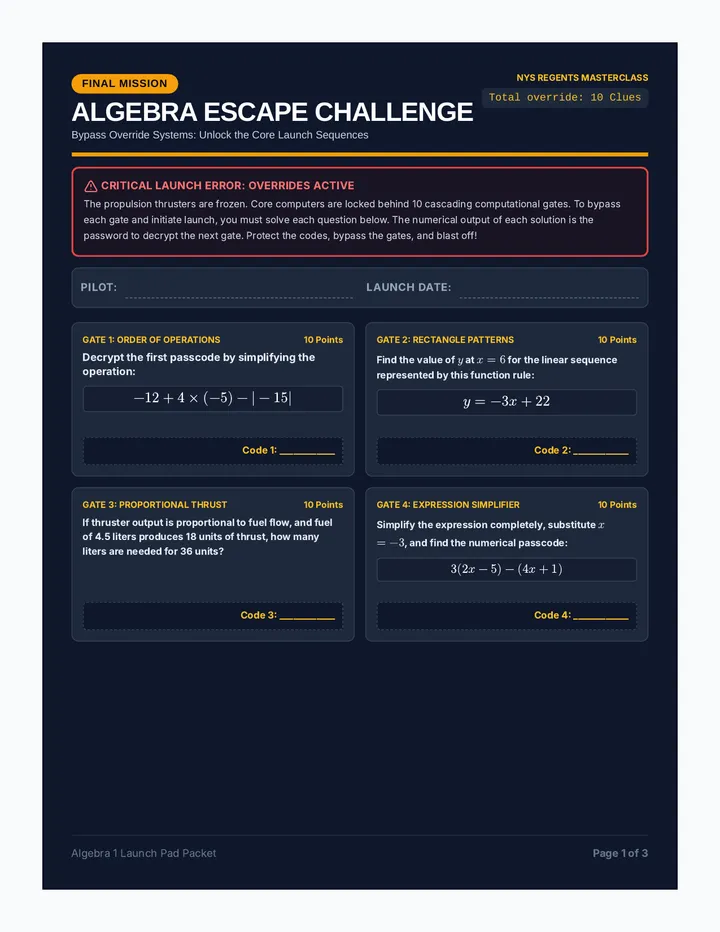
A comprehensive review of factoring linear expressions using Greatest Common Factors (GCF), including standard procedures, positive/negative factoring, and real-world applications.
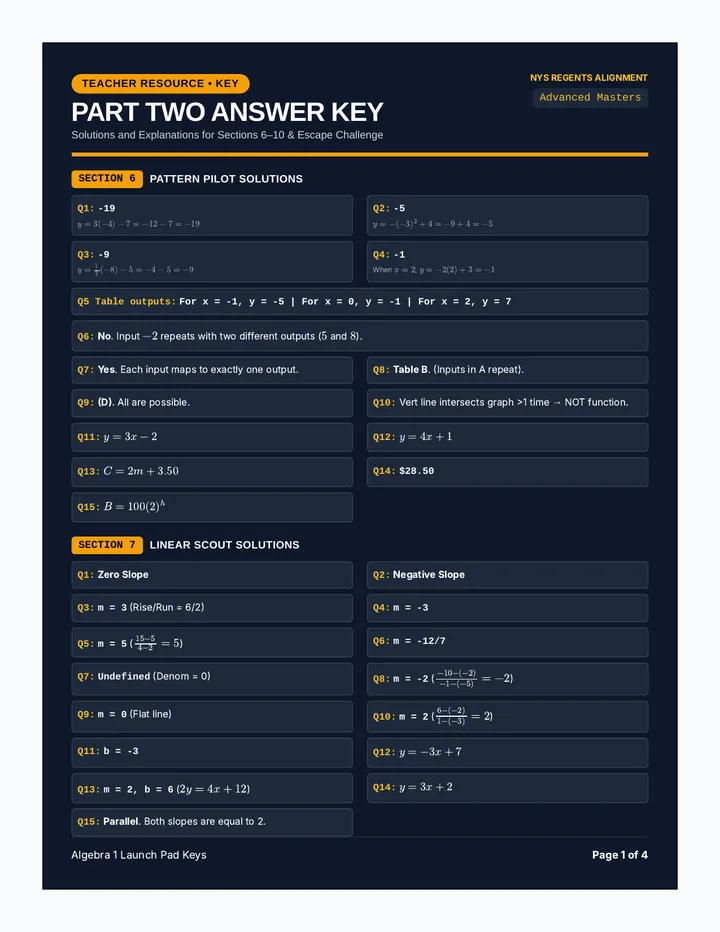
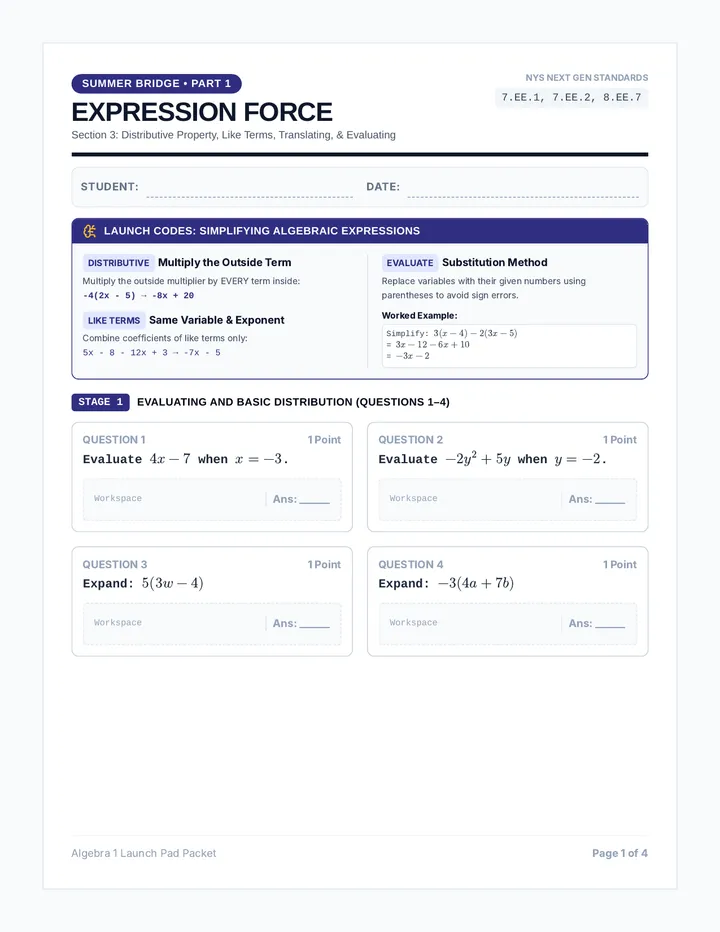
A visual-first approach to simplifying algebraic expressions using flowcharts and distributive mapping.
Una lección sobre el cálculo de ángulos interiores de triángulos mediante ecuaciones algebraicas. Incluye práctica independiente y su respectiva clave de respuestas.
Students will learn to classify and place real numbers into their appropriate subsets: Natural, Whole, Integers, Rational, and Irrational numbers, using a Venn diagram model.
A mountain-themed lesson teaching integer addition using the "Mountain Trail" strategy and a vertical number line. Students learn to visualize climbing (adding positive) and descending (adding negative) to master adding integers.