An introductory lesson on the human body systems for 3rd graders, covering structure, function, and growth.
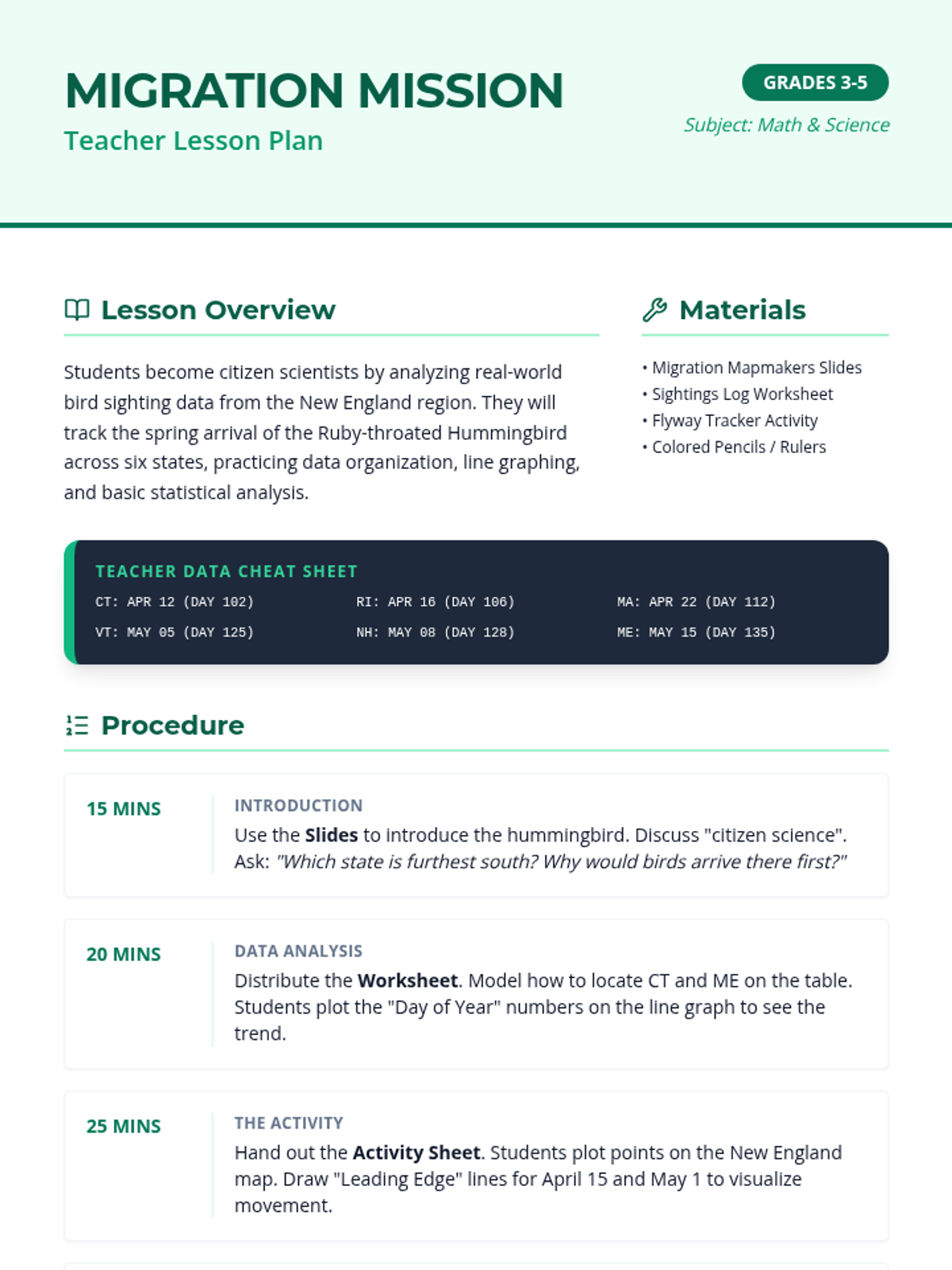
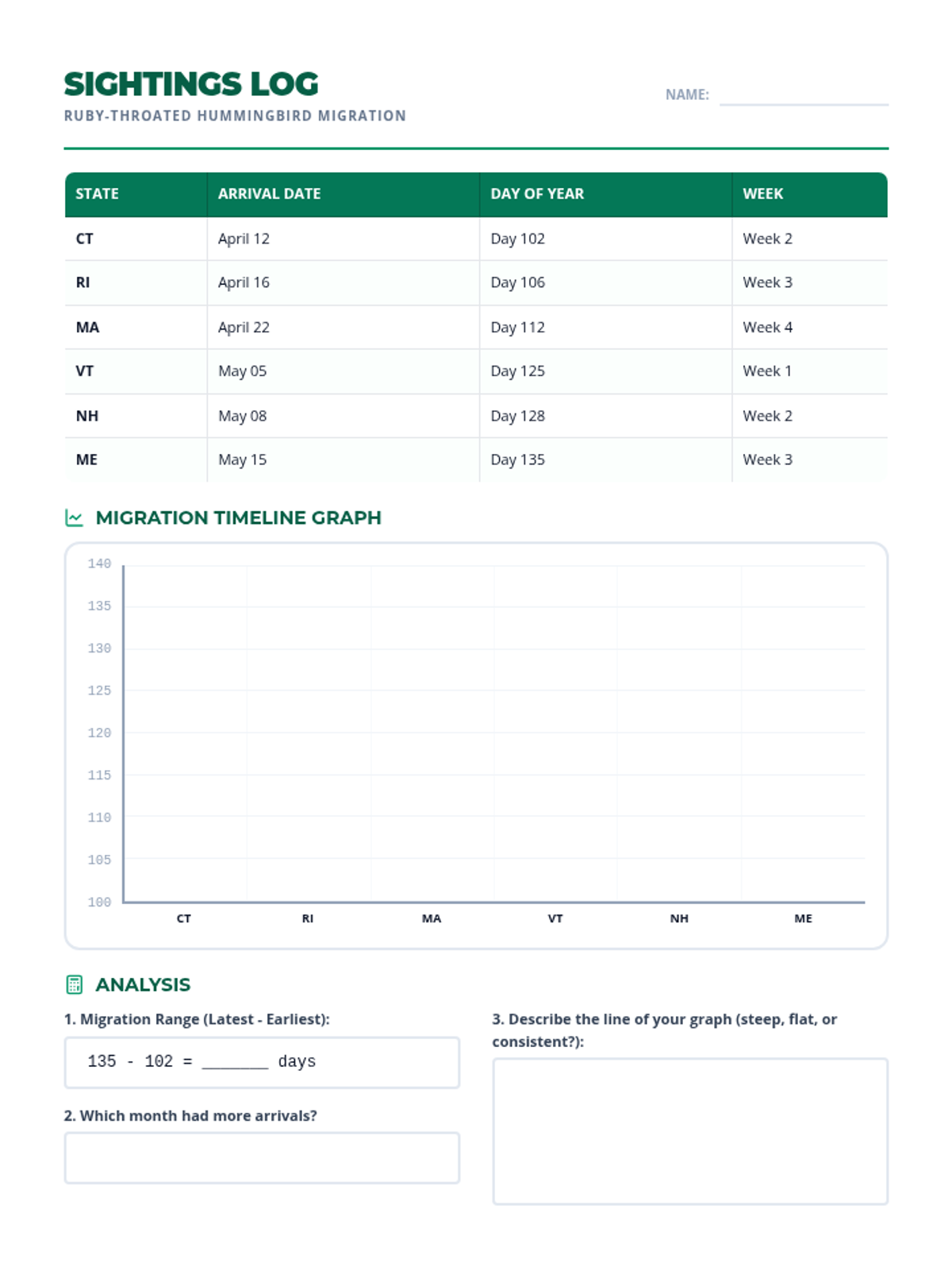
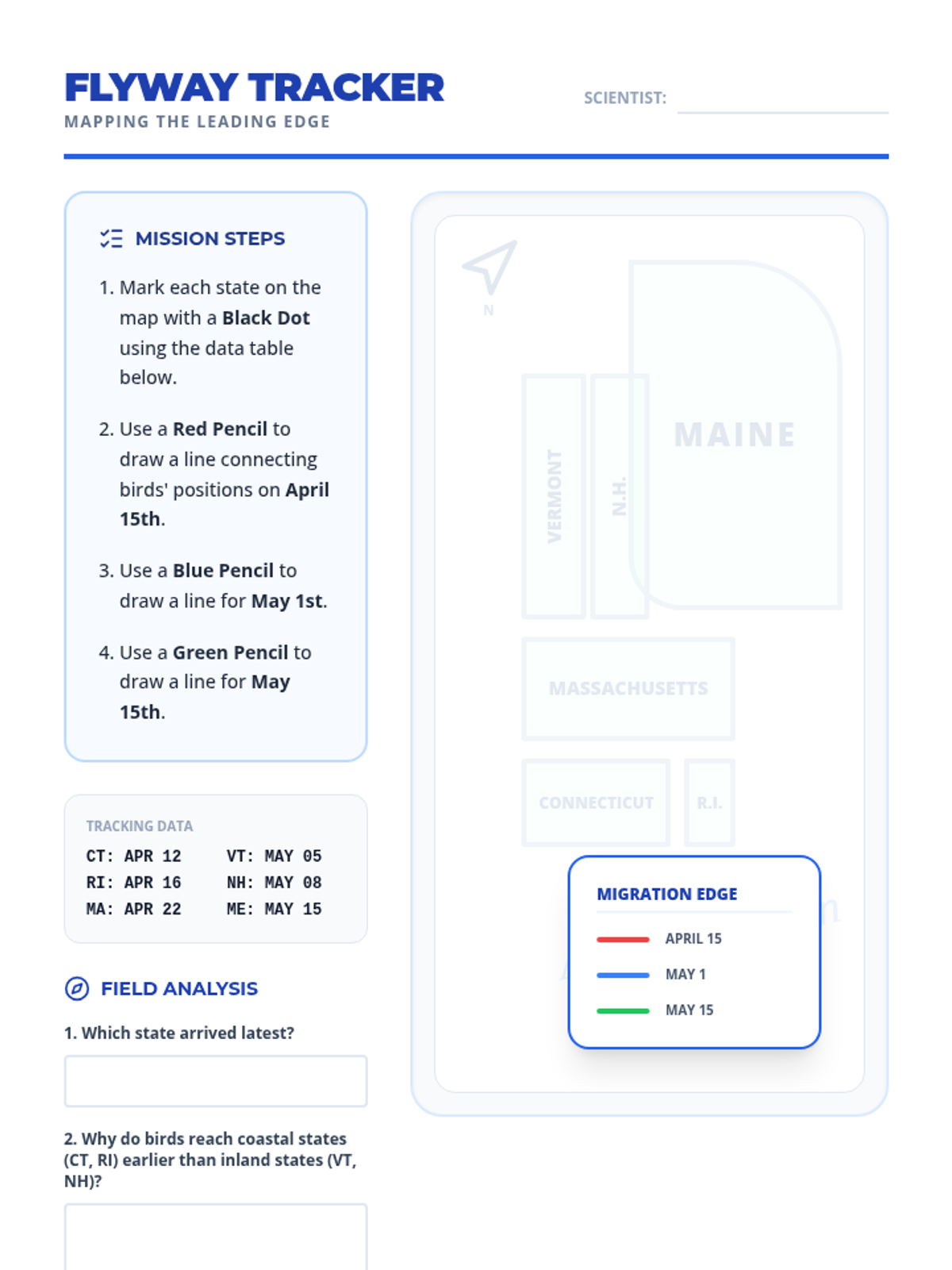
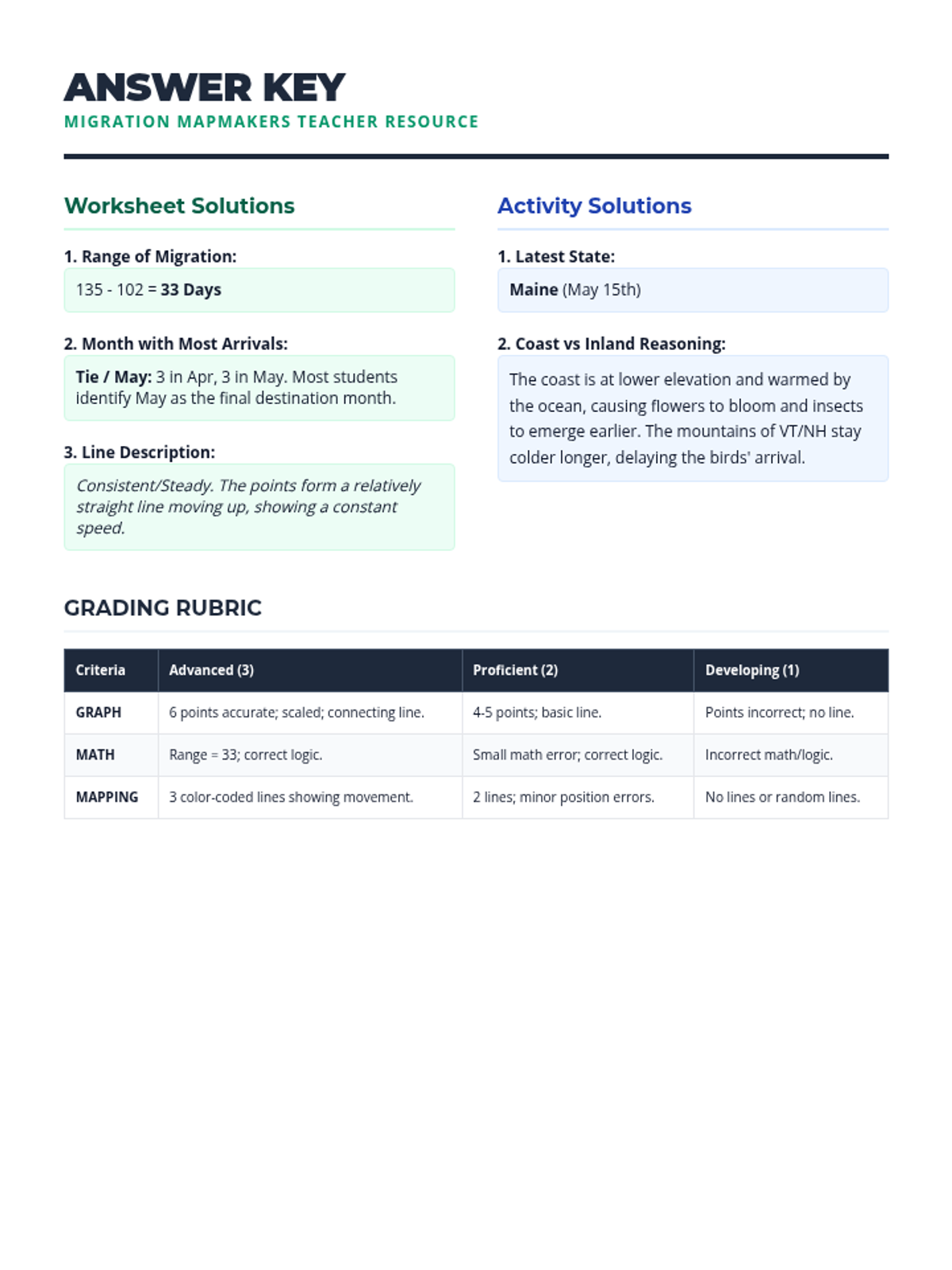
A hands-on lesson where students analyze real-world citizen science data to track bird migration through New England, integrating math, geography, and biology.
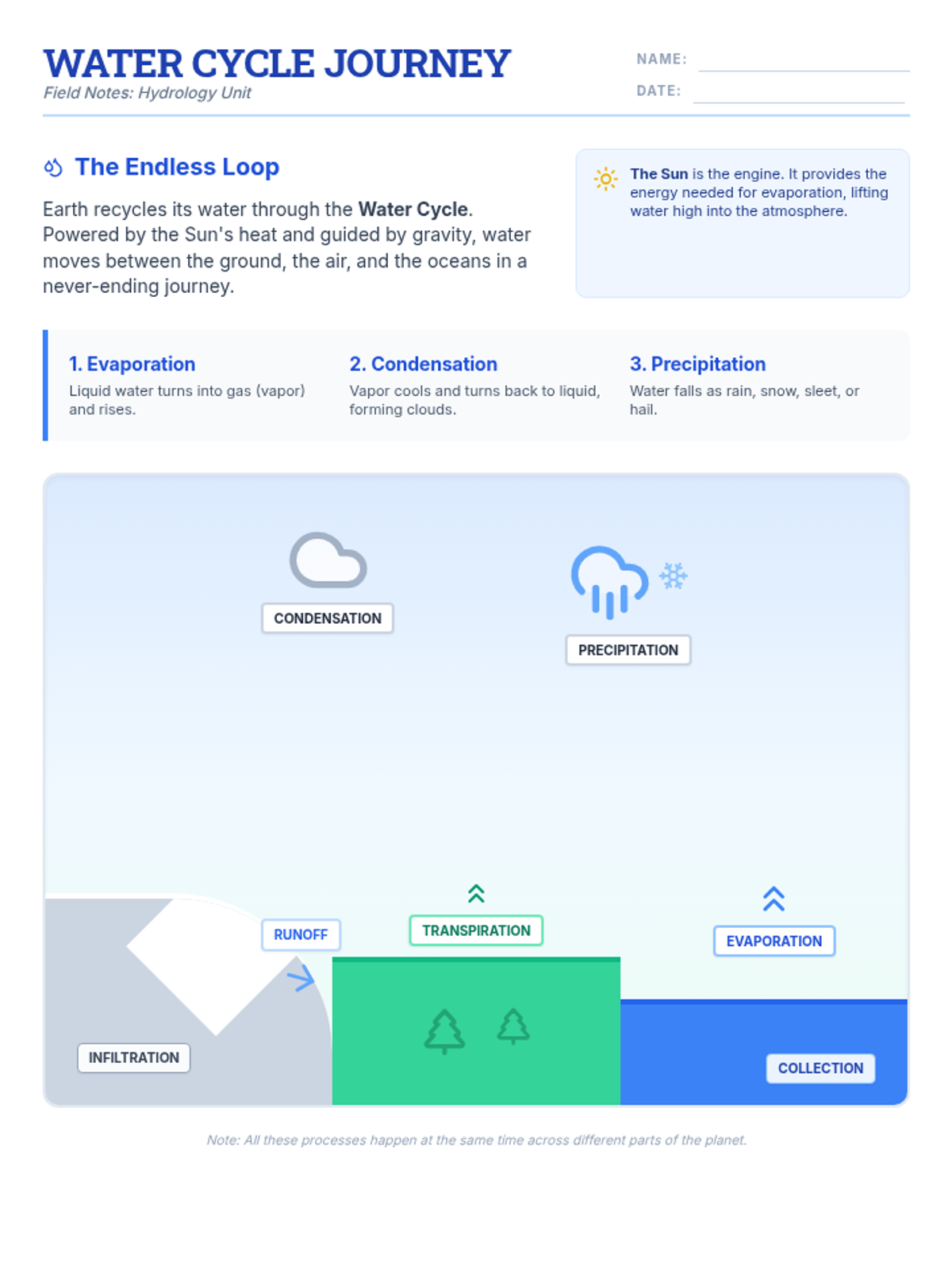
A lesson exploring the continuous movement of water on, above, and below the surface of the Earth. Students will learn the primary processes and how they connect in a never-ending cycle.
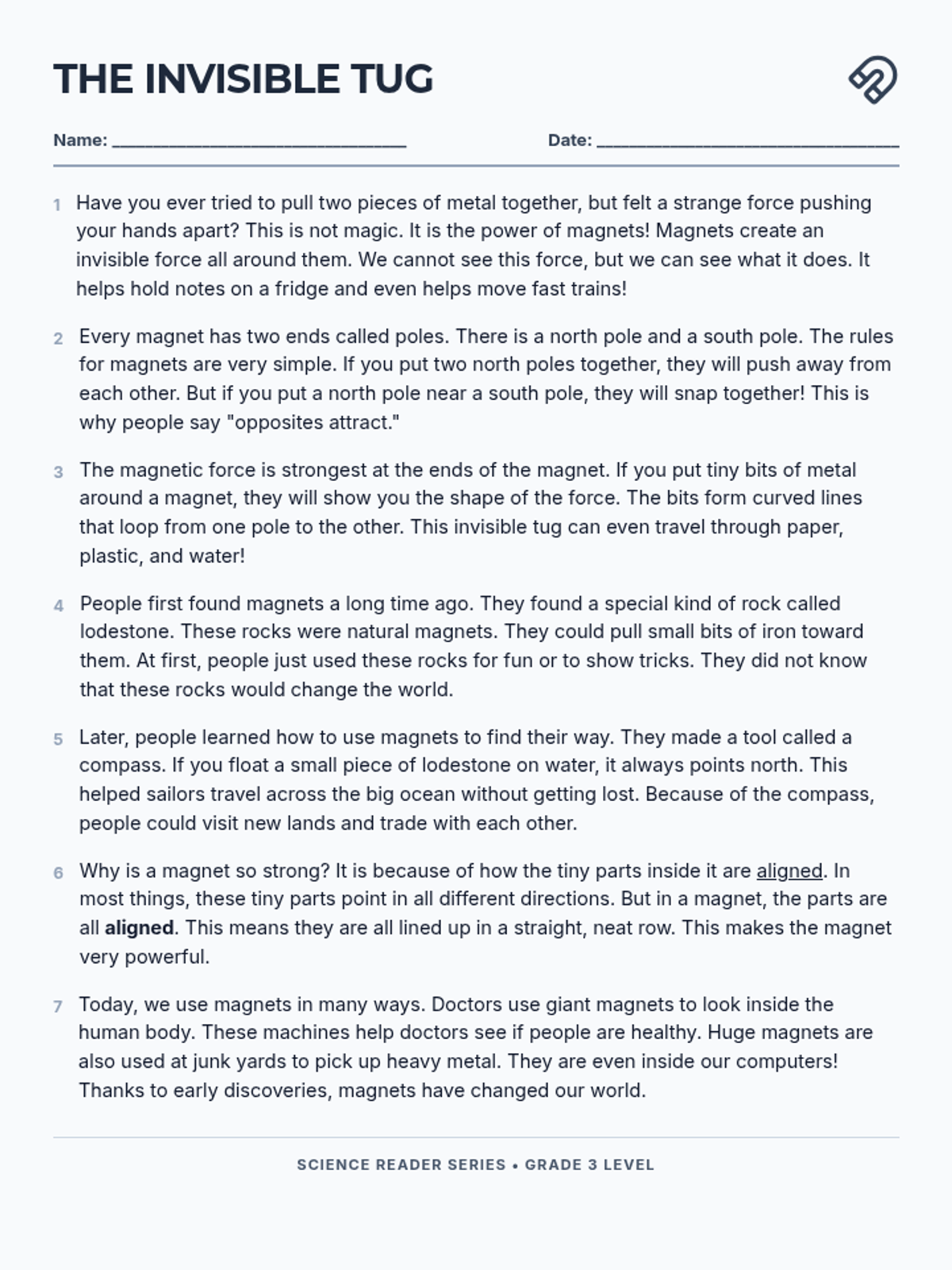
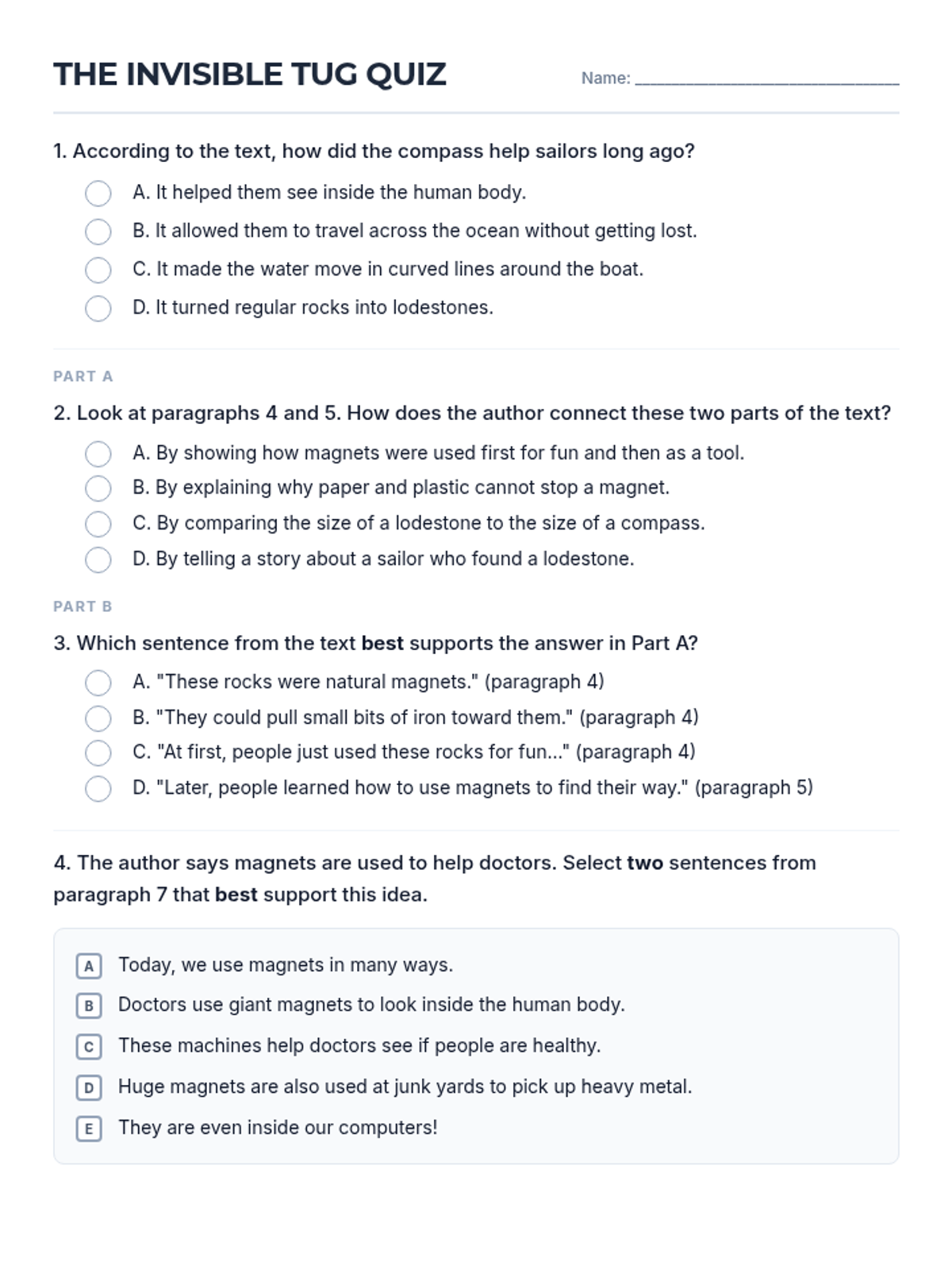
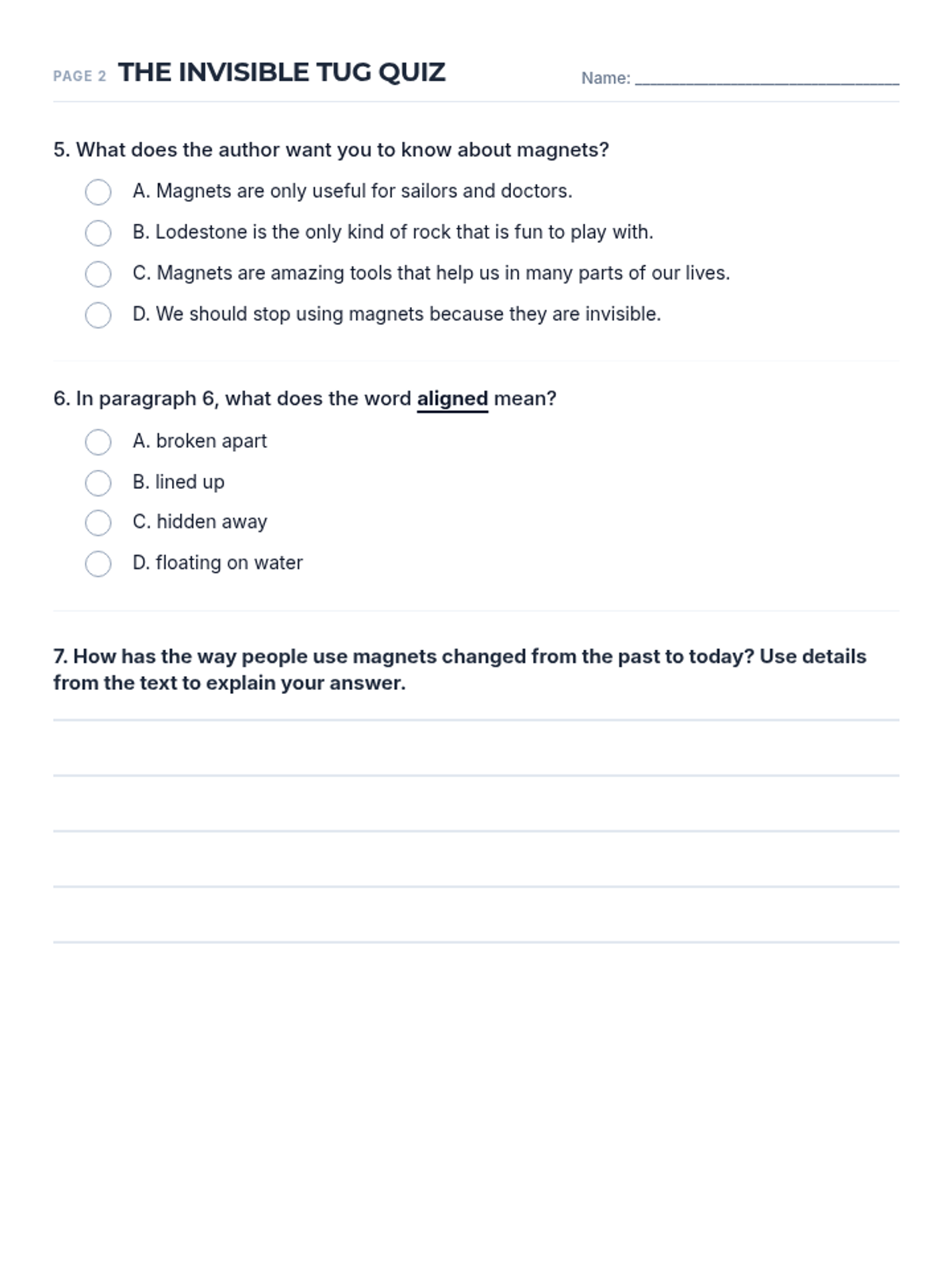
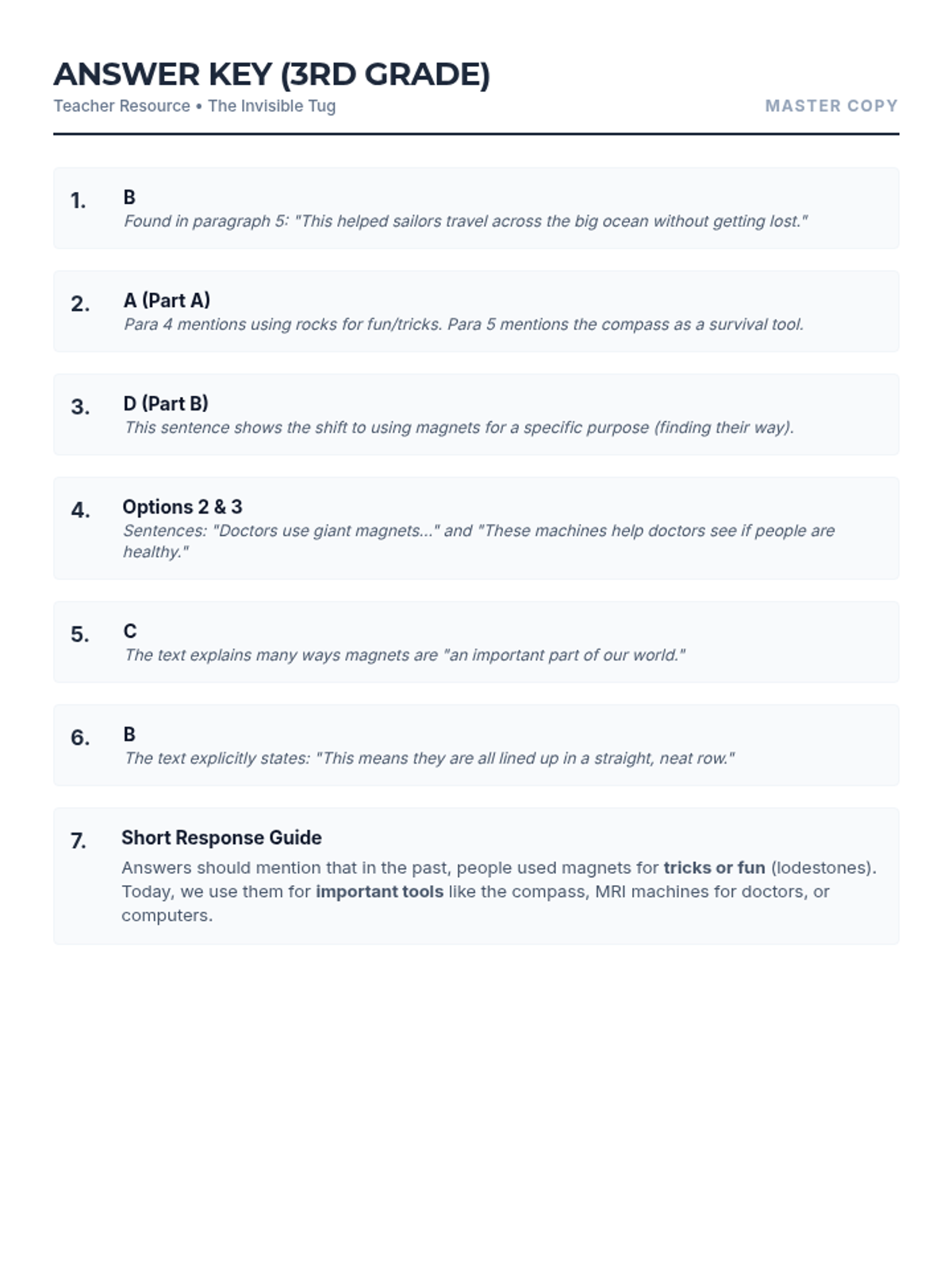
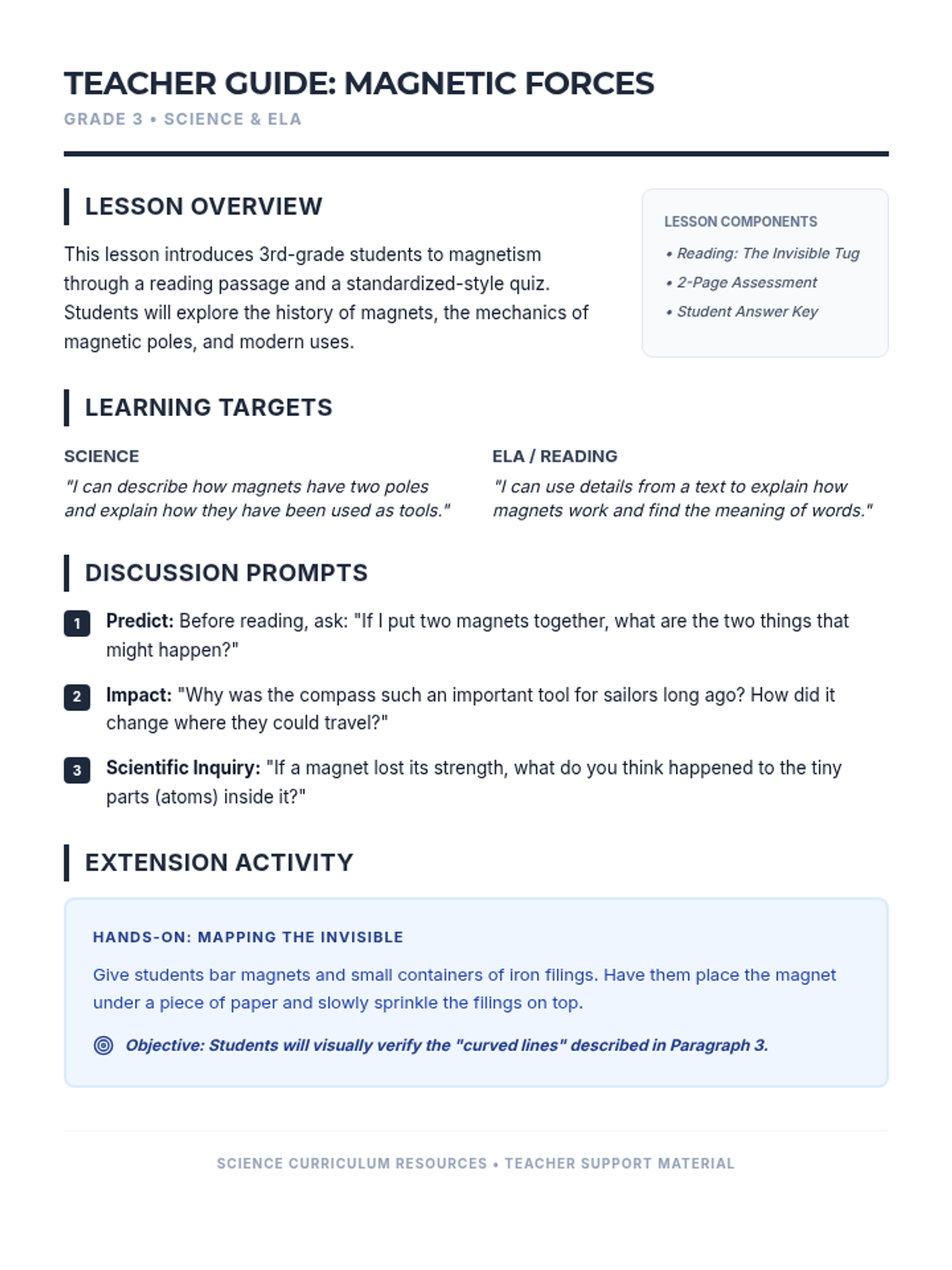
A complete lesson on magnetism featuring an informational reading passage and a comprehension quiz designed to mirror standardized testing formats.
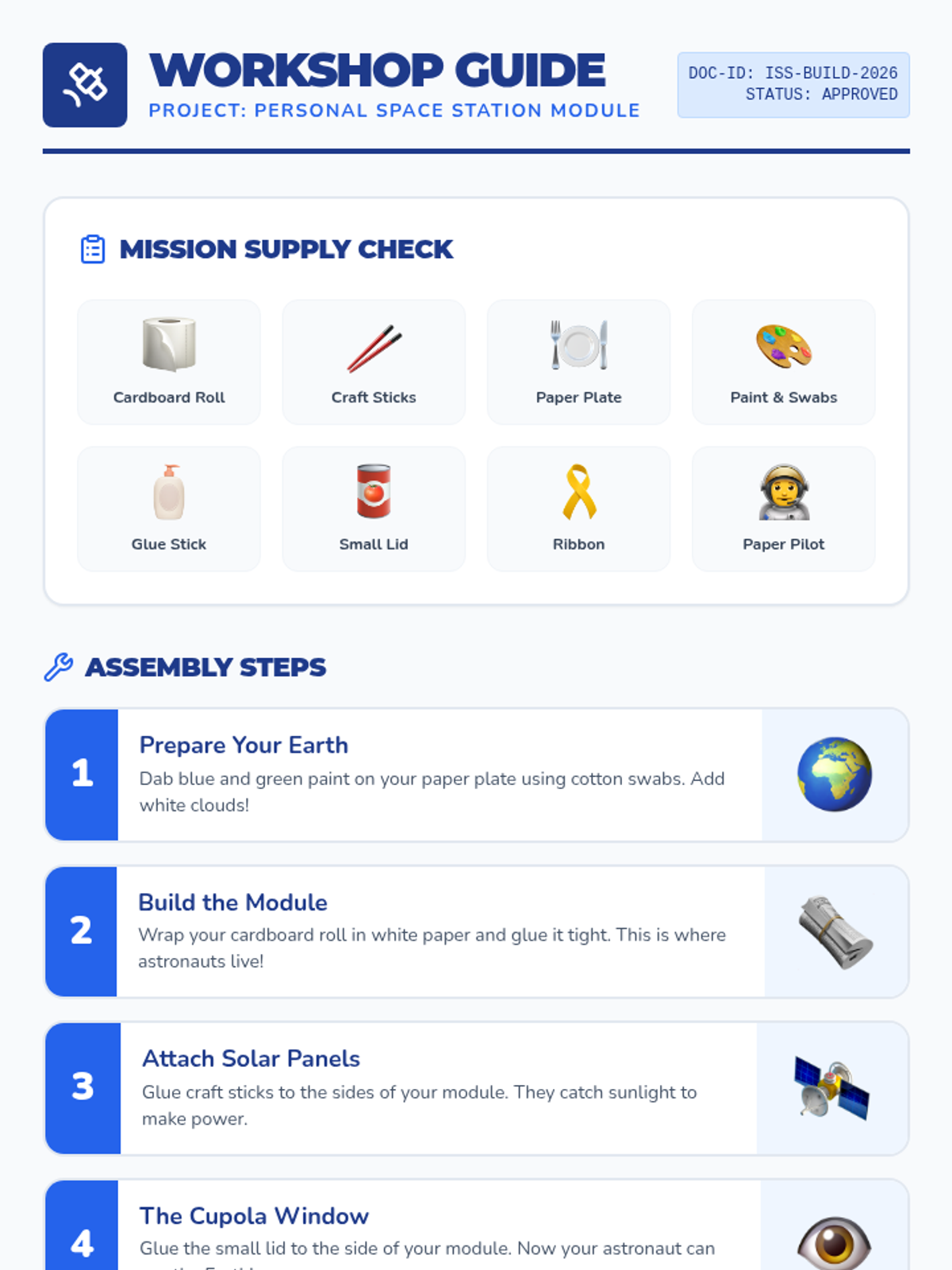
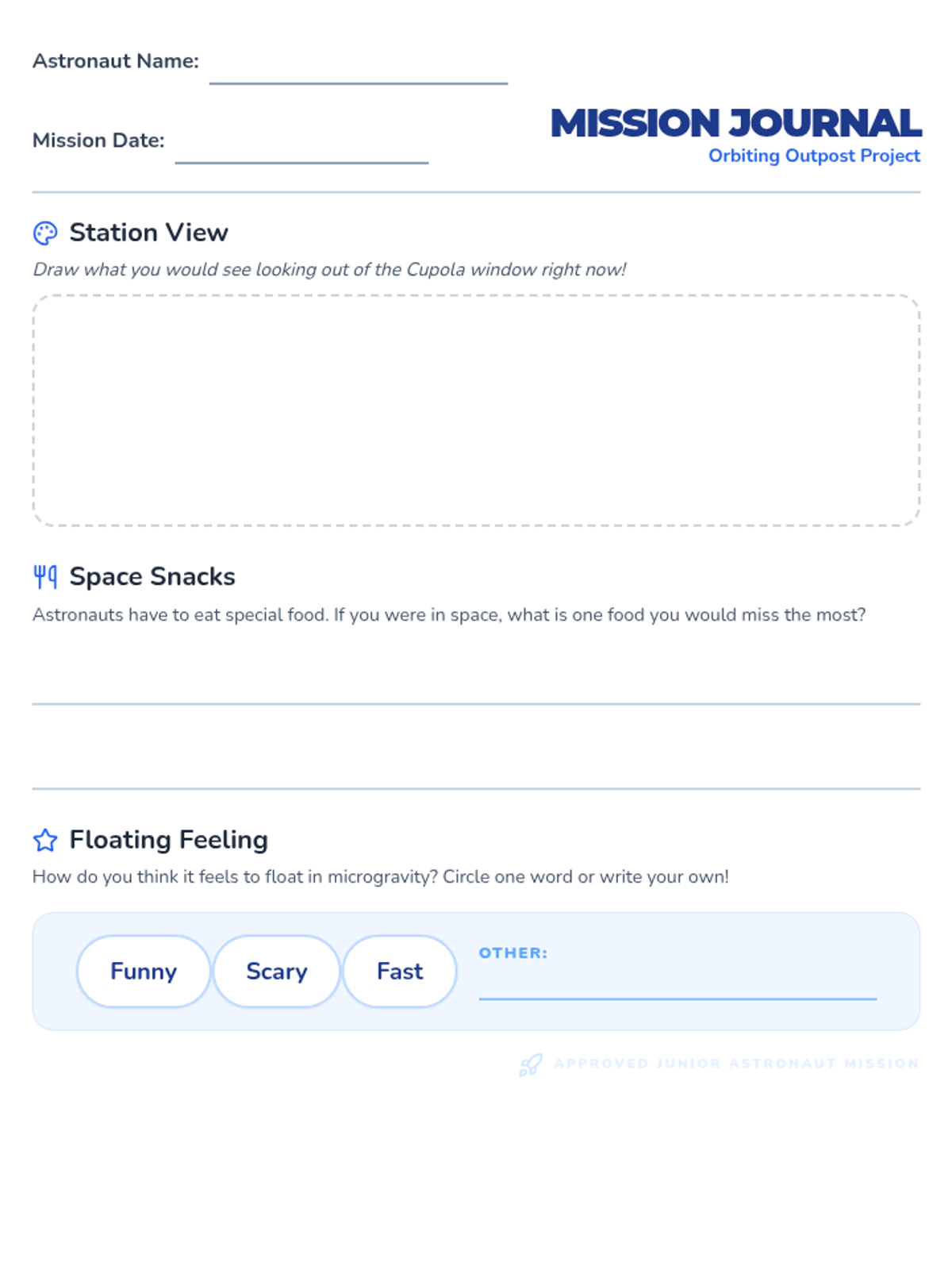
A hands-on enrichment lesson for K-3 students to explore life on the International Space Station through a creative building project and interactive discussion. Students learn about how astronauts live and work in orbit while constructing their own space station models.
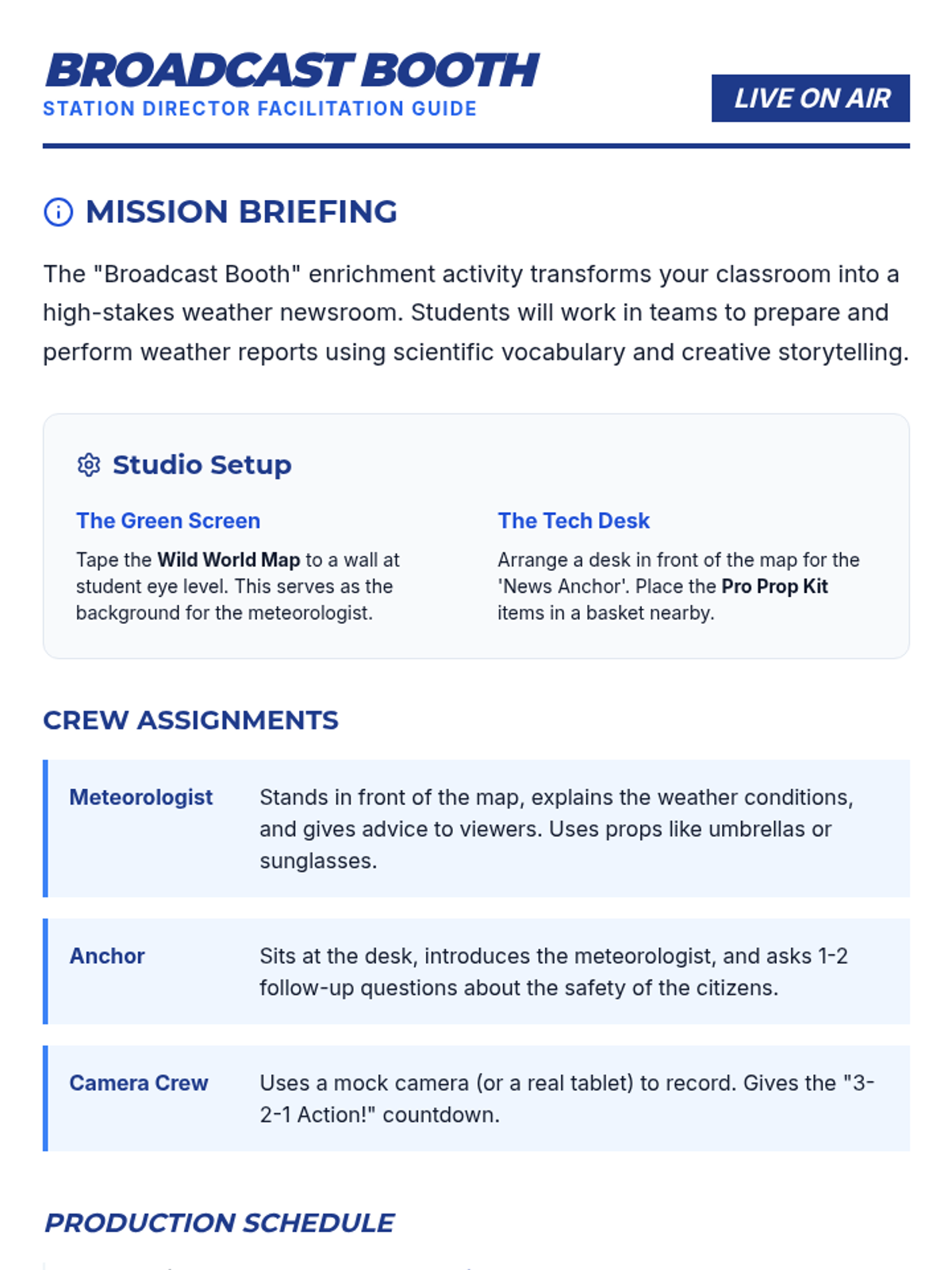
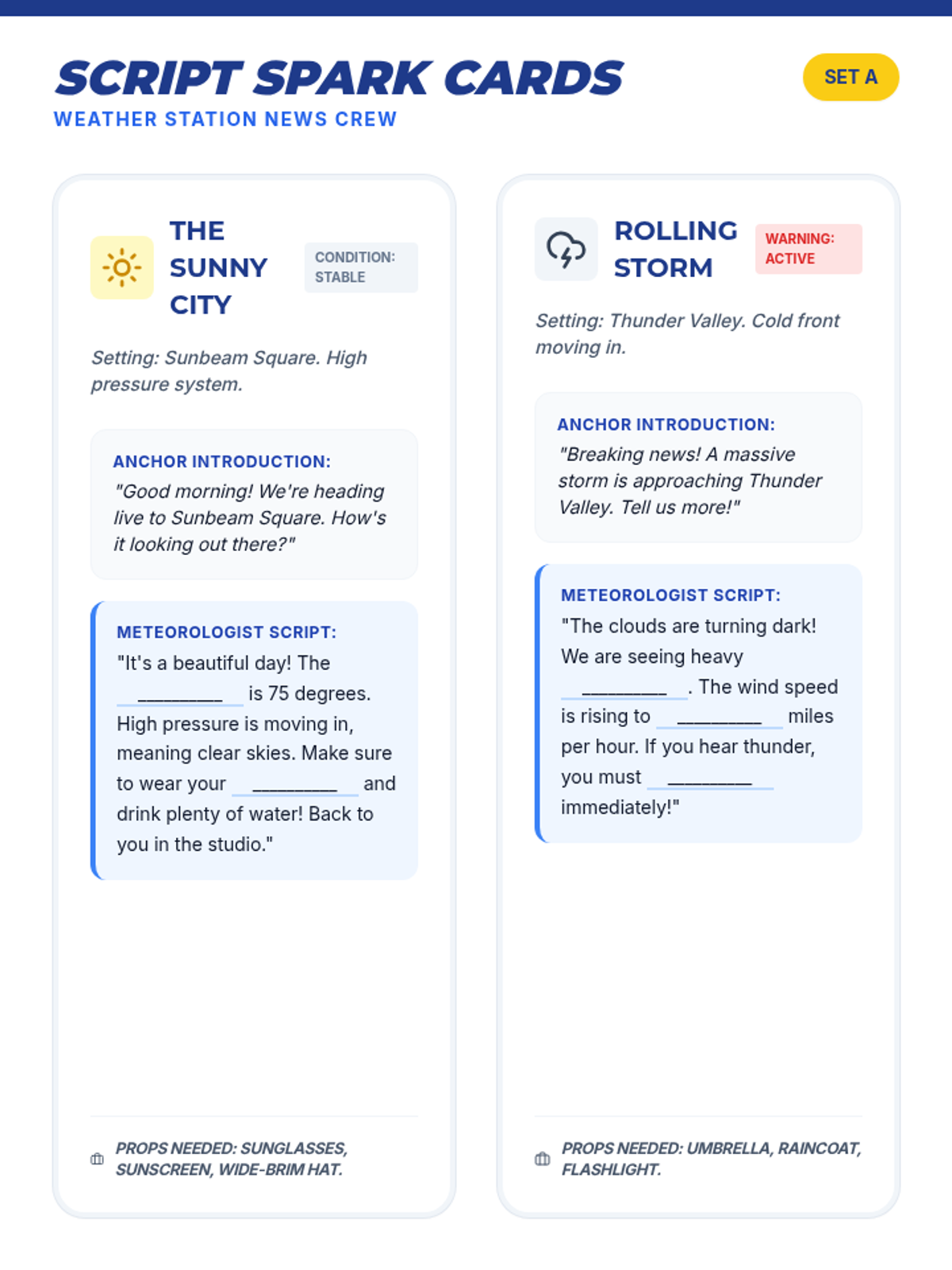
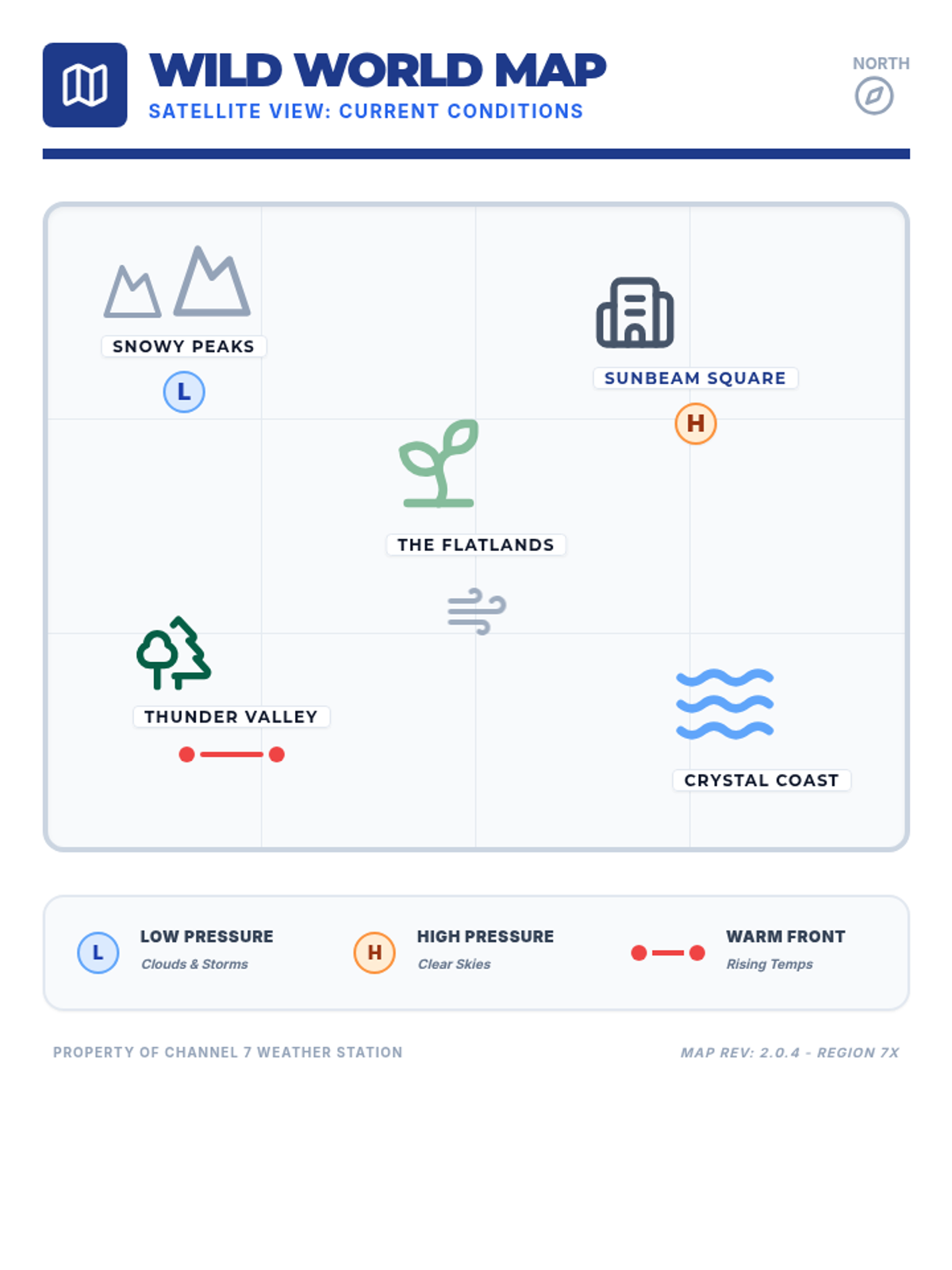
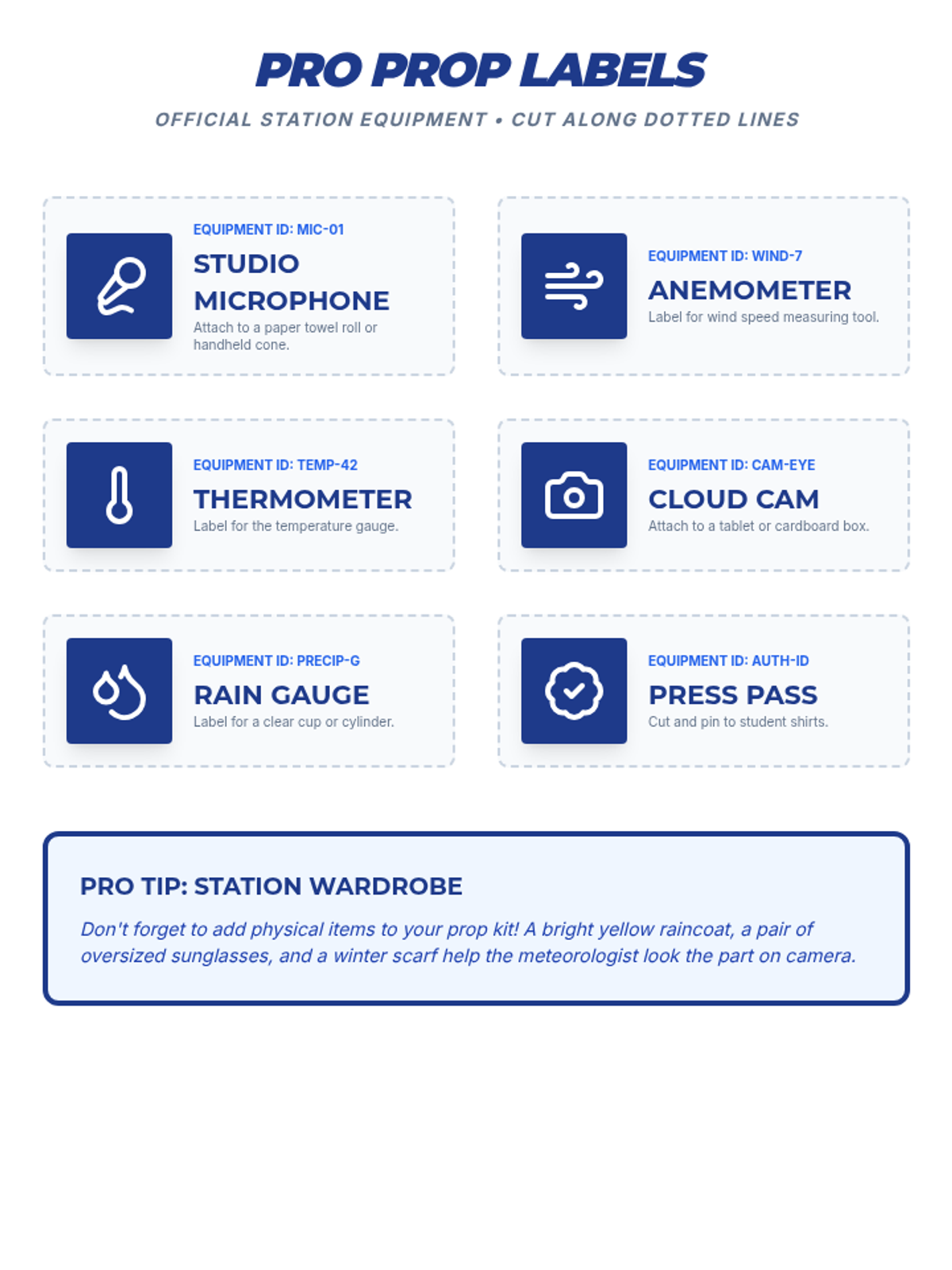
Students step into the shoes of meteorologists, using scripts and props to report on a wide variety of weather phenomena across a fictional map.
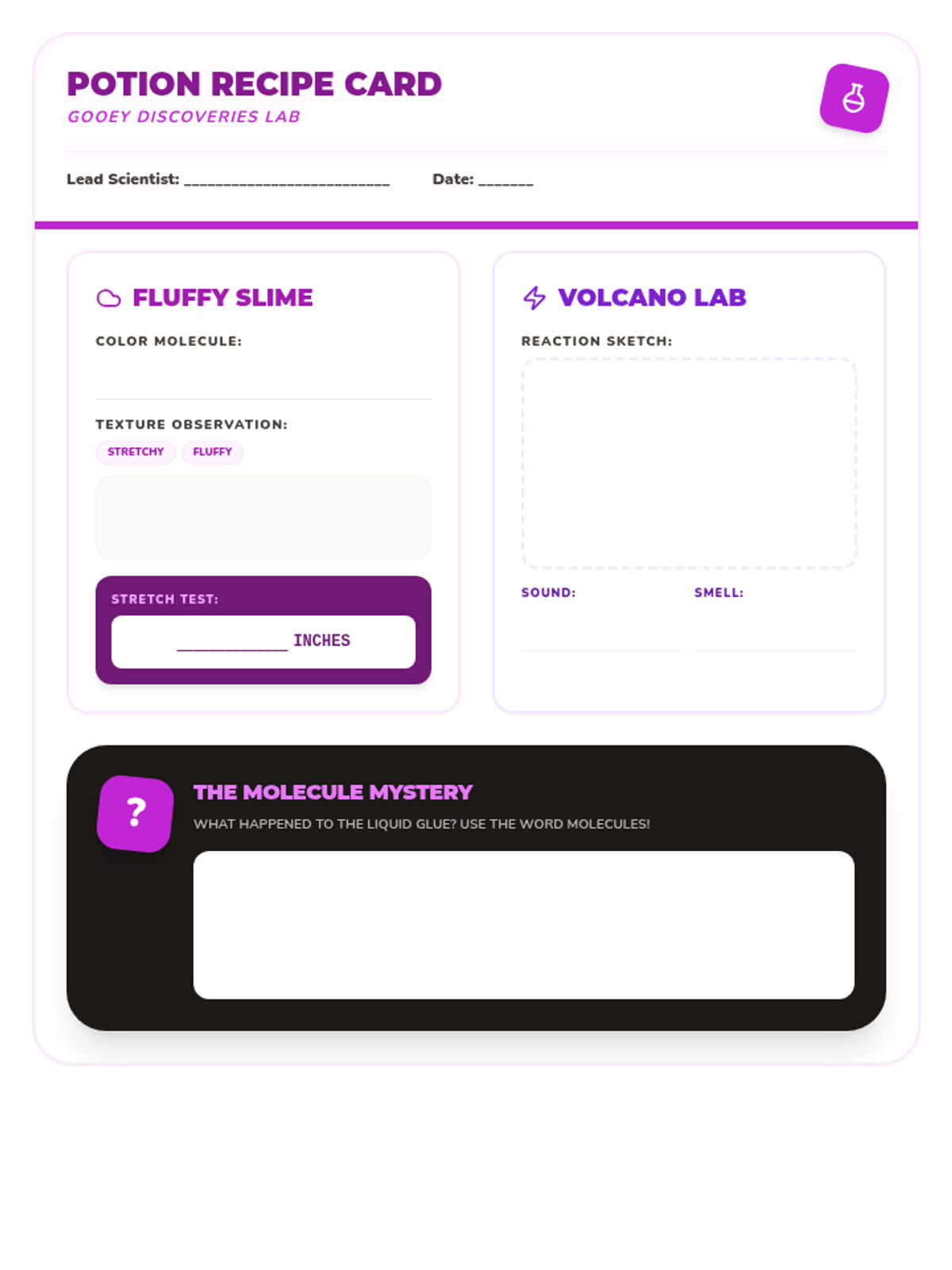
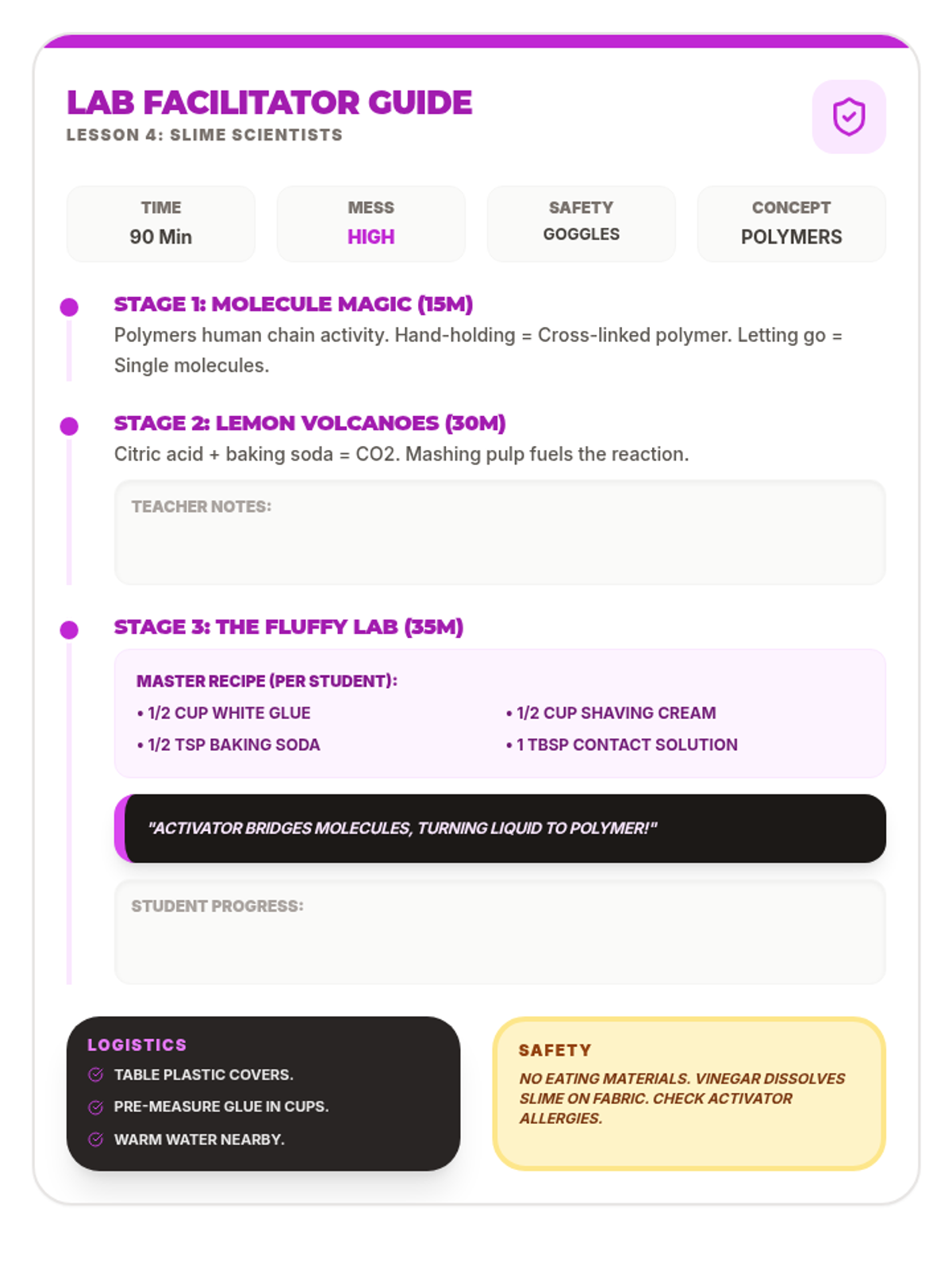
A hands-on chemistry session where students experiment with non-Newtonian fluids and acid-base reactions to create fizzing eruptions and gooey textures.
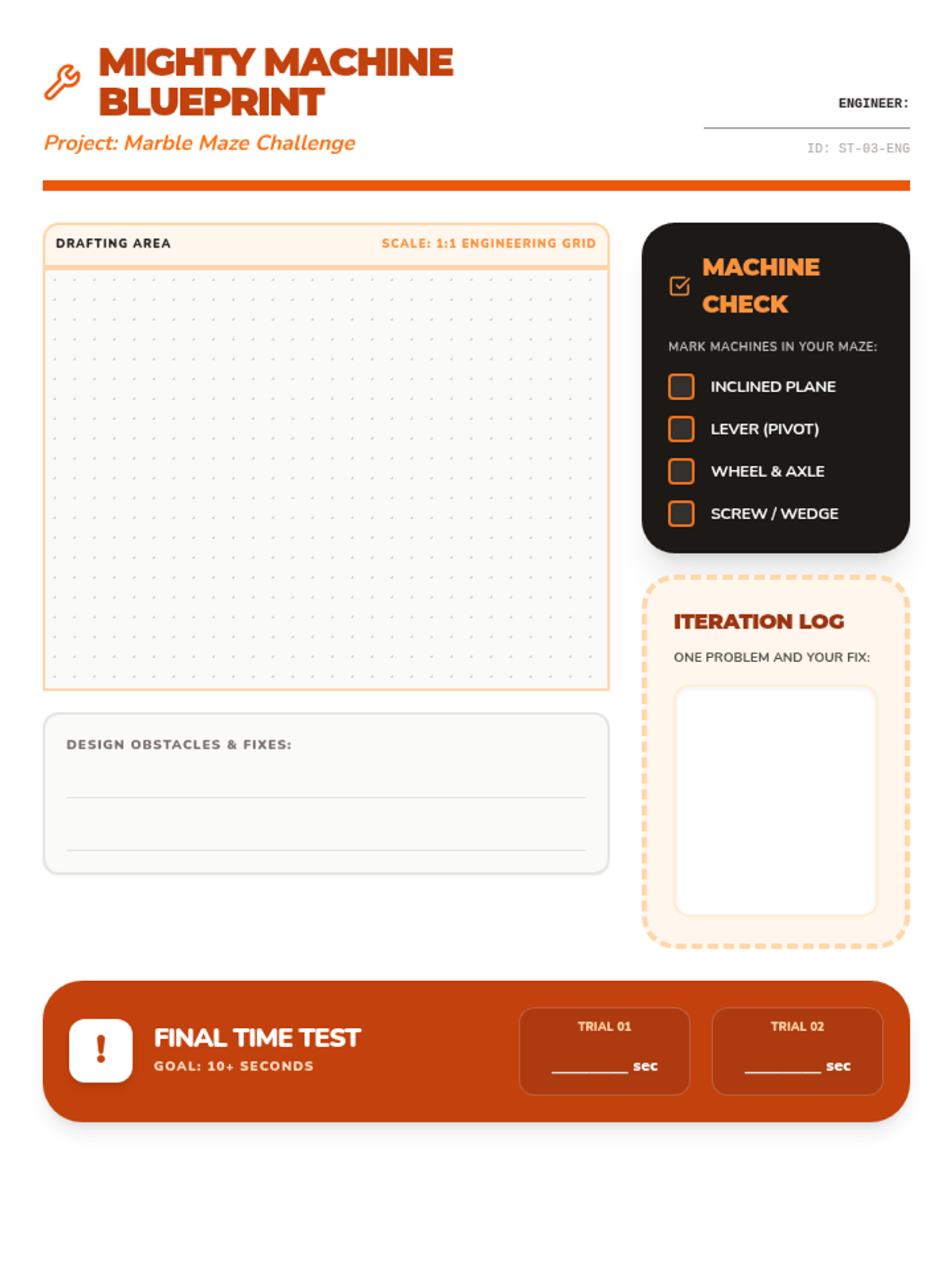
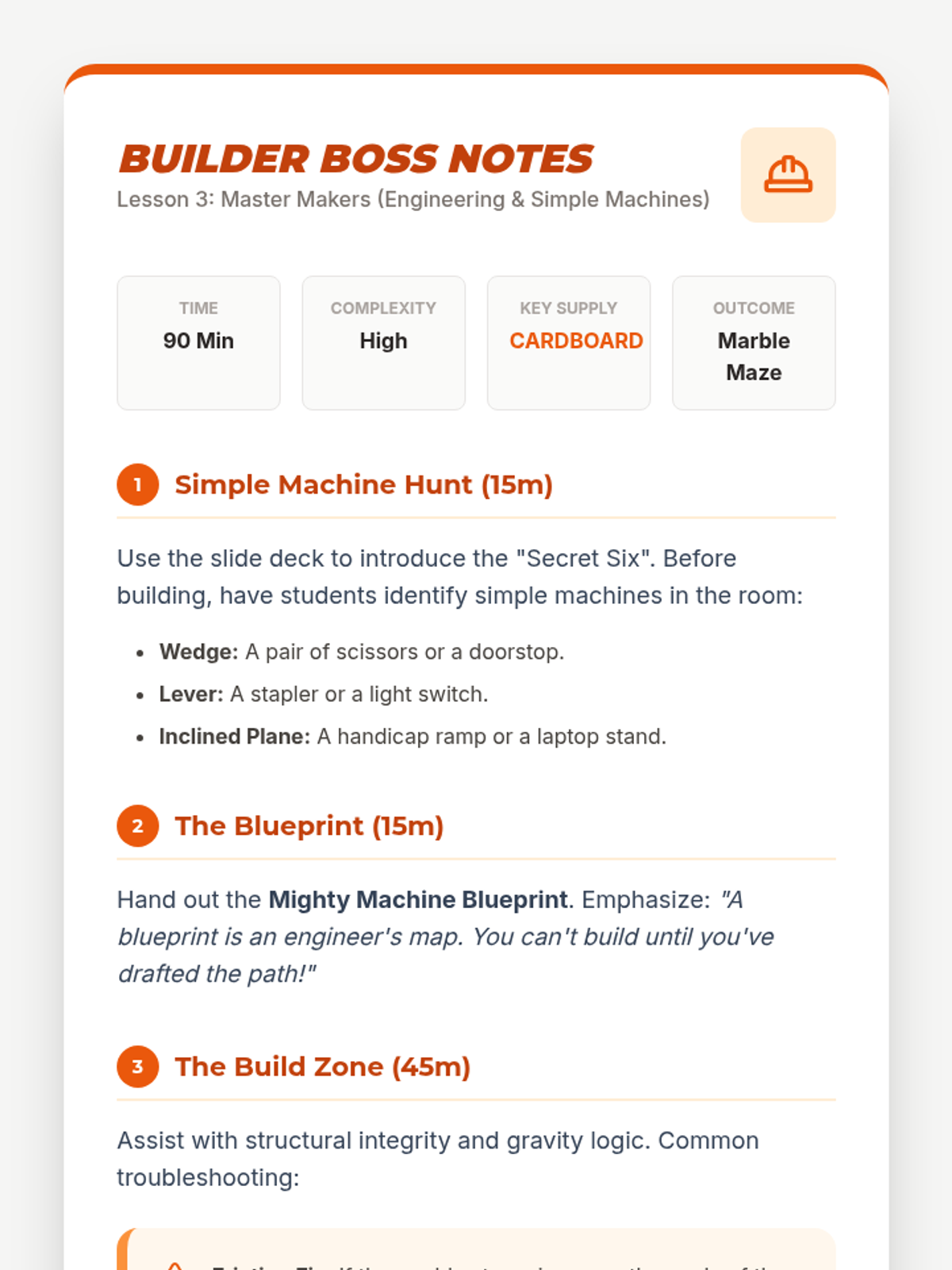
Students become engineers by designing a marble maze that incorporates simple machines like inclined planes and levers using cardboard and recyclables.
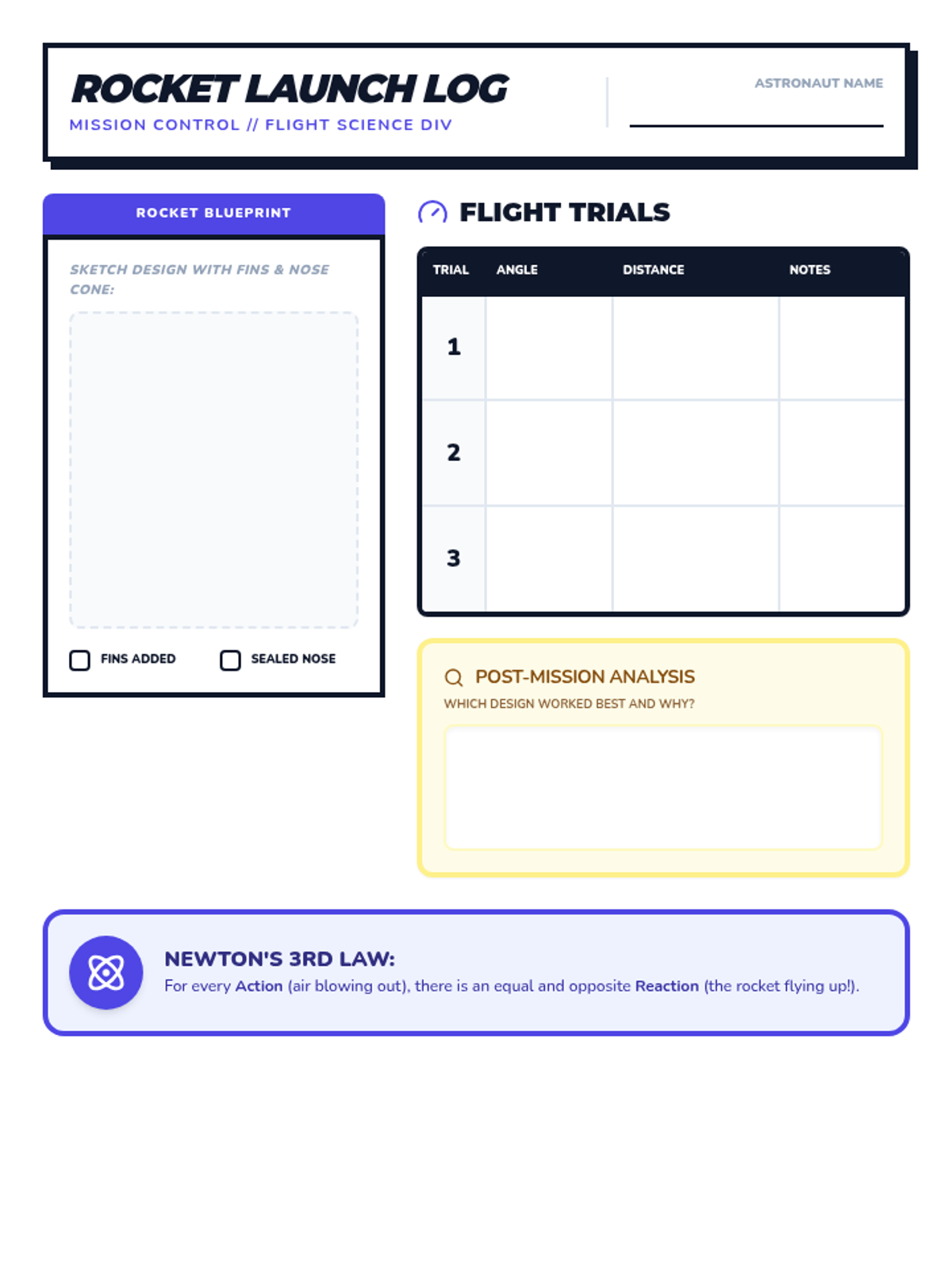
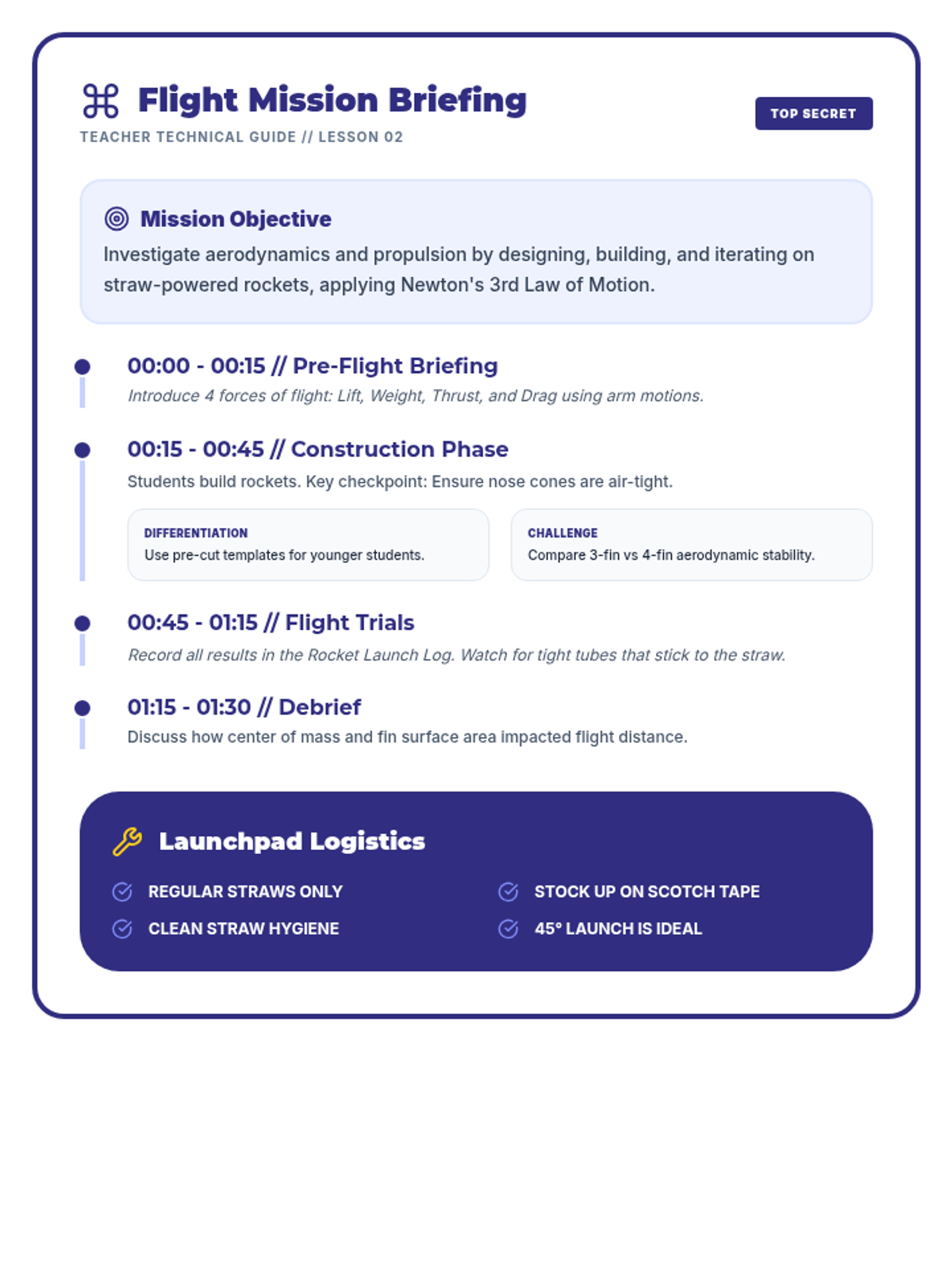
An introduction to aerodynamics and space travel where students design, build, and test various flight models using simple household items.
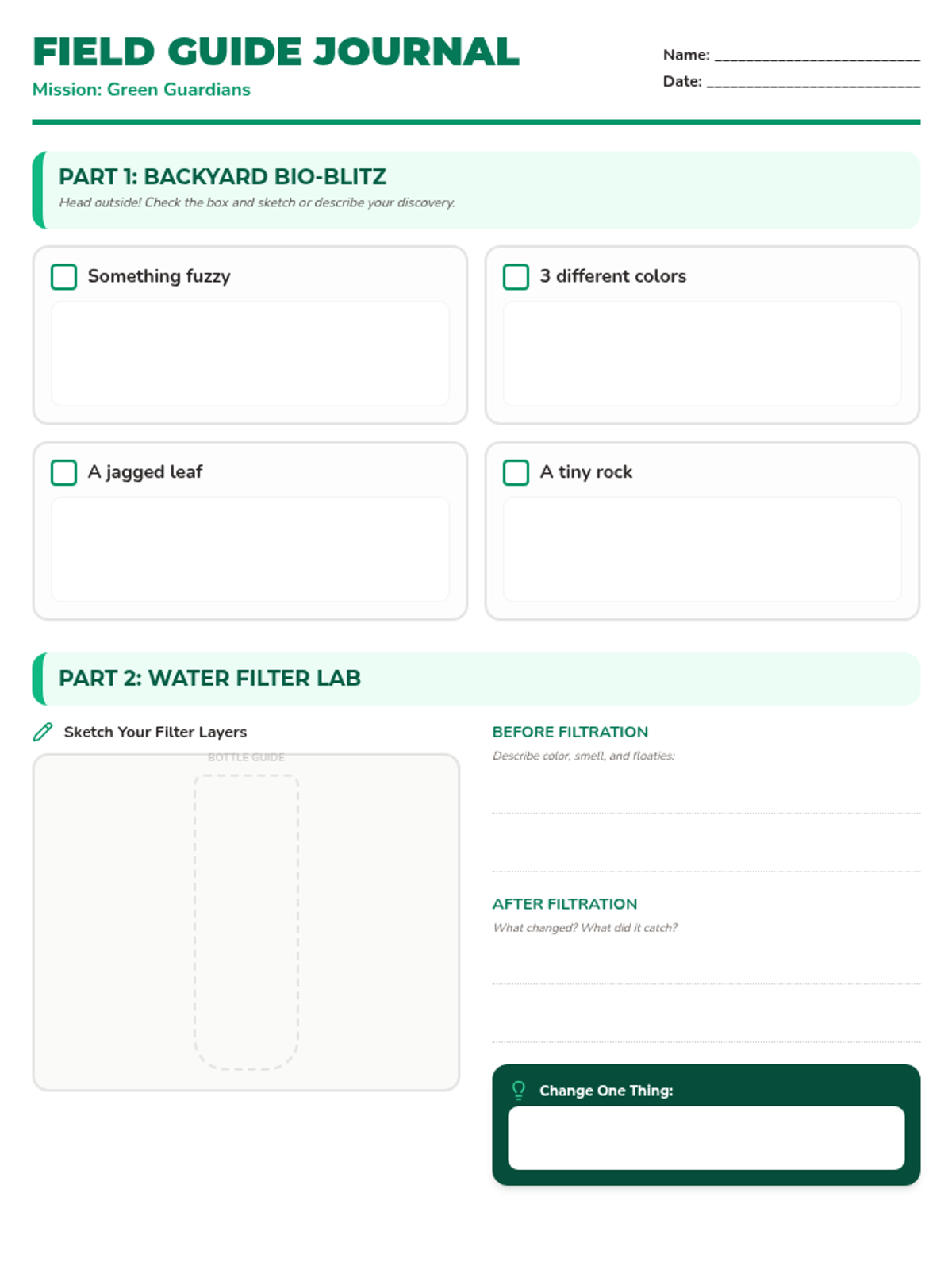
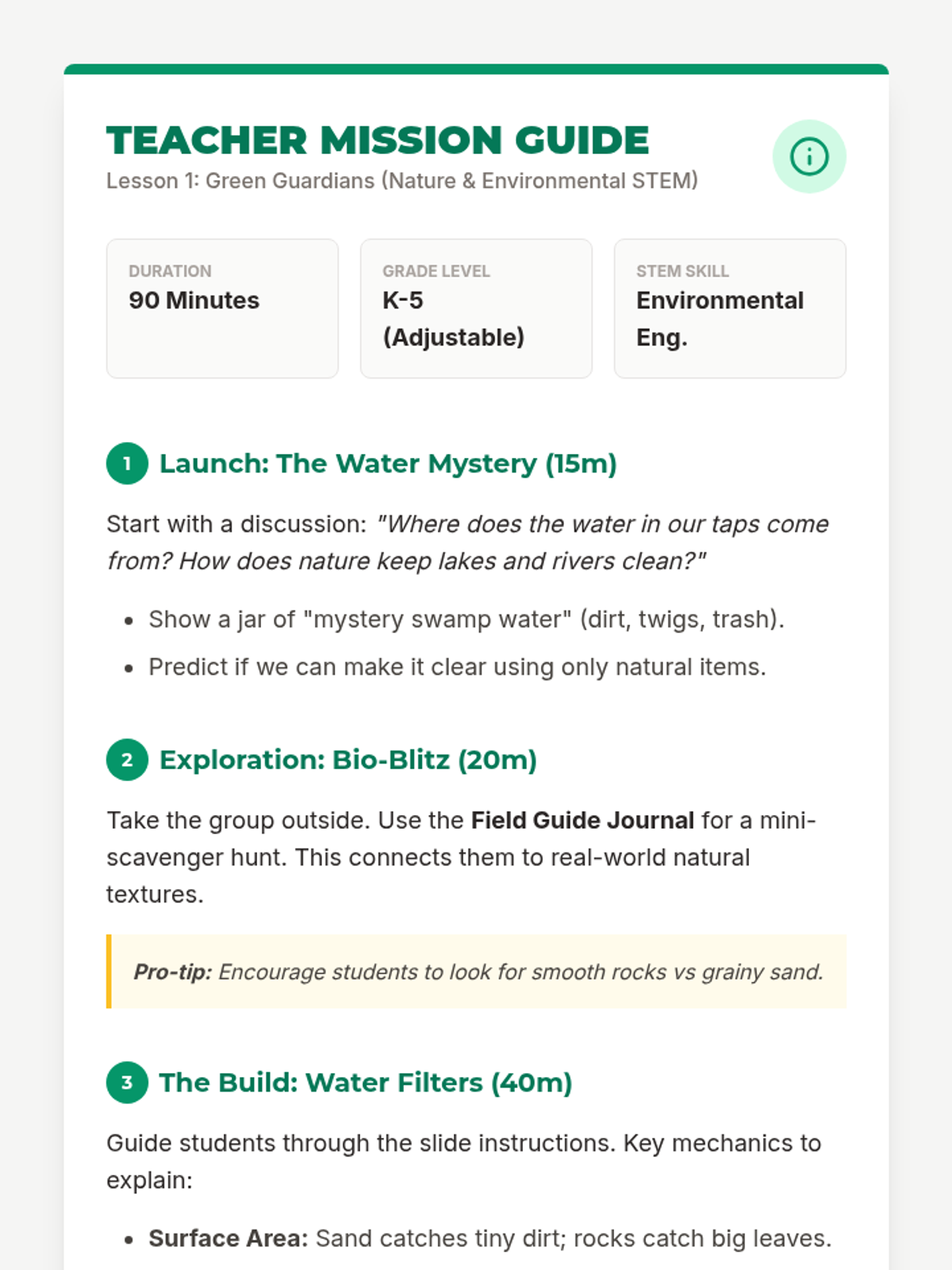
Students explore nature by building mini-ecosystems and learning about water purification using natural and recycled materials.
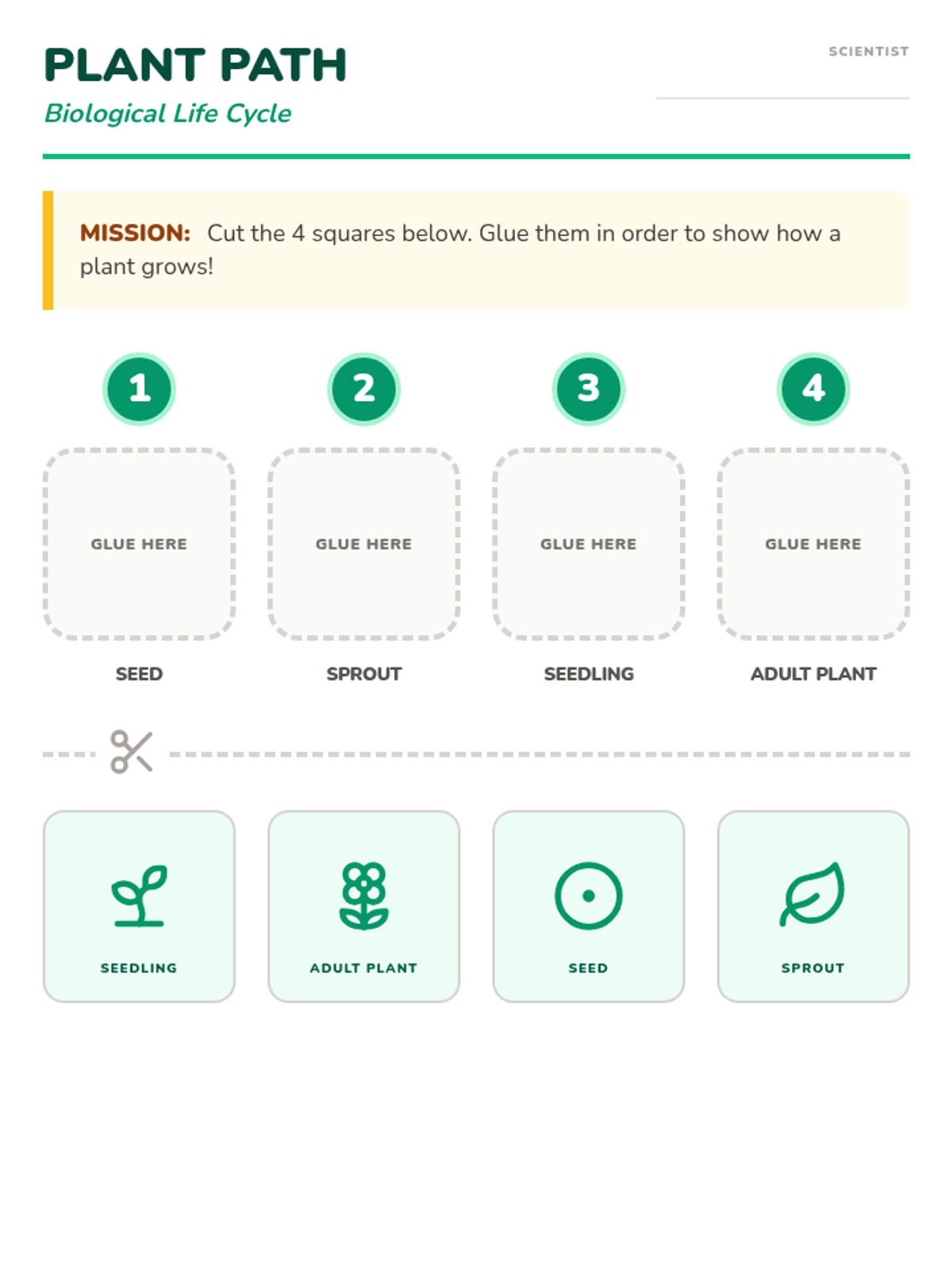
An in-depth study of the Monarch butterfly's life cycle, focusing on the four stages of complete metamorphosis and the critical ecological role of milkweed.
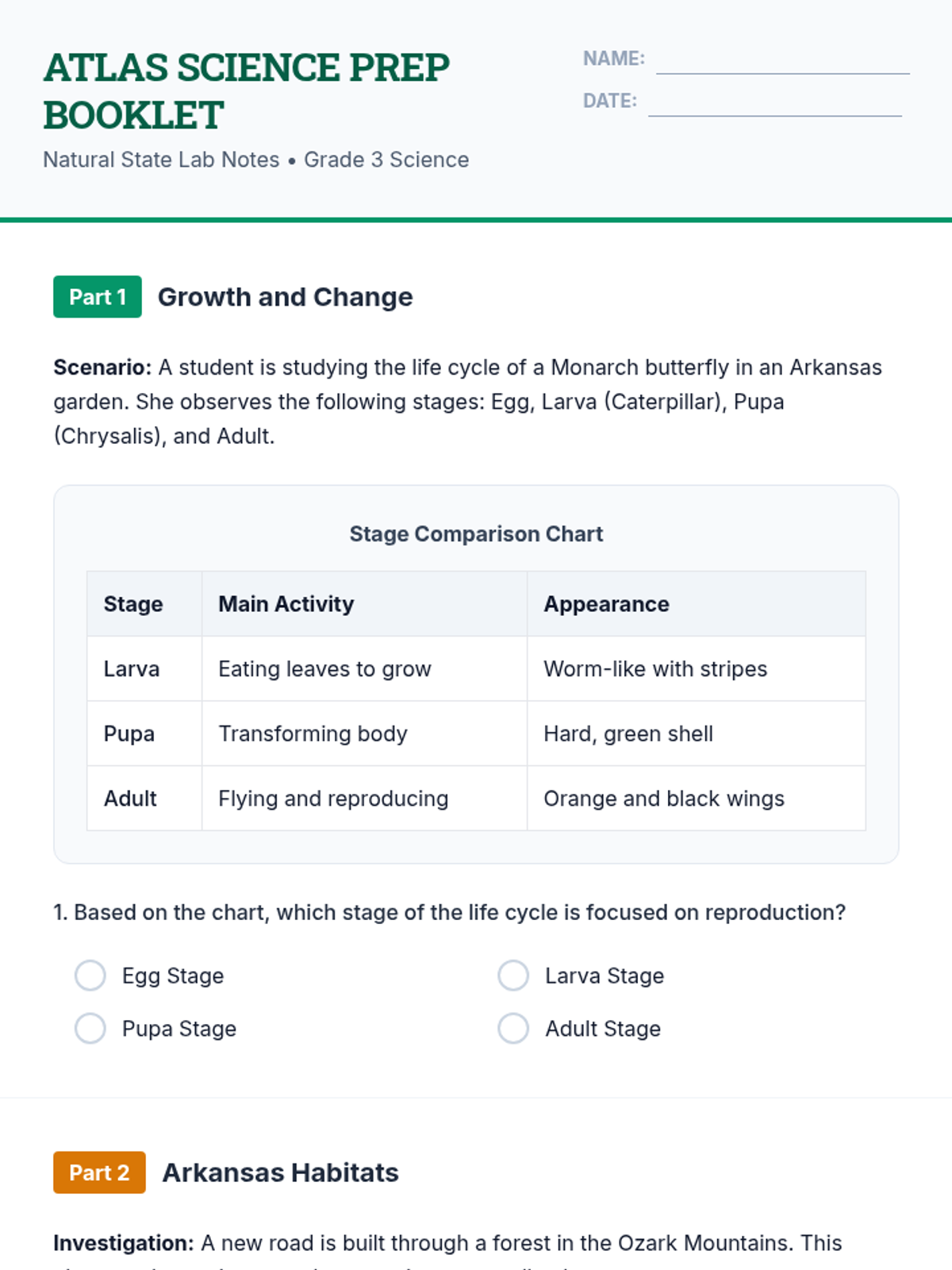
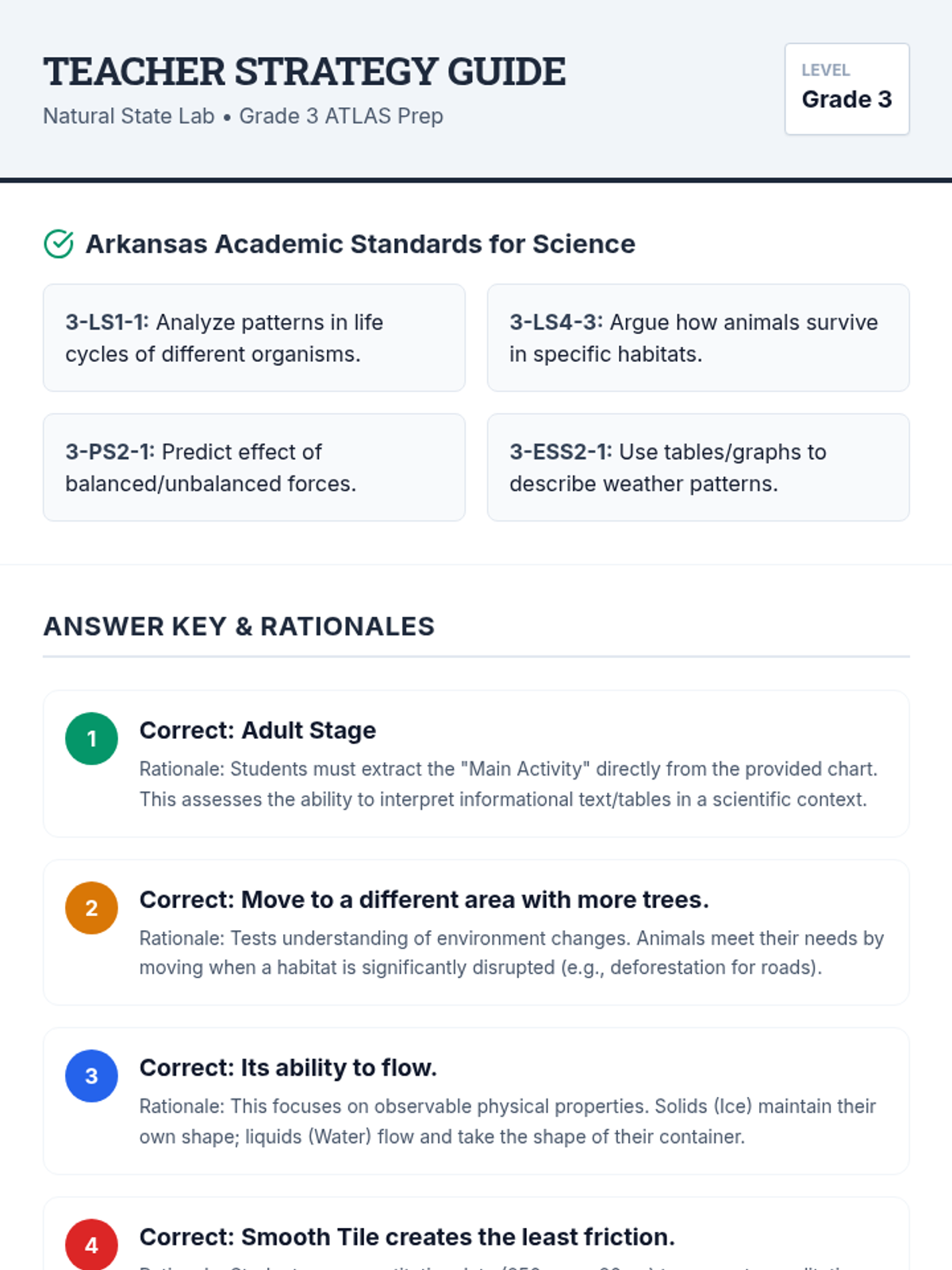
A comprehensive Grade 3 Science test prep lesson aligned to the Arkansas ATLAS standards. It covers core domains including life cycles, habitats, matter, forces, and weather through scenario-based learning and practice.
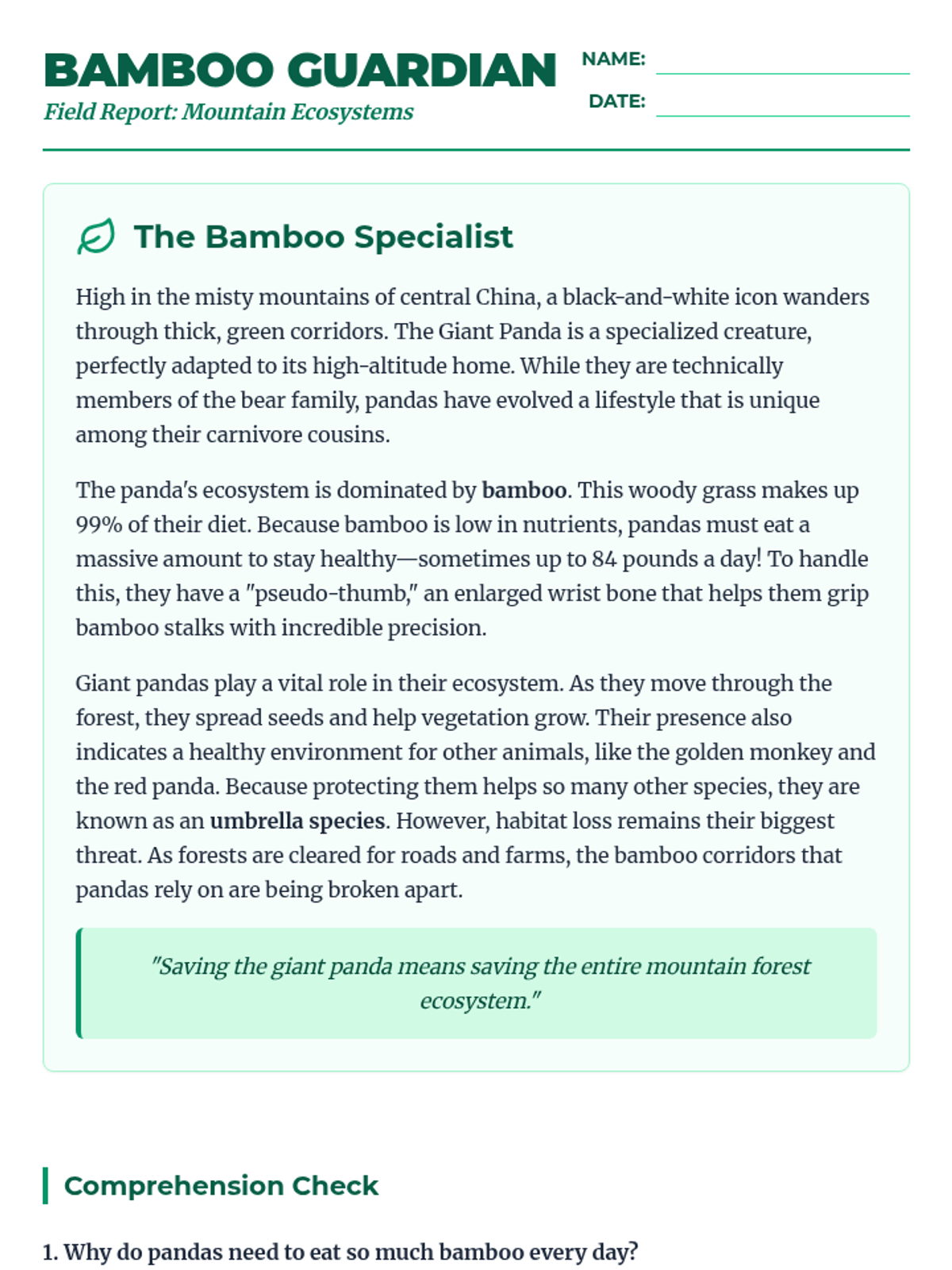
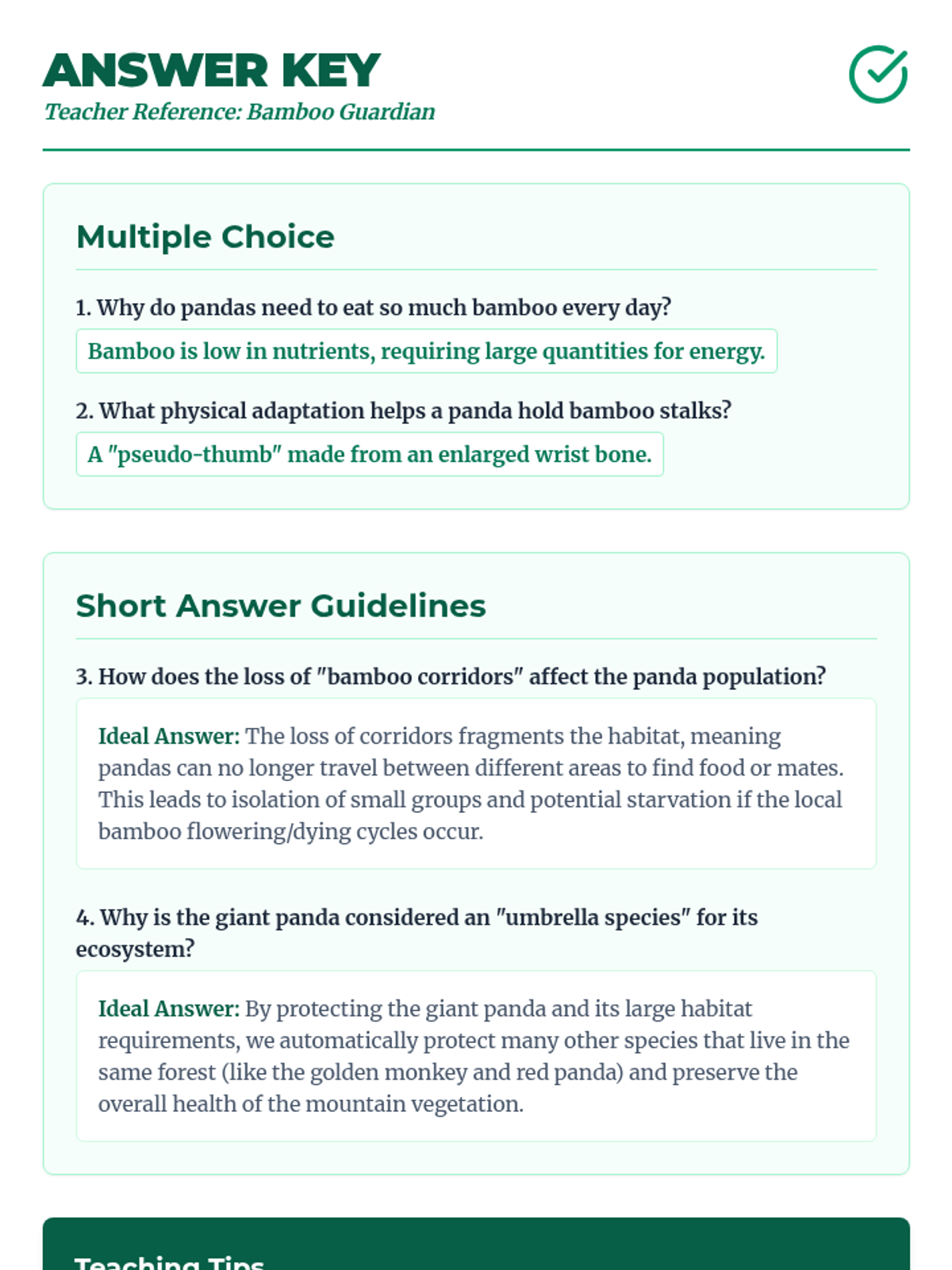
A lesson exploring the mountain ecosystem of giant pandas, focusing on their specialized diet and the importance of conservation.
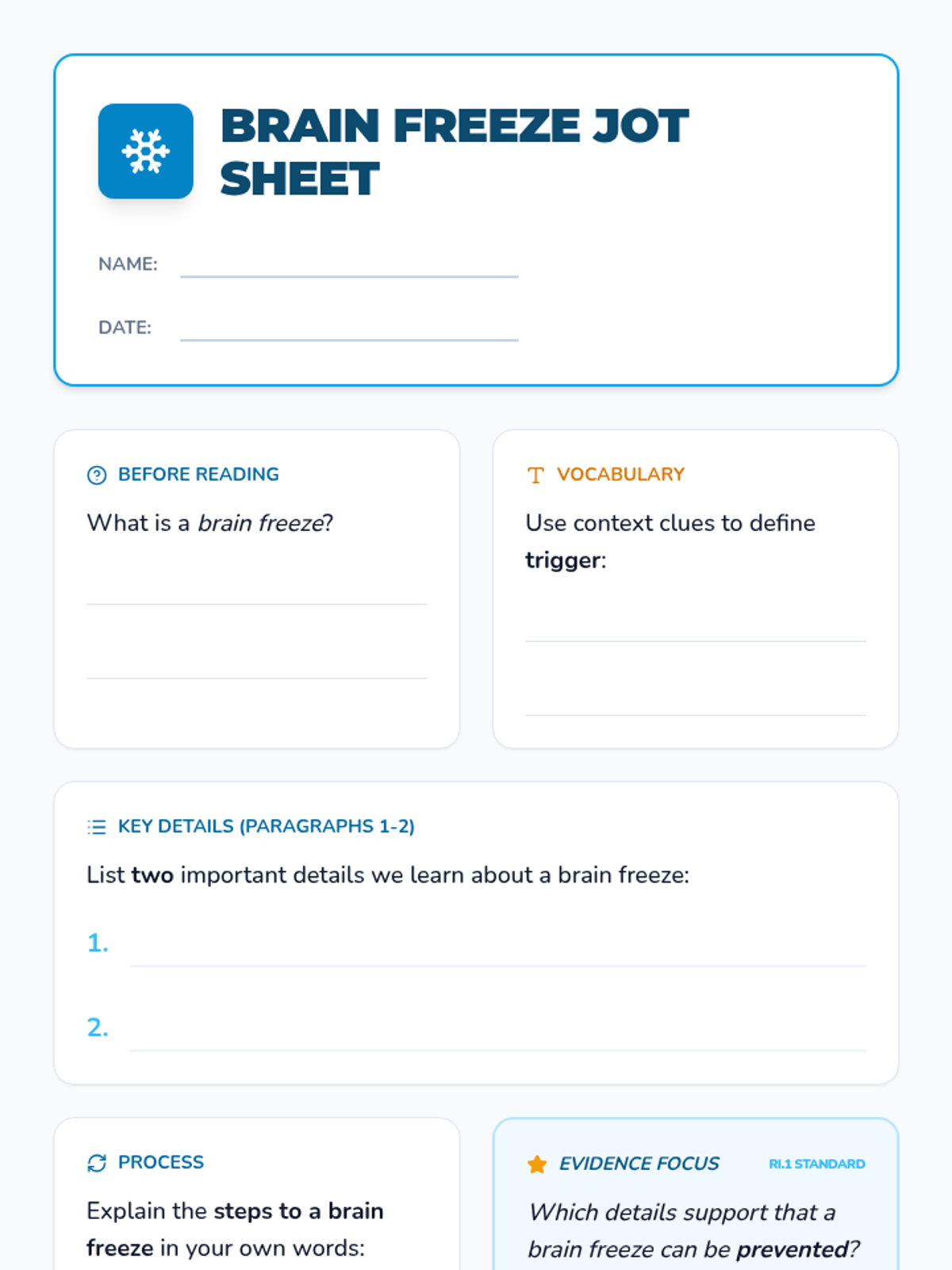
A comprehensive lesson exploring the scientific causes, effects, and prevention of brain freeze (ice cream headaches). Students read an informational text, analyze evidence, and understand the biological protection mechanisms of the brain.
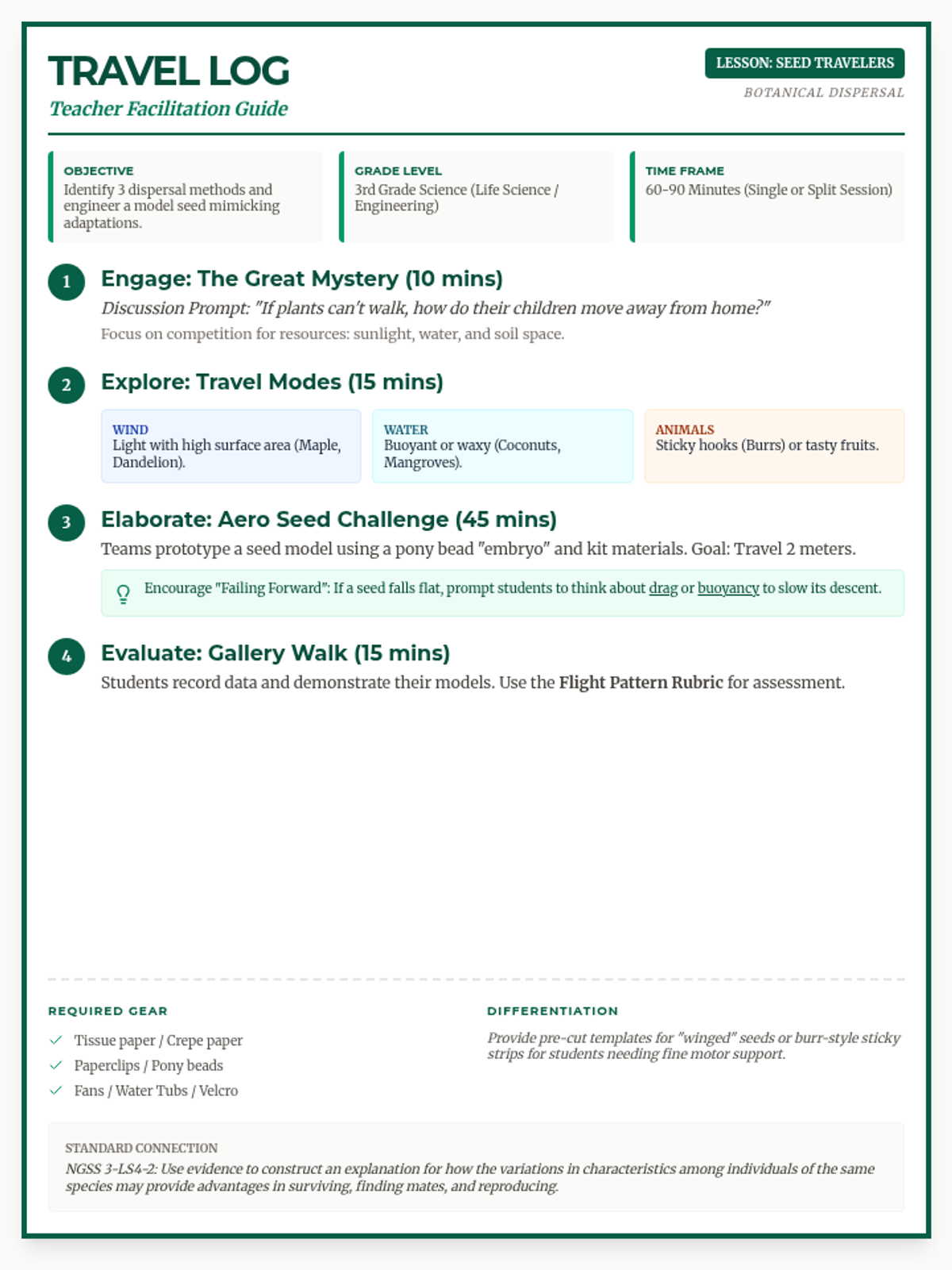
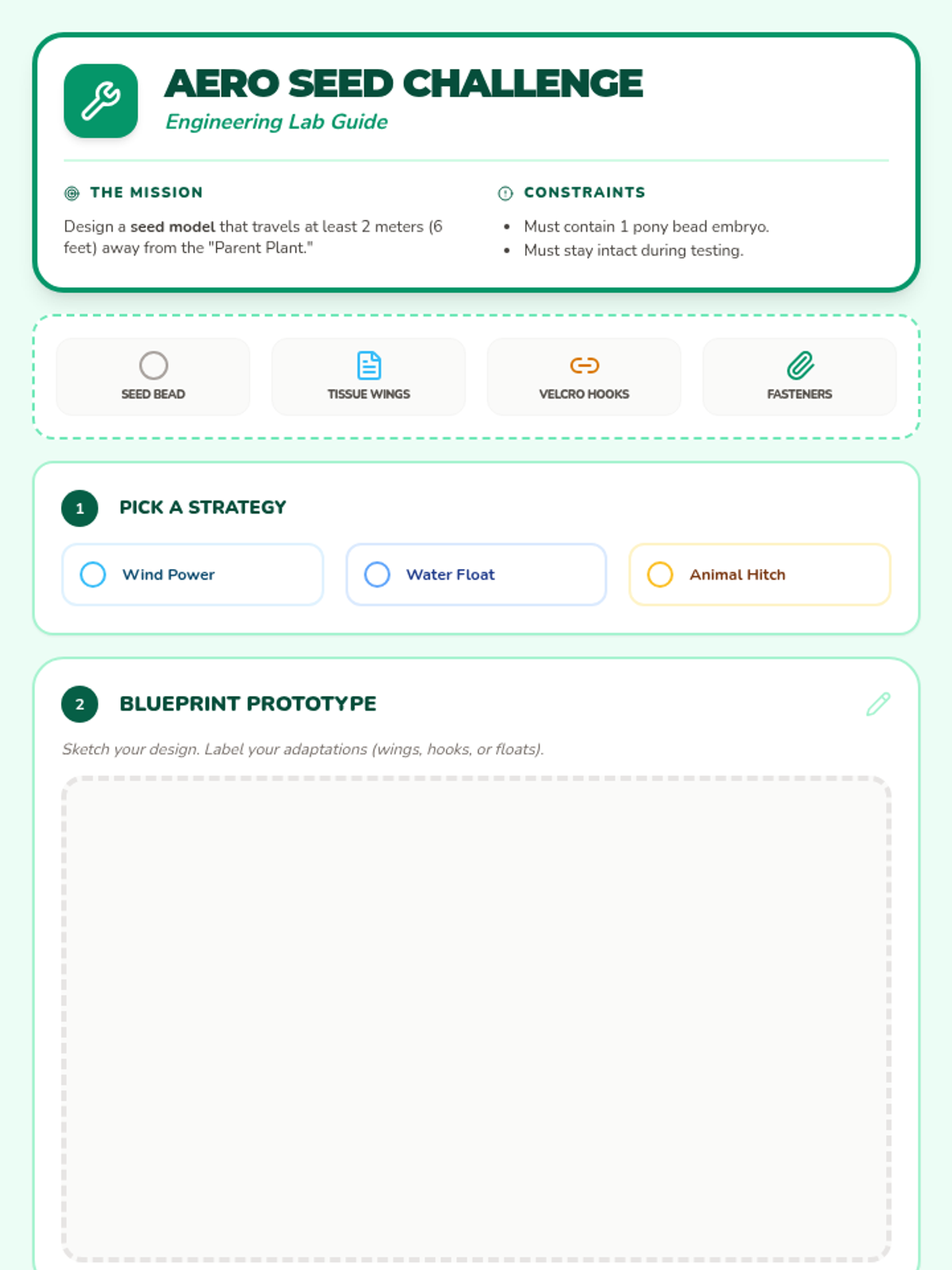
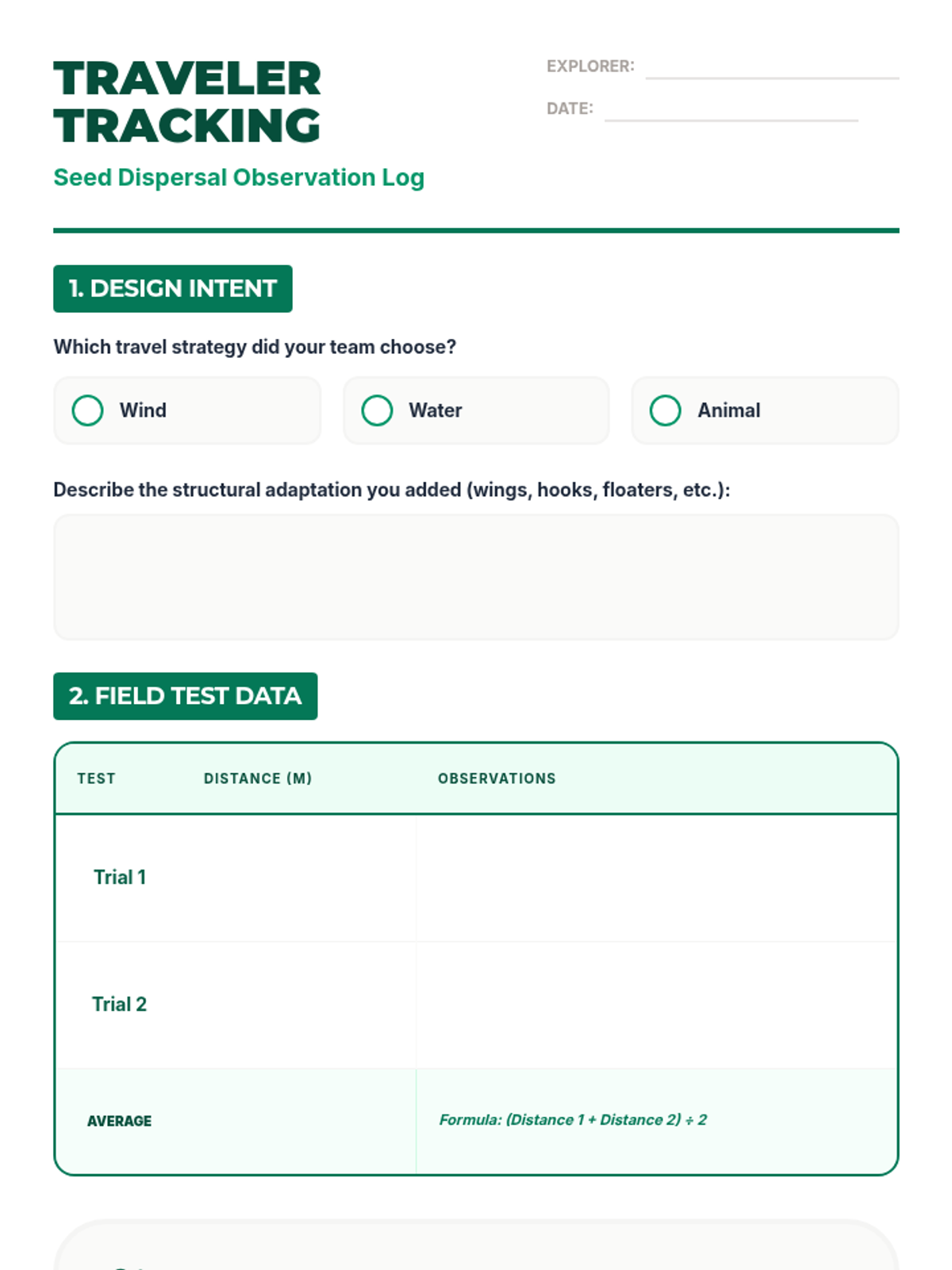
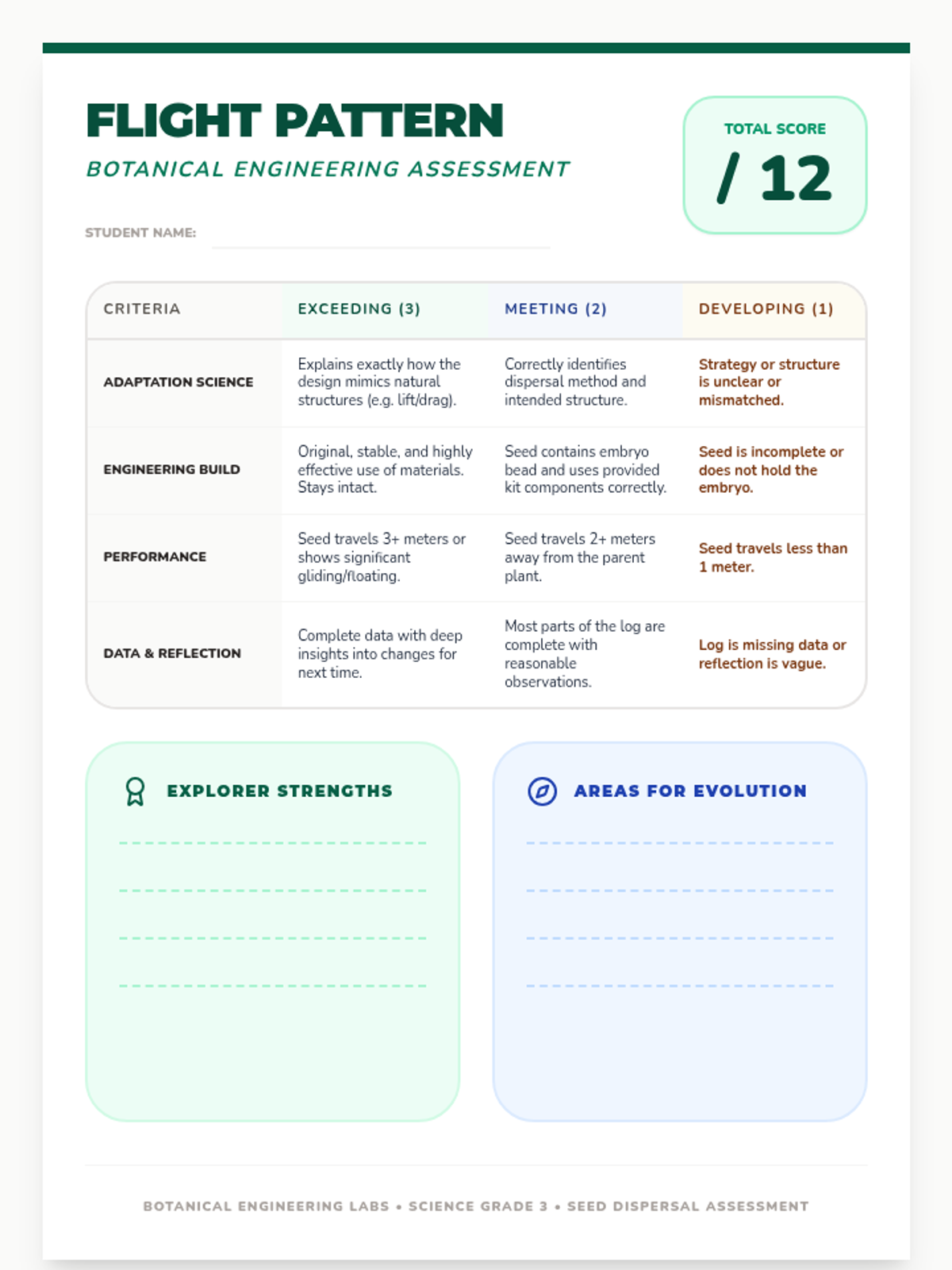
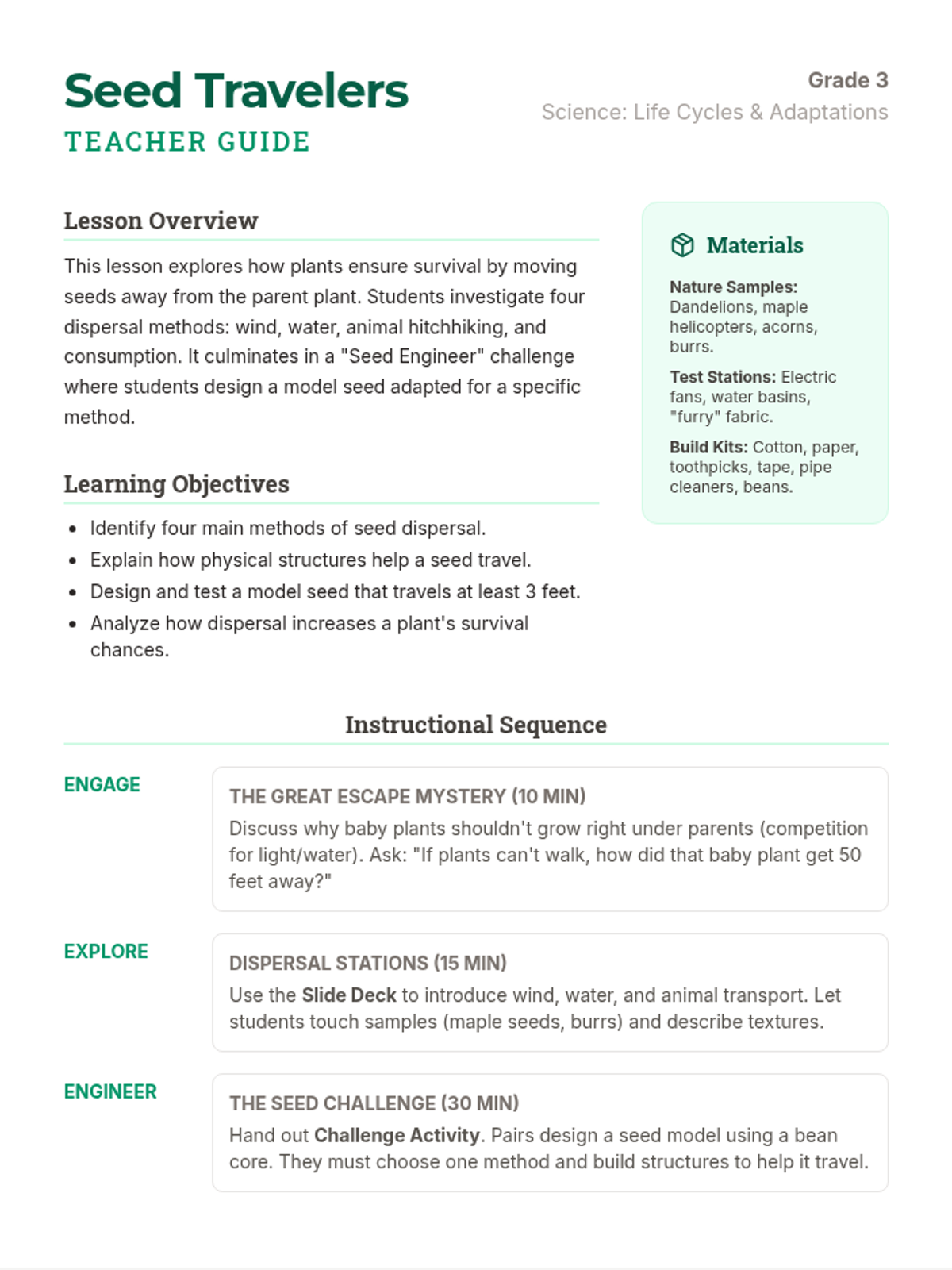
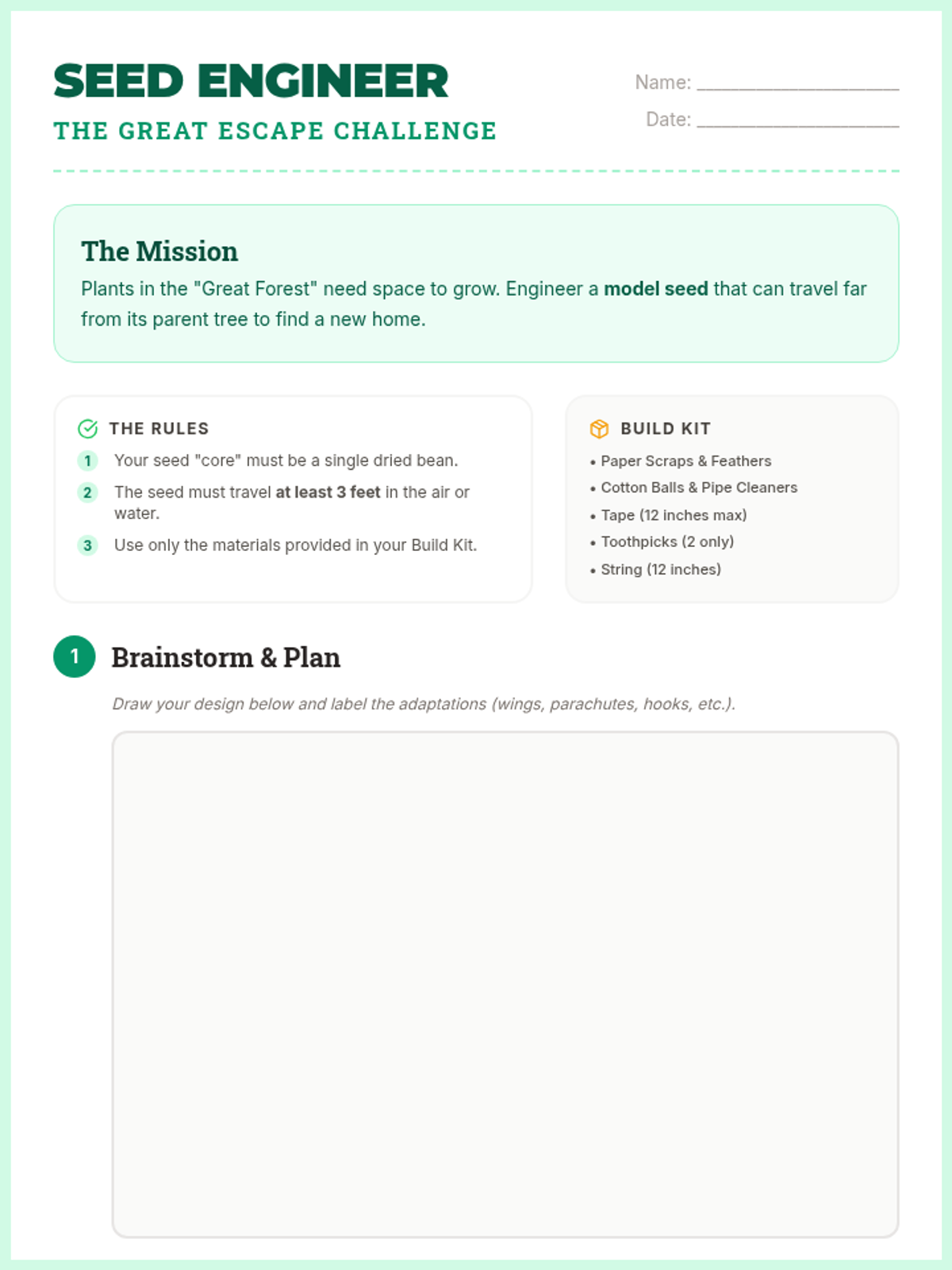
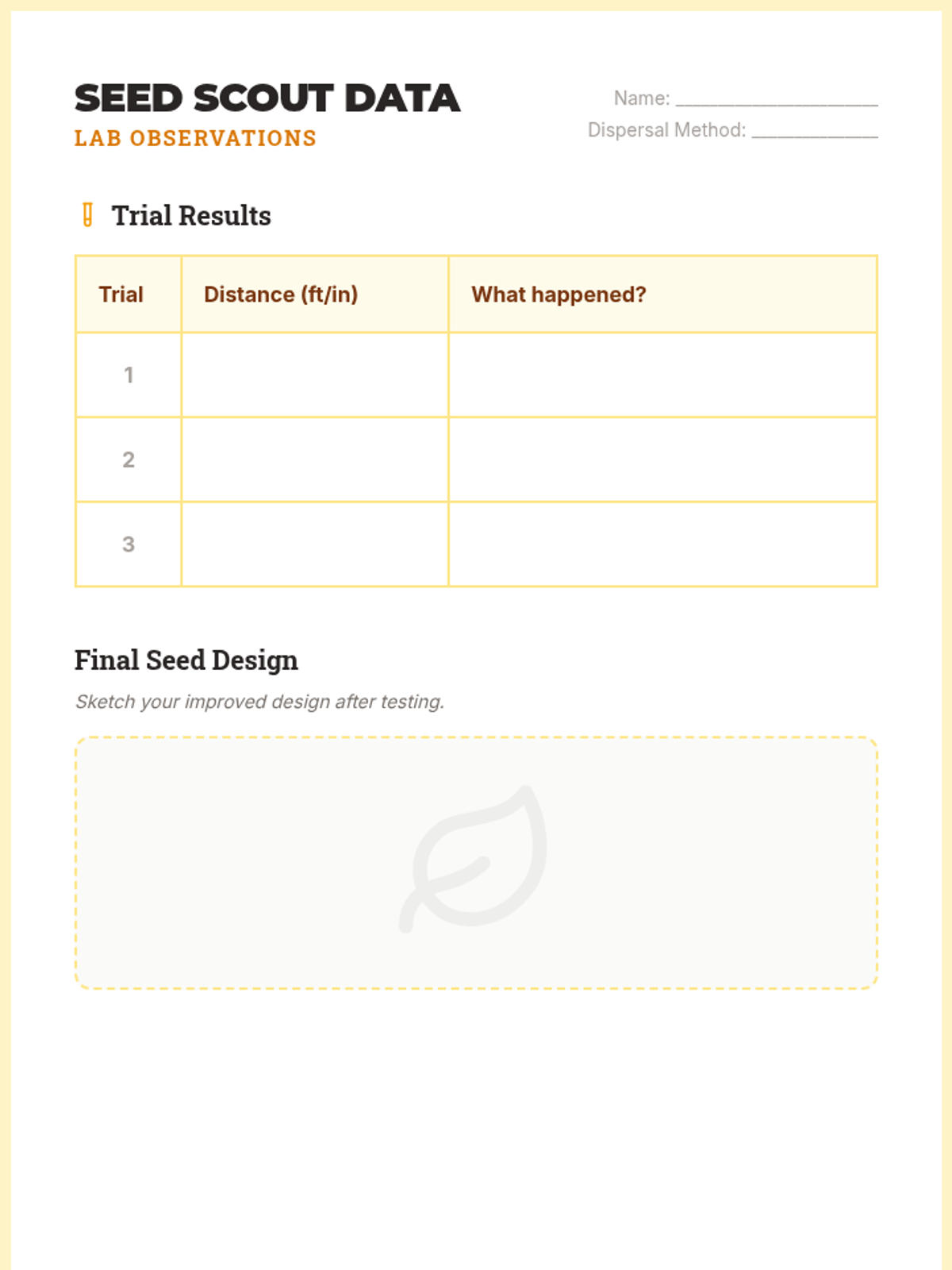
A 3rd-grade science lesson exploring seed dispersal mechanisms through inquiry and engineering. Students learn about wind, water, and animal transport before designing their own seed models to test dispersal adaptations.
An inquiry-based science lesson for 3rd graders exploring the diverse adaptations of seeds for dispersal, culminating in an engineering challenge to design effective seed models.
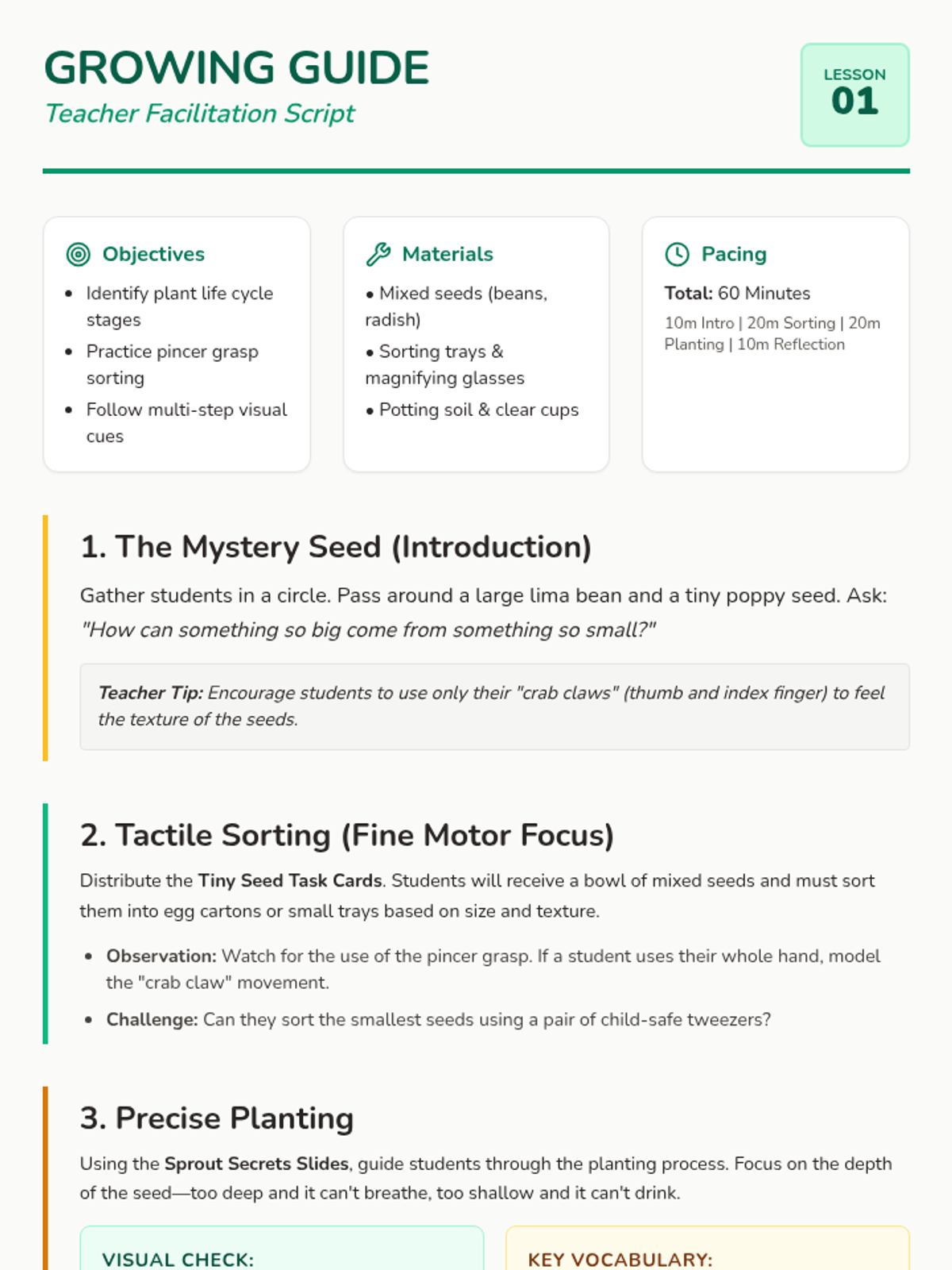
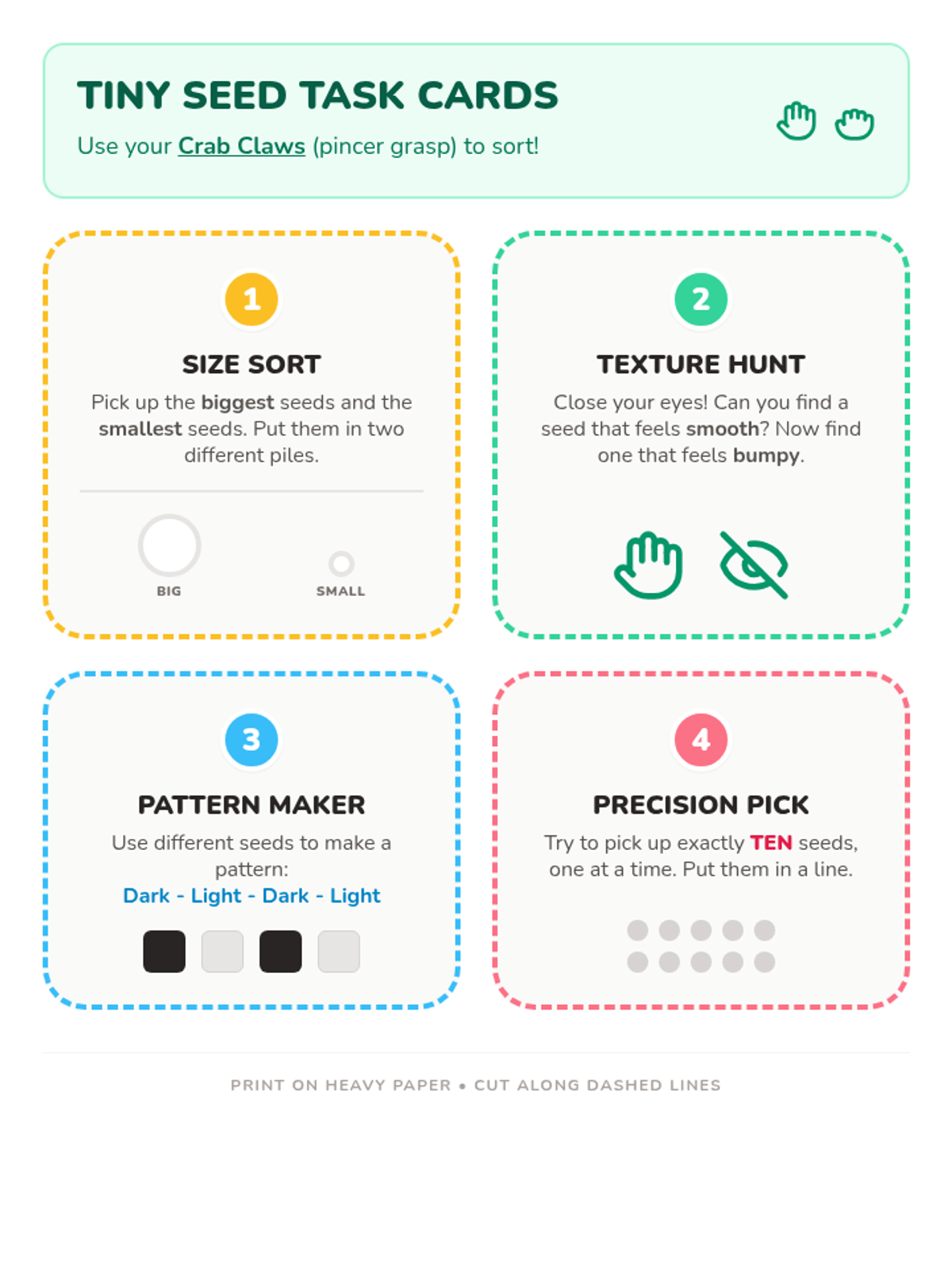
A sensory-rich lesson for K-3 students focusing on fine motor skills and plant life cycles through tactile seed sorting and indoor gardening. Students practice pincer grasps and follow visual directions to start their own sprout journey.
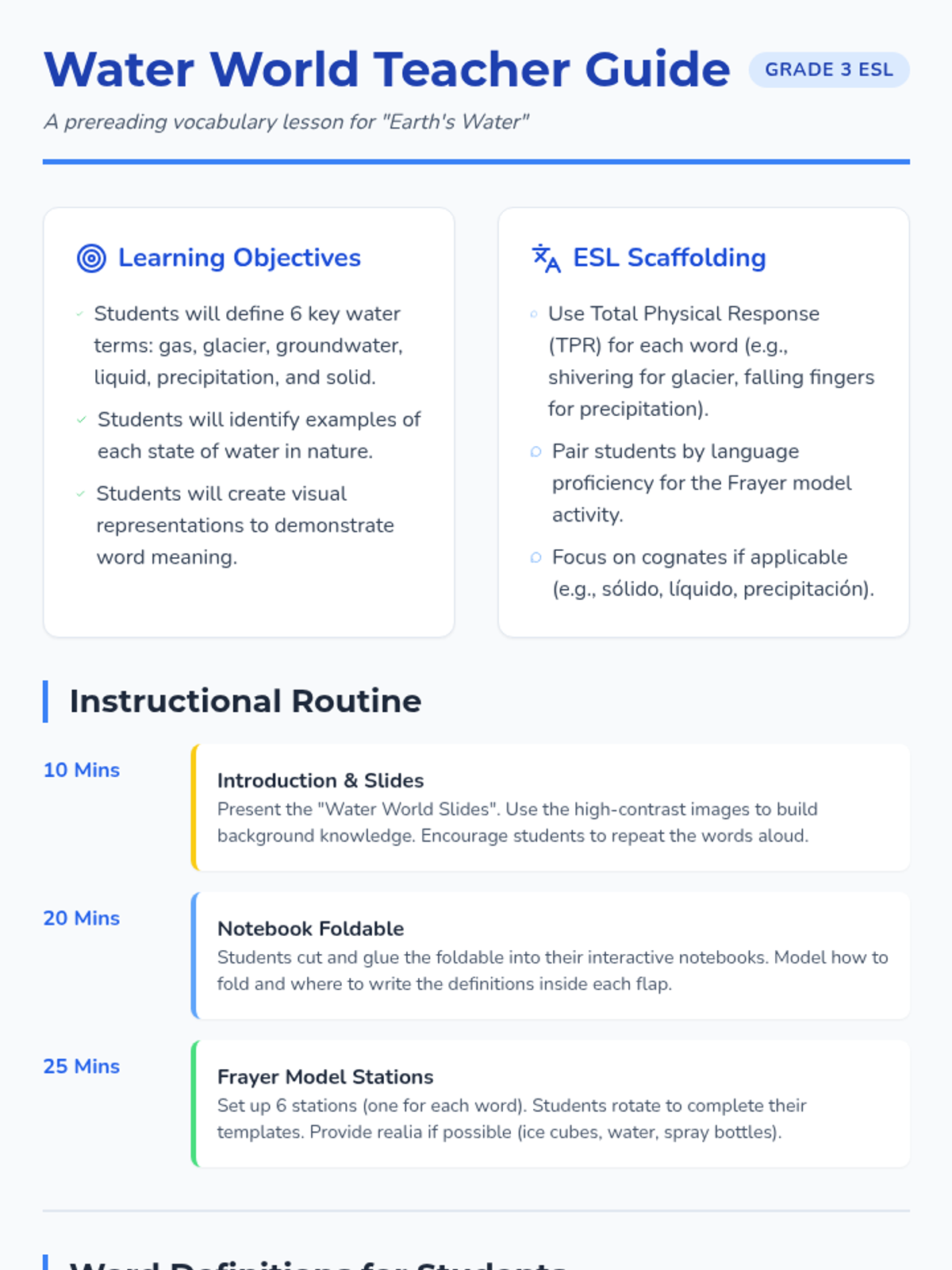
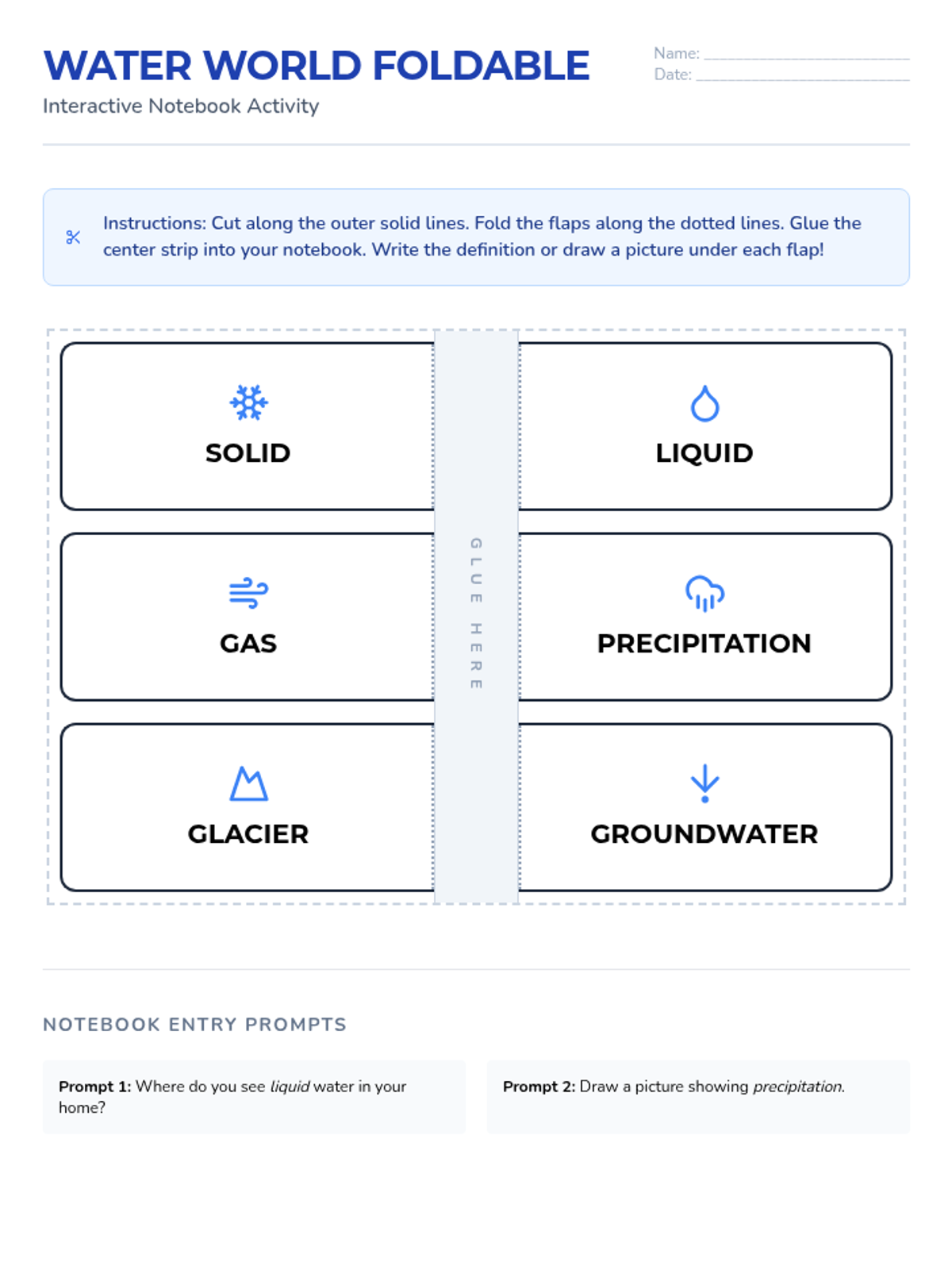
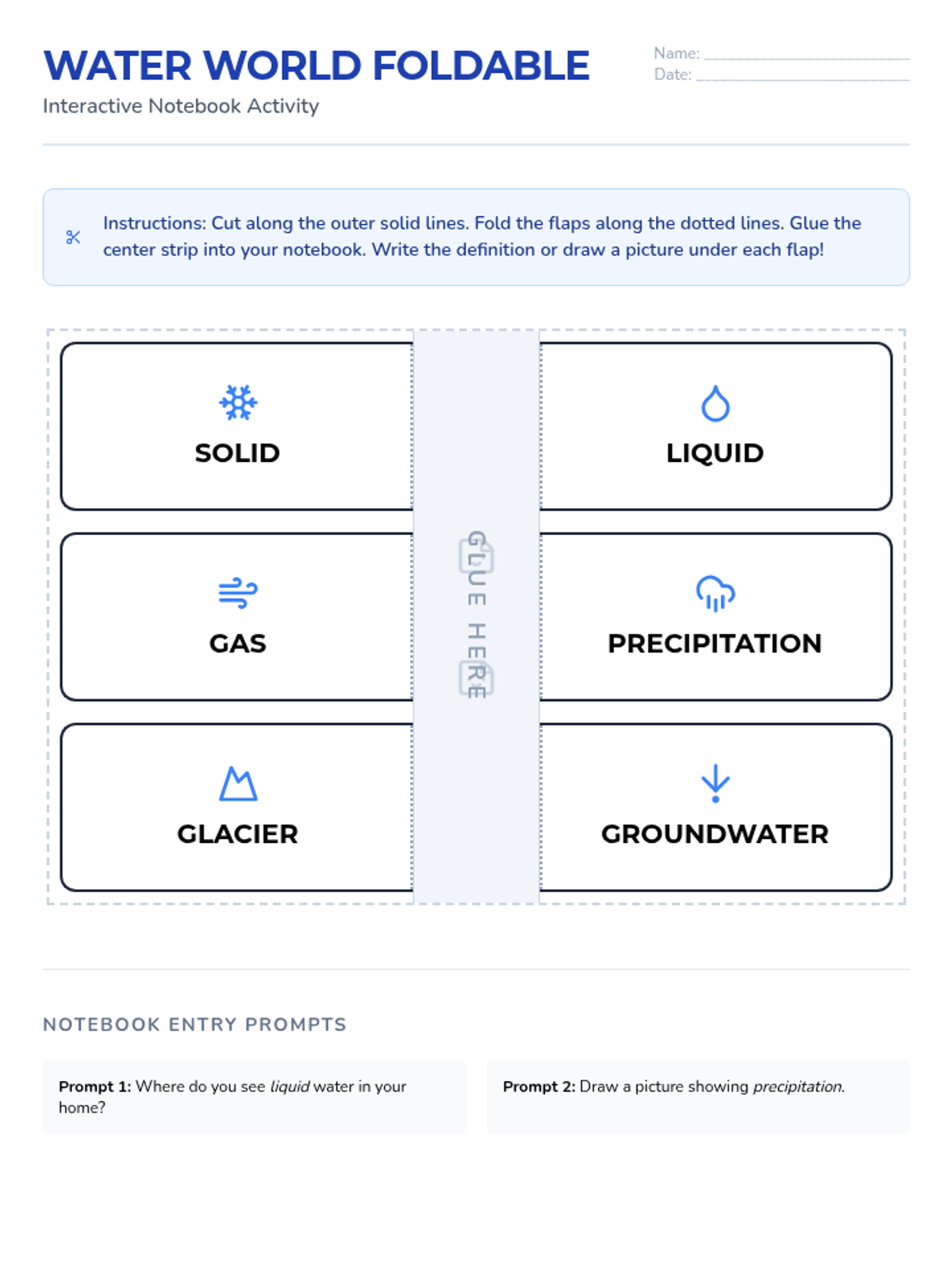
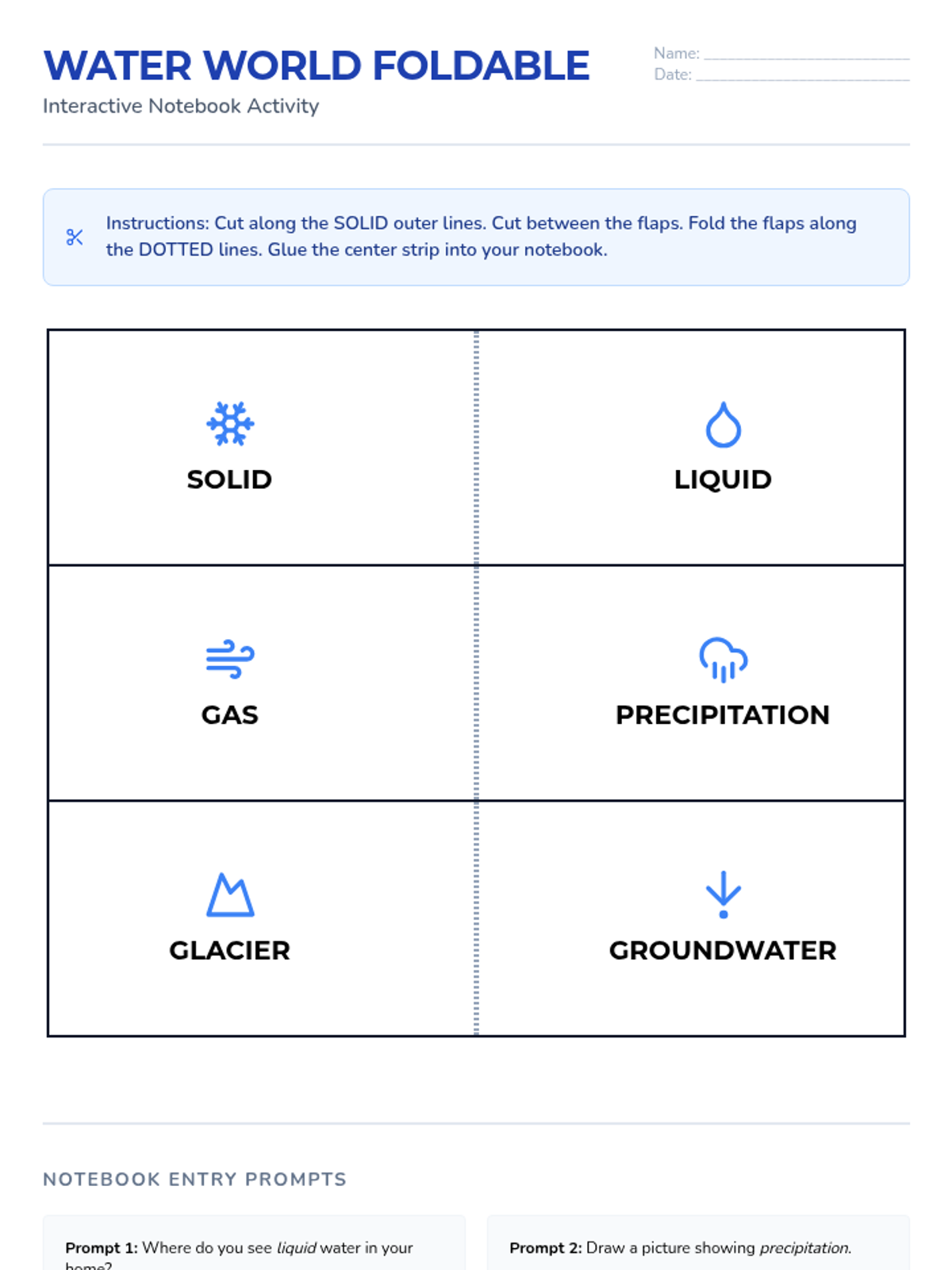
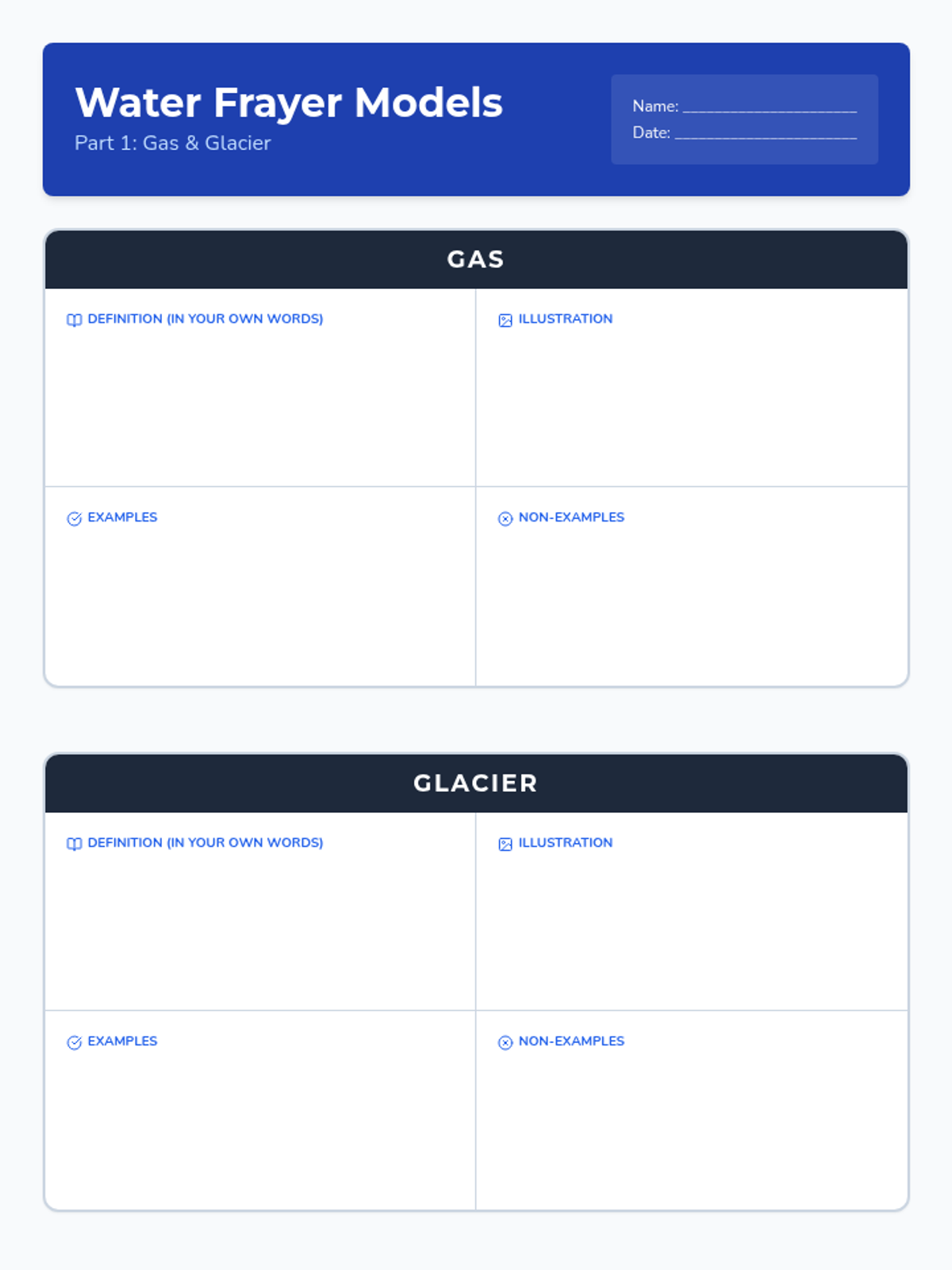
A vocabulary-focused lesson for 3rd grade ESL students to master key terms related to Earth's water, featuring interactive notebook activities and visual supports.
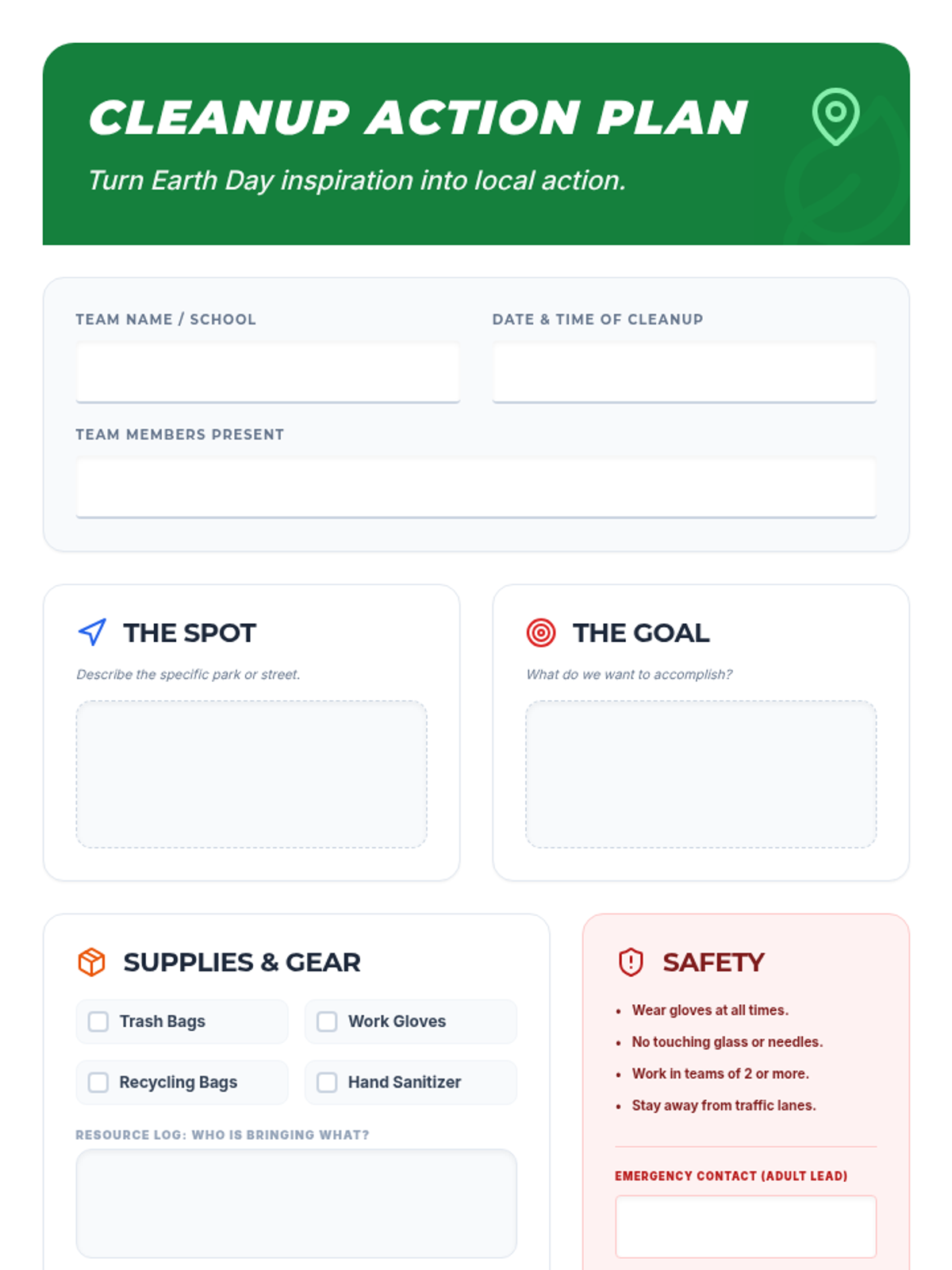
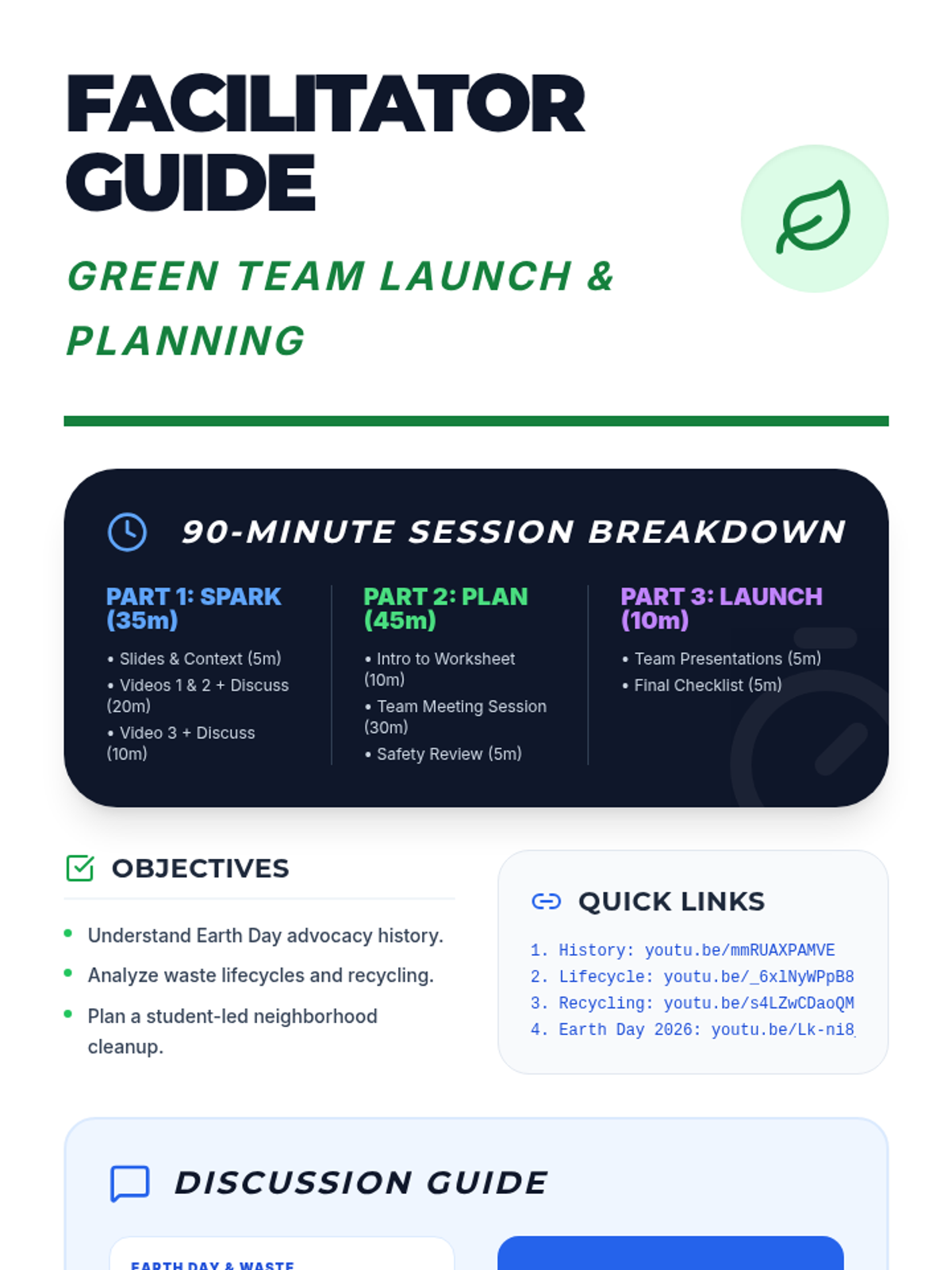
A comprehensive lesson to inspire and equip students to organize their own neighborhood or park cleanup for Earth Day. Includes background on Earth Day, the impact of waste, and a practical planning framework for student-led action.
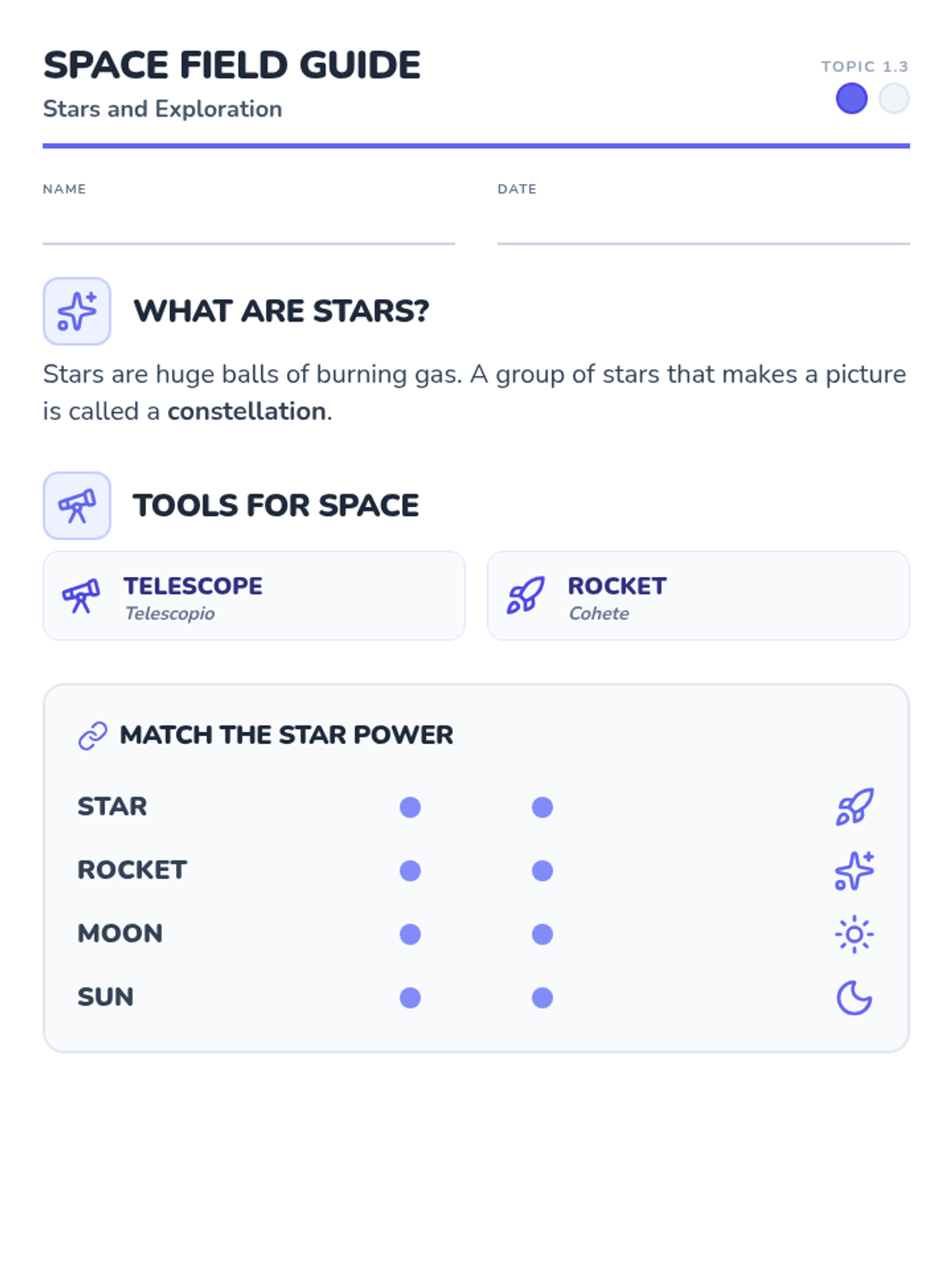
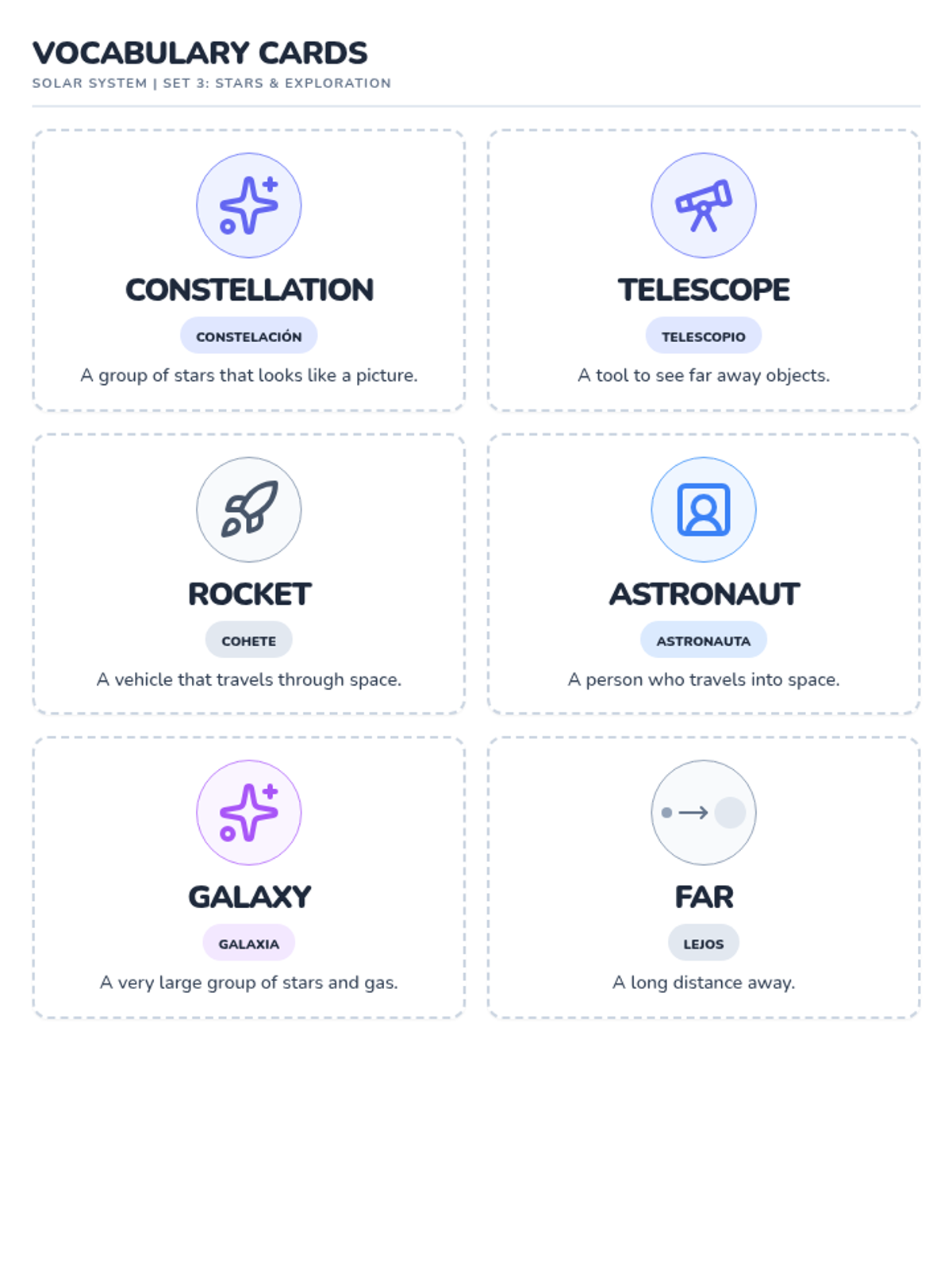
An exploration of stars, constellations, and the technology humans use to study deep space.
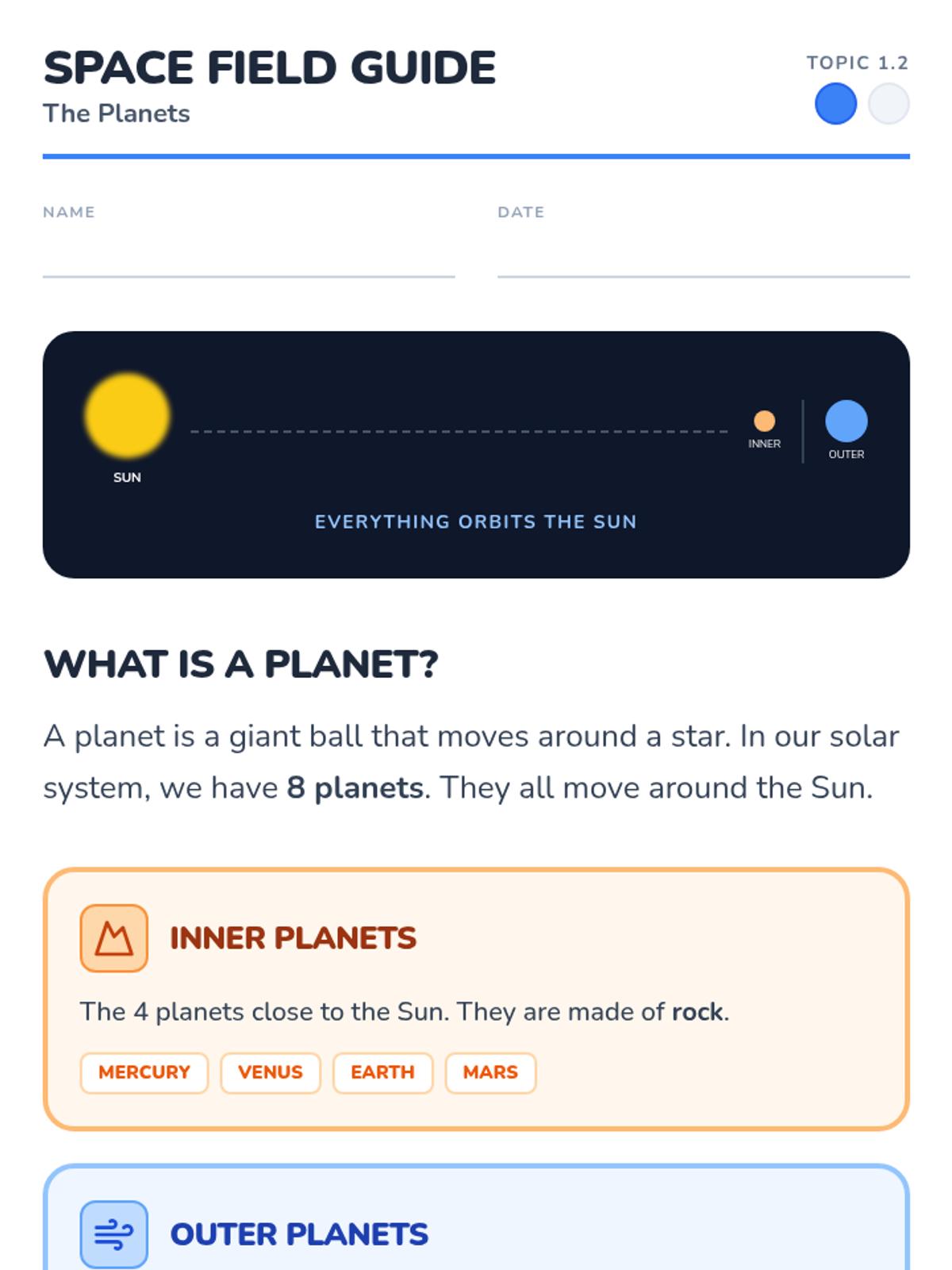
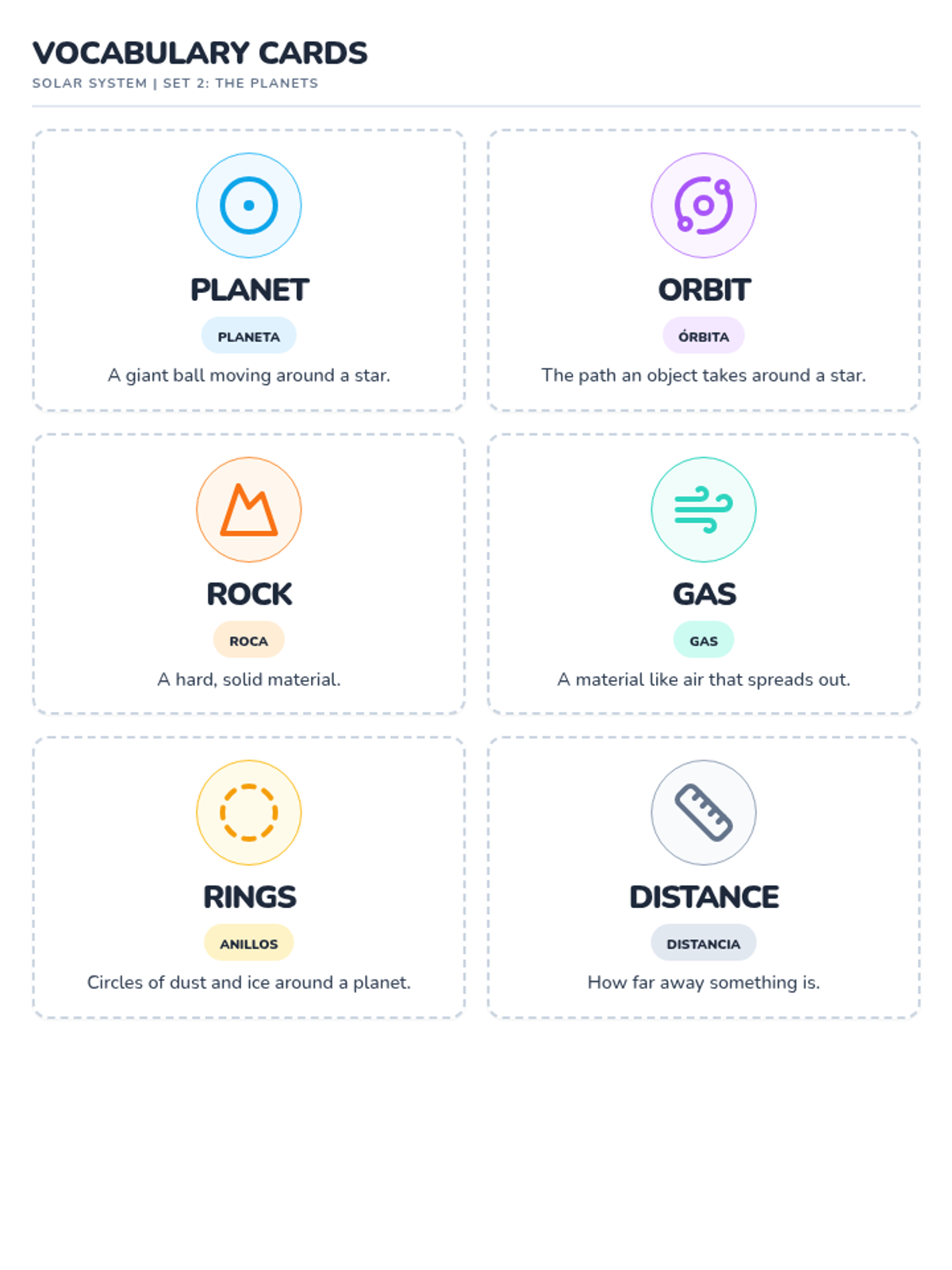
A simplified tour of the eight planets in our solar system, categorized into rocky inner planets and gas giant outer planets.
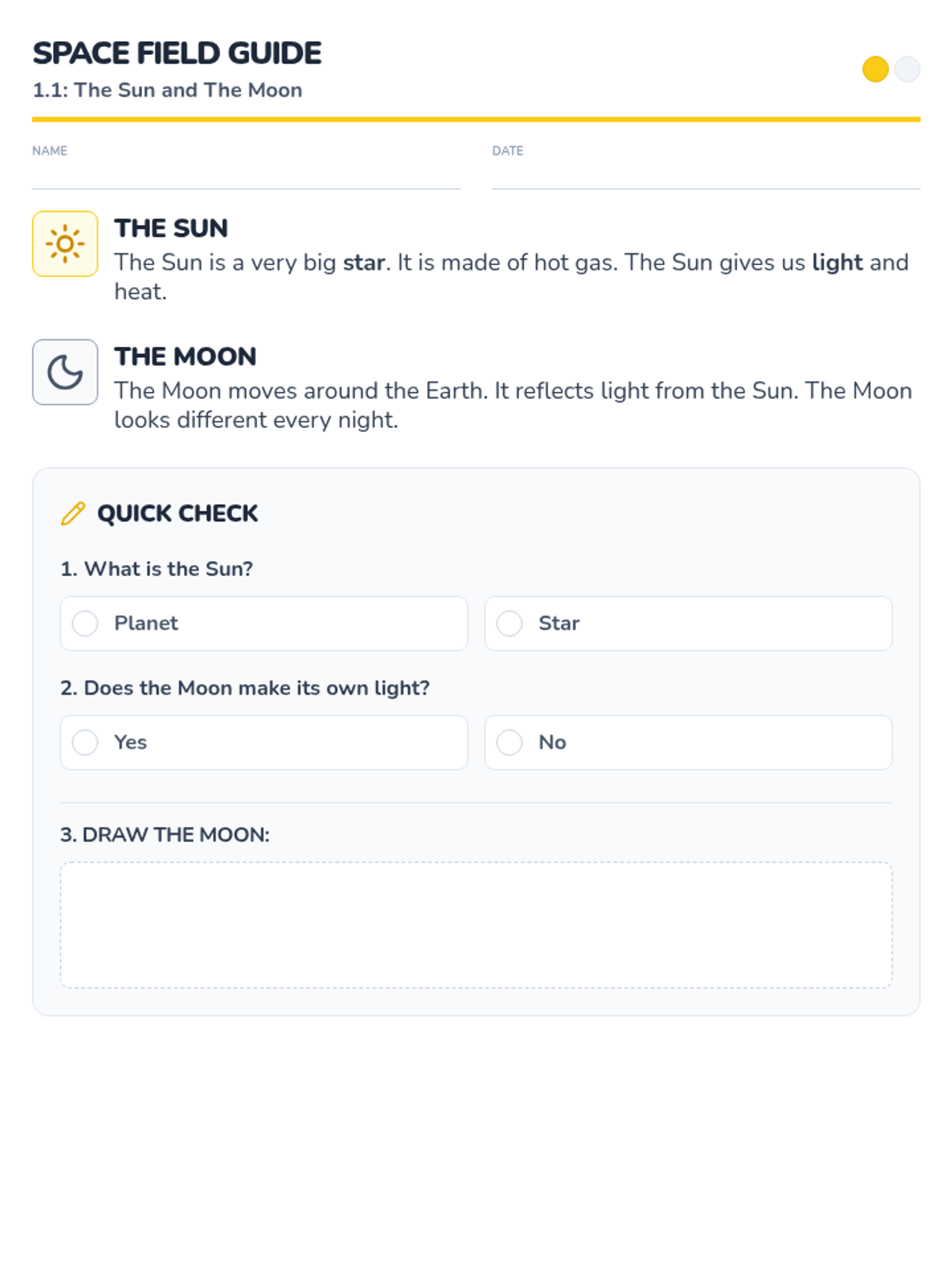
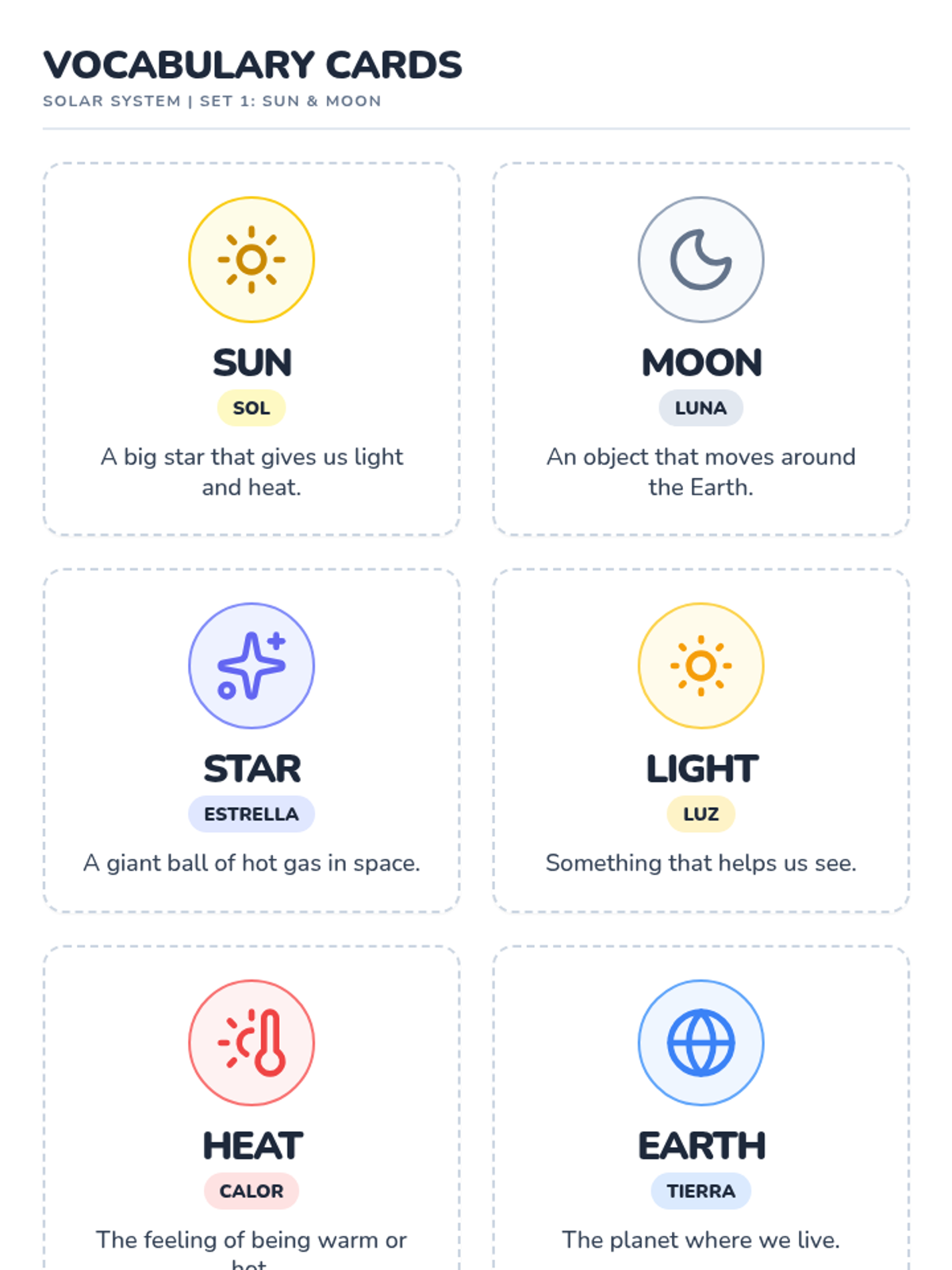
An introduction to our nearest neighbors in space: the Sun and the Moon, focusing on their basic characteristics and roles.
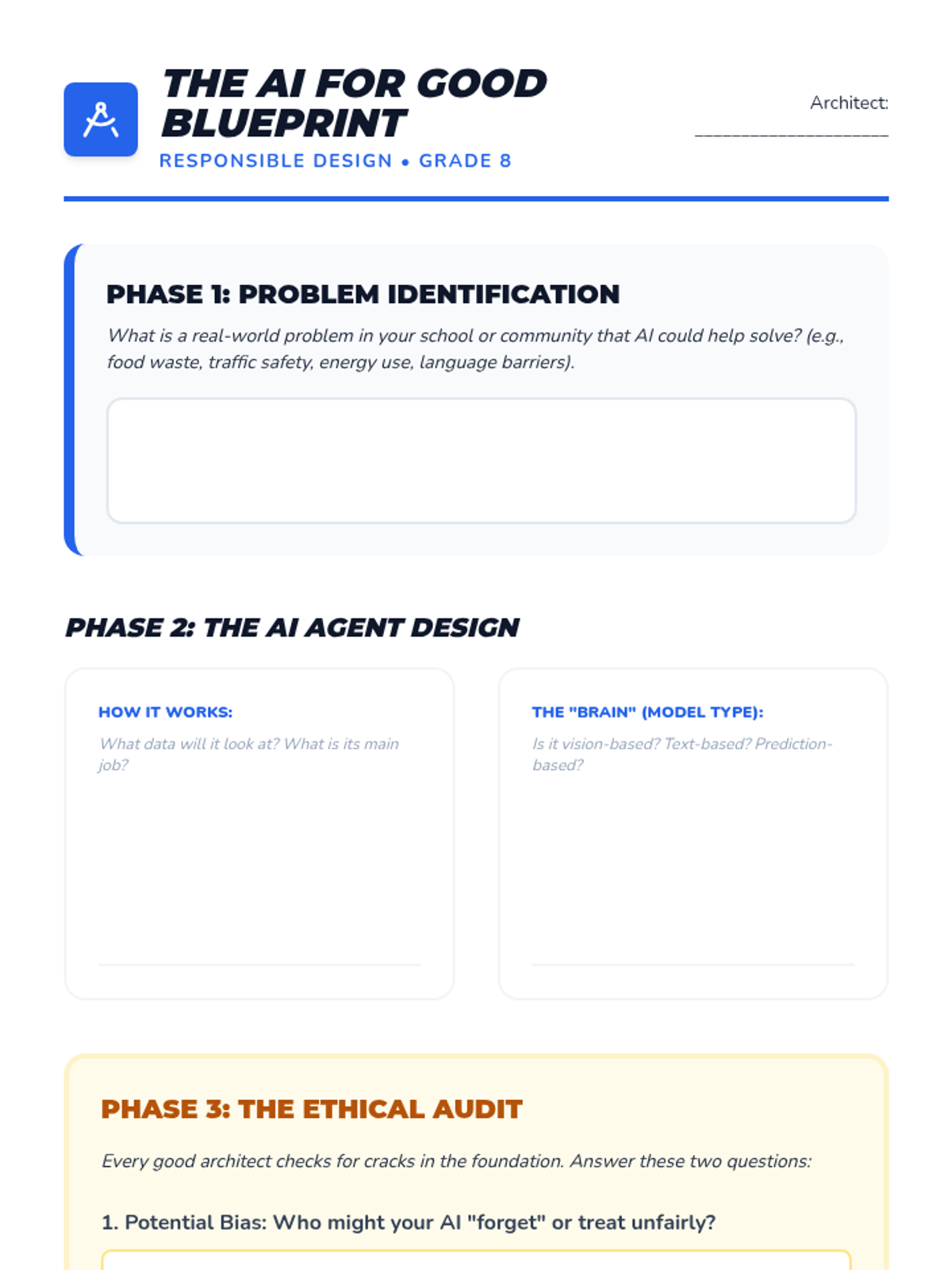
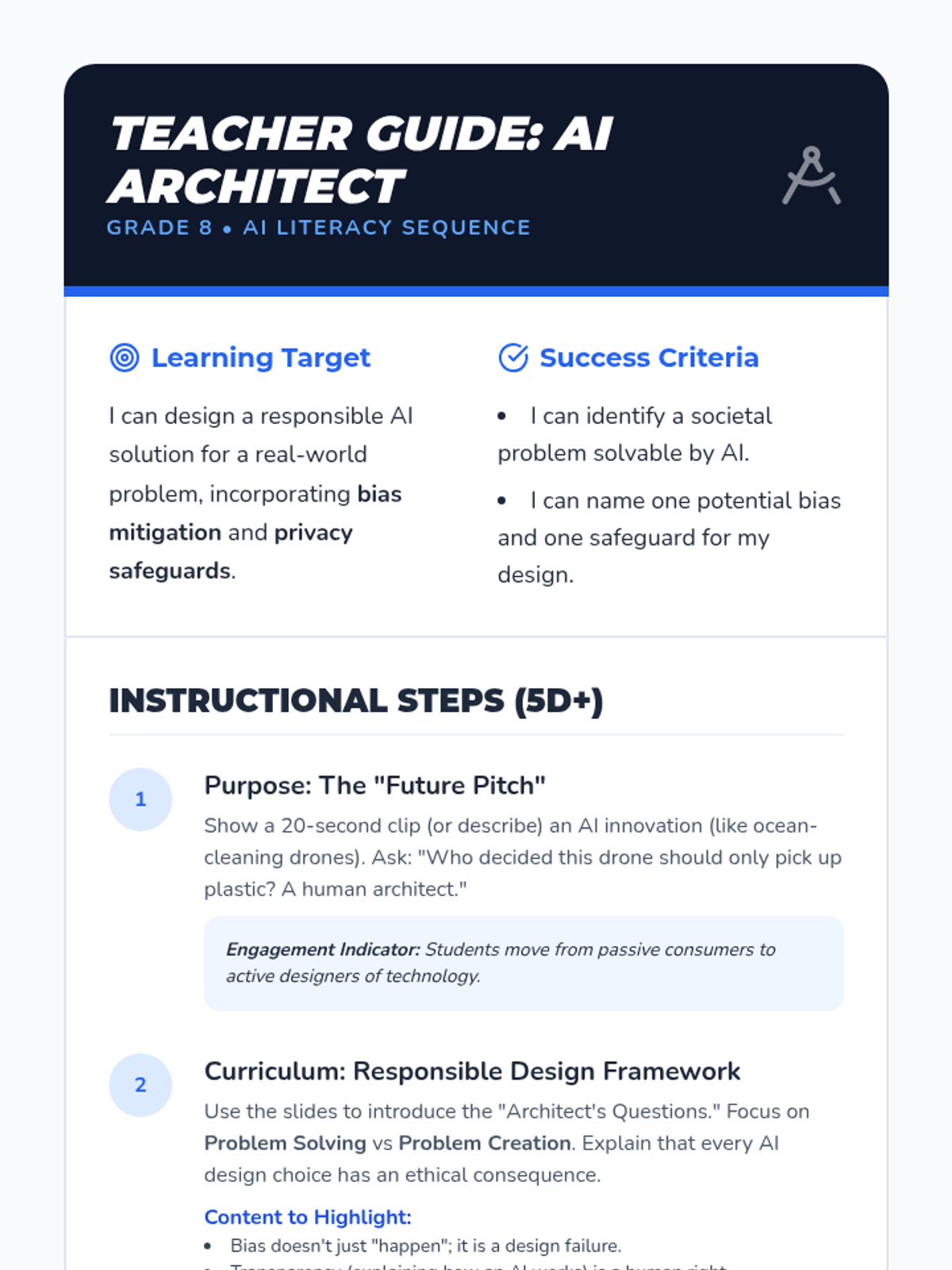
Students culminate their AI literacy journey by designing an AI solution for a real-world problem. They focus on responsible design, identifying potential biases, and ensuring societal benefit.
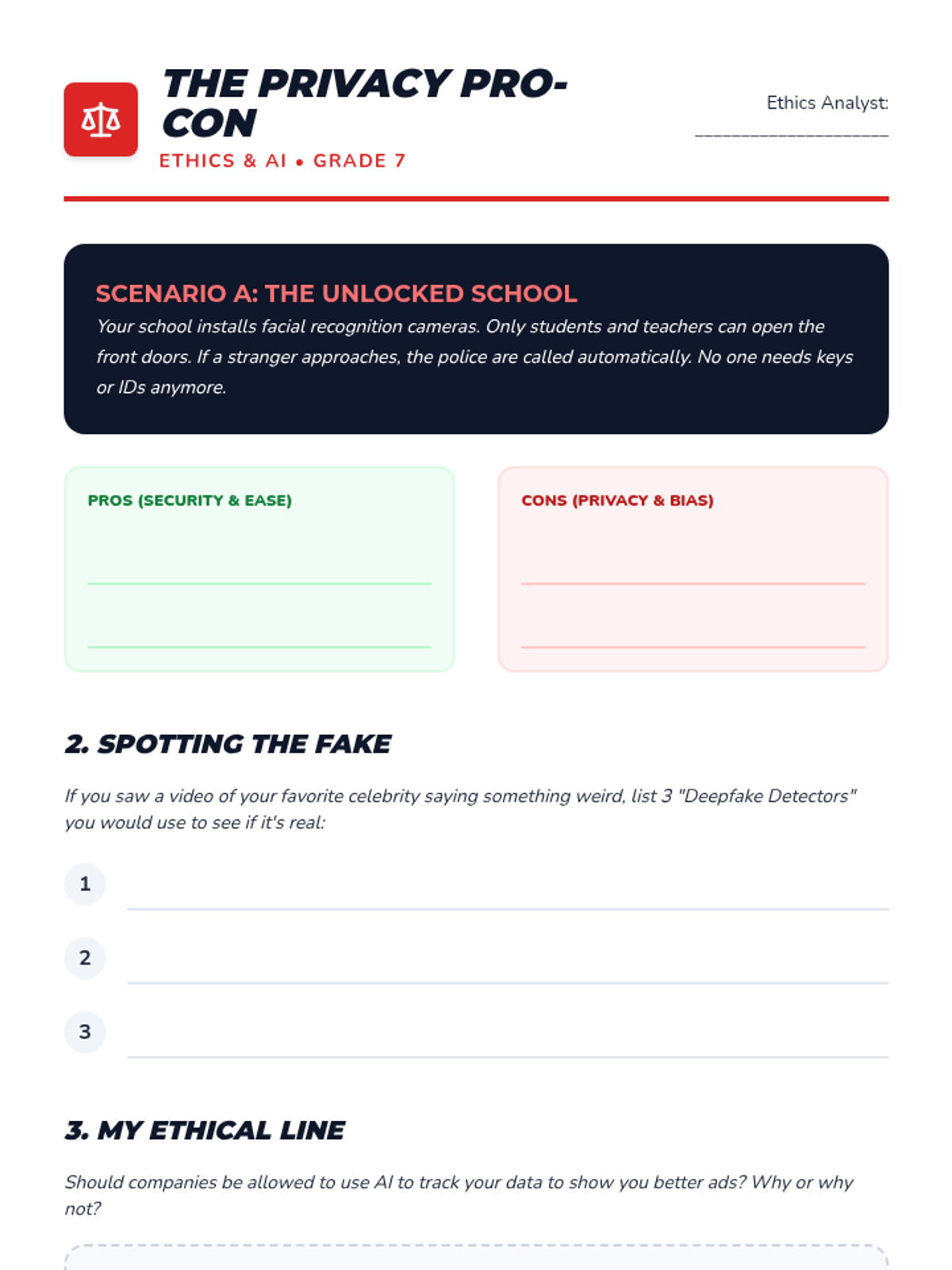
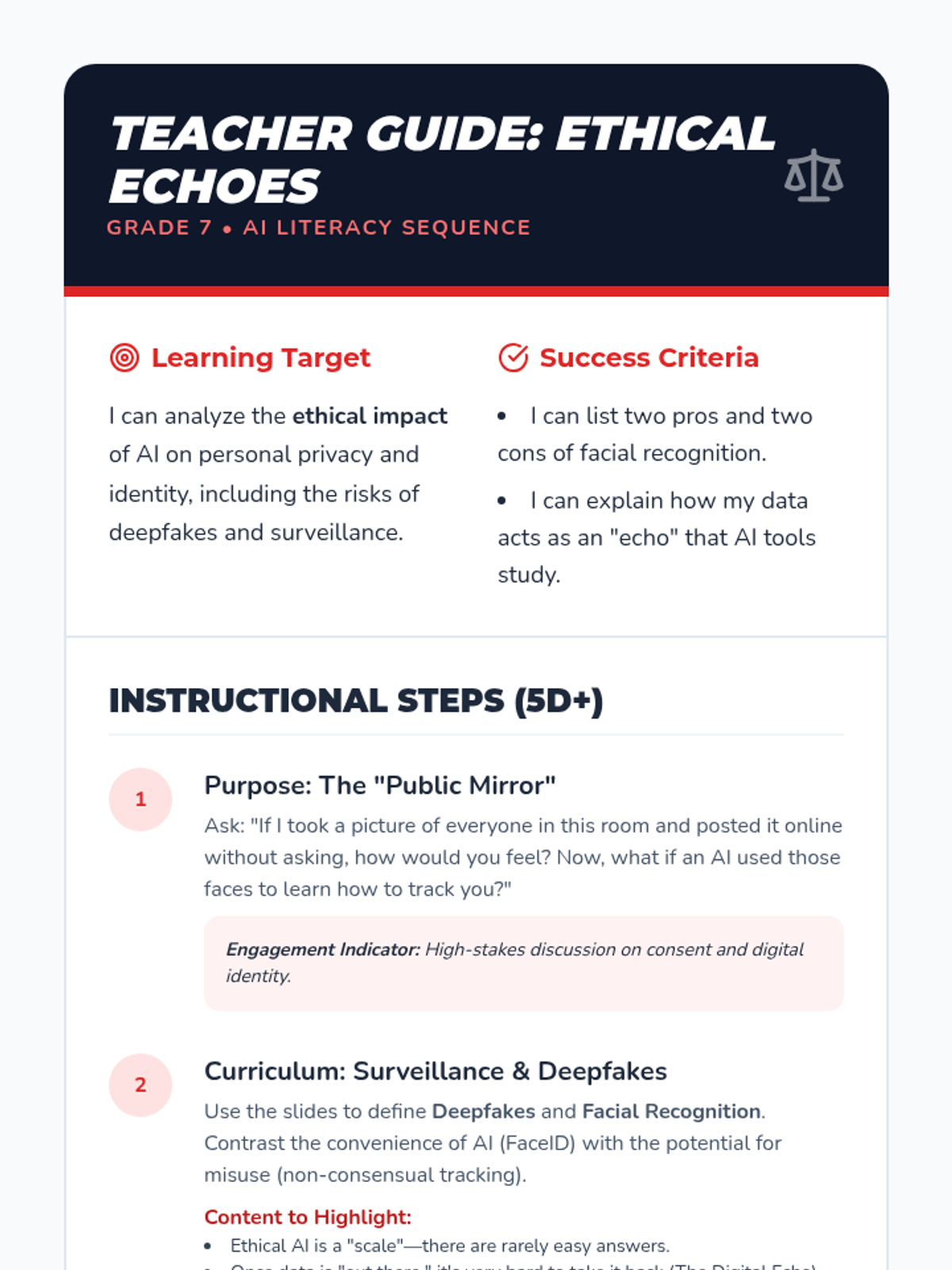
Students analyze the ethical implications of AI on privacy and identity. They explore deepfakes, facial recognition, and the balance between security and personal freedom.
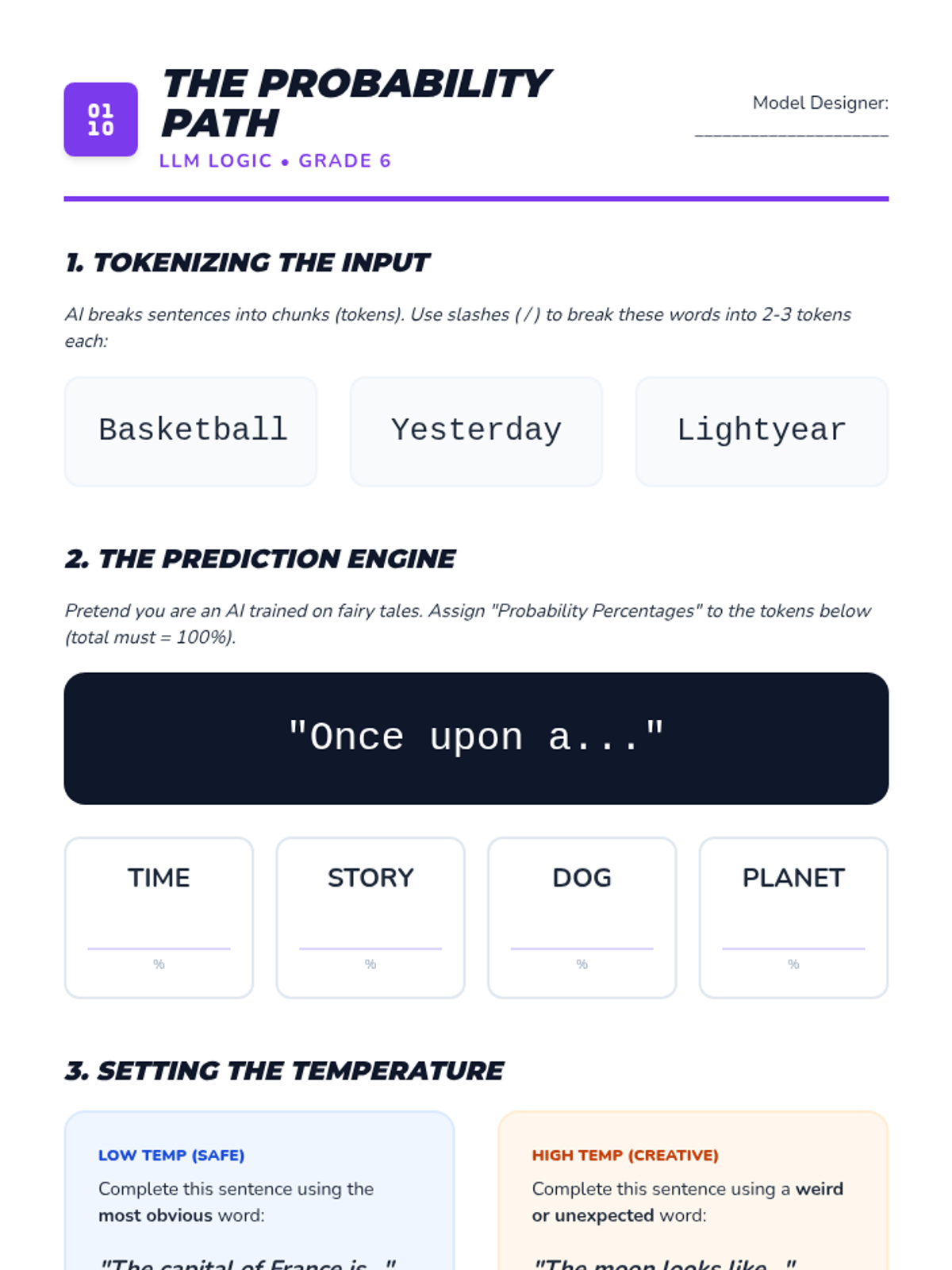
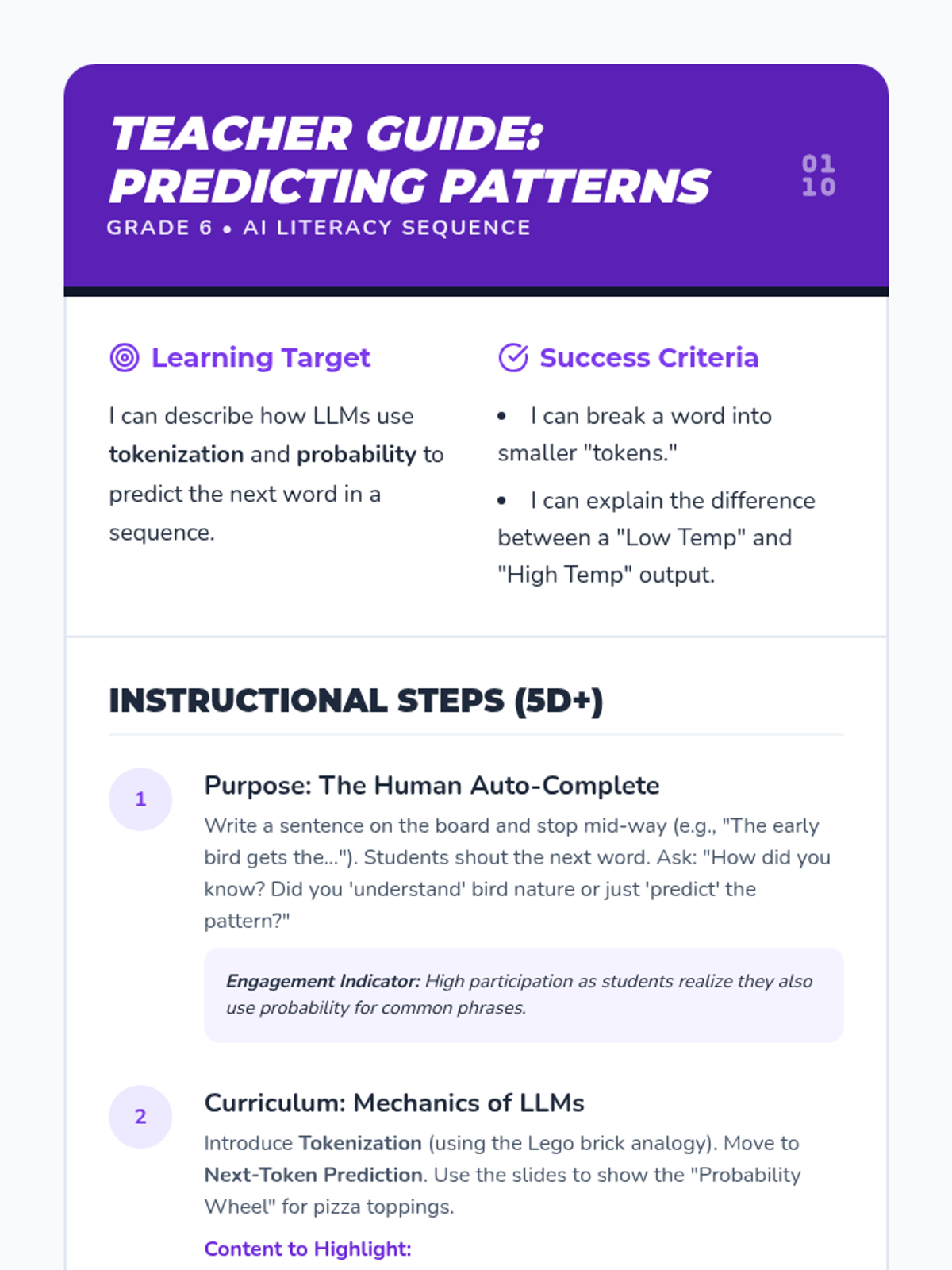
Middle school students dive into the mechanics of Large Language Models (LLMs). They learn about tokenization, probability, and how AI "predicts" the next word in a sequence.
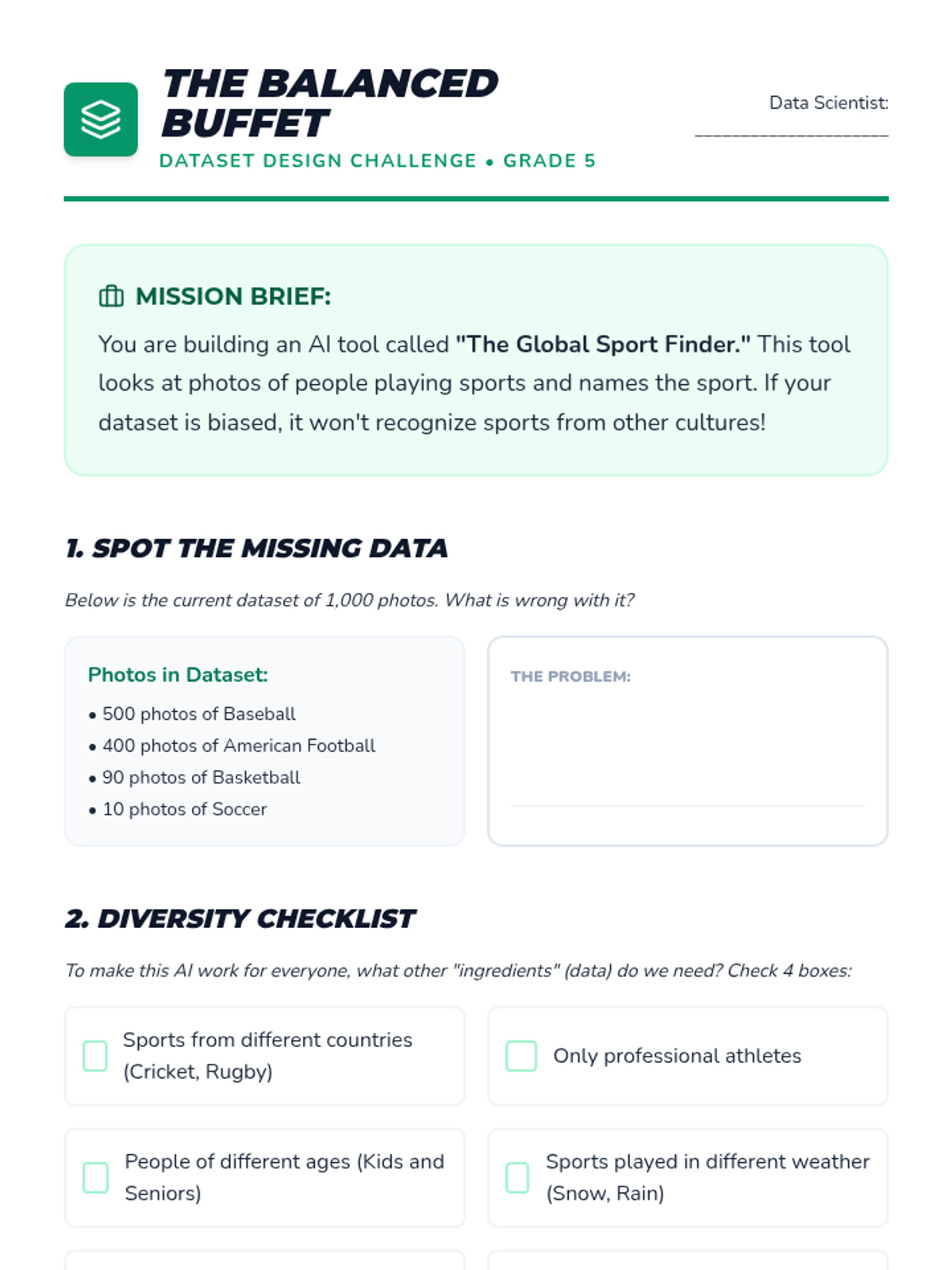
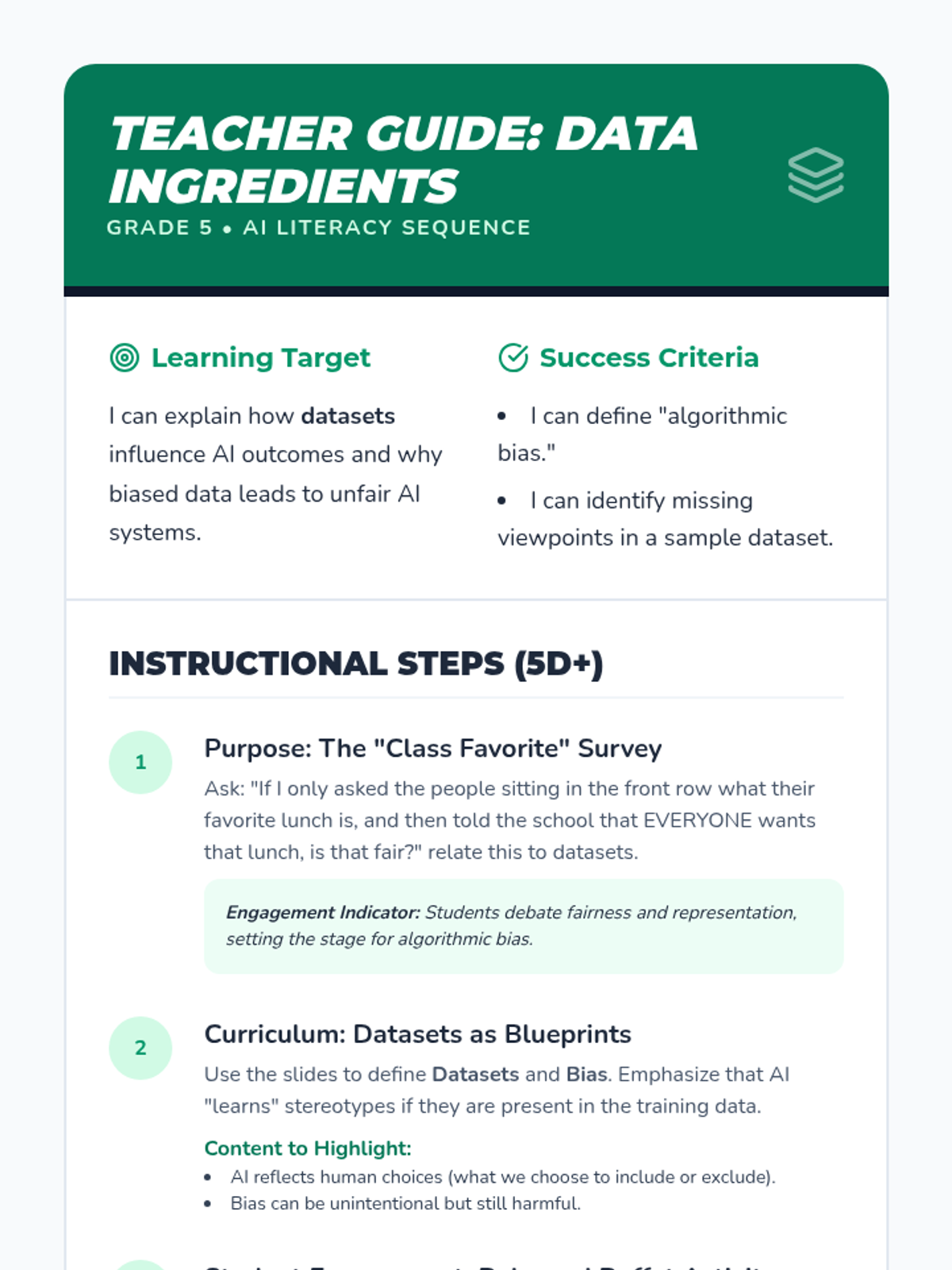
Students explore the "ingredients" of AI: datasets. They learn how biased or incomplete data can lead to unfair or inaccurate AI systems and practice creating a balanced dataset.
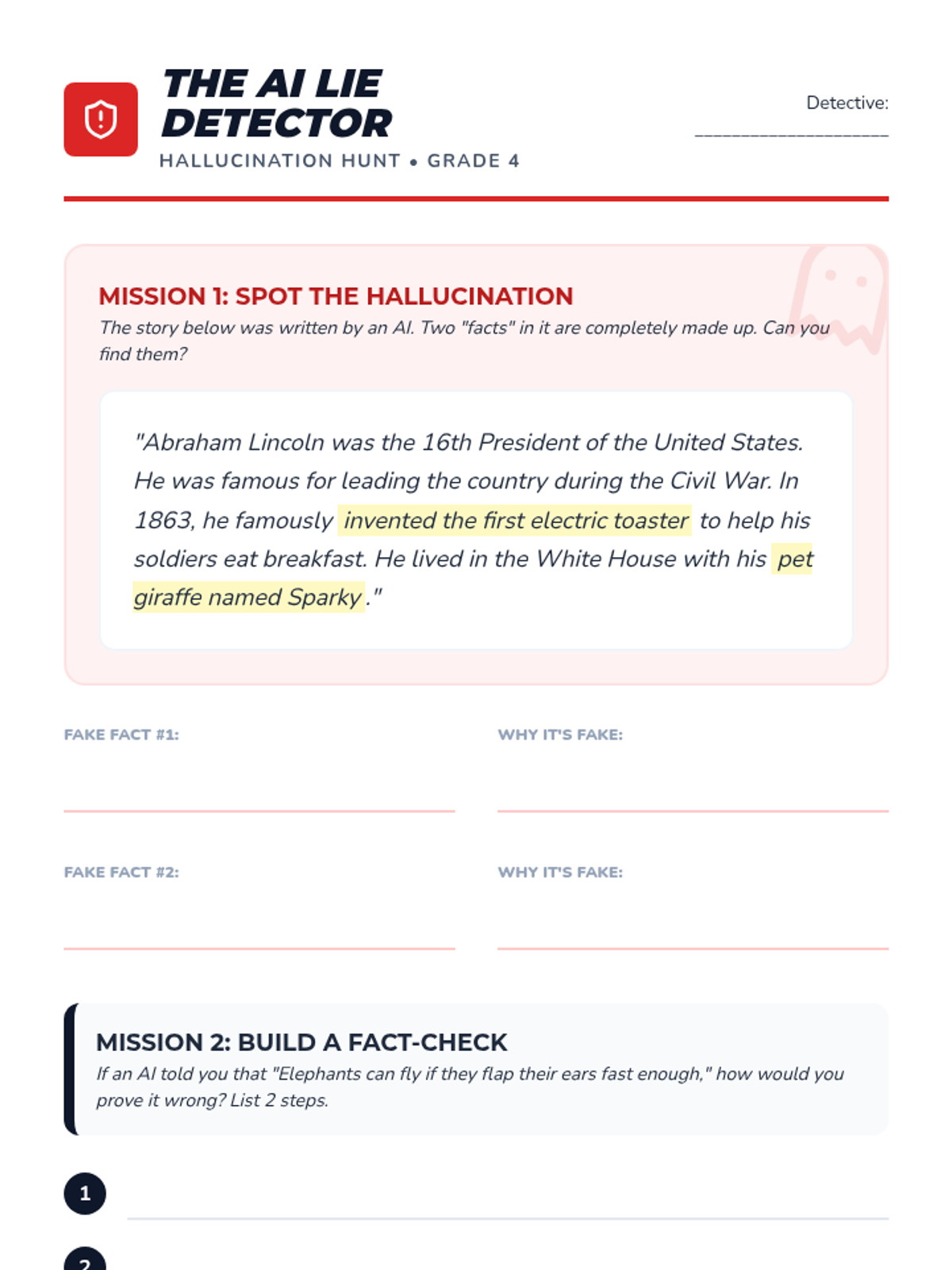
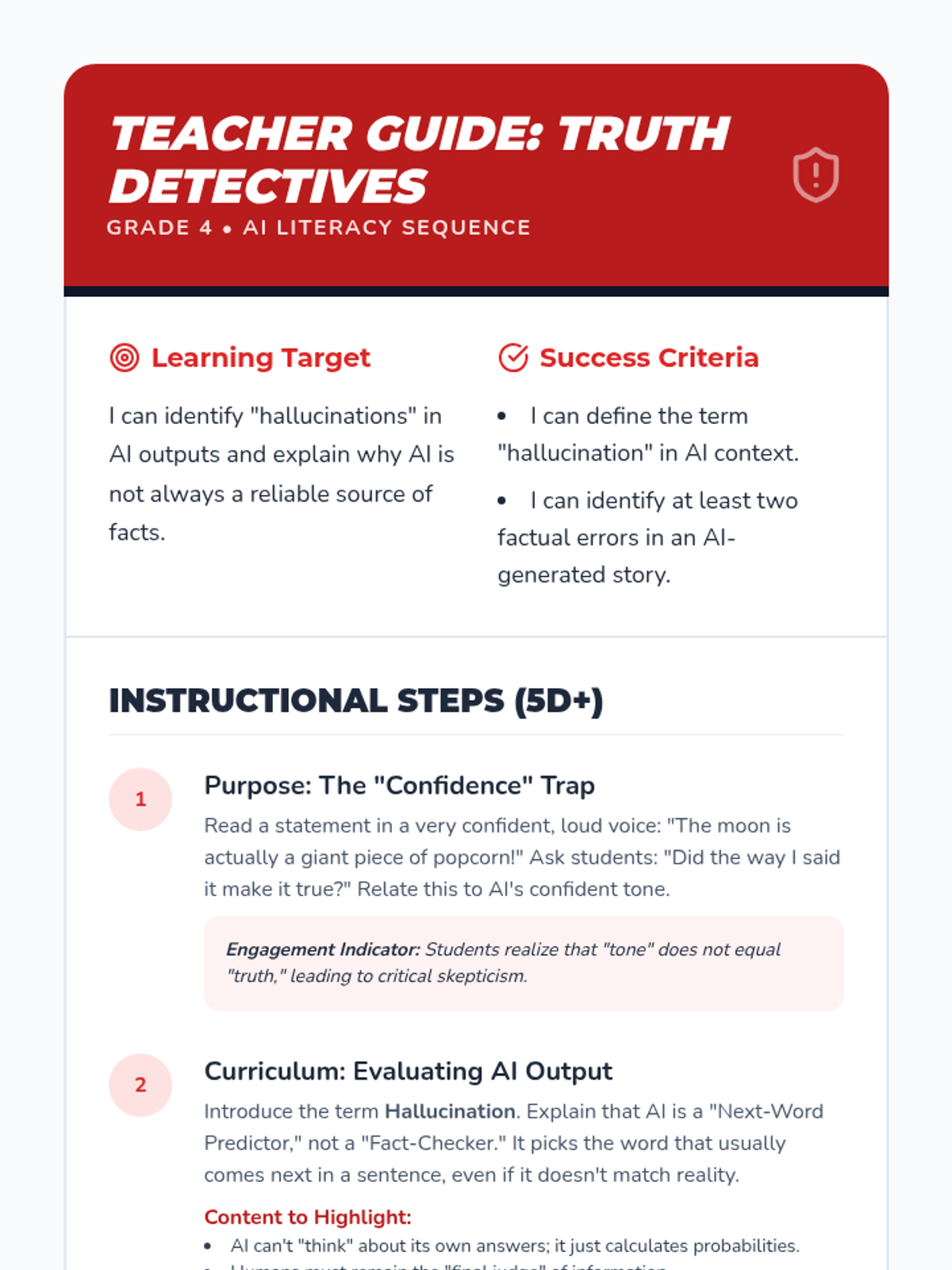
Students learn to critically evaluate AI outputs by identifying "hallucinations" and factual errors. They explore why AI sometimes makes mistakes and how to verify information.
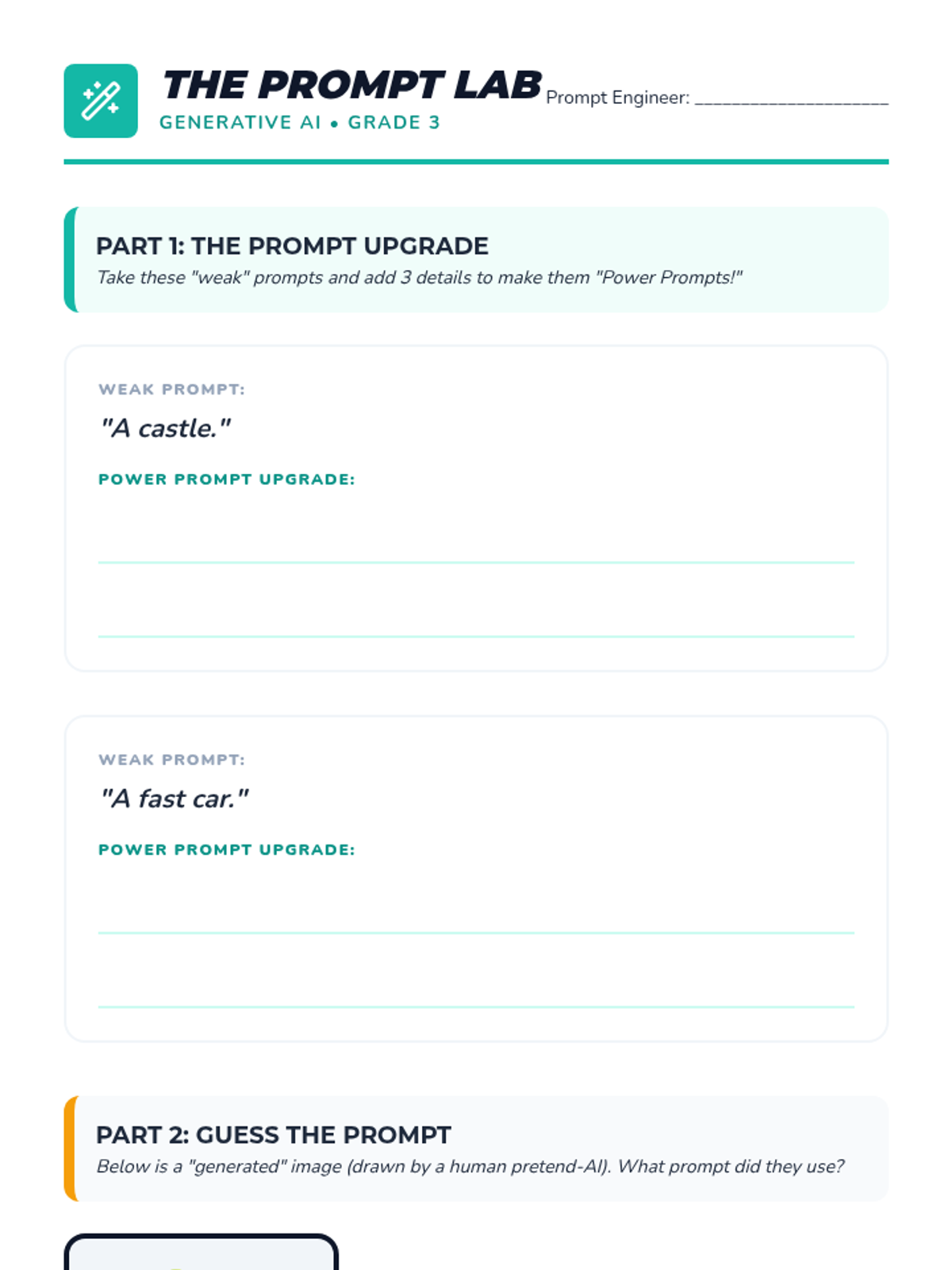
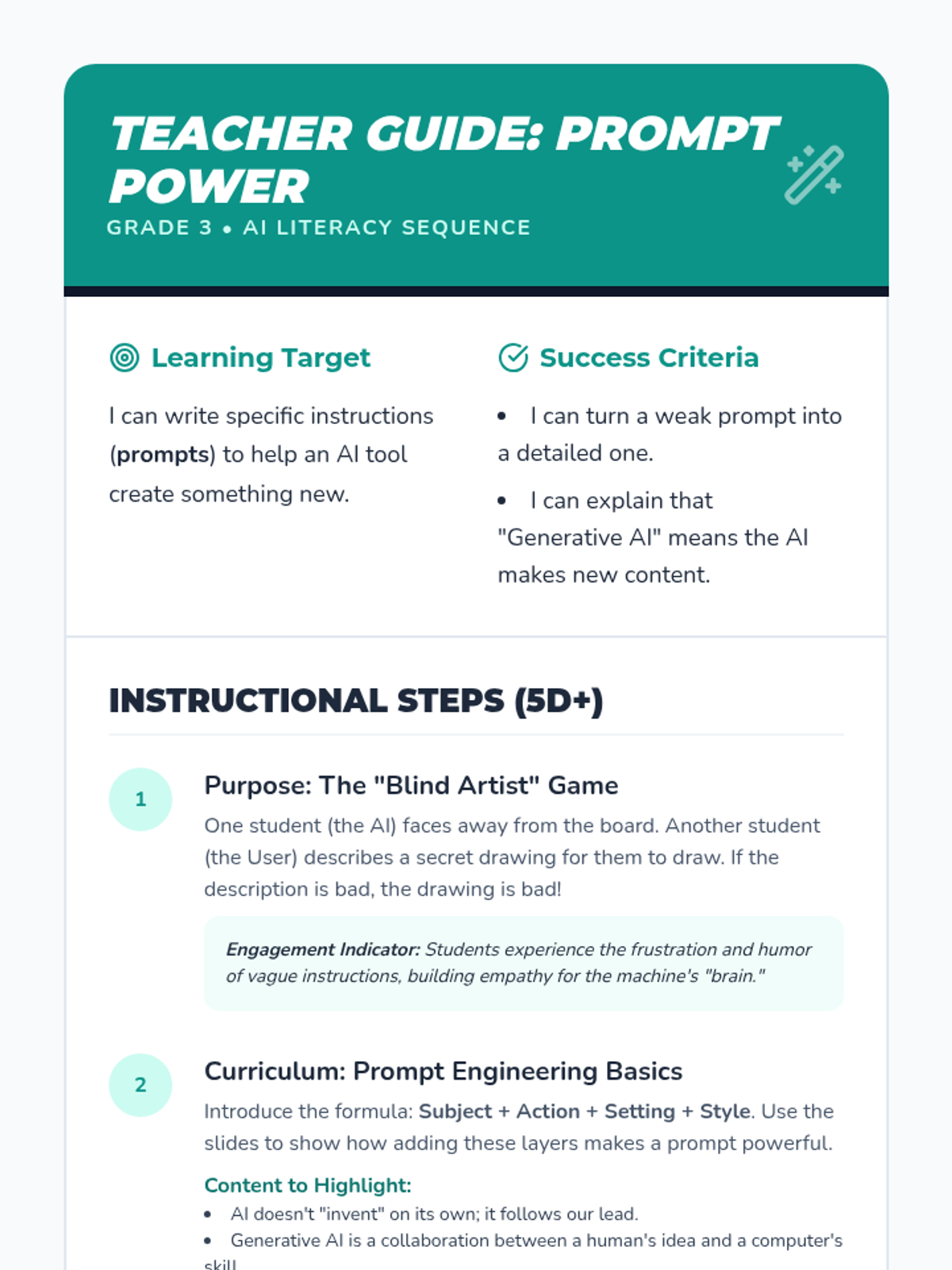
Students explore Generative AI and the importance of prompt engineering. They learn how to communicate effectively with AI to create specific images and text.
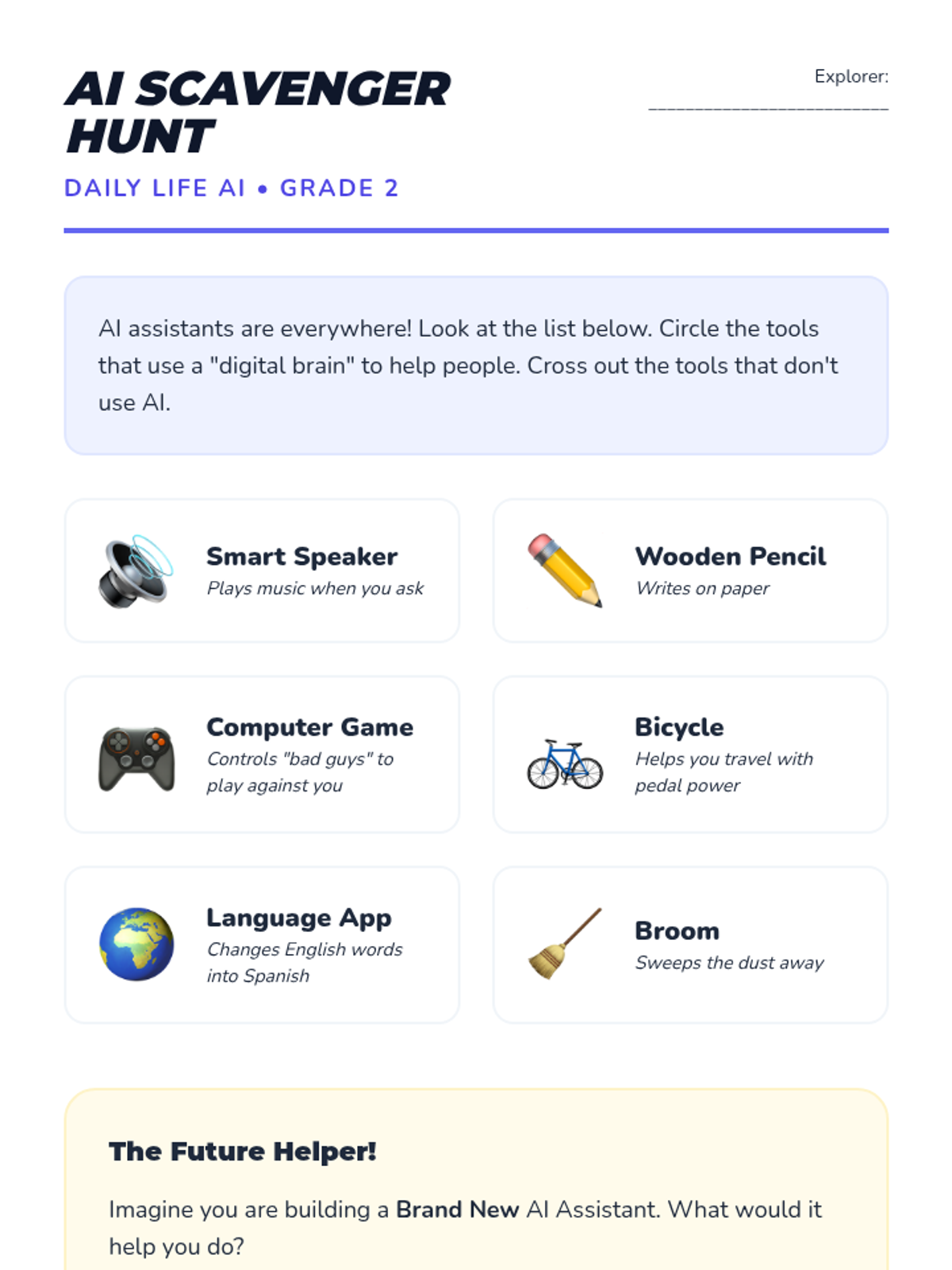
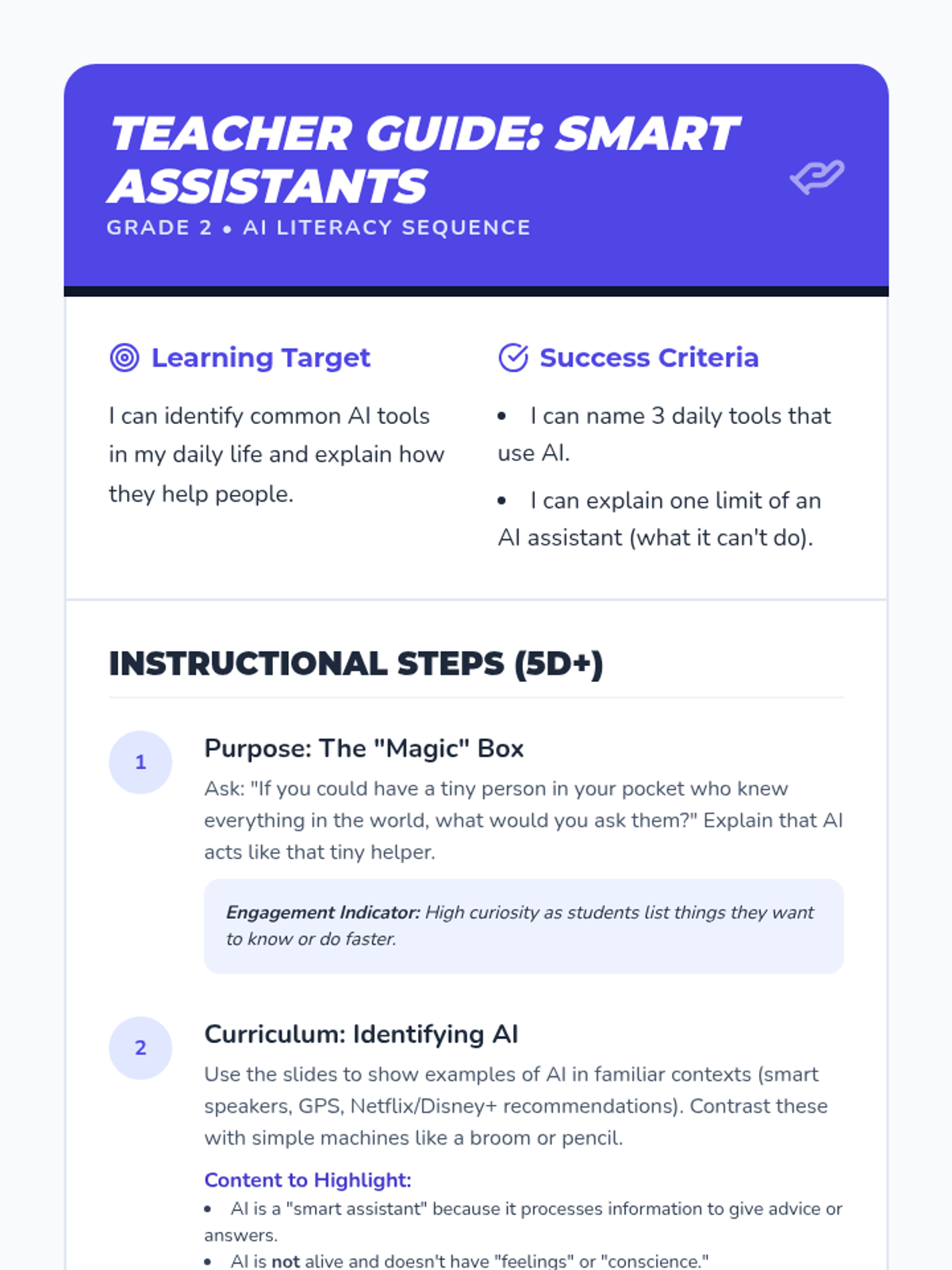
Students discover how AI works as a "smart assistant" in daily life. They identify AI in common devices and reflect on how it helps people solve problems.
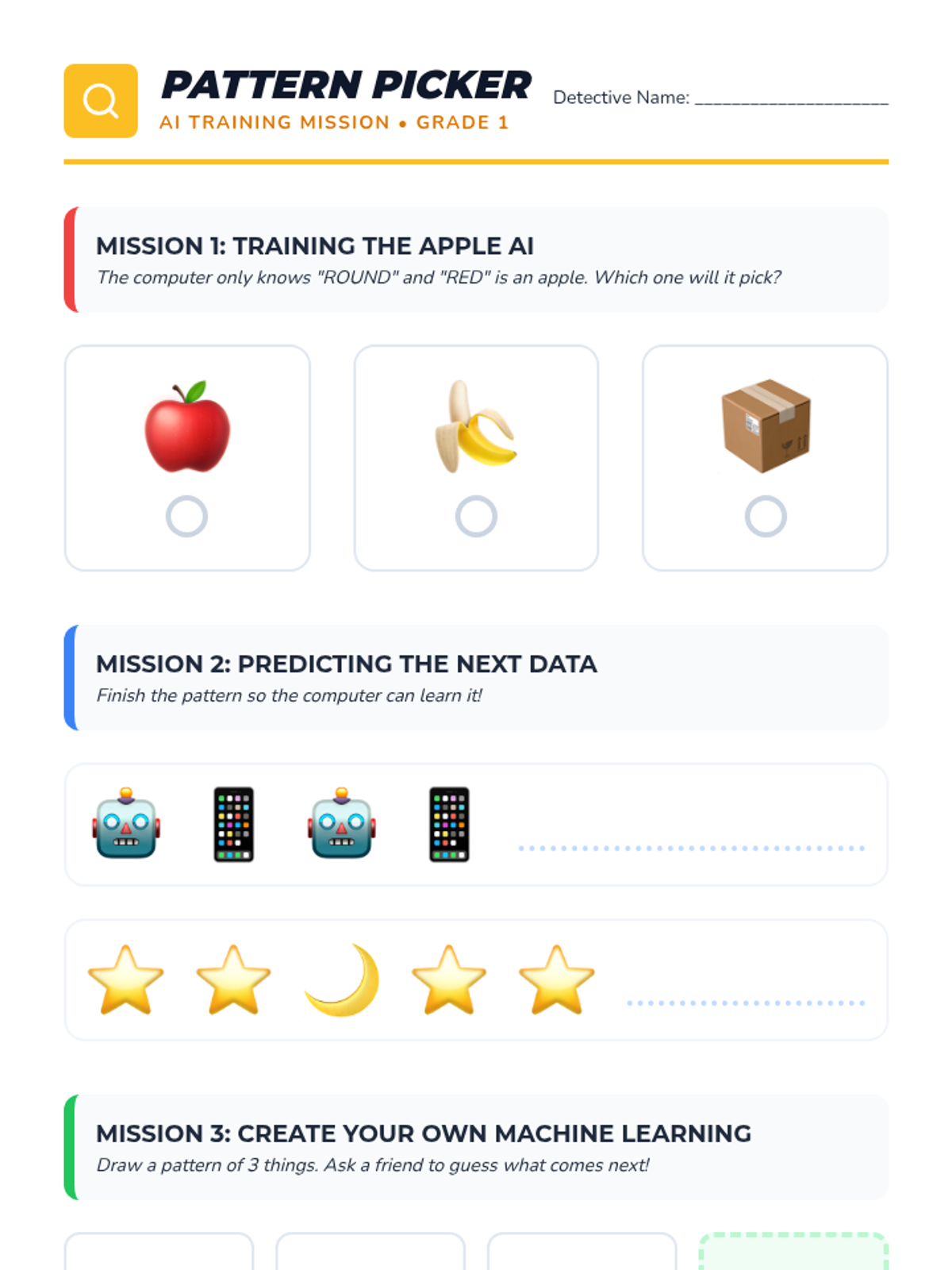
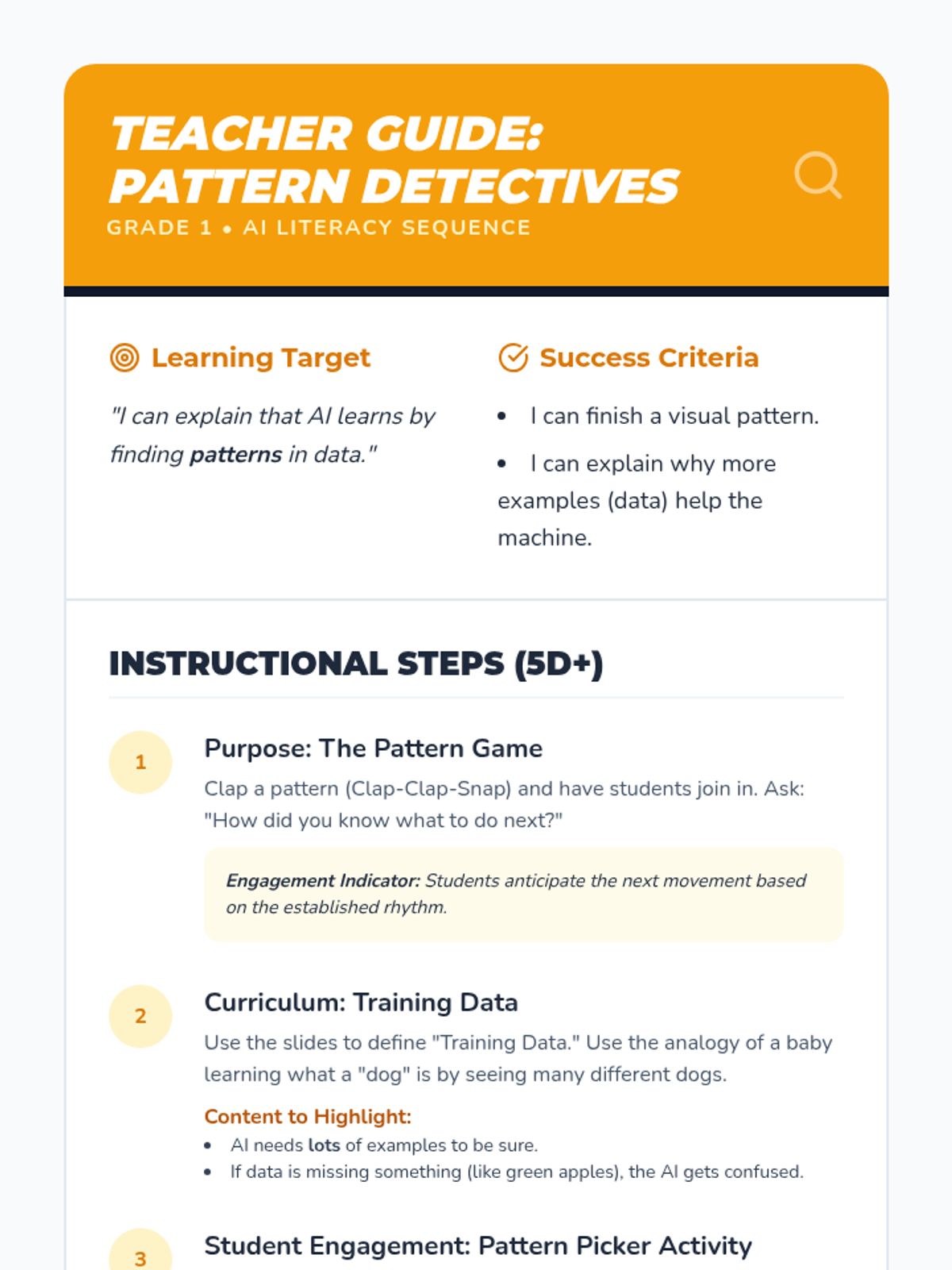
Students explore the foundation of AI learning: pattern recognition. They learn that computers need many examples (data) to understand rules and make predictions.
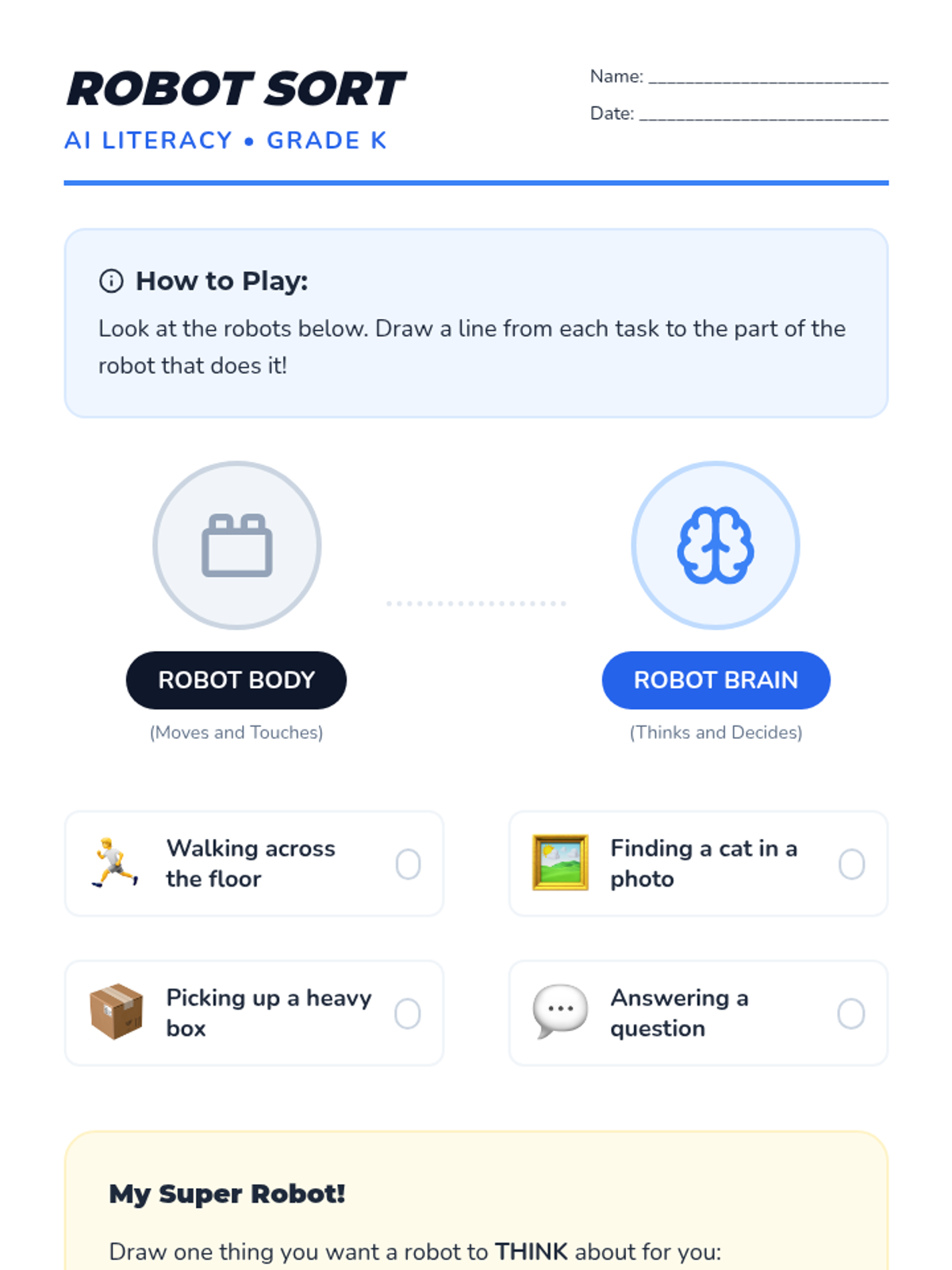
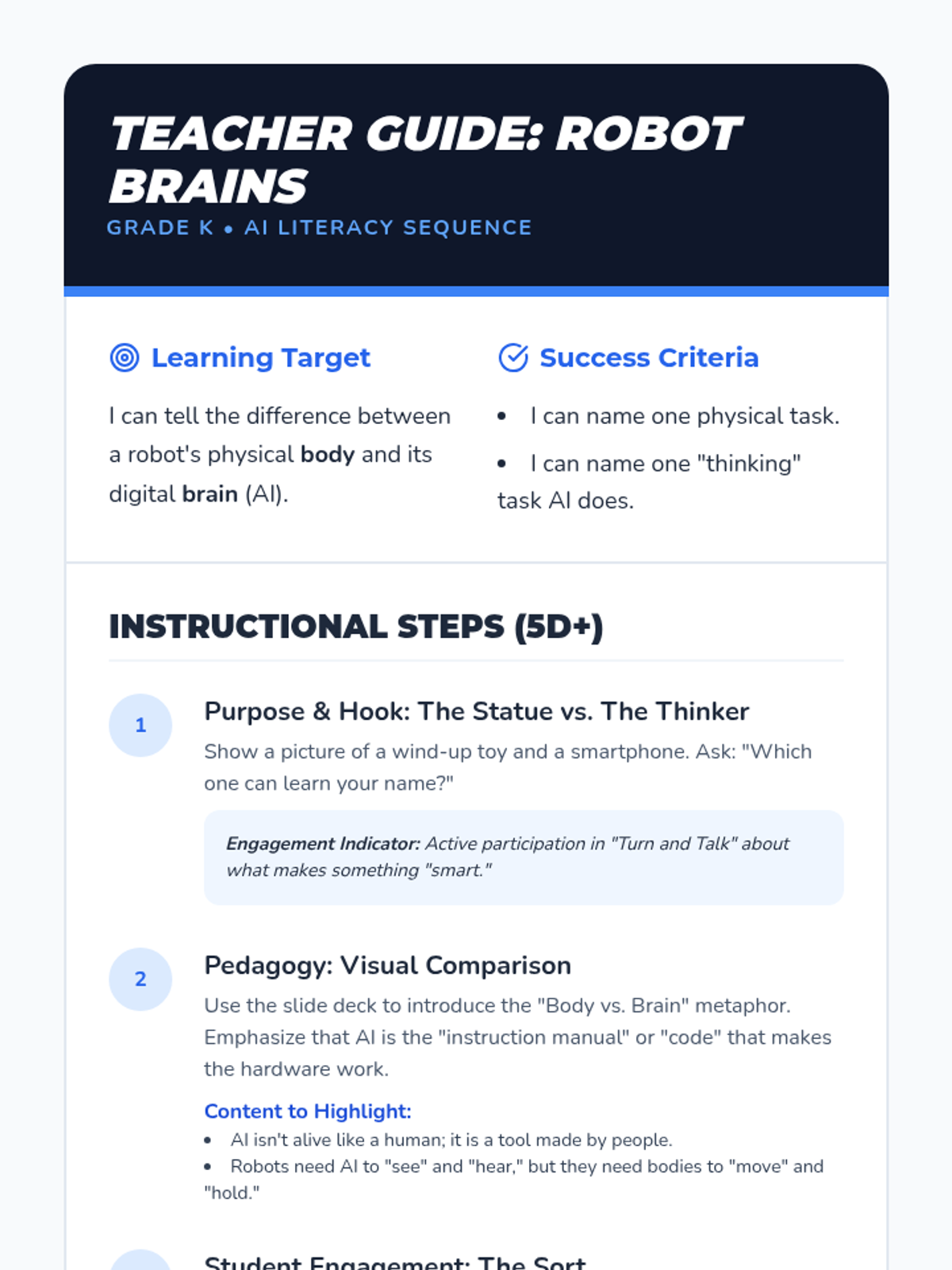
Introduces the concept of AI by distinguishing between a robot's physical body and its digital 'brain'. Students explore how AI 'thinks' differently than humans and machines.