Students conduct an ethical audit on datasets to identify representation gaps and algorithmic bias. They frame bias as a technical engineering flaw that requires rigorous testing and correction.
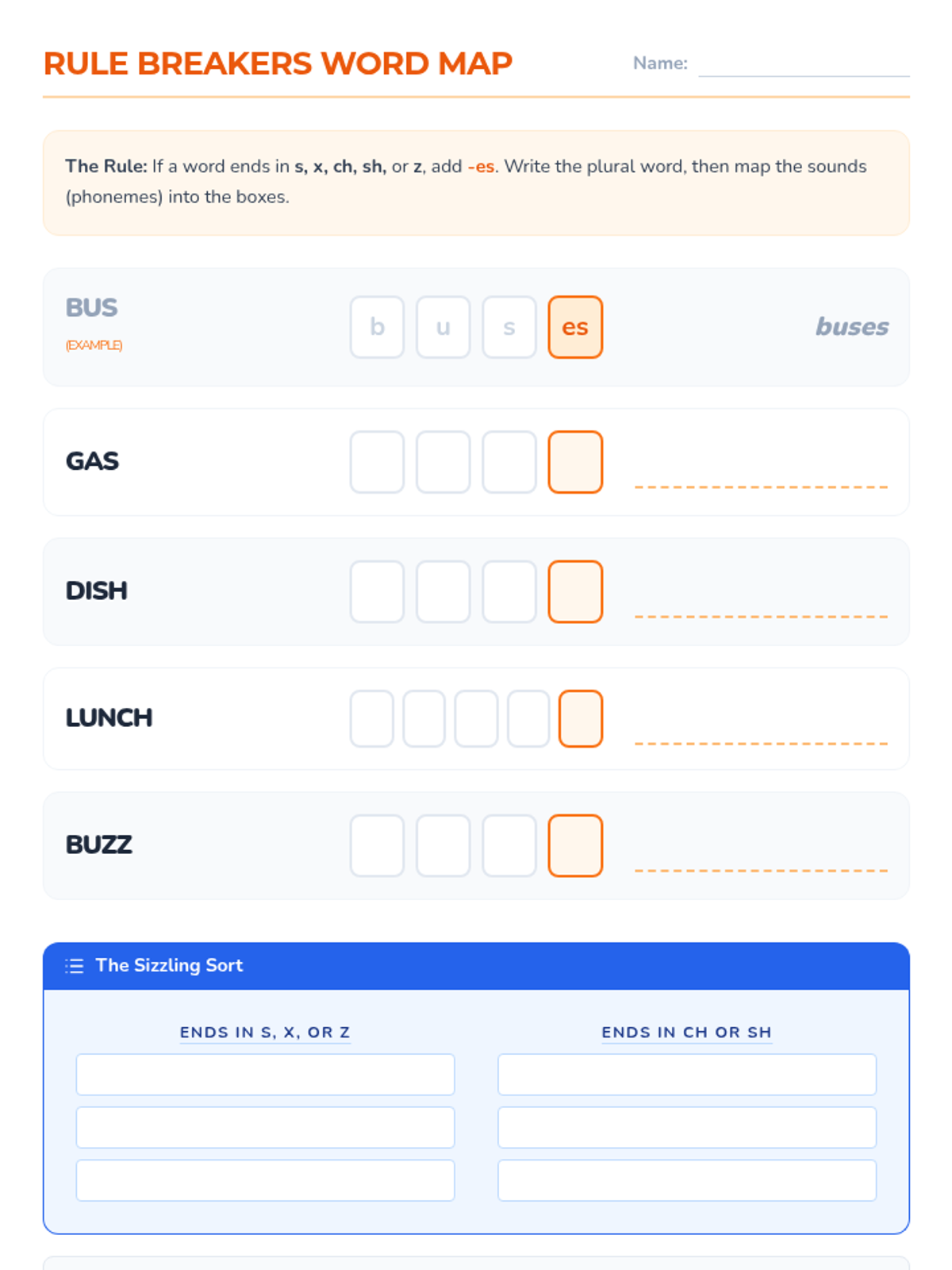
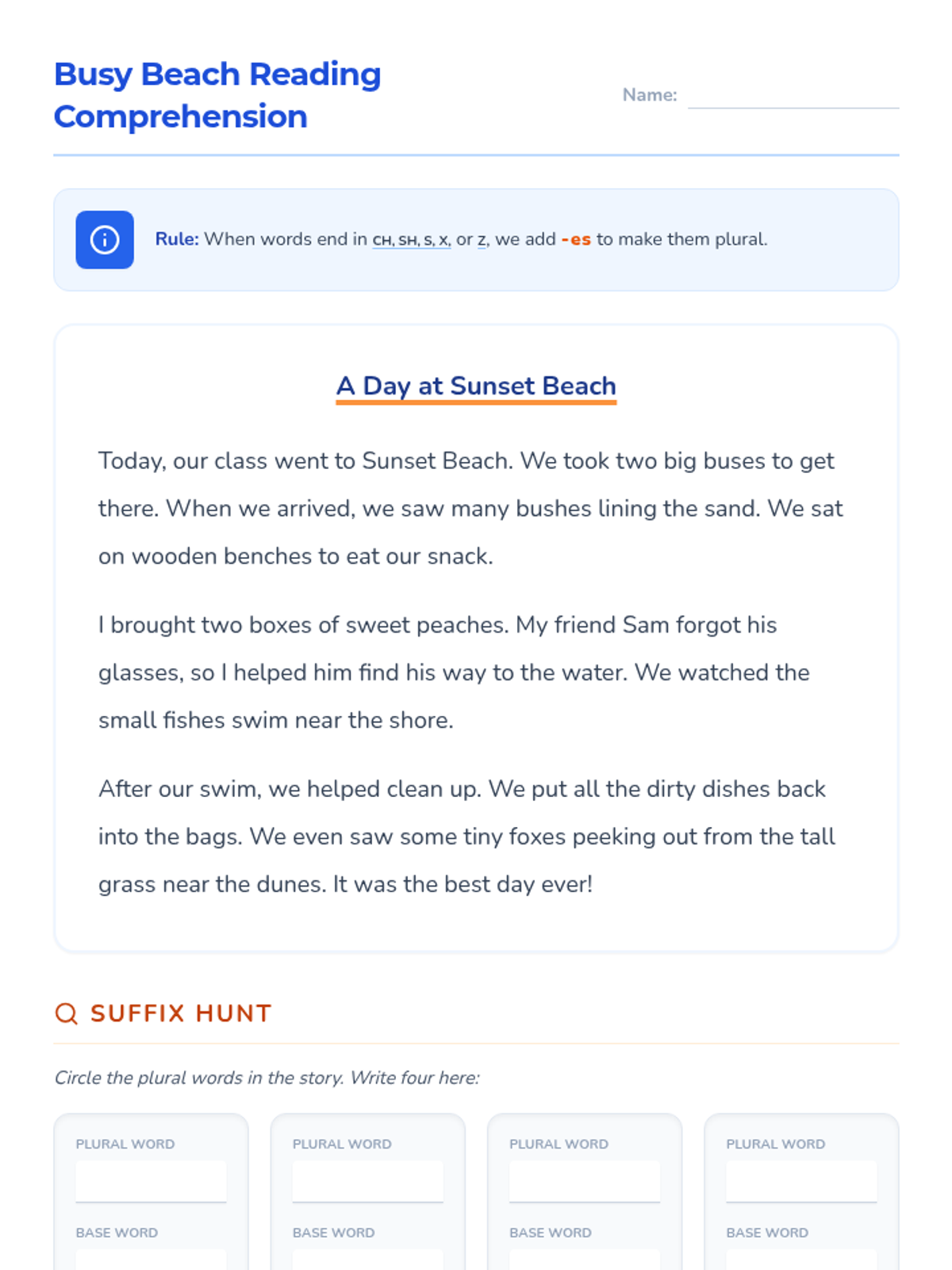
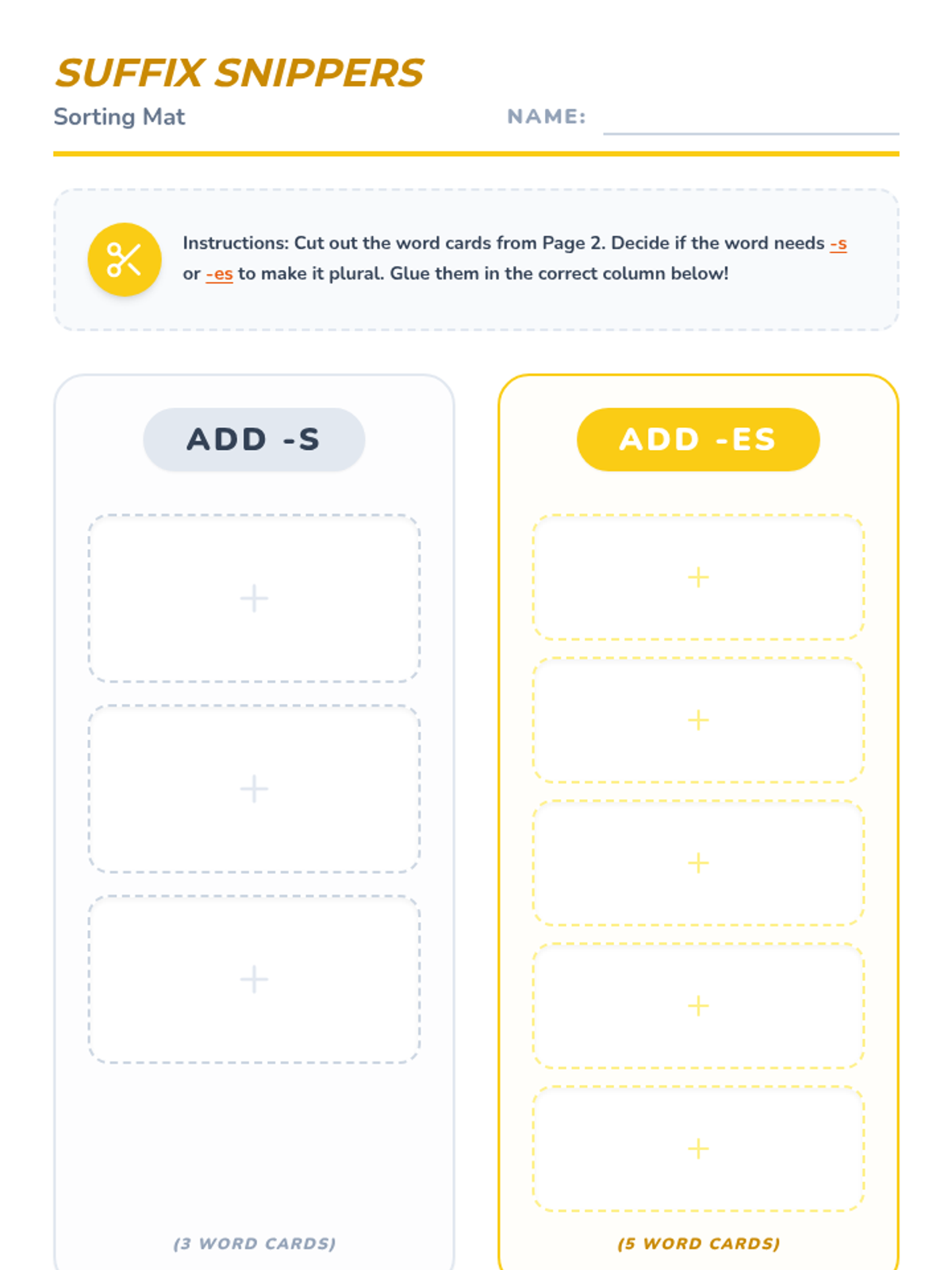
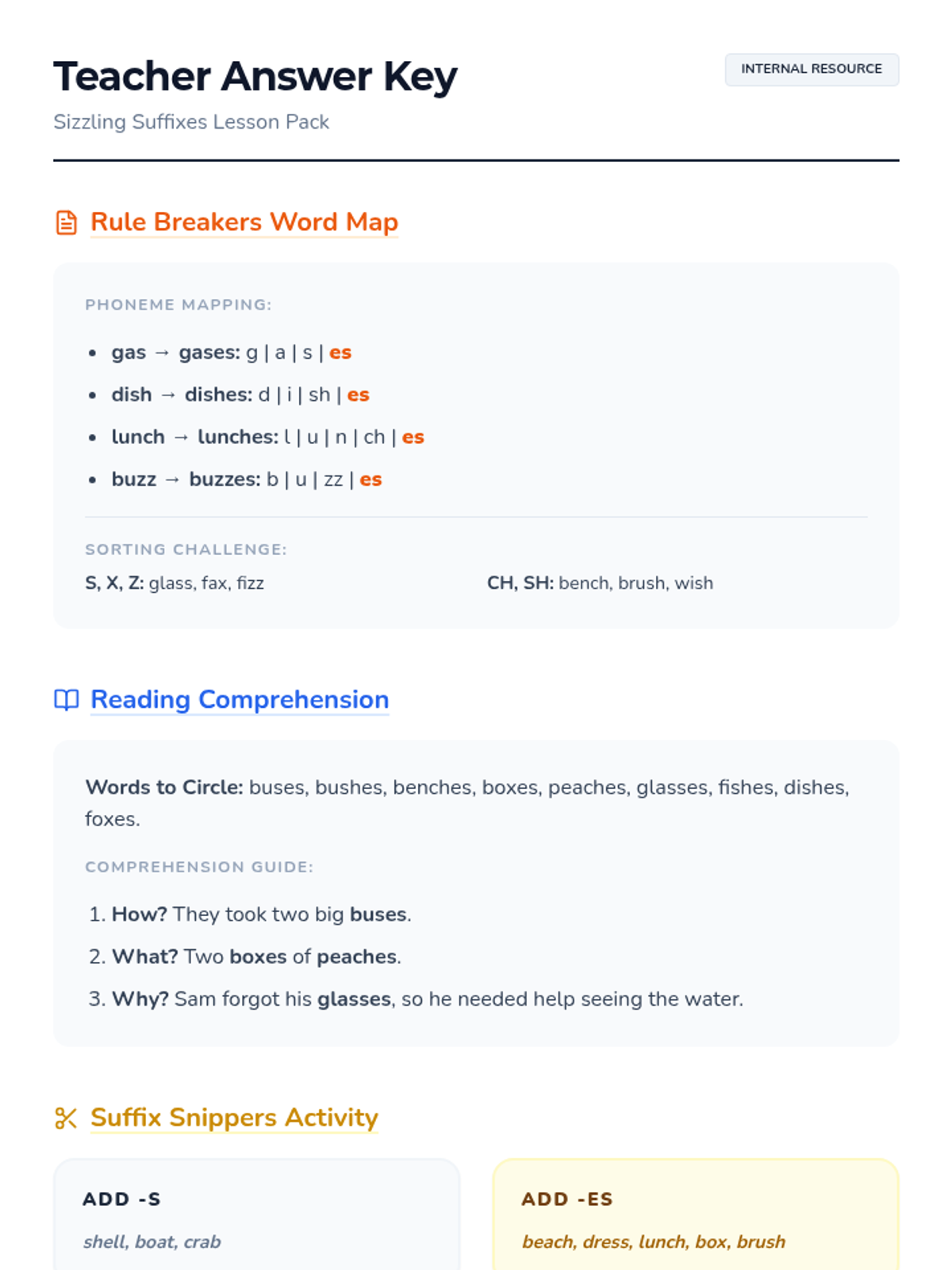
A comprehensive lesson on plurals ending in -es, covering base words ending in s, x, ch, sh, and z through multi-sensory activities.
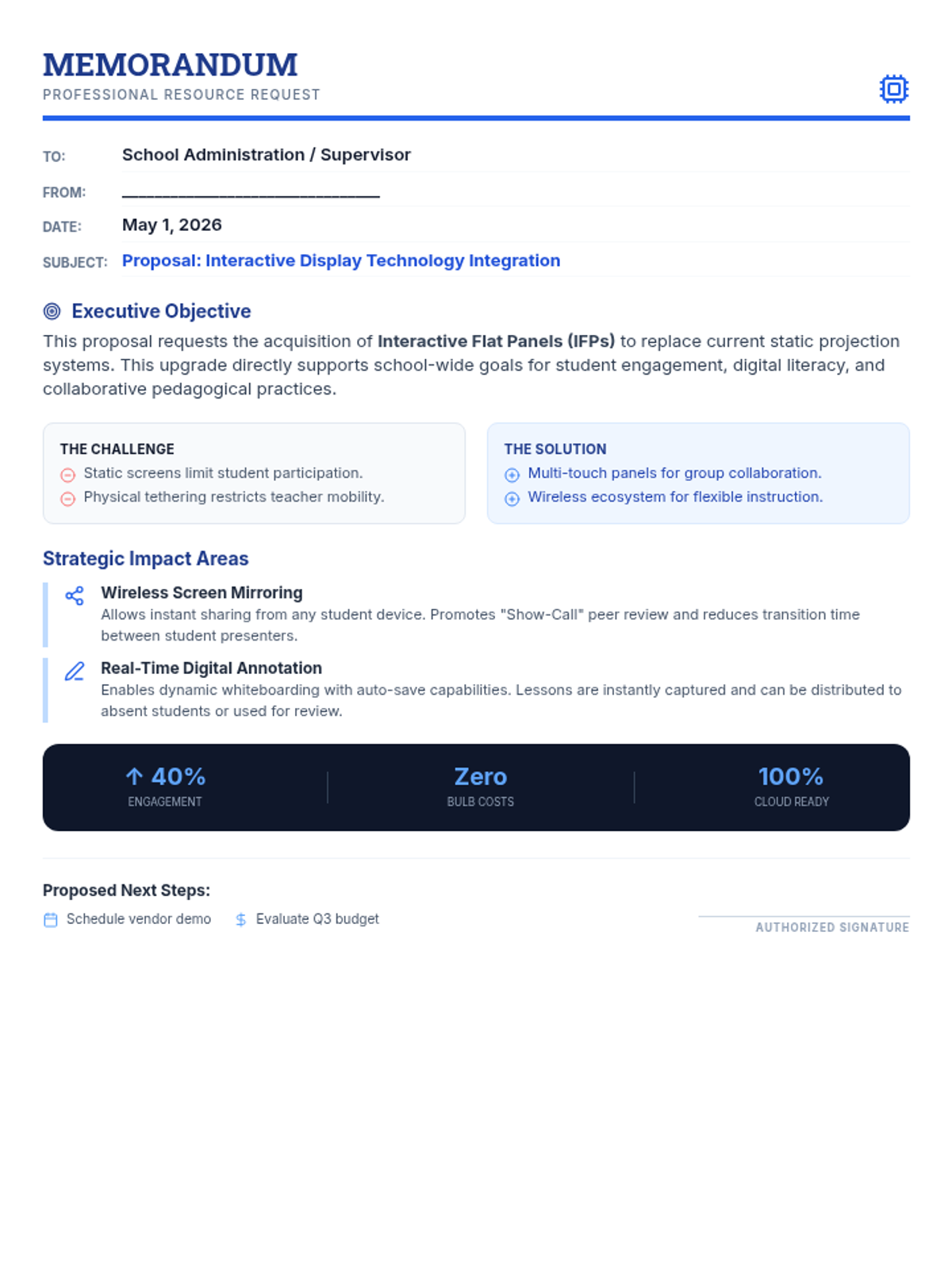
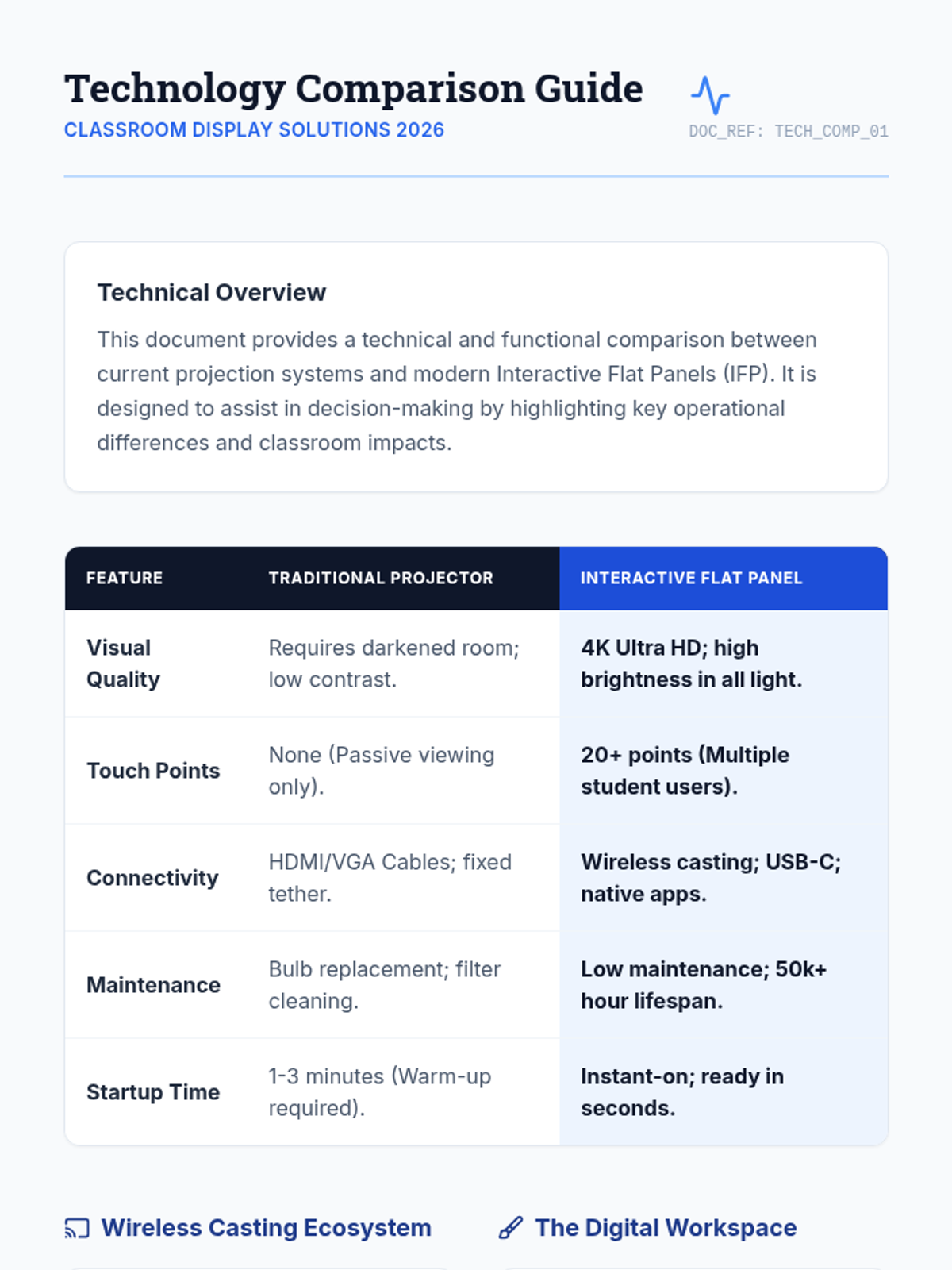
A suite of professional advocacy materials designed to help educators persuade administrators to invest in interactive classroom technology. Includes a formal memo, a visual presentation of benefits, and a technical comparison guide.
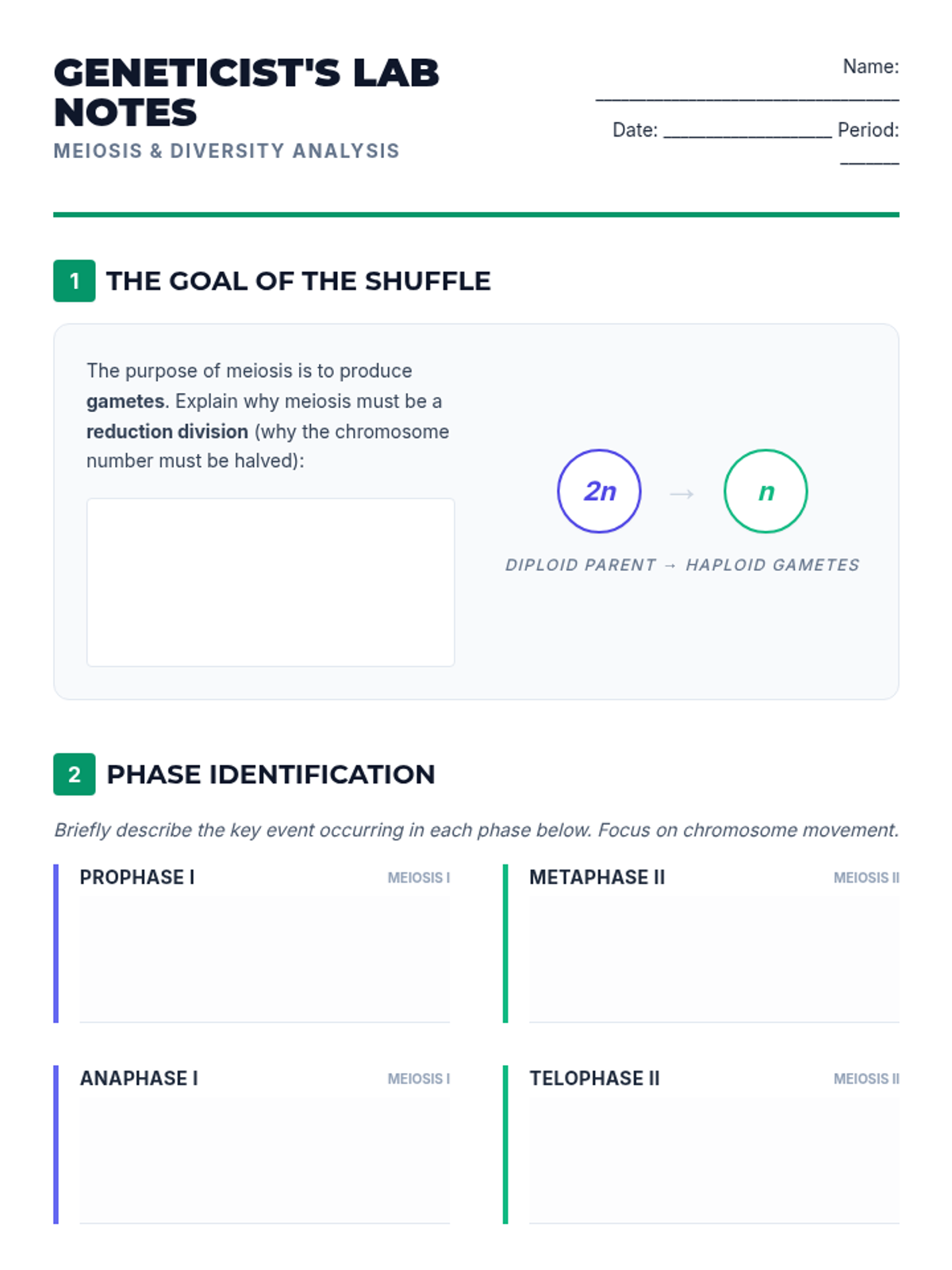
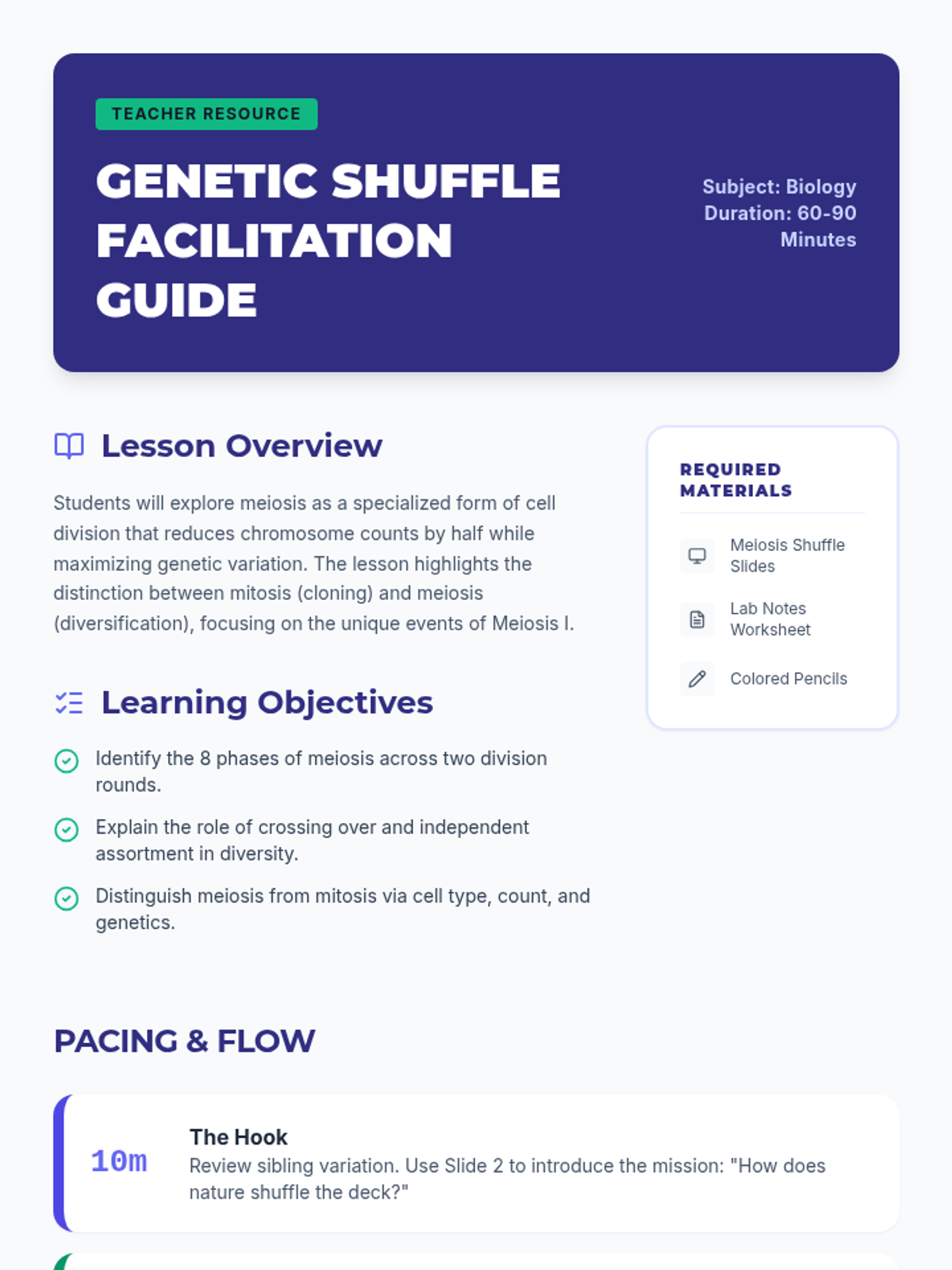
A comprehensive lesson on meiosis covering its phases, final products, and its critical role in genetic diversity compared to mitosis. Students will engage with visual models and comparative analysis.
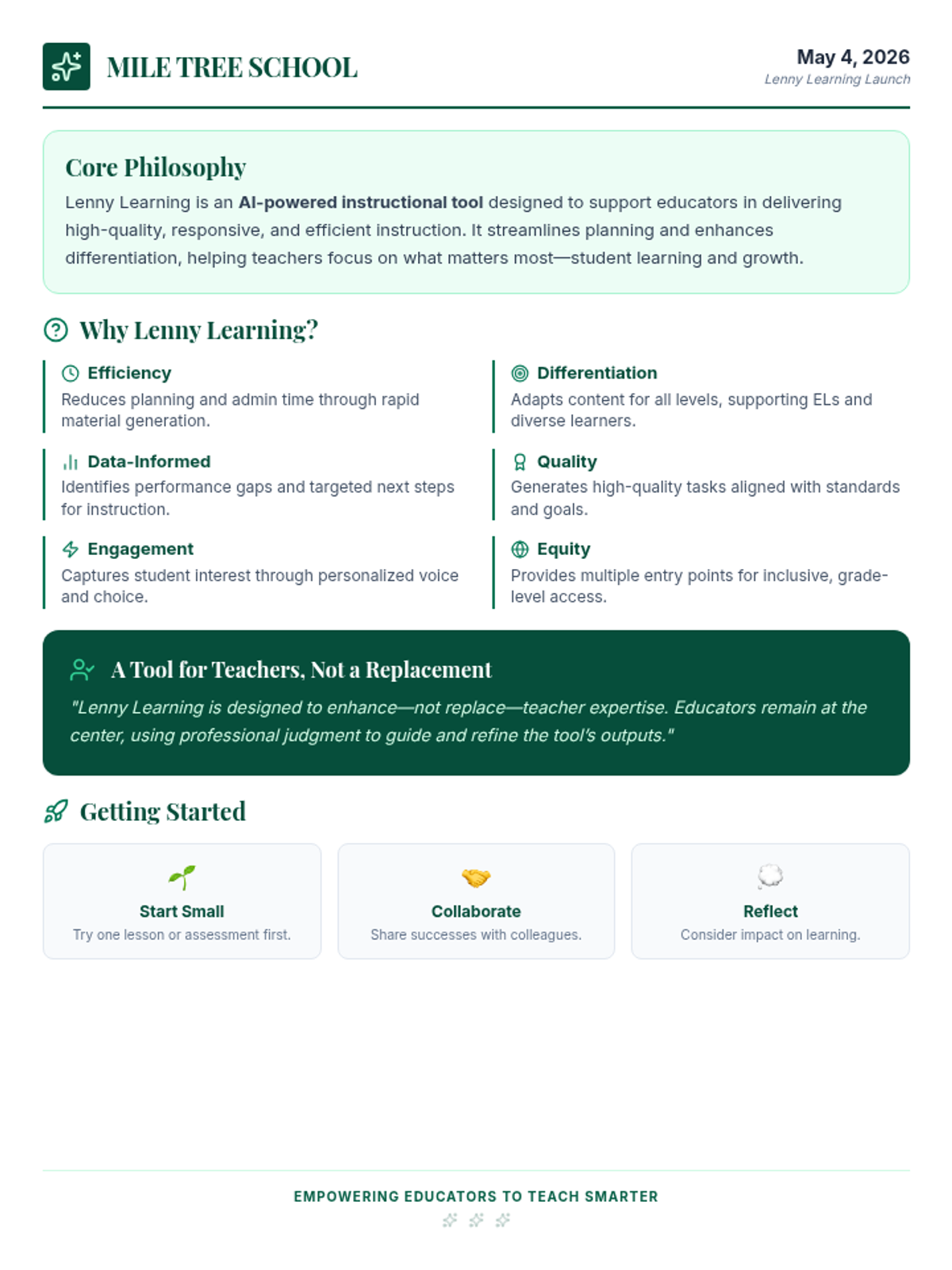
A professional staff presentation introducing Lenny Learning to educators at Mile Tree School, highlighting efficiency, differentiation, and student engagement.
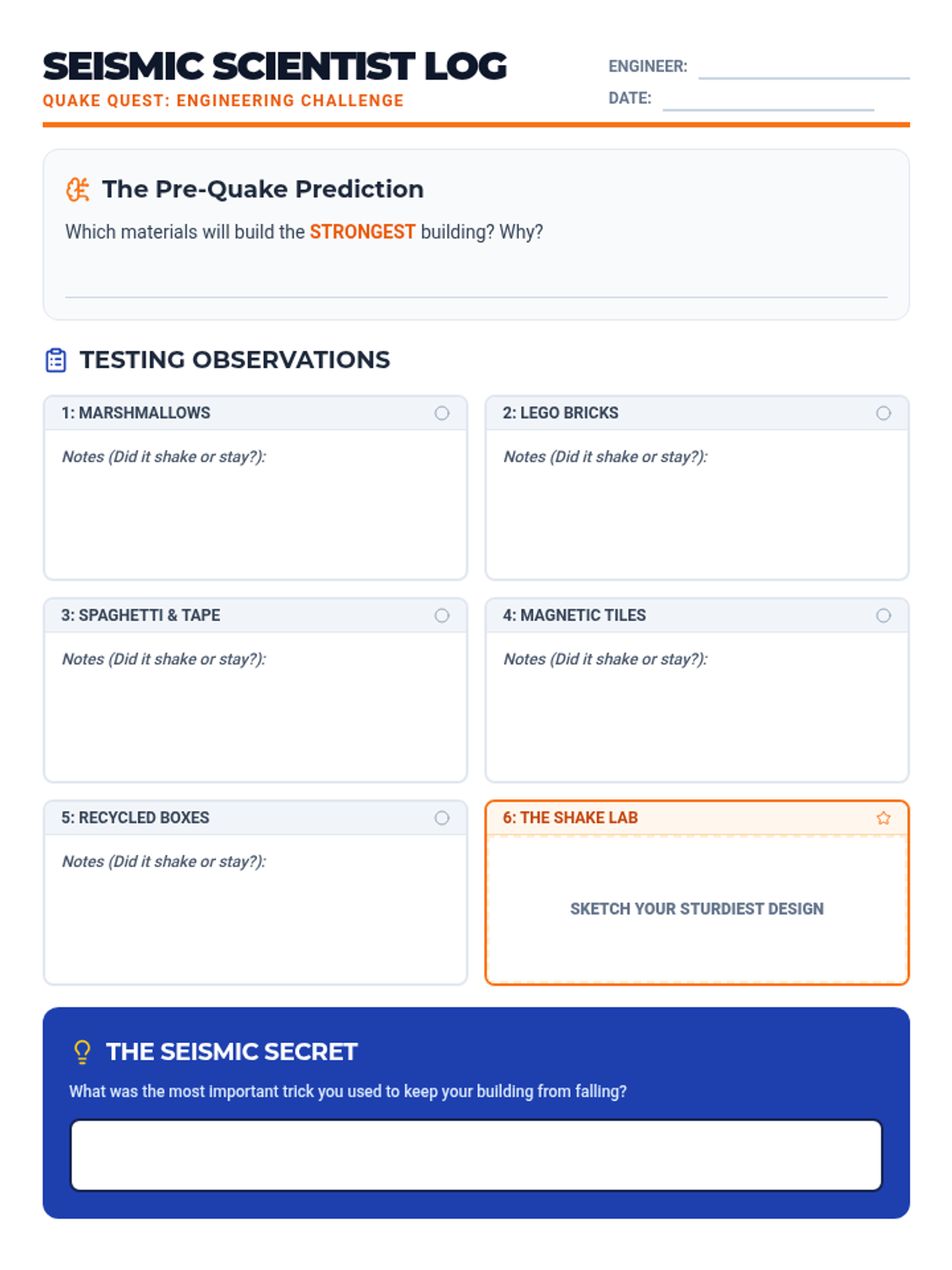
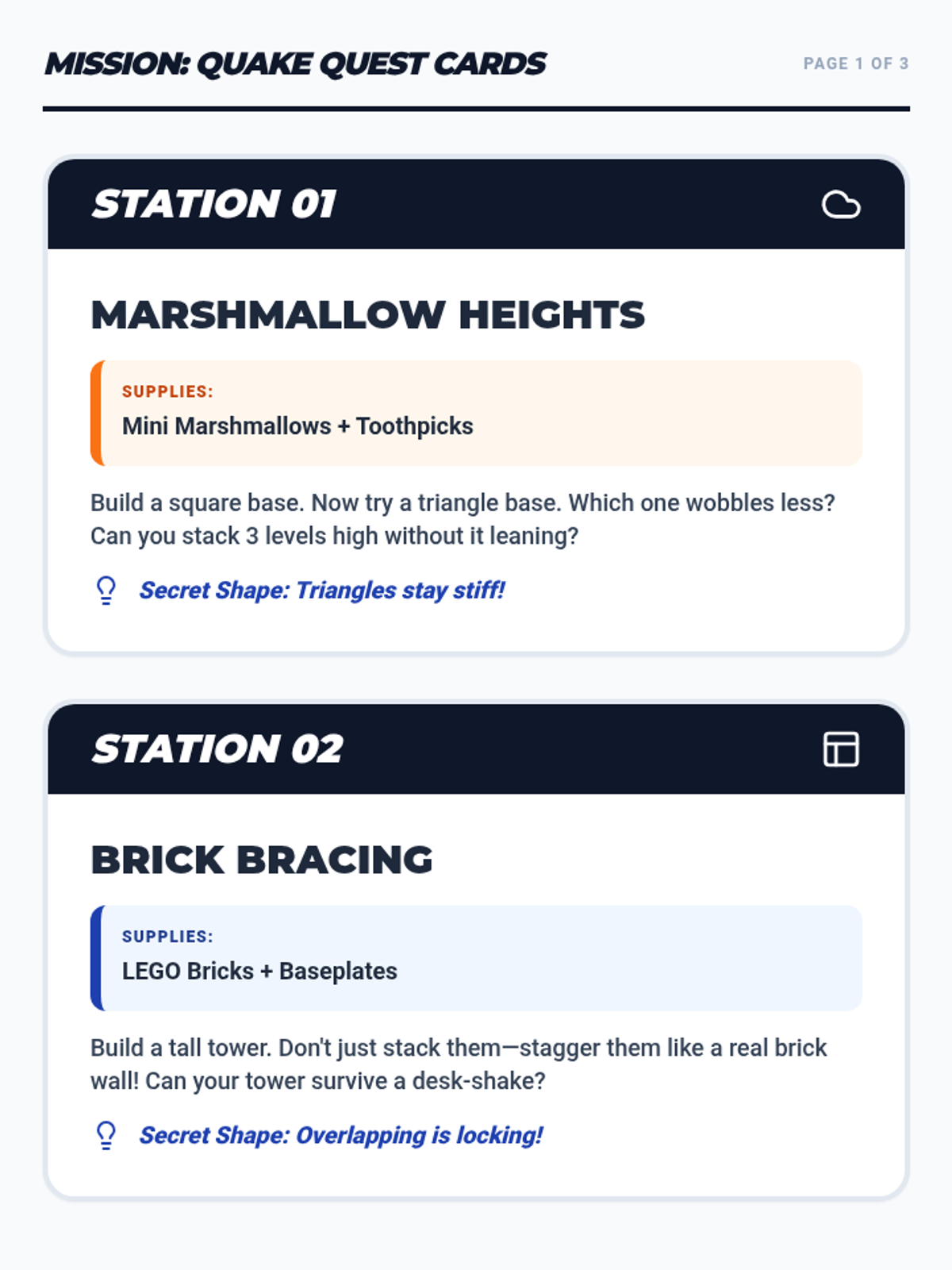
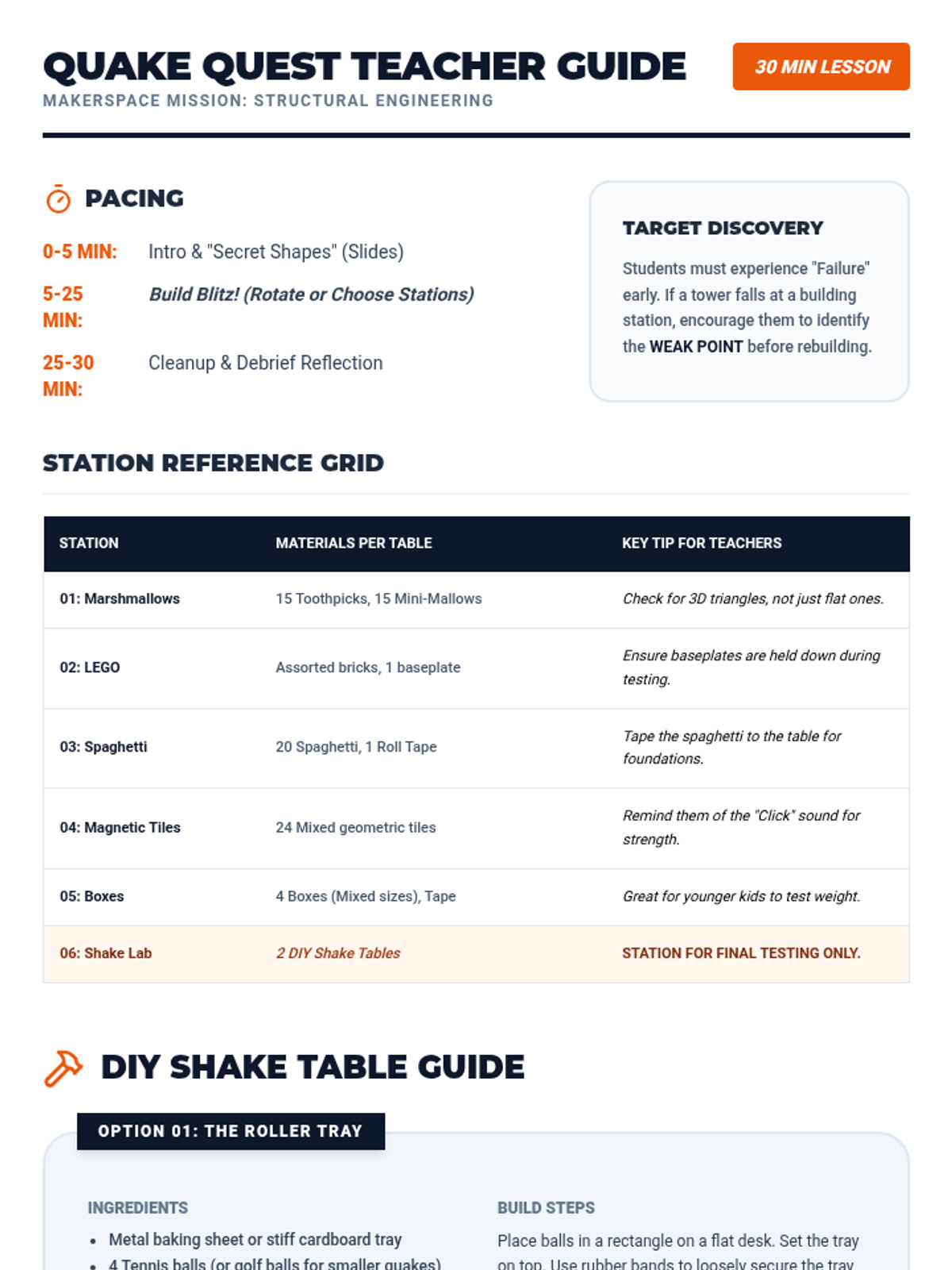
A 30-minute engineering challenge where students build and test structures using six different material stations to understand earthquake stability.
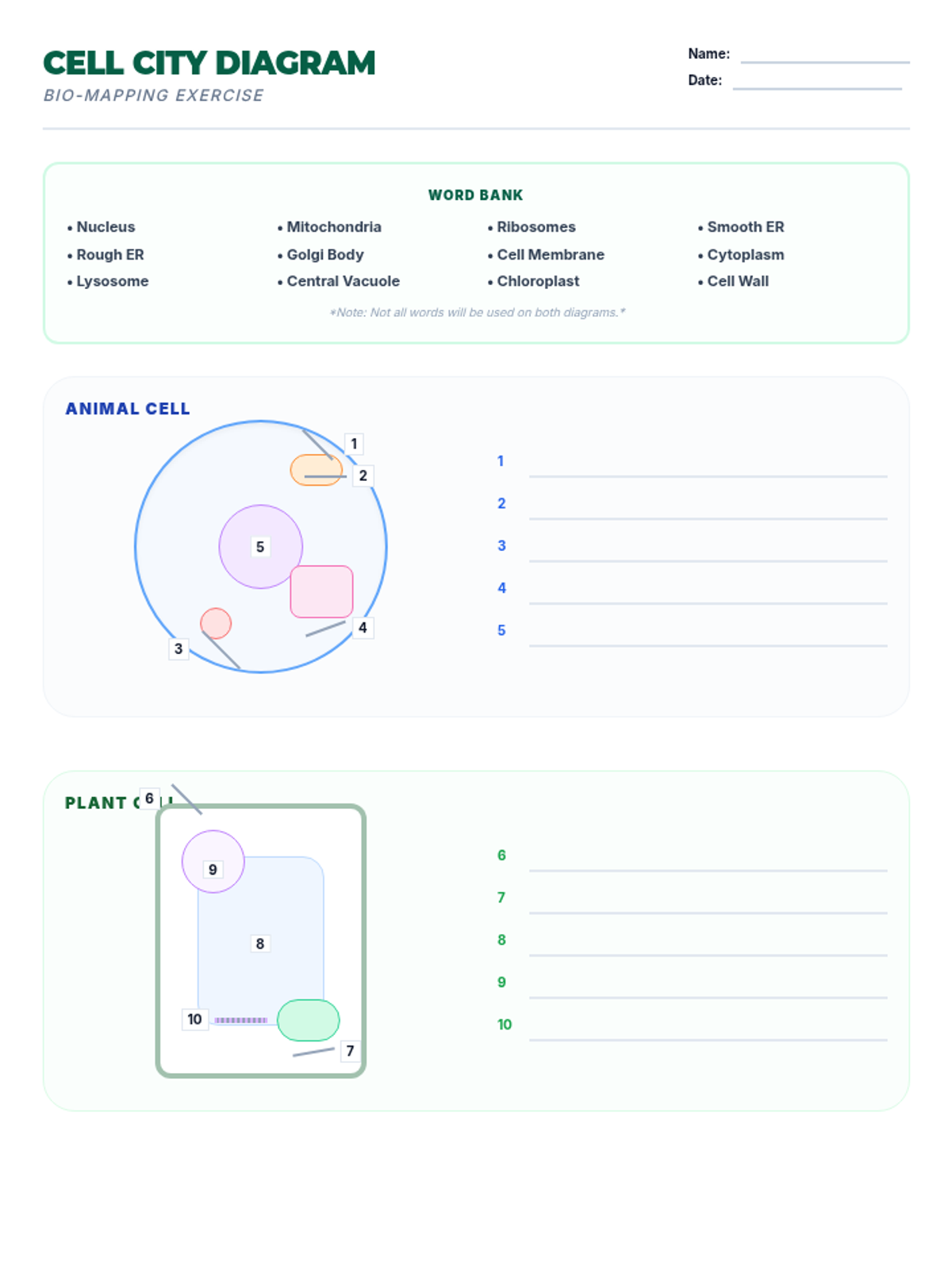
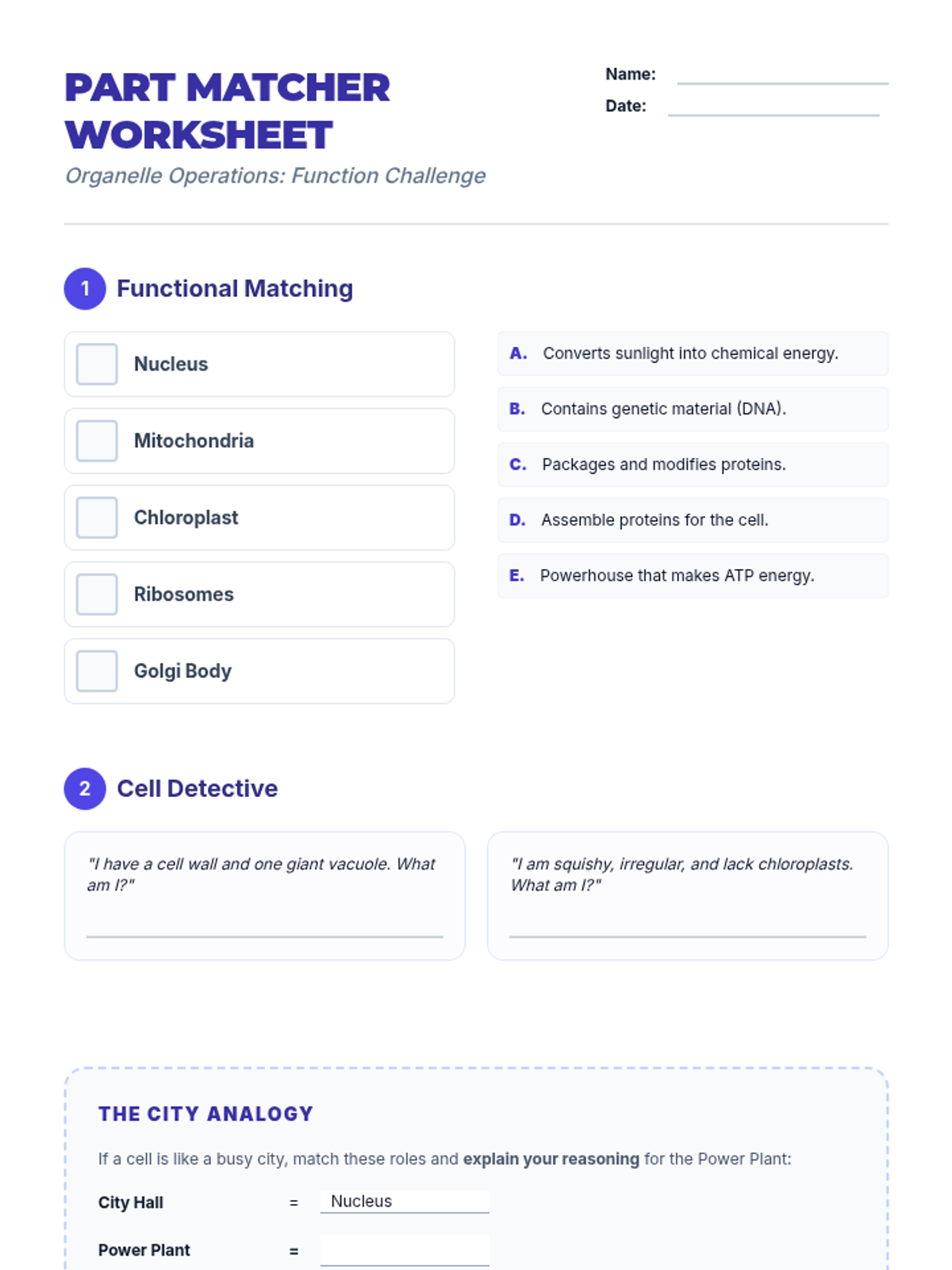
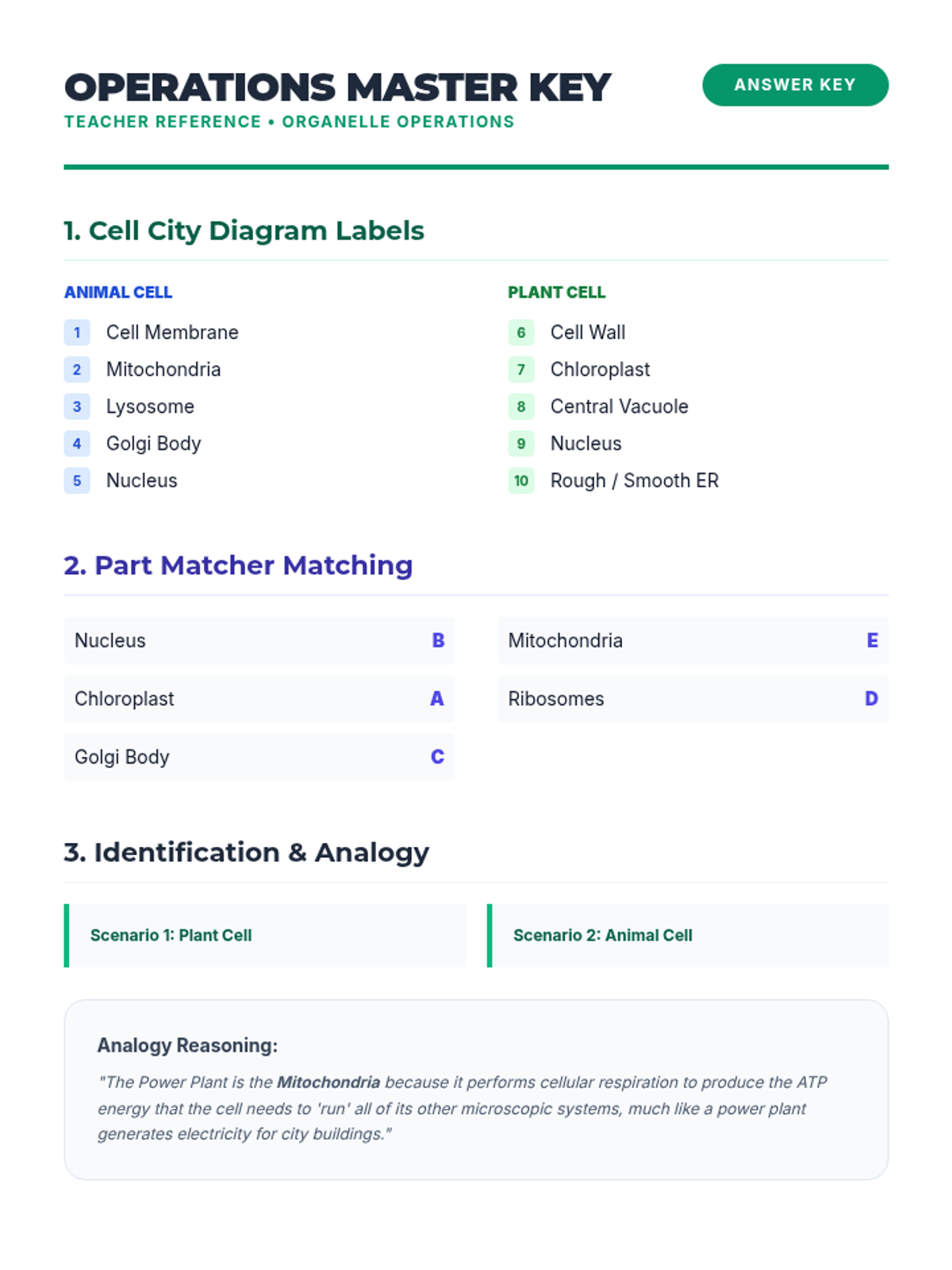
A comprehensive exploration of animal and plant cell organelles, focusing on their structures, functions, and key differences. Students will identify organelles through diagrams and match them to their biological roles.
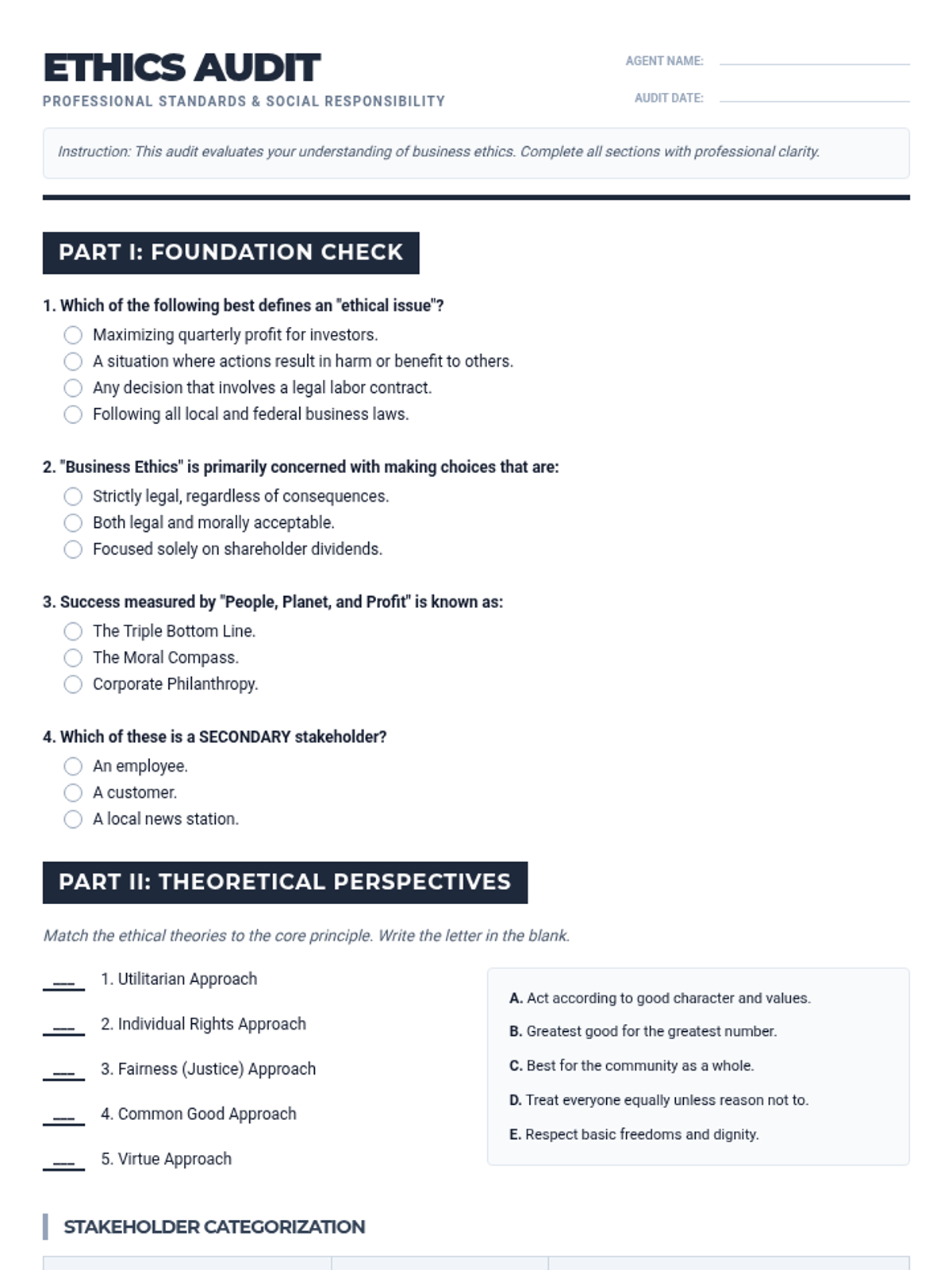
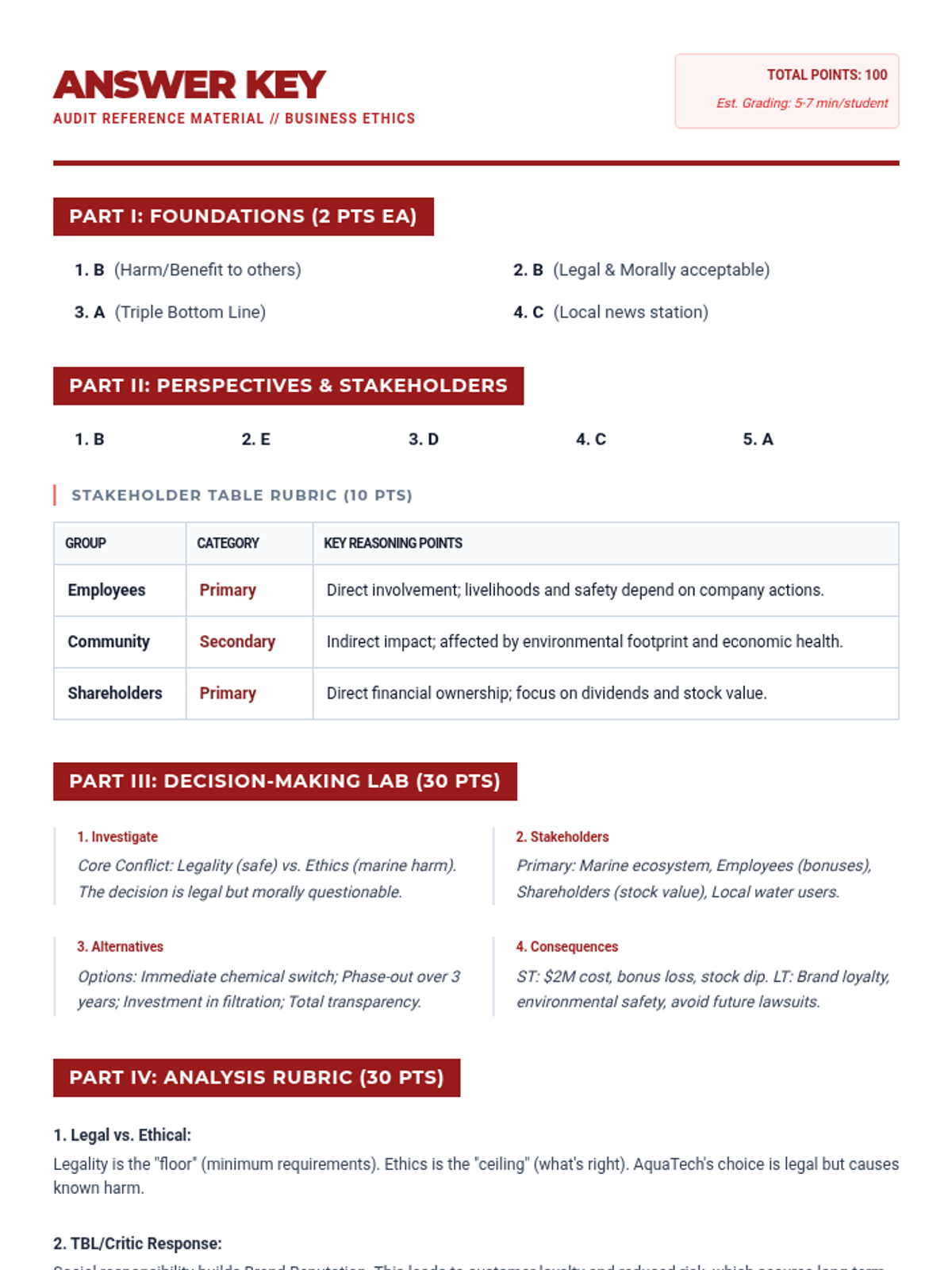
A comprehensive assessment covering business ethics, social responsibility, ethical theories, and the stakeholder decision-making process.
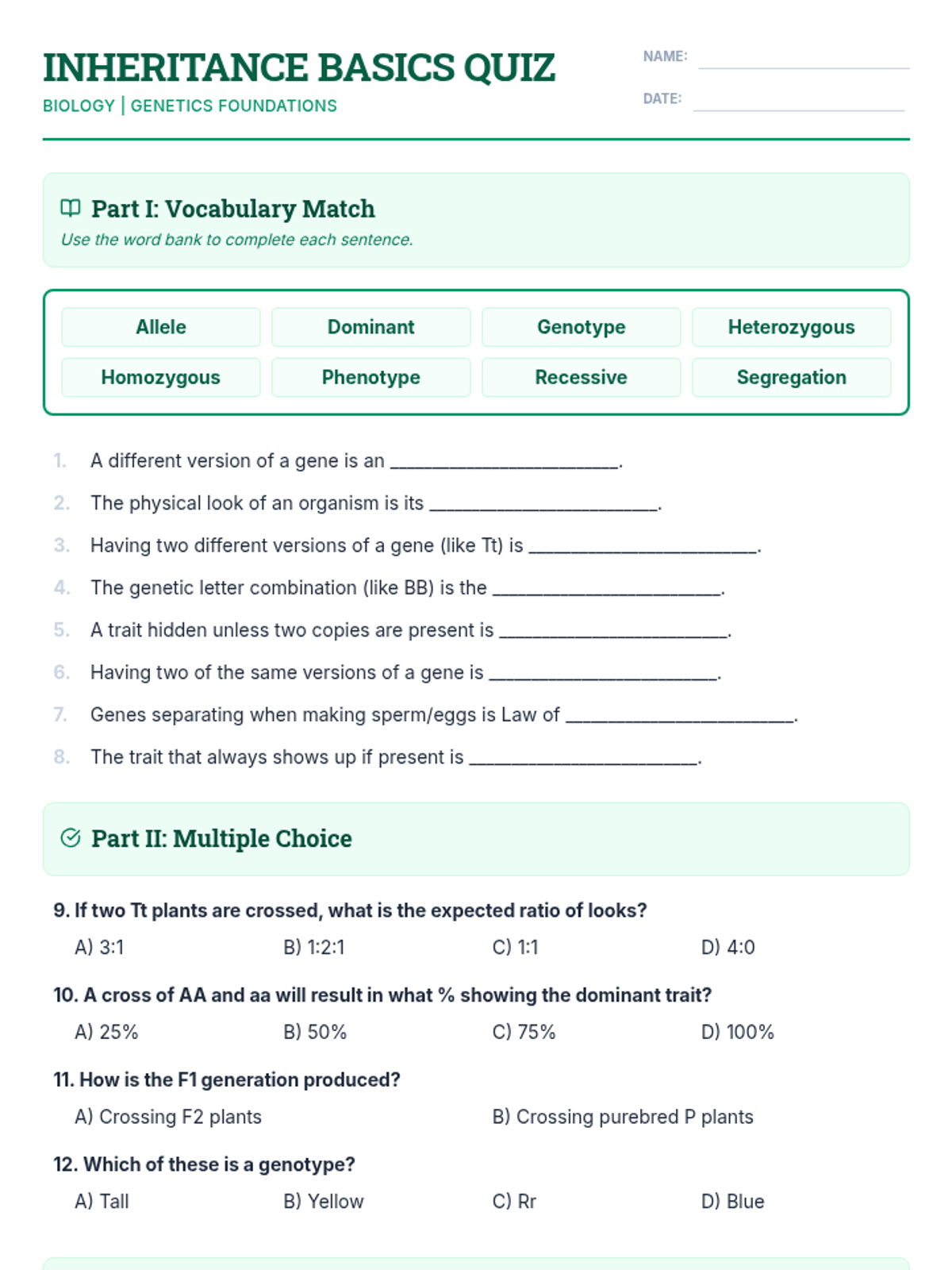
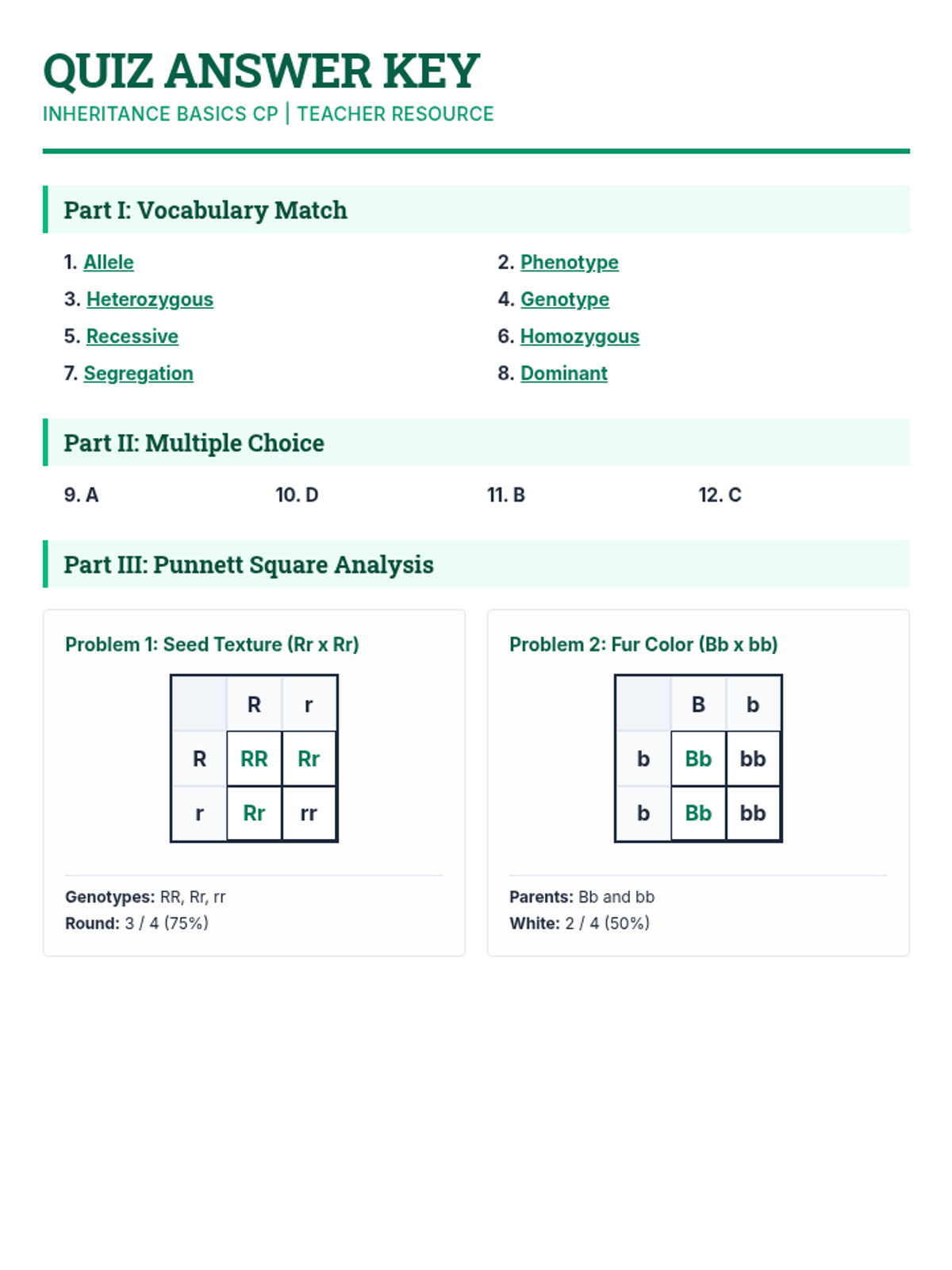
A foundational assessment on Mendelian genetics, simplified for College Prep (CP) biology students with clearer language and vocabulary support.
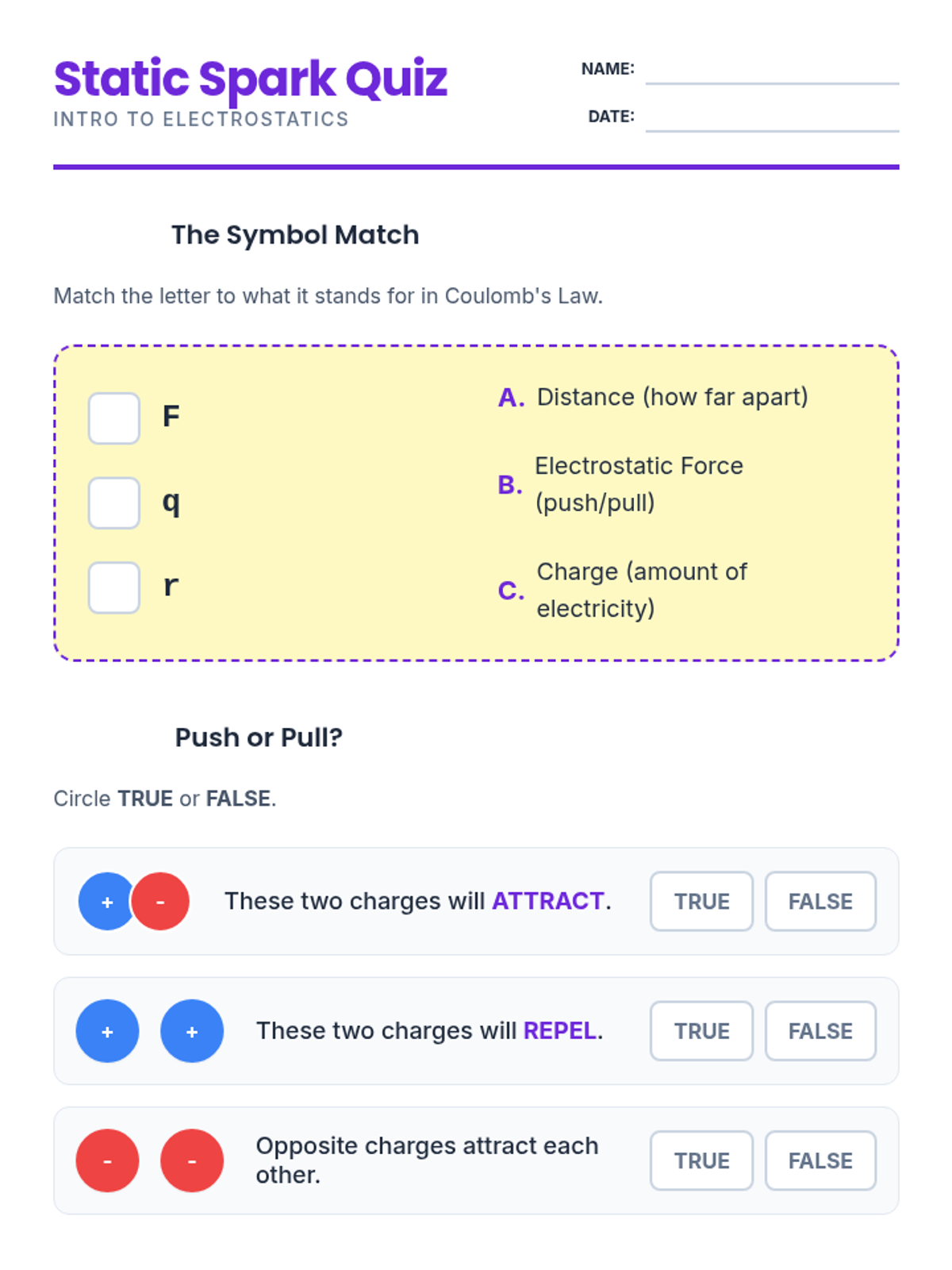
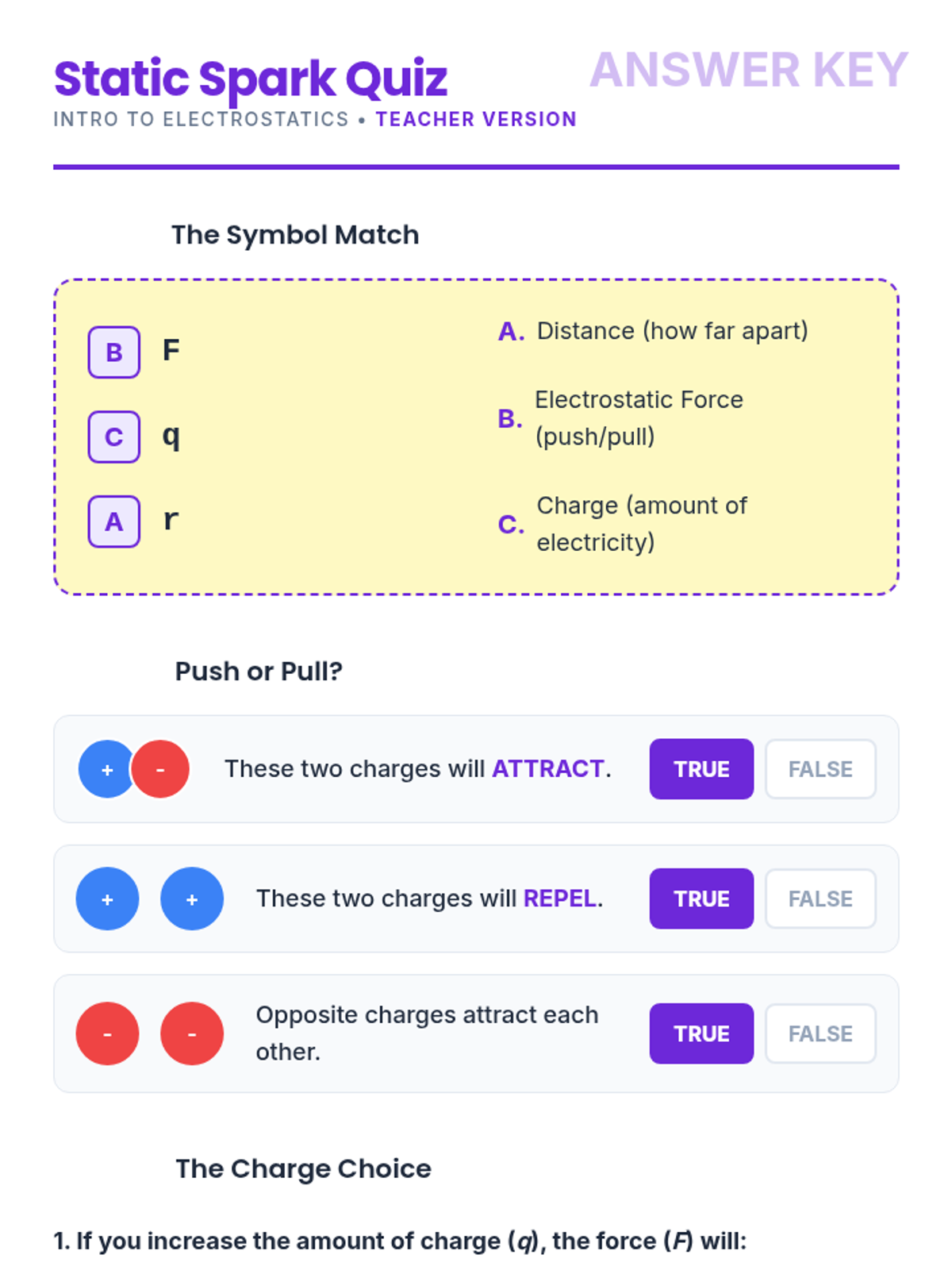
A beginner-friendly lesson on electrostatic forces and Coulomb's Law, emphasizing conceptual understanding and basic calculations.
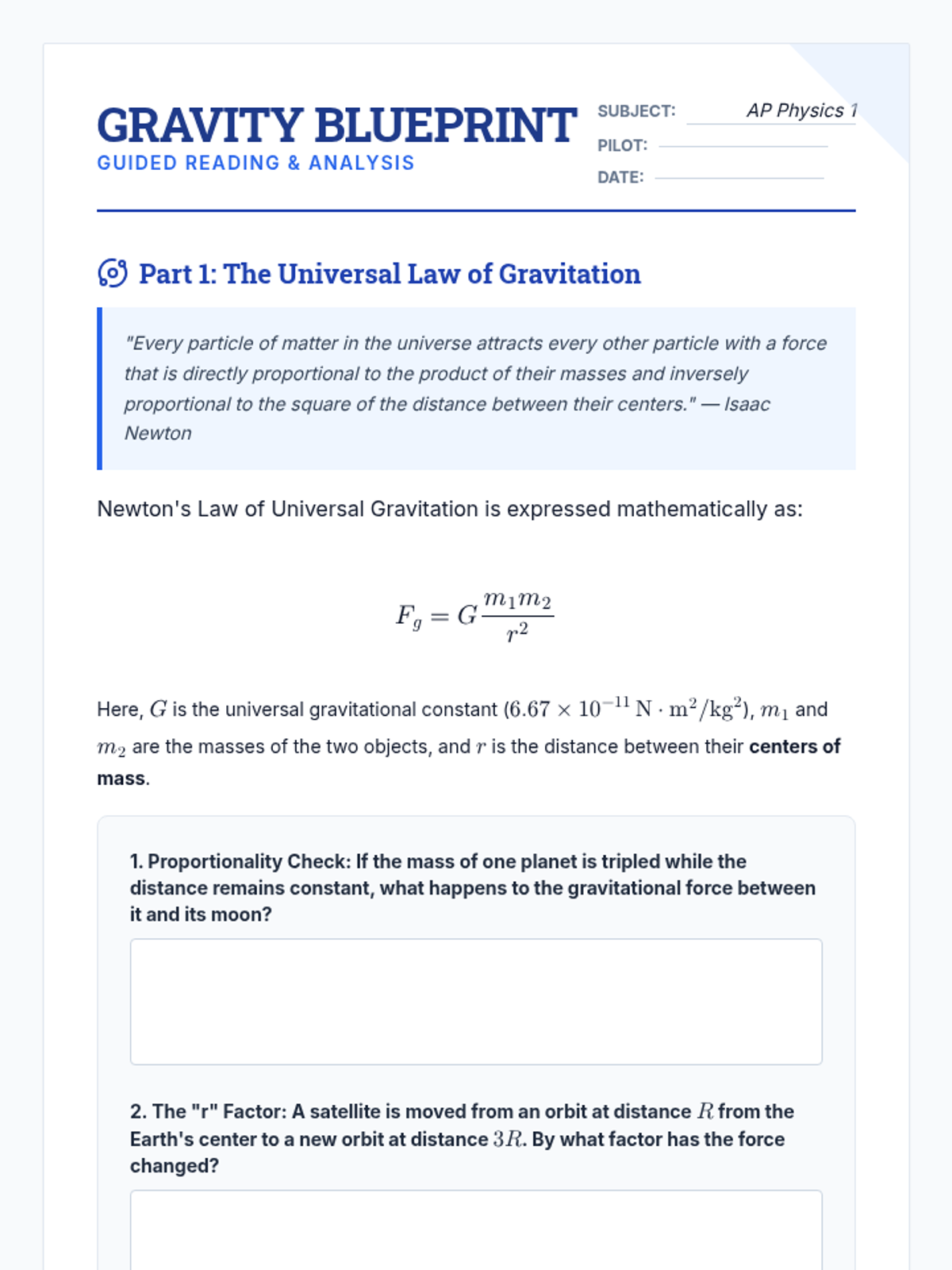
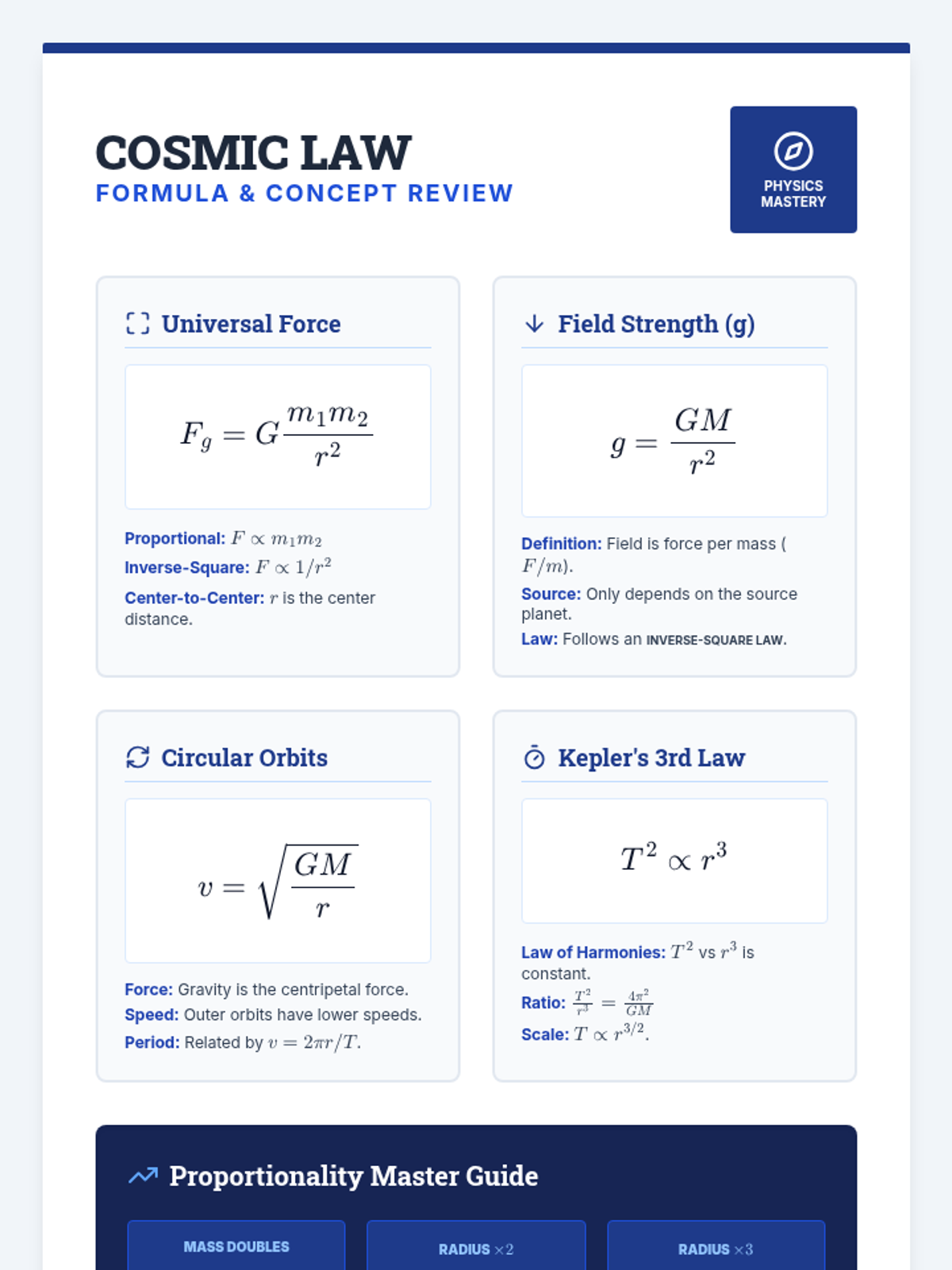
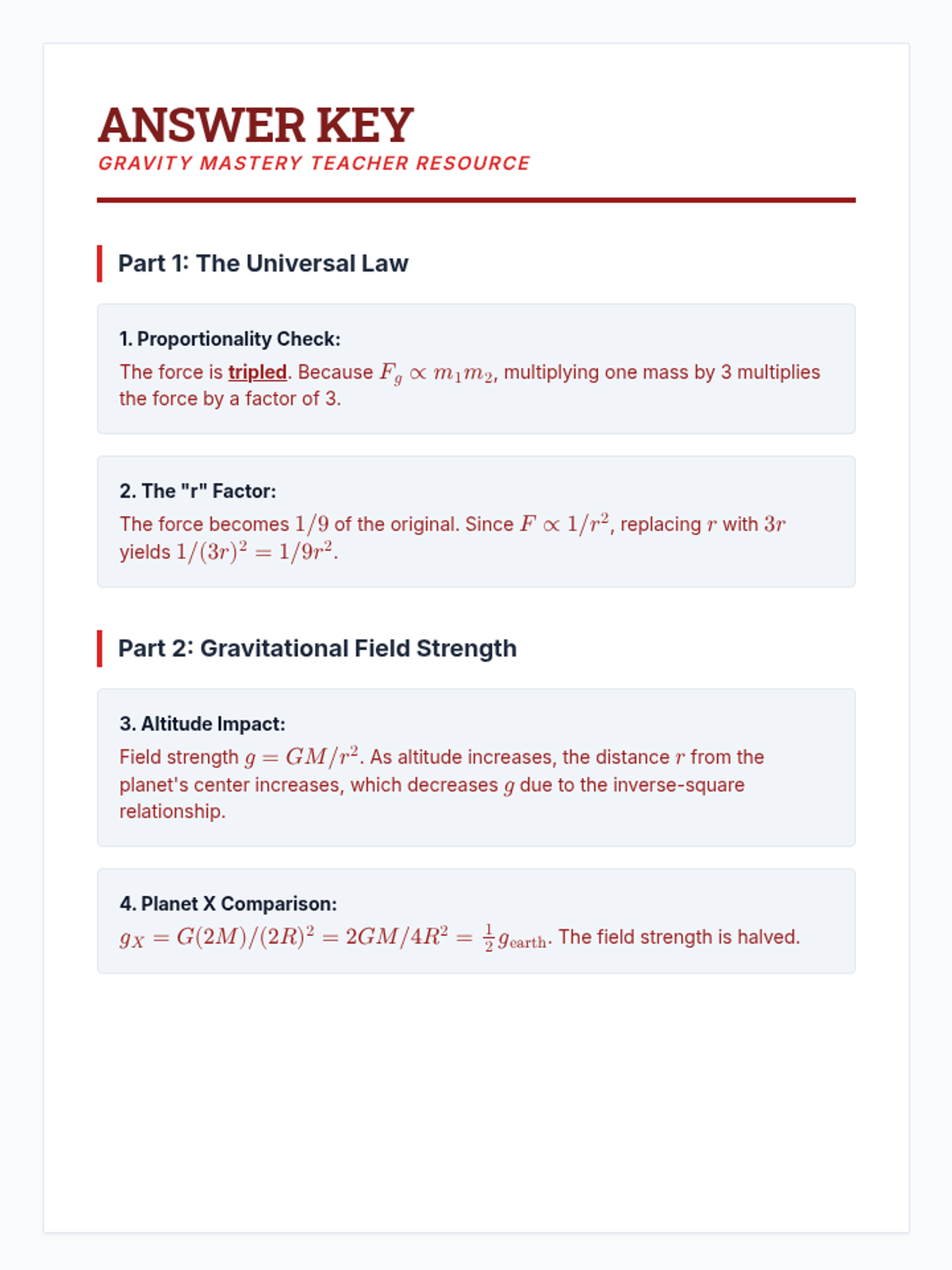
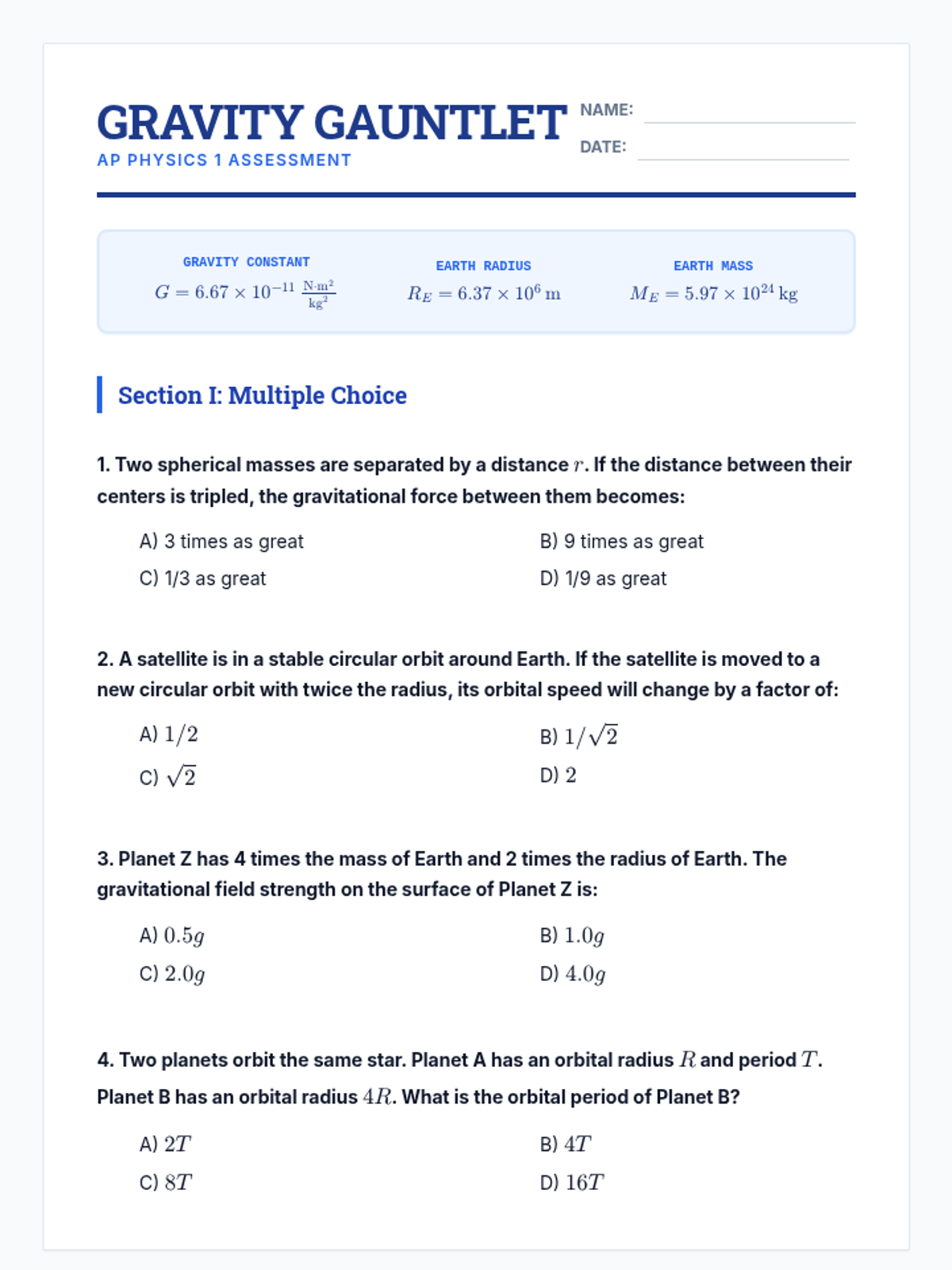
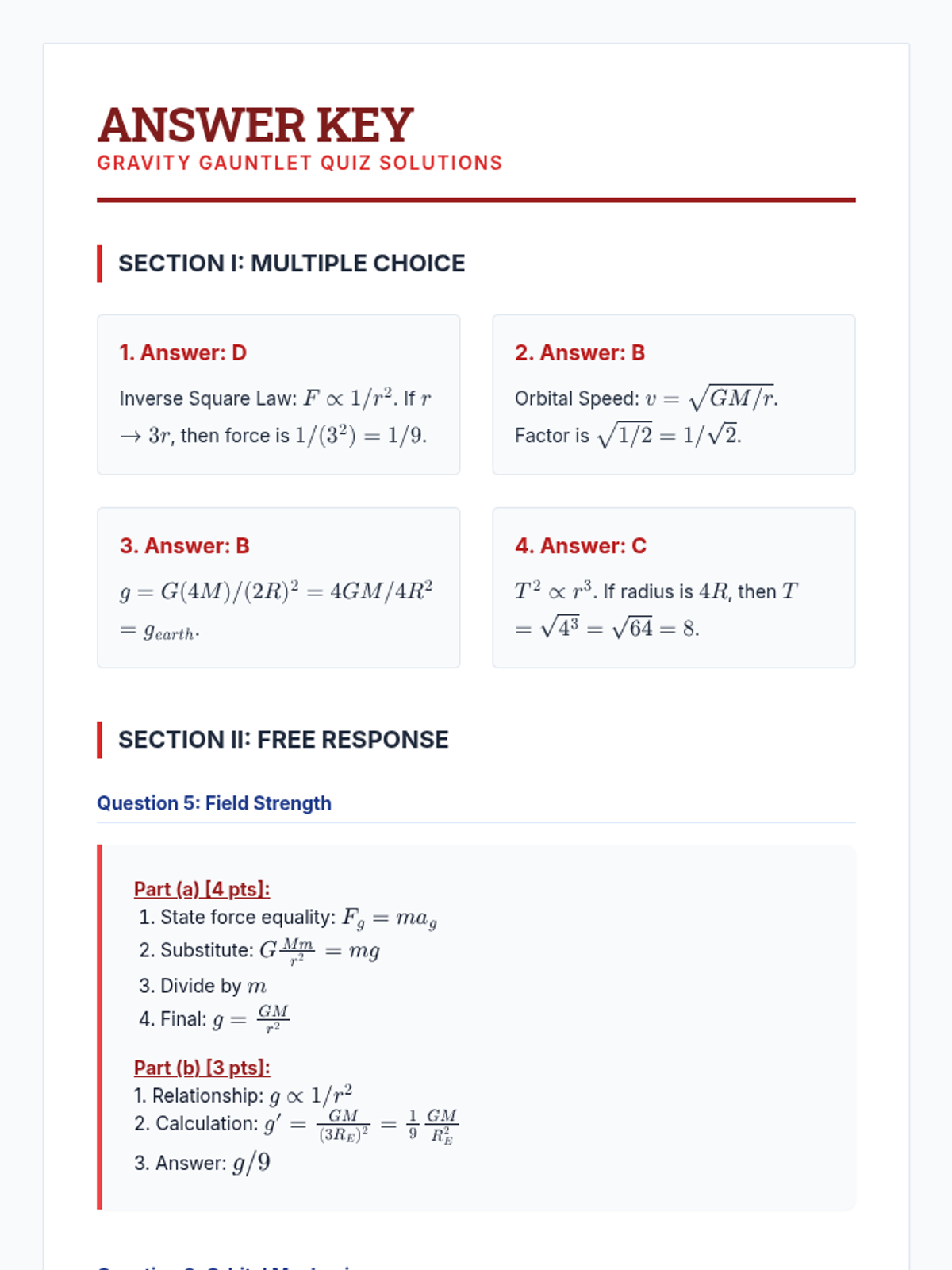
A comprehensive lesson covering Newton's Law of Universal Gravitation, gravitational field strength, and orbital mechanics, designed for AP Physics 1 students to master the inverse-square law and Kepler's Third Law.
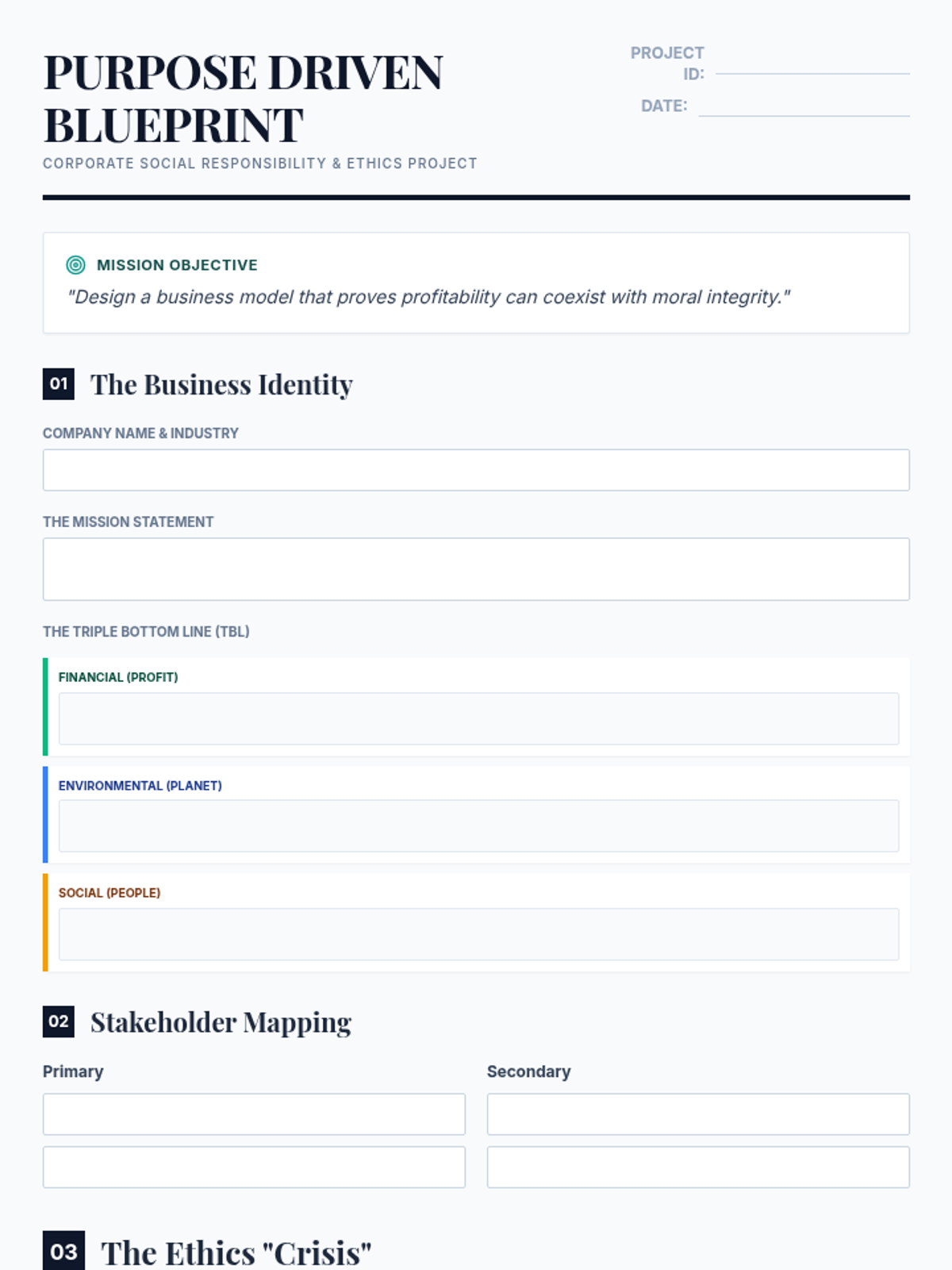
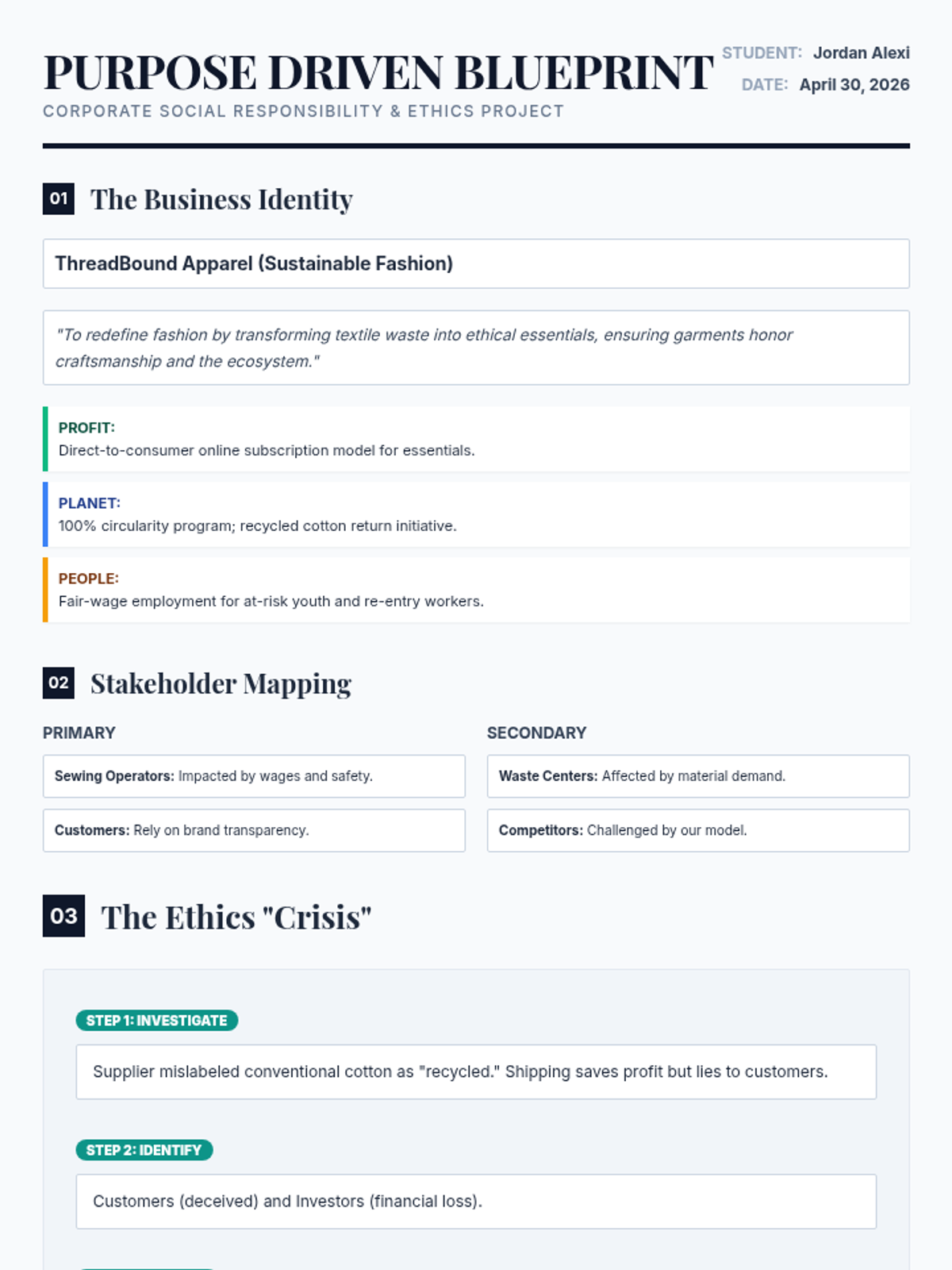
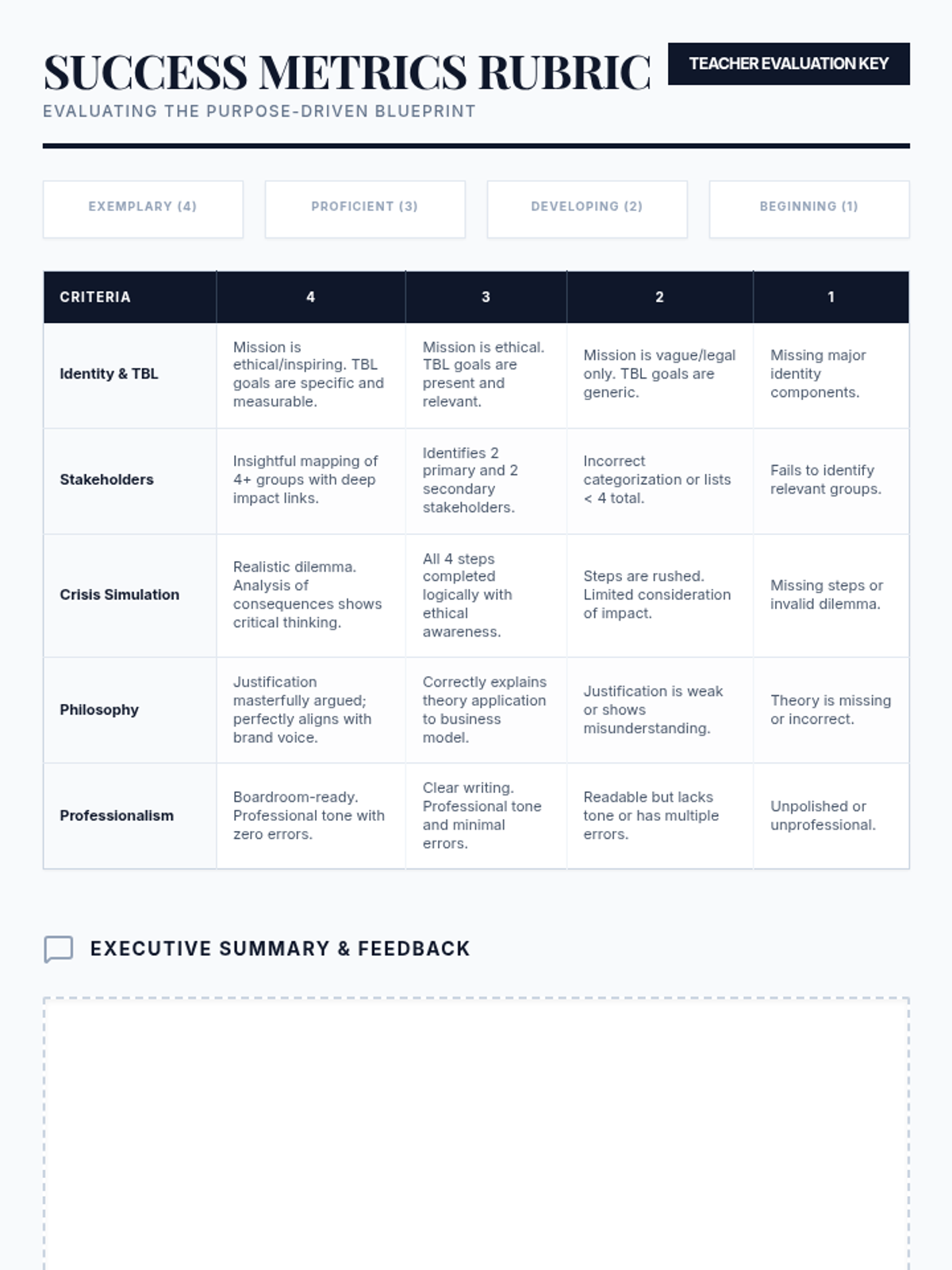
A comprehensive project where students design a socially responsible business from the ground up, focusing on the Triple Bottom Line, stakeholder mapping, and ethical decision-making.
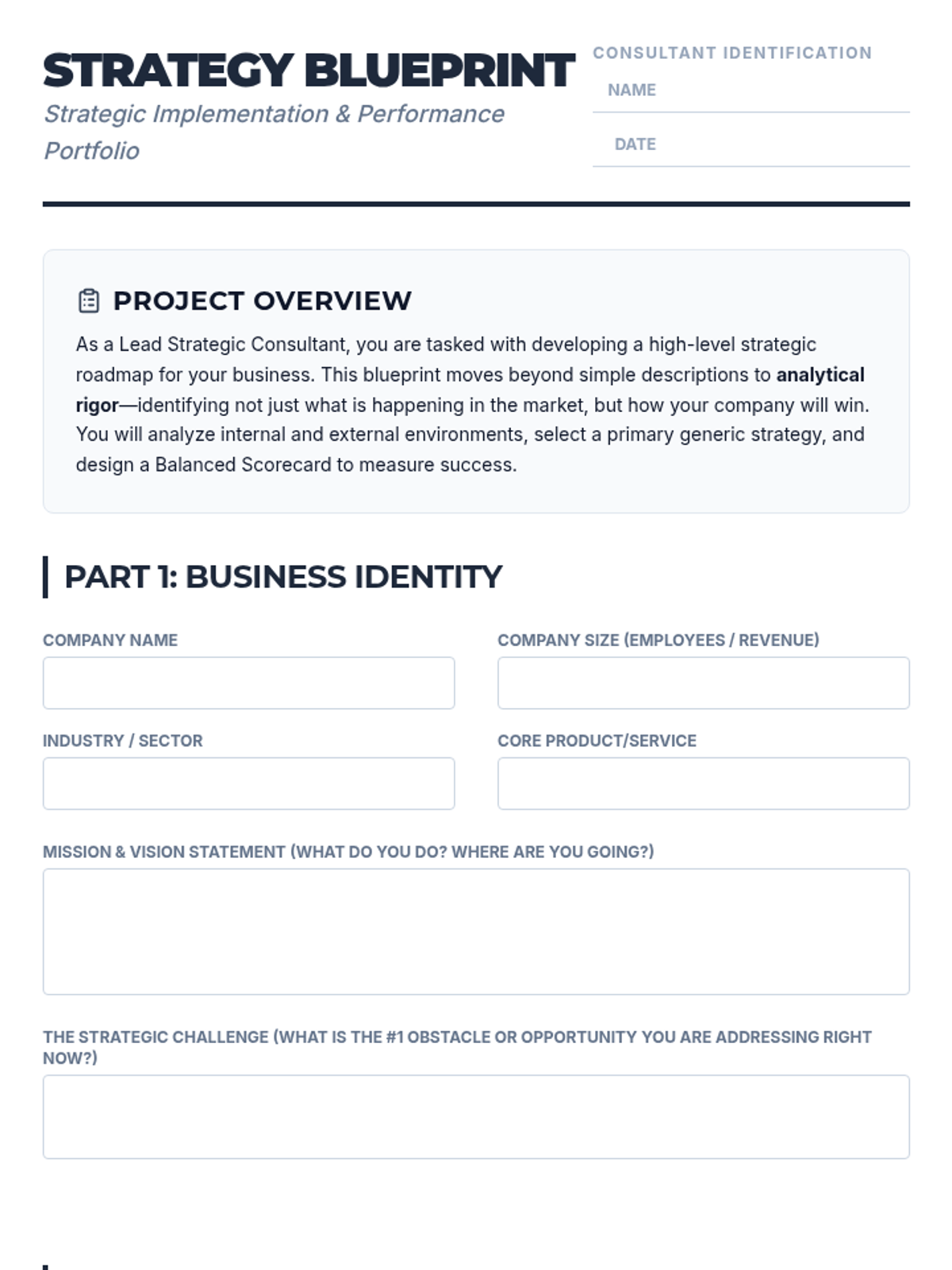
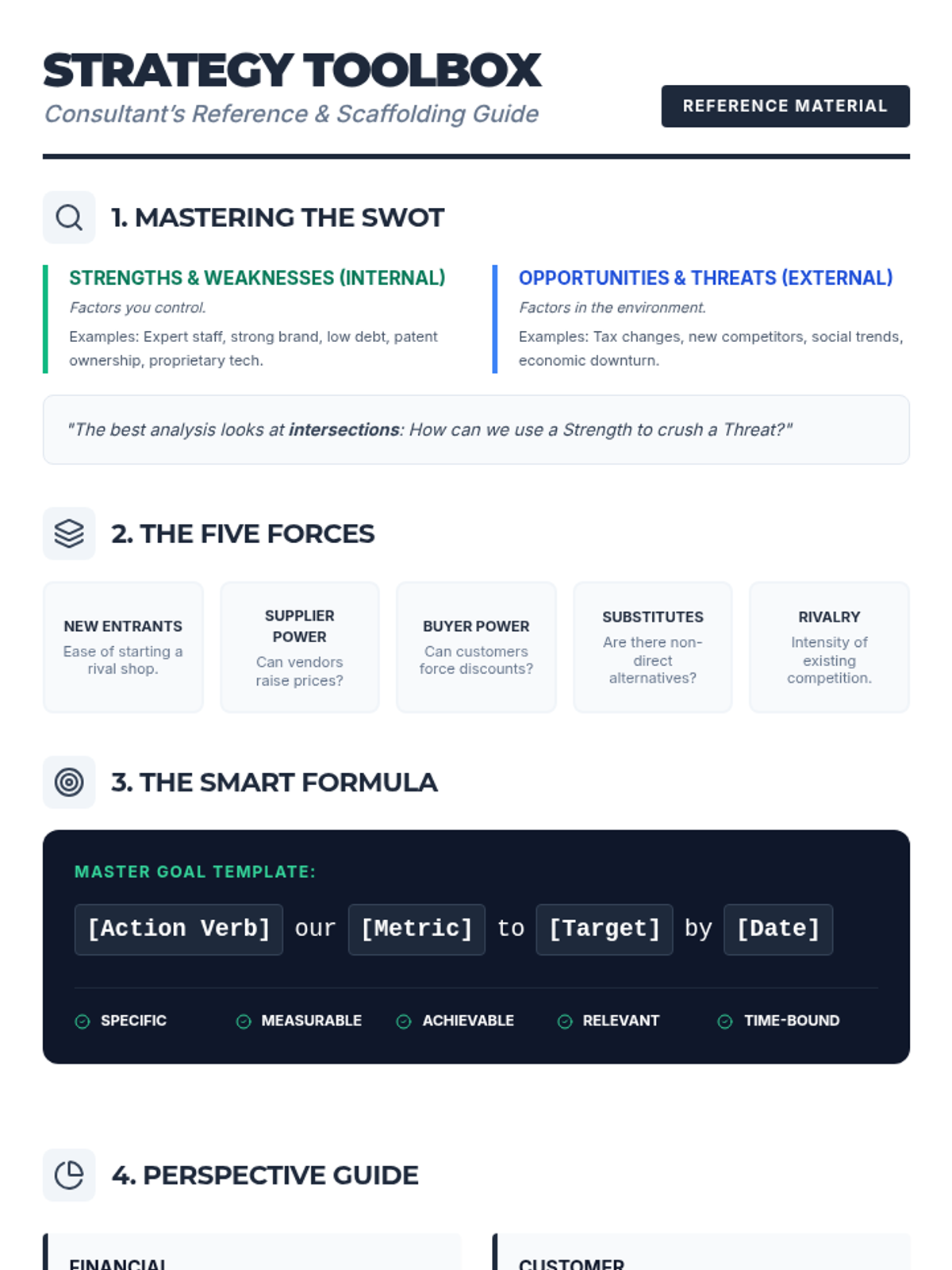
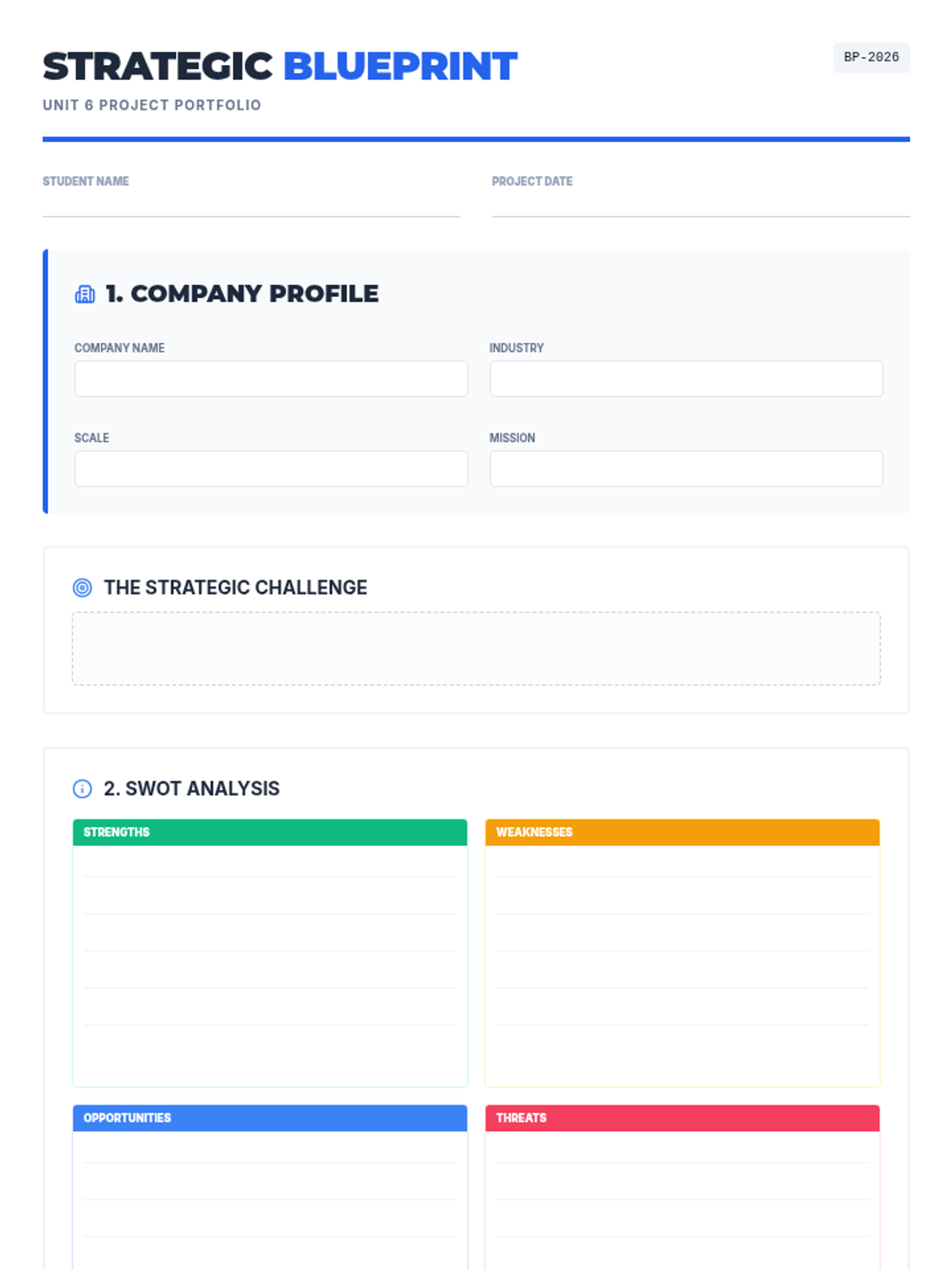
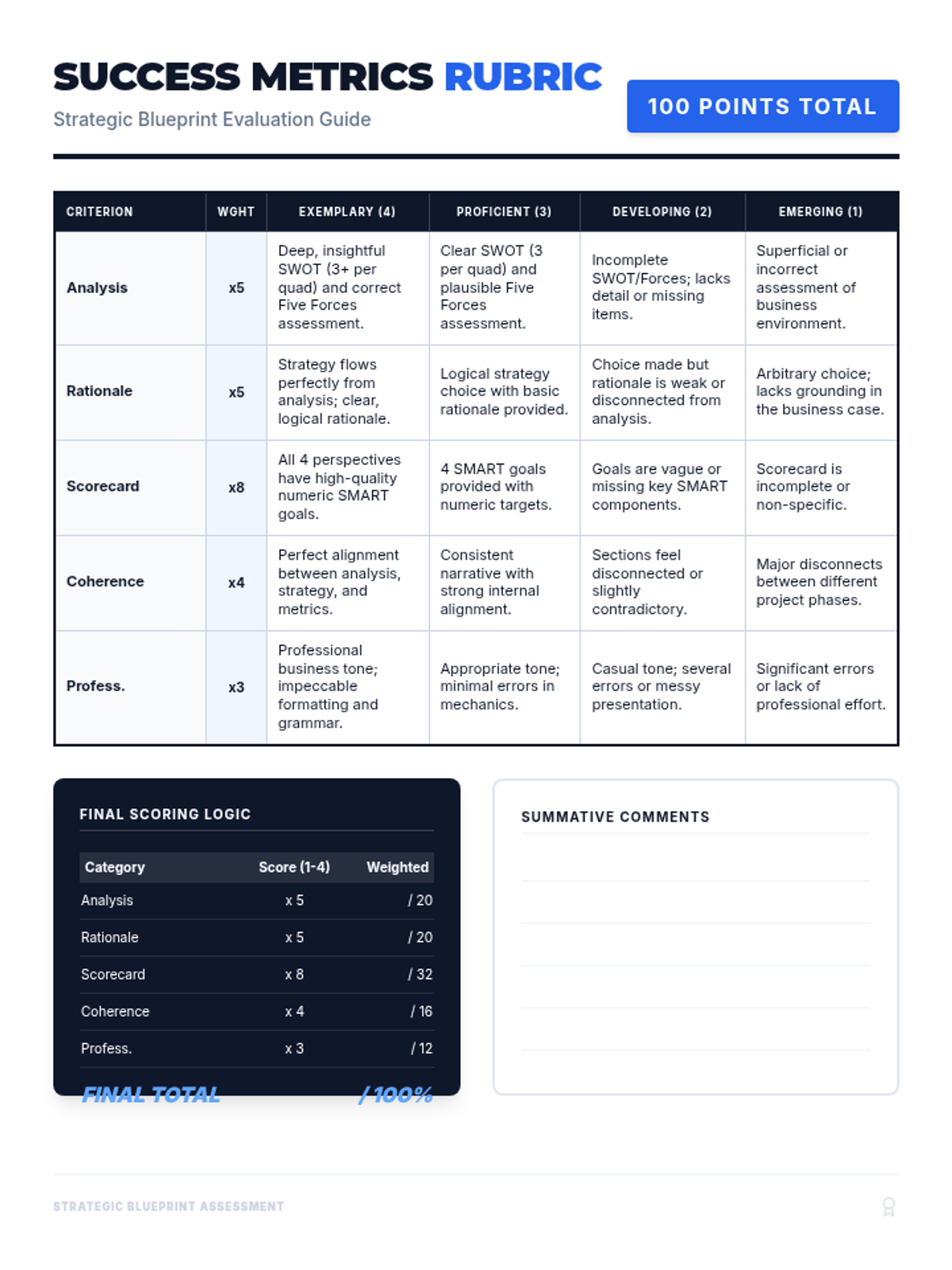
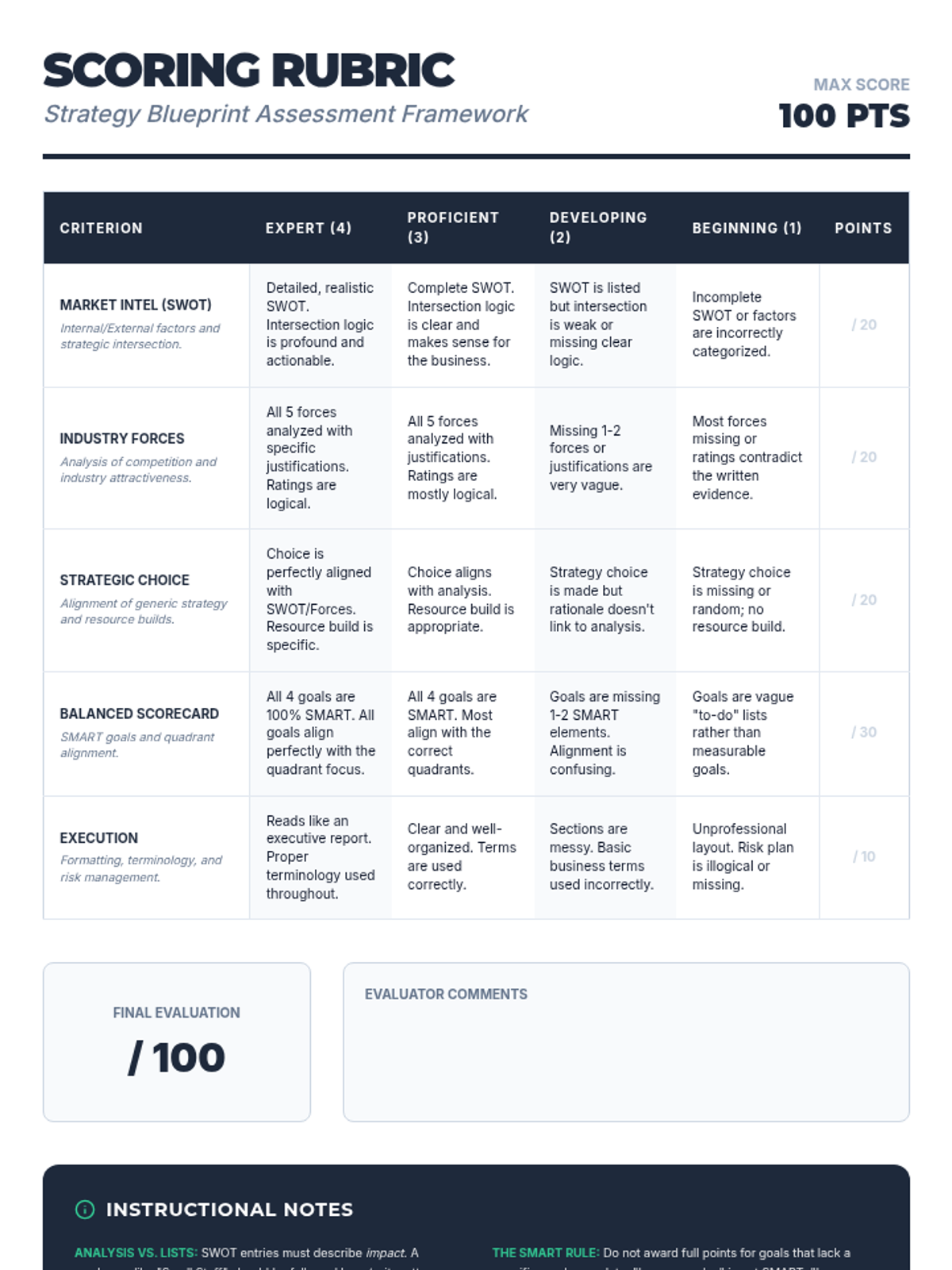
A comprehensive business strategy project where students act as consultants to develop a strategic plan and performance measurement system using SWOT analysis, Porter's Five Forces, and the Balanced Scorecard. This project includes scaffolded templates for analysis and a structured framework for goal setting.
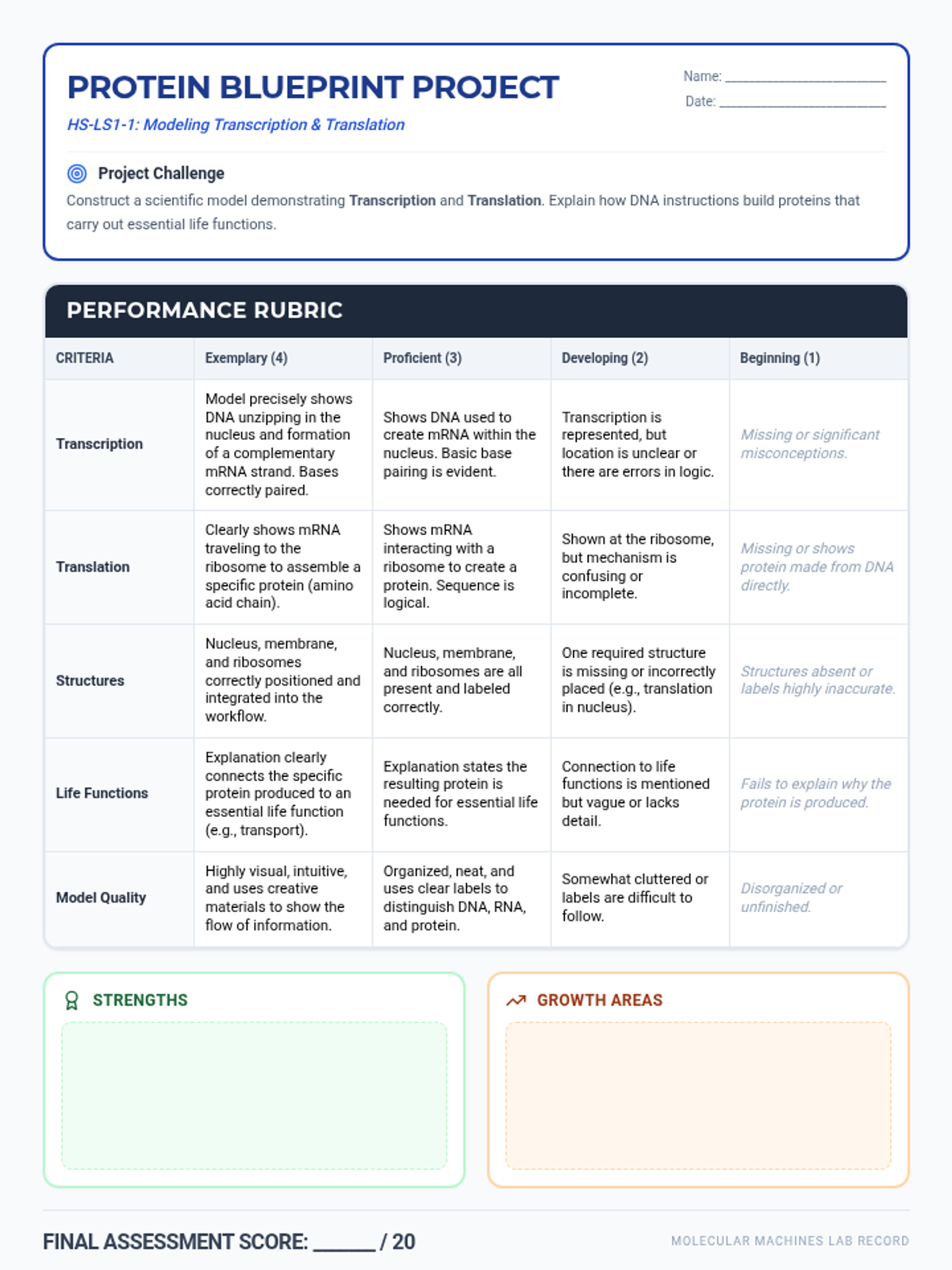
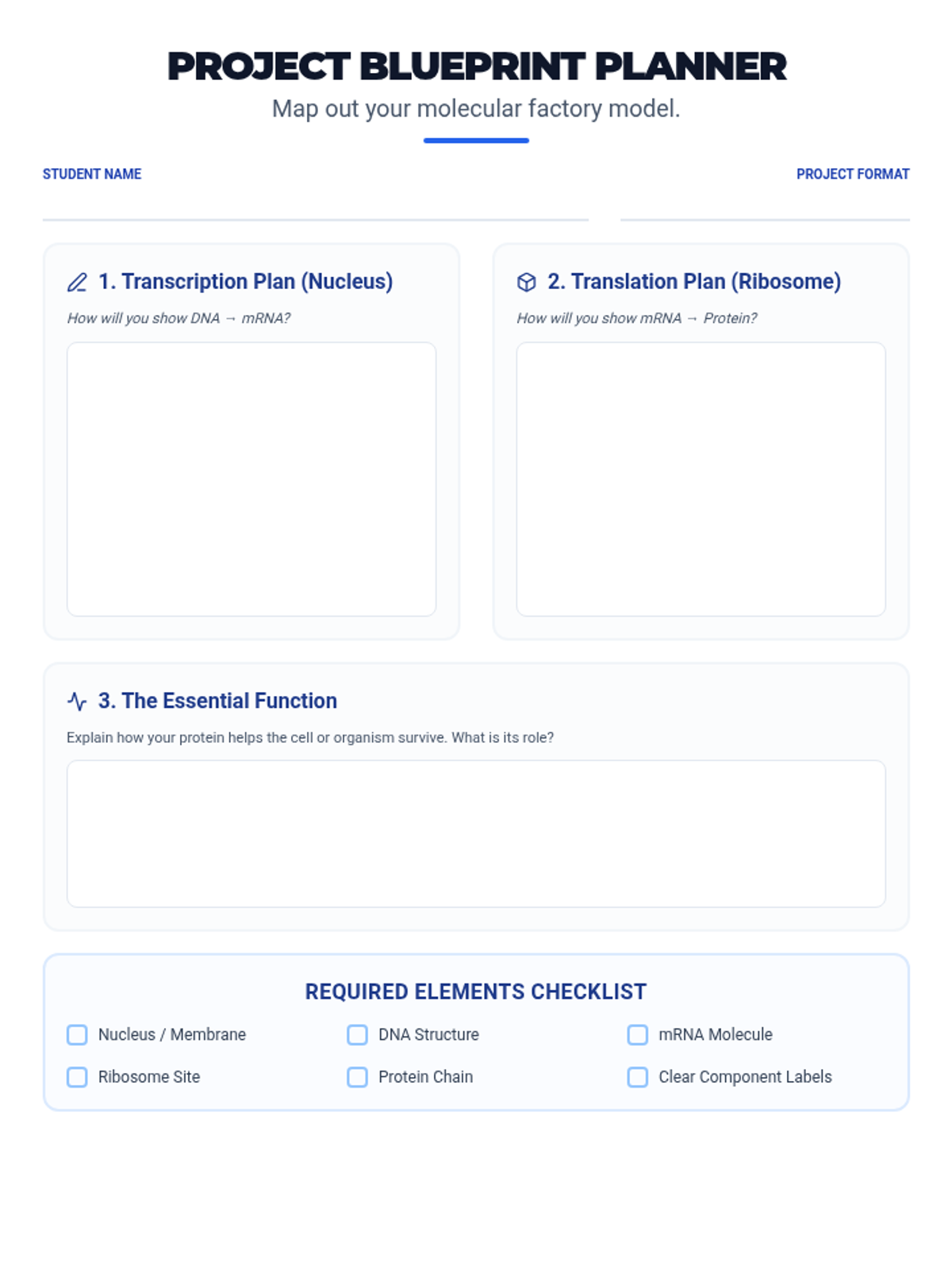
This lesson guides students through a summative project where they construct and explain models of transcription and translation, focusing on the flow of genetic information from DNA to proteins within the cell.
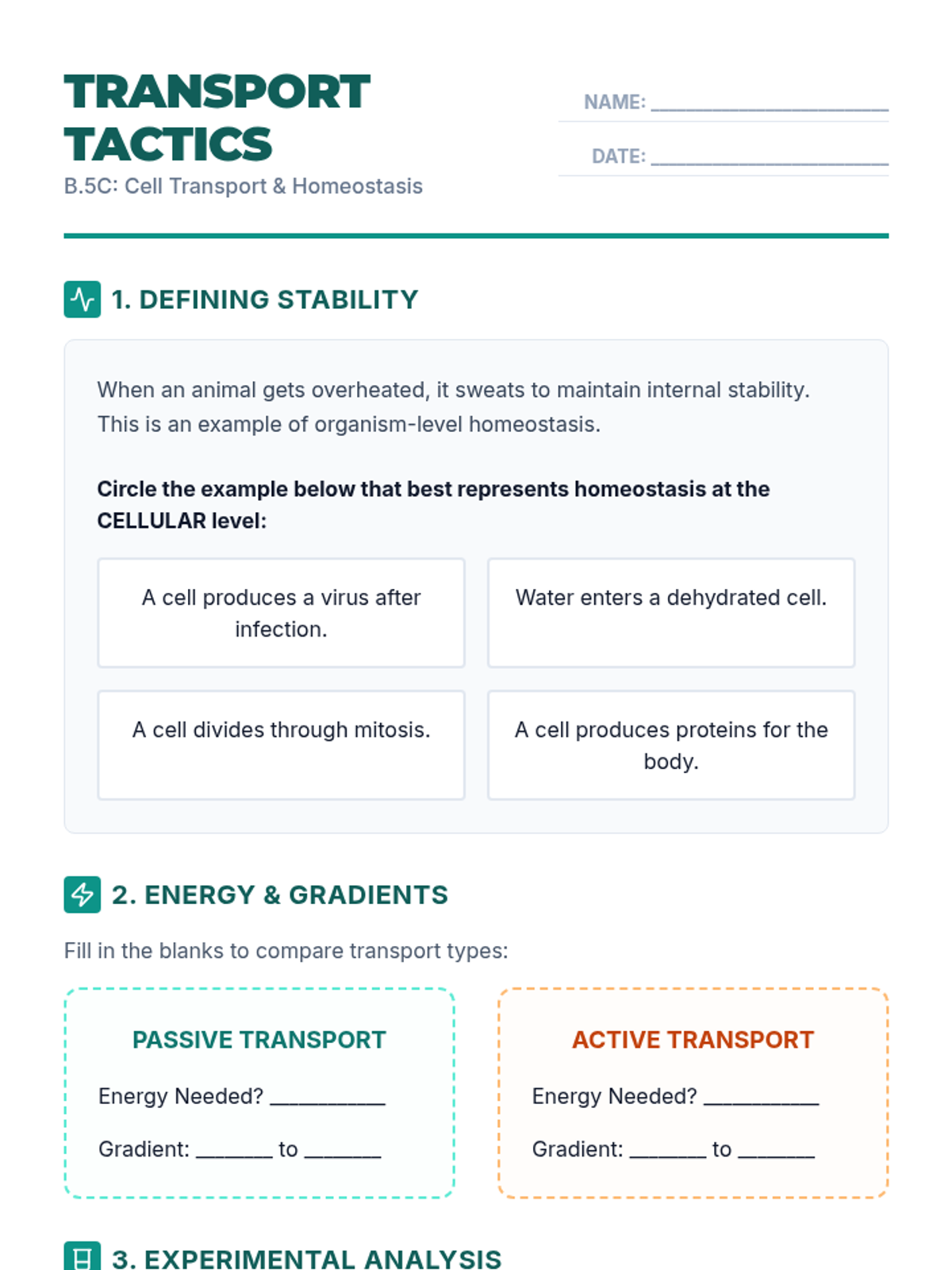
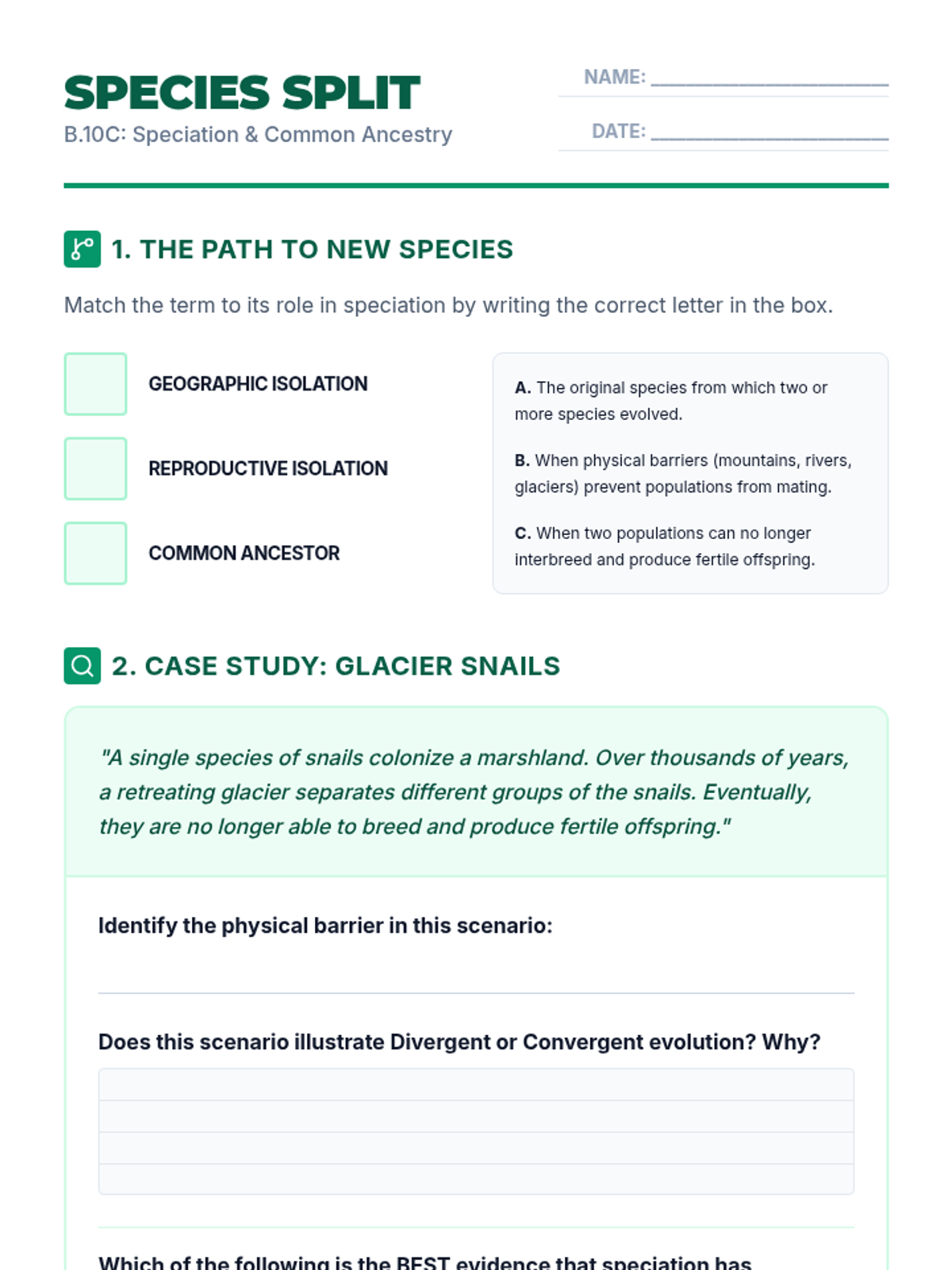
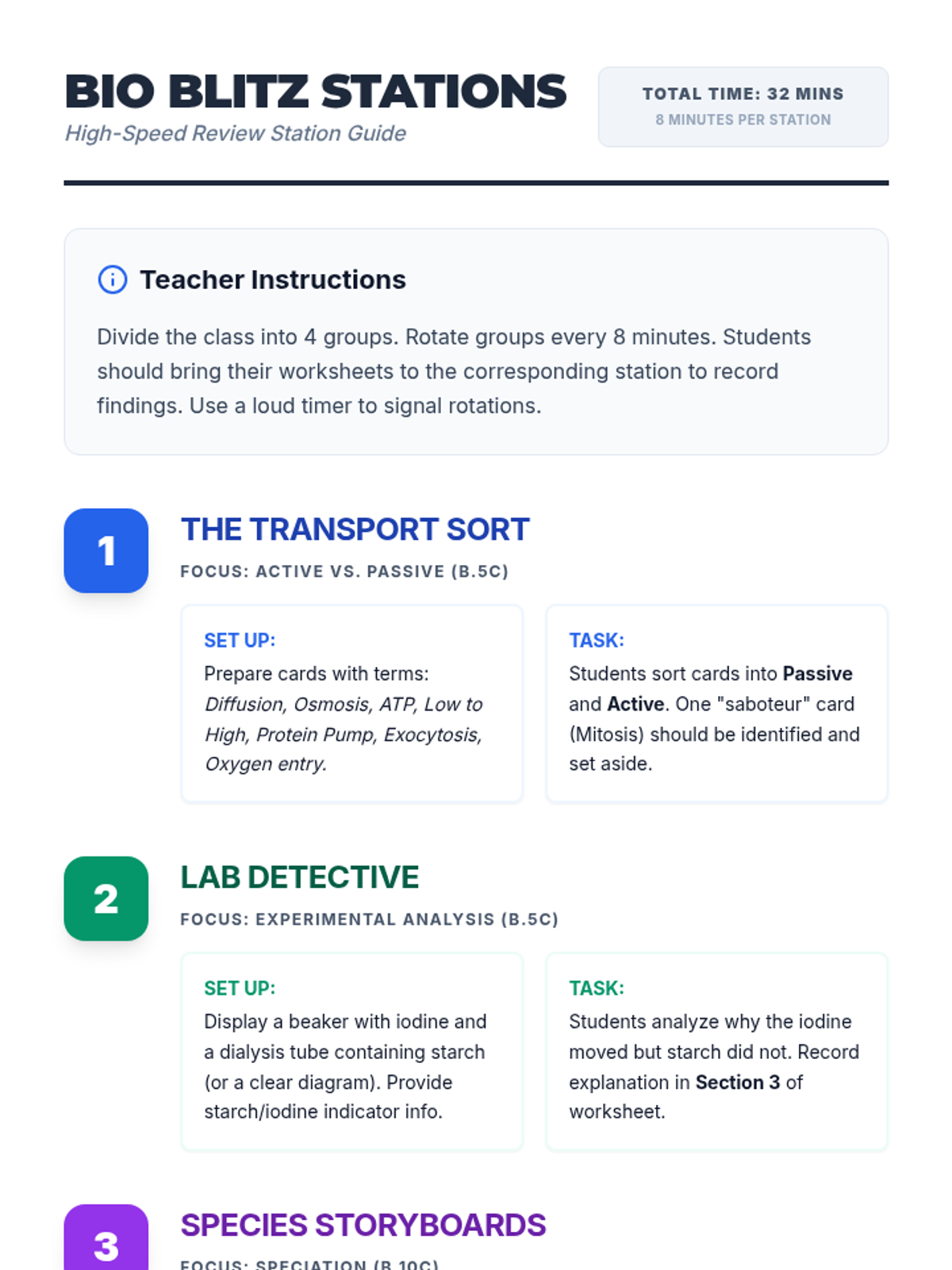
A 50-minute high-energy review lesson covering cell membrane dynamics, homeostasis, and the mechanisms of speciation.
A comprehensive project-based lesson where students develop a strategic plan and a Balanced Scorecard for a business, moving from situational analysis to actionable metrics.
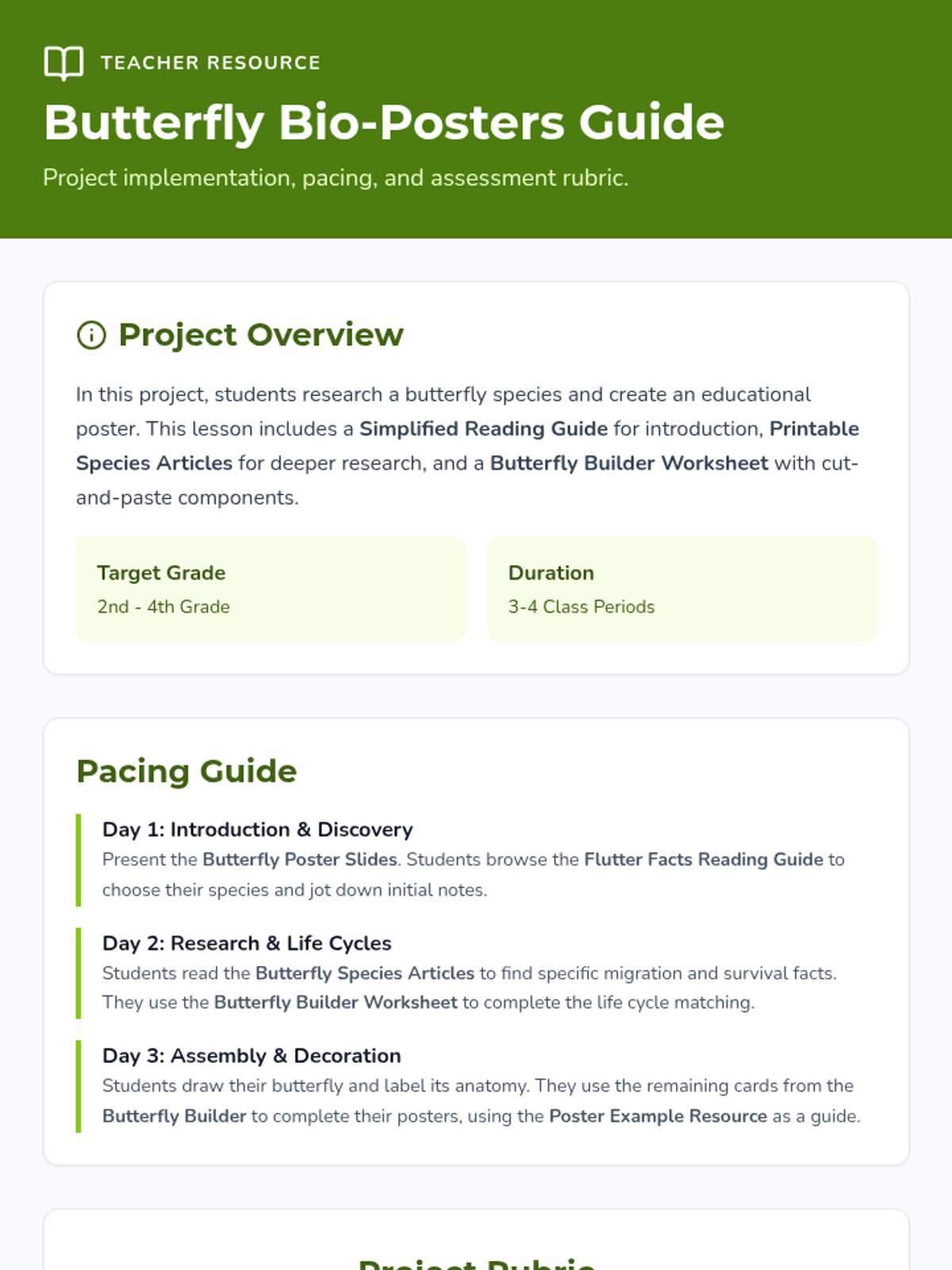
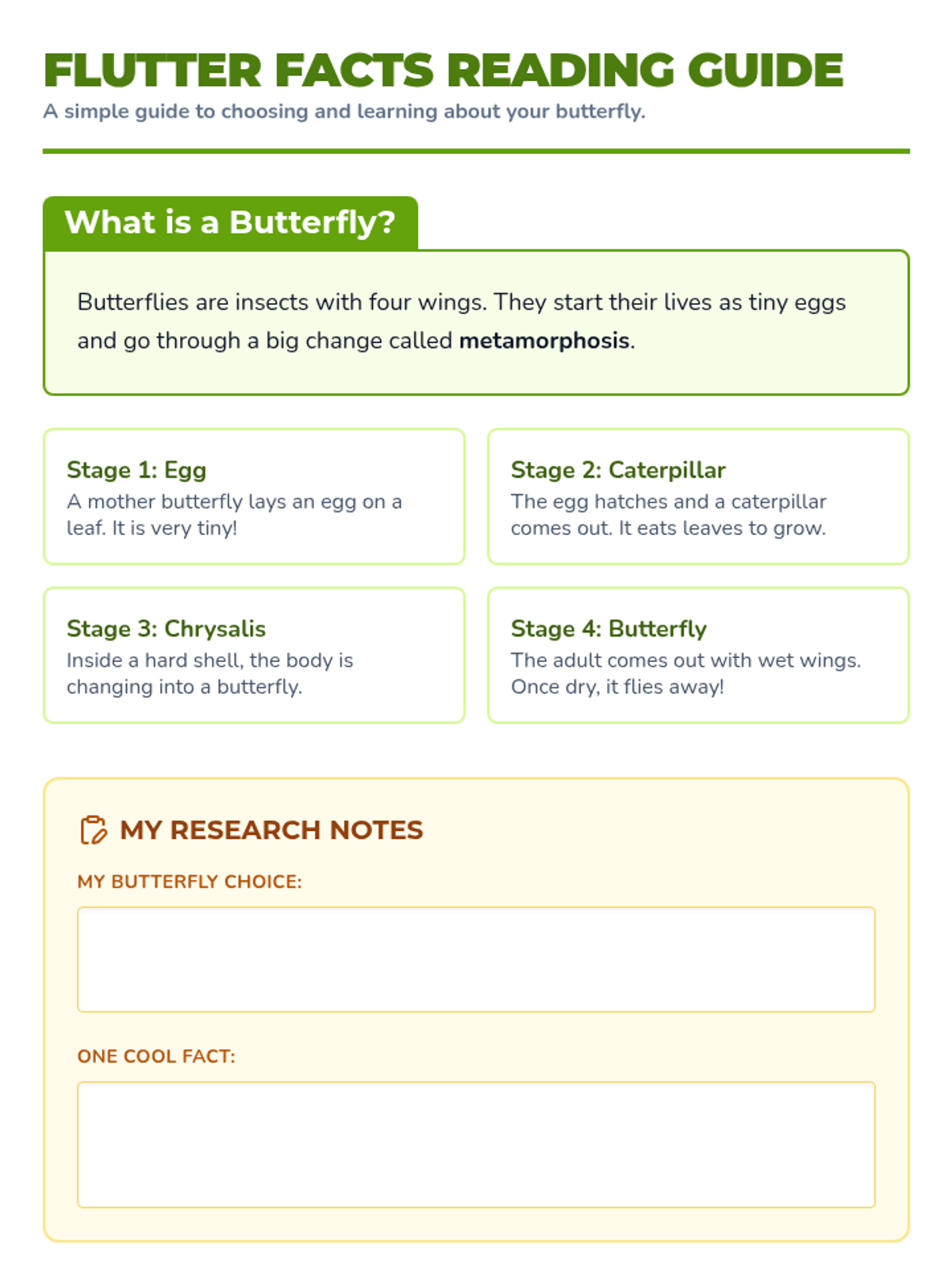
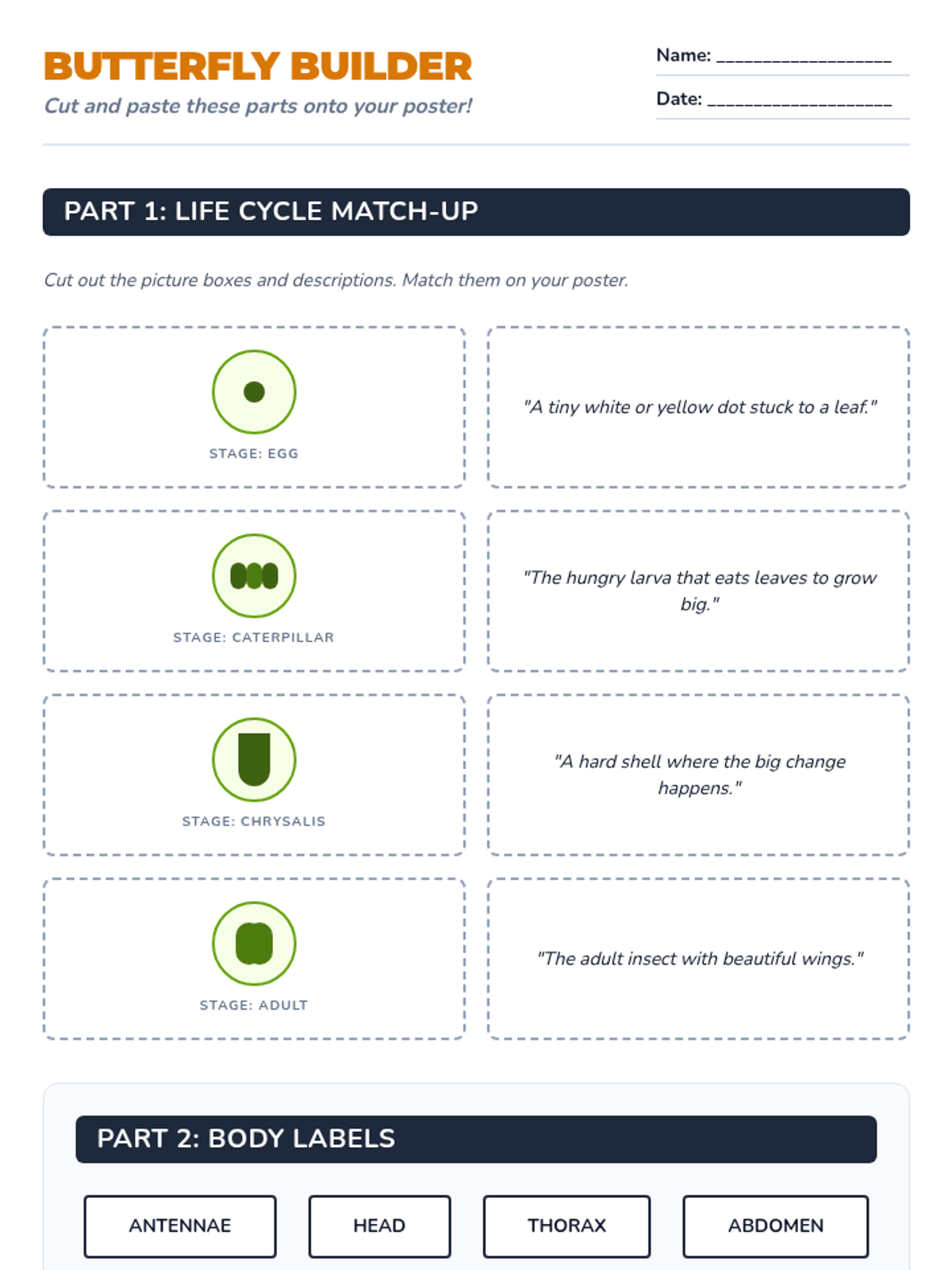
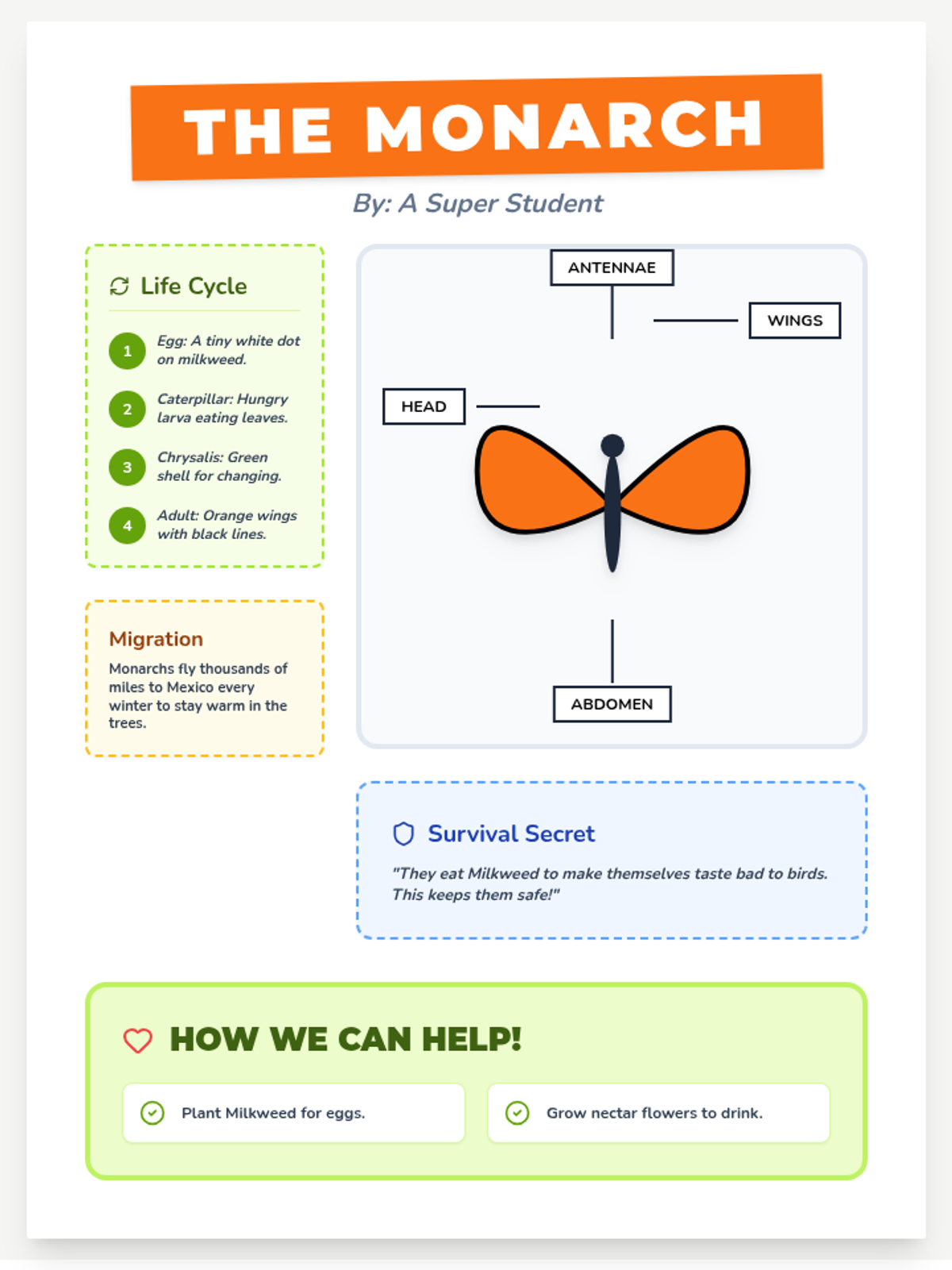
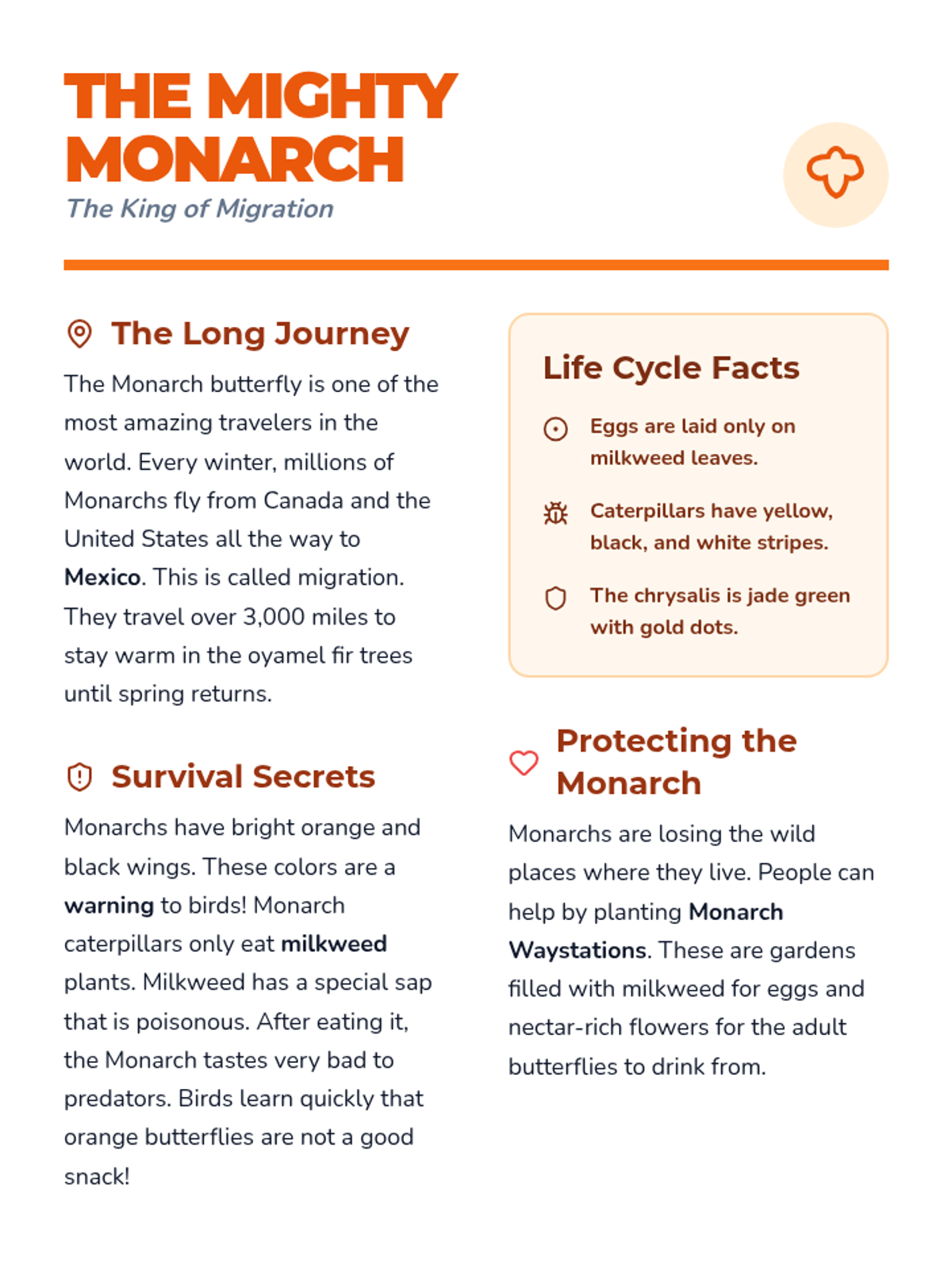
A creative science project where students research a butterfly species of their choice and design an informative poster. The lesson includes a simplified reading guide, cut-and-paste components, and a presentation to guide the project.
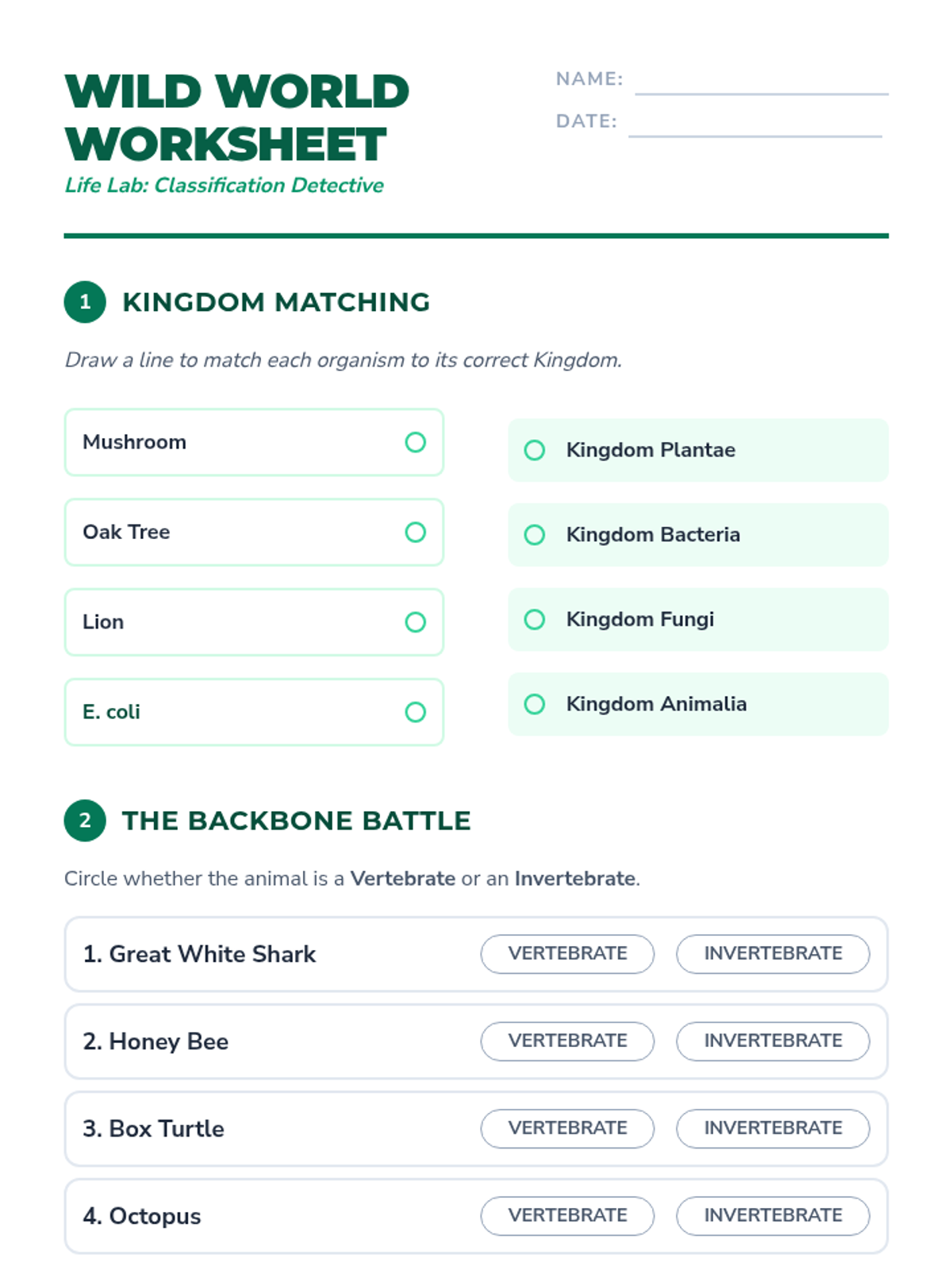
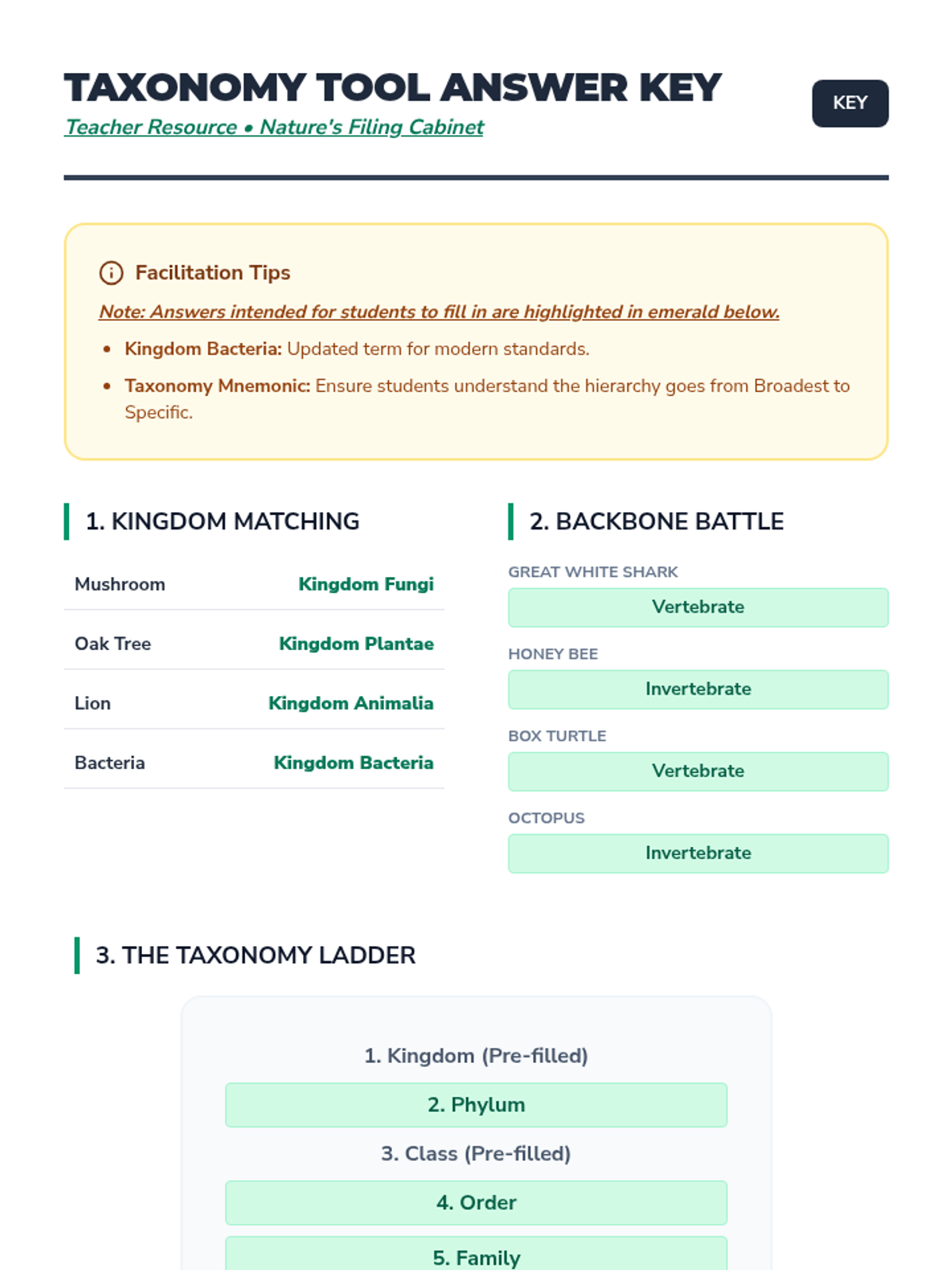
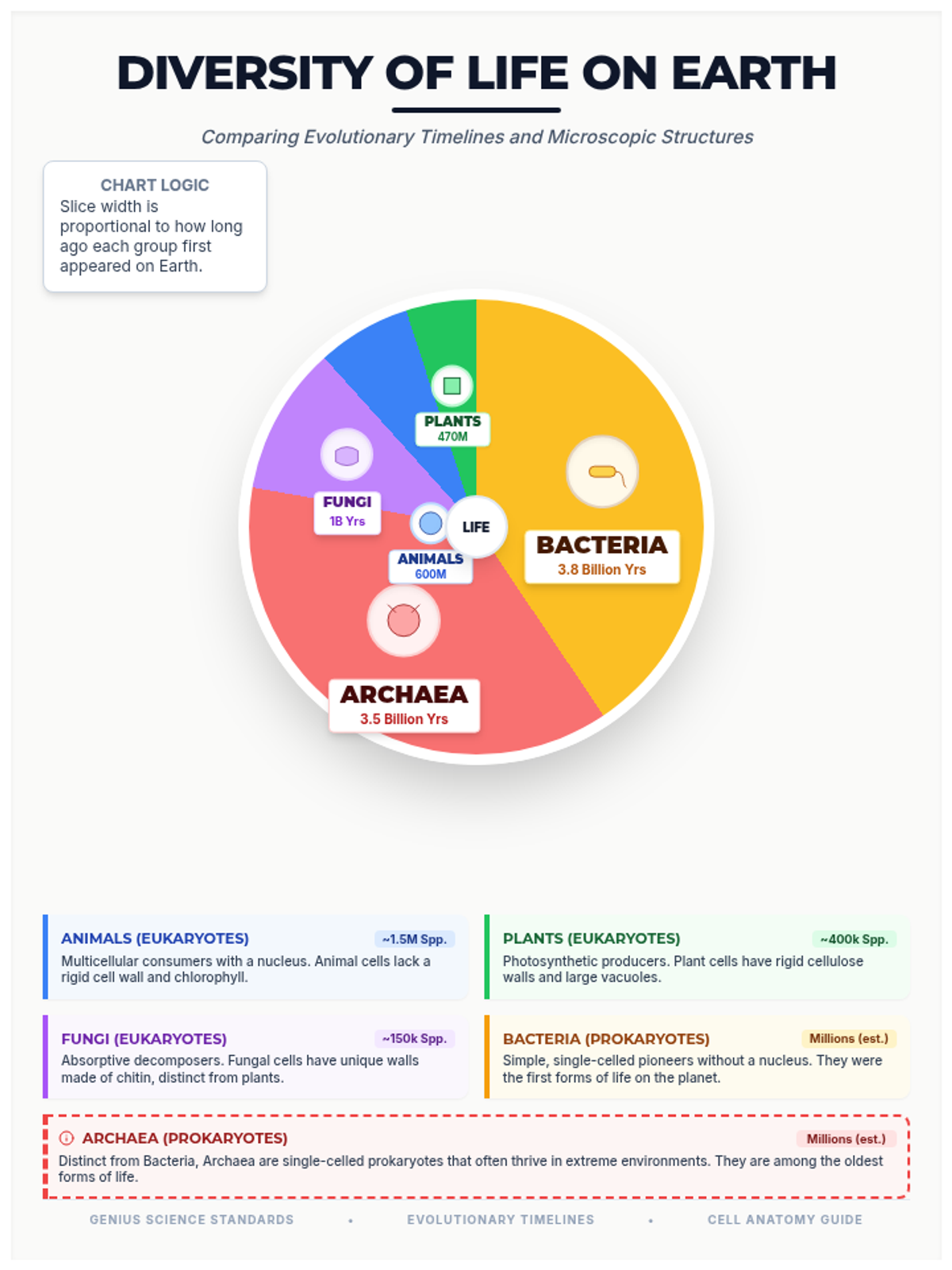
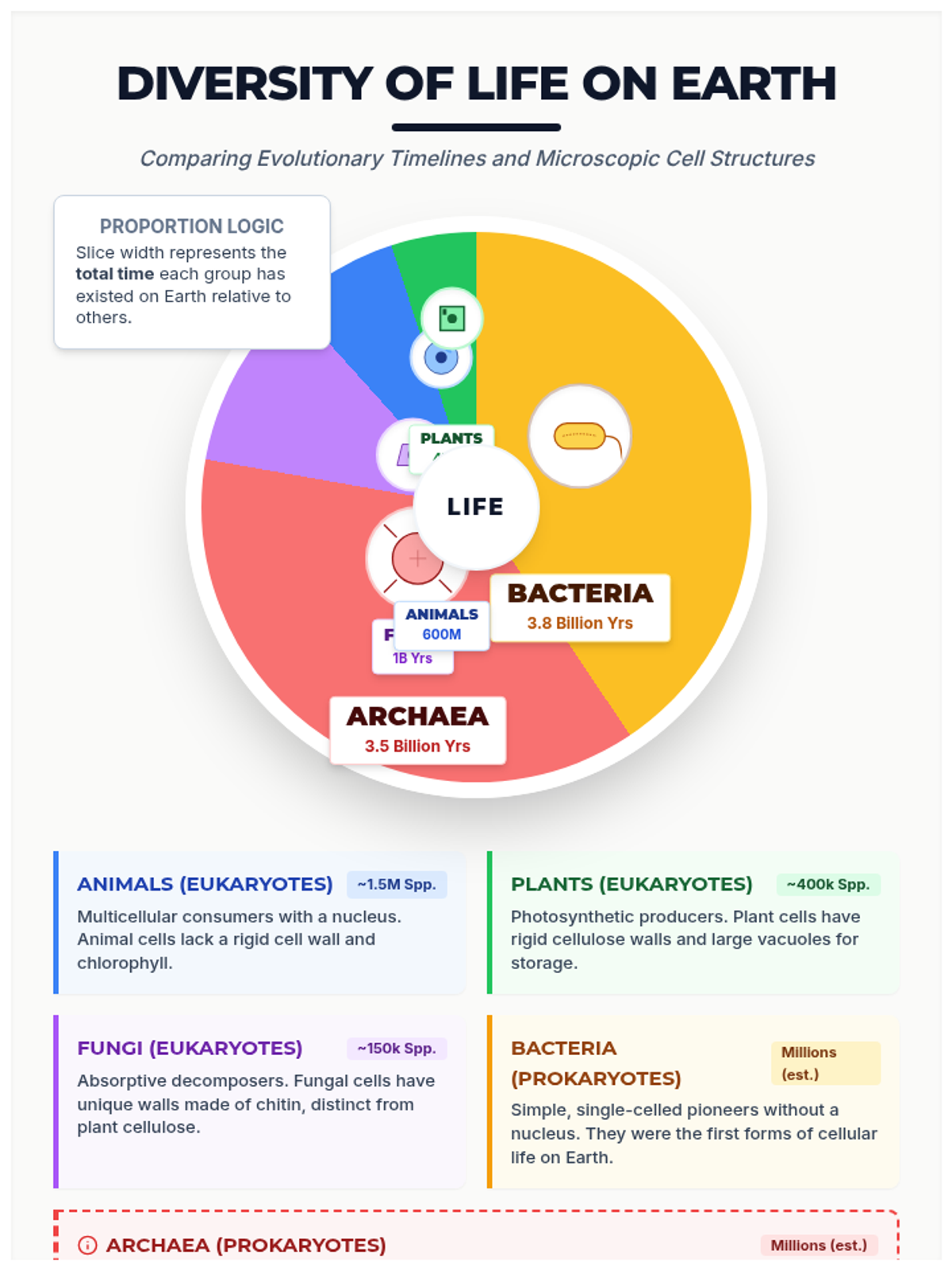
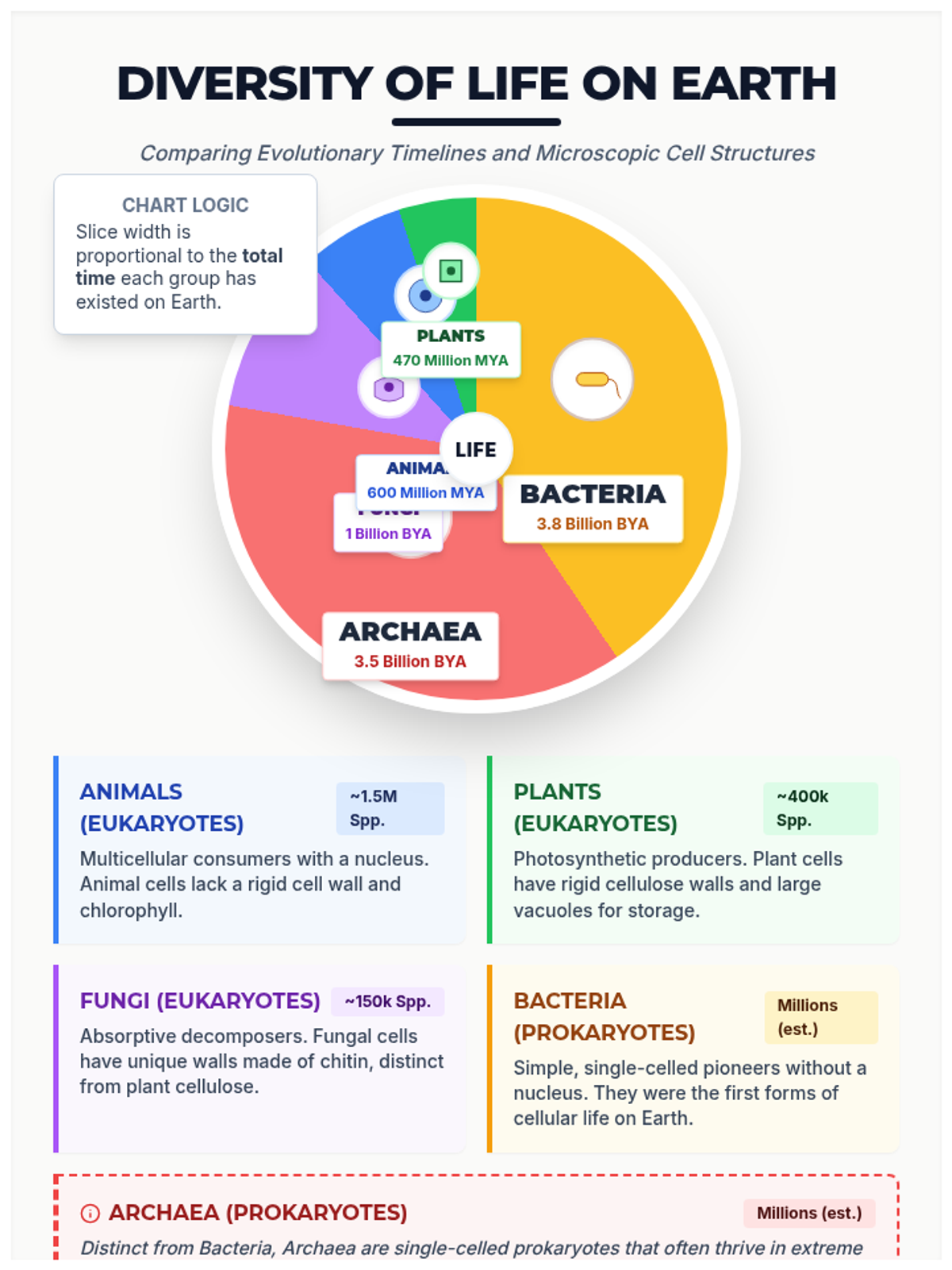
A foundational lesson exploring how scientists group living things using the Linnaean classification system, focusing on kingdoms and the distinction between vertebrates and invertebrates.
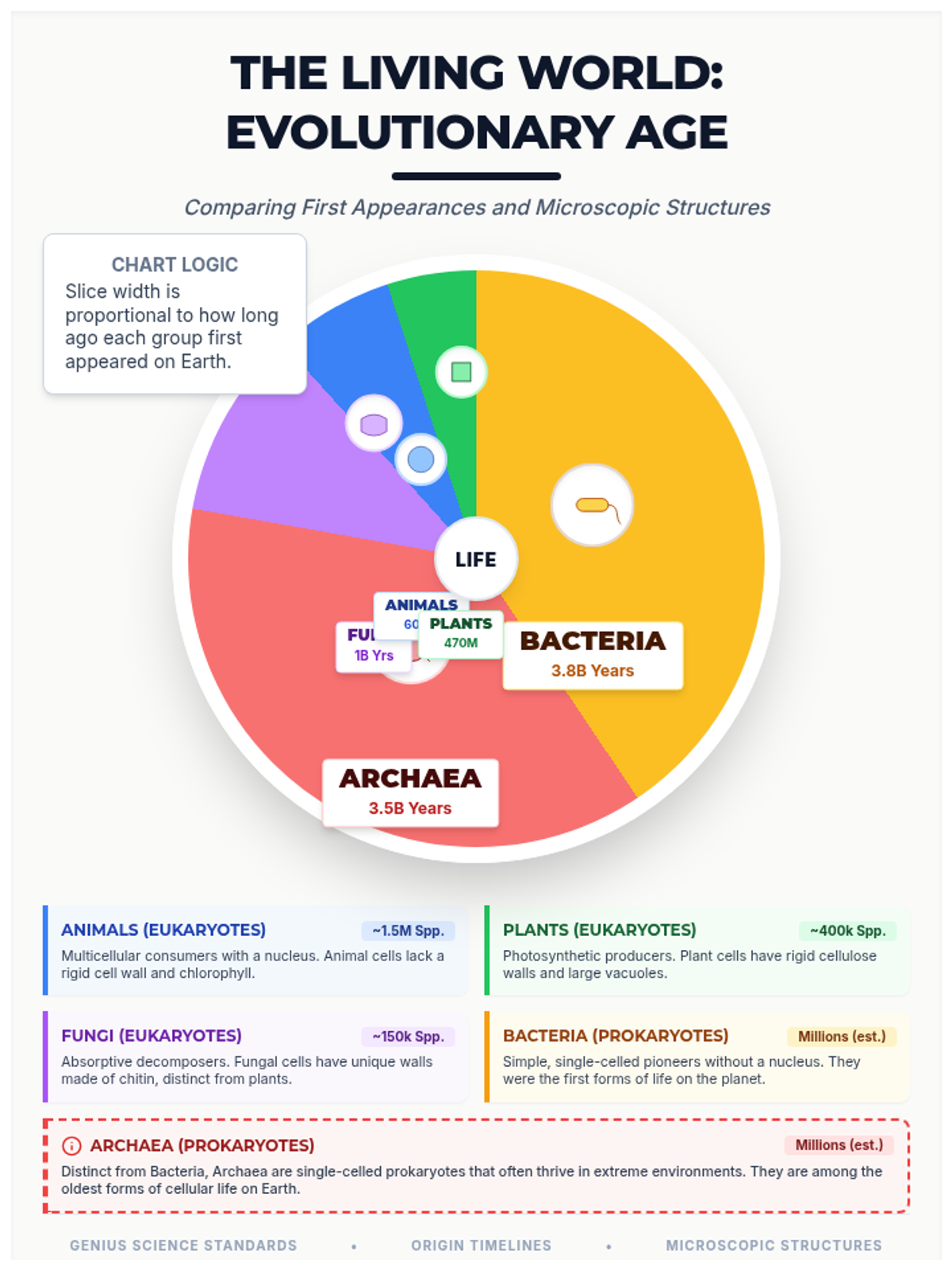
Explore the classification of life through the 5 Kingdoms: Animals, Plants, Fungi, Bacteria, and Viruses. Students will learn the key characteristics that define each group and discuss the unique biological status of viruses.
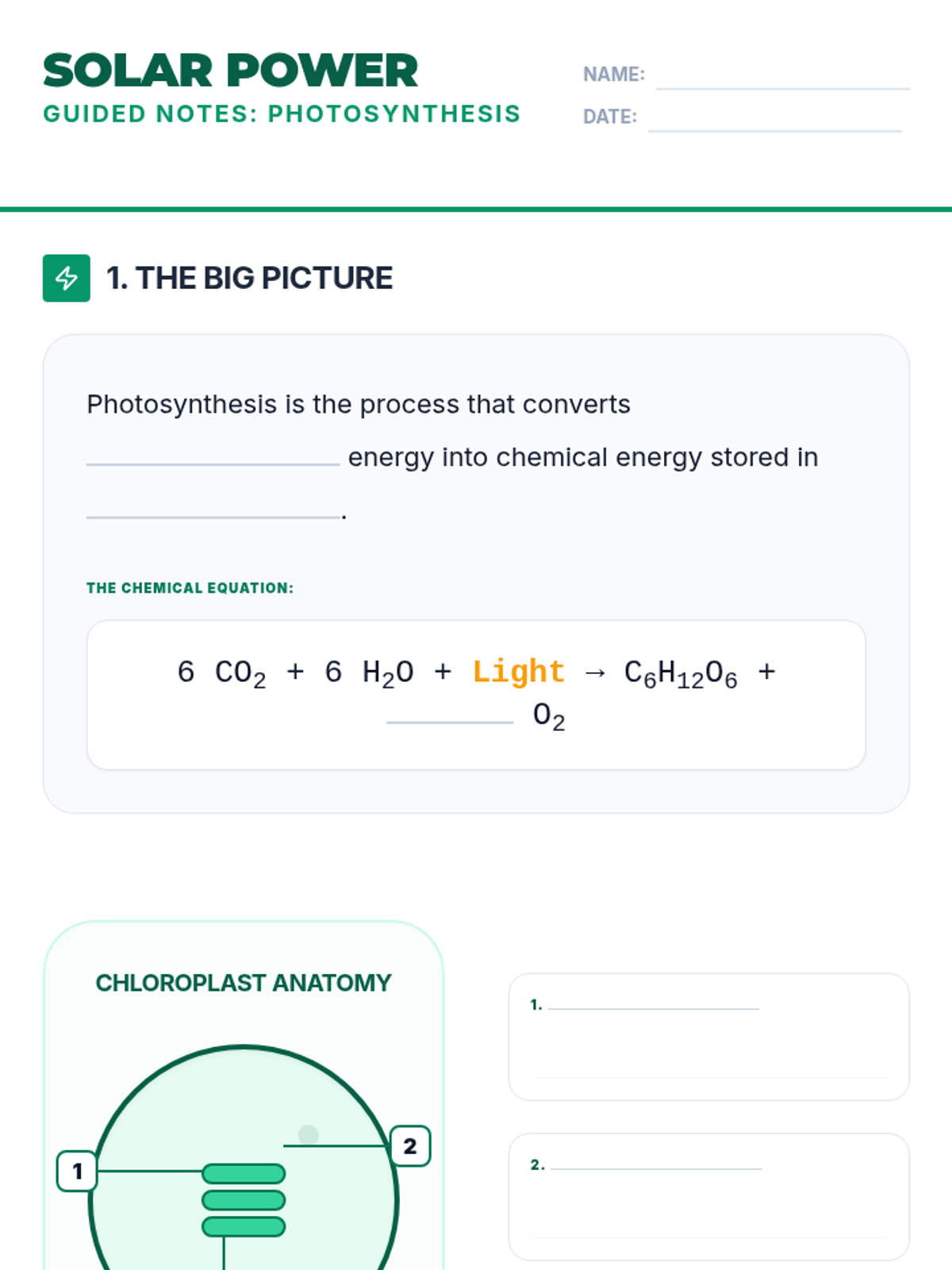
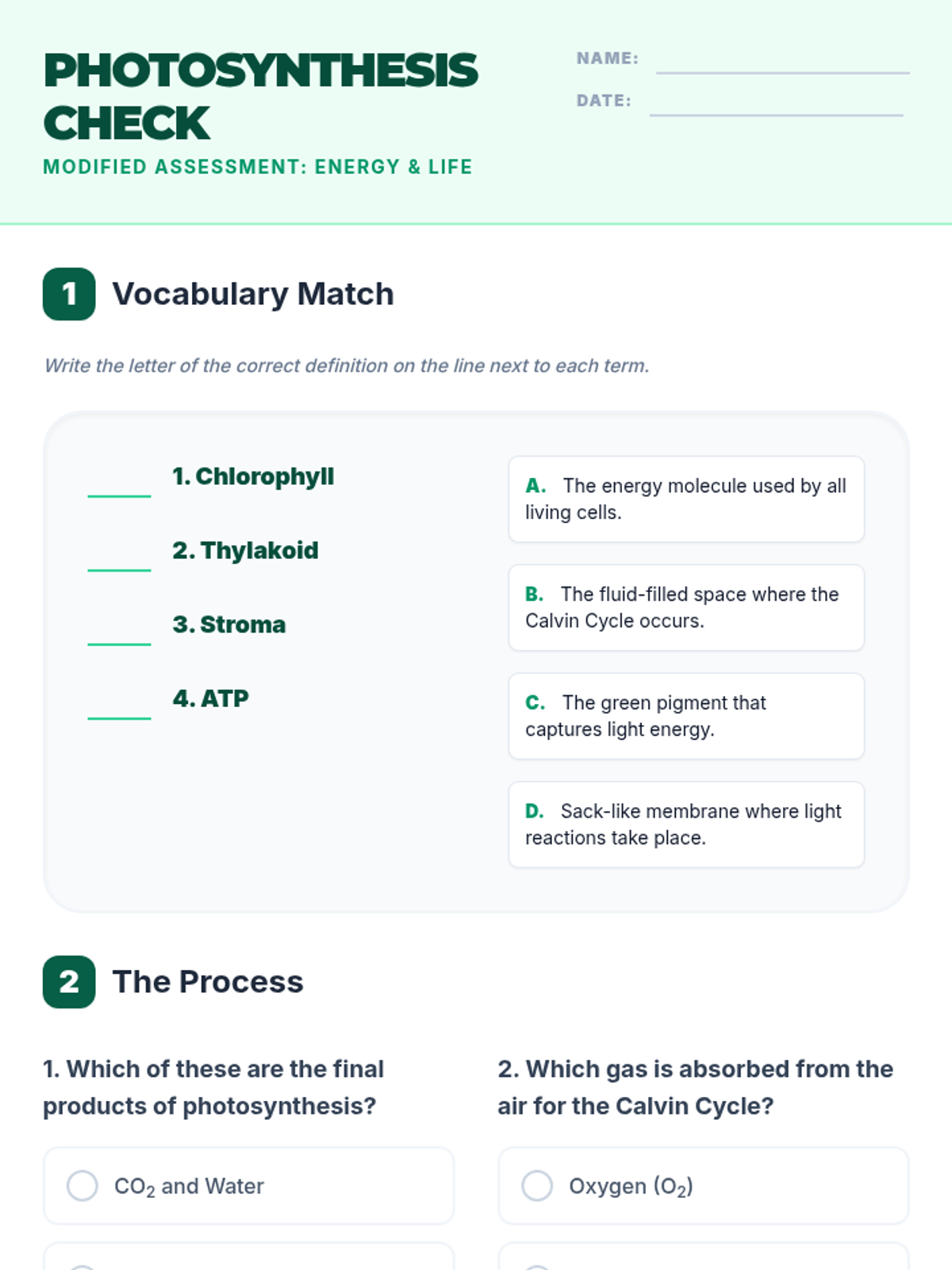
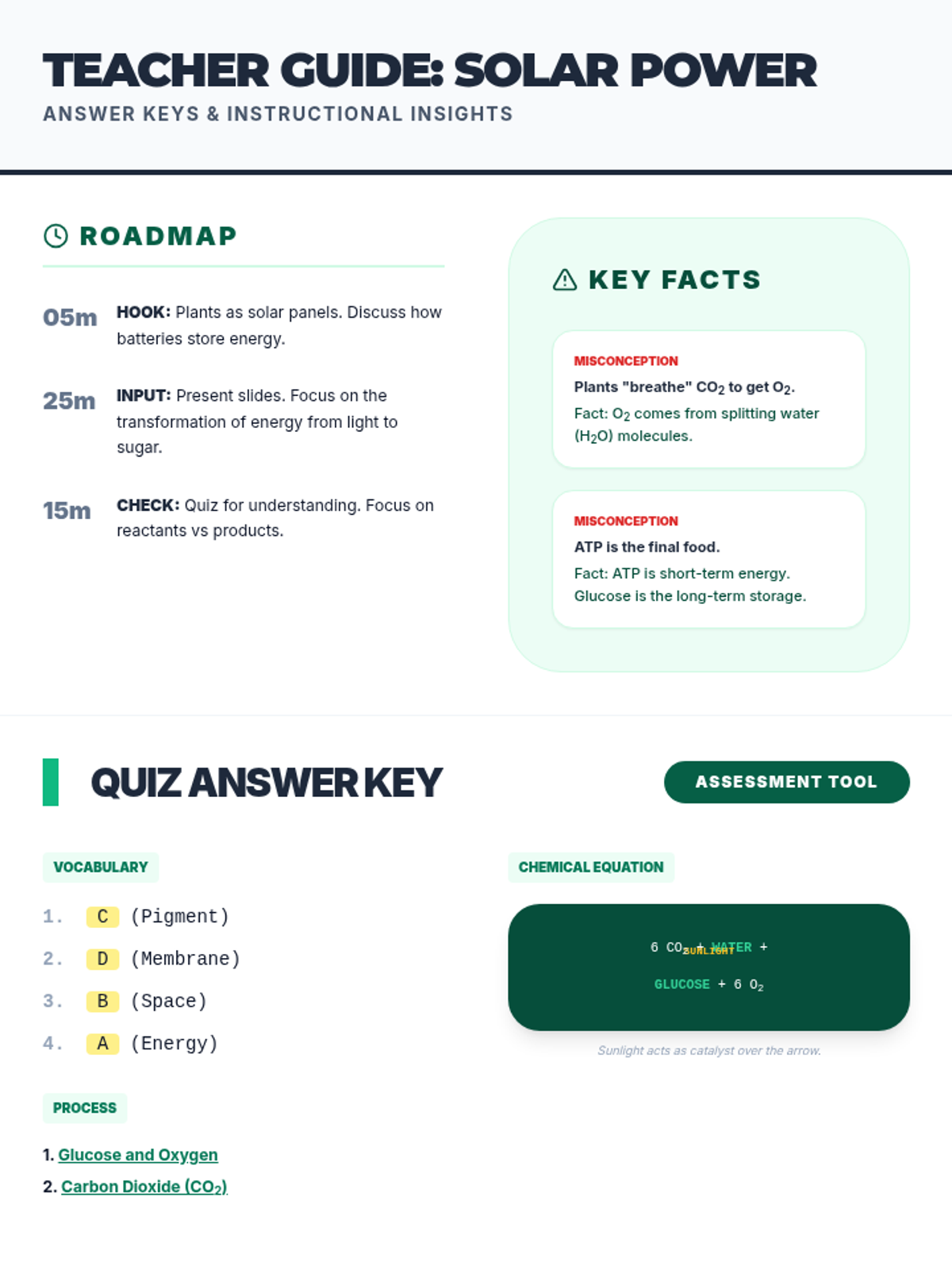
A comprehensive dive into photosynthesis, covering chloroplast anatomy, the light-dependent and light-independent reactions, and the flow of energy through ATP and NADPH.
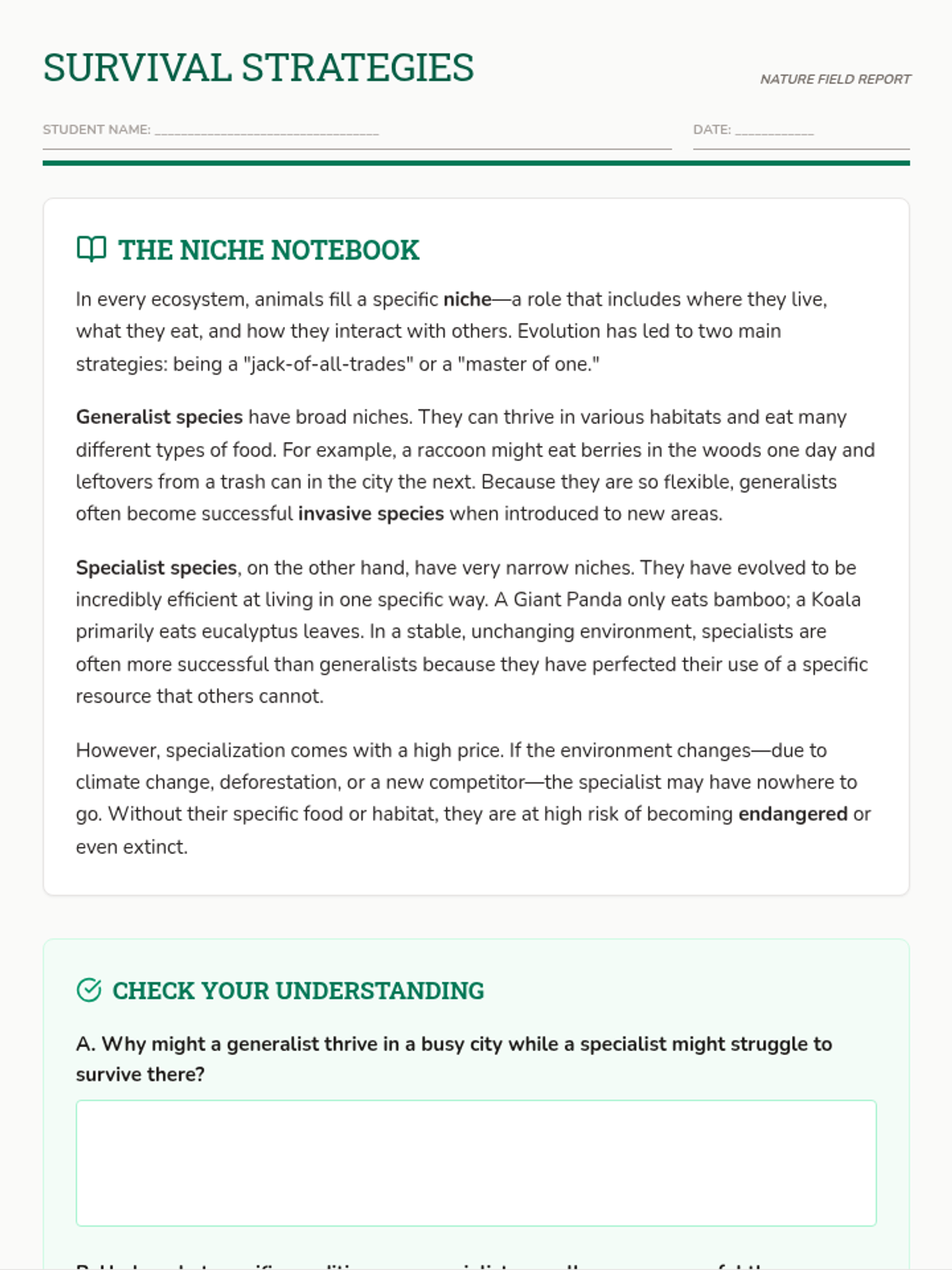
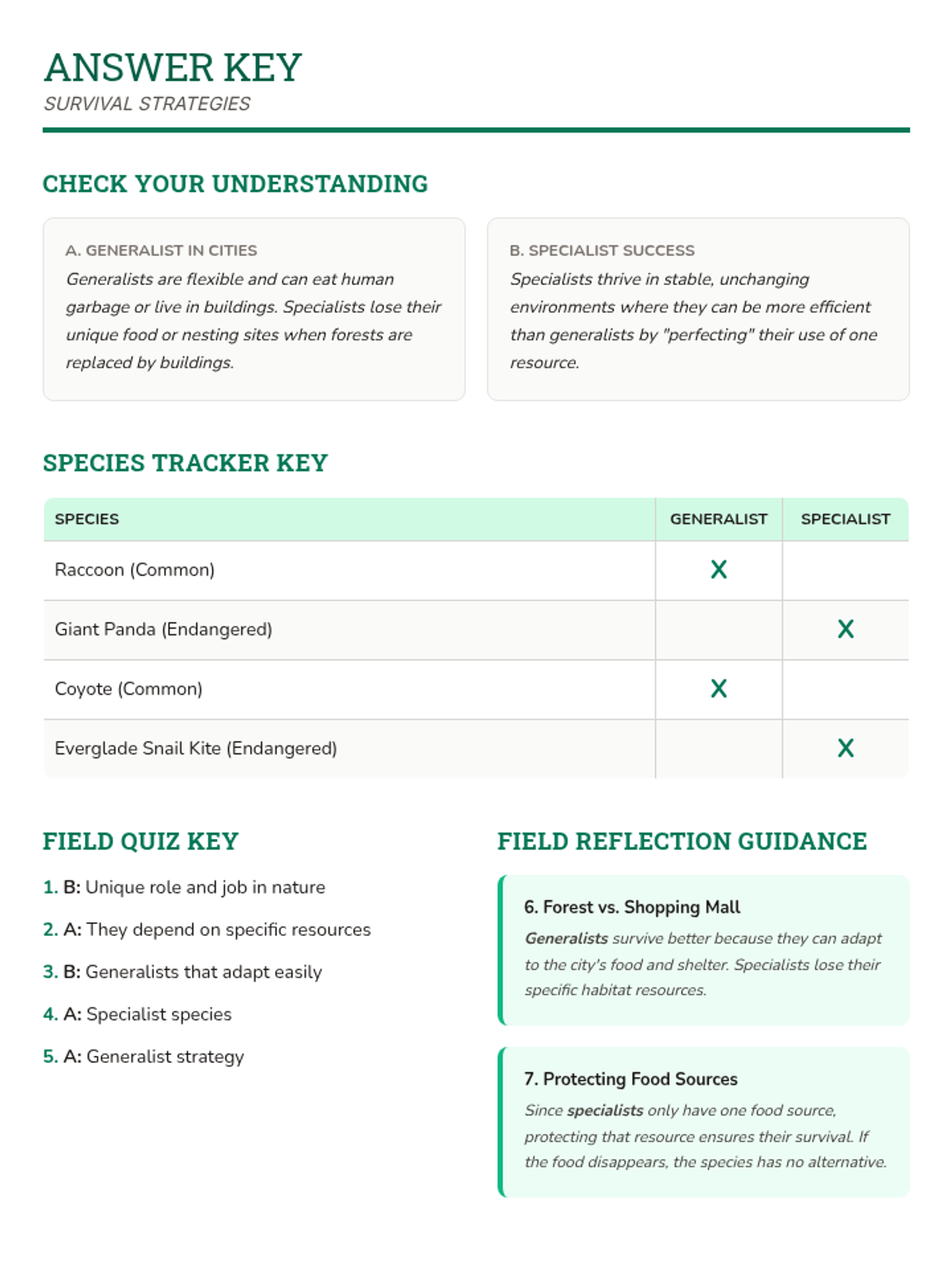
A lesson exploring the differences between generalist and specialist species, focusing on how their niches affect their survival and impact on ecosystems.
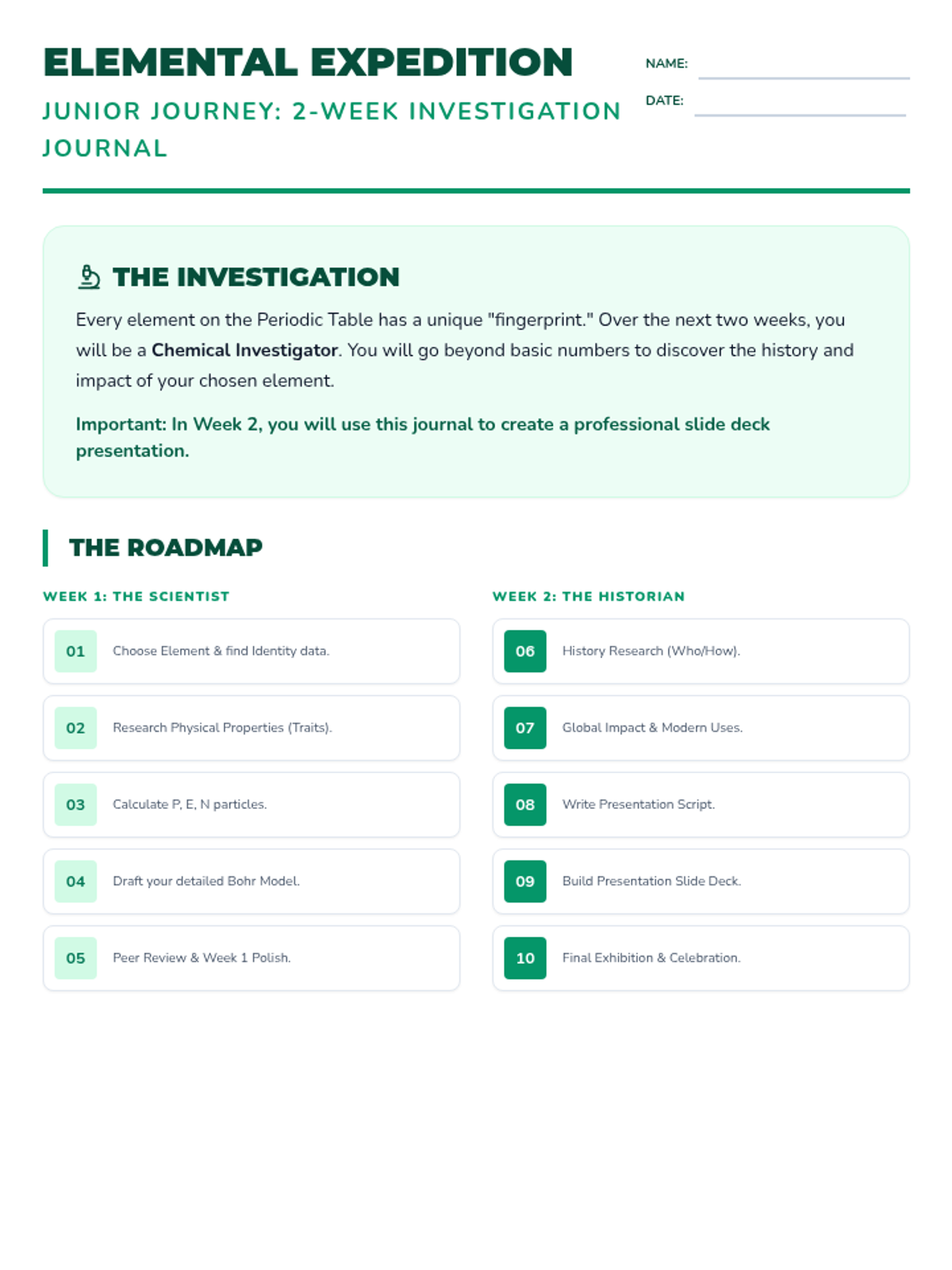
A comprehensive two-week version of the element research project for juniors, allowing for deeper dives into historical context and atomic modeling.
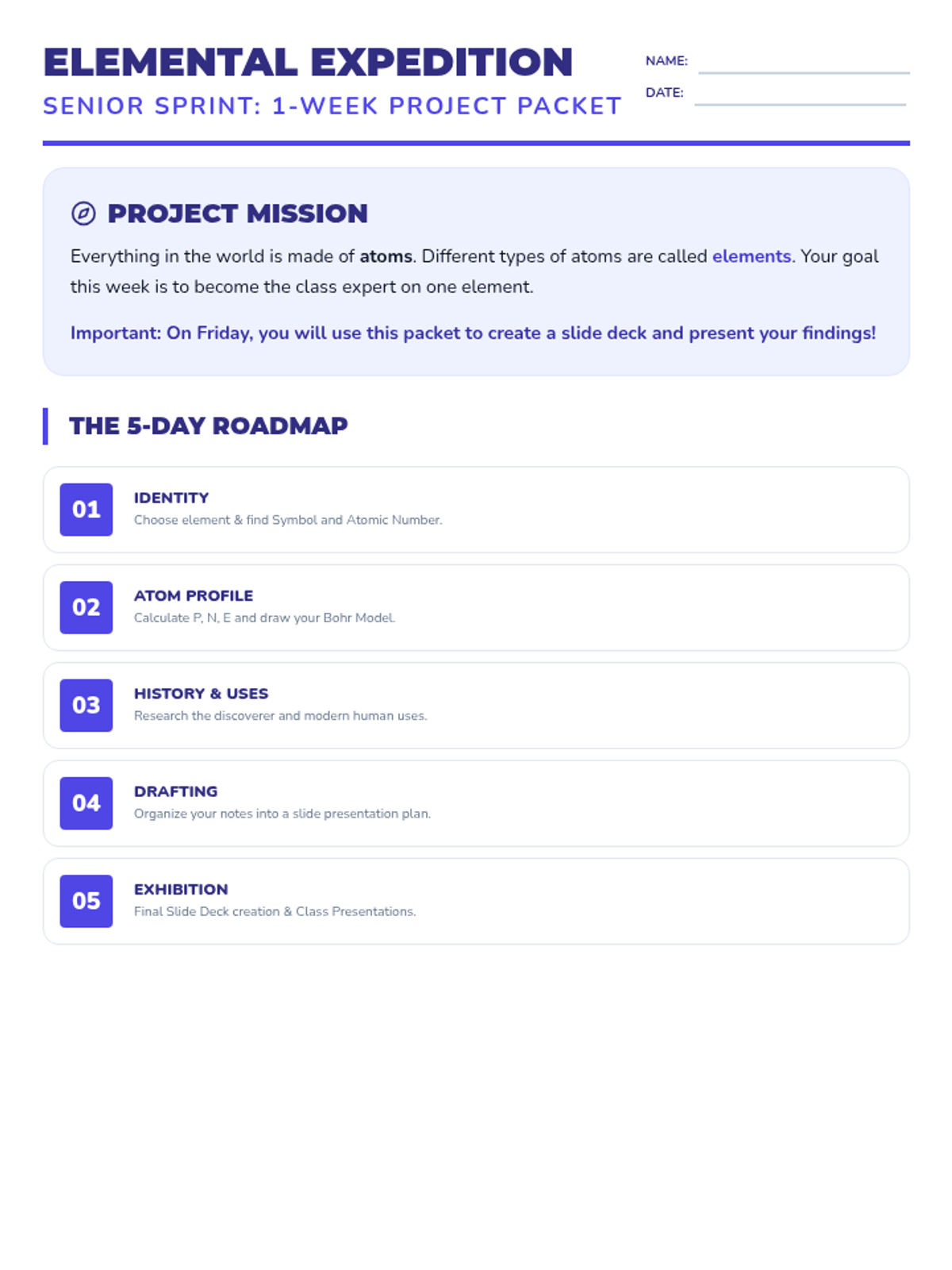
An accelerated one-week version of the element research project designed for seniors, focusing on core atomic data and primary uses.