A comprehensive test preparation lesson for Grade 7 Science, specifically aligned to the Arkansas ATLAS assessment. It covers heredity, ecosystems, forces, and Earth's history through model-based reasoning and lab scenarios.
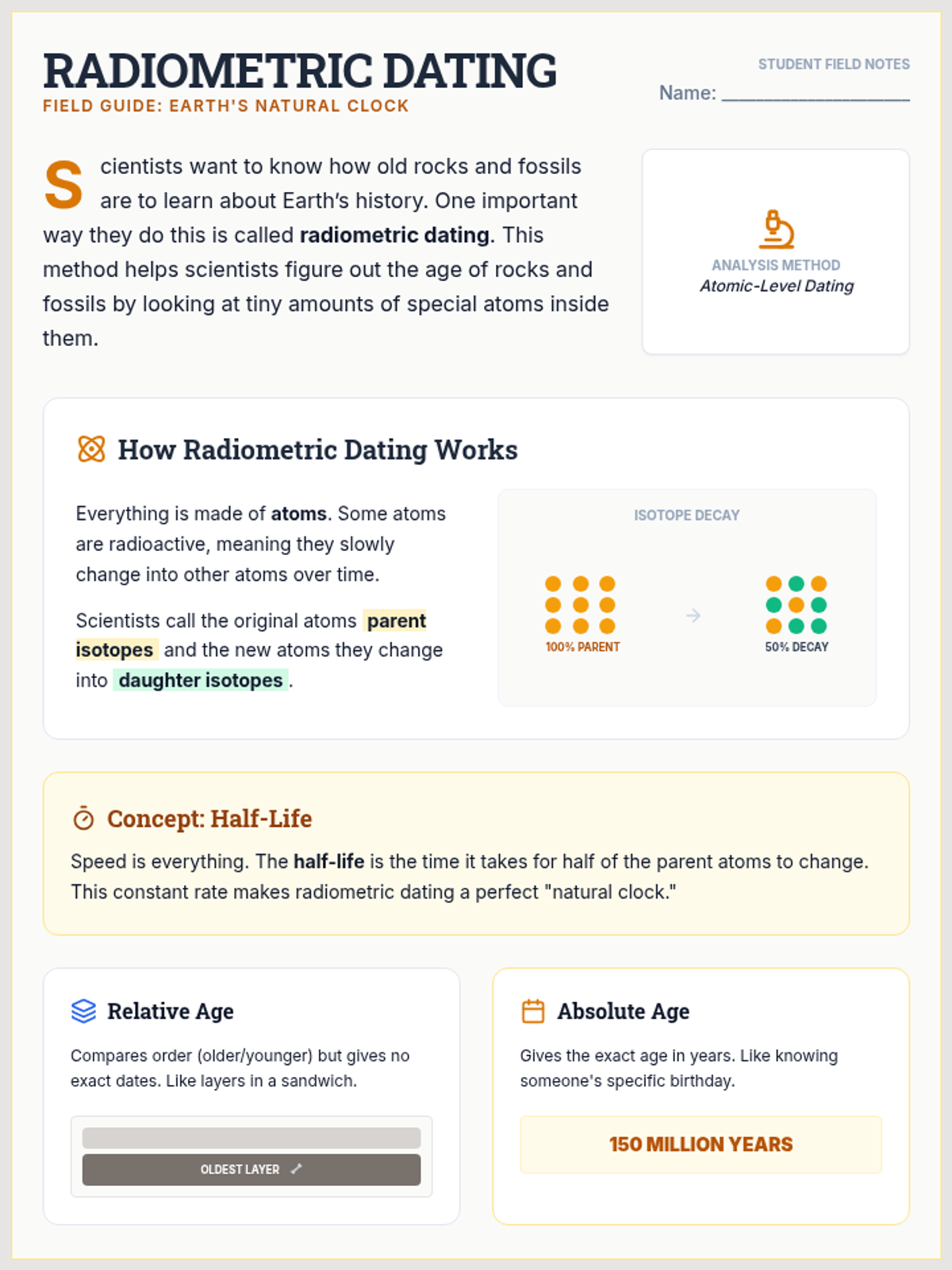
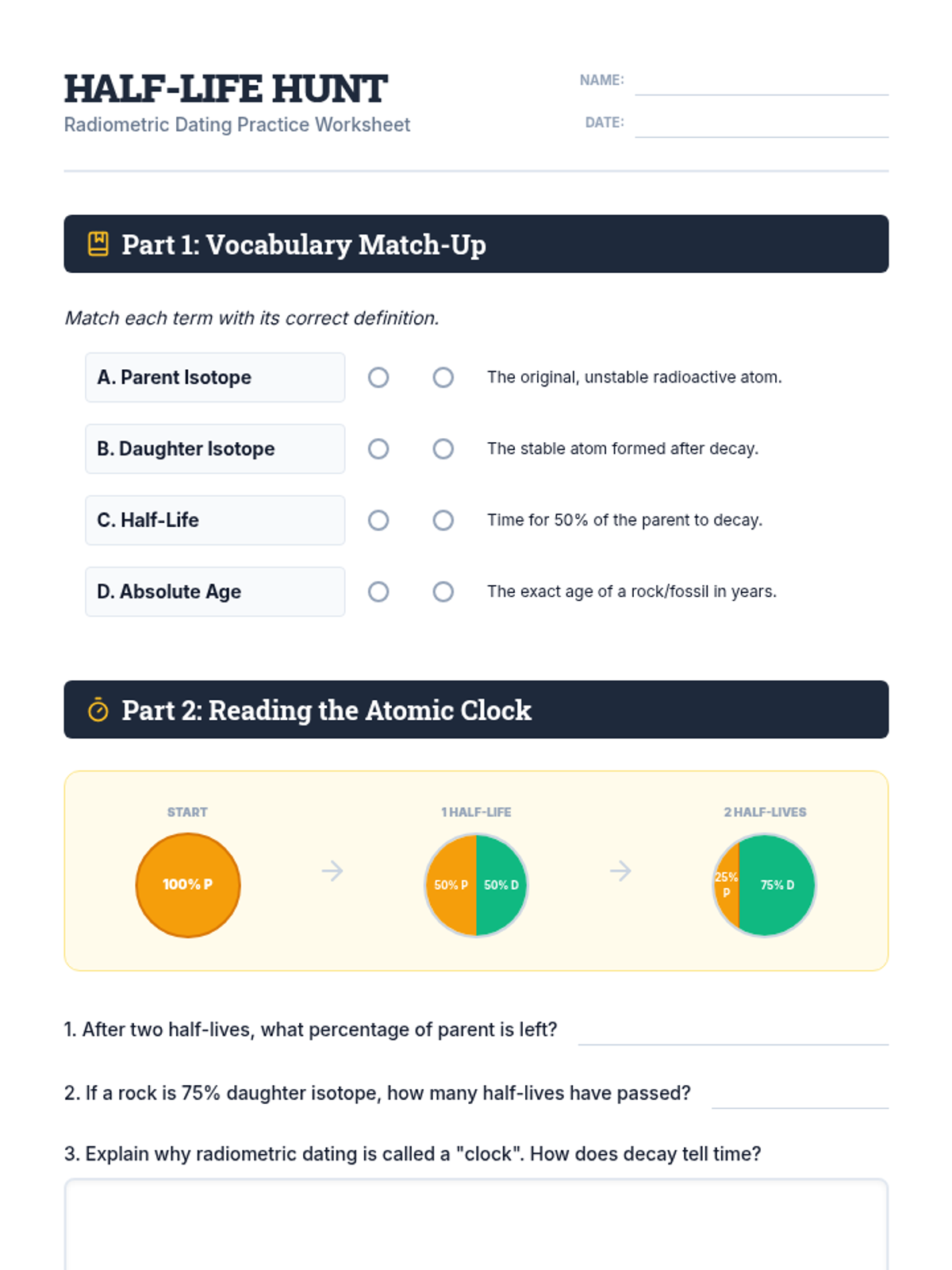
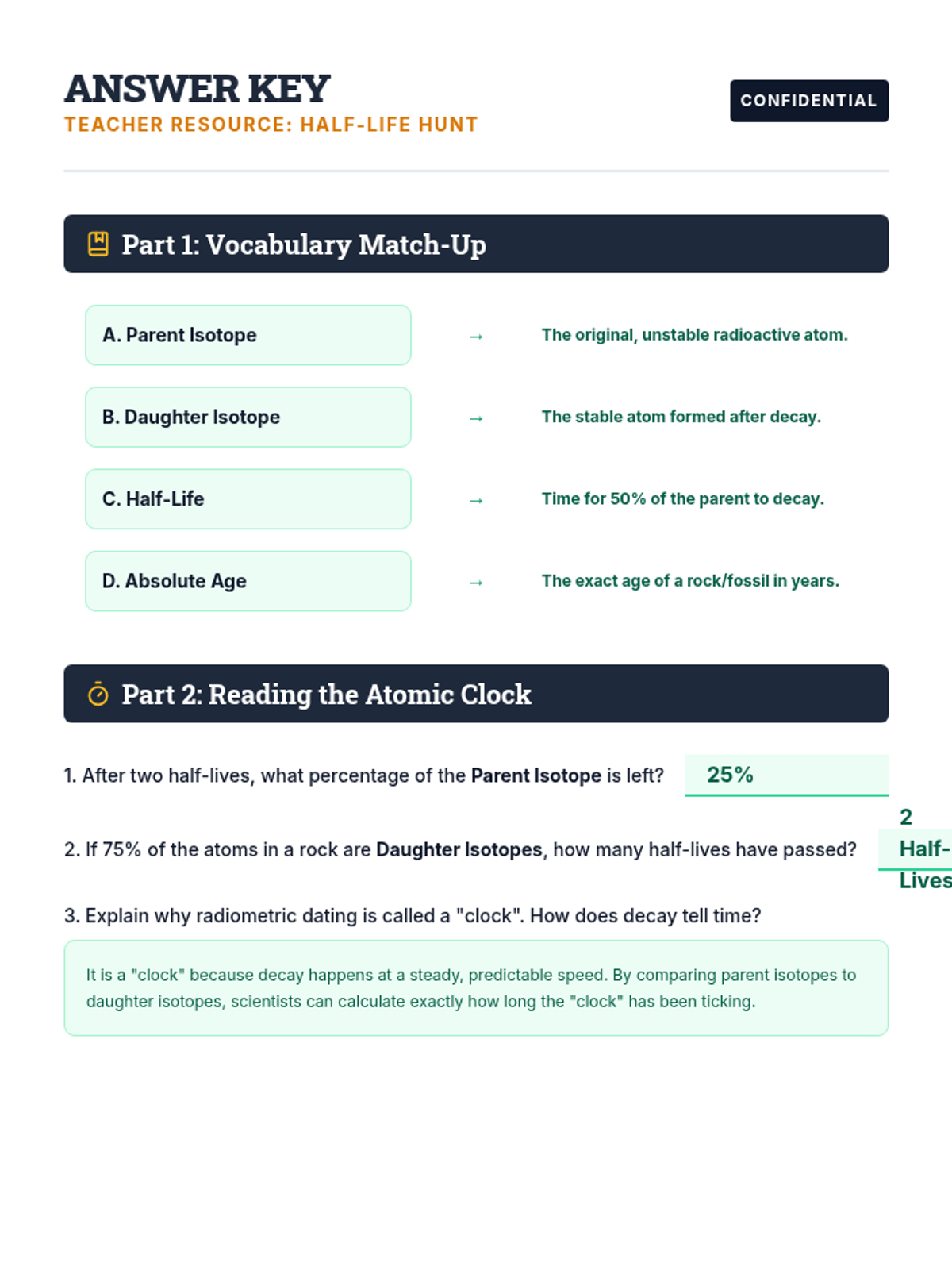
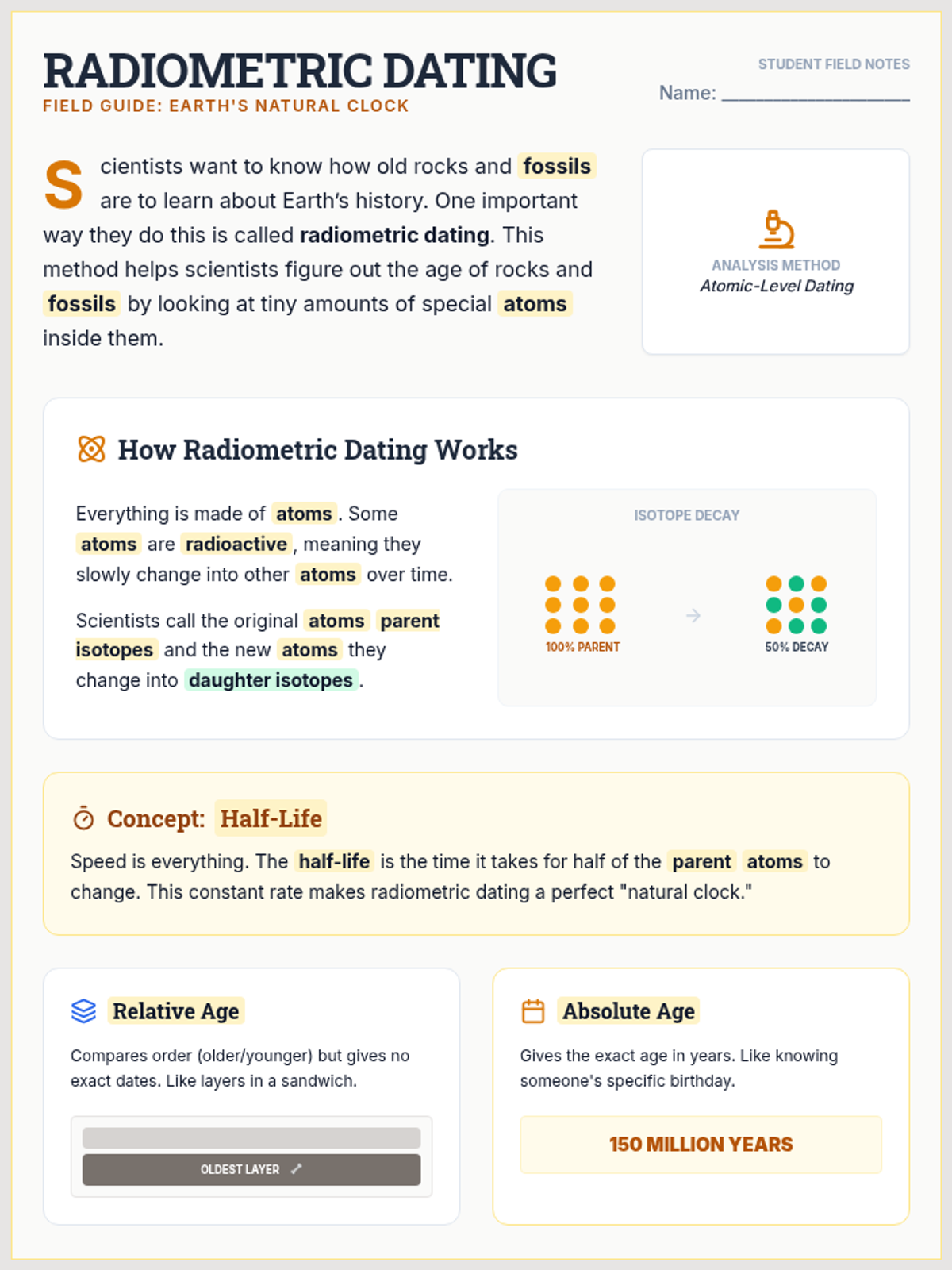
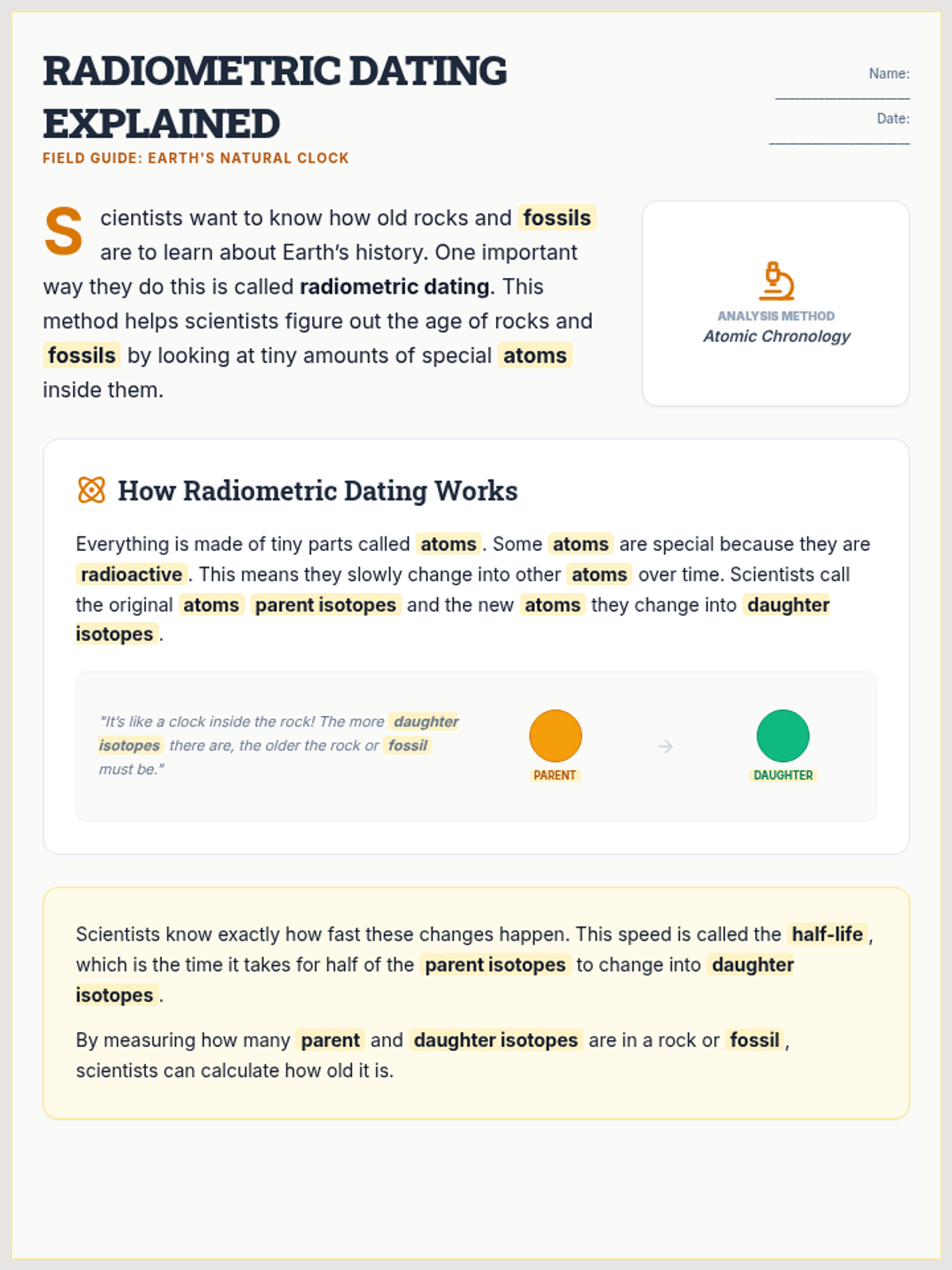
A comprehensive introduction to radiometric dating, explaining how scientists use radioactive isotopes to determine the absolute age of rocks and fossils, and comparing it to relative dating methods.
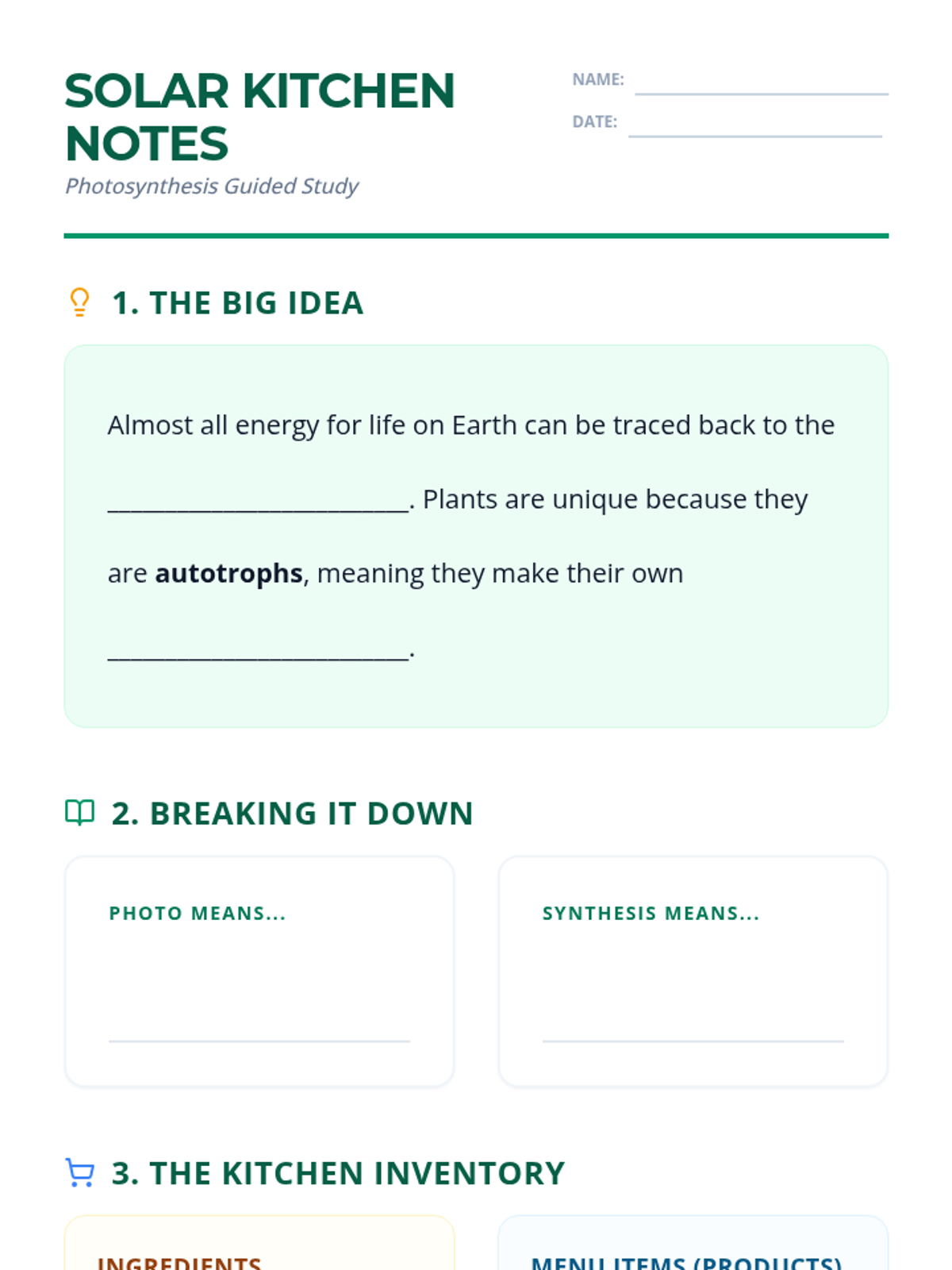
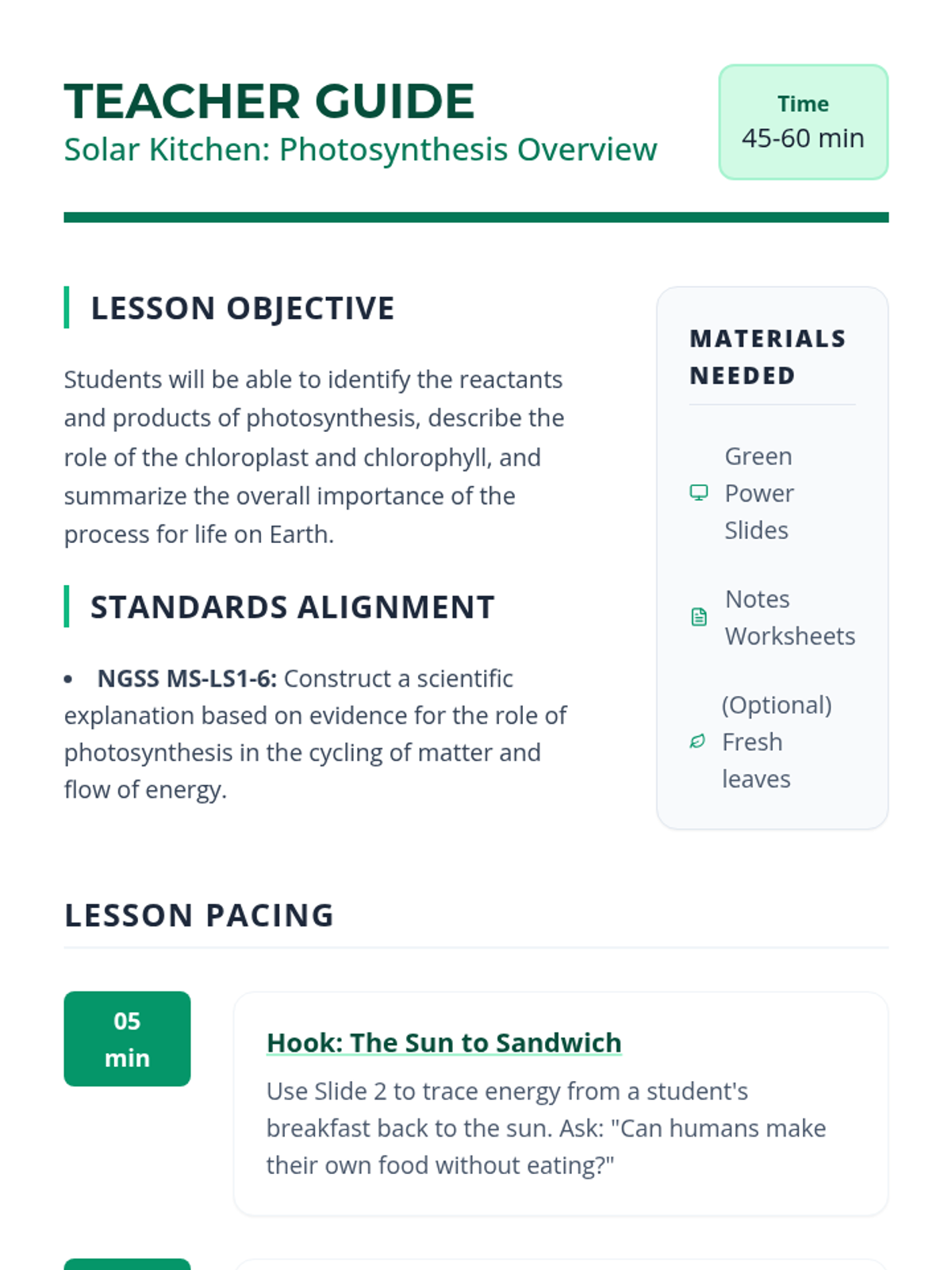
A foundational lesson on photosynthesis for middle schoolers, framing plants as 'Solar Kitchens' that convert light energy into chemical energy. The lesson covers reactants, products, the role of chloroplasts, and the importance of the process for life on Earth.
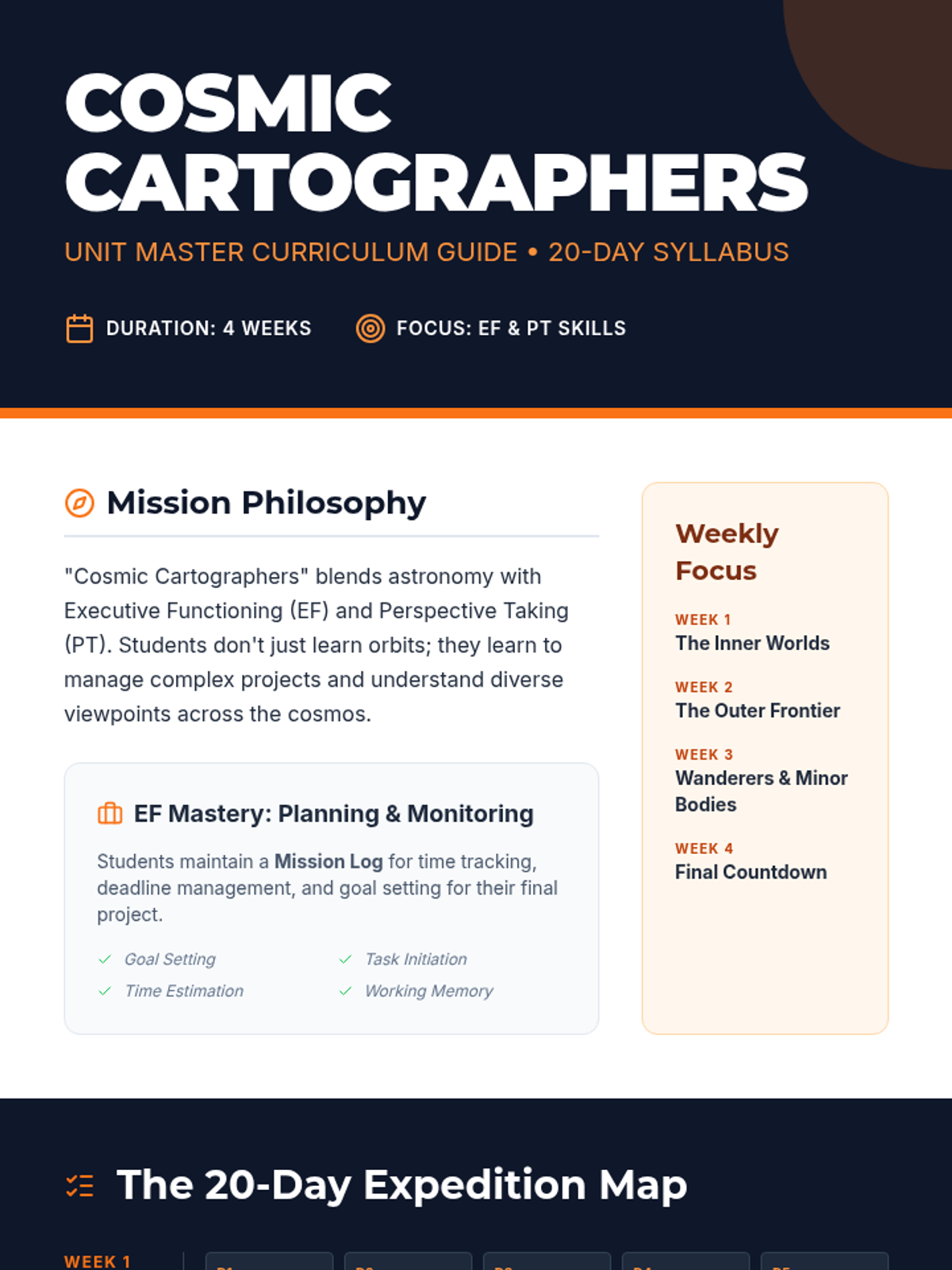
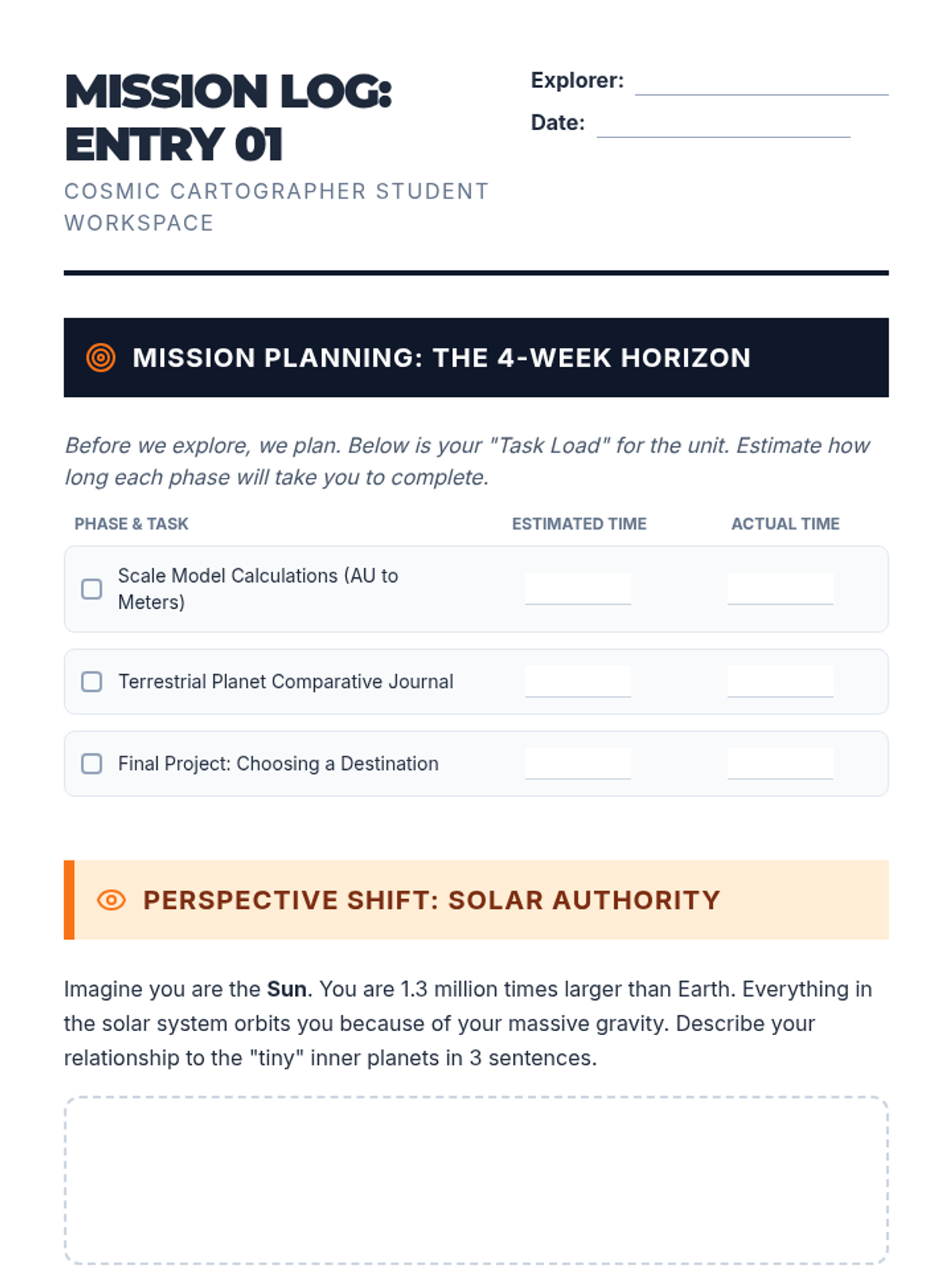
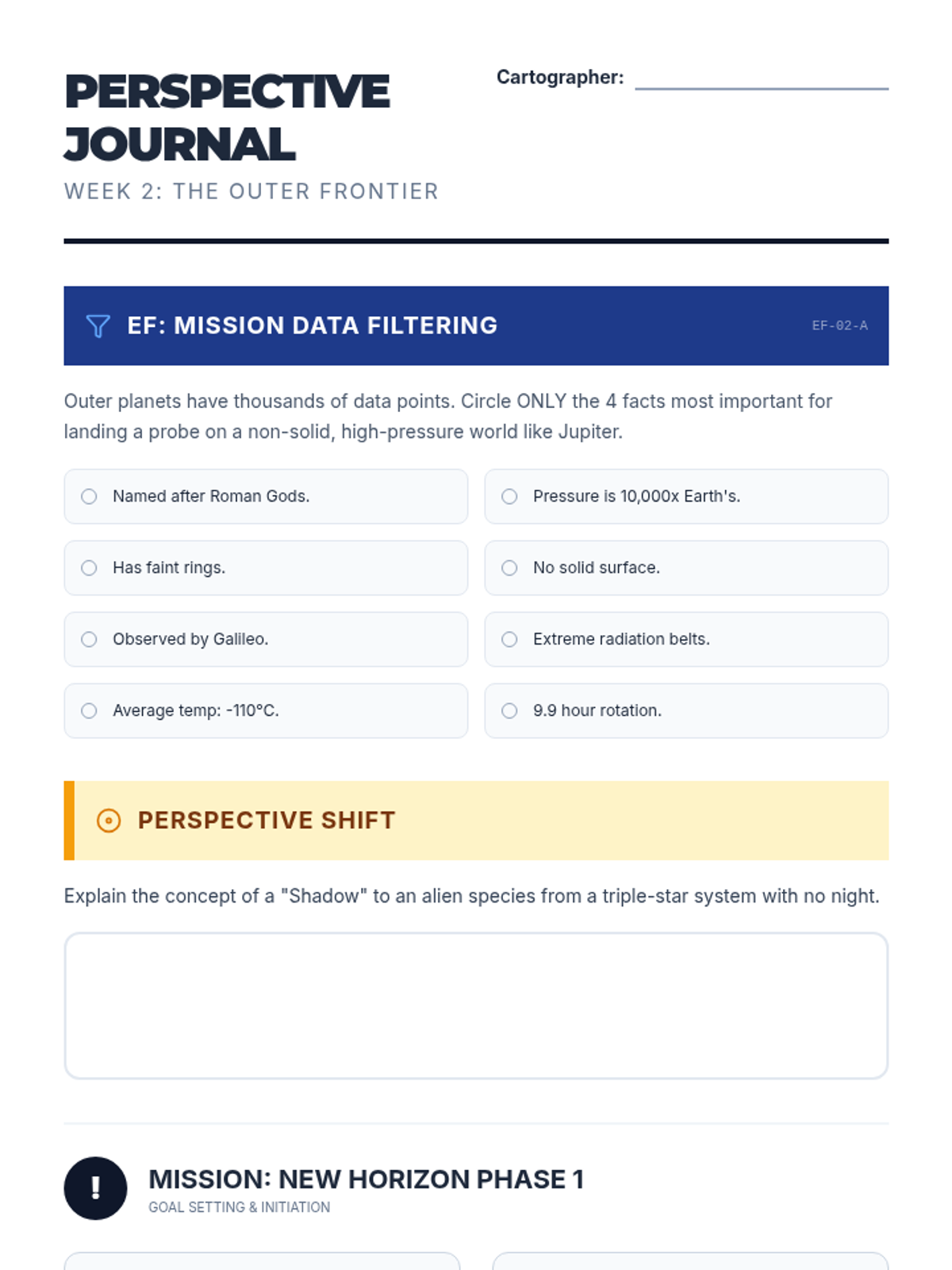
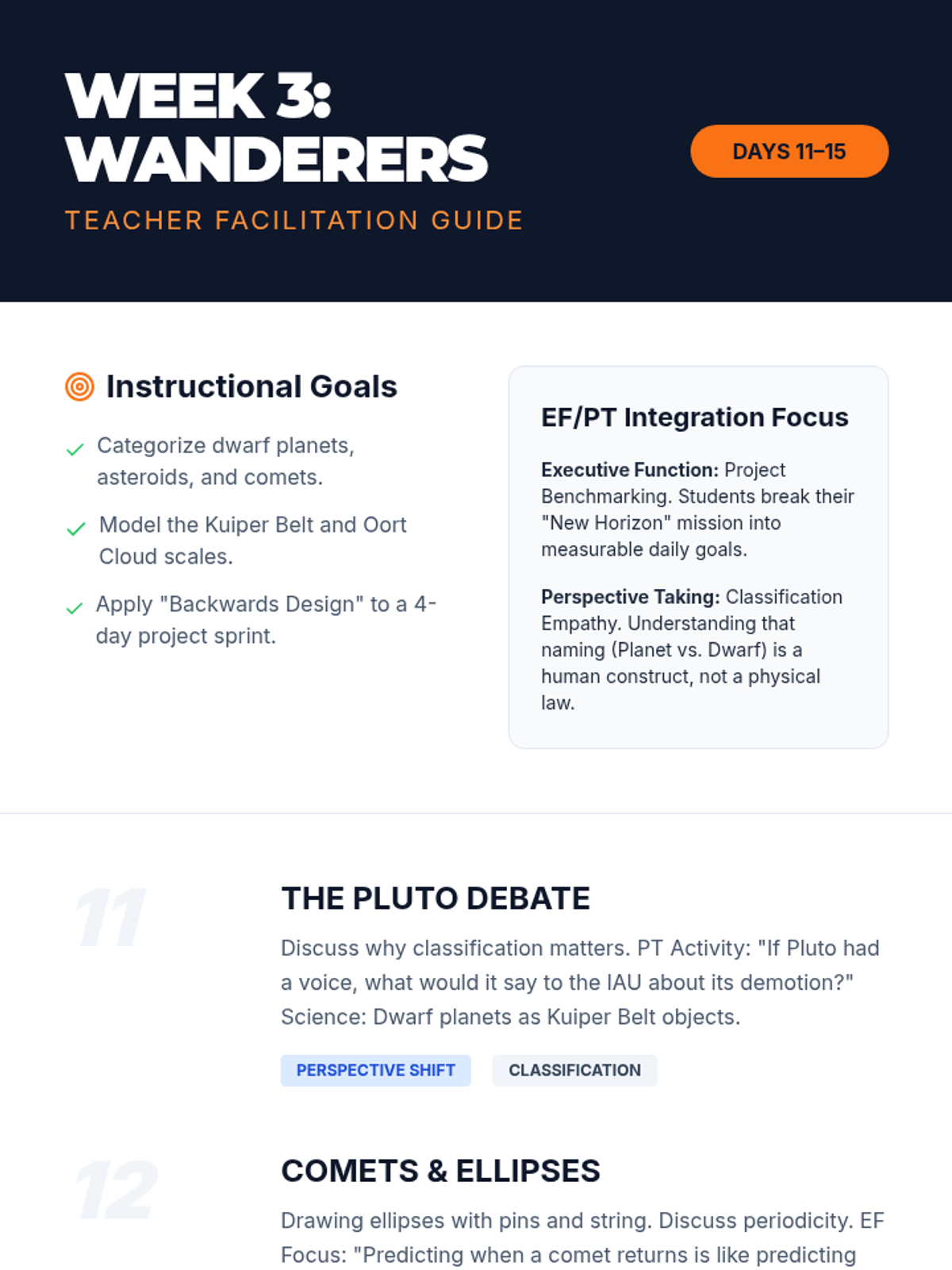
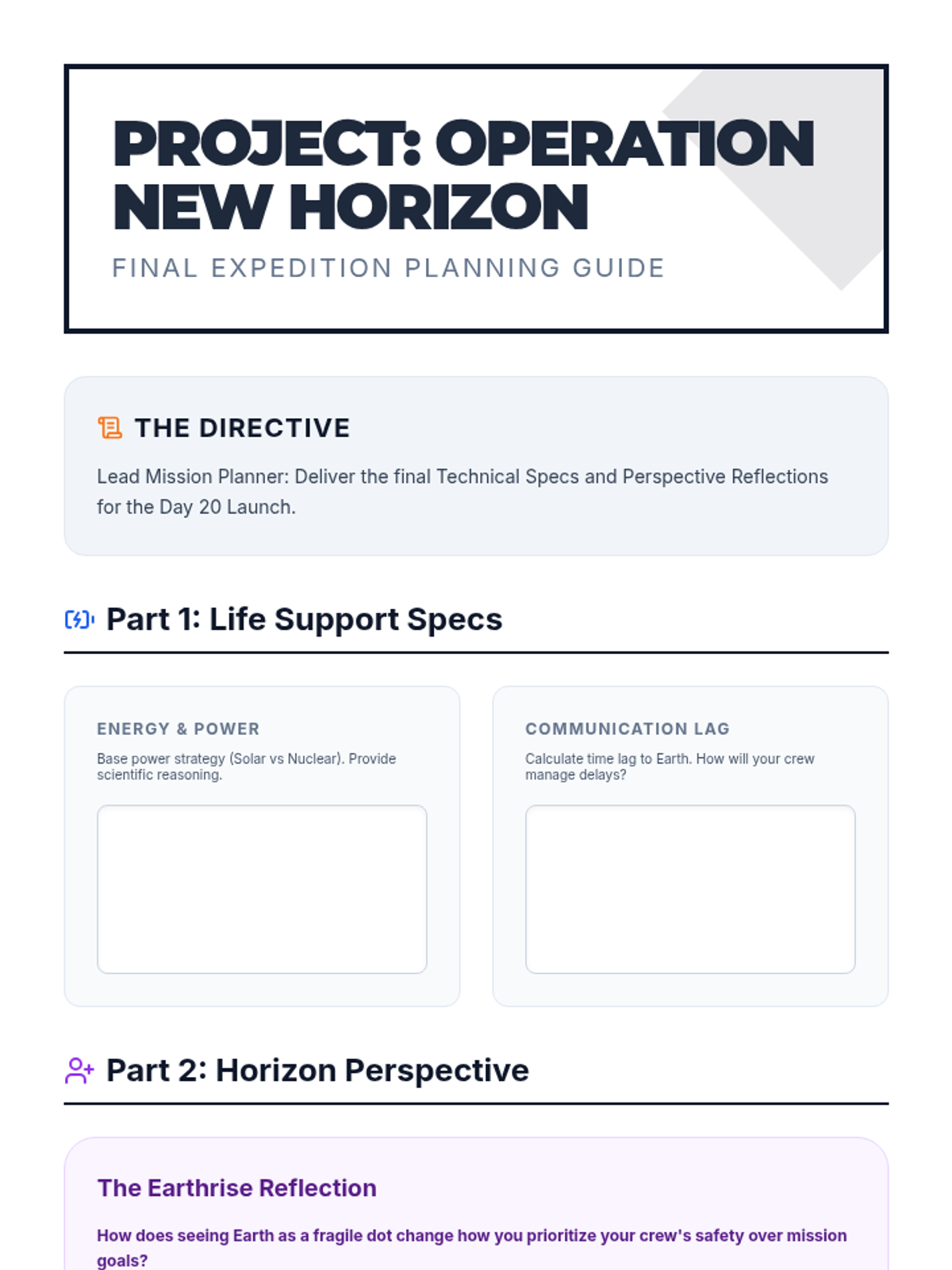
Weeks 1 focus on the scale of the solar system, the Sun, and the terrestrial planets, emphasizing executive functioning through organizational 'Mission Logs' and perspective-taking via planetary viewpoints.
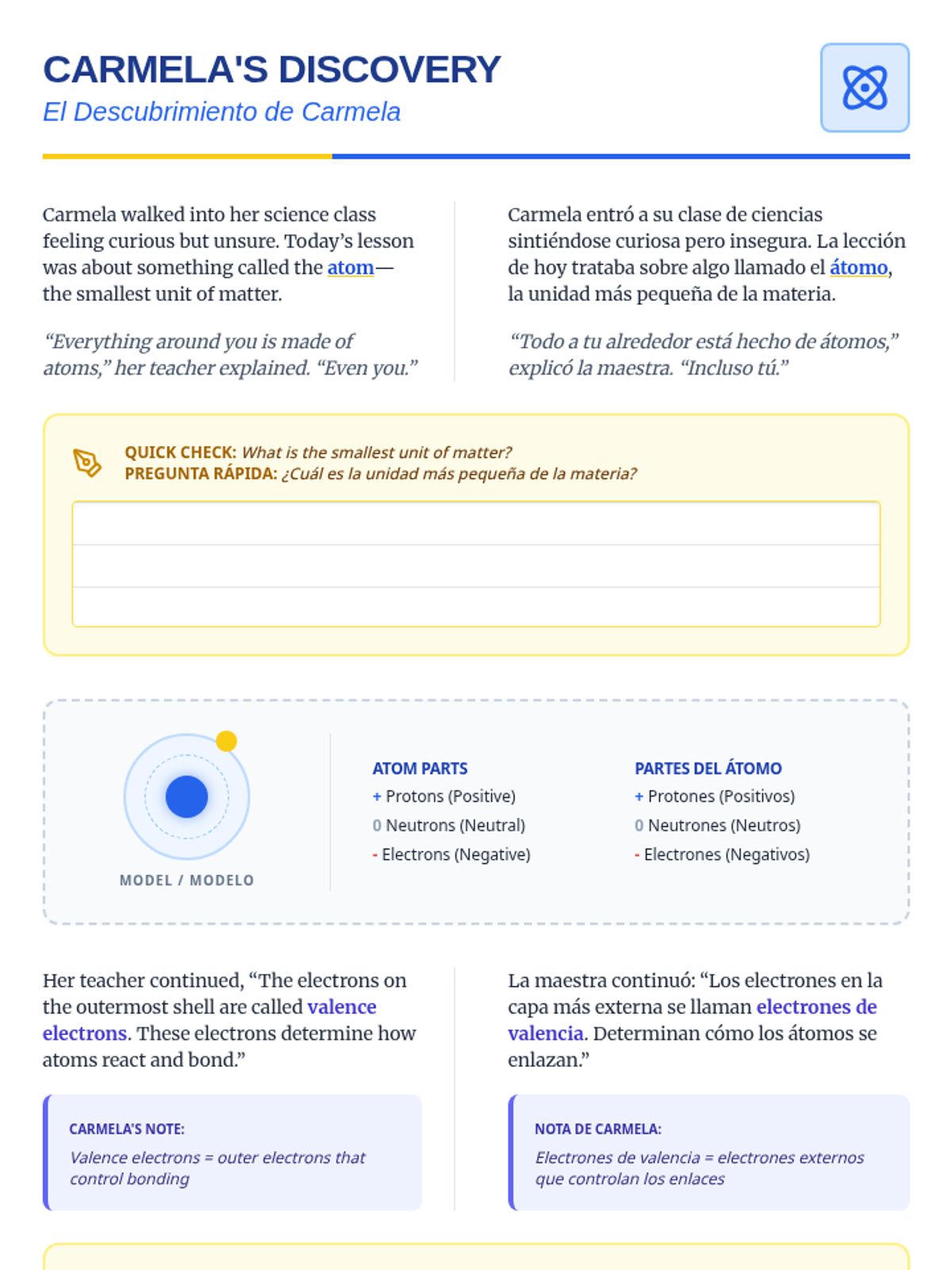
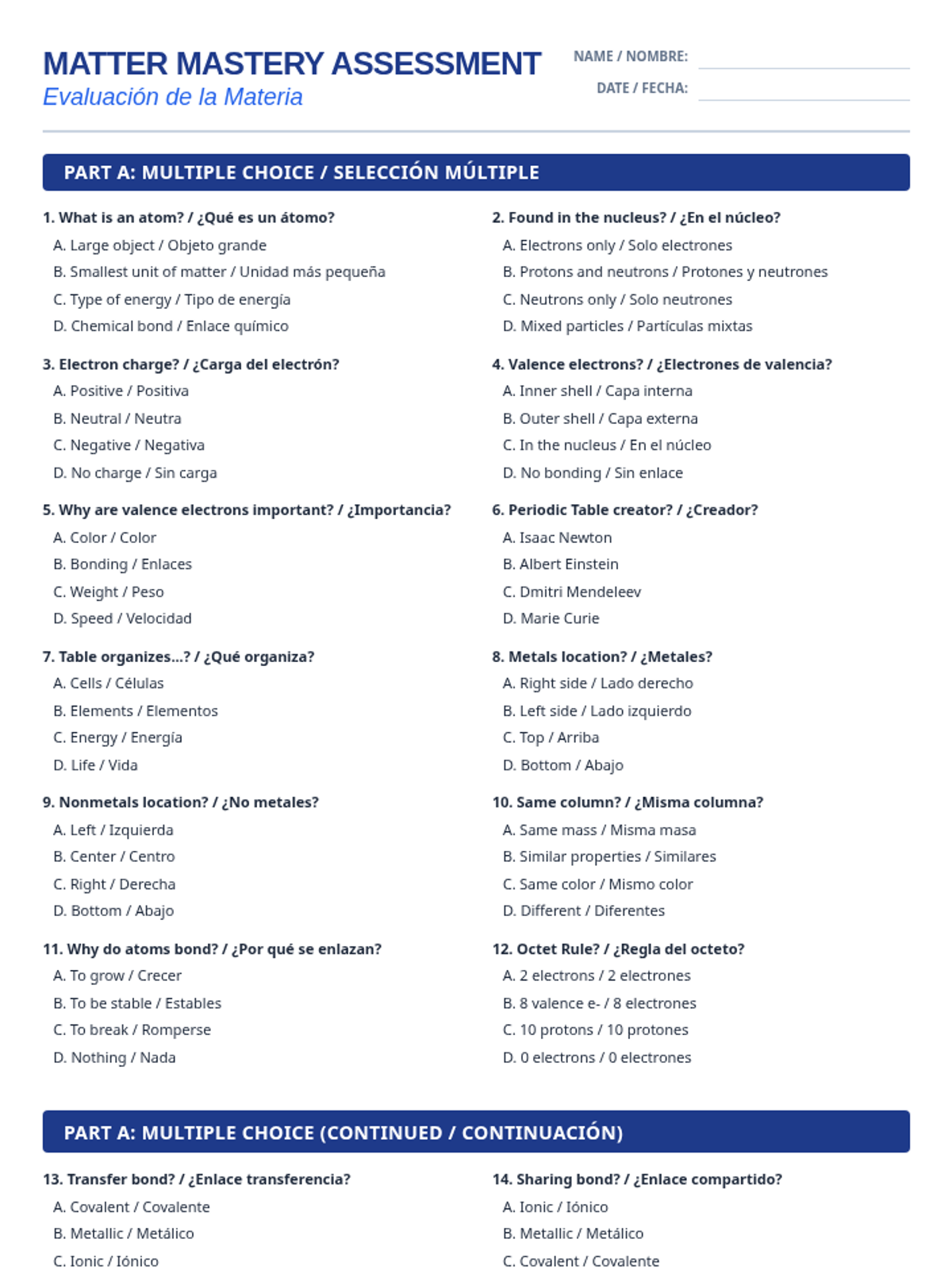
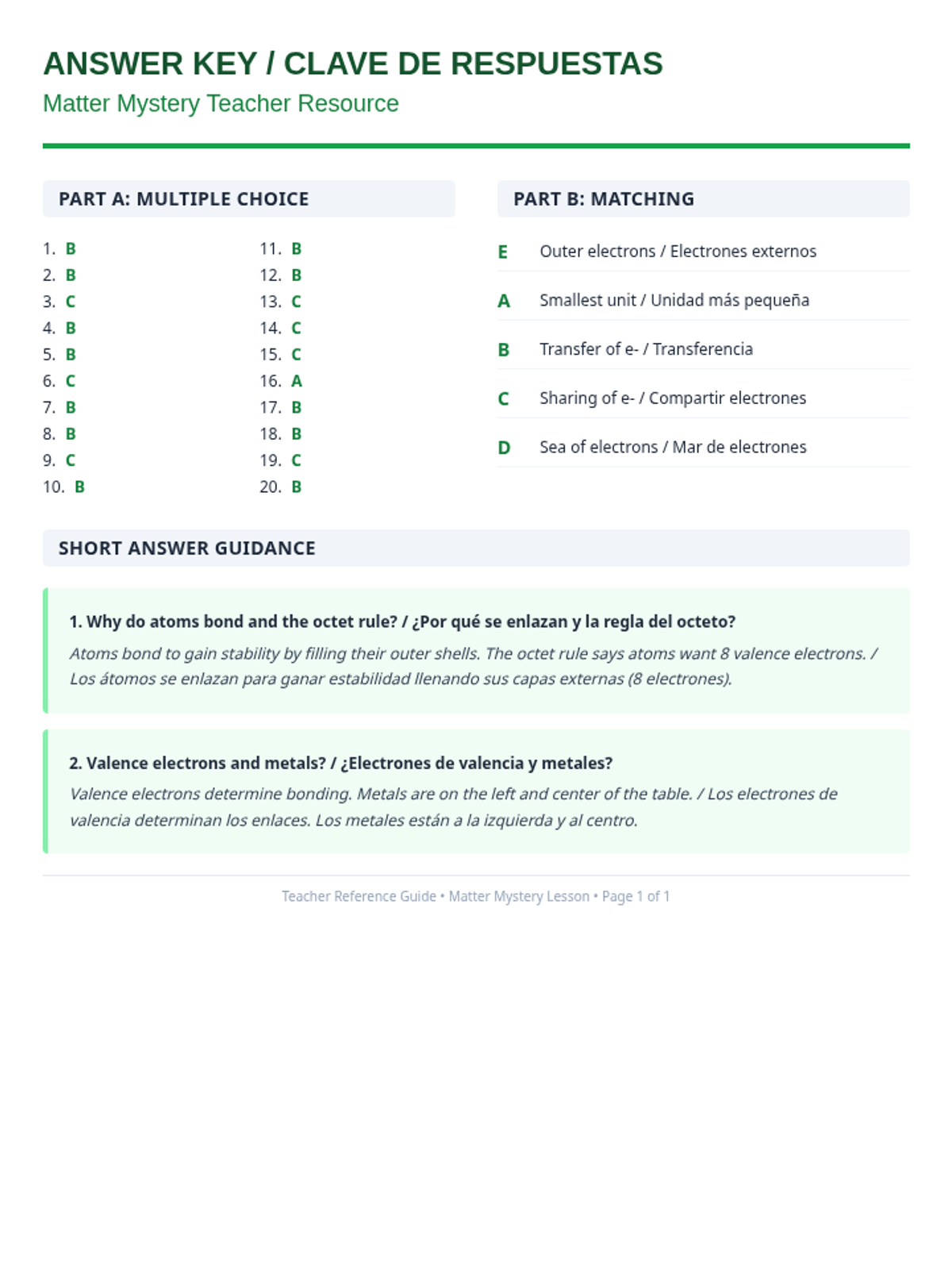
Explore the fundamentals of atoms, the periodic table, and chemical bonding through the story of Carmela's science class. This lesson covers atomic structure, valence electrons, and types of bonding in a bilingual format.
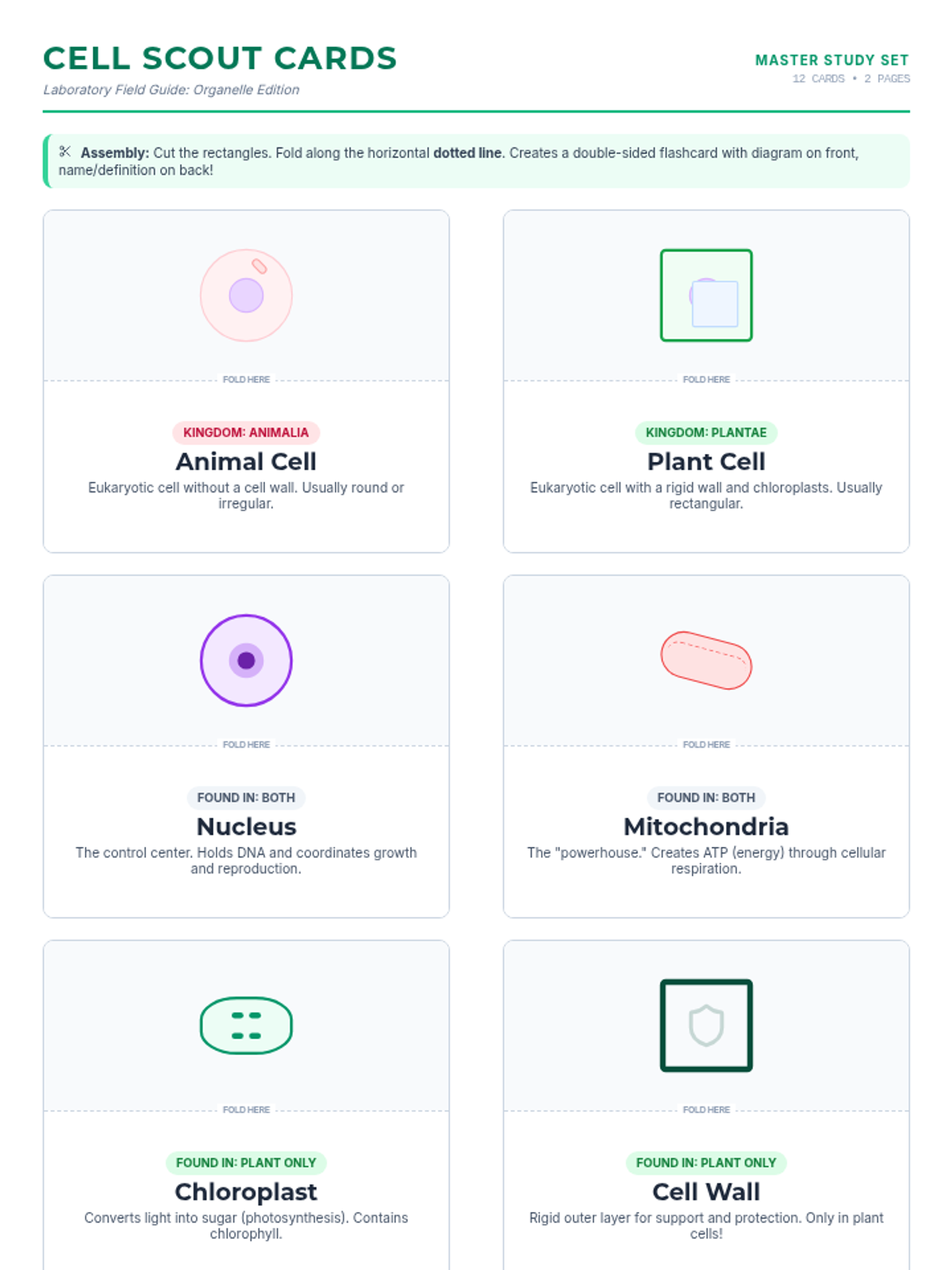
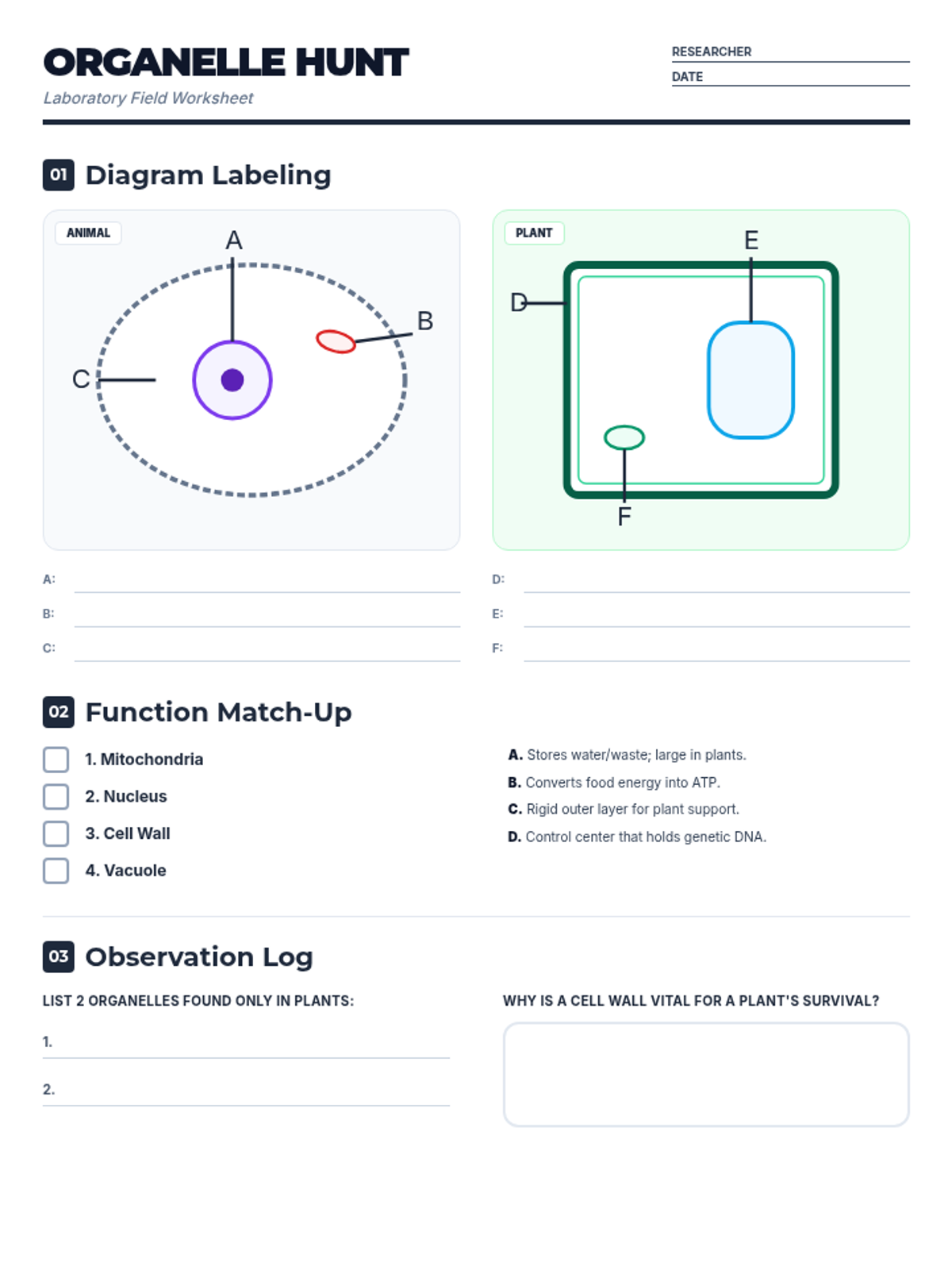
A comprehensive introduction to the microscopic world of animal and plant cells, exploring key organelles and their functions through visual diagrams and hands-on labeling.
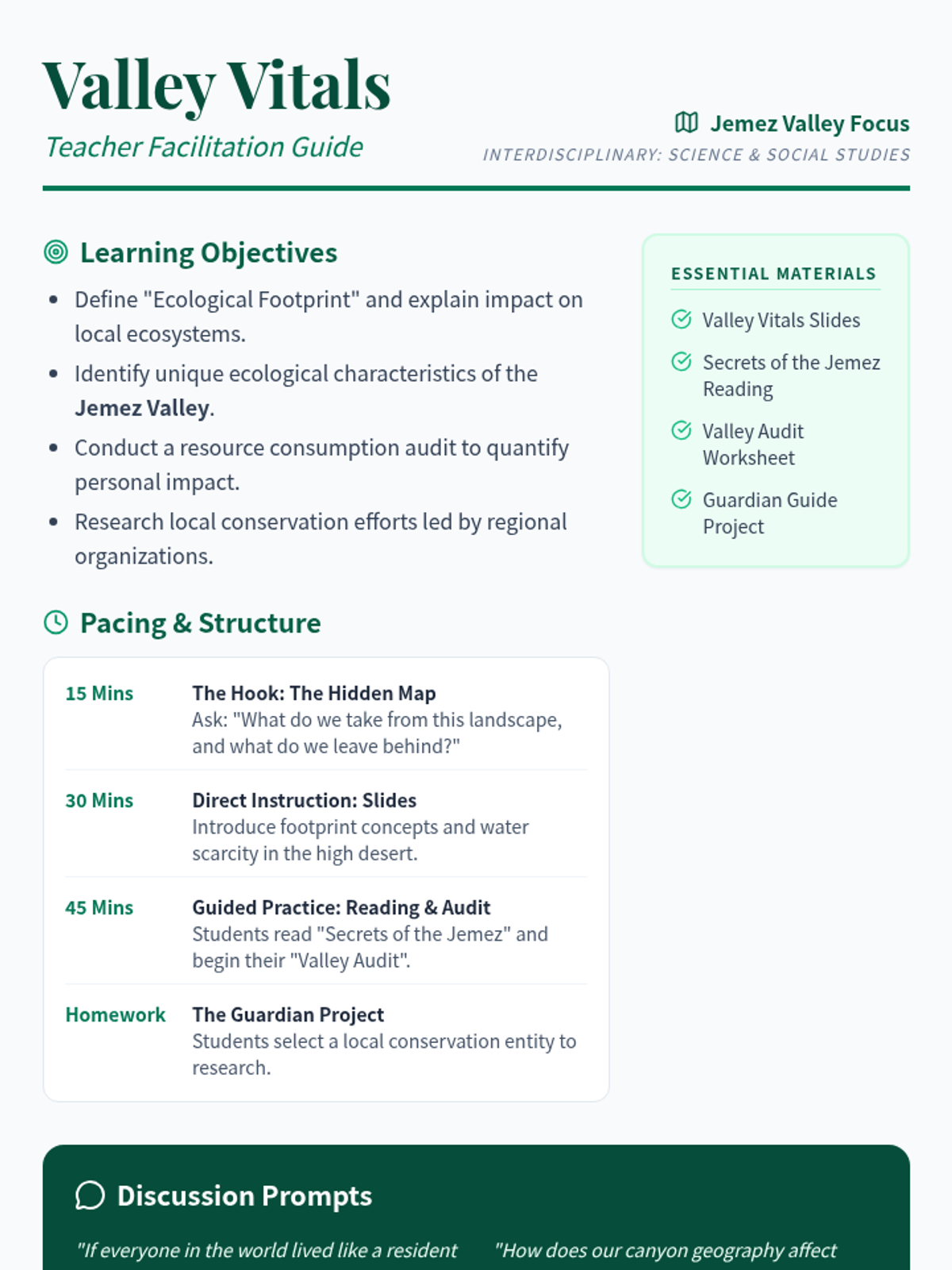
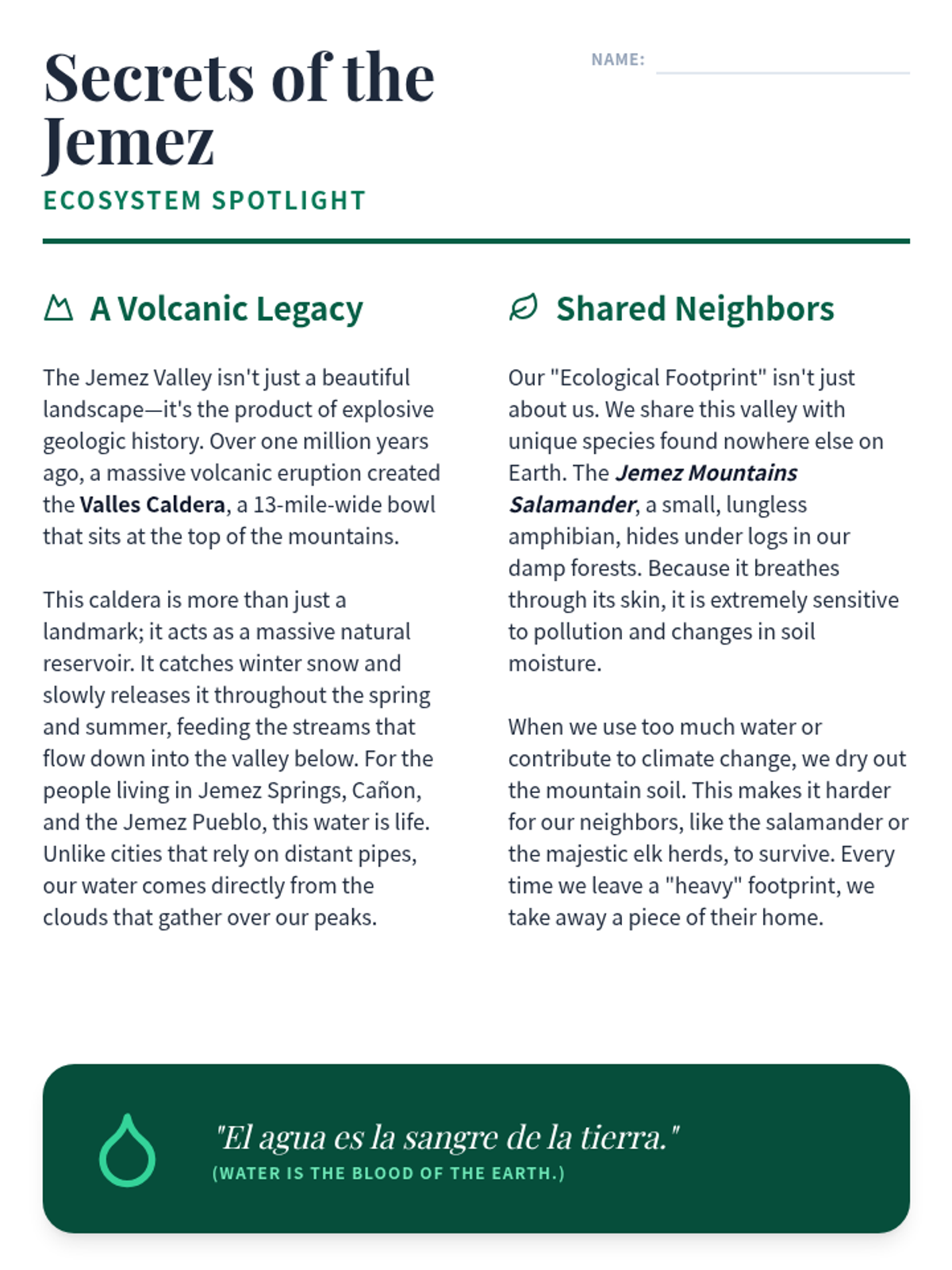
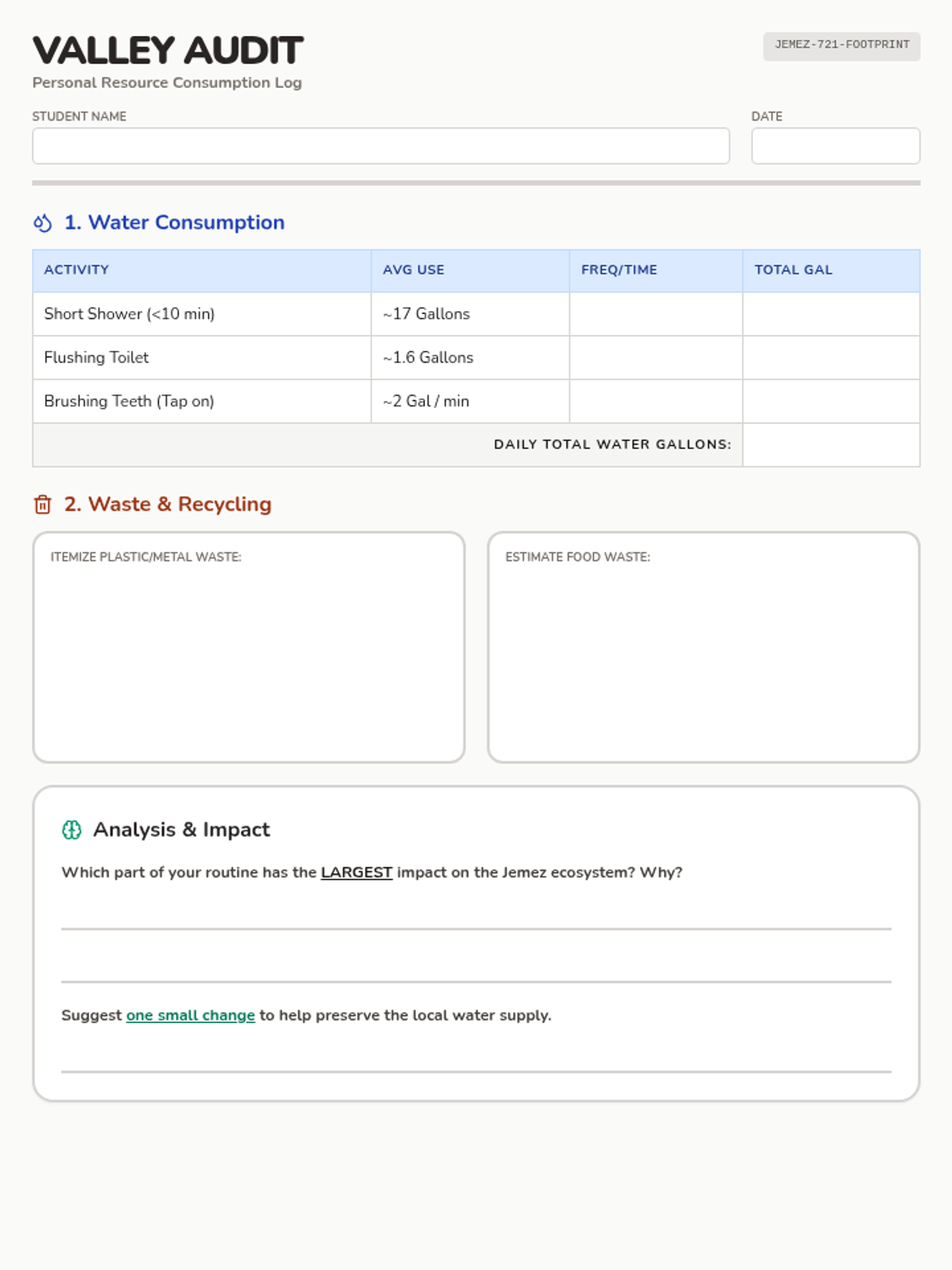
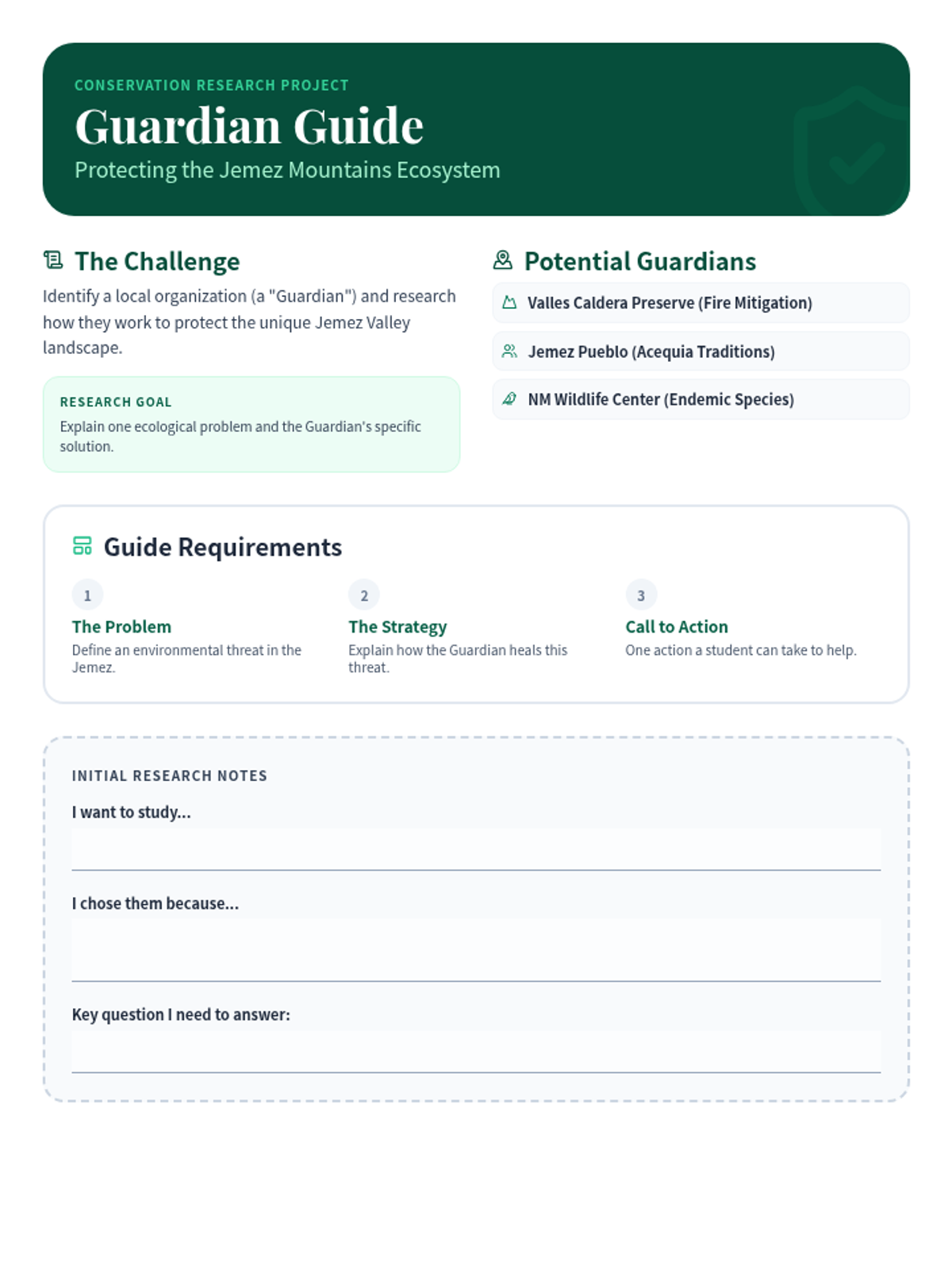
An interdisciplinary lesson exploring ecological footprints through the unique environmental context of the Jemez Valley. Students analyze local resource consumption and research regional conservation to develop a sense of environmental stewardship.
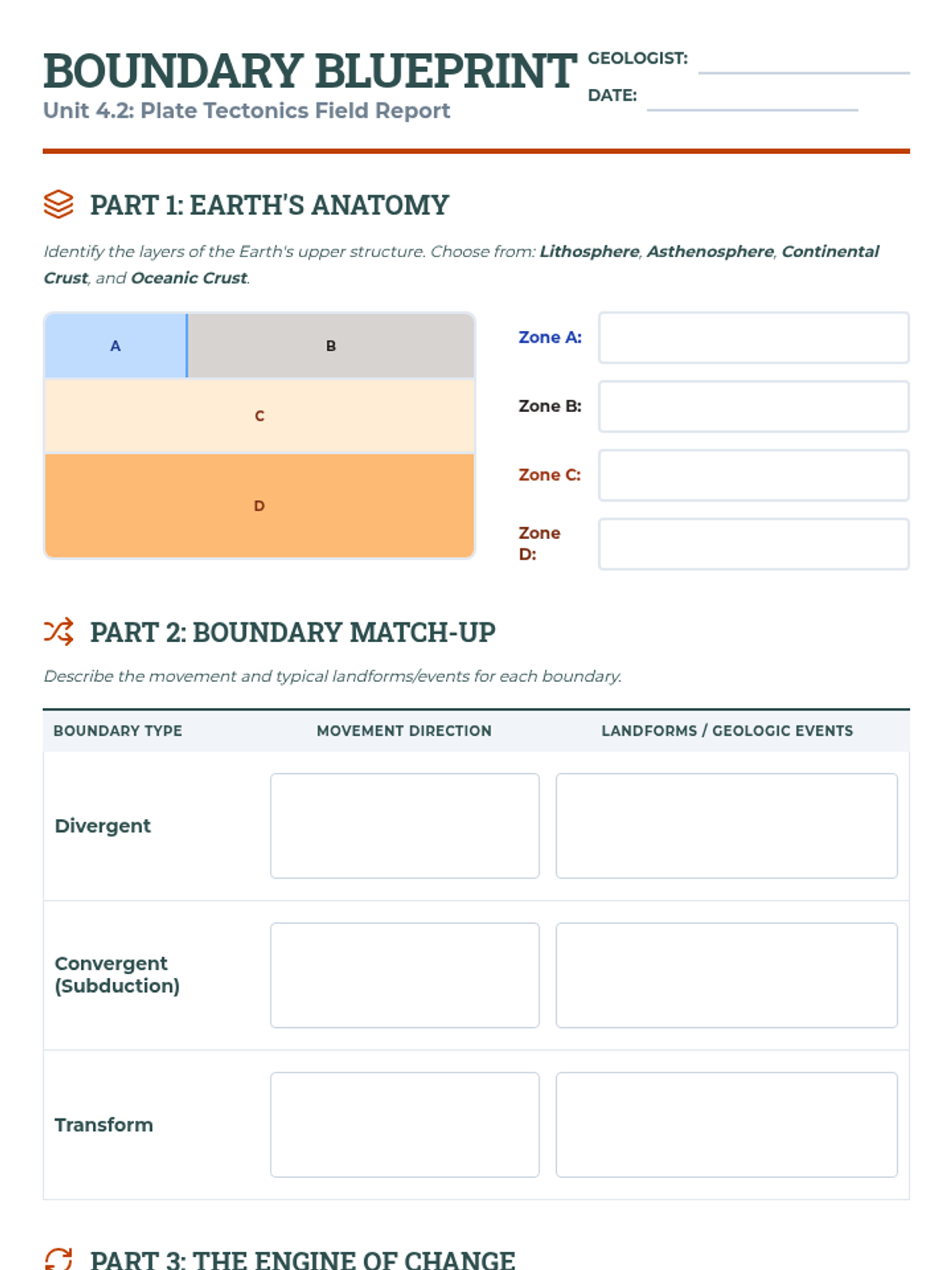
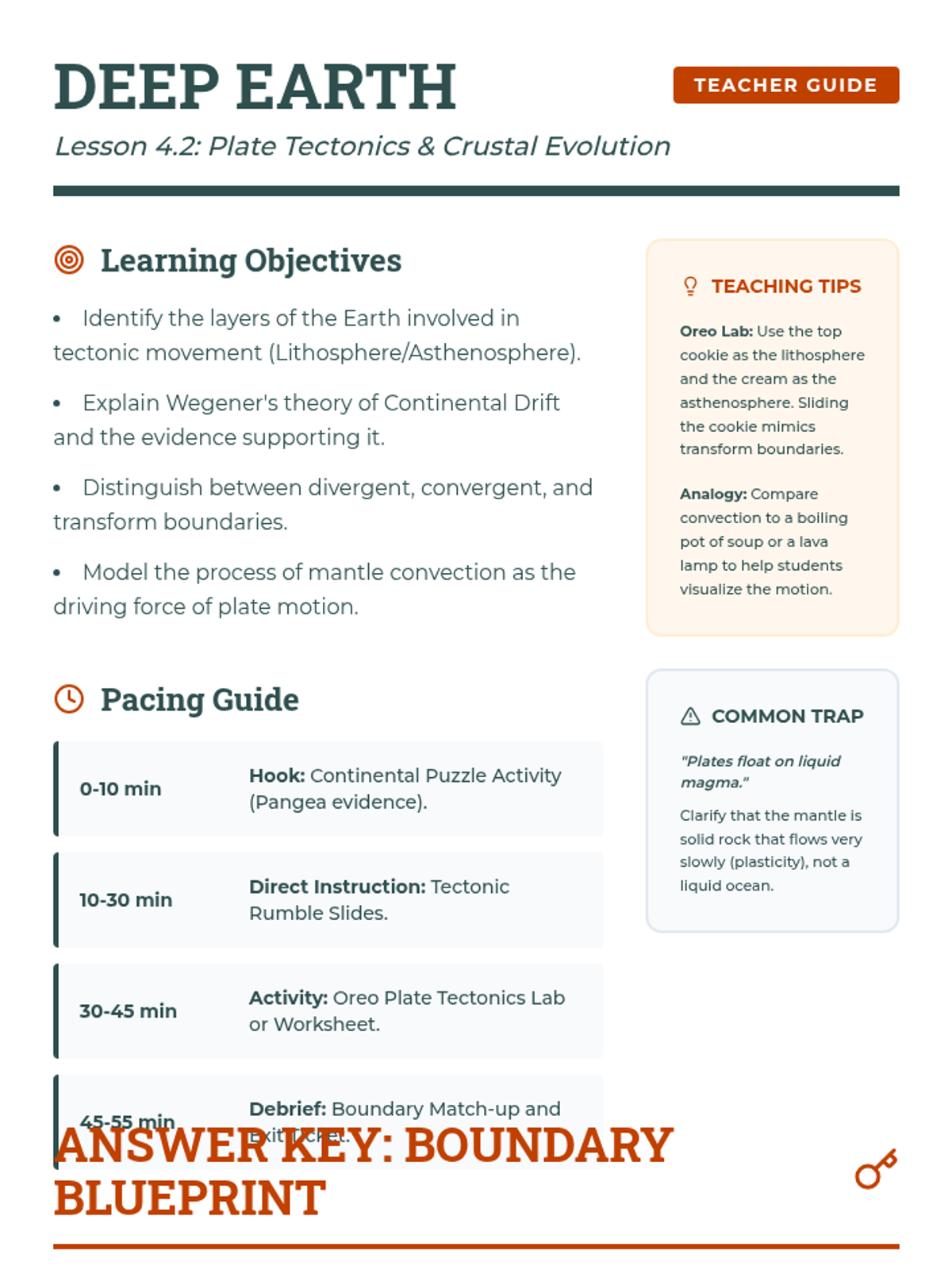
An interactive exploration of Earth's shifting plates, boundary types, and the evidence for continental drift. Students will analyze how the lithosphere moves and the landforms created by these massive geological forces.
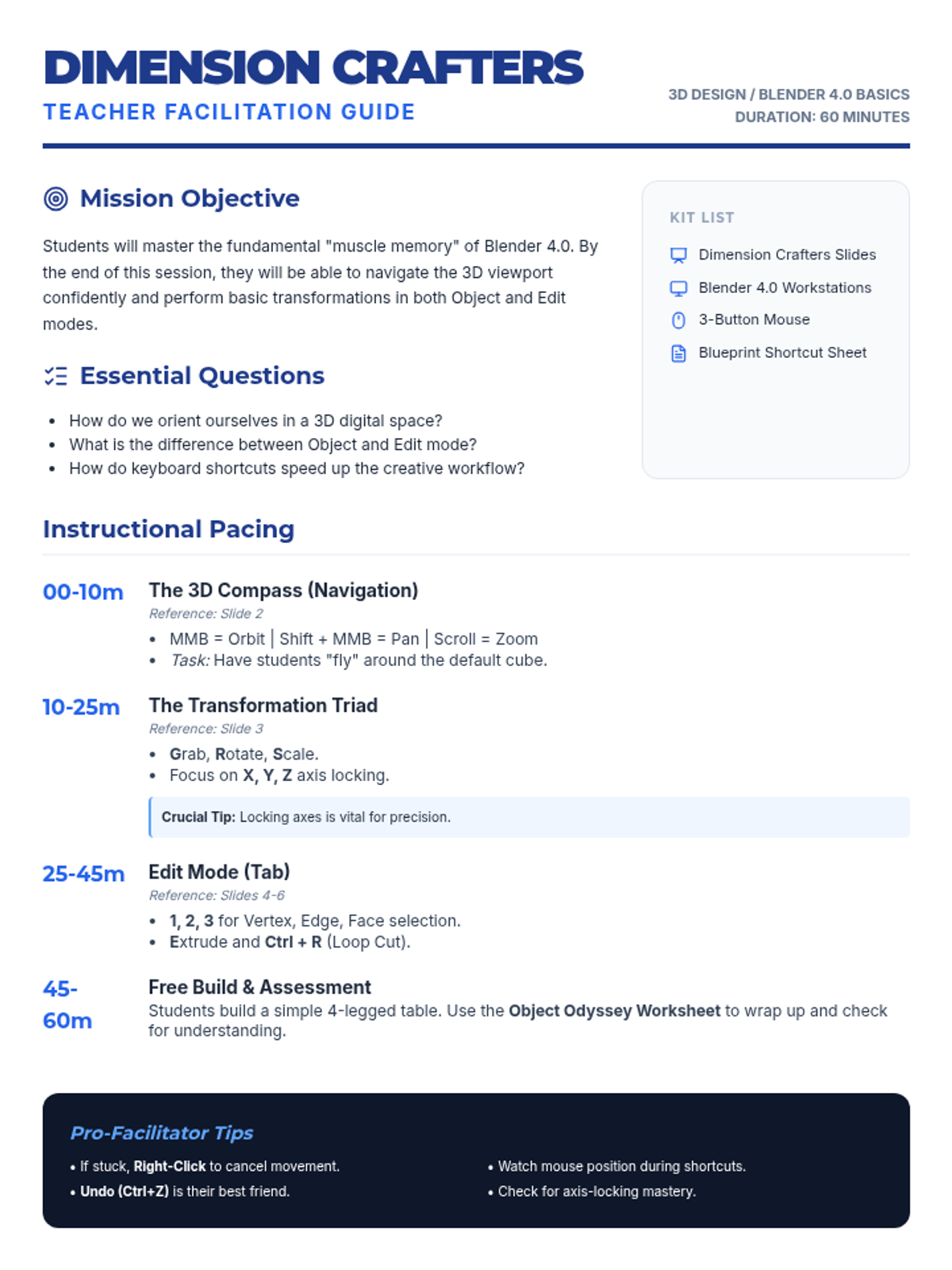
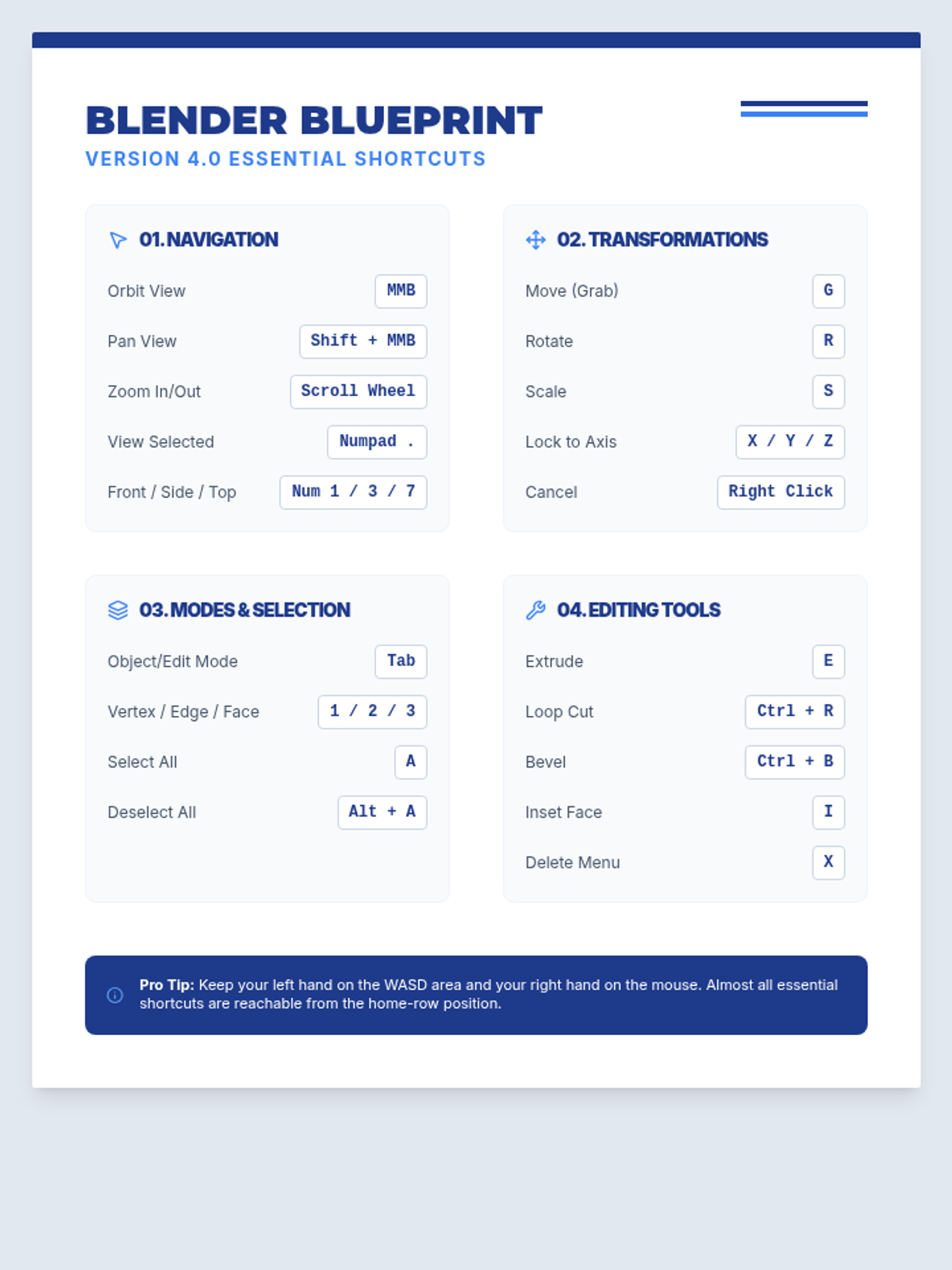
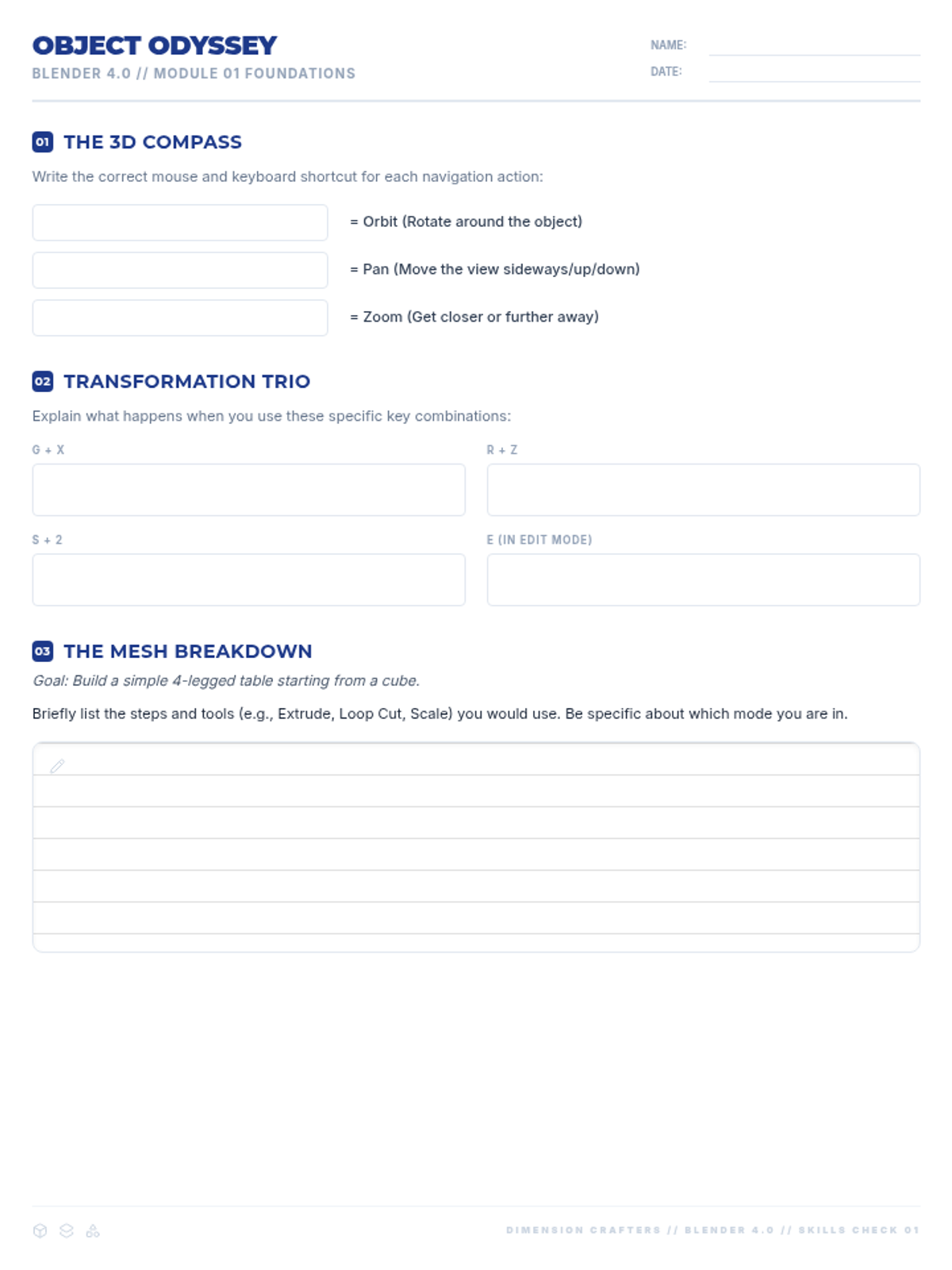
A beginner-friendly introduction to Blender 4.0, focusing on navigation, object transformations, and essential edit mode tools for 3D modeling.
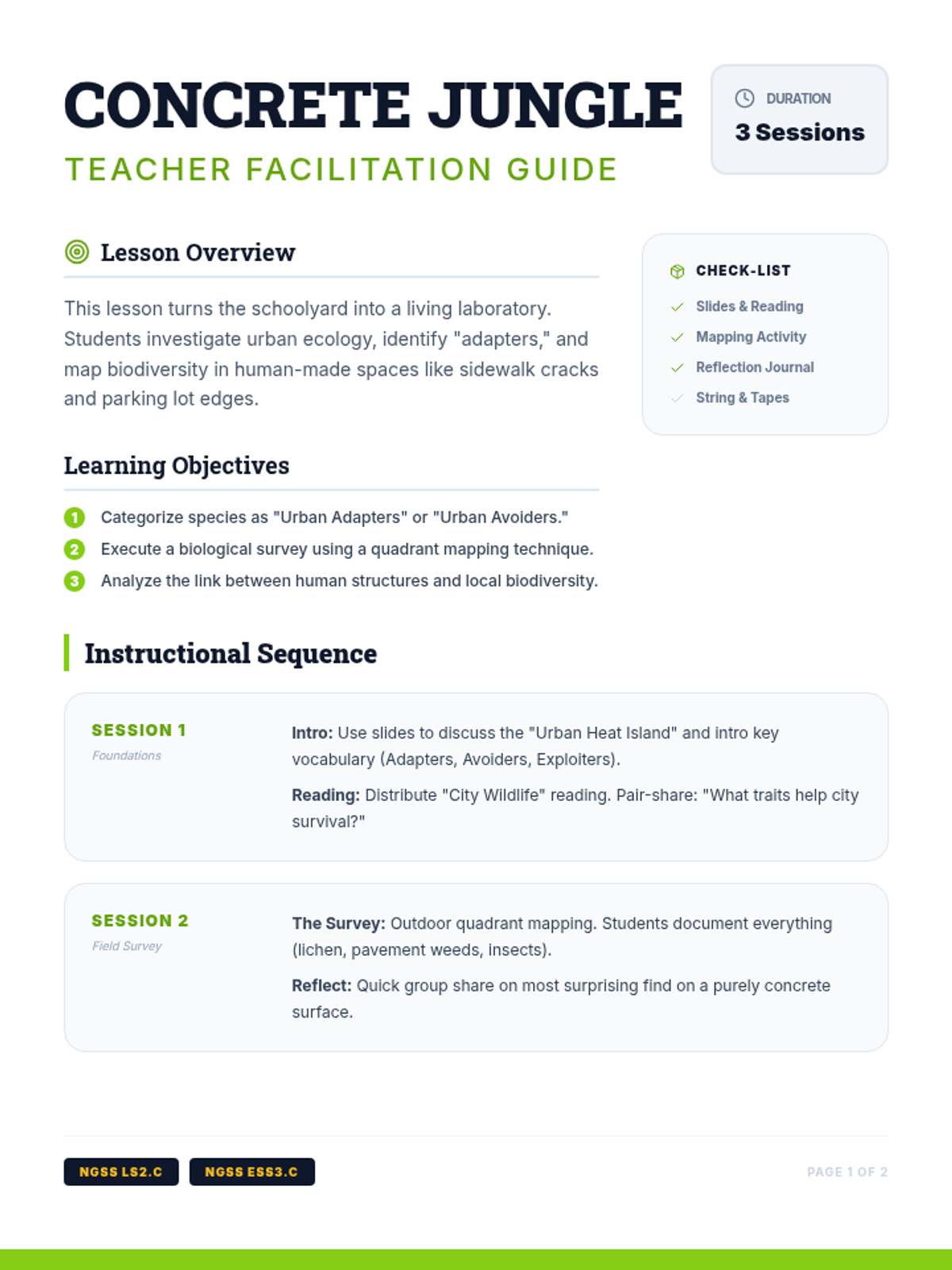
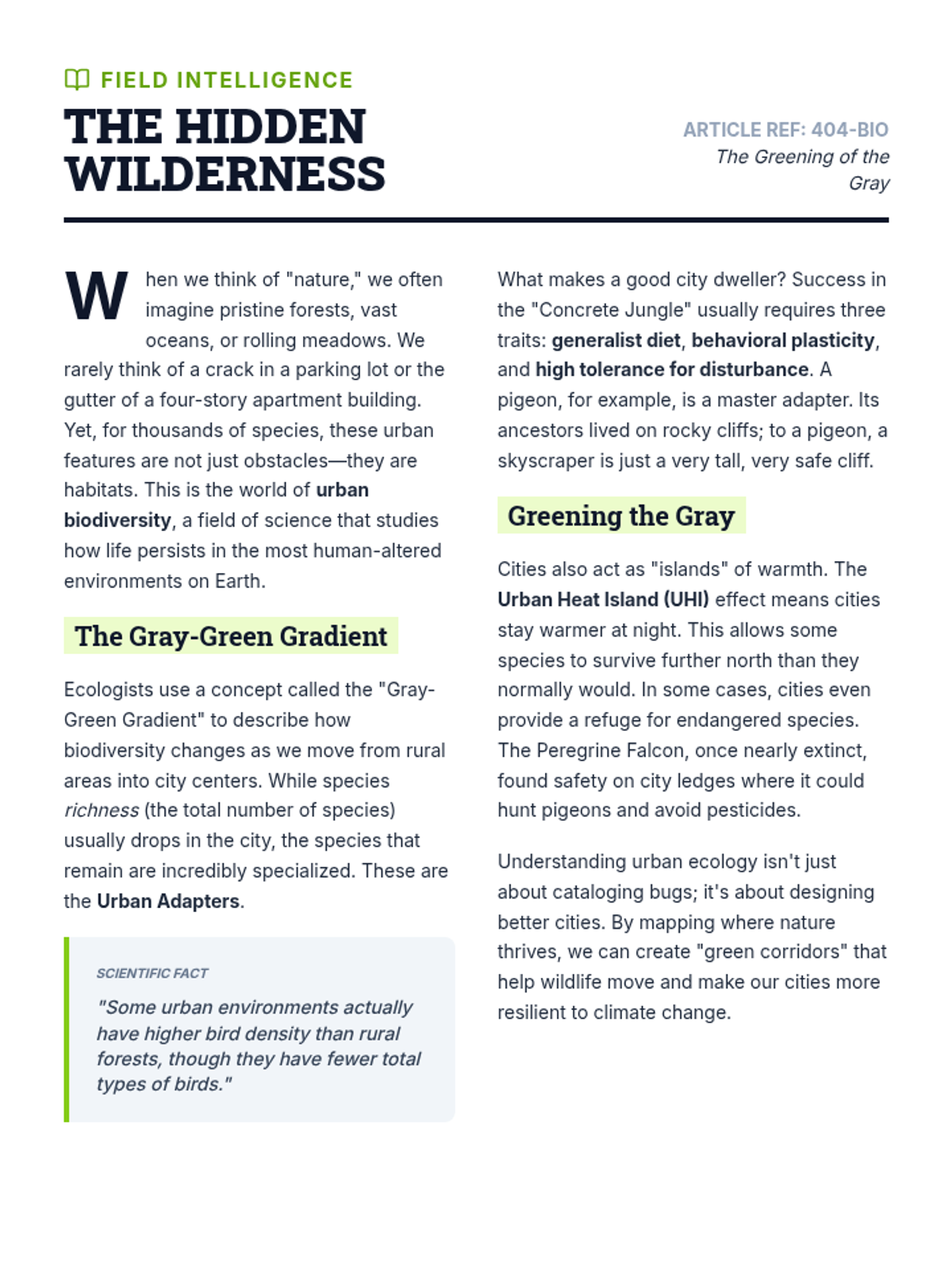
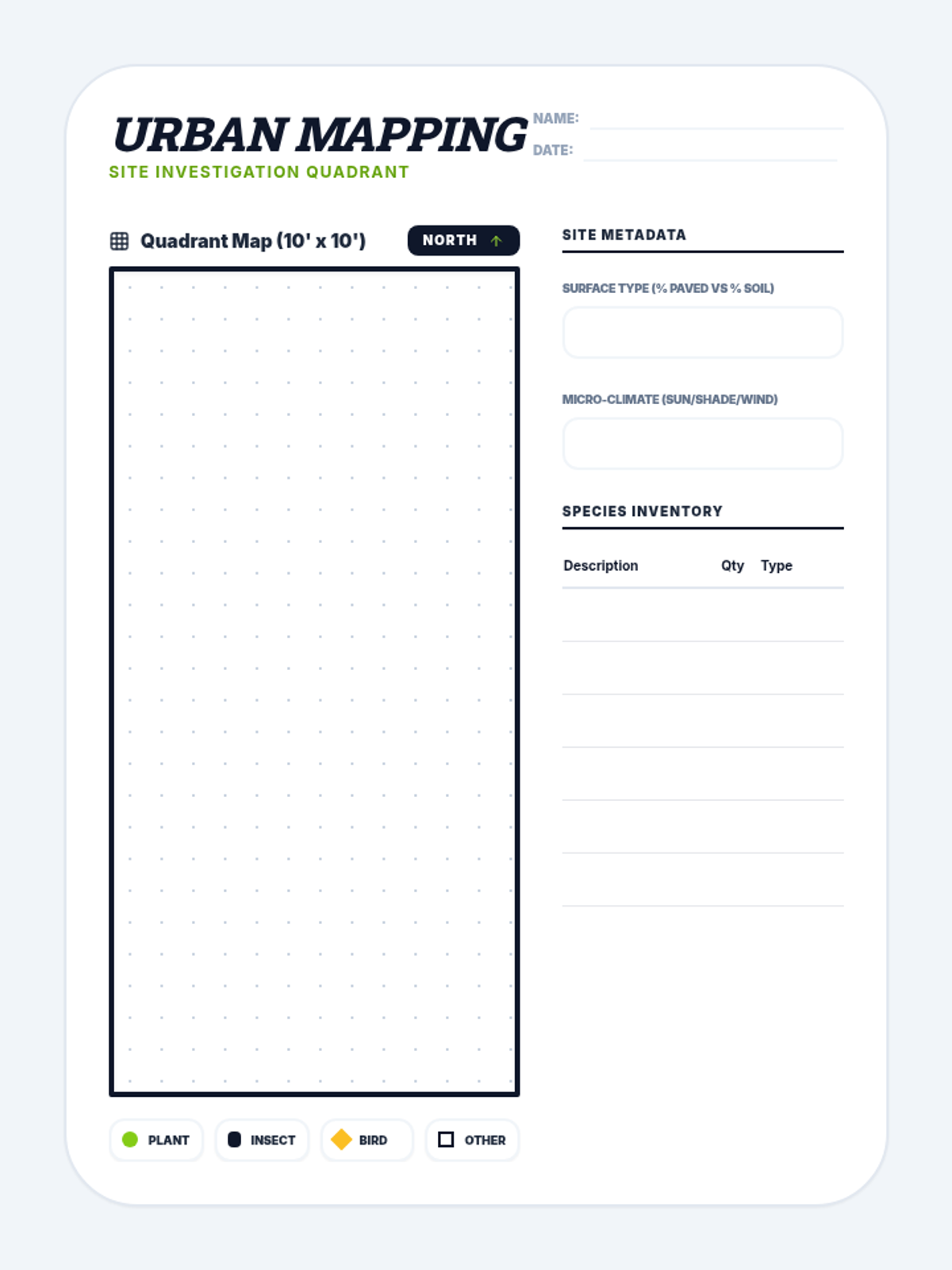
A field-based science lesson where students investigate urban ecosystems, identifying and documenting plant and animal life in developed environments to understand biodiversity and environmental stewardship.
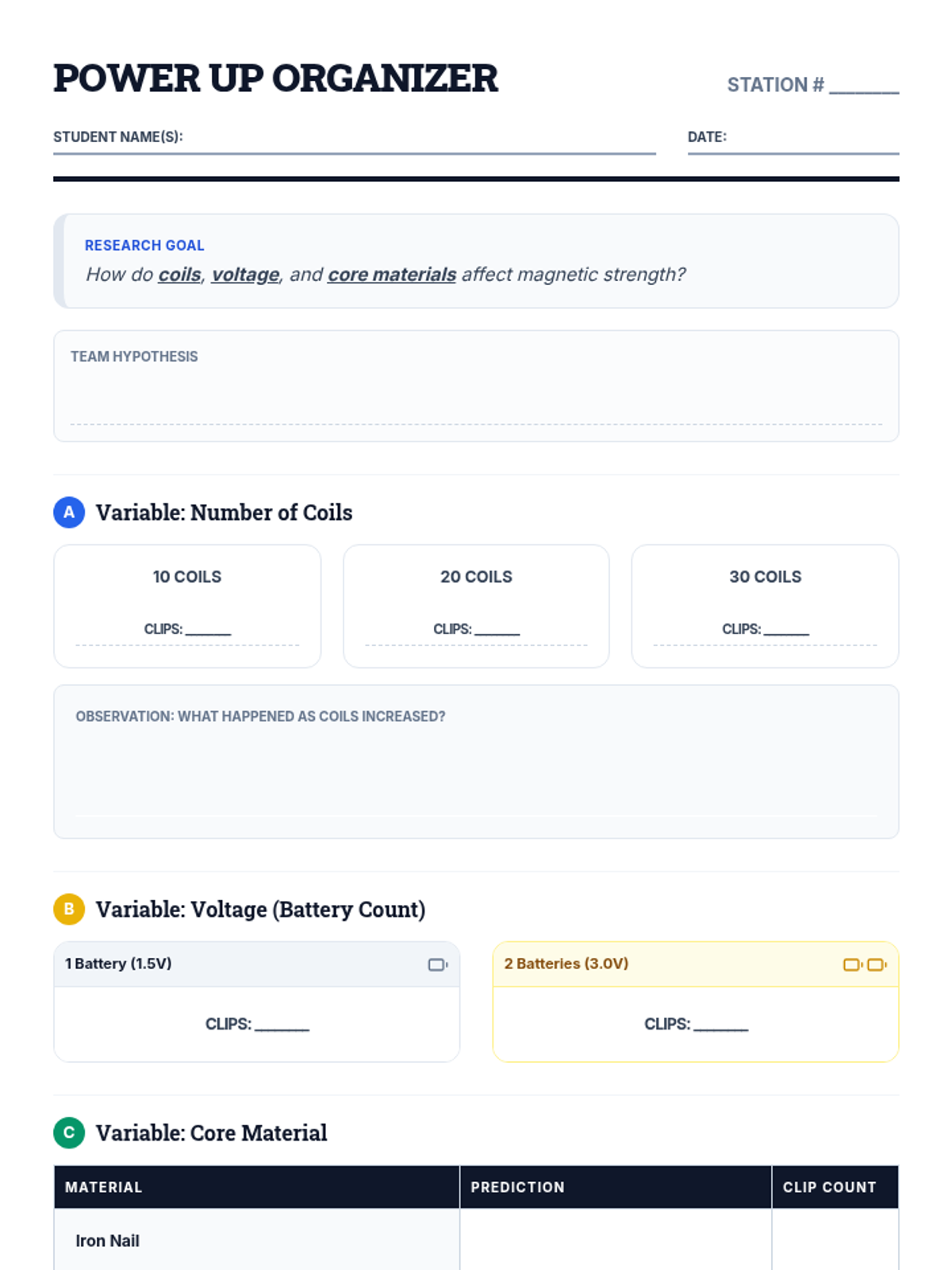
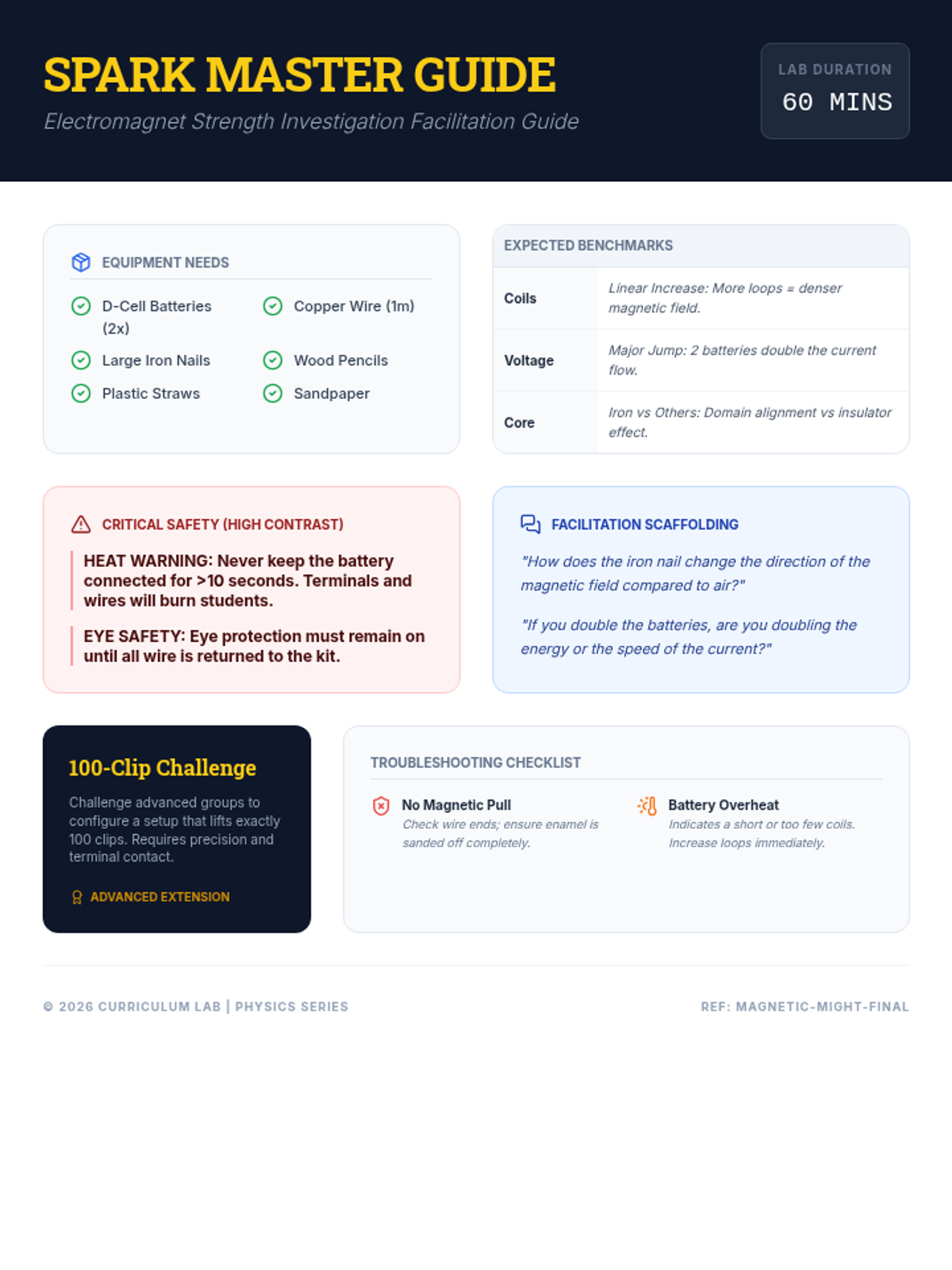
A hands-on laboratory investigation where students explore how varying wire coils, voltage, and core materials affect the strength of an electromagnet.
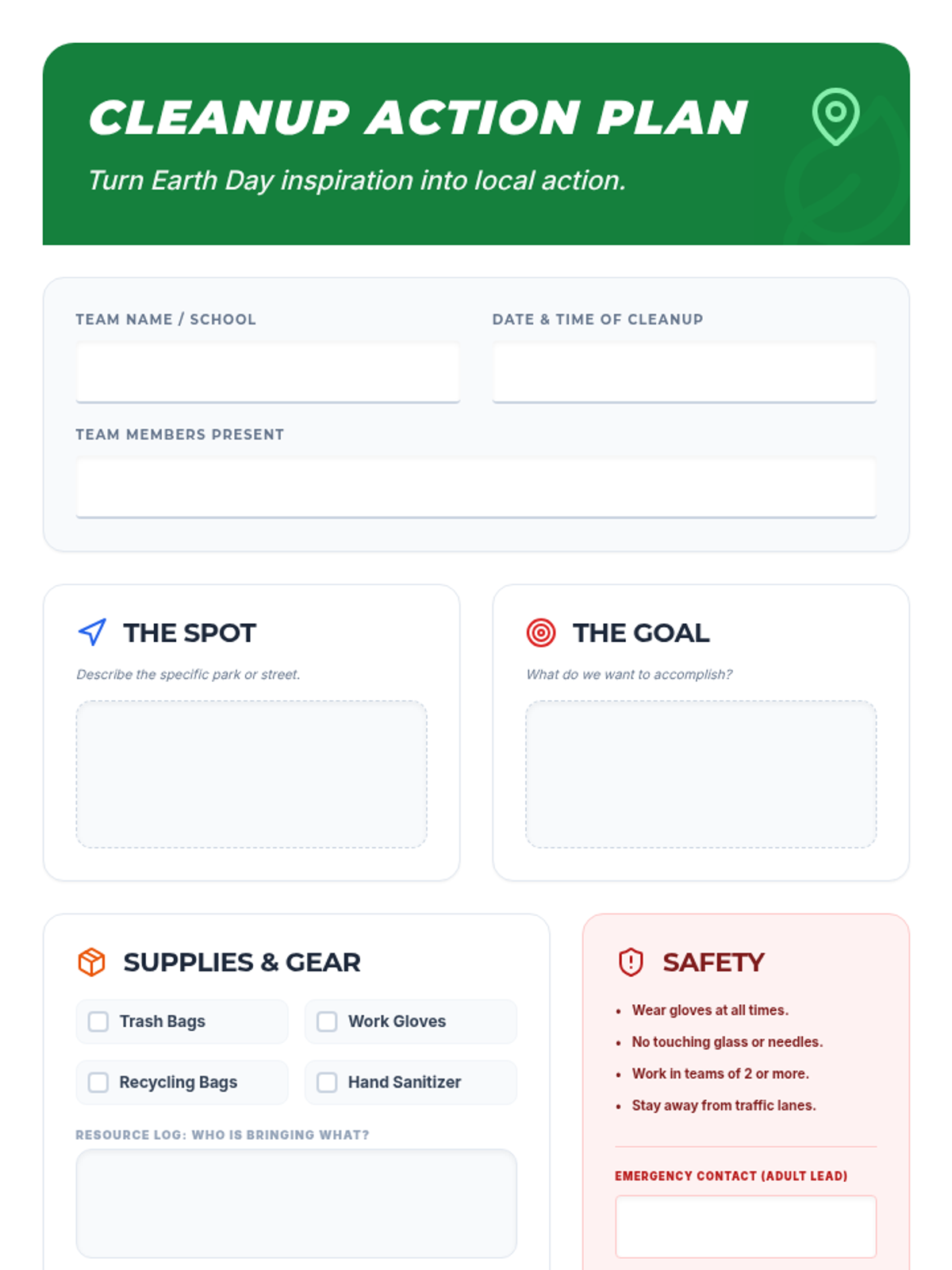
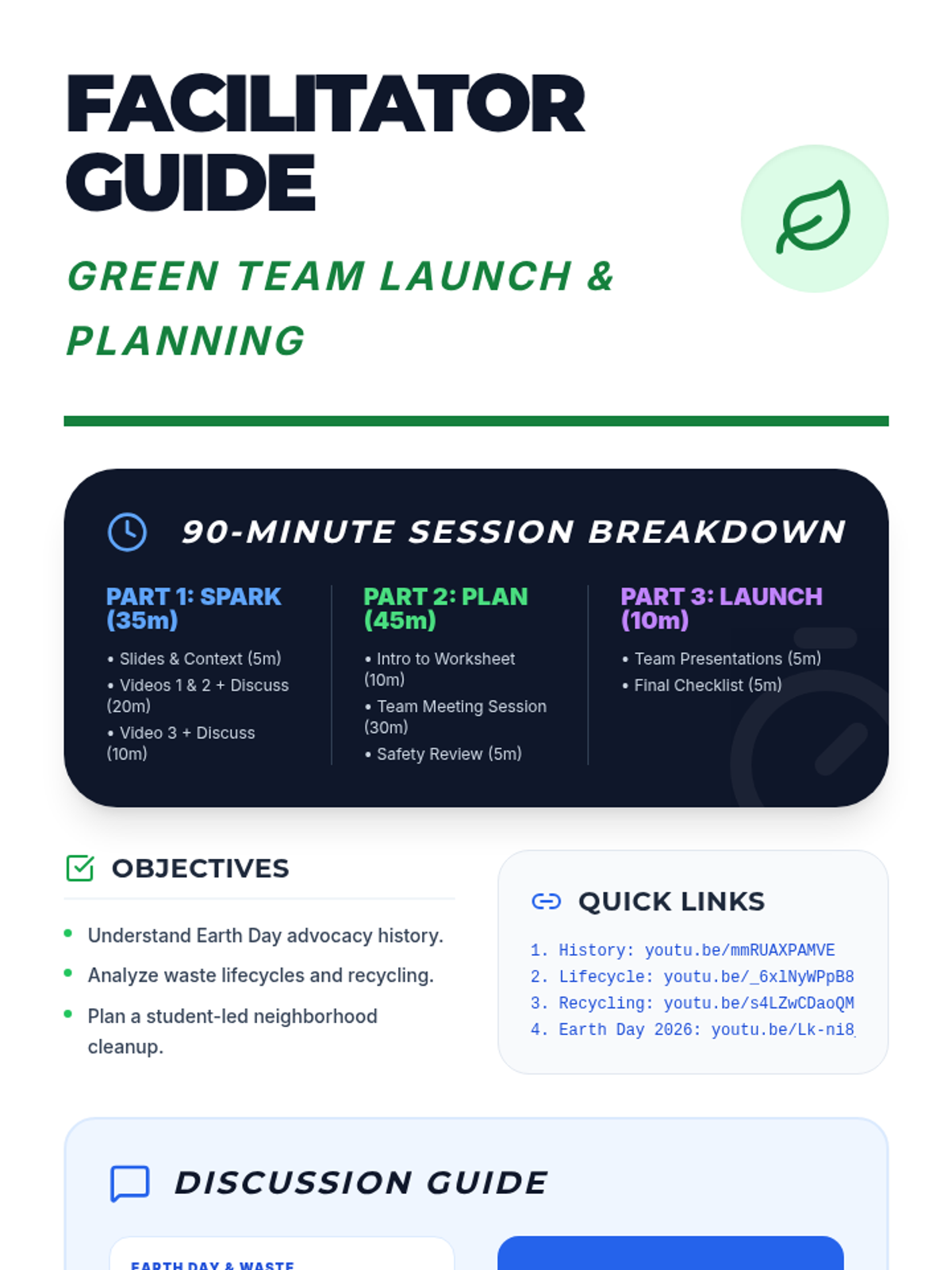
A comprehensive lesson to inspire and equip students to organize their own neighborhood or park cleanup for Earth Day. Includes background on Earth Day, the impact of waste, and a practical planning framework for student-led action.
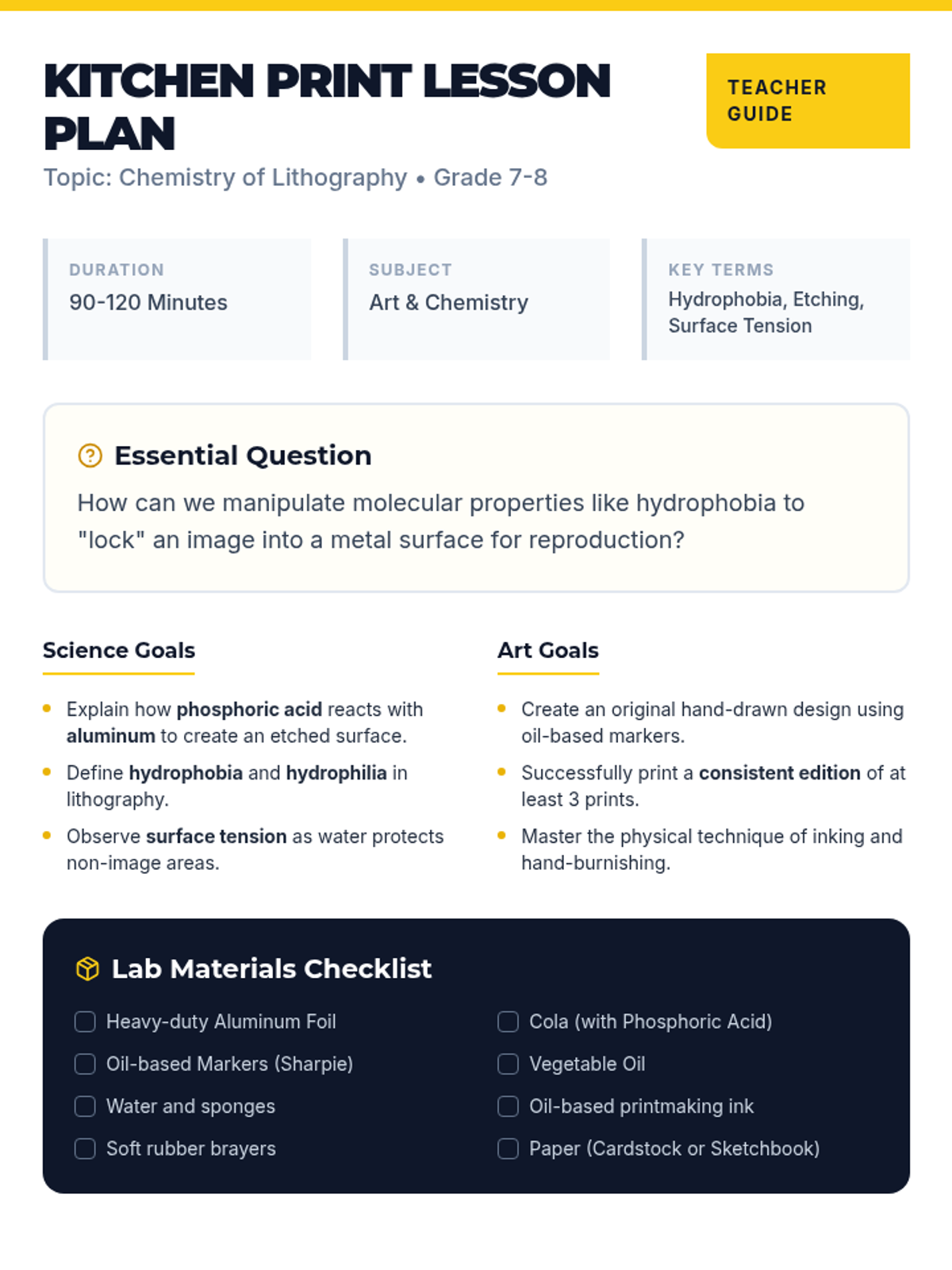
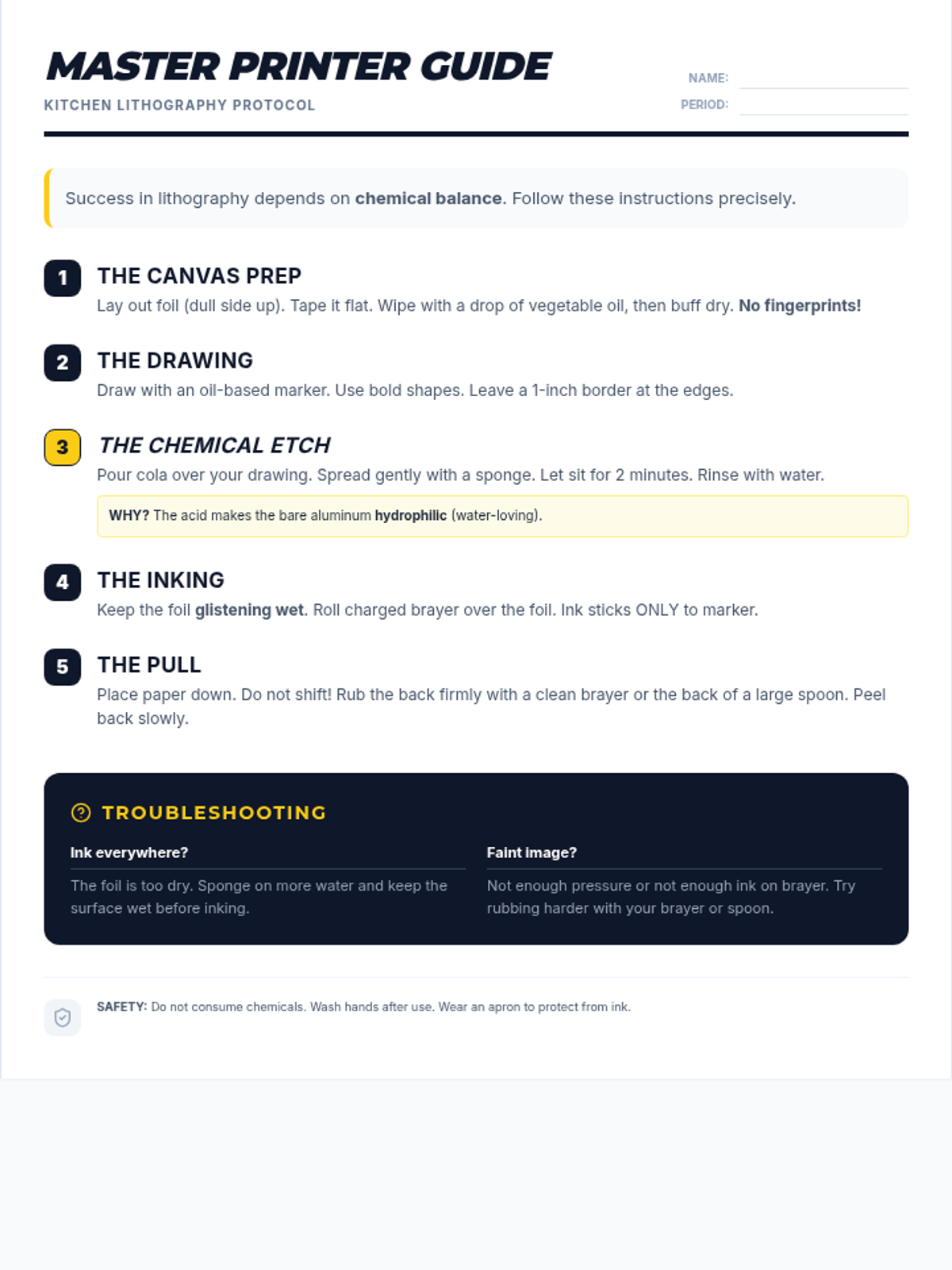
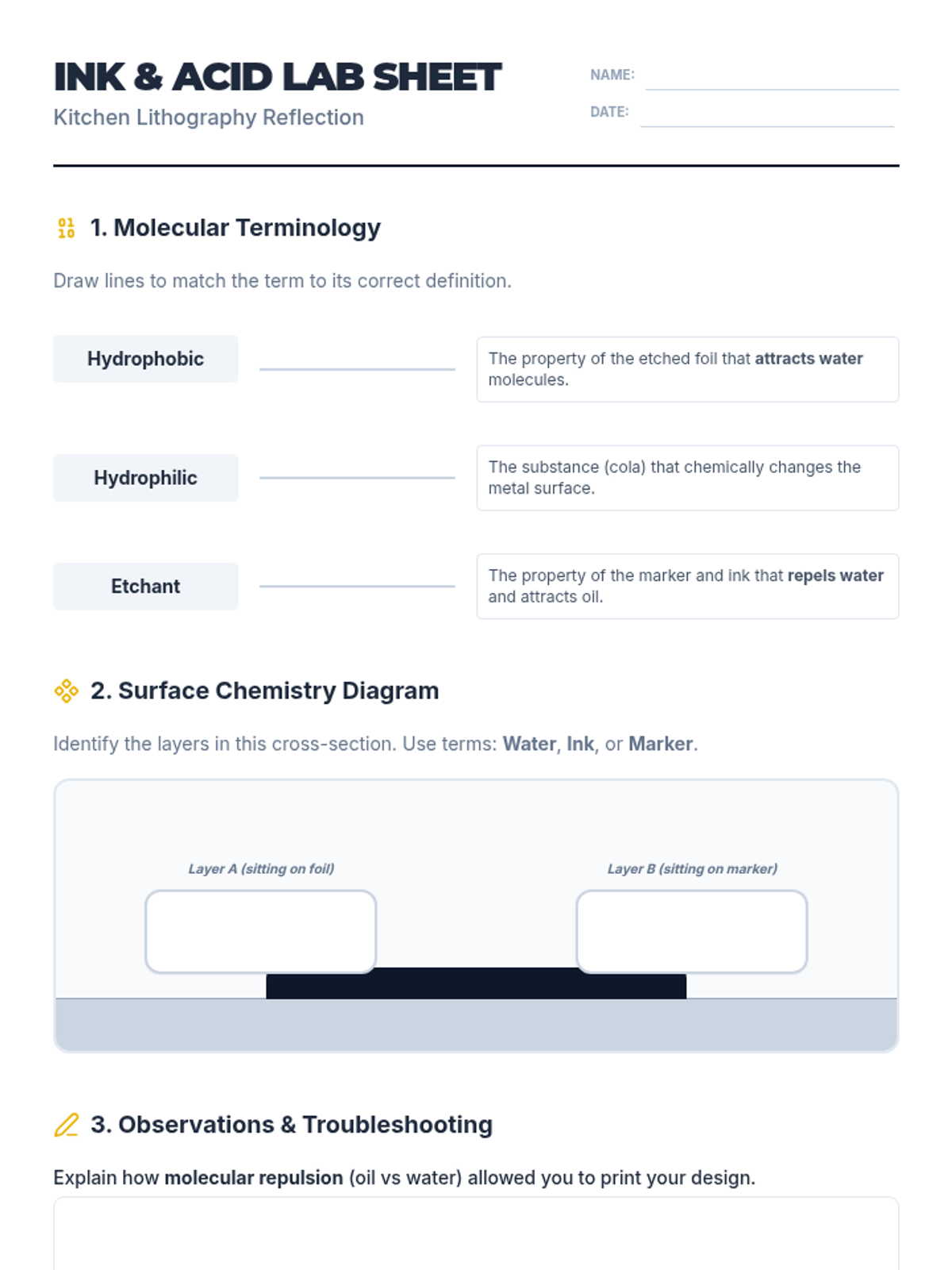
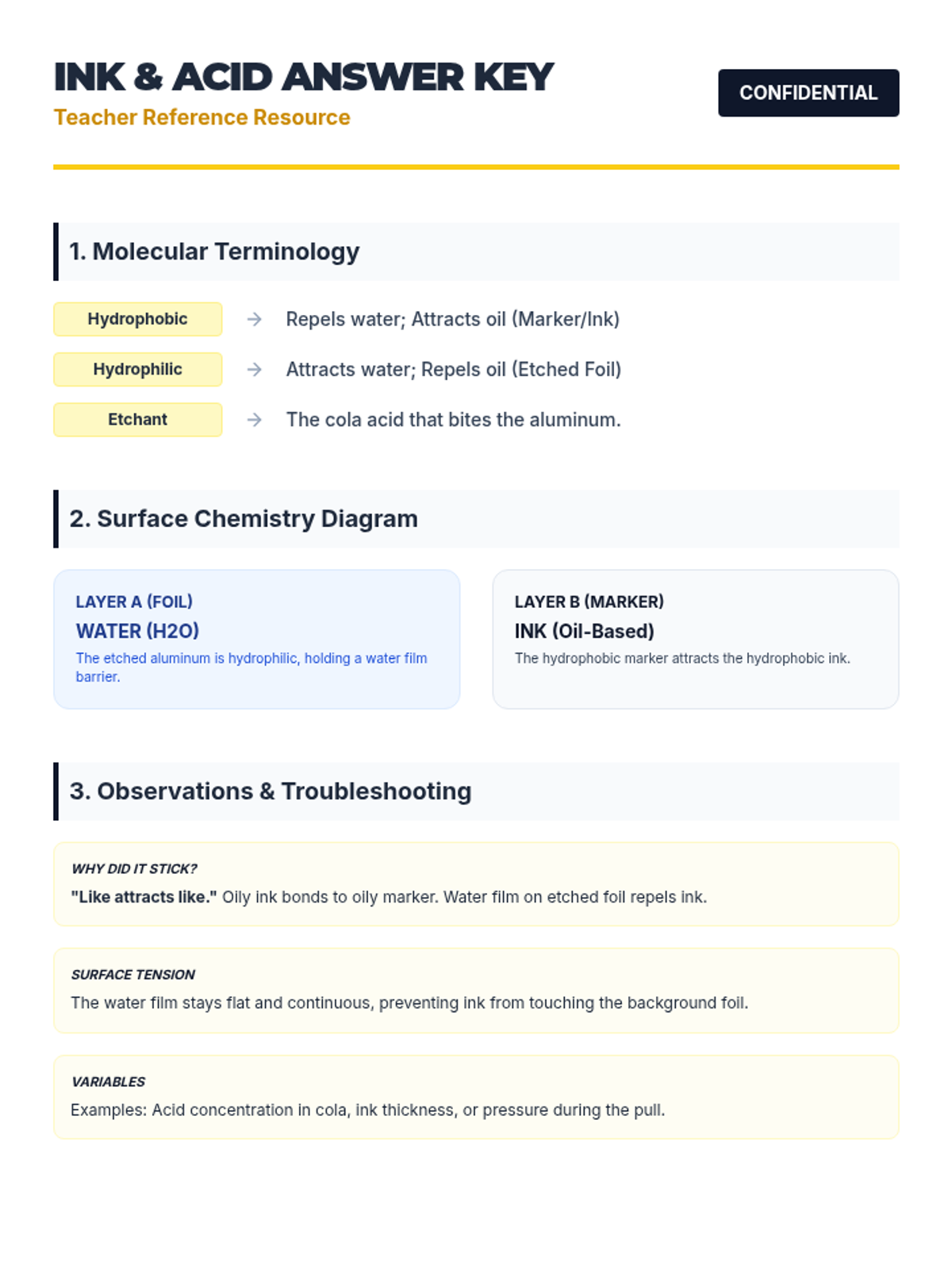
A chemistry-meets-art lesson where students use aluminum foil and cola to explore hydrophobia and surface tension through lithographic printmaking. Students create their own hand-drawn designs and produce multiple editions while learning the molecular science behind the process.
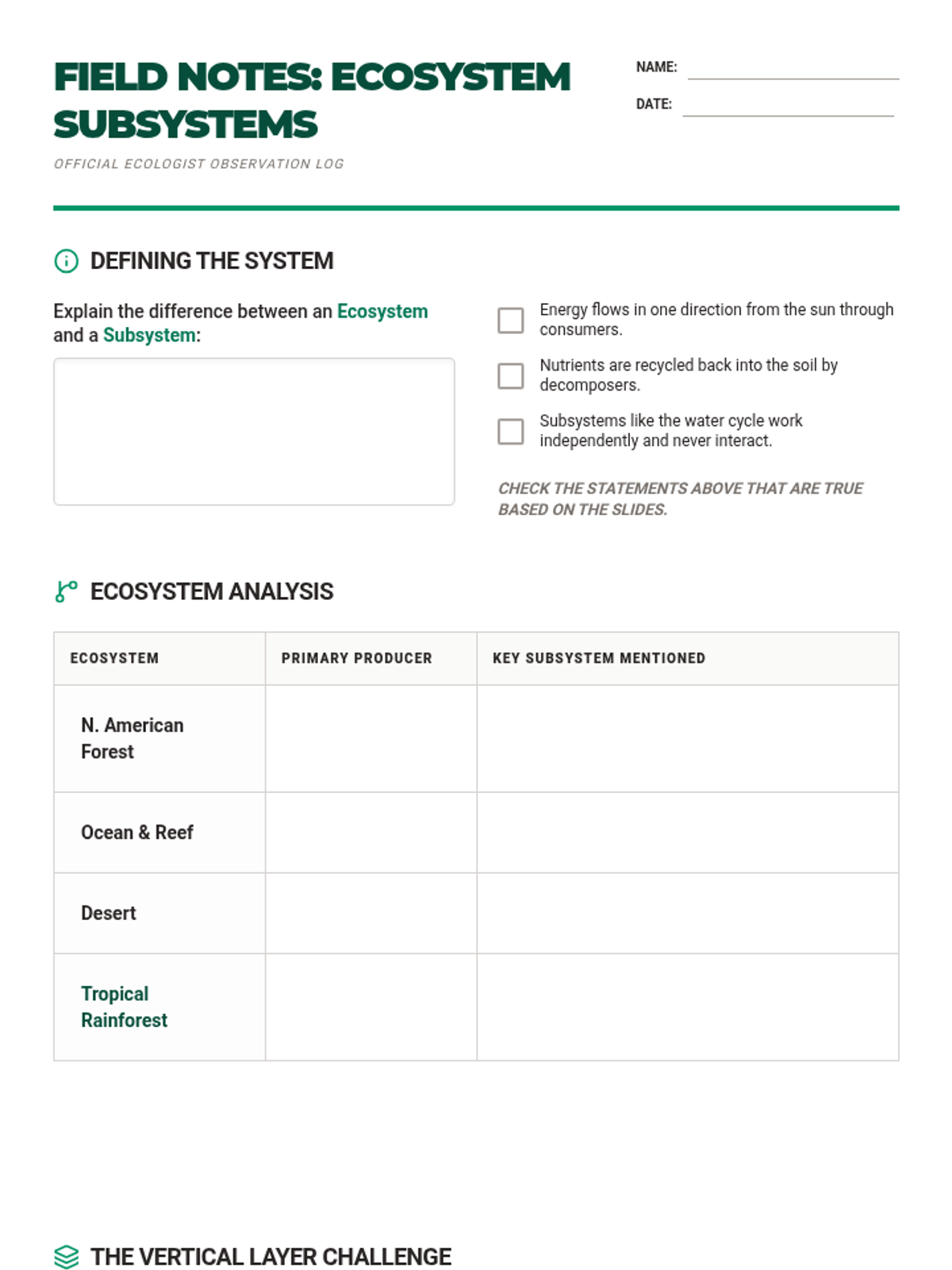
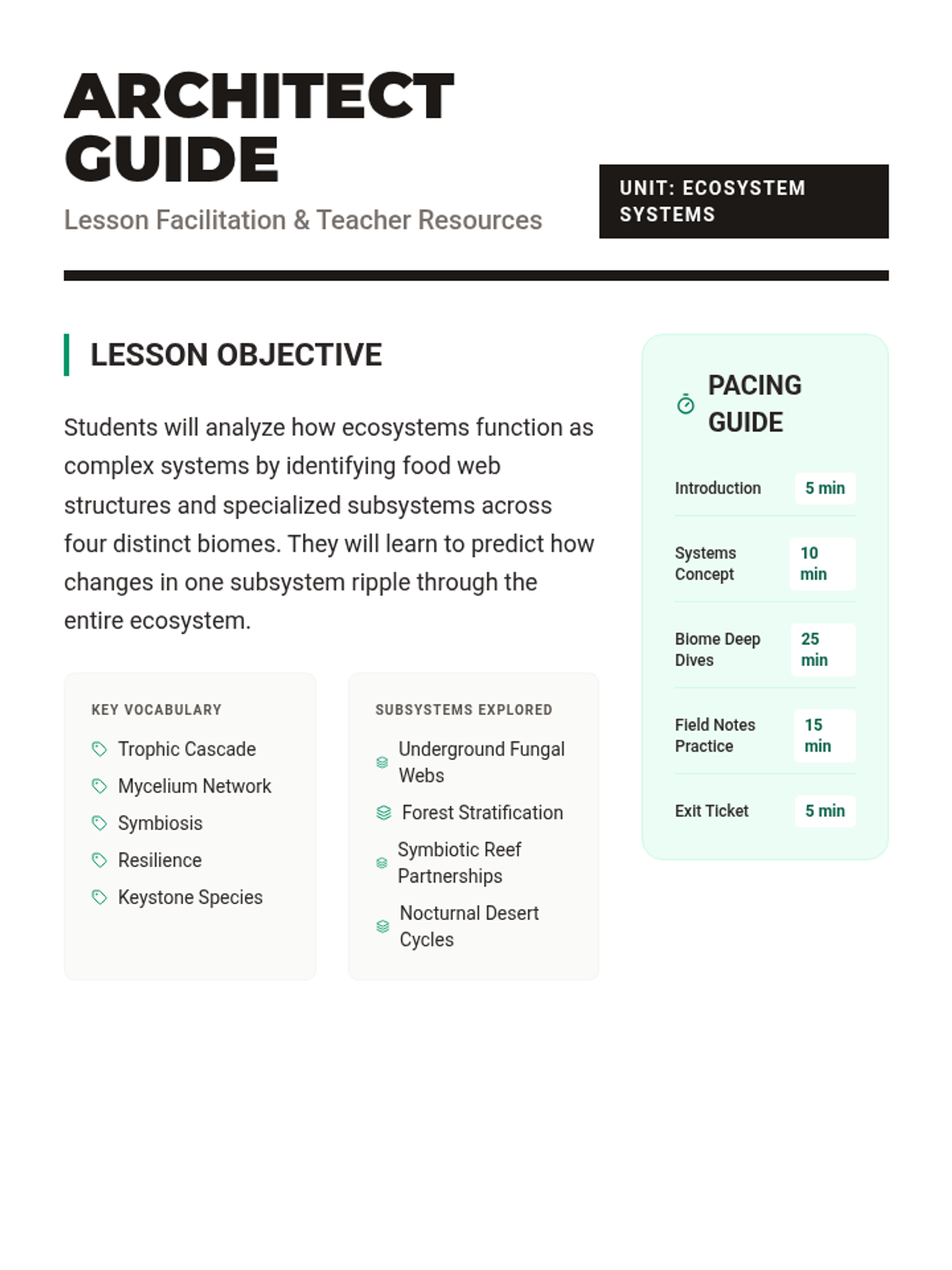
A comprehensive lesson exploring ecosystems as complex systems, focusing on food webs and subsystems across four major biomes: North American Forests, Oceans/Coral Reefs, Deserts, and Tropical Rainforests.
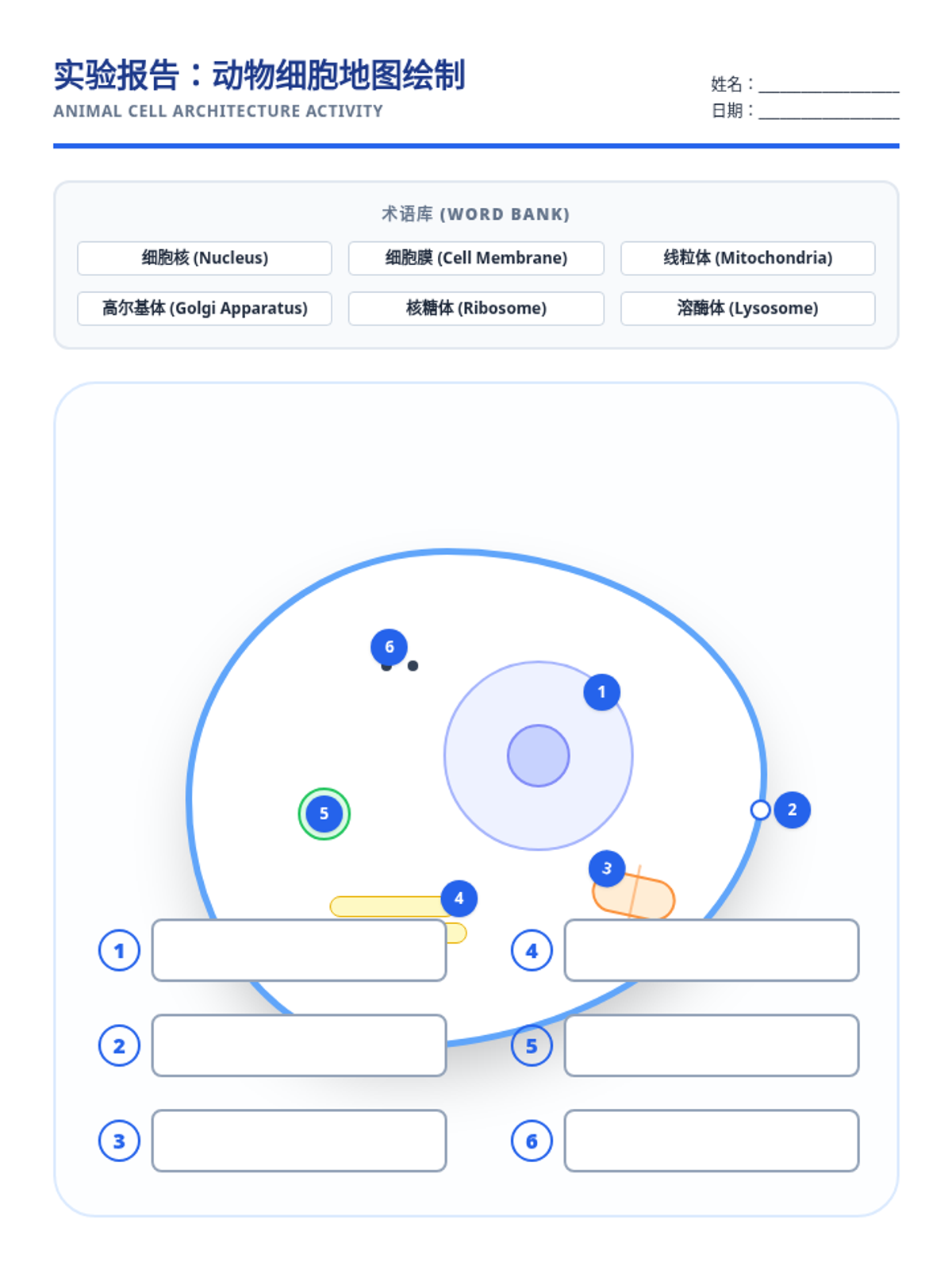
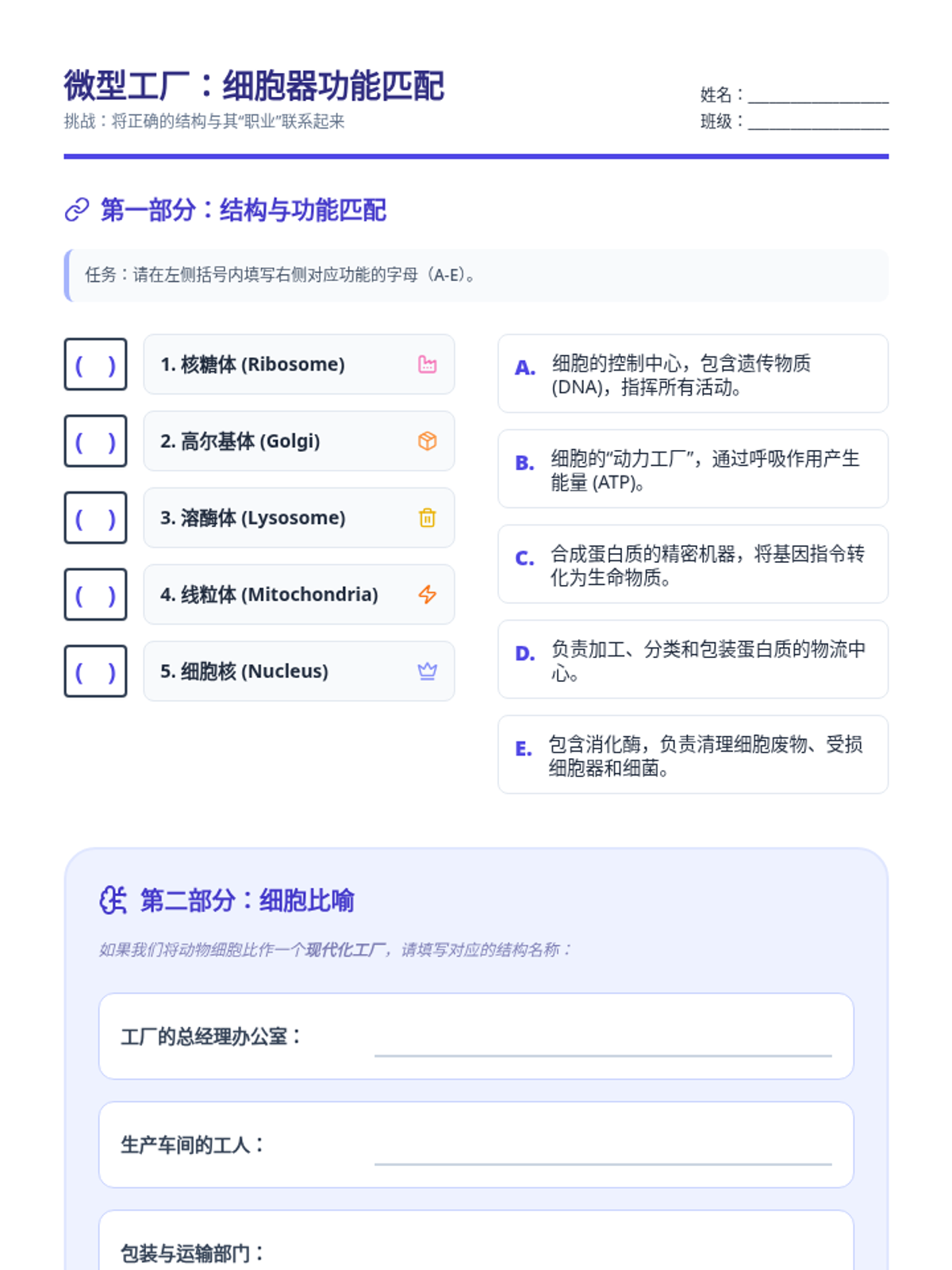
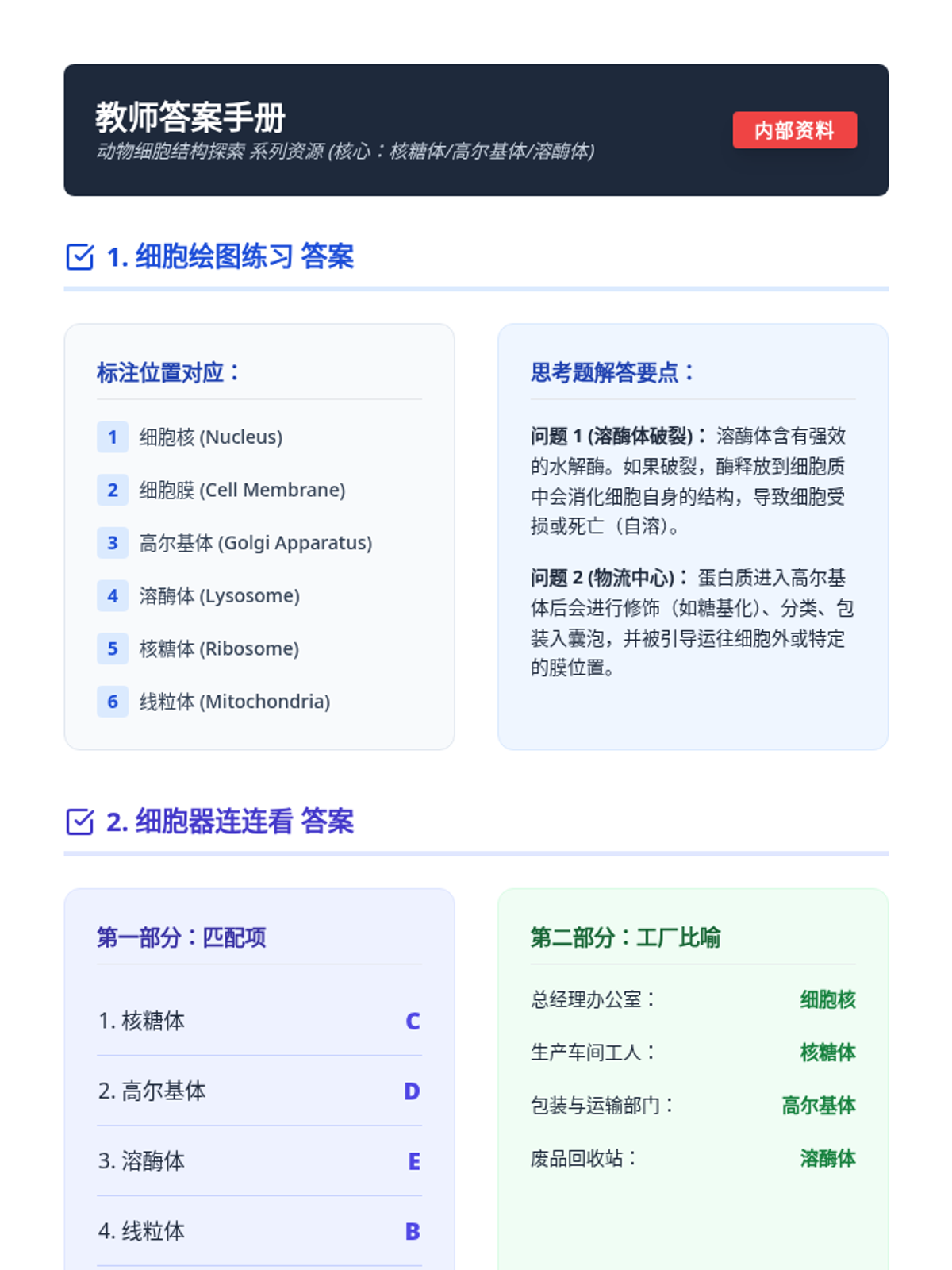
这是一套关于动物细胞结构的教学资源,包括课堂演示文稿、标注练习和功能匹配活动,重点讲解细胞核、核糖体、高尔基体和溶酶体。
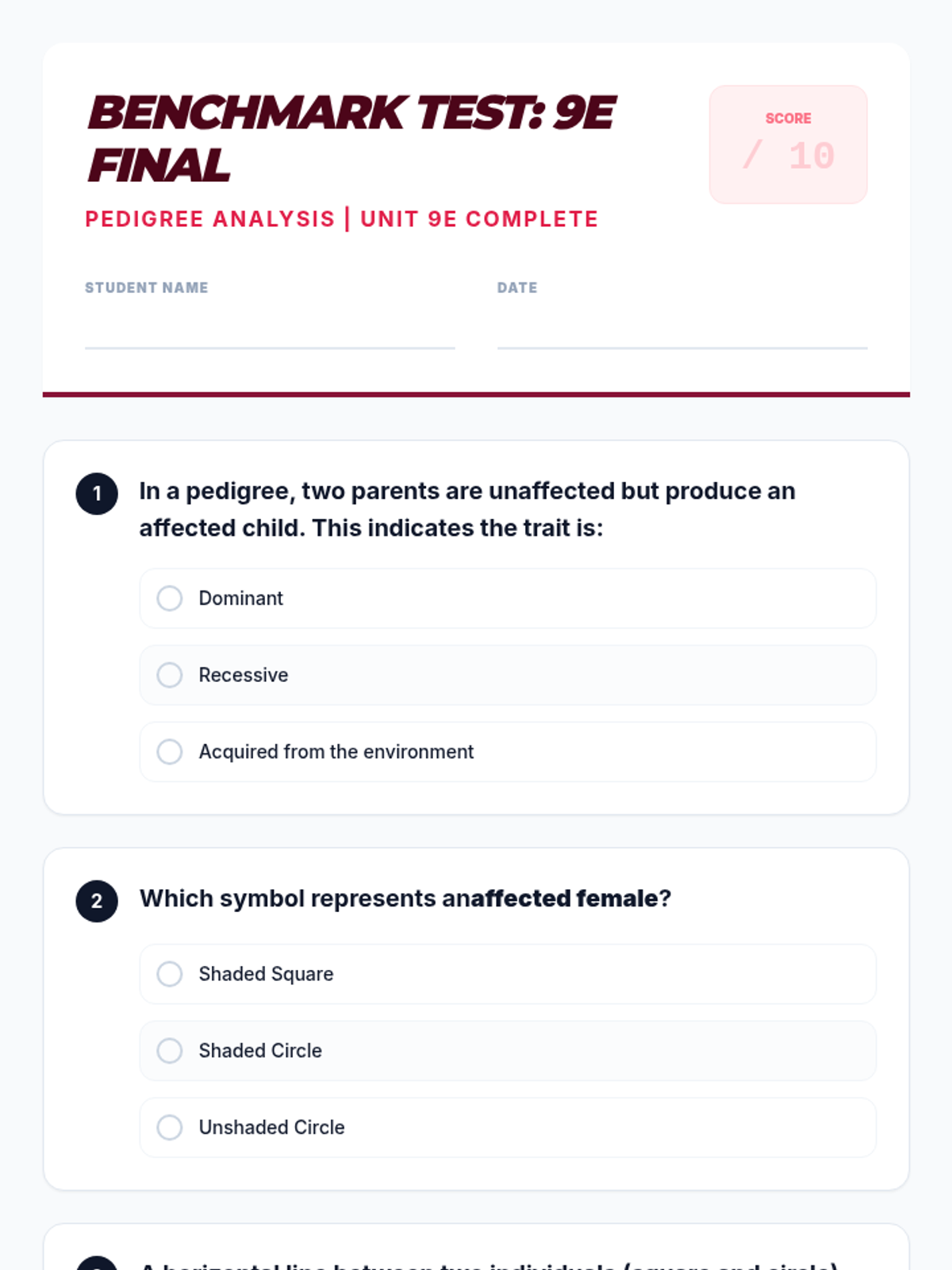
Final unit synthesis assessment and cumulative benchmark test.