A Kindergarten ELA sequence where students become 'Word Wizards' to learn how pronouns and verbs combine into contractions. Students explore 'I'm', 'he's', 'she's', 'it's', 'we're', and 'they're' through magic-themed activities, crafts, and games.
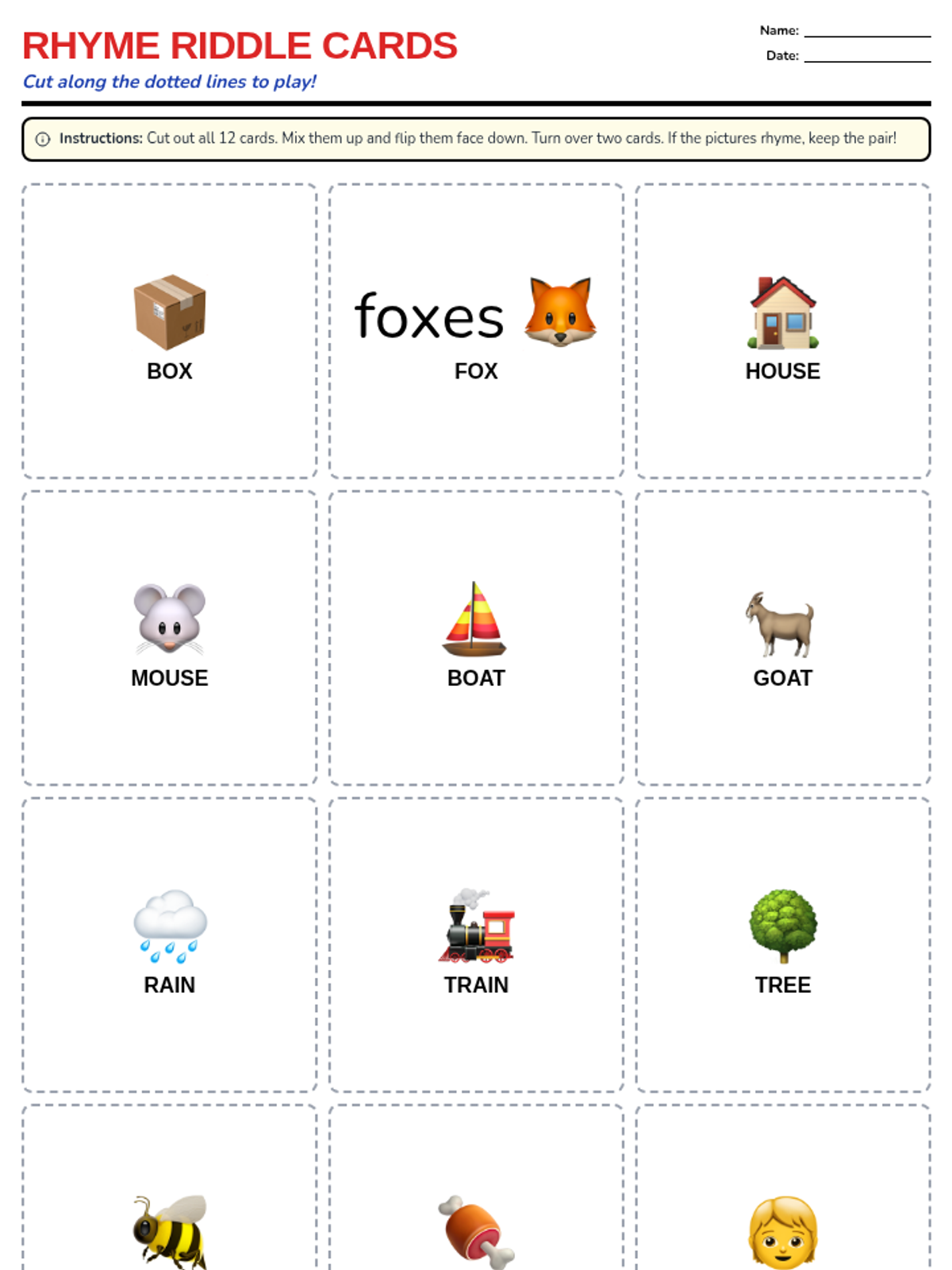
A week-long ELA homework series centered around a narrative about a squirrel's search for a rare acorn. The materials are differentiated for Kindergarten, 2nd Grade, and 4th Grade learners.
A foundational writing sequence for early learners focused on developing opinion writing skills. Students progress from stating simple preferences to supporting their opinions with reasons and descriptive details using 'I like' and 'because'.
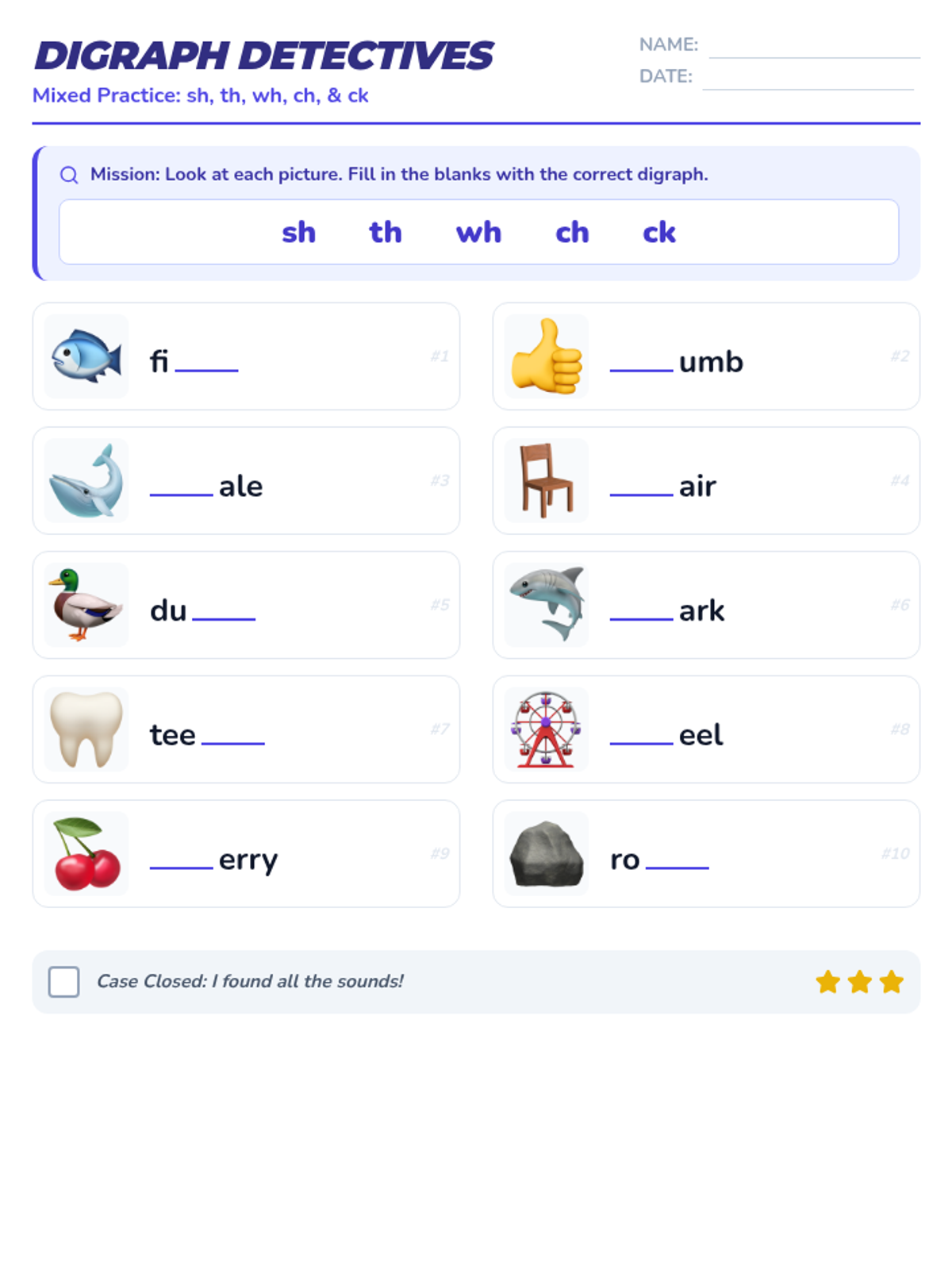
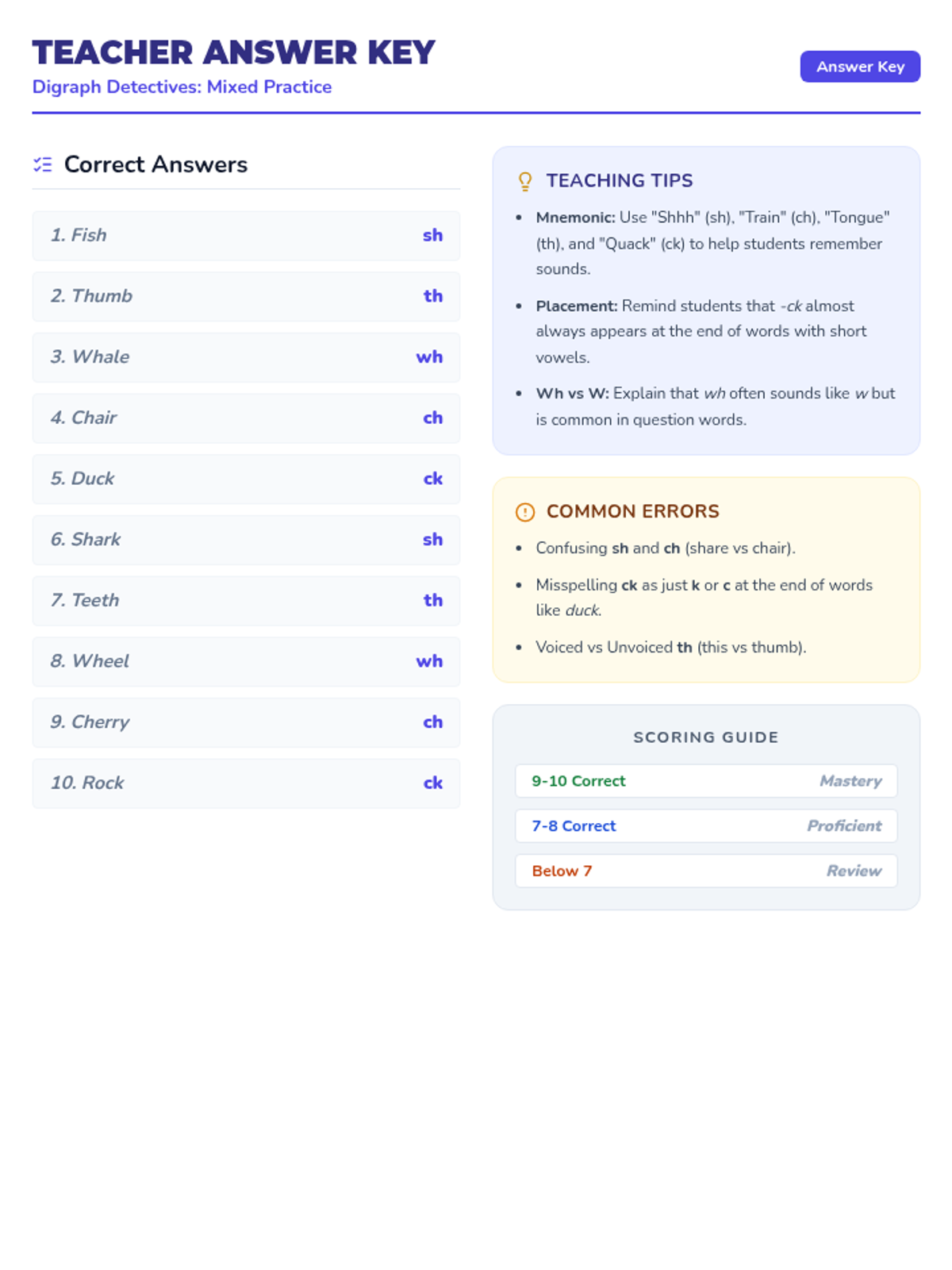
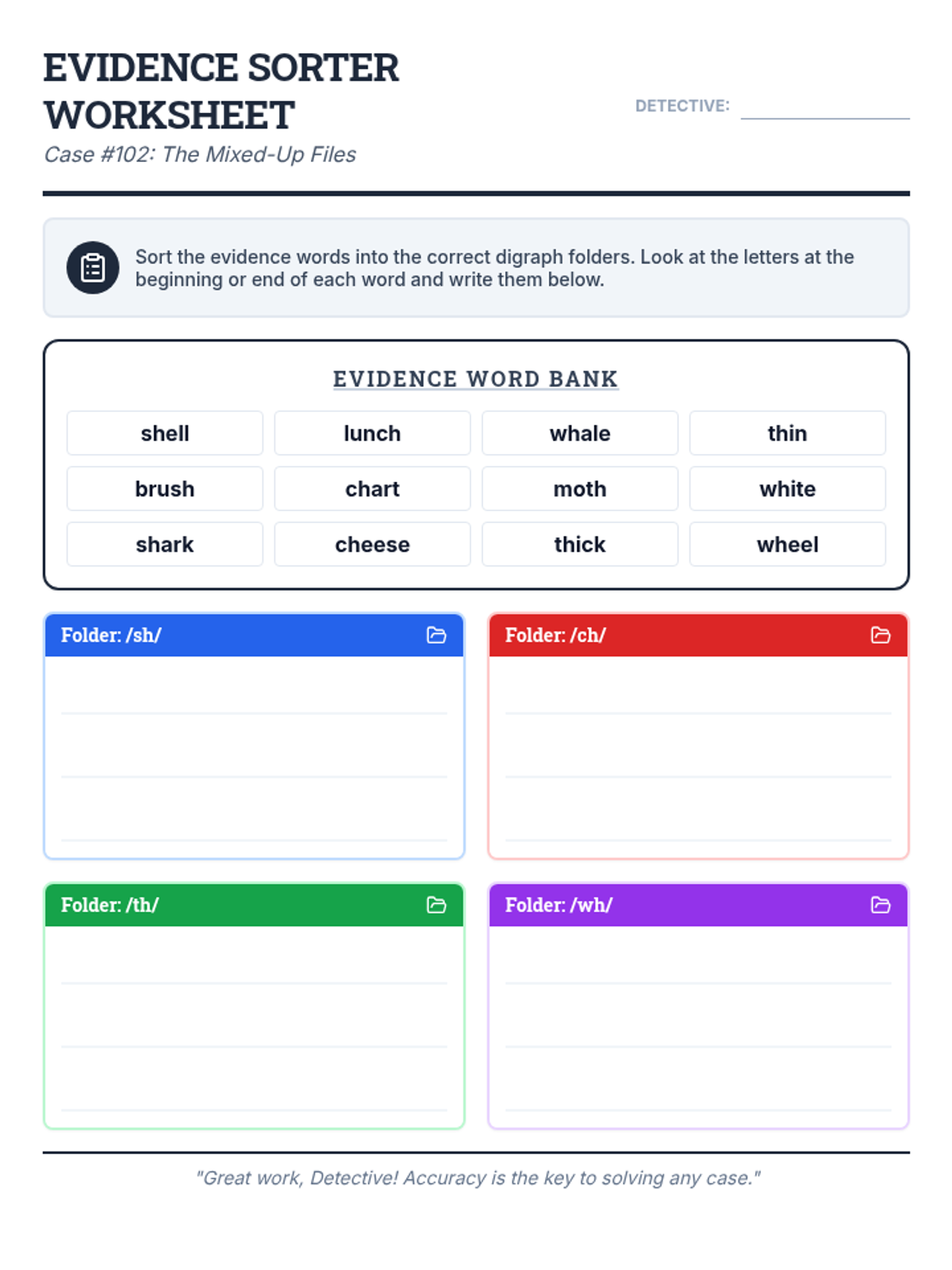
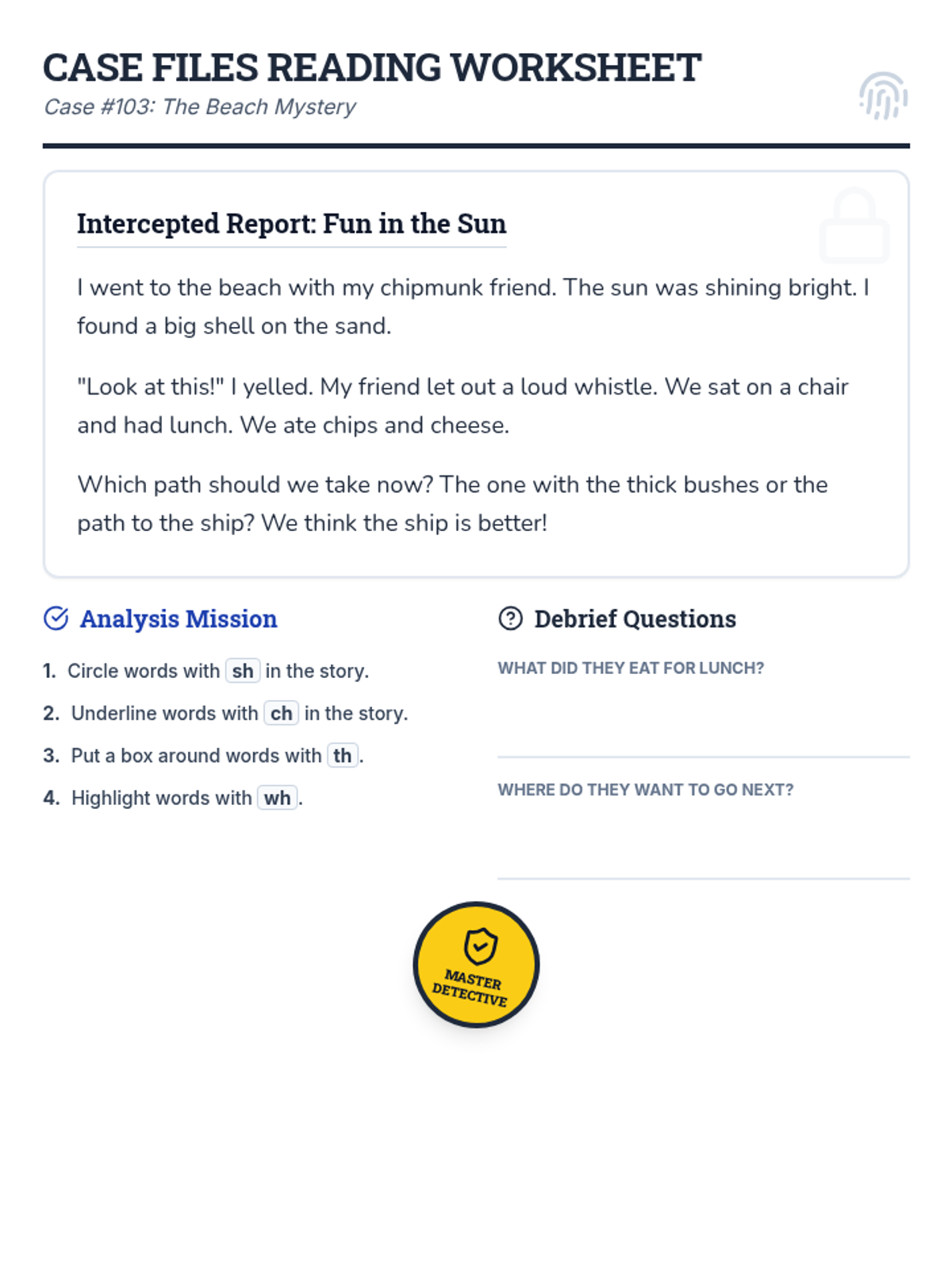
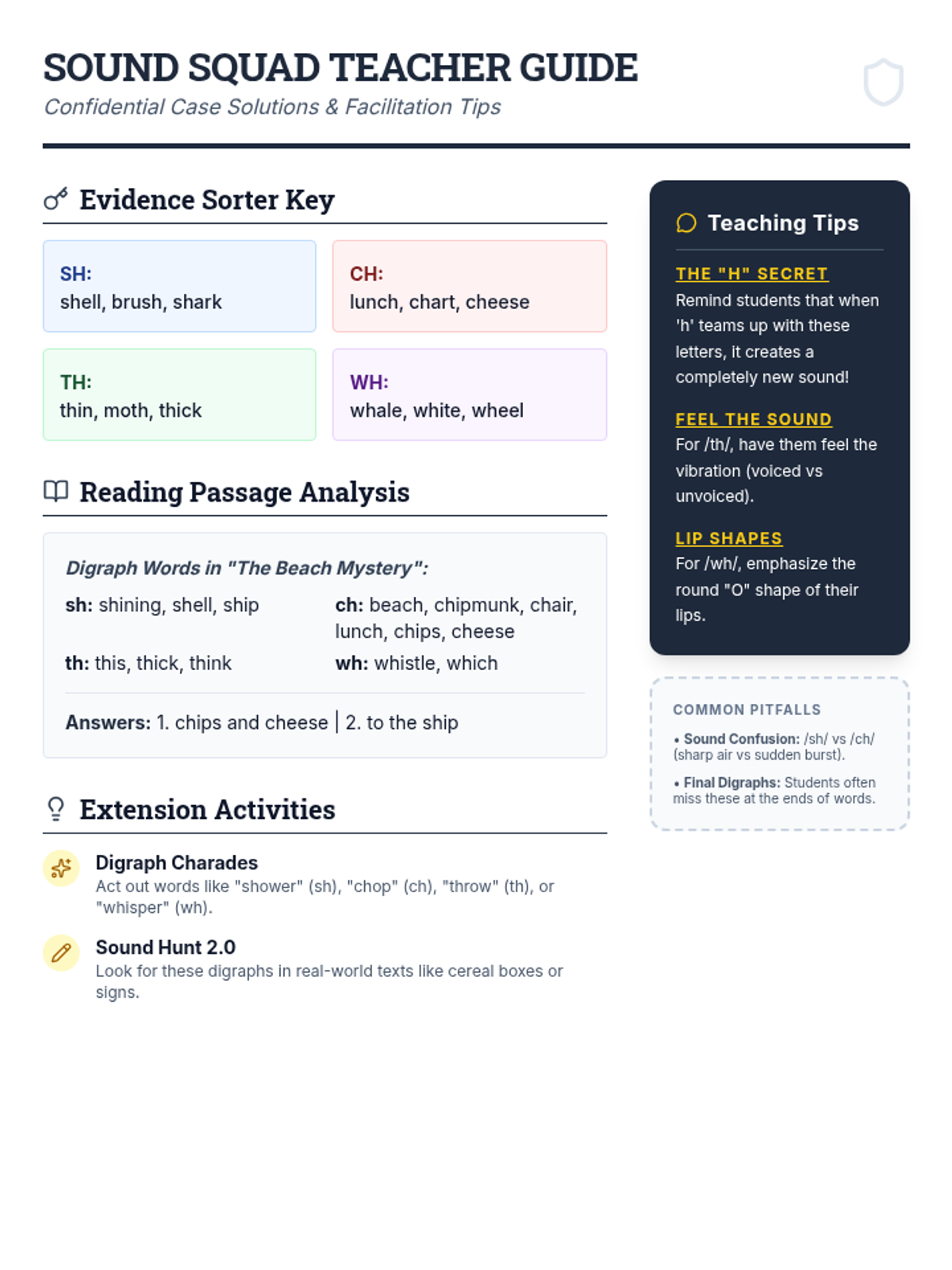
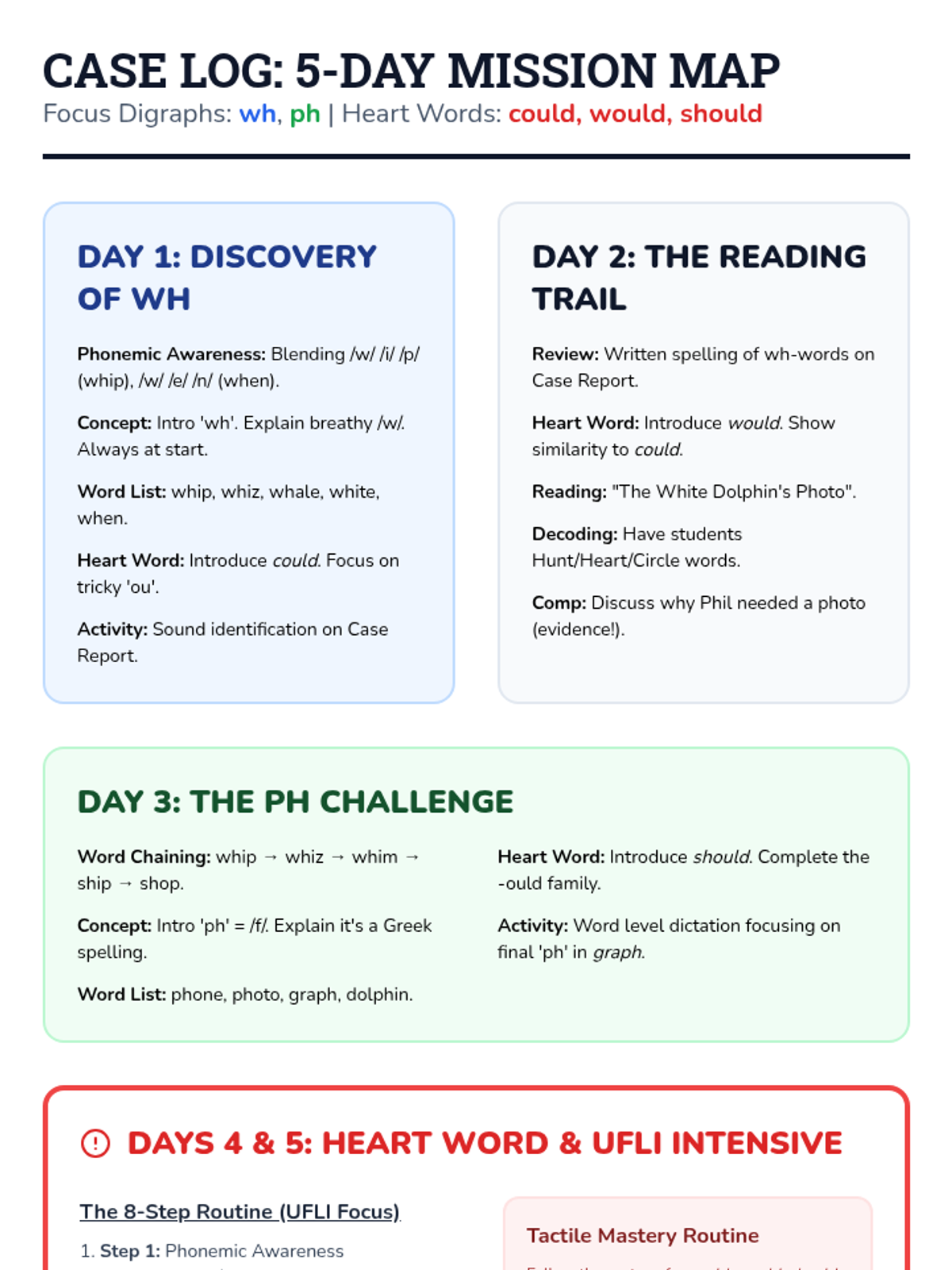
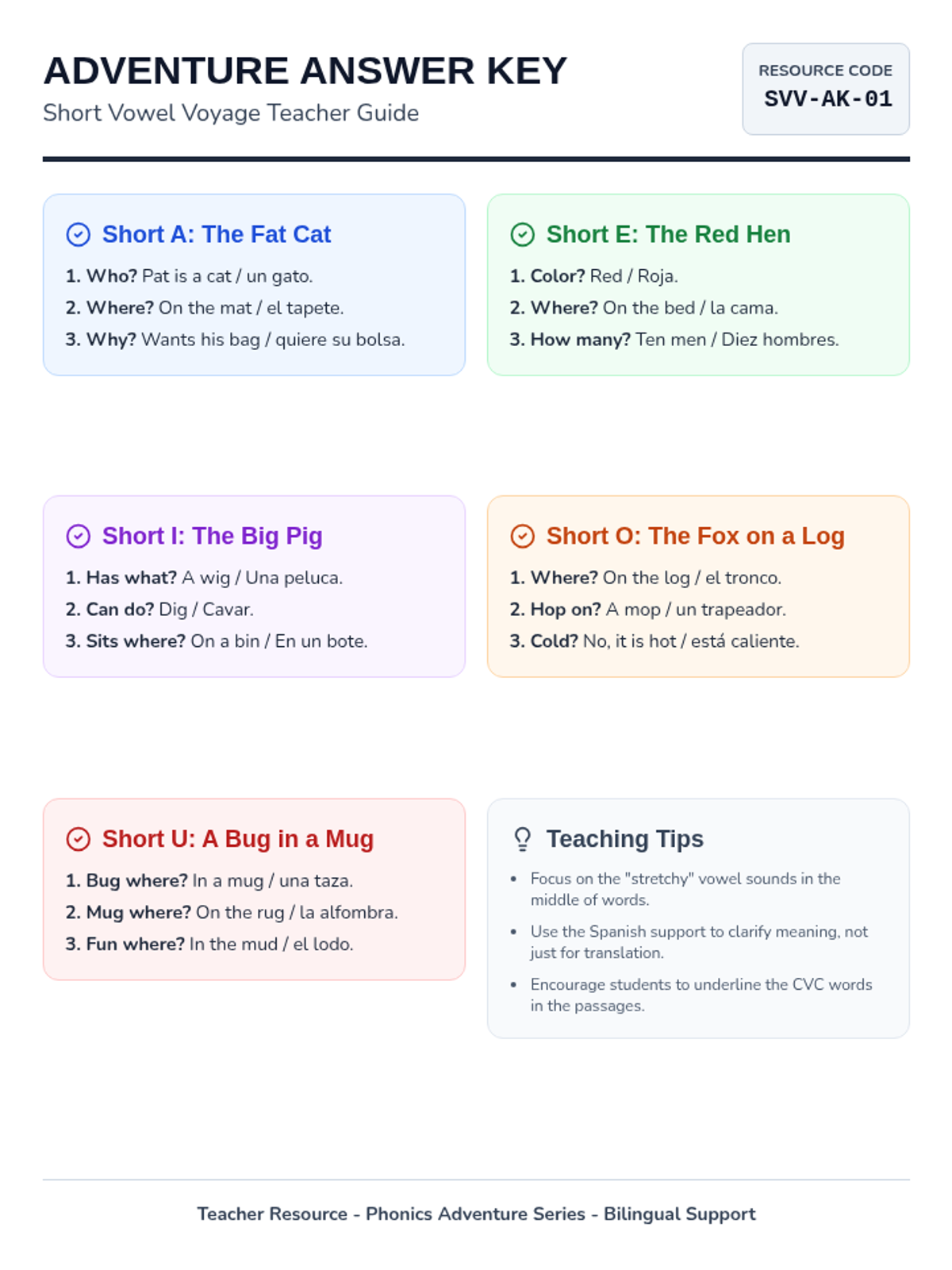
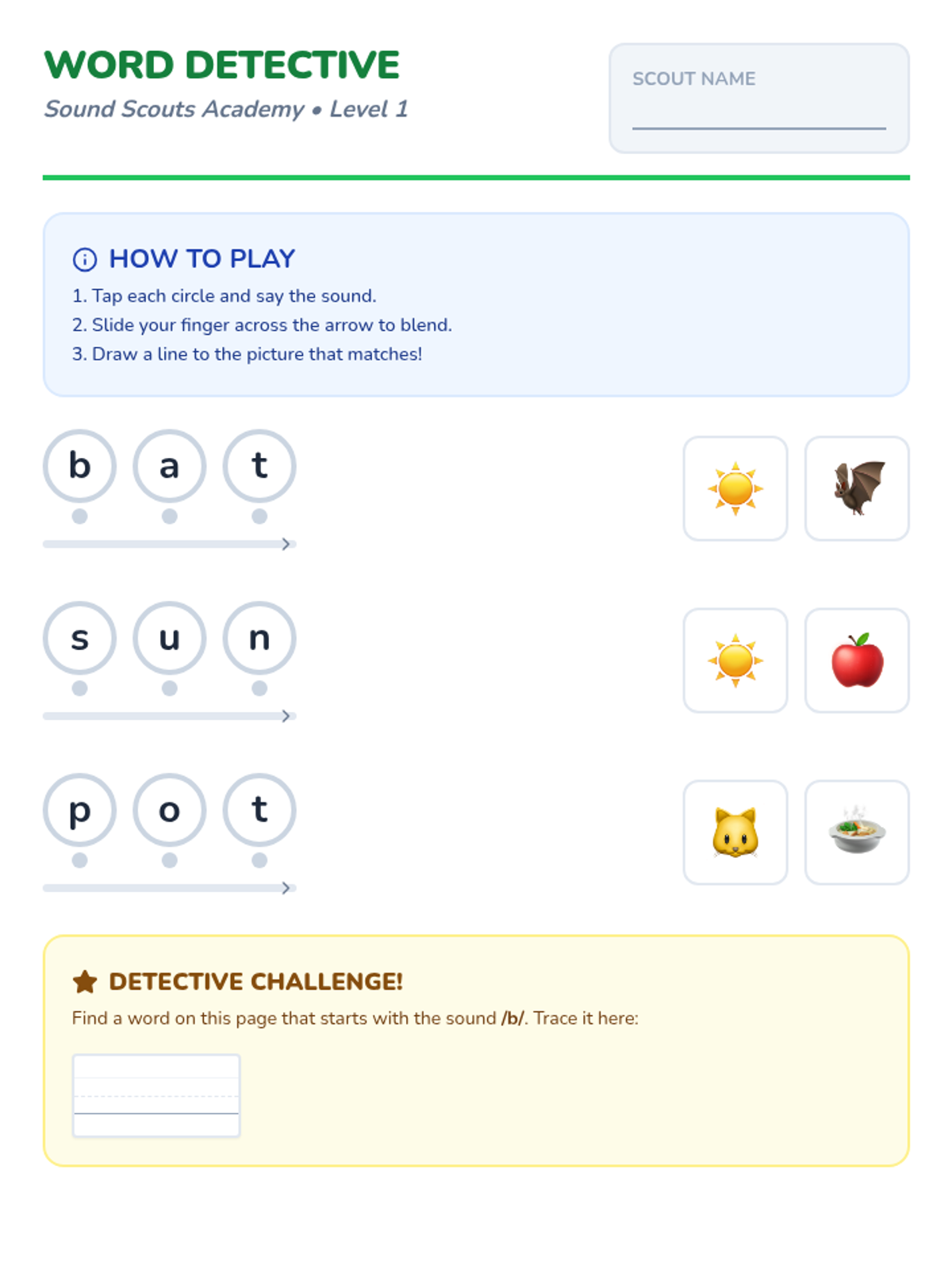
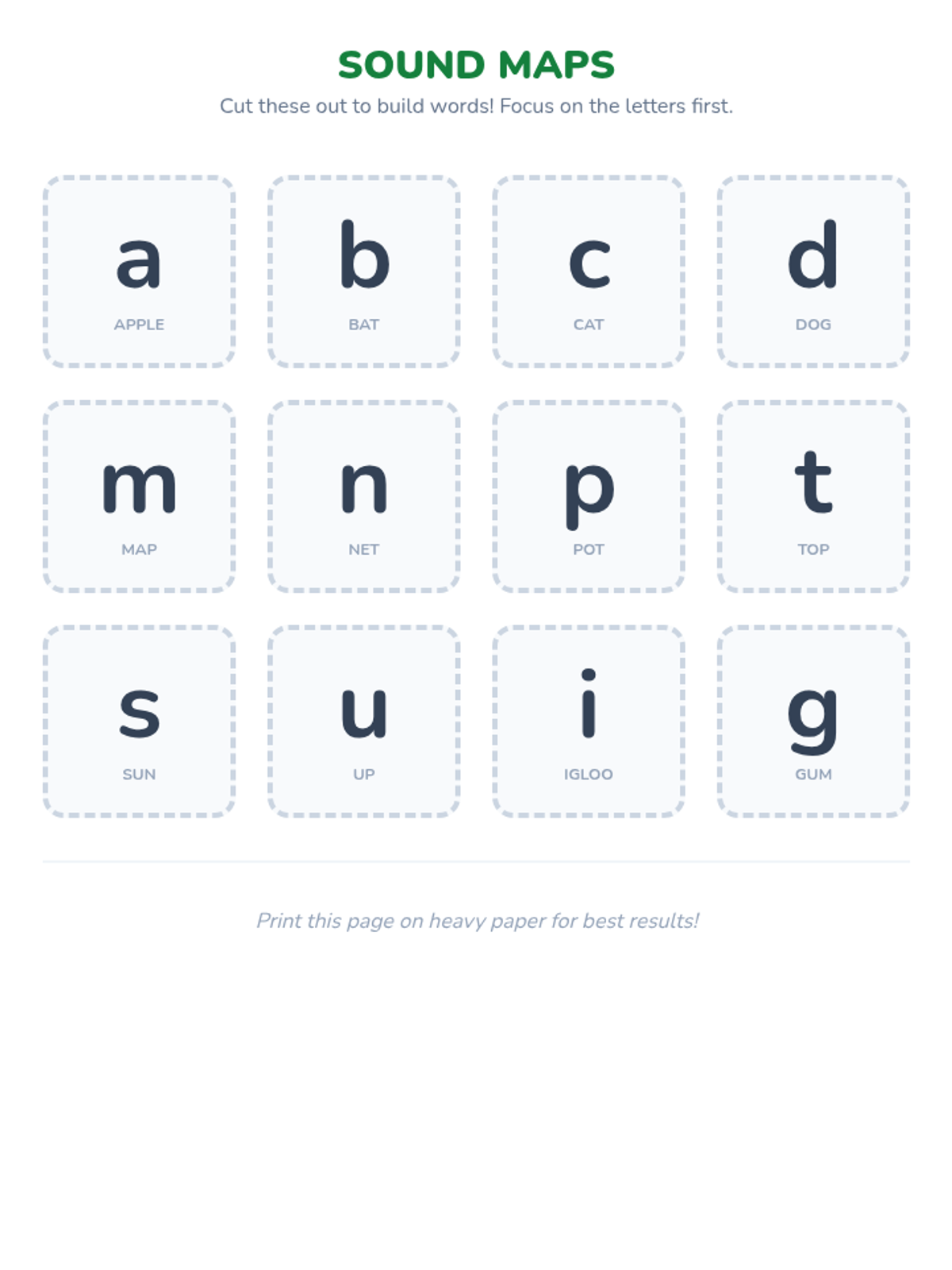
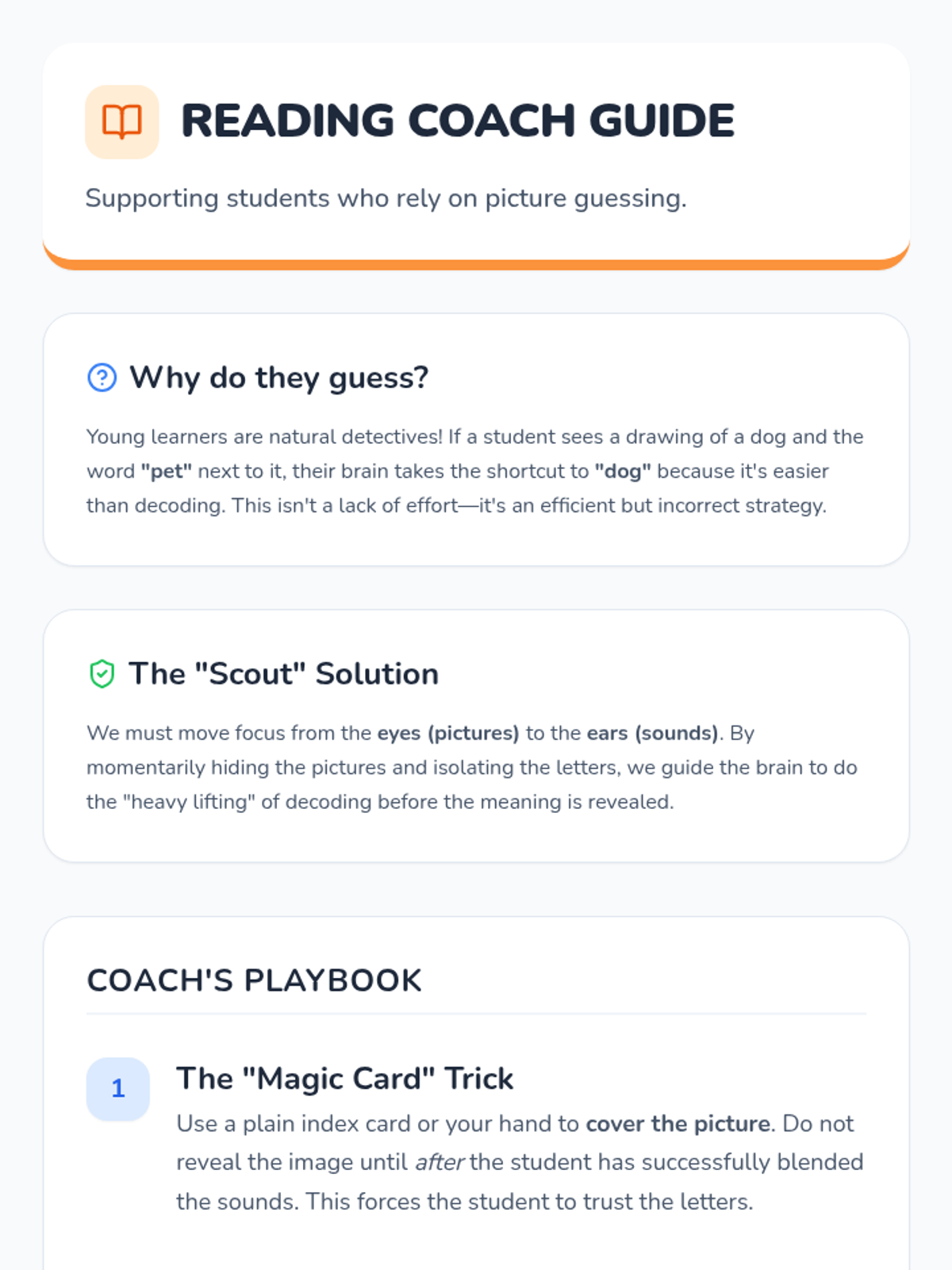
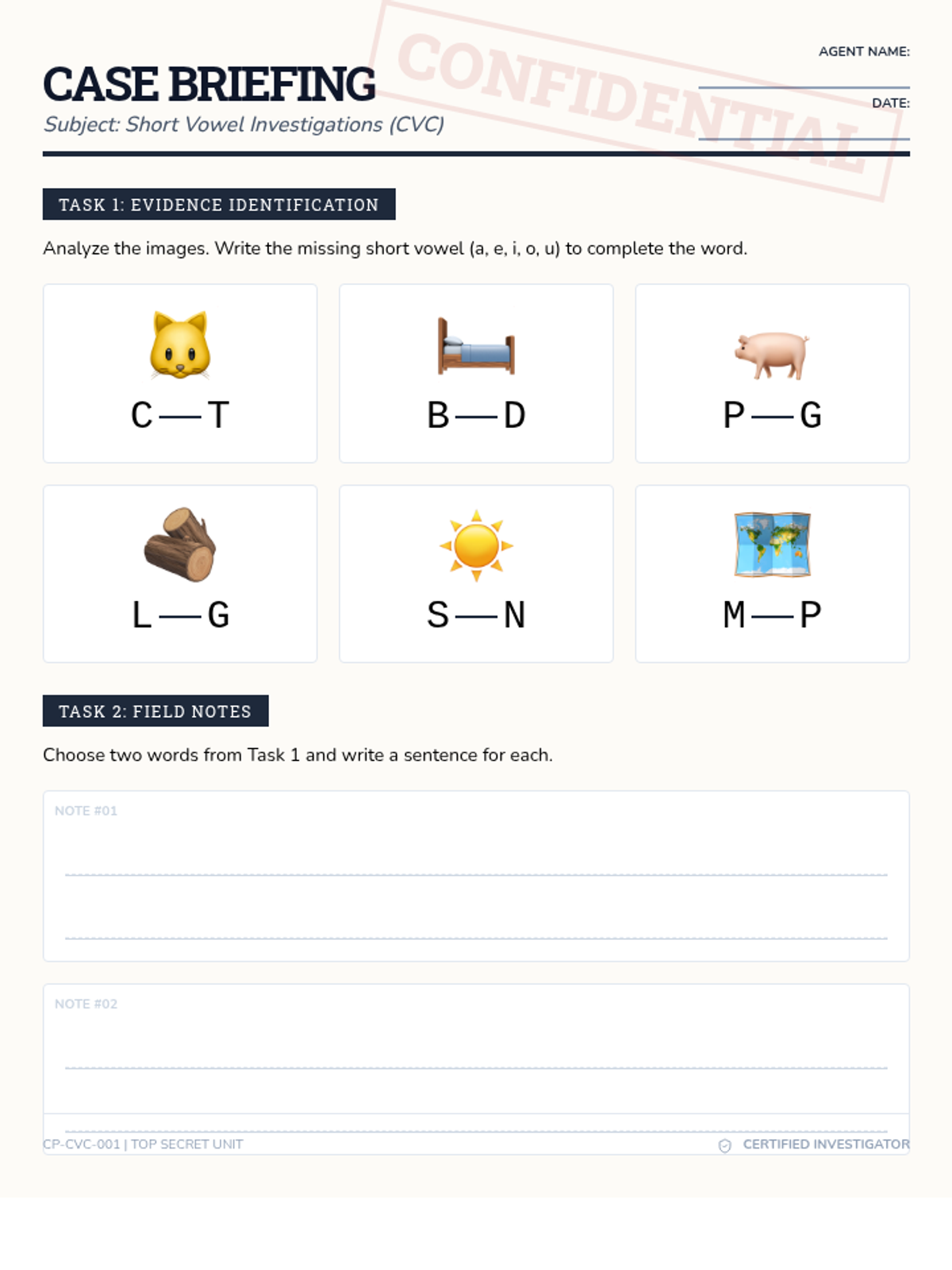
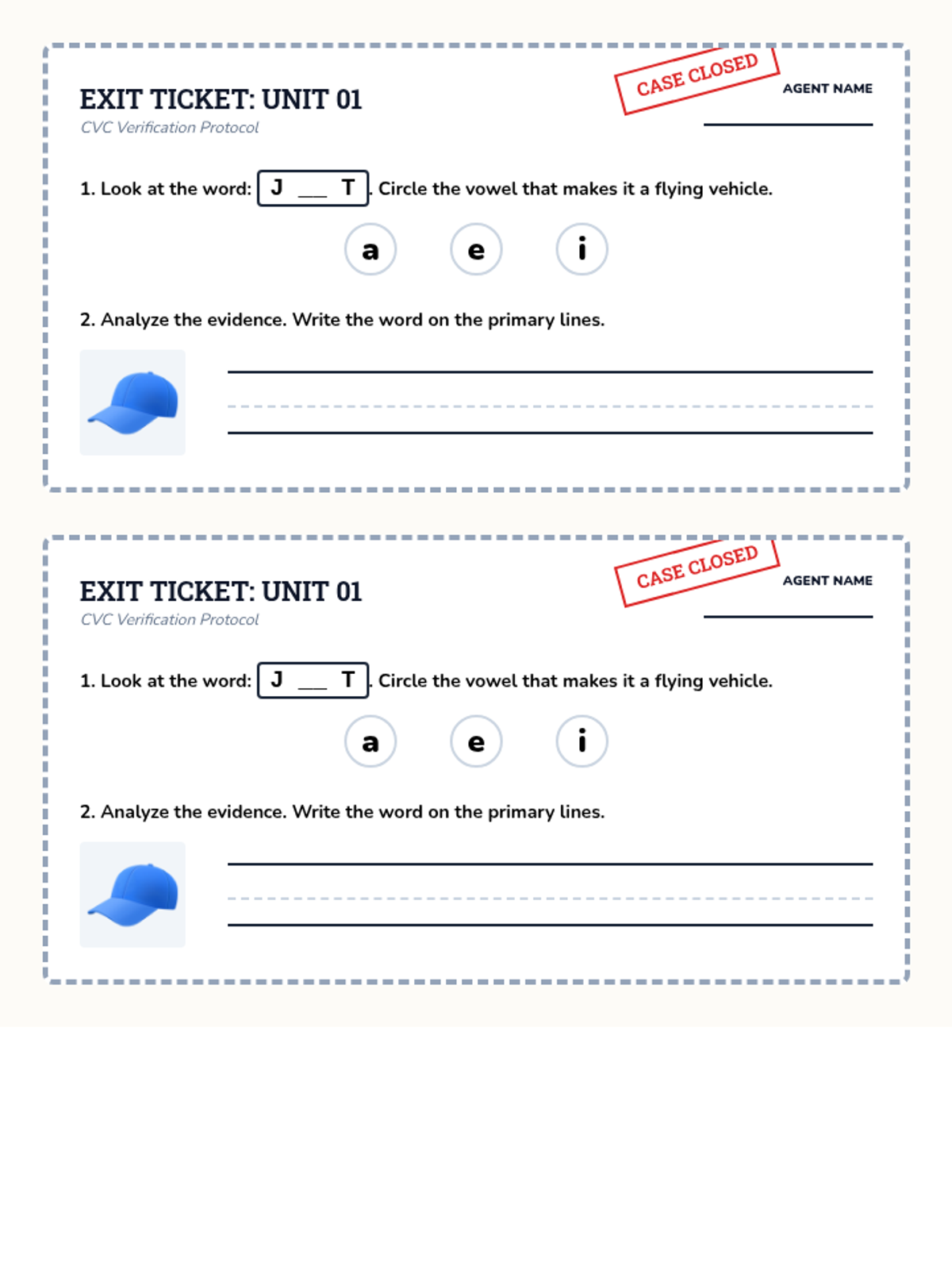
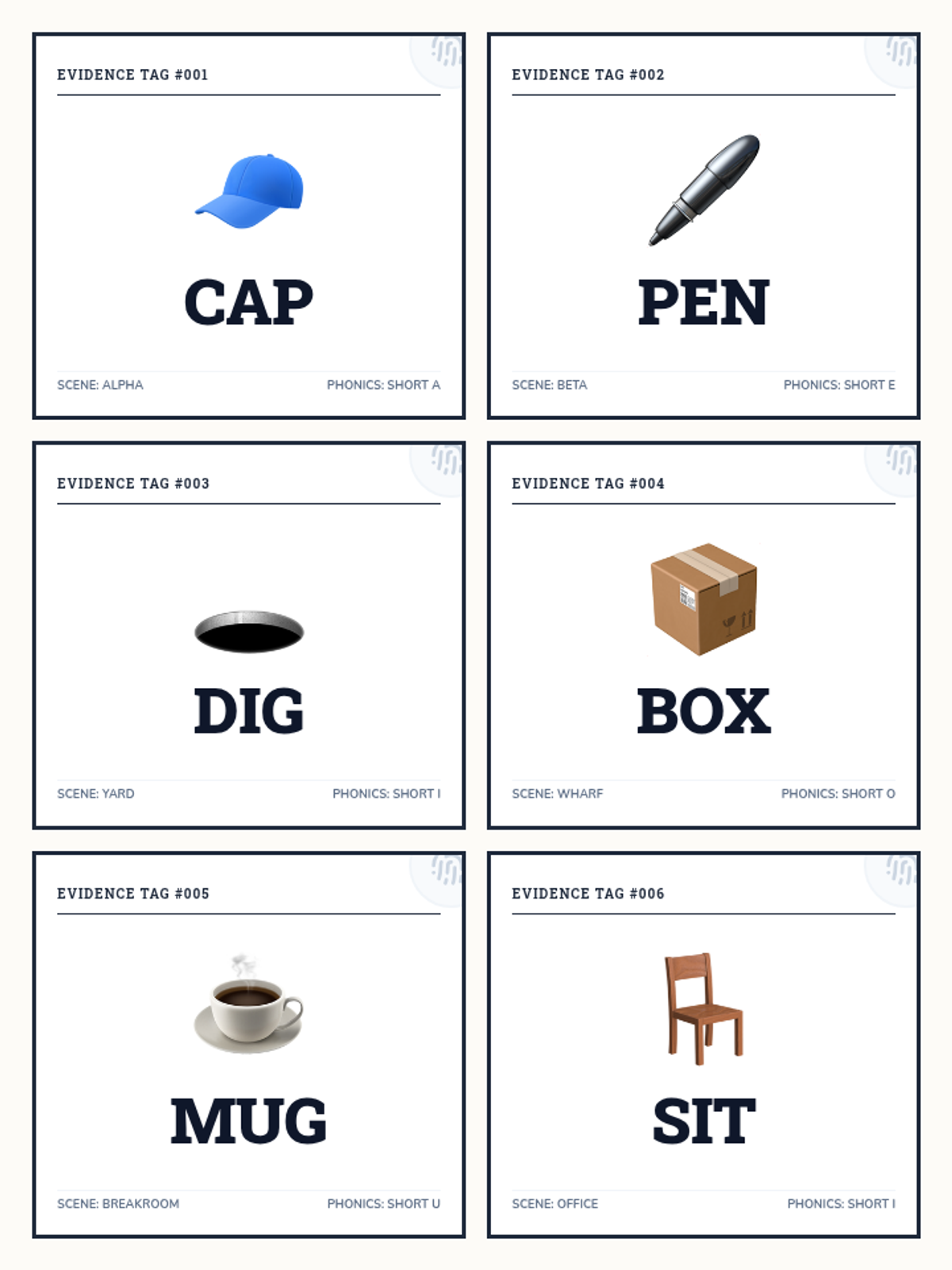
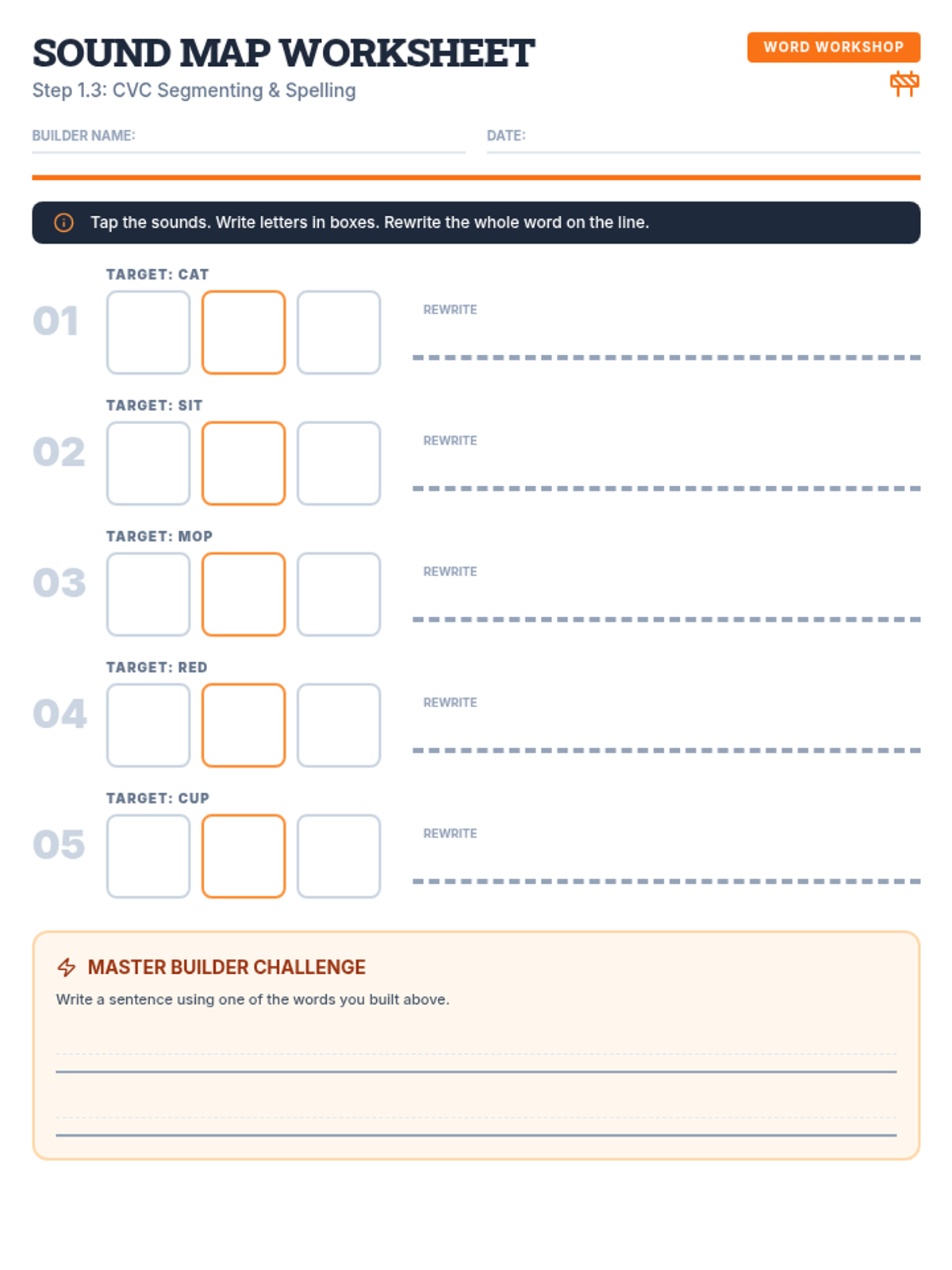
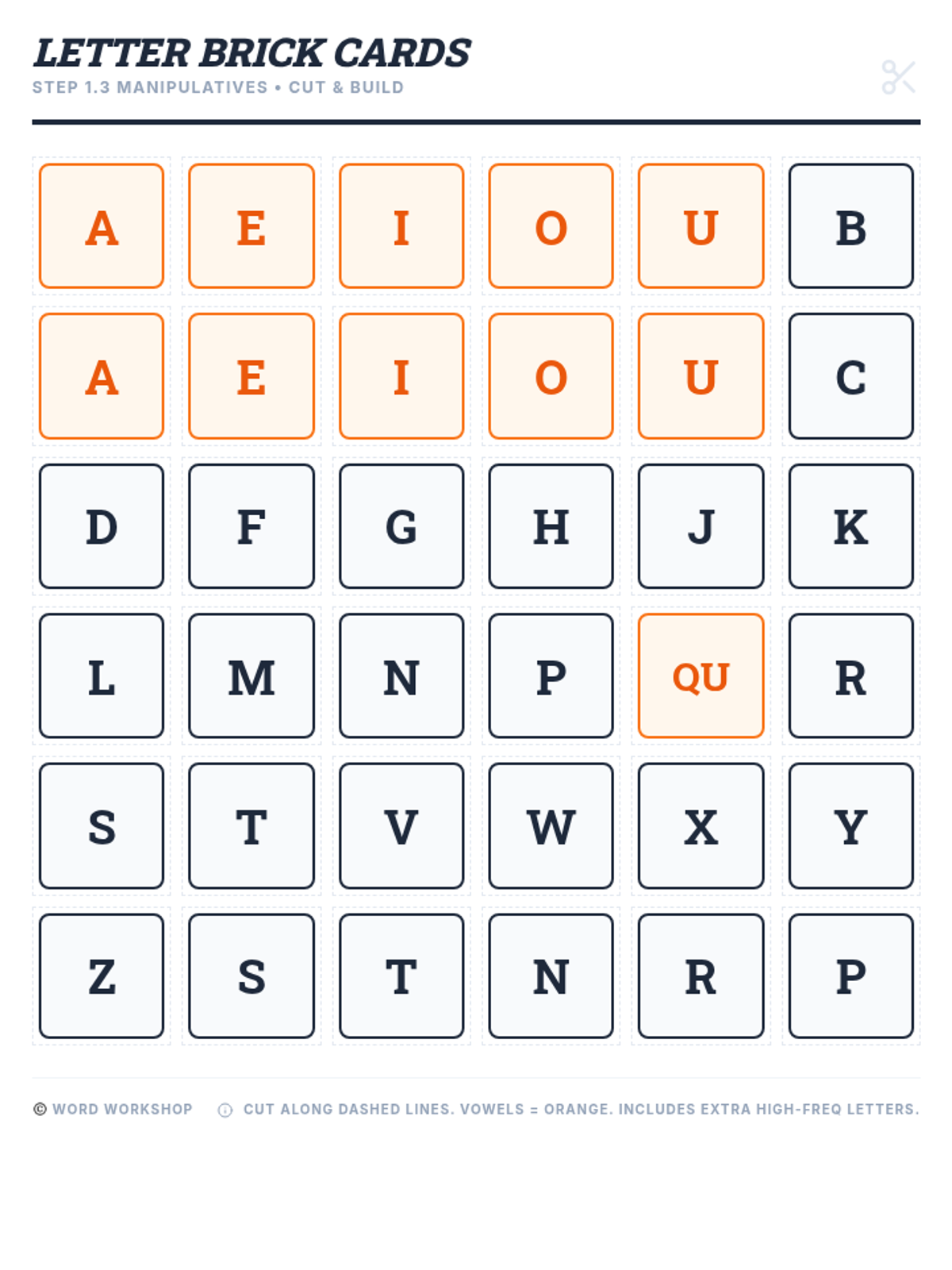
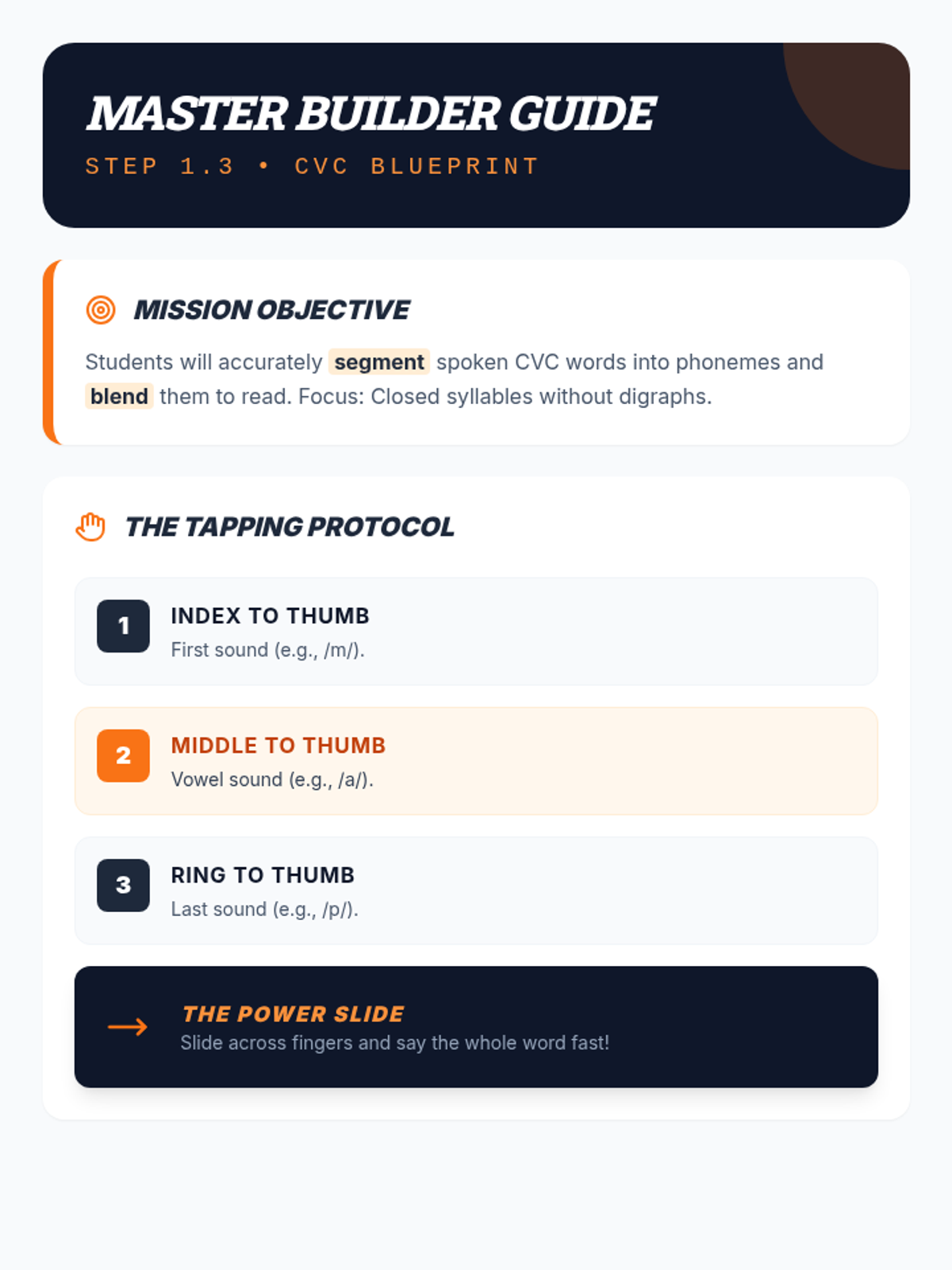
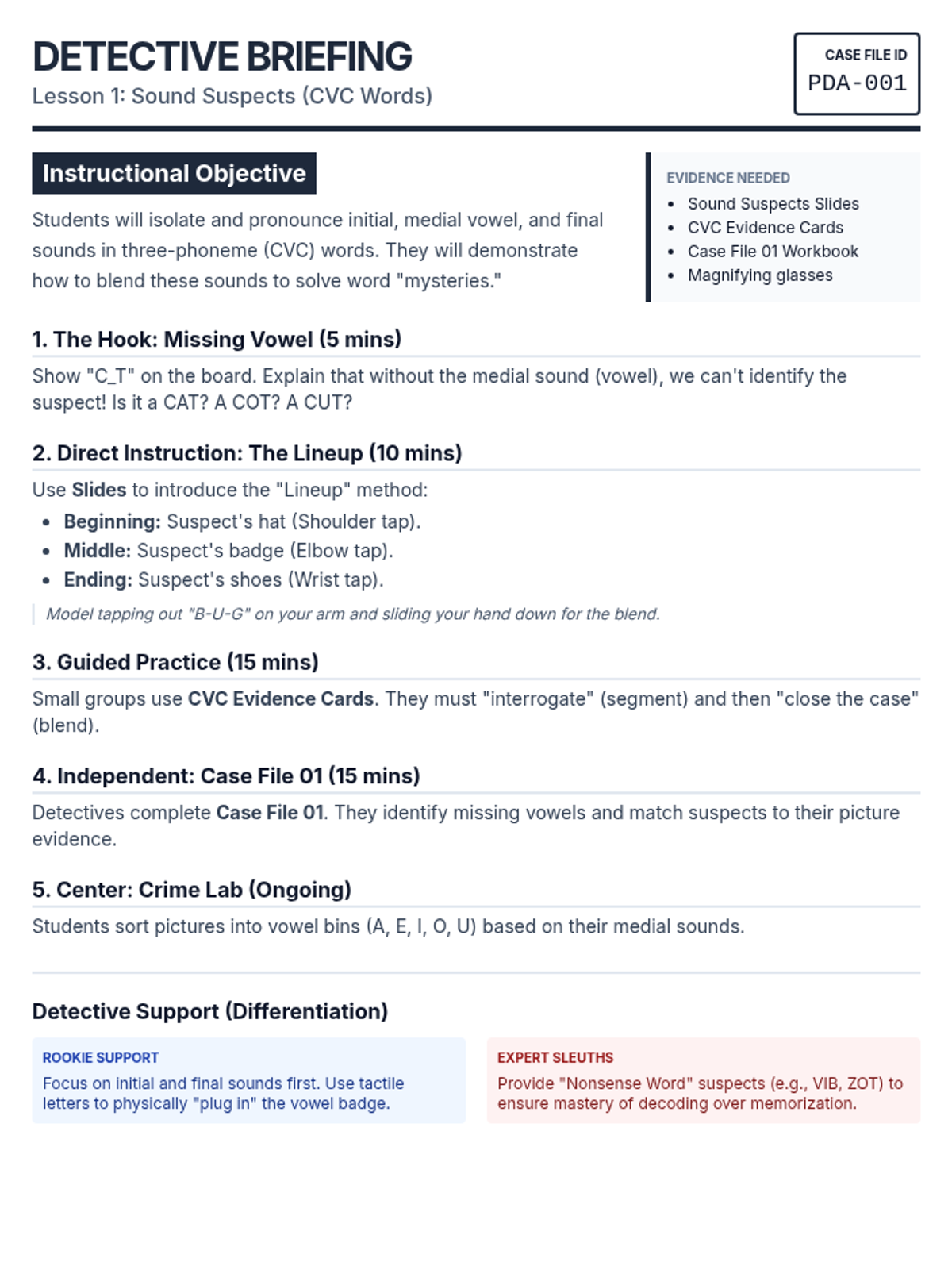
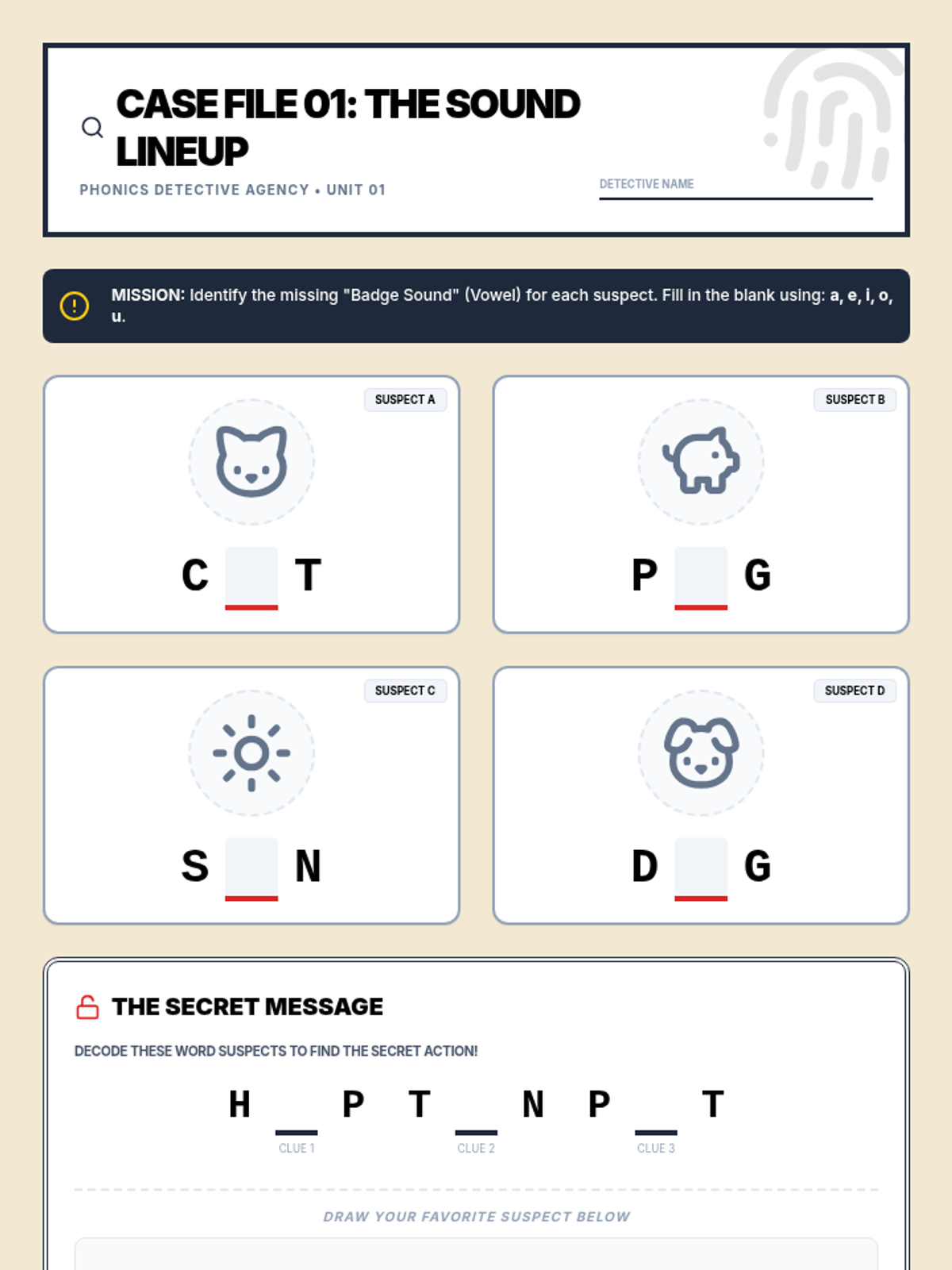
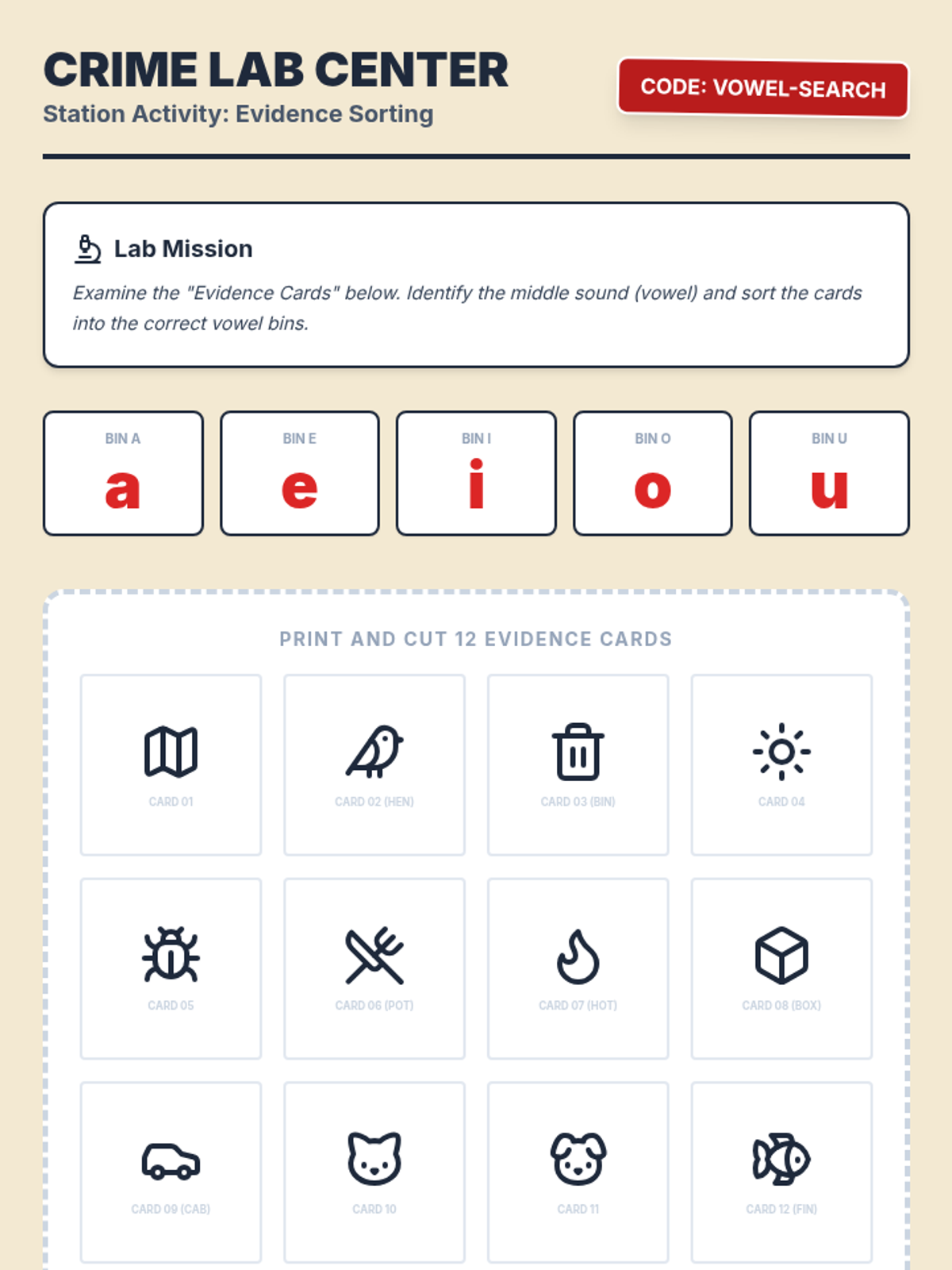
A week-long series of daily phonics and phonemic awareness warm-ups designed for Kindergarteners, featuring the Sound Squad detective theme.
A 3-lesson sequence designed to introduce Kindergarten students to opinion writing, moving from identifying favorites to providing reasons and reviewing books. Aligning with CA State Standard W.K.1, students use drawing and writing to express their voices.
A 15-day introductory unit for Kindergarten students focused on identifying, stating, and supporting opinions using the bridge word 'because'. The sequence includes a pre-assessment, mid-point check, and post-assessment, with daily visual slides and printable practice activities.
A comprehensive kindergarten writing unit focused on stating opinions and supporting them with a reason using the word 'because'. Students explore personal preferences, compare options, and learn to communicate their thoughts clearly through drawing and writing.
A unit focused on teaching story sequencing across different primary grade levels, from simple 3-step events to complex narrative order.
A thematic unit centered on winter and snow, exploring grammar, functional language, and descriptive comparison skills.
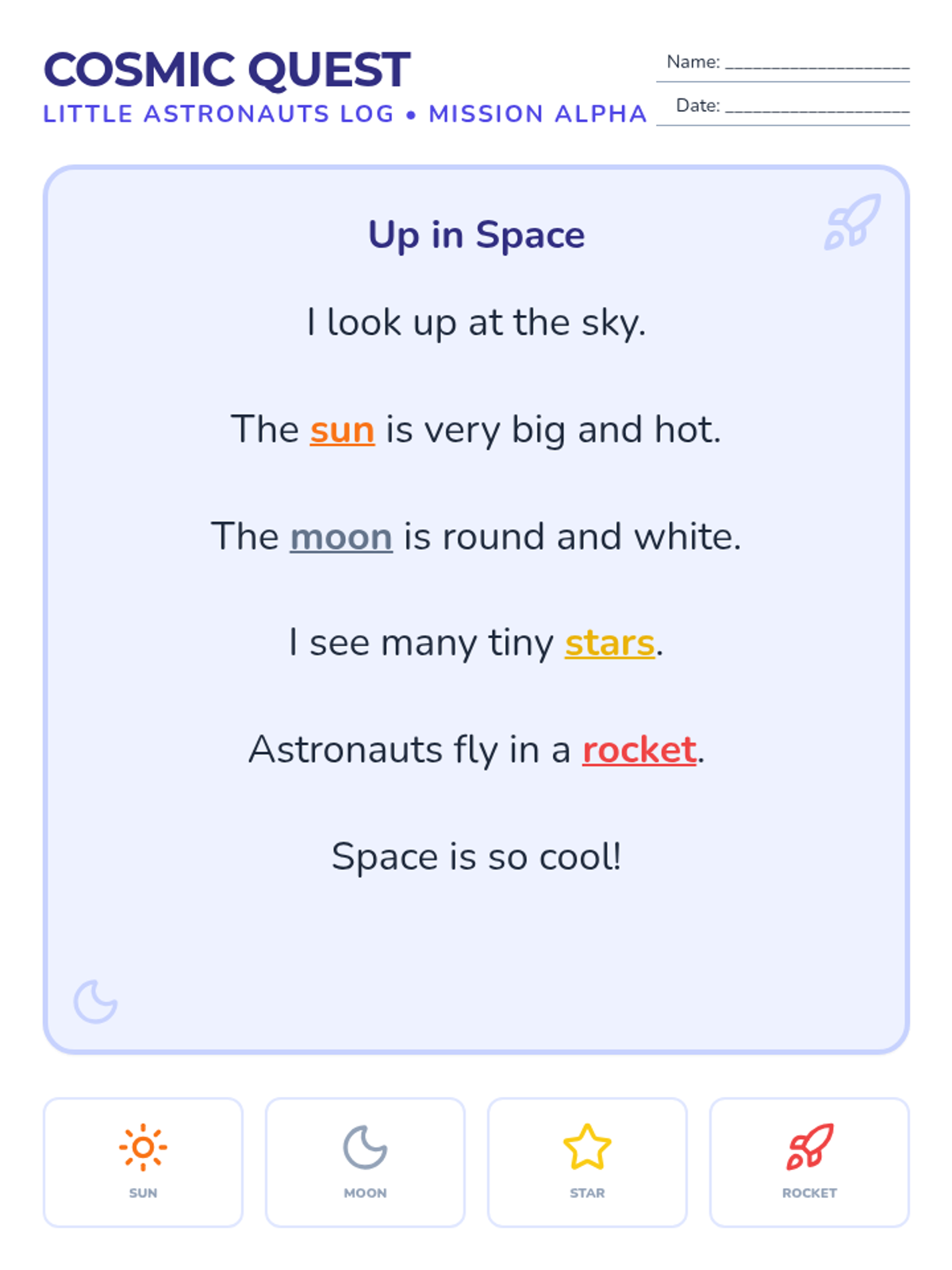
A 3-week literacy intervention program for grades K-5 focused on phonics, vocabulary, and comprehension with a space exploration theme. Each week features 30-minute daily sessions including interactive games and hands-on activities.
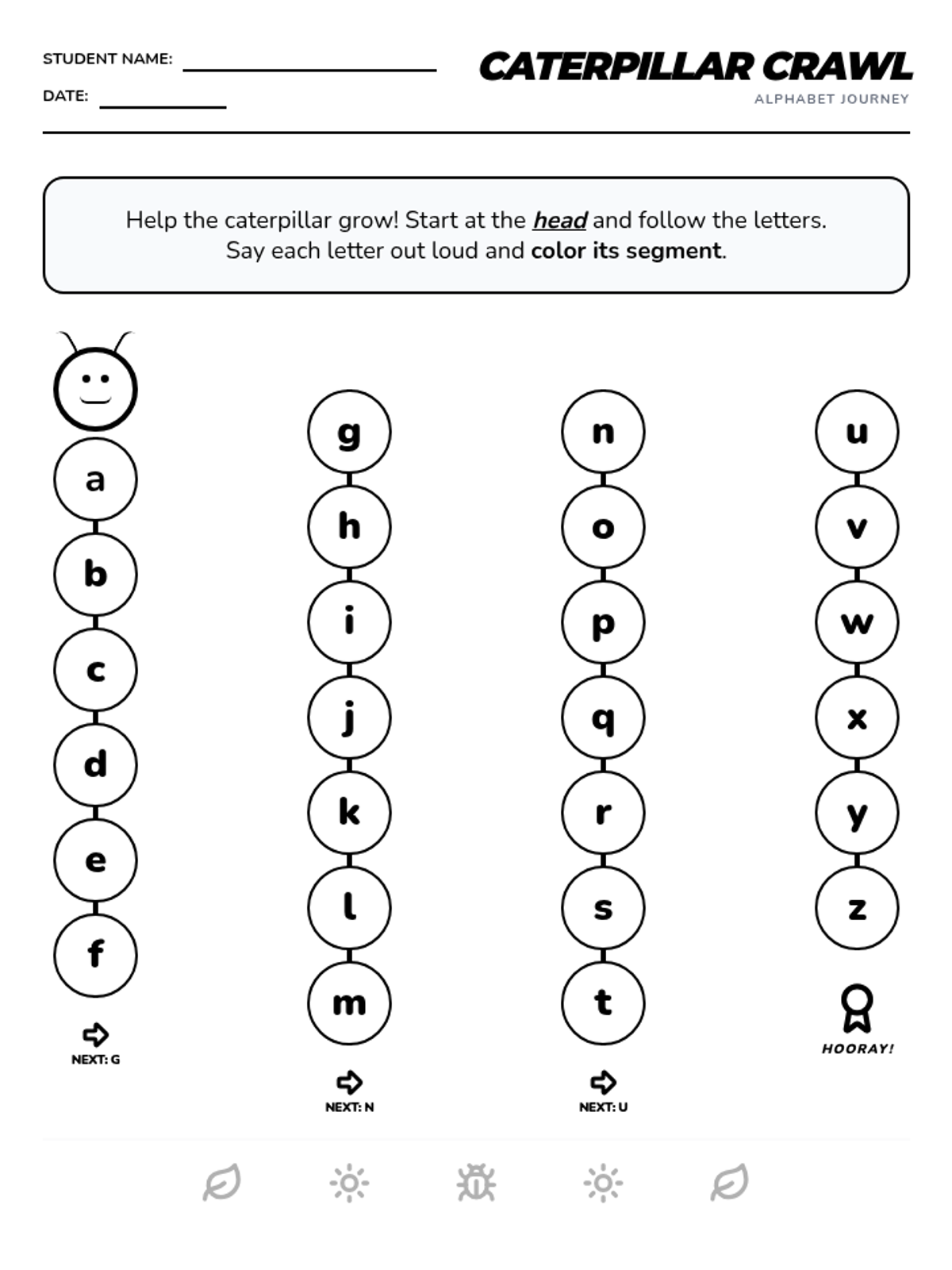
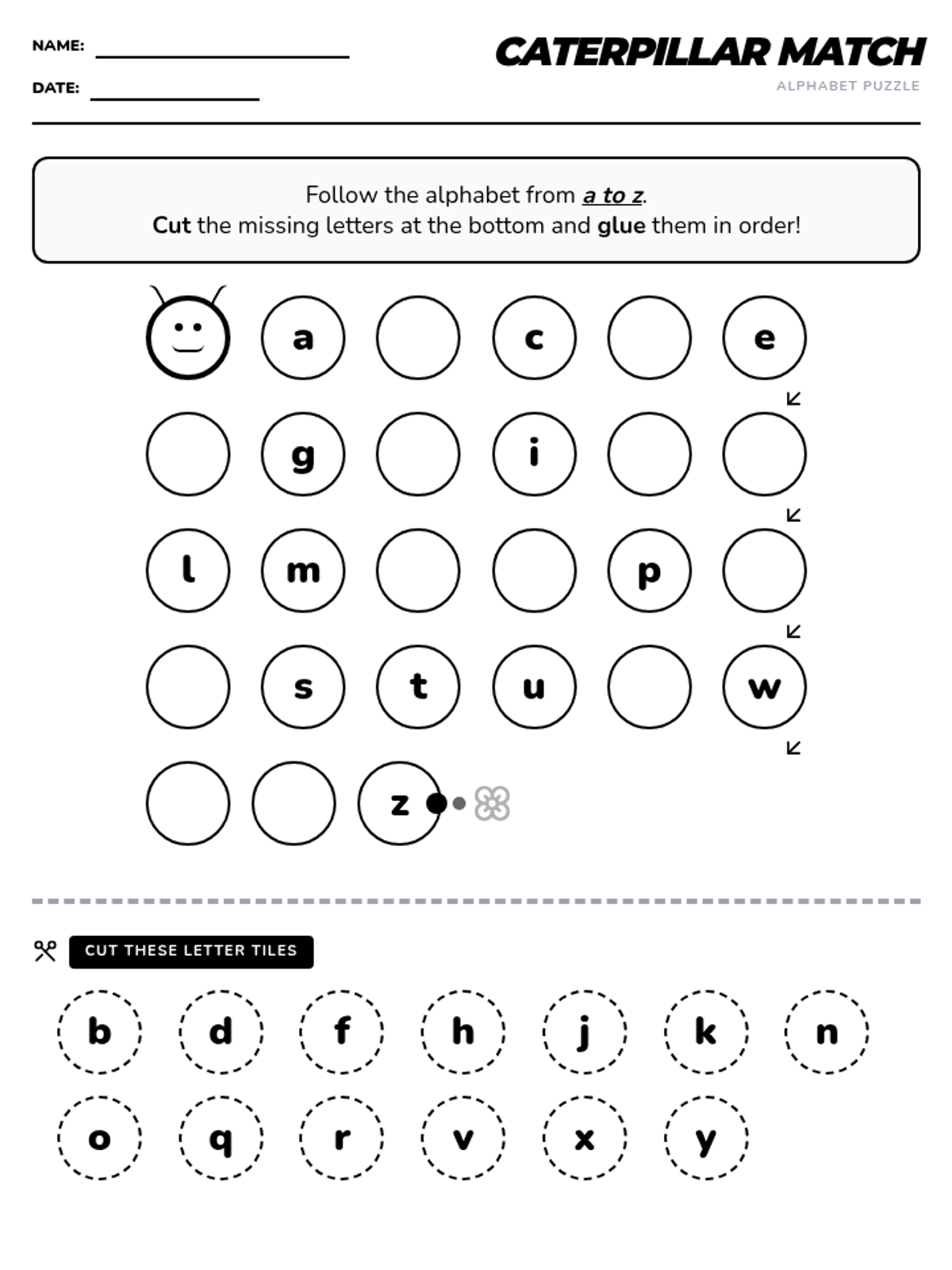
A series of foundational literacy lessons designed to introduce young learners to the alphabet, phonics, and writing forms.
This sequence teaches Kindergarten students to use visualization and sketching as mnemonic devices for narrative comprehension. Students move from capturing single 'snapshots' of key events to building a full three-part storyboard, supporting working memory and story recall.
This sequence uses kinesthetic movement and role-play to help Kindergarten students develop visualization skills. By physically embodying actions, emotions, and sequences, students build a bridge between text and mental imagery.
A Kindergarten sequence focused on building visualization skills through descriptive vocabulary. Students learn how adjectives like size, shape, and condition change the mental images they form while reading and listening.
This sequence uses multisensory techniques to help Kindergarten students develop visualization skills. By isolating and then combining the five senses, students learn to create vivid, detailed mental images while reading or listening to stories.
A Kindergarten sequence focused on building mental imagery skills through auditory descriptions. Students learn to 'make movies in their minds' to improve comprehension, progressing from single objects to full scenes with characters and settings.
A Kindergarten sequence focused on teaching students to infer character emotions and motivations through facial expressions, body language, and situational clues. This supports early literacy and social-emotional development.
This Kindergarten sequence focuses on the cognitive skill of categorization using T-Charts. Students progress from physical sorting games to organizing informational drawings, providing a structured framework for comparative thinking and early writing support.
A Kindergarten sequence focused on using sensory graphic organizers to build descriptive writing skills. Students move from sensory exploration to recording data and creating descriptive riddles, overcoming the 'blank page' challenge through structured observation.
A Kindergarten sequence focused on teaching the structure of opinion writing through a visual sandwich graphic organizer. Students learn to distinguish facts from opinions, use the word 'because' to link reasons, and present their preferences clearly.
A Kindergarten writing sequence focused on using three-step linear flow charts (First, Next, Last) to organize narratives. Students move from kinesthetic floor mat activities to sorting picture cards and finally drawing their own three-part stories.
A Kindergarten sequence focused on introducing graphic organizers (bubble maps) to support visual brainstorming for personal narratives, specifically designed for students needing executive functioning support.
A Kindergarten ELA sequence on collaborative research skills, using a shared topic (Plants) to teach questioning, categorization, fact verification, and synthesis. Students learn to work together to answer big questions by gathering and combining information.
A foundational writing and research sequence for Kindergarteners that teaches the difference between fiction and non-fiction sources. Students learn to identify text features, evaluate source relevance, and select the best tools for gathering facts through a 'Detective' themed workshop approach.
A Kindergarten ELA sequence that introduces students to the research cycle through animal studies. Students learn to ask questions, differentiate fact from fiction, record data through drawings and labels, and attribute information to sources.
In this project-based sequence, Kindergarten students apply opinion writing skills to a real-world context by nominating a new class activity, book, or game. They move beyond simple preferences to persuasion, exploring how to convince an audience to agree with their choice through visual posters and oral pitches.
A Kindergarten ELA sequence introducing opinion writing through oral rehearsal, drawing, and simple sentence construction using the 'I like... because...' structure.
A comprehensive ELA sequence for Kindergarten students to master the use of articles ('a' and 'an') by distinguishing between singular count nouns, plural nouns, and non-count nouns through hands-on workshops and creative projects.
Students learn the art of persuasion by becoming 'Junior Critics.' This sequence guides Kindergarteners through the process of writing reviews for books, toys, and foods, using star ratings, descriptive adjectives, and target audience recommendations to influence their peers.
This foundational sequence introduces Kindergarten students to opinion writing by teaching them to distinguish facts from opinions and express their personal preferences using the word 'because'. Students move from oral practice and drawing to simple sentence construction, culminating in a shared presentation of their ideas.
Students in Kindergarten learn that their words have power by identifying classroom problems and writing persuasive letters to the people who can help solve them. This project-based sequence guides them through the entire persuasive writing process, from brainstorming to delivery.
A comprehensive Kindergarten ELA unit focused on mastering future tense with 'will' and common irregular past tense verbs. Students use narratives, timelines, and role-play to explore how language describes different points in time.
A systematic ELA sequence for Kindergarten students exploring how to form negative contractions with 'not'. Students learn the pattern of replacing 'o' with an apostrophe through hands-on simulations, games, and sentence building.