A high-speed introduction to vectors and trigonometry for 12th-grade physics and math students, focusing on practical applications in navigation, engineering, and motion.
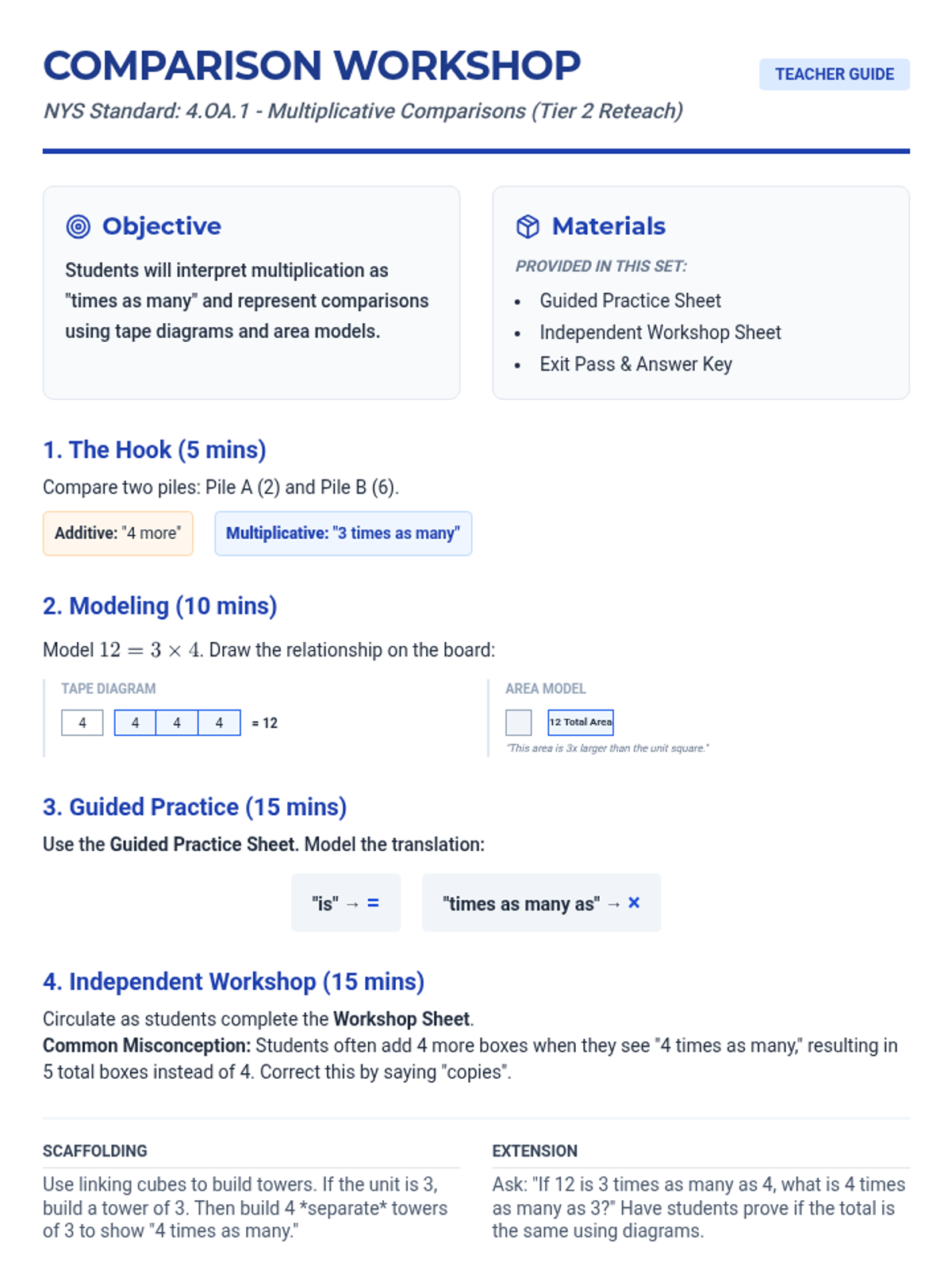
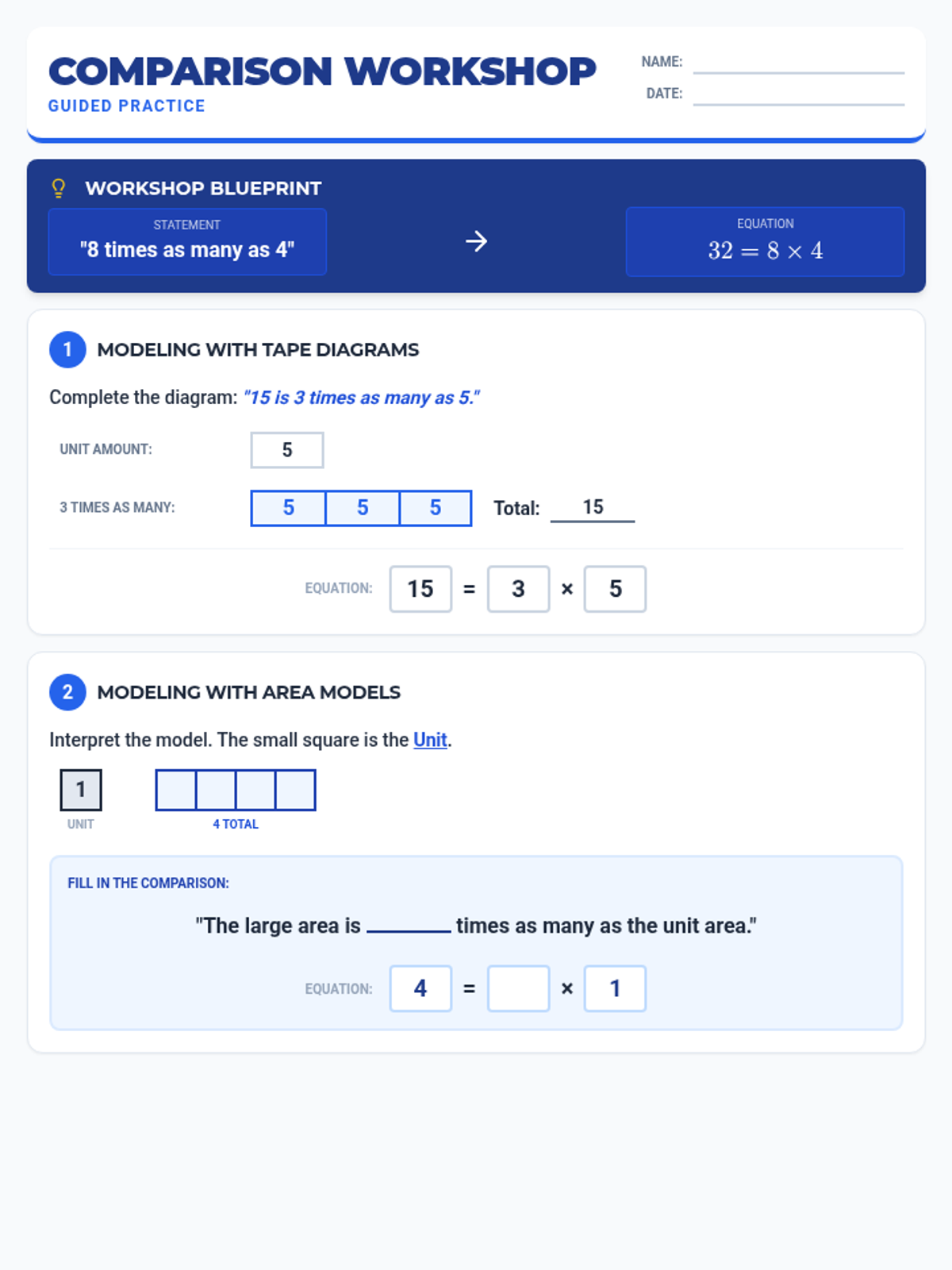
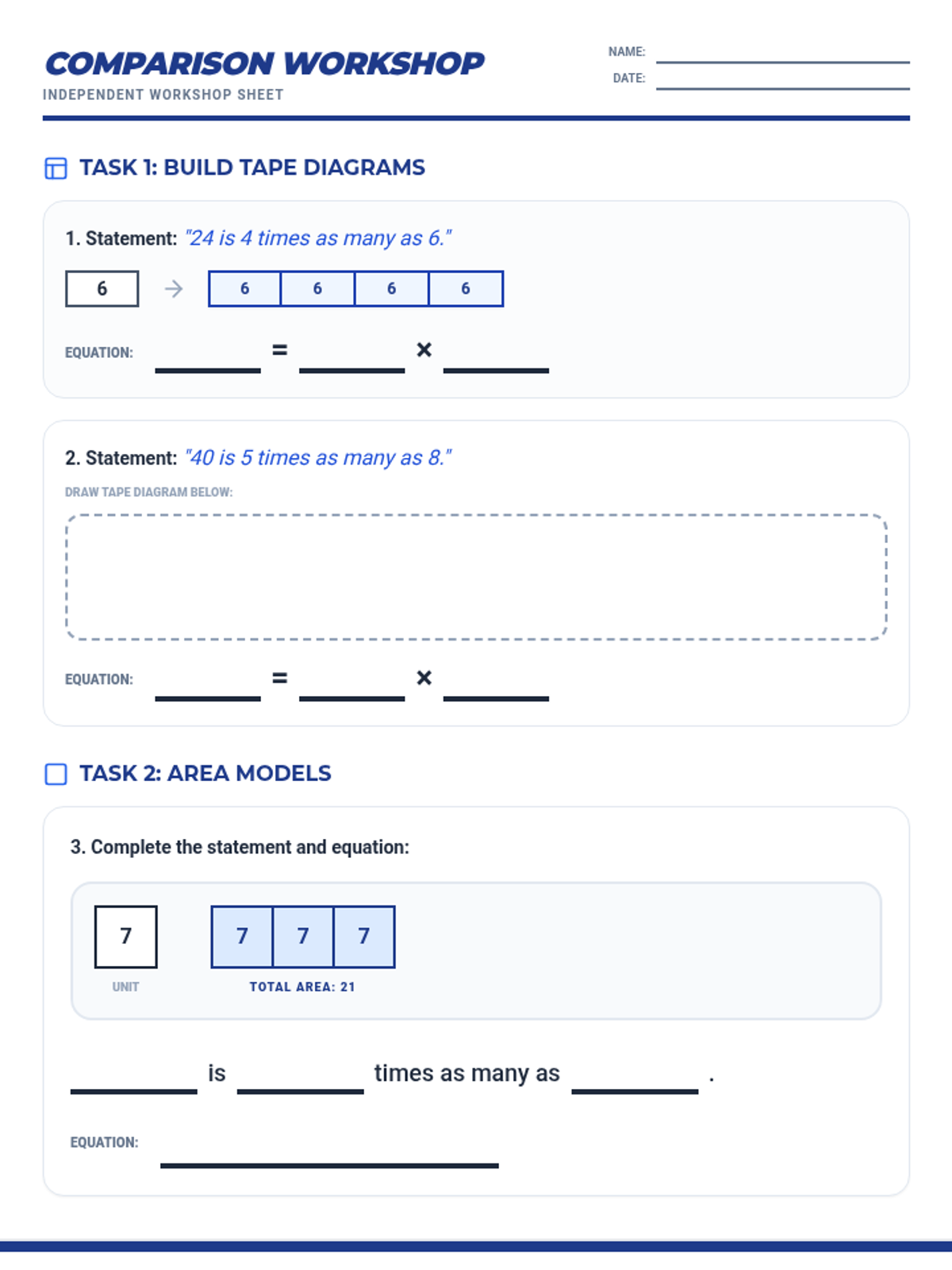
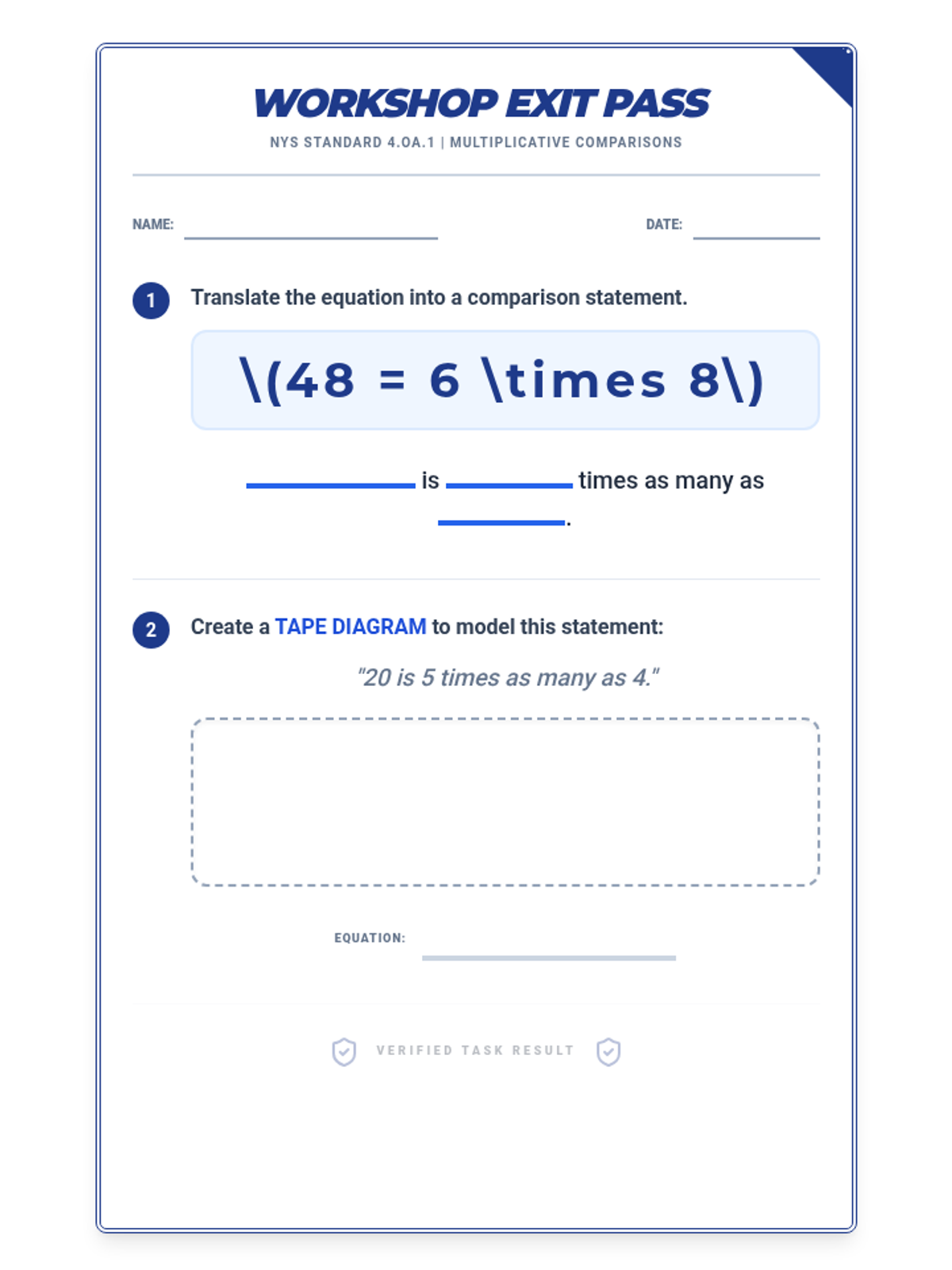
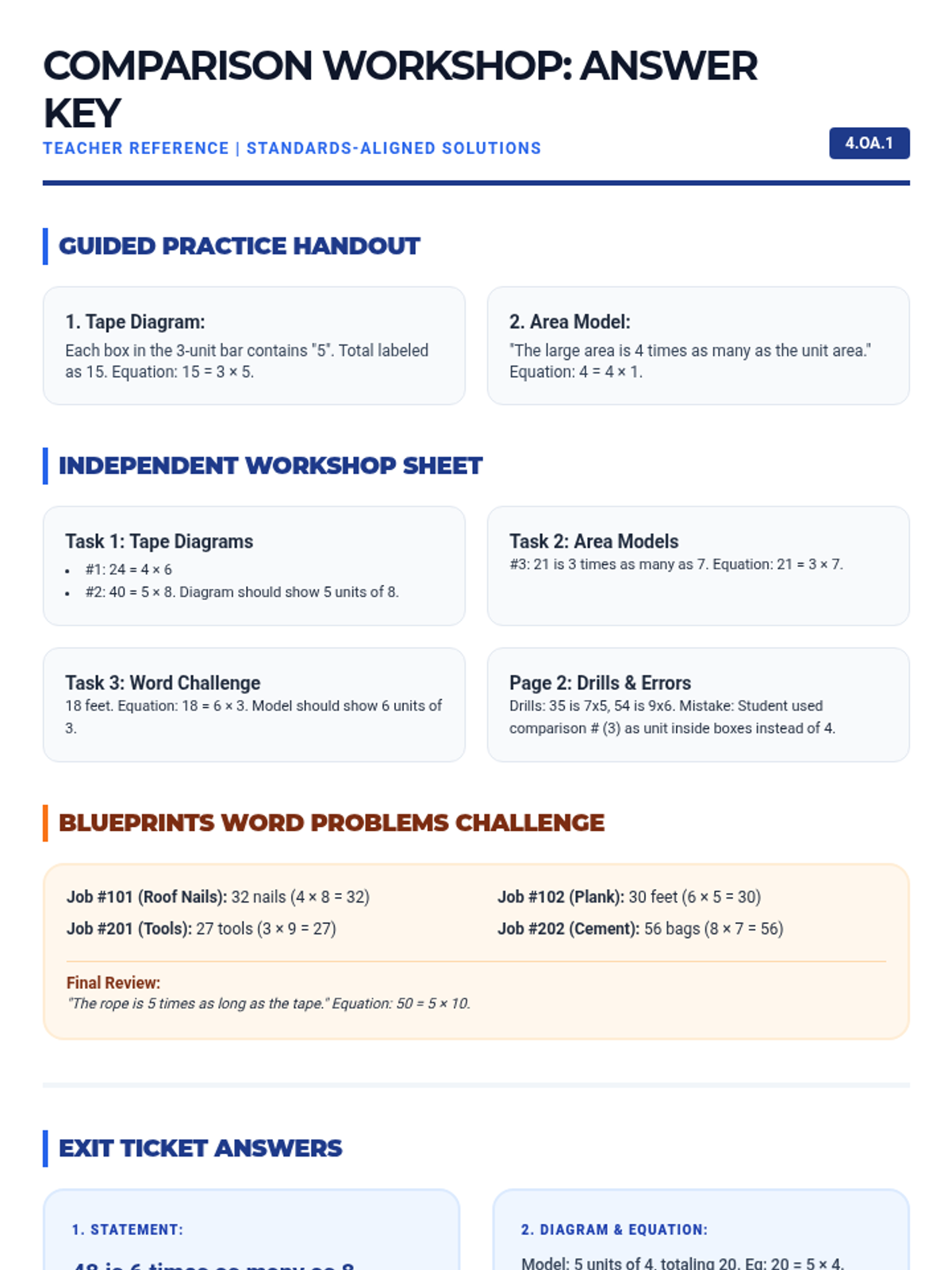
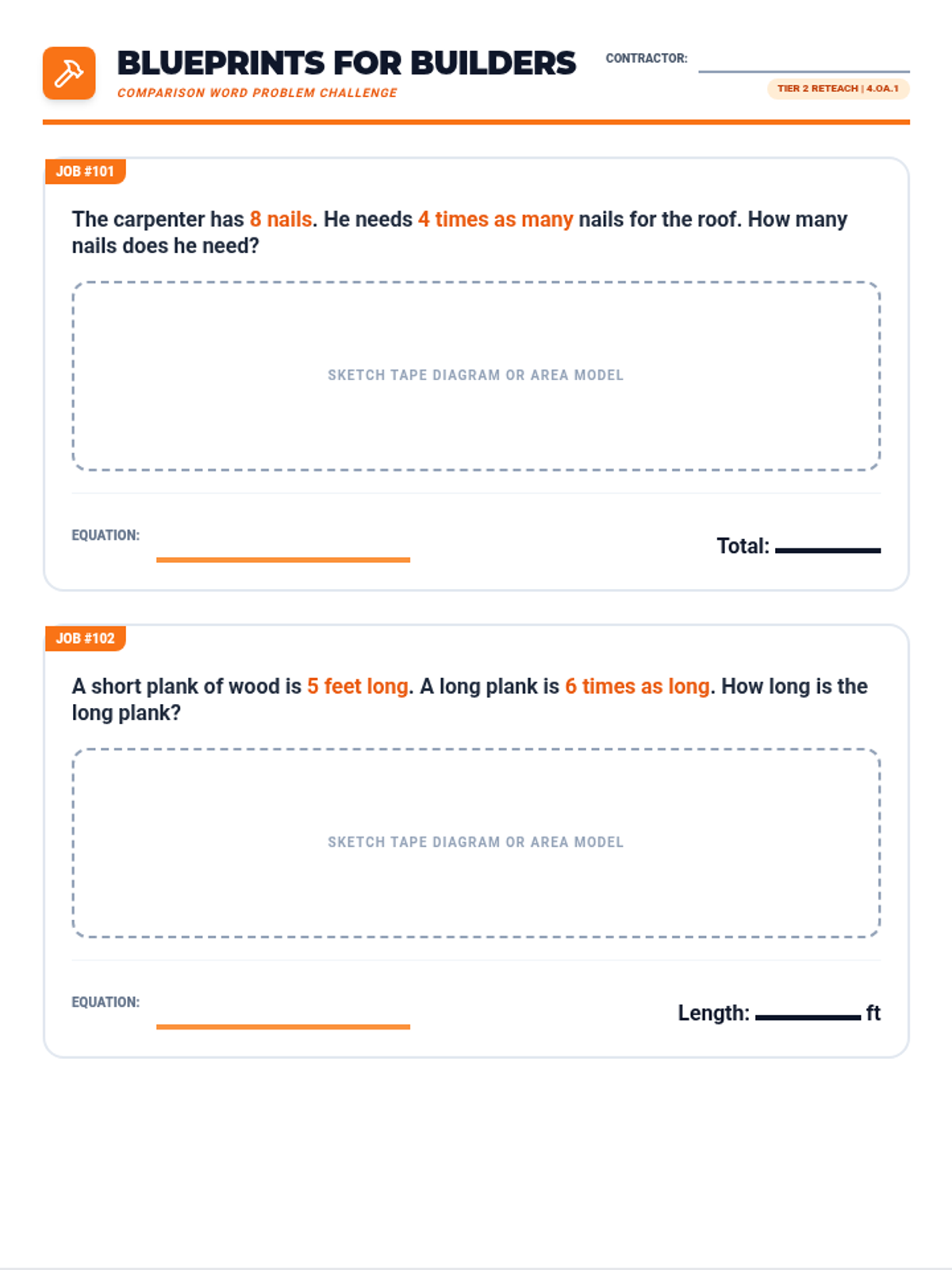
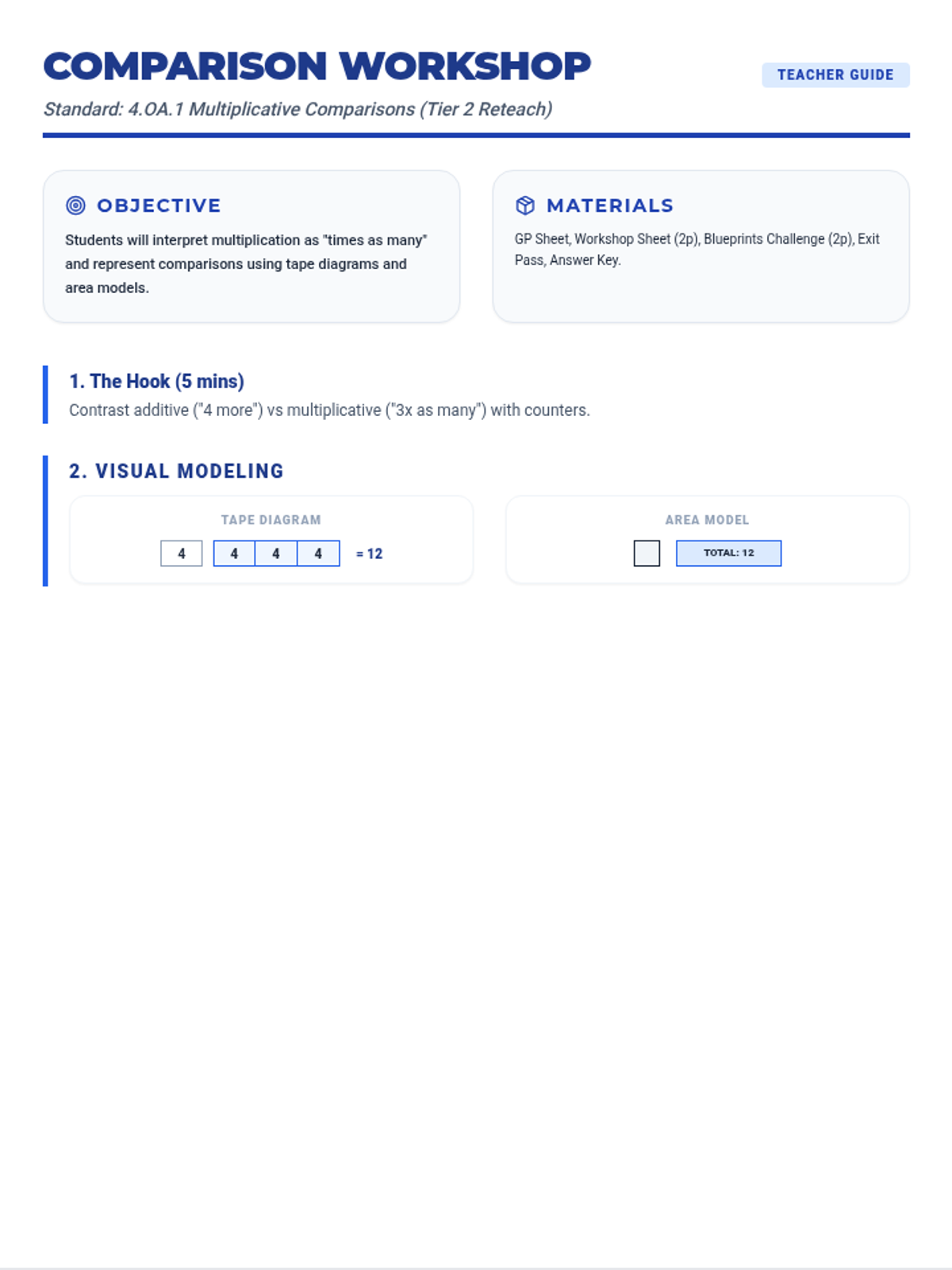
A comprehensive collection of Tier 2 reteach lessons for every 4th grade NYS Math standard, using consistent visual models, thematic elements, and tiered support structures.
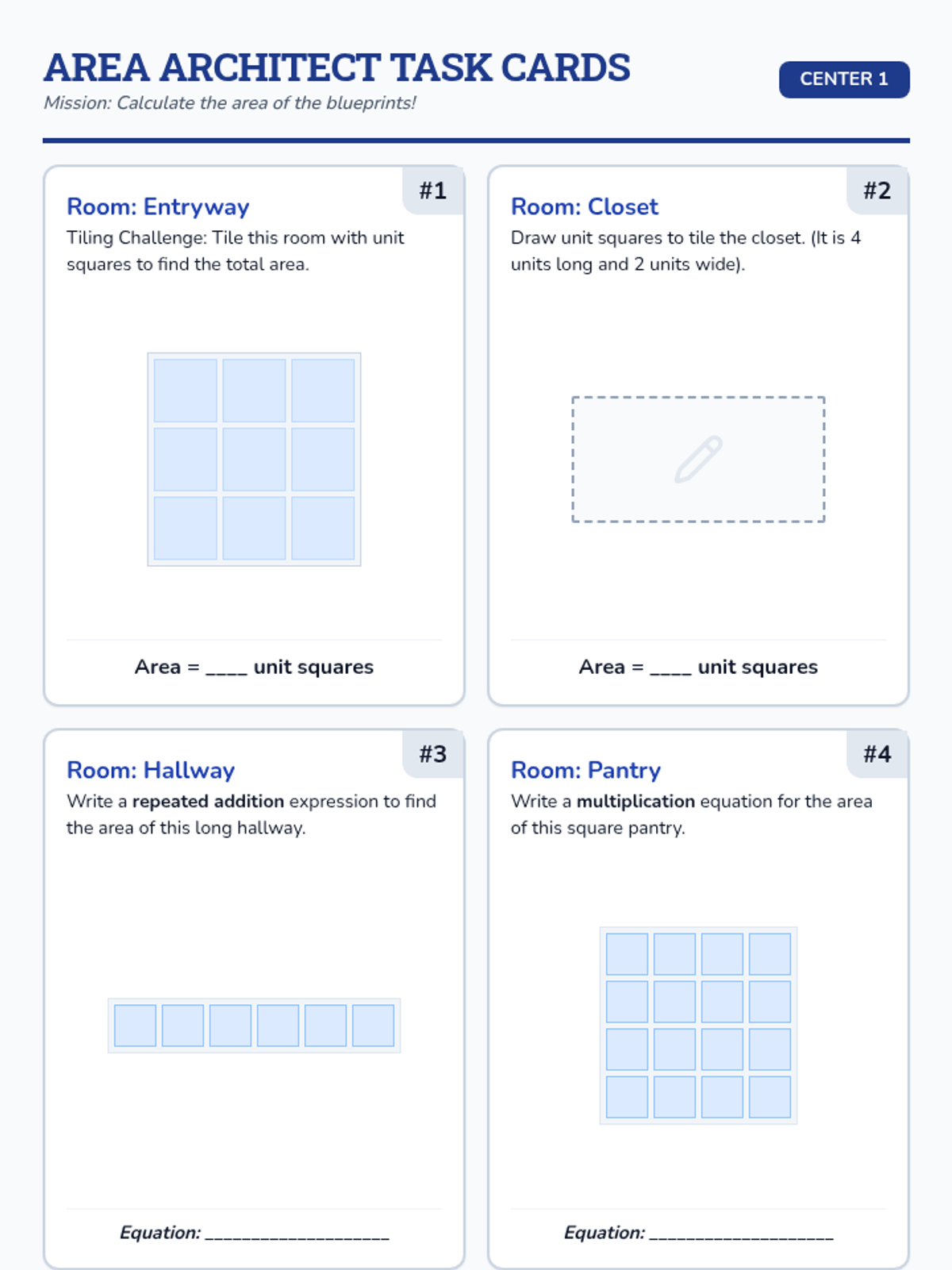
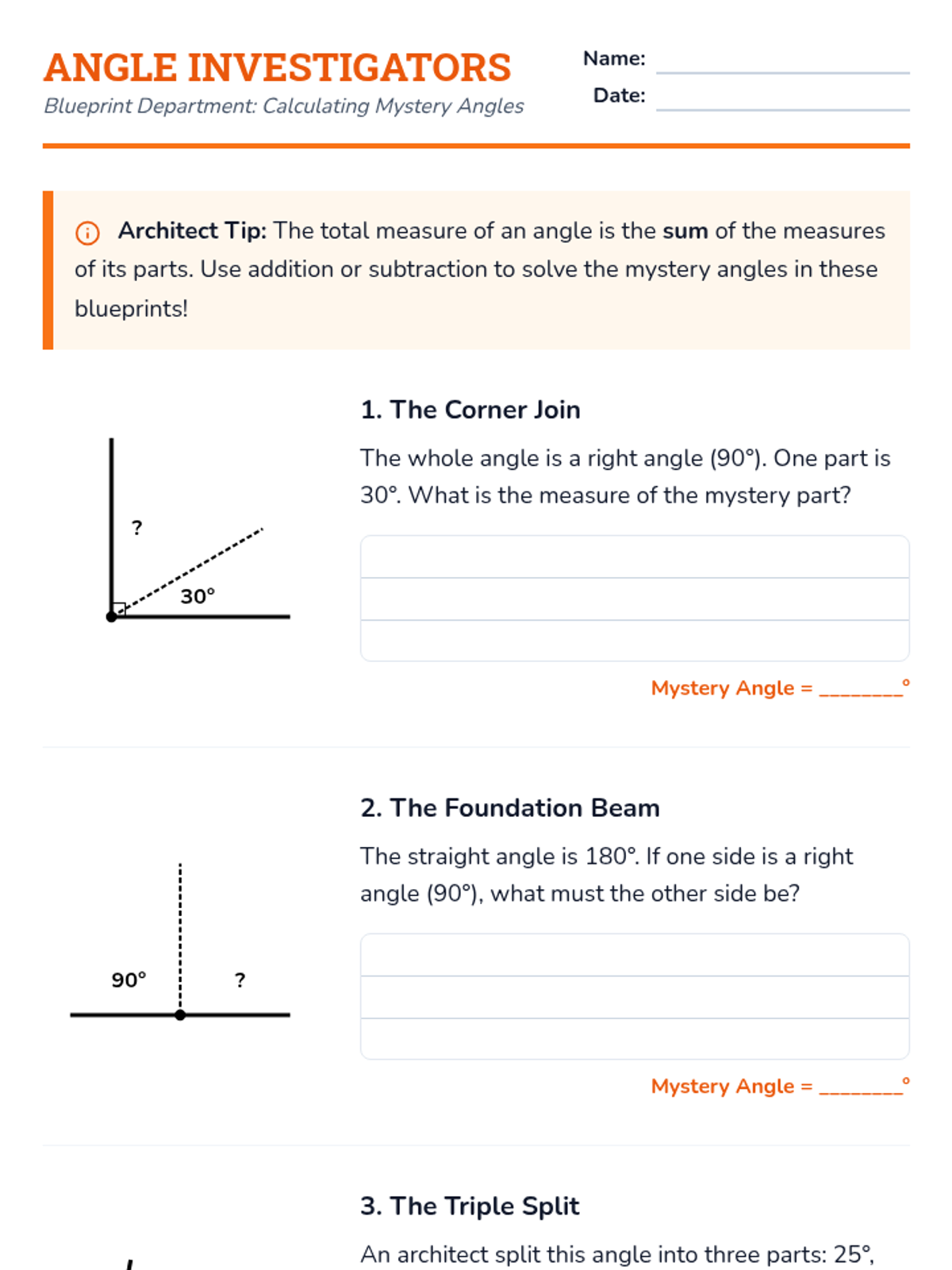
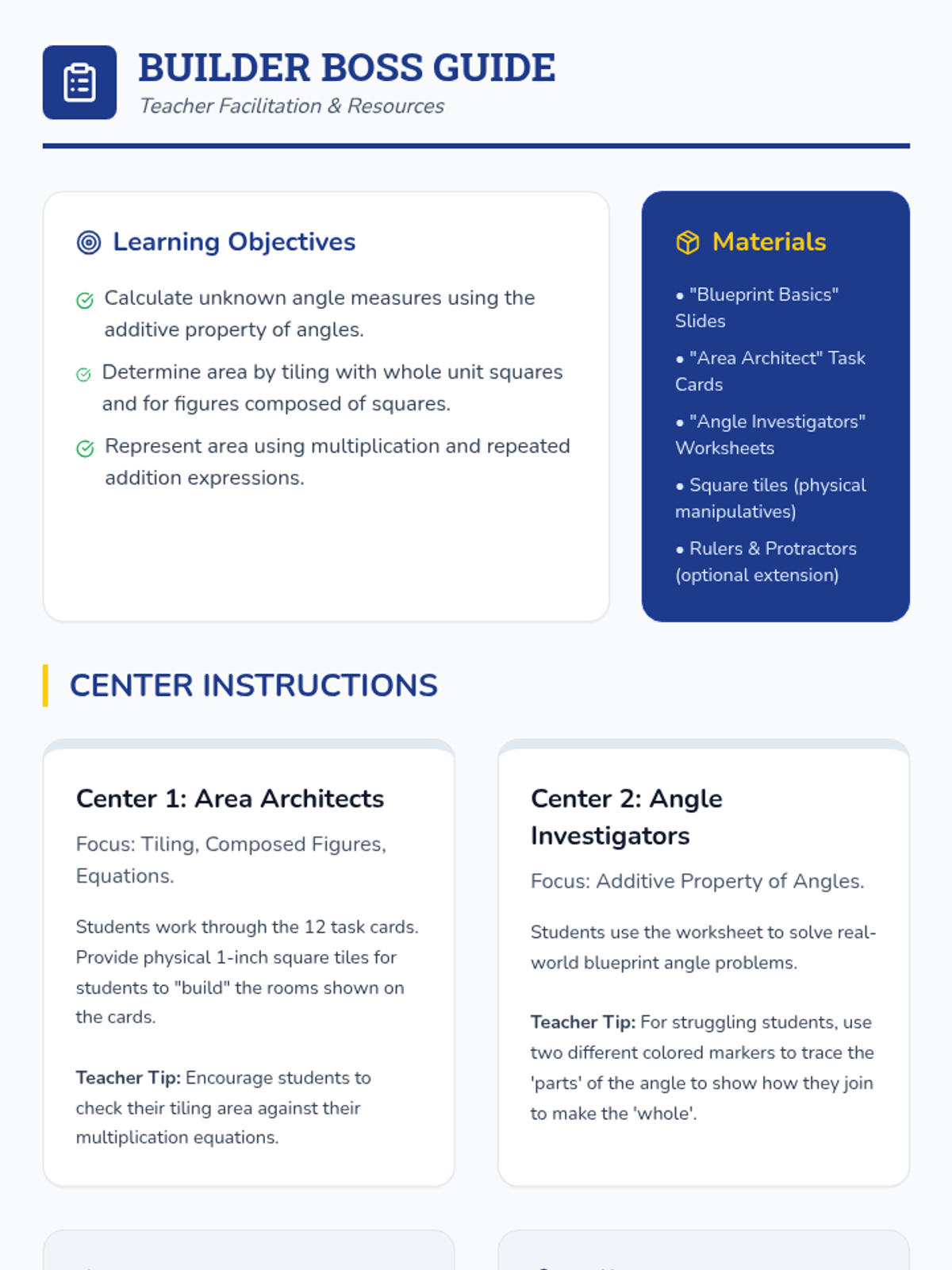
A hands-on geometry and measurement unit focused on area concepts and angle properties for third-grade students. Students explore tiling, equations for area, and the additive property of angles through a construction-themed approach.
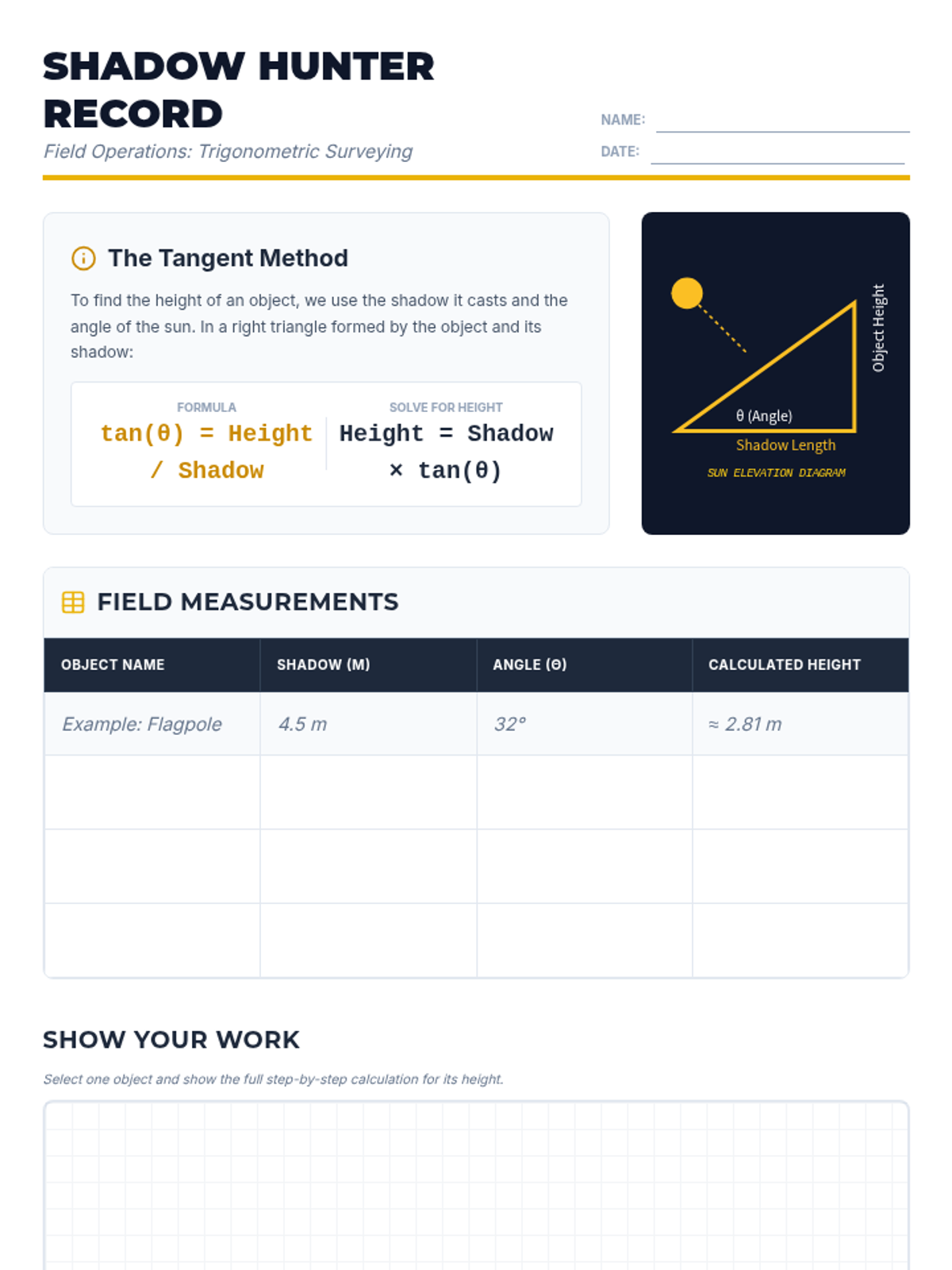
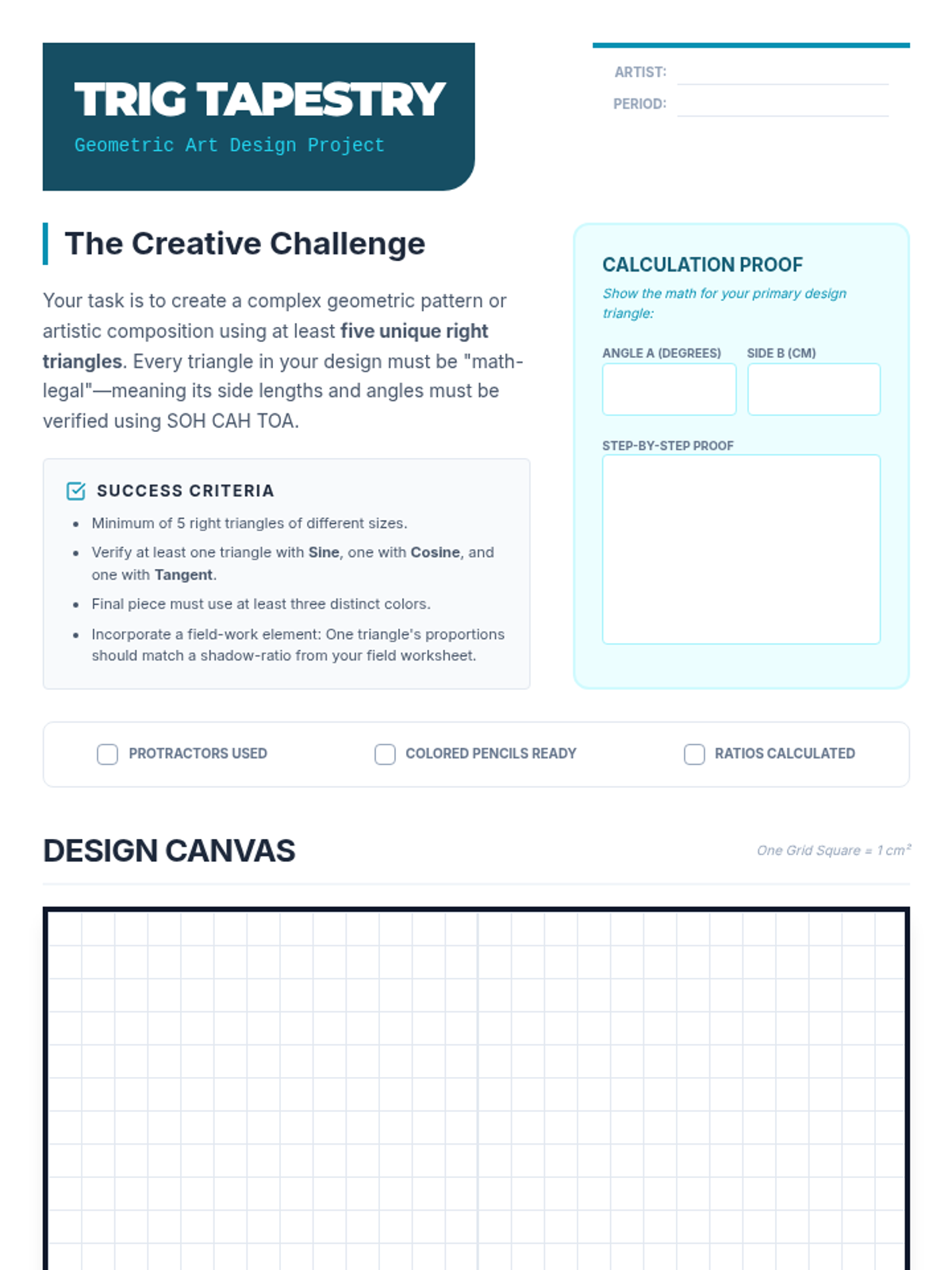
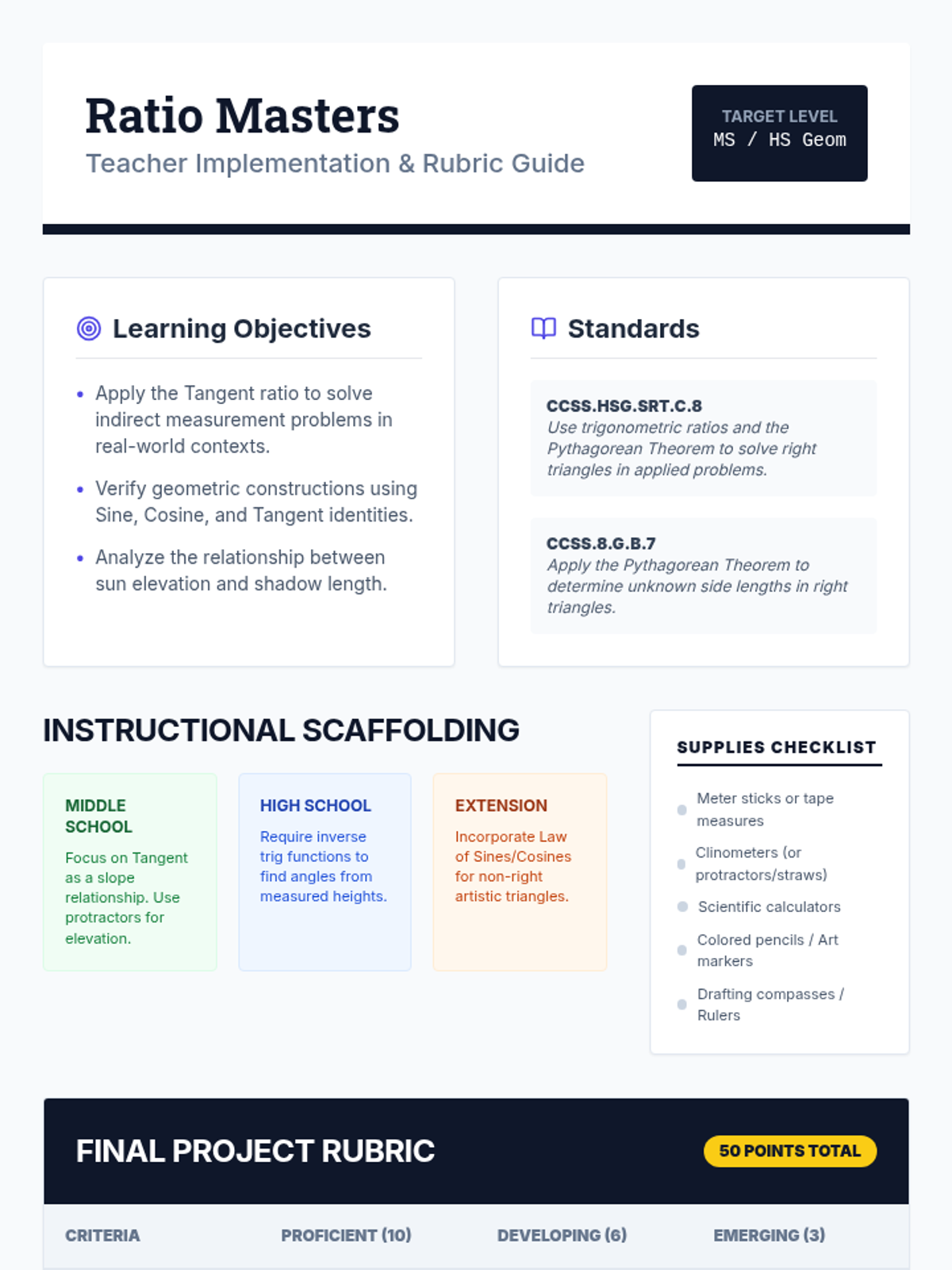
A comprehensive project-based learning unit where students apply trigonometric ratios to measure the heights of local landmarks and create intricate geometric art based on mathematical proportions.
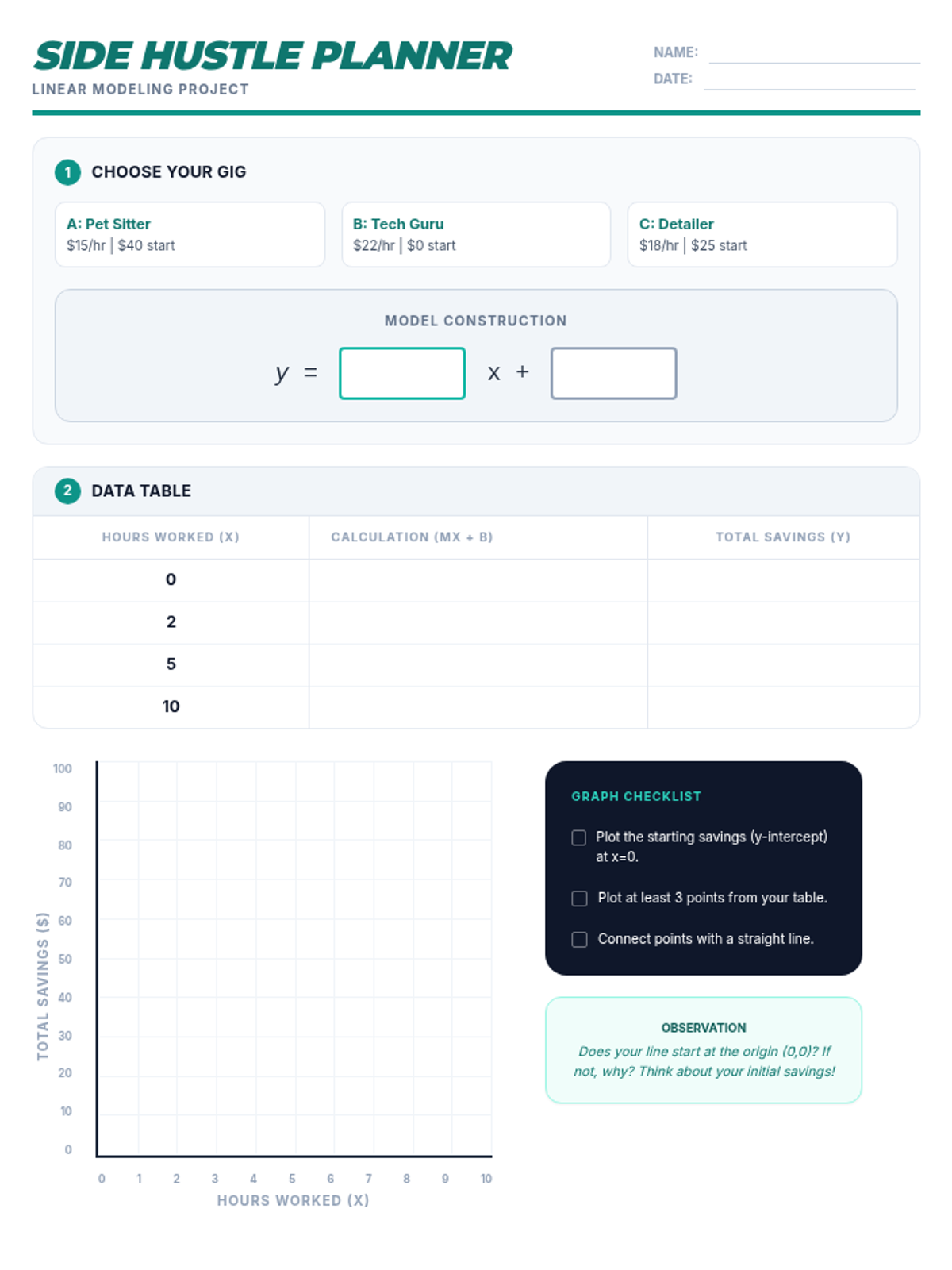
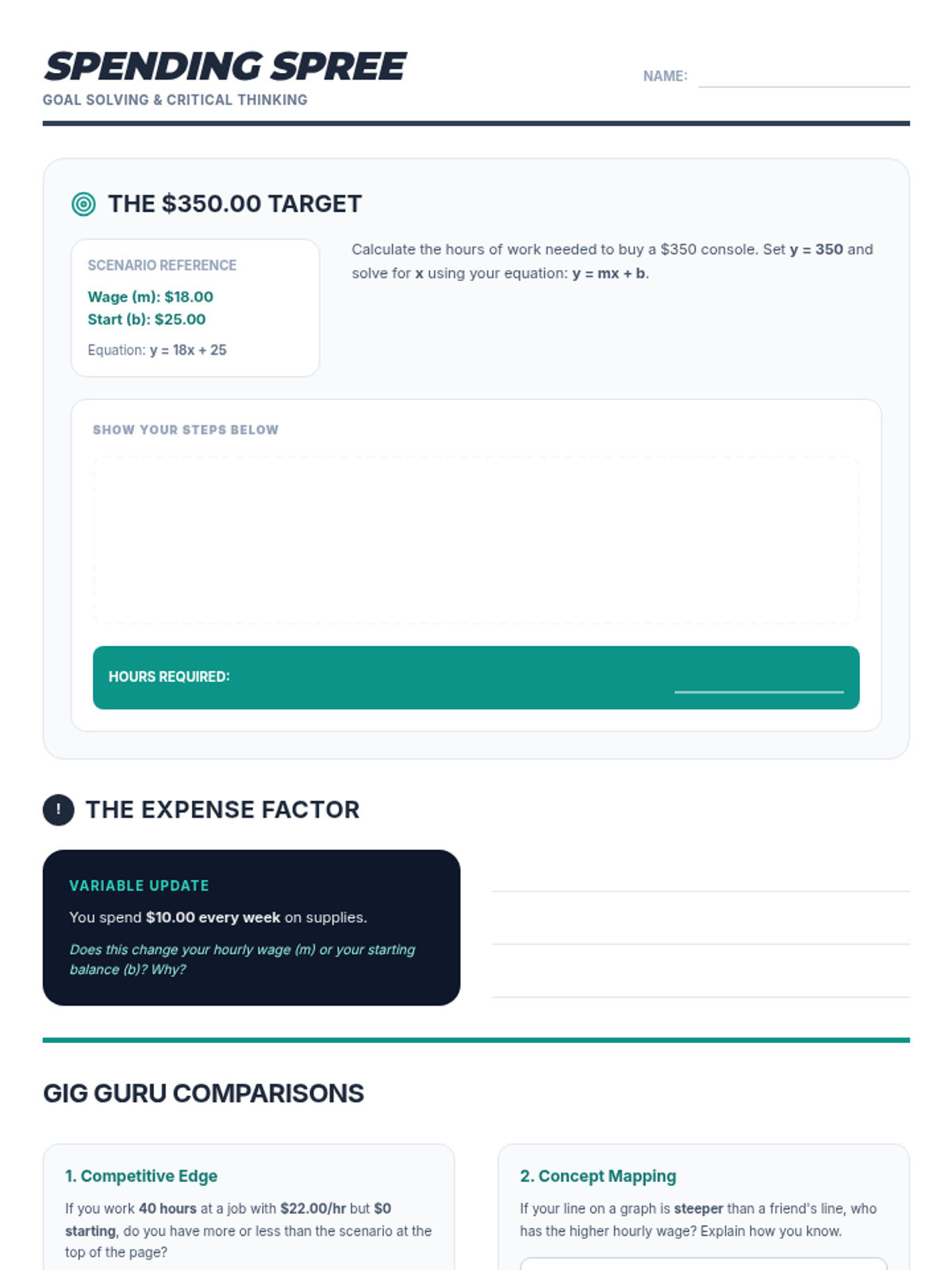
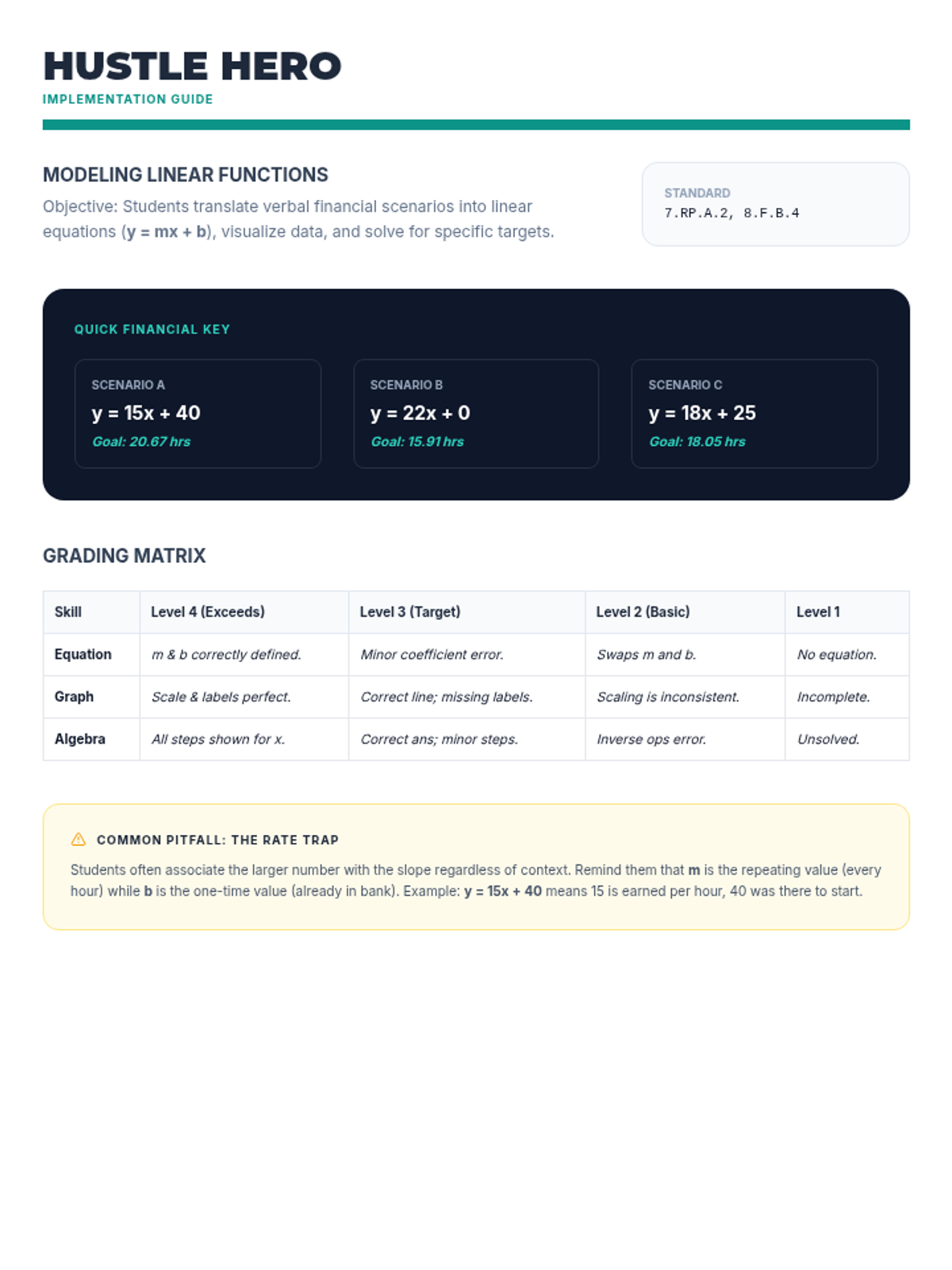
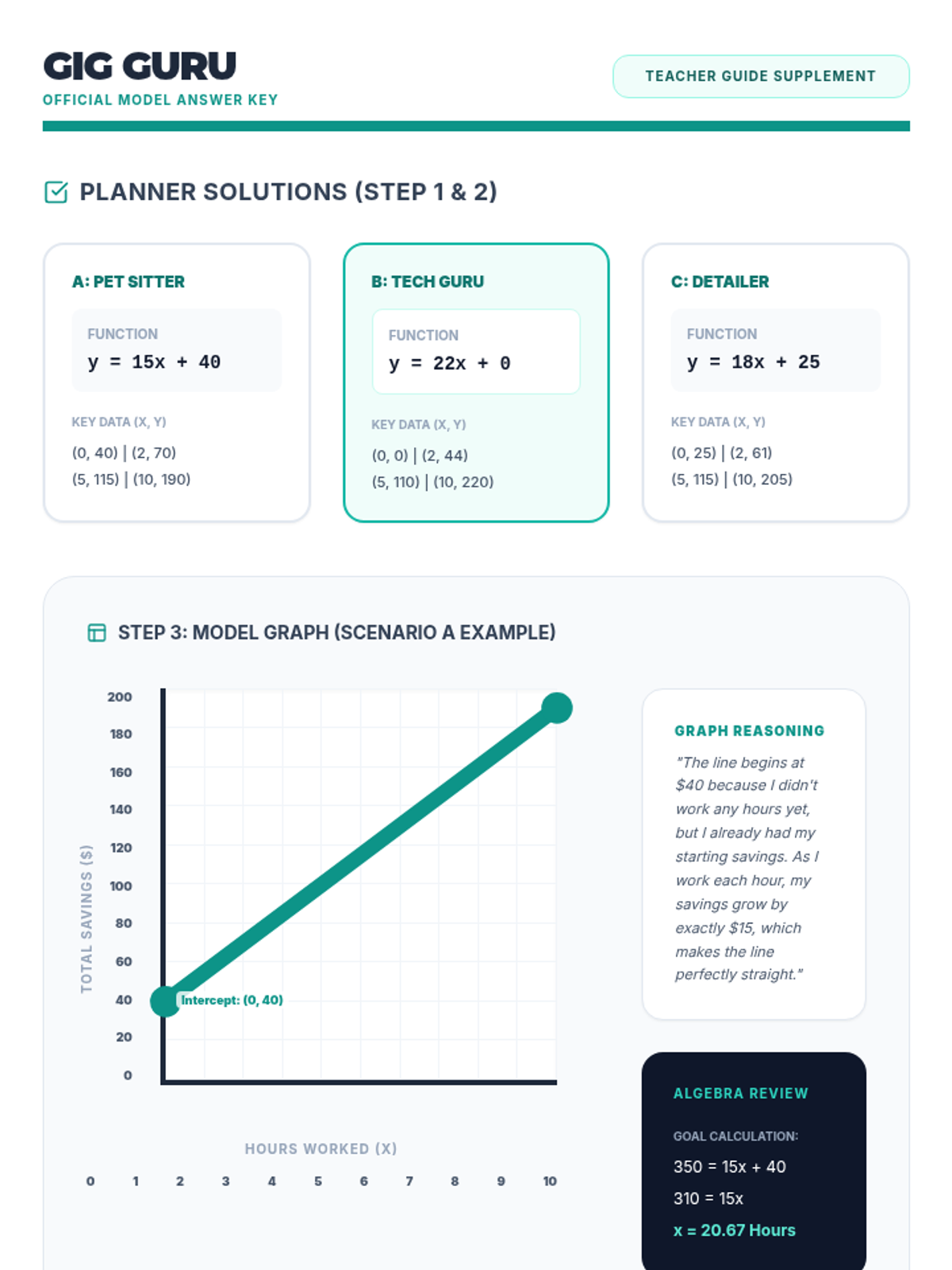
A real-world project where students use linear functions to model earnings from a summer job and manage a budget to reach a savings goal. Students will define variables, write equations, create tables, and graph their financial progress.
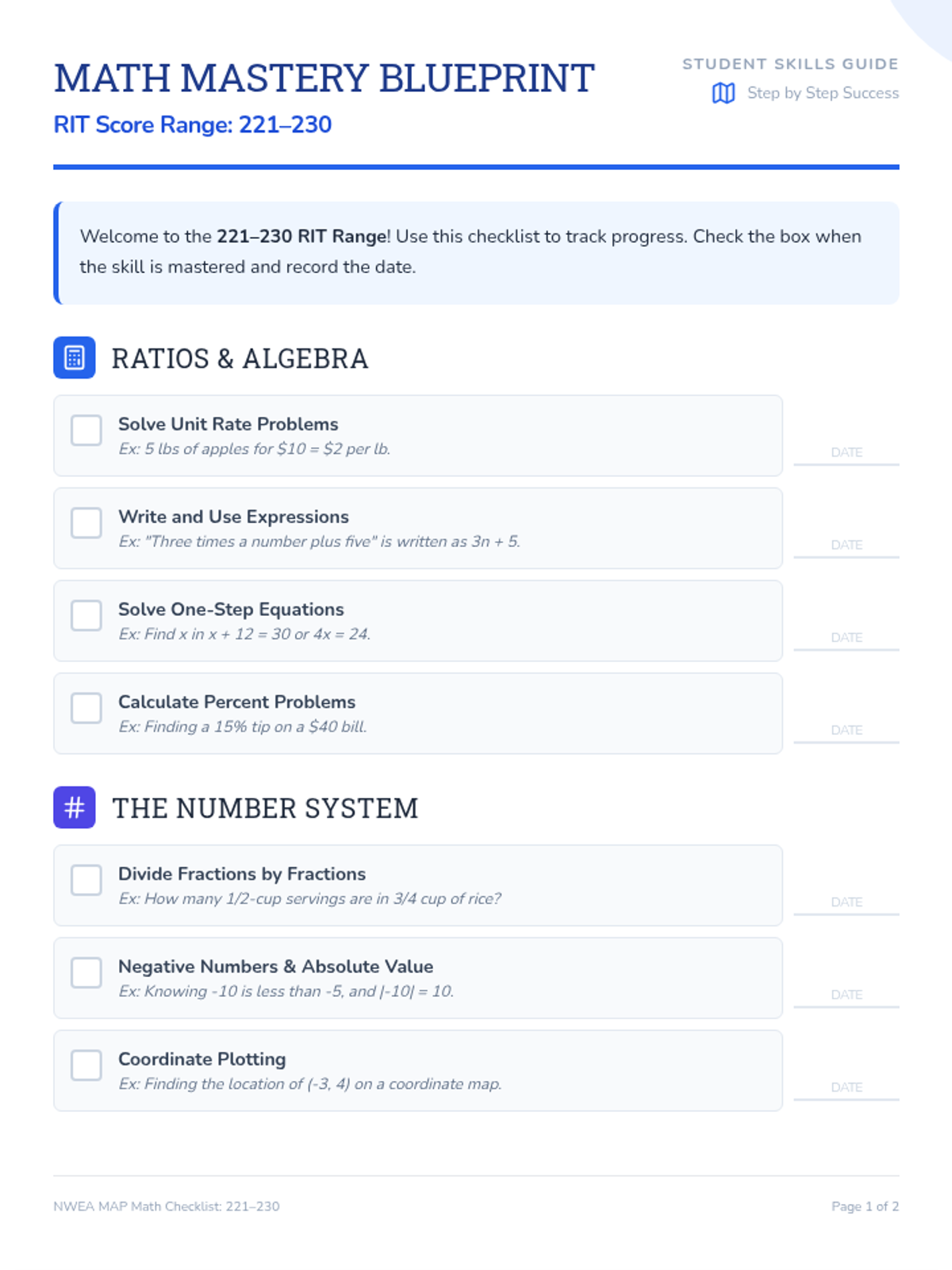
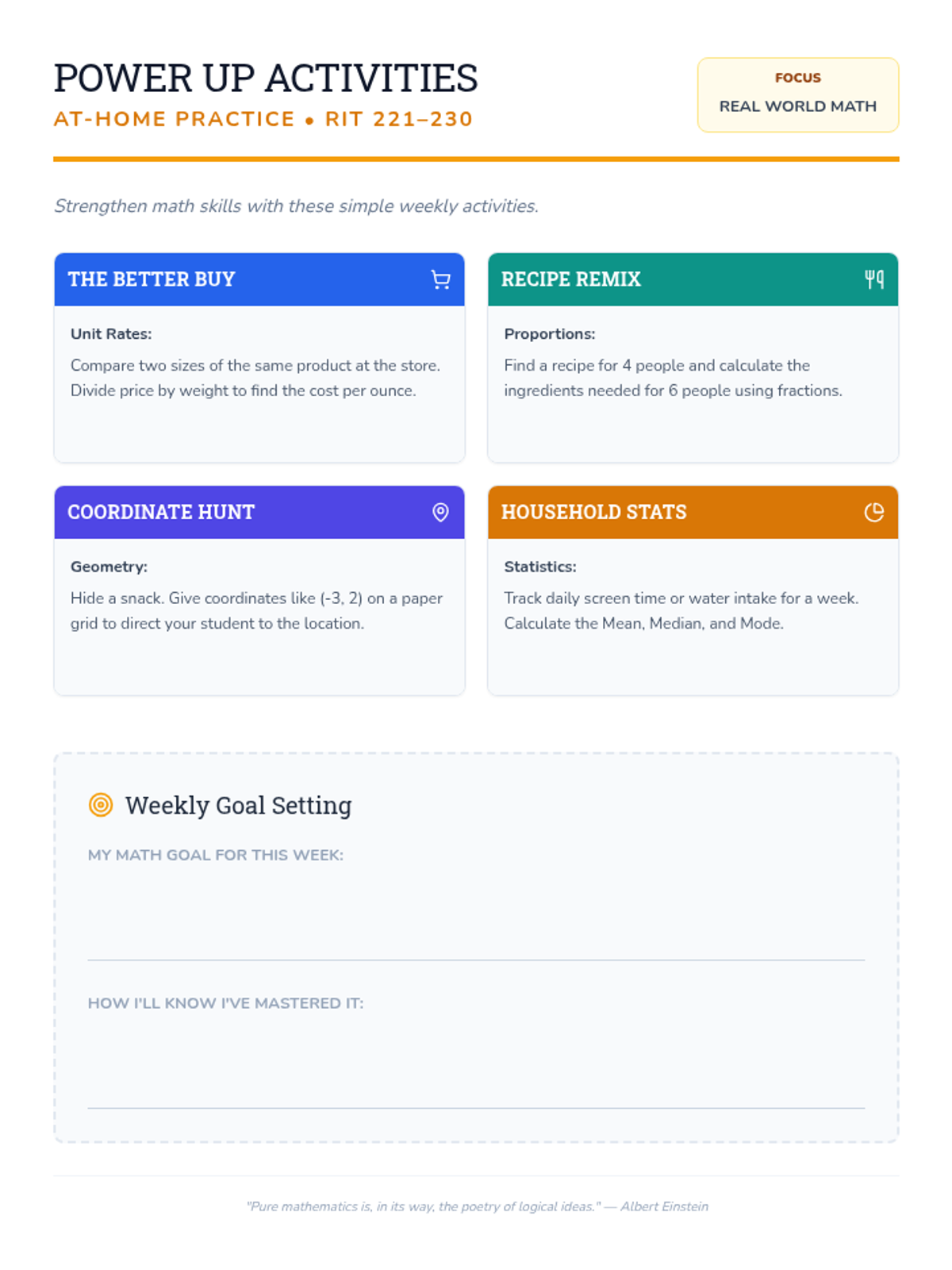
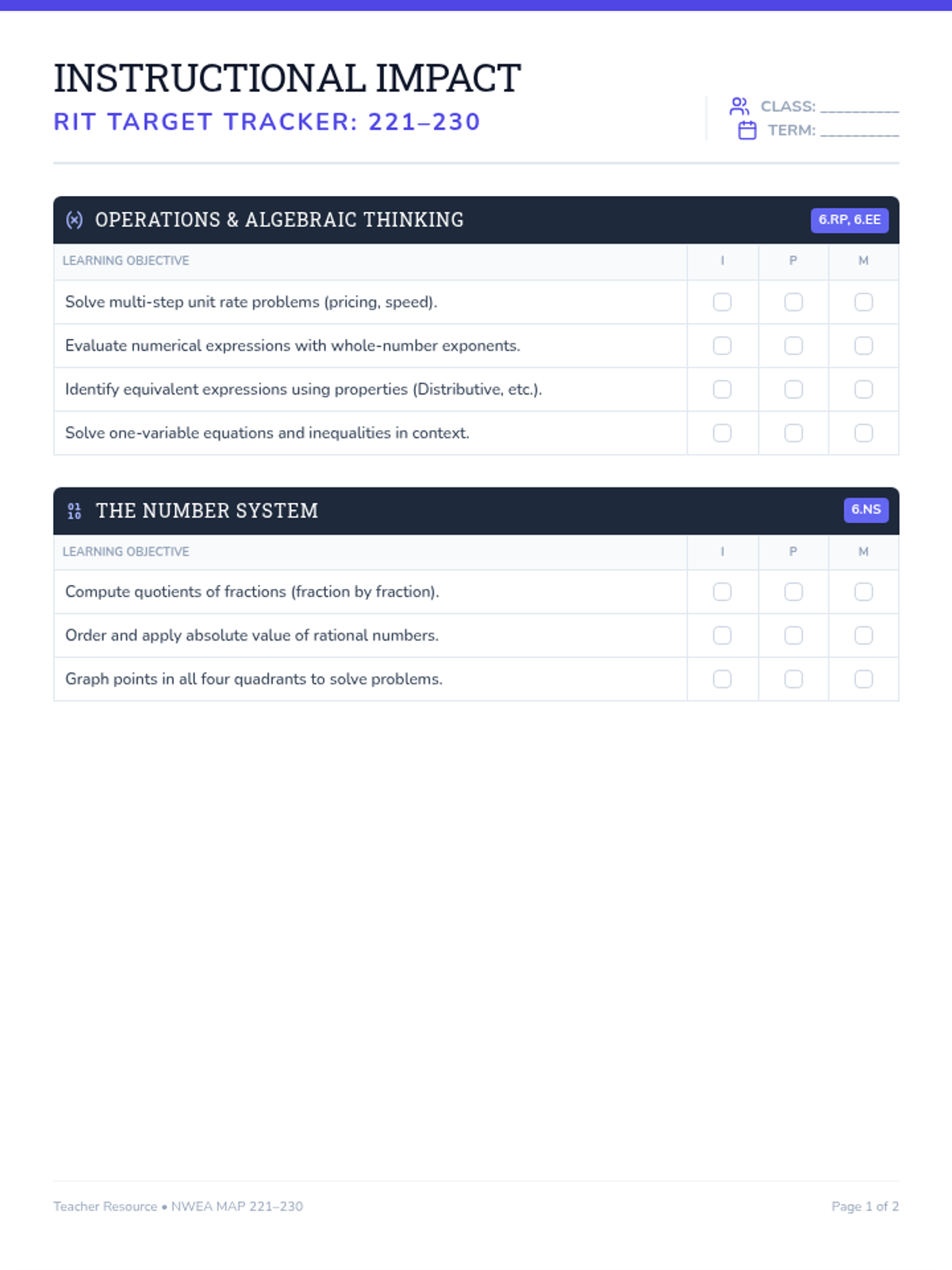
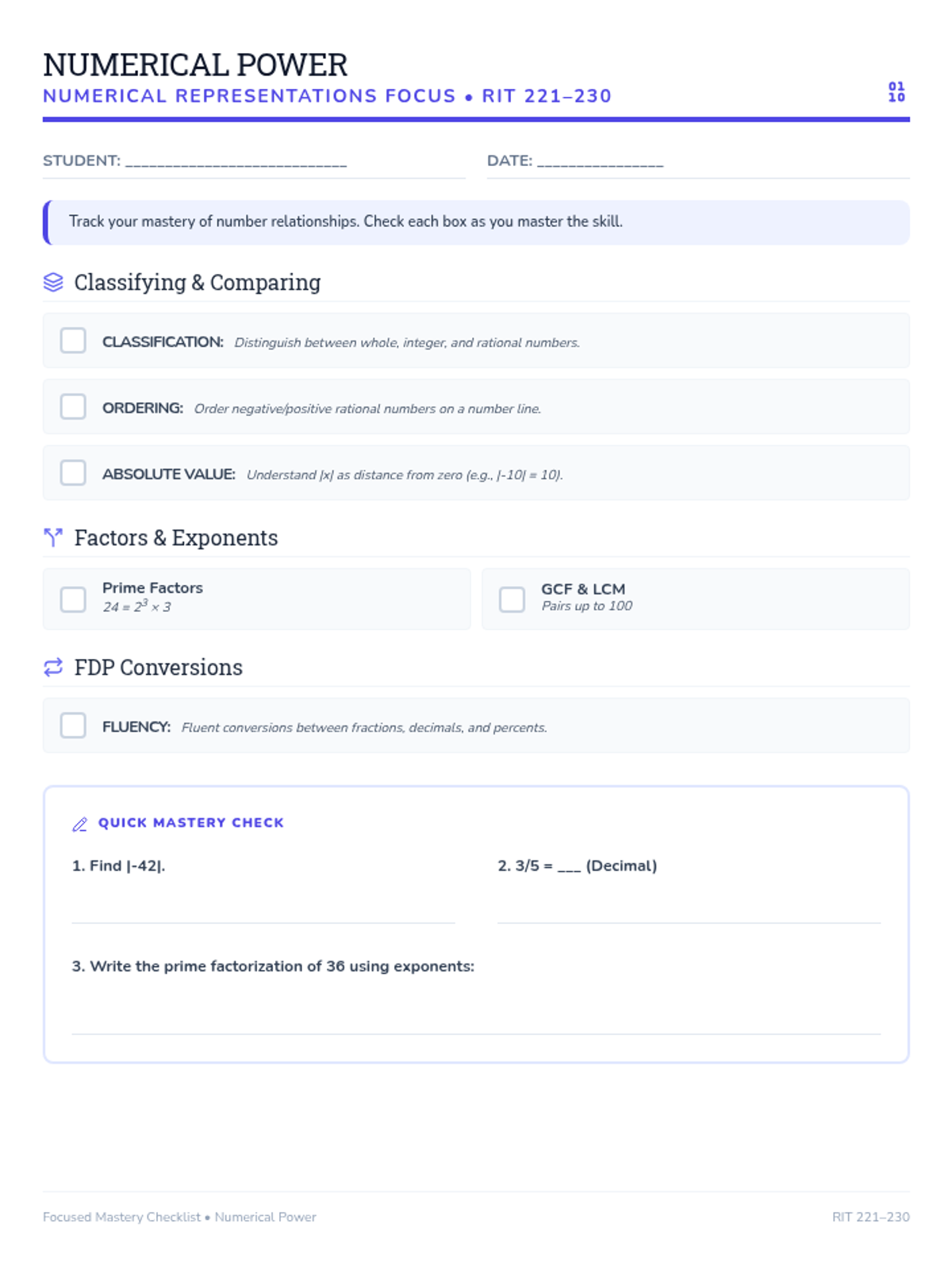
A comprehensive collection of RIT-aligned math mastery resources for student and teacher tracking across key mathematical development ranges.
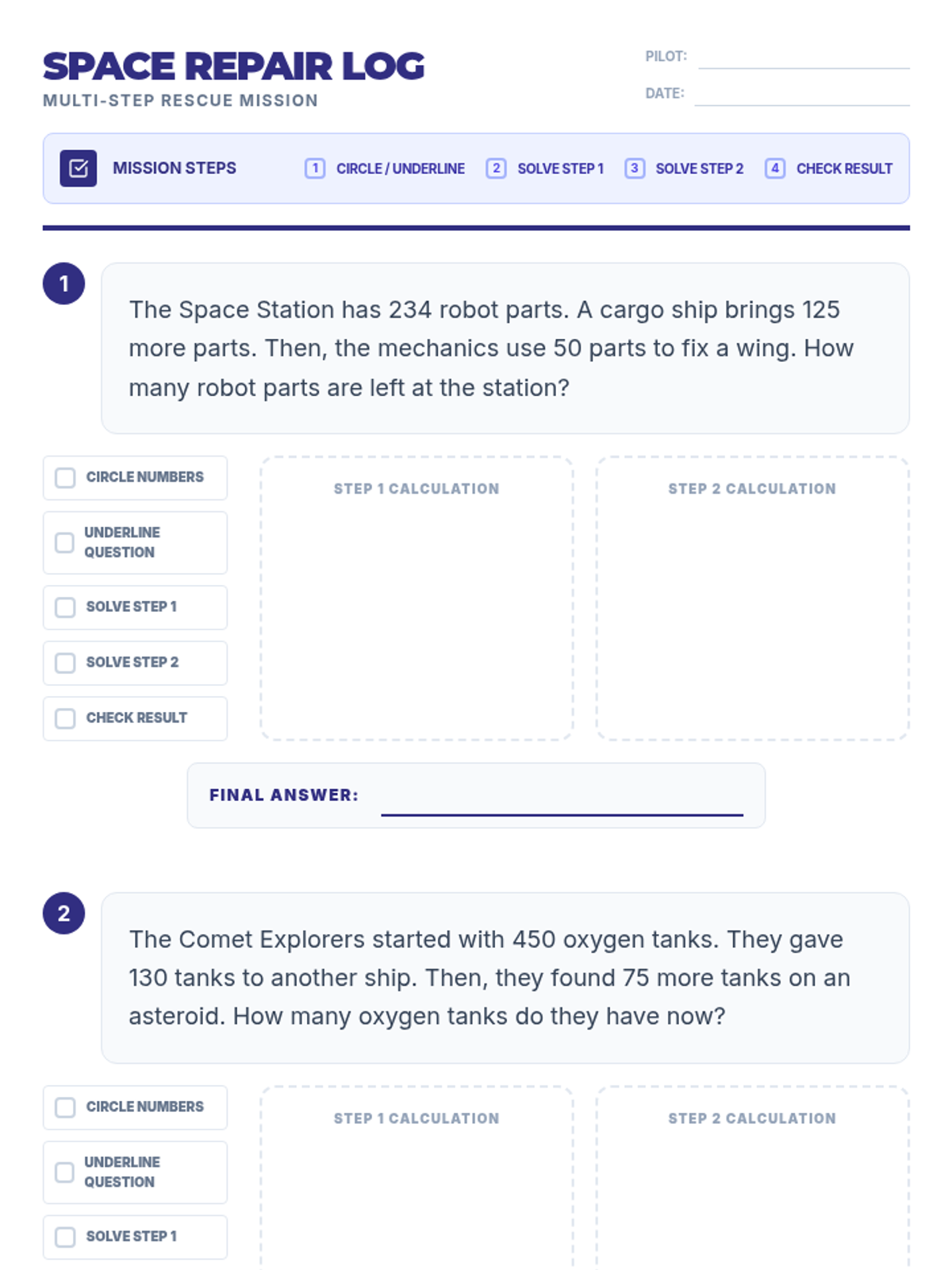
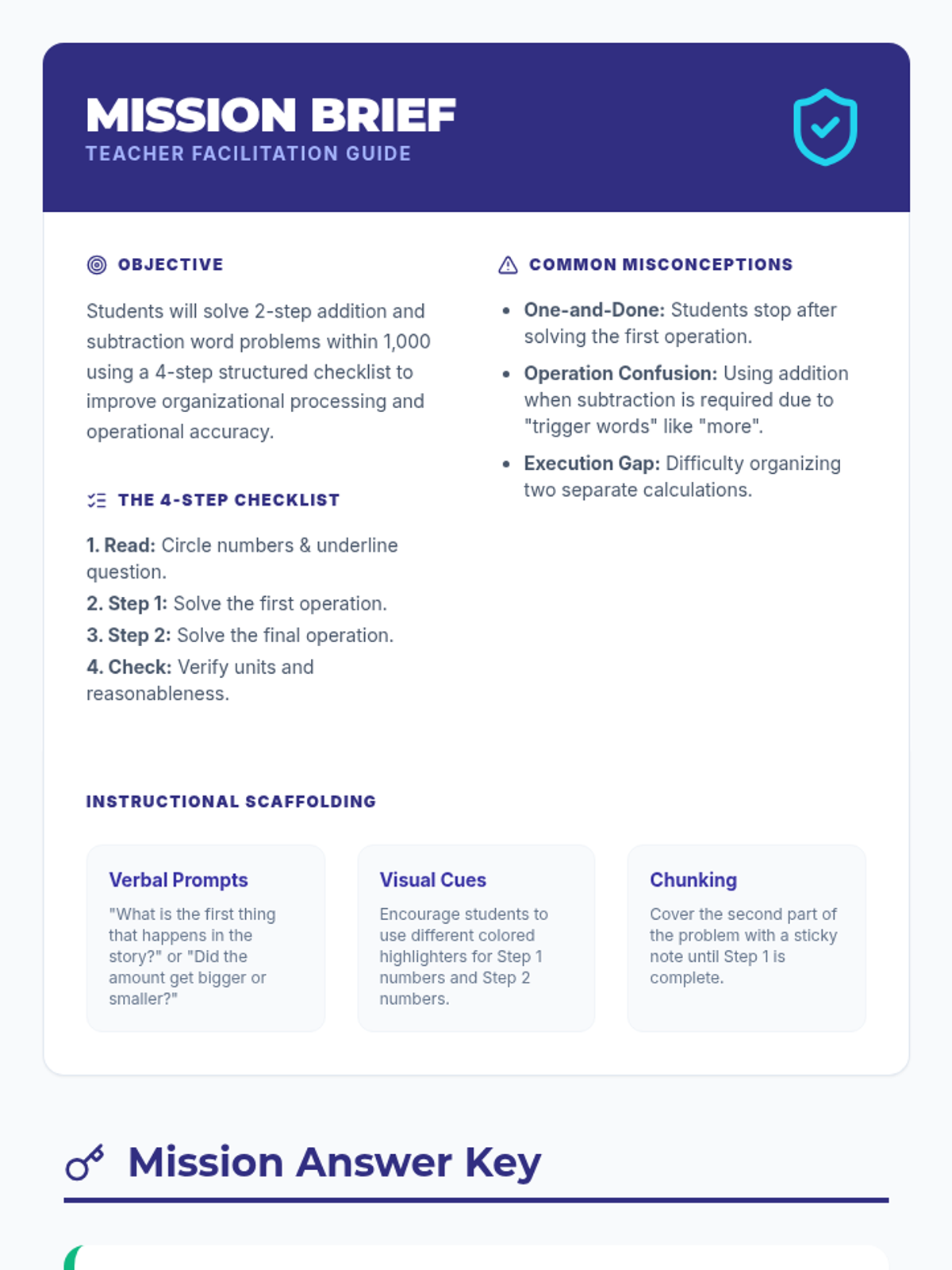
A unit focused on mastering multi-step operations through scaffolded strategies and visual aids.
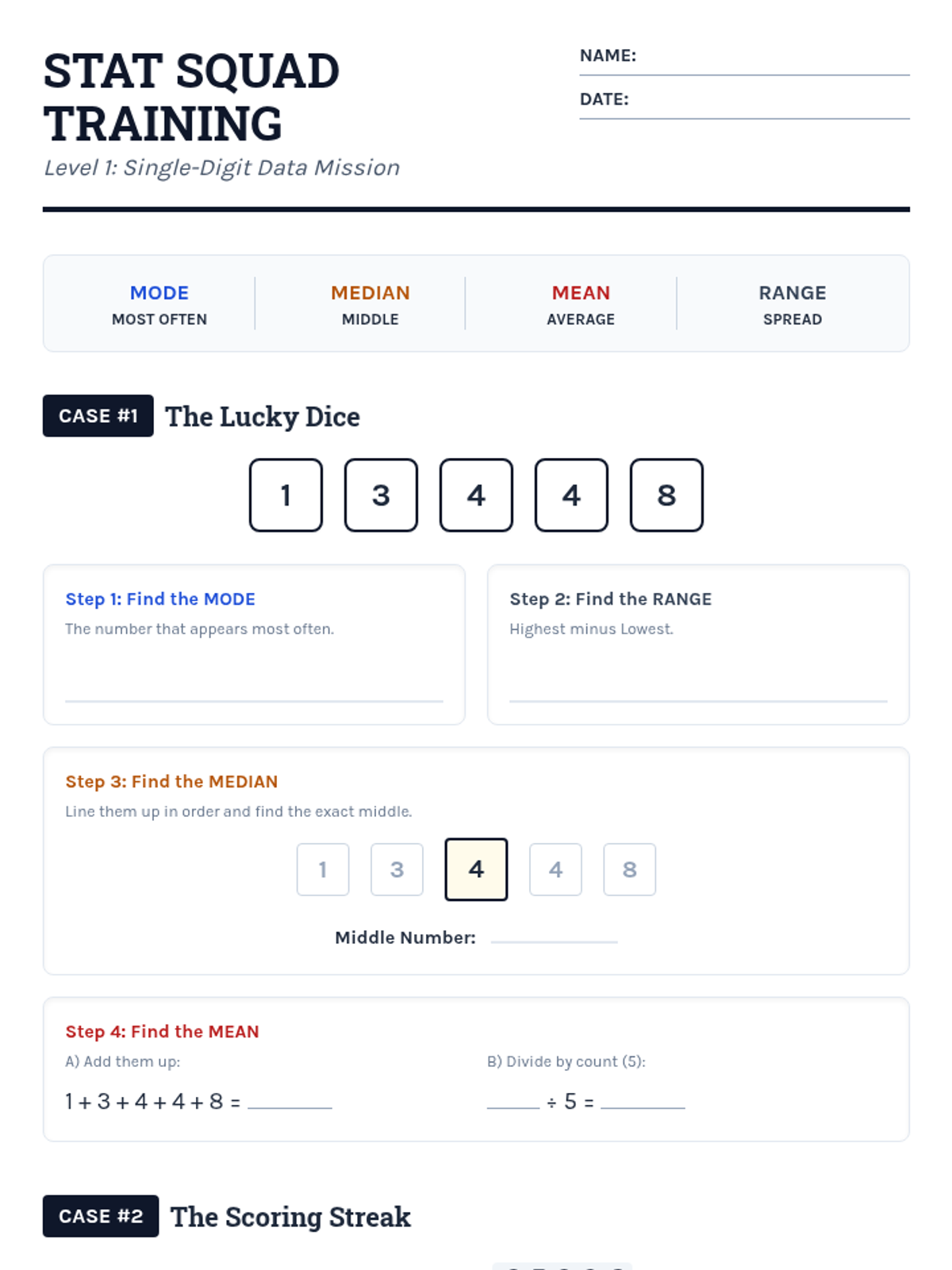
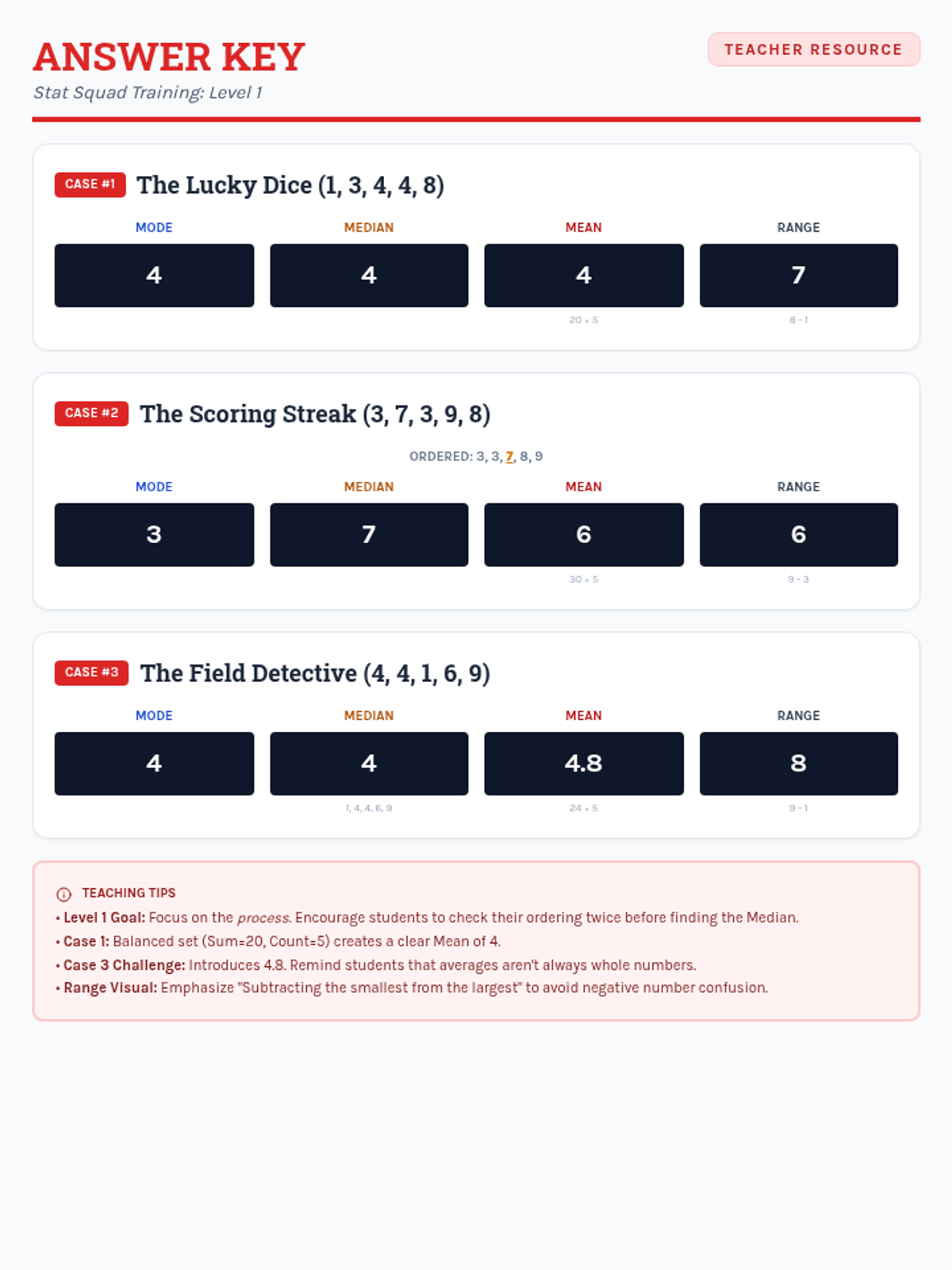
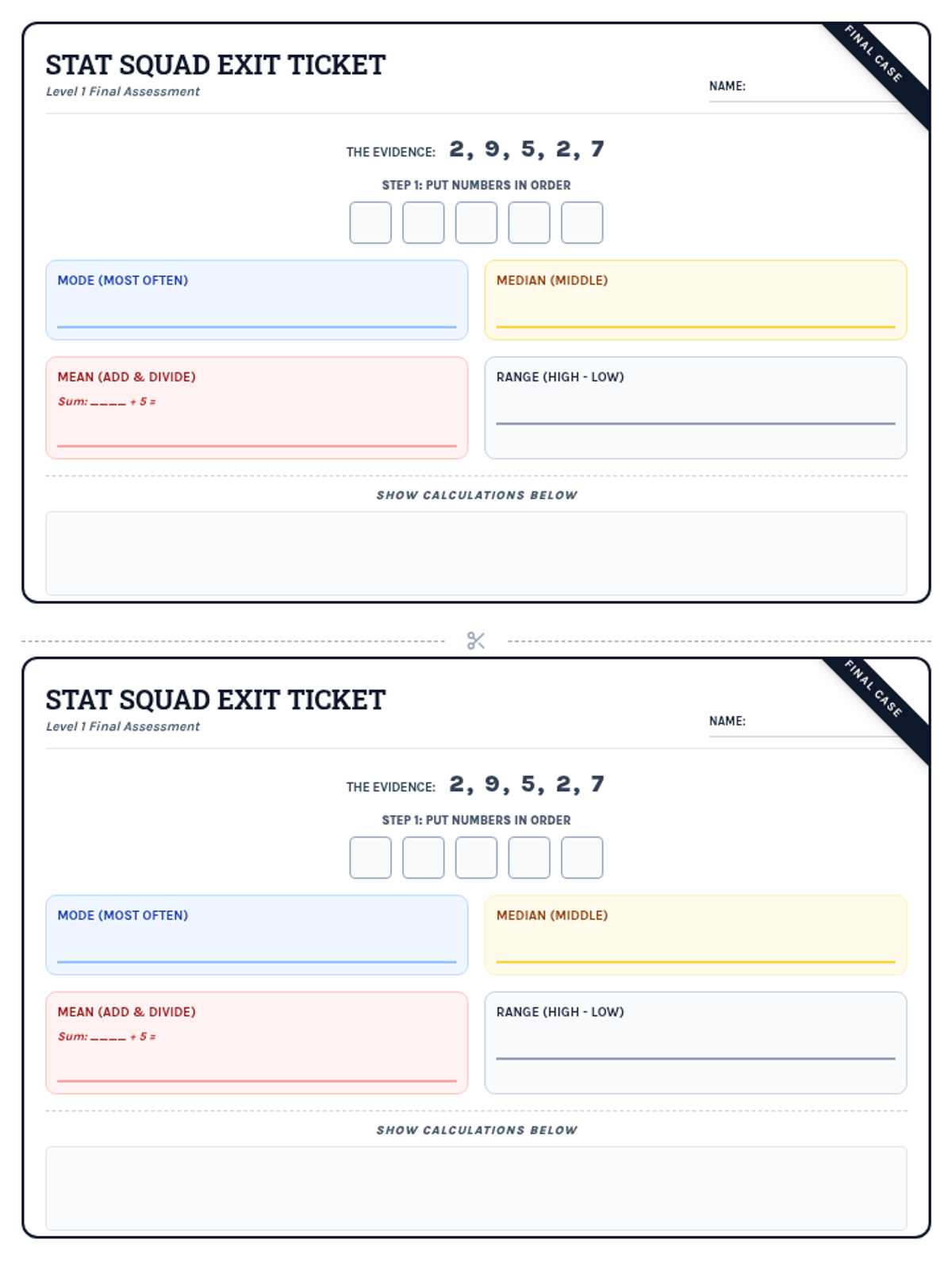
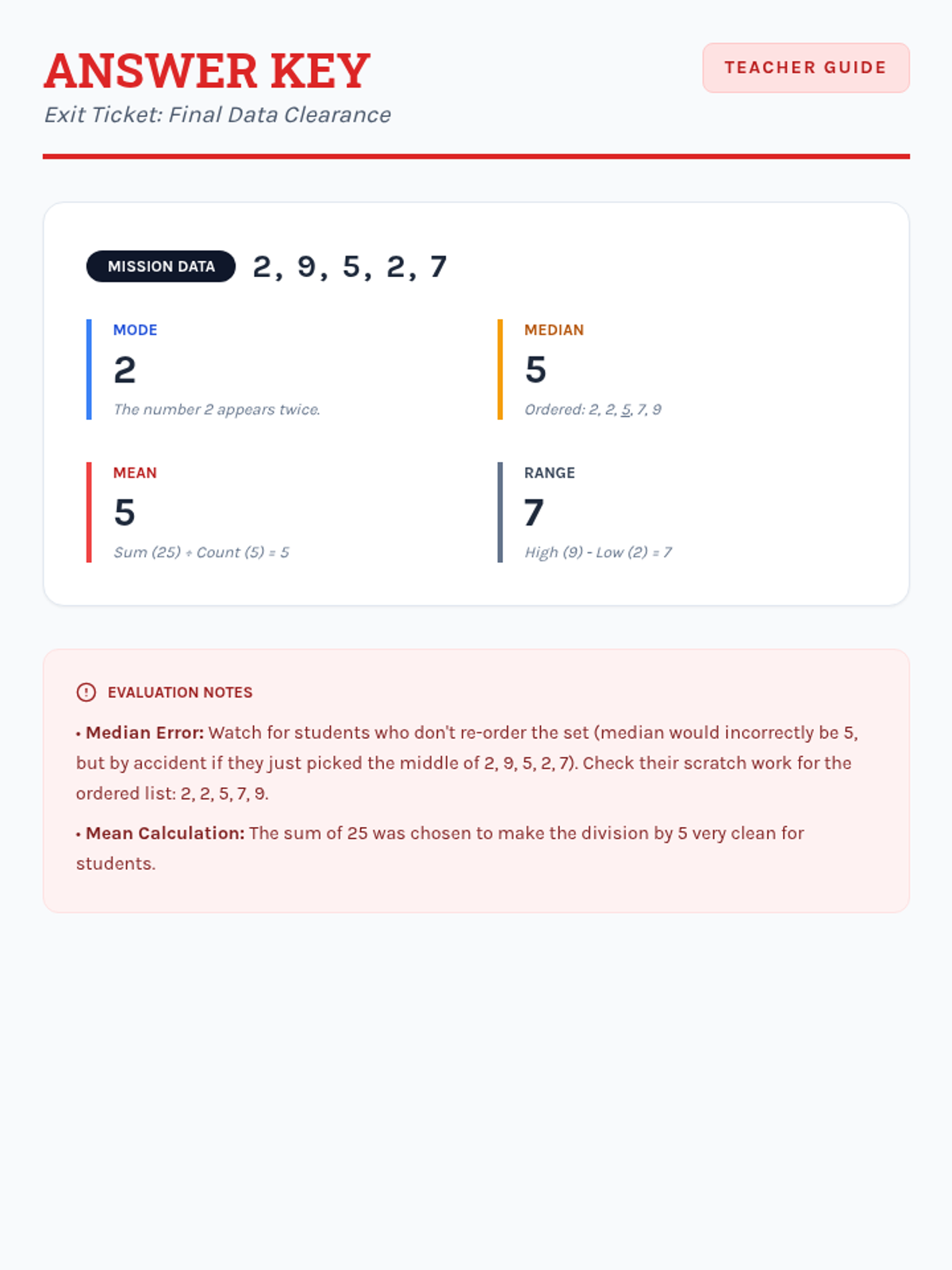
A comprehensive progression through descriptive statistics, from foundational calculations to high-school level analytical applications, including outlier effects and algebraic problem-solving.
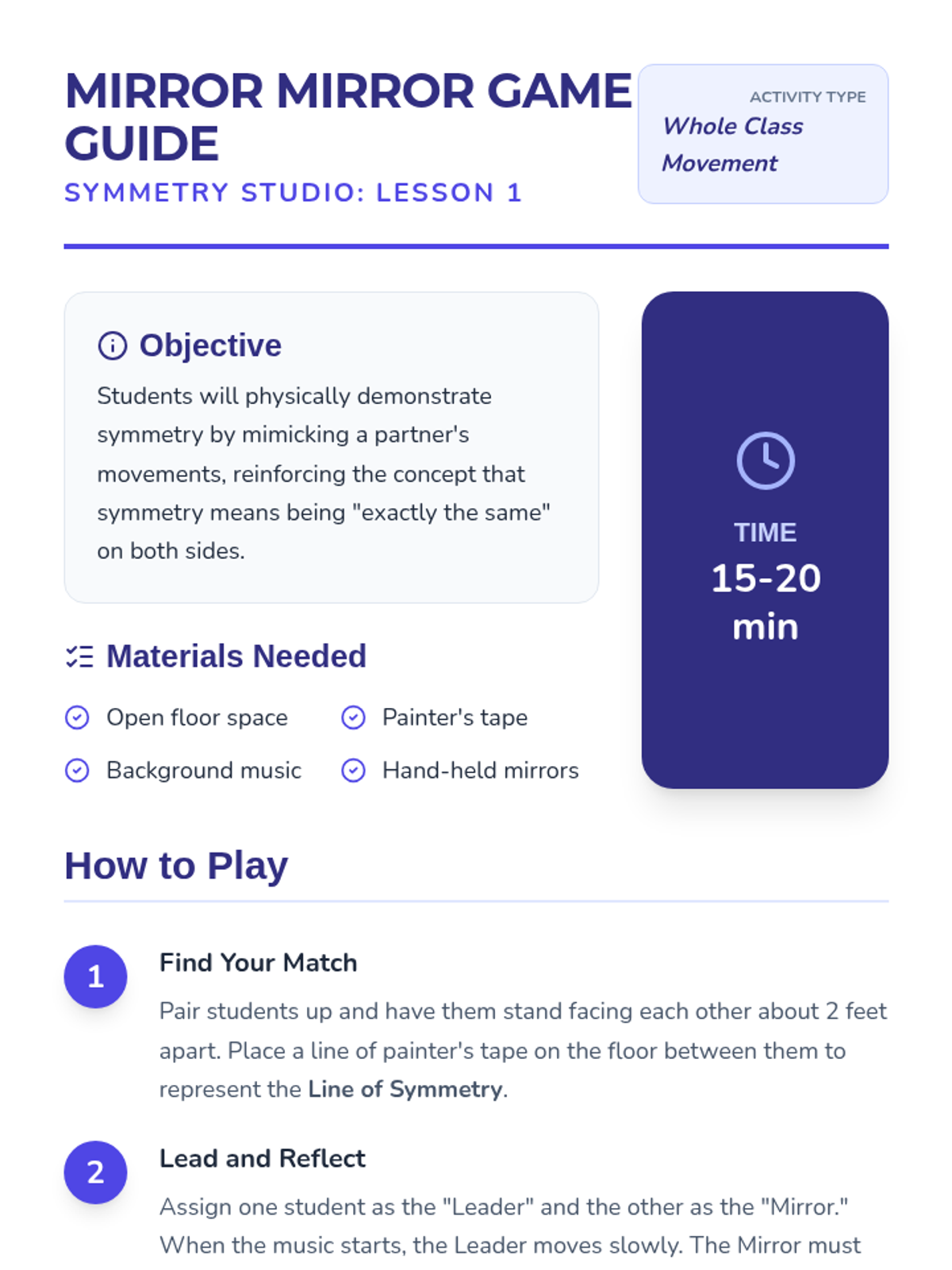
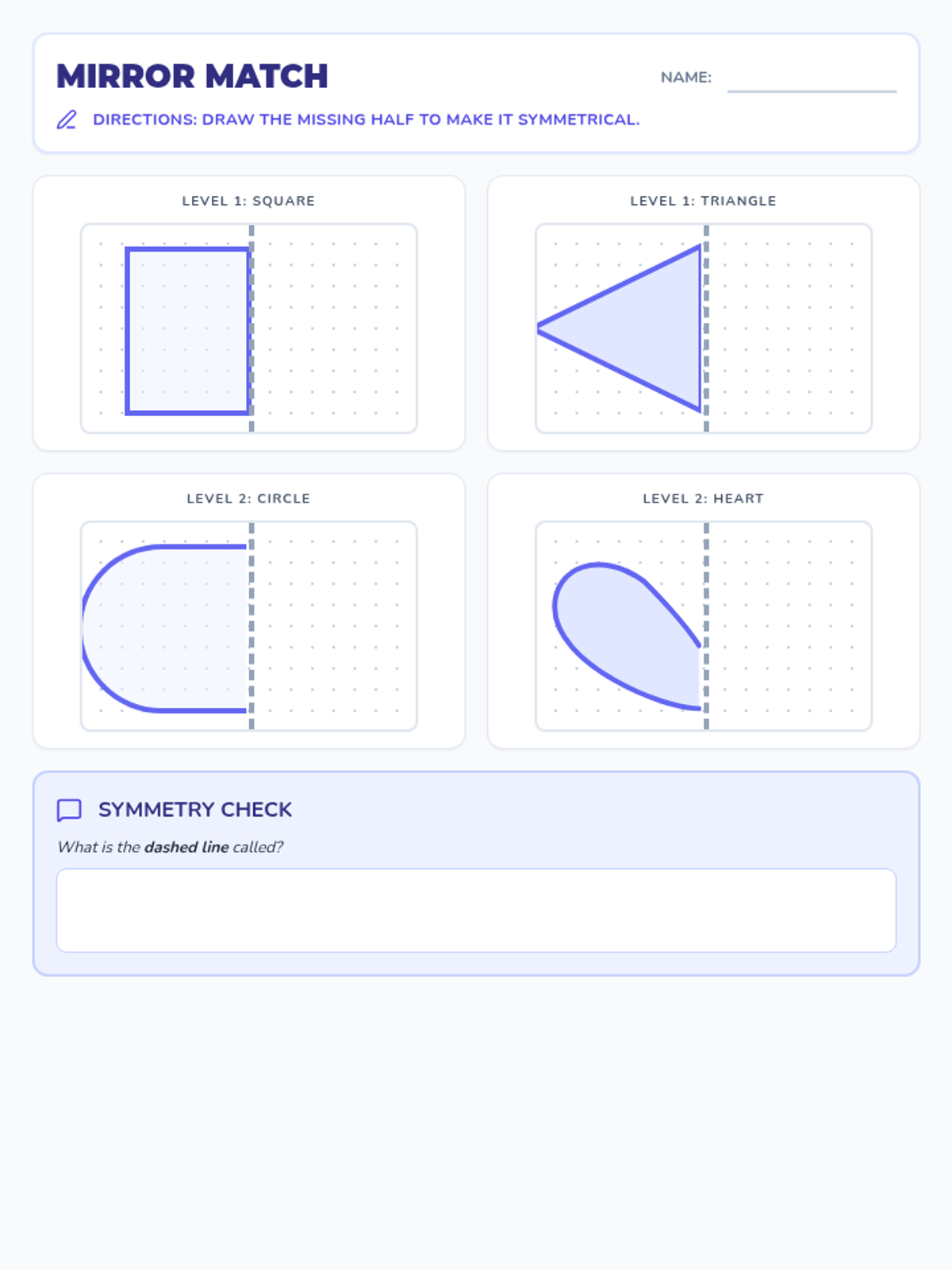
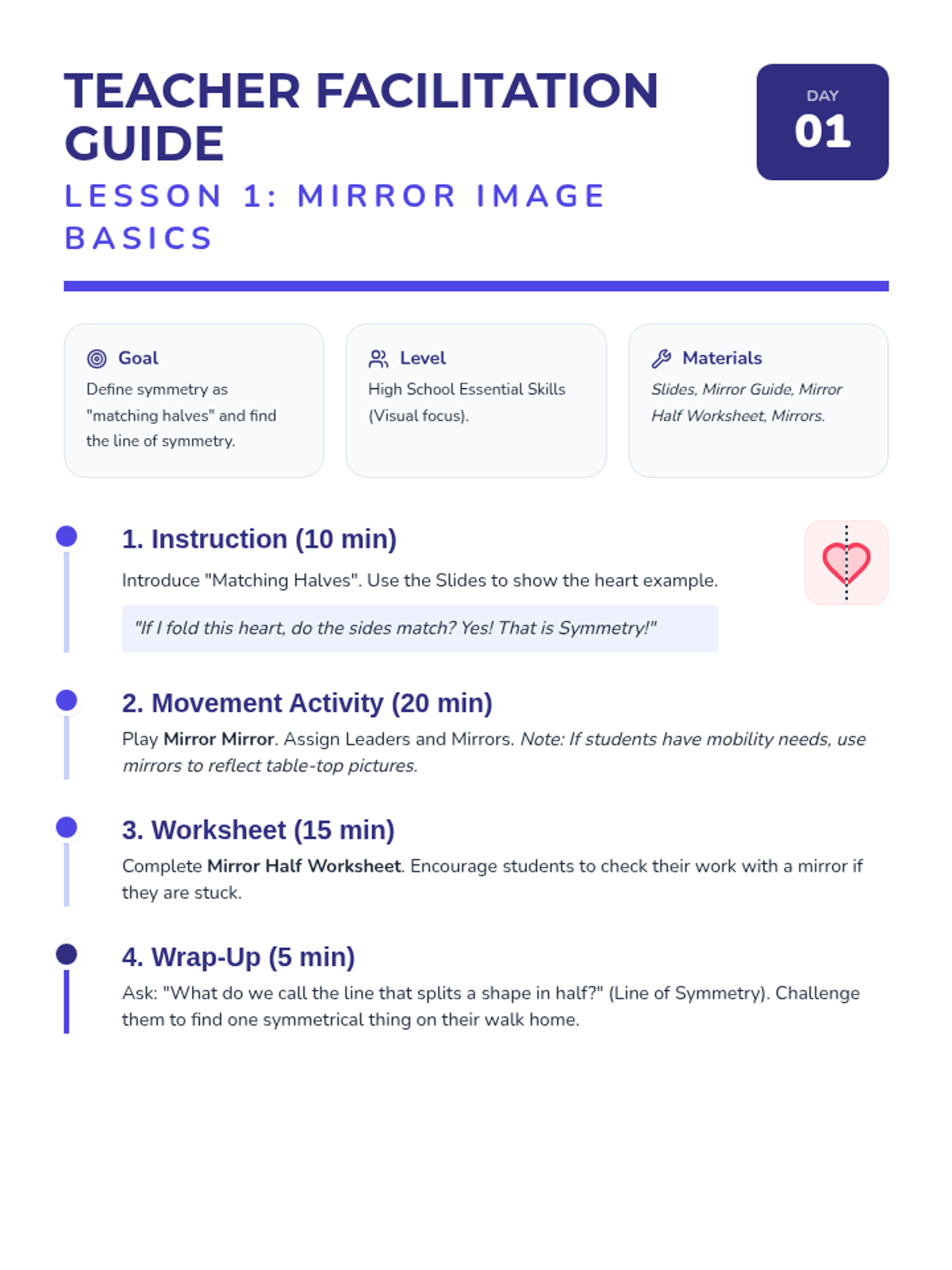
A four-day unit for high school essential skills students focused on identifying and creating symmetry in geometric shapes and everyday objects through hands-on activities and visual supports.
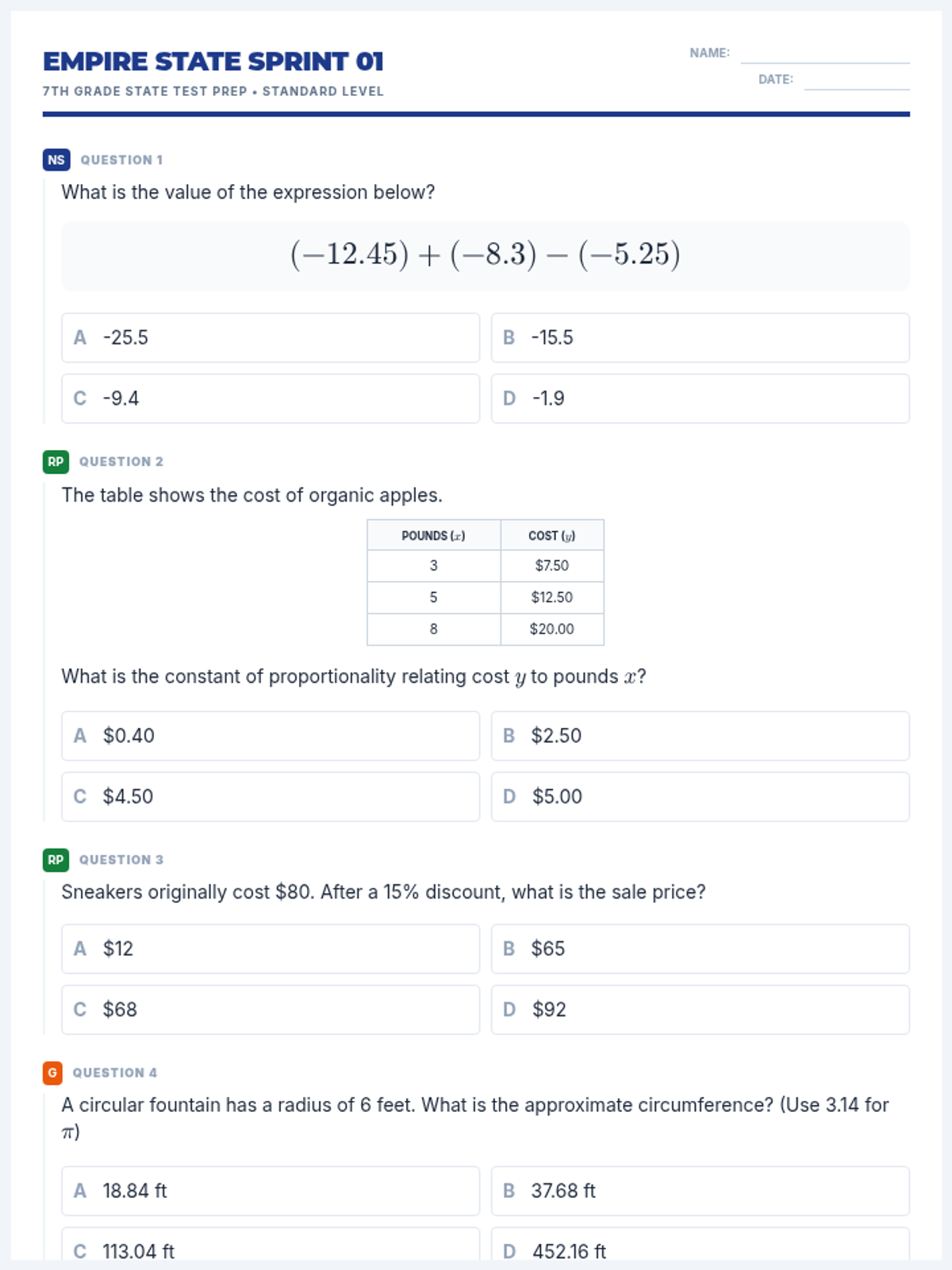
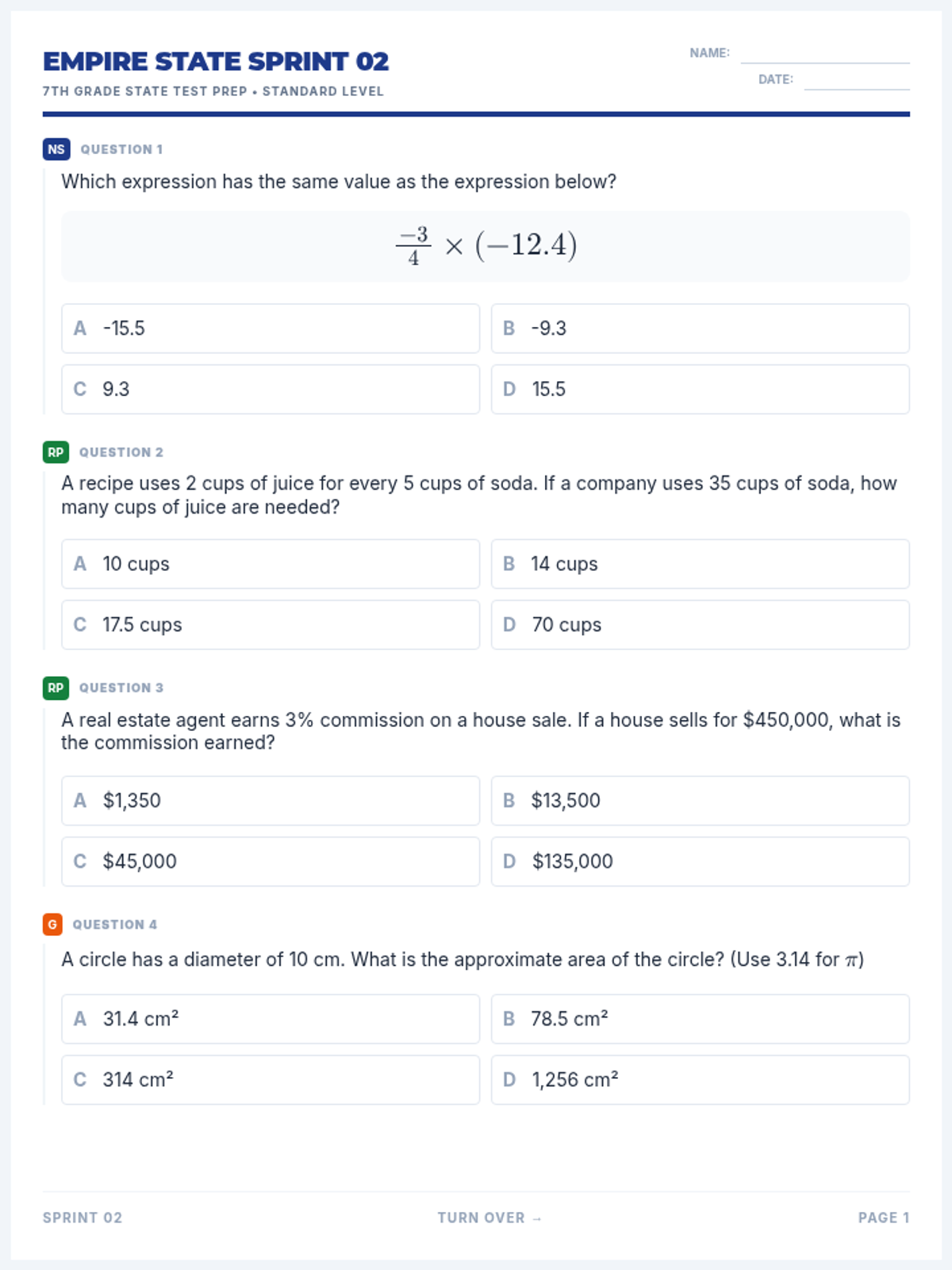
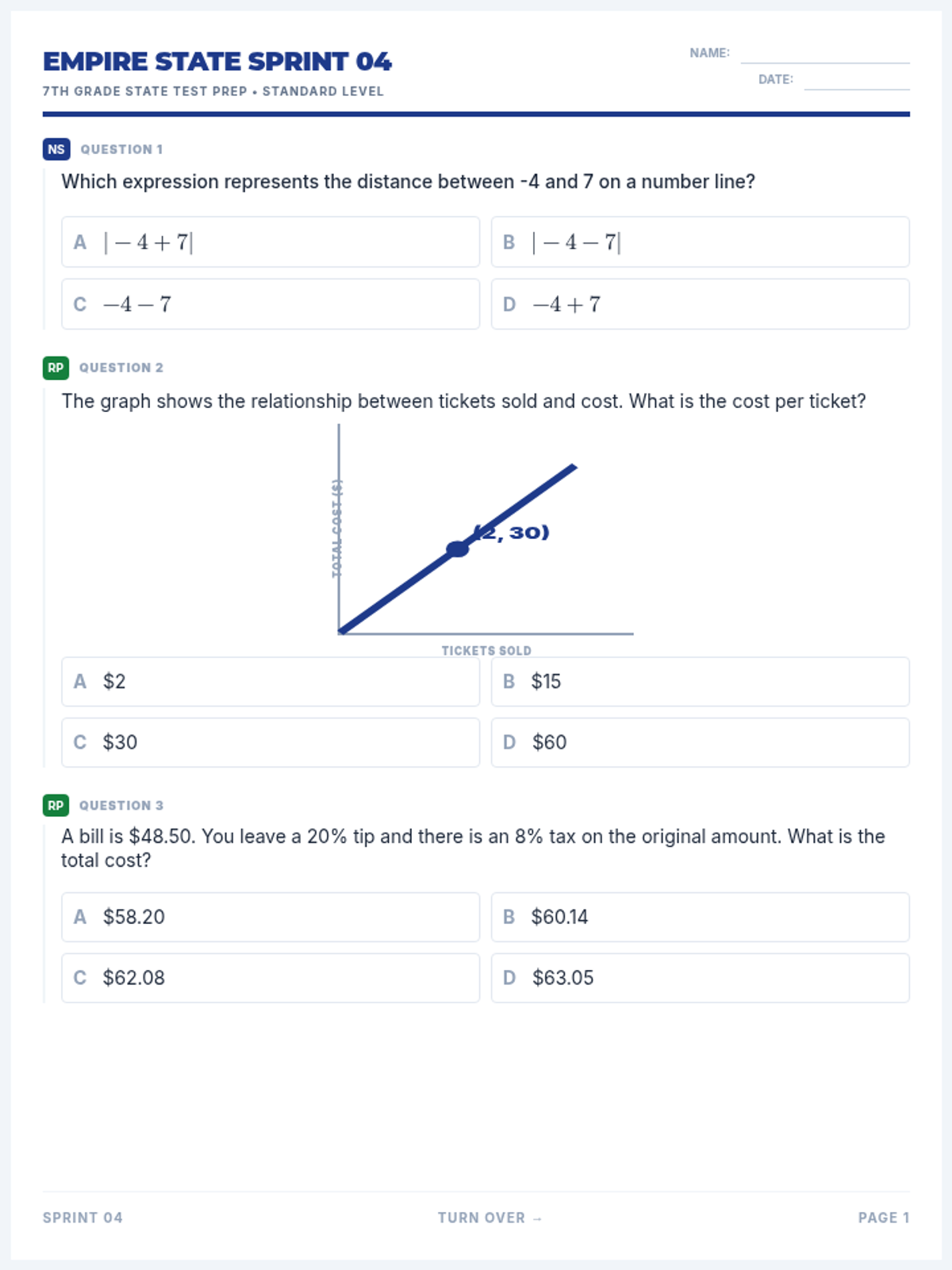
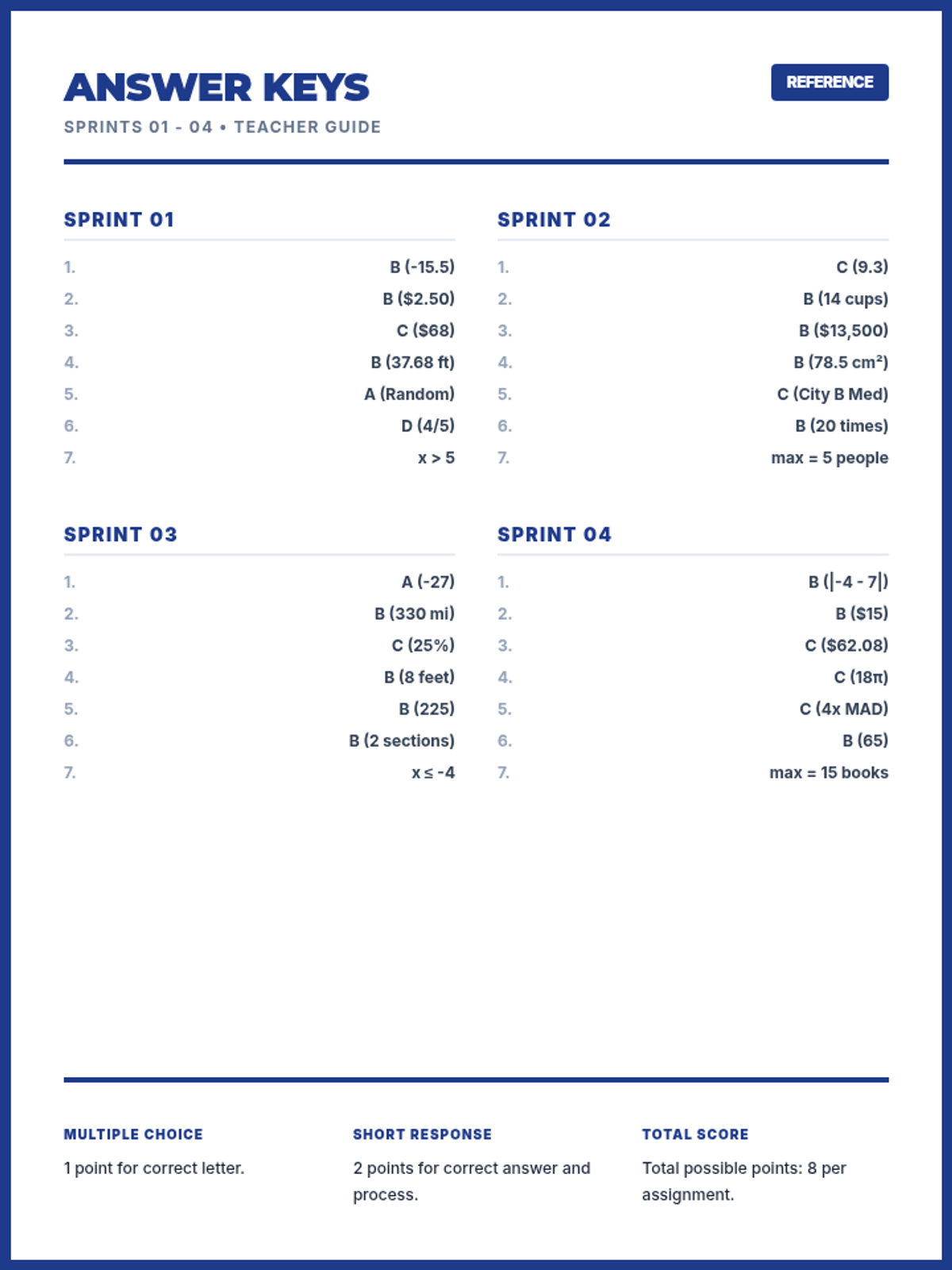
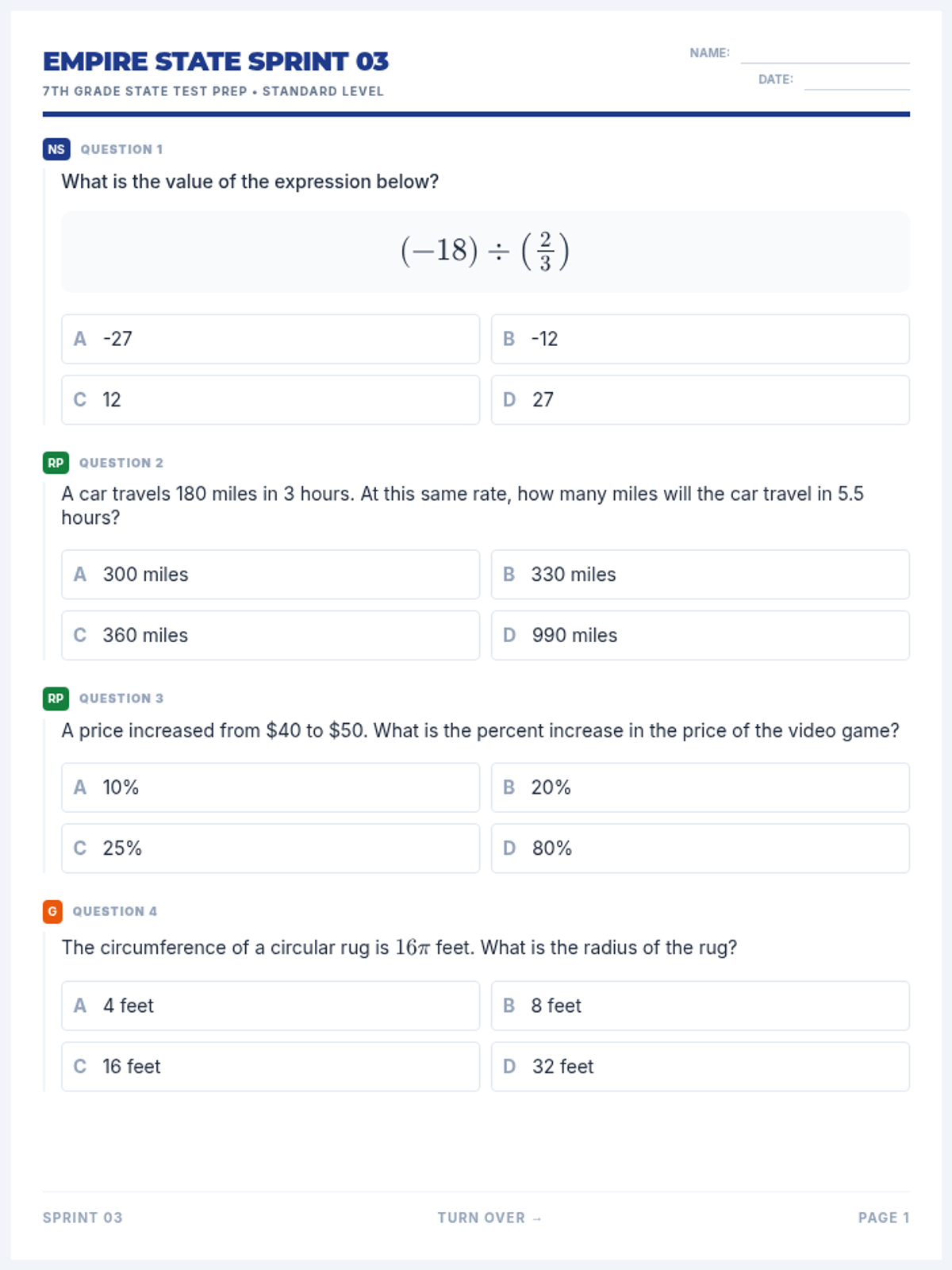
A series of four targeted homework assignments designed to prepare 7th-grade students for the New York State Mathematics Test. Each assignment covers key domains including Number Systems, Ratios and Proportions, Geometry, Statistics, and Probability in a standardized format.
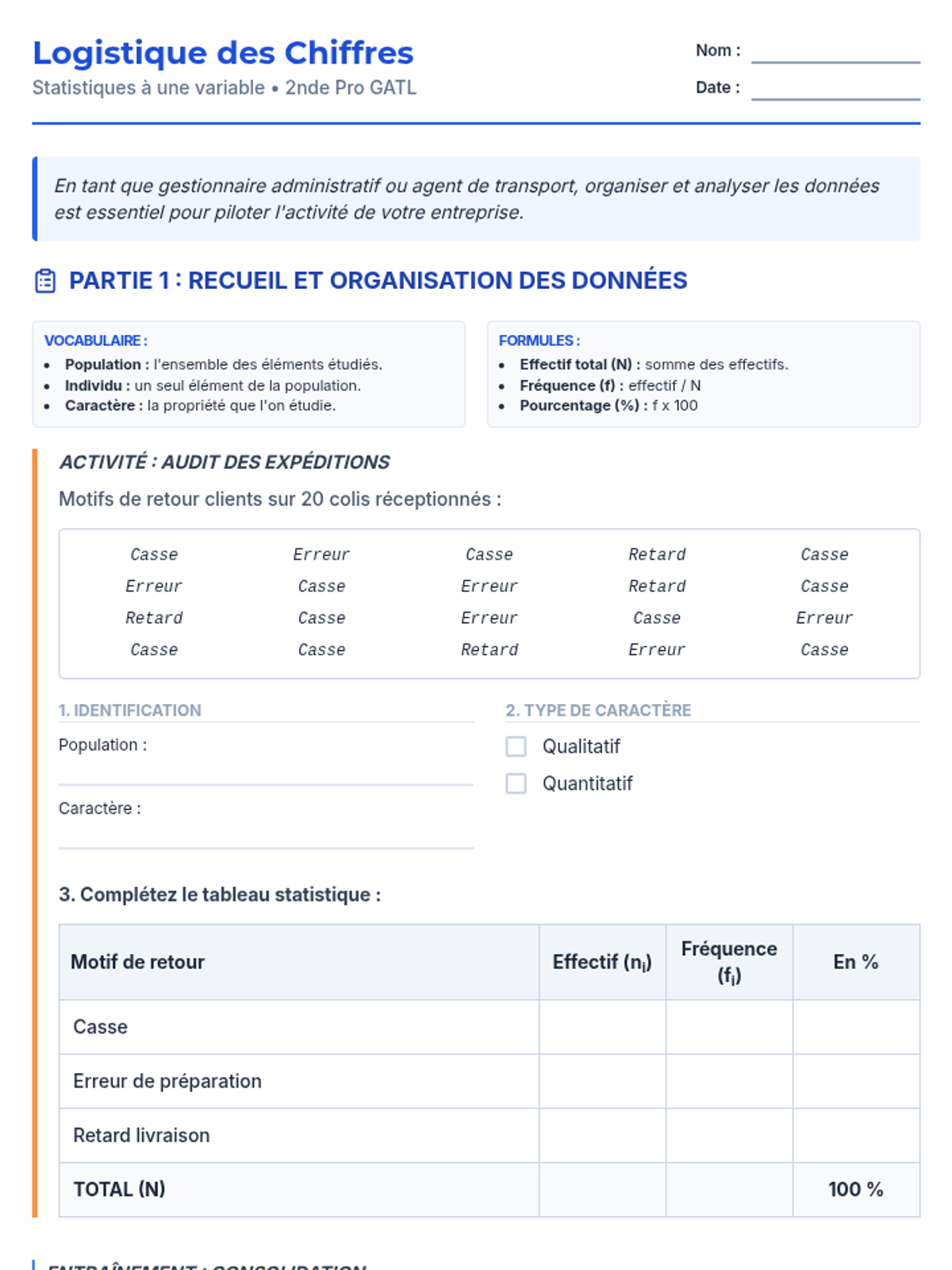
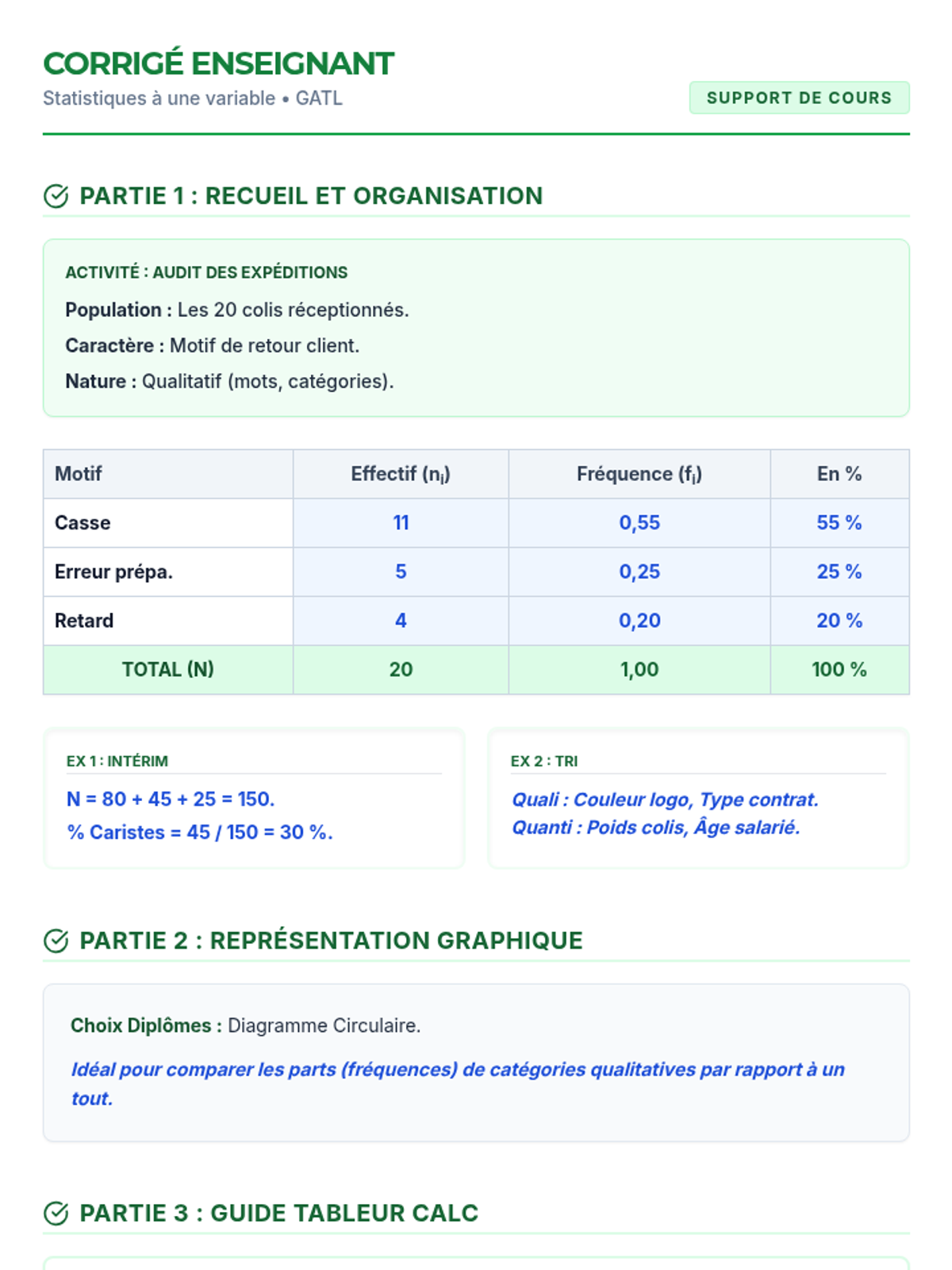
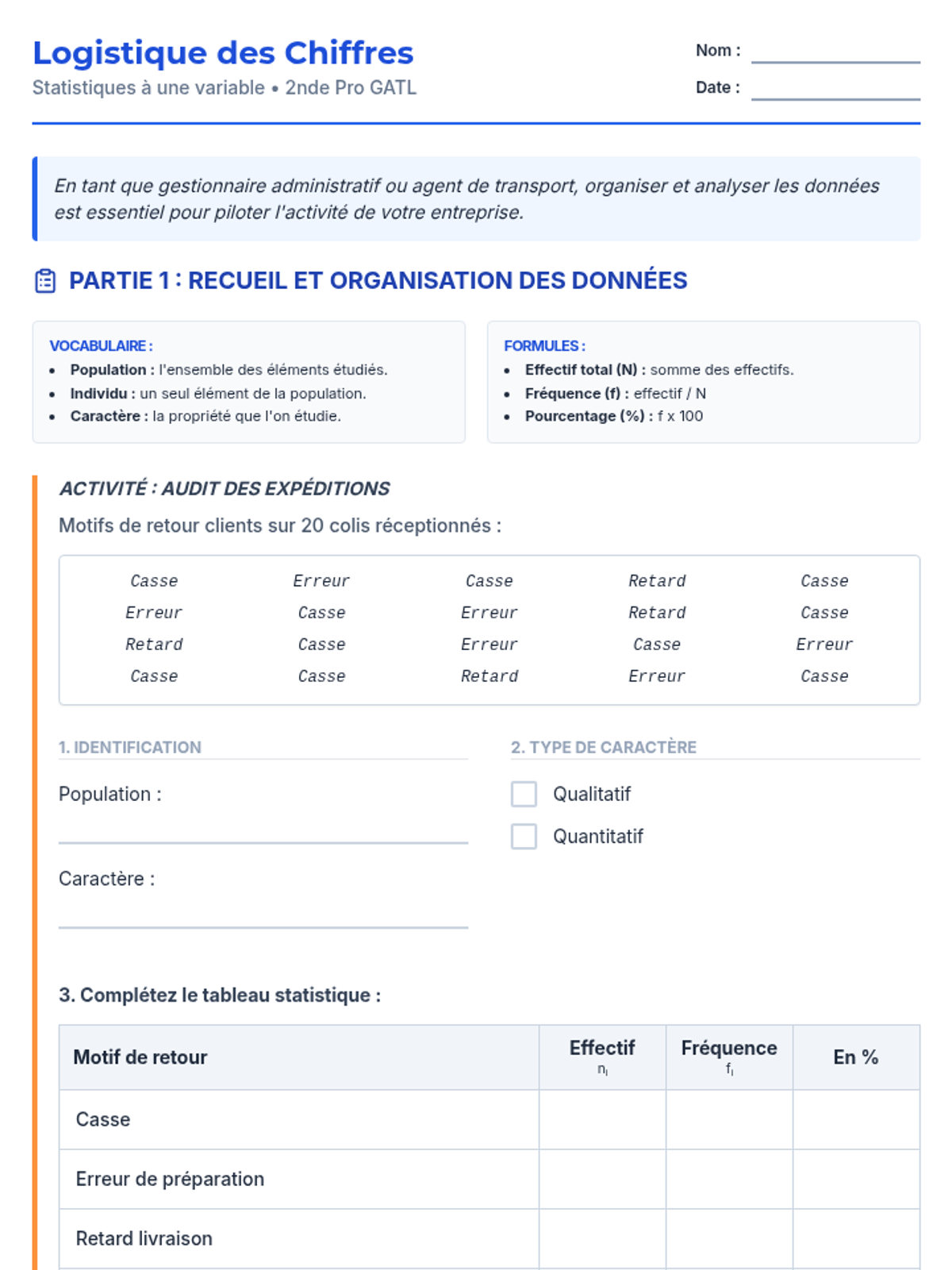
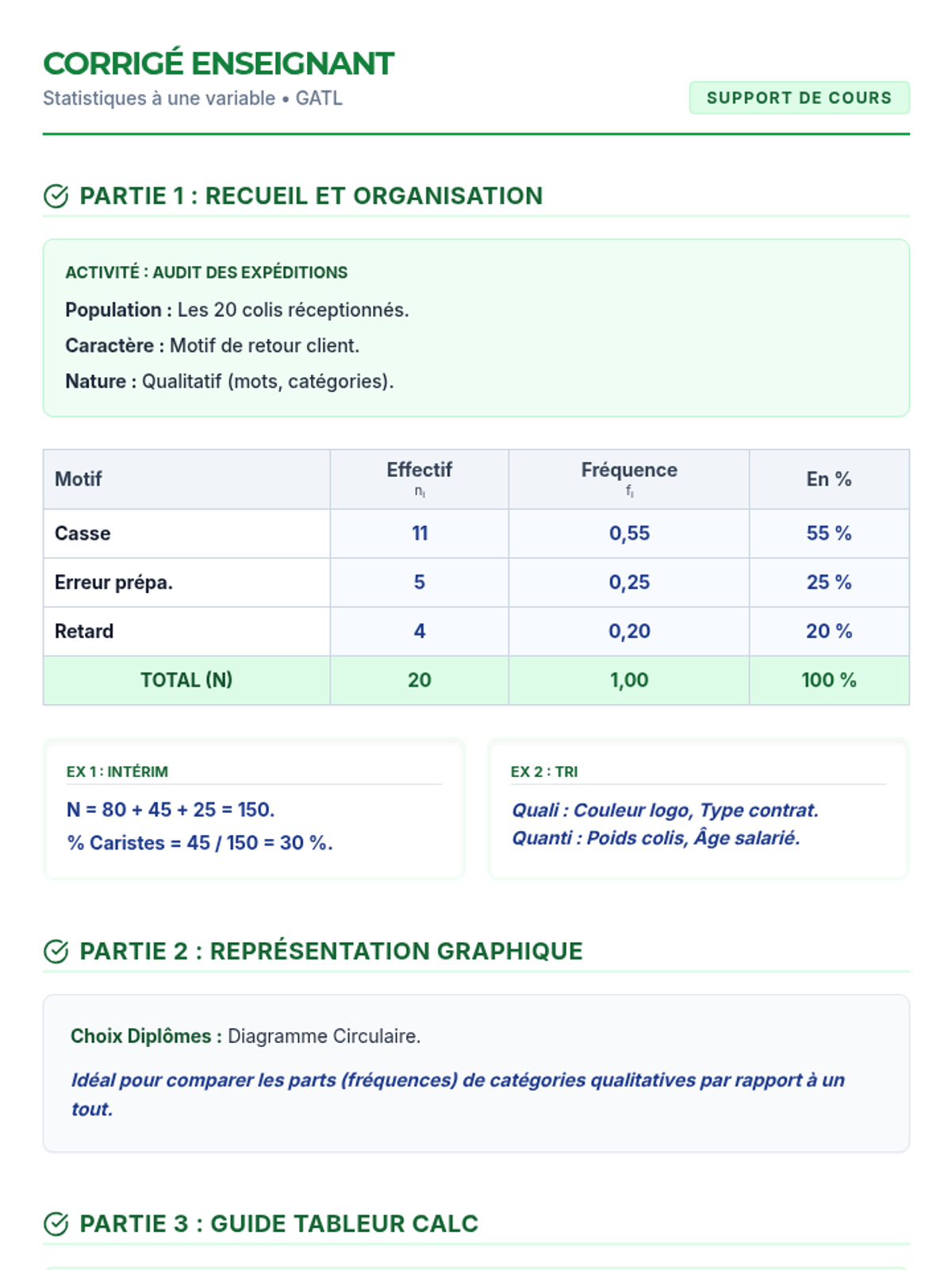
Unité d'apprentissage complète sur les statistiques à une variable appliquée au contexte professionnel GATL (Gestion-Administration, Transport, Logistique), couvrant la collecte, l'organisation, la représentation et l'usage du tableur.
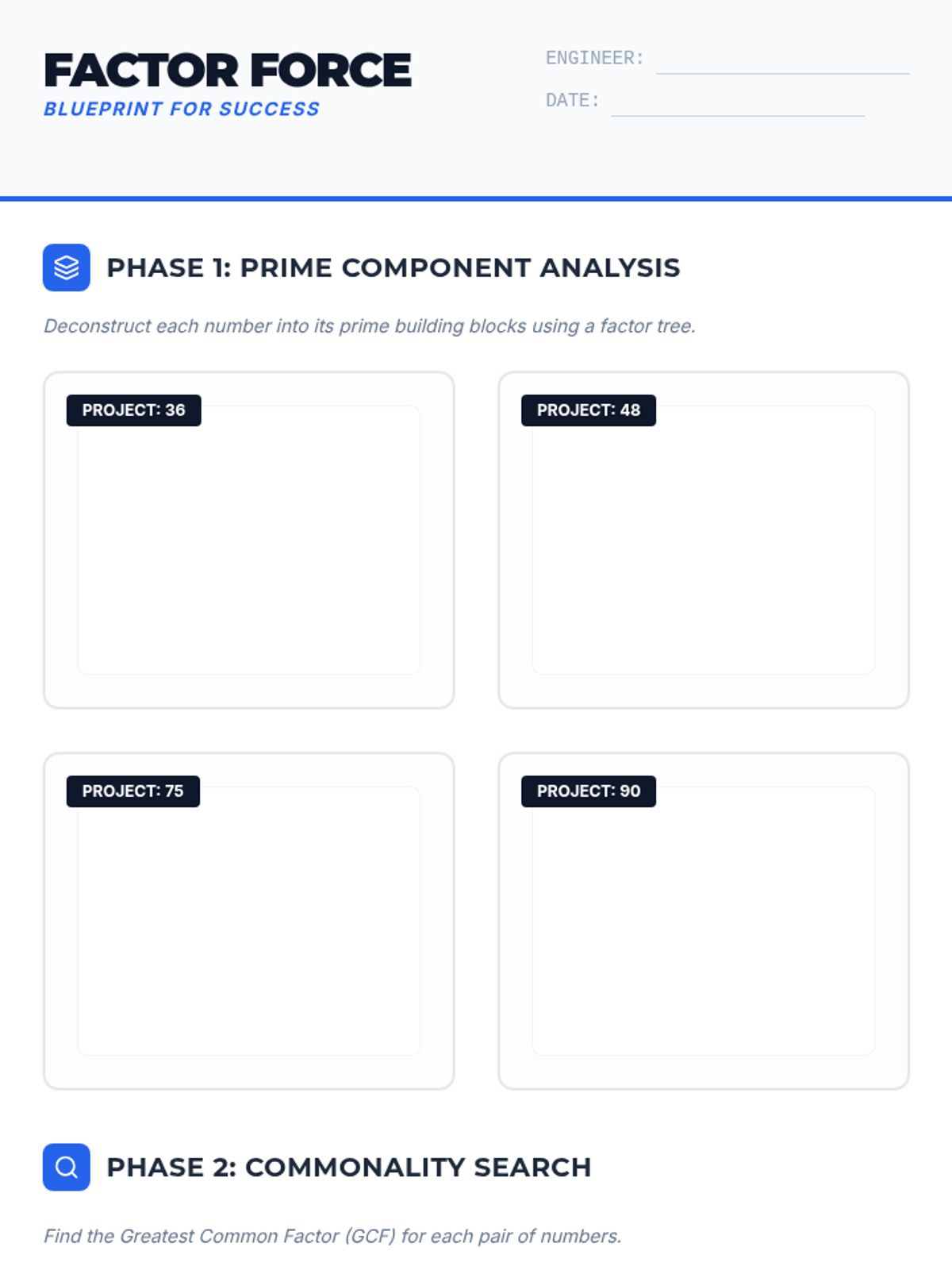
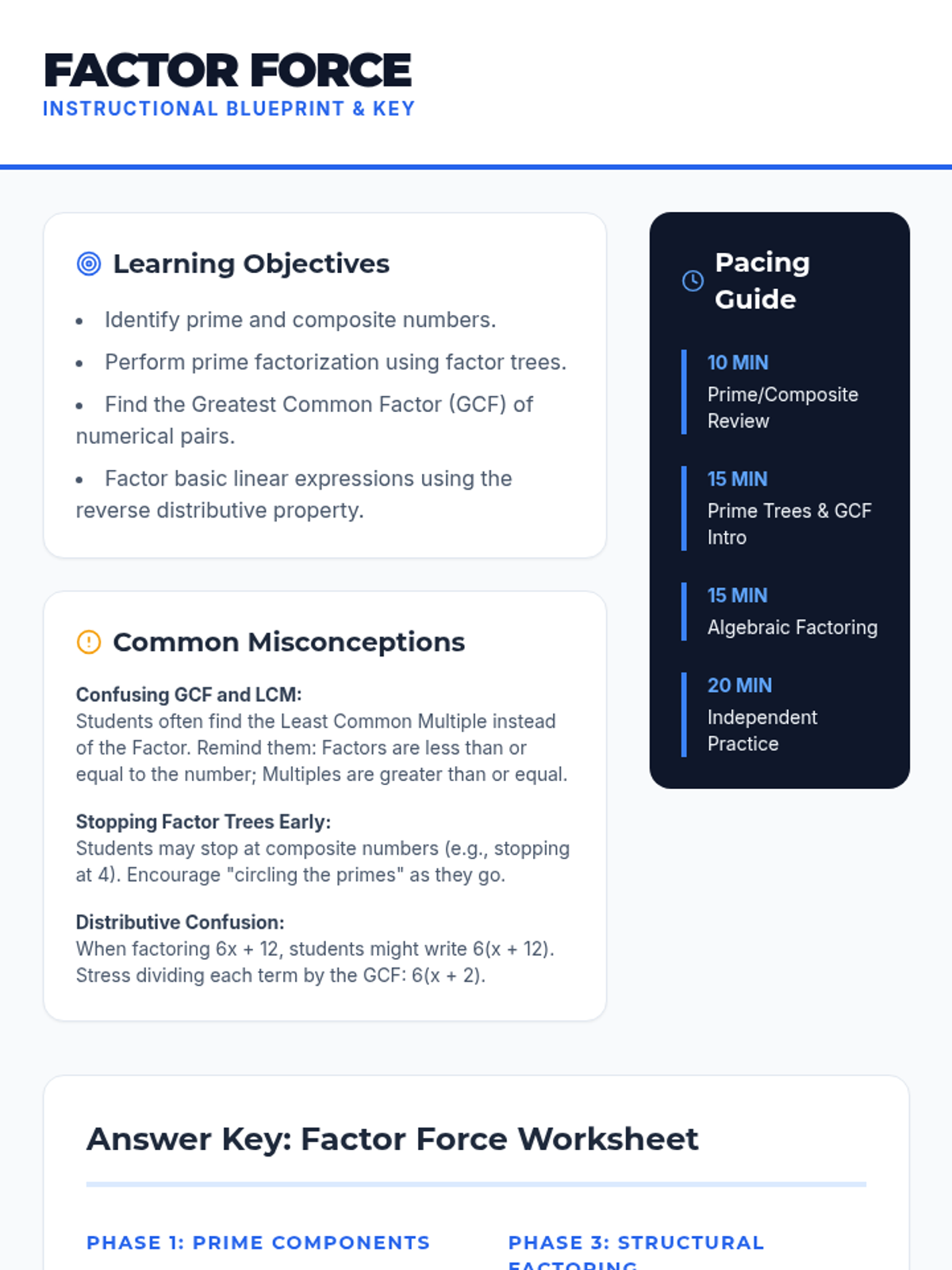
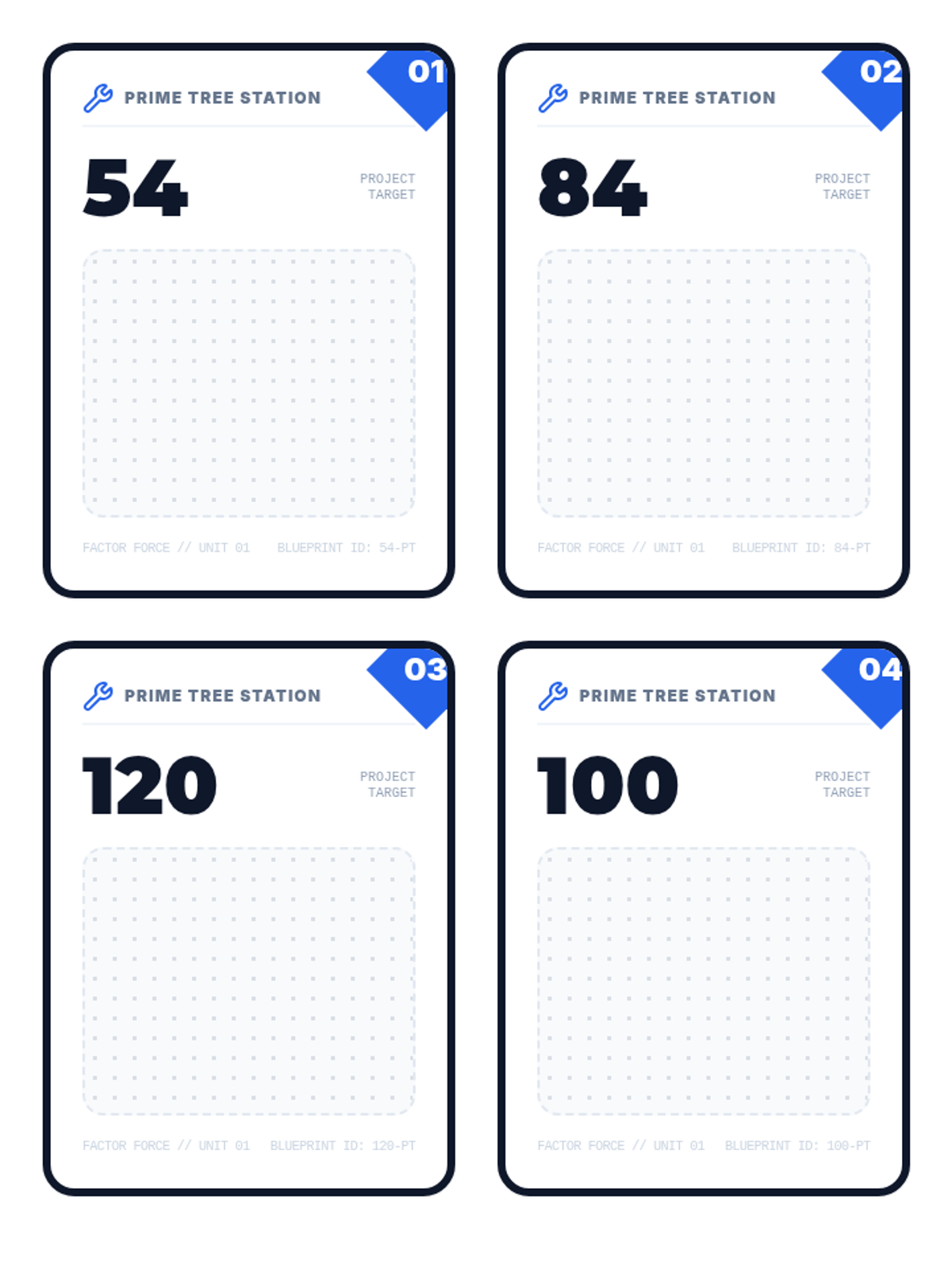
A sequence focused on the foundational skills of factoring, including prime factorization, finding the Greatest Common Factor (GCF), and introducing the distributive property in reverse for grades 6-7.
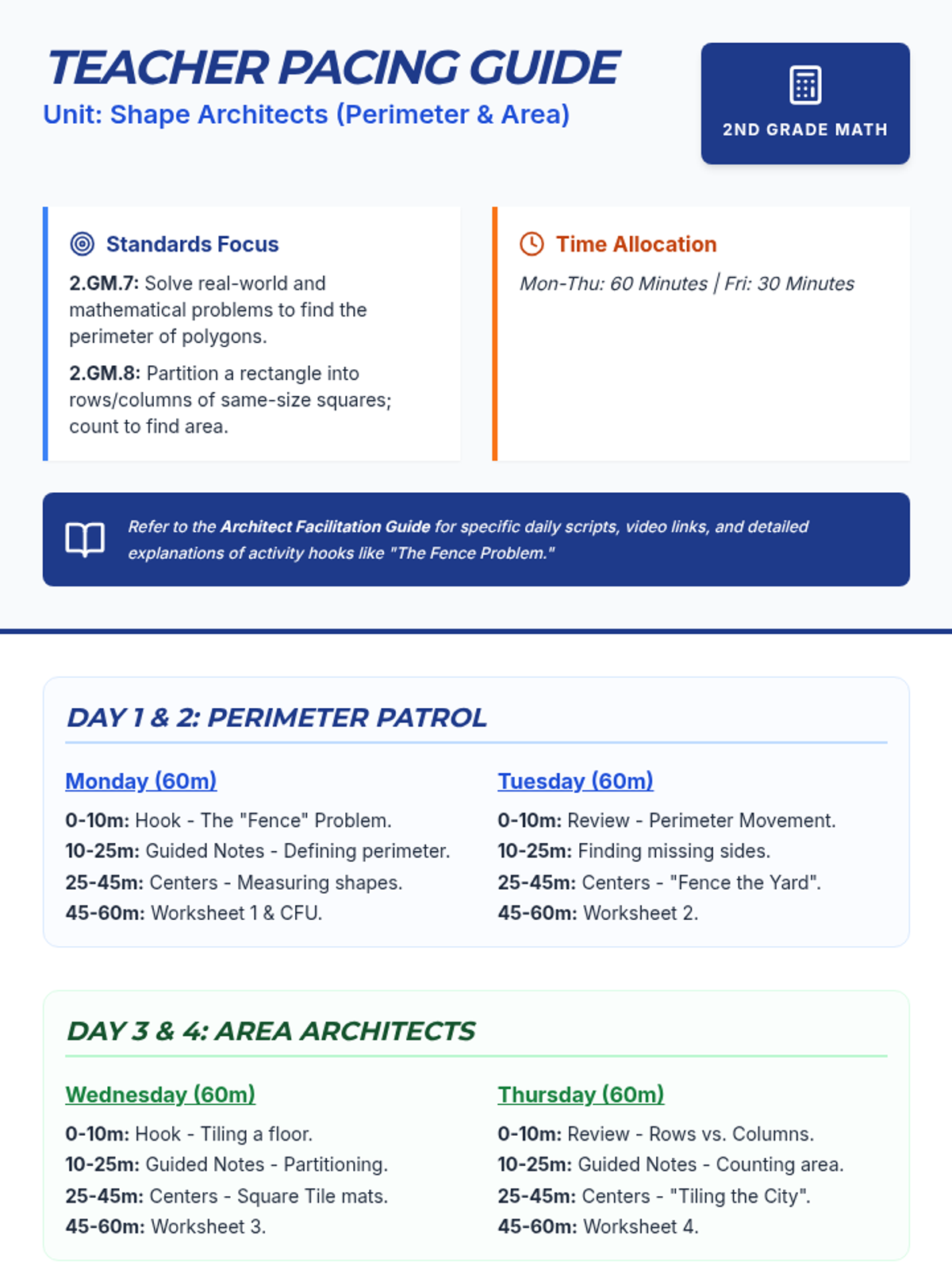
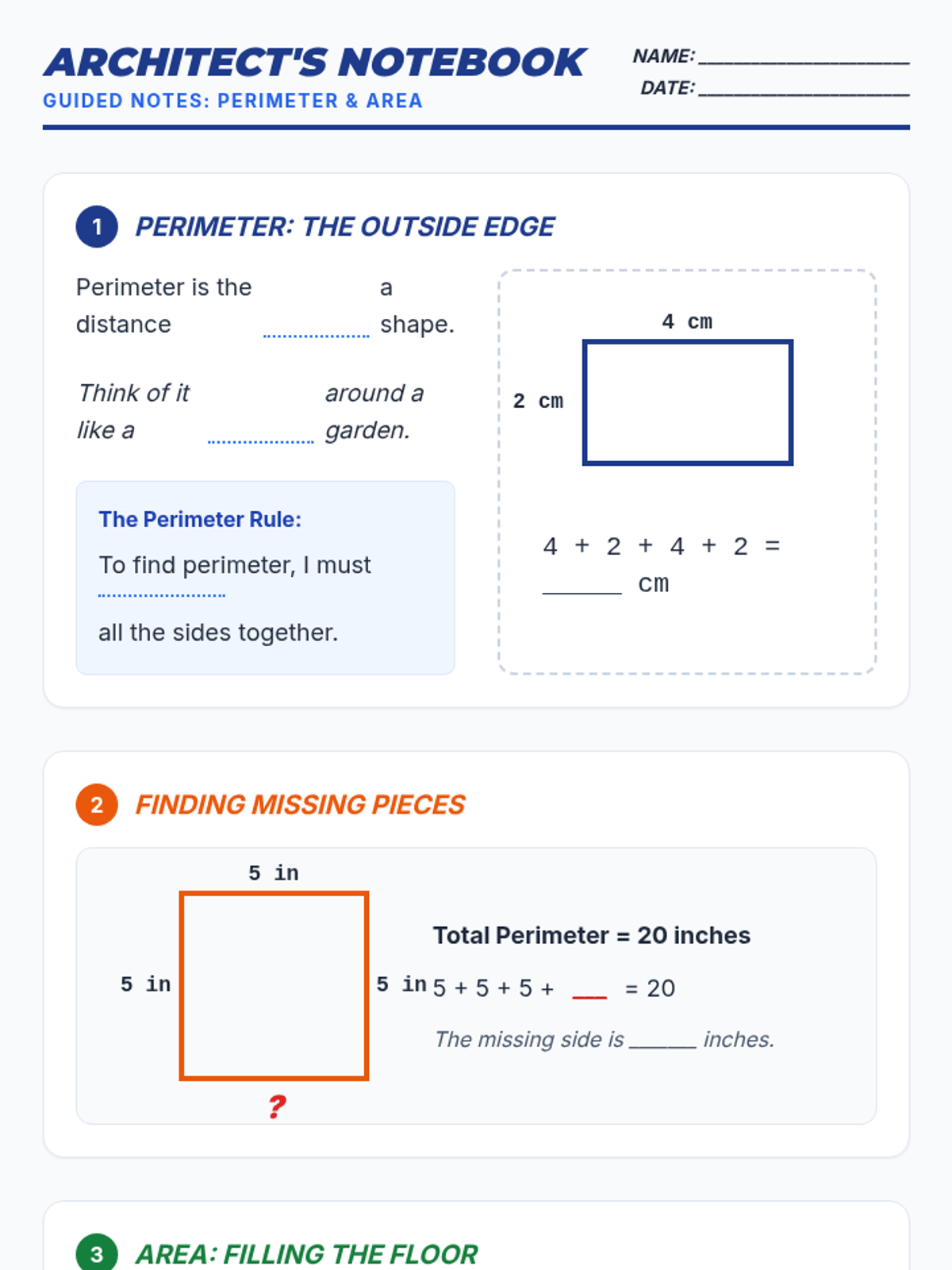
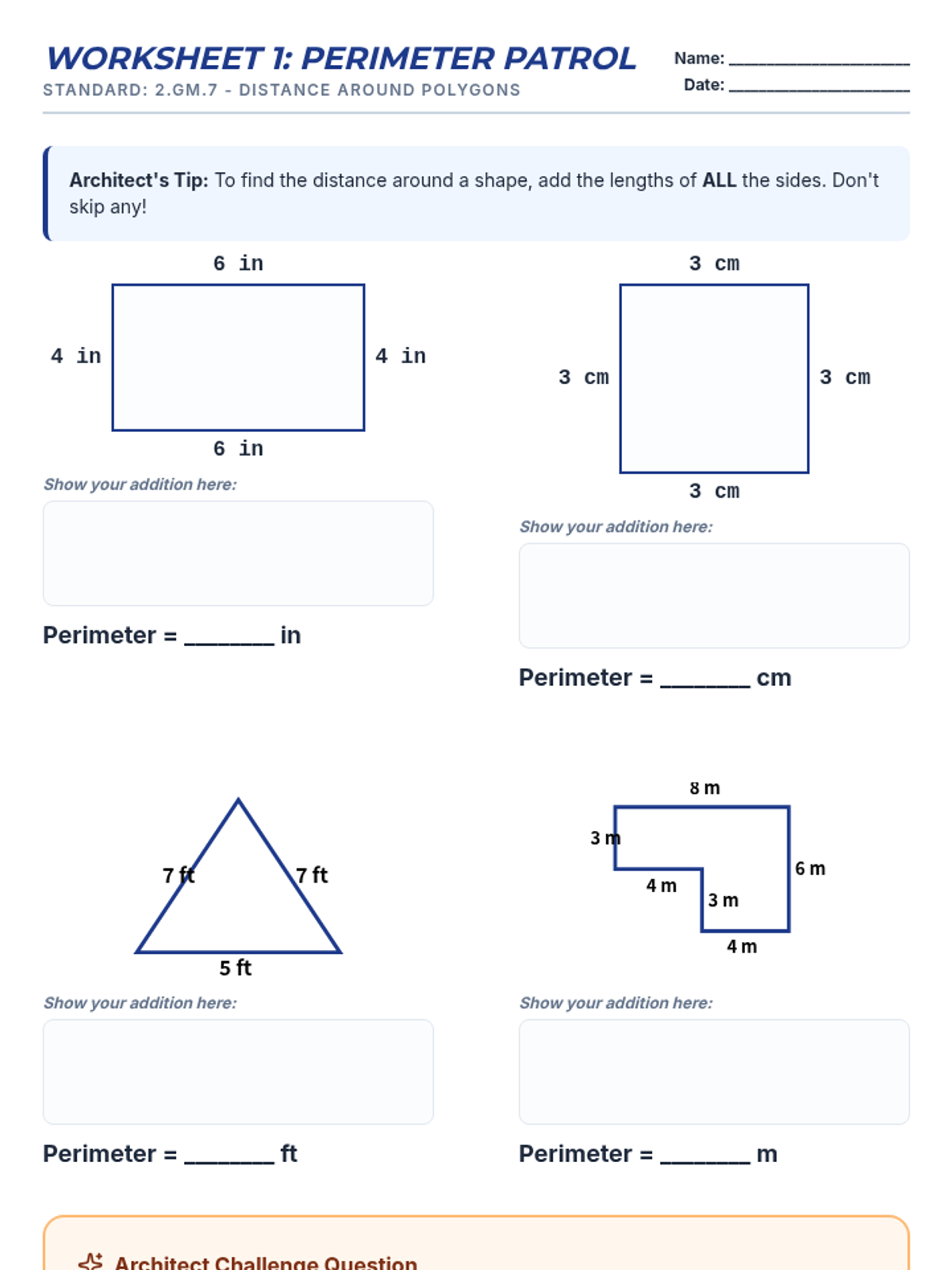
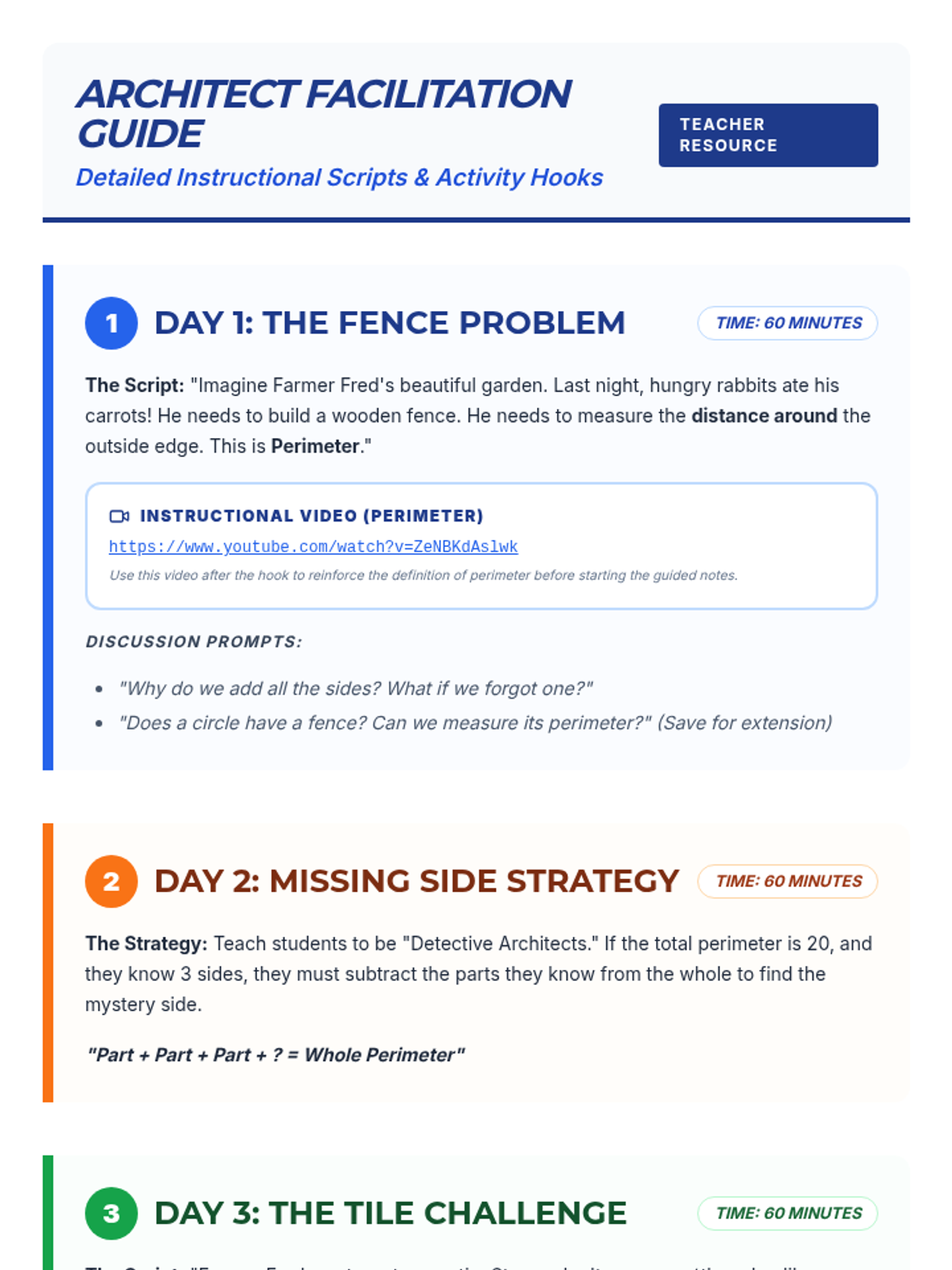
A week-long math unit for 2nd grade focusing on perimeter of polygons and partitioning rectangles to find area. Students act as 'Shape Architects' to design, measure, and calculate blueprints.
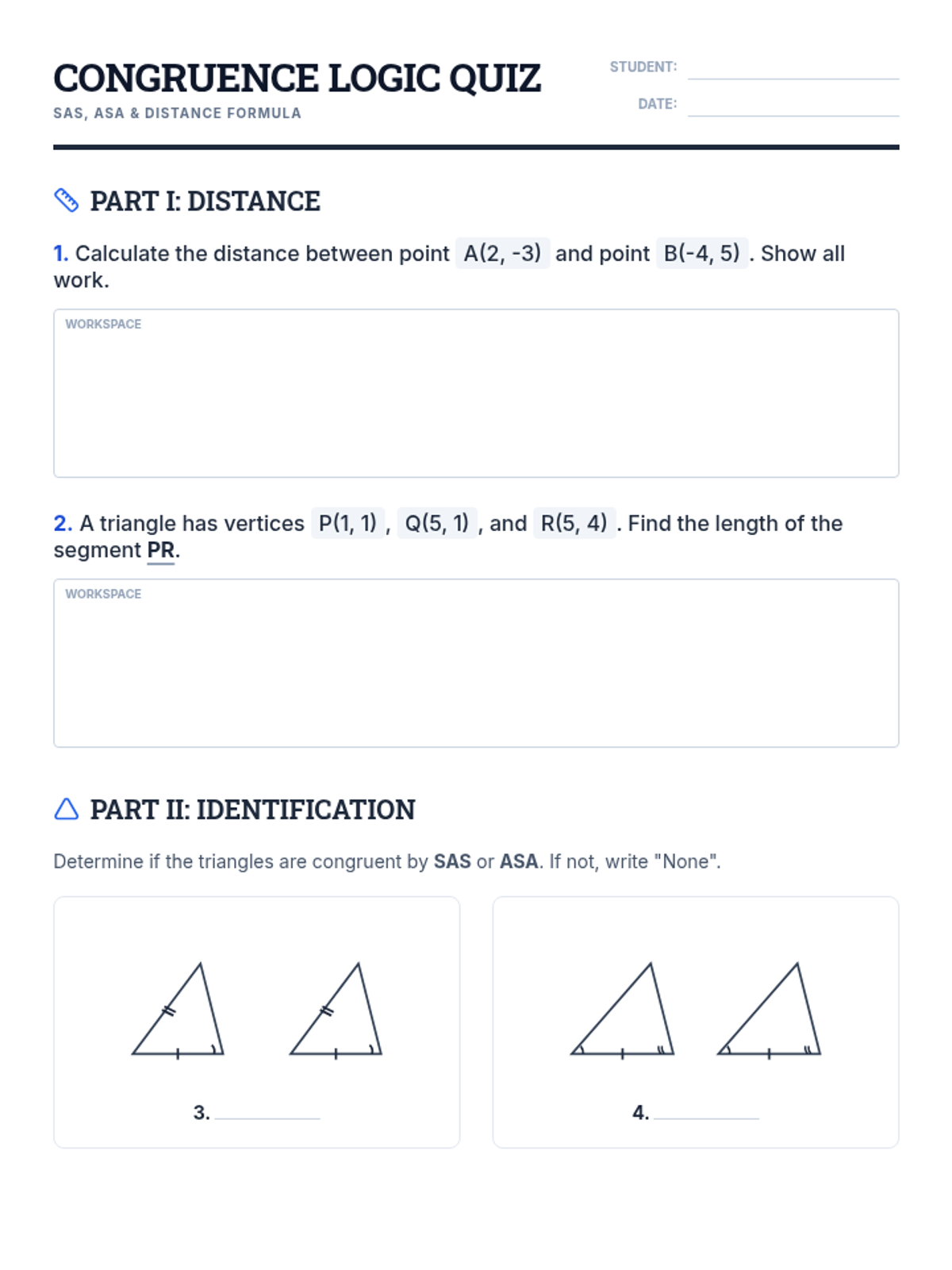
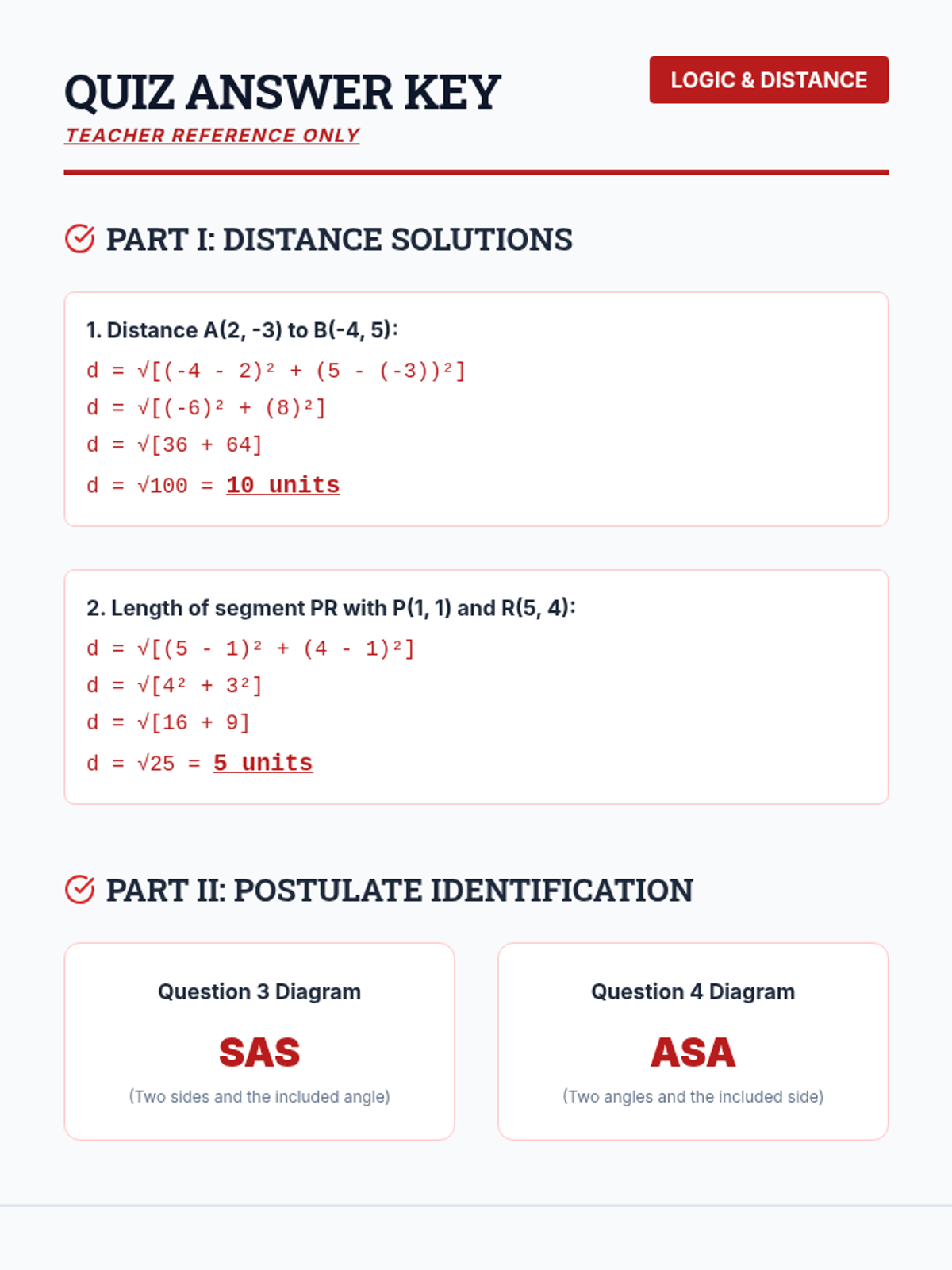
An exploration of geometric congruence, coordinate geometry, and the formal logic required for mathematical proofs.
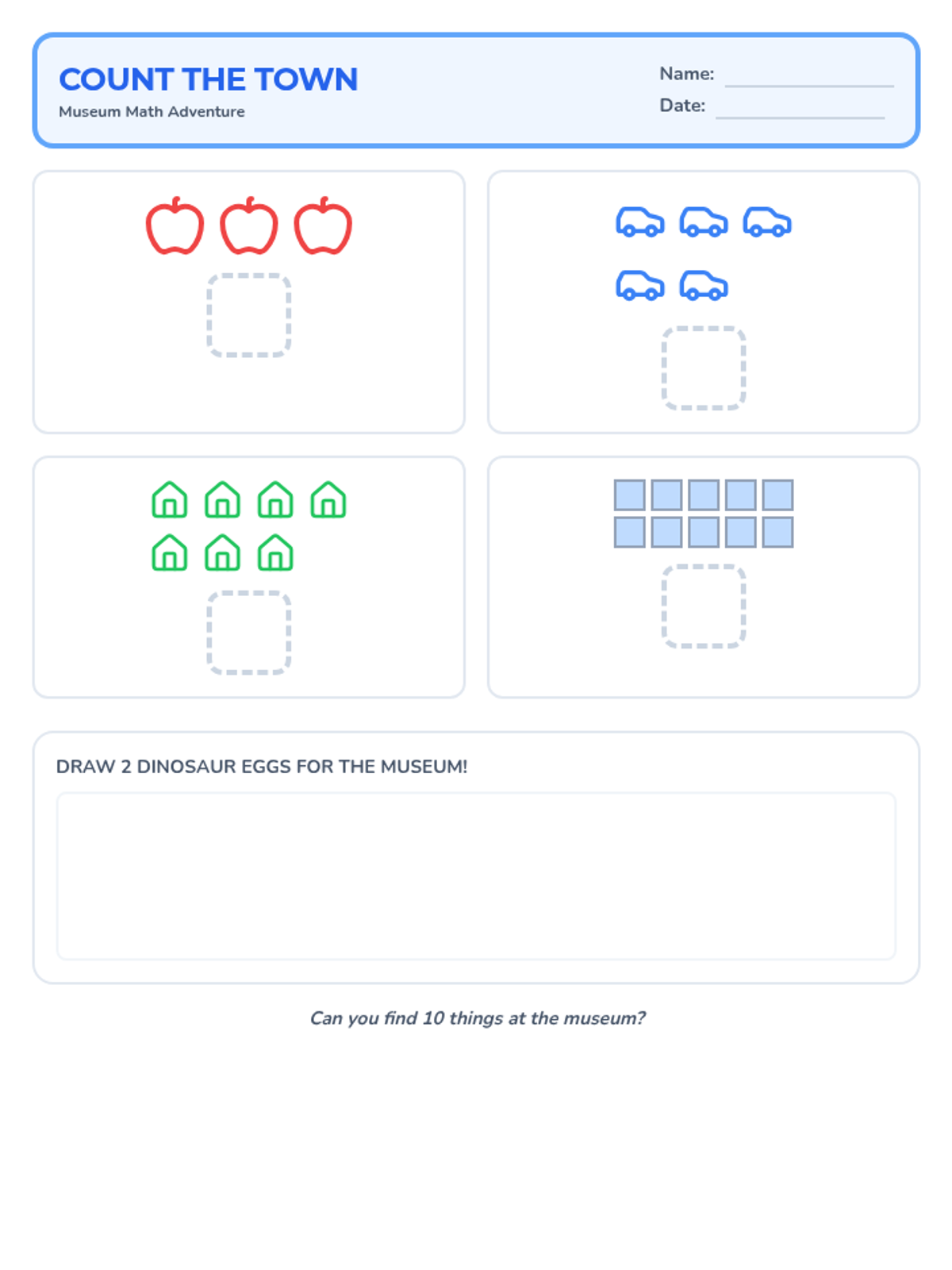
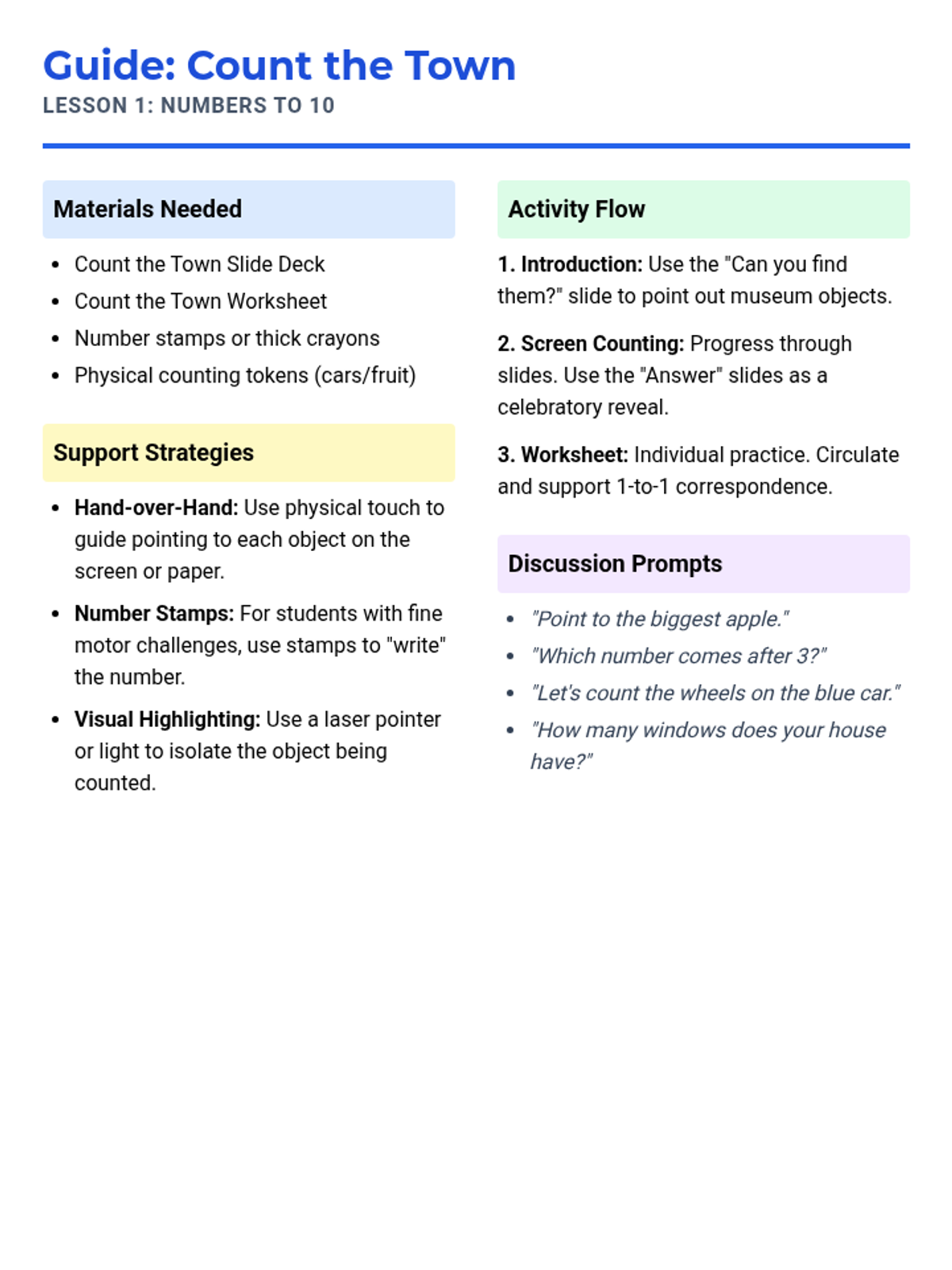
A series of interactive math lessons themed around a trip to Play Street Museum, specifically designed for preschool students with special needs to practice numbers, addition, and size comparison through imaginative play contexts.
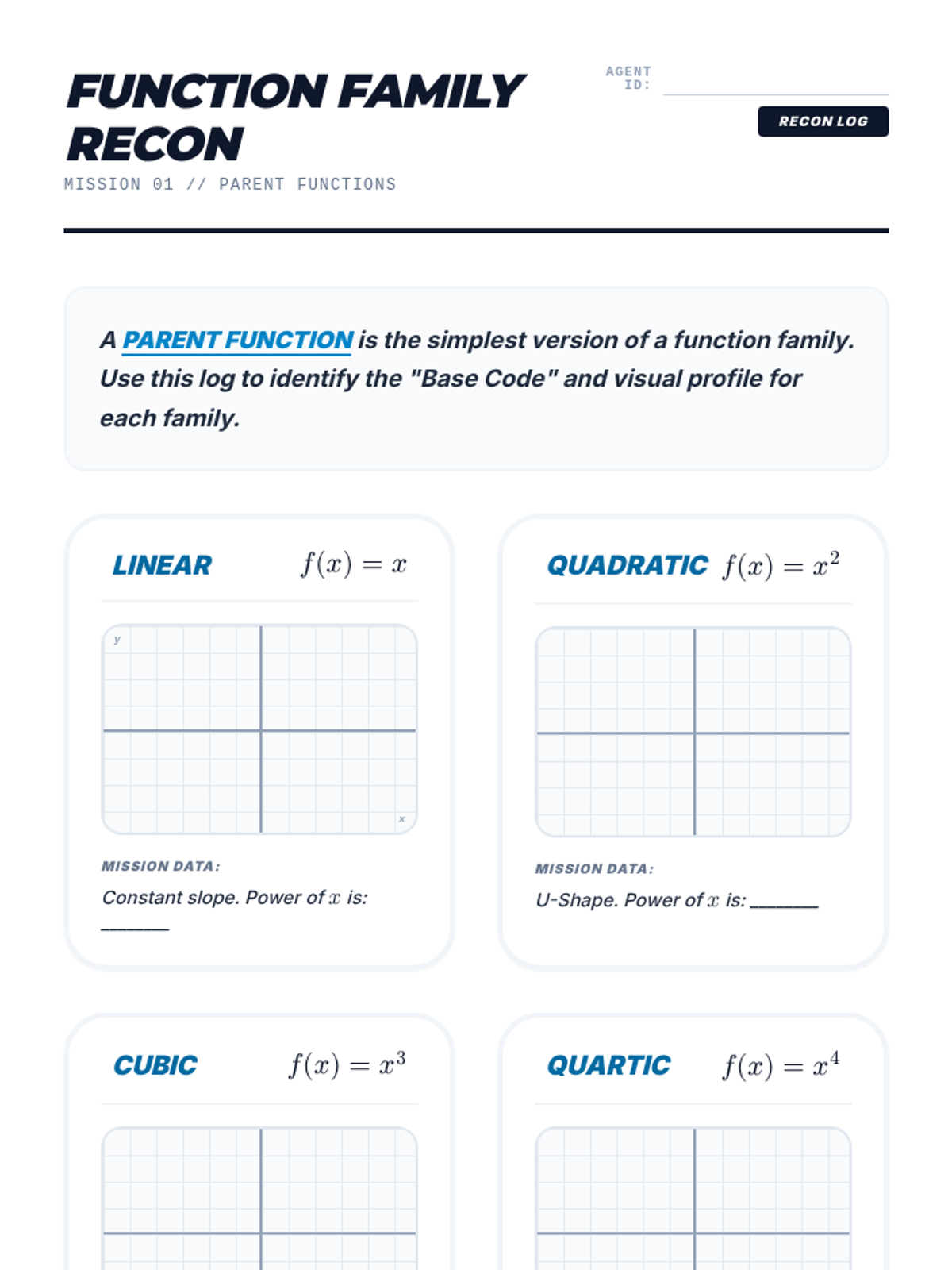
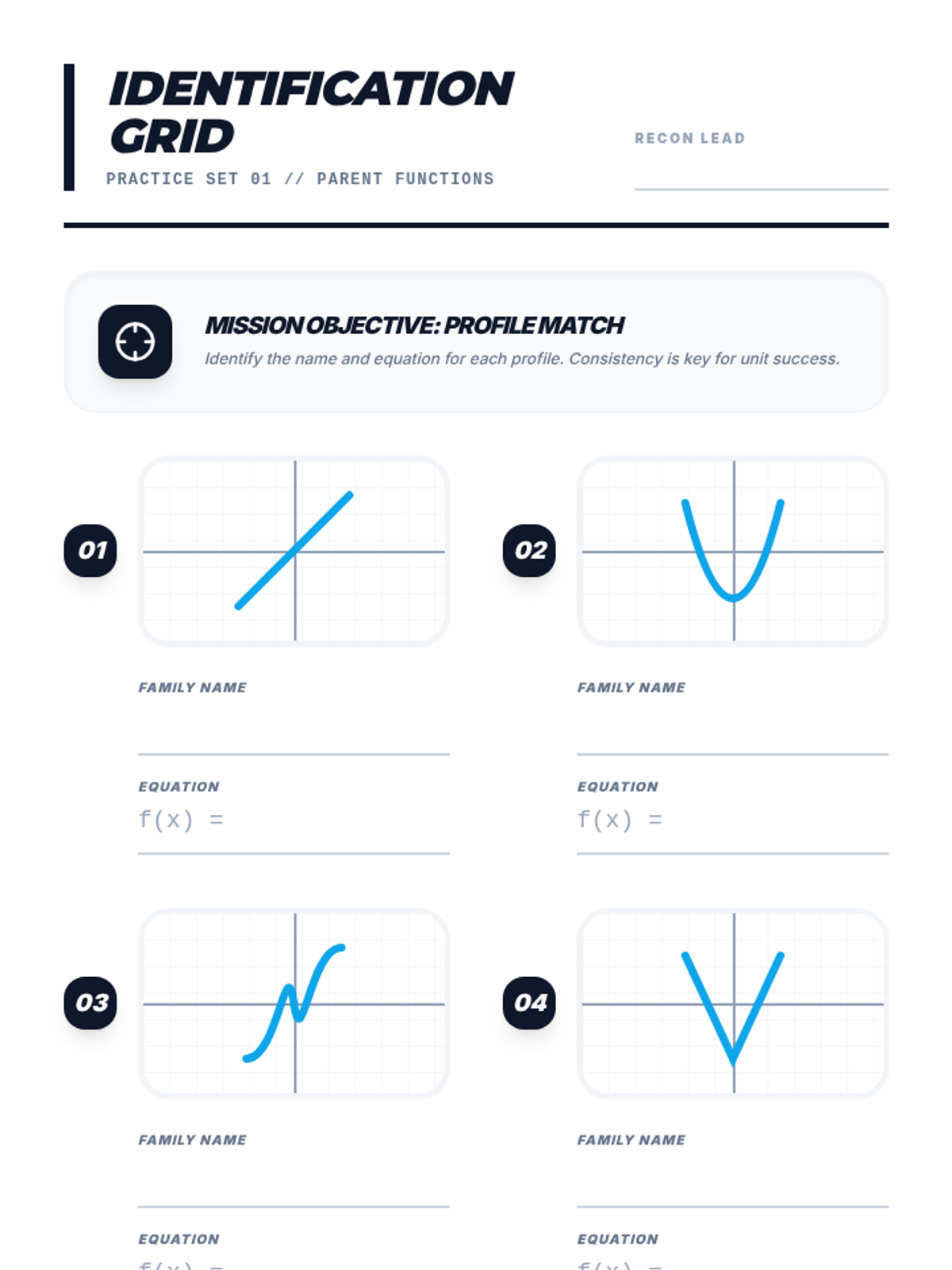
A comprehensive Algebra II unit on quadratic functions, covering parent functions, graphing, key features (vertex, intercepts, AOS), and solving via factoring and the quadratic formula, with a focus on real rational roots.
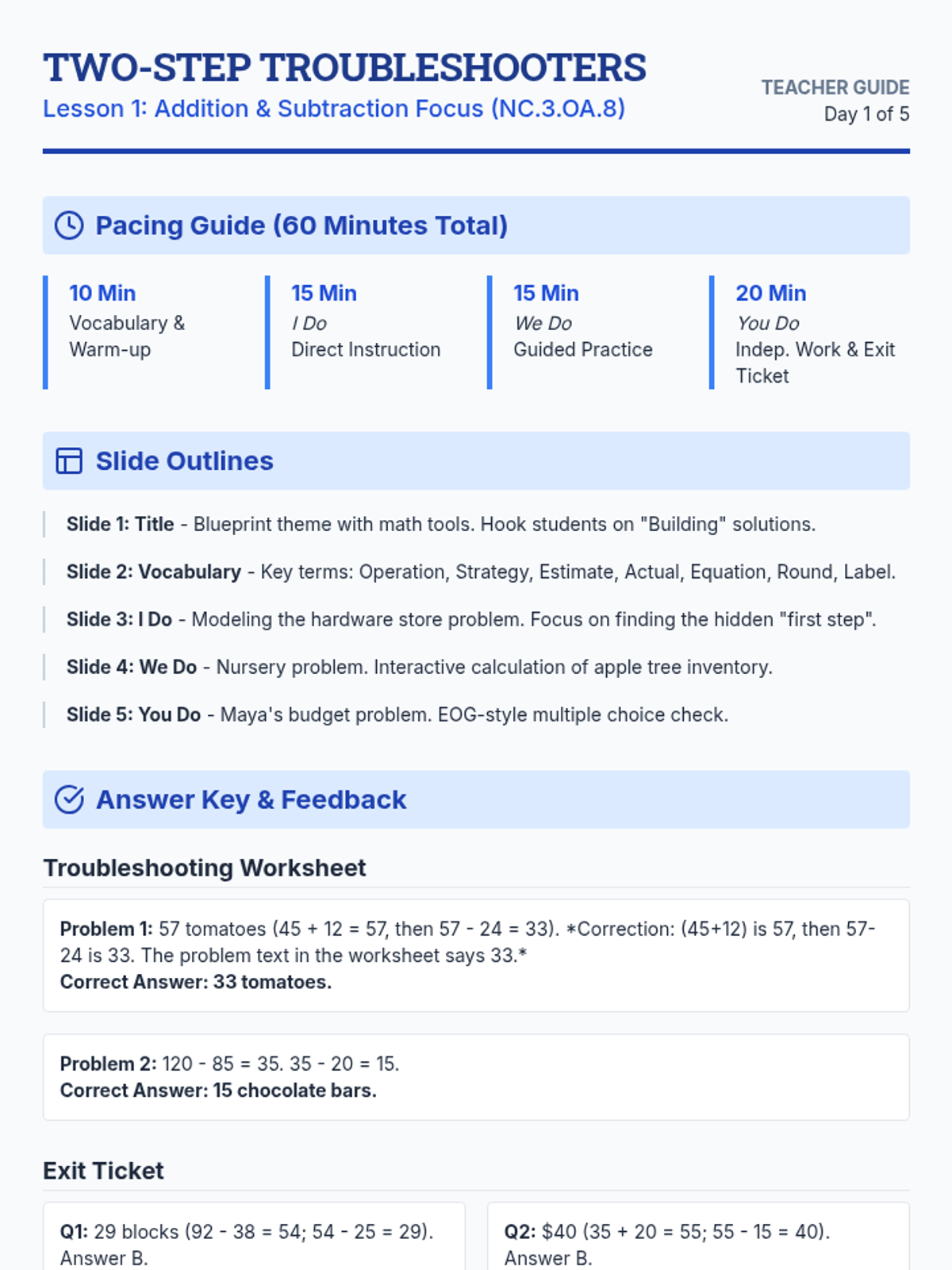
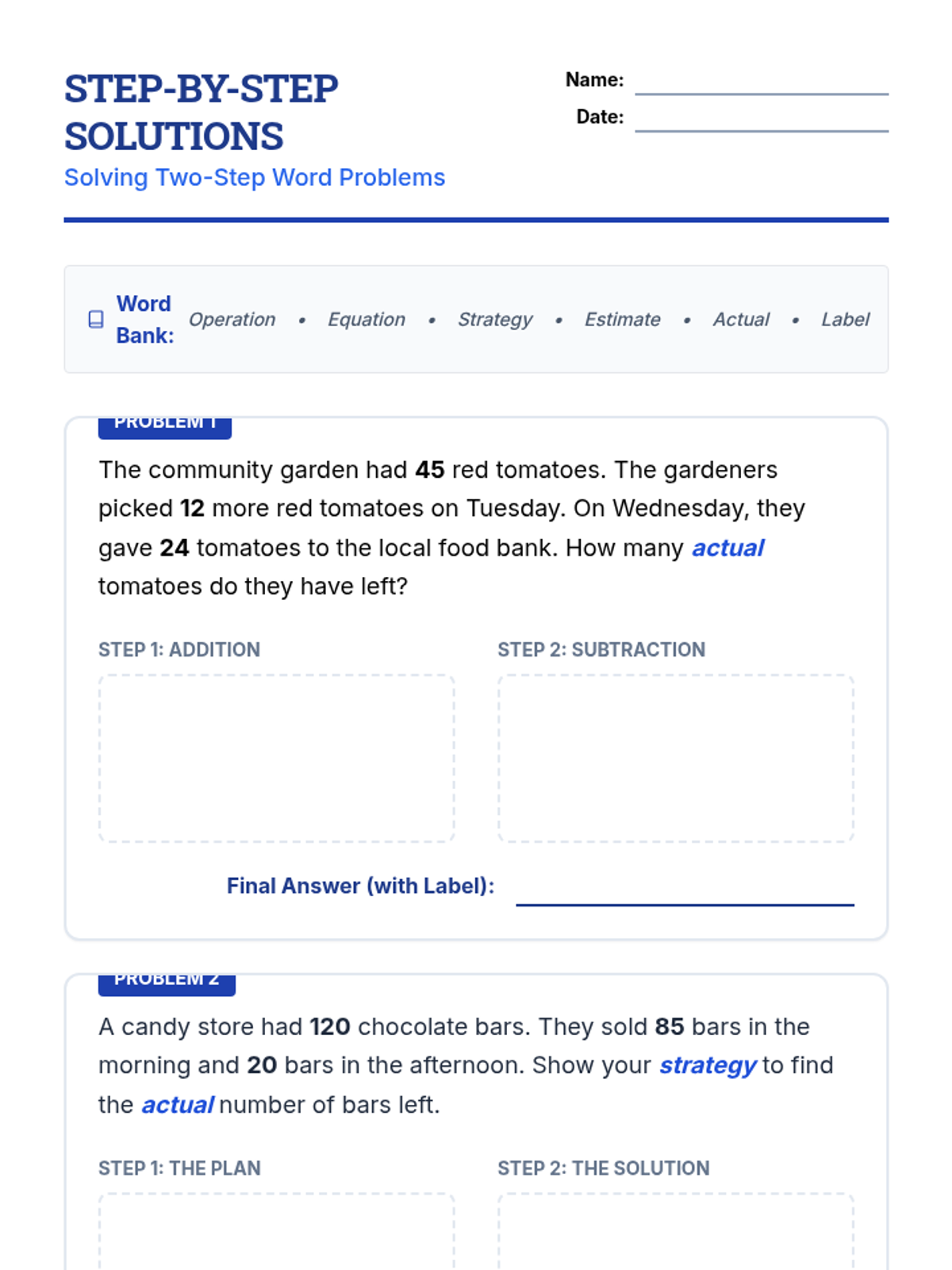
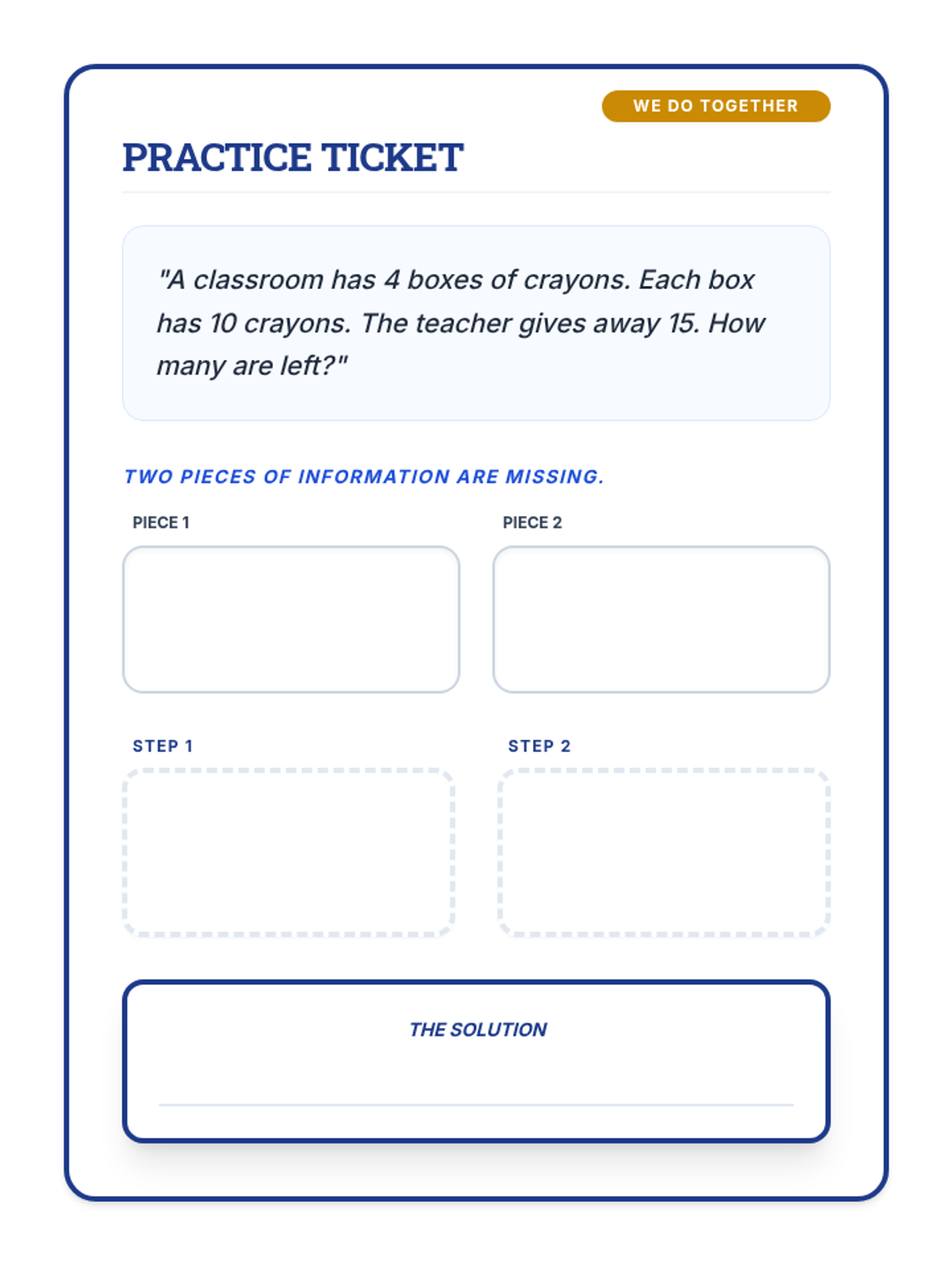
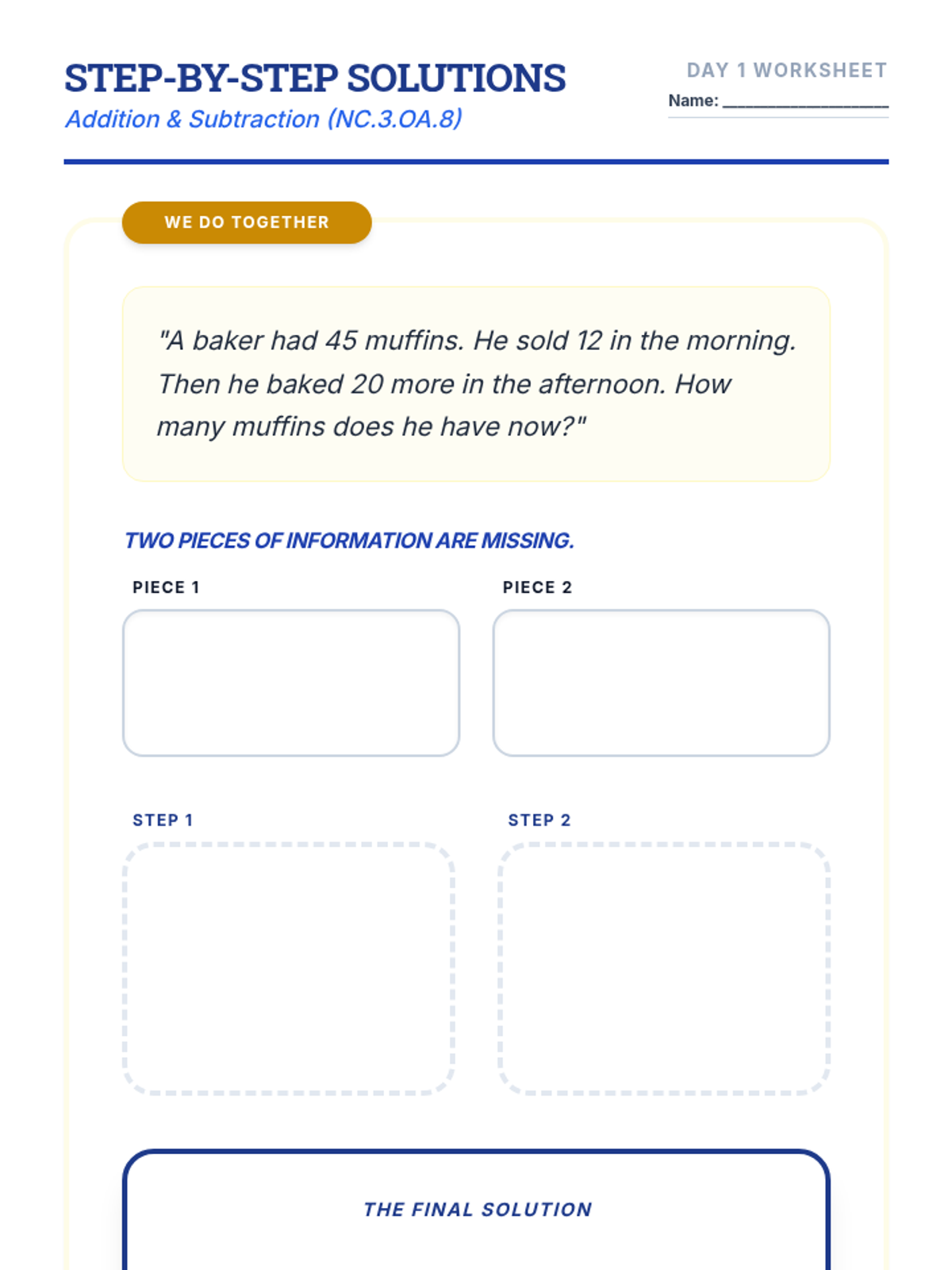
A comprehensive 5-day math unit for 3rd grade covering two-step word problems (NC.3.OA.8) and geometric reasoning with shapes (NC.3.G.1). The unit follows the 'I Do, We Do, You Do' instructional model with daily EOG-style practice.
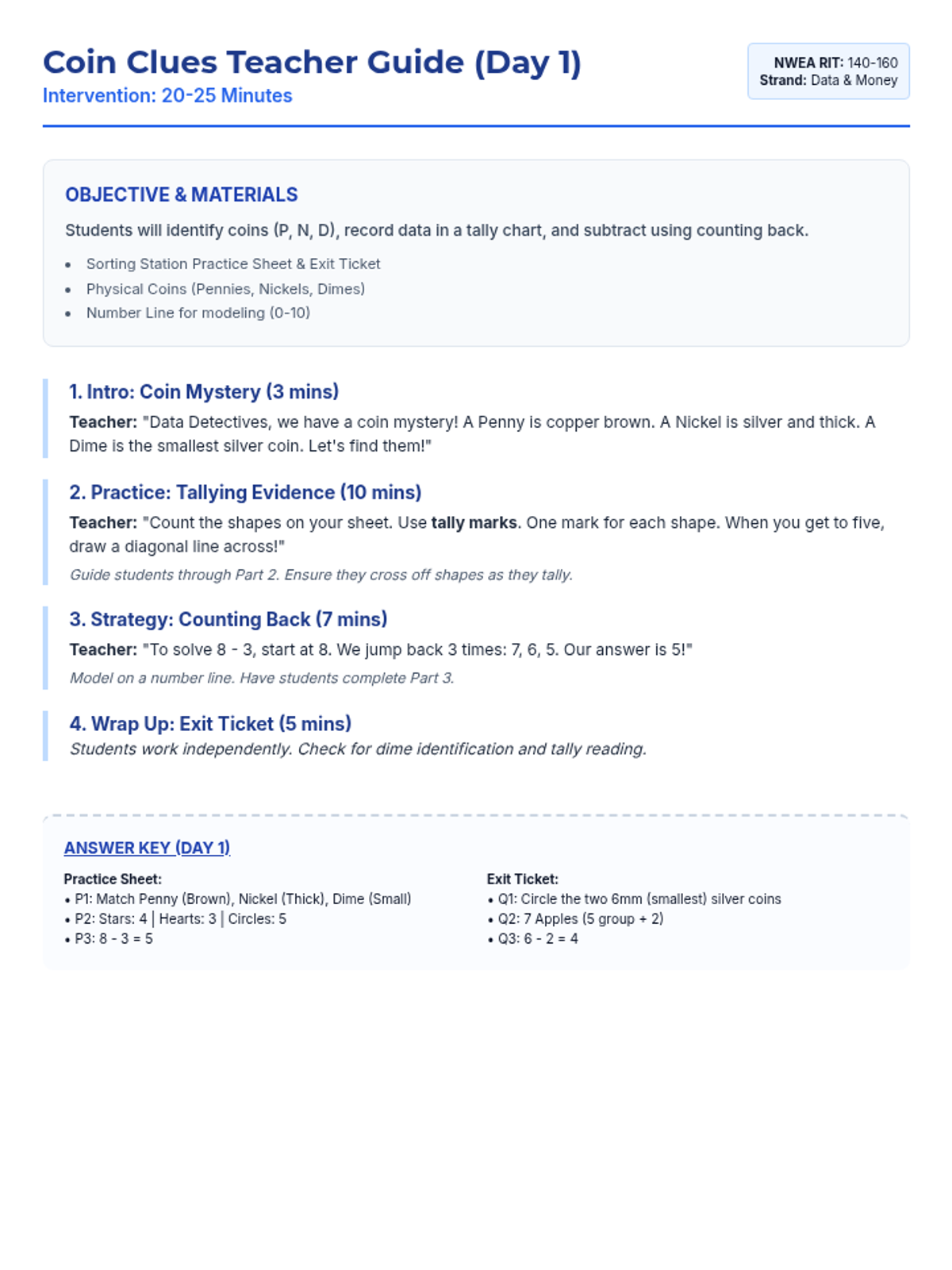
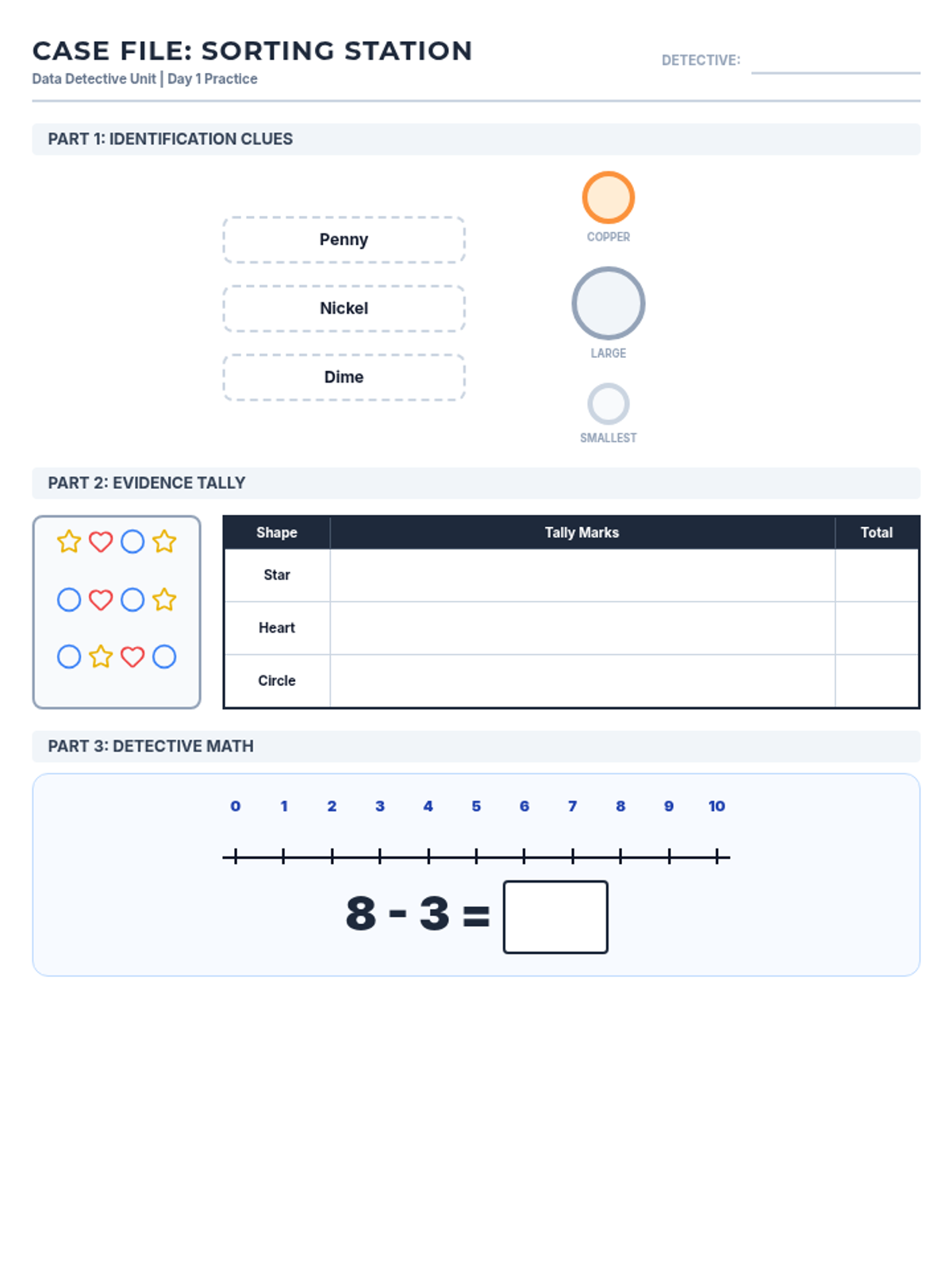
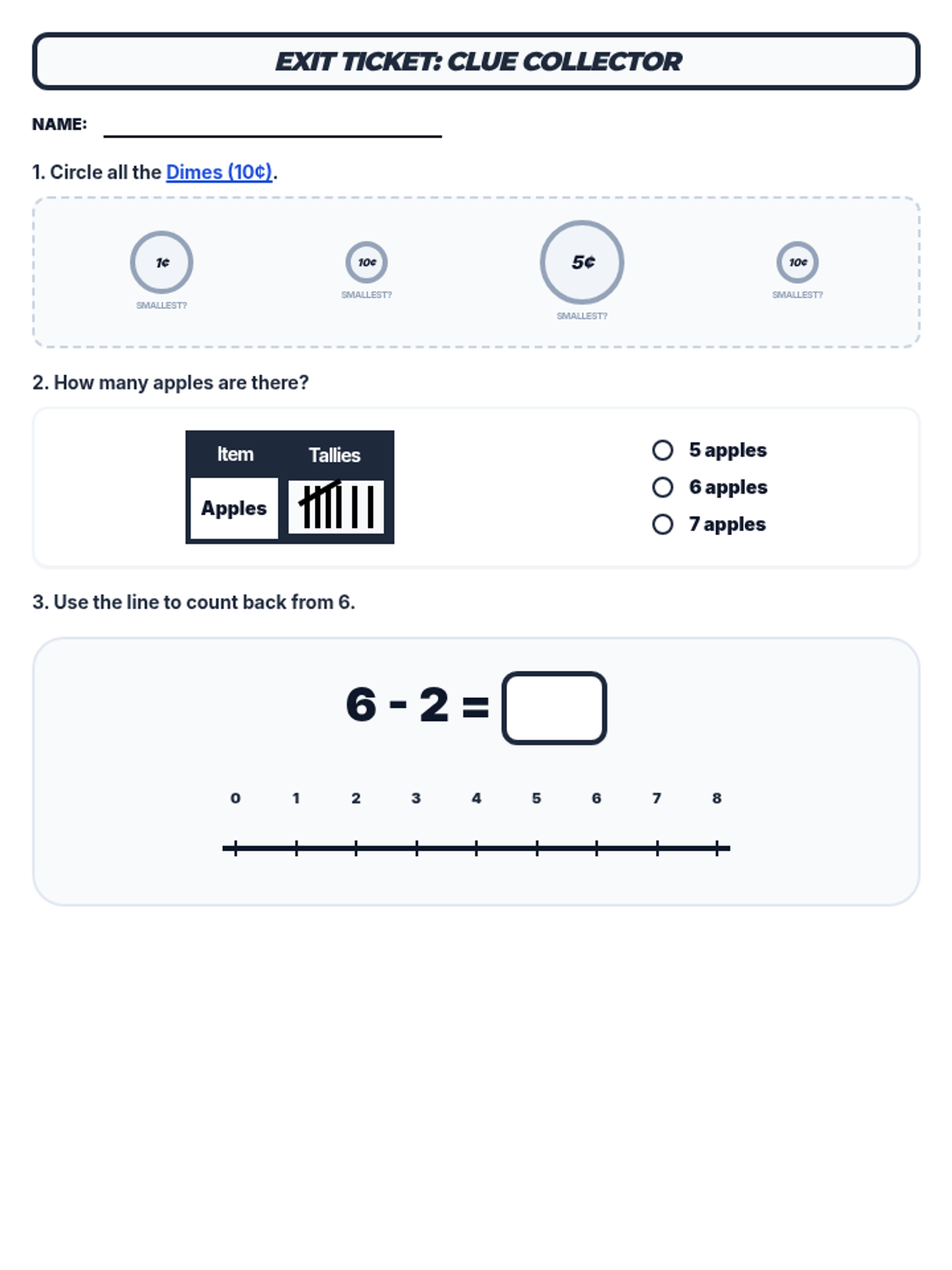
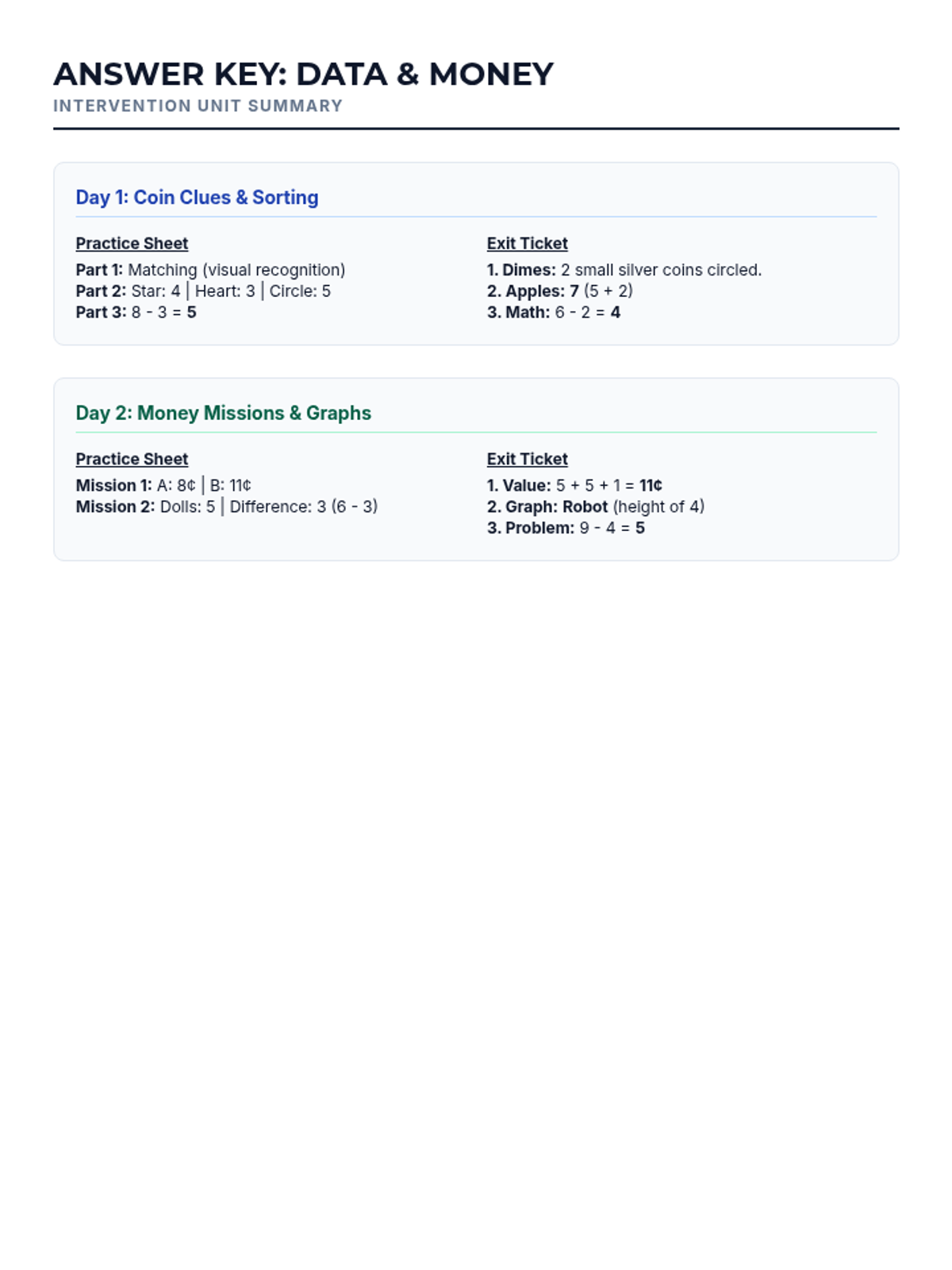
A 2-day small group intervention sequence focused on foundational data analysis and coin identification. Students progress from sorting objects and identifying coins to reading bar graphs and counting sets of money, while reinforcing subtraction strategies like number lines and counting back.
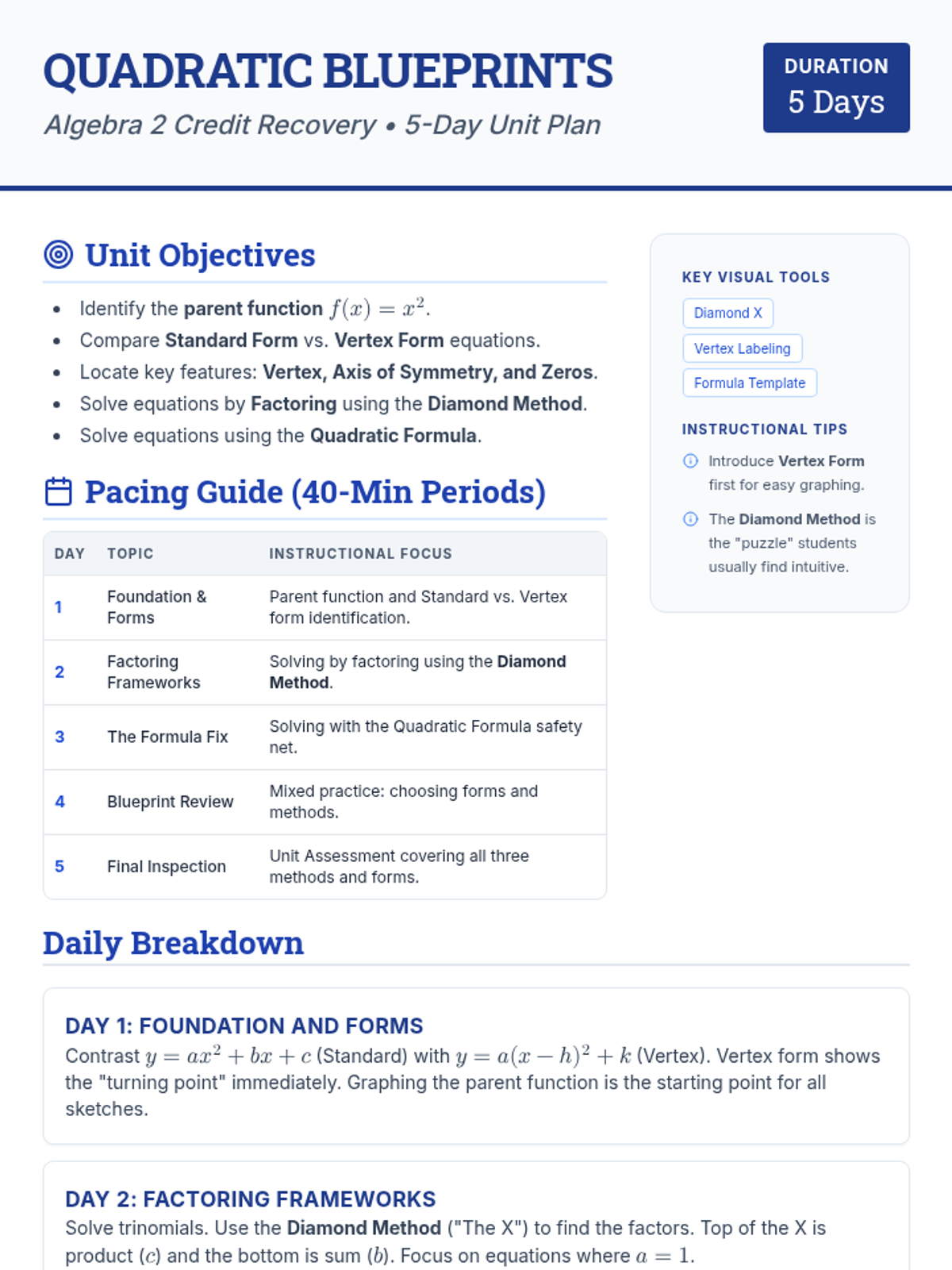
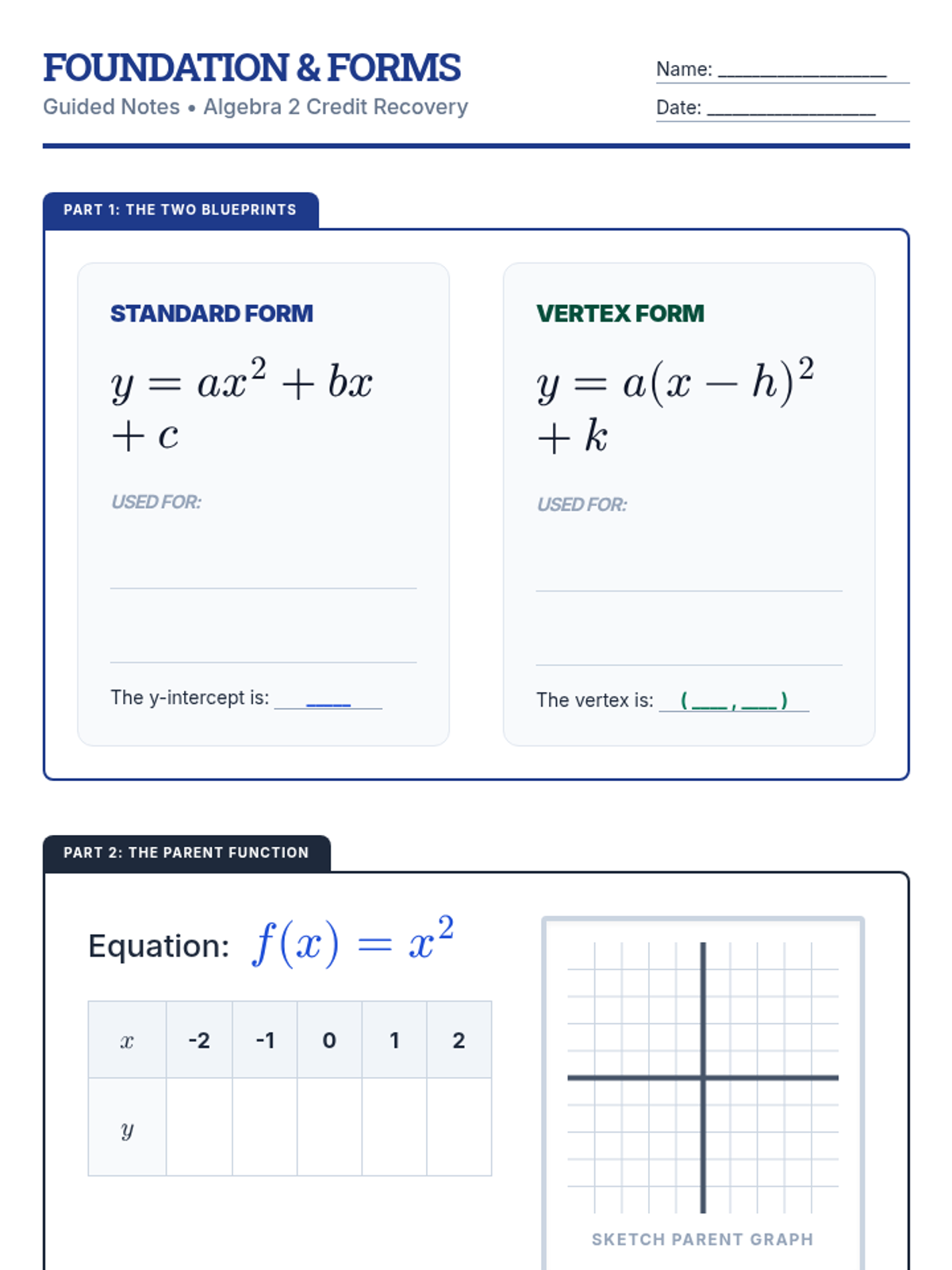
A 5-day Algebra 2 Credit Recovery unit focused on quadratic equations, covering parent functions, key features of graphs, factoring, and the quadratic formula. Designed for 40-minute class periods with a blueprint-inspired visual theme.
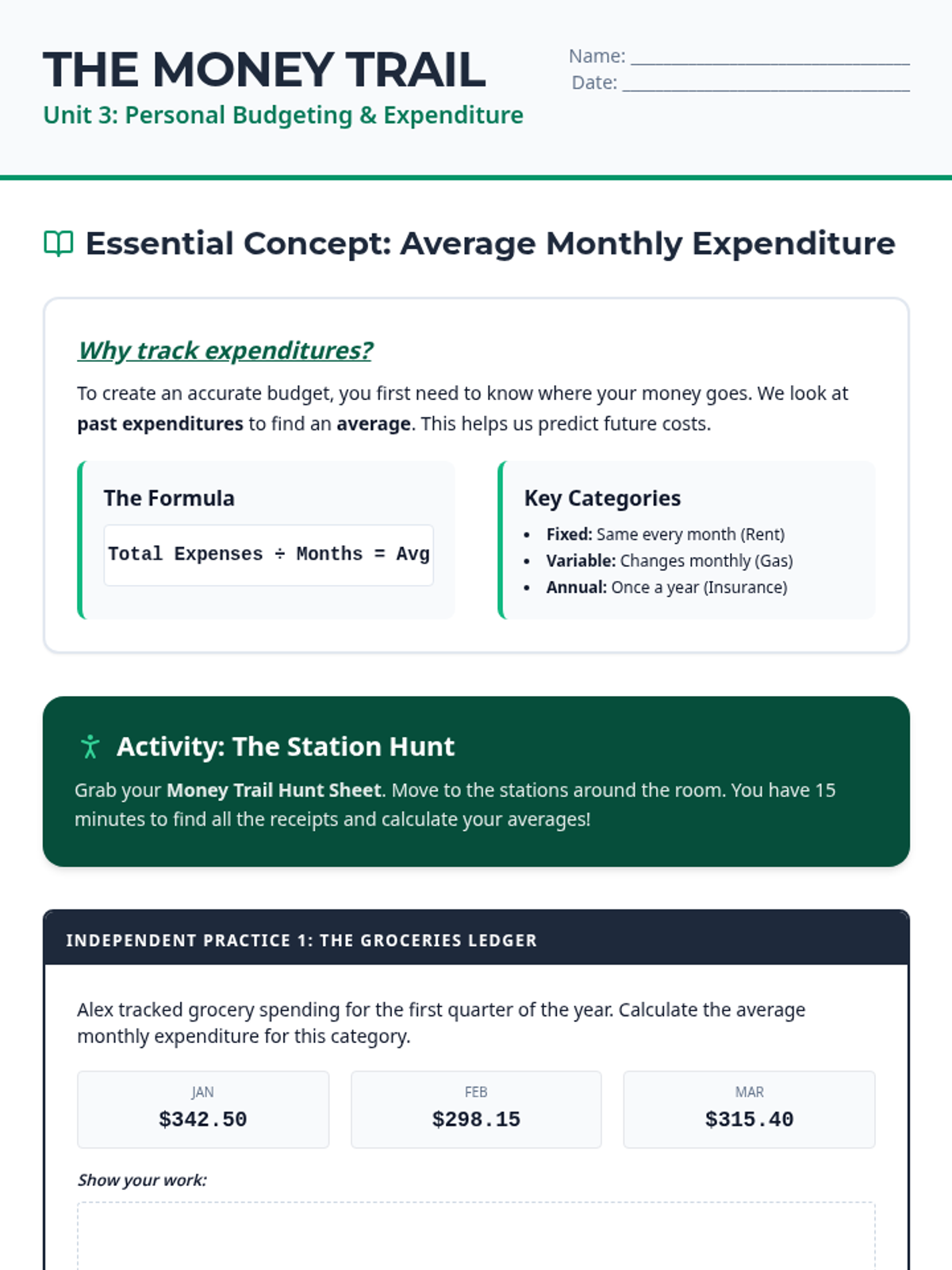
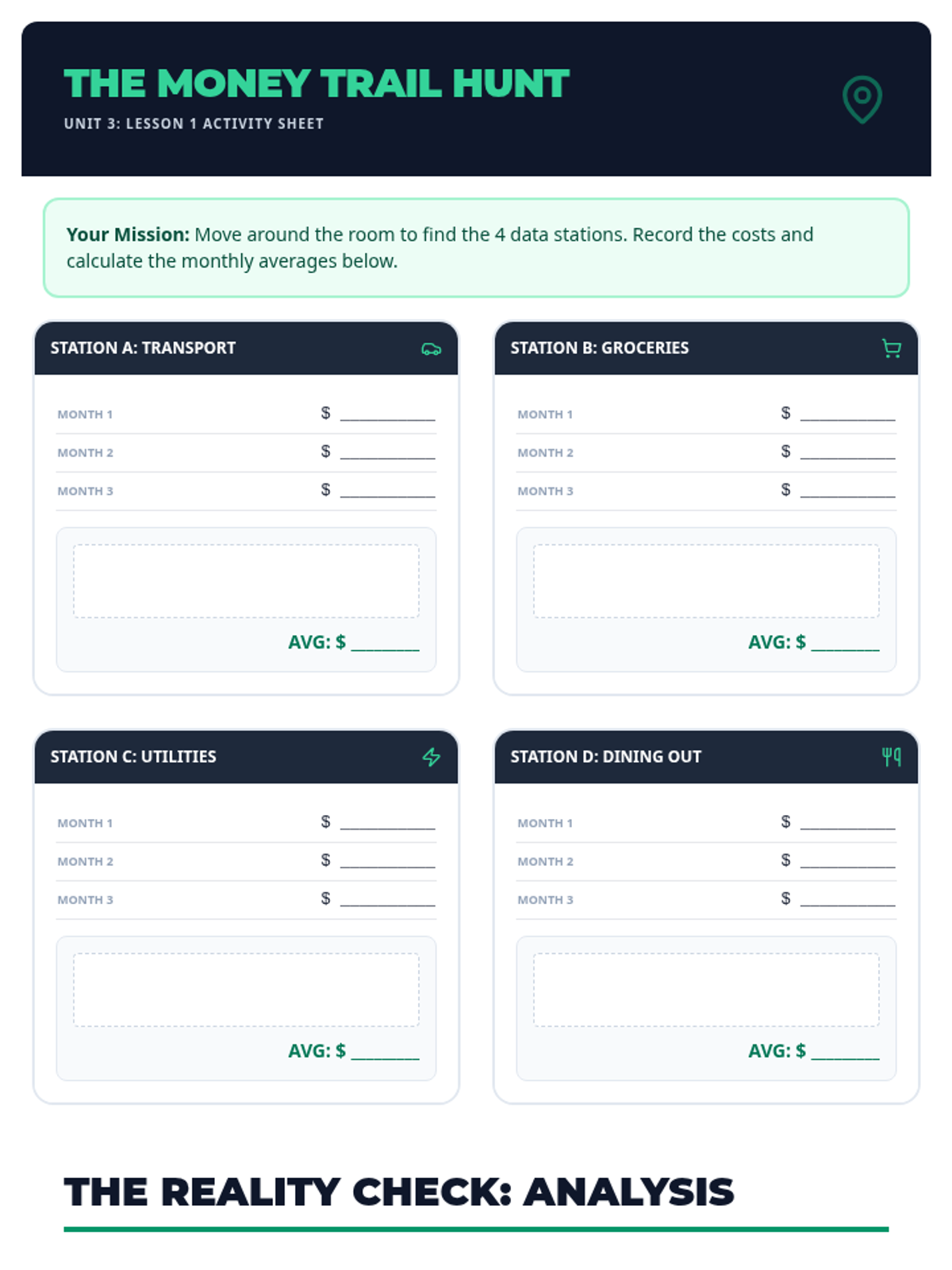
A comprehensive 8-day business math unit focused on personal budgeting, expenditure analysis, and career-based financial planning. Students learn to track spending, build budgets, and analyze variances before applying these skills to a career research project.
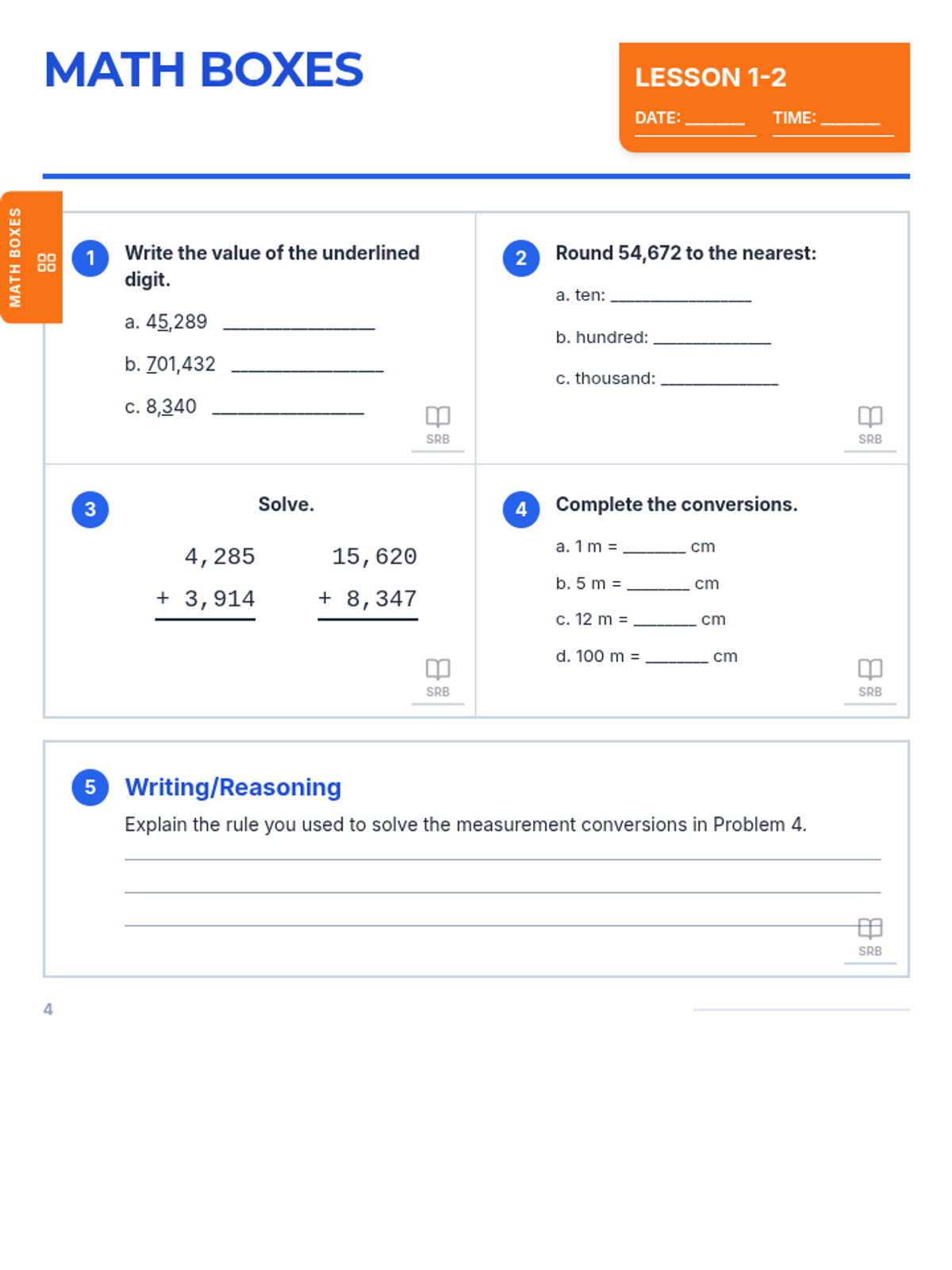
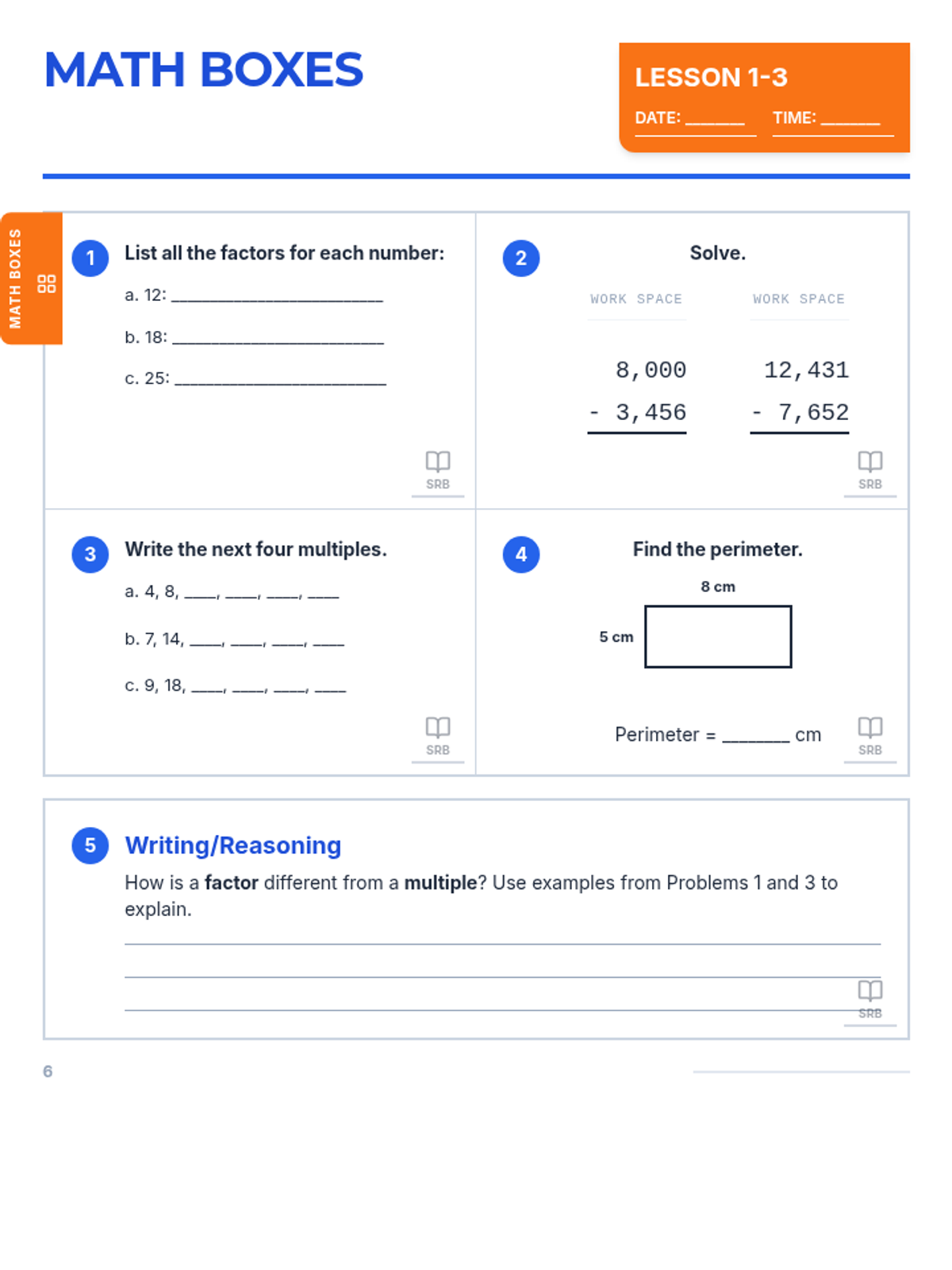
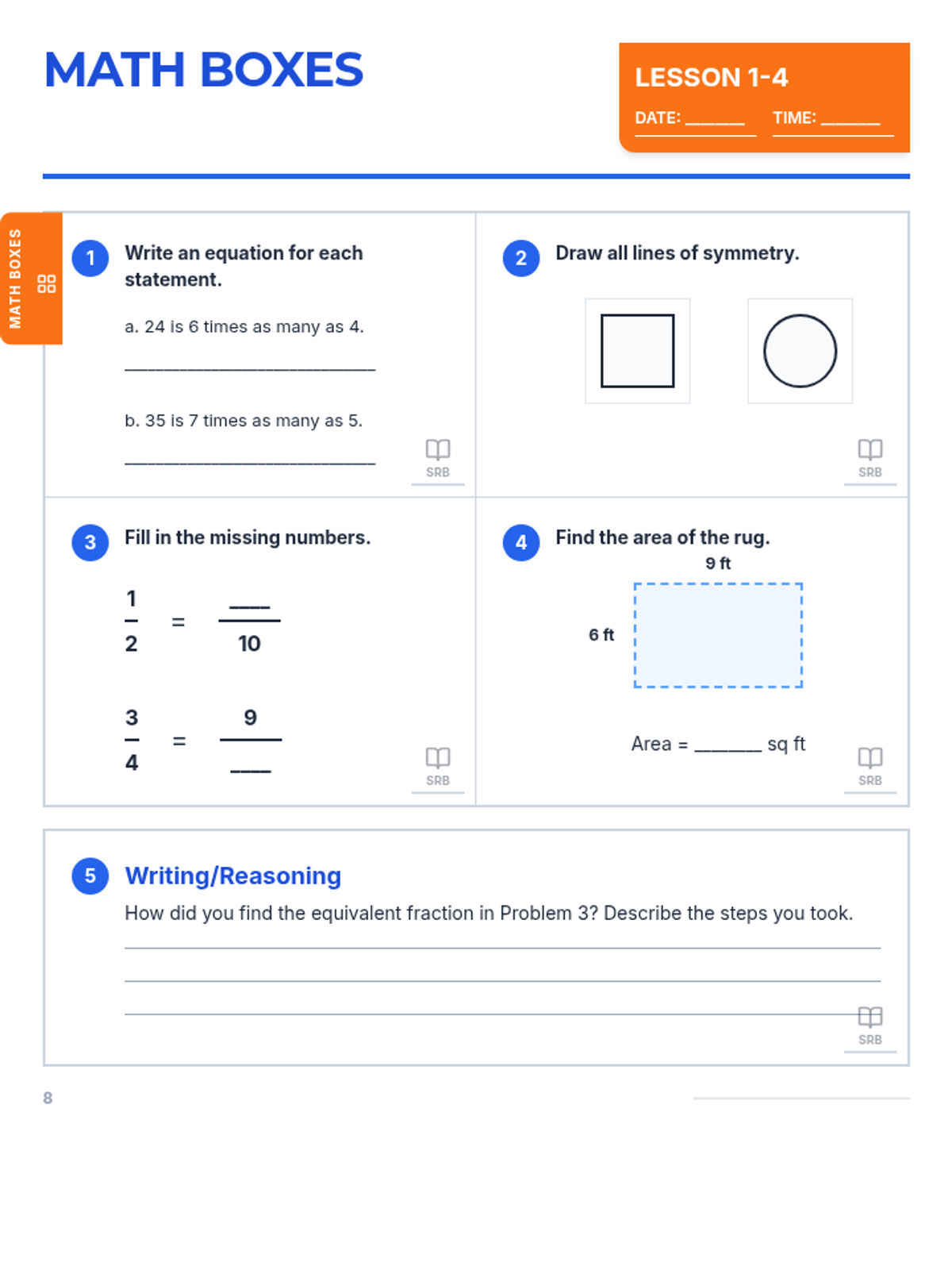
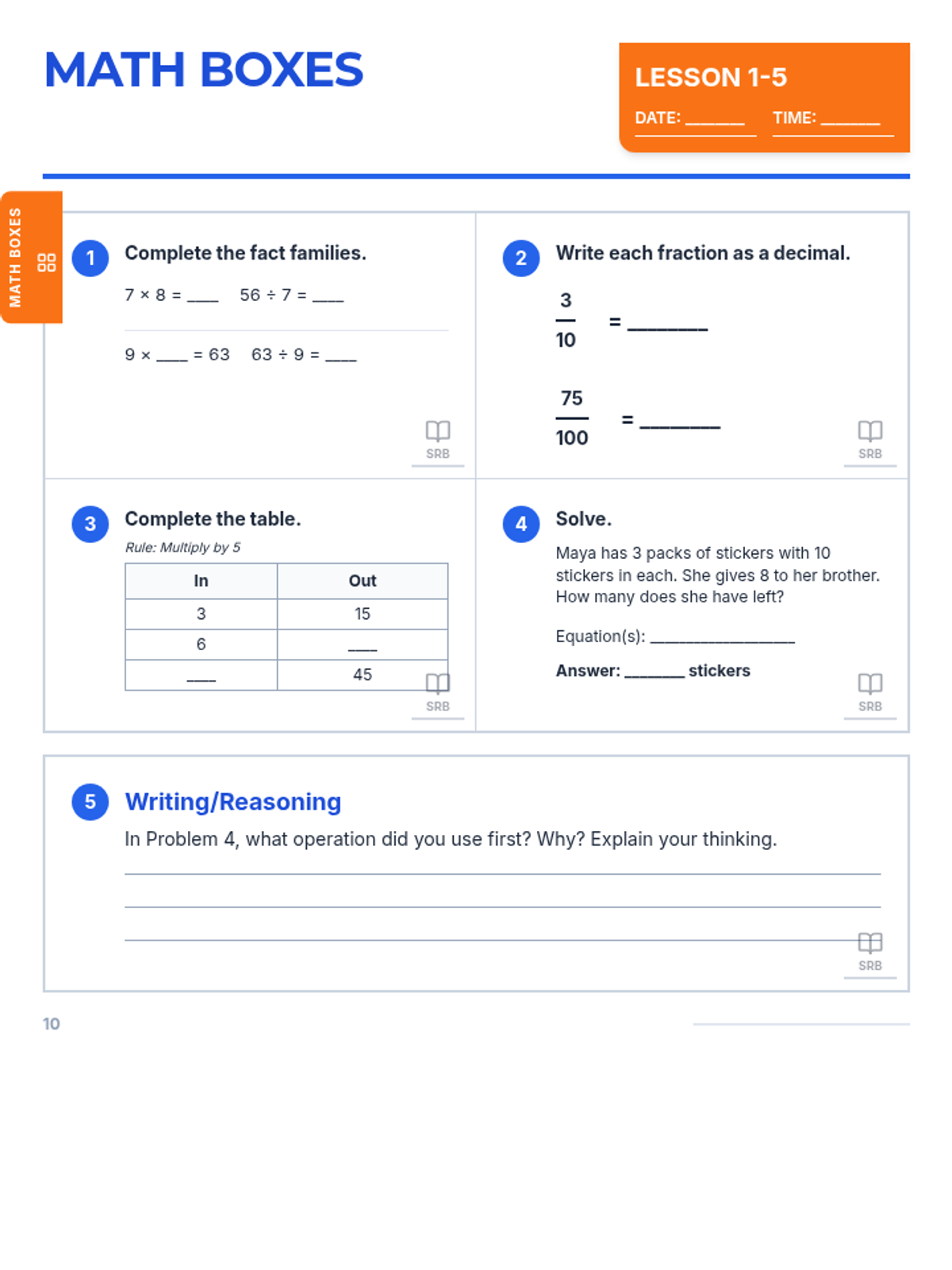
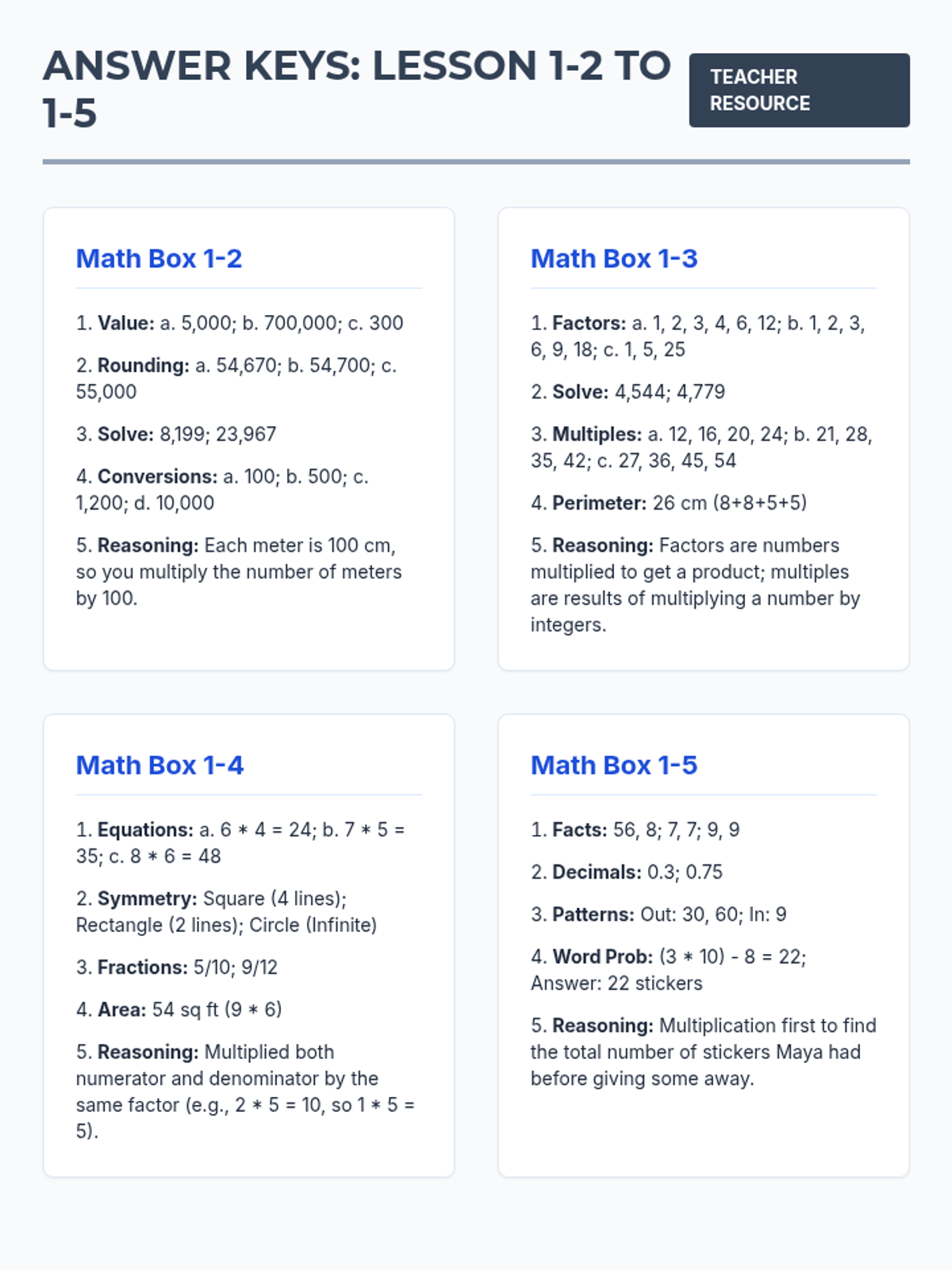
A collection of 4th-grade math review sheets modeled after the 'Math Boxes' format, focusing on mixed skills practice, mental math, and written reasoning.
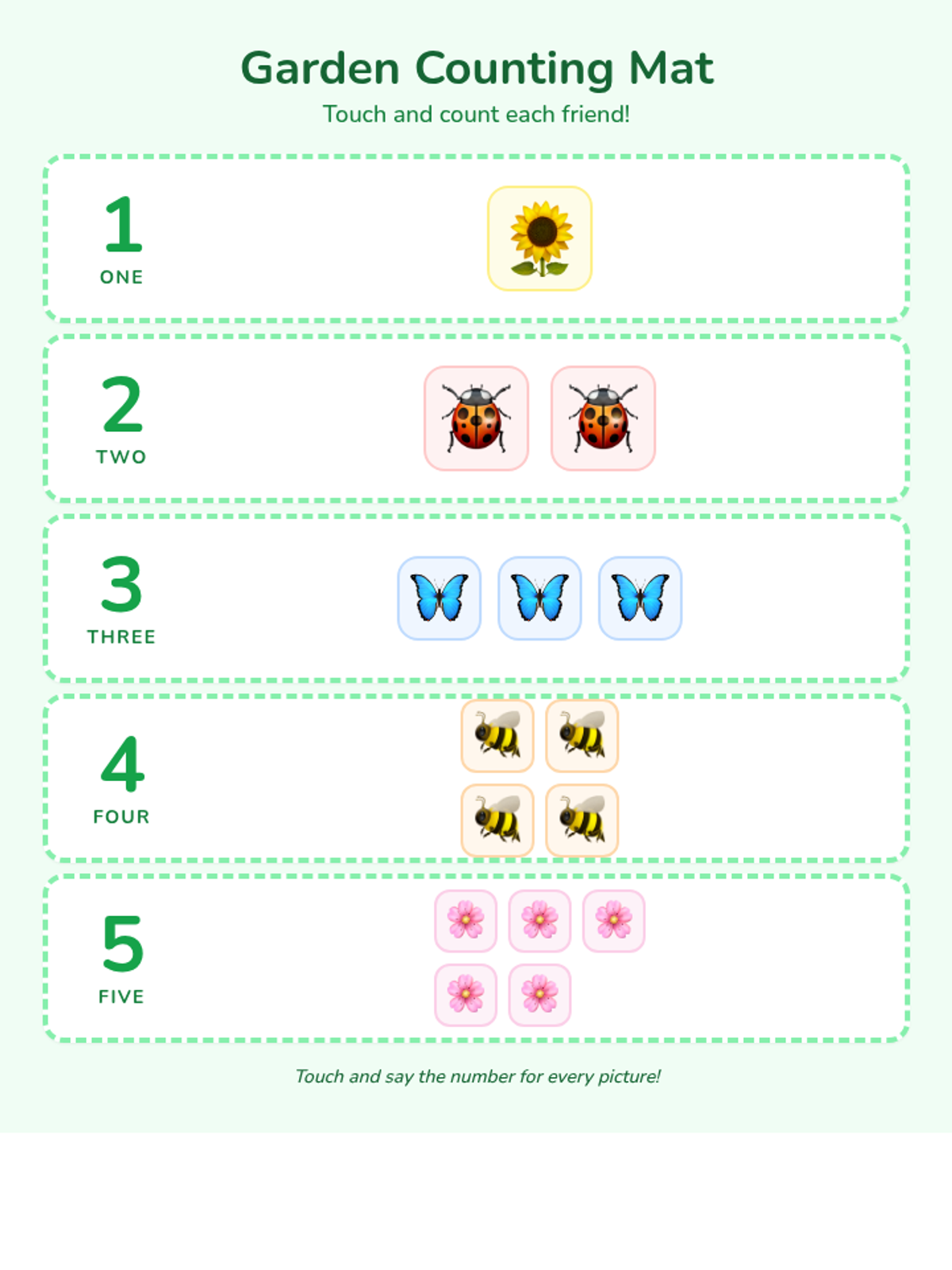
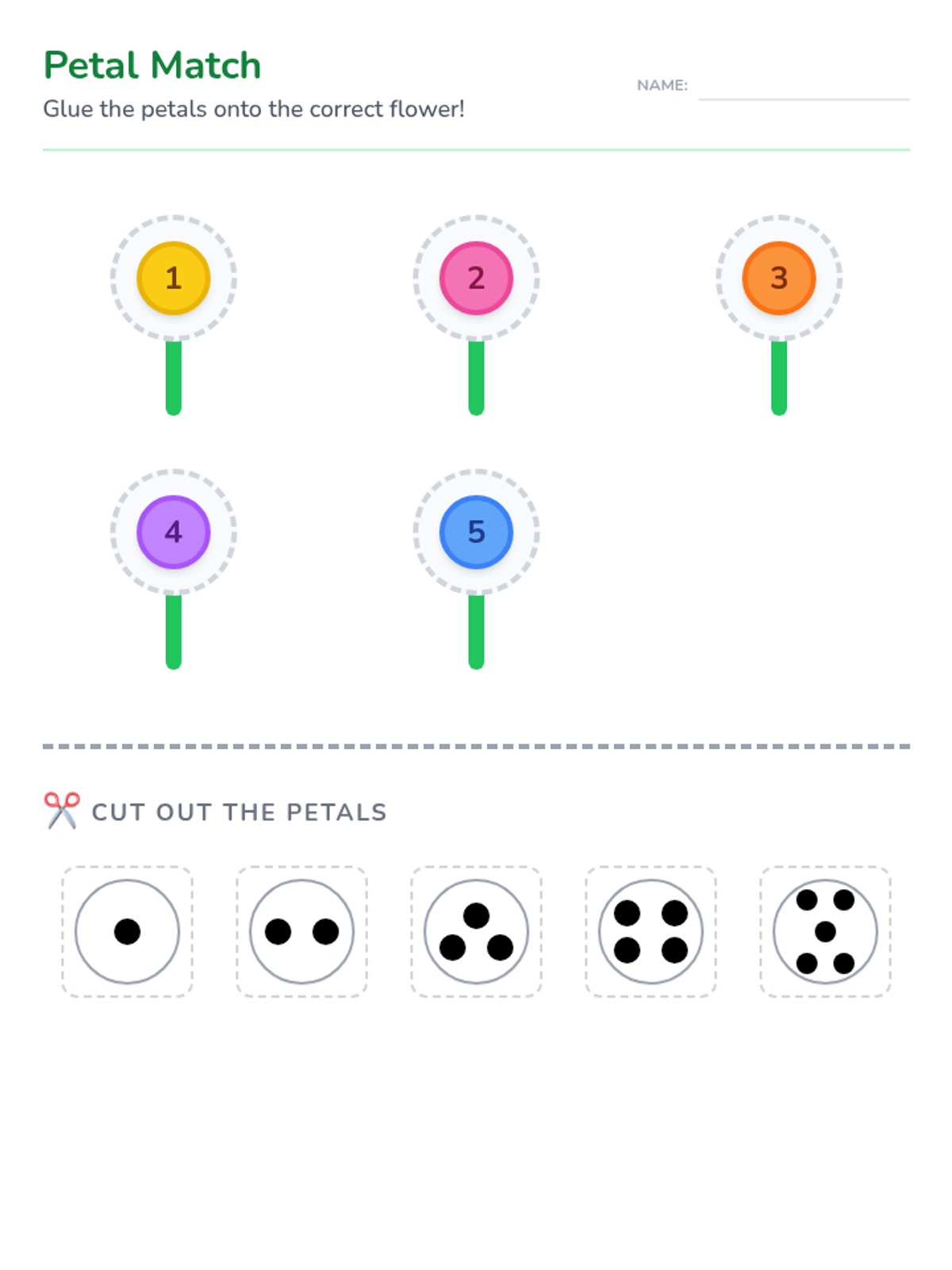
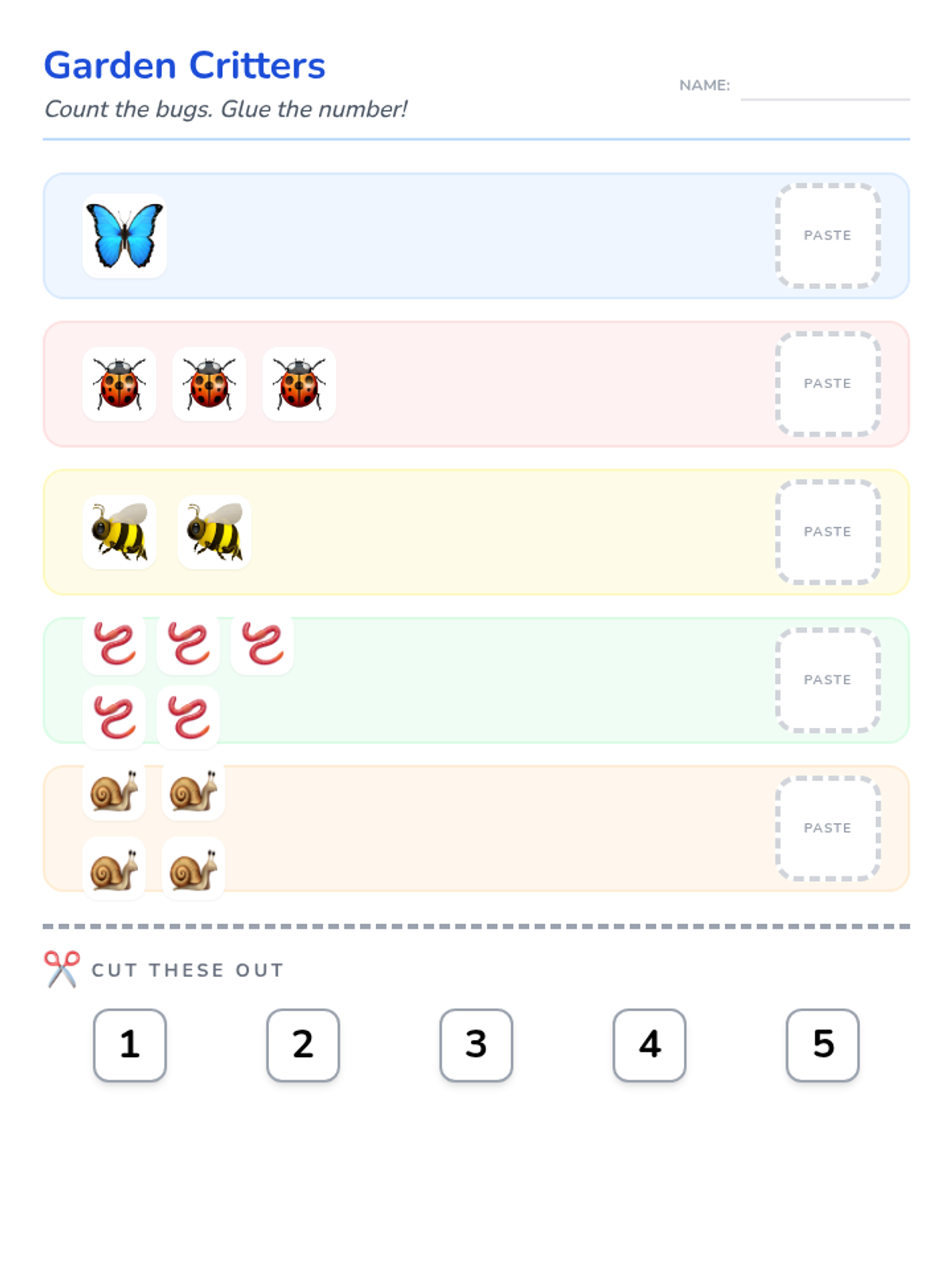
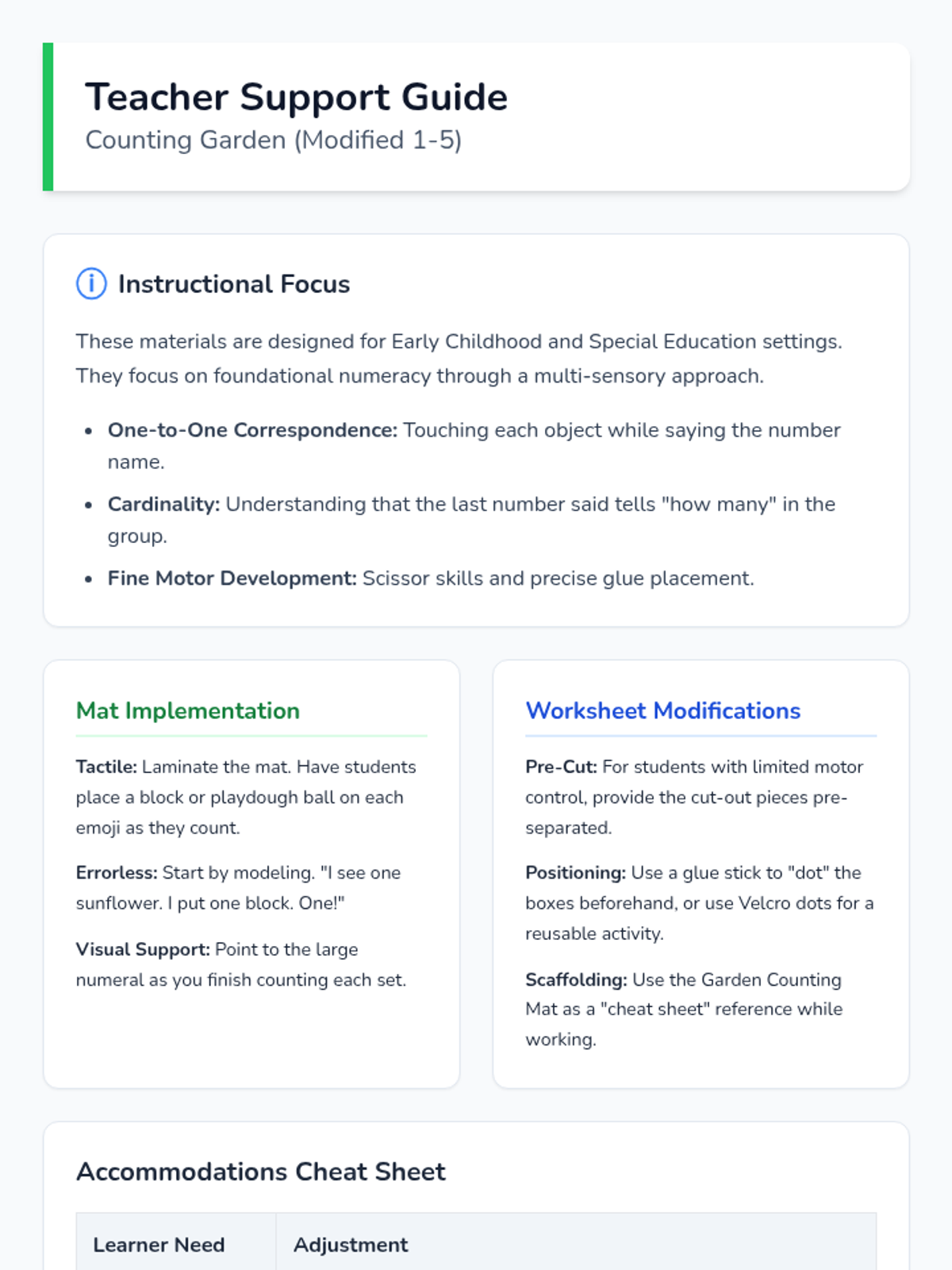
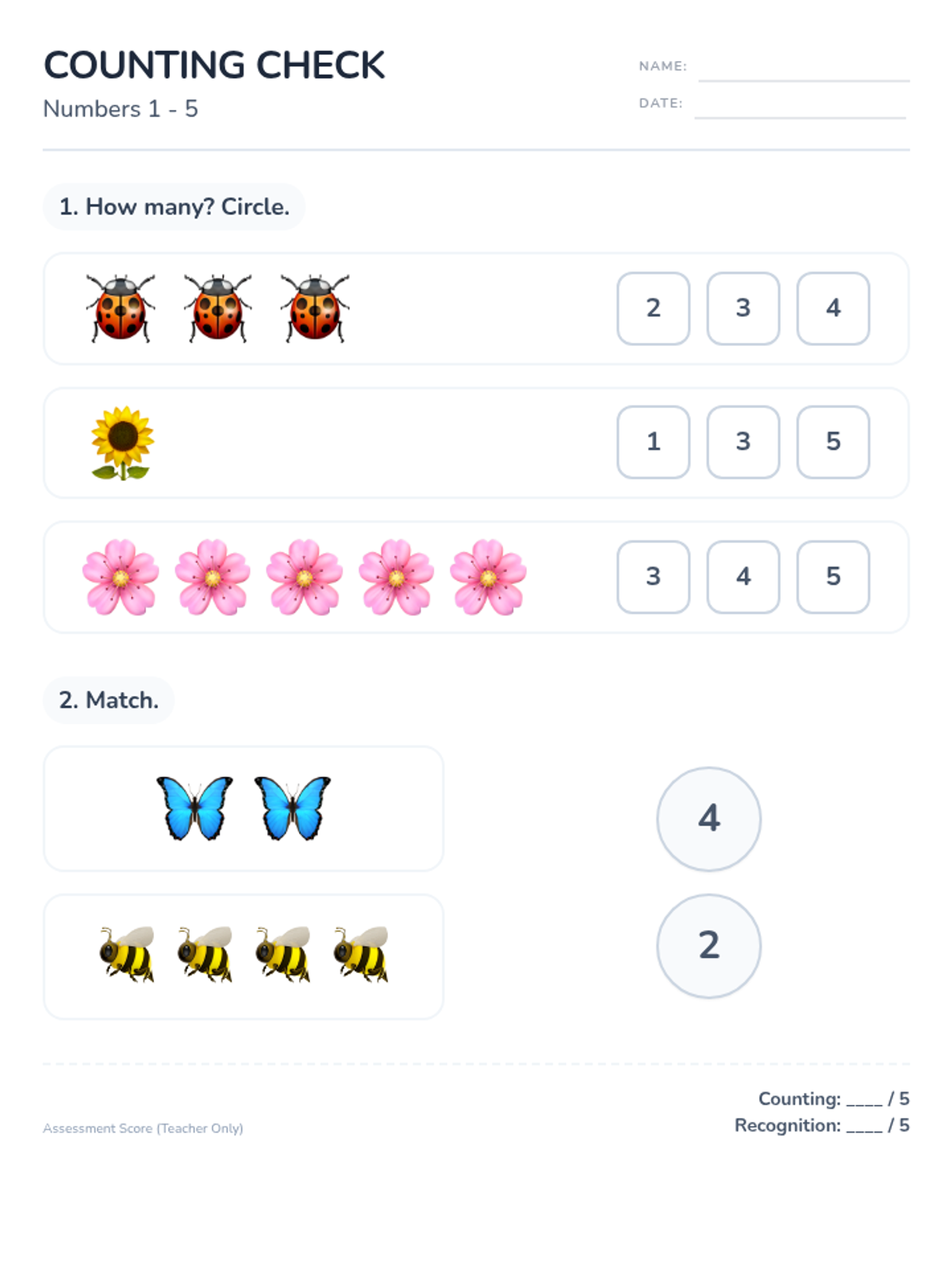
A foundational counting unit for early childhood learners, focusing on numbers 1-5 through tactile and visual garden-themed activities. Includes counting mats and fine-motor cut-and-paste tasks.
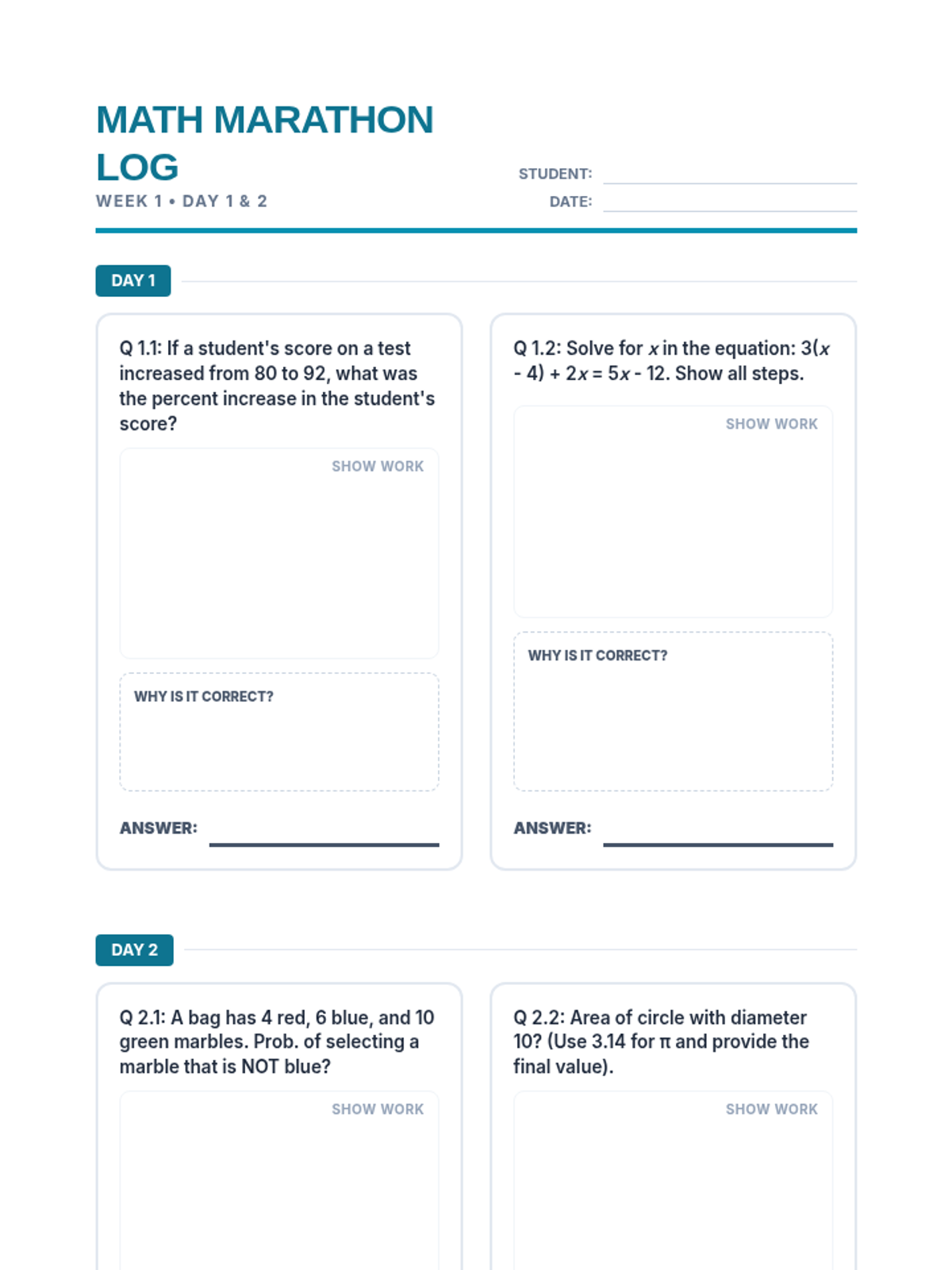
A comprehensive 15-day TSIA2 math review sequence featuring daily warm-up questions and weekly progress logs for students. The program covers all four TSIA2 domains through a "Math Marathon" theme.
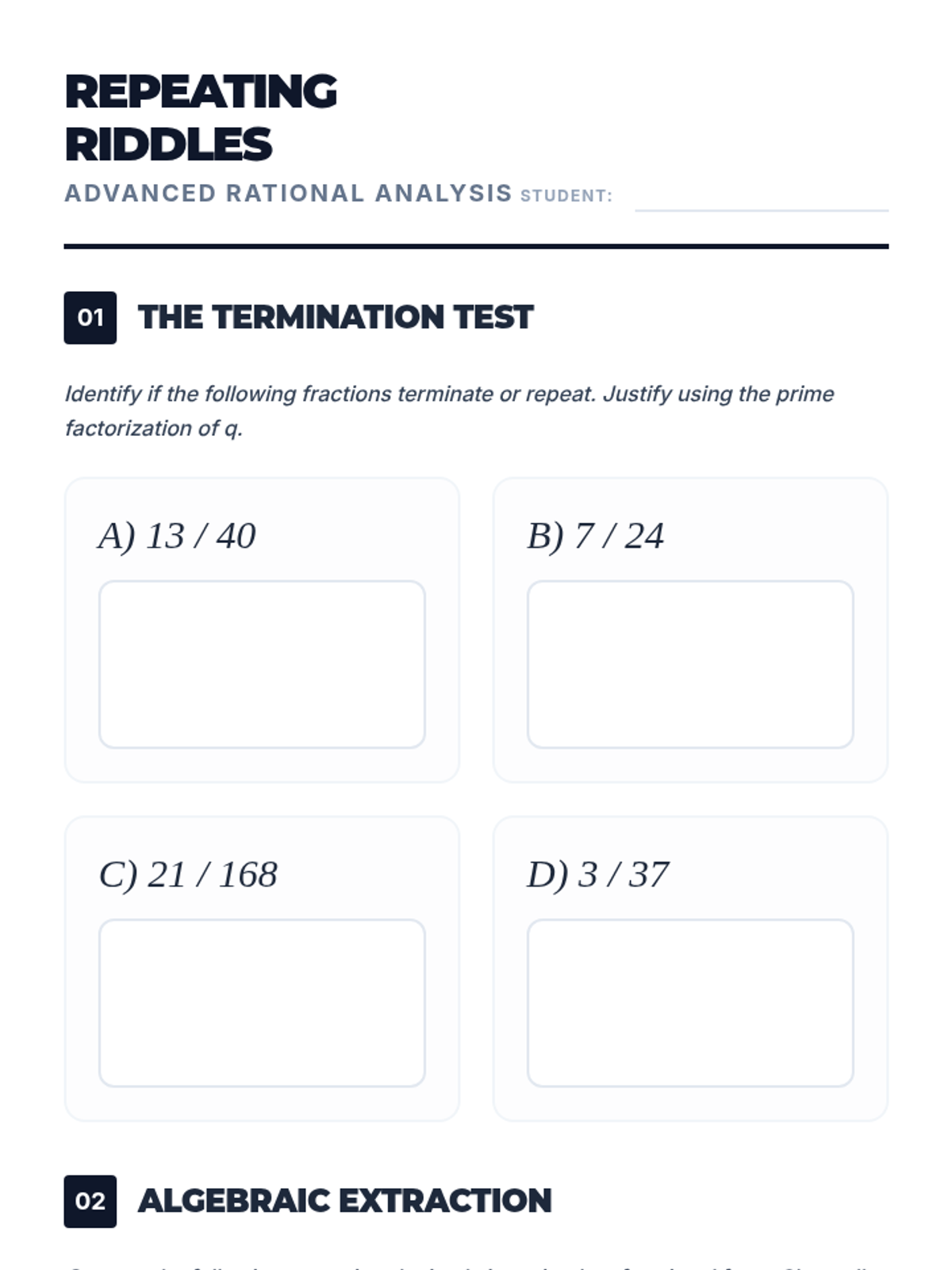
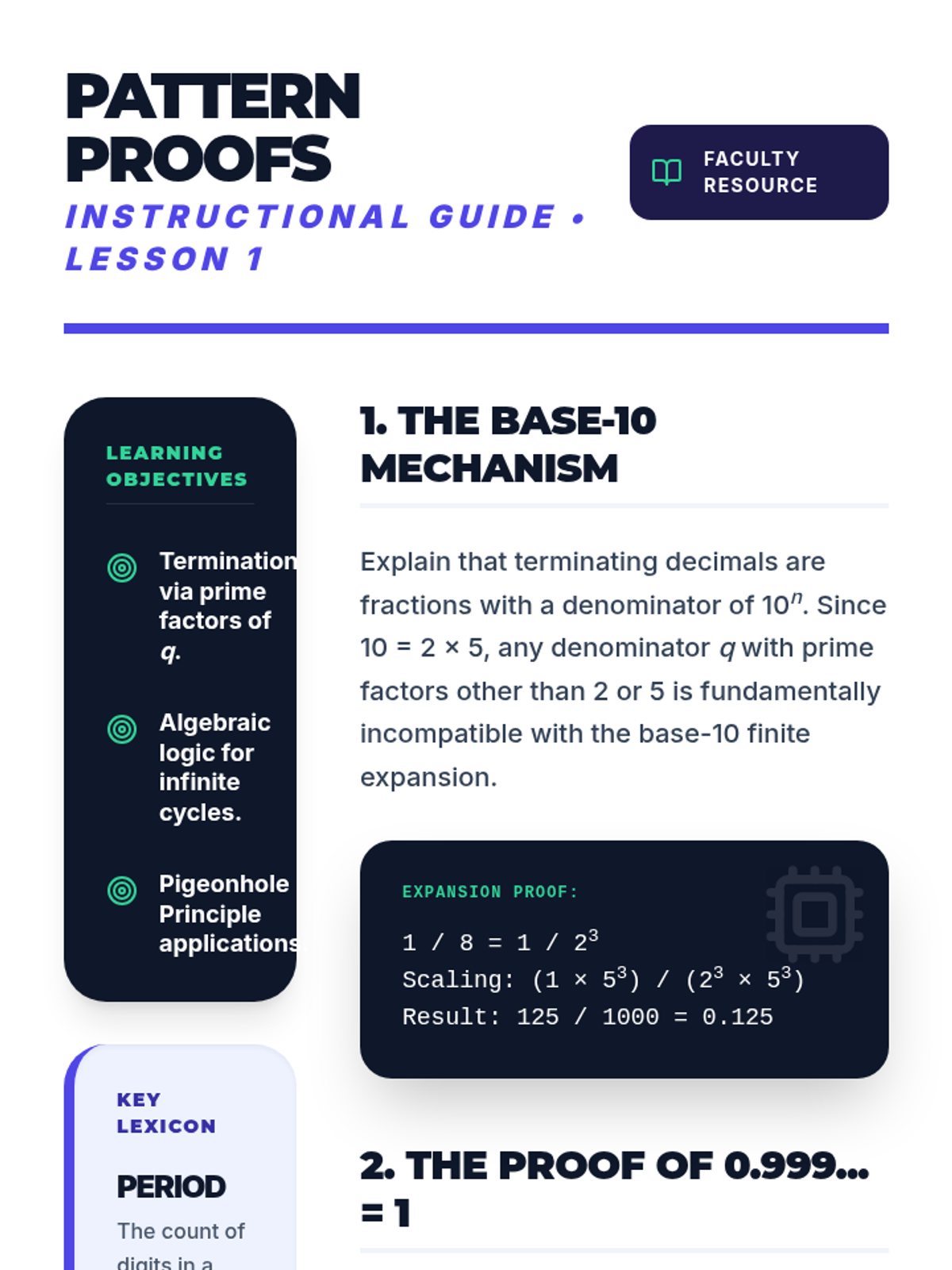
A deep dive into the theoretical and practical relationship between fractions and decimals, designed for advanced learners to explore the structure of rational numbers and precision in calculation.
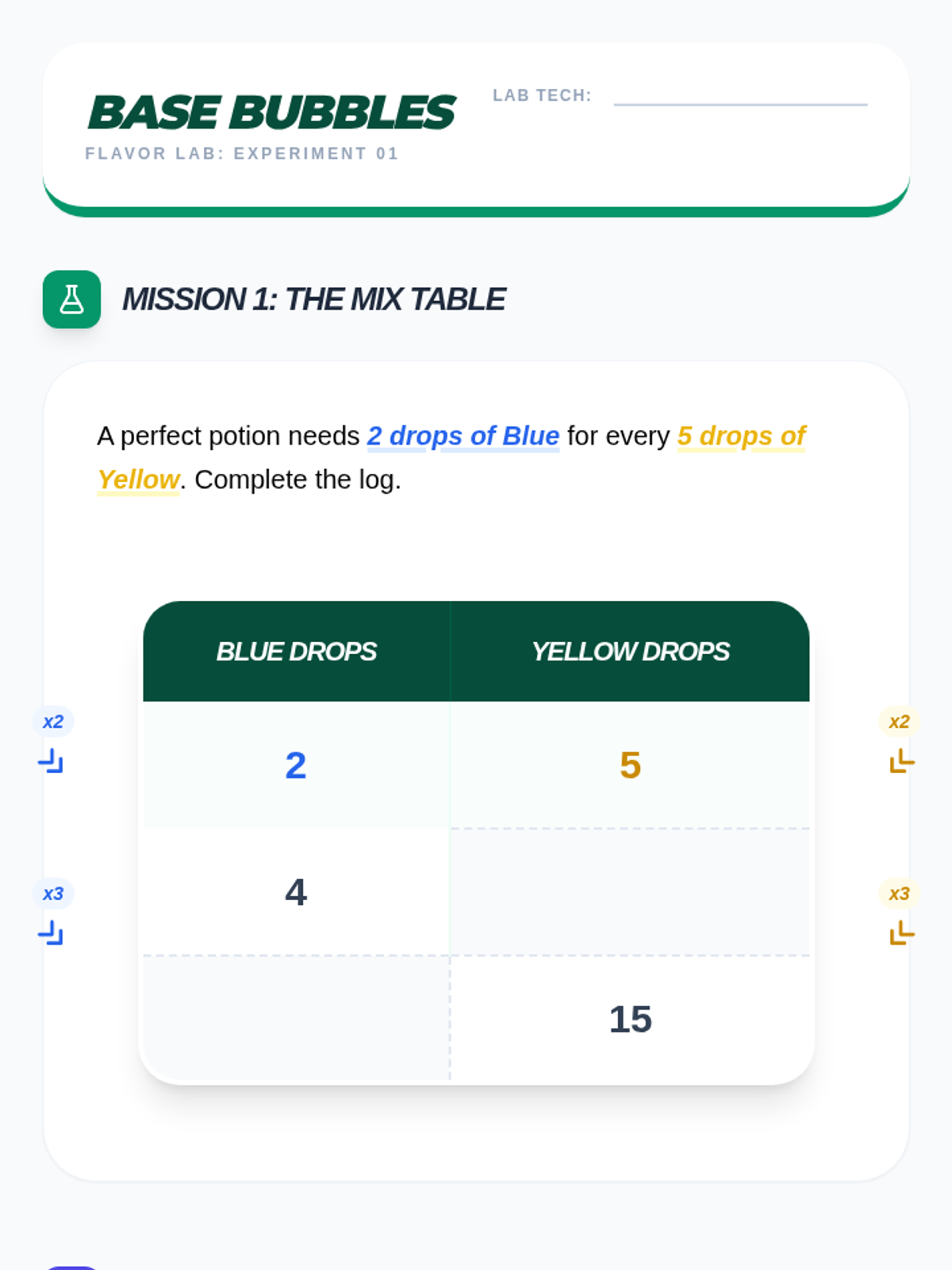
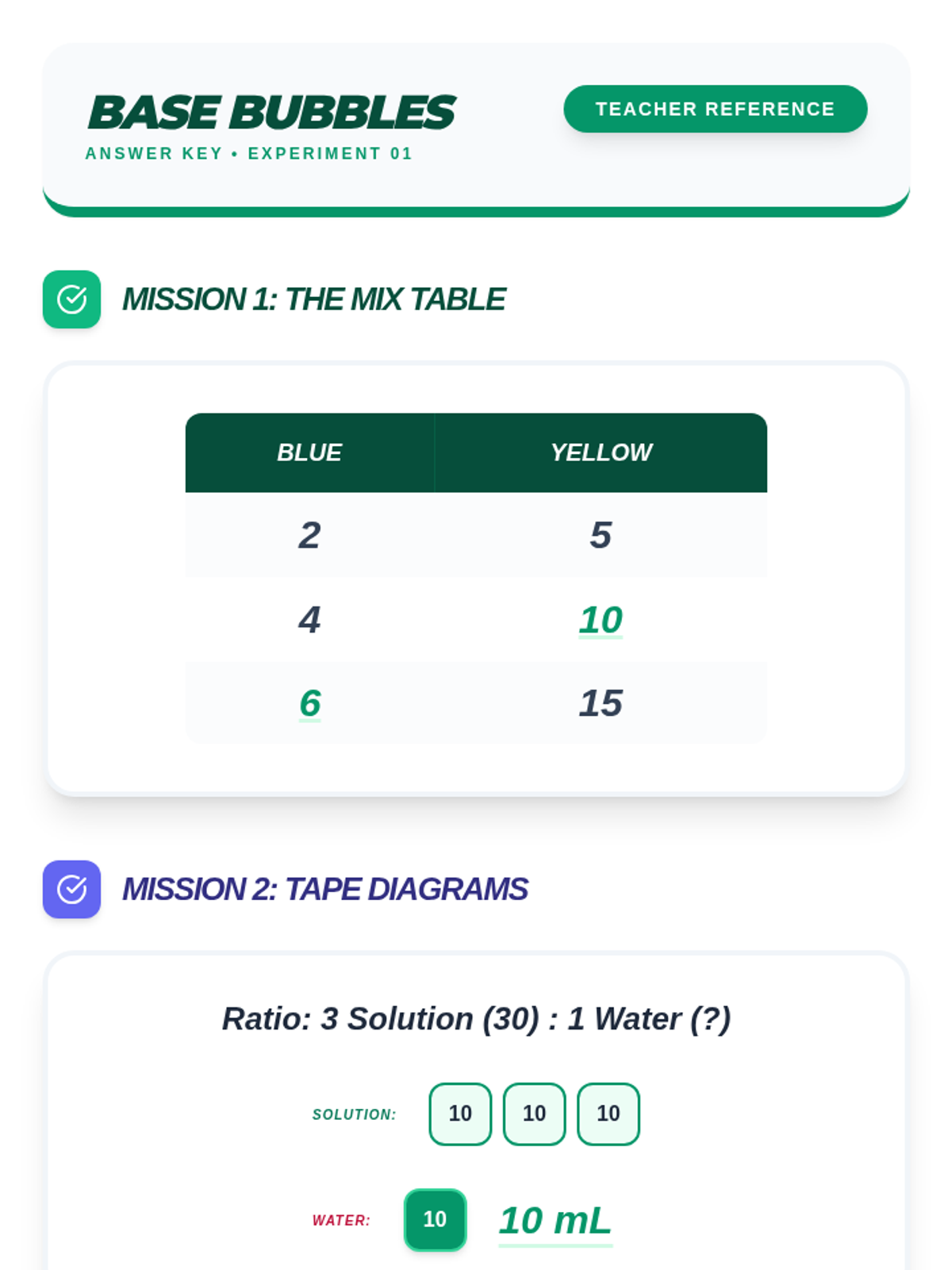
A 5-day laboratory-themed unit for SPED resource students focusing on ratio reasoning, unit rates, percents, and measurement conversions through the lens of mixing perfect flavor recipes.
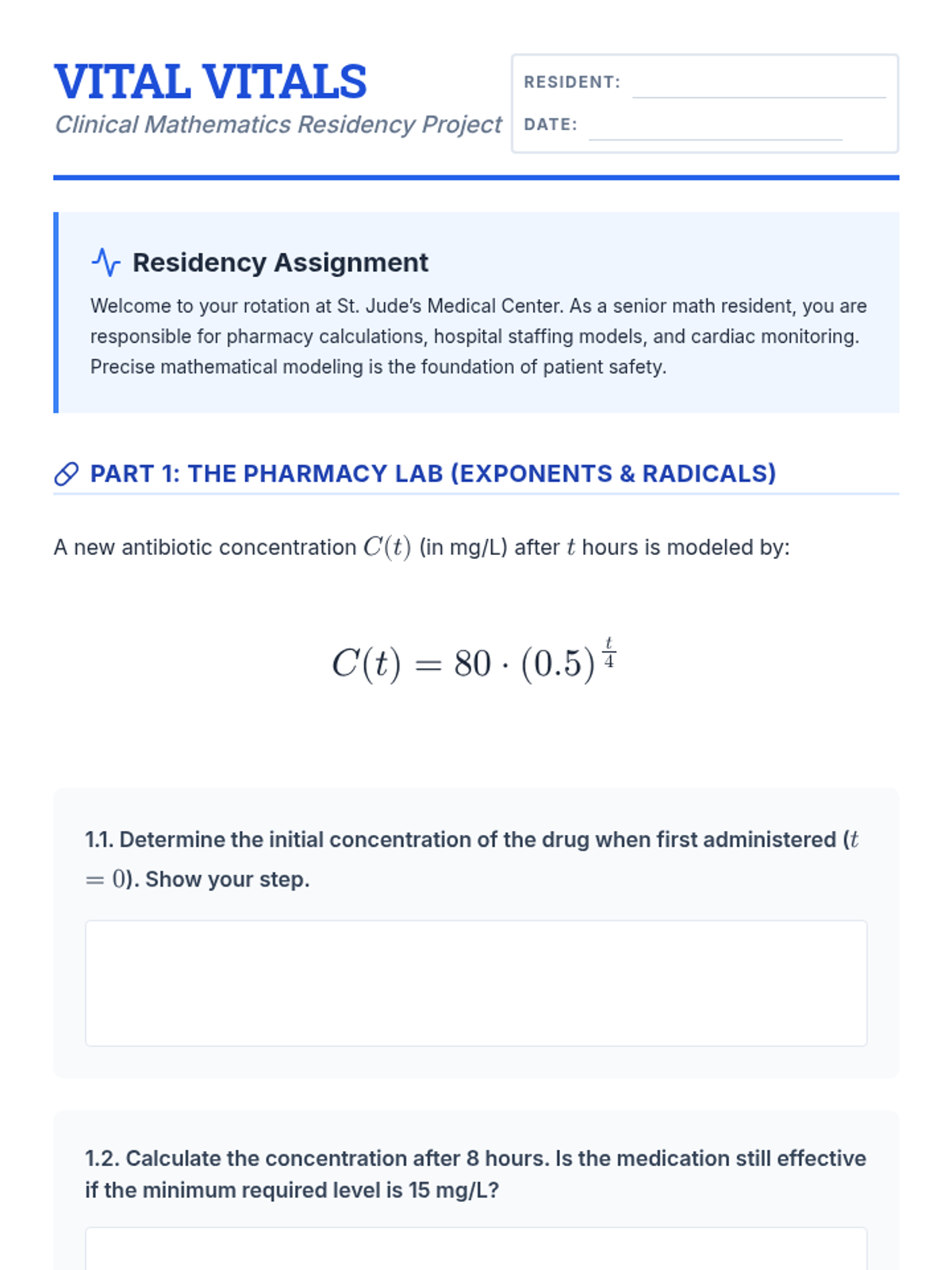
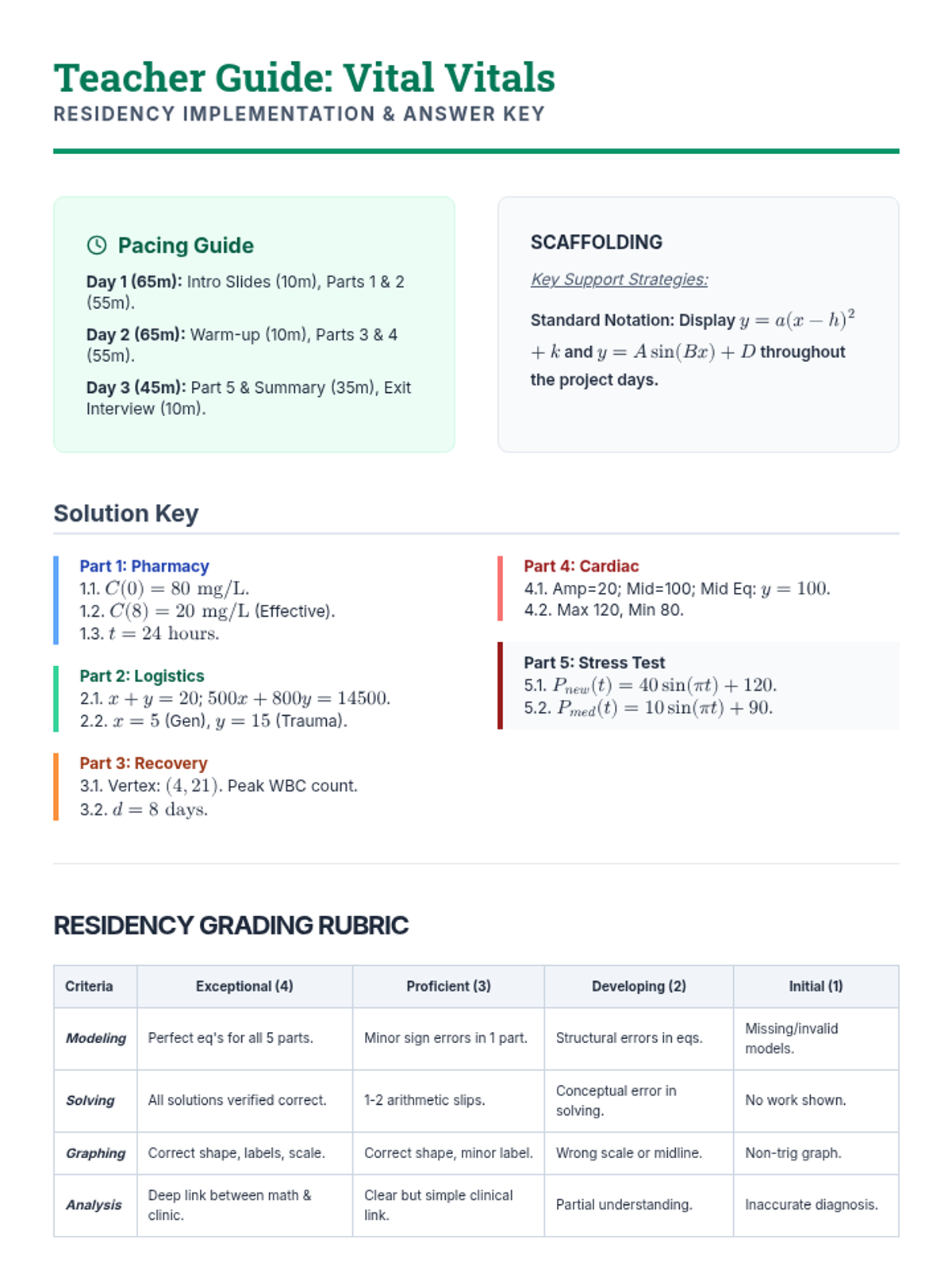
A 3-day healthcare-themed project for remedial precalculus students. It covers algebra 2 fundamentals, systems of equations, and introductory trigonometric transformations within clinical contexts.
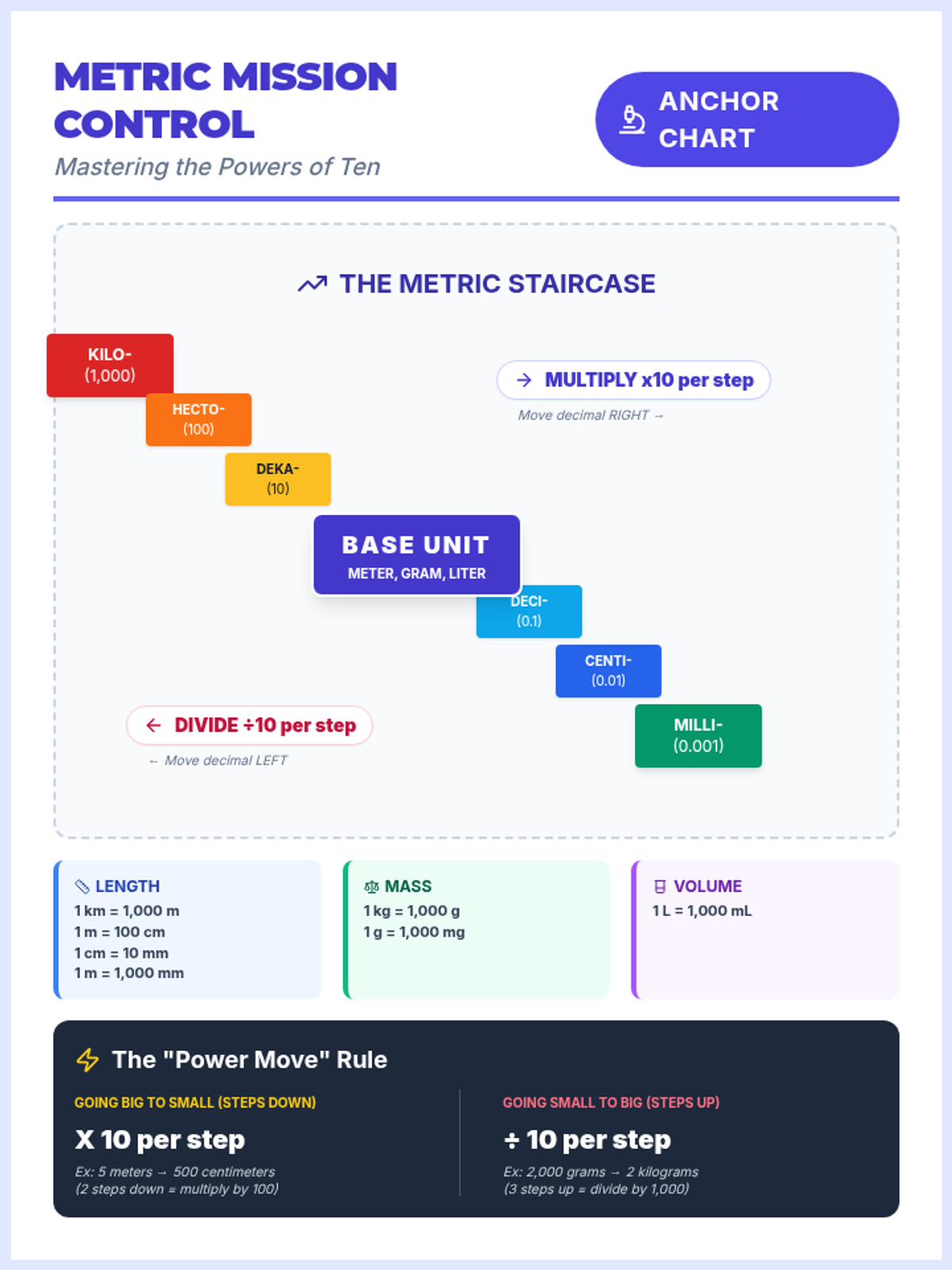
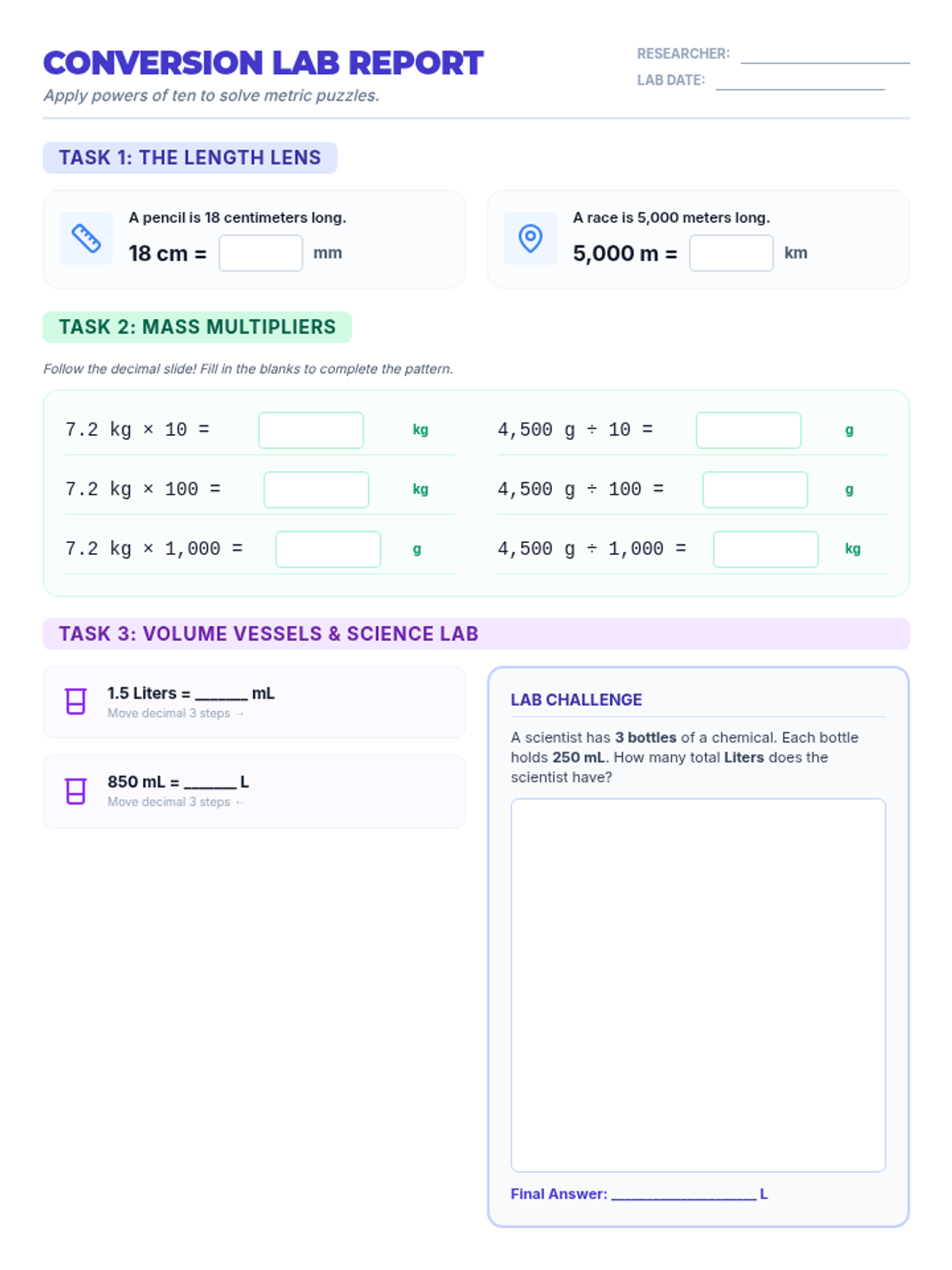
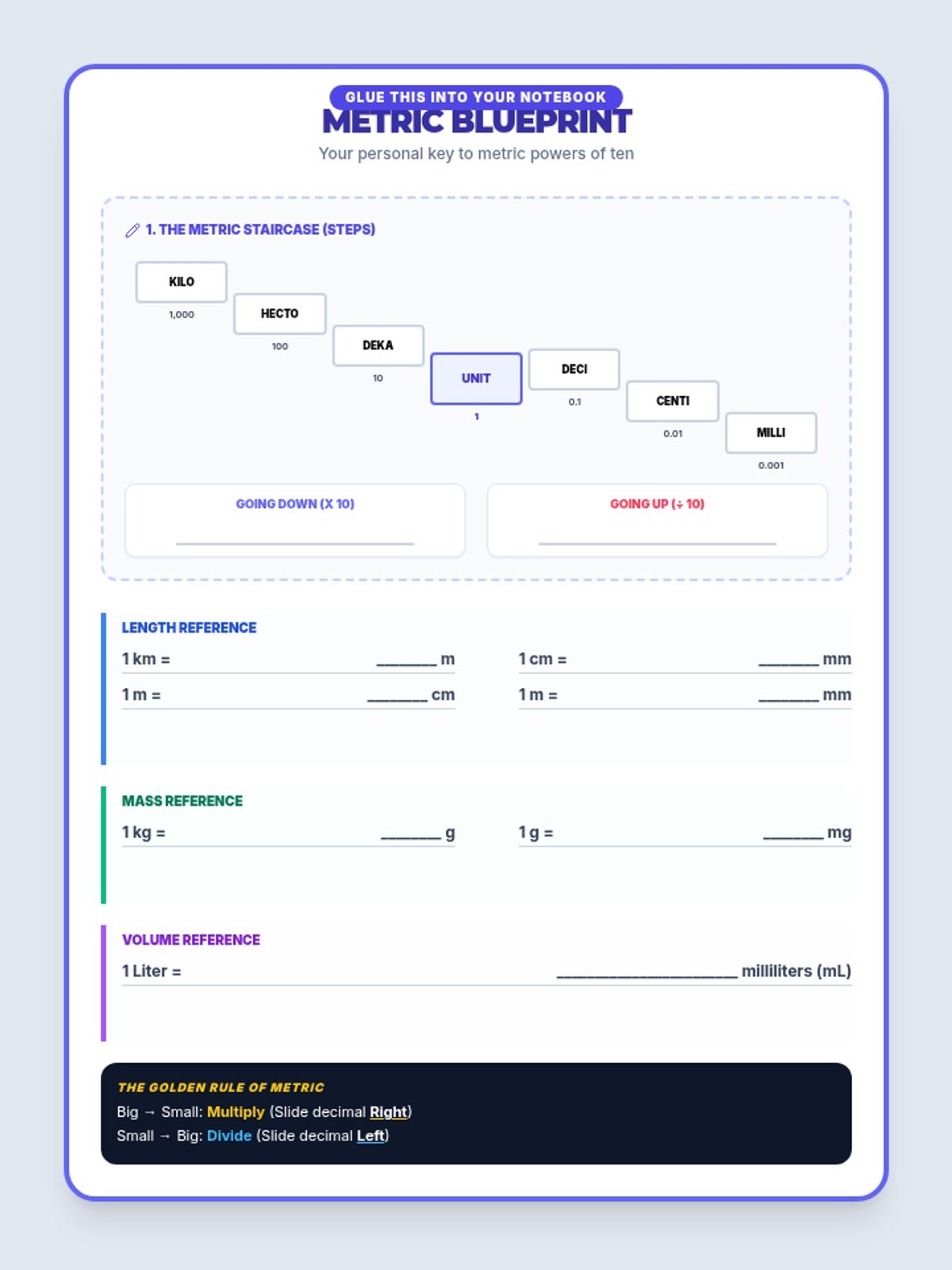
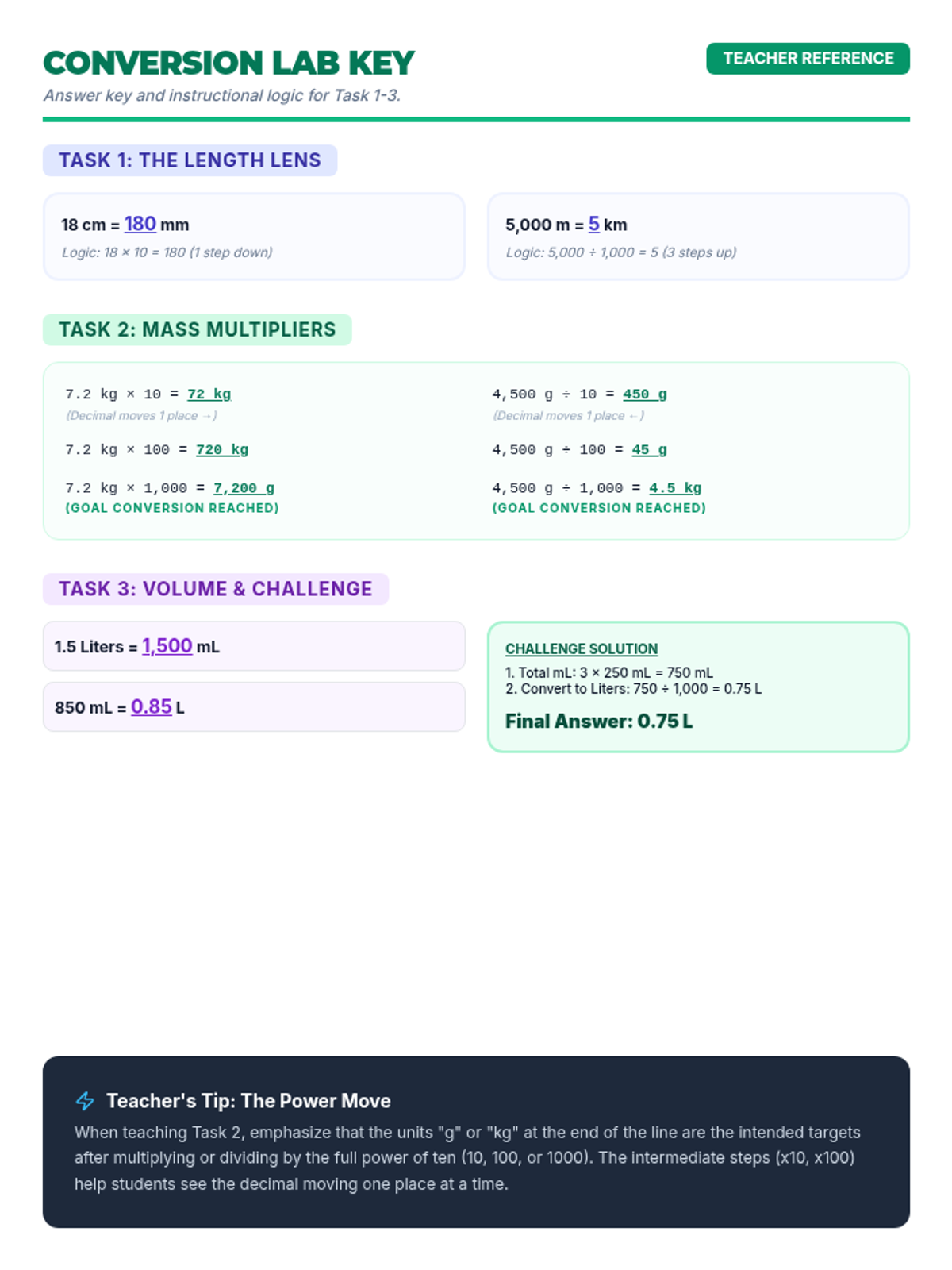
A comprehensive guide to understanding metric conversions and powers of ten through visual models and laboratory-themed activities. Students learn to navigate length, mass, and volume using the decimal nature of the metric system.
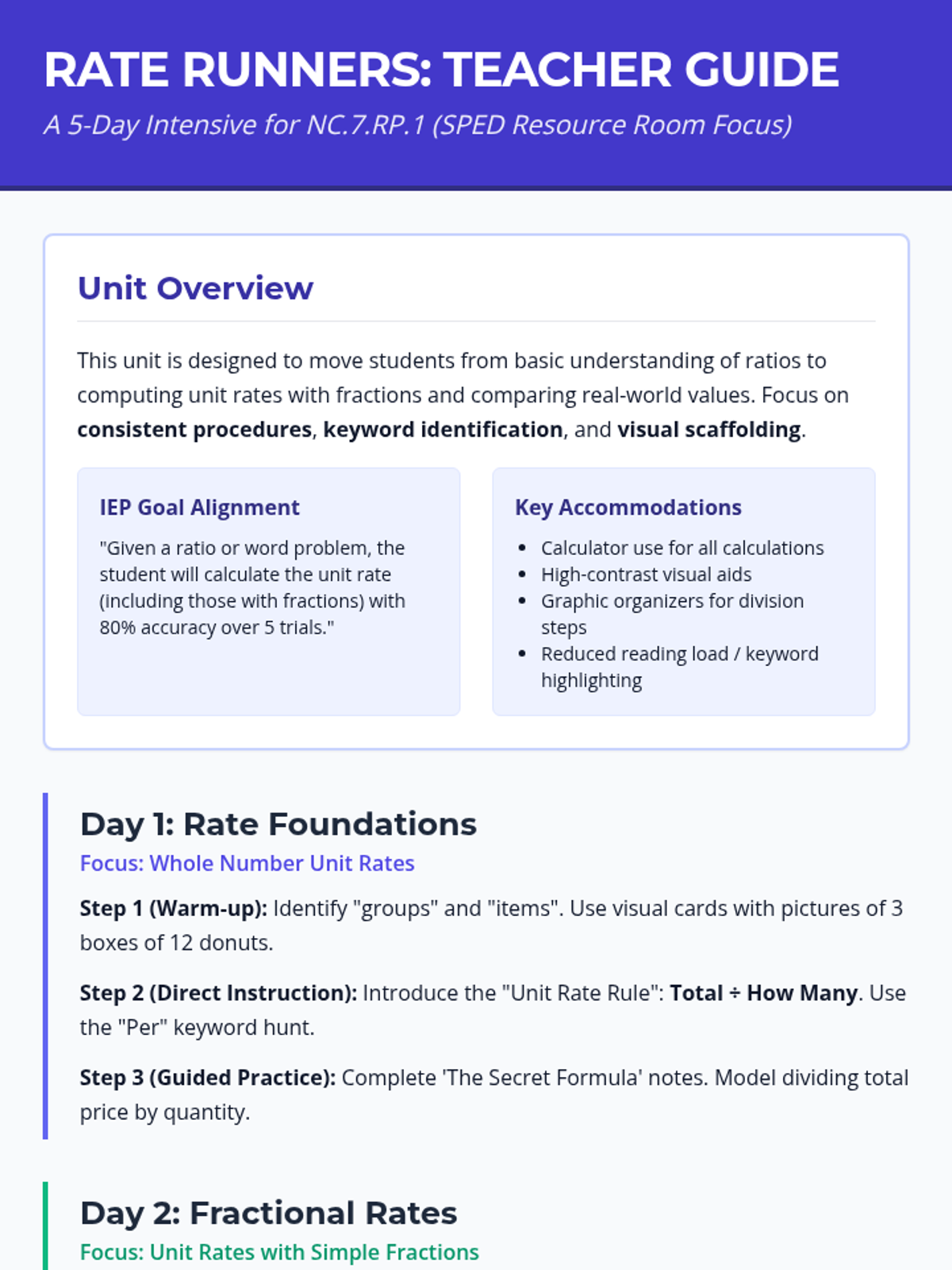
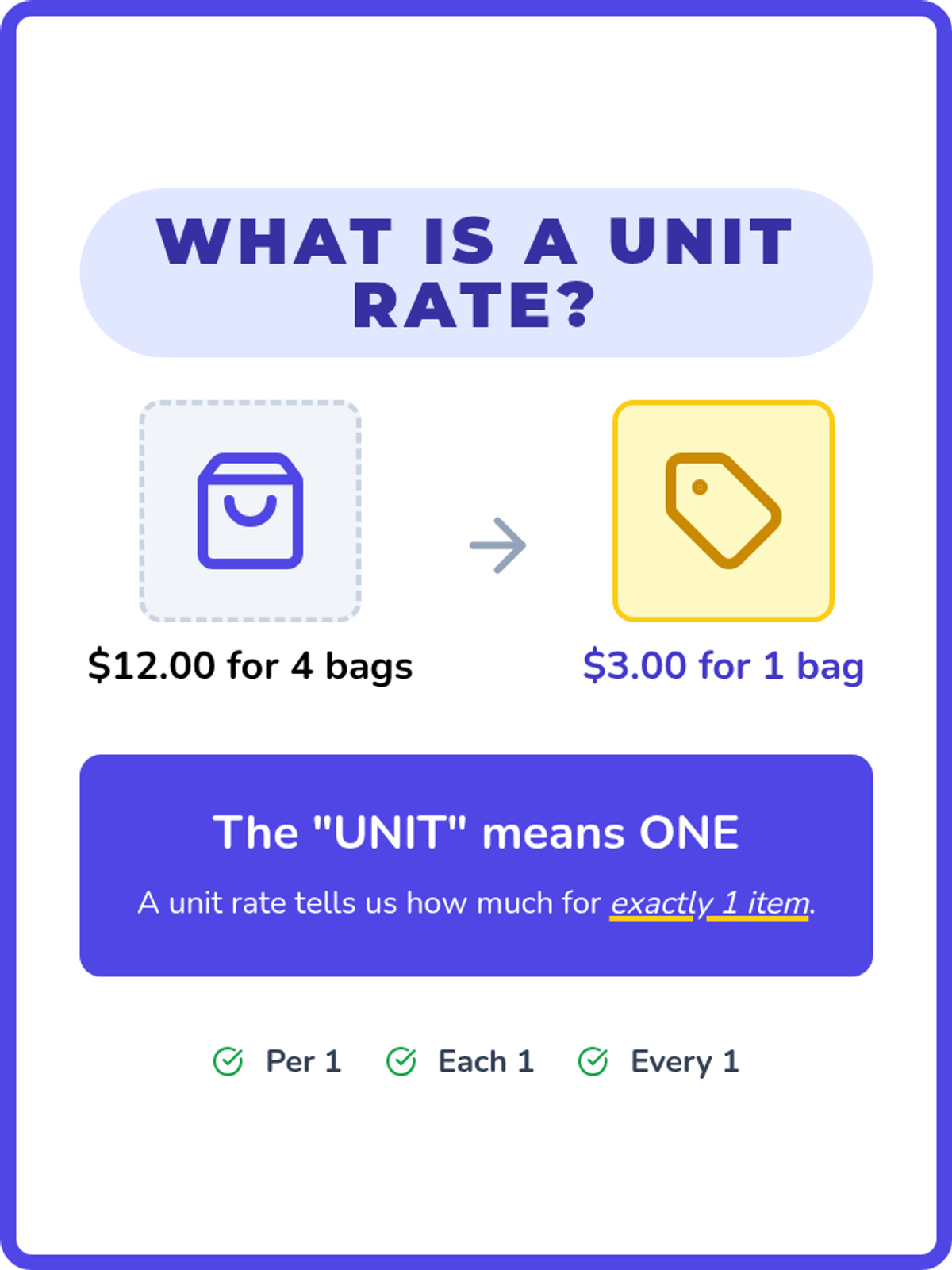
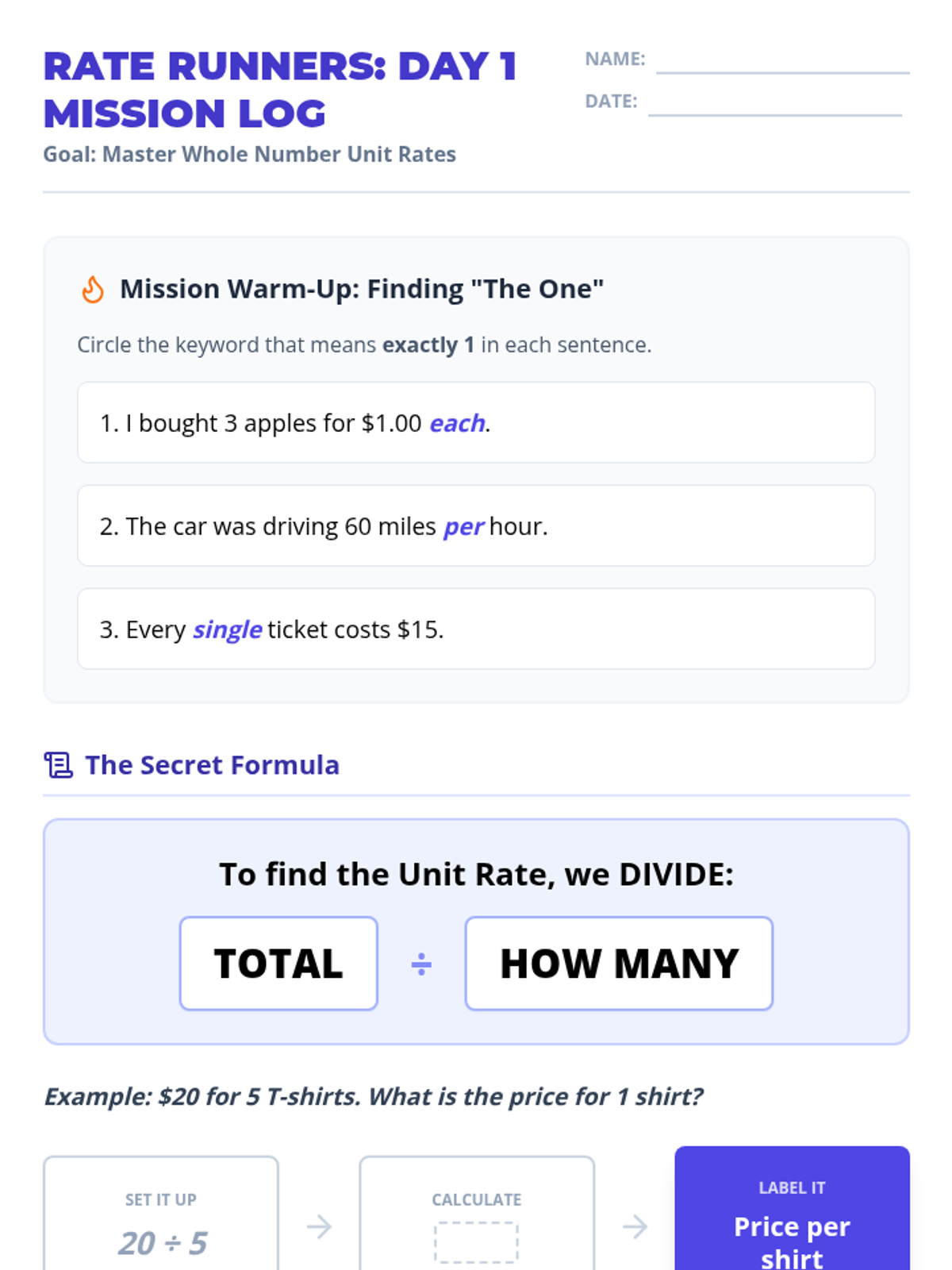
A 6-day intensive test prep unit for NC.7.RP.1 focused on unit rates. Designed specifically for special education resource rooms with heavy scaffolding, visual aids, and real-world shopping and measurement applications. Includes 4 days of instruction, a collaborative review relay, and a final assessment.
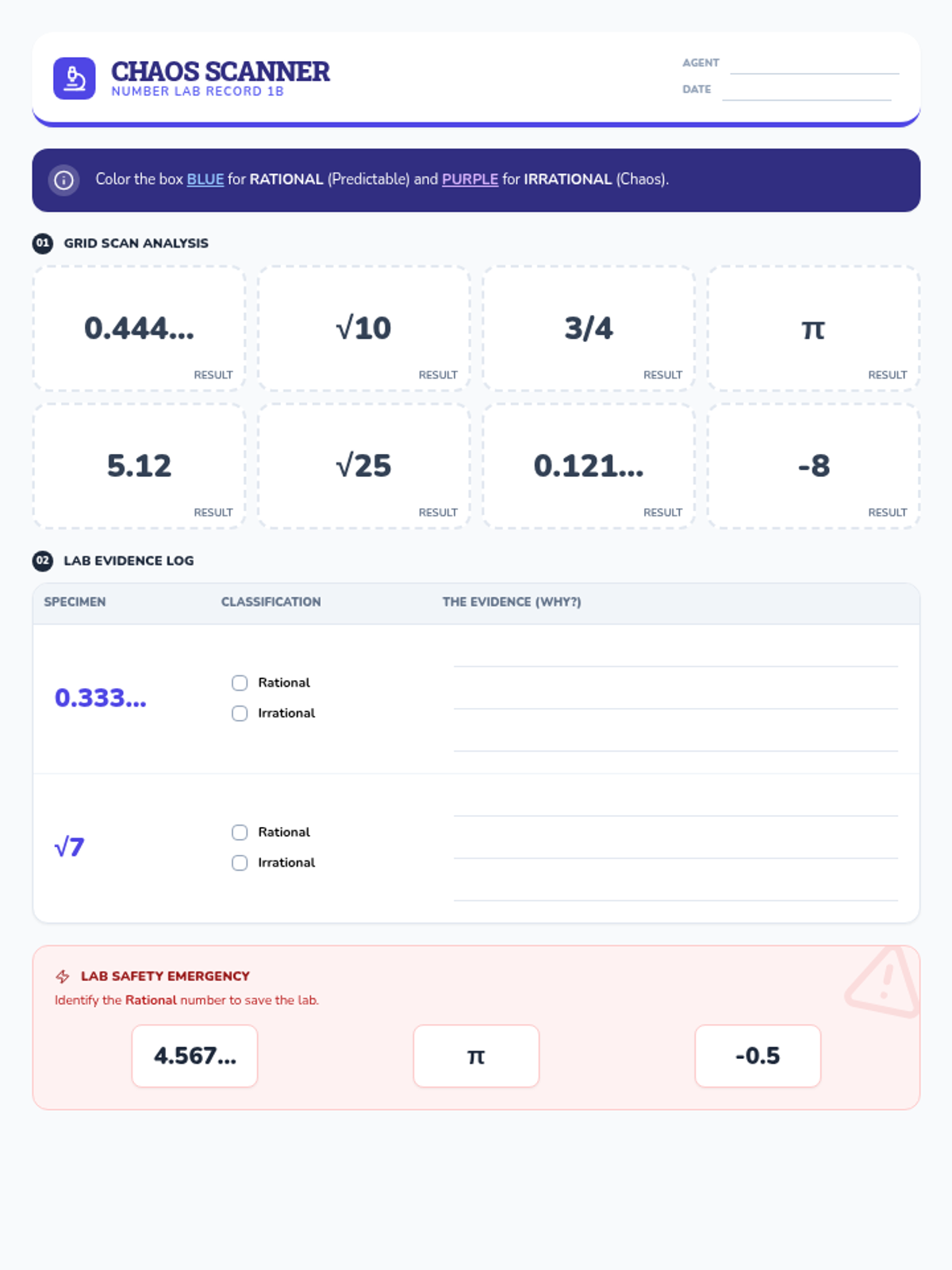
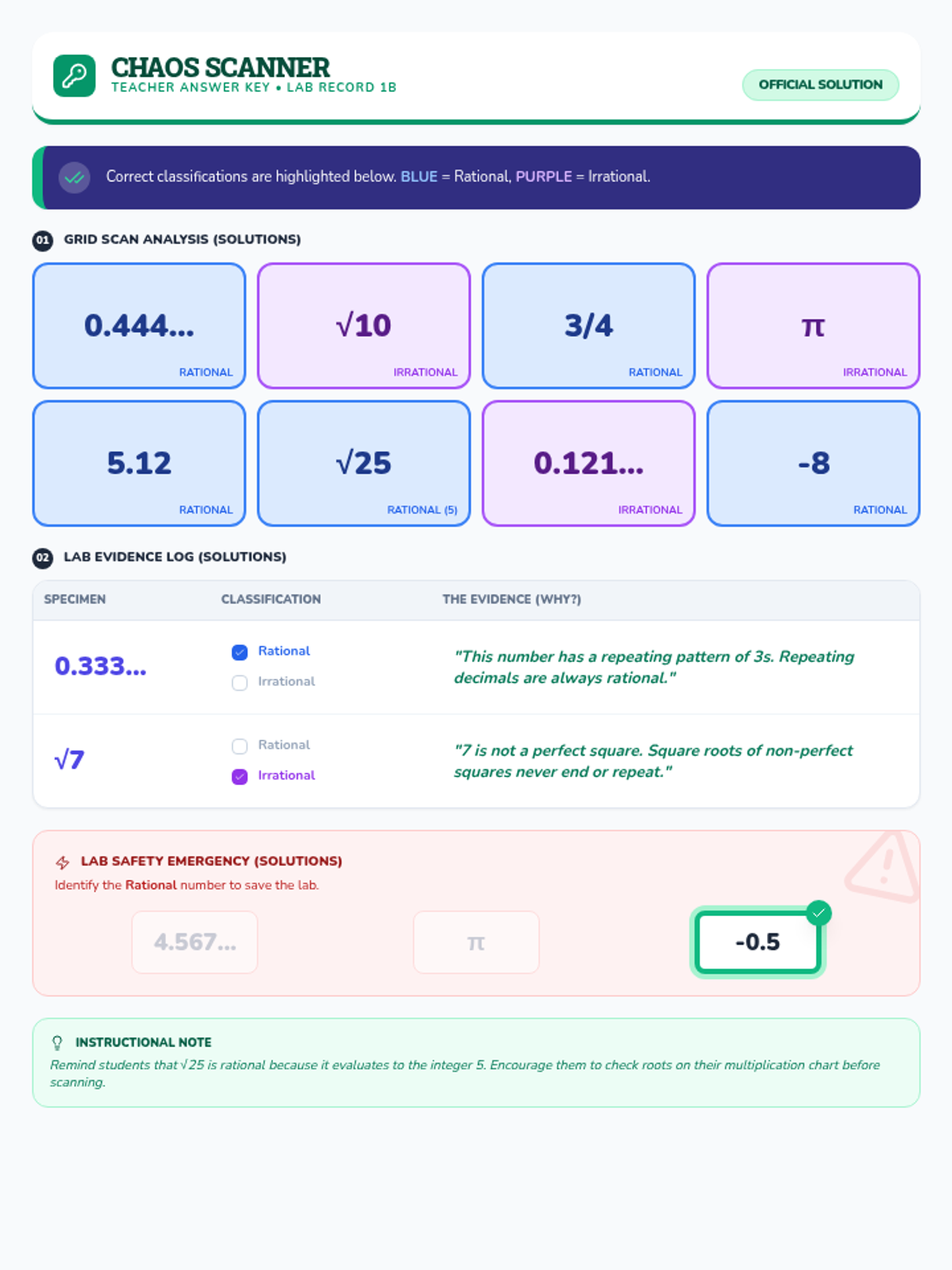
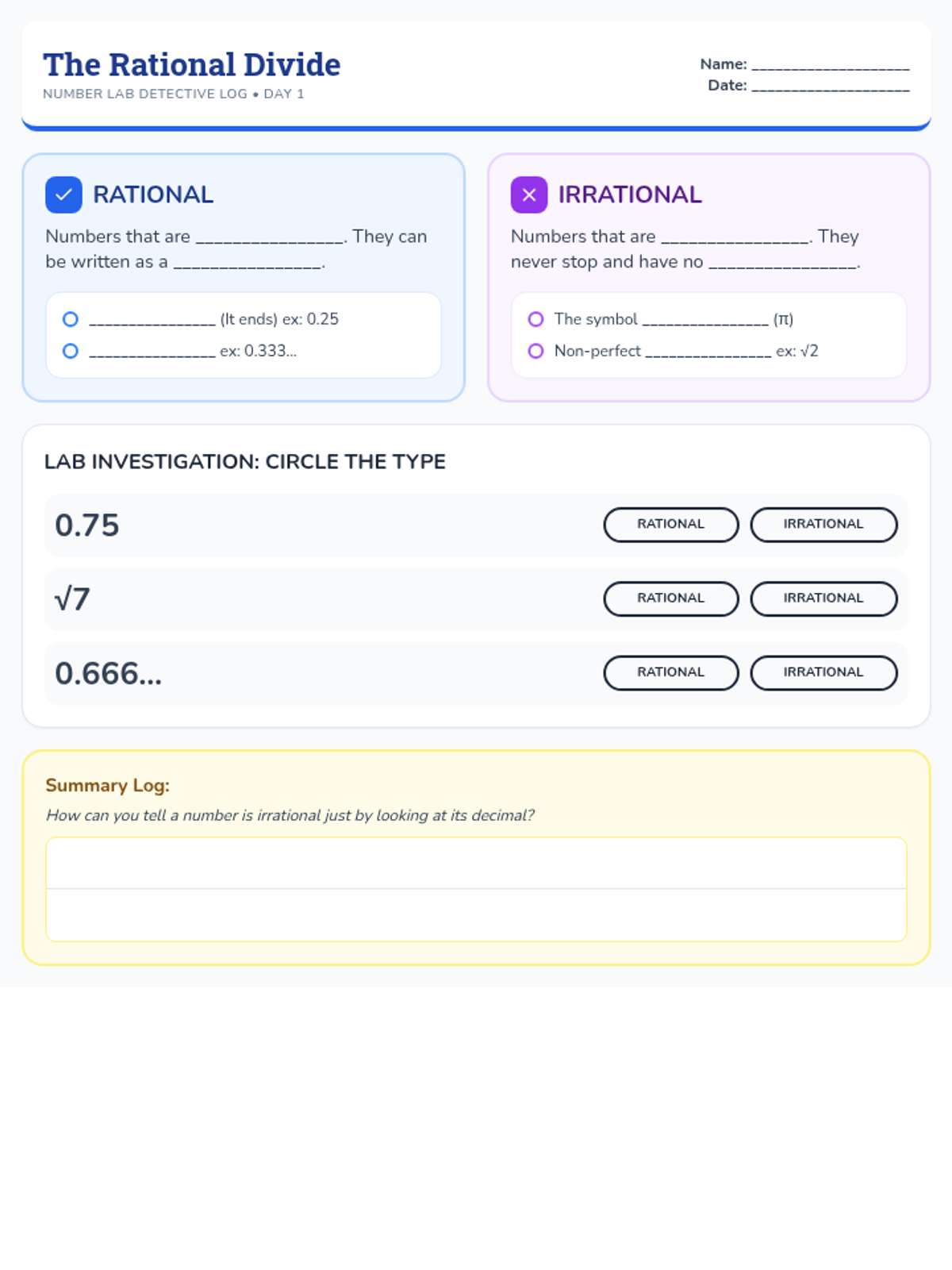
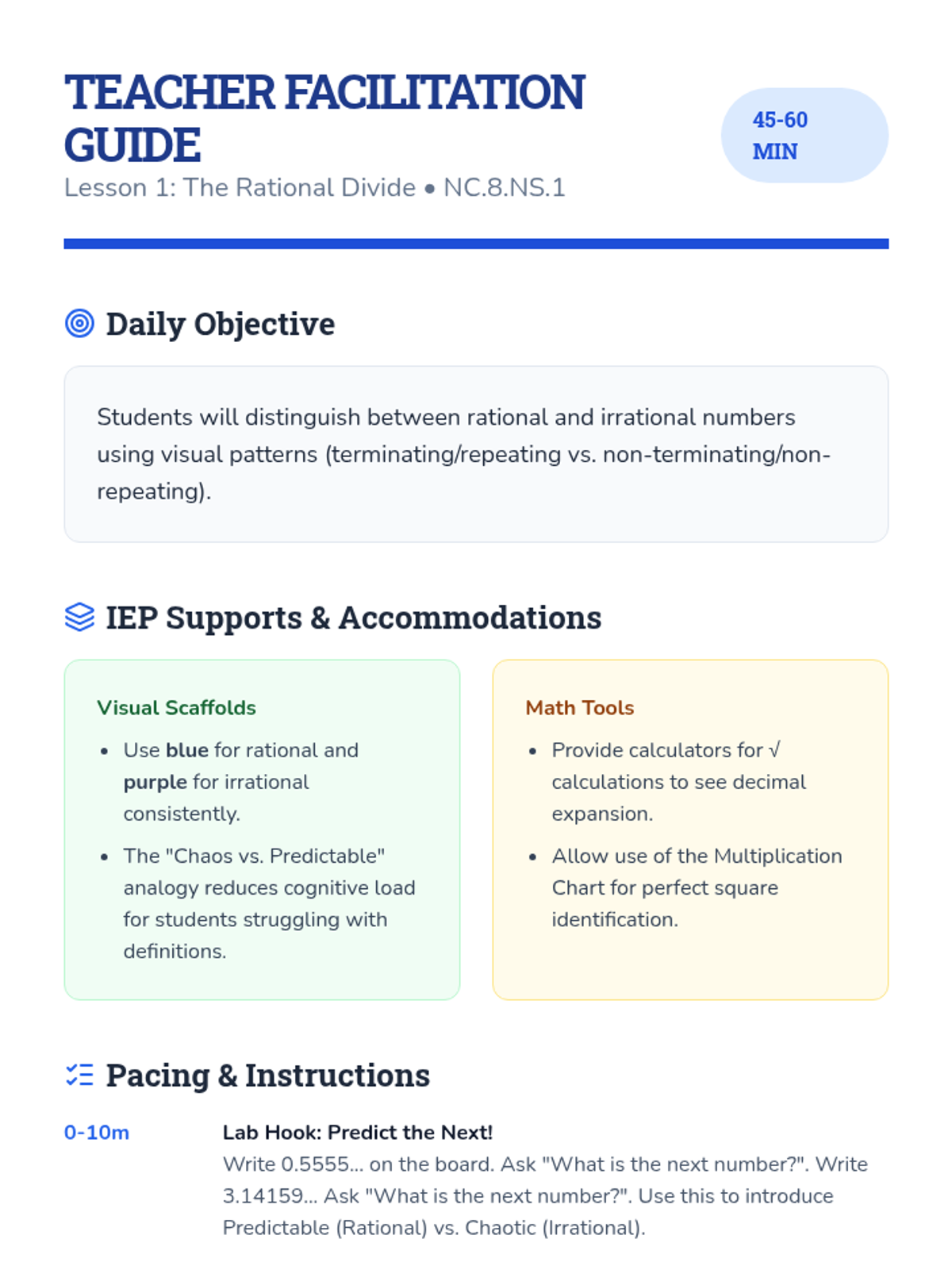
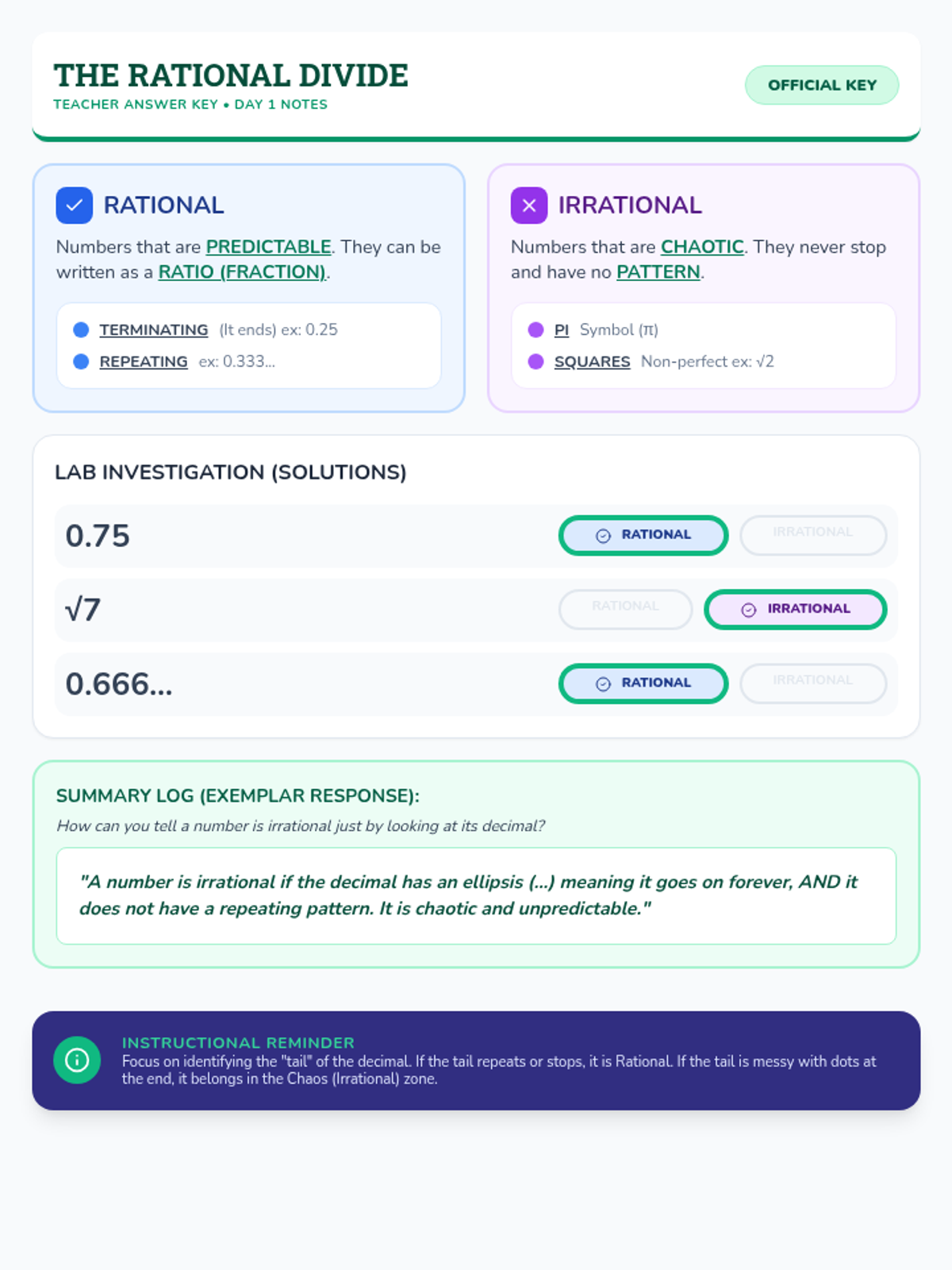
A 4-day introductory unit on the Real Number System designed for special education classrooms, focusing on identifying rational and irrational numbers, converting repeating decimals, and estimating square roots with high-scaffold supports.
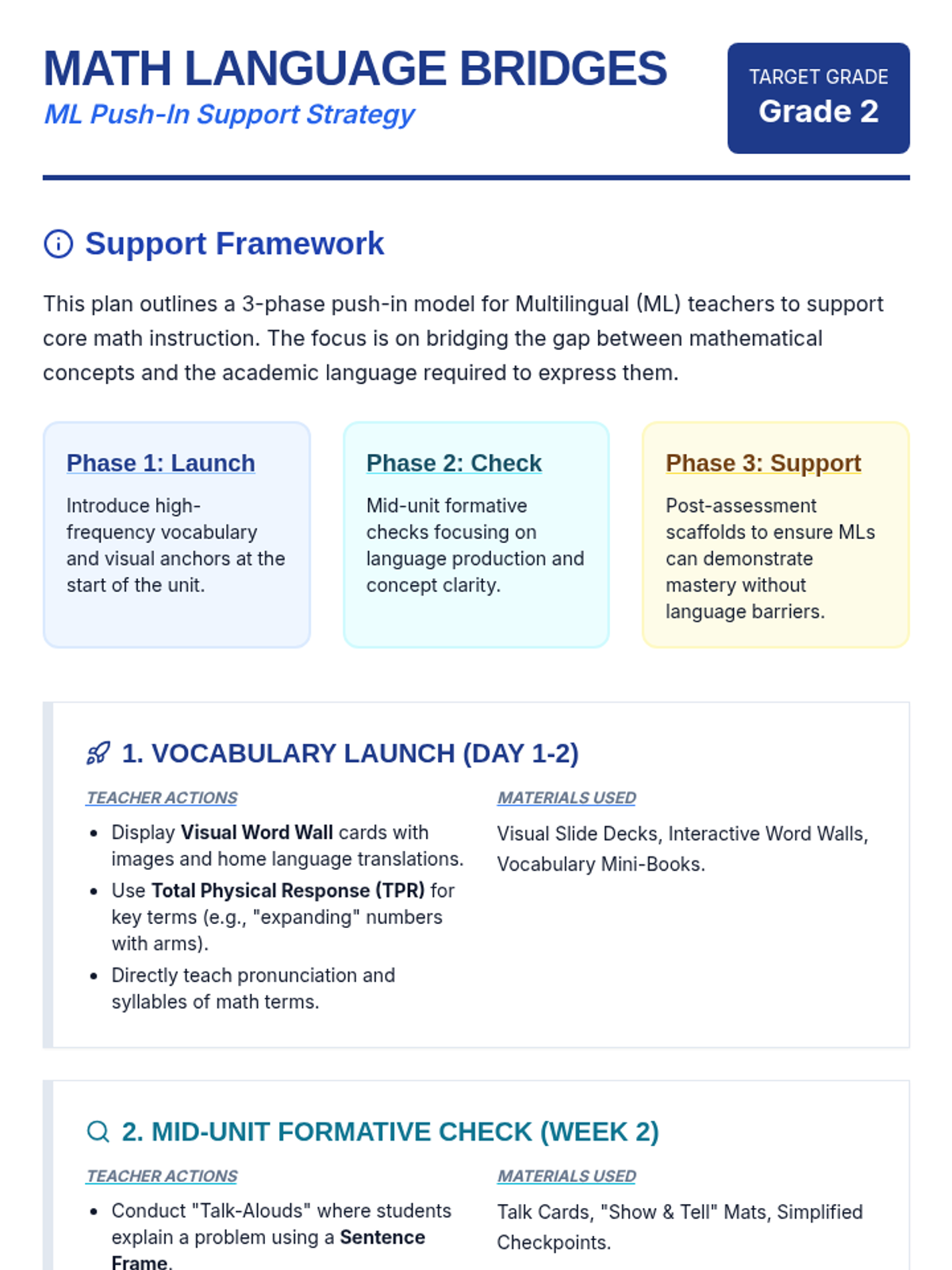
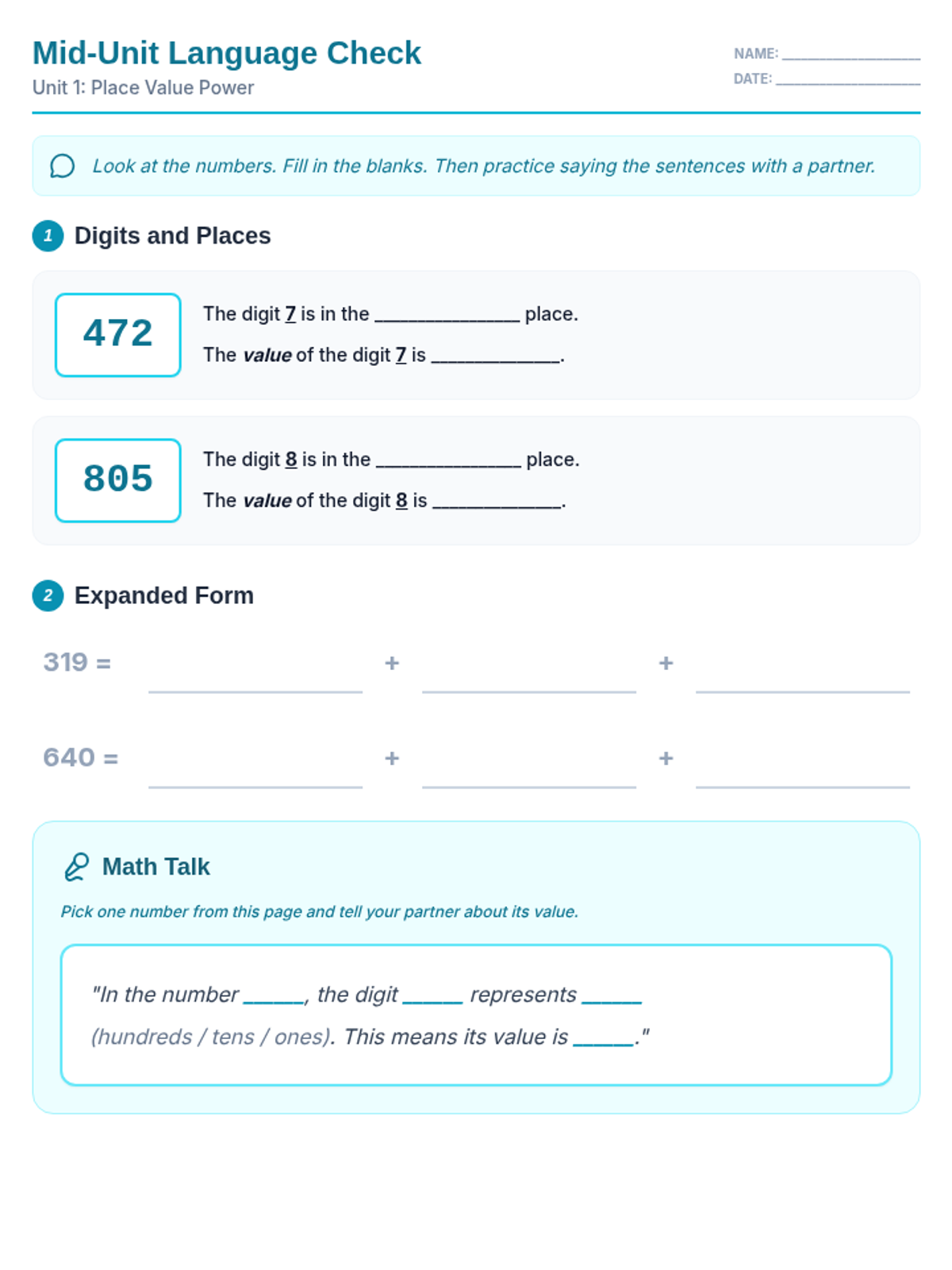
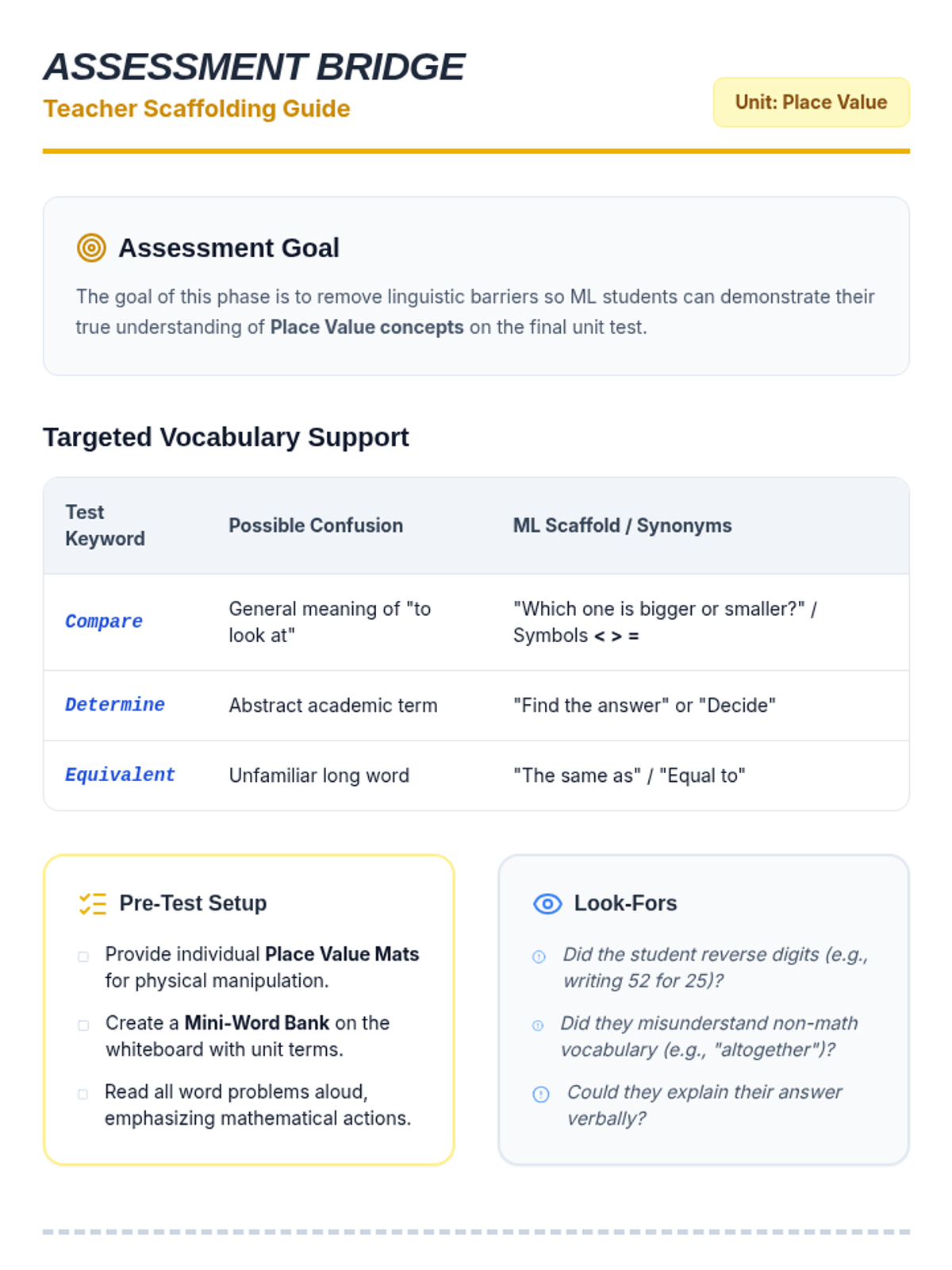
A strategic push-in plan for ML teachers to support 2nd grade math units through targeted vocabulary instruction, formative checks, and assessment support.
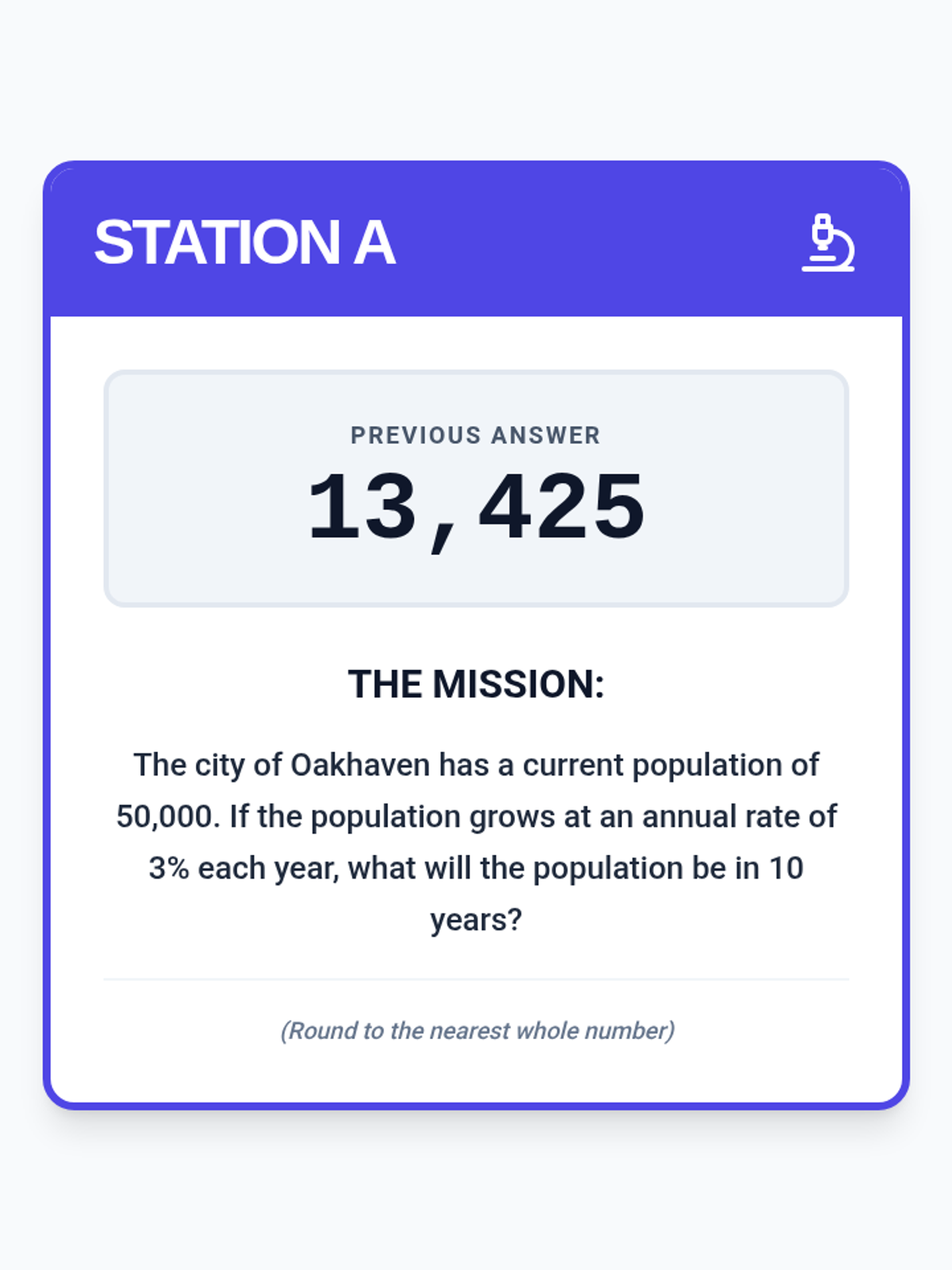
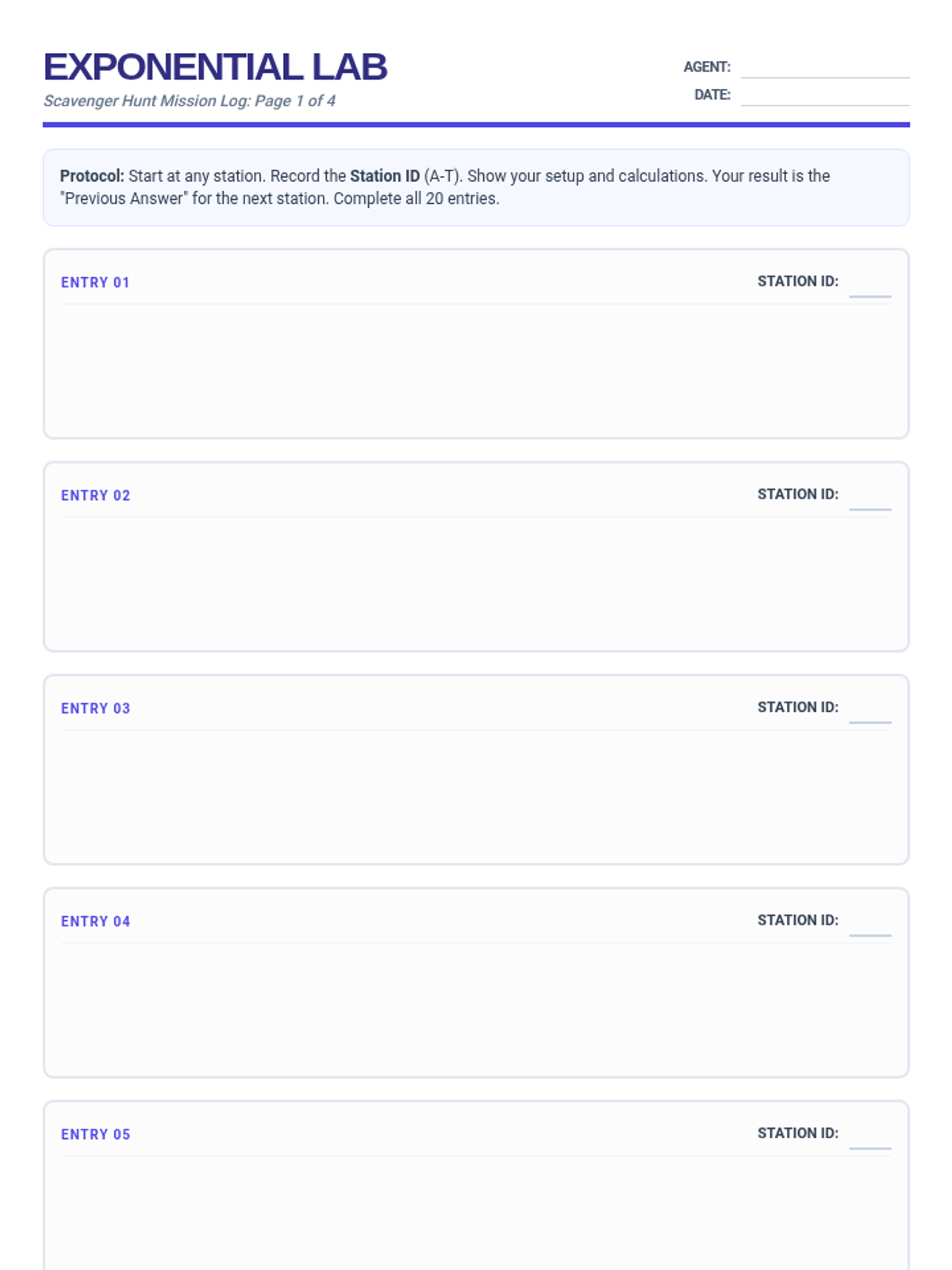
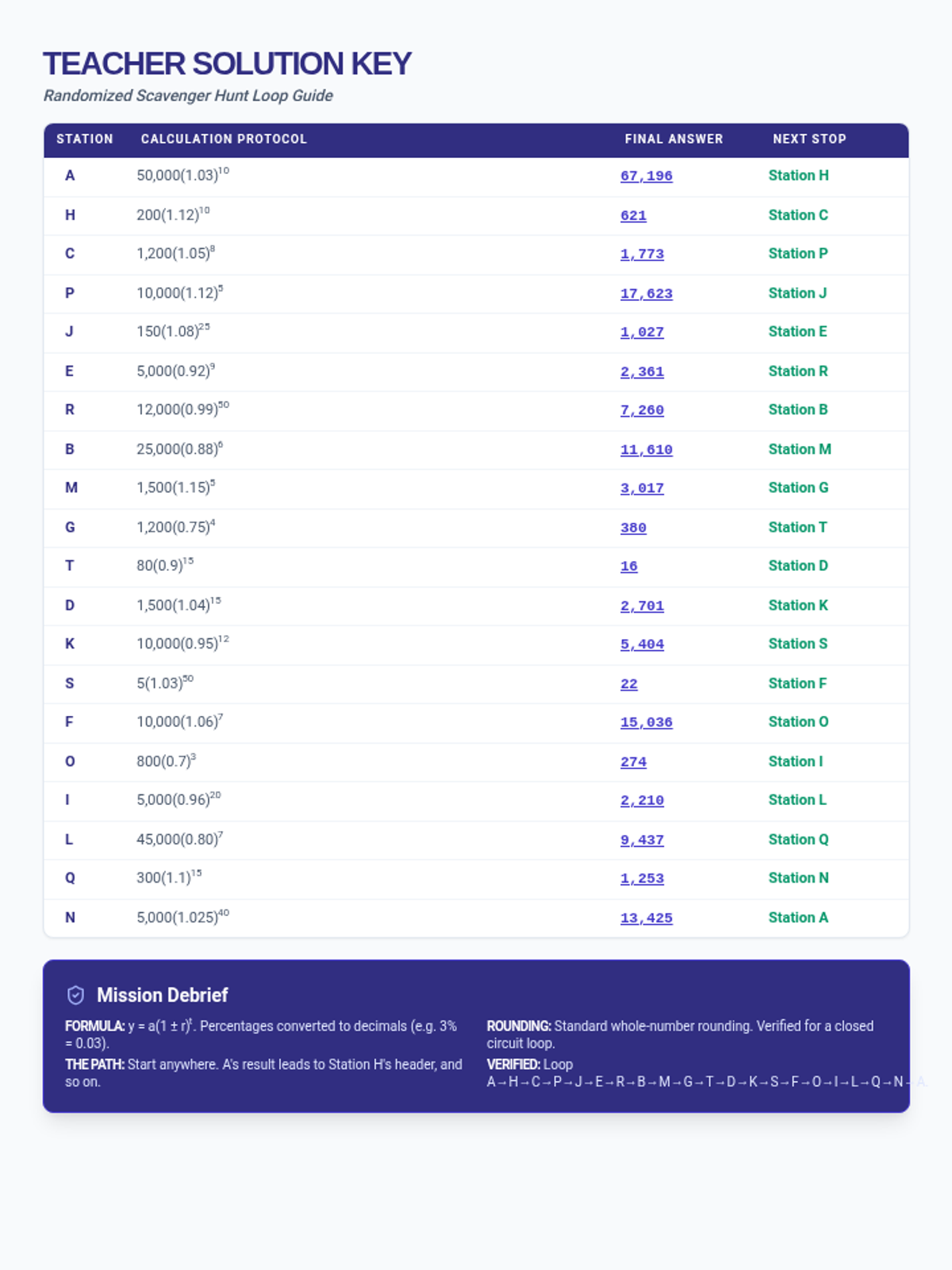
A high-energy, real-world application of exponential growth and decay through an interactive scavenger hunt. Students solve 20 distinct word problems to navigate a loop of stations.