A hands-on geometry sequence for Pre-K students exploring the differences between 2D flat shapes and 3D solid shapes (spheres, cubes, cylinders, and cones) through tactile play and real-world connections.
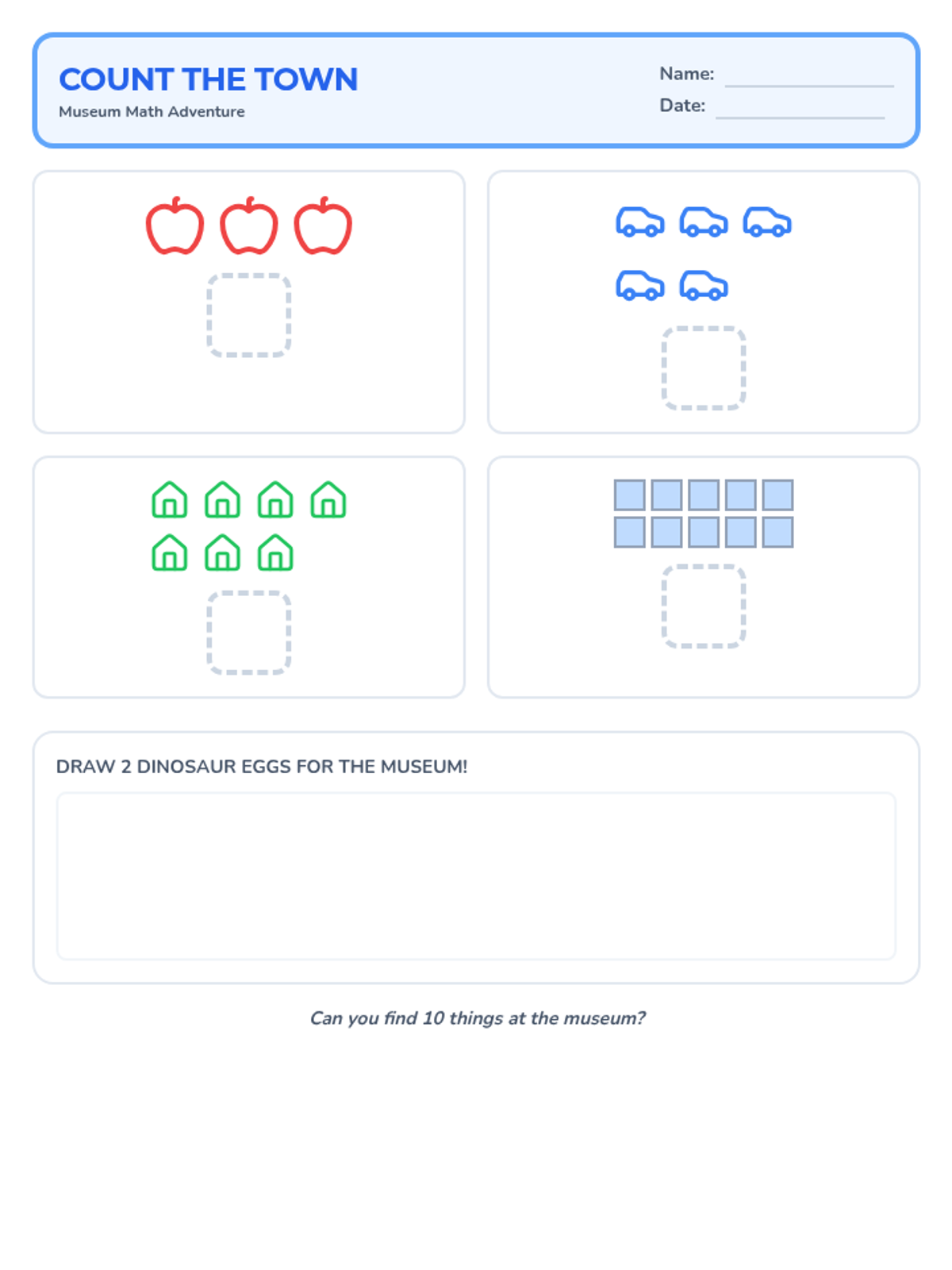
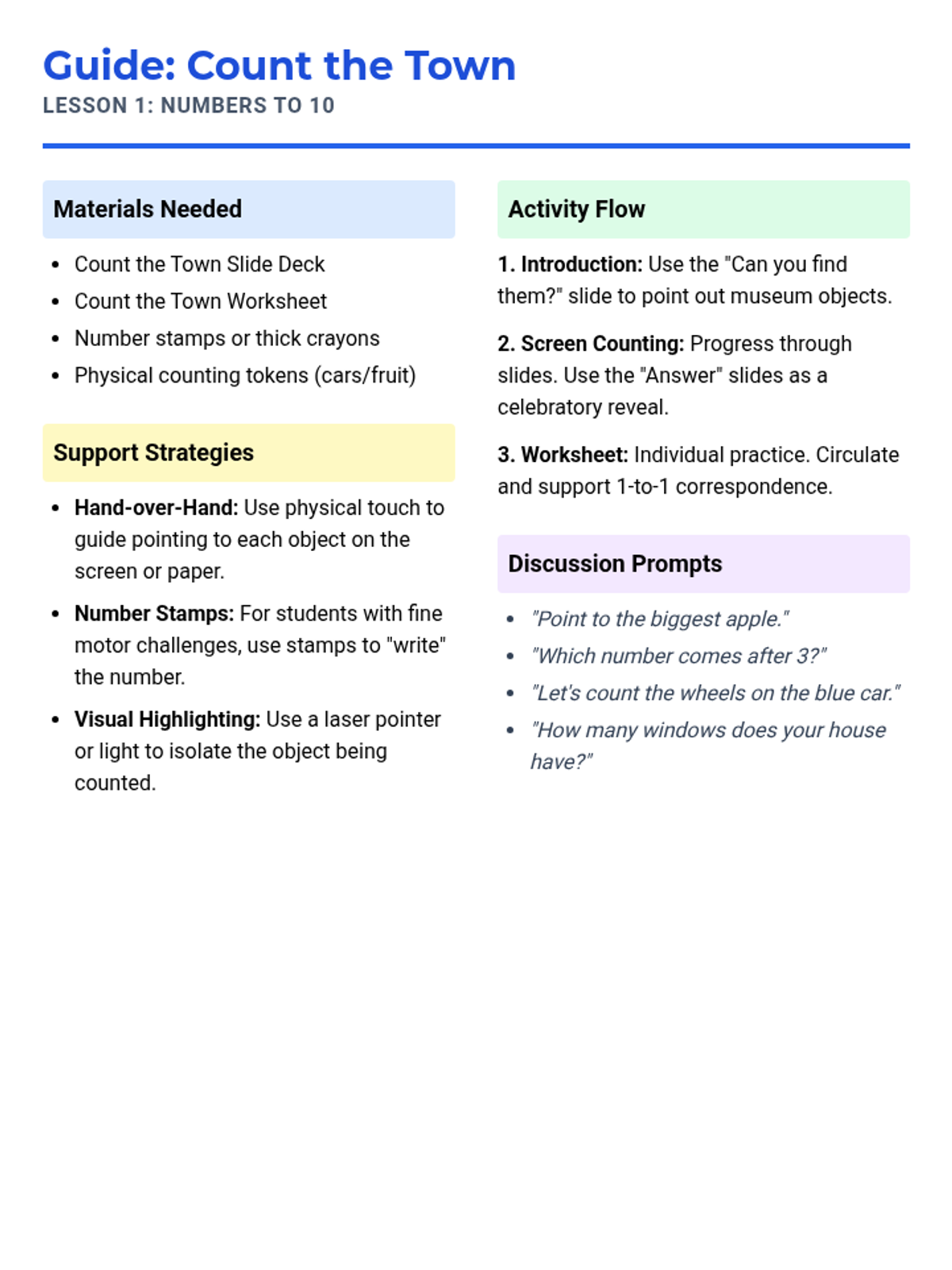
A series of interactive math lessons themed around a trip to Play Street Museum, specifically designed for preschool students with special needs to practice numbers, addition, and size comparison through imaginative play contexts.
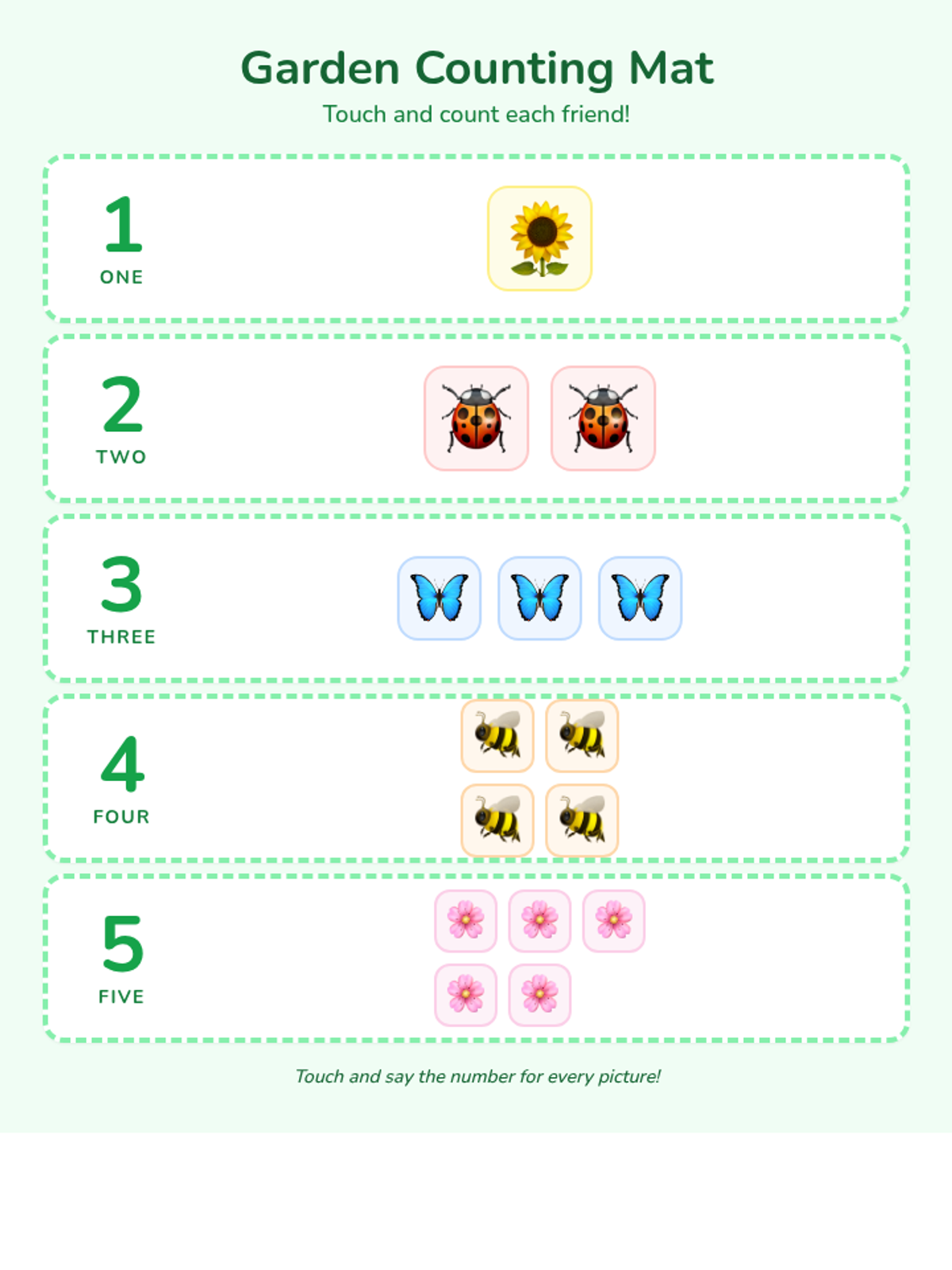
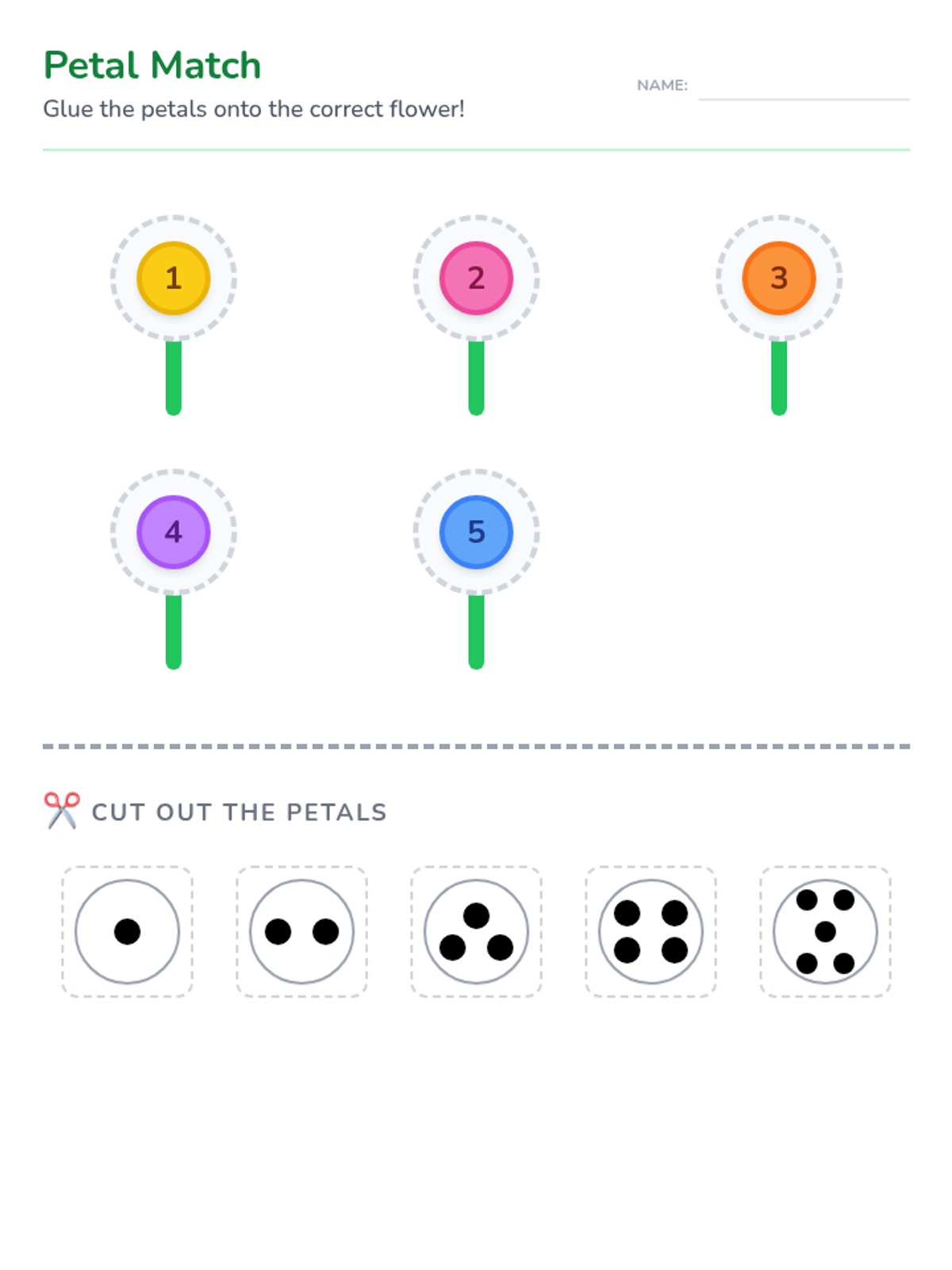
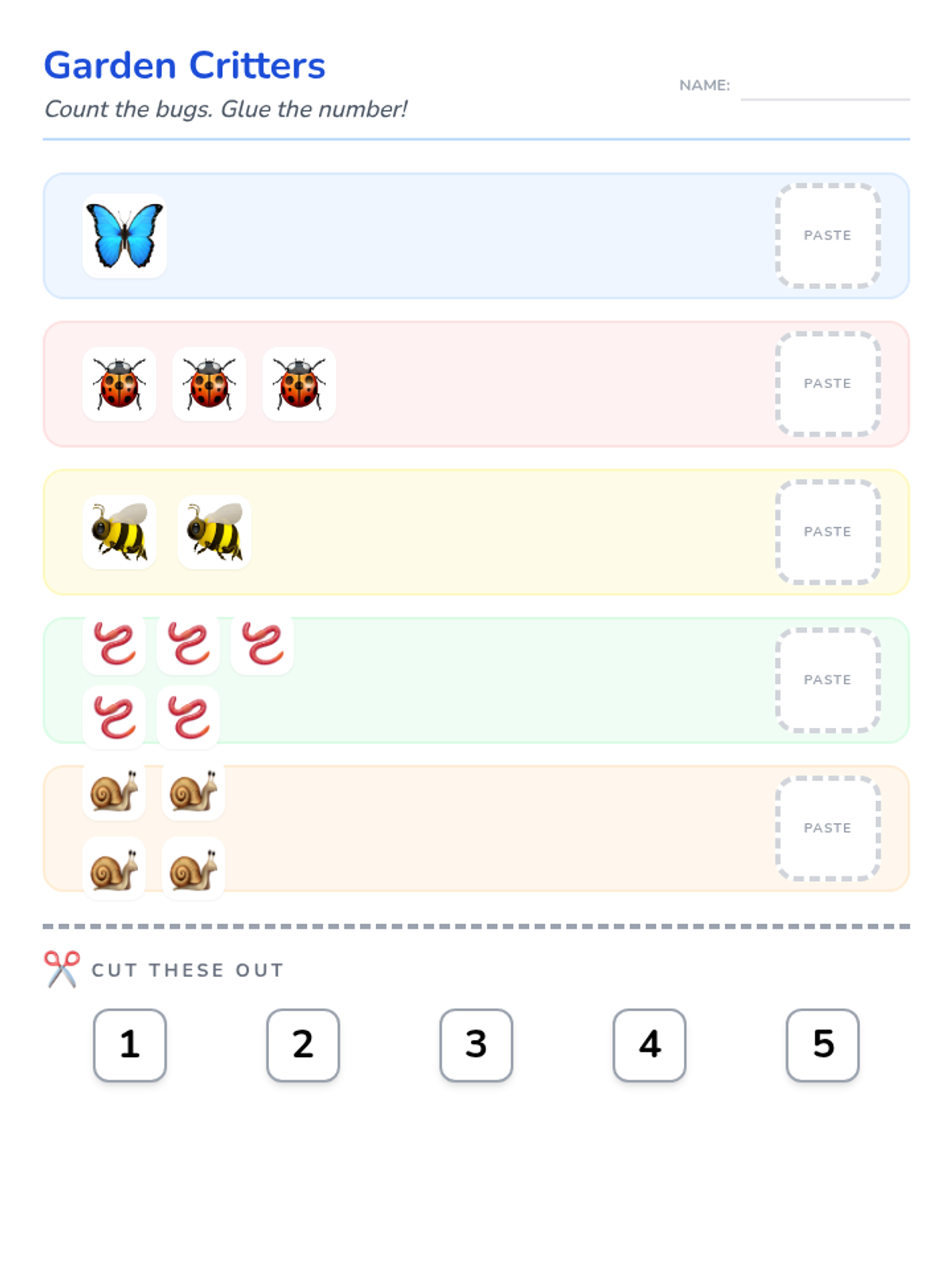
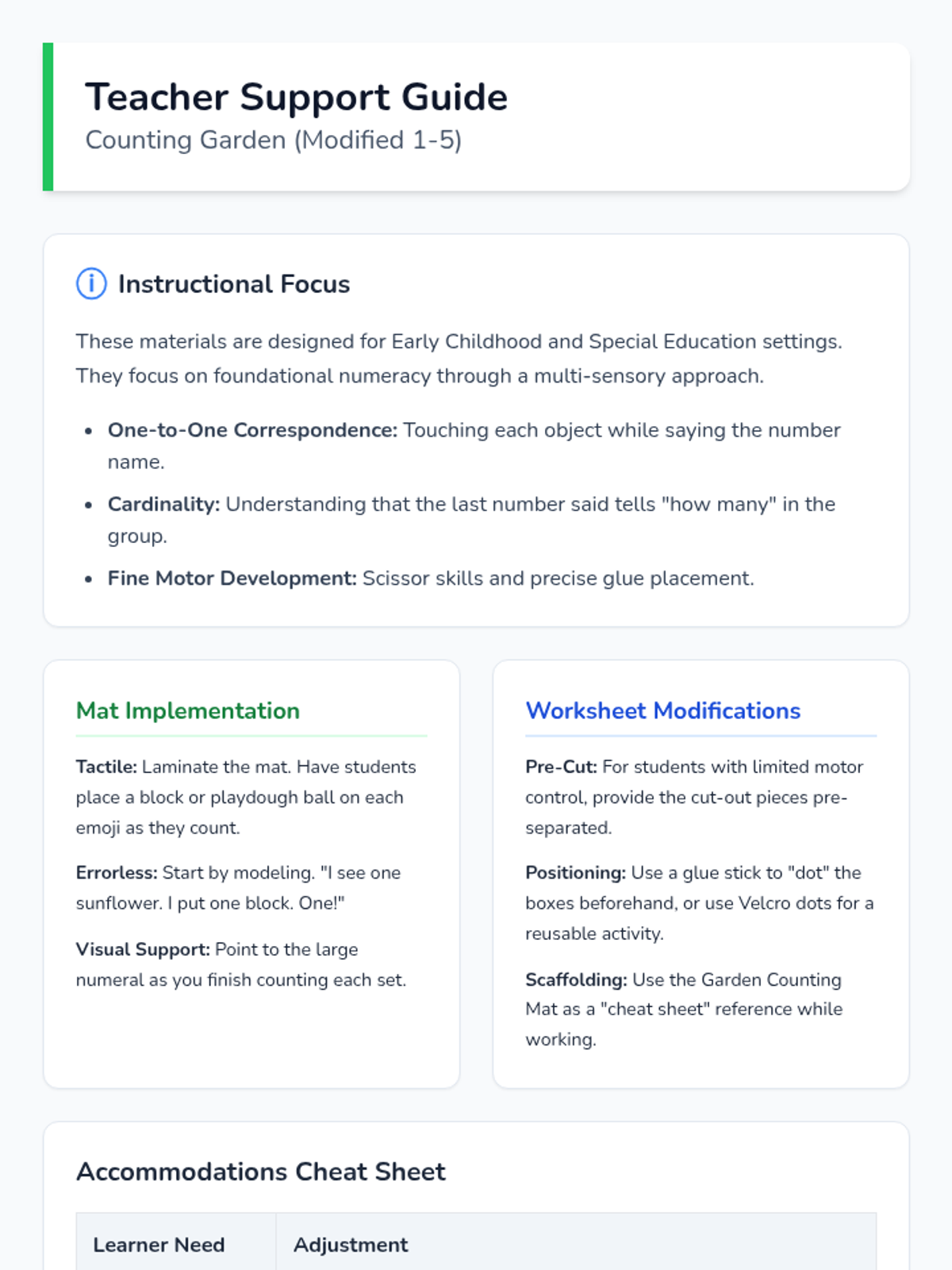
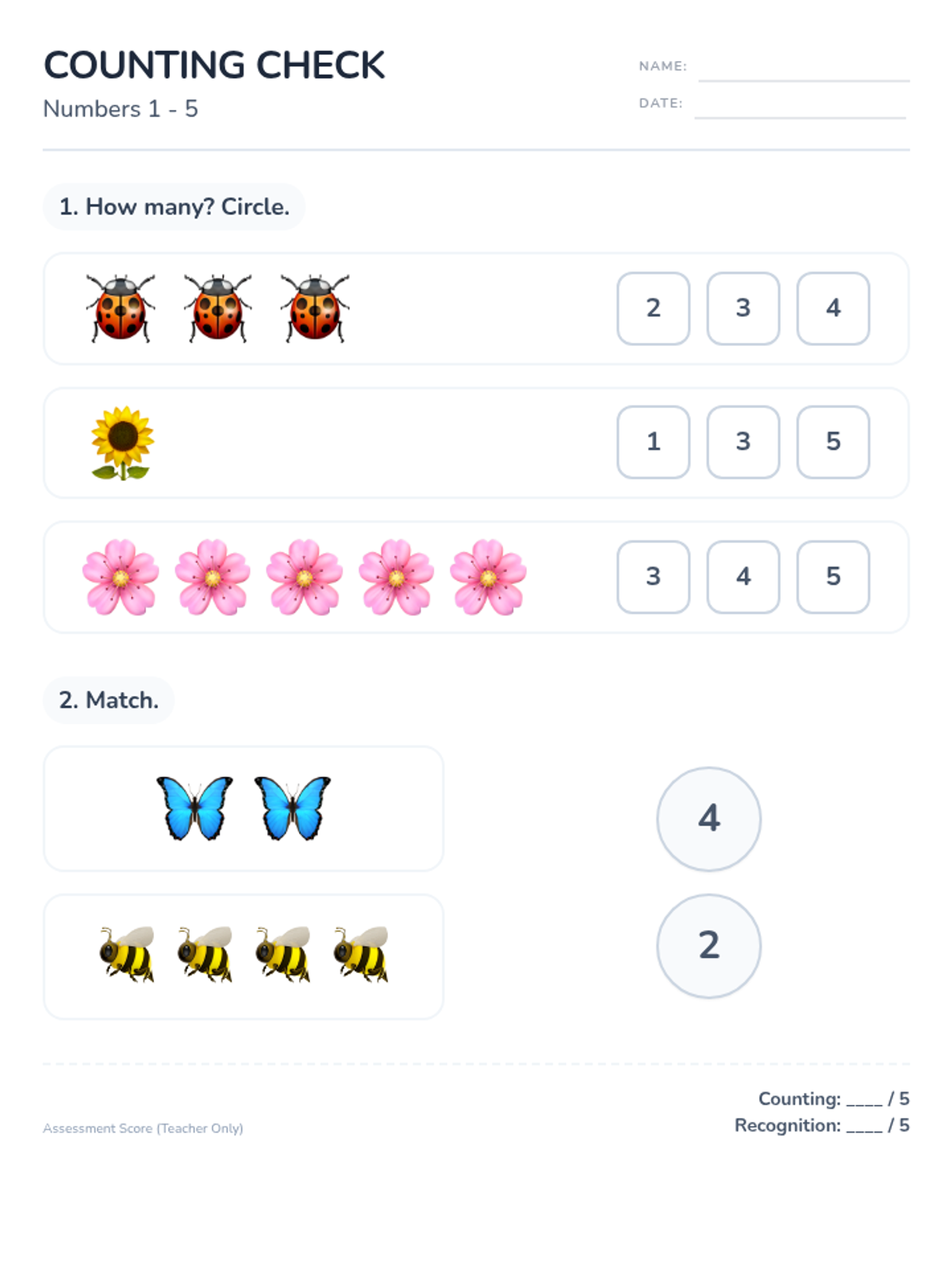
A foundational counting unit for early childhood learners, focusing on numbers 1-5 through tactile and visual garden-themed activities. Includes counting mats and fine-motor cut-and-paste tasks.
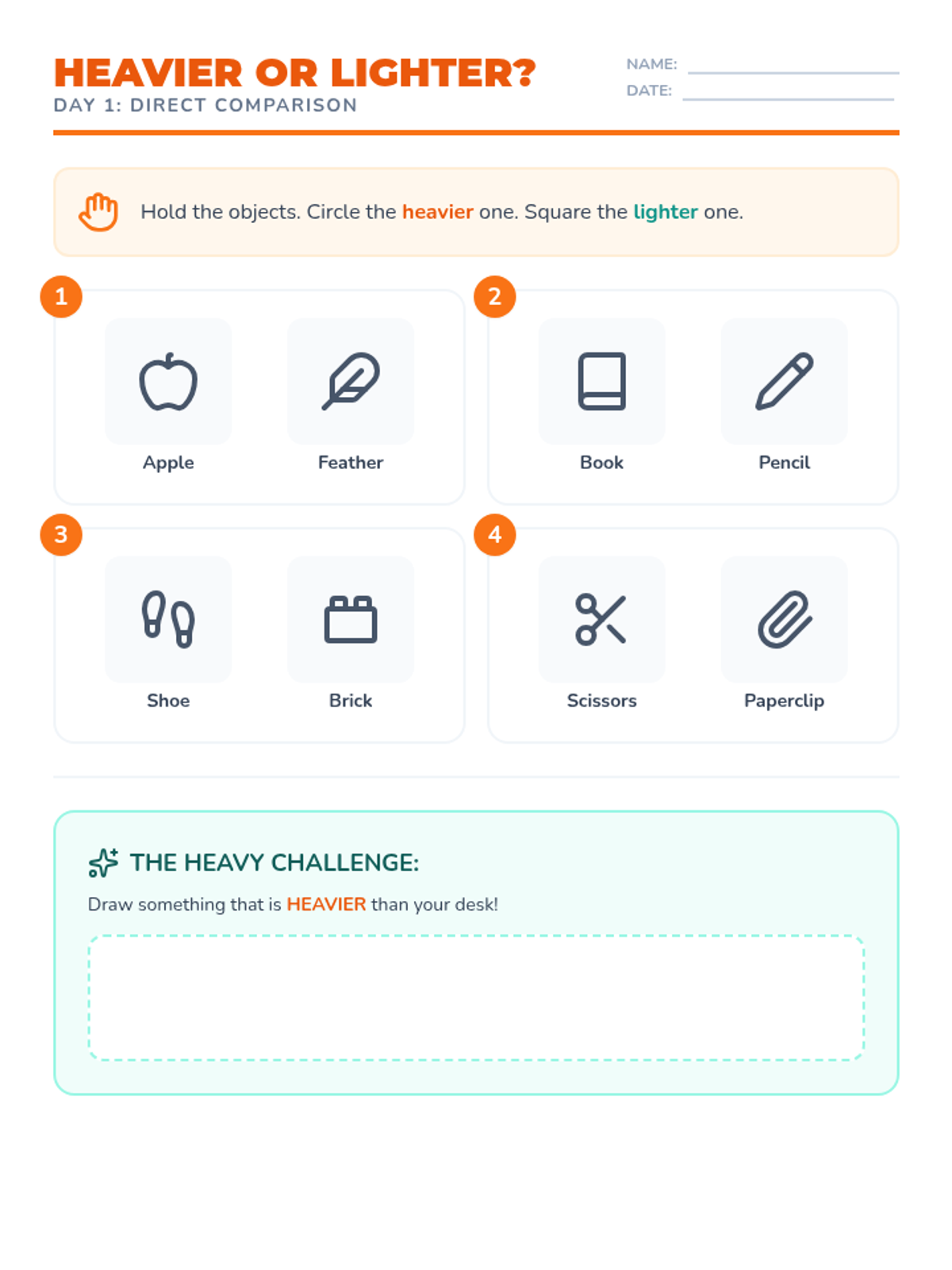
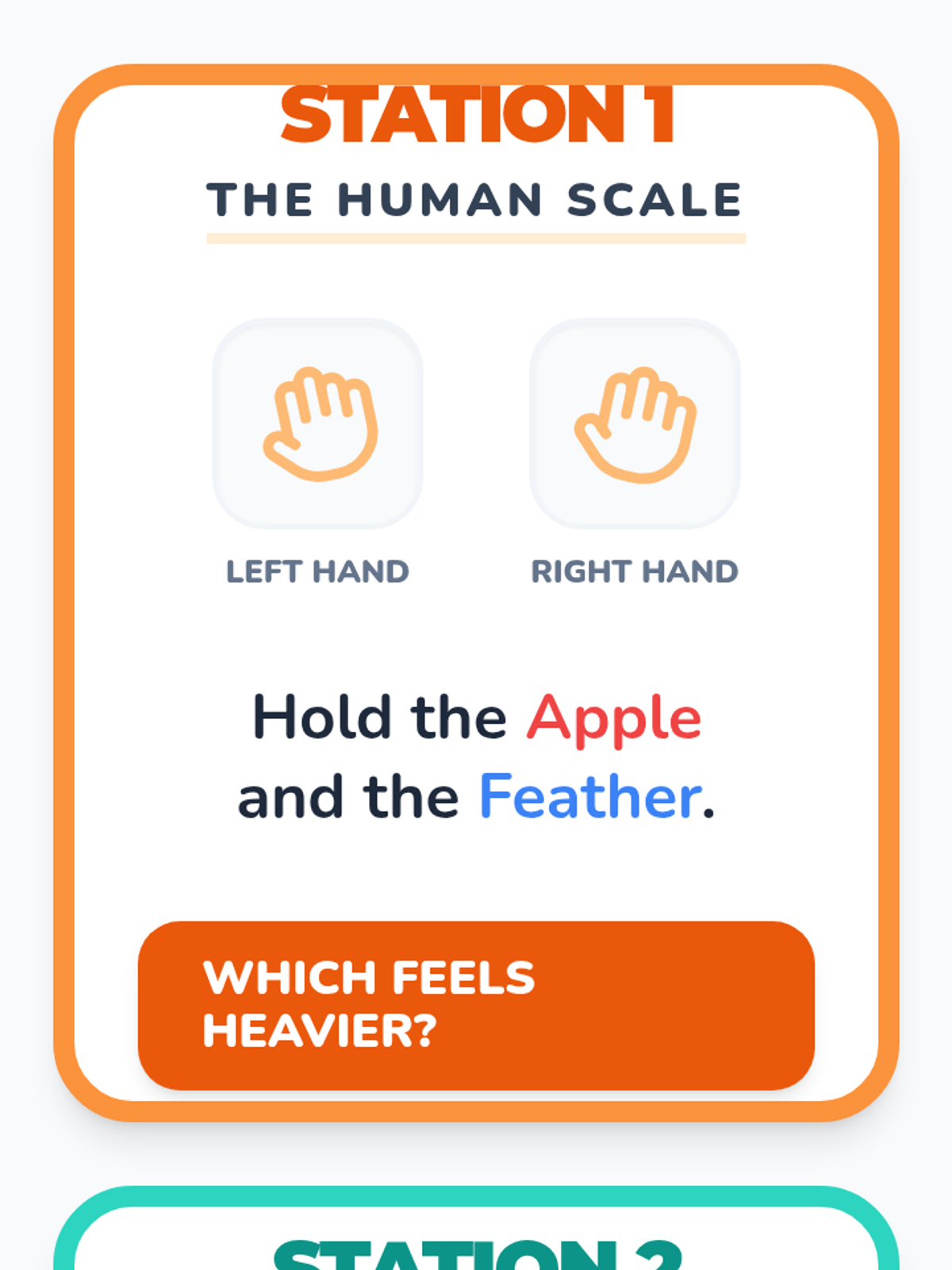
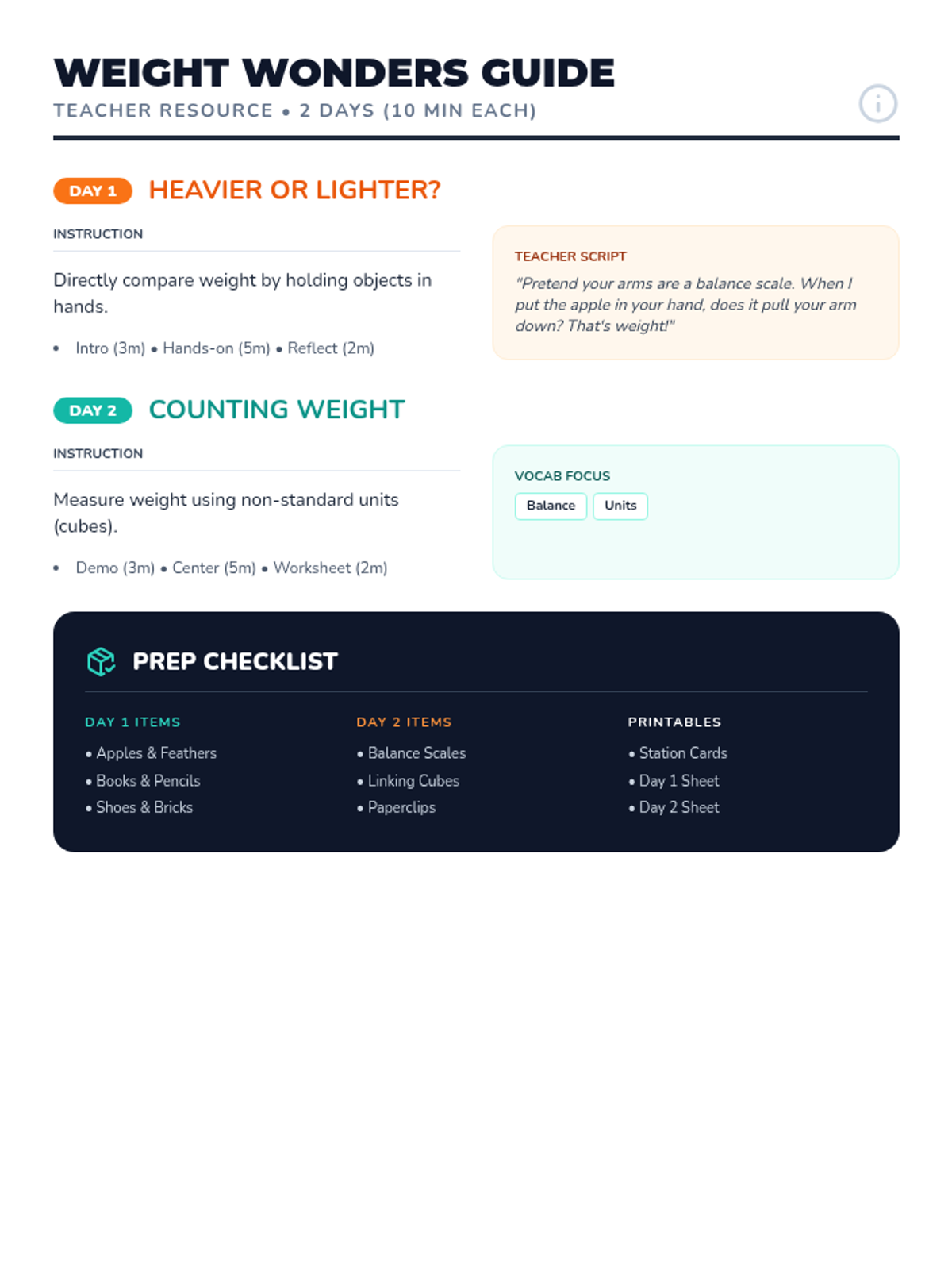
A two-day introductory sequence on weight comparison using direct comparison and non-standard units for young learners.
A 5-day foundational math unit exploring numbers 1-10, addition, and subtraction. Using consistent color-coding and visual icons, students build number sense and confidence in basic operations.
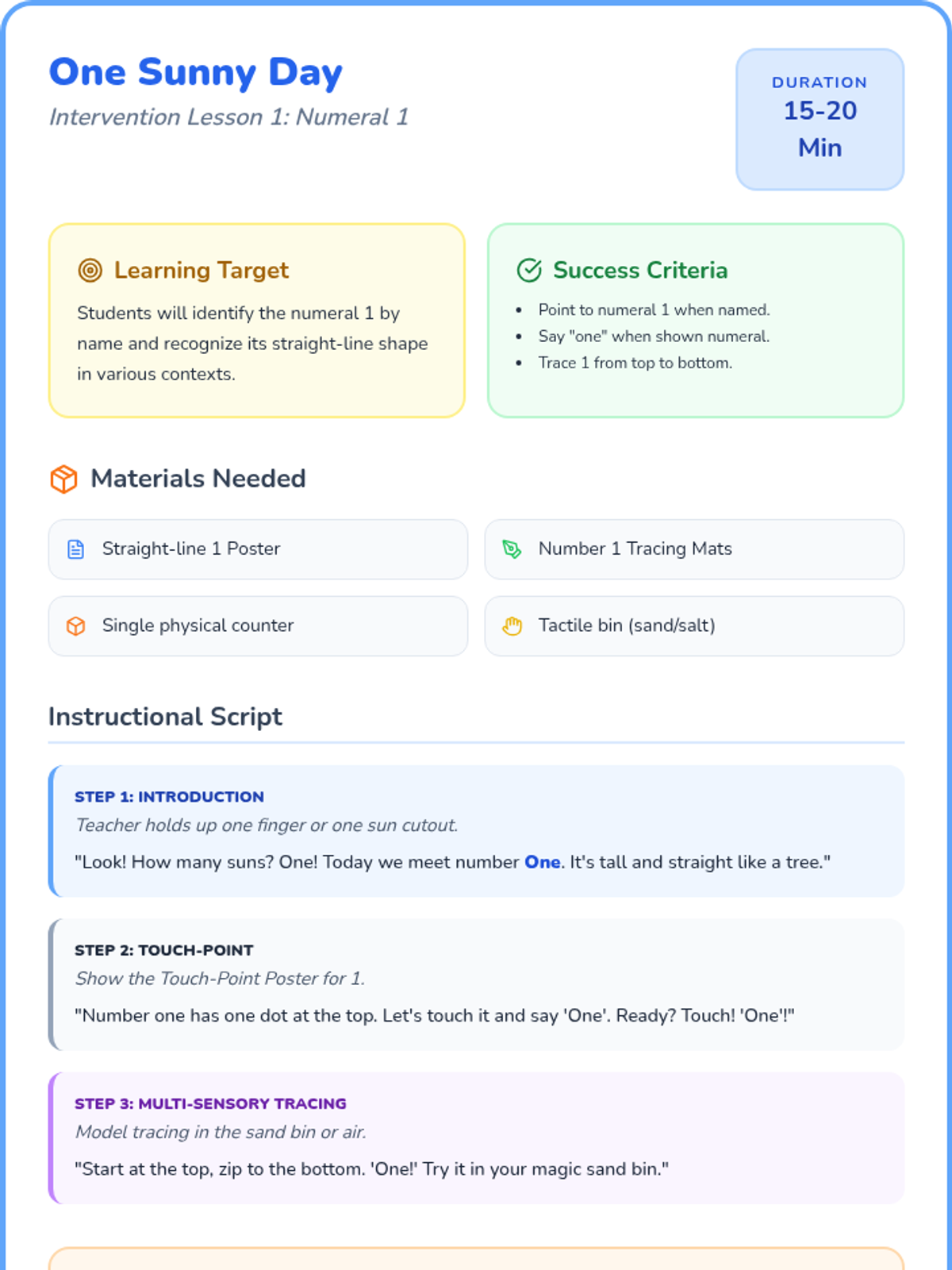
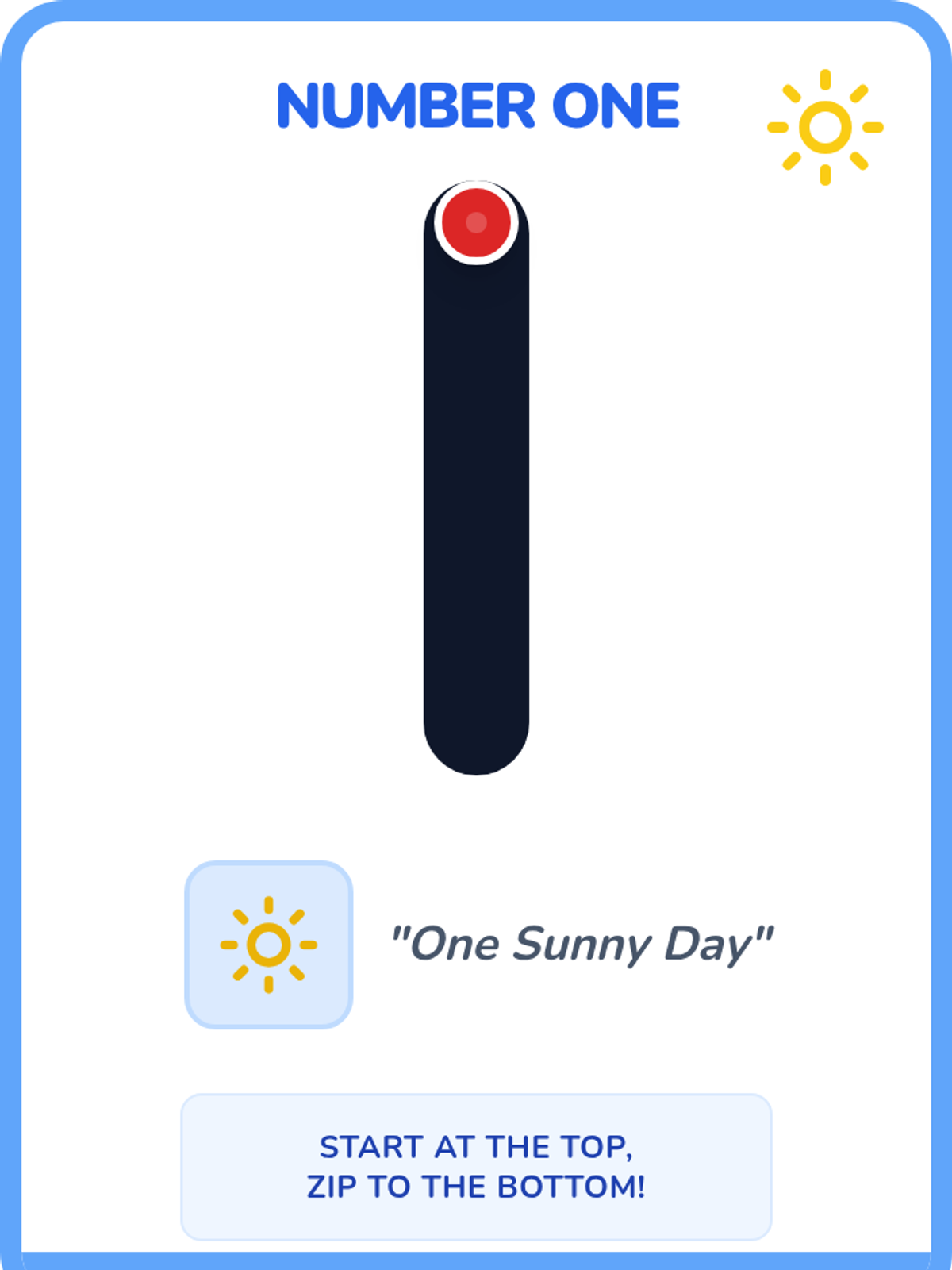
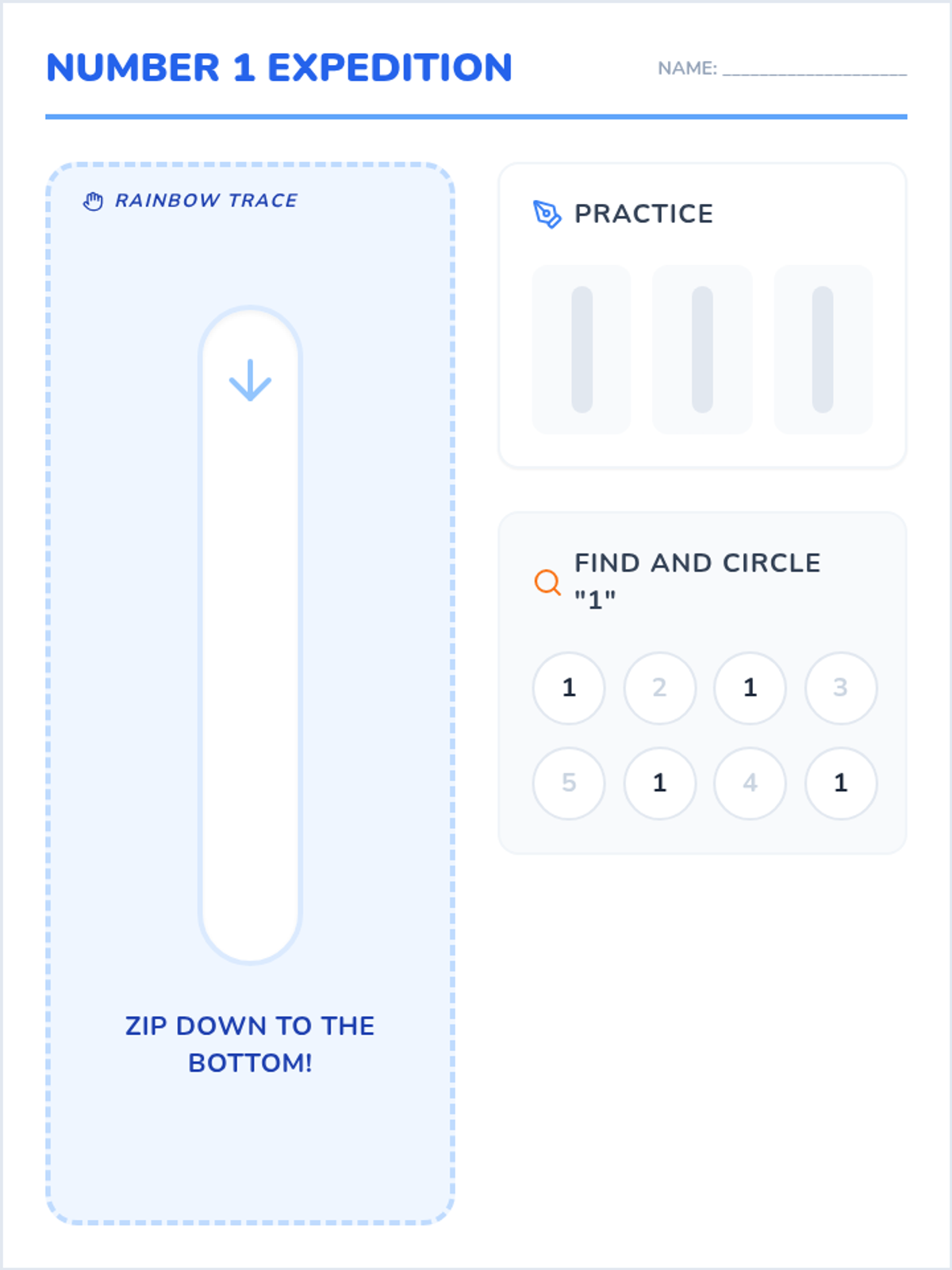
A 6-lesson intervention sequence designed for preschoolers (ages 4-5) to master identifying numerals 1-5 using touch-points, multi-sensory tracing, and engaging scripts.
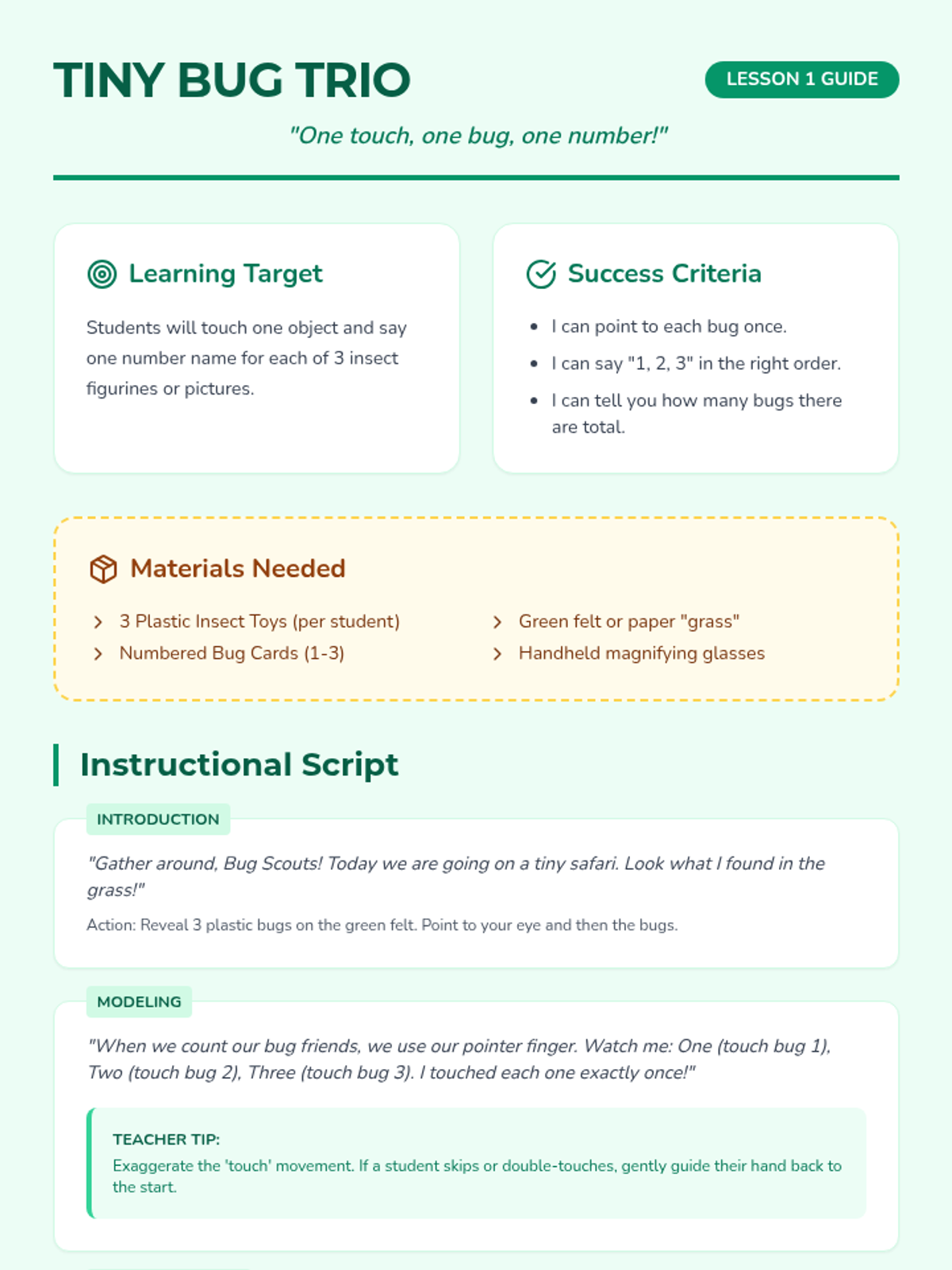
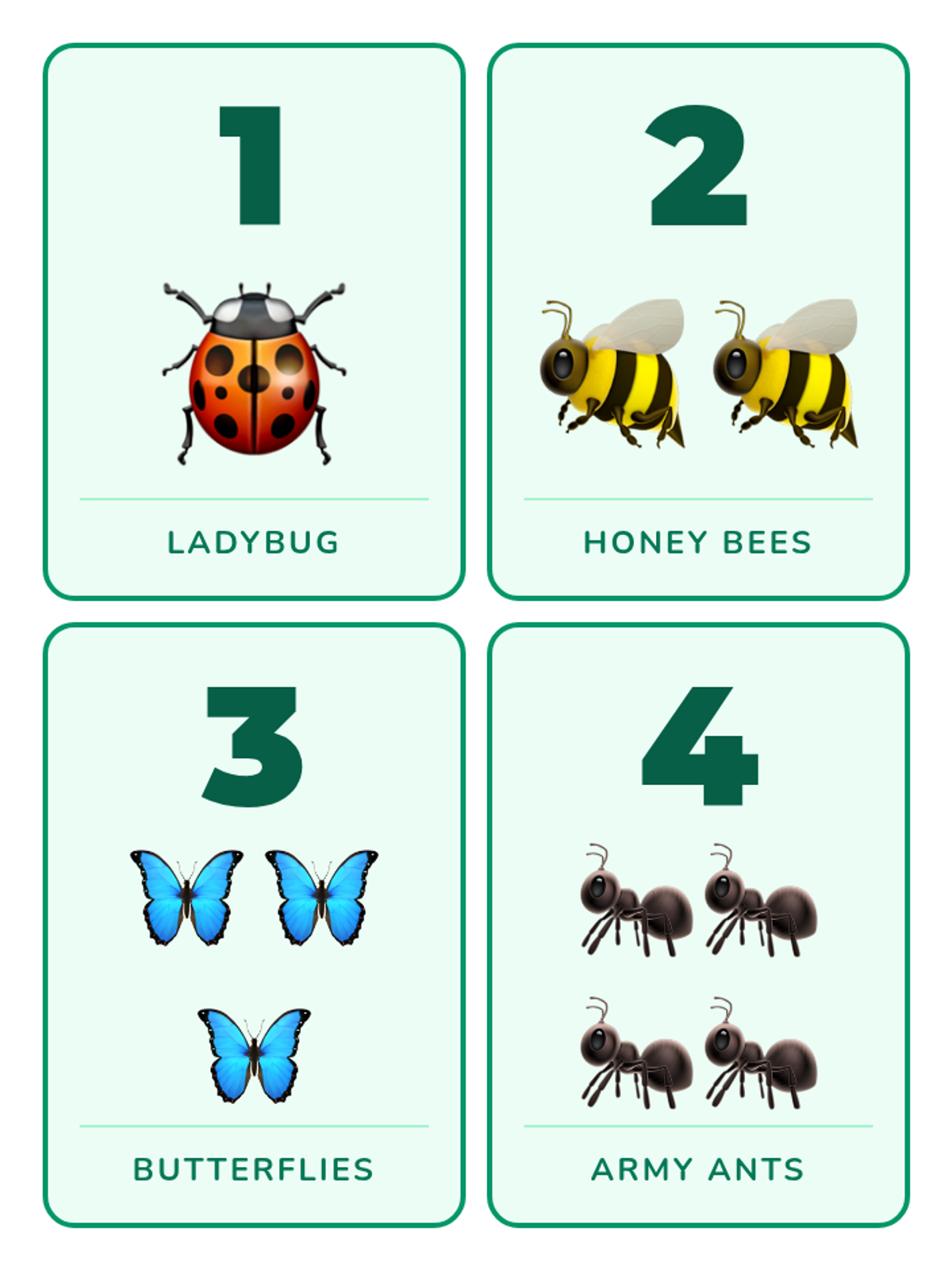
A 6-lesson math sequence for preschoolers (ages 4-5) focused on mastering one-to-one correspondence and counting up to 10 using an engaging insect theme. Each lesson includes teacher scripts, visual aids, and adaptations for ELL students.
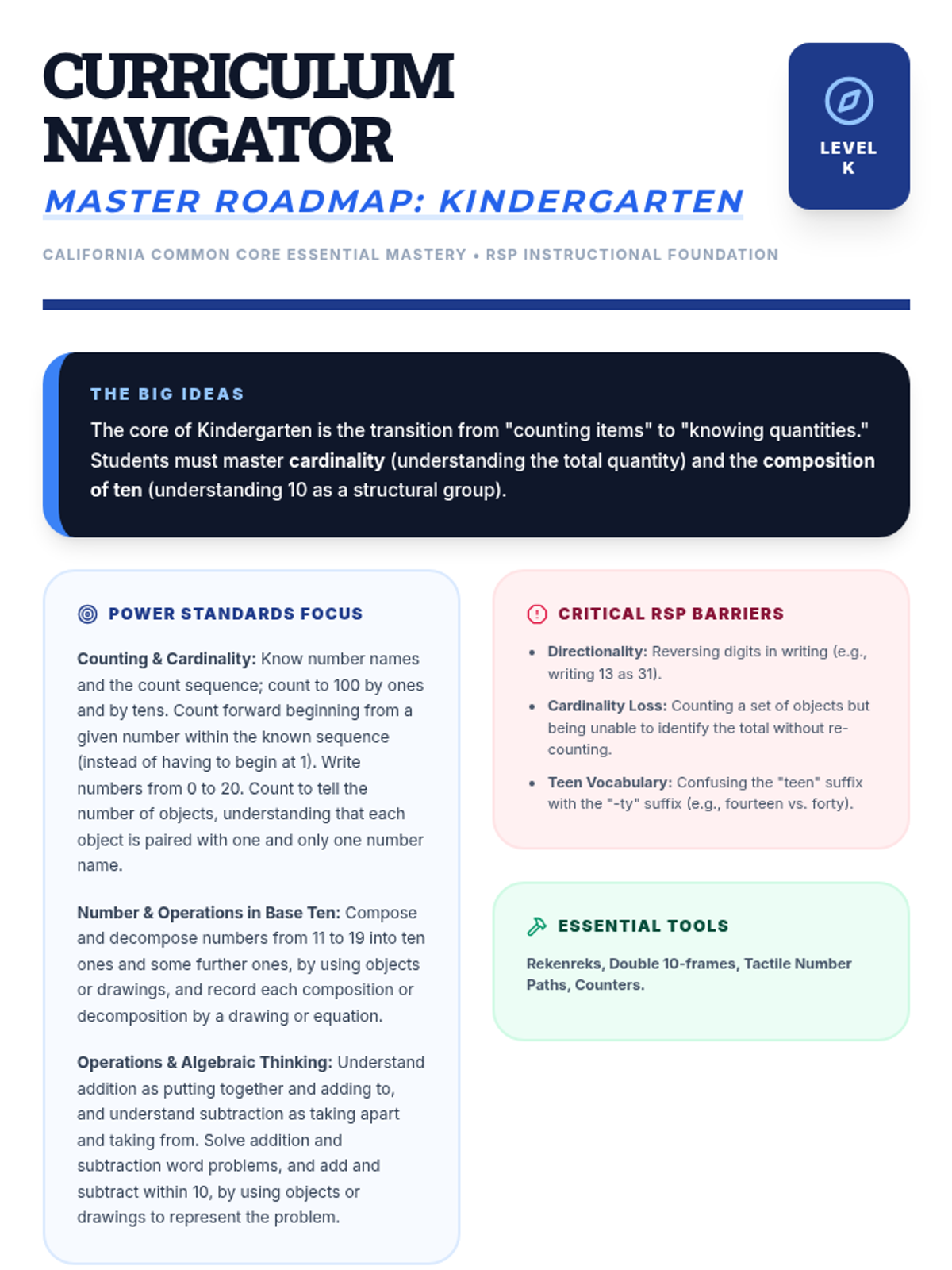
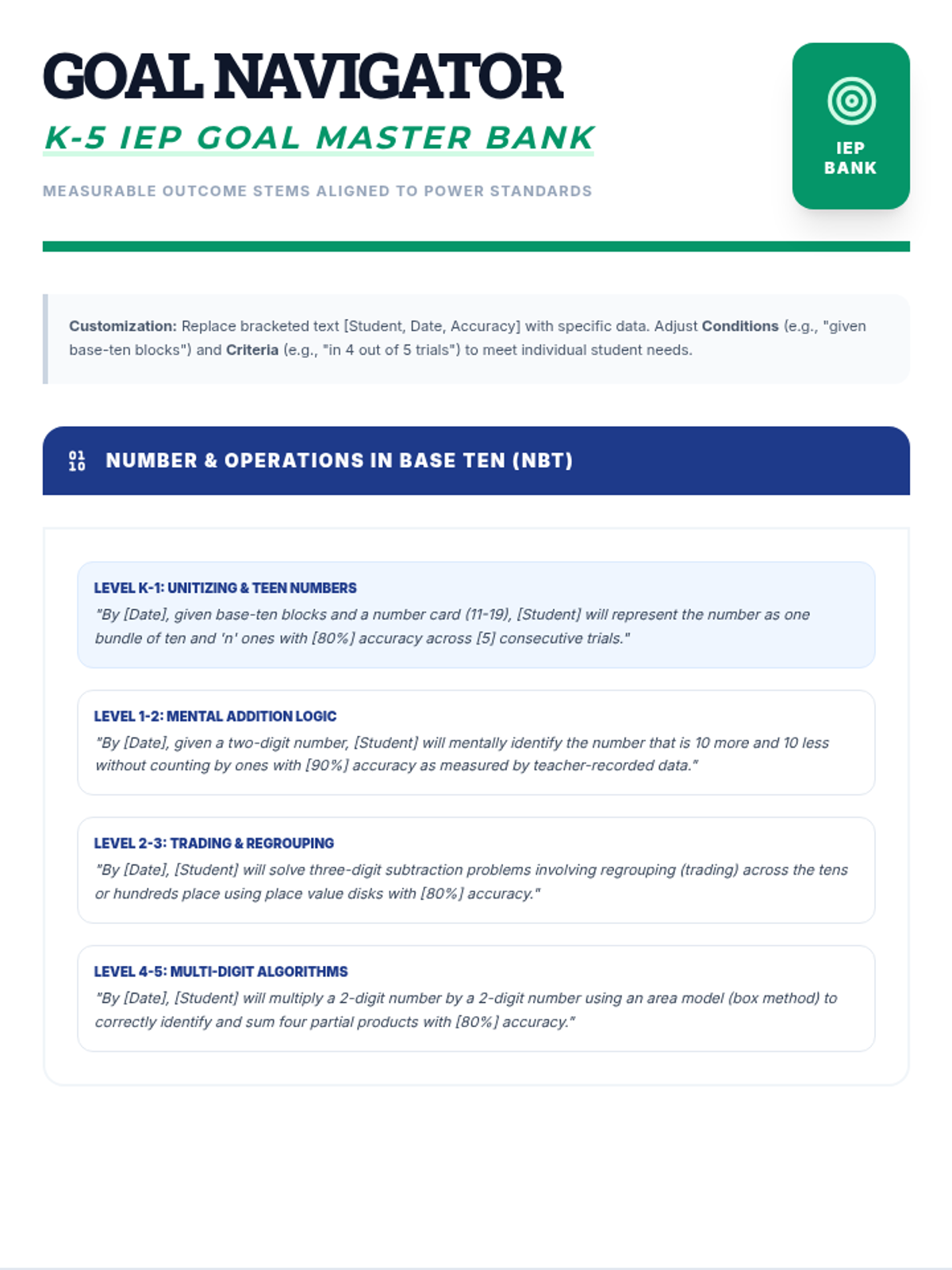
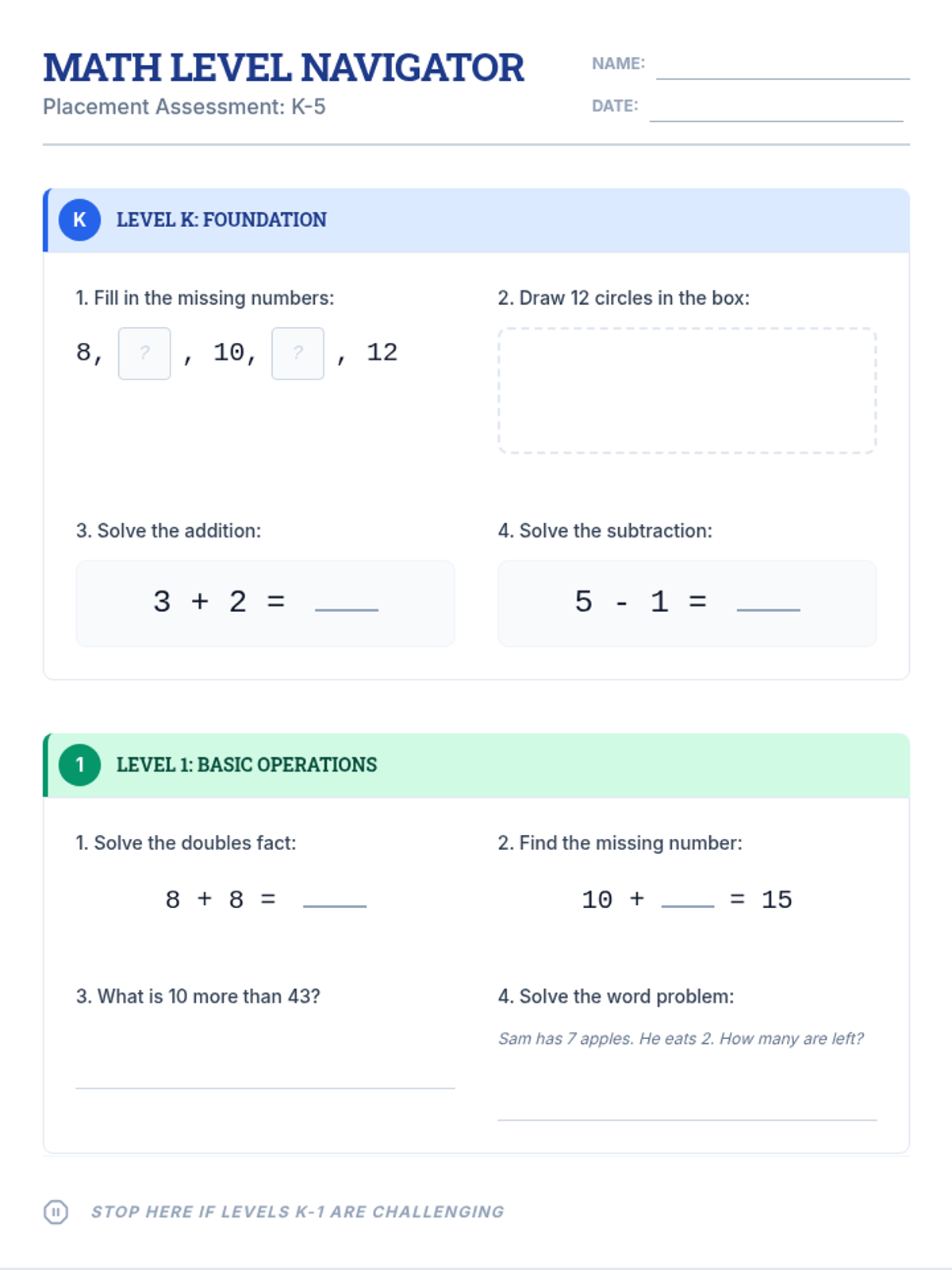
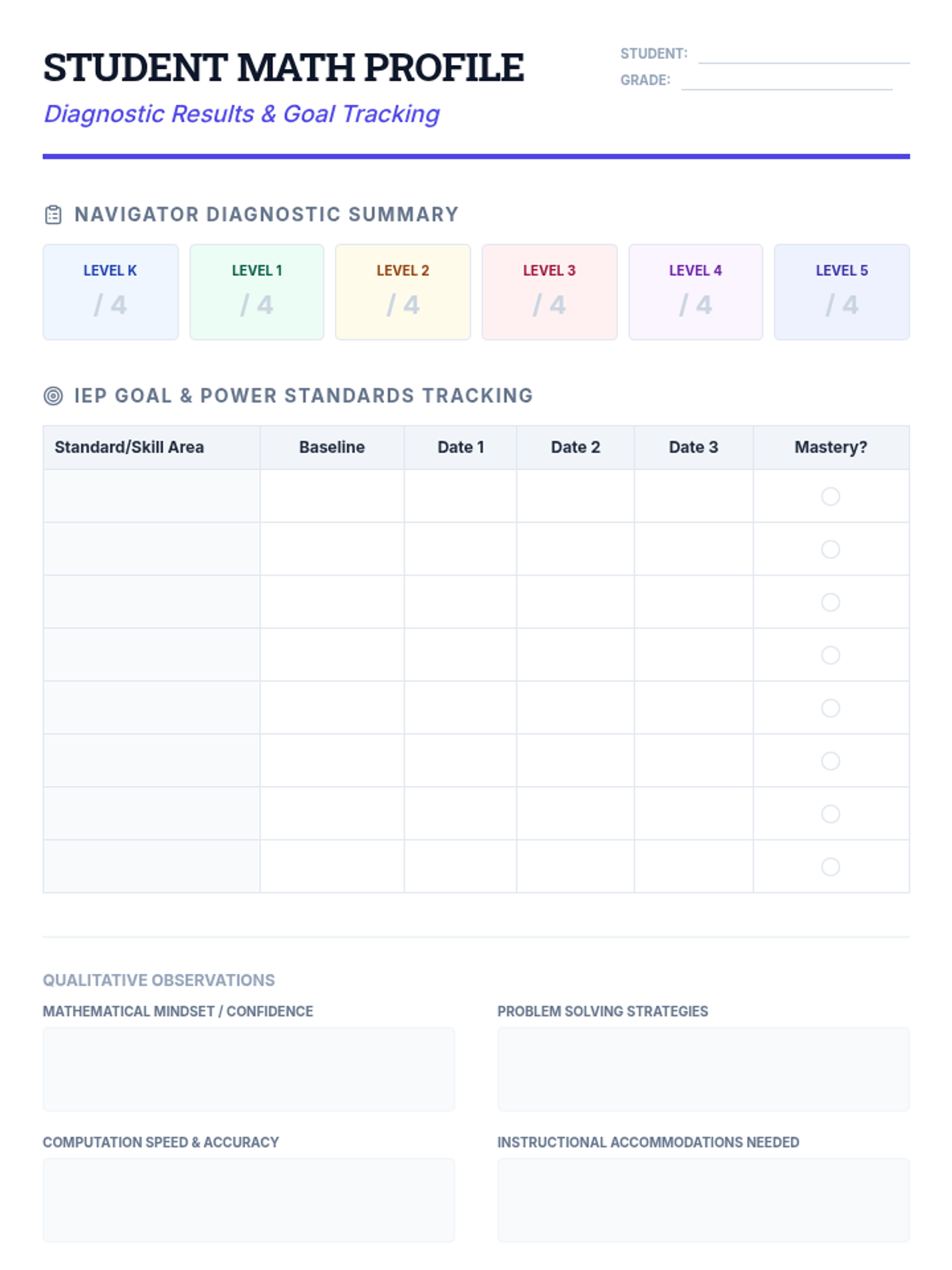
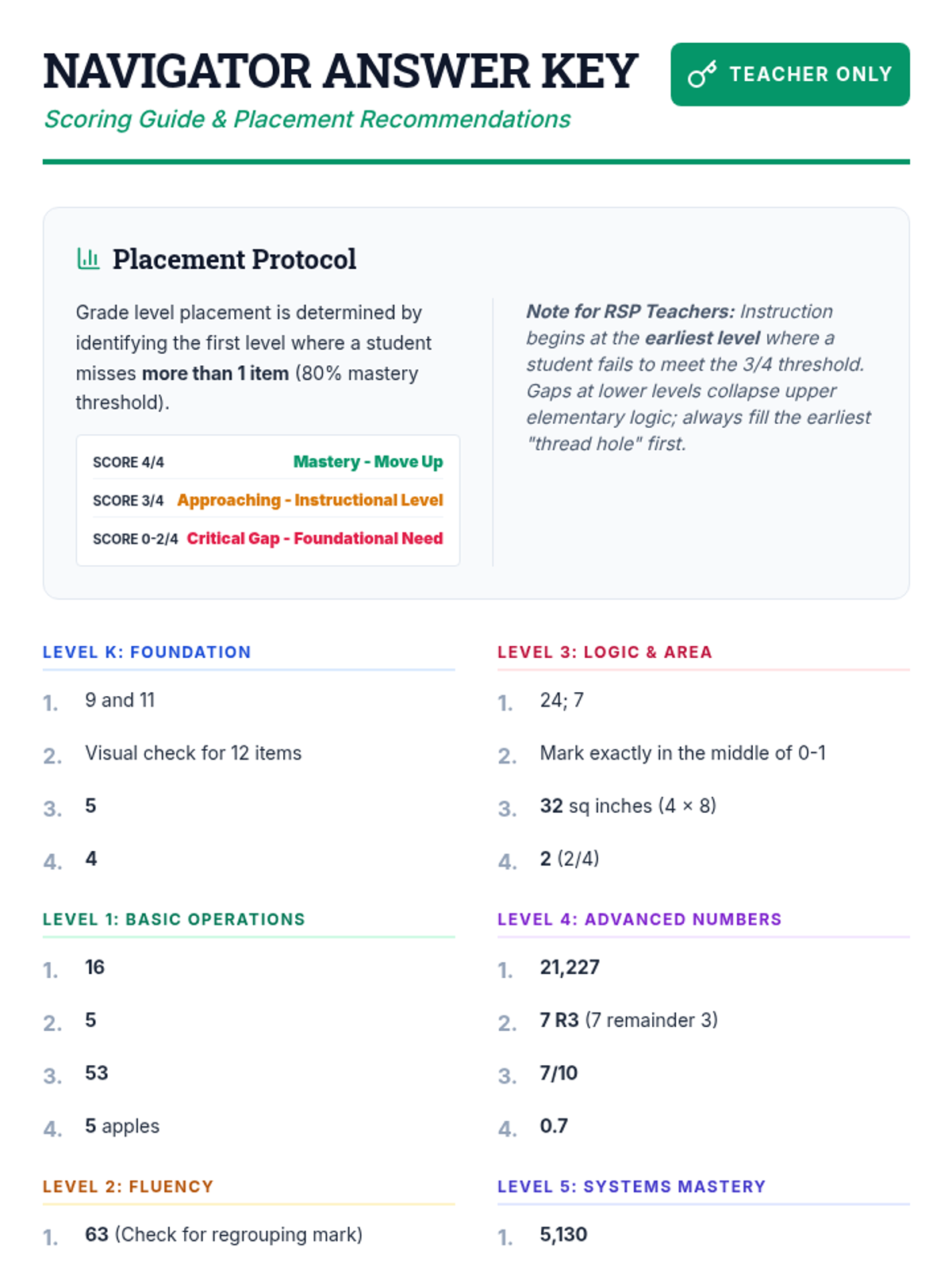
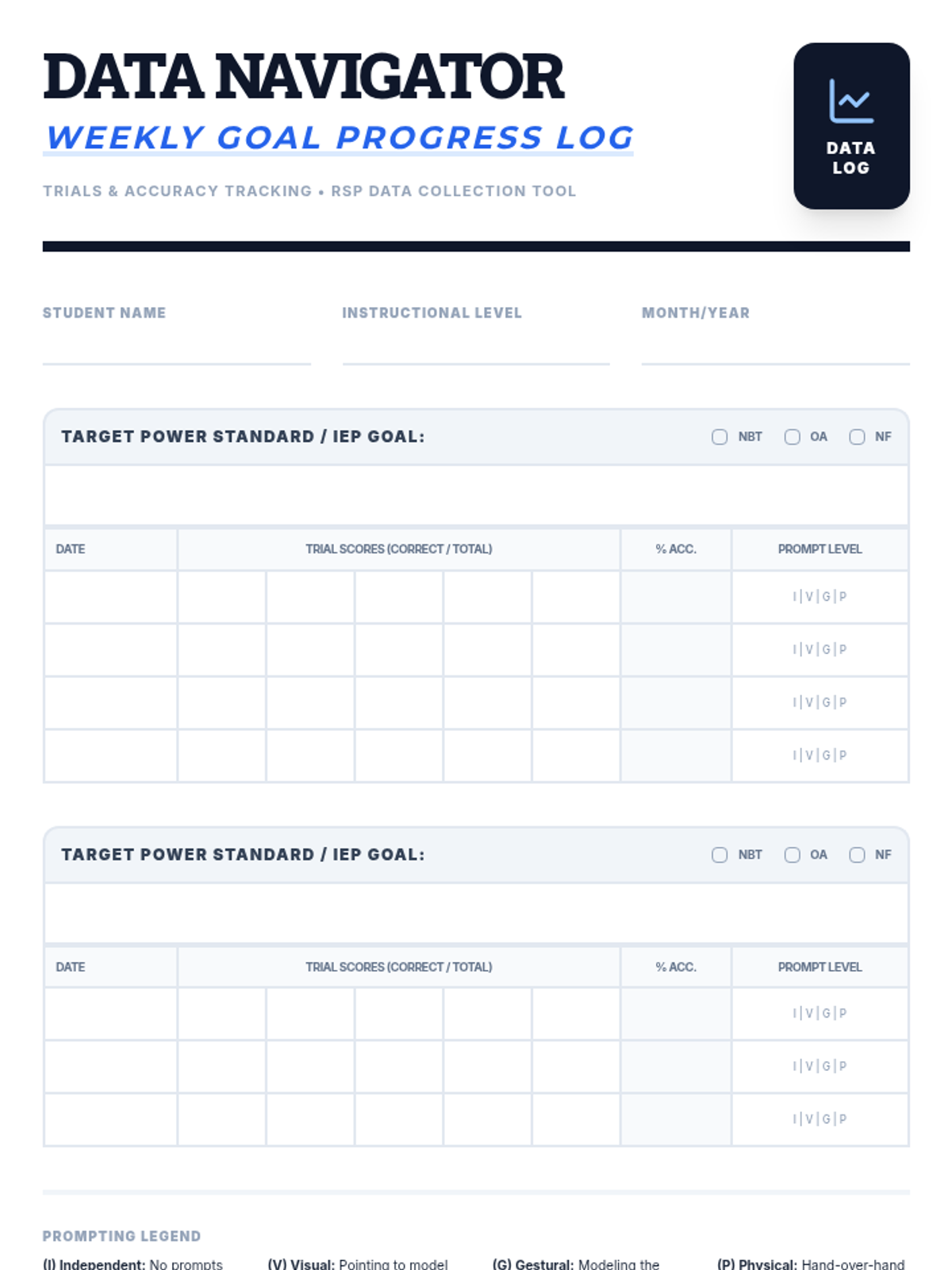
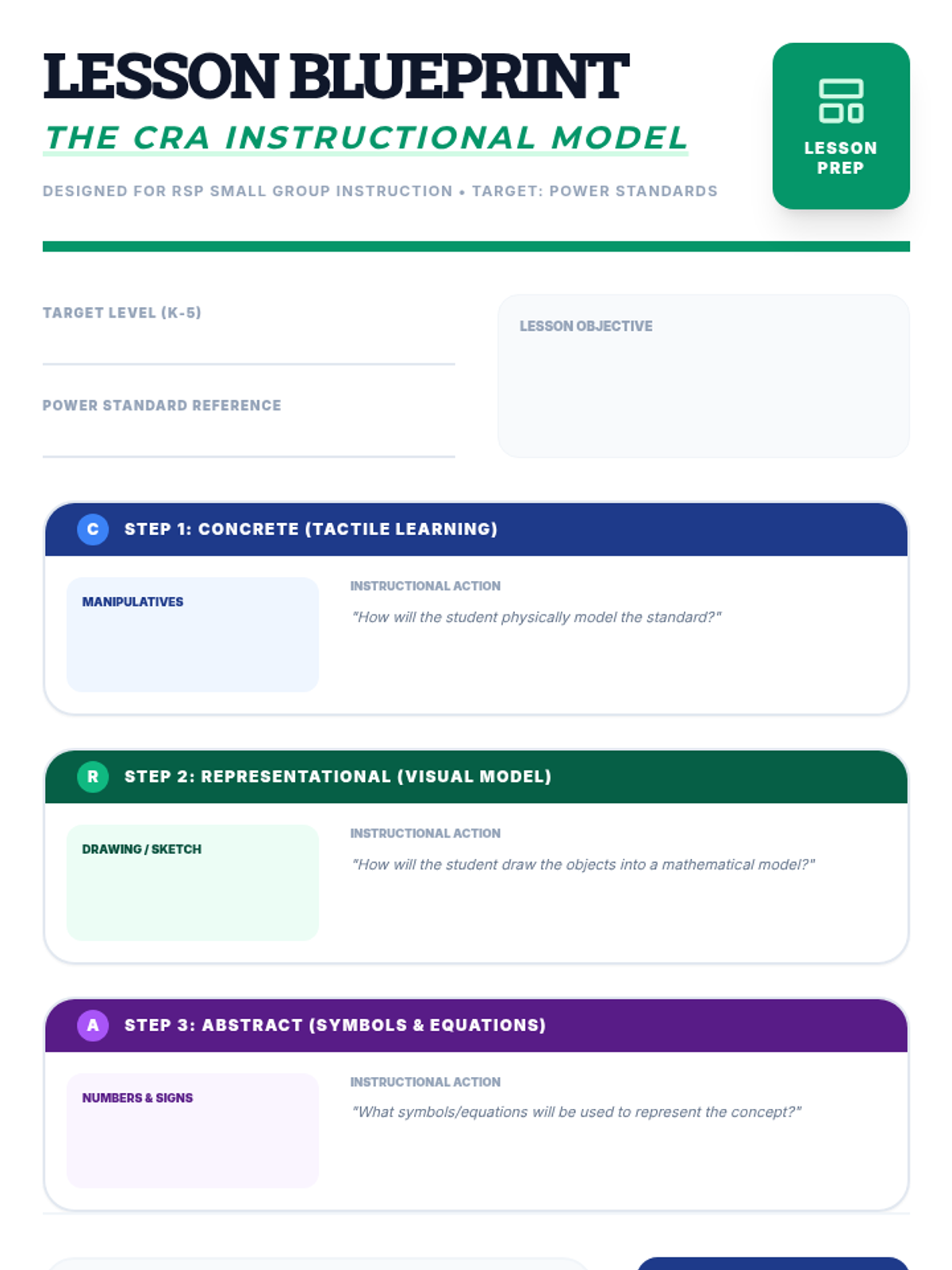
A comprehensive framework for K-5 RSP math instruction, including a California Common Core aligned scope and sequence of power standards and a leveled placement diagnostic.
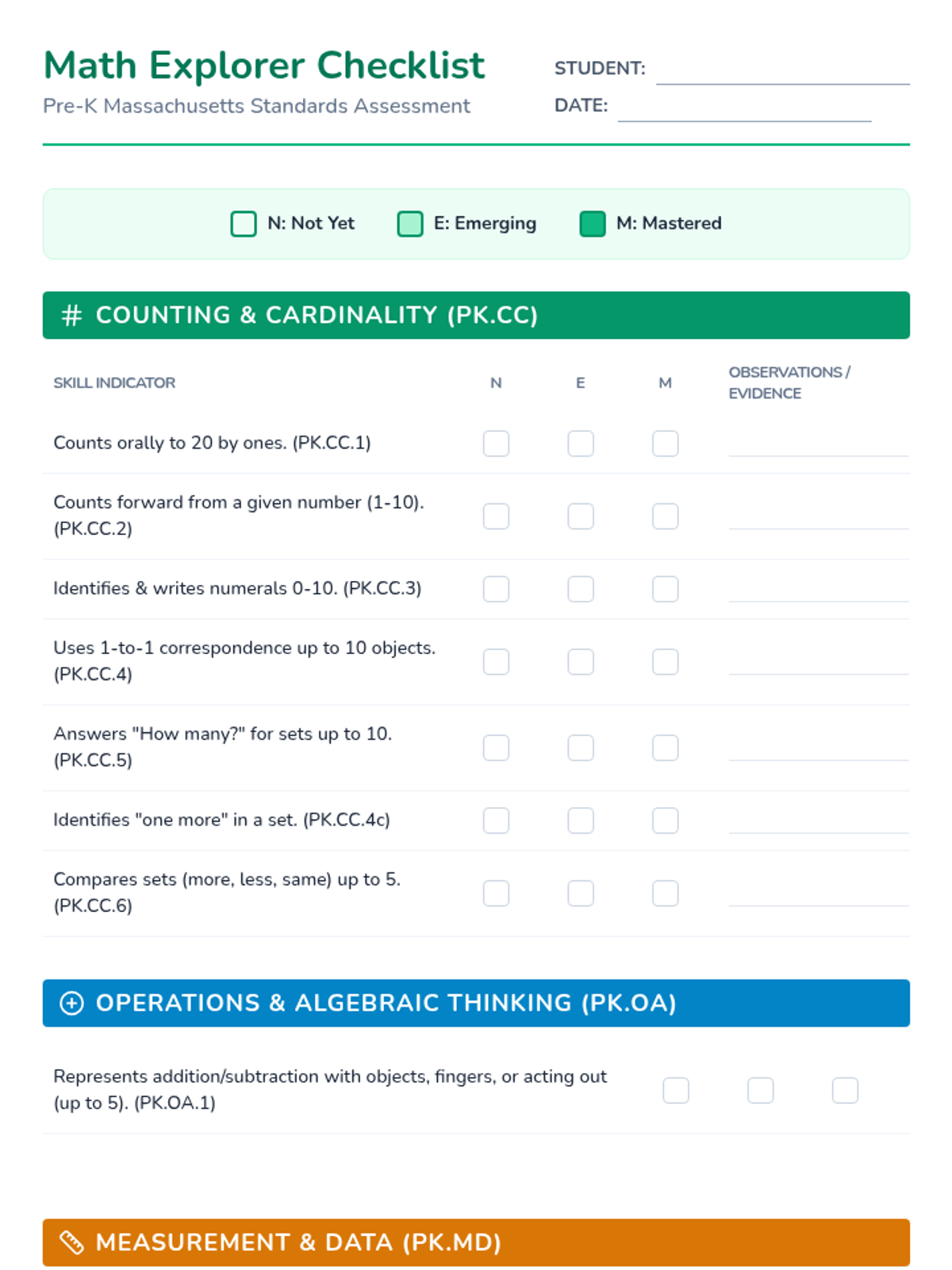
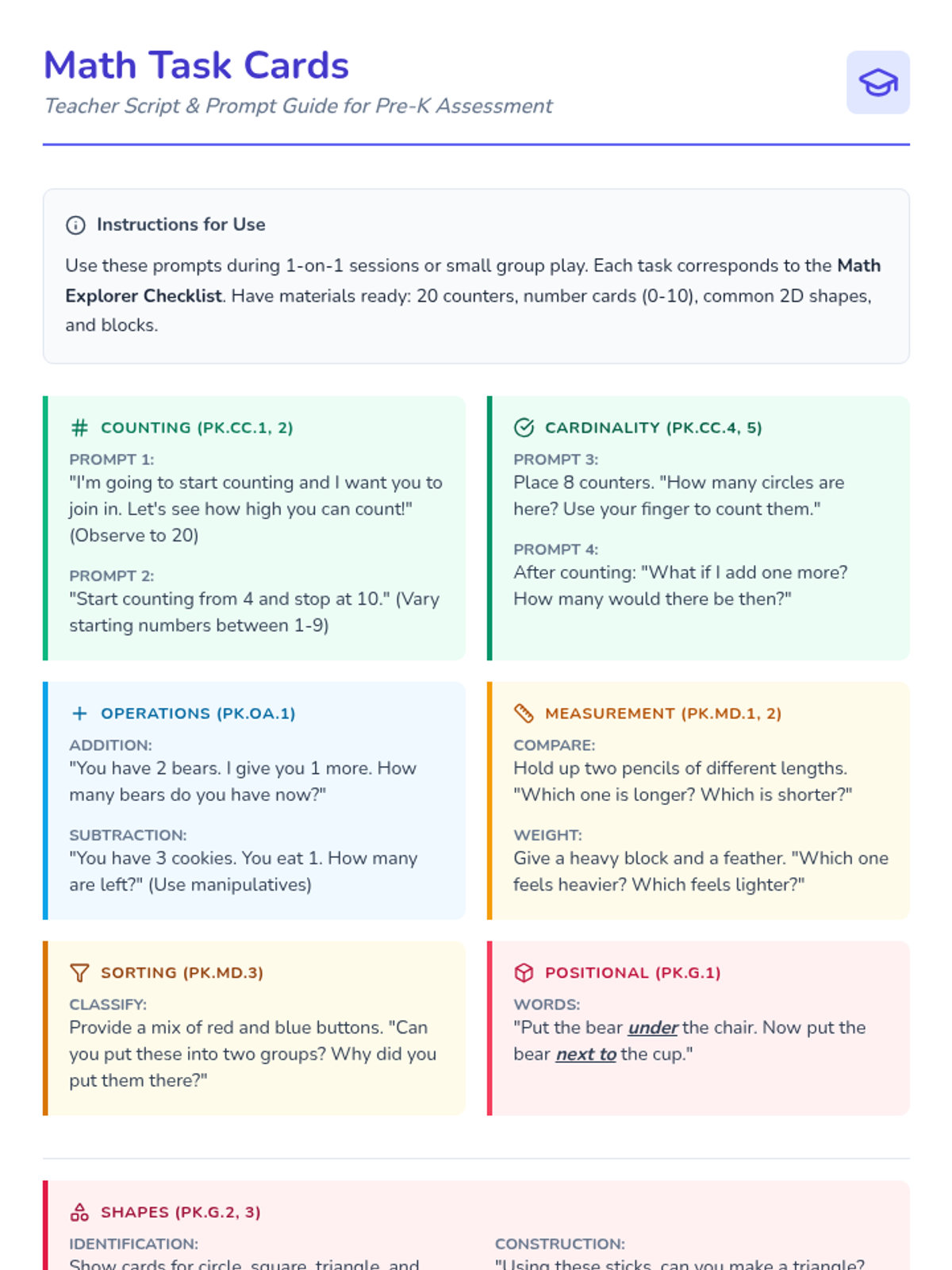
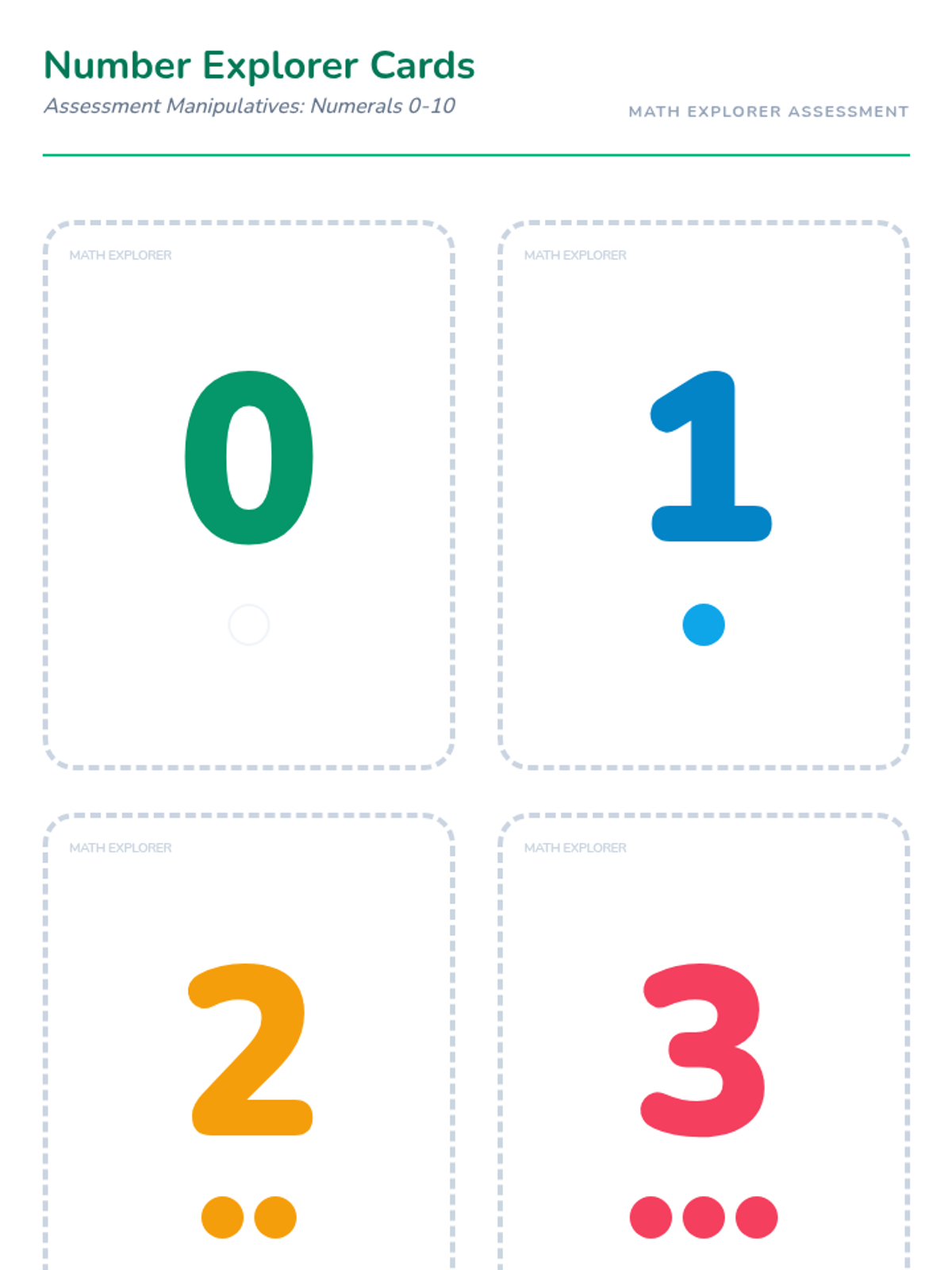
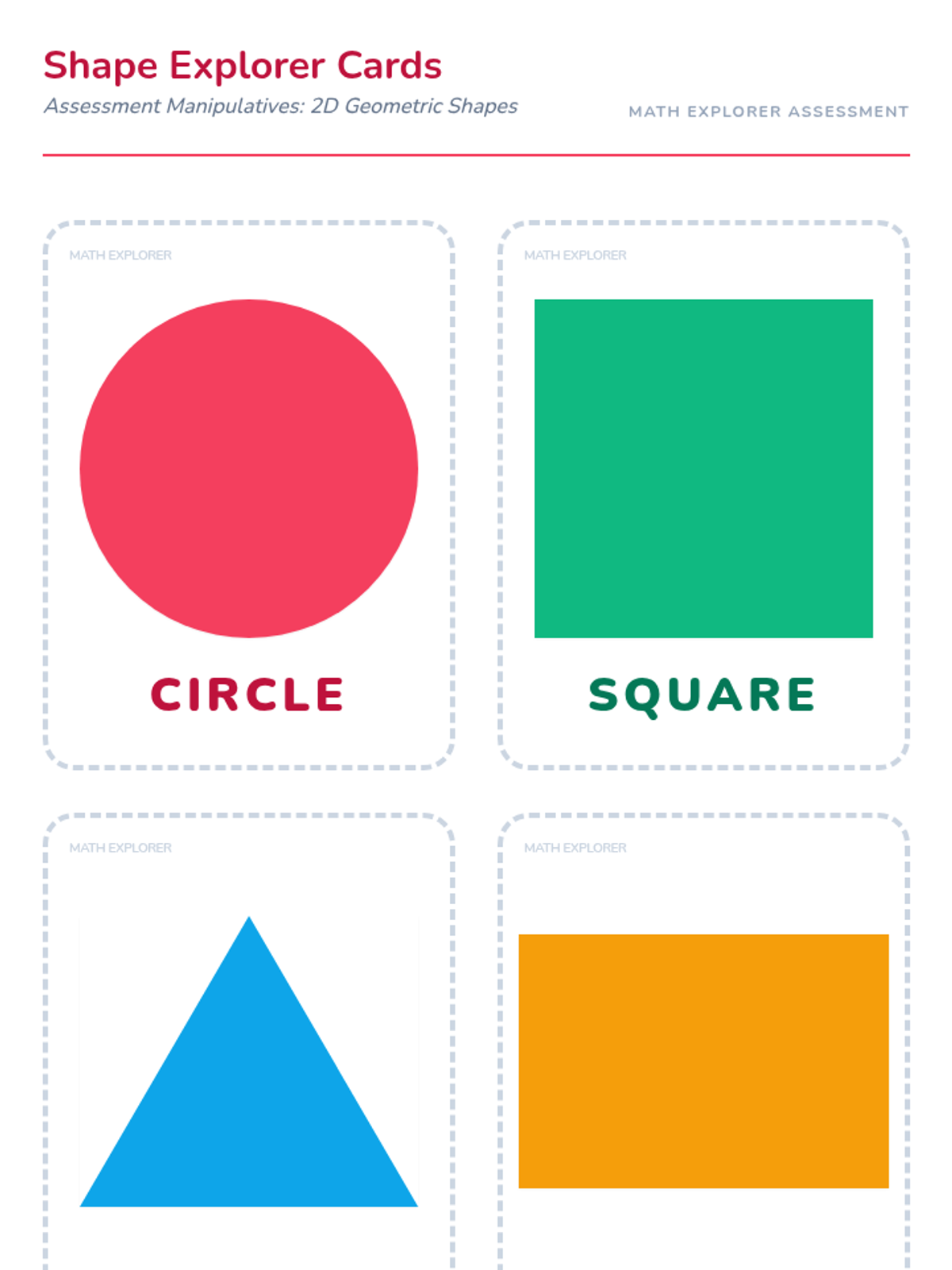
A series of assessment resources for foundational mathematics based on the Massachusetts Curriculum Frameworks, spanning Pre-K and early elementary grades.
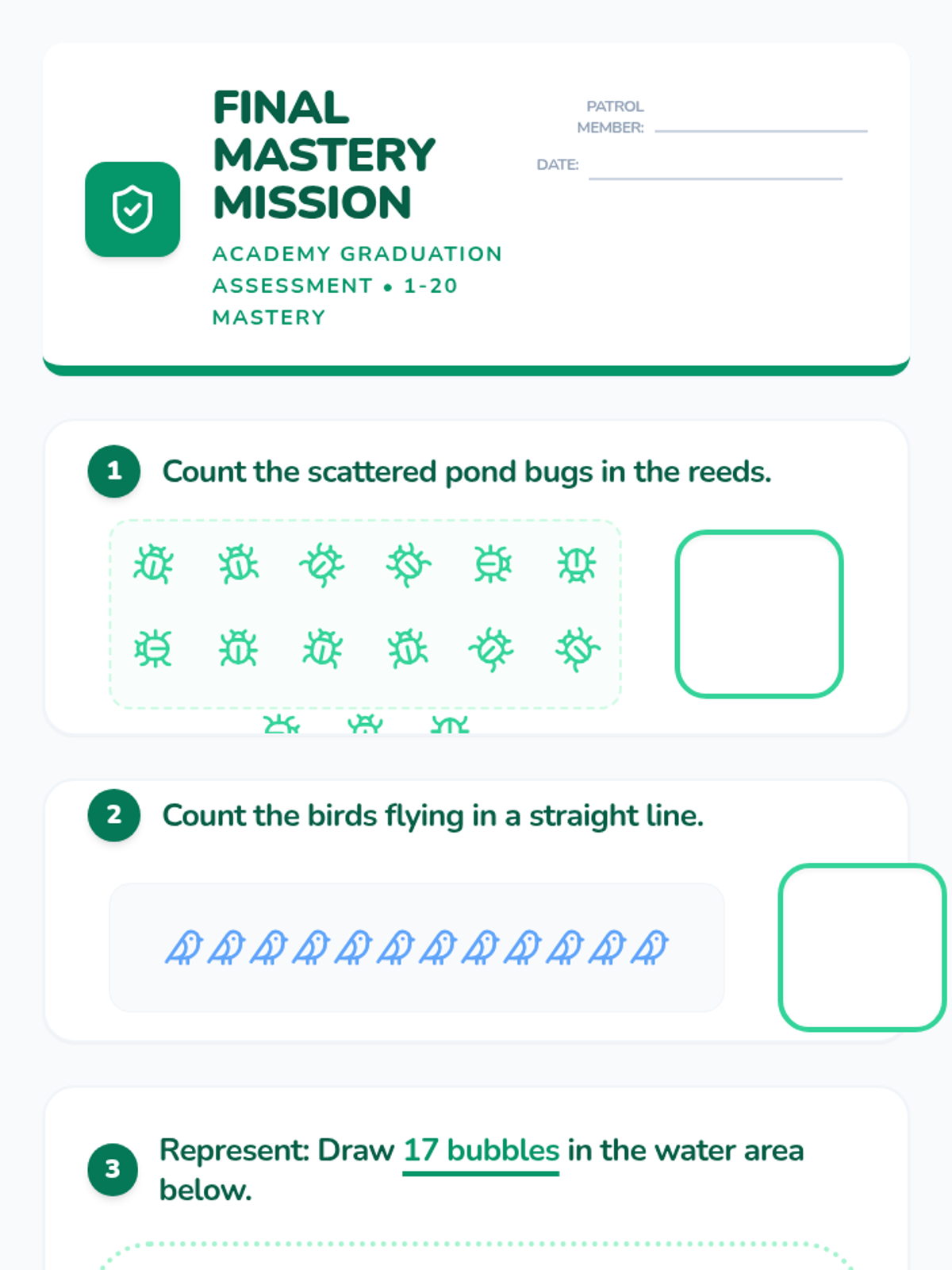
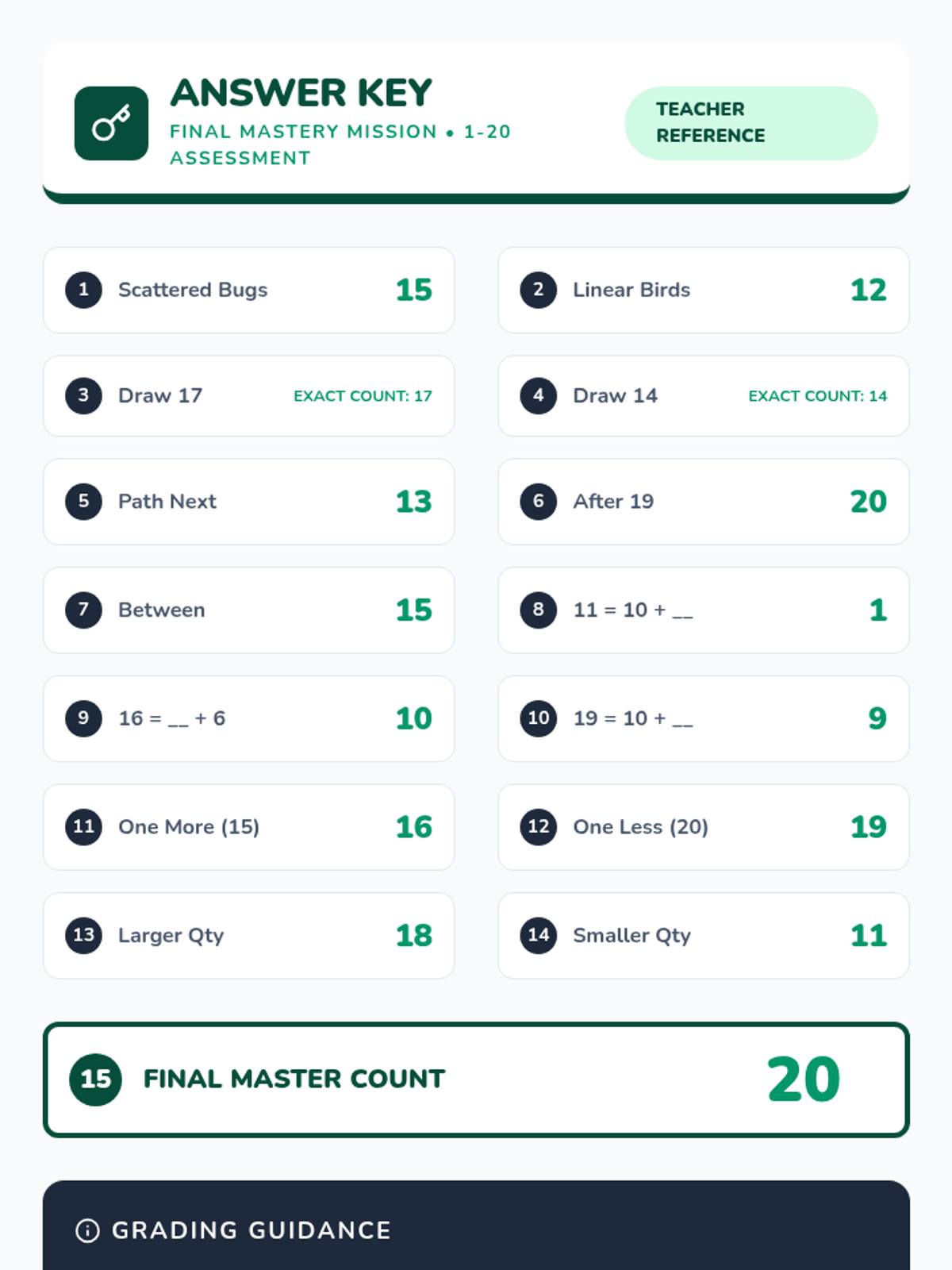
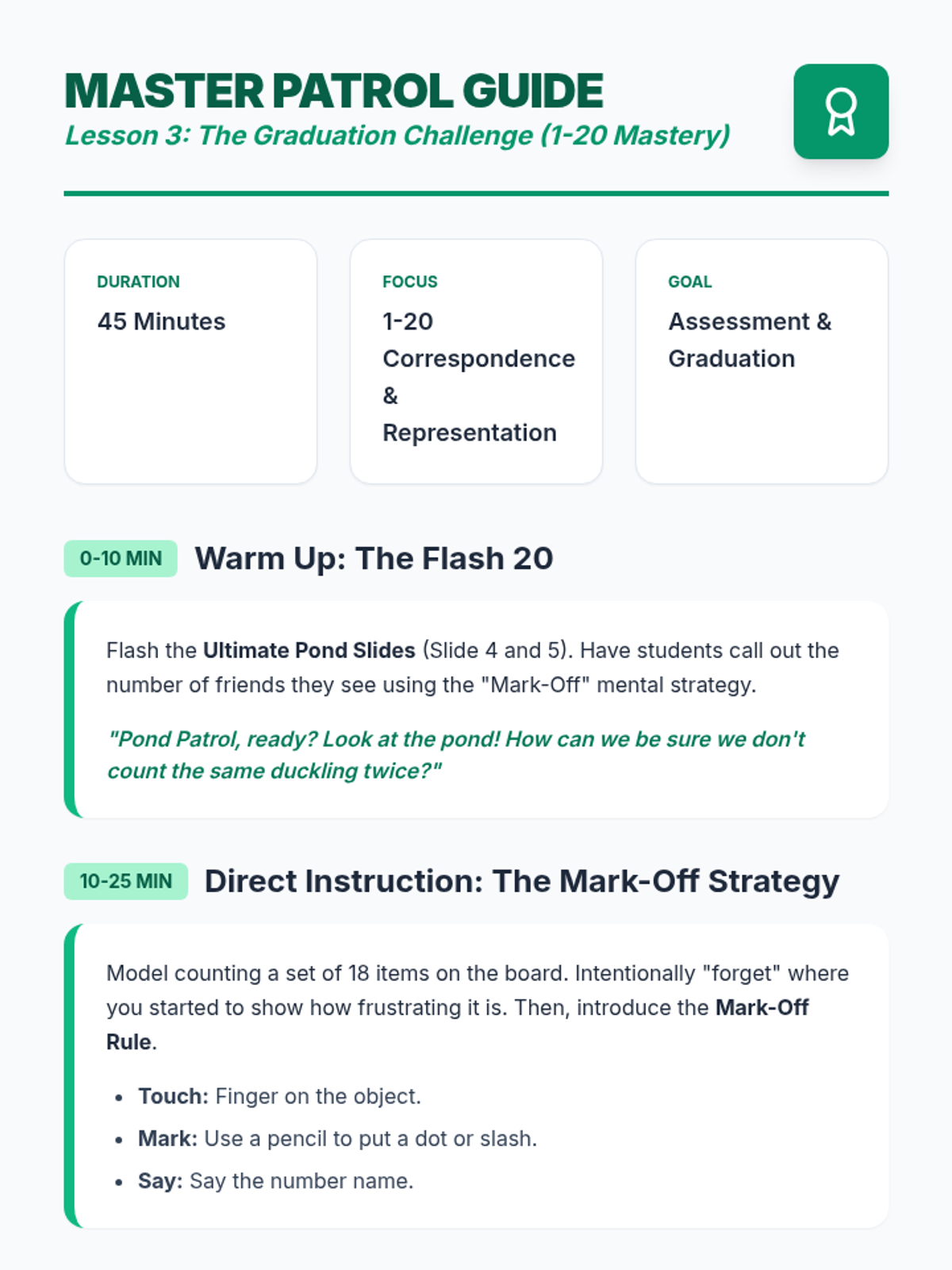
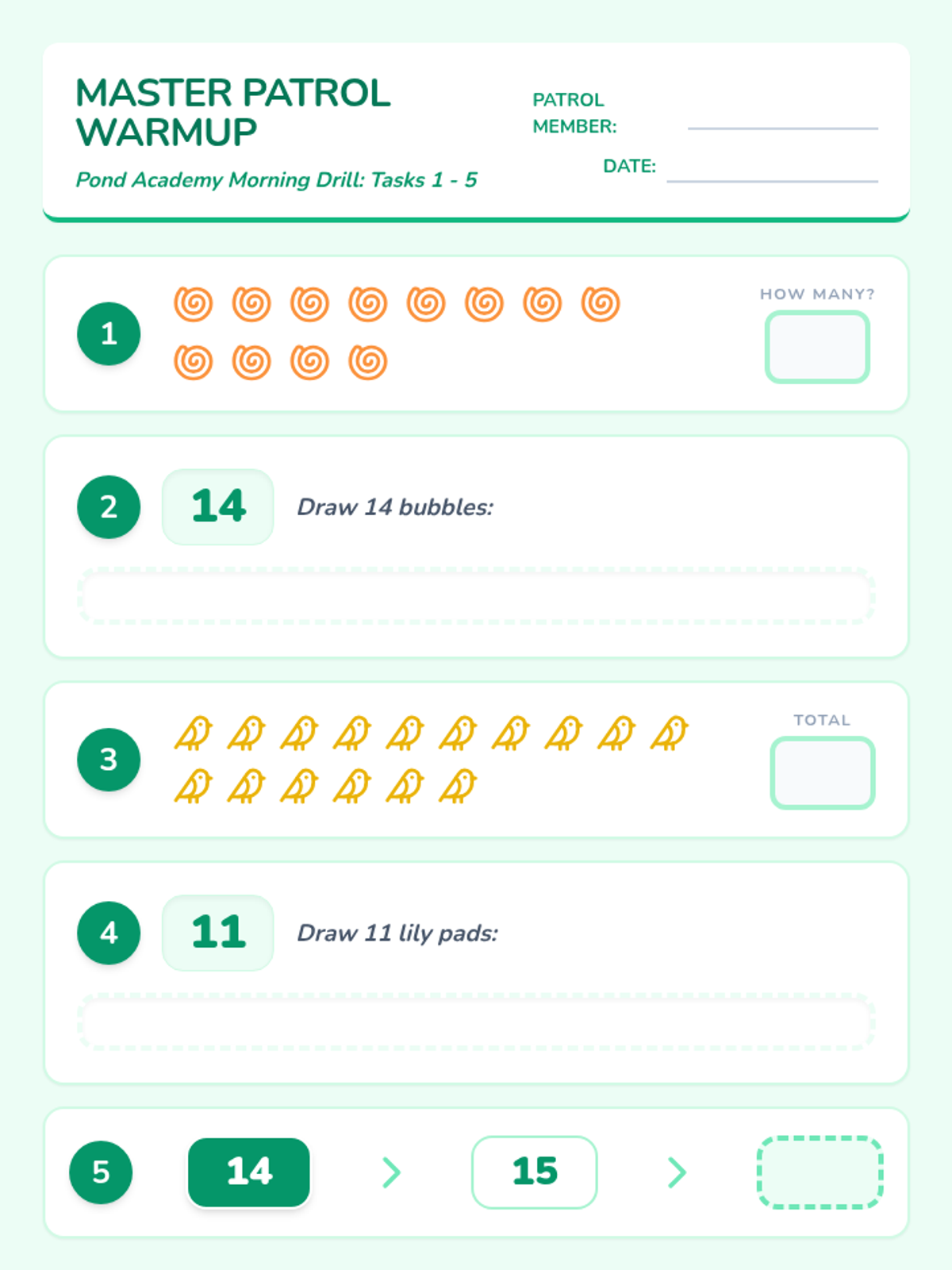
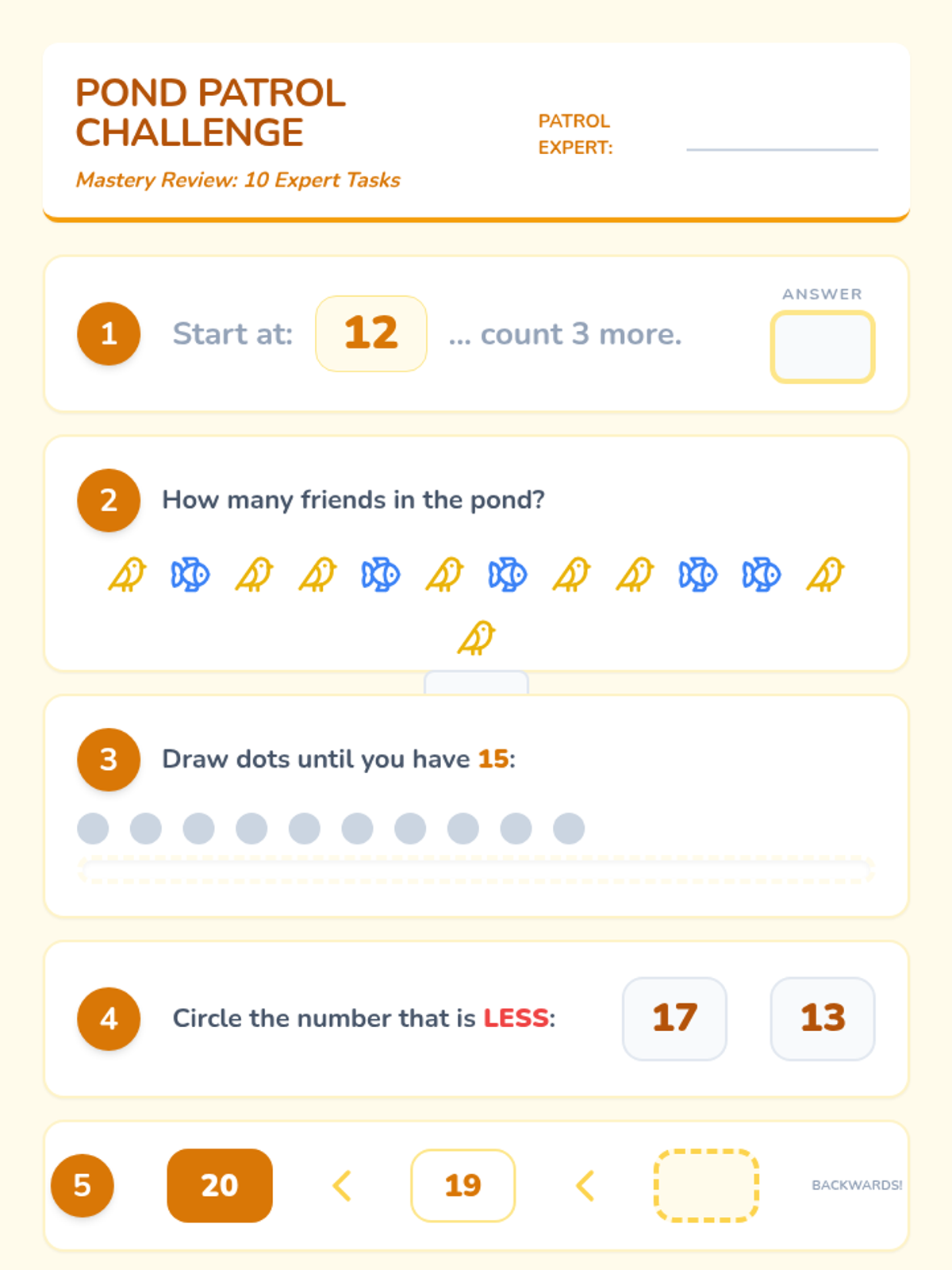
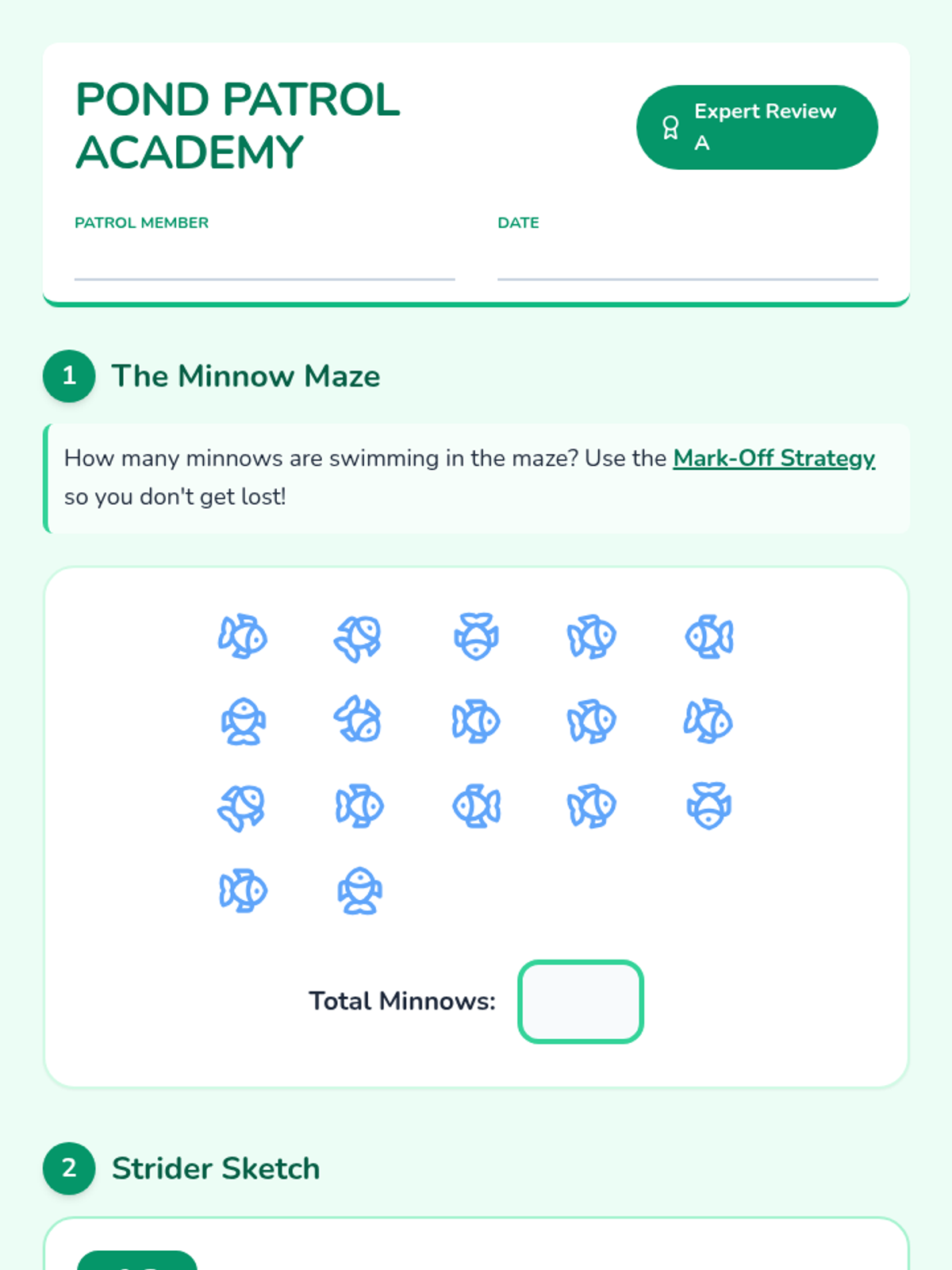
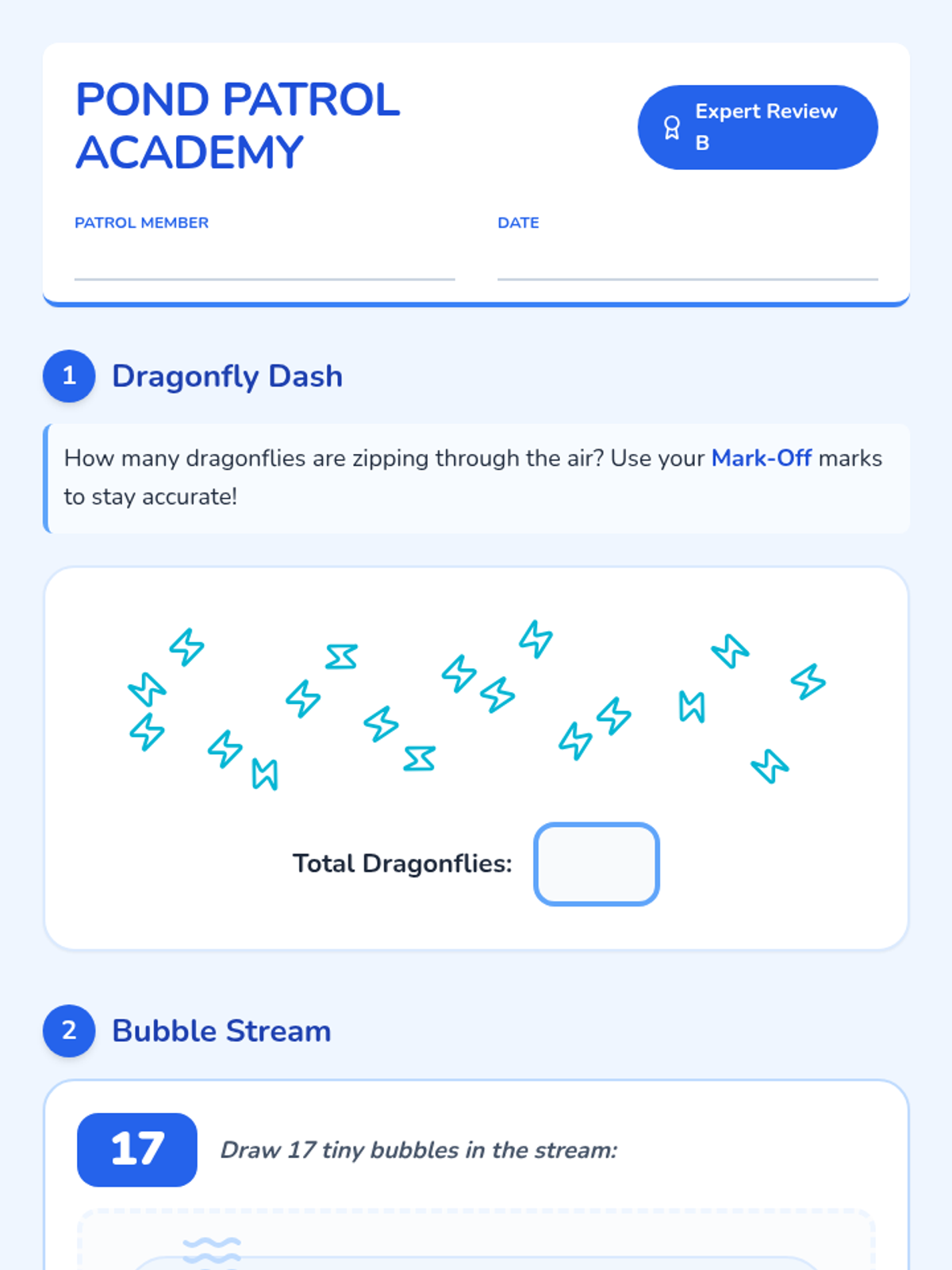
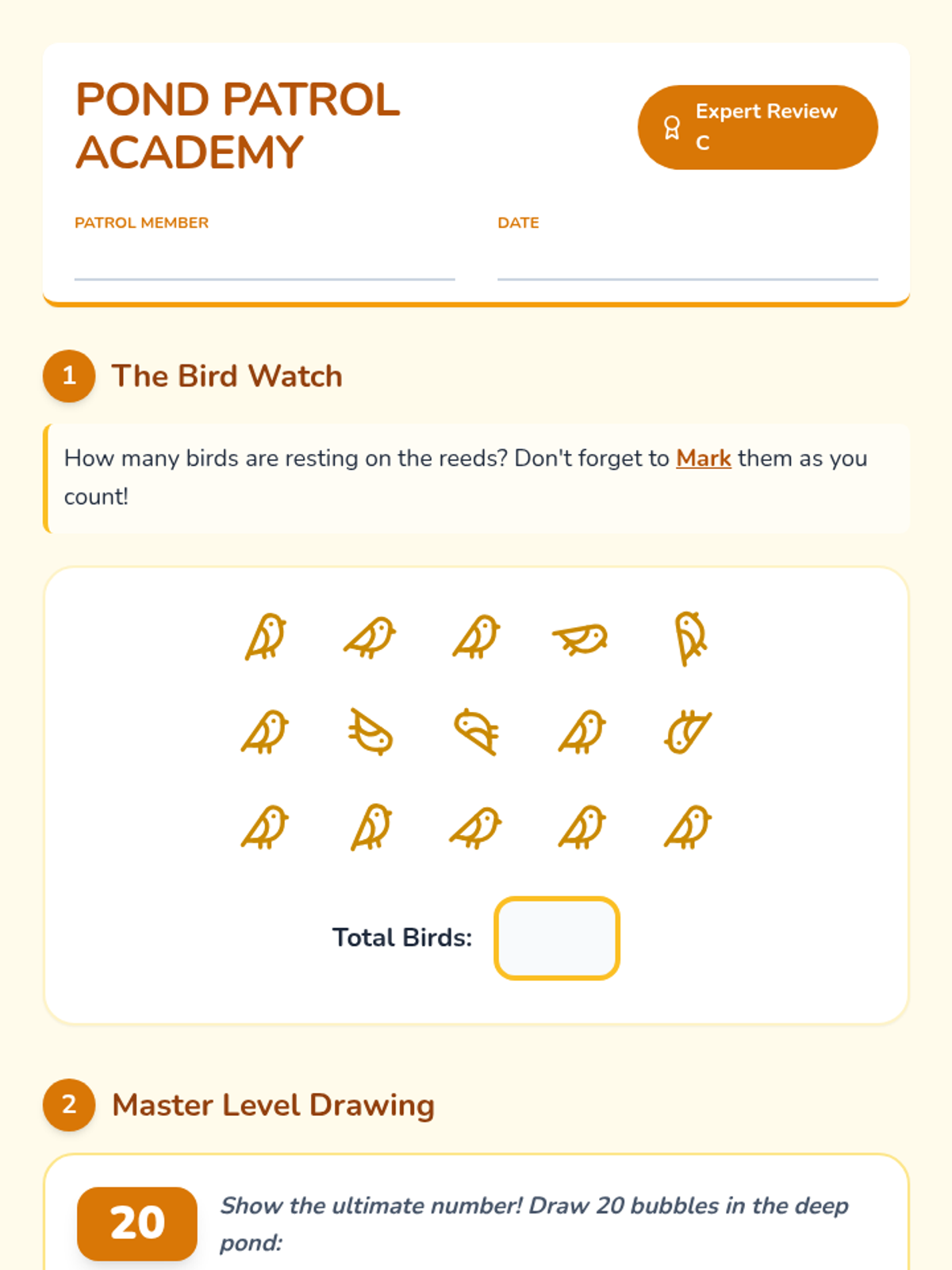
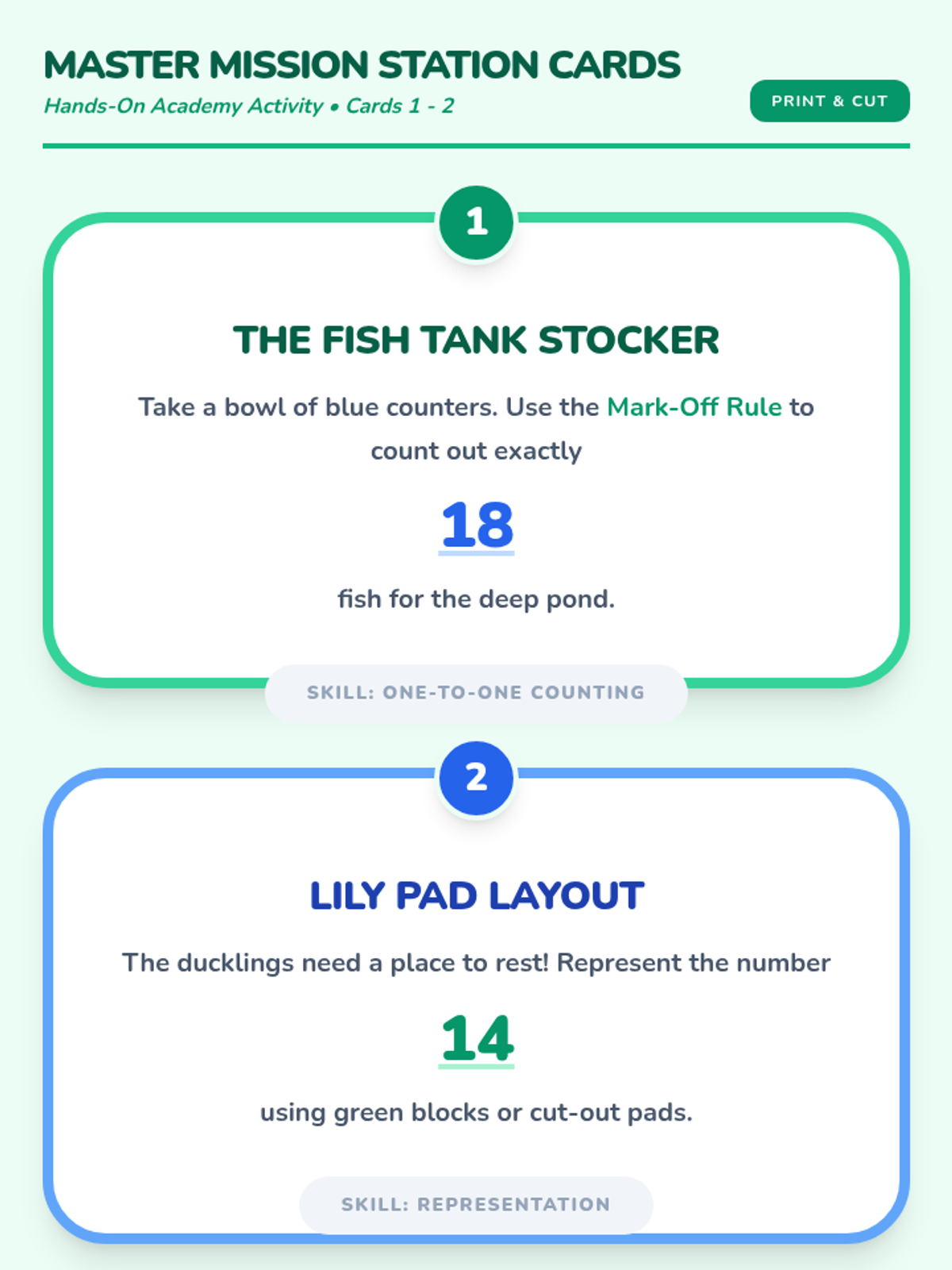
A comprehensive math sequence designed for early learners to master counting from 1 to 20. Using a engaging pond theme, students progress from single-digit counting to understanding teen numbers and representing larger quantities.
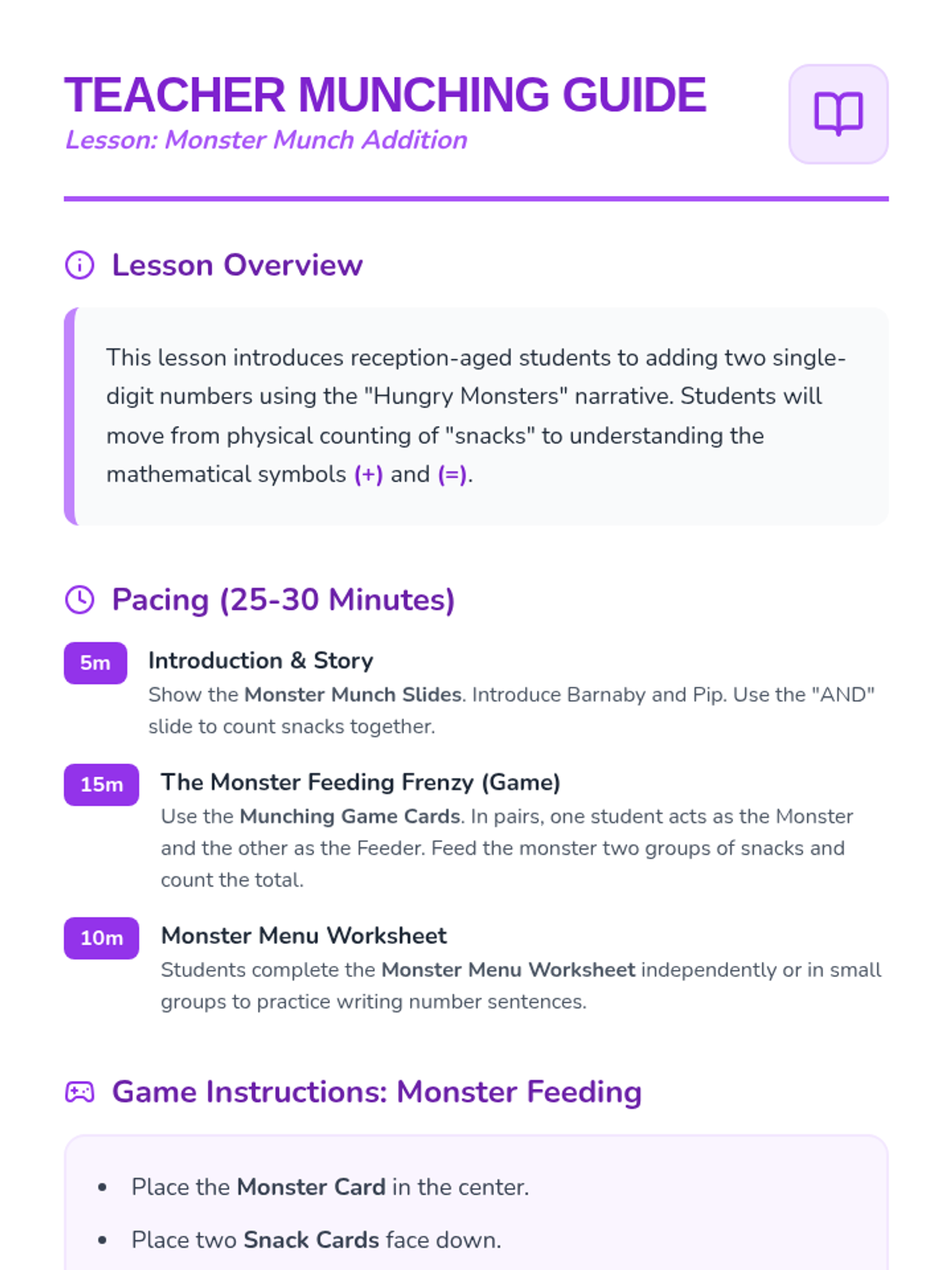
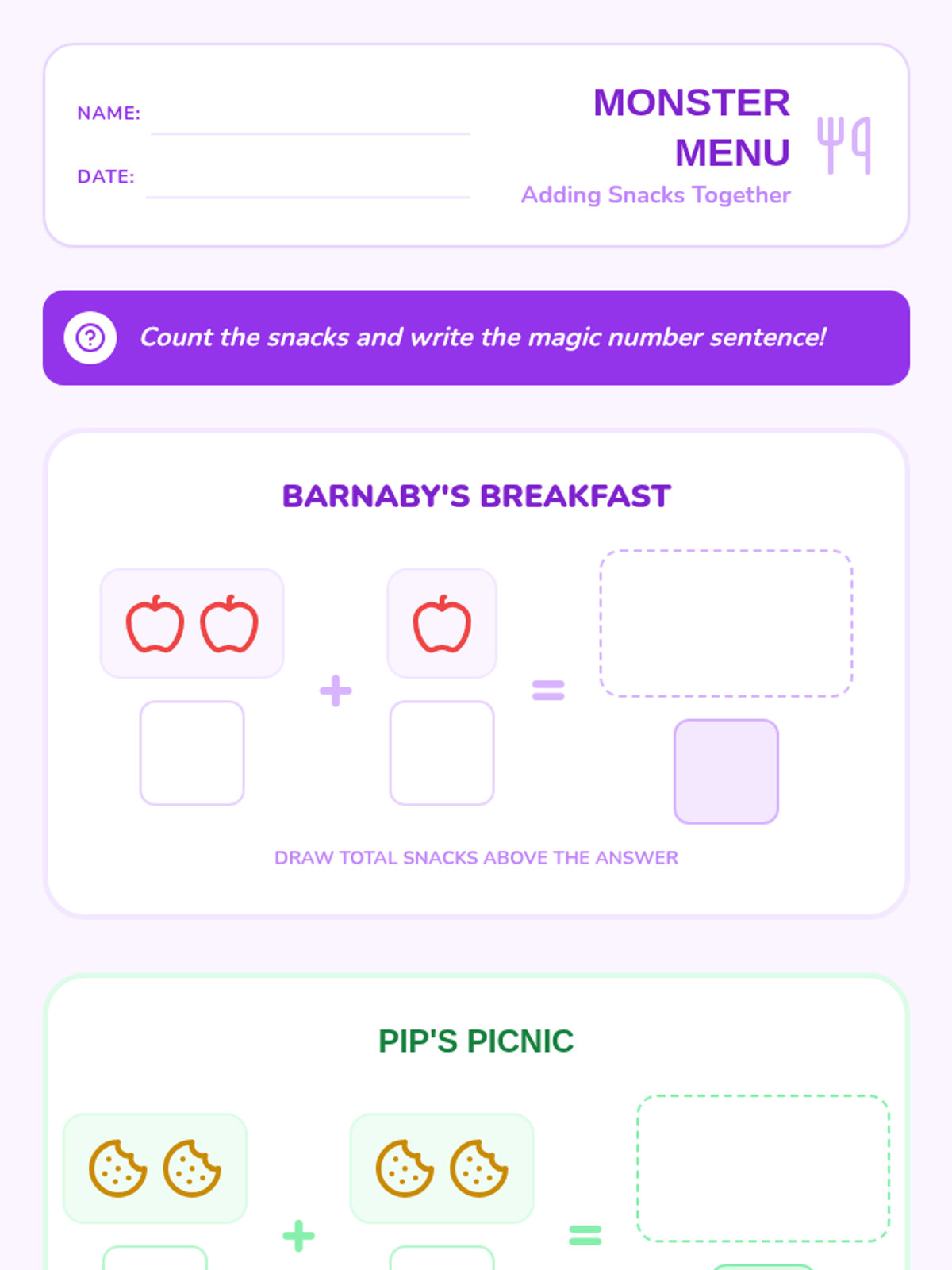
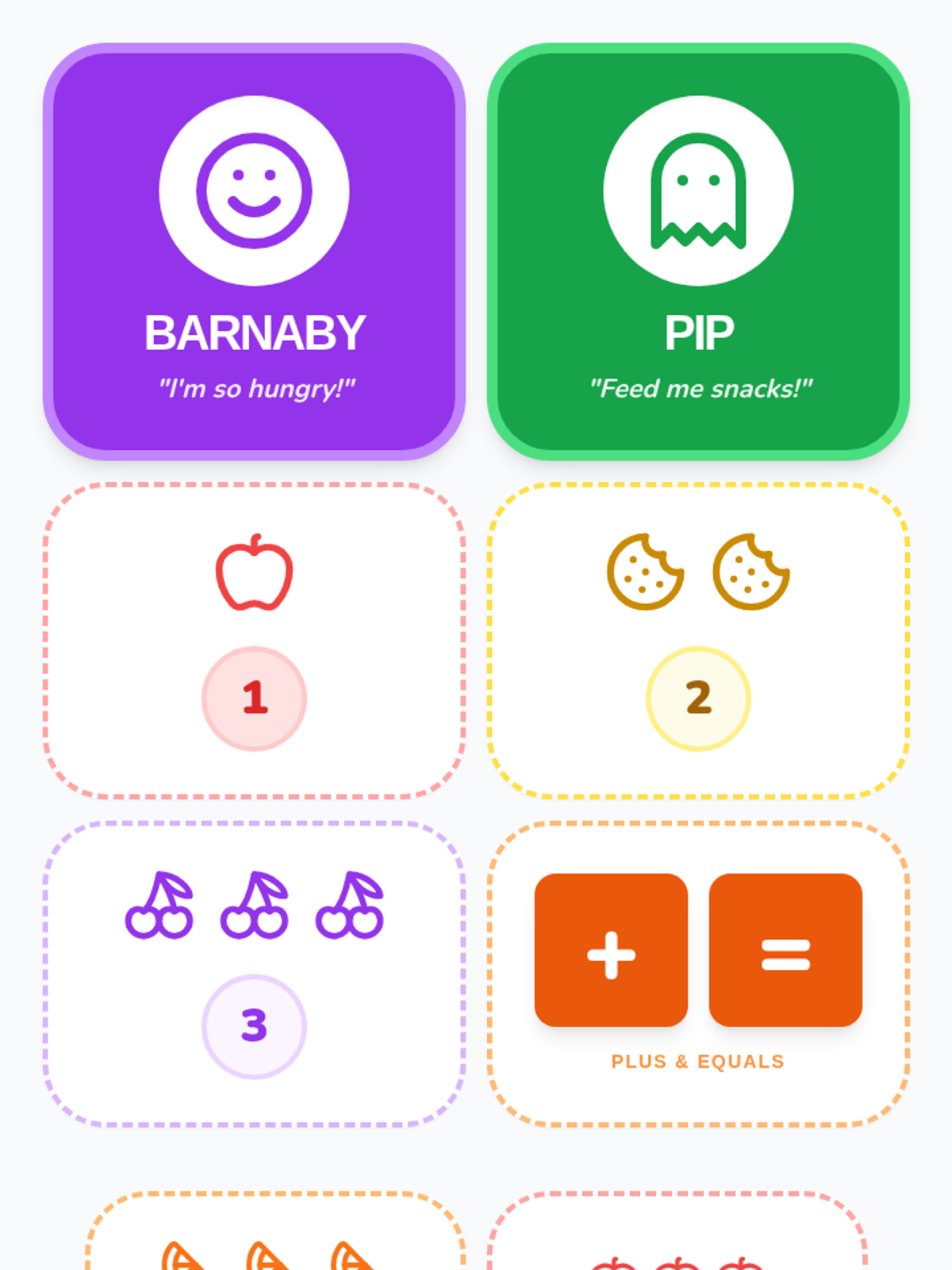
A series of early math lessons focused on foundational counting and operations through storytelling and play.
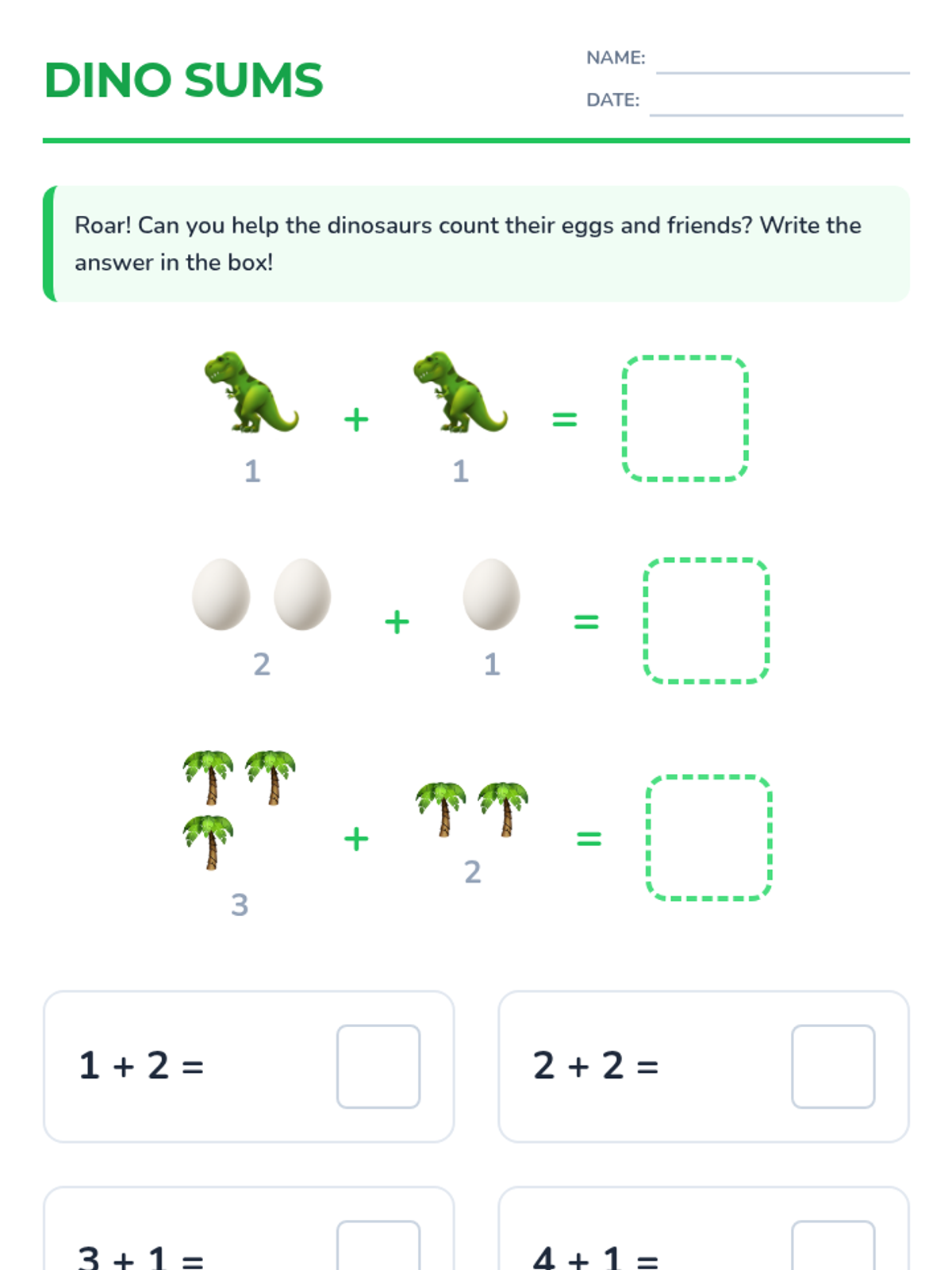
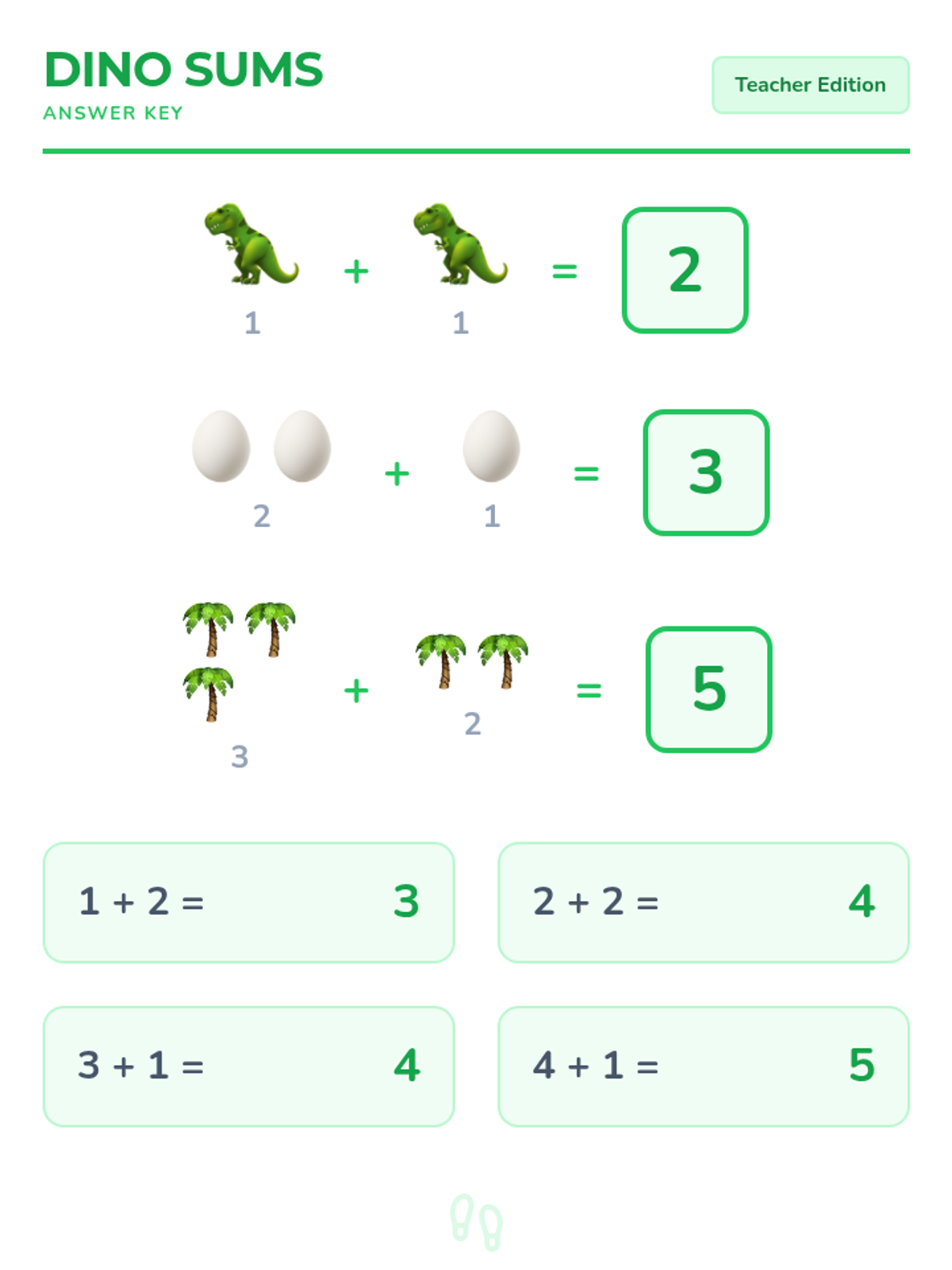
A collection of mathematical and physical problems ranging from early childhood addition to advanced network theory.
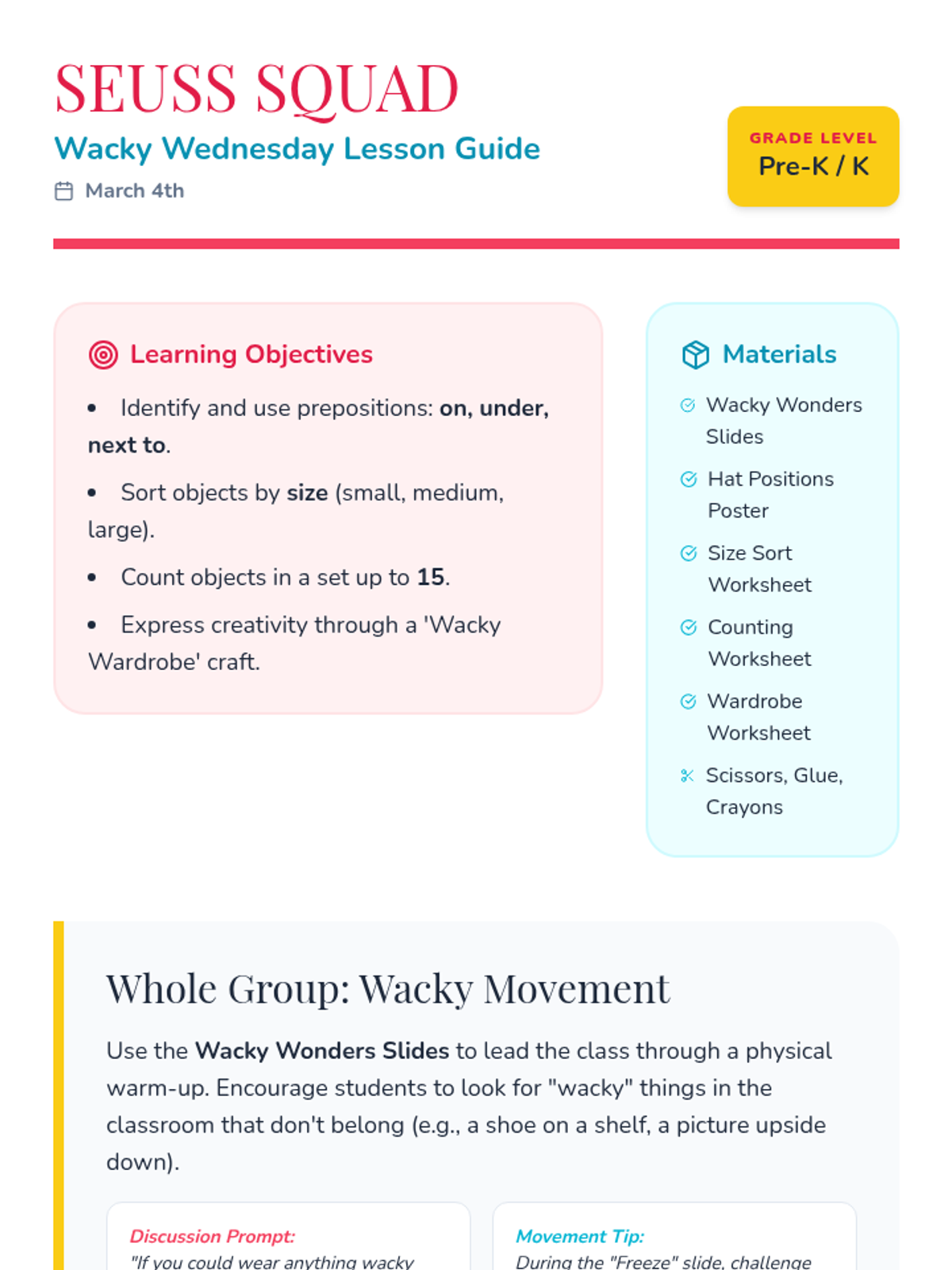
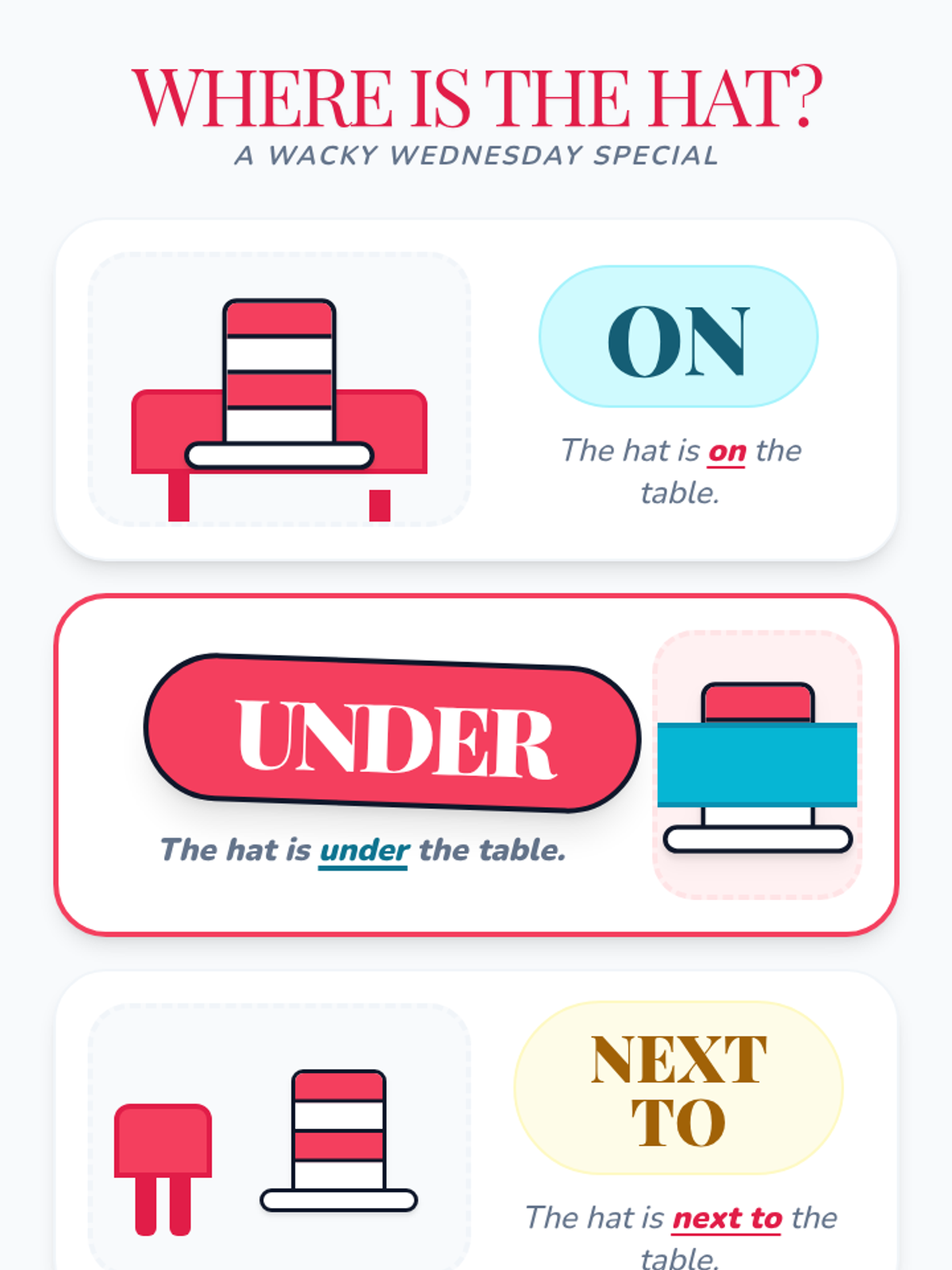
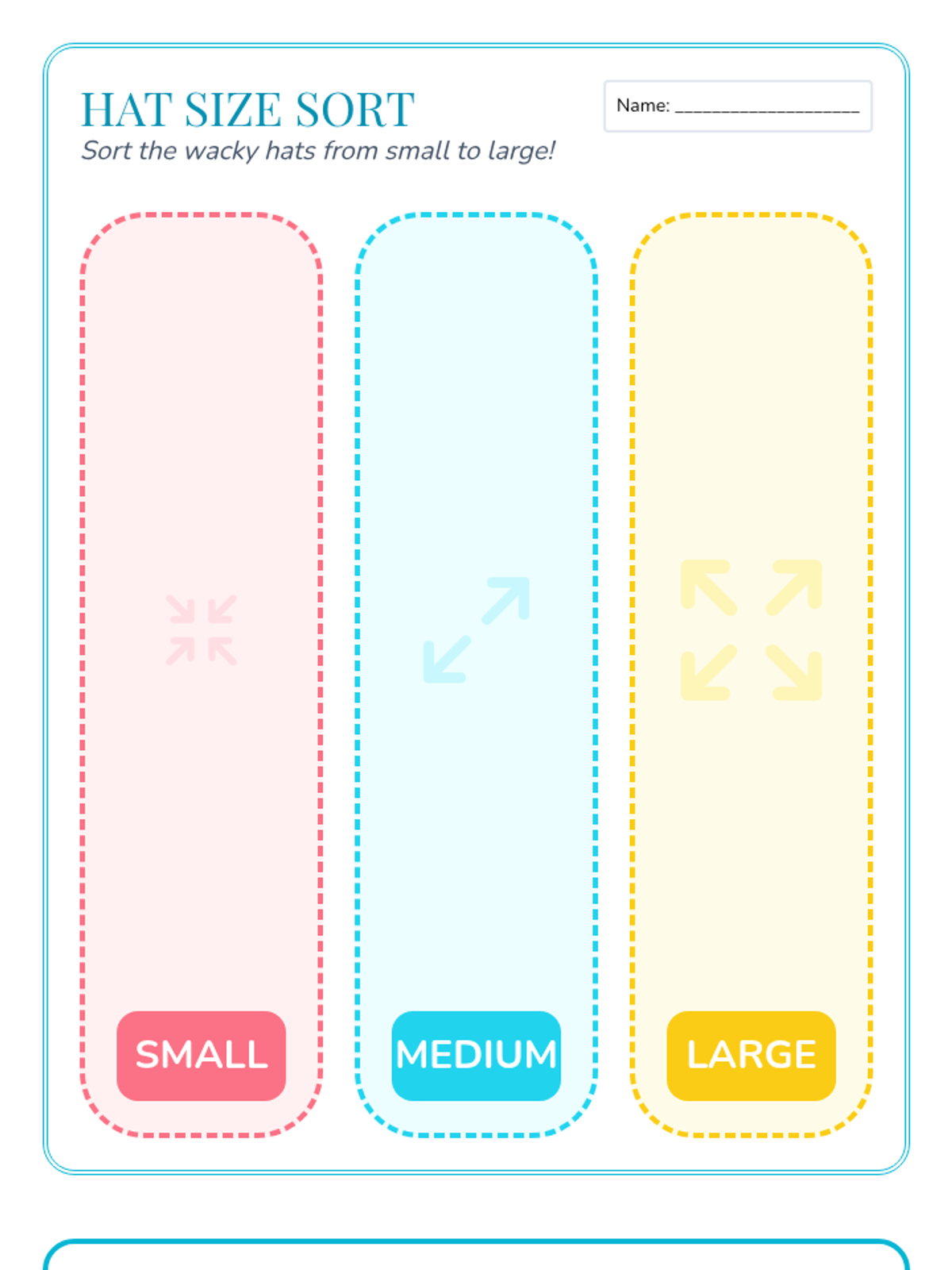
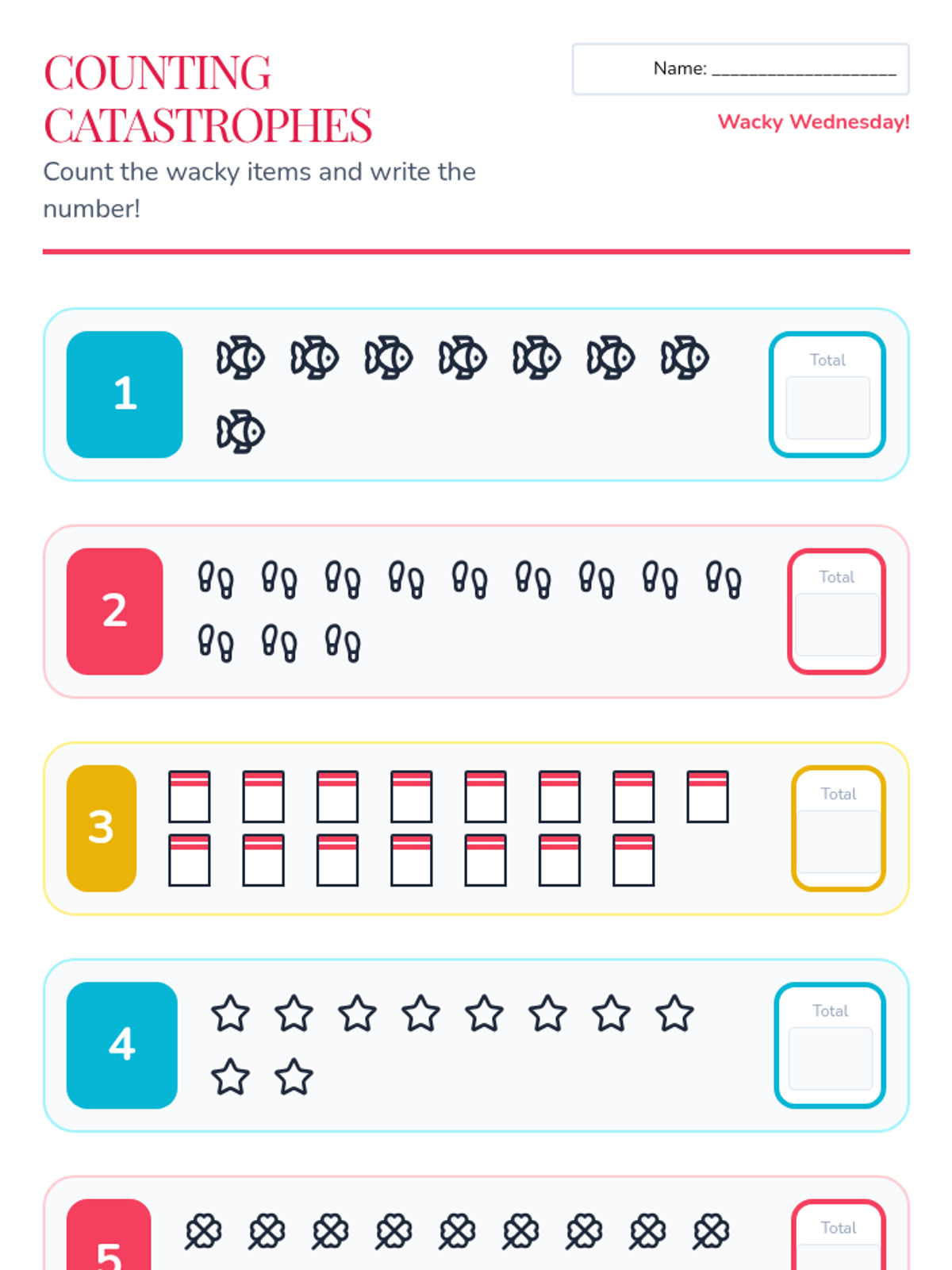
A Dr. Seuss-themed unit focusing on 'Wacky Wednesday' with a focus on counting, size sorting, prepositions, and creative expression for Pre-K and Kindergarten students.
A comprehensive week-long unit for Early Childhood students focusing on number recognition and counting from 1 to 20 using movement-based beanbag activities. Each day introduces a new set of numbers through active play, visual aids, and simple recording tasks.
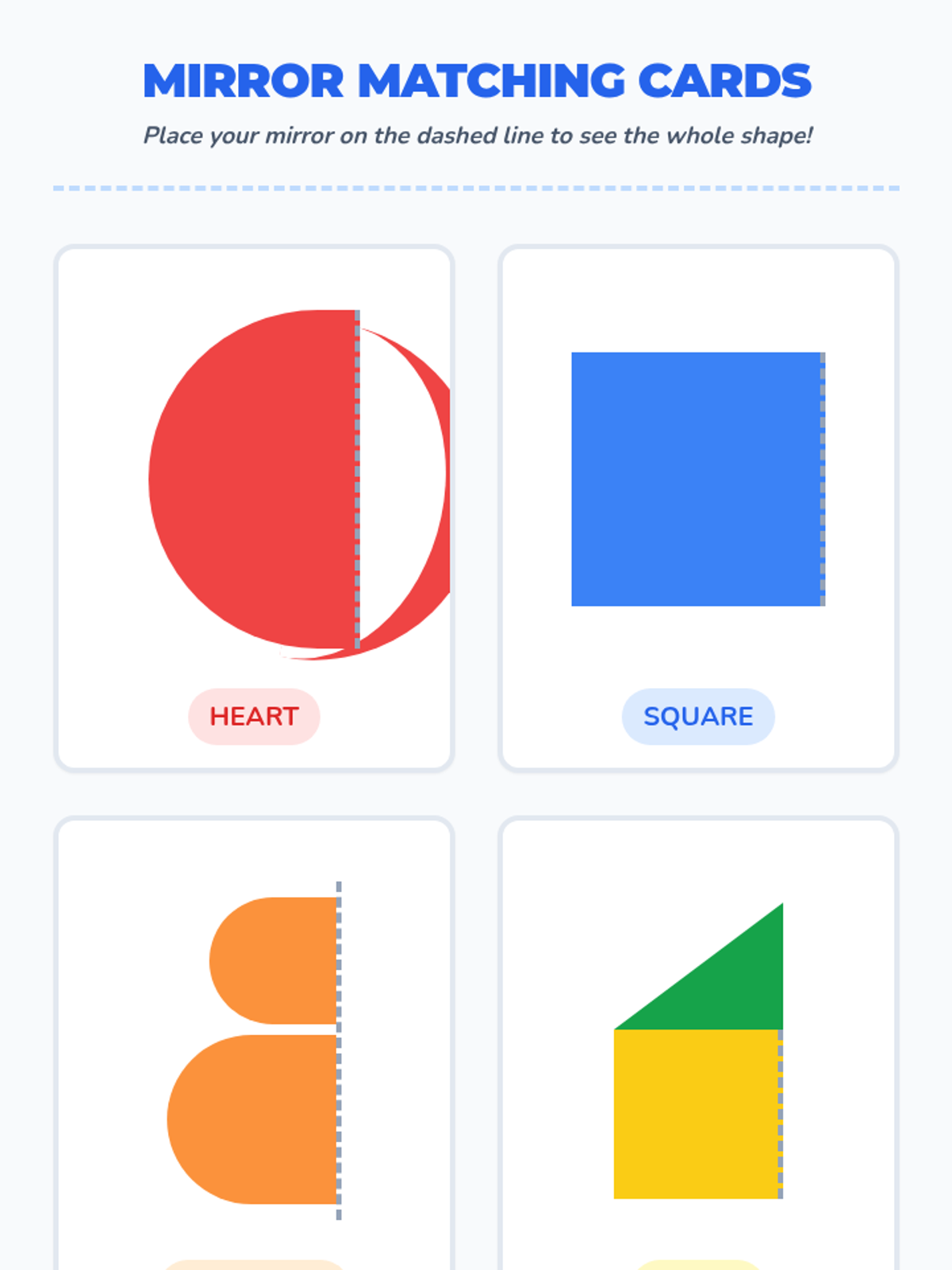
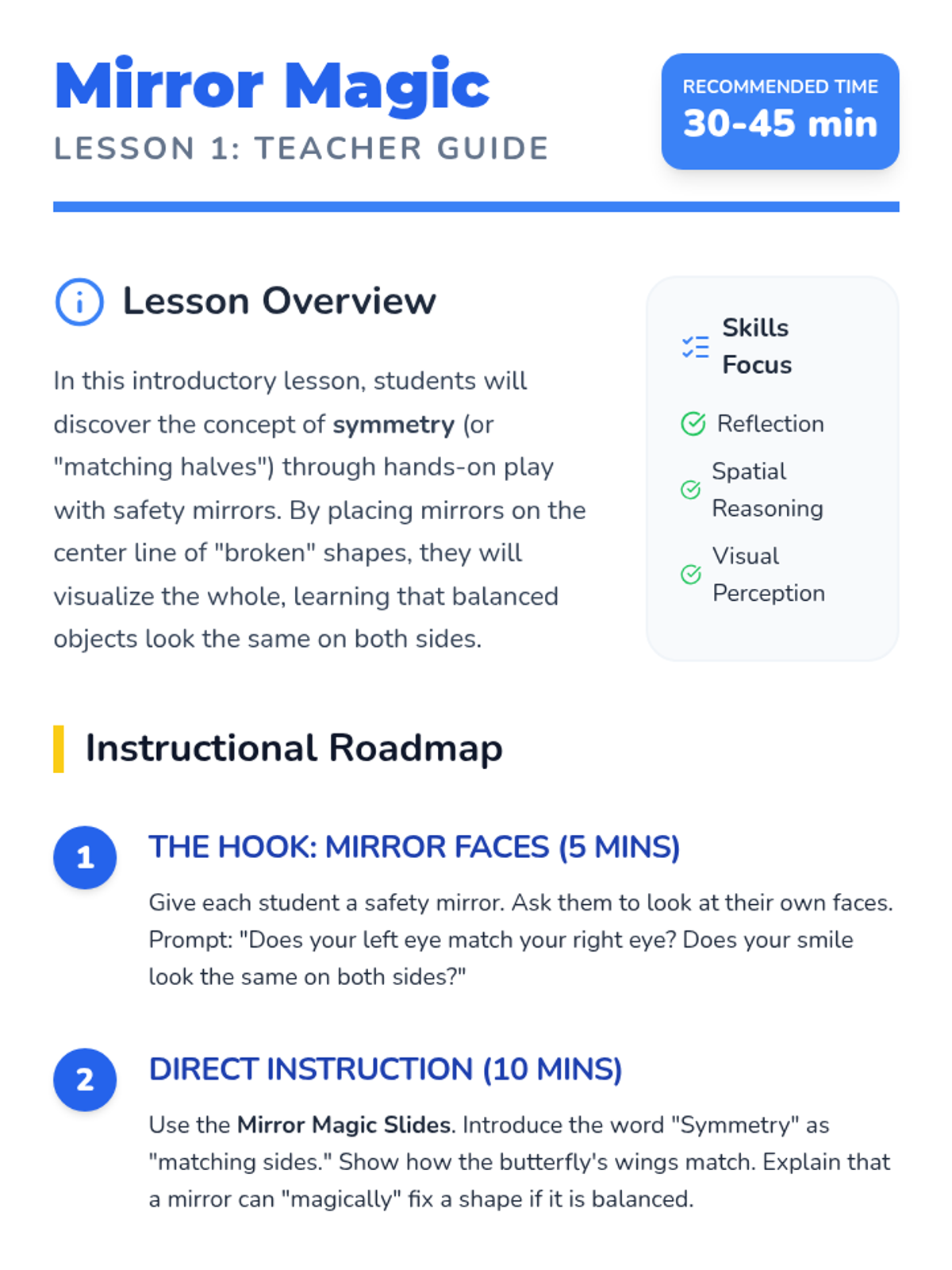
A Pre-K sequence introducing symmetry and patterns through hands-on exploration with mirrors, art, nature, and shape manipulatives. Students learn to identify balanced halves and predict sequences.
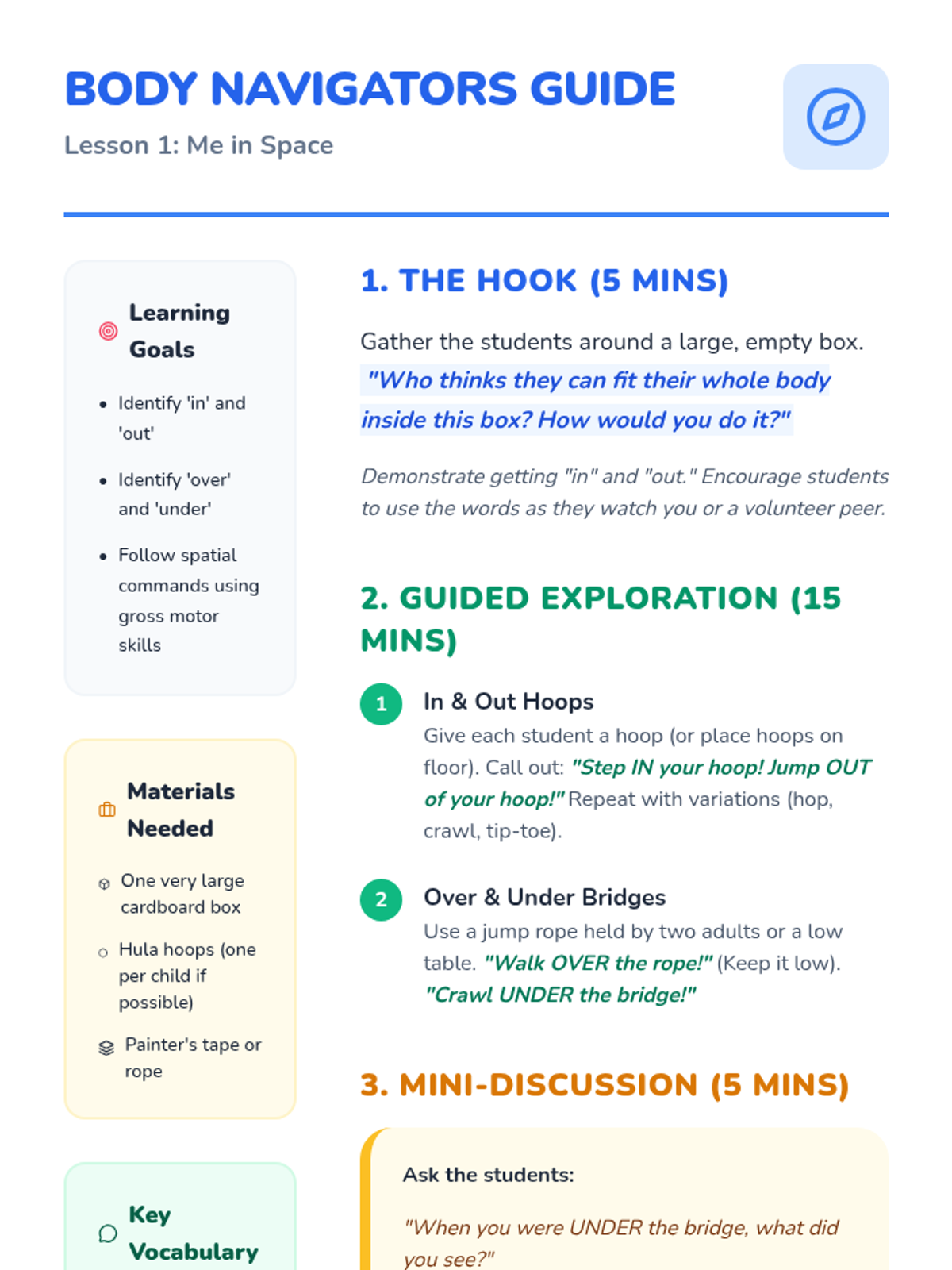
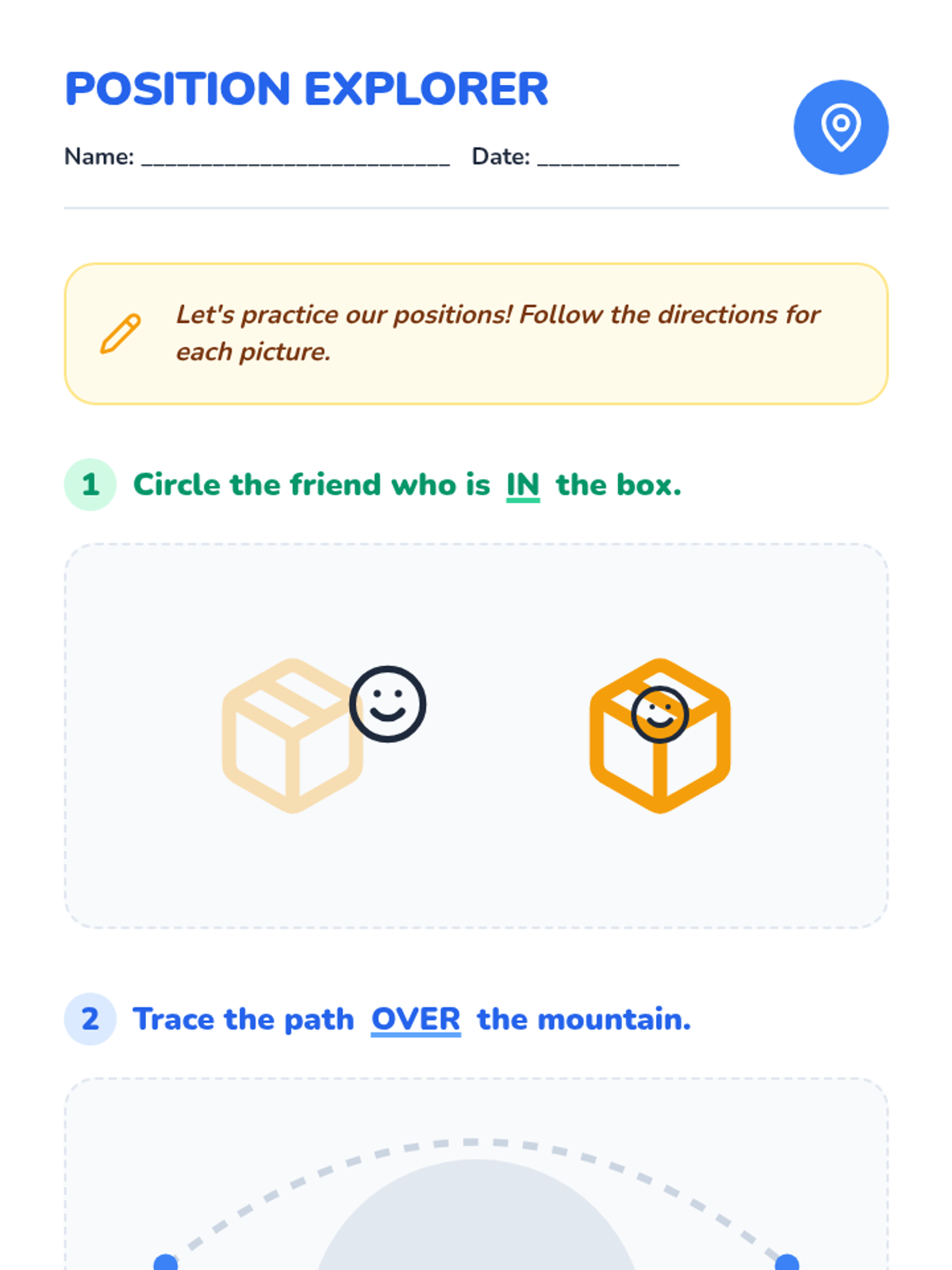
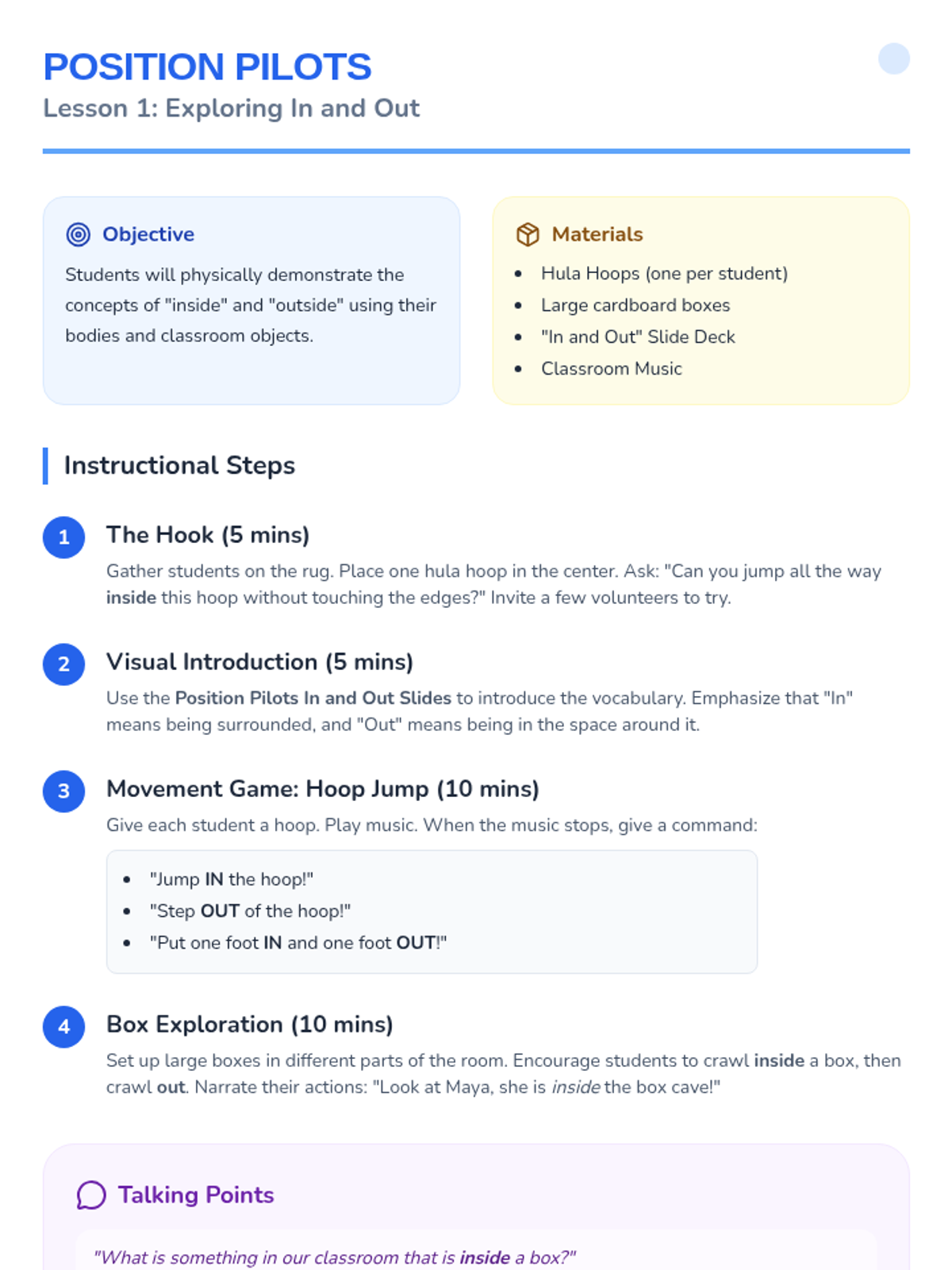
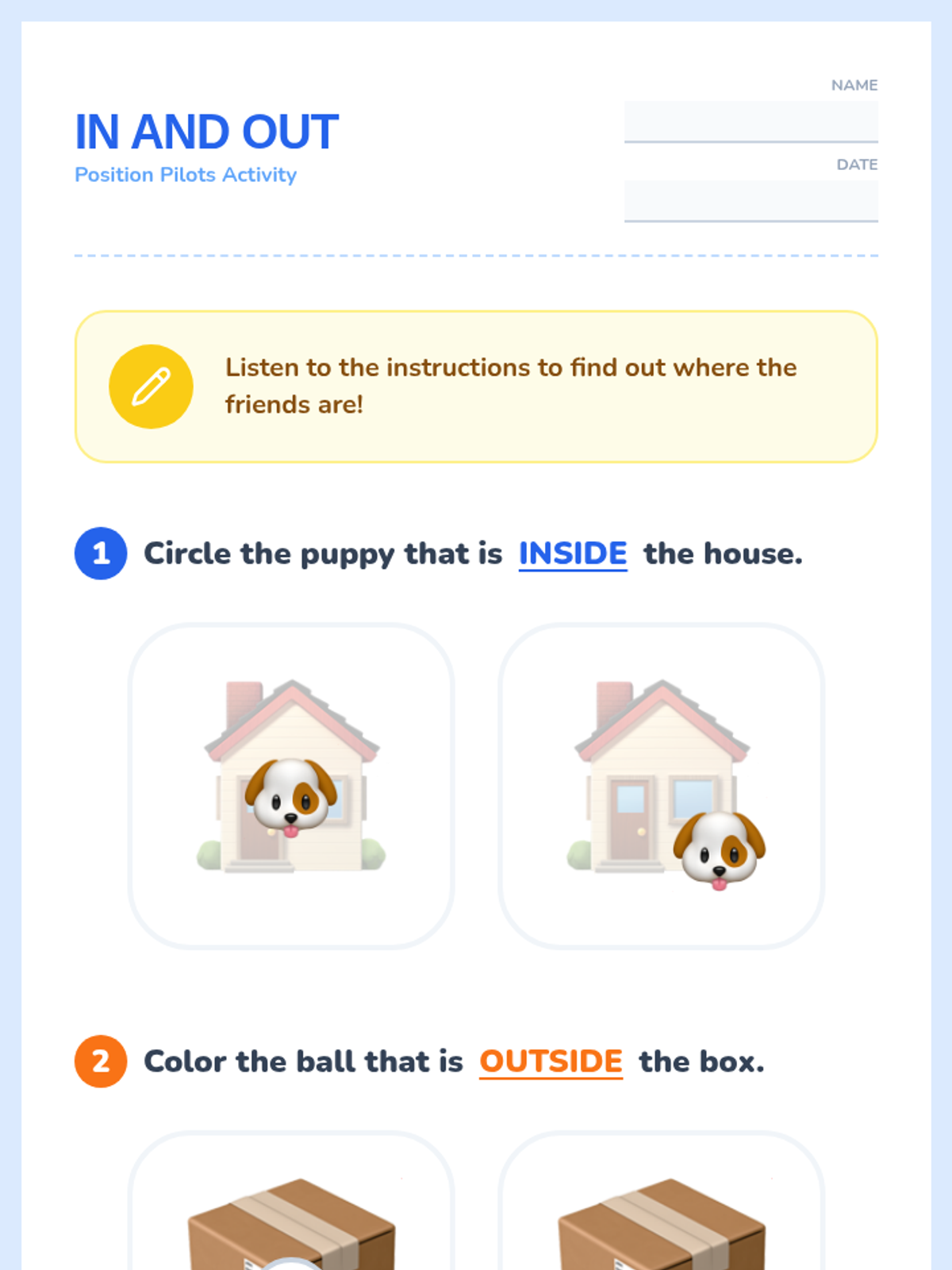
A Pre-K sequence focused on developing spatial awareness and positional vocabulary through physical movement, object manipulation, and classroom mapping. students explore terms like in, out, over, under, next to, and between.
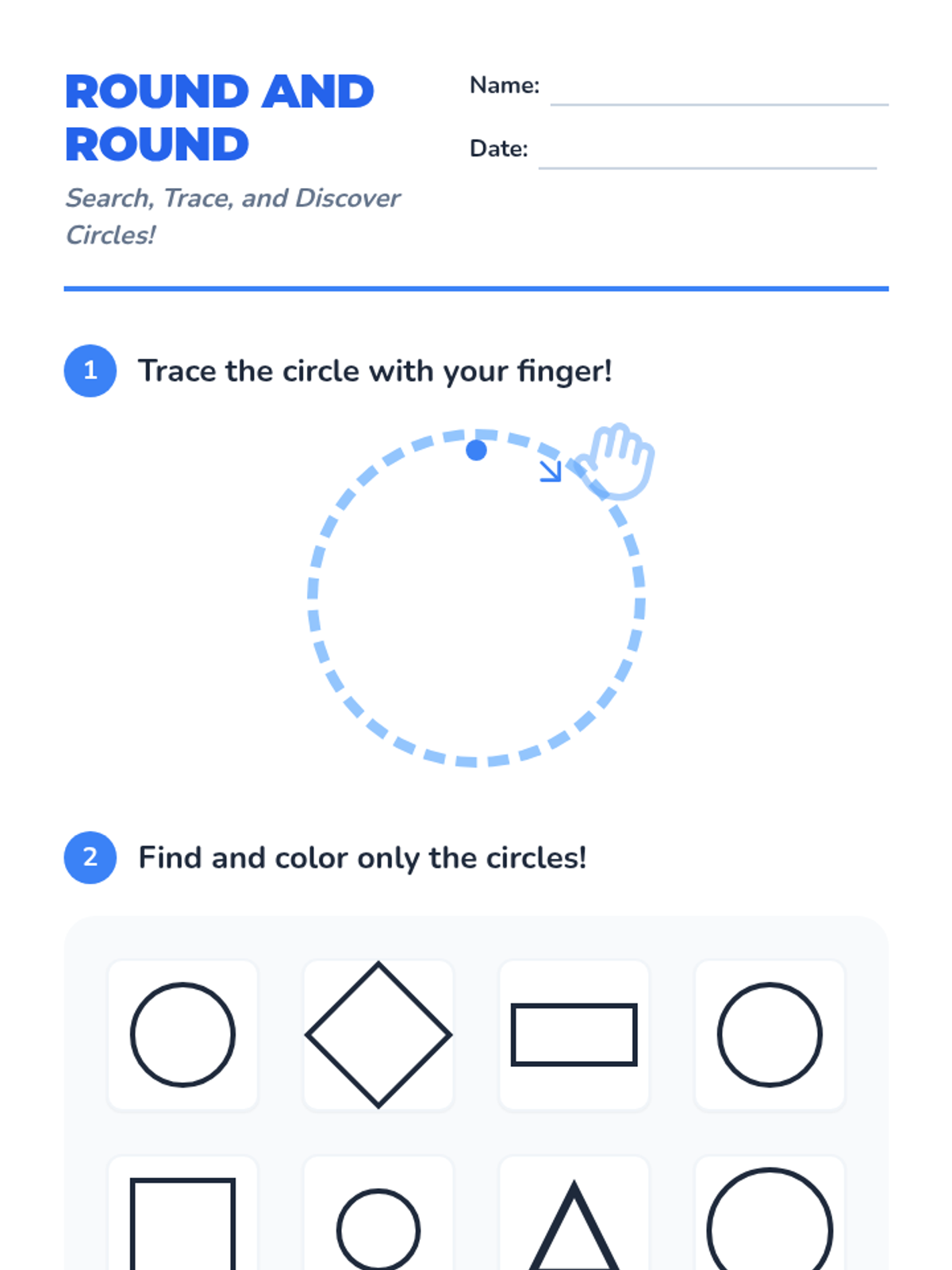
This sequence introduces Pre-K students to 2D shapes (circles, squares, rectangles, triangles) through sensory play, physical movement, and environmental exploration. Students will learn to distinguish shapes by their attributes like sides and corners.
A physical-movement-based sequence for Pre-K students to learn spatial vocabulary. Students use their bodies to explore concepts like in/out, over/under, beside/between, and front/behind through games and an obstacle course.
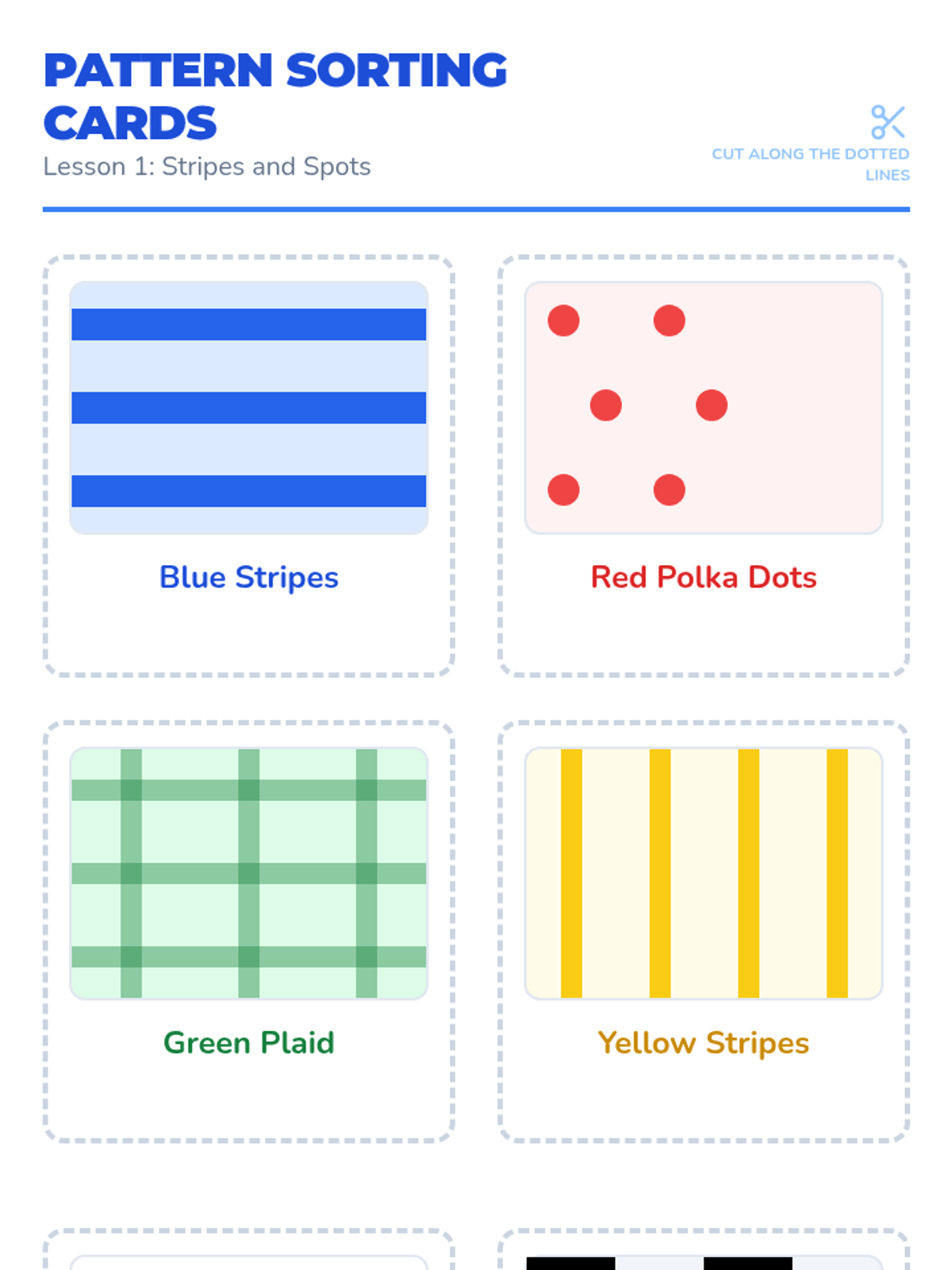
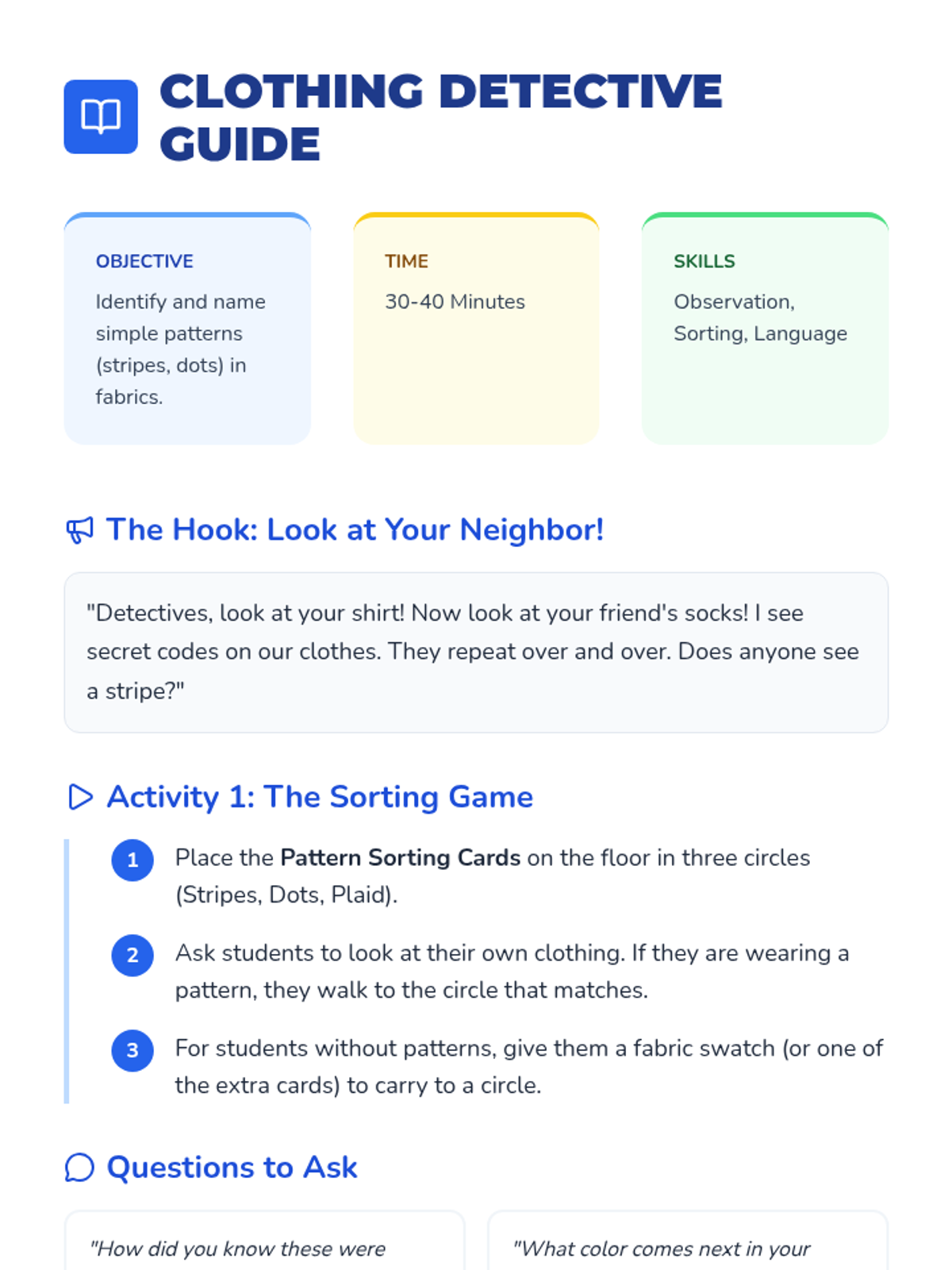
A Pre-K math sequence that explores patterns in clothing, nature, routines, and architecture, turning students into 'Pattern Detectives' who observe and document the world around them.